window.__IS_SSR__=true
window.__INITIAL_STATE__={
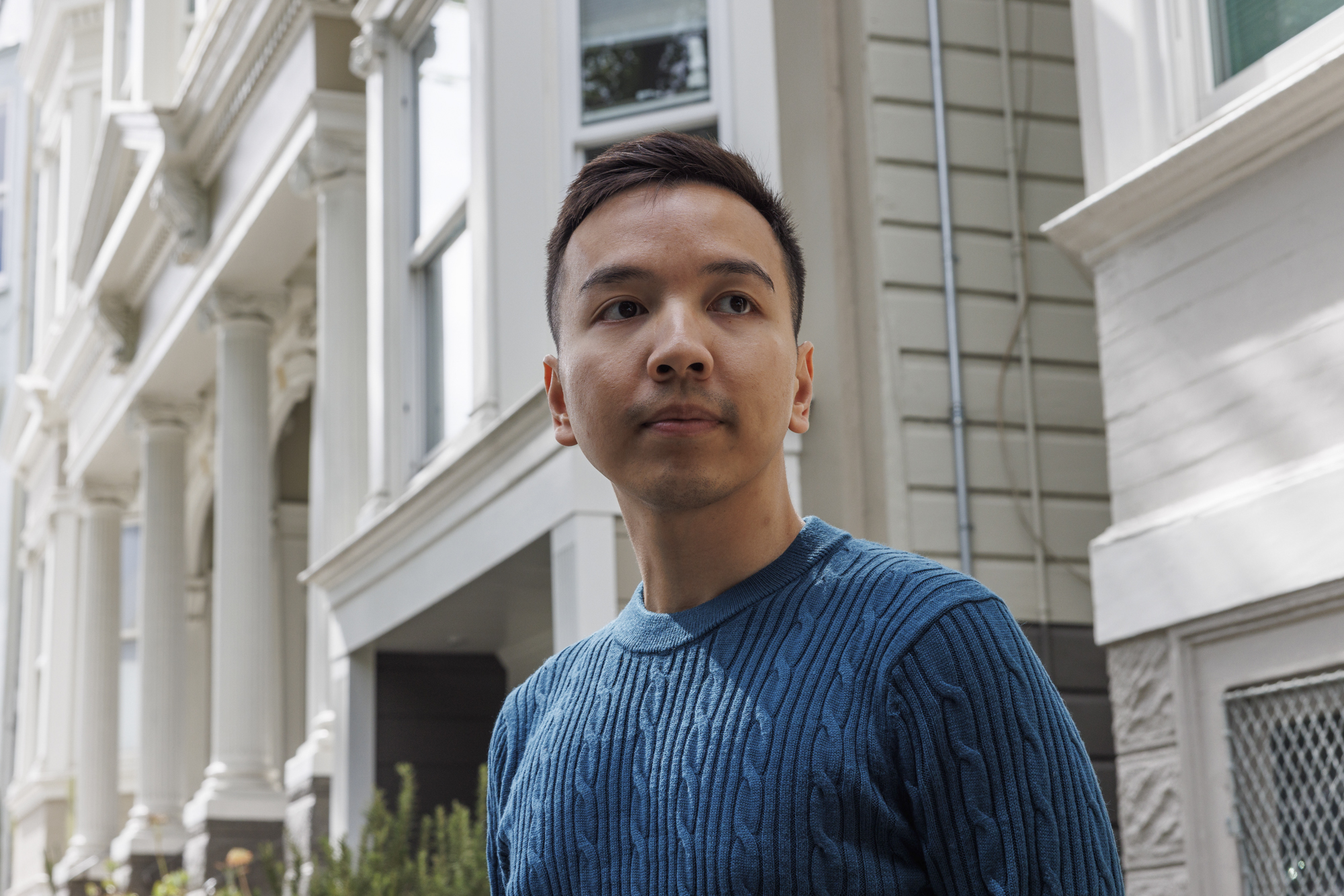
"attachmentsReducer": {
"audio_0": {
"type": "attachments",
"id": "audio_0",
"imgSizes": {
"kqedFullSize": {
"file": "https://ww2.kqed.org/news/wp-content/themes/KQED-unified/img/audio_bgs/background0.jpg"
}
}
},
"audio_1": {
"type": "attachments",
"id": "audio_1",
"imgSizes": {
"kqedFullSize": {
"file": "https://ww2.kqed.org/news/wp-content/themes/KQED-unified/img/audio_bgs/background1.jpg"
}
}
},
"audio_2": {
"type": "attachments",
"id": "audio_2",
"imgSizes": {
"kqedFullSize": {
"file": "https://ww2.kqed.org/news/wp-content/themes/KQED-unified/img/audio_bgs/background2.jpg"
}
}
},
"audio_3": {
"type": "attachments",
"id": "audio_3",
"imgSizes": {
"kqedFullSize": {
"file": "https://ww2.kqed.org/news/wp-content/themes/KQED-unified/img/audio_bgs/background3.jpg"
}
}
},
"audio_4": {
"type": "attachments",
"id": "audio_4",
"imgSizes": {
"kqedFullSize": {
"file": "https://ww2.kqed.org/news/wp-content/themes/KQED-unified/img/audio_bgs/background4.jpg"
}
}
},
"placeholder": {
"type": "attachments",
"id": "placeholder",
"imgSizes": {
"thumbnail": {
"file": "https://cdn.kqed.org/wp-content/uploads/2024/12/KQED-Default-Image-816638274-2000x1333-1-160x107.jpg",
"width": 160,
"height": 107,
"mimeType": "image/jpeg"
},
"medium": {
"file": "https://cdn.kqed.org/wp-content/uploads/2024/12/KQED-Default-Image-816638274-2000x1333-1-800x533.jpg",
"width": 800,
"height": 533,
"mimeType": "image/jpeg"
},
"medium_large": {
"file": "https://cdn.kqed.org/wp-content/uploads/2024/12/KQED-Default-Image-816638274-2000x1333-1-768x512.jpg",
"width": 768,
"height": 512,
"mimeType": "image/jpeg"
},
"large": {
"file": "https://cdn.kqed.org/wp-content/uploads/2024/12/KQED-Default-Image-816638274-2000x1333-1-1020x680.jpg",
"width": 1020,
"height": 680,
"mimeType": "image/jpeg"
},
"1536x1536": {
"file": "https://cdn.kqed.org/wp-content/uploads/2024/12/KQED-Default-Image-816638274-2000x1333-1-1536x1024.jpg",
"width": 1536,
"height": 1024,
"mimeType": "image/jpeg"
},
"fd-lrg": {
"file": "https://cdn.kqed.org/wp-content/uploads/2024/12/KQED-Default-Image-816638274-2000x1333-1-1536x1024.jpg",
"width": 1536,
"height": 1024,
"mimeType": "image/jpeg"
},
"fd-med": {
"file": "https://cdn.kqed.org/wp-content/uploads/2024/12/KQED-Default-Image-816638274-2000x1333-1-1020x680.jpg",
"width": 1020,
"height": 680,
"mimeType": "image/jpeg"
},
"fd-sm": {
"file": "https://cdn.kqed.org/wp-content/uploads/2024/12/KQED-Default-Image-816638274-2000x1333-1-800x533.jpg",
"width": 800,
"height": 533,
"mimeType": "image/jpeg"
},
"post-thumbnail": {
"file": "https://cdn.kqed.org/wp-content/uploads/2024/12/KQED-Default-Image-816638274-2000x1333-1-672x372.jpg",
"width": 672,
"height": 372,
"mimeType": "image/jpeg"
},
"twentyfourteen-full-width": {
"file": "https://cdn.kqed.org/wp-content/uploads/2024/12/KQED-Default-Image-816638274-2000x1333-1-1038x576.jpg",
"width": 1038,
"height": 576,
"mimeType": "image/jpeg"
},
"xxsmall": {
"file": "https://cdn.kqed.org/wp-content/uploads/2024/12/KQED-Default-Image-816638274-2000x1333-1-160x107.jpg",
"width": 160,
"height": 107,
"mimeType": "image/jpeg"
},
"xsmall": {
"file": "https://cdn.kqed.org/wp-content/uploads/2024/12/KQED-Default-Image-816638274-2000x1333-1-672x372.jpg",
"width": 672,
"height": 372,
"mimeType": "image/jpeg"
},
"small": {
"file": "https://cdn.kqed.org/wp-content/uploads/2024/12/KQED-Default-Image-816638274-2000x1333-1-672x372.jpg",
"width": 672,
"height": 372,
"mimeType": "image/jpeg"
},
"xlarge": {
"file": "https://cdn.kqed.org/wp-content/uploads/2024/12/KQED-Default-Image-816638274-2000x1333-1-1020x680.jpg",
"width": 1020,
"height": 680,
"mimeType": "image/jpeg"
},
"full-width": {
"file": "https://cdn.kqed.org/wp-content/uploads/2024/12/KQED-Default-Image-816638274-2000x1333-1-1920x1280.jpg",
"width": 1920,
"height": 1280,
"mimeType": "image/jpeg"
},
"guest-author-32": {
"file": "https://cdn.kqed.org/wp-content/uploads/2025/01/KQED-Default-Image-816638274-1333x1333-1-160x160.jpg",
"width": 32,
"height": 32,
"mimeType": "image/jpeg"
},
"guest-author-50": {
"file": "https://cdn.kqed.org/wp-content/uploads/2025/01/KQED-Default-Image-816638274-1333x1333-1-160x160.jpg",
"width": 50,
"height": 50,
"mimeType": "image/jpeg"
},
"guest-author-64": {
"file": "https://cdn.kqed.org/wp-content/uploads/2025/01/KQED-Default-Image-816638274-1333x1333-1-160x160.jpg",
"width": 64,
"height": 64,
"mimeType": "image/jpeg"
},
"guest-author-96": {
"file": "https://cdn.kqed.org/wp-content/uploads/2025/01/KQED-Default-Image-816638274-1333x1333-1-160x160.jpg",
"width": 96,
"height": 96,
"mimeType": "image/jpeg"
},
"guest-author-128": {
"file": "https://cdn.kqed.org/wp-content/uploads/2025/01/KQED-Default-Image-816638274-1333x1333-1-160x160.jpg",
"width": 128,
"height": 128,
"mimeType": "image/jpeg"
},
"detail": {
"file": "https://cdn.kqed.org/wp-content/uploads/2025/01/KQED-Default-Image-816638274-1333x1333-1-160x160.jpg",
"width": 160,
"height": 160,
"mimeType": "image/jpeg"
},
"kqedFullSize": {
"file": "https://cdn.kqed.org/wp-content/uploads/2024/12/KQED-Default-Image-816638274-2000x1333-1.jpg",
"width": 2000,
"height": 1333
}
}
},
"news_12095529": {
"type": "attachments",
"id": "news_12095529",
"meta": {
"index": "attachments_1716263798",
"site": "news",
"id": "12095529",
"found": true
},
"title": "081426-RENTALSCAM-15-MC-KQED",
"publishDate": 1786983274,
"status": "inherit",
"parent": 0,
"modified": 1786988277,
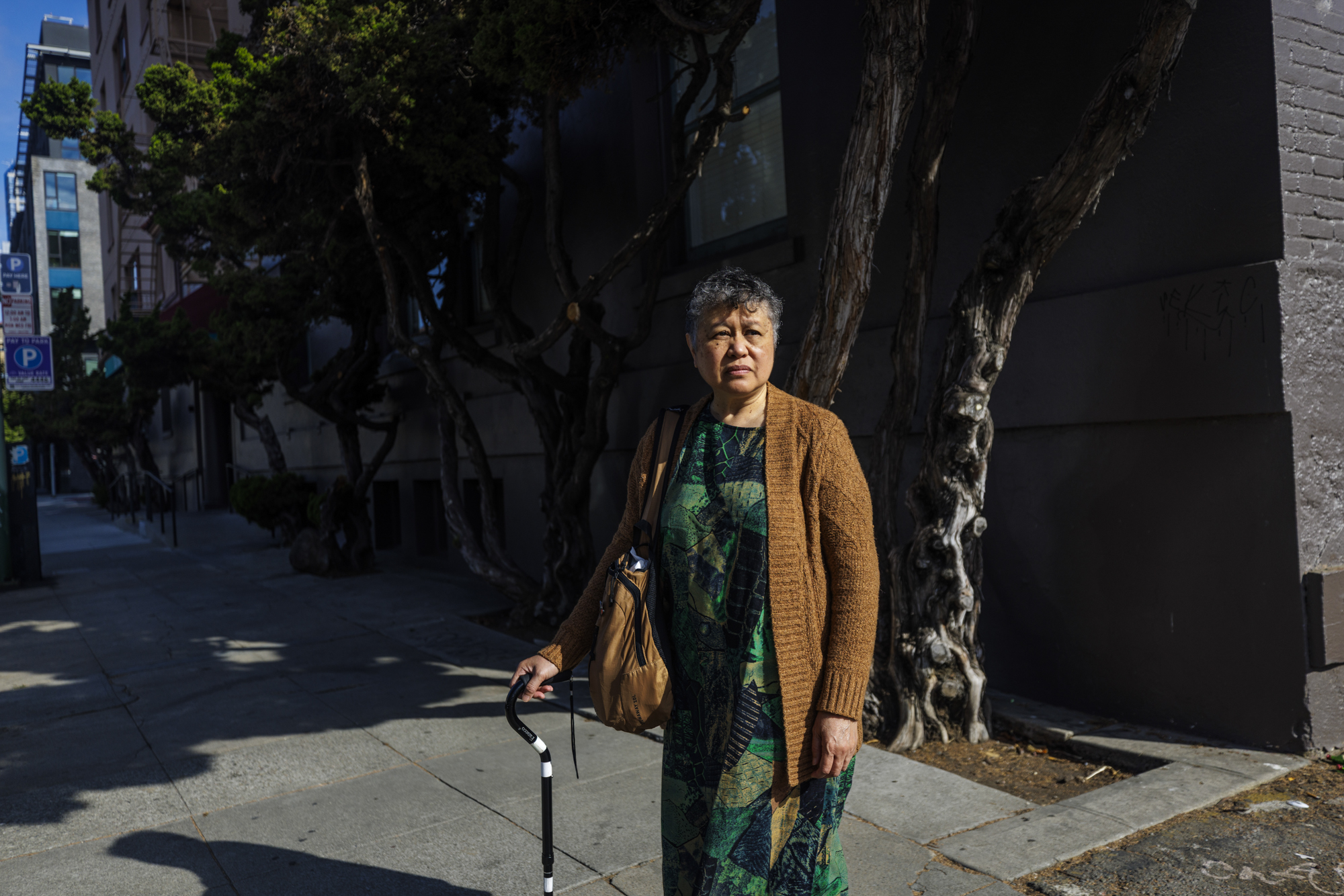
"caption": "Alvin Tran poses for a portrait outside of the apartment he thought he would be renting on August 14, 2026, in San Francisco. As fraudsters use AI to make their scams more elaborate, what can you do to not be the next one to fall prey?",
"credit": "Miles Cull/KQED",
"altTag": null,
"description": null,
"imgSizes": {
"thumbnail": {
"file": "https://cdn.kqed.org/wp-content/uploads/sites/10/2026/08/081426-RENTALSCAM-15-MC-KQED-160x107.jpg",
"width": 160,
"height": 107,
"mimeType": "image/jpeg"
},
"1536x1536": {
"file": "https://cdn.kqed.org/wp-content/uploads/sites/10/2026/08/081426-RENTALSCAM-15-MC-KQED-1536x1025.jpg",
"width": 1536,
"height": 1025,
"mimeType": "image/jpeg"
},
"post-thumbnail": {
"file": "https://cdn.kqed.org/wp-content/uploads/sites/10/2026/08/081426-RENTALSCAM-15-MC-KQED-672x372.jpg",
"width": 672,
"height": 372,
"mimeType": "image/jpeg"
},
"twentyfourteen-full-width": {
"file": "https://cdn.kqed.org/wp-content/uploads/sites/10/2026/08/081426-RENTALSCAM-15-MC-KQED-1038x576.jpg",
"width": 1038,
"height": 576,
"mimeType": "image/jpeg"
},
"npr-cds-wide": {
"file": "https://cdn.kqed.org/wp-content/uploads/sites/10/2026/08/081426-RENTALSCAM-15-MC-KQED-1200x675.jpg",
"width": 1200,
"height": 675,
"mimeType": "image/jpeg"
},
"npr-cds-square": {
"file": "https://cdn.kqed.org/wp-content/uploads/sites/10/2026/08/081426-RENTALSCAM-15-MC-KQED-600x600.jpg",
"width": 600,
"height": 600,
"mimeType": "image/jpeg"
},
"kqedFullSize": {
"file": "https://cdn.kqed.org/wp-content/uploads/sites/10/2026/08/081426-RENTALSCAM-15-MC-KQED.jpg",
"width": 2000,
"height": 1334
}
},
"isLoading": false,
"fetchFailed": false
},
"news_12095619": {
"type": "attachments",
"id": "news_12095619",
"meta": {
"index": "attachments_1716263798",
"site": "news",
"id": "12095619",
"found": true
},
"title": "003_KQED_SanFrancisco_Muni_04062020_qed",
"publishDate": 1787001340,
"status": "inherit",
"parent": 12095616,
"modified": 1787001353,
"caption": "Passengers board the 14R-Mission on 4th and Mission Streets in San Francisco on April 6, 2020.",
"credit": "Beth LaBerge/KQED",
"altTag": null,
"description": null,
"imgSizes": {
"thumbnail": {
"file": "https://cdn.kqed.org/wp-content/uploads/sites/10/2026/08/003_KQED_SanFrancisco_Muni_04062020_qed-160x107.jpg",
"width": 160,
"height": 107,
"mimeType": "image/jpeg"
},
"1536x1536": {
"file": "https://cdn.kqed.org/wp-content/uploads/sites/10/2026/08/003_KQED_SanFrancisco_Muni_04062020_qed-1536x1024.jpg",
"width": 1536,
"height": 1024,
"mimeType": "image/jpeg"
},
"post-thumbnail": {
"file": "https://cdn.kqed.org/wp-content/uploads/sites/10/2026/08/003_KQED_SanFrancisco_Muni_04062020_qed-672x372.jpg",
"width": 672,
"height": 372,
"mimeType": "image/jpeg"
},
"twentyfourteen-full-width": {
"file": "https://cdn.kqed.org/wp-content/uploads/sites/10/2026/08/003_KQED_SanFrancisco_Muni_04062020_qed-1038x576.jpg",
"width": 1038,
"height": 576,
"mimeType": "image/jpeg"
},
"npr-cds-wide": {
"file": "https://cdn.kqed.org/wp-content/uploads/sites/10/2026/08/003_KQED_SanFrancisco_Muni_04062020_qed-1200x675.jpg",
"width": 1200,
"height": 675,
"mimeType": "image/jpeg"
},
"npr-cds-square": {
"file": "https://cdn.kqed.org/wp-content/uploads/sites/10/2026/08/003_KQED_SanFrancisco_Muni_04062020_qed-600x600.jpg",
"width": 600,
"height": 600,
"mimeType": "image/jpeg"
},
"kqedFullSize": {
"file": "https://cdn.kqed.org/wp-content/uploads/sites/10/2026/08/003_KQED_SanFrancisco_Muni_04062020_qed.jpg",
"width": 2000,
"height": 1333
}
},
"isLoading": false,
"fetchFailed": false
},
"news_12091833": {
"type": "attachments",
"id": "news_12091833",
"meta": {
"index": "attachments_1716263798",
"site": "news",
"id": "12091833",
"found": true
},
"title": "20260717_FOODBANKSUPDATE_GC-15-KQED",
"publishDate": 1784566264,
"status": "inherit",
"parent": 0,
"modified": 1787005609,
"caption": "Ladonna Johnson receives assistance during a drive-through food distribution at Tri-City Volunteers Food Bank & Mobile Pantry’s main hub in Fremont on July 17, 2026.",
"credit": "Gina Castro for KQED",
"altTag": null,
"description": null,
"imgSizes": {
"thumbnail": {
"file": "https://cdn.kqed.org/wp-content/uploads/sites/10/2026/07/20260717_FOODBANKSUPDATE_GC-15-KQED-160x107.jpg",
"width": 160,
"height": 107,
"mimeType": "image/jpeg"
},
"1536x1536": {
"file": "https://cdn.kqed.org/wp-content/uploads/sites/10/2026/07/20260717_FOODBANKSUPDATE_GC-15-KQED-1536x1024.jpg",
"width": 1536,
"height": 1024,
"mimeType": "image/jpeg"
},
"post-thumbnail": {
"file": "https://cdn.kqed.org/wp-content/uploads/sites/10/2026/07/20260717_FOODBANKSUPDATE_GC-15-KQED-672x372.jpg",
"width": 672,
"height": 372,
"mimeType": "image/jpeg"
},
"twentyfourteen-full-width": {
"file": "https://cdn.kqed.org/wp-content/uploads/sites/10/2026/07/20260717_FOODBANKSUPDATE_GC-15-KQED-1038x576.jpg",
"width": 1038,
"height": 576,
"mimeType": "image/jpeg"
},
"npr-cds-wide": {
"file": "https://cdn.kqed.org/wp-content/uploads/sites/10/2026/07/20260717_FOODBANKSUPDATE_GC-15-KQED-1200x675.jpg",
"width": 1200,
"height": 675,
"mimeType": "image/jpeg"
},
"npr-cds-square": {
"file": "https://cdn.kqed.org/wp-content/uploads/sites/10/2026/07/20260717_FOODBANKSUPDATE_GC-15-KQED-600x600.jpg",
"width": 600,
"height": 600,
"mimeType": "image/jpeg"
},
"kqedFullSize": {
"file": "https://cdn.kqed.org/wp-content/uploads/sites/10/2026/07/20260717_FOODBANKSUPDATE_GC-15-KQED.jpg",
"width": 2000,
"height": 1333
}
},
"isLoading": false,
"fetchFailed": false
},
"news_12093645": {
"type": "attachments",
"id": "news_12093645",
"meta": {
"index": "attachments_1716263798",
"site": "news",
"id": "12093645",
"found": true
},
"title": "20260729_SJCITYWORKERS_GC-8-KQED",
"publishDate": 1785777203,
"status": "inherit",
"parent": 0,
"modified": 1785777226,
"caption": "A San Jose City employee holds a sign reading “ready to strike for our services” at Strike School in San Jose on July 29, 2026.",
"credit": "Gina Castro for KQED",
"altTag": null,
"description": null,
"imgSizes": {
"thumbnail": {
"file": "https://cdn.kqed.org/wp-content/uploads/sites/10/2026/08/20260729_SJCITYWORKERS_GC-8-KQED-160x107.jpg",
"width": 160,
"height": 107,
"mimeType": "image/jpeg"
},
"1536x1536": {
"file": "https://cdn.kqed.org/wp-content/uploads/sites/10/2026/08/20260729_SJCITYWORKERS_GC-8-KQED-1536x1024.jpg",
"width": 1536,
"height": 1024,
"mimeType": "image/jpeg"
},
"post-thumbnail": {
"file": "https://cdn.kqed.org/wp-content/uploads/sites/10/2026/08/20260729_SJCITYWORKERS_GC-8-KQED-672x372.jpg",
"width": 672,
"height": 372,
"mimeType": "image/jpeg"
},
"twentyfourteen-full-width": {
"file": "https://cdn.kqed.org/wp-content/uploads/sites/10/2026/08/20260729_SJCITYWORKERS_GC-8-KQED-1038x576.jpg",
"width": 1038,
"height": 576,
"mimeType": "image/jpeg"
},
"npr-cds-wide": {
"file": "https://cdn.kqed.org/wp-content/uploads/sites/10/2026/08/20260729_SJCITYWORKERS_GC-8-KQED-1200x675.jpg",
"width": 1200,
"height": 675,
"mimeType": "image/jpeg"
},
"npr-cds-square": {
"file": "https://cdn.kqed.org/wp-content/uploads/sites/10/2026/08/20260729_SJCITYWORKERS_GC-8-KQED-600x600.jpg",
"width": 600,
"height": 600,
"mimeType": "image/jpeg"
},
"kqedFullSize": {
"file": "https://cdn.kqed.org/wp-content/uploads/sites/10/2026/08/20260729_SJCITYWORKERS_GC-8-KQED.jpg",
"width": 2000,
"height": 1333
}
},
"isLoading": false,
"fetchFailed": false
},
"news_12094384": {
"type": "attachments",
"id": "news_12094384",
"meta": {
"index": "attachments_1716263798",
"site": "news",
"id": "12094384",
"found": true
},
"title": "260807-Kennedy-High-BK-01-KQED",
"publishDate": 1786135437,
"status": "inherit",
"parent": 0,
"modified": 1786138660,
"caption": "The campus of John F. Kennedy High School in Richmond is closed on Aug. 7, 2026, as school district officials await air-testing results from the California Department of Toxic Substances Control. ",
"credit": "Brian Krans/KQED",
"altTag": null,
"description": null,
"imgSizes": {
"thumbnail": {
"file": "https://cdn.kqed.org/wp-content/uploads/sites/10/2026/08/260807-Kennedy-High-BK-01-KQED-160x107.jpg",
"width": 160,
"height": 107,
"mimeType": "image/jpeg"
},
"1536x1536": {
"file": "https://cdn.kqed.org/wp-content/uploads/sites/10/2026/08/260807-Kennedy-High-BK-01-KQED-1536x1024.jpg",
"width": 1536,
"height": 1024,
"mimeType": "image/jpeg"
},
"post-thumbnail": {
"file": "https://cdn.kqed.org/wp-content/uploads/sites/10/2026/08/260807-Kennedy-High-BK-01-KQED-672x372.jpg",
"width": 672,
"height": 372,
"mimeType": "image/jpeg"
},
"twentyfourteen-full-width": {
"file": "https://cdn.kqed.org/wp-content/uploads/sites/10/2026/08/260807-Kennedy-High-BK-01-KQED-1038x576.jpg",
"width": 1038,
"height": 576,
"mimeType": "image/jpeg"
},
"npr-cds-wide": {
"file": "https://cdn.kqed.org/wp-content/uploads/sites/10/2026/08/260807-Kennedy-High-BK-01-KQED-1200x675.jpg",
"width": 1200,
"height": 675,
"mimeType": "image/jpeg"
},
"npr-cds-square": {
"file": "https://cdn.kqed.org/wp-content/uploads/sites/10/2026/08/260807-Kennedy-High-BK-01-KQED-600x600.jpg",
"width": 600,
"height": 600,
"mimeType": "image/jpeg"
},
"kqedFullSize": {
"file": "https://cdn.kqed.org/wp-content/uploads/sites/10/2026/08/260807-Kennedy-High-BK-01-KQED.jpg",
"width": 2000,
"height": 1333
}
},
"isLoading": false,
"fetchFailed": false
},
"news_12095558": {
"type": "attachments",
"id": "news_12095558",
"meta": {
"index": "attachments_1716263798",
"site": "news",
"id": "12095558",
"found": true
},
"title": "081726-SFUSDFIRSTDAY-02-MC-KQED",
"publishDate": 1786991448,
"status": "inherit",
"parent": 0,
"modified": 1786991564,
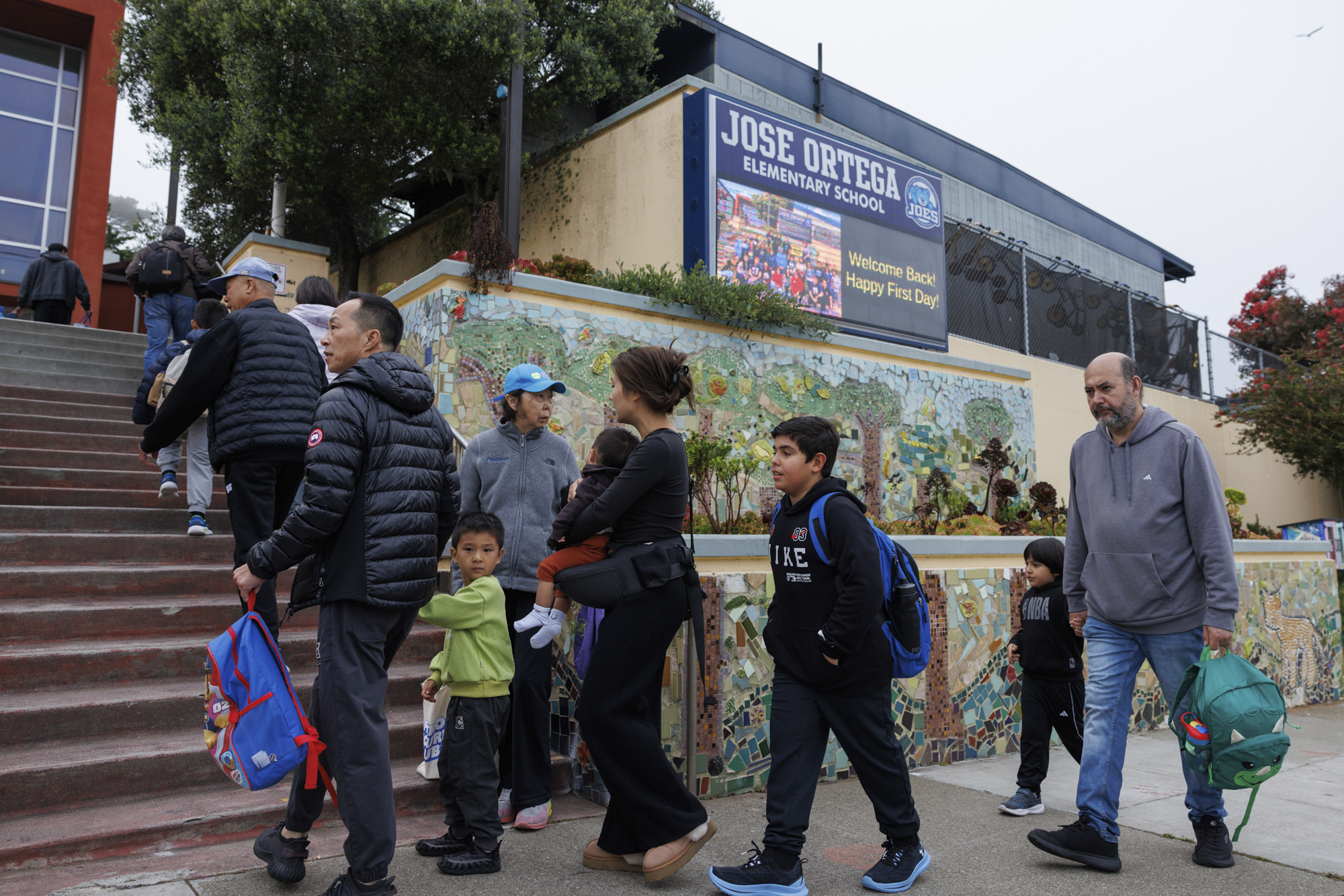
"caption": "Students arrive at Jose Ortega Elementary School for the first day of their school year on August 17, 2026, in San Francisco.",
"credit": "Miles Cull/KQED",
"altTag": null,
"description": null,
"imgSizes": {
"thumbnail": {
"file": "https://cdn.kqed.org/wp-content/uploads/sites/10/2026/08/081726-SFUSDFIRSTDAY-02-MC-KQED-160x107.jpg",
"width": 160,
"height": 107,
"mimeType": "image/jpeg"
},
"1536x1536": {
"file": "https://cdn.kqed.org/wp-content/uploads/sites/10/2026/08/081726-SFUSDFIRSTDAY-02-MC-KQED-1536x1025.jpg",
"width": 1536,
"height": 1025,
"mimeType": "image/jpeg"
},
"post-thumbnail": {
"file": "https://cdn.kqed.org/wp-content/uploads/sites/10/2026/08/081726-SFUSDFIRSTDAY-02-MC-KQED-672x372.jpg",
"width": 672,
"height": 372,
"mimeType": "image/jpeg"
},
"twentyfourteen-full-width": {
"file": "https://cdn.kqed.org/wp-content/uploads/sites/10/2026/08/081726-SFUSDFIRSTDAY-02-MC-KQED-1038x576.jpg",
"width": 1038,
"height": 576,
"mimeType": "image/jpeg"
},
"npr-cds-wide": {
"file": "https://cdn.kqed.org/wp-content/uploads/sites/10/2026/08/081726-SFUSDFIRSTDAY-02-MC-KQED-1200x675.jpg",
"width": 1200,
"height": 675,
"mimeType": "image/jpeg"
},
"npr-cds-square": {
"file": "https://cdn.kqed.org/wp-content/uploads/sites/10/2026/08/081726-SFUSDFIRSTDAY-02-MC-KQED-600x600.jpg",
"width": 600,
"height": 600,
"mimeType": "image/jpeg"
},
"kqedFullSize": {
"file": "https://cdn.kqed.org/wp-content/uploads/sites/10/2026/08/081726-SFUSDFIRSTDAY-02-MC-KQED.jpg",
"width": 2000,
"height": 1334
}
},
"isLoading": false,
"fetchFailed": false
},
"news_12095016": {
"type": "attachments",
"id": "news_12095016",
"meta": {
"index": "attachments_1716263798",
"site": "news",
"id": "12095016",
"found": true
},
"title": "The Alfred Zampa Memorial Bridge is seen from Vallejo on Aug. 12, 2026.",
"publishDate": 1786565884,
"status": "inherit",
"parent": 0,
"modified": 1786565920,
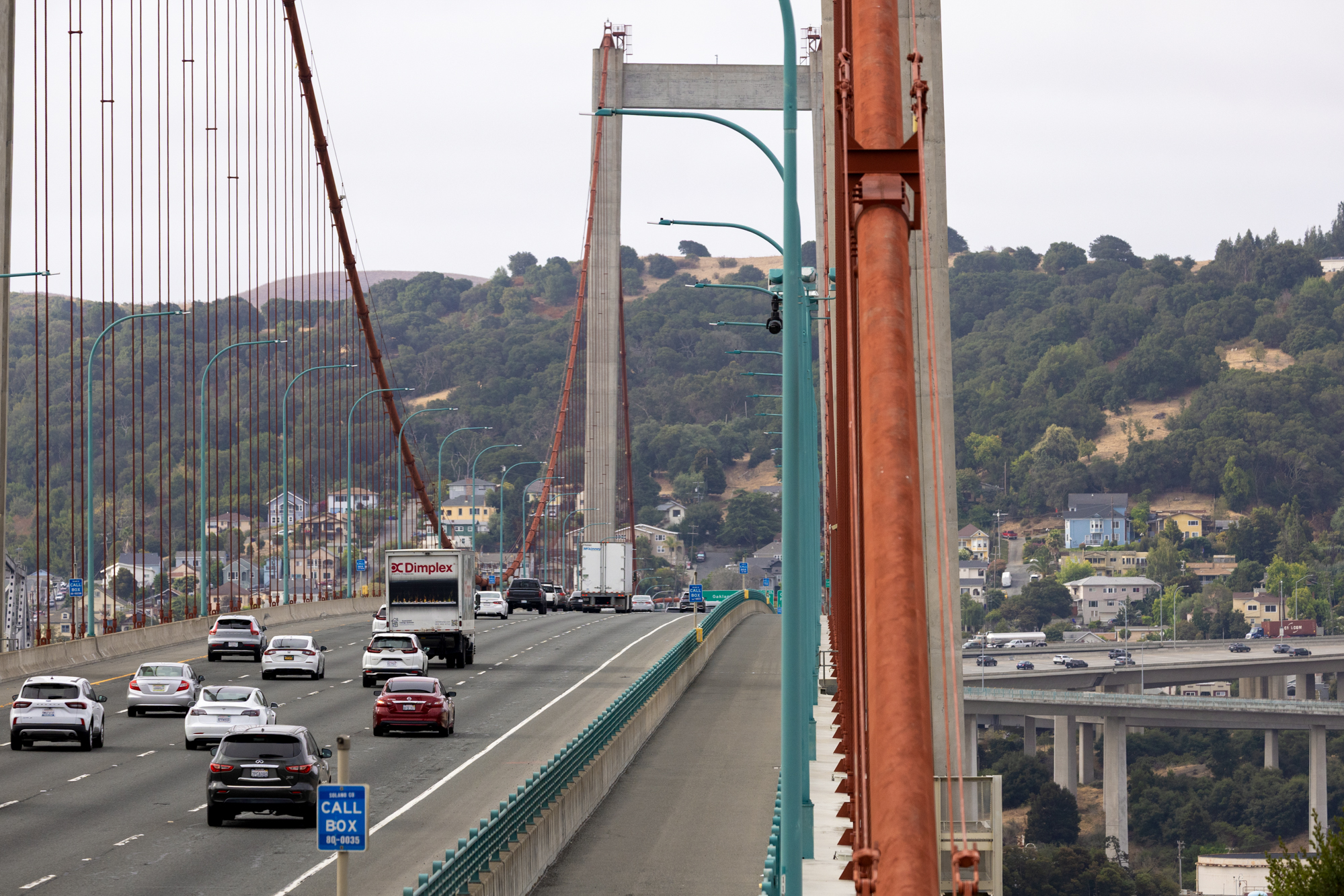
"caption": "The Alfred Zampa Memorial Bridge is seen from Vallejo on Aug. 12, 2026.",
"credit": "Nina Glick/KQED",
"altTag": null,
"description": null,
"imgSizes": {
"thumbnail": {
"file": "https://cdn.kqed.org/wp-content/uploads/sites/10/2026/08/260812-CarquinezBridgeClosure-NG-25-160x107.jpg",
"width": 160,
"height": 107,
"mimeType": "image/jpeg"
},
"1536x1536": {
"file": "https://cdn.kqed.org/wp-content/uploads/sites/10/2026/08/260812-CarquinezBridgeClosure-NG-25-1536x1024.jpg",
"width": 1536,
"height": 1024,
"mimeType": "image/jpeg"
},
"post-thumbnail": {
"file": "https://cdn.kqed.org/wp-content/uploads/sites/10/2026/08/260812-CarquinezBridgeClosure-NG-25-672x372.jpg",
"width": 672,
"height": 372,
"mimeType": "image/jpeg"
},
"twentyfourteen-full-width": {
"file": "https://cdn.kqed.org/wp-content/uploads/sites/10/2026/08/260812-CarquinezBridgeClosure-NG-25-1038x576.jpg",
"width": 1038,
"height": 576,
"mimeType": "image/jpeg"
},
"npr-cds-wide": {
"file": "https://cdn.kqed.org/wp-content/uploads/sites/10/2026/08/260812-CarquinezBridgeClosure-NG-25-1200x675.jpg",
"width": 1200,
"height": 675,
"mimeType": "image/jpeg"
},
"npr-cds-square": {
"file": "https://cdn.kqed.org/wp-content/uploads/sites/10/2026/08/260812-CarquinezBridgeClosure-NG-25-600x600.jpg",
"width": 600,
"height": 600,
"mimeType": "image/jpeg"
},
"kqedFullSize": {
"file": "https://cdn.kqed.org/wp-content/uploads/sites/10/2026/08/260812-CarquinezBridgeClosure-NG-25.jpg",
"width": 1999,
"height": 1333
}
},
"isLoading": false,
"fetchFailed": false
},
"news_11948823": {
"type": "attachments",
"id": "news_11948823",
"meta": {
"index": "attachments_1716263798",
"site": "news",
"id": "11948823",
"found": true
},
"parent": 11948690,
"imgSizes": {
"twentyfourteen-full-width": {
"file": "https://ww2.kqed.org/app/uploads/sites/10/2030/05/018_KQED_EachOneTeachOneChildCare_04262023-1038x576.jpg",
"width": 1038,
"mimeType": "image/jpeg",
"height": 576
},
"thumbnail": {
"file": "https://ww2.kqed.org/app/uploads/sites/10/2030/05/018_KQED_EachOneTeachOneChildCare_04262023-160x107.jpg",
"width": 160,
"mimeType": "image/jpeg",
"height": 107
},
"post-thumbnail": {
"file": "https://ww2.kqed.org/app/uploads/sites/10/2030/05/018_KQED_EachOneTeachOneChildCare_04262023-672x372.jpg",
"width": 672,
"mimeType": "image/jpeg",
"height": 372
},
"kqedFullSize": {
"file": "https://ww2.kqed.org/app/uploads/sites/10/2030/05/018_KQED_EachOneTeachOneChildCare_04262023.jpg",
"width": 1920,
"height": 1280
},
"large": {
"file": "https://ww2.kqed.org/app/uploads/sites/10/2030/05/018_KQED_EachOneTeachOneChildCare_04262023-1020x680.jpg",
"width": 1020,
"mimeType": "image/jpeg",
"height": 680
},
"1536x1536": {
"file": "https://ww2.kqed.org/app/uploads/sites/10/2030/05/018_KQED_EachOneTeachOneChildCare_04262023-1536x1024.jpg",
"width": 1536,
"mimeType": "image/jpeg",
"height": 1024
},
"medium": {
"file": "https://ww2.kqed.org/app/uploads/sites/10/2030/05/018_KQED_EachOneTeachOneChildCare_04262023-800x533.jpg",
"width": 800,
"mimeType": "image/jpeg",
"height": 533
}
},
"publishDate": 1683577443,
"modified": 1683577582,
"caption": "Krystle Danridge-Pierson, founder and director at Each One Teach One Child Care, holds a small child at the San Francisco daycare facility on April 26, 2023.",
"description": null,
"title": "018_KQED_EachOneTeachOneChildCare_04262023",
"credit": "Beth LaBerge/KQED",
"status": "inherit",
"altTag": "A Black woman holds a small child up to her face while smiling. The child touches her face.",
"isLoading": false,
"fetchFailed": false
},
"news_12084344": {
"type": "attachments",
"id": "news_12084344",
"meta": {
"index": "attachments_1716263798",
"site": "news",
"id": "12084344",
"found": true
},
"title": "Downtown Oakland Drone Views",
"publishDate": 1779218442,
"status": "inherit",
"parent": 12084243,
"modified": 1779218470,
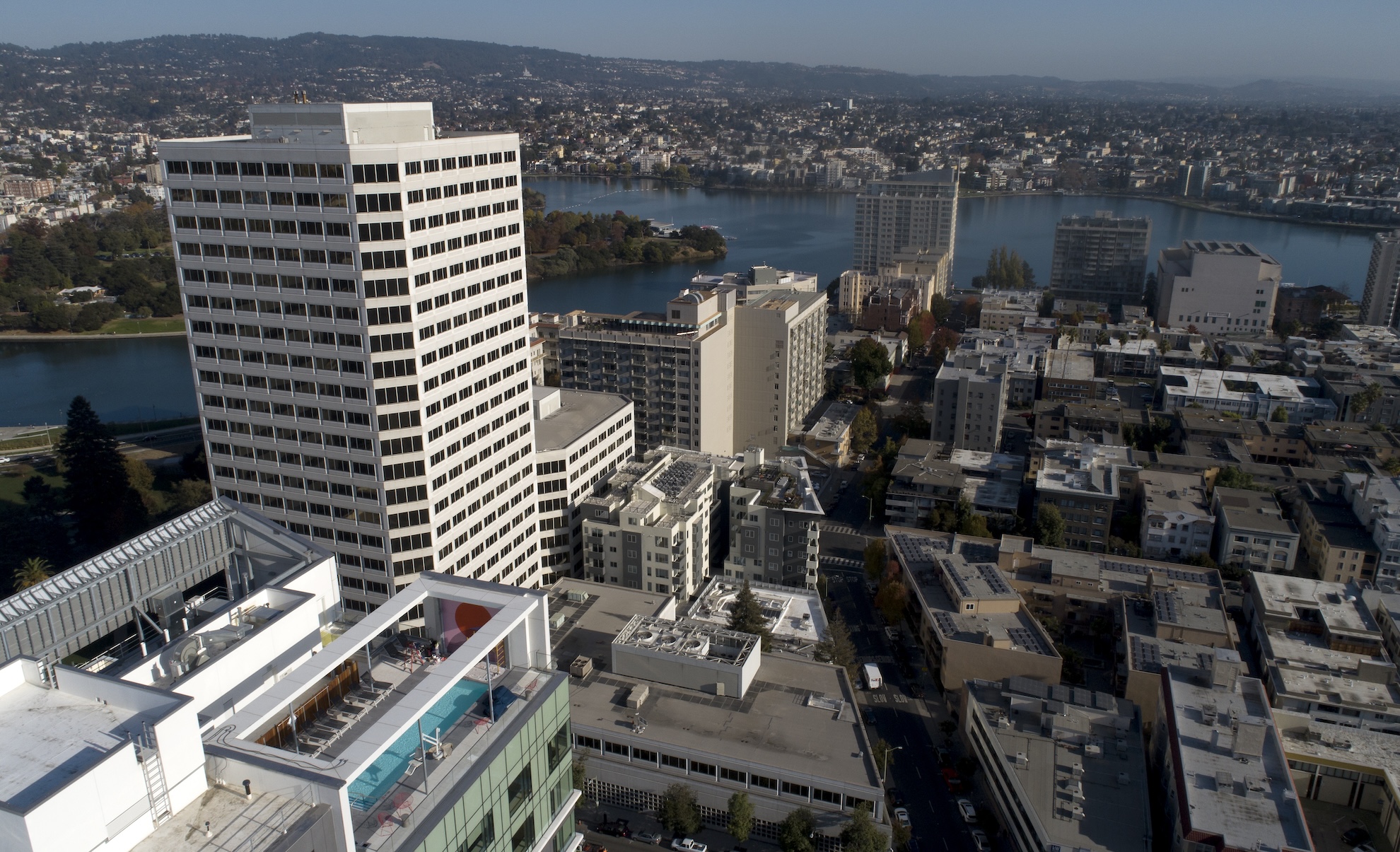
"caption": "A view of downtown and Lake Merritt are seen from this drone view in Oakland, Calif., on Thursday, Nov. 21, 2019. ",
"credit": "Jane Tyska/Digital First Media/The East Bay Times via Getty Images",
"altTag": null,
"description": null,
"imgSizes": {
"thumbnail": {
"file": "https://cdn.kqed.org/wp-content/uploads/sites/10/2026/05/GettyImages-1190533331-160x97.jpg",
"width": 160,
"height": 97,
"mimeType": "image/jpeg"
},
"1536x1536": {
"file": "https://cdn.kqed.org/wp-content/uploads/sites/10/2026/05/GettyImages-1190533331-1536x935.jpg",
"width": 1536,
"height": 935,
"mimeType": "image/jpeg"
},
"post-thumbnail": {
"file": "https://cdn.kqed.org/wp-content/uploads/sites/10/2026/05/GettyImages-1190533331-672x372.jpg",
"width": 672,
"height": 372,
"mimeType": "image/jpeg"
},
"twentyfourteen-full-width": {
"file": "https://cdn.kqed.org/wp-content/uploads/sites/10/2026/05/GettyImages-1190533331-1038x576.jpg",
"width": 1038,
"height": 576,
"mimeType": "image/jpeg"
},
"npr-cds-wide": {
"file": "https://cdn.kqed.org/wp-content/uploads/sites/10/2026/05/GettyImages-1190533331-1200x675.jpg",
"width": 1200,
"height": 675,
"mimeType": "image/jpeg"
},
"npr-cds-square": {
"file": "https://cdn.kqed.org/wp-content/uploads/sites/10/2026/05/GettyImages-1190533331-600x600.jpg",
"width": 600,
"height": 600,
"mimeType": "image/jpeg"
},
"kqedFullSize": {
"file": "https://cdn.kqed.org/wp-content/uploads/sites/10/2026/05/GettyImages-1190533331.jpg",
"width": 1980,
"height": 1205
}
},
"isLoading": false,
"fetchFailed": false
},
"news_12095475": {
"type": "attachments",
"id": "news_12095475",
"meta": {
"index": "attachments_1716263798",
"site": "news",
"id": "12095475",
"found": true
},
"title": "OAK Data Center",
"publishDate": 1786823066,
"status": "inherit",
"parent": 12095308,
"modified": 1786832236,
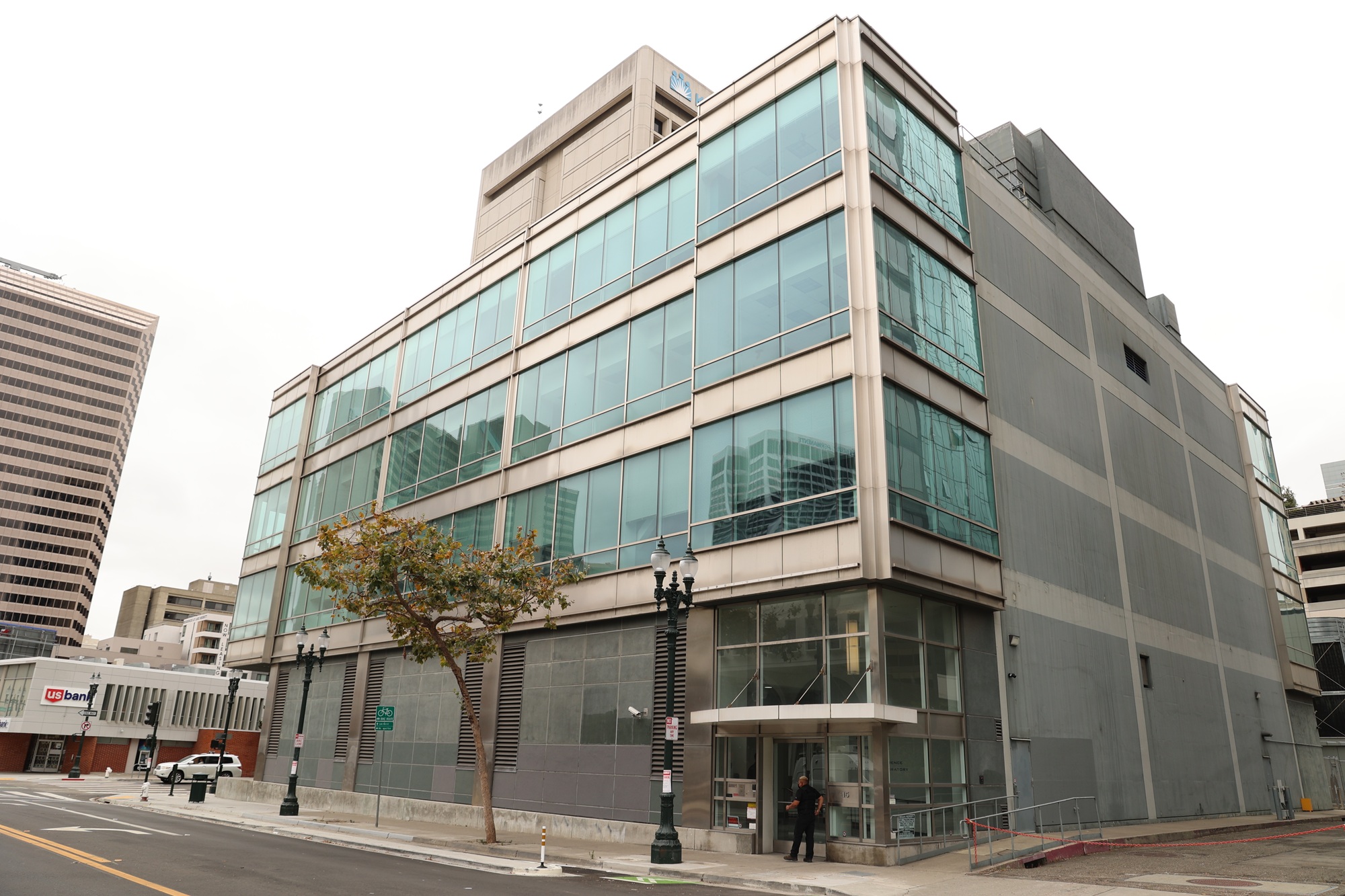
"caption": "The location of a proposed data center at 415 20th St. in Oakland on Aug. 14, 2026. ",
"credit": "Juan Carlos Lara/KQED",
"altTag": null,
"description": null,
"imgSizes": {
"thumbnail": {
"file": "https://cdn.kqed.org/wp-content/uploads/sites/10/2026/08/OAK-Data-Center-160x107.jpg",
"width": 160,
"height": 107,
"mimeType": "image/jpeg"
},
"1536x1536": {
"file": "https://cdn.kqed.org/wp-content/uploads/sites/10/2026/08/OAK-Data-Center-1536x1024.jpg",
"width": 1536,
"height": 1024,
"mimeType": "image/jpeg"
},
"post-thumbnail": {
"file": "https://cdn.kqed.org/wp-content/uploads/sites/10/2026/08/OAK-Data-Center-672x372.jpg",
"width": 672,
"height": 372,
"mimeType": "image/jpeg"
},
"twentyfourteen-full-width": {
"file": "https://cdn.kqed.org/wp-content/uploads/sites/10/2026/08/OAK-Data-Center-1038x576.jpg",
"width": 1038,
"height": 576,
"mimeType": "image/jpeg"
},
"npr-cds-wide": {
"file": "https://cdn.kqed.org/wp-content/uploads/sites/10/2026/08/OAK-Data-Center-1200x675.jpg",
"width": 1200,
"height": 675,
"mimeType": "image/jpeg"
},
"npr-cds-square": {
"file": "https://cdn.kqed.org/wp-content/uploads/sites/10/2026/08/OAK-Data-Center-600x600.jpg",
"width": 600,
"height": 600,
"mimeType": "image/jpeg"
},
"kqedFullSize": {
"file": "https://cdn.kqed.org/wp-content/uploads/sites/10/2026/08/OAK-Data-Center.jpg",
"width": 2000,
"height": 1333
}
},
"isLoading": false,
"fetchFailed": false
},
"news_12095418": {
"type": "attachments",
"id": "news_12095418",
"meta": {
"index": "attachments_1716263798",
"site": "news",
"id": "12095418",
"found": true
},
"title": "260814-SF Street Safety-ADE-01-KQED",
"publishDate": 1786745330,
"status": "inherit",
"parent": 0,
"modified": 1786745608,
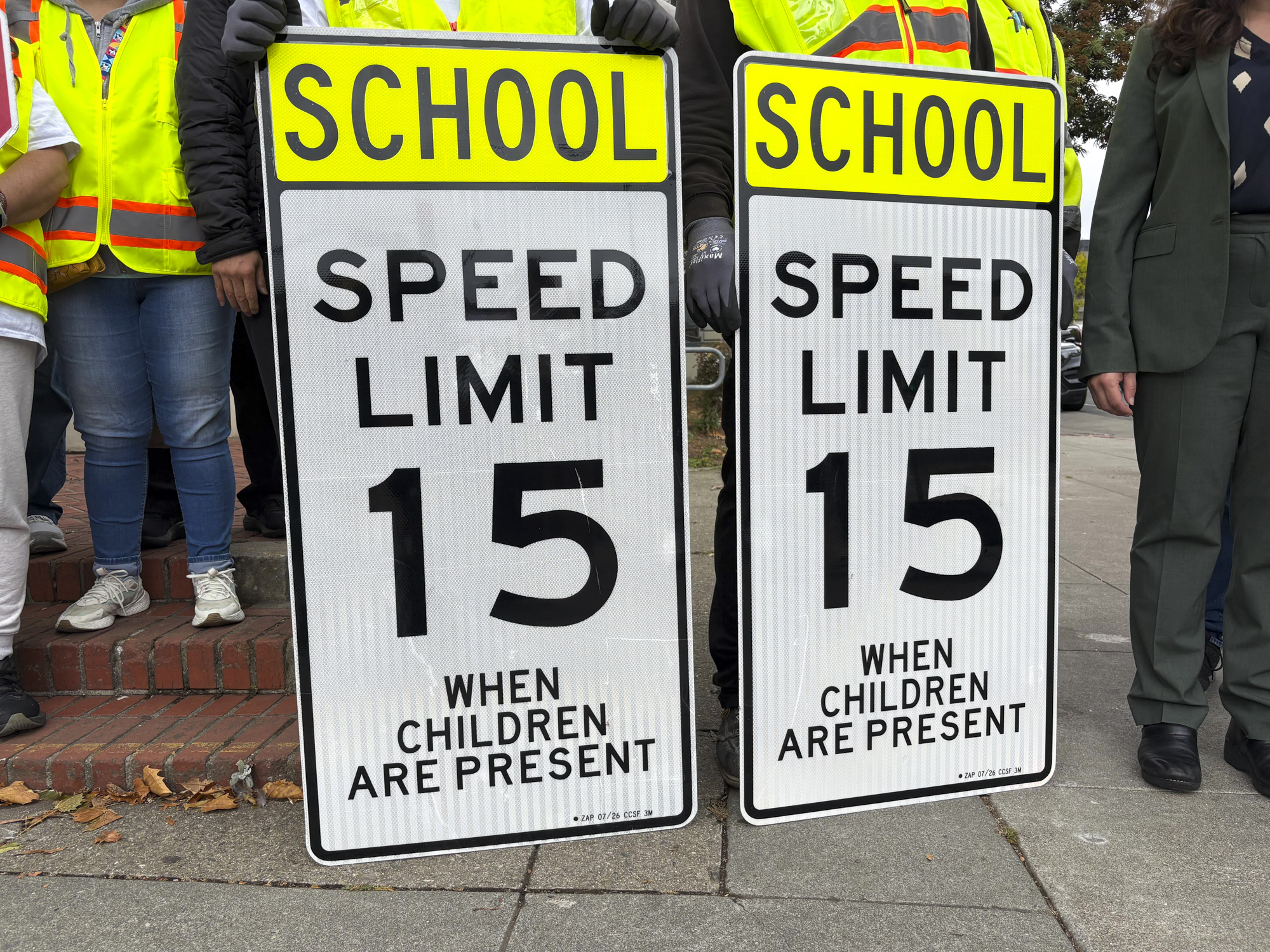
"caption": "The San Francisco Municipal Transportation Agency installed new speed limit signs near Flynn Leonard R. Flynn Elementary School on Aug. 14, 2026.",
"credit": "Azul Dahlstrom-Eckman/KQED",
"altTag": null,
"description": null,
"imgSizes": {
"thumbnail": {
"file": "https://cdn.kqed.org/wp-content/uploads/sites/10/2026/08/260814-SF-Street-Safety-ADE-01-KQED-160x120.jpg",
"width": 160,
"height": 120,
"mimeType": "image/jpeg"
},
"1536x1536": {
"file": "https://cdn.kqed.org/wp-content/uploads/sites/10/2026/08/260814-SF-Street-Safety-ADE-01-KQED-1536x1152.jpg",
"width": 1536,
"height": 1152,
"mimeType": "image/jpeg"
},
"post-thumbnail": {
"file": "https://cdn.kqed.org/wp-content/uploads/sites/10/2026/08/260814-SF-Street-Safety-ADE-01-KQED-672x372.jpg",
"width": 672,
"height": 372,
"mimeType": "image/jpeg"
},
"twentyfourteen-full-width": {
"file": "https://cdn.kqed.org/wp-content/uploads/sites/10/2026/08/260814-SF-Street-Safety-ADE-01-KQED-1038x576.jpg",
"width": 1038,
"height": 576,
"mimeType": "image/jpeg"
},
"npr-cds-wide": {
"file": "https://cdn.kqed.org/wp-content/uploads/sites/10/2026/08/260814-SF-Street-Safety-ADE-01-KQED-1200x675.jpg",
"width": 1200,
"height": 675,
"mimeType": "image/jpeg"
},
"npr-cds-square": {
"file": "https://cdn.kqed.org/wp-content/uploads/sites/10/2026/08/260814-SF-Street-Safety-ADE-01-KQED-600x600.jpg",
"width": 600,
"height": 600,
"mimeType": "image/jpeg"
},
"kqedFullSize": {
"file": "https://cdn.kqed.org/wp-content/uploads/sites/10/2026/08/260814-SF-Street-Safety-ADE-01-KQED.jpg",
"width": 2000,
"height": 1500
}
},
"isLoading": false,
"fetchFailed": false
},
"news_12095131": {
"type": "attachments",
"id": "news_12095131",
"meta": {
"index": "attachments_1716263798",
"site": "news",
"id": "12095131",
"found": true
},
"title": "260813-OAK LANDLORD SUIT-MD-05-KQED",
"publishDate": 1786644543,
"status": "inherit",
"parent": 0,
"modified": 1786651671,
"caption": "Kathy Vaquilar stands outside the La Peralta building, where she lives, in Oakland on Aug. 13, 2026.",
"credit": "Martin do Nascimento/KQED",
"altTag": null,
"description": null,
"imgSizes": {
"thumbnail": {
"file": "https://cdn.kqed.org/wp-content/uploads/sites/10/2026/08/260813-OAK-LANDLORD-SUIT-MD-05-KQED-160x107.jpg",
"width": 160,
"height": 107,
"mimeType": "image/jpeg"
},
"1536x1536": {
"file": "https://cdn.kqed.org/wp-content/uploads/sites/10/2026/08/260813-OAK-LANDLORD-SUIT-MD-05-KQED-1536x1025.jpg",
"width": 1536,
"height": 1025,
"mimeType": "image/jpeg"
},
"post-thumbnail": {
"file": "https://cdn.kqed.org/wp-content/uploads/sites/10/2026/08/260813-OAK-LANDLORD-SUIT-MD-05-KQED-672x372.jpg",
"width": 672,
"height": 372,
"mimeType": "image/jpeg"
},
"twentyfourteen-full-width": {
"file": "https://cdn.kqed.org/wp-content/uploads/sites/10/2026/08/260813-OAK-LANDLORD-SUIT-MD-05-KQED-1038x576.jpg",
"width": 1038,
"height": 576,
"mimeType": "image/jpeg"
},
"npr-cds-wide": {
"file": "https://cdn.kqed.org/wp-content/uploads/sites/10/2026/08/260813-OAK-LANDLORD-SUIT-MD-05-KQED-1200x675.jpg",
"width": 1200,
"height": 675,
"mimeType": "image/jpeg"
},
"npr-cds-square": {
"file": "https://cdn.kqed.org/wp-content/uploads/sites/10/2026/08/260813-OAK-LANDLORD-SUIT-MD-05-KQED-600x600.jpg",
"width": 600,
"height": 600,
"mimeType": "image/jpeg"
},
"kqedFullSize": {
"file": "https://cdn.kqed.org/wp-content/uploads/sites/10/2026/08/260813-OAK-LANDLORD-SUIT-MD-05-KQED.jpg",
"width": 2000,
"height": 1334
}
},
"isLoading": false,
"fetchFailed": false
}
},
"audioPlayerReducer": {
"postId": "stream_live",
"isPaused": true,
"isPlaying": false,
"pfsActive": false,
"pledgeModalIsOpen": true,
"playerDrawerIsOpen": false,
"liveAudioPlayStartedAt": 0,
"liveAudioPlayContext": ""
},
"authorsReducer": {
"gmarzorati": {
"type": "authors",
"id": "227",
"meta": {
"index": "authors_1716337520",
"id": "227",
"found": true
},
"name": "Guy Marzorati",
"firstName": "Guy",
"lastName": "Marzorati",
"slug": "gmarzorati",
"email": "gmarzorati@KQED.org",
"display_author_email": true,
"staff_mastheads": [
"news"
],
"title": "Correspondent",
"bio": "Guy Marzorati is a correspondent on KQED's California Politics and Government Desk, based in San Jose. A graduate of Santa Clara University, Guy joined KQED in 2013. He reports on state and local politics and produces KQED's digital voter guide.",
"avatar": "https://secure.gravatar.com/avatar/e7038b8dbfd55b104369b76b1cd0b9de?s=600&d=blank&r=g",
"twitter": "guymarzorati",
"facebook": null,
"instagram": null,
"linkedin": null,
"sites": [
{
"site": "",
"roles": [
"editor"
]
},
{
"site": "news",
"roles": [
"editor"
]
},
{
"site": "science",
"roles": [
"editor"
]
},
{
"site": "forum",
"roles": [
"editor"
]
},
{
"site": "elections",
"roles": [
"editor"
]
},
{
"site": "liveblog",
"roles": [
"editor"
]
}
],
"headData": {
"title": "Guy Marzorati | KQED",
"description": "Correspondent",
"ogImgSrc": "https://secure.gravatar.com/avatar/e7038b8dbfd55b104369b76b1cd0b9de?s=600&d=blank&r=g",
"twImgSrc": "https://secure.gravatar.com/avatar/e7038b8dbfd55b104369b76b1cd0b9de?s=600&d=blank&r=g"
},
"isLoading": false,
"link": "/author/gmarzorati"
},
"shossaini": {
"type": "authors",
"id": "3214",
"meta": {
"index": "authors_1716337520",
"id": "3214",
"found": true
},
"name": "Sara Hossaini",
"firstName": "Sara",
"lastName": "Hossaini",
"slug": "shossaini",
"email": "shossaini@kqed.org",
"display_author_email": true,
"staff_mastheads": [
"news"
],
"title": "KQED Reporter",
"bio": "Sara Hossaini came to general assignment reporting at KQED in 2013 after two winters reporting at Wyoming Public Radio. She holds a bachelor's degree in broadcast journalism from the University of Nebraska-Lincoln. Her radio romance began after a bitter breakup with documentary film (Ok, maybe it's still complicated). Her first simultaneous jobs in San Francisco were as Associate Producer on a PBS film series through the Center for Asian American Media and as a butler. She likes to trot, plot and make things with her hands.",
"avatar": "https://secure.gravatar.com/avatar/060e9f56b9554e17942e89f413242774?s=600&d=blank&r=g",
"twitter": "mshossaini",
"facebook": null,
"instagram": null,
"linkedin": null,
"sites": [
{
"site": "news",
"roles": [
"author"
]
},
{
"site": "stateofhealth",
"roles": [
"author"
]
}
],
"headData": {
"title": "Sara Hossaini | KQED",
"description": "KQED Reporter",
"ogImgSrc": "https://secure.gravatar.com/avatar/060e9f56b9554e17942e89f413242774?s=600&d=blank&r=g",
"twImgSrc": "https://secure.gravatar.com/avatar/060e9f56b9554e17942e89f413242774?s=600&d=blank&r=g"
},
"isLoading": false,
"link": "/author/shossaini"
},
"carlysevern": {
"type": "authors",
"id": "3243",
"meta": {
"index": "authors_1716337520",
"id": "3243",
"found": true
},
"name": "Carly Severn",
"firstName": "Carly",
"lastName": "Severn",
"slug": "carlysevern",
"email": "csevern@kqed.org",
"display_author_email": false,
"staff_mastheads": [
"news"
],
"title": "Senior Editor, Audience News ",
"bio": "Carly is KQED's Senior Editor of Audience News on the Digital News team, and has reported for the California Report Magazine, Bay Curious and KQED Arts. She's formerly the host of \u003ca href=\"http://ww2.kqed.org/pop/category/the-cooler/\" rel=\"noopener noreferrer\">The Cooler\u003c/a> podcast.",
"avatar": "https://secure.gravatar.com/avatar/54037bf5c128fe678f0ef26cec97a93f2e7f220a22d7285703328f12c42c1b1d?s=600&d=blank&r=g",
"twitter": "teacupinthebay",
"bluesky": null,
"facebook": null,
"instagram": null,
"linkedin": null,
"sites": [
{
"site": "",
"roles": [
"editor"
]
},
{
"site": "arts",
"roles": [
"editor"
]
},
{
"site": "news",
"roles": [
"administrator"
]
},
{
"site": "pop",
"roles": [
"editor"
]
},
{
"site": "futureofyou",
"roles": [
"editor"
]
},
{
"site": "about",
"roles": [
"administrator"
]
},
{
"site": "mindshift",
"roles": [
"editor"
]
},
{
"site": "bayareabites",
"roles": [
"editor"
]
},
{
"site": "stateofhealth",
"roles": [
"editor"
]
},
{
"site": "science",
"roles": [
"editor"
]
},
{
"site": "food",
"roles": [
"contributor"
]
},
{
"site": "forum",
"roles": [
"editor"
]
},
{
"site": "perspectives",
"roles": [
"administrator"
]
},
{
"site": "liveblog",
"roles": [
"editor"
]
}
],
"headData": {
"title": "Carly Severn | KQED",
"description": "Senior Editor, Audience News ",
"ogImgSrc": "https://secure.gravatar.com/avatar/54037bf5c128fe678f0ef26cec97a93f2e7f220a22d7285703328f12c42c1b1d?s=600&d=blank&r=g",
"twImgSrc": "https://secure.gravatar.com/avatar/54037bf5c128fe678f0ef26cec97a93f2e7f220a22d7285703328f12c42c1b1d?s=600&d=blank&r=g"
},
"isLoading": false,
"link": "/author/carlysevern"
},
"ccabreralomeli": {
"type": "authors",
"id": "11708",
"meta": {
"index": "authors_1716337520",
"id": "11708",
"found": true
},
"name": "Carlos Cabrera-Lomelí",
"firstName": "Carlos",
"lastName": "Cabrera-Lomelí",
"slug": "ccabreralomeli",
"email": "ccabreralomeli@KQED.org",
"display_author_email": true,
"staff_mastheads": [
"news"
],
"title": "Community Reporter",
"bio": "Carlos Cabrera-Lomelí is a community reporter with KQED's digital engagement team. He also reports and co-produces for KQED's bilingual news hub KQED en Español. He grew up in San Francisco's Mission District and has previously worked with Univision, 48 Hills and REFORMA in Mexico City.",
"avatar": "https://secure.gravatar.com/avatar/c309be9665e484f887b818c89e273ecc673004f426f36b24d00a4d813a2e0518?s=600&d=blank&r=g",
"twitter": "@LomeliCabrera",
"bluesky": null,
"facebook": null,
"instagram": null,
"linkedin": null,
"sites": [
{
"site": "arts",
"roles": [
"editor"
]
},
{
"site": "news",
"roles": [
"editor"
]
},
{
"site": "about",
"roles": [
"editor"
]
},
{
"site": "science",
"roles": [
"editor"
]
},
{
"site": "perspectives",
"roles": [
"editor"
]
},
{
"site": "elections",
"roles": [
"editor"
]
},
{
"site": "liveblog",
"roles": [
"contributor"
]
}
],
"headData": {
"title": "Carlos Cabrera-Lomelí | KQED",
"description": "Community Reporter",
"ogImgSrc": "https://secure.gravatar.com/avatar/c309be9665e484f887b818c89e273ecc673004f426f36b24d00a4d813a2e0518?s=600&d=blank&r=g",
"twImgSrc": "https://secure.gravatar.com/avatar/c309be9665e484f887b818c89e273ecc673004f426f36b24d00a4d813a2e0518?s=600&d=blank&r=g"
},
"isLoading": false,
"link": "/author/ccabreralomeli"
},
"jlara": {
"type": "authors",
"id": "11761",
"meta": {
"index": "authors_1716337520",
"id": "11761",
"found": true
},
"name": "Juan Carlos Lara",
"firstName": "Juan Carlos",
"lastName": "Lara",
"slug": "jlara",
"email": "jlara@kqed.org",
"display_author_email": false,
"staff_mastheads": [],
"title": "KQED Contributor",
"bio": null,
"avatar": "https://secure.gravatar.com/avatar/19e2052b9b05657c5ff2af2121846e9c?s=600&d=blank&r=g",
"twitter": null,
"facebook": null,
"instagram": null,
"linkedin": null,
"sites": [
{
"site": "arts",
"roles": [
"editor"
]
},
{
"site": "news",
"roles": [
"editor"
]
},
{
"site": "forum",
"roles": [
"editor"
]
},
{
"site": "liveblog",
"roles": [
"contributor"
]
}
],
"headData": {
"title": "Juan Carlos Lara | KQED",
"description": "KQED Contributor",
"ogImgSrc": "https://secure.gravatar.com/avatar/19e2052b9b05657c5ff2af2121846e9c?s=600&d=blank&r=g",
"twImgSrc": "https://secure.gravatar.com/avatar/19e2052b9b05657c5ff2af2121846e9c?s=600&d=blank&r=g"
},
"isLoading": false,
"link": "/author/jlara"
},
"adahlstromeckman": {
"type": "authors",
"id": "11785",
"meta": {
"index": "authors_1716337520",
"id": "11785",
"found": true
},
"name": "Azul Dahlstrom-Eckman",
"firstName": "Azul",
"lastName": "Dahlstrom-Eckman",
"slug": "adahlstromeckman",
"email": "adahlstrom-eckman@kqed.org",
"display_author_email": true,
"staff_mastheads": [],
"title": "Reporter",
"bio": "Azul is a reporter for KQED focusing on transportation and features. He joined KQED in 2021 as an alumna of KALW's Audio Academy radio journalism training program.",
"avatar": "https://secure.gravatar.com/avatar/9cb750298435add7815a777f55bf1f46845c1386bb8452555c60a7b820b5aba3?s=600&d=blank&r=g",
"twitter": "@zuliemann",
"bluesky": "@azul415.bsky.social",
"facebook": null,
"instagram": null,
"linkedin": null,
"sites": [
{
"site": "arts",
"roles": [
"editor"
]
},
{
"site": "news",
"roles": [
"editor"
]
},
{
"site": "science",
"roles": [
"editor"
]
},
{
"site": "liveblog",
"roles": [
"author"
]
}
],
"headData": {
"title": "Azul Dahlstrom-Eckman | KQED",
"description": "Reporter",
"ogImgSrc": "https://secure.gravatar.com/avatar/9cb750298435add7815a777f55bf1f46845c1386bb8452555c60a7b820b5aba3?s=600&d=blank&r=g",
"twImgSrc": "https://secure.gravatar.com/avatar/9cb750298435add7815a777f55bf1f46845c1386bb8452555c60a7b820b5aba3?s=600&d=blank&r=g"
},
"isLoading": false,
"link": "/author/adahlstromeckman"
},
"daisynguyen": {
"type": "authors",
"id": "11829",
"meta": {
"index": "authors_1716337520",
"id": "11829",
"found": true
},
"name": "Daisy Nguyen",
"firstName": "Daisy",
"lastName": "Nguyen",
"slug": "daisynguyen",
"email": "daisynguyen@kqed.org",
"display_author_email": true,
"staff_mastheads": [
"news"
],
"title": "KQED Contributor",
"bio": "I have covered early childhood education and child care for KQED since 2022. I focus on policies aimed at increasing access to early care and education and how they shape individual lives. I've been a journalist for more than two decades, with most of that time devoted to covering breaking news throughout California for The Associated Press. I grew up in San Francisco and studied at UC Davis and Columbia University's Graduate School of Journalism. I live in Oakland with my husband and two kids.",
"avatar": "https://secure.gravatar.com/avatar/2da2127c27f7143b53ebd419800fd55f?s=600&d=blank&r=g",
"twitter": null,
"facebook": null,
"instagram": null,
"linkedin": "https://www.linkedin.com/in/daisynguyen/",
"sites": [
{
"site": "news",
"roles": [
"author"
]
},
{
"site": "liveblog",
"roles": [
"author"
]
}
],
"headData": {
"title": "Daisy Nguyen | KQED",
"description": "KQED Contributor",
"ogImgSrc": "https://secure.gravatar.com/avatar/2da2127c27f7143b53ebd419800fd55f?s=600&d=blank&r=g",
"twImgSrc": "https://secure.gravatar.com/avatar/2da2127c27f7143b53ebd419800fd55f?s=600&d=blank&r=g"
},
"isLoading": false,
"link": "/author/daisynguyen"
},
"jgeha": {
"type": "authors",
"id": "11906",
"meta": {
"index": "authors_1716337520",
"id": "11906",
"found": true
},
"name": "Joseph Geha",
"firstName": "Joseph",
"lastName": "Geha",
"slug": "jgeha",
"email": "jgeha@kqed.org",
"display_author_email": false,
"staff_mastheads": [
"news",
"science"
],
"title": "KQED Contributor",
"bio": null,
"avatar": "https://secure.gravatar.com/avatar/ea84d2b6dd93d6369d453edf19dd583f117cd1759d2d9c9c92f9de77017354fe?s=600&d=blank&r=g",
"twitter": null,
"bluesky": null,
"facebook": null,
"instagram": null,
"linkedin": null,
"sites": [
{
"site": "news",
"roles": [
"editor"
]
},
{
"site": "liveblog",
"roles": [
"author"
]
}
],
"headData": {
"title": "Joseph Geha | KQED",
"description": "KQED Contributor",
"ogImgSrc": "https://secure.gravatar.com/avatar/ea84d2b6dd93d6369d453edf19dd583f117cd1759d2d9c9c92f9de77017354fe?s=600&d=blank&r=g",
"twImgSrc": "https://secure.gravatar.com/avatar/ea84d2b6dd93d6369d453edf19dd583f117cd1759d2d9c9c92f9de77017354fe?s=600&d=blank&r=g"
},
"isLoading": false,
"link": "/author/jgeha"
},
"kdebenedetti": {
"type": "authors",
"id": "11913",
"meta": {
"index": "authors_1716337520",
"id": "11913",
"found": true
},
"name": "Katie DeBenedetti",
"firstName": "Katie",
"lastName": "DeBenedetti",
"slug": "kdebenedetti",
"email": "kdebenedetti@kqed.org",
"display_author_email": false,
"staff_mastheads": [
"news",
"science"
],
"title": "KQED Contributor",
"bio": "Katie DeBenedetti is a digital reporter covering daily news for the Express Desk. Prior to joining KQED as a culture reporting intern in January 2024, she covered education and city government for the Napa Valley Register.",
"avatar": "https://secure.gravatar.com/avatar/6e31073cb8f7e4214ab03f42771d0f45?s=600&d=blank&r=g",
"twitter": null,
"facebook": null,
"instagram": null,
"linkedin": null,
"sites": [
{
"site": "news",
"roles": [
"author"
]
},
{
"site": "science",
"roles": [
"author"
]
},
{
"site": "liveblog",
"roles": [
"author"
]
}
],
"headData": {
"title": "Katie DeBenedetti | KQED",
"description": "KQED Contributor",
"ogImgSrc": "https://secure.gravatar.com/avatar/6e31073cb8f7e4214ab03f42771d0f45?s=600&d=blank&r=g",
"twImgSrc": "https://secure.gravatar.com/avatar/6e31073cb8f7e4214ab03f42771d0f45?s=600&d=blank&r=g"
},
"isLoading": false,
"link": "/author/kdebenedetti"
},
"skennedy": {
"type": "authors",
"id": "11935",
"meta": {
"index": "authors_1716337520",
"id": "11935",
"found": true
},
"name": "Samantha Kennedy",
"firstName": "Samantha",
"lastName": "Kennedy",
"slug": "skennedy",
"email": "SKennedy@kqed.org",
"display_author_email": false,
"staff_mastheads": [],
"title": "KQED Contributor",
"bio": null,
"avatar": "https://secure.gravatar.com/avatar/adc7b14bf1e801793202a156ecc864d4ad505b0fd63162a2f3da0e5ba57222d0?s=600&d=blank&r=g",
"twitter": null,
"bluesky": null,
"facebook": null,
"instagram": null,
"linkedin": null,
"sites": [
{
"site": "arts",
"roles": [
"author"
]
},
{
"site": "news",
"roles": [
"editor"
]
},
{
"site": "science",
"roles": [
"editor"
]
}
],
"headData": {
"title": "Samantha Kennedy | KQED",
"description": "KQED Contributor",
"ogImgSrc": "https://secure.gravatar.com/avatar/adc7b14bf1e801793202a156ecc864d4ad505b0fd63162a2f3da0e5ba57222d0?s=600&d=blank&r=g",
"twImgSrc": "https://secure.gravatar.com/avatar/adc7b14bf1e801793202a156ecc864d4ad505b0fd63162a2f3da0e5ba57222d0?s=600&d=blank&r=g"
},
"isLoading": false,
"link": "/author/skennedy"
},
"aaliahmad": {
"type": "authors",
"id": "11986",
"meta": {
"index": "authors_1716337520",
"id": "11986",
"found": true
},
"name": "Ayah Ali-Ahmad",
"firstName": "Ayah",
"lastName": "Ali-Ahmad",
"slug": "aaliahmad",
"email": "aaliahmad@KQED.org",
"display_author_email": false,
"staff_mastheads": [],
"title": "KQED Contributor",
"bio": null,
"avatar": "https://secure.gravatar.com/avatar/1cf54f187a5e1064b2cfef3f3d2f1e4f93e453395d56912aca6382a6071ec3ed?s=600&d=blank&r=g",
"twitter": "ayahaliahmad",
"bluesky": null,
"facebook": null,
"instagram": null,
"linkedin": null,
"sites": [
{
"site": "news",
"roles": [
"subscriber"
]
}
],
"headData": {
"title": "Ayah Ali-Ahmad | KQED",
"description": "KQED Contributor",
"ogImgSrc": "https://secure.gravatar.com/avatar/1cf54f187a5e1064b2cfef3f3d2f1e4f93e453395d56912aca6382a6071ec3ed?s=600&d=blank&r=g",
"twImgSrc": "https://secure.gravatar.com/avatar/1cf54f187a5e1064b2cfef3f3d2f1e4f93e453395d56912aca6382a6071ec3ed?s=600&d=blank&r=g"
},
"isLoading": false,
"link": "/author/aaliahmad"
}
},
"pagesReducer": {
"news_category_local": {
"type": "terms",
"id": "news_28250",
"meta": {
"index": "terms_1716263798",
"site": "news",
"id": "28250",
"score": 12.939732
},
"featImg": null,
"name": "Local",
"description": null,
"taxonomy": "category",
"headData": {
"twImgId": null,
"twTitle": null,
"ogTitle": null,
"ogImgId": null,
"twDescription": null,
"description": null,
"title": "Local Archives | KQED News",
"ogDescription": null
},
"ttid": 28267,
"slug": "local",
"isLoading": false,
"title": "Local",
"pageMeta": {
"site": "news",
"WpPageTemplate": "page-topic-editorial",
"currentPage": 11
},
"blocks": [
{
"blockName": "kqed/post-list",
"attrs": {
"layout": "cardArticle2",
"query": "posts/news?category=local",
"seeMore": false,
"paginated": true,
"page": 11
}
},
{
"blockName": "kqed/ad"
}
]
}
},
"pfsSessionReducer": {},
"postsReducer": {
"stream_live": {
"type": "live",
"id": "stream_live",
"audioUrl": "https://streams.kqed.org/kqedradio",
"title": "Live Stream",
"excerpt": "Live Stream information currently unavailable.",
"link": "/radio",
"featImg": "",
"label": {
"name": "KQED Live",
"link": "/"
}
},
"stream_kqedNewscast": {
"type": "posts",
"id": "stream_kqedNewscast",
"audioUrl": "https://www.kqed.org/.stream/anon/radio/RDnews/newscast.mp3?_=1",
"title": "KQED Newscast",
"featImg": "",
"label": {
"name": "88.5 FM",
"link": "/"
}
},
"news_12095536": {
"type": "posts",
"id": "news_12095536",
"meta": {
"index": "posts_1716263798",
"site": "news",
"id": "12095536",
"score": null,
"sort": [
1787078660000
]
},
"guestAuthors": [],
"slug": "after-the-18000-scam-how-can-bay-area-renters-protect-themselves",
"title": "After the $18,000 Scam, How Can Bay Area Renters Protect Themselves?",
"publishDate": 1787078660,
"format": "standard",
"headTitle": "After the $18,000 Scam, How Can Bay Area Renters Protect Themselves? | KQED",
"labelTerm": {
"site": "news"
},
"content": "\u003cp>In the last few weeks, a nightmare \u003ca href=\"https://www.kqed.org/housing\">housing\u003c/a> scam sent shockwaves across the Bay Area. \u003c/p>\n\n\n\n\u003cp>A scam so fiendish that even Reddit users — not always known for their compassion — \u003ca href=\"https://www.reddit.com/r/sanfrancisco/comments/1vdozwj/i_got_scammed_out_of_18600_for_a_rental_scam\">were sympathetic\u003c/a> to the target. \u003c/p>\n\n\n\n\u003cp>Earlier this month, San Francisco resident Alvin Tran posted online about how he lost over $18,000 in a rental scam last month.\u003c/p>\n\n\n\n\u003cfigure class=\"wp-block-image size-full\">\u003cimg loading=\"lazy\" decoding=\"async\" width=\"2000\" height=\"1334\" src=\"https://cdn.kqed.org/wp-content/uploads/sites/10/2026/08/081426-RENTALSCAM-13-MC-KQED.jpg\" alt=\"\" class=\"wp-image-12095528\" srcset=\"https://cdn.kqed.org/wp-content/uploads/sites/10/2026/08/081426-RENTALSCAM-13-MC-KQED.jpg 2000w, https://cdn.kqed.org/wp-content/uploads/sites/10/2026/08/081426-RENTALSCAM-13-MC-KQED-160x107.jpg 160w, https://cdn.kqed.org/wp-content/uploads/sites/10/2026/08/081426-RENTALSCAM-13-MC-KQED-1536x1025.jpg 1536w\" sizes=\"auto, (max-width: 2000px) 100vw, 2000px\">\u003cfigcaption class=\"wp-element-caption\">Alvin Tran walks the streets of the Duboce Triangle on Aug. 14, 2026, in San Francisco. (Miles Cull/KQED)\u003c/figcaption>\u003c/figure>\n\n\n\n\u003cp>Tran’s story soon made \u003ca href=\"https://www.sfchronicle.com/sf/article/how-savvy-renter-lost-18k-real-estate-scam-22374427.php\">headlines\u003c/a> — and not just because of how much money he lost to someone claiming to be the owner of a highly coveted apartment in the city’s Duboce Triangle neighborhood.\u003c/p>\n\n\n\n\u003cp>It also has renters across the region thinking: As scammers adopt more advanced technology and strategies in \u003ca href=\"https://www.sfchronicle.com/realestate/article/rent-bedroom-home-san-francisco-22373582.php\">an increasingly expensive rental market\u003c/a>, what can you do to avoid being the next target?\u003c/p>\n\n\n\n\u003ch2 class=\"wp-block-heading\">‘So elaborate and sophisticated’\u003c/h2>\n\n\n\n\u003cp>As Tran told KQED, he first saw the Duboce apartment listed on Craigslist and began messaging the person behind the listing, who claimed to be the building’s owner.\u003c/p>\n\n\n\n\u003cp>[ad fullwidth]\u003c/p>\n\u003cp>That person invited Tran to check out the rental — at a real open house, hosted by the real owner. But Tran didn’t know that the owner never listed the apartment on Craigslist. The open house was so busy that he said he barely got a chance to talk to the landlord.\u003c/p>\n\n\n\n\u003cp>After the open house, he wired $18,600 to the Craigslist “landlord,” which included first and last months’ rent, along with a security deposit. On the day Tran was meant to pick up the keys at the apartment, nobody showed — and his panicked messages to the person he believed to be his new landlord went unanswered.\u003c/p>\n\n\n\n\u003cfigure class=\"wp-block-image size-full\">\u003cimg loading=\"lazy\" decoding=\"async\" width=\"2000\" height=\"1334\" src=\"https://cdn.kqed.org/wp-content/uploads/sites/10/2026/08/081426-RENTALSCAM-10-MC-KQED.jpg\" alt=\"\" class=\"wp-image-12095527\" srcset=\"https://cdn.kqed.org/wp-content/uploads/sites/10/2026/08/081426-RENTALSCAM-10-MC-KQED.jpg 2000w, https://cdn.kqed.org/wp-content/uploads/sites/10/2026/08/081426-RENTALSCAM-10-MC-KQED-160x107.jpg 160w, https://cdn.kqed.org/wp-content/uploads/sites/10/2026/08/081426-RENTALSCAM-10-MC-KQED-1536x1025.jpg 1536w\" sizes=\"auto, (max-width: 2000px) 100vw, 2000px\">\u003cfigcaption class=\"wp-element-caption\">Alvin Tran walks the streets of the Duboce Triangle on Aug. 14, 2026, in San Francisco. (Miles Cull/KQED)\u003c/figcaption>\u003c/figure>\n\n\n\n\u003cp>“It was all so elaborate and sophisticated that I just couldn’t believe that it was a scam,” Tran told KQED. And the complexity of the scam — with a bad actor inserting themselves online between a renter and an actual landlord — has even surprised local officials. \u003c/p>\n\n\n\n\u003cp>“[Tran] really didn’t do anything wrong here. He took nearly every precaution that a reasonable person could take,” said Amanda Fried, chief assistant treasurer for San Francisco, who’s part of a \u003ca href=\"https://sftreasurer.org/san-francisco-becomes-first-city-country-build-unified-response-scams\">citywide initiative\u003c/a> launched this summer to prevent fraud and support victims.\u003c/p>\n\n\n\n\u003cp>Some industry experts say it’s getting harder to spot a scam as fraudsters depend more on AI. Historically, an email with poor grammar or a strange voice on the phone could raise red flags, said Clayton LiaBraaten, spokesperson for Truecaller, a company that identifies and blocks fraudulent calls. \u003c/p>\n\n\n\n\u003cp>“Now, I can have a perfectly scripted voice, email or text message,” LiaBraaten said. “These scammers are very accomplished at AI.”\u003c/p>\n\n\n\n\u003cp>But renters, take a breath — the battle is not lost. There are still several strategies to catch a scam before losing any money, even if technology is making everything more complicated. \u003c/p>\n\n\n\n\u003cp>Keep reading for what experts told KQED you should do before handing over any money to someone online that claims to lease the home you want.\u003c/p>\n\n\n\n\u003ch2 class=\"wp-block-heading\">Tip 1: How much are they asking for upfront?\u003c/h2>\n\n\n\n\u003cp>When Tran visited the open house, he loved the apartment but saw that he wasn’t the only one. He spotted six other groups, and someone had even shown up with a completed application.\u003c/p>\n\n\n\n\u003cp>“I was feeling the pressure: How do I make myself stand out? How do I secure the apartment?” he said. \u003c/p>\n\n\n\n\u003cp>So after the open house, Tran wrote to the individual who made the Craigslist post and said he was willing to put money down immediately to secure the lease. The individual asked for first and last month’s rent, along with an additional deposit — totaling $18,600.\u003c/p>\n\n\n\n\u003cfigure class=\"wp-block-image size-full\">\u003cimg loading=\"lazy\" decoding=\"async\" width=\"1999\" height=\"1333\" src=\"https://cdn.kqed.org/wp-content/uploads/sites/10/2026/08/081426-RentalScam-06-MC_qed.jpg\" alt=\"\" class=\"wp-image-12095538\" srcset=\"https://cdn.kqed.org/wp-content/uploads/sites/10/2026/08/081426-RentalScam-06-MC_qed.jpg 1999w, https://cdn.kqed.org/wp-content/uploads/sites/10/2026/08/081426-RentalScam-06-MC_qed-160x107.jpg 160w, https://cdn.kqed.org/wp-content/uploads/sites/10/2026/08/081426-RentalScam-06-MC_qed-1536x1024.jpg 1536w\" sizes=\"auto, (max-width: 1999px) 100vw, 1999px\">\u003cfigcaption class=\"wp-element-caption\">Alvin Tran poses for a portrait in Duboce Park on Aug. 14, 2026, in San Francisco. (Miles Cull/KQED)\u003c/figcaption>\u003c/figure>\n\n\n\n\u003cp>The sheer amount here is immediately a red flag, said Ora Prochovnick, director of litigation for the San Francisco renters’ rights group, Eviction Defense Collaborative. \u003c/p>\n\n\n\n\u003cp>Why: In 2023, state lawmakers \u003ca href=\"https://calmatters.digitaldemocracy.org/bills/ca_202320240ab12\">approved Assembly Bill 12\u003c/a>, which limits how much landlords can charge a renter upfront. Most property owners are now prohibited from charging tenants an amount that’s greater than two months of rent.\u003c/p>\n\n\n\n\u003cp>If one month’s rent at an apartment you are looking at is $3,000 a month, the landlord can only charge you an additional $3,000 deposit — and can only charge a maximum of $6,000 upfront.\u003c/p>\n\n\n\n\u003cp>Some landlords may have different names for a deposit payment, like “security deposit,” “last month’s rent deposit” or “cleaning deposit”.\u003c/p>\n\n\n\n\u003cp>“But it doesn’t matter what they call it,” Prochovnick said. “If the landlord is taking the money at the start of the tenancy and will be holding it for the duration of the time the tenant lives there, the most that they can [ask for as a deposit] is one time the rent.”\u003c/p>\n\n\n\n\u003cp>There are some exceptions: Property owners with four rental units or less across two different properties are allowed to charge more. But all renters should take a pause if they are asked for a deposit that exceeds AB 12’s limit, Prochovnick said.\u003c/p>\n\n\n\n\u003cp>“It doesn’t stop a scam, but it would at least reduce the amount that you lose,” she said, adding that it’s likely Tran’s scammer didn’t know about this law. There are many rules California landlords have to follow, and someone claiming to be one is expected to keep track of them.\u003c/p>\n\n\n\n\u003ch2 class=\"wp-block-heading\">Tip 2: Cross-reference the property across different platforms\u003c/h2>\n\n\n\n\u003cp>If you find a home you like on Craigslist or Facebook Marketplace, it’s a good idea to also look up the address on real estate websites like Zillow, Trulia or Apartments.com.\u003c/p>\n\n\n\n\u003cp>“As a diligent consumer, I should be ensuring that the contact details are the same [across websites],” Prochovnick said. “What’s the full name of the person to be identified? Is the rent price the same? The agent names should match perfectly.”\u003c/p>\n\n\n\n\u003cp>In Tran’s case, the person on Craigslist \u003cem>was \u003c/em>also using the real landlord’s name. When the Craigslist scammer ghosted him once the money was wired, Tran panicked and checked the apartment’s Zillow listing. \u003c/p>\n\n\n\n\u003cfigure class=\"wp-block-image size-full\">\u003cimg loading=\"lazy\" decoding=\"async\" width=\"1999\" height=\"1333\" src=\"https://cdn.kqed.org/wp-content/uploads/sites/10/2026/08/081426-RentalScam-08-MC_qed.jpg\" alt=\"\" class=\"wp-image-12095539\" srcset=\"https://cdn.kqed.org/wp-content/uploads/sites/10/2026/08/081426-RentalScam-08-MC_qed.jpg 1999w, https://cdn.kqed.org/wp-content/uploads/sites/10/2026/08/081426-RentalScam-08-MC_qed-160x107.jpg 160w, https://cdn.kqed.org/wp-content/uploads/sites/10/2026/08/081426-RentalScam-08-MC_qed-1536x1024.jpg 1536w\" sizes=\"auto, (max-width: 1999px) 100vw, 1999px\">\u003cfigcaption class=\"wp-element-caption\">Alvin Tran walks the streets of the Duboce Triangle on Aug. 14, 2026, in San Francisco. (Miles Cull/KQED)\u003c/figcaption>\u003c/figure>\n\n\n\n\u003cp>He ended up finding the \u003cem>real\u003c/em> owner, who never received any payment. “That’s when I got the confirmation that the Craigslist did not belong to the owner,” he said.\u003c/p>\n\n\n\n\u003cp>Tran said that in the years leading up to this incident, he’d found two old apartments on Craigslist without any problem.\u003c/p>\n\n\n\n\u003cp>But LiaBraaten from Truecaller said he’d advise would-be renters to use this site with caution. Instead, “Deal with platforms that are specifically dedicated to the rental market,” he said.\u003c/p>\n\n\n\n\u003cp>Craigslist did not immediately return KQED’s request for comment.\u003c/p>\n\n\n\n\u003ch2 class=\"wp-block-heading\">Tip 3: Confirm property ownership yourself\u003c/h2>\n\n\n\n\u003cp>Once you’ve cross-referenced online listings, go to the official source. Your city’s planning department or assessor-recorder’s office may have an online portal where you can look up an address and find whose name is linked to the property. In some cases, you may have to go to city hall to do this in person.\u003c/p>\n\n\n\n\u003cp>\u003cstrong>“\u003c/strong>We should especially be doing that if we’re dealing with an independent landlord rather than with a property management company,” Prochovnick said.\u003c/p>\n\n\n\n\u003cp>She also recommended you always visit the property yourself. If the landlord keeps giving you reasons for why you can’t visit, that’s another red flag. “Never fall for that. You have to physically visit the property,” she said.\u003c/p>\n\n\n\n\u003cfigure class=\"wp-block-image size-full\">\u003cimg loading=\"lazy\" decoding=\"async\" width=\"1999\" height=\"1333\" src=\"https://cdn.kqed.org/wp-content/uploads/sites/10/2026/01/001_SanFrancisco_Housing_07292021_qed-1.jpg\" alt=\"\" class=\"wp-image-12069652\" srcset=\"https://cdn.kqed.org/wp-content/uploads/sites/10/2026/01/001_SanFrancisco_Housing_07292021_qed-1.jpg 1999w, https://cdn.kqed.org/wp-content/uploads/sites/10/2026/01/001_SanFrancisco_Housing_07292021_qed-1-160x107.jpg 160w, https://cdn.kqed.org/wp-content/uploads/sites/10/2026/01/001_SanFrancisco_Housing_07292021_qed-1-1536x1024.jpg 1536w\" sizes=\"auto, (max-width: 1999px) 100vw, 1999px\">\u003cfigcaption class=\"wp-element-caption\">Apartment buildings in Nob Hill in San Francisco on July 29, 2021. (Beth LaBerge/KQED)\u003c/figcaption>\u003c/figure>\n\n\n\n\u003cp>Of course, Tran \u003cem>did\u003c/em> visit the property — which is why it’s also crucial to use any visit to “physically confirm the identity of the person who’s showing you the place,” Prochovnick said. “Ask them for their real estate license number, their corporate credentials or some kind of ID.”\u003c/p>\n\n\n\n\u003cp>Tran admitted that he didn’t do this at the open house. There were so many people there that day that he barely got a chance to speak with the owner, he said. \u003c/p>\n\n\n\n\u003cp>“But I think had I just done that and gone the extra mile to verify his contact information, this whole scam would have fallen apart,” he said.\u003c/p>\n\n\n\n\u003ch2 class=\"wp-block-heading\">Tip 4: Be cautious of direct bank transfers\u003c/h2>\n\n\n\n\u003cp>All experts KQED spoke with were very clear about avoiding direct transfers from your bank account — also known as wire transfers.\u003c/p>\n\n\n\n\u003cp>“Don’t wire money, don’t use crypto, don’t use those digital apps that we’ve all come to love like Venmo and Zelle,” Prochovnick said, “because you’re not protected when you use those tools.”\u003c/p>\n\n\n\n\u003cp>In her experience, most real estate management companies take payments via credit card or check.\u003c/p>\n\n\n\n\u003cfigure class=\"wp-block-image size-full\">\u003cimg loading=\"lazy\" decoding=\"async\" width=\"2000\" height=\"1333\" src=\"https://cdn.kqed.org/wp-content/uploads/sites/10/2026/01/024_SanFrancisco_Housing_07292021_qed.jpg\" alt=\"\" class=\"wp-image-12069627\" srcset=\"https://cdn.kqed.org/wp-content/uploads/sites/10/2026/01/024_SanFrancisco_Housing_07292021_qed.jpg 2000w, https://cdn.kqed.org/wp-content/uploads/sites/10/2026/01/024_SanFrancisco_Housing_07292021_qed-160x107.jpg 160w, https://cdn.kqed.org/wp-content/uploads/sites/10/2026/01/024_SanFrancisco_Housing_07292021_qed-1536x1024.jpg 1536w\" sizes=\"auto, (max-width: 2000px) 100vw, 2000px\">\u003cfigcaption class=\"wp-element-caption\">A “For Rent” sign hangs in the window of an apartment building in Nob Hill in San Francisco on July 29, 2021. (Beth LaBerge/KQED)\u003c/figcaption>\u003c/figure>\n\n\n\n\u003cp>“If you pay with a credit card, you could get the payment canceled, and you have fraud protection through your credit card company,” she said. “If you do it with a check or money order, you could stop payment on the check.”\u003c/p>\n\n\n\n\u003cp>And if you still are going to wire money, LiaBraaten from Truecaller recommended you verify the destination and ask if the recipient’s information makes sense to you. \u003c/p>\n\n\n\n\u003cp>“Verify: Is this going to an individual or to a business entity?” he said.\u003c/p>\n\n\n\n\u003ch2 class=\"wp-block-heading\">Tip 5: Keep a record of what’s going on\u003c/h2>\n\n\n\n\u003cp>Even if it all \u003cem>feels\u003c/em> legit, keep a record of every interaction you have with the person claiming to be the property owner. \u003c/p>\n\n\n\n\u003cp>Screenshot online listings, emails, payments and text messages — especially if you’re communicating on a platform like WhatsApp, where one user can delete messages for everyone else in the chat.\u003c/p>\n\n\n\n\n\n\u003cp>“When you are about to sign a contract or put down a deposit, you should document every step of the way … so that you’re able to reconstruct [what happened],” LiaBraaten said.\u003c/p>\n\n\n\n\u003cp>Having a complete timeline of what happened will be invaluable if it ends up being a scam and you decide to report what happened to law enforcement. \u003c/p>\n\n\n\n\u003cp>This is something Tran did very well — when he alerted the San Francisco Police Department, he was able to share every piece of communication he had with the scammer.\u003c/p>\n\n\n\n\u003cp>However, in the weeks since Tran filed a report, he said that law enforcement has yet to contact him directly in response.\u003c/p>\n\n\n\n\u003ch2 class=\"wp-block-heading\">Tip 6: Don’t let the pressure of apartment hunting get to you\u003c/h2>\n\n\n\n\u003cp>Perhaps what makes Tran’s case a true Bay Area story is the huge pressure he felt as he looked for a new home amid a competitive rental market.\u003c/p>\n\n\n\n\u003cp>His attempt to secure the Duboce apartment was spurred by a rent hike of almost 20% at his current spot — way past what he said he can afford.\u003c/p>\n\n\n\n\u003cp>Partly fueled by the AI boom, rents in San Francisco have risen this year \u003ca href=\"https://oaklandside.org/2026/06/04/oakland-artificial-intelligence-ai-housing-rents-san-francisco/\">faster than anywhere else\u003c/a> in the country, and the rest of the Bay Area is starting to \u003ca href=\"https://www.sfchronicle.com/realestate/article/rent-price-apartment-oakland-22329281.php\">feel the heat\u003c/a>.\u003c/p>\n\n\n\n\u003cfigure class=\"wp-block-image size-full\">\u003cimg loading=\"lazy\" decoding=\"async\" width=\"2000\" height=\"1333\" src=\"https://cdn.kqed.org/wp-content/uploads/sites/10/2025/10/012_SanFrancisco_Housing_07292021_qed.jpg\" alt=\"\" class=\"wp-image-12058552\" srcset=\"https://cdn.kqed.org/wp-content/uploads/sites/10/2025/10/012_SanFrancisco_Housing_07292021_qed.jpg 2000w, https://cdn.kqed.org/wp-content/uploads/sites/10/2025/10/012_SanFrancisco_Housing_07292021_qed-160x107.jpg 160w, https://cdn.kqed.org/wp-content/uploads/sites/10/2025/10/012_SanFrancisco_Housing_07292021_qed-1536x1024.jpg 1536w\" sizes=\"auto, (max-width: 2000px) 100vw, 2000px\">\u003cfigcaption class=\"wp-element-caption\">A “For Rent” sign hangs outside of an apartment building in Nob Hill in San Francisco on July 29, 2021. (Beth LaBerge/KQED)\u003c/figcaption>\u003c/figure>\n\n\n\n\u003cp>But Prochovnick said not to let the pressure prevent you from doing your due diligence when it comes to finding a new home.\u003c/p>\n\n\n\n\u003cp>“You’re tempted to go ahead and wire money — even though it’s not safe — so that you could go to the head of the line,” she said. “This anxiety about the shortage of affordable units is absolutely inducing people to be more susceptible to scams.”\u003c/p>\n\n\n\n\u003cp>[ad floatright]\u003c/p>\n\u003cp>And when rents are so high here, she said, “it’s creating a greater incentive to \u003cem>be \u003c/em>a scammer.”\u003c/p>\n\n",
"blocks": [
{
"blockName": "core/paragraph",
"attrs": {
"dropCap": false
},
"innerHTML": "\n\u003cp>In the last few weeks, a nightmare \u003ca href=\"https://www.kqed.org/housing\">housing\u003c/a> scam sent shockwaves across the Bay Area. \u003c/p>\n",
"innerContent": [
"\n\u003cp>In the last few weeks, a nightmare \u003ca href=\"https://www.kqed.org/housing\">housing\u003c/a> scam sent shockwaves across the Bay Area. \u003c/p>\n"
],
"innerBlocks": []
},
{
"blockName": "core/paragraph",
"attrs": {
"dropCap": false
},
"innerHTML": "\n\u003cp>A scam so fiendish that even Reddit users — not always known for their compassion — \u003ca href=\"https://www.reddit.com/r/sanfrancisco/comments/1vdozwj/i_got_scammed_out_of_18600_for_a_rental_scam\">were sympathetic\u003c/a> to the target. \u003c/p>\n",
"innerContent": [
"\n\u003cp>A scam so fiendish that even Reddit users — not always known for their compassion — \u003ca href=\"https://www.reddit.com/r/sanfrancisco/comments/1vdozwj/i_got_scammed_out_of_18600_for_a_rental_scam\">were sympathetic\u003c/a> to the target. \u003c/p>\n"
],
"innerBlocks": []
},
{
"blockName": "core/paragraph",
"attrs": {
"dropCap": false
},
"innerHTML": "\n\u003cp>Earlier this month, San Francisco resident Alvin Tran posted online about how he lost over $18,000 in a rental scam last month.\u003c/p>\n",
"innerContent": [
"\n\u003cp>Earlier this month, San Francisco resident Alvin Tran posted online about how he lost over $18,000 in a rental scam last month.\u003c/p>\n"
],
"innerBlocks": []
},
{
"blockName": "core/image",
"attrs": {
"id": 12095528,
"sizeSlug": "full",
"linkDestination": "none",
"imageCredit": "Miles Cull/KQED",
"srcset": "https://cdn.kqed.org/wp-content/uploads/sites/10/2026/08/081426-RENTALSCAM-13-MC-KQED.jpg 2000w, https://cdn.kqed.org/wp-content/uploads/sites/10/2026/08/081426-RENTALSCAM-13-MC-KQED-160x107.jpg 160w, https://cdn.kqed.org/wp-content/uploads/sites/10/2026/08/081426-RENTALSCAM-13-MC-KQED-1536x1025.jpg 1536w",
"sizes": "(min-width: 992px) min(100vw, 1536px), (min-width: 768px) min(100vw, 1280px), min(100vw, 1020px)",
"alt": ""
},
"innerHTML": "\n\u003cfigure class=\"wp-block-image size-full\">\u003cimg src=\"https://cdn.kqed.org/wp-content/uploads/sites/10/2026/08/081426-RENTALSCAM-13-MC-KQED.jpg\" alt=\"\" class=\"wp-image-12095528\" srcset=\"https://cdn.kqed.org/wp-content/uploads/sites/10/2026/08/081426-RENTALSCAM-13-MC-KQED.jpg 2000w, https://cdn.kqed.org/wp-content/uploads/sites/10/2026/08/081426-RENTALSCAM-13-MC-KQED-160x107.jpg 160w, https://cdn.kqed.org/wp-content/uploads/sites/10/2026/08/081426-RENTALSCAM-13-MC-KQED-1536x1025.jpg 1536w\" sizes=\"(min-width: 992px) min(100vw, 1536px), (min-width: 768px) min(100vw, 1280px), min(100vw, 1020px)\" />\u003cfigcaption class=\"wp-element-caption\">Alvin Tran walks the streets of the Duboce Triangle on Aug. 14, 2026, in San Francisco.\u003c/figcaption>\u003c/figure>\n",
"innerContent": [
"\n\u003cfigure class=\"wp-block-image size-full\">\u003cimg src=\"https://cdn.kqed.org/wp-content/uploads/sites/10/2026/08/081426-RENTALSCAM-13-MC-KQED.jpg\" alt=\"\" class=\"wp-image-12095528\" />\u003cfigcaption class=\"wp-element-caption\">Alvin Tran walks the streets of the Duboce Triangle on Aug. 14, 2026, in San Francisco.\u003c/figcaption>\u003c/figure>\n"
],
"innerBlocks": []
},
{
"blockName": "core/paragraph",
"attrs": {
"dropCap": false
},
"innerHTML": "\n\u003cp>Tran’s story soon made \u003ca href=\"https://www.sfchronicle.com/sf/article/how-savvy-renter-lost-18k-real-estate-scam-22374427.php\">headlines\u003c/a> — and not just because of how much money he lost to someone claiming to be the owner of a highly coveted apartment in the city’s Duboce Triangle neighborhood.\u003c/p>\n",
"innerContent": [
"\n\u003cp>Tran’s story soon made \u003ca href=\"https://www.sfchronicle.com/sf/article/how-savvy-renter-lost-18k-real-estate-scam-22374427.php\">headlines\u003c/a> — and not just because of how much money he lost to someone claiming to be the owner of a highly coveted apartment in the city’s Duboce Triangle neighborhood.\u003c/p>\n"
],
"innerBlocks": []
},
{
"blockName": "core/paragraph",
"attrs": {
"dropCap": false
},
"innerHTML": "\n\u003cp>It also has renters across the region thinking: As scammers adopt more advanced technology and strategies in \u003ca href=\"https://www.sfchronicle.com/realestate/article/rent-bedroom-home-san-francisco-22373582.php\">an increasingly expensive rental market\u003c/a>, what can you do to avoid being the next target?\u003c/p>\n",
"innerContent": [
"\n\u003cp>It also has renters across the region thinking: As scammers adopt more advanced technology and strategies in \u003ca href=\"https://www.sfchronicle.com/realestate/article/rent-bedroom-home-san-francisco-22373582.php\">an increasingly expensive rental market\u003c/a>, what can you do to avoid being the next target?\u003c/p>\n"
],
"innerBlocks": []
},
{
"blockName": "core/heading",
"attrs": {
"text": "‘So elaborate and sophisticated’",
"level": 2
},
"innerHTML": "\n\u003ch2 class=\"wp-block-heading\">‘So elaborate and sophisticated’\u003c/h2>\n",
"innerContent": [
"\n\u003ch2 class=\"wp-block-heading\">‘So elaborate and sophisticated’\u003c/h2>\n"
],
"innerBlocks": []
},
{
"blockName": "core/paragraph",
"attrs": {
"dropCap": false
},
"innerHTML": "\n\u003cp>As Tran told KQED, he first saw the Duboce apartment listed on Craigslist and began messaging the person behind the listing, who claimed to be the building’s owner.\u003c/p>\n",
"innerContent": [
"\n\u003cp>As Tran told KQED, he first saw the Duboce apartment listed on Craigslist and began messaging the person behind the listing, who claimed to be the building’s owner.\u003c/p>\n"
],
"innerBlocks": []
},
{
"blockName": "kqed/ad",
"attrs": {
"format": "fullwidth"
},
"innerBlocks": [],
"innerHTML": "",
"innerContent": []
},
{
"blockName": "core/paragraph",
"attrs": {
"dropCap": false
},
"innerHTML": "\n\u003cp>That person invited Tran to check out the rental — at a real open house, hosted by the real owner. But Tran didn’t know that the owner never listed the apartment on Craigslist. The open house was so busy that he said he barely got a chance to talk to the landlord.\u003c/p>\n",
"innerContent": [
"\n\u003cp>That person invited Tran to check out the rental — at a real open house, hosted by the real owner. But Tran didn’t know that the owner never listed the apartment on Craigslist. The open house was so busy that he said he barely got a chance to talk to the landlord.\u003c/p>\n"
],
"innerBlocks": []
},
{
"blockName": "core/paragraph",
"attrs": {
"dropCap": false
},
"innerHTML": "\n\u003cp>After the open house, he wired $18,600 to the Craigslist “landlord,” which included first and last months’ rent, along with a security deposit. On the day Tran was meant to pick up the keys at the apartment, nobody showed — and his panicked messages to the person he believed to be his new landlord went unanswered.\u003c/p>\n",
"innerContent": [
"\n\u003cp>After the open house, he wired $18,600 to the Craigslist “landlord,” which included first and last months’ rent, along with a security deposit. On the day Tran was meant to pick up the keys at the apartment, nobody showed — and his panicked messages to the person he believed to be his new landlord went unanswered.\u003c/p>\n"
],
"innerBlocks": []
},
{
"blockName": "core/image",
"attrs": {
"id": 12095527,
"sizeSlug": "full",
"linkDestination": "none",
"imageCredit": "Miles Cull/KQED",
"srcset": "https://cdn.kqed.org/wp-content/uploads/sites/10/2026/08/081426-RENTALSCAM-10-MC-KQED.jpg 2000w, https://cdn.kqed.org/wp-content/uploads/sites/10/2026/08/081426-RENTALSCAM-10-MC-KQED-160x107.jpg 160w, https://cdn.kqed.org/wp-content/uploads/sites/10/2026/08/081426-RENTALSCAM-10-MC-KQED-1536x1025.jpg 1536w",
"sizes": "(min-width: 992px) min(100vw, 1536px), (min-width: 768px) min(100vw, 1280px), min(100vw, 1020px)",
"alt": ""
},
"innerHTML": "\n\u003cfigure class=\"wp-block-image size-full\">\u003cimg src=\"https://cdn.kqed.org/wp-content/uploads/sites/10/2026/08/081426-RENTALSCAM-10-MC-KQED.jpg\" alt=\"\" class=\"wp-image-12095527\" srcset=\"https://cdn.kqed.org/wp-content/uploads/sites/10/2026/08/081426-RENTALSCAM-10-MC-KQED.jpg 2000w, https://cdn.kqed.org/wp-content/uploads/sites/10/2026/08/081426-RENTALSCAM-10-MC-KQED-160x107.jpg 160w, https://cdn.kqed.org/wp-content/uploads/sites/10/2026/08/081426-RENTALSCAM-10-MC-KQED-1536x1025.jpg 1536w\" sizes=\"(min-width: 992px) min(100vw, 1536px), (min-width: 768px) min(100vw, 1280px), min(100vw, 1020px)\" />\u003cfigcaption class=\"wp-element-caption\">Alvin Tran walks the streets of the Duboce Triangle on Aug. 14, 2026, in San Francisco.\u003c/figcaption>\u003c/figure>\n",
"innerContent": [
"\n\u003cfigure class=\"wp-block-image size-full\">\u003cimg src=\"https://cdn.kqed.org/wp-content/uploads/sites/10/2026/08/081426-RENTALSCAM-10-MC-KQED.jpg\" alt=\"\" class=\"wp-image-12095527\" />\u003cfigcaption class=\"wp-element-caption\">Alvin Tran walks the streets of the Duboce Triangle on Aug. 14, 2026, in San Francisco.\u003c/figcaption>\u003c/figure>\n"
],
"innerBlocks": []
},
{
"blockName": "core/paragraph",
"attrs": {
"dropCap": false
},
"innerHTML": "\n\u003cp>“It was all so elaborate and sophisticated that I just couldn’t believe that it was a scam,” Tran told KQED. And the complexity of the scam — with a bad actor inserting themselves online between a renter and an actual landlord — has even surprised local officials. \u003c/p>\n",
"innerContent": [
"\n\u003cp>“It was all so elaborate and sophisticated that I just couldn’t believe that it was a scam,” Tran told KQED. And the complexity of the scam — with a bad actor inserting themselves online between a renter and an actual landlord — has even surprised local officials. \u003c/p>\n"
],
"innerBlocks": []
},
{
"blockName": "core/paragraph",
"attrs": {
"dropCap": false
},
"innerHTML": "\n\u003cp>“[Tran] really didn’t do anything wrong here. He took nearly every precaution that a reasonable person could take,” said Amanda Fried, chief assistant treasurer for San Francisco, who’s part of a \u003ca href=\"https://sftreasurer.org/san-francisco-becomes-first-city-country-build-unified-response-scams\">citywide initiative\u003c/a> launched this summer to prevent fraud and support victims.\u003c/p>\n",
"innerContent": [
"\n\u003cp>“[Tran] really didn’t do anything wrong here. He took nearly every precaution that a reasonable person could take,” said Amanda Fried, chief assistant treasurer for San Francisco, who’s part of a \u003ca href=\"https://sftreasurer.org/san-francisco-becomes-first-city-country-build-unified-response-scams\">citywide initiative\u003c/a> launched this summer to prevent fraud and support victims.\u003c/p>\n"
],
"innerBlocks": []
},
{
"blockName": "core/paragraph",
"attrs": {
"dropCap": false
},
"innerHTML": "\n\u003cp>Some industry experts say it’s getting harder to spot a scam as fraudsters depend more on AI. Historically, an email with poor grammar or a strange voice on the phone could raise red flags, said Clayton LiaBraaten, spokesperson for Truecaller, a company that identifies and blocks fraudulent calls. \u003c/p>\n",
"innerContent": [
"\n\u003cp>Some industry experts say it’s getting harder to spot a scam as fraudsters depend more on AI. Historically, an email with poor grammar or a strange voice on the phone could raise red flags, said Clayton LiaBraaten, spokesperson for Truecaller, a company that identifies and blocks fraudulent calls. \u003c/p>\n"
],
"innerBlocks": []
},
{
"blockName": "core/paragraph",
"attrs": {
"dropCap": false
},
"innerHTML": "\n\u003cp>“Now, I can have a perfectly scripted voice, email or text message,” LiaBraaten said. “These scammers are very accomplished at AI.”\u003c/p>\n",
"innerContent": [
"\n\u003cp>“Now, I can have a perfectly scripted voice, email or text message,” LiaBraaten said. “These scammers are very accomplished at AI.”\u003c/p>\n"
],
"innerBlocks": []
},
{
"blockName": "core/paragraph",
"attrs": {
"dropCap": false
},
"innerHTML": "\n\u003cp>But renters, take a breath — the battle is not lost. There are still several strategies to catch a scam before losing any money, even if technology is making everything more complicated. \u003c/p>\n",
"innerContent": [
"\n\u003cp>But renters, take a breath — the battle is not lost. There are still several strategies to catch a scam before losing any money, even if technology is making everything more complicated. \u003c/p>\n"
],
"innerBlocks": []
},
{
"blockName": "core/paragraph",
"attrs": {
"dropCap": false
},
"innerHTML": "\n\u003cp>Keep reading for what experts told KQED you should do before handing over any money to someone online that claims to lease the home you want.\u003c/p>\n",
"innerContent": [
"\n\u003cp>Keep reading for what experts told KQED you should do before handing over any money to someone online that claims to lease the home you want.\u003c/p>\n"
],
"innerBlocks": []
},
{
"blockName": "core/heading",
"attrs": {
"text": "Tip 1: How much are they asking for upfront?",
"level": 2
},
"innerHTML": "\n\u003ch2 class=\"wp-block-heading\">Tip 1: How much are they asking for upfront?\u003c/h2>\n",
"innerContent": [
"\n\u003ch2 class=\"wp-block-heading\">Tip 1: How much are they asking for upfront?\u003c/h2>\n"
],
"innerBlocks": []
},
{
"blockName": "core/paragraph",
"attrs": {
"dropCap": false
},
"innerHTML": "\n\u003cp>When Tran visited the open house, he loved the apartment but saw that he wasn’t the only one. He spotted six other groups, and someone had even shown up with a completed application.\u003c/p>\n",
"innerContent": [
"\n\u003cp>When Tran visited the open house, he loved the apartment but saw that he wasn’t the only one. He spotted six other groups, and someone had even shown up with a completed application.\u003c/p>\n"
],
"innerBlocks": []
},
{
"blockName": "core/paragraph",
"attrs": {
"dropCap": false
},
"innerHTML": "\n\u003cp>“I was feeling the pressure: How do I make myself stand out? How do I secure the apartment?” he said. \u003c/p>\n",
"innerContent": [
"\n\u003cp>“I was feeling the pressure: How do I make myself stand out? How do I secure the apartment?” he said. \u003c/p>\n"
],
"innerBlocks": []
},
{
"blockName": "core/paragraph",
"attrs": {
"dropCap": false
},
"innerHTML": "\n\u003cp>So after the open house, Tran wrote to the individual who made the Craigslist post and said he was willing to put money down immediately to secure the lease. The individual asked for first and last month’s rent, along with an additional deposit — totaling $18,600.\u003c/p>\n",
"innerContent": [
"\n\u003cp>So after the open house, Tran wrote to the individual who made the Craigslist post and said he was willing to put money down immediately to secure the lease. The individual asked for first and last month’s rent, along with an additional deposit — totaling $18,600.\u003c/p>\n"
],
"innerBlocks": []
},
{
"blockName": "core/image",
"attrs": {
"id": 12095538,
"sizeSlug": "full",
"linkDestination": "none",
"imageCredit": "Miles Cull/KQED",
"srcset": "https://cdn.kqed.org/wp-content/uploads/sites/10/2026/08/081426-RentalScam-06-MC_qed.jpg 1999w, https://cdn.kqed.org/wp-content/uploads/sites/10/2026/08/081426-RentalScam-06-MC_qed-160x107.jpg 160w, https://cdn.kqed.org/wp-content/uploads/sites/10/2026/08/081426-RentalScam-06-MC_qed-1536x1024.jpg 1536w",
"sizes": "(min-width: 992px) min(100vw, 1536px), (min-width: 768px) min(100vw, 1280px), min(100vw, 1020px)",
"alt": ""
},
"innerHTML": "\n\u003cfigure class=\"wp-block-image size-full\">\u003cimg src=\"https://cdn.kqed.org/wp-content/uploads/sites/10/2026/08/081426-RentalScam-06-MC_qed.jpg\" alt=\"\" class=\"wp-image-12095538\" srcset=\"https://cdn.kqed.org/wp-content/uploads/sites/10/2026/08/081426-RentalScam-06-MC_qed.jpg 1999w, https://cdn.kqed.org/wp-content/uploads/sites/10/2026/08/081426-RentalScam-06-MC_qed-160x107.jpg 160w, https://cdn.kqed.org/wp-content/uploads/sites/10/2026/08/081426-RentalScam-06-MC_qed-1536x1024.jpg 1536w\" sizes=\"(min-width: 992px) min(100vw, 1536px), (min-width: 768px) min(100vw, 1280px), min(100vw, 1020px)\" />\u003cfigcaption class=\"wp-element-caption\">Alvin Tran poses for a portrait in Duboce Park on Aug. 14, 2026, in San Francisco.\u003c/figcaption>\u003c/figure>\n",
"innerContent": [
"\n\u003cfigure class=\"wp-block-image size-full\">\u003cimg src=\"https://cdn.kqed.org/wp-content/uploads/sites/10/2026/08/081426-RentalScam-06-MC_qed.jpg\" alt=\"\" class=\"wp-image-12095538\" />\u003cfigcaption class=\"wp-element-caption\">Alvin Tran poses for a portrait in Duboce Park on Aug. 14, 2026, in San Francisco.\u003c/figcaption>\u003c/figure>\n"
],
"innerBlocks": []
},
{
"blockName": "core/paragraph",
"attrs": {
"dropCap": false
},
"innerHTML": "\n\u003cp>The sheer amount here is immediately a red flag, said Ora Prochovnick, director of litigation for the San Francisco renters’ rights group, Eviction Defense Collaborative. \u003c/p>\n",
"innerContent": [
"\n\u003cp>The sheer amount here is immediately a red flag, said Ora Prochovnick, director of litigation for the San Francisco renters’ rights group, Eviction Defense Collaborative. \u003c/p>\n"
],
"innerBlocks": []
},
{
"blockName": "core/paragraph",
"attrs": {
"dropCap": false
},
"innerHTML": "\n\u003cp>Why: In 2023, state lawmakers \u003ca href=\"https://calmatters.digitaldemocracy.org/bills/ca_202320240ab12\">approved Assembly Bill 12\u003c/a>, which limits how much landlords can charge a renter upfront. Most property owners are now prohibited from charging tenants an amount that’s greater than two months of rent.\u003c/p>\n",
"innerContent": [
"\n\u003cp>Why: In 2023, state lawmakers \u003ca href=\"https://calmatters.digitaldemocracy.org/bills/ca_202320240ab12\">approved Assembly Bill 12\u003c/a>, which limits how much landlords can charge a renter upfront. Most property owners are now prohibited from charging tenants an amount that’s greater than two months of rent.\u003c/p>\n"
],
"innerBlocks": []
},
{
"blockName": "core/paragraph",
"attrs": {
"dropCap": false
},
"innerHTML": "\n\u003cp>If one month’s rent at an apartment you are looking at is $3,000 a month, the landlord can only charge you an additional $3,000 deposit — and can only charge a maximum of $6,000 upfront.\u003c/p>\n",
"innerContent": [
"\n\u003cp>If one month’s rent at an apartment you are looking at is $3,000 a month, the landlord can only charge you an additional $3,000 deposit — and can only charge a maximum of $6,000 upfront.\u003c/p>\n"
],
"innerBlocks": []
},
{
"blockName": "core/paragraph",
"attrs": {
"dropCap": false
},
"innerHTML": "\n\u003cp>Some landlords may have different names for a deposit payment, like “security deposit,” “last month’s rent deposit” or “cleaning deposit”.\u003c/p>\n",
"innerContent": [
"\n\u003cp>Some landlords may have different names for a deposit payment, like “security deposit,” “last month’s rent deposit” or “cleaning deposit”.\u003c/p>\n"
],
"innerBlocks": []
},
{
"blockName": "core/paragraph",
"attrs": {
"dropCap": false
},
"innerHTML": "\n\u003cp>“But it doesn’t matter what they call it,” Prochovnick said. “If the landlord is taking the money at the start of the tenancy and will be holding it for the duration of the time the tenant lives there, the most that they can [ask for as a deposit] is one time the rent.”\u003c/p>\n",
"innerContent": [
"\n\u003cp>“But it doesn’t matter what they call it,” Prochovnick said. “If the landlord is taking the money at the start of the tenancy and will be holding it for the duration of the time the tenant lives there, the most that they can [ask for as a deposit] is one time the rent.”\u003c/p>\n"
],
"innerBlocks": []
},
{
"blockName": "core/paragraph",
"attrs": {
"dropCap": false
},
"innerHTML": "\n\u003cp>There are some exceptions: Property owners with four rental units or less across two different properties are allowed to charge more. But all renters should take a pause if they are asked for a deposit that exceeds AB 12’s limit, Prochovnick said.\u003c/p>\n",
"innerContent": [
"\n\u003cp>There are some exceptions: Property owners with four rental units or less across two different properties are allowed to charge more. But all renters should take a pause if they are asked for a deposit that exceeds AB 12’s limit, Prochovnick said.\u003c/p>\n"
],
"innerBlocks": []
},
{
"blockName": "core/paragraph",
"attrs": {
"dropCap": false
},
"innerHTML": "\n\u003cp>“It doesn’t stop a scam, but it would at least reduce the amount that you lose,” she said, adding that it’s likely Tran’s scammer didn’t know about this law. There are many rules California landlords have to follow, and someone claiming to be one is expected to keep track of them.\u003c/p>\n",
"innerContent": [
"\n\u003cp>“It doesn’t stop a scam, but it would at least reduce the amount that you lose,” she said, adding that it’s likely Tran’s scammer didn’t know about this law. There are many rules California landlords have to follow, and someone claiming to be one is expected to keep track of them.\u003c/p>\n"
],
"innerBlocks": []
},
{
"blockName": "core/heading",
"attrs": {
"text": "Tip 2: Cross-reference the property across different platforms",
"level": 2
},
"innerHTML": "\n\u003ch2 class=\"wp-block-heading\">Tip 2: Cross-reference the property across different platforms\u003c/h2>\n",
"innerContent": [
"\n\u003ch2 class=\"wp-block-heading\">Tip 2: Cross-reference the property across different platforms\u003c/h2>\n"
],
"innerBlocks": []
},
{
"blockName": "core/paragraph",
"attrs": {
"dropCap": false
},
"innerHTML": "\n\u003cp>If you find a home you like on Craigslist or Facebook Marketplace, it’s a good idea to also look up the address on real estate websites like Zillow, Trulia or Apartments.com.\u003c/p>\n",
"innerContent": [
"\n\u003cp>If you find a home you like on Craigslist or Facebook Marketplace, it’s a good idea to also look up the address on real estate websites like Zillow, Trulia or Apartments.com.\u003c/p>\n"
],
"innerBlocks": []
},
{
"blockName": "core/paragraph",
"attrs": {
"dropCap": false
},
"innerHTML": "\n\u003cp>“As a diligent consumer, I should be ensuring that the contact details are the same [across websites],” Prochovnick said. “What’s the full name of the person to be identified? Is the rent price the same? The agent names should match perfectly.”\u003c/p>\n",
"innerContent": [
"\n\u003cp>“As a diligent consumer, I should be ensuring that the contact details are the same [across websites],” Prochovnick said. “What’s the full name of the person to be identified? Is the rent price the same? The agent names should match perfectly.”\u003c/p>\n"
],
"innerBlocks": []
},
{
"blockName": "core/paragraph",
"attrs": {
"dropCap": false
},
"innerHTML": "\n\u003cp>In Tran’s case, the person on Craigslist \u003cem>was \u003c/em>also using the real landlord’s name. When the Craigslist scammer ghosted him once the money was wired, Tran panicked and checked the apartment’s Zillow listing. \u003c/p>\n",
"innerContent": [
"\n\u003cp>In Tran’s case, the person on Craigslist \u003cem>was \u003c/em>also using the real landlord’s name. When the Craigslist scammer ghosted him once the money was wired, Tran panicked and checked the apartment’s Zillow listing. \u003c/p>\n"
],
"innerBlocks": []
},
{
"blockName": "core/image",
"attrs": {
"id": 12095539,
"sizeSlug": "full",
"linkDestination": "none",
"imageCredit": "Miles Cull/KQED",
"srcset": "https://cdn.kqed.org/wp-content/uploads/sites/10/2026/08/081426-RentalScam-08-MC_qed.jpg 1999w, https://cdn.kqed.org/wp-content/uploads/sites/10/2026/08/081426-RentalScam-08-MC_qed-160x107.jpg 160w, https://cdn.kqed.org/wp-content/uploads/sites/10/2026/08/081426-RentalScam-08-MC_qed-1536x1024.jpg 1536w",
"sizes": "(min-width: 992px) min(100vw, 1536px), (min-width: 768px) min(100vw, 1280px), min(100vw, 1020px)",
"alt": ""
},
"innerHTML": "\n\u003cfigure class=\"wp-block-image size-full\">\u003cimg src=\"https://cdn.kqed.org/wp-content/uploads/sites/10/2026/08/081426-RentalScam-08-MC_qed.jpg\" alt=\"\" class=\"wp-image-12095539\" srcset=\"https://cdn.kqed.org/wp-content/uploads/sites/10/2026/08/081426-RentalScam-08-MC_qed.jpg 1999w, https://cdn.kqed.org/wp-content/uploads/sites/10/2026/08/081426-RentalScam-08-MC_qed-160x107.jpg 160w, https://cdn.kqed.org/wp-content/uploads/sites/10/2026/08/081426-RentalScam-08-MC_qed-1536x1024.jpg 1536w\" sizes=\"(min-width: 992px) min(100vw, 1536px), (min-width: 768px) min(100vw, 1280px), min(100vw, 1020px)\" />\u003cfigcaption class=\"wp-element-caption\">Alvin Tran walks the streets of the Duboce Triangle on Aug. 14, 2026, in San Francisco.\u003c/figcaption>\u003c/figure>\n",
"innerContent": [
"\n\u003cfigure class=\"wp-block-image size-full\">\u003cimg src=\"https://cdn.kqed.org/wp-content/uploads/sites/10/2026/08/081426-RentalScam-08-MC_qed.jpg\" alt=\"\" class=\"wp-image-12095539\" />\u003cfigcaption class=\"wp-element-caption\">Alvin Tran walks the streets of the Duboce Triangle on Aug. 14, 2026, in San Francisco.\u003c/figcaption>\u003c/figure>\n"
],
"innerBlocks": []
},
{
"blockName": "core/paragraph",
"attrs": {
"dropCap": false
},
"innerHTML": "\n\u003cp>He ended up finding the \u003cem>real\u003c/em> owner, who never received any payment. “That’s when I got the confirmation that the Craigslist did not belong to the owner,” he said.\u003c/p>\n",
"innerContent": [
"\n\u003cp>He ended up finding the \u003cem>real\u003c/em> owner, who never received any payment. “That’s when I got the confirmation that the Craigslist did not belong to the owner,” he said.\u003c/p>\n"
],
"innerBlocks": []
},
{
"blockName": "core/paragraph",
"attrs": {
"dropCap": false
},
"innerHTML": "\n\u003cp>Tran said that in the years leading up to this incident, he’d found two old apartments on Craigslist without any problem.\u003c/p>\n",
"innerContent": [
"\n\u003cp>Tran said that in the years leading up to this incident, he’d found two old apartments on Craigslist without any problem.\u003c/p>\n"
],
"innerBlocks": []
},
{
"blockName": "core/paragraph",
"attrs": {
"dropCap": false
},
"innerHTML": "\n\u003cp>But LiaBraaten from Truecaller said he’d advise would-be renters to use this site with caution. Instead, “Deal with platforms that are specifically dedicated to the rental market,” he said.\u003c/p>\n",
"innerContent": [
"\n\u003cp>But LiaBraaten from Truecaller said he’d advise would-be renters to use this site with caution. Instead, “Deal with platforms that are specifically dedicated to the rental market,” he said.\u003c/p>\n"
],
"innerBlocks": []
},
{
"blockName": "core/paragraph",
"attrs": {
"dropCap": false
},
"innerHTML": "\n\u003cp>Craigslist did not immediately return KQED’s request for comment.\u003c/p>\n",
"innerContent": [
"\n\u003cp>Craigslist did not immediately return KQED’s request for comment.\u003c/p>\n"
],
"innerBlocks": []
},
{
"blockName": "core/heading",
"attrs": {
"text": "Tip 3: Confirm property ownership yourself",
"level": 2
},
"innerHTML": "\n\u003ch2 class=\"wp-block-heading\">Tip 3: Confirm property ownership yourself\u003c/h2>\n",
"innerContent": [
"\n\u003ch2 class=\"wp-block-heading\">Tip 3: Confirm property ownership yourself\u003c/h2>\n"
],
"innerBlocks": []
},
{
"blockName": "core/paragraph",
"attrs": {
"dropCap": false
},
"innerHTML": "\n\u003cp>Once you’ve cross-referenced online listings, go to the official source. Your city’s planning department or assessor-recorder’s office may have an online portal where you can look up an address and find whose name is linked to the property. In some cases, you may have to go to city hall to do this in person.\u003c/p>\n",
"innerContent": [
"\n\u003cp>Once you’ve cross-referenced online listings, go to the official source. Your city’s planning department or assessor-recorder’s office may have an online portal where you can look up an address and find whose name is linked to the property. In some cases, you may have to go to city hall to do this in person.\u003c/p>\n"
],
"innerBlocks": []
},
{
"blockName": "core/paragraph",
"attrs": {
"dropCap": false
},
"innerHTML": "\n\u003cp>\u003cstrong>“\u003c/strong>We should especially be doing that if we’re dealing with an independent landlord rather than with a property management company,” Prochovnick said.\u003c/p>\n",
"innerContent": [
"\n\u003cp>\u003cstrong>“\u003c/strong>We should especially be doing that if we’re dealing with an independent landlord rather than with a property management company,” Prochovnick said.\u003c/p>\n"
],
"innerBlocks": []
},
{
"blockName": "core/paragraph",
"attrs": {
"dropCap": false
},
"innerHTML": "\n\u003cp>She also recommended you always visit the property yourself. If the landlord keeps giving you reasons for why you can’t visit, that’s another red flag. “Never fall for that. You have to physically visit the property,” she said.\u003c/p>\n",
"innerContent": [
"\n\u003cp>She also recommended you always visit the property yourself. If the landlord keeps giving you reasons for why you can’t visit, that’s another red flag. “Never fall for that. You have to physically visit the property,” she said.\u003c/p>\n"
],
"innerBlocks": []
},
{
"blockName": "core/image",
"attrs": {
"id": 12069652,
"sizeSlug": "full",
"linkDestination": "none",
"imageCredit": "Beth LaBerge/KQED",
"srcset": "https://cdn.kqed.org/wp-content/uploads/sites/10/2026/01/001_SanFrancisco_Housing_07292021_qed-1.jpg 1999w, https://cdn.kqed.org/wp-content/uploads/sites/10/2026/01/001_SanFrancisco_Housing_07292021_qed-1-160x107.jpg 160w, https://cdn.kqed.org/wp-content/uploads/sites/10/2026/01/001_SanFrancisco_Housing_07292021_qed-1-1536x1024.jpg 1536w",
"sizes": "(min-width: 992px) min(100vw, 1536px), (min-width: 768px) min(100vw, 1280px), min(100vw, 1020px)",
"alt": ""
},
"innerHTML": "\n\u003cfigure class=\"wp-block-image size-full\">\u003cimg src=\"https://cdn.kqed.org/wp-content/uploads/sites/10/2026/01/001_SanFrancisco_Housing_07292021_qed-1.jpg\" alt=\"\" class=\"wp-image-12069652\" srcset=\"https://cdn.kqed.org/wp-content/uploads/sites/10/2026/01/001_SanFrancisco_Housing_07292021_qed-1.jpg 1999w, https://cdn.kqed.org/wp-content/uploads/sites/10/2026/01/001_SanFrancisco_Housing_07292021_qed-1-160x107.jpg 160w, https://cdn.kqed.org/wp-content/uploads/sites/10/2026/01/001_SanFrancisco_Housing_07292021_qed-1-1536x1024.jpg 1536w\" sizes=\"(min-width: 992px) min(100vw, 1536px), (min-width: 768px) min(100vw, 1280px), min(100vw, 1020px)\" />\u003cfigcaption class=\"wp-element-caption\">Apartment buildings in Nob Hill in San Francisco on July 29, 2021.\u003c/figcaption>\u003c/figure>\n",
"innerContent": [
"\n\u003cfigure class=\"wp-block-image size-full\">\u003cimg src=\"https://cdn.kqed.org/wp-content/uploads/sites/10/2026/01/001_SanFrancisco_Housing_07292021_qed-1.jpg\" alt=\"\" class=\"wp-image-12069652\" />\u003cfigcaption class=\"wp-element-caption\">Apartment buildings in Nob Hill in San Francisco on July 29, 2021.\u003c/figcaption>\u003c/figure>\n"
],
"innerBlocks": []
},
{
"blockName": "core/paragraph",
"attrs": {
"dropCap": false
},
"innerHTML": "\n\u003cp>Of course, Tran \u003cem>did\u003c/em> visit the property — which is why it’s also crucial to use any visit to “physically confirm the identity of the person who’s showing you the place,” Prochovnick said. “Ask them for their real estate license number, their corporate credentials or some kind of ID.”\u003c/p>\n",
"innerContent": [
"\n\u003cp>Of course, Tran \u003cem>did\u003c/em> visit the property — which is why it’s also crucial to use any visit to “physically confirm the identity of the person who’s showing you the place,” Prochovnick said. “Ask them for their real estate license number, their corporate credentials or some kind of ID.”\u003c/p>\n"
],
"innerBlocks": []
},
{
"blockName": "core/paragraph",
"attrs": {
"dropCap": false
},
"innerHTML": "\n\u003cp>Tran admitted that he didn’t do this at the open house. There were so many people there that day that he barely got a chance to speak with the owner, he said. \u003c/p>\n",
"innerContent": [
"\n\u003cp>Tran admitted that he didn’t do this at the open house. There were so many people there that day that he barely got a chance to speak with the owner, he said. \u003c/p>\n"
],
"innerBlocks": []
},
{
"blockName": "core/paragraph",
"attrs": {
"dropCap": false
},
"innerHTML": "\n\u003cp>“But I think had I just done that and gone the extra mile to verify his contact information, this whole scam would have fallen apart,” he said.\u003c/p>\n",
"innerContent": [
"\n\u003cp>“But I think had I just done that and gone the extra mile to verify his contact information, this whole scam would have fallen apart,” he said.\u003c/p>\n"
],
"innerBlocks": []
},
{
"blockName": "core/heading",
"attrs": {
"text": "Tip 4: Be cautious of direct bank transfers",
"level": 2
},
"innerHTML": "\n\u003ch2 class=\"wp-block-heading\">Tip 4: Be cautious of direct bank transfers\u003c/h2>\n",
"innerContent": [
"\n\u003ch2 class=\"wp-block-heading\">Tip 4: Be cautious of direct bank transfers\u003c/h2>\n"
],
"innerBlocks": []
},
{
"blockName": "core/paragraph",
"attrs": {
"dropCap": false
},
"innerHTML": "\n\u003cp>All experts KQED spoke with were very clear about avoiding direct transfers from your bank account — also known as wire transfers.\u003c/p>\n",
"innerContent": [
"\n\u003cp>All experts KQED spoke with were very clear about avoiding direct transfers from your bank account — also known as wire transfers.\u003c/p>\n"
],
"innerBlocks": []
},
{
"blockName": "core/paragraph",
"attrs": {
"dropCap": false
},
"innerHTML": "\n\u003cp>“Don’t wire money, don’t use crypto, don’t use those digital apps that we’ve all come to love like Venmo and Zelle,” Prochovnick said, “because you’re not protected when you use those tools.”\u003c/p>\n",
"innerContent": [
"\n\u003cp>“Don’t wire money, don’t use crypto, don’t use those digital apps that we’ve all come to love like Venmo and Zelle,” Prochovnick said, “because you’re not protected when you use those tools.”\u003c/p>\n"
],
"innerBlocks": []
},
{
"blockName": "core/paragraph",
"attrs": {
"dropCap": false
},
"innerHTML": "\n\u003cp>In her experience, most real estate management companies take payments via credit card or check.\u003c/p>\n",
"innerContent": [
"\n\u003cp>In her experience, most real estate management companies take payments via credit card or check.\u003c/p>\n"
],
"innerBlocks": []
},
{
"blockName": "core/image",
"attrs": {
"id": 12069627,
"sizeSlug": "full",
"linkDestination": "none",
"imageCredit": "Beth LaBerge/KQED",
"srcset": "https://cdn.kqed.org/wp-content/uploads/sites/10/2026/01/024_SanFrancisco_Housing_07292021_qed.jpg 2000w, https://cdn.kqed.org/wp-content/uploads/sites/10/2026/01/024_SanFrancisco_Housing_07292021_qed-160x107.jpg 160w, https://cdn.kqed.org/wp-content/uploads/sites/10/2026/01/024_SanFrancisco_Housing_07292021_qed-1536x1024.jpg 1536w",
"sizes": "(min-width: 992px) min(100vw, 1536px), (min-width: 768px) min(100vw, 1280px), min(100vw, 1020px)",
"alt": ""
},
"innerHTML": "\n\u003cfigure class=\"wp-block-image size-full\">\u003cimg src=\"https://cdn.kqed.org/wp-content/uploads/sites/10/2026/01/024_SanFrancisco_Housing_07292021_qed.jpg\" alt=\"\" class=\"wp-image-12069627\" srcset=\"https://cdn.kqed.org/wp-content/uploads/sites/10/2026/01/024_SanFrancisco_Housing_07292021_qed.jpg 2000w, https://cdn.kqed.org/wp-content/uploads/sites/10/2026/01/024_SanFrancisco_Housing_07292021_qed-160x107.jpg 160w, https://cdn.kqed.org/wp-content/uploads/sites/10/2026/01/024_SanFrancisco_Housing_07292021_qed-1536x1024.jpg 1536w\" sizes=\"(min-width: 992px) min(100vw, 1536px), (min-width: 768px) min(100vw, 1280px), min(100vw, 1020px)\" />\u003cfigcaption class=\"wp-element-caption\">A “For Rent” sign hangs in the window of an apartment building in Nob Hill in San Francisco on July 29, 2021.\u003c/figcaption>\u003c/figure>\n",
"innerContent": [
"\n\u003cfigure class=\"wp-block-image size-full\">\u003cimg src=\"https://cdn.kqed.org/wp-content/uploads/sites/10/2026/01/024_SanFrancisco_Housing_07292021_qed.jpg\" alt=\"\" class=\"wp-image-12069627\" />\u003cfigcaption class=\"wp-element-caption\">A “For Rent” sign hangs in the window of an apartment building in Nob Hill in San Francisco on July 29, 2021.\u003c/figcaption>\u003c/figure>\n"
],
"innerBlocks": []
},
{
"blockName": "core/paragraph",
"attrs": {
"dropCap": false
},
"innerHTML": "\n\u003cp>“If you pay with a credit card, you could get the payment canceled, and you have fraud protection through your credit card company,” she said. “If you do it with a check or money order, you could stop payment on the check.”\u003c/p>\n",
"innerContent": [
"\n\u003cp>“If you pay with a credit card, you could get the payment canceled, and you have fraud protection through your credit card company,” she said. “If you do it with a check or money order, you could stop payment on the check.”\u003c/p>\n"
],
"innerBlocks": []
},
{
"blockName": "core/paragraph",
"attrs": {
"dropCap": false
},
"innerHTML": "\n\u003cp>And if you still are going to wire money, LiaBraaten from Truecaller recommended you verify the destination and ask if the recipient’s information makes sense to you. \u003c/p>\n",
"innerContent": [
"\n\u003cp>And if you still are going to wire money, LiaBraaten from Truecaller recommended you verify the destination and ask if the recipient’s information makes sense to you. \u003c/p>\n"
],
"innerBlocks": []
},
{
"blockName": "core/paragraph",
"attrs": {
"dropCap": false
},
"innerHTML": "\n\u003cp>“Verify: Is this going to an individual or to a business entity?” he said.\u003c/p>\n",
"innerContent": [
"\n\u003cp>“Verify: Is this going to an individual or to a business entity?” he said.\u003c/p>\n"
],
"innerBlocks": []
},
{
"blockName": "core/heading",
"attrs": {
"text": "Tip 5: Keep a record of what’s going on",
"level": 2
},
"innerHTML": "\n\u003ch2 class=\"wp-block-heading\">Tip 5: Keep a record of what’s going on\u003c/h2>\n",
"innerContent": [
"\n\u003ch2 class=\"wp-block-heading\">Tip 5: Keep a record of what’s going on\u003c/h2>\n"
],
"innerBlocks": []
},
{
"blockName": "core/paragraph",
"attrs": {
"dropCap": false
},
"innerHTML": "\n\u003cp>Even if it all \u003cem>feels\u003c/em> legit, keep a record of every interaction you have with the person claiming to be the property owner. \u003c/p>\n",
"innerContent": [
"\n\u003cp>Even if it all \u003cem>feels\u003c/em> legit, keep a record of every interaction you have with the person claiming to be the property owner. \u003c/p>\n"
],
"innerBlocks": []
},
{
"blockName": "core/paragraph",
"attrs": {
"dropCap": false
},
"innerHTML": "\n\u003cp>Screenshot online listings, emails, payments and text messages — especially if you’re communicating on a platform like WhatsApp, where one user can delete messages for everyone else in the chat.\u003c/p>\n",
"innerContent": [
"\n\u003cp>Screenshot online listings, emails, payments and text messages — especially if you’re communicating on a platform like WhatsApp, where one user can delete messages for everyone else in the chat.\u003c/p>\n"
],
"innerBlocks": []
},
{
"blockName": "kqed-v2/related-articles",
"attrs": {
"postIds": [
"news_12094957"
],
"label": "Related Articles",
"maxPosts": 1,
"showImages": false,
"heroImage": "https://cdn.kqed.org/wp-content/uploads/sites/10/2026/08/260813-OAK-LANDLORD-SUIT-MD-05-KQED.jpg",
"query": "",
"labelWasCleared": false,
"heroImageAlt": "",
"heroImageLink": "",
"labelLink": "",
"alignment": "right",
"target": "_self",
"manualLinks": [],
"posts": []
},
"innerHTML": "",
"innerContent": [],
"innerBlocks": []
},
{
"blockName": "core/paragraph",
"attrs": {
"dropCap": false
},
"innerHTML": "\n\u003cp>“When you are about to sign a contract or put down a deposit, you should document every step of the way … so that you’re able to reconstruct [what happened],” LiaBraaten said.\u003c/p>\n",
"innerContent": [
"\n\u003cp>“When you are about to sign a contract or put down a deposit, you should document every step of the way … so that you’re able to reconstruct [what happened],” LiaBraaten said.\u003c/p>\n"
],
"innerBlocks": []
},
{
"blockName": "core/paragraph",
"attrs": {
"dropCap": false
},
"innerHTML": "\n\u003cp>Having a complete timeline of what happened will be invaluable if it ends up being a scam and you decide to report what happened to law enforcement. \u003c/p>\n",
"innerContent": [
"\n\u003cp>Having a complete timeline of what happened will be invaluable if it ends up being a scam and you decide to report what happened to law enforcement. \u003c/p>\n"
],
"innerBlocks": []
},
{
"blockName": "core/paragraph",
"attrs": {
"dropCap": false
},
"innerHTML": "\n\u003cp>This is something Tran did very well — when he alerted the San Francisco Police Department, he was able to share every piece of communication he had with the scammer.\u003c/p>\n",
"innerContent": [
"\n\u003cp>This is something Tran did very well — when he alerted the San Francisco Police Department, he was able to share every piece of communication he had with the scammer.\u003c/p>\n"
],
"innerBlocks": []
},
{
"blockName": "core/paragraph",
"attrs": {
"dropCap": false
},
"innerHTML": "\n\u003cp>However, in the weeks since Tran filed a report, he said that law enforcement has yet to contact him directly in response.\u003c/p>\n",
"innerContent": [
"\n\u003cp>However, in the weeks since Tran filed a report, he said that law enforcement has yet to contact him directly in response.\u003c/p>\n"
],
"innerBlocks": []
},
{
"blockName": "core/heading",
"attrs": {
"text": "Tip 6: Don’t let the pressure of apartment hunting get to you",
"level": 2
},
"innerHTML": "\n\u003ch2 class=\"wp-block-heading\">Tip 6: Don’t let the pressure of apartment hunting get to you\u003c/h2>\n",
"innerContent": [
"\n\u003ch2 class=\"wp-block-heading\">Tip 6: Don’t let the pressure of apartment hunting get to you\u003c/h2>\n"
],
"innerBlocks": []
},
{
"blockName": "core/paragraph",
"attrs": {
"dropCap": false
},
"innerHTML": "\n\u003cp>Perhaps what makes Tran’s case a true Bay Area story is the huge pressure he felt as he looked for a new home amid a competitive rental market.\u003c/p>\n",
"innerContent": [
"\n\u003cp>Perhaps what makes Tran’s case a true Bay Area story is the huge pressure he felt as he looked for a new home amid a competitive rental market.\u003c/p>\n"
],
"innerBlocks": []
},
{
"blockName": "core/paragraph",
"attrs": {
"dropCap": false
},
"innerHTML": "\n\u003cp>His attempt to secure the Duboce apartment was spurred by a rent hike of almost 20% at his current spot — way past what he said he can afford.\u003c/p>\n",
"innerContent": [
"\n\u003cp>His attempt to secure the Duboce apartment was spurred by a rent hike of almost 20% at his current spot — way past what he said he can afford.\u003c/p>\n"
],
"innerBlocks": []
},
{
"blockName": "core/paragraph",
"attrs": {
"dropCap": false
},
"innerHTML": "\n\u003cp>Partly fueled by the AI boom, rents in San Francisco have risen this year \u003ca href=\"https://oaklandside.org/2026/06/04/oakland-artificial-intelligence-ai-housing-rents-san-francisco/\">faster than anywhere else\u003c/a> in the country, and the rest of the Bay Area is starting to \u003ca href=\"https://www.sfchronicle.com/realestate/article/rent-price-apartment-oakland-22329281.php\">feel the heat\u003c/a>.\u003c/p>\n",
"innerContent": [
"\n\u003cp>Partly fueled by the AI boom, rents in San Francisco have risen this year \u003ca href=\"https://oaklandside.org/2026/06/04/oakland-artificial-intelligence-ai-housing-rents-san-francisco/\">faster than anywhere else\u003c/a> in the country, and the rest of the Bay Area is starting to \u003ca href=\"https://www.sfchronicle.com/realestate/article/rent-price-apartment-oakland-22329281.php\">feel the heat\u003c/a>.\u003c/p>\n"
],
"innerBlocks": []
},
{
"blockName": "core/image",
"attrs": {
"id": 12058552,
"sizeSlug": "full",
"linkDestination": "none",
"imageCredit": "Beth LaBerge/KQED",
"srcset": "https://cdn.kqed.org/wp-content/uploads/sites/10/2025/10/012_SanFrancisco_Housing_07292021_qed.jpg 2000w, https://cdn.kqed.org/wp-content/uploads/sites/10/2025/10/012_SanFrancisco_Housing_07292021_qed-160x107.jpg 160w, https://cdn.kqed.org/wp-content/uploads/sites/10/2025/10/012_SanFrancisco_Housing_07292021_qed-1536x1024.jpg 1536w",
"sizes": "(min-width: 992px) min(100vw, 1536px), (min-width: 768px) min(100vw, 1280px), min(100vw, 1020px)",
"alt": ""
},
"innerHTML": "\n\u003cfigure class=\"wp-block-image size-full\">\u003cimg src=\"https://cdn.kqed.org/wp-content/uploads/sites/10/2025/10/012_SanFrancisco_Housing_07292021_qed.jpg\" alt=\"\" class=\"wp-image-12058552\" srcset=\"https://cdn.kqed.org/wp-content/uploads/sites/10/2025/10/012_SanFrancisco_Housing_07292021_qed.jpg 2000w, https://cdn.kqed.org/wp-content/uploads/sites/10/2025/10/012_SanFrancisco_Housing_07292021_qed-160x107.jpg 160w, https://cdn.kqed.org/wp-content/uploads/sites/10/2025/10/012_SanFrancisco_Housing_07292021_qed-1536x1024.jpg 1536w\" sizes=\"(min-width: 992px) min(100vw, 1536px), (min-width: 768px) min(100vw, 1280px), min(100vw, 1020px)\" />\u003cfigcaption class=\"wp-element-caption\">A “For Rent” sign hangs outside of an apartment building in Nob Hill in San Francisco on July 29, 2021.\u003c/figcaption>\u003c/figure>\n",
"innerContent": [
"\n\u003cfigure class=\"wp-block-image size-full\">\u003cimg src=\"https://cdn.kqed.org/wp-content/uploads/sites/10/2025/10/012_SanFrancisco_Housing_07292021_qed.jpg\" alt=\"\" class=\"wp-image-12058552\" />\u003cfigcaption class=\"wp-element-caption\">A “For Rent” sign hangs outside of an apartment building in Nob Hill in San Francisco on July 29, 2021.\u003c/figcaption>\u003c/figure>\n"
],
"innerBlocks": []
},
{
"blockName": "core/paragraph",
"attrs": {
"dropCap": false
},
"innerHTML": "\n\u003cp>But Prochovnick said not to let the pressure prevent you from doing your due diligence when it comes to finding a new home.\u003c/p>\n",
"innerContent": [
"\n\u003cp>But Prochovnick said not to let the pressure prevent you from doing your due diligence when it comes to finding a new home.\u003c/p>\n"
],
"innerBlocks": []
},
{
"blockName": "core/paragraph",
"attrs": {
"dropCap": false
},
"innerHTML": "\n\u003cp>“You’re tempted to go ahead and wire money — even though it’s not safe — so that you could go to the head of the line,” she said. “This anxiety about the shortage of affordable units is absolutely inducing people to be more susceptible to scams.”\u003c/p>\n",
"innerContent": [
"\n\u003cp>“You’re tempted to go ahead and wire money — even though it’s not safe — so that you could go to the head of the line,” she said. “This anxiety about the shortage of affordable units is absolutely inducing people to be more susceptible to scams.”\u003c/p>\n"
],
"innerBlocks": []
},
{
"blockName": "kqed/ad",
"attrs": {
"format": "floatright"
},
"innerBlocks": [],
"innerHTML": "",
"innerContent": []
},
{
"blockName": "core/paragraph",
"attrs": {
"dropCap": false
},
"innerHTML": "\n\u003cp>And when rents are so high here, she said, “it’s creating a greater incentive to \u003cem>be \u003c/em>a scammer.”\u003c/p>\n",
"innerContent": [
"\n\u003cp>And when rents are so high here, she said, “it’s creating a greater incentive to \u003cem>be \u003c/em>a scammer.”\u003c/p>\n"
],
"innerBlocks": []
}
],
"excerpt": "A San Francisco renter fell for an elaborate scam that took advantage of how competitive the housing market is. ",
"status": "publish",
"parent": 0,
"modified": 1787078667,
"stats": {
"hasAudio": false,
"hasVideo": false,
"hasChartOrMap": false,
"iframeSrcs": [],
"hasGoogleForm": false,
"hasGallery": false,
"hasHearkenModule": false,
"hasPolis": false,
"paragraphCount": 57,
"wordCount": 2135
},
"headData": {
"title": "After the $18,000 Scam, How Can Bay Area Renters Protect Themselves? | KQED",
"description": "A San Francisco renter fell for an elaborate scam that took advantage of how competitive the housing market is. ",
"ogTitle": "",
"ogDescription": "",
"ogImgId": "",
"twTitle": "",
"twDescription": "",
"twImgId": "",
"schema": {
"@context": "https://schema.org",
"@type": "NewsArticle",
"headline": "After the $18,000 Scam, How Can Bay Area Renters Protect Themselves?",
"datePublished": "2026-08-18T11:44:20-07:00",
"dateModified": "2026-08-18T11:44:27-07:00",
"image": "https://cdn.kqed.org/wp-content/uploads/2020/02/KQED-OG-Image@1x.png",
"isAccessibleForFree": "True",
"publisher": {
"@type": "NewsMediaOrganization",
"@id": "https://www.kqed.org/#organization",
"name": "KQED",
"logo": "https://cdn.kqed.org/wp-content/uploads/2020/02/KQED-OG-Image@1x.png",
"url": "https://www.kqed.org",
"sameAs": [
"https://www.facebook.com/KQED",
"https://twitter.com/KQED",
"https://www.instagram.com/kqed/",
"https://www.tiktok.com/@kqedofficial",
"https://www.linkedin.com/company/kqed",
"https://www.youtube.com/channel/UCeC0IOo7i1P_61zVUWbJ4nw"
]
}
}
},
"primaryCategory": {
"termId": 34168,
"slug": "guides-and-explainers",
"name": "Guides and Explainers"
},
"sticky": false,
"nprStoryId": "kqed-12095536",
"templateType": "standard",
"featuredImageType": "standard",
"excludeFromSiteSearch": "Include",
"articleAge": "0",
"path": "/news/12095536/after-the-18000-scam-how-can-bay-area-renters-protect-themselves",
"audioTrackLength": null,
"parsedContent": [
{
"type": "contentString",
"content": "\u003cdiv class=\"post-body\">\u003cp>\u003cp>In the last few weeks, a nightmare \u003ca href=\"https://www.kqed.org/housing\">housing\u003c/a> scam sent shockwaves across the Bay Area. \u003c/p>\n\n\n\n\u003cp>A scam so fiendish that even Reddit users — not always known for their compassion — \u003ca href=\"https://www.reddit.com/r/sanfrancisco/comments/1vdozwj/i_got_scammed_out_of_18600_for_a_rental_scam\">were sympathetic\u003c/a> to the target. \u003c/p>\n\n\n\n\u003cp>Earlier this month, San Francisco resident Alvin Tran posted online about how he lost over $18,000 in a rental scam last month.\u003c/p>\n\n\n\n\u003cfigure class=\"wp-block-image size-full\">\u003cimg loading=\"lazy\" decoding=\"async\" width=\"2000\" height=\"1334\" src=\"https://cdn.kqed.org/wp-content/uploads/sites/10/2026/08/081426-RENTALSCAM-13-MC-KQED.jpg\" alt=\"\" class=\"wp-image-12095528\" srcset=\"https://cdn.kqed.org/wp-content/uploads/sites/10/2026/08/081426-RENTALSCAM-13-MC-KQED.jpg 2000w, https://cdn.kqed.org/wp-content/uploads/sites/10/2026/08/081426-RENTALSCAM-13-MC-KQED-160x107.jpg 160w, https://cdn.kqed.org/wp-content/uploads/sites/10/2026/08/081426-RENTALSCAM-13-MC-KQED-1536x1025.jpg 1536w\" sizes=\"auto, (max-width: 2000px) 100vw, 2000px\">\u003cfigcaption class=\"wp-element-caption\">Alvin Tran walks the streets of the Duboce Triangle on Aug. 14, 2026, in San Francisco. (Miles Cull/KQED)\u003c/figcaption>\u003c/figure>\n\n\n\n\u003cp>Tran’s story soon made \u003ca href=\"https://www.sfchronicle.com/sf/article/how-savvy-renter-lost-18k-real-estate-scam-22374427.php\">headlines\u003c/a> — and not just because of how much money he lost to someone claiming to be the owner of a highly coveted apartment in the city’s Duboce Triangle neighborhood.\u003c/p>\n\n\n\n\u003cp>It also has renters across the region thinking: As scammers adopt more advanced technology and strategies in \u003ca href=\"https://www.sfchronicle.com/realestate/article/rent-bedroom-home-san-francisco-22373582.php\">an increasingly expensive rental market\u003c/a>, what can you do to avoid being the next target?\u003c/p>\n\n\n\n\u003ch2 class=\"wp-block-heading\">‘So elaborate and sophisticated’\u003c/h2>\n\n\n\n\u003cp>As Tran told KQED, he first saw the Duboce apartment listed on Craigslist and began messaging the person behind the listing, who claimed to be the building’s owner.\u003c/p>\n\n\n\n\u003cp>\u003c/p>\u003c/div>",
"attributes": {
"named": {},
"numeric": []
}
},
{
"type": "component",
"content": "",
"name": "ad",
"attributes": {
"named": {
"label": "fullwidth"
},
"numeric": [
"fullwidth"
]
}
},
{
"type": "contentString",
"content": "\u003cdiv class=\"post-body\">\u003cp>\u003c/p>\n\u003cp>That person invited Tran to check out the rental — at a real open house, hosted by the real owner. But Tran didn’t know that the owner never listed the apartment on Craigslist. The open house was so busy that he said he barely got a chance to talk to the landlord.\u003c/p>\n\n\n\n\u003cp>After the open house, he wired $18,600 to the Craigslist “landlord,” which included first and last months’ rent, along with a security deposit. On the day Tran was meant to pick up the keys at the apartment, nobody showed — and his panicked messages to the person he believed to be his new landlord went unanswered.\u003c/p>\n\n\n\n\u003cfigure class=\"wp-block-image size-full\">\u003cimg loading=\"lazy\" decoding=\"async\" width=\"2000\" height=\"1334\" src=\"https://cdn.kqed.org/wp-content/uploads/sites/10/2026/08/081426-RENTALSCAM-10-MC-KQED.jpg\" alt=\"\" class=\"wp-image-12095527\" srcset=\"https://cdn.kqed.org/wp-content/uploads/sites/10/2026/08/081426-RENTALSCAM-10-MC-KQED.jpg 2000w, https://cdn.kqed.org/wp-content/uploads/sites/10/2026/08/081426-RENTALSCAM-10-MC-KQED-160x107.jpg 160w, https://cdn.kqed.org/wp-content/uploads/sites/10/2026/08/081426-RENTALSCAM-10-MC-KQED-1536x1025.jpg 1536w\" sizes=\"auto, (max-width: 2000px) 100vw, 2000px\">\u003cfigcaption class=\"wp-element-caption\">Alvin Tran walks the streets of the Duboce Triangle on Aug. 14, 2026, in San Francisco. (Miles Cull/KQED)\u003c/figcaption>\u003c/figure>\n\n\n\n\u003cp>“It was all so elaborate and sophisticated that I just couldn’t believe that it was a scam,” Tran told KQED. And the complexity of the scam — with a bad actor inserting themselves online between a renter and an actual landlord — has even surprised local officials. \u003c/p>\n\n\n\n\u003cp>“[Tran] really didn’t do anything wrong here. He took nearly every precaution that a reasonable person could take,” said Amanda Fried, chief assistant treasurer for San Francisco, who’s part of a \u003ca href=\"https://sftreasurer.org/san-francisco-becomes-first-city-country-build-unified-response-scams\">citywide initiative\u003c/a> launched this summer to prevent fraud and support victims.\u003c/p>\n\n\n\n\u003cp>Some industry experts say it’s getting harder to spot a scam as fraudsters depend more on AI. Historically, an email with poor grammar or a strange voice on the phone could raise red flags, said Clayton LiaBraaten, spokesperson for Truecaller, a company that identifies and blocks fraudulent calls. \u003c/p>\n\n\n\n\u003cp>“Now, I can have a perfectly scripted voice, email or text message,” LiaBraaten said. “These scammers are very accomplished at AI.”\u003c/p>\n\n\n\n\u003cp>But renters, take a breath — the battle is not lost. There are still several strategies to catch a scam before losing any money, even if technology is making everything more complicated. \u003c/p>\n\n\n\n\u003cp>Keep reading for what experts told KQED you should do before handing over any money to someone online that claims to lease the home you want.\u003c/p>\n\n\n\n\u003ch2 class=\"wp-block-heading\">Tip 1: How much are they asking for upfront?\u003c/h2>\n\n\n\n\u003cp>When Tran visited the open house, he loved the apartment but saw that he wasn’t the only one. He spotted six other groups, and someone had even shown up with a completed application.\u003c/p>\n\n\n\n\u003cp>“I was feeling the pressure: How do I make myself stand out? How do I secure the apartment?” he said. \u003c/p>\n\n\n\n\u003cp>So after the open house, Tran wrote to the individual who made the Craigslist post and said he was willing to put money down immediately to secure the lease. The individual asked for first and last month’s rent, along with an additional deposit — totaling $18,600.\u003c/p>\n\n\n\n\u003cfigure class=\"wp-block-image size-full\">\u003cimg loading=\"lazy\" decoding=\"async\" width=\"1999\" height=\"1333\" src=\"https://cdn.kqed.org/wp-content/uploads/sites/10/2026/08/081426-RentalScam-06-MC_qed.jpg\" alt=\"\" class=\"wp-image-12095538\" srcset=\"https://cdn.kqed.org/wp-content/uploads/sites/10/2026/08/081426-RentalScam-06-MC_qed.jpg 1999w, https://cdn.kqed.org/wp-content/uploads/sites/10/2026/08/081426-RentalScam-06-MC_qed-160x107.jpg 160w, https://cdn.kqed.org/wp-content/uploads/sites/10/2026/08/081426-RentalScam-06-MC_qed-1536x1024.jpg 1536w\" sizes=\"auto, (max-width: 1999px) 100vw, 1999px\">\u003cfigcaption class=\"wp-element-caption\">Alvin Tran poses for a portrait in Duboce Park on Aug. 14, 2026, in San Francisco. (Miles Cull/KQED)\u003c/figcaption>\u003c/figure>\n\n\n\n\u003cp>The sheer amount here is immediately a red flag, said Ora Prochovnick, director of litigation for the San Francisco renters’ rights group, Eviction Defense Collaborative. \u003c/p>\n\n\n\n\u003cp>Why: In 2023, state lawmakers \u003ca href=\"https://calmatters.digitaldemocracy.org/bills/ca_202320240ab12\">approved Assembly Bill 12\u003c/a>, which limits how much landlords can charge a renter upfront. Most property owners are now prohibited from charging tenants an amount that’s greater than two months of rent.\u003c/p>\n\n\n\n\u003cp>If one month’s rent at an apartment you are looking at is $3,000 a month, the landlord can only charge you an additional $3,000 deposit — and can only charge a maximum of $6,000 upfront.\u003c/p>\n\n\n\n\u003cp>Some landlords may have different names for a deposit payment, like “security deposit,” “last month’s rent deposit” or “cleaning deposit”.\u003c/p>\n\n\n\n\u003cp>“But it doesn’t matter what they call it,” Prochovnick said. “If the landlord is taking the money at the start of the tenancy and will be holding it for the duration of the time the tenant lives there, the most that they can [ask for as a deposit] is one time the rent.”\u003c/p>\n\n\n\n\u003cp>There are some exceptions: Property owners with four rental units or less across two different properties are allowed to charge more. But all renters should take a pause if they are asked for a deposit that exceeds AB 12’s limit, Prochovnick said.\u003c/p>\n\n\n\n\u003cp>“It doesn’t stop a scam, but it would at least reduce the amount that you lose,” she said, adding that it’s likely Tran’s scammer didn’t know about this law. There are many rules California landlords have to follow, and someone claiming to be one is expected to keep track of them.\u003c/p>\n\n\n\n\u003ch2 class=\"wp-block-heading\">Tip 2: Cross-reference the property across different platforms\u003c/h2>\n\n\n\n\u003cp>If you find a home you like on Craigslist or Facebook Marketplace, it’s a good idea to also look up the address on real estate websites like Zillow, Trulia or Apartments.com.\u003c/p>\n\n\n\n\u003cp>“As a diligent consumer, I should be ensuring that the contact details are the same [across websites],” Prochovnick said. “What’s the full name of the person to be identified? Is the rent price the same? The agent names should match perfectly.”\u003c/p>\n\n\n\n\u003cp>In Tran’s case, the person on Craigslist \u003cem>was \u003c/em>also using the real landlord’s name. When the Craigslist scammer ghosted him once the money was wired, Tran panicked and checked the apartment’s Zillow listing. \u003c/p>\n\n\n\n\u003cfigure class=\"wp-block-image size-full\">\u003cimg loading=\"lazy\" decoding=\"async\" width=\"1999\" height=\"1333\" src=\"https://cdn.kqed.org/wp-content/uploads/sites/10/2026/08/081426-RentalScam-08-MC_qed.jpg\" alt=\"\" class=\"wp-image-12095539\" srcset=\"https://cdn.kqed.org/wp-content/uploads/sites/10/2026/08/081426-RentalScam-08-MC_qed.jpg 1999w, https://cdn.kqed.org/wp-content/uploads/sites/10/2026/08/081426-RentalScam-08-MC_qed-160x107.jpg 160w, https://cdn.kqed.org/wp-content/uploads/sites/10/2026/08/081426-RentalScam-08-MC_qed-1536x1024.jpg 1536w\" sizes=\"auto, (max-width: 1999px) 100vw, 1999px\">\u003cfigcaption class=\"wp-element-caption\">Alvin Tran walks the streets of the Duboce Triangle on Aug. 14, 2026, in San Francisco. (Miles Cull/KQED)\u003c/figcaption>\u003c/figure>\n\n\n\n\u003cp>He ended up finding the \u003cem>real\u003c/em> owner, who never received any payment. “That’s when I got the confirmation that the Craigslist did not belong to the owner,” he said.\u003c/p>\n\n\n\n\u003cp>Tran said that in the years leading up to this incident, he’d found two old apartments on Craigslist without any problem.\u003c/p>\n\n\n\n\u003cp>But LiaBraaten from Truecaller said he’d advise would-be renters to use this site with caution. Instead, “Deal with platforms that are specifically dedicated to the rental market,” he said.\u003c/p>\n\n\n\n\u003cp>Craigslist did not immediately return KQED’s request for comment.\u003c/p>\n\n\n\n\u003ch2 class=\"wp-block-heading\">Tip 3: Confirm property ownership yourself\u003c/h2>\n\n\n\n\u003cp>Once you’ve cross-referenced online listings, go to the official source. Your city’s planning department or assessor-recorder’s office may have an online portal where you can look up an address and find whose name is linked to the property. In some cases, you may have to go to city hall to do this in person.\u003c/p>\n\n\n\n\u003cp>\u003cstrong>“\u003c/strong>We should especially be doing that if we’re dealing with an independent landlord rather than with a property management company,” Prochovnick said.\u003c/p>\n\n\n\n\u003cp>She also recommended you always visit the property yourself. If the landlord keeps giving you reasons for why you can’t visit, that’s another red flag. “Never fall for that. You have to physically visit the property,” she said.\u003c/p>\n\n\n\n\u003cfigure class=\"wp-block-image size-full\">\u003cimg loading=\"lazy\" decoding=\"async\" width=\"1999\" height=\"1333\" src=\"https://cdn.kqed.org/wp-content/uploads/sites/10/2026/01/001_SanFrancisco_Housing_07292021_qed-1.jpg\" alt=\"\" class=\"wp-image-12069652\" srcset=\"https://cdn.kqed.org/wp-content/uploads/sites/10/2026/01/001_SanFrancisco_Housing_07292021_qed-1.jpg 1999w, https://cdn.kqed.org/wp-content/uploads/sites/10/2026/01/001_SanFrancisco_Housing_07292021_qed-1-160x107.jpg 160w, https://cdn.kqed.org/wp-content/uploads/sites/10/2026/01/001_SanFrancisco_Housing_07292021_qed-1-1536x1024.jpg 1536w\" sizes=\"auto, (max-width: 1999px) 100vw, 1999px\">\u003cfigcaption class=\"wp-element-caption\">Apartment buildings in Nob Hill in San Francisco on July 29, 2021. (Beth LaBerge/KQED)\u003c/figcaption>\u003c/figure>\n\n\n\n\u003cp>Of course, Tran \u003cem>did\u003c/em> visit the property — which is why it’s also crucial to use any visit to “physically confirm the identity of the person who’s showing you the place,” Prochovnick said. “Ask them for their real estate license number, their corporate credentials or some kind of ID.”\u003c/p>\n\n\n\n\u003cp>Tran admitted that he didn’t do this at the open house. There were so many people there that day that he barely got a chance to speak with the owner, he said. \u003c/p>\n\n\n\n\u003cp>“But I think had I just done that and gone the extra mile to verify his contact information, this whole scam would have fallen apart,” he said.\u003c/p>\n\n\n\n\u003ch2 class=\"wp-block-heading\">Tip 4: Be cautious of direct bank transfers\u003c/h2>\n\n\n\n\u003cp>All experts KQED spoke with were very clear about avoiding direct transfers from your bank account — also known as wire transfers.\u003c/p>\n\n\n\n\u003cp>“Don’t wire money, don’t use crypto, don’t use those digital apps that we’ve all come to love like Venmo and Zelle,” Prochovnick said, “because you’re not protected when you use those tools.”\u003c/p>\n\n\n\n\u003cp>In her experience, most real estate management companies take payments via credit card or check.\u003c/p>\n\n\n\n\u003cfigure class=\"wp-block-image size-full\">\u003cimg loading=\"lazy\" decoding=\"async\" width=\"2000\" height=\"1333\" src=\"https://cdn.kqed.org/wp-content/uploads/sites/10/2026/01/024_SanFrancisco_Housing_07292021_qed.jpg\" alt=\"\" class=\"wp-image-12069627\" srcset=\"https://cdn.kqed.org/wp-content/uploads/sites/10/2026/01/024_SanFrancisco_Housing_07292021_qed.jpg 2000w, https://cdn.kqed.org/wp-content/uploads/sites/10/2026/01/024_SanFrancisco_Housing_07292021_qed-160x107.jpg 160w, https://cdn.kqed.org/wp-content/uploads/sites/10/2026/01/024_SanFrancisco_Housing_07292021_qed-1536x1024.jpg 1536w\" sizes=\"auto, (max-width: 2000px) 100vw, 2000px\">\u003cfigcaption class=\"wp-element-caption\">A “For Rent” sign hangs in the window of an apartment building in Nob Hill in San Francisco on July 29, 2021. (Beth LaBerge/KQED)\u003c/figcaption>\u003c/figure>\n\n\n\n\u003cp>“If you pay with a credit card, you could get the payment canceled, and you have fraud protection through your credit card company,” she said. “If you do it with a check or money order, you could stop payment on the check.”\u003c/p>\n\n\n\n\u003cp>And if you still are going to wire money, LiaBraaten from Truecaller recommended you verify the destination and ask if the recipient’s information makes sense to you. \u003c/p>\n\n\n\n\u003cp>“Verify: Is this going to an individual or to a business entity?” he said.\u003c/p>\n\n\n\n\u003ch2 class=\"wp-block-heading\">Tip 5: Keep a record of what’s going on\u003c/h2>\n\n\n\n\u003cp>Even if it all \u003cem>feels\u003c/em> legit, keep a record of every interaction you have with the person claiming to be the property owner. \u003c/p>\n\n\n\n\u003cp>Screenshot online listings, emails, payments and text messages — especially if you’re communicating on a platform like WhatsApp, where one user can delete messages for everyone else in the chat.\u003c/p>\n\n\n\n\n\n\u003cp>“When you are about to sign a contract or put down a deposit, you should document every step of the way … so that you’re able to reconstruct [what happened],” LiaBraaten said.\u003c/p>\n\n\n\n\u003cp>Having a complete timeline of what happened will be invaluable if it ends up being a scam and you decide to report what happened to law enforcement. \u003c/p>\n\n\n\n\u003cp>This is something Tran did very well — when he alerted the San Francisco Police Department, he was able to share every piece of communication he had with the scammer.\u003c/p>\n\n\n\n\u003cp>However, in the weeks since Tran filed a report, he said that law enforcement has yet to contact him directly in response.\u003c/p>\n\n\n\n\u003ch2 class=\"wp-block-heading\">Tip 6: Don’t let the pressure of apartment hunting get to you\u003c/h2>\n\n\n\n\u003cp>Perhaps what makes Tran’s case a true Bay Area story is the huge pressure he felt as he looked for a new home amid a competitive rental market.\u003c/p>\n\n\n\n\u003cp>His attempt to secure the Duboce apartment was spurred by a rent hike of almost 20% at his current spot — way past what he said he can afford.\u003c/p>\n\n\n\n\u003cp>Partly fueled by the AI boom, rents in San Francisco have risen this year \u003ca href=\"https://oaklandside.org/2026/06/04/oakland-artificial-intelligence-ai-housing-rents-san-francisco/\">faster than anywhere else\u003c/a> in the country, and the rest of the Bay Area is starting to \u003ca href=\"https://www.sfchronicle.com/realestate/article/rent-price-apartment-oakland-22329281.php\">feel the heat\u003c/a>.\u003c/p>\n\n\n\n\u003cfigure class=\"wp-block-image size-full\">\u003cimg loading=\"lazy\" decoding=\"async\" width=\"2000\" height=\"1333\" src=\"https://cdn.kqed.org/wp-content/uploads/sites/10/2025/10/012_SanFrancisco_Housing_07292021_qed.jpg\" alt=\"\" class=\"wp-image-12058552\" srcset=\"https://cdn.kqed.org/wp-content/uploads/sites/10/2025/10/012_SanFrancisco_Housing_07292021_qed.jpg 2000w, https://cdn.kqed.org/wp-content/uploads/sites/10/2025/10/012_SanFrancisco_Housing_07292021_qed-160x107.jpg 160w, https://cdn.kqed.org/wp-content/uploads/sites/10/2025/10/012_SanFrancisco_Housing_07292021_qed-1536x1024.jpg 1536w\" sizes=\"auto, (max-width: 2000px) 100vw, 2000px\">\u003cfigcaption class=\"wp-element-caption\">A “For Rent” sign hangs outside of an apartment building in Nob Hill in San Francisco on July 29, 2021. (Beth LaBerge/KQED)\u003c/figcaption>\u003c/figure>\n\n\n\n\u003cp>But Prochovnick said not to let the pressure prevent you from doing your due diligence when it comes to finding a new home.\u003c/p>\n\n\n\n\u003cp>“You’re tempted to go ahead and wire money — even though it’s not safe — so that you could go to the head of the line,” she said. “This anxiety about the shortage of affordable units is absolutely inducing people to be more susceptible to scams.”\u003c/p>\n\n\n\n\u003cp>\u003c/p>\u003c/div>",
"attributes": {
"named": {},
"numeric": []
}
},
{
"type": "component",
"content": "",
"name": "ad",
"attributes": {
"named": {
"label": "floatright"
},
"numeric": [
"floatright"
]
}
},
{
"type": "contentString",
"content": "\u003cdiv class=\"post-body\">\u003cp>\u003c/p>\n\u003cp>And when rents are so high here, she said, “it’s creating a greater incentive to \u003cem>be \u003c/em>a scammer.”\u003c/p>\n\n\u003c/div>\u003c/p>",
"attributes": {
"named": {},
"numeric": []
}
}
],
"link": "/news/12095536/after-the-18000-scam-how-can-bay-area-renters-protect-themselves",
"authors": [
"11708"
],
"categories": [
"news_34168",
"news_6266",
"news_28250",
"news_8"
],
"tags": [
"news_32707",
"news_69",
"news_20646",
"news_35888",
"news_27626",
"news_1775",
"news_28957",
"news_36872"
],
"featImg": "news_12095529",
"label": "news"
},
"news_12095616": {
"type": "posts",
"id": "news_12095616",
"meta": {
"index": "posts_1716263798",
"site": "news",
"id": "12095616",
"score": null,
"sort": [
1787071237000
]
},
"guestAuthors": [],
"slug": "bay-area-group-files-lawsuit-against-transit-funding-measure-says-its-deceptive",
"title": "Bay Area Group Files Lawsuit Against Transit Funding Measure, Says It’s ‘Deceptive’",
"publishDate": 1787071237,
"format": "standard",
"headTitle": "Bay Area Group Files Lawsuit Against Transit Funding Measure, Says It’s ‘Deceptive’ | KQED",
"labelTerm": {
"site": "news"
},
"content": "\u003cp>Ten Bay Area voters called on a judge Monday to change the ballot language of a proposed regional sales tax \u003ca href=\"https://www.kqed.org/news/12084841/campaign-to-fund-bay-area-transit-smashes-signature-gathering-goal\">measure\u003c/a> that transit advocates say is critical to avoid deep service cuts.\u003c/p>\n\n\n\n\u003cp>The challengers filed the petition in Santa Clara County Superior Court, contending that the ballot question about to be printed in five Bay Area counties this November is deceptive and biased in favor of a yes vote, violating election laws.\u003c/p>\n\n\n\n\u003cp>“We want it to be an unbiased statement of what’s going to happen,” said co-petitioner Gregg Dieguez, who is president of the Committee for Affordable Bay Area Transit, a group \u003ca href=\"https://www.kqed.org/news/12090212/opposition-group-says-bay-area-transit-doesnt-deserve-more-money-this-november\">opposed to the regional sales tax measure\u003c/a>. \u003c/p>\n\n\n\n\u003cp>Dieguez said in an interview that he and the other named petitioners are all “ concerned citizens who have longstanding complaints about the amount of money being wasted on traditional transit.” \u003c/p>\n\n\n\n\u003cfigure class=\"wp-block-image size-full\">\u003cimg loading=\"lazy\" decoding=\"async\" width=\"2000\" height=\"1333\" src=\"https://cdn.kqed.org/wp-content/uploads/sites/10/2025/08/20241204-BART-JY-002_qed.jpg\" alt=\"\" class=\"wp-image-12051374\" srcset=\"https://cdn.kqed.org/wp-content/uploads/sites/10/2025/08/20241204-BART-JY-002_qed.jpg 2000w, https://cdn.kqed.org/wp-content/uploads/sites/10/2025/08/20241204-BART-JY-002_qed-160x107.jpg 160w, https://cdn.kqed.org/wp-content/uploads/sites/10/2025/08/20241204-BART-JY-002_qed-1536x1024.jpg 1536w\" sizes=\"auto, (max-width: 2000px) 100vw, 2000px\">\u003cfigcaption class=\"wp-element-caption\">A BART car approaches the platform at Daly City Station in Daly City, on Dec. 4, 2024. (Juliana Yamada/KQED)\u003c/figcaption>\u003c/figure>\n\n\n\n\u003cp>The ballot question, as approved last month by a governing body known as the Public Transit Revenue Measure District, and made up of the Metropolitan Transportation Commission board of directors, is as follows:\u003c/p>\n\n\n\n\u003cp>[ad fullwidth]\u003c/p>\n\u003cp>“To prevent major service cuts to BART and other transit, avoid increased traffic, and reduce pollution by: Preserving BART, Caltrain, VTA, SamTrans, AC Transit, Muni, other transit for everyone, including workers, students, seniors, persons with disabilities; Supporting transit safety, cleanliness, affordability, reliability; Repairing targeted roads/potholes; Requiring financial transparency, oversight, accountability; shall the measure enacting a 0.5% (Alameda, Contra Costa, San Mateo, Santa Clara counties), and 1% (San Francisco) sales tax for 14 years generating approximately $980,000,000 annually, be adopted?”\u003c/p>\n\n\n\n\u003cp>Taking a fine-tooth comb to that wording, the challengers want to hit the delete button on references to service cuts and preservation, among other issues.\u003c/p>\n\n\n\n\u003cp>For Dieguez and his co-petitioners, these details matter. \u003c/p>\n\n\n\n\u003cp>“ Preserving BART implies that it’s at risk in some way, whereas funding it implies what it is, giving it more money to continue to operate,” Dieguez said. \u003c/p>\n\n\n\n\n\n\u003cp>Major Bay Area transit agencies are facing steep budget deficits due to ongoing drops in revenue and ridership related to the COVID-19 pandemic, and are warning of drastic service cuts without passage of the regional measure known as the Connect Bay Area Act. The act would establish a half-cent sales tax in Alameda, Contra Costa, San Mateo and Santa Clara counties, as well as a 1-cent sales tax in San Francisco, for 14 years, generating an estimated $980 million annually, according to Metropolitan Transportation Commission figures. \u003c/p>\n\n\n\n\u003cp>But Dieguez and the Committee for Affordable Bay Area Transit dispute that the agencies would fail without the additional tax revenue. The committee argues that transit operators could utilize existing capital funds to cover operating costs, reduce overtime pay or evaluate contracts with labor unions. \u003c/p>\n\n\n\n\u003cp>Jeff Cretan, spokesperson for the Connect Bay Area campaign, previously told KQED the committee’s claims were “not based in reality.”\u003c/p>\n\n\n\n\u003cp>“Our focus right now is explaining to voters that, if we don’t pass this measure, there will be catastrophic cuts to public transit that will hurt communities in all five counties,” Cretan told KQED on Monday. \u003c/p>\n\n\n\n\u003cp>Rebecca Long, director of legislation and public affairs at MTC, said the district is preparing its response.\u003c/p>\n\n\n\n\u003cfigure class=\"wp-block-image size-full\">\u003cimg loading=\"lazy\" decoding=\"async\" width=\"2000\" height=\"1333\" src=\"https://cdn.kqed.org/wp-content/uploads/sites/10/2026/05/05112629-BUS_GH_014-KQED.jpg\" alt=\"\" class=\"wp-image-12083263\" srcset=\"https://cdn.kqed.org/wp-content/uploads/sites/10/2026/05/05112629-BUS_GH_014-KQED.jpg 2000w, https://cdn.kqed.org/wp-content/uploads/sites/10/2026/05/05112629-BUS_GH_014-KQED-160x107.jpg 160w, https://cdn.kqed.org/wp-content/uploads/sites/10/2026/05/05112629-BUS_GH_014-KQED-1536x1024.jpg 1536w\" sizes=\"auto, (max-width: 2000px) 100vw, 2000px\">\u003cfigcaption class=\"wp-element-caption\">Passengers wait to board the 29 Sunset bus near Lake Merced Boulevard and Middlefield Drive on May 11, 2026, in San Francisco. (Gustavo Hernandez/KQED)\u003c/figcaption>\u003c/figure>\n\n\n\n\u003cp>“Both documents were prepared in accordance with California election law, and the District will defend them on the schedule the court sets. As this is a pending legal matter, the District has no further comment,” Long told KQED in an email. \u003c/p>\n\n\n\n\u003cp>Filed by attorney Jason Bezis of Lafayette, the petition also disputes the amount of money the sales tax would generate, arguing the MTC determined in September 2025 that it would generate about $200,000,000 more annually than currently disclosed. It wants the amount listed on the ballot changed. \u003c/p>\n\n\n\n\u003cp>The petition calls for the question to be trimmed down and amended significantly. If the opposition campaign were to have its way, it would look like this:\u003c/p>\n\n\n\n\u003cp>\u003cem>“\u003c/em>Shall the measure imposing a 0.5% (Alameda, Contra Costa, San Mateo, Santa Clara counties) and 1% (San Francisco) sales and use tax for 14 years generating approximately $1,200,000,000 annually; Funding BART, Caltrain, VTA, SamTrans, AC Transit, Muni, other transit; Supporting transit safety, cleanliness; Repaving transit-serving roads; Requiring financial transparency; be adopted?”\u003c/p>\n\n\n\n\u003cp>The petition quotes Santa Clara County Registrar of Voters Matt Moreles as having said that the petition should be resolved by Aug. 28, “so the Registrar of Voters can meet necessary election deadlines.”\u003c/p>\n\n\n\n\u003cp>\u003c/p>\n\u003cp>\u003cem>Editor’s note: A previous version of the story incorrectly stated that the petition aimed to block the measure, and misstated the difference between the sales tax revenue estimated in the ballot initiative language and the revenue petitioners said the measure would generate. The story has been corrected.\u003c/em>\u003cbr>\u003c/p>\n\n",
"blocks": [
{
"blockName": "core/paragraph",
"attrs": {
"dropCap": false
},
"innerHTML": "\n\u003cp>Ten Bay Area voters called on a judge Monday to change the ballot language of a proposed regional sales tax \u003ca href=\"https://www.kqed.org/news/12084841/campaign-to-fund-bay-area-transit-smashes-signature-gathering-goal\">measure\u003c/a> that transit advocates say is critical to avoid deep service cuts.\u003c/p>\n",
"innerContent": [
"\n\u003cp>Ten Bay Area voters called on a judge Monday to change the ballot language of a proposed regional sales tax \u003ca href=\"https://www.kqed.org/news/12084841/campaign-to-fund-bay-area-transit-smashes-signature-gathering-goal\">measure\u003c/a> that transit advocates say is critical to avoid deep service cuts.\u003c/p>\n"
],
"innerBlocks": []
},
{
"blockName": "core/paragraph",
"attrs": {
"dropCap": false
},
"innerHTML": "\n\u003cp>The challengers filed the petition in Santa Clara County Superior Court, contending that the ballot question about to be printed in five Bay Area counties this November is deceptive and biased in favor of a yes vote, violating election laws.\u003c/p>\n",
"innerContent": [
"\n\u003cp>The challengers filed the petition in Santa Clara County Superior Court, contending that the ballot question about to be printed in five Bay Area counties this November is deceptive and biased in favor of a yes vote, violating election laws.\u003c/p>\n"
],
"innerBlocks": []
},
{
"blockName": "core/paragraph",
"attrs": {
"dropCap": false
},
"innerHTML": "\n\u003cp>“We want it to be an unbiased statement of what’s going to happen,” said co-petitioner Gregg Dieguez, who is president of the Committee for Affordable Bay Area Transit, a group \u003ca href=\"https://www.kqed.org/news/12090212/opposition-group-says-bay-area-transit-doesnt-deserve-more-money-this-november\">opposed to the regional sales tax measure\u003c/a>. \u003c/p>\n",
"innerContent": [
"\n\u003cp>“We want it to be an unbiased statement of what’s going to happen,” said co-petitioner Gregg Dieguez, who is president of the Committee for Affordable Bay Area Transit, a group \u003ca href=\"https://www.kqed.org/news/12090212/opposition-group-says-bay-area-transit-doesnt-deserve-more-money-this-november\">opposed to the regional sales tax measure\u003c/a>. \u003c/p>\n"
],
"innerBlocks": []
},
{
"blockName": "core/paragraph",
"attrs": {
"dropCap": false
},
"innerHTML": "\n\u003cp>Dieguez said in an interview that he and the other named petitioners are all “ concerned citizens who have longstanding complaints about the amount of money being wasted on traditional transit.” \u003c/p>\n",
"innerContent": [
"\n\u003cp>Dieguez said in an interview that he and the other named petitioners are all “ concerned citizens who have longstanding complaints about the amount of money being wasted on traditional transit.” \u003c/p>\n"
],
"innerBlocks": []
},
{
"blockName": "core/image",
"attrs": {
"id": 12051374,
"sizeSlug": "full",
"linkDestination": "none",
"imageCredit": "Juliana Yamada/KQED",
"srcset": "https://cdn.kqed.org/wp-content/uploads/sites/10/2025/08/20241204-BART-JY-002_qed.jpg 2000w, https://cdn.kqed.org/wp-content/uploads/sites/10/2025/08/20241204-BART-JY-002_qed-160x107.jpg 160w, https://cdn.kqed.org/wp-content/uploads/sites/10/2025/08/20241204-BART-JY-002_qed-1536x1024.jpg 1536w",
"sizes": "(min-width: 992px) min(100vw, 1536px), (min-width: 768px) min(100vw, 1280px), min(100vw, 1020px)",
"alt": ""
},
"innerHTML": "\n\u003cfigure class=\"wp-block-image size-full\">\u003cimg src=\"https://cdn.kqed.org/wp-content/uploads/sites/10/2025/08/20241204-BART-JY-002_qed.jpg\" alt=\"\" class=\"wp-image-12051374\" srcset=\"https://cdn.kqed.org/wp-content/uploads/sites/10/2025/08/20241204-BART-JY-002_qed.jpg 2000w, https://cdn.kqed.org/wp-content/uploads/sites/10/2025/08/20241204-BART-JY-002_qed-160x107.jpg 160w, https://cdn.kqed.org/wp-content/uploads/sites/10/2025/08/20241204-BART-JY-002_qed-1536x1024.jpg 1536w\" sizes=\"(min-width: 992px) min(100vw, 1536px), (min-width: 768px) min(100vw, 1280px), min(100vw, 1020px)\"/>\u003cfigcaption class=\"wp-element-caption\">A BART car approaches the platform at Daly City Station in Daly City, on Dec. 4, 2024.\u003c/figcaption>\u003c/figure>\n",
"innerContent": [
"\n\u003cfigure class=\"wp-block-image size-full\">\u003cimg src=\"https://cdn.kqed.org/wp-content/uploads/sites/10/2025/08/20241204-BART-JY-002_qed.jpg\" alt=\"\" class=\"wp-image-12051374\"/>\u003cfigcaption class=\"wp-element-caption\">A BART car approaches the platform at Daly City Station in Daly City, on Dec. 4, 2024.\u003c/figcaption>\u003c/figure>\n"
],
"innerBlocks": []
},
{
"blockName": "core/paragraph",
"attrs": {
"dropCap": false
},
"innerHTML": "\n\u003cp>The ballot question, as approved last month by a governing body known as the Public Transit Revenue Measure District, and made up of the Metropolitan Transportation Commission board of directors, is as follows:\u003c/p>\n",
"innerContent": [
"\n\u003cp>The ballot question, as approved last month by a governing body known as the Public Transit Revenue Measure District, and made up of the Metropolitan Transportation Commission board of directors, is as follows:\u003c/p>\n"
],
"innerBlocks": []
},
{
"blockName": "kqed/ad",
"attrs": {
"format": "fullwidth"
},
"innerBlocks": [],
"innerHTML": "",
"innerContent": []
},
{
"blockName": "core/paragraph",
"attrs": {
"dropCap": false
},
"innerHTML": "\n\u003cp>“To prevent major service cuts to BART and other transit, avoid increased traffic, and reduce pollution by: Preserving BART, Caltrain, VTA, SamTrans, AC Transit, Muni, other transit for everyone, including workers, students, seniors, persons with disabilities; Supporting transit safety, cleanliness, affordability, reliability; Repairing targeted roads/potholes; Requiring financial transparency, oversight, accountability; shall the measure enacting a 0.5% (Alameda, Contra Costa, San Mateo, Santa Clara counties), and 1% (San Francisco) sales tax for 14 years generating approximately $980,000,000 annually, be adopted?”\u003c/p>\n",
"innerContent": [
"\n\u003cp>“To prevent major service cuts to BART and other transit, avoid increased traffic, and reduce pollution by: Preserving BART, Caltrain, VTA, SamTrans, AC Transit, Muni, other transit for everyone, including workers, students, seniors, persons with disabilities; Supporting transit safety, cleanliness, affordability, reliability; Repairing targeted roads/potholes; Requiring financial transparency, oversight, accountability; shall the measure enacting a 0.5% (Alameda, Contra Costa, San Mateo, Santa Clara counties), and 1% (San Francisco) sales tax for 14 years generating approximately $980,000,000 annually, be adopted?”\u003c/p>\n"
],
"innerBlocks": []
},
{
"blockName": "core/paragraph",
"attrs": {
"dropCap": false
},
"innerHTML": "\n\u003cp>Taking a fine-tooth comb to that wording, the challengers want to hit the delete button on references to service cuts and preservation, among other issues.\u003c/p>\n",
"innerContent": [
"\n\u003cp>Taking a fine-tooth comb to that wording, the challengers want to hit the delete button on references to service cuts and preservation, among other issues.\u003c/p>\n"
],
"innerBlocks": []
},
{
"blockName": "core/paragraph",
"attrs": {
"dropCap": false
},
"innerHTML": "\n\u003cp>For Dieguez and his co-petitioners, these details matter. \u003c/p>\n",
"innerContent": [
"\n\u003cp>For Dieguez and his co-petitioners, these details matter. \u003c/p>\n"
],
"innerBlocks": []
},
{
"blockName": "core/paragraph",
"attrs": {
"dropCap": false
},
"innerHTML": "\n\u003cp>“ Preserving BART implies that it’s at risk in some way, whereas funding it implies what it is, giving it more money to continue to operate,” Dieguez said. \u003c/p>\n",
"innerContent": [
"\n\u003cp>“ Preserving BART implies that it’s at risk in some way, whereas funding it implies what it is, giving it more money to continue to operate,” Dieguez said. \u003c/p>\n"
],
"innerBlocks": []
},
{
"blockName": "kqed-v2/related-articles",
"attrs": {
"postIds": [
"news_12095317"
],
"label": "Related Articles",
"maxPosts": 1,
"showImages": false,
"heroImage": "https://cdn.kqed.org/wp-content/uploads/sites/10/2026/08/260814-SF-Street-Safety-ADE-01-KQED.jpg",
"query": "",
"labelWasCleared": false,
"heroImageAlt": "",
"heroImageLink": "",
"labelLink": "",
"alignment": "right",
"target": "_self",
"manualLinks": [],
"posts": []
},
"innerHTML": "",
"innerContent": [],
"innerBlocks": []
},
{
"blockName": "core/paragraph",
"attrs": {
"dropCap": false
},
"innerHTML": "\n\u003cp>Major Bay Area transit agencies are facing steep budget deficits due to ongoing drops in revenue and ridership related to the COVID-19 pandemic, and are warning of drastic service cuts without passage of the regional measure known as the Connect Bay Area Act. The act would establish a half-cent sales tax in Alameda, Contra Costa, San Mateo and Santa Clara counties, as well as a 1-cent sales tax in San Francisco, for 14 years, generating an estimated $980 million annually, according to Metropolitan Transportation Commission figures. \u003c/p>\n",
"innerContent": [
"\n\u003cp>Major Bay Area transit agencies are facing steep budget deficits due to ongoing drops in revenue and ridership related to the COVID-19 pandemic, and are warning of drastic service cuts without passage of the regional measure known as the Connect Bay Area Act. The act would establish a half-cent sales tax in Alameda, Contra Costa, San Mateo and Santa Clara counties, as well as a 1-cent sales tax in San Francisco, for 14 years, generating an estimated $980 million annually, according to Metropolitan Transportation Commission figures. \u003c/p>\n"
],
"innerBlocks": []
},
{
"blockName": "core/paragraph",
"attrs": {
"dropCap": false
},
"innerHTML": "\n\u003cp>But Dieguez and the Committee for Affordable Bay Area Transit dispute that the agencies would fail without the additional tax revenue. The committee argues that transit operators could utilize existing capital funds to cover operating costs, reduce overtime pay or evaluate contracts with labor unions. \u003c/p>\n",
"innerContent": [
"\n\u003cp>But Dieguez and the Committee for Affordable Bay Area Transit dispute that the agencies would fail without the additional tax revenue. The committee argues that transit operators could utilize existing capital funds to cover operating costs, reduce overtime pay or evaluate contracts with labor unions. \u003c/p>\n"
],
"innerBlocks": []
},
{
"blockName": "core/paragraph",
"attrs": {
"dropCap": false
},
"innerHTML": "\n\u003cp>Jeff Cretan, spokesperson for the Connect Bay Area campaign, previously told KQED the committee’s claims were “not based in reality.”\u003c/p>\n",
"innerContent": [
"\n\u003cp>Jeff Cretan, spokesperson for the Connect Bay Area campaign, previously told KQED the committee’s claims were “not based in reality.”\u003c/p>\n"
],
"innerBlocks": []
},
{
"blockName": "core/paragraph",
"attrs": {
"dropCap": false
},
"innerHTML": "\n\u003cp>“Our focus right now is explaining to voters that, if we don’t pass this measure, there will be catastrophic cuts to public transit that will hurt communities in all five counties,” Cretan told KQED on Monday. \u003c/p>\n",
"innerContent": [
"\n\u003cp>“Our focus right now is explaining to voters that, if we don’t pass this measure, there will be catastrophic cuts to public transit that will hurt communities in all five counties,” Cretan told KQED on Monday. \u003c/p>\n"
],
"innerBlocks": []
},
{
"blockName": "core/paragraph",
"attrs": {
"dropCap": false
},
"innerHTML": "\n\u003cp>Rebecca Long, director of legislation and public affairs at MTC, said the district is preparing its response.\u003c/p>\n",
"innerContent": [
"\n\u003cp>Rebecca Long, director of legislation and public affairs at MTC, said the district is preparing its response.\u003c/p>\n"
],
"innerBlocks": []
},
{
"blockName": "core/image",
"attrs": {
"id": 12083263,
"sizeSlug": "full",
"linkDestination": "none",
"imageCredit": "Gustavo Hernandez/KQED",
"srcset": "https://cdn.kqed.org/wp-content/uploads/sites/10/2026/05/05112629-BUS_GH_014-KQED.jpg 2000w, https://cdn.kqed.org/wp-content/uploads/sites/10/2026/05/05112629-BUS_GH_014-KQED-160x107.jpg 160w, https://cdn.kqed.org/wp-content/uploads/sites/10/2026/05/05112629-BUS_GH_014-KQED-1536x1024.jpg 1536w",
"sizes": "(min-width: 992px) min(100vw, 1536px), (min-width: 768px) min(100vw, 1280px), min(100vw, 1020px)",
"alt": ""
},
"innerHTML": "\n\u003cfigure class=\"wp-block-image size-full\">\u003cimg src=\"https://cdn.kqed.org/wp-content/uploads/sites/10/2026/05/05112629-BUS_GH_014-KQED.jpg\" alt=\"\" class=\"wp-image-12083263\" srcset=\"https://cdn.kqed.org/wp-content/uploads/sites/10/2026/05/05112629-BUS_GH_014-KQED.jpg 2000w, https://cdn.kqed.org/wp-content/uploads/sites/10/2026/05/05112629-BUS_GH_014-KQED-160x107.jpg 160w, https://cdn.kqed.org/wp-content/uploads/sites/10/2026/05/05112629-BUS_GH_014-KQED-1536x1024.jpg 1536w\" sizes=\"(min-width: 992px) min(100vw, 1536px), (min-width: 768px) min(100vw, 1280px), min(100vw, 1020px)\"/>\u003cfigcaption class=\"wp-element-caption\">Passengers wait to board the 29 Sunset bus near Lake Merced Boulevard and Middlefield Drive on May 11, 2026, in San Francisco.\u003c/figcaption>\u003c/figure>\n",
"innerContent": [
"\n\u003cfigure class=\"wp-block-image size-full\">\u003cimg src=\"https://cdn.kqed.org/wp-content/uploads/sites/10/2026/05/05112629-BUS_GH_014-KQED.jpg\" alt=\"\" class=\"wp-image-12083263\"/>\u003cfigcaption class=\"wp-element-caption\">Passengers wait to board the 29 Sunset bus near Lake Merced Boulevard and Middlefield Drive on May 11, 2026, in San Francisco.\u003c/figcaption>\u003c/figure>\n"
],
"innerBlocks": []
},
{
"blockName": "core/paragraph",
"attrs": {
"dropCap": false
},
"innerHTML": "\n\u003cp>“Both documents were prepared in accordance with California election law, and the District will defend them on the schedule the court sets. As this is a pending legal matter, the District has no further comment,” Long told KQED in an email. \u003c/p>\n",
"innerContent": [
"\n\u003cp>“Both documents were prepared in accordance with California election law, and the District will defend them on the schedule the court sets. As this is a pending legal matter, the District has no further comment,” Long told KQED in an email. \u003c/p>\n"
],
"innerBlocks": []
},
{
"blockName": "core/paragraph",
"attrs": {
"dropCap": false
},
"innerHTML": "\n\u003cp>Filed by attorney Jason Bezis of Lafayette, the petition also disputes the amount of money the sales tax would generate, arguing the MTC determined in September 2025 that it would generate about $200,000,000 more annually than currently disclosed. It wants the amount listed on the ballot changed. \u003c/p>\n",
"innerContent": [
"\n\u003cp>Filed by attorney Jason Bezis of Lafayette, the petition also disputes the amount of money the sales tax would generate, arguing the MTC determined in September 2025 that it would generate about $200,000,000 more annually than currently disclosed. It wants the amount listed on the ballot changed. \u003c/p>\n"
],
"innerBlocks": []
},
{
"blockName": "core/paragraph",
"attrs": {
"dropCap": false
},
"innerHTML": "\n\u003cp>The petition calls for the question to be trimmed down and amended significantly. If the opposition campaign were to have its way, it would look like this:\u003c/p>\n",
"innerContent": [
"\n\u003cp>The petition calls for the question to be trimmed down and amended significantly. If the opposition campaign were to have its way, it would look like this:\u003c/p>\n"
],
"innerBlocks": []
},
{
"blockName": "core/paragraph",
"attrs": {
"dropCap": false
},
"innerHTML": "\n\u003cp>\u003cem>“\u003c/em>Shall the measure imposing a 0.5% (Alameda, Contra Costa, San Mateo, Santa Clara counties) and 1% (San Francisco) sales and use tax for 14 years generating approximately $1,200,000,000 annually; Funding BART, Caltrain, VTA, SamTrans, AC Transit, Muni, other transit; Supporting transit safety, cleanliness; Repaving transit-serving roads; Requiring financial transparency; be adopted?”\u003c/p>\n",
"innerContent": [
"\n\u003cp>\u003cem>“\u003c/em>Shall the measure imposing a 0.5% (Alameda, Contra Costa, San Mateo, Santa Clara counties) and 1% (San Francisco) sales and use tax for 14 years generating approximately $1,200,000,000 annually; Funding BART, Caltrain, VTA, SamTrans, AC Transit, Muni, other transit; Supporting transit safety, cleanliness; Repaving transit-serving roads; Requiring financial transparency; be adopted?”\u003c/p>\n"
],
"innerBlocks": []
},
{
"blockName": "core/paragraph",
"attrs": {
"dropCap": false
},
"innerHTML": "\n\u003cp>The petition quotes Santa Clara County Registrar of Voters Matt Moreles as having said that the petition should be resolved by Aug. 28, “so the Registrar of Voters can meet necessary election deadlines.”\u003c/p>\n",
"innerContent": [
"\n\u003cp>The petition quotes Santa Clara County Registrar of Voters Matt Moreles as having said that the petition should be resolved by Aug. 28, “so the Registrar of Voters can meet necessary election deadlines.”\u003c/p>\n"
],
"innerBlocks": []
},
{
"blockName": "kqed/ad",
"attrs": {
"format": "floatright"
},
"innerBlocks": [],
"innerHTML": "",
"innerContent": []
},
{
"blockName": "core/paragraph",
"attrs": {
"dropCap": false
},
"innerHTML": "\n\u003cp>\u003cem>Editor’s note: A previous version of the story incorrectly stated that the petition aimed to block the measure, and misstated the difference between the sales tax revenue estimated in the ballot initiative language and the revenue petitioners said the measure would generate. The story has been corrected.\u003c/em>\u003cbr>\u003c/p>\n",
"innerContent": [
"\n\u003cp>\u003cem>Editor’s note: A previous version of the story incorrectly stated that the petition aimed to block the measure, and misstated the difference between the sales tax revenue estimated in the ballot initiative language and the revenue petitioners said the measure would generate. The story has been corrected.\u003c/em>\u003cbr>\u003c/p>\n"
],
"innerBlocks": []
}
],
"excerpt": "Demanding a court injunction, opponents of the proposed November ballot initiative say it is biased and undercounts what the tax will generate. ",
"status": "publish",
"parent": 0,
"modified": 1787158573,
"stats": {
"hasAudio": false,
"hasVideo": false,
"hasChartOrMap": false,
"iframeSrcs": [],
"hasGoogleForm": false,
"hasGallery": false,
"hasHearkenModule": false,
"hasPolis": false,
"paragraphCount": 22,
"wordCount": 862
},
"headData": {
"title": "Bay Area Group Files Lawsuit Against Transit Funding Measure, Says It’s ‘Deceptive’ | KQED",
"description": "Demanding a court injunction, opponents of the proposed November ballot initiative say it is biased and undercounts what the tax will generate. ",
"ogTitle": "",
"ogDescription": "",
"ogImgId": "",
"twTitle": "",
"twDescription": "",
"twImgId": "",
"schema": {
"@context": "https://schema.org",
"@type": "NewsArticle",
"headline": "Bay Area Group Files Lawsuit Against Transit Funding Measure, Says It’s ‘Deceptive’",
"datePublished": "2026-08-18T09:40:37-07:00",
"dateModified": "2026-08-19T09:56:13-07:00",
"image": "https://cdn.kqed.org/wp-content/uploads/2020/02/KQED-OG-Image@1x.png",
"isAccessibleForFree": "True",
"publisher": {
"@type": "NewsMediaOrganization",
"@id": "https://www.kqed.org/#organization",
"name": "KQED",
"logo": "https://cdn.kqed.org/wp-content/uploads/2020/02/KQED-OG-Image@1x.png",
"url": "https://www.kqed.org",
"sameAs": [
"https://www.facebook.com/KQED",
"https://twitter.com/KQED",
"https://www.instagram.com/kqed/",
"https://www.tiktok.com/@kqedofficial",
"https://www.linkedin.com/company/kqed",
"https://www.youtube.com/channel/UCeC0IOo7i1P_61zVUWbJ4nw"
]
}
}
},
"primaryCategory": {
"termId": 1397,
"slug": "transportation",
"name": "Transportation"
},
"sticky": false,
"nprStoryId": "kqed-12095616",
"templateType": "standard",
"featuredImageType": "standard",
"excludeFromSiteSearch": "Include",
"articleAge": "0",
"path": "/news/12095616/bay-area-group-files-lawsuit-against-transit-funding-measure-says-its-deceptive",
"audioTrackLength": null,
"parsedContent": [
{
"type": "contentString",
"content": "\u003cdiv class=\"post-body\">\u003cp>\u003cp>Ten Bay Area voters called on a judge Monday to change the ballot language of a proposed regional sales tax \u003ca href=\"https://www.kqed.org/news/12084841/campaign-to-fund-bay-area-transit-smashes-signature-gathering-goal\">measure\u003c/a> that transit advocates say is critical to avoid deep service cuts.\u003c/p>\n\n\n\n\u003cp>The challengers filed the petition in Santa Clara County Superior Court, contending that the ballot question about to be printed in five Bay Area counties this November is deceptive and biased in favor of a yes vote, violating election laws.\u003c/p>\n\n\n\n\u003cp>“We want it to be an unbiased statement of what’s going to happen,” said co-petitioner Gregg Dieguez, who is president of the Committee for Affordable Bay Area Transit, a group \u003ca href=\"https://www.kqed.org/news/12090212/opposition-group-says-bay-area-transit-doesnt-deserve-more-money-this-november\">opposed to the regional sales tax measure\u003c/a>. \u003c/p>\n\n\n\n\u003cp>Dieguez said in an interview that he and the other named petitioners are all “ concerned citizens who have longstanding complaints about the amount of money being wasted on traditional transit.” \u003c/p>\n\n\n\n\u003cfigure class=\"wp-block-image size-full\">\u003cimg loading=\"lazy\" decoding=\"async\" width=\"2000\" height=\"1333\" src=\"https://cdn.kqed.org/wp-content/uploads/sites/10/2025/08/20241204-BART-JY-002_qed.jpg\" alt=\"\" class=\"wp-image-12051374\" srcset=\"https://cdn.kqed.org/wp-content/uploads/sites/10/2025/08/20241204-BART-JY-002_qed.jpg 2000w, https://cdn.kqed.org/wp-content/uploads/sites/10/2025/08/20241204-BART-JY-002_qed-160x107.jpg 160w, https://cdn.kqed.org/wp-content/uploads/sites/10/2025/08/20241204-BART-JY-002_qed-1536x1024.jpg 1536w\" sizes=\"auto, (max-width: 2000px) 100vw, 2000px\">\u003cfigcaption class=\"wp-element-caption\">A BART car approaches the platform at Daly City Station in Daly City, on Dec. 4, 2024. (Juliana Yamada/KQED)\u003c/figcaption>\u003c/figure>\n\n\n\n\u003cp>The ballot question, as approved last month by a governing body known as the Public Transit Revenue Measure District, and made up of the Metropolitan Transportation Commission board of directors, is as follows:\u003c/p>\n\n\n\n\u003cp>\u003c/p>\u003c/div>",
"attributes": {
"named": {},
"numeric": []
}
},
{
"type": "component",
"content": "",
"name": "ad",
"attributes": {
"named": {
"label": "fullwidth"
},
"numeric": [
"fullwidth"
]
}
},
{
"type": "contentString",
"content": "\u003cdiv class=\"post-body\">\u003cp>\u003c/p>\n\u003cp>“To prevent major service cuts to BART and other transit, avoid increased traffic, and reduce pollution by: Preserving BART, Caltrain, VTA, SamTrans, AC Transit, Muni, other transit for everyone, including workers, students, seniors, persons with disabilities; Supporting transit safety, cleanliness, affordability, reliability; Repairing targeted roads/potholes; Requiring financial transparency, oversight, accountability; shall the measure enacting a 0.5% (Alameda, Contra Costa, San Mateo, Santa Clara counties), and 1% (San Francisco) sales tax for 14 years generating approximately $980,000,000 annually, be adopted?”\u003c/p>\n\n\n\n\u003cp>Taking a fine-tooth comb to that wording, the challengers want to hit the delete button on references to service cuts and preservation, among other issues.\u003c/p>\n\n\n\n\u003cp>For Dieguez and his co-petitioners, these details matter. \u003c/p>\n\n\n\n\u003cp>“ Preserving BART implies that it’s at risk in some way, whereas funding it implies what it is, giving it more money to continue to operate,” Dieguez said. \u003c/p>\n\n\n\n\n\n\u003cp>Major Bay Area transit agencies are facing steep budget deficits due to ongoing drops in revenue and ridership related to the COVID-19 pandemic, and are warning of drastic service cuts without passage of the regional measure known as the Connect Bay Area Act. The act would establish a half-cent sales tax in Alameda, Contra Costa, San Mateo and Santa Clara counties, as well as a 1-cent sales tax in San Francisco, for 14 years, generating an estimated $980 million annually, according to Metropolitan Transportation Commission figures. \u003c/p>\n\n\n\n\u003cp>But Dieguez and the Committee for Affordable Bay Area Transit dispute that the agencies would fail without the additional tax revenue. The committee argues that transit operators could utilize existing capital funds to cover operating costs, reduce overtime pay or evaluate contracts with labor unions. \u003c/p>\n\n\n\n\u003cp>Jeff Cretan, spokesperson for the Connect Bay Area campaign, previously told KQED the committee’s claims were “not based in reality.”\u003c/p>\n\n\n\n\u003cp>“Our focus right now is explaining to voters that, if we don’t pass this measure, there will be catastrophic cuts to public transit that will hurt communities in all five counties,” Cretan told KQED on Monday. \u003c/p>\n\n\n\n\u003cp>Rebecca Long, director of legislation and public affairs at MTC, said the district is preparing its response.\u003c/p>\n\n\n\n\u003cfigure class=\"wp-block-image size-full\">\u003cimg loading=\"lazy\" decoding=\"async\" width=\"2000\" height=\"1333\" src=\"https://cdn.kqed.org/wp-content/uploads/sites/10/2026/05/05112629-BUS_GH_014-KQED.jpg\" alt=\"\" class=\"wp-image-12083263\" srcset=\"https://cdn.kqed.org/wp-content/uploads/sites/10/2026/05/05112629-BUS_GH_014-KQED.jpg 2000w, https://cdn.kqed.org/wp-content/uploads/sites/10/2026/05/05112629-BUS_GH_014-KQED-160x107.jpg 160w, https://cdn.kqed.org/wp-content/uploads/sites/10/2026/05/05112629-BUS_GH_014-KQED-1536x1024.jpg 1536w\" sizes=\"auto, (max-width: 2000px) 100vw, 2000px\">\u003cfigcaption class=\"wp-element-caption\">Passengers wait to board the 29 Sunset bus near Lake Merced Boulevard and Middlefield Drive on May 11, 2026, in San Francisco. (Gustavo Hernandez/KQED)\u003c/figcaption>\u003c/figure>\n\n\n\n\u003cp>“Both documents were prepared in accordance with California election law, and the District will defend them on the schedule the court sets. As this is a pending legal matter, the District has no further comment,” Long told KQED in an email. \u003c/p>\n\n\n\n\u003cp>Filed by attorney Jason Bezis of Lafayette, the petition also disputes the amount of money the sales tax would generate, arguing the MTC determined in September 2025 that it would generate about $200,000,000 more annually than currently disclosed. It wants the amount listed on the ballot changed. \u003c/p>\n\n\n\n\u003cp>The petition calls for the question to be trimmed down and amended significantly. If the opposition campaign were to have its way, it would look like this:\u003c/p>\n\n\n\n\u003cp>\u003cem>“\u003c/em>Shall the measure imposing a 0.5% (Alameda, Contra Costa, San Mateo, Santa Clara counties) and 1% (San Francisco) sales and use tax for 14 years generating approximately $1,200,000,000 annually; Funding BART, Caltrain, VTA, SamTrans, AC Transit, Muni, other transit; Supporting transit safety, cleanliness; Repaving transit-serving roads; Requiring financial transparency; be adopted?”\u003c/p>\n\n\n\n\u003cp>The petition quotes Santa Clara County Registrar of Voters Matt Moreles as having said that the petition should be resolved by Aug. 28, “so the Registrar of Voters can meet necessary election deadlines.”\u003c/p>\n\n\n\n\u003cp>\u003c/p>\n\u003cp>\u003cem>Editor’s note: A previous version of the story incorrectly stated that the petition aimed to block the measure, and misstated the difference between the sales tax revenue estimated in the ballot initiative language and the revenue petitioners said the measure would generate. The story has been corrected.\u003c/em>\u003cbr>\u003c/p>\n\n\u003c/div>\u003c/p>",
"attributes": {
"named": {},
"numeric": []
}
}
],
"link": "/news/12095616/bay-area-group-files-lawsuit-against-transit-funding-measure-says-its-deceptive",
"authors": [
"11785"
],
"categories": [
"news_28250",
"news_8",
"news_13",
"news_1397"
],
"tags": [
"news_269",
"news_1386",
"news_34388",
"news_17968",
"news_1764",
"news_1533",
"news_20517"
],
"featImg": "news_12095619",
"label": "news"
},
"news_12091819": {
"type": "posts",
"id": "news_12091819",
"meta": {
"index": "posts_1716263798",
"site": "news",
"id": "12091819",
"score": null,
"sort": [
1787061600000
]
},
"guestAuthors": [],
"slug": "california-food-banks-brace-for-slow-moving-avalanche-of-snap-cuts",
"title": "California Food Banks Brace for Slow-Moving Avalanche of SNAP Cuts",
"publishDate": 1787061600,
"format": "standard",
"headTitle": "California Food Banks Brace for Slow-Moving Avalanche of SNAP Cuts | KQED",
"labelTerm": {
"site": "news"
},
"content": "\n\u003cp>\u003cem>This story is part of How We Get By, a KQED series exploring how people are coping with rising costs in the Bay Area and California. Find the \u003c/em>\u003ca href=\"https://www.kqed.org/affordability\">\u003cem>full series here\u003c/em>\u003c/a>\u003cem>.\u003c/em> \u003c/p>\n\n\n\n\u003cp>Food banks across California, already strained and serving millions of people each month, are bracing for a rolling crisis of even deeper need as unprecedented federal cuts to food assistance begin to take effect.\u003c/p>\n\n\n\n\u003cp>Rule changes enacted by the Trump administration restricting who is eligible for the federal Supplemental Nutrition Assistance Program are expected to put more than 650,000 people at risk of losing that support in California, where the program is known as CalFresh, over the next several months. \u003c/p>\n\n\n\n\u003cp>The program’s recipients, more than five million in California, receive an average of $190 per person each month, which is loaded onto an electronic benefit transfer card that can be used to buy groceries. \u003c/p>\n\n\n\n\u003cfigure class=\"wp-block-image size-full\">\u003cimg loading=\"lazy\" decoding=\"async\" width=\"2000\" height=\"1333\" src=\"https://cdn.kqed.org/wp-content/uploads/sites/10/2026/07/20260717_FOODBANKSUPDATE_GC-8-KQED.jpg\" alt=\"\" class=\"wp-image-12091827\" srcset=\"https://cdn.kqed.org/wp-content/uploads/sites/10/2026/07/20260717_FOODBANKSUPDATE_GC-8-KQED.jpg 2000w, https://cdn.kqed.org/wp-content/uploads/sites/10/2026/07/20260717_FOODBANKSUPDATE_GC-8-KQED-160x107.jpg 160w, https://cdn.kqed.org/wp-content/uploads/sites/10/2026/07/20260717_FOODBANKSUPDATE_GC-8-KQED-1536x1024.jpg 1536w\" sizes=\"auto, (max-width: 2000px) 100vw, 2000px\" />\u003cfigcaption class=\"wp-element-caption\">Bags full of fresh produce rest on a rolling tray at Tri-City Volunteers Food Bank & Mobile Pantry’s main hub in Fremont on July 17, 2026. (Gina Castro for KQED)\u003c/figcaption>\u003c/figure>\n\n\n\n\u003cp>Without direct monthly payments through SNAP — widely considered the most effective anti-hunger program in the nation — more people are likely to turn to food banks and charities for help, at levels beyond what those systems say they can handle.\u003c/p>\n\n\n\n\u003cp>“We cannot food bank our way out of the problem that is being caused by the dismantling of SNAP. We need policies that are going to work to end hunger. What we have are policies that are creating hunger,” Tanis Crosby, executive director of the San Francisco-Marin Food Bank, said. \u003c/p>\n\n\n\n\u003cp>The $187 billion in SNAP cuts planned over a decade are a major tenet of H.R. 1, the federal tax bill signed into law by President Donald Trump in 2025. They represent one part of what some anti-hunger advocates have described as a broader assault on foundational aid systems that will have devastating impacts on people struggling to make ends meet. \u003c/p>\n\n\n\n\u003cp>In its push to tighten the grip on these lifeline benefits, the Trump administration has claimed there is rampant fraud and waste across the sprawling SNAP program. However, reporting has shown top officials often \u003ca href=\"https://www.cbsnews.com/news/snap-payment-errors-food-stamps-fraud-2026/\">conflate\u003c/a> administrative errors, like overpaying or underpaying a recipient for a variety of reasons, with intentional fraud, and there’s a lack of clear data about how pervasive fraud actually is in the system. The program already has robust checks and quality control measures, and some \u003ca href=\"https://civileats.com/2026/06/15/how-accurate-are-the-usdas-claims-over-snap-fraud/\">reports\u003c/a> say the narratives being built by federal leaders are weakening trust in safety net services, making them easier to pare back.\u003c/p>\n\n\n\n\n\n\u003cp>“It’s not just morally wrong, it’s bad policy,” said Jared Call, the director of public policy and advocacy at California Food Banks, an association of 43 food banks serving all 58 counties in the state. \u003c/p>\n\n\n\n\u003cp>“Food is a basic building block for success and good health. An investment in nutrition is an investment in people’s preventative health. And we’re seeing attacks on the healthcare system and on basic needs like food assistance at the same time. It’s not only causing unnecessary suffering, it’s short-sighted in terms of investing in people and investing in the country’s success,” Call said. \u003c/p>\n\n\n\n\u003cp>Even without factoring in the looming cuts, food bank leaders around California said they’re serving more people than they ever have before, as costs have steadily increased for food, utilities, childcare and healthcare, while the United States’ and Israel’s war with Iran has spiked already-high gas prices. \u003c/p>\n\n\n\n\u003cp>Recent survey data from a partnership between California Food Banks and the \u003ca href=\"https://datacatalog.urban.org/dataset/well-being-and-basic-needs-survey\">Urban Institute\u003c/a> indicates that in 2025, one out of four adults in California experienced food insecurity, and that number increased to one in three adults with children in their home. \u003c/p>\n\n\n\n\u003cp>The survey helped create a baseline of 2025 food insecurity data in the wake of the Trump administration ending a 30-year annual USDA \u003ca href=\"https://www.reuters.com/legal/litigation/trump-cut-food-security-survey-could-make-measuring-us-hunger-harder-2026-07-09/\">food insecurity survey\u003c/a> last year.\u003c/p>\n\n\n\n\u003cp>About 20% of all adults surveyed in the state reported receiving food from the charitable food system, including almost a third of households earning up to 400% of the federal poverty level, which is about $132,000 annually for a family of four.\u003c/p>\n\n\n\n\u003cfigure class=\"wp-block-image size-full\">\u003cimg loading=\"lazy\" decoding=\"async\" width=\"2000\" height=\"1333\" src=\"https://cdn.kqed.org/wp-content/uploads/sites/10/2026/07/20260716_FOODBANKSUPDATE_GC-2-KQED.jpg\" alt=\"\" class=\"wp-image-12091825\" srcset=\"https://cdn.kqed.org/wp-content/uploads/sites/10/2026/07/20260716_FOODBANKSUPDATE_GC-2-KQED.jpg 2000w, https://cdn.kqed.org/wp-content/uploads/sites/10/2026/07/20260716_FOODBANKSUPDATE_GC-2-KQED-160x107.jpg 160w, https://cdn.kqed.org/wp-content/uploads/sites/10/2026/07/20260716_FOODBANKSUPDATE_GC-2-KQED-1536x1024.jpg 1536w\" sizes=\"auto, (max-width: 2000px) 100vw, 2000px\" />\u003cfigcaption class=\"wp-element-caption\">René Campos hugs his wife Carina Moya Martínez Campos at their home in San José on July 16, 2026. René got Valley Fever last year, which he thinks he developed while working as a truck driver, and Carina works part-time as a house cleaner. The couple relies heavily on food banks to alleviate spending costs. (Gina Castro for KQED)\u003c/figcaption>\u003c/figure>\n\n\n\n\u003cp>René Campos has leaned on a local food bank near his home in East San José over the last six months. \u003c/p>\n\n\n\n\u003cp>Campos has been a commercial truck driver for more than 25 years, earning several specialty licenses allowing him to transport larger loads and operate tankers. \u003c/p>\n\n\n\n\u003cp>His most recent job was with FedEx Ground, where he drove daily hauls from the Bay Area to near Bakersfield and back, until he contracted Valley Fever last year, a disease stemming from breathing in fungi in the soil. \u003c/p>\n\n\n\n\u003cp>The illness hit him hard, bringing on pneumonia and other issues that forced him into the hospital for a month and kept him out of work on disability. \u003c/p>\n\n\n\n\u003cp>“It was devastating. I would’ve never thought that something like that would ever happen to me, you know?” Campos said in an interview. “It really changed my life economically, physically and everything.” \u003c/p>\n\n\n\n\u003cfigure class=\"wp-block-image size-full\">\u003cimg loading=\"lazy\" decoding=\"async\" width=\"2000\" height=\"1333\" src=\"https://cdn.kqed.org/wp-content/uploads/sites/10/2026/07/20260717_FOODBANKSUPDATE_GC-12-KQED.jpg\" alt=\"\" class=\"wp-image-12091831\" srcset=\"https://cdn.kqed.org/wp-content/uploads/sites/10/2026/07/20260717_FOODBANKSUPDATE_GC-12-KQED.jpg 2000w, https://cdn.kqed.org/wp-content/uploads/sites/10/2026/07/20260717_FOODBANKSUPDATE_GC-12-KQED-160x107.jpg 160w, https://cdn.kqed.org/wp-content/uploads/sites/10/2026/07/20260717_FOODBANKSUPDATE_GC-12-KQED-1536x1024.jpg 1536w\" sizes=\"auto, (max-width: 2000px) 100vw, 2000px\" />\u003cfigcaption class=\"wp-element-caption\">A Tri-City volunteer checks clients in during a drive-thru food distribution at Tri-City Volunteers Food Bank & Mobile Pantry’s main hub in Fremont on July 17, 2026. (Gina Castro for KQED)\u003c/figcaption>\u003c/figure>\n\n\n\n\u003cp>He and his wife, Carina Moya Martínez Campos, who works about three days a week cleaning homes and businesses, visit a food distribution site at a church around once a week, where they pick up vegetables, chicken, beans and other staples provided by Second Harvest. \u003c/p>\n\n\n\n\u003cp>The lines at their pickup site have been getting longer, something other food bank clients and officials also noted. \u003c/p>\n\n\n\n\u003cp>Together, they earn a little too much for benefits like SNAP, but they need assistance to make ends meet. \u003c/p>\n\n\n\n\u003cp>Martinez Campos said she enjoys her husband’s cooking with the food they receive, including tuna salads with jalapeño, and an occasional carrot cake, his specialty. \u003c/p>\n\n\n\n\u003cp>“I’m grateful that we live in a country where there’s help,” Campos said. “It’s a blessing.”\u003c/p>\n\n\n\n\u003cfigure class=\"wp-block-image size-full\">\u003cimg loading=\"lazy\" decoding=\"async\" width=\"2000\" height=\"1385\" src=\"https://cdn.kqed.org/wp-content/uploads/sites/10/2026/07/20260717_FOODBANKSUPDATE_GC-6-KQED.jpg\" alt=\"\" class=\"wp-image-12091826\" srcset=\"https://cdn.kqed.org/wp-content/uploads/sites/10/2026/07/20260717_FOODBANKSUPDATE_GC-6-KQED.jpg 2000w, https://cdn.kqed.org/wp-content/uploads/sites/10/2026/07/20260717_FOODBANKSUPDATE_GC-6-KQED-160x111.jpg 160w, https://cdn.kqed.org/wp-content/uploads/sites/10/2026/07/20260717_FOODBANKSUPDATE_GC-6-KQED-1536x1064.jpg 1536w\" sizes=\"auto, (max-width: 2000px) 100vw, 2000px\" />\u003cfigcaption class=\"wp-element-caption\">A rack full of snack bags and hygiene products for homeless clients at Tri-City Volunteers Food Bank & Mobile Pantry’s main hub in Fremont on July 17, 2026. (Gina Castro for KQED)\u003c/figcaption>\u003c/figure>\n\n\n\n\u003cp>But the state’s network of food banks is facing increased pressure, in part due to the same challenges affecting residents, such as reduced federal food support and rising costs for transportation and fuel. \u003c/p>\n\n\n\n\u003cp>“And that, combined with the largest SNAP cuts in the history of the program … are combining to really be a perfect storm to cause this surge in need that has started and that we expect to really accelerate over the next few months,” Call said. \u003c/p>\n\n\n\n\u003cp>Those price pressures are particularly acute in the Bay Area, home to some of the widest \u003ca href=\"https://www.svcf.org/about/news-media/blog/state-of-the-valley-great-wealth-flat-job-growth-and-the-wealth-gap-is-worse-than-ever\">income gaps\u003c/a> in the country.\u003c/p>\n\n\n\n\u003cp>Shobana Gubbi, the chief philanthropy officer of Second Harvest of Silicon Valley, a major food bank serving Santa Clara and San Mateo counties, said that as income inequality has grown, the need for food assistance has increased as well. \u003c/p>\n\n\n\n\u003cp>“It affects everyone, but they hit lower-income households especially hard,” Gubbi said of rising costs. “Food becomes the flex item in people’s budget, and it’s a lot of pressure for low-income households on how to make it to the next paycheck,” she said. \u003c/p>\n\n\n\n\u003cfigure class=\"wp-block-image size-full\">\u003cimg loading=\"lazy\" decoding=\"async\" width=\"2000\" height=\"1333\" src=\"https://cdn.kqed.org/wp-content/uploads/sites/10/2026/07/20260717_FOODBANKSUPDATE_GC-19-KQED.jpg\" alt=\"\" class=\"wp-image-12091834\" srcset=\"https://cdn.kqed.org/wp-content/uploads/sites/10/2026/07/20260717_FOODBANKSUPDATE_GC-19-KQED.jpg 2000w, https://cdn.kqed.org/wp-content/uploads/sites/10/2026/07/20260717_FOODBANKSUPDATE_GC-19-KQED-160x107.jpg 160w, https://cdn.kqed.org/wp-content/uploads/sites/10/2026/07/20260717_FOODBANKSUPDATE_GC-19-KQED-1536x1024.jpg 1536w\" sizes=\"auto, (max-width: 2000px) 100vw, 2000px\" />\u003cfigcaption class=\"wp-element-caption\">From left, Tri-City volunteers Arielle Asino, Michelle Nguyen and Michele Sayre load food into a client’s car at Tri-City’s Food Bank & Mobile Pantry main hub in Fremont on July 17, 2026. (Gina Castro for KQED)\u003c/figcaption>\u003c/figure>\n\n\n\n\u003cp>Some changes in the law have already taken effect, including a provision in April that booted certain groups of noncitizens out of CalFresh, including refugees or asylees, parolees and victims of violence or trafficking, according to the state.\u003c/p>\n\n\n\n\u003cp>The bigger proportion of cuts went into effect on paper in June, with work or volunteerism requirements of 20 hours a week expanding to people as old as 64, instead of the previous age of 54. \u003c/p>\n\n\n\n\u003cp>Able-bodied adults caring for dependents were previously exempt from the work requirements until those dependents turned 18. Now, the exemption ends when those dependents are 14 or older. \u003c/p>\n\n\n\n\u003cp>If those work requirements aren’t met, food assistance must be limited to three months during any three-year period. California previously held an exemption, like many other states, from those time-limit restrictions, but the new law has effectively ended that broad cover. The new changes also eliminate exemptions for former foster youth, veterans, and unhoused people. \u003c/p>\n\n\n\n\u003cp>Many of the changes will happen on a rolling basis, as annual recertification deadlines come up for people enrolled. Officials said they expect the impacts to become more visible around October and continue into next year. \u003c/p>\n\n\n\n\u003cfigure class=\"wp-block-image size-full\">\u003cimg loading=\"lazy\" decoding=\"async\" width=\"2000\" height=\"1333\" src=\"https://cdn.kqed.org/wp-content/uploads/sites/10/2026/07/20260717_FOODBANKSUPDATE_GC-11-KQED.jpg\" alt=\"\" class=\"wp-image-12091830\" srcset=\"https://cdn.kqed.org/wp-content/uploads/sites/10/2026/07/20260717_FOODBANKSUPDATE_GC-11-KQED.jpg 2000w, https://cdn.kqed.org/wp-content/uploads/sites/10/2026/07/20260717_FOODBANKSUPDATE_GC-11-KQED-160x107.jpg 160w, https://cdn.kqed.org/wp-content/uploads/sites/10/2026/07/20260717_FOODBANKSUPDATE_GC-11-KQED-1536x1024.jpg 1536w\" sizes=\"auto, (max-width: 2000px) 100vw, 2000px\" />\u003cfigcaption class=\"wp-element-caption\">Billie Kallberg waits in line during a drive-thru food distribution at Tri-City Volunteers Food Bank & Mobile Pantry’s main hub in Fremont on July 17, 2026. (Gina Castro for KQED)\u003c/figcaption>\u003c/figure>\n\n\n\n\u003cp>Food bank officials say the majority of people receiving CalFresh benefits are people who are hard-working, some with multiple jobs, while others are caring for a family member, and others are on fixed incomes.\u003c/p>\n\n\n\n\u003cp>California Food Banks, using a model from the United Way reflecting the true costs of living in the state, created a \u003ca href=\"https://public.tableau.com/app/profile/cafb.research/viz/shared/P5RC7XD88\">new data dashboard\u003c/a> earlier this year that focused on potential need for food assistance. It shows that for roughly 40% of the population, “the cost of basic needs in their community exceeds their income,” which could push them toward food banks. \u003c/p>\n\n\n\n\u003cp>“The design of H.R. 1 is a slow drip, a slow, complicated implementation,” Crosby, with the San Francisco-Marin Food Bank, said. “It will then bury people in paperwork and bury states in new expenses and bury people in rules and requirements and make it much harder to get. So it is a slow-moving avalanche with sharp consequences that will be hidden,” she said. \u003c/p>\n\n\n\n\u003cp>Even in Republican strongholds where President Donald Trump won by significant margins, the cuts have prompted pushback and concern. \u003c/p>\n\n\n\n\u003cp>Kelly Lowery, executive director of the Community Action Partnership Food Bank in reliably red Kern County, said the Trump administration’s aim to change the law to ostensibly reduce waste and fraud is a good goal, but he and other food bank leaders up and down the state say the cuts are wrongheaded. \u003c/p>\n\n\n\n\u003cfigure class=\"wp-block-image size-full\">\u003cimg loading=\"lazy\" decoding=\"async\" width=\"2000\" height=\"1333\" src=\"https://cdn.kqed.org/wp-content/uploads/sites/10/2026/07/20260717_FOODBANKSUPDATE_GC-10-KQED.jpg\" alt=\"\" class=\"wp-image-12091829\" srcset=\"https://cdn.kqed.org/wp-content/uploads/sites/10/2026/07/20260717_FOODBANKSUPDATE_GC-10-KQED.jpg 2000w, https://cdn.kqed.org/wp-content/uploads/sites/10/2026/07/20260717_FOODBANKSUPDATE_GC-10-KQED-160x107.jpg 160w, https://cdn.kqed.org/wp-content/uploads/sites/10/2026/07/20260717_FOODBANKSUPDATE_GC-10-KQED-1536x1024.jpg 1536w\" sizes=\"auto, (max-width: 2000px) 100vw, 2000px\" />\u003cfigcaption class=\"wp-element-caption\">Clients wait in their cars during a drive-thru food distribution at Tri-City Volunteers Food Bank & Mobile Pantry main hub in Fremont on July 17, 2026. (Gina Castro for KQED)\u003c/figcaption>\u003c/figure>\n\n\n\n\u003cp>“This is in some ways a throwing the baby out with the bath water type of situation, where you’re trying to solve an issue and in doing so, we’re creating layers of other issues,” Lowery said. \u003c/p>\n\n\n\n\u003cp>In Lowery’s service area, an 8,000 square-mile county, roughly 100,000 households are enrolled in CalFresh, and county officials expect about 30,000 of them to lose benefits in the coming months. About half already lean on food banks, and will likely need deeper levels of assistance, while the other half are estimated to have never used such services but may soon need them. \u003c/p>\n\n\n\n\u003cp>“The charitable food system is a safety net; it’s not designed to be the tip of the spear in hunger relief,” he said. “We just do not possess the resources that are needed to be able to make up that difference.” \u003c/p>\n\n\n\n\u003cp>But Lowery said his team will keep serving people in need. \u003c/p>\n\n\n\n\u003cp>“There is a Haitian proverb that says, if there’s food for one, there’s food for two,” he said. “It might mean that some families who are used to getting a certain level of support might be getting a little bit less in order to make room for more…But what we’re not going to do is turn people away.”\u003c/p>\n\n\n\n\u003cfigure class=\"wp-block-image size-full\">\u003cimg loading=\"lazy\" decoding=\"async\" width=\"2000\" height=\"1317\" src=\"https://cdn.kqed.org/wp-content/uploads/sites/10/2026/07/20260717_FOODBANKSUPDATE_GC-20-KQED.jpg\" alt=\"\" class=\"wp-image-12091835\" srcset=\"https://cdn.kqed.org/wp-content/uploads/sites/10/2026/07/20260717_FOODBANKSUPDATE_GC-20-KQED.jpg 2000w, https://cdn.kqed.org/wp-content/uploads/sites/10/2026/07/20260717_FOODBANKSUPDATE_GC-20-KQED-160x105.jpg 160w, https://cdn.kqed.org/wp-content/uploads/sites/10/2026/07/20260717_FOODBANKSUPDATE_GC-20-KQED-1536x1011.jpg 1536w\" sizes=\"auto, (max-width: 2000px) 100vw, 2000px\" />\u003cfigcaption class=\"wp-element-caption\">Linda Leu, executive director of Tri-City Volunteers, poses for a photo at Tri-City Volunteers Food Bank & Mobile Pantry’s main hub in Fremont on July 17, 2026. (Gina Castro for KQED)\u003c/figcaption>\u003c/figure>\n\n\n\n\u003cp>In Fremont, one of the wealthier enclaves of the East Bay, Linda Leu runs the Tri-City Volunteers Food Bank, which the Alameda County Community Food Bank supports. \u003c/p>\n\n\n\n\u003cp>The food bank added a sixth day of distribution to its calendar this summer to meet increased need, which Leu attributes in part to the law changes affecting noncitizens that began in April. \u003c/p>\n\n\n\n\u003cp>“We only allow clients to pick up twice a month and there’s been a lot of people that come for a third time or a fourth time saying they just need more food,” she said. “We were never designed to be anyone’s sole source of food, but I think we have sort of become that.” \u003c/p>\n\n\n\n\u003cp>Ladonna Johnson, 33, has lived in Fremont for 12 years. She comes to the food bank often because of the high cost of groceries and rent. \u003c/p>\n\n\n\n\u003cp>“Just the pricing, it’s too high. It’s way too high, and I’m struggling with that. And then my mom’s not doing so well, so I have to take care of her as well, and that’s also digging into my pockets,” Johnson said on a sunny Friday morning after picking up a bag full of vegetables, chicken and eggs. \u003c/p>\n\n\n\n\u003cfigure class=\"wp-block-image size-full\">\u003cimg loading=\"lazy\" decoding=\"async\" width=\"2000\" height=\"1204\" src=\"https://cdn.kqed.org/wp-content/uploads/sites/10/2026/07/20260717_FOODBANKSUPDATE_GC-9-KQED.jpg\" alt=\"\" class=\"wp-image-12091828\" srcset=\"https://cdn.kqed.org/wp-content/uploads/sites/10/2026/07/20260717_FOODBANKSUPDATE_GC-9-KQED.jpg 2000w, https://cdn.kqed.org/wp-content/uploads/sites/10/2026/07/20260717_FOODBANKSUPDATE_GC-9-KQED-160x96.jpg 160w, https://cdn.kqed.org/wp-content/uploads/sites/10/2026/07/20260717_FOODBANKSUPDATE_GC-9-KQED-1536x925.jpg 1536w\" sizes=\"auto, (max-width: 2000px) 100vw, 2000px\" />\u003cfigcaption class=\"wp-element-caption\">A checklist of what clients will receive at Tri-City Volunteers Food Bank & Mobile Pantry’s main hub is posted at the site in Fremont on July 17, 2026. (Gina Castro for KQED)\u003c/figcaption>\u003c/figure>\n\n\n\n\u003cp>Her work as a veterinary technician at a spay and neuter clinic is based on demand, so her hours fluctuate, making it difficult to apply for benefits like SNAP, and even harder to plan a budget. \u003c/p>\n\n\n\n\u003cp>Billie Kallberg, 73, called Tri-City Volunteers “lifesavers,” and said she comes about once a month to ensure there is enough food at home for herself and her 80-year-old husband, who became ill in recent years. \u003c/p>\n\n\n\n\u003cp>“We live on Social Security, and it’s been extremely hard,” Kallberg said, holding back tears. “I don’t know what we would have done without them.” \u003c/p>\n\n\n\n\u003cp>The food bank is located on a small side street in central Fremont, a bit out of sight for many residents who don’t use the service, like the issue of food insecurity itself, Leu said. \u003c/p>\n\n\n\n\u003cp>“I think that most people don’t realize how easy it is to become food insecure,” Leu said. “There is this perception that we don’t have hunger here. And I think people also don’t realize that in a community like this, everything costs more. The cost of living is so much higher here that it’s harder to be poor here, and there are so many fewer resources,” she said. \u003c/p>\n\n\n\n\n\n\u003cp>State leaders have worked to backfill some of the anticipated cuts to the tune of hundreds of millions of dollars in this year’s budget to help food banks buy California-grown food, help counties respond to the new work requirements, and to support some noncitizens who have already been impacted. \u003c/p>\n\n\n\n\u003cp>But food bank leaders, while they are ramping up efforts to increase service, agree pressure must be kept on Congress and other elected officials to undo the cuts to SNAP, saying it is a critical program on a scale that can’t be easily replicated. \u003c/p>\n\n\n\n\u003cp>Last fall, communities big and small caught a glimpse of what a loss of benefits meant for millions around the state, when a federal government shutdown delayed SNAP payments. \u003c/p>\n\n\n\n\u003cp>Michael Flood, CEO of the Los Angeles Regional Food Bank, said it was a “disaster type of event” for about 1.5 million residents in his area. \u003c/p>\n\n\n\n\u003cp>“Arguably some of the most vulnerable people in our community here were cut off of benefits at that time, and we absolutely saw a surge in demand,” Flood said. \u003c/p>\n\n\n\n\u003cp>But even compared to a year like 2025, which saw major fires devastate densely populated swaths of the region, and the delayed SNAP benefits, Flood said the need is still just as high in 2026. \u003c/p>\n\n\n\n\u003cp>“So it gives you a sense that, wow, there is really no letup, and that’s without some of the impacts we’re talking about with regards to H.R. 1 heavily coming,” he said. \u003c/p>\n\n\n\n\u003cfigure class=\"wp-block-image size-full\">\u003cimg loading=\"lazy\" decoding=\"async\" width=\"2000\" height=\"1333\" src=\"https://cdn.kqed.org/wp-content/uploads/sites/10/2026/08/20260717_FoodBanksUpdate_GC-16_qed.jpg\" alt=\"\" class=\"wp-image-12095654\" srcset=\"https://cdn.kqed.org/wp-content/uploads/sites/10/2026/08/20260717_FoodBanksUpdate_GC-16_qed.jpg 2000w, https://cdn.kqed.org/wp-content/uploads/sites/10/2026/08/20260717_FoodBanksUpdate_GC-16_qed-160x107.jpg 160w, https://cdn.kqed.org/wp-content/uploads/sites/10/2026/08/20260717_FoodBanksUpdate_GC-16_qed-1536x1024.jpg 1536w\" sizes=\"auto, (max-width: 2000px) 100vw, 2000px\" />\u003cfigcaption class=\"wp-element-caption\">Tri-City volunteer Hillary Nguyen, right, loads food into Ladonna Johnson’s car at Tri-City Volunteers Food Bank & Mobile Pantry’s main hub in Fremont on July 17, 2026. (Gina Castro for KQED)\u003c/figcaption>\u003c/figure>\n\n\n\n\u003cp>That need is being felt all across California, from its rural pockets to its urban centers. \u003c/p>\n\n\n\n\u003cp>In the farthest northern reaches of the state, Del Norte County has one of the higher CalFresh participation rates in the state, with about one of every four residents enrolled, compared to about one of every seven across the state as a whole, according to a \u003ca href=\"https://ucdavis.app.box.com/s/eplylnar0l5ipuo1133faf8bqk70wzok\">UC Davis research paper\u003c/a>. The paper found that food insecurity in places that have limited job opportunities, like Del Norte, is likely to get worse in the wake of H.R. 1.\u003c/p>\n\n\n\n\u003cp>“It’s not making my life more difficult. It’s making everybody else’s that needs this difficult because they’re already under enough stress,” said Angel Carter, who runs a food bank program in the county. “Our services are very demanding and of high necessity.” \u003c/p>\n\n\n\n\u003cp>She said her clients — including many who are homeless, have disabilities or are elderly — panicked last fall during the shutdown, and she and her small team worked to reassure them there would be food for them.\u003c/p>\n\n\n\n\u003cp>“I honestly think our government needs to come in and work at a food bank for a week,” she said, “and maybe they’ll give us some extra funding instead of just saying, ‘Oh no, we’re going to cut you.’”\u003c/p>\n",
"blocks": [
{
"blockName": "core/paragraph",
"attrs": {
"dropCap": false
},
"innerHTML": "\n\u003cp>\u003cem>This story is part of How We Get By, a KQED series exploring how people are coping with rising costs in the Bay Area and California. Find the \u003c/em>\u003ca href=\"https://www.kqed.org/affordability\">\u003cem>full series here\u003c/em>\u003c/a>\u003cem>.\u003c/em> \u003c/p>\n",
"innerContent": [
"\n\u003cp>\u003cem>This story is part of How We Get By, a KQED series exploring how people are coping with rising costs in the Bay Area and California. Find the \u003c/em>\u003ca href=\"https://www.kqed.org/affordability\">\u003cem>full series here\u003c/em>\u003c/a>\u003cem>.\u003c/em> \u003c/p>\n"
],
"innerBlocks": []
},
{
"blockName": "core/paragraph",
"attrs": {
"dropCap": false
},
"innerHTML": "\n\u003cp>Food banks across California, already strained and serving millions of people each month, are bracing for a rolling crisis of even deeper need as unprecedented federal cuts to food assistance begin to take effect.\u003c/p>\n",
"innerContent": [
"\n\u003cp>Food banks across California, already strained and serving millions of people each month, are bracing for a rolling crisis of even deeper need as unprecedented federal cuts to food assistance begin to take effect.\u003c/p>\n"
],
"innerBlocks": []
},
{
"blockName": "core/paragraph",
"attrs": {
"dropCap": false
},
"innerHTML": "\n\u003cp>Rule changes enacted by the Trump administration restricting who is eligible for the federal Supplemental Nutrition Assistance Program are expected to put more than 650,000 people at risk of losing that support in California, where the program is known as CalFresh, over the next several months. \u003c/p>\n",
"innerContent": [
"\n\u003cp>Rule changes enacted by the Trump administration restricting who is eligible for the federal Supplemental Nutrition Assistance Program are expected to put more than 650,000 people at risk of losing that support in California, where the program is known as CalFresh, over the next several months. \u003c/p>\n"
],
"innerBlocks": []
},
{
"blockName": "core/paragraph",
"attrs": {
"dropCap": false
},
"innerHTML": "\n\u003cp>The program’s recipients, more than five million in California, receive an average of $190 per person each month, which is loaded onto an electronic benefit transfer card that can be used to buy groceries. \u003c/p>\n",
"innerContent": [
"\n\u003cp>The program’s recipients, more than five million in California, receive an average of $190 per person each month, which is loaded onto an electronic benefit transfer card that can be used to buy groceries. \u003c/p>\n"
],
"innerBlocks": []
},
{
"blockName": "core/image",
"attrs": {
"id": 12091827,
"sizeSlug": "full",
"linkDestination": "none",
"alt": "",
"srcset": "https://cdn.kqed.org/wp-content/uploads/sites/10/2026/07/20260717_FOODBANKSUPDATE_GC-8-KQED.jpg 2000w, https://cdn.kqed.org/wp-content/uploads/sites/10/2026/07/20260717_FOODBANKSUPDATE_GC-8-KQED-160x107.jpg 160w, https://cdn.kqed.org/wp-content/uploads/sites/10/2026/07/20260717_FOODBANKSUPDATE_GC-8-KQED-1536x1024.jpg 1536w",
"sizes": "(min-width: 992px) min(100vw, 1536px), (min-width: 768px) min(100vw, 1280px), min(100vw, 1020px)"
},
"innerHTML": "\n\u003cfigure class=\"wp-block-image size-full\">\u003cimg src=\"https://cdn.kqed.org/wp-content/uploads/sites/10/2026/07/20260717_FOODBANKSUPDATE_GC-8-KQED.jpg\" alt=\"\" class=\"wp-image-12091827\" srcset=\"https://cdn.kqed.org/wp-content/uploads/sites/10/2026/07/20260717_FOODBANKSUPDATE_GC-8-KQED.jpg 2000w, https://cdn.kqed.org/wp-content/uploads/sites/10/2026/07/20260717_FOODBANKSUPDATE_GC-8-KQED-160x107.jpg 160w, https://cdn.kqed.org/wp-content/uploads/sites/10/2026/07/20260717_FOODBANKSUPDATE_GC-8-KQED-1536x1024.jpg 1536w\" sizes=\"(min-width: 992px) min(100vw, 1536px), (min-width: 768px) min(100vw, 1280px), min(100vw, 1020px)\"/>\u003cfigcaption class=\"wp-element-caption\">Bags full of fresh produce rest on a rolling tray at Tri-City Volunteers Food Bank & Mobile Pantry’s main hub in Fremont on July 17, 2026.\u003ccite class=\"wp-inline-image-credit\"> (Gina Castro for KQED)\u003c/cite>\u003c/figcaption>\u003c/figure>\n",
"innerContent": [
"\n\u003cfigure class=\"wp-block-image size-full\">\u003cimg src=\"https://cdn.kqed.org/wp-content/uploads/sites/10/2026/07/20260717_FOODBANKSUPDATE_GC-8-KQED.jpg\" alt=\"\" class=\"wp-image-12091827\"/>\u003cfigcaption class=\"wp-element-caption\">Bags full of fresh produce rest on a rolling tray at Tri-City Volunteers Food Bank & Mobile Pantry’s main hub in Fremont on July 17, 2026.\u003ccite class=\"wp-inline-image-credit\"> (Gina Castro for KQED)\u003c/cite>\u003c/figcaption>\u003c/figure>\n"
],
"innerBlocks": []
},
{
"blockName": "core/paragraph",
"attrs": {
"dropCap": false
},
"innerHTML": "\n\u003cp>Without direct monthly payments through SNAP — widely considered the most effective anti-hunger program in the nation — more people are likely to turn to food banks and charities for help, at levels beyond what those systems say they can handle.\u003c/p>\n",
"innerContent": [
"\n\u003cp>Without direct monthly payments through SNAP — widely considered the most effective anti-hunger program in the nation — more people are likely to turn to food banks and charities for help, at levels beyond what those systems say they can handle.\u003c/p>\n"
],
"innerBlocks": []
},
{
"blockName": "core/paragraph",
"attrs": {
"dropCap": false
},
"innerHTML": "\n\u003cp>“We cannot food bank our way out of the problem that is being caused by the dismantling of SNAP. We need policies that are going to work to end hunger. What we have are policies that are creating hunger,” Tanis Crosby, executive director of the San Francisco-Marin Food Bank, said. \u003c/p>\n",
"innerContent": [
"\n\u003cp>“We cannot food bank our way out of the problem that is being caused by the dismantling of SNAP. We need policies that are going to work to end hunger. What we have are policies that are creating hunger,” Tanis Crosby, executive director of the San Francisco-Marin Food Bank, said. \u003c/p>\n"
],
"innerBlocks": []
},
{
"blockName": "core/paragraph",
"attrs": {
"dropCap": false
},
"innerHTML": "\n\u003cp>The $187 billion in SNAP cuts planned over a decade are a major tenet of H.R. 1, the federal tax bill signed into law by President Donald Trump in 2025. They represent one part of what some anti-hunger advocates have described as a broader assault on foundational aid systems that will have devastating impacts on people struggling to make ends meet. \u003c/p>\n",
"innerContent": [
"\n\u003cp>The $187 billion in SNAP cuts planned over a decade are a major tenet of H.R. 1, the federal tax bill signed into law by President Donald Trump in 2025. They represent one part of what some anti-hunger advocates have described as a broader assault on foundational aid systems that will have devastating impacts on people struggling to make ends meet. \u003c/p>\n"
],
"innerBlocks": []
},
{
"blockName": "core/paragraph",
"attrs": {
"dropCap": false
},
"innerHTML": "\n\u003cp>In its push to tighten the grip on these lifeline benefits, the Trump administration has claimed there is rampant fraud and waste across the sprawling SNAP program. However, reporting has shown top officials often \u003ca href=\"https://www.cbsnews.com/news/snap-payment-errors-food-stamps-fraud-2026/\">conflate\u003c/a> administrative errors, like overpaying or underpaying a recipient for a variety of reasons, with intentional fraud, and there’s a lack of clear data about how pervasive fraud actually is in the system. The program already has robust checks and quality control measures, and some \u003ca href=\"https://civileats.com/2026/06/15/how-accurate-are-the-usdas-claims-over-snap-fraud/\">reports\u003c/a> say the narratives being built by federal leaders are weakening trust in safety net services, making them easier to pare back.\u003c/p>\n",
"innerContent": [
"\n\u003cp>In its push to tighten the grip on these lifeline benefits, the Trump administration has claimed there is rampant fraud and waste across the sprawling SNAP program. However, reporting has shown top officials often \u003ca href=\"https://www.cbsnews.com/news/snap-payment-errors-food-stamps-fraud-2026/\">conflate\u003c/a> administrative errors, like overpaying or underpaying a recipient for a variety of reasons, with intentional fraud, and there’s a lack of clear data about how pervasive fraud actually is in the system. The program already has robust checks and quality control measures, and some \u003ca href=\"https://civileats.com/2026/06/15/how-accurate-are-the-usdas-claims-over-snap-fraud/\">reports\u003c/a> say the narratives being built by federal leaders are weakening trust in safety net services, making them easier to pare back.\u003c/p>\n"
],
"innerBlocks": []
},
{
"blockName": "kqed-v2/related-articles",
"attrs": {
"postIds": [
"news_12081761"
],
"label": "Related Articles",
"maxPosts": 1,
"showImages": false,
"heroImage": "https://cdn.kqed.org/wp-content/uploads/sites/10/2026/04/260325-AFFORDIBILTYYOUNGPARENTS00248_TV-KQED.jpg",
"query": "",
"labelWasCleared": false,
"heroImageAlt": "",
"heroImageLink": "",
"labelLink": "",
"alignment": "right",
"target": "_self",
"manualLinks": [],
"posts": []
},
"innerHTML": "",
"innerContent": [],
"innerBlocks": []
},
{
"blockName": "core/paragraph",
"attrs": {
"dropCap": false
},
"innerHTML": "\n\u003cp>“It’s not just morally wrong, it’s bad policy,” said Jared Call, the director of public policy and advocacy at California Food Banks, an association of 43 food banks serving all 58 counties in the state. \u003c/p>\n",
"innerContent": [
"\n\u003cp>“It’s not just morally wrong, it’s bad policy,” said Jared Call, the director of public policy and advocacy at California Food Banks, an association of 43 food banks serving all 58 counties in the state. \u003c/p>\n"
],
"innerBlocks": []
},
{
"blockName": "core/paragraph",
"attrs": {
"dropCap": false
},
"innerHTML": "\n\u003cp>“Food is a basic building block for success and good health. An investment in nutrition is an investment in people’s preventative health. And we’re seeing attacks on the healthcare system and on basic needs like food assistance at the same time. It’s not only causing unnecessary suffering, it’s short-sighted in terms of investing in people and investing in the country’s success,” Call said. \u003c/p>\n",
"innerContent": [
"\n\u003cp>“Food is a basic building block for success and good health. An investment in nutrition is an investment in people’s preventative health. And we’re seeing attacks on the healthcare system and on basic needs like food assistance at the same time. It’s not only causing unnecessary suffering, it’s short-sighted in terms of investing in people and investing in the country’s success,” Call said. \u003c/p>\n"
],
"innerBlocks": []
},
{
"blockName": "core/paragraph",
"attrs": {
"dropCap": false
},
"innerHTML": "\n\u003cp>Even without factoring in the looming cuts, food bank leaders around California said they’re serving more people than they ever have before, as costs have steadily increased for food, utilities, childcare and healthcare, while the United States’ and Israel’s war with Iran has spiked already-high gas prices. \u003c/p>\n",
"innerContent": [
"\n\u003cp>Even without factoring in the looming cuts, food bank leaders around California said they’re serving more people than they ever have before, as costs have steadily increased for food, utilities, childcare and healthcare, while the United States’ and Israel’s war with Iran has spiked already-high gas prices. \u003c/p>\n"
],
"innerBlocks": []
},
{
"blockName": "core/paragraph",
"attrs": {
"dropCap": false
},
"innerHTML": "\n\u003cp>Recent survey data from a partnership between California Food Banks and the \u003ca href=\"https://datacatalog.urban.org/dataset/well-being-and-basic-needs-survey\">Urban Institute\u003c/a> indicates that in 2025, one out of four adults in California experienced food insecurity, and that number increased to one in three adults with children in their home. \u003c/p>\n",
"innerContent": [
"\n\u003cp>Recent survey data from a partnership between California Food Banks and the \u003ca href=\"https://datacatalog.urban.org/dataset/well-being-and-basic-needs-survey\">Urban Institute\u003c/a> indicates that in 2025, one out of four adults in California experienced food insecurity, and that number increased to one in three adults with children in their home. \u003c/p>\n"
],
"innerBlocks": []
},
{
"blockName": "core/paragraph",
"attrs": {
"dropCap": false
},
"innerHTML": "\n\u003cp>The survey helped create a baseline of 2025 food insecurity data in the wake of the Trump administration ending a 30-year annual USDA \u003ca href=\"https://www.reuters.com/legal/litigation/trump-cut-food-security-survey-could-make-measuring-us-hunger-harder-2026-07-09/\">food insecurity survey\u003c/a> last year.\u003c/p>\n",
"innerContent": [
"\n\u003cp>The survey helped create a baseline of 2025 food insecurity data in the wake of the Trump administration ending a 30-year annual USDA \u003ca href=\"https://www.reuters.com/legal/litigation/trump-cut-food-security-survey-could-make-measuring-us-hunger-harder-2026-07-09/\">food insecurity survey\u003c/a> last year.\u003c/p>\n"
],
"innerBlocks": []
},
{
"blockName": "core/paragraph",
"attrs": {
"dropCap": false
},
"innerHTML": "\n\u003cp>About 20% of all adults surveyed in the state reported receiving food from the charitable food system, including almost a third of households earning up to 400% of the federal poverty level, which is about $132,000 annually for a family of four.\u003c/p>\n",
"innerContent": [
"\n\u003cp>About 20% of all adults surveyed in the state reported receiving food from the charitable food system, including almost a third of households earning up to 400% of the federal poverty level, which is about $132,000 annually for a family of four.\u003c/p>\n"
],
"innerBlocks": []
},
{
"blockName": "core/image",
"attrs": {
"id": 12091825,
"sizeSlug": "full",
"linkDestination": "none",
"alt": "",
"srcset": "https://cdn.kqed.org/wp-content/uploads/sites/10/2026/07/20260716_FOODBANKSUPDATE_GC-2-KQED.jpg 2000w, https://cdn.kqed.org/wp-content/uploads/sites/10/2026/07/20260716_FOODBANKSUPDATE_GC-2-KQED-160x107.jpg 160w, https://cdn.kqed.org/wp-content/uploads/sites/10/2026/07/20260716_FOODBANKSUPDATE_GC-2-KQED-1536x1024.jpg 1536w",
"sizes": "(min-width: 992px) min(100vw, 1536px), (min-width: 768px) min(100vw, 1280px), min(100vw, 1020px)"
},
"innerHTML": "\n\u003cfigure class=\"wp-block-image size-full\">\u003cimg src=\"https://cdn.kqed.org/wp-content/uploads/sites/10/2026/07/20260716_FOODBANKSUPDATE_GC-2-KQED.jpg\" alt=\"\" class=\"wp-image-12091825\" srcset=\"https://cdn.kqed.org/wp-content/uploads/sites/10/2026/07/20260716_FOODBANKSUPDATE_GC-2-KQED.jpg 2000w, https://cdn.kqed.org/wp-content/uploads/sites/10/2026/07/20260716_FOODBANKSUPDATE_GC-2-KQED-160x107.jpg 160w, https://cdn.kqed.org/wp-content/uploads/sites/10/2026/07/20260716_FOODBANKSUPDATE_GC-2-KQED-1536x1024.jpg 1536w\" sizes=\"(min-width: 992px) min(100vw, 1536px), (min-width: 768px) min(100vw, 1280px), min(100vw, 1020px)\"/>\u003cfigcaption class=\"wp-element-caption\">René Campos hugs his wife Carina Moya Martínez Campos at their home in San José on July 16, 2026. René got Valley Fever last year, which he thinks he developed while working as a truck driver, and Carina works part-time as a house cleaner. The couple relies heavily on food banks to alleviate spending costs.\u003ccite class=\"wp-inline-image-credit\"> (Gina Castro for KQED)\u003c/cite>\u003c/figcaption>\u003c/figure>\n",
"innerContent": [
"\n\u003cfigure class=\"wp-block-image size-full\">\u003cimg src=\"https://cdn.kqed.org/wp-content/uploads/sites/10/2026/07/20260716_FOODBANKSUPDATE_GC-2-KQED.jpg\" alt=\"\" class=\"wp-image-12091825\"/>\u003cfigcaption class=\"wp-element-caption\">René Campos hugs his wife Carina Moya Martínez Campos at their home in San José on July 16, 2026. René got Valley Fever last year, which he thinks he developed while working as a truck driver, and Carina works part-time as a house cleaner. The couple relies heavily on food banks to alleviate spending costs.\u003ccite class=\"wp-inline-image-credit\"> (Gina Castro for KQED)\u003c/cite>\u003c/figcaption>\u003c/figure>\n"
],
"innerBlocks": []
},
{
"blockName": "core/paragraph",
"attrs": {
"dropCap": false
},
"innerHTML": "\n\u003cp>René Campos has leaned on a local food bank near his home in East San José over the last six months. \u003c/p>\n",
"innerContent": [
"\n\u003cp>René Campos has leaned on a local food bank near his home in East San José over the last six months. \u003c/p>\n"
],
"innerBlocks": []
},
{
"blockName": "core/paragraph",
"attrs": {
"dropCap": false
},
"innerHTML": "\n\u003cp>Campos has been a commercial truck driver for more than 25 years, earning several specialty licenses allowing him to transport larger loads and operate tankers. \u003c/p>\n",
"innerContent": [
"\n\u003cp>Campos has been a commercial truck driver for more than 25 years, earning several specialty licenses allowing him to transport larger loads and operate tankers. \u003c/p>\n"
],
"innerBlocks": []
},
{
"blockName": "core/paragraph",
"attrs": {
"dropCap": false
},
"innerHTML": "\n\u003cp>His most recent job was with FedEx Ground, where he drove daily hauls from the Bay Area to near Bakersfield and back, until he contracted Valley Fever last year, a disease stemming from breathing in fungi in the soil. \u003c/p>\n",
"innerContent": [
"\n\u003cp>His most recent job was with FedEx Ground, where he drove daily hauls from the Bay Area to near Bakersfield and back, until he contracted Valley Fever last year, a disease stemming from breathing in fungi in the soil. \u003c/p>\n"
],
"innerBlocks": []
},
{
"blockName": "core/paragraph",
"attrs": {
"dropCap": false
},
"innerHTML": "\n\u003cp>The illness hit him hard, bringing on pneumonia and other issues that forced him into the hospital for a month and kept him out of work on disability. \u003c/p>\n",
"innerContent": [
"\n\u003cp>The illness hit him hard, bringing on pneumonia and other issues that forced him into the hospital for a month and kept him out of work on disability. \u003c/p>\n"
],
"innerBlocks": []
},
{
"blockName": "core/paragraph",
"attrs": {
"dropCap": false
},
"innerHTML": "\n\u003cp>“It was devastating. I would’ve never thought that something like that would ever happen to me, you know?” Campos said in an interview. “It really changed my life economically, physically and everything.” \u003c/p>\n",
"innerContent": [
"\n\u003cp>“It was devastating. I would’ve never thought that something like that would ever happen to me, you know?” Campos said in an interview. “It really changed my life economically, physically and everything.” \u003c/p>\n"
],
"innerBlocks": []
},
{
"blockName": "core/image",
"attrs": {
"id": 12091831,
"sizeSlug": "full",
"linkDestination": "none",
"alt": "",
"srcset": "https://cdn.kqed.org/wp-content/uploads/sites/10/2026/07/20260717_FOODBANKSUPDATE_GC-12-KQED.jpg 2000w, https://cdn.kqed.org/wp-content/uploads/sites/10/2026/07/20260717_FOODBANKSUPDATE_GC-12-KQED-160x107.jpg 160w, https://cdn.kqed.org/wp-content/uploads/sites/10/2026/07/20260717_FOODBANKSUPDATE_GC-12-KQED-1536x1024.jpg 1536w",
"sizes": "(min-width: 992px) min(100vw, 1536px), (min-width: 768px) min(100vw, 1280px), min(100vw, 1020px)"
},
"innerHTML": "\n\u003cfigure class=\"wp-block-image size-full\">\u003cimg src=\"https://cdn.kqed.org/wp-content/uploads/sites/10/2026/07/20260717_FOODBANKSUPDATE_GC-12-KQED.jpg\" alt=\"\" class=\"wp-image-12091831\" srcset=\"https://cdn.kqed.org/wp-content/uploads/sites/10/2026/07/20260717_FOODBANKSUPDATE_GC-12-KQED.jpg 2000w, https://cdn.kqed.org/wp-content/uploads/sites/10/2026/07/20260717_FOODBANKSUPDATE_GC-12-KQED-160x107.jpg 160w, https://cdn.kqed.org/wp-content/uploads/sites/10/2026/07/20260717_FOODBANKSUPDATE_GC-12-KQED-1536x1024.jpg 1536w\" sizes=\"(min-width: 992px) min(100vw, 1536px), (min-width: 768px) min(100vw, 1280px), min(100vw, 1020px)\"/>\u003cfigcaption class=\"wp-element-caption\">A Tri-City volunteer checks clients in during a drive-thru food distribution at Tri-City Volunteers Food Bank & Mobile Pantry’s main hub in Fremont on July 17, 2026.\u003ccite class=\"wp-inline-image-credit\"> (Gina Castro for KQED)\u003c/cite>\u003c/figcaption>\u003c/figure>\n",
"innerContent": [
"\n\u003cfigure class=\"wp-block-image size-full\">\u003cimg src=\"https://cdn.kqed.org/wp-content/uploads/sites/10/2026/07/20260717_FOODBANKSUPDATE_GC-12-KQED.jpg\" alt=\"\" class=\"wp-image-12091831\"/>\u003cfigcaption class=\"wp-element-caption\">A Tri-City volunteer checks clients in during a drive-thru food distribution at Tri-City Volunteers Food Bank & Mobile Pantry’s main hub in Fremont on July 17, 2026.\u003ccite class=\"wp-inline-image-credit\"> (Gina Castro for KQED)\u003c/cite>\u003c/figcaption>\u003c/figure>\n"
],
"innerBlocks": []
},
{
"blockName": "core/paragraph",
"attrs": {
"dropCap": false
},
"innerHTML": "\n\u003cp>He and his wife, Carina Moya Martínez Campos, who works about three days a week cleaning homes and businesses, visit a food distribution site at a church around once a week, where they pick up vegetables, chicken, beans and other staples provided by Second Harvest. \u003c/p>\n",
"innerContent": [
"\n\u003cp>He and his wife, Carina Moya Martínez Campos, who works about three days a week cleaning homes and businesses, visit a food distribution site at a church around once a week, where they pick up vegetables, chicken, beans and other staples provided by Second Harvest. \u003c/p>\n"
],
"innerBlocks": []
},
{
"blockName": "core/paragraph",
"attrs": {
"dropCap": false
},
"innerHTML": "\n\u003cp>The lines at their pickup site have been getting longer, something other food bank clients and officials also noted. \u003c/p>\n",
"innerContent": [
"\n\u003cp>The lines at their pickup site have been getting longer, something other food bank clients and officials also noted. \u003c/p>\n"
],
"innerBlocks": []
},
{
"blockName": "core/paragraph",
"attrs": {
"dropCap": false
},
"innerHTML": "\n\u003cp>Together, they earn a little too much for benefits like SNAP, but they need assistance to make ends meet. \u003c/p>\n",
"innerContent": [
"\n\u003cp>Together, they earn a little too much for benefits like SNAP, but they need assistance to make ends meet. \u003c/p>\n"
],
"innerBlocks": []
},
{
"blockName": "core/paragraph",
"attrs": {
"dropCap": false
},
"innerHTML": "\n\u003cp>Martinez Campos said she enjoys her husband’s cooking with the food they receive, including tuna salads with jalapeño, and an occasional carrot cake, his specialty. \u003c/p>\n",
"innerContent": [
"\n\u003cp>Martinez Campos said she enjoys her husband’s cooking with the food they receive, including tuna salads with jalapeño, and an occasional carrot cake, his specialty. \u003c/p>\n"
],
"innerBlocks": []
},
{
"blockName": "core/paragraph",
"attrs": {
"dropCap": false
},
"innerHTML": "\n\u003cp>“I’m grateful that we live in a country where there’s help,” Campos said. “It’s a blessing.”\u003c/p>\n",
"innerContent": [
"\n\u003cp>“I’m grateful that we live in a country where there’s help,” Campos said. “It’s a blessing.”\u003c/p>\n"
],
"innerBlocks": []
},
{
"blockName": "core/image",
"attrs": {
"id": 12091826,
"sizeSlug": "full",
"linkDestination": "none",
"alt": "",
"srcset": "https://cdn.kqed.org/wp-content/uploads/sites/10/2026/07/20260717_FOODBANKSUPDATE_GC-6-KQED.jpg 2000w, https://cdn.kqed.org/wp-content/uploads/sites/10/2026/07/20260717_FOODBANKSUPDATE_GC-6-KQED-160x111.jpg 160w, https://cdn.kqed.org/wp-content/uploads/sites/10/2026/07/20260717_FOODBANKSUPDATE_GC-6-KQED-1536x1064.jpg 1536w",
"sizes": "(min-width: 992px) min(100vw, 1536px), (min-width: 768px) min(100vw, 1280px), min(100vw, 1020px)"
},
"innerHTML": "\n\u003cfigure class=\"wp-block-image size-full\">\u003cimg src=\"https://cdn.kqed.org/wp-content/uploads/sites/10/2026/07/20260717_FOODBANKSUPDATE_GC-6-KQED.jpg\" alt=\"\" class=\"wp-image-12091826\" srcset=\"https://cdn.kqed.org/wp-content/uploads/sites/10/2026/07/20260717_FOODBANKSUPDATE_GC-6-KQED.jpg 2000w, https://cdn.kqed.org/wp-content/uploads/sites/10/2026/07/20260717_FOODBANKSUPDATE_GC-6-KQED-160x111.jpg 160w, https://cdn.kqed.org/wp-content/uploads/sites/10/2026/07/20260717_FOODBANKSUPDATE_GC-6-KQED-1536x1064.jpg 1536w\" sizes=\"(min-width: 992px) min(100vw, 1536px), (min-width: 768px) min(100vw, 1280px), min(100vw, 1020px)\"/>\u003cfigcaption class=\"wp-element-caption\">A rack full of snack bags and hygiene products for homeless clients at Tri-City Volunteers Food Bank & Mobile Pantry’s main hub in Fremont on July 17, 2026.\u003ccite class=\"wp-inline-image-credit\"> (Gina Castro for KQED)\u003c/cite>\u003c/figcaption>\u003c/figure>\n",
"innerContent": [
"\n\u003cfigure class=\"wp-block-image size-full\">\u003cimg src=\"https://cdn.kqed.org/wp-content/uploads/sites/10/2026/07/20260717_FOODBANKSUPDATE_GC-6-KQED.jpg\" alt=\"\" class=\"wp-image-12091826\"/>\u003cfigcaption class=\"wp-element-caption\">A rack full of snack bags and hygiene products for homeless clients at Tri-City Volunteers Food Bank & Mobile Pantry’s main hub in Fremont on July 17, 2026.\u003ccite class=\"wp-inline-image-credit\"> (Gina Castro for KQED)\u003c/cite>\u003c/figcaption>\u003c/figure>\n"
],
"innerBlocks": []
},
{
"blockName": "core/paragraph",
"attrs": {
"dropCap": false
},
"innerHTML": "\n\u003cp>But the state’s network of food banks is facing increased pressure, in part due to the same challenges affecting residents, such as reduced federal food support and rising costs for transportation and fuel. \u003c/p>\n",
"innerContent": [
"\n\u003cp>But the state’s network of food banks is facing increased pressure, in part due to the same challenges affecting residents, such as reduced federal food support and rising costs for transportation and fuel. \u003c/p>\n"
],
"innerBlocks": []
},
{
"blockName": "core/paragraph",
"attrs": {
"dropCap": false
},
"innerHTML": "\n\u003cp>“And that, combined with the largest SNAP cuts in the history of the program … are combining to really be a perfect storm to cause this surge in need that has started and that we expect to really accelerate over the next few months,” Call said. \u003c/p>\n",
"innerContent": [
"\n\u003cp>“And that, combined with the largest SNAP cuts in the history of the program … are combining to really be a perfect storm to cause this surge in need that has started and that we expect to really accelerate over the next few months,” Call said. \u003c/p>\n"
],
"innerBlocks": []
},
{
"blockName": "core/paragraph",
"attrs": {
"dropCap": false
},
"innerHTML": "\n\u003cp>Those price pressures are particularly acute in the Bay Area, home to some of the widest \u003ca href=\"https://www.svcf.org/about/news-media/blog/state-of-the-valley-great-wealth-flat-job-growth-and-the-wealth-gap-is-worse-than-ever\">income gaps\u003c/a> in the country.\u003c/p>\n",
"innerContent": [
"\n\u003cp>Those price pressures are particularly acute in the Bay Area, home to some of the widest \u003ca href=\"https://www.svcf.org/about/news-media/blog/state-of-the-valley-great-wealth-flat-job-growth-and-the-wealth-gap-is-worse-than-ever\">income gaps\u003c/a> in the country.\u003c/p>\n"
],
"innerBlocks": []
},
{
"blockName": "core/paragraph",
"attrs": {
"dropCap": false
},
"innerHTML": "\n\u003cp>Shobana Gubbi, the chief philanthropy officer of Second Harvest of Silicon Valley, a major food bank serving Santa Clara and San Mateo counties, said that as income inequality has grown, the need for food assistance has increased as well. \u003c/p>\n",
"innerContent": [
"\n\u003cp>Shobana Gubbi, the chief philanthropy officer of Second Harvest of Silicon Valley, a major food bank serving Santa Clara and San Mateo counties, said that as income inequality has grown, the need for food assistance has increased as well. \u003c/p>\n"
],
"innerBlocks": []
},
{
"blockName": "core/paragraph",
"attrs": {
"dropCap": false
},
"innerHTML": "\n\u003cp>“It affects everyone, but they hit lower-income households especially hard,” Gubbi said of rising costs. “Food becomes the flex item in people’s budget, and it’s a lot of pressure for low-income households on how to make it to the next paycheck,” she said. \u003c/p>\n",
"innerContent": [
"\n\u003cp>“It affects everyone, but they hit lower-income households especially hard,” Gubbi said of rising costs. “Food becomes the flex item in people’s budget, and it’s a lot of pressure for low-income households on how to make it to the next paycheck,” she said. \u003c/p>\n"
],
"innerBlocks": []
},
{
"blockName": "core/image",
"attrs": {
"id": 12091834,
"sizeSlug": "full",
"linkDestination": "none",
"alt": "",
"srcset": "https://cdn.kqed.org/wp-content/uploads/sites/10/2026/07/20260717_FOODBANKSUPDATE_GC-19-KQED.jpg 2000w, https://cdn.kqed.org/wp-content/uploads/sites/10/2026/07/20260717_FOODBANKSUPDATE_GC-19-KQED-160x107.jpg 160w, https://cdn.kqed.org/wp-content/uploads/sites/10/2026/07/20260717_FOODBANKSUPDATE_GC-19-KQED-1536x1024.jpg 1536w",
"sizes": "(min-width: 992px) min(100vw, 1536px), (min-width: 768px) min(100vw, 1280px), min(100vw, 1020px)"
},
"innerHTML": "\n\u003cfigure class=\"wp-block-image size-full\">\u003cimg src=\"https://cdn.kqed.org/wp-content/uploads/sites/10/2026/07/20260717_FOODBANKSUPDATE_GC-19-KQED.jpg\" alt=\"\" class=\"wp-image-12091834\" srcset=\"https://cdn.kqed.org/wp-content/uploads/sites/10/2026/07/20260717_FOODBANKSUPDATE_GC-19-KQED.jpg 2000w, https://cdn.kqed.org/wp-content/uploads/sites/10/2026/07/20260717_FOODBANKSUPDATE_GC-19-KQED-160x107.jpg 160w, https://cdn.kqed.org/wp-content/uploads/sites/10/2026/07/20260717_FOODBANKSUPDATE_GC-19-KQED-1536x1024.jpg 1536w\" sizes=\"(min-width: 992px) min(100vw, 1536px), (min-width: 768px) min(100vw, 1280px), min(100vw, 1020px)\"/>\u003cfigcaption class=\"wp-element-caption\">From left, Tri-City volunteers Arielle Asino, Michelle Nguyen and Michele Sayre load food into a client’s car at Tri-City’s Food Bank & Mobile Pantry main hub in Fremont on July 17, 2026.\u003ccite class=\"wp-inline-image-credit\"> (Gina Castro for KQED)\u003c/cite>\u003c/figcaption>\u003c/figure>\n",
"innerContent": [
"\n\u003cfigure class=\"wp-block-image size-full\">\u003cimg src=\"https://cdn.kqed.org/wp-content/uploads/sites/10/2026/07/20260717_FOODBANKSUPDATE_GC-19-KQED.jpg\" alt=\"\" class=\"wp-image-12091834\"/>\u003cfigcaption class=\"wp-element-caption\">From left, Tri-City volunteers Arielle Asino, Michelle Nguyen and Michele Sayre load food into a client’s car at Tri-City’s Food Bank & Mobile Pantry main hub in Fremont on July 17, 2026.\u003ccite class=\"wp-inline-image-credit\"> (Gina Castro for KQED)\u003c/cite>\u003c/figcaption>\u003c/figure>\n"
],
"innerBlocks": []
},
{
"blockName": "core/paragraph",
"attrs": {
"dropCap": false
},
"innerHTML": "\n\u003cp>Some changes in the law have already taken effect, including a provision in April that booted certain groups of noncitizens out of CalFresh, including refugees or asylees, parolees and victims of violence or trafficking, according to the state.\u003c/p>\n",
"innerContent": [
"\n\u003cp>Some changes in the law have already taken effect, including a provision in April that booted certain groups of noncitizens out of CalFresh, including refugees or asylees, parolees and victims of violence or trafficking, according to the state.\u003c/p>\n"
],
"innerBlocks": []
},
{
"blockName": "core/paragraph",
"attrs": {
"dropCap": false
},
"innerHTML": "\n\u003cp>The bigger proportion of cuts went into effect on paper in June, with work or volunteerism requirements of 20 hours a week expanding to people as old as 64, instead of the previous age of 54. \u003c/p>\n",
"innerContent": [
"\n\u003cp>The bigger proportion of cuts went into effect on paper in June, with work or volunteerism requirements of 20 hours a week expanding to people as old as 64, instead of the previous age of 54. \u003c/p>\n"
],
"innerBlocks": []
},
{
"blockName": "core/paragraph",
"attrs": {
"dropCap": false
},
"innerHTML": "\n\u003cp>Able-bodied adults caring for dependents were previously exempt from the work requirements until those dependents turned 18. Now, the exemption ends when those dependents are 14 or older. \u003c/p>\n",
"innerContent": [
"\n\u003cp>Able-bodied adults caring for dependents were previously exempt from the work requirements until those dependents turned 18. Now, the exemption ends when those dependents are 14 or older. \u003c/p>\n"
],
"innerBlocks": []
},
{
"blockName": "core/paragraph",
"attrs": {
"dropCap": false
},
"innerHTML": "\n\u003cp>If those work requirements aren’t met, food assistance must be limited to three months during any three-year period. California previously held an exemption, like many other states, from those time-limit restrictions, but the new law has effectively ended that broad cover. The new changes also eliminate exemptions for former foster youth, veterans, and unhoused people. \u003c/p>\n",
"innerContent": [
"\n\u003cp>If those work requirements aren’t met, food assistance must be limited to three months during any three-year period. California previously held an exemption, like many other states, from those time-limit restrictions, but the new law has effectively ended that broad cover. The new changes also eliminate exemptions for former foster youth, veterans, and unhoused people. \u003c/p>\n"
],
"innerBlocks": []
},
{
"blockName": "core/paragraph",
"attrs": {
"dropCap": false
},
"innerHTML": "\n\u003cp>Many of the changes will happen on a rolling basis, as annual recertification deadlines come up for people enrolled. Officials said they expect the impacts to become more visible around October and continue into next year. \u003c/p>\n",
"innerContent": [
"\n\u003cp>Many of the changes will happen on a rolling basis, as annual recertification deadlines come up for people enrolled. Officials said they expect the impacts to become more visible around October and continue into next year. \u003c/p>\n"
],
"innerBlocks": []
},
{
"blockName": "core/image",
"attrs": {
"id": 12091830,
"sizeSlug": "full",
"linkDestination": "none",
"alt": "",
"srcset": "https://cdn.kqed.org/wp-content/uploads/sites/10/2026/07/20260717_FOODBANKSUPDATE_GC-11-KQED.jpg 2000w, https://cdn.kqed.org/wp-content/uploads/sites/10/2026/07/20260717_FOODBANKSUPDATE_GC-11-KQED-160x107.jpg 160w, https://cdn.kqed.org/wp-content/uploads/sites/10/2026/07/20260717_FOODBANKSUPDATE_GC-11-KQED-1536x1024.jpg 1536w",
"sizes": "(min-width: 992px) min(100vw, 1536px), (min-width: 768px) min(100vw, 1280px), min(100vw, 1020px)"
},
"innerHTML": "\n\u003cfigure class=\"wp-block-image size-full\">\u003cimg src=\"https://cdn.kqed.org/wp-content/uploads/sites/10/2026/07/20260717_FOODBANKSUPDATE_GC-11-KQED.jpg\" alt=\"\" class=\"wp-image-12091830\" srcset=\"https://cdn.kqed.org/wp-content/uploads/sites/10/2026/07/20260717_FOODBANKSUPDATE_GC-11-KQED.jpg 2000w, https://cdn.kqed.org/wp-content/uploads/sites/10/2026/07/20260717_FOODBANKSUPDATE_GC-11-KQED-160x107.jpg 160w, https://cdn.kqed.org/wp-content/uploads/sites/10/2026/07/20260717_FOODBANKSUPDATE_GC-11-KQED-1536x1024.jpg 1536w\" sizes=\"(min-width: 992px) min(100vw, 1536px), (min-width: 768px) min(100vw, 1280px), min(100vw, 1020px)\"/>\u003cfigcaption class=\"wp-element-caption\">Billie Kallberg waits in line during a drive-thru food distribution at Tri-City Volunteers Food Bank & Mobile Pantry’s main hub in Fremont on July 17, 2026.\u003ccite class=\"wp-inline-image-credit\"> (Gina Castro for KQED)\u003c/cite>\u003c/figcaption>\u003c/figure>\n",
"innerContent": [
"\n\u003cfigure class=\"wp-block-image size-full\">\u003cimg src=\"https://cdn.kqed.org/wp-content/uploads/sites/10/2026/07/20260717_FOODBANKSUPDATE_GC-11-KQED.jpg\" alt=\"\" class=\"wp-image-12091830\"/>\u003cfigcaption class=\"wp-element-caption\">Billie Kallberg waits in line during a drive-thru food distribution at Tri-City Volunteers Food Bank & Mobile Pantry’s main hub in Fremont on July 17, 2026.\u003ccite class=\"wp-inline-image-credit\"> (Gina Castro for KQED)\u003c/cite>\u003c/figcaption>\u003c/figure>\n"
],
"innerBlocks": []
},
{
"blockName": "core/paragraph",
"attrs": {
"dropCap": false
},
"innerHTML": "\n\u003cp>Food bank officials say the majority of people receiving CalFresh benefits are people who are hard-working, some with multiple jobs, while others are caring for a family member, and others are on fixed incomes.\u003c/p>\n",
"innerContent": [
"\n\u003cp>Food bank officials say the majority of people receiving CalFresh benefits are people who are hard-working, some with multiple jobs, while others are caring for a family member, and others are on fixed incomes.\u003c/p>\n"
],
"innerBlocks": []
},
{
"blockName": "core/paragraph",
"attrs": {
"dropCap": false
},
"innerHTML": "\n\u003cp>California Food Banks, using a model from the United Way reflecting the true costs of living in the state, created a \u003ca href=\"https://public.tableau.com/app/profile/cafb.research/viz/shared/P5RC7XD88\">new data dashboard\u003c/a> earlier this year that focused on potential need for food assistance. It shows that for roughly 40% of the population, “the cost of basic needs in their community exceeds their income,” which could push them toward food banks. \u003c/p>\n",
"innerContent": [
"\n\u003cp>California Food Banks, using a model from the United Way reflecting the true costs of living in the state, created a \u003ca href=\"https://public.tableau.com/app/profile/cafb.research/viz/shared/P5RC7XD88\">new data dashboard\u003c/a> earlier this year that focused on potential need for food assistance. It shows that for roughly 40% of the population, “the cost of basic needs in their community exceeds their income,” which could push them toward food banks. \u003c/p>\n"
],
"innerBlocks": []
},
{
"blockName": "core/paragraph",
"attrs": {
"dropCap": false
},
"innerHTML": "\n\u003cp>“The design of H.R. 1 is a slow drip, a slow, complicated implementation,” Crosby, with the San Francisco-Marin Food Bank, said. “It will then bury people in paperwork and bury states in new expenses and bury people in rules and requirements and make it much harder to get. So it is a slow-moving avalanche with sharp consequences that will be hidden,” she said. \u003c/p>\n",
"innerContent": [
"\n\u003cp>“The design of H.R. 1 is a slow drip, a slow, complicated implementation,” Crosby, with the San Francisco-Marin Food Bank, said. “It will then bury people in paperwork and bury states in new expenses and bury people in rules and requirements and make it much harder to get. So it is a slow-moving avalanche with sharp consequences that will be hidden,” she said. \u003c/p>\n"
],
"innerBlocks": []
},
{
"blockName": "core/paragraph",
"attrs": {
"dropCap": false
},
"innerHTML": "\n\u003cp>Even in Republican strongholds where President Donald Trump won by significant margins, the cuts have prompted pushback and concern. \u003c/p>\n",
"innerContent": [
"\n\u003cp>Even in Republican strongholds where President Donald Trump won by significant margins, the cuts have prompted pushback and concern. \u003c/p>\n"
],
"innerBlocks": []
},
{
"blockName": "core/paragraph",
"attrs": {
"dropCap": false
},
"innerHTML": "\n\u003cp>Kelly Lowery, executive director of the Community Action Partnership Food Bank in reliably red Kern County, said the Trump administration’s aim to change the law to ostensibly reduce waste and fraud is a good goal, but he and other food bank leaders up and down the state say the cuts are wrongheaded. \u003c/p>\n",
"innerContent": [
"\n\u003cp>Kelly Lowery, executive director of the Community Action Partnership Food Bank in reliably red Kern County, said the Trump administration’s aim to change the law to ostensibly reduce waste and fraud is a good goal, but he and other food bank leaders up and down the state say the cuts are wrongheaded. \u003c/p>\n"
],
"innerBlocks": []
},
{
"blockName": "core/image",
"attrs": {
"id": 12091829,
"sizeSlug": "full",
"linkDestination": "none",
"alt": "",
"srcset": "https://cdn.kqed.org/wp-content/uploads/sites/10/2026/07/20260717_FOODBANKSUPDATE_GC-10-KQED.jpg 2000w, https://cdn.kqed.org/wp-content/uploads/sites/10/2026/07/20260717_FOODBANKSUPDATE_GC-10-KQED-160x107.jpg 160w, https://cdn.kqed.org/wp-content/uploads/sites/10/2026/07/20260717_FOODBANKSUPDATE_GC-10-KQED-1536x1024.jpg 1536w",
"sizes": "(min-width: 992px) min(100vw, 1536px), (min-width: 768px) min(100vw, 1280px), min(100vw, 1020px)"
},
"innerHTML": "\n\u003cfigure class=\"wp-block-image size-full\">\u003cimg src=\"https://cdn.kqed.org/wp-content/uploads/sites/10/2026/07/20260717_FOODBANKSUPDATE_GC-10-KQED.jpg\" alt=\"\" class=\"wp-image-12091829\" srcset=\"https://cdn.kqed.org/wp-content/uploads/sites/10/2026/07/20260717_FOODBANKSUPDATE_GC-10-KQED.jpg 2000w, https://cdn.kqed.org/wp-content/uploads/sites/10/2026/07/20260717_FOODBANKSUPDATE_GC-10-KQED-160x107.jpg 160w, https://cdn.kqed.org/wp-content/uploads/sites/10/2026/07/20260717_FOODBANKSUPDATE_GC-10-KQED-1536x1024.jpg 1536w\" sizes=\"(min-width: 992px) min(100vw, 1536px), (min-width: 768px) min(100vw, 1280px), min(100vw, 1020px)\"/>\u003cfigcaption class=\"wp-element-caption\">Clients wait in their cars during a drive-thru food distribution at Tri-City Volunteers Food Bank & Mobile Pantry main hub in Fremont on July 17, 2026.\u003ccite class=\"wp-inline-image-credit\"> (Gina Castro for KQED)\u003c/cite>\u003c/figcaption>\u003c/figure>\n",
"innerContent": [
"\n\u003cfigure class=\"wp-block-image size-full\">\u003cimg src=\"https://cdn.kqed.org/wp-content/uploads/sites/10/2026/07/20260717_FOODBANKSUPDATE_GC-10-KQED.jpg\" alt=\"\" class=\"wp-image-12091829\"/>\u003cfigcaption class=\"wp-element-caption\">Clients wait in their cars during a drive-thru food distribution at Tri-City Volunteers Food Bank & Mobile Pantry main hub in Fremont on July 17, 2026.\u003ccite class=\"wp-inline-image-credit\"> (Gina Castro for KQED)\u003c/cite>\u003c/figcaption>\u003c/figure>\n"
],
"innerBlocks": []
},
{
"blockName": "core/paragraph",
"attrs": {
"dropCap": false
},
"innerHTML": "\n\u003cp>“This is in some ways a throwing the baby out with the bath water type of situation, where you’re trying to solve an issue and in doing so, we’re creating layers of other issues,” Lowery said. \u003c/p>\n",
"innerContent": [
"\n\u003cp>“This is in some ways a throwing the baby out with the bath water type of situation, where you’re trying to solve an issue and in doing so, we’re creating layers of other issues,” Lowery said. \u003c/p>\n"
],
"innerBlocks": []
},
{
"blockName": "core/paragraph",
"attrs": {
"dropCap": false
},
"innerHTML": "\n\u003cp>In Lowery’s service area, an 8,000 square-mile county, roughly 100,000 households are enrolled in CalFresh, and county officials expect about 30,000 of them to lose benefits in the coming months. About half already lean on food banks, and will likely need deeper levels of assistance, while the other half are estimated to have never used such services but may soon need them. \u003c/p>\n",
"innerContent": [
"\n\u003cp>In Lowery’s service area, an 8,000 square-mile county, roughly 100,000 households are enrolled in CalFresh, and county officials expect about 30,000 of them to lose benefits in the coming months. About half already lean on food banks, and will likely need deeper levels of assistance, while the other half are estimated to have never used such services but may soon need them. \u003c/p>\n"
],
"innerBlocks": []
},
{
"blockName": "core/paragraph",
"attrs": {
"dropCap": false
},
"innerHTML": "\n\u003cp>“The charitable food system is a safety net; it’s not designed to be the tip of the spear in hunger relief,” he said. “We just do not possess the resources that are needed to be able to make up that difference.” \u003c/p>\n",
"innerContent": [
"\n\u003cp>“The charitable food system is a safety net; it’s not designed to be the tip of the spear in hunger relief,” he said. “We just do not possess the resources that are needed to be able to make up that difference.” \u003c/p>\n"
],
"innerBlocks": []
},
{
"blockName": "core/paragraph",
"attrs": {
"dropCap": false
},
"innerHTML": "\n\u003cp>But Lowery said his team will keep serving people in need. \u003c/p>\n",
"innerContent": [
"\n\u003cp>But Lowery said his team will keep serving people in need. \u003c/p>\n"
],
"innerBlocks": []
},
{
"blockName": "core/paragraph",
"attrs": {
"dropCap": false
},
"innerHTML": "\n\u003cp>“There is a Haitian proverb that says, if there’s food for one, there’s food for two,” he said. “It might mean that some families who are used to getting a certain level of support might be getting a little bit less in order to make room for more…But what we’re not going to do is turn people away.”\u003c/p>\n",
"innerContent": [
"\n\u003cp>“There is a Haitian proverb that says, if there’s food for one, there’s food for two,” he said. “It might mean that some families who are used to getting a certain level of support might be getting a little bit less in order to make room for more…But what we’re not going to do is turn people away.”\u003c/p>\n"
],
"innerBlocks": []
},
{
"blockName": "core/image",
"attrs": {
"id": 12091835,
"sizeSlug": "full",
"linkDestination": "none",
"alt": "",
"srcset": "https://cdn.kqed.org/wp-content/uploads/sites/10/2026/07/20260717_FOODBANKSUPDATE_GC-20-KQED.jpg 2000w, https://cdn.kqed.org/wp-content/uploads/sites/10/2026/07/20260717_FOODBANKSUPDATE_GC-20-KQED-160x105.jpg 160w, https://cdn.kqed.org/wp-content/uploads/sites/10/2026/07/20260717_FOODBANKSUPDATE_GC-20-KQED-1536x1011.jpg 1536w",
"sizes": "(min-width: 992px) min(100vw, 1536px), (min-width: 768px) min(100vw, 1280px), min(100vw, 1020px)"
},
"innerHTML": "\n\u003cfigure class=\"wp-block-image size-full\">\u003cimg src=\"https://cdn.kqed.org/wp-content/uploads/sites/10/2026/07/20260717_FOODBANKSUPDATE_GC-20-KQED.jpg\" alt=\"\" class=\"wp-image-12091835\" srcset=\"https://cdn.kqed.org/wp-content/uploads/sites/10/2026/07/20260717_FOODBANKSUPDATE_GC-20-KQED.jpg 2000w, https://cdn.kqed.org/wp-content/uploads/sites/10/2026/07/20260717_FOODBANKSUPDATE_GC-20-KQED-160x105.jpg 160w, https://cdn.kqed.org/wp-content/uploads/sites/10/2026/07/20260717_FOODBANKSUPDATE_GC-20-KQED-1536x1011.jpg 1536w\" sizes=\"(min-width: 992px) min(100vw, 1536px), (min-width: 768px) min(100vw, 1280px), min(100vw, 1020px)\"/>\u003cfigcaption class=\"wp-element-caption\">Linda Leu, executive director of Tri-City Volunteers, poses for a photo at Tri-City Volunteers Food Bank & Mobile Pantry’s main hub in Fremont on July 17, 2026.\u003ccite class=\"wp-inline-image-credit\"> (Gina Castro for KQED)\u003c/cite>\u003c/figcaption>\u003c/figure>\n",
"innerContent": [
"\n\u003cfigure class=\"wp-block-image size-full\">\u003cimg src=\"https://cdn.kqed.org/wp-content/uploads/sites/10/2026/07/20260717_FOODBANKSUPDATE_GC-20-KQED.jpg\" alt=\"\" class=\"wp-image-12091835\"/>\u003cfigcaption class=\"wp-element-caption\">Linda Leu, executive director of Tri-City Volunteers, poses for a photo at Tri-City Volunteers Food Bank & Mobile Pantry’s main hub in Fremont on July 17, 2026.\u003ccite class=\"wp-inline-image-credit\"> (Gina Castro for KQED)\u003c/cite>\u003c/figcaption>\u003c/figure>\n"
],
"innerBlocks": []
},
{
"blockName": "core/paragraph",
"attrs": {
"dropCap": false
},
"innerHTML": "\n\u003cp>In Fremont, one of the wealthier enclaves of the East Bay, Linda Leu runs the Tri-City Volunteers Food Bank, which the Alameda County Community Food Bank supports. \u003c/p>\n",
"innerContent": [
"\n\u003cp>In Fremont, one of the wealthier enclaves of the East Bay, Linda Leu runs the Tri-City Volunteers Food Bank, which the Alameda County Community Food Bank supports. \u003c/p>\n"
],
"innerBlocks": []
},
{
"blockName": "core/paragraph",
"attrs": {
"dropCap": false
},
"innerHTML": "\n\u003cp>The food bank added a sixth day of distribution to its calendar this summer to meet increased need, which Leu attributes in part to the law changes affecting noncitizens that began in April. \u003c/p>\n",
"innerContent": [
"\n\u003cp>The food bank added a sixth day of distribution to its calendar this summer to meet increased need, which Leu attributes in part to the law changes affecting noncitizens that began in April. \u003c/p>\n"
],
"innerBlocks": []
},
{
"blockName": "core/paragraph",
"attrs": {
"dropCap": false
},
"innerHTML": "\n\u003cp>“We only allow clients to pick up twice a month and there’s been a lot of people that come for a third time or a fourth time saying they just need more food,” she said. “We were never designed to be anyone’s sole source of food, but I think we have sort of become that.” \u003c/p>\n",
"innerContent": [
"\n\u003cp>“We only allow clients to pick up twice a month and there’s been a lot of people that come for a third time or a fourth time saying they just need more food,” she said. “We were never designed to be anyone’s sole source of food, but I think we have sort of become that.” \u003c/p>\n"
],
"innerBlocks": []
},
{
"blockName": "core/paragraph",
"attrs": {
"dropCap": false
},
"innerHTML": "\n\u003cp>Ladonna Johnson, 33, has lived in Fremont for 12 years. She comes to the food bank often because of the high cost of groceries and rent. \u003c/p>\n",
"innerContent": [
"\n\u003cp>Ladonna Johnson, 33, has lived in Fremont for 12 years. She comes to the food bank often because of the high cost of groceries and rent. \u003c/p>\n"
],
"innerBlocks": []
},
{
"blockName": "core/paragraph",
"attrs": {
"dropCap": false
},
"innerHTML": "\n\u003cp>“Just the pricing, it’s too high. It’s way too high, and I’m struggling with that. And then my mom’s not doing so well, so I have to take care of her as well, and that’s also digging into my pockets,” Johnson said on a sunny Friday morning after picking up a bag full of vegetables, chicken and eggs. \u003c/p>\n",
"innerContent": [
"\n\u003cp>“Just the pricing, it’s too high. It’s way too high, and I’m struggling with that. And then my mom’s not doing so well, so I have to take care of her as well, and that’s also digging into my pockets,” Johnson said on a sunny Friday morning after picking up a bag full of vegetables, chicken and eggs. \u003c/p>\n"
],
"innerBlocks": []
},
{
"blockName": "core/image",
"attrs": {
"id": 12091828,
"sizeSlug": "full",
"linkDestination": "none",
"alt": "",
"srcset": "https://cdn.kqed.org/wp-content/uploads/sites/10/2026/07/20260717_FOODBANKSUPDATE_GC-9-KQED.jpg 2000w, https://cdn.kqed.org/wp-content/uploads/sites/10/2026/07/20260717_FOODBANKSUPDATE_GC-9-KQED-160x96.jpg 160w, https://cdn.kqed.org/wp-content/uploads/sites/10/2026/07/20260717_FOODBANKSUPDATE_GC-9-KQED-1536x925.jpg 1536w",
"sizes": "(min-width: 992px) min(100vw, 1536px), (min-width: 768px) min(100vw, 1280px), min(100vw, 1020px)"
},
"innerHTML": "\n\u003cfigure class=\"wp-block-image size-full\">\u003cimg src=\"https://cdn.kqed.org/wp-content/uploads/sites/10/2026/07/20260717_FOODBANKSUPDATE_GC-9-KQED.jpg\" alt=\"\" class=\"wp-image-12091828\" srcset=\"https://cdn.kqed.org/wp-content/uploads/sites/10/2026/07/20260717_FOODBANKSUPDATE_GC-9-KQED.jpg 2000w, https://cdn.kqed.org/wp-content/uploads/sites/10/2026/07/20260717_FOODBANKSUPDATE_GC-9-KQED-160x96.jpg 160w, https://cdn.kqed.org/wp-content/uploads/sites/10/2026/07/20260717_FOODBANKSUPDATE_GC-9-KQED-1536x925.jpg 1536w\" sizes=\"(min-width: 992px) min(100vw, 1536px), (min-width: 768px) min(100vw, 1280px), min(100vw, 1020px)\"/>\u003cfigcaption class=\"wp-element-caption\">A checklist of what clients will receive at Tri-City Volunteers Food Bank & Mobile Pantry’s main hub is posted at the site in Fremont on July 17, 2026.\u003ccite class=\"wp-inline-image-credit\"> (Gina Castro for KQED)\u003c/cite>\u003c/figcaption>\u003c/figure>\n",
"innerContent": [
"\n\u003cfigure class=\"wp-block-image size-full\">\u003cimg src=\"https://cdn.kqed.org/wp-content/uploads/sites/10/2026/07/20260717_FOODBANKSUPDATE_GC-9-KQED.jpg\" alt=\"\" class=\"wp-image-12091828\"/>\u003cfigcaption class=\"wp-element-caption\">A checklist of what clients will receive at Tri-City Volunteers Food Bank & Mobile Pantry’s main hub is posted at the site in Fremont on July 17, 2026.\u003ccite class=\"wp-inline-image-credit\"> (Gina Castro for KQED)\u003c/cite>\u003c/figcaption>\u003c/figure>\n"
],
"innerBlocks": []
},
{
"blockName": "core/paragraph",
"attrs": {
"dropCap": false
},
"innerHTML": "\n\u003cp>Her work as a veterinary technician at a spay and neuter clinic is based on demand, so her hours fluctuate, making it difficult to apply for benefits like SNAP, and even harder to plan a budget. \u003c/p>\n",
"innerContent": [
"\n\u003cp>Her work as a veterinary technician at a spay and neuter clinic is based on demand, so her hours fluctuate, making it difficult to apply for benefits like SNAP, and even harder to plan a budget. \u003c/p>\n"
],
"innerBlocks": []
},
{
"blockName": "core/paragraph",
"attrs": {
"dropCap": false
},
"innerHTML": "\n\u003cp>Billie Kallberg, 73, called Tri-City Volunteers “lifesavers,” and said she comes about once a month to ensure there is enough food at home for herself and her 80-year-old husband, who became ill in recent years. \u003c/p>\n",
"innerContent": [
"\n\u003cp>Billie Kallberg, 73, called Tri-City Volunteers “lifesavers,” and said she comes about once a month to ensure there is enough food at home for herself and her 80-year-old husband, who became ill in recent years. \u003c/p>\n"
],
"innerBlocks": []
},
{
"blockName": "core/paragraph",
"attrs": {
"dropCap": false
},
"innerHTML": "\n\u003cp>“We live on Social Security, and it’s been extremely hard,” Kallberg said, holding back tears. “I don’t know what we would have done without them.” \u003c/p>\n",
"innerContent": [
"\n\u003cp>“We live on Social Security, and it’s been extremely hard,” Kallberg said, holding back tears. “I don’t know what we would have done without them.” \u003c/p>\n"
],
"innerBlocks": []
},
{
"blockName": "core/paragraph",
"attrs": {
"dropCap": false
},
"innerHTML": "\n\u003cp>The food bank is located on a small side street in central Fremont, a bit out of sight for many residents who don’t use the service, like the issue of food insecurity itself, Leu said. \u003c/p>\n",
"innerContent": [
"\n\u003cp>The food bank is located on a small side street in central Fremont, a bit out of sight for many residents who don’t use the service, like the issue of food insecurity itself, Leu said. \u003c/p>\n"
],
"innerBlocks": []
},
{
"blockName": "core/paragraph",
"attrs": {
"dropCap": false
},
"innerHTML": "\n\u003cp>“I think that most people don’t realize how easy it is to become food insecure,” Leu said. “There is this perception that we don’t have hunger here. And I think people also don’t realize that in a community like this, everything costs more. The cost of living is so much higher here that it’s harder to be poor here, and there are so many fewer resources,” she said. \u003c/p>\n",
"innerContent": [
"\n\u003cp>“I think that most people don’t realize how easy it is to become food insecure,” Leu said. “There is this perception that we don’t have hunger here. And I think people also don’t realize that in a community like this, everything costs more. The cost of living is so much higher here that it’s harder to be poor here, and there are so many fewer resources,” she said. \u003c/p>\n"
],
"innerBlocks": []
},
{
"blockName": "kqed-v2/related-articles",
"attrs": {
"postIds": [
"news_12087737"
],
"label": "Related Articles",
"maxPosts": 1,
"showImages": false,
"heroImage": "https://cdn.kqed.org/wp-content/uploads/sites/10/2026/06/260616-SFAffordableGroceries-04-BL-KQED.jpg",
"query": "",
"labelWasCleared": false,
"heroImageAlt": "",
"heroImageLink": "",
"labelLink": "",
"alignment": "right",
"target": "_self",
"manualLinks": [],
"posts": []
},
"innerHTML": "",
"innerContent": [],
"innerBlocks": []
},
{
"blockName": "core/paragraph",
"attrs": {
"dropCap": false
},
"innerHTML": "\n\u003cp>State leaders have worked to backfill some of the anticipated cuts to the tune of hundreds of millions of dollars in this year’s budget to help food banks buy California-grown food, help counties respond to the new work requirements, and to support some noncitizens who have already been impacted. \u003c/p>\n",
"innerContent": [
"\n\u003cp>State leaders have worked to backfill some of the anticipated cuts to the tune of hundreds of millions of dollars in this year’s budget to help food banks buy California-grown food, help counties respond to the new work requirements, and to support some noncitizens who have already been impacted. \u003c/p>\n"
],
"innerBlocks": []
},
{
"blockName": "core/paragraph",
"attrs": {
"dropCap": false
},
"innerHTML": "\n\u003cp>But food bank leaders, while they are ramping up efforts to increase service, agree pressure must be kept on Congress and other elected officials to undo the cuts to SNAP, saying it is a critical program on a scale that can’t be easily replicated. \u003c/p>\n",
"innerContent": [
"\n\u003cp>But food bank leaders, while they are ramping up efforts to increase service, agree pressure must be kept on Congress and other elected officials to undo the cuts to SNAP, saying it is a critical program on a scale that can’t be easily replicated. \u003c/p>\n"
],
"innerBlocks": []
},
{
"blockName": "core/paragraph",
"attrs": {
"dropCap": false
},
"innerHTML": "\n\u003cp>Last fall, communities big and small caught a glimpse of what a loss of benefits meant for millions around the state, when a federal government shutdown delayed SNAP payments. \u003c/p>\n",
"innerContent": [
"\n\u003cp>Last fall, communities big and small caught a glimpse of what a loss of benefits meant for millions around the state, when a federal government shutdown delayed SNAP payments. \u003c/p>\n"
],
"innerBlocks": []
},
{
"blockName": "core/paragraph",
"attrs": {
"dropCap": false
},
"innerHTML": "\n\u003cp>Michael Flood, CEO of the Los Angeles Regional Food Bank, said it was a “disaster type of event” for about 1.5 million residents in his area. \u003c/p>\n",
"innerContent": [
"\n\u003cp>Michael Flood, CEO of the Los Angeles Regional Food Bank, said it was a “disaster type of event” for about 1.5 million residents in his area. \u003c/p>\n"
],
"innerBlocks": []
},
{
"blockName": "core/paragraph",
"attrs": {
"dropCap": false
},
"innerHTML": "\n\u003cp>“Arguably some of the most vulnerable people in our community here were cut off of benefits at that time, and we absolutely saw a surge in demand,” Flood said. \u003c/p>\n",
"innerContent": [
"\n\u003cp>“Arguably some of the most vulnerable people in our community here were cut off of benefits at that time, and we absolutely saw a surge in demand,” Flood said. \u003c/p>\n"
],
"innerBlocks": []
},
{
"blockName": "core/paragraph",
"attrs": {
"dropCap": false
},
"innerHTML": "\n\u003cp>But even compared to a year like 2025, which saw major fires devastate densely populated swaths of the region, and the delayed SNAP benefits, Flood said the need is still just as high in 2026. \u003c/p>\n",
"innerContent": [
"\n\u003cp>But even compared to a year like 2025, which saw major fires devastate densely populated swaths of the region, and the delayed SNAP benefits, Flood said the need is still just as high in 2026. \u003c/p>\n"
],
"innerBlocks": []
},
{
"blockName": "core/paragraph",
"attrs": {
"dropCap": false
},
"innerHTML": "\n\u003cp>“So it gives you a sense that, wow, there is really no letup, and that’s without some of the impacts we’re talking about with regards to H.R. 1 heavily coming,” he said. \u003c/p>\n",
"innerContent": [
"\n\u003cp>“So it gives you a sense that, wow, there is really no letup, and that’s without some of the impacts we’re talking about with regards to H.R. 1 heavily coming,” he said. \u003c/p>\n"
],
"innerBlocks": []
},
{
"blockName": "core/image",
"attrs": {
"id": 12095654,
"sizeSlug": "full",
"linkDestination": "none",
"alt": "",
"srcset": "https://cdn.kqed.org/wp-content/uploads/sites/10/2026/08/20260717_FoodBanksUpdate_GC-16_qed.jpg 2000w, https://cdn.kqed.org/wp-content/uploads/sites/10/2026/08/20260717_FoodBanksUpdate_GC-16_qed-160x107.jpg 160w, https://cdn.kqed.org/wp-content/uploads/sites/10/2026/08/20260717_FoodBanksUpdate_GC-16_qed-1536x1024.jpg 1536w",
"sizes": "(min-width: 992px) min(100vw, 1536px), (min-width: 768px) min(100vw, 1280px), min(100vw, 1020px)"
},
"innerHTML": "\n\u003cfigure class=\"wp-block-image size-full\">\u003cimg src=\"https://cdn.kqed.org/wp-content/uploads/sites/10/2026/08/20260717_FoodBanksUpdate_GC-16_qed.jpg\" alt=\"\" class=\"wp-image-12095654\" srcset=\"https://cdn.kqed.org/wp-content/uploads/sites/10/2026/08/20260717_FoodBanksUpdate_GC-16_qed.jpg 2000w, https://cdn.kqed.org/wp-content/uploads/sites/10/2026/08/20260717_FoodBanksUpdate_GC-16_qed-160x107.jpg 160w, https://cdn.kqed.org/wp-content/uploads/sites/10/2026/08/20260717_FoodBanksUpdate_GC-16_qed-1536x1024.jpg 1536w\" sizes=\"(min-width: 992px) min(100vw, 1536px), (min-width: 768px) min(100vw, 1280px), min(100vw, 1020px)\"/>\u003cfigcaption class=\"wp-element-caption\">Tri-City volunteer Hillary Nguyen, right, loads food into Ladonna Johnson’s car at Tri-City Volunteers Food Bank & Mobile Pantry’s main hub in Fremont on July 17, 2026.\u003ccite class=\"wp-inline-image-credit\"> (Gina Castro for KQED)\u003c/cite>\u003c/figcaption>\u003c/figure>\n",
"innerContent": [
"\n\u003cfigure class=\"wp-block-image size-full\">\u003cimg src=\"https://cdn.kqed.org/wp-content/uploads/sites/10/2026/08/20260717_FoodBanksUpdate_GC-16_qed.jpg\" alt=\"\" class=\"wp-image-12095654\"/>\u003cfigcaption class=\"wp-element-caption\">Tri-City volunteer Hillary Nguyen, right, loads food into Ladonna Johnson’s car at Tri-City Volunteers Food Bank & Mobile Pantry’s main hub in Fremont on July 17, 2026.\u003ccite class=\"wp-inline-image-credit\"> (Gina Castro for KQED)\u003c/cite>\u003c/figcaption>\u003c/figure>\n"
],
"innerBlocks": []
},
{
"blockName": "core/paragraph",
"attrs": {
"dropCap": false
},
"innerHTML": "\n\u003cp>That need is being felt all across California, from its rural pockets to its urban centers. \u003c/p>\n",
"innerContent": [
"\n\u003cp>That need is being felt all across California, from its rural pockets to its urban centers. \u003c/p>\n"
],
"innerBlocks": []
},
{
"blockName": "core/paragraph",
"attrs": {
"dropCap": false
},
"innerHTML": "\n\u003cp>In the farthest northern reaches of the state, Del Norte County has one of the higher CalFresh participation rates in the state, with about one of every four residents enrolled, compared to about one of every seven across the state as a whole, according to a \u003ca href=\"https://ucdavis.app.box.com/s/eplylnar0l5ipuo1133faf8bqk70wzok\">UC Davis research paper\u003c/a>. The paper found that food insecurity in places that have limited job opportunities, like Del Norte, is likely to get worse in the wake of H.R. 1.\u003c/p>\n",
"innerContent": [
"\n\u003cp>In the farthest northern reaches of the state, Del Norte County has one of the higher CalFresh participation rates in the state, with about one of every four residents enrolled, compared to about one of every seven across the state as a whole, according to a \u003ca href=\"https://ucdavis.app.box.com/s/eplylnar0l5ipuo1133faf8bqk70wzok\">UC Davis research paper\u003c/a>. The paper found that food insecurity in places that have limited job opportunities, like Del Norte, is likely to get worse in the wake of H.R. 1.\u003c/p>\n"
],
"innerBlocks": []
},
{
"blockName": "core/paragraph",
"attrs": {
"dropCap": false
},
"innerHTML": "\n\u003cp>“It’s not making my life more difficult. It’s making everybody else’s that needs this difficult because they’re already under enough stress,” said Angel Carter, who runs a food bank program in the county. “Our services are very demanding and of high necessity.” \u003c/p>\n",
"innerContent": [
"\n\u003cp>“It’s not making my life more difficult. It’s making everybody else’s that needs this difficult because they’re already under enough stress,” said Angel Carter, who runs a food bank program in the county. “Our services are very demanding and of high necessity.” \u003c/p>\n"
],
"innerBlocks": []
},
{
"blockName": "core/paragraph",
"attrs": {
"dropCap": false
},
"innerHTML": "\n\u003cp>She said her clients — including many who are homeless, have disabilities or are elderly — panicked last fall during the shutdown, and she and her small team worked to reassure them there would be food for them.\u003c/p>\n",
"innerContent": [
"\n\u003cp>She said her clients — including many who are homeless, have disabilities or are elderly — panicked last fall during the shutdown, and she and her small team worked to reassure them there would be food for them.\u003c/p>\n"
],
"innerBlocks": []
},
{
"blockName": "core/paragraph",
"attrs": {
"dropCap": false
},
"innerHTML": "\n\u003cp>“I honestly think our government needs to come in and work at a food bank for a week,” she said, “and maybe they’ll give us some extra funding instead of just saying, ‘Oh no, we’re going to cut you.’”\u003c/p>\n",
"innerContent": [
"\n\u003cp>“I honestly think our government needs to come in and work at a food bank for a week,” she said, “and maybe they’ll give us some extra funding instead of just saying, ‘Oh no, we’re going to cut you.’”\u003c/p>\n"
],
"innerBlocks": []
}
],
"excerpt": "An already strained network of food banks across California is bracing for even greater need due to federal food assistance cuts. ",
"status": "publish",
"parent": 0,
"modified": 1787865693,
"stats": {
"hasAudio": false,
"hasVideo": false,
"hasChartOrMap": false,
"iframeSrcs": [],
"hasGoogleForm": false,
"hasGallery": false,
"hasHearkenModule": false,
"hasPolis": false,
"paragraphCount": 66,
"wordCount": 3133
},
"headData": {
"title": "California Food Banks Brace for Slow-Moving Avalanche of SNAP Cuts | KQED",
"description": "An already strained network of food banks across California is bracing for even greater need due to federal food assistance cuts. ",
"ogTitle": "",
"ogDescription": "",
"ogImgId": "",
"twTitle": "",
"twDescription": "",
"twImgId": "",
"schema": {
"@context": "https://schema.org",
"@type": "NewsArticle",
"headline": "California Food Banks Brace for Slow-Moving Avalanche of SNAP Cuts",
"datePublished": "2026-08-18T07:00:00-07:00",
"dateModified": "2026-08-27T14:21:33-07:00",
"image": "https://cdn.kqed.org/wp-content/uploads/2020/02/KQED-OG-Image@1x.png",
"isAccessibleForFree": "True",
"publisher": {
"@type": "NewsMediaOrganization",
"@id": "https://www.kqed.org/#organization",
"name": "KQED",
"logo": "https://cdn.kqed.org/wp-content/uploads/2020/02/KQED-OG-Image@1x.png",
"url": "https://www.kqed.org",
"sameAs": [
"https://www.facebook.com/KQED",
"https://twitter.com/KQED",
"https://www.instagram.com/kqed/",
"https://www.tiktok.com/@kqedofficial",
"https://www.linkedin.com/company/kqed",
"https://www.youtube.com/channel/UCeC0IOo7i1P_61zVUWbJ4nw"
]
}
}
},
"primaryCategory": {
"termId": 1758,
"slug": "economy",
"name": "Economy"
},
"audioUrl": "https://traffic.omny.fm/d/clips/0af137ef-751e-4b19-a055-aaef00d2d578/ffca7e9f-6831-41c5-bcaf-aaef00f5a073/1310e61c-dab6-44af-a519-b4b3012aa023/audio.mp3",
"sticky": false,
"nprStoryId": "kqed-12091819",
"templateType": "standard",
"featuredImageType": "standard",
"excludeFromSiteSearch": "Include",
"articleAge": "0",
"path": "/news/12091819/california-food-banks-brace-for-slow-moving-avalanche-of-snap-cuts",
"audioTrackLength": null,
"parsedContent": [
{
"type": "contentString",
"content": "\u003cdiv class=\"post-body\">\u003cp>\n\u003cp>\u003cem>This story is part of How We Get By, a KQED series exploring how people are coping with rising costs in the Bay Area and California. Find the \u003c/em>\u003ca href=\"https://www.kqed.org/affordability\">\u003cem>full series here\u003c/em>\u003c/a>\u003cem>.\u003c/em> \u003c/p>\n\n\n\n\u003cp>Food banks across California, already strained and serving millions of people each month, are bracing for a rolling crisis of even deeper need as unprecedented federal cuts to food assistance begin to take effect.\u003c/p>\n\n\n\n\u003cp>Rule changes enacted by the Trump administration restricting who is eligible for the federal Supplemental Nutrition Assistance Program are expected to put more than 650,000 people at risk of losing that support in California, where the program is known as CalFresh, over the next several months. \u003c/p>\n\n\n\n\u003cp>The program’s recipients, more than five million in California, receive an average of $190 per person each month, which is loaded onto an electronic benefit transfer card that can be used to buy groceries. \u003c/p>\n\n\n\n\u003cfigure class=\"wp-block-image size-full\">\u003cimg loading=\"lazy\" decoding=\"async\" width=\"2000\" height=\"1333\" src=\"https://cdn.kqed.org/wp-content/uploads/sites/10/2026/07/20260717_FOODBANKSUPDATE_GC-8-KQED.jpg\" alt=\"\" class=\"wp-image-12091827\" srcset=\"https://cdn.kqed.org/wp-content/uploads/sites/10/2026/07/20260717_FOODBANKSUPDATE_GC-8-KQED.jpg 2000w, https://cdn.kqed.org/wp-content/uploads/sites/10/2026/07/20260717_FOODBANKSUPDATE_GC-8-KQED-160x107.jpg 160w, https://cdn.kqed.org/wp-content/uploads/sites/10/2026/07/20260717_FOODBANKSUPDATE_GC-8-KQED-1536x1024.jpg 1536w\" sizes=\"auto, (max-width: 2000px) 100vw, 2000px\" />\u003cfigcaption class=\"wp-element-caption\">Bags full of fresh produce rest on a rolling tray at Tri-City Volunteers Food Bank & Mobile Pantry’s main hub in Fremont on July 17, 2026. (Gina Castro for KQED)\u003c/figcaption>\u003c/figure>\n\n\n\n\u003cp>Without direct monthly payments through SNAP — widely considered the most effective anti-hunger program in the nation — more people are likely to turn to food banks and charities for help, at levels beyond what those systems say they can handle.\u003c/p>\n\n\n\n\u003cp>“We cannot food bank our way out of the problem that is being caused by the dismantling of SNAP. We need policies that are going to work to end hunger. What we have are policies that are creating hunger,” Tanis Crosby, executive director of the San Francisco-Marin Food Bank, said. \u003c/p>\n\n\n\n\u003cp>The $187 billion in SNAP cuts planned over a decade are a major tenet of H.R. 1, the federal tax bill signed into law by President Donald Trump in 2025. They represent one part of what some anti-hunger advocates have described as a broader assault on foundational aid systems that will have devastating impacts on people struggling to make ends meet. \u003c/p>\n\n\n\n\u003cp>In its push to tighten the grip on these lifeline benefits, the Trump administration has claimed there is rampant fraud and waste across the sprawling SNAP program. However, reporting has shown top officials often \u003ca href=\"https://www.cbsnews.com/news/snap-payment-errors-food-stamps-fraud-2026/\">conflate\u003c/a> administrative errors, like overpaying or underpaying a recipient for a variety of reasons, with intentional fraud, and there’s a lack of clear data about how pervasive fraud actually is in the system. The program already has robust checks and quality control measures, and some \u003ca href=\"https://civileats.com/2026/06/15/how-accurate-are-the-usdas-claims-over-snap-fraud/\">reports\u003c/a> say the narratives being built by federal leaders are weakening trust in safety net services, making them easier to pare back.\u003c/p>\n\n\n\n\n\n\u003cp>“It’s not just morally wrong, it’s bad policy,” said Jared Call, the director of public policy and advocacy at California Food Banks, an association of 43 food banks serving all 58 counties in the state. \u003c/p>\n\n\n\n\u003cp>“Food is a basic building block for success and good health. An investment in nutrition is an investment in people’s preventative health. And we’re seeing attacks on the healthcare system and on basic needs like food assistance at the same time. It’s not only causing unnecessary suffering, it’s short-sighted in terms of investing in people and investing in the country’s success,” Call said. \u003c/p>\n\n\n\n\u003cp>Even without factoring in the looming cuts, food bank leaders around California said they’re serving more people than they ever have before, as costs have steadily increased for food, utilities, childcare and healthcare, while the United States’ and Israel’s war with Iran has spiked already-high gas prices. \u003c/p>\n\n\n\n\u003cp>Recent survey data from a partnership between California Food Banks and the \u003ca href=\"https://datacatalog.urban.org/dataset/well-being-and-basic-needs-survey\">Urban Institute\u003c/a> indicates that in 2025, one out of four adults in California experienced food insecurity, and that number increased to one in three adults with children in their home. \u003c/p>\n\n\n\n\u003cp>The survey helped create a baseline of 2025 food insecurity data in the wake of the Trump administration ending a 30-year annual USDA \u003ca href=\"https://www.reuters.com/legal/litigation/trump-cut-food-security-survey-could-make-measuring-us-hunger-harder-2026-07-09/\">food insecurity survey\u003c/a> last year.\u003c/p>\n\n\n\n\u003cp>About 20% of all adults surveyed in the state reported receiving food from the charitable food system, including almost a third of households earning up to 400% of the federal poverty level, which is about $132,000 annually for a family of four.\u003c/p>\n\n\n\n\u003cfigure class=\"wp-block-image size-full\">\u003cimg loading=\"lazy\" decoding=\"async\" width=\"2000\" height=\"1333\" src=\"https://cdn.kqed.org/wp-content/uploads/sites/10/2026/07/20260716_FOODBANKSUPDATE_GC-2-KQED.jpg\" alt=\"\" class=\"wp-image-12091825\" srcset=\"https://cdn.kqed.org/wp-content/uploads/sites/10/2026/07/20260716_FOODBANKSUPDATE_GC-2-KQED.jpg 2000w, https://cdn.kqed.org/wp-content/uploads/sites/10/2026/07/20260716_FOODBANKSUPDATE_GC-2-KQED-160x107.jpg 160w, https://cdn.kqed.org/wp-content/uploads/sites/10/2026/07/20260716_FOODBANKSUPDATE_GC-2-KQED-1536x1024.jpg 1536w\" sizes=\"auto, (max-width: 2000px) 100vw, 2000px\" />\u003cfigcaption class=\"wp-element-caption\">René Campos hugs his wife Carina Moya Martínez Campos at their home in San José on July 16, 2026. René got Valley Fever last year, which he thinks he developed while working as a truck driver, and Carina works part-time as a house cleaner. The couple relies heavily on food banks to alleviate spending costs. (Gina Castro for KQED)\u003c/figcaption>\u003c/figure>\n\n\n\n\u003cp>René Campos has leaned on a local food bank near his home in East San José over the last six months. \u003c/p>\n\n\n\n\u003cp>Campos has been a commercial truck driver for more than 25 years, earning several specialty licenses allowing him to transport larger loads and operate tankers. \u003c/p>\n\n\n\n\u003cp>His most recent job was with FedEx Ground, where he drove daily hauls from the Bay Area to near Bakersfield and back, until he contracted Valley Fever last year, a disease stemming from breathing in fungi in the soil. \u003c/p>\n\n\n\n\u003cp>The illness hit him hard, bringing on pneumonia and other issues that forced him into the hospital for a month and kept him out of work on disability. \u003c/p>\n\n\n\n\u003cp>“It was devastating. I would’ve never thought that something like that would ever happen to me, you know?” Campos said in an interview. “It really changed my life economically, physically and everything.” \u003c/p>\n\n\n\n\u003cfigure class=\"wp-block-image size-full\">\u003cimg loading=\"lazy\" decoding=\"async\" width=\"2000\" height=\"1333\" src=\"https://cdn.kqed.org/wp-content/uploads/sites/10/2026/07/20260717_FOODBANKSUPDATE_GC-12-KQED.jpg\" alt=\"\" class=\"wp-image-12091831\" srcset=\"https://cdn.kqed.org/wp-content/uploads/sites/10/2026/07/20260717_FOODBANKSUPDATE_GC-12-KQED.jpg 2000w, https://cdn.kqed.org/wp-content/uploads/sites/10/2026/07/20260717_FOODBANKSUPDATE_GC-12-KQED-160x107.jpg 160w, https://cdn.kqed.org/wp-content/uploads/sites/10/2026/07/20260717_FOODBANKSUPDATE_GC-12-KQED-1536x1024.jpg 1536w\" sizes=\"auto, (max-width: 2000px) 100vw, 2000px\" />\u003cfigcaption class=\"wp-element-caption\">A Tri-City volunteer checks clients in during a drive-thru food distribution at Tri-City Volunteers Food Bank & Mobile Pantry’s main hub in Fremont on July 17, 2026. (Gina Castro for KQED)\u003c/figcaption>\u003c/figure>\n\n\n\n\u003cp>He and his wife, Carina Moya Martínez Campos, who works about three days a week cleaning homes and businesses, visit a food distribution site at a church around once a week, where they pick up vegetables, chicken, beans and other staples provided by Second Harvest. \u003c/p>\n\n\n\n\u003cp>The lines at their pickup site have been getting longer, something other food bank clients and officials also noted. \u003c/p>\n\n\n\n\u003cp>Together, they earn a little too much for benefits like SNAP, but they need assistance to make ends meet. \u003c/p>\n\n\n\n\u003cp>Martinez Campos said she enjoys her husband’s cooking with the food they receive, including tuna salads with jalapeño, and an occasional carrot cake, his specialty. \u003c/p>\n\n\n\n\u003cp>“I’m grateful that we live in a country where there’s help,” Campos said. “It’s a blessing.”\u003c/p>\n\n\n\n\u003cfigure class=\"wp-block-image size-full\">\u003cimg loading=\"lazy\" decoding=\"async\" width=\"2000\" height=\"1385\" src=\"https://cdn.kqed.org/wp-content/uploads/sites/10/2026/07/20260717_FOODBANKSUPDATE_GC-6-KQED.jpg\" alt=\"\" class=\"wp-image-12091826\" srcset=\"https://cdn.kqed.org/wp-content/uploads/sites/10/2026/07/20260717_FOODBANKSUPDATE_GC-6-KQED.jpg 2000w, https://cdn.kqed.org/wp-content/uploads/sites/10/2026/07/20260717_FOODBANKSUPDATE_GC-6-KQED-160x111.jpg 160w, https://cdn.kqed.org/wp-content/uploads/sites/10/2026/07/20260717_FOODBANKSUPDATE_GC-6-KQED-1536x1064.jpg 1536w\" sizes=\"auto, (max-width: 2000px) 100vw, 2000px\" />\u003cfigcaption class=\"wp-element-caption\">A rack full of snack bags and hygiene products for homeless clients at Tri-City Volunteers Food Bank & Mobile Pantry’s main hub in Fremont on July 17, 2026. (Gina Castro for KQED)\u003c/figcaption>\u003c/figure>\n\n\n\n\u003cp>But the state’s network of food banks is facing increased pressure, in part due to the same challenges affecting residents, such as reduced federal food support and rising costs for transportation and fuel. \u003c/p>\n\n\n\n\u003cp>“And that, combined with the largest SNAP cuts in the history of the program … are combining to really be a perfect storm to cause this surge in need that has started and that we expect to really accelerate over the next few months,” Call said. \u003c/p>\n\n\n\n\u003cp>Those price pressures are particularly acute in the Bay Area, home to some of the widest \u003ca href=\"https://www.svcf.org/about/news-media/blog/state-of-the-valley-great-wealth-flat-job-growth-and-the-wealth-gap-is-worse-than-ever\">income gaps\u003c/a> in the country.\u003c/p>\n\n\n\n\u003cp>Shobana Gubbi, the chief philanthropy officer of Second Harvest of Silicon Valley, a major food bank serving Santa Clara and San Mateo counties, said that as income inequality has grown, the need for food assistance has increased as well. \u003c/p>\n\n\n\n\u003cp>“It affects everyone, but they hit lower-income households especially hard,” Gubbi said of rising costs. “Food becomes the flex item in people’s budget, and it’s a lot of pressure for low-income households on how to make it to the next paycheck,” she said. \u003c/p>\n\n\n\n\u003cfigure class=\"wp-block-image size-full\">\u003cimg loading=\"lazy\" decoding=\"async\" width=\"2000\" height=\"1333\" src=\"https://cdn.kqed.org/wp-content/uploads/sites/10/2026/07/20260717_FOODBANKSUPDATE_GC-19-KQED.jpg\" alt=\"\" class=\"wp-image-12091834\" srcset=\"https://cdn.kqed.org/wp-content/uploads/sites/10/2026/07/20260717_FOODBANKSUPDATE_GC-19-KQED.jpg 2000w, https://cdn.kqed.org/wp-content/uploads/sites/10/2026/07/20260717_FOODBANKSUPDATE_GC-19-KQED-160x107.jpg 160w, https://cdn.kqed.org/wp-content/uploads/sites/10/2026/07/20260717_FOODBANKSUPDATE_GC-19-KQED-1536x1024.jpg 1536w\" sizes=\"auto, (max-width: 2000px) 100vw, 2000px\" />\u003cfigcaption class=\"wp-element-caption\">From left, Tri-City volunteers Arielle Asino, Michelle Nguyen and Michele Sayre load food into a client’s car at Tri-City’s Food Bank & Mobile Pantry main hub in Fremont on July 17, 2026. (Gina Castro for KQED)\u003c/figcaption>\u003c/figure>\n\n\n\n\u003cp>Some changes in the law have already taken effect, including a provision in April that booted certain groups of noncitizens out of CalFresh, including refugees or asylees, parolees and victims of violence or trafficking, according to the state.\u003c/p>\n\n\n\n\u003cp>The bigger proportion of cuts went into effect on paper in June, with work or volunteerism requirements of 20 hours a week expanding to people as old as 64, instead of the previous age of 54. \u003c/p>\n\n\n\n\u003cp>Able-bodied adults caring for dependents were previously exempt from the work requirements until those dependents turned 18. Now, the exemption ends when those dependents are 14 or older. \u003c/p>\n\n\n\n\u003cp>If those work requirements aren’t met, food assistance must be limited to three months during any three-year period. California previously held an exemption, like many other states, from those time-limit restrictions, but the new law has effectively ended that broad cover. The new changes also eliminate exemptions for former foster youth, veterans, and unhoused people. \u003c/p>\n\n\n\n\u003cp>Many of the changes will happen on a rolling basis, as annual recertification deadlines come up for people enrolled. Officials said they expect the impacts to become more visible around October and continue into next year. \u003c/p>\n\n\n\n\u003cfigure class=\"wp-block-image size-full\">\u003cimg loading=\"lazy\" decoding=\"async\" width=\"2000\" height=\"1333\" src=\"https://cdn.kqed.org/wp-content/uploads/sites/10/2026/07/20260717_FOODBANKSUPDATE_GC-11-KQED.jpg\" alt=\"\" class=\"wp-image-12091830\" srcset=\"https://cdn.kqed.org/wp-content/uploads/sites/10/2026/07/20260717_FOODBANKSUPDATE_GC-11-KQED.jpg 2000w, https://cdn.kqed.org/wp-content/uploads/sites/10/2026/07/20260717_FOODBANKSUPDATE_GC-11-KQED-160x107.jpg 160w, https://cdn.kqed.org/wp-content/uploads/sites/10/2026/07/20260717_FOODBANKSUPDATE_GC-11-KQED-1536x1024.jpg 1536w\" sizes=\"auto, (max-width: 2000px) 100vw, 2000px\" />\u003cfigcaption class=\"wp-element-caption\">Billie Kallberg waits in line during a drive-thru food distribution at Tri-City Volunteers Food Bank & Mobile Pantry’s main hub in Fremont on July 17, 2026. (Gina Castro for KQED)\u003c/figcaption>\u003c/figure>\n\n\n\n\u003cp>Food bank officials say the majority of people receiving CalFresh benefits are people who are hard-working, some with multiple jobs, while others are caring for a family member, and others are on fixed incomes.\u003c/p>\n\n\n\n\u003cp>California Food Banks, using a model from the United Way reflecting the true costs of living in the state, created a \u003ca href=\"https://public.tableau.com/app/profile/cafb.research/viz/shared/P5RC7XD88\">new data dashboard\u003c/a> earlier this year that focused on potential need for food assistance. It shows that for roughly 40% of the population, “the cost of basic needs in their community exceeds their income,” which could push them toward food banks. \u003c/p>\n\n\n\n\u003cp>“The design of H.R. 1 is a slow drip, a slow, complicated implementation,” Crosby, with the San Francisco-Marin Food Bank, said. “It will then bury people in paperwork and bury states in new expenses and bury people in rules and requirements and make it much harder to get. So it is a slow-moving avalanche with sharp consequences that will be hidden,” she said. \u003c/p>\n\n\n\n\u003cp>Even in Republican strongholds where President Donald Trump won by significant margins, the cuts have prompted pushback and concern. \u003c/p>\n\n\n\n\u003cp>Kelly Lowery, executive director of the Community Action Partnership Food Bank in reliably red Kern County, said the Trump administration’s aim to change the law to ostensibly reduce waste and fraud is a good goal, but he and other food bank leaders up and down the state say the cuts are wrongheaded. \u003c/p>\n\n\n\n\u003cfigure class=\"wp-block-image size-full\">\u003cimg loading=\"lazy\" decoding=\"async\" width=\"2000\" height=\"1333\" src=\"https://cdn.kqed.org/wp-content/uploads/sites/10/2026/07/20260717_FOODBANKSUPDATE_GC-10-KQED.jpg\" alt=\"\" class=\"wp-image-12091829\" srcset=\"https://cdn.kqed.org/wp-content/uploads/sites/10/2026/07/20260717_FOODBANKSUPDATE_GC-10-KQED.jpg 2000w, https://cdn.kqed.org/wp-content/uploads/sites/10/2026/07/20260717_FOODBANKSUPDATE_GC-10-KQED-160x107.jpg 160w, https://cdn.kqed.org/wp-content/uploads/sites/10/2026/07/20260717_FOODBANKSUPDATE_GC-10-KQED-1536x1024.jpg 1536w\" sizes=\"auto, (max-width: 2000px) 100vw, 2000px\" />\u003cfigcaption class=\"wp-element-caption\">Clients wait in their cars during a drive-thru food distribution at Tri-City Volunteers Food Bank & Mobile Pantry main hub in Fremont on July 17, 2026. (Gina Castro for KQED)\u003c/figcaption>\u003c/figure>\n\n\n\n\u003cp>“This is in some ways a throwing the baby out with the bath water type of situation, where you’re trying to solve an issue and in doing so, we’re creating layers of other issues,” Lowery said. \u003c/p>\n\n\n\n\u003cp>In Lowery’s service area, an 8,000 square-mile county, roughly 100,000 households are enrolled in CalFresh, and county officials expect about 30,000 of them to lose benefits in the coming months. About half already lean on food banks, and will likely need deeper levels of assistance, while the other half are estimated to have never used such services but may soon need them. \u003c/p>\n\n\n\n\u003cp>“The charitable food system is a safety net; it’s not designed to be the tip of the spear in hunger relief,” he said. “We just do not possess the resources that are needed to be able to make up that difference.” \u003c/p>\n\n\n\n\u003cp>But Lowery said his team will keep serving people in need. \u003c/p>\n\n\n\n\u003cp>“There is a Haitian proverb that says, if there’s food for one, there’s food for two,” he said. “It might mean that some families who are used to getting a certain level of support might be getting a little bit less in order to make room for more…But what we’re not going to do is turn people away.”\u003c/p>\n\n\n\n\u003cfigure class=\"wp-block-image size-full\">\u003cimg loading=\"lazy\" decoding=\"async\" width=\"2000\" height=\"1317\" src=\"https://cdn.kqed.org/wp-content/uploads/sites/10/2026/07/20260717_FOODBANKSUPDATE_GC-20-KQED.jpg\" alt=\"\" class=\"wp-image-12091835\" srcset=\"https://cdn.kqed.org/wp-content/uploads/sites/10/2026/07/20260717_FOODBANKSUPDATE_GC-20-KQED.jpg 2000w, https://cdn.kqed.org/wp-content/uploads/sites/10/2026/07/20260717_FOODBANKSUPDATE_GC-20-KQED-160x105.jpg 160w, https://cdn.kqed.org/wp-content/uploads/sites/10/2026/07/20260717_FOODBANKSUPDATE_GC-20-KQED-1536x1011.jpg 1536w\" sizes=\"auto, (max-width: 2000px) 100vw, 2000px\" />\u003cfigcaption class=\"wp-element-caption\">Linda Leu, executive director of Tri-City Volunteers, poses for a photo at Tri-City Volunteers Food Bank & Mobile Pantry’s main hub in Fremont on July 17, 2026. (Gina Castro for KQED)\u003c/figcaption>\u003c/figure>\n\n\n\n\u003cp>In Fremont, one of the wealthier enclaves of the East Bay, Linda Leu runs the Tri-City Volunteers Food Bank, which the Alameda County Community Food Bank supports. \u003c/p>\n\n\n\n\u003cp>The food bank added a sixth day of distribution to its calendar this summer to meet increased need, which Leu attributes in part to the law changes affecting noncitizens that began in April. \u003c/p>\n\n\n\n\u003cp>“We only allow clients to pick up twice a month and there’s been a lot of people that come for a third time or a fourth time saying they just need more food,” she said. “We were never designed to be anyone’s sole source of food, but I think we have sort of become that.” \u003c/p>\n\n\n\n\u003cp>Ladonna Johnson, 33, has lived in Fremont for 12 years. She comes to the food bank often because of the high cost of groceries and rent. \u003c/p>\n\n\n\n\u003cp>“Just the pricing, it’s too high. It’s way too high, and I’m struggling with that. And then my mom’s not doing so well, so I have to take care of her as well, and that’s also digging into my pockets,” Johnson said on a sunny Friday morning after picking up a bag full of vegetables, chicken and eggs. \u003c/p>\n\n\n\n\u003cfigure class=\"wp-block-image size-full\">\u003cimg loading=\"lazy\" decoding=\"async\" width=\"2000\" height=\"1204\" src=\"https://cdn.kqed.org/wp-content/uploads/sites/10/2026/07/20260717_FOODBANKSUPDATE_GC-9-KQED.jpg\" alt=\"\" class=\"wp-image-12091828\" srcset=\"https://cdn.kqed.org/wp-content/uploads/sites/10/2026/07/20260717_FOODBANKSUPDATE_GC-9-KQED.jpg 2000w, https://cdn.kqed.org/wp-content/uploads/sites/10/2026/07/20260717_FOODBANKSUPDATE_GC-9-KQED-160x96.jpg 160w, https://cdn.kqed.org/wp-content/uploads/sites/10/2026/07/20260717_FOODBANKSUPDATE_GC-9-KQED-1536x925.jpg 1536w\" sizes=\"auto, (max-width: 2000px) 100vw, 2000px\" />\u003cfigcaption class=\"wp-element-caption\">A checklist of what clients will receive at Tri-City Volunteers Food Bank & Mobile Pantry’s main hub is posted at the site in Fremont on July 17, 2026. (Gina Castro for KQED)\u003c/figcaption>\u003c/figure>\n\n\n\n\u003cp>Her work as a veterinary technician at a spay and neuter clinic is based on demand, so her hours fluctuate, making it difficult to apply for benefits like SNAP, and even harder to plan a budget. \u003c/p>\n\n\n\n\u003cp>Billie Kallberg, 73, called Tri-City Volunteers “lifesavers,” and said she comes about once a month to ensure there is enough food at home for herself and her 80-year-old husband, who became ill in recent years. \u003c/p>\n\n\n\n\u003cp>“We live on Social Security, and it’s been extremely hard,” Kallberg said, holding back tears. “I don’t know what we would have done without them.” \u003c/p>\n\n\n\n\u003cp>The food bank is located on a small side street in central Fremont, a bit out of sight for many residents who don’t use the service, like the issue of food insecurity itself, Leu said. \u003c/p>\n\n\n\n\u003cp>“I think that most people don’t realize how easy it is to become food insecure,” Leu said. “There is this perception that we don’t have hunger here. And I think people also don’t realize that in a community like this, everything costs more. The cost of living is so much higher here that it’s harder to be poor here, and there are so many fewer resources,” she said. \u003c/p>\n\n\n\n\n\n\u003cp>State leaders have worked to backfill some of the anticipated cuts to the tune of hundreds of millions of dollars in this year’s budget to help food banks buy California-grown food, help counties respond to the new work requirements, and to support some noncitizens who have already been impacted. \u003c/p>\n\n\n\n\u003cp>But food bank leaders, while they are ramping up efforts to increase service, agree pressure must be kept on Congress and other elected officials to undo the cuts to SNAP, saying it is a critical program on a scale that can’t be easily replicated. \u003c/p>\n\n\n\n\u003cp>Last fall, communities big and small caught a glimpse of what a loss of benefits meant for millions around the state, when a federal government shutdown delayed SNAP payments. \u003c/p>\n\n\n\n\u003cp>Michael Flood, CEO of the Los Angeles Regional Food Bank, said it was a “disaster type of event” for about 1.5 million residents in his area. \u003c/p>\n\n\n\n\u003cp>“Arguably some of the most vulnerable people in our community here were cut off of benefits at that time, and we absolutely saw a surge in demand,” Flood said. \u003c/p>\n\n\n\n\u003cp>But even compared to a year like 2025, which saw major fires devastate densely populated swaths of the region, and the delayed SNAP benefits, Flood said the need is still just as high in 2026. \u003c/p>\n\n\n\n\u003cp>“So it gives you a sense that, wow, there is really no letup, and that’s without some of the impacts we’re talking about with regards to H.R. 1 heavily coming,” he said. \u003c/p>\n\n\n\n\u003cfigure class=\"wp-block-image size-full\">\u003cimg loading=\"lazy\" decoding=\"async\" width=\"2000\" height=\"1333\" src=\"https://cdn.kqed.org/wp-content/uploads/sites/10/2026/08/20260717_FoodBanksUpdate_GC-16_qed.jpg\" alt=\"\" class=\"wp-image-12095654\" srcset=\"https://cdn.kqed.org/wp-content/uploads/sites/10/2026/08/20260717_FoodBanksUpdate_GC-16_qed.jpg 2000w, https://cdn.kqed.org/wp-content/uploads/sites/10/2026/08/20260717_FoodBanksUpdate_GC-16_qed-160x107.jpg 160w, https://cdn.kqed.org/wp-content/uploads/sites/10/2026/08/20260717_FoodBanksUpdate_GC-16_qed-1536x1024.jpg 1536w\" sizes=\"auto, (max-width: 2000px) 100vw, 2000px\" />\u003cfigcaption class=\"wp-element-caption\">Tri-City volunteer Hillary Nguyen, right, loads food into Ladonna Johnson’s car at Tri-City Volunteers Food Bank & Mobile Pantry’s main hub in Fremont on July 17, 2026. (Gina Castro for KQED)\u003c/figcaption>\u003c/figure>\n\n\n\n\u003cp>That need is being felt all across California, from its rural pockets to its urban centers. \u003c/p>\n\n\n\n\u003cp>In the farthest northern reaches of the state, Del Norte County has one of the higher CalFresh participation rates in the state, with about one of every four residents enrolled, compared to about one of every seven across the state as a whole, according to a \u003ca href=\"https://ucdavis.app.box.com/s/eplylnar0l5ipuo1133faf8bqk70wzok\">UC Davis research paper\u003c/a>. The paper found that food insecurity in places that have limited job opportunities, like Del Norte, is likely to get worse in the wake of H.R. 1.\u003c/p>\n\n\n\n\u003cp>“It’s not making my life more difficult. It’s making everybody else’s that needs this difficult because they’re already under enough stress,” said Angel Carter, who runs a food bank program in the county. “Our services are very demanding and of high necessity.” \u003c/p>\n\n\n\n\u003cp>She said her clients — including many who are homeless, have disabilities or are elderly — panicked last fall during the shutdown, and she and her small team worked to reassure them there would be food for them.\u003c/p>\n\n\n\n\u003cp>“I honestly think our government needs to come in and work at a food bank for a week,” she said, “and maybe they’ll give us some extra funding instead of just saying, ‘Oh no, we’re going to cut you.’”\u003c/p>\n\u003c/div>\u003c/p>",
"attributes": {
"named": {},
"numeric": []
}
}
],
"link": "/news/12091819/california-food-banks-brace-for-slow-moving-avalanche-of-snap-cuts",
"authors": [
"11906"
],
"categories": [
"news_31795",
"news_1758",
"news_6266",
"news_28250",
"news_8"
],
"tags": [
"news_26598",
"news_1386",
"news_3651",
"news_18545",
"news_23333",
"news_36350",
"news_27626",
"news_23122",
"news_20337",
"news_1775",
"news_35718",
"news_36562",
"news_35193",
"news_18188",
"news_21285",
"news_35629"
],
"featImg": "news_12091833",
"label": "news"
},
"news_12095657": {
"type": "posts",
"id": "news_12095657",
"meta": {
"index": "posts_1716263798",
"site": "news",
"id": "12095657",
"score": null,
"sort": [
1787009361000
]
},
"guestAuthors": [],
"slug": "thousands-of-san-jose-city-workers-are-ready-to-strike-for-up-to-3-days",
"title": "Thousands of San José City Workers Are Ready to Strike for Up to 3 Days",
"publishDate": 1787009361,
"format": "standard",
"headTitle": "Thousands of San José City Workers Are Ready to Strike for Up to 3 Days | KQED",
"labelTerm": {
"site": "news"
},
"content": "\u003cp>Thousands of San José city workers on Monday moved one step closer to a historic work stoppage by \u003ca href=\"https://www.kqed.org/news/12094427/san-jose-strike-vote-this-week-could-set-up-a-major-work-stoppage\">authorizing a strike\u003c/a> that could put librarians, parks workers and other municipal employees on the picket line. \u003c/p>\n\n\n\n\u003cp>Members of two unions, IFPTE Local 21 and MEF-AFSCME Local 101, overwhelmingly approved a strike authorization vote giving union leaders the power to order a work stoppage of up to three days. The move comes after \u003ca href=\"https://www.kqed.org/news/12089834/san-jose-at-a-stalemate-with-its-largest-city-employee-union\">months of gridlock\u003c/a> between city leaders who argue San José is strapped for cash and workers who are demanding better pay. \u003c/p>\n\n\n\n\u003cp>“The biggest thing is wages,” said Hannah Ornellas, an environmental services specialist who manages trash and recycling in the city. \u003c/p>\n\n\n\n\u003cfigure class=\"wp-block-image size-full\">\u003cimg loading=\"lazy\" decoding=\"async\" width=\"2000\" height=\"1386\" src=\"https://cdn.kqed.org/wp-content/uploads/sites/10/2026/08/20260729_SJCITYWORKERS_GC-4-KQED.jpg\" alt=\"\" class=\"wp-image-12093641\" srcset=\"https://cdn.kqed.org/wp-content/uploads/sites/10/2026/08/20260729_SJCITYWORKERS_GC-4-KQED.jpg 2000w, https://cdn.kqed.org/wp-content/uploads/sites/10/2026/08/20260729_SJCITYWORKERS_GC-4-KQED-160x111.jpg 160w, https://cdn.kqed.org/wp-content/uploads/sites/10/2026/08/20260729_SJCITYWORKERS_GC-4-KQED-1536x1064.jpg 1536w\" sizes=\"auto, (max-width: 2000px) 100vw, 2000px\">\u003cfigcaption class=\"wp-element-caption\">Kyle Wong, associate transportation specialist for the Department of Transportation, poses for a photo in San José on July 29, 2026. (Gina Castro for KQED)\u003c/figcaption>\u003c/figure>\n\n\n\n\u003cp>During her four-year tenure, Ornellas said she’s seen massive attrition as coworkers leave for better-paying jurisdictions. \u003c/p>\n\n\n\n\u003cp>“The loss of institutional knowledge is just really great,” she said. “And every year with new staff, we just have to spend so much time training new staff on all of these annual processes.” \u003c/p>\n\n\n\n\u003cp>[ad fullwidth]\u003c/p>\n\u003cp>A potential work stoppage by the two unions, which collectively represent as many as 4,500 workers, would be San José’s largest since 1981. City officials have been preparing contingency plans. Just three years ago, the same unions came to the \u003ca href=\"https://www.kqed.org/news/11958216/san-jose-city-worker-strike-on-hold-after-agreement\">brink of a strike\u003c/a> before reaching an agreement with the city on raises. \u003c/p>\n\n\n\n\u003cp>Now, the city’s fiscal outlook is much worse, said Aram Kouyoumdjian, San José’s director of human resources and employee relations. \u003c/p>\n\n\n\n\n\n\u003cp>In 2023, the council approved a budget with a $35 million surplus. The budget approved in June closed a $50 million shortfall in the current fiscal year, and another deficit is expected next year. \u003c/p>\n\n\n\n\u003cp>While department directors are preparing for the “serious possibility” of a work stoppage, Kouyoumdjian said, “We are endeavoring to mitigate or prevent a strike in whatever way that we can while remaining responsible stewards of the public’s money.”\u003c/p>\n\n\n\n\u003cp>Before selecting the dates of a potential strike, the two unions have requested a process known as fact-finding. A three-person panel, facilitated by the California Public Employment Relations Board, will review the offers made by the two sides and issue non-binding recommendations. \u003c/p>\n\n\n\n\u003cp>The most recent public proposals show workers with the unions are asking for a 14% wage increase over three years, while the city has offered a 9% hike over that same time period. But Kouyoumdjian said the city is open to offering greater wage hikes that would be triggered if the budget situation improves.\u003c/p>\n\n\n\n\u003cp>The strike would not affect garbage and recycling services, which separate contractors provide. Depending on the length of a work stoppage and participation levels, library hours, permit wait times and operations at San José Mineta International Airport could be affected to varying degrees. \u003c/p>\n\n\n\n\u003cp>\u003c/p>\n\u003cp>“It’s not something that we take lightly,” Ornellas said.\u003c/p>\n\n",
"blocks": [
{
"blockName": "core/paragraph",
"attrs": {
"dropCap": false
},
"innerHTML": "\n\u003cp>Thousands of San José city workers on Monday moved one step closer to a historic work stoppage by \u003ca href=\"https://www.kqed.org/news/12094427/san-jose-strike-vote-this-week-could-set-up-a-major-work-stoppage\">authorizing a strike\u003c/a> that could put librarians, parks workers and other municipal employees on the picket line. \u003c/p>\n",
"innerContent": [
"\n\u003cp>Thousands of San José city workers on Monday moved one step closer to a historic work stoppage by \u003ca href=\"https://www.kqed.org/news/12094427/san-jose-strike-vote-this-week-could-set-up-a-major-work-stoppage\">authorizing a strike\u003c/a> that could put librarians, parks workers and other municipal employees on the picket line. \u003c/p>\n"
],
"innerBlocks": []
},
{
"blockName": "core/paragraph",
"attrs": {
"dropCap": false
},
"innerHTML": "\n\u003cp>Members of two unions, IFPTE Local 21 and MEF-AFSCME Local 101, overwhelmingly approved a strike authorization vote giving union leaders the power to order a work stoppage of up to three days. The move comes after \u003ca href=\"https://www.kqed.org/news/12089834/san-jose-at-a-stalemate-with-its-largest-city-employee-union\">months of gridlock\u003c/a> between city leaders who argue San José is strapped for cash and workers who are demanding better pay. \u003c/p>\n",
"innerContent": [
"\n\u003cp>Members of two unions, IFPTE Local 21 and MEF-AFSCME Local 101, overwhelmingly approved a strike authorization vote giving union leaders the power to order a work stoppage of up to three days. The move comes after \u003ca href=\"https://www.kqed.org/news/12089834/san-jose-at-a-stalemate-with-its-largest-city-employee-union\">months of gridlock\u003c/a> between city leaders who argue San José is strapped for cash and workers who are demanding better pay. \u003c/p>\n"
],
"innerBlocks": []
},
{
"blockName": "core/paragraph",
"attrs": {
"dropCap": false
},
"innerHTML": "\n\u003cp>“The biggest thing is wages,” said Hannah Ornellas, an environmental services specialist who manages trash and recycling in the city. \u003c/p>\n",
"innerContent": [
"\n\u003cp>“The biggest thing is wages,” said Hannah Ornellas, an environmental services specialist who manages trash and recycling in the city. \u003c/p>\n"
],
"innerBlocks": []
},
{
"blockName": "core/image",
"attrs": {
"id": 12093641,
"sizeSlug": "full",
"linkDestination": "none",
"imageCredit": "Gina Castro for KQED",
"srcset": "https://cdn.kqed.org/wp-content/uploads/sites/10/2026/08/20260729_SJCITYWORKERS_GC-4-KQED.jpg 2000w, https://cdn.kqed.org/wp-content/uploads/sites/10/2026/08/20260729_SJCITYWORKERS_GC-4-KQED-160x111.jpg 160w, https://cdn.kqed.org/wp-content/uploads/sites/10/2026/08/20260729_SJCITYWORKERS_GC-4-KQED-1536x1064.jpg 1536w",
"sizes": "(min-width: 992px) min(100vw, 1536px), (min-width: 768px) min(100vw, 1280px), min(100vw, 1020px)",
"alt": ""
},
"innerHTML": "\n\u003cfigure class=\"wp-block-image size-full\">\u003cimg src=\"https://cdn.kqed.org/wp-content/uploads/sites/10/2026/08/20260729_SJCITYWORKERS_GC-4-KQED.jpg\" alt=\"\" class=\"wp-image-12093641\" srcset=\"https://cdn.kqed.org/wp-content/uploads/sites/10/2026/08/20260729_SJCITYWORKERS_GC-4-KQED.jpg 2000w, https://cdn.kqed.org/wp-content/uploads/sites/10/2026/08/20260729_SJCITYWORKERS_GC-4-KQED-160x111.jpg 160w, https://cdn.kqed.org/wp-content/uploads/sites/10/2026/08/20260729_SJCITYWORKERS_GC-4-KQED-1536x1064.jpg 1536w\" sizes=\"(min-width: 992px) min(100vw, 1536px), (min-width: 768px) min(100vw, 1280px), min(100vw, 1020px)\" />\u003cfigcaption class=\"wp-element-caption\">Kyle Wong, associate transportation specialist for the Department of Transportation, poses for a photo in San José on July 29, 2026.\u003c/figcaption>\u003c/figure>\n",
"innerContent": [
"\n\u003cfigure class=\"wp-block-image size-full\">\u003cimg src=\"https://cdn.kqed.org/wp-content/uploads/sites/10/2026/08/20260729_SJCITYWORKERS_GC-4-KQED.jpg\" alt=\"\" class=\"wp-image-12093641\" />\u003cfigcaption class=\"wp-element-caption\">Kyle Wong, associate transportation specialist for the Department of Transportation, poses for a photo in San José on July 29, 2026.\u003c/figcaption>\u003c/figure>\n"
],
"innerBlocks": []
},
{
"blockName": "core/paragraph",
"attrs": {
"dropCap": false
},
"innerHTML": "\n\u003cp>During her four-year tenure, Ornellas said she’s seen massive attrition as coworkers leave for better-paying jurisdictions. \u003c/p>\n",
"innerContent": [
"\n\u003cp>During her four-year tenure, Ornellas said she’s seen massive attrition as coworkers leave for better-paying jurisdictions. \u003c/p>\n"
],
"innerBlocks": []
},
{
"blockName": "core/paragraph",
"attrs": {
"dropCap": false
},
"innerHTML": "\n\u003cp>“The loss of institutional knowledge is just really great,” she said. “And every year with new staff, we just have to spend so much time training new staff on all of these annual processes.” \u003c/p>\n",
"innerContent": [
"\n\u003cp>“The loss of institutional knowledge is just really great,” she said. “And every year with new staff, we just have to spend so much time training new staff on all of these annual processes.” \u003c/p>\n"
],
"innerBlocks": []
},
{
"blockName": "kqed/ad",
"attrs": {
"format": "fullwidth"
},
"innerBlocks": [],
"innerHTML": "",
"innerContent": []
},
{
"blockName": "core/paragraph",
"attrs": {
"dropCap": false
},
"innerHTML": "\n\u003cp>A potential work stoppage by the two unions, which collectively represent as many as 4,500 workers, would be San José’s largest since 1981. City officials have been preparing contingency plans. Just three years ago, the same unions came to the \u003ca href=\"https://www.kqed.org/news/11958216/san-jose-city-worker-strike-on-hold-after-agreement\">brink of a strike\u003c/a> before reaching an agreement with the city on raises. \u003c/p>\n",
"innerContent": [
"\n\u003cp>A potential work stoppage by the two unions, which collectively represent as many as 4,500 workers, would be San José’s largest since 1981. City officials have been preparing contingency plans. Just three years ago, the same unions came to the \u003ca href=\"https://www.kqed.org/news/11958216/san-jose-city-worker-strike-on-hold-after-agreement\">brink of a strike\u003c/a> before reaching an agreement with the city on raises. \u003c/p>\n"
],
"innerBlocks": []
},
{
"blockName": "core/paragraph",
"attrs": {
"dropCap": false
},
"innerHTML": "\n\u003cp>Now, the city’s fiscal outlook is much worse, said Aram Kouyoumdjian, San José’s director of human resources and employee relations. \u003c/p>\n",
"innerContent": [
"\n\u003cp>Now, the city’s fiscal outlook is much worse, said Aram Kouyoumdjian, San José’s director of human resources and employee relations. \u003c/p>\n"
],
"innerBlocks": []
},
{
"blockName": "kqed-v2/related-articles",
"attrs": {
"postIds": [
"news_12095408"
],
"label": "Related Articles",
"maxPosts": 1,
"showImages": false,
"heroImage": "https://cdn.kqed.org/wp-content/uploads/sites/10/2026/08/GettyImages-2274165178-scaled.jpg",
"query": "",
"labelWasCleared": false,
"heroImageAlt": "",
"heroImageLink": "",
"labelLink": "",
"alignment": "right",
"target": "_self",
"manualLinks": [],
"posts": []
},
"innerHTML": "",
"innerContent": [],
"innerBlocks": []
},
{
"blockName": "core/paragraph",
"attrs": {
"dropCap": false
},
"innerHTML": "\n\u003cp>In 2023, the council approved a budget with a $35 million surplus. The budget approved in June closed a $50 million shortfall in the current fiscal year, and another deficit is expected next year. \u003c/p>\n",
"innerContent": [
"\n\u003cp>In 2023, the council approved a budget with a $35 million surplus. The budget approved in June closed a $50 million shortfall in the current fiscal year, and another deficit is expected next year. \u003c/p>\n"
],
"innerBlocks": []
},
{
"blockName": "core/paragraph",
"attrs": {
"dropCap": false
},
"innerHTML": "\n\u003cp>While department directors are preparing for the “serious possibility” of a work stoppage, Kouyoumdjian said, “We are endeavoring to mitigate or prevent a strike in whatever way that we can while remaining responsible stewards of the public’s money.”\u003c/p>\n",
"innerContent": [
"\n\u003cp>While department directors are preparing for the “serious possibility” of a work stoppage, Kouyoumdjian said, “We are endeavoring to mitigate or prevent a strike in whatever way that we can while remaining responsible stewards of the public’s money.”\u003c/p>\n"
],
"innerBlocks": []
},
{
"blockName": "core/paragraph",
"attrs": {
"dropCap": false
},
"innerHTML": "\n\u003cp>Before selecting the dates of a potential strike, the two unions have requested a process known as fact-finding. A three-person panel, facilitated by the California Public Employment Relations Board, will review the offers made by the two sides and issue non-binding recommendations. \u003c/p>\n",
"innerContent": [
"\n\u003cp>Before selecting the dates of a potential strike, the two unions have requested a process known as fact-finding. A three-person panel, facilitated by the California Public Employment Relations Board, will review the offers made by the two sides and issue non-binding recommendations. \u003c/p>\n"
],
"innerBlocks": []
},
{
"blockName": "core/paragraph",
"attrs": {
"dropCap": false
},
"innerHTML": "\n\u003cp>The most recent public proposals show workers with the unions are asking for a 14% wage increase over three years, while the city has offered a 9% hike over that same time period. But Kouyoumdjian said the city is open to offering greater wage hikes that would be triggered if the budget situation improves.\u003c/p>\n",
"innerContent": [
"\n\u003cp>The most recent public proposals show workers with the unions are asking for a 14% wage increase over three years, while the city has offered a 9% hike over that same time period. But Kouyoumdjian said the city is open to offering greater wage hikes that would be triggered if the budget situation improves.\u003c/p>\n"
],
"innerBlocks": []
},
{
"blockName": "core/paragraph",
"attrs": {
"dropCap": false
},
"innerHTML": "\n\u003cp>The strike would not affect garbage and recycling services, which separate contractors provide. Depending on the length of a work stoppage and participation levels, library hours, permit wait times and operations at San José Mineta International Airport could be affected to varying degrees. \u003c/p>\n",
"innerContent": [
"\n\u003cp>The strike would not affect garbage and recycling services, which separate contractors provide. Depending on the length of a work stoppage and participation levels, library hours, permit wait times and operations at San José Mineta International Airport could be affected to varying degrees. \u003c/p>\n"
],
"innerBlocks": []
},
{
"blockName": "core/paragraph",
"attrs": {
"dropCap": false
},
"innerHTML": "\n\u003cp>“It’s not something that we take lightly,” Ornellas said.\u003c/p>\n",
"innerContent": [
"\n\u003cp>“It’s not something that we take lightly,” Ornellas said.\u003c/p>\n"
],
"innerBlocks": []
}
],
"excerpt": "Members of two municipal unions overwhelmingly approved a strike authorization vote after months of gridlock in negotiations with city leaders.",
"status": "publish",
"parent": 0,
"modified": 1787012287,
"stats": {
"hasAudio": false,
"hasVideo": false,
"hasChartOrMap": false,
"iframeSrcs": [],
"hasGoogleForm": false,
"hasGallery": false,
"hasHearkenModule": false,
"hasPolis": false,
"paragraphCount": 15,
"wordCount": 529
},
"headData": {
"title": "Thousands of San José City Workers Are Ready to Strike for Up to 3 Days | KQED",
"description": "Members of two municipal unions overwhelmingly approved a strike authorization vote after months of gridlock in negotiations with city leaders.",
"ogTitle": "",
"ogDescription": "",
"ogImgId": "",
"twTitle": "",
"twDescription": "",
"twImgId": "",
"schema": {
"@context": "https://schema.org",
"@type": "NewsArticle",
"headline": "Thousands of San José City Workers Are Ready to Strike for Up to 3 Days",
"datePublished": "2026-08-17T16:29:21-07:00",
"dateModified": "2026-08-17T17:18:07-07:00",
"image": "https://cdn.kqed.org/wp-content/uploads/2020/02/KQED-OG-Image@1x.png",
"isAccessibleForFree": "True",
"publisher": {
"@type": "NewsMediaOrganization",
"@id": "https://www.kqed.org/#organization",
"name": "KQED",
"logo": "https://cdn.kqed.org/wp-content/uploads/2020/02/KQED-OG-Image@1x.png",
"url": "https://www.kqed.org",
"sameAs": [
"https://www.facebook.com/KQED",
"https://twitter.com/KQED",
"https://www.instagram.com/kqed/",
"https://www.tiktok.com/@kqedofficial",
"https://www.linkedin.com/company/kqed",
"https://www.youtube.com/channel/UCeC0IOo7i1P_61zVUWbJ4nw"
]
}
}
},
"primaryCategory": {
"termId": 34551,
"slug": "labor",
"name": "Labor"
},
"sticky": false,
"nprStoryId": "kqed-12095657",
"templateType": "standard",
"featuredImageType": "standard",
"excludeFromSiteSearch": "Include",
"articleAge": "0",
"path": "/news/12095657/thousands-of-san-jose-city-workers-are-ready-to-strike-for-up-to-3-days",
"audioTrackLength": null,
"parsedContent": [
{
"type": "contentString",
"content": "\u003cdiv class=\"post-body\">\u003cp>\u003cp>Thousands of San José city workers on Monday moved one step closer to a historic work stoppage by \u003ca href=\"https://www.kqed.org/news/12094427/san-jose-strike-vote-this-week-could-set-up-a-major-work-stoppage\">authorizing a strike\u003c/a> that could put librarians, parks workers and other municipal employees on the picket line. \u003c/p>\n\n\n\n\u003cp>Members of two unions, IFPTE Local 21 and MEF-AFSCME Local 101, overwhelmingly approved a strike authorization vote giving union leaders the power to order a work stoppage of up to three days. The move comes after \u003ca href=\"https://www.kqed.org/news/12089834/san-jose-at-a-stalemate-with-its-largest-city-employee-union\">months of gridlock\u003c/a> between city leaders who argue San José is strapped for cash and workers who are demanding better pay. \u003c/p>\n\n\n\n\u003cp>“The biggest thing is wages,” said Hannah Ornellas, an environmental services specialist who manages trash and recycling in the city. \u003c/p>\n\n\n\n\u003cfigure class=\"wp-block-image size-full\">\u003cimg loading=\"lazy\" decoding=\"async\" width=\"2000\" height=\"1386\" src=\"https://cdn.kqed.org/wp-content/uploads/sites/10/2026/08/20260729_SJCITYWORKERS_GC-4-KQED.jpg\" alt=\"\" class=\"wp-image-12093641\" srcset=\"https://cdn.kqed.org/wp-content/uploads/sites/10/2026/08/20260729_SJCITYWORKERS_GC-4-KQED.jpg 2000w, https://cdn.kqed.org/wp-content/uploads/sites/10/2026/08/20260729_SJCITYWORKERS_GC-4-KQED-160x111.jpg 160w, https://cdn.kqed.org/wp-content/uploads/sites/10/2026/08/20260729_SJCITYWORKERS_GC-4-KQED-1536x1064.jpg 1536w\" sizes=\"auto, (max-width: 2000px) 100vw, 2000px\">\u003cfigcaption class=\"wp-element-caption\">Kyle Wong, associate transportation specialist for the Department of Transportation, poses for a photo in San José on July 29, 2026. (Gina Castro for KQED)\u003c/figcaption>\u003c/figure>\n\n\n\n\u003cp>During her four-year tenure, Ornellas said she’s seen massive attrition as coworkers leave for better-paying jurisdictions. \u003c/p>\n\n\n\n\u003cp>“The loss of institutional knowledge is just really great,” she said. “And every year with new staff, we just have to spend so much time training new staff on all of these annual processes.” \u003c/p>\n\n\n\n\u003cp>\u003c/p>\u003c/div>",
"attributes": {
"named": {},
"numeric": []
}
},
{
"type": "component",
"content": "",
"name": "ad",
"attributes": {
"named": {
"label": "fullwidth"
},
"numeric": [
"fullwidth"
]
}
},
{
"type": "contentString",
"content": "\u003cdiv class=\"post-body\">\u003cp>\u003c/p>\n\u003cp>A potential work stoppage by the two unions, which collectively represent as many as 4,500 workers, would be San José’s largest since 1981. City officials have been preparing contingency plans. Just three years ago, the same unions came to the \u003ca href=\"https://www.kqed.org/news/11958216/san-jose-city-worker-strike-on-hold-after-agreement\">brink of a strike\u003c/a> before reaching an agreement with the city on raises. \u003c/p>\n\n\n\n\u003cp>Now, the city’s fiscal outlook is much worse, said Aram Kouyoumdjian, San José’s director of human resources and employee relations. \u003c/p>\n\n\n\n\n\n\u003cp>In 2023, the council approved a budget with a $35 million surplus. The budget approved in June closed a $50 million shortfall in the current fiscal year, and another deficit is expected next year. \u003c/p>\n\n\n\n\u003cp>While department directors are preparing for the “serious possibility” of a work stoppage, Kouyoumdjian said, “We are endeavoring to mitigate or prevent a strike in whatever way that we can while remaining responsible stewards of the public’s money.”\u003c/p>\n\n\n\n\u003cp>Before selecting the dates of a potential strike, the two unions have requested a process known as fact-finding. A three-person panel, facilitated by the California Public Employment Relations Board, will review the offers made by the two sides and issue non-binding recommendations. \u003c/p>\n\n\n\n\u003cp>The most recent public proposals show workers with the unions are asking for a 14% wage increase over three years, while the city has offered a 9% hike over that same time period. But Kouyoumdjian said the city is open to offering greater wage hikes that would be triggered if the budget situation improves.\u003c/p>\n\n\n\n\u003cp>The strike would not affect garbage and recycling services, which separate contractors provide. Depending on the length of a work stoppage and participation levels, library hours, permit wait times and operations at San José Mineta International Airport could be affected to varying degrees. \u003c/p>\n\n\n\n\u003cp>\u003c/p>\n\u003cp>“It’s not something that we take lightly,” Ornellas said.\u003c/p>\n\n\u003c/div>\u003c/p>",
"attributes": {
"named": {},
"numeric": []
}
}
],
"link": "/news/12095657/thousands-of-san-jose-city-workers-are-ready-to-strike-for-up-to-3-days",
"authors": [
"3214",
"227"
],
"categories": [
"news_34551",
"news_28250",
"news_8",
"news_13"
],
"tags": [
"news_27626",
"news_34377",
"news_19904",
"news_24590",
"news_17968",
"news_18541",
"news_32925",
"news_21285",
"news_794"
],
"featImg": "news_12093645",
"label": "news"
},
"news_12095551": {
"type": "posts",
"id": "news_12095551",
"meta": {
"index": "posts_1716263798",
"site": "news",
"id": "12095551",
"score": null,
"sort": [
1787005800000
]
},
"guestAuthors": [],
"slug": "kennedy-high-clears-toxic-vapor-test-in-time-for-first-day-back",
"title": "Kennedy High Clears Toxic-Vapor Test in Time for First Day Back",
"publishDate": 1787005800,
"format": "standard",
"headTitle": "Kennedy High Clears Toxic-Vapor Test in Time for First Day Back | KQED",
"labelTerm": {
"site": "news"
},
"content": "\u003cp>A \u003ca href=\"https://www.kqed.org/news/tag/pollution\">carcinogenic dry-cleaning solvent\u003c/a> is not seeping into classrooms at John F. Kennedy High School in Richmond, state officials announced, clearing the way for the campus to begin a new school year on Tuesday as scheduled.\u003c/p>\n\n\n\n\u003cp>Had the air testing shown similar contamination to what was found in the soil, the school district \u003ca href=\"https://www.kqed.org/news/12094345/richmonds-kennedy-high-to-stay-closed-pending-test-for-toxic-chemical\">was prepared\u003c/a> to start the school year at Contra Costa College, the Craneway Pavilion or another district site.\u003c/p>\n\n\n\n\u003cp>The West Contra Costa Unified School District was notified on July 31 when tetrachloroethylene, a carcinogen commonly abbreviated as PCE, turned up in five of six soil-vapor samples drilled about 5 feet down on the east side of campus. \u003c/p>\n\n\n\n\u003cfigure class=\"wp-block-image size-full\">\u003cimg loading=\"lazy\" decoding=\"async\" width=\"2000\" height=\"1333\" src=\"https://cdn.kqed.org/wp-content/uploads/sites/10/2026/08/260807-Kennedy-High-BK-03-KQED.jpg\" alt=\"\" class=\"wp-image-12094386\" srcset=\"https://cdn.kqed.org/wp-content/uploads/sites/10/2026/08/260807-Kennedy-High-BK-03-KQED.jpg 2000w, https://cdn.kqed.org/wp-content/uploads/sites/10/2026/08/260807-Kennedy-High-BK-03-KQED-160x107.jpg 160w, https://cdn.kqed.org/wp-content/uploads/sites/10/2026/08/260807-Kennedy-High-BK-03-KQED-1536x1024.jpg 1536w\" sizes=\"auto, (max-width: 2000px) 100vw, 2000px\">\u003cfigcaption class=\"wp-element-caption\">The campus of John F. Kennedy High School in Richmond is closed on Aug. 7, 2026, as school district officials await air-testing results from the California Department of Toxic Substances Control. The campus has been under construction since 2025. (Brian Krans/KQED)\u003c/figcaption>\u003c/figure>\n\n\n\n\u003cp>Though now banned in California, \u003ca href=\"https://wwwn.cdc.gov/TSp/PHS/PHS.aspx?phsid=263&toxid=48\">PCE\u003c/a> was once commonly used in dry cleaning. California officials have linked the underground contamination at Kennedy High to a broader plume that includes the Miraflores housing development and the former location of a dry cleaning business that operated at nearby San Pablo Avenue from 1959 to 2015. \u003c/p>\n\n\n\n\u003cp>In March, the current and former owners of Omo’s Fabricare Dry Cleaners paid $100,800 to \u003ca href=\"https://dtsc.ca.gov/2026/03/26/dtsc-secures-more-than-100000-settlement-with-former-bay-area-dry-cleaner-for-cleanup-violations/\">settle\u003c/a> charges that they had failed to clean up the site.\u003c/p>\n\n\n\n\u003cp>[ad fullwidth]\u003c/p>\n\u003cp>When teachers learned the results of the air testing on Thursday morning, Principal David Luongo said the room broke into “loud cheers and excitement.”\u003c/p>\n\n\n\n\u003cp>Luongo said the campus opened Monday for anyone who wanted to walk through it, and that upperclassmen would show incoming freshmen around, making up for the fact that orientation had been moved off campus.\u003c/p>\n\n\n\n\n\n\u003cp>Marikka Hughes, a licensed geologist who runs the site mitigation and restoration program at the state Department of Toxic Substances Control, told an Aug. 13 town hall that the agency is “confident that there is no vapor intrusion at Kennedy High School based off of the samples and data that have been collected to date.” \u003c/p>\n\n\n\n\u003cp>Crews took indoor air, outdoor air and sub-slab samples, she said, and found almost nothing directly beneath the buildings, “which means that there is nothing to move from the ground into indoor spaces.”\u003c/p>\n\n\n\n\u003cp>There were two exceptions to those findings — in the kitchen and in the metal welding shop. In a letter to the district on Thursday, scientists for the state stated that the source of detected PCE is expected to be consumer products rather than the plume underground.\u003c/p>\n\n\n\n\u003cp>Hughes said the readings in both rooms fall below standards set by the state’s Division of Occupational Safety and Health, as well as the state’s commercial screening level.\u003c/p>\n\n\n\n\u003cp>Jeff Carter, the district’s interim associate superintendent of business services, said staff will inventory the chemicals stored in those rooms, “remove those consumer products that we believe are enhancing that level of PCE,” retest and then decide whether to reopen the spaces.\u003c/p>\n\n\n\n\u003cfigure class=\"wp-block-image size-full\">\u003cimg loading=\"lazy\" decoding=\"async\" width=\"2000\" height=\"1333\" src=\"https://cdn.kqed.org/wp-content/uploads/sites/10/2026/08/260807-Kennedy-High-BK-02-KQED.jpg\" alt=\"\" class=\"wp-image-12094385\" srcset=\"https://cdn.kqed.org/wp-content/uploads/sites/10/2026/08/260807-Kennedy-High-BK-02-KQED.jpg 2000w, https://cdn.kqed.org/wp-content/uploads/sites/10/2026/08/260807-Kennedy-High-BK-02-KQED-160x107.jpg 160w, https://cdn.kqed.org/wp-content/uploads/sites/10/2026/08/260807-Kennedy-High-BK-02-KQED-1536x1024.jpg 1536w\" sizes=\"auto, (max-width: 2000px) 100vw, 2000px\">\u003cfigcaption class=\"wp-element-caption\">The campus of John F. Kennedy High School in Richmond is closed on Aug. 7, 2026. The campus has been under construction since 2025. (Brian Krans/KQED)\u003c/figcaption>\u003c/figure>\n\n\n\n\u003cp>Hughes said the samples were collected under deliberately conservative conditions, with no ventilation running, and that the kitchen in particular needs to be sampled again “under typical working conditions.”\u003c/p>\n\n\n\n\u003cp>Dr. Gina Solomon, chief of occupational, environmental and climate medicine at UCSF, who was briefed by state investigators and has advised the district as a volunteer, said that she feels “extremely confident that the school is safe.” \u003c/p>\n\n\n\n\u003cp>If she were the parent of a Kennedy student, she said, “I would feel totally comfortable sending my child to that high school.” In the district’s news release, Solomon called the results “truly the best case scenario.”\u003c/p>\n\n\n\n\u003cp>Hughes said her office has not identified the source of the contamination, nor has it mapped how far the plume extends, and that cleanup options cannot be evaluated until those determinations are made. \u003c/p>\n\n\n\n\u003cp>Asked whether the state could simply dig the chemical out, she said that would be ideal but that the agency expects to be working on it “in the coming years.” A schedule for future testing at Kennedy has not been set. Carter said the district hopes to test again during a school break, when results can be compared across seasons.\u003c/p>\n\n\n\n\u003cp>Addressing the town hall on Thursday, a woman who said she lives directly across from the school, at the corner of 45th Street and Cutting Boulevard, said she watches construction crews dig, and that “the dirt blows into my house” while her children play in the backyard. She pressed for regular retesting and for assurances about the welding teacher, who spends the day in one of the two rooms where PCE was detected. \u003c/p>\n\n\n\n\u003cfigure class=\"wp-block-image size-full\">\u003cimg loading=\"lazy\" decoding=\"async\" width=\"2000\" height=\"1333\" src=\"https://cdn.kqed.org/wp-content/uploads/sites/10/2026/08/260807-Kennedy-High-BK-04-KQED.jpg\" alt=\"\" class=\"wp-image-12094387\" srcset=\"https://cdn.kqed.org/wp-content/uploads/sites/10/2026/08/260807-Kennedy-High-BK-04-KQED.jpg 2000w, https://cdn.kqed.org/wp-content/uploads/sites/10/2026/08/260807-Kennedy-High-BK-04-KQED-160x107.jpg 160w, https://cdn.kqed.org/wp-content/uploads/sites/10/2026/08/260807-Kennedy-High-BK-04-KQED-1536x1024.jpg 1536w\" sizes=\"auto, (max-width: 2000px) 100vw, 2000px\">\u003cfigcaption class=\"wp-element-caption\">The campus of John F. Kennedy High School in Richmond is closed on Aug. 7, 2026, as school district officials await air-testing results from the California Department of Toxic Substances Control. Soil samples detected the presence of PCE, a carcinogenic solvent that is used in dry cleaning. (Brian Krans/KQED)\u003c/figcaption>\u003c/figure>\n\n\n\n\u003cp>Hughes said the western side of the campus on Burke Avenue was not sampled because the plume, as mapped, has not reached that far, and that her office has found no PCE in indoor air in nearby homes.\u003c/p>\n\n\n\n\u003cp>The Richmond Swim Center, closed alongside the school, will reopen and start moving programs back during the week of Aug. 24, said LaShonda White, the city’s deputy city manager for community services.\u003c/p>\n\n\n\n\u003cp>Carter, the associate superintendent, put the cost of testing so far at “somewhere north of $100,000,” covered by bond and general fund money, along with air purifiers for classrooms and offices. \u003c/p>\n\n\n\n\u003cp>\u003c/p>\n\u003cp>Superintendent Cheryl Cotton said the district’s involvement does not end Tuesday. “We would not bring our students back to a situation that was not safe,” she said. “We will continue to monitor the situation, so this is not the end of this process.”\u003c/p>\n\n",
"blocks": [
{
"blockName": "core/paragraph",
"attrs": {
"dropCap": false
},
"innerHTML": "\n\u003cp>A \u003ca href=\"https://www.kqed.org/news/tag/pollution\">carcinogenic dry-cleaning solvent\u003c/a> is not seeping into classrooms at John F. Kennedy High School in Richmond, state officials announced, clearing the way for the campus to begin a new school year on Tuesday as scheduled.\u003c/p>\n",
"innerContent": [
"\n\u003cp>A \u003ca href=\"https://www.kqed.org/news/tag/pollution\">carcinogenic dry-cleaning solvent\u003c/a> is not seeping into classrooms at John F. Kennedy High School in Richmond, state officials announced, clearing the way for the campus to begin a new school year on Tuesday as scheduled.\u003c/p>\n"
],
"innerBlocks": []
},
{
"blockName": "core/paragraph",
"attrs": {
"dropCap": false
},
"innerHTML": "\n\u003cp>Had the air testing shown similar contamination to what was found in the soil, the school district \u003ca href=\"https://www.kqed.org/news/12094345/richmonds-kennedy-high-to-stay-closed-pending-test-for-toxic-chemical\">was prepared\u003c/a> to start the school year at Contra Costa College, the Craneway Pavilion or another district site.\u003c/p>\n",
"innerContent": [
"\n\u003cp>Had the air testing shown similar contamination to what was found in the soil, the school district \u003ca href=\"https://www.kqed.org/news/12094345/richmonds-kennedy-high-to-stay-closed-pending-test-for-toxic-chemical\">was prepared\u003c/a> to start the school year at Contra Costa College, the Craneway Pavilion or another district site.\u003c/p>\n"
],
"innerBlocks": []
},
{
"blockName": "core/paragraph",
"attrs": {
"dropCap": false
},
"innerHTML": "\n\u003cp>The West Contra Costa Unified School District was notified on July 31 when tetrachloroethylene, a carcinogen commonly abbreviated as PCE, turned up in five of six soil-vapor samples drilled about 5 feet down on the east side of campus. \u003c/p>\n",
"innerContent": [
"\n\u003cp>The West Contra Costa Unified School District was notified on July 31 when tetrachloroethylene, a carcinogen commonly abbreviated as PCE, turned up in five of six soil-vapor samples drilled about 5 feet down on the east side of campus. \u003c/p>\n"
],
"innerBlocks": []
},
{
"blockName": "core/image",
"attrs": {
"id": 12094386,
"sizeSlug": "full",
"linkDestination": "none",
"imageCredit": "Brian Krans/KQED",
"srcset": "https://cdn.kqed.org/wp-content/uploads/sites/10/2026/08/260807-Kennedy-High-BK-03-KQED.jpg 2000w, https://cdn.kqed.org/wp-content/uploads/sites/10/2026/08/260807-Kennedy-High-BK-03-KQED-160x107.jpg 160w, https://cdn.kqed.org/wp-content/uploads/sites/10/2026/08/260807-Kennedy-High-BK-03-KQED-1536x1024.jpg 1536w",
"sizes": "(min-width: 992px) min(100vw, 1536px), (min-width: 768px) min(100vw, 1280px), min(100vw, 1020px)",
"alt": ""
},
"innerHTML": "\n\u003cfigure class=\"wp-block-image size-full\">\u003cimg src=\"https://cdn.kqed.org/wp-content/uploads/sites/10/2026/08/260807-Kennedy-High-BK-03-KQED.jpg\" alt=\"\" class=\"wp-image-12094386\" srcset=\"https://cdn.kqed.org/wp-content/uploads/sites/10/2026/08/260807-Kennedy-High-BK-03-KQED.jpg 2000w, https://cdn.kqed.org/wp-content/uploads/sites/10/2026/08/260807-Kennedy-High-BK-03-KQED-160x107.jpg 160w, https://cdn.kqed.org/wp-content/uploads/sites/10/2026/08/260807-Kennedy-High-BK-03-KQED-1536x1024.jpg 1536w\" sizes=\"(min-width: 992px) min(100vw, 1536px), (min-width: 768px) min(100vw, 1280px), min(100vw, 1020px)\" />\u003cfigcaption class=\"wp-element-caption\">The campus of John F. Kennedy High School in Richmond is closed on Aug. 7, 2026, as school district officials await air-testing results from the California Department of Toxic Substances Control. The campus has been under construction since 2025.\u003c/figcaption>\u003c/figure>\n",
"innerContent": [
"\n\u003cfigure class=\"wp-block-image size-full\">\u003cimg src=\"https://cdn.kqed.org/wp-content/uploads/sites/10/2026/08/260807-Kennedy-High-BK-03-KQED.jpg\" alt=\"\" class=\"wp-image-12094386\" />\u003cfigcaption class=\"wp-element-caption\">The campus of John F. Kennedy High School in Richmond is closed on Aug. 7, 2026, as school district officials await air-testing results from the California Department of Toxic Substances Control. The campus has been under construction since 2025.\u003c/figcaption>\u003c/figure>\n"
],
"innerBlocks": []
},
{
"blockName": "core/paragraph",
"attrs": {
"dropCap": false
},
"innerHTML": "\n\u003cp>Though now banned in California, \u003ca href=\"https://wwwn.cdc.gov/TSp/PHS/PHS.aspx?phsid=263&toxid=48\">PCE\u003c/a> was once commonly used in dry cleaning. California officials have linked the underground contamination at Kennedy High to a broader plume that includes the Miraflores housing development and the former location of a dry cleaning business that operated at nearby San Pablo Avenue from 1959 to 2015. \u003c/p>\n",
"innerContent": [
"\n\u003cp>Though now banned in California, \u003ca href=\"https://wwwn.cdc.gov/TSp/PHS/PHS.aspx?phsid=263&toxid=48\">PCE\u003c/a> was once commonly used in dry cleaning. California officials have linked the underground contamination at Kennedy High to a broader plume that includes the Miraflores housing development and the former location of a dry cleaning business that operated at nearby San Pablo Avenue from 1959 to 2015. \u003c/p>\n"
],
"innerBlocks": []
},
{
"blockName": "core/paragraph",
"attrs": {
"dropCap": false
},
"innerHTML": "\n\u003cp>In March, the current and former owners of Omo’s Fabricare Dry Cleaners paid $100,800 to \u003ca href=\"https://dtsc.ca.gov/2026/03/26/dtsc-secures-more-than-100000-settlement-with-former-bay-area-dry-cleaner-for-cleanup-violations/\">settle\u003c/a> charges that they had failed to clean up the site.\u003c/p>\n",
"innerContent": [
"\n\u003cp>In March, the current and former owners of Omo’s Fabricare Dry Cleaners paid $100,800 to \u003ca href=\"https://dtsc.ca.gov/2026/03/26/dtsc-secures-more-than-100000-settlement-with-former-bay-area-dry-cleaner-for-cleanup-violations/\">settle\u003c/a> charges that they had failed to clean up the site.\u003c/p>\n"
],
"innerBlocks": []
},
{
"blockName": "kqed/ad",
"attrs": {
"format": "fullwidth"
},
"innerBlocks": [],
"innerHTML": "",
"innerContent": []
},
{
"blockName": "core/paragraph",
"attrs": {
"dropCap": false
},
"innerHTML": "\n\u003cp>When teachers learned the results of the air testing on Thursday morning, Principal David Luongo said the room broke into “loud cheers and excitement.”\u003c/p>\n",
"innerContent": [
"\n\u003cp>When teachers learned the results of the air testing on Thursday morning, Principal David Luongo said the room broke into “loud cheers and excitement.”\u003c/p>\n"
],
"innerBlocks": []
},
{
"blockName": "core/paragraph",
"attrs": {
"dropCap": false
},
"innerHTML": "\n\u003cp>Luongo said the campus opened Monday for anyone who wanted to walk through it, and that upperclassmen would show incoming freshmen around, making up for the fact that orientation had been moved off campus.\u003c/p>\n",
"innerContent": [
"\n\u003cp>Luongo said the campus opened Monday for anyone who wanted to walk through it, and that upperclassmen would show incoming freshmen around, making up for the fact that orientation had been moved off campus.\u003c/p>\n"
],
"innerBlocks": []
},
{
"blockName": "kqed-v2/related-articles",
"attrs": {
"postIds": [
"news_12095382"
],
"label": "Related Articles",
"maxPosts": 1,
"showImages": false,
"heroImage": "https://cdn.kqed.org/wp-content/uploads/sites/10/2026/08/081726-SFUSDFIRSTDAY-02-MC-KQED.jpg",
"query": "",
"labelWasCleared": false,
"heroImageAlt": "",
"heroImageLink": "",
"labelLink": "",
"alignment": "right",
"target": "_self",
"manualLinks": [],
"posts": []
},
"innerHTML": "",
"innerContent": [],
"innerBlocks": []
},
{
"blockName": "core/paragraph",
"attrs": {
"dropCap": false
},
"innerHTML": "\n\u003cp>Marikka Hughes, a licensed geologist who runs the site mitigation and restoration program at the state Department of Toxic Substances Control, told an Aug. 13 town hall that the agency is “confident that there is no vapor intrusion at Kennedy High School based off of the samples and data that have been collected to date.” \u003c/p>\n",
"innerContent": [
"\n\u003cp>Marikka Hughes, a licensed geologist who runs the site mitigation and restoration program at the state Department of Toxic Substances Control, told an Aug. 13 town hall that the agency is “confident that there is no vapor intrusion at Kennedy High School based off of the samples and data that have been collected to date.” \u003c/p>\n"
],
"innerBlocks": []
},
{
"blockName": "core/paragraph",
"attrs": {
"dropCap": false
},
"innerHTML": "\n\u003cp>Crews took indoor air, outdoor air and sub-slab samples, she said, and found almost nothing directly beneath the buildings, “which means that there is nothing to move from the ground into indoor spaces.”\u003c/p>\n",
"innerContent": [
"\n\u003cp>Crews took indoor air, outdoor air and sub-slab samples, she said, and found almost nothing directly beneath the buildings, “which means that there is nothing to move from the ground into indoor spaces.”\u003c/p>\n"
],
"innerBlocks": []
},
{
"blockName": "core/paragraph",
"attrs": {
"dropCap": false
},
"innerHTML": "\n\u003cp>There were two exceptions to those findings — in the kitchen and in the metal welding shop. In a letter to the district on Thursday, scientists for the state stated that the source of detected PCE is expected to be consumer products rather than the plume underground.\u003c/p>\n",
"innerContent": [
"\n\u003cp>There were two exceptions to those findings — in the kitchen and in the metal welding shop. In a letter to the district on Thursday, scientists for the state stated that the source of detected PCE is expected to be consumer products rather than the plume underground.\u003c/p>\n"
],
"innerBlocks": []
},
{
"blockName": "core/paragraph",
"attrs": {
"dropCap": false
},
"innerHTML": "\n\u003cp>Hughes said the readings in both rooms fall below standards set by the state’s Division of Occupational Safety and Health, as well as the state’s commercial screening level.\u003c/p>\n",
"innerContent": [
"\n\u003cp>Hughes said the readings in both rooms fall below standards set by the state’s Division of Occupational Safety and Health, as well as the state’s commercial screening level.\u003c/p>\n"
],
"innerBlocks": []
},
{
"blockName": "core/paragraph",
"attrs": {
"dropCap": false
},
"innerHTML": "\n\u003cp>Jeff Carter, the district’s interim associate superintendent of business services, said staff will inventory the chemicals stored in those rooms, “remove those consumer products that we believe are enhancing that level of PCE,” retest and then decide whether to reopen the spaces.\u003c/p>\n",
"innerContent": [
"\n\u003cp>Jeff Carter, the district’s interim associate superintendent of business services, said staff will inventory the chemicals stored in those rooms, “remove those consumer products that we believe are enhancing that level of PCE,” retest and then decide whether to reopen the spaces.\u003c/p>\n"
],
"innerBlocks": []
},
{
"blockName": "core/image",
"attrs": {
"id": 12094385,
"sizeSlug": "full",
"linkDestination": "none",
"imageCredit": "Brian Krans/KQED",
"srcset": "https://cdn.kqed.org/wp-content/uploads/sites/10/2026/08/260807-Kennedy-High-BK-02-KQED.jpg 2000w, https://cdn.kqed.org/wp-content/uploads/sites/10/2026/08/260807-Kennedy-High-BK-02-KQED-160x107.jpg 160w, https://cdn.kqed.org/wp-content/uploads/sites/10/2026/08/260807-Kennedy-High-BK-02-KQED-1536x1024.jpg 1536w",
"sizes": "(min-width: 992px) min(100vw, 1536px), (min-width: 768px) min(100vw, 1280px), min(100vw, 1020px)",
"alt": ""
},
"innerHTML": "\n\u003cfigure class=\"wp-block-image size-full\">\u003cimg src=\"https://cdn.kqed.org/wp-content/uploads/sites/10/2026/08/260807-Kennedy-High-BK-02-KQED.jpg\" alt=\"\" class=\"wp-image-12094385\" srcset=\"https://cdn.kqed.org/wp-content/uploads/sites/10/2026/08/260807-Kennedy-High-BK-02-KQED.jpg 2000w, https://cdn.kqed.org/wp-content/uploads/sites/10/2026/08/260807-Kennedy-High-BK-02-KQED-160x107.jpg 160w, https://cdn.kqed.org/wp-content/uploads/sites/10/2026/08/260807-Kennedy-High-BK-02-KQED-1536x1024.jpg 1536w\" sizes=\"(min-width: 992px) min(100vw, 1536px), (min-width: 768px) min(100vw, 1280px), min(100vw, 1020px)\" />\u003cfigcaption class=\"wp-element-caption\">The campus of John F. Kennedy High School in Richmond is closed on Aug. 7, 2026. The campus has been under construction since 2025.\u003c/figcaption>\u003c/figure>\n",
"innerContent": [
"\n\u003cfigure class=\"wp-block-image size-full\">\u003cimg src=\"https://cdn.kqed.org/wp-content/uploads/sites/10/2026/08/260807-Kennedy-High-BK-02-KQED.jpg\" alt=\"\" class=\"wp-image-12094385\" />\u003cfigcaption class=\"wp-element-caption\">The campus of John F. Kennedy High School in Richmond is closed on Aug. 7, 2026. The campus has been under construction since 2025.\u003c/figcaption>\u003c/figure>\n"
],
"innerBlocks": []
},
{
"blockName": "core/paragraph",
"attrs": {
"dropCap": false
},
"innerHTML": "\n\u003cp>Hughes said the samples were collected under deliberately conservative conditions, with no ventilation running, and that the kitchen in particular needs to be sampled again “under typical working conditions.”\u003c/p>\n",
"innerContent": [
"\n\u003cp>Hughes said the samples were collected under deliberately conservative conditions, with no ventilation running, and that the kitchen in particular needs to be sampled again “under typical working conditions.”\u003c/p>\n"
],
"innerBlocks": []
},
{
"blockName": "core/paragraph",
"attrs": {
"dropCap": false
},
"innerHTML": "\n\u003cp>Dr. Gina Solomon, chief of occupational, environmental and climate medicine at UCSF, who was briefed by state investigators and has advised the district as a volunteer, said that she feels “extremely confident that the school is safe.” \u003c/p>\n",
"innerContent": [
"\n\u003cp>Dr. Gina Solomon, chief of occupational, environmental and climate medicine at UCSF, who was briefed by state investigators and has advised the district as a volunteer, said that she feels “extremely confident that the school is safe.” \u003c/p>\n"
],
"innerBlocks": []
},
{
"blockName": "core/paragraph",
"attrs": {
"dropCap": false
},
"innerHTML": "\n\u003cp>If she were the parent of a Kennedy student, she said, “I would feel totally comfortable sending my child to that high school.” In the district’s news release, Solomon called the results “truly the best case scenario.”\u003c/p>\n",
"innerContent": [
"\n\u003cp>If she were the parent of a Kennedy student, she said, “I would feel totally comfortable sending my child to that high school.” In the district’s news release, Solomon called the results “truly the best case scenario.”\u003c/p>\n"
],
"innerBlocks": []
},
{
"blockName": "core/paragraph",
"attrs": {
"dropCap": false
},
"innerHTML": "\n\u003cp>Hughes said her office has not identified the source of the contamination, nor has it mapped how far the plume extends, and that cleanup options cannot be evaluated until those determinations are made. \u003c/p>\n",
"innerContent": [
"\n\u003cp>Hughes said her office has not identified the source of the contamination, nor has it mapped how far the plume extends, and that cleanup options cannot be evaluated until those determinations are made. \u003c/p>\n"
],
"innerBlocks": []
},
{
"blockName": "core/paragraph",
"attrs": {
"dropCap": false
},
"innerHTML": "\n\u003cp>Asked whether the state could simply dig the chemical out, she said that would be ideal but that the agency expects to be working on it “in the coming years.” A schedule for future testing at Kennedy has not been set. Carter said the district hopes to test again during a school break, when results can be compared across seasons.\u003c/p>\n",
"innerContent": [
"\n\u003cp>Asked whether the state could simply dig the chemical out, she said that would be ideal but that the agency expects to be working on it “in the coming years.” A schedule for future testing at Kennedy has not been set. Carter said the district hopes to test again during a school break, when results can be compared across seasons.\u003c/p>\n"
],
"innerBlocks": []
},
{
"blockName": "core/paragraph",
"attrs": {
"dropCap": false
},
"innerHTML": "\n\u003cp>Addressing the town hall on Thursday, a woman who said she lives directly across from the school, at the corner of 45th Street and Cutting Boulevard, said she watches construction crews dig, and that “the dirt blows into my house” while her children play in the backyard. She pressed for regular retesting and for assurances about the welding teacher, who spends the day in one of the two rooms where PCE was detected. \u003c/p>\n",
"innerContent": [
"\n\u003cp>Addressing the town hall on Thursday, a woman who said she lives directly across from the school, at the corner of 45th Street and Cutting Boulevard, said she watches construction crews dig, and that “the dirt blows into my house” while her children play in the backyard. She pressed for regular retesting and for assurances about the welding teacher, who spends the day in one of the two rooms where PCE was detected. \u003c/p>\n"
],
"innerBlocks": []
},
{
"blockName": "core/image",
"attrs": {
"id": 12094387,
"sizeSlug": "full",
"linkDestination": "none",
"imageCredit": "Brian Krans/KQED",
"srcset": "https://cdn.kqed.org/wp-content/uploads/sites/10/2026/08/260807-Kennedy-High-BK-04-KQED.jpg 2000w, https://cdn.kqed.org/wp-content/uploads/sites/10/2026/08/260807-Kennedy-High-BK-04-KQED-160x107.jpg 160w, https://cdn.kqed.org/wp-content/uploads/sites/10/2026/08/260807-Kennedy-High-BK-04-KQED-1536x1024.jpg 1536w",
"sizes": "(min-width: 992px) min(100vw, 1536px), (min-width: 768px) min(100vw, 1280px), min(100vw, 1020px)",
"alt": ""
},
"innerHTML": "\n\u003cfigure class=\"wp-block-image size-full\">\u003cimg src=\"https://cdn.kqed.org/wp-content/uploads/sites/10/2026/08/260807-Kennedy-High-BK-04-KQED.jpg\" alt=\"\" class=\"wp-image-12094387\" srcset=\"https://cdn.kqed.org/wp-content/uploads/sites/10/2026/08/260807-Kennedy-High-BK-04-KQED.jpg 2000w, https://cdn.kqed.org/wp-content/uploads/sites/10/2026/08/260807-Kennedy-High-BK-04-KQED-160x107.jpg 160w, https://cdn.kqed.org/wp-content/uploads/sites/10/2026/08/260807-Kennedy-High-BK-04-KQED-1536x1024.jpg 1536w\" sizes=\"(min-width: 992px) min(100vw, 1536px), (min-width: 768px) min(100vw, 1280px), min(100vw, 1020px)\" />\u003cfigcaption class=\"wp-element-caption\">The campus of John F. Kennedy High School in Richmond is closed on Aug. 7, 2026, as school district officials await air-testing results from the California Department of Toxic Substances Control. Soil samples detected the presence of PCE, a carcinogenic solvent that is used in dry cleaning. \u003c/figcaption>\u003c/figure>\n",
"innerContent": [
"\n\u003cfigure class=\"wp-block-image size-full\">\u003cimg src=\"https://cdn.kqed.org/wp-content/uploads/sites/10/2026/08/260807-Kennedy-High-BK-04-KQED.jpg\" alt=\"\" class=\"wp-image-12094387\" />\u003cfigcaption class=\"wp-element-caption\">The campus of John F. Kennedy High School in Richmond is closed on Aug. 7, 2026, as school district officials await air-testing results from the California Department of Toxic Substances Control. Soil samples detected the presence of PCE, a carcinogenic solvent that is used in dry cleaning. \u003c/figcaption>\u003c/figure>\n"
],
"innerBlocks": []
},
{
"blockName": "core/paragraph",
"attrs": {
"dropCap": false
},
"innerHTML": "\n\u003cp>Hughes said the western side of the campus on Burke Avenue was not sampled because the plume, as mapped, has not reached that far, and that her office has found no PCE in indoor air in nearby homes.\u003c/p>\n",
"innerContent": [
"\n\u003cp>Hughes said the western side of the campus on Burke Avenue was not sampled because the plume, as mapped, has not reached that far, and that her office has found no PCE in indoor air in nearby homes.\u003c/p>\n"
],
"innerBlocks": []
},
{
"blockName": "core/paragraph",
"attrs": {
"dropCap": false
},
"innerHTML": "\n\u003cp>The Richmond Swim Center, closed alongside the school, will reopen and start moving programs back during the week of Aug. 24, said LaShonda White, the city’s deputy city manager for community services.\u003c/p>\n",
"innerContent": [
"\n\u003cp>The Richmond Swim Center, closed alongside the school, will reopen and start moving programs back during the week of Aug. 24, said LaShonda White, the city’s deputy city manager for community services.\u003c/p>\n"
],
"innerBlocks": []
},
{
"blockName": "core/paragraph",
"attrs": {
"dropCap": false
},
"innerHTML": "\n\u003cp>Carter, the associate superintendent, put the cost of testing so far at “somewhere north of $100,000,” covered by bond and general fund money, along with air purifiers for classrooms and offices. \u003c/p>\n",
"innerContent": [
"\n\u003cp>Carter, the associate superintendent, put the cost of testing so far at “somewhere north of $100,000,” covered by bond and general fund money, along with air purifiers for classrooms and offices. \u003c/p>\n"
],
"innerBlocks": []
},
{
"blockName": "kqed/ad",
"attrs": {
"format": "floatright"
},
"innerBlocks": [],
"innerHTML": "",
"innerContent": []
},
{
"blockName": "core/paragraph",
"attrs": {
"dropCap": false
},
"innerHTML": "\n\u003cp>Superintendent Cheryl Cotton said the district’s involvement does not end Tuesday. “We would not bring our students back to a situation that was not safe,” she said. “We will continue to monitor the situation, so this is not the end of this process.”\u003c/p>\n",
"innerContent": [
"\n\u003cp>Superintendent Cheryl Cotton said the district’s involvement does not end Tuesday. “We would not bring our students back to a situation that was not safe,” she said. “We will continue to monitor the situation, so this is not the end of this process.”\u003c/p>\n"
],
"innerBlocks": []
}
],
"excerpt": "State testing shows no sign that classroom air is polluted with a carcinogenic dry-cleaning solvent found in soil beneath the Richmond campus.",
"status": "publish",
"parent": 0,
"modified": 1787008977,
"stats": {
"hasAudio": false,
"hasVideo": false,
"hasChartOrMap": false,
"iframeSrcs": [],
"hasGoogleForm": false,
"hasGallery": false,
"hasHearkenModule": false,
"hasPolis": false,
"paragraphCount": 24,
"wordCount": 1039
},
"headData": {
"title": "Kennedy High Clears Toxic-Vapor Test in Time for First Day Back | KQED",
"description": "State testing shows no sign that classroom air is polluted with a carcinogenic dry-cleaning solvent found in soil beneath the Richmond campus.",
"ogTitle": "",
"ogDescription": "",
"ogImgId": "",
"twTitle": "",
"twDescription": "",
"twImgId": "",
"schema": {
"@context": "https://schema.org",
"@type": "NewsArticle",
"headline": "Kennedy High Clears Toxic-Vapor Test in Time for First Day Back",
"datePublished": "2026-08-17T15:30:00-07:00",
"dateModified": "2026-08-17T16:22:57-07:00",
"image": "https://cdn.kqed.org/wp-content/uploads/2020/02/KQED-OG-Image@1x.png",
"isAccessibleForFree": "True",
"publisher": {
"@type": "NewsMediaOrganization",
"@id": "https://www.kqed.org/#organization",
"name": "KQED",
"logo": "https://cdn.kqed.org/wp-content/uploads/2020/02/KQED-OG-Image@1x.png",
"url": "https://www.kqed.org",
"sameAs": [
"https://www.facebook.com/KQED",
"https://twitter.com/KQED",
"https://www.instagram.com/kqed/",
"https://www.tiktok.com/@kqedofficial",
"https://www.linkedin.com/company/kqed",
"https://www.youtube.com/channel/UCeC0IOo7i1P_61zVUWbJ4nw"
]
}
}
},
"primaryCategory": {
"termId": 18540,
"slug": "education",
"name": "Education"
},
"sticky": false,
"nprStoryId": "kqed-12095551",
"templateType": "standard",
"featuredImageType": "standard",
"excludeFromSiteSearch": "Include",
"articleAge": "0",
"path": "/news/12095551/kennedy-high-clears-toxic-vapor-test-in-time-for-first-day-back",
"audioTrackLength": null,
"parsedContent": [
{
"type": "contentString",
"content": "\u003cdiv class=\"post-body\">\u003cp>\u003cp>A \u003ca href=\"https://www.kqed.org/news/tag/pollution\">carcinogenic dry-cleaning solvent\u003c/a> is not seeping into classrooms at John F. Kennedy High School in Richmond, state officials announced, clearing the way for the campus to begin a new school year on Tuesday as scheduled.\u003c/p>\n\n\n\n\u003cp>Had the air testing shown similar contamination to what was found in the soil, the school district \u003ca href=\"https://www.kqed.org/news/12094345/richmonds-kennedy-high-to-stay-closed-pending-test-for-toxic-chemical\">was prepared\u003c/a> to start the school year at Contra Costa College, the Craneway Pavilion or another district site.\u003c/p>\n\n\n\n\u003cp>The West Contra Costa Unified School District was notified on July 31 when tetrachloroethylene, a carcinogen commonly abbreviated as PCE, turned up in five of six soil-vapor samples drilled about 5 feet down on the east side of campus. \u003c/p>\n\n\n\n\u003cfigure class=\"wp-block-image size-full\">\u003cimg loading=\"lazy\" decoding=\"async\" width=\"2000\" height=\"1333\" src=\"https://cdn.kqed.org/wp-content/uploads/sites/10/2026/08/260807-Kennedy-High-BK-03-KQED.jpg\" alt=\"\" class=\"wp-image-12094386\" srcset=\"https://cdn.kqed.org/wp-content/uploads/sites/10/2026/08/260807-Kennedy-High-BK-03-KQED.jpg 2000w, https://cdn.kqed.org/wp-content/uploads/sites/10/2026/08/260807-Kennedy-High-BK-03-KQED-160x107.jpg 160w, https://cdn.kqed.org/wp-content/uploads/sites/10/2026/08/260807-Kennedy-High-BK-03-KQED-1536x1024.jpg 1536w\" sizes=\"auto, (max-width: 2000px) 100vw, 2000px\">\u003cfigcaption class=\"wp-element-caption\">The campus of John F. Kennedy High School in Richmond is closed on Aug. 7, 2026, as school district officials await air-testing results from the California Department of Toxic Substances Control. The campus has been under construction since 2025. (Brian Krans/KQED)\u003c/figcaption>\u003c/figure>\n\n\n\n\u003cp>Though now banned in California, \u003ca href=\"https://wwwn.cdc.gov/TSp/PHS/PHS.aspx?phsid=263&toxid=48\">PCE\u003c/a> was once commonly used in dry cleaning. California officials have linked the underground contamination at Kennedy High to a broader plume that includes the Miraflores housing development and the former location of a dry cleaning business that operated at nearby San Pablo Avenue from 1959 to 2015. \u003c/p>\n\n\n\n\u003cp>In March, the current and former owners of Omo’s Fabricare Dry Cleaners paid $100,800 to \u003ca href=\"https://dtsc.ca.gov/2026/03/26/dtsc-secures-more-than-100000-settlement-with-former-bay-area-dry-cleaner-for-cleanup-violations/\">settle\u003c/a> charges that they had failed to clean up the site.\u003c/p>\n\n\n\n\u003cp>\u003c/p>\u003c/div>",
"attributes": {
"named": {},
"numeric": []
}
},
{
"type": "component",
"content": "",
"name": "ad",
"attributes": {
"named": {
"label": "fullwidth"
},
"numeric": [
"fullwidth"
]
}
},
{
"type": "contentString",
"content": "\u003cdiv class=\"post-body\">\u003cp>\u003c/p>\n\u003cp>When teachers learned the results of the air testing on Thursday morning, Principal David Luongo said the room broke into “loud cheers and excitement.”\u003c/p>\n\n\n\n\u003cp>Luongo said the campus opened Monday for anyone who wanted to walk through it, and that upperclassmen would show incoming freshmen around, making up for the fact that orientation had been moved off campus.\u003c/p>\n\n\n\n\n\n\u003cp>Marikka Hughes, a licensed geologist who runs the site mitigation and restoration program at the state Department of Toxic Substances Control, told an Aug. 13 town hall that the agency is “confident that there is no vapor intrusion at Kennedy High School based off of the samples and data that have been collected to date.” \u003c/p>\n\n\n\n\u003cp>Crews took indoor air, outdoor air and sub-slab samples, she said, and found almost nothing directly beneath the buildings, “which means that there is nothing to move from the ground into indoor spaces.”\u003c/p>\n\n\n\n\u003cp>There were two exceptions to those findings — in the kitchen and in the metal welding shop. In a letter to the district on Thursday, scientists for the state stated that the source of detected PCE is expected to be consumer products rather than the plume underground.\u003c/p>\n\n\n\n\u003cp>Hughes said the readings in both rooms fall below standards set by the state’s Division of Occupational Safety and Health, as well as the state’s commercial screening level.\u003c/p>\n\n\n\n\u003cp>Jeff Carter, the district’s interim associate superintendent of business services, said staff will inventory the chemicals stored in those rooms, “remove those consumer products that we believe are enhancing that level of PCE,” retest and then decide whether to reopen the spaces.\u003c/p>\n\n\n\n\u003cfigure class=\"wp-block-image size-full\">\u003cimg loading=\"lazy\" decoding=\"async\" width=\"2000\" height=\"1333\" src=\"https://cdn.kqed.org/wp-content/uploads/sites/10/2026/08/260807-Kennedy-High-BK-02-KQED.jpg\" alt=\"\" class=\"wp-image-12094385\" srcset=\"https://cdn.kqed.org/wp-content/uploads/sites/10/2026/08/260807-Kennedy-High-BK-02-KQED.jpg 2000w, https://cdn.kqed.org/wp-content/uploads/sites/10/2026/08/260807-Kennedy-High-BK-02-KQED-160x107.jpg 160w, https://cdn.kqed.org/wp-content/uploads/sites/10/2026/08/260807-Kennedy-High-BK-02-KQED-1536x1024.jpg 1536w\" sizes=\"auto, (max-width: 2000px) 100vw, 2000px\">\u003cfigcaption class=\"wp-element-caption\">The campus of John F. Kennedy High School in Richmond is closed on Aug. 7, 2026. The campus has been under construction since 2025. (Brian Krans/KQED)\u003c/figcaption>\u003c/figure>\n\n\n\n\u003cp>Hughes said the samples were collected under deliberately conservative conditions, with no ventilation running, and that the kitchen in particular needs to be sampled again “under typical working conditions.”\u003c/p>\n\n\n\n\u003cp>Dr. Gina Solomon, chief of occupational, environmental and climate medicine at UCSF, who was briefed by state investigators and has advised the district as a volunteer, said that she feels “extremely confident that the school is safe.” \u003c/p>\n\n\n\n\u003cp>If she were the parent of a Kennedy student, she said, “I would feel totally comfortable sending my child to that high school.” In the district’s news release, Solomon called the results “truly the best case scenario.”\u003c/p>\n\n\n\n\u003cp>Hughes said her office has not identified the source of the contamination, nor has it mapped how far the plume extends, and that cleanup options cannot be evaluated until those determinations are made. \u003c/p>\n\n\n\n\u003cp>Asked whether the state could simply dig the chemical out, she said that would be ideal but that the agency expects to be working on it “in the coming years.” A schedule for future testing at Kennedy has not been set. Carter said the district hopes to test again during a school break, when results can be compared across seasons.\u003c/p>\n\n\n\n\u003cp>Addressing the town hall on Thursday, a woman who said she lives directly across from the school, at the corner of 45th Street and Cutting Boulevard, said she watches construction crews dig, and that “the dirt blows into my house” while her children play in the backyard. She pressed for regular retesting and for assurances about the welding teacher, who spends the day in one of the two rooms where PCE was detected. \u003c/p>\n\n\n\n\u003cfigure class=\"wp-block-image size-full\">\u003cimg loading=\"lazy\" decoding=\"async\" width=\"2000\" height=\"1333\" src=\"https://cdn.kqed.org/wp-content/uploads/sites/10/2026/08/260807-Kennedy-High-BK-04-KQED.jpg\" alt=\"\" class=\"wp-image-12094387\" srcset=\"https://cdn.kqed.org/wp-content/uploads/sites/10/2026/08/260807-Kennedy-High-BK-04-KQED.jpg 2000w, https://cdn.kqed.org/wp-content/uploads/sites/10/2026/08/260807-Kennedy-High-BK-04-KQED-160x107.jpg 160w, https://cdn.kqed.org/wp-content/uploads/sites/10/2026/08/260807-Kennedy-High-BK-04-KQED-1536x1024.jpg 1536w\" sizes=\"auto, (max-width: 2000px) 100vw, 2000px\">\u003cfigcaption class=\"wp-element-caption\">The campus of John F. Kennedy High School in Richmond is closed on Aug. 7, 2026, as school district officials await air-testing results from the California Department of Toxic Substances Control. Soil samples detected the presence of PCE, a carcinogenic solvent that is used in dry cleaning. (Brian Krans/KQED)\u003c/figcaption>\u003c/figure>\n\n\n\n\u003cp>Hughes said the western side of the campus on Burke Avenue was not sampled because the plume, as mapped, has not reached that far, and that her office has found no PCE in indoor air in nearby homes.\u003c/p>\n\n\n\n\u003cp>The Richmond Swim Center, closed alongside the school, will reopen and start moving programs back during the week of Aug. 24, said LaShonda White, the city’s deputy city manager for community services.\u003c/p>\n\n\n\n\u003cp>Carter, the associate superintendent, put the cost of testing so far at “somewhere north of $100,000,” covered by bond and general fund money, along with air purifiers for classrooms and offices. \u003c/p>\n\n\n\n\u003cp>\u003c/p>\n\u003cp>Superintendent Cheryl Cotton said the district’s involvement does not end Tuesday. “We would not bring our students back to a situation that was not safe,” she said. “We will continue to monitor the situation, so this is not the end of this process.”\u003c/p>\n\n\u003c/div>\u003c/p>",
"attributes": {
"named": {},
"numeric": []
}
}
],
"link": "/news/12095551/kennedy-high-clears-toxic-vapor-test-in-time-for-first-day-back",
"authors": [
"11986"
],
"categories": [
"news_18540",
"news_457",
"news_28250",
"news_8"
],
"tags": [
"news_1467",
"news_18352",
"news_20013",
"news_18543"
],
"featImg": "news_12094384",
"label": "news"
},
"news_12095382": {
"type": "posts",
"id": "news_12095382",
"meta": {
"index": "posts_1716263798",
"site": "news",
"id": "12095382",
"score": null,
"sort": [
1786992118000
]
},
"guestAuthors": [],
"slug": "as-sfusd-welcomes-back-students-officials-plan-to-revamp-enrollment-consider-closures",
"title": "As SFUSD Welcomes Back Students, Officials Plan to Revamp Enrollment, Consider Closures",
"publishDate": 1786992118,
"format": "standard",
"headTitle": "As SFUSD Welcomes Back Students, Officials Plan to Revamp Enrollment, Consider Closures | KQED",
"labelTerm": {
"site": "news"
},
"content": "\n\u003cp>\u003ca href=\"https://www.kqed.org/news/tag/sfusd\">San Francisco public schools \u003c/a>welcomed students back to school Monday morning, touting high teacher staffing and brand-new gains in literacy and math proficiency districtwide. \u003c/p>\n\n\n\n\u003cp>Jose Ortega Elementary School in Ingleside buzzed with excitement in the early morning fog, as hundreds of young students greeted classmates, found their new teachers on the blacktop, and taught new transitional kindergarteners the “Jose Bears Cheer” — complete with a deafening, and high-pitched, roar.\u003c/p>\n\n\n\n\u003cp>First graders Ellie, Genevieve and Olivia said they were most excited to be reunited with their friends — they waited for each other on the campus’s front steps before making their way to the playground for the morning circle.\u003c/p>\n\n\n\n\u003cfigure class=\"wp-block-image size-full\">\u003cimg loading=\"lazy\" decoding=\"async\" width=\"2000\" height=\"1334\" src=\"https://cdn.kqed.org/wp-content/uploads/sites/10/2026/08/081726-SFUSDFIRSTDAY-03-MC-KQED.jpg\" alt=\"\" class=\"wp-image-12095559\" srcset=\"https://cdn.kqed.org/wp-content/uploads/sites/10/2026/08/081726-SFUSDFIRSTDAY-03-MC-KQED.jpg 2000w, https://cdn.kqed.org/wp-content/uploads/sites/10/2026/08/081726-SFUSDFIRSTDAY-03-MC-KQED-160x107.jpg 160w, https://cdn.kqed.org/wp-content/uploads/sites/10/2026/08/081726-SFUSDFIRSTDAY-03-MC-KQED-1536x1025.jpg 1536w\" sizes=\"auto, (max-width: 2000px) 100vw, 2000px\" />\u003cfigcaption class=\"wp-element-caption\">A student takes a picture on his first day of school at Jose Ortega Elementary School on Aug. 17, 2026, in San Francisco. (Miles Cull/KQED)\u003c/figcaption>\u003c/figure>\n\n\n\n\u003cp>Mom Kathryn Yu said the first day was exciting, but also nerve-wracking for parents. \u003c/p>\n\n\n\n\u003cp>“We see them growing up,” Yu said. “It has been a great summer.”\u003c/p>\n\n\n\n\u003cp>The first day festivities marked the beginning of what Superintendent Maria Su hopes will be a period of stability for SFUSD, after a tumultuous few years,, which saw a \u003ca href=\"https://www.kqed.org/news/12010008/sf-schools-crisis-is-spiraling-with-top-official-to-resign-heres-all-thats-happened\">botched school closure plan\u003c/a>, unexpected superintendent departure, \u003ca href=\"https://www.kqed.org/news/12072729/san-francisco-teachers-walk-out-in-first-strike-in-nearly-50-years\">historic teachers’ strike\u003c/a> and federal inquiries into \u003ca href=\"https://www.kqed.org/news/12086634/white-house-opens-probe-into-san-francisco-schools-over-gender-ideology\">progressive district curriculum and policies\u003c/a>. But \u003ca href=\"https://www.kqed.org/news/tag/san-francisco-unified-school-district\">San Francisco Unified School District\u003c/a> is still far from smooth sailing. \u003c/p>\n\n\n\n\u003cp>Ahead of the first day of classes, the school board laid the groundwork to begin tackling two long-awaited and controversial changes this school year: a new enrollment system to take effect in 2028, and an evaluation of the district’s school portfolio, which could include campus closures and mergers. \u003c/p>\n\n\n\n\n\n\u003cp>“We are building operations and systems that are really meeting the demands of our students, our families and our employees. We’re moving in the right direction,” Superintendent Maria Su said at the district’s first board meeting of the academic year earlier this month. “But we’re not there yet; we’ve got a lot of work to do.”\u003c/p>\n\n\n\n\u003cp>By April, Su is expected to deliver a proposal for a new student assignment method to finally replace the embattled “lottery,” which SFUSD introduced in 2011.\u003c/p>\n\n\n\n\u003cp>The current system, which allows families to seek a spot at any campus, was intended to reduce the number of racially isolated and underenrolled schools, according to \u003ca href=\"https://drive.google.com/file/d/1hfSeb1kMqU6yVS5FNN3-HC3PkSMKP6je/view\">district documents\u003c/a>. \u003c/p>\n\n\n\n\u003cp>Instead, it’s created long waitlists and padded PTA funds at some of the most successful SFUSD campuses, while others suffer from significant underenrollment and limited resources. \u003c/p>\n\n\n\n\u003cp>In 2018, board members first proposed an overhaul after finding that “SFUSD’s choice system has increased inequity and has not provided equitable access to a range of opportunities.” \u003c/p>\n\n\n\n\u003cp>Two years later, district leaders approved a zone-based assignment system focused on elementary schools, slated to go into effect in 2023. That was pushed back to 2026, and later, delayed indefinitely amid leadership upheaval and budget concerns.\u003c/p>\n\n\n\n\u003cfigure class=\"wp-block-image size-full\">\u003cimg loading=\"lazy\" decoding=\"async\" width=\"2000\" height=\"1333\" src=\"https://cdn.kqed.org/wp-content/uploads/sites/10/2026/08/081726-SFUSDFIRSTDAY-14-MC-KQED.jpg\" alt=\"\" class=\"wp-image-12095566\" srcset=\"https://cdn.kqed.org/wp-content/uploads/sites/10/2026/08/081726-SFUSDFIRSTDAY-14-MC-KQED.jpg 2000w, https://cdn.kqed.org/wp-content/uploads/sites/10/2026/08/081726-SFUSDFIRSTDAY-14-MC-KQED-160x107.jpg 160w, https://cdn.kqed.org/wp-content/uploads/sites/10/2026/08/081726-SFUSDFIRSTDAY-14-MC-KQED-1536x1024.jpg 1536w\" sizes=\"auto, (max-width: 2000px) 100vw, 2000px\" />\u003cfigcaption class=\"wp-element-caption\">San Francisco Unified School District superintendent, Dr. Maria Su, speaks during Jose Ortega Elementary School’s first morning circle of the school year on Aug. 17, 2026, in San Francisco. (Miles Cull/KQED)\u003c/figcaption>\u003c/figure>\n\n\n\n\u003cp>Last fall, the school board instructed Su to \u003ca href=\"https://www.kqed.org/news/12064366/sf-school-board-set-to-make-maria-su-the-permanent-superintendent-for-city-schools\">pick back up the project\u003c/a> and introduce a new strategy by the spring, but not all parents and commissioners seem confident that district staff will deliver. \u003c/p>\n\n\n\n\u003cp>“It constantly is coming up and then nothing happens,” said Veronica Gray, who has a second grader at Jose Ortega and an eighth grader who’s been in SFUSD for years. “I’m just going to take it day by day.”\u003c/p>\n\n\n\n\u003cp>In the spring, several board members expressed frustration after Su delayed the school assignment proposal by another two years — announcing her intention to roll out a new system in 2028 — without their input. She also told the board the conversation around whether schools could close or merge would wait until after the enrollment overhaul — by 2030.\u003c/p>\n\n\n\n\u003cp>At their first meeting this fall, the board made it clear that deferring further won’t be an option. \u003c/p>\n\n\n\n\u003cp>“I’ll just name my discomfort … because the board had indicated a timeline of two years and we saw that pushed out to four years. I just don’t want a repeat of what had happened,” Commissioner Parag Gupta said, referring to the spring. “That would be frankly unacceptable.”\u003c/p>\n\n\n\n\u003cp>Su assured the board that her team was on track to recommend an assignment system in April, and told them that developing the new enrollment process will lead to a “a very organic process” on school consolidations.\u003c/p>\n\n\n\n\u003cfigure class=\"wp-block-image size-full\">\u003cimg loading=\"lazy\" decoding=\"async\" width=\"2000\" height=\"1334\" src=\"https://cdn.kqed.org/wp-content/uploads/sites/10/2026/08/081726-SFUSDFIRSTDAY-04-MC-KQED.jpg\" alt=\"\" class=\"wp-image-12095560\" srcset=\"https://cdn.kqed.org/wp-content/uploads/sites/10/2026/08/081726-SFUSDFIRSTDAY-04-MC-KQED.jpg 2000w, https://cdn.kqed.org/wp-content/uploads/sites/10/2026/08/081726-SFUSDFIRSTDAY-04-MC-KQED-160x107.jpg 160w, https://cdn.kqed.org/wp-content/uploads/sites/10/2026/08/081726-SFUSDFIRSTDAY-04-MC-KQED-1536x1025.jpg 1536w\" sizes=\"auto, (max-width: 2000px) 100vw, 2000px\" />\u003cfigcaption class=\"wp-element-caption\">Talya Huntley (left) hugs Jose Ortega Elementary School principal Paula Antram (right) while Shamir Caston waits for his first day of the school year to start on Aug. 17, 2026, in San Francisco. (Miles Cull/KQED)\u003c/figcaption>\u003c/figure>\n\n\n\n\u003cp>“As we start to decide how we are going to assign students to schools, we are going to very quickly see that perhaps there are some neighborhoods in our city that won’t have enough students for the number of schools we currently have in those neighborhoods,” she said. “We as a body will have to figure out what to do with that.”\u003c/p>\n\n\n\n\u003cp>That could mean changing how the district fills schools or uses its school buildings. \u003c/p>\n\n\n\n\u003cp>Su has repeatedly posited that some sites could be reconfigured for new language pathways — including a \u003ca href=\"https://www.kqed.org/news/12048313/san-francisco-unified-plans-new-mandarin-immersion-school-amid-charter-push\">forthcoming K-8 Mandarin Immersion program\u003c/a> — or \u003ca href=\"https://www.kqed.org/news/12085270/sfusd-to-open-new-special-education-program-for-students-with-extensive-needs\">expanded special education services\u003c/a>. \u003c/p>\n\n\n\n\u003cp>“We have committed to our community that number one, we are going to open a K-8 Mandarin school and number two, we will share with the community the temporary site of that school and then go through a community engagement process to identify the long-term site,” Su said. “That in and of itself is a portfolio change that is necessary and required.”\u003c/p>\n\n\n\n\u003cp>Since she took over the district in distress in the fall of 2024, Su focused primarily on balancing a $130 million budget deficit and settling multi-year contracts with the district’s labor partners.\u003c/p>\n\n\n\n\u003cp>Classrooms opening today have the highest rate of permanent teachers in years — with 96% of classrooms staffed — and students will be welcomed to a brand \u003ca href=\"https://www.kqed.org/news/12094176/im-ready-for-kindergarten-san-franciscos-mission-bay-gets-first-public-school-in-20-years\">new campus in Mission Bay\u003c/a>, the neighborhood’s first public school 25 years in the making.\u003c/p>\n\n\n\n\u003cfigure class=\"wp-block-image size-full\">\u003cimg loading=\"lazy\" decoding=\"async\" width=\"1998\" height=\"1333\" src=\"https://cdn.kqed.org/wp-content/uploads/sites/10/2026/08/081726-SFUSDFirstDay-20-MC_qed.jpg\" alt=\"\" class=\"wp-image-12095609\" srcset=\"https://cdn.kqed.org/wp-content/uploads/sites/10/2026/08/081726-SFUSDFirstDay-20-MC_qed.jpg 1998w, https://cdn.kqed.org/wp-content/uploads/sites/10/2026/08/081726-SFUSDFirstDay-20-MC_qed-160x107.jpg 160w, https://cdn.kqed.org/wp-content/uploads/sites/10/2026/08/081726-SFUSDFirstDay-20-MC_qed-1536x1025.jpg 1536w\" sizes=\"auto, (max-width: 1998px) 100vw, 1998px\" />\u003cfigcaption class=\"wp-element-caption\">Students arrive at Jose Ortega Elementary School for the first day of their school year on August 17, 2026, in San Francisco. (Miles Cull/KQED)\u003c/figcaption>\u003c/figure>\n\n\n\n\u003cp>“We’re excited to get this year started,” said Justin Schnieder, whose daughter is now a second grader at Jose Ortega. “I feel confident that we’re going to go through the whole year without any strikes or closures, so that’s all I can say.”\u003c/p>\n\n\n\n\u003cp>Now, major structural changes will be Su’s next target. The school board has also set lofty student achievement benchmarks for 3rd grade literacy rates and 8th grade math proficiency, both of which have slipped across the state since the COVID-19 pandemic. \u003c/p>\n\n\n\n\u003cp>On Tuesday, Su said that new data from the end of last year showed a 2% increase in 3rd grade reading, and a nearly 4% increase in 8th grade math. That data hasn’t been publicly released yet. \u003c/p>\n\n\n\n\u003cp>“The board has set some very audacious goals for us to achieve,” Su said. “They are our North Star.”\u003c/p>\n",
"blocks": [
{
"blockName": "core/paragraph",
"attrs": {
"dropCap": false
},
"innerHTML": "\n\u003cp>\u003ca href=\"https://www.kqed.org/news/tag/sfusd\">San Francisco public schools \u003c/a>welcomed students back to school Monday morning, touting high teacher staffing and brand-new gains in literacy and math proficiency districtwide. \u003c/p>\n",
"innerContent": [
"\n\u003cp>\u003ca href=\"https://www.kqed.org/news/tag/sfusd\">San Francisco public schools \u003c/a>welcomed students back to school Monday morning, touting high teacher staffing and brand-new gains in literacy and math proficiency districtwide. \u003c/p>\n"
],
"innerBlocks": []
},
{
"blockName": "core/paragraph",
"attrs": {
"dropCap": false
},
"innerHTML": "\n\u003cp>Jose Ortega Elementary School in Ingleside buzzed with excitement in the early morning fog, as hundreds of young students greeted classmates, found their new teachers on the blacktop, and taught new transitional kindergarteners the “Jose Bears Cheer” — complete with a deafening, and high-pitched, roar.\u003c/p>\n",
"innerContent": [
"\n\u003cp>Jose Ortega Elementary School in Ingleside buzzed with excitement in the early morning fog, as hundreds of young students greeted classmates, found their new teachers on the blacktop, and taught new transitional kindergarteners the “Jose Bears Cheer” — complete with a deafening, and high-pitched, roar.\u003c/p>\n"
],
"innerBlocks": []
},
{
"blockName": "core/paragraph",
"attrs": {
"dropCap": false
},
"innerHTML": "\n\u003cp>First graders Ellie, Genevieve and Olivia said they were most excited to be reunited with their friends — they waited for each other on the campus’s front steps before making their way to the playground for the morning circle.\u003c/p>\n",
"innerContent": [
"\n\u003cp>First graders Ellie, Genevieve and Olivia said they were most excited to be reunited with their friends — they waited for each other on the campus’s front steps before making their way to the playground for the morning circle.\u003c/p>\n"
],
"innerBlocks": []
},
{
"blockName": "core/image",
"attrs": {
"id": 12095559,
"sizeSlug": "full",
"linkDestination": "none",
"alt": "",
"srcset": "https://cdn.kqed.org/wp-content/uploads/sites/10/2026/08/081726-SFUSDFIRSTDAY-03-MC-KQED.jpg 2000w, https://cdn.kqed.org/wp-content/uploads/sites/10/2026/08/081726-SFUSDFIRSTDAY-03-MC-KQED-160x107.jpg 160w, https://cdn.kqed.org/wp-content/uploads/sites/10/2026/08/081726-SFUSDFIRSTDAY-03-MC-KQED-1536x1025.jpg 1536w",
"sizes": "(min-width: 992px) min(100vw, 1536px), (min-width: 768px) min(100vw, 1280px), min(100vw, 1020px)"
},
"innerHTML": "\n\u003cfigure class=\"wp-block-image size-full\">\u003cimg src=\"https://cdn.kqed.org/wp-content/uploads/sites/10/2026/08/081726-SFUSDFIRSTDAY-03-MC-KQED.jpg\" alt=\"\" class=\"wp-image-12095559\" srcset=\"https://cdn.kqed.org/wp-content/uploads/sites/10/2026/08/081726-SFUSDFIRSTDAY-03-MC-KQED.jpg 2000w, https://cdn.kqed.org/wp-content/uploads/sites/10/2026/08/081726-SFUSDFIRSTDAY-03-MC-KQED-160x107.jpg 160w, https://cdn.kqed.org/wp-content/uploads/sites/10/2026/08/081726-SFUSDFIRSTDAY-03-MC-KQED-1536x1025.jpg 1536w\" sizes=\"(min-width: 992px) min(100vw, 1536px), (min-width: 768px) min(100vw, 1280px), min(100vw, 1020px)\"/>\u003cfigcaption class=\"wp-element-caption\">A student takes a picture on his first day of school at Jose Ortega Elementary School on Aug. 17, 2026, in San Francisco.\u003ccite class=\"wp-inline-image-credit\"> (Miles Cull/KQED)\u003c/cite>\u003c/figcaption>\u003c/figure>\n",
"innerContent": [
"\n\u003cfigure class=\"wp-block-image size-full\">\u003cimg src=\"https://cdn.kqed.org/wp-content/uploads/sites/10/2026/08/081726-SFUSDFIRSTDAY-03-MC-KQED.jpg\" alt=\"\" class=\"wp-image-12095559\"/>\u003cfigcaption class=\"wp-element-caption\">A student takes a picture on his first day of school at Jose Ortega Elementary School on Aug. 17, 2026, in San Francisco.\u003ccite class=\"wp-inline-image-credit\"> (Miles Cull/KQED)\u003c/cite>\u003c/figcaption>\u003c/figure>\n"
],
"innerBlocks": []
},
{
"blockName": "core/paragraph",
"attrs": {
"dropCap": false
},
"innerHTML": "\n\u003cp>Mom Kathryn Yu said the first day was exciting, but also nerve-wracking for parents. \u003c/p>\n",
"innerContent": [
"\n\u003cp>Mom Kathryn Yu said the first day was exciting, but also nerve-wracking for parents. \u003c/p>\n"
],
"innerBlocks": []
},
{
"blockName": "core/paragraph",
"attrs": {
"dropCap": false
},
"innerHTML": "\n\u003cp>“We see them growing up,” Yu said. “It has been a great summer.”\u003c/p>\n",
"innerContent": [
"\n\u003cp>“We see them growing up,” Yu said. “It has been a great summer.”\u003c/p>\n"
],
"innerBlocks": []
},
{
"blockName": "core/paragraph",
"attrs": {
"dropCap": false
},
"innerHTML": "\n\u003cp>The first day festivities marked the beginning of what Superintendent Maria Su hopes will be a period of stability for SFUSD, after a tumultuous few years,, which saw a \u003ca href=\"https://www.kqed.org/news/12010008/sf-schools-crisis-is-spiraling-with-top-official-to-resign-heres-all-thats-happened\">botched school closure plan\u003c/a>, unexpected superintendent departure, \u003ca href=\"https://www.kqed.org/news/12072729/san-francisco-teachers-walk-out-in-first-strike-in-nearly-50-years\">historic teachers’ strike\u003c/a> and federal inquiries into \u003ca href=\"https://www.kqed.org/news/12086634/white-house-opens-probe-into-san-francisco-schools-over-gender-ideology\">progressive district curriculum and policies\u003c/a>. But \u003ca href=\"https://www.kqed.org/news/tag/san-francisco-unified-school-district\">San Francisco Unified School District\u003c/a> is still far from smooth sailing. \u003c/p>\n",
"innerContent": [
"\n\u003cp>The first day festivities marked the beginning of what Superintendent Maria Su hopes will be a period of stability for SFUSD, after a tumultuous few years,, which saw a \u003ca href=\"https://www.kqed.org/news/12010008/sf-schools-crisis-is-spiraling-with-top-official-to-resign-heres-all-thats-happened\">botched school closure plan\u003c/a>, unexpected superintendent departure, \u003ca href=\"https://www.kqed.org/news/12072729/san-francisco-teachers-walk-out-in-first-strike-in-nearly-50-years\">historic teachers’ strike\u003c/a> and federal inquiries into \u003ca href=\"https://www.kqed.org/news/12086634/white-house-opens-probe-into-san-francisco-schools-over-gender-ideology\">progressive district curriculum and policies\u003c/a>. But \u003ca href=\"https://www.kqed.org/news/tag/san-francisco-unified-school-district\">San Francisco Unified School District\u003c/a> is still far from smooth sailing. \u003c/p>\n"
],
"innerBlocks": []
},
{
"blockName": "core/paragraph",
"attrs": {
"dropCap": false
},
"innerHTML": "\n\u003cp>Ahead of the first day of classes, the school board laid the groundwork to begin tackling two long-awaited and controversial changes this school year: a new enrollment system to take effect in 2028, and an evaluation of the district’s school portfolio, which could include campus closures and mergers. \u003c/p>\n",
"innerContent": [
"\n\u003cp>Ahead of the first day of classes, the school board laid the groundwork to begin tackling two long-awaited and controversial changes this school year: a new enrollment system to take effect in 2028, and an evaluation of the district’s school portfolio, which could include campus closures and mergers. \u003c/p>\n"
],
"innerBlocks": []
},
{
"blockName": "kqed-v2/related-articles",
"attrs": {
"postIds": [
"news_12094176"
],
"label": "Related Articles",
"maxPosts": 1,
"showImages": false,
"heroImage": "https://cdn.kqed.org/wp-content/uploads/sites/10/2026/08/20260806_SFUSDNEWSCHOOL_GC-34-KQED.jpg",
"query": "",
"labelWasCleared": false,
"heroImageAlt": "",
"heroImageLink": "",
"labelLink": "",
"alignment": "right",
"target": "_self",
"manualLinks": [],
"posts": []
},
"innerHTML": "",
"innerContent": [],
"innerBlocks": []
},
{
"blockName": "core/paragraph",
"attrs": {
"dropCap": false
},
"innerHTML": "\n\u003cp>“We are building operations and systems that are really meeting the demands of our students, our families and our employees. We’re moving in the right direction,” Superintendent Maria Su said at the district’s first board meeting of the academic year earlier this month. “But we’re not there yet; we’ve got a lot of work to do.”\u003c/p>\n",
"innerContent": [
"\n\u003cp>“We are building operations and systems that are really meeting the demands of our students, our families and our employees. We’re moving in the right direction,” Superintendent Maria Su said at the district’s first board meeting of the academic year earlier this month. “But we’re not there yet; we’ve got a lot of work to do.”\u003c/p>\n"
],
"innerBlocks": []
},
{
"blockName": "core/paragraph",
"attrs": {
"dropCap": false
},
"innerHTML": "\n\u003cp>By April, Su is expected to deliver a proposal for a new student assignment method to finally replace the embattled “lottery,” which SFUSD introduced in 2011.\u003c/p>\n",
"innerContent": [
"\n\u003cp>By April, Su is expected to deliver a proposal for a new student assignment method to finally replace the embattled “lottery,” which SFUSD introduced in 2011.\u003c/p>\n"
],
"innerBlocks": []
},
{
"blockName": "core/paragraph",
"attrs": {
"dropCap": false
},
"innerHTML": "\n\u003cp>The current system, which allows families to seek a spot at any campus, was intended to reduce the number of racially isolated and underenrolled schools, according to \u003ca href=\"https://drive.google.com/file/d/1hfSeb1kMqU6yVS5FNN3-HC3PkSMKP6je/view\">district documents\u003c/a>. \u003c/p>\n",
"innerContent": [
"\n\u003cp>The current system, which allows families to seek a spot at any campus, was intended to reduce the number of racially isolated and underenrolled schools, according to \u003ca href=\"https://drive.google.com/file/d/1hfSeb1kMqU6yVS5FNN3-HC3PkSMKP6je/view\">district documents\u003c/a>. \u003c/p>\n"
],
"innerBlocks": []
},
{
"blockName": "core/paragraph",
"attrs": {
"dropCap": false
},
"innerHTML": "\n\u003cp>Instead, it’s created long waitlists and padded PTA funds at some of the most successful SFUSD campuses, while others suffer from significant underenrollment and limited resources. \u003c/p>\n",
"innerContent": [
"\n\u003cp>Instead, it’s created long waitlists and padded PTA funds at some of the most successful SFUSD campuses, while others suffer from significant underenrollment and limited resources. \u003c/p>\n"
],
"innerBlocks": []
},
{
"blockName": "core/paragraph",
"attrs": {
"dropCap": false
},
"innerHTML": "\n\u003cp>In 2018, board members first proposed an overhaul after finding that “SFUSD’s choice system has increased inequity and has not provided equitable access to a range of opportunities.” \u003c/p>\n",
"innerContent": [
"\n\u003cp>In 2018, board members first proposed an overhaul after finding that “SFUSD’s choice system has increased inequity and has not provided equitable access to a range of opportunities.” \u003c/p>\n"
],
"innerBlocks": []
},
{
"blockName": "core/paragraph",
"attrs": {
"dropCap": false
},
"innerHTML": "\n\u003cp>Two years later, district leaders approved a zone-based assignment system focused on elementary schools, slated to go into effect in 2023. That was pushed back to 2026, and later, delayed indefinitely amid leadership upheaval and budget concerns.\u003c/p>\n",
"innerContent": [
"\n\u003cp>Two years later, district leaders approved a zone-based assignment system focused on elementary schools, slated to go into effect in 2023. That was pushed back to 2026, and later, delayed indefinitely amid leadership upheaval and budget concerns.\u003c/p>\n"
],
"innerBlocks": []
},
{
"blockName": "core/image",
"attrs": {
"id": 12095566,
"sizeSlug": "full",
"linkDestination": "none",
"alt": "",
"srcset": "https://cdn.kqed.org/wp-content/uploads/sites/10/2026/08/081726-SFUSDFIRSTDAY-14-MC-KQED.jpg 2000w, https://cdn.kqed.org/wp-content/uploads/sites/10/2026/08/081726-SFUSDFIRSTDAY-14-MC-KQED-160x107.jpg 160w, https://cdn.kqed.org/wp-content/uploads/sites/10/2026/08/081726-SFUSDFIRSTDAY-14-MC-KQED-1536x1024.jpg 1536w",
"sizes": "(min-width: 992px) min(100vw, 1536px), (min-width: 768px) min(100vw, 1280px), min(100vw, 1020px)"
},
"innerHTML": "\n\u003cfigure class=\"wp-block-image size-full\">\u003cimg src=\"https://cdn.kqed.org/wp-content/uploads/sites/10/2026/08/081726-SFUSDFIRSTDAY-14-MC-KQED.jpg\" alt=\"\" class=\"wp-image-12095566\" srcset=\"https://cdn.kqed.org/wp-content/uploads/sites/10/2026/08/081726-SFUSDFIRSTDAY-14-MC-KQED.jpg 2000w, https://cdn.kqed.org/wp-content/uploads/sites/10/2026/08/081726-SFUSDFIRSTDAY-14-MC-KQED-160x107.jpg 160w, https://cdn.kqed.org/wp-content/uploads/sites/10/2026/08/081726-SFUSDFIRSTDAY-14-MC-KQED-1536x1024.jpg 1536w\" sizes=\"(min-width: 992px) min(100vw, 1536px), (min-width: 768px) min(100vw, 1280px), min(100vw, 1020px)\"/>\u003cfigcaption class=\"wp-element-caption\">San Francisco Unified School District superintendent, Dr. Maria Su, speaks during Jose Ortega Elementary School’s first morning circle of the school year on Aug. 17, 2026, in San Francisco.\u003ccite class=\"wp-inline-image-credit\"> (Miles Cull/KQED)\u003c/cite>\u003c/figcaption>\u003c/figure>\n",
"innerContent": [
"\n\u003cfigure class=\"wp-block-image size-full\">\u003cimg src=\"https://cdn.kqed.org/wp-content/uploads/sites/10/2026/08/081726-SFUSDFIRSTDAY-14-MC-KQED.jpg\" alt=\"\" class=\"wp-image-12095566\"/>\u003cfigcaption class=\"wp-element-caption\">San Francisco Unified School District superintendent, Dr. Maria Su, speaks during Jose Ortega Elementary School’s first morning circle of the school year on Aug. 17, 2026, in San Francisco.\u003ccite class=\"wp-inline-image-credit\"> (Miles Cull/KQED)\u003c/cite>\u003c/figcaption>\u003c/figure>\n"
],
"innerBlocks": []
},
{
"blockName": "core/paragraph",
"attrs": {
"dropCap": false
},
"innerHTML": "\n\u003cp>Last fall, the school board instructed Su to \u003ca href=\"https://www.kqed.org/news/12064366/sf-school-board-set-to-make-maria-su-the-permanent-superintendent-for-city-schools\">pick back up the project\u003c/a> and introduce a new strategy by the spring, but not all parents and commissioners seem confident that district staff will deliver. \u003c/p>\n",
"innerContent": [
"\n\u003cp>Last fall, the school board instructed Su to \u003ca href=\"https://www.kqed.org/news/12064366/sf-school-board-set-to-make-maria-su-the-permanent-superintendent-for-city-schools\">pick back up the project\u003c/a> and introduce a new strategy by the spring, but not all parents and commissioners seem confident that district staff will deliver. \u003c/p>\n"
],
"innerBlocks": []
},
{
"blockName": "core/paragraph",
"attrs": {
"dropCap": false
},
"innerHTML": "\n\u003cp>“It constantly is coming up and then nothing happens,” said Veronica Gray, who has a second grader at Jose Ortega and an eighth grader who’s been in SFUSD for years. “I’m just going to take it day by day.”\u003c/p>\n",
"innerContent": [
"\n\u003cp>“It constantly is coming up and then nothing happens,” said Veronica Gray, who has a second grader at Jose Ortega and an eighth grader who’s been in SFUSD for years. “I’m just going to take it day by day.”\u003c/p>\n"
],
"innerBlocks": []
},
{
"blockName": "core/paragraph",
"attrs": {
"dropCap": false
},
"innerHTML": "\n\u003cp>In the spring, several board members expressed frustration after Su delayed the school assignment proposal by another two years — announcing her intention to roll out a new system in 2028 — without their input. She also told the board the conversation around whether schools could close or merge would wait until after the enrollment overhaul — by 2030.\u003c/p>\n",
"innerContent": [
"\n\u003cp>In the spring, several board members expressed frustration after Su delayed the school assignment proposal by another two years — announcing her intention to roll out a new system in 2028 — without their input. She also told the board the conversation around whether schools could close or merge would wait until after the enrollment overhaul — by 2030.\u003c/p>\n"
],
"innerBlocks": []
},
{
"blockName": "core/paragraph",
"attrs": {
"dropCap": false
},
"innerHTML": "\n\u003cp>At their first meeting this fall, the board made it clear that deferring further won’t be an option. \u003c/p>\n",
"innerContent": [
"\n\u003cp>At their first meeting this fall, the board made it clear that deferring further won’t be an option. \u003c/p>\n"
],
"innerBlocks": []
},
{
"blockName": "core/paragraph",
"attrs": {
"dropCap": false
},
"innerHTML": "\n\u003cp>“I’ll just name my discomfort … because the board had indicated a timeline of two years and we saw that pushed out to four years. I just don’t want a repeat of what had happened,” Commissioner Parag Gupta said, referring to the spring. “That would be frankly unacceptable.”\u003c/p>\n",
"innerContent": [
"\n\u003cp>“I’ll just name my discomfort … because the board had indicated a timeline of two years and we saw that pushed out to four years. I just don’t want a repeat of what had happened,” Commissioner Parag Gupta said, referring to the spring. “That would be frankly unacceptable.”\u003c/p>\n"
],
"innerBlocks": []
},
{
"blockName": "core/paragraph",
"attrs": {
"dropCap": false
},
"innerHTML": "\n\u003cp>Su assured the board that her team was on track to recommend an assignment system in April, and told them that developing the new enrollment process will lead to a “a very organic process” on school consolidations.\u003c/p>\n",
"innerContent": [
"\n\u003cp>Su assured the board that her team was on track to recommend an assignment system in April, and told them that developing the new enrollment process will lead to a “a very organic process” on school consolidations.\u003c/p>\n"
],
"innerBlocks": []
},
{
"blockName": "core/image",
"attrs": {
"id": 12095560,
"sizeSlug": "full",
"linkDestination": "none",
"alt": "",
"srcset": "https://cdn.kqed.org/wp-content/uploads/sites/10/2026/08/081726-SFUSDFIRSTDAY-04-MC-KQED.jpg 2000w, https://cdn.kqed.org/wp-content/uploads/sites/10/2026/08/081726-SFUSDFIRSTDAY-04-MC-KQED-160x107.jpg 160w, https://cdn.kqed.org/wp-content/uploads/sites/10/2026/08/081726-SFUSDFIRSTDAY-04-MC-KQED-1536x1025.jpg 1536w",
"sizes": "(min-width: 992px) min(100vw, 1536px), (min-width: 768px) min(100vw, 1280px), min(100vw, 1020px)"
},
"innerHTML": "\n\u003cfigure class=\"wp-block-image size-full\">\u003cimg src=\"https://cdn.kqed.org/wp-content/uploads/sites/10/2026/08/081726-SFUSDFIRSTDAY-04-MC-KQED.jpg\" alt=\"\" class=\"wp-image-12095560\" srcset=\"https://cdn.kqed.org/wp-content/uploads/sites/10/2026/08/081726-SFUSDFIRSTDAY-04-MC-KQED.jpg 2000w, https://cdn.kqed.org/wp-content/uploads/sites/10/2026/08/081726-SFUSDFIRSTDAY-04-MC-KQED-160x107.jpg 160w, https://cdn.kqed.org/wp-content/uploads/sites/10/2026/08/081726-SFUSDFIRSTDAY-04-MC-KQED-1536x1025.jpg 1536w\" sizes=\"(min-width: 992px) min(100vw, 1536px), (min-width: 768px) min(100vw, 1280px), min(100vw, 1020px)\"/>\u003cfigcaption class=\"wp-element-caption\">Talya Huntley (left) hugs Jose Ortega Elementary School principal Paula Antram (right) while Shamir Caston waits for his first day of the school year to start on Aug. 17, 2026, in San Francisco.\u003ccite class=\"wp-inline-image-credit\"> (Miles Cull/KQED)\u003c/cite>\u003c/figcaption>\u003c/figure>\n",
"innerContent": [
"\n\u003cfigure class=\"wp-block-image size-full\">\u003cimg src=\"https://cdn.kqed.org/wp-content/uploads/sites/10/2026/08/081726-SFUSDFIRSTDAY-04-MC-KQED.jpg\" alt=\"\" class=\"wp-image-12095560\"/>\u003cfigcaption class=\"wp-element-caption\">Talya Huntley (left) hugs Jose Ortega Elementary School principal Paula Antram (right) while Shamir Caston waits for his first day of the school year to start on Aug. 17, 2026, in San Francisco.\u003ccite class=\"wp-inline-image-credit\"> (Miles Cull/KQED)\u003c/cite>\u003c/figcaption>\u003c/figure>\n"
],
"innerBlocks": []
},
{
"blockName": "core/paragraph",
"attrs": {
"dropCap": false
},
"innerHTML": "\n\u003cp>“As we start to decide how we are going to assign students to schools, we are going to very quickly see that perhaps there are some neighborhoods in our city that won’t have enough students for the number of schools we currently have in those neighborhoods,” she said. “We as a body will have to figure out what to do with that.”\u003c/p>\n",
"innerContent": [
"\n\u003cp>“As we start to decide how we are going to assign students to schools, we are going to very quickly see that perhaps there are some neighborhoods in our city that won’t have enough students for the number of schools we currently have in those neighborhoods,” she said. “We as a body will have to figure out what to do with that.”\u003c/p>\n"
],
"innerBlocks": []
},
{
"blockName": "core/paragraph",
"attrs": {
"dropCap": false
},
"innerHTML": "\n\u003cp>That could mean changing how the district fills schools or uses its school buildings. \u003c/p>\n",
"innerContent": [
"\n\u003cp>That could mean changing how the district fills schools or uses its school buildings. \u003c/p>\n"
],
"innerBlocks": []
},
{
"blockName": "core/paragraph",
"attrs": {
"dropCap": false
},
"innerHTML": "\n\u003cp>Su has repeatedly posited that some sites could be reconfigured for new language pathways — including a \u003ca href=\"https://www.kqed.org/news/12048313/san-francisco-unified-plans-new-mandarin-immersion-school-amid-charter-push\">forthcoming K-8 Mandarin Immersion program\u003c/a> — or \u003ca href=\"https://www.kqed.org/news/12085270/sfusd-to-open-new-special-education-program-for-students-with-extensive-needs\">expanded special education services\u003c/a>. \u003c/p>\n",
"innerContent": [
"\n\u003cp>Su has repeatedly posited that some sites could be reconfigured for new language pathways — including a \u003ca href=\"https://www.kqed.org/news/12048313/san-francisco-unified-plans-new-mandarin-immersion-school-amid-charter-push\">forthcoming K-8 Mandarin Immersion program\u003c/a> — or \u003ca href=\"https://www.kqed.org/news/12085270/sfusd-to-open-new-special-education-program-for-students-with-extensive-needs\">expanded special education services\u003c/a>. \u003c/p>\n"
],
"innerBlocks": []
},
{
"blockName": "core/paragraph",
"attrs": {
"dropCap": false
},
"innerHTML": "\n\u003cp>“We have committed to our community that number one, we are going to open a K-8 Mandarin school and number two, we will share with the community the temporary site of that school and then go through a community engagement process to identify the long-term site,” Su said. “That in and of itself is a portfolio change that is necessary and required.”\u003c/p>\n",
"innerContent": [
"\n\u003cp>“We have committed to our community that number one, we are going to open a K-8 Mandarin school and number two, we will share with the community the temporary site of that school and then go through a community engagement process to identify the long-term site,” Su said. “That in and of itself is a portfolio change that is necessary and required.”\u003c/p>\n"
],
"innerBlocks": []
},
{
"blockName": "core/paragraph",
"attrs": {
"dropCap": false
},
"innerHTML": "\n\u003cp>Since she took over the district in distress in the fall of 2024, Su focused primarily on balancing a $130 million budget deficit and settling multi-year contracts with the district’s labor partners.\u003c/p>\n",
"innerContent": [
"\n\u003cp>Since she took over the district in distress in the fall of 2024, Su focused primarily on balancing a $130 million budget deficit and settling multi-year contracts with the district’s labor partners.\u003c/p>\n"
],
"innerBlocks": []
},
{
"blockName": "core/paragraph",
"attrs": {
"dropCap": false
},
"innerHTML": "\n\u003cp>Classrooms opening today have the highest rate of permanent teachers in years — with 96% of classrooms staffed — and students will be welcomed to a brand \u003ca href=\"https://www.kqed.org/news/12094176/im-ready-for-kindergarten-san-franciscos-mission-bay-gets-first-public-school-in-20-years\">new campus in Mission Bay\u003c/a>, the neighborhood’s first public school 25 years in the making.\u003c/p>\n",
"innerContent": [
"\n\u003cp>Classrooms opening today have the highest rate of permanent teachers in years — with 96% of classrooms staffed — and students will be welcomed to a brand \u003ca href=\"https://www.kqed.org/news/12094176/im-ready-for-kindergarten-san-franciscos-mission-bay-gets-first-public-school-in-20-years\">new campus in Mission Bay\u003c/a>, the neighborhood’s first public school 25 years in the making.\u003c/p>\n"
],
"innerBlocks": []
},
{
"blockName": "core/image",
"attrs": {
"id": 12095609,
"sizeSlug": "full",
"linkDestination": "none",
"alt": "",
"srcset": "https://cdn.kqed.org/wp-content/uploads/sites/10/2026/08/081726-SFUSDFirstDay-20-MC_qed.jpg 1998w, https://cdn.kqed.org/wp-content/uploads/sites/10/2026/08/081726-SFUSDFirstDay-20-MC_qed-160x107.jpg 160w, https://cdn.kqed.org/wp-content/uploads/sites/10/2026/08/081726-SFUSDFirstDay-20-MC_qed-1536x1025.jpg 1536w",
"sizes": "(min-width: 992px) min(100vw, 1536px), (min-width: 768px) min(100vw, 1280px), min(100vw, 1020px)"
},
"innerHTML": "\n\u003cfigure class=\"wp-block-image size-full\">\u003cimg src=\"https://cdn.kqed.org/wp-content/uploads/sites/10/2026/08/081726-SFUSDFirstDay-20-MC_qed.jpg\" alt=\"\" class=\"wp-image-12095609\" srcset=\"https://cdn.kqed.org/wp-content/uploads/sites/10/2026/08/081726-SFUSDFirstDay-20-MC_qed.jpg 1998w, https://cdn.kqed.org/wp-content/uploads/sites/10/2026/08/081726-SFUSDFirstDay-20-MC_qed-160x107.jpg 160w, https://cdn.kqed.org/wp-content/uploads/sites/10/2026/08/081726-SFUSDFirstDay-20-MC_qed-1536x1025.jpg 1536w\" sizes=\"(min-width: 992px) min(100vw, 1536px), (min-width: 768px) min(100vw, 1280px), min(100vw, 1020px)\"/>\u003cfigcaption class=\"wp-element-caption\">Students arrive at Jose Ortega Elementary School for the first day of their school year on August 17, 2026, in San Francisco.\u003ccite class=\"wp-inline-image-credit\"> (Miles Cull/KQED)\u003c/cite>\u003c/figcaption>\u003c/figure>\n",
"innerContent": [
"\n\u003cfigure class=\"wp-block-image size-full\">\u003cimg src=\"https://cdn.kqed.org/wp-content/uploads/sites/10/2026/08/081726-SFUSDFirstDay-20-MC_qed.jpg\" alt=\"\" class=\"wp-image-12095609\"/>\u003cfigcaption class=\"wp-element-caption\">Students arrive at Jose Ortega Elementary School for the first day of their school year on August 17, 2026, in San Francisco.\u003ccite class=\"wp-inline-image-credit\"> (Miles Cull/KQED)\u003c/cite>\u003c/figcaption>\u003c/figure>\n"
],
"innerBlocks": []
},
{
"blockName": "core/paragraph",
"attrs": {
"dropCap": false
},
"innerHTML": "\n\u003cp>“We’re excited to get this year started,” said Justin Schnieder, whose daughter is now a second grader at Jose Ortega. “I feel confident that we’re going to go through the whole year without any strikes or closures, so that’s all I can say.”\u003c/p>\n",
"innerContent": [
"\n\u003cp>“We’re excited to get this year started,” said Justin Schnieder, whose daughter is now a second grader at Jose Ortega. “I feel confident that we’re going to go through the whole year without any strikes or closures, so that’s all I can say.”\u003c/p>\n"
],
"innerBlocks": []
},
{
"blockName": "core/paragraph",
"attrs": {
"dropCap": false
},
"innerHTML": "\n\u003cp>Now, major structural changes will be Su’s next target. The school board has also set lofty student achievement benchmarks for 3rd grade literacy rates and 8th grade math proficiency, both of which have slipped across the state since the COVID-19 pandemic. \u003c/p>\n",
"innerContent": [
"\n\u003cp>Now, major structural changes will be Su’s next target. The school board has also set lofty student achievement benchmarks for 3rd grade literacy rates and 8th grade math proficiency, both of which have slipped across the state since the COVID-19 pandemic. \u003c/p>\n"
],
"innerBlocks": []
},
{
"blockName": "core/paragraph",
"attrs": {
"dropCap": false
},
"innerHTML": "\n\u003cp>On Tuesday, Su said that new data from the end of last year showed a 2% increase in 3rd grade reading, and a nearly 4% increase in 8th grade math. That data hasn’t been publicly released yet. \u003c/p>\n",
"innerContent": [
"\n\u003cp>On Tuesday, Su said that new data from the end of last year showed a 2% increase in 3rd grade reading, and a nearly 4% increase in 8th grade math. That data hasn’t been publicly released yet. \u003c/p>\n"
],
"innerBlocks": []
},
{
"blockName": "core/paragraph",
"attrs": {
"dropCap": false
},
"innerHTML": "\n\u003cp>“The board has set some very audacious goals for us to achieve,” Su said. “They are our North Star.”\u003c/p>\n",
"innerContent": [
"\n\u003cp>“The board has set some very audacious goals for us to achieve,” Su said. “They are our North Star.”\u003c/p>\n"
],
"innerBlocks": []
}
],
"excerpt": "Superintendent Maria Su must present a new school assignment system by April; she told the Board of Education that school consolidations could follow.",
"status": "publish",
"parent": 0,
"modified": 1788537668,
"stats": {
"hasAudio": false,
"hasVideo": false,
"hasChartOrMap": false,
"iframeSrcs": [],
"hasGoogleForm": false,
"hasGallery": false,
"hasHearkenModule": false,
"hasPolis": false,
"paragraphCount": 29,
"wordCount": 1218
},
"headData": {
"title": "As SFUSD Welcomes Back Students, Officials Plan to Revamp Enrollment, Consider Closures | KQED",
"description": "Superintendent Maria Su must present a new school assignment system by April; she told the Board of Education that school consolidations could follow.",
"ogTitle": "",
"ogDescription": "",
"ogImgId": "",
"twTitle": "",
"twDescription": "",
"twImgId": "",
"schema": {
"@context": "https://schema.org",
"@type": "NewsArticle",
"headline": "As SFUSD Welcomes Back Students, Officials Plan to Revamp Enrollment, Consider Closures",
"datePublished": "2026-08-17T11:41:58-07:00",
"dateModified": "2026-09-04T09:01:08-07:00",
"image": "https://cdn.kqed.org/wp-content/uploads/2020/02/KQED-OG-Image@1x.png",
"isAccessibleForFree": "True",
"publisher": {
"@type": "NewsMediaOrganization",
"@id": "https://www.kqed.org/#organization",
"name": "KQED",
"logo": "https://cdn.kqed.org/wp-content/uploads/2020/02/KQED-OG-Image@1x.png",
"url": "https://www.kqed.org",
"sameAs": [
"https://www.facebook.com/KQED",
"https://twitter.com/KQED",
"https://www.instagram.com/kqed/",
"https://www.tiktok.com/@kqedofficial",
"https://www.linkedin.com/company/kqed",
"https://www.youtube.com/channel/UCeC0IOo7i1P_61zVUWbJ4nw"
]
}
}
},
"primaryCategory": {
"termId": 18540,
"slug": "education",
"name": "Education"
},
"sticky": false,
"nprStoryId": "kqed-12095382",
"templateType": "standard",
"featuredImageType": "standard",
"excludeFromSiteSearch": "Include",
"articleAge": "0",
"path": "/news/12095382/as-sfusd-welcomes-back-students-officials-plan-to-revamp-enrollment-consider-closures",
"audioTrackLength": null,
"parsedContent": [
{
"type": "contentString",
"content": "\u003cdiv class=\"post-body\">\u003cp>\n\u003cp>\u003ca href=\"https://www.kqed.org/news/tag/sfusd\">San Francisco public schools \u003c/a>welcomed students back to school Monday morning, touting high teacher staffing and brand-new gains in literacy and math proficiency districtwide. \u003c/p>\n\n\n\n\u003cp>Jose Ortega Elementary School in Ingleside buzzed with excitement in the early morning fog, as hundreds of young students greeted classmates, found their new teachers on the blacktop, and taught new transitional kindergarteners the “Jose Bears Cheer” — complete with a deafening, and high-pitched, roar.\u003c/p>\n\n\n\n\u003cp>First graders Ellie, Genevieve and Olivia said they were most excited to be reunited with their friends — they waited for each other on the campus’s front steps before making their way to the playground for the morning circle.\u003c/p>\n\n\n\n\u003cfigure class=\"wp-block-image size-full\">\u003cimg loading=\"lazy\" decoding=\"async\" width=\"2000\" height=\"1334\" src=\"https://cdn.kqed.org/wp-content/uploads/sites/10/2026/08/081726-SFUSDFIRSTDAY-03-MC-KQED.jpg\" alt=\"\" class=\"wp-image-12095559\" srcset=\"https://cdn.kqed.org/wp-content/uploads/sites/10/2026/08/081726-SFUSDFIRSTDAY-03-MC-KQED.jpg 2000w, https://cdn.kqed.org/wp-content/uploads/sites/10/2026/08/081726-SFUSDFIRSTDAY-03-MC-KQED-160x107.jpg 160w, https://cdn.kqed.org/wp-content/uploads/sites/10/2026/08/081726-SFUSDFIRSTDAY-03-MC-KQED-1536x1025.jpg 1536w\" sizes=\"auto, (max-width: 2000px) 100vw, 2000px\" />\u003cfigcaption class=\"wp-element-caption\">A student takes a picture on his first day of school at Jose Ortega Elementary School on Aug. 17, 2026, in San Francisco. (Miles Cull/KQED)\u003c/figcaption>\u003c/figure>\n\n\n\n\u003cp>Mom Kathryn Yu said the first day was exciting, but also nerve-wracking for parents. \u003c/p>\n\n\n\n\u003cp>“We see them growing up,” Yu said. “It has been a great summer.”\u003c/p>\n\n\n\n\u003cp>The first day festivities marked the beginning of what Superintendent Maria Su hopes will be a period of stability for SFUSD, after a tumultuous few years,, which saw a \u003ca href=\"https://www.kqed.org/news/12010008/sf-schools-crisis-is-spiraling-with-top-official-to-resign-heres-all-thats-happened\">botched school closure plan\u003c/a>, unexpected superintendent departure, \u003ca href=\"https://www.kqed.org/news/12072729/san-francisco-teachers-walk-out-in-first-strike-in-nearly-50-years\">historic teachers’ strike\u003c/a> and federal inquiries into \u003ca href=\"https://www.kqed.org/news/12086634/white-house-opens-probe-into-san-francisco-schools-over-gender-ideology\">progressive district curriculum and policies\u003c/a>. But \u003ca href=\"https://www.kqed.org/news/tag/san-francisco-unified-school-district\">San Francisco Unified School District\u003c/a> is still far from smooth sailing. \u003c/p>\n\n\n\n\u003cp>Ahead of the first day of classes, the school board laid the groundwork to begin tackling two long-awaited and controversial changes this school year: a new enrollment system to take effect in 2028, and an evaluation of the district’s school portfolio, which could include campus closures and mergers. \u003c/p>\n\n\n\n\n\n\u003cp>“We are building operations and systems that are really meeting the demands of our students, our families and our employees. We’re moving in the right direction,” Superintendent Maria Su said at the district’s first board meeting of the academic year earlier this month. “But we’re not there yet; we’ve got a lot of work to do.”\u003c/p>\n\n\n\n\u003cp>By April, Su is expected to deliver a proposal for a new student assignment method to finally replace the embattled “lottery,” which SFUSD introduced in 2011.\u003c/p>\n\n\n\n\u003cp>The current system, which allows families to seek a spot at any campus, was intended to reduce the number of racially isolated and underenrolled schools, according to \u003ca href=\"https://drive.google.com/file/d/1hfSeb1kMqU6yVS5FNN3-HC3PkSMKP6je/view\">district documents\u003c/a>. \u003c/p>\n\n\n\n\u003cp>Instead, it’s created long waitlists and padded PTA funds at some of the most successful SFUSD campuses, while others suffer from significant underenrollment and limited resources. \u003c/p>\n\n\n\n\u003cp>In 2018, board members first proposed an overhaul after finding that “SFUSD’s choice system has increased inequity and has not provided equitable access to a range of opportunities.” \u003c/p>\n\n\n\n\u003cp>Two years later, district leaders approved a zone-based assignment system focused on elementary schools, slated to go into effect in 2023. That was pushed back to 2026, and later, delayed indefinitely amid leadership upheaval and budget concerns.\u003c/p>\n\n\n\n\u003cfigure class=\"wp-block-image size-full\">\u003cimg loading=\"lazy\" decoding=\"async\" width=\"2000\" height=\"1333\" src=\"https://cdn.kqed.org/wp-content/uploads/sites/10/2026/08/081726-SFUSDFIRSTDAY-14-MC-KQED.jpg\" alt=\"\" class=\"wp-image-12095566\" srcset=\"https://cdn.kqed.org/wp-content/uploads/sites/10/2026/08/081726-SFUSDFIRSTDAY-14-MC-KQED.jpg 2000w, https://cdn.kqed.org/wp-content/uploads/sites/10/2026/08/081726-SFUSDFIRSTDAY-14-MC-KQED-160x107.jpg 160w, https://cdn.kqed.org/wp-content/uploads/sites/10/2026/08/081726-SFUSDFIRSTDAY-14-MC-KQED-1536x1024.jpg 1536w\" sizes=\"auto, (max-width: 2000px) 100vw, 2000px\" />\u003cfigcaption class=\"wp-element-caption\">San Francisco Unified School District superintendent, Dr. Maria Su, speaks during Jose Ortega Elementary School’s first morning circle of the school year on Aug. 17, 2026, in San Francisco. (Miles Cull/KQED)\u003c/figcaption>\u003c/figure>\n\n\n\n\u003cp>Last fall, the school board instructed Su to \u003ca href=\"https://www.kqed.org/news/12064366/sf-school-board-set-to-make-maria-su-the-permanent-superintendent-for-city-schools\">pick back up the project\u003c/a> and introduce a new strategy by the spring, but not all parents and commissioners seem confident that district staff will deliver. \u003c/p>\n\n\n\n\u003cp>“It constantly is coming up and then nothing happens,” said Veronica Gray, who has a second grader at Jose Ortega and an eighth grader who’s been in SFUSD for years. “I’m just going to take it day by day.”\u003c/p>\n\n\n\n\u003cp>In the spring, several board members expressed frustration after Su delayed the school assignment proposal by another two years — announcing her intention to roll out a new system in 2028 — without their input. She also told the board the conversation around whether schools could close or merge would wait until after the enrollment overhaul — by 2030.\u003c/p>\n\n\n\n\u003cp>At their first meeting this fall, the board made it clear that deferring further won’t be an option. \u003c/p>\n\n\n\n\u003cp>“I’ll just name my discomfort … because the board had indicated a timeline of two years and we saw that pushed out to four years. I just don’t want a repeat of what had happened,” Commissioner Parag Gupta said, referring to the spring. “That would be frankly unacceptable.”\u003c/p>\n\n\n\n\u003cp>Su assured the board that her team was on track to recommend an assignment system in April, and told them that developing the new enrollment process will lead to a “a very organic process” on school consolidations.\u003c/p>\n\n\n\n\u003cfigure class=\"wp-block-image size-full\">\u003cimg loading=\"lazy\" decoding=\"async\" width=\"2000\" height=\"1334\" src=\"https://cdn.kqed.org/wp-content/uploads/sites/10/2026/08/081726-SFUSDFIRSTDAY-04-MC-KQED.jpg\" alt=\"\" class=\"wp-image-12095560\" srcset=\"https://cdn.kqed.org/wp-content/uploads/sites/10/2026/08/081726-SFUSDFIRSTDAY-04-MC-KQED.jpg 2000w, https://cdn.kqed.org/wp-content/uploads/sites/10/2026/08/081726-SFUSDFIRSTDAY-04-MC-KQED-160x107.jpg 160w, https://cdn.kqed.org/wp-content/uploads/sites/10/2026/08/081726-SFUSDFIRSTDAY-04-MC-KQED-1536x1025.jpg 1536w\" sizes=\"auto, (max-width: 2000px) 100vw, 2000px\" />\u003cfigcaption class=\"wp-element-caption\">Talya Huntley (left) hugs Jose Ortega Elementary School principal Paula Antram (right) while Shamir Caston waits for his first day of the school year to start on Aug. 17, 2026, in San Francisco. (Miles Cull/KQED)\u003c/figcaption>\u003c/figure>\n\n\n\n\u003cp>“As we start to decide how we are going to assign students to schools, we are going to very quickly see that perhaps there are some neighborhoods in our city that won’t have enough students for the number of schools we currently have in those neighborhoods,” she said. “We as a body will have to figure out what to do with that.”\u003c/p>\n\n\n\n\u003cp>That could mean changing how the district fills schools or uses its school buildings. \u003c/p>\n\n\n\n\u003cp>Su has repeatedly posited that some sites could be reconfigured for new language pathways — including a \u003ca href=\"https://www.kqed.org/news/12048313/san-francisco-unified-plans-new-mandarin-immersion-school-amid-charter-push\">forthcoming K-8 Mandarin Immersion program\u003c/a> — or \u003ca href=\"https://www.kqed.org/news/12085270/sfusd-to-open-new-special-education-program-for-students-with-extensive-needs\">expanded special education services\u003c/a>. \u003c/p>\n\n\n\n\u003cp>“We have committed to our community that number one, we are going to open a K-8 Mandarin school and number two, we will share with the community the temporary site of that school and then go through a community engagement process to identify the long-term site,” Su said. “That in and of itself is a portfolio change that is necessary and required.”\u003c/p>\n\n\n\n\u003cp>Since she took over the district in distress in the fall of 2024, Su focused primarily on balancing a $130 million budget deficit and settling multi-year contracts with the district’s labor partners.\u003c/p>\n\n\n\n\u003cp>Classrooms opening today have the highest rate of permanent teachers in years — with 96% of classrooms staffed — and students will be welcomed to a brand \u003ca href=\"https://www.kqed.org/news/12094176/im-ready-for-kindergarten-san-franciscos-mission-bay-gets-first-public-school-in-20-years\">new campus in Mission Bay\u003c/a>, the neighborhood’s first public school 25 years in the making.\u003c/p>\n\n\n\n\u003cfigure class=\"wp-block-image size-full\">\u003cimg loading=\"lazy\" decoding=\"async\" width=\"1998\" height=\"1333\" src=\"https://cdn.kqed.org/wp-content/uploads/sites/10/2026/08/081726-SFUSDFirstDay-20-MC_qed.jpg\" alt=\"\" class=\"wp-image-12095609\" srcset=\"https://cdn.kqed.org/wp-content/uploads/sites/10/2026/08/081726-SFUSDFirstDay-20-MC_qed.jpg 1998w, https://cdn.kqed.org/wp-content/uploads/sites/10/2026/08/081726-SFUSDFirstDay-20-MC_qed-160x107.jpg 160w, https://cdn.kqed.org/wp-content/uploads/sites/10/2026/08/081726-SFUSDFirstDay-20-MC_qed-1536x1025.jpg 1536w\" sizes=\"auto, (max-width: 1998px) 100vw, 1998px\" />\u003cfigcaption class=\"wp-element-caption\">Students arrive at Jose Ortega Elementary School for the first day of their school year on August 17, 2026, in San Francisco. (Miles Cull/KQED)\u003c/figcaption>\u003c/figure>\n\n\n\n\u003cp>“We’re excited to get this year started,” said Justin Schnieder, whose daughter is now a second grader at Jose Ortega. “I feel confident that we’re going to go through the whole year without any strikes or closures, so that’s all I can say.”\u003c/p>\n\n\n\n\u003cp>Now, major structural changes will be Su’s next target. The school board has also set lofty student achievement benchmarks for 3rd grade literacy rates and 8th grade math proficiency, both of which have slipped across the state since the COVID-19 pandemic. \u003c/p>\n\n\n\n\u003cp>On Tuesday, Su said that new data from the end of last year showed a 2% increase in 3rd grade reading, and a nearly 4% increase in 8th grade math. That data hasn’t been publicly released yet. \u003c/p>\n\n\n\n\u003cp>“The board has set some very audacious goals for us to achieve,” Su said. “They are our North Star.”\u003c/p>\n\u003c/div>\u003c/p>",
"attributes": {
"named": {},
"numeric": []
}
}
],
"link": "/news/12095382/as-sfusd-welcomes-back-students-officials-plan-to-revamp-enrollment-consider-closures",
"authors": [
"11913"
],
"categories": [
"news_18540",
"news_28250",
"news_8"
],
"tags": [
"news_1386",
"news_20013",
"news_38",
"news_3946",
"news_1290"
],
"featImg": "news_12095558",
"label": "news"
},
"news_12093934": {
"type": "posts",
"id": "news_12093934",
"meta": {
"index": "posts_1716263798",
"site": "news",
"id": "12093934",
"score": null,
"sort": [
1786984320000
]
},
"guestAuthors": [],
"slug": "carquinez-bridge-closure-update-weekend-i-80-westbound-alfred-zampa-memorial-bridge-crockett-vallejo-detours-august-21-24",
"title": "I-80 Weekend Closure: What to Know About August Travel Over the Carquinez Bridge",
"publishDate": 1786984320,
"format": "standard",
"headTitle": "I-80 Weekend Closure: What to Know About August Travel Over the Carquinez Bridge | KQED",
"labelTerm": {
"site": "news"
},
"content": "\u003cp>The Carquinez Bridge, which connects Vallejo in \u003ca href=\"https://www.kqed.org/news/tag/solano-county\">Solano County\u003c/a> to Crockett in \u003ca href=\"https://www.kqed.org/news/tag/contra-costa-county\">Contra Costa County\u003c/a> via Interstate 80, is scheduled for a major weekend closure for maintenance work this weekend.\u003c/p>\n\n\n\n\u003cp>Caltrans told KQED that it’s investing approximately $1.4 million into rehabilitating the suspension bridge that carries traffic along westbound I-80 — also known as the Alfred Zampa Memorial Bridge — in the direction of Crockett.\u003c/p>\n\n\n\n\u003cul class=\"wp-block-list\">\n\u003cli>\u003cstrong>Jump straight to: \u003ca href=\"#alternative-routes\">What detour should I use during the full closure later this month?\u003c/a>\u003c/strong>\u003c/li>\n\u003c/ul>\n\n\n\n\u003cp>The big thing to know: Over the weekend of Aug. 21-24, westbound I-80 over the bridge will be completely closed to all traffic. \u003c/p>\n\n\n\n\u003cp>This closure will impact anyone hoping to travel between the East Bay and places like Napa, Sonoma, Sacramento and the Lake Tahoe region this weekend, as well as weekend commuters. Hundreds of thousands of vehicles \u003ca href=\"https://mtc.ca.gov/tools-resources/data-tools/monthly-transportation-statistics\">cross\u003c/a> the Carquinez Bridge each day, making it one of the Bay Area’s key traffic connectors.\u003c/p>\n\n\n\n\u003cp>Keep reading to learn more about this upcoming closure, what options you have for detours while maintenance work gets underway, expanded ferry service this weekend and why this work is being done now.\u003c/p>\n\n\n\n\u003ch2 class=\"wp-block-heading\">\u003cstrong>What parts of the Carquinez Bridge will be closed this weekend?\u003c/strong>\u003c/h2>\n\n\n\n\u003cp>The Carquinez Bridge is made up of two separate bridges: a cantilever bridge carrying traffic north to Vallejo on eastbound I-80 and the suspension bridge going south to Crockett (westbound I-80), known as the Alfred Zampa Memorial Bridge.\u003c/p>\n\n\n\n\u003cp>[ad fullwidth]\u003c/p>\n\u003cp>It’s important to clarify that this planned maintenance work will only impact the Alfred Zampa Memorial Bridge — one of the two spans that more resembles the Golden Gate Bridge — on I-80 west. Traffic coming from Contra Costa County going north to Vallejo on 1-80 east will not be affected by either closure. \u003c/p>\n\n\n\n\u003cfigure class=\"wp-block-image size-full\">\u003cimg loading=\"lazy\" decoding=\"async\" width=\"1888\" height=\"1170\" src=\"https://cdn.kqed.org/wp-content/uploads/sites/10/2018/11/Screen-Shot-2018-11-07-at-9.46.02-PM.png\" alt=\"\" class=\"wp-image-11704845\" srcset=\"https://cdn.kqed.org/wp-content/uploads/sites/10/2018/11/Screen-Shot-2018-11-07-at-9.46.02-PM.png 1888w, https://cdn.kqed.org/wp-content/uploads/sites/10/2018/11/Screen-Shot-2018-11-07-at-9.46.02-PM-160x99.png 160w, https://cdn.kqed.org/wp-content/uploads/sites/10/2018/11/Screen-Shot-2018-11-07-at-9.46.02-PM-800x496.png 800w, https://cdn.kqed.org/wp-content/uploads/sites/10/2018/11/Screen-Shot-2018-11-07-at-9.46.02-PM-1020x632.png 1020w, https://cdn.kqed.org/wp-content/uploads/sites/10/2018/11/Screen-Shot-2018-11-07-at-9.46.02-PM-1200x744.png 1200w\" sizes=\"auto, (max-width: 1888px) 100vw, 1888px\">\u003cfigcaption class=\"wp-element-caption\">The view of San Pablo Bay from the Alfred Zampa Memorial Bridge, on Interstate 80 between Vallejo and Crockett. (Google Streetview)\u003c/figcaption>\u003c/figure>\n\n\n\n\u003cp>But during the full bridge closure later this weekend, any drivers trying to drive \u003cem>into \u003c/em>the East Bay along I-80 from places like Napa, Sonoma, Fairfield, Vacaville or Sacramento — or returning home from the Sierra Nevada — should plan to take a detour (more below).\u003c/p>\n\n\n\n\u003ch2 class=\"wp-block-heading\">\u003cstrong>When will the Carquinez Bridge be closed?\u003c/strong>\u003c/h2>\n\n\n\n\u003cp>On Friday, Aug. 21 at 10 p.m., Caltrans plans to completely close westbound I-80 on the Carquinez Bridge — for the entire weekend. \u003c/p>\n\n\n\n\u003cp>The bridge will reopen on Monday, Aug. 24 at 3 a.m. \u003c/p>\n\n\n\n\u003cp>During the 53-hour closure, no traffic will be able to move through the bridge, including pedestrians and cyclists.\u003c/p>\n\n\n\n\u003cp>These closures are necessary to make sure the bridge gets the maintenance it needs, said Sabrina Martinez, Caltrans’ public information officer for Solano County. “The asphalt that’s on it right now is good for 20 years, and we’re reaching that age,” she said. “It’s showing signs of wear and tear. This is a preventative work that we’re doing.” \u003c/p>\n\n\n\n\u003cfigure class=\"wp-block-image size-full\">\u003cimg loading=\"lazy\" decoding=\"async\" width=\"2000\" height=\"1333\" src=\"https://cdn.kqed.org/wp-content/uploads/sites/10/2026/08/260812-CarquinezBridgeClosure-NG-35.jpg\" alt=\"\" class=\"wp-image-12095017\" srcset=\"https://cdn.kqed.org/wp-content/uploads/sites/10/2026/08/260812-CarquinezBridgeClosure-NG-35.jpg 2000w, https://cdn.kqed.org/wp-content/uploads/sites/10/2026/08/260812-CarquinezBridgeClosure-NG-35-160x107.jpg 160w, https://cdn.kqed.org/wp-content/uploads/sites/10/2026/08/260812-CarquinezBridgeClosure-NG-35-1536x1024.jpg 1536w\" sizes=\"auto, (max-width: 2000px) 100vw, 2000px\">\u003cfigcaption class=\"wp-element-caption\">The Alfred Zampa Memorial Bridge is seen from Crockett on Aug. 12, 2026. (Nina Glick/KQED)\u003c/figcaption>\u003c/figure>\n\n\n\n\u003cp>Remember: You’ll still be able to use the other span of the Carquinez Bridge to take eastbound I-80 in the direction of Sacramento while the Alfred Zampa Memorial Bridge is closed.\u003c/p>\n\n\n\n\u003cp>On the Vallejo side approaching the bridge, Caltrans will also block off the northern segment of westbound I-80 that weekend, going all the way back to \u003ca href=\"https://www.cahighways.org/ROUTE780.html\">I-780\u003c/a>. The westbound I-80 on-ramps in Vallejo on the following streets will be closed off during this maintenance work:\u003c/p>\n\n\n\n\u003cul class=\"wp-block-list\">\n\u003cli>Sonoma Boulevard\u003c/li>\n\n\n\n\u003cli>Sequoia Avenue\u003c/li>\n\n\n\n\u003cli>Magazine Street\u003c/li>\n\n\n\n\u003cli>Lincoln Road West\u003c/li>\n\u003c/ul>\n\n\n\n\u003cp>“Caltrans maintenance will take advantage of the closure and go on the [I-80] freeway and do any maintenance work that they have scheduled,” Martinez said.\u003c/p>\n\n\n\n\u003cp>The earlier maintenance work on the Carquinez Bridge that was scheduled for this weekend — but has now been cancelled — would have seen Caltrans crews testing out the new kind of asphalt that will be used to repave the entire bridge Aug. 21-24. However, that initial work was “deemed not necessary,” Martinez said.\u003c/p>\n\n\n\n\u003ch2 class=\"wp-block-heading\" id=\"alternative-routes\">What alternative routes are recommended during the Carquinez Bridge closures?\u003c/h2>\n\n\n\n\u003cp>\u003cstrong>Regional detour, for drivers coming back to the Bay Area on westbound I-80 from Sacramento or Tahoe:\u003c/strong>\u003c/p>\n\n\n\n\u003cul class=\"wp-block-list\">\n\u003cli>Take I-80 exit 40 (it’s just after Scandia Golfland) to merge onto I-680\u003c/li>\n\n\n\n\u003cli>Stay on I-680 to cross the Benicia-Martinez Bridge\u003c/li>\n\n\n\n\u003cli>Take exit 53 onto westbound State Route 4 to Hercules;\u003c/li>\n\n\n\n\u003cli>Then, take exit 1B to switch back to westbound I-80 now you’re on the other side of the (closed) Carquinez Bridge\u003c/li>\n\u003c/ul>\n\n\n\n\u003cfigure class=\"wp-block-image size-full\">\u003cimg loading=\"lazy\" decoding=\"async\" width=\"1858\" height=\"2560\" src=\"https://cdn.kqed.org/wp-content/uploads/sites/10/2026/08/Regional-closure-Carquinez-detour-scaled.jpg\" alt=\"\" class=\"wp-image-12095532\" srcset=\"https://cdn.kqed.org/wp-content/uploads/sites/10/2026/08/Regional-closure-Carquinez-detour-scaled.jpg 1858w, https://cdn.kqed.org/wp-content/uploads/sites/10/2026/08/Regional-closure-Carquinez-detour-160x220.jpg 160w, https://cdn.kqed.org/wp-content/uploads/sites/10/2026/08/Regional-closure-Carquinez-detour-1115x1536.jpg 1115w, https://cdn.kqed.org/wp-content/uploads/sites/10/2026/08/Regional-closure-Carquinez-detour-1487x2048.jpg 1487w\" sizes=\"auto, (max-width: 1858px) 100vw, 1858px\">\u003cfigcaption class=\"wp-element-caption\">The recommended regional detour for drivers trying to cross the Carquinez Bridge during this weekend’s closure. (Courtesy of Caltrans)\u003c/figcaption>\u003c/figure>\n\n\n\n\u003cp>\u003cstrong>Local detour, for Solano County drivers on westbound I-80:\u003c/strong>\u003c/p>\n\n\n\n\u003cul class=\"wp-block-list\">\n\u003cli>At exit 30A signposted Benicia/Martinez, take the eastbound I-780 toward the Benicia-Martinez Bridge\u003c/li>\n\n\n\n\u003cli>Stay in the left lane on I-780 and merge onto southbound I-680 to cross the Benicia-Martinez Bridge\u003c/li>\n\n\n\n\u003cli>Take exit 53 onto westbound State Route 4 to Hercules\u003c/li>\n\n\n\n\u003cli>Then, take exit 1B to switch back to westbound I-80 toward San Francisco\u003c/li>\n\u003c/ul>\n\n\n\n\u003cfigure class=\"wp-block-image size-full\">\u003cimg loading=\"lazy\" decoding=\"async\" width=\"2000\" height=\"1444\" src=\"https://cdn.kqed.org/wp-content/uploads/sites/10/2026/08/Local-closure-Carquinez-detour.jpg\" alt=\"\" class=\"wp-image-12095531\" srcset=\"https://cdn.kqed.org/wp-content/uploads/sites/10/2026/08/Local-closure-Carquinez-detour.jpg 2000w, https://cdn.kqed.org/wp-content/uploads/sites/10/2026/08/Local-closure-Carquinez-detour-160x116.jpg 160w, https://cdn.kqed.org/wp-content/uploads/sites/10/2026/08/Local-closure-Carquinez-detour-1536x1109.jpg 1536w\" sizes=\"auto, (max-width: 2000px) 100vw, 2000px\">\u003cfigcaption class=\"wp-element-caption\">The recommended local detour for drivers trying to cross the Carquinez Bridge during this weekend’s closure. (Courtesy of Caltrans)\u003c/figcaption>\u003c/figure>\n\n\n\n\u003cp>Another option that could be more practical for drivers heading to San Francisco itself is to take State Route 37 to Novato and transfer to Highway 101 to cross the Golden Gate Bridge.\u003c/p>\n\n\n\n\u003ch2 class=\"wp-block-heading\">What public transit options are available during the Carquinez Bridge closures?\u003c/h2>\n\n\n\n\u003ch3 class=\"wp-block-heading\">San Francisco Bay Ferry\u003c/h3>\n\n\n\n\u003cp>Caltrans is encouraging commuters in the Vallejo area to consider taking the \u003ca href=\"https://sanfranciscobayferry.com/routes-schedules/vallejo/\">Vallejo-San Francisco ferry\u003c/a> during the full Aug. 21-24 closure — and San Francisco Bay Ferry has announced an expansion in that weekend’s service to accommodate these riders.\u003c/p>\n\n\n\n\u003cp>According to the agency, 21 ferry trips between Vallejo and San Francisco’s Ferry Building will now be running on both Saturday, Aug. 22 and Sunday, Aug. 23 — up from the 16 daily trips that usually run on a weekend. \u003c/p>\n\n\n\n\u003cp>These added southbound trips will depart at 1:20 p.m. and 6:45 p.m, and additional northbound trips will leave at 3:25 p.m, 5:40 p.m. and 7:55 p.m.\u003c/p>\n\n\n\n\u003cfigure class=\"wp-block-image size-full\">\u003cimg loading=\"lazy\" decoding=\"async\" width=\"1999\" height=\"1333\" src=\"https://cdn.kqed.org/wp-content/uploads/sites/10/2026/08/260812-CarquinezBridgeClosure-NG-22.jpg\" alt=\"\" class=\"wp-image-12095015\" srcset=\"https://cdn.kqed.org/wp-content/uploads/sites/10/2026/08/260812-CarquinezBridgeClosure-NG-22.jpg 1999w, https://cdn.kqed.org/wp-content/uploads/sites/10/2026/08/260812-CarquinezBridgeClosure-NG-22-160x107.jpg 160w, https://cdn.kqed.org/wp-content/uploads/sites/10/2026/08/260812-CarquinezBridgeClosure-NG-22-1536x1024.jpg 1536w\" sizes=\"auto, (max-width: 1999px) 100vw, 1999px\">\u003cfigcaption class=\"wp-element-caption\">The Alfred Zampa Memorial Bridge is seen from Vallejo on Aug. 12, 2026. (Nina Glick/KQED)\u003c/figcaption>\u003c/figure>\n\n\n\n\u003ch3 class=\"wp-block-heading\">SolTrans bus service\u003c/h3>\n\n\n\n\u003cp>SolTrans has two bus routes that cross Alfred Zampa Memorial Bridge: the \u003ca href=\"https://www.soltrans.org/routes/60\">60 line\u003c/a> that connects Fairfield to Richmond; and the \u003ca href=\"https://www.soltrans.org/routes/82\">82 line\u003c/a> that connects Fairfield to San Francisco. \u003ca href=\"https://www.soltrans.org/news/service-alert-routes-60-and-82-detours\">Read more from SolTrans on how these services will be rerouted this weekend\u003c/a> — and be aware that SolTrans is warning riders to expect delays of up to 45 minutes this weekend. \u003c/p>\n\n\n\n\u003cp>Alternatively, 60 and 82 bus riders can take these routes to the Vallejo Transit Center, transfer to the 70 bus that goes all the way to the Concord BART station and then take BART to their desired destination.\u003c/p>\n\n\n\n\u003ch2 class=\"wp-block-heading\">\u003cstrong>Why can’t this work on the Carquinez Bridge be done at night?\u003c/strong>\u003cbr>\u003c/h2>\n\n\n\n\u003cp>For this maintenance project, Caltrans will be using a type of asphalt concrete sourced from the largest deposit of natural asphalt in the world: \u003ca href=\"https://whc.unesco.org/en/tentativelists/5645/\">Pitch Lake in Trinidad and Tobago\u003c/a>.\u003c/p>\n\n\n\n\u003cp>Martinez said this asphalt is known to be durable and good for waterproofing. \u003c/p>\n\n\n\n\u003cp>The closure will begin with crews removing the old asphalt on Friday night. The new asphalt can only be applied when temperatures are 70 degrees or higher, Martinez added.\u003c/p>\n\n\n\n\u003cfigure class=\"wp-block-image size-full\">\u003cimg loading=\"lazy\" decoding=\"async\" width=\"2000\" height=\"1333\" src=\"https://cdn.kqed.org/wp-content/uploads/sites/10/2026/08/260812-CarquinezBridgeClosure-NG-18.jpg\" alt=\"\" class=\"wp-image-12095014\" srcset=\"https://cdn.kqed.org/wp-content/uploads/sites/10/2026/08/260812-CarquinezBridgeClosure-NG-18.jpg 2000w, https://cdn.kqed.org/wp-content/uploads/sites/10/2026/08/260812-CarquinezBridgeClosure-NG-18-160x107.jpg 160w, https://cdn.kqed.org/wp-content/uploads/sites/10/2026/08/260812-CarquinezBridgeClosure-NG-18-1536x1024.jpg 1536w\" sizes=\"auto, (max-width: 2000px) 100vw, 2000px\">\u003cfigcaption class=\"wp-element-caption\">The Alfred Zampa Memorial Bridge is seen from Vallejo on Aug. 12, 2026. (Nina Glick/KQED)\u003c/figcaption>\u003c/figure>\n\n\n\n\u003cp>“During the day, once temperature hits, crews can drop down the new asphalt and let it cure for the weekend,” she said.\u003c/p>\n\n\n\n\u003cp>As for why this closure is happening during daytime hours, Caltrans needs those specific temperatures to be able to use this asphalt — and crews expect warmer weather during the daytime, Martinez said.\u003c/p>\n\n\n\n\u003cp>[ad floatright]\u003c/p>\n\u003cp>If the weather is not warm enough during the Aug. 21-24 weekend, Martinez added, “we do have a contingency plan in place.” Maintenance work would be moved to a later date, she said — most likely the following weekend.\u003c/p>\n\n",
"blocks": [
{
"blockName": "core/paragraph",
"attrs": {
"dropCap": false
},
"innerHTML": "\n\u003cp>The Carquinez Bridge, which connects Vallejo in \u003ca href=\"https://www.kqed.org/news/tag/solano-county\">Solano County\u003c/a> to Crockett in \u003ca href=\"https://www.kqed.org/news/tag/contra-costa-county\">Contra Costa County\u003c/a> via Interstate 80, is scheduled for a major weekend closure for maintenance work this weekend.\u003c/p>\n",
"innerContent": [
"\n\u003cp>The Carquinez Bridge, which connects Vallejo in \u003ca href=\"https://www.kqed.org/news/tag/solano-county\">Solano County\u003c/a> to Crockett in \u003ca href=\"https://www.kqed.org/news/tag/contra-costa-county\">Contra Costa County\u003c/a> via Interstate 80, is scheduled for a major weekend closure for maintenance work this weekend.\u003c/p>\n"
],
"innerBlocks": []
},
{
"blockName": "core/paragraph",
"attrs": {
"dropCap": false
},
"innerHTML": "\n\u003cp>Caltrans told KQED that it’s investing approximately $1.4 million into rehabilitating the suspension bridge that carries traffic along westbound I-80 — also known as the Alfred Zampa Memorial Bridge — in the direction of Crockett.\u003c/p>\n",
"innerContent": [
"\n\u003cp>Caltrans told KQED that it’s investing approximately $1.4 million into rehabilitating the suspension bridge that carries traffic along westbound I-80 — also known as the Alfred Zampa Memorial Bridge — in the direction of Crockett.\u003c/p>\n"
],
"innerBlocks": []
},
{
"blockName": "core/list",
"attrs": {
"items": [
"Jump straight to: What detour should I use during the full closure later this month?"
],
"ordered": false,
"values": ""
},
"innerHTML": "\n\u003cul class=\"wp-block-list\">\u003c/ul>\n",
"innerContent": [
"\n\u003cul class=\"wp-block-list\">",
null,
"\u003c/ul>\n"
],
"innerBlocks": [
{
"blockName": "core/list-item",
"attrs": [],
"innerBlocks": [],
"innerHTML": "\n\u003cli>\u003cstrong>Jump straight to: \u003ca href=\"#alternative-routes\">What detour should I use during the full closure later this month?\u003c/a>\u003c/strong>\u003c/li>\n",
"innerContent": [
"\n\u003cli>\u003cstrong>Jump straight to: \u003ca href=\"#alternative-routes\">What detour should I use during the full closure later this month?\u003c/a>\u003c/strong>\u003c/li>\n"
]
}
]
},
{
"blockName": "core/paragraph",
"attrs": {
"dropCap": false
},
"innerHTML": "\n\u003cp>The big thing to know: Over the weekend of Aug. 21-24, westbound I-80 over the bridge will be completely closed to all traffic. \u003c/p>\n",
"innerContent": [
"\n\u003cp>The big thing to know: Over the weekend of Aug. 21-24, westbound I-80 over the bridge will be completely closed to all traffic. \u003c/p>\n"
],
"innerBlocks": []
},
{
"blockName": "core/paragraph",
"attrs": {
"dropCap": false
},
"innerHTML": "\n\u003cp>This closure will impact anyone hoping to travel between the East Bay and places like Napa, Sonoma, Sacramento and the Lake Tahoe region this weekend, as well as weekend commuters. Hundreds of thousands of vehicles \u003ca href=\"https://mtc.ca.gov/tools-resources/data-tools/monthly-transportation-statistics\">cross\u003c/a> the Carquinez Bridge each day, making it one of the Bay Area’s key traffic connectors.\u003c/p>\n",
"innerContent": [
"\n\u003cp>This closure will impact anyone hoping to travel between the East Bay and places like Napa, Sonoma, Sacramento and the Lake Tahoe region this weekend, as well as weekend commuters. Hundreds of thousands of vehicles \u003ca href=\"https://mtc.ca.gov/tools-resources/data-tools/monthly-transportation-statistics\">cross\u003c/a> the Carquinez Bridge each day, making it one of the Bay Area’s key traffic connectors.\u003c/p>\n"
],
"innerBlocks": []
},
{
"blockName": "core/paragraph",
"attrs": {
"dropCap": false
},
"innerHTML": "\n\u003cp>Keep reading to learn more about this upcoming closure, what options you have for detours while maintenance work gets underway, expanded ferry service this weekend and why this work is being done now.\u003c/p>\n",
"innerContent": [
"\n\u003cp>Keep reading to learn more about this upcoming closure, what options you have for detours while maintenance work gets underway, expanded ferry service this weekend and why this work is being done now.\u003c/p>\n"
],
"innerBlocks": []
},
{
"blockName": "core/heading",
"attrs": {
"text": "What parts of the Carquinez Bridge will be closed this weekend?",
"level": 2
},
"innerHTML": "\n\u003ch2 class=\"wp-block-heading\">\u003cstrong>What parts of the Carquinez Bridge will be closed this weekend?\u003c/strong>\u003c/h2>\n",
"innerContent": [
"\n\u003ch2 class=\"wp-block-heading\">\u003cstrong>What parts of the Carquinez Bridge will be closed this weekend?\u003c/strong>\u003c/h2>\n"
],
"innerBlocks": []
},
{
"blockName": "core/paragraph",
"attrs": {
"dropCap": false
},
"innerHTML": "\n\u003cp>The Carquinez Bridge is made up of two separate bridges: a cantilever bridge carrying traffic north to Vallejo on eastbound I-80 and the suspension bridge going south to Crockett (westbound I-80), known as the Alfred Zampa Memorial Bridge.\u003c/p>\n",
"innerContent": [
"\n\u003cp>The Carquinez Bridge is made up of two separate bridges: a cantilever bridge carrying traffic north to Vallejo on eastbound I-80 and the suspension bridge going south to Crockett (westbound I-80), known as the Alfred Zampa Memorial Bridge.\u003c/p>\n"
],
"innerBlocks": []
},
{
"blockName": "kqed/ad",
"attrs": {
"format": "fullwidth"
},
"innerBlocks": [],
"innerHTML": "",
"innerContent": []
},
{
"blockName": "core/paragraph",
"attrs": {
"dropCap": false
},
"innerHTML": "\n\u003cp>It’s important to clarify that this planned maintenance work will only impact the Alfred Zampa Memorial Bridge — one of the two spans that more resembles the Golden Gate Bridge — on I-80 west. Traffic coming from Contra Costa County going north to Vallejo on 1-80 east will not be affected by either closure. \u003c/p>\n",
"innerContent": [
"\n\u003cp>It’s important to clarify that this planned maintenance work will only impact the Alfred Zampa Memorial Bridge — one of the two spans that more resembles the Golden Gate Bridge — on I-80 west. Traffic coming from Contra Costa County going north to Vallejo on 1-80 east will not be affected by either closure. \u003c/p>\n"
],
"innerBlocks": []
},
{
"blockName": "core/image",
"attrs": {
"id": 11704845,
"sizeSlug": "full",
"linkDestination": "none",
"imageCredit": "Google Streetview",
"srcset": "https://cdn.kqed.org/wp-content/uploads/sites/10/2018/11/Screen-Shot-2018-11-07-at-9.46.02-PM.png 1888w, https://cdn.kqed.org/wp-content/uploads/sites/10/2018/11/Screen-Shot-2018-11-07-at-9.46.02-PM-160x99.png 160w, https://cdn.kqed.org/wp-content/uploads/sites/10/2018/11/Screen-Shot-2018-11-07-at-9.46.02-PM-800x496.png 800w, https://cdn.kqed.org/wp-content/uploads/sites/10/2018/11/Screen-Shot-2018-11-07-at-9.46.02-PM-1020x632.png 1020w, https://cdn.kqed.org/wp-content/uploads/sites/10/2018/11/Screen-Shot-2018-11-07-at-9.46.02-PM-1200x744.png 1200w",
"sizes": "(min-width: 992px) min(100vw, 1536px), (min-width: 768px) min(100vw, 1280px), min(100vw, 1020px)",
"alt": ""
},
"innerHTML": "\n\u003cfigure class=\"wp-block-image size-full\">\u003cimg src=\"https://cdn.kqed.org/wp-content/uploads/sites/10/2018/11/Screen-Shot-2018-11-07-at-9.46.02-PM.png\" alt=\"\" class=\"wp-image-11704845\" srcset=\"https://cdn.kqed.org/wp-content/uploads/sites/10/2018/11/Screen-Shot-2018-11-07-at-9.46.02-PM.png 1888w, https://cdn.kqed.org/wp-content/uploads/sites/10/2018/11/Screen-Shot-2018-11-07-at-9.46.02-PM-160x99.png 160w, https://cdn.kqed.org/wp-content/uploads/sites/10/2018/11/Screen-Shot-2018-11-07-at-9.46.02-PM-800x496.png 800w, https://cdn.kqed.org/wp-content/uploads/sites/10/2018/11/Screen-Shot-2018-11-07-at-9.46.02-PM-1020x632.png 1020w, https://cdn.kqed.org/wp-content/uploads/sites/10/2018/11/Screen-Shot-2018-11-07-at-9.46.02-PM-1200x744.png 1200w\" sizes=\"(min-width: 992px) min(100vw, 1536px), (min-width: 768px) min(100vw, 1280px), min(100vw, 1020px)\"/>\u003cfigcaption class=\"wp-element-caption\">The view of San Pablo Bay from the Alfred Zampa Memorial Bridge, on Interstate 80 between Vallejo and Crockett.\u003c/figcaption>\u003c/figure>\n",
"innerContent": [
"\n\u003cfigure class=\"wp-block-image size-full\">\u003cimg src=\"https://cdn.kqed.org/wp-content/uploads/sites/10/2018/11/Screen-Shot-2018-11-07-at-9.46.02-PM.png\" alt=\"\" class=\"wp-image-11704845\"/>\u003cfigcaption class=\"wp-element-caption\">The view of San Pablo Bay from the Alfred Zampa Memorial Bridge, on Interstate 80 between Vallejo and Crockett.\u003c/figcaption>\u003c/figure>\n"
],
"innerBlocks": []
},
{
"blockName": "core/paragraph",
"attrs": {
"dropCap": false
},
"innerHTML": "\n\u003cp>But during the full bridge closure later this weekend, any drivers trying to drive \u003cem>into \u003c/em>the East Bay along I-80 from places like Napa, Sonoma, Fairfield, Vacaville or Sacramento — or returning home from the Sierra Nevada — should plan to take a detour (more below).\u003c/p>\n",
"innerContent": [
"\n\u003cp>But during the full bridge closure later this weekend, any drivers trying to drive \u003cem>into \u003c/em>the East Bay along I-80 from places like Napa, Sonoma, Fairfield, Vacaville or Sacramento — or returning home from the Sierra Nevada — should plan to take a detour (more below).\u003c/p>\n"
],
"innerBlocks": []
},
{
"blockName": "core/heading",
"attrs": {
"text": "When will the Carquinez Bridge be closed?",
"level": 2
},
"innerHTML": "\n\u003ch2 class=\"wp-block-heading\">\u003cstrong>When will the Carquinez Bridge be closed?\u003c/strong>\u003c/h2>\n",
"innerContent": [
"\n\u003ch2 class=\"wp-block-heading\">\u003cstrong>When will the Carquinez Bridge be closed?\u003c/strong>\u003c/h2>\n"
],
"innerBlocks": []
},
{
"blockName": "core/paragraph",
"attrs": {
"dropCap": false
},
"innerHTML": "\n\u003cp>On Friday, Aug. 21 at 10 p.m., Caltrans plans to completely close westbound I-80 on the Carquinez Bridge — for the entire weekend. \u003c/p>\n",
"innerContent": [
"\n\u003cp>On Friday, Aug. 21 at 10 p.m., Caltrans plans to completely close westbound I-80 on the Carquinez Bridge — for the entire weekend. \u003c/p>\n"
],
"innerBlocks": []
},
{
"blockName": "core/paragraph",
"attrs": {
"dropCap": false
},
"innerHTML": "\n\u003cp>The bridge will reopen on Monday, Aug. 24 at 3 a.m. \u003c/p>\n",
"innerContent": [
"\n\u003cp>The bridge will reopen on Monday, Aug. 24 at 3 a.m. \u003c/p>\n"
],
"innerBlocks": []
},
{
"blockName": "core/paragraph",
"attrs": {
"dropCap": false
},
"innerHTML": "\n\u003cp>During the 53-hour closure, no traffic will be able to move through the bridge, including pedestrians and cyclists.\u003c/p>\n",
"innerContent": [
"\n\u003cp>During the 53-hour closure, no traffic will be able to move through the bridge, including pedestrians and cyclists.\u003c/p>\n"
],
"innerBlocks": []
},
{
"blockName": "core/paragraph",
"attrs": {
"dropCap": false
},
"innerHTML": "\n\u003cp>These closures are necessary to make sure the bridge gets the maintenance it needs, said Sabrina Martinez, Caltrans’ public information officer for Solano County. “The asphalt that’s on it right now is good for 20 years, and we’re reaching that age,” she said. “It’s showing signs of wear and tear. This is a preventative work that we’re doing.” \u003c/p>\n",
"innerContent": [
"\n\u003cp>These closures are necessary to make sure the bridge gets the maintenance it needs, said Sabrina Martinez, Caltrans’ public information officer for Solano County. “The asphalt that’s on it right now is good for 20 years, and we’re reaching that age,” she said. “It’s showing signs of wear and tear. This is a preventative work that we’re doing.” \u003c/p>\n"
],
"innerBlocks": []
},
{
"blockName": "core/image",
"attrs": {
"id": 12095017,
"sizeSlug": "full",
"linkDestination": "none",
"imageCredit": "Nina Glick/KQED",
"srcset": "https://cdn.kqed.org/wp-content/uploads/sites/10/2026/08/260812-CarquinezBridgeClosure-NG-35.jpg 2000w, https://cdn.kqed.org/wp-content/uploads/sites/10/2026/08/260812-CarquinezBridgeClosure-NG-35-160x107.jpg 160w, https://cdn.kqed.org/wp-content/uploads/sites/10/2026/08/260812-CarquinezBridgeClosure-NG-35-1536x1024.jpg 1536w",
"sizes": "(min-width: 992px) min(100vw, 1536px), (min-width: 768px) min(100vw, 1280px), min(100vw, 1020px)",
"alt": ""
},
"innerHTML": "\n\u003cfigure class=\"wp-block-image size-full\">\u003cimg src=\"https://cdn.kqed.org/wp-content/uploads/sites/10/2026/08/260812-CarquinezBridgeClosure-NG-35.jpg\" alt=\"\" class=\"wp-image-12095017\" srcset=\"https://cdn.kqed.org/wp-content/uploads/sites/10/2026/08/260812-CarquinezBridgeClosure-NG-35.jpg 2000w, https://cdn.kqed.org/wp-content/uploads/sites/10/2026/08/260812-CarquinezBridgeClosure-NG-35-160x107.jpg 160w, https://cdn.kqed.org/wp-content/uploads/sites/10/2026/08/260812-CarquinezBridgeClosure-NG-35-1536x1024.jpg 1536w\" sizes=\"(min-width: 992px) min(100vw, 1536px), (min-width: 768px) min(100vw, 1280px), min(100vw, 1020px)\"/>\u003cfigcaption class=\"wp-element-caption\">The Alfred Zampa Memorial Bridge is seen from Crockett on Aug. 12, 2026.\u003c/figcaption>\u003c/figure>\n",
"innerContent": [
"\n\u003cfigure class=\"wp-block-image size-full\">\u003cimg src=\"https://cdn.kqed.org/wp-content/uploads/sites/10/2026/08/260812-CarquinezBridgeClosure-NG-35.jpg\" alt=\"\" class=\"wp-image-12095017\"/>\u003cfigcaption class=\"wp-element-caption\">The Alfred Zampa Memorial Bridge is seen from Crockett on Aug. 12, 2026.\u003c/figcaption>\u003c/figure>\n"
],
"innerBlocks": []
},
{
"blockName": "core/paragraph",
"attrs": {
"dropCap": false
},
"innerHTML": "\n\u003cp>Remember: You’ll still be able to use the other span of the Carquinez Bridge to take eastbound I-80 in the direction of Sacramento while the Alfred Zampa Memorial Bridge is closed.\u003c/p>\n",
"innerContent": [
"\n\u003cp>Remember: You’ll still be able to use the other span of the Carquinez Bridge to take eastbound I-80 in the direction of Sacramento while the Alfred Zampa Memorial Bridge is closed.\u003c/p>\n"
],
"innerBlocks": []
},
{
"blockName": "core/paragraph",
"attrs": {
"dropCap": false
},
"innerHTML": "\n\u003cp>On the Vallejo side approaching the bridge, Caltrans will also block off the northern segment of westbound I-80 that weekend, going all the way back to \u003ca href=\"https://www.cahighways.org/ROUTE780.html\">I-780\u003c/a>. The westbound I-80 on-ramps in Vallejo on the following streets will be closed off during this maintenance work:\u003c/p>\n",
"innerContent": [
"\n\u003cp>On the Vallejo side approaching the bridge, Caltrans will also block off the northern segment of westbound I-80 that weekend, going all the way back to \u003ca href=\"https://www.cahighways.org/ROUTE780.html\">I-780\u003c/a>. The westbound I-80 on-ramps in Vallejo on the following streets will be closed off during this maintenance work:\u003c/p>\n"
],
"innerBlocks": []
},
{
"blockName": "core/list",
"attrs": {
"items": [
"Sonoma Boulevard",
"Sequoia Avenue",
"Magazine Street",
"Lincoln Road West"
],
"ordered": false,
"values": ""
},
"innerHTML": "\n\u003cul class=\"wp-block-list\">\n\n\n\n\n\n\u003c/ul>\n",
"innerContent": [
"\n\u003cul class=\"wp-block-list\">",
null,
"\n\n",
null,
"\n\n",
null,
"\n\n",
null,
"\u003c/ul>\n"
],
"innerBlocks": [
{
"blockName": "core/list-item",
"attrs": [],
"innerBlocks": [],
"innerHTML": "\n\u003cli>Sonoma Boulevard\u003c/li>\n",
"innerContent": [
"\n\u003cli>Sonoma Boulevard\u003c/li>\n"
]
},
{
"blockName": "core/list-item",
"attrs": [],
"innerBlocks": [],
"innerHTML": "\n\u003cli>Sequoia Avenue\u003c/li>\n",
"innerContent": [
"\n\u003cli>Sequoia Avenue\u003c/li>\n"
]
},
{
"blockName": "core/list-item",
"attrs": [],
"innerBlocks": [],
"innerHTML": "\n\u003cli>Magazine Street\u003c/li>\n",
"innerContent": [
"\n\u003cli>Magazine Street\u003c/li>\n"
]
},
{
"blockName": "core/list-item",
"attrs": [],
"innerBlocks": [],
"innerHTML": "\n\u003cli>Lincoln Road West\u003c/li>\n",
"innerContent": [
"\n\u003cli>Lincoln Road West\u003c/li>\n"
]
}
]
},
{
"blockName": "core/paragraph",
"attrs": {
"dropCap": false
},
"innerHTML": "\n\u003cp>“Caltrans maintenance will take advantage of the closure and go on the [I-80] freeway and do any maintenance work that they have scheduled,” Martinez said.\u003c/p>\n",
"innerContent": [
"\n\u003cp>“Caltrans maintenance will take advantage of the closure and go on the [I-80] freeway and do any maintenance work that they have scheduled,” Martinez said.\u003c/p>\n"
],
"innerBlocks": []
},
{
"blockName": "core/paragraph",
"attrs": {
"dropCap": false
},
"innerHTML": "\n\u003cp>The earlier maintenance work on the Carquinez Bridge that was scheduled for this weekend — but has now been cancelled — would have seen Caltrans crews testing out the new kind of asphalt that will be used to repave the entire bridge Aug. 21-24. However, that initial work was “deemed not necessary,” Martinez said.\u003c/p>\n",
"innerContent": [
"\n\u003cp>The earlier maintenance work on the Carquinez Bridge that was scheduled for this weekend — but has now been cancelled — would have seen Caltrans crews testing out the new kind of asphalt that will be used to repave the entire bridge Aug. 21-24. However, that initial work was “deemed not necessary,” Martinez said.\u003c/p>\n"
],
"innerBlocks": []
},
{
"blockName": "core/heading",
"attrs": {
"text": "What alternative routes are recommended during the Carquinez Bridge closures?",
"level": 2
},
"innerHTML": "\n\u003ch2 class=\"wp-block-heading\" id=\"alternative-routes\">What alternative routes are recommended during the Carquinez Bridge closures?\u003c/h2>\n",
"innerContent": [
"\n\u003ch2 class=\"wp-block-heading\" id=\"alternative-routes\">What alternative routes are recommended during the Carquinez Bridge closures?\u003c/h2>\n"
],
"innerBlocks": []
},
{
"blockName": "core/paragraph",
"attrs": {
"dropCap": false
},
"innerHTML": "\n\u003cp>\u003cstrong>Regional detour, for drivers coming back to the Bay Area on westbound I-80 from Sacramento or Tahoe:\u003c/strong>\u003c/p>\n",
"innerContent": [
"\n\u003cp>\u003cstrong>Regional detour, for drivers coming back to the Bay Area on westbound I-80 from Sacramento or Tahoe:\u003c/strong>\u003c/p>\n"
],
"innerBlocks": []
},
{
"blockName": "core/list",
"attrs": {
"items": [
"Take I-80 exit 40 (it’s just after Scandia Golfland) to merge onto I-680",
"Stay on I-680 to cross the Benicia-Martinez Bridge",
"Take exit 53 onto westbound State Route 4 to Hercules;",
"Then, take exit 1B to switch back to westbound I-80 now you’re on the other side of the (closed) Carquinez Bridge"
],
"ordered": false,
"values": ""
},
"innerHTML": "\n\u003cul class=\"wp-block-list\">\n\n\n\n\n\n\u003c/ul>\n",
"innerContent": [
"\n\u003cul class=\"wp-block-list\">",
null,
"\n\n",
null,
"\n\n",
null,
"\n\n",
null,
"\u003c/ul>\n"
],
"innerBlocks": [
{
"blockName": "core/list-item",
"attrs": [],
"innerBlocks": [],
"innerHTML": "\n\u003cli>Take I-80 exit 40 (it’s just after Scandia Golfland) to merge onto I-680\u003c/li>\n",
"innerContent": [
"\n\u003cli>Take I-80 exit 40 (it’s just after Scandia Golfland) to merge onto I-680\u003c/li>\n"
]
},
{
"blockName": "core/list-item",
"attrs": [],
"innerBlocks": [],
"innerHTML": "\n\u003cli>Stay on I-680 to cross the Benicia-Martinez Bridge\u003c/li>\n",
"innerContent": [
"\n\u003cli>Stay on I-680 to cross the Benicia-Martinez Bridge\u003c/li>\n"
]
},
{
"blockName": "core/list-item",
"attrs": [],
"innerBlocks": [],
"innerHTML": "\n\u003cli>Take exit 53 onto westbound State Route 4 to Hercules;\u003c/li>\n",
"innerContent": [
"\n\u003cli>Take exit 53 onto westbound State Route 4 to Hercules;\u003c/li>\n"
]
},
{
"blockName": "core/list-item",
"attrs": [],
"innerBlocks": [],
"innerHTML": "\n\u003cli>Then, take exit 1B to switch back to westbound I-80 now you’re on the other side of the (closed) Carquinez Bridge\u003c/li>\n",
"innerContent": [
"\n\u003cli>Then, take exit 1B to switch back to westbound I-80 now you’re on the other side of the (closed) Carquinez Bridge\u003c/li>\n"
]
}
]
},
{
"blockName": "core/image",
"attrs": {
"id": 12095532,
"sizeSlug": "full",
"linkDestination": "none",
"imageCredit": "Courtesy of Caltrans",
"srcset": "https://cdn.kqed.org/wp-content/uploads/sites/10/2026/08/Regional-closure-Carquinez-detour-scaled.jpg 1858w, https://cdn.kqed.org/wp-content/uploads/sites/10/2026/08/Regional-closure-Carquinez-detour-160x220.jpg 160w, https://cdn.kqed.org/wp-content/uploads/sites/10/2026/08/Regional-closure-Carquinez-detour-1115x1536.jpg 1115w, https://cdn.kqed.org/wp-content/uploads/sites/10/2026/08/Regional-closure-Carquinez-detour-1487x2048.jpg 1487w",
"sizes": "(min-width: 992px) min(100vw, 1536px), (min-width: 768px) min(100vw, 1280px), min(100vw, 1020px)",
"alt": ""
},
"innerHTML": "\n\u003cfigure class=\"wp-block-image size-full\">\u003cimg src=\"https://cdn.kqed.org/wp-content/uploads/sites/10/2026/08/Regional-closure-Carquinez-detour-scaled.jpg\" alt=\"\" class=\"wp-image-12095532\" srcset=\"https://cdn.kqed.org/wp-content/uploads/sites/10/2026/08/Regional-closure-Carquinez-detour-scaled.jpg 1858w, https://cdn.kqed.org/wp-content/uploads/sites/10/2026/08/Regional-closure-Carquinez-detour-160x220.jpg 160w, https://cdn.kqed.org/wp-content/uploads/sites/10/2026/08/Regional-closure-Carquinez-detour-1115x1536.jpg 1115w, https://cdn.kqed.org/wp-content/uploads/sites/10/2026/08/Regional-closure-Carquinez-detour-1487x2048.jpg 1487w\" sizes=\"(min-width: 992px) min(100vw, 1536px), (min-width: 768px) min(100vw, 1280px), min(100vw, 1020px)\"/>\u003cfigcaption class=\"wp-element-caption\">The recommended regional detour for drivers trying to cross the Carquinez Bridge during this weekend’s closure.\u003c/figcaption>\u003c/figure>\n",
"innerContent": [
"\n\u003cfigure class=\"wp-block-image size-full\">\u003cimg src=\"https://cdn.kqed.org/wp-content/uploads/sites/10/2026/08/Regional-closure-Carquinez-detour-scaled.jpg\" alt=\"\" class=\"wp-image-12095532\"/>\u003cfigcaption class=\"wp-element-caption\">The recommended regional detour for drivers trying to cross the Carquinez Bridge during this weekend’s closure.\u003c/figcaption>\u003c/figure>\n"
],
"innerBlocks": []
},
{
"blockName": "core/paragraph",
"attrs": {
"dropCap": false
},
"innerHTML": "\n\u003cp>\u003cstrong>Local detour, for Solano County drivers on westbound I-80:\u003c/strong>\u003c/p>\n",
"innerContent": [
"\n\u003cp>\u003cstrong>Local detour, for Solano County drivers on westbound I-80:\u003c/strong>\u003c/p>\n"
],
"innerBlocks": []
},
{
"blockName": "core/list",
"attrs": {
"items": [
"At exit 30A signposted Benicia/Martinez, take the eastbound I-780 toward the Benicia-Martinez Bridge",
"Stay in the left lane on I-780 and merge onto southbound I-680 to cross the Benicia-Martinez Bridge",
"Take exit 53 onto westbound State Route 4 to Hercules",
"Then, take exit 1B to switch back to westbound I-80 toward San Francisco"
],
"ordered": false,
"values": ""
},
"innerHTML": "\n\u003cul class=\"wp-block-list\">\n\n\n\n\n\n\u003c/ul>\n",
"innerContent": [
"\n\u003cul class=\"wp-block-list\">",
null,
"\n\n",
null,
"\n\n",
null,
"\n\n",
null,
"\u003c/ul>\n"
],
"innerBlocks": [
{
"blockName": "core/list-item",
"attrs": [],
"innerBlocks": [],
"innerHTML": "\n\u003cli>At exit 30A signposted Benicia/Martinez, take the eastbound I-780 toward the Benicia-Martinez Bridge\u003c/li>\n",
"innerContent": [
"\n\u003cli>At exit 30A signposted Benicia/Martinez, take the eastbound I-780 toward the Benicia-Martinez Bridge\u003c/li>\n"
]
},
{
"blockName": "core/list-item",
"attrs": [],
"innerBlocks": [],
"innerHTML": "\n\u003cli>Stay in the left lane on I-780 and merge onto southbound I-680 to cross the Benicia-Martinez Bridge\u003c/li>\n",
"innerContent": [
"\n\u003cli>Stay in the left lane on I-780 and merge onto southbound I-680 to cross the Benicia-Martinez Bridge\u003c/li>\n"
]
},
{
"blockName": "core/list-item",
"attrs": [],
"innerBlocks": [],
"innerHTML": "\n\u003cli>Take exit 53 onto westbound State Route 4 to Hercules\u003c/li>\n",
"innerContent": [
"\n\u003cli>Take exit 53 onto westbound State Route 4 to Hercules\u003c/li>\n"
]
},
{
"blockName": "core/list-item",
"attrs": [],
"innerBlocks": [],
"innerHTML": "\n\u003cli>Then, take exit 1B to switch back to westbound I-80 toward San Francisco\u003c/li>\n",
"innerContent": [
"\n\u003cli>Then, take exit 1B to switch back to westbound I-80 toward San Francisco\u003c/li>\n"
]
}
]
},
{
"blockName": "core/image",
"attrs": {
"id": 12095531,
"sizeSlug": "full",
"linkDestination": "none",
"imageCredit": "Courtesy of Caltrans",
"srcset": "https://cdn.kqed.org/wp-content/uploads/sites/10/2026/08/Local-closure-Carquinez-detour.jpg 2000w, https://cdn.kqed.org/wp-content/uploads/sites/10/2026/08/Local-closure-Carquinez-detour-160x116.jpg 160w, https://cdn.kqed.org/wp-content/uploads/sites/10/2026/08/Local-closure-Carquinez-detour-1536x1109.jpg 1536w",
"sizes": "(min-width: 992px) min(100vw, 1536px), (min-width: 768px) min(100vw, 1280px), min(100vw, 1020px)",
"alt": ""
},
"innerHTML": "\n\u003cfigure class=\"wp-block-image size-full\">\u003cimg src=\"https://cdn.kqed.org/wp-content/uploads/sites/10/2026/08/Local-closure-Carquinez-detour.jpg\" alt=\"\" class=\"wp-image-12095531\" srcset=\"https://cdn.kqed.org/wp-content/uploads/sites/10/2026/08/Local-closure-Carquinez-detour.jpg 2000w, https://cdn.kqed.org/wp-content/uploads/sites/10/2026/08/Local-closure-Carquinez-detour-160x116.jpg 160w, https://cdn.kqed.org/wp-content/uploads/sites/10/2026/08/Local-closure-Carquinez-detour-1536x1109.jpg 1536w\" sizes=\"(min-width: 992px) min(100vw, 1536px), (min-width: 768px) min(100vw, 1280px), min(100vw, 1020px)\"/>\u003cfigcaption class=\"wp-element-caption\">The recommended local detour for drivers trying to cross the Carquinez Bridge during this weekend’s closure.\u003c/figcaption>\u003c/figure>\n",
"innerContent": [
"\n\u003cfigure class=\"wp-block-image size-full\">\u003cimg src=\"https://cdn.kqed.org/wp-content/uploads/sites/10/2026/08/Local-closure-Carquinez-detour.jpg\" alt=\"\" class=\"wp-image-12095531\"/>\u003cfigcaption class=\"wp-element-caption\">The recommended local detour for drivers trying to cross the Carquinez Bridge during this weekend’s closure.\u003c/figcaption>\u003c/figure>\n"
],
"innerBlocks": []
},
{
"blockName": "core/paragraph",
"attrs": {
"dropCap": false
},
"innerHTML": "\n\u003cp>Another option that could be more practical for drivers heading to San Francisco itself is to take State Route 37 to Novato and transfer to Highway 101 to cross the Golden Gate Bridge.\u003c/p>\n",
"innerContent": [
"\n\u003cp>Another option that could be more practical for drivers heading to San Francisco itself is to take State Route 37 to Novato and transfer to Highway 101 to cross the Golden Gate Bridge.\u003c/p>\n"
],
"innerBlocks": []
},
{
"blockName": "core/heading",
"attrs": {
"text": "What public transit options are available during the Carquinez Bridge closures?",
"level": 2
},
"innerHTML": "\n\u003ch2 class=\"wp-block-heading\">What public transit options are available during the Carquinez Bridge closures?\u003c/h2>\n",
"innerContent": [
"\n\u003ch2 class=\"wp-block-heading\">What public transit options are available during the Carquinez Bridge closures?\u003c/h2>\n"
],
"innerBlocks": []
},
{
"blockName": "core/heading",
"attrs": {
"level": 3,
"text": "San Francisco Bay Ferry"
},
"innerHTML": "\n\u003ch3 class=\"wp-block-heading\">San Francisco Bay Ferry\u003c/h3>\n",
"innerContent": [
"\n\u003ch3 class=\"wp-block-heading\">San Francisco Bay Ferry\u003c/h3>\n"
],
"innerBlocks": []
},
{
"blockName": "core/paragraph",
"attrs": {
"dropCap": false
},
"innerHTML": "\n\u003cp>Caltrans is encouraging commuters in the Vallejo area to consider taking the \u003ca href=\"https://sanfranciscobayferry.com/routes-schedules/vallejo/\">Vallejo-San Francisco ferry\u003c/a> during the full Aug. 21-24 closure — and San Francisco Bay Ferry has announced an expansion in that weekend’s service to accommodate these riders.\u003c/p>\n",
"innerContent": [
"\n\u003cp>Caltrans is encouraging commuters in the Vallejo area to consider taking the \u003ca href=\"https://sanfranciscobayferry.com/routes-schedules/vallejo/\">Vallejo-San Francisco ferry\u003c/a> during the full Aug. 21-24 closure — and San Francisco Bay Ferry has announced an expansion in that weekend’s service to accommodate these riders.\u003c/p>\n"
],
"innerBlocks": []
},
{
"blockName": "core/paragraph",
"attrs": {
"dropCap": false
},
"innerHTML": "\n\u003cp>According to the agency, 21 ferry trips between Vallejo and San Francisco’s Ferry Building will now be running on both Saturday, Aug. 22 and Sunday, Aug. 23 — up from the 16 daily trips that usually run on a weekend. \u003c/p>\n",
"innerContent": [
"\n\u003cp>According to the agency, 21 ferry trips between Vallejo and San Francisco’s Ferry Building will now be running on both Saturday, Aug. 22 and Sunday, Aug. 23 — up from the 16 daily trips that usually run on a weekend. \u003c/p>\n"
],
"innerBlocks": []
},
{
"blockName": "core/paragraph",
"attrs": {
"dropCap": false
},
"innerHTML": "\n\u003cp>These added southbound trips will depart at 1:20 p.m. and 6:45 p.m, and additional northbound trips will leave at 3:25 p.m, 5:40 p.m. and 7:55 p.m.\u003c/p>\n",
"innerContent": [
"\n\u003cp>These added southbound trips will depart at 1:20 p.m. and 6:45 p.m, and additional northbound trips will leave at 3:25 p.m, 5:40 p.m. and 7:55 p.m.\u003c/p>\n"
],
"innerBlocks": []
},
{
"blockName": "core/image",
"attrs": {
"id": 12095015,
"sizeSlug": "full",
"linkDestination": "none",
"imageCredit": "Nina Glick/KQED",
"srcset": "https://cdn.kqed.org/wp-content/uploads/sites/10/2026/08/260812-CarquinezBridgeClosure-NG-22.jpg 1999w, https://cdn.kqed.org/wp-content/uploads/sites/10/2026/08/260812-CarquinezBridgeClosure-NG-22-160x107.jpg 160w, https://cdn.kqed.org/wp-content/uploads/sites/10/2026/08/260812-CarquinezBridgeClosure-NG-22-1536x1024.jpg 1536w",
"sizes": "(min-width: 992px) min(100vw, 1536px), (min-width: 768px) min(100vw, 1280px), min(100vw, 1020px)",
"alt": ""
},
"innerHTML": "\n\u003cfigure class=\"wp-block-image size-full\">\u003cimg src=\"https://cdn.kqed.org/wp-content/uploads/sites/10/2026/08/260812-CarquinezBridgeClosure-NG-22.jpg\" alt=\"\" class=\"wp-image-12095015\" srcset=\"https://cdn.kqed.org/wp-content/uploads/sites/10/2026/08/260812-CarquinezBridgeClosure-NG-22.jpg 1999w, https://cdn.kqed.org/wp-content/uploads/sites/10/2026/08/260812-CarquinezBridgeClosure-NG-22-160x107.jpg 160w, https://cdn.kqed.org/wp-content/uploads/sites/10/2026/08/260812-CarquinezBridgeClosure-NG-22-1536x1024.jpg 1536w\" sizes=\"(min-width: 992px) min(100vw, 1536px), (min-width: 768px) min(100vw, 1280px), min(100vw, 1020px)\"/>\u003cfigcaption class=\"wp-element-caption\">The Alfred Zampa Memorial Bridge is seen from Vallejo on Aug. 12, 2026.\u003c/figcaption>\u003c/figure>\n",
"innerContent": [
"\n\u003cfigure class=\"wp-block-image size-full\">\u003cimg src=\"https://cdn.kqed.org/wp-content/uploads/sites/10/2026/08/260812-CarquinezBridgeClosure-NG-22.jpg\" alt=\"\" class=\"wp-image-12095015\"/>\u003cfigcaption class=\"wp-element-caption\">The Alfred Zampa Memorial Bridge is seen from Vallejo on Aug. 12, 2026.\u003c/figcaption>\u003c/figure>\n"
],
"innerBlocks": []
},
{
"blockName": "core/heading",
"attrs": {
"level": 3,
"text": "SolTrans bus service"
},
"innerHTML": "\n\u003ch3 class=\"wp-block-heading\">SolTrans bus service\u003c/h3>\n",
"innerContent": [
"\n\u003ch3 class=\"wp-block-heading\">SolTrans bus service\u003c/h3>\n"
],
"innerBlocks": []
},
{
"blockName": "core/paragraph",
"attrs": {
"dropCap": false
},
"innerHTML": "\n\u003cp>SolTrans has two bus routes that cross Alfred Zampa Memorial Bridge: the \u003ca href=\"https://www.soltrans.org/routes/60\">60 line\u003c/a> that connects Fairfield to Richmond; and the \u003ca href=\"https://www.soltrans.org/routes/82\">82 line\u003c/a> that connects Fairfield to San Francisco. \u003ca href=\"https://www.soltrans.org/news/service-alert-routes-60-and-82-detours\">Read more from SolTrans on how these services will be rerouted this weekend\u003c/a> — and be aware that SolTrans is warning riders to expect delays of up to 45 minutes this weekend. \u003c/p>\n",
"innerContent": [
"\n\u003cp>SolTrans has two bus routes that cross Alfred Zampa Memorial Bridge: the \u003ca href=\"https://www.soltrans.org/routes/60\">60 line\u003c/a> that connects Fairfield to Richmond; and the \u003ca href=\"https://www.soltrans.org/routes/82\">82 line\u003c/a> that connects Fairfield to San Francisco. \u003ca href=\"https://www.soltrans.org/news/service-alert-routes-60-and-82-detours\">Read more from SolTrans on how these services will be rerouted this weekend\u003c/a> — and be aware that SolTrans is warning riders to expect delays of up to 45 minutes this weekend. \u003c/p>\n"
],
"innerBlocks": []
},
{
"blockName": "core/paragraph",
"attrs": {
"dropCap": false
},
"innerHTML": "\n\u003cp>Alternatively, 60 and 82 bus riders can take these routes to the Vallejo Transit Center, transfer to the 70 bus that goes all the way to the Concord BART station and then take BART to their desired destination.\u003c/p>\n",
"innerContent": [
"\n\u003cp>Alternatively, 60 and 82 bus riders can take these routes to the Vallejo Transit Center, transfer to the 70 bus that goes all the way to the Concord BART station and then take BART to their desired destination.\u003c/p>\n"
],
"innerBlocks": []
},
{
"blockName": "core/heading",
"attrs": {
"text": "Why can’t this work on the Carquinez Bridge be done at night?",
"level": 2
},
"innerHTML": "\n\u003ch2 class=\"wp-block-heading\">\u003cstrong>Why can’t this work on the Carquinez Bridge be done at night?\u003c/strong>\u003cbr>\u003c/h2>\n",
"innerContent": [
"\n\u003ch2 class=\"wp-block-heading\">\u003cstrong>Why can’t this work on the Carquinez Bridge be done at night?\u003c/strong>\u003cbr>\u003c/h2>\n"
],
"innerBlocks": []
},
{
"blockName": "core/paragraph",
"attrs": {
"dropCap": false
},
"innerHTML": "\n\u003cp>For this maintenance project, Caltrans will be using a type of asphalt concrete sourced from the largest deposit of natural asphalt in the world: \u003ca href=\"https://whc.unesco.org/en/tentativelists/5645/\">Pitch Lake in Trinidad and Tobago\u003c/a>.\u003c/p>\n",
"innerContent": [
"\n\u003cp>For this maintenance project, Caltrans will be using a type of asphalt concrete sourced from the largest deposit of natural asphalt in the world: \u003ca href=\"https://whc.unesco.org/en/tentativelists/5645/\">Pitch Lake in Trinidad and Tobago\u003c/a>.\u003c/p>\n"
],
"innerBlocks": []
},
{
"blockName": "core/paragraph",
"attrs": {
"dropCap": false
},
"innerHTML": "\n\u003cp>Martinez said this asphalt is known to be durable and good for waterproofing. \u003c/p>\n",
"innerContent": [
"\n\u003cp>Martinez said this asphalt is known to be durable and good for waterproofing. \u003c/p>\n"
],
"innerBlocks": []
},
{
"blockName": "core/paragraph",
"attrs": {
"dropCap": false
},
"innerHTML": "\n\u003cp>The closure will begin with crews removing the old asphalt on Friday night. The new asphalt can only be applied when temperatures are 70 degrees or higher, Martinez added.\u003c/p>\n",
"innerContent": [
"\n\u003cp>The closure will begin with crews removing the old asphalt on Friday night. The new asphalt can only be applied when temperatures are 70 degrees or higher, Martinez added.\u003c/p>\n"
],
"innerBlocks": []
},
{
"blockName": "core/image",
"attrs": {
"id": 12095014,
"sizeSlug": "full",
"linkDestination": "none",
"imageCredit": "Nina Glick/KQED",
"srcset": "https://cdn.kqed.org/wp-content/uploads/sites/10/2026/08/260812-CarquinezBridgeClosure-NG-18.jpg 2000w, https://cdn.kqed.org/wp-content/uploads/sites/10/2026/08/260812-CarquinezBridgeClosure-NG-18-160x107.jpg 160w, https://cdn.kqed.org/wp-content/uploads/sites/10/2026/08/260812-CarquinezBridgeClosure-NG-18-1536x1024.jpg 1536w",
"sizes": "(min-width: 992px) min(100vw, 1536px), (min-width: 768px) min(100vw, 1280px), min(100vw, 1020px)",
"alt": ""
},
"innerHTML": "\n\u003cfigure class=\"wp-block-image size-full\">\u003cimg src=\"https://cdn.kqed.org/wp-content/uploads/sites/10/2026/08/260812-CarquinezBridgeClosure-NG-18.jpg\" alt=\"\" class=\"wp-image-12095014\" srcset=\"https://cdn.kqed.org/wp-content/uploads/sites/10/2026/08/260812-CarquinezBridgeClosure-NG-18.jpg 2000w, https://cdn.kqed.org/wp-content/uploads/sites/10/2026/08/260812-CarquinezBridgeClosure-NG-18-160x107.jpg 160w, https://cdn.kqed.org/wp-content/uploads/sites/10/2026/08/260812-CarquinezBridgeClosure-NG-18-1536x1024.jpg 1536w\" sizes=\"(min-width: 992px) min(100vw, 1536px), (min-width: 768px) min(100vw, 1280px), min(100vw, 1020px)\"/>\u003cfigcaption class=\"wp-element-caption\">The Alfred Zampa Memorial Bridge is seen from Vallejo on Aug. 12, 2026.\u003c/figcaption>\u003c/figure>\n",
"innerContent": [
"\n\u003cfigure class=\"wp-block-image size-full\">\u003cimg src=\"https://cdn.kqed.org/wp-content/uploads/sites/10/2026/08/260812-CarquinezBridgeClosure-NG-18.jpg\" alt=\"\" class=\"wp-image-12095014\"/>\u003cfigcaption class=\"wp-element-caption\">The Alfred Zampa Memorial Bridge is seen from Vallejo on Aug. 12, 2026.\u003c/figcaption>\u003c/figure>\n"
],
"innerBlocks": []
},
{
"blockName": "core/paragraph",
"attrs": {
"dropCap": false
},
"innerHTML": "\n\u003cp>“During the day, once temperature hits, crews can drop down the new asphalt and let it cure for the weekend,” she said.\u003c/p>\n",
"innerContent": [
"\n\u003cp>“During the day, once temperature hits, crews can drop down the new asphalt and let it cure for the weekend,” she said.\u003c/p>\n"
],
"innerBlocks": []
},
{
"blockName": "core/paragraph",
"attrs": {
"dropCap": false
},
"innerHTML": "\n\u003cp>As for why this closure is happening during daytime hours, Caltrans needs those specific temperatures to be able to use this asphalt — and crews expect warmer weather during the daytime, Martinez said.\u003c/p>\n",
"innerContent": [
"\n\u003cp>As for why this closure is happening during daytime hours, Caltrans needs those specific temperatures to be able to use this asphalt — and crews expect warmer weather during the daytime, Martinez said.\u003c/p>\n"
],
"innerBlocks": []
},
{
"blockName": "kqed/ad",
"attrs": {
"format": "floatright"
},
"innerBlocks": [],
"innerHTML": "",
"innerContent": []
},
{
"blockName": "core/paragraph",
"attrs": {
"dropCap": false
},
"innerHTML": "\n\u003cp>If the weather is not warm enough during the Aug. 21-24 weekend, Martinez added, “we do have a contingency plan in place.” Maintenance work would be moved to a later date, she said — most likely the following weekend.\u003c/p>\n",
"innerContent": [
"\n\u003cp>If the weather is not warm enough during the Aug. 21-24 weekend, Martinez added, “we do have a contingency plan in place.” Maintenance work would be moved to a later date, she said — most likely the following weekend.\u003c/p>\n"
],
"innerBlocks": []
}
],
"excerpt": "The westbound span of the Carquinez Bridge, known as the Alfred Zampa Memorial Bridge, will fully close to traffic this weekend. Read more about your driving options.",
"status": "publish",
"parent": 0,
"modified": 1787075922,
"stats": {
"hasAudio": false,
"hasVideo": false,
"hasChartOrMap": false,
"iframeSrcs": [],
"hasGoogleForm": false,
"hasGallery": false,
"hasHearkenModule": false,
"hasPolis": false,
"paragraphCount": 32,
"wordCount": 1398
},
"headData": {
"title": "I-80 Weekend Closure: What to Know About August Travel Over the Carquinez Bridge | KQED",
"description": "The westbound span of the Carquinez Bridge, known as the Alfred Zampa Memorial Bridge, will fully close to traffic this weekend. Read more about your driving options.",
"ogTitle": "",
"ogDescription": "",
"ogImgId": "",
"twTitle": "",
"twDescription": "",
"twImgId": "",
"schema": {
"@context": "https://schema.org",
"@type": "NewsArticle",
"headline": "I-80 Weekend Closure: What to Know About August Travel Over the Carquinez Bridge",
"datePublished": "2026-08-17T09:32:00-07:00",
"dateModified": "2026-08-18T10:58:42-07:00",
"image": "https://cdn.kqed.org/wp-content/uploads/2020/02/KQED-OG-Image@1x.png",
"isAccessibleForFree": "True",
"publisher": {
"@type": "NewsMediaOrganization",
"@id": "https://www.kqed.org/#organization",
"name": "KQED",
"logo": "https://cdn.kqed.org/wp-content/uploads/2020/02/KQED-OG-Image@1x.png",
"url": "https://www.kqed.org",
"sameAs": [
"https://www.facebook.com/KQED",
"https://twitter.com/KQED",
"https://www.instagram.com/kqed/",
"https://www.tiktok.com/@kqedofficial",
"https://www.linkedin.com/company/kqed",
"https://www.youtube.com/channel/UCeC0IOo7i1P_61zVUWbJ4nw"
]
}
}
},
"primaryCategory": {
"termId": 34168,
"slug": "guides-and-explainers",
"name": "Guides and Explainers"
},
"sticky": false,
"nprStoryId": "kqed-12093934",
"templateType": "standard",
"featuredImageType": "standard",
"excludeFromSiteSearch": "Include",
"articleAge": "0",
"path": "/news/12093934/carquinez-bridge-closure-update-weekend-i-80-westbound-alfred-zampa-memorial-bridge-crockett-vallejo-detours-august-21-24",
"audioTrackLength": null,
"parsedContent": [
{
"type": "contentString",
"content": "\u003cdiv class=\"post-body\">\u003cp>\u003cp>The Carquinez Bridge, which connects Vallejo in \u003ca href=\"https://www.kqed.org/news/tag/solano-county\">Solano County\u003c/a> to Crockett in \u003ca href=\"https://www.kqed.org/news/tag/contra-costa-county\">Contra Costa County\u003c/a> via Interstate 80, is scheduled for a major weekend closure for maintenance work this weekend.\u003c/p>\n\n\n\n\u003cp>Caltrans told KQED that it’s investing approximately $1.4 million into rehabilitating the suspension bridge that carries traffic along westbound I-80 — also known as the Alfred Zampa Memorial Bridge — in the direction of Crockett.\u003c/p>\n\n\n\n\u003cul class=\"wp-block-list\">\n\u003cli>\u003cstrong>Jump straight to: \u003ca href=\"#alternative-routes\">What detour should I use during the full closure later this month?\u003c/a>\u003c/strong>\u003c/li>\n\u003c/ul>\n\n\n\n\u003cp>The big thing to know: Over the weekend of Aug. 21-24, westbound I-80 over the bridge will be completely closed to all traffic. \u003c/p>\n\n\n\n\u003cp>This closure will impact anyone hoping to travel between the East Bay and places like Napa, Sonoma, Sacramento and the Lake Tahoe region this weekend, as well as weekend commuters. Hundreds of thousands of vehicles \u003ca href=\"https://mtc.ca.gov/tools-resources/data-tools/monthly-transportation-statistics\">cross\u003c/a> the Carquinez Bridge each day, making it one of the Bay Area’s key traffic connectors.\u003c/p>\n\n\n\n\u003cp>Keep reading to learn more about this upcoming closure, what options you have for detours while maintenance work gets underway, expanded ferry service this weekend and why this work is being done now.\u003c/p>\n\n\n\n\u003ch2 class=\"wp-block-heading\">\u003cstrong>What parts of the Carquinez Bridge will be closed this weekend?\u003c/strong>\u003c/h2>\n\n\n\n\u003cp>The Carquinez Bridge is made up of two separate bridges: a cantilever bridge carrying traffic north to Vallejo on eastbound I-80 and the suspension bridge going south to Crockett (westbound I-80), known as the Alfred Zampa Memorial Bridge.\u003c/p>\n\n\n\n\u003cp>\u003c/p>\u003c/div>",
"attributes": {
"named": {},
"numeric": []
}
},
{
"type": "component",
"content": "",
"name": "ad",
"attributes": {
"named": {
"label": "fullwidth"
},
"numeric": [
"fullwidth"
]
}
},
{
"type": "contentString",
"content": "\u003cdiv class=\"post-body\">\u003cp>\u003c/p>\n\u003cp>It’s important to clarify that this planned maintenance work will only impact the Alfred Zampa Memorial Bridge — one of the two spans that more resembles the Golden Gate Bridge — on I-80 west. Traffic coming from Contra Costa County going north to Vallejo on 1-80 east will not be affected by either closure. \u003c/p>\n\n\n\n\u003cfigure class=\"wp-block-image size-full\">\u003cimg loading=\"lazy\" decoding=\"async\" width=\"1888\" height=\"1170\" src=\"https://cdn.kqed.org/wp-content/uploads/sites/10/2018/11/Screen-Shot-2018-11-07-at-9.46.02-PM.png\" alt=\"\" class=\"wp-image-11704845\" srcset=\"https://cdn.kqed.org/wp-content/uploads/sites/10/2018/11/Screen-Shot-2018-11-07-at-9.46.02-PM.png 1888w, https://cdn.kqed.org/wp-content/uploads/sites/10/2018/11/Screen-Shot-2018-11-07-at-9.46.02-PM-160x99.png 160w, https://cdn.kqed.org/wp-content/uploads/sites/10/2018/11/Screen-Shot-2018-11-07-at-9.46.02-PM-800x496.png 800w, https://cdn.kqed.org/wp-content/uploads/sites/10/2018/11/Screen-Shot-2018-11-07-at-9.46.02-PM-1020x632.png 1020w, https://cdn.kqed.org/wp-content/uploads/sites/10/2018/11/Screen-Shot-2018-11-07-at-9.46.02-PM-1200x744.png 1200w\" sizes=\"auto, (max-width: 1888px) 100vw, 1888px\">\u003cfigcaption class=\"wp-element-caption\">The view of San Pablo Bay from the Alfred Zampa Memorial Bridge, on Interstate 80 between Vallejo and Crockett. (Google Streetview)\u003c/figcaption>\u003c/figure>\n\n\n\n\u003cp>But during the full bridge closure later this weekend, any drivers trying to drive \u003cem>into \u003c/em>the East Bay along I-80 from places like Napa, Sonoma, Fairfield, Vacaville or Sacramento — or returning home from the Sierra Nevada — should plan to take a detour (more below).\u003c/p>\n\n\n\n\u003ch2 class=\"wp-block-heading\">\u003cstrong>When will the Carquinez Bridge be closed?\u003c/strong>\u003c/h2>\n\n\n\n\u003cp>On Friday, Aug. 21 at 10 p.m., Caltrans plans to completely close westbound I-80 on the Carquinez Bridge — for the entire weekend. \u003c/p>\n\n\n\n\u003cp>The bridge will reopen on Monday, Aug. 24 at 3 a.m. \u003c/p>\n\n\n\n\u003cp>During the 53-hour closure, no traffic will be able to move through the bridge, including pedestrians and cyclists.\u003c/p>\n\n\n\n\u003cp>These closures are necessary to make sure the bridge gets the maintenance it needs, said Sabrina Martinez, Caltrans’ public information officer for Solano County. “The asphalt that’s on it right now is good for 20 years, and we’re reaching that age,” she said. “It’s showing signs of wear and tear. This is a preventative work that we’re doing.” \u003c/p>\n\n\n\n\u003cfigure class=\"wp-block-image size-full\">\u003cimg loading=\"lazy\" decoding=\"async\" width=\"2000\" height=\"1333\" src=\"https://cdn.kqed.org/wp-content/uploads/sites/10/2026/08/260812-CarquinezBridgeClosure-NG-35.jpg\" alt=\"\" class=\"wp-image-12095017\" srcset=\"https://cdn.kqed.org/wp-content/uploads/sites/10/2026/08/260812-CarquinezBridgeClosure-NG-35.jpg 2000w, https://cdn.kqed.org/wp-content/uploads/sites/10/2026/08/260812-CarquinezBridgeClosure-NG-35-160x107.jpg 160w, https://cdn.kqed.org/wp-content/uploads/sites/10/2026/08/260812-CarquinezBridgeClosure-NG-35-1536x1024.jpg 1536w\" sizes=\"auto, (max-width: 2000px) 100vw, 2000px\">\u003cfigcaption class=\"wp-element-caption\">The Alfred Zampa Memorial Bridge is seen from Crockett on Aug. 12, 2026. (Nina Glick/KQED)\u003c/figcaption>\u003c/figure>\n\n\n\n\u003cp>Remember: You’ll still be able to use the other span of the Carquinez Bridge to take eastbound I-80 in the direction of Sacramento while the Alfred Zampa Memorial Bridge is closed.\u003c/p>\n\n\n\n\u003cp>On the Vallejo side approaching the bridge, Caltrans will also block off the northern segment of westbound I-80 that weekend, going all the way back to \u003ca href=\"https://www.cahighways.org/ROUTE780.html\">I-780\u003c/a>. The westbound I-80 on-ramps in Vallejo on the following streets will be closed off during this maintenance work:\u003c/p>\n\n\n\n\u003cul class=\"wp-block-list\">\n\u003cli>Sonoma Boulevard\u003c/li>\n\n\n\n\u003cli>Sequoia Avenue\u003c/li>\n\n\n\n\u003cli>Magazine Street\u003c/li>\n\n\n\n\u003cli>Lincoln Road West\u003c/li>\n\u003c/ul>\n\n\n\n\u003cp>“Caltrans maintenance will take advantage of the closure and go on the [I-80] freeway and do any maintenance work that they have scheduled,” Martinez said.\u003c/p>\n\n\n\n\u003cp>The earlier maintenance work on the Carquinez Bridge that was scheduled for this weekend — but has now been cancelled — would have seen Caltrans crews testing out the new kind of asphalt that will be used to repave the entire bridge Aug. 21-24. However, that initial work was “deemed not necessary,” Martinez said.\u003c/p>\n\n\n\n\u003ch2 class=\"wp-block-heading\" id=\"alternative-routes\">What alternative routes are recommended during the Carquinez Bridge closures?\u003c/h2>\n\n\n\n\u003cp>\u003cstrong>Regional detour, for drivers coming back to the Bay Area on westbound I-80 from Sacramento or Tahoe:\u003c/strong>\u003c/p>\n\n\n\n\u003cul class=\"wp-block-list\">\n\u003cli>Take I-80 exit 40 (it’s just after Scandia Golfland) to merge onto I-680\u003c/li>\n\n\n\n\u003cli>Stay on I-680 to cross the Benicia-Martinez Bridge\u003c/li>\n\n\n\n\u003cli>Take exit 53 onto westbound State Route 4 to Hercules;\u003c/li>\n\n\n\n\u003cli>Then, take exit 1B to switch back to westbound I-80 now you’re on the other side of the (closed) Carquinez Bridge\u003c/li>\n\u003c/ul>\n\n\n\n\u003cfigure class=\"wp-block-image size-full\">\u003cimg loading=\"lazy\" decoding=\"async\" width=\"1858\" height=\"2560\" src=\"https://cdn.kqed.org/wp-content/uploads/sites/10/2026/08/Regional-closure-Carquinez-detour-scaled.jpg\" alt=\"\" class=\"wp-image-12095532\" srcset=\"https://cdn.kqed.org/wp-content/uploads/sites/10/2026/08/Regional-closure-Carquinez-detour-scaled.jpg 1858w, https://cdn.kqed.org/wp-content/uploads/sites/10/2026/08/Regional-closure-Carquinez-detour-160x220.jpg 160w, https://cdn.kqed.org/wp-content/uploads/sites/10/2026/08/Regional-closure-Carquinez-detour-1115x1536.jpg 1115w, https://cdn.kqed.org/wp-content/uploads/sites/10/2026/08/Regional-closure-Carquinez-detour-1487x2048.jpg 1487w\" sizes=\"auto, (max-width: 1858px) 100vw, 1858px\">\u003cfigcaption class=\"wp-element-caption\">The recommended regional detour for drivers trying to cross the Carquinez Bridge during this weekend’s closure. (Courtesy of Caltrans)\u003c/figcaption>\u003c/figure>\n\n\n\n\u003cp>\u003cstrong>Local detour, for Solano County drivers on westbound I-80:\u003c/strong>\u003c/p>\n\n\n\n\u003cul class=\"wp-block-list\">\n\u003cli>At exit 30A signposted Benicia/Martinez, take the eastbound I-780 toward the Benicia-Martinez Bridge\u003c/li>\n\n\n\n\u003cli>Stay in the left lane on I-780 and merge onto southbound I-680 to cross the Benicia-Martinez Bridge\u003c/li>\n\n\n\n\u003cli>Take exit 53 onto westbound State Route 4 to Hercules\u003c/li>\n\n\n\n\u003cli>Then, take exit 1B to switch back to westbound I-80 toward San Francisco\u003c/li>\n\u003c/ul>\n\n\n\n\u003cfigure class=\"wp-block-image size-full\">\u003cimg loading=\"lazy\" decoding=\"async\" width=\"2000\" height=\"1444\" src=\"https://cdn.kqed.org/wp-content/uploads/sites/10/2026/08/Local-closure-Carquinez-detour.jpg\" alt=\"\" class=\"wp-image-12095531\" srcset=\"https://cdn.kqed.org/wp-content/uploads/sites/10/2026/08/Local-closure-Carquinez-detour.jpg 2000w, https://cdn.kqed.org/wp-content/uploads/sites/10/2026/08/Local-closure-Carquinez-detour-160x116.jpg 160w, https://cdn.kqed.org/wp-content/uploads/sites/10/2026/08/Local-closure-Carquinez-detour-1536x1109.jpg 1536w\" sizes=\"auto, (max-width: 2000px) 100vw, 2000px\">\u003cfigcaption class=\"wp-element-caption\">The recommended local detour for drivers trying to cross the Carquinez Bridge during this weekend’s closure. (Courtesy of Caltrans)\u003c/figcaption>\u003c/figure>\n\n\n\n\u003cp>Another option that could be more practical for drivers heading to San Francisco itself is to take State Route 37 to Novato and transfer to Highway 101 to cross the Golden Gate Bridge.\u003c/p>\n\n\n\n\u003ch2 class=\"wp-block-heading\">What public transit options are available during the Carquinez Bridge closures?\u003c/h2>\n\n\n\n\u003ch3 class=\"wp-block-heading\">San Francisco Bay Ferry\u003c/h3>\n\n\n\n\u003cp>Caltrans is encouraging commuters in the Vallejo area to consider taking the \u003ca href=\"https://sanfranciscobayferry.com/routes-schedules/vallejo/\">Vallejo-San Francisco ferry\u003c/a> during the full Aug. 21-24 closure — and San Francisco Bay Ferry has announced an expansion in that weekend’s service to accommodate these riders.\u003c/p>\n\n\n\n\u003cp>According to the agency, 21 ferry trips between Vallejo and San Francisco’s Ferry Building will now be running on both Saturday, Aug. 22 and Sunday, Aug. 23 — up from the 16 daily trips that usually run on a weekend. \u003c/p>\n\n\n\n\u003cp>These added southbound trips will depart at 1:20 p.m. and 6:45 p.m, and additional northbound trips will leave at 3:25 p.m, 5:40 p.m. and 7:55 p.m.\u003c/p>\n\n\n\n\u003cfigure class=\"wp-block-image size-full\">\u003cimg loading=\"lazy\" decoding=\"async\" width=\"1999\" height=\"1333\" src=\"https://cdn.kqed.org/wp-content/uploads/sites/10/2026/08/260812-CarquinezBridgeClosure-NG-22.jpg\" alt=\"\" class=\"wp-image-12095015\" srcset=\"https://cdn.kqed.org/wp-content/uploads/sites/10/2026/08/260812-CarquinezBridgeClosure-NG-22.jpg 1999w, https://cdn.kqed.org/wp-content/uploads/sites/10/2026/08/260812-CarquinezBridgeClosure-NG-22-160x107.jpg 160w, https://cdn.kqed.org/wp-content/uploads/sites/10/2026/08/260812-CarquinezBridgeClosure-NG-22-1536x1024.jpg 1536w\" sizes=\"auto, (max-width: 1999px) 100vw, 1999px\">\u003cfigcaption class=\"wp-element-caption\">The Alfred Zampa Memorial Bridge is seen from Vallejo on Aug. 12, 2026. (Nina Glick/KQED)\u003c/figcaption>\u003c/figure>\n\n\n\n\u003ch3 class=\"wp-block-heading\">SolTrans bus service\u003c/h3>\n\n\n\n\u003cp>SolTrans has two bus routes that cross Alfred Zampa Memorial Bridge: the \u003ca href=\"https://www.soltrans.org/routes/60\">60 line\u003c/a> that connects Fairfield to Richmond; and the \u003ca href=\"https://www.soltrans.org/routes/82\">82 line\u003c/a> that connects Fairfield to San Francisco. \u003ca href=\"https://www.soltrans.org/news/service-alert-routes-60-and-82-detours\">Read more from SolTrans on how these services will be rerouted this weekend\u003c/a> — and be aware that SolTrans is warning riders to expect delays of up to 45 minutes this weekend. \u003c/p>\n\n\n\n\u003cp>Alternatively, 60 and 82 bus riders can take these routes to the Vallejo Transit Center, transfer to the 70 bus that goes all the way to the Concord BART station and then take BART to their desired destination.\u003c/p>\n\n\n\n\u003ch2 class=\"wp-block-heading\">\u003cstrong>Why can’t this work on the Carquinez Bridge be done at night?\u003c/strong>\u003cbr>\u003c/h2>\n\n\n\n\u003cp>For this maintenance project, Caltrans will be using a type of asphalt concrete sourced from the largest deposit of natural asphalt in the world: \u003ca href=\"https://whc.unesco.org/en/tentativelists/5645/\">Pitch Lake in Trinidad and Tobago\u003c/a>.\u003c/p>\n\n\n\n\u003cp>Martinez said this asphalt is known to be durable and good for waterproofing. \u003c/p>\n\n\n\n\u003cp>The closure will begin with crews removing the old asphalt on Friday night. The new asphalt can only be applied when temperatures are 70 degrees or higher, Martinez added.\u003c/p>\n\n\n\n\u003cfigure class=\"wp-block-image size-full\">\u003cimg loading=\"lazy\" decoding=\"async\" width=\"2000\" height=\"1333\" src=\"https://cdn.kqed.org/wp-content/uploads/sites/10/2026/08/260812-CarquinezBridgeClosure-NG-18.jpg\" alt=\"\" class=\"wp-image-12095014\" srcset=\"https://cdn.kqed.org/wp-content/uploads/sites/10/2026/08/260812-CarquinezBridgeClosure-NG-18.jpg 2000w, https://cdn.kqed.org/wp-content/uploads/sites/10/2026/08/260812-CarquinezBridgeClosure-NG-18-160x107.jpg 160w, https://cdn.kqed.org/wp-content/uploads/sites/10/2026/08/260812-CarquinezBridgeClosure-NG-18-1536x1024.jpg 1536w\" sizes=\"auto, (max-width: 2000px) 100vw, 2000px\">\u003cfigcaption class=\"wp-element-caption\">The Alfred Zampa Memorial Bridge is seen from Vallejo on Aug. 12, 2026. (Nina Glick/KQED)\u003c/figcaption>\u003c/figure>\n\n\n\n\u003cp>“During the day, once temperature hits, crews can drop down the new asphalt and let it cure for the weekend,” she said.\u003c/p>\n\n\n\n\u003cp>As for why this closure is happening during daytime hours, Caltrans needs those specific temperatures to be able to use this asphalt — and crews expect warmer weather during the daytime, Martinez said.\u003c/p>\n\n\n\n\u003cp>\u003c/p>\u003c/div>",
"attributes": {
"named": {},
"numeric": []
}
},
{
"type": "component",
"content": "",
"name": "ad",
"attributes": {
"named": {
"label": "floatright"
},
"numeric": [
"floatright"
]
}
},
{
"type": "contentString",
"content": "\u003cdiv class=\"post-body\">\u003cp>\u003c/p>\n\u003cp>If the weather is not warm enough during the Aug. 21-24 weekend, Martinez added, “we do have a contingency plan in place.” Maintenance work would be moved to a later date, she said — most likely the following weekend.\u003c/p>\n\n\u003c/div>\u003c/p>",
"attributes": {
"named": {},
"numeric": []
}
}
],
"link": "/news/12093934/carquinez-bridge-closure-update-weekend-i-80-westbound-alfred-zampa-memorial-bridge-crockett-vallejo-detours-august-21-24",
"authors": [
"11708",
"3243"
],
"categories": [
"news_34168",
"news_28250",
"news_8",
"news_1397"
],
"tags": [
"news_32707",
"news_1386",
"news_5037",
"news_35888",
"news_1276",
"news_20517",
"news_273"
],
"featImg": "news_12095016",
"label": "news"
},
"news_12094257": {
"type": "posts",
"id": "news_12094257",
"meta": {
"index": "posts_1716263798",
"site": "news",
"id": "12094257",
"score": null,
"sort": [
1786964400000
]
},
"guestAuthors": [],
"slug": "san-francisco-child-care-free-elfa-discount-subsidies-how-to-apply-who-qualifies",
"title": "San Francisco Is Expanding Access to Free or Discounted Childcare. How Do Families Sign Up?",
"publishDate": 1786964400,
"format": "standard",
"headTitle": "San Francisco Is Expanding Access to Free or Discounted Childcare. How Do Families Sign Up? | KQED",
"labelTerm": {
"site": "news"
},
"content": "\u003cp>\u003cem>This story is part of How We Get By, a KQED series exploring how people are coping with rising costs in the Bay Area and California. Find the \u003c/em>\u003ca href=\"https://www.kqed.org/affordability\">\u003cem>full series here\u003c/em>\u003c/a>\u003cem>.\u003c/em> \u003c/p>\n\n\n\n\u003cp>San Francisco is \u003ca href=\"https://www.kqed.org/news/12069711/san-francisco-expands-child-care-subsidies-to-tackle-affordability-issues\">widening access to early childhood education\u003c/a> and care for children from birth to 5 years old — by offering families financial aid.\u003c/p>\n\n\n\n\u003cp>A few years ago, the city began \u003ca href=\"https://www.kqed.org/news/11948690/business-tax-provides-crucial-funding-for-early-childhood-education-and-care-in-san-francisco\">using revenue from a local business tax\u003c/a>, plus state and federal dollars, to fund free childcare and preschool for families with low and moderate incomes. Starting this summer, higher-income families can apply for a 50% tuition discount.\u003c/p>\n\n\n\n\u003cp>The expansion is expected to take some financial pressure off young families in the city as they grapple with the \u003ca href=\"https://tootris.com/edu/blog/parents/cost-of-child-care-in-california-by-city-age-and-type-of-care-provider/\">highest childcare costs in California\u003c/a>.\u003c/p>\n\n\n\n\u003cp>But there’s a catch: financial aid is only available to families who enroll in any of the approximately 560 early learning programs participating in the city’s \u003ca href=\"https://www.sf.gov/early-learning-for-all\">Early Learning For All, also known as ELFA,\u003c/a> network. \u003c/p>\n\n\n\n\u003cp>[ad fullwidth]\u003c/p>\n\u003cp>Here’s what San Francisco families need to know about the system and how they can sign up. \u003c/p>\n\n\n\n\u003ch2 class=\"wp-block-heading\">Who qualifies for San Francisco’s financial aid for childcare?\u003c/h2>\n\n\n\n\u003ch3 class=\"wp-block-heading\">Free tuition\u003c/h3>\n\n\n\n\u003cp>Free tuition is available for families who live in San Francisco and earn up to\u003cstrong> \u003c/strong>110% of the Area Median Income, or AMI. That means a single parent with a child, who makes up to $142,650 per year — or a couple with one child earning $160,500 per year — would qualify for free tuition.\u003c/p>\n\n\n\n\u003ch3 class=\"wp-block-heading\">Full tuition credit\u003c/h3>\n\n\n\n\u003cp>Families earning between 111% and 150% of the AMI (that’s up to $194,550 for a family of two, and up to $218,850 for a family of three) can get full tuition credit to pay for \u003cem>most \u003c/em>of the cost of childcare or preschool. The subsidy goes directly to the provider, but families might need to cover a co-pay and any extra hours of care.\u003c/p>\n\n\n\n\u003cfigure class=\"wp-block-image size-full\">\u003cimg loading=\"lazy\" decoding=\"async\" width=\"2000\" height=\"1333\" src=\"https://cdn.kqed.org/wp-content/uploads/sites/10/2026/03/260130-sfchildcareaccess00137_TV_qed.jpg\" alt=\"\" class=\"wp-image-12076653\" srcset=\"https://cdn.kqed.org/wp-content/uploads/sites/10/2026/03/260130-sfchildcareaccess00137_TV_qed.jpg 2000w, https://cdn.kqed.org/wp-content/uploads/sites/10/2026/03/260130-sfchildcareaccess00137_TV_qed-160x107.jpg 160w, https://cdn.kqed.org/wp-content/uploads/sites/10/2026/03/260130-sfchildcareaccess00137_TV_qed-1536x1024.jpg 1536w\" sizes=\"auto, (max-width: 2000px) 100vw, 2000px\">\u003cfigcaption class=\"wp-element-caption\">Lyuba Shkolnik teaches children how to bake muffins at her in-home childcare business called Daycare Bumblebee in San Francisco on Jan. 30, 2026. (Tâm Vũ/KQED)\u003c/figcaption>\u003c/figure>\n\n\n\n\u003cp>The San Francisco Department of Early Childhood, a branch of the city’s government, sets the rates it will reimburse to providers in the ELFA network. \u003ca href=\"https://media.api.sf.gov/documents/Early_Learning_For_All_Rates_FY_26-27_uwckwsW.pdf\">For the 2026-27 fiscal year\u003c/a>, which began July 1, families can save the following amounts in childcare per month for each child in these age categories:\u003c/p>\n\n\n\n\u003cul class=\"wp-block-list\">\n\u003cli>Infants (0 to 24 months): $3,027 per month\u003c/li>\n\n\n\n\u003cli>Toddlers (24 to 36 months): $2,306 per month\u003c/li>\n\n\n\n\u003cli>Preschoolers (3 to 5 years): $2,115 per month\u003c/li>\n\u003c/ul>\n\n\n\n\u003ch3 class=\"wp-block-heading\">50% tuition discount\u003c/h3>\n\n\n\n\u003cp>Families earning between 151% and 200% of the AMI (that’s up to $259,400 for a family of two, and up to $291,800 for a family of three) can apply for 50% off the reimbursement rates — but they must pay the rest of the tuition costs set by the provider and any extra hours of care or fees. Here’s how much families can save in childcare per month for children in these age categories:\u003c/p>\n\n\n\n\u003cul class=\"wp-block-list\">\n\u003cli> Infants (0 to 24 months): $1,514 per month\u003c/li>\n\n\n\n\u003cli>Toddlers (24 to 36 months): $1,153 per month\u003c/li>\n\n\n\n\u003cli>Preschoolers (3 to 5 years): $1,058 per month\u003c/li>\n\u003c/ul>\n\n\n\n\u003ch2 class=\"wp-block-heading\">How is income eligibility determined?\u003c/h2>\n\n\n\n\u003cp>The AMI is based on gross income, which is the amount you earn \u003cem>before \u003c/em>any taxes or other deductions are taken out of your paycheck. Families can submit tax documents from the previous year or their most recent pay stubs. Eligibility is determined based on the documentation provided and \u003ca href=\"https://www.sf.gov/eligibility-for-free-or-low-cost-preschool-and-child-care\">the family’s household size\u003c/a>, said Jonathan Rubinsky, a spokesman for the Department of Early Childhood.\u003c/p>\n\n\n\n\u003ch2 class=\"wp-block-heading\">How do I sign up for San Francisco childcare subsidies?\u003c/h2>\n\n\n\n\u003cp>You can sign up yourself on the \u003ca href=\"https://app.mycareconnect.io/carewait3/sfdec/service\">Department of Early Childhood’s online portal\u003c/a> — or you can contact these \u003ca href=\"https://www.sf.gov/early-learning-for-all\">three Childcare Resource and Referral agencies \u003c/a>who can help you apply. \u003c/p>\n\n\n\n\u003cp>You can also contact a preschool or childcare program in the ELFA network and their staff will help you apply for the subsidy.\u003c/p>\n\n\n\n\u003ch2 class=\"wp-block-heading\">How do I choose among the hundreds of childcare programs and preschools in the ELFA network? \u003c/h2>\n\n\n\n\u003cp>Families can browse through a \u003ca href=\"https://app.mycareconnect.io/carewait3/sfdec/service/search/list?near=San%20Francisco,%20CA\">centralized list\u003c/a> of childcare and preschool programs in the ELFA network to learn about their locations, hours, prices, available spaces and educational approaches, such as immersing children in specific languages or in a Montessori or play-based curriculum. \u003c/p>\n\n\n\n\u003cp>You can also click on the provider’s state license number to look up details of their health and safety records, state regulators’ inspections of their facilities, and any citations or complaints they received. \u003c/p>\n\n\n\n\u003cfigure class=\"wp-block-image size-full\">\u003cimg loading=\"lazy\" decoding=\"async\" width=\"1920\" height=\"1280\" src=\"https://cdn.kqed.org/wp-content/uploads/sites/10/2023/08/RS64819_015_KQED_EachOneTeachOneChildCare_04262023-qut.jpg\" alt=\"A woman with long, black braids and a brown hoodie plays with a baby in a sunhat in the backyard on a sunny day.\" class=\"wp-image-11957186\" srcset=\"https://cdn.kqed.org/wp-content/uploads/sites/10/2023/08/RS64819_015_KQED_EachOneTeachOneChildCare_04262023-qut.jpg 1920w, https://cdn.kqed.org/wp-content/uploads/sites/10/2023/08/RS64819_015_KQED_EachOneTeachOneChildCare_04262023-qut-800x533.jpg 800w, https://cdn.kqed.org/wp-content/uploads/sites/10/2023/08/RS64819_015_KQED_EachOneTeachOneChildCare_04262023-qut-1020x680.jpg 1020w, https://cdn.kqed.org/wp-content/uploads/sites/10/2023/08/RS64819_015_KQED_EachOneTeachOneChildCare_04262023-qut-160x107.jpg 160w, https://cdn.kqed.org/wp-content/uploads/sites/10/2023/08/RS64819_015_KQED_EachOneTeachOneChildCare_04262023-qut-1536x1024.jpg 1536w\" sizes=\"auto, (max-width: 1920px) 100vw, 1920px\">\u003cfigcaption class=\"wp-element-caption\">A little over 50% of family childcare providers in California are 50 years old or older, yet less than a quarter of them have any retirement savings, according to research from the Center for the Study of Child Care Employment at UC Berkeley. (Beth LaBerge/KQED)\u003c/figcaption>\u003c/figure>\n\n\n\n\u003cp>Programs based in the provider’s home and licensed to serve up to 14 children are categorized as “Family Child Care.” Larger programs with multiple classrooms and staff are categorized as “centers.” Some families prefer a home environment for their children, while others prefer larger centers — and you can request a tour of the facility to inform your decision. \u003c/p>\n\n\n\n\u003cp>Parents of 4-year-olds can also opt for a school-based program called \u003ca href=\"https://www.kqed.org/news/11989955/what-to-expect-when-enrolling-your-child-in-transitional-kindergarten\">transitional kindergarten\u003c/a>. The pre-kindergarten program is taught at San Francisco Unified School District elementary schools or early education centers.\u003c/p>\n\n\n\n\u003ch2 class=\"wp-block-heading\">I really want to enroll my child in a certain program, but they don’t have any openings. What can I do?\u003c/h2>\n\n\n\n\u003cp>Some childcare homes or centers have waitlists because the demand for a space in their program is driven by parental choice, according to Meenoo Yashar, deputy director of early learning at the city’s Department of Early Childhood. \u003c/p>\n\n\n\n\u003cp>She said parents can contact the provider to find out when they might have an opening and get on their waitlist. \u003c/p>\n\n\n\n\u003ch2 class=\"wp-block-heading\">What’s the quality of these programs?\u003c/h2>\n\n\n\n\u003cp>All of these programs meet the state’s minimum health and safety standards for licensed centers and family childcare homes. These include:\u003c/p>\n\n\n\n\u003cul class=\"wp-block-list\">\n\u003cli>Passing staff background checks\u003c/li>\n\n\n\n\u003cli>Receiving staff training in pediatric CPR and First Aid\u003c/li>\n\n\n\n\u003cli>Maintaining specific staff-to-child ratios\u003c/li>\n\n\n\n\u003cli>Ensuring safe indoor and outdoor physical space\u003c/li>\n\u003c/ul>\n\n\n\n\u003cp>To join the Early Learning For All network, they also must meet the Department of Early Childhood’s \u003ca href=\"https://provider.sfdec.org/wp-content/uploads/Quality-Standard_Updated_6_8_26_ENG.pdf\">quality standards\u003c/a>, which are higher than state and federal requirements, according to an \u003ca href=\"https://learningpolicyinstitute.org/product/ca-upk-mixed-delivery-systems-report\">analysis by the Learning Policy Institute\u003c/a>. \u003c/p>\n\n\n\n\u003cfigure class=\"wp-block-image size-full\">\u003cimg loading=\"lazy\" decoding=\"async\" width=\"2000\" height=\"1333\" src=\"https://cdn.kqed.org/wp-content/uploads/sites/10/2026/03/260130-sfchildcareaccess00146_TV_qed.jpg\" alt=\"\" class=\"wp-image-12076655\" srcset=\"https://cdn.kqed.org/wp-content/uploads/sites/10/2026/03/260130-sfchildcareaccess00146_TV_qed.jpg 2000w, https://cdn.kqed.org/wp-content/uploads/sites/10/2026/03/260130-sfchildcareaccess00146_TV_qed-160x107.jpg 160w, https://cdn.kqed.org/wp-content/uploads/sites/10/2026/03/260130-sfchildcareaccess00146_TV_qed-1536x1024.jpg 1536w\" sizes=\"auto, (max-width: 2000px) 100vw, 2000px\">\u003cfigcaption class=\"wp-element-caption\">Victoria Golobordko walks a child at Daycare Bumblebee in San Francisco on Jan. 30, 2026. San Francisco is expanding access to childcare by offering 50% discounts to middle- and upper-middle-income earners in an effort to tackle affordability issues in one of the most expensive cities in the country. Daycare Bumblebee is trying to get approval to enter the city’s Early Learning For All system. (Tâm Vũ/KQED)\u003c/figcaption>\u003c/figure>\n\n\n\n\u003cp>Yashar said those expectations include providing a “welcoming, culturally responsive environment” to parents, where there are multiple communication channels to tell them what’s going on in the classroom and how their children are developing.\u003c/p>\n\n\n\n\u003cp>Yashar said members must also provide a “rich learning environment with lots of opportunities for children to do exploratory play.” That means early educators are providing a variety of hands-on learning materials, and they’re also interacting meaningfully with children. \u003c/p>\n\n\n\n\u003cp>To join ELFA, educators get assessed on the way they engage with children, Yashar said. “Are they asking open-ended questions? Are there opportunities where children are talking to each other, or are they just being talked to?” she said. “We’re looking to see, are the teachers also helping the children understand what’s going to happen in their day?”\u003c/p>\n\n\n\n\n\n\u003cp>Providers in the ELFA network must also provide data regularly to the Department of Early Childhood. In return, they receive wage supplements for the teaching staff and funding to improve their facilities, including outdoor play areas. Teachers also receive professional development, coaching and access to mental health consultants. \u003c/p>\n\n\n\n\u003cp>The department also covers tuition for educators who want to complete their degrees in early childhood education at local colleges. \u003c/p>\n\n\n\n\u003cp>“This work has to do with optimizing brain development during a critical time, and so we want our educators to have access to higher education and understand the latest research and methodology for working with young kids,” Yashar said.\u003c/p>\n\n\n\n\u003cp>Higher pay has helped stabilize staffing in a sector plagued by workplace burnout due to low wages and lack of support and benefits. Last year, a study by \u003ca href=\"https://cscce.berkeley.edu/wp-content/uploads/2025/10/state-of-ece-san-francisco-2025-updated-jan2026.pdf\">UC Berkeley’s Center for the Study of Child Care Employment\u003c/a> found that the turnover rate for teachers and assistant teachers in San Francisco was 17%, which is 23% to 35% lower than in other places in California.\u003c/p>\n\n\n\n\u003cp>[ad floatright]\u003c/p>\n\u003cp>“If you’re getting better paid, hopefully you’re going to stay in your job,” Yashar said. A stable staff is a marker of quality, she said, because it allows children to strengthen relationships with their educator. \u003c/p>\n\n",
"blocks": [
{
"blockName": "core/paragraph",
"attrs": {
"dropCap": false
},
"innerHTML": "\n\u003cp>\u003cem>This story is part of How We Get By, a KQED series exploring how people are coping with rising costs in the Bay Area and California. Find the \u003c/em>\u003ca href=\"https://www.kqed.org/affordability\">\u003cem>full series here\u003c/em>\u003c/a>\u003cem>.\u003c/em> \u003c/p>\n",
"innerContent": [
"\n\u003cp>\u003cem>This story is part of How We Get By, a KQED series exploring how people are coping with rising costs in the Bay Area and California. Find the \u003c/em>\u003ca href=\"https://www.kqed.org/affordability\">\u003cem>full series here\u003c/em>\u003c/a>\u003cem>.\u003c/em> \u003c/p>\n"
],
"innerBlocks": []
},
{
"blockName": "core/paragraph",
"attrs": {
"dropCap": false
},
"innerHTML": "\n\u003cp>San Francisco is \u003ca href=\"https://www.kqed.org/news/12069711/san-francisco-expands-child-care-subsidies-to-tackle-affordability-issues\">widening access to early childhood education\u003c/a> and care for children from birth to 5 years old — by offering families financial aid.\u003c/p>\n",
"innerContent": [
"\n\u003cp>San Francisco is \u003ca href=\"https://www.kqed.org/news/12069711/san-francisco-expands-child-care-subsidies-to-tackle-affordability-issues\">widening access to early childhood education\u003c/a> and care for children from birth to 5 years old — by offering families financial aid.\u003c/p>\n"
],
"innerBlocks": []
},
{
"blockName": "core/paragraph",
"attrs": {
"dropCap": false
},
"innerHTML": "\n\u003cp>A few years ago, the city began \u003ca href=\"https://www.kqed.org/news/11948690/business-tax-provides-crucial-funding-for-early-childhood-education-and-care-in-san-francisco\">using revenue from a local business tax\u003c/a>, plus state and federal dollars, to fund free childcare and preschool for families with low and moderate incomes. Starting this summer, higher-income families can apply for a 50% tuition discount.\u003c/p>\n",
"innerContent": [
"\n\u003cp>A few years ago, the city began \u003ca href=\"https://www.kqed.org/news/11948690/business-tax-provides-crucial-funding-for-early-childhood-education-and-care-in-san-francisco\">using revenue from a local business tax\u003c/a>, plus state and federal dollars, to fund free childcare and preschool for families with low and moderate incomes. Starting this summer, higher-income families can apply for a 50% tuition discount.\u003c/p>\n"
],
"innerBlocks": []
},
{
"blockName": "core/paragraph",
"attrs": {
"dropCap": false
},
"innerHTML": "\n\u003cp>The expansion is expected to take some financial pressure off young families in the city as they grapple with the \u003ca href=\"https://tootris.com/edu/blog/parents/cost-of-child-care-in-california-by-city-age-and-type-of-care-provider/\">highest childcare costs in California\u003c/a>.\u003c/p>\n",
"innerContent": [
"\n\u003cp>The expansion is expected to take some financial pressure off young families in the city as they grapple with the \u003ca href=\"https://tootris.com/edu/blog/parents/cost-of-child-care-in-california-by-city-age-and-type-of-care-provider/\">highest childcare costs in California\u003c/a>.\u003c/p>\n"
],
"innerBlocks": []
},
{
"blockName": "core/paragraph",
"attrs": {
"dropCap": false
},
"innerHTML": "\n\u003cp>But there’s a catch: financial aid is only available to families who enroll in any of the approximately 560 early learning programs participating in the city’s \u003ca href=\"https://www.sf.gov/early-learning-for-all\">Early Learning For All, also known as ELFA,\u003c/a> network. \u003c/p>\n",
"innerContent": [
"\n\u003cp>But there’s a catch: financial aid is only available to families who enroll in any of the approximately 560 early learning programs participating in the city’s \u003ca href=\"https://www.sf.gov/early-learning-for-all\">Early Learning For All, also known as ELFA,\u003c/a> network. \u003c/p>\n"
],
"innerBlocks": []
},
{
"blockName": "kqed/ad",
"attrs": {
"format": "fullwidth"
},
"innerBlocks": [],
"innerHTML": "",
"innerContent": []
},
{
"blockName": "core/paragraph",
"attrs": {
"dropCap": false
},
"innerHTML": "\n\u003cp>Here’s what San Francisco families need to know about the system and how they can sign up. \u003c/p>\n",
"innerContent": [
"\n\u003cp>Here’s what San Francisco families need to know about the system and how they can sign up. \u003c/p>\n"
],
"innerBlocks": []
},
{
"blockName": "core/heading",
"attrs": {
"text": "Who qualifies for San Francisco’s financial aid for childcare?",
"level": 2
},
"innerHTML": "\n\u003ch2 class=\"wp-block-heading\">Who qualifies for San Francisco’s financial aid for childcare?\u003c/h2>\n",
"innerContent": [
"\n\u003ch2 class=\"wp-block-heading\">Who qualifies for San Francisco’s financial aid for childcare?\u003c/h2>\n"
],
"innerBlocks": []
},
{
"blockName": "core/heading",
"attrs": {
"level": 3,
"text": "Free tuition"
},
"innerHTML": "\n\u003ch3 class=\"wp-block-heading\">Free tuition\u003c/h3>\n",
"innerContent": [
"\n\u003ch3 class=\"wp-block-heading\">Free tuition\u003c/h3>\n"
],
"innerBlocks": []
},
{
"blockName": "core/paragraph",
"attrs": {
"dropCap": false
},
"innerHTML": "\n\u003cp>Free tuition is available for families who live in San Francisco and earn up to\u003cstrong> \u003c/strong>110% of the Area Median Income, or AMI. That means a single parent with a child, who makes up to $142,650 per year — or a couple with one child earning $160,500 per year — would qualify for free tuition.\u003c/p>\n",
"innerContent": [
"\n\u003cp>Free tuition is available for families who live in San Francisco and earn up to\u003cstrong> \u003c/strong>110% of the Area Median Income, or AMI. That means a single parent with a child, who makes up to $142,650 per year — or a couple with one child earning $160,500 per year — would qualify for free tuition.\u003c/p>\n"
],
"innerBlocks": []
},
{
"blockName": "core/heading",
"attrs": {
"level": 3,
"text": "Full tuition credit"
},
"innerHTML": "\n\u003ch3 class=\"wp-block-heading\">Full tuition credit\u003c/h3>\n",
"innerContent": [
"\n\u003ch3 class=\"wp-block-heading\">Full tuition credit\u003c/h3>\n"
],
"innerBlocks": []
},
{
"blockName": "core/paragraph",
"attrs": {
"dropCap": false
},
"innerHTML": "\n\u003cp>Families earning between 111% and 150% of the AMI (that’s up to $194,550 for a family of two, and up to $218,850 for a family of three) can get full tuition credit to pay for \u003cem>most \u003c/em>of the cost of childcare or preschool. The subsidy goes directly to the provider, but families might need to cover a co-pay and any extra hours of care.\u003c/p>\n",
"innerContent": [
"\n\u003cp>Families earning between 111% and 150% of the AMI (that’s up to $194,550 for a family of two, and up to $218,850 for a family of three) can get full tuition credit to pay for \u003cem>most \u003c/em>of the cost of childcare or preschool. The subsidy goes directly to the provider, but families might need to cover a co-pay and any extra hours of care.\u003c/p>\n"
],
"innerBlocks": []
},
{
"blockName": "core/image",
"attrs": {
"id": 12076653,
"sizeSlug": "full",
"linkDestination": "none",
"imageCredit": "Tâm Vũ/KQED",
"srcset": "https://cdn.kqed.org/wp-content/uploads/sites/10/2026/03/260130-sfchildcareaccess00137_TV_qed.jpg 2000w, https://cdn.kqed.org/wp-content/uploads/sites/10/2026/03/260130-sfchildcareaccess00137_TV_qed-160x107.jpg 160w, https://cdn.kqed.org/wp-content/uploads/sites/10/2026/03/260130-sfchildcareaccess00137_TV_qed-1536x1024.jpg 1536w",
"sizes": "(min-width: 992px) min(100vw, 1536px), (min-width: 768px) min(100vw, 1280px), min(100vw, 1020px)",
"alt": ""
},
"innerHTML": "\n\u003cfigure class=\"wp-block-image size-full\">\u003cimg src=\"https://cdn.kqed.org/wp-content/uploads/sites/10/2026/03/260130-sfchildcareaccess00137_TV_qed.jpg\" alt=\"\" class=\"wp-image-12076653\" srcset=\"https://cdn.kqed.org/wp-content/uploads/sites/10/2026/03/260130-sfchildcareaccess00137_TV_qed.jpg 2000w, https://cdn.kqed.org/wp-content/uploads/sites/10/2026/03/260130-sfchildcareaccess00137_TV_qed-160x107.jpg 160w, https://cdn.kqed.org/wp-content/uploads/sites/10/2026/03/260130-sfchildcareaccess00137_TV_qed-1536x1024.jpg 1536w\" sizes=\"(min-width: 992px) min(100vw, 1536px), (min-width: 768px) min(100vw, 1280px), min(100vw, 1020px)\" />\u003cfigcaption class=\"wp-element-caption\">Lyuba Shkolnik teaches children how to bake muffins at her in-home childcare business called Daycare Bumblebee in San Francisco on Jan. 30, 2026. \u003c/figcaption>\u003c/figure>\n",
"innerContent": [
"\n\u003cfigure class=\"wp-block-image size-full\">\u003cimg src=\"https://cdn.kqed.org/wp-content/uploads/sites/10/2026/03/260130-sfchildcareaccess00137_TV_qed.jpg\" alt=\"\" class=\"wp-image-12076653\" />\u003cfigcaption class=\"wp-element-caption\">Lyuba Shkolnik teaches children how to bake muffins at her in-home childcare business called Daycare Bumblebee in San Francisco on Jan. 30, 2026. \u003c/figcaption>\u003c/figure>\n"
],
"innerBlocks": []
},
{
"blockName": "core/paragraph",
"attrs": {
"dropCap": false
},
"innerHTML": "\n\u003cp>The San Francisco Department of Early Childhood, a branch of the city’s government, sets the rates it will reimburse to providers in the ELFA network. \u003ca href=\"https://media.api.sf.gov/documents/Early_Learning_For_All_Rates_FY_26-27_uwckwsW.pdf\">For the 2026-27 fiscal year\u003c/a>, which began July 1, families can save the following amounts in childcare per month for each child in these age categories:\u003c/p>\n",
"innerContent": [
"\n\u003cp>The San Francisco Department of Early Childhood, a branch of the city’s government, sets the rates it will reimburse to providers in the ELFA network. \u003ca href=\"https://media.api.sf.gov/documents/Early_Learning_For_All_Rates_FY_26-27_uwckwsW.pdf\">For the 2026-27 fiscal year\u003c/a>, which began July 1, families can save the following amounts in childcare per month for each child in these age categories:\u003c/p>\n"
],
"innerBlocks": []
},
{
"blockName": "core/list",
"attrs": {
"items": [
"Infants (0 to 24 months): $3,027 per month",
"Toddlers (24 to 36 months): $2,306 per month",
"Preschoolers (3 to 5 years): $2,115 per month"
],
"ordered": false,
"values": ""
},
"innerHTML": "\n\u003cul class=\"wp-block-list\">\n\n\n\n\u003c/ul>\n",
"innerContent": [
"\n\u003cul class=\"wp-block-list\">",
null,
"\n\n",
null,
"\n\n",
null,
"\u003c/ul>\n"
],
"innerBlocks": [
{
"blockName": "core/list-item",
"attrs": [],
"innerBlocks": [],
"innerHTML": "\n\u003cli>Infants (0 to 24 months): $3,027 per month\u003c/li>\n",
"innerContent": [
"\n\u003cli>Infants (0 to 24 months): $3,027 per month\u003c/li>\n"
]
},
{
"blockName": "core/list-item",
"attrs": [],
"innerBlocks": [],
"innerHTML": "\n\u003cli>Toddlers (24 to 36 months): $2,306 per month\u003c/li>\n",
"innerContent": [
"\n\u003cli>Toddlers (24 to 36 months): $2,306 per month\u003c/li>\n"
]
},
{
"blockName": "core/list-item",
"attrs": [],
"innerBlocks": [],
"innerHTML": "\n\u003cli>Preschoolers (3 to 5 years): $2,115 per month\u003c/li>\n",
"innerContent": [
"\n\u003cli>Preschoolers (3 to 5 years): $2,115 per month\u003c/li>\n"
]
}
]
},
{
"blockName": "core/heading",
"attrs": {
"level": 3,
"text": "50% tuition discount"
},
"innerHTML": "\n\u003ch3 class=\"wp-block-heading\">50% tuition discount\u003c/h3>\n",
"innerContent": [
"\n\u003ch3 class=\"wp-block-heading\">50% tuition discount\u003c/h3>\n"
],
"innerBlocks": []
},
{
"blockName": "core/paragraph",
"attrs": {
"dropCap": false
},
"innerHTML": "\n\u003cp>Families earning between 151% and 200% of the AMI (that’s up to $259,400 for a family of two, and up to $291,800 for a family of three) can apply for 50% off the reimbursement rates — but they must pay the rest of the tuition costs set by the provider and any extra hours of care or fees. Here’s how much families can save in childcare per month for children in these age categories:\u003c/p>\n",
"innerContent": [
"\n\u003cp>Families earning between 151% and 200% of the AMI (that’s up to $259,400 for a family of two, and up to $291,800 for a family of three) can apply for 50% off the reimbursement rates — but they must pay the rest of the tuition costs set by the provider and any extra hours of care or fees. Here’s how much families can save in childcare per month for children in these age categories:\u003c/p>\n"
],
"innerBlocks": []
},
{
"blockName": "core/list",
"attrs": {
"items": [
" Infants (0 to 24 months): $1,514 per month",
"Toddlers (24 to 36 months): $1,153 per month",
"Preschoolers (3 to 5 years): $1,058 per month"
],
"ordered": false,
"values": ""
},
"innerHTML": "\n\u003cul class=\"wp-block-list\">\n\n\n\n\u003c/ul>\n",
"innerContent": [
"\n\u003cul class=\"wp-block-list\">",
null,
"\n\n",
null,
"\n\n",
null,
"\u003c/ul>\n"
],
"innerBlocks": [
{
"blockName": "core/list-item",
"attrs": [],
"innerBlocks": [],
"innerHTML": "\n\u003cli> Infants (0 to 24 months): $1,514 per month\u003c/li>\n",
"innerContent": [
"\n\u003cli> Infants (0 to 24 months): $1,514 per month\u003c/li>\n"
]
},
{
"blockName": "core/list-item",
"attrs": [],
"innerBlocks": [],
"innerHTML": "\n\u003cli>Toddlers (24 to 36 months): $1,153 per month\u003c/li>\n",
"innerContent": [
"\n\u003cli>Toddlers (24 to 36 months): $1,153 per month\u003c/li>\n"
]
},
{
"blockName": "core/list-item",
"attrs": [],
"innerBlocks": [],
"innerHTML": "\n\u003cli>Preschoolers (3 to 5 years): $1,058 per month\u003c/li>\n",
"innerContent": [
"\n\u003cli>Preschoolers (3 to 5 years): $1,058 per month\u003c/li>\n"
]
}
]
},
{
"blockName": "core/heading",
"attrs": {
"text": "How is income eligibility determined?",
"level": 2
},
"innerHTML": "\n\u003ch2 class=\"wp-block-heading\">How is income eligibility determined?\u003c/h2>\n",
"innerContent": [
"\n\u003ch2 class=\"wp-block-heading\">How is income eligibility determined?\u003c/h2>\n"
],
"innerBlocks": []
},
{
"blockName": "core/paragraph",
"attrs": {
"dropCap": false
},
"innerHTML": "\n\u003cp>The AMI is based on gross income, which is the amount you earn \u003cem>before \u003c/em>any taxes or other deductions are taken out of your paycheck. Families can submit tax documents from the previous year or their most recent pay stubs. Eligibility is determined based on the documentation provided and \u003ca href=\"https://www.sf.gov/eligibility-for-free-or-low-cost-preschool-and-child-care\">the family’s household size\u003c/a>, said Jonathan Rubinsky, a spokesman for the Department of Early Childhood.\u003c/p>\n",
"innerContent": [
"\n\u003cp>The AMI is based on gross income, which is the amount you earn \u003cem>before \u003c/em>any taxes or other deductions are taken out of your paycheck. Families can submit tax documents from the previous year or their most recent pay stubs. Eligibility is determined based on the documentation provided and \u003ca href=\"https://www.sf.gov/eligibility-for-free-or-low-cost-preschool-and-child-care\">the family’s household size\u003c/a>, said Jonathan Rubinsky, a spokesman for the Department of Early Childhood.\u003c/p>\n"
],
"innerBlocks": []
},
{
"blockName": "core/heading",
"attrs": {
"text": "How do I sign up for San Francisco childcare subsidies?",
"level": 2
},
"innerHTML": "\n\u003ch2 class=\"wp-block-heading\">How do I sign up for San Francisco childcare subsidies?\u003c/h2>\n",
"innerContent": [
"\n\u003ch2 class=\"wp-block-heading\">How do I sign up for San Francisco childcare subsidies?\u003c/h2>\n"
],
"innerBlocks": []
},
{
"blockName": "core/paragraph",
"attrs": {
"dropCap": false
},
"innerHTML": "\n\u003cp>You can sign up yourself on the \u003ca href=\"https://app.mycareconnect.io/carewait3/sfdec/service\">Department of Early Childhood’s online portal\u003c/a> — or you can contact these \u003ca href=\"https://www.sf.gov/early-learning-for-all\">three Childcare Resource and Referral agencies \u003c/a>who can help you apply. \u003c/p>\n",
"innerContent": [
"\n\u003cp>You can sign up yourself on the \u003ca href=\"https://app.mycareconnect.io/carewait3/sfdec/service\">Department of Early Childhood’s online portal\u003c/a> — or you can contact these \u003ca href=\"https://www.sf.gov/early-learning-for-all\">three Childcare Resource and Referral agencies \u003c/a>who can help you apply. \u003c/p>\n"
],
"innerBlocks": []
},
{
"blockName": "core/paragraph",
"attrs": {
"dropCap": false
},
"innerHTML": "\n\u003cp>You can also contact a preschool or childcare program in the ELFA network and their staff will help you apply for the subsidy.\u003c/p>\n",
"innerContent": [
"\n\u003cp>You can also contact a preschool or childcare program in the ELFA network and their staff will help you apply for the subsidy.\u003c/p>\n"
],
"innerBlocks": []
},
{
"blockName": "core/heading",
"attrs": {
"text": "How do I choose among the hundreds of childcare programs and preschools in the ELFA network? ",
"level": 2
},
"innerHTML": "\n\u003ch2 class=\"wp-block-heading\">How do I choose among the hundreds of childcare programs and preschools in the ELFA network? \u003c/h2>\n",
"innerContent": [
"\n\u003ch2 class=\"wp-block-heading\">How do I choose among the hundreds of childcare programs and preschools in the ELFA network? \u003c/h2>\n"
],
"innerBlocks": []
},
{
"blockName": "core/paragraph",
"attrs": {
"dropCap": false
},
"innerHTML": "\n\u003cp>Families can browse through a \u003ca href=\"https://app.mycareconnect.io/carewait3/sfdec/service/search/list?near=San%20Francisco,%20CA\">centralized list\u003c/a> of childcare and preschool programs in the ELFA network to learn about their locations, hours, prices, available spaces and educational approaches, such as immersing children in specific languages or in a Montessori or play-based curriculum. \u003c/p>\n",
"innerContent": [
"\n\u003cp>Families can browse through a \u003ca href=\"https://app.mycareconnect.io/carewait3/sfdec/service/search/list?near=San%20Francisco,%20CA\">centralized list\u003c/a> of childcare and preschool programs in the ELFA network to learn about their locations, hours, prices, available spaces and educational approaches, such as immersing children in specific languages or in a Montessori or play-based curriculum. \u003c/p>\n"
],
"innerBlocks": []
},
{
"blockName": "core/paragraph",
"attrs": {
"dropCap": false
},
"innerHTML": "\n\u003cp>You can also click on the provider’s state license number to look up details of their health and safety records, state regulators’ inspections of their facilities, and any citations or complaints they received. \u003c/p>\n",
"innerContent": [
"\n\u003cp>You can also click on the provider’s state license number to look up details of their health and safety records, state regulators’ inspections of their facilities, and any citations or complaints they received. \u003c/p>\n"
],
"innerBlocks": []
},
{
"blockName": "core/image",
"attrs": {
"id": 11957186,
"sizeSlug": "full",
"linkDestination": "none",
"imageCredit": "Beth LaBerge/KQED",
"srcset": "https://cdn.kqed.org/wp-content/uploads/sites/10/2023/08/RS64819_015_KQED_EachOneTeachOneChildCare_04262023-qut.jpg 1920w, https://cdn.kqed.org/wp-content/uploads/sites/10/2023/08/RS64819_015_KQED_EachOneTeachOneChildCare_04262023-qut-800x533.jpg 800w, https://cdn.kqed.org/wp-content/uploads/sites/10/2023/08/RS64819_015_KQED_EachOneTeachOneChildCare_04262023-qut-1020x680.jpg 1020w, https://cdn.kqed.org/wp-content/uploads/sites/10/2023/08/RS64819_015_KQED_EachOneTeachOneChildCare_04262023-qut-160x107.jpg 160w, https://cdn.kqed.org/wp-content/uploads/sites/10/2023/08/RS64819_015_KQED_EachOneTeachOneChildCare_04262023-qut-1536x1024.jpg 1536w",
"sizes": "(min-width: 992px) min(100vw, 1536px), (min-width: 768px) min(100vw, 1280px), min(100vw, 1020px)",
"alt": ""
},
"innerHTML": "\n\u003cfigure class=\"wp-block-image size-full\">\u003cimg src=\"https://cdn.kqed.org/wp-content/uploads/sites/10/2023/08/RS64819_015_KQED_EachOneTeachOneChildCare_04262023-qut.jpg\" alt=\"A woman with long, black braids and a brown hoodie plays with a baby in a sunhat in the backyard on a sunny day.\" class=\"wp-image-11957186\" srcset=\"https://cdn.kqed.org/wp-content/uploads/sites/10/2023/08/RS64819_015_KQED_EachOneTeachOneChildCare_04262023-qut.jpg 1920w, https://cdn.kqed.org/wp-content/uploads/sites/10/2023/08/RS64819_015_KQED_EachOneTeachOneChildCare_04262023-qut-800x533.jpg 800w, https://cdn.kqed.org/wp-content/uploads/sites/10/2023/08/RS64819_015_KQED_EachOneTeachOneChildCare_04262023-qut-1020x680.jpg 1020w, https://cdn.kqed.org/wp-content/uploads/sites/10/2023/08/RS64819_015_KQED_EachOneTeachOneChildCare_04262023-qut-160x107.jpg 160w, https://cdn.kqed.org/wp-content/uploads/sites/10/2023/08/RS64819_015_KQED_EachOneTeachOneChildCare_04262023-qut-1536x1024.jpg 1536w\" sizes=\"(min-width: 992px) min(100vw, 1536px), (min-width: 768px) min(100vw, 1280px), min(100vw, 1020px)\" />\u003cfigcaption class=\"wp-element-caption\">A little over 50% of family childcare providers in California are 50 years old or older, yet less than a quarter of them have any retirement savings, according to research from the Center for the Study of Child Care Employment at UC Berkeley.\u003c/figcaption>\u003c/figure>\n",
"innerContent": [
"\n\u003cfigure class=\"wp-block-image size-full\">\u003cimg src=\"https://cdn.kqed.org/wp-content/uploads/sites/10/2023/08/RS64819_015_KQED_EachOneTeachOneChildCare_04262023-qut.jpg\" alt=\"A woman with long, black braids and a brown hoodie plays with a baby in a sunhat in the backyard on a sunny day.\" class=\"wp-image-11957186\" />\u003cfigcaption class=\"wp-element-caption\">A little over 50% of family childcare providers in California are 50 years old or older, yet less than a quarter of them have any retirement savings, according to research from the Center for the Study of Child Care Employment at UC Berkeley.\u003c/figcaption>\u003c/figure>\n"
],
"innerBlocks": []
},
{
"blockName": "core/paragraph",
"attrs": {
"dropCap": false
},
"innerHTML": "\n\u003cp>Programs based in the provider’s home and licensed to serve up to 14 children are categorized as “Family Child Care.” Larger programs with multiple classrooms and staff are categorized as “centers.” Some families prefer a home environment for their children, while others prefer larger centers — and you can request a tour of the facility to inform your decision. \u003c/p>\n",
"innerContent": [
"\n\u003cp>Programs based in the provider’s home and licensed to serve up to 14 children are categorized as “Family Child Care.” Larger programs with multiple classrooms and staff are categorized as “centers.” Some families prefer a home environment for their children, while others prefer larger centers — and you can request a tour of the facility to inform your decision. \u003c/p>\n"
],
"innerBlocks": []
},
{
"blockName": "core/paragraph",
"attrs": {
"dropCap": false
},
"innerHTML": "\n\u003cp>Parents of 4-year-olds can also opt for a school-based program called \u003ca href=\"https://www.kqed.org/news/11989955/what-to-expect-when-enrolling-your-child-in-transitional-kindergarten\">transitional kindergarten\u003c/a>. The pre-kindergarten program is taught at San Francisco Unified School District elementary schools or early education centers.\u003c/p>\n",
"innerContent": [
"\n\u003cp>Parents of 4-year-olds can also opt for a school-based program called \u003ca href=\"https://www.kqed.org/news/11989955/what-to-expect-when-enrolling-your-child-in-transitional-kindergarten\">transitional kindergarten\u003c/a>. The pre-kindergarten program is taught at San Francisco Unified School District elementary schools or early education centers.\u003c/p>\n"
],
"innerBlocks": []
},
{
"blockName": "core/heading",
"attrs": {
"text": "I really want to enroll my child in a certain program, but they don’t have any openings. What can I do?",
"level": 2
},
"innerHTML": "\n\u003ch2 class=\"wp-block-heading\">I really want to enroll my child in a certain program, but they don’t have any openings. What can I do?\u003c/h2>\n",
"innerContent": [
"\n\u003ch2 class=\"wp-block-heading\">I really want to enroll my child in a certain program, but they don’t have any openings. What can I do?\u003c/h2>\n"
],
"innerBlocks": []
},
{
"blockName": "core/paragraph",
"attrs": {
"dropCap": false
},
"innerHTML": "\n\u003cp>Some childcare homes or centers have waitlists because the demand for a space in their program is driven by parental choice, according to Meenoo Yashar, deputy director of early learning at the city’s Department of Early Childhood. \u003c/p>\n",
"innerContent": [
"\n\u003cp>Some childcare homes or centers have waitlists because the demand for a space in their program is driven by parental choice, according to Meenoo Yashar, deputy director of early learning at the city’s Department of Early Childhood. \u003c/p>\n"
],
"innerBlocks": []
},
{
"blockName": "core/paragraph",
"attrs": {
"dropCap": false
},
"innerHTML": "\n\u003cp>She said parents can contact the provider to find out when they might have an opening and get on their waitlist. \u003c/p>\n",
"innerContent": [
"\n\u003cp>She said parents can contact the provider to find out when they might have an opening and get on their waitlist. \u003c/p>\n"
],
"innerBlocks": []
},
{
"blockName": "core/heading",
"attrs": {
"text": "What’s the quality of these programs?",
"level": 2
},
"innerHTML": "\n\u003ch2 class=\"wp-block-heading\">What’s the quality of these programs?\u003c/h2>\n",
"innerContent": [
"\n\u003ch2 class=\"wp-block-heading\">What’s the quality of these programs?\u003c/h2>\n"
],
"innerBlocks": []
},
{
"blockName": "core/paragraph",
"attrs": {
"dropCap": false
},
"innerHTML": "\n\u003cp>All of these programs meet the state’s minimum health and safety standards for licensed centers and family childcare homes. These include:\u003c/p>\n",
"innerContent": [
"\n\u003cp>All of these programs meet the state’s minimum health and safety standards for licensed centers and family childcare homes. These include:\u003c/p>\n"
],
"innerBlocks": []
},
{
"blockName": "core/list",
"attrs": {
"items": [
"Passing staff background checks",
"Receiving staff training in pediatric CPR and First Aid",
"Maintaining specific staff-to-child ratios",
"Ensuring safe indoor and outdoor physical space"
],
"ordered": false,
"values": ""
},
"innerHTML": "\n\u003cul class=\"wp-block-list\">\n\n\n\n\n\n\u003c/ul>\n",
"innerContent": [
"\n\u003cul class=\"wp-block-list\">",
null,
"\n\n",
null,
"\n\n",
null,
"\n\n",
null,
"\u003c/ul>\n"
],
"innerBlocks": [
{
"blockName": "core/list-item",
"attrs": [],
"innerBlocks": [],
"innerHTML": "\n\u003cli>Passing staff background checks\u003c/li>\n",
"innerContent": [
"\n\u003cli>Passing staff background checks\u003c/li>\n"
]
},
{
"blockName": "core/list-item",
"attrs": [],
"innerBlocks": [],
"innerHTML": "\n\u003cli>Receiving staff training in pediatric CPR and First Aid\u003c/li>\n",
"innerContent": [
"\n\u003cli>Receiving staff training in pediatric CPR and First Aid\u003c/li>\n"
]
},
{
"blockName": "core/list-item",
"attrs": [],
"innerBlocks": [],
"innerHTML": "\n\u003cli>Maintaining specific staff-to-child ratios\u003c/li>\n",
"innerContent": [
"\n\u003cli>Maintaining specific staff-to-child ratios\u003c/li>\n"
]
},
{
"blockName": "core/list-item",
"attrs": [],
"innerBlocks": [],
"innerHTML": "\n\u003cli>Ensuring safe indoor and outdoor physical space\u003c/li>\n",
"innerContent": [
"\n\u003cli>Ensuring safe indoor and outdoor physical space\u003c/li>\n"
]
}
]
},
{
"blockName": "core/paragraph",
"attrs": {
"dropCap": false
},
"innerHTML": "\n\u003cp>To join the Early Learning For All network, they also must meet the Department of Early Childhood’s \u003ca href=\"https://provider.sfdec.org/wp-content/uploads/Quality-Standard_Updated_6_8_26_ENG.pdf\">quality standards\u003c/a>, which are higher than state and federal requirements, according to an \u003ca href=\"https://learningpolicyinstitute.org/product/ca-upk-mixed-delivery-systems-report\">analysis by the Learning Policy Institute\u003c/a>. \u003c/p>\n",
"innerContent": [
"\n\u003cp>To join the Early Learning For All network, they also must meet the Department of Early Childhood’s \u003ca href=\"https://provider.sfdec.org/wp-content/uploads/Quality-Standard_Updated_6_8_26_ENG.pdf\">quality standards\u003c/a>, which are higher than state and federal requirements, according to an \u003ca href=\"https://learningpolicyinstitute.org/product/ca-upk-mixed-delivery-systems-report\">analysis by the Learning Policy Institute\u003c/a>. \u003c/p>\n"
],
"innerBlocks": []
},
{
"blockName": "core/image",
"attrs": {
"id": 12076655,
"sizeSlug": "full",
"linkDestination": "none",
"imageCredit": "Tâm Vũ/KQED",
"srcset": "https://cdn.kqed.org/wp-content/uploads/sites/10/2026/03/260130-sfchildcareaccess00146_TV_qed.jpg 2000w, https://cdn.kqed.org/wp-content/uploads/sites/10/2026/03/260130-sfchildcareaccess00146_TV_qed-160x107.jpg 160w, https://cdn.kqed.org/wp-content/uploads/sites/10/2026/03/260130-sfchildcareaccess00146_TV_qed-1536x1024.jpg 1536w",
"sizes": "(min-width: 992px) min(100vw, 1536px), (min-width: 768px) min(100vw, 1280px), min(100vw, 1020px)",
"alt": ""
},
"innerHTML": "\n\u003cfigure class=\"wp-block-image size-full\">\u003cimg src=\"https://cdn.kqed.org/wp-content/uploads/sites/10/2026/03/260130-sfchildcareaccess00146_TV_qed.jpg\" alt=\"\" class=\"wp-image-12076655\" srcset=\"https://cdn.kqed.org/wp-content/uploads/sites/10/2026/03/260130-sfchildcareaccess00146_TV_qed.jpg 2000w, https://cdn.kqed.org/wp-content/uploads/sites/10/2026/03/260130-sfchildcareaccess00146_TV_qed-160x107.jpg 160w, https://cdn.kqed.org/wp-content/uploads/sites/10/2026/03/260130-sfchildcareaccess00146_TV_qed-1536x1024.jpg 1536w\" sizes=\"(min-width: 992px) min(100vw, 1536px), (min-width: 768px) min(100vw, 1280px), min(100vw, 1020px)\" />\u003cfigcaption class=\"wp-element-caption\">Victoria Golobordko walks a child at Daycare Bumblebee in San Francisco on Jan. 30, 2026. San Francisco is expanding access to childcare by offering 50% discounts to middle- and upper-middle-income earners in an effort to tackle affordability issues in one of the most expensive cities in the country. Daycare Bumblebee is trying to get approval to enter the city’s Early Learning For All system.\u003c/figcaption>\u003c/figure>\n",
"innerContent": [
"\n\u003cfigure class=\"wp-block-image size-full\">\u003cimg src=\"https://cdn.kqed.org/wp-content/uploads/sites/10/2026/03/260130-sfchildcareaccess00146_TV_qed.jpg\" alt=\"\" class=\"wp-image-12076655\" />\u003cfigcaption class=\"wp-element-caption\">Victoria Golobordko walks a child at Daycare Bumblebee in San Francisco on Jan. 30, 2026. San Francisco is expanding access to childcare by offering 50% discounts to middle- and upper-middle-income earners in an effort to tackle affordability issues in one of the most expensive cities in the country. Daycare Bumblebee is trying to get approval to enter the city’s Early Learning For All system.\u003c/figcaption>\u003c/figure>\n"
],
"innerBlocks": []
},
{
"blockName": "core/paragraph",
"attrs": {
"dropCap": false
},
"innerHTML": "\n\u003cp>Yashar said those expectations include providing a “welcoming, culturally responsive environment” to parents, where there are multiple communication channels to tell them what’s going on in the classroom and how their children are developing.\u003c/p>\n",
"innerContent": [
"\n\u003cp>Yashar said those expectations include providing a “welcoming, culturally responsive environment” to parents, where there are multiple communication channels to tell them what’s going on in the classroom and how their children are developing.\u003c/p>\n"
],
"innerBlocks": []
},
{
"blockName": "core/paragraph",
"attrs": {
"dropCap": false
},
"innerHTML": "\n\u003cp>Yashar said members must also provide a “rich learning environment with lots of opportunities for children to do exploratory play.” That means early educators are providing a variety of hands-on learning materials, and they’re also interacting meaningfully with children. \u003c/p>\n",
"innerContent": [
"\n\u003cp>Yashar said members must also provide a “rich learning environment with lots of opportunities for children to do exploratory play.” That means early educators are providing a variety of hands-on learning materials, and they’re also interacting meaningfully with children. \u003c/p>\n"
],
"innerBlocks": []
},
{
"blockName": "core/paragraph",
"attrs": {
"dropCap": false
},
"innerHTML": "\n\u003cp>To join ELFA, educators get assessed on the way they engage with children, Yashar said. “Are they asking open-ended questions? Are there opportunities where children are talking to each other, or are they just being talked to?” she said. “We’re looking to see, are the teachers also helping the children understand what’s going to happen in their day?”\u003c/p>\n",
"innerContent": [
"\n\u003cp>To join ELFA, educators get assessed on the way they engage with children, Yashar said. “Are they asking open-ended questions? Are there opportunities where children are talking to each other, or are they just being talked to?” she said. “We’re looking to see, are the teachers also helping the children understand what’s going to happen in their day?”\u003c/p>\n"
],
"innerBlocks": []
},
{
"blockName": "kqed-v2/related-articles",
"attrs": {
"postIds": [
"news_12089580"
],
"label": "Related Articles",
"maxPosts": 1,
"showImages": false,
"heroImage": "https://cdn.kqed.org/wp-content/uploads/sites/10/2026/07/240215-PreschoolSuspension-32-BL_qed.jpg",
"query": "",
"labelWasCleared": false,
"heroImageAlt": "",
"heroImageLink": "",
"labelLink": "",
"alignment": "right",
"target": "_self",
"manualLinks": [],
"posts": []
},
"innerHTML": "",
"innerContent": [],
"innerBlocks": []
},
{
"blockName": "core/paragraph",
"attrs": {
"dropCap": false
},
"innerHTML": "\n\u003cp>Providers in the ELFA network must also provide data regularly to the Department of Early Childhood. In return, they receive wage supplements for the teaching staff and funding to improve their facilities, including outdoor play areas. Teachers also receive professional development, coaching and access to mental health consultants. \u003c/p>\n",
"innerContent": [
"\n\u003cp>Providers in the ELFA network must also provide data regularly to the Department of Early Childhood. In return, they receive wage supplements for the teaching staff and funding to improve their facilities, including outdoor play areas. Teachers also receive professional development, coaching and access to mental health consultants. \u003c/p>\n"
],
"innerBlocks": []
},
{
"blockName": "core/paragraph",
"attrs": {
"dropCap": false
},
"innerHTML": "\n\u003cp>The department also covers tuition for educators who want to complete their degrees in early childhood education at local colleges. \u003c/p>\n",
"innerContent": [
"\n\u003cp>The department also covers tuition for educators who want to complete their degrees in early childhood education at local colleges. \u003c/p>\n"
],
"innerBlocks": []
},
{
"blockName": "core/paragraph",
"attrs": {
"dropCap": false
},
"innerHTML": "\n\u003cp>“This work has to do with optimizing brain development during a critical time, and so we want our educators to have access to higher education and understand the latest research and methodology for working with young kids,” Yashar said.\u003c/p>\n",
"innerContent": [
"\n\u003cp>“This work has to do with optimizing brain development during a critical time, and so we want our educators to have access to higher education and understand the latest research and methodology for working with young kids,” Yashar said.\u003c/p>\n"
],
"innerBlocks": []
},
{
"blockName": "core/paragraph",
"attrs": {
"dropCap": false
},
"innerHTML": "\n\u003cp>Higher pay has helped stabilize staffing in a sector plagued by workplace burnout due to low wages and lack of support and benefits. Last year, a study by \u003ca href=\"https://cscce.berkeley.edu/wp-content/uploads/2025/10/state-of-ece-san-francisco-2025-updated-jan2026.pdf\">UC Berkeley’s Center for the Study of Child Care Employment\u003c/a> found that the turnover rate for teachers and assistant teachers in San Francisco was 17%, which is 23% to 35% lower than in other places in California.\u003c/p>\n",
"innerContent": [
"\n\u003cp>Higher pay has helped stabilize staffing in a sector plagued by workplace burnout due to low wages and lack of support and benefits. Last year, a study by \u003ca href=\"https://cscce.berkeley.edu/wp-content/uploads/2025/10/state-of-ece-san-francisco-2025-updated-jan2026.pdf\">UC Berkeley’s Center for the Study of Child Care Employment\u003c/a> found that the turnover rate for teachers and assistant teachers in San Francisco was 17%, which is 23% to 35% lower than in other places in California.\u003c/p>\n"
],
"innerBlocks": []
},
{
"blockName": "kqed/ad",
"attrs": {
"format": "floatright"
},
"innerBlocks": [],
"innerHTML": "",
"innerContent": []
},
{
"blockName": "core/paragraph",
"attrs": {
"dropCap": false
},
"innerHTML": "\n\u003cp>“If you’re getting better paid, hopefully you’re going to stay in your job,” Yashar said. A stable staff is a marker of quality, she said, because it allows children to strengthen relationships with their educator. \u003c/p>\n",
"innerContent": [
"\n\u003cp>“If you’re getting better paid, hopefully you’re going to stay in your job,” Yashar said. A stable staff is a marker of quality, she said, because it allows children to strengthen relationships with their educator. \u003c/p>\n"
],
"innerBlocks": []
}
],
"excerpt": "San Francisco is the first U.S. city to offer a robust early childhood education program for children under 5. Here’s how families can opt into its Early Learning For All system. ",
"status": "publish",
"parent": 0,
"modified": 1786729405,
"stats": {
"hasAudio": false,
"hasVideo": false,
"hasChartOrMap": false,
"iframeSrcs": [],
"hasGoogleForm": false,
"hasGallery": false,
"hasHearkenModule": false,
"hasPolis": false,
"paragraphCount": 31,
"wordCount": 1558
},
"headData": {
"title": "San Francisco Is Expanding Access to Free or Discounted Childcare. How Do Families Sign Up? | KQED",
"description": "San Francisco is the first U.S. city to offer a robust early childhood education program for children under 5. Here’s how families can opt into its Early Learning For All system. ",
"ogTitle": "",
"ogDescription": "",
"ogImgId": "",
"twTitle": "",
"twDescription": "",
"twImgId": "",
"schema": {
"@context": "https://schema.org",
"@type": "NewsArticle",
"headline": "San Francisco Is Expanding Access to Free or Discounted Childcare. How Do Families Sign Up?",
"datePublished": "2026-08-17T04:00:00-07:00",
"dateModified": "2026-08-14T10:43:25-07:00",
"image": "https://cdn.kqed.org/wp-content/uploads/2020/02/KQED-OG-Image@1x.png",
"isAccessibleForFree": "True",
"publisher": {
"@type": "NewsMediaOrganization",
"@id": "https://www.kqed.org/#organization",
"name": "KQED",
"logo": "https://cdn.kqed.org/wp-content/uploads/2020/02/KQED-OG-Image@1x.png",
"url": "https://www.kqed.org",
"sameAs": [
"https://www.facebook.com/KQED",
"https://twitter.com/KQED",
"https://www.instagram.com/kqed/",
"https://www.tiktok.com/@kqedofficial",
"https://www.linkedin.com/company/kqed",
"https://www.youtube.com/channel/UCeC0IOo7i1P_61zVUWbJ4nw"
]
}
}
},
"primaryCategory": {
"termId": 34168,
"slug": "guides-and-explainers",
"name": "Guides and Explainers"
},
"sticky": false,
"templateType": "standard",
"featuredImageType": "standard",
"excludeFromSiteSearch": "Include",
"articleAge": "0",
"path": "/news/12094257/san-francisco-child-care-free-elfa-discount-subsidies-how-to-apply-who-qualifies",
"audioTrackLength": null,
"parsedContent": [
{
"type": "contentString",
"content": "\u003cdiv class=\"post-body\">\u003cp>\u003cp>\u003cem>This story is part of How We Get By, a KQED series exploring how people are coping with rising costs in the Bay Area and California. Find the \u003c/em>\u003ca href=\"https://www.kqed.org/affordability\">\u003cem>full series here\u003c/em>\u003c/a>\u003cem>.\u003c/em> \u003c/p>\n\n\n\n\u003cp>San Francisco is \u003ca href=\"https://www.kqed.org/news/12069711/san-francisco-expands-child-care-subsidies-to-tackle-affordability-issues\">widening access to early childhood education\u003c/a> and care for children from birth to 5 years old — by offering families financial aid.\u003c/p>\n\n\n\n\u003cp>A few years ago, the city began \u003ca href=\"https://www.kqed.org/news/11948690/business-tax-provides-crucial-funding-for-early-childhood-education-and-care-in-san-francisco\">using revenue from a local business tax\u003c/a>, plus state and federal dollars, to fund free childcare and preschool for families with low and moderate incomes. Starting this summer, higher-income families can apply for a 50% tuition discount.\u003c/p>\n\n\n\n\u003cp>The expansion is expected to take some financial pressure off young families in the city as they grapple with the \u003ca href=\"https://tootris.com/edu/blog/parents/cost-of-child-care-in-california-by-city-age-and-type-of-care-provider/\">highest childcare costs in California\u003c/a>.\u003c/p>\n\n\n\n\u003cp>But there’s a catch: financial aid is only available to families who enroll in any of the approximately 560 early learning programs participating in the city’s \u003ca href=\"https://www.sf.gov/early-learning-for-all\">Early Learning For All, also known as ELFA,\u003c/a> network. \u003c/p>\n\n\n\n\u003cp>\u003c/p>\u003c/div>",
"attributes": {
"named": {},
"numeric": []
}
},
{
"type": "component",
"content": "",
"name": "ad",
"attributes": {
"named": {
"label": "fullwidth"
},
"numeric": [
"fullwidth"
]
}
},
{
"type": "contentString",
"content": "\u003cdiv class=\"post-body\">\u003cp>\u003c/p>\n\u003cp>Here’s what San Francisco families need to know about the system and how they can sign up. \u003c/p>\n\n\n\n\u003ch2 class=\"wp-block-heading\">Who qualifies for San Francisco’s financial aid for childcare?\u003c/h2>\n\n\n\n\u003ch3 class=\"wp-block-heading\">Free tuition\u003c/h3>\n\n\n\n\u003cp>Free tuition is available for families who live in San Francisco and earn up to\u003cstrong> \u003c/strong>110% of the Area Median Income, or AMI. That means a single parent with a child, who makes up to $142,650 per year — or a couple with one child earning $160,500 per year — would qualify for free tuition.\u003c/p>\n\n\n\n\u003ch3 class=\"wp-block-heading\">Full tuition credit\u003c/h3>\n\n\n\n\u003cp>Families earning between 111% and 150% of the AMI (that’s up to $194,550 for a family of two, and up to $218,850 for a family of three) can get full tuition credit to pay for \u003cem>most \u003c/em>of the cost of childcare or preschool. The subsidy goes directly to the provider, but families might need to cover a co-pay and any extra hours of care.\u003c/p>\n\n\n\n\u003cfigure class=\"wp-block-image size-full\">\u003cimg loading=\"lazy\" decoding=\"async\" width=\"2000\" height=\"1333\" src=\"https://cdn.kqed.org/wp-content/uploads/sites/10/2026/03/260130-sfchildcareaccess00137_TV_qed.jpg\" alt=\"\" class=\"wp-image-12076653\" srcset=\"https://cdn.kqed.org/wp-content/uploads/sites/10/2026/03/260130-sfchildcareaccess00137_TV_qed.jpg 2000w, https://cdn.kqed.org/wp-content/uploads/sites/10/2026/03/260130-sfchildcareaccess00137_TV_qed-160x107.jpg 160w, https://cdn.kqed.org/wp-content/uploads/sites/10/2026/03/260130-sfchildcareaccess00137_TV_qed-1536x1024.jpg 1536w\" sizes=\"auto, (max-width: 2000px) 100vw, 2000px\">\u003cfigcaption class=\"wp-element-caption\">Lyuba Shkolnik teaches children how to bake muffins at her in-home childcare business called Daycare Bumblebee in San Francisco on Jan. 30, 2026. (Tâm Vũ/KQED)\u003c/figcaption>\u003c/figure>\n\n\n\n\u003cp>The San Francisco Department of Early Childhood, a branch of the city’s government, sets the rates it will reimburse to providers in the ELFA network. \u003ca href=\"https://media.api.sf.gov/documents/Early_Learning_For_All_Rates_FY_26-27_uwckwsW.pdf\">For the 2026-27 fiscal year\u003c/a>, which began July 1, families can save the following amounts in childcare per month for each child in these age categories:\u003c/p>\n\n\n\n\u003cul class=\"wp-block-list\">\n\u003cli>Infants (0 to 24 months): $3,027 per month\u003c/li>\n\n\n\n\u003cli>Toddlers (24 to 36 months): $2,306 per month\u003c/li>\n\n\n\n\u003cli>Preschoolers (3 to 5 years): $2,115 per month\u003c/li>\n\u003c/ul>\n\n\n\n\u003ch3 class=\"wp-block-heading\">50% tuition discount\u003c/h3>\n\n\n\n\u003cp>Families earning between 151% and 200% of the AMI (that’s up to $259,400 for a family of two, and up to $291,800 for a family of three) can apply for 50% off the reimbursement rates — but they must pay the rest of the tuition costs set by the provider and any extra hours of care or fees. Here’s how much families can save in childcare per month for children in these age categories:\u003c/p>\n\n\n\n\u003cul class=\"wp-block-list\">\n\u003cli> Infants (0 to 24 months): $1,514 per month\u003c/li>\n\n\n\n\u003cli>Toddlers (24 to 36 months): $1,153 per month\u003c/li>\n\n\n\n\u003cli>Preschoolers (3 to 5 years): $1,058 per month\u003c/li>\n\u003c/ul>\n\n\n\n\u003ch2 class=\"wp-block-heading\">How is income eligibility determined?\u003c/h2>\n\n\n\n\u003cp>The AMI is based on gross income, which is the amount you earn \u003cem>before \u003c/em>any taxes or other deductions are taken out of your paycheck. Families can submit tax documents from the previous year or their most recent pay stubs. Eligibility is determined based on the documentation provided and \u003ca href=\"https://www.sf.gov/eligibility-for-free-or-low-cost-preschool-and-child-care\">the family’s household size\u003c/a>, said Jonathan Rubinsky, a spokesman for the Department of Early Childhood.\u003c/p>\n\n\n\n\u003ch2 class=\"wp-block-heading\">How do I sign up for San Francisco childcare subsidies?\u003c/h2>\n\n\n\n\u003cp>You can sign up yourself on the \u003ca href=\"https://app.mycareconnect.io/carewait3/sfdec/service\">Department of Early Childhood’s online portal\u003c/a> — or you can contact these \u003ca href=\"https://www.sf.gov/early-learning-for-all\">three Childcare Resource and Referral agencies \u003c/a>who can help you apply. \u003c/p>\n\n\n\n\u003cp>You can also contact a preschool or childcare program in the ELFA network and their staff will help you apply for the subsidy.\u003c/p>\n\n\n\n\u003ch2 class=\"wp-block-heading\">How do I choose among the hundreds of childcare programs and preschools in the ELFA network? \u003c/h2>\n\n\n\n\u003cp>Families can browse through a \u003ca href=\"https://app.mycareconnect.io/carewait3/sfdec/service/search/list?near=San%20Francisco,%20CA\">centralized list\u003c/a> of childcare and preschool programs in the ELFA network to learn about their locations, hours, prices, available spaces and educational approaches, such as immersing children in specific languages or in a Montessori or play-based curriculum. \u003c/p>\n\n\n\n\u003cp>You can also click on the provider’s state license number to look up details of their health and safety records, state regulators’ inspections of their facilities, and any citations or complaints they received. \u003c/p>\n\n\n\n\u003cfigure class=\"wp-block-image size-full\">\u003cimg loading=\"lazy\" decoding=\"async\" width=\"1920\" height=\"1280\" src=\"https://cdn.kqed.org/wp-content/uploads/sites/10/2023/08/RS64819_015_KQED_EachOneTeachOneChildCare_04262023-qut.jpg\" alt=\"A woman with long, black braids and a brown hoodie plays with a baby in a sunhat in the backyard on a sunny day.\" class=\"wp-image-11957186\" srcset=\"https://cdn.kqed.org/wp-content/uploads/sites/10/2023/08/RS64819_015_KQED_EachOneTeachOneChildCare_04262023-qut.jpg 1920w, https://cdn.kqed.org/wp-content/uploads/sites/10/2023/08/RS64819_015_KQED_EachOneTeachOneChildCare_04262023-qut-800x533.jpg 800w, https://cdn.kqed.org/wp-content/uploads/sites/10/2023/08/RS64819_015_KQED_EachOneTeachOneChildCare_04262023-qut-1020x680.jpg 1020w, https://cdn.kqed.org/wp-content/uploads/sites/10/2023/08/RS64819_015_KQED_EachOneTeachOneChildCare_04262023-qut-160x107.jpg 160w, https://cdn.kqed.org/wp-content/uploads/sites/10/2023/08/RS64819_015_KQED_EachOneTeachOneChildCare_04262023-qut-1536x1024.jpg 1536w\" sizes=\"auto, (max-width: 1920px) 100vw, 1920px\">\u003cfigcaption class=\"wp-element-caption\">A little over 50% of family childcare providers in California are 50 years old or older, yet less than a quarter of them have any retirement savings, according to research from the Center for the Study of Child Care Employment at UC Berkeley. (Beth LaBerge/KQED)\u003c/figcaption>\u003c/figure>\n\n\n\n\u003cp>Programs based in the provider’s home and licensed to serve up to 14 children are categorized as “Family Child Care.” Larger programs with multiple classrooms and staff are categorized as “centers.” Some families prefer a home environment for their children, while others prefer larger centers — and you can request a tour of the facility to inform your decision. \u003c/p>\n\n\n\n\u003cp>Parents of 4-year-olds can also opt for a school-based program called \u003ca href=\"https://www.kqed.org/news/11989955/what-to-expect-when-enrolling-your-child-in-transitional-kindergarten\">transitional kindergarten\u003c/a>. The pre-kindergarten program is taught at San Francisco Unified School District elementary schools or early education centers.\u003c/p>\n\n\n\n\u003ch2 class=\"wp-block-heading\">I really want to enroll my child in a certain program, but they don’t have any openings. What can I do?\u003c/h2>\n\n\n\n\u003cp>Some childcare homes or centers have waitlists because the demand for a space in their program is driven by parental choice, according to Meenoo Yashar, deputy director of early learning at the city’s Department of Early Childhood. \u003c/p>\n\n\n\n\u003cp>She said parents can contact the provider to find out when they might have an opening and get on their waitlist. \u003c/p>\n\n\n\n\u003ch2 class=\"wp-block-heading\">What’s the quality of these programs?\u003c/h2>\n\n\n\n\u003cp>All of these programs meet the state’s minimum health and safety standards for licensed centers and family childcare homes. These include:\u003c/p>\n\n\n\n\u003cul class=\"wp-block-list\">\n\u003cli>Passing staff background checks\u003c/li>\n\n\n\n\u003cli>Receiving staff training in pediatric CPR and First Aid\u003c/li>\n\n\n\n\u003cli>Maintaining specific staff-to-child ratios\u003c/li>\n\n\n\n\u003cli>Ensuring safe indoor and outdoor physical space\u003c/li>\n\u003c/ul>\n\n\n\n\u003cp>To join the Early Learning For All network, they also must meet the Department of Early Childhood’s \u003ca href=\"https://provider.sfdec.org/wp-content/uploads/Quality-Standard_Updated_6_8_26_ENG.pdf\">quality standards\u003c/a>, which are higher than state and federal requirements, according to an \u003ca href=\"https://learningpolicyinstitute.org/product/ca-upk-mixed-delivery-systems-report\">analysis by the Learning Policy Institute\u003c/a>. \u003c/p>\n\n\n\n\u003cfigure class=\"wp-block-image size-full\">\u003cimg loading=\"lazy\" decoding=\"async\" width=\"2000\" height=\"1333\" src=\"https://cdn.kqed.org/wp-content/uploads/sites/10/2026/03/260130-sfchildcareaccess00146_TV_qed.jpg\" alt=\"\" class=\"wp-image-12076655\" srcset=\"https://cdn.kqed.org/wp-content/uploads/sites/10/2026/03/260130-sfchildcareaccess00146_TV_qed.jpg 2000w, https://cdn.kqed.org/wp-content/uploads/sites/10/2026/03/260130-sfchildcareaccess00146_TV_qed-160x107.jpg 160w, https://cdn.kqed.org/wp-content/uploads/sites/10/2026/03/260130-sfchildcareaccess00146_TV_qed-1536x1024.jpg 1536w\" sizes=\"auto, (max-width: 2000px) 100vw, 2000px\">\u003cfigcaption class=\"wp-element-caption\">Victoria Golobordko walks a child at Daycare Bumblebee in San Francisco on Jan. 30, 2026. San Francisco is expanding access to childcare by offering 50% discounts to middle- and upper-middle-income earners in an effort to tackle affordability issues in one of the most expensive cities in the country. Daycare Bumblebee is trying to get approval to enter the city’s Early Learning For All system. (Tâm Vũ/KQED)\u003c/figcaption>\u003c/figure>\n\n\n\n\u003cp>Yashar said those expectations include providing a “welcoming, culturally responsive environment” to parents, where there are multiple communication channels to tell them what’s going on in the classroom and how their children are developing.\u003c/p>\n\n\n\n\u003cp>Yashar said members must also provide a “rich learning environment with lots of opportunities for children to do exploratory play.” That means early educators are providing a variety of hands-on learning materials, and they’re also interacting meaningfully with children. \u003c/p>\n\n\n\n\u003cp>To join ELFA, educators get assessed on the way they engage with children, Yashar said. “Are they asking open-ended questions? Are there opportunities where children are talking to each other, or are they just being talked to?” she said. “We’re looking to see, are the teachers also helping the children understand what’s going to happen in their day?”\u003c/p>\n\n\n\n\n\n\u003cp>Providers in the ELFA network must also provide data regularly to the Department of Early Childhood. In return, they receive wage supplements for the teaching staff and funding to improve their facilities, including outdoor play areas. Teachers also receive professional development, coaching and access to mental health consultants. \u003c/p>\n\n\n\n\u003cp>The department also covers tuition for educators who want to complete their degrees in early childhood education at local colleges. \u003c/p>\n\n\n\n\u003cp>“This work has to do with optimizing brain development during a critical time, and so we want our educators to have access to higher education and understand the latest research and methodology for working with young kids,” Yashar said.\u003c/p>\n\n\n\n\u003cp>Higher pay has helped stabilize staffing in a sector plagued by workplace burnout due to low wages and lack of support and benefits. Last year, a study by \u003ca href=\"https://cscce.berkeley.edu/wp-content/uploads/2025/10/state-of-ece-san-francisco-2025-updated-jan2026.pdf\">UC Berkeley’s Center for the Study of Child Care Employment\u003c/a> found that the turnover rate for teachers and assistant teachers in San Francisco was 17%, which is 23% to 35% lower than in other places in California.\u003c/p>\n\n\n\n\u003cp>\u003c/p>\u003c/div>",
"attributes": {
"named": {},
"numeric": []
}
},
{
"type": "component",
"content": "",
"name": "ad",
"attributes": {
"named": {
"label": "floatright"
},
"numeric": [
"floatright"
]
}
},
{
"type": "contentString",
"content": "\u003cdiv class=\"post-body\">\u003cp>\u003c/p>\n\u003cp>“If you’re getting better paid, hopefully you’re going to stay in your job,” Yashar said. A stable staff is a marker of quality, she said, because it allows children to strengthen relationships with their educator. \u003c/p>\n\n\u003c/div>\u003c/p>",
"attributes": {
"named": {},
"numeric": []
}
}
],
"link": "/news/12094257/san-francisco-child-care-free-elfa-discount-subsidies-how-to-apply-who-qualifies",
"authors": [
"11829"
],
"categories": [
"news_31795",
"news_18540",
"news_34168",
"news_28250",
"news_8"
],
"tags": [
"news_26598",
"news_32707",
"news_20754",
"news_2043",
"news_32102",
"news_32928",
"news_29460",
"news_20013",
"news_36350",
"news_35888",
"news_27626",
"news_38",
"news_32709"
],
"featImg": "news_11948823",
"label": "news"
},
"news_12095492": {
"type": "posts",
"id": "news_12095492",
"meta": {
"index": "posts_1716263798",
"site": "news",
"id": "12095492",
"score": null,
"sort": [
1786917600000
]
},
"guestAuthors": [],
"slug": "some-oaklanders-opposed-to-proposed-data-center",
"title": "Some Oaklanders Opposed to Proposed Data Center",
"publishDate": 1786917600,
"format": "standard",
"headTitle": "Some Oaklanders Opposed to Proposed Data Center | KQED",
"labelTerm": {
"site": "news"
},
"content": "\u003cp>Several Oaklanders say that Behring Companies can position \u003ca href=\"https://www.kqed.org/news/12095308/developer-councilmember-say-proposed-oakland-data-center-isnt-what-you-might-think\">its proposed data center\u003c/a> as an outlier to the larger-scale facilities that’ve come under fire for high energy and water usage, but their feelings won’t change for the most part.\u003c/p>\n\n\n\n\u003cp>That’s largely because of distrust in the developer’s intentions and environmental impacts that centers have had on communities in other states. \u003c/p>\n\n\n\n\u003cp>“Keep data centers out of Oakland,” said Bryan Ortega, 30, who has been an Oakland resident for years. “I don’t like data centers. I don’t agree with them.” \u003c/p>\n\n\n\n\u003cfigure class=\"wp-block-image size-full\">\u003cimg loading=\"lazy\" decoding=\"async\" width=\"2000\" height=\"1333\" src=\"https://cdn.kqed.org/wp-content/uploads/sites/10/2026/08/OAK-Data-Center.jpg\" alt=\"\" class=\"wp-image-12095475\" srcset=\"https://cdn.kqed.org/wp-content/uploads/sites/10/2026/08/OAK-Data-Center.jpg 2000w, https://cdn.kqed.org/wp-content/uploads/sites/10/2026/08/OAK-Data-Center-160x107.jpg 160w, https://cdn.kqed.org/wp-content/uploads/sites/10/2026/08/OAK-Data-Center-1536x1024.jpg 1536w\" sizes=\"auto, (max-width: 2000px) 100vw, 2000px\">\u003cfigcaption class=\"wp-element-caption\">The location of a proposed data center at 415 20th St. in Oakland on Aug. 14, 2026. Residents and workers cite the environmental concerns associated with the centers and distrust of developers as reasons for their opposition to the project. (Juan Carlos Lara/KQED)\u003c/figcaption>\u003c/figure>\n\n\n\n\u003cp>Behring is in the early stages of what it calls an innovation hub on 20th Street that includes about 20,000 square feet dedicated to a data center. The project is a single piece in a four-building project that would provide housing, office space and parking. Its addition could help bring jobs to \u003ca href=\"https://www.kqed.org/news/12075755/as-kaisers-presence-in-downtown-oakland-dwindles-so-does-foot-traffic\">the struggling downtown area\u003c/a>, according to the developer and Oakland City Councilmember Carroll Fife. \u003c/p>\n\n\n\n\u003cp>Ortega doesn’t buy it. \u003c/p>\n\n\n\n\u003cp>[ad fullwidth]\u003c/p>\n\u003cp>“The intention is not good,” Ortega said. “I don’t think they’re opening data centers for any good reasons; it’s all capital gain.” \u003c/p>\n\n\n\n\u003cp>Ortega linked his opposition to other data centers popping up in the Bay Area that have drawn large pushback. \u003c/p>\n\n\n\n\n\n\u003cp>In some cases, like in Oakley, the plan has been stopped in its tracks. The developer of a project that included the possibility of a data center \u003ca href=\"https://www.kqed.org/news/12076074/oakley-drops-data-center-plans-approves-massive-industrial-project\">pulled that suggestion after residents rallied against it\u003c/a>. Soon after, Oakley council members \u003ca href=\"https://www.sfchronicle.com/bayarea/article/bay-area-data-center-ban-22208938.php\">implemented the Bay Area’s first ban\u003c/a> on the centers. \u003c/p>\n\n\n\n\u003cp>The Party for Socialism and Liberation, which has been active in organizing against projects in Oakley and Pittsburg, is pushing for a similar ban in Oakland. \u003c/p>\n\n\n\n\u003cp>The group started a petition this week to call on the city council to ban all data centers in the city. Aditi Varshneya, an organizer with PSL who lives and works in Oakland, said the more than 3,500 signatures they’ve gathered show that residents don’t want a data center at all. \u003c/p>\n\n\n\n\u003cp>“If you ask most members of this community, they would want something that actually benefits our community in that space,” Varshneya said. \u003c/p>\n\n\n\n\u003cp>Officials facing the possibility of a data center coming to their cities have usually opted to regulate the facilities instead of pursuing outright bans. Oakley’s ban is temporary, while Pittsburg and San Jose have instead suggested regulating proposed centers. \u003c/p>\n\n\n\n\u003cp>Fife, who represents downtown Oakland where the data center would be, said at a Friday press conference that she was working toward developing regulations on what responsible AI looks like. \u003c/p>\n\n\n\n\u003cfigure class=\"wp-block-image size-full\">\u003cimg loading=\"lazy\" decoding=\"async\" width=\"2000\" height=\"1333\" src=\"https://cdn.kqed.org/wp-content/uploads/sites/10/2026/08/OAK-Data-Center-Behring.jpg\" alt=\"\" class=\"wp-image-12095480\" srcset=\"https://cdn.kqed.org/wp-content/uploads/sites/10/2026/08/OAK-Data-Center-Behring.jpg 2000w, https://cdn.kqed.org/wp-content/uploads/sites/10/2026/08/OAK-Data-Center-Behring-160x107.jpg 160w, https://cdn.kqed.org/wp-content/uploads/sites/10/2026/08/OAK-Data-Center-Behring-1536x1024.jpg 1536w\" sizes=\"auto, (max-width: 2000px) 100vw, 2000px\">\u003cfigcaption class=\"wp-element-caption\">Colin Behring, CEO and founder of Behring Companies, addresses the media in front of 415 20th St. in Oakland on Friday, Aug. 14, 2026, as Councilmember Carroll Fife, to the right, listens in. (Juan Carlos Lara/KQED)\u003c/figcaption>\u003c/figure>\n\n\n\n\u003cp>If part of the project in Oakland doesn’t happen, Behring Companies CEO Colin Behring said: “The whole picture falls apart.” Possibilities of high water and energy usage at the site, he said, are not a concern because newer technology for water cooling wouldn’t waste water and California produces plenty of energy. \u003c/p>\n\n\n\n\u003cp>Areli Hernandez, an Oakland resident for about a decade, was alarmed to learn about the project. \u003c/p>\n\n\n\n\u003cp>“No, no,” Hernandez said about Behring’s reasoning behind the proposal not using large amounts of water or energy. “There should be something citizens of Oakland can sign to contest the data center.” \u003c/p>\n\n\n\n\n\n\u003cp>Most people who KQED spoke with in the city weren’t aware of the proposal. Instead, they mentioned data centers in other states or, less so, others in the Bay Area. \u003c/p>\n\n\n\n\u003cp>“This issue of disclosure is a huge part of community concerns around data centers,” Varshneya said. \u003c/p>\n\n\n\n\u003cp>Andrea Wash, who lives in Concord but works in Oakland, hadn’t heard of the proposal either. \u003c/p>\n\n\n\n\u003cp>“In the suburban areas, it may be a better idea just because there’s more land, more area for development,” Wash, 38, said. “Here in Oakland, especially in this area, it is a bit more congested so I could see how that would pose a problem for a lot of the neighbors.”\u003c/p>\n\n\n\n\u003cp>The council member said she’s working on an AI forum to ensure communities are aware of the impacts data centers could have on the city. \u003c/p>\n\n\n\n\u003cp>Fife said Friday that the circulating petition and other similar ones often go out because some people are not clear on what is being proposed. That’s why she said more information is needed — for everyone. \u003c/p>\n\n\n\n\u003cp>\u003c/p>\n\u003cp>Varshneya said PSL will continue to oppose the project while raising awareness about it in the community. On Friday at 7 p.m., the group will host an organizing meeting about the data center at the Oakland Liberation Center.\u003c/p>\n\n",
"blocks": [
{
"blockName": "core/paragraph",
"attrs": {
"dropCap": false
},
"innerHTML": "\n\u003cp>Several Oaklanders say that Behring Companies can position \u003ca href=\"https://www.kqed.org/news/12095308/developer-councilmember-say-proposed-oakland-data-center-isnt-what-you-might-think\">its proposed data center\u003c/a> as an outlier to the larger-scale facilities that’ve come under fire for high energy and water usage, but their feelings won’t change for the most part.\u003c/p>\n",
"innerContent": [
"\n\u003cp>Several Oaklanders say that Behring Companies can position \u003ca href=\"https://www.kqed.org/news/12095308/developer-councilmember-say-proposed-oakland-data-center-isnt-what-you-might-think\">its proposed data center\u003c/a> as an outlier to the larger-scale facilities that’ve come under fire for high energy and water usage, but their feelings won’t change for the most part.\u003c/p>\n"
],
"innerBlocks": []
},
{
"blockName": "core/paragraph",
"attrs": {
"dropCap": false
},
"innerHTML": "\n\u003cp>That’s largely because of distrust in the developer’s intentions and environmental impacts that centers have had on communities in other states. \u003c/p>\n",
"innerContent": [
"\n\u003cp>That’s largely because of distrust in the developer’s intentions and environmental impacts that centers have had on communities in other states. \u003c/p>\n"
],
"innerBlocks": []
},
{
"blockName": "core/paragraph",
"attrs": {
"dropCap": false
},
"innerHTML": "\n\u003cp>“Keep data centers out of Oakland,” said Bryan Ortega, 30, who has been an Oakland resident for years. “I don’t like data centers. I don’t agree with them.” \u003c/p>\n",
"innerContent": [
"\n\u003cp>“Keep data centers out of Oakland,” said Bryan Ortega, 30, who has been an Oakland resident for years. “I don’t like data centers. I don’t agree with them.” \u003c/p>\n"
],
"innerBlocks": []
},
{
"blockName": "core/image",
"attrs": {
"id": 12095475,
"sizeSlug": "full",
"linkDestination": "none",
"imageCredit": "Juan Carlos Lara/KQED",
"srcset": "https://cdn.kqed.org/wp-content/uploads/sites/10/2026/08/OAK-Data-Center.jpg 2000w, https://cdn.kqed.org/wp-content/uploads/sites/10/2026/08/OAK-Data-Center-160x107.jpg 160w, https://cdn.kqed.org/wp-content/uploads/sites/10/2026/08/OAK-Data-Center-1536x1024.jpg 1536w",
"sizes": "(min-width: 992px) min(100vw, 1536px), (min-width: 768px) min(100vw, 1280px), min(100vw, 1020px)",
"alt": ""
},
"innerHTML": "\n\u003cfigure class=\"wp-block-image size-full\">\u003cimg src=\"https://cdn.kqed.org/wp-content/uploads/sites/10/2026/08/OAK-Data-Center.jpg\" alt=\"\" class=\"wp-image-12095475\" srcset=\"https://cdn.kqed.org/wp-content/uploads/sites/10/2026/08/OAK-Data-Center.jpg 2000w, https://cdn.kqed.org/wp-content/uploads/sites/10/2026/08/OAK-Data-Center-160x107.jpg 160w, https://cdn.kqed.org/wp-content/uploads/sites/10/2026/08/OAK-Data-Center-1536x1024.jpg 1536w\" sizes=\"(min-width: 992px) min(100vw, 1536px), (min-width: 768px) min(100vw, 1280px), min(100vw, 1020px)\" />\u003cfigcaption class=\"wp-element-caption\">The location of a proposed data center at 415 20th St. in Oakland on Aug. 14, 2026. Residents and workers cite the environmental concerns associated with the centers and distrust of developers as reasons for their opposition to the project.\u003c/figcaption>\u003c/figure>\n",
"innerContent": [
"\n\u003cfigure class=\"wp-block-image size-full\">\u003cimg src=\"https://cdn.kqed.org/wp-content/uploads/sites/10/2026/08/OAK-Data-Center.jpg\" alt=\"\" class=\"wp-image-12095475\" />\u003cfigcaption class=\"wp-element-caption\">The location of a proposed data center at 415 20th St. in Oakland on Aug. 14, 2026. Residents and workers cite the environmental concerns associated with the centers and distrust of developers as reasons for their opposition to the project.\u003c/figcaption>\u003c/figure>\n"
],
"innerBlocks": []
},
{
"blockName": "core/paragraph",
"attrs": {
"dropCap": false
},
"innerHTML": "\n\u003cp>Behring is in the early stages of what it calls an innovation hub on 20th Street that includes about 20,000 square feet dedicated to a data center. The project is a single piece in a four-building project that would provide housing, office space and parking. Its addition could help bring jobs to \u003ca href=\"https://www.kqed.org/news/12075755/as-kaisers-presence-in-downtown-oakland-dwindles-so-does-foot-traffic\">the struggling downtown area\u003c/a>, according to the developer and Oakland City Councilmember Carroll Fife. \u003c/p>\n",
"innerContent": [
"\n\u003cp>Behring is in the early stages of what it calls an innovation hub on 20th Street that includes about 20,000 square feet dedicated to a data center. The project is a single piece in a four-building project that would provide housing, office space and parking. Its addition could help bring jobs to \u003ca href=\"https://www.kqed.org/news/12075755/as-kaisers-presence-in-downtown-oakland-dwindles-so-does-foot-traffic\">the struggling downtown area\u003c/a>, according to the developer and Oakland City Councilmember Carroll Fife. \u003c/p>\n"
],
"innerBlocks": []
},
{
"blockName": "core/paragraph",
"attrs": {
"dropCap": false
},
"innerHTML": "\n\u003cp>Ortega doesn’t buy it. \u003c/p>\n",
"innerContent": [
"\n\u003cp>Ortega doesn’t buy it. \u003c/p>\n"
],
"innerBlocks": []
},
{
"blockName": "kqed/ad",
"attrs": {
"format": "fullwidth"
},
"innerBlocks": [],
"innerHTML": "",
"innerContent": []
},
{
"blockName": "core/paragraph",
"attrs": {
"dropCap": false
},
"innerHTML": "\n\u003cp>“The intention is not good,” Ortega said. “I don’t think they’re opening data centers for any good reasons; it’s all capital gain.” \u003c/p>\n",
"innerContent": [
"\n\u003cp>“The intention is not good,” Ortega said. “I don’t think they’re opening data centers for any good reasons; it’s all capital gain.” \u003c/p>\n"
],
"innerBlocks": []
},
{
"blockName": "core/paragraph",
"attrs": {
"dropCap": false
},
"innerHTML": "\n\u003cp>Ortega linked his opposition to other data centers popping up in the Bay Area that have drawn large pushback. \u003c/p>\n",
"innerContent": [
"\n\u003cp>Ortega linked his opposition to other data centers popping up in the Bay Area that have drawn large pushback. \u003c/p>\n"
],
"innerBlocks": []
},
{
"blockName": "kqed-v2/related-articles",
"attrs": {
"postIds": [
"news_12093604"
],
"label": "Related Articles",
"maxPosts": 1,
"showImages": false,
"heroImage": "https://cdn.kqed.org/wp-content/uploads/sites/10/2025/10/251030-ATIOCHPITTSBURGFILE_01018_TV-KQED.jpg",
"query": "",
"labelWasCleared": false,
"heroImageAlt": "",
"heroImageLink": "",
"labelLink": "",
"alignment": "right",
"target": "_self",
"manualLinks": [],
"posts": []
},
"innerHTML": "",
"innerContent": [],
"innerBlocks": []
},
{
"blockName": "core/paragraph",
"attrs": {
"dropCap": false
},
"innerHTML": "\n\u003cp>In some cases, like in Oakley, the plan has been stopped in its tracks. The developer of a project that included the possibility of a data center \u003ca href=\"https://www.kqed.org/news/12076074/oakley-drops-data-center-plans-approves-massive-industrial-project\">pulled that suggestion after residents rallied against it\u003c/a>. Soon after, Oakley council members \u003ca href=\"https://www.sfchronicle.com/bayarea/article/bay-area-data-center-ban-22208938.php\">implemented the Bay Area’s first ban\u003c/a> on the centers. \u003c/p>\n",
"innerContent": [
"\n\u003cp>In some cases, like in Oakley, the plan has been stopped in its tracks. The developer of a project that included the possibility of a data center \u003ca href=\"https://www.kqed.org/news/12076074/oakley-drops-data-center-plans-approves-massive-industrial-project\">pulled that suggestion after residents rallied against it\u003c/a>. Soon after, Oakley council members \u003ca href=\"https://www.sfchronicle.com/bayarea/article/bay-area-data-center-ban-22208938.php\">implemented the Bay Area’s first ban\u003c/a> on the centers. \u003c/p>\n"
],
"innerBlocks": []
},
{
"blockName": "core/paragraph",
"attrs": {
"dropCap": false
},
"innerHTML": "\n\u003cp>The Party for Socialism and Liberation, which has been active in organizing against projects in Oakley and Pittsburg, is pushing for a similar ban in Oakland. \u003c/p>\n",
"innerContent": [
"\n\u003cp>The Party for Socialism and Liberation, which has been active in organizing against projects in Oakley and Pittsburg, is pushing for a similar ban in Oakland. \u003c/p>\n"
],
"innerBlocks": []
},
{
"blockName": "core/paragraph",
"attrs": {
"dropCap": false
},
"innerHTML": "\n\u003cp>The group started a petition this week to call on the city council to ban all data centers in the city. Aditi Varshneya, an organizer with PSL who lives and works in Oakland, said the more than 3,500 signatures they’ve gathered show that residents don’t want a data center at all. \u003c/p>\n",
"innerContent": [
"\n\u003cp>The group started a petition this week to call on the city council to ban all data centers in the city. Aditi Varshneya, an organizer with PSL who lives and works in Oakland, said the more than 3,500 signatures they’ve gathered show that residents don’t want a data center at all. \u003c/p>\n"
],
"innerBlocks": []
},
{
"blockName": "core/paragraph",
"attrs": {
"dropCap": false
},
"innerHTML": "\n\u003cp>“If you ask most members of this community, they would want something that actually benefits our community in that space,” Varshneya said. \u003c/p>\n",
"innerContent": [
"\n\u003cp>“If you ask most members of this community, they would want something that actually benefits our community in that space,” Varshneya said. \u003c/p>\n"
],
"innerBlocks": []
},
{
"blockName": "core/paragraph",
"attrs": {
"dropCap": false
},
"innerHTML": "\n\u003cp>Officials facing the possibility of a data center coming to their cities have usually opted to regulate the facilities instead of pursuing outright bans. Oakley’s ban is temporary, while Pittsburg and San Jose have instead suggested regulating proposed centers. \u003c/p>\n",
"innerContent": [
"\n\u003cp>Officials facing the possibility of a data center coming to their cities have usually opted to regulate the facilities instead of pursuing outright bans. Oakley’s ban is temporary, while Pittsburg and San Jose have instead suggested regulating proposed centers. \u003c/p>\n"
],
"innerBlocks": []
},
{
"blockName": "core/paragraph",
"attrs": {
"dropCap": false
},
"innerHTML": "\n\u003cp>Fife, who represents downtown Oakland where the data center would be, said at a Friday press conference that she was working toward developing regulations on what responsible AI looks like. \u003c/p>\n",
"innerContent": [
"\n\u003cp>Fife, who represents downtown Oakland where the data center would be, said at a Friday press conference that she was working toward developing regulations on what responsible AI looks like. \u003c/p>\n"
],
"innerBlocks": []
},
{
"blockName": "core/image",
"attrs": {
"id": 12095480,
"sizeSlug": "full",
"linkDestination": "none",
"imageCredit": "Juan Carlos Lara/KQED ",
"srcset": "https://cdn.kqed.org/wp-content/uploads/sites/10/2026/08/OAK-Data-Center-Behring.jpg 2000w, https://cdn.kqed.org/wp-content/uploads/sites/10/2026/08/OAK-Data-Center-Behring-160x107.jpg 160w, https://cdn.kqed.org/wp-content/uploads/sites/10/2026/08/OAK-Data-Center-Behring-1536x1024.jpg 1536w",
"sizes": "(min-width: 992px) min(100vw, 1536px), (min-width: 768px) min(100vw, 1280px), min(100vw, 1020px)",
"alt": ""
},
"innerHTML": "\n\u003cfigure class=\"wp-block-image size-full\">\u003cimg src=\"https://cdn.kqed.org/wp-content/uploads/sites/10/2026/08/OAK-Data-Center-Behring.jpg\" alt=\"\" class=\"wp-image-12095480\" srcset=\"https://cdn.kqed.org/wp-content/uploads/sites/10/2026/08/OAK-Data-Center-Behring.jpg 2000w, https://cdn.kqed.org/wp-content/uploads/sites/10/2026/08/OAK-Data-Center-Behring-160x107.jpg 160w, https://cdn.kqed.org/wp-content/uploads/sites/10/2026/08/OAK-Data-Center-Behring-1536x1024.jpg 1536w\" sizes=\"(min-width: 992px) min(100vw, 1536px), (min-width: 768px) min(100vw, 1280px), min(100vw, 1020px)\" />\u003cfigcaption class=\"wp-element-caption\">Colin Behring, CEO and founder of Behring Companies, addresses the media in front of 415 20th St. in Oakland on Friday, Aug. 14, 2026, as Councilmember Carroll Fife, to the right, listens in. \u003c/figcaption>\u003c/figure>\n",
"innerContent": [
"\n\u003cfigure class=\"wp-block-image size-full\">\u003cimg src=\"https://cdn.kqed.org/wp-content/uploads/sites/10/2026/08/OAK-Data-Center-Behring.jpg\" alt=\"\" class=\"wp-image-12095480\" />\u003cfigcaption class=\"wp-element-caption\">Colin Behring, CEO and founder of Behring Companies, addresses the media in front of 415 20th St. in Oakland on Friday, Aug. 14, 2026, as Councilmember Carroll Fife, to the right, listens in. \u003c/figcaption>\u003c/figure>\n"
],
"innerBlocks": []
},
{
"blockName": "core/paragraph",
"attrs": {
"dropCap": false
},
"innerHTML": "\n\u003cp>If part of the project in Oakland doesn’t happen, Behring Companies CEO Colin Behring said: “The whole picture falls apart.” Possibilities of high water and energy usage at the site, he said, are not a concern because newer technology for water cooling wouldn’t waste water and California produces plenty of energy. \u003c/p>\n",
"innerContent": [
"\n\u003cp>If part of the project in Oakland doesn’t happen, Behring Companies CEO Colin Behring said: “The whole picture falls apart.” Possibilities of high water and energy usage at the site, he said, are not a concern because newer technology for water cooling wouldn’t waste water and California produces plenty of energy. \u003c/p>\n"
],
"innerBlocks": []
},
{
"blockName": "core/paragraph",
"attrs": {
"dropCap": false
},
"innerHTML": "\n\u003cp>Areli Hernandez, an Oakland resident for about a decade, was alarmed to learn about the project. \u003c/p>\n",
"innerContent": [
"\n\u003cp>Areli Hernandez, an Oakland resident for about a decade, was alarmed to learn about the project. \u003c/p>\n"
],
"innerBlocks": []
},
{
"blockName": "core/paragraph",
"attrs": {
"dropCap": false
},
"innerHTML": "\n\u003cp>“No, no,” Hernandez said about Behring’s reasoning behind the proposal not using large amounts of water or energy. “There should be something citizens of Oakland can sign to contest the data center.” \u003c/p>\n",
"innerContent": [
"\n\u003cp>“No, no,” Hernandez said about Behring’s reasoning behind the proposal not using large amounts of water or energy. “There should be something citizens of Oakland can sign to contest the data center.” \u003c/p>\n"
],
"innerBlocks": []
},
{
"blockName": "kqed-v2/related-articles",
"attrs": {
"postIds": [
"news_12095008"
],
"label": "Related Articles",
"maxPosts": 1,
"showImages": false,
"heroImage": "https://cdn.kqed.org/wp-content/uploads/sites/10/2026/07/GettyImages-2285283677-scaled-e1786637636410.jpg",
"query": "",
"labelWasCleared": false,
"heroImageAlt": "",
"heroImageLink": "",
"labelLink": "",
"alignment": "right",
"target": "_self",
"manualLinks": [],
"posts": []
},
"innerHTML": "",
"innerContent": [],
"innerBlocks": []
},
{
"blockName": "core/paragraph",
"attrs": {
"dropCap": false
},
"innerHTML": "\n\u003cp>Most people who KQED spoke with in the city weren’t aware of the proposal. Instead, they mentioned data centers in other states or, less so, others in the Bay Area. \u003c/p>\n",
"innerContent": [
"\n\u003cp>Most people who KQED spoke with in the city weren’t aware of the proposal. Instead, they mentioned data centers in other states or, less so, others in the Bay Area. \u003c/p>\n"
],
"innerBlocks": []
},
{
"blockName": "core/paragraph",
"attrs": {
"dropCap": false
},
"innerHTML": "\n\u003cp>“This issue of disclosure is a huge part of community concerns around data centers,” Varshneya said. \u003c/p>\n",
"innerContent": [
"\n\u003cp>“This issue of disclosure is a huge part of community concerns around data centers,” Varshneya said. \u003c/p>\n"
],
"innerBlocks": []
},
{
"blockName": "core/paragraph",
"attrs": {
"dropCap": false
},
"innerHTML": "\n\u003cp>Andrea Wash, who lives in Concord but works in Oakland, hadn’t heard of the proposal either. \u003c/p>\n",
"innerContent": [
"\n\u003cp>Andrea Wash, who lives in Concord but works in Oakland, hadn’t heard of the proposal either. \u003c/p>\n"
],
"innerBlocks": []
},
{
"blockName": "core/paragraph",
"attrs": {
"dropCap": false
},
"innerHTML": "\n\u003cp>“In the suburban areas, it may be a better idea just because there’s more land, more area for development,” Wash, 38, said. “Here in Oakland, especially in this area, it is a bit more congested so I could see how that would pose a problem for a lot of the neighbors.”\u003c/p>\n",
"innerContent": [
"\n\u003cp>“In the suburban areas, it may be a better idea just because there’s more land, more area for development,” Wash, 38, said. “Here in Oakland, especially in this area, it is a bit more congested so I could see how that would pose a problem for a lot of the neighbors.”\u003c/p>\n"
],
"innerBlocks": []
},
{
"blockName": "core/paragraph",
"attrs": {
"dropCap": false
},
"innerHTML": "\n\u003cp>The council member said she’s working on an AI forum to ensure communities are aware of the impacts data centers could have on the city. \u003c/p>\n",
"innerContent": [
"\n\u003cp>The council member said she’s working on an AI forum to ensure communities are aware of the impacts data centers could have on the city. \u003c/p>\n"
],
"innerBlocks": []
},
{
"blockName": "core/paragraph",
"attrs": {
"dropCap": false
},
"innerHTML": "\n\u003cp>Fife said Friday that the circulating petition and other similar ones often go out because some people are not clear on what is being proposed. That’s why she said more information is needed — for everyone. \u003c/p>\n",
"innerContent": [
"\n\u003cp>Fife said Friday that the circulating petition and other similar ones often go out because some people are not clear on what is being proposed. That’s why she said more information is needed — for everyone. \u003c/p>\n"
],
"innerBlocks": []
},
{
"blockName": "kqed/ad",
"attrs": {
"format": "floatright"
},
"innerBlocks": [],
"innerHTML": "",
"innerContent": []
},
{
"blockName": "core/paragraph",
"attrs": {
"dropCap": false
},
"innerHTML": "\n\u003cp>Varshneya said PSL will continue to oppose the project while raising awareness about it in the community. On Friday at 7 p.m., the group will host an organizing meeting about the data center at the Oakland Liberation Center.\u003c/p>\n",
"innerContent": [
"\n\u003cp>Varshneya said PSL will continue to oppose the project while raising awareness about it in the community. On Friday at 7 p.m., the group will host an organizing meeting about the data center at the Oakland Liberation Center.\u003c/p>\n"
],
"innerBlocks": []
}
],
"excerpt": "Residents and workers cite environmental concerns associated with the centers and distrust with developers as reasons for opposition. ",
"status": "publish",
"parent": 0,
"modified": 1786996019,
"stats": {
"hasAudio": false,
"hasVideo": false,
"hasChartOrMap": false,
"iframeSrcs": [],
"hasGoogleForm": false,
"hasGallery": false,
"hasHearkenModule": false,
"hasPolis": false,
"paragraphCount": 25,
"wordCount": 900
},
"headData": {
"title": "Some Oaklanders Opposed to Proposed Data Center | KQED",
"description": "Residents and workers cite environmental concerns associated with the centers and distrust with developers as reasons for opposition. ",
"ogTitle": "",
"ogDescription": "",
"ogImgId": "",
"twTitle": "",
"twDescription": "",
"twImgId": "",
"schema": {
"@context": "https://schema.org",
"@type": "NewsArticle",
"headline": "Some Oaklanders Opposed to Proposed Data Center",
"datePublished": "2026-08-16T15:00:00-07:00",
"dateModified": "2026-08-17T12:46:59-07:00",
"image": "https://cdn.kqed.org/wp-content/uploads/2020/02/KQED-OG-Image@1x.png",
"isAccessibleForFree": "True",
"publisher": {
"@type": "NewsMediaOrganization",
"@id": "https://www.kqed.org/#organization",
"name": "KQED",
"logo": "https://cdn.kqed.org/wp-content/uploads/2020/02/KQED-OG-Image@1x.png",
"url": "https://www.kqed.org",
"sameAs": [
"https://www.facebook.com/KQED",
"https://twitter.com/KQED",
"https://www.instagram.com/kqed/",
"https://www.tiktok.com/@kqedofficial",
"https://www.linkedin.com/company/kqed",
"https://www.youtube.com/channel/UCeC0IOo7i1P_61zVUWbJ4nw"
]
}
}
},
"primaryCategory": {
"termId": 28250,
"slug": "local",
"name": "Local"
},
"sticky": false,
"nprStoryId": "kqed-12095492",
"templateType": "standard",
"featuredImageType": "standard",
"excludeFromSiteSearch": "Include",
"articleAge": "0",
"path": "/news/12095492/some-oaklanders-opposed-to-proposed-data-center",
"audioTrackLength": null,
"parsedContent": [
{
"type": "contentString",
"content": "\u003cdiv class=\"post-body\">\u003cp>\u003cp>Several Oaklanders say that Behring Companies can position \u003ca href=\"https://www.kqed.org/news/12095308/developer-councilmember-say-proposed-oakland-data-center-isnt-what-you-might-think\">its proposed data center\u003c/a> as an outlier to the larger-scale facilities that’ve come under fire for high energy and water usage, but their feelings won’t change for the most part.\u003c/p>\n\n\n\n\u003cp>That’s largely because of distrust in the developer’s intentions and environmental impacts that centers have had on communities in other states. \u003c/p>\n\n\n\n\u003cp>“Keep data centers out of Oakland,” said Bryan Ortega, 30, who has been an Oakland resident for years. “I don’t like data centers. I don’t agree with them.” \u003c/p>\n\n\n\n\u003cfigure class=\"wp-block-image size-full\">\u003cimg loading=\"lazy\" decoding=\"async\" width=\"2000\" height=\"1333\" src=\"https://cdn.kqed.org/wp-content/uploads/sites/10/2026/08/OAK-Data-Center.jpg\" alt=\"\" class=\"wp-image-12095475\" srcset=\"https://cdn.kqed.org/wp-content/uploads/sites/10/2026/08/OAK-Data-Center.jpg 2000w, https://cdn.kqed.org/wp-content/uploads/sites/10/2026/08/OAK-Data-Center-160x107.jpg 160w, https://cdn.kqed.org/wp-content/uploads/sites/10/2026/08/OAK-Data-Center-1536x1024.jpg 1536w\" sizes=\"auto, (max-width: 2000px) 100vw, 2000px\">\u003cfigcaption class=\"wp-element-caption\">The location of a proposed data center at 415 20th St. in Oakland on Aug. 14, 2026. Residents and workers cite the environmental concerns associated with the centers and distrust of developers as reasons for their opposition to the project. (Juan Carlos Lara/KQED)\u003c/figcaption>\u003c/figure>\n\n\n\n\u003cp>Behring is in the early stages of what it calls an innovation hub on 20th Street that includes about 20,000 square feet dedicated to a data center. The project is a single piece in a four-building project that would provide housing, office space and parking. Its addition could help bring jobs to \u003ca href=\"https://www.kqed.org/news/12075755/as-kaisers-presence-in-downtown-oakland-dwindles-so-does-foot-traffic\">the struggling downtown area\u003c/a>, according to the developer and Oakland City Councilmember Carroll Fife. \u003c/p>\n\n\n\n\u003cp>Ortega doesn’t buy it. \u003c/p>\n\n\n\n\u003cp>\u003c/p>\u003c/div>",
"attributes": {
"named": {},
"numeric": []
}
},
{
"type": "component",
"content": "",
"name": "ad",
"attributes": {
"named": {
"label": "fullwidth"
},
"numeric": [
"fullwidth"
]
}
},
{
"type": "contentString",
"content": "\u003cdiv class=\"post-body\">\u003cp>\u003c/p>\n\u003cp>“The intention is not good,” Ortega said. “I don’t think they’re opening data centers for any good reasons; it’s all capital gain.” \u003c/p>\n\n\n\n\u003cp>Ortega linked his opposition to other data centers popping up in the Bay Area that have drawn large pushback. \u003c/p>\n\n\n\n\n\n\u003cp>In some cases, like in Oakley, the plan has been stopped in its tracks. The developer of a project that included the possibility of a data center \u003ca href=\"https://www.kqed.org/news/12076074/oakley-drops-data-center-plans-approves-massive-industrial-project\">pulled that suggestion after residents rallied against it\u003c/a>. Soon after, Oakley council members \u003ca href=\"https://www.sfchronicle.com/bayarea/article/bay-area-data-center-ban-22208938.php\">implemented the Bay Area’s first ban\u003c/a> on the centers. \u003c/p>\n\n\n\n\u003cp>The Party for Socialism and Liberation, which has been active in organizing against projects in Oakley and Pittsburg, is pushing for a similar ban in Oakland. \u003c/p>\n\n\n\n\u003cp>The group started a petition this week to call on the city council to ban all data centers in the city. Aditi Varshneya, an organizer with PSL who lives and works in Oakland, said the more than 3,500 signatures they’ve gathered show that residents don’t want a data center at all. \u003c/p>\n\n\n\n\u003cp>“If you ask most members of this community, they would want something that actually benefits our community in that space,” Varshneya said. \u003c/p>\n\n\n\n\u003cp>Officials facing the possibility of a data center coming to their cities have usually opted to regulate the facilities instead of pursuing outright bans. Oakley’s ban is temporary, while Pittsburg and San Jose have instead suggested regulating proposed centers. \u003c/p>\n\n\n\n\u003cp>Fife, who represents downtown Oakland where the data center would be, said at a Friday press conference that she was working toward developing regulations on what responsible AI looks like. \u003c/p>\n\n\n\n\u003cfigure class=\"wp-block-image size-full\">\u003cimg loading=\"lazy\" decoding=\"async\" width=\"2000\" height=\"1333\" src=\"https://cdn.kqed.org/wp-content/uploads/sites/10/2026/08/OAK-Data-Center-Behring.jpg\" alt=\"\" class=\"wp-image-12095480\" srcset=\"https://cdn.kqed.org/wp-content/uploads/sites/10/2026/08/OAK-Data-Center-Behring.jpg 2000w, https://cdn.kqed.org/wp-content/uploads/sites/10/2026/08/OAK-Data-Center-Behring-160x107.jpg 160w, https://cdn.kqed.org/wp-content/uploads/sites/10/2026/08/OAK-Data-Center-Behring-1536x1024.jpg 1536w\" sizes=\"auto, (max-width: 2000px) 100vw, 2000px\">\u003cfigcaption class=\"wp-element-caption\">Colin Behring, CEO and founder of Behring Companies, addresses the media in front of 415 20th St. in Oakland on Friday, Aug. 14, 2026, as Councilmember Carroll Fife, to the right, listens in. (Juan Carlos Lara/KQED)\u003c/figcaption>\u003c/figure>\n\n\n\n\u003cp>If part of the project in Oakland doesn’t happen, Behring Companies CEO Colin Behring said: “The whole picture falls apart.” Possibilities of high water and energy usage at the site, he said, are not a concern because newer technology for water cooling wouldn’t waste water and California produces plenty of energy. \u003c/p>\n\n\n\n\u003cp>Areli Hernandez, an Oakland resident for about a decade, was alarmed to learn about the project. \u003c/p>\n\n\n\n\u003cp>“No, no,” Hernandez said about Behring’s reasoning behind the proposal not using large amounts of water or energy. “There should be something citizens of Oakland can sign to contest the data center.” \u003c/p>\n\n\n\n\n\n\u003cp>Most people who KQED spoke with in the city weren’t aware of the proposal. Instead, they mentioned data centers in other states or, less so, others in the Bay Area. \u003c/p>\n\n\n\n\u003cp>“This issue of disclosure is a huge part of community concerns around data centers,” Varshneya said. \u003c/p>\n\n\n\n\u003cp>Andrea Wash, who lives in Concord but works in Oakland, hadn’t heard of the proposal either. \u003c/p>\n\n\n\n\u003cp>“In the suburban areas, it may be a better idea just because there’s more land, more area for development,” Wash, 38, said. “Here in Oakland, especially in this area, it is a bit more congested so I could see how that would pose a problem for a lot of the neighbors.”\u003c/p>\n\n\n\n\u003cp>The council member said she’s working on an AI forum to ensure communities are aware of the impacts data centers could have on the city. \u003c/p>\n\n\n\n\u003cp>Fife said Friday that the circulating petition and other similar ones often go out because some people are not clear on what is being proposed. That’s why she said more information is needed — for everyone. \u003c/p>\n\n\n\n\u003cp>\u003c/p>\n\u003cp>Varshneya said PSL will continue to oppose the project while raising awareness about it in the community. On Friday at 7 p.m., the group will host an organizing meeting about the data center at the Oakland Liberation Center.\u003c/p>\n\n\u003c/div>\u003c/p>",
"attributes": {
"named": {},
"numeric": []
}
}
],
"link": "/news/12095492/some-oaklanders-opposed-to-proposed-data-center",
"authors": [
"11935"
],
"categories": [
"news_28250",
"news_8",
"news_248"
],
"tags": [
"news_36792",
"news_260",
"news_34755",
"news_37040",
"news_18352",
"news_17996",
"news_34054",
"news_1631"
],
"featImg": "news_12084344",
"label": "news"
},
"news_12095308": {
"type": "posts",
"id": "news_12095308",
"meta": {
"index": "posts_1716263798",
"site": "news",
"id": "12095308",
"score": null,
"sort": [
1786833000000
]
},
"guestAuthors": [],
"slug": "developer-councilmember-say-proposed-oakland-data-center-isnt-what-you-might-think",
"title": "Developer, Councilmember Say Proposed Oakland Data Center Isn’t What You Might Think",
"publishDate": 1786833000,
"format": "standard",
"headTitle": "Developer, Councilmember Say Proposed Oakland Data Center Isn’t What You Might Think | KQED",
"labelTerm": {
"site": "news"
},
"content": "\u003cp>A proposed data center in downtown \u003ca href=\"http://kqed.org/news/tag/oakland\">Oakland\u003c/a> is the latest artificial intelligence project to face backlash, but proponents say this one’s different. \u003c/p>\n\n\n\n\u003cp>Developer Behring Companies is planning to use a portion of an almost 83,000 square-foot 4-story building at 415 20th St. as a data center to complement a larger AI campus. About 20,000 square-foot would be used for the data center, according to Behring’s plans. \u003c/p>\n\n\n\n\u003cp>The building \u003ca href=\"https://www.nersc.gov/news-and-events/news/berkeley-lab-dedicates-first-oakland-city-facility\">used to be a supercomputing complex\u003c/a> for the Lawrence Berkeley National Laboratory. Behring Companies’ CEO Colin Behring says those operations are not different from what the project proposes. \u003c/p>\n\n\n\n\u003cfigure class=\"wp-block-image size-full\">\u003cimg loading=\"lazy\" decoding=\"async\" width=\"2000\" height=\"1333\" src=\"https://cdn.kqed.org/wp-content/uploads/sites/10/2026/08/OAK-Data-Center-Behring.jpg\" alt=\"\" class=\"wp-image-12095480\" srcset=\"https://cdn.kqed.org/wp-content/uploads/sites/10/2026/08/OAK-Data-Center-Behring.jpg 2000w, https://cdn.kqed.org/wp-content/uploads/sites/10/2026/08/OAK-Data-Center-Behring-160x107.jpg 160w, https://cdn.kqed.org/wp-content/uploads/sites/10/2026/08/OAK-Data-Center-Behring-1536x1024.jpg 1536w\" sizes=\"auto, (max-width: 2000px) 100vw, 2000px\">\u003cfigcaption class=\"wp-element-caption\">Colin Behring, CEO and founder of Behring Companies, addresses the media in front of 415 20th St. in Oakland on Friday, Aug. 14, 2026, as Councilmember Carroll Fife, to the right, listens in. (Juan Carlos Lara/KQED)\u003c/figcaption>\u003c/figure>\n\n\n\n\u003cp>“Nothing has changed, and our proposal at this point is to use the same building doing what it used to do the same way,” said Behring, who spoke at a Friday press conference alongside Oakland City Councilmember Carroll Fife. “While it might be big headlines to talk about data centers, this project is very much different.” \u003c/p>\n\n\n\n\u003cp>Behring said there are various definitions of what a “data center” is and the space is not like a typical data center that is made up of racks and computing for different outside parties in a dark place. \u003c/p>\n\n\n\n\u003cp>[ad fullwidth]\u003c/p>\n\u003cp>“For us, the data center is effectively really strong computers in your office,” Behring said. \u003c/p>\n\n\n\n\u003cp>The project includes three neighboring buildings and would house a 39-story apartment complex directly above the 19th Street BART station, 20 stories of office space and a parking area. The site already supports up to 20 megawatts of computing capacity because of its past use, according to Behring. \u003c/p>\n\n\n\n\u003cp>For comparison, that’s about 15 times smaller than the \u003ca href=\"https://www.imperial.ca.gov/276/Data-Center-Info\">largest proposed data center\u003c/a> in the state, which would consume 330 megawatts. \u003c/p>\n\n\n\n\n\n\u003cp>AI data centers popping up around the country have sparked concerns about water and energy usage, noise pollution and health effects. \u003c/p>\n\n\n\n\u003cp>In the Bay Area, data center proposals have not gone over well with residents. From \u003ca href=\"https://www.kqed.org/news/12076074/oakley-drops-data-center-plans-approves-massive-industrial-project\">Oakley \u003c/a>and \u003ca href=\"https://www.kqed.org/news/12093604/theyve-been-very-quiet-pittsburg-residents-seek-answers-as-data-center-sets-up-shop-in-city\">Pittsburg \u003c/a>in the East Bay to \u003ca href=\"https://www.kqed.org/forum/2010101914179/bay-area-communities-resist-data-center-boom\">Gilroy in Silicon Valley\u003c/a>, advocates have cited a range of environmental and aesthetic concerns with facilities planned in their communities. \u003c/p>\n\n\n\n\u003cp>“I wanted to be absolutely critically clear that this is not the large-scale mega-facility that people have expressed, and legitimately so, concerns,” Fife, who represents downtown Oakland where the project is proposed, said. \u003c/p>\n\n\n\n\u003cp>The councilmember told reporters her goal is to revitalize the downtown area by bringing responsible development to the city, and that she’ll be communicating with Behring to keep an eye on the proposal and ensure the public is informed. \u003c/p>\n\n\n\n\u003cp>Opponents still aren’t so sure. \u003c/p>\n\n\n\n\u003cp>The Party for Socialism and Liberation has emerged as one of the project’s primary opponents, starting an online petition over concerns AI data centers “destroy jobs and the environment,” \u003c/p>\n\n\n\n\u003cp>“As long as tech billionaires control AI, they’ll use the technology to raise profits by eliminating millions of jobs. And they don’t care if they have to destroy the planet to do so,” the website reads. “This fight is about who decides the future of Oakland: the people, or the ultra wealthy.” \u003c/p>\n\n\n\n\u003cp>Behring said the project would provide up to 2,300 jobs, with neighboring businesses producing more. \u003c/p>\n\n\n\n\u003cp>The proposal, which was sent to city staff a week ago, is still in the beginning stages, so it hasn’t reached the City Council. Fife said it may not need additional approval if Behring’s uses conform with existing uses by the Lawrence lab. \u003c/p>\n\n\n\n\u003cp>Either way, Fife said she’s in the process of developing legislation that would define what responsible AI use is.\u003c/p>\n\n\n\n\u003cp>\u003c/p>\n\u003cp>\u003cem>KQED’s \u003c/em>\u003ca href=\"https://www.kqed.org/author/jlara\">\u003cem>Juan Carlos Lara\u003c/em>\u003c/a>\u003cem> contributed to this report.\u003c/em>\u003c/p>\n\n",
"blocks": [
{
"blockName": "core/paragraph",
"attrs": {
"dropCap": false
},
"innerHTML": "\n\u003cp>A proposed data center in downtown \u003ca href=\"http://kqed.org/news/tag/oakland\">Oakland\u003c/a> is the latest artificial intelligence project to face backlash, but proponents say this one’s different. \u003c/p>\n",
"innerContent": [
"\n\u003cp>A proposed data center in downtown \u003ca href=\"http://kqed.org/news/tag/oakland\">Oakland\u003c/a> is the latest artificial intelligence project to face backlash, but proponents say this one’s different. \u003c/p>\n"
],
"innerBlocks": []
},
{
"blockName": "core/paragraph",
"attrs": {
"dropCap": false
},
"innerHTML": "\n\u003cp>Developer Behring Companies is planning to use a portion of an almost 83,000 square-foot 4-story building at 415 20th St. as a data center to complement a larger AI campus. About 20,000 square-foot would be used for the data center, according to Behring’s plans. \u003c/p>\n",
"innerContent": [
"\n\u003cp>Developer Behring Companies is planning to use a portion of an almost 83,000 square-foot 4-story building at 415 20th St. as a data center to complement a larger AI campus. About 20,000 square-foot would be used for the data center, according to Behring’s plans. \u003c/p>\n"
],
"innerBlocks": []
},
{
"blockName": "core/paragraph",
"attrs": {
"dropCap": false
},
"innerHTML": "\n\u003cp>The building \u003ca href=\"https://www.nersc.gov/news-and-events/news/berkeley-lab-dedicates-first-oakland-city-facility\">used to be a supercomputing complex\u003c/a> for the Lawrence Berkeley National Laboratory. Behring Companies’ CEO Colin Behring says those operations are not different from what the project proposes. \u003c/p>\n",
"innerContent": [
"\n\u003cp>The building \u003ca href=\"https://www.nersc.gov/news-and-events/news/berkeley-lab-dedicates-first-oakland-city-facility\">used to be a supercomputing complex\u003c/a> for the Lawrence Berkeley National Laboratory. Behring Companies’ CEO Colin Behring says those operations are not different from what the project proposes. \u003c/p>\n"
],
"innerBlocks": []
},
{
"blockName": "core/image",
"attrs": {
"id": 12095480,
"sizeSlug": "full",
"linkDestination": "none",
"imageCredit": "Juan Carlos Lara/KQED ",
"srcset": "https://cdn.kqed.org/wp-content/uploads/sites/10/2026/08/OAK-Data-Center-Behring.jpg 2000w, https://cdn.kqed.org/wp-content/uploads/sites/10/2026/08/OAK-Data-Center-Behring-160x107.jpg 160w, https://cdn.kqed.org/wp-content/uploads/sites/10/2026/08/OAK-Data-Center-Behring-1536x1024.jpg 1536w",
"sizes": "(min-width: 992px) min(100vw, 1536px), (min-width: 768px) min(100vw, 1280px), min(100vw, 1020px)",
"alt": ""
},
"innerHTML": "\n\u003cfigure class=\"wp-block-image size-full\">\u003cimg src=\"https://cdn.kqed.org/wp-content/uploads/sites/10/2026/08/OAK-Data-Center-Behring.jpg\" alt=\"\" class=\"wp-image-12095480\" srcset=\"https://cdn.kqed.org/wp-content/uploads/sites/10/2026/08/OAK-Data-Center-Behring.jpg 2000w, https://cdn.kqed.org/wp-content/uploads/sites/10/2026/08/OAK-Data-Center-Behring-160x107.jpg 160w, https://cdn.kqed.org/wp-content/uploads/sites/10/2026/08/OAK-Data-Center-Behring-1536x1024.jpg 1536w\" sizes=\"(min-width: 992px) min(100vw, 1536px), (min-width: 768px) min(100vw, 1280px), min(100vw, 1020px)\" />\u003cfigcaption class=\"wp-element-caption\">Colin Behring, CEO and founder of Behring Companies, addresses the media in front of 415 20th St. in Oakland on Friday, Aug. 14, 2026, as Councilmember Carroll Fife, to the right, listens in. \u003c/figcaption>\u003c/figure>\n",
"innerContent": [
"\n\u003cfigure class=\"wp-block-image size-full\">\u003cimg src=\"https://cdn.kqed.org/wp-content/uploads/sites/10/2026/08/OAK-Data-Center-Behring.jpg\" alt=\"\" class=\"wp-image-12095480\" />\u003cfigcaption class=\"wp-element-caption\">Colin Behring, CEO and founder of Behring Companies, addresses the media in front of 415 20th St. in Oakland on Friday, Aug. 14, 2026, as Councilmember Carroll Fife, to the right, listens in. \u003c/figcaption>\u003c/figure>\n"
],
"innerBlocks": []
},
{
"blockName": "core/paragraph",
"attrs": {
"dropCap": false
},
"innerHTML": "\n\u003cp>“Nothing has changed, and our proposal at this point is to use the same building doing what it used to do the same way,” said Behring, who spoke at a Friday press conference alongside Oakland City Councilmember Carroll Fife. “While it might be big headlines to talk about data centers, this project is very much different.” \u003c/p>\n",
"innerContent": [
"\n\u003cp>“Nothing has changed, and our proposal at this point is to use the same building doing what it used to do the same way,” said Behring, who spoke at a Friday press conference alongside Oakland City Councilmember Carroll Fife. “While it might be big headlines to talk about data centers, this project is very much different.” \u003c/p>\n"
],
"innerBlocks": []
},
{
"blockName": "core/paragraph",
"attrs": {
"dropCap": false
},
"innerHTML": "\n\u003cp>Behring said there are various definitions of what a “data center” is and the space is not like a typical data center that is made up of racks and computing for different outside parties in a dark place. \u003c/p>\n",
"innerContent": [
"\n\u003cp>Behring said there are various definitions of what a “data center” is and the space is not like a typical data center that is made up of racks and computing for different outside parties in a dark place. \u003c/p>\n"
],
"innerBlocks": []
},
{
"blockName": "kqed/ad",
"attrs": {
"format": "fullwidth"
},
"innerBlocks": [],
"innerHTML": "",
"innerContent": []
},
{
"blockName": "core/paragraph",
"attrs": {
"dropCap": false
},
"innerHTML": "\n\u003cp>“For us, the data center is effectively really strong computers in your office,” Behring said. \u003c/p>\n",
"innerContent": [
"\n\u003cp>“For us, the data center is effectively really strong computers in your office,” Behring said. \u003c/p>\n"
],
"innerBlocks": []
},
{
"blockName": "core/paragraph",
"attrs": {
"dropCap": false
},
"innerHTML": "\n\u003cp>The project includes three neighboring buildings and would house a 39-story apartment complex directly above the 19th Street BART station, 20 stories of office space and a parking area. The site already supports up to 20 megawatts of computing capacity because of its past use, according to Behring. \u003c/p>\n",
"innerContent": [
"\n\u003cp>The project includes three neighboring buildings and would house a 39-story apartment complex directly above the 19th Street BART station, 20 stories of office space and a parking area. The site already supports up to 20 megawatts of computing capacity because of its past use, according to Behring. \u003c/p>\n"
],
"innerBlocks": []
},
{
"blockName": "core/paragraph",
"attrs": {
"dropCap": false
},
"innerHTML": "\n\u003cp>For comparison, that’s about 15 times smaller than the \u003ca href=\"https://www.imperial.ca.gov/276/Data-Center-Info\">largest proposed data center\u003c/a> in the state, which would consume 330 megawatts. \u003c/p>\n",
"innerContent": [
"\n\u003cp>For comparison, that’s about 15 times smaller than the \u003ca href=\"https://www.imperial.ca.gov/276/Data-Center-Info\">largest proposed data center\u003c/a> in the state, which would consume 330 megawatts. \u003c/p>\n"
],
"innerBlocks": []
},
{
"blockName": "kqed-v2/related-articles",
"attrs": {
"postIds": [
"news_12095008"
],
"label": "Related Articles",
"maxPosts": 1,
"showImages": false,
"heroImage": "https://cdn.kqed.org/wp-content/uploads/sites/10/2026/07/GettyImages-2285283677-scaled-e1786637636410.jpg",
"query": "",
"labelWasCleared": false,
"heroImageAlt": "",
"heroImageLink": "",
"labelLink": "",
"alignment": "right",
"target": "_self",
"manualLinks": [],
"posts": []
},
"innerHTML": "",
"innerContent": [],
"innerBlocks": []
},
{
"blockName": "core/paragraph",
"attrs": {
"dropCap": false
},
"innerHTML": "\n\u003cp>AI data centers popping up around the country have sparked concerns about water and energy usage, noise pollution and health effects. \u003c/p>\n",
"innerContent": [
"\n\u003cp>AI data centers popping up around the country have sparked concerns about water and energy usage, noise pollution and health effects. \u003c/p>\n"
],
"innerBlocks": []
},
{
"blockName": "core/paragraph",
"attrs": {
"dropCap": false
},
"innerHTML": "\n\u003cp>In the Bay Area, data center proposals have not gone over well with residents. From \u003ca href=\"https://www.kqed.org/news/12076074/oakley-drops-data-center-plans-approves-massive-industrial-project\">Oakley \u003c/a>and \u003ca href=\"https://www.kqed.org/news/12093604/theyve-been-very-quiet-pittsburg-residents-seek-answers-as-data-center-sets-up-shop-in-city\">Pittsburg \u003c/a>in the East Bay to \u003ca href=\"https://www.kqed.org/forum/2010101914179/bay-area-communities-resist-data-center-boom\">Gilroy in Silicon Valley\u003c/a>, advocates have cited a range of environmental and aesthetic concerns with facilities planned in their communities. \u003c/p>\n",
"innerContent": [
"\n\u003cp>In the Bay Area, data center proposals have not gone over well with residents. From \u003ca href=\"https://www.kqed.org/news/12076074/oakley-drops-data-center-plans-approves-massive-industrial-project\">Oakley \u003c/a>and \u003ca href=\"https://www.kqed.org/news/12093604/theyve-been-very-quiet-pittsburg-residents-seek-answers-as-data-center-sets-up-shop-in-city\">Pittsburg \u003c/a>in the East Bay to \u003ca href=\"https://www.kqed.org/forum/2010101914179/bay-area-communities-resist-data-center-boom\">Gilroy in Silicon Valley\u003c/a>, advocates have cited a range of environmental and aesthetic concerns with facilities planned in their communities. \u003c/p>\n"
],
"innerBlocks": []
},
{
"blockName": "core/paragraph",
"attrs": {
"dropCap": false
},
"innerHTML": "\n\u003cp>“I wanted to be absolutely critically clear that this is not the large-scale mega-facility that people have expressed, and legitimately so, concerns,” Fife, who represents downtown Oakland where the project is proposed, said. \u003c/p>\n",
"innerContent": [
"\n\u003cp>“I wanted to be absolutely critically clear that this is not the large-scale mega-facility that people have expressed, and legitimately so, concerns,” Fife, who represents downtown Oakland where the project is proposed, said. \u003c/p>\n"
],
"innerBlocks": []
},
{
"blockName": "core/paragraph",
"attrs": {
"dropCap": false
},
"innerHTML": "\n\u003cp>The councilmember told reporters her goal is to revitalize the downtown area by bringing responsible development to the city, and that she’ll be communicating with Behring to keep an eye on the proposal and ensure the public is informed. \u003c/p>\n",
"innerContent": [
"\n\u003cp>The councilmember told reporters her goal is to revitalize the downtown area by bringing responsible development to the city, and that she’ll be communicating with Behring to keep an eye on the proposal and ensure the public is informed. \u003c/p>\n"
],
"innerBlocks": []
},
{
"blockName": "core/paragraph",
"attrs": {
"dropCap": false
},
"innerHTML": "\n\u003cp>Opponents still aren’t so sure. \u003c/p>\n",
"innerContent": [
"\n\u003cp>Opponents still aren’t so sure. \u003c/p>\n"
],
"innerBlocks": []
},
{
"blockName": "core/paragraph",
"attrs": {
"dropCap": false
},
"innerHTML": "\n\u003cp>The Party for Socialism and Liberation has emerged as one of the project’s primary opponents, starting an online petition over concerns AI data centers “destroy jobs and the environment,” \u003c/p>\n",
"innerContent": [
"\n\u003cp>The Party for Socialism and Liberation has emerged as one of the project’s primary opponents, starting an online petition over concerns AI data centers “destroy jobs and the environment,” \u003c/p>\n"
],
"innerBlocks": []
},
{
"blockName": "core/paragraph",
"attrs": {
"dropCap": false
},
"innerHTML": "\n\u003cp>“As long as tech billionaires control AI, they’ll use the technology to raise profits by eliminating millions of jobs. And they don’t care if they have to destroy the planet to do so,” the website reads. “This fight is about who decides the future of Oakland: the people, or the ultra wealthy.” \u003c/p>\n",
"innerContent": [
"\n\u003cp>“As long as tech billionaires control AI, they’ll use the technology to raise profits by eliminating millions of jobs. And they don’t care if they have to destroy the planet to do so,” the website reads. “This fight is about who decides the future of Oakland: the people, or the ultra wealthy.” \u003c/p>\n"
],
"innerBlocks": []
},
{
"blockName": "core/paragraph",
"attrs": {
"dropCap": false
},
"innerHTML": "\n\u003cp>Behring said the project would provide up to 2,300 jobs, with neighboring businesses producing more. \u003c/p>\n",
"innerContent": [
"\n\u003cp>Behring said the project would provide up to 2,300 jobs, with neighboring businesses producing more. \u003c/p>\n"
],
"innerBlocks": []
},
{
"blockName": "core/paragraph",
"attrs": {
"dropCap": false
},
"innerHTML": "\n\u003cp>The proposal, which was sent to city staff a week ago, is still in the beginning stages, so it hasn’t reached the City Council. Fife said it may not need additional approval if Behring’s uses conform with existing uses by the Lawrence lab. \u003c/p>\n",
"innerContent": [
"\n\u003cp>The proposal, which was sent to city staff a week ago, is still in the beginning stages, so it hasn’t reached the City Council. Fife said it may not need additional approval if Behring’s uses conform with existing uses by the Lawrence lab. \u003c/p>\n"
],
"innerBlocks": []
},
{
"blockName": "core/paragraph",
"attrs": {
"dropCap": false
},
"innerHTML": "\n\u003cp>Either way, Fife said she’s in the process of developing legislation that would define what responsible AI use is.\u003c/p>\n",
"innerContent": [
"\n\u003cp>Either way, Fife said she’s in the process of developing legislation that would define what responsible AI use is.\u003c/p>\n"
],
"innerBlocks": []
},
{
"blockName": "kqed/ad",
"attrs": {
"format": "floatright"
},
"innerBlocks": [],
"innerHTML": "",
"innerContent": []
},
{
"blockName": "core/paragraph",
"attrs": {
"dropCap": false
},
"innerHTML": "\n\u003cp>\u003cem>KQED’s \u003c/em>\u003ca href=\"https://www.kqed.org/author/jlara\">\u003cem>Juan Carlos Lara\u003c/em>\u003c/a>\u003cem> contributed to this report.\u003c/em>\u003c/p>\n",
"innerContent": [
"\n\u003cp>\u003cem>KQED’s \u003c/em>\u003ca href=\"https://www.kqed.org/author/jlara\">\u003cem>Juan Carlos Lara\u003c/em>\u003c/a>\u003cem> contributed to this report.\u003c/em>\u003c/p>\n"
],
"innerBlocks": []
}
],
"excerpt": "The proposal from Behring Companies is part of a larger artificial intelligence campus that formerly housed a supercomputer facility. ",
"status": "publish",
"parent": 0,
"modified": 1786832717,
"stats": {
"hasAudio": false,
"hasVideo": false,
"hasChartOrMap": false,
"iframeSrcs": [],
"hasGoogleForm": false,
"hasGallery": false,
"hasHearkenModule": false,
"hasPolis": false,
"paragraphCount": 21,
"wordCount": 687
},
"headData": {
"title": "Developer, Councilmember Say Proposed Oakland Data Center Isn’t What You Might Think | KQED",
"description": "The proposal from Behring Companies is part of a larger artificial intelligence campus that formerly housed a supercomputer facility. ",
"ogTitle": "",
"ogDescription": "",
"ogImgId": "",
"twTitle": "",
"twDescription": "",
"twImgId": "",
"schema": {
"@context": "https://schema.org",
"@type": "NewsArticle",
"headline": "Developer, Councilmember Say Proposed Oakland Data Center Isn’t What You Might Think",
"datePublished": "2026-08-15T15:30:00-07:00",
"dateModified": "2026-08-15T15:25:17-07:00",
"image": "https://cdn.kqed.org/wp-content/uploads/2020/02/KQED-OG-Image@1x.png",
"isAccessibleForFree": "True",
"publisher": {
"@type": "NewsMediaOrganization",
"@id": "https://www.kqed.org/#organization",
"name": "KQED",
"logo": "https://cdn.kqed.org/wp-content/uploads/2020/02/KQED-OG-Image@1x.png",
"url": "https://www.kqed.org",
"sameAs": [
"https://www.facebook.com/KQED",
"https://twitter.com/KQED",
"https://www.instagram.com/kqed/",
"https://www.tiktok.com/@kqedofficial",
"https://www.linkedin.com/company/kqed",
"https://www.youtube.com/channel/UCeC0IOo7i1P_61zVUWbJ4nw"
]
}
}
},
"primaryCategory": {
"termId": 28250,
"slug": "local",
"name": "Local"
},
"sticky": false,
"templateType": "standard",
"featuredImageType": "standard",
"excludeFromSiteSearch": "Include",
"articleAge": "0",
"path": "/news/12095308/developer-councilmember-say-proposed-oakland-data-center-isnt-what-you-might-think",
"audioTrackLength": null,
"parsedContent": [
{
"type": "contentString",
"content": "\u003cdiv class=\"post-body\">\u003cp>\u003cp>A proposed data center in downtown \u003ca href=\"http://kqed.org/news/tag/oakland\">Oakland\u003c/a> is the latest artificial intelligence project to face backlash, but proponents say this one’s different. \u003c/p>\n\n\n\n\u003cp>Developer Behring Companies is planning to use a portion of an almost 83,000 square-foot 4-story building at 415 20th St. as a data center to complement a larger AI campus. About 20,000 square-foot would be used for the data center, according to Behring’s plans. \u003c/p>\n\n\n\n\u003cp>The building \u003ca href=\"https://www.nersc.gov/news-and-events/news/berkeley-lab-dedicates-first-oakland-city-facility\">used to be a supercomputing complex\u003c/a> for the Lawrence Berkeley National Laboratory. Behring Companies’ CEO Colin Behring says those operations are not different from what the project proposes. \u003c/p>\n\n\n\n\u003cfigure class=\"wp-block-image size-full\">\u003cimg loading=\"lazy\" decoding=\"async\" width=\"2000\" height=\"1333\" src=\"https://cdn.kqed.org/wp-content/uploads/sites/10/2026/08/OAK-Data-Center-Behring.jpg\" alt=\"\" class=\"wp-image-12095480\" srcset=\"https://cdn.kqed.org/wp-content/uploads/sites/10/2026/08/OAK-Data-Center-Behring.jpg 2000w, https://cdn.kqed.org/wp-content/uploads/sites/10/2026/08/OAK-Data-Center-Behring-160x107.jpg 160w, https://cdn.kqed.org/wp-content/uploads/sites/10/2026/08/OAK-Data-Center-Behring-1536x1024.jpg 1536w\" sizes=\"auto, (max-width: 2000px) 100vw, 2000px\">\u003cfigcaption class=\"wp-element-caption\">Colin Behring, CEO and founder of Behring Companies, addresses the media in front of 415 20th St. in Oakland on Friday, Aug. 14, 2026, as Councilmember Carroll Fife, to the right, listens in. (Juan Carlos Lara/KQED)\u003c/figcaption>\u003c/figure>\n\n\n\n\u003cp>“Nothing has changed, and our proposal at this point is to use the same building doing what it used to do the same way,” said Behring, who spoke at a Friday press conference alongside Oakland City Councilmember Carroll Fife. “While it might be big headlines to talk about data centers, this project is very much different.” \u003c/p>\n\n\n\n\u003cp>Behring said there are various definitions of what a “data center” is and the space is not like a typical data center that is made up of racks and computing for different outside parties in a dark place. \u003c/p>\n\n\n\n\u003cp>\u003c/p>\u003c/div>",
"attributes": {
"named": {},
"numeric": []
}
},
{
"type": "component",
"content": "",
"name": "ad",
"attributes": {
"named": {
"label": "fullwidth"
},
"numeric": [
"fullwidth"
]
}
},
{
"type": "contentString",
"content": "\u003cdiv class=\"post-body\">\u003cp>\u003c/p>\n\u003cp>“For us, the data center is effectively really strong computers in your office,” Behring said. \u003c/p>\n\n\n\n\u003cp>The project includes three neighboring buildings and would house a 39-story apartment complex directly above the 19th Street BART station, 20 stories of office space and a parking area. The site already supports up to 20 megawatts of computing capacity because of its past use, according to Behring. \u003c/p>\n\n\n\n\u003cp>For comparison, that’s about 15 times smaller than the \u003ca href=\"https://www.imperial.ca.gov/276/Data-Center-Info\">largest proposed data center\u003c/a> in the state, which would consume 330 megawatts. \u003c/p>\n\n\n\n\n\n\u003cp>AI data centers popping up around the country have sparked concerns about water and energy usage, noise pollution and health effects. \u003c/p>\n\n\n\n\u003cp>In the Bay Area, data center proposals have not gone over well with residents. From \u003ca href=\"https://www.kqed.org/news/12076074/oakley-drops-data-center-plans-approves-massive-industrial-project\">Oakley \u003c/a>and \u003ca href=\"https://www.kqed.org/news/12093604/theyve-been-very-quiet-pittsburg-residents-seek-answers-as-data-center-sets-up-shop-in-city\">Pittsburg \u003c/a>in the East Bay to \u003ca href=\"https://www.kqed.org/forum/2010101914179/bay-area-communities-resist-data-center-boom\">Gilroy in Silicon Valley\u003c/a>, advocates have cited a range of environmental and aesthetic concerns with facilities planned in their communities. \u003c/p>\n\n\n\n\u003cp>“I wanted to be absolutely critically clear that this is not the large-scale mega-facility that people have expressed, and legitimately so, concerns,” Fife, who represents downtown Oakland where the project is proposed, said. \u003c/p>\n\n\n\n\u003cp>The councilmember told reporters her goal is to revitalize the downtown area by bringing responsible development to the city, and that she’ll be communicating with Behring to keep an eye on the proposal and ensure the public is informed. \u003c/p>\n\n\n\n\u003cp>Opponents still aren’t so sure. \u003c/p>\n\n\n\n\u003cp>The Party for Socialism and Liberation has emerged as one of the project’s primary opponents, starting an online petition over concerns AI data centers “destroy jobs and the environment,” \u003c/p>\n\n\n\n\u003cp>“As long as tech billionaires control AI, they’ll use the technology to raise profits by eliminating millions of jobs. And they don’t care if they have to destroy the planet to do so,” the website reads. “This fight is about who decides the future of Oakland: the people, or the ultra wealthy.” \u003c/p>\n\n\n\n\u003cp>Behring said the project would provide up to 2,300 jobs, with neighboring businesses producing more. \u003c/p>\n\n\n\n\u003cp>The proposal, which was sent to city staff a week ago, is still in the beginning stages, so it hasn’t reached the City Council. Fife said it may not need additional approval if Behring’s uses conform with existing uses by the Lawrence lab. \u003c/p>\n\n\n\n\u003cp>Either way, Fife said she’s in the process of developing legislation that would define what responsible AI use is.\u003c/p>\n\n\n\n\u003cp>\u003c/p>\n\u003cp>\u003cem>KQED’s \u003c/em>\u003ca href=\"https://www.kqed.org/author/jlara\">\u003cem>Juan Carlos Lara\u003c/em>\u003c/a>\u003cem> contributed to this report.\u003c/em>\u003c/p>\n\n\u003c/div>\u003c/p>",
"attributes": {
"named": {},
"numeric": []
}
}
],
"link": "/news/12095308/developer-councilmember-say-proposed-oakland-data-center-isnt-what-you-might-think",
"authors": [
"11935"
],
"categories": [
"news_28250",
"news_8",
"news_248"
],
"tags": [
"news_260",
"news_36087",
"news_18352",
"news_27626",
"news_17996",
"news_34054",
"news_1631"
],
"featImg": "news_12095475",
"label": "news"
},
"news_12095317": {
"type": "posts",
"id": "news_12095317",
"meta": {
"index": "posts_1716263798",
"site": "news",
"id": "12095317",
"score": null,
"sort": [
1786791600000
]
},
"guestAuthors": [],
"slug": "san-francisco-uses-new-speed-limit-law-to-help-kids-get-to-school-safely",
"title": "San Francisco Uses New Speed Limit Law to Help Kids Get to School Safely",
"publishDate": 1786791600,
"format": "standard",
"headTitle": "San Francisco Uses New Speed Limit Law to Help Kids Get to School Safely | KQED",
"labelTerm": {
"site": "news"
},
"content": "\u003cp>Public school will be back in session in \u003ca href=\"https://www.kqed.org/news/tag/san-francisco\">San Francisco\u003c/a> in a few days — and city leaders are introducing several strategies to make sure students get to class safely.\u003c/p>\n\n\n\n\u003cp>The San Francisco Municipal Transportation Agency on Friday shared its plans to bolster safety for students’ commutes to school, including enforcing a 2025 state \u003ca href=\"https://leginfo.legislature.ca.gov/faces/billTextClient.xhtml?bill_id=202520260AB382\">bill\u003c/a> that allows the agency to reduce the speed limit in school zones from 25 miles per hour to 15 or 20 when children are present.\u003c/p>\n\n\n\n\u003cp> “Street safety is public safety, and there’s really no higher priority than keeping our school children safe in the city,” SFMTA spokesperson Madhu Unnikrishnan said on Friday. Unnikrishnan joined other city officials at Leonard R. Flynn Elementary School to announce the news. \u003c/p>\n\n\n\n\u003cp>Flynn Elementary, which sits on the border of the city’s Mission District, is among the first of San Francisco’s schools to see the speed limit on its surrounding streets reduced. The SFMTA said it is working to reduce speed limits at more than 230 public and private schools in the city by 2028.\u003c/p>\n\n\n\n\u003cfigure class=\"wp-block-image size-full\">\u003cimg loading=\"lazy\" decoding=\"async\" width=\"2000\" height=\"1500\" src=\"https://cdn.kqed.org/wp-content/uploads/sites/10/2026/08/260814-SF-Street-Safety-ADE-02-KQED.jpg\" alt=\"\" class=\"wp-image-12095419\" srcset=\"https://cdn.kqed.org/wp-content/uploads/sites/10/2026/08/260814-SF-Street-Safety-ADE-02-KQED.jpg 2000w, https://cdn.kqed.org/wp-content/uploads/sites/10/2026/08/260814-SF-Street-Safety-ADE-02-KQED-160x120.jpg 160w, https://cdn.kqed.org/wp-content/uploads/sites/10/2026/08/260814-SF-Street-Safety-ADE-02-KQED-1536x1152.jpg 1536w\" sizes=\"auto, (max-width: 2000px) 100vw, 2000px\">\u003cfigcaption class=\"wp-element-caption\">Mayor Daniel Lurie outlines street safety initiatives ahead of the new school year in front of Leonard R. Flynn Elementary School on Aug. 14, 2026. (Azul Dahlstrom-Eckman/KQED)\u003c/figcaption>\u003c/figure>\n\n\n\n\u003cp>In addition to the new speed limit law, leaders touted other measures meant to make streets safer, including the SFMTA’s crossing guard program, automated speed safety camera program and infrastructure changes like intersection daylighting and high-visibility crosswalks.\u003c/p>\n\n\n\n\u003cp>[ad fullwidth]\u003c/p>\n\u003cp>The announcement comes as San Francisco continues its efforts to prevent traffic injuries and deaths in the city. Last year, Mayor Daniel Lurie launched the \u003ca href=\"https://www.sf.gov/news-mayor-lurie-signs-street-safety-executive-directive-in-major-step-to-improve-public-safety-in-san-francisco\">Street Safety executive directive\u003c/a>, which aimed to increase coordination between city departments involved in transportation.\u003c/p>\n\n\n\n\u003cp>The directive followed the city’s \u003ca href=\"https://www.kqed.org/news/12055304/after-vision-zero-san-francisco-looks-to-a-new-approach-to-traffic-safety\">Vision Zero initiative\u003c/a>, which aimed to reduce deaths to zero over a 10-year period. It ended in 2024, which marked the deadliest year for traffic collisions in the city since the initiative began, with 42 traffic fatalities on record.\u003c/p>\n\n\n\n\n\n\u003cp>So far this year, the city has recorded 17 traffic fatalities, including an \u003ca href=\"https://www.kqed.org/news/12095110/after-san-francisco-scooter-victim-identified-advocates-call-for-safer-market-street\">e-scooter rider\u003c/a> who was struck and killed last week by a driver on Market Street. A recent report by the SFMTA’s street safety committee \u003ca href=\"https://www.sfmta.com/media/45487/download?inline\">shows\u003c/a> that while all injury collisions overall are trending down, severe injury collisions are trending up. \u003c/p>\n\n\n\n\u003cp>Emberly Garibay, 11, a recent graduate of Flynn Elementary, lives nearby and has two siblings who still attend the school. She said that crossing Cesar Chavez Street’s four lanes of traffic to get to school can feel scary.\u003c/p>\n\n\n\n\u003cp>“ I don’t feel safe sometimes, because I feel like I’m going to get hit by a car, even when I’m with my family,” Garibay said. “ People are just going too fast, so I’m really excited that the speed limit is lowering.”\u003c/p>\n\n\n\n\u003cp>Despite SFMTA’s structural budget deficit of over $300 million, the agency prioritized maintaining the same number of crossing guards as the previous year, according to Unnikrishnan. He said that the agency employs guards at 96 schools at about 174 corners around the city. \u003c/p>\n\n\n\n\u003cp>“I keep the kids safe, and the kids are really sweet, and they smile when they see me, and it makes me really happy,” said Luzmery Betancur, who said she has been a crossing guard for 15 years. \u003c/p>\n\n\n\n\u003cfigure class=\"wp-block-image size-full\">\u003cimg loading=\"lazy\" decoding=\"async\" width=\"2000\" height=\"1500\" src=\"https://cdn.kqed.org/wp-content/uploads/sites/10/2026/08/260814-SF-Street-Safety-ADE-03-KQED.jpg\" alt=\"\" class=\"wp-image-12095420\" srcset=\"https://cdn.kqed.org/wp-content/uploads/sites/10/2026/08/260814-SF-Street-Safety-ADE-03-KQED.jpg 2000w, https://cdn.kqed.org/wp-content/uploads/sites/10/2026/08/260814-SF-Street-Safety-ADE-03-KQED-160x120.jpg 160w, https://cdn.kqed.org/wp-content/uploads/sites/10/2026/08/260814-SF-Street-Safety-ADE-03-KQED-1536x1152.jpg 1536w\" sizes=\"auto, (max-width: 2000px) 100vw, 2000px\">\u003cfigcaption class=\"wp-element-caption\">Crossing guards Luzmery Betancur and Jose Guillen help San Franciscans cross the street safely. (Azul Dahlstrom-Eckman/KQED)\u003c/figcaption>\u003c/figure>\n\n\n\n\u003cp>The time allotted for pedestrians to cross Cesar Chavez Street is about five seconds too short to get a large quantity of children across the street safely, according to Ryan Hazelton, director of the Mariposa Kids afterschool program at Flynn Elementary. Hazelton, who is also running for a seat on the San Francisco School Board, said the crossing guards play a crucial role in keeping them safe.\u003c/p>\n\n\n\n\u003cp>“ They provide us with that security envelope that we need, and the parents feel really confident in our ability to get the kids from school to our off-site location because we have those crossing guards,” Hazelton said. \u003c/p>\n\n\n\n\u003cp>San Francisco Police Department Chief Derrick Lew said the department plans to conduct “high visibility enforcement” around schools to make sure drivers are following speed limits. \u003c/p>\n\n\n\n\n\n\u003cp>“ There will be zero tolerance for dangerous driving,” Lew said. \u003c/p>\n\n\n\n\u003cp>Lew also said the department will be conducting enforcement for violations involving e-bikes and e-scooters near schools, after recent collisions in the city involving the devices caused fatal and serious injuries. \u003c/p>\n\n\n\n\u003cp>Christopher White, executive director of the San Francisco Bicycle Coalition, said he thought Lew was reacting to a perception that e-bikes and e-scooters were unsafe, but said that impression “really isn’t true.” \u003c/p>\n\n\n\n\u003cp>“ We need to be making it easier for people on e-bikes and e-scooters to get to school,” White said. “It’s important that we make sure that people are riding street-legal devices, but nonetheless, these are valid modes that aren’t a risk to people on the street.” \u003c/p>\n\n\n\n\u003cp>As nearly 50,000 public school students head back to school on Monday, San Francisco Unified School District Superintendent Maria Su is imploring drivers to slow down. \u003c/p>\n\n\n\n\u003cp>\u003c/p>\n\u003cp>“ There will be children and students walking around the streets,” Su said. “So just have a little extra patience, give yourself a little extra time.”\u003c/p>\n\n",
"blocks": [
{
"blockName": "core/paragraph",
"attrs": {
"dropCap": false
},
"innerHTML": "\n\u003cp>Public school will be back in session in \u003ca href=\"https://www.kqed.org/news/tag/san-francisco\">San Francisco\u003c/a> in a few days — and city leaders are introducing several strategies to make sure students get to class safely.\u003c/p>\n",
"innerContent": [
"\n\u003cp>Public school will be back in session in \u003ca href=\"https://www.kqed.org/news/tag/san-francisco\">San Francisco\u003c/a> in a few days — and city leaders are introducing several strategies to make sure students get to class safely.\u003c/p>\n"
],
"innerBlocks": []
},
{
"blockName": "core/paragraph",
"attrs": {
"dropCap": false
},
"innerHTML": "\n\u003cp>The San Francisco Municipal Transportation Agency on Friday shared its plans to bolster safety for students’ commutes to school, including enforcing a 2025 state \u003ca href=\"https://leginfo.legislature.ca.gov/faces/billTextClient.xhtml?bill_id=202520260AB382\">bill\u003c/a> that allows the agency to reduce the speed limit in school zones from 25 miles per hour to 15 or 20 when children are present.\u003c/p>\n",
"innerContent": [
"\n\u003cp>The San Francisco Municipal Transportation Agency on Friday shared its plans to bolster safety for students’ commutes to school, including enforcing a 2025 state \u003ca href=\"https://leginfo.legislature.ca.gov/faces/billTextClient.xhtml?bill_id=202520260AB382\">bill\u003c/a> that allows the agency to reduce the speed limit in school zones from 25 miles per hour to 15 or 20 when children are present.\u003c/p>\n"
],
"innerBlocks": []
},
{
"blockName": "core/paragraph",
"attrs": {
"dropCap": false
},
"innerHTML": "\n\u003cp> “Street safety is public safety, and there’s really no higher priority than keeping our school children safe in the city,” SFMTA spokesperson Madhu Unnikrishnan said on Friday. Unnikrishnan joined other city officials at Leonard R. Flynn Elementary School to announce the news. \u003c/p>\n",
"innerContent": [
"\n\u003cp> “Street safety is public safety, and there’s really no higher priority than keeping our school children safe in the city,” SFMTA spokesperson Madhu Unnikrishnan said on Friday. Unnikrishnan joined other city officials at Leonard R. Flynn Elementary School to announce the news. \u003c/p>\n"
],
"innerBlocks": []
},
{
"blockName": "core/paragraph",
"attrs": {
"dropCap": false
},
"innerHTML": "\n\u003cp>Flynn Elementary, which sits on the border of the city’s Mission District, is among the first of San Francisco’s schools to see the speed limit on its surrounding streets reduced. The SFMTA said it is working to reduce speed limits at more than 230 public and private schools in the city by 2028.\u003c/p>\n",
"innerContent": [
"\n\u003cp>Flynn Elementary, which sits on the border of the city’s Mission District, is among the first of San Francisco’s schools to see the speed limit on its surrounding streets reduced. The SFMTA said it is working to reduce speed limits at more than 230 public and private schools in the city by 2028.\u003c/p>\n"
],
"innerBlocks": []
},
{
"blockName": "core/image",
"attrs": {
"id": 12095419,
"sizeSlug": "full",
"linkDestination": "none",
"imageCredit": "Azul Dahlstrom-Eckman/KQED",
"srcset": "https://cdn.kqed.org/wp-content/uploads/sites/10/2026/08/260814-SF-Street-Safety-ADE-02-KQED.jpg 2000w, https://cdn.kqed.org/wp-content/uploads/sites/10/2026/08/260814-SF-Street-Safety-ADE-02-KQED-160x120.jpg 160w, https://cdn.kqed.org/wp-content/uploads/sites/10/2026/08/260814-SF-Street-Safety-ADE-02-KQED-1536x1152.jpg 1536w",
"sizes": "(min-width: 992px) min(100vw, 1536px), (min-width: 768px) min(100vw, 1280px), min(100vw, 1020px)",
"alt": ""
},
"innerHTML": "\n\u003cfigure class=\"wp-block-image size-full\">\u003cimg src=\"https://cdn.kqed.org/wp-content/uploads/sites/10/2026/08/260814-SF-Street-Safety-ADE-02-KQED.jpg\" alt=\"\" class=\"wp-image-12095419\" srcset=\"https://cdn.kqed.org/wp-content/uploads/sites/10/2026/08/260814-SF-Street-Safety-ADE-02-KQED.jpg 2000w, https://cdn.kqed.org/wp-content/uploads/sites/10/2026/08/260814-SF-Street-Safety-ADE-02-KQED-160x120.jpg 160w, https://cdn.kqed.org/wp-content/uploads/sites/10/2026/08/260814-SF-Street-Safety-ADE-02-KQED-1536x1152.jpg 1536w\" sizes=\"(min-width: 992px) min(100vw, 1536px), (min-width: 768px) min(100vw, 1280px), min(100vw, 1020px)\" />\u003cfigcaption class=\"wp-element-caption\">Mayor Daniel Lurie outlines street safety initiatives ahead of the new school year in front of Leonard R. Flynn Elementary School on Aug. 14, 2026.\u003c/figcaption>\u003c/figure>\n",
"innerContent": [
"\n\u003cfigure class=\"wp-block-image size-full\">\u003cimg src=\"https://cdn.kqed.org/wp-content/uploads/sites/10/2026/08/260814-SF-Street-Safety-ADE-02-KQED.jpg\" alt=\"\" class=\"wp-image-12095419\" />\u003cfigcaption class=\"wp-element-caption\">Mayor Daniel Lurie outlines street safety initiatives ahead of the new school year in front of Leonard R. Flynn Elementary School on Aug. 14, 2026.\u003c/figcaption>\u003c/figure>\n"
],
"innerBlocks": []
},
{
"blockName": "core/paragraph",
"attrs": {
"dropCap": false
},
"innerHTML": "\n\u003cp>In addition to the new speed limit law, leaders touted other measures meant to make streets safer, including the SFMTA’s crossing guard program, automated speed safety camera program and infrastructure changes like intersection daylighting and high-visibility crosswalks.\u003c/p>\n",
"innerContent": [
"\n\u003cp>In addition to the new speed limit law, leaders touted other measures meant to make streets safer, including the SFMTA’s crossing guard program, automated speed safety camera program and infrastructure changes like intersection daylighting and high-visibility crosswalks.\u003c/p>\n"
],
"innerBlocks": []
},
{
"blockName": "kqed/ad",
"attrs": {
"format": "fullwidth"
},
"innerBlocks": [],
"innerHTML": "",
"innerContent": []
},
{
"blockName": "core/paragraph",
"attrs": {
"dropCap": false
},
"innerHTML": "\n\u003cp>The announcement comes as San Francisco continues its efforts to prevent traffic injuries and deaths in the city. Last year, Mayor Daniel Lurie launched the \u003ca href=\"https://www.sf.gov/news-mayor-lurie-signs-street-safety-executive-directive-in-major-step-to-improve-public-safety-in-san-francisco\">Street Safety executive directive\u003c/a>, which aimed to increase coordination between city departments involved in transportation.\u003c/p>\n",
"innerContent": [
"\n\u003cp>The announcement comes as San Francisco continues its efforts to prevent traffic injuries and deaths in the city. Last year, Mayor Daniel Lurie launched the \u003ca href=\"https://www.sf.gov/news-mayor-lurie-signs-street-safety-executive-directive-in-major-step-to-improve-public-safety-in-san-francisco\">Street Safety executive directive\u003c/a>, which aimed to increase coordination between city departments involved in transportation.\u003c/p>\n"
],
"innerBlocks": []
},
{
"blockName": "core/paragraph",
"attrs": {
"dropCap": false
},
"innerHTML": "\n\u003cp>The directive followed the city’s \u003ca href=\"https://www.kqed.org/news/12055304/after-vision-zero-san-francisco-looks-to-a-new-approach-to-traffic-safety\">Vision Zero initiative\u003c/a>, which aimed to reduce deaths to zero over a 10-year period. It ended in 2024, which marked the deadliest year for traffic collisions in the city since the initiative began, with 42 traffic fatalities on record.\u003c/p>\n",
"innerContent": [
"\n\u003cp>The directive followed the city’s \u003ca href=\"https://www.kqed.org/news/12055304/after-vision-zero-san-francisco-looks-to-a-new-approach-to-traffic-safety\">Vision Zero initiative\u003c/a>, which aimed to reduce deaths to zero over a 10-year period. It ended in 2024, which marked the deadliest year for traffic collisions in the city since the initiative began, with 42 traffic fatalities on record.\u003c/p>\n"
],
"innerBlocks": []
},
{
"blockName": "kqed-v2/related-articles",
"attrs": {
"postIds": [
"news_12095110"
],
"label": "Related Articles",
"maxPosts": 1,
"showImages": false,
"heroImage": "https://cdn.kqed.org/wp-content/uploads/sites/10/2024/11/241120-StormHitsBayArea-14-BL.jpg",
"query": "",
"labelWasCleared": false,
"heroImageAlt": "",
"heroImageLink": "",
"labelLink": "",
"alignment": "right",
"target": "_self",
"manualLinks": [],
"posts": []
},
"innerHTML": "",
"innerContent": [],
"innerBlocks": []
},
{
"blockName": "core/paragraph",
"attrs": {
"dropCap": false
},
"innerHTML": "\n\u003cp>So far this year, the city has recorded 17 traffic fatalities, including an \u003ca href=\"https://www.kqed.org/news/12095110/after-san-francisco-scooter-victim-identified-advocates-call-for-safer-market-street\">e-scooter rider\u003c/a> who was struck and killed last week by a driver on Market Street. A recent report by the SFMTA’s street safety committee \u003ca href=\"https://www.sfmta.com/media/45487/download?inline\">shows\u003c/a> that while all injury collisions overall are trending down, severe injury collisions are trending up. \u003c/p>\n",
"innerContent": [
"\n\u003cp>So far this year, the city has recorded 17 traffic fatalities, including an \u003ca href=\"https://www.kqed.org/news/12095110/after-san-francisco-scooter-victim-identified-advocates-call-for-safer-market-street\">e-scooter rider\u003c/a> who was struck and killed last week by a driver on Market Street. A recent report by the SFMTA’s street safety committee \u003ca href=\"https://www.sfmta.com/media/45487/download?inline\">shows\u003c/a> that while all injury collisions overall are trending down, severe injury collisions are trending up. \u003c/p>\n"
],
"innerBlocks": []
},
{
"blockName": "core/paragraph",
"attrs": {
"dropCap": false
},
"innerHTML": "\n\u003cp>Emberly Garibay, 11, a recent graduate of Flynn Elementary, lives nearby and has two siblings who still attend the school. She said that crossing Cesar Chavez Street’s four lanes of traffic to get to school can feel scary.\u003c/p>\n",
"innerContent": [
"\n\u003cp>Emberly Garibay, 11, a recent graduate of Flynn Elementary, lives nearby and has two siblings who still attend the school. She said that crossing Cesar Chavez Street’s four lanes of traffic to get to school can feel scary.\u003c/p>\n"
],
"innerBlocks": []
},
{
"blockName": "core/paragraph",
"attrs": {
"dropCap": false
},
"innerHTML": "\n\u003cp>“ I don’t feel safe sometimes, because I feel like I’m going to get hit by a car, even when I’m with my family,” Garibay said. “ People are just going too fast, so I’m really excited that the speed limit is lowering.”\u003c/p>\n",
"innerContent": [
"\n\u003cp>“ I don’t feel safe sometimes, because I feel like I’m going to get hit by a car, even when I’m with my family,” Garibay said. “ People are just going too fast, so I’m really excited that the speed limit is lowering.”\u003c/p>\n"
],
"innerBlocks": []
},
{
"blockName": "core/paragraph",
"attrs": {
"dropCap": false
},
"innerHTML": "\n\u003cp>Despite SFMTA’s structural budget deficit of over $300 million, the agency prioritized maintaining the same number of crossing guards as the previous year, according to Unnikrishnan. He said that the agency employs guards at 96 schools at about 174 corners around the city. \u003c/p>\n",
"innerContent": [
"\n\u003cp>Despite SFMTA’s structural budget deficit of over $300 million, the agency prioritized maintaining the same number of crossing guards as the previous year, according to Unnikrishnan. He said that the agency employs guards at 96 schools at about 174 corners around the city. \u003c/p>\n"
],
"innerBlocks": []
},
{
"blockName": "core/paragraph",
"attrs": {
"dropCap": false
},
"innerHTML": "\n\u003cp>“I keep the kids safe, and the kids are really sweet, and they smile when they see me, and it makes me really happy,” said Luzmery Betancur, who said she has been a crossing guard for 15 years. \u003c/p>\n",
"innerContent": [
"\n\u003cp>“I keep the kids safe, and the kids are really sweet, and they smile when they see me, and it makes me really happy,” said Luzmery Betancur, who said she has been a crossing guard for 15 years. \u003c/p>\n"
],
"innerBlocks": []
},
{
"blockName": "core/image",
"attrs": {
"id": 12095420,
"sizeSlug": "full",
"linkDestination": "none",
"imageCredit": "Azul Dahlstrom-Eckman/KQED",
"srcset": "https://cdn.kqed.org/wp-content/uploads/sites/10/2026/08/260814-SF-Street-Safety-ADE-03-KQED.jpg 2000w, https://cdn.kqed.org/wp-content/uploads/sites/10/2026/08/260814-SF-Street-Safety-ADE-03-KQED-160x120.jpg 160w, https://cdn.kqed.org/wp-content/uploads/sites/10/2026/08/260814-SF-Street-Safety-ADE-03-KQED-1536x1152.jpg 1536w",
"sizes": "(min-width: 992px) min(100vw, 1536px), (min-width: 768px) min(100vw, 1280px), min(100vw, 1020px)",
"alt": ""
},
"innerHTML": "\n\u003cfigure class=\"wp-block-image size-full\">\u003cimg src=\"https://cdn.kqed.org/wp-content/uploads/sites/10/2026/08/260814-SF-Street-Safety-ADE-03-KQED.jpg\" alt=\"\" class=\"wp-image-12095420\" srcset=\"https://cdn.kqed.org/wp-content/uploads/sites/10/2026/08/260814-SF-Street-Safety-ADE-03-KQED.jpg 2000w, https://cdn.kqed.org/wp-content/uploads/sites/10/2026/08/260814-SF-Street-Safety-ADE-03-KQED-160x120.jpg 160w, https://cdn.kqed.org/wp-content/uploads/sites/10/2026/08/260814-SF-Street-Safety-ADE-03-KQED-1536x1152.jpg 1536w\" sizes=\"(min-width: 992px) min(100vw, 1536px), (min-width: 768px) min(100vw, 1280px), min(100vw, 1020px)\" />\u003cfigcaption class=\"wp-element-caption\">Crossing guards Luzmery Betancur and Jose Guillen help San Franciscans cross the street safely.\u003c/figcaption>\u003c/figure>\n",
"innerContent": [
"\n\u003cfigure class=\"wp-block-image size-full\">\u003cimg src=\"https://cdn.kqed.org/wp-content/uploads/sites/10/2026/08/260814-SF-Street-Safety-ADE-03-KQED.jpg\" alt=\"\" class=\"wp-image-12095420\" />\u003cfigcaption class=\"wp-element-caption\">Crossing guards Luzmery Betancur and Jose Guillen help San Franciscans cross the street safely.\u003c/figcaption>\u003c/figure>\n"
],
"innerBlocks": []
},
{
"blockName": "core/paragraph",
"attrs": {
"dropCap": false
},
"innerHTML": "\n\u003cp>The time allotted for pedestrians to cross Cesar Chavez Street is about five seconds too short to get a large quantity of children across the street safely, according to Ryan Hazelton, director of the Mariposa Kids afterschool program at Flynn Elementary. Hazelton, who is also running for a seat on the San Francisco School Board, said the crossing guards play a crucial role in keeping them safe.\u003c/p>\n",
"innerContent": [
"\n\u003cp>The time allotted for pedestrians to cross Cesar Chavez Street is about five seconds too short to get a large quantity of children across the street safely, according to Ryan Hazelton, director of the Mariposa Kids afterschool program at Flynn Elementary. Hazelton, who is also running for a seat on the San Francisco School Board, said the crossing guards play a crucial role in keeping them safe.\u003c/p>\n"
],
"innerBlocks": []
},
{
"blockName": "core/paragraph",
"attrs": {
"dropCap": false
},
"innerHTML": "\n\u003cp>“ They provide us with that security envelope that we need, and the parents feel really confident in our ability to get the kids from school to our off-site location because we have those crossing guards,” Hazelton said. \u003c/p>\n",
"innerContent": [
"\n\u003cp>“ They provide us with that security envelope that we need, and the parents feel really confident in our ability to get the kids from school to our off-site location because we have those crossing guards,” Hazelton said. \u003c/p>\n"
],
"innerBlocks": []
},
{
"blockName": "core/paragraph",
"attrs": {
"dropCap": false
},
"innerHTML": "\n\u003cp>San Francisco Police Department Chief Derrick Lew said the department plans to conduct “high visibility enforcement” around schools to make sure drivers are following speed limits. \u003c/p>\n",
"innerContent": [
"\n\u003cp>San Francisco Police Department Chief Derrick Lew said the department plans to conduct “high visibility enforcement” around schools to make sure drivers are following speed limits. \u003c/p>\n"
],
"innerBlocks": []
},
{
"blockName": "kqed-v2/related-articles",
"attrs": {
"postIds": [
"news_12094176"
],
"label": "Related Articles",
"maxPosts": 1,
"showImages": false,
"heroImage": "https://cdn.kqed.org/wp-content/uploads/sites/10/2026/08/20260806_SFUSDNEWSCHOOL_GC-34-KQED.jpg",
"query": "",
"labelWasCleared": false,
"heroImageAlt": "",
"heroImageLink": "",
"labelLink": "",
"alignment": "right",
"target": "_self",
"manualLinks": [],
"posts": []
},
"innerHTML": "",
"innerContent": [],
"innerBlocks": []
},
{
"blockName": "core/paragraph",
"attrs": {
"dropCap": false
},
"innerHTML": "\n\u003cp>“ There will be zero tolerance for dangerous driving,” Lew said. \u003c/p>\n",
"innerContent": [
"\n\u003cp>“ There will be zero tolerance for dangerous driving,” Lew said. \u003c/p>\n"
],
"innerBlocks": []
},
{
"blockName": "core/paragraph",
"attrs": {
"dropCap": false
},
"innerHTML": "\n\u003cp>Lew also said the department will be conducting enforcement for violations involving e-bikes and e-scooters near schools, after recent collisions in the city involving the devices caused fatal and serious injuries. \u003c/p>\n",
"innerContent": [
"\n\u003cp>Lew also said the department will be conducting enforcement for violations involving e-bikes and e-scooters near schools, after recent collisions in the city involving the devices caused fatal and serious injuries. \u003c/p>\n"
],
"innerBlocks": []
},
{
"blockName": "core/paragraph",
"attrs": {
"dropCap": false
},
"innerHTML": "\n\u003cp>Christopher White, executive director of the San Francisco Bicycle Coalition, said he thought Lew was reacting to a perception that e-bikes and e-scooters were unsafe, but said that impression “really isn’t true.” \u003c/p>\n",
"innerContent": [
"\n\u003cp>Christopher White, executive director of the San Francisco Bicycle Coalition, said he thought Lew was reacting to a perception that e-bikes and e-scooters were unsafe, but said that impression “really isn’t true.” \u003c/p>\n"
],
"innerBlocks": []
},
{
"blockName": "core/paragraph",
"attrs": {
"dropCap": false
},
"innerHTML": "\n\u003cp>“ We need to be making it easier for people on e-bikes and e-scooters to get to school,” White said. “It’s important that we make sure that people are riding street-legal devices, but nonetheless, these are valid modes that aren’t a risk to people on the street.” \u003c/p>\n",
"innerContent": [
"\n\u003cp>“ We need to be making it easier for people on e-bikes and e-scooters to get to school,” White said. “It’s important that we make sure that people are riding street-legal devices, but nonetheless, these are valid modes that aren’t a risk to people on the street.” \u003c/p>\n"
],
"innerBlocks": []
},
{
"blockName": "core/paragraph",
"attrs": {
"dropCap": false
},
"innerHTML": "\n\u003cp>As nearly 50,000 public school students head back to school on Monday, San Francisco Unified School District Superintendent Maria Su is imploring drivers to slow down. \u003c/p>\n",
"innerContent": [
"\n\u003cp>As nearly 50,000 public school students head back to school on Monday, San Francisco Unified School District Superintendent Maria Su is imploring drivers to slow down. \u003c/p>\n"
],
"innerBlocks": []
},
{
"blockName": "kqed/ad",
"attrs": {
"format": "floatright"
},
"innerBlocks": [],
"innerHTML": "",
"innerContent": []
},
{
"blockName": "core/paragraph",
"attrs": {
"dropCap": false
},
"innerHTML": "\n\u003cp>“ There will be children and students walking around the streets,” Su said. “So just have a little extra patience, give yourself a little extra time.”\u003c/p>\n",
"innerContent": [
"\n\u003cp>“ There will be children and students walking around the streets,” Su said. “So just have a little extra patience, give yourself a little extra time.”\u003c/p>\n"
],
"innerBlocks": []
}
],
"excerpt": "A new law lets the city reduce speed limits in school zones to 15 or 20 miles per hour, as public schools are set to resume instruction on Monday.",
"status": "publish",
"parent": 0,
"modified": 1787073846,
"stats": {
"hasAudio": false,
"hasVideo": false,
"hasChartOrMap": false,
"iframeSrcs": [],
"hasGoogleForm": false,
"hasGallery": false,
"hasHearkenModule": false,
"hasPolis": false,
"paragraphCount": 23,
"wordCount": 944
},
"headData": {
"title": "San Francisco Uses New Speed Limit Law to Help Kids Get to School Safely | KQED",
"description": "A new law lets the city reduce speed limits in school zones to 15 or 20 miles per hour, as public schools are set to resume instruction on Monday.",
"ogTitle": "",
"ogDescription": "",
"ogImgId": "",
"twTitle": "",
"twDescription": "",
"twImgId": "",
"schema": {
"@context": "https://schema.org",
"@type": "NewsArticle",
"headline": "San Francisco Uses New Speed Limit Law to Help Kids Get to School Safely",
"datePublished": "2026-08-15T04:00:00-07:00",
"dateModified": "2026-08-18T10:24:06-07:00",
"image": "https://cdn.kqed.org/wp-content/uploads/2020/02/KQED-OG-Image@1x.png",
"isAccessibleForFree": "True",
"publisher": {
"@type": "NewsMediaOrganization",
"@id": "https://www.kqed.org/#organization",
"name": "KQED",
"logo": "https://cdn.kqed.org/wp-content/uploads/2020/02/KQED-OG-Image@1x.png",
"url": "https://www.kqed.org",
"sameAs": [
"https://www.facebook.com/KQED",
"https://twitter.com/KQED",
"https://www.instagram.com/kqed/",
"https://www.tiktok.com/@kqedofficial",
"https://www.linkedin.com/company/kqed",
"https://www.youtube.com/channel/UCeC0IOo7i1P_61zVUWbJ4nw"
]
}
}
},
"primaryCategory": {
"termId": 1397,
"slug": "transportation",
"name": "Transportation"
},
"audioUrl": "https://traffic.omny.fm/d/clips/0af137ef-751e-4b19-a055-aaef00d2d578/ffca7e9f-6831-41c5-bcaf-aaef00f5a073/ee6cf4ba-6b1e-4f5f-9579-b4aa011a9bcf/audio.mp3",
"sticky": false,
"nprStoryId": "kqed-12095317",
"templateType": "standard",
"featuredImageType": "standard",
"excludeFromSiteSearch": "Include",
"articleAge": "0",
"path": "/news/12095317/san-francisco-uses-new-speed-limit-law-to-help-kids-get-to-school-safely",
"audioTrackLength": null,
"parsedContent": [
{
"type": "contentString",
"content": "\u003cdiv class=\"post-body\">\u003cp>\u003cp>Public school will be back in session in \u003ca href=\"https://www.kqed.org/news/tag/san-francisco\">San Francisco\u003c/a> in a few days — and city leaders are introducing several strategies to make sure students get to class safely.\u003c/p>\n\n\n\n\u003cp>The San Francisco Municipal Transportation Agency on Friday shared its plans to bolster safety for students’ commutes to school, including enforcing a 2025 state \u003ca href=\"https://leginfo.legislature.ca.gov/faces/billTextClient.xhtml?bill_id=202520260AB382\">bill\u003c/a> that allows the agency to reduce the speed limit in school zones from 25 miles per hour to 15 or 20 when children are present.\u003c/p>\n\n\n\n\u003cp> “Street safety is public safety, and there’s really no higher priority than keeping our school children safe in the city,” SFMTA spokesperson Madhu Unnikrishnan said on Friday. Unnikrishnan joined other city officials at Leonard R. Flynn Elementary School to announce the news. \u003c/p>\n\n\n\n\u003cp>Flynn Elementary, which sits on the border of the city’s Mission District, is among the first of San Francisco’s schools to see the speed limit on its surrounding streets reduced. The SFMTA said it is working to reduce speed limits at more than 230 public and private schools in the city by 2028.\u003c/p>\n\n\n\n\u003cfigure class=\"wp-block-image size-full\">\u003cimg loading=\"lazy\" decoding=\"async\" width=\"2000\" height=\"1500\" src=\"https://cdn.kqed.org/wp-content/uploads/sites/10/2026/08/260814-SF-Street-Safety-ADE-02-KQED.jpg\" alt=\"\" class=\"wp-image-12095419\" srcset=\"https://cdn.kqed.org/wp-content/uploads/sites/10/2026/08/260814-SF-Street-Safety-ADE-02-KQED.jpg 2000w, https://cdn.kqed.org/wp-content/uploads/sites/10/2026/08/260814-SF-Street-Safety-ADE-02-KQED-160x120.jpg 160w, https://cdn.kqed.org/wp-content/uploads/sites/10/2026/08/260814-SF-Street-Safety-ADE-02-KQED-1536x1152.jpg 1536w\" sizes=\"auto, (max-width: 2000px) 100vw, 2000px\">\u003cfigcaption class=\"wp-element-caption\">Mayor Daniel Lurie outlines street safety initiatives ahead of the new school year in front of Leonard R. Flynn Elementary School on Aug. 14, 2026. (Azul Dahlstrom-Eckman/KQED)\u003c/figcaption>\u003c/figure>\n\n\n\n\u003cp>In addition to the new speed limit law, leaders touted other measures meant to make streets safer, including the SFMTA’s crossing guard program, automated speed safety camera program and infrastructure changes like intersection daylighting and high-visibility crosswalks.\u003c/p>\n\n\n\n\u003cp>\u003c/p>\u003c/div>",
"attributes": {
"named": {},
"numeric": []
}
},
{
"type": "component",
"content": "",
"name": "ad",
"attributes": {
"named": {
"label": "fullwidth"
},
"numeric": [
"fullwidth"
]
}
},
{
"type": "contentString",
"content": "\u003cdiv class=\"post-body\">\u003cp>\u003c/p>\n\u003cp>The announcement comes as San Francisco continues its efforts to prevent traffic injuries and deaths in the city. Last year, Mayor Daniel Lurie launched the \u003ca href=\"https://www.sf.gov/news-mayor-lurie-signs-street-safety-executive-directive-in-major-step-to-improve-public-safety-in-san-francisco\">Street Safety executive directive\u003c/a>, which aimed to increase coordination between city departments involved in transportation.\u003c/p>\n\n\n\n\u003cp>The directive followed the city’s \u003ca href=\"https://www.kqed.org/news/12055304/after-vision-zero-san-francisco-looks-to-a-new-approach-to-traffic-safety\">Vision Zero initiative\u003c/a>, which aimed to reduce deaths to zero over a 10-year period. It ended in 2024, which marked the deadliest year for traffic collisions in the city since the initiative began, with 42 traffic fatalities on record.\u003c/p>\n\n\n\n\n\n\u003cp>So far this year, the city has recorded 17 traffic fatalities, including an \u003ca href=\"https://www.kqed.org/news/12095110/after-san-francisco-scooter-victim-identified-advocates-call-for-safer-market-street\">e-scooter rider\u003c/a> who was struck and killed last week by a driver on Market Street. A recent report by the SFMTA’s street safety committee \u003ca href=\"https://www.sfmta.com/media/45487/download?inline\">shows\u003c/a> that while all injury collisions overall are trending down, severe injury collisions are trending up. \u003c/p>\n\n\n\n\u003cp>Emberly Garibay, 11, a recent graduate of Flynn Elementary, lives nearby and has two siblings who still attend the school. She said that crossing Cesar Chavez Street’s four lanes of traffic to get to school can feel scary.\u003c/p>\n\n\n\n\u003cp>“ I don’t feel safe sometimes, because I feel like I’m going to get hit by a car, even when I’m with my family,” Garibay said. “ People are just going too fast, so I’m really excited that the speed limit is lowering.”\u003c/p>\n\n\n\n\u003cp>Despite SFMTA’s structural budget deficit of over $300 million, the agency prioritized maintaining the same number of crossing guards as the previous year, according to Unnikrishnan. He said that the agency employs guards at 96 schools at about 174 corners around the city. \u003c/p>\n\n\n\n\u003cp>“I keep the kids safe, and the kids are really sweet, and they smile when they see me, and it makes me really happy,” said Luzmery Betancur, who said she has been a crossing guard for 15 years. \u003c/p>\n\n\n\n\u003cfigure class=\"wp-block-image size-full\">\u003cimg loading=\"lazy\" decoding=\"async\" width=\"2000\" height=\"1500\" src=\"https://cdn.kqed.org/wp-content/uploads/sites/10/2026/08/260814-SF-Street-Safety-ADE-03-KQED.jpg\" alt=\"\" class=\"wp-image-12095420\" srcset=\"https://cdn.kqed.org/wp-content/uploads/sites/10/2026/08/260814-SF-Street-Safety-ADE-03-KQED.jpg 2000w, https://cdn.kqed.org/wp-content/uploads/sites/10/2026/08/260814-SF-Street-Safety-ADE-03-KQED-160x120.jpg 160w, https://cdn.kqed.org/wp-content/uploads/sites/10/2026/08/260814-SF-Street-Safety-ADE-03-KQED-1536x1152.jpg 1536w\" sizes=\"auto, (max-width: 2000px) 100vw, 2000px\">\u003cfigcaption class=\"wp-element-caption\">Crossing guards Luzmery Betancur and Jose Guillen help San Franciscans cross the street safely. (Azul Dahlstrom-Eckman/KQED)\u003c/figcaption>\u003c/figure>\n\n\n\n\u003cp>The time allotted for pedestrians to cross Cesar Chavez Street is about five seconds too short to get a large quantity of children across the street safely, according to Ryan Hazelton, director of the Mariposa Kids afterschool program at Flynn Elementary. Hazelton, who is also running for a seat on the San Francisco School Board, said the crossing guards play a crucial role in keeping them safe.\u003c/p>\n\n\n\n\u003cp>“ They provide us with that security envelope that we need, and the parents feel really confident in our ability to get the kids from school to our off-site location because we have those crossing guards,” Hazelton said. \u003c/p>\n\n\n\n\u003cp>San Francisco Police Department Chief Derrick Lew said the department plans to conduct “high visibility enforcement” around schools to make sure drivers are following speed limits. \u003c/p>\n\n\n\n\n\n\u003cp>“ There will be zero tolerance for dangerous driving,” Lew said. \u003c/p>\n\n\n\n\u003cp>Lew also said the department will be conducting enforcement for violations involving e-bikes and e-scooters near schools, after recent collisions in the city involving the devices caused fatal and serious injuries. \u003c/p>\n\n\n\n\u003cp>Christopher White, executive director of the San Francisco Bicycle Coalition, said he thought Lew was reacting to a perception that e-bikes and e-scooters were unsafe, but said that impression “really isn’t true.” \u003c/p>\n\n\n\n\u003cp>“ We need to be making it easier for people on e-bikes and e-scooters to get to school,” White said. “It’s important that we make sure that people are riding street-legal devices, but nonetheless, these are valid modes that aren’t a risk to people on the street.” \u003c/p>\n\n\n\n\u003cp>As nearly 50,000 public school students head back to school on Monday, San Francisco Unified School District Superintendent Maria Su is imploring drivers to slow down. \u003c/p>\n\n\n\n\u003cp>\u003c/p>\n\u003cp>“ There will be children and students walking around the streets,” Su said. “So just have a little extra patience, give yourself a little extra time.”\u003c/p>\n\n\u003c/div>\u003c/p>",
"attributes": {
"named": {},
"numeric": []
}
}
],
"link": "/news/12095317/san-francisco-uses-new-speed-limit-law-to-help-kids-get-to-school-safely",
"authors": [
"11785"
],
"categories": [
"news_18540",
"news_28250",
"news_8",
"news_1397"
],
"tags": [
"news_34055",
"news_20013",
"news_27626",
"news_320",
"news_5535",
"news_22456",
"news_38",
"news_3946",
"news_1334",
"news_1290",
"news_20517"
],
"featImg": "news_12095418",
"label": "news"
},
"news_12094957": {
"type": "posts",
"id": "news_12094957",
"meta": {
"index": "posts_1716263798",
"site": "news",
"id": "12094957",
"score": null,
"sort": [
1786744265000
]
},
"guestAuthors": [],
"slug": "oakland-sues-la-peralta-apartment-owners-over-elevator-outages-livability-issues",
"title": "Oakland Sues La Peralta Apartment Owners Over Elevator Outages, Livability Issues",
"publishDate": 1786744265,
"format": "standard",
"headTitle": "Oakland Sues La Peralta Apartment Owners Over Elevator Outages, Livability Issues | KQED",
"labelTerm": {
"site": "news"
},
"content": "\n\u003cp>Unable to assist because of her own mobility issues, Kathy Vaquilar called 911 last summer when her husband fell in their \u003ca href=\"https://www.kqed.org/housing\">Oakland apartment\u003c/a>. \u003c/p>\n\n\n\n\u003cp>Because there was no working elevator in their building, however, paramedics had to strap the 80-year-old Richard Johnson into something like a tarp to bring him down four flights of stairs.\u003c/p>\n\n\n\n\u003cp>That elevator outage at La Peralta in downtown Oakland lasted 52 days, from June 28 to Aug. 18, 2025. In a complaint filed Aug. 11 against the building’s owners and operators, City Attorney Ryan Richardson notes that variations of Vaquilar and Johnson’s ordeal were experienced by many of the 93 residential units.\u003c/p>\n\n\n\n\u003cfigure class=\"wp-block-image size-full\">\u003cimg loading=\"lazy\" decoding=\"async\" width=\"2000\" height=\"1334\" src=\"https://cdn.kqed.org/wp-content/uploads/sites/10/2026/08/260813-OAK-LANDLORD-SUIT-MD-06-KQED.jpg\" alt=\"\" class=\"wp-image-12095132\" srcset=\"https://cdn.kqed.org/wp-content/uploads/sites/10/2026/08/260813-OAK-LANDLORD-SUIT-MD-06-KQED.jpg 2000w, https://cdn.kqed.org/wp-content/uploads/sites/10/2026/08/260813-OAK-LANDLORD-SUIT-MD-06-KQED-160x107.jpg 160w, https://cdn.kqed.org/wp-content/uploads/sites/10/2026/08/260813-OAK-LANDLORD-SUIT-MD-06-KQED-1536x1025.jpg 1536w\" sizes=\"auto, (max-width: 2000px) 100vw, 2000px\" />\u003cfigcaption class=\"wp-element-caption\">Kathy Vaquilar holds a photo of her deceased husband, Rich Johnson, at the La Peralta building where the couple lived, in Oakland on Aug. 13, 2026. (Martin do Nascimento/KQED)\u003c/figcaption>\u003c/figure>\n\n\n\n\u003cp>“You have the situation where there are people with mobility issues that are on the fourth, fifth, and sixth floors of this building, and they didn’t have easy ways to take care of their basic needs, to go outside, to do their laundry, to take their trash out,” Richardson said. “And if there was an emergency, they were at the mercy of folks getting to them, as opposed to them being able to evacuate easily.” \u003c/p>\n\n\n\n\u003cp>Filed in Alameda County Superior Court, the suit by the city attorney notes that La Peralta’s elevator problems were so pervasive that the Oakland Fire Department had to free tenants trapped in elevators 14 times between 2024 and 2025. \u003c/p>\n\n\n\n\n\n\u003cp>A spokesperson for the fire department called such frequency very uncommon. \u003c/p>\n\n\n\n\u003cp>“The Summer 2025 elevator outage was not an isolated incident at La Peralta; it is part of Defendants’ dangerous pattern of refusing to conduct regular maintenance of their elevators, causing repeated emergency rescue events,” the complaint states.\u003c/p>\n\n\n\n\u003cp>Richardson’s suit names as defendants 184 13th Street Associates, which owns La Peralta; the Mosser Companies, which runs it; and CEO Neveo Mosser. The Mosser Companies is one of Northern California’s largest housing providers. \u003c/p>\n\n\n\n\u003cp>The lawsuit alleges that Neveo Mosser runs both of the named companies and used the corporate ownership structure to “insulate himself from the liabilities connected to his failure to provide habitable living conditions.” \u003c/p>\n\n\n\n\u003cp>Mosser representatives did not return a request for comment. \u003c/p>\n\n\n\n\u003cp>Residents said Mosser did not fix La Peralta’s broken passenger and freight elevators until it faced media attention and a city inquiry. \u003c/p>\n\n\n\n\u003cfigure class=\"wp-block-image size-full\">\u003cimg loading=\"lazy\" decoding=\"async\" width=\"2000\" height=\"1334\" src=\"https://cdn.kqed.org/wp-content/uploads/sites/10/2026/08/260813-OAK-LANDLORD-SUIT-MD-02-KQED.jpg\" alt=\"\" class=\"wp-image-12095130\" srcset=\"https://cdn.kqed.org/wp-content/uploads/sites/10/2026/08/260813-OAK-LANDLORD-SUIT-MD-02-KQED.jpg 2000w, https://cdn.kqed.org/wp-content/uploads/sites/10/2026/08/260813-OAK-LANDLORD-SUIT-MD-02-KQED-160x107.jpg 160w, https://cdn.kqed.org/wp-content/uploads/sites/10/2026/08/260813-OAK-LANDLORD-SUIT-MD-02-KQED-1536x1025.jpg 1536w\" sizes=\"auto, (max-width: 2000px) 100vw, 2000px\" />\u003cfigcaption class=\"wp-element-caption\">The La Peralta building in Oakland on Aug. 13, 2026. (Martin do Nascimento/KQED)\u003c/figcaption>\u003c/figure>\n\n\n\n\u003cp>Vaquilar, 68, noted in an interview that the elevator outage occurred while she was taking care of her gravely ill husband in what would be the last summer of his life. \u003c/p>\n\n\n\n\u003cp>“I was under a lot of stress, too,” Vaquilar said. “Because I had to work full-time and take care of him, as well. And I would come home at lunchtime and check on him.”\u003c/p>\n\n\n\n\u003cp>Because of her own mobility issues, Vaquilar said every trip home meant an exhausting and sometimes painful climb up to her four flights of stairs. \u003c/p>\n\n\n\n\u003cp>“If you’re carrying groceries or garbage or laundry, it’s just extra hard. I’d have to take breaks at each of the levels,” Vaquilar said, adding that she’d sometimes have to make multiple trips. \u003c/p>\n\n\n\n\u003cp>Johnson \u003ca href=\"https://abc7news.com/post/elevator-not-working-5-weeks-oakland-apartment-building-tenants-turn-team/17444876/\">told ABC7\u003c/a> at the time that he felt trapped in his apartment. \u003c/p>\n\n\n\n\u003cp>He died this past April.\u003c/p>\n\n\n\n\u003cp>“I think he would have gone out a lot more… and he needed to go out and get some sunshine,” Vaquilar said. “It definitely impacted his health.” \u003c/p>\n\n\n\n\u003cp>Counting other habitability issues, the lawsuit alleges that Mosser failed to fix fire damage, structural damage and pest infestations. \u003c/p>\n\n\n\n\u003cfigure class=\"wp-block-image size-full\">\u003cimg loading=\"lazy\" decoding=\"async\" width=\"2000\" height=\"1334\" src=\"https://cdn.kqed.org/wp-content/uploads/sites/10/2026/08/260813-OAK-LANDLORD-SUIT-MD-10-KQED.jpg\" alt=\"\" class=\"wp-image-12095306\" srcset=\"https://cdn.kqed.org/wp-content/uploads/sites/10/2026/08/260813-OAK-LANDLORD-SUIT-MD-10-KQED.jpg 2000w, https://cdn.kqed.org/wp-content/uploads/sites/10/2026/08/260813-OAK-LANDLORD-SUIT-MD-10-KQED-160x107.jpg 160w, https://cdn.kqed.org/wp-content/uploads/sites/10/2026/08/260813-OAK-LANDLORD-SUIT-MD-10-KQED-1536x1025.jpg 1536w\" sizes=\"auto, (max-width: 2000px) 100vw, 2000px\" />\u003cfigcaption class=\"wp-element-caption\">Kathy Vaquilar waits for the elevator at the La Peralta building, where she lives, in Oakland on Aug. 13, 2026. The City of Oakland and tenants are suing La Peralta’s landlord, Mosser Living, over the unusable elevators. (Martin do Nascimento/KQED)\u003c/figcaption>\u003c/figure>\n\n\n\n\u003cp>Oakland’s Elevator Maintenance Ordinance requires landlords to post a notice any time elevators are out of service and to estimate when they’ll be working again. \u003c/p>\n\n\n\n\u003cp>Repairs must be completed as soon as reasonably possible. \u003c/p>\n\n\n\n\u003cp>If elevators are out of service for more than 24 hours, landlords are required to pay to temporarily relocate any tenants who are severely impacted, including those with disabilities.\u003c/p>\n\n\n\n\u003cp>Richardson said his office is seeking assurances that the elevators will be regularly maintained, that the other habitability issues will be addressed, and that Mosser will offer compensation for the tenants, including any who may have moved out because of the elevator problems.\u003c/p>\n\n\n\n\u003cp>“We also want to make sure the tenants who were … fulfilling their side of the bargain and paying their rent this entire time, but didn’t receive a habitable, dignified place to live, that they get some restitution,” Richardson said. \u003c/p>\n\n\n\n\u003cp>Vaquilar is among a group of La Peralta residents who are also pursuing their own lawsuit against Mosser. \u003c/p>\n\n\n\n\u003cfigure class=\"wp-block-image size-full\">\u003cimg loading=\"lazy\" decoding=\"async\" width=\"2000\" height=\"1334\" src=\"https://cdn.kqed.org/wp-content/uploads/sites/10/2026/08/260813-OAK-LANDLORD-SUIT-MD-09-KQED.jpg\" alt=\"\" class=\"wp-image-12095164\" srcset=\"https://cdn.kqed.org/wp-content/uploads/sites/10/2026/08/260813-OAK-LANDLORD-SUIT-MD-09-KQED.jpg 2000w, https://cdn.kqed.org/wp-content/uploads/sites/10/2026/08/260813-OAK-LANDLORD-SUIT-MD-09-KQED-160x107.jpg 160w, https://cdn.kqed.org/wp-content/uploads/sites/10/2026/08/260813-OAK-LANDLORD-SUIT-MD-09-KQED-1536x1025.jpg 1536w\" sizes=\"auto, (max-width: 2000px) 100vw, 2000px\" />\u003cfigcaption class=\"wp-element-caption\">Panels that once displayed elevator-safety and maintenance credentials are now empty inside the elevator at the La Peralta building in Oakland on Aug. 13, 2026. (Martin do Nascimento/KQED)\u003c/figcaption>\u003c/figure>\n\n\n\n\u003cp>“I know that people want compensation,” Vaquilar said. “The compensation would definitely help a lot because they keep raising the rent here … and that’s ridiculous because we’re not getting the kind of service that we should if we’re paying rent on a regular basis.”\u003c/p>\n\n\n\n\u003cp>The Mosser lawsuit comes a month after Oakland \u003ca href=\"https://oaklandside.org/2026/07/17/oakland-lawsuit-mann-dodg-landlords-extended/\">extended its oversight\u003c/a> of landlords Baljit Singh Mann and Surinder Mann, members of a family known for owning dozens of properties across the city. \u003c/p>\n\n\n\n\u003cp>Oakland first sued the Manns and their companies in 2021 for poor living conditions and illegal unit conversions. \u003c/p>\n\n\n\n\u003cp>That oversight was meant to end this fall, but Richardson’s office accused the Manns of not keeping up with their agreement, and the two sides agreed to extend the arrangement for three years.\u003c/p>\n",
"blocks": [
{
"blockName": "core/paragraph",
"attrs": {
"dropCap": false
},
"innerHTML": "\n\u003cp>Unable to assist because of her own mobility issues, Kathy Vaquilar called 911 last summer when her husband fell in their \u003ca href=\"https://www.kqed.org/housing\">Oakland apartment\u003c/a>. \u003c/p>\n",
"innerContent": [
"\n\u003cp>Unable to assist because of her own mobility issues, Kathy Vaquilar called 911 last summer when her husband fell in their \u003ca href=\"https://www.kqed.org/housing\">Oakland apartment\u003c/a>. \u003c/p>\n"
],
"innerBlocks": []
},
{
"blockName": "core/paragraph",
"attrs": {
"dropCap": false
},
"innerHTML": "\n\u003cp>Because there was no working elevator in their building, however, paramedics had to strap the 80-year-old Richard Johnson into something like a tarp to bring him down four flights of stairs.\u003c/p>\n",
"innerContent": [
"\n\u003cp>Because there was no working elevator in their building, however, paramedics had to strap the 80-year-old Richard Johnson into something like a tarp to bring him down four flights of stairs.\u003c/p>\n"
],
"innerBlocks": []
},
{
"blockName": "core/paragraph",
"attrs": {
"dropCap": false
},
"innerHTML": "\n\u003cp>That elevator outage at La Peralta in downtown Oakland lasted 52 days, from June 28 to Aug. 18, 2025. In a complaint filed Aug. 11 against the building’s owners and operators, City Attorney Ryan Richardson notes that variations of Vaquilar and Johnson’s ordeal were experienced by many of the 93 residential units.\u003c/p>\n",
"innerContent": [
"\n\u003cp>That elevator outage at La Peralta in downtown Oakland lasted 52 days, from June 28 to Aug. 18, 2025. In a complaint filed Aug. 11 against the building’s owners and operators, City Attorney Ryan Richardson notes that variations of Vaquilar and Johnson’s ordeal were experienced by many of the 93 residential units.\u003c/p>\n"
],
"innerBlocks": []
},
{
"blockName": "core/image",
"attrs": {
"id": 12095132,
"sizeSlug": "full",
"linkDestination": "none",
"alt": "",
"srcset": "https://cdn.kqed.org/wp-content/uploads/sites/10/2026/08/260813-OAK-LANDLORD-SUIT-MD-06-KQED.jpg 2000w, https://cdn.kqed.org/wp-content/uploads/sites/10/2026/08/260813-OAK-LANDLORD-SUIT-MD-06-KQED-160x107.jpg 160w, https://cdn.kqed.org/wp-content/uploads/sites/10/2026/08/260813-OAK-LANDLORD-SUIT-MD-06-KQED-1536x1025.jpg 1536w",
"sizes": "(min-width: 992px) min(100vw, 1536px), (min-width: 768px) min(100vw, 1280px), min(100vw, 1020px)"
},
"innerHTML": "\n\u003cfigure class=\"wp-block-image size-full\">\u003cimg src=\"https://cdn.kqed.org/wp-content/uploads/sites/10/2026/08/260813-OAK-LANDLORD-SUIT-MD-06-KQED.jpg\" alt=\"\" class=\"wp-image-12095132\" srcset=\"https://cdn.kqed.org/wp-content/uploads/sites/10/2026/08/260813-OAK-LANDLORD-SUIT-MD-06-KQED.jpg 2000w, https://cdn.kqed.org/wp-content/uploads/sites/10/2026/08/260813-OAK-LANDLORD-SUIT-MD-06-KQED-160x107.jpg 160w, https://cdn.kqed.org/wp-content/uploads/sites/10/2026/08/260813-OAK-LANDLORD-SUIT-MD-06-KQED-1536x1025.jpg 1536w\" sizes=\"(min-width: 992px) min(100vw, 1536px), (min-width: 768px) min(100vw, 1280px), min(100vw, 1020px)\" />\u003cfigcaption class=\"wp-element-caption\">Kathy Vaquilar holds a photo of her deceased husband, Rich Johnson, at the La Peralta building where the couple lived, in Oakland on Aug. 13, 2026. \u003ccite class=\"wp-inline-image-credit\"> (Martin do Nascimento/KQED)\u003c/cite>\u003c/figcaption>\u003c/figure>\n",
"innerContent": [
"\n\u003cfigure class=\"wp-block-image size-full\">\u003cimg src=\"https://cdn.kqed.org/wp-content/uploads/sites/10/2026/08/260813-OAK-LANDLORD-SUIT-MD-06-KQED.jpg\" alt=\"\" class=\"wp-image-12095132\" />\u003cfigcaption class=\"wp-element-caption\">Kathy Vaquilar holds a photo of her deceased husband, Rich Johnson, at the La Peralta building where the couple lived, in Oakland on Aug. 13, 2026. \u003ccite class=\"wp-inline-image-credit\"> (Martin do Nascimento/KQED)\u003c/cite>\u003c/figcaption>\u003c/figure>\n"
],
"innerBlocks": []
},
{
"blockName": "core/paragraph",
"attrs": {
"dropCap": false
},
"innerHTML": "\n\u003cp>“You have the situation where there are people with mobility issues that are on the fourth, fifth, and sixth floors of this building, and they didn’t have easy ways to take care of their basic needs, to go outside, to do their laundry, to take their trash out,” Richardson said. “And if there was an emergency, they were at the mercy of folks getting to them, as opposed to them being able to evacuate easily.” \u003c/p>\n",
"innerContent": [
"\n\u003cp>“You have the situation where there are people with mobility issues that are on the fourth, fifth, and sixth floors of this building, and they didn’t have easy ways to take care of their basic needs, to go outside, to do their laundry, to take their trash out,” Richardson said. “And if there was an emergency, they were at the mercy of folks getting to them, as opposed to them being able to evacuate easily.” \u003c/p>\n"
],
"innerBlocks": []
},
{
"blockName": "core/paragraph",
"attrs": {
"dropCap": false
},
"innerHTML": "\n\u003cp>Filed in Alameda County Superior Court, the suit by the city attorney notes that La Peralta’s elevator problems were so pervasive that the Oakland Fire Department had to free tenants trapped in elevators 14 times between 2024 and 2025. \u003c/p>\n",
"innerContent": [
"\n\u003cp>Filed in Alameda County Superior Court, the suit by the city attorney notes that La Peralta’s elevator problems were so pervasive that the Oakland Fire Department had to free tenants trapped in elevators 14 times between 2024 and 2025. \u003c/p>\n"
],
"innerBlocks": []
},
{
"blockName": "kqed-v2/related-articles",
"attrs": {
"postIds": [
"news_12094860"
],
"label": "Related Articles",
"maxPosts": 1,
"showImages": false,
"heroImage": "https://cdn.kqed.org/wp-content/uploads/sites/10/2025/01/20250123_RebuildingAfterWildfire_GC-4.jpg",
"query": "",
"labelWasCleared": false,
"heroImageAlt": "",
"heroImageLink": "",
"labelLink": "",
"alignment": "right",
"target": "_self",
"manualLinks": [],
"posts": []
},
"innerHTML": "",
"innerContent": [],
"innerBlocks": []
},
{
"blockName": "core/paragraph",
"attrs": {
"dropCap": false
},
"innerHTML": "\n\u003cp>A spokesperson for the fire department called such frequency very uncommon. \u003c/p>\n",
"innerContent": [
"\n\u003cp>A spokesperson for the fire department called such frequency very uncommon. \u003c/p>\n"
],
"innerBlocks": []
},
{
"blockName": "core/paragraph",
"attrs": {
"dropCap": false
},
"innerHTML": "\n\u003cp>“The Summer 2025 elevator outage was not an isolated incident at La Peralta; it is part of Defendants’ dangerous pattern of refusing to conduct regular maintenance of their elevators, causing repeated emergency rescue events,” the complaint states.\u003c/p>\n",
"innerContent": [
"\n\u003cp>“The Summer 2025 elevator outage was not an isolated incident at La Peralta; it is part of Defendants’ dangerous pattern of refusing to conduct regular maintenance of their elevators, causing repeated emergency rescue events,” the complaint states.\u003c/p>\n"
],
"innerBlocks": []
},
{
"blockName": "core/paragraph",
"attrs": {
"dropCap": false
},
"innerHTML": "\n\u003cp>Richardson’s suit names as defendants 184 13th Street Associates, which owns La Peralta; the Mosser Companies, which runs it; and CEO Neveo Mosser. The Mosser Companies is one of Northern California’s largest housing providers. \u003c/p>\n",
"innerContent": [
"\n\u003cp>Richardson’s suit names as defendants 184 13th Street Associates, which owns La Peralta; the Mosser Companies, which runs it; and CEO Neveo Mosser. The Mosser Companies is one of Northern California’s largest housing providers. \u003c/p>\n"
],
"innerBlocks": []
},
{
"blockName": "core/paragraph",
"attrs": {
"dropCap": false
},
"innerHTML": "\n\u003cp>The lawsuit alleges that Neveo Mosser runs both of the named companies and used the corporate ownership structure to “insulate himself from the liabilities connected to his failure to provide habitable living conditions.” \u003c/p>\n",
"innerContent": [
"\n\u003cp>The lawsuit alleges that Neveo Mosser runs both of the named companies and used the corporate ownership structure to “insulate himself from the liabilities connected to his failure to provide habitable living conditions.” \u003c/p>\n"
],
"innerBlocks": []
},
{
"blockName": "core/paragraph",
"attrs": {
"dropCap": false
},
"innerHTML": "\n\u003cp>Mosser representatives did not return a request for comment. \u003c/p>\n",
"innerContent": [
"\n\u003cp>Mosser representatives did not return a request for comment. \u003c/p>\n"
],
"innerBlocks": []
},
{
"blockName": "core/paragraph",
"attrs": {
"dropCap": false
},
"innerHTML": "\n\u003cp>Residents said Mosser did not fix La Peralta’s broken passenger and freight elevators until it faced media attention and a city inquiry. \u003c/p>\n",
"innerContent": [
"\n\u003cp>Residents said Mosser did not fix La Peralta’s broken passenger and freight elevators until it faced media attention and a city inquiry. \u003c/p>\n"
],
"innerBlocks": []
},
{
"blockName": "core/image",
"attrs": {
"id": 12095130,
"sizeSlug": "full",
"linkDestination": "none",
"alt": "",
"srcset": "https://cdn.kqed.org/wp-content/uploads/sites/10/2026/08/260813-OAK-LANDLORD-SUIT-MD-02-KQED.jpg 2000w, https://cdn.kqed.org/wp-content/uploads/sites/10/2026/08/260813-OAK-LANDLORD-SUIT-MD-02-KQED-160x107.jpg 160w, https://cdn.kqed.org/wp-content/uploads/sites/10/2026/08/260813-OAK-LANDLORD-SUIT-MD-02-KQED-1536x1025.jpg 1536w",
"sizes": "(min-width: 992px) min(100vw, 1536px), (min-width: 768px) min(100vw, 1280px), min(100vw, 1020px)"
},
"innerHTML": "\n\u003cfigure class=\"wp-block-image size-full\">\u003cimg src=\"https://cdn.kqed.org/wp-content/uploads/sites/10/2026/08/260813-OAK-LANDLORD-SUIT-MD-02-KQED.jpg\" alt=\"\" class=\"wp-image-12095130\" srcset=\"https://cdn.kqed.org/wp-content/uploads/sites/10/2026/08/260813-OAK-LANDLORD-SUIT-MD-02-KQED.jpg 2000w, https://cdn.kqed.org/wp-content/uploads/sites/10/2026/08/260813-OAK-LANDLORD-SUIT-MD-02-KQED-160x107.jpg 160w, https://cdn.kqed.org/wp-content/uploads/sites/10/2026/08/260813-OAK-LANDLORD-SUIT-MD-02-KQED-1536x1025.jpg 1536w\" sizes=\"(min-width: 992px) min(100vw, 1536px), (min-width: 768px) min(100vw, 1280px), min(100vw, 1020px)\" />\u003cfigcaption class=\"wp-element-caption\">The La Peralta building in Oakland on Aug. 13, 2026.\u003ccite class=\"wp-inline-image-credit\"> (Martin do Nascimento/KQED)\u003c/cite>\u003c/figcaption>\u003c/figure>\n",
"innerContent": [
"\n\u003cfigure class=\"wp-block-image size-full\">\u003cimg src=\"https://cdn.kqed.org/wp-content/uploads/sites/10/2026/08/260813-OAK-LANDLORD-SUIT-MD-02-KQED.jpg\" alt=\"\" class=\"wp-image-12095130\" />\u003cfigcaption class=\"wp-element-caption\">The La Peralta building in Oakland on Aug. 13, 2026.\u003ccite class=\"wp-inline-image-credit\"> (Martin do Nascimento/KQED)\u003c/cite>\u003c/figcaption>\u003c/figure>\n"
],
"innerBlocks": []
},
{
"blockName": "core/paragraph",
"attrs": {
"dropCap": false
},
"innerHTML": "\n\u003cp>Vaquilar, 68, noted in an interview that the elevator outage occurred while she was taking care of her gravely ill husband in what would be the last summer of his life. \u003c/p>\n",
"innerContent": [
"\n\u003cp>Vaquilar, 68, noted in an interview that the elevator outage occurred while she was taking care of her gravely ill husband in what would be the last summer of his life. \u003c/p>\n"
],
"innerBlocks": []
},
{
"blockName": "core/paragraph",
"attrs": {
"dropCap": false
},
"innerHTML": "\n\u003cp>“I was under a lot of stress, too,” Vaquilar said. “Because I had to work full-time and take care of him, as well. And I would come home at lunchtime and check on him.”\u003c/p>\n",
"innerContent": [
"\n\u003cp>“I was under a lot of stress, too,” Vaquilar said. “Because I had to work full-time and take care of him, as well. And I would come home at lunchtime and check on him.”\u003c/p>\n"
],
"innerBlocks": []
},
{
"blockName": "core/paragraph",
"attrs": {
"dropCap": false
},
"innerHTML": "\n\u003cp>Because of her own mobility issues, Vaquilar said every trip home meant an exhausting and sometimes painful climb up to her four flights of stairs. \u003c/p>\n",
"innerContent": [
"\n\u003cp>Because of her own mobility issues, Vaquilar said every trip home meant an exhausting and sometimes painful climb up to her four flights of stairs. \u003c/p>\n"
],
"innerBlocks": []
},
{
"blockName": "core/paragraph",
"attrs": {
"dropCap": false
},
"innerHTML": "\n\u003cp>“If you’re carrying groceries or garbage or laundry, it’s just extra hard. I’d have to take breaks at each of the levels,” Vaquilar said, adding that she’d sometimes have to make multiple trips. \u003c/p>\n",
"innerContent": [
"\n\u003cp>“If you’re carrying groceries or garbage or laundry, it’s just extra hard. I’d have to take breaks at each of the levels,” Vaquilar said, adding that she’d sometimes have to make multiple trips. \u003c/p>\n"
],
"innerBlocks": []
},
{
"blockName": "core/paragraph",
"attrs": {
"dropCap": false
},
"innerHTML": "\n\u003cp>Johnson \u003ca href=\"https://abc7news.com/post/elevator-not-working-5-weeks-oakland-apartment-building-tenants-turn-team/17444876/\">told ABC7\u003c/a> at the time that he felt trapped in his apartment. \u003c/p>\n",
"innerContent": [
"\n\u003cp>Johnson \u003ca href=\"https://abc7news.com/post/elevator-not-working-5-weeks-oakland-apartment-building-tenants-turn-team/17444876/\">told ABC7\u003c/a> at the time that he felt trapped in his apartment. \u003c/p>\n"
],
"innerBlocks": []
},
{
"blockName": "core/paragraph",
"attrs": {
"dropCap": false
},
"innerHTML": "\n\u003cp>He died this past April.\u003c/p>\n",
"innerContent": [
"\n\u003cp>He died this past April.\u003c/p>\n"
],
"innerBlocks": []
},
{
"blockName": "core/paragraph",
"attrs": {
"dropCap": false
},
"innerHTML": "\n\u003cp>“I think he would have gone out a lot more… and he needed to go out and get some sunshine,” Vaquilar said. “It definitely impacted his health.” \u003c/p>\n",
"innerContent": [
"\n\u003cp>“I think he would have gone out a lot more… and he needed to go out and get some sunshine,” Vaquilar said. “It definitely impacted his health.” \u003c/p>\n"
],
"innerBlocks": []
},
{
"blockName": "core/paragraph",
"attrs": {
"dropCap": false
},
"innerHTML": "\n\u003cp>Counting other habitability issues, the lawsuit alleges that Mosser failed to fix fire damage, structural damage and pest infestations. \u003c/p>\n",
"innerContent": [
"\n\u003cp>Counting other habitability issues, the lawsuit alleges that Mosser failed to fix fire damage, structural damage and pest infestations. \u003c/p>\n"
],
"innerBlocks": []
},
{
"blockName": "core/image",
"attrs": {
"id": 12095306,
"sizeSlug": "full",
"linkDestination": "none",
"alt": "",
"srcset": "https://cdn.kqed.org/wp-content/uploads/sites/10/2026/08/260813-OAK-LANDLORD-SUIT-MD-10-KQED.jpg 2000w, https://cdn.kqed.org/wp-content/uploads/sites/10/2026/08/260813-OAK-LANDLORD-SUIT-MD-10-KQED-160x107.jpg 160w, https://cdn.kqed.org/wp-content/uploads/sites/10/2026/08/260813-OAK-LANDLORD-SUIT-MD-10-KQED-1536x1025.jpg 1536w",
"sizes": "(min-width: 992px) min(100vw, 1536px), (min-width: 768px) min(100vw, 1280px), min(100vw, 1020px)"
},
"innerHTML": "\n\u003cfigure class=\"wp-block-image size-full\">\u003cimg src=\"https://cdn.kqed.org/wp-content/uploads/sites/10/2026/08/260813-OAK-LANDLORD-SUIT-MD-10-KQED.jpg\" alt=\"\" class=\"wp-image-12095306\" srcset=\"https://cdn.kqed.org/wp-content/uploads/sites/10/2026/08/260813-OAK-LANDLORD-SUIT-MD-10-KQED.jpg 2000w, https://cdn.kqed.org/wp-content/uploads/sites/10/2026/08/260813-OAK-LANDLORD-SUIT-MD-10-KQED-160x107.jpg 160w, https://cdn.kqed.org/wp-content/uploads/sites/10/2026/08/260813-OAK-LANDLORD-SUIT-MD-10-KQED-1536x1025.jpg 1536w\" sizes=\"(min-width: 992px) min(100vw, 1536px), (min-width: 768px) min(100vw, 1280px), min(100vw, 1020px)\" />\u003cfigcaption class=\"wp-element-caption\">Kathy Vaquilar waits for the elevator at the La Peralta building, where she lives, in Oakland on Aug. 13, 2026. The City of Oakland and tenants are suing La Peralta’s landlord, Mosser Living, over the unusable elevators.\u003ccite class=\"wp-inline-image-credit\"> (Martin do Nascimento/KQED)\u003c/cite>\u003c/figcaption>\u003c/figure>\n",
"innerContent": [
"\n\u003cfigure class=\"wp-block-image size-full\">\u003cimg src=\"https://cdn.kqed.org/wp-content/uploads/sites/10/2026/08/260813-OAK-LANDLORD-SUIT-MD-10-KQED.jpg\" alt=\"\" class=\"wp-image-12095306\" />\u003cfigcaption class=\"wp-element-caption\">Kathy Vaquilar waits for the elevator at the La Peralta building, where she lives, in Oakland on Aug. 13, 2026. The City of Oakland and tenants are suing La Peralta’s landlord, Mosser Living, over the unusable elevators.\u003ccite class=\"wp-inline-image-credit\"> (Martin do Nascimento/KQED)\u003c/cite>\u003c/figcaption>\u003c/figure>\n"
],
"innerBlocks": []
},
{
"blockName": "core/paragraph",
"attrs": {
"dropCap": false
},
"innerHTML": "\n\u003cp>Oakland’s Elevator Maintenance Ordinance requires landlords to post a notice any time elevators are out of service and to estimate when they’ll be working again. \u003c/p>\n",
"innerContent": [
"\n\u003cp>Oakland’s Elevator Maintenance Ordinance requires landlords to post a notice any time elevators are out of service and to estimate when they’ll be working again. \u003c/p>\n"
],
"innerBlocks": []
},
{
"blockName": "core/paragraph",
"attrs": {
"dropCap": false
},
"innerHTML": "\n\u003cp>Repairs must be completed as soon as reasonably possible. \u003c/p>\n",
"innerContent": [
"\n\u003cp>Repairs must be completed as soon as reasonably possible. \u003c/p>\n"
],
"innerBlocks": []
},
{
"blockName": "core/paragraph",
"attrs": {
"dropCap": false
},
"innerHTML": "\n\u003cp>If elevators are out of service for more than 24 hours, landlords are required to pay to temporarily relocate any tenants who are severely impacted, including those with disabilities.\u003c/p>\n",
"innerContent": [
"\n\u003cp>If elevators are out of service for more than 24 hours, landlords are required to pay to temporarily relocate any tenants who are severely impacted, including those with disabilities.\u003c/p>\n"
],
"innerBlocks": []
},
{
"blockName": "core/paragraph",
"attrs": {
"dropCap": false
},
"innerHTML": "\n\u003cp>Richardson said his office is seeking assurances that the elevators will be regularly maintained, that the other habitability issues will be addressed, and that Mosser will offer compensation for the tenants, including any who may have moved out because of the elevator problems.\u003c/p>\n",
"innerContent": [
"\n\u003cp>Richardson said his office is seeking assurances that the elevators will be regularly maintained, that the other habitability issues will be addressed, and that Mosser will offer compensation for the tenants, including any who may have moved out because of the elevator problems.\u003c/p>\n"
],
"innerBlocks": []
},
{
"blockName": "core/paragraph",
"attrs": {
"dropCap": false
},
"innerHTML": "\n\u003cp>“We also want to make sure the tenants who were … fulfilling their side of the bargain and paying their rent this entire time, but didn’t receive a habitable, dignified place to live, that they get some restitution,” Richardson said. \u003c/p>\n",
"innerContent": [
"\n\u003cp>“We also want to make sure the tenants who were … fulfilling their side of the bargain and paying their rent this entire time, but didn’t receive a habitable, dignified place to live, that they get some restitution,” Richardson said. \u003c/p>\n"
],
"innerBlocks": []
},
{
"blockName": "core/paragraph",
"attrs": {
"dropCap": false
},
"innerHTML": "\n\u003cp>Vaquilar is among a group of La Peralta residents who are also pursuing their own lawsuit against Mosser. \u003c/p>\n",
"innerContent": [
"\n\u003cp>Vaquilar is among a group of La Peralta residents who are also pursuing their own lawsuit against Mosser. \u003c/p>\n"
],
"innerBlocks": []
},
{
"blockName": "core/image",
"attrs": {
"id": 12095164,
"sizeSlug": "full",
"linkDestination": "none",
"alt": "",
"srcset": "https://cdn.kqed.org/wp-content/uploads/sites/10/2026/08/260813-OAK-LANDLORD-SUIT-MD-09-KQED.jpg 2000w, https://cdn.kqed.org/wp-content/uploads/sites/10/2026/08/260813-OAK-LANDLORD-SUIT-MD-09-KQED-160x107.jpg 160w, https://cdn.kqed.org/wp-content/uploads/sites/10/2026/08/260813-OAK-LANDLORD-SUIT-MD-09-KQED-1536x1025.jpg 1536w",
"sizes": "(min-width: 992px) min(100vw, 1536px), (min-width: 768px) min(100vw, 1280px), min(100vw, 1020px)"
},
"innerHTML": "\n\u003cfigure class=\"wp-block-image size-full\">\u003cimg src=\"https://cdn.kqed.org/wp-content/uploads/sites/10/2026/08/260813-OAK-LANDLORD-SUIT-MD-09-KQED.jpg\" alt=\"\" class=\"wp-image-12095164\" srcset=\"https://cdn.kqed.org/wp-content/uploads/sites/10/2026/08/260813-OAK-LANDLORD-SUIT-MD-09-KQED.jpg 2000w, https://cdn.kqed.org/wp-content/uploads/sites/10/2026/08/260813-OAK-LANDLORD-SUIT-MD-09-KQED-160x107.jpg 160w, https://cdn.kqed.org/wp-content/uploads/sites/10/2026/08/260813-OAK-LANDLORD-SUIT-MD-09-KQED-1536x1025.jpg 1536w\" sizes=\"(min-width: 992px) min(100vw, 1536px), (min-width: 768px) min(100vw, 1280px), min(100vw, 1020px)\" />\u003cfigcaption class=\"wp-element-caption\">Panels that once displayed elevator-safety and maintenance credentials are now empty inside the elevator at the La Peralta building in Oakland on Aug. 13, 2026.\u003ccite class=\"wp-inline-image-credit\"> (Martin do Nascimento/KQED)\u003c/cite>\u003c/figcaption>\u003c/figure>\n",
"innerContent": [
"\n\u003cfigure class=\"wp-block-image size-full\">\u003cimg src=\"https://cdn.kqed.org/wp-content/uploads/sites/10/2026/08/260813-OAK-LANDLORD-SUIT-MD-09-KQED.jpg\" alt=\"\" class=\"wp-image-12095164\" />\u003cfigcaption class=\"wp-element-caption\">Panels that once displayed elevator-safety and maintenance credentials are now empty inside the elevator at the La Peralta building in Oakland on Aug. 13, 2026.\u003ccite class=\"wp-inline-image-credit\"> (Martin do Nascimento/KQED)\u003c/cite>\u003c/figcaption>\u003c/figure>\n"
],
"innerBlocks": []
},
{
"blockName": "core/paragraph",
"attrs": {
"dropCap": false
},
"innerHTML": "\n\u003cp>“I know that people want compensation,” Vaquilar said. “The compensation would definitely help a lot because they keep raising the rent here … and that’s ridiculous because we’re not getting the kind of service that we should if we’re paying rent on a regular basis.”\u003c/p>\n",
"innerContent": [
"\n\u003cp>“I know that people want compensation,” Vaquilar said. “The compensation would definitely help a lot because they keep raising the rent here … and that’s ridiculous because we’re not getting the kind of service that we should if we’re paying rent on a regular basis.”\u003c/p>\n"
],
"innerBlocks": []
},
{
"blockName": "core/paragraph",
"attrs": {
"dropCap": false
},
"innerHTML": "\n\u003cp>The Mosser lawsuit comes a month after Oakland \u003ca href=\"https://oaklandside.org/2026/07/17/oakland-lawsuit-mann-dodg-landlords-extended/\">extended its oversight\u003c/a> of landlords Baljit Singh Mann and Surinder Mann, members of a family known for owning dozens of properties across the city. \u003c/p>\n",
"innerContent": [
"\n\u003cp>The Mosser lawsuit comes a month after Oakland \u003ca href=\"https://oaklandside.org/2026/07/17/oakland-lawsuit-mann-dodg-landlords-extended/\">extended its oversight\u003c/a> of landlords Baljit Singh Mann and Surinder Mann, members of a family known for owning dozens of properties across the city. \u003c/p>\n"
],
"innerBlocks": []
},
{
"blockName": "core/paragraph",
"attrs": {
"dropCap": false
},
"innerHTML": "\n\u003cp>Oakland first sued the Manns and their companies in 2021 for poor living conditions and illegal unit conversions. \u003c/p>\n",
"innerContent": [
"\n\u003cp>Oakland first sued the Manns and their companies in 2021 for poor living conditions and illegal unit conversions. \u003c/p>\n"
],
"innerBlocks": []
},
{
"blockName": "core/paragraph",
"attrs": {
"dropCap": false
},
"innerHTML": "\n\u003cp>That oversight was meant to end this fall, but Richardson’s office accused the Manns of not keeping up with their agreement, and the two sides agreed to extend the arrangement for three years.\u003c/p>\n",
"innerContent": [
"\n\u003cp>That oversight was meant to end this fall, but Richardson’s office accused the Manns of not keeping up with their agreement, and the two sides agreed to extend the arrangement for three years.\u003c/p>\n"
],
"innerBlocks": []
}
],
"excerpt": "The Oakland city attorney alleges repeated elevator failures, fire and structural damage and pests at the six-story building.",
"status": "publish",
"parent": 0,
"modified": 1788284050,
"stats": {
"hasAudio": false,
"hasVideo": false,
"hasChartOrMap": false,
"iframeSrcs": [],
"hasGoogleForm": false,
"hasGallery": false,
"hasHearkenModule": false,
"hasPolis": false,
"paragraphCount": 29,
"wordCount": 1004
},
"headData": {
"title": "Oakland Sues La Peralta Apartment Owners Over Elevator Outages, Livability Issues | KQED",
"description": "The Oakland city attorney alleges repeated elevator failures, fire and structural damage and pests at the six-story building.",
"ogTitle": "",
"ogDescription": "",
"ogImgId": "",
"twTitle": "",
"twDescription": "",
"twImgId": "",
"schema": {
"@context": "https://schema.org",
"@type": "NewsArticle",
"headline": "Oakland Sues La Peralta Apartment Owners Over Elevator Outages, Livability Issues",
"datePublished": "2026-08-14T14:51:05-07:00",
"dateModified": "2026-09-01T10:34:10-07:00",
"image": "https://cdn.kqed.org/wp-content/uploads/2020/02/KQED-OG-Image@1x.png",
"isAccessibleForFree": "True",
"publisher": {
"@type": "NewsMediaOrganization",
"@id": "https://www.kqed.org/#organization",
"name": "KQED",
"logo": "https://cdn.kqed.org/wp-content/uploads/2020/02/KQED-OG-Image@1x.png",
"url": "https://www.kqed.org",
"sameAs": [
"https://www.facebook.com/KQED",
"https://twitter.com/KQED",
"https://www.instagram.com/kqed/",
"https://www.tiktok.com/@kqedofficial",
"https://www.linkedin.com/company/kqed",
"https://www.youtube.com/channel/UCeC0IOo7i1P_61zVUWbJ4nw"
]
}
}
},
"primaryCategory": {
"termId": 6266,
"slug": "housing",
"name": "Housing"
},
"audioUrl": "https://traffic.omny.fm/d/clips/0af137ef-751e-4b19-a055-aaef00d2d578/ffca7e9f-6831-41c5-bcaf-aaef00f5a073/81172cc9-05bd-486d-bfbf-b4b8011786b9/audio.mp3",
"sticky": false,
"nprStoryId": "kqed-12094957",
"templateType": "standard",
"featuredImageType": "standard",
"excludeFromSiteSearch": "Include",
"articleAge": "0",
"path": "/news/12094957/oakland-sues-la-peralta-apartment-owners-over-elevator-outages-livability-issues",
"audioTrackLength": null,
"parsedContent": [
{
"type": "contentString",
"content": "\u003cdiv class=\"post-body\">\u003cp>\n\u003cp>Unable to assist because of her own mobility issues, Kathy Vaquilar called 911 last summer when her husband fell in their \u003ca href=\"https://www.kqed.org/housing\">Oakland apartment\u003c/a>. \u003c/p>\n\n\n\n\u003cp>Because there was no working elevator in their building, however, paramedics had to strap the 80-year-old Richard Johnson into something like a tarp to bring him down four flights of stairs.\u003c/p>\n\n\n\n\u003cp>That elevator outage at La Peralta in downtown Oakland lasted 52 days, from June 28 to Aug. 18, 2025. In a complaint filed Aug. 11 against the building’s owners and operators, City Attorney Ryan Richardson notes that variations of Vaquilar and Johnson’s ordeal were experienced by many of the 93 residential units.\u003c/p>\n\n\n\n\u003cfigure class=\"wp-block-image size-full\">\u003cimg loading=\"lazy\" decoding=\"async\" width=\"2000\" height=\"1334\" src=\"https://cdn.kqed.org/wp-content/uploads/sites/10/2026/08/260813-OAK-LANDLORD-SUIT-MD-06-KQED.jpg\" alt=\"\" class=\"wp-image-12095132\" srcset=\"https://cdn.kqed.org/wp-content/uploads/sites/10/2026/08/260813-OAK-LANDLORD-SUIT-MD-06-KQED.jpg 2000w, https://cdn.kqed.org/wp-content/uploads/sites/10/2026/08/260813-OAK-LANDLORD-SUIT-MD-06-KQED-160x107.jpg 160w, https://cdn.kqed.org/wp-content/uploads/sites/10/2026/08/260813-OAK-LANDLORD-SUIT-MD-06-KQED-1536x1025.jpg 1536w\" sizes=\"auto, (max-width: 2000px) 100vw, 2000px\" />\u003cfigcaption class=\"wp-element-caption\">Kathy Vaquilar holds a photo of her deceased husband, Rich Johnson, at the La Peralta building where the couple lived, in Oakland on Aug. 13, 2026. (Martin do Nascimento/KQED)\u003c/figcaption>\u003c/figure>\n\n\n\n\u003cp>“You have the situation where there are people with mobility issues that are on the fourth, fifth, and sixth floors of this building, and they didn’t have easy ways to take care of their basic needs, to go outside, to do their laundry, to take their trash out,” Richardson said. “And if there was an emergency, they were at the mercy of folks getting to them, as opposed to them being able to evacuate easily.” \u003c/p>\n\n\n\n\u003cp>Filed in Alameda County Superior Court, the suit by the city attorney notes that La Peralta’s elevator problems were so pervasive that the Oakland Fire Department had to free tenants trapped in elevators 14 times between 2024 and 2025. \u003c/p>\n\n\n\n\n\n\u003cp>A spokesperson for the fire department called such frequency very uncommon. \u003c/p>\n\n\n\n\u003cp>“The Summer 2025 elevator outage was not an isolated incident at La Peralta; it is part of Defendants’ dangerous pattern of refusing to conduct regular maintenance of their elevators, causing repeated emergency rescue events,” the complaint states.\u003c/p>\n\n\n\n\u003cp>Richardson’s suit names as defendants 184 13th Street Associates, which owns La Peralta; the Mosser Companies, which runs it; and CEO Neveo Mosser. The Mosser Companies is one of Northern California’s largest housing providers. \u003c/p>\n\n\n\n\u003cp>The lawsuit alleges that Neveo Mosser runs both of the named companies and used the corporate ownership structure to “insulate himself from the liabilities connected to his failure to provide habitable living conditions.” \u003c/p>\n\n\n\n\u003cp>Mosser representatives did not return a request for comment. \u003c/p>\n\n\n\n\u003cp>Residents said Mosser did not fix La Peralta’s broken passenger and freight elevators until it faced media attention and a city inquiry. \u003c/p>\n\n\n\n\u003cfigure class=\"wp-block-image size-full\">\u003cimg loading=\"lazy\" decoding=\"async\" width=\"2000\" height=\"1334\" src=\"https://cdn.kqed.org/wp-content/uploads/sites/10/2026/08/260813-OAK-LANDLORD-SUIT-MD-02-KQED.jpg\" alt=\"\" class=\"wp-image-12095130\" srcset=\"https://cdn.kqed.org/wp-content/uploads/sites/10/2026/08/260813-OAK-LANDLORD-SUIT-MD-02-KQED.jpg 2000w, https://cdn.kqed.org/wp-content/uploads/sites/10/2026/08/260813-OAK-LANDLORD-SUIT-MD-02-KQED-160x107.jpg 160w, https://cdn.kqed.org/wp-content/uploads/sites/10/2026/08/260813-OAK-LANDLORD-SUIT-MD-02-KQED-1536x1025.jpg 1536w\" sizes=\"auto, (max-width: 2000px) 100vw, 2000px\" />\u003cfigcaption class=\"wp-element-caption\">The La Peralta building in Oakland on Aug. 13, 2026. (Martin do Nascimento/KQED)\u003c/figcaption>\u003c/figure>\n\n\n\n\u003cp>Vaquilar, 68, noted in an interview that the elevator outage occurred while she was taking care of her gravely ill husband in what would be the last summer of his life. \u003c/p>\n\n\n\n\u003cp>“I was under a lot of stress, too,” Vaquilar said. “Because I had to work full-time and take care of him, as well. And I would come home at lunchtime and check on him.”\u003c/p>\n\n\n\n\u003cp>Because of her own mobility issues, Vaquilar said every trip home meant an exhausting and sometimes painful climb up to her four flights of stairs. \u003c/p>\n\n\n\n\u003cp>“If you’re carrying groceries or garbage or laundry, it’s just extra hard. I’d have to take breaks at each of the levels,” Vaquilar said, adding that she’d sometimes have to make multiple trips. \u003c/p>\n\n\n\n\u003cp>Johnson \u003ca href=\"https://abc7news.com/post/elevator-not-working-5-weeks-oakland-apartment-building-tenants-turn-team/17444876/\">told ABC7\u003c/a> at the time that he felt trapped in his apartment. \u003c/p>\n\n\n\n\u003cp>He died this past April.\u003c/p>\n\n\n\n\u003cp>“I think he would have gone out a lot more… and he needed to go out and get some sunshine,” Vaquilar said. “It definitely impacted his health.” \u003c/p>\n\n\n\n\u003cp>Counting other habitability issues, the lawsuit alleges that Mosser failed to fix fire damage, structural damage and pest infestations. \u003c/p>\n\n\n\n\u003cfigure class=\"wp-block-image size-full\">\u003cimg loading=\"lazy\" decoding=\"async\" width=\"2000\" height=\"1334\" src=\"https://cdn.kqed.org/wp-content/uploads/sites/10/2026/08/260813-OAK-LANDLORD-SUIT-MD-10-KQED.jpg\" alt=\"\" class=\"wp-image-12095306\" srcset=\"https://cdn.kqed.org/wp-content/uploads/sites/10/2026/08/260813-OAK-LANDLORD-SUIT-MD-10-KQED.jpg 2000w, https://cdn.kqed.org/wp-content/uploads/sites/10/2026/08/260813-OAK-LANDLORD-SUIT-MD-10-KQED-160x107.jpg 160w, https://cdn.kqed.org/wp-content/uploads/sites/10/2026/08/260813-OAK-LANDLORD-SUIT-MD-10-KQED-1536x1025.jpg 1536w\" sizes=\"auto, (max-width: 2000px) 100vw, 2000px\" />\u003cfigcaption class=\"wp-element-caption\">Kathy Vaquilar waits for the elevator at the La Peralta building, where she lives, in Oakland on Aug. 13, 2026. The City of Oakland and tenants are suing La Peralta’s landlord, Mosser Living, over the unusable elevators. (Martin do Nascimento/KQED)\u003c/figcaption>\u003c/figure>\n\n\n\n\u003cp>Oakland’s Elevator Maintenance Ordinance requires landlords to post a notice any time elevators are out of service and to estimate when they’ll be working again. \u003c/p>\n\n\n\n\u003cp>Repairs must be completed as soon as reasonably possible. \u003c/p>\n\n\n\n\u003cp>If elevators are out of service for more than 24 hours, landlords are required to pay to temporarily relocate any tenants who are severely impacted, including those with disabilities.\u003c/p>\n\n\n\n\u003cp>Richardson said his office is seeking assurances that the elevators will be regularly maintained, that the other habitability issues will be addressed, and that Mosser will offer compensation for the tenants, including any who may have moved out because of the elevator problems.\u003c/p>\n\n\n\n\u003cp>“We also want to make sure the tenants who were … fulfilling their side of the bargain and paying their rent this entire time, but didn’t receive a habitable, dignified place to live, that they get some restitution,” Richardson said. \u003c/p>\n\n\n\n\u003cp>Vaquilar is among a group of La Peralta residents who are also pursuing their own lawsuit against Mosser. \u003c/p>\n\n\n\n\u003cfigure class=\"wp-block-image size-full\">\u003cimg loading=\"lazy\" decoding=\"async\" width=\"2000\" height=\"1334\" src=\"https://cdn.kqed.org/wp-content/uploads/sites/10/2026/08/260813-OAK-LANDLORD-SUIT-MD-09-KQED.jpg\" alt=\"\" class=\"wp-image-12095164\" srcset=\"https://cdn.kqed.org/wp-content/uploads/sites/10/2026/08/260813-OAK-LANDLORD-SUIT-MD-09-KQED.jpg 2000w, https://cdn.kqed.org/wp-content/uploads/sites/10/2026/08/260813-OAK-LANDLORD-SUIT-MD-09-KQED-160x107.jpg 160w, https://cdn.kqed.org/wp-content/uploads/sites/10/2026/08/260813-OAK-LANDLORD-SUIT-MD-09-KQED-1536x1025.jpg 1536w\" sizes=\"auto, (max-width: 2000px) 100vw, 2000px\" />\u003cfigcaption class=\"wp-element-caption\">Panels that once displayed elevator-safety and maintenance credentials are now empty inside the elevator at the La Peralta building in Oakland on Aug. 13, 2026. (Martin do Nascimento/KQED)\u003c/figcaption>\u003c/figure>\n\n\n\n\u003cp>“I know that people want compensation,” Vaquilar said. “The compensation would definitely help a lot because they keep raising the rent here … and that’s ridiculous because we’re not getting the kind of service that we should if we’re paying rent on a regular basis.”\u003c/p>\n\n\n\n\u003cp>The Mosser lawsuit comes a month after Oakland \u003ca href=\"https://oaklandside.org/2026/07/17/oakland-lawsuit-mann-dodg-landlords-extended/\">extended its oversight\u003c/a> of landlords Baljit Singh Mann and Surinder Mann, members of a family known for owning dozens of properties across the city. \u003c/p>\n\n\n\n\u003cp>Oakland first sued the Manns and their companies in 2021 for poor living conditions and illegal unit conversions. \u003c/p>\n\n\n\n\u003cp>That oversight was meant to end this fall, but Richardson’s office accused the Manns of not keeping up with their agreement, and the two sides agreed to extend the arrangement for three years.\u003c/p>\n\u003c/div>\u003c/p>",
"attributes": {
"named": {},
"numeric": []
}
}
],
"link": "/news/12094957/oakland-sues-la-peralta-apartment-owners-over-elevator-outages-livability-issues",
"authors": [
"11761"
],
"categories": [
"news_6266",
"news_6188",
"news_28250",
"news_8"
],
"tags": [
"news_3921",
"news_260",
"news_18352",
"news_1775",
"news_28957",
"news_34054",
"news_36360",
"news_27707"
],
"featImg": "news_12095131",
"label": "news"
}
},
"podcastsReducer": {
"isFetching": false,
"fetchFailed": false,
"hasFetched": false,
"podcasts": {}
},
"radioProgramsReducer": {
"isFetching": false,
"fetchFailed": false,
"hasFetched": false,
"radioPrograms": {}
},
"radioSearchSegmentsReducer": {},
"programsReducer": {
"all-things-considered": {
"id": "all-things-considered",
"title": "All Things Considered",
"info": "Every weekday, \u003cem>All Things Considered\u003c/em> hosts Robert Siegel, Audie Cornish, Ari Shapiro, and Kelly McEvers present the program's trademark mix of news, interviews, commentaries, reviews, and offbeat features. Michel Martin hosts on the weekends.",
"airtime": "MON-FRI 1pm-2pm, 4:30pm-6:30pm\u003cbr />SAT-SUN 5pm-6pm",
"imageSrc": "https://cdn.kqed.org/wp-content/uploads/2024/04/All-Things-Considered-Podcast-Tile-360x360-1.jpg",
"officialWebsiteLink": "https://www.npr.org/programs/all-things-considered/",
"meta": {
"site": "news",
"source": "npr"
},
"link": "/radio/program/all-things-considered"
},
"american-suburb-podcast": {
"id": "american-suburb-podcast",
"title": "American Suburb: The Podcast",
"tagline": "The flip side of gentrification, told through one town",
"info": "Gentrification is changing cities across America, forcing people from neighborhoods they have long called home. Call them the displaced. Now those priced out of the Bay Area are looking for a better life in an unlikely place. American Suburb follows this migration to one California town along the Delta, 45 miles from San Francisco. But is this once sleepy suburb ready for them?",
"imageSrc": "https://cdn.kqed.org/wp-content/uploads/2024/04/American-Suburb-Podcast-Tile-703x703-1.jpg",
"officialWebsiteLink": "/news/series/american-suburb-podcast",
"meta": {
"site": "news",
"source": "kqed",
"order": 19
},
"link": "/news/series/american-suburb-podcast/",
"subscribe": {
"npr": "https://rpb3r.app.goo.gl/RBrW",
"apple": "https://itunes.apple.com/WebObjects/MZStore.woa/wa/viewPodcast?mt=2&id=1287748328",
"tuneIn": "https://tunein.com/radio/American-Suburb-p1086805/",
"rss": "https://ww2.kqed.org/news/series/american-suburb-podcast/feed/podcast",
"google": "https://podcasts.google.com/feed/aHR0cHM6Ly9mZWVkcy5tZWdhcGhvbmUuZm0vS1FJTkMzMDExODgxNjA5"
}
},
"baycurious": {
"id": "baycurious",
"title": "Bay Curious",
"tagline": "Exploring the Bay Area, one question at a time",
"info": "KQED’s new podcast, Bay Curious, gets to the bottom of the mysteries — both profound and peculiar — that give the Bay Area its unique identity. And we’ll do it with your help! You ask the questions. You decide what Bay Curious investigates. And you join us on the journey to find the answers.",
"imageSrc": "https://cdn.kqed.org/wp-content/uploads/2024/04/Bay-Curious-Podcast-Tile-703x703-1.jpg",
"imageAlt": "KQED Bay Curious",
"officialWebsiteLink": "/news/series/baycurious",
"meta": {
"site": "news",
"source": "kqed",
"order": 3
},
"link": "/podcasts/baycurious",
"subscribe": {
"apple": "https://podcasts.apple.com/us/podcast/bay-curious/id1172473406",
"npr": "https://www.npr.org/podcasts/500557090/bay-curious",
"rss": "https://ww2.kqed.org/news/category/bay-curious-podcast/feed/podcast",
"amazon": "https://music.amazon.com/podcasts/9a90d476-aa04-455d-9a4c-0871ed6216d4/bay-curious",
"stitcher": "https://www.stitcher.com/podcast/kqed/bay-curious",
"spotify": "https://open.spotify.com/show/6O76IdmhixfijmhTZLIJ8k"
}
},
"bbc-world-service": {
"id": "bbc-world-service",
"title": "BBC World Service",
"info": "The day's top stories from BBC News compiled twice daily in the week, once at weekends.",
"airtime": "MON-FRI 9pm-10pm, TUE-FRI 1am-2am",
"imageSrc": "https://cdn.kqed.org/wp-content/uploads/2024/04/BBC-World-Service-Podcast-Tile-360x360-1.jpg",
"officialWebsiteLink": "https://www.bbc.co.uk/sounds/play/live:bbc_world_service",
"meta": {
"site": "news",
"source": "BBC World Service"
},
"link": "/radio/program/bbc-world-service",
"subscribe": {
"apple": "https://itunes.apple.com/us/podcast/global-news-podcast/id135067274?mt=2",
"tuneIn": "https://tunein.com/radio/BBC-World-Service-p455581/",
"rss": "https://podcasts.files.bbci.co.uk/p02nq0gn.rss"
}
},
"californiareport": {
"id": "californiareport",
"title": "The California Report",
"tagline": "California, day by day",
"info": "KQED’s statewide radio news program providing daily coverage of issues, trends and public policy decisions.",
"imageSrc": "https://cdn.kqed.org/wp-content/uploads/2024/04/The-California-Report-Podcast-Tile-703x703-1.jpg",
"imageAlt": "KQED The California Report",
"officialWebsiteLink": "/californiareport",
"meta": {
"site": "news",
"source": "kqed",
"order": 8
},
"link": "/californiareport",
"subscribe": {
"apple": "https://podcasts.apple.com/us/podcast/kqeds-the-california-report/id79681292",
"amazon": "https://music.amazon.com/podcasts/26099305-72af-4542-9dde-ac1807fe36d5/kqed-s-the-california-report",
"npr": "https://www.npr.org/podcasts/432285393/the-california-report",
"stitcher": "https://www.stitcher.com/podcast/kqedfm-kqeds-the-california-report-podcast-8838",
"rss": "https://ww2.kqed.org/news/tag/tcram/feed/podcast"
}
},
"californiareportmagazine": {
"id": "californiareportmagazine",
"title": "The California Report Magazine",
"tagline": "Your state, your stories",
"info": "Every week, The California Report Magazine takes you on a road trip for the ears: to visit the places and meet the people who make California unique. The in-depth storytelling podcast from the California Report.",
"airtime": "FRI 4:30pm-5pm, 6:30pm-7pm, 11pm-11:30pm",
"imageSrc": "https://cdn.kqed.org/wp-content/uploads/2024/04/The-California-Report-Magazine-Podcast-Tile-703x703-1.jpg",
"imageAlt": "KQED The California Report Magazine",
"officialWebsiteLink": "/californiareportmagazine",
"meta": {
"site": "news",
"source": "kqed",
"order": 10
},
"link": "/californiareportmagazine",
"subscribe": {
"apple": "https://podcasts.apple.com/us/podcast/the-california-report-magazine/id1314750545",
"google": "https://podcasts.google.com/feed/aHR0cHM6Ly9mZWVkcy5tZWdhcGhvbmUuZm0vS1FJTkM3NjkwNjk1OTAz",
"npr": "https://www.npr.org/podcasts/564733126/the-california-report-magazine",
"stitcher": "https://www.stitcher.com/podcast/kqed/the-california-report-magazine",
"rss": "https://ww2.kqed.org/news/tag/tcrmag/feed/podcast"
}
},
"city-arts": {
"id": "city-arts",
"title": "City Arts & Lectures",
"info": "A one-hour radio program to hear celebrated writers, artists and thinkers address contemporary ideas and values, often discussing the creative process. Please note: tapes or transcripts are not available",
"imageSrc": "https://ww2.kqed.org/radio/wp-content/uploads/sites/50/2018/05/cityartsandlecture-300x300.jpg",
"officialWebsiteLink": "https://www.cityarts.net/",
"airtime": "SUN 1pm-2pm, TUE 10pm, WED 1am",
"meta": {
"site": "news",
"source": "City Arts & Lectures"
},
"link": "https://www.cityarts.net",
"subscribe": {
"tuneIn": "https://tunein.com/radio/City-Arts-and-Lectures-p692/",
"rss": "https://www.cityarts.net/feed/"
}
},
"closealltabs": {
"id": "closealltabs",
"title": "Close All Tabs",
"tagline": "Your irreverent guide to the trends redefining our world",
"info": "Close All Tabs breaks down how digital culture shapes our world through thoughtful insights and irreverent humor.",
"imageSrc": "https://cdn.kqed.org/wp-content/uploads/2025/02/CAT_2_Tile-scaled.jpg",
"imageAlt": "KQED Close All Tabs",
"officialWebsiteLink": "/podcasts/closealltabs",
"meta": {
"site": "news",
"source": "kqed",
"order": 1
},
"link": "/podcasts/closealltabs",
"subscribe": {
"apple": "https://podcasts.apple.com/us/podcast/close-all-tabs/id214663465",
"rss": "https://feeds.megaphone.fm/KQINC6993880386",
"amazon": "https://music.amazon.com/podcasts/92d9d4ac-67a3-4eed-b10a-fb45d45b1ef2/close-all-tabs",
"spotify": "https://open.spotify.com/show/6LAJFHnGK1pYXYzv6SIol6?si=deb0cae19813417c"
}
},
"code-switch-life-kit": {
"id": "code-switch-life-kit",
"title": "Code Switch / Life Kit",
"info": "\u003cem>Code Switch\u003c/em>, which listeners will hear in the first part of the hour, has fearless and much-needed conversations about race. Hosted by journalists of color, the show tackles the subject of race head-on, exploring how it impacts every part of society — from politics and pop culture to history, sports and more.\u003cbr />\u003cbr />\u003cem>Life Kit\u003c/em>, which will be in the second part of the hour, guides you through spaces and feelings no one prepares you for — from finances to mental health, from workplace microaggressions to imposter syndrome, from relationships to parenting. The show features experts with real world experience and shares their knowledge. Because everyone needs a little help being human.\u003cbr />\u003cbr />\u003ca href=\"https://www.npr.org/podcasts/510312/codeswitch\">\u003cem>Code Switch\u003c/em> offical site and podcast\u003c/a>\u003cbr />\u003ca href=\"https://www.npr.org/lifekit\">\u003cem>Life Kit\u003c/em> offical site and podcast\u003c/a>\u003cbr />",
"airtime": "SUN 9pm-10pm",
"imageSrc": "https://cdn.kqed.org/wp-content/uploads/2024/04/Code-Switch-Life-Kit-Podcast-Tile-360x360-1.jpg",
"meta": {
"site": "radio",
"source": "npr"
},
"link": "/radio/program/code-switch-life-kit",
"subscribe": {
"apple": "https://podcasts.apple.com/podcast/1112190608?mt=2&at=11l79Y&ct=nprdirectory",
"google": "https://podcasts.google.com/feed/aHR0cHM6Ly93d3cubnByLm9yZy9yc3MvcG9kY2FzdC5waHA_aWQ9NTEwMzEy",
"spotify": "https://open.spotify.com/show/3bExJ9JQpkwNhoHvaIIuyV",
"rss": "https://feeds.npr.org/510312/podcast.xml"
}
},
"commonwealth-club": {
"id": "commonwealth-club",
"title": "Commonwealth Club of California Podcast",
"info": "The Commonwealth Club of California is the nation's oldest and largest public affairs forum. As a non-partisan forum, The Club brings to the public airwaves diverse viewpoints on important topics. The Club's weekly radio broadcast - the oldest in the U.S., dating back to 1924 - is carried across the nation on public radio stations and is now podcasting. Our website archive features audio of our recent programs, as well as selected speeches from our long and distinguished history. This podcast feed is usually updated twice a week and is always un-edited.",
"airtime": "THU 10pm, FRI 1am",
"imageSrc": "https://cdn.kqed.org/wp-content/uploads/2024/04/Commonwealth-Club-Podcast-Tile-360x360-1.jpg",
"officialWebsiteLink": "https://www.commonwealthclub.org/podcasts",
"meta": {
"site": "news",
"source": "Commonwealth Club of California"
},
"link": "/radio/program/commonwealth-club",
"subscribe": {
"apple": "https://itunes.apple.com/us/podcast/commonwealth-club-of-california-podcast/id976334034?mt=2",
"google": "https://podcasts.google.com/feed/aHR0cDovL3d3dy5jb21tb253ZWFsdGhjbHViLm9yZy9hdWRpby9wb2RjYXN0L3dlZWtseS54bWw",
"tuneIn": "https://tunein.com/radio/Commonwealth-Club-of-California-p1060/"
}
},
"forum": {
"id": "forum",
"title": "Forum",
"tagline": "The conversation starts here",
"info": "KQED’s live call-in program discussing local, state, national and international issues, as well as in-depth interviews.",
"airtime": "MON-FRI 9am-11am, 10pm-11pm",
"imageSrc": "https://cdn.kqed.org/wp-content/uploads/2024/04/Forum-Podcast-Tile-703x703-1.jpg",
"imageAlt": "KQED Forum with Mina Kim and Alexis Madrigal",
"officialWebsiteLink": "/forum",
"meta": {
"site": "news",
"source": "kqed",
"order": 9
},
"link": "/forum",
"subscribe": {
"apple": "https://podcasts.apple.com/us/podcast/kqeds-forum/id73329719",
"google": "https://podcasts.google.com/feed/aHR0cHM6Ly9mZWVkcy5tZWdhcGhvbmUuZm0vS1FJTkM5NTU3MzgxNjMz",
"npr": "https://www.npr.org/podcasts/432307980/forum",
"stitcher": "https://www.stitcher.com/podcast/kqedfm-kqeds-forum-podcast",
"rss": "https://feeds.megaphone.fm/KQINC9557381633"
}
},
"freakonomics-radio": {
"id": "freakonomics-radio",
"title": "Freakonomics Radio",
"info": "Freakonomics Radio is a one-hour award-winning podcast and public-radio project hosted by Stephen Dubner, with co-author Steve Levitt as a regular guest. It is produced in partnership with WNYC.",
"imageSrc": "https://ww2.kqed.org/news/wp-content/uploads/sites/10/2018/05/freakonomicsRadio.png",
"officialWebsiteLink": "http://freakonomics.com/",
"airtime": "SUN 1am-2am, SAT 3pm-4pm",
"meta": {
"site": "radio",
"source": "WNYC"
},
"link": "/radio/program/freakonomics-radio",
"subscribe": {
"npr": "https://rpb3r.app.goo.gl/4s8b",
"apple": "https://itunes.apple.com/us/podcast/freakonomics-radio/id354668519",
"tuneIn": "https://tunein.com/podcasts/WNYC-Podcasts/Freakonomics-Radio-p272293/",
"rss": "https://feeds.feedburner.com/freakonomicsradio"
}
},
"fresh-air": {
"id": "fresh-air",
"title": "Fresh Air",
"info": "Hosted by Terry Gross, \u003cem>Fresh Air from WHYY\u003c/em> is the Peabody Award-winning weekday magazine of contemporary arts and issues. One of public radio's most popular programs, Fresh Air features intimate conversations with today's biggest luminaries.",
"airtime": "MON-FRI 7pm-8pm",
"imageSrc": "https://cdn.kqed.org/wp-content/uploads/2024/04/Fresh-Air-Podcast-Tile-360x360-1.jpg",
"officialWebsiteLink": "https://www.npr.org/programs/fresh-air/",
"meta": {
"site": "radio",
"source": "npr"
},
"link": "/radio/program/fresh-air",
"subscribe": {
"npr": "https://rpb3r.app.goo.gl/4s8b",
"apple": "https://itunes.apple.com/WebObjects/MZStore.woa/wa/viewPodcast?s=143441&mt=2&id=214089682&at=11l79Y&ct=nprdirectory",
"tuneIn": "https://tunein.com/radio/Fresh-Air-p17/",
"rss": "https://feeds.npr.org/381444908/podcast.xml"
}
},
"here-and-now": {
"id": "here-and-now",
"title": "Here & Now",
"info": "A live production of NPR and WBUR Boston, in collaboration with stations across the country, Here & Now reflects the fluid world of news as it's happening in the middle of the day, with timely, in-depth news, interviews and conversation. Hosted by Robin Young, Jeremy Hobson and Tonya Mosley.",
"airtime": "MON-THU 11am-12pm",
"imageSrc": "https://cdn.kqed.org/wp-content/uploads/2024/04/Here-And-Now-Podcast-Tile-360x360-1.jpg",
"officialWebsiteLink": "http://www.wbur.org/hereandnow",
"meta": {
"site": "news",
"source": "npr"
},
"link": "/radio/program/here-and-now",
"subsdcribe": {
"apple": "https://itunes.apple.com/WebObjects/MZStore.woa/wa/viewPodcast?mt=2&id=426698661",
"tuneIn": "https://tunein.com/radio/Here--Now-p211/",
"rss": "https://feeds.npr.org/510051/podcast.xml"
}
},
"hidden-brain": {
"id": "hidden-brain",
"title": "Hidden Brain",
"info": "Shankar Vedantam uses science and storytelling to reveal the unconscious patterns that drive human behavior, shape our choices and direct our relationships.",
"imageSrc": "https://ww2.kqed.org/radio/wp-content/uploads/sites/50/2018/05/hiddenbrain.jpg",
"officialWebsiteLink": "https://www.npr.org/series/423302056/hidden-brain",
"airtime": "SUN 7pm-8pm",
"meta": {
"site": "news",
"source": "NPR"
},
"link": "/radio/program/hidden-brain",
"subscribe": {
"apple": "https://itunes.apple.com/us/podcast/hidden-brain/id1028908750?mt=2",
"tuneIn": "https://tunein.com/podcasts/Science-Podcasts/Hidden-Brain-p787503/",
"rss": "https://feeds.npr.org/510308/podcast.xml"
}
},
"how-i-built-this": {
"id": "how-i-built-this",
"title": "How I Built This with Guy Raz",
"info": "Guy Raz dives into the stories behind some of the world's best known companies. How I Built This weaves a narrative journey about innovators, entrepreneurs and idealists—and the movements they built.",
"imageSrc": "https://ww2.kqed.org/news/wp-content/uploads/sites/10/2018/05/howIBuiltThis.png",
"officialWebsiteLink": "https://www.npr.org/podcasts/510313/how-i-built-this",
"airtime": "SUN 7:30pm-8pm",
"meta": {
"site": "news",
"source": "npr"
},
"link": "/radio/program/how-i-built-this",
"subscribe": {
"npr": "https://rpb3r.app.goo.gl/3zxy",
"apple": "https://itunes.apple.com/us/podcast/how-i-built-this-with-guy-raz/id1150510297?mt=2",
"tuneIn": "https://tunein.com/podcasts/Arts--Culture-Podcasts/How-I-Built-This-p910896/",
"rss": "https://feeds.npr.org/510313/podcast.xml"
}
},
"hyphenacion": {
"id": "hyphenacion",
"title": "Hyphenación",
"tagline": "Where conversation and cultura meet",
"info": "What kind of no sabo word is Hyphenación? For us, it’s about living within a hyphenation. Like being a third-gen Mexican-American from the Texas border now living that Bay Area Chicano life. Like Xorje! Each week we bring together a couple of hyphenated Latinos to talk all about personal life choices: family, careers, relationships, belonging … everything is on the table. ",
"imageSrc": "https://cdn.kqed.org/wp-content/uploads/2025/03/Hyphenacion_FinalAssets_PodcastTile.png",
"imageAlt": "KQED Hyphenación",
"officialWebsiteLink": "/podcasts/hyphenacion",
"meta": {
"site": "news",
"source": "kqed",
"order": 15
},
"link": "/podcasts/hyphenacion",
"subscribe": {
"apple": "https://podcasts.apple.com/us/podcast/hyphenaci%C3%B3n/id1191591838",
"spotify": "https://open.spotify.com/show/2p3Fifq96nw9BPcmFdIq0o?si=39209f7b25774f38",
"youtube": "https://www.youtube.com/c/kqedarts",
"amazon": "https://music.amazon.com/podcasts/6c3dd23c-93fb-4aab-97ba-1725fa6315f1/hyphenaci%C3%B3n",
"rss": "https://feeds.megaphone.fm/KQINC2275451163"
}
},
"jerrybrown": {
"id": "jerrybrown",
"title": "The Political Mind of Jerry Brown",
"tagline": "Lessons from a lifetime in politics",
"info": "The Political Mind of Jerry Brown brings listeners the wisdom of the former Governor, Mayor, and presidential candidate. Scott Shafer interviewed Brown for more than 40 hours, covering the former governor's life and half-century in the political game – and Brown has some lessons he'd like to share. ",
"imageSrc": "https://cdn.kqed.org/wp-content/uploads/2024/04/The-Political-Mind-of-Jerry-Brown-Podcast-Tile-703x703-1.jpg",
"imageAlt": "KQED The Political Mind of Jerry Brown",
"officialWebsiteLink": "/podcasts/jerrybrown",
"meta": {
"site": "news",
"source": "kqed",
"order": 18
},
"link": "/podcasts/jerrybrown",
"subscribe": {
"npr": "https://www.npr.org/podcasts/790253322/the-political-mind-of-jerry-brown",
"apple": "https://itunes.apple.com/us/podcast/id1492194549",
"rss": "https://ww2.kqed.org/news/series/jerrybrown/feed/podcast/",
"tuneIn": "http://tun.in/pjGcK",
"stitcher": "https://www.stitcher.com/podcast/kqed/the-political-mind-of-jerry-brown",
"spotify": "https://open.spotify.com/show/54C1dmuyFyKMFttY6X2j6r?si=K8SgRCoISNK6ZbjpXrX5-w",
"amazon": "https://music.amazon.com/podcasts/44420f75-3b0e-4301-ab3b-16da6b09e543/the-political-mind-of-jerry-brown"
}
},
"latino-usa": {
"id": "latino-usa",
"title": "Latino USA",
"airtime": "MON 1am-2am, SUN 6pm-7pm",
"info": "Latino USA, the radio journal of news and culture, is the only national, English-language radio program produced from a Latino perspective.",
"imageSrc": "https://ww2.kqed.org/radio/wp-content/uploads/sites/50/2018/04/latinoUsa.jpg",
"officialWebsiteLink": "http://latinousa.org/",
"meta": {
"site": "news",
"source": "npr"
},
"link": "/radio/program/latino-usa",
"subscribe": {
"npr": "https://rpb3r.app.goo.gl/xtTd",
"apple": "https://itunes.apple.com/WebObjects/MZStore.woa/wa/viewPodcast?s=143441&mt=2&id=79681317&at=11l79Y&ct=nprdirectory",
"tuneIn": "https://tunein.com/radio/Latino-USA-p621/",
"rss": "https://feeds.npr.org/510016/podcast.xml"
}
},
"marketplace": {
"id": "marketplace",
"title": "Marketplace",
"info": "Our flagship program, helmed by Kai Ryssdal, examines what the day in money delivered, through stories, conversations, newsworthy numbers and more. Updated Monday through Friday at about 3:30 p.m. PT.",
"airtime": "MON-FRI 4pm-4:30pm, MON-WED 6:30pm-7pm",
"imageSrc": "https://cdn.kqed.org/wp-content/uploads/2024/04/Marketplace-Podcast-Tile-360x360-1.jpg",
"officialWebsiteLink": "https://www.marketplace.org/",
"meta": {
"site": "news",
"source": "American Public Media"
},
"link": "/radio/program/marketplace",
"subscribe": {
"apple": "https://itunes.apple.com/WebObjects/MZStore.woa/wa/viewPodcast?s=143441&mt=2&id=201853034&at=11l79Y&ct=nprdirectory",
"tuneIn": "https://tunein.com/radio/APM-Marketplace-p88/",
"rss": "https://feeds.publicradio.org/public_feeds/marketplace-pm/rss/rss"
}
},
"masters-of-scale": {
"id": "masters-of-scale",
"title": "Masters of Scale",
"info": "Masters of Scale is an original podcast in which LinkedIn co-founder and Greylock Partner Reid Hoffman sets out to describe and prove theories that explain how great entrepreneurs take their companies from zero to a gazillion in ingenious fashion.",
"airtime": "Every other Wednesday June 12 through October 16 at 8pm (repeats Thursdays at 2am)",
"imageSrc": "https://cdn.kqed.org/wp-content/uploads/2024/04/Masters-of-Scale-Podcast-Tile-360x360-1.jpg",
"officialWebsiteLink": "https://mastersofscale.com/",
"meta": {
"site": "radio",
"source": "WaitWhat"
},
"link": "/radio/program/masters-of-scale",
"subscribe": {
"apple": "http://mastersofscale.app.link/",
"rss": "https://rss.art19.com/masters-of-scale"
}
},
"mindshift": {
"id": "mindshift",
"title": "MindShift",
"tagline": "A podcast about the future of learning and how we raise our kids",
"info": "The MindShift podcast explores the innovations in education that are shaping how kids learn. Hosts Ki Sung and Katrina Schwartz introduce listeners to educators, researchers, parents and students who are developing effective ways to improve how kids learn. We cover topics like how fed-up administrators are developing surprising tactics to deal with classroom disruptions; how listening to podcasts are helping kids develop reading skills; the consequences of overparenting; and why interdisciplinary learning can engage students on all ends of the traditional achievement spectrum. This podcast is part of the MindShift education site, a division of KQED News. KQED is an NPR/PBS member station based in San Francisco. You can also visit the MindShift website for episodes and supplemental blog posts or tweet us \u003ca href=\"https://twitter.com/MindShiftKQED\">@MindShiftKQED\u003c/a> or visit us at \u003ca href=\"/mindshift\">MindShift.KQED.org\u003c/a>",
"imageSrc": "https://cdn.kqed.org/wp-content/uploads/2024/04/Mindshift-Podcast-Tile-703x703-1.jpg",
"imageAlt": "KQED MindShift: How We Will Learn",
"officialWebsiteLink": "/mindshift/",
"meta": {
"site": "news",
"source": "kqed",
"order": 12
},
"link": "/podcasts/mindshift",
"subscribe": {
"apple": "https://podcasts.apple.com/us/podcast/mindshift-podcast/id1078765985",
"google": "https://podcasts.google.com/feed/aHR0cHM6Ly9mZWVkcy5tZWdhcGhvbmUuZm0vS1FJTkM1NzY0NjAwNDI5",
"npr": "https://www.npr.org/podcasts/464615685/mind-shift-podcast",
"stitcher": "https://www.stitcher.com/podcast/kqed/stories-teachers-share",
"spotify": "https://open.spotify.com/show/0MxSpNYZKNprFLCl7eEtyx"
}
},
"morning-edition": {
"id": "morning-edition",
"title": "Morning Edition",
"info": "\u003cem>Morning Edition\u003c/em> takes listeners around the country and the world with multi-faceted stories and commentaries every weekday. Hosts Steve Inskeep, David Greene and Rachel Martin bring you the latest breaking news and features to prepare you for the day.",
"airtime": "MON-FRI 3am-9am",
"imageSrc": "https://cdn.kqed.org/wp-content/uploads/2024/04/Morning-Edition-Podcast-Tile-360x360-1.jpg",
"officialWebsiteLink": "https://www.npr.org/programs/morning-edition/",
"meta": {
"site": "news",
"source": "npr"
},
"link": "/radio/program/morning-edition"
},
"onourwatch": {
"id": "onourwatch",
"title": "On Our Watch",
"tagline": "Deeply-reported investigative journalism",
"info": "For decades, the process for how police police themselves has been inconsistent – if not opaque. In some states, like California, these proceedings were completely hidden. After a new police transparency law unsealed scores of internal affairs files, our reporters set out to examine these cases and the shadow world of police discipline. On Our Watch brings listeners into the rooms where officers are questioned and witnesses are interrogated to find out who this system is really protecting. Is it the officers, or the public they've sworn to serve?",
"imageSrc": "https://cdn.kqed.org/wp-content/uploads/2024/04/On-Our-Watch-Podcast-Tile-703x703-1.jpg",
"imageAlt": "On Our Watch from NPR and KQED",
"officialWebsiteLink": "/podcasts/onourwatch",
"meta": {
"site": "news",
"source": "kqed",
"order": 11
},
"link": "/podcasts/onourwatch",
"subscribe": {
"apple": "https://podcasts.apple.com/podcast/id1567098962",
"google": "https://podcasts.google.com/feed/aHR0cHM6Ly9mZWVkcy5ucHIub3JnLzUxMDM2MC9wb2RjYXN0LnhtbD9zYz1nb29nbGVwb2RjYXN0cw",
"npr": "https://rpb3r.app.goo.gl/onourwatch",
"spotify": "https://open.spotify.com/show/0OLWoyizopu6tY1XiuX70x",
"tuneIn": "https://tunein.com/radio/On-Our-Watch-p1436229/",
"stitcher": "https://www.stitcher.com/show/on-our-watch",
"rss": "https://feeds.npr.org/510360/podcast.xml"
}
},
"on-the-media": {
"id": "on-the-media",
"title": "On The Media",
"info": "Our weekly podcast explores how the media 'sausage' is made, casts an incisive eye on fluctuations in the marketplace of ideas, and examines threats to the freedom of information and expression in America and abroad. For one hour a week, the show tries to lift the veil from the process of \"making media,\" especially news media, because it's through that lens that we see the world and the world sees us",
"airtime": "SUN 2pm-3pm, MON 12am-1am",
"imageSrc": "https://ww2.kqed.org/radio/wp-content/uploads/sites/50/2018/04/onTheMedia.png",
"officialWebsiteLink": "https://www.wnycstudios.org/shows/otm",
"meta": {
"site": "news",
"source": "wnyc"
},
"link": "/radio/program/on-the-media",
"subscribe": {
"apple": "https://itunes.apple.com/us/podcast/on-the-media/id73330715?mt=2",
"tuneIn": "https://tunein.com/radio/On-the-Media-p69/",
"rss": "http://feeds.wnyc.org/onthemedia"
}
},
"pbs-newshour": {
"id": "pbs-newshour",
"title": "PBS NewsHour",
"info": "Analysis, background reports and updates from the PBS NewsHour putting today's news in context.",
"airtime": "MON-FRI 3pm-4pm",
"imageSrc": "https://cdn.kqed.org/wp-content/uploads/2024/04/PBS-News-Hour-Podcast-Tile-360x360-1.jpg",
"officialWebsiteLink": "https://www.pbs.org/newshour/",
"meta": {
"site": "news",
"source": "pbs"
},
"link": "/radio/program/pbs-newshour",
"subscribe": {
"apple": "https://itunes.apple.com/us/podcast/pbs-newshour-full-show/id394432287?mt=2",
"tuneIn": "https://tunein.com/radio/PBS-NewsHour---Full-Show-p425698/",
"rss": "https://www.pbs.org/newshour/feeds/rss/podcasts/show"
}
},
"perspectives": {
"id": "perspectives",
"title": "Perspectives",
"tagline": "KQED's series of daily listener commentaries since 1991",
"info": "KQED's series of daily listener commentaries since 1991.",
"imageSrc": "https://cdn.kqed.org/wp-content/uploads/2025/01/Perspectives_Tile_Final.jpg",
"imageAlt": "KQED Perspectives",
"officialWebsiteLink": "/perspectives/",
"meta": {
"site": "radio",
"source": "kqed",
"order": 14
},
"link": "/perspectives",
"subscribe": {
"apple": "https://podcasts.apple.com/us/podcast/id73801135",
"npr": "https://www.npr.org/podcasts/432309616/perspectives",
"rss": "https://ww2.kqed.org/perspectives/category/perspectives/feed/",
"google": "https://podcasts.google.com/feed/aHR0cHM6Ly93dzIua3FlZC5vcmcvcGVyc3BlY3RpdmVzL2NhdGVnb3J5L3BlcnNwZWN0aXZlcy9mZWVkLw"
}
},
"planet-money": {
"id": "planet-money",
"title": "Planet Money",
"info": "The economy explained. Imagine you could call up a friend and say, Meet me at the bar and tell me what's going on with the economy. Now imagine that's actually a fun evening.",
"airtime": "SUN 3pm-4pm",
"imageSrc": "https://ww2.kqed.org/radio/wp-content/uploads/sites/50/2018/04/planetmoney.jpg",
"officialWebsiteLink": "https://www.npr.org/sections/money/",
"meta": {
"site": "news",
"source": "npr"
},
"link": "/radio/program/planet-money",
"subscribe": {
"npr": "https://rpb3r.app.goo.gl/M4f5",
"apple": "https://itunes.apple.com/us/podcast/planet-money/id290783428?mt=2",
"tuneIn": "https://tunein.com/podcasts/Business--Economics-Podcasts/Planet-Money-p164680/",
"rss": "https://feeds.npr.org/510289/podcast.xml"
}
},
"politicalbreakdown": {
"id": "politicalbreakdown",
"title": "Political Breakdown",
"tagline": "Politics from a personal perspective",
"info": "Political Breakdown is a new series that explores the political intersection of California and the nation. Each week hosts Scott Shafer and Marisa Lagos are joined with a new special guest to unpack politics -- with personality — and offer an insider’s glimpse at how politics happens.",
"airtime": "THU 6:30pm-7pm",
"imageSrc": "https://cdn.kqed.org/wp-content/uploads/2024/04/Political-Breakdown-2024-Podcast-Tile-703x703-1.jpg",
"imageAlt": "KQED Political Breakdown",
"officialWebsiteLink": "/podcasts/politicalbreakdown",
"meta": {
"site": "radio",
"source": "kqed",
"order": 5
},
"link": "/podcasts/politicalbreakdown",
"subscribe": {
"apple": "https://podcasts.apple.com/us/podcast/political-breakdown/id1327641087",
"amazon": "https://music.amazon.com/podcasts/e0c2d153-ad36-4c8d-901d-f1da6a724824/political-breakdown",
"npr": "https://www.npr.org/podcasts/572155894/political-breakdown",
"stitcher": "https://www.stitcher.com/podcast/kqed/political-breakdown",
"spotify": "https://open.spotify.com/show/07RVyIjIdk2WDuVehvBMoN",
"rss": "https://ww2.kqed.org/news/tag/political-breakdown/feed/podcast"
}
},
"possible": {
"id": "possible",
"title": "Possible",
"info": "Possible is hosted by entrepreneur Reid Hoffman and writer Aria Finger. Together in Possible, Hoffman and Finger lead enlightening discussions about building a brighter collective future. The show features interviews with visionary guests like Trevor Noah, Sam Altman and Janette Sadik-Khan. Possible paints an optimistic portrait of the world we can create through science, policy, business, art and our shared humanity. It asks: What if everything goes right for once? How can we get there? Each episode also includes a short fiction story generated by advanced AI GPT-4, serving as a thought-provoking springboard to speculate how humanity could leverage technology for good.",
"airtime": "SUN 2pm",
"imageSrc": "https://cdn.kqed.org/wp-content/uploads/2024/04/Possible-Podcast-Tile-360x360-1.jpg",
"officialWebsiteLink": "https://www.possible.fm/",
"meta": {
"site": "news",
"source": "Possible"
},
"link": "/radio/program/possible",
"subscribe": {
"apple": "https://podcasts.apple.com/us/podcast/possible/id1677184070",
"spotify": "https://open.spotify.com/show/730YpdUSNlMyPQwNnyjp4k"
}
},
"pri-the-world": {
"id": "pri-the-world",
"title": "PRI's The World: Latest Edition",
"info": "Each weekday, host Marco Werman and his team of producers bring you the world's most interesting stories in an hour of radio that reminds us just how small our planet really is.",
"airtime": "MON-FRI 2pm-3pm",
"imageSrc": "https://cdn.kqed.org/wp-content/uploads/2024/04/The-World-Podcast-Tile-360x360-1.jpg",
"officialWebsiteLink": "https://www.pri.org/programs/the-world",
"meta": {
"site": "news",
"source": "PRI"
},
"link": "/radio/program/pri-the-world",
"subscribe": {
"apple": "https://itunes.apple.com/us/podcast/pris-the-world-latest-edition/id278196007?mt=2",
"tuneIn": "https://tunein.com/podcasts/News--Politics-Podcasts/PRIs-The-World-p24/",
"rss": "http://feeds.feedburner.com/pri/theworld"
}
},
"radiolab": {
"id": "radiolab",
"title": "Radiolab",
"info": "A two-time Peabody Award-winner, Radiolab is an investigation told through sounds and stories, and centered around one big idea. In the Radiolab world, information sounds like music and science and culture collide. Hosted by Jad Abumrad and Robert Krulwich, the show is designed for listeners who demand skepticism, but appreciate wonder. WNYC Studios is the producer of other leading podcasts including Freakonomics Radio, Death, Sex & Money, On the Media and many more.",
"airtime": "SUN 12am-1am, SAT 2pm-3pm",
"imageSrc": "https://ww2.kqed.org/radio/wp-content/uploads/sites/50/2018/04/radiolab1400.png",
"officialWebsiteLink": "https://www.wnycstudios.org/shows/radiolab/",
"meta": {
"site": "science",
"source": "WNYC"
},
"link": "/radio/program/radiolab",
"subscribe": {
"apple": "https://itunes.apple.com/us/podcast/radiolab/id152249110?mt=2",
"tuneIn": "https://tunein.com/radio/RadioLab-p68032/",
"rss": "https://feeds.wnyc.org/radiolab"
}
},
"reveal": {
"id": "reveal",
"title": "Reveal",
"info": "Created by The Center for Investigative Reporting and PRX, Reveal is public radios first one-hour weekly radio show and podcast dedicated to investigative reporting. Credible, fact based and without a partisan agenda, Reveal combines the power and artistry of driveway moment storytelling with data-rich reporting on critically important issues. The result is stories that inform and inspire, arming our listeners with information to right injustices, hold the powerful accountable and improve lives.Reveal is hosted by Al Letson and showcases the award-winning work of CIR and newsrooms large and small across the nation. In a radio and podcast market crowded with choices, Reveal focuses on important and often surprising stories that illuminate the world for our listeners.",
"airtime": "SAT 4pm-5pm",
"imageSrc": "https://ww2.kqed.org/radio/wp-content/uploads/sites/50/2018/04/reveal300px.png",
"officialWebsiteLink": "https://www.revealnews.org/episodes/",
"meta": {
"site": "news",
"source": "npr"
},
"link": "/radio/program/reveal",
"subscribe": {
"apple": "https://itunes.apple.com/us/podcast/reveal/id886009669",
"tuneIn": "https://tunein.com/radio/Reveal-p679597/",
"rss": "http://feeds.revealradio.org/revealpodcast"
}
},
"rightnowish": {
"id": "rightnowish",
"title": "Rightnowish",
"tagline": "Art is where you find it",
"info": "Rightnowish digs into life in the Bay Area right now… ish. Journalist Pendarvis Harshaw takes us to galleries painted on the sides of liquor stores in West Oakland. We'll dance in warehouses in the Bayview, make smoothies with kids in South Berkeley, and listen to classical music in a 1984 Cutlass Supreme in Richmond. Every week, Pen talks to movers and shakers about how the Bay Area shapes what they create, and how they shape the place we call home.",
"imageSrc": "https://cdn.kqed.org/wp-content/uploads/2024/04/Rightnowish-Podcast-Tile-500x500-1.jpg",
"imageAlt": "KQED Rightnowish with Pendarvis Harshaw",
"officialWebsiteLink": "/podcasts/rightnowish",
"meta": {
"site": "arts",
"source": "kqed",
"order": 16
},
"link": "/podcasts/rightnowish",
"subscribe": {
"npr": "https://www.npr.org/podcasts/721590300/rightnowish",
"rss": "https://ww2.kqed.org/arts/programs/rightnowish/feed/podcast",
"apple": "https://podcasts.apple.com/us/podcast/rightnowish/id1482187648",
"stitcher": "https://www.stitcher.com/podcast/kqed/rightnowish",
"google": "https://podcasts.google.com/feed/aHR0cHM6Ly9mZWVkcy5tZWdhcGhvbmUuZm0vS1FJTkMxMjU5MTY3NDc4",
"spotify": "https://open.spotify.com/show/7kEJuafTzTVan7B78ttz1I"
}
},
"science-friday": {
"id": "science-friday",
"title": "Science Friday",
"info": "Science Friday is a weekly science talk show, broadcast live over public radio stations nationwide. Each week, the show focuses on science topics that are in the news and tries to bring an educated, balanced discussion to bear on the scientific issues at hand. Panels of expert guests join host Ira Flatow, a veteran science journalist, to discuss science and to take questions from listeners during the call-in portion of the program.",
"airtime": "FRI 11am-1pm",
"imageSrc": "https://cdn.kqed.org/wp-content/uploads/2024/04/Science-Friday-Podcast-Tile-360x360-1.jpg",
"officialWebsiteLink": "https://www.wnycstudios.org/shows/science-friday",
"meta": {
"site": "news",
"source": "npr"
},
"link": "/radio/program/science-friday",
"subscribe": {
"apple": "https://itunes.apple.com/WebObjects/MZStore.woa/wa/viewPodcast?s=143441&mt=2&id=73329284&at=11l79Y&ct=nprdirectory",
"tuneIn": "https://tunein.com/radio/Science-Friday-p394/",
"rss": "http://feeds.wnyc.org/science-friday"
}
},
"snap-judgment": {
"id": "snap-judgment",
"title": "Snap Judgment",
"tagline": "Real stories with killer beats",
"info": "The Snap Judgment radio show and podcast mixes real stories with killer beats to produce cinematic, dramatic radio. Snap's musical brand of storytelling dares listeners to see the world through the eyes of another. This is storytelling... with a BEAT!! Snap first aired on public radio stations nationwide in July 2010. Today, Snap Judgment airs on over 450 public radio stations and is brought to the airwaves by KQED & PRX.",
"airtime": "SAT 1pm-2pm, 9pm-10pm",
"imageSrc": "https://cdn.kqed.org/wp-content/uploads/2024/05/Snap-Judgment-Podcast-Tile-703x703-1.jpg",
"imageAlt": "KQED Snap Judgment",
"officialWebsiteLink": "https://snapjudgment.org",
"meta": {
"site": "arts",
"source": "kqed",
"order": 4
},
"link": "https://snapjudgment.org",
"subscribe": {
"apple": "https://podcasts.apple.com/us/podcast/snap-judgment/id283657561",
"npr": "https://www.npr.org/podcasts/449018144/snap-judgment",
"stitcher": "https://www.pandora.com/podcast/snap-judgment/PC:241?source=stitcher-sunset",
"spotify": "https://open.spotify.com/show/3Cct7ZWmxHNAtLgBTqjC5v",
"rss": "https://snap.feed.snapjudgment.org/"
}
},
"soldout": {
"id": "soldout",
"title": "SOLD OUT: Rethinking Housing in America",
"tagline": "A new future for housing",
"info": "Sold Out: Rethinking Housing in America",
"imageSrc": "https://cdn.kqed.org/wp-content/uploads/2024/04/Sold-Out-Podcast-Tile-703x703-1.jpg",
"imageAlt": "KQED Sold Out: Rethinking Housing in America",
"officialWebsiteLink": "/podcasts/soldout",
"meta": {
"site": "news",
"source": "kqed",
"order": 13
},
"link": "/podcasts/soldout",
"subscribe": {
"npr": "https://www.npr.org/podcasts/911586047/s-o-l-d-o-u-t-a-new-future-for-housing",
"apple": "https://podcasts.apple.com/us/podcast/introducing-sold-out-rethinking-housing-in-america/id1531354937",
"rss": "https://feeds.megaphone.fm/soldout",
"spotify": "https://open.spotify.com/show/38dTBSk2ISFoPiyYNoKn1X",
"stitcher": "https://www.stitcher.com/podcast/kqed/sold-out-rethinking-housing-in-america",
"tunein": "https://tunein.com/radio/SOLD-OUT-Rethinking-Housing-in-America-p1365871/"
}
},
"spooked": {
"id": "spooked",
"title": "Spooked",
"tagline": "True-life supernatural stories",
"info": "",
"imageSrc": "https://cdn.kqed.org/wp-content/uploads/2024/10/Spooked-Podcast-Tile-703x703-1.jpg",
"imageAlt": "KQED Spooked",
"officialWebsiteLink": "https://spookedpodcast.org/",
"meta": {
"site": "news",
"source": "kqed",
"order": 7
},
"link": "https://spookedpodcast.org/",
"subscribe": {
"apple": "https://podcasts.apple.com/us/podcast/spooked/id1279361017",
"npr": "https://www.npr.org/podcasts/549547848/snap-judgment-presents-spooked",
"spotify": "https://open.spotify.com/show/76571Rfl3m7PLJQZKQIGCT",
"rss": "https://feeds.simplecast.com/TBotaapn"
}
},
"tech-nation": {
"id": "tech-nation",
"title": "Tech Nation Radio Podcast",
"info": "Tech Nation is a weekly public radio program, hosted by Dr. Moira Gunn. Founded in 1993, it has grown from a simple interview show to a multi-faceted production, featuring conversations with noted technology and science leaders, and a weekly science and technology-related commentary.",
"airtime": "FRI 10pm",
"imageSrc": "https://cdn.kqed.org/wp-content/uploads/2024/04/Tech-Nation-Radio-Podcast-Tile-360x360-1.jpg",
"officialWebsiteLink": "http://technation.podomatic.com/",
"meta": {
"site": "science",
"source": "Tech Nation Media"
},
"link": "/radio/program/tech-nation",
"subscribe": {
"rss": "https://technation.podomatic.com/rss2.xml"
}
},
"ted-radio-hour": {
"id": "ted-radio-hour",
"title": "TED Radio Hour",
"info": "The TED Radio Hour is a journey through fascinating ideas, astonishing inventions, fresh approaches to old problems, and new ways to think and create.",
"airtime": "SUN 3pm-4pm, SAT 10pm-11pm",
"imageSrc": "https://ww2.kqed.org/radio/wp-content/uploads/sites/50/2018/04/tedRadioHour.jpg",
"officialWebsiteLink": "https://www.npr.org/programs/ted-radio-hour/?showDate=2018-06-22",
"meta": {
"site": "news",
"source": "npr"
},
"link": "/radio/program/ted-radio-hour",
"subscribe": {
"npr": "https://rpb3r.app.goo.gl/8vsS",
"apple": "https://itunes.apple.com/WebObjects/MZStore.woa/wa/viewPodcast?s=143441&mt=2&id=523121474&at=11l79Y&ct=nprdirectory",
"tuneIn": "https://tunein.com/radio/TED-Radio-Hour-p418021/",
"rss": "https://feeds.npr.org/510298/podcast.xml"
}
},
"thebay": {
"id": "thebay",
"title": "The Bay",
"tagline": "Local news to keep you rooted",
"info": "Host Devin Katayama walks you through the biggest story of the day with reporters and newsmakers.",
"imageSrc": "https://cdn.kqed.org/wp-content/uploads/2024/04/The-Bay-Podcast-Tile-703x703-1.jpg",
"imageAlt": "KQED The Bay",
"officialWebsiteLink": "/podcasts/thebay",
"meta": {
"site": "radio",
"source": "kqed",
"order": 2
},
"link": "/podcasts/thebay",
"subscribe": {
"apple": "https://podcasts.apple.com/us/podcast/the-bay/id1350043452",
"amazon": "https://music.amazon.com/podcasts/d800ea4c-7a2c-42f2-b861-edaf78a5db0b/the-bay",
"npr": "https://www.npr.org/podcasts/586725995/the-bay",
"stitcher": "https://www.stitcher.com/podcast/kqed/the-bay",
"spotify": "https://open.spotify.com/show/4BIKBKIujizLHlIlBNaAqQ",
"rss": "https://feeds.megaphone.fm/KQINC8259786327"
}
},
"thelatest": {
"id": "thelatest",
"title": "The Latest",
"tagline": "Trusted local news in real time",
"info": "",
"imageSrc": "https://cdn.kqed.org/wp-content/uploads/2025/05/The-Latest-2025-Podcast-Tile-703x703-1.jpg",
"imageAlt": "KQED The Latest",
"officialWebsiteLink": "/thelatest",
"meta": {
"site": "news",
"source": "kqed",
"order": 6
},
"link": "/thelatest",
"subscribe": {
"apple": "https://podcasts.apple.com/us/podcast/the-latest-from-kqed/id1197721799",
"npr": "https://www.npr.org/podcasts/1257949365/the-latest-from-k-q-e-d",
"spotify": "https://open.spotify.com/show/5KIIXMgM9GTi5AepwOYvIZ?si=bd3053fec7244dba",
"rss": "https://feeds.megaphone.fm/KQINC9137121918"
}
},
"theleap": {
"id": "theleap",
"title": "The Leap",
"tagline": "What if you closed your eyes, and jumped?",
"info": "Stories about people making dramatic, risky changes, told by award-winning public radio reporter Judy Campbell.",
"imageSrc": "https://cdn.kqed.org/wp-content/uploads/2024/04/The-Leap-Podcast-Tile-703x703-1.jpg",
"imageAlt": "KQED The Leap",
"officialWebsiteLink": "/podcasts/theleap",
"meta": {
"site": "news",
"source": "kqed",
"order": 17
},
"link": "/podcasts/theleap",
"subscribe": {
"apple": "https://podcasts.apple.com/us/podcast/the-leap/id1046668171",
"npr": "https://www.npr.org/podcasts/447248267/the-leap",
"stitcher": "https://www.stitcher.com/podcast/kqed/the-leap",
"spotify": "https://open.spotify.com/show/3sSlVHHzU0ytLwuGs1SD1U",
"rss": "https://ww2.kqed.org/news/programs/the-leap/feed/podcast"
}
},
"the-moth-radio-hour": {
"id": "the-moth-radio-hour",
"title": "The Moth Radio Hour",
"info": "Since its launch in 1997, The Moth has presented thousands of true stories, told live and without notes, to standing-room-only crowds worldwide. Moth storytellers stand alone, under a spotlight, with only a microphone and a roomful of strangers. The storyteller and the audience embark on a high-wire act of shared experience which is both terrifying and exhilarating. Since 2008, The Moth podcast has featured many of our favorite stories told live on Moth stages around the country. For information on all of our programs and live events, visit themoth.org.",
"airtime": "SAT 8pm-9pm and SUN 11am-12pm",
"imageSrc": "https://ww2.kqed.org/radio/wp-content/uploads/sites/50/2018/04/theMoth.jpg",
"officialWebsiteLink": "https://themoth.org/",
"meta": {
"site": "arts",
"source": "prx"
},
"link": "/radio/program/the-moth-radio-hour",
"subscribe": {
"apple": "https://itunes.apple.com/us/podcast/the-moth-podcast/id275699983?mt=2",
"tuneIn": "https://tunein.com/radio/The-Moth-p273888/",
"rss": "http://feeds.themoth.org/themothpodcast"
}
},
"the-new-yorker-radio-hour": {
"id": "the-new-yorker-radio-hour",
"title": "The New Yorker Radio Hour",
"info": "The New Yorker Radio Hour is a weekly program presented by the magazine's editor, David Remnick, and produced by WNYC Studios and The New Yorker. Each episode features a diverse mix of interviews, profiles, storytelling, and an occasional burst of humor inspired by the magazine, and shaped by its writers, artists, and editors. This isn't a radio version of a magazine, but something all its own, reflecting the rich possibilities of audio storytelling and conversation. Theme music for the show was composed and performed by Merrill Garbus of tUnE-YArDs.",
"airtime": "SAT 10am-11am",
"imageSrc": "https://cdn.kqed.org/wp-content/uploads/2024/04/The-New-Yorker-Podcast-Tile-360x360-1.jpg",
"officialWebsiteLink": "https://www.wnycstudios.org/shows/tnyradiohour",
"meta": {
"site": "arts",
"source": "WNYC"
},
"link": "/radio/program/the-new-yorker-radio-hour",
"subscribe": {
"apple": "https://itunes.apple.com/us/podcast/id1050430296",
"tuneIn": "https://tunein.com/podcasts/WNYC-Podcasts/New-Yorker-Radio-Hour-p803804/",
"rss": "https://feeds.feedburner.com/newyorkerradiohour"
}
},
"the-sam-sanders-show": {
"id": "the-sam-sanders-show",
"title": "The Sam Sanders Show",
"info": "One of public radio's most dynamic voices, Sam Sanders helped launch The NPR Politics Podcast and hosted NPR's hit show It's Been A Minute. Now, the award-winning host returns with something brand new, The Sam Sanders Show. Every week, Sam Sanders and friends dig into the culture that shapes our lives: what's driving the biggest trends, how artists really think, and even the memes you can't stop scrolling past. Sam is beloved for his way of unpacking the world and bringing you up close to fresh currents and engaging conversations. The Sam Sanders Show is smart, funny and always a good time.",
"airtime": "FRI 12-1pm AND SAT 11am-12pm",
"imageSrc": "https://cdn.kqed.org/wp-content/uploads/2025/11/The-Sam-Sanders-Show-Podcast-Tile-400x400-1.jpg",
"officialWebsiteLink": "https://www.kcrw.com/shows/the-sam-sanders-show/latest",
"meta": {
"site": "arts",
"source": "KCRW"
},
"link": "https://www.kcrw.com/shows/the-sam-sanders-show/latest",
"subscribe": {
"rss": "https://feed.cdnstream1.com/zjb/feed/download/ac/28/59/ac28594c-e1d0-4231-8728-61865cdc80e8.xml"
}
},
"the-splendid-table": {
"id": "the-splendid-table",
"title": "The Splendid Table",
"info": "\u003cem>The Splendid Table\u003c/em> hosts our nation's conversations about cooking, sustainability and food culture.",
"imageSrc": "https://cdn.kqed.org/wp-content/uploads/2024/04/The-Splendid-Table-Podcast-Tile-360x360-1.jpg",
"officialWebsiteLink": "https://www.splendidtable.org/",
"airtime": "SUN 10-11 pm",
"meta": {
"site": "radio",
"source": "npr"
},
"link": "/radio/program/the-splendid-table"
},
"this-american-life": {
"id": "this-american-life",
"title": "This American Life",
"info": "This American Life is a weekly public radio show, heard by 2.2 million people on more than 500 stations. Another 2.5 million people download the weekly podcast. It is hosted by Ira Glass, produced in collaboration with Chicago Public Media, delivered to stations by PRX The Public Radio Exchange, and has won all of the major broadcasting awards.",
"airtime": "SAT 12pm-1pm, 7pm-8pm",
"imageSrc": "https://ww2.kqed.org/radio/wp-content/uploads/sites/50/2018/04/thisAmericanLife.png",
"officialWebsiteLink": "https://www.thisamericanlife.org/",
"meta": {
"site": "news",
"source": "wbez"
},
"link": "/radio/program/this-american-life",
"subscribe": {
"apple": "https://itunes.apple.com/WebObjects/MZStore.woa/wa/viewPodcast?s=143441&mt=2&id=201671138&at=11l79Y&ct=nprdirectory",
"rss": "https://www.thisamericanlife.org/podcast/rss.xml"
}
},
"tinydeskradio": {
"id": "tinydeskradio",
"title": "Tiny Desk Radio",
"info": "We're bringing the best of Tiny Desk to the airwaves, only on public radio.",
"airtime": "SUN 8pm and SAT 9pm",
"imageSrc": "https://cdn.kqed.org/wp-content/uploads/2025/04/300x300-For-Member-Station-Logo-Tiny-Desk-Radio-@2x.png",
"officialWebsiteLink": "https://www.npr.org/series/g-s1-52030/tiny-desk-radio",
"meta": {
"site": "news",
"source": "npr"
},
"link": "/radio/program/tinydeskradio",
"subscribe": {
"rss": "https://feeds.npr.org/g-s1-52030/rss.xml"
}
},
"wait-wait-dont-tell-me": {
"id": "wait-wait-dont-tell-me",
"title": "Wait Wait... Don't Tell Me!",
"info": "Peter Sagal and Bill Kurtis host the weekly NPR News quiz show alongside some of the best and brightest news and entertainment personalities.",
"airtime": "SUN 10am-11am, SAT 11am-12pm, SAT 6pm-7pm",
"imageSrc": "https://cdn.kqed.org/wp-content/uploads/2024/04/Wait-Wait-Podcast-Tile-300x300-1.jpg",
"officialWebsiteLink": "https://www.npr.org/programs/wait-wait-dont-tell-me/",
"meta": {
"site": "news",
"source": "npr"
},
"link": "/radio/program/wait-wait-dont-tell-me",
"subscribe": {
"npr": "https://rpb3r.app.goo.gl/Xogv",
"apple": "https://itunes.apple.com/WebObjects/MZStore.woa/wa/viewPodcast?s=143441&mt=2&id=121493804&at=11l79Y&ct=nprdirectory",
"tuneIn": "https://tunein.com/radio/Wait-Wait-Dont-Tell-Me-p46/",
"rss": "https://feeds.npr.org/344098539/podcast.xml"
}
},
"weekend-edition-saturday": {
"id": "weekend-edition-saturday",
"title": "Weekend Edition Saturday",
"info": "Weekend Edition Saturday wraps up the week's news and offers a mix of analysis and features on a wide range of topics, including arts, sports, entertainment, and human interest stories. The two-hour program is hosted by NPR's Peabody Award-winning Scott Simon.",
"airtime": "SAT 5am-10am",
"imageSrc": "https://cdn.kqed.org/wp-content/uploads/2024/04/Weekend-Edition-Podcast-Tile-360x360-1.jpg",
"officialWebsiteLink": "https://www.npr.org/programs/weekend-edition-saturday/",
"meta": {
"site": "news",
"source": "npr"
},
"link": "/radio/program/weekend-edition-saturday"
},
"weekend-edition-sunday": {
"id": "weekend-edition-sunday",
"title": "Weekend Edition Sunday",
"info": "Weekend Edition Sunday features interviews with newsmakers, artists, scientists, politicians, musicians, writers, theologians and historians. The program has covered news events from Nelson Mandela's 1990 release from a South African prison to the capture of Saddam Hussein.",
"airtime": "SUN 5am-10am",
"imageSrc": "https://cdn.kqed.org/wp-content/uploads/2024/04/Weekend-Edition-Podcast-Tile-360x360-1.jpg",
"officialWebsiteLink": "https://www.npr.org/programs/weekend-edition-sunday/",
"meta": {
"site": "news",
"source": "npr"
},
"link": "/radio/program/weekend-edition-sunday"
}
},
"racesReducer": {},
"racesGenElectionReducer": {},
"racesGenElection2026Reducer": {},
"radioSchedulesReducer": {},
"listsReducer": {
"posts/news?category=local": {
"isFetching": false,
"latestQuery": {
"from": 120,
"size": 12
},
"vitalsOnly": false,
"totalRequested": 12,
"isLoading": false,
"isLoadingMore": true,
"total": {
"value": 1966,
"relation": "eq"
},
"items": [
"news_12095536",
"news_12095616",
"news_12091819",
"news_12095657",
"news_12095551",
"news_12095382",
"news_12093934",
"news_12094257",
"news_12095492",
"news_12095308",
"news_12095317",
"news_12094957"
],
"complete": true
}
},
"recallGuideReducer": {
"intros": {},
"policy": {},
"candidates": {}
},
"savedArticleReducer": {
"articles": [],
"status": {}
},
"newslettersReducer": {
"isFetching": false,
"fetchFailed": false,
"hasFetched": false,
"newsletters": {},
"isSubscribing": false,
"isUnsubscribing": false,
"subscribedNewsletters": {}
},
"termsReducer": {
"about": {
"name": "About",
"type": "terms",
"id": "about",
"slug": "about",
"link": "/about",
"taxonomy": "site"
},
"arts": {
"name": "Arts & Culture",
"grouping": [
"arts",
"pop",
"trulyca"
],
"description": "KQED Arts provides daily in-depth coverage of the Bay Area's music, art, film, performing arts, literature and arts news, as well as cultural commentary and criticism.",
"type": "terms",
"id": "arts",
"slug": "arts",
"link": "/arts",
"taxonomy": "site"
},
"artschool": {
"name": "Art School",
"parent": "arts",
"type": "terms",
"id": "artschool",
"slug": "artschool",
"link": "/artschool",
"taxonomy": "site"
},
"bayareabites": {
"name": "KQED food",
"grouping": [
"food",
"bayareabites",
"checkplease"
],
"parent": "food",
"type": "terms",
"id": "bayareabites",
"slug": "bayareabites",
"link": "/food",
"taxonomy": "site"
},
"bayareahiphop": {
"name": "Bay Area Hiphop",
"type": "terms",
"id": "bayareahiphop",
"slug": "bayareahiphop",
"link": "/bayareahiphop",
"taxonomy": "site"
},
"campaign21": {
"name": "Campaign 21",
"type": "terms",
"id": "campaign21",
"slug": "campaign21",
"link": "/campaign21",
"taxonomy": "site"
},
"careers": {
"name": "Careers",
"type": "terms",
"id": "careers",
"slug": "careers",
"link": "/careers",
"taxonomy": "site"
},
"checkplease": {
"name": "KQED food",
"grouping": [
"food",
"bayareabites",
"checkplease"
],
"parent": "food",
"type": "terms",
"id": "checkplease",
"slug": "checkplease",
"link": "/food",
"taxonomy": "site"
},
"education": {
"name": "Education",
"grouping": [
"education"
],
"type": "terms",
"id": "education",
"slug": "education",
"link": "/education",
"taxonomy": "site"
},
"elections": {
"name": "Elections",
"type": "terms",
"id": "elections",
"slug": "elections",
"link": "/elections",
"taxonomy": "site"
},
"events": {
"name": "Events",
"type": "terms",
"id": "events",
"slug": "events",
"link": "/events",
"taxonomy": "site"
},
"event": {
"name": "Event",
"alias": "events",
"type": "terms",
"id": "event",
"slug": "event",
"link": "/event",
"taxonomy": "site"
},
"filmschoolshorts": {
"name": "Film School Shorts",
"type": "terms",
"id": "filmschoolshorts",
"slug": "filmschoolshorts",
"link": "/filmschoolshorts",
"taxonomy": "site"
},
"food": {
"name": "KQED food",
"grouping": [
"food",
"bayareabites",
"checkplease"
],
"type": "terms",
"id": "food",
"slug": "food",
"link": "/food",
"taxonomy": "site"
},
"forum": {
"name": "Forum",
"relatedContentQuery": "posts/forum?",
"parent": "news",
"type": "terms",
"id": "forum",
"slug": "forum",
"link": "/forum",
"taxonomy": "site"
},
"futureofyou": {
"name": "Future of You",
"grouping": [
"science",
"futureofyou"
],
"parent": "science",
"type": "terms",
"id": "futureofyou",
"slug": "futureofyou",
"link": "/futureofyou",
"taxonomy": "site"
},
"jpepinheart": {
"name": "KQED food",
"relatedContentQuery": "posts/food,bayareabites,checkplease",
"parent": "food",
"type": "terms",
"id": "jpepinheart",
"slug": "jpepinheart",
"link": "/food",
"taxonomy": "site"
},
"liveblog": {
"name": "Live Blog",
"type": "terms",
"id": "liveblog",
"slug": "liveblog",
"link": "/liveblog",
"taxonomy": "site"
},
"livetv": {
"name": "Live TV",
"parent": "tv",
"type": "terms",
"id": "livetv",
"slug": "livetv",
"link": "/livetv",
"taxonomy": "site"
},
"lowdown": {
"name": "The Lowdown",
"relatedContentQuery": "posts/lowdown?",
"parent": "news",
"type": "terms",
"id": "lowdown",
"slug": "lowdown",
"link": "/lowdown",
"taxonomy": "site"
},
"mindshift": {
"name": "Mindshift",
"parent": "news",
"description": "MindShift explores the future of education by highlighting the innovative – and sometimes counterintuitive – ways educators and parents are helping all children succeed.",
"type": "terms",
"id": "mindshift",
"slug": "mindshift",
"link": "/mindshift",
"taxonomy": "site"
},
"news": {
"name": "News",
"grouping": [
"news",
"forum"
],
"type": "terms",
"id": "news",
"slug": "news",
"link": "/news",
"taxonomy": "site"
},
"newsletters": {
"name": "newsletters",
"type": "terms",
"id": "newsletters",
"slug": "newsletters",
"link": "/newsletters",
"taxonomy": "site"
},
"perspectives": {
"name": "Perspectives",
"parent": "radio",
"type": "terms",
"id": "perspectives",
"slug": "perspectives",
"link": "/perspectives",
"taxonomy": "site"
},
"podcasts": {
"name": "Podcasts",
"type": "terms",
"id": "podcasts",
"slug": "podcasts",
"link": "/podcasts",
"taxonomy": "site"
},
"pop": {
"name": "Pop",
"parent": "arts",
"type": "terms",
"id": "pop",
"slug": "pop",
"link": "/pop",
"taxonomy": "site"
},
"pressroom": {
"name": "Pressroom",
"type": "terms",
"id": "pressroom",
"slug": "pressroom",
"link": "/pressroom",
"taxonomy": "site"
},
"quest": {
"name": "Quest",
"parent": "science",
"type": "terms",
"id": "quest",
"slug": "quest",
"link": "/quest",
"taxonomy": "site"
},
"radio": {
"name": "Radio",
"grouping": [
"forum",
"perspectives"
],
"description": "Listen to KQED Public Radio – home of Forum and The California Report – on 88.5 FM in San Francisco, 89.3 FM in Sacramento, 88.3 FM in Santa Rosa and 88.1 FM in Martinez.",
"type": "terms",
"id": "radio",
"slug": "radio",
"link": "/radio",
"taxonomy": "site"
},
"root": {
"name": "KQED",
"image": "https://ww2.kqed.org/app/uploads/2020/02/KQED-OG-Image@1x.png",
"imageWidth": 1200,
"imageHeight": 630,
"headData": {
"title": "KQED | News, Radio, Podcasts, TV | Public Media for Northern California",
"description": "KQED provides public radio, television, and independent reporting on issues that matter to the Bay Area. We’re the NPR and PBS member station for Northern California."
},
"type": "terms",
"id": "root",
"slug": "root",
"link": "/root",
"taxonomy": "site"
},
"science": {
"name": "Science",
"grouping": [
"science",
"futureofyou"
],
"description": "KQED Science brings you award-winning science and environment coverage from the Bay Area and beyond.",
"type": "terms",
"id": "science",
"slug": "science",
"link": "/science",
"taxonomy": "site"
},
"stateofhealth": {
"name": "State of Health",
"parent": "science",
"type": "terms",
"id": "stateofhealth",
"slug": "stateofhealth",
"link": "/stateofhealth",
"taxonomy": "site"
},
"support": {
"name": "Support",
"type": "terms",
"id": "support",
"slug": "support",
"link": "/support",
"taxonomy": "site"
},
"thedolist": {
"name": "The Do List",
"parent": "arts",
"type": "terms",
"id": "thedolist",
"slug": "thedolist",
"link": "/thedolist",
"taxonomy": "site"
},
"trulyca": {
"name": "Truly CA",
"grouping": [
"arts",
"pop",
"trulyca"
],
"parent": "arts",
"type": "terms",
"id": "trulyca",
"slug": "trulyca",
"link": "/trulyca",
"taxonomy": "site"
},
"tv": {
"name": "TV",
"type": "terms",
"id": "tv",
"slug": "tv",
"link": "/tv",
"taxonomy": "site"
},
"voterguide": {
"name": "Voter Guide",
"parent": "elections",
"alias": "elections",
"type": "terms",
"id": "voterguide",
"slug": "voterguide",
"link": "/voterguide",
"taxonomy": "site"
},
"guiaelectoral": {
"name": "Guia Electoral",
"parent": "elections",
"alias": "elections",
"type": "terms",
"id": "guiaelectoral",
"slug": "guiaelectoral",
"link": "/guiaelectoral",
"taxonomy": "site"
},
"news_category_local": {
"isLoading": true
},
"news_28250": {
"type": "terms",
"id": "news_28250",
"meta": {
"index": "terms_1716263798",
"site": "news",
"id": "28250",
"found": true
},
"relationships": {},
"featImg": null,
"name": "Local",
"description": null,
"taxonomy": "category",
"headData": {
"twImgId": null,
"twTitle": null,
"ogTitle": null,
"ogImgId": null,
"twDescription": null,
"description": null,
"title": "Local Archives | KQED News",
"ogDescription": null
},
"ttid": 28267,
"slug": "local",
"isLoading": false,
"link": "/news/category/local"
},
"news_34168": {
"type": "terms",
"id": "news_34168",
"meta": {
"index": "terms_1716263798",
"site": "news",
"id": "34168",
"found": true
},
"relationships": {},
"name": "Guides and Explainers",
"slug": "guides-and-explainers",
"taxonomy": "category",
"description": null,
"featImg": null,
"headData": {
"title": "Guides and Explainers Archives | KQED News",
"description": null,
"ogTitle": null,
"ogDescription": null,
"ogImgId": null,
"twTitle": null,
"twDescription": null,
"twImgId": null
},
"ttid": 34185,
"isLoading": false,
"link": "/news/category/guides-and-explainers"
},
"news_6266": {
"type": "terms",
"id": "news_6266",
"meta": {
"index": "terms_1716263798",
"site": "news",
"id": "6266",
"found": true
},
"relationships": {},
"featImg": null,
"name": "Housing",
"description": null,
"taxonomy": "category",
"headData": {
"twImgId": null,
"twTitle": null,
"ogTitle": null,
"ogImgId": null,
"twDescription": null,
"description": null,
"title": "Housing Archives | KQED News",
"ogDescription": null
},
"ttid": 6290,
"slug": "housing",
"isLoading": false,
"link": "/news/category/housing"
},
"news_8": {
"type": "terms",
"id": "news_8",
"meta": {
"index": "terms_1716263798",
"site": "news",
"id": "8",
"found": true
},
"relationships": {},
"featImg": null,
"name": "News",
"description": null,
"taxonomy": "category",
"headData": {
"twImgId": null,
"twTitle": null,
"ogTitle": null,
"ogImgId": null,
"twDescription": null,
"description": null,
"title": "News Archives | KQED News",
"ogDescription": null
},
"ttid": 8,
"slug": "news",
"isLoading": false,
"link": "/news/category/news"
},
"news_32707": {
"type": "terms",
"id": "news_32707",
"meta": {
"index": "terms_1716263798",
"site": "news",
"id": "32707",
"found": true
},
"relationships": {},
"featImg": null,
"name": "audience-news",
"description": null,
"taxonomy": "tag",
"headData": {
"twImgId": null,
"twTitle": null,
"ogTitle": null,
"ogImgId": null,
"twDescription": null,
"description": null,
"title": "audience-news Archives | KQED News",
"ogDescription": null
},
"ttid": 32724,
"slug": "audience-news",
"isLoading": false,
"link": "/news/tag/audience-news"
},
"news_69": {
"type": "terms",
"id": "news_69",
"meta": {
"index": "terms_1716263798",
"site": "news",
"id": "69",
"found": true
},
"relationships": {},
"name": "Banks",
"slug": "banks",
"taxonomy": "tag",
"description": null,
"featImg": null,
"headData": {
"title": "Banks | KQED News",
"description": null,
"ogTitle": null,
"ogDescription": null,
"ogImgId": null,
"twTitle": null,
"twDescription": null,
"twImgId": null
},
"ttid": 70,
"isLoading": false,
"link": "/news/tag/banks"
},
"news_20646": {
"type": "terms",
"id": "news_20646",
"meta": {
"index": "terms_1716263798",
"site": "news",
"id": "20646",
"found": true
},
"relationships": {},
"name": "Craigslist",
"slug": "craigslist",
"taxonomy": "tag",
"description": null,
"featImg": null,
"headData": {
"title": "Craigslist | KQED News",
"description": null,
"ogTitle": null,
"ogDescription": null,
"ogImgId": null,
"twTitle": null,
"twDescription": null,
"twImgId": null,
"metaRobotsNoIndex": "noindex"
},
"ttid": 20663,
"isLoading": false,
"link": "/news/tag/craigslist"
},
"news_35888": {
"type": "terms",
"id": "news_35888",
"meta": {
"index": "terms_1716263798",
"site": "news",
"id": "35888",
"found": true
},
"relationships": {},
"name": "featured-audience-news",
"slug": "featured-audience-news",
"taxonomy": "tag",
"description": null,
"featImg": null,
"headData": {
"title": "featured-audience-news | KQED News",
"description": null,
"ogTitle": null,
"ogDescription": null,
"ogImgId": null,
"twTitle": null,
"twDescription": null,
"twImgId": null
},
"ttid": 35905,
"isLoading": false,
"link": "/news/tag/featured-audience-news"
},
"news_27626": {
"type": "terms",
"id": "news_27626",
"meta": {
"index": "terms_1716263798",
"site": "news",
"id": "27626",
"found": true
},
"relationships": {},
"featImg": null,
"name": "featured-news",
"description": null,
"taxonomy": "tag",
"headData": {
"twImgId": null,
"twTitle": null,
"ogTitle": null,
"ogImgId": null,
"twDescription": null,
"description": null,
"title": "featured-news Archives | KQED News",
"ogDescription": null
},
"ttid": 27643,
"slug": "featured-news",
"isLoading": false,
"link": "/news/tag/featured-news"
},
"news_1775": {
"type": "terms",
"id": "news_1775",
"meta": {
"index": "terms_1716263798",
"site": "news",
"id": "1775",
"found": true
},
"relationships": {},
"featImg": null,
"name": "housing",
"description": null,
"taxonomy": "tag",
"headData": {
"twImgId": null,
"twTitle": null,
"ogTitle": null,
"ogImgId": null,
"twDescription": null,
"description": null,
"title": "housing Archives | KQED News",
"ogDescription": null
},
"ttid": 1790,
"slug": "housing",
"isLoading": false,
"link": "/news/tag/housing"
},
"news_28957": {
"type": "terms",
"id": "news_28957",
"meta": {
"index": "terms_1716263798",
"site": "news",
"id": "28957",
"found": true
},
"relationships": {},
"featImg": null,
"name": "landlords",
"description": null,
"taxonomy": "tag",
"headData": {
"twImgId": null,
"twTitle": null,
"ogTitle": null,
"ogImgId": null,
"twDescription": null,
"description": null,
"title": "landlords Archives | KQED News",
"ogDescription": null
},
"ttid": 28974,
"slug": "landlords",
"isLoading": false,
"link": "/news/tag/landlords"
},
"news_36872": {
"type": "terms",
"id": "news_36872",
"meta": {
"index": "terms_1716263798",
"site": "news",
"id": "36872",
"found": true
},
"relationships": {},
"name": "renters",
"slug": "renters",
"taxonomy": "tag",
"description": null,
"featImg": null,
"headData": {
"title": "renters | KQED News",
"description": null,
"ogTitle": null,
"ogDescription": null,
"ogImgId": null,
"twTitle": null,
"twDescription": null,
"twImgId": null
},
"ttid": 36889,
"isLoading": false,
"link": "/news/tag/renters"
},
"news_33738": {
"type": "terms",
"id": "news_33738",
"meta": {
"index": "terms_1716263798",
"site": "news",
"id": "33738",
"found": true
},
"relationships": {},
"featImg": null,
"name": "California",
"description": null,
"taxonomy": "interest",
"headData": {
"twImgId": null,
"twTitle": null,
"ogTitle": null,
"ogImgId": null,
"twDescription": null,
"description": null,
"title": "California Archives | KQED News",
"ogDescription": null
},
"ttid": 33755,
"slug": "california",
"isLoading": false,
"link": "/news/interest/california"
},
"news_33729": {
"type": "terms",
"id": "news_33729",
"meta": {
"index": "terms_1716263798",
"site": "news",
"id": "33729",
"found": true
},
"relationships": {},
"featImg": null,
"name": "San Francisco",
"description": null,
"taxonomy": "interest",
"headData": {
"twImgId": null,
"twTitle": null,
"ogTitle": null,
"ogImgId": null,
"twDescription": null,
"description": null,
"title": "San Francisco Archives | KQED News",
"ogDescription": null
},
"ttid": 33746,
"slug": "san-francisco",
"isLoading": false,
"link": "/news/interest/san-francisco"
},
"news_13": {
"type": "terms",
"id": "news_13",
"meta": {
"index": "terms_1716263798",
"site": "news",
"id": "13",
"found": true
},
"relationships": {},
"name": "Politics",
"slug": "politics",
"taxonomy": "category",
"description": null,
"featImg": null,
"headData": {
"title": "Politics | KQED News",
"description": null,
"ogTitle": null,
"ogDescription": null,
"ogImgId": null,
"twTitle": null,
"twDescription": null,
"twImgId": null
},
"ttid": 13,
"isLoading": false,
"link": "/news/category/politics"
},
"news_1397": {
"type": "terms",
"id": "news_1397",
"meta": {
"index": "terms_1716263798",
"site": "news",
"id": "1397",
"found": true
},
"relationships": {},
"featImg": null,
"name": "Transportation",
"description": null,
"taxonomy": "category",
"headData": {
"twImgId": null,
"twTitle": null,
"ogTitle": null,
"ogImgId": null,
"twDescription": null,
"description": null,
"title": "Transportation Archives | KQED News",
"ogDescription": null
},
"ttid": 1409,
"slug": "transportation",
"isLoading": false,
"link": "/news/category/transportation"
},
"news_269": {
"type": "terms",
"id": "news_269",
"meta": {
"index": "terms_1716263798",
"site": "news",
"id": "269",
"found": true
},
"relationships": {},
"featImg": null,
"name": "BART",
"description": null,
"taxonomy": "tag",
"headData": {
"twImgId": null,
"twTitle": null,
"ogTitle": null,
"ogImgId": null,
"twDescription": null,
"description": null,
"title": "BART Archives | KQED News",
"ogDescription": null
},
"ttid": 277,
"slug": "bart",
"isLoading": false,
"link": "/news/tag/bart"
},
"news_1386": {
"type": "terms",
"id": "news_1386",
"meta": {
"index": "terms_1716263798",
"site": "news",
"id": "1386",
"found": true
},
"relationships": {},
"featImg": null,
"name": "Bay Area",
"description": null,
"taxonomy": "tag",
"headData": {
"twImgId": null,
"twTitle": null,
"ogTitle": null,
"ogImgId": null,
"twDescription": null,
"description": null,
"title": "Bay Area Archives | KQED News",
"ogDescription": null
},
"ttid": 1398,
"slug": "bay-area",
"isLoading": false,
"link": "/news/tag/bay-area"
},
"news_34388": {
"type": "terms",
"id": "news_34388",
"meta": {
"index": "terms_1716263798",
"site": "news",
"id": "34388",
"found": true
},
"relationships": {},
"name": "funding",
"slug": "funding",
"taxonomy": "tag",
"description": null,
"featImg": null,
"headData": {
"title": "funding Archives | KQED News",
"description": null,
"ogTitle": null,
"ogDescription": null,
"ogImgId": null,
"twTitle": null,
"twDescription": null,
"twImgId": null
},
"ttid": 34405,
"isLoading": false,
"link": "/news/tag/funding"
},
"news_17968": {
"type": "terms",
"id": "news_17968",
"meta": {
"index": "terms_1716263798",
"site": "news",
"id": "17968",
"found": true
},
"relationships": {},
"name": "Politics",
"slug": "politics",
"taxonomy": "tag",
"description": null,
"featImg": null,
"headData": {
"title": "Politics | KQED News",
"description": null,
"ogTitle": null,
"ogDescription": null,
"ogImgId": null,
"twTitle": null,
"twDescription": null,
"twImgId": null
},
"ttid": 18002,
"isLoading": false,
"link": "/news/tag/politics"
},
"news_1764": {
"type": "terms",
"id": "news_1764",
"meta": {
"index": "terms_1716263798",
"site": "news",
"id": "1764",
"found": true
},
"relationships": {},
"featImg": null,
"name": "public transit",
"description": null,
"taxonomy": "tag",
"headData": {
"twImgId": null,
"twTitle": null,
"ogTitle": null,
"ogImgId": null,
"twDescription": null,
"description": null,
"title": "public transit Archives | KQED News",
"ogDescription": null
},
"ttid": 1777,
"slug": "public-transit",
"isLoading": false,
"link": "/news/tag/public-transit"
},
"news_1533": {
"type": "terms",
"id": "news_1533",
"meta": {
"index": "terms_1716263798",
"site": "news",
"id": "1533",
"found": true
},
"relationships": {},
"featImg": null,
"name": "public transportation",
"description": null,
"taxonomy": "tag",
"headData": {
"twImgId": null,
"twTitle": null,
"ogTitle": null,
"ogImgId": null,
"twDescription": null,
"description": null,
"title": "public transportation Archives | KQED News",
"ogDescription": null
},
"ttid": 1545,
"slug": "public-transportation",
"isLoading": false,
"link": "/news/tag/public-transportation"
},
"news_20517": {
"type": "terms",
"id": "news_20517",
"meta": {
"index": "terms_1716263798",
"site": "news",
"id": "20517",
"found": true
},
"relationships": {},
"featImg": null,
"name": "transportation",
"description": null,
"taxonomy": "tag",
"headData": {
"twImgId": null,
"twTitle": null,
"ogTitle": null,
"ogImgId": null,
"twDescription": null,
"description": null,
"title": "transportation Archives | KQED News",
"ogDescription": null
},
"ttid": 20534,
"slug": "transportation",
"isLoading": false,
"link": "/news/tag/transportation"
},
"news_33734": {
"type": "terms",
"id": "news_33734",
"meta": {
"index": "terms_1716263798",
"site": "news",
"id": "33734",
"found": true
},
"relationships": {},
"featImg": null,
"name": "Local Politics",
"description": null,
"taxonomy": "interest",
"headData": {
"twImgId": null,
"twTitle": null,
"ogTitle": null,
"ogImgId": null,
"twDescription": null,
"description": null,
"title": "Local Politics Archives | KQED News",
"ogDescription": null
},
"ttid": 33751,
"slug": "local-politics",
"isLoading": false,
"link": "/news/interest/local-politics"
},
"news_33733": {
"type": "terms",
"id": "news_33733",
"meta": {
"index": "terms_1716263798",
"site": "news",
"id": "33733",
"found": true
},
"relationships": {},
"featImg": null,
"name": "News",
"description": null,
"taxonomy": "interest",
"headData": {
"twImgId": null,
"twTitle": null,
"ogTitle": null,
"ogImgId": null,
"twDescription": null,
"description": null,
"title": "News Archives | KQED News",
"ogDescription": null
},
"ttid": 33750,
"slug": "news",
"isLoading": false,
"link": "/news/interest/news"
},
"news_31795": {
"type": "terms",
"id": "news_31795",
"meta": {
"index": "terms_1716263798",
"site": "news",
"id": "31795",
"found": true
},
"relationships": {},
"featImg": null,
"name": "California",
"description": null,
"taxonomy": "category",
"headData": {
"twImgId": null,
"twTitle": null,
"ogTitle": null,
"ogImgId": null,
"twDescription": null,
"description": null,
"title": "California Archives | KQED News",
"ogDescription": null
},
"ttid": 31812,
"slug": "california",
"isLoading": false,
"link": "/news/category/california"
},
"news_1758": {
"type": "terms",
"id": "news_1758",
"meta": {
"index": "terms_1716263798",
"site": "news",
"id": "1758",
"found": true
},
"relationships": {},
"featImg": null,
"name": "Economy",
"description": null,
"taxonomy": "category",
"headData": {
"twImgId": null,
"twTitle": null,
"ogTitle": null,
"ogImgId": null,
"twDescription": null,
"description": "Full coverage of the economy",
"title": "Economy Archives | KQED News",
"ogDescription": null
},
"ttid": 2648,
"slug": "economy",
"isLoading": false,
"link": "/news/category/economy"
},
"news_26598": {
"type": "terms",
"id": "news_26598",
"meta": {
"index": "terms_1716263798",
"site": "news",
"id": "26598",
"found": true
},
"relationships": {},
"name": "affordability",
"slug": "affordability",
"taxonomy": "tag",
"description": null,
"featImg": null,
"headData": {
"title": "affordability | KQED News",
"description": null,
"ogTitle": null,
"ogDescription": null,
"ogImgId": null,
"twTitle": null,
"twDescription": null,
"twImgId": null,
"metaRobotsNoIndex": "noindex"
},
"ttid": 26615,
"isLoading": false,
"link": "/news/tag/affordability"
},
"news_3651": {
"type": "terms",
"id": "news_3651",
"meta": {
"index": "terms_1716263798",
"site": "news",
"id": "3651",
"found": true
},
"relationships": {},
"featImg": null,
"name": "California economy",
"description": null,
"taxonomy": "tag",
"headData": {
"twImgId": null,
"twTitle": null,
"ogTitle": null,
"ogImgId": null,
"twDescription": null,
"description": null,
"title": "California economy Archives | KQED News",
"ogDescription": null
},
"ttid": 3669,
"slug": "california-economy",
"isLoading": false,
"link": "/news/tag/california-economy"
},
"news_18545": {
"type": "terms",
"id": "news_18545",
"meta": {
"index": "terms_1716263798",
"site": "news",
"id": "18545",
"found": true
},
"relationships": {},
"featImg": null,
"name": "Economy",
"description": null,
"taxonomy": "tag",
"headData": {
"twImgId": null,
"twTitle": null,
"ogTitle": null,
"ogImgId": null,
"twDescription": null,
"description": null,
"title": "Economy Archives | KQED News",
"ogDescription": null
},
"ttid": 1771,
"slug": "economy",
"isLoading": false,
"link": "/news/tag/economy"
},
"news_23333": {
"type": "terms",
"id": "news_23333",
"meta": {
"index": "terms_1716263798",
"site": "news",
"id": "23333",
"found": true
},
"relationships": {},
"featImg": null,
"name": "families",
"description": null,
"taxonomy": "tag",
"headData": {
"twImgId": null,
"twTitle": null,
"ogTitle": null,
"ogImgId": null,
"twDescription": null,
"description": null,
"title": "families Archives | KQED News",
"ogDescription": null
},
"ttid": 23350,
"slug": "families",
"isLoading": false,
"link": "/news/tag/families"
},
"news_36350": {
"type": "terms",
"id": "news_36350",
"meta": {
"index": "terms_1716263798",
"site": "news",
"id": "36350",
"found": true
},
"relationships": {},
"name": "featured-affordability",
"slug": "featured-affordability",
"taxonomy": "tag",
"description": null,
"featImg": null,
"headData": {
"title": "featured-affordability | KQED News",
"description": null,
"ogTitle": null,
"ogDescription": null,
"ogImgId": null,
"twTitle": null,
"twDescription": null,
"twImgId": null
},
"ttid": 36367,
"isLoading": false,
"link": "/news/tag/featured-affordability"
},
"news_23122": {
"type": "terms",
"id": "news_23122",
"meta": {
"index": "terms_1716263798",
"site": "news",
"id": "23122",
"found": true
},
"relationships": {},
"featImg": null,
"name": "food assistance",
"description": null,
"taxonomy": "tag",
"headData": {
"twImgId": null,
"twTitle": null,
"ogTitle": null,
"ogImgId": null,
"twDescription": null,
"description": null,
"title": "food assistance Archives | KQED News",
"ogDescription": null
},
"ttid": 23139,
"slug": "food-assistance",
"isLoading": false,
"link": "/news/tag/food-assistance"
},
"news_20337": {
"type": "terms",
"id": "news_20337",
"meta": {
"index": "terms_1716263798",
"site": "news",
"id": "20337",
"found": true
},
"relationships": {},
"featImg": null,
"name": "food banks",
"description": null,
"taxonomy": "tag",
"headData": {
"twImgId": null,
"twTitle": null,
"ogTitle": null,
"ogImgId": null,
"twDescription": null,
"description": null,
"title": "food banks Archives | KQED News",
"ogDescription": null
},
"ttid": 20354,
"slug": "food-banks",
"isLoading": false,
"link": "/news/tag/food-banks"
},
"news_35718": {
"type": "terms",
"id": "news_35718",
"meta": {
"index": "terms_1716263798",
"site": "news",
"id": "35718",
"found": true
},
"relationships": {},
"name": "housing assistance",
"slug": "housing-assistance",
"taxonomy": "tag",
"description": null,
"featImg": null,
"headData": {
"title": "housing assistance | KQED News",
"description": null,
"ogTitle": null,
"ogDescription": null,
"ogImgId": null,
"twTitle": null,
"twDescription": null,
"twImgId": null
},
"ttid": 35735,
"isLoading": false,
"link": "/news/tag/housing-assistance"
},
"news_36562": {
"type": "terms",
"id": "news_36562",
"meta": {
"index": "terms_1716263798",
"site": "news",
"id": "36562",
"found": true
},
"relationships": {},
"name": "rent aid",
"slug": "rent-aid",
"taxonomy": "tag",
"description": null,
"featImg": null,
"headData": {
"title": "rent aid | KQED News",
"description": null,
"ogTitle": null,
"ogDescription": null,
"ogImgId": null,
"twTitle": null,
"twDescription": null,
"twImgId": null
},
"ttid": 36579,
"isLoading": false,
"link": "/news/tag/rent-aid"
},
"news_35193": {
"type": "terms",
"id": "news_35193",
"meta": {
"index": "terms_1716263798",
"site": "news",
"id": "35193",
"found": true
},
"relationships": {},
"name": "rental assistance",
"slug": "rental-assistance",
"taxonomy": "tag",
"description": null,
"featImg": null,
"headData": {
"title": "rental assistance | KQED News",
"description": null,
"ogTitle": null,
"ogDescription": null,
"ogImgId": null,
"twTitle": null,
"twDescription": null,
"twImgId": null
},
"ttid": 35210,
"isLoading": false,
"link": "/news/tag/rental-assistance"
},
"news_18188": {
"type": "terms",
"id": "news_18188",
"meta": {
"index": "terms_1716263798",
"site": "news",
"id": "18188",
"found": true
},
"relationships": {},
"featImg": null,
"name": "Santa Clara County",
"description": null,
"taxonomy": "tag",
"headData": {
"twImgId": null,
"twTitle": null,
"ogTitle": null,
"ogImgId": null,
"twDescription": null,
"description": null,
"title": "Santa Clara County Archives | KQED News",
"ogDescription": null
},
"ttid": 18222,
"slug": "santa-clara-county",
"isLoading": false,
"link": "/news/tag/santa-clara-county"
},
"news_21285": {
"type": "terms",
"id": "news_21285",
"meta": {
"index": "terms_1716263798",
"site": "news",
"id": "21285",
"found": true
},
"relationships": {},
"featImg": null,
"name": "South Bay",
"description": null,
"taxonomy": "tag",
"headData": {
"twImgId": null,
"twTitle": null,
"ogTitle": null,
"ogImgId": null,
"twDescription": null,
"description": null,
"title": "South Bay Archives | KQED News",
"ogDescription": null
},
"ttid": 21302,
"slug": "south-bay",
"isLoading": false,
"link": "/news/tag/south-bay"
},
"news_35629": {
"type": "terms",
"id": "news_35629",
"meta": {
"index": "terms_1716263798",
"site": "news",
"id": "35629",
"found": true
},
"relationships": {},
"name": "working class",
"slug": "working-class",
"taxonomy": "tag",
"description": null,
"featImg": null,
"headData": {
"title": "working class | KQED News",
"description": null,
"ogTitle": null,
"ogDescription": null,
"ogImgId": null,
"twTitle": null,
"twDescription": null,
"twImgId": null
},
"ttid": 35646,
"isLoading": false,
"link": "/news/tag/working-class"
},
"news_33739": {
"type": "terms",
"id": "news_33739",
"meta": {
"index": "terms_1716263798",
"site": "news",
"id": "33739",
"found": true
},
"relationships": {},
"featImg": null,
"name": "Housing",
"description": null,
"taxonomy": "interest",
"headData": {
"twImgId": null,
"twTitle": null,
"ogTitle": null,
"ogImgId": null,
"twDescription": null,
"description": null,
"title": "Housing Archives | KQED News",
"ogDescription": null
},
"ttid": 33756,
"slug": "housing",
"isLoading": false,
"link": "/news/interest/housing"
},
"news_33731": {
"type": "terms",
"id": "news_33731",
"meta": {
"index": "terms_1716263798",
"site": "news",
"id": "33731",
"found": true
},
"relationships": {},
"featImg": null,
"name": "South Bay",
"description": null,
"taxonomy": "interest",
"headData": {
"twImgId": null,
"twTitle": null,
"ogTitle": null,
"ogImgId": null,
"twDescription": null,
"description": null,
"title": "South Bay Archives | KQED News",
"ogDescription": null
},
"ttid": 33748,
"slug": "south-bay",
"isLoading": false,
"link": "/news/interest/south-bay"
},
"news_34551": {
"type": "terms",
"id": "news_34551",
"meta": {
"index": "terms_1716263798",
"site": "news",
"id": "34551",
"found": true
},
"relationships": {},
"name": "Labor",
"slug": "labor",
"taxonomy": "category",
"description": "We examine worker safety, workplace regulation, employment trends and union organizing.",
"featImg": null,
"headData": {
"title": "Labor | KQED News",
"description": "We examine worker safety, workplace regulation, employment trends and union organizing.",
"ogTitle": null,
"ogDescription": null,
"ogImgId": null,
"twTitle": null,
"twDescription": null,
"twImgId": null
},
"ttid": 34568,
"isLoading": false,
"link": "/news/category/labor"
},
"news_34377": {
"type": "terms",
"id": "news_34377",
"meta": {
"index": "terms_1716263798",
"site": "news",
"id": "34377",
"found": true
},
"relationships": {},
"name": "featured-politics",
"slug": "featured-politics",
"taxonomy": "tag",
"description": null,
"featImg": null,
"headData": {
"title": "featured-politics Archives | KQED News",
"description": null,
"ogTitle": null,
"ogDescription": null,
"ogImgId": null,
"twTitle": null,
"twDescription": null,
"twImgId": null
},
"ttid": 34394,
"isLoading": false,
"link": "/news/tag/featured-politics"
},
"news_19904": {
"type": "terms",
"id": "news_19904",
"meta": {
"index": "terms_1716263798",
"site": "news",
"id": "19904",
"found": true
},
"relationships": {},
"name": "Labor",
"slug": "labor",
"taxonomy": "tag",
"description": null,
"featImg": null,
"headData": {
"title": "Labor | KQED News",
"description": null,
"ogTitle": null,
"ogDescription": null,
"ogImgId": null,
"twTitle": null,
"twDescription": null,
"twImgId": null
},
"ttid": 19921,
"isLoading": false,
"link": "/news/tag/labor"
},
"news_24590": {
"type": "terms",
"id": "news_24590",
"meta": {
"index": "terms_1716263798",
"site": "news",
"id": "24590",
"found": true
},
"relationships": {},
"featImg": null,
"name": "labor strikes",
"description": null,
"taxonomy": "tag",
"headData": {
"twImgId": null,
"twTitle": null,
"ogTitle": null,
"ogImgId": null,
"twDescription": null,
"description": null,
"title": "labor strikes Archives | KQED News",
"ogDescription": null
},
"ttid": 24607,
"slug": "labor-strikes",
"isLoading": false,
"link": "/news/tag/labor-strikes"
},
"news_18541": {
"type": "terms",
"id": "news_18541",
"meta": {
"index": "terms_1716263798",
"site": "news",
"id": "18541",
"found": true
},
"relationships": {},
"featImg": null,
"name": "San Jose",
"description": null,
"taxonomy": "tag",
"headData": {
"twImgId": null,
"twTitle": null,
"ogTitle": null,
"ogImgId": null,
"twDescription": null,
"description": null,
"title": "San Jose Archives | KQED News",
"ogDescription": null
},
"ttid": 91,
"slug": "san-jose",
"isLoading": false,
"link": "/news/tag/san-jose"
},
"news_32925": {
"type": "terms",
"id": "news_32925",
"meta": {
"index": "terms_1716263798",
"site": "news",
"id": "32925",
"found": true
},
"relationships": {},
"featImg": null,
"name": "san jose city workers",
"description": null,
"taxonomy": "tag",
"headData": {
"twImgId": null,
"twTitle": null,
"ogTitle": null,
"ogImgId": null,
"twDescription": null,
"description": null,
"title": "san jose city workers Archives | KQED News",
"ogDescription": null
},
"ttid": 32942,
"slug": "san-jose-city-workers",
"isLoading": false,
"link": "/news/tag/san-jose-city-workers"
},
"news_794": {
"type": "terms",
"id": "news_794",
"meta": {
"index": "terms_1716263798",
"site": "news",
"id": "794",
"found": true
},
"relationships": {},
"name": "Unions",
"slug": "unions",
"taxonomy": "tag",
"description": null,
"featImg": null,
"headData": {
"title": "Unions | KQED News",
"description": null,
"ogTitle": null,
"ogDescription": null,
"ogImgId": null,
"twTitle": null,
"twDescription": null,
"twImgId": null
},
"ttid": 804,
"isLoading": false,
"link": "/news/tag/unions"
},
"news_18540": {
"type": "terms",
"id": "news_18540",
"meta": {
"index": "terms_1716263798",
"site": "news",
"id": "18540",
"found": true
},
"relationships": {},
"featImg": null,
"name": "Education",
"description": null,
"taxonomy": "category",
"headData": {
"twImgId": null,
"twTitle": null,
"ogTitle": null,
"ogImgId": null,
"twDescription": null,
"description": null,
"title": "Education Archives | KQED News",
"ogDescription": null
},
"ttid": 2595,
"slug": "education",
"isLoading": false,
"link": "/news/category/education"
},
"news_457": {
"type": "terms",
"id": "news_457",
"meta": {
"index": "terms_1716263798",
"site": "news",
"id": "457",
"found": true
},
"relationships": {},
"featImg": null,
"name": "Health",
"description": null,
"taxonomy": "category",
"headData": {
"twImgId": null,
"twTitle": null,
"ogTitle": null,
"ogImgId": null,
"twDescription": null,
"description": null,
"title": "Health Archives | KQED News",
"ogDescription": null
},
"ttid": 16998,
"slug": "health",
"isLoading": false,
"link": "/news/category/health"
},
"news_1467": {
"type": "terms",
"id": "news_1467",
"meta": {
"index": "terms_1716263798",
"site": "news",
"id": "1467",
"found": true
},
"relationships": {},
"featImg": null,
"name": "Contra Costa County",
"description": null,
"taxonomy": "tag",
"headData": {
"twImgId": null,
"twTitle": null,
"ogTitle": null,
"ogImgId": null,
"twDescription": null,
"description": null,
"title": "Contra Costa County Archives | KQED News",
"ogDescription": null
},
"ttid": 1479,
"slug": "contra-costa-county",
"isLoading": false,
"link": "/news/tag/contra-costa-county"
},
"news_18352": {
"type": "terms",
"id": "news_18352",
"meta": {
"index": "terms_1716263798",
"site": "news",
"id": "18352",
"found": true
},
"relationships": {},
"featImg": null,
"name": "East Bay",
"description": null,
"taxonomy": "tag",
"headData": {
"twImgId": null,
"twTitle": null,
"ogTitle": null,
"ogImgId": null,
"twDescription": null,
"description": null,
"title": "East Bay Archives | KQED News",
"ogDescription": null
},
"ttid": 18386,
"slug": "east-bay",
"isLoading": false,
"link": "/news/tag/east-bay"
},
"news_20013": {
"type": "terms",
"id": "news_20013",
"meta": {
"index": "terms_1716263798",
"site": "news",
"id": "20013",
"found": true
},
"relationships": {},
"featImg": null,
"name": "education",
"description": null,
"taxonomy": "tag",
"headData": {
"twImgId": null,
"twTitle": null,
"ogTitle": null,
"ogImgId": null,
"twDescription": null,
"description": null,
"title": "education Archives | KQED News",
"ogDescription": null
},
"ttid": 20030,
"slug": "education",
"isLoading": false,
"link": "/news/tag/education"
},
"news_18543": {
"type": "terms",
"id": "news_18543",
"meta": {
"index": "terms_1716263798",
"site": "news",
"id": "18543",
"found": true
},
"relationships": {},
"featImg": null,
"name": "Health",
"description": null,
"taxonomy": "tag",
"headData": {
"twImgId": null,
"twTitle": null,
"ogTitle": null,
"ogImgId": null,
"twDescription": null,
"description": null,
"title": "Health Archives | KQED News",
"ogDescription": null
},
"ttid": 466,
"slug": "health",
"isLoading": false,
"link": "/news/tag/health"
},
"news_33741": {
"type": "terms",
"id": "news_33741",
"meta": {
"index": "terms_1716263798",
"site": "news",
"id": "33741",
"found": true
},
"relationships": {},
"featImg": null,
"name": "East Bay",
"description": null,
"taxonomy": "interest",
"headData": {
"twImgId": null,
"twTitle": null,
"ogTitle": null,
"ogImgId": null,
"twDescription": null,
"description": null,
"title": "East Bay Archives | KQED News",
"ogDescription": null
},
"ttid": 33758,
"slug": "east-bay",
"isLoading": false,
"link": "/news/interest/east-bay"
},
"news_33746": {
"type": "terms",
"id": "news_33746",
"meta": {
"index": "terms_1716263798",
"site": "news",
"id": "33746",
"found": true
},
"relationships": {},
"featImg": null,
"name": "Education",
"description": null,
"taxonomy": "interest",
"headData": {
"twImgId": null,
"twTitle": null,
"ogTitle": null,
"ogImgId": null,
"twDescription": null,
"description": null,
"title": "Education Archives | KQED News",
"ogDescription": null
},
"ttid": 33763,
"slug": "education",
"isLoading": false,
"link": "/news/interest/education"
},
"news_38": {
"type": "terms",
"id": "news_38",
"meta": {
"index": "terms_1716263798",
"site": "news",
"id": "38",
"found": true
},
"relationships": {},
"featImg": null,
"name": "San Francisco",
"description": null,
"taxonomy": "tag",
"headData": {
"twImgId": null,
"twTitle": null,
"ogTitle": null,
"ogImgId": null,
"twDescription": null,
"description": null,
"title": "San Francisco Archives | KQED News",
"ogDescription": null
},
"ttid": 58,
"slug": "san-francisco",
"isLoading": false,
"link": "/news/tag/san-francisco"
},
"news_3946": {
"type": "terms",
"id": "news_3946",
"meta": {
"index": "terms_1716263798",
"site": "news",
"id": "3946",
"found": true
},
"relationships": {},
"featImg": null,
"name": "San Francisco Unified School District",
"description": null,
"taxonomy": "tag",
"headData": {
"twImgId": null,
"twTitle": null,
"ogTitle": null,
"ogImgId": null,
"twDescription": null,
"description": null,
"title": "San Francisco Unified School District Archives | KQED News",
"ogDescription": null
},
"ttid": 3965,
"slug": "san-francisco-unified-school-district",
"isLoading": false,
"link": "/news/tag/san-francisco-unified-school-district"
},
"news_1290": {
"type": "terms",
"id": "news_1290",
"meta": {
"index": "terms_1716263798",
"site": "news",
"id": "1290",
"found": true
},
"relationships": {},
"featImg": null,
"name": "SFUSD",
"description": null,
"taxonomy": "tag",
"headData": {
"twImgId": null,
"twTitle": null,
"ogTitle": null,
"ogImgId": null,
"twDescription": null,
"description": null,
"title": "SFUSD Archives | KQED News",
"ogDescription": null
},
"ttid": 1302,
"slug": "sfusd",
"isLoading": false,
"link": "/news/tag/sfusd"
},
"news_5037": {
"type": "terms",
"id": "news_5037",
"meta": {
"index": "terms_1716263798",
"site": "news",
"id": "5037",
"found": true
},
"relationships": {},
"name": "Carquinez Bridge",
"slug": "carquinez-bridge",
"taxonomy": "tag",
"description": null,
"featImg": null,
"headData": {
"title": "Carquinez Bridge | KQED News",
"description": null,
"ogTitle": null,
"ogDescription": null,
"ogImgId": null,
"twTitle": null,
"twDescription": null,
"twImgId": null,
"metaRobotsNoIndex": "noindex"
},
"ttid": 5056,
"isLoading": false,
"link": "/news/tag/carquinez-bridge"
},
"news_1276": {
"type": "terms",
"id": "news_1276",
"meta": {
"index": "terms_1716263798",
"site": "news",
"id": "1276",
"found": true
},
"relationships": {},
"featImg": null,
"name": "Golden Gate Bridge",
"description": null,
"taxonomy": "tag",
"headData": {
"twImgId": null,
"twTitle": null,
"ogTitle": null,
"ogImgId": null,
"twDescription": null,
"description": null,
"title": "Golden Gate Bridge Archives | KQED News",
"ogDescription": null
},
"ttid": 1288,
"slug": "golden-gate-bridge",
"isLoading": false,
"link": "/news/tag/golden-gate-bridge"
},
"news_273": {
"type": "terms",
"id": "news_273",
"meta": {
"index": "terms_1716263798",
"site": "news",
"id": "273",
"found": true
},
"relationships": {},
"featImg": null,
"name": "Vallejo",
"description": null,
"taxonomy": "tag",
"headData": {
"twImgId": null,
"twTitle": null,
"ogTitle": null,
"ogImgId": null,
"twDescription": null,
"description": null,
"title": "Vallejo Archives | KQED News",
"ogDescription": null
},
"ttid": 281,
"slug": "vallejo",
"isLoading": false,
"link": "/news/tag/vallejo"
},
"news_20754": {
"type": "terms",
"id": "news_20754",
"meta": {
"index": "terms_1716263798",
"site": "news",
"id": "20754",
"found": true
},
"relationships": {},
"featImg": null,
"name": "child care",
"description": null,
"taxonomy": "tag",
"headData": {
"twImgId": null,
"twTitle": null,
"ogTitle": null,
"ogImgId": null,
"twDescription": null,
"description": null,
"title": "child care Archives | KQED News",
"ogDescription": null
},
"ttid": 20771,
"slug": "child-care",
"isLoading": false,
"link": "/news/tag/child-care"
},
"news_2043": {
"type": "terms",
"id": "news_2043",
"meta": {
"index": "terms_1716263798",
"site": "news",
"id": "2043",
"found": true
},
"relationships": {},
"featImg": null,
"name": "children",
"description": null,
"taxonomy": "tag",
"headData": {
"twImgId": null,
"twTitle": null,
"ogTitle": null,
"ogImgId": null,
"twDescription": null,
"description": null,
"title": "children Archives | KQED News",
"ogDescription": null
},
"ttid": 2058,
"slug": "children",
"isLoading": false,
"link": "/news/tag/children"
},
"news_32102": {
"type": "terms",
"id": "news_32102",
"meta": {
"index": "terms_1716263798",
"site": "news",
"id": "32102",
"found": true
},
"relationships": {},
"featImg": null,
"name": "early childhood education and care",
"description": null,
"taxonomy": "tag",
"headData": {
"twImgId": null,
"twTitle": null,
"ogTitle": null,
"ogImgId": null,
"twDescription": null,
"description": null,
"title": "early childhood education and care Archives | KQED News",
"ogDescription": null
},
"ttid": 32119,
"slug": "early-childhood-education-and-care",
"isLoading": false,
"link": "/news/tag/early-childhood-education-and-care"
},
"news_32928": {
"type": "terms",
"id": "news_32928",
"meta": {
"index": "terms_1716263798",
"site": "news",
"id": "32928",
"found": true
},
"relationships": {},
"featImg": null,
"name": "early childhood services",
"description": null,
"taxonomy": "tag",
"headData": {
"twImgId": null,
"twTitle": null,
"ogTitle": null,
"ogImgId": null,
"twDescription": null,
"description": null,
"title": "early childhood services Archives | KQED News",
"ogDescription": null
},
"ttid": 32945,
"slug": "early-childhood-services",
"isLoading": false,
"link": "/news/tag/early-childhood-services"
},
"news_29460": {
"type": "terms",
"id": "news_29460",
"meta": {
"index": "terms_1716263798",
"site": "news",
"id": "29460",
"found": true
},
"relationships": {},
"featImg": null,
"name": "early education",
"description": null,
"taxonomy": "tag",
"headData": {
"twImgId": null,
"twTitle": null,
"ogTitle": null,
"ogImgId": null,
"twDescription": null,
"description": null,
"title": "early education Archives | KQED News",
"ogDescription": null
},
"ttid": 29477,
"slug": "early-education",
"isLoading": false,
"link": "/news/tag/early-education"
},
"news_32709": {
"type": "terms",
"id": "news_32709",
"meta": {
"index": "terms_1716263798",
"site": "news",
"id": "32709",
"found": true
},
"relationships": {},
"name": "subsidies",
"slug": "subsidies",
"taxonomy": "tag",
"description": null,
"featImg": null,
"headData": {
"title": "subsidies | KQED News",
"description": null,
"ogTitle": null,
"ogDescription": null,
"ogImgId": null,
"twTitle": null,
"twDescription": null,
"twImgId": null,
"metaRobotsNoIndex": "noindex"
},
"ttid": 32726,
"isLoading": false,
"link": "/news/tag/subsidies"
},
"news_248": {
"type": "terms",
"id": "news_248",
"meta": {
"index": "terms_1716263798",
"site": "news",
"id": "248",
"found": true
},
"relationships": {},
"featImg": null,
"name": "Technology",
"description": null,
"taxonomy": "category",
"headData": {
"twImgId": null,
"twTitle": null,
"ogTitle": null,
"ogImgId": null,
"twDescription": null,
"description": null,
"title": "Technology Archives | KQED News",
"ogDescription": null
},
"ttid": 256,
"slug": "technology",
"isLoading": false,
"link": "/news/category/technology"
},
"news_36792": {
"type": "terms",
"id": "news_36792",
"meta": {
"index": "terms_1716263798",
"site": "news",
"id": "36792",
"found": true
},
"relationships": {},
"name": "AI data centers",
"slug": "ai-data-centers",
"taxonomy": "tag",
"description": null,
"featImg": null,
"headData": {
"title": "AI data centers | KQED News",
"description": null,
"ogTitle": null,
"ogDescription": null,
"ogImgId": null,
"twTitle": null,
"twDescription": null,
"twImgId": null
},
"ttid": 36809,
"isLoading": false,
"link": "/news/tag/ai-data-centers"
},
"news_260": {
"type": "terms",
"id": "news_260",
"meta": {
"index": "terms_1716263798",
"site": "news",
"id": "260",
"found": true
},
"relationships": {},
"featImg": null,
"name": "Alameda County",
"description": null,
"taxonomy": "tag",
"headData": {
"twImgId": null,
"twTitle": null,
"ogTitle": null,
"ogImgId": null,
"twDescription": null,
"description": null,
"title": "Alameda County Archives | KQED News",
"ogDescription": null
},
"ttid": 268,
"slug": "alameda-county",
"isLoading": false,
"link": "/news/tag/alameda-county"
},
"news_34755": {
"type": "terms",
"id": "news_34755",
"meta": {
"index": "terms_1716263798",
"site": "news",
"id": "34755",
"found": true
},
"relationships": {},
"name": "artificial intelligence",
"slug": "artificial-intelligence",
"taxonomy": "tag",
"description": null,
"featImg": null,
"headData": {
"title": "artificial intelligence | KQED News",
"description": null,
"ogTitle": null,
"ogDescription": null,
"ogImgId": null,
"twTitle": null,
"twDescription": null,
"twImgId": null
},
"ttid": 34772,
"isLoading": false,
"link": "/news/tag/artificial-intelligence"
},
"news_37040": {
"type": "terms",
"id": "news_37040",
"meta": {
"index": "terms_1716263798",
"site": "news",
"id": "37040",
"found": true
},
"relationships": {},
"name": "data center",
"slug": "data-center",
"taxonomy": "tag",
"description": null,
"featImg": null,
"headData": {
"title": "data center | KQED News",
"description": null,
"ogTitle": null,
"ogDescription": null,
"ogImgId": null,
"twTitle": null,
"twDescription": null,
"twImgId": null
},
"ttid": 37057,
"isLoading": false,
"link": "/news/tag/data-center"
},
"news_17996": {
"type": "terms",
"id": "news_17996",
"meta": {
"index": "terms_1716263798",
"site": "news",
"id": "17996",
"found": true
},
"relationships": {},
"featImg": null,
"name": "News",
"description": null,
"taxonomy": "tag",
"headData": {
"twImgId": null,
"twTitle": null,
"ogTitle": null,
"ogImgId": null,
"twDescription": null,
"description": null,
"title": "News Archives | KQED News",
"ogDescription": null
},
"ttid": 18030,
"slug": "news",
"isLoading": false,
"link": "/news/tag/news"
},
"news_34054": {
"type": "terms",
"id": "news_34054",
"meta": {
"index": "terms_1716263798",
"site": "news",
"id": "34054",
"found": true
},
"relationships": {},
"featImg": null,
"name": "oakland",
"description": null,
"taxonomy": "tag",
"headData": {
"twImgId": null,
"twTitle": null,
"ogTitle": null,
"ogImgId": null,
"twDescription": null,
"description": null,
"title": "oakland Archives | KQED News",
"ogDescription": null
},
"ttid": 34071,
"slug": "oakland",
"isLoading": false,
"link": "/news/tag/oakland"
},
"news_1631": {
"type": "terms",
"id": "news_1631",
"meta": {
"index": "terms_1716263798",
"site": "news",
"id": "1631",
"found": true
},
"relationships": {},
"name": "Technology",
"slug": "technology",
"taxonomy": "tag",
"description": null,
"featImg": null,
"headData": {
"title": "Technology | KQED News",
"description": null,
"ogTitle": null,
"ogDescription": null,
"ogImgId": null,
"twTitle": null,
"twDescription": null,
"twImgId": null
},
"ttid": 1643,
"isLoading": false,
"link": "/news/tag/technology"
},
"news_33730": {
"type": "terms",
"id": "news_33730",
"meta": {
"index": "terms_1716263798",
"site": "news",
"id": "33730",
"found": true
},
"relationships": {},
"featImg": null,
"name": "Oakland",
"description": null,
"taxonomy": "interest",
"headData": {
"twImgId": null,
"twTitle": null,
"ogTitle": null,
"ogImgId": null,
"twDescription": null,
"description": null,
"title": "Oakland Archives | KQED News",
"ogDescription": null
},
"ttid": 33747,
"slug": "oakland",
"isLoading": false,
"link": "/news/interest/oakland"
},
"news_36087": {
"type": "terms",
"id": "news_36087",
"meta": {
"index": "terms_1716263798",
"site": "news",
"id": "36087",
"found": true
},
"relationships": {},
"name": "data centers",
"slug": "data-centers",
"taxonomy": "tag",
"description": null,
"featImg": null,
"headData": {
"title": "data centers | KQED News",
"description": null,
"ogTitle": null,
"ogDescription": null,
"ogImgId": null,
"twTitle": null,
"twDescription": null,
"twImgId": null
},
"ttid": 36104,
"isLoading": false,
"link": "/news/tag/data-centers"
},
"news_33732": {
"type": "terms",
"id": "news_33732",
"meta": {
"index": "terms_1716263798",
"site": "news",
"id": "33732",
"found": true
},
"relationships": {},
"featImg": null,
"name": "Technology",
"description": null,
"taxonomy": "interest",
"headData": {
"twImgId": null,
"twTitle": null,
"ogTitle": null,
"ogImgId": null,
"twDescription": null,
"description": null,
"title": "Technology Archives | KQED News",
"ogDescription": null
},
"ttid": 33749,
"slug": "technology",
"isLoading": false,
"link": "/news/interest/technology"
},
"news_34055": {
"type": "terms",
"id": "news_34055",
"meta": {
"index": "terms_1716263798",
"site": "news",
"id": "34055",
"found": true
},
"relationships": {},
"name": "Daniel Lurie",
"slug": "daniel-lurie",
"taxonomy": "tag",
"description": null,
"featImg": null,
"headData": {
"title": "Daniel Lurie | KQED News",
"description": null,
"ogTitle": null,
"ogDescription": null,
"ogImgId": null,
"twTitle": null,
"twDescription": null,
"twImgId": null
},
"ttid": 34072,
"isLoading": false,
"link": "/news/tag/daniel-lurie"
},
"news_320": {
"type": "terms",
"id": "news_320",
"meta": {
"index": "terms_1716263798",
"site": "news",
"id": "320",
"found": true
},
"relationships": {},
"featImg": null,
"name": "Muni",
"description": null,
"taxonomy": "tag",
"headData": {
"twImgId": null,
"twTitle": null,
"ogTitle": null,
"ogImgId": null,
"twDescription": null,
"description": null,
"title": "Muni Archives | KQED News",
"ogDescription": null
},
"ttid": 328,
"slug": "muni",
"isLoading": false,
"link": "/news/tag/muni"
},
"news_5535": {
"type": "terms",
"id": "news_5535",
"meta": {
"index": "terms_1716263798",
"site": "news",
"id": "5535",
"found": true
},
"relationships": {},
"featImg": null,
"name": "pedestrian safety",
"description": null,
"taxonomy": "tag",
"headData": {
"twImgId": null,
"twTitle": null,
"ogTitle": null,
"ogImgId": null,
"twDescription": null,
"description": null,
"title": "pedestrian safety Archives | KQED News",
"ogDescription": null
},
"ttid": 5558,
"slug": "pedestrian-safety",
"isLoading": false,
"link": "/news/tag/pedestrian-safety"
},
"news_22456": {
"type": "terms",
"id": "news_22456",
"meta": {
"index": "terms_1716263798",
"site": "news",
"id": "22456",
"found": true
},
"relationships": {},
"featImg": null,
"name": "public safety",
"description": null,
"taxonomy": "tag",
"headData": {
"twImgId": null,
"twTitle": null,
"ogTitle": null,
"ogImgId": null,
"twDescription": null,
"description": null,
"title": "public safety Archives | KQED News",
"ogDescription": null
},
"ttid": 22473,
"slug": "public-safety",
"isLoading": false,
"link": "/news/tag/public-safety"
},
"news_1334": {
"type": "terms",
"id": "news_1334",
"meta": {
"index": "terms_1716263798",
"site": "news",
"id": "1334",
"found": true
},
"relationships": {},
"featImg": null,
"name": "SFMTA",
"description": null,
"taxonomy": "tag",
"headData": {
"twImgId": null,
"twTitle": null,
"ogTitle": null,
"ogImgId": null,
"twDescription": null,
"description": null,
"title": "SFMTA Archives | KQED News",
"ogDescription": null
},
"ttid": 1346,
"slug": "sfmta",
"isLoading": false,
"link": "/news/tag/sfmta"
},
"news_6188": {
"type": "terms",
"id": "news_6188",
"meta": {
"index": "terms_1716263798",
"site": "news",
"id": "6188",
"found": true
},
"relationships": {},
"featImg": null,
"name": "Law and Justice",
"description": null,
"taxonomy": "category",
"headData": {
"twImgId": null,
"twTitle": null,
"ogTitle": null,
"ogImgId": null,
"twDescription": null,
"description": null,
"title": "Law and Justice Archives | KQED News",
"ogDescription": null
},
"ttid": 6212,
"slug": "law-and-justice",
"isLoading": false,
"link": "/news/category/law-and-justice"
},
"news_3921": {
"type": "terms",
"id": "news_3921",
"meta": {
"index": "terms_1716263798",
"site": "news",
"id": "3921",
"found": true
},
"relationships": {},
"featImg": null,
"name": "affordable housing",
"description": null,
"taxonomy": "tag",
"headData": {
"twImgId": null,
"twTitle": null,
"ogTitle": null,
"ogImgId": null,
"twDescription": null,
"description": null,
"title": "affordable housing Archives | KQED News",
"ogDescription": null
},
"ttid": 3940,
"slug": "affordable-housing",
"isLoading": false,
"link": "/news/tag/affordable-housing"
},
"news_36360": {
"type": "terms",
"id": "news_36360",
"meta": {
"index": "terms_1716263798",
"site": "news",
"id": "36360",
"found": true
},
"relationships": {},
"name": "renter protections",
"slug": "renter-protections",
"taxonomy": "tag",
"description": null,
"featImg": null,
"headData": {
"title": "renter protections | KQED News",
"description": null,
"ogTitle": null,
"ogDescription": null,
"ogImgId": null,
"twTitle": null,
"twDescription": null,
"twImgId": null
},
"ttid": 36377,
"isLoading": false,
"link": "/news/tag/renter-protections"
},
"news_27707": {
"type": "terms",
"id": "news_27707",
"meta": {
"index": "terms_1716263798",
"site": "news",
"id": "27707",
"found": true
},
"relationships": {},
"featImg": null,
"name": "tenants",
"description": null,
"taxonomy": "tag",
"headData": {
"twImgId": null,
"twTitle": null,
"ogTitle": null,
"ogImgId": null,
"twDescription": null,
"description": null,
"title": "tenants Archives | KQED News",
"ogDescription": null
},
"ttid": 27724,
"slug": "tenants",
"isLoading": false,
"link": "/news/tag/tenants"
}
},
"userPermissionsReducer": {
"wpLoggedIn": false
},
"eventsReducer": {},
"fssReducer": {},
"tvDailyScheduleReducer": {},
"tvWeeklyScheduleReducer": {},
"tvPrimetimeScheduleReducer": {},
"tvMonthlyScheduleReducer": {},
"userAccountReducer": {
"user": {
"email": null,
"emailStatus": "EMAIL_UNVALIDATED",
"loggedStatus": "LOGGED_OUT",
"loggingChecked": false,
"articles": [],
"firstName": null,
"lastName": null,
"phoneNumber": null,
"fetchingMembership": false,
"membershipError": false,
"memberships": [
{
"id": null,
"startDate": null,
"firstName": null,
"lastName": null,
"familyNumber": null,
"memberNumber": null,
"memberSince": null,
"expirationDate": null,
"pfsEligible": false,
"isSustaining": false,
"membershipLevel": "Prospect",
"membershipStatus": "Non Member",
"lastGiftDate": null,
"renewalDate": null,
"lastDonationAmount": null
}
]
},
"authModal": {
"isOpen": false,
"view": "LANDING_VIEW"
},
"error": null
},
"youthMediaReducer": {},
"checkPleaseReducer": {
"filterData": {
"region": {
"key": "Restaurant Region",
"filters": [
"Any Region"
]
},
"cuisine": {
"key": "Restaurant Cuisine",
"filters": [
"Any Cuisine"
]
}
},
"restaurantDataById": {},
"restaurantIdsSorted": [],
"error": null
},
"userAgentReducer": {
"userAgent": "Mozilla/5.0 AppleWebKit/537.36 (KHTML, like Gecko; compatible; ClaudeBot/1.0; +claudebot@anthropic.com)",
"isBot": true
},
"requestOutcomesReducer": {
"notFound": []
}
}