San Francisco Uses New Speed Limit Law to Help Kids Get to School Safely
Public school will be back in session in San Francisco in a few days — and city leaders are introducing several strategies to make sure students get to class safely.
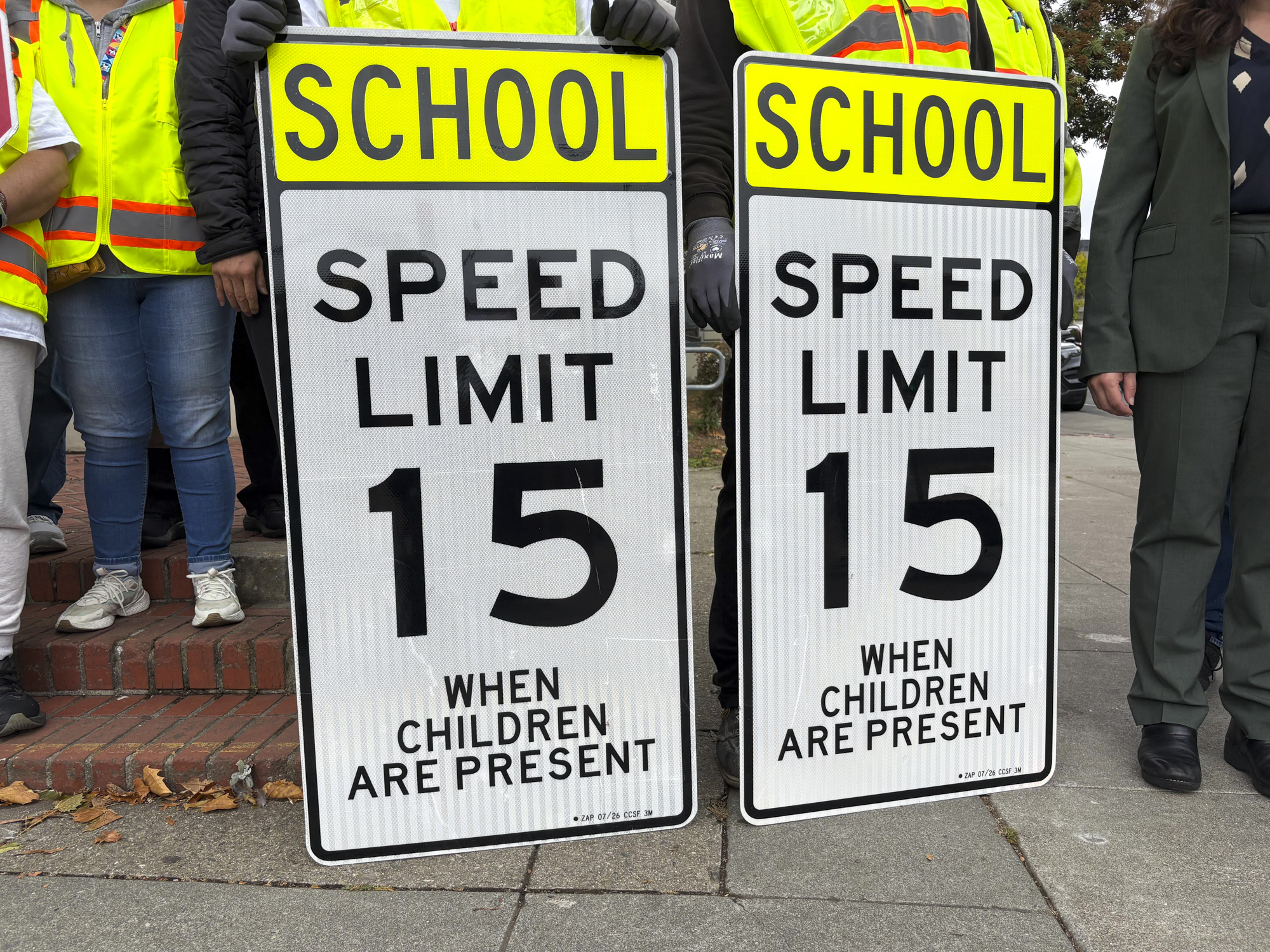
The San Francisco Municipal Transportation Agency on Friday shared its plans to bolster safety for students’ commutes to school, including enforcing a 2025 state bill that allows the agency to reduce the speed limit in school zones from 25 miles per hour to 15 or 20 when children are present.
“Street safety is public safety, and there’s really no higher priority than keeping our school children safe in the city,” SFMTA spokesperson Madhu Unnikrishnan said on Friday. Unnikrishnan joined other city officials at Leonard R. Flynn Elementary School to announce the news.
Flynn Elementary, which sits on the border of the city’s Mission District, is among the first of San Francisco’s schools to see the speed limit on its surrounding streets reduced. The SFMTA said it is working to reduce speed limits at more than 230 public and private schools in the city by 2028.
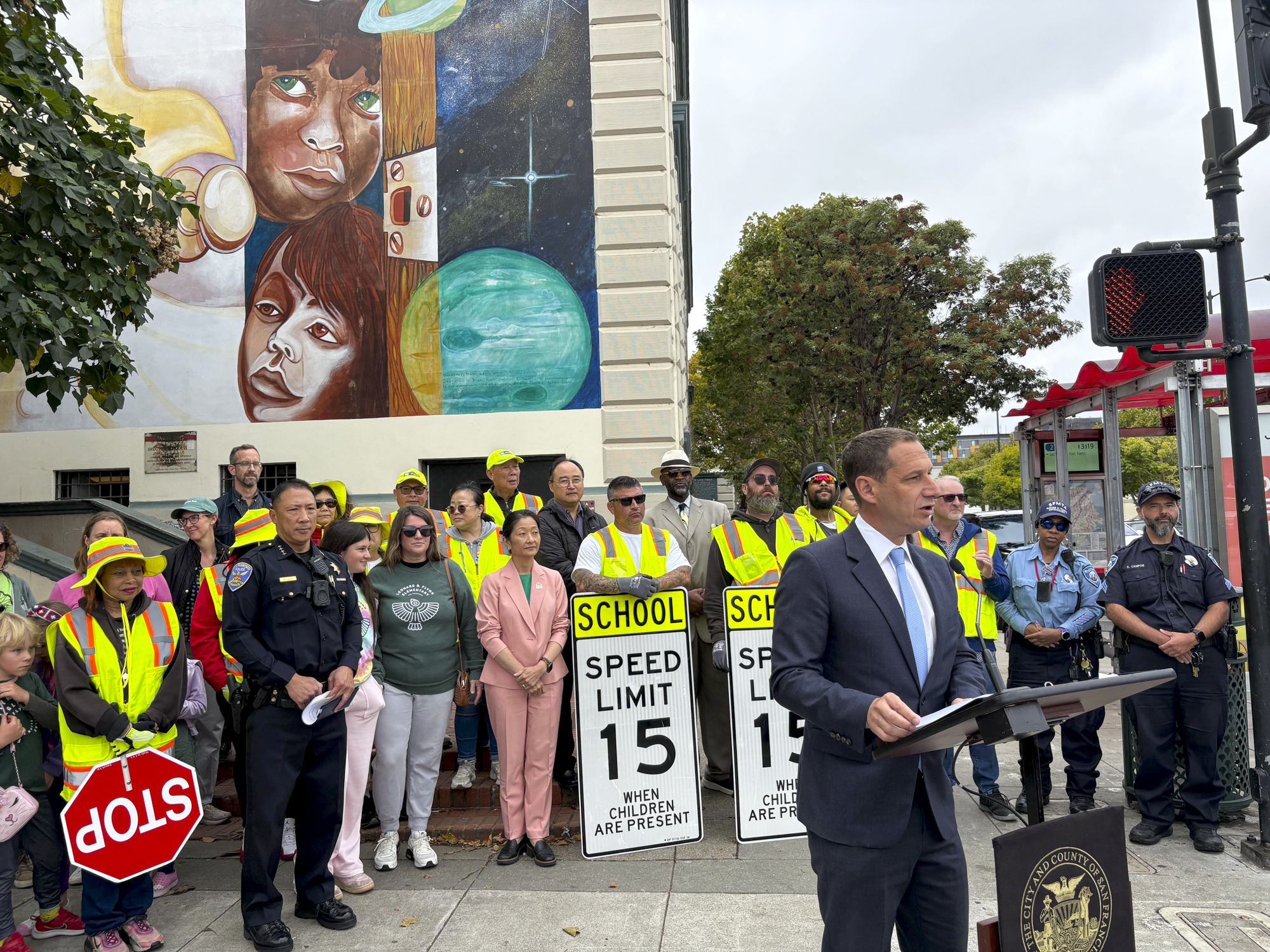
In addition to the new speed limit law, leaders touted other measures meant to make streets safer, including the SFMTA’s crossing guard program, automated speed safety camera program and infrastructure changes like intersection daylighting and high-visibility crosswalks.
The announcement comes as San Francisco continues its efforts to prevent traffic injuries and deaths in the city. Last year, Mayor Daniel Lurie launched the Street Safety executive directive, which aimed to increase coordination between city departments involved in transportation.
The directive followed the city’s Vision Zero initiative, which aimed to reduce deaths to zero over a 10-year period. It ended in 2024, which marked the deadliest year for traffic collisions in the city since the initiative began, with 42 traffic fatalities on record.
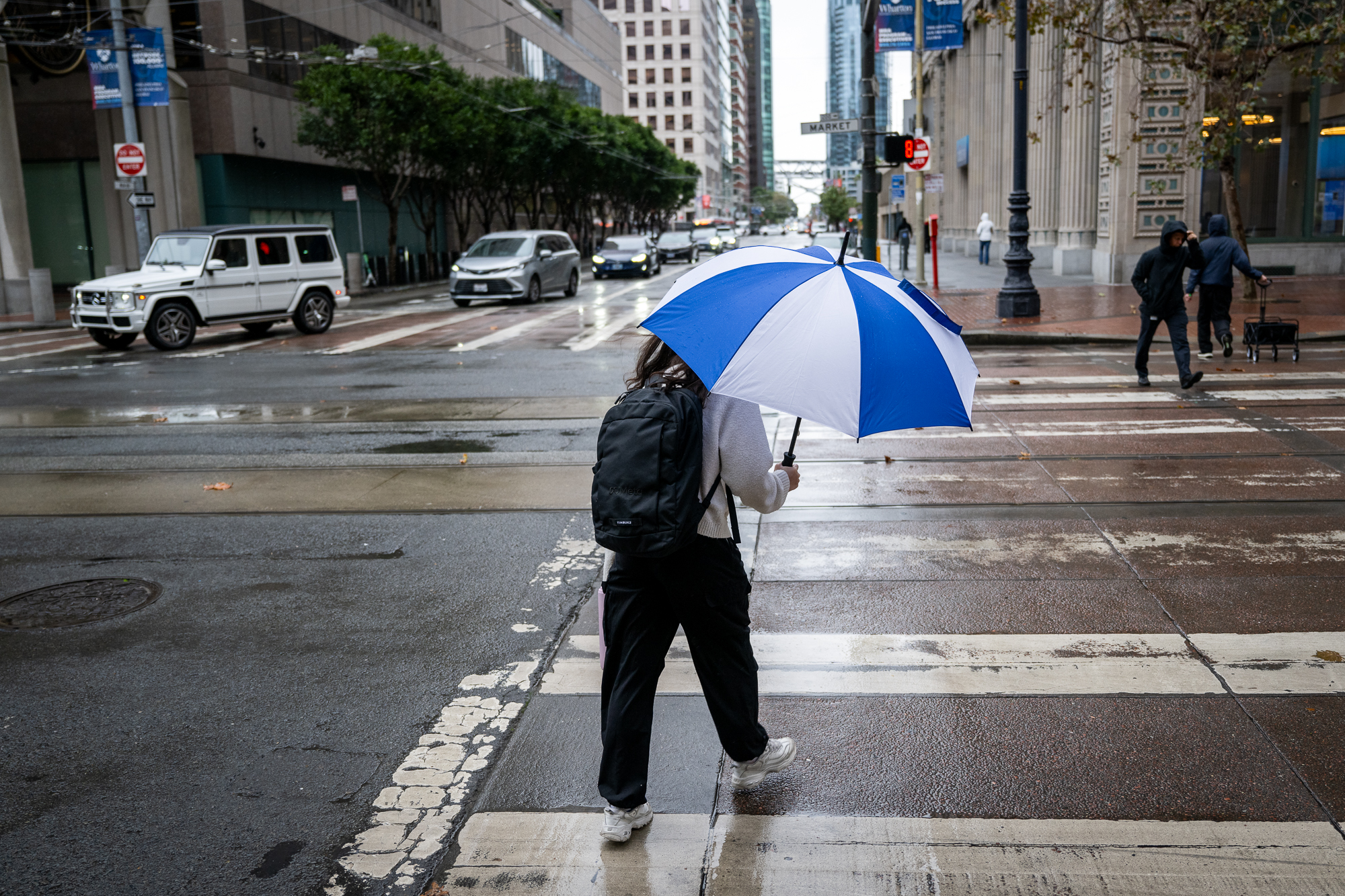
So far this year, the city has recorded 17 traffic fatalities, including an e-scooter rider who was struck and killed last week by a driver on Market Street. A recent report by the SFMTA’s street safety committee shows that while all injury collisions overall are trending down, severe injury collisions are trending up.
Emberly Garibay, 11, a recent graduate of Flynn Elementary, lives nearby and has two siblings who still attend the school. She said that crossing Cesar Chavez Street’s four lanes of traffic to get to school can feel scary.
“ I don’t feel safe sometimes, because I feel like I’m going to get hit by a car, even when I’m with my family,” Garibay said. “ People are just going too fast, so I’m really excited that the speed limit is lowering.”
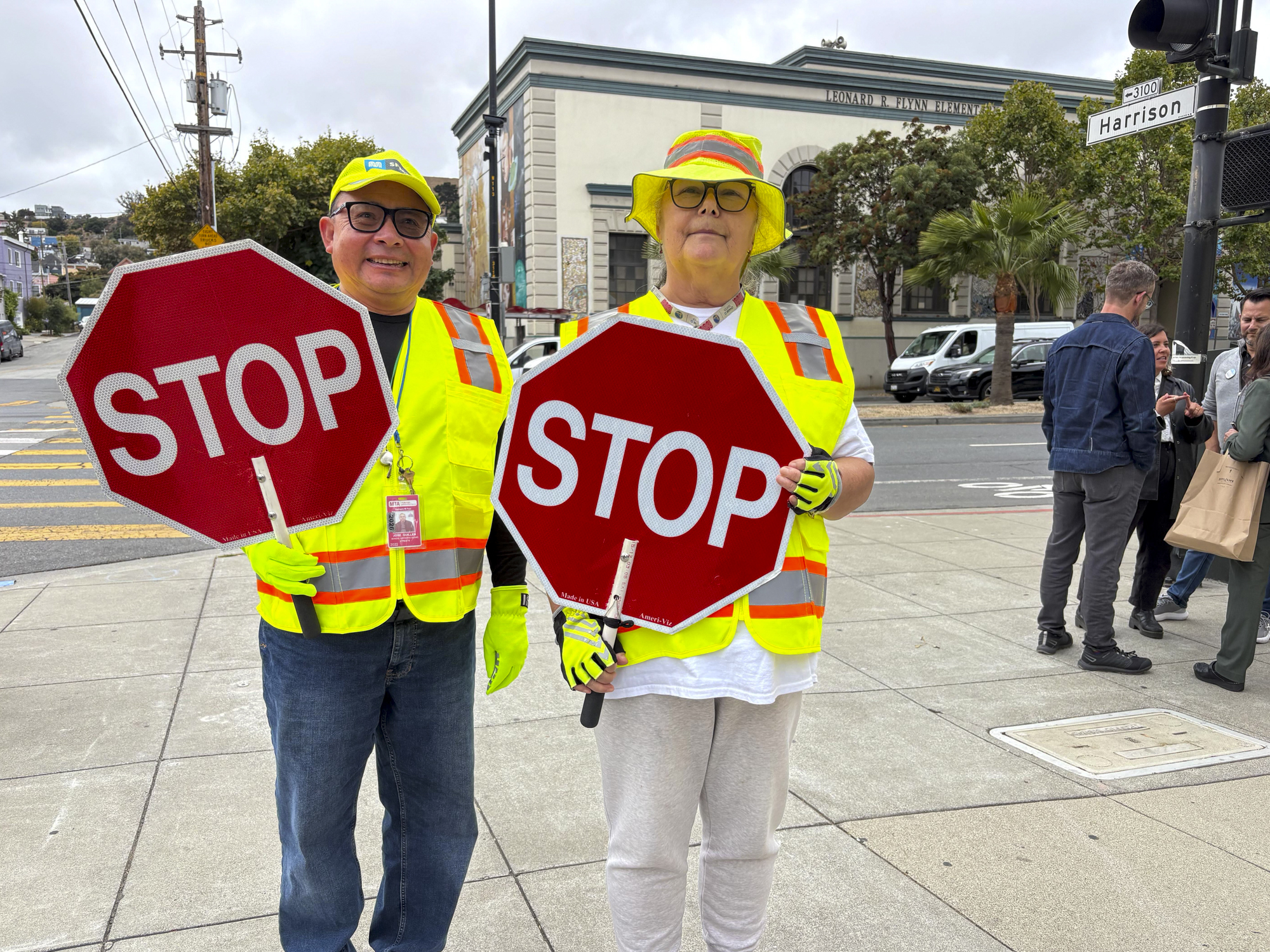
Despite SFMTA’s structural budget deficit of over $300 million, the agency prioritized maintaining the same number of crossing guards as the previous year, according to Unnikrishnan. He said that the agency employs guards at 96 schools at about 174 corners around the city.
“I keep the kids safe, and the kids are really sweet, and they smile when they see me, and it makes me really happy,” said Luzmery Betancur, who said she has been a crossing guard for 15 years.
The time allotted for pedestrians to cross Cesar Chavez Street is about five seconds too short to get a large quantity of children across the street safely, according to Ryan Hazelton, director of the Mariposa Kids afterschool program at Flynn Elementary. Hazelton, who is also running for a seat on the San Francisco School Board, said the crossing guards play a crucial role in keeping them safe.
“ They provide us with that security envelope that we need, and the parents feel really confident in our ability to get the kids from school to our off-site location because we have those crossing guards,” Hazelton said.
San Francisco Police Department Chief Derrick Lew said the department plans to conduct “high visibility enforcement” around schools to make sure drivers are following speed limits.

“ There will be zero tolerance for dangerous driving,” Lew said.
Lew also said the department will be conducting enforcement for violations involving e-bikes and e-scooters near schools, after recent collisions in the city involving the devices caused fatal and serious injuries.
Christopher White, executive director of the San Francisco Bicycle Coalition, said he thought Lew was reacting to a perception that e-bikes and e-scooters were unsafe, but said that impression “really isn’t true.”
“ We need to be making it easier for people on e-bikes and e-scooters to get to school,” White said. “It’s important that we make sure that people are riding street-legal devices, but nonetheless, these are valid modes that aren’t a risk to people on the street.”
As nearly 50,000 public school students head back to school on Monday, San Francisco Unified School District Superintendent Maria Su is imploring drivers to slow down.
“ There will be children and students walking around the streets,” Su said. “So just have a little extra patience, give yourself a little extra time.”