Kennedy High Clears Toxic-Vapor Test in Time for First Day Back
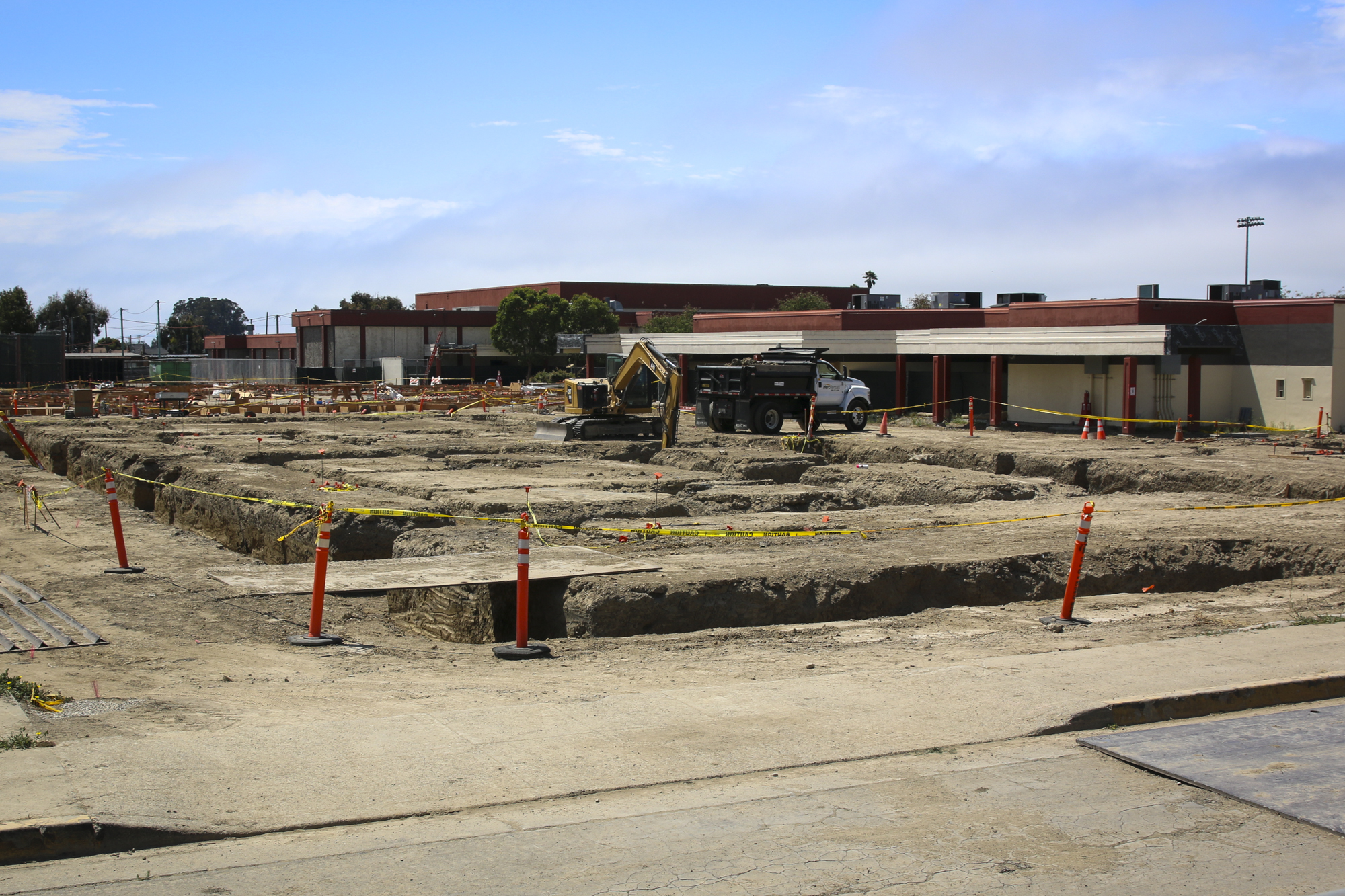
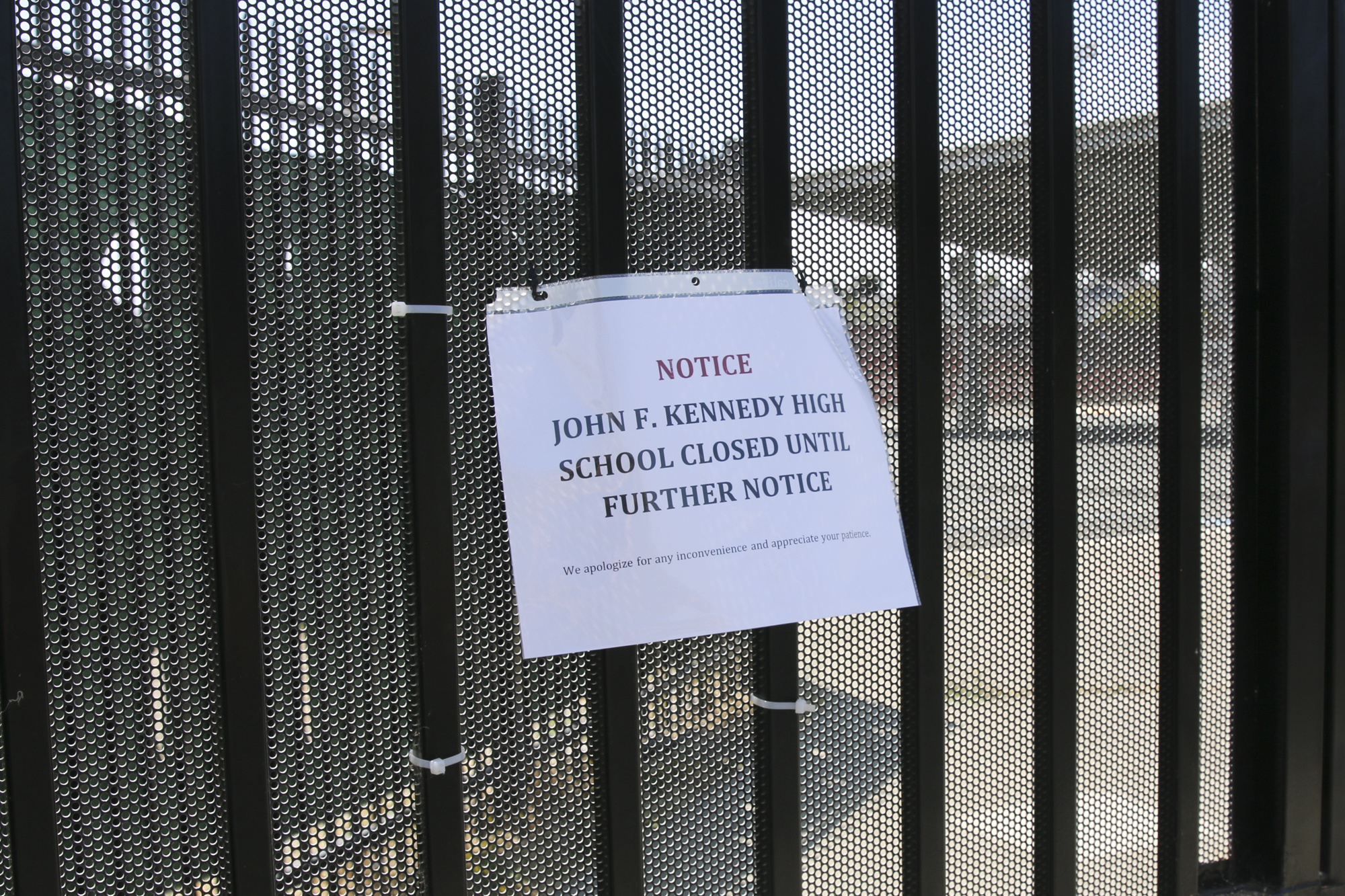
A carcinogenic dry-cleaning solvent is not seeping into classrooms at John F. Kennedy High School in Richmond, state officials announced, clearing the way for the campus to begin a new school year on Tuesday as scheduled.
Had the air testing shown similar contamination to what was found in the soil, the school district was prepared to start the school year at Contra Costa College, the Craneway Pavilion or another district site.
The West Contra Costa Unified School District was notified on July 31 when tetrachloroethylene, a carcinogen commonly abbreviated as PCE, turned up in five of six soil-vapor samples drilled about 5 feet down on the east side of campus.
Though now banned in California, PCE was once commonly used in dry cleaning. California officials have linked the underground contamination at Kennedy High to a broader plume that includes the Miraflores housing development and the former location of a dry cleaning business that operated at nearby San Pablo Avenue from 1959 to 2015.
In March, the current and former owners of Omo’s Fabricare Dry Cleaners paid $100,800 to settle charges that they had failed to clean up the site.
When teachers learned the results of the air testing on Thursday morning, Principal David Luongo said the room broke into “loud cheers and excitement.”
Luongo said the campus opened Monday for anyone who wanted to walk through it, and that upperclassmen would show incoming freshmen around, making up for the fact that orientation had been moved off campus.
Marikka Hughes, a licensed geologist who runs the site mitigation and restoration program at the state Department of Toxic Substances Control, told an Aug. 13 town hall that the agency is “confident that there is no vapor intrusion at Kennedy High School based off of the samples and data that have been collected to date.”
Crews took indoor air, outdoor air and sub-slab samples, she said, and found almost nothing directly beneath the buildings, “which means that there is nothing to move from the ground into indoor spaces.”
There were two exceptions to those findings — in the kitchen and in the metal welding shop. In a letter to the district on Thursday, scientists for the state stated that the source of detected PCE is expected to be consumer products rather than the plume underground.
Hughes said the readings in both rooms fall below standards set by the state’s Division of Occupational Safety and Health, as well as the state’s commercial screening level.
Jeff Carter, the district’s interim associate superintendent of business services, said staff will inventory the chemicals stored in those rooms, “remove those consumer products that we believe are enhancing that level of PCE,” retest and then decide whether to reopen the spaces.
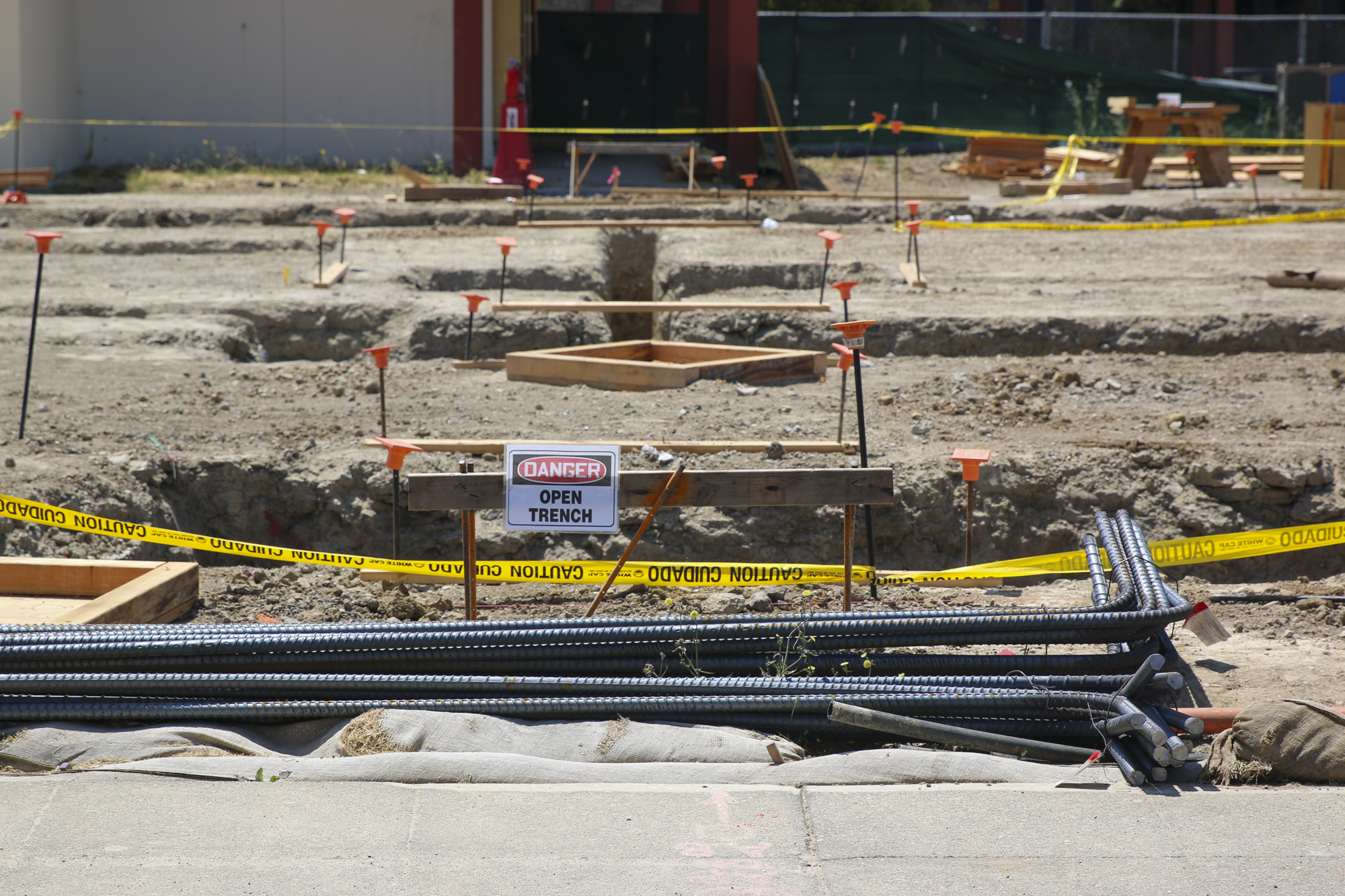
Hughes said the samples were collected under deliberately conservative conditions, with no ventilation running, and that the kitchen in particular needs to be sampled again “under typical working conditions.”
Dr. Gina Solomon, chief of occupational, environmental and climate medicine at UCSF, who was briefed by state investigators and has advised the district as a volunteer, said that she feels “extremely confident that the school is safe.”
If she were the parent of a Kennedy student, she said, “I would feel totally comfortable sending my child to that high school.” In the district’s news release, Solomon called the results “truly the best case scenario.”
Hughes said her office has not identified the source of the contamination, nor has it mapped how far the plume extends, and that cleanup options cannot be evaluated until those determinations are made.
Asked whether the state could simply dig the chemical out, she said that would be ideal but that the agency expects to be working on it “in the coming years.” A schedule for future testing at Kennedy has not been set. Carter said the district hopes to test again during a school break, when results can be compared across seasons.
Addressing the town hall on Thursday, a woman who said she lives directly across from the school, at the corner of 45th Street and Cutting Boulevard, said she watches construction crews dig, and that “the dirt blows into my house” while her children play in the backyard. She pressed for regular retesting and for assurances about the welding teacher, who spends the day in one of the two rooms where PCE was detected.
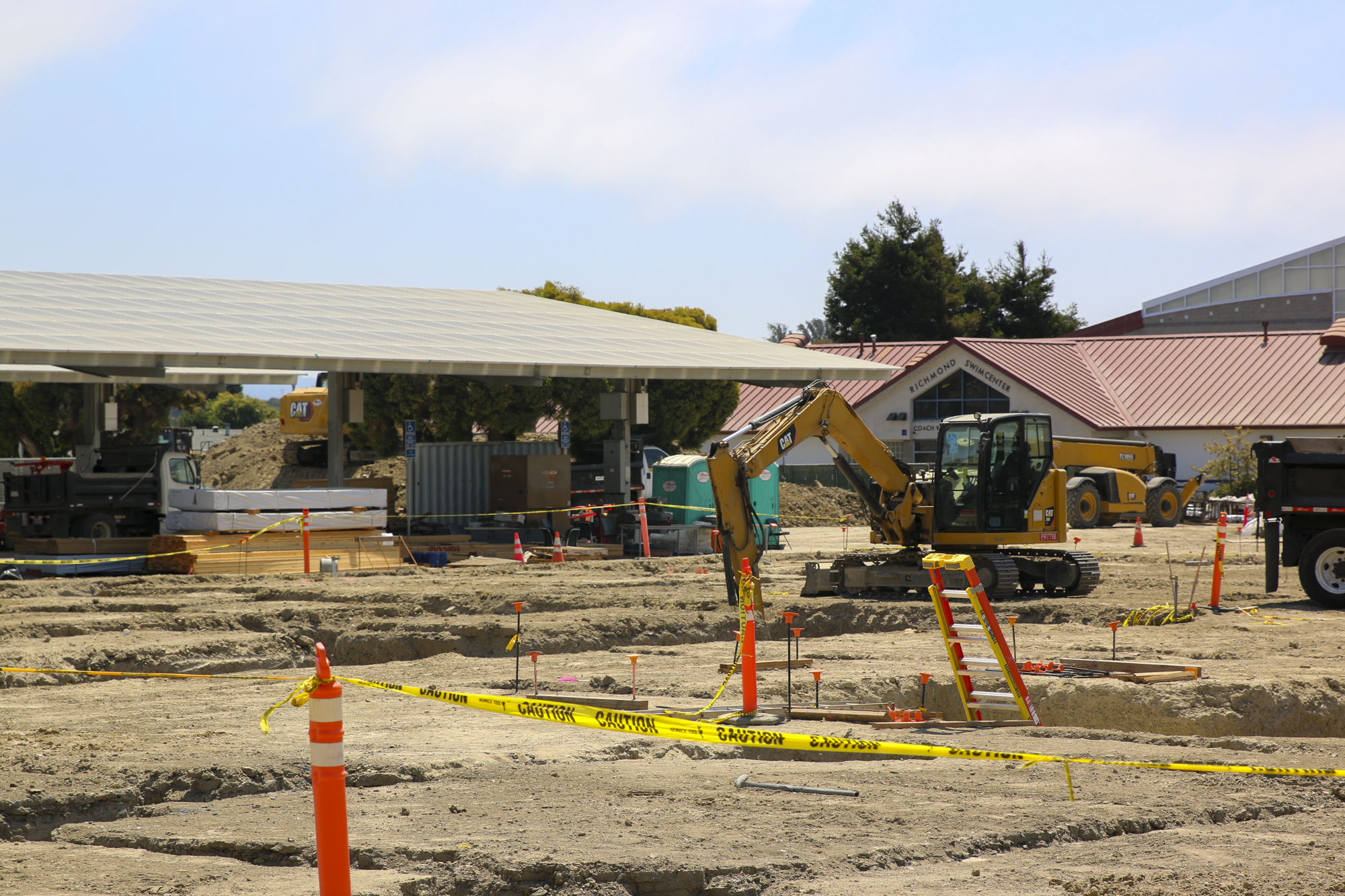
Hughes said the western side of the campus on Burke Avenue was not sampled because the plume, as mapped, has not reached that far, and that her office has found no PCE in indoor air in nearby homes.
The Richmond Swim Center, closed alongside the school, will reopen and start moving programs back during the week of Aug. 24, said LaShonda White, the city’s deputy city manager for community services.
Carter, the associate superintendent, put the cost of testing so far at “somewhere north of $100,000,” covered by bond and general fund money, along with air purifiers for classrooms and offices.
Superintendent Cheryl Cotton said the district’s involvement does not end Tuesday. “We would not bring our students back to a situation that was not safe,” she said. “We will continue to monitor the situation, so this is not the end of this process.”