window.__IS_SSR__=true
window.__INITIAL_STATE__={
"attachmentsReducer": {
"audio_0": {
"type": "attachments",
"id": "audio_0",
"imgSizes": {
"kqedFullSize": {
"file": "https://ww2.kqed.org/news/wp-content/themes/KQED-unified/img/audio_bgs/background0.jpg"
}
}
},
"audio_1": {
"type": "attachments",
"id": "audio_1",
"imgSizes": {
"kqedFullSize": {
"file": "https://ww2.kqed.org/news/wp-content/themes/KQED-unified/img/audio_bgs/background1.jpg"
}
}
},
"audio_2": {
"type": "attachments",
"id": "audio_2",
"imgSizes": {
"kqedFullSize": {
"file": "https://ww2.kqed.org/news/wp-content/themes/KQED-unified/img/audio_bgs/background2.jpg"
}
}
},
"audio_3": {
"type": "attachments",
"id": "audio_3",
"imgSizes": {
"kqedFullSize": {
"file": "https://ww2.kqed.org/news/wp-content/themes/KQED-unified/img/audio_bgs/background3.jpg"
}
}
},
"audio_4": {
"type": "attachments",
"id": "audio_4",
"imgSizes": {
"kqedFullSize": {
"file": "https://ww2.kqed.org/news/wp-content/themes/KQED-unified/img/audio_bgs/background4.jpg"
}
}
},
"placeholder": {
"type": "attachments",
"id": "placeholder",
"imgSizes": {
"thumbnail": {
"file": "https://cdn.kqed.org/wp-content/uploads/2024/12/KQED-Default-Image-816638274-2000x1333-1-160x107.jpg",
"width": 160,
"height": 107,
"mimeType": "image/jpeg"
},
"medium": {
"file": "https://cdn.kqed.org/wp-content/uploads/2024/12/KQED-Default-Image-816638274-2000x1333-1-800x533.jpg",
"width": 800,
"height": 533,
"mimeType": "image/jpeg"
},
"medium_large": {
"file": "https://cdn.kqed.org/wp-content/uploads/2024/12/KQED-Default-Image-816638274-2000x1333-1-768x512.jpg",
"width": 768,
"height": 512,
"mimeType": "image/jpeg"
},
"large": {
"file": "https://cdn.kqed.org/wp-content/uploads/2024/12/KQED-Default-Image-816638274-2000x1333-1-1020x680.jpg",
"width": 1020,
"height": 680,
"mimeType": "image/jpeg"
},
"1536x1536": {
"file": "https://cdn.kqed.org/wp-content/uploads/2024/12/KQED-Default-Image-816638274-2000x1333-1-1536x1024.jpg",
"width": 1536,
"height": 1024,
"mimeType": "image/jpeg"
},
"fd-lrg": {
"file": "https://cdn.kqed.org/wp-content/uploads/2024/12/KQED-Default-Image-816638274-2000x1333-1-1536x1024.jpg",
"width": 1536,
"height": 1024,
"mimeType": "image/jpeg"
},
"fd-med": {
"file": "https://cdn.kqed.org/wp-content/uploads/2024/12/KQED-Default-Image-816638274-2000x1333-1-1020x680.jpg",
"width": 1020,
"height": 680,
"mimeType": "image/jpeg"
},
"fd-sm": {
"file": "https://cdn.kqed.org/wp-content/uploads/2024/12/KQED-Default-Image-816638274-2000x1333-1-800x533.jpg",
"width": 800,
"height": 533,
"mimeType": "image/jpeg"
},
"post-thumbnail": {
"file": "https://cdn.kqed.org/wp-content/uploads/2024/12/KQED-Default-Image-816638274-2000x1333-1-672x372.jpg",
"width": 672,
"height": 372,
"mimeType": "image/jpeg"
},
"twentyfourteen-full-width": {
"file": "https://cdn.kqed.org/wp-content/uploads/2024/12/KQED-Default-Image-816638274-2000x1333-1-1038x576.jpg",
"width": 1038,
"height": 576,
"mimeType": "image/jpeg"
},
"xxsmall": {
"file": "https://cdn.kqed.org/wp-content/uploads/2024/12/KQED-Default-Image-816638274-2000x1333-1-160x107.jpg",
"width": 160,
"height": 107,
"mimeType": "image/jpeg"
},
"xsmall": {
"file": "https://cdn.kqed.org/wp-content/uploads/2024/12/KQED-Default-Image-816638274-2000x1333-1-672x372.jpg",
"width": 672,
"height": 372,
"mimeType": "image/jpeg"
},
"small": {
"file": "https://cdn.kqed.org/wp-content/uploads/2024/12/KQED-Default-Image-816638274-2000x1333-1-672x372.jpg",
"width": 672,
"height": 372,
"mimeType": "image/jpeg"
},
"xlarge": {
"file": "https://cdn.kqed.org/wp-content/uploads/2024/12/KQED-Default-Image-816638274-2000x1333-1-1020x680.jpg",
"width": 1020,
"height": 680,
"mimeType": "image/jpeg"
},
"full-width": {
"file": "https://cdn.kqed.org/wp-content/uploads/2024/12/KQED-Default-Image-816638274-2000x1333-1-1920x1280.jpg",
"width": 1920,
"height": 1280,
"mimeType": "image/jpeg"
},
"guest-author-32": {
"file": "https://cdn.kqed.org/wp-content/uploads/2025/01/KQED-Default-Image-816638274-1333x1333-1-160x160.jpg",
"width": 32,
"height": 32,
"mimeType": "image/jpeg"
},
"guest-author-50": {
"file": "https://cdn.kqed.org/wp-content/uploads/2025/01/KQED-Default-Image-816638274-1333x1333-1-160x160.jpg",
"width": 50,
"height": 50,
"mimeType": "image/jpeg"
},
"guest-author-64": {
"file": "https://cdn.kqed.org/wp-content/uploads/2025/01/KQED-Default-Image-816638274-1333x1333-1-160x160.jpg",
"width": 64,
"height": 64,
"mimeType": "image/jpeg"
},
"guest-author-96": {
"file": "https://cdn.kqed.org/wp-content/uploads/2025/01/KQED-Default-Image-816638274-1333x1333-1-160x160.jpg",
"width": 96,
"height": 96,
"mimeType": "image/jpeg"
},
"guest-author-128": {
"file": "https://cdn.kqed.org/wp-content/uploads/2025/01/KQED-Default-Image-816638274-1333x1333-1-160x160.jpg",
"width": 128,
"height": 128,
"mimeType": "image/jpeg"
},
"detail": {
"file": "https://cdn.kqed.org/wp-content/uploads/2025/01/KQED-Default-Image-816638274-1333x1333-1-160x160.jpg",
"width": 160,
"height": 160,
"mimeType": "image/jpeg"
},
"kqedFullSize": {
"file": "https://cdn.kqed.org/wp-content/uploads/2024/12/KQED-Default-Image-816638274-2000x1333-1.jpg",
"width": 2000,
"height": 1333
}
}
},
"news_12023051": {
"type": "attachments",
"id": "news_12023051",
"meta": {
"index": "attachments_1716263798",
"site": "news",
"id": "12023051",
"found": true
},
"title": "20250118_Peoples-March_DMB_00570",
"publishDate": 1737308023,
"status": "inherit",
"parent": 0,
"modified": 1737484871,
"caption": "Connie Jeung-Mills, of San Francisco, holds a sign with President Trump's face on it while marching with hundreds along 24th Street for the People’s March in San Francisco’s Mission District on Jan. 18, 2025. The protestors represent several causes, including the War in Gaza, Women’s Rights, targeting of undocumented people, minorities, and more, part of a nationwide day of action protesting President-elect Donald Trump’s second term.",
"credit": "David M. Barreda/KQED",
"altTag": "An older woman wearing glasses holds a sign in a large crowd of a man pointing to his head with the words \"Felon. Plotting govt crime sprees.\"",
"description": null,
"imgSizes": {
"medium": {
"file": "https://cdn.kqed.org/wp-content/uploads/sites/10/2025/01/20250118_Peoples-March_DMB_00570-800x533.jpg",
"width": 800,
"height": 533,
"mimeType": "image/jpeg"
},
"large": {
"file": "https://cdn.kqed.org/wp-content/uploads/sites/10/2025/01/20250118_Peoples-March_DMB_00570-1020x680.jpg",
"width": 1020,
"height": 680,
"mimeType": "image/jpeg"
},
"thumbnail": {
"file": "https://cdn.kqed.org/wp-content/uploads/sites/10/2025/01/20250118_Peoples-March_DMB_00570-160x107.jpg",
"width": 160,
"height": 107,
"mimeType": "image/jpeg"
},
"1536x1536": {
"file": "https://cdn.kqed.org/wp-content/uploads/sites/10/2025/01/20250118_Peoples-March_DMB_00570-1536x1024.jpg",
"width": 1536,
"height": 1024,
"mimeType": "image/jpeg"
},
"post-thumbnail": {
"file": "https://cdn.kqed.org/wp-content/uploads/sites/10/2025/01/20250118_Peoples-March_DMB_00570-672x372.jpg",
"width": 672,
"height": 372,
"mimeType": "image/jpeg"
},
"twentyfourteen-full-width": {
"file": "https://cdn.kqed.org/wp-content/uploads/sites/10/2025/01/20250118_Peoples-March_DMB_00570-1038x576.jpg",
"width": 1038,
"height": 576,
"mimeType": "image/jpeg"
},
"full-width": {
"file": "https://cdn.kqed.org/wp-content/uploads/sites/10/2025/01/20250118_Peoples-March_DMB_00570-1920x1280.jpg",
"width": 1920,
"height": 1280,
"mimeType": "image/jpeg"
},
"kqedFullSize": {
"file": "https://cdn.kqed.org/wp-content/uploads/sites/10/2025/01/20250118_Peoples-March_DMB_00570.jpg",
"width": 2000,
"height": 1333
}
},
"isLoading": false,
"fetchFailed": false
},
"news_12023105": {
"type": "attachments",
"id": "news_12023105",
"meta": {
"index": "attachments_1716263798",
"site": "news",
"id": "12023105",
"found": true
},
"title": "060324-CBP-Arrest-GETTY-CM-1",
"publishDate": 1737392456,
"status": "inherit",
"parent": 12023104,
"modified": 1737392496,
"caption": "Immigrant advocates are closely watching California sheriffs to see how they'll uphold the state's sanctuary law in a new Trump administration. Here, people seeking asylum are detained by border patrol after crossing the U.S. and Mexico border near Campo on June 3, 2024.",
"credit": "Robert Gauthier/Los Angeles Times via Getty Images",
"altTag": null,
"description": null,
"imgSizes": {
"medium": {
"file": "https://cdn.kqed.org/wp-content/uploads/sites/10/2025/01/060324-CBP-Arrest-GETTY-CM-1-800x533.jpg",
"width": 800,
"height": 533,
"mimeType": "image/jpeg"
},
"large": {
"file": "https://cdn.kqed.org/wp-content/uploads/sites/10/2025/01/060324-CBP-Arrest-GETTY-CM-1-1020x680.jpg",
"width": 1020,
"height": 680,
"mimeType": "image/jpeg"
},
"thumbnail": {
"file": "https://cdn.kqed.org/wp-content/uploads/sites/10/2025/01/060324-CBP-Arrest-GETTY-CM-1-160x107.jpg",
"width": 160,
"height": 107,
"mimeType": "image/jpeg"
},
"1536x1536": {
"file": "https://cdn.kqed.org/wp-content/uploads/sites/10/2025/01/060324-CBP-Arrest-GETTY-CM-1-1536x1024.jpg",
"width": 1536,
"height": 1024,
"mimeType": "image/jpeg"
},
"post-thumbnail": {
"file": "https://cdn.kqed.org/wp-content/uploads/sites/10/2025/01/060324-CBP-Arrest-GETTY-CM-1-672x372.jpg",
"width": 672,
"height": 372,
"mimeType": "image/jpeg"
},
"twentyfourteen-full-width": {
"file": "https://cdn.kqed.org/wp-content/uploads/sites/10/2025/01/060324-CBP-Arrest-GETTY-CM-1-1038x576.jpg",
"width": 1038,
"height": 576,
"mimeType": "image/jpeg"
},
"full-width": {
"file": "https://cdn.kqed.org/wp-content/uploads/sites/10/2025/01/060324-CBP-Arrest-GETTY-CM-1-1920x1280.jpg",
"width": 1920,
"height": 1280,
"mimeType": "image/jpeg"
},
"kqedFullSize": {
"file": "https://cdn.kqed.org/wp-content/uploads/sites/10/2025/01/060324-CBP-Arrest-GETTY-CM-1.jpg",
"width": 2000,
"height": 1333
}
},
"isLoading": false,
"fetchFailed": false
},
"news_12023097": {
"type": "attachments",
"id": "news_12023097",
"meta": {
"index": "attachments_1716263798",
"site": "news",
"id": "12023097",
"found": true
},
"title": "250120CalMatters1",
"publishDate": 1737389756,
"status": "inherit",
"parent": 12023094,
"modified": 1737389783,
"caption": "California sued President Donald Trump's administration 123 times between 2017 and 2021. It's preparing more lawsuits as Trump returns to the White House. ",
"credit": "Illustration by Adriana Heldiz/CalMatters",
"altTag": null,
"description": null,
"imgSizes": {
"medium": {
"file": "https://cdn.kqed.org/wp-content/uploads/sites/10/2025/01/250120CalMatters1-800x533.jpg",
"width": 800,
"height": 533,
"mimeType": "image/jpeg"
},
"large": {
"file": "https://cdn.kqed.org/wp-content/uploads/sites/10/2025/01/250120CalMatters1-1020x680.jpg",
"width": 1020,
"height": 680,
"mimeType": "image/jpeg"
},
"thumbnail": {
"file": "https://cdn.kqed.org/wp-content/uploads/sites/10/2025/01/250120CalMatters1-160x107.jpg",
"width": 160,
"height": 107,
"mimeType": "image/jpeg"
},
"1536x1536": {
"file": "https://cdn.kqed.org/wp-content/uploads/sites/10/2025/01/250120CalMatters1-1536x1024.jpg",
"width": 1536,
"height": 1024,
"mimeType": "image/jpeg"
},
"post-thumbnail": {
"file": "https://cdn.kqed.org/wp-content/uploads/sites/10/2025/01/250120CalMatters1-672x372.jpg",
"width": 672,
"height": 372,
"mimeType": "image/jpeg"
},
"twentyfourteen-full-width": {
"file": "https://cdn.kqed.org/wp-content/uploads/sites/10/2025/01/250120CalMatters1-1038x576.jpg",
"width": 1038,
"height": 576,
"mimeType": "image/jpeg"
},
"full-width": {
"file": "https://cdn.kqed.org/wp-content/uploads/sites/10/2025/01/250120CalMatters1-1920x1280.jpg",
"width": 1920,
"height": 1280,
"mimeType": "image/jpeg"
},
"kqedFullSize": {
"file": "https://cdn.kqed.org/wp-content/uploads/sites/10/2025/01/250120CalMatters1.jpg",
"width": 2000,
"height": 1333
}
},
"isLoading": false,
"fetchFailed": false
},
"news_12023022": {
"type": "attachments",
"id": "news_12023022",
"meta": {
"index": "attachments_1716263798",
"site": "news",
"id": "12023022",
"found": true
},
"title": "npr.brightspotcdn copy",
"publishDate": 1737242434,
"status": "inherit",
"parent": 12023017,
"modified": 1737242484,
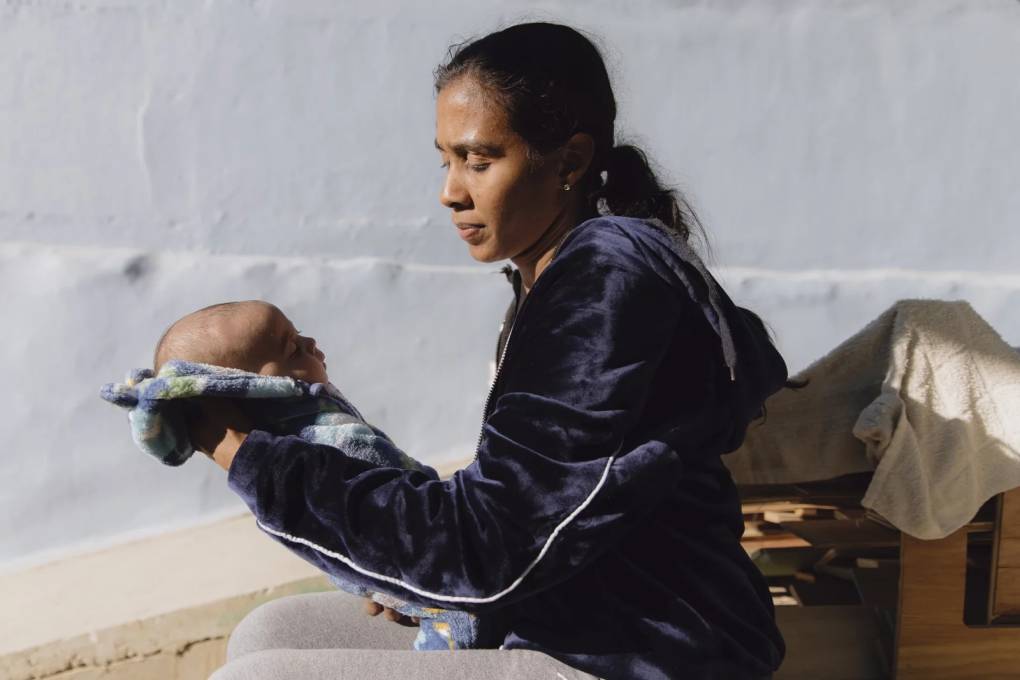
"caption": "Cindy Alamei Patiño holds her recently born baby at the Embajadores de Jesús church in Tijuana, Mexico, on Dec. 6, 2024. The mother of 2 traveled with her husband, Andres Patiño, from Colombia.",
"credit": "Zaydee Sanchez for NPR",
"altTag": null,
"description": null,
"imgSizes": {
"medium": {
"file": "https://cdn.kqed.org/wp-content/uploads/sites/10/2025/01/npr.brightspotcdn-copy-49-800x534.jpg",
"width": 800,
"height": 534,
"mimeType": "image/jpeg"
},
"large": {
"file": "https://cdn.kqed.org/wp-content/uploads/sites/10/2025/01/npr.brightspotcdn-copy-49-1020x680.jpg",
"width": 1020,
"height": 680,
"mimeType": "image/jpeg"
},
"thumbnail": {
"file": "https://cdn.kqed.org/wp-content/uploads/sites/10/2025/01/npr.brightspotcdn-copy-49-160x107.jpg",
"width": 160,
"height": 107,
"mimeType": "image/jpeg"
},
"1536x1536": {
"file": "https://cdn.kqed.org/wp-content/uploads/sites/10/2025/01/npr.brightspotcdn-copy-49-1536x1024.jpg",
"width": 1536,
"height": 1024,
"mimeType": "image/jpeg"
},
"post-thumbnail": {
"file": "https://cdn.kqed.org/wp-content/uploads/sites/10/2025/01/npr.brightspotcdn-copy-49-672x372.jpg",
"width": 672,
"height": 372,
"mimeType": "image/jpeg"
},
"twentyfourteen-full-width": {
"file": "https://cdn.kqed.org/wp-content/uploads/sites/10/2025/01/npr.brightspotcdn-copy-49-1038x576.jpg",
"width": 1038,
"height": 576,
"mimeType": "image/jpeg"
},
"kqedFullSize": {
"file": "https://cdn.kqed.org/wp-content/uploads/sites/10/2025/01/npr.brightspotcdn-copy-49.jpg",
"width": 1600,
"height": 1067
}
},
"isLoading": false,
"fetchFailed": false
},
"news_12019640": {
"type": "attachments",
"id": "news_12019640",
"meta": {
"index": "attachments_1716263798",
"site": "news",
"id": "12019640",
"found": true
},
"title": "npr.brightspotcdn-1 copy",
"publishDate": 1734983866,
"status": "inherit",
"parent": 12019638,
"modified": 1734983894,
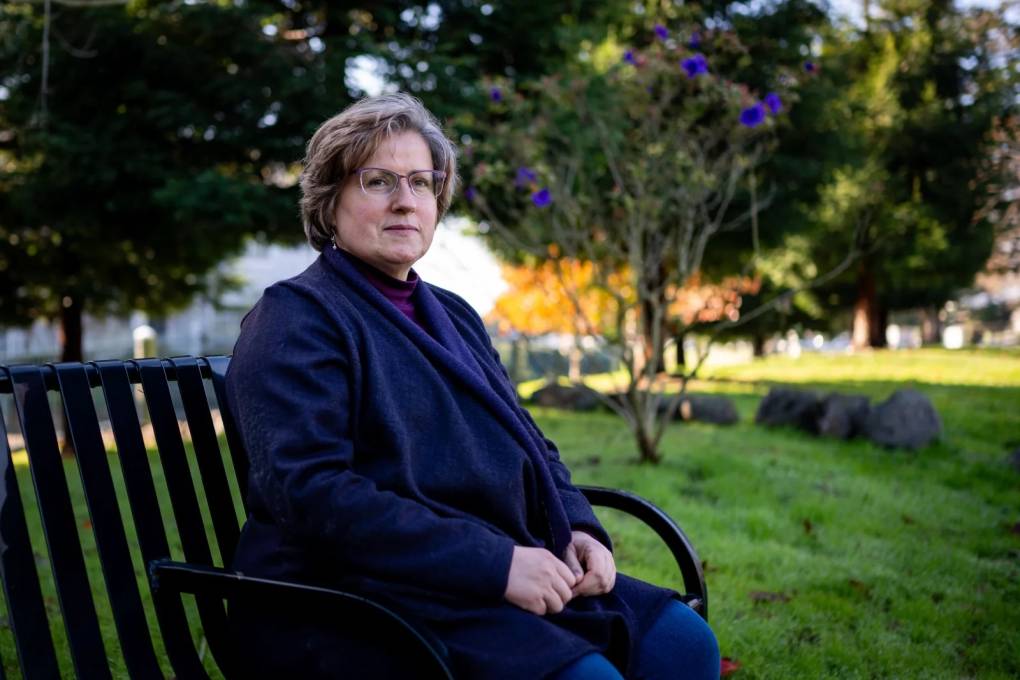
"caption": "Oksana Demidenko poses for a portrait at Marina Bay Park in Richmond, on Dec. 17, 2024.",
"credit": "Beth LaBerge for NPR",
"altTag": null,
"description": null,
"imgSizes": {
"medium": {
"file": "https://cdn.kqed.org/wp-content/uploads/sites/10/2024/12/npr.brightspotcdn-1-copy-3-800x534.jpg",
"width": 800,
"height": 534,
"mimeType": "image/jpeg"
},
"large": {
"file": "https://cdn.kqed.org/wp-content/uploads/sites/10/2024/12/npr.brightspotcdn-1-copy-3-1020x680.jpg",
"width": 1020,
"height": 680,
"mimeType": "image/jpeg"
},
"thumbnail": {
"file": "https://cdn.kqed.org/wp-content/uploads/sites/10/2024/12/npr.brightspotcdn-1-copy-3-160x107.jpg",
"width": 160,
"height": 107,
"mimeType": "image/jpeg"
},
"1536x1536": {
"file": "https://cdn.kqed.org/wp-content/uploads/sites/10/2024/12/npr.brightspotcdn-1-copy-3-1536x1024.jpg",
"width": 1536,
"height": 1024,
"mimeType": "image/jpeg"
},
"post-thumbnail": {
"file": "https://cdn.kqed.org/wp-content/uploads/sites/10/2024/12/npr.brightspotcdn-1-copy-3-672x372.jpg",
"width": 672,
"height": 372,
"mimeType": "image/jpeg"
},
"twentyfourteen-full-width": {
"file": "https://cdn.kqed.org/wp-content/uploads/sites/10/2024/12/npr.brightspotcdn-1-copy-3-1038x576.jpg",
"width": 1038,
"height": 576,
"mimeType": "image/jpeg"
},
"kqedFullSize": {
"file": "https://cdn.kqed.org/wp-content/uploads/sites/10/2024/12/npr.brightspotcdn-1-copy-3.jpg",
"width": 1600,
"height": 1067
}
},
"isLoading": false,
"fetchFailed": false
},
"news_12018719": {
"type": "attachments",
"id": "news_12018719",
"meta": {
"index": "attachments_1716263798",
"site": "news",
"id": "12018719",
"found": true
},
"title": "20241216-KOndaJanuary-JY-009",
"publishDate": 1734480333,
"status": "inherit",
"parent": 0,
"modified": 1736800497,
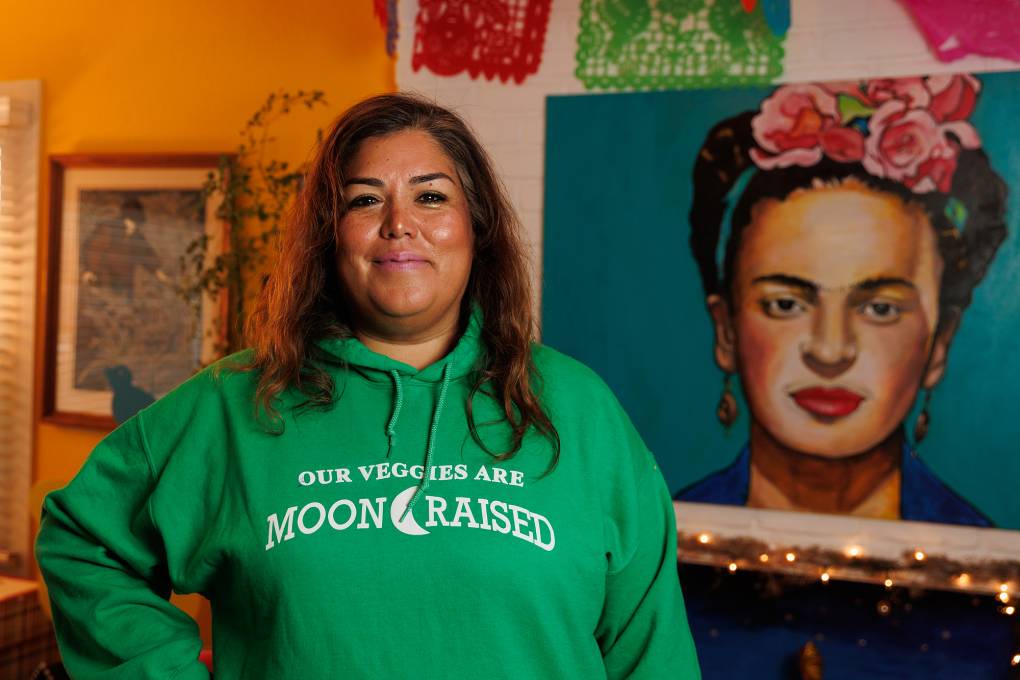
"caption": "Ayudando Latinos A Soñar (ALAS) founder Dr. Belinda Hernandez-Arriaga poses for a portrait at the ALAS office in Half Moon Bay, California, on Monday, Dec. 16, 2024. Hernandez-Arriaga founded ALAS in 2011 to support the Latino community in Half Moon Bay.",
"credit": "Juliana Yamada/KQED",
"altTag": null,
"description": null,
"imgSizes": {
"medium": {
"file": "https://cdn.kqed.org/wp-content/uploads/sites/10/2024/12/20241216-KOndaJanuary-JY-009-800x533.jpg",
"width": 800,
"height": 533,
"mimeType": "image/jpeg"
},
"large": {
"file": "https://cdn.kqed.org/wp-content/uploads/sites/10/2024/12/20241216-KOndaJanuary-JY-009-1020x680.jpg",
"width": 1020,
"height": 680,
"mimeType": "image/jpeg"
},
"thumbnail": {
"file": "https://cdn.kqed.org/wp-content/uploads/sites/10/2024/12/20241216-KOndaJanuary-JY-009-160x107.jpg",
"width": 160,
"height": 107,
"mimeType": "image/jpeg"
},
"1536x1536": {
"file": "https://cdn.kqed.org/wp-content/uploads/sites/10/2024/12/20241216-KOndaJanuary-JY-009-1536x1024.jpg",
"width": 1536,
"height": 1024,
"mimeType": "image/jpeg"
},
"post-thumbnail": {
"file": "https://cdn.kqed.org/wp-content/uploads/sites/10/2024/12/20241216-KOndaJanuary-JY-009-672x372.jpg",
"width": 672,
"height": 372,
"mimeType": "image/jpeg"
},
"twentyfourteen-full-width": {
"file": "https://cdn.kqed.org/wp-content/uploads/sites/10/2024/12/20241216-KOndaJanuary-JY-009-1038x576.jpg",
"width": 1038,
"height": 576,
"mimeType": "image/jpeg"
},
"full-width": {
"file": "https://cdn.kqed.org/wp-content/uploads/sites/10/2024/12/20241216-KOndaJanuary-JY-009-1920x1280.jpg",
"width": 1920,
"height": 1280,
"mimeType": "image/jpeg"
},
"kqedFullSize": {
"file": "https://cdn.kqed.org/wp-content/uploads/sites/10/2024/12/20241216-KOndaJanuary-JY-009.jpg",
"width": 2000,
"height": 1333
}
},
"isLoading": false,
"fetchFailed": false
},
"news_12021490": {
"type": "attachments",
"id": "news_12021490",
"meta": {
"index": "attachments_1716263798",
"site": "news",
"id": "12021490",
"found": true
},
"title": "072723-Farmworkers-LV_CM_11 copy",
"publishDate": 1736539033,
"status": "inherit",
"parent": 12021487,
"modified": 1736539064,
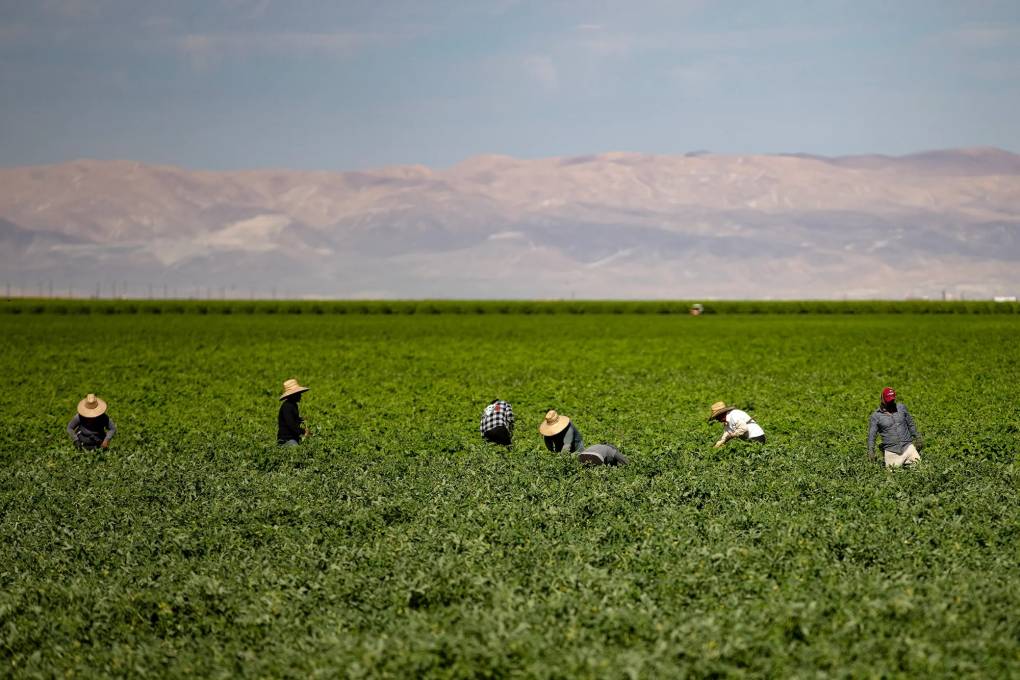
"caption": "Farmworkers work on a field outside of Bakersfield in Kern County on July 25, 2023. \n",
"credit": "Larry Valenzuela/CalMatters/CatchLight Local",
"altTag": null,
"description": null,
"imgSizes": {
"medium": {
"file": "https://cdn.kqed.org/wp-content/uploads/sites/10/2025/01/072723-Farmworkers-LV_CM_11-copy-800x534.jpg",
"width": 800,
"height": 534,
"mimeType": "image/jpeg"
},
"large": {
"file": "https://cdn.kqed.org/wp-content/uploads/sites/10/2025/01/072723-Farmworkers-LV_CM_11-copy-1020x680.jpg",
"width": 1020,
"height": 680,
"mimeType": "image/jpeg"
},
"thumbnail": {
"file": "https://cdn.kqed.org/wp-content/uploads/sites/10/2025/01/072723-Farmworkers-LV_CM_11-copy-160x107.jpg",
"width": 160,
"height": 107,
"mimeType": "image/jpeg"
},
"1536x1536": {
"file": "https://cdn.kqed.org/wp-content/uploads/sites/10/2025/01/072723-Farmworkers-LV_CM_11-copy-1536x1025.jpg",
"width": 1536,
"height": 1025,
"mimeType": "image/jpeg"
},
"post-thumbnail": {
"file": "https://cdn.kqed.org/wp-content/uploads/sites/10/2025/01/072723-Farmworkers-LV_CM_11-copy-672x372.jpg",
"width": 672,
"height": 372,
"mimeType": "image/jpeg"
},
"twentyfourteen-full-width": {
"file": "https://cdn.kqed.org/wp-content/uploads/sites/10/2025/01/072723-Farmworkers-LV_CM_11-copy-1038x576.jpg",
"width": 1038,
"height": 576,
"mimeType": "image/jpeg"
},
"full-width": {
"file": "https://cdn.kqed.org/wp-content/uploads/sites/10/2025/01/072723-Farmworkers-LV_CM_11-copy-1920x1281.jpg",
"width": 1920,
"height": 1281,
"mimeType": "image/jpeg"
},
"kqedFullSize": {
"file": "https://cdn.kqed.org/wp-content/uploads/sites/10/2025/01/072723-Farmworkers-LV_CM_11-copy.jpg",
"width": 2000,
"height": 1334
}
},
"isLoading": false,
"fetchFailed": false
},
"news_12020428": {
"type": "attachments",
"id": "news_12020428",
"meta": {
"index": "attachments_1716263798",
"site": "news",
"id": "12020428",
"found": true
},
"title": "082924_StateCapitolSession_FM_CM_01",
"publishDate": 1736192782,
"status": "inherit",
"parent": 12020419,
"modified": 1737570759,
"caption": "The state Senate during a floor session of the California Legislature at the state Capitol in Sacramento on Aug. 29, 2024.",
"credit": "Florence Middleton/CalMatters",
"altTag": null,
"description": null,
"imgSizes": {
"medium": {
"file": "https://cdn.kqed.org/wp-content/uploads/sites/10/2025/01/082924_StateCapitolSession_FM_CM_01-800x533.jpg",
"width": 800,
"height": 533,
"mimeType": "image/jpeg"
},
"large": {
"file": "https://cdn.kqed.org/wp-content/uploads/sites/10/2025/01/082924_StateCapitolSession_FM_CM_01-1020x680.jpg",
"width": 1020,
"height": 680,
"mimeType": "image/jpeg"
},
"thumbnail": {
"file": "https://cdn.kqed.org/wp-content/uploads/sites/10/2025/01/082924_StateCapitolSession_FM_CM_01-160x107.jpg",
"width": 160,
"height": 107,
"mimeType": "image/jpeg"
},
"1536x1536": {
"file": "https://cdn.kqed.org/wp-content/uploads/sites/10/2025/01/082924_StateCapitolSession_FM_CM_01-1536x1024.jpg",
"width": 1536,
"height": 1024,
"mimeType": "image/jpeg"
},
"post-thumbnail": {
"file": "https://cdn.kqed.org/wp-content/uploads/sites/10/2025/01/082924_StateCapitolSession_FM_CM_01-672x372.jpg",
"width": 672,
"height": 372,
"mimeType": "image/jpeg"
},
"twentyfourteen-full-width": {
"file": "https://cdn.kqed.org/wp-content/uploads/sites/10/2025/01/082924_StateCapitolSession_FM_CM_01-1038x576.jpg",
"width": 1038,
"height": 576,
"mimeType": "image/jpeg"
},
"full-width": {
"file": "https://cdn.kqed.org/wp-content/uploads/sites/10/2025/01/082924_StateCapitolSession_FM_CM_01-1920x1280.jpg",
"width": 1920,
"height": 1280,
"mimeType": "image/jpeg"
},
"kqedFullSize": {
"file": "https://cdn.kqed.org/wp-content/uploads/sites/10/2025/01/082924_StateCapitolSession_FM_CM_01.jpg",
"width": 2000,
"height": 1333
}
},
"isLoading": false,
"fetchFailed": false
},
"news_12020312": {
"type": "attachments",
"id": "news_12020312",
"meta": {
"index": "attachments_1716263798",
"site": "news",
"id": "12020312",
"found": true
},
"title": "080923_School-Attendance_SN_CM_01",
"publishDate": 1735940194,
"status": "inherit",
"parent": 12020308,
"modified": 1735940231,
"caption": "Parents and their kids on the first day of classes at Loma Vista Elementary School in Salinas on Aug. 8, 2023. State legislators want to limit deportation actions at schools.",
"credit": "Semantha Norris/CalMatters",
"altTag": null,
"description": null,
"imgSizes": {
"medium": {
"file": "https://cdn.kqed.org/wp-content/uploads/sites/10/2025/01/080923_School-Attendance_SN_CM_01-800x533.jpg",
"width": 800,
"height": 533,
"mimeType": "image/jpeg"
},
"large": {
"file": "https://cdn.kqed.org/wp-content/uploads/sites/10/2025/01/080923_School-Attendance_SN_CM_01-1020x680.jpg",
"width": 1020,
"height": 680,
"mimeType": "image/jpeg"
},
"thumbnail": {
"file": "https://cdn.kqed.org/wp-content/uploads/sites/10/2025/01/080923_School-Attendance_SN_CM_01-160x107.jpg",
"width": 160,
"height": 107,
"mimeType": "image/jpeg"
},
"1536x1536": {
"file": "https://cdn.kqed.org/wp-content/uploads/sites/10/2025/01/080923_School-Attendance_SN_CM_01-1536x1024.jpg",
"width": 1536,
"height": 1024,
"mimeType": "image/jpeg"
},
"post-thumbnail": {
"file": "https://cdn.kqed.org/wp-content/uploads/sites/10/2025/01/080923_School-Attendance_SN_CM_01-672x372.jpg",
"width": 672,
"height": 372,
"mimeType": "image/jpeg"
},
"twentyfourteen-full-width": {
"file": "https://cdn.kqed.org/wp-content/uploads/sites/10/2025/01/080923_School-Attendance_SN_CM_01-1038x576.jpg",
"width": 1038,
"height": 576,
"mimeType": "image/jpeg"
},
"full-width": {
"file": "https://cdn.kqed.org/wp-content/uploads/sites/10/2025/01/080923_School-Attendance_SN_CM_01-1920x1280.jpg",
"width": 1920,
"height": 1280,
"mimeType": "image/jpeg"
},
"kqedFullSize": {
"file": "https://cdn.kqed.org/wp-content/uploads/sites/10/2025/01/080923_School-Attendance_SN_CM_01.jpg",
"width": 2000,
"height": 1333
}
},
"isLoading": false,
"fetchFailed": false
},
"news_12019937": {
"type": "attachments",
"id": "news_12019937",
"meta": {
"index": "attachments_1716263798",
"site": "news",
"id": "12019937",
"found": true
},
"title": "122724-Stephen-Miller-MB-REUTERS-01 copy",
"publishDate": 1735420447,
"status": "inherit",
"parent": 12019933,
"modified": 1735420474,
"caption": "Stephen Miller, an adviser to President-elect Donald Trump who is expected to join the incoming administration, speaks during a rally for the president-elect in Coachella on Oct. 12, 2024. ",
"credit": "Mike Blake/Reuters",
"altTag": null,
"description": null,
"imgSizes": {
"medium": {
"file": "https://cdn.kqed.org/wp-content/uploads/sites/10/2024/12/122724-Stephen-Miller-MB-REUTERS-01-copy-800x533.jpg",
"width": 800,
"height": 533,
"mimeType": "image/jpeg"
},
"large": {
"file": "https://cdn.kqed.org/wp-content/uploads/sites/10/2024/12/122724-Stephen-Miller-MB-REUTERS-01-copy-1020x680.jpg",
"width": 1020,
"height": 680,
"mimeType": "image/jpeg"
},
"thumbnail": {
"file": "https://cdn.kqed.org/wp-content/uploads/sites/10/2024/12/122724-Stephen-Miller-MB-REUTERS-01-copy-160x107.jpg",
"width": 160,
"height": 107,
"mimeType": "image/jpeg"
},
"1536x1536": {
"file": "https://cdn.kqed.org/wp-content/uploads/sites/10/2024/12/122724-Stephen-Miller-MB-REUTERS-01-copy-1536x1024.jpg",
"width": 1536,
"height": 1024,
"mimeType": "image/jpeg"
},
"post-thumbnail": {
"file": "https://cdn.kqed.org/wp-content/uploads/sites/10/2024/12/122724-Stephen-Miller-MB-REUTERS-01-copy-672x372.jpg",
"width": 672,
"height": 372,
"mimeType": "image/jpeg"
},
"twentyfourteen-full-width": {
"file": "https://cdn.kqed.org/wp-content/uploads/sites/10/2024/12/122724-Stephen-Miller-MB-REUTERS-01-copy-1038x576.jpg",
"width": 1038,
"height": 576,
"mimeType": "image/jpeg"
},
"full-width": {
"file": "https://cdn.kqed.org/wp-content/uploads/sites/10/2024/12/122724-Stephen-Miller-MB-REUTERS-01-copy-1920x1280.jpg",
"width": 1920,
"height": 1280,
"mimeType": "image/jpeg"
},
"kqedFullSize": {
"file": "https://cdn.kqed.org/wp-content/uploads/sites/10/2024/12/122724-Stephen-Miller-MB-REUTERS-01-copy.jpg",
"width": 2000,
"height": 1333
}
},
"isLoading": false,
"fetchFailed": false
},
"news_12019120": {
"type": "attachments",
"id": "news_12019120",
"meta": {
"index": "attachments_1716263798",
"site": "news",
"id": "12019120",
"found": true
},
"title": "241219-HotelStrikeAgreement-26-BL",
"publishDate": 1734644069,
"status": "inherit",
"parent": 0,
"modified": 1734644455,
"caption": "Hotel workers Lisa Kaid, left, and Camucha King hug after a vote on whether to end their strike and ratify an agreement for a new contract at the Moscone Center South in San Francisco on Dec. 19, 2024.",
"credit": "Beth LaBerge/KQED",
"altTag": null,
"description": null,
"imgSizes": {
"medium": {
"file": "https://cdn.kqed.org/wp-content/uploads/sites/10/2024/12/241219-HotelStrikeAgreement-26-BL-800x533.jpg",
"width": 800,
"height": 533,
"mimeType": "image/jpeg"
},
"large": {
"file": "https://cdn.kqed.org/wp-content/uploads/sites/10/2024/12/241219-HotelStrikeAgreement-26-BL-1020x679.jpg",
"width": 1020,
"height": 679,
"mimeType": "image/jpeg"
},
"thumbnail": {
"file": "https://cdn.kqed.org/wp-content/uploads/sites/10/2024/12/241219-HotelStrikeAgreement-26-BL-160x107.jpg",
"width": 160,
"height": 107,
"mimeType": "image/jpeg"
},
"1536x1536": {
"file": "https://cdn.kqed.org/wp-content/uploads/sites/10/2024/12/241219-HotelStrikeAgreement-26-BL-1536x1023.jpg",
"width": 1536,
"height": 1023,
"mimeType": "image/jpeg"
},
"post-thumbnail": {
"file": "https://cdn.kqed.org/wp-content/uploads/sites/10/2024/12/241219-HotelStrikeAgreement-26-BL-672x372.jpg",
"width": 672,
"height": 372,
"mimeType": "image/jpeg"
},
"twentyfourteen-full-width": {
"file": "https://cdn.kqed.org/wp-content/uploads/sites/10/2024/12/241219-HotelStrikeAgreement-26-BL-1038x576.jpg",
"width": 1038,
"height": 576,
"mimeType": "image/jpeg"
},
"full-width": {
"file": "https://cdn.kqed.org/wp-content/uploads/sites/10/2024/12/241219-HotelStrikeAgreement-26-BL-1920x1279.jpg",
"width": 1920,
"height": 1279,
"mimeType": "image/jpeg"
},
"kqedFullSize": {
"file": "https://cdn.kqed.org/wp-content/uploads/sites/10/2024/12/241219-HotelStrikeAgreement-26-BL.jpg",
"width": 2000,
"height": 1332
}
},
"isLoading": false,
"fetchFailed": false
},
"news_12018686": {
"type": "attachments",
"id": "news_12018686",
"meta": {
"index": "attachments_1716263798",
"site": "news",
"id": "12018686",
"found": true
},
"title": "230601-MindShift-33-BL_qed",
"publishDate": 1734473312,
"status": "inherit",
"parent": 12018681,
"modified": 1734473354,
"caption": "Students in the schoolyard at Roosevelt Elementary School in San Leandro on June 1, 2023. ",
"credit": "Beth LaBerge/KQED",
"altTag": null,
"description": null,
"imgSizes": {
"medium": {
"file": "https://cdn.kqed.org/wp-content/uploads/sites/10/2024/12/230601-MindShift-33-BL_qed-800x533.jpg",
"width": 800,
"height": 533,
"mimeType": "image/jpeg"
},
"large": {
"file": "https://cdn.kqed.org/wp-content/uploads/sites/10/2024/12/230601-MindShift-33-BL_qed-1020x680.jpg",
"width": 1020,
"height": 680,
"mimeType": "image/jpeg"
},
"thumbnail": {
"file": "https://cdn.kqed.org/wp-content/uploads/sites/10/2024/12/230601-MindShift-33-BL_qed-160x107.jpg",
"width": 160,
"height": 107,
"mimeType": "image/jpeg"
},
"1536x1536": {
"file": "https://cdn.kqed.org/wp-content/uploads/sites/10/2024/12/230601-MindShift-33-BL_qed-1536x1024.jpg",
"width": 1536,
"height": 1024,
"mimeType": "image/jpeg"
},
"post-thumbnail": {
"file": "https://cdn.kqed.org/wp-content/uploads/sites/10/2024/12/230601-MindShift-33-BL_qed-672x372.jpg",
"width": 672,
"height": 372,
"mimeType": "image/jpeg"
},
"twentyfourteen-full-width": {
"file": "https://cdn.kqed.org/wp-content/uploads/sites/10/2024/12/230601-MindShift-33-BL_qed-1038x576.jpg",
"width": 1038,
"height": 576,
"mimeType": "image/jpeg"
},
"full-width": {
"file": "https://cdn.kqed.org/wp-content/uploads/sites/10/2024/12/230601-MindShift-33-BL_qed-1920x1280.jpg",
"width": 1920,
"height": 1280,
"mimeType": "image/jpeg"
},
"kqedFullSize": {
"file": "https://cdn.kqed.org/wp-content/uploads/sites/10/2024/12/230601-MindShift-33-BL_qed.jpg",
"width": 2000,
"height": 1333
}
},
"isLoading": false,
"fetchFailed": false
}
},
"audioPlayerReducer": {
"postId": "stream_live",
"isPaused": true,
"isPlaying": false,
"pfsActive": false,
"pledgeModalIsOpen": true,
"playerDrawerIsOpen": false,
"liveAudioPlayStartedAt": 0,
"liveAudioPlayContext": ""
},
"authorsReducer": {
"byline_news_12023104": {
"type": "authors",
"id": "byline_news_12023104",
"meta": {
"override": true
},
"slug": "byline_news_12023104",
"name": "Nigel Duara and Tomas Apodaca, CalMatters",
"isLoading": false
},
"byline_news_12023094": {
"type": "authors",
"id": "byline_news_12023094",
"meta": {
"override": true
},
"slug": "byline_news_12023094",
"name": "Ana B. Ibarra and Ben Christopher, CalMatters",
"isLoading": false
},
"byline_news_12023017": {
"type": "authors",
"id": "byline_news_12023017",
"meta": {
"override": true
},
"slug": "byline_news_12023017",
"name": "\u003ca href=\"https://www.npr.org/people/297147616/jasmine-garsd\">Jasmine Garsd\u003c/a>, NPR",
"isLoading": false
},
"byline_news_12021487": {
"type": "authors",
"id": "byline_news_12021487",
"meta": {
"override": true
},
"slug": "byline_news_12021487",
"name": "\u003ca href=\"https://calmatters.org/author/sergio-olmos/\">Sergio Olmos\u003c/a>, CalMatters",
"isLoading": false
},
"byline_news_12020419": {
"type": "authors",
"id": "byline_news_12020419",
"meta": {
"override": true
},
"slug": "byline_news_12020419",
"name": "Alexei Koseff, CalMatters",
"isLoading": false
},
"byline_news_12020308": {
"type": "authors",
"id": "byline_news_12020308",
"meta": {
"override": true
},
"slug": "byline_news_12020308",
"name": "\u003ca href=\"https://calmatters.org/author/carolyn-jones/\">Carolyn Jones\u003c/a>, CalMatters",
"isLoading": false
},
"byline_news_12019933": {
"type": "authors",
"id": "byline_news_12019933",
"meta": {
"override": true
},
"slug": "byline_news_12019933",
"name": "\u003ca href=\"https://calmatters.org/author/wendy-fry/\">Wendy Fry\u003c/a> and \u003ca href=\"https://calmatters.org/author/jeanne-kuang/\">Jeanne Kuang\u003c/a>, CalMatters",
"isLoading": false
},
"tychehendricks": {
"type": "authors",
"id": "259",
"meta": {
"index": "authors_1716337520",
"id": "259",
"found": true
},
"name": "Tyche Hendricks",
"firstName": "Tyche",
"lastName": "Hendricks",
"slug": "tychehendricks",
"email": "thendricks@kqed.org",
"display_author_email": true,
"staff_mastheads": [
"news"
],
"title": "KQED Senior Editor, Immigration",
"bio": "\u003cspan style=\"font-weight: 400;\">Tyche Hendricks is KQED’s senior editor for immigration, leading coverage of the policy and politics that affect California’s immigrant communities. Her work for KQED’s radio and online audiences is also carried on NPR and other national outlets. She has been recognized with awards from the Radio and Television News Directors Association, the Society for Professional Journalists; the Education Writers Association; the Best of the West and the National Federation of Community Broadcasters. Before joining KQED in 2010, Tyche spent more than a dozen years as a newspaper reporter, notably at the \u003c/span>\u003ci>\u003cspan style=\"font-weight: 400;\">San Francisco Chronicle\u003c/span>\u003c/i>\u003cspan style=\"font-weight: 400;\">. At different times she has covered criminal justice, government and politics and urban planning. Tyche has taught in the MFA Creative Writing program at the University of San Francisco and at UC Berkeley’s Graduate School of Journalism, where she was co-director of a national immigration symposium for professional journalists. She is the author of \u003c/span>\u003ci>\u003cspan style=\"font-weight: 400;\">The Wind Doesn't Need a Passport: Stories from the U.S.-Mexico Borderlands\u003c/span>\u003c/i>\u003cspan style=\"font-weight: 400;\"> (University of California Press). \u003c/span>",
"avatar": "https://secure.gravatar.com/avatar/b8ee458e2731c2d43df86882ce17267e?s=600&d=blank&r=g",
"twitter": "tychehendricks",
"facebook": null,
"instagram": null,
"linkedin": null,
"sites": [
{
"site": "news",
"roles": [
"editor"
]
},
{
"site": "stateofhealth",
"roles": [
"editor"
]
}
],
"headData": {
"title": "Tyche Hendricks | KQED",
"description": "KQED Senior Editor, Immigration",
"ogImgSrc": "https://secure.gravatar.com/avatar/b8ee458e2731c2d43df86882ce17267e?s=600&d=blank&r=g",
"twImgSrc": "https://secure.gravatar.com/avatar/b8ee458e2731c2d43df86882ce17267e?s=600&d=blank&r=g"
},
"isLoading": false,
"link": "/author/tychehendricks"
},
"fjhabvala": {
"type": "authors",
"id": "8659",
"meta": {
"index": "authors_1716337520",
"id": "8659",
"found": true
},
"name": "Farida Jhabvala Romero",
"firstName": "Farida",
"lastName": "Jhabvala Romero",
"slug": "fjhabvala",
"email": "fjhabvala@kqed.org",
"display_author_email": true,
"staff_mastheads": [
"news"
],
"title": "KQED Contributor",
"bio": "Farida Jhabvala Romero is a Labor Correspondent for KQED. She previously covered immigration. Farida was \u003ca href=\"https://www.ccnma.org/2022-most-influential-latina-journalists\">named\u003c/a> one of the 10 Most Influential Latina Journalists in California in 2022 by the California Chicano News Media Association. Her work has won awards from the Society of Professional Journalists (Northern California), as well as a national and regional Edward M. Murrow Award for the collaborative reporting projects “Dangerous Air” and “Graying California.” Before joining KQED, Farida worked as a producer at Radio Bilingüe, a national public radio network. Farida earned her master’s degree in journalism from Stanford University.",
"avatar": "https://secure.gravatar.com/avatar/f9f022d4e2609741874222a1e9d41f48fea74011aa7c615eef91d9a50c944ebe?s=600&d=blank&r=g",
"twitter": "FaridaJhabvala",
"bluesky": null,
"facebook": null,
"instagram": null,
"linkedin": "https://www.linkedin.com/in/faridajhabvala/",
"sites": [
{
"site": "news",
"roles": [
"editor"
]
},
{
"site": "stateofhealth",
"roles": [
"author"
]
},
{
"site": "liveblog",
"roles": [
"author"
]
}
],
"headData": {
"title": "Farida Jhabvala Romero | KQED",
"description": "KQED Contributor",
"ogImgSrc": "https://secure.gravatar.com/avatar/f9f022d4e2609741874222a1e9d41f48fea74011aa7c615eef91d9a50c944ebe?s=600&d=blank&r=g",
"twImgSrc": "https://secure.gravatar.com/avatar/f9f022d4e2609741874222a1e9d41f48fea74011aa7c615eef91d9a50c944ebe?s=600&d=blank&r=g"
},
"isLoading": false,
"link": "/author/fjhabvala"
},
"btorres": {
"type": "authors",
"id": "11666",
"meta": {
"index": "authors_1716337520",
"id": "11666",
"found": true
},
"name": "Blanca Torres",
"firstName": "Blanca",
"lastName": "Torres",
"slug": "btorres",
"email": "btorres@kqed.org",
"display_author_email": true,
"staff_mastheads": [
"news"
],
"title": "Producer, Forum",
"bio": "Blanca Torres brings sharp news judgement and keen sense of lively conversation to her work as producer for Forum. She loves producing shows that leave listeners feeling like they heard distinctive voices, learned something new and gained a fresh perspective.\r\n\r\nShe joined KQED in January of 2020 after 16 years of working as a newspaper reporter most recently at the \u003cem>San Francisco Business Times,\u003c/em> where she wrote about real estate and economic development. Before that, she covered a variety of beats including crime, education, retail, workplace, the economy, consumer issues, and small business for the \u003cem>Contra Costa Times, Baltimore Sun\u003c/em> and\u003cem> The Seattle Times\u003c/em>. In addition to reporting, she worked as an editorial writer and columnist for the \u003cem>Seattle Times\u003c/em>. From 2017 to 2020, Blanca won a total of ten awards from the National Association of Real Estate Editors and won first place for land use reporting from the California News Publishers Association two years in a row. She is also a member and former board member for the National Association of Hispanic Journalists.\r\n\r\nA native of the Pacific Northwest, Blanca earned her bachelor's degree from Vanderbilt University in Nashville and a master's in fine arts in creative writing at Mills College. She lives in the East Bay with her family.",
"avatar": "https://secure.gravatar.com/avatar/50b49d19b14a1eed34f26ebf4681152cdd81574ed21851100871ccd29e578cdc?s=600&d=blank&r=g",
"twitter": "@blancawrites",
"bluesky": null,
"facebook": null,
"instagram": null,
"linkedin": null,
"sites": [
{
"site": "arts",
"roles": [
"editor"
]
},
{
"site": "news",
"roles": [
"editor"
]
},
{
"site": "forum",
"roles": [
"editor"
]
}
],
"headData": {
"title": "Blanca Torres | KQED",
"description": "Producer, Forum",
"ogImgSrc": "https://secure.gravatar.com/avatar/50b49d19b14a1eed34f26ebf4681152cdd81574ed21851100871ccd29e578cdc?s=600&d=blank&r=g",
"twImgSrc": "https://secure.gravatar.com/avatar/50b49d19b14a1eed34f26ebf4681152cdd81574ed21851100871ccd29e578cdc?s=600&d=blank&r=g"
},
"isLoading": false,
"link": "/author/btorres"
},
"daisynguyen": {
"type": "authors",
"id": "11829",
"meta": {
"index": "authors_1716337520",
"id": "11829",
"found": true
},
"name": "Daisy Nguyen",
"firstName": "Daisy",
"lastName": "Nguyen",
"slug": "daisynguyen",
"email": "daisynguyen@kqed.org",
"display_author_email": true,
"staff_mastheads": [
"news"
],
"title": "KQED Contributor",
"bio": "I have covered early childhood education and child care for KQED since 2022. I focus on policies aimed at increasing access to early care and education and how they shape individual lives. I've been a journalist for more than two decades, with most of that time devoted to covering breaking news throughout California for The Associated Press. I grew up in San Francisco and studied at UC Davis and Columbia University's Graduate School of Journalism. I live in Oakland with my husband and two kids.",
"avatar": "https://secure.gravatar.com/avatar/2da2127c27f7143b53ebd419800fd55f?s=600&d=blank&r=g",
"twitter": null,
"facebook": null,
"instagram": null,
"linkedin": "https://www.linkedin.com/in/daisynguyen/",
"sites": [
{
"site": "news",
"roles": [
"author"
]
},
{
"site": "liveblog",
"roles": [
"author"
]
}
],
"headData": {
"title": "Daisy Nguyen | KQED",
"description": "KQED Contributor",
"ogImgSrc": "https://secure.gravatar.com/avatar/2da2127c27f7143b53ebd419800fd55f?s=600&d=blank&r=g",
"twImgSrc": "https://secure.gravatar.com/avatar/2da2127c27f7143b53ebd419800fd55f?s=600&d=blank&r=g"
},
"isLoading": false,
"link": "/author/daisynguyen"
}
},
"pagesReducer": {
"news_category_immigration": {
"type": "terms",
"id": "news_1169",
"meta": {
"index": "terms_1716263798",
"site": "news",
"id": "1169",
"score": 10.910194
},
"featImg": null,
"name": "Immigration",
"description": null,
"taxonomy": "category",
"headData": {
"twImgId": null,
"twTitle": null,
"ogTitle": null,
"ogImgId": null,
"twDescription": null,
"description": null,
"title": "Immigration Archives | KQED News",
"ogDescription": null
},
"ttid": 1180,
"slug": "immigration",
"isLoading": false,
"title": "Immigration",
"pageMeta": {
"site": "news",
"WpPageTemplate": "page-topic-editorial",
"currentPage": 38
},
"blocks": [
{
"blockName": "kqed/post-list",
"attrs": {
"layout": "cardArticle2",
"query": "posts/news?category=immigration",
"seeMore": false,
"paginated": true,
"page": 38
}
},
{
"blockName": "kqed/ad"
}
]
}
},
"pfsSessionReducer": {},
"postsReducer": {
"stream_live": {
"type": "live",
"id": "stream_live",
"audioUrl": "https://streams.kqed.org/kqedradio",
"title": "Live Stream",
"excerpt": "Live Stream information currently unavailable.",
"link": "/radio",
"featImg": "",
"label": {
"name": "KQED Live",
"link": "/"
}
},
"stream_kqedNewscast": {
"type": "posts",
"id": "stream_kqedNewscast",
"audioUrl": "https://www.kqed.org/.stream/anon/radio/RDnews/newscast.mp3?_=1",
"title": "KQED Newscast",
"featImg": "",
"label": {
"name": "88.5 FM",
"link": "/"
}
},
"news_12023126": {
"type": "posts",
"id": "news_12023126",
"meta": {
"index": "posts_1716263798",
"site": "news",
"id": "12023126",
"score": null,
"sort": [
1737481716000
]
},
"guestAuthors": [],
"slug": "california-leaders-to-sue-trump-over-birthright-citizenship-border-policies",
"title": "California Takes Aim at Trump’s ‘Un-American’ Citizenship Order in New Lawsuit",
"publishDate": 1737481716,
"format": "standard",
"headTitle": "California Takes Aim at Trump’s ‘Un-American’ Citizenship Order in New Lawsuit | KQED",
"labelTerm": {
"site": "news"
},
"content": "\u003cp>\u003cem>Updated 11:53 a.m. Tuesday\u003c/em>\u003c/p>\n\u003cp>\u003ca href=\"https://www.kqed.org/news/tag/california\">California\u003c/a> Attorney General Rob Bonta on Tuesday morning filed a lawsuit challenging President Donald Trump’s plan to \u003ca href=\"https://www.whitehouse.gov/presidential-actions/2025/01/protecting-the-meaning-and-value-of-american-citizenship/\">stop recognizing birthright citizenship\u003c/a> for children born in the U.S. to parents who are not citizens or lawful permanent residents.\u003c/p>\n\u003cp>The lawsuit asks the court for a preliminary injunction to immediately block Trump’s executive order from taking effect, Bonta said at a press conference in San Francisco, saying the order flouts over 125 years of settled legal precedent. It is also being led by the attorneys general from Massachusetts and New Jersey, and is joined by those from 15 other states and Washington, as well as the city attorney of San Francisco.\u003c/p>\n\u003cp>It marks the first lawsuit filed against the new Trump administration by California, which has promised to serve as a bulwark against actions that state officials see as unconstitutional.\u003c/p>\n\u003cp>[ad fullwidth]\u003c/p>\n\u003cp>“I am deeply disappointed that we’re here one day into the new administration and also not at all surprised,” Bonta said at the press conference.\u003c/p>\n\u003cp>“Trump is following through on a campaign promise,” he continued. “Today, I’m also following through on a promise to take action if Trump violates the law and infringes on our rights, on your rights, as he did today with what is frankly an un-American executive order. I have one message for President Trump: I’ll see you in court.”\u003c/p>\n\u003cfigure id=\"attachment_12023242\" class=\"wp-caption aligncenter\" style=\"max-width: 2000px\">\u003cimg loading=\"lazy\" decoding=\"async\" class=\"wp-image-12023242 size-full\" src=\"https://cdn.kqed.org/wp-content/uploads/sites/10/2025/01/Presser_IMG_5746.jpg\" alt=\"\" width=\"2000\" height=\"1500\" srcset=\"https://cdn.kqed.org/wp-content/uploads/sites/10/2025/01/Presser_IMG_5746.jpg 2000w, https://cdn.kqed.org/wp-content/uploads/sites/10/2025/01/Presser_IMG_5746-800x600.jpg 800w, https://cdn.kqed.org/wp-content/uploads/sites/10/2025/01/Presser_IMG_5746-1020x765.jpg 1020w, https://cdn.kqed.org/wp-content/uploads/sites/10/2025/01/Presser_IMG_5746-160x120.jpg 160w, https://cdn.kqed.org/wp-content/uploads/sites/10/2025/01/Presser_IMG_5746-1536x1152.jpg 1536w, https://cdn.kqed.org/wp-content/uploads/sites/10/2025/01/Presser_IMG_5746-1920x1440.jpg 1920w\" sizes=\"auto, (max-width: 2000px) 100vw, 2000px\">\u003cfigcaption class=\"wp-caption-text\">Attorney General Rob Bonta (second from right), City Attorney David Chiu (center), Gabriel Medina from La Raza Immigration Services, and others, at a press conference on Tuesday, Jan 21, 2025, to announce preliminary injunction against President Donald Trump’s birthright citizenship order. \u003ccite>(Gilare Zada/KQED)\u003c/cite>\u003c/figcaption>\u003c/figure>\n\u003cp>Noting the century-plus of Supreme Court precedent, Bonta said the questions around birthright citizenship were “done and dusted.” “Of course, to Trump, law and order, judicial precedents, constitutional rights have little bearing,” he said.\u003c/p>\n\u003cp>Meanwhile, state political leaders and immigrant advocates are also considering lawsuits over Trump’s directive to use the \u003ca href=\"https://www.whitehouse.gov/presidential-actions/2025/01/declaring-a-national-emergency-at-the-southern-border-of-the-united-states/\">military for immigration enforcement\u003c/a> and border security.\u003c/p>\n\u003cp>Those measures are part of a raft of executive actions Trump signed Monday addressing immigration and border security.\u003c/p>\n\u003cp>Bonta told KQED on Monday that his office has spent months preparing and coordinating with Democratic attorneys general from other states and advocacy organizations within California.\u003c/p>\n\u003cp>[aside postID=news_12015449 hero='https://cdn.kqed.org/wp-content/uploads/sites/10/2024/11/20241119_BirthrightCitizenshipExplainer_GC-16_qed-1020x680.jpg']\u003c/p>\n\u003cp>“Our North Star is the rule of law. And the question we ask ourselves is, ‘Is he violating the law?’” Bonta said. “To undermine birthright citizenship without going through the process … to amend the Constitution? We will take him to court, and we believe very strongly that we will prevail. The president cannot amend the Constitution unilaterally.”\u003c/p>\n\u003cp>Bonta pointed out that it was a San Francisco-born son of Chinese immigrants, Wong Kim Ark, who sued all the way to the Supreme Court in 1898 when his citizenship was challenged at the border. \u003ca href=\"https://constitutioncenter.org/the-constitution/supreme-court-case-library/united-states-v-wong-kim-ark-1898\">His case set the precedent establishing birthright citizenship\u003c/a> under the 14th Amendment of the Constitution.\u003c/p>\n\u003cp>“That’s very much a California story and a Bay Area story,” Bonta said. “It’s obviously now impacting millions of people who enjoy birthright citizenship from a lot of different heritages and national origins.”\u003c/p>\n\u003cp>City Attorney David Chiu, who joined the lawsuit, spoke Tuesday about Wong’s case and said “The story of birthright citizenship is as San Francisco as they come.”\u003c/p>\n\u003cp>“To deny some children the basic rights that other children in our country have will create a permanent, multi-generational underclass of those who will have been born in our country but will never have lived anywhere else and be effectively stateless,” Chiu said. “These children will not be able to naturalize or obtain citizenship from another country. They will live under constant threat of deportation. And as they age, they won’t be able to work lawfully or vote.”\u003c/p>\n\u003cfigure id=\"attachment_12009320\" class=\"wp-caption aligncenter\" style=\"max-width: 1999px\">\u003cimg loading=\"lazy\" decoding=\"async\" class=\"size-full wp-image-12009320\" src=\"https://cdn.kqed.org/wp-content/uploads/sites/10/2024/10/240815-CityAttorneyDeepfakes-10-BL_qed.jpg\" alt=\"\" width=\"1999\" height=\"1333\" srcset=\"https://cdn.kqed.org/wp-content/uploads/sites/10/2024/10/240815-CityAttorneyDeepfakes-10-BL_qed.jpg 1999w, https://cdn.kqed.org/wp-content/uploads/sites/10/2024/10/240815-CityAttorneyDeepfakes-10-BL_qed-800x533.jpg 800w, https://cdn.kqed.org/wp-content/uploads/sites/10/2024/10/240815-CityAttorneyDeepfakes-10-BL_qed-1020x680.jpg 1020w, https://cdn.kqed.org/wp-content/uploads/sites/10/2024/10/240815-CityAttorneyDeepfakes-10-BL_qed-160x107.jpg 160w, https://cdn.kqed.org/wp-content/uploads/sites/10/2024/10/240815-CityAttorneyDeepfakes-10-BL_qed-1536x1024.jpg 1536w, https://cdn.kqed.org/wp-content/uploads/sites/10/2024/10/240815-CityAttorneyDeepfakes-10-BL_qed-1920x1280.jpg 1920w\" sizes=\"auto, (max-width: 1999px) 100vw, 1999px\">\u003cfigcaption class=\"wp-caption-text\">City Attorney David Chiu speaks during a press conference at City Hall in San Francisco on Aug. 15, 2024. \u003ccite>(Beth LaBerge/KQED)\u003c/cite>\u003c/figcaption>\u003c/figure>\n\u003cp>In addition to the “personal chaos” that Chiu said Trump’s order would create for the immigrant community, he noted that it would lead to the loss of federal funding for public benefits programs like food stamps.\u003c/p>\n\u003cp>Such funding is based in part on the number of eligible recipients, and “without Social Security numbers, San Francisco cannot verify otherwise eligible newborns who qualify for these programs,” Chiu said, although the city “will still have to bear the inherent costs of caring for our residents, whether or not they have Social Security numbers.”\u003c/p>\n\u003cp>Bonta added that his office will be reviewing the president’s order to use the military for immigration enforcement and deciding whether to challenge it.\u003c/p>\n\u003cp>San Francisco’s Asian Law Caucus joined the American Civil Liberties Union and other groups to \u003ca href=\"https://statedemocracydefenders.org/wp-content/uploads/2025/01/birthright-final-complaint.pdf\">file a lawsuit\u003c/a> over Trump’s birthright citizenship order on Monday.\u003c/p>\n\u003cp>Aarti Kohli, the Asian Law Caucus’ executive director, said her organization is determined to protect the civil rights of Bay Area immigrants and their families.\u003c/p>\n\u003cp>“If you’re born here, you are a citizen — period. No politician, including President Trump, can decide who is American and who is not,” she said.\u003c/p>\n\u003cfigure id=\"attachment_11936087\" class=\"wp-caption aligncenter\" style=\"max-width: 2000px\">\u003cimg loading=\"lazy\" decoding=\"async\" class=\"size-full wp-image-11936087\" src=\"https://cdn.kqed.org/wp-content/uploads/sites/10/2022/12/GettyImages-915911080-e1737482651615.jpg\" alt=\"A border patrol vehicle in partial view behind a tall border fence.\" width=\"2000\" height=\"1333\">\u003cfigcaption class=\"wp-caption-text\">A US Border Patrol vehicle sits parked next to a secondary fence along the US-Mexico border in San Diego. \u003ccite>(Daniel Acker/Bloomberg via Getty Images)\u003c/cite>\u003c/figcaption>\u003c/figure>\n\u003cp>Kohli said she was also alarmed by the possibility that Trump could invoke the Alien Enemies Act, a 1798 law that allows the deportation of foreign nationals of a country at war with the U.S., to go after immigrant gang members, something he pledged in his inaugural address.\u003c/p>\n\u003cp>The act was last used during World War II to imprison Japanese, German and Italian immigrants, a move the federal government later repudiated as discriminatory. In 1983, the Asian Law Caucus helped overturn the conviction of \u003ca href=\"https://korematsuinstitute.org\">Fred Korematsu\u003c/a>, an Oakland man who refused the U.S. Army’s order to go into an incarceration camp.\u003c/p>\n\u003cp>“We’ve seen this playbook before — using national security as a pretext to target specific communities,” Kohli said. “History shows that harsh immigration policies don’t make us safer or more prosperous. They destabilize communities, hurt local businesses that depend on immigrant workers and divert resources from addressing genuine public safety concerns.”\u003c/p>\n\u003cp>In recent weeks, Bonta has been touring the state to spread the word about the state’s “sanctuary laws,” such as the \u003ca href=\"https://leginfo.legislature.ca.gov/faces/billNavClient.xhtml?bill_id=201720180SB54\">2017 California Values Act\u003c/a>, which limit local law enforcement and public resources from being used to assist the federal government in immigration enforcement.[aside postID=news_12023124 hero='https://cdn.kqed.org/wp-content/uploads/sites/10/2025/01/DonaldTrumpInaugurationAP-1020x680.jpg']State laws don’t prevent immigration enforcement agencies from operating in California, and the U.S. Border Patrol arrested 78 people in Kern County last week. The incident sparked fear in immigrant communities, and some agricultural workers reportedly stayed away from their jobs for days.\u003c/p>\n\u003cp>Masih Fouladi, executive director of the California Immigrant Policy Center, said his organization is working with other groups to offer “know your rights” workshops to immigrants who may lack legal status. Among other things, he counsels immigrants not to open the door for immigration agents unless they can produce a judicial warrant.\u003c/p>\n\u003cp>Fouladi said he is concerned that Trump’s declaration of a national emergency at the border to mobilize military resources could lead to mistreatment of migrants and violations of their rights, similar to what occurred when the first Trump administration declared a “zero tolerance” policy, which led to migrant children being forcibly separated from their parents.\u003c/p>\n\u003cp>“Those types of policies the last time around were so dehumanizing that tore families apart and led to family separation,” he said. “We will be working with local and state elected officials to see how we can make sure that families, at least here in California, are as protected as possible.”\u003c/p>\n\u003cp>On Monday, Trump rescinded a number of former President Joe Biden’s \u003ca href=\"https://www.whitehouse.gov/presidential-actions/2025/01/initial-rescissions-of-harmful-executive-orders-and-actions/\">executive orders on immigration\u003c/a>, including measures to coordinate with other countries in addressing the causes of migration, reunify separated migrant families and rebuild the refugee resettlement program dismantled during the first Trump administration.\u003c/p>\n\u003cp>Trump also signed presidential actions to:\u003c/p>\n\u003cul>\n\u003cli>Halt refugee admissions for at least four months.\u003c/li>\n\u003cli>Prosecute unauthorized immigrants.\u003c/li>\n\u003cli>Hold more unauthorized immigrants in detention until they are deported.\u003c/li>\n\u003cli>Terminate Biden-era humanitarian parole protections to certain migrants from countries including Cuba, Haiti, Nicaragua and Venezuela, as well as those vetted at border appointments scheduled with the \u003ca href=\"https://www.cbp.gov/about/mobile-apps-directory/cbpone\">CBP One smartphone app\u003c/a>.\u003c/li>\n\u003cli>Continue the wall on the U.S.-Mexico border.\u003c/li>\n\u003cli>Designate cartels as terrorist organizations.\u003c/li>\n\u003cli>Reinstate the “Remain in Mexico” policy of his first term, which required asylum seekers to await their immigration court hearings outside the U.S.\u003c/li>\n\u003cli>Establish new Homeland Security task forces in every state, with local as well as federal law enforcement participation, a move that would challenge California’s sanctuary laws.\u003c/li>\n\u003c/ul>\n\u003cp>[ad floatright]\u003c/p>\n",
"blocks": [],
"excerpt": "California Attorney General Rob Bonta on Tuesday announced the state’s first lawsuit against the new Trump administration as officials lead legal challenges to the president’s orders on birthright citizenship and immigration enforcement. ",
"status": "publish",
"parent": 0,
"modified": 1737493524,
"stats": {
"hasAudio": false,
"hasVideo": false,
"hasChartOrMap": false,
"iframeSrcs": [],
"hasGoogleForm": false,
"hasGallery": false,
"hasHearkenModule": false,
"hasPolis": false,
"paragraphCount": 33,
"wordCount": 1570
},
"headData": {
"title": "California Takes Aim at Trump’s ‘Un-American’ Citizenship Order in New Lawsuit | KQED",
"description": "California Attorney General Rob Bonta on Tuesday announced the state’s first lawsuit against the new Trump administration as officials lead legal challenges to the president’s orders on birthright citizenship and immigration enforcement. ",
"ogTitle": "",
"ogDescription": "",
"ogImgId": "",
"twTitle": "",
"twDescription": "",
"twImgId": "",
"schema": {
"@context": "https://schema.org",
"@type": "NewsArticle",
"headline": "California Takes Aim at Trump’s ‘Un-American’ Citizenship Order in New Lawsuit",
"datePublished": "2025-01-21T09:48:36-08:00",
"dateModified": "2025-01-21T13:05:24-08:00",
"image": "https://cdn.kqed.org/wp-content/uploads/2020/02/KQED-OG-Image@1x.png",
"isAccessibleForFree": "True",
"publisher": {
"@type": "NewsMediaOrganization",
"@id": "https://www.kqed.org/#organization",
"name": "KQED",
"logo": "https://cdn.kqed.org/wp-content/uploads/2020/02/KQED-OG-Image@1x.png",
"url": "https://www.kqed.org",
"sameAs": [
"https://www.facebook.com/KQED",
"https://twitter.com/KQED",
"https://www.instagram.com/kqed/",
"https://www.tiktok.com/@kqedofficial",
"https://www.linkedin.com/company/kqed",
"https://www.youtube.com/channel/UCeC0IOo7i1P_61zVUWbJ4nw"
]
}
}
},
"audioUrl": "https://traffic.omny.fm/d/clips/0af137ef-751e-4b19-a055-aaef00d2d578/ffca7e9f-6831-41c5-bcaf-aaef00f5a073/12cef920-1641-4a6e-97ae-b26c011449f6/audio.mp3",
"sticky": false,
"nprStoryId": "kqed-12023126",
"excludeFromSiteSearch": "Include",
"articleAge": "0",
"path": "/news/12023126/california-leaders-to-sue-trump-over-birthright-citizenship-border-policies",
"audioTrackLength": null,
"parsedContent": [
{
"type": "contentString",
"content": "\u003cdiv class=\"post-body\">\u003cp>\u003cp>\u003cem>Updated 11:53 a.m. Tuesday\u003c/em>\u003c/p>\n\u003cp>\u003ca href=\"https://www.kqed.org/news/tag/california\">California\u003c/a> Attorney General Rob Bonta on Tuesday morning filed a lawsuit challenging President Donald Trump’s plan to \u003ca href=\"https://www.whitehouse.gov/presidential-actions/2025/01/protecting-the-meaning-and-value-of-american-citizenship/\">stop recognizing birthright citizenship\u003c/a> for children born in the U.S. to parents who are not citizens or lawful permanent residents.\u003c/p>\n\u003cp>The lawsuit asks the court for a preliminary injunction to immediately block Trump’s executive order from taking effect, Bonta said at a press conference in San Francisco, saying the order flouts over 125 years of settled legal precedent. It is also being led by the attorneys general from Massachusetts and New Jersey, and is joined by those from 15 other states and Washington, as well as the city attorney of San Francisco.\u003c/p>\n\u003cp>It marks the first lawsuit filed against the new Trump administration by California, which has promised to serve as a bulwark against actions that state officials see as unconstitutional.\u003c/p>\n\u003cp>\u003c/p>\u003c/div>",
"attributes": {
"named": {},
"numeric": []
}
},
{
"type": "component",
"content": "",
"name": "ad",
"attributes": {
"named": {
"label": "fullwidth"
},
"numeric": [
"fullwidth"
]
}
},
{
"type": "contentString",
"content": "\u003cdiv class=\"post-body\">\u003cp>\u003c/p>\n\u003cp>“I am deeply disappointed that we’re here one day into the new administration and also not at all surprised,” Bonta said at the press conference.\u003c/p>\n\u003cp>“Trump is following through on a campaign promise,” he continued. “Today, I’m also following through on a promise to take action if Trump violates the law and infringes on our rights, on your rights, as he did today with what is frankly an un-American executive order. I have one message for President Trump: I’ll see you in court.”\u003c/p>\n\u003cfigure id=\"attachment_12023242\" class=\"wp-caption aligncenter\" style=\"max-width: 2000px\">\u003cimg loading=\"lazy\" decoding=\"async\" class=\"wp-image-12023242 size-full\" src=\"https://cdn.kqed.org/wp-content/uploads/sites/10/2025/01/Presser_IMG_5746.jpg\" alt=\"\" width=\"2000\" height=\"1500\" srcset=\"https://cdn.kqed.org/wp-content/uploads/sites/10/2025/01/Presser_IMG_5746.jpg 2000w, https://cdn.kqed.org/wp-content/uploads/sites/10/2025/01/Presser_IMG_5746-800x600.jpg 800w, https://cdn.kqed.org/wp-content/uploads/sites/10/2025/01/Presser_IMG_5746-1020x765.jpg 1020w, https://cdn.kqed.org/wp-content/uploads/sites/10/2025/01/Presser_IMG_5746-160x120.jpg 160w, https://cdn.kqed.org/wp-content/uploads/sites/10/2025/01/Presser_IMG_5746-1536x1152.jpg 1536w, https://cdn.kqed.org/wp-content/uploads/sites/10/2025/01/Presser_IMG_5746-1920x1440.jpg 1920w\" sizes=\"auto, (max-width: 2000px) 100vw, 2000px\">\u003cfigcaption class=\"wp-caption-text\">Attorney General Rob Bonta (second from right), City Attorney David Chiu (center), Gabriel Medina from La Raza Immigration Services, and others, at a press conference on Tuesday, Jan 21, 2025, to announce preliminary injunction against President Donald Trump’s birthright citizenship order. \u003ccite>(Gilare Zada/KQED)\u003c/cite>\u003c/figcaption>\u003c/figure>\n\u003cp>Noting the century-plus of Supreme Court precedent, Bonta said the questions around birthright citizenship were “done and dusted.” “Of course, to Trump, law and order, judicial precedents, constitutional rights have little bearing,” he said.\u003c/p>\n\u003cp>Meanwhile, state political leaders and immigrant advocates are also considering lawsuits over Trump’s directive to use the \u003ca href=\"https://www.whitehouse.gov/presidential-actions/2025/01/declaring-a-national-emergency-at-the-southern-border-of-the-united-states/\">military for immigration enforcement\u003c/a> and border security.\u003c/p>\n\u003cp>Those measures are part of a raft of executive actions Trump signed Monday addressing immigration and border security.\u003c/p>\n\u003cp>Bonta told KQED on Monday that his office has spent months preparing and coordinating with Democratic attorneys general from other states and advocacy organizations within California.\u003c/p>\n\u003cp>\u003c/p>\u003c/div>",
"attributes": {
"named": {},
"numeric": []
}
},
{
"type": "component",
"content": "",
"name": "aside",
"attributes": {
"named": {
"postid": "news_12015449",
"hero": "https://cdn.kqed.org/wp-content/uploads/sites/10/2024/11/20241119_BirthrightCitizenshipExplainer_GC-16_qed-1020x680.jpg",
"label": ""
},
"numeric": []
}
},
{
"type": "contentString",
"content": "\u003cdiv class=\"post-body\">\u003cp>\u003c/p>\n\u003cp>“Our North Star is the rule of law. And the question we ask ourselves is, ‘Is he violating the law?’” Bonta said. “To undermine birthright citizenship without going through the process … to amend the Constitution? We will take him to court, and we believe very strongly that we will prevail. The president cannot amend the Constitution unilaterally.”\u003c/p>\n\u003cp>Bonta pointed out that it was a San Francisco-born son of Chinese immigrants, Wong Kim Ark, who sued all the way to the Supreme Court in 1898 when his citizenship was challenged at the border. \u003ca href=\"https://constitutioncenter.org/the-constitution/supreme-court-case-library/united-states-v-wong-kim-ark-1898\">His case set the precedent establishing birthright citizenship\u003c/a> under the 14th Amendment of the Constitution.\u003c/p>\n\u003cp>“That’s very much a California story and a Bay Area story,” Bonta said. “It’s obviously now impacting millions of people who enjoy birthright citizenship from a lot of different heritages and national origins.”\u003c/p>\n\u003cp>City Attorney David Chiu, who joined the lawsuit, spoke Tuesday about Wong’s case and said “The story of birthright citizenship is as San Francisco as they come.”\u003c/p>\n\u003cp>“To deny some children the basic rights that other children in our country have will create a permanent, multi-generational underclass of those who will have been born in our country but will never have lived anywhere else and be effectively stateless,” Chiu said. “These children will not be able to naturalize or obtain citizenship from another country. They will live under constant threat of deportation. And as they age, they won’t be able to work lawfully or vote.”\u003c/p>\n\u003cfigure id=\"attachment_12009320\" class=\"wp-caption aligncenter\" style=\"max-width: 1999px\">\u003cimg loading=\"lazy\" decoding=\"async\" class=\"size-full wp-image-12009320\" src=\"https://cdn.kqed.org/wp-content/uploads/sites/10/2024/10/240815-CityAttorneyDeepfakes-10-BL_qed.jpg\" alt=\"\" width=\"1999\" height=\"1333\" srcset=\"https://cdn.kqed.org/wp-content/uploads/sites/10/2024/10/240815-CityAttorneyDeepfakes-10-BL_qed.jpg 1999w, https://cdn.kqed.org/wp-content/uploads/sites/10/2024/10/240815-CityAttorneyDeepfakes-10-BL_qed-800x533.jpg 800w, https://cdn.kqed.org/wp-content/uploads/sites/10/2024/10/240815-CityAttorneyDeepfakes-10-BL_qed-1020x680.jpg 1020w, https://cdn.kqed.org/wp-content/uploads/sites/10/2024/10/240815-CityAttorneyDeepfakes-10-BL_qed-160x107.jpg 160w, https://cdn.kqed.org/wp-content/uploads/sites/10/2024/10/240815-CityAttorneyDeepfakes-10-BL_qed-1536x1024.jpg 1536w, https://cdn.kqed.org/wp-content/uploads/sites/10/2024/10/240815-CityAttorneyDeepfakes-10-BL_qed-1920x1280.jpg 1920w\" sizes=\"auto, (max-width: 1999px) 100vw, 1999px\">\u003cfigcaption class=\"wp-caption-text\">City Attorney David Chiu speaks during a press conference at City Hall in San Francisco on Aug. 15, 2024. \u003ccite>(Beth LaBerge/KQED)\u003c/cite>\u003c/figcaption>\u003c/figure>\n\u003cp>In addition to the “personal chaos” that Chiu said Trump’s order would create for the immigrant community, he noted that it would lead to the loss of federal funding for public benefits programs like food stamps.\u003c/p>\n\u003cp>Such funding is based in part on the number of eligible recipients, and “without Social Security numbers, San Francisco cannot verify otherwise eligible newborns who qualify for these programs,” Chiu said, although the city “will still have to bear the inherent costs of caring for our residents, whether or not they have Social Security numbers.”\u003c/p>\n\u003cp>Bonta added that his office will be reviewing the president’s order to use the military for immigration enforcement and deciding whether to challenge it.\u003c/p>\n\u003cp>San Francisco’s Asian Law Caucus joined the American Civil Liberties Union and other groups to \u003ca href=\"https://statedemocracydefenders.org/wp-content/uploads/2025/01/birthright-final-complaint.pdf\">file a lawsuit\u003c/a> over Trump’s birthright citizenship order on Monday.\u003c/p>\n\u003cp>Aarti Kohli, the Asian Law Caucus’ executive director, said her organization is determined to protect the civil rights of Bay Area immigrants and their families.\u003c/p>\n\u003cp>“If you’re born here, you are a citizen — period. No politician, including President Trump, can decide who is American and who is not,” she said.\u003c/p>\n\u003cfigure id=\"attachment_11936087\" class=\"wp-caption aligncenter\" style=\"max-width: 2000px\">\u003cimg loading=\"lazy\" decoding=\"async\" class=\"size-full wp-image-11936087\" src=\"https://cdn.kqed.org/wp-content/uploads/sites/10/2022/12/GettyImages-915911080-e1737482651615.jpg\" alt=\"A border patrol vehicle in partial view behind a tall border fence.\" width=\"2000\" height=\"1333\">\u003cfigcaption class=\"wp-caption-text\">A US Border Patrol vehicle sits parked next to a secondary fence along the US-Mexico border in San Diego. \u003ccite>(Daniel Acker/Bloomberg via Getty Images)\u003c/cite>\u003c/figcaption>\u003c/figure>\n\u003cp>Kohli said she was also alarmed by the possibility that Trump could invoke the Alien Enemies Act, a 1798 law that allows the deportation of foreign nationals of a country at war with the U.S., to go after immigrant gang members, something he pledged in his inaugural address.\u003c/p>\n\u003cp>The act was last used during World War II to imprison Japanese, German and Italian immigrants, a move the federal government later repudiated as discriminatory. In 1983, the Asian Law Caucus helped overturn the conviction of \u003ca href=\"https://korematsuinstitute.org\">Fred Korematsu\u003c/a>, an Oakland man who refused the U.S. Army’s order to go into an incarceration camp.\u003c/p>\n\u003cp>“We’ve seen this playbook before — using national security as a pretext to target specific communities,” Kohli said. “History shows that harsh immigration policies don’t make us safer or more prosperous. They destabilize communities, hurt local businesses that depend on immigrant workers and divert resources from addressing genuine public safety concerns.”\u003c/p>\n\u003cp>In recent weeks, Bonta has been touring the state to spread the word about the state’s “sanctuary laws,” such as the \u003ca href=\"https://leginfo.legislature.ca.gov/faces/billNavClient.xhtml?bill_id=201720180SB54\">2017 California Values Act\u003c/a>, which limit local law enforcement and public resources from being used to assist the federal government in immigration enforcement.\u003c/p>\u003c/div>",
"attributes": {
"named": {},
"numeric": []
}
},
{
"type": "component",
"content": "",
"name": "aside",
"attributes": {
"named": {
"postid": "news_12023124",
"hero": "https://cdn.kqed.org/wp-content/uploads/sites/10/2025/01/DonaldTrumpInaugurationAP-1020x680.jpg",
"label": ""
},
"numeric": []
}
},
{
"type": "contentString",
"content": "\u003cdiv class=\"post-body\">\u003cp>State laws don’t prevent immigration enforcement agencies from operating in California, and the U.S. Border Patrol arrested 78 people in Kern County last week. The incident sparked fear in immigrant communities, and some agricultural workers reportedly stayed away from their jobs for days.\u003c/p>\n\u003cp>Masih Fouladi, executive director of the California Immigrant Policy Center, said his organization is working with other groups to offer “know your rights” workshops to immigrants who may lack legal status. Among other things, he counsels immigrants not to open the door for immigration agents unless they can produce a judicial warrant.\u003c/p>\n\u003cp>Fouladi said he is concerned that Trump’s declaration of a national emergency at the border to mobilize military resources could lead to mistreatment of migrants and violations of their rights, similar to what occurred when the first Trump administration declared a “zero tolerance” policy, which led to migrant children being forcibly separated from their parents.\u003c/p>\n\u003cp>“Those types of policies the last time around were so dehumanizing that tore families apart and led to family separation,” he said. “We will be working with local and state elected officials to see how we can make sure that families, at least here in California, are as protected as possible.”\u003c/p>\n\u003cp>On Monday, Trump rescinded a number of former President Joe Biden’s \u003ca href=\"https://www.whitehouse.gov/presidential-actions/2025/01/initial-rescissions-of-harmful-executive-orders-and-actions/\">executive orders on immigration\u003c/a>, including measures to coordinate with other countries in addressing the causes of migration, reunify separated migrant families and rebuild the refugee resettlement program dismantled during the first Trump administration.\u003c/p>\n\u003cp>Trump also signed presidential actions to:\u003c/p>\n\u003cul>\n\u003cli>Halt refugee admissions for at least four months.\u003c/li>\n\u003cli>Prosecute unauthorized immigrants.\u003c/li>\n\u003cli>Hold more unauthorized immigrants in detention until they are deported.\u003c/li>\n\u003cli>Terminate Biden-era humanitarian parole protections to certain migrants from countries including Cuba, Haiti, Nicaragua and Venezuela, as well as those vetted at border appointments scheduled with the \u003ca href=\"https://www.cbp.gov/about/mobile-apps-directory/cbpone\">CBP One smartphone app\u003c/a>.\u003c/li>\n\u003cli>Continue the wall on the U.S.-Mexico border.\u003c/li>\n\u003cli>Designate cartels as terrorist organizations.\u003c/li>\n\u003cli>Reinstate the “Remain in Mexico” policy of his first term, which required asylum seekers to await their immigration court hearings outside the U.S.\u003c/li>\n\u003cli>Establish new Homeland Security task forces in every state, with local as well as federal law enforcement participation, a move that would challenge California’s sanctuary laws.\u003c/li>\n\u003c/ul>\n\u003cp>\u003c/p>\u003c/div>",
"attributes": {
"named": {},
"numeric": []
}
},
{
"type": "component",
"content": "",
"name": "ad",
"attributes": {
"named": {
"label": "floatright"
},
"numeric": [
"floatright"
]
}
},
{
"type": "contentString",
"content": "\u003cdiv class=\"post-body\">\u003cp>\u003c/p>\n\u003c/div>\u003c/p>",
"attributes": {
"named": {},
"numeric": []
}
}
],
"link": "/news/12023126/california-leaders-to-sue-trump-over-birthright-citizenship-border-policies",
"authors": [
"259"
],
"categories": [
"news_1169",
"news_8",
"news_13"
],
"tags": [
"news_1386",
"news_18538",
"news_20226",
"news_1323",
"news_27626",
"news_34377",
"news_22215",
"news_32889",
"news_20579",
"news_20202",
"news_20857",
"news_20222",
"news_17968",
"news_29111",
"news_38"
],
"featImg": "news_12023051",
"label": "news"
},
"news_12023104": {
"type": "posts",
"id": "news_12023104",
"meta": {
"index": "posts_1716263798",
"site": "news",
"id": "12023104",
"score": null,
"sort": [
1737460804000
]
},
"guestAuthors": [],
"slug": "trump-wants-to-deport-immigrants-accused-of-crimes-california-sheriffs-could-play-a-key-role",
"title": "Trump Wants to Deport Immigrants Accused of Crimes. California Sheriffs Could Play a Key Role",
"publishDate": 1737460804,
"format": "standard",
"headTitle": "Trump Wants to Deport Immigrants Accused of Crimes. California Sheriffs Could Play a Key Role | KQED",
"labelTerm": {},
"content": "\u003cp>California sheriffs once again find themselves navigating a difficult political calculus on immigration as President \u003ca href=\"https://calmatters.org/tag/donald-trump/\">Donald Trump\u003c/a> begins his second term.\u003c/p>\n\u003cp>They can enforce a state sanctuary law that some of them personally oppose, or they can roll out the welcome mat to federal immigration enforcement authorities whom Trump has promised will carry out the largest deportation program in American history.\u003c/p>\n\u003cp>Some California sheriffs have pledged not to cooperate with federal immigration enforcement authorities, based on their own policies or laws passed by their counties, and will forbid immigration agents from using county personnel, property or databases without a federal warrant.\u003c/p>\n\u003cp>Others said that while California law prevents direct cooperation with U.S. Immigration and Customs Enforcement, immigration authorities are free to use their jail websites and fingerprints databases to identify people of interest.\u003c/p>\n\u003cp>“Several state leaders would prefer we do not have any communication with ICE, however, that is not what (the laws) say,” said Fresno County Sheriff John Zanoni. “ICE may access jail bookings through our public website and fingerprint information put into the national database to identify any incarcerated persons of interest to them.”\u003c/p>\n\u003cp>[ad fullwidth]\u003c/p>\n\u003cp>And one sheriff, Chad Bianco of Riverside County, said he would work around California law, if he could, to ensure more people are deported.\u003c/p>\n\u003cp>CalMatters attempted to \u003ca href=\"https://calmatters.org/politics/2025/01/california-sheriffs-immigration-ice-tracker/\">contact all 58 sheriff’s offices in California\u003c/a>. Twenty-seven responded by Friday afternoon. Most sheriffs who responded simply said they will follow state law, spelled out in a \u003ca href=\"https://leginfo.legislature.ca.gov/faces/billTextClient.xhtml?bill_id=201720180SB54\">bill passed during the first Trump administration\u003c/a> that limited California law enforcement participation in immigration enforcement.\u003c/p>\n\u003cp>Before Trump’s inauguration today, \u003ca href=\"https://calmatters.org/economy/2025/01/kern-county-immigration-sweep/\">immigration raids in the Central Valley\u003c/a> earlier this month already had undocumented migrants and their families concerned about massive enforcement sweeps on immigrant-dependent industries like agriculture. Trump and cabinet officials from his first term have \u003ca href=\"https://www.newyorker.com/news/the-lede/how-sheriffs-might-power-trumps-deportation-machine\">pledged “targeted arrests”\u003c/a> of undocumented people, and view local law enforcement as “force multipliers” of that effort.\u003c/p>\n\u003cp>California sheriffs could play an influential role in determining whether someone gets arrested and deported because they manage the state’s local jail system, where people suspected of committing crimes are held while awaiting trial. A bill named after a slain Georgia nursing student that is expected to pass in Congress could enhance sheriffs’ sway over \u003ca href=\"https://calmatters.org/tag/immigration/\">immigration enforcement\u003c/a> by prioritizing deportations of undocumented immigrants \u003ca href=\"https://www.axios.com/2025/01/17/laken-riley-act-clears-critical-senate-hurdle\">arrested on suspicion of burglary\u003c/a> and shoplifting, regardless of whether they’re convicted.\u003c/p>\n\u003cp>The majority of sheriffs who responded to a CalMatters inquiry said they were balancing their duties with their need for cooperation from frightened immigrant communities. They worry those communities will shun all law enforcement if they fear deportation based on their immigration status alone.\u003c/p>\n\u003cp>“You don’t know how many calls I’ve gotten from Hispanics in my area that I’ve known, I’ve grown up with, they’re all worried about family members,” said Mendocino County Sheriff Matt Kendall. “I’ve got in-laws through my children calling me because they’re concerned, but let’s look at the ability to actually enforce this crap.\u003c/p>\n\u003cp>“Hell, I’ve got 50 deputies and I can barely keep a lid on crime in a county of 90,000. How are these guys coming out here with all of this ‘We’re gonna deport 10 million people’ or something. No, that’s ridiculous. It’s not gonna happen.”\u003c/p>\n\u003cp>Kendall said he undoubtedly has people in his community who have committed serious crimes and are also undocumented, and wants those people arrested.\u003c/p>\n\u003cp>“If they want to go out and deport all the criminals, knock yourselves out, but let’s pick and choose what’s important and what is not,”he said.\u003c/p>\n\u003cp>One consistent theme: Every sheriff who responded to CalMatters said immigration enforcement isn’t their job. But some of them went further, pledging not to honor immigration holds, while others said they will neither “prevent nor hinder” immigration enforcement agents from doing their jobs.\u003c/p>\n\u003ch2>Sanctuary law divided California sheriffs\u003c/h2>\n\u003cp>When Gov. Jerry Brown signed legislation making California \u003ca href=\"https://apnews.com/general-news-5b325d95a9c548e29b887de8b2303b76%20California%20becomes%20sanctuary%20state%20as%20governor%20signs%20bill\">a sanctuary state\u003c/a> in 2017, barring police from inquiring about people’s immigration status and participating in federal immigration enforcement, the reaction from the Trump administration was immediate.\u003c/p>\n\u003cp>The administration cut off hundreds of millions of dollars in law enforcement grants to sanctuary cities that limited cooperation with federal immigration authorities. The \u003ca href=\"https://www.reuters.com/world/us/exclusive-us-justice-department-ends-trump-era-limits-grants-sanctuary-cities-2021-04-28/\">Biden administration restored the grants\u003c/a> in 2021.\u003c/p>\n\u003cp>Several California sheriffs were outspoken critics of the sanctuary law during Trump’s previous presidency. A group of San Joaquin Valley sheriffs traveled with Trump to the border in 2019, where they endorsed his immigration policies.\u003c/p>\n\u003cp>\u003cimg loading=\"lazy\" decoding=\"async\" class=\"aligncenter size-full wp-image-12023106\" src=\"https://cdn.kqed.org/wp-content/uploads/sites/10/2025/01/020323_Mike-Boudreaux_AP_CM_02.jpg\" alt=\"\" width=\"1200\" height=\"800\" srcset=\"https://cdn.kqed.org/wp-content/uploads/sites/10/2025/01/020323_Mike-Boudreaux_AP_CM_02.jpg 1200w, https://cdn.kqed.org/wp-content/uploads/sites/10/2025/01/020323_Mike-Boudreaux_AP_CM_02-800x533.jpg 800w, https://cdn.kqed.org/wp-content/uploads/sites/10/2025/01/020323_Mike-Boudreaux_AP_CM_02-1020x680.jpg 1020w, https://cdn.kqed.org/wp-content/uploads/sites/10/2025/01/020323_Mike-Boudreaux_AP_CM_02-160x107.jpg 160w\" sizes=\"auto, (max-width: 1200px) 100vw, 1200px\">\u003c/p>\n\u003cp>One of them, Tulare County Sheriff Mike Boudreaux, said he doesn’t agree with California’s sanctuary law, and said any governor who supports it should be removed from office.\u003c/p>\n\u003cp>But Boudreaux said he wants to distinguish between targeted enforcement of “felonious” people, which he supports, and massive immigration raids.\u003c/p>\n\u003cp>“Now, if they come into the area saying, ‘Hey, we’re just going to scoop up as many people as we can that are here illegally,’ we’re not going to do that, because (we) have a community to serve,” Boudreaux said. “If you can separate the difference between that, you should be able to see what I mean.”\u003c/p>\n\u003cp>Boudreaux pledged to keep working with federal immigration authorities within the parameters of California law.\u003c/p>\n\u003cp>“(If) I have a federal counterpart that comes into my county asking for assistance, I’m going to give it to them,” Boudreaux said.\u003c/p>\n\u003cp>Bianco, the Riverside County sheriff and one of Trump’s most outspoken allies in California, took office in 2019. Now, Bianco said he’s ready to work around state law to step up immigration enforcement.\u003c/p>\n\u003cp>“I will do everything in my power to make sure I keep the residents of Riverside County safe,” Bianco \u003ca href=\"https://www.foxla.com/news/how-local-sheriffs-plan-trumps-immigration-policy\">said to KTTV-TV in November\u003c/a>. “If that involves working somehow around (California’s sanctuary law) with ICE so we can deport these people victimizing us and our residents, you can be 100% sure I’m going to do that.”\u003c/p>\n\u003ch2>Immigrant advocates watching sheriffs\u003c/h2>\n\u003cp>Eva Bitran, Immigrants’ Rights project coordinator at the American Civil Liberties Union of Southern California, said her organization would be watching for violations of the state sanctuary law, which would typically involve police calling federal immigration authorities at jails or during arrests.\u003c/p>\n\u003cp>That’s what happened to Daniel Valenzuela in 2019, when Corona police interrogated him about his immigration status during a traffic stop, then transferred him to U.S. Customs and Border Protection agents. Valenzuela was then deported.\u003c/p>\n\u003cp>The ACLU sued the city of Corona, which paid Valenzuela a \u003ca href=\"https://www.aclusocal.org/en/press-releases/city-corona-pay-settlement-man-turned-over-border-agents\">$35,000 settlement\u003c/a>.\u003c/p>\n\u003cp>“Our expectation is that the sheriffs will follow the law,” Bitran said. “We will be watching to ensure they do so.”\u003c/p>\n\u003cfigure id=\"attachment_12023107\" class=\"wp-caption aligncenter\" style=\"max-width: 1200px\">\u003cimg loading=\"lazy\" decoding=\"async\" class=\"size-full wp-image-12023107\" src=\"https://cdn.kqed.org/wp-content/uploads/sites/10/2025/01/072623_Movimiento_Juventud_Migrants_AH_CM_03.jpg\" alt=\"\" width=\"1200\" height=\"800\" srcset=\"https://cdn.kqed.org/wp-content/uploads/sites/10/2025/01/072623_Movimiento_Juventud_Migrants_AH_CM_03.jpg 1200w, https://cdn.kqed.org/wp-content/uploads/sites/10/2025/01/072623_Movimiento_Juventud_Migrants_AH_CM_03-800x533.jpg 800w, https://cdn.kqed.org/wp-content/uploads/sites/10/2025/01/072623_Movimiento_Juventud_Migrants_AH_CM_03-1020x680.jpg 1020w, https://cdn.kqed.org/wp-content/uploads/sites/10/2025/01/072623_Movimiento_Juventud_Migrants_AH_CM_03-160x107.jpg 160w\" sizes=\"auto, (max-width: 1200px) 100vw, 1200px\">\u003cfigcaption class=\"wp-caption-text\">Migrants wait to receive toiletry items at Moviemiento Juventud 2000 in Tijuana on July 26, 2023. \u003ccite>(Adriana Heldiz/CalMatters)\u003c/cite>\u003c/figcaption>\u003c/figure>\n\u003cp>In 2020, Los Angeles County banned the warrantless transfer of inmates to immigration enforcement custody. Los Angeles County Sheriff Robert Luna said his department does not honor immigration detainers unless presented with a federal warrant.\u003c/p>\n\u003cp>[aside tag='immigration' label='More Immigration Coverage']\u003c/p>\n\u003cp>Between 2018 and 2023, the last date for which data was available, there were \u003ca href=\"https://data-openjustice.doj.ca.gov/sites/default/files/dataset/2024-07/SB54%20Transfers%202018-2023_07022024.csv\">4,192 transfers of people\u003c/a> from California jails to immigration authorities.\u003c/p>\n\u003cp>But it’s street enforcement that has people worried in both the Central Valley and downtown Oakland, where the Alameda County Sheriff’s Office is already trying to tamp down rumors of immigration raids.\u003c/p>\n\u003cp>“We want to assure you that this information is false,” said Alameda County Sheriff’s Sgt. Roberto Morales. “This information has caused panic and anxiety in our communities.\u003c/p>\n\u003cp>“While we respect criminal warrants issued by a judge, Sheriff’s Office personnel do not comply with administrative immigration warrants. Importantly, we believe that local law enforcement involvement in ICE deportation operations undermines our community policing strategies and depletes local resources.”\u003c/p>\n\u003cp>[ad floatright]\u003c/p>\n\u003cp>\u003cem>CalMatters reporter Cayla Mihalovich contributed to this story.\u003c/em>\u003c/p>\n\n",
"blocks": [],
"excerpt": "President Donald Trump wants to deport undocumented immigrants arrested on suspicion of various crimes. That could put sheriffs overseeing California jails in conflict with the state’s sanctuary law.",
"status": "publish",
"parent": 0,
"modified": 1737480768,
"stats": {
"hasAudio": false,
"hasVideo": false,
"hasChartOrMap": false,
"iframeSrcs": [],
"hasGoogleForm": false,
"hasGallery": false,
"hasHearkenModule": false,
"hasPolis": false,
"paragraphCount": 39,
"wordCount": 1395
},
"headData": {
"title": "Trump Wants to Deport Immigrants Accused of Crimes. California Sheriffs Could Play a Key Role | KQED",
"description": "President Donald Trump wants to deport undocumented immigrants arrested on suspicion of various crimes. That could put sheriffs overseeing California jails in conflict with the state’s sanctuary law.",
"ogTitle": "",
"ogDescription": "",
"ogImgId": "",
"twTitle": "",
"twDescription": "",
"twImgId": "",
"schema": {
"@context": "https://schema.org",
"@type": "NewsArticle",
"headline": "Trump Wants to Deport Immigrants Accused of Crimes. California Sheriffs Could Play a Key Role",
"datePublished": "2025-01-21T04:00:04-08:00",
"dateModified": "2025-01-21T09:32:48-08:00",
"image": "https://cdn.kqed.org/wp-content/uploads/2020/02/KQED-OG-Image@1x.png",
"isAccessibleForFree": "True",
"publisher": {
"@type": "NewsMediaOrganization",
"@id": "https://www.kqed.org/#organization",
"name": "KQED",
"logo": "https://cdn.kqed.org/wp-content/uploads/2020/02/KQED-OG-Image@1x.png",
"url": "https://www.kqed.org",
"sameAs": [
"https://www.facebook.com/KQED",
"https://twitter.com/KQED",
"https://www.instagram.com/kqed/",
"https://www.tiktok.com/@kqedofficial",
"https://www.linkedin.com/company/kqed",
"https://www.youtube.com/channel/UCeC0IOo7i1P_61zVUWbJ4nw"
]
}
}
},
"source": "CalMatters",
"sourceUrl": "https://calmatters.org/",
"sticky": false,
"nprByline": "Nigel Duara and Tomas Apodaca, CalMatters",
"nprStoryId": "kqed-12023104",
"excludeFromSiteSearch": "Include",
"showOnAuthorArchivePages": "No",
"articleAge": "0",
"path": "/news/12023104/trump-wants-to-deport-immigrants-accused-of-crimes-california-sheriffs-could-play-a-key-role",
"audioTrackLength": null,
"parsedContent": [
{
"type": "contentString",
"content": "\u003cdiv class=\"post-body\">\u003cp>\u003cp>California sheriffs once again find themselves navigating a difficult political calculus on immigration as President \u003ca href=\"https://calmatters.org/tag/donald-trump/\">Donald Trump\u003c/a> begins his second term.\u003c/p>\n\u003cp>They can enforce a state sanctuary law that some of them personally oppose, or they can roll out the welcome mat to federal immigration enforcement authorities whom Trump has promised will carry out the largest deportation program in American history.\u003c/p>\n\u003cp>Some California sheriffs have pledged not to cooperate with federal immigration enforcement authorities, based on their own policies or laws passed by their counties, and will forbid immigration agents from using county personnel, property or databases without a federal warrant.\u003c/p>\n\u003cp>Others said that while California law prevents direct cooperation with U.S. Immigration and Customs Enforcement, immigration authorities are free to use their jail websites and fingerprints databases to identify people of interest.\u003c/p>\n\u003cp>“Several state leaders would prefer we do not have any communication with ICE, however, that is not what (the laws) say,” said Fresno County Sheriff John Zanoni. “ICE may access jail bookings through our public website and fingerprint information put into the national database to identify any incarcerated persons of interest to them.”\u003c/p>\n\u003cp>\u003c/p>\u003c/div>",
"attributes": {
"named": {},
"numeric": []
}
},
{
"type": "component",
"content": "",
"name": "ad",
"attributes": {
"named": {
"label": "fullwidth"
},
"numeric": [
"fullwidth"
]
}
},
{
"type": "contentString",
"content": "\u003cdiv class=\"post-body\">\u003cp>\u003c/p>\n\u003cp>And one sheriff, Chad Bianco of Riverside County, said he would work around California law, if he could, to ensure more people are deported.\u003c/p>\n\u003cp>CalMatters attempted to \u003ca href=\"https://calmatters.org/politics/2025/01/california-sheriffs-immigration-ice-tracker/\">contact all 58 sheriff’s offices in California\u003c/a>. Twenty-seven responded by Friday afternoon. Most sheriffs who responded simply said they will follow state law, spelled out in a \u003ca href=\"https://leginfo.legislature.ca.gov/faces/billTextClient.xhtml?bill_id=201720180SB54\">bill passed during the first Trump administration\u003c/a> that limited California law enforcement participation in immigration enforcement.\u003c/p>\n\u003cp>Before Trump’s inauguration today, \u003ca href=\"https://calmatters.org/economy/2025/01/kern-county-immigration-sweep/\">immigration raids in the Central Valley\u003c/a> earlier this month already had undocumented migrants and their families concerned about massive enforcement sweeps on immigrant-dependent industries like agriculture. Trump and cabinet officials from his first term have \u003ca href=\"https://www.newyorker.com/news/the-lede/how-sheriffs-might-power-trumps-deportation-machine\">pledged “targeted arrests”\u003c/a> of undocumented people, and view local law enforcement as “force multipliers” of that effort.\u003c/p>\n\u003cp>California sheriffs could play an influential role in determining whether someone gets arrested and deported because they manage the state’s local jail system, where people suspected of committing crimes are held while awaiting trial. A bill named after a slain Georgia nursing student that is expected to pass in Congress could enhance sheriffs’ sway over \u003ca href=\"https://calmatters.org/tag/immigration/\">immigration enforcement\u003c/a> by prioritizing deportations of undocumented immigrants \u003ca href=\"https://www.axios.com/2025/01/17/laken-riley-act-clears-critical-senate-hurdle\">arrested on suspicion of burglary\u003c/a> and shoplifting, regardless of whether they’re convicted.\u003c/p>\n\u003cp>The majority of sheriffs who responded to a CalMatters inquiry said they were balancing their duties with their need for cooperation from frightened immigrant communities. They worry those communities will shun all law enforcement if they fear deportation based on their immigration status alone.\u003c/p>\n\u003cp>“You don’t know how many calls I’ve gotten from Hispanics in my area that I’ve known, I’ve grown up with, they’re all worried about family members,” said Mendocino County Sheriff Matt Kendall. “I’ve got in-laws through my children calling me because they’re concerned, but let’s look at the ability to actually enforce this crap.\u003c/p>\n\u003cp>“Hell, I’ve got 50 deputies and I can barely keep a lid on crime in a county of 90,000. How are these guys coming out here with all of this ‘We’re gonna deport 10 million people’ or something. No, that’s ridiculous. It’s not gonna happen.”\u003c/p>\n\u003cp>Kendall said he undoubtedly has people in his community who have committed serious crimes and are also undocumented, and wants those people arrested.\u003c/p>\n\u003cp>“If they want to go out and deport all the criminals, knock yourselves out, but let’s pick and choose what’s important and what is not,”he said.\u003c/p>\n\u003cp>One consistent theme: Every sheriff who responded to CalMatters said immigration enforcement isn’t their job. But some of them went further, pledging not to honor immigration holds, while others said they will neither “prevent nor hinder” immigration enforcement agents from doing their jobs.\u003c/p>\n\u003ch2>Sanctuary law divided California sheriffs\u003c/h2>\n\u003cp>When Gov. Jerry Brown signed legislation making California \u003ca href=\"https://apnews.com/general-news-5b325d95a9c548e29b887de8b2303b76%20California%20becomes%20sanctuary%20state%20as%20governor%20signs%20bill\">a sanctuary state\u003c/a> in 2017, barring police from inquiring about people’s immigration status and participating in federal immigration enforcement, the reaction from the Trump administration was immediate.\u003c/p>\n\u003cp>The administration cut off hundreds of millions of dollars in law enforcement grants to sanctuary cities that limited cooperation with federal immigration authorities. The \u003ca href=\"https://www.reuters.com/world/us/exclusive-us-justice-department-ends-trump-era-limits-grants-sanctuary-cities-2021-04-28/\">Biden administration restored the grants\u003c/a> in 2021.\u003c/p>\n\u003cp>Several California sheriffs were outspoken critics of the sanctuary law during Trump’s previous presidency. A group of San Joaquin Valley sheriffs traveled with Trump to the border in 2019, where they endorsed his immigration policies.\u003c/p>\n\u003cp>\u003cimg loading=\"lazy\" decoding=\"async\" class=\"aligncenter size-full wp-image-12023106\" src=\"https://cdn.kqed.org/wp-content/uploads/sites/10/2025/01/020323_Mike-Boudreaux_AP_CM_02.jpg\" alt=\"\" width=\"1200\" height=\"800\" srcset=\"https://cdn.kqed.org/wp-content/uploads/sites/10/2025/01/020323_Mike-Boudreaux_AP_CM_02.jpg 1200w, https://cdn.kqed.org/wp-content/uploads/sites/10/2025/01/020323_Mike-Boudreaux_AP_CM_02-800x533.jpg 800w, https://cdn.kqed.org/wp-content/uploads/sites/10/2025/01/020323_Mike-Boudreaux_AP_CM_02-1020x680.jpg 1020w, https://cdn.kqed.org/wp-content/uploads/sites/10/2025/01/020323_Mike-Boudreaux_AP_CM_02-160x107.jpg 160w\" sizes=\"auto, (max-width: 1200px) 100vw, 1200px\">\u003c/p>\n\u003cp>One of them, Tulare County Sheriff Mike Boudreaux, said he doesn’t agree with California’s sanctuary law, and said any governor who supports it should be removed from office.\u003c/p>\n\u003cp>But Boudreaux said he wants to distinguish between targeted enforcement of “felonious” people, which he supports, and massive immigration raids.\u003c/p>\n\u003cp>“Now, if they come into the area saying, ‘Hey, we’re just going to scoop up as many people as we can that are here illegally,’ we’re not going to do that, because (we) have a community to serve,” Boudreaux said. “If you can separate the difference between that, you should be able to see what I mean.”\u003c/p>\n\u003cp>Boudreaux pledged to keep working with federal immigration authorities within the parameters of California law.\u003c/p>\n\u003cp>“(If) I have a federal counterpart that comes into my county asking for assistance, I’m going to give it to them,” Boudreaux said.\u003c/p>\n\u003cp>Bianco, the Riverside County sheriff and one of Trump’s most outspoken allies in California, took office in 2019. Now, Bianco said he’s ready to work around state law to step up immigration enforcement.\u003c/p>\n\u003cp>“I will do everything in my power to make sure I keep the residents of Riverside County safe,” Bianco \u003ca href=\"https://www.foxla.com/news/how-local-sheriffs-plan-trumps-immigration-policy\">said to KTTV-TV in November\u003c/a>. “If that involves working somehow around (California’s sanctuary law) with ICE so we can deport these people victimizing us and our residents, you can be 100% sure I’m going to do that.”\u003c/p>\n\u003ch2>Immigrant advocates watching sheriffs\u003c/h2>\n\u003cp>Eva Bitran, Immigrants’ Rights project coordinator at the American Civil Liberties Union of Southern California, said her organization would be watching for violations of the state sanctuary law, which would typically involve police calling federal immigration authorities at jails or during arrests.\u003c/p>\n\u003cp>That’s what happened to Daniel Valenzuela in 2019, when Corona police interrogated him about his immigration status during a traffic stop, then transferred him to U.S. Customs and Border Protection agents. Valenzuela was then deported.\u003c/p>\n\u003cp>The ACLU sued the city of Corona, which paid Valenzuela a \u003ca href=\"https://www.aclusocal.org/en/press-releases/city-corona-pay-settlement-man-turned-over-border-agents\">$35,000 settlement\u003c/a>.\u003c/p>\n\u003cp>“Our expectation is that the sheriffs will follow the law,” Bitran said. “We will be watching to ensure they do so.”\u003c/p>\n\u003cfigure id=\"attachment_12023107\" class=\"wp-caption aligncenter\" style=\"max-width: 1200px\">\u003cimg loading=\"lazy\" decoding=\"async\" class=\"size-full wp-image-12023107\" src=\"https://cdn.kqed.org/wp-content/uploads/sites/10/2025/01/072623_Movimiento_Juventud_Migrants_AH_CM_03.jpg\" alt=\"\" width=\"1200\" height=\"800\" srcset=\"https://cdn.kqed.org/wp-content/uploads/sites/10/2025/01/072623_Movimiento_Juventud_Migrants_AH_CM_03.jpg 1200w, https://cdn.kqed.org/wp-content/uploads/sites/10/2025/01/072623_Movimiento_Juventud_Migrants_AH_CM_03-800x533.jpg 800w, https://cdn.kqed.org/wp-content/uploads/sites/10/2025/01/072623_Movimiento_Juventud_Migrants_AH_CM_03-1020x680.jpg 1020w, https://cdn.kqed.org/wp-content/uploads/sites/10/2025/01/072623_Movimiento_Juventud_Migrants_AH_CM_03-160x107.jpg 160w\" sizes=\"auto, (max-width: 1200px) 100vw, 1200px\">\u003cfigcaption class=\"wp-caption-text\">Migrants wait to receive toiletry items at Moviemiento Juventud 2000 in Tijuana on July 26, 2023. \u003ccite>(Adriana Heldiz/CalMatters)\u003c/cite>\u003c/figcaption>\u003c/figure>\n\u003cp>In 2020, Los Angeles County banned the warrantless transfer of inmates to immigration enforcement custody. Los Angeles County Sheriff Robert Luna said his department does not honor immigration detainers unless presented with a federal warrant.\u003c/p>\n\u003cp>\u003c/p>\u003c/div>",
"attributes": {
"named": {},
"numeric": []
}
},
{
"type": "component",
"content": "",
"name": "aside",
"attributes": {
"named": {
"tag": "immigration",
"label": "More Immigration Coverage "
},
"numeric": []
}
},
{
"type": "contentString",
"content": "\u003cdiv class=\"post-body\">\u003cp>\u003c/p>\n\u003cp>Between 2018 and 2023, the last date for which data was available, there were \u003ca href=\"https://data-openjustice.doj.ca.gov/sites/default/files/dataset/2024-07/SB54%20Transfers%202018-2023_07022024.csv\">4,192 transfers of people\u003c/a> from California jails to immigration authorities.\u003c/p>\n\u003cp>But it’s street enforcement that has people worried in both the Central Valley and downtown Oakland, where the Alameda County Sheriff’s Office is already trying to tamp down rumors of immigration raids.\u003c/p>\n\u003cp>“We want to assure you that this information is false,” said Alameda County Sheriff’s Sgt. Roberto Morales. “This information has caused panic and anxiety in our communities.\u003c/p>\n\u003cp>“While we respect criminal warrants issued by a judge, Sheriff’s Office personnel do not comply with administrative immigration warrants. Importantly, we believe that local law enforcement involvement in ICE deportation operations undermines our community policing strategies and depletes local resources.”\u003c/p>\n\u003cp>\u003c/p>\u003c/div>",
"attributes": {
"named": {},
"numeric": []
}
},
{
"type": "component",
"content": "",
"name": "ad",
"attributes": {
"named": {
"label": "floatright"
},
"numeric": [
"floatright"
]
}
},
{
"type": "contentString",
"content": "\u003cdiv class=\"post-body\">\u003cp>\u003c/p>\n\u003cp>\u003cem>CalMatters reporter Cayla Mihalovich contributed to this story.\u003c/em>\u003c/p>\n\n\u003c/div>\u003c/p>",
"attributes": {
"named": {},
"numeric": []
}
}
],
"link": "/news/12023104/trump-wants-to-deport-immigrants-accused-of-crimes-california-sheriffs-could-play-a-key-role",
"authors": [
"byline_news_12023104"
],
"categories": [
"news_1169",
"news_8",
"news_13"
],
"tags": [
"news_350",
"news_18906",
"news_1323",
"news_27626",
"news_20202",
"news_30",
"news_17968"
],
"affiliates": [
"news_18481"
],
"featImg": "news_12023105",
"label": "source_news_12023104"
},
"news_12023094": {
"type": "posts",
"id": "news_12023094",
"meta": {
"index": "posts_1716263798",
"site": "news",
"id": "12023094",
"score": null,
"sort": [
1737392404000
]
},
"guestAuthors": [],
"slug": "california-has-sued-trump-123-times-heres-where-it-won-and-lost",
"title": "California Has Sued Trump 123 Times. Here's Where It Won and Lost",
"publishDate": 1737392404,
"format": "standard",
"headTitle": "California Has Sued Trump 123 Times. Here’s Where It Won and Lost | KQED",
"labelTerm": {},
"content": "\u003cp>That revving you hear from Sacramento is the sound of California’s Democratic leaders preparing to sue the tar out of the Trump administration.\u003c/p>\n\u003cp>We’ve seen this all before.\u003c/p>\n\u003cp>\u003ca href=\"https://calmatters.org/politics/2018/03/becerra-v-trump-california-using-courts-fight-administration/\">California sued the Trump administration 123 times\u003c/a> between 2017 and 2021, according to Attorney General Rob Bonta’s office. It \u003ca href=\"https://calmatters.org/justice/2021/01/california-cost-trump-lawsuits/\">spent about $10 million a year\u003c/a> in doing so. A majority of the lawsuits dealt with environment rules, immigration and health care.\u003c/p>\n\u003cp>Legal and policy expect those same issues to take center stage during Trump 2.0.\u003c/p>\n\u003cp>That’s why Bonta’s team started to prepare legal briefs months ahead of the election, it’s why Gov. Gavin Newsom \u003ca href=\"https://calmatters.org/politics/capitol/2024/11/gavin-newsom-special-session-trump-resistance/\">called for a special legislative session\u003c/a> to “Trump-proof” California, and it’s why state Democrats have agreed to \u003ca href=\"https://calmatters.org/newsletter/california-trump-legal-fees-fund/\">allocate $50 million to fight Trump\u003c/a> in court — a move that \u003ca href=\"https://x.com/J_GallagherAD3/status/1878599444003959053\">state Republicans denounced\u003c/a> as a “slush fund” for “hypothetical fights.”\u003c/p>\n\u003cp>[ad fullwidth]\u003c/p>\n\u003cp>Trump lost more than two-thirds of the lawsuits filed against his rules in his first term. His win rate of 31% was lower than that of the three administrations prior, \u003ca href=\"https://policyintegrity.org/tracking-major-rules/presidential-win-rates\">according to an analysis\u003c/a> by the Institute of Policy Integrity at the New York University School of Law.\u003c/p>\n\u003cp>What do California’s past legal skirmishes with the Trump administration 1.0 tell us about the policy battles to come? And how might this time be different?\u003c/p>\n\u003cp>Many experts say the new Trump administration could be more strategic and wise this time. In his first round, his policy proposals were \u003ca href=\"https://www.reuters.com/article/world/us/trump-administrations-sloppy-work-has-led-to-supreme-court-losses-idUSKBN23P3M1/\">often rushed through\u003c/a> and failed to pass legal muster.\u003c/p>\n\u003cp>“That’s something we are certainly worried about this second time around, that they’ll make the same policy decisions that are bad from our perspective, but do it again in a smarter way that makes them harder to challenge,” said Eva Bitrán, director of immigrants’ rights and staff attorney at American Civil Liberties Union of Southern California.\u003c/p>\n\u003cp>Another possible difference: The rules have changed. At the end of the U.S. Supreme Court’s 2023 term, the conservative majority issued a \u003ca href=\"https://calmatters.org/politics/2024/07/california-supreme-court-chevron/\">series of rulings\u003c/a> that, taken together, make it much easier for people, businesses and aggrieved state governments to challenge federal regulations. At the time, these rulings were seen as a historic victory for the conservative legal movement and big business. Now that Trump is back in office, it may actually make the California attorney general’s job of stymying the Trump agenda easier.\u003c/p>\n\u003cp>Here’s a look at California’s record in court against Trump.\u003c/p>\n\u003ch2>Environment: Wins on procedure\u003c/h2>\n\u003cp>California prides itself on being a national leader on ecologically-minded rules and aggressive climate action. That brings it into natural conflict with any modern Republican White House, but especially the Trump administration.Roughly half of the lawsuits that the state filed against the Trump administration the first time around were related in some way to the environment.\u003c/p>\n\u003cp>Winning on administrative procedure. California’s Department of Justice racked up a lot of legal wins early on in Trump’s term. The vast majority of them were over important but relatively narrow policy debates around \u003ca href=\"https://www.reuters.com/legal/litigation/epa-states-settle-lawsuit-over-imported-asbestos-2021-06-08/\">asbestos oversight rules\u003c/a>, \u003ca href=\"https://thehill.com/policy/energy-environment/397687-court-blocks-epa-policy-against-enforcing-truck-pollution-rule/\">big rigs\u003c/a> that use old engine components, energy efficiency requirements on freezers and ceiling fans (that was two cases), among others.\u003c/p>\n\u003cp>As with many \u003ca href=\"https://www.washingtonpost.com/world/national-security/the-real-reason-president-trump-is-constantly-losing-in-court/2019/03/19/f5ffb056-33a8-11e9-af5b-b51b7ff322e9_story.html\">other areas of policy\u003c/a>, California was able to eke out these easy victories by persuading courts that the Trump administration had rushed rules through without explaining their rationale, providing sufficient evidence or giving the public the opportunity to weigh in. These are violations of the Administrative Procedure Act, which is the bureaucratic equivalent of failing to do your homework.\u003c/p>\n\u003cp>Though Trump 2.0 may be more careful this time, his \u003ca href=\"https://apnews.com/article/biden-2024-government-regulations-democrats-6badc3b424b9eff3ba51e0ec35a8d824\">pledge to fire thousands\u003c/a> of career civil servants may also make the task of writing regulations that pass legal muster that much more difficult.\u003c/p>\n\u003ch2>The waiver wars\u003c/h2>\n\u003cp>One of California’s most successful legal challenges ended with a victory outside the court, said Julia Stein, an environmental law professor at UCLA. After the Trump administration revoked California’s \u003ca href=\"https://calmatters.org/explainers/california-auto-emissions-standards-fight-with-donald-trump-explained/\">permission to set its own emission limits\u003c/a> on car exhaust — which comes from an Environmental Protection Agency waiver of the federal law’s preeminence over state rules — California sued. Then it sued again. Though the legal battle never quite reached a conclusion before Trump left office in 2021, the prolonged regulatory uncertainty was enough to convince some of the world’s biggest automakers to \u003ca href=\"https://calmatters.org/environment/2020/08/california-clean-car-emissions/\">cut a deal directly with California\u003c/a>.\u003c/p>\n\u003cp>Stein said she wouldn’t be surprised if that serves as a template for other regulated industries as California and the second Trump administration inevitably resume their legal battles.\u003c/p>\n\u003cp>“I think businesses are going to feel like, ‘well, I still need to make investment decisions and I still need to contend with different state regulatory environments and federal regulatory environments and so I might want to start entering into private agreements,’” said Stein.\u003c/p>\n\u003cfigure id=\"attachment_12023098\" class=\"wp-caption aligncenter\" style=\"max-width: 1200px\">\u003cimg loading=\"lazy\" decoding=\"async\" class=\"size-full wp-image-12023098\" src=\"https://cdn.kqed.org/wp-content/uploads/sites/10/2025/01/250120CalMatters2.jpg\" alt=\"\" width=\"1200\" height=\"800\" srcset=\"https://cdn.kqed.org/wp-content/uploads/sites/10/2025/01/250120CalMatters2.jpg 1200w, https://cdn.kqed.org/wp-content/uploads/sites/10/2025/01/250120CalMatters2-800x533.jpg 800w, https://cdn.kqed.org/wp-content/uploads/sites/10/2025/01/250120CalMatters2-1020x680.jpg 1020w, https://cdn.kqed.org/wp-content/uploads/sites/10/2025/01/250120CalMatters2-160x107.jpg 160w\" sizes=\"auto, (max-width: 1200px) 100vw, 1200px\">\u003cfigcaption class=\"wp-caption-text\">An aerial view of Threemile Slough in the Sacramento-San Joaquin River Delta near Rio Vista on May 19, 2024. The Delta is formed by the confluence of the Sacramento and San Joaquin rivers before their waters flow into San Francisco Bay. \u003ccite>(Loren Elliott/CalMatters)\u003c/cite>\u003c/figcaption>\u003c/figure>\n\u003ch2>Waters of the United States\u003c/h2>\n\u003cp>California and other blue states spent the bulk of Trump’s first term beefing in court over how to define a “waterway.”\u003c/p>\n\u003cp>It was a semantic debate with enormous implications. Since the 1970s, the Clean Water Act has been the main way that federal regulators have battled water pollution. In 2015, the Obama administration expanded the definition of waterways covered under the law to include many wetlands and streams that only pop up during rainstorms. Trump’s Environmental Protection Agency suspended that rule, reintroduced an old one, then came up with a new rule of its own, getting sued at every step. California didn’t end up formally winning in court, but the state did run out the clock in time for President Joe Biden to take over in 2021.\u003c/p>\n\u003cp>The story doesn’t end there. In 2023, the U.S. Supreme Court backed a narrower definition of the Clean Water Act, effectively taking Trump’s side of things. But California remains its own regulatory bastion; its stringent water quality rules remain in effect.\u003c/p>\n\u003cp>\u003cstrong>What’s coming\u003c/strong>: There’s no shortage of ways that California might \u003ca href=\"https://calmatters.org/environment/2024/11/california-trump-environmental-policies/\">disagree with the incoming Trump administration on environmental matters\u003c/a>, but the past is likely to be a pretty good guide. Expect the waiver wars to continue. California offered a taste of what’s to come before Biden was even out of office when it \u003ca href=\"https://calmatters.org/environment/2025/01/trump-california-withdraws-diesel-clean-air-rules/\">abandoned a proposed ban on diesel trucks\u003c/a>, anticipating an unwinnable battle with Trump.\u003c/p>\n\u003cp>Other areas of possible disagreement abound. They include disputes over green infrastructure spending, offshore energy projects, \u003ca href=\"https://www.politico.com/news/2025/01/09/biden-sends-more-fire-aid-california-00197436\">wildfire relief funds\u003c/a>, new \u003ca href=\"https://apnews.com/article/biden-national-monuments-california-event-canceled-wildfires-2cdbdb8ee3af0214dee71b65892f2f14\">national monuments\u003c/a> created by Biden and \u003ca href=\"https://www.nytimes.com/2021/01/04/climate/trump-epa-science.html\">limits on the use of academic research\u003c/a> to inform environmental policy.\u003c/p>\n\u003ch2>Immigration: Travel bans and sanctuary cities\u003c/h2>\n\u003cp>Thousands of people protested at airports in the first week of the previous Trump administration when he issued an executive order banning people from \u003ca href=\"https://www.theguardian.com/us-news/2017/jan/29/protest-trump-travel-ban-muslims-airports\">seven Muslim-majority nations\u003c/a> from entering the United States. It kicked off years of battles over immigration enforcement, and California had a mixed record in court.\u003c/p>\n\u003cp>\u003cstrong>Travel bans\u003c/strong>. The Trump administration tried multiple times to enact his order restricting travel from those Muslim-majority nations. \u003ca href=\"https://www.kqed.org/news/11622854/california-revives-lawsuit-against-trump-travel-ban\">California and others sued\u003c/a>, arguing that not only was the policy discriminatory, but that it was also bound to harm the economy, businesses and universities.\u003c/p>\n\u003cp>Trump’s first two attempts were struck down, but in 2018 the Supreme Court upheld his third version of the ban. \u003ca href=\"https://www.whitehouse.gov/briefing-room/presidential-actions/2021/01/20/proclamation-ending-discriminatory-bans-on-entry-to-the-united-states/\">Biden reversed the order\u003c/a> on his first day in office.\u003c/p>\n\u003cp>“Even in the cases where California lost, like this one, the fact that it took three rounds for the ban to be upheld, that’s helpful,” Bitrán at ACLU Southern California said. “Throwing sand in the gears and slowing them down has a protective effect on California’s immigrant communities, too.”\u003c/p>\n\u003cfigure id=\"attachment_12023099\" class=\"wp-caption aligncenter\" style=\"max-width: 1200px\">\u003cimg loading=\"lazy\" decoding=\"async\" class=\"size-full wp-image-12023099\" src=\"https://cdn.kqed.org/wp-content/uploads/sites/10/2025/01/250120CalMatters3.jpg\" alt=\"\" width=\"1200\" height=\"800\" srcset=\"https://cdn.kqed.org/wp-content/uploads/sites/10/2025/01/250120CalMatters3.jpg 1200w, https://cdn.kqed.org/wp-content/uploads/sites/10/2025/01/250120CalMatters3-800x533.jpg 800w, https://cdn.kqed.org/wp-content/uploads/sites/10/2025/01/250120CalMatters3-1020x680.jpg 1020w, https://cdn.kqed.org/wp-content/uploads/sites/10/2025/01/250120CalMatters3-160x107.jpg 160w\" sizes=\"auto, (max-width: 1200px) 100vw, 1200px\">\u003cfigcaption class=\"wp-caption-text\">A Border Patrol agent leads a group of migrants seeking asylum towards a van to be transported and processed, near Dulzura on June 5, 2024. \u003ccite>(Gregory Bull/AP Photo)\u003c/cite>\u003c/figcaption>\u003c/figure>\n\u003cp>\u003cstrong>Sanctuary funding\u003c/strong>. During the first Trump administration, \u003ca href=\"https://calmatters.org/justice/2017/12/californias-new-sanctuary-law-will-aid-immigrants-not/\">California passed a “sanctuary state” law\u003c/a> to protect undocumented immigrants from deportation. That protection \u003ca href=\"https://calmatters.org/california-divide/2024/11/immigrant-deportation-california-trump/\">does have exceptions\u003c/a> — it does not apply to people convicted of violent crimes or serious offenses, for example.\u003c/p>\n\u003cp>When Trump said he planned to withhold certain federal dollars \u003ca href=\"https://calmatters.org/economy/2017/02/trump-suggests-yanking-fed-dollars-if-california-is-a-sanctuary-statecan-he-do-that/\">from “sanctuary jurisdictions”\u003c/a> unless they cooperated with federal immigration authorities, the state, along with San Francisco, sued. That funding included \u003ca href=\"https://oag.ca.gov/news/press-releases/attorney-general-becerra-sues-trump-administration-imposing-unlawful-new-grant\">about $28 million for the state of California\u003c/a> that supports recidivism prevention, at-risk youth and other law enforcement programs, former state Attorney General Xavier Becerra said at the time. A \u003ca href=\"https://thehill.com/regulation/court-battles/410149-california-judge-rules-against-sessionss-effort-to-hit-sanctuary/\">federal judge sided with California\u003c/a>, calling Trump’s order unconstitutional.\u003c/p>\n\u003cp>\u003cstrong>Protecting DACA\u003c/strong>. In what some immigration attorneys call a landmark case, the state and the University of California Board of Regents participated in the defense of the Deferred Action for Childhood Arrivals program, or DACA, which allows immigrants brought to the U.S. as children to stay and work in the country.\u003c/p>\n\u003cp>While the program does not grant people legal status, it does protect them from deportation. In June 2020, the \u003ca href=\"https://www.npr.org/2020/06/18/829858289/supreme-court-upholds-daca-in-blow-to-trump-administration\">Supreme Court ruled in favor\u003c/a> of the so-called DREAMers, blocking Trump’s plan to end the DACA program. This ruling shielded some 700,000 DREAMers, including about 200,000 residing in California.\u003c/p>\n\u003cp>\u003cstrong>What’s coming\u003c/strong>: Top of mind for immigration advocates is the promise of mass deportations, including Trump’s threat to use the military to carry out raids. A \u003ca href=\"https://calmatters.org/economy/2025/01/kern-county-immigration-sweep/\">recent raid in Kern County\u003c/a>, made waves throughout the state as a preview of what is potentially to come. Axios first reported that \u003ca href=\"https://www.axios.com/2025/01/09/trump-immigration-executive-orders-stephen-miller\">Trump plans to issue 100 executive orders\u003c/a> on his first day back in the Oval Office, many of which are reported to be centered on immigration enforcement.\u003c/p>\n\u003cp>Trump could also \u003ca href=\"https://californiahealthline.org/news/new-rule-casts-shadow-on-immigrants-use-of-government-benefits/\">reinstate a public charge policy\u003c/a> from his first term that sought to make it harder for immigrants to get green cards if they use, or were likely to use, safety net programs, such as Medicaid or food stamps.\u003c/p>\n\u003cp>Legal experts also expect to see more fights around federal funding, restrictions for asylum seekers, and renewed efforts to end DACA or other temporary protected status.\u003c/p>\n\u003ch2>Health care: Obamacare and more\u003c/h2>\n\u003cp>In round 1, Trump tried just about everything to pick away and dismantle the Affordable Care Act, also known as Obamacare. And while he was successful in nixing provisions of it, the health law today continues to stand. Some advocates and experts credit in part California’s move to interfere and defend the law during Trump’s last term for the fact that millions continue to have health coverage.\u003c/p>\n\u003cp>\u003cstrong>Defending the Affordable Care Act\u003c/strong>. Trump’s main attempt to \u003ca href=\"https://www.npr.org/2017/07/27/539907467/senate-careens-toward-high-drama-midnight-health-care-vote\">repeal the Affordable Care Act\u003c/a> failed when the Senate rejected a bill that would have undone former President Barack Obama’s signature law. A second challenge to the law followed when Texas filed a lawsuit contesting its constitutionality. Because the Trump administration did not move to defend the federal health law, 17 states led by California, intervened to make the case for keeping the Affordable Care Act.\u003c/p>\n\u003cfigure id=\"attachment_12023100\" class=\"wp-caption aligncenter\" style=\"max-width: 1200px\">\u003cimg loading=\"lazy\" decoding=\"async\" class=\"size-full wp-image-12023100\" src=\"https://cdn.kqed.org/wp-content/uploads/sites/10/2025/01/250120CalMatters4.jpg\" alt=\"\" width=\"1200\" height=\"800\" srcset=\"https://cdn.kqed.org/wp-content/uploads/sites/10/2025/01/250120CalMatters4.jpg 1200w, https://cdn.kqed.org/wp-content/uploads/sites/10/2025/01/250120CalMatters4-800x533.jpg 800w, https://cdn.kqed.org/wp-content/uploads/sites/10/2025/01/250120CalMatters4-1020x680.jpg 1020w, https://cdn.kqed.org/wp-content/uploads/sites/10/2025/01/250120CalMatters4-160x107.jpg 160w\" sizes=\"auto, (max-width: 1200px) 100vw, 1200px\">\u003cfigcaption class=\"wp-caption-text\">A booth for information on Covered California at the California Native Americans Day celebration at the state Capitol on Sept. 22, 2023. \u003ccite>(Miguel Gutierrez Jr./CalMatters)\u003c/cite>\u003c/figcaption>\u003c/figure>\n\u003cp>While this was not a challenge initiated by California, advocates say California played a unique and instrumental role in the law’s defense. California essentially “stepped in for a Justice Department that was no longer doing its job on behalf of the nation” and defended the law in court, said Anthony Wright, executive director at Families USA, a consumer health advocacy organization.\u003c/p>\n\u003cp>In June 2021, the \u003ca href=\"https://www.scotusblog.com/2021/06/court-again-leaves-affordable-care-act-in-place/\">Supreme Court ruled in California’s favor\u003c/a> to preserve the Affordable Care Act. Had the decision gone Texas’ way, approximately 20 million Americans, including 5 million Californians, could have lost their coverage.\u003c/p>\n\u003cp>\u003cstrong>Health care subsidies\u003c/strong>. California also went to bat for health care subsidies that help make Obamacare coverage more affordable. In 2017, Trump announced the federal government would stop paying insurers for cost-sharing subsidies that help offset out-of-pocket expenses, like deductibles and copays. Becerra and 17 other state attorney generals filed a lawsuit on behalf of the estimated 6 million Americans who would have been affected by this change.\u003c/p>\n\u003cp>[aside tag='donald-trump' label='More Trump Coverage']\u003c/p>\n\u003cp>California \u003ca href=\"https://www.healthleadersmedia.com/finance/judge-dismisses-californias-lawsuit-over-halted-cost-sharing-payments\">placed its lawsuit on hold\u003c/a> when marketplaces and insurers found a workaround to offset those losses by increasing premiums on certain plans (but also premium aid), and the case was eventually closed. While this was not a court win, per say, Wright said California’s administrative response was still a win for consumers. “It was a way so that people’s copayments and deductibles didn’t spike to unaffordable levels,” Wright said.\u003c/p>\n\u003cp>\u003cstrong>Title X ‘gag’ rule\u003c/strong>. Title X is a federal program created in the 1970s that provides free or low cost family planning services to people with low incomes. In 2018, Trump proposed a “gag rule” that prohibited clinics receiving Title X funding from performing or referring patients to abortion services. Home to about a fourth of all Title X patients, California along with others challenged the policy change, but a ruling by a federal appeals court judge ultimately allowed it to continue.\u003c/p>\n\u003cp>Following the rule change, many clinics stopped participating in the Title X program. That meant that the program served \u003ca href=\"https://www.kff.org/womens-health-policy/issue-brief/rebuilding-the-title-x-network-under-the-biden-administration/\">about 60% fewer patients\u003c/a> between 2018 and 2020, according to KFF, a health policy research center. The Biden administration eventually revoked Trump’s policy.\u003c/p>\n\u003cp>\u003cstrong>What’s coming\u003c/strong>: Health advocates say they’ll be closely watching everything from reproductive choice and access to gender-affirming care to potential cuts or caps on Medicaid spending. Medicaid, better known as Medi-Cal in California, serves close to a third of the state population, and reductions in funding for this program would be deeply consequential.\u003c/p>\n\u003cp>Funding is the key word. While the state can do a lot to protect Californian’s access to care — as the Legislature has attempted to do with a slate of laws over the last few years — it also depends greatly on federal funding to make that happen, said Amanda McAllister-Wallner, interim executive director at Health Access California, a consumer advocacy group.\u003c/p>\n\u003cp>[ad floatright]\u003c/p>\n\u003cp>“That’s a big takeaway and a big lesson learned from this last time around is we can do a lot here in California to protect consumers, to uphold California values,” McAllister said. “But without the federal funding to guarantee access to health care for folks, it’s really hard to keep people enrolled and to keep people with coverage.”\u003c/p>\n\n",
"blocks": [],
"excerpt": "California sued Donald Trump 123 times during his first presidency. Trump lost about two-thirds of cases filed against his administration, but that doesn’t guarantee the same results this time around.",
"status": "publish",
"parent": 0,
"modified": 1738715695,
"stats": {
"hasAudio": false,
"hasVideo": false,
"hasChartOrMap": false,
"iframeSrcs": [],
"hasGoogleForm": false,
"hasGallery": false,
"hasHearkenModule": false,
"hasPolis": false,
"paragraphCount": 48,
"wordCount": 2540
},
"headData": {
"title": "California Has Sued Trump 123 Times. Here's Where It Won and Lost | KQED",
"description": "California sued Donald Trump 123 times during his first presidency. Trump lost about two-thirds of cases filed against his administration, but that doesn’t guarantee the same results this time around.",
"ogTitle": "",
"ogDescription": "",
"ogImgId": "",
"twTitle": "",
"twDescription": "",
"twImgId": "",
"schema": {
"@context": "https://schema.org",
"@type": "NewsArticle",
"headline": "California Has Sued Trump 123 Times. Here's Where It Won and Lost",
"datePublished": "2025-01-20T09:00:04-08:00",
"dateModified": "2025-02-04T16:34:55-08:00",
"image": "https://cdn.kqed.org/wp-content/uploads/2020/02/KQED-OG-Image@1x.png",
"isAccessibleForFree": "True",
"publisher": {
"@type": "NewsMediaOrganization",
"@id": "https://www.kqed.org/#organization",
"name": "KQED",
"logo": "https://cdn.kqed.org/wp-content/uploads/2020/02/KQED-OG-Image@1x.png",
"url": "https://www.kqed.org",
"sameAs": [
"https://www.facebook.com/KQED",
"https://twitter.com/KQED",
"https://www.instagram.com/kqed/",
"https://www.tiktok.com/@kqedofficial",
"https://www.linkedin.com/company/kqed",
"https://www.youtube.com/channel/UCeC0IOo7i1P_61zVUWbJ4nw"
]
}
}
},
"source": "CalMatters",
"sourceUrl": "https://calmatters.org/",
"sticky": false,
"nprByline": "Ana B. Ibarra and Ben Christopher, CalMatters",
"nprStoryId": "kqed-12023094",
"excludeFromSiteSearch": "Include",
"showOnAuthorArchivePages": "No",
"articleAge": "0",
"path": "/news/12023094/california-has-sued-trump-123-times-heres-where-it-won-and-lost",
"audioTrackLength": null,
"parsedContent": [
{
"type": "contentString",
"content": "\u003cdiv class=\"post-body\">\u003cp>\u003cp>That revving you hear from Sacramento is the sound of California’s Democratic leaders preparing to sue the tar out of the Trump administration.\u003c/p>\n\u003cp>We’ve seen this all before.\u003c/p>\n\u003cp>\u003ca href=\"https://calmatters.org/politics/2018/03/becerra-v-trump-california-using-courts-fight-administration/\">California sued the Trump administration 123 times\u003c/a> between 2017 and 2021, according to Attorney General Rob Bonta’s office. It \u003ca href=\"https://calmatters.org/justice/2021/01/california-cost-trump-lawsuits/\">spent about $10 million a year\u003c/a> in doing so. A majority of the lawsuits dealt with environment rules, immigration and health care.\u003c/p>\n\u003cp>Legal and policy expect those same issues to take center stage during Trump 2.0.\u003c/p>\n\u003cp>That’s why Bonta’s team started to prepare legal briefs months ahead of the election, it’s why Gov. Gavin Newsom \u003ca href=\"https://calmatters.org/politics/capitol/2024/11/gavin-newsom-special-session-trump-resistance/\">called for a special legislative session\u003c/a> to “Trump-proof” California, and it’s why state Democrats have agreed to \u003ca href=\"https://calmatters.org/newsletter/california-trump-legal-fees-fund/\">allocate $50 million to fight Trump\u003c/a> in court — a move that \u003ca href=\"https://x.com/J_GallagherAD3/status/1878599444003959053\">state Republicans denounced\u003c/a> as a “slush fund” for “hypothetical fights.”\u003c/p>\n\u003cp>\u003c/p>\u003c/div>",
"attributes": {
"named": {},
"numeric": []
}
},
{
"type": "component",
"content": "",
"name": "ad",
"attributes": {
"named": {
"label": "fullwidth"
},
"numeric": [
"fullwidth"
]
}
},
{
"type": "contentString",
"content": "\u003cdiv class=\"post-body\">\u003cp>\u003c/p>\n\u003cp>Trump lost more than two-thirds of the lawsuits filed against his rules in his first term. His win rate of 31% was lower than that of the three administrations prior, \u003ca href=\"https://policyintegrity.org/tracking-major-rules/presidential-win-rates\">according to an analysis\u003c/a> by the Institute of Policy Integrity at the New York University School of Law.\u003c/p>\n\u003cp>What do California’s past legal skirmishes with the Trump administration 1.0 tell us about the policy battles to come? And how might this time be different?\u003c/p>\n\u003cp>Many experts say the new Trump administration could be more strategic and wise this time. In his first round, his policy proposals were \u003ca href=\"https://www.reuters.com/article/world/us/trump-administrations-sloppy-work-has-led-to-supreme-court-losses-idUSKBN23P3M1/\">often rushed through\u003c/a> and failed to pass legal muster.\u003c/p>\n\u003cp>“That’s something we are certainly worried about this second time around, that they’ll make the same policy decisions that are bad from our perspective, but do it again in a smarter way that makes them harder to challenge,” said Eva Bitrán, director of immigrants’ rights and staff attorney at American Civil Liberties Union of Southern California.\u003c/p>\n\u003cp>Another possible difference: The rules have changed. At the end of the U.S. Supreme Court’s 2023 term, the conservative majority issued a \u003ca href=\"https://calmatters.org/politics/2024/07/california-supreme-court-chevron/\">series of rulings\u003c/a> that, taken together, make it much easier for people, businesses and aggrieved state governments to challenge federal regulations. At the time, these rulings were seen as a historic victory for the conservative legal movement and big business. Now that Trump is back in office, it may actually make the California attorney general’s job of stymying the Trump agenda easier.\u003c/p>\n\u003cp>Here’s a look at California’s record in court against Trump.\u003c/p>\n\u003ch2>Environment: Wins on procedure\u003c/h2>\n\u003cp>California prides itself on being a national leader on ecologically-minded rules and aggressive climate action. That brings it into natural conflict with any modern Republican White House, but especially the Trump administration.Roughly half of the lawsuits that the state filed against the Trump administration the first time around were related in some way to the environment.\u003c/p>\n\u003cp>Winning on administrative procedure. California’s Department of Justice racked up a lot of legal wins early on in Trump’s term. The vast majority of them were over important but relatively narrow policy debates around \u003ca href=\"https://www.reuters.com/legal/litigation/epa-states-settle-lawsuit-over-imported-asbestos-2021-06-08/\">asbestos oversight rules\u003c/a>, \u003ca href=\"https://thehill.com/policy/energy-environment/397687-court-blocks-epa-policy-against-enforcing-truck-pollution-rule/\">big rigs\u003c/a> that use old engine components, energy efficiency requirements on freezers and ceiling fans (that was two cases), among others.\u003c/p>\n\u003cp>As with many \u003ca href=\"https://www.washingtonpost.com/world/national-security/the-real-reason-president-trump-is-constantly-losing-in-court/2019/03/19/f5ffb056-33a8-11e9-af5b-b51b7ff322e9_story.html\">other areas of policy\u003c/a>, California was able to eke out these easy victories by persuading courts that the Trump administration had rushed rules through without explaining their rationale, providing sufficient evidence or giving the public the opportunity to weigh in. These are violations of the Administrative Procedure Act, which is the bureaucratic equivalent of failing to do your homework.\u003c/p>\n\u003cp>Though Trump 2.0 may be more careful this time, his \u003ca href=\"https://apnews.com/article/biden-2024-government-regulations-democrats-6badc3b424b9eff3ba51e0ec35a8d824\">pledge to fire thousands\u003c/a> of career civil servants may also make the task of writing regulations that pass legal muster that much more difficult.\u003c/p>\n\u003ch2>The waiver wars\u003c/h2>\n\u003cp>One of California’s most successful legal challenges ended with a victory outside the court, said Julia Stein, an environmental law professor at UCLA. After the Trump administration revoked California’s \u003ca href=\"https://calmatters.org/explainers/california-auto-emissions-standards-fight-with-donald-trump-explained/\">permission to set its own emission limits\u003c/a> on car exhaust — which comes from an Environmental Protection Agency waiver of the federal law’s preeminence over state rules — California sued. Then it sued again. Though the legal battle never quite reached a conclusion before Trump left office in 2021, the prolonged regulatory uncertainty was enough to convince some of the world’s biggest automakers to \u003ca href=\"https://calmatters.org/environment/2020/08/california-clean-car-emissions/\">cut a deal directly with California\u003c/a>.\u003c/p>\n\u003cp>Stein said she wouldn’t be surprised if that serves as a template for other regulated industries as California and the second Trump administration inevitably resume their legal battles.\u003c/p>\n\u003cp>“I think businesses are going to feel like, ‘well, I still need to make investment decisions and I still need to contend with different state regulatory environments and federal regulatory environments and so I might want to start entering into private agreements,’” said Stein.\u003c/p>\n\u003cfigure id=\"attachment_12023098\" class=\"wp-caption aligncenter\" style=\"max-width: 1200px\">\u003cimg loading=\"lazy\" decoding=\"async\" class=\"size-full wp-image-12023098\" src=\"https://cdn.kqed.org/wp-content/uploads/sites/10/2025/01/250120CalMatters2.jpg\" alt=\"\" width=\"1200\" height=\"800\" srcset=\"https://cdn.kqed.org/wp-content/uploads/sites/10/2025/01/250120CalMatters2.jpg 1200w, https://cdn.kqed.org/wp-content/uploads/sites/10/2025/01/250120CalMatters2-800x533.jpg 800w, https://cdn.kqed.org/wp-content/uploads/sites/10/2025/01/250120CalMatters2-1020x680.jpg 1020w, https://cdn.kqed.org/wp-content/uploads/sites/10/2025/01/250120CalMatters2-160x107.jpg 160w\" sizes=\"auto, (max-width: 1200px) 100vw, 1200px\">\u003cfigcaption class=\"wp-caption-text\">An aerial view of Threemile Slough in the Sacramento-San Joaquin River Delta near Rio Vista on May 19, 2024. The Delta is formed by the confluence of the Sacramento and San Joaquin rivers before their waters flow into San Francisco Bay. \u003ccite>(Loren Elliott/CalMatters)\u003c/cite>\u003c/figcaption>\u003c/figure>\n\u003ch2>Waters of the United States\u003c/h2>\n\u003cp>California and other blue states spent the bulk of Trump’s first term beefing in court over how to define a “waterway.”\u003c/p>\n\u003cp>It was a semantic debate with enormous implications. Since the 1970s, the Clean Water Act has been the main way that federal regulators have battled water pollution. In 2015, the Obama administration expanded the definition of waterways covered under the law to include many wetlands and streams that only pop up during rainstorms. Trump’s Environmental Protection Agency suspended that rule, reintroduced an old one, then came up with a new rule of its own, getting sued at every step. California didn’t end up formally winning in court, but the state did run out the clock in time for President Joe Biden to take over in 2021.\u003c/p>\n\u003cp>The story doesn’t end there. In 2023, the U.S. Supreme Court backed a narrower definition of the Clean Water Act, effectively taking Trump’s side of things. But California remains its own regulatory bastion; its stringent water quality rules remain in effect.\u003c/p>\n\u003cp>\u003cstrong>What’s coming\u003c/strong>: There’s no shortage of ways that California might \u003ca href=\"https://calmatters.org/environment/2024/11/california-trump-environmental-policies/\">disagree with the incoming Trump administration on environmental matters\u003c/a>, but the past is likely to be a pretty good guide. Expect the waiver wars to continue. California offered a taste of what’s to come before Biden was even out of office when it \u003ca href=\"https://calmatters.org/environment/2025/01/trump-california-withdraws-diesel-clean-air-rules/\">abandoned a proposed ban on diesel trucks\u003c/a>, anticipating an unwinnable battle with Trump.\u003c/p>\n\u003cp>Other areas of possible disagreement abound. They include disputes over green infrastructure spending, offshore energy projects, \u003ca href=\"https://www.politico.com/news/2025/01/09/biden-sends-more-fire-aid-california-00197436\">wildfire relief funds\u003c/a>, new \u003ca href=\"https://apnews.com/article/biden-national-monuments-california-event-canceled-wildfires-2cdbdb8ee3af0214dee71b65892f2f14\">national monuments\u003c/a> created by Biden and \u003ca href=\"https://www.nytimes.com/2021/01/04/climate/trump-epa-science.html\">limits on the use of academic research\u003c/a> to inform environmental policy.\u003c/p>\n\u003ch2>Immigration: Travel bans and sanctuary cities\u003c/h2>\n\u003cp>Thousands of people protested at airports in the first week of the previous Trump administration when he issued an executive order banning people from \u003ca href=\"https://www.theguardian.com/us-news/2017/jan/29/protest-trump-travel-ban-muslims-airports\">seven Muslim-majority nations\u003c/a> from entering the United States. It kicked off years of battles over immigration enforcement, and California had a mixed record in court.\u003c/p>\n\u003cp>\u003cstrong>Travel bans\u003c/strong>. The Trump administration tried multiple times to enact his order restricting travel from those Muslim-majority nations. \u003ca href=\"https://www.kqed.org/news/11622854/california-revives-lawsuit-against-trump-travel-ban\">California and others sued\u003c/a>, arguing that not only was the policy discriminatory, but that it was also bound to harm the economy, businesses and universities.\u003c/p>\n\u003cp>Trump’s first two attempts were struck down, but in 2018 the Supreme Court upheld his third version of the ban. \u003ca href=\"https://www.whitehouse.gov/briefing-room/presidential-actions/2021/01/20/proclamation-ending-discriminatory-bans-on-entry-to-the-united-states/\">Biden reversed the order\u003c/a> on his first day in office.\u003c/p>\n\u003cp>“Even in the cases where California lost, like this one, the fact that it took three rounds for the ban to be upheld, that’s helpful,” Bitrán at ACLU Southern California said. “Throwing sand in the gears and slowing them down has a protective effect on California’s immigrant communities, too.”\u003c/p>\n\u003cfigure id=\"attachment_12023099\" class=\"wp-caption aligncenter\" style=\"max-width: 1200px\">\u003cimg loading=\"lazy\" decoding=\"async\" class=\"size-full wp-image-12023099\" src=\"https://cdn.kqed.org/wp-content/uploads/sites/10/2025/01/250120CalMatters3.jpg\" alt=\"\" width=\"1200\" height=\"800\" srcset=\"https://cdn.kqed.org/wp-content/uploads/sites/10/2025/01/250120CalMatters3.jpg 1200w, https://cdn.kqed.org/wp-content/uploads/sites/10/2025/01/250120CalMatters3-800x533.jpg 800w, https://cdn.kqed.org/wp-content/uploads/sites/10/2025/01/250120CalMatters3-1020x680.jpg 1020w, https://cdn.kqed.org/wp-content/uploads/sites/10/2025/01/250120CalMatters3-160x107.jpg 160w\" sizes=\"auto, (max-width: 1200px) 100vw, 1200px\">\u003cfigcaption class=\"wp-caption-text\">A Border Patrol agent leads a group of migrants seeking asylum towards a van to be transported and processed, near Dulzura on June 5, 2024. \u003ccite>(Gregory Bull/AP Photo)\u003c/cite>\u003c/figcaption>\u003c/figure>\n\u003cp>\u003cstrong>Sanctuary funding\u003c/strong>. During the first Trump administration, \u003ca href=\"https://calmatters.org/justice/2017/12/californias-new-sanctuary-law-will-aid-immigrants-not/\">California passed a “sanctuary state” law\u003c/a> to protect undocumented immigrants from deportation. That protection \u003ca href=\"https://calmatters.org/california-divide/2024/11/immigrant-deportation-california-trump/\">does have exceptions\u003c/a> — it does not apply to people convicted of violent crimes or serious offenses, for example.\u003c/p>\n\u003cp>When Trump said he planned to withhold certain federal dollars \u003ca href=\"https://calmatters.org/economy/2017/02/trump-suggests-yanking-fed-dollars-if-california-is-a-sanctuary-statecan-he-do-that/\">from “sanctuary jurisdictions”\u003c/a> unless they cooperated with federal immigration authorities, the state, along with San Francisco, sued. That funding included \u003ca href=\"https://oag.ca.gov/news/press-releases/attorney-general-becerra-sues-trump-administration-imposing-unlawful-new-grant\">about $28 million for the state of California\u003c/a> that supports recidivism prevention, at-risk youth and other law enforcement programs, former state Attorney General Xavier Becerra said at the time. A \u003ca href=\"https://thehill.com/regulation/court-battles/410149-california-judge-rules-against-sessionss-effort-to-hit-sanctuary/\">federal judge sided with California\u003c/a>, calling Trump’s order unconstitutional.\u003c/p>\n\u003cp>\u003cstrong>Protecting DACA\u003c/strong>. In what some immigration attorneys call a landmark case, the state and the University of California Board of Regents participated in the defense of the Deferred Action for Childhood Arrivals program, or DACA, which allows immigrants brought to the U.S. as children to stay and work in the country.\u003c/p>\n\u003cp>While the program does not grant people legal status, it does protect them from deportation. In June 2020, the \u003ca href=\"https://www.npr.org/2020/06/18/829858289/supreme-court-upholds-daca-in-blow-to-trump-administration\">Supreme Court ruled in favor\u003c/a> of the so-called DREAMers, blocking Trump’s plan to end the DACA program. This ruling shielded some 700,000 DREAMers, including about 200,000 residing in California.\u003c/p>\n\u003cp>\u003cstrong>What’s coming\u003c/strong>: Top of mind for immigration advocates is the promise of mass deportations, including Trump’s threat to use the military to carry out raids. A \u003ca href=\"https://calmatters.org/economy/2025/01/kern-county-immigration-sweep/\">recent raid in Kern County\u003c/a>, made waves throughout the state as a preview of what is potentially to come. Axios first reported that \u003ca href=\"https://www.axios.com/2025/01/09/trump-immigration-executive-orders-stephen-miller\">Trump plans to issue 100 executive orders\u003c/a> on his first day back in the Oval Office, many of which are reported to be centered on immigration enforcement.\u003c/p>\n\u003cp>Trump could also \u003ca href=\"https://californiahealthline.org/news/new-rule-casts-shadow-on-immigrants-use-of-government-benefits/\">reinstate a public charge policy\u003c/a> from his first term that sought to make it harder for immigrants to get green cards if they use, or were likely to use, safety net programs, such as Medicaid or food stamps.\u003c/p>\n\u003cp>Legal experts also expect to see more fights around federal funding, restrictions for asylum seekers, and renewed efforts to end DACA or other temporary protected status.\u003c/p>\n\u003ch2>Health care: Obamacare and more\u003c/h2>\n\u003cp>In round 1, Trump tried just about everything to pick away and dismantle the Affordable Care Act, also known as Obamacare. And while he was successful in nixing provisions of it, the health law today continues to stand. Some advocates and experts credit in part California’s move to interfere and defend the law during Trump’s last term for the fact that millions continue to have health coverage.\u003c/p>\n\u003cp>\u003cstrong>Defending the Affordable Care Act\u003c/strong>. Trump’s main attempt to \u003ca href=\"https://www.npr.org/2017/07/27/539907467/senate-careens-toward-high-drama-midnight-health-care-vote\">repeal the Affordable Care Act\u003c/a> failed when the Senate rejected a bill that would have undone former President Barack Obama’s signature law. A second challenge to the law followed when Texas filed a lawsuit contesting its constitutionality. Because the Trump administration did not move to defend the federal health law, 17 states led by California, intervened to make the case for keeping the Affordable Care Act.\u003c/p>\n\u003cfigure id=\"attachment_12023100\" class=\"wp-caption aligncenter\" style=\"max-width: 1200px\">\u003cimg loading=\"lazy\" decoding=\"async\" class=\"size-full wp-image-12023100\" src=\"https://cdn.kqed.org/wp-content/uploads/sites/10/2025/01/250120CalMatters4.jpg\" alt=\"\" width=\"1200\" height=\"800\" srcset=\"https://cdn.kqed.org/wp-content/uploads/sites/10/2025/01/250120CalMatters4.jpg 1200w, https://cdn.kqed.org/wp-content/uploads/sites/10/2025/01/250120CalMatters4-800x533.jpg 800w, https://cdn.kqed.org/wp-content/uploads/sites/10/2025/01/250120CalMatters4-1020x680.jpg 1020w, https://cdn.kqed.org/wp-content/uploads/sites/10/2025/01/250120CalMatters4-160x107.jpg 160w\" sizes=\"auto, (max-width: 1200px) 100vw, 1200px\">\u003cfigcaption class=\"wp-caption-text\">A booth for information on Covered California at the California Native Americans Day celebration at the state Capitol on Sept. 22, 2023. \u003ccite>(Miguel Gutierrez Jr./CalMatters)\u003c/cite>\u003c/figcaption>\u003c/figure>\n\u003cp>While this was not a challenge initiated by California, advocates say California played a unique and instrumental role in the law’s defense. California essentially “stepped in for a Justice Department that was no longer doing its job on behalf of the nation” and defended the law in court, said Anthony Wright, executive director at Families USA, a consumer health advocacy organization.\u003c/p>\n\u003cp>In June 2021, the \u003ca href=\"https://www.scotusblog.com/2021/06/court-again-leaves-affordable-care-act-in-place/\">Supreme Court ruled in California’s favor\u003c/a> to preserve the Affordable Care Act. Had the decision gone Texas’ way, approximately 20 million Americans, including 5 million Californians, could have lost their coverage.\u003c/p>\n\u003cp>\u003cstrong>Health care subsidies\u003c/strong>. California also went to bat for health care subsidies that help make Obamacare coverage more affordable. In 2017, Trump announced the federal government would stop paying insurers for cost-sharing subsidies that help offset out-of-pocket expenses, like deductibles and copays. Becerra and 17 other state attorney generals filed a lawsuit on behalf of the estimated 6 million Americans who would have been affected by this change.\u003c/p>\n\u003cp>\u003c/p>\u003c/div>",
"attributes": {
"named": {},
"numeric": []
}
},
{
"type": "component",
"content": "",
"name": "aside",
"attributes": {
"named": {
"tag": "donald-trump",
"label": "More Trump Coverage "
},
"numeric": []
}
},
{
"type": "contentString",
"content": "\u003cdiv class=\"post-body\">\u003cp>\u003c/p>\n\u003cp>California \u003ca href=\"https://www.healthleadersmedia.com/finance/judge-dismisses-californias-lawsuit-over-halted-cost-sharing-payments\">placed its lawsuit on hold\u003c/a> when marketplaces and insurers found a workaround to offset those losses by increasing premiums on certain plans (but also premium aid), and the case was eventually closed. While this was not a court win, per say, Wright said California’s administrative response was still a win for consumers. “It was a way so that people’s copayments and deductibles didn’t spike to unaffordable levels,” Wright said.\u003c/p>\n\u003cp>\u003cstrong>Title X ‘gag’ rule\u003c/strong>. Title X is a federal program created in the 1970s that provides free or low cost family planning services to people with low incomes. In 2018, Trump proposed a “gag rule” that prohibited clinics receiving Title X funding from performing or referring patients to abortion services. Home to about a fourth of all Title X patients, California along with others challenged the policy change, but a ruling by a federal appeals court judge ultimately allowed it to continue.\u003c/p>\n\u003cp>Following the rule change, many clinics stopped participating in the Title X program. That meant that the program served \u003ca href=\"https://www.kff.org/womens-health-policy/issue-brief/rebuilding-the-title-x-network-under-the-biden-administration/\">about 60% fewer patients\u003c/a> between 2018 and 2020, according to KFF, a health policy research center. The Biden administration eventually revoked Trump’s policy.\u003c/p>\n\u003cp>\u003cstrong>What’s coming\u003c/strong>: Health advocates say they’ll be closely watching everything from reproductive choice and access to gender-affirming care to potential cuts or caps on Medicaid spending. Medicaid, better known as Medi-Cal in California, serves close to a third of the state population, and reductions in funding for this program would be deeply consequential.\u003c/p>\n\u003cp>Funding is the key word. While the state can do a lot to protect Californian’s access to care — as the Legislature has attempted to do with a slate of laws over the last few years — it also depends greatly on federal funding to make that happen, said Amanda McAllister-Wallner, interim executive director at Health Access California, a consumer advocacy group.\u003c/p>\n\u003cp>\u003c/p>\u003c/div>",
"attributes": {
"named": {},
"numeric": []
}
},
{
"type": "component",
"content": "",
"name": "ad",
"attributes": {
"named": {
"label": "floatright"
},
"numeric": [
"floatright"
]
}
},
{
"type": "contentString",
"content": "\u003cdiv class=\"post-body\">\u003cp>\u003c/p>\n\u003cp>“That’s a big takeaway and a big lesson learned from this last time around is we can do a lot here in California to protect consumers, to uphold California values,” McAllister said. “But without the federal funding to guarantee access to health care for folks, it’s really hard to keep people enrolled and to keep people with coverage.”\u003c/p>\n\n\u003c/div>\u003c/p>",
"attributes": {
"named": {},
"numeric": []
}
}
],
"link": "/news/12023094/california-has-sued-trump-123-times-heres-where-it-won-and-lost",
"authors": [
"byline_news_12023094"
],
"categories": [
"news_31795",
"news_34167",
"news_1169",
"news_6188",
"news_28250",
"news_8",
"news_13",
"news_248"
],
"tags": [
"news_18538",
"news_30275",
"news_1323",
"news_21027",
"news_20202"
],
"affiliates": [
"news_18481"
],
"featImg": "news_12023097",
"label": "source_news_12023094"
},
"news_12023017": {
"type": "posts",
"id": "news_12023017",
"meta": {
"index": "posts_1716263798",
"site": "news",
"id": "12023017",
"score": null,
"sort": [
1737320405000
]
},
"guestAuthors": [],
"slug": "as-trump-takes-office-border-crossings-are-down-but-thats-only-part-of-the-story",
"title": "As Trump Takes Office, Border Crossings Are Down. But That's Only Part of the Story",
"publishDate": 1737320405,
"format": "standard",
"headTitle": "As Trump Takes Office, Border Crossings Are Down. But That’s Only Part of the Story | KQED",
"labelTerm": {
"term": 253,
"site": "news"
},
"content": "\u003cp>TIJUANA, Mexico — It’s noon and the sun is brutal. At the foot of a steep hill, in the shade, a woman with an exhausted stare is rocking her child to sleep.\u003c/p>\n\u003cp>Cindy Alamie says she can’t remember the last time she rested, certainly not back in Buenaventura, the city on Colombia’s Pacific coast where she comes from, a place rocked by armed conflict.\u003c/p>\n\u003cp>She and her husband owned a small store there. He was a peace activist in his free time. Local gangs began demanding higher protection fees. She said, “They told us if we didn’t pay, they’d kill our family.”\u003c/p>\n\u003cp>Alamie says the decision to leave home was made in a matter of seconds. They’d head north to the U.S.-Mexico border and hire a \u003cem>coyote\u003c/em> (a smuggler) to get them to the other side. Her sister, who lives in California, would be waiting.\u003c/p>\n\u003cp>Finding a coyote in Tijuana was easy. One guy offered to cross the family of three for $8,000. But folks at Juventud 2000, a shelter in the city, dissuaded them.\u003c/p>\n\u003cp>“They told us we could get killed out there or caught and sent back to Colombia,” she says.\u003c/p>\n\u003cfigure id=\"attachment_12023023\" class=\"wp-caption aligncenter\" style=\"max-width: 1600px\">\u003cimg loading=\"lazy\" decoding=\"async\" class=\"size-full wp-image-12023023\" src=\"https://cdn.kqed.org/wp-content/uploads/sites/10/2025/01/npr.brightspotcdn-1-copy-7.jpg\" alt=\"\" width=\"1600\" height=\"1067\" srcset=\"https://cdn.kqed.org/wp-content/uploads/sites/10/2025/01/npr.brightspotcdn-1-copy-7.jpg 1600w, https://cdn.kqed.org/wp-content/uploads/sites/10/2025/01/npr.brightspotcdn-1-copy-7-800x534.jpg 800w, https://cdn.kqed.org/wp-content/uploads/sites/10/2025/01/npr.brightspotcdn-1-copy-7-1020x680.jpg 1020w, https://cdn.kqed.org/wp-content/uploads/sites/10/2025/01/npr.brightspotcdn-1-copy-7-160x107.jpg 160w, https://cdn.kqed.org/wp-content/uploads/sites/10/2025/01/npr.brightspotcdn-1-copy-7-1536x1024.jpg 1536w\" sizes=\"auto, (max-width: 1600px) 100vw, 1600px\">\u003cfigcaption class=\"wp-caption-text\">Andres Patiño plays with his son outside the Embajadores de Jesús church in Tijuana, Mexico, on Dec. 6, 2024. \u003ccite>(Zaydee Sanchez for NPR)\u003c/cite>\u003c/figcaption>\u003c/figure>\n\u003cp>Immigrants like Alamie have decided instead to go the official route by using the CBP One app, which provides an appointment to request legal entry into the U.S. But she’s been waiting for five months and is starting to get desperate.\u003c/p>\n\u003cp>Unauthorized apprehensions at the U.S. southern border have decreased significantly in the past six months — by more than 70% compared with the same period in 2023, according to \u003ca href=\"https://www.cbp.gov/newsroom/national-media-release/cbp-releases-december-2024-monthly-update\">Customs and Border Protection\u003c/a>.\u003c/p>\n\u003cp>The U.S. government attributes the dip to \u003ca href=\"https://www.npr.org/2024/06/23/1198912704/bidens-executive-actions-on-immigration-send-mixed-signals\">an executive order\u003c/a> issued last summer by President Biden that severely restricts asylum requests from migrants attempting to cross the U.S.-Mexico border with no authorization. Another factor is the implementation of the CBP One app, and experts say the Mexican national guard cracking down on migrants heading north is playing a key role, as well.\u003c/p>\n\u003cp>[ad fullwidth]\u003c/p>\n\u003cp>When Biden’s successor, President-elect Donald Trump, takes office on Jan. 20, he will be inheriting a quiet border.\u003c/p>\n\u003cp>Alamie says the date is looming in her mind. “I think about it every day,” she says. “I imagine him taking his seat at the White House. And then what’s going to happen?”\u003c/p>\n\u003cp>In addition to ramping up border security, Trump has promised to shut down the CBP One app. “We will stop all migrant flights, end all illegal entries” he \u003ca href=\"https://x.com/realDonaldTrump/status/1835315698169475316?ref_src=twsrc%5Etfw%7Ctwcamp%5Etweetembed%7Ctwterm%5E1835315698169475316%7Ctwgr%5Ec463189ca2f09e6a59829ce2e85febcef0d344a1%7Ctwcon%5Es1_&ref_url=https%3A%2F%2Fwww.washingtonexaminer.com%2Fpolicy%2Fimmigration%2F3227614%2Ftrump-ending-cbp-one-migrant-app-border-consequences%2F\">posted on X last year\u003c/a>, “[and] terminate the Kamala phone app for smuggling illegals,” a reference to the app.\u003c/p>\n\u003cp>Trump’s assertion that the app is used to smuggle people across the border is false. Immigrants seeking asylum use the app to make appointments for screening with U.S. government officials to gain legal entry into the country while they wait to seek asylum.\u003c/p>\n\u003cfigure id=\"attachment_12023024\" class=\"wp-caption aligncenter\" style=\"max-width: 1600px\">\u003cimg loading=\"lazy\" decoding=\"async\" class=\"size-full wp-image-12023024\" src=\"https://cdn.kqed.org/wp-content/uploads/sites/10/2025/01/npr.brightspotcdn-2-copy.jpg\" alt=\"\" width=\"1600\" height=\"1067\" srcset=\"https://cdn.kqed.org/wp-content/uploads/sites/10/2025/01/npr.brightspotcdn-2-copy.jpg 1600w, https://cdn.kqed.org/wp-content/uploads/sites/10/2025/01/npr.brightspotcdn-2-copy-800x534.jpg 800w, https://cdn.kqed.org/wp-content/uploads/sites/10/2025/01/npr.brightspotcdn-2-copy-1020x680.jpg 1020w, https://cdn.kqed.org/wp-content/uploads/sites/10/2025/01/npr.brightspotcdn-2-copy-160x107.jpg 160w, https://cdn.kqed.org/wp-content/uploads/sites/10/2025/01/npr.brightspotcdn-2-copy-1536x1024.jpg 1536w\" sizes=\"auto, (max-width: 1600px) 100vw, 1600px\">\u003cfigcaption class=\"wp-caption-text\">The pedestrian port of entry in Tijuana, Mexico on Dec. 6, 2024. \u003ccite>(Zaydee Sanchez for NPR)\u003c/cite>\u003c/figcaption>\u003c/figure>\n\u003cfigure id=\"attachment_12023025\" class=\"wp-caption aligncenter\" style=\"max-width: 1600px\">\u003cimg loading=\"lazy\" decoding=\"async\" class=\"size-full wp-image-12023025\" src=\"https://cdn.kqed.org/wp-content/uploads/sites/10/2025/01/npr.brightspotcdn-3-copy.jpg\" alt=\"\" width=\"1600\" height=\"1067\" srcset=\"https://cdn.kqed.org/wp-content/uploads/sites/10/2025/01/npr.brightspotcdn-3-copy.jpg 1600w, https://cdn.kqed.org/wp-content/uploads/sites/10/2025/01/npr.brightspotcdn-3-copy-800x534.jpg 800w, https://cdn.kqed.org/wp-content/uploads/sites/10/2025/01/npr.brightspotcdn-3-copy-1020x680.jpg 1020w, https://cdn.kqed.org/wp-content/uploads/sites/10/2025/01/npr.brightspotcdn-3-copy-160x107.jpg 160w, https://cdn.kqed.org/wp-content/uploads/sites/10/2025/01/npr.brightspotcdn-3-copy-1536x1024.jpg 1536w\" sizes=\"auto, (max-width: 1600px) 100vw, 1600px\">\u003cfigcaption class=\"wp-caption-text\">Tents line the grounds of the migrant shelter Juventud 2000 in Tijuana, Mexico, on Dec. 6, 2024. \u003ccite>(Zaydee Sanchez for NPR)\u003c/cite>\u003c/figcaption>\u003c/figure>\n\u003cp>But the lower number of border apprehensions only tells part of the story. Behind the scenes, folks on the ground say major shifts are happening in how people cross the border. “Immigrants are still arriving,” says Jose Maria Garcia Lara, director of the Juventud 2000 migrant shelter. “They’re just moving underground.”\u003c/p>\n\u003cp>The shelter is just a stone’s throw away from the border wall. It’s so packed that the floor of the main room is covered in back-to-back sleeping tents. Many people here are Mexicans displaced by narco violence.\u003c/p>\n\u003cp>On this day, a nonprofit is delivering presents to migrant children. The result is utter chaos. Shrieks of delight are punctuated by beeping toy sounds.\u003c/p>\n\u003cp>Garcia Lara says this is nothing compared with what it was like early last year. There were so many migrants that people had to camp out in public parks.\u003c/p>\n\u003cp>“For months now, the number of people arriving at the shelter has gone down,” he says. “They’re still coming to Tijuana though. Becoming invisible. Hiring coyotes who put them up in motels and safe houses, so they can cross over through more remote parts.”\u003c/p>\n\u003cfigure id=\"attachment_12023026\" class=\"wp-caption aligncenter\" style=\"max-width: 1600px\">\u003cimg loading=\"lazy\" decoding=\"async\" class=\"size-full wp-image-12023026\" src=\"https://cdn.kqed.org/wp-content/uploads/sites/10/2025/01/npr.brightspotcdn-4-copy-e1737242919751.jpg\" alt=\"\" width=\"1600\" height=\"1152\" srcset=\"https://cdn.kqed.org/wp-content/uploads/sites/10/2025/01/npr.brightspotcdn-4-copy-e1737242919751.jpg 1600w, https://cdn.kqed.org/wp-content/uploads/sites/10/2025/01/npr.brightspotcdn-4-copy-e1737242919751-800x576.jpg 800w, https://cdn.kqed.org/wp-content/uploads/sites/10/2025/01/npr.brightspotcdn-4-copy-e1737242919751-1020x734.jpg 1020w, https://cdn.kqed.org/wp-content/uploads/sites/10/2025/01/npr.brightspotcdn-4-copy-e1737242919751-160x115.jpg 160w, https://cdn.kqed.org/wp-content/uploads/sites/10/2025/01/npr.brightspotcdn-4-copy-e1737242919751-1536x1106.jpg 1536w\" sizes=\"auto, (max-width: 1600px) 100vw, 1600px\">\u003cfigcaption class=\"wp-caption-text\">Jose Maria Garcia Lara head of migrant shelter Juventud 2000 in Tijuana, Mexico, on Dec. 6, 2024. \u003ccite>(Zaydee Sanchez for NPR)\u003c/cite>\u003c/figcaption>\u003c/figure>\n\u003cp>Humanitarian aid groups say the shift has been notable. “Things along the border have changed in the last year to four months,” says James Crodero of the volunteer group Border Kindness, which leaves first aid supplies and water for migrants along the border. He says crossings have shifted “from more predictable routes that have been used for years on end, to areas that we don’t know. We know for a fact that people are coming across, and it has moved into more dangerous areas.”\u003c/p>\n\u003cp>Outside the Tijuana shelter, in her piece of shade, Alamie says she’s reconsidering attempting to cross. The coyote has almost doubled his price, from $8,000 to $15,000.\u003c/p>\n\u003cp>“It’s so close,” she sighs, pointing in the direction of the border wall.\u003c/p>\n\u003cp>There is a general sense of anxiety at the shelter. Near where Alamie is sitting, a group of women wash clothing at a furious pace.\u003c/p>\n\u003cp>They’re all from Michoacán, Mexico, and say they’re all fleeing drug violence. They keep trying to get a CBP One appointment with no luck, and they know their window of opportunity is closing. But they don’t want to cross without documents or hire a coyote.\u003c/p>\n\u003cp>When asked if they’d ever go back home, one woman, Marta, who asks that her last name be withheld fearing cartel violence, smiles wearily. Without pausing her scrubbing, she answers: “Never. But we can’t move forward either. We’re stuck.”\u003c/p>\n\u003cfigure id=\"attachment_12023027\" class=\"wp-caption aligncenter\" style=\"max-width: 1600px\">\u003cimg loading=\"lazy\" decoding=\"async\" class=\"size-full wp-image-12023027\" src=\"https://cdn.kqed.org/wp-content/uploads/sites/10/2025/01/npr.brightspotcdn-5-copy.jpg\" alt=\"\" width=\"1600\" height=\"1067\" srcset=\"https://cdn.kqed.org/wp-content/uploads/sites/10/2025/01/npr.brightspotcdn-5-copy.jpg 1600w, https://cdn.kqed.org/wp-content/uploads/sites/10/2025/01/npr.brightspotcdn-5-copy-800x534.jpg 800w, https://cdn.kqed.org/wp-content/uploads/sites/10/2025/01/npr.brightspotcdn-5-copy-1020x680.jpg 1020w, https://cdn.kqed.org/wp-content/uploads/sites/10/2025/01/npr.brightspotcdn-5-copy-160x107.jpg 160w, https://cdn.kqed.org/wp-content/uploads/sites/10/2025/01/npr.brightspotcdn-5-copy-1536x1024.jpg 1536w\" sizes=\"auto, (max-width: 1600px) 100vw, 1600px\">\u003cfigcaption class=\"wp-caption-text\">Marta from Michoacán, Mexico, washes clothes at the migrant shelter Embajadores de Jesús church in Tijuana, Mexico, on Dec. 6, 2024. \u003ccite>(Zaydee Sanchez for NPR)\u003c/cite>\u003c/figcaption>\u003c/figure>\n\u003cfigure id=\"attachment_12023028\" class=\"wp-caption aligncenter\" style=\"max-width: 1600px\">\u003cimg loading=\"lazy\" decoding=\"async\" class=\"size-full wp-image-12023028\" src=\"https://cdn.kqed.org/wp-content/uploads/sites/10/2025/01/npr.brightspotcdn-6-copy.jpg\" alt=\"\" width=\"1600\" height=\"1067\" srcset=\"https://cdn.kqed.org/wp-content/uploads/sites/10/2025/01/npr.brightspotcdn-6-copy.jpg 1600w, https://cdn.kqed.org/wp-content/uploads/sites/10/2025/01/npr.brightspotcdn-6-copy-800x534.jpg 800w, https://cdn.kqed.org/wp-content/uploads/sites/10/2025/01/npr.brightspotcdn-6-copy-1020x680.jpg 1020w, https://cdn.kqed.org/wp-content/uploads/sites/10/2025/01/npr.brightspotcdn-6-copy-160x107.jpg 160w, https://cdn.kqed.org/wp-content/uploads/sites/10/2025/01/npr.brightspotcdn-6-copy-1536x1024.jpg 1536w\" sizes=\"auto, (max-width: 1600px) 100vw, 1600px\">\u003cfigcaption class=\"wp-caption-text\">A child peers through the gate doors as women wash clothes at the Embajadores de Jesús church in Tijuana, Mexico, on Dec. 6, 2024. \u003ccite>(Zaydee Sanchez for NPR)\u003c/cite>\u003c/figcaption>\u003c/figure>\n\u003cp>On the other side of the city, in a neighborhood up in the hills, a man named Samuel makes a living getting people like Marta and Alamie unstuck. Samuel is a coyote.\u003c/p>\n\u003cp>He will not give his last name because what he does is illegal in both countries. And like all coyotes, he has to give a cut of his profits to a cartel. He won’t tell me which one. He simply refers to them as “\u003cem>los mañosos,\u003c/em>” or “the slick ones.”\u003c/p>\n\u003cp>Samuel says crossing costs between $9,000 and $12,000 for a family. He says he’s heard of coyotes who can “get violent” with women but that he’s always been respectful.\u003c/p>\n\u003cfigure id=\"attachment_12023030\" class=\"wp-caption aligncenter\" style=\"max-width: 1600px\">\u003cimg loading=\"lazy\" decoding=\"async\" class=\"size-full wp-image-12023030\" src=\"https://cdn.kqed.org/wp-content/uploads/sites/10/2025/01/npr.brightspotcdn-7-copy.jpg\" alt=\"\" width=\"1600\" height=\"1067\" srcset=\"https://cdn.kqed.org/wp-content/uploads/sites/10/2025/01/npr.brightspotcdn-7-copy.jpg 1600w, https://cdn.kqed.org/wp-content/uploads/sites/10/2025/01/npr.brightspotcdn-7-copy-800x534.jpg 800w, https://cdn.kqed.org/wp-content/uploads/sites/10/2025/01/npr.brightspotcdn-7-copy-1020x680.jpg 1020w, https://cdn.kqed.org/wp-content/uploads/sites/10/2025/01/npr.brightspotcdn-7-copy-160x107.jpg 160w, https://cdn.kqed.org/wp-content/uploads/sites/10/2025/01/npr.brightspotcdn-7-copy-1536x1024.jpg 1536w\" sizes=\"auto, (max-width: 1600px) 100vw, 1600px\">\u003cfigcaption class=\"wp-caption-text\">A mountain view of Tecate, Mexico, from California’s Jacumba Valley on Dec. 7, 2024. \u003ccite>(Zaydee Sanchez for NPR)\u003c/cite>\u003c/figcaption>\u003c/figure>\n\u003cp>These days, he says, migrants get crossed through deeper parts of the desert. It’s dangerous terrain, and can take up to a week, but it’s less patrolled by Mexican authorities and U.S. Border Patrol. “We don’t get caught. We have ways,” he says.\u003c/p>\n\u003cdiv class=\"ad-header \">\n\u003cp>An unassuming middle-aged man, Samuel is surveilling as we speak, his eyes darting around. He speaks in short sentences unless he gets heated, like when he’s asked if the incoming Trump administration could hurt his business. “The U.S. can put up a wall,” he says. “But you better make sure it reaches the sky. Because there’s no such thing as a problem for us. Like a mouse, we’ll find a hole.”\u003c/p>\n\u003cp>Several miles up, on the other side of the border, many people envision a very different future under Trump’s administration, one with an impenetrable border.\u003c/p>\n\u003cfigure id=\"attachment_12023031\" class=\"wp-caption aligncenter\" style=\"max-width: 1600px\">\u003cimg loading=\"lazy\" decoding=\"async\" class=\"size-full wp-image-12023031\" src=\"https://cdn.kqed.org/wp-content/uploads/sites/10/2025/01/npr.brightspotcdn-8-copy-e1737243188696.jpg\" alt=\"\" width=\"1600\" height=\"1324\" srcset=\"https://cdn.kqed.org/wp-content/uploads/sites/10/2025/01/npr.brightspotcdn-8-copy-e1737243188696.jpg 1600w, https://cdn.kqed.org/wp-content/uploads/sites/10/2025/01/npr.brightspotcdn-8-copy-e1737243188696-800x662.jpg 800w, https://cdn.kqed.org/wp-content/uploads/sites/10/2025/01/npr.brightspotcdn-8-copy-e1737243188696-1020x844.jpg 1020w, https://cdn.kqed.org/wp-content/uploads/sites/10/2025/01/npr.brightspotcdn-8-copy-e1737243188696-160x132.jpg 160w, https://cdn.kqed.org/wp-content/uploads/sites/10/2025/01/npr.brightspotcdn-8-copy-e1737243188696-1536x1271.jpg 1536w\" sizes=\"auto, (max-width: 1600px) 100vw, 1600px\">\u003cfigcaption class=\"wp-caption-text\">Kate Monroe at the US southern border in Jacumba Valley, California, on Dec. 8, 2024. \u003ccite>(Zaydee Sanchez for NPR)\u003c/cite>\u003c/figcaption>\u003c/figure>\n\u003cp>Kate Monroe is the founder of Border Vets, a group of military veterans that advocate for stronger border security. We meet her on the San Diego side of the border, in what’s known as the Jacumba Wilderness.\u003c/p>\n\u003cp>NPR has reported extensively in this region. In the past few years, it’s been the site of massive informal open-air detention camps. “Up until just a few months ago, you would see 500 to 1,000 people a day crossing in every single hole along this border, in broad daylight,” she says. That sight scared her. “Americans, we don’t have to go quietly into the night. We can stand up and fight that,” referring to illegal crossings.[aside label=\"Related Stories\" postID=\"forum_2010101908347,news_12021487,news_12016488\"]Still, for the last few months, it’s been quieter out here as border crossings go down or, depending on who you ask, go further underground.\u003c/p>\n\u003cp>Monroe’s hope is that the incoming president takes border enforcement further. She says she’s looking forward to seeing mass deportations of immigrants with criminal records.\u003c/p>\n\u003cp>“I think everyone can agree that those people should go,” she says. Monroe also hopes to see a strengthened Border Patrol and the wall finished.\u003c/p>\n\u003cp>Being an advocate for tougher immigration and border enforcement doesn’t mean she doesn’t have compassion for immigrants, she says. Particularly when it comes to the risks and dangers women face.\u003c/p>\n\u003cp>Monroe says her military career ended after a brutal sexual assault. When she hears migrant women’s stories and the way sexual assault is often seen as the “price to pay” for making the trek to the U.S., it reminds her of what she endured. “It disgusts me,” she says. “It pains me and my spirit.”\u003c/p>\n\u003cp>If anything, she would like to see border security and deportations combined with immigration reform that allows for orderly migration. “If we really want people in our country, we need to build workforce housing, change our visa program, reimagine the way that we handle immigration. All these jobs we say Americans don’t want, we need to put together a plan to get labor here in a way that doesn’t get them assaulted, robbed and killed on the way here.”\u003c/p>\n\u003cfigure id=\"attachment_12023033\" class=\"wp-caption aligncenter\" style=\"max-width: 1600px\">\u003cimg loading=\"lazy\" decoding=\"async\" class=\"size-full wp-image-12023033\" src=\"https://cdn.kqed.org/wp-content/uploads/sites/10/2025/01/npr.brightspotcdn-9-copy.jpg\" alt=\"\" width=\"1600\" height=\"1067\" srcset=\"https://cdn.kqed.org/wp-content/uploads/sites/10/2025/01/npr.brightspotcdn-9-copy.jpg 1600w, https://cdn.kqed.org/wp-content/uploads/sites/10/2025/01/npr.brightspotcdn-9-copy-800x534.jpg 800w, https://cdn.kqed.org/wp-content/uploads/sites/10/2025/01/npr.brightspotcdn-9-copy-1020x680.jpg 1020w, https://cdn.kqed.org/wp-content/uploads/sites/10/2025/01/npr.brightspotcdn-9-copy-160x107.jpg 160w, https://cdn.kqed.org/wp-content/uploads/sites/10/2025/01/npr.brightspotcdn-9-copy-1536x1024.jpg 1536w\" sizes=\"auto, (max-width: 1600px) 100vw, 1600px\">\u003cfigcaption class=\"wp-caption-text\">Kate Monroe visits the southern US border in Jacumba Valley on Dec. 8, 2024. \u003ccite>(Zaydee Sanchez for NPR)\u003c/cite>\u003c/figcaption>\u003c/figure>\n\u003cfigure id=\"attachment_12023034\" class=\"wp-caption aligncenter\" style=\"max-width: 1600px\">\u003cimg loading=\"lazy\" decoding=\"async\" class=\"size-full wp-image-12023034\" src=\"https://cdn.kqed.org/wp-content/uploads/sites/10/2025/01/npr.brightspotcdn-10-copy.jpg\" alt=\"\" width=\"1600\" height=\"1067\" srcset=\"https://cdn.kqed.org/wp-content/uploads/sites/10/2025/01/npr.brightspotcdn-10-copy.jpg 1600w, https://cdn.kqed.org/wp-content/uploads/sites/10/2025/01/npr.brightspotcdn-10-copy-800x534.jpg 800w, https://cdn.kqed.org/wp-content/uploads/sites/10/2025/01/npr.brightspotcdn-10-copy-1020x680.jpg 1020w, https://cdn.kqed.org/wp-content/uploads/sites/10/2025/01/npr.brightspotcdn-10-copy-160x107.jpg 160w, https://cdn.kqed.org/wp-content/uploads/sites/10/2025/01/npr.brightspotcdn-10-copy-1536x1024.jpg 1536w\" sizes=\"auto, (max-width: 1600px) 100vw, 1600px\">\u003cfigcaption class=\"wp-caption-text\">Kate Monroe speaks to migrants in Jacumba Valley, after they crossed into the US on Dec. 8, 2024. \u003ccite>(Zaydee Sanchez for NPR)\u003c/cite>\u003c/figcaption>\u003c/figure>\n\u003cp>As we talk, we see a family walking by the border wall. They’re the first migrants I’ve seen out here in three days.\u003c/p>\n\u003cp>They look terrified to see us.\u003c/p>\n\u003cp>Monroe gives them water. Two of the girls, ages 4 and 11, start sobbing. Their puffy winter jackets are covered in desert dust. Their father, Ronald, hugs them and cries. “It’s over,” he whispers in their ear. “We’re no longer running away. Nothing can happen to us now.”\u003c/p>\n\u003cp>The family is from Venezuela. They’ve been on the move for a month. They say it felt too scary to wait in Mexico hoping to get an official appointment for entry into the U.S., so they hired a coyote. When asked about that experience, Ronald’s voice cracks as he says, “To those people, we are nothing but merchandise.”\u003c/p>\n\u003cp>In a matter of seconds, before he can tell us his last name or the rest of his story, Border Patrol agents arrive.\u003c/p>\n\u003cfigure id=\"attachment_12023035\" class=\"wp-caption aligncenter\" style=\"max-width: 1600px\">\u003cimg loading=\"lazy\" decoding=\"async\" class=\"size-full wp-image-12023035\" src=\"https://cdn.kqed.org/wp-content/uploads/sites/10/2025/01/npr.brightspotcdn-11-copy.jpg\" alt=\"\" width=\"1600\" height=\"1067\" srcset=\"https://cdn.kqed.org/wp-content/uploads/sites/10/2025/01/npr.brightspotcdn-11-copy.jpg 1600w, https://cdn.kqed.org/wp-content/uploads/sites/10/2025/01/npr.brightspotcdn-11-copy-800x534.jpg 800w, https://cdn.kqed.org/wp-content/uploads/sites/10/2025/01/npr.brightspotcdn-11-copy-1020x680.jpg 1020w, https://cdn.kqed.org/wp-content/uploads/sites/10/2025/01/npr.brightspotcdn-11-copy-160x107.jpg 160w, https://cdn.kqed.org/wp-content/uploads/sites/10/2025/01/npr.brightspotcdn-11-copy-1536x1024.jpg 1536w\" sizes=\"auto, (max-width: 1600px) 100vw, 1600px\">\u003cfigcaption class=\"wp-caption-text\">A mother holds onto her daughter after crossing the southern border in Jacumba Valley as Border Patrol agents process the group. \u003ccite>(Zaydee Sanchez for NPR)\u003c/cite>\u003c/figcaption>\u003c/figure>\n\u003cp>“Can you imagine how humiliating?” Monroe says, pointing at Ronald as he crouches to remove his shoelaces, a standard Border Patrol request, while his daughters watch. “Is this what compassion looks like?” she asks as the family is loaded into the patrol car.\u003c/p>\n\u003cp>Monroe believes scenes like this are a result of policies Democrats put in place. She says there has to be a better way for people to come to America, and that Trump has the answers to fix the broken immigration system.\u003c/p>\n\u003c/div>\n\u003cp>[ad floatright]\u003c/p>\n",
"blocks": [],
"excerpt": "Unauthorized apprehensions at the US southern border have decreased significantly in the past six months, with the CBP One app one of the main factors. But wait times can be long, and Trump has vowed to shut down the app.",
"status": "publish",
"parent": 0,
"modified": 1737246884,
"stats": {
"hasAudio": false,
"hasVideo": false,
"hasChartOrMap": false,
"iframeSrcs": [],
"hasGoogleForm": false,
"hasGallery": false,
"hasHearkenModule": false,
"hasPolis": false,
"paragraphCount": 46,
"wordCount": 2190
},
"headData": {
"title": "As Trump Takes Office, Border Crossings Are Down. But That's Only Part of the Story | KQED",
"description": "Unauthorized apprehensions at the US southern border have decreased significantly in the past six months, with the CBP One app one of the main factors. But wait times can be long, and Trump has vowed to shut down the app.",
"ogTitle": "",
"ogDescription": "",
"ogImgId": "",
"twTitle": "",
"twDescription": "",
"twImgId": "",
"schema": {
"@context": "https://schema.org",
"@type": "NewsArticle",
"headline": "As Trump Takes Office, Border Crossings Are Down. But That's Only Part of the Story",
"datePublished": "2025-01-19T13:00:05-08:00",
"dateModified": "2025-01-18T16:34:44-08:00",
"image": "https://cdn.kqed.org/wp-content/uploads/2020/02/KQED-OG-Image@1x.png",
"isAccessibleForFree": "True",
"publisher": {
"@type": "NewsMediaOrganization",
"@id": "https://www.kqed.org/#organization",
"name": "KQED",
"logo": "https://cdn.kqed.org/wp-content/uploads/2020/02/KQED-OG-Image@1x.png",
"url": "https://www.kqed.org",
"sameAs": [
"https://www.facebook.com/KQED",
"https://twitter.com/KQED",
"https://www.instagram.com/kqed/",
"https://www.tiktok.com/@kqedofficial",
"https://www.linkedin.com/company/kqed",
"https://www.youtube.com/channel/UCeC0IOo7i1P_61zVUWbJ4nw"
]
}
}
},
"sticky": false,
"nprByline": "\u003ca href=\"https://www.npr.org/people/297147616/jasmine-garsd\">Jasmine Garsd\u003c/a>, NPR",
"excludeFromSiteSearch": "Include",
"showOnAuthorArchivePages": "No",
"articleAge": "0",
"path": "/news/12023017/as-trump-takes-office-border-crossings-are-down-but-thats-only-part-of-the-story",
"audioTrackLength": null,
"parsedContent": [
{
"type": "contentString",
"content": "\u003cdiv class=\"post-body\">\u003cp>\u003cp>TIJUANA, Mexico — It’s noon and the sun is brutal. At the foot of a steep hill, in the shade, a woman with an exhausted stare is rocking her child to sleep.\u003c/p>\n\u003cp>Cindy Alamie says she can’t remember the last time she rested, certainly not back in Buenaventura, the city on Colombia’s Pacific coast where she comes from, a place rocked by armed conflict.\u003c/p>\n\u003cp>She and her husband owned a small store there. He was a peace activist in his free time. Local gangs began demanding higher protection fees. She said, “They told us if we didn’t pay, they’d kill our family.”\u003c/p>\n\u003cp>Alamie says the decision to leave home was made in a matter of seconds. They’d head north to the U.S.-Mexico border and hire a \u003cem>coyote\u003c/em> (a smuggler) to get them to the other side. Her sister, who lives in California, would be waiting.\u003c/p>\n\u003cp>Finding a coyote in Tijuana was easy. One guy offered to cross the family of three for $8,000. But folks at Juventud 2000, a shelter in the city, dissuaded them.\u003c/p>\n\u003cp>“They told us we could get killed out there or caught and sent back to Colombia,” she says.\u003c/p>\n\u003cfigure id=\"attachment_12023023\" class=\"wp-caption aligncenter\" style=\"max-width: 1600px\">\u003cimg loading=\"lazy\" decoding=\"async\" class=\"size-full wp-image-12023023\" src=\"https://cdn.kqed.org/wp-content/uploads/sites/10/2025/01/npr.brightspotcdn-1-copy-7.jpg\" alt=\"\" width=\"1600\" height=\"1067\" srcset=\"https://cdn.kqed.org/wp-content/uploads/sites/10/2025/01/npr.brightspotcdn-1-copy-7.jpg 1600w, https://cdn.kqed.org/wp-content/uploads/sites/10/2025/01/npr.brightspotcdn-1-copy-7-800x534.jpg 800w, https://cdn.kqed.org/wp-content/uploads/sites/10/2025/01/npr.brightspotcdn-1-copy-7-1020x680.jpg 1020w, https://cdn.kqed.org/wp-content/uploads/sites/10/2025/01/npr.brightspotcdn-1-copy-7-160x107.jpg 160w, https://cdn.kqed.org/wp-content/uploads/sites/10/2025/01/npr.brightspotcdn-1-copy-7-1536x1024.jpg 1536w\" sizes=\"auto, (max-width: 1600px) 100vw, 1600px\">\u003cfigcaption class=\"wp-caption-text\">Andres Patiño plays with his son outside the Embajadores de Jesús church in Tijuana, Mexico, on Dec. 6, 2024. \u003ccite>(Zaydee Sanchez for NPR)\u003c/cite>\u003c/figcaption>\u003c/figure>\n\u003cp>Immigrants like Alamie have decided instead to go the official route by using the CBP One app, which provides an appointment to request legal entry into the U.S. But she’s been waiting for five months and is starting to get desperate.\u003c/p>\n\u003cp>Unauthorized apprehensions at the U.S. southern border have decreased significantly in the past six months — by more than 70% compared with the same period in 2023, according to \u003ca href=\"https://www.cbp.gov/newsroom/national-media-release/cbp-releases-december-2024-monthly-update\">Customs and Border Protection\u003c/a>.\u003c/p>\n\u003cp>The U.S. government attributes the dip to \u003ca href=\"https://www.npr.org/2024/06/23/1198912704/bidens-executive-actions-on-immigration-send-mixed-signals\">an executive order\u003c/a> issued last summer by President Biden that severely restricts asylum requests from migrants attempting to cross the U.S.-Mexico border with no authorization. Another factor is the implementation of the CBP One app, and experts say the Mexican national guard cracking down on migrants heading north is playing a key role, as well.\u003c/p>\n\u003cp>\u003c/p>\u003c/div>",
"attributes": {
"named": {},
"numeric": []
}
},
{
"type": "component",
"content": "",
"name": "ad",
"attributes": {
"named": {
"label": "fullwidth"
},
"numeric": [
"fullwidth"
]
}
},
{
"type": "contentString",
"content": "\u003cdiv class=\"post-body\">\u003cp>\u003c/p>\n\u003cp>When Biden’s successor, President-elect Donald Trump, takes office on Jan. 20, he will be inheriting a quiet border.\u003c/p>\n\u003cp>Alamie says the date is looming in her mind. “I think about it every day,” she says. “I imagine him taking his seat at the White House. And then what’s going to happen?”\u003c/p>\n\u003cp>In addition to ramping up border security, Trump has promised to shut down the CBP One app. “We will stop all migrant flights, end all illegal entries” he \u003ca href=\"https://x.com/realDonaldTrump/status/1835315698169475316?ref_src=twsrc%5Etfw%7Ctwcamp%5Etweetembed%7Ctwterm%5E1835315698169475316%7Ctwgr%5Ec463189ca2f09e6a59829ce2e85febcef0d344a1%7Ctwcon%5Es1_&ref_url=https%3A%2F%2Fwww.washingtonexaminer.com%2Fpolicy%2Fimmigration%2F3227614%2Ftrump-ending-cbp-one-migrant-app-border-consequences%2F\">posted on X last year\u003c/a>, “[and] terminate the Kamala phone app for smuggling illegals,” a reference to the app.\u003c/p>\n\u003cp>Trump’s assertion that the app is used to smuggle people across the border is false. Immigrants seeking asylum use the app to make appointments for screening with U.S. government officials to gain legal entry into the country while they wait to seek asylum.\u003c/p>\n\u003cfigure id=\"attachment_12023024\" class=\"wp-caption aligncenter\" style=\"max-width: 1600px\">\u003cimg loading=\"lazy\" decoding=\"async\" class=\"size-full wp-image-12023024\" src=\"https://cdn.kqed.org/wp-content/uploads/sites/10/2025/01/npr.brightspotcdn-2-copy.jpg\" alt=\"\" width=\"1600\" height=\"1067\" srcset=\"https://cdn.kqed.org/wp-content/uploads/sites/10/2025/01/npr.brightspotcdn-2-copy.jpg 1600w, https://cdn.kqed.org/wp-content/uploads/sites/10/2025/01/npr.brightspotcdn-2-copy-800x534.jpg 800w, https://cdn.kqed.org/wp-content/uploads/sites/10/2025/01/npr.brightspotcdn-2-copy-1020x680.jpg 1020w, https://cdn.kqed.org/wp-content/uploads/sites/10/2025/01/npr.brightspotcdn-2-copy-160x107.jpg 160w, https://cdn.kqed.org/wp-content/uploads/sites/10/2025/01/npr.brightspotcdn-2-copy-1536x1024.jpg 1536w\" sizes=\"auto, (max-width: 1600px) 100vw, 1600px\">\u003cfigcaption class=\"wp-caption-text\">The pedestrian port of entry in Tijuana, Mexico on Dec. 6, 2024. \u003ccite>(Zaydee Sanchez for NPR)\u003c/cite>\u003c/figcaption>\u003c/figure>\n\u003cfigure id=\"attachment_12023025\" class=\"wp-caption aligncenter\" style=\"max-width: 1600px\">\u003cimg loading=\"lazy\" decoding=\"async\" class=\"size-full wp-image-12023025\" src=\"https://cdn.kqed.org/wp-content/uploads/sites/10/2025/01/npr.brightspotcdn-3-copy.jpg\" alt=\"\" width=\"1600\" height=\"1067\" srcset=\"https://cdn.kqed.org/wp-content/uploads/sites/10/2025/01/npr.brightspotcdn-3-copy.jpg 1600w, https://cdn.kqed.org/wp-content/uploads/sites/10/2025/01/npr.brightspotcdn-3-copy-800x534.jpg 800w, https://cdn.kqed.org/wp-content/uploads/sites/10/2025/01/npr.brightspotcdn-3-copy-1020x680.jpg 1020w, https://cdn.kqed.org/wp-content/uploads/sites/10/2025/01/npr.brightspotcdn-3-copy-160x107.jpg 160w, https://cdn.kqed.org/wp-content/uploads/sites/10/2025/01/npr.brightspotcdn-3-copy-1536x1024.jpg 1536w\" sizes=\"auto, (max-width: 1600px) 100vw, 1600px\">\u003cfigcaption class=\"wp-caption-text\">Tents line the grounds of the migrant shelter Juventud 2000 in Tijuana, Mexico, on Dec. 6, 2024. \u003ccite>(Zaydee Sanchez for NPR)\u003c/cite>\u003c/figcaption>\u003c/figure>\n\u003cp>But the lower number of border apprehensions only tells part of the story. Behind the scenes, folks on the ground say major shifts are happening in how people cross the border. “Immigrants are still arriving,” says Jose Maria Garcia Lara, director of the Juventud 2000 migrant shelter. “They’re just moving underground.”\u003c/p>\n\u003cp>The shelter is just a stone’s throw away from the border wall. It’s so packed that the floor of the main room is covered in back-to-back sleeping tents. Many people here are Mexicans displaced by narco violence.\u003c/p>\n\u003cp>On this day, a nonprofit is delivering presents to migrant children. The result is utter chaos. Shrieks of delight are punctuated by beeping toy sounds.\u003c/p>\n\u003cp>Garcia Lara says this is nothing compared with what it was like early last year. There were so many migrants that people had to camp out in public parks.\u003c/p>\n\u003cp>“For months now, the number of people arriving at the shelter has gone down,” he says. “They’re still coming to Tijuana though. Becoming invisible. Hiring coyotes who put them up in motels and safe houses, so they can cross over through more remote parts.”\u003c/p>\n\u003cfigure id=\"attachment_12023026\" class=\"wp-caption aligncenter\" style=\"max-width: 1600px\">\u003cimg loading=\"lazy\" decoding=\"async\" class=\"size-full wp-image-12023026\" src=\"https://cdn.kqed.org/wp-content/uploads/sites/10/2025/01/npr.brightspotcdn-4-copy-e1737242919751.jpg\" alt=\"\" width=\"1600\" height=\"1152\" srcset=\"https://cdn.kqed.org/wp-content/uploads/sites/10/2025/01/npr.brightspotcdn-4-copy-e1737242919751.jpg 1600w, https://cdn.kqed.org/wp-content/uploads/sites/10/2025/01/npr.brightspotcdn-4-copy-e1737242919751-800x576.jpg 800w, https://cdn.kqed.org/wp-content/uploads/sites/10/2025/01/npr.brightspotcdn-4-copy-e1737242919751-1020x734.jpg 1020w, https://cdn.kqed.org/wp-content/uploads/sites/10/2025/01/npr.brightspotcdn-4-copy-e1737242919751-160x115.jpg 160w, https://cdn.kqed.org/wp-content/uploads/sites/10/2025/01/npr.brightspotcdn-4-copy-e1737242919751-1536x1106.jpg 1536w\" sizes=\"auto, (max-width: 1600px) 100vw, 1600px\">\u003cfigcaption class=\"wp-caption-text\">Jose Maria Garcia Lara head of migrant shelter Juventud 2000 in Tijuana, Mexico, on Dec. 6, 2024. \u003ccite>(Zaydee Sanchez for NPR)\u003c/cite>\u003c/figcaption>\u003c/figure>\n\u003cp>Humanitarian aid groups say the shift has been notable. “Things along the border have changed in the last year to four months,” says James Crodero of the volunteer group Border Kindness, which leaves first aid supplies and water for migrants along the border. He says crossings have shifted “from more predictable routes that have been used for years on end, to areas that we don’t know. We know for a fact that people are coming across, and it has moved into more dangerous areas.”\u003c/p>\n\u003cp>Outside the Tijuana shelter, in her piece of shade, Alamie says she’s reconsidering attempting to cross. The coyote has almost doubled his price, from $8,000 to $15,000.\u003c/p>\n\u003cp>“It’s so close,” she sighs, pointing in the direction of the border wall.\u003c/p>\n\u003cp>There is a general sense of anxiety at the shelter. Near where Alamie is sitting, a group of women wash clothing at a furious pace.\u003c/p>\n\u003cp>They’re all from Michoacán, Mexico, and say they’re all fleeing drug violence. They keep trying to get a CBP One appointment with no luck, and they know their window of opportunity is closing. But they don’t want to cross without documents or hire a coyote.\u003c/p>\n\u003cp>When asked if they’d ever go back home, one woman, Marta, who asks that her last name be withheld fearing cartel violence, smiles wearily. Without pausing her scrubbing, she answers: “Never. But we can’t move forward either. We’re stuck.”\u003c/p>\n\u003cfigure id=\"attachment_12023027\" class=\"wp-caption aligncenter\" style=\"max-width: 1600px\">\u003cimg loading=\"lazy\" decoding=\"async\" class=\"size-full wp-image-12023027\" src=\"https://cdn.kqed.org/wp-content/uploads/sites/10/2025/01/npr.brightspotcdn-5-copy.jpg\" alt=\"\" width=\"1600\" height=\"1067\" srcset=\"https://cdn.kqed.org/wp-content/uploads/sites/10/2025/01/npr.brightspotcdn-5-copy.jpg 1600w, https://cdn.kqed.org/wp-content/uploads/sites/10/2025/01/npr.brightspotcdn-5-copy-800x534.jpg 800w, https://cdn.kqed.org/wp-content/uploads/sites/10/2025/01/npr.brightspotcdn-5-copy-1020x680.jpg 1020w, https://cdn.kqed.org/wp-content/uploads/sites/10/2025/01/npr.brightspotcdn-5-copy-160x107.jpg 160w, https://cdn.kqed.org/wp-content/uploads/sites/10/2025/01/npr.brightspotcdn-5-copy-1536x1024.jpg 1536w\" sizes=\"auto, (max-width: 1600px) 100vw, 1600px\">\u003cfigcaption class=\"wp-caption-text\">Marta from Michoacán, Mexico, washes clothes at the migrant shelter Embajadores de Jesús church in Tijuana, Mexico, on Dec. 6, 2024. \u003ccite>(Zaydee Sanchez for NPR)\u003c/cite>\u003c/figcaption>\u003c/figure>\n\u003cfigure id=\"attachment_12023028\" class=\"wp-caption aligncenter\" style=\"max-width: 1600px\">\u003cimg loading=\"lazy\" decoding=\"async\" class=\"size-full wp-image-12023028\" src=\"https://cdn.kqed.org/wp-content/uploads/sites/10/2025/01/npr.brightspotcdn-6-copy.jpg\" alt=\"\" width=\"1600\" height=\"1067\" srcset=\"https://cdn.kqed.org/wp-content/uploads/sites/10/2025/01/npr.brightspotcdn-6-copy.jpg 1600w, https://cdn.kqed.org/wp-content/uploads/sites/10/2025/01/npr.brightspotcdn-6-copy-800x534.jpg 800w, https://cdn.kqed.org/wp-content/uploads/sites/10/2025/01/npr.brightspotcdn-6-copy-1020x680.jpg 1020w, https://cdn.kqed.org/wp-content/uploads/sites/10/2025/01/npr.brightspotcdn-6-copy-160x107.jpg 160w, https://cdn.kqed.org/wp-content/uploads/sites/10/2025/01/npr.brightspotcdn-6-copy-1536x1024.jpg 1536w\" sizes=\"auto, (max-width: 1600px) 100vw, 1600px\">\u003cfigcaption class=\"wp-caption-text\">A child peers through the gate doors as women wash clothes at the Embajadores de Jesús church in Tijuana, Mexico, on Dec. 6, 2024. \u003ccite>(Zaydee Sanchez for NPR)\u003c/cite>\u003c/figcaption>\u003c/figure>\n\u003cp>On the other side of the city, in a neighborhood up in the hills, a man named Samuel makes a living getting people like Marta and Alamie unstuck. Samuel is a coyote.\u003c/p>\n\u003cp>He will not give his last name because what he does is illegal in both countries. And like all coyotes, he has to give a cut of his profits to a cartel. He won’t tell me which one. He simply refers to them as “\u003cem>los mañosos,\u003c/em>” or “the slick ones.”\u003c/p>\n\u003cp>Samuel says crossing costs between $9,000 and $12,000 for a family. He says he’s heard of coyotes who can “get violent” with women but that he’s always been respectful.\u003c/p>\n\u003cfigure id=\"attachment_12023030\" class=\"wp-caption aligncenter\" style=\"max-width: 1600px\">\u003cimg loading=\"lazy\" decoding=\"async\" class=\"size-full wp-image-12023030\" src=\"https://cdn.kqed.org/wp-content/uploads/sites/10/2025/01/npr.brightspotcdn-7-copy.jpg\" alt=\"\" width=\"1600\" height=\"1067\" srcset=\"https://cdn.kqed.org/wp-content/uploads/sites/10/2025/01/npr.brightspotcdn-7-copy.jpg 1600w, https://cdn.kqed.org/wp-content/uploads/sites/10/2025/01/npr.brightspotcdn-7-copy-800x534.jpg 800w, https://cdn.kqed.org/wp-content/uploads/sites/10/2025/01/npr.brightspotcdn-7-copy-1020x680.jpg 1020w, https://cdn.kqed.org/wp-content/uploads/sites/10/2025/01/npr.brightspotcdn-7-copy-160x107.jpg 160w, https://cdn.kqed.org/wp-content/uploads/sites/10/2025/01/npr.brightspotcdn-7-copy-1536x1024.jpg 1536w\" sizes=\"auto, (max-width: 1600px) 100vw, 1600px\">\u003cfigcaption class=\"wp-caption-text\">A mountain view of Tecate, Mexico, from California’s Jacumba Valley on Dec. 7, 2024. \u003ccite>(Zaydee Sanchez for NPR)\u003c/cite>\u003c/figcaption>\u003c/figure>\n\u003cp>These days, he says, migrants get crossed through deeper parts of the desert. It’s dangerous terrain, and can take up to a week, but it’s less patrolled by Mexican authorities and U.S. Border Patrol. “We don’t get caught. We have ways,” he says.\u003c/p>\n\u003cdiv class=\"ad-header \">\n\u003cp>An unassuming middle-aged man, Samuel is surveilling as we speak, his eyes darting around. He speaks in short sentences unless he gets heated, like when he’s asked if the incoming Trump administration could hurt his business. “The U.S. can put up a wall,” he says. “But you better make sure it reaches the sky. Because there’s no such thing as a problem for us. Like a mouse, we’ll find a hole.”\u003c/p>\n\u003cp>Several miles up, on the other side of the border, many people envision a very different future under Trump’s administration, one with an impenetrable border.\u003c/p>\n\u003cfigure id=\"attachment_12023031\" class=\"wp-caption aligncenter\" style=\"max-width: 1600px\">\u003cimg loading=\"lazy\" decoding=\"async\" class=\"size-full wp-image-12023031\" src=\"https://cdn.kqed.org/wp-content/uploads/sites/10/2025/01/npr.brightspotcdn-8-copy-e1737243188696.jpg\" alt=\"\" width=\"1600\" height=\"1324\" srcset=\"https://cdn.kqed.org/wp-content/uploads/sites/10/2025/01/npr.brightspotcdn-8-copy-e1737243188696.jpg 1600w, https://cdn.kqed.org/wp-content/uploads/sites/10/2025/01/npr.brightspotcdn-8-copy-e1737243188696-800x662.jpg 800w, https://cdn.kqed.org/wp-content/uploads/sites/10/2025/01/npr.brightspotcdn-8-copy-e1737243188696-1020x844.jpg 1020w, https://cdn.kqed.org/wp-content/uploads/sites/10/2025/01/npr.brightspotcdn-8-copy-e1737243188696-160x132.jpg 160w, https://cdn.kqed.org/wp-content/uploads/sites/10/2025/01/npr.brightspotcdn-8-copy-e1737243188696-1536x1271.jpg 1536w\" sizes=\"auto, (max-width: 1600px) 100vw, 1600px\">\u003cfigcaption class=\"wp-caption-text\">Kate Monroe at the US southern border in Jacumba Valley, California, on Dec. 8, 2024. \u003ccite>(Zaydee Sanchez for NPR)\u003c/cite>\u003c/figcaption>\u003c/figure>\n\u003cp>Kate Monroe is the founder of Border Vets, a group of military veterans that advocate for stronger border security. We meet her on the San Diego side of the border, in what’s known as the Jacumba Wilderness.\u003c/p>\n\u003cp>NPR has reported extensively in this region. In the past few years, it’s been the site of massive informal open-air detention camps. “Up until just a few months ago, you would see 500 to 1,000 people a day crossing in every single hole along this border, in broad daylight,” she says. That sight scared her. “Americans, we don’t have to go quietly into the night. We can stand up and fight that,” referring to illegal crossings.\u003c/p>\u003c/div>",
"attributes": {
"named": {},
"numeric": []
}
},
{
"type": "component",
"content": "",
"name": "aside",
"attributes": {
"named": {
"label": "Related Stories ",
"postid": "forum_2010101908347,news_12021487,news_12016488"
},
"numeric": []
}
},
{
"type": "contentString",
"content": "\u003cdiv class=\"post-body\">\u003cp>Still, for the last few months, it’s been quieter out here as border crossings go down or, depending on who you ask, go further underground.\u003c/p>\n\u003cp>Monroe’s hope is that the incoming president takes border enforcement further. She says she’s looking forward to seeing mass deportations of immigrants with criminal records.\u003c/p>\n\u003cp>“I think everyone can agree that those people should go,” she says. Monroe also hopes to see a strengthened Border Patrol and the wall finished.\u003c/p>\n\u003cp>Being an advocate for tougher immigration and border enforcement doesn’t mean she doesn’t have compassion for immigrants, she says. Particularly when it comes to the risks and dangers women face.\u003c/p>\n\u003cp>Monroe says her military career ended after a brutal sexual assault. When she hears migrant women’s stories and the way sexual assault is often seen as the “price to pay” for making the trek to the U.S., it reminds her of what she endured. “It disgusts me,” she says. “It pains me and my spirit.”\u003c/p>\n\u003cp>If anything, she would like to see border security and deportations combined with immigration reform that allows for orderly migration. “If we really want people in our country, we need to build workforce housing, change our visa program, reimagine the way that we handle immigration. All these jobs we say Americans don’t want, we need to put together a plan to get labor here in a way that doesn’t get them assaulted, robbed and killed on the way here.”\u003c/p>\n\u003cfigure id=\"attachment_12023033\" class=\"wp-caption aligncenter\" style=\"max-width: 1600px\">\u003cimg loading=\"lazy\" decoding=\"async\" class=\"size-full wp-image-12023033\" src=\"https://cdn.kqed.org/wp-content/uploads/sites/10/2025/01/npr.brightspotcdn-9-copy.jpg\" alt=\"\" width=\"1600\" height=\"1067\" srcset=\"https://cdn.kqed.org/wp-content/uploads/sites/10/2025/01/npr.brightspotcdn-9-copy.jpg 1600w, https://cdn.kqed.org/wp-content/uploads/sites/10/2025/01/npr.brightspotcdn-9-copy-800x534.jpg 800w, https://cdn.kqed.org/wp-content/uploads/sites/10/2025/01/npr.brightspotcdn-9-copy-1020x680.jpg 1020w, https://cdn.kqed.org/wp-content/uploads/sites/10/2025/01/npr.brightspotcdn-9-copy-160x107.jpg 160w, https://cdn.kqed.org/wp-content/uploads/sites/10/2025/01/npr.brightspotcdn-9-copy-1536x1024.jpg 1536w\" sizes=\"auto, (max-width: 1600px) 100vw, 1600px\">\u003cfigcaption class=\"wp-caption-text\">Kate Monroe visits the southern US border in Jacumba Valley on Dec. 8, 2024. \u003ccite>(Zaydee Sanchez for NPR)\u003c/cite>\u003c/figcaption>\u003c/figure>\n\u003cfigure id=\"attachment_12023034\" class=\"wp-caption aligncenter\" style=\"max-width: 1600px\">\u003cimg loading=\"lazy\" decoding=\"async\" class=\"size-full wp-image-12023034\" src=\"https://cdn.kqed.org/wp-content/uploads/sites/10/2025/01/npr.brightspotcdn-10-copy.jpg\" alt=\"\" width=\"1600\" height=\"1067\" srcset=\"https://cdn.kqed.org/wp-content/uploads/sites/10/2025/01/npr.brightspotcdn-10-copy.jpg 1600w, https://cdn.kqed.org/wp-content/uploads/sites/10/2025/01/npr.brightspotcdn-10-copy-800x534.jpg 800w, https://cdn.kqed.org/wp-content/uploads/sites/10/2025/01/npr.brightspotcdn-10-copy-1020x680.jpg 1020w, https://cdn.kqed.org/wp-content/uploads/sites/10/2025/01/npr.brightspotcdn-10-copy-160x107.jpg 160w, https://cdn.kqed.org/wp-content/uploads/sites/10/2025/01/npr.brightspotcdn-10-copy-1536x1024.jpg 1536w\" sizes=\"auto, (max-width: 1600px) 100vw, 1600px\">\u003cfigcaption class=\"wp-caption-text\">Kate Monroe speaks to migrants in Jacumba Valley, after they crossed into the US on Dec. 8, 2024. \u003ccite>(Zaydee Sanchez for NPR)\u003c/cite>\u003c/figcaption>\u003c/figure>\n\u003cp>As we talk, we see a family walking by the border wall. They’re the first migrants I’ve seen out here in three days.\u003c/p>\n\u003cp>They look terrified to see us.\u003c/p>\n\u003cp>Monroe gives them water. Two of the girls, ages 4 and 11, start sobbing. Their puffy winter jackets are covered in desert dust. Their father, Ronald, hugs them and cries. “It’s over,” he whispers in their ear. “We’re no longer running away. Nothing can happen to us now.”\u003c/p>\n\u003cp>The family is from Venezuela. They’ve been on the move for a month. They say it felt too scary to wait in Mexico hoping to get an official appointment for entry into the U.S., so they hired a coyote. When asked about that experience, Ronald’s voice cracks as he says, “To those people, we are nothing but merchandise.”\u003c/p>\n\u003cp>In a matter of seconds, before he can tell us his last name or the rest of his story, Border Patrol agents arrive.\u003c/p>\n\u003cfigure id=\"attachment_12023035\" class=\"wp-caption aligncenter\" style=\"max-width: 1600px\">\u003cimg loading=\"lazy\" decoding=\"async\" class=\"size-full wp-image-12023035\" src=\"https://cdn.kqed.org/wp-content/uploads/sites/10/2025/01/npr.brightspotcdn-11-copy.jpg\" alt=\"\" width=\"1600\" height=\"1067\" srcset=\"https://cdn.kqed.org/wp-content/uploads/sites/10/2025/01/npr.brightspotcdn-11-copy.jpg 1600w, https://cdn.kqed.org/wp-content/uploads/sites/10/2025/01/npr.brightspotcdn-11-copy-800x534.jpg 800w, https://cdn.kqed.org/wp-content/uploads/sites/10/2025/01/npr.brightspotcdn-11-copy-1020x680.jpg 1020w, https://cdn.kqed.org/wp-content/uploads/sites/10/2025/01/npr.brightspotcdn-11-copy-160x107.jpg 160w, https://cdn.kqed.org/wp-content/uploads/sites/10/2025/01/npr.brightspotcdn-11-copy-1536x1024.jpg 1536w\" sizes=\"auto, (max-width: 1600px) 100vw, 1600px\">\u003cfigcaption class=\"wp-caption-text\">A mother holds onto her daughter after crossing the southern border in Jacumba Valley as Border Patrol agents process the group. \u003ccite>(Zaydee Sanchez for NPR)\u003c/cite>\u003c/figcaption>\u003c/figure>\n\u003cp>“Can you imagine how humiliating?” Monroe says, pointing at Ronald as he crouches to remove his shoelaces, a standard Border Patrol request, while his daughters watch. “Is this what compassion looks like?” she asks as the family is loaded into the patrol car.\u003c/p>\n\u003cp>Monroe believes scenes like this are a result of policies Democrats put in place. She says there has to be a better way for people to come to America, and that Trump has the answers to fix the broken immigration system.\u003c/p>\n\u003c/div>\n\u003cp>\u003c/p>\u003c/div>",
"attributes": {
"named": {},
"numeric": []
}
},
{
"type": "component",
"content": "",
"name": "ad",
"attributes": {
"named": {
"label": "floatright"
},
"numeric": [
"floatright"
]
}
},
{
"type": "contentString",
"content": "\u003cdiv class=\"post-body\">\u003cp>\u003c/p>\n\u003c/div>\u003c/p>",
"attributes": {
"named": {},
"numeric": []
}
}
],
"link": "/news/12023017/as-trump-takes-office-border-crossings-are-down-but-thats-only-part-of-the-story",
"authors": [
"byline_news_12023017"
],
"categories": [
"news_31795",
"news_1169",
"news_8",
"news_13"
],
"tags": [
"news_26233",
"news_1323",
"news_20202",
"news_20529"
],
"affiliates": [
"news_253"
],
"featImg": "news_12023022",
"label": "news_253"
},
"news_12019638": {
"type": "posts",
"id": "news_12019638",
"meta": {
"index": "posts_1716263798",
"site": "news",
"id": "12019638",
"score": null,
"sort": [
1736877638000
]
},
"guestAuthors": [],
"slug": "immigrants-with-temporary-protected-status-fear-deportation-as-trump-returns",
"title": "Immigrants With Temporary Protected Status Fear Deportation as Trump Returns",
"publishDate": 1736877638,
"format": "standard",
"headTitle": "Immigrants With Temporary Protected Status Fear Deportation as Trump Returns | KQED",
"labelTerm": {
"site": "news"
},
"content": "\u003cp>\u003cem>This story originally published on Dec. 23, 2024. It has since been updated. \u003c/em>\u003c/p>\n\u003cp>On the San Francisco Bay waterfront, Oksana Demidenko walks through Rosie the Riveter Memorial Park in the city of Richmond, looking at photos of the female factory workers who built World War II Liberty ships here in the 1940s.\u003c/p>\n\u003cp>“It’s hard work, very physical work,” says Demidenko, 56, a Ukrainian nurse who came to California to escape the Russian bombardment of Kiev in 2022. She says “the Rosies” remind her of the women helping the war effort in Ukraine. “Rosie the Riveter, from the start of the war, she inspired people in Ukraine. She was in chats, blogs, everywhere.”\u003c/p>\n\u003cp>Walking with her is Mary Wogec, a public health administrator who sponsored Demidenko through a humanitarian program called \u003ca href=\"https://www.uscis.gov/ukraine\">Uniting for Ukraine\u003c/a>, and invited her — and her four cats — to live in her home. Wogec says she signed up to be a sponsor after watching Ukrainians fleeing as the Russian invasion unfolded.\u003c/p>\n\u003cp>“I just can’t imagine having my life uprooted like that,” she says. “[But] what I’ve seen, first of all, is amazing resilience.”\u003c/p>\n\u003cp>[ad fullwidth]\u003c/p>\n\u003cp>Last year, Demidenko was granted \u003ca href=\"https://www.uscis.gov/humanitarian/temporary-protected-status\">Temporary Protected Status\u003c/a>, known as TPS by the U.S. It provides a shield from deportation, and a work permit, although it doesn’t represent permanent legal status.\u003c/p>\n\u003cp>Although aching over having to leave her mother behind in Ukraine, Demidenko says she feels welcome in the U.S. — and safe.\u003c/p>\n\u003cp>But with President-elect Donald Trump returning to the White House next month, Demidenko is worried her protection could soon end. Trump has vowed a massive deportation campaign and sharp immigration restrictions, including slashing the TPS program, as he tried to do during his first term at the White House.\u003c/p>\n\u003cfigure id=\"attachment_12019641\" class=\"wp-caption aligncenter\" style=\"max-width: 1600px\">\u003cimg loading=\"lazy\" decoding=\"async\" class=\"size-full wp-image-12019641\" src=\"https://cdn.kqed.org/wp-content/uploads/sites/10/2024/12/npr.brightspotcdn-copy-4.jpg\" alt=\"\" width=\"1600\" height=\"1067\" srcset=\"https://cdn.kqed.org/wp-content/uploads/sites/10/2024/12/npr.brightspotcdn-copy-4.jpg 1600w, https://cdn.kqed.org/wp-content/uploads/sites/10/2024/12/npr.brightspotcdn-copy-4-800x534.jpg 800w, https://cdn.kqed.org/wp-content/uploads/sites/10/2024/12/npr.brightspotcdn-copy-4-1020x680.jpg 1020w, https://cdn.kqed.org/wp-content/uploads/sites/10/2024/12/npr.brightspotcdn-copy-4-160x107.jpg 160w, https://cdn.kqed.org/wp-content/uploads/sites/10/2024/12/npr.brightspotcdn-copy-4-1536x1024.jpg 1536w\" sizes=\"auto, (max-width: 1600px) 100vw, 1600px\">\u003cfigcaption class=\"wp-caption-text\">Oksana Demidenko hangs traditional Ukrainian embroidered shirts above her closet at her home in Richmond, on Dec. 17, 2024. Hanging from the closet is a sign made by her sponsor, Mary Wogec, welcoming her and her cats to the United States. \u003ccite>(Beth LaBerge for NPR)\u003c/cite>\u003c/figcaption>\u003c/figure>\n\u003cp>“Everybody now, we don’t know if we have a future or not,” says Demidenko.\u003c/p>\n\u003cp>She is one of \u003ca href=\"https://crsreports.congress.gov/product/pdf/RS/RS20844/79\">more than 1 million people from 17 countries, including 60,000 from Ukraine \u003c/a>with Temporary Protected Status.\u003c/p>\n\u003cp>The program was \u003ca href=\"https://www.congress.gov/bill/101st-congress/senate-bill/358\">established by Congress as part of the Immigration Act of 1990\u003c/a> for immigrants living in the U.S. whose home countries are experiencing armed conflict, natural disasters or other “extraordinary conditions.”\u003c/p>\n\u003cp>Both Democratic and Republican administrations have offered TPS to people from countries in crisis. Protections last from six to 18 months and the government can renew them — or terminate them — depending on country conditions.\u003c/p>\n\u003ch2>Trump team signals plan to end TPS designations\u003c/h2>\n\u003cp>In an Oct. 2 interview with News Nation, \u003ca href=\"https://www.newsnationnow.com/politics/2024-election/trump-springfield-haitian-migrants-removed/\">Trump said he would revoke TPS for Haitians\u003c/a> and deport them, after amplifying false rumors that Haitian immigrants in Springfield, Ohio were eating their neighbors’ pets.\u003c/p>\n\u003cp>Incoming Vice President J.D. Vance \u003ca href=\"https://www.nytimes.com/2024/09/19/us/politics/vance-haitian-immigrants-illegal.html\">called Haitians with TPS “illegal aliens.”\u003c/a>\u003c/p>\n\u003cp>But Theresa Cardinal Brown, an immigration analyst with the Bipartisan Policy Center, says people with TPS are living in the U.S. legally.\u003c/p>\n\u003cp>“Once you get TPS status, that is a government authorization for you to stay,” she said. The Trump transition team did not respond to NPR’s requests for comment about plans to change the TPS program.\u003c/p>\n\u003cp>But Trump advisers maintain that the program is being misused.\u003c/p>\n\u003cp>Shortly after the election in November, the man Trump picked as his ‘border czar,’ \u003ca href=\"https://whkradio.com/radioshow/strictly-speaking\">Thomas Homan, told Cleveland talk radio host Bob Frantz\u003c/a> that the administration needs to take a “hard” approach to ending TPS designations and sending people back.\u003c/p>\n\u003cfigure id=\"attachment_12019642\" class=\"wp-caption aligncenter\" style=\"max-width: 1600px\">\u003cimg loading=\"lazy\" decoding=\"async\" class=\"size-full wp-image-12019642\" src=\"https://cdn.kqed.org/wp-content/uploads/sites/10/2024/12/npr.brightspotcdn-copy-5.jpg\" alt=\"\" width=\"1600\" height=\"1067\" srcset=\"https://cdn.kqed.org/wp-content/uploads/sites/10/2024/12/npr.brightspotcdn-copy-5.jpg 1600w, https://cdn.kqed.org/wp-content/uploads/sites/10/2024/12/npr.brightspotcdn-copy-5-800x534.jpg 800w, https://cdn.kqed.org/wp-content/uploads/sites/10/2024/12/npr.brightspotcdn-copy-5-1020x680.jpg 1020w, https://cdn.kqed.org/wp-content/uploads/sites/10/2024/12/npr.brightspotcdn-copy-5-160x107.jpg 160w, https://cdn.kqed.org/wp-content/uploads/sites/10/2024/12/npr.brightspotcdn-copy-5-1536x1024.jpg 1536w\" sizes=\"auto, (max-width: 1600px) 100vw, 1600px\">\u003cfigcaption class=\"wp-caption-text\">Mary Wogec (left) and Oksana Demidenko look through books about traditional Ukrainian embroidery at their home in Richmond, on Dec. 17, 2024. \u003ccite>(Beth LaBerge for NPR)\u003c/cite>\u003c/figcaption>\u003c/figure>\n\u003cp>“Temporary protected status is at the approval of the Secretary of Homeland Security. That could end tomorrow. And if TPS ends, they’re gonna be removable,” he said. “Temporary means temporary. Whatever reason [why] you got temporary protected status — maybe it’s a hurricane in your homeland, maybe war in your homeland — but [when] this situation clears up, you need to go home.”\u003c/p>\n\u003cp>Brown says returning people to shattered countries is challenging.\u003c/p>\n\u003cp>“What capacity do those countries have to accept those repatriations and reintegrate those people into the economy again? I think about a place like Haiti,” which descended into chaos after the president was assassinated in 2021, she said. “Another question is, for example, a country like Venezuela, which will not take back its citizens.”\u003c/p>\n\u003cp>The incoming president could go to Congress, which has the power to repeal TPS entirely. But Brown thinks it’s unlikely this will happen given the fact that Republicans hold such slim majorities in the House and Senate.\u003c/p>\n\u003cp>Edward Alden, who studies immigration as a senior fellow at the Council on Foreign Relations, expects the incoming Trump administration to do whatever it can to restrict programs such as TPS, DACA and humanitarian parole, as part of his broader plan to limit immigration.\u003c/p>\n\u003cp>“They’re going to come out of the gate with some really, really aggressive strategies. And I think this is going to be on a scale that none of us in our lifetimes has ever seen before,” he said. “There may be some constraints in the courts. TPS will clearly end up back there.”\u003c/p>\n\u003cfigure id=\"attachment_12019645\" class=\"wp-caption aligncenter\" style=\"max-width: 1600px\">\u003cimg loading=\"lazy\" decoding=\"async\" class=\"size-full wp-image-12019645\" src=\"https://cdn.kqed.org/wp-content/uploads/sites/10/2024/12/npr.brightspotcdn-copy-6.jpg\" alt=\"\" width=\"1600\" height=\"1067\" srcset=\"https://cdn.kqed.org/wp-content/uploads/sites/10/2024/12/npr.brightspotcdn-copy-6.jpg 1600w, https://cdn.kqed.org/wp-content/uploads/sites/10/2024/12/npr.brightspotcdn-copy-6-800x534.jpg 800w, https://cdn.kqed.org/wp-content/uploads/sites/10/2024/12/npr.brightspotcdn-copy-6-1020x680.jpg 1020w, https://cdn.kqed.org/wp-content/uploads/sites/10/2024/12/npr.brightspotcdn-copy-6-160x107.jpg 160w, https://cdn.kqed.org/wp-content/uploads/sites/10/2024/12/npr.brightspotcdn-copy-6-1536x1024.jpg 1536w\" sizes=\"auto, (max-width: 1600px) 100vw, 1600px\">\u003cfigcaption class=\"wp-caption-text\">Oksana Demidenko brushes her cat Java while watching updates about the war in Ukraine at their home in Richmond, on Dec. 17, 2024. \u003ccite>(Beth LaBerge for NPR)\u003c/cite>\u003c/figcaption>\u003c/figure>\n\u003ch2>Teen helped preserve TPS in Trump’s first term\u003c/h2>\n\u003cp>In Trump’s first term,\u003ca href=\"https://www.npr.org/2022/11/15/1136641841/temporary-protected-status-extended-trump-biden\">he sought to revoke the program for around 300,000 immigrants from six countries\u003c/a>. But he was blocked in the courts. The main challenge, a 2018 case known as \u003ca href=\"https://www.aclusocal.org/en/cases/ramos-v-nielsen\">Ramos v. Nielsen\u003c/a>, came from a group of TPS beneficiaries and their U.S.-born children.\u003c/p>\n\u003cp>In the lawsuit, plaintiffs argued the spirit of the law allows the government to consider current conditions on the ground, not just whether the original crisis that led to TPS had been resolved, as the Trump administration was asserting.\u003c/p>\n\u003cp>Before the issue could be decided definitively, President Joe Biden\u003ca href=\"https://public-inspection.federalregister.gov/2022-24984.pdf\"> restored TPS for everyone affected\u003c/a>, and the lawsuit was dismissed.\u003c/p>\n\u003cp>Crista Ramos was 14 when she and her Salvadoran-born mother \u003ca href=\"https://www.kqed.org/news/11714388/california-teen-leads-suit-to-keep-hundreds-of-thousands-of-immigrants-in-u-s\">became lead plaintiffs in the suit\u003c/a>.\u003c/p>\n\u003cp>Today, Ramos is 20, studying politics at the University of San Francisco.\u003c/p>\n\u003cp>On a recent evening, she sits at a picnic table with her mother, while her brother practices soccer. She says she joined the lawsuit to make the case that rescinding TPS not only affects the beneficiaries, but their families as well.\u003c/p>\n\u003cp>“Throughout my high school, that was always in the back of my head: Was my family going to be able to stick together?” Ramos says. “That was a stress that was on me and so many children like me. We could lose our parents at any point.”\u003c/p>\n\u003cp>Her mother, Cristina Morales, 44, is an educator who works with autistic children. She came to California as a teenager three decades ago and put down roots.\u003c/p>\n\u003cp>“I’m a homeowner. My kids are in college. My husband and I, we’ve been together since high school,” she said. “Being under TPS protected me. But then I learned the hard way… this is a temporary status.”\u003c/p>\n\u003cp>Because she first entered illegally, Morales has no path to citizenship. Instead, she clings to the hope the government will renew her TPS every 18 months.\u003c/p>\n\u003cp>Now, with Trump returning to the White House, Ramos fears her mother is again at risk of deportation. She came of age in one legal battle, and says she’s bracing to defend TPS again.\u003c/p>\n\u003cp>“For me, it’s not even sadness. It’s just anger that we have to relive this traumatic experience again,” Ramos says. “But I want to turn that anger into change, to fight.”\u003c/p>\n\u003ch2>Making a home in California amid uncertainty\u003c/h2>\n\u003cp>At the Richmond waterfront park, Demidenko marvels at the flowers growing in December. She’s feeling more at home in California, with visits to the redwoods, the coastline along Highway 1 and the state capital.\u003c/p>\n\u003cfigure id=\"attachment_12019647\" class=\"wp-caption aligncenter\" style=\"max-width: 1600px\">\u003cimg loading=\"lazy\" decoding=\"async\" class=\"size-full wp-image-12019647\" src=\"https://cdn.kqed.org/wp-content/uploads/sites/10/2024/12/npr.brightspotcdn-copy-7.jpg\" alt=\"\" width=\"1600\" height=\"1067\" srcset=\"https://cdn.kqed.org/wp-content/uploads/sites/10/2024/12/npr.brightspotcdn-copy-7.jpg 1600w, https://cdn.kqed.org/wp-content/uploads/sites/10/2024/12/npr.brightspotcdn-copy-7-800x534.jpg 800w, https://cdn.kqed.org/wp-content/uploads/sites/10/2024/12/npr.brightspotcdn-copy-7-1020x680.jpg 1020w, https://cdn.kqed.org/wp-content/uploads/sites/10/2024/12/npr.brightspotcdn-copy-7-160x107.jpg 160w, https://cdn.kqed.org/wp-content/uploads/sites/10/2024/12/npr.brightspotcdn-copy-7-1536x1024.jpg 1536w\" sizes=\"auto, (max-width: 1600px) 100vw, 1600px\">\u003cfigcaption class=\"wp-caption-text\">Oksana Demidenko takes a photo on her phone of flowers at Marina Bay Park in Richmond, on Dec. 17, 2024. \u003ccite>(Beth LaBerge for NPR)\u003c/cite>\u003c/figcaption>\u003c/figure>\n\u003cp>And she says she loves her job as a technician in a state public health laboratory, tracking respiratory viruses like avian flu.\u003c/p>\n\u003cp>“It’s very interesting,” she says. “I love it because I can help the community.”\u003c/p>\n\u003cp>When Demidenko first arrived in the country, she planned to apply for a nursing license. But in talking with Wogec, who also works in public health, she learned that California has a \u003ca href=\"https://www.cdph.ca.gov/Programs/OSPHLD/LFS/Pages/CLTAC-Lab-Workforce-Subcommittee-Report-2022.aspx\">shortage of clinical laboratory scientists\u003c/a>.[aside label=\"Related Stories\" postID=\"news_12016037,news_12015876,news_12015449\"]“I told her a little bit about it and she said, ‘I always wanted to work in a laboratory,” says Wogec. “Her grandfather was a famous scientist in Ukraine. … And she said, ‘When I was a little girl, I would go to my grandfather’s lab and I love labs.'”\u003c/p>\n\u003cp>With the sun sparkling on the water of the bay and pleasure boats motoring by, the bombings in Ukraine seem far away. But Demidenko says the fear she felt, huddling on the floor of her hallway in Kiev as air raid sirens wailed, remains vivid. It still jolts her awake some nights.\u003c/p>\n\u003cp>“You haven’t time to go to a shelter, because first it’s a rocket and after that [you hear the] sirens,” she says. “Nobody’s safe.”\u003c/p>\n\u003cp>Wogec says the TPS holders she knows are hardworking people contributing to this country, and the government should find a way to keep them here legally.\u003c/p>\n\u003cp>“I can’t even imagine that the United States would send people back to Ukraine or Afghanistan. Not to mention Nicaragua or Haiti,” she says.\u003c/p>\n\u003cp>For her part, Demidenko says she’s turning Wogec’s garage into a workshop for making natural soaps. That was her hobby in Ukraine, but now she’s thinking \u003cspan style=\"font-weight: 400;\">if she loses her work permit, she might try to start a soap business as a potential avenue toward a visa.\u003c/span>\u003c/p>\n\u003cp>“I’ll start my business,” she says, “because maybe it’ll give me a chance.”\u003c/p>\n\u003cp>TPS for Ukrainians had been set to expire April 19, and for Salvadorans like Morales, even earlier: March 9. But on Jan. 10, Biden \u003ca href=\"https://www.dhs.gov/news/2025/01/10/dhs-extend-temporary-protected-status-ukraine\">extended TPS for Ukraine\u003c/a> and \u003ca href=\"https://www.dhs.gov/news/2025/01/10/dhs-publishes-federal-register-notice-extending-temporary-protected-status-el\">El Salvador\u003c/a>, as well as Venezuela and Sudan. So – for now – Demidenko and Morales can breathe a little easier.\u003c/p>\n\u003cp>[ad floatright]\u003c/p>\n",
"blocks": [],
"excerpt": "More than 1 million foreign-born U.S. residents have Temporary Protected Status, allowing them to live and work in the U.S. Many, though, now fear those protections could end under a second Trump administration.",
"status": "publish",
"parent": 0,
"modified": 1738715358,
"stats": {
"hasAudio": false,
"hasVideo": false,
"hasChartOrMap": false,
"iframeSrcs": [],
"hasGoogleForm": false,
"hasGallery": false,
"hasHearkenModule": false,
"hasPolis": false,
"paragraphCount": 49,
"wordCount": 1881
},
"headData": {
"title": "Immigrants With Temporary Protected Status Fear Deportation as Trump Returns | KQED",
"description": "More than 1 million foreign-born U.S. residents have Temporary Protected Status, allowing them to live and work in the U.S. Many, though, now fear those protections could end under a second Trump administration.",
"ogTitle": "",
"ogDescription": "",
"ogImgId": "",
"twTitle": "",
"twDescription": "",
"twImgId": "",
"schema": {
"@context": "https://schema.org",
"@type": "NewsArticle",
"headline": "Immigrants With Temporary Protected Status Fear Deportation as Trump Returns",
"datePublished": "2025-01-14T10:00:38-08:00",
"dateModified": "2025-02-04T16:29:18-08:00",
"image": "https://cdn.kqed.org/wp-content/uploads/2020/02/KQED-OG-Image@1x.png",
"isAccessibleForFree": "True",
"publisher": {
"@type": "NewsMediaOrganization",
"@id": "https://www.kqed.org/#organization",
"name": "KQED",
"logo": "https://cdn.kqed.org/wp-content/uploads/2020/02/KQED-OG-Image@1x.png",
"url": "https://www.kqed.org",
"sameAs": [
"https://www.facebook.com/KQED",
"https://twitter.com/KQED",
"https://www.instagram.com/kqed/",
"https://www.tiktok.com/@kqedofficial",
"https://www.linkedin.com/company/kqed",
"https://www.youtube.com/channel/UCeC0IOo7i1P_61zVUWbJ4nw"
]
}
}
},
"audioUrl": "https://traffic.omny.fm/d/clips/0af137ef-751e-4b19-a055-aaef00d2d578/ffca7e9f-6831-41c5-bcaf-aaef00f5a073/62bfc798-7c08-44f6-b390-b2650118921b/audio.mp3",
"sticky": false,
"nprStoryId": "kqed-12019638",
"excludeFromSiteSearch": "Include",
"articleAge": "0",
"path": "/news/12019638/immigrants-with-temporary-protected-status-fear-deportation-as-trump-returns",
"audioTrackLength": null,
"parsedContent": [
{
"type": "contentString",
"content": "\u003cdiv class=\"post-body\">\u003cp>\u003cp>\u003cem>This story originally published on Dec. 23, 2024. It has since been updated. \u003c/em>\u003c/p>\n\u003cp>On the San Francisco Bay waterfront, Oksana Demidenko walks through Rosie the Riveter Memorial Park in the city of Richmond, looking at photos of the female factory workers who built World War II Liberty ships here in the 1940s.\u003c/p>\n\u003cp>“It’s hard work, very physical work,” says Demidenko, 56, a Ukrainian nurse who came to California to escape the Russian bombardment of Kiev in 2022. She says “the Rosies” remind her of the women helping the war effort in Ukraine. “Rosie the Riveter, from the start of the war, she inspired people in Ukraine. She was in chats, blogs, everywhere.”\u003c/p>\n\u003cp>Walking with her is Mary Wogec, a public health administrator who sponsored Demidenko through a humanitarian program called \u003ca href=\"https://www.uscis.gov/ukraine\">Uniting for Ukraine\u003c/a>, and invited her — and her four cats — to live in her home. Wogec says she signed up to be a sponsor after watching Ukrainians fleeing as the Russian invasion unfolded.\u003c/p>\n\u003cp>“I just can’t imagine having my life uprooted like that,” she says. “[But] what I’ve seen, first of all, is amazing resilience.”\u003c/p>\n\u003cp>\u003c/p>\u003c/div>",
"attributes": {
"named": {},
"numeric": []
}
},
{
"type": "component",
"content": "",
"name": "ad",
"attributes": {
"named": {
"label": "fullwidth"
},
"numeric": [
"fullwidth"
]
}
},
{
"type": "contentString",
"content": "\u003cdiv class=\"post-body\">\u003cp>\u003c/p>\n\u003cp>Last year, Demidenko was granted \u003ca href=\"https://www.uscis.gov/humanitarian/temporary-protected-status\">Temporary Protected Status\u003c/a>, known as TPS by the U.S. It provides a shield from deportation, and a work permit, although it doesn’t represent permanent legal status.\u003c/p>\n\u003cp>Although aching over having to leave her mother behind in Ukraine, Demidenko says she feels welcome in the U.S. — and safe.\u003c/p>\n\u003cp>But with President-elect Donald Trump returning to the White House next month, Demidenko is worried her protection could soon end. Trump has vowed a massive deportation campaign and sharp immigration restrictions, including slashing the TPS program, as he tried to do during his first term at the White House.\u003c/p>\n\u003cfigure id=\"attachment_12019641\" class=\"wp-caption aligncenter\" style=\"max-width: 1600px\">\u003cimg loading=\"lazy\" decoding=\"async\" class=\"size-full wp-image-12019641\" src=\"https://cdn.kqed.org/wp-content/uploads/sites/10/2024/12/npr.brightspotcdn-copy-4.jpg\" alt=\"\" width=\"1600\" height=\"1067\" srcset=\"https://cdn.kqed.org/wp-content/uploads/sites/10/2024/12/npr.brightspotcdn-copy-4.jpg 1600w, https://cdn.kqed.org/wp-content/uploads/sites/10/2024/12/npr.brightspotcdn-copy-4-800x534.jpg 800w, https://cdn.kqed.org/wp-content/uploads/sites/10/2024/12/npr.brightspotcdn-copy-4-1020x680.jpg 1020w, https://cdn.kqed.org/wp-content/uploads/sites/10/2024/12/npr.brightspotcdn-copy-4-160x107.jpg 160w, https://cdn.kqed.org/wp-content/uploads/sites/10/2024/12/npr.brightspotcdn-copy-4-1536x1024.jpg 1536w\" sizes=\"auto, (max-width: 1600px) 100vw, 1600px\">\u003cfigcaption class=\"wp-caption-text\">Oksana Demidenko hangs traditional Ukrainian embroidered shirts above her closet at her home in Richmond, on Dec. 17, 2024. Hanging from the closet is a sign made by her sponsor, Mary Wogec, welcoming her and her cats to the United States. \u003ccite>(Beth LaBerge for NPR)\u003c/cite>\u003c/figcaption>\u003c/figure>\n\u003cp>“Everybody now, we don’t know if we have a future or not,” says Demidenko.\u003c/p>\n\u003cp>She is one of \u003ca href=\"https://crsreports.congress.gov/product/pdf/RS/RS20844/79\">more than 1 million people from 17 countries, including 60,000 from Ukraine \u003c/a>with Temporary Protected Status.\u003c/p>\n\u003cp>The program was \u003ca href=\"https://www.congress.gov/bill/101st-congress/senate-bill/358\">established by Congress as part of the Immigration Act of 1990\u003c/a> for immigrants living in the U.S. whose home countries are experiencing armed conflict, natural disasters or other “extraordinary conditions.”\u003c/p>\n\u003cp>Both Democratic and Republican administrations have offered TPS to people from countries in crisis. Protections last from six to 18 months and the government can renew them — or terminate them — depending on country conditions.\u003c/p>\n\u003ch2>Trump team signals plan to end TPS designations\u003c/h2>\n\u003cp>In an Oct. 2 interview with News Nation, \u003ca href=\"https://www.newsnationnow.com/politics/2024-election/trump-springfield-haitian-migrants-removed/\">Trump said he would revoke TPS for Haitians\u003c/a> and deport them, after amplifying false rumors that Haitian immigrants in Springfield, Ohio were eating their neighbors’ pets.\u003c/p>\n\u003cp>Incoming Vice President J.D. Vance \u003ca href=\"https://www.nytimes.com/2024/09/19/us/politics/vance-haitian-immigrants-illegal.html\">called Haitians with TPS “illegal aliens.”\u003c/a>\u003c/p>\n\u003cp>But Theresa Cardinal Brown, an immigration analyst with the Bipartisan Policy Center, says people with TPS are living in the U.S. legally.\u003c/p>\n\u003cp>“Once you get TPS status, that is a government authorization for you to stay,” she said. The Trump transition team did not respond to NPR’s requests for comment about plans to change the TPS program.\u003c/p>\n\u003cp>But Trump advisers maintain that the program is being misused.\u003c/p>\n\u003cp>Shortly after the election in November, the man Trump picked as his ‘border czar,’ \u003ca href=\"https://whkradio.com/radioshow/strictly-speaking\">Thomas Homan, told Cleveland talk radio host Bob Frantz\u003c/a> that the administration needs to take a “hard” approach to ending TPS designations and sending people back.\u003c/p>\n\u003cfigure id=\"attachment_12019642\" class=\"wp-caption aligncenter\" style=\"max-width: 1600px\">\u003cimg loading=\"lazy\" decoding=\"async\" class=\"size-full wp-image-12019642\" src=\"https://cdn.kqed.org/wp-content/uploads/sites/10/2024/12/npr.brightspotcdn-copy-5.jpg\" alt=\"\" width=\"1600\" height=\"1067\" srcset=\"https://cdn.kqed.org/wp-content/uploads/sites/10/2024/12/npr.brightspotcdn-copy-5.jpg 1600w, https://cdn.kqed.org/wp-content/uploads/sites/10/2024/12/npr.brightspotcdn-copy-5-800x534.jpg 800w, https://cdn.kqed.org/wp-content/uploads/sites/10/2024/12/npr.brightspotcdn-copy-5-1020x680.jpg 1020w, https://cdn.kqed.org/wp-content/uploads/sites/10/2024/12/npr.brightspotcdn-copy-5-160x107.jpg 160w, https://cdn.kqed.org/wp-content/uploads/sites/10/2024/12/npr.brightspotcdn-copy-5-1536x1024.jpg 1536w\" sizes=\"auto, (max-width: 1600px) 100vw, 1600px\">\u003cfigcaption class=\"wp-caption-text\">Mary Wogec (left) and Oksana Demidenko look through books about traditional Ukrainian embroidery at their home in Richmond, on Dec. 17, 2024. \u003ccite>(Beth LaBerge for NPR)\u003c/cite>\u003c/figcaption>\u003c/figure>\n\u003cp>“Temporary protected status is at the approval of the Secretary of Homeland Security. That could end tomorrow. And if TPS ends, they’re gonna be removable,” he said. “Temporary means temporary. Whatever reason [why] you got temporary protected status — maybe it’s a hurricane in your homeland, maybe war in your homeland — but [when] this situation clears up, you need to go home.”\u003c/p>\n\u003cp>Brown says returning people to shattered countries is challenging.\u003c/p>\n\u003cp>“What capacity do those countries have to accept those repatriations and reintegrate those people into the economy again? I think about a place like Haiti,” which descended into chaos after the president was assassinated in 2021, she said. “Another question is, for example, a country like Venezuela, which will not take back its citizens.”\u003c/p>\n\u003cp>The incoming president could go to Congress, which has the power to repeal TPS entirely. But Brown thinks it’s unlikely this will happen given the fact that Republicans hold such slim majorities in the House and Senate.\u003c/p>\n\u003cp>Edward Alden, who studies immigration as a senior fellow at the Council on Foreign Relations, expects the incoming Trump administration to do whatever it can to restrict programs such as TPS, DACA and humanitarian parole, as part of his broader plan to limit immigration.\u003c/p>\n\u003cp>“They’re going to come out of the gate with some really, really aggressive strategies. And I think this is going to be on a scale that none of us in our lifetimes has ever seen before,” he said. “There may be some constraints in the courts. TPS will clearly end up back there.”\u003c/p>\n\u003cfigure id=\"attachment_12019645\" class=\"wp-caption aligncenter\" style=\"max-width: 1600px\">\u003cimg loading=\"lazy\" decoding=\"async\" class=\"size-full wp-image-12019645\" src=\"https://cdn.kqed.org/wp-content/uploads/sites/10/2024/12/npr.brightspotcdn-copy-6.jpg\" alt=\"\" width=\"1600\" height=\"1067\" srcset=\"https://cdn.kqed.org/wp-content/uploads/sites/10/2024/12/npr.brightspotcdn-copy-6.jpg 1600w, https://cdn.kqed.org/wp-content/uploads/sites/10/2024/12/npr.brightspotcdn-copy-6-800x534.jpg 800w, https://cdn.kqed.org/wp-content/uploads/sites/10/2024/12/npr.brightspotcdn-copy-6-1020x680.jpg 1020w, https://cdn.kqed.org/wp-content/uploads/sites/10/2024/12/npr.brightspotcdn-copy-6-160x107.jpg 160w, https://cdn.kqed.org/wp-content/uploads/sites/10/2024/12/npr.brightspotcdn-copy-6-1536x1024.jpg 1536w\" sizes=\"auto, (max-width: 1600px) 100vw, 1600px\">\u003cfigcaption class=\"wp-caption-text\">Oksana Demidenko brushes her cat Java while watching updates about the war in Ukraine at their home in Richmond, on Dec. 17, 2024. \u003ccite>(Beth LaBerge for NPR)\u003c/cite>\u003c/figcaption>\u003c/figure>\n\u003ch2>Teen helped preserve TPS in Trump’s first term\u003c/h2>\n\u003cp>In Trump’s first term,\u003ca href=\"https://www.npr.org/2022/11/15/1136641841/temporary-protected-status-extended-trump-biden\">he sought to revoke the program for around 300,000 immigrants from six countries\u003c/a>. But he was blocked in the courts. The main challenge, a 2018 case known as \u003ca href=\"https://www.aclusocal.org/en/cases/ramos-v-nielsen\">Ramos v. Nielsen\u003c/a>, came from a group of TPS beneficiaries and their U.S.-born children.\u003c/p>\n\u003cp>In the lawsuit, plaintiffs argued the spirit of the law allows the government to consider current conditions on the ground, not just whether the original crisis that led to TPS had been resolved, as the Trump administration was asserting.\u003c/p>\n\u003cp>Before the issue could be decided definitively, President Joe Biden\u003ca href=\"https://public-inspection.federalregister.gov/2022-24984.pdf\"> restored TPS for everyone affected\u003c/a>, and the lawsuit was dismissed.\u003c/p>\n\u003cp>Crista Ramos was 14 when she and her Salvadoran-born mother \u003ca href=\"https://www.kqed.org/news/11714388/california-teen-leads-suit-to-keep-hundreds-of-thousands-of-immigrants-in-u-s\">became lead plaintiffs in the suit\u003c/a>.\u003c/p>\n\u003cp>Today, Ramos is 20, studying politics at the University of San Francisco.\u003c/p>\n\u003cp>On a recent evening, she sits at a picnic table with her mother, while her brother practices soccer. She says she joined the lawsuit to make the case that rescinding TPS not only affects the beneficiaries, but their families as well.\u003c/p>\n\u003cp>“Throughout my high school, that was always in the back of my head: Was my family going to be able to stick together?” Ramos says. “That was a stress that was on me and so many children like me. We could lose our parents at any point.”\u003c/p>\n\u003cp>Her mother, Cristina Morales, 44, is an educator who works with autistic children. She came to California as a teenager three decades ago and put down roots.\u003c/p>\n\u003cp>“I’m a homeowner. My kids are in college. My husband and I, we’ve been together since high school,” she said. “Being under TPS protected me. But then I learned the hard way… this is a temporary status.”\u003c/p>\n\u003cp>Because she first entered illegally, Morales has no path to citizenship. Instead, she clings to the hope the government will renew her TPS every 18 months.\u003c/p>\n\u003cp>Now, with Trump returning to the White House, Ramos fears her mother is again at risk of deportation. She came of age in one legal battle, and says she’s bracing to defend TPS again.\u003c/p>\n\u003cp>“For me, it’s not even sadness. It’s just anger that we have to relive this traumatic experience again,” Ramos says. “But I want to turn that anger into change, to fight.”\u003c/p>\n\u003ch2>Making a home in California amid uncertainty\u003c/h2>\n\u003cp>At the Richmond waterfront park, Demidenko marvels at the flowers growing in December. She’s feeling more at home in California, with visits to the redwoods, the coastline along Highway 1 and the state capital.\u003c/p>\n\u003cfigure id=\"attachment_12019647\" class=\"wp-caption aligncenter\" style=\"max-width: 1600px\">\u003cimg loading=\"lazy\" decoding=\"async\" class=\"size-full wp-image-12019647\" src=\"https://cdn.kqed.org/wp-content/uploads/sites/10/2024/12/npr.brightspotcdn-copy-7.jpg\" alt=\"\" width=\"1600\" height=\"1067\" srcset=\"https://cdn.kqed.org/wp-content/uploads/sites/10/2024/12/npr.brightspotcdn-copy-7.jpg 1600w, https://cdn.kqed.org/wp-content/uploads/sites/10/2024/12/npr.brightspotcdn-copy-7-800x534.jpg 800w, https://cdn.kqed.org/wp-content/uploads/sites/10/2024/12/npr.brightspotcdn-copy-7-1020x680.jpg 1020w, https://cdn.kqed.org/wp-content/uploads/sites/10/2024/12/npr.brightspotcdn-copy-7-160x107.jpg 160w, https://cdn.kqed.org/wp-content/uploads/sites/10/2024/12/npr.brightspotcdn-copy-7-1536x1024.jpg 1536w\" sizes=\"auto, (max-width: 1600px) 100vw, 1600px\">\u003cfigcaption class=\"wp-caption-text\">Oksana Demidenko takes a photo on her phone of flowers at Marina Bay Park in Richmond, on Dec. 17, 2024. \u003ccite>(Beth LaBerge for NPR)\u003c/cite>\u003c/figcaption>\u003c/figure>\n\u003cp>And she says she loves her job as a technician in a state public health laboratory, tracking respiratory viruses like avian flu.\u003c/p>\n\u003cp>“It’s very interesting,” she says. “I love it because I can help the community.”\u003c/p>\n\u003cp>When Demidenko first arrived in the country, she planned to apply for a nursing license. But in talking with Wogec, who also works in public health, she learned that California has a \u003ca href=\"https://www.cdph.ca.gov/Programs/OSPHLD/LFS/Pages/CLTAC-Lab-Workforce-Subcommittee-Report-2022.aspx\">shortage of clinical laboratory scientists\u003c/a>.\u003c/p>\u003c/div>",
"attributes": {
"named": {},
"numeric": []
}
},
{
"type": "component",
"content": "",
"name": "aside",
"attributes": {
"named": {
"label": "Related Stories ",
"postid": "news_12016037,news_12015876,news_12015449"
},
"numeric": []
}
},
{
"type": "contentString",
"content": "\u003cdiv class=\"post-body\">\u003cp>“I told her a little bit about it and she said, ‘I always wanted to work in a laboratory,” says Wogec. “Her grandfather was a famous scientist in Ukraine. … And she said, ‘When I was a little girl, I would go to my grandfather’s lab and I love labs.'”\u003c/p>\n\u003cp>With the sun sparkling on the water of the bay and pleasure boats motoring by, the bombings in Ukraine seem far away. But Demidenko says the fear she felt, huddling on the floor of her hallway in Kiev as air raid sirens wailed, remains vivid. It still jolts her awake some nights.\u003c/p>\n\u003cp>“You haven’t time to go to a shelter, because first it’s a rocket and after that [you hear the] sirens,” she says. “Nobody’s safe.”\u003c/p>\n\u003cp>Wogec says the TPS holders she knows are hardworking people contributing to this country, and the government should find a way to keep them here legally.\u003c/p>\n\u003cp>“I can’t even imagine that the United States would send people back to Ukraine or Afghanistan. Not to mention Nicaragua or Haiti,” she says.\u003c/p>\n\u003cp>For her part, Demidenko says she’s turning Wogec’s garage into a workshop for making natural soaps. That was her hobby in Ukraine, but now she’s thinking \u003cspan style=\"font-weight: 400;\">if she loses her work permit, she might try to start a soap business as a potential avenue toward a visa.\u003c/span>\u003c/p>\n\u003cp>“I’ll start my business,” she says, “because maybe it’ll give me a chance.”\u003c/p>\n\u003cp>TPS for Ukrainians had been set to expire April 19, and for Salvadorans like Morales, even earlier: March 9. But on Jan. 10, Biden \u003ca href=\"https://www.dhs.gov/news/2025/01/10/dhs-extend-temporary-protected-status-ukraine\">extended TPS for Ukraine\u003c/a> and \u003ca href=\"https://www.dhs.gov/news/2025/01/10/dhs-publishes-federal-register-notice-extending-temporary-protected-status-el\">El Salvador\u003c/a>, as well as Venezuela and Sudan. So – for now – Demidenko and Morales can breathe a little easier.\u003c/p>\n\u003cp>\u003c/p>\u003c/div>",
"attributes": {
"named": {},
"numeric": []
}
},
{
"type": "component",
"content": "",
"name": "ad",
"attributes": {
"named": {
"label": "floatright"
},
"numeric": [
"floatright"
]
}
},
{
"type": "contentString",
"content": "\u003cdiv class=\"post-body\">\u003cp>\u003c/p>\n\u003c/div>\u003c/p>",
"attributes": {
"named": {},
"numeric": []
}
}
],
"link": "/news/12019638/immigrants-with-temporary-protected-status-fear-deportation-as-trump-returns",
"authors": [
"259"
],
"categories": [
"news_1169",
"news_8"
],
"tags": [
"news_20202",
"news_21791",
"news_22361",
"news_26723",
"news_30818"
],
"featImg": "news_12019640",
"label": "news"
},
"news_12021877": {
"type": "posts",
"id": "news_12021877",
"meta": {
"index": "posts_1716263798",
"site": "news",
"id": "12021877",
"score": null,
"sort": [
1736863250000
]
},
"guestAuthors": [],
"slug": "california-nonprofit-empowers-half-moon-bay-farmworkers-healing-resources",
"title": "This California Nonprofit Empowers Half Moon Bay Farmworkers With Healing, Resources",
"publishDate": 1736863250,
"format": "standard",
"headTitle": "This California Nonprofit Empowers Half Moon Bay Farmworkers With Healing, Resources | KQED",
"labelTerm": {
"site": "news"
},
"content": "\u003cp>\u003cem>This story was reported for K Onda KQED, a monthly newsletter focused on the Bay Area’s Latinx community. \u003c/em>\u003ca href=\"https://www.kqed.org/newsletters/k-onda\">\u003cem>Click here to subscribe.\u003c/em>\u003c/a>\u003c/p>\n\u003cp>On a rainy morning a few weeks before Christmas, Belinda Hernandez-Arriaga arrived at California Terra Garden, a mushroom farm in \u003ca href=\"https://www.kqed.org/news/tag/half-moon-bay\">Half Moon Bay\u003c/a>, with about two dozen staff and volunteers from the nonprofit \u003ca href=\"https://www.alasdreams.com/\">Ayudando Latinos a Soñar\u003c/a>.\u003c/p>\n\u003cp>The group emerged from the Farmworker Equity Express Bus, a double-decker coach, carrying bags filled with handmade tamales, Christmas gifts and groceries to give out to farmworkers. A priest and a musician played Christmas carols in Spanish.\u003c/p>\n\u003cp>Hernandez-Arriaga donned a green Santa hat to match her green hoodie, which read, “Our veggies are Moon Raised.” The 53-year-old, with bright pink lipstick, imparted the cheerful vibe of the event, a welcome contrast to the history of this farm as the site of \u003ca href=\"https://www.kqed.org/news/11938972/7-killed-in-monday-shooting-massacre-in-half-moon-bay\">a mass shooting in January of 2023. \u003c/a>\u003c/p>\n\u003cp>[ad fullwidth]\u003c/p>\n\u003cp>ALAS brought aid to workers at California Terra Garden for years before the shooting and has continued, undeterred, since. Hernandez-Arriaga founded the organization in 2011 with the mantra “cultura cura,” which means “culture cures.”\u003c/p>\n\u003cp>Everything ALAS does — from distributing basic necessities, putting on events and offering immigration services, music classes for kids and adults and mental health counseling — is infused with Latinx culture to empower the community.\u003c/p>\n\u003cfigure id=\"attachment_12018720\" class=\"wp-caption aligncenter\" style=\"max-width: 2000px\">\u003cimg loading=\"lazy\" decoding=\"async\" class=\"size-full wp-image-12018720\" src=\"https://cdn.kqed.org/wp-content/uploads/sites/10/2024/12/20241216-KOndaJanuary-JY-016.jpg\" alt=\"\" width=\"2000\" height=\"1332\" srcset=\"https://cdn.kqed.org/wp-content/uploads/sites/10/2024/12/20241216-KOndaJanuary-JY-016.jpg 2000w, https://cdn.kqed.org/wp-content/uploads/sites/10/2024/12/20241216-KOndaJanuary-JY-016-800x533.jpg 800w, https://cdn.kqed.org/wp-content/uploads/sites/10/2024/12/20241216-KOndaJanuary-JY-016-1020x679.jpg 1020w, https://cdn.kqed.org/wp-content/uploads/sites/10/2024/12/20241216-KOndaJanuary-JY-016-160x107.jpg 160w, https://cdn.kqed.org/wp-content/uploads/sites/10/2024/12/20241216-KOndaJanuary-JY-016-1536x1023.jpg 1536w, https://cdn.kqed.org/wp-content/uploads/sites/10/2024/12/20241216-KOndaJanuary-JY-016-1920x1279.jpg 1920w\" sizes=\"auto, (max-width: 2000px) 100vw, 2000px\">\u003cfigcaption class=\"wp-caption-text\">Ayudando Latinos A Soñar (ALAS) founder Dr. Belinda Hernandez-Arriaga greets seniors of the Corazones de Oro program during a lunch at the ALAS Community Arts Center in Half Moon Bay, California, on Monday, Dec. 16, 2024. \u003ccite>(Juliana Yamada/KQED)\u003c/cite>\u003c/figcaption>\u003c/figure>\n\u003cp>Hernandez-Arriaga never imagined how vital the healing part of the group’s mission would be after a mass shooting, which thrust Half Moon Bay’s farmworker community into the national spotlight and \u003ca href=\"https://www.kqed.org/news/11939470/deplorable-heartbreaking-officials-pledge-to-investigate-labor-conditions-at-mushroom-farms-targeted-in-half-moon-bay-shootings\">exposed the decrepit living conditions\u003c/a> hundreds of farmworkers are forced to live in.\u003c/p>\n\u003cp>For far too long, Hernandez-Arriaga said, farmworkers in Half Moon Bay have contributed to the region’s economy with their labor but were largely left out of the broader community.\u003c/p>\n\u003cp>“[Latinos] are present in the economic workforce. We’re present in the job industry,” she said. “Farmworkers here are putting food on the tables for our community. Mothers are caring for the children of the community here. We’re not present in the way of cultural citizenship. When traditions are really alive in the community and there are spaces to bring us together, that creates healing and that centers healing and pride and joy and visibility in a collective way.”\u003c/p>\n\u003cp>[aside postID=news_12014006 hero='https://cdn.kqed.org/wp-content/uploads/sites/10/2024/11/Rogelio_Garcia_-_Convivir1-e1731360269373-1020x616.png']\u003c/p>\n\u003cp>I met Hernandez-Arriaga in the fall of 2023 when I reported on a program ALAS created to bring \u003ca href=\"https://www.kqed.org/news/11940252/another-opportunity-to-fight-for-change-half-moon-bay-farmworker-advocate-to-attend-state-of-the-union\">accordion classes to farmworkers as a form of music therapy\u003c/a>. The arts are often treated as just a “tradition or custom,” she said, but it really is what’s known in psychology as “cultural sensory intervention.”\u003c/p>\n\u003cp>“Cultura is our medicine,” she said. “This is not something that I’m developing or that we’re seeing as new.”\u003c/p>\n\u003cp>Hernandez-Arriaga’s background is in social work and counseling. She earned her master’s in social work at Our Lady of the Lake University before moving to the Bay Area nearly 25 years ago to work as a social worker for incarcerated youth in Santa Clara County. She has since earned a doctorate in education from the University of San Francisco.\u003c/p>\n\u003cp>She moved to Half Moon Bay in 2002 with her husband and three daughters — one now 20-year-old college student and 18-year-old twins.\u003c/p>\n\u003cp>She volunteered as a counselor for young people and began to notice a familiar condition — kids feeling embarrassed about their heritage and like outsiders in their community, similar to what she felt growing up in rural Texas.\u003c/p>\n\u003cp>Both of her grandfathers were lifelong farmworkers. Her mother picked cotton and went to segregated schools, Hernandez-Arriaga recalled. Even though she was an award-winning high school student, she felt that she had to be ashamed of her Mexican roots.\u003c/p>\n\u003cfigure id=\"attachment_12018721\" class=\"wp-caption aligncenter\" style=\"max-width: 2000px\">\u003cimg loading=\"lazy\" decoding=\"async\" class=\"size-full wp-image-12018721\" src=\"https://cdn.kqed.org/wp-content/uploads/sites/10/2024/12/20241216-KOndaJanuary-JY-018.jpg\" alt=\"\" width=\"2000\" height=\"1332\" srcset=\"https://cdn.kqed.org/wp-content/uploads/sites/10/2024/12/20241216-KOndaJanuary-JY-018.jpg 2000w, https://cdn.kqed.org/wp-content/uploads/sites/10/2024/12/20241216-KOndaJanuary-JY-018-800x533.jpg 800w, https://cdn.kqed.org/wp-content/uploads/sites/10/2024/12/20241216-KOndaJanuary-JY-018-1020x679.jpg 1020w, https://cdn.kqed.org/wp-content/uploads/sites/10/2024/12/20241216-KOndaJanuary-JY-018-160x107.jpg 160w, https://cdn.kqed.org/wp-content/uploads/sites/10/2024/12/20241216-KOndaJanuary-JY-018-1536x1023.jpg 1536w, https://cdn.kqed.org/wp-content/uploads/sites/10/2024/12/20241216-KOndaJanuary-JY-018-1920x1279.jpg 1920w\" sizes=\"auto, (max-width: 2000px) 100vw, 2000px\">\u003cfigcaption class=\"wp-caption-text\">Ayudando Latinos A Soñar (ALAS) founder Dr. Belinda Hernandez-Arriaga, right, embraces Lorena Acosta, left, of the Corazones de Oro senior program during a lunch at the ALAS Community Arts Center in Half Moon Bay, California, on Monday, Dec. 16, 2024. \u003ccite>(Juliana Yamada/KQED)\u003c/cite>\u003c/figcaption>\u003c/figure>\n\u003cp>“I felt the slow death of the loss of my culture, the loss of being proud of who I was,” she said. “I grew up with a lack of connection to cultura. Although I felt it burning inside of me, on the outside, I had to be very assimilated.”\u003c/p>\n\u003cp>Before moving to Half Moon Bay, Hernandez-Arriaga lived in San Jose, where Latine culture permeates.\u003c/p>\n\u003cp>“I realized after several years that this community of Half Moon Bay was, in many ways, suffering the same experiences that I had growing up in Texas: a lot of racism, discrimination, othering, not being valued for speaking Spanish, looking down upon,” she said. “And, I thought, this cannot be happening.”\u003c/p>\n\u003cp>Hernandez-Arriaga’s comments made me think about what representation really means. BIPOC communities talk about wanting to feel seen, but true representation goes further than that. We want to feel validated, celebrated and respected as integral members of the community.\u003c/p>\n\u003cp>[aside postID=news_12017277 hero='https://cdn.kqed.org/wp-content/uploads/sites/10/2024/12/82914079-D49D-465A-8F32-B10D0AC67EB7-1020x680.jpeg']Her response was to start a nonprofit that would address the needs of the community from food to cultural pride. ALAS’s operating budget grew to \u003ca href=\"https://www.alasdreams.com/impact\">$5.3 million in 2024, up from $232,652 in 2018.\u003c/a>\u003c/p>\n\u003cp>“When the shooting happened, the community came together and said, ‘We need to change living conditions,’” she said.\u003c/p>\n\u003cp>As it turned out, ALAS was already working on a housing development. The group partnered with Mercy Housing, a nonprofit developer, in 2022 to build senior housing on a city-owned lot in downtown Half Moon Bay. The project, \u003ca href=\"https://www.kqed.org/news/11986281/half-moon-bay-farmworker-housing-gains-approval-after-push-by-newsom\">known as 555 Kelly\u003c/a>, calls for 40 apartments in a five-story building with a community center on the ground floor.\u003c/p>\n\u003cp>Hernandez-Arriaga thought that the outpouring of outrage and concern over farmworker housing would translate into urgency for 555 Kelly, but instead, the project was delayed by community opposition.\u003c/p>\n\u003cp>“All of a sudden, we were a year or more into the project, and it came to a really surprising halt when the planning commission and so many in our community said, ‘We do not want this here. We do not want 555 Kelly. We do not want farmworker housing — or we do want it, but not here in our downtown space where you’re proposing,’” she said. “Why are farm workers always hidden in the fields? Why can’t we have them downtown walking to their medical appointments, walking to church, walking to the mercado, walking to the parks?”\u003c/p>\n\u003cp>Criticism of the project included boilerplate opposition to development — the building is too tall and doesn’t have enough parking — but there was also significant pushback against the community center and communal kitchen on the ground floor. However, that space is crucial, Hernandez-Arriaga said, to create a sense of community for the building’s residents.\u003c/p>\n\u003cp>After a stern warning from Gov. Gavin Newsom, Half Moon Bay’s planning commission and city council approved the project last June. It could break ground in 2026 and finally welcome residents in 2028, six years after planning began.\u003c/p>\n\u003cp>“We are not done,” Hernandez-Arriaga said. “ALAS is going to fight this through because our farmworker community deserves that and more.”\u003c/p>\n\u003cp>[ad floatright]\u003c/p>\n",
"blocks": [],
"excerpt": "Half Moon Bay’s farmworker community was thrust into the national spotlight after the January 2023 mass shooting at two mushroom farms. The fight for housing continues. ",
"status": "publish",
"parent": 0,
"modified": 1736806143,
"stats": {
"hasAudio": false,
"hasVideo": false,
"hasChartOrMap": false,
"iframeSrcs": [],
"hasGoogleForm": false,
"hasGallery": false,
"hasHearkenModule": false,
"hasPolis": false,
"paragraphCount": 30,
"wordCount": 1340
},
"headData": {
"title": "This California Nonprofit Empowers Half Moon Bay Farmworkers With Healing, Resources | KQED",
"description": "Half Moon Bay’s farmworker community was thrust into the national spotlight after the January 2023 mass shooting at two mushroom farms. The fight for housing continues. ",
"ogTitle": "",
"ogDescription": "",
"ogImgId": "",
"twTitle": "",
"twDescription": "",
"twImgId": "",
"schema": {
"@context": "https://schema.org",
"@type": "NewsArticle",
"headline": "This California Nonprofit Empowers Half Moon Bay Farmworkers With Healing, Resources",
"datePublished": "2025-01-14T06:00:50-08:00",
"dateModified": "2025-01-13T14:09:03-08:00",
"image": "https://cdn.kqed.org/wp-content/uploads/2020/02/KQED-OG-Image@1x.png",
"isAccessibleForFree": "True",
"publisher": {
"@type": "NewsMediaOrganization",
"@id": "https://www.kqed.org/#organization",
"name": "KQED",
"logo": "https://cdn.kqed.org/wp-content/uploads/2020/02/KQED-OG-Image@1x.png",
"url": "https://www.kqed.org",
"sameAs": [
"https://www.facebook.com/KQED",
"https://twitter.com/KQED",
"https://www.instagram.com/kqed/",
"https://www.tiktok.com/@kqedofficial",
"https://www.linkedin.com/company/kqed",
"https://www.youtube.com/channel/UCeC0IOo7i1P_61zVUWbJ4nw"
]
}
}
},
"sticky": false,
"excludeFromSiteSearch": "Include",
"articleAge": "0",
"path": "/news/12021877/california-nonprofit-empowers-half-moon-bay-farmworkers-healing-resources",
"audioTrackLength": null,
"parsedContent": [
{
"type": "contentString",
"content": "\u003cdiv class=\"post-body\">\u003cp>\u003cp>\u003cem>This story was reported for K Onda KQED, a monthly newsletter focused on the Bay Area’s Latinx community. \u003c/em>\u003ca href=\"https://www.kqed.org/newsletters/k-onda\">\u003cem>Click here to subscribe.\u003c/em>\u003c/a>\u003c/p>\n\u003cp>On a rainy morning a few weeks before Christmas, Belinda Hernandez-Arriaga arrived at California Terra Garden, a mushroom farm in \u003ca href=\"https://www.kqed.org/news/tag/half-moon-bay\">Half Moon Bay\u003c/a>, with about two dozen staff and volunteers from the nonprofit \u003ca href=\"https://www.alasdreams.com/\">Ayudando Latinos a Soñar\u003c/a>.\u003c/p>\n\u003cp>The group emerged from the Farmworker Equity Express Bus, a double-decker coach, carrying bags filled with handmade tamales, Christmas gifts and groceries to give out to farmworkers. A priest and a musician played Christmas carols in Spanish.\u003c/p>\n\u003cp>Hernandez-Arriaga donned a green Santa hat to match her green hoodie, which read, “Our veggies are Moon Raised.” The 53-year-old, with bright pink lipstick, imparted the cheerful vibe of the event, a welcome contrast to the history of this farm as the site of \u003ca href=\"https://www.kqed.org/news/11938972/7-killed-in-monday-shooting-massacre-in-half-moon-bay\">a mass shooting in January of 2023. \u003c/a>\u003c/p>\n\u003cp>\u003c/p>\u003c/div>",
"attributes": {
"named": {},
"numeric": []
}
},
{
"type": "component",
"content": "",
"name": "ad",
"attributes": {
"named": {
"label": "fullwidth"
},
"numeric": [
"fullwidth"
]
}
},
{
"type": "contentString",
"content": "\u003cdiv class=\"post-body\">\u003cp>\u003c/p>\n\u003cp>ALAS brought aid to workers at California Terra Garden for years before the shooting and has continued, undeterred, since. Hernandez-Arriaga founded the organization in 2011 with the mantra “cultura cura,” which means “culture cures.”\u003c/p>\n\u003cp>Everything ALAS does — from distributing basic necessities, putting on events and offering immigration services, music classes for kids and adults and mental health counseling — is infused with Latinx culture to empower the community.\u003c/p>\n\u003cfigure id=\"attachment_12018720\" class=\"wp-caption aligncenter\" style=\"max-width: 2000px\">\u003cimg loading=\"lazy\" decoding=\"async\" class=\"size-full wp-image-12018720\" src=\"https://cdn.kqed.org/wp-content/uploads/sites/10/2024/12/20241216-KOndaJanuary-JY-016.jpg\" alt=\"\" width=\"2000\" height=\"1332\" srcset=\"https://cdn.kqed.org/wp-content/uploads/sites/10/2024/12/20241216-KOndaJanuary-JY-016.jpg 2000w, https://cdn.kqed.org/wp-content/uploads/sites/10/2024/12/20241216-KOndaJanuary-JY-016-800x533.jpg 800w, https://cdn.kqed.org/wp-content/uploads/sites/10/2024/12/20241216-KOndaJanuary-JY-016-1020x679.jpg 1020w, https://cdn.kqed.org/wp-content/uploads/sites/10/2024/12/20241216-KOndaJanuary-JY-016-160x107.jpg 160w, https://cdn.kqed.org/wp-content/uploads/sites/10/2024/12/20241216-KOndaJanuary-JY-016-1536x1023.jpg 1536w, https://cdn.kqed.org/wp-content/uploads/sites/10/2024/12/20241216-KOndaJanuary-JY-016-1920x1279.jpg 1920w\" sizes=\"auto, (max-width: 2000px) 100vw, 2000px\">\u003cfigcaption class=\"wp-caption-text\">Ayudando Latinos A Soñar (ALAS) founder Dr. Belinda Hernandez-Arriaga greets seniors of the Corazones de Oro program during a lunch at the ALAS Community Arts Center in Half Moon Bay, California, on Monday, Dec. 16, 2024. \u003ccite>(Juliana Yamada/KQED)\u003c/cite>\u003c/figcaption>\u003c/figure>\n\u003cp>Hernandez-Arriaga never imagined how vital the healing part of the group’s mission would be after a mass shooting, which thrust Half Moon Bay’s farmworker community into the national spotlight and \u003ca href=\"https://www.kqed.org/news/11939470/deplorable-heartbreaking-officials-pledge-to-investigate-labor-conditions-at-mushroom-farms-targeted-in-half-moon-bay-shootings\">exposed the decrepit living conditions\u003c/a> hundreds of farmworkers are forced to live in.\u003c/p>\n\u003cp>For far too long, Hernandez-Arriaga said, farmworkers in Half Moon Bay have contributed to the region’s economy with their labor but were largely left out of the broader community.\u003c/p>\n\u003cp>“[Latinos] are present in the economic workforce. We’re present in the job industry,” she said. “Farmworkers here are putting food on the tables for our community. Mothers are caring for the children of the community here. We’re not present in the way of cultural citizenship. When traditions are really alive in the community and there are spaces to bring us together, that creates healing and that centers healing and pride and joy and visibility in a collective way.”\u003c/p>\n\u003cp>\u003c/p>\u003c/div>",
"attributes": {
"named": {},
"numeric": []
}
},
{
"type": "component",
"content": "",
"name": "aside",
"attributes": {
"named": {
"postid": "news_12014006",
"hero": "https://cdn.kqed.org/wp-content/uploads/sites/10/2024/11/Rogelio_Garcia_-_Convivir1-e1731360269373-1020x616.png",
"label": ""
},
"numeric": []
}
},
{
"type": "contentString",
"content": "\u003cdiv class=\"post-body\">\u003cp>\u003c/p>\n\u003cp>I met Hernandez-Arriaga in the fall of 2023 when I reported on a program ALAS created to bring \u003ca href=\"https://www.kqed.org/news/11940252/another-opportunity-to-fight-for-change-half-moon-bay-farmworker-advocate-to-attend-state-of-the-union\">accordion classes to farmworkers as a form of music therapy\u003c/a>. The arts are often treated as just a “tradition or custom,” she said, but it really is what’s known in psychology as “cultural sensory intervention.”\u003c/p>\n\u003cp>“Cultura is our medicine,” she said. “This is not something that I’m developing or that we’re seeing as new.”\u003c/p>\n\u003cp>Hernandez-Arriaga’s background is in social work and counseling. She earned her master’s in social work at Our Lady of the Lake University before moving to the Bay Area nearly 25 years ago to work as a social worker for incarcerated youth in Santa Clara County. She has since earned a doctorate in education from the University of San Francisco.\u003c/p>\n\u003cp>She moved to Half Moon Bay in 2002 with her husband and three daughters — one now 20-year-old college student and 18-year-old twins.\u003c/p>\n\u003cp>She volunteered as a counselor for young people and began to notice a familiar condition — kids feeling embarrassed about their heritage and like outsiders in their community, similar to what she felt growing up in rural Texas.\u003c/p>\n\u003cp>Both of her grandfathers were lifelong farmworkers. Her mother picked cotton and went to segregated schools, Hernandez-Arriaga recalled. Even though she was an award-winning high school student, she felt that she had to be ashamed of her Mexican roots.\u003c/p>\n\u003cfigure id=\"attachment_12018721\" class=\"wp-caption aligncenter\" style=\"max-width: 2000px\">\u003cimg loading=\"lazy\" decoding=\"async\" class=\"size-full wp-image-12018721\" src=\"https://cdn.kqed.org/wp-content/uploads/sites/10/2024/12/20241216-KOndaJanuary-JY-018.jpg\" alt=\"\" width=\"2000\" height=\"1332\" srcset=\"https://cdn.kqed.org/wp-content/uploads/sites/10/2024/12/20241216-KOndaJanuary-JY-018.jpg 2000w, https://cdn.kqed.org/wp-content/uploads/sites/10/2024/12/20241216-KOndaJanuary-JY-018-800x533.jpg 800w, https://cdn.kqed.org/wp-content/uploads/sites/10/2024/12/20241216-KOndaJanuary-JY-018-1020x679.jpg 1020w, https://cdn.kqed.org/wp-content/uploads/sites/10/2024/12/20241216-KOndaJanuary-JY-018-160x107.jpg 160w, https://cdn.kqed.org/wp-content/uploads/sites/10/2024/12/20241216-KOndaJanuary-JY-018-1536x1023.jpg 1536w, https://cdn.kqed.org/wp-content/uploads/sites/10/2024/12/20241216-KOndaJanuary-JY-018-1920x1279.jpg 1920w\" sizes=\"auto, (max-width: 2000px) 100vw, 2000px\">\u003cfigcaption class=\"wp-caption-text\">Ayudando Latinos A Soñar (ALAS) founder Dr. Belinda Hernandez-Arriaga, right, embraces Lorena Acosta, left, of the Corazones de Oro senior program during a lunch at the ALAS Community Arts Center in Half Moon Bay, California, on Monday, Dec. 16, 2024. \u003ccite>(Juliana Yamada/KQED)\u003c/cite>\u003c/figcaption>\u003c/figure>\n\u003cp>“I felt the slow death of the loss of my culture, the loss of being proud of who I was,” she said. “I grew up with a lack of connection to cultura. Although I felt it burning inside of me, on the outside, I had to be very assimilated.”\u003c/p>\n\u003cp>Before moving to Half Moon Bay, Hernandez-Arriaga lived in San Jose, where Latine culture permeates.\u003c/p>\n\u003cp>“I realized after several years that this community of Half Moon Bay was, in many ways, suffering the same experiences that I had growing up in Texas: a lot of racism, discrimination, othering, not being valued for speaking Spanish, looking down upon,” she said. “And, I thought, this cannot be happening.”\u003c/p>\n\u003cp>Hernandez-Arriaga’s comments made me think about what representation really means. BIPOC communities talk about wanting to feel seen, but true representation goes further than that. We want to feel validated, celebrated and respected as integral members of the community.\u003c/p>\n\u003cp>\u003c/p>\u003c/div>",
"attributes": {
"named": {},
"numeric": []
}
},
{
"type": "component",
"content": "",
"name": "aside",
"attributes": {
"named": {
"postid": "news_12017277",
"hero": "https://cdn.kqed.org/wp-content/uploads/sites/10/2024/12/82914079-D49D-465A-8F32-B10D0AC67EB7-1020x680.jpeg",
"label": ""
},
"numeric": []
}
},
{
"type": "contentString",
"content": "\u003cdiv class=\"post-body\">\u003cp>Her response was to start a nonprofit that would address the needs of the community from food to cultural pride. ALAS’s operating budget grew to \u003ca href=\"https://www.alasdreams.com/impact\">$5.3 million in 2024, up from $232,652 in 2018.\u003c/a>\u003c/p>\n\u003cp>“When the shooting happened, the community came together and said, ‘We need to change living conditions,’” she said.\u003c/p>\n\u003cp>As it turned out, ALAS was already working on a housing development. The group partnered with Mercy Housing, a nonprofit developer, in 2022 to build senior housing on a city-owned lot in downtown Half Moon Bay. The project, \u003ca href=\"https://www.kqed.org/news/11986281/half-moon-bay-farmworker-housing-gains-approval-after-push-by-newsom\">known as 555 Kelly\u003c/a>, calls for 40 apartments in a five-story building with a community center on the ground floor.\u003c/p>\n\u003cp>Hernandez-Arriaga thought that the outpouring of outrage and concern over farmworker housing would translate into urgency for 555 Kelly, but instead, the project was delayed by community opposition.\u003c/p>\n\u003cp>“All of a sudden, we were a year or more into the project, and it came to a really surprising halt when the planning commission and so many in our community said, ‘We do not want this here. We do not want 555 Kelly. We do not want farmworker housing — or we do want it, but not here in our downtown space where you’re proposing,’” she said. “Why are farm workers always hidden in the fields? Why can’t we have them downtown walking to their medical appointments, walking to church, walking to the mercado, walking to the parks?”\u003c/p>\n\u003cp>Criticism of the project included boilerplate opposition to development — the building is too tall and doesn’t have enough parking — but there was also significant pushback against the community center and communal kitchen on the ground floor. However, that space is crucial, Hernandez-Arriaga said, to create a sense of community for the building’s residents.\u003c/p>\n\u003cp>After a stern warning from Gov. Gavin Newsom, Half Moon Bay’s planning commission and city council approved the project last June. It could break ground in 2026 and finally welcome residents in 2028, six years after planning began.\u003c/p>\n\u003cp>“We are not done,” Hernandez-Arriaga said. “ALAS is going to fight this through because our farmworker community deserves that and more.”\u003c/p>\n\u003cp>\u003c/p>\u003c/div>",
"attributes": {
"named": {},
"numeric": []
}
},
{
"type": "component",
"content": "",
"name": "ad",
"attributes": {
"named": {
"label": "floatright"
},
"numeric": [
"floatright"
]
}
},
{
"type": "contentString",
"content": "\u003cdiv class=\"post-body\">\u003cp>\u003c/p>\n\u003c/div>\u003c/p>",
"attributes": {
"named": {},
"numeric": []
}
}
],
"link": "/news/12021877/california-nonprofit-empowers-half-moon-bay-farmworkers-healing-resources",
"authors": [
"11666"
],
"categories": [
"news_31795",
"news_1169",
"news_8"
],
"tags": [
"news_18538",
"news_18269",
"news_18142",
"news_25409"
],
"featImg": "news_12018719",
"label": "news"
},
"news_12021487": {
"type": "posts",
"id": "news_12021487",
"meta": {
"index": "posts_1716263798",
"site": "news",
"id": "12021487",
"score": null,
"sort": [
1736550049000
]
},
"guestAuthors": [],
"slug": "an-immigration-raid-in-kern-county-foreshadows-what-awaits-farmworkers-and-the-economy",
"title": "An Immigration Raid in Kern County Foreshadows What Awaits Farmworkers and the Economy",
"publishDate": 1736550049,
"format": "standard",
"headTitle": "An Immigration Raid in Kern County Foreshadows What Awaits Farmworkers and the Economy | KQED",
"labelTerm": {
"term": 18481,
"site": "news"
},
"content": "\u003cp>Acres of orange fields sat unpicked in Kern County this week as word of Border Patrol raids circulated through Messenger chats and images of federal agents detaining laborers spread on local Facebook groups.\u003c/p>\n\u003cp>The Border Patrol conducted unannounced raids throughout Bakersfield on Tuesday, descending on businesses where day laborers and field workers gather. Agents in unmarked SUVs rounded up people in vans outside a Home Depot and gas station that serves a breakfast popular with field workers.\u003c/p>\n\u003cp>This appears to be the first large-scale Border Patrol raid in California since the election of Donald Trump, coming just a day after Congress certified the election on Jan. 6, in the final days of Joe Biden’s presidency. The panic and confusion, for both immigrants and local businesses that rely on their labor, foreshadow what awaits communities across California if Trump follows through on his promise to conduct mass deportations.\u003c/p>\n\u003cp>“It was profiling, it was purely field workers,” said Sara Fuentes, store manager of the local gas station. Fuentes said that at 9 a.m., when the store typically gets a rush of workers on their way to pick oranges, two men in civilian clothes and unmarked Suburbans started detaining people outside the store. “They didn’t stop people with FedEx uniforms, they were stopping people who looked like they worked in the fields.” Fuentes says one customer pulled in just to pump gas and agents approached him and detained him.\u003c/p>\n\u003cp>[ad fullwidth]\u003c/p>\n\u003cp>Fuentes has lived in Bakersfield all her life and says she’s never seen anything like it. In one instance, she said a man and woman drove up to the store together, and the man went inside. Border Patrol detained the man as he walked out, Fuentes said, and then demanded the woman get out of the vehicle. When she refused, another agent parked his vehicle behind the woman, blocking her car. Fuentes said it wasn’t until the local Univision station showed up that Border Patrol agents backed up their car and allowed the woman to leave.\u003c/p>\n\u003cdiv class=\"wp-block-group\">\n\u003cdiv class=\"wp-block-group__inner-container is-layout-constrained wp-block-group-is-layout-constrained\">\n\u003cp>Fuentes says none of the regular farm workers showed up to buy breakfast on Wednesday morning. “No field workers at all,” she said.\u003c/p>\n\u003cp>Growers and agricultural leaders in California and across the nation have warned that Trump’s promised mass deportations will disrupt the nation’s food supply, leading to shortages and higher prices. In Kern County this week, just the word of the deportations inspired workers to stay away from the fields.\u003c/p>\n\u003cp>“People are freaked out, people are worried, people are planning on staying home the next couple of days,” said Antonio De Loera-Brust, director of communication for the United Farm Workers. De Loera-Brust said the Border Patrol detained at least one UFW member in Kern County as they “traveled between home and work.”\u003c/p>\n\u003cp>Videos shared in local Facebook groups and Instagram pages show Border Patrol agents pulling over vehicles along Highway 99 on Tuesday and Wednesday in Bakersfield.\u003c/p>\n\u003c/div>\n\u003c/div>\n\u003cp>“They were stopping cars at random, asking people for papers. They were going to gas stations and Home Depot where day laborers gather,” said Antonio De Loera-Brust. “It’s provoking intense anxiety and a lot of fear in the community.”\u003c/p>\n\u003cp>U.S. Customs and Border Protection did not respond to a request for comment. On social media, Gregory K. Bovino, the Border Patrol chief in El Centro, called the sweeps “Operation Return to Sender.”\u003c/p>\n\u003cp>“We are taking it to the bad people and bad things in Bakersfield,” the El Centro Border Patrol said in response to a comment on its Facebook page. “We are planning operations for other locals (sic) such as Fresno and especially Sacramento.”\u003c/p>\n\u003cfigure id=\"attachment_12021488\" class=\"wp-caption aligncenter\" style=\"max-width: 1568px\">\u003cimg loading=\"lazy\" decoding=\"async\" class=\"size-full wp-image-12021488\" src=\"https://cdn.kqed.org/wp-content/uploads/sites/10/2025/01/100622_Border-Patrol-Seal_GETTY_CM_01-copy.jpg\" alt=\"\" width=\"1568\" height=\"1045\" srcset=\"https://cdn.kqed.org/wp-content/uploads/sites/10/2025/01/100622_Border-Patrol-Seal_GETTY_CM_01-copy.jpg 1568w, https://cdn.kqed.org/wp-content/uploads/sites/10/2025/01/100622_Border-Patrol-Seal_GETTY_CM_01-copy-800x533.jpg 800w, https://cdn.kqed.org/wp-content/uploads/sites/10/2025/01/100622_Border-Patrol-Seal_GETTY_CM_01-copy-1020x680.jpg 1020w, https://cdn.kqed.org/wp-content/uploads/sites/10/2025/01/100622_Border-Patrol-Seal_GETTY_CM_01-copy-160x107.jpg 160w, https://cdn.kqed.org/wp-content/uploads/sites/10/2025/01/100622_Border-Patrol-Seal_GETTY_CM_01-copy-1536x1024.jpg 1536w\" sizes=\"auto, (max-width: 1568px) 100vw, 1568px\">\u003cfigcaption class=\"wp-caption-text\">A US Customs and Border Protection patch on the uniform of an agent in the Jacumba mountains in Imperial County on Oct. 6, 2022. \u003ccite>(Allison Dinner/AFP via Getty Images)\u003c/cite>\u003c/figcaption>\u003c/figure>\n\u003cp>It’s unclear how many people have been detained by Border Patrol or how long the operation would last.\u003c/p>\n\u003cp>“We’re in the middle of our citrus harvesting. This sent shockwaves through the entire community,” said Casey Creamer, president of the industry group California Citrus Mutual, on Thursday. “People aren’t going to work and kids aren’t going to school. Yesterday, about 25% of the workforce, today 75% didn’t show up.”[aside label=\"Related Stories\" postID=\"forum_2010101908347,news_12016440,news_12016488\"]He pushed back on the Border Patrol’s claims they’re targeting bad people. He said they appeared to be general sweeps of workers.\u003c/p>\n\u003cp>“If this is the new normal, this is absolute economic devastation,” said Richard S. Gearhart, an associate professor of economics at Cal State, Bakersfield.\u003c/p>\n\u003cp>In the short term, he predicted farms and dairies could make up the losses, but that homebuilders, restaurants and small businesses would be most hurt financially.\u003c/p>\n\u003cp>But he’s worried about the long-term.\u003c/p>\n\u003cp>“You are talking about a recession-level event if this is the new long-term norm,” he said.\u003c/p>\n\u003cp>Agriculture comprises about 10% of Kern County’s gross domestic product and undocumented workers may comprise half of the workforce, he said. And the Central Valley provides about a quarter of the United States’ food.\u003c/p>\n\u003cp>“So, you WILL see, in the long run, food inflation and food shortages,” he wrote in a text message.\u003c/p>\n\u003cp>He predicted immigrants, even ones with documents, would stop shopping, going to school and seeking health care.\u003c/p>\n\u003cp>“So, this could have some serious deleterious long run impacts beyond lost farm productivity. Losses in education and health would be catastrophic,” he said. “Basically, you know how Kern County complains about oil? This event would be analogous to shutting down oil production. Economic catastrophe.”\u003c/p>\n\u003cp>\u003c/p>\n",
"blocks": [],
"excerpt": "'If this is the new normal, this is absolute economic devastation,' says one local economist after the Border Patrol conducted large-scale unannounced raids throughout Bakersfield on Tuesday.",
"status": "publish",
"parent": 0,
"modified": 1739493695,
"stats": {
"hasAudio": false,
"hasVideo": false,
"hasChartOrMap": false,
"iframeSrcs": [],
"hasGoogleForm": false,
"hasGallery": false,
"hasHearkenModule": false,
"hasPolis": false,
"paragraphCount": 24,
"wordCount": 988
},
"headData": {
"title": "An Immigration Raid in Kern County Foreshadows What Awaits Farmworkers and the Economy | KQED",
"description": "'If this is the new normal, this is absolute economic devastation,' says one local economist after the Border Patrol conducted large-scale unannounced raids throughout Bakersfield on Tuesday.",
"ogTitle": "",
"ogDescription": "",
"ogImgId": "",
"twTitle": "",
"twDescription": "",
"twImgId": "",
"schema": {
"@context": "https://schema.org",
"@type": "NewsArticle",
"headline": "An Immigration Raid in Kern County Foreshadows What Awaits Farmworkers and the Economy",
"datePublished": "2025-01-10T15:00:49-08:00",
"dateModified": "2025-02-13T16:41:35-08:00",
"image": "https://cdn.kqed.org/wp-content/uploads/2020/02/KQED-OG-Image@1x.png",
"isAccessibleForFree": "True",
"publisher": {
"@type": "NewsMediaOrganization",
"@id": "https://www.kqed.org/#organization",
"name": "KQED",
"logo": "https://cdn.kqed.org/wp-content/uploads/2020/02/KQED-OG-Image@1x.png",
"url": "https://www.kqed.org",
"sameAs": [
"https://www.facebook.com/KQED",
"https://twitter.com/KQED",
"https://www.instagram.com/kqed/",
"https://www.tiktok.com/@kqedofficial",
"https://www.linkedin.com/company/kqed",
"https://www.youtube.com/channel/UCeC0IOo7i1P_61zVUWbJ4nw"
]
}
}
},
"sticky": false,
"nprByline": "\u003ca href=\"https://calmatters.org/author/sergio-olmos/\">Sergio Olmos\u003c/a>, CalMatters",
"nprStoryId": "kqed-12021487",
"excludeFromSiteSearch": "Include",
"showOnAuthorArchivePages": "No",
"articleAge": "0",
"path": "/news/12021487/an-immigration-raid-in-kern-county-foreshadows-what-awaits-farmworkers-and-the-economy",
"audioTrackLength": null,
"parsedContent": [
{
"type": "contentString",
"content": "\u003cdiv class=\"post-body\">\u003cp>\u003cp>Acres of orange fields sat unpicked in Kern County this week as word of Border Patrol raids circulated through Messenger chats and images of federal agents detaining laborers spread on local Facebook groups.\u003c/p>\n\u003cp>The Border Patrol conducted unannounced raids throughout Bakersfield on Tuesday, descending on businesses where day laborers and field workers gather. Agents in unmarked SUVs rounded up people in vans outside a Home Depot and gas station that serves a breakfast popular with field workers.\u003c/p>\n\u003cp>This appears to be the first large-scale Border Patrol raid in California since the election of Donald Trump, coming just a day after Congress certified the election on Jan. 6, in the final days of Joe Biden’s presidency. The panic and confusion, for both immigrants and local businesses that rely on their labor, foreshadow what awaits communities across California if Trump follows through on his promise to conduct mass deportations.\u003c/p>\n\u003cp>“It was profiling, it was purely field workers,” said Sara Fuentes, store manager of the local gas station. Fuentes said that at 9 a.m., when the store typically gets a rush of workers on their way to pick oranges, two men in civilian clothes and unmarked Suburbans started detaining people outside the store. “They didn’t stop people with FedEx uniforms, they were stopping people who looked like they worked in the fields.” Fuentes says one customer pulled in just to pump gas and agents approached him and detained him.\u003c/p>\n\u003cp>\u003c/p>\u003c/div>",
"attributes": {
"named": {},
"numeric": []
}
},
{
"type": "component",
"content": "",
"name": "ad",
"attributes": {
"named": {
"label": "fullwidth"
},
"numeric": [
"fullwidth"
]
}
},
{
"type": "contentString",
"content": "\u003cdiv class=\"post-body\">\u003cp>\u003c/p>\n\u003cp>Fuentes has lived in Bakersfield all her life and says she’s never seen anything like it. In one instance, she said a man and woman drove up to the store together, and the man went inside. Border Patrol detained the man as he walked out, Fuentes said, and then demanded the woman get out of the vehicle. When she refused, another agent parked his vehicle behind the woman, blocking her car. Fuentes said it wasn’t until the local Univision station showed up that Border Patrol agents backed up their car and allowed the woman to leave.\u003c/p>\n\u003cdiv class=\"wp-block-group\">\n\u003cdiv class=\"wp-block-group__inner-container is-layout-constrained wp-block-group-is-layout-constrained\">\n\u003cp>Fuentes says none of the regular farm workers showed up to buy breakfast on Wednesday morning. “No field workers at all,” she said.\u003c/p>\n\u003cp>Growers and agricultural leaders in California and across the nation have warned that Trump’s promised mass deportations will disrupt the nation’s food supply, leading to shortages and higher prices. In Kern County this week, just the word of the deportations inspired workers to stay away from the fields.\u003c/p>\n\u003cp>“People are freaked out, people are worried, people are planning on staying home the next couple of days,” said Antonio De Loera-Brust, director of communication for the United Farm Workers. De Loera-Brust said the Border Patrol detained at least one UFW member in Kern County as they “traveled between home and work.”\u003c/p>\n\u003cp>Videos shared in local Facebook groups and Instagram pages show Border Patrol agents pulling over vehicles along Highway 99 on Tuesday and Wednesday in Bakersfield.\u003c/p>\n\u003c/div>\n\u003c/div>\n\u003cp>“They were stopping cars at random, asking people for papers. They were going to gas stations and Home Depot where day laborers gather,” said Antonio De Loera-Brust. “It’s provoking intense anxiety and a lot of fear in the community.”\u003c/p>\n\u003cp>U.S. Customs and Border Protection did not respond to a request for comment. On social media, Gregory K. Bovino, the Border Patrol chief in El Centro, called the sweeps “Operation Return to Sender.”\u003c/p>\n\u003cp>“We are taking it to the bad people and bad things in Bakersfield,” the El Centro Border Patrol said in response to a comment on its Facebook page. “We are planning operations for other locals (sic) such as Fresno and especially Sacramento.”\u003c/p>\n\u003cfigure id=\"attachment_12021488\" class=\"wp-caption aligncenter\" style=\"max-width: 1568px\">\u003cimg loading=\"lazy\" decoding=\"async\" class=\"size-full wp-image-12021488\" src=\"https://cdn.kqed.org/wp-content/uploads/sites/10/2025/01/100622_Border-Patrol-Seal_GETTY_CM_01-copy.jpg\" alt=\"\" width=\"1568\" height=\"1045\" srcset=\"https://cdn.kqed.org/wp-content/uploads/sites/10/2025/01/100622_Border-Patrol-Seal_GETTY_CM_01-copy.jpg 1568w, https://cdn.kqed.org/wp-content/uploads/sites/10/2025/01/100622_Border-Patrol-Seal_GETTY_CM_01-copy-800x533.jpg 800w, https://cdn.kqed.org/wp-content/uploads/sites/10/2025/01/100622_Border-Patrol-Seal_GETTY_CM_01-copy-1020x680.jpg 1020w, https://cdn.kqed.org/wp-content/uploads/sites/10/2025/01/100622_Border-Patrol-Seal_GETTY_CM_01-copy-160x107.jpg 160w, https://cdn.kqed.org/wp-content/uploads/sites/10/2025/01/100622_Border-Patrol-Seal_GETTY_CM_01-copy-1536x1024.jpg 1536w\" sizes=\"auto, (max-width: 1568px) 100vw, 1568px\">\u003cfigcaption class=\"wp-caption-text\">A US Customs and Border Protection patch on the uniform of an agent in the Jacumba mountains in Imperial County on Oct. 6, 2022. \u003ccite>(Allison Dinner/AFP via Getty Images)\u003c/cite>\u003c/figcaption>\u003c/figure>\n\u003cp>It’s unclear how many people have been detained by Border Patrol or how long the operation would last.\u003c/p>\n\u003cp>“We’re in the middle of our citrus harvesting. This sent shockwaves through the entire community,” said Casey Creamer, president of the industry group California Citrus Mutual, on Thursday. “People aren’t going to work and kids aren’t going to school. Yesterday, about 25% of the workforce, today 75% didn’t show up.”\u003c/p>\u003c/div>",
"attributes": {
"named": {},
"numeric": []
}
},
{
"type": "component",
"content": "",
"name": "aside",
"attributes": {
"named": {
"label": "Related Stories ",
"postid": "forum_2010101908347,news_12016440,news_12016488"
},
"numeric": []
}
},
{
"type": "contentString",
"content": "\u003cdiv class=\"post-body\">\u003cp>He pushed back on the Border Patrol’s claims they’re targeting bad people. He said they appeared to be general sweeps of workers.\u003c/p>\n\u003cp>“If this is the new normal, this is absolute economic devastation,” said Richard S. Gearhart, an associate professor of economics at Cal State, Bakersfield.\u003c/p>\n\u003cp>In the short term, he predicted farms and dairies could make up the losses, but that homebuilders, restaurants and small businesses would be most hurt financially.\u003c/p>\n\u003cp>But he’s worried about the long-term.\u003c/p>\n\u003cp>“You are talking about a recession-level event if this is the new long-term norm,” he said.\u003c/p>\n\u003cp>Agriculture comprises about 10% of Kern County’s gross domestic product and undocumented workers may comprise half of the workforce, he said. And the Central Valley provides about a quarter of the United States’ food.\u003c/p>\n\u003cp>“So, you WILL see, in the long run, food inflation and food shortages,” he wrote in a text message.\u003c/p>\n\u003cp>He predicted immigrants, even ones with documents, would stop shopping, going to school and seeking health care.\u003c/p>\n\u003cp>“So, this could have some serious deleterious long run impacts beyond lost farm productivity. Losses in education and health would be catastrophic,” he said. “Basically, you know how Kern County complains about oil? This event would be analogous to shutting down oil production. Economic catastrophe.”\u003c/p>\n\u003cp>\u003c/p>\n\u003c/div>\u003c/p>",
"attributes": {
"named": {},
"numeric": []
}
}
],
"link": "/news/12021487/an-immigration-raid-in-kern-county-foreshadows-what-awaits-farmworkers-and-the-economy",
"authors": [
"byline_news_12021487"
],
"categories": [
"news_1758",
"news_1169",
"news_8"
],
"tags": [
"news_20202",
"news_20320",
"news_244",
"news_32380"
],
"affiliates": [
"news_18481"
],
"featImg": "news_12021490",
"label": "news_18481"
},
"news_12020419": {
"type": "posts",
"id": "news_12020419",
"meta": {
"index": "posts_1716263798",
"site": "news",
"id": "12020419",
"score": null,
"sort": [
1736200850000
]
},
"guestAuthors": [],
"slug": "5-big-priorities-california-lawmakers-aim-to-tackle-in-2025",
"title": "5 Big Priorities California Lawmakers Aim to Tackle in 2025",
"publishDate": 1736200850,
"format": "standard",
"headTitle": "5 Big Priorities California Lawmakers Aim to Tackle in 2025 | KQED",
"labelTerm": {},
"content": "\u003cp>With the election and the holidays behind them, the California Legislature returns to Sacramento today to kick off a new session in earnest. It will be several more months before the political wrangling over the state budget and thousands of proposed bills truly ramps up, but priorities are emerging as lawmakers try to stake their claim on the hottest issues of the day. Here are some stories to watch at the Capitol in 2025:\u003c/p>\n\u003ch2>Tackling affordability\u003c/h2>\n\u003cp>After a disappointing election for Democrats, legislative leaders reemerged with a message aimed at easing voters’ anxieties about how expensive California is. Senate President Pro Tem Mike McGuire, a Healdsburg Democrat, and Assembly Speaker Robert Rivas, a Salinas Democrat, both told CalMatters last month that their focus this session will be \u003ca href=\"https://calmatters.org/politics/capitol/2024/12/california-legislature-rivas-mcguire-newsom/\">advancing policies that lower the cost of living for working Californians\u003c/a>, including by building more housing, making energy cheaper and improving public infrastructure.\u003c/p>\n\u003cp>“Our only way forward is to acknowledge that we have to do better,” Rivas said. “It’s clear — we haven’t done enough.”\u003c/p>\n\u003cp>Their colleagues have responded so far with bills that would \u003ca href=\"https://digitaldemocracy.calmatters.org/bills/ca_202520260ab6?_gl=1*itv6kb*_gcl_au*Nzk3MzE2MDMuMTczMTAyMjU2Mg..*_ga*Mjk2NjI4MjAxLjE3MzEwMjI1NjI.*_ga_5TKXNLE5NK*MTczNjE4OTA2NC4zNy4xLjE3MzYxOTMyNjEuNTkuMC4w*_ga_DX0K9PCWYH*MTczNjE4OTA2NC4zNy4xLjE3MzYxOTMxNDAuMC4wLjA.*_ga_GNY4L81DZE*MTczNjE4OTA2NC4zNy4xLjE3MzYxOTMxNDAuMC4wLjA.\">ease construction standards\u003c/a> for small apartment buildings and \u003ca href=\"https://digitaldemocracy.calmatters.org/bills/ca_202520260ab30?_gl=1*itv6kb*_gcl_au*Nzk3MzE2MDMuMTczMTAyMjU2Mg..*_ga*Mjk2NjI4MjAxLjE3MzEwMjI1NjI.*_ga_5TKXNLE5NK*MTczNjE4OTA2NC4zNy4xLjE3MzYxOTMyNjEuNTkuMC4w*_ga_DX0K9PCWYH*MTczNjE4OTA2NC4zNy4xLjE3MzYxOTMxNDAuMC4wLjA.*_ga_GNY4L81DZE*MTczNjE4OTA2NC4zNy4xLjE3MzYxOTMxNDAuMC4wLjA.\">increase the amount of ethanol\u003c/a> that can be blended with gasoline, an effort to reduce prices at the pump. Expect many more proposals as legislators finalize their agendas in the weeks ahead.\u003c/p>\n\u003cp>But Democrats, who hold a three-quarters supermajority in both houses, face an arduous messaging war with the emboldened Republican minority, which flipped three seats in November. GOP lawmakers quickly introduced far-reaching measures — \u003ca href=\"https://digitaldemocracy.calmatters.org/bills/ca_202520260ab23?_gl=1*87651r*_gcl_au*Nzk3MzE2MDMuMTczMTAyMjU2Mg..*_ga*Mjk2NjI4MjAxLjE3MzEwMjI1NjI.*_ga_5TKXNLE5NK*MTczNjE4OTA2NC4zNy4xLjE3MzYxOTMyNjEuNTkuMC4w*_ga_DX0K9PCWYH*MTczNjE4OTA2NC4zNy4xLjE3MzYxOTMxNDAuMC4wLjA.*_ga_GNY4L81DZE*MTczNjE4OTA2NC4zNy4xLjE3MzYxOTMxNDAuMC4wLjA.\">ending gas and electricity taxes\u003c/a>, \u003ca href=\"https://digitaldemocracy.calmatters.org/bills/ca_202520260sb2?_gl=1*87651r*_gcl_au*Nzk3MzE2MDMuMTczMTAyMjU2Mg..*_ga*Mjk2NjI4MjAxLjE3MzEwMjI1NjI.*_ga_5TKXNLE5NK*MTczNjE4OTA2NC4zNy4xLjE3MzYxOTMyNjEuNTkuMC4w*_ga_DX0K9PCWYH*MTczNjE4OTA2NC4zNy4xLjE3MzYxOTMxNDAuMC4wLjA.*_ga_GNY4L81DZE*MTczNjE4OTA2NC4zNy4xLjE3MzYxOTMxNDAuMC4wLjA.\">voiding low-carbon fuel standards\u003c/a>, \u003ca href=\"https://digitaldemocracy.calmatters.org/bills/ca_202520260sb17?_gl=1*87651r*_gcl_au*Nzk3MzE2MDMuMTczMTAyMjU2Mg..*_ga*Mjk2NjI4MjAxLjE3MzEwMjI1NjI.*_ga_5TKXNLE5NK*MTczNjE4OTA2NC4zNy4xLjE3MzYxOTMyNjEuNTkuMC4w*_ga_DX0K9PCWYH*MTczNjE4OTA2NC4zNy4xLjE3MzYxOTMxNDAuMC4wLjA.*_ga_GNY4L81DZE*MTczNjE4OTA2NC4zNy4xLjE3MzYxOTMxNDAuMC4wLjA.\">exempting tipped wages from taxation\u003c/a> — that will almost certainly go nowhere but stand to make Democrats’ efforts look less consequential by comparison.\u003c/p>\n\u003cp>“I would call it an invitation to the Democrats,” Assembly Republican Leader James Gallagher of Yuba City said in an interview. “In order to actually do something about affordability, they have to back away from the policies they’ve championed.”\u003c/p>\n\u003cp>\u003cspan style=\"font-weight: 400\">[ad fullwidth]\u003c/span>\u003c/p>\n\u003ch2>Resistance 2.0\u003c/h2>\n\u003cp>While the response from California politicians to Donald Trump’s victory in the November presidential election has been far more subdued than it was eight years ago, they are still gearing up for a fight.\u003c/p>\n\u003cp>Days after Trump’s win, Democratic Gov. Gavin Newsom \u003ca href=\"https://calmatters.org/politics/capitol/2024/11/gavin-newsom-special-session-trump-resistance/\">called for a special session\u003c/a> to set aside funding for the state to take his Republican administration to court. Democratic lawmakers plan to rush in the coming weeks to \u003ca href=\"https://leginfo.legislature.ca.gov/faces/billNavClient.xhtml?bill_id=202520261AB1\">appropriate $25 million\u003c/a> for legal resources before Trump takes office on Jan. 20.\u003c/p>\n\u003cp>Though some have warned against getting sidetracked by another showdown with the president, legislators are also already putting forward proposals to safeguard Californians against actions they anticipate Trump will take. These include bills to \u003ca href=\"https://digitaldemocracy.calmatters.org/bills/ca_202520260ab54?_gl=1*mwy5ql*_gcl_au*Nzk3MzE2MDMuMTczMTAyMjU2Mg..*_ga*Mjk2NjI4MjAxLjE3MzEwMjI1NjI.*_ga_5TKXNLE5NK*MTczNjE4OTA2NC4zNy4xLjE3MzYxOTMyNjEuNTkuMC4w*_ga_DX0K9PCWYH*MTczNjE4OTA2NC4zNy4xLjE3MzYxOTMxNDAuMC4wLjA.*_ga_GNY4L81DZE*MTczNjE4OTA2NC4zNy4xLjE3MzYxOTMxNDAuMC4wLjA.\">ensure access to medication abortion\u003c/a>, make contraceptives \u003ca href=\"https://digitaldemocracy.calmatters.org/bills/ca_202520260ab50?_gl=1*10jpkwb*_gcl_au*Nzk3MzE2MDMuMTczMTAyMjU2Mg..*_ga*Mjk2NjI4MjAxLjE3MzEwMjI1NjI.*_ga_5TKXNLE5NK*MTczNjE4OTA2NC4zNy4xLjE3MzYxOTMyNjEuNTkuMC4w*_ga_DX0K9PCWYH*MTczNjE4OTA2NC4zNy4xLjE3MzYxOTMxNDAuMC4wLjA.*_ga_GNY4L81DZE*MTczNjE4OTA2NC4zNy4xLjE3MzYxOTMxNDAuMC4wLjA.\">more readily available over the counter\u003c/a>, and \u003ca href=\"https://digitaldemocracy.calmatters.org/bills/ca_202520260ab45?_gl=1*10jpkwb*_gcl_au*Nzk3MzE2MDMuMTczMTAyMjU2Mg..*_ga*Mjk2NjI4MjAxLjE3MzEwMjI1NjI.*_ga_5TKXNLE5NK*MTczNjE4OTA2NC4zNy4xLjE3MzYxOTMyNjEuNTkuMC4w*_ga_DX0K9PCWYH*MTczNjE4OTA2NC4zNy4xLjE3MzYxOTMxNDAuMC4wLjA.*_ga_GNY4L81DZE*MTczNjE4OTA2NC4zNy4xLjE3MzYxOTMxNDAuMC4wLjA.\">protect the privacy of patients\u003c/a> getting abortions in California, as well as to further limit \u003ca href=\"https://digitaldemocracy.calmatters.org/bills/ca_202520260ab15?_gl=1*1ks1761*_gcl_au*Nzk3MzE2MDMuMTczMTAyMjU2Mg..*_ga*Mjk2NjI4MjAxLjE3MzEwMjI1NjI.*_ga_5TKXNLE5NK*MTczNjE4OTA2NC4zNy4xLjE3MzYxOTMyNjEuNTkuMC4w*_ga_DX0K9PCWYH*MTczNjE4OTA2NC4zNy4xLjE3MzYxOTMxNDAuMC4wLjA.*_ga_GNY4L81DZE*MTczNjE4OTA2NC4zNy4xLjE3MzYxOTMxNDAuMC4wLjA.\">collaboration by state prisons\u003c/a> and \u003ca href=\"https://digitaldemocracy.calmatters.org/bills/ca_202520260sb48?slug=CA_202520260SB48&_gl=1*1ks1761*_gcl_au*Nzk3MzE2MDMuMTczMTAyMjU2Mg..*_ga*Mjk2NjI4MjAxLjE3MzEwMjI1NjI.*_ga_5TKXNLE5NK*MTczNjE4OTA2NC4zNy4xLjE3MzYxOTMyNjEuNTkuMC4w*_ga_DX0K9PCWYH*MTczNjE4OTA2NC4zNy4xLjE3MzYxOTMxNDAuMC4wLjA.*_ga_GNY4L81DZE*MTczNjE4OTA2NC4zNy4xLjE3MzYxOTMxNDAuMC4wLjA.\">school districts\u003c/a> with federal immigrant enforcement.\u003c/p>\n\u003cp>“The United States of America is in the calm before the storm. The hurricane is about to hit,” McGuire told CalMatters last month. “And shame on us if we’re not battening down the hatches.”\u003c/p>\n\u003cp>However, even California shifted toward Trump in November: He \u003ca href=\"https://calmatters.org/politics/elections/2024/12/california-election-results-trump-vote-2024/\">gained vote share\u003c/a> in all but one county, albeit by only enough for him to reach 38% of the statewide vote. Newly elected Assemblymember Carl DeMaio, a San Diego Republican, said in an interview that the GOP has an opportunity to capitalize on an overwhelming “appetite for change” among Californians.\u003c/p>\n\u003cp>While Democrats are “dividing and distracting” the public with their fight against Trump instead of “getting things done,” DeMaio said, he plans to use his popular conservative podcast as a daily platform to ramp up public pressure on the Legislature to shift course. He has introduced a 10-bill package challenging liberal orthodoxy on \u003ca href=\"https://digitaldemocracy.calmatters.org/bills/ca_202520260ab18?_gl=1*1xiywcm*_gcl_au*Nzk3MzE2MDMuMTczMTAyMjU2Mg..*_ga*Mjk2NjI4MjAxLjE3MzEwMjI1NjI.*_ga_5TKXNLE5NK*MTczNjE4OTA2NC4zNy4xLjE3MzYxOTMyNjEuNTkuMC4w*_ga_DX0K9PCWYH*MTczNjE4OTA2NC4zNy4xLjE3MzYxOTMxNDAuMC4wLjA.*_ga_GNY4L81DZE*MTczNjE4OTA2NC4zNy4xLjE3MzYxOTMxNDAuMC4wLjA.\">border security\u003c/a>, \u003ca href=\"https://digitaldemocracy.calmatters.org/bills/ca_202520260ab25?_gl=1*1xiywcm*_gcl_au*Nzk3MzE2MDMuMTczMTAyMjU2Mg..*_ga*Mjk2NjI4MjAxLjE3MzEwMjI1NjI.*_ga_5TKXNLE5NK*MTczNjE4OTA2NC4zNy4xLjE3MzYxOTMyNjEuNTkuMC4w*_ga_DX0K9PCWYH*MTczNjE4OTA2NC4zNy4xLjE3MzYxOTMxNDAuMC4wLjA.*_ga_GNY4L81DZE*MTczNjE4OTA2NC4zNy4xLjE3MzYxOTMxNDAuMC4wLjA.\">voter identification requirements\u003c/a>, \u003ca href=\"https://digitaldemocracy.calmatters.org/bills/ca_202520260ab21?_gl=1*1xiywcm*_gcl_au*Nzk3MzE2MDMuMTczMTAyMjU2Mg..*_ga*Mjk2NjI4MjAxLjE3MzEwMjI1NjI.*_ga_5TKXNLE5NK*MTczNjE4OTA2NC4zNy4xLjE3MzYxOTMyNjEuNTkuMC4w*_ga_DX0K9PCWYH*MTczNjE4OTA2NC4zNy4xLjE3MzYxOTMxNDAuMC4wLjA.*_ga_GNY4L81DZE*MTczNjE4OTA2NC4zNy4xLjE3MzYxOTMxNDAuMC4wLjA.\">tax increases\u003c/a> and \u003ca href=\"https://digitaldemocracy.calmatters.org/bills/ca_202520260ab22?_gl=1*1xiywcm*_gcl_au*Nzk3MzE2MDMuMTczMTAyMjU2Mg..*_ga*Mjk2NjI4MjAxLjE3MzEwMjI1NjI.*_ga_5TKXNLE5NK*MTczNjE4OTA2NC4zNy4xLjE3MzYxOTMyNjEuNTkuMC4w*_ga_DX0K9PCWYH*MTczNjE4OTA2NC4zNy4xLjE3MzYxOTMxNDAuMC4wLjA.*_ga_GNY4L81DZE*MTczNjE4OTA2NC4zNy4xLjE3MzYxOTMxNDAuMC4wLjA.\">early prison releases\u003c/a>.\u003c/p>\n\u003cp>“The political system is untethered from where the public is,” DeMaio said. “The only way politicians see the light is when they feel the heat.”\u003c/p>\n\u003ch2>Budget woes\u003c/h2>\n\u003cp>Fiscal advisers to the Legislature warned in November that \u003ca href=\"https://calmatters.org/politics/capitol/2024/11/california-budget-deficit-legislative-analyst/\">California’s finances are precarious\u003c/a>: roughly balanced for now but barreling toward increasing deficits in the years ahead. Fear of losing federal funding under Trump, who has repeatedly threatened to withhold disaster aid from the state, is adding another layer of uncertainty.\u003c/p>\n\u003cp>Yet even as legislative leaders endorsed a cautious approach to the upcoming state budget, Newsom has \u003ca href=\"https://calmatters.org/newsletter/gavin-newsom-legislature-electric-vehicles/\">floated several new programs\u003c/a> with hefty price tags — from expanding the film and television production tax credit to reviving a rebate for electric vehicles. His full budget proposal is due by the end of this week.\u003c/p>\n\u003cp>Lawmakers have yet to meet to discuss their priorities, so it’s unclear how much they will be at odds with the governor as they work to pass a spending plan by the end of June.\u003c/p>\n\u003cp>Assemblymember Jesse Gabriel, an Encino Democrat who leads the Assembly budget committee, said the Legislature will carefully vet Newsom’s proposals, but any new programs it approves will likely require spending cuts elsewhere.\u003c/p>\n\u003cp>“We’re very clear-eyed about the fact that there’s potentially a lot of tough choices ahead,” Gabriel said in an interview.\u003c/p>\n\u003cp>So he expects the Legislature will lean more into its oversight role through the budget process this year to determine which programs are actually moving the needle and delivering results. “If they’re not working as intended, then they don’t deserve continued funding,” he said.\u003c/p>\n\u003cfigure id=\"attachment_11985621\" class=\"wp-caption aligncenter\" style=\"max-width: 2560px\">\u003cimg loading=\"lazy\" decoding=\"async\" class=\"size-full wp-image-11985621\" src=\"https://cdn.kqed.org/wp-content/uploads/sites/10/2024/05/AP24130599594139-scaled.jpg\" alt=\"A white, middle-aged man in a suit and white shirt with no tie gestures to his right while speaking into a microphone outdoors.\" width=\"2560\" height=\"1707\" srcset=\"https://cdn.kqed.org/wp-content/uploads/sites/10/2024/05/AP24130599594139-scaled.jpg 2560w, https://cdn.kqed.org/wp-content/uploads/sites/10/2024/05/AP24130599594139-800x533.jpg 800w, https://cdn.kqed.org/wp-content/uploads/sites/10/2024/05/AP24130599594139-1020x680.jpg 1020w, https://cdn.kqed.org/wp-content/uploads/sites/10/2024/05/AP24130599594139-160x107.jpg 160w, https://cdn.kqed.org/wp-content/uploads/sites/10/2024/05/AP24130599594139-1536x1024.jpg 1536w, https://cdn.kqed.org/wp-content/uploads/sites/10/2024/05/AP24130599594139-2048x1365.jpg 2048w, https://cdn.kqed.org/wp-content/uploads/sites/10/2024/05/AP24130599594139-1920x1280.jpg 1920w\" sizes=\"auto, (max-width: 2560px) 100vw, 2560px\">\u003cfigcaption class=\"wp-caption-text\">California Gov. Gavin Newsom speaks in Larkspur, Marin County, on April 16, 2024. California could soon deploy generative artificial intelligence tools to help reduce traffic jams, make roads safer and provide tax guidance, among other things, under new agreements announced on May 9, 2024, as part of Gov. Gavin Newsom’s efforts to harness the power of new technologies for public services. \u003ccite>(Jeff Chiu/AP Photo)\u003c/cite>\u003c/figcaption>\u003c/figure>\n\u003ch2>Tilting at tech giants\u003c/h2>\n\u003cp>California remains at the center of tech innovation — and is increasingly at the forefront of regulating it, too. That tension over how to rein in potential abuses of Silicon Valley without kneecapping an industry \u003ca href=\"https://calmatters.org/economy/technology/2024/10/ca-corporate-tax-revenue-surge/\">vital to the state’s economy\u003c/a> has become inescapable at the Capitol, especially with the rise of artificial intelligence.\u003c/p>\n\u003cp>“We still want to be a leader in AI. We don’t want China to surpass us,” Gallagher said. “The trick is really finding the right balance. I think there’s going to be a lot of discussion on this front.”\u003c/p>\n\u003cp>Lawmakers introduced a gusher of AI legislation last year, though major tech companies managed to \u003ca href=\"https://calmatters.org/economy/2024/09/california-artificial-intelligence-bill-veto/\">beat back the most ambitious proposal\u003c/a>, which would have required them to test their models for potential harms to society, by winning Newsom over to their side.\u003c/p>\n\u003cp>Expect the clashes to intensify this session as legislators seek to weigh in on everything from \u003ca href=\"https://digitaldemocracy.calmatters.org/bills/ca_202520260ab33?_gl=1*8mk32m*_gcl_au*Nzk3MzE2MDMuMTczMTAyMjU2Mg..*_ga*Mjk2NjI4MjAxLjE3MzEwMjI1NjI.*_ga_5TKXNLE5NK*MTczNjE4OTA2NC4zNy4xLjE3MzYxOTMyNjEuNTkuMC4w*_ga_DX0K9PCWYH*MTczNjE4OTA2NC4zNy4xLjE3MzYxOTMxNDAuMC4wLjA.*_ga_GNY4L81DZE*MTczNjE4OTA2NC4zNy4xLjE3MzYxOTMxNDAuMC4wLjA.\">autonomous vehicles\u003c/a> to \u003ca href=\"https://digitaldemocracy.calmatters.org/bills/ca_202520260sb11?_gl=1*8mk32m*_gcl_au*Nzk3MzE2MDMuMTczMTAyMjU2Mg..*_ga*Mjk2NjI4MjAxLjE3MzEwMjI1NjI.*_ga_5TKXNLE5NK*MTczNjE4OTA2NC4zNy4xLjE3MzYxOTMyNjEuNTkuMC4w*_ga_DX0K9PCWYH*MTczNjE4OTA2NC4zNy4xLjE3MzYxOTMxNDAuMC4wLjA.*_ga_GNY4L81DZE*MTczNjE4OTA2NC4zNy4xLjE3MzYxOTMxNDAuMC4wLjA.\">false impersonation assisted by AI\u003c/a>.\u003c/p>\n\u003cp>Social media use among young people is another charged debate. A bill to hold platforms \u003ca href=\"https://digitaldemocracy.calmatters.org/bills/ca_202520260ab2?_gl=1*8mk32m*_gcl_au*Nzk3MzE2MDMuMTczMTAyMjU2Mg..*_ga*Mjk2NjI4MjAxLjE3MzEwMjI1NjI.*_ga_5TKXNLE5NK*MTczNjE4OTA2NC4zNy4xLjE3MzYxOTMyNjEuNTkuMC4w*_ga_DX0K9PCWYH*MTczNjE4OTA2NC4zNy4xLjE3MzYxOTMxNDAuMC4wLjA.*_ga_GNY4L81DZE*MTczNjE4OTA2NC4zNy4xLjE3MzYxOTMxNDAuMC4wLjA.\">liable for causing harm to children\u003c/a> is back after dying last year amid fierce industry opposition. With the backing of Attorney General Rob Bonta, lawmakers may also consider \u003ca href=\"https://digitaldemocracy.calmatters.org/bills/ca_202520260ab56?_gl=1*8mk32m*_gcl_au*Nzk3MzE2MDMuMTczMTAyMjU2Mg..*_ga*Mjk2NjI4MjAxLjE3MzEwMjI1NjI.*_ga_5TKXNLE5NK*MTczNjE4OTA2NC4zNy4xLjE3MzYxOTMyNjEuNTkuMC4w*_ga_DX0K9PCWYH*MTczNjE4OTA2NC4zNy4xLjE3MzYxOTMxNDAuMC4wLjA.*_ga_GNY4L81DZE*MTczNjE4OTA2NC4zNy4xLjE3MzYxOTMxNDAuMC4wLjA.\">creating mental health warning labels\u003c/a> for social media.\u003c/p>\n\u003ch2>\u003cstrong>Return of reparations\u003c/strong>\u003c/h2>\n\u003cp>The previous legislative session \u003ca href=\"https://calmatters.org/california-divide/2024/08/california-reparations-bills-3/\">exploded into unexpected rancor\u003c/a> just before its conclusion last summer when key Black legislators tabled a pair of bills that would have established a new state agency to work on reparations for descendants of slaves, bitterly disappointing activists.\u003c/p>\n\u003cp>[aside tag='california-legislature' label='More Legislature Coverage']\u003c/p>\n\u003cp>Though a dozen other reparations-related measures were signed into law, the disagreement about how far and how fast to push for a policy that does not enjoy broad public approval \u003ca href=\"https://calmatters.org/california-divide/2024/09/california-reparations-whats-next/\">opened a schism in the movement\u003c/a> that could undermine its political momentum.\u003c/p>\n\u003cp>Lawmakers have introduced a handful of follow-up bills this session, including to \u003ca href=\"https://digitaldemocracy.calmatters.org/bills/ca_202520260ab7?_gl=1*m7m0wc*_gcl_au*Nzk3MzE2MDMuMTczMTAyMjU2Mg..*_ga*Mjk2NjI4MjAxLjE3MzEwMjI1NjI.*_ga_5TKXNLE5NK*MTczNjE4OTA2NC4zNy4xLjE3MzYxOTMyNjEuNTkuMC4w*_ga_DX0K9PCWYH*MTczNjE4OTA2NC4zNy4xLjE3MzYxOTMxNDAuMC4wLjA.*_ga_GNY4L81DZE*MTczNjE4OTA2NC4zNy4xLjE3MzYxOTMxNDAuMC4wLjA.\">establish admissions preferences\u003c/a> at California universities and \u003ca href=\"https://digitaldemocracy.calmatters.org/bills/ca_202520260ab57?_gl=1*m7m0wc*_gcl_au*Nzk3MzE2MDMuMTczMTAyMjU2Mg..*_ga*Mjk2NjI4MjAxLjE3MzEwMjI1NjI.*_ga_5TKXNLE5NK*MTczNjE4OTA2NC4zNy4xLjE3MzYxOTMyNjEuNTkuMC4w*_ga_DX0K9PCWYH*MTczNjE4OTA2NC4zNy4xLjE3MzYxOTMxNDAuMC4wLjA.*_ga_GNY4L81DZE*MTczNjE4OTA2NC4zNy4xLjE3MzYxOTMxNDAuMC4wLjA.\">set aside money in a home purchase assistance program\u003c/a> for descendants of slaves.\u003c/p>\n\u003cp>Assemblymember Tina McKinnor, a Los Angeles Democrat, revived a proposal to provide compensation to people whose property was taken by the government through \u003ca href=\"https://digitaldemocracy.calmatters.org/bills/ca_202520260ab62?_gl=1*2opvlq*_gcl_au*Nzk3MzE2MDMuMTczMTAyMjU2Mg..*_ga*Mjk2NjI4MjAxLjE3MzEwMjI1NjI.*_ga_5TKXNLE5NK*MTczNjE4OTA2NC4zNy4xLjE3MzYxOTMyNjEuNTkuMC4w*_ga_DX0K9PCWYH*MTczNjE4OTA2NC4zNy4xLjE3MzYxOTMxNDAuMC4wLjA.*_ga_GNY4L81DZE*MTczNjE4OTA2NC4zNy4xLjE3MzYxOTMxNDAuMC4wLjA.\">racially motivated use of eminent domain\u003c/a>, a bill Newsom vetoed last year. She said reparations proponents must continue to take baby steps to build support for their ultimate goal of cash payments to descendants of slaves, which she expected would take five to 10 years.\u003c/p>\n\u003cp>“As leaders, we have to do things sometimes that are unpopular,” McKinnor said in an interview. “I know last year, it ended in a bang. That’s not going to stop the Black Caucus from our plans.”\u003c/p>\n\u003cp>[ad floatright]\u003c/p>\n",
"blocks": [],
"excerpt": "Lawmakers return to the Capitol today to tackle lowering the cost of living, addressing a second Trump presidency, trimming state spending, harnessing tech, and reparations.",
"status": "publish",
"parent": 0,
"modified": 1736198355,
"stats": {
"hasAudio": false,
"hasVideo": false,
"hasChartOrMap": false,
"iframeSrcs": [],
"hasGoogleForm": false,
"hasGallery": false,
"hasHearkenModule": false,
"hasPolis": false,
"paragraphCount": 32,
"wordCount": 1496
},
"headData": {
"title": "5 Big Priorities California Lawmakers Aim to Tackle in 2025 | KQED",
"description": "Lawmakers return to the Capitol today to tackle lowering the cost of living, addressing a second Trump presidency, trimming state spending, harnessing tech, and reparations.",
"ogTitle": "",
"ogDescription": "",
"ogImgId": "",
"twTitle": "",
"twDescription": "",
"twImgId": "",
"schema": {
"@context": "https://schema.org",
"@type": "NewsArticle",
"headline": "5 Big Priorities California Lawmakers Aim to Tackle in 2025",
"datePublished": "2025-01-06T14:00:50-08:00",
"dateModified": "2025-01-06T13:19:15-08:00",
"image": "https://cdn.kqed.org/wp-content/uploads/2020/02/KQED-OG-Image@1x.png",
"isAccessibleForFree": "True",
"publisher": {
"@type": "NewsMediaOrganization",
"@id": "https://www.kqed.org/#organization",
"name": "KQED",
"logo": "https://cdn.kqed.org/wp-content/uploads/2020/02/KQED-OG-Image@1x.png",
"url": "https://www.kqed.org",
"sameAs": [
"https://www.facebook.com/KQED",
"https://twitter.com/KQED",
"https://www.instagram.com/kqed/",
"https://www.tiktok.com/@kqedofficial",
"https://www.linkedin.com/company/kqed",
"https://www.youtube.com/channel/UCeC0IOo7i1P_61zVUWbJ4nw"
]
}
}
},
"source": "CalMatters",
"sourceUrl": "https://calmatters.org/",
"sticky": false,
"nprByline": "Alexei Koseff, CalMatters",
"excludeFromSiteSearch": "Include",
"showOnAuthorArchivePages": "No",
"articleAge": "0",
"path": "/news/12020419/5-big-priorities-california-lawmakers-aim-to-tackle-in-2025",
"audioTrackLength": null,
"parsedContent": [
{
"type": "contentString",
"content": "\u003cdiv class=\"post-body\">\u003cp>\u003cp>With the election and the holidays behind them, the California Legislature returns to Sacramento today to kick off a new session in earnest. It will be several more months before the political wrangling over the state budget and thousands of proposed bills truly ramps up, but priorities are emerging as lawmakers try to stake their claim on the hottest issues of the day. Here are some stories to watch at the Capitol in 2025:\u003c/p>\n\u003ch2>Tackling affordability\u003c/h2>\n\u003cp>After a disappointing election for Democrats, legislative leaders reemerged with a message aimed at easing voters’ anxieties about how expensive California is. Senate President Pro Tem Mike McGuire, a Healdsburg Democrat, and Assembly Speaker Robert Rivas, a Salinas Democrat, both told CalMatters last month that their focus this session will be \u003ca href=\"https://calmatters.org/politics/capitol/2024/12/california-legislature-rivas-mcguire-newsom/\">advancing policies that lower the cost of living for working Californians\u003c/a>, including by building more housing, making energy cheaper and improving public infrastructure.\u003c/p>\n\u003cp>“Our only way forward is to acknowledge that we have to do better,” Rivas said. “It’s clear — we haven’t done enough.”\u003c/p>\n\u003cp>Their colleagues have responded so far with bills that would \u003ca href=\"https://digitaldemocracy.calmatters.org/bills/ca_202520260ab6?_gl=1*itv6kb*_gcl_au*Nzk3MzE2MDMuMTczMTAyMjU2Mg..*_ga*Mjk2NjI4MjAxLjE3MzEwMjI1NjI.*_ga_5TKXNLE5NK*MTczNjE4OTA2NC4zNy4xLjE3MzYxOTMyNjEuNTkuMC4w*_ga_DX0K9PCWYH*MTczNjE4OTA2NC4zNy4xLjE3MzYxOTMxNDAuMC4wLjA.*_ga_GNY4L81DZE*MTczNjE4OTA2NC4zNy4xLjE3MzYxOTMxNDAuMC4wLjA.\">ease construction standards\u003c/a> for small apartment buildings and \u003ca href=\"https://digitaldemocracy.calmatters.org/bills/ca_202520260ab30?_gl=1*itv6kb*_gcl_au*Nzk3MzE2MDMuMTczMTAyMjU2Mg..*_ga*Mjk2NjI4MjAxLjE3MzEwMjI1NjI.*_ga_5TKXNLE5NK*MTczNjE4OTA2NC4zNy4xLjE3MzYxOTMyNjEuNTkuMC4w*_ga_DX0K9PCWYH*MTczNjE4OTA2NC4zNy4xLjE3MzYxOTMxNDAuMC4wLjA.*_ga_GNY4L81DZE*MTczNjE4OTA2NC4zNy4xLjE3MzYxOTMxNDAuMC4wLjA.\">increase the amount of ethanol\u003c/a> that can be blended with gasoline, an effort to reduce prices at the pump. Expect many more proposals as legislators finalize their agendas in the weeks ahead.\u003c/p>\n\u003cp>But Democrats, who hold a three-quarters supermajority in both houses, face an arduous messaging war with the emboldened Republican minority, which flipped three seats in November. GOP lawmakers quickly introduced far-reaching measures — \u003ca href=\"https://digitaldemocracy.calmatters.org/bills/ca_202520260ab23?_gl=1*87651r*_gcl_au*Nzk3MzE2MDMuMTczMTAyMjU2Mg..*_ga*Mjk2NjI4MjAxLjE3MzEwMjI1NjI.*_ga_5TKXNLE5NK*MTczNjE4OTA2NC4zNy4xLjE3MzYxOTMyNjEuNTkuMC4w*_ga_DX0K9PCWYH*MTczNjE4OTA2NC4zNy4xLjE3MzYxOTMxNDAuMC4wLjA.*_ga_GNY4L81DZE*MTczNjE4OTA2NC4zNy4xLjE3MzYxOTMxNDAuMC4wLjA.\">ending gas and electricity taxes\u003c/a>, \u003ca href=\"https://digitaldemocracy.calmatters.org/bills/ca_202520260sb2?_gl=1*87651r*_gcl_au*Nzk3MzE2MDMuMTczMTAyMjU2Mg..*_ga*Mjk2NjI4MjAxLjE3MzEwMjI1NjI.*_ga_5TKXNLE5NK*MTczNjE4OTA2NC4zNy4xLjE3MzYxOTMyNjEuNTkuMC4w*_ga_DX0K9PCWYH*MTczNjE4OTA2NC4zNy4xLjE3MzYxOTMxNDAuMC4wLjA.*_ga_GNY4L81DZE*MTczNjE4OTA2NC4zNy4xLjE3MzYxOTMxNDAuMC4wLjA.\">voiding low-carbon fuel standards\u003c/a>, \u003ca href=\"https://digitaldemocracy.calmatters.org/bills/ca_202520260sb17?_gl=1*87651r*_gcl_au*Nzk3MzE2MDMuMTczMTAyMjU2Mg..*_ga*Mjk2NjI4MjAxLjE3MzEwMjI1NjI.*_ga_5TKXNLE5NK*MTczNjE4OTA2NC4zNy4xLjE3MzYxOTMyNjEuNTkuMC4w*_ga_DX0K9PCWYH*MTczNjE4OTA2NC4zNy4xLjE3MzYxOTMxNDAuMC4wLjA.*_ga_GNY4L81DZE*MTczNjE4OTA2NC4zNy4xLjE3MzYxOTMxNDAuMC4wLjA.\">exempting tipped wages from taxation\u003c/a> — that will almost certainly go nowhere but stand to make Democrats’ efforts look less consequential by comparison.\u003c/p>\n\u003cp>“I would call it an invitation to the Democrats,” Assembly Republican Leader James Gallagher of Yuba City said in an interview. “In order to actually do something about affordability, they have to back away from the policies they’ve championed.”\u003c/p>\n\u003cp>\u003cspan style=\"font-weight: 400\">\u003c/p>\u003c/div>",
"attributes": {
"named": {},
"numeric": []
}
},
{
"type": "component",
"content": "",
"name": "ad",
"attributes": {
"named": {
"label": "fullwidth"
},
"numeric": [
"fullwidth"
]
}
},
{
"type": "contentString",
"content": "\u003cdiv class=\"post-body\">\u003cp>\u003c/span>\u003c/p>\n\u003ch2>Resistance 2.0\u003c/h2>\n\u003cp>While the response from California politicians to Donald Trump’s victory in the November presidential election has been far more subdued than it was eight years ago, they are still gearing up for a fight.\u003c/p>\n\u003cp>Days after Trump’s win, Democratic Gov. Gavin Newsom \u003ca href=\"https://calmatters.org/politics/capitol/2024/11/gavin-newsom-special-session-trump-resistance/\">called for a special session\u003c/a> to set aside funding for the state to take his Republican administration to court. Democratic lawmakers plan to rush in the coming weeks to \u003ca href=\"https://leginfo.legislature.ca.gov/faces/billNavClient.xhtml?bill_id=202520261AB1\">appropriate $25 million\u003c/a> for legal resources before Trump takes office on Jan. 20.\u003c/p>\n\u003cp>Though some have warned against getting sidetracked by another showdown with the president, legislators are also already putting forward proposals to safeguard Californians against actions they anticipate Trump will take. These include bills to \u003ca href=\"https://digitaldemocracy.calmatters.org/bills/ca_202520260ab54?_gl=1*mwy5ql*_gcl_au*Nzk3MzE2MDMuMTczMTAyMjU2Mg..*_ga*Mjk2NjI4MjAxLjE3MzEwMjI1NjI.*_ga_5TKXNLE5NK*MTczNjE4OTA2NC4zNy4xLjE3MzYxOTMyNjEuNTkuMC4w*_ga_DX0K9PCWYH*MTczNjE4OTA2NC4zNy4xLjE3MzYxOTMxNDAuMC4wLjA.*_ga_GNY4L81DZE*MTczNjE4OTA2NC4zNy4xLjE3MzYxOTMxNDAuMC4wLjA.\">ensure access to medication abortion\u003c/a>, make contraceptives \u003ca href=\"https://digitaldemocracy.calmatters.org/bills/ca_202520260ab50?_gl=1*10jpkwb*_gcl_au*Nzk3MzE2MDMuMTczMTAyMjU2Mg..*_ga*Mjk2NjI4MjAxLjE3MzEwMjI1NjI.*_ga_5TKXNLE5NK*MTczNjE4OTA2NC4zNy4xLjE3MzYxOTMyNjEuNTkuMC4w*_ga_DX0K9PCWYH*MTczNjE4OTA2NC4zNy4xLjE3MzYxOTMxNDAuMC4wLjA.*_ga_GNY4L81DZE*MTczNjE4OTA2NC4zNy4xLjE3MzYxOTMxNDAuMC4wLjA.\">more readily available over the counter\u003c/a>, and \u003ca href=\"https://digitaldemocracy.calmatters.org/bills/ca_202520260ab45?_gl=1*10jpkwb*_gcl_au*Nzk3MzE2MDMuMTczMTAyMjU2Mg..*_ga*Mjk2NjI4MjAxLjE3MzEwMjI1NjI.*_ga_5TKXNLE5NK*MTczNjE4OTA2NC4zNy4xLjE3MzYxOTMyNjEuNTkuMC4w*_ga_DX0K9PCWYH*MTczNjE4OTA2NC4zNy4xLjE3MzYxOTMxNDAuMC4wLjA.*_ga_GNY4L81DZE*MTczNjE4OTA2NC4zNy4xLjE3MzYxOTMxNDAuMC4wLjA.\">protect the privacy of patients\u003c/a> getting abortions in California, as well as to further limit \u003ca href=\"https://digitaldemocracy.calmatters.org/bills/ca_202520260ab15?_gl=1*1ks1761*_gcl_au*Nzk3MzE2MDMuMTczMTAyMjU2Mg..*_ga*Mjk2NjI4MjAxLjE3MzEwMjI1NjI.*_ga_5TKXNLE5NK*MTczNjE4OTA2NC4zNy4xLjE3MzYxOTMyNjEuNTkuMC4w*_ga_DX0K9PCWYH*MTczNjE4OTA2NC4zNy4xLjE3MzYxOTMxNDAuMC4wLjA.*_ga_GNY4L81DZE*MTczNjE4OTA2NC4zNy4xLjE3MzYxOTMxNDAuMC4wLjA.\">collaboration by state prisons\u003c/a> and \u003ca href=\"https://digitaldemocracy.calmatters.org/bills/ca_202520260sb48?slug=CA_202520260SB48&_gl=1*1ks1761*_gcl_au*Nzk3MzE2MDMuMTczMTAyMjU2Mg..*_ga*Mjk2NjI4MjAxLjE3MzEwMjI1NjI.*_ga_5TKXNLE5NK*MTczNjE4OTA2NC4zNy4xLjE3MzYxOTMyNjEuNTkuMC4w*_ga_DX0K9PCWYH*MTczNjE4OTA2NC4zNy4xLjE3MzYxOTMxNDAuMC4wLjA.*_ga_GNY4L81DZE*MTczNjE4OTA2NC4zNy4xLjE3MzYxOTMxNDAuMC4wLjA.\">school districts\u003c/a> with federal immigrant enforcement.\u003c/p>\n\u003cp>“The United States of America is in the calm before the storm. The hurricane is about to hit,” McGuire told CalMatters last month. “And shame on us if we’re not battening down the hatches.”\u003c/p>\n\u003cp>However, even California shifted toward Trump in November: He \u003ca href=\"https://calmatters.org/politics/elections/2024/12/california-election-results-trump-vote-2024/\">gained vote share\u003c/a> in all but one county, albeit by only enough for him to reach 38% of the statewide vote. Newly elected Assemblymember Carl DeMaio, a San Diego Republican, said in an interview that the GOP has an opportunity to capitalize on an overwhelming “appetite for change” among Californians.\u003c/p>\n\u003cp>While Democrats are “dividing and distracting” the public with their fight against Trump instead of “getting things done,” DeMaio said, he plans to use his popular conservative podcast as a daily platform to ramp up public pressure on the Legislature to shift course. He has introduced a 10-bill package challenging liberal orthodoxy on \u003ca href=\"https://digitaldemocracy.calmatters.org/bills/ca_202520260ab18?_gl=1*1xiywcm*_gcl_au*Nzk3MzE2MDMuMTczMTAyMjU2Mg..*_ga*Mjk2NjI4MjAxLjE3MzEwMjI1NjI.*_ga_5TKXNLE5NK*MTczNjE4OTA2NC4zNy4xLjE3MzYxOTMyNjEuNTkuMC4w*_ga_DX0K9PCWYH*MTczNjE4OTA2NC4zNy4xLjE3MzYxOTMxNDAuMC4wLjA.*_ga_GNY4L81DZE*MTczNjE4OTA2NC4zNy4xLjE3MzYxOTMxNDAuMC4wLjA.\">border security\u003c/a>, \u003ca href=\"https://digitaldemocracy.calmatters.org/bills/ca_202520260ab25?_gl=1*1xiywcm*_gcl_au*Nzk3MzE2MDMuMTczMTAyMjU2Mg..*_ga*Mjk2NjI4MjAxLjE3MzEwMjI1NjI.*_ga_5TKXNLE5NK*MTczNjE4OTA2NC4zNy4xLjE3MzYxOTMyNjEuNTkuMC4w*_ga_DX0K9PCWYH*MTczNjE4OTA2NC4zNy4xLjE3MzYxOTMxNDAuMC4wLjA.*_ga_GNY4L81DZE*MTczNjE4OTA2NC4zNy4xLjE3MzYxOTMxNDAuMC4wLjA.\">voter identification requirements\u003c/a>, \u003ca href=\"https://digitaldemocracy.calmatters.org/bills/ca_202520260ab21?_gl=1*1xiywcm*_gcl_au*Nzk3MzE2MDMuMTczMTAyMjU2Mg..*_ga*Mjk2NjI4MjAxLjE3MzEwMjI1NjI.*_ga_5TKXNLE5NK*MTczNjE4OTA2NC4zNy4xLjE3MzYxOTMyNjEuNTkuMC4w*_ga_DX0K9PCWYH*MTczNjE4OTA2NC4zNy4xLjE3MzYxOTMxNDAuMC4wLjA.*_ga_GNY4L81DZE*MTczNjE4OTA2NC4zNy4xLjE3MzYxOTMxNDAuMC4wLjA.\">tax increases\u003c/a> and \u003ca href=\"https://digitaldemocracy.calmatters.org/bills/ca_202520260ab22?_gl=1*1xiywcm*_gcl_au*Nzk3MzE2MDMuMTczMTAyMjU2Mg..*_ga*Mjk2NjI4MjAxLjE3MzEwMjI1NjI.*_ga_5TKXNLE5NK*MTczNjE4OTA2NC4zNy4xLjE3MzYxOTMyNjEuNTkuMC4w*_ga_DX0K9PCWYH*MTczNjE4OTA2NC4zNy4xLjE3MzYxOTMxNDAuMC4wLjA.*_ga_GNY4L81DZE*MTczNjE4OTA2NC4zNy4xLjE3MzYxOTMxNDAuMC4wLjA.\">early prison releases\u003c/a>.\u003c/p>\n\u003cp>“The political system is untethered from where the public is,” DeMaio said. “The only way politicians see the light is when they feel the heat.”\u003c/p>\n\u003ch2>Budget woes\u003c/h2>\n\u003cp>Fiscal advisers to the Legislature warned in November that \u003ca href=\"https://calmatters.org/politics/capitol/2024/11/california-budget-deficit-legislative-analyst/\">California’s finances are precarious\u003c/a>: roughly balanced for now but barreling toward increasing deficits in the years ahead. Fear of losing federal funding under Trump, who has repeatedly threatened to withhold disaster aid from the state, is adding another layer of uncertainty.\u003c/p>\n\u003cp>Yet even as legislative leaders endorsed a cautious approach to the upcoming state budget, Newsom has \u003ca href=\"https://calmatters.org/newsletter/gavin-newsom-legislature-electric-vehicles/\">floated several new programs\u003c/a> with hefty price tags — from expanding the film and television production tax credit to reviving a rebate for electric vehicles. His full budget proposal is due by the end of this week.\u003c/p>\n\u003cp>Lawmakers have yet to meet to discuss their priorities, so it’s unclear how much they will be at odds with the governor as they work to pass a spending plan by the end of June.\u003c/p>\n\u003cp>Assemblymember Jesse Gabriel, an Encino Democrat who leads the Assembly budget committee, said the Legislature will carefully vet Newsom’s proposals, but any new programs it approves will likely require spending cuts elsewhere.\u003c/p>\n\u003cp>“We’re very clear-eyed about the fact that there’s potentially a lot of tough choices ahead,” Gabriel said in an interview.\u003c/p>\n\u003cp>So he expects the Legislature will lean more into its oversight role through the budget process this year to determine which programs are actually moving the needle and delivering results. “If they’re not working as intended, then they don’t deserve continued funding,” he said.\u003c/p>\n\u003cfigure id=\"attachment_11985621\" class=\"wp-caption aligncenter\" style=\"max-width: 2560px\">\u003cimg loading=\"lazy\" decoding=\"async\" class=\"size-full wp-image-11985621\" src=\"https://cdn.kqed.org/wp-content/uploads/sites/10/2024/05/AP24130599594139-scaled.jpg\" alt=\"A white, middle-aged man in a suit and white shirt with no tie gestures to his right while speaking into a microphone outdoors.\" width=\"2560\" height=\"1707\" srcset=\"https://cdn.kqed.org/wp-content/uploads/sites/10/2024/05/AP24130599594139-scaled.jpg 2560w, https://cdn.kqed.org/wp-content/uploads/sites/10/2024/05/AP24130599594139-800x533.jpg 800w, https://cdn.kqed.org/wp-content/uploads/sites/10/2024/05/AP24130599594139-1020x680.jpg 1020w, https://cdn.kqed.org/wp-content/uploads/sites/10/2024/05/AP24130599594139-160x107.jpg 160w, https://cdn.kqed.org/wp-content/uploads/sites/10/2024/05/AP24130599594139-1536x1024.jpg 1536w, https://cdn.kqed.org/wp-content/uploads/sites/10/2024/05/AP24130599594139-2048x1365.jpg 2048w, https://cdn.kqed.org/wp-content/uploads/sites/10/2024/05/AP24130599594139-1920x1280.jpg 1920w\" sizes=\"auto, (max-width: 2560px) 100vw, 2560px\">\u003cfigcaption class=\"wp-caption-text\">California Gov. Gavin Newsom speaks in Larkspur, Marin County, on April 16, 2024. California could soon deploy generative artificial intelligence tools to help reduce traffic jams, make roads safer and provide tax guidance, among other things, under new agreements announced on May 9, 2024, as part of Gov. Gavin Newsom’s efforts to harness the power of new technologies for public services. \u003ccite>(Jeff Chiu/AP Photo)\u003c/cite>\u003c/figcaption>\u003c/figure>\n\u003ch2>Tilting at tech giants\u003c/h2>\n\u003cp>California remains at the center of tech innovation — and is increasingly at the forefront of regulating it, too. That tension over how to rein in potential abuses of Silicon Valley without kneecapping an industry \u003ca href=\"https://calmatters.org/economy/technology/2024/10/ca-corporate-tax-revenue-surge/\">vital to the state’s economy\u003c/a> has become inescapable at the Capitol, especially with the rise of artificial intelligence.\u003c/p>\n\u003cp>“We still want to be a leader in AI. We don’t want China to surpass us,” Gallagher said. “The trick is really finding the right balance. I think there’s going to be a lot of discussion on this front.”\u003c/p>\n\u003cp>Lawmakers introduced a gusher of AI legislation last year, though major tech companies managed to \u003ca href=\"https://calmatters.org/economy/2024/09/california-artificial-intelligence-bill-veto/\">beat back the most ambitious proposal\u003c/a>, which would have required them to test their models for potential harms to society, by winning Newsom over to their side.\u003c/p>\n\u003cp>Expect the clashes to intensify this session as legislators seek to weigh in on everything from \u003ca href=\"https://digitaldemocracy.calmatters.org/bills/ca_202520260ab33?_gl=1*8mk32m*_gcl_au*Nzk3MzE2MDMuMTczMTAyMjU2Mg..*_ga*Mjk2NjI4MjAxLjE3MzEwMjI1NjI.*_ga_5TKXNLE5NK*MTczNjE4OTA2NC4zNy4xLjE3MzYxOTMyNjEuNTkuMC4w*_ga_DX0K9PCWYH*MTczNjE4OTA2NC4zNy4xLjE3MzYxOTMxNDAuMC4wLjA.*_ga_GNY4L81DZE*MTczNjE4OTA2NC4zNy4xLjE3MzYxOTMxNDAuMC4wLjA.\">autonomous vehicles\u003c/a> to \u003ca href=\"https://digitaldemocracy.calmatters.org/bills/ca_202520260sb11?_gl=1*8mk32m*_gcl_au*Nzk3MzE2MDMuMTczMTAyMjU2Mg..*_ga*Mjk2NjI4MjAxLjE3MzEwMjI1NjI.*_ga_5TKXNLE5NK*MTczNjE4OTA2NC4zNy4xLjE3MzYxOTMyNjEuNTkuMC4w*_ga_DX0K9PCWYH*MTczNjE4OTA2NC4zNy4xLjE3MzYxOTMxNDAuMC4wLjA.*_ga_GNY4L81DZE*MTczNjE4OTA2NC4zNy4xLjE3MzYxOTMxNDAuMC4wLjA.\">false impersonation assisted by AI\u003c/a>.\u003c/p>\n\u003cp>Social media use among young people is another charged debate. A bill to hold platforms \u003ca href=\"https://digitaldemocracy.calmatters.org/bills/ca_202520260ab2?_gl=1*8mk32m*_gcl_au*Nzk3MzE2MDMuMTczMTAyMjU2Mg..*_ga*Mjk2NjI4MjAxLjE3MzEwMjI1NjI.*_ga_5TKXNLE5NK*MTczNjE4OTA2NC4zNy4xLjE3MzYxOTMyNjEuNTkuMC4w*_ga_DX0K9PCWYH*MTczNjE4OTA2NC4zNy4xLjE3MzYxOTMxNDAuMC4wLjA.*_ga_GNY4L81DZE*MTczNjE4OTA2NC4zNy4xLjE3MzYxOTMxNDAuMC4wLjA.\">liable for causing harm to children\u003c/a> is back after dying last year amid fierce industry opposition. With the backing of Attorney General Rob Bonta, lawmakers may also consider \u003ca href=\"https://digitaldemocracy.calmatters.org/bills/ca_202520260ab56?_gl=1*8mk32m*_gcl_au*Nzk3MzE2MDMuMTczMTAyMjU2Mg..*_ga*Mjk2NjI4MjAxLjE3MzEwMjI1NjI.*_ga_5TKXNLE5NK*MTczNjE4OTA2NC4zNy4xLjE3MzYxOTMyNjEuNTkuMC4w*_ga_DX0K9PCWYH*MTczNjE4OTA2NC4zNy4xLjE3MzYxOTMxNDAuMC4wLjA.*_ga_GNY4L81DZE*MTczNjE4OTA2NC4zNy4xLjE3MzYxOTMxNDAuMC4wLjA.\">creating mental health warning labels\u003c/a> for social media.\u003c/p>\n\u003ch2>\u003cstrong>Return of reparations\u003c/strong>\u003c/h2>\n\u003cp>The previous legislative session \u003ca href=\"https://calmatters.org/california-divide/2024/08/california-reparations-bills-3/\">exploded into unexpected rancor\u003c/a> just before its conclusion last summer when key Black legislators tabled a pair of bills that would have established a new state agency to work on reparations for descendants of slaves, bitterly disappointing activists.\u003c/p>\n\u003cp>\u003c/p>\u003c/div>",
"attributes": {
"named": {},
"numeric": []
}
},
{
"type": "component",
"content": "",
"name": "aside",
"attributes": {
"named": {
"tag": "california-legislature",
"label": "More Legislature Coverage "
},
"numeric": []
}
},
{
"type": "contentString",
"content": "\u003cdiv class=\"post-body\">\u003cp>\u003c/p>\n\u003cp>Though a dozen other reparations-related measures were signed into law, the disagreement about how far and how fast to push for a policy that does not enjoy broad public approval \u003ca href=\"https://calmatters.org/california-divide/2024/09/california-reparations-whats-next/\">opened a schism in the movement\u003c/a> that could undermine its political momentum.\u003c/p>\n\u003cp>Lawmakers have introduced a handful of follow-up bills this session, including to \u003ca href=\"https://digitaldemocracy.calmatters.org/bills/ca_202520260ab7?_gl=1*m7m0wc*_gcl_au*Nzk3MzE2MDMuMTczMTAyMjU2Mg..*_ga*Mjk2NjI4MjAxLjE3MzEwMjI1NjI.*_ga_5TKXNLE5NK*MTczNjE4OTA2NC4zNy4xLjE3MzYxOTMyNjEuNTkuMC4w*_ga_DX0K9PCWYH*MTczNjE4OTA2NC4zNy4xLjE3MzYxOTMxNDAuMC4wLjA.*_ga_GNY4L81DZE*MTczNjE4OTA2NC4zNy4xLjE3MzYxOTMxNDAuMC4wLjA.\">establish admissions preferences\u003c/a> at California universities and \u003ca href=\"https://digitaldemocracy.calmatters.org/bills/ca_202520260ab57?_gl=1*m7m0wc*_gcl_au*Nzk3MzE2MDMuMTczMTAyMjU2Mg..*_ga*Mjk2NjI4MjAxLjE3MzEwMjI1NjI.*_ga_5TKXNLE5NK*MTczNjE4OTA2NC4zNy4xLjE3MzYxOTMyNjEuNTkuMC4w*_ga_DX0K9PCWYH*MTczNjE4OTA2NC4zNy4xLjE3MzYxOTMxNDAuMC4wLjA.*_ga_GNY4L81DZE*MTczNjE4OTA2NC4zNy4xLjE3MzYxOTMxNDAuMC4wLjA.\">set aside money in a home purchase assistance program\u003c/a> for descendants of slaves.\u003c/p>\n\u003cp>Assemblymember Tina McKinnor, a Los Angeles Democrat, revived a proposal to provide compensation to people whose property was taken by the government through \u003ca href=\"https://digitaldemocracy.calmatters.org/bills/ca_202520260ab62?_gl=1*2opvlq*_gcl_au*Nzk3MzE2MDMuMTczMTAyMjU2Mg..*_ga*Mjk2NjI4MjAxLjE3MzEwMjI1NjI.*_ga_5TKXNLE5NK*MTczNjE4OTA2NC4zNy4xLjE3MzYxOTMyNjEuNTkuMC4w*_ga_DX0K9PCWYH*MTczNjE4OTA2NC4zNy4xLjE3MzYxOTMxNDAuMC4wLjA.*_ga_GNY4L81DZE*MTczNjE4OTA2NC4zNy4xLjE3MzYxOTMxNDAuMC4wLjA.\">racially motivated use of eminent domain\u003c/a>, a bill Newsom vetoed last year. She said reparations proponents must continue to take baby steps to build support for their ultimate goal of cash payments to descendants of slaves, which she expected would take five to 10 years.\u003c/p>\n\u003cp>“As leaders, we have to do things sometimes that are unpopular,” McKinnor said in an interview. “I know last year, it ended in a bang. That’s not going to stop the Black Caucus from our plans.”\u003c/p>\n\u003cp>\u003c/p>\u003c/div>",
"attributes": {
"named": {},
"numeric": []
}
},
{
"type": "component",
"content": "",
"name": "ad",
"attributes": {
"named": {
"label": "floatright"
},
"numeric": [
"floatright"
]
}
},
{
"type": "contentString",
"content": "\u003cdiv class=\"post-body\">\u003cp>\u003c/p>\n\u003c/div>\u003c/p>",
"attributes": {
"named": {},
"numeric": []
}
}
],
"link": "/news/12020419/5-big-priorities-california-lawmakers-aim-to-tackle-in-2025",
"authors": [
"byline_news_12020419"
],
"categories": [
"news_31795",
"news_1169",
"news_8",
"news_13",
"news_34199",
"news_248"
],
"tags": [
"news_30251",
"news_23790",
"news_19985",
"news_2704",
"news_32695",
"news_1323",
"news_16",
"news_21791",
"news_30877",
"news_423"
],
"affiliates": [
"news_18481"
],
"featImg": "news_12020428",
"label": "source_news_12020419"
},
"news_12020308": {
"type": "posts",
"id": "news_12020308",
"meta": {
"index": "posts_1716263798",
"site": "news",
"id": "12020308",
"score": null,
"sort": [
1736013622000
]
},
"guestAuthors": [],
"slug": "can-california-keep-ice-away-from-schools-lawmakers-want-to-try-as-crackdowns-loom",
"title": "Can California Keep ICE Away From Schools? Lawmakers Want to Try as Crackdowns Loom",
"publishDate": 1736013622,
"format": "standard",
"headTitle": "Can California Keep ICE Away From Schools? Lawmakers Want to Try as Crackdowns Loom | KQED",
"labelTerm": {},
"content": "\u003cp>California lawmakers are proposing steps to protect K–12 students and families from mass deportations — although the real value of those proposals may be symbolic.\u003c/p>\n\u003cp>A pair of bills in the Legislature — \u003ca href=\"https://digitaldemocracy.calmatters.org/bills/ca_202520260ab49?slug=CA_202520260AB49&_gl=1*11t00sp*_gcl_au*Nzk3MzE2MDMuMTczMTAyMjU2Mg..*_ga*Mjk2NjI4MjAxLjE3MzEwMjI1NjI.*_ga_5TKXNLE5NK*MTczNTk0MDA1NS4zNi4xLjE3MzU5NDAxOTkuNjAuMC4w*_ga_DX0K9PCWYH*MTczNTk0MDA1NS4zNi4xLjE3MzU5NDAxOTkuMC4wLjA.*_ga_GNY4L81DZE*MTczNTk0MDA1NS4zNi4xLjE3MzU5NDAxOTkuMC4wLjA.\">AB 49\u003c/a> and \u003ca href=\"https://digitaldemocracy.calmatters.org/bills/ca_202520260sb48?slug=CA_202520260SB48&_gl=1*11t00sp*_gcl_au*Nzk3MzE2MDMuMTczMTAyMjU2Mg..*_ga*Mjk2NjI4MjAxLjE3MzEwMjI1NjI.*_ga_5TKXNLE5NK*MTczNTk0MDA1NS4zNi4xLjE3MzU5NDAxOTkuNjAuMC4w*_ga_DX0K9PCWYH*MTczNTk0MDA1NS4zNi4xLjE3MzU5NDAxOTkuMC4wLjA.*_ga_GNY4L81DZE*MTczNTk0MDA1NS4zNi4xLjE3MzU5NDAxOTkuMC4wLjA.\">SB 48\u003c/a> — aim to keep federal agents from detaining undocumented students or their families on or near school property without a warrant. The bills are a response to President-elect Donald Trump’s threat to deport undocumented immigrants, a move that could have major consequences for schools in California, which funds its schools based on attendance and where \u003ca href=\"https://www.fwd.us/news/k-12-undocumented-students/\">12% of students\u003c/a> have at least one undocumented parent.\u003c/p>\n\u003cp>Both bills would make it harder and more time-consuming for agents to enter schools or day care centers. But they can only delay, not stop, arrests.\u003c/p>\n\u003cp>“In no way can these bills override federal law,” said Kevin Johnson, a law professor at UC Davis. “But the bills respond to a great concern in the community that it’s not safe to take your children to school. … I can’t emphasize enough how important this is, how vulnerable undocumented immigrants feel right now.”\u003c/p>\n\u003cp>AB 49, proposed by Assemblymember Al Muratsuchi, a Democrat from Torrance, would require immigration agents to obtain written permission from the superintendent before coming onto school property. It also bars agents from being in rooms where children are present. SB 48, introduced by Sen. Lena Gonzalez, a Democrat from Long Beach, would prohibit local police from cooperating with federal agents — such as assisting in arrests or providing information about families’ immigration status — within one mile of a school. It also bars schools from sharing student and family information with federal authorities.\u003c/p>\n\u003cp>[ad fullwidth]\u003c/p>\n\u003cp>School districts have also doubled down on their efforts to protect students and families. Los Angeles Unified has partnered with legal aid organizations to assist families and instructed schools not to ask students about their immigration status. San Francisco Unified \u003ca href=\"https://go.boarddocs.com/ca/sfusd/Board.nsf/goto?open&id=D2NW4T83765C\">has similar policies\u003c/a>.\u003c/p>\n\u003cp>“(San Francisco Unified) is a safe haven for all students regardless of citizenship status,” Superintendent Maria Su wrote to the community after the November election. “SFUSD restates our position that all students have the right to attend school regardless of their immigration status or that of their family members.”\u003c/p>\n\u003ch2>Schools as safe havens\u003c/h2>\n\u003cp>Schools have long been safe havens for immigrant students. Under a \u003ca href=\"https://www.oyez.org/cases/1981/80-1538\">1982 Supreme Court ruling\u003c/a>, public schools must enroll all students regardless of their immigration status and can’t charge tuition to students who aren’t legal residents. And since 2011, \u003ca href=\"https://www.ice.gov/doclib/ero-outreach/pdf/10029.2-policy.pdf\">federal guidelines\u003c/a> discourage agents from making immigration arrests at schools, hospitals, churches, courthouses and other “sensitive locations.”\u003c/p>\n\u003cp>But Trump said he plans to \u003ca href=\"https://www.nbcnews.com/investigations/trump-scrap-restriction-ice-arrests-churches-schools-rcna183688\">eliminate the “sensitive locations”\u003c/a> guidelines, and the Heritage Foundation, which published the right-leaning Project 2025 manifesto, is encouraging states to \u003ca href=\"https://www.heritage.org/education/report/the-consequences-unchecked-illegal-immigration-americas-public-schools\">charge tuition to undocumented K–12 students\u003c/a>. That could set up the possible overturn of the Supreme Court decision guaranteeing access to school for undocumented students. The foundation’s rationale is that government agencies such as schools are already overburdened and need to prioritize services for U.S. citizens.\u003c/p>\n\u003cp>“The (Biden) administration’s new version of America is nothing more than an open-border welfare state,” Lora Ries, director of the Heritage Foundation’s Border Security and Immigration Center, \u003ca href=\"https://www.heritage.org/press/heritage-releases-more-50-immigration-policies-and-principles-overhaul-us-immigration-system\">wrote\u003c/a>. “No country can sustain or survive such a vision.”\u003c/p>\n\u003cp>Muratsuchi, chair of the Assembly Education Committee, said he was inspired to author AB 49 just after the election when he listened to the concerns of immigrant students in the political science class he teaches at El Camino Community College in Torrance.\u003c/p>\n\u003cp>“It became clear there was more and more fear among my students, not only for themselves but for their families. The fear of families being torn apart is very real,” Muratuschi said. “We want to send a strong message to our immigrant students that we’re going to do everything we can to protect them.”\u003c/p>\n\u003cfigure id=\"attachment_11958277\" class=\"wp-caption aligncenter\" style=\"max-width: 2000px\">\u003cimg loading=\"lazy\" decoding=\"async\" class=\"size-full wp-image-11958277\" src=\"https://cdn.kqed.org/wp-content/uploads/sites/10/2023/08/230815-IMMIGRATION-RALLY-AP-JC-KQED.jpg\" alt=\"People fill a plaza holding signs in front of a large ornate building.\" width=\"2000\" height=\"1397\" srcset=\"https://cdn.kqed.org/wp-content/uploads/sites/10/2023/08/230815-IMMIGRATION-RALLY-AP-JC-KQED.jpg 2000w, https://cdn.kqed.org/wp-content/uploads/sites/10/2023/08/230815-IMMIGRATION-RALLY-AP-JC-KQED-800x559.jpg 800w, https://cdn.kqed.org/wp-content/uploads/sites/10/2023/08/230815-IMMIGRATION-RALLY-AP-JC-KQED-1020x712.jpg 1020w, https://cdn.kqed.org/wp-content/uploads/sites/10/2023/08/230815-IMMIGRATION-RALLY-AP-JC-KQED-160x112.jpg 160w, https://cdn.kqed.org/wp-content/uploads/sites/10/2023/08/230815-IMMIGRATION-RALLY-AP-JC-KQED-1536x1073.jpg 1536w, https://cdn.kqed.org/wp-content/uploads/sites/10/2023/08/230815-IMMIGRATION-RALLY-AP-JC-KQED-1920x1341.jpg 1920w\" sizes=\"auto, (max-width: 2000px) 100vw, 2000px\">\u003cfigcaption class=\"wp-caption-text\">Mercedes and Adan Meneses hold signs at a rally held by immigrant and union groups march to mark May Day and protest against President Donald Trump’s efforts to boost deportations at the San Francisco City Hall on May 1, 2017. \u003ccite>(Jeff Chiu/AP Photo)\u003c/cite>\u003c/figcaption>\u003c/figure>\n\u003ch2>‘Too scared to speak up’\u003c/h2>\n\u003cp>For most undocumented families, deportation would mean a plunging into poverty and, in many cases, violence. Nahomi, a high school senior in Fresno County whom CalMatters is identifying by her middle name because of her immigration status, described the threat of deportation as “a major worry for my family and I. Our lives could change completely in a blink of an eye.”\u003c/p>\n\u003cp>Nahomi and her parents arrived in California in 2011 from the city of Culiacan in Sinaloa, Mexico, an area plagued by \u003ca href=\"https://mx.usembassy.gov/security-alert-ongoing-violence-and-security-concerns-in-culiacan-and-mazatlan-sinaloa-mexico/#:~:text=Culiacan%2C%20the%20Mazatlan%2DCuliacan%20highway,and%20operating%20in%20Sinaloa%20state.\">widespread violence\u003c/a>. They initially planned to stay until Sinaloa became safer, but once they settled in the Central Valley, they decided the risks of returning outweighed the risk of deportation, so they stayed. Nahomi’s father works in construction, and her mother is a homemaker, raising Nahomi and her younger sister.\u003c/p>\n\u003cp>While she and her family fear deportation, Nahomi is not afraid to attend school. She said schools can help families know their rights and help children feel safe.\u003c/p>\n\u003cp>“I feel very welcomed and safe there,” she said. “It is a very diverse high school, and I just feel like any other student. … (But) a lot of these families are probably too scared to speak up about doubts they might have.”\u003c/p>\n\u003ch2>Politically unpopular?\u003c/h2>\n\u003cp>Patricia Gándara, an education professor and co-director of the Civil Rights Project at UCLA, said the risk of federal agents arresting students at schools is probably small. It’s unclear how many children in K–12 schools are undocumented, but it’s probably a relatively small number, she said. In any case, immigration enforcement that affects children almost always sparks public outcry from both parties, she said.\u003c/p>\n\u003cp>[aside tag='immigration' label='More Immigration News']\u003c/p>\n\u003cp>“Some people might say they’re anti-immigrant, but it’s another thing entirely when the family up the street, whom they’ve known for 20 years, suddenly gets deported, or your kid’s best friend gets deported,” said Gandara, who’s studied the topic extensively. “It’s politically very unpopular.”\u003c/p>\n\u003cp>Still, the proposed bills could send a powerful message that schools are safe places, she said. Immigration crackdowns can have a \u003ca href=\"https://siepr.stanford.edu/publications/policy-brief/how-strict-immigration-enforcement-harms-schoolchildren\">significant impact on student attendance\u003c/a>, a Stanford study found, which can lead to less funding for schools, particularly low-income schools that enroll large numbers of immigrant children.\u003c/p>\n\u003cp>Immigration crackdowns can also lead to an increase in bullying, anxiety and general uncertainty on campus, not just for immigrant children but for everyone, Gándara said. Teachers, in particular, experience high levels of stress when their students’ safety is endangered, she said.\u003c/p>\n\u003cp>Schools can’t rely solely on state laws to protect immigrant families, though, she added. They should partner with local nonprofits to provide legal services and other support to families who need assistance, Gándara said.\u003c/p>\n\u003cp>“Schools are one of the last places immigrant families feel safe,” she said. “But as soon as (federal agents) move into schools, they’re not so safe any more. These bills say, ‘We’re not going to sit back and let this happen. Not all of government is against you.’”\u003c/p>\n\u003ch2>California ‘one of the best places to be’\u003c/h2>\n\u003cp>Both bills are awaiting hearings in the Legislature. Tammy Lin, supervising attorney with the University of San Diego Immigration Clinic, expects California to continue to take steps to protect undocumented families, but political conflicts will be inevitable.\u003c/p>\n\u003cp>The incoming Trump administration is likely to battle California and other left-leaning states over immigration matters. Even within California, conflicts are likely to erupt between state leaders and those in more conservative regions or even between agencies in the same area. In San Diego County, for example, the Board of Supervisors ordered the sheriff’s office not to notify federal immigration officers when it releases suspected undocumented inmates from jail, but the \u003ca href=\"https://www.latimes.com/california/story/2024-12-18/san-diego-sheriff-and-county-spar-over-immigration\">sheriff refused to comply\u003c/a>.\u003c/p>\n\u003cp>Lin also said she wouldn’t be surprised if there’s an attempt to overturn the Supreme Court ruling guaranteeing education to undocumented children, potentially paving the way for other immigrants’ rights to be reversed.\u003c/p>\n\u003cp>“It’s a slippery slope,” Lin said. “Immigrants know this, which is why there’s immense fear and uncertainty right now. But bills like these show that California is still one of the best places you can be.”\u003c/p>\n\u003cp>[ad floatright]\u003c/p>\n\u003cp>\u003cem>Suriyah Jones, a member of the CalMatters Youth Journalism Initiative, contributed to this story.\u003c/em>\u003c/p>\n\n",
"blocks": [],
"excerpt": "California legislators want to limit deportation actions at schools, but they can’t ban immigration officials.",
"status": "publish",
"parent": 0,
"modified": 1738179935,
"stats": {
"hasAudio": false,
"hasVideo": false,
"hasChartOrMap": false,
"iframeSrcs": [],
"hasGoogleForm": false,
"hasGallery": false,
"hasHearkenModule": false,
"hasPolis": false,
"paragraphCount": 30,
"wordCount": 1504
},
"headData": {
"title": "Can California Keep ICE Away From Schools? Lawmakers Want to Try as Crackdowns Loom | KQED",
"description": "California legislators want to limit deportation actions at schools, but they can’t ban immigration officials.",
"ogTitle": "",
"ogDescription": "",
"ogImgId": "",
"twTitle": "",
"twDescription": "",
"twImgId": "",
"schema": {
"@context": "https://schema.org",
"@type": "NewsArticle",
"headline": "Can California Keep ICE Away From Schools? Lawmakers Want to Try as Crackdowns Loom",
"datePublished": "2025-01-04T10:00:22-08:00",
"dateModified": "2025-01-29T11:45:35-08:00",
"image": "https://cdn.kqed.org/wp-content/uploads/2020/02/KQED-OG-Image@1x.png",
"isAccessibleForFree": "True",
"publisher": {
"@type": "NewsMediaOrganization",
"@id": "https://www.kqed.org/#organization",
"name": "KQED",
"logo": "https://cdn.kqed.org/wp-content/uploads/2020/02/KQED-OG-Image@1x.png",
"url": "https://www.kqed.org",
"sameAs": [
"https://www.facebook.com/KQED",
"https://twitter.com/KQED",
"https://www.instagram.com/kqed/",
"https://www.tiktok.com/@kqedofficial",
"https://www.linkedin.com/company/kqed",
"https://www.youtube.com/channel/UCeC0IOo7i1P_61zVUWbJ4nw"
]
}
}
},
"source": "CalMatters",
"sourceUrl": "https://calmatters.org/",
"sticky": false,
"nprByline": "\u003ca href=\"https://calmatters.org/author/carolyn-jones/\">Carolyn Jones\u003c/a>, CalMatters",
"excludeFromSiteSearch": "Include",
"showOnAuthorArchivePages": "No",
"articleAge": "0",
"path": "/news/12020308/can-california-keep-ice-away-from-schools-lawmakers-want-to-try-as-crackdowns-loom",
"audioTrackLength": null,
"parsedContent": [
{
"type": "contentString",
"content": "\u003cdiv class=\"post-body\">\u003cp>\u003cp>California lawmakers are proposing steps to protect K–12 students and families from mass deportations — although the real value of those proposals may be symbolic.\u003c/p>\n\u003cp>A pair of bills in the Legislature — \u003ca href=\"https://digitaldemocracy.calmatters.org/bills/ca_202520260ab49?slug=CA_202520260AB49&_gl=1*11t00sp*_gcl_au*Nzk3MzE2MDMuMTczMTAyMjU2Mg..*_ga*Mjk2NjI4MjAxLjE3MzEwMjI1NjI.*_ga_5TKXNLE5NK*MTczNTk0MDA1NS4zNi4xLjE3MzU5NDAxOTkuNjAuMC4w*_ga_DX0K9PCWYH*MTczNTk0MDA1NS4zNi4xLjE3MzU5NDAxOTkuMC4wLjA.*_ga_GNY4L81DZE*MTczNTk0MDA1NS4zNi4xLjE3MzU5NDAxOTkuMC4wLjA.\">AB 49\u003c/a> and \u003ca href=\"https://digitaldemocracy.calmatters.org/bills/ca_202520260sb48?slug=CA_202520260SB48&_gl=1*11t00sp*_gcl_au*Nzk3MzE2MDMuMTczMTAyMjU2Mg..*_ga*Mjk2NjI4MjAxLjE3MzEwMjI1NjI.*_ga_5TKXNLE5NK*MTczNTk0MDA1NS4zNi4xLjE3MzU5NDAxOTkuNjAuMC4w*_ga_DX0K9PCWYH*MTczNTk0MDA1NS4zNi4xLjE3MzU5NDAxOTkuMC4wLjA.*_ga_GNY4L81DZE*MTczNTk0MDA1NS4zNi4xLjE3MzU5NDAxOTkuMC4wLjA.\">SB 48\u003c/a> — aim to keep federal agents from detaining undocumented students or their families on or near school property without a warrant. The bills are a response to President-elect Donald Trump’s threat to deport undocumented immigrants, a move that could have major consequences for schools in California, which funds its schools based on attendance and where \u003ca href=\"https://www.fwd.us/news/k-12-undocumented-students/\">12% of students\u003c/a> have at least one undocumented parent.\u003c/p>\n\u003cp>Both bills would make it harder and more time-consuming for agents to enter schools or day care centers. But they can only delay, not stop, arrests.\u003c/p>\n\u003cp>“In no way can these bills override federal law,” said Kevin Johnson, a law professor at UC Davis. “But the bills respond to a great concern in the community that it’s not safe to take your children to school. … I can’t emphasize enough how important this is, how vulnerable undocumented immigrants feel right now.”\u003c/p>\n\u003cp>AB 49, proposed by Assemblymember Al Muratsuchi, a Democrat from Torrance, would require immigration agents to obtain written permission from the superintendent before coming onto school property. It also bars agents from being in rooms where children are present. SB 48, introduced by Sen. Lena Gonzalez, a Democrat from Long Beach, would prohibit local police from cooperating with federal agents — such as assisting in arrests or providing information about families’ immigration status — within one mile of a school. It also bars schools from sharing student and family information with federal authorities.\u003c/p>\n\u003cp>\u003c/p>\u003c/div>",
"attributes": {
"named": {},
"numeric": []
}
},
{
"type": "component",
"content": "",
"name": "ad",
"attributes": {
"named": {
"label": "fullwidth"
},
"numeric": [
"fullwidth"
]
}
},
{
"type": "contentString",
"content": "\u003cdiv class=\"post-body\">\u003cp>\u003c/p>\n\u003cp>School districts have also doubled down on their efforts to protect students and families. Los Angeles Unified has partnered with legal aid organizations to assist families and instructed schools not to ask students about their immigration status. San Francisco Unified \u003ca href=\"https://go.boarddocs.com/ca/sfusd/Board.nsf/goto?open&id=D2NW4T83765C\">has similar policies\u003c/a>.\u003c/p>\n\u003cp>“(San Francisco Unified) is a safe haven for all students regardless of citizenship status,” Superintendent Maria Su wrote to the community after the November election. “SFUSD restates our position that all students have the right to attend school regardless of their immigration status or that of their family members.”\u003c/p>\n\u003ch2>Schools as safe havens\u003c/h2>\n\u003cp>Schools have long been safe havens for immigrant students. Under a \u003ca href=\"https://www.oyez.org/cases/1981/80-1538\">1982 Supreme Court ruling\u003c/a>, public schools must enroll all students regardless of their immigration status and can’t charge tuition to students who aren’t legal residents. And since 2011, \u003ca href=\"https://www.ice.gov/doclib/ero-outreach/pdf/10029.2-policy.pdf\">federal guidelines\u003c/a> discourage agents from making immigration arrests at schools, hospitals, churches, courthouses and other “sensitive locations.”\u003c/p>\n\u003cp>But Trump said he plans to \u003ca href=\"https://www.nbcnews.com/investigations/trump-scrap-restriction-ice-arrests-churches-schools-rcna183688\">eliminate the “sensitive locations”\u003c/a> guidelines, and the Heritage Foundation, which published the right-leaning Project 2025 manifesto, is encouraging states to \u003ca href=\"https://www.heritage.org/education/report/the-consequences-unchecked-illegal-immigration-americas-public-schools\">charge tuition to undocumented K–12 students\u003c/a>. That could set up the possible overturn of the Supreme Court decision guaranteeing access to school for undocumented students. The foundation’s rationale is that government agencies such as schools are already overburdened and need to prioritize services for U.S. citizens.\u003c/p>\n\u003cp>“The (Biden) administration’s new version of America is nothing more than an open-border welfare state,” Lora Ries, director of the Heritage Foundation’s Border Security and Immigration Center, \u003ca href=\"https://www.heritage.org/press/heritage-releases-more-50-immigration-policies-and-principles-overhaul-us-immigration-system\">wrote\u003c/a>. “No country can sustain or survive such a vision.”\u003c/p>\n\u003cp>Muratsuchi, chair of the Assembly Education Committee, said he was inspired to author AB 49 just after the election when he listened to the concerns of immigrant students in the political science class he teaches at El Camino Community College in Torrance.\u003c/p>\n\u003cp>“It became clear there was more and more fear among my students, not only for themselves but for their families. The fear of families being torn apart is very real,” Muratuschi said. “We want to send a strong message to our immigrant students that we’re going to do everything we can to protect them.”\u003c/p>\n\u003cfigure id=\"attachment_11958277\" class=\"wp-caption aligncenter\" style=\"max-width: 2000px\">\u003cimg loading=\"lazy\" decoding=\"async\" class=\"size-full wp-image-11958277\" src=\"https://cdn.kqed.org/wp-content/uploads/sites/10/2023/08/230815-IMMIGRATION-RALLY-AP-JC-KQED.jpg\" alt=\"People fill a plaza holding signs in front of a large ornate building.\" width=\"2000\" height=\"1397\" srcset=\"https://cdn.kqed.org/wp-content/uploads/sites/10/2023/08/230815-IMMIGRATION-RALLY-AP-JC-KQED.jpg 2000w, https://cdn.kqed.org/wp-content/uploads/sites/10/2023/08/230815-IMMIGRATION-RALLY-AP-JC-KQED-800x559.jpg 800w, https://cdn.kqed.org/wp-content/uploads/sites/10/2023/08/230815-IMMIGRATION-RALLY-AP-JC-KQED-1020x712.jpg 1020w, https://cdn.kqed.org/wp-content/uploads/sites/10/2023/08/230815-IMMIGRATION-RALLY-AP-JC-KQED-160x112.jpg 160w, https://cdn.kqed.org/wp-content/uploads/sites/10/2023/08/230815-IMMIGRATION-RALLY-AP-JC-KQED-1536x1073.jpg 1536w, https://cdn.kqed.org/wp-content/uploads/sites/10/2023/08/230815-IMMIGRATION-RALLY-AP-JC-KQED-1920x1341.jpg 1920w\" sizes=\"auto, (max-width: 2000px) 100vw, 2000px\">\u003cfigcaption class=\"wp-caption-text\">Mercedes and Adan Meneses hold signs at a rally held by immigrant and union groups march to mark May Day and protest against President Donald Trump’s efforts to boost deportations at the San Francisco City Hall on May 1, 2017. \u003ccite>(Jeff Chiu/AP Photo)\u003c/cite>\u003c/figcaption>\u003c/figure>\n\u003ch2>‘Too scared to speak up’\u003c/h2>\n\u003cp>For most undocumented families, deportation would mean a plunging into poverty and, in many cases, violence. Nahomi, a high school senior in Fresno County whom CalMatters is identifying by her middle name because of her immigration status, described the threat of deportation as “a major worry for my family and I. Our lives could change completely in a blink of an eye.”\u003c/p>\n\u003cp>Nahomi and her parents arrived in California in 2011 from the city of Culiacan in Sinaloa, Mexico, an area plagued by \u003ca href=\"https://mx.usembassy.gov/security-alert-ongoing-violence-and-security-concerns-in-culiacan-and-mazatlan-sinaloa-mexico/#:~:text=Culiacan%2C%20the%20Mazatlan%2DCuliacan%20highway,and%20operating%20in%20Sinaloa%20state.\">widespread violence\u003c/a>. They initially planned to stay until Sinaloa became safer, but once they settled in the Central Valley, they decided the risks of returning outweighed the risk of deportation, so they stayed. Nahomi’s father works in construction, and her mother is a homemaker, raising Nahomi and her younger sister.\u003c/p>\n\u003cp>While she and her family fear deportation, Nahomi is not afraid to attend school. She said schools can help families know their rights and help children feel safe.\u003c/p>\n\u003cp>“I feel very welcomed and safe there,” she said. “It is a very diverse high school, and I just feel like any other student. … (But) a lot of these families are probably too scared to speak up about doubts they might have.”\u003c/p>\n\u003ch2>Politically unpopular?\u003c/h2>\n\u003cp>Patricia Gándara, an education professor and co-director of the Civil Rights Project at UCLA, said the risk of federal agents arresting students at schools is probably small. It’s unclear how many children in K–12 schools are undocumented, but it’s probably a relatively small number, she said. In any case, immigration enforcement that affects children almost always sparks public outcry from both parties, she said.\u003c/p>\n\u003cp>\u003c/p>\u003c/div>",
"attributes": {
"named": {},
"numeric": []
}
},
{
"type": "component",
"content": "",
"name": "aside",
"attributes": {
"named": {
"tag": "immigration",
"label": "More Immigration News "
},
"numeric": []
}
},
{
"type": "contentString",
"content": "\u003cdiv class=\"post-body\">\u003cp>\u003c/p>\n\u003cp>“Some people might say they’re anti-immigrant, but it’s another thing entirely when the family up the street, whom they’ve known for 20 years, suddenly gets deported, or your kid’s best friend gets deported,” said Gandara, who’s studied the topic extensively. “It’s politically very unpopular.”\u003c/p>\n\u003cp>Still, the proposed bills could send a powerful message that schools are safe places, she said. Immigration crackdowns can have a \u003ca href=\"https://siepr.stanford.edu/publications/policy-brief/how-strict-immigration-enforcement-harms-schoolchildren\">significant impact on student attendance\u003c/a>, a Stanford study found, which can lead to less funding for schools, particularly low-income schools that enroll large numbers of immigrant children.\u003c/p>\n\u003cp>Immigration crackdowns can also lead to an increase in bullying, anxiety and general uncertainty on campus, not just for immigrant children but for everyone, Gándara said. Teachers, in particular, experience high levels of stress when their students’ safety is endangered, she said.\u003c/p>\n\u003cp>Schools can’t rely solely on state laws to protect immigrant families, though, she added. They should partner with local nonprofits to provide legal services and other support to families who need assistance, Gándara said.\u003c/p>\n\u003cp>“Schools are one of the last places immigrant families feel safe,” she said. “But as soon as (federal agents) move into schools, they’re not so safe any more. These bills say, ‘We’re not going to sit back and let this happen. Not all of government is against you.’”\u003c/p>\n\u003ch2>California ‘one of the best places to be’\u003c/h2>\n\u003cp>Both bills are awaiting hearings in the Legislature. Tammy Lin, supervising attorney with the University of San Diego Immigration Clinic, expects California to continue to take steps to protect undocumented families, but political conflicts will be inevitable.\u003c/p>\n\u003cp>The incoming Trump administration is likely to battle California and other left-leaning states over immigration matters. Even within California, conflicts are likely to erupt between state leaders and those in more conservative regions or even between agencies in the same area. In San Diego County, for example, the Board of Supervisors ordered the sheriff’s office not to notify federal immigration officers when it releases suspected undocumented inmates from jail, but the \u003ca href=\"https://www.latimes.com/california/story/2024-12-18/san-diego-sheriff-and-county-spar-over-immigration\">sheriff refused to comply\u003c/a>.\u003c/p>\n\u003cp>Lin also said she wouldn’t be surprised if there’s an attempt to overturn the Supreme Court ruling guaranteeing education to undocumented children, potentially paving the way for other immigrants’ rights to be reversed.\u003c/p>\n\u003cp>“It’s a slippery slope,” Lin said. “Immigrants know this, which is why there’s immense fear and uncertainty right now. But bills like these show that California is still one of the best places you can be.”\u003c/p>\n\u003cp>\u003c/p>\u003c/div>",
"attributes": {
"named": {},
"numeric": []
}
},
{
"type": "component",
"content": "",
"name": "ad",
"attributes": {
"named": {
"label": "floatright"
},
"numeric": [
"floatright"
]
}
},
{
"type": "contentString",
"content": "\u003cdiv class=\"post-body\">\u003cp>\u003c/p>\n\u003cp>\u003cem>Suriyah Jones, a member of the CalMatters Youth Journalism Initiative, contributed to this story.\u003c/em>\u003c/p>\n\n\u003c/div>\u003c/p>",
"attributes": {
"named": {},
"numeric": []
}
}
],
"link": "/news/12020308/can-california-keep-ice-away-from-schools-lawmakers-want-to-try-as-crackdowns-loom",
"authors": [
"byline_news_12020308"
],
"categories": [
"news_31795",
"news_18540",
"news_1169",
"news_8",
"news_13"
],
"tags": [
"news_30911",
"news_1323",
"news_20013",
"news_20202"
],
"affiliates": [
"news_18481"
],
"featImg": "news_12020312",
"label": "source_news_12020308"
},
"news_12019933": {
"type": "posts",
"id": "news_12019933",
"meta": {
"index": "posts_1716263798",
"site": "news",
"id": "12019933",
"score": null,
"sort": [
1735423222000
]
},
"guestAuthors": [],
"slug": "trump-allies-warn-california-leaders-they-could-go-to-prison-over-sanctuary-city-laws",
"title": "Trump Allies Warn California Leaders They Could Go to Prison Over Sanctuary City Laws",
"publishDate": 1735423222,
"format": "standard",
"headTitle": "Trump Allies Warn California Leaders They Could Go to Prison Over Sanctuary City Laws | KQED",
"labelTerm": {
"term": 18481,
"site": "news"
},
"content": "\u003cp>California’s southern border, long ‘ground zero’ in the fight between federal and local officials over immigration policy, is now at the center of renewed controversy over how far local leaders can go to protect people from deportation.\u003c/p>\n\u003cp>After San Diego County took steps earlier this month to strengthen safeguards for undocumented residents, an organization led by President-elect \u003ca href=\"https://calmatters.org/tag/donald-trump/\">Donald Trump\u003c/a>’s adviser Stephen Miller sent a letter warning that elected leaders and employees of “sanctuary” jurisdictions could be “criminally liable” if they impede federal immigration enforcement.\u003c/p>\n\u003cp>In the \u003ca href=\"https://calmatters.org/wp-content/uploads/2024/12/AFL-Sanctuary-City-Letters-Vargas.pdf\">Dec. 23 letter (PDF)\u003c/a>, America First Legal Foundation wrote: “We have identified San Diego County as a sanctuary jurisdiction that is violating federal law.”\u003c/p>\n\u003cp>The conservative legal nonprofit that day announced that it had identified 249 \u003ca href=\"https://calmatters.org/wp-content/uploads/2024/10/101224-Donald-Trump-Coachella-REUTERS-CM-01.jpg\">elected officials in sanctuary jurisdictions\u003c/a> who it said could face “legal consequences” over immigration policies. The California Attorney General’s office and Los Angeles Mayor Karen Bass were sent similar letters.\u003c/p>\n\u003cp>[ad fullwidth]\u003c/p>\n\u003cp>The letter also suggests sanctuary city officials could be civilly liable under federal anti-racketeering laws.\u003c/p>\n\u003cp>With Trump pledging to carry out the “largest mass deportation campaign in U.S. history,” San Diego’s board of supervisors enacted a policy on Dec. 12 prohibiting local law enforcement from communicating with immigration authorities about undocumented people in local jails without a judicial warrant.\u003c/p>\n\u003cp>San Diego’s newly enacted ordinance goes a step further than California’s existing state “sanctuary” law, which only limits cooperation between local law enforcement and the federal Immigration and Customs Enforcement (ICE). The law prevents jailers from notifying ICE about non-citizen inmates who are about to be released from local criminal custody unless they committed one of about 800 serious crimes. State prison officials regularly communicate with ICE about people in their custody, including U.S. citizens, public records show.\u003c/p>\n\u003cp>San Diego County’s action faced immediate pushback, with the county’s top law enforcement official, Sheriff Kelly Martinez, \u003ca href=\"https://www.kpbs.org/news/border-immigration/2024/12/17/sheriff-refusal-to-further-limit-ice-cooperation-may-violate-state-law\">saying she would not \u003c/a>follow the new policy and would continue allowing immigration authorities access to the jail inmates.\u003c/p>\n\u003cp>American First Legal Foundation sent its letter to the chair of San Diego County’s Board of Supervisors, Nora Vargas, who stepped down from her position on Friday citing security concerns just weeks after being elected to a second term.\u003c/p>\n\u003cp>“Federal law is clear: aliens unlawfully present in the United States are subject to removal from the country, and it is a crime to conceal, harbor, or shield them. It is also a crime to prevent federal officials from enforcing immigration law,” states the letter, dated three days after the resignation.\u003c/p>\n\u003cfigure id=\"attachment_12019934\" class=\"wp-caption aligncenter\" style=\"max-width: 1568px\">\u003cimg loading=\"lazy\" decoding=\"async\" class=\"size-full wp-image-12019934\" src=\"https://cdn.kqed.org/wp-content/uploads/sites/10/2024/12/122724-Nora-Vargas-DK-GettyImages-01-copy.jpg\" alt=\"\" width=\"1568\" height=\"1045\" srcset=\"https://cdn.kqed.org/wp-content/uploads/sites/10/2024/12/122724-Nora-Vargas-DK-GettyImages-01-copy.jpg 1568w, https://cdn.kqed.org/wp-content/uploads/sites/10/2024/12/122724-Nora-Vargas-DK-GettyImages-01-copy-800x533.jpg 800w, https://cdn.kqed.org/wp-content/uploads/sites/10/2024/12/122724-Nora-Vargas-DK-GettyImages-01-copy-1020x680.jpg 1020w, https://cdn.kqed.org/wp-content/uploads/sites/10/2024/12/122724-Nora-Vargas-DK-GettyImages-01-copy-160x107.jpg 160w, https://cdn.kqed.org/wp-content/uploads/sites/10/2024/12/122724-Nora-Vargas-DK-GettyImages-01-copy-1536x1024.jpg 1536w\" sizes=\"auto, (max-width: 1568px) 100vw, 1568px\">\u003cfigcaption class=\"wp-caption-text\">Nora Vargas speaks onstage at Women’s March San Diego on Jan. 19, 2019. \u003ccite>(Daniel Knighton/Getty Images)\u003c/cite>\u003c/figcaption>\u003c/figure>\n\u003cp>Vargas, who was born in Tijuana, has long championed rights for asylum seekers and immigrants. She was the first immigrant and Latina to serve on San Diego’s board of supervisors. She was elected to the board in 2020, flipping the seat from Republican to Democrat for the first time in decades.\u003c/p>\n\u003cp>Vargas said the new board policy was developed through “rigorous legal review and stands in full compliance with federal, state and local laws.”\u003c/p>\n\u003cp>“This nation’s foundation was built on the strength and contributions of immigrants,” she posted on social media. “Now it’s time to turn our focus to honoring the humanity of those who help make this country the beacon of hope it continues to be.”\u003c/p>\n\u003cp>Spokespersons for Trump’s transition team did not immediately respond to inquiries about whether the administration plans to prosecute local officials in sanctuary cities\u003cstrong>.\u003c/strong> Trump has named Miller to be his \u003ca href=\"https://www.npr.org/2024/11/11/g-s1-33741/trump-stephen-miller-deputy-chief-of-staff-immigration-policy-deportations\">deputy chief of staff for policy\u003c/a> and homeland security advisor.\u003c/p>\n\u003ch2>California preparing legal battles with Trump administration\u003c/h2>\n\u003cp>State officials have asked the Legislature, in a special session called by \u003ca href=\"https://calmatters.org/politics/capitol/2024/11/gavin-newsom-special-session-trump-resistance/\">Gov. Gavin Newsom last month\u003c/a>, for $25 million for legal fights with the incoming administration on issues including immigration.\u003c/p>\n\u003cp>“This is a scare tactic, plain and simple,” read a statement from the Attorney General Rob Bonta’s office, in response to the America First letter. “While we are unable to comment on the specifics of the letter, we want to be clear: SB 54 was upheld by the courts during the first Trump administration, and it prevents the use of state and local resources for federal immigration enforcement with certain narrow exceptions. SB 54 does nothing, however, to block federal agencies from conducting immigration enforcement themselves. California will continue to comply with all applicable state and federal laws, and we expect all local law enforcement agencies to do the same.”[aside label=\"Related Stories\" postID=\"news_12016037,news_12014436,news_12015773\"]Democratic state Senate leader Mike McGuire, of Healdsburg, in response to the letters called the incoming administration’s proposed immigration policies “draconian” and damaging to California’s economy.\u003c/p>\n\u003cp>“The previous Trump administration came at California before on a variety of legal fronts and the majority of the time, lost,” said McGuire, whose office did not receive a letter. “Mark my word, we’ll be prepared again.”\u003c/p>\n\u003cp>The state is home to several major cities with policies limiting cooperation between local police and federal immigration authorities. Proponents say such policies make immigrants less fearful of deportation when reporting crimes to or cooperating with the police. Los Angeles adopted a sanctuary city ordinance in November, fast-tracking the policy after Trump’s election.\u003c/p>\n\u003cp>Asked for comment on the America First letter, Zach Seidl, a spokesperson for Los Angeles Mayor Karen Bass, called it “wrong on public safety and wrong on the law.”\u003c/p>\n\u003cp>“Sanctuary policies are against the law, make a mockery of America’s democratic principles, and demonstrate a shocking disrespect for our Constitution and our citizens. The officials in charge of sanctuary jurisdictions have no excuse and must be held accountable,” read a statement from James Rogers, a senior counsel with America First Legal.\u003c/p>\n\u003ch2>Trump targeted California sanctuary cities before\u003c/h2>\n\u003cp>The state’s own \u003ca href=\"https://calmatters.org/justice/2017/12/californias-new-sanctuary-law-will-aid-immigrants-not/\">sanctuary law\u003c/a>, signed by then-Gov. Jerry Brown in 2017, curbs local sheriffs’ transfers of detainees to federal immigration custody and also prohibits police from asking people about their immigration status. That law, Senate Bill 54, contains an exception for state prisons, which regularly transfer ex-inmates who have completed their sentences to Immigration and Customs Enforcement for deportation proceedings.\u003c/p>\n\u003cp>Trump advisers, including Miller, have been considering using federal pressure, such as withholding federal funds, against jurisdictions that won’t cooperate with federal immigration authorities. The last Trump administration tried to get the California sanctuary law overturned in federal court, but the Supreme Court in 2020 declined to hear its petition. And in 2018, Trump’s Department of Homeland Security \u003ca href=\"https://www.nytimes.com/2018/01/18/us/politics/justice-department-sanctuary-cities-criminal-charges-elected-offiicals.html\">floated criminal charges\u003c/a> against politicians of cities that enact sanctuary policies. It did not file charges.\u003c/p>\n\u003cp>“So-called ‘sanctuary’ jurisdictions that forbid compliance with federal immigration law and cooperation with the officials who enforce it are, therefore, breaking the law. Moreover, sanctuary jurisdictions are strictly prohibited from requiring their employees to violate federal immigration law,” the America First letter states.\u003c/p>\n\u003cfigure id=\"attachment_12019935\" class=\"wp-caption aligncenter\" style=\"max-width: 1568px\">\u003cimg loading=\"lazy\" decoding=\"async\" class=\"size-full wp-image-12019935\" src=\"https://cdn.kqed.org/wp-content/uploads/sites/10/2024/12/022524_Migrants-Iris-Transit_AH_CM_14-copy.jpg\" alt=\"\" width=\"1568\" height=\"1045\" srcset=\"https://cdn.kqed.org/wp-content/uploads/sites/10/2024/12/022524_Migrants-Iris-Transit_AH_CM_14-copy.jpg 1568w, https://cdn.kqed.org/wp-content/uploads/sites/10/2024/12/022524_Migrants-Iris-Transit_AH_CM_14-copy-800x533.jpg 800w, https://cdn.kqed.org/wp-content/uploads/sites/10/2024/12/022524_Migrants-Iris-Transit_AH_CM_14-copy-1020x680.jpg 1020w, https://cdn.kqed.org/wp-content/uploads/sites/10/2024/12/022524_Migrants-Iris-Transit_AH_CM_14-copy-160x107.jpg 160w, https://cdn.kqed.org/wp-content/uploads/sites/10/2024/12/022524_Migrants-Iris-Transit_AH_CM_14-copy-1536x1024.jpg 1536w\" sizes=\"auto, (max-width: 1568px) 100vw, 1568px\">\u003cfigcaption class=\"wp-caption-text\">Migrants arrive at the Iris Avenue Transit Center after being dropped off by Border Patrol agents in San Diego on Feb. 25, 2024. \u003ccite>(Adriana Heldiz/CalMatters)\u003c/cite>\u003c/figcaption>\u003c/figure>\n\u003cp>But Ahilan Arulanantham, co-director of the Center for Immigration Law and Policy at the UCLA School of Law, said the letter’s reasoning that sanctuary policies amount to “harboring” or concealing federal fugitives is flawed.\u003c/p>\n\u003cp>“Not inquiring about someone’s status is not harboring. Neither is declining to share such information,” Arulanantham said in a text message Friday. “I’m not aware of any criminal protections based on such conduct, and the letter fails to cite any.”\u003c/p>\n\u003cp>To carry out his plan to deport more people than any other president, Trump will need the cooperation of local officials. Immigrant Legal Resource Center, a national nonprofit that provides legal training and does pro-immigrant policy work in California and Texas, estimates 70 to 75% of ICE arrests in the interior of the U.S. are handoffs from another law enforcement agency, such as local jails or state or federal prisons. Since 2019, California’s state prison system has delivered more than 5,700 formerly incarcerated immigrants to ICE, federal data shows.\u003c/p>\n\u003cp>San Diego was the epicenter of a surge of unauthorized crossings earlier this year, \u003ca href=\"https://calmatters.org/california-divide/2024/02/california-border-migrants/\">straining local resources\u003c/a>. In April, 37,370 people crossed between ports of entry in the San Diego sector, with the majority surrendering to Border Patrol to claim asylum. This made it the top spot for crossings in the country for a few weeks in 2024, according to federal data. The number of unauthorized crossings dropped sharply after the Biden administration \u003ca href=\"https://calmatters.org/california-divide/2024/06/mexico-border-biden-california/\">implemented new asylum restrictions in June\u003c/a>.\u003c/p>\n\u003cp>[ad floatright]\u003c/p>\n",
"blocks": [],
"excerpt": "A conservative organization led by Trump adviser Stephen Miller sent letters to California leaders warning of 'serious consequences' over sanctuary policies that protect undocumented residents.",
"status": "publish",
"parent": 0,
"modified": 1735432644,
"stats": {
"hasAudio": false,
"hasVideo": false,
"hasChartOrMap": false,
"iframeSrcs": [],
"hasGoogleForm": false,
"hasGallery": false,
"hasHearkenModule": false,
"hasPolis": false,
"paragraphCount": 29,
"wordCount": 1528
},
"headData": {
"title": "Trump Allies Warn California Leaders They Could Go to Prison Over Sanctuary City Laws | KQED",
"description": "A conservative organization led by Trump adviser Stephen Miller sent letters to California leaders warning of 'serious consequences' over sanctuary policies that protect undocumented residents.",
"ogTitle": "",
"ogDescription": "",
"ogImgId": "",
"twTitle": "",
"twDescription": "",
"twImgId": "",
"schema": {
"@context": "https://schema.org",
"@type": "NewsArticle",
"headline": "Trump Allies Warn California Leaders They Could Go to Prison Over Sanctuary City Laws",
"datePublished": "2024-12-28T14:00:22-08:00",
"dateModified": "2024-12-28T16:37:24-08:00",
"image": "https://cdn.kqed.org/wp-content/uploads/2020/02/KQED-OG-Image@1x.png",
"isAccessibleForFree": "True",
"publisher": {
"@type": "NewsMediaOrganization",
"@id": "https://www.kqed.org/#organization",
"name": "KQED",
"logo": "https://cdn.kqed.org/wp-content/uploads/2020/02/KQED-OG-Image@1x.png",
"url": "https://www.kqed.org",
"sameAs": [
"https://www.facebook.com/KQED",
"https://twitter.com/KQED",
"https://www.instagram.com/kqed/",
"https://www.tiktok.com/@kqedofficial",
"https://www.linkedin.com/company/kqed",
"https://www.youtube.com/channel/UCeC0IOo7i1P_61zVUWbJ4nw"
]
}
}
},
"sticky": false,
"nprByline": "\u003ca href=\"https://calmatters.org/author/wendy-fry/\">Wendy Fry\u003c/a> and \u003ca href=\"https://calmatters.org/author/jeanne-kuang/\">Jeanne Kuang\u003c/a>, CalMatters",
"nprStoryId": "kqed-12019933",
"excludeFromSiteSearch": "Include",
"showOnAuthorArchivePages": "No",
"articleAge": "0",
"path": "/news/12019933/trump-allies-warn-california-leaders-they-could-go-to-prison-over-sanctuary-city-laws",
"audioTrackLength": null,
"parsedContent": [
{
"type": "contentString",
"content": "\u003cdiv class=\"post-body\">\u003cp>\u003cp>California’s southern border, long ‘ground zero’ in the fight between federal and local officials over immigration policy, is now at the center of renewed controversy over how far local leaders can go to protect people from deportation.\u003c/p>\n\u003cp>After San Diego County took steps earlier this month to strengthen safeguards for undocumented residents, an organization led by President-elect \u003ca href=\"https://calmatters.org/tag/donald-trump/\">Donald Trump\u003c/a>’s adviser Stephen Miller sent a letter warning that elected leaders and employees of “sanctuary” jurisdictions could be “criminally liable” if they impede federal immigration enforcement.\u003c/p>\n\u003cp>In the \u003ca href=\"https://calmatters.org/wp-content/uploads/2024/12/AFL-Sanctuary-City-Letters-Vargas.pdf\">Dec. 23 letter (PDF)\u003c/a>, America First Legal Foundation wrote: “We have identified San Diego County as a sanctuary jurisdiction that is violating federal law.”\u003c/p>\n\u003cp>The conservative legal nonprofit that day announced that it had identified 249 \u003ca href=\"https://calmatters.org/wp-content/uploads/2024/10/101224-Donald-Trump-Coachella-REUTERS-CM-01.jpg\">elected officials in sanctuary jurisdictions\u003c/a> who it said could face “legal consequences” over immigration policies. The California Attorney General’s office and Los Angeles Mayor Karen Bass were sent similar letters.\u003c/p>\n\u003cp>\u003c/p>\u003c/div>",
"attributes": {
"named": {},
"numeric": []
}
},
{
"type": "component",
"content": "",
"name": "ad",
"attributes": {
"named": {
"label": "fullwidth"
},
"numeric": [
"fullwidth"
]
}
},
{
"type": "contentString",
"content": "\u003cdiv class=\"post-body\">\u003cp>\u003c/p>\n\u003cp>The letter also suggests sanctuary city officials could be civilly liable under federal anti-racketeering laws.\u003c/p>\n\u003cp>With Trump pledging to carry out the “largest mass deportation campaign in U.S. history,” San Diego’s board of supervisors enacted a policy on Dec. 12 prohibiting local law enforcement from communicating with immigration authorities about undocumented people in local jails without a judicial warrant.\u003c/p>\n\u003cp>San Diego’s newly enacted ordinance goes a step further than California’s existing state “sanctuary” law, which only limits cooperation between local law enforcement and the federal Immigration and Customs Enforcement (ICE). The law prevents jailers from notifying ICE about non-citizen inmates who are about to be released from local criminal custody unless they committed one of about 800 serious crimes. State prison officials regularly communicate with ICE about people in their custody, including U.S. citizens, public records show.\u003c/p>\n\u003cp>San Diego County’s action faced immediate pushback, with the county’s top law enforcement official, Sheriff Kelly Martinez, \u003ca href=\"https://www.kpbs.org/news/border-immigration/2024/12/17/sheriff-refusal-to-further-limit-ice-cooperation-may-violate-state-law\">saying she would not \u003c/a>follow the new policy and would continue allowing immigration authorities access to the jail inmates.\u003c/p>\n\u003cp>American First Legal Foundation sent its letter to the chair of San Diego County’s Board of Supervisors, Nora Vargas, who stepped down from her position on Friday citing security concerns just weeks after being elected to a second term.\u003c/p>\n\u003cp>“Federal law is clear: aliens unlawfully present in the United States are subject to removal from the country, and it is a crime to conceal, harbor, or shield them. It is also a crime to prevent federal officials from enforcing immigration law,” states the letter, dated three days after the resignation.\u003c/p>\n\u003cfigure id=\"attachment_12019934\" class=\"wp-caption aligncenter\" style=\"max-width: 1568px\">\u003cimg loading=\"lazy\" decoding=\"async\" class=\"size-full wp-image-12019934\" src=\"https://cdn.kqed.org/wp-content/uploads/sites/10/2024/12/122724-Nora-Vargas-DK-GettyImages-01-copy.jpg\" alt=\"\" width=\"1568\" height=\"1045\" srcset=\"https://cdn.kqed.org/wp-content/uploads/sites/10/2024/12/122724-Nora-Vargas-DK-GettyImages-01-copy.jpg 1568w, https://cdn.kqed.org/wp-content/uploads/sites/10/2024/12/122724-Nora-Vargas-DK-GettyImages-01-copy-800x533.jpg 800w, https://cdn.kqed.org/wp-content/uploads/sites/10/2024/12/122724-Nora-Vargas-DK-GettyImages-01-copy-1020x680.jpg 1020w, https://cdn.kqed.org/wp-content/uploads/sites/10/2024/12/122724-Nora-Vargas-DK-GettyImages-01-copy-160x107.jpg 160w, https://cdn.kqed.org/wp-content/uploads/sites/10/2024/12/122724-Nora-Vargas-DK-GettyImages-01-copy-1536x1024.jpg 1536w\" sizes=\"auto, (max-width: 1568px) 100vw, 1568px\">\u003cfigcaption class=\"wp-caption-text\">Nora Vargas speaks onstage at Women’s March San Diego on Jan. 19, 2019. \u003ccite>(Daniel Knighton/Getty Images)\u003c/cite>\u003c/figcaption>\u003c/figure>\n\u003cp>Vargas, who was born in Tijuana, has long championed rights for asylum seekers and immigrants. She was the first immigrant and Latina to serve on San Diego’s board of supervisors. She was elected to the board in 2020, flipping the seat from Republican to Democrat for the first time in decades.\u003c/p>\n\u003cp>Vargas said the new board policy was developed through “rigorous legal review and stands in full compliance with federal, state and local laws.”\u003c/p>\n\u003cp>“This nation’s foundation was built on the strength and contributions of immigrants,” she posted on social media. “Now it’s time to turn our focus to honoring the humanity of those who help make this country the beacon of hope it continues to be.”\u003c/p>\n\u003cp>Spokespersons for Trump’s transition team did not immediately respond to inquiries about whether the administration plans to prosecute local officials in sanctuary cities\u003cstrong>.\u003c/strong> Trump has named Miller to be his \u003ca href=\"https://www.npr.org/2024/11/11/g-s1-33741/trump-stephen-miller-deputy-chief-of-staff-immigration-policy-deportations\">deputy chief of staff for policy\u003c/a> and homeland security advisor.\u003c/p>\n\u003ch2>California preparing legal battles with Trump administration\u003c/h2>\n\u003cp>State officials have asked the Legislature, in a special session called by \u003ca href=\"https://calmatters.org/politics/capitol/2024/11/gavin-newsom-special-session-trump-resistance/\">Gov. Gavin Newsom last month\u003c/a>, for $25 million for legal fights with the incoming administration on issues including immigration.\u003c/p>\n\u003cp>“This is a scare tactic, plain and simple,” read a statement from the Attorney General Rob Bonta’s office, in response to the America First letter. “While we are unable to comment on the specifics of the letter, we want to be clear: SB 54 was upheld by the courts during the first Trump administration, and it prevents the use of state and local resources for federal immigration enforcement with certain narrow exceptions. SB 54 does nothing, however, to block federal agencies from conducting immigration enforcement themselves. California will continue to comply with all applicable state and federal laws, and we expect all local law enforcement agencies to do the same.”\u003c/p>\u003c/div>",
"attributes": {
"named": {},
"numeric": []
}
},
{
"type": "component",
"content": "",
"name": "aside",
"attributes": {
"named": {
"label": "Related Stories ",
"postid": "news_12016037,news_12014436,news_12015773"
},
"numeric": []
}
},
{
"type": "contentString",
"content": "\u003cdiv class=\"post-body\">\u003cp>Democratic state Senate leader Mike McGuire, of Healdsburg, in response to the letters called the incoming administration’s proposed immigration policies “draconian” and damaging to California’s economy.\u003c/p>\n\u003cp>“The previous Trump administration came at California before on a variety of legal fronts and the majority of the time, lost,” said McGuire, whose office did not receive a letter. “Mark my word, we’ll be prepared again.”\u003c/p>\n\u003cp>The state is home to several major cities with policies limiting cooperation between local police and federal immigration authorities. Proponents say such policies make immigrants less fearful of deportation when reporting crimes to or cooperating with the police. Los Angeles adopted a sanctuary city ordinance in November, fast-tracking the policy after Trump’s election.\u003c/p>\n\u003cp>Asked for comment on the America First letter, Zach Seidl, a spokesperson for Los Angeles Mayor Karen Bass, called it “wrong on public safety and wrong on the law.”\u003c/p>\n\u003cp>“Sanctuary policies are against the law, make a mockery of America’s democratic principles, and demonstrate a shocking disrespect for our Constitution and our citizens. The officials in charge of sanctuary jurisdictions have no excuse and must be held accountable,” read a statement from James Rogers, a senior counsel with America First Legal.\u003c/p>\n\u003ch2>Trump targeted California sanctuary cities before\u003c/h2>\n\u003cp>The state’s own \u003ca href=\"https://calmatters.org/justice/2017/12/californias-new-sanctuary-law-will-aid-immigrants-not/\">sanctuary law\u003c/a>, signed by then-Gov. Jerry Brown in 2017, curbs local sheriffs’ transfers of detainees to federal immigration custody and also prohibits police from asking people about their immigration status. That law, Senate Bill 54, contains an exception for state prisons, which regularly transfer ex-inmates who have completed their sentences to Immigration and Customs Enforcement for deportation proceedings.\u003c/p>\n\u003cp>Trump advisers, including Miller, have been considering using federal pressure, such as withholding federal funds, against jurisdictions that won’t cooperate with federal immigration authorities. The last Trump administration tried to get the California sanctuary law overturned in federal court, but the Supreme Court in 2020 declined to hear its petition. And in 2018, Trump’s Department of Homeland Security \u003ca href=\"https://www.nytimes.com/2018/01/18/us/politics/justice-department-sanctuary-cities-criminal-charges-elected-offiicals.html\">floated criminal charges\u003c/a> against politicians of cities that enact sanctuary policies. It did not file charges.\u003c/p>\n\u003cp>“So-called ‘sanctuary’ jurisdictions that forbid compliance with federal immigration law and cooperation with the officials who enforce it are, therefore, breaking the law. Moreover, sanctuary jurisdictions are strictly prohibited from requiring their employees to violate federal immigration law,” the America First letter states.\u003c/p>\n\u003cfigure id=\"attachment_12019935\" class=\"wp-caption aligncenter\" style=\"max-width: 1568px\">\u003cimg loading=\"lazy\" decoding=\"async\" class=\"size-full wp-image-12019935\" src=\"https://cdn.kqed.org/wp-content/uploads/sites/10/2024/12/022524_Migrants-Iris-Transit_AH_CM_14-copy.jpg\" alt=\"\" width=\"1568\" height=\"1045\" srcset=\"https://cdn.kqed.org/wp-content/uploads/sites/10/2024/12/022524_Migrants-Iris-Transit_AH_CM_14-copy.jpg 1568w, https://cdn.kqed.org/wp-content/uploads/sites/10/2024/12/022524_Migrants-Iris-Transit_AH_CM_14-copy-800x533.jpg 800w, https://cdn.kqed.org/wp-content/uploads/sites/10/2024/12/022524_Migrants-Iris-Transit_AH_CM_14-copy-1020x680.jpg 1020w, https://cdn.kqed.org/wp-content/uploads/sites/10/2024/12/022524_Migrants-Iris-Transit_AH_CM_14-copy-160x107.jpg 160w, https://cdn.kqed.org/wp-content/uploads/sites/10/2024/12/022524_Migrants-Iris-Transit_AH_CM_14-copy-1536x1024.jpg 1536w\" sizes=\"auto, (max-width: 1568px) 100vw, 1568px\">\u003cfigcaption class=\"wp-caption-text\">Migrants arrive at the Iris Avenue Transit Center after being dropped off by Border Patrol agents in San Diego on Feb. 25, 2024. \u003ccite>(Adriana Heldiz/CalMatters)\u003c/cite>\u003c/figcaption>\u003c/figure>\n\u003cp>But Ahilan Arulanantham, co-director of the Center for Immigration Law and Policy at the UCLA School of Law, said the letter’s reasoning that sanctuary policies amount to “harboring” or concealing federal fugitives is flawed.\u003c/p>\n\u003cp>“Not inquiring about someone’s status is not harboring. Neither is declining to share such information,” Arulanantham said in a text message Friday. “I’m not aware of any criminal protections based on such conduct, and the letter fails to cite any.”\u003c/p>\n\u003cp>To carry out his plan to deport more people than any other president, Trump will need the cooperation of local officials. Immigrant Legal Resource Center, a national nonprofit that provides legal training and does pro-immigrant policy work in California and Texas, estimates 70 to 75% of ICE arrests in the interior of the U.S. are handoffs from another law enforcement agency, such as local jails or state or federal prisons. Since 2019, California’s state prison system has delivered more than 5,700 formerly incarcerated immigrants to ICE, federal data shows.\u003c/p>\n\u003cp>San Diego was the epicenter of a surge of unauthorized crossings earlier this year, \u003ca href=\"https://calmatters.org/california-divide/2024/02/california-border-migrants/\">straining local resources\u003c/a>. In April, 37,370 people crossed between ports of entry in the San Diego sector, with the majority surrendering to Border Patrol to claim asylum. This made it the top spot for crossings in the country for a few weeks in 2024, according to federal data. The number of unauthorized crossings dropped sharply after the Biden administration \u003ca href=\"https://calmatters.org/california-divide/2024/06/mexico-border-biden-california/\">implemented new asylum restrictions in June\u003c/a>.\u003c/p>\n\u003cp>\u003c/p>\u003c/div>",
"attributes": {
"named": {},
"numeric": []
}
},
{
"type": "component",
"content": "",
"name": "ad",
"attributes": {
"named": {
"label": "floatright"
},
"numeric": [
"floatright"
]
}
},
{
"type": "contentString",
"content": "\u003cdiv class=\"post-body\">\u003cp>\u003c/p>\n\u003c/div>\u003c/p>",
"attributes": {
"named": {},
"numeric": []
}
}
],
"link": "/news/12019933/trump-allies-warn-california-leaders-they-could-go-to-prison-over-sanctuary-city-laws",
"authors": [
"byline_news_12019933"
],
"categories": [
"news_31795",
"news_1169",
"news_6188",
"news_8",
"news_13"
],
"tags": [
"news_1323",
"news_20202",
"news_20445",
"news_23272"
],
"affiliates": [
"news_18481"
],
"featImg": "news_12019937",
"label": "news_18481"
},
"news_12019153": {
"type": "posts",
"id": "news_12019153",
"meta": {
"index": "posts_1716263798",
"site": "news",
"id": "12019153",
"score": null,
"sort": [
1734716468000
]
},
"guestAuthors": [],
"slug": "striking-sf-hotel-workers-reach-a-deal-with-marriott",
"title": "Striking SF Hotel Workers Reach a Deal with Marriott",
"publishDate": 1734716468,
"format": "standard",
"headTitle": "Striking SF Hotel Workers Reach a Deal with Marriott | KQED",
"labelTerm": {
"site": "news"
},
"content": "\u003cp>Workers at several Marriott hotels in \u003ca href=\"https://www.kqed.org/news/tag/san-francisco\">San Francisco\u003c/a> overwhelmingly ratified a new contract deal on Thursday night to end a \u003ca href=\"https://www.kqed.org/news/12011319/sf-hotel-worker-strike-enters-sixth-week-no-deal-in-sight\">monthslong strike\u003c/a>, a hopeful sign for employees at other city hotel brands who remain at the picket line.\u003c/p>\n\u003cp>The four-year agreement with San Francisco’s largest hotel employer includes wage and pension increases, protections against understaffing and no additional health care benefit costs for about 2,000 employees at seven Marriott hotels, according to Anand Singh, lead negotiator for Unite Here Local 2.\u003c/p>\n\u003cp>“This is a home run on all fronts. It’s a fantastic deal, workers are elated,” Singh said. “To achieve that kind of contract in this market —in this economy at this time — is remarkable.”\u003c/p>\n\u003cp>[ad fullwidth]\u003c/p>\n\u003cp>San Francisco’s hospitality industry is struggling to fully rebound from the pandemic and perceptions of homelessness, drug use and crime on the streets. More visitors and convention business is expected next year, though not as much as in 2019.\u003c/p>\n\u003cp>Singh said the deal with Marriott sets a standard for Hilton and Hyatt, which operate hotels where about 1,000 workers remain at the picket line before the holidays.\u003c/p>\n\u003cfigure id=\"attachment_12019121\" class=\"wp-caption aligncenter\" style=\"max-width: 2000px\">\u003cimg loading=\"lazy\" decoding=\"async\" class=\"size-full wp-image-12019121\" src=\"https://cdn.kqed.org/wp-content/uploads/sites/10/2024/12/241219-HotelStrikeAgreement-23-BL.jpg\" alt=\"\" width=\"2000\" height=\"1332\" srcset=\"https://cdn.kqed.org/wp-content/uploads/sites/10/2024/12/241219-HotelStrikeAgreement-23-BL.jpg 2000w, https://cdn.kqed.org/wp-content/uploads/sites/10/2024/12/241219-HotelStrikeAgreement-23-BL-800x533.jpg 800w, https://cdn.kqed.org/wp-content/uploads/sites/10/2024/12/241219-HotelStrikeAgreement-23-BL-1020x679.jpg 1020w, https://cdn.kqed.org/wp-content/uploads/sites/10/2024/12/241219-HotelStrikeAgreement-23-BL-160x107.jpg 160w, https://cdn.kqed.org/wp-content/uploads/sites/10/2024/12/241219-HotelStrikeAgreement-23-BL-1536x1023.jpg 1536w, https://cdn.kqed.org/wp-content/uploads/sites/10/2024/12/241219-HotelStrikeAgreement-23-BL-1920x1279.jpg 1920w\" sizes=\"auto, (max-width: 2000px) 100vw, 2000px\">\u003cfigcaption class=\"wp-caption-text\">Hotel workers with UNITE HERE Local 2 union gather before a vote on whether to end their strike and ratify an agreement for a new contract at the Moscone Center South in San Francisco on Dec. 19, 2024. \u003ccite>(Beth LaBerge/KQED)\u003c/cite>\u003c/figcaption>\u003c/figure>\n\u003cp>“This makes it a very clear thing for those companies,” he said. “It’s now a binary choice for them. It’s up or down. There is a contract in this city. There is no negotiating below that contract.”\u003c/p>\n\u003cp>A Marriott spokesperson said in a statement only that the company is “pleased to have reached a new labor agreement for our valued associates in San Francisco.” This comes as thousands of hotel workers in Honolulu, San Diego and other cities who walked off the job in recent months have succeeded in signing contracts with similar worker demands.\u003c/p>\n\u003cp>Representatives with Hilton and Hyatt have said throughout the strike in San Francisco that the companies remain committed to negotiating fair contracts.\u003c/p>\n\u003cp>“Our colleagues are the heart of our business, and Hyatt has a long history of cooperation with the unions that represent our employees, including UNITE HERE Local 2,” Michael D’Angelo, Hyatt’s head of labor relations in the Americas, said in a statement. “We have offered competitive wages, health care and retirement benefits at the hotel, including an economic package that maintains no-cost health care for our colleagues, providing an alternative to the current health fund that is affected by escalating costs.”\u003c/p>\n\u003cp>At the Moscone Center on Thursday, Marriott employees who had voted to approve the contract deal congratulated each other. Fernando Martinez, a doorman at the Marriott Union Square for 31 years, was relieved he would start working and getting his paycheck again after about two months on strike.\u003c/p>\n\u003cp>[aside postID=news_12017488 hero='https://cdn.kqed.org/wp-content/uploads/sites/10/2024/10/241030-DOWNTOWNHOTELSTRIKERSMARCH-10-BL-KQED.jpg']\u003c/p>\n\u003cp>“I’m very happy right now because I want to go back to work. I need money to pay the rent,” he said. “So I’ve been praying every night for this.”\u003c/p>\n\u003cp>Dawa Chokey, a 52-year-old housekeeping supervisor decked in a Santa hat, said she and other strikers danced and sang outside the hotel when they first got news of the resolution earlier in the day.\u003c/p>\n\u003cp>“It was very hard, but we fought for the benefits for us and our families and any new union members to come on board,” said Chokey, a Richmond resident who has worked at the Marriott Union Square for 27 years. “Finally, today is a victory.”\u003c/p>\n\u003cp>The strike began on Sept. 22 and grew to include 2,500 housekeepers, bellhops, bartenders and other workers at six downtown hotels run by Marriott, Hilton and Hyatt.\u003c/p>\n\u003cp>Several clients and convention organizers \u003ca href=\"https://www.kqed.org/news/12017253/slow-san-francisco-tourism-complicates-hotel-strike-resolution\">pulled their business\u003c/a> from hotels where workers had walked off the job — or threatened to strike. The reputation of the hotel brands may suffer as guests face potential service disruptions, along with picketers banging on drums and chanting through megaphones outside the hotels every day.\u003c/p>\n\u003cp>John Logan, who chairs San Francisco State University’s labor and employment studies department, said the new contract with Marriott will likely put pressure on other hotel brands facing strikes to agree to a deal.\u003c/p>\n\u003cp>“The workers at the other hotels will not settle for a worse deal than the union has gotten at Marriott, so they will likely want to settle quickly so as not to suffer even more losses and disruption, especially with several big conventions coming up in the new year,” Logan said.\u003c/p>\n\u003cp>\u003c/p>\n",
"blocks": [],
"excerpt": "The four-year agreement between Marriott and Unite Here Local 2 could set a standard for Hyatt and Hilton, where 1,000 workers remain on strike.",
"status": "publish",
"parent": 0,
"modified": 1734727240,
"stats": {
"hasAudio": false,
"hasVideo": false,
"hasChartOrMap": false,
"iframeSrcs": [],
"hasGoogleForm": false,
"hasGallery": false,
"hasHearkenModule": false,
"hasPolis": false,
"paragraphCount": 20,
"wordCount": 817
},
"headData": {
"title": "Striking SF Hotel Workers Reach a Deal with Marriott | KQED",
"description": "The four-year agreement between Marriott and Unite Here Local 2 could set a standard for Hyatt and Hilton, where 1,000 workers remain on strike.",
"ogTitle": "",
"ogDescription": "",
"ogImgId": "",
"twTitle": "",
"twDescription": "",
"twImgId": "",
"schema": {
"@context": "https://schema.org",
"@type": "NewsArticle",
"headline": "Striking SF Hotel Workers Reach a Deal with Marriott",
"datePublished": "2024-12-20T09:41:08-08:00",
"dateModified": "2024-12-20T12:40:40-08:00",
"image": "https://cdn.kqed.org/wp-content/uploads/2020/02/KQED-OG-Image@1x.png",
"isAccessibleForFree": "True",
"publisher": {
"@type": "NewsMediaOrganization",
"@id": "https://www.kqed.org/#organization",
"name": "KQED",
"logo": "https://cdn.kqed.org/wp-content/uploads/2020/02/KQED-OG-Image@1x.png",
"url": "https://www.kqed.org",
"sameAs": [
"https://www.facebook.com/KQED",
"https://twitter.com/KQED",
"https://www.instagram.com/kqed/",
"https://www.tiktok.com/@kqedofficial",
"https://www.linkedin.com/company/kqed",
"https://www.youtube.com/channel/UCeC0IOo7i1P_61zVUWbJ4nw"
]
}
}
},
"audioUrl": "https://traffic.omny.fm/d/clips/0af137ef-751e-4b19-a055-aaef00d2d578/ffca7e9f-6831-4[…]f-aaef00f5a073/477ca98b-226e-42e7-a6fa-b24c011d977e/audio.mp3",
"sticky": false,
"nprStoryId": "kqed-12019153",
"excludeFromSiteSearch": "Include",
"articleAge": "0",
"path": "/news/12019153/striking-sf-hotel-workers-reach-a-deal-with-marriott",
"audioTrackLength": null,
"parsedContent": [
{
"type": "contentString",
"content": "\u003cdiv class=\"post-body\">\u003cp>\u003cp>Workers at several Marriott hotels in \u003ca href=\"https://www.kqed.org/news/tag/san-francisco\">San Francisco\u003c/a> overwhelmingly ratified a new contract deal on Thursday night to end a \u003ca href=\"https://www.kqed.org/news/12011319/sf-hotel-worker-strike-enters-sixth-week-no-deal-in-sight\">monthslong strike\u003c/a>, a hopeful sign for employees at other city hotel brands who remain at the picket line.\u003c/p>\n\u003cp>The four-year agreement with San Francisco’s largest hotel employer includes wage and pension increases, protections against understaffing and no additional health care benefit costs for about 2,000 employees at seven Marriott hotels, according to Anand Singh, lead negotiator for Unite Here Local 2.\u003c/p>\n\u003cp>“This is a home run on all fronts. It’s a fantastic deal, workers are elated,” Singh said. “To achieve that kind of contract in this market —in this economy at this time — is remarkable.”\u003c/p>\n\u003cp>\u003c/p>\u003c/div>",
"attributes": {
"named": {},
"numeric": []
}
},
{
"type": "component",
"content": "",
"name": "ad",
"attributes": {
"named": {
"label": "fullwidth"
},
"numeric": [
"fullwidth"
]
}
},
{
"type": "contentString",
"content": "\u003cdiv class=\"post-body\">\u003cp>\u003c/p>\n\u003cp>San Francisco’s hospitality industry is struggling to fully rebound from the pandemic and perceptions of homelessness, drug use and crime on the streets. More visitors and convention business is expected next year, though not as much as in 2019.\u003c/p>\n\u003cp>Singh said the deal with Marriott sets a standard for Hilton and Hyatt, which operate hotels where about 1,000 workers remain at the picket line before the holidays.\u003c/p>\n\u003cfigure id=\"attachment_12019121\" class=\"wp-caption aligncenter\" style=\"max-width: 2000px\">\u003cimg loading=\"lazy\" decoding=\"async\" class=\"size-full wp-image-12019121\" src=\"https://cdn.kqed.org/wp-content/uploads/sites/10/2024/12/241219-HotelStrikeAgreement-23-BL.jpg\" alt=\"\" width=\"2000\" height=\"1332\" srcset=\"https://cdn.kqed.org/wp-content/uploads/sites/10/2024/12/241219-HotelStrikeAgreement-23-BL.jpg 2000w, https://cdn.kqed.org/wp-content/uploads/sites/10/2024/12/241219-HotelStrikeAgreement-23-BL-800x533.jpg 800w, https://cdn.kqed.org/wp-content/uploads/sites/10/2024/12/241219-HotelStrikeAgreement-23-BL-1020x679.jpg 1020w, https://cdn.kqed.org/wp-content/uploads/sites/10/2024/12/241219-HotelStrikeAgreement-23-BL-160x107.jpg 160w, https://cdn.kqed.org/wp-content/uploads/sites/10/2024/12/241219-HotelStrikeAgreement-23-BL-1536x1023.jpg 1536w, https://cdn.kqed.org/wp-content/uploads/sites/10/2024/12/241219-HotelStrikeAgreement-23-BL-1920x1279.jpg 1920w\" sizes=\"auto, (max-width: 2000px) 100vw, 2000px\">\u003cfigcaption class=\"wp-caption-text\">Hotel workers with UNITE HERE Local 2 union gather before a vote on whether to end their strike and ratify an agreement for a new contract at the Moscone Center South in San Francisco on Dec. 19, 2024. \u003ccite>(Beth LaBerge/KQED)\u003c/cite>\u003c/figcaption>\u003c/figure>\n\u003cp>“This makes it a very clear thing for those companies,” he said. “It’s now a binary choice for them. It’s up or down. There is a contract in this city. There is no negotiating below that contract.”\u003c/p>\n\u003cp>A Marriott spokesperson said in a statement only that the company is “pleased to have reached a new labor agreement for our valued associates in San Francisco.” This comes as thousands of hotel workers in Honolulu, San Diego and other cities who walked off the job in recent months have succeeded in signing contracts with similar worker demands.\u003c/p>\n\u003cp>Representatives with Hilton and Hyatt have said throughout the strike in San Francisco that the companies remain committed to negotiating fair contracts.\u003c/p>\n\u003cp>“Our colleagues are the heart of our business, and Hyatt has a long history of cooperation with the unions that represent our employees, including UNITE HERE Local 2,” Michael D’Angelo, Hyatt’s head of labor relations in the Americas, said in a statement. “We have offered competitive wages, health care and retirement benefits at the hotel, including an economic package that maintains no-cost health care for our colleagues, providing an alternative to the current health fund that is affected by escalating costs.”\u003c/p>\n\u003cp>At the Moscone Center on Thursday, Marriott employees who had voted to approve the contract deal congratulated each other. Fernando Martinez, a doorman at the Marriott Union Square for 31 years, was relieved he would start working and getting his paycheck again after about two months on strike.\u003c/p>\n\u003cp>\u003c/p>\u003c/div>",
"attributes": {
"named": {},
"numeric": []
}
},
{
"type": "component",
"content": "",
"name": "aside",
"attributes": {
"named": {
"postid": "news_12017488",
"hero": "https://cdn.kqed.org/wp-content/uploads/sites/10/2024/10/241030-DOWNTOWNHOTELSTRIKERSMARCH-10-BL-KQED.jpg",
"label": ""
},
"numeric": []
}
},
{
"type": "contentString",
"content": "\u003cdiv class=\"post-body\">\u003cp>\u003c/p>\n\u003cp>“I’m very happy right now because I want to go back to work. I need money to pay the rent,” he said. “So I’ve been praying every night for this.”\u003c/p>\n\u003cp>Dawa Chokey, a 52-year-old housekeeping supervisor decked in a Santa hat, said she and other strikers danced and sang outside the hotel when they first got news of the resolution earlier in the day.\u003c/p>\n\u003cp>“It was very hard, but we fought for the benefits for us and our families and any new union members to come on board,” said Chokey, a Richmond resident who has worked at the Marriott Union Square for 27 years. “Finally, today is a victory.”\u003c/p>\n\u003cp>The strike began on Sept. 22 and grew to include 2,500 housekeepers, bellhops, bartenders and other workers at six downtown hotels run by Marriott, Hilton and Hyatt.\u003c/p>\n\u003cp>Several clients and convention organizers \u003ca href=\"https://www.kqed.org/news/12017253/slow-san-francisco-tourism-complicates-hotel-strike-resolution\">pulled their business\u003c/a> from hotels where workers had walked off the job — or threatened to strike. The reputation of the hotel brands may suffer as guests face potential service disruptions, along with picketers banging on drums and chanting through megaphones outside the hotels every day.\u003c/p>\n\u003cp>John Logan, who chairs San Francisco State University’s labor and employment studies department, said the new contract with Marriott will likely put pressure on other hotel brands facing strikes to agree to a deal.\u003c/p>\n\u003cp>“The workers at the other hotels will not settle for a worse deal than the union has gotten at Marriott, so they will likely want to settle quickly so as not to suffer even more losses and disruption, especially with several big conventions coming up in the new year,” Logan said.\u003c/p>\n\u003cp>\u003c/p>\n\u003c/div>\u003c/p>",
"attributes": {
"named": {},
"numeric": []
}
}
],
"link": "/news/12019153/striking-sf-hotel-workers-reach-a-deal-with-marriott",
"authors": [
"8659"
],
"categories": [
"news_31795",
"news_1169",
"news_34551",
"news_8"
],
"tags": [
"news_27626",
"news_19904"
],
"featImg": "news_12019120",
"label": "news"
},
"news_12018681": {
"type": "posts",
"id": "news_12018681",
"meta": {
"index": "posts_1716263798",
"site": "news",
"id": "12018681",
"score": null,
"sort": [
1734548800000
]
},
"guestAuthors": [],
"slug": "california-lawmaker-seeks-keep-ice-agents-1-mile-from-schools",
"title": "California Lawmaker Seeks to Keep ICE Agents 1 Mile From Schools",
"publishDate": 1734548800,
"format": "standard",
"headTitle": "California Lawmaker Seeks to Keep ICE Agents 1 Mile From Schools | KQED",
"labelTerm": {
"site": "news"
},
"content": "\u003cp>A\u003ca href=\"https://www.kqed.org/news/tag/california\"> California\u003c/a> lawmaker wants to create a safe zone around schools to protect immigrant students and their parents against the threat of large-scale deportations by President-elect Donald Trump’s incoming administration.\u003c/p>\n\u003cp>State Senate Majority Leader Lena Gonzalez introduced a bill this week in response to concerns that Trump would scrap the federal government’s long-standing policy to generally avoid conducting \u003ca href=\"https://www.ice.gov/doclib/ero-outreach/pdf/10029.2-policy.pdf\">immigration enforcement actions in “sensitive locations\u003c/a>” such as schools, hospitals and places of worship. One in five, or 20%, of California children \u003ca href=\"https://immigrantdataca.org/indicators/mixed-status-families\">live in mixed-status families\u003c/a> where at least one one of their relatives is an undocumented immigrant.\u003c/p>\n\u003cp>Gonzalez’s \u003ca href=\"https://leginfo.legislature.ca.gov/faces/billNavClient.xhtml?bill_id=202520260SB48\">bill \u003c/a>would prohibit local police from assisting U.S. Immigration and Customs Enforcement agents in the one-mile radius around a school. It also would not allow immigration authorities to enter schools or obtain information about students, their families and school employees without a judicial warrant.\u003c/p>\n\u003cp>[ad fullwidth]\u003c/p>\n\u003cp>“All California children deserve safe school environments that prioritize student learning, regardless of immigration status,” Gonzalez said in a statement.\u003c/p>\n\u003cp>Her bill comes two weeks after \u003ca href=\"https://www.kqed.org/news/12016440/california-bill-would-protect-schools-child-care-centers-from-immigration-raids\">another state lawmaker proposed\u003c/a> barring ICE agents from entering a school or child care center without a statement of purpose, court order and approval from the district superintendent or other supervisors.\u003c/p>\n\u003cp>The proposals come amid escalating fears of mass deportation as Trump’s inauguration approaches on Jan. 20, 2025. \u003ca href=\"https://time.com/7200212/person-of-the-year-2024-donald-trump/\">In an interview published by Time magazine\u003c/a> last week, Trump said he was willing to enlist the military to round up and deport undocumented immigrants.\u003c/p>\n\u003cfigure id=\"attachment_11989678\" class=\"wp-caption aligncenter\" style=\"max-width: 1920px\">\u003cimg loading=\"lazy\" decoding=\"async\" class=\"size-full wp-image-11989678\" src=\"https://cdn.kqed.org/wp-content/uploads/sites/10/2024/06/TKBackPack.jpg\" alt=\"\" width=\"1920\" height=\"1218\" srcset=\"https://cdn.kqed.org/wp-content/uploads/sites/10/2024/06/TKBackPack.jpg 1920w, https://cdn.kqed.org/wp-content/uploads/sites/10/2024/06/TKBackPack-800x508.jpg 800w, https://cdn.kqed.org/wp-content/uploads/sites/10/2024/06/TKBackPack-1020x647.jpg 1020w, https://cdn.kqed.org/wp-content/uploads/sites/10/2024/06/TKBackPack-160x102.jpg 160w, https://cdn.kqed.org/wp-content/uploads/sites/10/2024/06/TKBackPack-1536x974.jpg 1536w\" sizes=\"auto, (max-width: 1920px) 100vw, 1920px\">\u003cfigcaption class=\"wp-caption-text\">Students’ backpacks hang outside the transitional kindergarten classroom at Will Rogers Elementary School in Santa Monica. \u003ccite>(Courtesy of Ashley Balderrama)\u003c/cite>\u003c/figcaption>\u003c/figure>\n\u003cp>Education leaders say his rhetoric is already creating a chilling effect on immigrant children and parents who live in fear of deportation.\u003c/p>\n\u003cp>“I’ve heard from elementary school teachers experiencing a kid coming to school, just crying and wanting to be held because they’re so worried [about whether] their parent is going to pick them up after school,’” said Xilonin Cruz-Gonzalez, co-founder of National Newcomer Network, a coalition of educators, researchers and advocates dedicated to newcomer education.\u003c/p>\n\u003cp>She said teachers are concerned the stress will impede student’s ability to learn.\u003c/p>\n\u003cp>At Oakland International High School, some newcomer students with after-school jobs are facing additional pressure to work more to pay immigration lawyers to fight their cases, said Lauren Markham, director of the school’s learning lab.\u003c/p>\n\u003cp>Markham expressed concern that the urgency to work more may lead the students to miss classes.\u003c/p>\n\u003cp>[aside postID=news_12017430 hero='https://cdn.kqed.org/wp-content/uploads/sites/10/2018/04/HarmeetDhillon-1180x793.jpg']\u003c/p>\n\u003cp>“Our students are incredibly afraid that they or their parents are going to be swept up in immigration raids,” Markham said. “There is a pervasive sense of uncertainty, and this kind of looming, amorphous threat that ‘at any moment I may be sent home’ to, in many cases, a place of danger.”\u003c/p>\n\u003cp>Oakland Unified School District already has trained staff on how to respond to potential immigration enforcement at schools, and it urges immigrant parents to make a \u003ca href=\"https://www.ousd.org/know-your-rights/for-immigrant-families\">“family safety plan,”\u003c/a> including naming a trusted adult to take care of their child in case they get detained or deported.\u003c/p>\n\u003cp>During Trump’s first term, \u003ca href=\"https://www.civilrightsproject.ucla.edu/research/k-12-education/immigration-immigrant-students/u.s.-immigration-enforcement-policy-and-its-impact-on-teaching-and-learning-in-the-nations-schools\">researchers at the Civil Rights Project at UCLA \u003c/a>found that his immigration policies contributed to increased absenteeism, decreased student achievement and parent disengagement.\u003c/p>\n\u003cp>\u003cspan style=\"font-weight: 400\">The researchers surveyed 3600 educators in more than 700 schools in 12 states and discovered that increased absenteeism led to lower funding for schools, which affected support services for all students, said Patricia Gandara, a co-director of the project. \u003c/span>\u003c/p>\n\u003cp>“Because most of the schools where immigrant students are found are poor schools, they [had] a hard time meeting the very deep needs of the students,” Gandara said. “Even the students who were not from immigrant families were being affected by this because of the climate in the school, the climate in the classroom, and the concern for the other students who were more targeted. So it was having a devastating effect on the schools that most need help,” she said.\u003c/p>\n\u003cp>She said legislation to beef up protections for immigrant students sends a message to those students that schools have their back.\u003c/p>\n\u003cp>“One of the really sad things that we heard from teachers was that oftentimes, their best students were giving up. Because the kids would say, ‘I don’t see that I have a future in this country. Why am I knocking myself out to try and go to college if I have no future?” Gandara said. “So if these young people hear that legislators and other people in the schools are really working on their behalf and are trying to protect them, I think that’s helpful.”\u003c/p>\n\u003cp>\u003cem>Correction: An earlier version of this story incorrectly stated the number of schools surveyed by researchers at the Civil Rights Project at UCLA. The story has been updated to reflect that they surveyed 3600 educators in more than 700 schools in 12 states.\u003c/em>\u003c/p>\n\u003cp>\u003c/p>\n",
"blocks": [],
"excerpt": "A California lawmaker wants to create a safe zone around schools to protect immigrant students and their parents against the threat of large-scale deportations by the incoming Trump administration.",
"status": "publish",
"parent": 0,
"modified": 1734712257,
"stats": {
"hasAudio": false,
"hasVideo": false,
"hasChartOrMap": false,
"iframeSrcs": [],
"hasGoogleForm": false,
"hasGallery": false,
"hasHearkenModule": false,
"hasPolis": false,
"paragraphCount": 22,
"wordCount": 872
},
"headData": {
"title": "California Lawmaker Seeks to Keep ICE Agents 1 Mile From Schools | KQED",
"description": "A California lawmaker wants to create a safe zone around schools to protect immigrant students and their parents against the threat of large-scale deportations by the incoming Trump administration.",
"ogTitle": "",
"ogDescription": "",
"ogImgId": "",
"twTitle": "",
"twDescription": "",
"twImgId": "",
"schema": {
"@context": "https://schema.org",
"@type": "NewsArticle",
"headline": "California Lawmaker Seeks to Keep ICE Agents 1 Mile From Schools",
"datePublished": "2024-12-18T11:06:40-08:00",
"dateModified": "2024-12-20T08:30:57-08:00",
"image": "https://cdn.kqed.org/wp-content/uploads/2020/02/KQED-OG-Image@1x.png",
"isAccessibleForFree": "True",
"publisher": {
"@type": "NewsMediaOrganization",
"@id": "https://www.kqed.org/#organization",
"name": "KQED",
"logo": "https://cdn.kqed.org/wp-content/uploads/2020/02/KQED-OG-Image@1x.png",
"url": "https://www.kqed.org",
"sameAs": [
"https://www.facebook.com/KQED",
"https://twitter.com/KQED",
"https://www.instagram.com/kqed/",
"https://www.tiktok.com/@kqedofficial",
"https://www.linkedin.com/company/kqed",
"https://www.youtube.com/channel/UCeC0IOo7i1P_61zVUWbJ4nw"
]
}
}
},
"sticky": false,
"nprStoryId": "kqed-12018681",
"excludeFromSiteSearch": "Include",
"articleAge": "0",
"path": "/news/12018681/california-lawmaker-seeks-keep-ice-agents-1-mile-from-schools",
"audioTrackLength": null,
"parsedContent": [
{
"type": "contentString",
"content": "\u003cdiv class=\"post-body\">\u003cp>\u003cp>A\u003ca href=\"https://www.kqed.org/news/tag/california\"> California\u003c/a> lawmaker wants to create a safe zone around schools to protect immigrant students and their parents against the threat of large-scale deportations by President-elect Donald Trump’s incoming administration.\u003c/p>\n\u003cp>State Senate Majority Leader Lena Gonzalez introduced a bill this week in response to concerns that Trump would scrap the federal government’s long-standing policy to generally avoid conducting \u003ca href=\"https://www.ice.gov/doclib/ero-outreach/pdf/10029.2-policy.pdf\">immigration enforcement actions in “sensitive locations\u003c/a>” such as schools, hospitals and places of worship. One in five, or 20%, of California children \u003ca href=\"https://immigrantdataca.org/indicators/mixed-status-families\">live in mixed-status families\u003c/a> where at least one one of their relatives is an undocumented immigrant.\u003c/p>\n\u003cp>Gonzalez’s \u003ca href=\"https://leginfo.legislature.ca.gov/faces/billNavClient.xhtml?bill_id=202520260SB48\">bill \u003c/a>would prohibit local police from assisting U.S. Immigration and Customs Enforcement agents in the one-mile radius around a school. It also would not allow immigration authorities to enter schools or obtain information about students, their families and school employees without a judicial warrant.\u003c/p>\n\u003cp>\u003c/p>\u003c/div>",
"attributes": {
"named": {},
"numeric": []
}
},
{
"type": "component",
"content": "",
"name": "ad",
"attributes": {
"named": {
"label": "fullwidth"
},
"numeric": [
"fullwidth"
]
}
},
{
"type": "contentString",
"content": "\u003cdiv class=\"post-body\">\u003cp>\u003c/p>\n\u003cp>“All California children deserve safe school environments that prioritize student learning, regardless of immigration status,” Gonzalez said in a statement.\u003c/p>\n\u003cp>Her bill comes two weeks after \u003ca href=\"https://www.kqed.org/news/12016440/california-bill-would-protect-schools-child-care-centers-from-immigration-raids\">another state lawmaker proposed\u003c/a> barring ICE agents from entering a school or child care center without a statement of purpose, court order and approval from the district superintendent or other supervisors.\u003c/p>\n\u003cp>The proposals come amid escalating fears of mass deportation as Trump’s inauguration approaches on Jan. 20, 2025. \u003ca href=\"https://time.com/7200212/person-of-the-year-2024-donald-trump/\">In an interview published by Time magazine\u003c/a> last week, Trump said he was willing to enlist the military to round up and deport undocumented immigrants.\u003c/p>\n\u003cfigure id=\"attachment_11989678\" class=\"wp-caption aligncenter\" style=\"max-width: 1920px\">\u003cimg loading=\"lazy\" decoding=\"async\" class=\"size-full wp-image-11989678\" src=\"https://cdn.kqed.org/wp-content/uploads/sites/10/2024/06/TKBackPack.jpg\" alt=\"\" width=\"1920\" height=\"1218\" srcset=\"https://cdn.kqed.org/wp-content/uploads/sites/10/2024/06/TKBackPack.jpg 1920w, https://cdn.kqed.org/wp-content/uploads/sites/10/2024/06/TKBackPack-800x508.jpg 800w, https://cdn.kqed.org/wp-content/uploads/sites/10/2024/06/TKBackPack-1020x647.jpg 1020w, https://cdn.kqed.org/wp-content/uploads/sites/10/2024/06/TKBackPack-160x102.jpg 160w, https://cdn.kqed.org/wp-content/uploads/sites/10/2024/06/TKBackPack-1536x974.jpg 1536w\" sizes=\"auto, (max-width: 1920px) 100vw, 1920px\">\u003cfigcaption class=\"wp-caption-text\">Students’ backpacks hang outside the transitional kindergarten classroom at Will Rogers Elementary School in Santa Monica. \u003ccite>(Courtesy of Ashley Balderrama)\u003c/cite>\u003c/figcaption>\u003c/figure>\n\u003cp>Education leaders say his rhetoric is already creating a chilling effect on immigrant children and parents who live in fear of deportation.\u003c/p>\n\u003cp>“I’ve heard from elementary school teachers experiencing a kid coming to school, just crying and wanting to be held because they’re so worried [about whether] their parent is going to pick them up after school,’” said Xilonin Cruz-Gonzalez, co-founder of National Newcomer Network, a coalition of educators, researchers and advocates dedicated to newcomer education.\u003c/p>\n\u003cp>She said teachers are concerned the stress will impede student’s ability to learn.\u003c/p>\n\u003cp>At Oakland International High School, some newcomer students with after-school jobs are facing additional pressure to work more to pay immigration lawyers to fight their cases, said Lauren Markham, director of the school’s learning lab.\u003c/p>\n\u003cp>Markham expressed concern that the urgency to work more may lead the students to miss classes.\u003c/p>\n\u003cp>\u003c/p>\u003c/div>",
"attributes": {
"named": {},
"numeric": []
}
},
{
"type": "component",
"content": "",
"name": "aside",
"attributes": {
"named": {
"postid": "news_12017430",
"hero": "https://cdn.kqed.org/wp-content/uploads/sites/10/2018/04/HarmeetDhillon-1180x793.jpg",
"label": ""
},
"numeric": []
}
},
{
"type": "contentString",
"content": "\u003cdiv class=\"post-body\">\u003cp>\u003c/p>\n\u003cp>“Our students are incredibly afraid that they or their parents are going to be swept up in immigration raids,” Markham said. “There is a pervasive sense of uncertainty, and this kind of looming, amorphous threat that ‘at any moment I may be sent home’ to, in many cases, a place of danger.”\u003c/p>\n\u003cp>Oakland Unified School District already has trained staff on how to respond to potential immigration enforcement at schools, and it urges immigrant parents to make a \u003ca href=\"https://www.ousd.org/know-your-rights/for-immigrant-families\">“family safety plan,”\u003c/a> including naming a trusted adult to take care of their child in case they get detained or deported.\u003c/p>\n\u003cp>During Trump’s first term, \u003ca href=\"https://www.civilrightsproject.ucla.edu/research/k-12-education/immigration-immigrant-students/u.s.-immigration-enforcement-policy-and-its-impact-on-teaching-and-learning-in-the-nations-schools\">researchers at the Civil Rights Project at UCLA \u003c/a>found that his immigration policies contributed to increased absenteeism, decreased student achievement and parent disengagement.\u003c/p>\n\u003cp>\u003cspan style=\"font-weight: 400\">The researchers surveyed 3600 educators in more than 700 schools in 12 states and discovered that increased absenteeism led to lower funding for schools, which affected support services for all students, said Patricia Gandara, a co-director of the project. \u003c/span>\u003c/p>\n\u003cp>“Because most of the schools where immigrant students are found are poor schools, they [had] a hard time meeting the very deep needs of the students,” Gandara said. “Even the students who were not from immigrant families were being affected by this because of the climate in the school, the climate in the classroom, and the concern for the other students who were more targeted. So it was having a devastating effect on the schools that most need help,” she said.\u003c/p>\n\u003cp>She said legislation to beef up protections for immigrant students sends a message to those students that schools have their back.\u003c/p>\n\u003cp>“One of the really sad things that we heard from teachers was that oftentimes, their best students were giving up. Because the kids would say, ‘I don’t see that I have a future in this country. Why am I knocking myself out to try and go to college if I have no future?” Gandara said. “So if these young people hear that legislators and other people in the schools are really working on their behalf and are trying to protect them, I think that’s helpful.”\u003c/p>\n\u003cp>\u003cem>Correction: An earlier version of this story incorrectly stated the number of schools surveyed by researchers at the Civil Rights Project at UCLA. The story has been updated to reflect that they surveyed 3600 educators in more than 700 schools in 12 states.\u003c/em>\u003c/p>\n\u003cp>\u003c/p>\n\u003c/div>\u003c/p>",
"attributes": {
"named": {},
"numeric": []
}
}
],
"link": "/news/12018681/california-lawmaker-seeks-keep-ice-agents-1-mile-from-schools",
"authors": [
"11829"
],
"categories": [
"news_31795",
"news_18540",
"news_1169",
"news_8"
],
"tags": [
"news_18538",
"news_20226",
"news_1323",
"news_32102",
"news_32928",
"news_20013",
"news_34377",
"news_6904",
"news_20202",
"news_17968",
"news_20445",
"news_23272"
],
"featImg": "news_12018686",
"label": "news"
}
},
"podcastsReducer": {
"isFetching": false,
"fetchFailed": false,
"hasFetched": false,
"podcasts": {}
},
"radioProgramsReducer": {
"isFetching": false,
"fetchFailed": false,
"hasFetched": false,
"radioPrograms": {}
},
"radioSearchSegmentsReducer": {},
"programsReducer": {
"all-things-considered": {
"id": "all-things-considered",
"title": "All Things Considered",
"info": "Every weekday, \u003cem>All Things Considered\u003c/em> hosts Robert Siegel, Audie Cornish, Ari Shapiro, and Kelly McEvers present the program's trademark mix of news, interviews, commentaries, reviews, and offbeat features. Michel Martin hosts on the weekends.",
"airtime": "MON-FRI 1pm-2pm, 4:30pm-6:30pm\u003cbr />SAT-SUN 5pm-6pm",
"imageSrc": "https://cdn.kqed.org/wp-content/uploads/2024/04/All-Things-Considered-Podcast-Tile-360x360-1.jpg",
"officialWebsiteLink": "https://www.npr.org/programs/all-things-considered/",
"meta": {
"site": "news",
"source": "npr"
},
"link": "/radio/program/all-things-considered"
},
"american-suburb-podcast": {
"id": "american-suburb-podcast",
"title": "American Suburb: The Podcast",
"tagline": "The flip side of gentrification, told through one town",
"info": "Gentrification is changing cities across America, forcing people from neighborhoods they have long called home. Call them the displaced. Now those priced out of the Bay Area are looking for a better life in an unlikely place. American Suburb follows this migration to one California town along the Delta, 45 miles from San Francisco. But is this once sleepy suburb ready for them?",
"imageSrc": "https://cdn.kqed.org/wp-content/uploads/2024/04/American-Suburb-Podcast-Tile-703x703-1.jpg",
"officialWebsiteLink": "/news/series/american-suburb-podcast",
"meta": {
"site": "news",
"source": "kqed",
"order": 19
},
"link": "/news/series/american-suburb-podcast/",
"subscribe": {
"npr": "https://rpb3r.app.goo.gl/RBrW",
"apple": "https://itunes.apple.com/WebObjects/MZStore.woa/wa/viewPodcast?mt=2&id=1287748328",
"tuneIn": "https://tunein.com/radio/American-Suburb-p1086805/",
"rss": "https://ww2.kqed.org/news/series/american-suburb-podcast/feed/podcast",
"google": "https://podcasts.google.com/feed/aHR0cHM6Ly9mZWVkcy5tZWdhcGhvbmUuZm0vS1FJTkMzMDExODgxNjA5"
}
},
"baycurious": {
"id": "baycurious",
"title": "Bay Curious",
"tagline": "Exploring the Bay Area, one question at a time",
"info": "KQED’s new podcast, Bay Curious, gets to the bottom of the mysteries — both profound and peculiar — that give the Bay Area its unique identity. And we’ll do it with your help! You ask the questions. You decide what Bay Curious investigates. And you join us on the journey to find the answers.",
"imageSrc": "https://cdn.kqed.org/wp-content/uploads/2024/04/Bay-Curious-Podcast-Tile-703x703-1.jpg",
"imageAlt": "KQED Bay Curious",
"officialWebsiteLink": "/news/series/baycurious",
"meta": {
"site": "news",
"source": "kqed",
"order": 3
},
"link": "/podcasts/baycurious",
"subscribe": {
"apple": "https://podcasts.apple.com/us/podcast/bay-curious/id1172473406",
"npr": "https://www.npr.org/podcasts/500557090/bay-curious",
"rss": "https://ww2.kqed.org/news/category/bay-curious-podcast/feed/podcast",
"amazon": "https://music.amazon.com/podcasts/9a90d476-aa04-455d-9a4c-0871ed6216d4/bay-curious",
"stitcher": "https://www.stitcher.com/podcast/kqed/bay-curious",
"spotify": "https://open.spotify.com/show/6O76IdmhixfijmhTZLIJ8k"
}
},
"bbc-world-service": {
"id": "bbc-world-service",
"title": "BBC World Service",
"info": "The day's top stories from BBC News compiled twice daily in the week, once at weekends.",
"airtime": "MON-FRI 9pm-10pm, TUE-FRI 1am-2am",
"imageSrc": "https://cdn.kqed.org/wp-content/uploads/2024/04/BBC-World-Service-Podcast-Tile-360x360-1.jpg",
"officialWebsiteLink": "https://www.bbc.co.uk/sounds/play/live:bbc_world_service",
"meta": {
"site": "news",
"source": "BBC World Service"
},
"link": "/radio/program/bbc-world-service",
"subscribe": {
"apple": "https://itunes.apple.com/us/podcast/global-news-podcast/id135067274?mt=2",
"tuneIn": "https://tunein.com/radio/BBC-World-Service-p455581/",
"rss": "https://podcasts.files.bbci.co.uk/p02nq0gn.rss"
}
},
"californiareport": {
"id": "californiareport",
"title": "The California Report",
"tagline": "California, day by day",
"info": "KQED’s statewide radio news program providing daily coverage of issues, trends and public policy decisions.",
"imageSrc": "https://cdn.kqed.org/wp-content/uploads/2024/04/The-California-Report-Podcast-Tile-703x703-1.jpg",
"imageAlt": "KQED The California Report",
"officialWebsiteLink": "/californiareport",
"meta": {
"site": "news",
"source": "kqed",
"order": 8
},
"link": "/californiareport",
"subscribe": {
"apple": "https://podcasts.apple.com/us/podcast/kqeds-the-california-report/id79681292",
"amazon": "https://music.amazon.com/podcasts/26099305-72af-4542-9dde-ac1807fe36d5/kqed-s-the-california-report",
"npr": "https://www.npr.org/podcasts/432285393/the-california-report",
"stitcher": "https://www.stitcher.com/podcast/kqedfm-kqeds-the-california-report-podcast-8838",
"rss": "https://ww2.kqed.org/news/tag/tcram/feed/podcast"
}
},
"californiareportmagazine": {
"id": "californiareportmagazine",
"title": "The California Report Magazine",
"tagline": "Your state, your stories",
"info": "Every week, The California Report Magazine takes you on a road trip for the ears: to visit the places and meet the people who make California unique. The in-depth storytelling podcast from the California Report.",
"airtime": "FRI 4:30pm-5pm, 6:30pm-7pm, 11pm-11:30pm",
"imageSrc": "https://cdn.kqed.org/wp-content/uploads/2024/04/The-California-Report-Magazine-Podcast-Tile-703x703-1.jpg",
"imageAlt": "KQED The California Report Magazine",
"officialWebsiteLink": "/californiareportmagazine",
"meta": {
"site": "news",
"source": "kqed",
"order": 10
},
"link": "/californiareportmagazine",
"subscribe": {
"apple": "https://podcasts.apple.com/us/podcast/the-california-report-magazine/id1314750545",
"google": "https://podcasts.google.com/feed/aHR0cHM6Ly9mZWVkcy5tZWdhcGhvbmUuZm0vS1FJTkM3NjkwNjk1OTAz",
"npr": "https://www.npr.org/podcasts/564733126/the-california-report-magazine",
"stitcher": "https://www.stitcher.com/podcast/kqed/the-california-report-magazine",
"rss": "https://ww2.kqed.org/news/tag/tcrmag/feed/podcast"
}
},
"city-arts": {
"id": "city-arts",
"title": "City Arts & Lectures",
"info": "A one-hour radio program to hear celebrated writers, artists and thinkers address contemporary ideas and values, often discussing the creative process. Please note: tapes or transcripts are not available",
"imageSrc": "https://ww2.kqed.org/radio/wp-content/uploads/sites/50/2018/05/cityartsandlecture-300x300.jpg",
"officialWebsiteLink": "https://www.cityarts.net/",
"airtime": "SUN 1pm-2pm, TUE 10pm, WED 1am",
"meta": {
"site": "news",
"source": "City Arts & Lectures"
},
"link": "https://www.cityarts.net",
"subscribe": {
"tuneIn": "https://tunein.com/radio/City-Arts-and-Lectures-p692/",
"rss": "https://www.cityarts.net/feed/"
}
},
"closealltabs": {
"id": "closealltabs",
"title": "Close All Tabs",
"tagline": "Your irreverent guide to the trends redefining our world",
"info": "Close All Tabs breaks down how digital culture shapes our world through thoughtful insights and irreverent humor.",
"imageSrc": "https://cdn.kqed.org/wp-content/uploads/2025/02/CAT_2_Tile-scaled.jpg",
"imageAlt": "KQED Close All Tabs",
"officialWebsiteLink": "/podcasts/closealltabs",
"meta": {
"site": "news",
"source": "kqed",
"order": 1
},
"link": "/podcasts/closealltabs",
"subscribe": {
"apple": "https://podcasts.apple.com/us/podcast/close-all-tabs/id214663465",
"rss": "https://feeds.megaphone.fm/KQINC6993880386",
"amazon": "https://music.amazon.com/podcasts/92d9d4ac-67a3-4eed-b10a-fb45d45b1ef2/close-all-tabs",
"spotify": "https://open.spotify.com/show/6LAJFHnGK1pYXYzv6SIol6?si=deb0cae19813417c"
}
},
"code-switch-life-kit": {
"id": "code-switch-life-kit",
"title": "Code Switch / Life Kit",
"info": "\u003cem>Code Switch\u003c/em>, which listeners will hear in the first part of the hour, has fearless and much-needed conversations about race. Hosted by journalists of color, the show tackles the subject of race head-on, exploring how it impacts every part of society — from politics and pop culture to history, sports and more.\u003cbr />\u003cbr />\u003cem>Life Kit\u003c/em>, which will be in the second part of the hour, guides you through spaces and feelings no one prepares you for — from finances to mental health, from workplace microaggressions to imposter syndrome, from relationships to parenting. The show features experts with real world experience and shares their knowledge. Because everyone needs a little help being human.\u003cbr />\u003cbr />\u003ca href=\"https://www.npr.org/podcasts/510312/codeswitch\">\u003cem>Code Switch\u003c/em> offical site and podcast\u003c/a>\u003cbr />\u003ca href=\"https://www.npr.org/lifekit\">\u003cem>Life Kit\u003c/em> offical site and podcast\u003c/a>\u003cbr />",
"airtime": "SUN 9pm-10pm",
"imageSrc": "https://cdn.kqed.org/wp-content/uploads/2024/04/Code-Switch-Life-Kit-Podcast-Tile-360x360-1.jpg",
"meta": {
"site": "radio",
"source": "npr"
},
"link": "/radio/program/code-switch-life-kit",
"subscribe": {
"apple": "https://podcasts.apple.com/podcast/1112190608?mt=2&at=11l79Y&ct=nprdirectory",
"google": "https://podcasts.google.com/feed/aHR0cHM6Ly93d3cubnByLm9yZy9yc3MvcG9kY2FzdC5waHA_aWQ9NTEwMzEy",
"spotify": "https://open.spotify.com/show/3bExJ9JQpkwNhoHvaIIuyV",
"rss": "https://feeds.npr.org/510312/podcast.xml"
}
},
"commonwealth-club": {
"id": "commonwealth-club",
"title": "Commonwealth Club of California Podcast",
"info": "The Commonwealth Club of California is the nation's oldest and largest public affairs forum. As a non-partisan forum, The Club brings to the public airwaves diverse viewpoints on important topics. The Club's weekly radio broadcast - the oldest in the U.S., dating back to 1924 - is carried across the nation on public radio stations and is now podcasting. Our website archive features audio of our recent programs, as well as selected speeches from our long and distinguished history. This podcast feed is usually updated twice a week and is always un-edited.",
"airtime": "THU 10pm, FRI 1am",
"imageSrc": "https://cdn.kqed.org/wp-content/uploads/2024/04/Commonwealth-Club-Podcast-Tile-360x360-1.jpg",
"officialWebsiteLink": "https://www.commonwealthclub.org/podcasts",
"meta": {
"site": "news",
"source": "Commonwealth Club of California"
},
"link": "/radio/program/commonwealth-club",
"subscribe": {
"apple": "https://itunes.apple.com/us/podcast/commonwealth-club-of-california-podcast/id976334034?mt=2",
"google": "https://podcasts.google.com/feed/aHR0cDovL3d3dy5jb21tb253ZWFsdGhjbHViLm9yZy9hdWRpby9wb2RjYXN0L3dlZWtseS54bWw",
"tuneIn": "https://tunein.com/radio/Commonwealth-Club-of-California-p1060/"
}
},
"forum": {
"id": "forum",
"title": "Forum",
"tagline": "The conversation starts here",
"info": "KQED’s live call-in program discussing local, state, national and international issues, as well as in-depth interviews.",
"airtime": "MON-FRI 9am-11am, 10pm-11pm",
"imageSrc": "https://cdn.kqed.org/wp-content/uploads/2024/04/Forum-Podcast-Tile-703x703-1.jpg",
"imageAlt": "KQED Forum with Mina Kim and Alexis Madrigal",
"officialWebsiteLink": "/forum",
"meta": {
"site": "news",
"source": "kqed",
"order": 9
},
"link": "/forum",
"subscribe": {
"apple": "https://podcasts.apple.com/us/podcast/kqeds-forum/id73329719",
"google": "https://podcasts.google.com/feed/aHR0cHM6Ly9mZWVkcy5tZWdhcGhvbmUuZm0vS1FJTkM5NTU3MzgxNjMz",
"npr": "https://www.npr.org/podcasts/432307980/forum",
"stitcher": "https://www.stitcher.com/podcast/kqedfm-kqeds-forum-podcast",
"rss": "https://feeds.megaphone.fm/KQINC9557381633"
}
},
"freakonomics-radio": {
"id": "freakonomics-radio",
"title": "Freakonomics Radio",
"info": "Freakonomics Radio is a one-hour award-winning podcast and public-radio project hosted by Stephen Dubner, with co-author Steve Levitt as a regular guest. It is produced in partnership with WNYC.",
"imageSrc": "https://ww2.kqed.org/news/wp-content/uploads/sites/10/2018/05/freakonomicsRadio.png",
"officialWebsiteLink": "http://freakonomics.com/",
"airtime": "SUN 1am-2am, SAT 3pm-4pm",
"meta": {
"site": "radio",
"source": "WNYC"
},
"link": "/radio/program/freakonomics-radio",
"subscribe": {
"npr": "https://rpb3r.app.goo.gl/4s8b",
"apple": "https://itunes.apple.com/us/podcast/freakonomics-radio/id354668519",
"tuneIn": "https://tunein.com/podcasts/WNYC-Podcasts/Freakonomics-Radio-p272293/",
"rss": "https://feeds.feedburner.com/freakonomicsradio"
}
},
"fresh-air": {
"id": "fresh-air",
"title": "Fresh Air",
"info": "Hosted by Terry Gross, \u003cem>Fresh Air from WHYY\u003c/em> is the Peabody Award-winning weekday magazine of contemporary arts and issues. One of public radio's most popular programs, Fresh Air features intimate conversations with today's biggest luminaries.",
"airtime": "MON-FRI 7pm-8pm",
"imageSrc": "https://cdn.kqed.org/wp-content/uploads/2024/04/Fresh-Air-Podcast-Tile-360x360-1.jpg",
"officialWebsiteLink": "https://www.npr.org/programs/fresh-air/",
"meta": {
"site": "radio",
"source": "npr"
},
"link": "/radio/program/fresh-air",
"subscribe": {
"npr": "https://rpb3r.app.goo.gl/4s8b",
"apple": "https://itunes.apple.com/WebObjects/MZStore.woa/wa/viewPodcast?s=143441&mt=2&id=214089682&at=11l79Y&ct=nprdirectory",
"tuneIn": "https://tunein.com/radio/Fresh-Air-p17/",
"rss": "https://feeds.npr.org/381444908/podcast.xml"
}
},
"here-and-now": {
"id": "here-and-now",
"title": "Here & Now",
"info": "A live production of NPR and WBUR Boston, in collaboration with stations across the country, Here & Now reflects the fluid world of news as it's happening in the middle of the day, with timely, in-depth news, interviews and conversation. Hosted by Robin Young, Jeremy Hobson and Tonya Mosley.",
"airtime": "MON-THU 11am-12pm",
"imageSrc": "https://cdn.kqed.org/wp-content/uploads/2024/04/Here-And-Now-Podcast-Tile-360x360-1.jpg",
"officialWebsiteLink": "http://www.wbur.org/hereandnow",
"meta": {
"site": "news",
"source": "npr"
},
"link": "/radio/program/here-and-now",
"subsdcribe": {
"apple": "https://itunes.apple.com/WebObjects/MZStore.woa/wa/viewPodcast?mt=2&id=426698661",
"tuneIn": "https://tunein.com/radio/Here--Now-p211/",
"rss": "https://feeds.npr.org/510051/podcast.xml"
}
},
"hidden-brain": {
"id": "hidden-brain",
"title": "Hidden Brain",
"info": "Shankar Vedantam uses science and storytelling to reveal the unconscious patterns that drive human behavior, shape our choices and direct our relationships.",
"imageSrc": "https://ww2.kqed.org/radio/wp-content/uploads/sites/50/2018/05/hiddenbrain.jpg",
"officialWebsiteLink": "https://www.npr.org/series/423302056/hidden-brain",
"airtime": "SUN 7pm-8pm",
"meta": {
"site": "news",
"source": "NPR"
},
"link": "/radio/program/hidden-brain",
"subscribe": {
"apple": "https://itunes.apple.com/us/podcast/hidden-brain/id1028908750?mt=2",
"tuneIn": "https://tunein.com/podcasts/Science-Podcasts/Hidden-Brain-p787503/",
"rss": "https://feeds.npr.org/510308/podcast.xml"
}
},
"how-i-built-this": {
"id": "how-i-built-this",
"title": "How I Built This with Guy Raz",
"info": "Guy Raz dives into the stories behind some of the world's best known companies. How I Built This weaves a narrative journey about innovators, entrepreneurs and idealists—and the movements they built.",
"imageSrc": "https://ww2.kqed.org/news/wp-content/uploads/sites/10/2018/05/howIBuiltThis.png",
"officialWebsiteLink": "https://www.npr.org/podcasts/510313/how-i-built-this",
"airtime": "SUN 7:30pm-8pm",
"meta": {
"site": "news",
"source": "npr"
},
"link": "/radio/program/how-i-built-this",
"subscribe": {
"npr": "https://rpb3r.app.goo.gl/3zxy",
"apple": "https://itunes.apple.com/us/podcast/how-i-built-this-with-guy-raz/id1150510297?mt=2",
"tuneIn": "https://tunein.com/podcasts/Arts--Culture-Podcasts/How-I-Built-This-p910896/",
"rss": "https://feeds.npr.org/510313/podcast.xml"
}
},
"hyphenacion": {
"id": "hyphenacion",
"title": "Hyphenación",
"tagline": "Where conversation and cultura meet",
"info": "What kind of no sabo word is Hyphenación? For us, it’s about living within a hyphenation. Like being a third-gen Mexican-American from the Texas border now living that Bay Area Chicano life. Like Xorje! Each week we bring together a couple of hyphenated Latinos to talk all about personal life choices: family, careers, relationships, belonging … everything is on the table. ",
"imageSrc": "https://cdn.kqed.org/wp-content/uploads/2025/03/Hyphenacion_FinalAssets_PodcastTile.png",
"imageAlt": "KQED Hyphenación",
"officialWebsiteLink": "/podcasts/hyphenacion",
"meta": {
"site": "news",
"source": "kqed",
"order": 15
},
"link": "/podcasts/hyphenacion",
"subscribe": {
"apple": "https://podcasts.apple.com/us/podcast/hyphenaci%C3%B3n/id1191591838",
"spotify": "https://open.spotify.com/show/2p3Fifq96nw9BPcmFdIq0o?si=39209f7b25774f38",
"youtube": "https://www.youtube.com/c/kqedarts",
"amazon": "https://music.amazon.com/podcasts/6c3dd23c-93fb-4aab-97ba-1725fa6315f1/hyphenaci%C3%B3n",
"rss": "https://feeds.megaphone.fm/KQINC2275451163"
}
},
"jerrybrown": {
"id": "jerrybrown",
"title": "The Political Mind of Jerry Brown",
"tagline": "Lessons from a lifetime in politics",
"info": "The Political Mind of Jerry Brown brings listeners the wisdom of the former Governor, Mayor, and presidential candidate. Scott Shafer interviewed Brown for more than 40 hours, covering the former governor's life and half-century in the political game – and Brown has some lessons he'd like to share. ",
"imageSrc": "https://cdn.kqed.org/wp-content/uploads/2024/04/The-Political-Mind-of-Jerry-Brown-Podcast-Tile-703x703-1.jpg",
"imageAlt": "KQED The Political Mind of Jerry Brown",
"officialWebsiteLink": "/podcasts/jerrybrown",
"meta": {
"site": "news",
"source": "kqed",
"order": 18
},
"link": "/podcasts/jerrybrown",
"subscribe": {
"npr": "https://www.npr.org/podcasts/790253322/the-political-mind-of-jerry-brown",
"apple": "https://itunes.apple.com/us/podcast/id1492194549",
"rss": "https://ww2.kqed.org/news/series/jerrybrown/feed/podcast/",
"tuneIn": "http://tun.in/pjGcK",
"stitcher": "https://www.stitcher.com/podcast/kqed/the-political-mind-of-jerry-brown",
"spotify": "https://open.spotify.com/show/54C1dmuyFyKMFttY6X2j6r?si=K8SgRCoISNK6ZbjpXrX5-w",
"amazon": "https://music.amazon.com/podcasts/44420f75-3b0e-4301-ab3b-16da6b09e543/the-political-mind-of-jerry-brown"
}
},
"latino-usa": {
"id": "latino-usa",
"title": "Latino USA",
"airtime": "MON 1am-2am, SUN 6pm-7pm",
"info": "Latino USA, the radio journal of news and culture, is the only national, English-language radio program produced from a Latino perspective.",
"imageSrc": "https://ww2.kqed.org/radio/wp-content/uploads/sites/50/2018/04/latinoUsa.jpg",
"officialWebsiteLink": "http://latinousa.org/",
"meta": {
"site": "news",
"source": "npr"
},
"link": "/radio/program/latino-usa",
"subscribe": {
"npr": "https://rpb3r.app.goo.gl/xtTd",
"apple": "https://itunes.apple.com/WebObjects/MZStore.woa/wa/viewPodcast?s=143441&mt=2&id=79681317&at=11l79Y&ct=nprdirectory",
"tuneIn": "https://tunein.com/radio/Latino-USA-p621/",
"rss": "https://feeds.npr.org/510016/podcast.xml"
}
},
"marketplace": {
"id": "marketplace",
"title": "Marketplace",
"info": "Our flagship program, helmed by Kai Ryssdal, examines what the day in money delivered, through stories, conversations, newsworthy numbers and more. Updated Monday through Friday at about 3:30 p.m. PT.",
"airtime": "MON-FRI 4pm-4:30pm, MON-WED 6:30pm-7pm",
"imageSrc": "https://cdn.kqed.org/wp-content/uploads/2024/04/Marketplace-Podcast-Tile-360x360-1.jpg",
"officialWebsiteLink": "https://www.marketplace.org/",
"meta": {
"site": "news",
"source": "American Public Media"
},
"link": "/radio/program/marketplace",
"subscribe": {
"apple": "https://itunes.apple.com/WebObjects/MZStore.woa/wa/viewPodcast?s=143441&mt=2&id=201853034&at=11l79Y&ct=nprdirectory",
"tuneIn": "https://tunein.com/radio/APM-Marketplace-p88/",
"rss": "https://feeds.publicradio.org/public_feeds/marketplace-pm/rss/rss"
}
},
"masters-of-scale": {
"id": "masters-of-scale",
"title": "Masters of Scale",
"info": "Masters of Scale is an original podcast in which LinkedIn co-founder and Greylock Partner Reid Hoffman sets out to describe and prove theories that explain how great entrepreneurs take their companies from zero to a gazillion in ingenious fashion.",
"airtime": "Every other Wednesday June 12 through October 16 at 8pm (repeats Thursdays at 2am)",
"imageSrc": "https://cdn.kqed.org/wp-content/uploads/2024/04/Masters-of-Scale-Podcast-Tile-360x360-1.jpg",
"officialWebsiteLink": "https://mastersofscale.com/",
"meta": {
"site": "radio",
"source": "WaitWhat"
},
"link": "/radio/program/masters-of-scale",
"subscribe": {
"apple": "http://mastersofscale.app.link/",
"rss": "https://rss.art19.com/masters-of-scale"
}
},
"mindshift": {
"id": "mindshift",
"title": "MindShift",
"tagline": "A podcast about the future of learning and how we raise our kids",
"info": "The MindShift podcast explores the innovations in education that are shaping how kids learn. Hosts Ki Sung and Katrina Schwartz introduce listeners to educators, researchers, parents and students who are developing effective ways to improve how kids learn. We cover topics like how fed-up administrators are developing surprising tactics to deal with classroom disruptions; how listening to podcasts are helping kids develop reading skills; the consequences of overparenting; and why interdisciplinary learning can engage students on all ends of the traditional achievement spectrum. This podcast is part of the MindShift education site, a division of KQED News. KQED is an NPR/PBS member station based in San Francisco. You can also visit the MindShift website for episodes and supplemental blog posts or tweet us \u003ca href=\"https://twitter.com/MindShiftKQED\">@MindShiftKQED\u003c/a> or visit us at \u003ca href=\"/mindshift\">MindShift.KQED.org\u003c/a>",
"imageSrc": "https://cdn.kqed.org/wp-content/uploads/2024/04/Mindshift-Podcast-Tile-703x703-1.jpg",
"imageAlt": "KQED MindShift: How We Will Learn",
"officialWebsiteLink": "/mindshift/",
"meta": {
"site": "news",
"source": "kqed",
"order": 12
},
"link": "/podcasts/mindshift",
"subscribe": {
"apple": "https://podcasts.apple.com/us/podcast/mindshift-podcast/id1078765985",
"google": "https://podcasts.google.com/feed/aHR0cHM6Ly9mZWVkcy5tZWdhcGhvbmUuZm0vS1FJTkM1NzY0NjAwNDI5",
"npr": "https://www.npr.org/podcasts/464615685/mind-shift-podcast",
"stitcher": "https://www.stitcher.com/podcast/kqed/stories-teachers-share",
"spotify": "https://open.spotify.com/show/0MxSpNYZKNprFLCl7eEtyx"
}
},
"morning-edition": {
"id": "morning-edition",
"title": "Morning Edition",
"info": "\u003cem>Morning Edition\u003c/em> takes listeners around the country and the world with multi-faceted stories and commentaries every weekday. Hosts Steve Inskeep, David Greene and Rachel Martin bring you the latest breaking news and features to prepare you for the day.",
"airtime": "MON-FRI 3am-9am",
"imageSrc": "https://cdn.kqed.org/wp-content/uploads/2024/04/Morning-Edition-Podcast-Tile-360x360-1.jpg",
"officialWebsiteLink": "https://www.npr.org/programs/morning-edition/",
"meta": {
"site": "news",
"source": "npr"
},
"link": "/radio/program/morning-edition"
},
"onourwatch": {
"id": "onourwatch",
"title": "On Our Watch",
"tagline": "Deeply-reported investigative journalism",
"info": "For decades, the process for how police police themselves has been inconsistent – if not opaque. In some states, like California, these proceedings were completely hidden. After a new police transparency law unsealed scores of internal affairs files, our reporters set out to examine these cases and the shadow world of police discipline. On Our Watch brings listeners into the rooms where officers are questioned and witnesses are interrogated to find out who this system is really protecting. Is it the officers, or the public they've sworn to serve?",
"imageSrc": "https://cdn.kqed.org/wp-content/uploads/2024/04/On-Our-Watch-Podcast-Tile-703x703-1.jpg",
"imageAlt": "On Our Watch from NPR and KQED",
"officialWebsiteLink": "/podcasts/onourwatch",
"meta": {
"site": "news",
"source": "kqed",
"order": 11
},
"link": "/podcasts/onourwatch",
"subscribe": {
"apple": "https://podcasts.apple.com/podcast/id1567098962",
"google": "https://podcasts.google.com/feed/aHR0cHM6Ly9mZWVkcy5ucHIub3JnLzUxMDM2MC9wb2RjYXN0LnhtbD9zYz1nb29nbGVwb2RjYXN0cw",
"npr": "https://rpb3r.app.goo.gl/onourwatch",
"spotify": "https://open.spotify.com/show/0OLWoyizopu6tY1XiuX70x",
"tuneIn": "https://tunein.com/radio/On-Our-Watch-p1436229/",
"stitcher": "https://www.stitcher.com/show/on-our-watch",
"rss": "https://feeds.npr.org/510360/podcast.xml"
}
},
"on-the-media": {
"id": "on-the-media",
"title": "On The Media",
"info": "Our weekly podcast explores how the media 'sausage' is made, casts an incisive eye on fluctuations in the marketplace of ideas, and examines threats to the freedom of information and expression in America and abroad. For one hour a week, the show tries to lift the veil from the process of \"making media,\" especially news media, because it's through that lens that we see the world and the world sees us",
"airtime": "SUN 2pm-3pm, MON 12am-1am",
"imageSrc": "https://ww2.kqed.org/radio/wp-content/uploads/sites/50/2018/04/onTheMedia.png",
"officialWebsiteLink": "https://www.wnycstudios.org/shows/otm",
"meta": {
"site": "news",
"source": "wnyc"
},
"link": "/radio/program/on-the-media",
"subscribe": {
"apple": "https://itunes.apple.com/us/podcast/on-the-media/id73330715?mt=2",
"tuneIn": "https://tunein.com/radio/On-the-Media-p69/",
"rss": "http://feeds.wnyc.org/onthemedia"
}
},
"pbs-newshour": {
"id": "pbs-newshour",
"title": "PBS NewsHour",
"info": "Analysis, background reports and updates from the PBS NewsHour putting today's news in context.",
"airtime": "MON-FRI 3pm-4pm",
"imageSrc": "https://cdn.kqed.org/wp-content/uploads/2024/04/PBS-News-Hour-Podcast-Tile-360x360-1.jpg",
"officialWebsiteLink": "https://www.pbs.org/newshour/",
"meta": {
"site": "news",
"source": "pbs"
},
"link": "/radio/program/pbs-newshour",
"subscribe": {
"apple": "https://itunes.apple.com/us/podcast/pbs-newshour-full-show/id394432287?mt=2",
"tuneIn": "https://tunein.com/radio/PBS-NewsHour---Full-Show-p425698/",
"rss": "https://www.pbs.org/newshour/feeds/rss/podcasts/show"
}
},
"perspectives": {
"id": "perspectives",
"title": "Perspectives",
"tagline": "KQED's series of daily listener commentaries since 1991",
"info": "KQED's series of daily listener commentaries since 1991.",
"imageSrc": "https://cdn.kqed.org/wp-content/uploads/2025/01/Perspectives_Tile_Final.jpg",
"imageAlt": "KQED Perspectives",
"officialWebsiteLink": "/perspectives/",
"meta": {
"site": "radio",
"source": "kqed",
"order": 14
},
"link": "/perspectives",
"subscribe": {
"apple": "https://podcasts.apple.com/us/podcast/id73801135",
"npr": "https://www.npr.org/podcasts/432309616/perspectives",
"rss": "https://ww2.kqed.org/perspectives/category/perspectives/feed/",
"google": "https://podcasts.google.com/feed/aHR0cHM6Ly93dzIua3FlZC5vcmcvcGVyc3BlY3RpdmVzL2NhdGVnb3J5L3BlcnNwZWN0aXZlcy9mZWVkLw"
}
},
"planet-money": {
"id": "planet-money",
"title": "Planet Money",
"info": "The economy explained. Imagine you could call up a friend and say, Meet me at the bar and tell me what's going on with the economy. Now imagine that's actually a fun evening.",
"airtime": "SUN 3pm-4pm",
"imageSrc": "https://ww2.kqed.org/radio/wp-content/uploads/sites/50/2018/04/planetmoney.jpg",
"officialWebsiteLink": "https://www.npr.org/sections/money/",
"meta": {
"site": "news",
"source": "npr"
},
"link": "/radio/program/planet-money",
"subscribe": {
"npr": "https://rpb3r.app.goo.gl/M4f5",
"apple": "https://itunes.apple.com/us/podcast/planet-money/id290783428?mt=2",
"tuneIn": "https://tunein.com/podcasts/Business--Economics-Podcasts/Planet-Money-p164680/",
"rss": "https://feeds.npr.org/510289/podcast.xml"
}
},
"politicalbreakdown": {
"id": "politicalbreakdown",
"title": "Political Breakdown",
"tagline": "Politics from a personal perspective",
"info": "Political Breakdown is a new series that explores the political intersection of California and the nation. Each week hosts Scott Shafer and Marisa Lagos are joined with a new special guest to unpack politics -- with personality — and offer an insider’s glimpse at how politics happens.",
"airtime": "THU 6:30pm-7pm",
"imageSrc": "https://cdn.kqed.org/wp-content/uploads/2024/04/Political-Breakdown-2024-Podcast-Tile-703x703-1.jpg",
"imageAlt": "KQED Political Breakdown",
"officialWebsiteLink": "/podcasts/politicalbreakdown",
"meta": {
"site": "radio",
"source": "kqed",
"order": 5
},
"link": "/podcasts/politicalbreakdown",
"subscribe": {
"apple": "https://podcasts.apple.com/us/podcast/political-breakdown/id1327641087",
"amazon": "https://music.amazon.com/podcasts/e0c2d153-ad36-4c8d-901d-f1da6a724824/political-breakdown",
"npr": "https://www.npr.org/podcasts/572155894/political-breakdown",
"stitcher": "https://www.stitcher.com/podcast/kqed/political-breakdown",
"spotify": "https://open.spotify.com/show/07RVyIjIdk2WDuVehvBMoN",
"rss": "https://ww2.kqed.org/news/tag/political-breakdown/feed/podcast"
}
},
"possible": {
"id": "possible",
"title": "Possible",
"info": "Possible is hosted by entrepreneur Reid Hoffman and writer Aria Finger. Together in Possible, Hoffman and Finger lead enlightening discussions about building a brighter collective future. The show features interviews with visionary guests like Trevor Noah, Sam Altman and Janette Sadik-Khan. Possible paints an optimistic portrait of the world we can create through science, policy, business, art and our shared humanity. It asks: What if everything goes right for once? How can we get there? Each episode also includes a short fiction story generated by advanced AI GPT-4, serving as a thought-provoking springboard to speculate how humanity could leverage technology for good.",
"airtime": "SUN 2pm",
"imageSrc": "https://cdn.kqed.org/wp-content/uploads/2024/04/Possible-Podcast-Tile-360x360-1.jpg",
"officialWebsiteLink": "https://www.possible.fm/",
"meta": {
"site": "news",
"source": "Possible"
},
"link": "/radio/program/possible",
"subscribe": {
"apple": "https://podcasts.apple.com/us/podcast/possible/id1677184070",
"spotify": "https://open.spotify.com/show/730YpdUSNlMyPQwNnyjp4k"
}
},
"pri-the-world": {
"id": "pri-the-world",
"title": "PRI's The World: Latest Edition",
"info": "Each weekday, host Marco Werman and his team of producers bring you the world's most interesting stories in an hour of radio that reminds us just how small our planet really is.",
"airtime": "MON-FRI 2pm-3pm",
"imageSrc": "https://cdn.kqed.org/wp-content/uploads/2024/04/The-World-Podcast-Tile-360x360-1.jpg",
"officialWebsiteLink": "https://www.pri.org/programs/the-world",
"meta": {
"site": "news",
"source": "PRI"
},
"link": "/radio/program/pri-the-world",
"subscribe": {
"apple": "https://itunes.apple.com/us/podcast/pris-the-world-latest-edition/id278196007?mt=2",
"tuneIn": "https://tunein.com/podcasts/News--Politics-Podcasts/PRIs-The-World-p24/",
"rss": "http://feeds.feedburner.com/pri/theworld"
}
},
"radiolab": {
"id": "radiolab",
"title": "Radiolab",
"info": "A two-time Peabody Award-winner, Radiolab is an investigation told through sounds and stories, and centered around one big idea. In the Radiolab world, information sounds like music and science and culture collide. Hosted by Jad Abumrad and Robert Krulwich, the show is designed for listeners who demand skepticism, but appreciate wonder. WNYC Studios is the producer of other leading podcasts including Freakonomics Radio, Death, Sex & Money, On the Media and many more.",
"airtime": "SUN 12am-1am, SAT 2pm-3pm",
"imageSrc": "https://ww2.kqed.org/radio/wp-content/uploads/sites/50/2018/04/radiolab1400.png",
"officialWebsiteLink": "https://www.wnycstudios.org/shows/radiolab/",
"meta": {
"site": "science",
"source": "WNYC"
},
"link": "/radio/program/radiolab",
"subscribe": {
"apple": "https://itunes.apple.com/us/podcast/radiolab/id152249110?mt=2",
"tuneIn": "https://tunein.com/radio/RadioLab-p68032/",
"rss": "https://feeds.wnyc.org/radiolab"
}
},
"reveal": {
"id": "reveal",
"title": "Reveal",
"info": "Created by The Center for Investigative Reporting and PRX, Reveal is public radios first one-hour weekly radio show and podcast dedicated to investigative reporting. Credible, fact based and without a partisan agenda, Reveal combines the power and artistry of driveway moment storytelling with data-rich reporting on critically important issues. The result is stories that inform and inspire, arming our listeners with information to right injustices, hold the powerful accountable and improve lives.Reveal is hosted by Al Letson and showcases the award-winning work of CIR and newsrooms large and small across the nation. In a radio and podcast market crowded with choices, Reveal focuses on important and often surprising stories that illuminate the world for our listeners.",
"airtime": "SAT 4pm-5pm",
"imageSrc": "https://ww2.kqed.org/radio/wp-content/uploads/sites/50/2018/04/reveal300px.png",
"officialWebsiteLink": "https://www.revealnews.org/episodes/",
"meta": {
"site": "news",
"source": "npr"
},
"link": "/radio/program/reveal",
"subscribe": {
"apple": "https://itunes.apple.com/us/podcast/reveal/id886009669",
"tuneIn": "https://tunein.com/radio/Reveal-p679597/",
"rss": "http://feeds.revealradio.org/revealpodcast"
}
},
"rightnowish": {
"id": "rightnowish",
"title": "Rightnowish",
"tagline": "Art is where you find it",
"info": "Rightnowish digs into life in the Bay Area right now… ish. Journalist Pendarvis Harshaw takes us to galleries painted on the sides of liquor stores in West Oakland. We'll dance in warehouses in the Bayview, make smoothies with kids in South Berkeley, and listen to classical music in a 1984 Cutlass Supreme in Richmond. Every week, Pen talks to movers and shakers about how the Bay Area shapes what they create, and how they shape the place we call home.",
"imageSrc": "https://cdn.kqed.org/wp-content/uploads/2024/04/Rightnowish-Podcast-Tile-500x500-1.jpg",
"imageAlt": "KQED Rightnowish with Pendarvis Harshaw",
"officialWebsiteLink": "/podcasts/rightnowish",
"meta": {
"site": "arts",
"source": "kqed",
"order": 16
},
"link": "/podcasts/rightnowish",
"subscribe": {
"npr": "https://www.npr.org/podcasts/721590300/rightnowish",
"rss": "https://ww2.kqed.org/arts/programs/rightnowish/feed/podcast",
"apple": "https://podcasts.apple.com/us/podcast/rightnowish/id1482187648",
"stitcher": "https://www.stitcher.com/podcast/kqed/rightnowish",
"google": "https://podcasts.google.com/feed/aHR0cHM6Ly9mZWVkcy5tZWdhcGhvbmUuZm0vS1FJTkMxMjU5MTY3NDc4",
"spotify": "https://open.spotify.com/show/7kEJuafTzTVan7B78ttz1I"
}
},
"science-friday": {
"id": "science-friday",
"title": "Science Friday",
"info": "Science Friday is a weekly science talk show, broadcast live over public radio stations nationwide. Each week, the show focuses on science topics that are in the news and tries to bring an educated, balanced discussion to bear on the scientific issues at hand. Panels of expert guests join host Ira Flatow, a veteran science journalist, to discuss science and to take questions from listeners during the call-in portion of the program.",
"airtime": "FRI 11am-1pm",
"imageSrc": "https://cdn.kqed.org/wp-content/uploads/2024/04/Science-Friday-Podcast-Tile-360x360-1.jpg",
"officialWebsiteLink": "https://www.wnycstudios.org/shows/science-friday",
"meta": {
"site": "news",
"source": "npr"
},
"link": "/radio/program/science-friday",
"subscribe": {
"apple": "https://itunes.apple.com/WebObjects/MZStore.woa/wa/viewPodcast?s=143441&mt=2&id=73329284&at=11l79Y&ct=nprdirectory",
"tuneIn": "https://tunein.com/radio/Science-Friday-p394/",
"rss": "http://feeds.wnyc.org/science-friday"
}
},
"snap-judgment": {
"id": "snap-judgment",
"title": "Snap Judgment",
"tagline": "Real stories with killer beats",
"info": "The Snap Judgment radio show and podcast mixes real stories with killer beats to produce cinematic, dramatic radio. Snap's musical brand of storytelling dares listeners to see the world through the eyes of another. This is storytelling... with a BEAT!! Snap first aired on public radio stations nationwide in July 2010. Today, Snap Judgment airs on over 450 public radio stations and is brought to the airwaves by KQED & PRX.",
"airtime": "SAT 1pm-2pm, 9pm-10pm",
"imageSrc": "https://cdn.kqed.org/wp-content/uploads/2024/05/Snap-Judgment-Podcast-Tile-703x703-1.jpg",
"imageAlt": "KQED Snap Judgment",
"officialWebsiteLink": "https://snapjudgment.org",
"meta": {
"site": "arts",
"source": "kqed",
"order": 4
},
"link": "https://snapjudgment.org",
"subscribe": {
"apple": "https://podcasts.apple.com/us/podcast/snap-judgment/id283657561",
"npr": "https://www.npr.org/podcasts/449018144/snap-judgment",
"stitcher": "https://www.pandora.com/podcast/snap-judgment/PC:241?source=stitcher-sunset",
"spotify": "https://open.spotify.com/show/3Cct7ZWmxHNAtLgBTqjC5v",
"rss": "https://snap.feed.snapjudgment.org/"
}
},
"soldout": {
"id": "soldout",
"title": "SOLD OUT: Rethinking Housing in America",
"tagline": "A new future for housing",
"info": "Sold Out: Rethinking Housing in America",
"imageSrc": "https://cdn.kqed.org/wp-content/uploads/2024/04/Sold-Out-Podcast-Tile-703x703-1.jpg",
"imageAlt": "KQED Sold Out: Rethinking Housing in America",
"officialWebsiteLink": "/podcasts/soldout",
"meta": {
"site": "news",
"source": "kqed",
"order": 13
},
"link": "/podcasts/soldout",
"subscribe": {
"npr": "https://www.npr.org/podcasts/911586047/s-o-l-d-o-u-t-a-new-future-for-housing",
"apple": "https://podcasts.apple.com/us/podcast/introducing-sold-out-rethinking-housing-in-america/id1531354937",
"rss": "https://feeds.megaphone.fm/soldout",
"spotify": "https://open.spotify.com/show/38dTBSk2ISFoPiyYNoKn1X",
"stitcher": "https://www.stitcher.com/podcast/kqed/sold-out-rethinking-housing-in-america",
"tunein": "https://tunein.com/radio/SOLD-OUT-Rethinking-Housing-in-America-p1365871/"
}
},
"spooked": {
"id": "spooked",
"title": "Spooked",
"tagline": "True-life supernatural stories",
"info": "",
"imageSrc": "https://cdn.kqed.org/wp-content/uploads/2024/10/Spooked-Podcast-Tile-703x703-1.jpg",
"imageAlt": "KQED Spooked",
"officialWebsiteLink": "https://spookedpodcast.org/",
"meta": {
"site": "news",
"source": "kqed",
"order": 7
},
"link": "https://spookedpodcast.org/",
"subscribe": {
"apple": "https://podcasts.apple.com/us/podcast/spooked/id1279361017",
"npr": "https://www.npr.org/podcasts/549547848/snap-judgment-presents-spooked",
"spotify": "https://open.spotify.com/show/76571Rfl3m7PLJQZKQIGCT",
"rss": "https://feeds.simplecast.com/TBotaapn"
}
},
"tech-nation": {
"id": "tech-nation",
"title": "Tech Nation Radio Podcast",
"info": "Tech Nation is a weekly public radio program, hosted by Dr. Moira Gunn. Founded in 1993, it has grown from a simple interview show to a multi-faceted production, featuring conversations with noted technology and science leaders, and a weekly science and technology-related commentary.",
"airtime": "FRI 10pm",
"imageSrc": "https://cdn.kqed.org/wp-content/uploads/2024/04/Tech-Nation-Radio-Podcast-Tile-360x360-1.jpg",
"officialWebsiteLink": "http://technation.podomatic.com/",
"meta": {
"site": "science",
"source": "Tech Nation Media"
},
"link": "/radio/program/tech-nation",
"subscribe": {
"rss": "https://technation.podomatic.com/rss2.xml"
}
},
"ted-radio-hour": {
"id": "ted-radio-hour",
"title": "TED Radio Hour",
"info": "The TED Radio Hour is a journey through fascinating ideas, astonishing inventions, fresh approaches to old problems, and new ways to think and create.",
"airtime": "SUN 3pm-4pm, SAT 10pm-11pm",
"imageSrc": "https://ww2.kqed.org/radio/wp-content/uploads/sites/50/2018/04/tedRadioHour.jpg",
"officialWebsiteLink": "https://www.npr.org/programs/ted-radio-hour/?showDate=2018-06-22",
"meta": {
"site": "news",
"source": "npr"
},
"link": "/radio/program/ted-radio-hour",
"subscribe": {
"npr": "https://rpb3r.app.goo.gl/8vsS",
"apple": "https://itunes.apple.com/WebObjects/MZStore.woa/wa/viewPodcast?s=143441&mt=2&id=523121474&at=11l79Y&ct=nprdirectory",
"tuneIn": "https://tunein.com/radio/TED-Radio-Hour-p418021/",
"rss": "https://feeds.npr.org/510298/podcast.xml"
}
},
"thebay": {
"id": "thebay",
"title": "The Bay",
"tagline": "Local news to keep you rooted",
"info": "Host Devin Katayama walks you through the biggest story of the day with reporters and newsmakers.",
"imageSrc": "https://cdn.kqed.org/wp-content/uploads/2024/04/The-Bay-Podcast-Tile-703x703-1.jpg",
"imageAlt": "KQED The Bay",
"officialWebsiteLink": "/podcasts/thebay",
"meta": {
"site": "radio",
"source": "kqed",
"order": 2
},
"link": "/podcasts/thebay",
"subscribe": {
"apple": "https://podcasts.apple.com/us/podcast/the-bay/id1350043452",
"amazon": "https://music.amazon.com/podcasts/d800ea4c-7a2c-42f2-b861-edaf78a5db0b/the-bay",
"npr": "https://www.npr.org/podcasts/586725995/the-bay",
"stitcher": "https://www.stitcher.com/podcast/kqed/the-bay",
"spotify": "https://open.spotify.com/show/4BIKBKIujizLHlIlBNaAqQ",
"rss": "https://feeds.megaphone.fm/KQINC8259786327"
}
},
"thelatest": {
"id": "thelatest",
"title": "The Latest",
"tagline": "Trusted local news in real time",
"info": "",
"imageSrc": "https://cdn.kqed.org/wp-content/uploads/2025/05/The-Latest-2025-Podcast-Tile-703x703-1.jpg",
"imageAlt": "KQED The Latest",
"officialWebsiteLink": "/thelatest",
"meta": {
"site": "news",
"source": "kqed",
"order": 6
},
"link": "/thelatest",
"subscribe": {
"apple": "https://podcasts.apple.com/us/podcast/the-latest-from-kqed/id1197721799",
"npr": "https://www.npr.org/podcasts/1257949365/the-latest-from-k-q-e-d",
"spotify": "https://open.spotify.com/show/5KIIXMgM9GTi5AepwOYvIZ?si=bd3053fec7244dba",
"rss": "https://feeds.megaphone.fm/KQINC9137121918"
}
},
"theleap": {
"id": "theleap",
"title": "The Leap",
"tagline": "What if you closed your eyes, and jumped?",
"info": "Stories about people making dramatic, risky changes, told by award-winning public radio reporter Judy Campbell.",
"imageSrc": "https://cdn.kqed.org/wp-content/uploads/2024/04/The-Leap-Podcast-Tile-703x703-1.jpg",
"imageAlt": "KQED The Leap",
"officialWebsiteLink": "/podcasts/theleap",
"meta": {
"site": "news",
"source": "kqed",
"order": 17
},
"link": "/podcasts/theleap",
"subscribe": {
"apple": "https://podcasts.apple.com/us/podcast/the-leap/id1046668171",
"npr": "https://www.npr.org/podcasts/447248267/the-leap",
"stitcher": "https://www.stitcher.com/podcast/kqed/the-leap",
"spotify": "https://open.spotify.com/show/3sSlVHHzU0ytLwuGs1SD1U",
"rss": "https://ww2.kqed.org/news/programs/the-leap/feed/podcast"
}
},
"the-moth-radio-hour": {
"id": "the-moth-radio-hour",
"title": "The Moth Radio Hour",
"info": "Since its launch in 1997, The Moth has presented thousands of true stories, told live and without notes, to standing-room-only crowds worldwide. Moth storytellers stand alone, under a spotlight, with only a microphone and a roomful of strangers. The storyteller and the audience embark on a high-wire act of shared experience which is both terrifying and exhilarating. Since 2008, The Moth podcast has featured many of our favorite stories told live on Moth stages around the country. For information on all of our programs and live events, visit themoth.org.",
"airtime": "SAT 8pm-9pm and SUN 11am-12pm",
"imageSrc": "https://ww2.kqed.org/radio/wp-content/uploads/sites/50/2018/04/theMoth.jpg",
"officialWebsiteLink": "https://themoth.org/",
"meta": {
"site": "arts",
"source": "prx"
},
"link": "/radio/program/the-moth-radio-hour",
"subscribe": {
"apple": "https://itunes.apple.com/us/podcast/the-moth-podcast/id275699983?mt=2",
"tuneIn": "https://tunein.com/radio/The-Moth-p273888/",
"rss": "http://feeds.themoth.org/themothpodcast"
}
},
"the-new-yorker-radio-hour": {
"id": "the-new-yorker-radio-hour",
"title": "The New Yorker Radio Hour",
"info": "The New Yorker Radio Hour is a weekly program presented by the magazine's editor, David Remnick, and produced by WNYC Studios and The New Yorker. Each episode features a diverse mix of interviews, profiles, storytelling, and an occasional burst of humor inspired by the magazine, and shaped by its writers, artists, and editors. This isn't a radio version of a magazine, but something all its own, reflecting the rich possibilities of audio storytelling and conversation. Theme music for the show was composed and performed by Merrill Garbus of tUnE-YArDs.",
"airtime": "SAT 10am-11am",
"imageSrc": "https://cdn.kqed.org/wp-content/uploads/2024/04/The-New-Yorker-Podcast-Tile-360x360-1.jpg",
"officialWebsiteLink": "https://www.wnycstudios.org/shows/tnyradiohour",
"meta": {
"site": "arts",
"source": "WNYC"
},
"link": "/radio/program/the-new-yorker-radio-hour",
"subscribe": {
"apple": "https://itunes.apple.com/us/podcast/id1050430296",
"tuneIn": "https://tunein.com/podcasts/WNYC-Podcasts/New-Yorker-Radio-Hour-p803804/",
"rss": "https://feeds.feedburner.com/newyorkerradiohour"
}
},
"the-sam-sanders-show": {
"id": "the-sam-sanders-show",
"title": "The Sam Sanders Show",
"info": "One of public radio's most dynamic voices, Sam Sanders helped launch The NPR Politics Podcast and hosted NPR's hit show It's Been A Minute. Now, the award-winning host returns with something brand new, The Sam Sanders Show. Every week, Sam Sanders and friends dig into the culture that shapes our lives: what's driving the biggest trends, how artists really think, and even the memes you can't stop scrolling past. Sam is beloved for his way of unpacking the world and bringing you up close to fresh currents and engaging conversations. The Sam Sanders Show is smart, funny and always a good time.",
"airtime": "FRI 12-1pm AND SAT 11am-12pm",
"imageSrc": "https://cdn.kqed.org/wp-content/uploads/2025/11/The-Sam-Sanders-Show-Podcast-Tile-400x400-1.jpg",
"officialWebsiteLink": "https://www.kcrw.com/shows/the-sam-sanders-show/latest",
"meta": {
"site": "arts",
"source": "KCRW"
},
"link": "https://www.kcrw.com/shows/the-sam-sanders-show/latest",
"subscribe": {
"rss": "https://feed.cdnstream1.com/zjb/feed/download/ac/28/59/ac28594c-e1d0-4231-8728-61865cdc80e8.xml"
}
},
"the-splendid-table": {
"id": "the-splendid-table",
"title": "The Splendid Table",
"info": "\u003cem>The Splendid Table\u003c/em> hosts our nation's conversations about cooking, sustainability and food culture.",
"imageSrc": "https://cdn.kqed.org/wp-content/uploads/2024/04/The-Splendid-Table-Podcast-Tile-360x360-1.jpg",
"officialWebsiteLink": "https://www.splendidtable.org/",
"airtime": "SUN 10-11 pm",
"meta": {
"site": "radio",
"source": "npr"
},
"link": "/radio/program/the-splendid-table"
},
"this-american-life": {
"id": "this-american-life",
"title": "This American Life",
"info": "This American Life is a weekly public radio show, heard by 2.2 million people on more than 500 stations. Another 2.5 million people download the weekly podcast. It is hosted by Ira Glass, produced in collaboration with Chicago Public Media, delivered to stations by PRX The Public Radio Exchange, and has won all of the major broadcasting awards.",
"airtime": "SAT 12pm-1pm, 7pm-8pm",
"imageSrc": "https://ww2.kqed.org/radio/wp-content/uploads/sites/50/2018/04/thisAmericanLife.png",
"officialWebsiteLink": "https://www.thisamericanlife.org/",
"meta": {
"site": "news",
"source": "wbez"
},
"link": "/radio/program/this-american-life",
"subscribe": {
"apple": "https://itunes.apple.com/WebObjects/MZStore.woa/wa/viewPodcast?s=143441&mt=2&id=201671138&at=11l79Y&ct=nprdirectory",
"rss": "https://www.thisamericanlife.org/podcast/rss.xml"
}
},
"tinydeskradio": {
"id": "tinydeskradio",
"title": "Tiny Desk Radio",
"info": "We're bringing the best of Tiny Desk to the airwaves, only on public radio.",
"airtime": "SUN 8pm and SAT 9pm",
"imageSrc": "https://cdn.kqed.org/wp-content/uploads/2025/04/300x300-For-Member-Station-Logo-Tiny-Desk-Radio-@2x.png",
"officialWebsiteLink": "https://www.npr.org/series/g-s1-52030/tiny-desk-radio",
"meta": {
"site": "news",
"source": "npr"
},
"link": "/radio/program/tinydeskradio",
"subscribe": {
"rss": "https://feeds.npr.org/g-s1-52030/rss.xml"
}
},
"wait-wait-dont-tell-me": {
"id": "wait-wait-dont-tell-me",
"title": "Wait Wait... Don't Tell Me!",
"info": "Peter Sagal and Bill Kurtis host the weekly NPR News quiz show alongside some of the best and brightest news and entertainment personalities.",
"airtime": "SUN 10am-11am, SAT 11am-12pm, SAT 6pm-7pm",
"imageSrc": "https://cdn.kqed.org/wp-content/uploads/2024/04/Wait-Wait-Podcast-Tile-300x300-1.jpg",
"officialWebsiteLink": "https://www.npr.org/programs/wait-wait-dont-tell-me/",
"meta": {
"site": "news",
"source": "npr"
},
"link": "/radio/program/wait-wait-dont-tell-me",
"subscribe": {
"npr": "https://rpb3r.app.goo.gl/Xogv",
"apple": "https://itunes.apple.com/WebObjects/MZStore.woa/wa/viewPodcast?s=143441&mt=2&id=121493804&at=11l79Y&ct=nprdirectory",
"tuneIn": "https://tunein.com/radio/Wait-Wait-Dont-Tell-Me-p46/",
"rss": "https://feeds.npr.org/344098539/podcast.xml"
}
},
"weekend-edition-saturday": {
"id": "weekend-edition-saturday",
"title": "Weekend Edition Saturday",
"info": "Weekend Edition Saturday wraps up the week's news and offers a mix of analysis and features on a wide range of topics, including arts, sports, entertainment, and human interest stories. The two-hour program is hosted by NPR's Peabody Award-winning Scott Simon.",
"airtime": "SAT 5am-10am",
"imageSrc": "https://cdn.kqed.org/wp-content/uploads/2024/04/Weekend-Edition-Podcast-Tile-360x360-1.jpg",
"officialWebsiteLink": "https://www.npr.org/programs/weekend-edition-saturday/",
"meta": {
"site": "news",
"source": "npr"
},
"link": "/radio/program/weekend-edition-saturday"
},
"weekend-edition-sunday": {
"id": "weekend-edition-sunday",
"title": "Weekend Edition Sunday",
"info": "Weekend Edition Sunday features interviews with newsmakers, artists, scientists, politicians, musicians, writers, theologians and historians. The program has covered news events from Nelson Mandela's 1990 release from a South African prison to the capture of Saddam Hussein.",
"airtime": "SUN 5am-10am",
"imageSrc": "https://cdn.kqed.org/wp-content/uploads/2024/04/Weekend-Edition-Podcast-Tile-360x360-1.jpg",
"officialWebsiteLink": "https://www.npr.org/programs/weekend-edition-sunday/",
"meta": {
"site": "news",
"source": "npr"
},
"link": "/radio/program/weekend-edition-sunday"
}
},
"racesReducer": {},
"racesGenElectionReducer": {},
"racesGenElection2026Reducer": {},
"racesGenElection2026PresidentialReducer": {},
"radioSchedulesReducer": {},
"listsReducer": {
"posts/news?category=immigration": {
"isFetching": false,
"latestQuery": {
"from": 444,
"size": 12
},
"vitalsOnly": false,
"totalRequested": 12,
"isLoading": false,
"isLoadingMore": true,
"total": {
"value": 2387,
"relation": "eq"
},
"items": [
"news_12023126",
"news_12023104",
"news_12023094",
"news_12023017",
"news_12019638",
"news_12021877",
"news_12021487",
"news_12020419",
"news_12020308",
"news_12019933",
"news_12019153",
"news_12018681"
],
"complete": true
}
},
"recallGuideReducer": {
"intros": {},
"policy": {},
"candidates": {}
},
"savedArticleReducer": {
"articles": [],
"status": {}
},
"newslettersReducer": {
"isFetching": false,
"fetchFailed": false,
"hasFetched": false,
"newsletters": {},
"isSubscribing": false,
"isUnsubscribing": false,
"subscribedNewsletters": {}
},
"termsReducer": {
"about": {
"name": "About",
"type": "terms",
"id": "about",
"slug": "about",
"link": "/about",
"taxonomy": "site"
},
"arts": {
"name": "Arts & Culture",
"grouping": [
"arts",
"pop",
"trulyca"
],
"description": "KQED Arts provides daily in-depth coverage of the Bay Area's music, art, film, performing arts, literature and arts news, as well as cultural commentary and criticism.",
"type": "terms",
"id": "arts",
"slug": "arts",
"link": "/arts",
"taxonomy": "site"
},
"artschool": {
"name": "Art School",
"parent": "arts",
"type": "terms",
"id": "artschool",
"slug": "artschool",
"link": "/artschool",
"taxonomy": "site"
},
"bayareabites": {
"name": "KQED food",
"grouping": [
"food",
"bayareabites",
"checkplease"
],
"parent": "food",
"type": "terms",
"id": "bayareabites",
"slug": "bayareabites",
"link": "/food",
"taxonomy": "site"
},
"bayareahiphop": {
"name": "Bay Area Hiphop",
"type": "terms",
"id": "bayareahiphop",
"slug": "bayareahiphop",
"link": "/bayareahiphop",
"taxonomy": "site"
},
"campaign21": {
"name": "Campaign 21",
"type": "terms",
"id": "campaign21",
"slug": "campaign21",
"link": "/campaign21",
"taxonomy": "site"
},
"careers": {
"name": "Careers",
"type": "terms",
"id": "careers",
"slug": "careers",
"link": "/careers",
"taxonomy": "site"
},
"checkplease": {
"name": "KQED food",
"grouping": [
"food",
"bayareabites",
"checkplease"
],
"parent": "food",
"type": "terms",
"id": "checkplease",
"slug": "checkplease",
"link": "/food",
"taxonomy": "site"
},
"education": {
"name": "Education",
"grouping": [
"education"
],
"type": "terms",
"id": "education",
"slug": "education",
"link": "/education",
"taxonomy": "site"
},
"elections": {
"name": "Elections",
"type": "terms",
"id": "elections",
"slug": "elections",
"link": "/elections",
"taxonomy": "site"
},
"events": {
"name": "Events",
"type": "terms",
"id": "events",
"slug": "events",
"link": "/events",
"taxonomy": "site"
},
"event": {
"name": "Event",
"alias": "events",
"type": "terms",
"id": "event",
"slug": "event",
"link": "/event",
"taxonomy": "site"
},
"filmschoolshorts": {
"name": "Film School Shorts",
"type": "terms",
"id": "filmschoolshorts",
"slug": "filmschoolshorts",
"link": "/filmschoolshorts",
"taxonomy": "site"
},
"food": {
"name": "KQED food",
"grouping": [
"food",
"bayareabites",
"checkplease"
],
"type": "terms",
"id": "food",
"slug": "food",
"link": "/food",
"taxonomy": "site"
},
"forum": {
"name": "Forum",
"relatedContentQuery": "posts/forum?",
"parent": "news",
"type": "terms",
"id": "forum",
"slug": "forum",
"link": "/forum",
"taxonomy": "site"
},
"futureofyou": {
"name": "Future of You",
"grouping": [
"science",
"futureofyou"
],
"parent": "science",
"type": "terms",
"id": "futureofyou",
"slug": "futureofyou",
"link": "/futureofyou",
"taxonomy": "site"
},
"jpepinheart": {
"name": "KQED food",
"relatedContentQuery": "posts/food,bayareabites,checkplease",
"parent": "food",
"type": "terms",
"id": "jpepinheart",
"slug": "jpepinheart",
"link": "/food",
"taxonomy": "site"
},
"liveblog": {
"name": "Live Blog",
"type": "terms",
"id": "liveblog",
"slug": "liveblog",
"link": "/liveblog",
"taxonomy": "site"
},
"livetv": {
"name": "Live TV",
"parent": "tv",
"type": "terms",
"id": "livetv",
"slug": "livetv",
"link": "/livetv",
"taxonomy": "site"
},
"lowdown": {
"name": "The Lowdown",
"relatedContentQuery": "posts/lowdown?",
"parent": "news",
"type": "terms",
"id": "lowdown",
"slug": "lowdown",
"link": "/lowdown",
"taxonomy": "site"
},
"mindshift": {
"name": "Mindshift",
"parent": "news",
"description": "MindShift explores the future of education by highlighting the innovative – and sometimes counterintuitive – ways educators and parents are helping all children succeed.",
"type": "terms",
"id": "mindshift",
"slug": "mindshift",
"link": "/mindshift",
"taxonomy": "site"
},
"news": {
"name": "News",
"grouping": [
"news",
"forum"
],
"type": "terms",
"id": "news",
"slug": "news",
"link": "/news",
"taxonomy": "site"
},
"newsletters": {
"name": "newsletters",
"type": "terms",
"id": "newsletters",
"slug": "newsletters",
"link": "/newsletters",
"taxonomy": "site"
},
"perspectives": {
"name": "Perspectives",
"parent": "radio",
"type": "terms",
"id": "perspectives",
"slug": "perspectives",
"link": "/perspectives",
"taxonomy": "site"
},
"podcasts": {
"name": "Podcasts",
"type": "terms",
"id": "podcasts",
"slug": "podcasts",
"link": "/podcasts",
"taxonomy": "site"
},
"pop": {
"name": "Pop",
"parent": "arts",
"type": "terms",
"id": "pop",
"slug": "pop",
"link": "/pop",
"taxonomy": "site"
},
"pressroom": {
"name": "Pressroom",
"type": "terms",
"id": "pressroom",
"slug": "pressroom",
"link": "/pressroom",
"taxonomy": "site"
},
"quest": {
"name": "Quest",
"parent": "science",
"type": "terms",
"id": "quest",
"slug": "quest",
"link": "/quest",
"taxonomy": "site"
},
"radio": {
"name": "Radio",
"grouping": [
"forum",
"perspectives"
],
"description": "Listen to KQED Public Radio – home of Forum and The California Report – on 88.5 FM in San Francisco, 89.3 FM in Sacramento, 88.3 FM in Santa Rosa and 88.1 FM in Martinez.",
"type": "terms",
"id": "radio",
"slug": "radio",
"link": "/radio",
"taxonomy": "site"
},
"root": {
"name": "KQED",
"image": "https://ww2.kqed.org/app/uploads/2020/02/KQED-OG-Image@1x.png",
"imageWidth": 1200,
"imageHeight": 630,
"headData": {
"title": "KQED | News, Radio, Podcasts, TV | Public Media for Northern California",
"description": "KQED provides public radio, television, and independent reporting on issues that matter to the Bay Area. We’re the NPR and PBS member station for Northern California."
},
"type": "terms",
"id": "root",
"slug": "root",
"link": "/root",
"taxonomy": "site"
},
"science": {
"name": "Science",
"grouping": [
"science",
"futureofyou"
],
"description": "KQED Science brings you award-winning science and environment coverage from the Bay Area and beyond.",
"type": "terms",
"id": "science",
"slug": "science",
"link": "/science",
"taxonomy": "site"
},
"stateofhealth": {
"name": "State of Health",
"parent": "science",
"type": "terms",
"id": "stateofhealth",
"slug": "stateofhealth",
"link": "/stateofhealth",
"taxonomy": "site"
},
"support": {
"name": "Support",
"type": "terms",
"id": "support",
"slug": "support",
"link": "/support",
"taxonomy": "site"
},
"thedolist": {
"name": "The Do List",
"parent": "arts",
"type": "terms",
"id": "thedolist",
"slug": "thedolist",
"link": "/thedolist",
"taxonomy": "site"
},
"trulyca": {
"name": "Truly CA",
"grouping": [
"arts",
"pop",
"trulyca"
],
"parent": "arts",
"type": "terms",
"id": "trulyca",
"slug": "trulyca",
"link": "/trulyca",
"taxonomy": "site"
},
"tv": {
"name": "TV",
"type": "terms",
"id": "tv",
"slug": "tv",
"link": "/tv",
"taxonomy": "site"
},
"voterguide": {
"name": "Voter Guide",
"parent": "elections",
"alias": "elections",
"type": "terms",
"id": "voterguide",
"slug": "voterguide",
"link": "/voterguide",
"taxonomy": "site"
},
"guiaelectoral": {
"name": "Guia Electoral",
"parent": "elections",
"alias": "elections",
"type": "terms",
"id": "guiaelectoral",
"slug": "guiaelectoral",
"link": "/guiaelectoral",
"taxonomy": "site"
},
"news_category_immigration": {
"isLoading": true
},
"news_1169": {
"type": "terms",
"id": "news_1169",
"meta": {
"index": "terms_1716263798",
"site": "news",
"id": "1169",
"found": true
},
"relationships": {},
"featImg": null,
"name": "Immigration",
"description": null,
"taxonomy": "category",
"headData": {
"twImgId": null,
"twTitle": null,
"ogTitle": null,
"ogImgId": null,
"twDescription": null,
"description": null,
"title": "Immigration Archives | KQED News",
"ogDescription": null
},
"ttid": 1180,
"slug": "immigration",
"isLoading": false,
"link": "/news/category/immigration"
},
"source_news_12023104": {
"type": "terms",
"id": "source_news_12023104",
"meta": {
"override": true
},
"name": "CalMatters",
"link": "https://calmatters.org/",
"isLoading": false
},
"source_news_12023094": {
"type": "terms",
"id": "source_news_12023094",
"meta": {
"override": true
},
"name": "CalMatters",
"link": "https://calmatters.org/",
"isLoading": false
},
"source_news_12020419": {
"type": "terms",
"id": "source_news_12020419",
"meta": {
"override": true
},
"name": "CalMatters",
"link": "https://calmatters.org/",
"isLoading": false
},
"source_news_12020308": {
"type": "terms",
"id": "source_news_12020308",
"meta": {
"override": true
},
"name": "CalMatters",
"link": "https://calmatters.org/",
"isLoading": false
},
"news_8": {
"type": "terms",
"id": "news_8",
"meta": {
"index": "terms_1716263798",
"site": "news",
"id": "8",
"found": true
},
"relationships": {},
"featImg": null,
"name": "News",
"description": null,
"taxonomy": "category",
"headData": {
"twImgId": null,
"twTitle": null,
"ogTitle": null,
"ogImgId": null,
"twDescription": null,
"description": null,
"title": "News Archives | KQED News",
"ogDescription": null
},
"ttid": 8,
"slug": "news",
"isLoading": false,
"link": "/news/category/news"
},
"news_13": {
"type": "terms",
"id": "news_13",
"meta": {
"index": "terms_1716263798",
"site": "news",
"id": "13",
"found": true
},
"relationships": {},
"name": "Politics",
"slug": "politics",
"taxonomy": "category",
"description": null,
"featImg": null,
"headData": {
"title": "Politics | KQED News",
"description": null,
"ogTitle": null,
"ogDescription": null,
"ogImgId": null,
"twTitle": null,
"twDescription": null,
"twImgId": null
},
"ttid": 13,
"isLoading": false,
"link": "/news/category/politics"
},
"news_1386": {
"type": "terms",
"id": "news_1386",
"meta": {
"index": "terms_1716263798",
"site": "news",
"id": "1386",
"found": true
},
"relationships": {},
"featImg": null,
"name": "Bay Area",
"description": null,
"taxonomy": "tag",
"headData": {
"twImgId": null,
"twTitle": null,
"ogTitle": null,
"ogImgId": null,
"twDescription": null,
"description": null,
"title": "Bay Area Archives | KQED News",
"ogDescription": null
},
"ttid": 1398,
"slug": "bay-area",
"isLoading": false,
"link": "/news/tag/bay-area"
},
"news_18538": {
"type": "terms",
"id": "news_18538",
"meta": {
"index": "terms_1716263798",
"site": "news",
"id": "18538",
"found": true
},
"relationships": {},
"featImg": null,
"name": "California",
"description": null,
"taxonomy": "tag",
"headData": {
"twImgId": null,
"twTitle": null,
"ogTitle": null,
"ogImgId": null,
"twDescription": null,
"description": null,
"title": "California Archives | KQED News",
"ogDescription": null
},
"ttid": 31,
"slug": "california",
"isLoading": false,
"link": "/news/tag/california"
},
"news_20226": {
"type": "terms",
"id": "news_20226",
"meta": {
"index": "terms_1716263798",
"site": "news",
"id": "20226",
"found": true
},
"relationships": {},
"featImg": null,
"name": "DACA",
"description": null,
"taxonomy": "tag",
"headData": {
"twImgId": null,
"twTitle": null,
"ogTitle": null,
"ogImgId": null,
"twDescription": null,
"description": null,
"title": "DACA Archives | KQED News",
"ogDescription": null
},
"ttid": 20243,
"slug": "daca",
"isLoading": false,
"link": "/news/tag/daca"
},
"news_1323": {
"type": "terms",
"id": "news_1323",
"meta": {
"index": "terms_1716263798",
"site": "news",
"id": "1323",
"found": true
},
"relationships": {},
"featImg": null,
"name": "Donald Trump",
"description": null,
"taxonomy": "tag",
"headData": {
"twImgId": null,
"twTitle": null,
"ogTitle": null,
"ogImgId": null,
"twDescription": null,
"description": null,
"title": "Donald Trump Archives | KQED News",
"ogDescription": null
},
"ttid": 1335,
"slug": "donald-trump",
"isLoading": false,
"link": "/news/tag/donald-trump"
},
"news_27626": {
"type": "terms",
"id": "news_27626",
"meta": {
"index": "terms_1716263798",
"site": "news",
"id": "27626",
"found": true
},
"relationships": {},
"featImg": null,
"name": "featured-news",
"description": null,
"taxonomy": "tag",
"headData": {
"twImgId": null,
"twTitle": null,
"ogTitle": null,
"ogImgId": null,
"twDescription": null,
"description": null,
"title": "featured-news Archives | KQED News",
"ogDescription": null
},
"ttid": 27643,
"slug": "featured-news",
"isLoading": false,
"link": "/news/tag/featured-news"
},
"news_34377": {
"type": "terms",
"id": "news_34377",
"meta": {
"index": "terms_1716263798",
"site": "news",
"id": "34377",
"found": true
},
"relationships": {},
"name": "featured-politics",
"slug": "featured-politics",
"taxonomy": "tag",
"description": null,
"featImg": null,
"headData": {
"title": "featured-politics Archives | KQED News",
"description": null,
"ogTitle": null,
"ogDescription": null,
"ogImgId": null,
"twTitle": null,
"twDescription": null,
"twImgId": null
},
"ttid": 34394,
"isLoading": false,
"link": "/news/tag/featured-politics"
},
"news_22215": {
"type": "terms",
"id": "news_22215",
"meta": {
"index": "terms_1716263798",
"site": "news",
"id": "22215",
"found": true
},
"relationships": {},
"featImg": null,
"name": "immigrant detention centers",
"description": null,
"taxonomy": "tag",
"headData": {
"twImgId": null,
"twTitle": null,
"ogTitle": null,
"ogImgId": null,
"twDescription": null,
"description": null,
"title": "immigrant detention centers Archives | KQED News",
"ogDescription": null
},
"ttid": 22232,
"slug": "immigrant-detention-centers",
"isLoading": false,
"link": "/news/tag/immigrant-detention-centers"
},
"news_32889": {
"type": "terms",
"id": "news_32889",
"meta": {
"index": "terms_1716263798",
"site": "news",
"id": "32889",
"found": true
},
"relationships": {},
"featImg": null,
"name": "immigrant farmworkers",
"description": null,
"taxonomy": "tag",
"headData": {
"twImgId": null,
"twTitle": null,
"ogTitle": null,
"ogImgId": null,
"twDescription": null,
"description": null,
"title": "immigrant farmworkers Archives | KQED News",
"ogDescription": null
},
"ttid": 32906,
"slug": "immigrant-farmworkers",
"isLoading": false,
"link": "/news/tag/immigrant-farmworkers"
},
"news_20579": {
"type": "terms",
"id": "news_20579",
"meta": {
"index": "terms_1716263798",
"site": "news",
"id": "20579",
"found": true
},
"relationships": {},
"featImg": null,
"name": "immigrant rights",
"description": null,
"taxonomy": "tag",
"headData": {
"twImgId": null,
"twTitle": null,
"ogTitle": null,
"ogImgId": null,
"twDescription": null,
"description": null,
"title": "immigrant rights Archives | KQED News",
"ogDescription": null
},
"ttid": 20596,
"slug": "immigrant-rights",
"isLoading": false,
"link": "/news/tag/immigrant-rights"
},
"news_20202": {
"type": "terms",
"id": "news_20202",
"meta": {
"index": "terms_1716263798",
"site": "news",
"id": "20202",
"found": true
},
"relationships": {},
"featImg": null,
"name": "immigration",
"description": null,
"taxonomy": "tag",
"headData": {
"twImgId": null,
"twTitle": null,
"ogTitle": null,
"ogImgId": null,
"twDescription": null,
"description": null,
"title": "immigration Archives | KQED News",
"ogDescription": null
},
"ttid": 20219,
"slug": "immigration",
"isLoading": false,
"link": "/news/tag/immigration"
},
"news_20857": {
"type": "terms",
"id": "news_20857",
"meta": {
"index": "terms_1716263798",
"site": "news",
"id": "20857",
"found": true
},
"relationships": {},
"featImg": null,
"name": "Immigration Customs and Enforcement",
"description": null,
"taxonomy": "tag",
"headData": {
"twImgId": null,
"twTitle": null,
"ogTitle": null,
"ogImgId": null,
"twDescription": null,
"description": null,
"title": "Immigration Customs and Enforcement Archives | KQED News",
"ogDescription": null
},
"ttid": 20874,
"slug": "immigration-customs-and-enforcement",
"isLoading": false,
"link": "/news/tag/immigration-customs-and-enforcement"
},
"news_20222": {
"type": "terms",
"id": "news_20222",
"meta": {
"index": "terms_1716263798",
"site": "news",
"id": "20222",
"found": true
},
"relationships": {},
"featImg": null,
"name": "inauguration",
"description": null,
"taxonomy": "tag",
"headData": {
"twImgId": null,
"twTitle": null,
"ogTitle": null,
"ogImgId": null,
"twDescription": null,
"description": null,
"title": "inauguration Archives | KQED News",
"ogDescription": null
},
"ttid": 20239,
"slug": "inauguration",
"isLoading": false,
"link": "/news/tag/inauguration"
},
"news_17968": {
"type": "terms",
"id": "news_17968",
"meta": {
"index": "terms_1716263798",
"site": "news",
"id": "17968",
"found": true
},
"relationships": {},
"name": "Politics",
"slug": "politics",
"taxonomy": "tag",
"description": null,
"featImg": null,
"headData": {
"title": "Politics | KQED News",
"description": null,
"ogTitle": null,
"ogDescription": null,
"ogImgId": null,
"twTitle": null,
"twDescription": null,
"twImgId": null
},
"ttid": 18002,
"isLoading": false,
"link": "/news/tag/politics"
},
"news_29111": {
"type": "terms",
"id": "news_29111",
"meta": {
"index": "terms_1716263798",
"site": "news",
"id": "29111",
"found": true
},
"relationships": {},
"name": "Presidential Election",
"slug": "presidential-election",
"taxonomy": "tag",
"description": null,
"featImg": null,
"headData": {
"title": "Presidential Election Archives | KQED News",
"description": null,
"ogTitle": null,
"ogDescription": null,
"ogImgId": null,
"twTitle": null,
"twDescription": null,
"twImgId": null
},
"ttid": 29128,
"isLoading": false,
"link": "/news/tag/presidential-election"
},
"news_38": {
"type": "terms",
"id": "news_38",
"meta": {
"index": "terms_1716263798",
"site": "news",
"id": "38",
"found": true
},
"relationships": {},
"featImg": null,
"name": "San Francisco",
"description": null,
"taxonomy": "tag",
"headData": {
"twImgId": null,
"twTitle": null,
"ogTitle": null,
"ogImgId": null,
"twDescription": null,
"description": null,
"title": "San Francisco Archives | KQED News",
"ogDescription": null
},
"ttid": 58,
"slug": "san-francisco",
"isLoading": false,
"link": "/news/tag/san-francisco"
},
"news_33748": {
"type": "terms",
"id": "news_33748",
"meta": {
"index": "terms_1716263798",
"site": "news",
"id": "33748",
"found": true
},
"relationships": {},
"featImg": null,
"name": "Immigration",
"description": null,
"taxonomy": "interest",
"headData": {
"twImgId": null,
"twTitle": null,
"ogTitle": null,
"ogImgId": null,
"twDescription": null,
"description": null,
"title": "Immigration Archives | KQED News",
"ogDescription": null
},
"ttid": 33765,
"slug": "immigration",
"isLoading": false,
"link": "/news/interest/immigration"
},
"news_33734": {
"type": "terms",
"id": "news_33734",
"meta": {
"index": "terms_1716263798",
"site": "news",
"id": "33734",
"found": true
},
"relationships": {},
"featImg": null,
"name": "Local Politics",
"description": null,
"taxonomy": "interest",
"headData": {
"twImgId": null,
"twTitle": null,
"ogTitle": null,
"ogImgId": null,
"twDescription": null,
"description": null,
"title": "Local Politics Archives | KQED News",
"ogDescription": null
},
"ttid": 33751,
"slug": "local-politics",
"isLoading": false,
"link": "/news/interest/local-politics"
},
"news_33733": {
"type": "terms",
"id": "news_33733",
"meta": {
"index": "terms_1716263798",
"site": "news",
"id": "33733",
"found": true
},
"relationships": {},
"featImg": null,
"name": "News",
"description": null,
"taxonomy": "interest",
"headData": {
"twImgId": null,
"twTitle": null,
"ogTitle": null,
"ogImgId": null,
"twDescription": null,
"description": null,
"title": "News Archives | KQED News",
"ogDescription": null
},
"ttid": 33750,
"slug": "news",
"isLoading": false,
"link": "/news/interest/news"
},
"news_350": {
"type": "terms",
"id": "news_350",
"meta": {
"index": "terms_1716263798",
"site": "news",
"id": "350",
"found": true
},
"relationships": {},
"featImg": null,
"name": "ACLU",
"description": null,
"taxonomy": "tag",
"headData": {
"twImgId": null,
"twTitle": null,
"ogTitle": null,
"ogImgId": null,
"twDescription": null,
"description": null,
"title": "ACLU Archives | KQED News",
"ogDescription": null
},
"ttid": 358,
"slug": "aclu",
"isLoading": false,
"link": "/news/tag/aclu"
},
"news_18906": {
"type": "terms",
"id": "news_18906",
"meta": {
"index": "terms_1716263798",
"site": "news",
"id": "18906",
"found": true
},
"relationships": {},
"featImg": null,
"name": "Alameda County Sheriff's Office",
"description": null,
"taxonomy": "tag",
"headData": {
"twImgId": null,
"twTitle": null,
"ogTitle": null,
"ogImgId": null,
"twDescription": null,
"description": null,
"title": "Alameda County Sheriff's Office Archives | KQED News",
"ogDescription": null
},
"ttid": 18923,
"slug": "alameda-county-sheriffs-office",
"isLoading": false,
"link": "/news/tag/alameda-county-sheriffs-office"
},
"news_30": {
"type": "terms",
"id": "news_30",
"meta": {
"index": "terms_1716263798",
"site": "news",
"id": "30",
"found": true
},
"relationships": {},
"featImg": null,
"name": "Jerry Brown",
"description": null,
"taxonomy": "tag",
"headData": {
"twImgId": null,
"twTitle": null,
"ogTitle": null,
"ogImgId": null,
"twDescription": null,
"description": null,
"title": "Jerry Brown Archives | KQED News",
"ogDescription": null
},
"ttid": 30,
"slug": "jerry-brown",
"isLoading": false,
"link": "/news/tag/jerry-brown"
},
"news_18481": {
"type": "terms",
"id": "news_18481",
"meta": {
"index": "terms_1716263798",
"site": "news",
"id": "18481",
"found": true
},
"relationships": {},
"featImg": null,
"name": "CALmatters",
"description": null,
"taxonomy": "affiliate",
"headData": {
"twImgId": null,
"twTitle": null,
"ogTitle": null,
"ogImgId": null,
"twDescription": null,
"description": null,
"title": "CALmatters Archives | KQED Arts",
"ogDescription": null
},
"ttid": 18515,
"slug": "calmatters",
"isLoading": false,
"link": "/news/affiliate/calmatters"
},
"news_33738": {
"type": "terms",
"id": "news_33738",
"meta": {
"index": "terms_1716263798",
"site": "news",
"id": "33738",
"found": true
},
"relationships": {},
"featImg": null,
"name": "California",
"description": null,
"taxonomy": "interest",
"headData": {
"twImgId": null,
"twTitle": null,
"ogTitle": null,
"ogImgId": null,
"twDescription": null,
"description": null,
"title": "California Archives | KQED News",
"ogDescription": null
},
"ttid": 33755,
"slug": "california",
"isLoading": false,
"link": "/news/interest/california"
},
"news_33745": {
"type": "terms",
"id": "news_33745",
"meta": {
"index": "terms_1716263798",
"site": "news",
"id": "33745",
"found": true
},
"relationships": {},
"featImg": null,
"name": "Criminal Justice",
"description": null,
"taxonomy": "interest",
"headData": {
"twImgId": null,
"twTitle": null,
"ogTitle": null,
"ogImgId": null,
"twDescription": null,
"description": null,
"title": "Criminal Justice Archives | KQED News",
"ogDescription": null
},
"ttid": 33762,
"slug": "criminal-justice",
"isLoading": false,
"link": "/news/interest/criminal-justice"
},
"news_31795": {
"type": "terms",
"id": "news_31795",
"meta": {
"index": "terms_1716263798",
"site": "news",
"id": "31795",
"found": true
},
"relationships": {},
"featImg": null,
"name": "California",
"description": null,
"taxonomy": "category",
"headData": {
"twImgId": null,
"twTitle": null,
"ogTitle": null,
"ogImgId": null,
"twDescription": null,
"description": null,
"title": "California Archives | KQED News",
"ogDescription": null
},
"ttid": 31812,
"slug": "california",
"isLoading": false,
"link": "/news/category/california"
},
"news_34167": {
"type": "terms",
"id": "news_34167",
"meta": {
"index": "terms_1716263798",
"site": "news",
"id": "34167",
"found": true
},
"relationships": {},
"name": "Criminal Justice",
"slug": "criminal-justice",
"taxonomy": "category",
"description": null,
"featImg": null,
"headData": {
"title": "Criminal Justice Archives | KQED News",
"description": null,
"ogTitle": null,
"ogDescription": null,
"ogImgId": null,
"twTitle": null,
"twDescription": null,
"twImgId": null
},
"ttid": 34184,
"isLoading": false,
"link": "/news/category/criminal-justice"
},
"news_6188": {
"type": "terms",
"id": "news_6188",
"meta": {
"index": "terms_1716263798",
"site": "news",
"id": "6188",
"found": true
},
"relationships": {},
"featImg": null,
"name": "Law and Justice",
"description": null,
"taxonomy": "category",
"headData": {
"twImgId": null,
"twTitle": null,
"ogTitle": null,
"ogImgId": null,
"twDescription": null,
"description": null,
"title": "Law and Justice Archives | KQED News",
"ogDescription": null
},
"ttid": 6212,
"slug": "law-and-justice",
"isLoading": false,
"link": "/news/category/law-and-justice"
},
"news_28250": {
"type": "terms",
"id": "news_28250",
"meta": {
"index": "terms_1716263798",
"site": "news",
"id": "28250",
"found": true
},
"relationships": {},
"featImg": null,
"name": "Local",
"description": null,
"taxonomy": "category",
"headData": {
"twImgId": null,
"twTitle": null,
"ogTitle": null,
"ogImgId": null,
"twDescription": null,
"description": null,
"title": "Local Archives | KQED News",
"ogDescription": null
},
"ttid": 28267,
"slug": "local",
"isLoading": false,
"link": "/news/category/local"
},
"news_248": {
"type": "terms",
"id": "news_248",
"meta": {
"index": "terms_1716263798",
"site": "news",
"id": "248",
"found": true
},
"relationships": {},
"featImg": null,
"name": "Technology",
"description": null,
"taxonomy": "category",
"headData": {
"twImgId": null,
"twTitle": null,
"ogTitle": null,
"ogImgId": null,
"twDescription": null,
"description": null,
"title": "Technology Archives | KQED News",
"ogDescription": null
},
"ttid": 256,
"slug": "technology",
"isLoading": false,
"link": "/news/category/technology"
},
"news_30275": {
"type": "terms",
"id": "news_30275",
"meta": {
"index": "terms_1716263798",
"site": "news",
"id": "30275",
"found": true
},
"relationships": {},
"featImg": null,
"name": "California abortion laws",
"description": null,
"taxonomy": "tag",
"headData": {
"twImgId": null,
"twTitle": null,
"ogTitle": null,
"ogImgId": null,
"twDescription": null,
"description": null,
"title": "California abortion laws Archives | KQED News",
"ogDescription": null
},
"ttid": 30292,
"slug": "california-abortion-laws",
"isLoading": false,
"link": "/news/tag/california-abortion-laws"
},
"news_21027": {
"type": "terms",
"id": "news_21027",
"meta": {
"index": "terms_1716263798",
"site": "news",
"id": "21027",
"found": true
},
"relationships": {},
"featImg": null,
"name": "ICE",
"description": null,
"taxonomy": "tag",
"headData": {
"twImgId": null,
"twTitle": null,
"ogTitle": null,
"ogImgId": null,
"twDescription": null,
"description": null,
"title": "ICE Archives | KQED News",
"ogDescription": null
},
"ttid": 21044,
"slug": "ice",
"isLoading": false,
"link": "/news/tag/ice"
},
"news_33730": {
"type": "terms",
"id": "news_33730",
"meta": {
"index": "terms_1716263798",
"site": "news",
"id": "33730",
"found": true
},
"relationships": {},
"featImg": null,
"name": "Oakland",
"description": null,
"taxonomy": "interest",
"headData": {
"twImgId": null,
"twTitle": null,
"ogTitle": null,
"ogImgId": null,
"twDescription": null,
"description": null,
"title": "Oakland Archives | KQED News",
"ogDescription": null
},
"ttid": 33747,
"slug": "oakland",
"isLoading": false,
"link": "/news/interest/oakland"
},
"news_33729": {
"type": "terms",
"id": "news_33729",
"meta": {
"index": "terms_1716263798",
"site": "news",
"id": "33729",
"found": true
},
"relationships": {},
"featImg": null,
"name": "San Francisco",
"description": null,
"taxonomy": "interest",
"headData": {
"twImgId": null,
"twTitle": null,
"ogTitle": null,
"ogImgId": null,
"twDescription": null,
"description": null,
"title": "San Francisco Archives | KQED News",
"ogDescription": null
},
"ttid": 33746,
"slug": "san-francisco",
"isLoading": false,
"link": "/news/interest/san-francisco"
},
"news_26233": {
"type": "terms",
"id": "news_26233",
"meta": {
"index": "terms_1716263798",
"site": "news",
"id": "26233",
"found": true
},
"relationships": {},
"featImg": null,
"name": "asylum seeker",
"description": null,
"taxonomy": "tag",
"headData": {
"twImgId": null,
"twTitle": null,
"ogTitle": null,
"ogImgId": null,
"twDescription": null,
"description": null,
"title": "asylum seeker Archives | KQED News",
"ogDescription": null
},
"ttid": 26250,
"slug": "asylum-seeker",
"isLoading": false,
"link": "/news/tag/asylum-seeker"
},
"news_20529": {
"type": "terms",
"id": "news_20529",
"meta": {
"index": "terms_1716263798",
"site": "news",
"id": "20529",
"found": true
},
"relationships": {},
"featImg": null,
"name": "U.S. Immigration and Customs Enforcement",
"description": null,
"taxonomy": "tag",
"headData": {
"twImgId": null,
"twTitle": null,
"ogTitle": null,
"ogImgId": null,
"twDescription": null,
"description": null,
"title": "U.S. Immigration and Customs Enforcement Archives | KQED News",
"ogDescription": null
},
"ttid": 20546,
"slug": "u-s-immigration-and-customs-enforcement",
"isLoading": false,
"link": "/news/tag/u-s-immigration-and-customs-enforcement"
},
"news_253": {
"type": "terms",
"id": "news_253",
"meta": {
"index": "terms_1716263798",
"site": "news",
"id": "253",
"found": true
},
"relationships": {},
"featImg": null,
"name": "NPR",
"description": null,
"taxonomy": "affiliate",
"headData": {
"twImgId": null,
"twTitle": null,
"ogTitle": null,
"ogImgId": null,
"twDescription": null,
"description": "KQED is the NPR station for the Bay Area, providing award-winning news, programming, and community engagement.",
"title": "NPR Archives - Get the Latest News and Reports from California | KQED",
"ogDescription": null
},
"ttid": 7083,
"slug": "npr",
"isLoading": false,
"link": "/news/affiliate/npr"
},
"news_21791": {
"type": "terms",
"id": "news_21791",
"meta": {
"index": "terms_1716263798",
"site": "news",
"id": "21791",
"found": true
},
"relationships": {},
"featImg": null,
"name": "immigration enforcement",
"description": null,
"taxonomy": "tag",
"headData": {
"twImgId": null,
"twTitle": null,
"ogTitle": null,
"ogImgId": null,
"twDescription": null,
"description": null,
"title": "immigration enforcement Archives | KQED News",
"ogDescription": null
},
"ttid": 21808,
"slug": "immigration-enforcement",
"isLoading": false,
"link": "/news/tag/immigration-enforcement"
},
"news_22361": {
"type": "terms",
"id": "news_22361",
"meta": {
"index": "terms_1716263798",
"site": "news",
"id": "22361",
"found": true
},
"relationships": {},
"featImg": null,
"name": "Immigration reform",
"description": null,
"taxonomy": "tag",
"headData": {
"twImgId": null,
"twTitle": null,
"ogTitle": null,
"ogImgId": null,
"twDescription": null,
"description": null,
"title": "Immigration reform Archives | KQED News",
"ogDescription": null
},
"ttid": 22378,
"slug": "immigration-reform",
"isLoading": false,
"link": "/news/tag/immigration-reform"
},
"news_26723": {
"type": "terms",
"id": "news_26723",
"meta": {
"index": "terms_1716263798",
"site": "news",
"id": "26723",
"found": true
},
"relationships": {},
"featImg": null,
"name": "ukraine",
"description": null,
"taxonomy": "tag",
"headData": {
"twImgId": null,
"twTitle": null,
"ogTitle": null,
"ogImgId": null,
"twDescription": null,
"description": null,
"title": "ukraine Archives | KQED News",
"ogDescription": null
},
"ttid": 26740,
"slug": "ukraine",
"isLoading": false,
"link": "/news/tag/ukraine"
},
"news_30818": {
"type": "terms",
"id": "news_30818",
"meta": {
"index": "terms_1716263798",
"site": "news",
"id": "30818",
"found": true
},
"relationships": {},
"featImg": null,
"name": "war in ukraine",
"description": null,
"taxonomy": "tag",
"headData": {
"twImgId": null,
"twTitle": null,
"ogTitle": null,
"ogImgId": null,
"twDescription": null,
"description": null,
"title": "war in ukraine Archives | KQED News",
"ogDescription": null
},
"ttid": 30835,
"slug": "war-in-ukraine",
"isLoading": false,
"link": "/news/tag/war-in-ukraine"
},
"news_18269": {
"type": "terms",
"id": "news_18269",
"meta": {
"index": "terms_1716263798",
"site": "news",
"id": "18269",
"found": true
},
"relationships": {},
"featImg": null,
"name": "farmworkers",
"description": null,
"taxonomy": "tag",
"headData": {
"twImgId": null,
"twTitle": null,
"ogTitle": null,
"ogImgId": null,
"twDescription": null,
"description": null,
"title": "farmworkers Archives | KQED News",
"ogDescription": null
},
"ttid": 18303,
"slug": "farmworkers",
"isLoading": false,
"link": "/news/tag/farmworkers"
},
"news_18142": {
"type": "terms",
"id": "news_18142",
"meta": {
"index": "terms_1716263798",
"site": "news",
"id": "18142",
"found": true
},
"relationships": {},
"featImg": null,
"name": "Latinos",
"description": null,
"taxonomy": "tag",
"headData": {
"twImgId": null,
"twTitle": null,
"ogTitle": null,
"ogImgId": null,
"twDescription": null,
"description": null,
"title": "Latinos Archives | KQED News",
"ogDescription": null
},
"ttid": 18176,
"slug": "latinos",
"isLoading": false,
"link": "/news/tag/latinos"
},
"news_25409": {
"type": "terms",
"id": "news_25409",
"meta": {
"index": "terms_1716263798",
"site": "news",
"id": "25409",
"found": true
},
"relationships": {},
"featImg": null,
"name": "Latinx",
"description": null,
"taxonomy": "tag",
"headData": {
"twImgId": null,
"twTitle": null,
"ogTitle": null,
"ogImgId": null,
"twDescription": null,
"description": null,
"title": "Latinx Archives | KQED News",
"ogDescription": null
},
"ttid": 25426,
"slug": "latinx",
"isLoading": false,
"link": "/news/tag/latinx"
},
"news_1758": {
"type": "terms",
"id": "news_1758",
"meta": {
"index": "terms_1716263798",
"site": "news",
"id": "1758",
"found": true
},
"relationships": {},
"featImg": null,
"name": "Economy",
"description": null,
"taxonomy": "category",
"headData": {
"twImgId": null,
"twTitle": null,
"ogTitle": null,
"ogImgId": null,
"twDescription": null,
"description": "Full coverage of the economy",
"title": "Economy Archives | KQED News",
"ogDescription": null
},
"ttid": 2648,
"slug": "economy",
"isLoading": false,
"link": "/news/category/economy"
},
"news_20320": {
"type": "terms",
"id": "news_20320",
"meta": {
"index": "terms_1716263798",
"site": "news",
"id": "20320",
"found": true
},
"relationships": {},
"featImg": null,
"name": "kern county",
"description": null,
"taxonomy": "tag",
"headData": {
"twImgId": null,
"twTitle": null,
"ogTitle": null,
"ogImgId": null,
"twDescription": null,
"description": null,
"title": "kern county Archives | KQED News",
"ogDescription": null
},
"ttid": 20337,
"slug": "kern-county",
"isLoading": false,
"link": "/news/tag/kern-county"
},
"news_244": {
"type": "terms",
"id": "news_244",
"meta": {
"index": "terms_1716263798",
"site": "news",
"id": "244",
"found": true
},
"relationships": {},
"featImg": null,
"name": "undocumented immigrants",
"description": null,
"taxonomy": "tag",
"headData": {
"twImgId": null,
"twTitle": null,
"ogTitle": null,
"ogImgId": null,
"twDescription": null,
"description": null,
"title": "undocumented immigrants Archives | KQED News",
"ogDescription": null
},
"ttid": 252,
"slug": "undocumented-immigrants",
"isLoading": false,
"link": "/news/tag/undocumented-immigrants"
},
"news_32380": {
"type": "terms",
"id": "news_32380",
"meta": {
"index": "terms_1716263798",
"site": "news",
"id": "32380",
"found": true
},
"relationships": {},
"featImg": null,
"name": "undocumented workers",
"description": null,
"taxonomy": "tag",
"headData": {
"twImgId": null,
"twTitle": null,
"ogTitle": null,
"ogImgId": null,
"twDescription": null,
"description": null,
"title": "undocumented workers Archives | KQED News",
"ogDescription": null
},
"ttid": 32397,
"slug": "undocumented-workers",
"isLoading": false,
"link": "/news/tag/undocumented-workers"
},
"news_34199": {
"type": "terms",
"id": "news_34199",
"meta": {
"index": "terms_1716263798",
"site": "news",
"id": "34199",
"found": true
},
"relationships": {},
"name": "Reparations",
"slug": "reparations",
"taxonomy": "category",
"description": null,
"featImg": null,
"headData": {
"title": "Reparations Archives | KQED News",
"description": null,
"ogTitle": null,
"ogDescription": null,
"ogImgId": null,
"twTitle": null,
"twDescription": null,
"twImgId": null
},
"ttid": 34216,
"isLoading": false,
"link": "/news/category/reparations"
},
"news_30251": {
"type": "terms",
"id": "news_30251",
"meta": {
"index": "terms_1716263798",
"site": "news",
"id": "30251",
"found": true
},
"relationships": {},
"featImg": null,
"name": "abortion access",
"description": null,
"taxonomy": "tag",
"headData": {
"twImgId": null,
"twTitle": null,
"ogTitle": null,
"ogImgId": null,
"twDescription": null,
"description": null,
"title": "abortion access Archives | KQED News",
"ogDescription": null
},
"ttid": 30268,
"slug": "abortion-access",
"isLoading": false,
"link": "/news/tag/abortion-access"
},
"news_23790": {
"type": "terms",
"id": "news_23790",
"meta": {
"index": "terms_1716263798",
"site": "news",
"id": "23790",
"found": true
},
"relationships": {},
"name": "abortion pill",
"slug": "abortion-pill",
"taxonomy": "tag",
"description": null,
"featImg": null,
"headData": {
"title": "abortion pill | KQED News",
"description": null,
"ogTitle": null,
"ogDescription": null,
"ogImgId": null,
"twTitle": null,
"twDescription": null,
"twImgId": null,
"metaRobotsNoIndex": "noindex"
},
"ttid": 23807,
"isLoading": false,
"link": "/news/tag/abortion-pill"
},
"news_19985": {
"type": "terms",
"id": "news_19985",
"meta": {
"index": "terms_1716263798",
"site": "news",
"id": "19985",
"found": true
},
"relationships": {},
"featImg": null,
"name": "birth control",
"description": null,
"taxonomy": "tag",
"headData": {
"twImgId": null,
"twTitle": null,
"ogTitle": null,
"ogImgId": null,
"twDescription": null,
"description": null,
"title": "birth control Archives | KQED News",
"ogDescription": null
},
"ttid": 20002,
"slug": "birth-control",
"isLoading": false,
"link": "/news/tag/birth-control"
},
"news_2704": {
"type": "terms",
"id": "news_2704",
"meta": {
"index": "terms_1716263798",
"site": "news",
"id": "2704",
"found": true
},
"relationships": {},
"featImg": null,
"name": "California Legislature",
"description": null,
"taxonomy": "tag",
"headData": {
"twImgId": null,
"twTitle": null,
"ogTitle": null,
"ogImgId": null,
"twDescription": null,
"description": null,
"title": "California Legislature Archives | KQED News",
"ogDescription": null
},
"ttid": 2722,
"slug": "california-legislature",
"isLoading": false,
"link": "/news/tag/california-legislature"
},
"news_32695": {
"type": "terms",
"id": "news_32695",
"meta": {
"index": "terms_1716263798",
"site": "news",
"id": "32695",
"found": true
},
"relationships": {},
"featImg": null,
"name": "construction",
"description": null,
"taxonomy": "tag",
"headData": {
"twImgId": null,
"twTitle": null,
"ogTitle": null,
"ogImgId": null,
"twDescription": null,
"description": null,
"title": "construction Archives | KQED News",
"ogDescription": null
},
"ttid": 32712,
"slug": "construction",
"isLoading": false,
"link": "/news/tag/construction"
},
"news_16": {
"type": "terms",
"id": "news_16",
"meta": {
"index": "terms_1716263798",
"site": "news",
"id": "16",
"found": true
},
"relationships": {},
"featImg": null,
"name": "Gavin Newsom",
"description": null,
"taxonomy": "tag",
"headData": {
"twImgId": null,
"twTitle": null,
"ogTitle": null,
"ogImgId": null,
"twDescription": null,
"description": null,
"title": "Gavin Newsom Archives | KQED News",
"ogDescription": null
},
"ttid": 16,
"slug": "gavin-newsom",
"isLoading": false,
"link": "/news/tag/gavin-newsom"
},
"news_30877": {
"type": "terms",
"id": "news_30877",
"meta": {
"index": "terms_1716263798",
"site": "news",
"id": "30877",
"found": true
},
"relationships": {},
"featImg": null,
"name": "inflation",
"description": null,
"taxonomy": "tag",
"headData": {
"twImgId": null,
"twTitle": null,
"ogTitle": null,
"ogImgId": null,
"twDescription": null,
"description": null,
"title": "inflation Archives | KQED News",
"ogDescription": null
},
"ttid": 30894,
"slug": "inflation",
"isLoading": false,
"link": "/news/tag/inflation"
},
"news_423": {
"type": "terms",
"id": "news_423",
"meta": {
"index": "terms_1716263798",
"site": "news",
"id": "423",
"found": true
},
"relationships": {},
"featImg": null,
"name": "taxes",
"description": null,
"taxonomy": "tag",
"headData": {
"twImgId": null,
"twTitle": null,
"ogTitle": null,
"ogImgId": null,
"twDescription": null,
"description": null,
"title": "taxes Archives | KQED News",
"ogDescription": null
},
"ttid": 432,
"slug": "taxes",
"isLoading": false,
"link": "/news/tag/taxes"
},
"news_33732": {
"type": "terms",
"id": "news_33732",
"meta": {
"index": "terms_1716263798",
"site": "news",
"id": "33732",
"found": true
},
"relationships": {},
"featImg": null,
"name": "Technology",
"description": null,
"taxonomy": "interest",
"headData": {
"twImgId": null,
"twTitle": null,
"ogTitle": null,
"ogImgId": null,
"twDescription": null,
"description": null,
"title": "Technology Archives | KQED News",
"ogDescription": null
},
"ttid": 33749,
"slug": "technology",
"isLoading": false,
"link": "/news/interest/technology"
},
"news_18540": {
"type": "terms",
"id": "news_18540",
"meta": {
"index": "terms_1716263798",
"site": "news",
"id": "18540",
"found": true
},
"relationships": {},
"featImg": null,
"name": "Education",
"description": null,
"taxonomy": "category",
"headData": {
"twImgId": null,
"twTitle": null,
"ogTitle": null,
"ogImgId": null,
"twDescription": null,
"description": null,
"title": "Education Archives | KQED News",
"ogDescription": null
},
"ttid": 2595,
"slug": "education",
"isLoading": false,
"link": "/news/category/education"
},
"news_30911": {
"type": "terms",
"id": "news_30911",
"meta": {
"index": "terms_1716263798",
"site": "news",
"id": "30911",
"found": true
},
"relationships": {},
"featImg": null,
"name": "california schools",
"description": null,
"taxonomy": "tag",
"headData": {
"twImgId": null,
"twTitle": null,
"ogTitle": null,
"ogImgId": null,
"twDescription": null,
"description": null,
"title": "california schools Archives | KQED News",
"ogDescription": null
},
"ttid": 30928,
"slug": "california-schools",
"isLoading": false,
"link": "/news/tag/california-schools"
},
"news_20013": {
"type": "terms",
"id": "news_20013",
"meta": {
"index": "terms_1716263798",
"site": "news",
"id": "20013",
"found": true
},
"relationships": {},
"featImg": null,
"name": "education",
"description": null,
"taxonomy": "tag",
"headData": {
"twImgId": null,
"twTitle": null,
"ogTitle": null,
"ogImgId": null,
"twDescription": null,
"description": null,
"title": "education Archives | KQED News",
"ogDescription": null
},
"ttid": 20030,
"slug": "education",
"isLoading": false,
"link": "/news/tag/education"
},
"news_33746": {
"type": "terms",
"id": "news_33746",
"meta": {
"index": "terms_1716263798",
"site": "news",
"id": "33746",
"found": true
},
"relationships": {},
"featImg": null,
"name": "Education",
"description": null,
"taxonomy": "interest",
"headData": {
"twImgId": null,
"twTitle": null,
"ogTitle": null,
"ogImgId": null,
"twDescription": null,
"description": null,
"title": "Education Archives | KQED News",
"ogDescription": null
},
"ttid": 33763,
"slug": "education",
"isLoading": false,
"link": "/news/interest/education"
},
"news_20445": {
"type": "terms",
"id": "news_20445",
"meta": {
"index": "terms_1716263798",
"site": "news",
"id": "20445",
"found": true
},
"relationships": {},
"featImg": null,
"name": "Sanctuary Cities",
"description": null,
"taxonomy": "tag",
"headData": {
"twImgId": null,
"twTitle": null,
"ogTitle": null,
"ogImgId": null,
"twDescription": null,
"description": null,
"title": "Sanctuary Cities Archives | KQED News",
"ogDescription": null
},
"ttid": 20462,
"slug": "sanctuary-cities",
"isLoading": false,
"link": "/news/tag/sanctuary-cities"
},
"news_23272": {
"type": "terms",
"id": "news_23272",
"meta": {
"index": "terms_1716263798",
"site": "news",
"id": "23272",
"found": true
},
"relationships": {},
"featImg": null,
"name": "Sanctuary State",
"description": null,
"taxonomy": "tag",
"headData": {
"twImgId": null,
"twTitle": null,
"ogTitle": null,
"ogImgId": null,
"twDescription": null,
"description": null,
"title": "Sanctuary State Archives | KQED News",
"ogDescription": null
},
"ttid": 23289,
"slug": "sanctuary-state",
"isLoading": false,
"link": "/news/tag/sanctuary-state"
},
"news_34551": {
"type": "terms",
"id": "news_34551",
"meta": {
"index": "terms_1716263798",
"site": "news",
"id": "34551",
"found": true
},
"relationships": {},
"name": "Labor",
"slug": "labor",
"taxonomy": "category",
"description": "We examine worker safety, workplace regulation, employment trends and union organizing.",
"featImg": null,
"headData": {
"title": "Labor | KQED News",
"description": "We examine worker safety, workplace regulation, employment trends and union organizing.",
"ogTitle": null,
"ogDescription": null,
"ogImgId": null,
"twTitle": null,
"twDescription": null,
"twImgId": null
},
"ttid": 34568,
"isLoading": false,
"link": "/news/category/labor"
},
"news_19904": {
"type": "terms",
"id": "news_19904",
"meta": {
"index": "terms_1716263798",
"site": "news",
"id": "19904",
"found": true
},
"relationships": {},
"name": "Labor",
"slug": "labor",
"taxonomy": "tag",
"description": null,
"featImg": null,
"headData": {
"title": "Labor | KQED News",
"description": null,
"ogTitle": null,
"ogDescription": null,
"ogImgId": null,
"twTitle": null,
"twDescription": null,
"twImgId": null
},
"ttid": 19921,
"isLoading": false,
"link": "/news/tag/labor"
},
"news_32102": {
"type": "terms",
"id": "news_32102",
"meta": {
"index": "terms_1716263798",
"site": "news",
"id": "32102",
"found": true
},
"relationships": {},
"featImg": null,
"name": "early childhood education and care",
"description": null,
"taxonomy": "tag",
"headData": {
"twImgId": null,
"twTitle": null,
"ogTitle": null,
"ogImgId": null,
"twDescription": null,
"description": null,
"title": "early childhood education and care Archives | KQED News",
"ogDescription": null
},
"ttid": 32119,
"slug": "early-childhood-education-and-care",
"isLoading": false,
"link": "/news/tag/early-childhood-education-and-care"
},
"news_32928": {
"type": "terms",
"id": "news_32928",
"meta": {
"index": "terms_1716263798",
"site": "news",
"id": "32928",
"found": true
},
"relationships": {},
"featImg": null,
"name": "early childhood services",
"description": null,
"taxonomy": "tag",
"headData": {
"twImgId": null,
"twTitle": null,
"ogTitle": null,
"ogImgId": null,
"twDescription": null,
"description": null,
"title": "early childhood services Archives | KQED News",
"ogDescription": null
},
"ttid": 32945,
"slug": "early-childhood-services",
"isLoading": false,
"link": "/news/tag/early-childhood-services"
},
"news_6904": {
"type": "terms",
"id": "news_6904",
"meta": {
"index": "terms_1716263798",
"site": "news",
"id": "6904",
"found": true
},
"relationships": {},
"featImg": null,
"name": "immigrant children",
"description": null,
"taxonomy": "tag",
"headData": {
"twImgId": null,
"twTitle": null,
"ogTitle": null,
"ogImgId": null,
"twDescription": null,
"description": null,
"title": "immigrant children Archives | KQED News",
"ogDescription": null
},
"ttid": 6928,
"slug": "immigrant-children",
"isLoading": false,
"link": "/news/tag/immigrant-children"
}
},
"userPermissionsReducer": {
"wpLoggedIn": false
},
"eventsReducer": {},
"fssReducer": {},
"tvDailyScheduleReducer": {},
"tvWeeklyScheduleReducer": {},
"tvPrimetimeScheduleReducer": {},
"tvMonthlyScheduleReducer": {},
"userAccountReducer": {
"user": {
"email": null,
"emailStatus": "EMAIL_UNVALIDATED",
"loggedStatus": "LOGGED_OUT",
"loggingChecked": false,
"articles": [],
"firstName": null,
"lastName": null,
"phoneNumber": null,
"fetchingMembership": false,
"membershipError": false,
"memberships": [
{
"id": null,
"startDate": null,
"firstName": null,
"lastName": null,
"familyNumber": null,
"memberNumber": null,
"memberSince": null,
"expirationDate": null,
"pfsEligible": false,
"isSustaining": false,
"membershipLevel": "Prospect",
"membershipStatus": "Non Member",
"lastGiftDate": null,
"renewalDate": null,
"lastDonationAmount": null
}
]
},
"authModal": {
"isOpen": false,
"view": "LANDING_VIEW"
},
"error": null
},
"youthMediaReducer": {},
"checkPleaseReducer": {
"filterData": {
"region": {
"key": "Restaurant Region",
"filters": [
"Any Region"
]
},
"cuisine": {
"key": "Restaurant Cuisine",
"filters": [
"Any Cuisine"
]
}
},
"restaurantDataById": {},
"restaurantIdsSorted": [],
"error": null
},
"userAgentReducer": {
"userAgent": "Mozilla/5.0 AppleWebKit/537.36 (KHTML, like Gecko; compatible; ClaudeBot/1.0; +claudebot@anthropic.com)",
"isBot": true
},
"requestOutcomesReducer": {
"notFound": []
}
}