window.__IS_SSR__=true
window.__INITIAL_STATE__={
"attachmentsReducer": {
"audio_0": {
"type": "attachments",
"id": "audio_0",
"imgSizes": {
"kqedFullSize": {
"file": "https://ww2.kqed.org/news/wp-content/themes/KQED-unified/img/audio_bgs/background0.jpg"
}
}
},
"audio_1": {
"type": "attachments",
"id": "audio_1",
"imgSizes": {
"kqedFullSize": {
"file": "https://ww2.kqed.org/news/wp-content/themes/KQED-unified/img/audio_bgs/background1.jpg"
}
}
},
"audio_2": {
"type": "attachments",
"id": "audio_2",
"imgSizes": {
"kqedFullSize": {
"file": "https://ww2.kqed.org/news/wp-content/themes/KQED-unified/img/audio_bgs/background2.jpg"
}
}
},
"audio_3": {
"type": "attachments",
"id": "audio_3",
"imgSizes": {
"kqedFullSize": {
"file": "https://ww2.kqed.org/news/wp-content/themes/KQED-unified/img/audio_bgs/background3.jpg"
}
}
},
"audio_4": {
"type": "attachments",
"id": "audio_4",
"imgSizes": {
"kqedFullSize": {
"file": "https://ww2.kqed.org/news/wp-content/themes/KQED-unified/img/audio_bgs/background4.jpg"
}
}
},
"placeholder": {
"type": "attachments",
"id": "placeholder",
"imgSizes": {
"thumbnail": {
"file": "https://cdn.kqed.org/wp-content/uploads/2024/12/KQED-Default-Image-816638274-2000x1333-1-160x107.jpg",
"width": 160,
"height": 107,
"mimeType": "image/jpeg"
},
"medium": {
"file": "https://cdn.kqed.org/wp-content/uploads/2024/12/KQED-Default-Image-816638274-2000x1333-1-800x533.jpg",
"width": 800,
"height": 533,
"mimeType": "image/jpeg"
},
"medium_large": {
"file": "https://cdn.kqed.org/wp-content/uploads/2024/12/KQED-Default-Image-816638274-2000x1333-1-768x512.jpg",
"width": 768,
"height": 512,
"mimeType": "image/jpeg"
},
"large": {
"file": "https://cdn.kqed.org/wp-content/uploads/2024/12/KQED-Default-Image-816638274-2000x1333-1-1020x680.jpg",
"width": 1020,
"height": 680,
"mimeType": "image/jpeg"
},
"1536x1536": {
"file": "https://cdn.kqed.org/wp-content/uploads/2024/12/KQED-Default-Image-816638274-2000x1333-1-1536x1024.jpg",
"width": 1536,
"height": 1024,
"mimeType": "image/jpeg"
},
"fd-lrg": {
"file": "https://cdn.kqed.org/wp-content/uploads/2024/12/KQED-Default-Image-816638274-2000x1333-1-1536x1024.jpg",
"width": 1536,
"height": 1024,
"mimeType": "image/jpeg"
},
"fd-med": {
"file": "https://cdn.kqed.org/wp-content/uploads/2024/12/KQED-Default-Image-816638274-2000x1333-1-1020x680.jpg",
"width": 1020,
"height": 680,
"mimeType": "image/jpeg"
},
"fd-sm": {
"file": "https://cdn.kqed.org/wp-content/uploads/2024/12/KQED-Default-Image-816638274-2000x1333-1-800x533.jpg",
"width": 800,
"height": 533,
"mimeType": "image/jpeg"
},
"post-thumbnail": {
"file": "https://cdn.kqed.org/wp-content/uploads/2024/12/KQED-Default-Image-816638274-2000x1333-1-672x372.jpg",
"width": 672,
"height": 372,
"mimeType": "image/jpeg"
},
"twentyfourteen-full-width": {
"file": "https://cdn.kqed.org/wp-content/uploads/2024/12/KQED-Default-Image-816638274-2000x1333-1-1038x576.jpg",
"width": 1038,
"height": 576,
"mimeType": "image/jpeg"
},
"xxsmall": {
"file": "https://cdn.kqed.org/wp-content/uploads/2024/12/KQED-Default-Image-816638274-2000x1333-1-160x107.jpg",
"width": 160,
"height": 107,
"mimeType": "image/jpeg"
},
"xsmall": {
"file": "https://cdn.kqed.org/wp-content/uploads/2024/12/KQED-Default-Image-816638274-2000x1333-1-672x372.jpg",
"width": 672,
"height": 372,
"mimeType": "image/jpeg"
},
"small": {
"file": "https://cdn.kqed.org/wp-content/uploads/2024/12/KQED-Default-Image-816638274-2000x1333-1-672x372.jpg",
"width": 672,
"height": 372,
"mimeType": "image/jpeg"
},
"xlarge": {
"file": "https://cdn.kqed.org/wp-content/uploads/2024/12/KQED-Default-Image-816638274-2000x1333-1-1020x680.jpg",
"width": 1020,
"height": 680,
"mimeType": "image/jpeg"
},
"full-width": {
"file": "https://cdn.kqed.org/wp-content/uploads/2024/12/KQED-Default-Image-816638274-2000x1333-1-1920x1280.jpg",
"width": 1920,
"height": 1280,
"mimeType": "image/jpeg"
},
"guest-author-32": {
"file": "https://cdn.kqed.org/wp-content/uploads/2025/01/KQED-Default-Image-816638274-1333x1333-1-160x160.jpg",
"width": 32,
"height": 32,
"mimeType": "image/jpeg"
},
"guest-author-50": {
"file": "https://cdn.kqed.org/wp-content/uploads/2025/01/KQED-Default-Image-816638274-1333x1333-1-160x160.jpg",
"width": 50,
"height": 50,
"mimeType": "image/jpeg"
},
"guest-author-64": {
"file": "https://cdn.kqed.org/wp-content/uploads/2025/01/KQED-Default-Image-816638274-1333x1333-1-160x160.jpg",
"width": 64,
"height": 64,
"mimeType": "image/jpeg"
},
"guest-author-96": {
"file": "https://cdn.kqed.org/wp-content/uploads/2025/01/KQED-Default-Image-816638274-1333x1333-1-160x160.jpg",
"width": 96,
"height": 96,
"mimeType": "image/jpeg"
},
"guest-author-128": {
"file": "https://cdn.kqed.org/wp-content/uploads/2025/01/KQED-Default-Image-816638274-1333x1333-1-160x160.jpg",
"width": 128,
"height": 128,
"mimeType": "image/jpeg"
},
"detail": {
"file": "https://cdn.kqed.org/wp-content/uploads/2025/01/KQED-Default-Image-816638274-1333x1333-1-160x160.jpg",
"width": 160,
"height": 160,
"mimeType": "image/jpeg"
},
"kqedFullSize": {
"file": "https://cdn.kqed.org/wp-content/uploads/2024/12/KQED-Default-Image-816638274-2000x1333-1.jpg",
"width": 2000,
"height": 1333
}
}
},
"news_145784": {
"type": "attachments",
"id": "news_145784",
"meta": {
"index": "attachments_1716263798",
"site": "news",
"id": "145784",
"found": true
},
"parent": 145781,
"imgSizes": {
"kqedFullSize": {
"file": "https://ww2.kqed.org/app/uploads/sites/10/2014/08/prayer-walk-3.jpg",
"width": 640,
"height": 427
}
},
"publishDate": 1408940320,
"modified": 1408940320,
"caption": "Members of St. Peter's Church attend a prayer vigil for undocumented immigrants in the Mission (Mark Andrew Boyer / KQED)",
"description": null,
"title": "St. Peter's Prayer Walk",
"credit": null,
"status": "inherit",
"isLoading": false,
"fetchFailed": false
},
"news_145273": {
"type": "attachments",
"id": "news_145273",
"meta": {
"index": "attachments_1716263798",
"site": "news",
"id": "145273",
"found": true
},
"parent": 145272,
"imgSizes": {
"kqedFullSize": {
"file": "https://ww2.kqed.org/app/uploads/sites/10/2014/08/Immigration-attorney-Eleni-Wolfe-Roubatis-meets-with-a-tiny-client-and-his-mom-at-Centro-Legal-de-la-Raza.jpg",
"width": 2816,
"height": 2112
}
},
"publishDate": 1408638947,
"modified": 1408638947,
"caption": "Immigration attorney Eleni Wolfe-Roubatis meets with a tiny client and his mom at Centro Legal de la Raza. (KQED/Zaidee Stavely )",
"description": null,
"title": "Immigration attorney Eleni Wolfe-Roubatis meets with a tiny client and his mom at Centro Legal de la Raza",
"credit": null,
"status": "inherit",
"isLoading": false,
"fetchFailed": false
},
"news_141825": {
"type": "attachments",
"id": "news_141825",
"meta": {
"index": "attachments_1716263798",
"site": "news",
"id": "141825",
"found": true
},
"parent": 141823,
"imgSizes": {
"kqedFullSize": {
"file": "https://ww2.kqed.org/app/uploads/sites/10/2014/07/immigrationborder-e1405446083553.jpg",
"width": 640,
"height": 382
}
},
"publishDate": 1405445123,
"modified": 1405445123,
"caption": "NOGALES, AZ - JUNE 18: Two young girls watch a World Cup soccer match on a television from their holding area where hundreds of mostly Central American immigrant children are being processed and held at the U.S. Customs and Border Protection Nogales Placement Center on June 18, 2014 (Photo by Ross D. Franklin-Pool/Getty Images)",
"description": null,
"title": "immigrationborder",
"credit": null,
"status": "inherit",
"isLoading": false,
"fetchFailed": false
},
"news_135578": {
"type": "attachments",
"id": "news_135578",
"meta": {
"index": "attachments_1716263798",
"site": "news",
"id": "135578",
"found": true
},
"parent": 135575,
"imgSizes": {
"kqedFullSize": {
"file": "https://ww2.kqed.org/app/uploads/sites/10/2014/05/jose-antonio-vargas-e1405439808551.jpg",
"width": 320,
"height": 213
}
},
"publishDate": 1399669283,
"modified": 1399669283,
"caption": "Jose Antonio Vargas testifies during a Senate Judiciary Committee hearing on 'Comprehensive Immigration Reform,' in Washington DC, February, 2013. (Allison Shelley/Getty Images)",
"description": "Jose Antonio Vargas testifies during a Senate Judiciary Committee hearing on 'Comprehensive Immigration Reform,' in Washington DC, February, 2013. (Allison Shelley/Getty Images)",
"title": "jose-antonio-vargas",
"credit": null,
"status": "inherit",
"isLoading": false,
"fetchFailed": false
},
"news_139679": {
"type": "attachments",
"id": "news_139679",
"meta": {
"index": "attachments_1716263798",
"site": "news",
"id": "139679",
"found": true
},
"parent": 139669,
"imgSizes": {
"kqedFullSize": {
"file": "https://ww2.kqed.org/app/uploads/sites/10/2014/06/RS8350_461382353-lpr.jpg",
"width": 2000,
"height": 1599
}
},
"publishDate": 1403194156,
"modified": 1668090124,
"caption": null,
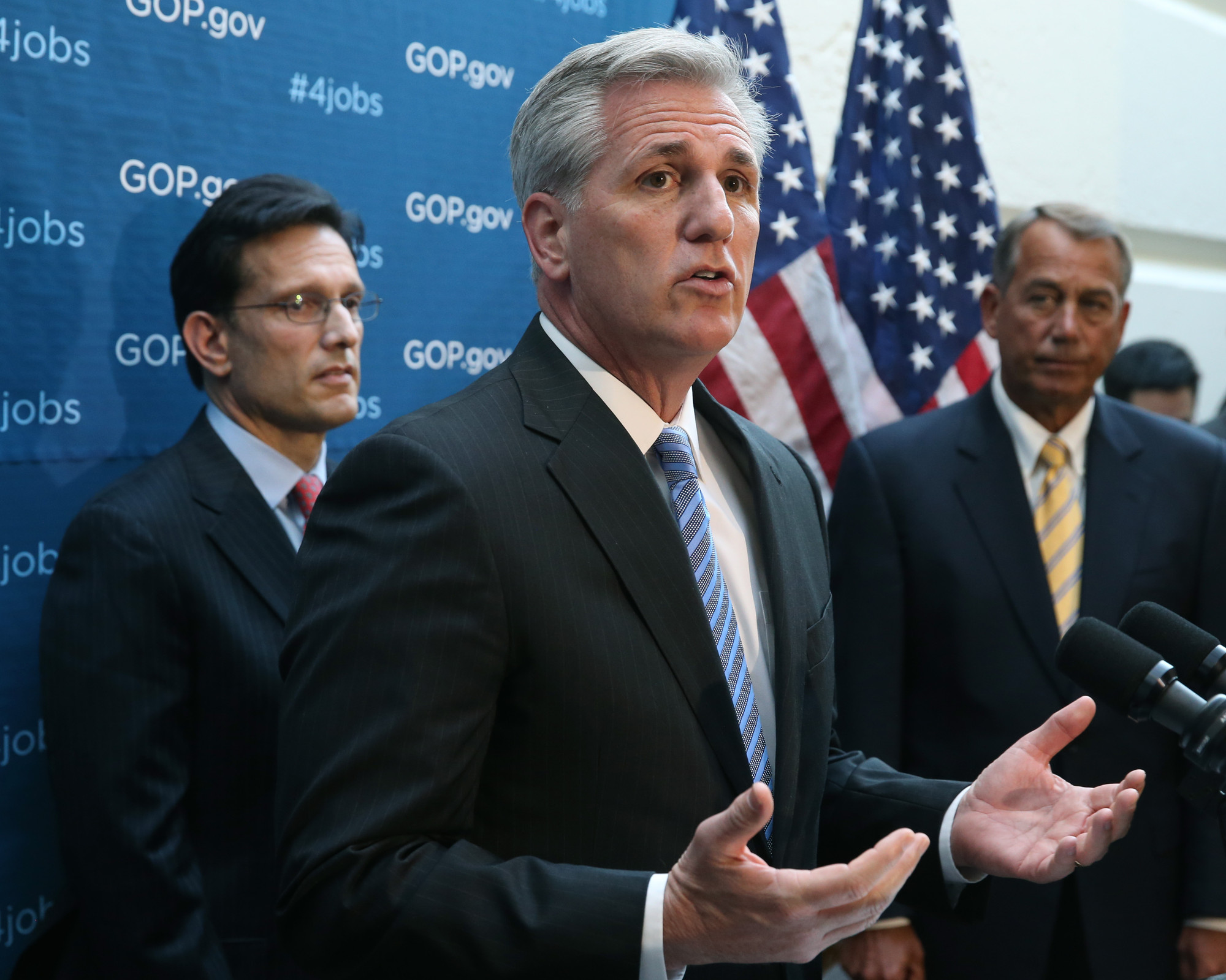
"description": "Kevin McCarthy speaks to the media while flanked by Eric Cantor and John Boehner at the U.S. Capitol in January. (Mark Wilson/Getty Images)\n",
"title": "Kevin McCarthy",
"credit": "Mark Wilson/Getty Images",
"status": "inherit",
"altTag": "Kevin McCarthy speaks to the media while flanked by Eric Cantor and John Boehner at the U.S. Capitol in January. (Mark Wilson/Getty Images)",
"isLoading": false,
"fetchFailed": false
},
"news_10341782": {
"type": "attachments",
"id": "news_10341782",
"meta": {
"index": "attachments_1716263798",
"site": "news",
"id": "10341782",
"found": true
},
"parent": 10341781,
"imgSizes": {
"thumbnail": {
"file": "https://ww2.kqed.org/app/uploads/sites/10/2014/09/DriversTest-400x225.jpg",
"width": 400,
"mimeType": "image/jpeg",
"height": 225
},
"kqedFullSize": {
"file": "https://ww2.kqed.org/app/uploads/sites/10/2014/09/DriversTest.jpg",
"width": 640,
"height": 360
},
"guest-author-96": {
"file": "https://ww2.kqed.org/app/uploads/sites/10/2014/09/DriversTest-96x96.jpg",
"width": 96,
"mimeType": "image/jpeg",
"height": 96
},
"guest-author-64": {
"file": "https://ww2.kqed.org/app/uploads/sites/10/2014/09/DriversTest-64x64.jpg",
"width": 64,
"mimeType": "image/jpeg",
"height": 64
},
"detail": {
"file": "https://ww2.kqed.org/app/uploads/sites/10/2014/09/DriversTest-75x75.jpg",
"width": 75,
"mimeType": "image/jpeg",
"height": 75
},
"guest-author-32": {
"file": "https://ww2.kqed.org/app/uploads/sites/10/2014/09/DriversTest-32x32.jpg",
"width": 32,
"mimeType": "image/jpeg",
"height": 32
},
"guest-author-128": {
"file": "https://ww2.kqed.org/app/uploads/sites/10/2014/09/DriversTest-128x128.jpg",
"width": 128,
"mimeType": "image/jpeg",
"height": 128
}
},
"publishDate": 1412131130,
"modified": 1412131130,
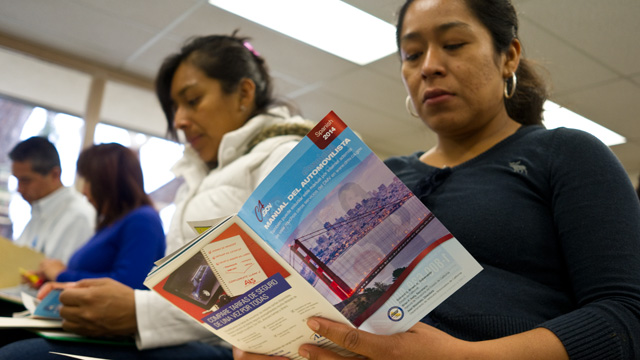
"caption": "Students at Orange County's Mexican consulate study the California Driver Handbook. With AB-60, California joins 10 other states in allowing undocumented immigrants to apply for driver's licenses. (Marcus Teply/KQED)",
"description": null,
"title": "DriversTest",
"credit": null,
"status": "inherit",
"isLoading": false,
"fetchFailed": false
},
"stateofhealth_18602": {
"type": "attachments",
"id": "stateofhealth_18602",
"meta": {
"index": "attachments_1716263798",
"site": "stateofhealth",
"id": "18602",
"found": true
},
"parent": 18597,
"imgSizes": {
"thumbnail": {
"file": "https://ww2.kqed.org/app/uploads/sites/27/2014/04/MissionBay-e1396976031755-400x300.jpg",
"width": 400,
"mimeType": "image/jpeg",
"height": 300
},
"fd-sm": {
"file": "https://ww2.kqed.org/app/uploads/sites/27/2014/04/MissionBay-e1396976031755-320x240.jpg",
"width": 320,
"mimeType": "image/jpeg",
"height": 240
},
"post-thumbnail": {
"file": "https://ww2.kqed.org/app/uploads/sites/27/2014/04/MissionBay-e1396976031755-640x372.jpg",
"width": 640,
"mimeType": "image/jpeg",
"height": 372
},
"kqedFullSize": {
"file": "https://ww2.kqed.org/app/uploads/sites/27/2014/04/MissionBay-e1396976031755.jpg",
"width": 640,
"height": 480
},
"guest-author-96": {
"file": "https://ww2.kqed.org/app/uploads/sites/27/2014/04/MissionBay-e1396976031755-96x96.jpg",
"width": 96,
"mimeType": "image/jpeg",
"height": 96
},
"guest-author-64": {
"file": "https://ww2.kqed.org/app/uploads/sites/27/2014/04/MissionBay-e1396976031755-64x64.jpg",
"width": 64,
"mimeType": "image/jpeg",
"height": 64
},
"detail": {
"file": "https://ww2.kqed.org/app/uploads/sites/27/2014/04/MissionBay-e1396976031755-75x75.jpg",
"width": 75,
"mimeType": "image/jpeg",
"height": 75
},
"guest-author-32": {
"file": "https://ww2.kqed.org/app/uploads/sites/27/2014/04/MissionBay-e1396976031755-32x32.jpg",
"width": 32,
"mimeType": "image/jpeg",
"height": 32
},
"guest-author-128": {
"file": "https://ww2.kqed.org/app/uploads/sites/27/2014/04/MissionBay-e1396976031755-128x128.jpg",
"width": 128,
"mimeType": "image/jpeg",
"height": 128
}
},
"publishDate": 1396975997,
"modified": 1396975997,
"caption": "Mission Bay Convalescent Hospital closed in February. (Vinnie Tong/KQED)",
"description": "Mission Bay convalescent hospital",
"title": "MissionBay",
"credit": null,
"status": "inherit",
"isLoading": false,
"fetchFailed": false
},
"news_131909": {
"type": "attachments",
"id": "news_131909",
"meta": {
"index": "attachments_1716263798",
"site": "news",
"id": "131909",
"found": true
},
"parent": 131900,
"imgSizes": {
"kqedFullSize": {
"file": "https://ww2.kqed.org/app/uploads/sites/10/2014/04/RS763_ice20130128-lpr.jpg",
"width": 1536,
"height": 1024
}
},
"publishDate": 1396921638,
"modified": 1396921638,
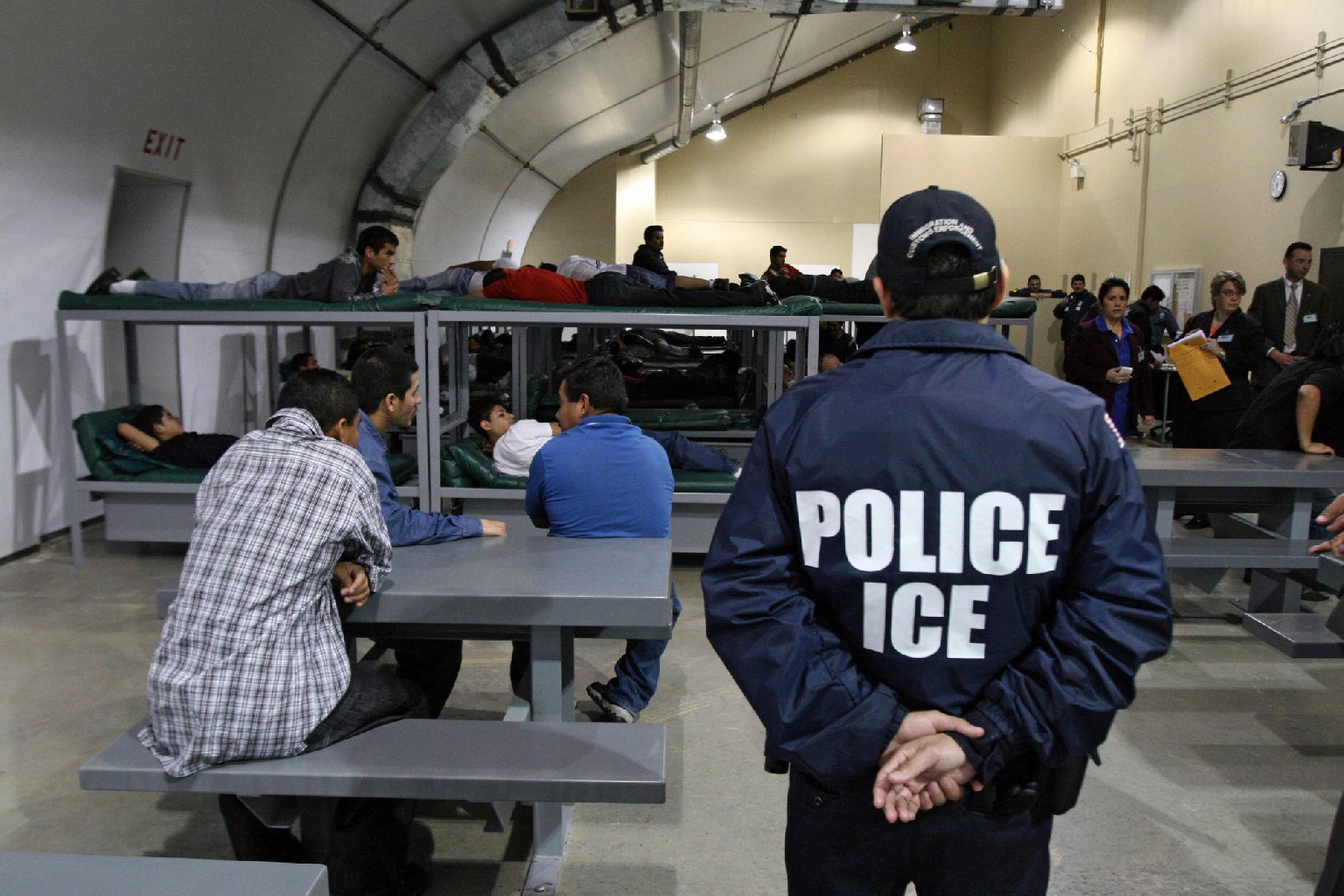
"caption": "An Immigration and Customs Enforcement officer guards a group of 116 Salvadorean immigrants that wait to be deported,at Willacy Detention facility in Raymondville, Texas. (Jose Cabeza/AFP/Getty Images)",
"description": null,
"title": "RS763_ice20130128-lpr",
"credit": null,
"status": "inherit",
"isLoading": false,
"fetchFailed": false
},
"news_131168": {
"type": "attachments",
"id": "news_131168",
"meta": {
"index": "attachments_1716263798",
"site": "news",
"id": "131168",
"found": true
},
"parent": 130949,
"imgSizes": {
"kqedFullSize": {
"file": "https://ww2.kqed.org/app/uploads/sites/10/2014/04/RS2361_108330194-lpr.jpg",
"width": 1566,
"height": 1004
}
},
"publishDate": 1396376393,
"modified": 1396376393,
"caption": "In 2013, Big Tech was the #4 Big Spender on lobbying, behind Big Health, Big Insurance and Big Oil & Gas. (Saul Loeb/Getty Images)",
"description": "In 2013, Big Tech was the #4 Big Spender on lobbying, behind Big Health, Big Insurance and Big Oil & Gas. (Saul Loeb/Getty Images)",
"title": "RS2361_108330194-lpr",
"credit": null,
"status": "inherit",
"isLoading": false,
"fetchFailed": false
}
},
"audioPlayerReducer": {
"postId": "stream_live",
"isPaused": true,
"isPlaying": false,
"pfsActive": false,
"pledgeModalIsOpen": true,
"playerDrawerIsOpen": false,
"liveAudioPlayStartedAt": 0,
"liveAudioPlayContext": ""
},
"authorsReducer": {
"byline_news_10341781": {
"type": "authors",
"id": "byline_news_10341781",
"meta": {
"override": true
},
"slug": "byline_news_10341781",
"name": "Valerie Hamilton",
"isLoading": false
},
"lisapickoffwhite-2": {
"type": "authors",
"id": "199",
"meta": {
"index": "authors_1716337520",
"id": "199",
"found": true
},
"name": "Lisa Pickoff-White",
"firstName": "Lisa",
"lastName": "Pickoff-White",
"slug": "lisapickoffwhite-2",
"email": "lpickoffwhite@kqed.org",
"display_author_email": false,
"staff_mastheads": [
"news"
],
"title": "Data Journalist, Senior Producer",
"bio": "Lisa Pickoff-White is KQED's data reporter. Lisa specializes in simplifying complex topics and bringing them to life through compelling visuals, including photography and data visualizations. She previously has worked at the Center for Investigative Reporting and other national outlets. Her work has been honored with awards from the Online News Association, Investigative Reporters and Editors, the Society of Professional Journalists and SXSW Interactive. \u003cstrong> \u003c/strong>",
"avatar": "https://secure.gravatar.com/avatar/5513c5f3967df792aa65bee2501e84d6?s=600&d=blank&r=g",
"twitter": "pickoffwhite",
"facebook": null,
"instagram": null,
"linkedin": null,
"sites": [
{
"site": "",
"roles": [
"editor"
]
},
{
"site": "arts",
"roles": []
},
{
"site": "news",
"roles": [
"administrator"
]
},
{
"site": "about",
"roles": [
"editor"
]
},
{
"site": "stateofhealth",
"roles": [
"administrator"
]
},
{
"site": "science",
"roles": [
"editor"
]
},
{
"site": "quest",
"roles": [
"editor"
]
},
{
"site": "forum",
"roles": [
"editor"
]
}
],
"headData": {
"title": "Lisa Pickoff-White | KQED",
"description": "Data Journalist, Senior Producer",
"ogImgSrc": "https://secure.gravatar.com/avatar/5513c5f3967df792aa65bee2501e84d6?s=600&d=blank&r=g",
"twImgSrc": "https://secure.gravatar.com/avatar/5513c5f3967df792aa65bee2501e84d6?s=600&d=blank&r=g"
},
"isLoading": false,
"link": "/author/lisapickoffwhite-2"
},
"kqed": {
"type": "authors",
"id": "236",
"meta": {
"index": "authors_1716337520",
"id": "236",
"found": true
},
"name": "KQED News Staff",
"firstName": "KQED News Staff",
"lastName": null,
"slug": "kqed",
"email": "faq@kqed.org",
"display_author_email": false,
"staff_mastheads": [],
"title": null,
"bio": null,
"avatar": "https://secure.gravatar.com/avatar/ef0e801a68c4c54afa9180db14084167?s=600&d=blank&r=g",
"twitter": null,
"facebook": null,
"instagram": null,
"linkedin": null,
"sites": [
{
"site": "arts",
"roles": [
"contributor"
]
},
{
"site": "news",
"roles": [
"editor"
]
},
{
"site": "futureofyou",
"roles": [
"author"
]
}
],
"headData": {
"title": "KQED News Staff | KQED",
"description": null,
"ogImgSrc": "https://secure.gravatar.com/avatar/ef0e801a68c4c54afa9180db14084167?s=600&d=blank&r=g",
"twImgSrc": "https://secure.gravatar.com/avatar/ef0e801a68c4c54afa9180db14084167?s=600&d=blank&r=g"
},
"isLoading": false,
"link": "/author/kqed"
},
"kqednewsstaffandwires": {
"type": "authors",
"id": "237",
"meta": {
"index": "authors_1716337520",
"id": "237",
"found": true
},
"name": "KQED News Staff and Wires",
"firstName": "KQED News Staff and Wires",
"lastName": null,
"slug": "kqednewsstaffandwires",
"email": "onlinenewsstaff@kqed.org",
"display_author_email": false,
"staff_mastheads": [],
"title": null,
"bio": null,
"avatar": "https://secure.gravatar.com/avatar/72295af8ebbfbd19a4948f5271285664?s=600&d=blank&r=g",
"twitter": null,
"facebook": null,
"instagram": null,
"linkedin": null,
"sites": [
{
"site": "arts",
"roles": [
"contributor"
]
},
{
"site": "news",
"roles": [
"contributor"
]
},
{
"site": "lowdown",
"roles": [
"author"
]
},
{
"site": "stateofhealth",
"roles": [
"contributor"
]
},
{
"site": "food",
"roles": [
"author"
]
}
],
"headData": {
"title": "KQED News Staff and Wires | KQED",
"description": null,
"ogImgSrc": "https://secure.gravatar.com/avatar/72295af8ebbfbd19a4948f5271285664?s=600&d=blank&r=g",
"twImgSrc": "https://secure.gravatar.com/avatar/72295af8ebbfbd19a4948f5271285664?s=600&d=blank&r=g"
},
"isLoading": false,
"link": "/author/kqednewsstaffandwires"
},
"lisaaliferis": {
"type": "authors",
"id": "240",
"meta": {
"index": "authors_1716337520",
"id": "240",
"found": true
},
"name": "Lisa Aliferis",
"firstName": "Lisa",
"lastName": "Aliferis",
"slug": "lisaaliferis",
"email": "laliferis@kqed.org",
"display_author_email": false,
"staff_mastheads": [],
"title": "KQED Contributor",
"bio": "Lisa Aliferis is the founding editor of KQED's \u003cem>State of Health\u003c/em> blog. Since 2011, she's been writing and editing stories for the site. Before taking up blogging, she toiled for many years (more than we can count) producing health stories for television, including\u003cem> Dateline NBC\u003c/em> and San Francisco's CBS affiliate, KPIX-TV. She also wrote up a \u003ca title=\"http://www.kqed.org/news/health/obamacare/obamacare-guide.jsp\" href=\"http://www.kqed.org/news/health/obamacare/obamacare-guide.jsp\">handy guide to the Affordable Care Act\u003c/a>, especially for Californians. Her work has been honored for many awards. Most recently she was a finalist for \"Best Topical Reporting\" from the Online News Association. You can follow her on Twitter: \u003ca title=\"https://twitter.com/laliferis\" href=\"https://twitter.com/laliferis\">@laliferis\u003c/a>",
"avatar": "https://secure.gravatar.com/avatar/86c339d5cdcb0dcd2b6cf5d7c3f5886b?s=600&d=mm&r=g",
"twitter": "laliferis",
"facebook": null,
"instagram": null,
"linkedin": null,
"sites": [
{
"site": "news",
"roles": [
"subscriber"
]
},
{
"site": "futureofyou",
"roles": [
"subscriber"
]
},
{
"site": "stateofhealth",
"roles": [
"subscriber"
]
},
{
"site": "science",
"roles": [
"subscriber"
]
},
{
"site": "food",
"roles": []
}
],
"headData": {
"title": "Lisa Aliferis | KQED",
"description": "KQED Contributor",
"ogImgSrc": "https://secure.gravatar.com/avatar/86c339d5cdcb0dcd2b6cf5d7c3f5886b?s=600&d=mm&r=g",
"twImgSrc": "https://secure.gravatar.com/avatar/86c339d5cdcb0dcd2b6cf5d7c3f5886b?s=600&d=mm&r=g"
},
"isLoading": false,
"link": "/author/lisaaliferis"
},
"mboyer": {
"type": "authors",
"id": "242",
"meta": {
"index": "authors_1716337520",
"id": "242",
"found": true
},
"name": "Mark Andrew Boyer",
"firstName": "Mark Andrew",
"lastName": "Boyer",
"slug": "mboyer",
"email": "mboyer@kqed.org",
"display_author_email": false,
"staff_mastheads": [],
"title": null,
"bio": null,
"avatar": "https://secure.gravatar.com/avatar/97f25e563059e57d6a08f9c09b43851a?s=600&d=blank&r=g",
"twitter": null,
"facebook": null,
"instagram": null,
"linkedin": null,
"sites": [
{
"site": "news",
"roles": [
"contributor"
]
}
],
"headData": {
"title": "Mark Andrew Boyer | KQED",
"description": null,
"ogImgSrc": "https://secure.gravatar.com/avatar/97f25e563059e57d6a08f9c09b43851a?s=600&d=blank&r=g",
"twImgSrc": "https://secure.gravatar.com/avatar/97f25e563059e57d6a08f9c09b43851a?s=600&d=blank&r=g"
},
"isLoading": false,
"link": "/author/mboyer"
},
"minakim": {
"type": "authors",
"id": "243",
"meta": {
"index": "authors_1716337520",
"id": "243",
"found": true
},
"name": "Mina Kim",
"firstName": "Mina",
"lastName": "Kim",
"slug": "minakim",
"email": "mkim@kqed.org",
"display_author_email": false,
"staff_mastheads": [
"news"
],
"title": "Host, Forum",
"bio": "Mina Kim is host of the 10 a.m. statewide hour of Forum; a live daily talk show for curious Californians on issues that matter to the state and nation, with a particular emphasis on race and equity.\r\n\r\nBefore joining the Forum team, Mina was KQED’s evening news anchor, and health reporter for The California Report. Her award-winning work has included natural disasters in Napa and gun violence in Oakland. Mina grew up in St. John’s, Newfoundland.",
"avatar": "https://secure.gravatar.com/avatar/145ce657a2d08cb86d93686beb958982?s=600&d=blank&r=g",
"twitter": "mkimreporter",
"facebook": null,
"instagram": null,
"linkedin": null,
"sites": [
{
"site": "news",
"roles": [
"contributor"
]
},
{
"site": "stateofhealth",
"roles": [
"author"
]
},
{
"site": "forum",
"roles": [
"editor"
]
}
],
"headData": {
"title": "Mina Kim | KQED",
"description": "Host, Forum",
"ogImgSrc": "https://secure.gravatar.com/avatar/145ce657a2d08cb86d93686beb958982?s=600&d=blank&r=g",
"twImgSrc": "https://secure.gravatar.com/avatar/145ce657a2d08cb86d93686beb958982?s=600&d=blank&r=g"
},
"isLoading": false,
"link": "/author/minakim"
},
"rachael-myrow": {
"type": "authors",
"id": "251",
"meta": {
"index": "authors_1716337520",
"id": "251",
"found": true
},
"name": "Rachael Myrow",
"firstName": "Rachael",
"lastName": "Myrow",
"slug": "rachael-myrow",
"email": "rmyrow@kqed.org",
"display_author_email": true,
"staff_mastheads": [
"news"
],
"title": "Senior Editor of KQED's Silicon Valley News Desk",
"bio": "• I write and edit stories about how Silicon Valley power and policies shape everyday life in California. I’m also passionate about making Bay Area history and culture more accessible to a broad public. • I’ve been a journalist for most of my life, starting in high school with The Franklin Press in Los Angeles, where I grew up. While earning my first degree in English at UC Berkeley, I got my start in public radio at KALX-FM. After completing a second degree in journalism at Cal, I landed my first professional job at Marketplace, then moved on to KPCC (now LAist), and then KQED, where I hosted The California Report for more than seven years. • My reporting has appeared on NPR, The World, WBUR’s \u003ci>Here & Now\u003c/i>, and the BBC. I also guest host for KQED’s \u003ci>Forum\u003c/i>, as well as the Commonwealth Club in San Francisco. • I speak periodically on media, democracy and technology issues, and do voiceover work for documentaries and educational video projects. • Outside of the studio, you'll find me hiking Bay Area trails and whipping up Insta-ready meals in my kitchen. • I do not accept gifts, money, or favors from anyone connected to my reporting, I don't pay people for information, and I do not support or donate to political causes. • I strive to treat the people I report on with fairness, honesty, and respect. I also recognize there are often multiple sides to a story and work to verify information through multiple sources and documentation. If I get something wrong, I correct it.",
"avatar": "https://secure.gravatar.com/avatar/3ed8a3c5f26025e4a805ba634cda8cd764906b97438a6d9ce216b044e340da4e?s=600&d=blank&r=g",
"twitter": "rachaelmyrow",
"bluesky": null,
"facebook": null,
"instagram": null,
"linkedin": "https://www.linkedin.com/in/rachaelmyrow/",
"sites": [
{
"site": "arts",
"roles": [
"administrator"
]
},
{
"site": "news",
"roles": [
"edit_others_posts",
"editor"
]
},
{
"site": "futureofyou",
"roles": [
"editor"
]
},
{
"site": "bayareabites",
"roles": [
"editor"
]
},
{
"site": "stateofhealth",
"roles": [
"editor"
]
},
{
"site": "science",
"roles": [
"editor"
]
},
{
"site": "food",
"roles": [
"editor"
]
},
{
"site": "forum",
"roles": [
"editor"
]
},
{
"site": "liveblog",
"roles": [
"author"
]
}
],
"headData": {
"title": "Rachael Myrow | KQED",
"description": "Senior Editor of KQED's Silicon Valley News Desk",
"ogImgSrc": "https://secure.gravatar.com/avatar/3ed8a3c5f26025e4a805ba634cda8cd764906b97438a6d9ce216b044e340da4e?s=600&d=blank&r=g",
"twImgSrc": "https://secure.gravatar.com/avatar/3ed8a3c5f26025e4a805ba634cda8cd764906b97438a6d9ce216b044e340da4e?s=600&d=blank&r=g"
},
"isLoading": false,
"link": "/author/rachael-myrow"
},
"scottshafer": {
"type": "authors",
"id": "255",
"meta": {
"index": "authors_1716337520",
"id": "255",
"found": true
},
"name": "Scott Shafer",
"firstName": "Scott",
"lastName": "Shafer",
"slug": "scottshafer",
"email": "sshafer@kqed.org",
"display_author_email": false,
"staff_mastheads": [
"news"
],
"title": "KQED Contributor",
"bio": "Scott Shafer is a senior editor with the KQED Politics and Government desk. He is co-host of Political Breakdown, the award-winning radio show and podcast with a personal take on the world of politics. Scott came to KQED in 1998 to host the statewide\u003cem> California Report\u003c/em>. Prior to that he had extended stints in politics and government\u003cem>.\u003c/em> He uses that inside experience at KQED in his, reporting, hosting and analysis for the politics desk. Scott collaborated \u003cem>Political Breakdown a\u003c/em>nd on \u003cem>The Political Mind of Jerry Brown, \u003c/em>an eight-part series about the life and extraordinary political career of the former governor. For fun, he plays water polo with the San Francisco Tsunami.",
"avatar": "https://secure.gravatar.com/avatar/a62ebae45b79d7aed1a39a0e3bf68104?s=600&d=blank&r=g",
"twitter": "scottshafer",
"bluesky": null,
"facebook": null,
"instagram": null,
"linkedin": null,
"sites": [
{
"site": "news",
"roles": [
"editor"
]
},
{
"site": "stateofhealth",
"roles": [
"author"
]
},
{
"site": "science",
"roles": [
"author"
]
},
{
"site": "forum",
"roles": [
"subscriber"
]
},
{
"site": "liveblog",
"roles": [
"author"
]
}
],
"headData": {
"title": "Scott Shafer | KQED",
"description": "KQED Contributor",
"ogImgSrc": "https://secure.gravatar.com/avatar/a62ebae45b79d7aed1a39a0e3bf68104?s=600&d=blank&r=g",
"twImgSrc": "https://secure.gravatar.com/avatar/a62ebae45b79d7aed1a39a0e3bf68104?s=600&d=blank&r=g"
},
"isLoading": false,
"link": "/author/scottshafer"
},
"tcrimport": {
"type": "authors",
"id": "11378",
"meta": {
"index": "authors_1716337520",
"id": "11378",
"found": true
},
"name": "KQED News Staff",
"firstName": "KQED",
"lastName": "News",
"slug": "tcrimport",
"email": "noahpiper@gmail.com",
"display_author_email": false,
"staff_mastheads": [],
"title": "KQED Contributor",
"bio": null,
"avatar": "https://secure.gravatar.com/avatar/93386a6d60ac299c541b2d7d9456420be2c9995763f61d00947836d34d9992f7?s=600&d=blank&r=g",
"twitter": null,
"bluesky": null,
"facebook": null,
"instagram": null,
"linkedin": null,
"sites": [
{
"site": "news",
"roles": [
"subscriber"
]
}
],
"headData": {
"title": "KQED News Staff | KQED",
"description": "KQED Contributor",
"ogImgSrc": "https://secure.gravatar.com/avatar/93386a6d60ac299c541b2d7d9456420be2c9995763f61d00947836d34d9992f7?s=600&d=blank&r=g",
"twImgSrc": "https://secure.gravatar.com/avatar/93386a6d60ac299c541b2d7d9456420be2c9995763f61d00947836d34d9992f7?s=600&d=blank&r=g"
},
"isLoading": false,
"link": "/author/tcrimport"
}
},
"pagesReducer": {
"news_category_immigration": {
"type": "terms",
"id": "news_1169",
"meta": {
"index": "terms_1716263798",
"site": "news",
"id": "1169",
"score": 10.909731
},
"featImg": null,
"name": "Immigration",
"description": null,
"taxonomy": "category",
"headData": {
"twImgId": null,
"twTitle": null,
"ogTitle": null,
"ogImgId": null,
"twDescription": null,
"description": null,
"title": "Immigration Archives | KQED News",
"ogDescription": null
},
"ttid": 1180,
"slug": "immigration",
"isLoading": false,
"title": "Immigration",
"pageMeta": {
"site": "news",
"WpPageTemplate": "page-topic-editorial",
"currentPage": 189
},
"blocks": [
{
"blockName": "kqed/post-list",
"attrs": {
"layout": "cardArticle2",
"query": "posts/news?category=immigration",
"seeMore": false,
"paginated": true,
"page": 189
}
},
{
"blockName": "kqed/ad"
}
]
}
},
"pfsSessionReducer": {},
"postsReducer": {
"stream_live": {
"type": "live",
"id": "stream_live",
"audioUrl": "https://streams.kqed.org/kqedradio",
"title": "Live Stream",
"excerpt": "Live Stream information currently unavailable.",
"link": "/radio",
"featImg": "",
"label": {
"name": "KQED Live",
"link": "/"
}
},
"stream_kqedNewscast": {
"type": "posts",
"id": "stream_kqedNewscast",
"audioUrl": "https://www.kqed.org/.stream/anon/radio/RDnews/newscast.mp3?_=1",
"title": "KQED Newscast",
"featImg": "",
"label": {
"name": "88.5 FM",
"link": "/"
}
},
"news_145781": {
"type": "posts",
"id": "news_145781",
"meta": {
"index": "posts_1716263798",
"site": "news",
"id": "145781",
"score": null,
"sort": [
1409173225000
]
},
"guestAuthors": [],
"slug": "mission-church-hosts-monthly-immigration-vigil",
"title": "Mission District Church Hosts Monthly Immigration Vigil",
"publishDate": 1409173225,
"format": "aside",
"headTitle": "Mission District Church Hosts Monthly Immigration Vigil | KQED",
"labelTerm": {
"term": 6944,
"site": "news"
},
"content": "\u003cfigure id=\"attachment_145784\" class=\"wp-caption alignnone\" style=\"max-width: 640px\">\u003ca href=\"http://ww2.kqed.org/news/wp-content/uploads/sites/10/2014/08/prayer-walk-3.jpg\">\u003cimg loading=\"lazy\" decoding=\"async\" class=\"size-full wp-image-145784\" src=\"http://ww2.kqed.org/news/wp-content/uploads/sites/10/2014/08/prayer-walk-3.jpg\" alt=\"St. Peter's Prayer Walk\" width=\"640\" height=\"427\">\u003c/a>\u003cfigcaption class=\"wp-caption-text\">Members of St. Peter’s Church attend a prayer vigil for undocumented immigrants in the Mission. (Mark Andrew Boyer/KQED)\u003c/figcaption>\u003c/figure>\n\u003cp>More than 300 people walked through the Mission on Friday evening, reciting prayers for the country’s 11 million undocumented immigrants. The prayer walk followed an hourlong Mass at St. Peter’s Church in which several family members of detained immigrants offered their testimony and called for their relatives’ release.\u003c/p>\n\u003cp>One stirring testimony came from Amelia Martinez, a Guatemalan immigrant whose husband, Ricardo Ivan Martinez, is currently being held in an Immigration and Customs Enforcement detention center in Texas. Martinez is serving as a witness to a violent crime, but his family fears that he will be deported to Guatemala, where he could be a retribution target.\u003c/p>\n\u003cp>The Mass and prayer walk comes as millions of immigrants from around the country are pressuring President Barack Obama to use executive action to defer deportation for many immigrants currently living in the U.S.\u003c/p>\n\u003cp>“It’s a key moment. There’s a real loss of hope in our community because we were not able to pass immigration reform through the congress,” said Lorena Melgarejo from the S.F. Catholic Archdiocese’s Department of Public Policy and Social Concerns, which was one of the event organizers.\u003c/p>\n\u003cfigure id=\"attachment_145783\" class=\"wp-caption alignnone\" style=\"max-width: 640px\">\u003ca href=\"http://ww2.kqed.org/news/wp-content/uploads/sites/10/2014/08/prayer-walk-2.jpg\">\u003cimg loading=\"lazy\" decoding=\"async\" class=\"size-full wp-image-145783\" src=\"http://ww2.kqed.org/news/wp-content/uploads/sites/10/2014/08/prayer-walk-2.jpg\" alt=\"St. Peter's Prayer Walk\" width=\"640\" height=\"427\">\u003c/a>\u003cfigcaption class=\"wp-caption-text\">Members of St. Peter’s Church attend a prayer vigil for undocumented immigrants in the Mission. (Mark Andrew Boyer/KQED)\u003c/figcaption>\u003c/figure>\n\u003cp>After the Mass, parishioners lined up in front of the church on Florida Street and began a slow procession while reciting “Hail Mary” prayers in Spanish. Bar and restaurant patrons poked their heads out of doorways on 24th Street as the crowd, which the organizers estimated to be about 350 strong, passed along on the sidewalk.\u003c/p>\n\u003cp>[ad fullwidth]\u003c/p>\n\u003cp>“It’s to raise awareness,” said Samantha Romero, who herself is undocumented, as she stood in front of the church. “I have seen some people who are at risk of deportation, and I have seen the fear in their eyes – fear of not knowing what’s next.”\u003c/p>\n\u003cp>Romero was granted a deferred action permit to stay in the U.S. for two years, but she knows that her parents — who are also undocumented — aren’t secure. “We won’t stop working until we have something that is fair for us, and that they treat us like human beings,” she said.\u003c/p>\n\u003cp>\u003c/p>\n\u003cp>During his sermon, the Rev. Moisés Agudo said that the immigration Mass and prayer walk will be a monthly fixture at St. Peter’s. The next event will be held on Sept. 26, where free legal aid will be offered.\u003c/p>\n\u003cfigure id=\"attachment_145782\" class=\"wp-caption alignnone\" style=\"max-width: 640px\">\u003ca href=\"http://ww2.kqed.org/news/wp-content/uploads/sites/10/2014/08/prayer-walk-1.jpg\">\u003cimg loading=\"lazy\" decoding=\"async\" class=\"size-full wp-image-145782\" src=\"http://ww2.kqed.org/news/wp-content/uploads/sites/10/2014/08/prayer-walk-1.jpg\" alt=\"St. Peter's Prayer Walk\" width=\"640\" height=\"427\">\u003c/a>\u003cfigcaption class=\"wp-caption-text\">Members of St. Peter’s Church in the Mission gather in front of the church on Florida Street to prepare for a prayer walk. (Mark Andrew Boyer/KQED)\u003c/figcaption>\u003c/figure>\n\n",
"blocks": [],
"excerpt": "Walk through neighborhood drew more than 300, praying for the country's 11 million undocument immigrants.",
"status": "publish",
"parent": 0,
"modified": 1721108372,
"stats": {
"hasAudio": false,
"hasVideo": false,
"hasChartOrMap": false,
"iframeSrcs": [],
"hasGoogleForm": false,
"hasGallery": false,
"hasHearkenModule": false,
"hasPolis": false,
"paragraphCount": 10,
"wordCount": 488
},
"headData": {
"title": "Mission District Church Hosts Monthly Immigration Vigil | KQED",
"description": "Walk through neighborhood drew more than 300, praying for the country's 11 million undocument immigrants.",
"ogTitle": "",
"ogDescription": "",
"ogImgId": "",
"twTitle": "",
"twDescription": "",
"twImgId": "",
"schema": {
"@context": "https://schema.org",
"@type": "NewsArticle",
"headline": "Mission District Church Hosts Monthly Immigration Vigil",
"datePublished": "2014-08-27T14:00:25-07:00",
"dateModified": "2024-07-15T22:39:32-07:00",
"image": "https://cdn.kqed.org/wp-content/uploads/2020/02/KQED-OG-Image@1x.png",
"isAccessibleForFree": "True",
"publisher": {
"@type": "NewsMediaOrganization",
"@id": "https://www.kqed.org/#organization",
"name": "KQED",
"logo": "https://cdn.kqed.org/wp-content/uploads/2020/02/KQED-OG-Image@1x.png",
"url": "https://www.kqed.org",
"sameAs": [
"https://www.facebook.com/KQED",
"https://twitter.com/KQED",
"https://www.instagram.com/kqed/",
"https://www.tiktok.com/@kqedofficial",
"https://www.linkedin.com/company/kqed",
"https://www.youtube.com/channel/UCeC0IOo7i1P_61zVUWbJ4nw"
]
}
}
},
"sticky": false,
"path": "/news/145781/mission-church-hosts-monthly-immigration-vigil",
"audioTrackLength": null,
"parsedContent": [
{
"type": "contentString",
"content": "\u003cdiv class=\"post-body\">\u003cp>\u003cfigure id=\"attachment_145784\" class=\"wp-caption alignnone\" style=\"max-width: 640px\">\u003ca href=\"http://ww2.kqed.org/news/wp-content/uploads/sites/10/2014/08/prayer-walk-3.jpg\">\u003cimg loading=\"lazy\" decoding=\"async\" class=\"size-full wp-image-145784\" src=\"http://ww2.kqed.org/news/wp-content/uploads/sites/10/2014/08/prayer-walk-3.jpg\" alt=\"St. Peter's Prayer Walk\" width=\"640\" height=\"427\">\u003c/a>\u003cfigcaption class=\"wp-caption-text\">Members of St. Peter’s Church attend a prayer vigil for undocumented immigrants in the Mission. (Mark Andrew Boyer/KQED)\u003c/figcaption>\u003c/figure>\n\u003cp>More than 300 people walked through the Mission on Friday evening, reciting prayers for the country’s 11 million undocumented immigrants. The prayer walk followed an hourlong Mass at St. Peter’s Church in which several family members of detained immigrants offered their testimony and called for their relatives’ release.\u003c/p>\n\u003cp>One stirring testimony came from Amelia Martinez, a Guatemalan immigrant whose husband, Ricardo Ivan Martinez, is currently being held in an Immigration and Customs Enforcement detention center in Texas. Martinez is serving as a witness to a violent crime, but his family fears that he will be deported to Guatemala, where he could be a retribution target.\u003c/p>\n\u003cp>The Mass and prayer walk comes as millions of immigrants from around the country are pressuring President Barack Obama to use executive action to defer deportation for many immigrants currently living in the U.S.\u003c/p>\n\u003cp>“It’s a key moment. There’s a real loss of hope in our community because we were not able to pass immigration reform through the congress,” said Lorena Melgarejo from the S.F. Catholic Archdiocese’s Department of Public Policy and Social Concerns, which was one of the event organizers.\u003c/p>\n\u003cfigure id=\"attachment_145783\" class=\"wp-caption alignnone\" style=\"max-width: 640px\">\u003ca href=\"http://ww2.kqed.org/news/wp-content/uploads/sites/10/2014/08/prayer-walk-2.jpg\">\u003cimg loading=\"lazy\" decoding=\"async\" class=\"size-full wp-image-145783\" src=\"http://ww2.kqed.org/news/wp-content/uploads/sites/10/2014/08/prayer-walk-2.jpg\" alt=\"St. Peter's Prayer Walk\" width=\"640\" height=\"427\">\u003c/a>\u003cfigcaption class=\"wp-caption-text\">Members of St. Peter’s Church attend a prayer vigil for undocumented immigrants in the Mission. (Mark Andrew Boyer/KQED)\u003c/figcaption>\u003c/figure>\n\u003cp>After the Mass, parishioners lined up in front of the church on Florida Street and began a slow procession while reciting “Hail Mary” prayers in Spanish. Bar and restaurant patrons poked their heads out of doorways on 24th Street as the crowd, which the organizers estimated to be about 350 strong, passed along on the sidewalk.\u003c/p>\n\u003cp>\u003c/p>\u003c/div>",
"attributes": {
"named": {},
"numeric": []
}
},
{
"type": "component",
"content": "",
"name": "ad",
"attributes": {
"named": {
"label": "fullwidth"
},
"numeric": [
"fullwidth"
]
}
},
{
"type": "contentString",
"content": "\u003cdiv class=\"post-body\">\u003cp>\u003c/p>\n\u003cp>“It’s to raise awareness,” said Samantha Romero, who herself is undocumented, as she stood in front of the church. “I have seen some people who are at risk of deportation, and I have seen the fear in their eyes – fear of not knowing what’s next.”\u003c/p>\n\u003cp>Romero was granted a deferred action permit to stay in the U.S. for two years, but she knows that her parents — who are also undocumented — aren’t secure. “We won’t stop working until we have something that is fair for us, and that they treat us like human beings,” she said.\u003c/p>\n\u003cp>\u003c/p>\n\u003cp>During his sermon, the Rev. Moisés Agudo said that the immigration Mass and prayer walk will be a monthly fixture at St. Peter’s. The next event will be held on Sept. 26, where free legal aid will be offered.\u003c/p>\n\u003cfigure id=\"attachment_145782\" class=\"wp-caption alignnone\" style=\"max-width: 640px\">\u003ca href=\"http://ww2.kqed.org/news/wp-content/uploads/sites/10/2014/08/prayer-walk-1.jpg\">\u003cimg loading=\"lazy\" decoding=\"async\" class=\"size-full wp-image-145782\" src=\"http://ww2.kqed.org/news/wp-content/uploads/sites/10/2014/08/prayer-walk-1.jpg\" alt=\"St. Peter's Prayer Walk\" width=\"640\" height=\"427\">\u003c/a>\u003cfigcaption class=\"wp-caption-text\">Members of St. Peter’s Church in the Mission gather in front of the church on Florida Street to prepare for a prayer walk. (Mark Andrew Boyer/KQED)\u003c/figcaption>\u003c/figure>\n\n\u003c/div>\u003c/p>",
"attributes": {
"named": {},
"numeric": []
}
}
],
"link": "/news/145781/mission-church-hosts-monthly-immigration-vigil",
"authors": [
"242"
],
"programs": [
"news_6944"
],
"categories": [
"news_1169",
"news_6188",
"news_13"
],
"tags": [
"news_205",
"news_244"
],
"featImg": "news_145784",
"label": "news_6944"
},
"news_145272": {
"type": "posts",
"id": "news_145272",
"meta": {
"index": "posts_1716263798",
"site": "news",
"id": "145272",
"score": null,
"sort": [
1408654900000
]
},
"parent": 0,
"labelTerm": {
"site": "news",
"term": 6944
},
"blocks": [],
"publishDate": 1408654900,
"format": "aside",
"disqusTitle": "Child Immigration Wave Swamps Bay Area Legal Teams",
"title": "Child Immigration Wave Swamps Bay Area Legal Teams",
"headTitle": "News Fix | KQED News",
"content": "\u003cp>\u003cstrong>By Zaidee Stavely\u003c/strong>\u003c/p>\n\u003cfigure id=\"attachment_145273\" class=\"wp-caption alignnone\" style=\"max-width: 640px\">\u003ca href=\"http://ww2.kqed.org/news/2014/08/21/child-immigrants-legal-logjam/immigration-attorney-eleni-wolfe-roubatis-meets-with-a-tiny-client-and-his-mom-at-centro-legal-de-la-raza/\" rel=\"attachment wp-att-145273\">\u003cimg class=\"size-medium wp-image-145273\" src=\"http://ww2.kqed.org/news/wp-content/uploads/sites/10/2014/08/Immigration-attorney-Eleni-Wolfe-Roubatis-meets-with-a-tiny-client-and-his-mom-at-Centro-Legal-de-la-Raza-640x480.jpg\" alt=\"Immigration attorney Eleni Wolfe-Roubatis meets with a client and his mother at Centro Legal de la Raza. (KQED/Zaidee Stavely )\" width=\"640\" height=\"480\">\u003c/a>\u003cfigcaption class=\"wp-caption-text\">Immigration attorney Eleni Wolfe-Roubatis meets with a tiny client and his mother at Centro Legal de la Raza. (Zaidee Stavely/KQED )\u003c/figcaption>\u003c/figure>\n\u003cp> \u003cbr>\n\u003ciframe width=\"100%\" height=\"166\" scrolling=\"no\" frameborder=\"no\" src=\"https://w.soundcloud.com/player/?url=https%3A//api.soundcloud.com/tracks/164179800&color=ff5500&auto_play=false&hide_related=false&show_comments=true&show_user=true&show_reposts=false\">\u003c/iframe>\u003c/p>\n\u003cp>Every other Wednesday night at the \u003ca href=\"http://centrolegal.org/\">Centro Legal de la Raza\u003c/a> in Oakland’s Fruitvale neighborhood, immigrants pack the lobby and spill out into the hallway, waiting for a chance to speak with an attorney.\u003c/p>\n\u003cp>On a recent night, immigration program director Eleni Wolfe-Roubatis and her team of attorneys swept in and out, meeting with families privately to screen their cases.\u003c/p>\n\u003cp>“For me personally, what’s so difficult is knowing that we don’t have the resources to meet all these needs,” said Wolfe-Roubatis.\u003c/p>\n\u003cp>[ad fullwidth]\u003c/p>\n\u003cp>California Attorney General Kamala Harris is calling on more pro bono lawyers to help out legal aid groups like Centro Legal as they scramble to represent the hundreds of Central American children who have recently arrived in the Bay Area. And Thursday, Gov. Jerry Brown joined Harris and legislative leaders \u003ca href=\"http://gov.ca.gov/news.php?id=18658\" target=\"_blank\">to announce a bill\u003c/a> that would provide $3 million to nonprofit legal services to help handle cases for young immigrants.\u003c/p>\n\u003cp>Centro Legal were stretched to capacity before the child migrant crisis. Now they are overwhelmed.\u003c/p>\n\u003cp>On this night at Centro Legal, Wolfe-Roubatis met with a 9-year-old girl from Guatemala who made the journey across two borders alone. She also spoke with a mother named Araceli from Honduras and her two children. (We agreed to not to use her last name out of safety concerns.) Araceli said her family fled vicious gang attacks in San Pedro Sula, the city with\u003ca href=\"http://www.cnn.com/2013/03/27/world/americas/honduras-murder-capital/\" target=\"_blank\"> the highest murder rate in the world\u003c/a>.\u003c/p>\n\u003caside class=\"pullquote alignleft\">'Without increased capacity, we are not going to be able to represent that person and ... and get the protection the law provides for them.'\u003ccite>— Eleni Wolfe-Roubatis,\u003cbr>\nCentro Legal de la Raza\u003c/cite>\u003c/aside>\n\u003cp>“Many of my family members, my brothers, have been killed,\" she said in Spanish. \"At my son’s school, they started to charge a 'tax', and if a kid didn’t pay, they wanted him to sell drugs, and if he didn’t, they threatened to kill him and his whole family.\"\u003c/p>\n\u003cp>Attorneys across the Bay Area are hearing stories like this again and again. Between January and June, more than 850 children detained at the border have been released to guardians in the Bay Area as they wait for their day in court.\u003c/p>\n\u003cp>Still others came with a parent, like Araceli’s children. Centro Legal will represent Araceli and her family, but Wolfe-Roubatis said she has to turn away about 40 percent of the people who come through their doors, many of them with what she says are valid claims for protection.\u003c/p>\n\u003cp>“What is emotionally exhausting is hearing the story and knowing that, without increased capacity, we are not going to be able to represent that person and help them explain their story and get the protection the law provides for them,” Wolfe-Roubatis said.\u003c/p>\n\u003cp>\u003cstrong>Rise of the Rocket Dockets\u003c/strong>\u003c/p>\n\u003cp>That’s partly because of the new fast pace of hearings. Kids who crossed the border alone now get court dates within three weeks of their release from government custody. Children and parents detained together have to appear within four weeks of release.\u003c/p>\n\u003cp>In San Francisco, that means two new courtrooms just for children’s first hearings. Attorneys call them the \"rocket dockets.\"\u003c/p>\n\u003cp>On one weekday morning, a box with picture books in English and Spanish, coloring books and colored pencils sat on the back bench of one courtroom. Thirteen out of 15 families with children showed up without a lawyer.\u003c/p>\n\u003cp>“We’ve had children as young as 2 walk in,” said Wolfe-Roubatis. “And that child is supposed to explain somehow to the judge what they want to do with their case, while there’s an adverse party who is advocating that that child should be deported.”\u003c/p>\n\u003cp>That adverse party is an attorney paid for by the federal government. The government doesn’t pay for counsel for immigrants fighting their deportations, regardless of age. According to case records analyzed by \u003ca href=\"http://trac.syr.edu/immigration/reports/359/\">Syracuse University's Transactional Records Access Clearinghouse (TRAC),\u003c/a> without lawyers, children lose their claims nine times out of 10. With lawyers, half of them win their cases to stay.\u003c/p>\n\u003cp>After their initial hearings, children on the rocket docket are given about two months to find an attorney. In normal circumstances, adults in deportation proceedings get four to six months.\u003c/p>\n\u003cp>Republican strategist Alfonso Aguilar, who directs the \u003ca href=\"http://americanprinciplesproject.org/latino-partnership/issue-brief-unaccompanied-minors-at-the-border/\">American Principles Project’s Latino Partnership\u003c/a>, says the time frame should be even shorter.\u003c/p>\n\u003cp>“It seems to me that some people like that the system takes so long to consider a case,” said Aguilar, chief of the U.S. Office of Citizenship under President George W. Bush. “You know what happens when the process lasts two years. A lot of these children and families are released never to be seen again, and that’s a problem.”\u003c/p>\n\u003cp>Aguilar said the government should be able to make a final decision in these cases within three months. He said the process could be speeded up if there was more government funding to pay for some legal help for unaccompanied minors.\u003c/p>\n\u003cp>Congress hasn’t approved any of that funding. A Senate bill proposed to provide $55 million for legal services to children in immigration proceedings and advice to their families, but it failed on a procedural vote. So, legal aid groups in the Bay Area are having to get creative.\u003c/p>\n\u003cp>“Right now it’s both a challenging but kind of exciting time, where there’s a lot of interest and conversations going on,” said Carole Conn, director of public service programs at the Lawyer Referral and Information Service of the \u003ca href=\"http://www.sfbar.org\" target=\"_blank\">Bar Association of San Francisco.\u003c/a>\u003c/p>\n\u003cp>Conn said a network of Bay Area lawyers is coming together to try to meet the need, and many are answering Harris’ call. Advocates are training attorneys on how to handle immigration cases and the special needs of children.\u003c/p>\n\u003cp>The response in San Francisco has been remarkable, especially in the attorney-of-the-day program. Lawyers are dropping their regular work to show up for children and families in their initial court hearings. The program already existed in San Francisco immigration court, but it jumped to a new level with the rocket dockets. Conn oversees the program.\u003c/p>\n\u003cp>“It is extremely intense,” said Conn. “There are 20 cases, or families, let’s say, on a given docket, but in one attorney’s case that meant 52 people. Quickly, the courtroom becomes this overrun environment, with kids crying, and all kinds of pressures, much less trying to get a moment where you can confer confidentially with your client.”\u003c/p>\n\u003cp>[ad floatright]\u003c/p>\n\u003cp>The real hurdle is to find attorneys who can stick with these children throughout the legal process and provide full representation. As more children are released to the Bay Area over the next couple of months, lawyers expect the need for legal aid to intensify.\u003c/p>\n\n",
"disqusIdentifier": "145272 http://ww2.kqed.org/news/?p=145272",
"disqusUrl": "https://ww2.kqed.org/news/2014/08/21/child-immigration-wave-swamps-bay-area-legal-teams/",
"stats": {
"hasVideo": false,
"hasChartOrMap": false,
"hasAudio": true,
"hasPolis": false,
"wordCount": 1210,
"hasGoogleForm": false,
"hasGallery": false,
"hasHearkenModule": false,
"iframeSrcs": [],
"paragraphCount": 29
},
"modified": 1408659450,
"excerpt": "Attorney general calls on pro bono lawyers to help hundreds of young Central American arrivals.",
"headData": {
"twImgId": "",
"twTitle": "",
"ogTitle": "",
"ogImgId": "",
"twDescription": "",
"description": "Attorney general calls on pro bono lawyers to help hundreds of young Central American arrivals.",
"title": "Child Immigration Wave Swamps Bay Area Legal Teams | KQED",
"ogDescription": "",
"schema": {
"@context": "https://schema.org",
"@type": "NewsArticle",
"headline": "Child Immigration Wave Swamps Bay Area Legal Teams",
"datePublished": "2014-08-21T14:01:40-07:00",
"dateModified": "2014-08-21T15:17:30-07:00",
"image": "https://cdn.kqed.org/wp-content/uploads/2020/02/KQED-OG-Image@1x.png",
"isAccessibleForFree": "True",
"publisher": {
"@type": "NewsMediaOrganization",
"@id": "https://www.kqed.org/#organization",
"name": "KQED",
"logo": "https://cdn.kqed.org/wp-content/uploads/2020/02/KQED-OG-Image@1x.png",
"url": "https://www.kqed.org",
"sameAs": [
"https://www.facebook.com/KQED",
"https://twitter.com/KQED",
"https://www.instagram.com/kqed/",
"https://www.tiktok.com/@kqedofficial",
"https://www.linkedin.com/company/kqed",
"https://www.youtube.com/channel/UCeC0IOo7i1P_61zVUWbJ4nw"
]
}
}
},
"guestAuthors": [],
"slug": "child-immigration-wave-swamps-bay-area-legal-teams",
"status": "publish",
"customPermalink": "2014/08/21/child-immigrants-legal-logjam/",
"path": "/news/145272/child-immigration-wave-swamps-bay-area-legal-teams",
"audioTrackLength": null,
"parsedContent": [
{
"type": "contentString",
"content": "\u003cdiv class=\"post-body\">\u003cp>\u003cp>\u003cstrong>By Zaidee Stavely\u003c/strong>\u003c/p>\n\u003cfigure id=\"attachment_145273\" class=\"wp-caption alignnone\" style=\"max-width: 640px\">\u003ca href=\"http://ww2.kqed.org/news/2014/08/21/child-immigrants-legal-logjam/immigration-attorney-eleni-wolfe-roubatis-meets-with-a-tiny-client-and-his-mom-at-centro-legal-de-la-raza/\" rel=\"attachment wp-att-145273\">\u003cimg class=\"size-medium wp-image-145273\" src=\"http://ww2.kqed.org/news/wp-content/uploads/sites/10/2014/08/Immigration-attorney-Eleni-Wolfe-Roubatis-meets-with-a-tiny-client-and-his-mom-at-Centro-Legal-de-la-Raza-640x480.jpg\" alt=\"Immigration attorney Eleni Wolfe-Roubatis meets with a client and his mother at Centro Legal de la Raza. (KQED/Zaidee Stavely )\" width=\"640\" height=\"480\">\u003c/a>\u003cfigcaption class=\"wp-caption-text\">Immigration attorney Eleni Wolfe-Roubatis meets with a tiny client and his mother at Centro Legal de la Raza. (Zaidee Stavely/KQED )\u003c/figcaption>\u003c/figure>\n\u003cp> \u003cbr>\n\u003ciframe width=\"100%\" height=\"166\" scrolling=\"no\" frameborder=\"no\" src=\"https://w.soundcloud.com/player/?url=https%3A//api.soundcloud.com/tracks/164179800&color=ff5500&auto_play=false&hide_related=false&show_comments=true&show_user=true&show_reposts=false\">\u003c/iframe>\u003c/p>\n\u003cp>Every other Wednesday night at the \u003ca href=\"http://centrolegal.org/\">Centro Legal de la Raza\u003c/a> in Oakland’s Fruitvale neighborhood, immigrants pack the lobby and spill out into the hallway, waiting for a chance to speak with an attorney.\u003c/p>\n\u003cp>On a recent night, immigration program director Eleni Wolfe-Roubatis and her team of attorneys swept in and out, meeting with families privately to screen their cases.\u003c/p>\n\u003cp>“For me personally, what’s so difficult is knowing that we don’t have the resources to meet all these needs,” said Wolfe-Roubatis.\u003c/p>\n\u003cp>\u003c/p>\u003c/div>",
"attributes": {
"named": {},
"numeric": []
}
},
{
"type": "component",
"content": "",
"name": "ad",
"attributes": {
"named": {
"label": "fullwidth"
},
"numeric": [
"fullwidth"
]
}
},
{
"type": "contentString",
"content": "\u003cdiv class=\"post-body\">\u003cp>\u003c/p>\n\u003cp>California Attorney General Kamala Harris is calling on more pro bono lawyers to help out legal aid groups like Centro Legal as they scramble to represent the hundreds of Central American children who have recently arrived in the Bay Area. And Thursday, Gov. Jerry Brown joined Harris and legislative leaders \u003ca href=\"http://gov.ca.gov/news.php?id=18658\" target=\"_blank\">to announce a bill\u003c/a> that would provide $3 million to nonprofit legal services to help handle cases for young immigrants.\u003c/p>\n\u003cp>Centro Legal were stretched to capacity before the child migrant crisis. Now they are overwhelmed.\u003c/p>\n\u003cp>On this night at Centro Legal, Wolfe-Roubatis met with a 9-year-old girl from Guatemala who made the journey across two borders alone. She also spoke with a mother named Araceli from Honduras and her two children. (We agreed to not to use her last name out of safety concerns.) Araceli said her family fled vicious gang attacks in San Pedro Sula, the city with\u003ca href=\"http://www.cnn.com/2013/03/27/world/americas/honduras-murder-capital/\" target=\"_blank\"> the highest murder rate in the world\u003c/a>.\u003c/p>\n\u003caside class=\"pullquote alignleft\">'Without increased capacity, we are not going to be able to represent that person and ... and get the protection the law provides for them.'\u003ccite>— Eleni Wolfe-Roubatis,\u003cbr>\nCentro Legal de la Raza\u003c/cite>\u003c/aside>\n\u003cp>“Many of my family members, my brothers, have been killed,\" she said in Spanish. \"At my son’s school, they started to charge a 'tax', and if a kid didn’t pay, they wanted him to sell drugs, and if he didn’t, they threatened to kill him and his whole family.\"\u003c/p>\n\u003cp>Attorneys across the Bay Area are hearing stories like this again and again. Between January and June, more than 850 children detained at the border have been released to guardians in the Bay Area as they wait for their day in court.\u003c/p>\n\u003cp>Still others came with a parent, like Araceli’s children. Centro Legal will represent Araceli and her family, but Wolfe-Roubatis said she has to turn away about 40 percent of the people who come through their doors, many of them with what she says are valid claims for protection.\u003c/p>\n\u003cp>“What is emotionally exhausting is hearing the story and knowing that, without increased capacity, we are not going to be able to represent that person and help them explain their story and get the protection the law provides for them,” Wolfe-Roubatis said.\u003c/p>\n\u003cp>\u003cstrong>Rise of the Rocket Dockets\u003c/strong>\u003c/p>\n\u003cp>That’s partly because of the new fast pace of hearings. Kids who crossed the border alone now get court dates within three weeks of their release from government custody. Children and parents detained together have to appear within four weeks of release.\u003c/p>\n\u003cp>In San Francisco, that means two new courtrooms just for children’s first hearings. Attorneys call them the \"rocket dockets.\"\u003c/p>\n\u003cp>On one weekday morning, a box with picture books in English and Spanish, coloring books and colored pencils sat on the back bench of one courtroom. Thirteen out of 15 families with children showed up without a lawyer.\u003c/p>\n\u003cp>“We’ve had children as young as 2 walk in,” said Wolfe-Roubatis. “And that child is supposed to explain somehow to the judge what they want to do with their case, while there’s an adverse party who is advocating that that child should be deported.”\u003c/p>\n\u003cp>That adverse party is an attorney paid for by the federal government. The government doesn’t pay for counsel for immigrants fighting their deportations, regardless of age. According to case records analyzed by \u003ca href=\"http://trac.syr.edu/immigration/reports/359/\">Syracuse University's Transactional Records Access Clearinghouse (TRAC),\u003c/a> without lawyers, children lose their claims nine times out of 10. With lawyers, half of them win their cases to stay.\u003c/p>\n\u003cp>After their initial hearings, children on the rocket docket are given about two months to find an attorney. In normal circumstances, adults in deportation proceedings get four to six months.\u003c/p>\n\u003cp>Republican strategist Alfonso Aguilar, who directs the \u003ca href=\"http://americanprinciplesproject.org/latino-partnership/issue-brief-unaccompanied-minors-at-the-border/\">American Principles Project’s Latino Partnership\u003c/a>, says the time frame should be even shorter.\u003c/p>\n\u003cp>“It seems to me that some people like that the system takes so long to consider a case,” said Aguilar, chief of the U.S. Office of Citizenship under President George W. Bush. “You know what happens when the process lasts two years. A lot of these children and families are released never to be seen again, and that’s a problem.”\u003c/p>\n\u003cp>Aguilar said the government should be able to make a final decision in these cases within three months. He said the process could be speeded up if there was more government funding to pay for some legal help for unaccompanied minors.\u003c/p>\n\u003cp>Congress hasn’t approved any of that funding. A Senate bill proposed to provide $55 million for legal services to children in immigration proceedings and advice to their families, but it failed on a procedural vote. So, legal aid groups in the Bay Area are having to get creative.\u003c/p>\n\u003cp>“Right now it’s both a challenging but kind of exciting time, where there’s a lot of interest and conversations going on,” said Carole Conn, director of public service programs at the Lawyer Referral and Information Service of the \u003ca href=\"http://www.sfbar.org\" target=\"_blank\">Bar Association of San Francisco.\u003c/a>\u003c/p>\n\u003cp>Conn said a network of Bay Area lawyers is coming together to try to meet the need, and many are answering Harris’ call. Advocates are training attorneys on how to handle immigration cases and the special needs of children.\u003c/p>\n\u003cp>The response in San Francisco has been remarkable, especially in the attorney-of-the-day program. Lawyers are dropping their regular work to show up for children and families in their initial court hearings. The program already existed in San Francisco immigration court, but it jumped to a new level with the rocket dockets. Conn oversees the program.\u003c/p>\n\u003cp>“It is extremely intense,” said Conn. “There are 20 cases, or families, let’s say, on a given docket, but in one attorney’s case that meant 52 people. Quickly, the courtroom becomes this overrun environment, with kids crying, and all kinds of pressures, much less trying to get a moment where you can confer confidentially with your client.”\u003c/p>\n\u003cp>\u003c/p>\u003c/div>",
"attributes": {
"named": {},
"numeric": []
}
},
{
"type": "component",
"content": "",
"name": "ad",
"attributes": {
"named": {
"label": "floatright"
},
"numeric": [
"floatright"
]
}
},
{
"type": "contentString",
"content": "\u003cdiv class=\"post-body\">\u003cp>\u003c/p>\n\u003cp>The real hurdle is to find attorneys who can stick with these children throughout the legal process and provide full representation. As more children are released to the Bay Area over the next couple of months, lawyers expect the need for legal aid to intensify.\u003c/p>\n\n\u003c/div>\u003c/p>",
"attributes": {
"named": {},
"numeric": []
}
}
],
"link": "/news/145272/child-immigration-wave-swamps-bay-area-legal-teams",
"authors": [
"236"
],
"programs": [
"news_6944"
],
"categories": [
"news_1169",
"news_6188"
],
"tags": [
"news_61",
"news_19379"
],
"featImg": "news_145273",
"label": "news_6944"
},
"news_5262": {
"type": "posts",
"id": "news_5262",
"meta": {
"index": "posts_1716263798",
"site": "news",
"id": "5262",
"score": null,
"sort": [
1407340200000
]
},
"guestAuthors": [],
"slug": "why-nicaraguans-are-sitting-out-latest-wave-of-migration",
"title": "Why Nicaraguans Are 'Sitting Out' Latest Wave of Migration",
"publishDate": 1407340200,
"format": "audio",
"headTitle": "Why Nicaraguans Are ‘Sitting Out’ Latest Wave of Migration | KQED",
"labelTerm": {
"site": "news"
},
"content": "\u003cp>Since last October, the U.S. Border Patrol has apprehended almost 60,000 unaccompanied children plus tens of thousands of families — most from Guatemala, Honduras and El Salvador. Strikingly absent are migrants from Central America’s poorest country: Nicaragua. The immigration experience has been different for Nicaraguans than for other Central Americans, and that may be part of why Nicaraguans are sitting out the most recent surge of northward migration.\u003c/p>\n\u003cp>[ad fullwidth]\u003c/p>\u003cp>\u003c/p>\n",
"blocks": [],
"excerpt": null,
"status": "publish",
"parent": 0,
"modified": 1726783332,
"stats": {
"hasAudio": false,
"hasVideo": false,
"hasChartOrMap": false,
"iframeSrcs": [],
"hasGoogleForm": false,
"hasGallery": false,
"hasHearkenModule": false,
"hasPolis": false,
"paragraphCount": 3,
"wordCount": 74
},
"headData": {
"title": "Why Nicaraguans Are 'Sitting Out' Latest Wave of Migration | KQED",
"description": "Since last October, the U.S. Border Patrol has apprehended almost 60,000 unaccompanied children plus tens of thousands of families — most from Guatemala, Honduras and El Salvador. Strikingly absent are migrants from Central America’s poorest country: Nicaragua. The immigration experience has been different for Nicaraguans than for other Central Americans, and that may be part",
"ogTitle": "",
"ogDescription": "",
"ogImgId": "",
"twTitle": "",
"twDescription": "",
"twImgId": "",
"schema": {
"@context": "https://schema.org",
"@type": "NewsArticle",
"headline": "Why Nicaraguans Are 'Sitting Out' Latest Wave of Migration",
"datePublished": "2014-08-06T08:50:00-07:00",
"dateModified": "2024-09-19T15:02:12-07:00",
"image": "https://cdn.kqed.org/wp-content/uploads/2020/02/KQED-OG-Image@1x.png",
"isAccessibleForFree": "True",
"publisher": {
"@type": "NewsMediaOrganization",
"@id": "https://www.kqed.org/#organization",
"name": "KQED",
"logo": "https://cdn.kqed.org/wp-content/uploads/2020/02/KQED-OG-Image@1x.png",
"url": "https://www.kqed.org",
"sameAs": [
"https://www.facebook.com/KQED",
"https://twitter.com/KQED",
"https://www.instagram.com/kqed/",
"https://www.tiktok.com/@kqedofficial",
"https://www.linkedin.com/company/kqed",
"https://www.youtube.com/channel/UCeC0IOo7i1P_61zVUWbJ4nw"
]
}
}
},
"audioUrl": "http://www.kqed.org/.stream/anon/radio/tcr/2014/08/2014-08-06a-tcr.mp3",
"airdate": "1407315000",
"guestFields": "0",
"sticky": false,
"originalAirdate": "2014-08-06 08:50:00",
"WpPageTemplate": "default",
"path": "/news/5262/why-nicaraguans-are-sitting-out-latest-wave-of-migration",
"audioTrackLength": null,
"parsedContent": [
{
"type": "contentString",
"content": "\u003cdiv class=\"post-body\">\u003cp>\u003cp>Since last October, the U.S. Border Patrol has apprehended almost 60,000 unaccompanied children plus tens of thousands of families — most from Guatemala, Honduras and El Salvador. Strikingly absent are migrants from Central America’s poorest country: Nicaragua. The immigration experience has been different for Nicaraguans than for other Central Americans, and that may be part of why Nicaraguans are sitting out the most recent surge of northward migration.\u003c/p>\n\u003cp>\u003c/p>\u003c/div>",
"attributes": {
"named": {},
"numeric": []
}
},
{
"type": "component",
"content": "",
"name": "ad",
"attributes": {
"named": {
"label": "fullwidth"
},
"numeric": [
"fullwidth"
]
}
},
{
"type": "contentString",
"content": "\u003cdiv class=\"post-body\">\u003cp>\u003c/p>\u003cp>\u003c/p>\n\u003c/div>\u003c/p>",
"attributes": {
"named": {},
"numeric": []
}
}
],
"link": "/news/5262/why-nicaraguans-are-sitting-out-latest-wave-of-migration",
"authors": [
"11378"
],
"categories": [
"news_1169"
],
"tags": [
"news_20202",
"news_25409"
],
"label": "news"
},
"news_143040": {
"type": "posts",
"id": "news_143040",
"meta": {
"index": "posts_1716263798",
"site": "news",
"id": "143040",
"score": null,
"sort": [
1406563215000
]
},
"parent": 0,
"labelTerm": {
"site": "news",
"term": 6944
},
"blocks": [],
"publishDate": 1406563215,
"format": "aside",
"disqusTitle": "Officials Return From Central America Trip Focused on Child Immigration",
"title": "Officials Return From Central America Trip Focused on Child Immigration",
"headTitle": "News Fix | KQED News",
"content": "\u003cfigure id=\"attachment_141825\" class=\"wp-caption aligncenter\" style=\"max-width: 640px\">\u003ca href=\"http://ww2.kqed.org/news/wp-content/uploads/sites/10/2014/07/immigrationborder-e1405446083553.jpg\">\u003cimg class=\"size-full wp-image-141825\" src=\"http://ww2.kqed.org/news/wp-content/uploads/sites/10/2014/07/immigrationborder-e1405446083553.jpg\" alt=\"Two young girls sit in a holding area where hundreds of mostly Central American immigrant children are being processed and held at the U.S. Customs and Border Protection Nogales Placement Center. (Photo by Ross D. Franklin-Pool/Getty Images)\" width=\"640\" height=\"382\">\u003c/a>\u003cfigcaption class=\"wp-caption-text\">Two young girls sit in a holding area, where hundreds of mostly Central American immigrant children are being processed and held at the U.S. Customs and Border Protection Nogales Placement Center. (Ross D. Franklin-Pool/Getty Images)\u003c/figcaption>\u003c/figure>\n\u003cp>Six California legislators returned last week from a two-week trip to Central America that was originally planned as a trade delegation. But their trip took on new urgency due to the crisis of thousands of unaccompanied children migrating to the U.S.\u003c/p>\n\u003cp>An estimated 58,000 children have been detained at the border in the past nine months, a situation President Obama described as “an urgent humanitarian situation.”\u003c/p>\n\u003cp>State Senate President pro Tem Darrell Steinberg, who spoke with Scott Shafer after returning, said the trip reinforced his belief that “the long-term solution to this crisis is to address the underlying economic and security conditions within these countries” -- namely El Salvador, Honduras and Guatemala.\u003c/p>\n\u003cp>Unless this happens, Steinberg says that parents and children will continue to make the journey from their home countries in order to find better lives.\u003c/p>\n\u003cp>Speaking with \u003cem>The California Report\u003c/em> from El Salvador on July 18, Steinberg said Salvadoran leaders are trying to make investments in education and economic development, but they struggle with a lack of resources. He said targeted U.S. assistance could be cost-effective in the long run, reducing the burden on the Border Patrol and immigration courts.\u003c/p>\n\u003cp>[ad fullwidth]\u003c/p>\n\u003cp>One of the main objectives of the recent trip was to encourage Salvadoran government officials to accept an almost $300 million grant from the U.S. government in the form of a \u003ca href=\"http://www.mcc.gov\" target=\"_blank\">Millennium Challenge Corporation grant\u003c/a>. According to Steinberg, the money will go to improving educational opportunities for Salvadoran youth, with an emphasis on vocational training, infrastructure and “high-wage job opportunities.”\u003c/p>\n\u003cp>Before the grant is finalized, the U.S. insists that El Salvador pass an anti money-laundering law, a stipulation it initially balked at.\u003c/p>\n\u003cp>“Our delegation reinforced with the Salvadoran government that they must find a way to get that money,” Steinberg said.\u003c/p>\n\u003cp>El Salvador’s legislative assembly approved such a bill on July 16, but it has yet to be approved by the U.S. Treasury. (Newly elected Salvadoran President Sánchez Cerén was \u003ca href=\"http://www.politico.com/story/2014/07/obama-meeting-central-american-leaders-109374.html\" target=\"_blank\">at the White House Friday to meet with President Obama\u003c/a>.)\u003c/p>\n\u003cp>Watch State Senate President pro Tem Darrell Steinberg's interview from \u003cem>KQED NEWSROOM\u003c/em>:\u003cbr>\n[youtube http://www.youtube.com/watch?v=TmTeIQKU3fA&w=640&h=360]\u003cbr>\nDavid Shirk, associate professor of political science and international relations and director of the \u003ca href=\"http://justiceinmexico.org\" target=\"_blank\">Justice in Mexico Project\u003c/a>, explained some of the reasons why there is a sudden influx of immigrant children.\u003c/p>\n\u003cp>“I think we’ve paid a lot of attention in the past few years to the wave of violence that has hit Mexico, but what many people haven’t realized is that that wave of violence is regionwide, and particularly in Central America, in places like Guatemala, Honduras and El Salvador.\"\u003c/p>\n\u003cp>Drug trafficking activity and organized crime activity have spilled over into several Central American countries, according to Shirk. But he said it would not take a lot in U.S. aid and assistance to Central American countries to make their communities safer.\u003c/p>\n\u003cp>“I would imagine that for a fraction of what we spend on border security, we could help to develop counter-gang programs, after-school programs, workforce development programs in many of these countries that would have a far more lasting effect in protecting these kids and preventing them from coming here to the United States,” Shirk said.\u003c/p>\n\u003cp>Steinberg said that while additional aid and federal reform are badly needed, “I would err on the side of granting relief to kids who are trying to flee these violent environments where they don’t have much opportunity.”\u003c/p>\n\u003cp>\u003c/p>\n\u003cp>\u003cem>\u003ca href=\"http://www.kqed.org/tv/programs/newsroom/\" target=\"_blank\">KQED NEWSROOM\u003c/a> is a weekly news magazine program on television, radio and online. Watch Fridays at 8 p.m. on KQED Public Television 9, listen on Sundays at 6 p.m. on KQED Public Radio 88.5 FM and watch on demand \u003ca href=\"http://www.kqed.org/tv/programs/newsroom/\" target=\"_blank\">here\u003c/a>.\u003c/em>\u003c/p>\n\n",
"disqusIdentifier": "143040 http://ww2.kqed.org/news/?p=143040",
"disqusUrl": "https://ww2.kqed.org/news/2014/07/28/steinberg-officials-return-from-central-america-trip-focused-on-child-immigration/",
"stats": {
"hasVideo": true,
"hasChartOrMap": false,
"hasAudio": false,
"hasPolis": false,
"wordCount": 694,
"hasGoogleForm": false,
"hasGallery": false,
"hasHearkenModule": false,
"iframeSrcs": [],
"paragraphCount": 17
},
"modified": 1406588575,
"excerpt": "Steinberg says countries' underlying economic and security conditions must be addressed to solve crisis.",
"headData": {
"twImgId": "",
"twTitle": "",
"ogTitle": "",
"ogImgId": "",
"twDescription": "",
"description": "Steinberg says countries' underlying economic and security conditions must be addressed to solve crisis.",
"title": "Officials Return From Central America Trip Focused on Child Immigration | KQED",
"ogDescription": "",
"schema": {
"@context": "https://schema.org",
"@type": "NewsArticle",
"headline": "Officials Return From Central America Trip Focused on Child Immigration",
"datePublished": "2014-07-28T09:00:15-07:00",
"dateModified": "2014-07-28T16:02:55-07:00",
"image": "https://cdn.kqed.org/wp-content/uploads/2020/02/KQED-OG-Image@1x.png",
"isAccessibleForFree": "True",
"publisher": {
"@type": "NewsMediaOrganization",
"@id": "https://www.kqed.org/#organization",
"name": "KQED",
"logo": "https://cdn.kqed.org/wp-content/uploads/2020/02/KQED-OG-Image@1x.png",
"url": "https://www.kqed.org",
"sameAs": [
"https://www.facebook.com/KQED",
"https://twitter.com/KQED",
"https://www.instagram.com/kqed/",
"https://www.tiktok.com/@kqedofficial",
"https://www.linkedin.com/company/kqed",
"https://www.youtube.com/channel/UCeC0IOo7i1P_61zVUWbJ4nw"
]
}
}
},
"guestAuthors": [],
"slug": "steinberg-officials-return-from-central-america-trip-focused-on-child-immigration",
"status": "publish",
"customPermalink": "2014/07/28/officials-return-from-central-america-trip-focused-on-child-immigration/",
"path": "/news/143040/steinberg-officials-return-from-central-america-trip-focused-on-child-immigration",
"audioTrackLength": null,
"parsedContent": [
{
"type": "contentString",
"content": "\u003cdiv class=\"post-body\">\u003cp>\u003cfigure id=\"attachment_141825\" class=\"wp-caption aligncenter\" style=\"max-width: 640px\">\u003ca href=\"http://ww2.kqed.org/news/wp-content/uploads/sites/10/2014/07/immigrationborder-e1405446083553.jpg\">\u003cimg class=\"size-full wp-image-141825\" src=\"http://ww2.kqed.org/news/wp-content/uploads/sites/10/2014/07/immigrationborder-e1405446083553.jpg\" alt=\"Two young girls sit in a holding area where hundreds of mostly Central American immigrant children are being processed and held at the U.S. Customs and Border Protection Nogales Placement Center. (Photo by Ross D. Franklin-Pool/Getty Images)\" width=\"640\" height=\"382\">\u003c/a>\u003cfigcaption class=\"wp-caption-text\">Two young girls sit in a holding area, where hundreds of mostly Central American immigrant children are being processed and held at the U.S. Customs and Border Protection Nogales Placement Center. (Ross D. Franklin-Pool/Getty Images)\u003c/figcaption>\u003c/figure>\n\u003cp>Six California legislators returned last week from a two-week trip to Central America that was originally planned as a trade delegation. But their trip took on new urgency due to the crisis of thousands of unaccompanied children migrating to the U.S.\u003c/p>\n\u003cp>An estimated 58,000 children have been detained at the border in the past nine months, a situation President Obama described as “an urgent humanitarian situation.”\u003c/p>\n\u003cp>State Senate President pro Tem Darrell Steinberg, who spoke with Scott Shafer after returning, said the trip reinforced his belief that “the long-term solution to this crisis is to address the underlying economic and security conditions within these countries” -- namely El Salvador, Honduras and Guatemala.\u003c/p>\n\u003cp>Unless this happens, Steinberg says that parents and children will continue to make the journey from their home countries in order to find better lives.\u003c/p>\n\u003cp>Speaking with \u003cem>The California Report\u003c/em> from El Salvador on July 18, Steinberg said Salvadoran leaders are trying to make investments in education and economic development, but they struggle with a lack of resources. He said targeted U.S. assistance could be cost-effective in the long run, reducing the burden on the Border Patrol and immigration courts.\u003c/p>\n\u003cp>\u003c/p>\u003c/div>",
"attributes": {
"named": {},
"numeric": []
}
},
{
"type": "component",
"content": "",
"name": "ad",
"attributes": {
"named": {
"label": "fullwidth"
},
"numeric": [
"fullwidth"
]
}
},
{
"type": "contentString",
"content": "\u003cdiv class=\"post-body\">\u003cp>\u003c/p>\n\u003cp>One of the main objectives of the recent trip was to encourage Salvadoran government officials to accept an almost $300 million grant from the U.S. government in the form of a \u003ca href=\"http://www.mcc.gov\" target=\"_blank\">Millennium Challenge Corporation grant\u003c/a>. According to Steinberg, the money will go to improving educational opportunities for Salvadoran youth, with an emphasis on vocational training, infrastructure and “high-wage job opportunities.”\u003c/p>\n\u003cp>Before the grant is finalized, the U.S. insists that El Salvador pass an anti money-laundering law, a stipulation it initially balked at.\u003c/p>\n\u003cp>“Our delegation reinforced with the Salvadoran government that they must find a way to get that money,” Steinberg said.\u003c/p>\n\u003cp>El Salvador’s legislative assembly approved such a bill on July 16, but it has yet to be approved by the U.S. Treasury. (Newly elected Salvadoran President Sánchez Cerén was \u003ca href=\"http://www.politico.com/story/2014/07/obama-meeting-central-american-leaders-109374.html\" target=\"_blank\">at the White House Friday to meet with President Obama\u003c/a>.)\u003c/p>\n\u003cp>Watch State Senate President pro Tem Darrell Steinberg's interview from \u003cem>KQED NEWSROOM\u003c/em>:\u003cbr>\n\u003c/p>\u003cp>\u003cspan class='utils-parseShortcode-shortcodes-__youtubeShortcode__embedYoutube'>\n \u003cspan class='utils-parseShortcode-shortcodes-__youtubeShortcode__embedYoutubeInside'>\n \u003ciframe\n loading='lazy'\n class='utils-parseShortcode-shortcodes-__youtubeShortcode__youtubePlayer'\n type='text/html'\n src='//www.youtube.com/embed/TmTeIQKU3fA'\n title='//www.youtube.com/embed/TmTeIQKU3fA'\n allowfullscreen='true'\n style='border:0;'>\u003c/iframe>\n \u003c/span>\n \u003c/span>\u003c/p>\u003cp>\u003cbr>\nDavid Shirk, associate professor of political science and international relations and director of the \u003ca href=\"http://justiceinmexico.org\" target=\"_blank\">Justice in Mexico Project\u003c/a>, explained some of the reasons why there is a sudden influx of immigrant children.\u003c/p>\n\u003cp>“I think we’ve paid a lot of attention in the past few years to the wave of violence that has hit Mexico, but what many people haven’t realized is that that wave of violence is regionwide, and particularly in Central America, in places like Guatemala, Honduras and El Salvador.\"\u003c/p>\n\u003cp>Drug trafficking activity and organized crime activity have spilled over into several Central American countries, according to Shirk. But he said it would not take a lot in U.S. aid and assistance to Central American countries to make their communities safer.\u003c/p>\n\u003cp>“I would imagine that for a fraction of what we spend on border security, we could help to develop counter-gang programs, after-school programs, workforce development programs in many of these countries that would have a far more lasting effect in protecting these kids and preventing them from coming here to the United States,” Shirk said.\u003c/p>\n\u003cp>Steinberg said that while additional aid and federal reform are badly needed, “I would err on the side of granting relief to kids who are trying to flee these violent environments where they don’t have much opportunity.”\u003c/p>\n\u003cp>\u003c/p>\n\u003cp>\u003cem>\u003ca href=\"http://www.kqed.org/tv/programs/newsroom/\" target=\"_blank\">KQED NEWSROOM\u003c/a> is a weekly news magazine program on television, radio and online. Watch Fridays at 8 p.m. on KQED Public Television 9, listen on Sundays at 6 p.m. on KQED Public Radio 88.5 FM and watch on demand \u003ca href=\"http://www.kqed.org/tv/programs/newsroom/\" target=\"_blank\">here\u003c/a>.\u003c/em>\u003c/p>\n\n\u003c/div>\u003c/p>",
"attributes": {
"named": {},
"numeric": []
}
}
],
"link": "/news/143040/steinberg-officials-return-from-central-america-trip-focused-on-child-immigration",
"authors": [
"236"
],
"programs": [
"news_6944"
],
"categories": [
"news_1169",
"news_8",
"news_13"
],
"tags": [
"news_596",
"news_6667"
],
"featImg": "news_141825",
"label": "news_6944"
},
"news_141803": {
"type": "posts",
"id": "news_141803",
"meta": {
"index": "posts_1716263798",
"site": "news",
"id": "141803",
"score": null,
"sort": [
1405461906000
]
},
"parent": 0,
"labelTerm": {
"site": "news",
"term": 6944
},
"blocks": [],
"publishDate": 1405461906,
"format": "aside",
"disqusTitle": "Immigration Activist Jose Antonio Vargas Released After Border Detention",
"title": "Immigration Activist Jose Antonio Vargas Released After Border Detention",
"headTitle": "News Fix | KQED News",
"content": "\u003cp>(AP and KQED) — Prominent immigration activist and Pulitzer Prize-winning journalist Jose Antonio Vargas, who has lived and worked in the U.S. illegally for years, was released by U.S. Border Patrol agents on Tuesday after they detained him at a South Texas airport.\u003c/p>\n\u003cfigure id=\"attachment_135578\" class=\"wp-caption alignleft\" style=\"max-width: 320px\">\u003cimg class=\"size-full wp-image-135578\" src=\"http://ww2.kqed.org/news/wp-content/uploads/sites/10/2014/05/jose-antonio-vargas-e1405439808551.jpg\" alt=\"Jose Antonio Vargas testifies during a Senate Judiciary Committee hearing on 'Comprehensive Immigration Reform,' in Washington DC, February, 2013. (Allison Shelley/Getty Images)\" width=\"320\" height=\"213\">\u003cfigcaption class=\"wp-caption-text\">Jose Antonio Vargas testifies during a Senate Judiciary Committee hearing on 'Comprehensive Immigration Reform,' in Washington DC, February, 2013. (Allison Shelley/Getty Images)\u003c/figcaption>\u003c/figure>\n\u003cp>Border Patrol spokesman Omar Zamora said Vargas was stopped going through security at the airport in McAllen, only a few miles from the Mexico border. A spokeswoman for Define American, Vargas' advocacy group, confirmed his release Tuesday afternoon.\u003c/p>\n\u003cp>Vargas had been visiting the border city for several days as part of a vigil to highlight the plight of unaccompanied immigrant children coming into the U.S. illegally who have overwhelmed Border Patrol facilities.\u003c/p>\n\u003cp>But at McAllen/Miller International Airport, Vargas knew he could have problems. Border Patrol agents stand alongside Transportation Security Administration personnel to check documentation -- even for domestic flights and he was carrying only a passport from the Philippines and a palm-size copy of the U.S. Constitution.\u003c/p>\n\u003cp>On Tuesday morning, Vargas tweeted: \"About to go thru security at McAllen Airport. I don't know what's going to happen.\"\u003c/p>\n\u003cp>[ad fullwidth]\u003c/p>\n\u003cp>The security checks at the airport -- and elsewhere in the Rio Grande Valley -- are familiar to people living along the Texas-Mexico border.\u003c/p>\n\u003cp>Along highways out of the area, drivers are stopped at Border Patrol checkpoints about an hour's drive north of the border. And it's not uncommon for children who entered the country illegally with their parents to grow up in the Rio Grande Valley to stay home when classmates go on field trips along those roadways to San Antonio.\u003c/p>\n\u003cp>In recent years, some U.S. citizens who object to being asked about their citizenship at the interior checkpoints have taken to refusing to answer agents' questions or produce identification while recording video that is later uploaded to the Internet.\u003c/p>\n\u003cp>Vargas, a native of the Philippines, was unaware he would have to pass through an immigration check prior to arriving in the city, said Ryan Eller, campaign director for Define American, the advocacy group founded by Vargas.\u003c/p>\n\u003cp>\"We had been to border towns before like San Diego and other places, but we didn't recognize until here the situation,\" Eller said while standing across the street from the Border Patrol station where Vargas was being held. \"We tried to prepare for basically every scenario that we could.\"\u003c/p>\n\u003cp>Vargas' last tweet Tuesday morning was a photograph of his Philippines passport and a palm-size copy of the U.S. Constitution.\u003c/p>\n\u003cp>Eller confirmed that the only identification Vargas carried was that passport. He said Vargas was en route to Los Angeles and that he had consulted with attorneys before going to the airport. Eller said a \"travel partner\" was at the airport with Vargas, but that they were immediately separated in security.\u003c/p>\n\u003cp>Vargas' attorney didn't immediately return messages for comment.\u003c/p>\n\u003cp>Vargas had flown to McAllen last Thursday to take part in the vigil. In an\u003ca href=\"http://www.politico.com/magazine/story/2014/07/texas-border-trapped-108826.html\" target=\"_blank\"> essay he wrote for Politico\u003c/a> on Friday, Vargas said he has traveled in the U.S. for years without a problem but didn't realize that immigration checks are done on those driving or flying out of the Rio Grande Valley in South Texas. Vargas noted that he doesn't have any government-issued U.S. identification.\u003c/p>\n\u003cp>Eller said they were asking President Barack Obama and Homeland Security Secretary Jeh Johnson to use their authority to immediately release Vargas. White House press secretary Josh Earnest declined to comment Tuesday on Vargas' detention.\u003c/p>\n\u003cp>Vargas went public about his immigration status in a 2011 \u003ca href=\"http://www.nytimes.com/2011/06/26/magazine/my-life-as-an-undocumented-immigrant.html?pagewanted=all&_r=0\" target=\"_blank\">piece for the New York Times Magazine\u003c/a>. He was part of the Washington Post team that won the Pulitzer Prize in 2008 for coverage of the Virginia Tech massacre.\u003c/p>\n\u003cp>He also directed a documentary called \"Documented,\" and founded the activist group \"Define American.\"\u003c/p>\n\u003cp>Vargas attended school in Mountain View and graduated from San Francisco State University.\u003c/p>\n\u003cp>Here are Vargas' two last Tweets today ...\u003c/p>\n\u003cblockquote class=\"twitter-tweet\" lang=\"en\">\u003cp>About to go thru security at McAllen Airport. I don’t know what’s going to happen. For updates follow \u003ca href=\"https://twitter.com/DefineAmerican\">@DefineAmerican\u003c/a> & \u003ca href=\"https://twitter.com/MAC_UTPA\">@MAC_UTPA\u003c/a>\u003c/p>\n\u003cp>— Jose Antonio Vargas (@joseiswriting) \u003ca href=\"https://twitter.com/joseiswriting/statuses/489037711878017025\">July 15, 2014\u003c/a>\u003c/p>\u003c/blockquote>\n\u003cp> \u003c/p>\n\u003cblockquote class=\"twitter-tweet\" lang=\"en\">\u003cp>The only IDs I have for security: Philippine passport and my pocketbook US Constitution \u003ca href=\"https://twitter.com/DefineAmerican\">@DefineAmerican\u003c/a> & \u003ca href=\"https://twitter.com/MAC_UTPA\">@MAC_UTPA\u003c/a> \u003ca href=\"http://t.co/IFH0Vb4oX7\">pic.twitter.com/IFH0Vb4oX7\u003c/a>\u003c/p>\n\u003cp>— Jose Antonio Vargas (@joseiswriting) \u003ca href=\"https://twitter.com/joseiswriting/statuses/489038192616542209\">July 15, 2014\u003c/a>\u003c/p>\u003c/blockquote>\n\u003cp>Here is \u003ca href=\"https://www.youtube.com/watch?v=SYJ28AZPxZE\" target=\"_blank\">Vargas talking to KQED Newsroom host Thuy Vu\u003c/a> in May...\u003c/p>\n\u003cp>\u003c/p>\n\u003cp>[youtube http://www.youtube.com/watch?v=SYJ28AZPxZE&w=560&h=315]\u003c/p>\n\n",
"disqusIdentifier": "141803 http://ww2.kqed.org/news/?p=141803",
"disqusUrl": "https://ww2.kqed.org/news/2014/07/15/immigration-activist-jose-antonio-vargas-detained-by-border-patrol/",
"stats": {
"hasVideo": true,
"hasChartOrMap": false,
"hasAudio": false,
"hasPolis": false,
"wordCount": 775,
"hasGoogleForm": false,
"hasGallery": false,
"hasHearkenModule": false,
"iframeSrcs": [],
"paragraphCount": 27
},
"modified": 1405467235,
"excerpt": "The Pulitzer Prize-winning journalist with Bay Area ties had been stopped at a South Texas airport.",
"headData": {
"twImgId": "",
"twTitle": "",
"ogTitle": "",
"ogImgId": "",
"twDescription": "",
"description": "The Pulitzer Prize-winning journalist with Bay Area ties had been stopped at a South Texas airport.",
"title": "Immigration Activist Jose Antonio Vargas Released After Border Detention | KQED",
"ogDescription": "",
"schema": {
"@context": "https://schema.org",
"@type": "NewsArticle",
"headline": "Immigration Activist Jose Antonio Vargas Released After Border Detention",
"datePublished": "2014-07-15T15:05:06-07:00",
"dateModified": "2014-07-15T16:33:55-07:00",
"image": "https://cdn.kqed.org/wp-content/uploads/2020/02/KQED-OG-Image@1x.png",
"isAccessibleForFree": "True",
"publisher": {
"@type": "NewsMediaOrganization",
"@id": "https://www.kqed.org/#organization",
"name": "KQED",
"logo": "https://cdn.kqed.org/wp-content/uploads/2020/02/KQED-OG-Image@1x.png",
"url": "https://www.kqed.org",
"sameAs": [
"https://www.facebook.com/KQED",
"https://twitter.com/KQED",
"https://www.instagram.com/kqed/",
"https://www.tiktok.com/@kqedofficial",
"https://www.linkedin.com/company/kqed",
"https://www.youtube.com/channel/UCeC0IOo7i1P_61zVUWbJ4nw"
]
}
}
},
"guestAuthors": [],
"slug": "immigration-activist-jose-antonio-vargas-detained-by-border-patrol",
"status": "publish",
"path": "/news/141803/immigration-activist-jose-antonio-vargas-detained-by-border-patrol",
"audioTrackLength": null,
"parsedContent": [
{
"type": "contentString",
"content": "\u003cdiv class=\"post-body\">\u003cp>\u003cp>(AP and KQED) — Prominent immigration activist and Pulitzer Prize-winning journalist Jose Antonio Vargas, who has lived and worked in the U.S. illegally for years, was released by U.S. Border Patrol agents on Tuesday after they detained him at a South Texas airport.\u003c/p>\n\u003cfigure id=\"attachment_135578\" class=\"wp-caption alignleft\" style=\"max-width: 320px\">\u003cimg class=\"size-full wp-image-135578\" src=\"http://ww2.kqed.org/news/wp-content/uploads/sites/10/2014/05/jose-antonio-vargas-e1405439808551.jpg\" alt=\"Jose Antonio Vargas testifies during a Senate Judiciary Committee hearing on 'Comprehensive Immigration Reform,' in Washington DC, February, 2013. (Allison Shelley/Getty Images)\" width=\"320\" height=\"213\">\u003cfigcaption class=\"wp-caption-text\">Jose Antonio Vargas testifies during a Senate Judiciary Committee hearing on 'Comprehensive Immigration Reform,' in Washington DC, February, 2013. (Allison Shelley/Getty Images)\u003c/figcaption>\u003c/figure>\n\u003cp>Border Patrol spokesman Omar Zamora said Vargas was stopped going through security at the airport in McAllen, only a few miles from the Mexico border. A spokeswoman for Define American, Vargas' advocacy group, confirmed his release Tuesday afternoon.\u003c/p>\n\u003cp>Vargas had been visiting the border city for several days as part of a vigil to highlight the plight of unaccompanied immigrant children coming into the U.S. illegally who have overwhelmed Border Patrol facilities.\u003c/p>\n\u003cp>But at McAllen/Miller International Airport, Vargas knew he could have problems. Border Patrol agents stand alongside Transportation Security Administration personnel to check documentation -- even for domestic flights and he was carrying only a passport from the Philippines and a palm-size copy of the U.S. Constitution.\u003c/p>\n\u003cp>On Tuesday morning, Vargas tweeted: \"About to go thru security at McAllen Airport. I don't know what's going to happen.\"\u003c/p>\n\u003cp>\u003c/p>\u003c/div>",
"attributes": {
"named": {},
"numeric": []
}
},
{
"type": "component",
"content": "",
"name": "ad",
"attributes": {
"named": {
"label": "fullwidth"
},
"numeric": [
"fullwidth"
]
}
},
{
"type": "contentString",
"content": "\u003cdiv class=\"post-body\">\u003cp>\u003c/p>\n\u003cp>The security checks at the airport -- and elsewhere in the Rio Grande Valley -- are familiar to people living along the Texas-Mexico border.\u003c/p>\n\u003cp>Along highways out of the area, drivers are stopped at Border Patrol checkpoints about an hour's drive north of the border. And it's not uncommon for children who entered the country illegally with their parents to grow up in the Rio Grande Valley to stay home when classmates go on field trips along those roadways to San Antonio.\u003c/p>\n\u003cp>In recent years, some U.S. citizens who object to being asked about their citizenship at the interior checkpoints have taken to refusing to answer agents' questions or produce identification while recording video that is later uploaded to the Internet.\u003c/p>\n\u003cp>Vargas, a native of the Philippines, was unaware he would have to pass through an immigration check prior to arriving in the city, said Ryan Eller, campaign director for Define American, the advocacy group founded by Vargas.\u003c/p>\n\u003cp>\"We had been to border towns before like San Diego and other places, but we didn't recognize until here the situation,\" Eller said while standing across the street from the Border Patrol station where Vargas was being held. \"We tried to prepare for basically every scenario that we could.\"\u003c/p>\n\u003cp>Vargas' last tweet Tuesday morning was a photograph of his Philippines passport and a palm-size copy of the U.S. Constitution.\u003c/p>\n\u003cp>Eller confirmed that the only identification Vargas carried was that passport. He said Vargas was en route to Los Angeles and that he had consulted with attorneys before going to the airport. Eller said a \"travel partner\" was at the airport with Vargas, but that they were immediately separated in security.\u003c/p>\n\u003cp>Vargas' attorney didn't immediately return messages for comment.\u003c/p>\n\u003cp>Vargas had flown to McAllen last Thursday to take part in the vigil. In an\u003ca href=\"http://www.politico.com/magazine/story/2014/07/texas-border-trapped-108826.html\" target=\"_blank\"> essay he wrote for Politico\u003c/a> on Friday, Vargas said he has traveled in the U.S. for years without a problem but didn't realize that immigration checks are done on those driving or flying out of the Rio Grande Valley in South Texas. Vargas noted that he doesn't have any government-issued U.S. identification.\u003c/p>\n\u003cp>Eller said they were asking President Barack Obama and Homeland Security Secretary Jeh Johnson to use their authority to immediately release Vargas. White House press secretary Josh Earnest declined to comment Tuesday on Vargas' detention.\u003c/p>\n\u003cp>Vargas went public about his immigration status in a 2011 \u003ca href=\"http://www.nytimes.com/2011/06/26/magazine/my-life-as-an-undocumented-immigrant.html?pagewanted=all&_r=0\" target=\"_blank\">piece for the New York Times Magazine\u003c/a>. He was part of the Washington Post team that won the Pulitzer Prize in 2008 for coverage of the Virginia Tech massacre.\u003c/p>\n\u003cp>He also directed a documentary called \"Documented,\" and founded the activist group \"Define American.\"\u003c/p>\n\u003cp>Vargas attended school in Mountain View and graduated from San Francisco State University.\u003c/p>\n\u003cp>Here are Vargas' two last Tweets today ...\u003c/p>\n\u003cblockquote class=\"twitter-tweet\" lang=\"en\">\u003cp>About to go thru security at McAllen Airport. I don’t know what’s going to happen. For updates follow \u003ca href=\"https://twitter.com/DefineAmerican\">@DefineAmerican\u003c/a> & \u003ca href=\"https://twitter.com/MAC_UTPA\">@MAC_UTPA\u003c/a>\u003c/p>\n\u003cp>— Jose Antonio Vargas (@joseiswriting) \u003ca href=\"https://twitter.com/joseiswriting/statuses/489037711878017025\">July 15, 2014\u003c/a>\u003c/p>\u003c/blockquote>\n\u003cp> \u003c/p>\n\u003cblockquote class=\"twitter-tweet\" lang=\"en\">\u003cp>The only IDs I have for security: Philippine passport and my pocketbook US Constitution \u003ca href=\"https://twitter.com/DefineAmerican\">@DefineAmerican\u003c/a> & \u003ca href=\"https://twitter.com/MAC_UTPA\">@MAC_UTPA\u003c/a> \u003ca href=\"http://t.co/IFH0Vb4oX7\">pic.twitter.com/IFH0Vb4oX7\u003c/a>\u003c/p>\n\u003cp>— Jose Antonio Vargas (@joseiswriting) \u003ca href=\"https://twitter.com/joseiswriting/statuses/489038192616542209\">July 15, 2014\u003c/a>\u003c/p>\u003c/blockquote>\n\u003cp>Here is \u003ca href=\"https://www.youtube.com/watch?v=SYJ28AZPxZE\" target=\"_blank\">Vargas talking to KQED Newsroom host Thuy Vu\u003c/a> in May...\u003c/p>\n\u003cp>\u003c/p>\n\u003cp>\u003c/p>\u003cp>\u003cspan class='utils-parseShortcode-shortcodes-__youtubeShortcode__embedYoutube'>\n \u003cspan class='utils-parseShortcode-shortcodes-__youtubeShortcode__embedYoutubeInside'>\n \u003ciframe\n loading='lazy'\n class='utils-parseShortcode-shortcodes-__youtubeShortcode__youtubePlayer'\n type='text/html'\n src='//www.youtube.com/embed/SYJ28AZPxZE'\n title='//www.youtube.com/embed/SYJ28AZPxZE'\n allowfullscreen='true'\n style='border:0;'>\u003c/iframe>\n \u003c/span>\n \u003c/span>\u003c/p>\u003cp>\u003c/p>\n\n\u003c/div>\u003c/p>",
"attributes": {
"named": {},
"numeric": []
}
}
],
"link": "/news/141803/immigration-activist-jose-antonio-vargas-detained-by-border-patrol",
"authors": [
"237"
],
"programs": [
"news_6944"
],
"categories": [
"news_1169",
"news_6188",
"news_8"
],
"tags": [
"news_1684"
],
"featImg": "news_135578",
"label": "news_6944"
},
"news_141823": {
"type": "posts",
"id": "news_141823",
"meta": {
"index": "posts_1716263798",
"site": "news",
"id": "141823",
"score": null,
"sort": [
1405447026000
]
},
"parent": 0,
"labelTerm": {
"site": "news",
"term": 6944
},
"blocks": [],
"publishDate": 1405447026,
"format": "aside",
"disqusTitle": "Undocumented Kids Face Tough Legal Obstacles to Staying in U.S.",
"title": "Undocumented Kids Face Tough Legal Obstacles to Staying in U.S.",
"headTitle": "News Fix | KQED News",
"content": "\u003cp>\u003cstrong>By Steven Cuevas, The California Report\u003c/strong>\u003c/p>\n\u003cfigure id=\"attachment_141825\" class=\"wp-caption alignright\" style=\"max-width: 376px\">\u003cimg class=\"wp-image-141825\" src=\"http://ww2.kqed.org/news/wp-content/uploads/sites/10/2014/07/immigrationborder-640x381.jpg\" alt=\"NOGALES, Ariz.: Two young girls watch a World Cup soccer match on a television from their holding area where hundreds of mostly Central American immigrant children are being processed and held at the U.S. Customs and Border Protection Nogales Placement Center on June 18, 2014. (Photo by Ross D. Franklin-Pool/Getty Images)\" width=\"376\" height=\"224\">\u003cfigcaption class=\"wp-caption-text\">NOGALES, Ariz.: Two young girls watch a World Cup soccer match on a television from their holding area where hundreds of mostly Central American immigrant children are being processed and held at the U.S. Customs and Border Protection Nogales Placement Center June 18, 2014. (Photo by Ross D. Franklin-Pool/Getty Images)\u003c/figcaption>\u003c/figure>\n\u003cp>There’s plenty of speculation over why so many young people are streaming into the U.S. illegally from Central America. Some believe it’s to escape violent organized crime, or that immigration authorities in the U.S. will treat youngsters with leniency when they cross the border. But undocumented kids face some tough legal obstacles no matter the reasons behind their flight.\u003c/p>\n\u003cp>Harol Canales, 22, was 15-years-old when he fled Honduras with his best friend about seven years ago.\u003c/p>\n\u003cp>“Only me and him, that’s it,” remembers Canales, speaking via cellphone while on a lunch break at work.\u003c/p>\n\u003cp>Like many of the undocumented children now arriving in the U.S. with no parents, no papers and little money, Canales was trying to escape the mounting threat of gang violence. \u003c/p>\n\u003cp>[ad fullwidth]\u003c/p>\n\u003cp>“It was super bad, very,” Canales says. “I did not want to stay there, something might happen to me so I just decided to just try to get here.”\u003c/p>\n\u003cp>Harol’s mother had arrived several years earlier and managed to obtain temporary protected status. His plan for getting to his mom was simple: “Keep walking and get to L.A.” He also hopped trains and caught rides. On his way to L.A., Harol was detained by immigration agents at a checkpoint on the Arizona-California border. But because he was still a child, authorities released him to his mother’s custody with a pledge that he appear at a deportation hearing.\u003c/p>\n\u003cp>“He came fearing gang violence and persecution by the gangs in Honduras,” says Harol’s Los Angeles attorney Alma Rosa Nieto. “So of course we presented that evidence in those claims.”\u003c/p>\n\u003cp>She says Harol’s best option to avoid deportation was to petition for asylum. But the burden of proof is high. \u003c/p>\n\u003cp>“Basically, show us that you would be killed, maimed, kidnapped or disappeared for us to grant you an asylum,” explains Nieto. “And of course very few people can show that high level of evidence when you’re fleeing, and he came as a child.”\u003c/p>\n\u003cp>After losing several appeals, Harol applied for temporary residency under 2012’s Deferred Action for Childhood Arrivals, or DACA. His case is pending.\u003c/p>\n\u003caside class=\"pullquote alignleft\">“Basically show us that you would be killed, maimed, kidnapped or disappeared for us to grant you an asylum.\"\u003c/aside>\n\u003cp>DACA is only available to young undocumented immigrants who were here before 2007, but Harol's case is not unlike many of the unaccompanied children and teenagers now being held in temporary detention centers across the U.S., including Naval Base Ventura County where about 500 teens are being held.\u003c/p>\n\u003cp>State Sen. Norma Torres (D-Pomona) is among a group of officials who visited the base last week. Torres says few, if any of the young detainees, understand the daunting legal challenges they face. \u003c/p>\n\u003cp>“Legal issues are the furthest things from their mind,\" Torres says. \"You know they are very much kids. Children don’t know the legal process of this foreign nation, they only know that coming to the U.S. means an opportunity to live another day.”\u003c/p>\n\u003cp>An inability to understand their precarious legal situation is precisely why immigration lawyers need to reach them, says Kristen Jackson, a staff attorney with Public Counsel, a nonprofit legal aid group that sued the federal government with other groups last week on behalf of young immigrant detainees. \u003c/p>\n\u003cp>“In many, many cases the child is there alone, they have no lawyer to advocate for them,\" Jackson says. \"They don’t understand the immigration laws, and so that’s what our lawsuit is about.”\u003c/p>\n\u003cp>\u003ciframe width=\"100%\" height=\"166\" scrolling=\"no\" frameborder=\"no\" src=\"https://w.soundcloud.com/player/?url=https%3A//api.soundcloud.com/tracks/158837744&color=ff5500&auto_play=false&hide_related=false&show_comments=true&show_user=true&show_reposts=false\">\u003c/iframe>\u003c/p>\n\u003cp>The lawsuit aims to get the government to provide undocumented minors a court-appointed attorney.\u003c/p>\n\u003cp>“They have not recognized the children’s right to legal representation,” Jackson says. “So you have children appearing in immigration court in front of a judge and a trained attorney for the government.”\u003c/p>\n\u003cp>But John Feere says the government providing legal aid to undocumented minors or adults sends the wrong message. Feere is a policy analyst with the Center for Immigration Studies in Washington, D.C.\u003c/p>\n\u003cp>“Right now we have a situation where only the worst of the worst are being deported,” Feere says. “So if you come here illegally and you generally abide by the laws, your odds of being deported are quite slim. And until that message changes, more people will risk their lives coming across the border.” \u003c/p>\n\u003cp>Feere is skeptical of promises from some federal officials that the tens of thousands of youngsters who’ve crossed into the U.S. illegally in recent months will be deported swiftly.\u003c/p>\n\u003cp>A White House spokesman said last week that most of the unaccompanied minors are unlikely to qualify for humanitarian relief and would face deportation. That’s troubling to Harol Canales. \u003c/p>\n\u003cp>“There (are) a lot of people who don’t want those kids in here,” Canales says. “But they’re just kids, you know? So I think everyone needs a chance.”\u003c/p>\n\u003cp>Shortly after he fled Honduras, Harol’s father and other relatives were killed in gang violence -- a cruel reminder of what he left behind.\u003c/p>\n\u003cp>\u003c/p>\n\u003cp>Harol hopes authorities consider the danger today’s undocumented youngsters could face if their claims of asylum are also dismissed.\u003c/p>\n\n",
"disqusIdentifier": "141823 http://ww2.kqed.org/news/?p=141823",
"disqusUrl": "https://ww2.kqed.org/news/2014/07/15/undocumented-kids-face-tough-legal-obstacles-to-staying-in-u-s/",
"stats": {
"hasVideo": false,
"hasChartOrMap": false,
"hasAudio": true,
"hasPolis": false,
"wordCount": 976,
"hasGoogleForm": false,
"hasGallery": false,
"hasHearkenModule": false,
"iframeSrcs": [],
"paragraphCount": 28
},
"modified": 1405464058,
"excerpt": "Many of the kids now arriving in the U.S. without parents and with little money will have a hard time avoiding deportation.",
"headData": {
"twImgId": "",
"twTitle": "",
"ogTitle": "",
"ogImgId": "",
"twDescription": "",
"description": "Many of the kids now arriving in the U.S. without parents and with little money will have a hard time avoiding deportation.",
"title": "Undocumented Kids Face Tough Legal Obstacles to Staying in U.S. | KQED",
"ogDescription": "",
"schema": {
"@context": "https://schema.org",
"@type": "NewsArticle",
"headline": "Undocumented Kids Face Tough Legal Obstacles to Staying in U.S.",
"datePublished": "2014-07-15T10:57:06-07:00",
"dateModified": "2014-07-15T15:40:58-07:00",
"image": "https://cdn.kqed.org/wp-content/uploads/2020/02/KQED-OG-Image@1x.png",
"isAccessibleForFree": "True",
"publisher": {
"@type": "NewsMediaOrganization",
"@id": "https://www.kqed.org/#organization",
"name": "KQED",
"logo": "https://cdn.kqed.org/wp-content/uploads/2020/02/KQED-OG-Image@1x.png",
"url": "https://www.kqed.org",
"sameAs": [
"https://www.facebook.com/KQED",
"https://twitter.com/KQED",
"https://www.instagram.com/kqed/",
"https://www.tiktok.com/@kqedofficial",
"https://www.linkedin.com/company/kqed",
"https://www.youtube.com/channel/UCeC0IOo7i1P_61zVUWbJ4nw"
]
}
}
},
"guestAuthors": [],
"slug": "undocumented-kids-face-tough-legal-obstacles-to-staying-in-u-s",
"status": "publish",
"customPermalink": "07/14/2014/children_border_immigration/",
"path": "/news/141823/undocumented-kids-face-tough-legal-obstacles-to-staying-in-u-s",
"audioTrackLength": null,
"parsedContent": [
{
"type": "contentString",
"content": "\u003cdiv class=\"post-body\">\u003cp>\u003cp>\u003cstrong>By Steven Cuevas, The California Report\u003c/strong>\u003c/p>\n\u003cfigure id=\"attachment_141825\" class=\"wp-caption alignright\" style=\"max-width: 376px\">\u003cimg class=\"wp-image-141825\" src=\"http://ww2.kqed.org/news/wp-content/uploads/sites/10/2014/07/immigrationborder-640x381.jpg\" alt=\"NOGALES, Ariz.: Two young girls watch a World Cup soccer match on a television from their holding area where hundreds of mostly Central American immigrant children are being processed and held at the U.S. Customs and Border Protection Nogales Placement Center on June 18, 2014. (Photo by Ross D. Franklin-Pool/Getty Images)\" width=\"376\" height=\"224\">\u003cfigcaption class=\"wp-caption-text\">NOGALES, Ariz.: Two young girls watch a World Cup soccer match on a television from their holding area where hundreds of mostly Central American immigrant children are being processed and held at the U.S. Customs and Border Protection Nogales Placement Center June 18, 2014. (Photo by Ross D. Franklin-Pool/Getty Images)\u003c/figcaption>\u003c/figure>\n\u003cp>There’s plenty of speculation over why so many young people are streaming into the U.S. illegally from Central America. Some believe it’s to escape violent organized crime, or that immigration authorities in the U.S. will treat youngsters with leniency when they cross the border. But undocumented kids face some tough legal obstacles no matter the reasons behind their flight.\u003c/p>\n\u003cp>Harol Canales, 22, was 15-years-old when he fled Honduras with his best friend about seven years ago.\u003c/p>\n\u003cp>“Only me and him, that’s it,” remembers Canales, speaking via cellphone while on a lunch break at work.\u003c/p>\n\u003cp>Like many of the undocumented children now arriving in the U.S. with no parents, no papers and little money, Canales was trying to escape the mounting threat of gang violence. \u003c/p>\n\u003cp>\u003c/p>\u003c/div>",
"attributes": {
"named": {},
"numeric": []
}
},
{
"type": "component",
"content": "",
"name": "ad",
"attributes": {
"named": {
"label": "fullwidth"
},
"numeric": [
"fullwidth"
]
}
},
{
"type": "contentString",
"content": "\u003cdiv class=\"post-body\">\u003cp>\u003c/p>\n\u003cp>“It was super bad, very,” Canales says. “I did not want to stay there, something might happen to me so I just decided to just try to get here.”\u003c/p>\n\u003cp>Harol’s mother had arrived several years earlier and managed to obtain temporary protected status. His plan for getting to his mom was simple: “Keep walking and get to L.A.” He also hopped trains and caught rides. On his way to L.A., Harol was detained by immigration agents at a checkpoint on the Arizona-California border. But because he was still a child, authorities released him to his mother’s custody with a pledge that he appear at a deportation hearing.\u003c/p>\n\u003cp>“He came fearing gang violence and persecution by the gangs in Honduras,” says Harol’s Los Angeles attorney Alma Rosa Nieto. “So of course we presented that evidence in those claims.”\u003c/p>\n\u003cp>She says Harol’s best option to avoid deportation was to petition for asylum. But the burden of proof is high. \u003c/p>\n\u003cp>“Basically, show us that you would be killed, maimed, kidnapped or disappeared for us to grant you an asylum,” explains Nieto. “And of course very few people can show that high level of evidence when you’re fleeing, and he came as a child.”\u003c/p>\n\u003cp>After losing several appeals, Harol applied for temporary residency under 2012’s Deferred Action for Childhood Arrivals, or DACA. His case is pending.\u003c/p>\n\u003caside class=\"pullquote alignleft\">“Basically show us that you would be killed, maimed, kidnapped or disappeared for us to grant you an asylum.\"\u003c/aside>\n\u003cp>DACA is only available to young undocumented immigrants who were here before 2007, but Harol's case is not unlike many of the unaccompanied children and teenagers now being held in temporary detention centers across the U.S., including Naval Base Ventura County where about 500 teens are being held.\u003c/p>\n\u003cp>State Sen. Norma Torres (D-Pomona) is among a group of officials who visited the base last week. Torres says few, if any of the young detainees, understand the daunting legal challenges they face. \u003c/p>\n\u003cp>“Legal issues are the furthest things from their mind,\" Torres says. \"You know they are very much kids. Children don’t know the legal process of this foreign nation, they only know that coming to the U.S. means an opportunity to live another day.”\u003c/p>\n\u003cp>An inability to understand their precarious legal situation is precisely why immigration lawyers need to reach them, says Kristen Jackson, a staff attorney with Public Counsel, a nonprofit legal aid group that sued the federal government with other groups last week on behalf of young immigrant detainees. \u003c/p>\n\u003cp>“In many, many cases the child is there alone, they have no lawyer to advocate for them,\" Jackson says. \"They don’t understand the immigration laws, and so that’s what our lawsuit is about.”\u003c/p>\n\u003cp>\u003ciframe width=\"100%\" height=\"166\" scrolling=\"no\" frameborder=\"no\" src=\"https://w.soundcloud.com/player/?url=https%3A//api.soundcloud.com/tracks/158837744&color=ff5500&auto_play=false&hide_related=false&show_comments=true&show_user=true&show_reposts=false\">\u003c/iframe>\u003c/p>\n\u003cp>The lawsuit aims to get the government to provide undocumented minors a court-appointed attorney.\u003c/p>\n\u003cp>“They have not recognized the children’s right to legal representation,” Jackson says. “So you have children appearing in immigration court in front of a judge and a trained attorney for the government.”\u003c/p>\n\u003cp>But John Feere says the government providing legal aid to undocumented minors or adults sends the wrong message. Feere is a policy analyst with the Center for Immigration Studies in Washington, D.C.\u003c/p>\n\u003cp>“Right now we have a situation where only the worst of the worst are being deported,” Feere says. “So if you come here illegally and you generally abide by the laws, your odds of being deported are quite slim. And until that message changes, more people will risk their lives coming across the border.” \u003c/p>\n\u003cp>Feere is skeptical of promises from some federal officials that the tens of thousands of youngsters who’ve crossed into the U.S. illegally in recent months will be deported swiftly.\u003c/p>\n\u003cp>A White House spokesman said last week that most of the unaccompanied minors are unlikely to qualify for humanitarian relief and would face deportation. That’s troubling to Harol Canales. \u003c/p>\n\u003cp>“There (are) a lot of people who don’t want those kids in here,” Canales says. “But they’re just kids, you know? So I think everyone needs a chance.”\u003c/p>\n\u003cp>Shortly after he fled Honduras, Harol’s father and other relatives were killed in gang violence -- a cruel reminder of what he left behind.\u003c/p>\n\u003cp>\u003c/p>\n\u003cp>Harol hopes authorities consider the danger today’s undocumented youngsters could face if their claims of asylum are also dismissed.\u003c/p>\n\n\u003c/div>\u003c/p>",
"attributes": {
"named": {},
"numeric": []
}
}
],
"link": "/news/141823/undocumented-kids-face-tough-legal-obstacles-to-staying-in-u-s",
"authors": [
"236"
],
"programs": [
"news_6944"
],
"categories": [
"news_1169",
"news_6188",
"news_8"
],
"tags": [
"news_2043",
"news_244"
],
"featImg": "news_141825",
"label": "news_6944"
},
"news_139669": {
"type": "posts",
"id": "news_139669",
"meta": {
"index": "posts_1716263798",
"site": "news",
"id": "139669",
"score": null,
"sort": [
1403206241000
]
},
"guestAuthors": [],
"slug": "mccarthys-rise-to-majority-leader-a-boost-to-immigration-reform",
"title": "McCarthy Picked as GOP Majority Leader: A Boost to Immigration Reform?",
"publishDate": 1403206241,
"format": "aside",
"headTitle": "McCarthy Picked as GOP Majority Leader: A Boost to Immigration Reform? | KQED",
"labelTerm": {
"term": 6944,
"site": "news"
},
"content": "\u003cfigure id=\"attachment_139679\" class=\"wp-caption aligncenter\" style=\"max-width: 640px\">\u003ca href=\"http://ww2.kqed.org/news/wp-content/uploads/sites/10/2014/06/RS8350_461382353-lpr.jpg\">\u003cimg loading=\"lazy\" decoding=\"async\" class=\"size-medium wp-image-139679\" src=\"http://ww2.kqed.org/news/wp-content/uploads/sites/10/2014/06/RS8350_461382353-lpr-640x511.jpg\" alt=\"Kevin McCarthy speaks to the media while flanked by Eric Cantor and John Boehner at the U.S. Capitol in January. (Mark Wilson/Getty Images)\" width=\"640\" height=\"511\">\u003c/a>\u003cfigcaption class=\"wp-caption-text\">Kevin McCarthy speaks to the media while flanked by Eric Cantor and John Boehner at the U.S. Capitol in January. (Mark Wilson/Getty Images) \u003ccite>(Mark Wilson/Getty Images)\u003c/cite>\u003c/figcaption>\u003c/figure>\n\u003cp>Republicans in the House of Representatives today have chosen a new majority leader — the No. 2 spot right behind House Speaker John Boehner. Kevin McCarthy of Bakersfield is replacing Eric Cantor, who suffered a stunning primary defeat last week at the hands of a tea party candidate.\u003c/p>\n\u003cp>By all accounts, McCarthy had the job sewn up even before Thursday’s vote. And it isn’t hard to figure out why. He’s very well liked.\u003c/p>\n\u003cp>“Kevin is an authentically good person,” says Dean Garfield, president of the Information Technology Industry Council. The ITIC’s member companies include Facebook, HP, Google and Intel.\u003c/p>\n\u003cp>While McCarthy represents the Central Valley, his relationships with \u003cem>Silicon\u003c/em> Valley really set him apart among Republicans.\u003c/p>\n\u003cp>Garfield says the ITIC named McCarthy its “Legislator of the Year” in 2012.\u003c/p>\n\u003cp>[ad fullwidth]\u003c/p>\n\u003cp>“He has a high emotional IQ,” says Garfield. “You know, he really knows how to connect with people and motivate them to take action.”\u003c/p>\n\u003cp>McCarthy was in the state Assembly when he won his congressional seat in 2006. When he arrived in Washington, Nancy Pelosi was speaker and the Republican Party was back on its heels, mired in scandal. McCarthy described it to me this way in a 2011 interview:\u003c/p>\n\u003cp>“I got in before the party rose up at the time and grew,” he said. “Sometimes if you’re in front of the wave, you can ride some of it.”\u003c/p>\n\u003cp>\u003cstrong>Charm and Easy Manner Helped\u003c/strong>\u003c/p>\n\u003cp>And ride it he did. McCarthy’s charm and easy manner helped him rise quickly. He recruited young conservative Republicans to run for office — “Young Guns” they were called — and many got elected.\u003c/p>\n\u003cp>These Young Guns are loyal to McCarthy, but they’ve also complicated his job counting votes as House whip. In several high-profile stumbles, it left McCarthy unable to round up Republican support needed to pass critical legislation, forcing Boehner to rely on votes from Democrats.\u003c/p>\n\u003cp>Congressional scholar Norman Ornstein, of the American Enterprise Institute in Washington, says that problem will follow McCarthy in his new job as majority leader.\u003c/p>\n\u003cp>“Because you bring in a group of people driven by a rage against leaders, an unhappiness with the status quo, and you’re the leader,” Ornstein notes. “And you’re in some ways trying to get them to do things that represent that status quo. It’s not going to be an easy task.”\u003c/p>\n\u003caside class=\"pullquote alignleft\"> The Young Guns are loyal to McCarthy, but they’ve also complicated his job counting votes as House whip. \u003c/aside>\n\u003cp>\u003cem> \u003c/em>But McCarthy has given \u003cem>Democrats \u003c/em>their share of grief.He’s led opposition to federal funding for California’s high-speed-rail, even though the first leg of it goes through his Kern County district. San Jose Rep. Zoe Lofgren chairs the Democrats’ congressional delegation from California. She says that while she likes McCarthy personally, she’s been dismayed by his penchant for divisive slogans — like “fish versus farms” — pitting growers against environmentalists in the battle for water.\u003c/p>\n\u003cp>“You know there’s been that kind of false dichotomies that he’s participated in,” Lofgren says. “I think the leader has to play a different kind of role. And I would hope that he would step up to the bat for that.”\u003c/p>\n\u003cp>\u003cem> \u003c/em>McCarthy comes from a racially diverse district — 37 percent of his constituents are Latino. And unlike many in his party, McCarthy says he supports extending legal status to undocumented immigrants, if not a full path to citizenship.\u003c/p>\n\u003cp>That’s a far cry from passing immigration reform in the House. But Lofgren sees McCarthy’s ascension to majority leader as a chance to fix a dysfunctional situation.\u003c/p>\n\u003cp>“And I know that Kevin has heard that from his own constituents,” Lofgren says. “Certainly the agricultural community in California has been very vocal about what a catastrophe the current system is.”\u003c/p>\n\u003cp>\u003cem> \u003c/em>McCarthy seems to have little appetite for the media spotlight. He also avoids getting mired in the details of complex issues, something he may need to change as Majority Leader.\u003c/p>\n\u003cp>\u003cem> \u003c/em>But unlike Eric Cantor\u003cem>, \u003c/em>one thing McCarthy \u003cem>doesn’t\u003c/em> have to worry about is losing an election. Earlier this month he got 100 percent of the vote in the California primary.\u003c/p>\n\u003cp> \u003c/p>\n\u003cp>For more on what McCarthy’s appointment means for Californians, reporter Mina Kim spoke with Larry Gerston, political science professor at San Jose State University.\u003c/p>\n\u003cp>\u003c/p>\n\u003cp>\u003ciframe loading=\"lazy\" src=\"https://w.soundcloud.com/player/?url=https%3A//api.soundcloud.com/tracks/155160322&color=ff5500&auto_play=false&hide_related=false&show_artwork=true&show_comments=true&show_user=true&show_reposts=false\" width=\"100%\" height=\"166\" frameborder=\"no\" scrolling=\"no\">\u003c/iframe>\u003c/p>\n\n",
"blocks": [],
"excerpt": "Central Valley Republican, whose district is 37% Latino, backs extending legal status to undocumented.",
"status": "publish",
"parent": 0,
"modified": 1721107306,
"stats": {
"hasAudio": true,
"hasVideo": false,
"hasChartOrMap": false,
"iframeSrcs": [],
"hasGoogleForm": false,
"hasGallery": false,
"hasHearkenModule": false,
"hasPolis": false,
"paragraphCount": 20,
"wordCount": 809
},
"headData": {
"title": "McCarthy Picked as GOP Majority Leader: A Boost to Immigration Reform? | KQED",
"description": "Central Valley Republican, whose district is 37% Latino, backs extending legal status to undocumented.",
"ogTitle": "",
"ogDescription": "",
"ogImgId": "",
"twTitle": "",
"twDescription": "",
"twImgId": "",
"schema": {
"@context": "https://schema.org",
"@type": "NewsArticle",
"headline": "McCarthy Picked as GOP Majority Leader: A Boost to Immigration Reform?",
"datePublished": "2014-06-19T12:30:41-07:00",
"dateModified": "2024-07-15T22:21:46-07:00",
"image": "https://cdn.kqed.org/wp-content/uploads/2020/02/KQED-OG-Image@1x.png",
"isAccessibleForFree": "True",
"publisher": {
"@type": "NewsMediaOrganization",
"@id": "https://www.kqed.org/#organization",
"name": "KQED",
"logo": "https://cdn.kqed.org/wp-content/uploads/2020/02/KQED-OG-Image@1x.png",
"url": "https://www.kqed.org",
"sameAs": [
"https://www.facebook.com/KQED",
"https://twitter.com/KQED",
"https://www.instagram.com/kqed/",
"https://www.tiktok.com/@kqedofficial",
"https://www.linkedin.com/company/kqed",
"https://www.youtube.com/channel/UCeC0IOo7i1P_61zVUWbJ4nw"
]
}
}
},
"sticky": false,
"path": "/news/139669/mccarthys-rise-to-majority-leader-a-boost-to-immigration-reform",
"audioTrackLength": null,
"parsedContent": [
{
"type": "contentString",
"content": "\u003cdiv class=\"post-body\">\u003cp>\u003cfigure id=\"attachment_139679\" class=\"wp-caption aligncenter\" style=\"max-width: 640px\">\u003ca href=\"http://ww2.kqed.org/news/wp-content/uploads/sites/10/2014/06/RS8350_461382353-lpr.jpg\">\u003cimg loading=\"lazy\" decoding=\"async\" class=\"size-medium wp-image-139679\" src=\"http://ww2.kqed.org/news/wp-content/uploads/sites/10/2014/06/RS8350_461382353-lpr-640x511.jpg\" alt=\"Kevin McCarthy speaks to the media while flanked by Eric Cantor and John Boehner at the U.S. Capitol in January. (Mark Wilson/Getty Images)\" width=\"640\" height=\"511\">\u003c/a>\u003cfigcaption class=\"wp-caption-text\">Kevin McCarthy speaks to the media while flanked by Eric Cantor and John Boehner at the U.S. Capitol in January. (Mark Wilson/Getty Images) \u003ccite>(Mark Wilson/Getty Images)\u003c/cite>\u003c/figcaption>\u003c/figure>\n\u003cp>Republicans in the House of Representatives today have chosen a new majority leader — the No. 2 spot right behind House Speaker John Boehner. Kevin McCarthy of Bakersfield is replacing Eric Cantor, who suffered a stunning primary defeat last week at the hands of a tea party candidate.\u003c/p>\n\u003cp>By all accounts, McCarthy had the job sewn up even before Thursday’s vote. And it isn’t hard to figure out why. He’s very well liked.\u003c/p>\n\u003cp>“Kevin is an authentically good person,” says Dean Garfield, president of the Information Technology Industry Council. The ITIC’s member companies include Facebook, HP, Google and Intel.\u003c/p>\n\u003cp>While McCarthy represents the Central Valley, his relationships with \u003cem>Silicon\u003c/em> Valley really set him apart among Republicans.\u003c/p>\n\u003cp>Garfield says the ITIC named McCarthy its “Legislator of the Year” in 2012.\u003c/p>\n\u003cp>\u003c/p>\u003c/div>",
"attributes": {
"named": {},
"numeric": []
}
},
{
"type": "component",
"content": "",
"name": "ad",
"attributes": {
"named": {
"label": "fullwidth"
},
"numeric": [
"fullwidth"
]
}
},
{
"type": "contentString",
"content": "\u003cdiv class=\"post-body\">\u003cp>\u003c/p>\n\u003cp>“He has a high emotional IQ,” says Garfield. “You know, he really knows how to connect with people and motivate them to take action.”\u003c/p>\n\u003cp>McCarthy was in the state Assembly when he won his congressional seat in 2006. When he arrived in Washington, Nancy Pelosi was speaker and the Republican Party was back on its heels, mired in scandal. McCarthy described it to me this way in a 2011 interview:\u003c/p>\n\u003cp>“I got in before the party rose up at the time and grew,” he said. “Sometimes if you’re in front of the wave, you can ride some of it.”\u003c/p>\n\u003cp>\u003cstrong>Charm and Easy Manner Helped\u003c/strong>\u003c/p>\n\u003cp>And ride it he did. McCarthy’s charm and easy manner helped him rise quickly. He recruited young conservative Republicans to run for office — “Young Guns” they were called — and many got elected.\u003c/p>\n\u003cp>These Young Guns are loyal to McCarthy, but they’ve also complicated his job counting votes as House whip. In several high-profile stumbles, it left McCarthy unable to round up Republican support needed to pass critical legislation, forcing Boehner to rely on votes from Democrats.\u003c/p>\n\u003cp>Congressional scholar Norman Ornstein, of the American Enterprise Institute in Washington, says that problem will follow McCarthy in his new job as majority leader.\u003c/p>\n\u003cp>“Because you bring in a group of people driven by a rage against leaders, an unhappiness with the status quo, and you’re the leader,” Ornstein notes. “And you’re in some ways trying to get them to do things that represent that status quo. It’s not going to be an easy task.”\u003c/p>\n\u003caside class=\"pullquote alignleft\"> The Young Guns are loyal to McCarthy, but they’ve also complicated his job counting votes as House whip. \u003c/aside>\n\u003cp>\u003cem> \u003c/em>But McCarthy has given \u003cem>Democrats \u003c/em>their share of grief.He’s led opposition to federal funding for California’s high-speed-rail, even though the first leg of it goes through his Kern County district. San Jose Rep. Zoe Lofgren chairs the Democrats’ congressional delegation from California. She says that while she likes McCarthy personally, she’s been dismayed by his penchant for divisive slogans — like “fish versus farms” — pitting growers against environmentalists in the battle for water.\u003c/p>\n\u003cp>“You know there’s been that kind of false dichotomies that he’s participated in,” Lofgren says. “I think the leader has to play a different kind of role. And I would hope that he would step up to the bat for that.”\u003c/p>\n\u003cp>\u003cem> \u003c/em>McCarthy comes from a racially diverse district — 37 percent of his constituents are Latino. And unlike many in his party, McCarthy says he supports extending legal status to undocumented immigrants, if not a full path to citizenship.\u003c/p>\n\u003cp>That’s a far cry from passing immigration reform in the House. But Lofgren sees McCarthy’s ascension to majority leader as a chance to fix a dysfunctional situation.\u003c/p>\n\u003cp>“And I know that Kevin has heard that from his own constituents,” Lofgren says. “Certainly the agricultural community in California has been very vocal about what a catastrophe the current system is.”\u003c/p>\n\u003cp>\u003cem> \u003c/em>McCarthy seems to have little appetite for the media spotlight. He also avoids getting mired in the details of complex issues, something he may need to change as Majority Leader.\u003c/p>\n\u003cp>\u003cem> \u003c/em>But unlike Eric Cantor\u003cem>, \u003c/em>one thing McCarthy \u003cem>doesn’t\u003c/em> have to worry about is losing an election. Earlier this month he got 100 percent of the vote in the California primary.\u003c/p>\n\u003cp> \u003c/p>\n\u003cp>For more on what McCarthy’s appointment means for Californians, reporter Mina Kim spoke with Larry Gerston, political science professor at San Jose State University.\u003c/p>\n\u003cp>\u003c/p>\n\u003cp>\u003ciframe loading=\"lazy\" src=\"https://w.soundcloud.com/player/?url=https%3A//api.soundcloud.com/tracks/155160322&color=ff5500&auto_play=false&hide_related=false&show_artwork=true&show_comments=true&show_user=true&show_reposts=false\" width=\"100%\" height=\"166\" frameborder=\"no\" scrolling=\"no\">\u003c/iframe>\u003c/p>\n\n\u003c/div>\u003c/p>",
"attributes": {
"named": {},
"numeric": []
}
}
],
"link": "/news/139669/mccarthys-rise-to-majority-leader-a-boost-to-immigration-reform",
"authors": [
"255"
],
"programs": [
"news_6944"
],
"categories": [
"news_1169",
"news_8",
"news_13"
],
"tags": [
"news_1890",
"news_1891"
],
"featImg": "news_139679",
"label": "news_6944"
},
"news_10341781": {
"type": "posts",
"id": "news_10341781",
"meta": {
"index": "posts_1716263798",
"site": "news",
"id": "10341781",
"score": null,
"sort": [
1402758028000
]
},
"parent": 0,
"labelTerm": {
"site": "news",
"term": 72
},
"blocks": [],
"publishDate": 1402758028,
"format": "standard",
"disqusTitle": "Undocumented Immigrants Prepare for Drivers Test",
"title": "Undocumented Immigrants Prepare for Drivers Test",
"headTitle": "The California Report | KQED News",
"content": "\u003cp>http://www.kqed.org/.stream/anon/radio/tcrmag/2014/06/2014-06-13d-tcrmag.mp3\u003c/p>\n\u003cp>California recently joined 10 other states, Puerto Rico and the District of Columbia with a new law allowing undocumented immigrants to apply for a driver's license. As a result, an estimated 1.4 million state residents could be eligible to take their driver's tests in January.\u003c/p>\n\u003cp>Sponsors of AB60 argued that it’s a win-win: It protects immigrants from trouble with the law, and it makes the state's roads safer by making sure drivers know what they're doing.\u003c/p>\n\u003cp>But it only works if they can actually pass the test – and that may be easier said than done. In the first week that undocumented immigrants started taking Nevada's driver's exam, 90 percent failed. California is eager to avoid the same fate. Enter driver's ed.\u003c/p>\n\u003cfigure id=\"attachment_10341783\" class=\"wp-caption alignright\" style=\"max-width: 400px\">\u003ca href=\"http://ww2.kqed.org/news/wp-content/uploads/sites/10/2014/09/Claudia.jpg\">\u003cimg src=\"http://ww2.kqed.org/news/wp-content/uploads/sites/10/2014/09/Claudia-400x453.jpg\" alt=\"Claudia Matus, education outreach coordinator at Mexico's consulate in Los Angeles, says convincing people to prepare for the California driver's exam can be a hard sell. "People normally say, oh, I've been driving for so many years. I know everything there is to know," she says. "But really, they don't know what the laws and regulations are." (Valerie Hamilton/KQED)\" width=\"400\" height=\"453\" class=\"size-thumbnail wp-image-10341783\" srcset=\"https://ww2.kqed.org/app/uploads/sites/10/2014/09/Claudia-400x453.jpg 400w, https://ww2.kqed.org/app/uploads/sites/10/2014/09/Claudia.jpg 584w\" sizes=\"(max-width: 400px) 100vw, 400px\">\u003c/a>\u003cfigcaption class=\"wp-caption-text\">Claudia Matus, education outreach coordinator at Mexico's consulate in Los Angeles, says convincing people to prepare for the California driver's exam can be a hard sell. \"People normally say, oh, I've been driving for so many years. I know everything there is to know,\" she says. \"But really, they don't know what the laws and regulations are.\" (Valerie Hamilton/KQED)\u003c/figcaption>\u003c/figure>\n\u003cp>It starts at the Mexican Consulate in Orange County, where Consul Loreta Ruiz has organized a series of free five-hour driver's ed classes for people getting ready to take the test.\u003c/p>\n\u003cp>[ad fullwidth]\u003c/p>\n\u003cp>“We want them to study the rules,\" she says. \"We want them to know the rules, so when they go to present that test, they'll be able to pass it.\"\u003c/p>\n\u003cp>And so, on a recent Saturday, students settled in with coffee and doughnuts and passed around a stack of printouts of road signs and traffic rules. Driver’s ed teacher Juan Carlos Lopez started off by asking them how many already drive. You might think the number would be small — this was driver’s ed, after all. But a roomful of hands went up.\u003c/p>\n\u003cp>“Even though I don't have a driver's license, I still have to go to school. I have to go to work,” says Mabel Barrera, 27. She has lived in the U.S. since she was 15, and has been driving since she was 17. Still, this was her first-ever driving class. Until now, she had learned the rules of the road from her mother.\u003c/p>\n\u003cp>“My mom learned in Mexico,” Barrera said. “She had her driver's license. She just told me some rules, but just the basics, because she didn't know exactly how many feet, or for how many seconds, you're supposed to stop.”\u003c/p>\n\u003cfigure id=\"attachment_10341784\" class=\"wp-caption alignleft\" style=\"max-width: 400px\">\u003ca href=\"http://ww2.kqed.org/news/wp-content/uploads/sites/10/2014/09/DriversEdHandbook.jpg\">\u003cimg src=\"http://ww2.kqed.org/news/wp-content/uploads/sites/10/2014/09/DriversEdHandbook-400x346.jpg\" alt=\"A woman studies road signs at a driver's ed class for undocumented immigrants in Santa Ana. In the first week that undocumented immigrants took the Nevada driver's exam this year, most failed. California consulates, immigration advocacy groups, community colleges and the DMV are working to make sure the same doesn't happen here. (Marcus Teply/KQED)\" width=\"400\" height=\"346\" class=\"size-thumbnail wp-image-10341784\" srcset=\"https://ww2.kqed.org/app/uploads/sites/10/2014/09/DriversEdHandbook-400x346.jpg 400w, https://ww2.kqed.org/app/uploads/sites/10/2014/09/DriversEdHandbook.jpg 561w\" sizes=\"(max-width: 400px) 100vw, 400px\">\u003c/a>\u003cfigcaption class=\"wp-caption-text\">A woman studies road signs at a driver's ed class for undocumented immigrants in Santa Ana. In the first week that undocumented immigrants took the Nevada driver's exam this year, most failed. California consulates, immigration advocacy groups, community colleges and the DMV are working to make sure the same doesn't happen here. (Marcus Teply/KQED)\u003c/figcaption>\u003c/figure>\n\u003cp>Mabel is just one of an estimated 2 million unlicensed drivers in California, many of them undocumented immigrants who now could get licensed next year. But they'll need to learn the rules of the road for real this time. And so the DMV is stocking community centers with the California driver's manual in 10 languages, and promoting a driver's test smartphone app in English and Spanish. Other Mexican consulates are planning more driver's ed and test prep sessions for the summer. Immigration advocacy groups are holding information sessions. One community college is offering “English for the Driver's Test.” And driving schools are looking forward to an uptick in registration.\u003c/p>\n\u003cp>Part of the challenge is that California’s exam is tough, even for people who were born here. According to the last available statistics, about half of all people who take it for the first time fail, as do more than 70 percent of people who take it in a language other than English.\u003c/p>\n\u003cp>And that's just the written test. As for the practical test, says California DMV spokesman Armando Botello, “Some people fail before they get out of the parking lot.”\u003c/p>\n\u003cp>Even the bill's sponsor, California state Assemblyman Luis Alejo, says the test is a challenge. “It was very difficult, even for me as a lawyer and a college graduate, to pass that exam.”\u003c/p>\n\u003cp>But there's one way through: study. In Nevada, when word got out that you needed to prepare for the test, the fail rate dropped. And so California is working to make sure undocumented immigrants buckle down before they buckle up.\u003c/p>\n\u003cp>At the Mexican Consulate in Los Angeles, education coordinator Claudia Matus goes through DMV practice tests with a yellow highlighter. The consulate has been handing out the practice tests to people waiting for IDs. Matus says getting people to study the driver's manual can be a hard sell.\u003c/p>\n\u003cp>“People normally say, ‘Oh I've been driving for so many years, I know everything that is to know regarding driving,’ ” she says. “But they really don't know what the laws and regulations are.”\u003c/p>\n\u003cfigure id=\"attachment_10341785\" class=\"wp-caption alignright\" style=\"max-width: 400px\">\u003ca href=\"http://ww2.kqed.org/news/wp-content/uploads/sites/10/2014/09/Lopez.jpg\">\u003cimg src=\"http://ww2.kqed.org/news/wp-content/uploads/sites/10/2014/09/Lopez-400x395.jpg\" alt=\"This is the fourth class driver's ed teacher Juan Carlos Lopez has taught for undocumented immigrants this year. Lopez, who drove without a license for many years as a formerly undocumented immigrant, says he failed his written driver's exam the first two times he took it. ( Marcus Teply/KQED)\" width=\"400\" height=\"395\" class=\"size-thumbnail wp-image-10341785\" srcset=\"https://ww2.kqed.org/app/uploads/sites/10/2014/09/Lopez-400x395.jpg 400w, https://ww2.kqed.org/app/uploads/sites/10/2014/09/Lopez-32x32.jpg 32w, https://ww2.kqed.org/app/uploads/sites/10/2014/09/Lopez-64x64.jpg 64w, https://ww2.kqed.org/app/uploads/sites/10/2014/09/Lopez-96x96.jpg 96w, https://ww2.kqed.org/app/uploads/sites/10/2014/09/Lopez-75x75.jpg 75w, https://ww2.kqed.org/app/uploads/sites/10/2014/09/Lopez.jpg 600w\" sizes=\"(max-width: 400px) 100vw, 400px\">\u003c/a>\u003cfigcaption class=\"wp-caption-text\">This is the fourth class driver's ed teacher Juan Carlos Lopez has taught for undocumented immigrants this year. Lopez, who drove without a license for many years as a formerly undocumented immigrant, says he failed his written driver's exam the first two times he took it. ( Marcus Teply/KQED)\u003c/figcaption>\u003c/figure>\n\u003cp>The real test has 36 questions, and a passing grade is 32. This practice test has 10 questions, so you can only get one wrong. She goes through Gustavo Rangel's test and finds two mistakes. Fail. Rangel groans.\u003c/p>\n\u003cp>Rangel is at the consulate six months early, applying for a consular ID to use as identification for his license application in January. He's lived in California for six years without papers, and he drives without a license every day. He says he's always looking over his shoulder.\u003c/p>\n\u003cp>“All the time,” he says. “When I see a cop behind me, I mean I feel scared.” He says he's been stopped and ticketed twice. When January rolls around, he plans to be first in line for a license.\u003c/p>\n\u003cp>“I think it's going to change a lot. It’s going to change my life, totally,” he says.\u003c/p>\n\u003cp>But first, he’s got to hit the books. Matus puts his name on the mailing list for driver's ed classes, and tells him to download the DMV app for his smartphone. He promises he will.\u003c/p>\n\u003cp>[ad floatright]\u003c/p>\n\u003cp>And then he leaves the consulate and gets back on the road.\u003c/p>\n\n",
"disqusIdentifier": "10341781 http://ww2.kqed.org/news/?p=10341781",
"disqusUrl": "https://ww2.kqed.org/news/2014/06/14/undocumented-immigrants-prepare-for-drivers-test/",
"stats": {
"hasVideo": false,
"hasChartOrMap": false,
"hasAudio": true,
"hasPolis": false,
"wordCount": 1146,
"hasGoogleForm": false,
"hasGallery": false,
"hasHearkenModule": false,
"iframeSrcs": [],
"paragraphCount": 23
},
"modified": 1412131575,
"excerpt": "An estimated 1.4 million state residents could be eligible to take their driver's tests in January.",
"headData": {
"twImgId": "",
"twTitle": "",
"ogTitle": "",
"ogImgId": "",
"twDescription": "",
"description": "An estimated 1.4 million state residents could be eligible to take their driver's tests in January.",
"title": "Undocumented Immigrants Prepare for Drivers Test | KQED",
"ogDescription": "",
"schema": {
"@context": "https://schema.org",
"@type": "NewsArticle",
"headline": "Undocumented Immigrants Prepare for Drivers Test",
"datePublished": "2014-06-14T08:00:28-07:00",
"dateModified": "2014-09-30T19:46:15-07:00",
"image": "https://cdn.kqed.org/wp-content/uploads/2020/02/KQED-OG-Image@1x.png",
"isAccessibleForFree": "True",
"publisher": {
"@type": "NewsMediaOrganization",
"@id": "https://www.kqed.org/#organization",
"name": "KQED",
"logo": "https://cdn.kqed.org/wp-content/uploads/2020/02/KQED-OG-Image@1x.png",
"url": "https://www.kqed.org",
"sameAs": [
"https://www.facebook.com/KQED",
"https://twitter.com/KQED",
"https://www.instagram.com/kqed/",
"https://www.tiktok.com/@kqedofficial",
"https://www.linkedin.com/company/kqed",
"https://www.youtube.com/channel/UCeC0IOo7i1P_61zVUWbJ4nw"
]
}
}
},
"guestAuthors": [],
"slug": "undocumented-immigrants-prepare-for-drivers-test",
"status": "publish",
"nprByline": "Valerie Hamilton",
"path": "/news/10341781/undocumented-immigrants-prepare-for-drivers-test",
"audioUrl": "http://www.kqed.org/.stream/anon/radio/tcrmag/2014/06/2014-06-13d-tcrmag.mp3",
"audioDuration": null,
"audioTrackLength": null,
"parsedContent": [
{
"type": "contentString",
"content": "\u003cdiv class=\"post-body\">\u003cp>\u003cp>http://www.kqed.org/.stream/anon/radio/tcrmag/2014/06/2014-06-13d-tcrmag.mp3\u003c/p>\n\u003cp>California recently joined 10 other states, Puerto Rico and the District of Columbia with a new law allowing undocumented immigrants to apply for a driver's license. As a result, an estimated 1.4 million state residents could be eligible to take their driver's tests in January.\u003c/p>\n\u003cp>Sponsors of AB60 argued that it’s a win-win: It protects immigrants from trouble with the law, and it makes the state's roads safer by making sure drivers know what they're doing.\u003c/p>\n\u003cp>But it only works if they can actually pass the test – and that may be easier said than done. In the first week that undocumented immigrants started taking Nevada's driver's exam, 90 percent failed. California is eager to avoid the same fate. Enter driver's ed.\u003c/p>\n\u003cfigure id=\"attachment_10341783\" class=\"wp-caption alignright\" style=\"max-width: 400px\">\u003ca href=\"http://ww2.kqed.org/news/wp-content/uploads/sites/10/2014/09/Claudia.jpg\">\u003cimg src=\"http://ww2.kqed.org/news/wp-content/uploads/sites/10/2014/09/Claudia-400x453.jpg\" alt=\"Claudia Matus, education outreach coordinator at Mexico's consulate in Los Angeles, says convincing people to prepare for the California driver's exam can be a hard sell. "People normally say, oh, I've been driving for so many years. I know everything there is to know," she says. "But really, they don't know what the laws and regulations are." (Valerie Hamilton/KQED)\" width=\"400\" height=\"453\" class=\"size-thumbnail wp-image-10341783\" srcset=\"https://ww2.kqed.org/app/uploads/sites/10/2014/09/Claudia-400x453.jpg 400w, https://ww2.kqed.org/app/uploads/sites/10/2014/09/Claudia.jpg 584w\" sizes=\"(max-width: 400px) 100vw, 400px\">\u003c/a>\u003cfigcaption class=\"wp-caption-text\">Claudia Matus, education outreach coordinator at Mexico's consulate in Los Angeles, says convincing people to prepare for the California driver's exam can be a hard sell. \"People normally say, oh, I've been driving for so many years. I know everything there is to know,\" she says. \"But really, they don't know what the laws and regulations are.\" (Valerie Hamilton/KQED)\u003c/figcaption>\u003c/figure>\n\u003cp>It starts at the Mexican Consulate in Orange County, where Consul Loreta Ruiz has organized a series of free five-hour driver's ed classes for people getting ready to take the test.\u003c/p>\n\u003cp>\u003c/p>\u003c/div>",
"attributes": {
"named": {},
"numeric": []
}
},
{
"type": "component",
"content": "",
"name": "ad",
"attributes": {
"named": {
"label": "fullwidth"
},
"numeric": [
"fullwidth"
]
}
},
{
"type": "contentString",
"content": "\u003cdiv class=\"post-body\">\u003cp>\u003c/p>\n\u003cp>“We want them to study the rules,\" she says. \"We want them to know the rules, so when they go to present that test, they'll be able to pass it.\"\u003c/p>\n\u003cp>And so, on a recent Saturday, students settled in with coffee and doughnuts and passed around a stack of printouts of road signs and traffic rules. Driver’s ed teacher Juan Carlos Lopez started off by asking them how many already drive. You might think the number would be small — this was driver’s ed, after all. But a roomful of hands went up.\u003c/p>\n\u003cp>“Even though I don't have a driver's license, I still have to go to school. I have to go to work,” says Mabel Barrera, 27. She has lived in the U.S. since she was 15, and has been driving since she was 17. Still, this was her first-ever driving class. Until now, she had learned the rules of the road from her mother.\u003c/p>\n\u003cp>“My mom learned in Mexico,” Barrera said. “She had her driver's license. She just told me some rules, but just the basics, because she didn't know exactly how many feet, or for how many seconds, you're supposed to stop.”\u003c/p>\n\u003cfigure id=\"attachment_10341784\" class=\"wp-caption alignleft\" style=\"max-width: 400px\">\u003ca href=\"http://ww2.kqed.org/news/wp-content/uploads/sites/10/2014/09/DriversEdHandbook.jpg\">\u003cimg src=\"http://ww2.kqed.org/news/wp-content/uploads/sites/10/2014/09/DriversEdHandbook-400x346.jpg\" alt=\"A woman studies road signs at a driver's ed class for undocumented immigrants in Santa Ana. In the first week that undocumented immigrants took the Nevada driver's exam this year, most failed. California consulates, immigration advocacy groups, community colleges and the DMV are working to make sure the same doesn't happen here. (Marcus Teply/KQED)\" width=\"400\" height=\"346\" class=\"size-thumbnail wp-image-10341784\" srcset=\"https://ww2.kqed.org/app/uploads/sites/10/2014/09/DriversEdHandbook-400x346.jpg 400w, https://ww2.kqed.org/app/uploads/sites/10/2014/09/DriversEdHandbook.jpg 561w\" sizes=\"(max-width: 400px) 100vw, 400px\">\u003c/a>\u003cfigcaption class=\"wp-caption-text\">A woman studies road signs at a driver's ed class for undocumented immigrants in Santa Ana. In the first week that undocumented immigrants took the Nevada driver's exam this year, most failed. California consulates, immigration advocacy groups, community colleges and the DMV are working to make sure the same doesn't happen here. (Marcus Teply/KQED)\u003c/figcaption>\u003c/figure>\n\u003cp>Mabel is just one of an estimated 2 million unlicensed drivers in California, many of them undocumented immigrants who now could get licensed next year. But they'll need to learn the rules of the road for real this time. And so the DMV is stocking community centers with the California driver's manual in 10 languages, and promoting a driver's test smartphone app in English and Spanish. Other Mexican consulates are planning more driver's ed and test prep sessions for the summer. Immigration advocacy groups are holding information sessions. One community college is offering “English for the Driver's Test.” And driving schools are looking forward to an uptick in registration.\u003c/p>\n\u003cp>Part of the challenge is that California’s exam is tough, even for people who were born here. According to the last available statistics, about half of all people who take it for the first time fail, as do more than 70 percent of people who take it in a language other than English.\u003c/p>\n\u003cp>And that's just the written test. As for the practical test, says California DMV spokesman Armando Botello, “Some people fail before they get out of the parking lot.”\u003c/p>\n\u003cp>Even the bill's sponsor, California state Assemblyman Luis Alejo, says the test is a challenge. “It was very difficult, even for me as a lawyer and a college graduate, to pass that exam.”\u003c/p>\n\u003cp>But there's one way through: study. In Nevada, when word got out that you needed to prepare for the test, the fail rate dropped. And so California is working to make sure undocumented immigrants buckle down before they buckle up.\u003c/p>\n\u003cp>At the Mexican Consulate in Los Angeles, education coordinator Claudia Matus goes through DMV practice tests with a yellow highlighter. The consulate has been handing out the practice tests to people waiting for IDs. Matus says getting people to study the driver's manual can be a hard sell.\u003c/p>\n\u003cp>“People normally say, ‘Oh I've been driving for so many years, I know everything that is to know regarding driving,’ ” she says. “But they really don't know what the laws and regulations are.”\u003c/p>\n\u003cfigure id=\"attachment_10341785\" class=\"wp-caption alignright\" style=\"max-width: 400px\">\u003ca href=\"http://ww2.kqed.org/news/wp-content/uploads/sites/10/2014/09/Lopez.jpg\">\u003cimg src=\"http://ww2.kqed.org/news/wp-content/uploads/sites/10/2014/09/Lopez-400x395.jpg\" alt=\"This is the fourth class driver's ed teacher Juan Carlos Lopez has taught for undocumented immigrants this year. Lopez, who drove without a license for many years as a formerly undocumented immigrant, says he failed his written driver's exam the first two times he took it. ( Marcus Teply/KQED)\" width=\"400\" height=\"395\" class=\"size-thumbnail wp-image-10341785\" srcset=\"https://ww2.kqed.org/app/uploads/sites/10/2014/09/Lopez-400x395.jpg 400w, https://ww2.kqed.org/app/uploads/sites/10/2014/09/Lopez-32x32.jpg 32w, https://ww2.kqed.org/app/uploads/sites/10/2014/09/Lopez-64x64.jpg 64w, https://ww2.kqed.org/app/uploads/sites/10/2014/09/Lopez-96x96.jpg 96w, https://ww2.kqed.org/app/uploads/sites/10/2014/09/Lopez-75x75.jpg 75w, https://ww2.kqed.org/app/uploads/sites/10/2014/09/Lopez.jpg 600w\" sizes=\"(max-width: 400px) 100vw, 400px\">\u003c/a>\u003cfigcaption class=\"wp-caption-text\">This is the fourth class driver's ed teacher Juan Carlos Lopez has taught for undocumented immigrants this year. Lopez, who drove without a license for many years as a formerly undocumented immigrant, says he failed his written driver's exam the first two times he took it. ( Marcus Teply/KQED)\u003c/figcaption>\u003c/figure>\n\u003cp>The real test has 36 questions, and a passing grade is 32. This practice test has 10 questions, so you can only get one wrong. She goes through Gustavo Rangel's test and finds two mistakes. Fail. Rangel groans.\u003c/p>\n\u003cp>Rangel is at the consulate six months early, applying for a consular ID to use as identification for his license application in January. He's lived in California for six years without papers, and he drives without a license every day. He says he's always looking over his shoulder.\u003c/p>\n\u003cp>“All the time,” he says. “When I see a cop behind me, I mean I feel scared.” He says he's been stopped and ticketed twice. When January rolls around, he plans to be first in line for a license.\u003c/p>\n\u003cp>“I think it's going to change a lot. It’s going to change my life, totally,” he says.\u003c/p>\n\u003cp>But first, he’s got to hit the books. Matus puts his name on the mailing list for driver's ed classes, and tells him to download the DMV app for his smartphone. He promises he will.\u003c/p>\n\u003cp>\u003c/p>\u003c/div>",
"attributes": {
"named": {},
"numeric": []
}
},
{
"type": "component",
"content": "",
"name": "ad",
"attributes": {
"named": {
"label": "floatright"
},
"numeric": [
"floatright"
]
}
},
{
"type": "contentString",
"content": "\u003cdiv class=\"post-body\">\u003cp>\u003c/p>\n\u003cp>And then he leaves the consulate and gets back on the road.\u003c/p>\n\n\u003c/div>\u003c/p>",
"attributes": {
"named": {},
"numeric": []
}
}
],
"link": "/news/10341781/undocumented-immigrants-prepare-for-drivers-test",
"authors": [
"byline_news_10341781"
],
"programs": [
"news_72"
],
"categories": [
"news_1169",
"news_8"
],
"tags": [
"news_244"
],
"featImg": "news_10341782",
"label": "news_72"
},
"news_135575": {
"type": "posts",
"id": "news_135575",
"meta": {
"index": "posts_1716263798",
"site": "news",
"id": "135575",
"score": null,
"sort": [
1399734039000
]
},
"parent": 0,
"labelTerm": {
"site": "news",
"term": 7052
},
"blocks": [],
"publishDate": 1399734039,
"format": "aside",
"disqusTitle": "'Documented': Bay Area Native Jose Antonio Vargas on New Film",
"title": "'Documented': Bay Area Native Jose Antonio Vargas on New Film",
"headTitle": "KQED Newsroom | KQED News",
"content": "\u003cp>\u003cstrong>By Thuy Vu\u003c/strong>\u003c/p>\n\u003cfigure id=\"attachment_135578\" class=\"wp-caption aligncenter\" style=\"max-width: 640px\">\u003ca href=\"http://ww2.kqed.org/news/wp-content/uploads/sites/10/2014/05/jose-antonio-vargas.jpg\">\u003cimg class=\"size-full wp-image-135578\" src=\"http://ww2.kqed.org/news/wp-content/uploads/sites/10/2014/05/jose-antonio-vargas.jpg\" alt=\"Jose Antonio Vargas testifies during a Senate Judiciary Committee hearing on 'Comprehensive Immigration Reform,' February, 2013 Hill in Washington DC. (Allison Shelley/Getty Images)\" width=\"640\" height=\"427\">\u003c/a>\u003cfigcaption class=\"wp-caption-text\">Jose Antonio Vargas testifies during a Senate Judiciary Committee hearing on 'Comprehensive Immigration Reform' in February, 2013. (Allison Shelley/Getty Images)\u003c/figcaption>\u003c/figure>\n\u003cp>You might call him the accidental immigration activist. After attending school in Mountain View and graduating from San Francisco State University, Jose Antonio Vargas had a successful career as a journalist. He worked at the Huffington Post, the New Yorker and the Washington Post, where he shared a 2008 Pulitzer Prize for coverage of the Virginia Tech shootings.\u003c/p>\n\u003cp>Through it all, he hid a secret. He was in this country illegally.\u003c/p>\n\u003cp>In 2011, Vargas revealed his status in a \u003ca href=\"http://www.nytimes.com/2011/06/26/magazine/my-life-as-an-undocumented-immigrant.html?pagewanted=all&_r=0\" target=\"_blank\">New York Times Magazine essay\u003c/a> and has since become an immigration advocate. His new film, \u003ca href=\"http://documentedthefilm.com/\" target=\"_blank\">“Documented,”\u003c/a> chronicles his life story.\u003c/p>\n\u003cdiv class=\"single-video\">[youtube http://www.youtube.com/watch?v=FElg8E16LeU?list=UUdvJOtQkB2DL2kEpD1FozQg&w=450&h=253]\u003c/div>\n\u003cp>Vargas' mother sent him from the Philippines to live with his grandparents in the Bay Area when he was 12. He learned he wasn't living in the country legally only when he was 16 and tried to apply for a driver’s license. He hasn’t seen his mother in person in 20 years.\u003c/p>\n\u003cp>[ad fullwidth]\u003c/p>\n\u003cp>In an interview for \u003cem>\u003ca href=\"http://www.kqed.org/tv/programs/newsroom/\" target=\"_blank\">KQED NEWSROOM\u003c/a>\u003c/em>, Vargas told me he decided to make the documentary to highlight how it feels to live in this country without papers. “I wanted to humanize this political debate in the most compelling way I could,” he said. “What does it mean to pledge allegiance to a flag since you’re 12, a flag that you find out doesn’t belong to you?”\u003c/p>\n\u003caside class=\"right long\">\n\u003ch3>Define American: \"The Pledge\"\u003c/h3>\n\u003cdiv class=\"single-video\">[youtube http://www.youtube.com/watch?v=6iVirOltugE&w=560&h=315]\u003c/div>\n\u003cp>Vargas helped start \u003ca href=\"http://www.defineamerican.com\" target=\"_blank\">\"Define American,\"\u003c/a> a campaign \"about asking how we define what it means to be American, and elevating the conversation about how we engage as citizens.\"\u003c/p>\n\u003c/aside>\n\u003cp>Vargas’ plight has drawn \u003ca href=\"http://ww2.kqed.org/news/2013/08/06/105836/Mark-Zuckerberg-immigration-Jose-Vargas-Joe-Green\" target=\"_blank\">many big-name supporters\u003c/a>, including Facebook founder Mark Zuckerberg and the immigration reform advocacy group \u003ca href=\"http://www.fwd.us/\" target=\"_blank\">FWD.us\u003c/a>. He’s also attracted many critics who contend he’s illegal, has repeatedly broken the law and should be deported. Vargas says he’s still here because “there’s been silence from the government. I haven’t heard from them.”\u003c/p>\n\u003cp>Immigration reform is stalled in Congress, but the issue continues to make headlines. This week, the federal government rejected California’s initial design for \u003ca href=\"http://ww2.kqed.org/news/2012/10/01/brown-signs-drivers-license-bill-for-undocumented-immigrants-vetoes-deportation-limits/\" target=\"_blank\">driver’s licenses that would be offered to undocumented immigrants \u003c/a>beginning next year. Meanwhile, Florida is expected to soon join 19 other states to make in-state college tuition available to undocumented youth.\u003c/p>\n\u003cp>Vargas believes immigration reform will ultimately happen not through Congress, but state by state. He also doesn’t want to just change the politics of the movement, but the culture around it, by transforming how undocumented immigrants are perceived in pop culture.\u003c/p>\n\u003cp>“The immigration conversation has been stuck in the Mexico-Latino-border situation for so long,” he says. “How do I break that and transcend that conversation?”\u003c/p>\n\u003cp>Vargas’ film, “Documented,” opens on May 16 in theaters in San Francisco, Berkeley and Sebastopol.\u003c/p>\n\u003cdiv class=\"single-video\"> [youtube http://www.youtube.com/watch?v=SYJ28AZPxZE&w=560&h=315] \u003c/div>\n\u003cp>\u003c/p>\n\u003cp>\u003cem>\u003ca href=\"http://www.kqed.org/tv/programs/newsroom/\" target=\"_blank\">KQED NEWSROOM\u003c/a> is a weekly news magazine program on television, radio and online. Watch Fridays at 8 p.m. on KQED Public Television 9, listen on Sundays at 6 p.m. on KQED Public Radio 88.5 FM and watch on demand \u003ca href=\"http://www.kqed.org/tv/programs/newsroom/\" target=\"_blank\">here\u003c/a>.\u003c/em>\u003c/p>\n\n",
"disqusIdentifier": "135575 http://ww2.kqed.org/news/?p=135575",
"disqusUrl": "https://ww2.kqed.org/news/2014/05/10/documented-bay-area-native-jose-antonio-vargas-discusses-new-film/",
"stats": {
"hasVideo": true,
"hasChartOrMap": false,
"hasAudio": false,
"hasPolis": false,
"wordCount": 596,
"hasGoogleForm": false,
"hasGallery": false,
"hasHearkenModule": false,
"iframeSrcs": [],
"paragraphCount": 15
},
"modified": 1399870230,
"excerpt": "'What does it mean to pledge allegiance to a flag since you’re 12, a flag that doesn’t belong to you?' ",
"headData": {
"twImgId": "",
"twTitle": "",
"ogTitle": "",
"ogImgId": "",
"twDescription": "",
"description": "'What does it mean to pledge allegiance to a flag since you’re 12, a flag that doesn’t belong to you?' ",
"title": "'Documented': Bay Area Native Jose Antonio Vargas on New Film | KQED",
"ogDescription": "",
"schema": {
"@context": "https://schema.org",
"@type": "NewsArticle",
"headline": "'Documented': Bay Area Native Jose Antonio Vargas on New Film",
"datePublished": "2014-05-10T08:00:39-07:00",
"dateModified": "2014-05-11T21:50:30-07:00",
"image": "https://cdn.kqed.org/wp-content/uploads/2020/02/KQED-OG-Image@1x.png",
"isAccessibleForFree": "True",
"publisher": {
"@type": "NewsMediaOrganization",
"@id": "https://www.kqed.org/#organization",
"name": "KQED",
"logo": "https://cdn.kqed.org/wp-content/uploads/2020/02/KQED-OG-Image@1x.png",
"url": "https://www.kqed.org",
"sameAs": [
"https://www.facebook.com/KQED",
"https://twitter.com/KQED",
"https://www.instagram.com/kqed/",
"https://www.tiktok.com/@kqedofficial",
"https://www.linkedin.com/company/kqed",
"https://www.youtube.com/channel/UCeC0IOo7i1P_61zVUWbJ4nw"
]
}
}
},
"guestAuthors": [],
"slug": "documented-bay-area-native-jose-antonio-vargas-discusses-new-film",
"status": "publish",
"path": "/news/135575/documented-bay-area-native-jose-antonio-vargas-discusses-new-film",
"audioTrackLength": null,
"parsedContent": [
{
"type": "contentString",
"content": "\u003cdiv class=\"post-body\">\u003cp>\u003cp>\u003cstrong>By Thuy Vu\u003c/strong>\u003c/p>\n\u003cfigure id=\"attachment_135578\" class=\"wp-caption aligncenter\" style=\"max-width: 640px\">\u003ca href=\"http://ww2.kqed.org/news/wp-content/uploads/sites/10/2014/05/jose-antonio-vargas.jpg\">\u003cimg class=\"size-full wp-image-135578\" src=\"http://ww2.kqed.org/news/wp-content/uploads/sites/10/2014/05/jose-antonio-vargas.jpg\" alt=\"Jose Antonio Vargas testifies during a Senate Judiciary Committee hearing on 'Comprehensive Immigration Reform,' February, 2013 Hill in Washington DC. (Allison Shelley/Getty Images)\" width=\"640\" height=\"427\">\u003c/a>\u003cfigcaption class=\"wp-caption-text\">Jose Antonio Vargas testifies during a Senate Judiciary Committee hearing on 'Comprehensive Immigration Reform' in February, 2013. (Allison Shelley/Getty Images)\u003c/figcaption>\u003c/figure>\n\u003cp>You might call him the accidental immigration activist. After attending school in Mountain View and graduating from San Francisco State University, Jose Antonio Vargas had a successful career as a journalist. He worked at the Huffington Post, the New Yorker and the Washington Post, where he shared a 2008 Pulitzer Prize for coverage of the Virginia Tech shootings.\u003c/p>\n\u003cp>Through it all, he hid a secret. He was in this country illegally.\u003c/p>\n\u003cp>In 2011, Vargas revealed his status in a \u003ca href=\"http://www.nytimes.com/2011/06/26/magazine/my-life-as-an-undocumented-immigrant.html?pagewanted=all&_r=0\" target=\"_blank\">New York Times Magazine essay\u003c/a> and has since become an immigration advocate. His new film, \u003ca href=\"http://documentedthefilm.com/\" target=\"_blank\">“Documented,”\u003c/a> chronicles his life story.\u003c/p>\n\u003cdiv class=\"single-video\">\u003c/p>\u003cp>\u003cspan class='utils-parseShortcode-shortcodes-__youtubeShortcode__embedYoutube'>\n \u003cspan class='utils-parseShortcode-shortcodes-__youtubeShortcode__embedYoutubeInside'>\n \u003ciframe\n loading='lazy'\n class='utils-parseShortcode-shortcodes-__youtubeShortcode__youtubePlayer'\n type='text/html'\n src='//www.youtube.com/embed/FElg8E16LeU?list=UUdvJOtQkB2DL2kEpD1FozQg'\n title='//www.youtube.com/embed/FElg8E16LeU?list=UUdvJOtQkB2DL2kEpD1FozQg'\n allowfullscreen='true'\n style='border:0;'>\u003c/iframe>\n \u003c/span>\n \u003c/span>\u003c/p>\u003cp>\u003c/div>\n\u003cp>Vargas' mother sent him from the Philippines to live with his grandparents in the Bay Area when he was 12. He learned he wasn't living in the country legally only when he was 16 and tried to apply for a driver’s license. He hasn’t seen his mother in person in 20 years.\u003c/p>\n\u003cp>\u003c/p>\u003c/div>",
"attributes": {
"named": {},
"numeric": []
}
},
{
"type": "component",
"content": "",
"name": "ad",
"attributes": {
"named": {
"label": "fullwidth"
},
"numeric": [
"fullwidth"
]
}
},
{
"type": "contentString",
"content": "\u003cdiv class=\"post-body\">\u003cp>\u003c/p>\n\u003cp>In an interview for \u003cem>\u003ca href=\"http://www.kqed.org/tv/programs/newsroom/\" target=\"_blank\">KQED NEWSROOM\u003c/a>\u003c/em>, Vargas told me he decided to make the documentary to highlight how it feels to live in this country without papers. “I wanted to humanize this political debate in the most compelling way I could,” he said. “What does it mean to pledge allegiance to a flag since you’re 12, a flag that you find out doesn’t belong to you?”\u003c/p>\n\u003caside class=\"right long\">\n\u003ch3>Define American: \"The Pledge\"\u003c/h3>\n\u003cdiv class=\"single-video\">\u003c/p>\u003cp>\u003cspan class='utils-parseShortcode-shortcodes-__youtubeShortcode__embedYoutube'>\n \u003cspan class='utils-parseShortcode-shortcodes-__youtubeShortcode__embedYoutubeInside'>\n \u003ciframe\n loading='lazy'\n class='utils-parseShortcode-shortcodes-__youtubeShortcode__youtubePlayer'\n type='text/html'\n src='//www.youtube.com/embed/6iVirOltugE'\n title='//www.youtube.com/embed/6iVirOltugE'\n allowfullscreen='true'\n style='border:0;'>\u003c/iframe>\n \u003c/span>\n \u003c/span>\u003c/p>\u003cp>\u003c/div>\n\u003cp>Vargas helped start \u003ca href=\"http://www.defineamerican.com\" target=\"_blank\">\"Define American,\"\u003c/a> a campaign \"about asking how we define what it means to be American, and elevating the conversation about how we engage as citizens.\"\u003c/p>\n\u003c/aside>\n\u003cp>Vargas’ plight has drawn \u003ca href=\"http://ww2.kqed.org/news/2013/08/06/105836/Mark-Zuckerberg-immigration-Jose-Vargas-Joe-Green\" target=\"_blank\">many big-name supporters\u003c/a>, including Facebook founder Mark Zuckerberg and the immigration reform advocacy group \u003ca href=\"http://www.fwd.us/\" target=\"_blank\">FWD.us\u003c/a>. He’s also attracted many critics who contend he’s illegal, has repeatedly broken the law and should be deported. Vargas says he’s still here because “there’s been silence from the government. I haven’t heard from them.”\u003c/p>\n\u003cp>Immigration reform is stalled in Congress, but the issue continues to make headlines. This week, the federal government rejected California’s initial design for \u003ca href=\"http://ww2.kqed.org/news/2012/10/01/brown-signs-drivers-license-bill-for-undocumented-immigrants-vetoes-deportation-limits/\" target=\"_blank\">driver’s licenses that would be offered to undocumented immigrants \u003c/a>beginning next year. Meanwhile, Florida is expected to soon join 19 other states to make in-state college tuition available to undocumented youth.\u003c/p>\n\u003cp>Vargas believes immigration reform will ultimately happen not through Congress, but state by state. He also doesn’t want to just change the politics of the movement, but the culture around it, by transforming how undocumented immigrants are perceived in pop culture.\u003c/p>\n\u003cp>“The immigration conversation has been stuck in the Mexico-Latino-border situation for so long,” he says. “How do I break that and transcend that conversation?”\u003c/p>\n\u003cp>Vargas’ film, “Documented,” opens on May 16 in theaters in San Francisco, Berkeley and Sebastopol.\u003c/p>\n\u003cdiv class=\"single-video\"> \u003c/p>\u003cp>\u003cspan class='utils-parseShortcode-shortcodes-__youtubeShortcode__embedYoutube'>\n \u003cspan class='utils-parseShortcode-shortcodes-__youtubeShortcode__embedYoutubeInside'>\n \u003ciframe\n loading='lazy'\n class='utils-parseShortcode-shortcodes-__youtubeShortcode__youtubePlayer'\n type='text/html'\n src='//www.youtube.com/embed/SYJ28AZPxZE'\n title='//www.youtube.com/embed/SYJ28AZPxZE'\n allowfullscreen='true'\n style='border:0;'>\u003c/iframe>\n \u003c/span>\n \u003c/span>\u003c/p>\u003cp> \u003c/div>\n\u003cp>\u003c/p>\n\u003cp>\u003cem>\u003ca href=\"http://www.kqed.org/tv/programs/newsroom/\" target=\"_blank\">KQED NEWSROOM\u003c/a> is a weekly news magazine program on television, radio and online. Watch Fridays at 8 p.m. on KQED Public Television 9, listen on Sundays at 6 p.m. on KQED Public Radio 88.5 FM and watch on demand \u003ca href=\"http://www.kqed.org/tv/programs/newsroom/\" target=\"_blank\">here\u003c/a>.\u003c/em>\u003c/p>\n\n\u003c/div>\u003c/p>",
"attributes": {
"named": {},
"numeric": []
}
}
],
"link": "/news/135575/documented-bay-area-native-jose-antonio-vargas-discusses-new-film",
"authors": [
"236"
],
"programs": [
"news_6944",
"news_7052"
],
"categories": [
"news_223",
"news_1169",
"news_8",
"news_248"
],
"tags": [
"news_1684",
"news_4593",
"news_38",
"news_244"
],
"featImg": "news_135578",
"label": "news_7052"
},
"stateofhealth_18597": {
"type": "posts",
"id": "stateofhealth_18597",
"meta": {
"index": "posts_1716263798",
"site": "stateofhealth",
"id": "18597",
"score": null,
"sort": [
1396977409000
]
},
"parent": 0,
"labelTerm": {
"site": "stateofhealth"
},
"blocks": [],
"publishDate": 1396977409,
"format": "aside",
"disqusTitle": "San Francisco's Elderly Chinese Suffer from Nursing Home Closure",
"title": "San Francisco's Elderly Chinese Suffer from Nursing Home Closure",
"headTitle": "State of Health | KQED News",
"content": "\u003cfigure id=\"attachment_18602\" class=\"wp-caption aligncenter\" style=\"max-width: 640px\">\u003ca href=\"http://ww2.kqed.org/stateofhealth/wp-content/uploads/sites/27/2014/04/MissionBay-e1396976031755.jpg\">\u003cimg class=\"size-large wp-image-18602\" title=\"\" src=\"http://ww2.kqed.org/stateofhealth/wp-content/uploads/sites/27/2014/04/MissionBay-640x480.jpg\" alt=\"Mission Bay Convalescent Hospital closed in February. (Vinnie Tong/KQED)\" width=\"640\" height=\"480\">\u003c/a>\u003cfigcaption class=\"wp-caption-text\">The Mission Bay Convalescent Hospital was home to 35 elderly Chinese immigrants. Only two found a new place in San Francisco. Some have passed away since the move. (Vinnie Tong/KQED)\u003c/figcaption>\u003c/figure>\n\u003cp>\u003cstrong>By Vinnee Tong\u003c/strong>\u003c/p>\n\u003cp>Too often people don’t spend a lot of time thinking about who’s going to take care of them at the end of their life.\u003c/p>\n\u003cp>It’s not hard to imagine why: It’s scary and stirs up all kinds of emotion.\u003c/p>\n\u003caside class=\"pullquote alignleft\">People appreciated Mission Bay because it was familiar, geared to its Chinese-speaking residents.\u003c/aside>\n\u003cp>At the same time, financial pressures can make the whole topic even harder to deal with. For starters, if you need a bed in a home with full-time care, the decent ones are hard to find and cost a lot.\u003c/p>\n\u003cp>That’s why the closure of one small place in San Francisco’s Potrero Hill neighborhood is being felt so acutely. The Mission Bay Convalescent Hospital served a community of elderly Chinese, most of whom didn't speak English. Now the building’s been sold, its occupants scattered, and the city’s supply of affordable nursing home beds is even smaller.\u003c!--more-->\u003c/p>\n\u003cp>[ad fullwidth]\u003c/p>\n\u003cp>Meanwhile, the families of these elders are helping their loved ones adjust to new and unfamiliar surroundings.\u003c/p>\n\u003cp>Jennifer Huey’s mom, Chu Huey, is 80 years old and now lives in Oakland at the McClure Convalescent Hospital. She has dementia and a slew of other medical problems. She lives her life bed-bound, so everything about her existence is determined by the care she gets at McClure.\u003c/p>\n\u003cp>Chu Huey moved from Mission Bay late last year. She’s one of 35 patients who left before the home closed its doors in February.\u003c/p>\n\u003cp>\u003cstrong>Shrinking Supply of Beds for Low-Income San Franciscans \u003c/strong>\u003c/p>\n\u003cp>Residents like Chu Huey appreciated Mission Bay partly because it was familiar: There were bulletin boards with handwritten notices in Chinese, wall calendars in the good-luck colors of red and gold, and when families brought Chinese food with them, patients were surrounded with the smells of home.\u003c/p>\n\u003cp>But Mission Bay was housed in an aging building -- first built in 1917 -- and it needed major upgrades, like fire sprinklers and disabled access.\u003c/p>\n\u003cp>Mission Bay housed only Medi-Cal patients, so its revenue was limited to the reimbursement it could get, which in 2013 was $185.39 per patient per day according to the state Department of Health Care Services.\u003c/p>\n\u003cp>In short, costs were growing faster than the reimbursements.\u003c/p>\n\u003cp>A lawyer for the owner, Bill Price, declined an interview request from KQED.\u003c/p>\n\u003cp>\u003ciframe src=\"https://w.soundcloud.com/player/?url=https%3A//api.soundcloud.com/tracks/143767118&color=ff5500&auto_play=false&hide_related=false&show_artwork=true\" frameborder=\"no\" scrolling=\"no\" width=\"100%\" height=\"166\">\u003c/iframe>\u003c/p>\n\u003cp>Benson Nadell is director of the San Francisco Long-Term Care Ombudsman Program, a federally-funded patient advocate.\u003c/p>\n\u003cp>Nadell says San Francisco is steadily losing low-income nursing home beds. He estimates 900 Medi-Cal beds have disappeared over the last 20 years -- about a third of the supply. None are being added.\u003c/p>\n\u003cp>\u003cstrong>“\u003c/strong>I was hoping when I first got contacted by the facility about closing, that somehow the city could have rallied around to save these beds,” Nadell said. “Because everyone in there is frail elderly from San Francisco, with families living in San Francisco.\"\u003c/p>\n\u003cp>But, Nadell said families had already received written notice early last fall that they’d have to leave. Given the demand for affordable beds, it became a real race to secure a spot elsewhere. The residents ended up quickly dispersing. Most of the patients at Mission Bay wanted to stay in the city. But out of 35 patients, only two were able to secure a spot in San Francisco.\u003c/p>\n\u003cp>\u003cstrong>Elderly Often Suffer \"Transfer Trauma\"\u003c/strong>\u003c/p>\n\u003cp>After moving, family members now have to travel farther to see loved ones, which means fewer visits. And some Mission Bay patients moved into nursing homes where few other patients or caregivers spoke their language.\u003c/p>\n\u003cp>Then there’s what’s called \"transfer trauma\" -- when a patient’s health suffers just from being moved. Jennifer Huey’s mother made half a dozen trips to the emergency room in the early weeks after her move out of Mission Bay.\u003c/p>\n\u003cp>Two other patients died shortly after they moved.\u003c/p>\n\u003cp>One is a 94-year-old woman who spoke only Cantonese and moved to a Kindred nursing home in Oakland at the end of October.\u003c/p>\n\u003cp>Her oldest son is still reeling with guilt. Tam, who only wanted to use his last name, is 74. He described getting a call from the new nursing home two weeks after his mom moved in.\u003c/p>\n\u003cp>“In the morning, they called and said she had a urinary tract infection,\" he said. \"The doctor had given her medicine and she had taken it. But then that night, they called and said they had to send her to the hospital.\"\u003c/p>\n\u003cp>That was November 11th.\u003c/p>\n\u003cp>Two days later, Tam went to Oakland to visit his mom in the hospital.\u003c/p>\n\u003cp>Early November 14th, she died.\u003c/p>\n\u003cp>Tam says Mission Bay’s closure affected his mother's health.\u003c/p>\n\u003cp>“Once she moved to Oakland, it was not as convenient for me to visit, so I couldn’t go as often,” he said. “My mom was close to me, more attached to me than my other siblings. Being that far away from me affected her mood.”\u003c/p>\n\u003cp>Jennifer Huey says the move has taken a real toll on patients like her mom, too. And she says Mission Bay’s closure is a loss for the city as a whole.\u003c/p>\n\u003cp>\u003cstrong>“\u003c/strong>The heart of it is, there has been nothing to replace what Mission Bay was to the Chinese community,” Huey said.\u003c/p>\n\u003cp>Nadell, the patient advocate, hopes the city has a way to prevent more nursing homes from closing or leaving the city, based on financial pressure alone.\u003c/p>\n\u003cp>\u003cstrong>“\u003c/strong>I feel that individuals should not be squeezed out of the system based solely on the financial profile,” he said. “San Francisco has an obligation to its old people.”\u003c/p>\n\u003cp>As for the building itself, a local real estate dealer bought it for $2.7 million dollars.\u003c/p>\n\u003cp>\u003c/p>\n\u003cp>[contextly_auto_sidebar id=\"FvoQj4Yjo4Qq9zcRdDb4AitBrLkGU822\"]\u003c/p>\n\n",
"disqusIdentifier": "18597 http://blogs.kqed.org/stateofhealth/?p=18597",
"disqusUrl": "https://ww2.kqed.org/stateofhealth/2014/04/08/san-franciscos-elderly-chinese-suffer-from-nursing-home-closure/",
"stats": {
"hasVideo": false,
"hasChartOrMap": true,
"hasAudio": true,
"hasPolis": false,
"wordCount": 1029,
"hasGoogleForm": false,
"hasGallery": false,
"hasHearkenModule": false,
"iframeSrcs": [
"https://w.soundcloud.com/player/"
],
"paragraphCount": 39
},
"modified": 1397070365,
"excerpt": "35 Chinese immigrants, most of whom don't speak English, were displaced. Some died shorty after moving.",
"headData": {
"twImgId": "",
"twTitle": "",
"ogTitle": "",
"ogImgId": "",
"twDescription": "",
"description": "35 Chinese immigrants, most of whom don't speak English, were displaced. Some died shorty after moving.",
"title": "San Francisco's Elderly Chinese Suffer from Nursing Home Closure | KQED",
"ogDescription": "",
"schema": {
"@context": "https://schema.org",
"@type": "Article",
"headline": "San Francisco's Elderly Chinese Suffer from Nursing Home Closure",
"datePublished": "2014-04-08T10:16:49-07:00",
"dateModified": "2014-04-09T12:06:05-07:00",
"image": "https://cdn.kqed.org/wp-content/uploads/2020/02/KQED-OG-Image@1x.png"
}
},
"guestAuthors": [],
"slug": "san-franciscos-elderly-chinese-suffer-from-nursing-home-closure",
"status": "publish",
"path": "/stateofhealth/18597/san-franciscos-elderly-chinese-suffer-from-nursing-home-closure",
"audioTrackLength": null,
"parsedContent": [
{
"type": "contentString",
"content": "\u003cdiv class=\"post-body\">\u003cp>\u003cfigure id=\"attachment_18602\" class=\"wp-caption aligncenter\" style=\"max-width: 640px\">\u003ca href=\"http://ww2.kqed.org/stateofhealth/wp-content/uploads/sites/27/2014/04/MissionBay-e1396976031755.jpg\">\u003cimg class=\"size-large wp-image-18602\" title=\"\" src=\"http://ww2.kqed.org/stateofhealth/wp-content/uploads/sites/27/2014/04/MissionBay-640x480.jpg\" alt=\"Mission Bay Convalescent Hospital closed in February. (Vinnie Tong/KQED)\" width=\"640\" height=\"480\">\u003c/a>\u003cfigcaption class=\"wp-caption-text\">The Mission Bay Convalescent Hospital was home to 35 elderly Chinese immigrants. Only two found a new place in San Francisco. Some have passed away since the move. (Vinnie Tong/KQED)\u003c/figcaption>\u003c/figure>\n\u003cp>\u003cstrong>By Vinnee Tong\u003c/strong>\u003c/p>\n\u003cp>Too often people don’t spend a lot of time thinking about who’s going to take care of them at the end of their life.\u003c/p>\n\u003cp>It’s not hard to imagine why: It’s scary and stirs up all kinds of emotion.\u003c/p>\n\u003caside class=\"pullquote alignleft\">People appreciated Mission Bay because it was familiar, geared to its Chinese-speaking residents.\u003c/aside>\n\u003cp>At the same time, financial pressures can make the whole topic even harder to deal with. For starters, if you need a bed in a home with full-time care, the decent ones are hard to find and cost a lot.\u003c/p>\n\u003cp>That’s why the closure of one small place in San Francisco’s Potrero Hill neighborhood is being felt so acutely. The Mission Bay Convalescent Hospital served a community of elderly Chinese, most of whom didn't speak English. Now the building’s been sold, its occupants scattered, and the city’s supply of affordable nursing home beds is even smaller.\u003c!--more-->\u003c/p>\n\u003cp>\u003c/p>\u003c/div>",
"attributes": {
"named": {},
"numeric": []
}
},
{
"type": "component",
"content": "",
"name": "ad",
"attributes": {
"named": {
"label": "fullwidth"
},
"numeric": [
"fullwidth"
]
}
},
{
"type": "contentString",
"content": "\u003cdiv class=\"post-body\">\u003cp>\u003c/p>\n\u003cp>Meanwhile, the families of these elders are helping their loved ones adjust to new and unfamiliar surroundings.\u003c/p>\n\u003cp>Jennifer Huey’s mom, Chu Huey, is 80 years old and now lives in Oakland at the McClure Convalescent Hospital. She has dementia and a slew of other medical problems. She lives her life bed-bound, so everything about her existence is determined by the care she gets at McClure.\u003c/p>\n\u003cp>Chu Huey moved from Mission Bay late last year. She’s one of 35 patients who left before the home closed its doors in February.\u003c/p>\n\u003cp>\u003cstrong>Shrinking Supply of Beds for Low-Income San Franciscans \u003c/strong>\u003c/p>\n\u003cp>Residents like Chu Huey appreciated Mission Bay partly because it was familiar: There were bulletin boards with handwritten notices in Chinese, wall calendars in the good-luck colors of red and gold, and when families brought Chinese food with them, patients were surrounded with the smells of home.\u003c/p>\n\u003cp>But Mission Bay was housed in an aging building -- first built in 1917 -- and it needed major upgrades, like fire sprinklers and disabled access.\u003c/p>\n\u003cp>Mission Bay housed only Medi-Cal patients, so its revenue was limited to the reimbursement it could get, which in 2013 was $185.39 per patient per day according to the state Department of Health Care Services.\u003c/p>\n\u003cp>In short, costs were growing faster than the reimbursements.\u003c/p>\n\u003cp>A lawyer for the owner, Bill Price, declined an interview request from KQED.\u003c/p>\n\u003cp>\u003ciframe src=\"https://w.soundcloud.com/player/?url=https%3A//api.soundcloud.com/tracks/143767118&color=ff5500&auto_play=false&hide_related=false&show_artwork=true\" frameborder=\"no\" scrolling=\"no\" width=\"100%\" height=\"166\">\u003c/iframe>\u003c/p>\n\u003cp>Benson Nadell is director of the San Francisco Long-Term Care Ombudsman Program, a federally-funded patient advocate.\u003c/p>\n\u003cp>Nadell says San Francisco is steadily losing low-income nursing home beds. He estimates 900 Medi-Cal beds have disappeared over the last 20 years -- about a third of the supply. None are being added.\u003c/p>\n\u003cp>\u003cstrong>“\u003c/strong>I was hoping when I first got contacted by the facility about closing, that somehow the city could have rallied around to save these beds,” Nadell said. “Because everyone in there is frail elderly from San Francisco, with families living in San Francisco.\"\u003c/p>\n\u003cp>But, Nadell said families had already received written notice early last fall that they’d have to leave. Given the demand for affordable beds, it became a real race to secure a spot elsewhere. The residents ended up quickly dispersing. Most of the patients at Mission Bay wanted to stay in the city. But out of 35 patients, only two were able to secure a spot in San Francisco.\u003c/p>\n\u003cp>\u003cstrong>Elderly Often Suffer \"Transfer Trauma\"\u003c/strong>\u003c/p>\n\u003cp>After moving, family members now have to travel farther to see loved ones, which means fewer visits. And some Mission Bay patients moved into nursing homes where few other patients or caregivers spoke their language.\u003c/p>\n\u003cp>Then there’s what’s called \"transfer trauma\" -- when a patient’s health suffers just from being moved. Jennifer Huey’s mother made half a dozen trips to the emergency room in the early weeks after her move out of Mission Bay.\u003c/p>\n\u003cp>Two other patients died shortly after they moved.\u003c/p>\n\u003cp>One is a 94-year-old woman who spoke only Cantonese and moved to a Kindred nursing home in Oakland at the end of October.\u003c/p>\n\u003cp>Her oldest son is still reeling with guilt. Tam, who only wanted to use his last name, is 74. He described getting a call from the new nursing home two weeks after his mom moved in.\u003c/p>\n\u003cp>“In the morning, they called and said she had a urinary tract infection,\" he said. \"The doctor had given her medicine and she had taken it. But then that night, they called and said they had to send her to the hospital.\"\u003c/p>\n\u003cp>That was November 11th.\u003c/p>\n\u003cp>Two days later, Tam went to Oakland to visit his mom in the hospital.\u003c/p>\n\u003cp>Early November 14th, she died.\u003c/p>\n\u003cp>Tam says Mission Bay’s closure affected his mother's health.\u003c/p>\n\u003cp>“Once she moved to Oakland, it was not as convenient for me to visit, so I couldn’t go as often,” he said. “My mom was close to me, more attached to me than my other siblings. Being that far away from me affected her mood.”\u003c/p>\n\u003cp>Jennifer Huey says the move has taken a real toll on patients like her mom, too. And she says Mission Bay’s closure is a loss for the city as a whole.\u003c/p>\n\u003cp>\u003cstrong>“\u003c/strong>The heart of it is, there has been nothing to replace what Mission Bay was to the Chinese community,” Huey said.\u003c/p>\n\u003cp>Nadell, the patient advocate, hopes the city has a way to prevent more nursing homes from closing or leaving the city, based on financial pressure alone.\u003c/p>\n\u003cp>\u003cstrong>“\u003c/strong>I feel that individuals should not be squeezed out of the system based solely on the financial profile,” he said. “San Francisco has an obligation to its old people.”\u003c/p>\n\u003cp>As for the building itself, a local real estate dealer bought it for $2.7 million dollars.\u003c/p>\n\u003cp>\u003c/p>\n\u003cp>[contextly_auto_sidebar id=\"FvoQj4Yjo4Qq9zcRdDb4AitBrLkGU822\"]\u003c/p>\n\n\u003c/div>\u003c/p>",
"attributes": {
"named": {},
"numeric": []
}
}
],
"link": "/stateofhealth/18597/san-franciscos-elderly-chinese-suffer-from-nursing-home-closure",
"authors": [
"240"
],
"categories": [
"stateofhealth_11"
],
"tags": [
"stateofhealth_606"
],
"featImg": "stateofhealth_18602",
"label": "stateofhealth"
},
"news_131900": {
"type": "posts",
"id": "news_131900",
"meta": {
"index": "posts_1716263798",
"site": "news",
"id": "131900",
"score": null,
"sort": [
1396976328000
]
},
"parent": 0,
"labelTerm": {
"site": "news",
"term": 6944
},
"blocks": [],
"publishDate": 1396976328,
"format": "aside",
"disqusTitle": "California Is Sending Far Fewer Immigrants to Feds Under New State Law",
"title": "California Is Sending Far Fewer Immigrants to Feds Under New State Law",
"headTitle": "News Fix | KQED News",
"content": "\u003cp>\u003cstrong>Amy Taxin and Elliot Spagat, Associated Press contributed to this report\u003c/strong>\u003c/p>\n\u003cfigure id=\"attachment_131909\" class=\"wp-caption aligncenter\" style=\"max-width: 640px\">\u003ca href=\"http://ww2.kqed.org/news/wp-content/uploads/sites/10/2014/04/RS763_ice20130128-lpr.jpg\">\u003cimg class=\"size-medium wp-image-131909\" src=\"http://ww2.kqed.org/news/wp-content/uploads/sites/10/2014/04/RS763_ice20130128-lpr-640x426.jpg\" alt=\"An Immigration and Customs Enforcement officer guards a group of 116 Salvadorean immigrants that wait to be deported,at Willacy Detention facility in Raymondville, Texas. (Jose Cabeza/AFP/Getty Images)\" width=\"640\" height=\"426\">\u003c/a>\u003cfigcaption class=\"wp-caption-text\">An Immigration and Customs Enforcement officer guards a group of 116 Salvadoran immigrants that wait to be deported at Willacy Detention Center in Raymondville, Texas. (Jose Cabeza/AFP/Getty Images)\u003c/figcaption>\u003c/figure>\n\u003cp>Far fewer immigrants arrested by California law enforcement have been turned over to federal authorities for deportation since the state's Trust Act went into effect in January. The Trust Act prohibits local police from holding immigrants presumed to be undocumented for federal agents if the immigrants were arrested for minor crimes.\u003c/p>\n\u003cp>The number of people held for possible deportation dropped by 44 percent during January and February, from 2,984 people to 1,660, according to an Associated Press survey of 15 California counties. Until now, California has accounted for a third of deportations under U.S. Immigration and Custom Enforcement's \u003ca href=\"http://ww2.kqed.org/news/tag/secure-communities/\" target=\"_blank\">Secure Communities\u003c/a> program, which screens the fingerprints of arrestees for potential immigration violations.\u003c/p>\n\u003cp>\"I'm not surprised at all by the size of the drop,\" said Kevin Johnson, dean of the UC Davis School of Law and an immigration law expert. \"The concern with the federal government's removal programs has been that low-level criminal offenders have been caught up in the web of the criminal justice system, and are being deported for relatively minor crimes like driving without a license.\"\u003c/p>\n\u003caside class=\"pullquote alignleft\">The San Francisco Sheriff's Department sent 96 percent fewer immigrants to federal authorities this year.\u003c/aside>\n\u003cp>Since sheriff's departments are responsible for most bookings, the AP surveyed those agencies in 23 counties responsible for most of California's deportations under the program. Of the 15 departments that responded were four of the five largest in the state: Los Angeles, San Diego, Riverside and San Bernardino. Orange County could not provide complete 2013 data because officials there do not retain paperwork on this issue for more than 12 months.\u003c/p>\n\u003cp>[ad fullwidth]\u003c/p>\n\u003cp>The degree to which counties are complying with the Trust Act appears to vary widely. The San Luis Obispo Sheriff's Department reported only a 3 percent drop, compared with a 28 percent decline in Los Angeles and a 58 percent decline in San Diego.\u003c/p>\n\u003cp>The biggest decline, 96 percent, was in San Francisco. Last September, city supervisors passed the \u003ca href=\"http://www.ktvu.com/news/news/local-govt-politics/sf-supes-pass-ordinance-opposing-immigration-hold-/nZ6n8/\" target=\"_blank\">Due Process for All\u003c/a> law, which stopped city law enforcement from complying with Secure Communities.\u003c/p>\n\u003cp>Some sheriffs in California have expressed concern that the new law is letting potentially violent offenders go. Alameda County Sheriff Greg Ahern is president of the California State Sheriffs' Association, which opposed the Trust Act.\u003c/p>\n\u003cp>\"Common sense will tell you people who are violating the law and taken into custody many times are responsible for unrelated crimes,\" Ahern said.\u003c/p>\n\u003cp>But Johnson said that it's hard to say whether people arrested for relatively minor infractions, like trespassing, are likely to become criminal offenders.\u003c/p>\n\u003cp>“I think the fear that some people have expressed is exaggerated and only loosely based to the facts,” Johnson said.\u003c/p>\n\u003cp>\u003cstrong>Nationwide deportations increase\u003c/strong>\u003c/p>\n\u003cp>Meanwhile, \u003ca href=\"http://www.nytimes.com/2014/04/07/us/more-deportations-follow-minor-crimes-data-shows.html?_r=0\" target=\"_blank\">a New York Times analysis\u003c/a> of internal government records shows that since President Barack Obama took office, two-thirds of deportation cases involve people who have committed minor infractions.\u003c/p>\n\u003cblockquote>\u003cp>The demographics of those being removed today are not all that different from those removed over the years. Most are Mexican men under the age of 35. But many of their circumstances have changed.\u003c/p>\n\u003cp>The records show the largest increases were in deportations involving illegal immigrants whose most serious offense was listed as a traffic violation, including driving under the influence. Those cases more than quadrupled from 43,000 during the last five years of President George W. Bush’s administration to 193,000 during the five years Mr. Obama has been in office. In that same period, removals related to convictions for entering or re-entering the country illegally tripled under Mr. Obama to more than 188,000.\u003c/p>\u003c/blockquote>\n\u003cp>The Obama administration used arrests for small infractions to show that it was making large strides in deportation, Johnson told KQED's Mina Kim.\u003c/p>\n\u003cp>\"The truth of the matter is quite different, and suggests that relatively small-time criminals have been caught up in the system,\" he said.\u003c/p>\n\u003cp>Listen to more analysis:\u003cbr>\n\u003ciframe src=\"https://w.soundcloud.com/player/?url=https%3A//api.soundcloud.com/tracks/143623072&color=ff5500&auto_play=false&hide_related=false&show_artwork=true\" frameborder=\"no\" scrolling=\"no\" width=\"100%\" height=\"166\">\u003c/iframe>\u003c/p>\n\u003cp>\u003c/p>\n\u003cp>\u003cem>* An earlier version of this post incorrectly stated that undocumented immigrants can now secure drivers licenses, in fact that law will take effect next year. Currently, government officials are taking applications.\u003c/em>\u003c/p>\n\n",
"disqusIdentifier": "131900 http://ww2.kqed.org/news/?p=131900",
"disqusUrl": "https://ww2.kqed.org/news/2014/04/08/california-is-sending-far-fewer-immigrants-to-feds-under-new-state-law/",
"stats": {
"hasVideo": false,
"hasChartOrMap": false,
"hasAudio": true,
"hasPolis": false,
"wordCount": 739,
"hasGoogleForm": false,
"hasGallery": false,
"hasHearkenModule": false,
"iframeSrcs": [],
"paragraphCount": 21
},
"modified": 1424999862,
"excerpt": "Survey of 15 counties finds 44 percent decrease in people turned over to ICE in January and February.",
"headData": {
"twImgId": "",
"twTitle": "",
"ogTitle": "",
"ogImgId": "",
"twDescription": "",
"description": "Survey of 15 counties finds 44 percent decrease in people turned over to ICE in January and February.",
"title": "California Is Sending Far Fewer Immigrants to Feds Under New State Law | KQED",
"ogDescription": "",
"schema": {
"@context": "https://schema.org",
"@type": "NewsArticle",
"headline": "California Is Sending Far Fewer Immigrants to Feds Under New State Law",
"datePublished": "2014-04-08T09:58:48-07:00",
"dateModified": "2015-02-26T17:17:42-08:00",
"image": "https://cdn.kqed.org/wp-content/uploads/2020/02/KQED-OG-Image@1x.png",
"isAccessibleForFree": "True",
"publisher": {
"@type": "NewsMediaOrganization",
"@id": "https://www.kqed.org/#organization",
"name": "KQED",
"logo": "https://cdn.kqed.org/wp-content/uploads/2020/02/KQED-OG-Image@1x.png",
"url": "https://www.kqed.org",
"sameAs": [
"https://www.facebook.com/KQED",
"https://twitter.com/KQED",
"https://www.instagram.com/kqed/",
"https://www.tiktok.com/@kqedofficial",
"https://www.linkedin.com/company/kqed",
"https://www.youtube.com/channel/UCeC0IOo7i1P_61zVUWbJ4nw"
]
}
}
},
"guestAuthors": [],
"slug": "california-is-sending-far-fewer-immigrants-to-feds-under-new-state-law",
"status": "publish",
"customPermalink": "2014/04/07/california-detains-less-immigrants/",
"path": "/news/131900/california-is-sending-far-fewer-immigrants-to-feds-under-new-state-law",
"audioTrackLength": null,
"parsedContent": [
{
"type": "contentString",
"content": "\u003cdiv class=\"post-body\">\u003cp>\u003cp>\u003cstrong>Amy Taxin and Elliot Spagat, Associated Press contributed to this report\u003c/strong>\u003c/p>\n\u003cfigure id=\"attachment_131909\" class=\"wp-caption aligncenter\" style=\"max-width: 640px\">\u003ca href=\"http://ww2.kqed.org/news/wp-content/uploads/sites/10/2014/04/RS763_ice20130128-lpr.jpg\">\u003cimg class=\"size-medium wp-image-131909\" src=\"http://ww2.kqed.org/news/wp-content/uploads/sites/10/2014/04/RS763_ice20130128-lpr-640x426.jpg\" alt=\"An Immigration and Customs Enforcement officer guards a group of 116 Salvadorean immigrants that wait to be deported,at Willacy Detention facility in Raymondville, Texas. (Jose Cabeza/AFP/Getty Images)\" width=\"640\" height=\"426\">\u003c/a>\u003cfigcaption class=\"wp-caption-text\">An Immigration and Customs Enforcement officer guards a group of 116 Salvadoran immigrants that wait to be deported at Willacy Detention Center in Raymondville, Texas. (Jose Cabeza/AFP/Getty Images)\u003c/figcaption>\u003c/figure>\n\u003cp>Far fewer immigrants arrested by California law enforcement have been turned over to federal authorities for deportation since the state's Trust Act went into effect in January. The Trust Act prohibits local police from holding immigrants presumed to be undocumented for federal agents if the immigrants were arrested for minor crimes.\u003c/p>\n\u003cp>The number of people held for possible deportation dropped by 44 percent during January and February, from 2,984 people to 1,660, according to an Associated Press survey of 15 California counties. Until now, California has accounted for a third of deportations under U.S. Immigration and Custom Enforcement's \u003ca href=\"http://ww2.kqed.org/news/tag/secure-communities/\" target=\"_blank\">Secure Communities\u003c/a> program, which screens the fingerprints of arrestees for potential immigration violations.\u003c/p>\n\u003cp>\"I'm not surprised at all by the size of the drop,\" said Kevin Johnson, dean of the UC Davis School of Law and an immigration law expert. \"The concern with the federal government's removal programs has been that low-level criminal offenders have been caught up in the web of the criminal justice system, and are being deported for relatively minor crimes like driving without a license.\"\u003c/p>\n\u003caside class=\"pullquote alignleft\">The San Francisco Sheriff's Department sent 96 percent fewer immigrants to federal authorities this year.\u003c/aside>\n\u003cp>Since sheriff's departments are responsible for most bookings, the AP surveyed those agencies in 23 counties responsible for most of California's deportations under the program. Of the 15 departments that responded were four of the five largest in the state: Los Angeles, San Diego, Riverside and San Bernardino. Orange County could not provide complete 2013 data because officials there do not retain paperwork on this issue for more than 12 months.\u003c/p>\n\u003cp>\u003c/p>\u003c/div>",
"attributes": {
"named": {},
"numeric": []
}
},
{
"type": "component",
"content": "",
"name": "ad",
"attributes": {
"named": {
"label": "fullwidth"
},
"numeric": [
"fullwidth"
]
}
},
{
"type": "contentString",
"content": "\u003cdiv class=\"post-body\">\u003cp>\u003c/p>\n\u003cp>The degree to which counties are complying with the Trust Act appears to vary widely. The San Luis Obispo Sheriff's Department reported only a 3 percent drop, compared with a 28 percent decline in Los Angeles and a 58 percent decline in San Diego.\u003c/p>\n\u003cp>The biggest decline, 96 percent, was in San Francisco. Last September, city supervisors passed the \u003ca href=\"http://www.ktvu.com/news/news/local-govt-politics/sf-supes-pass-ordinance-opposing-immigration-hold-/nZ6n8/\" target=\"_blank\">Due Process for All\u003c/a> law, which stopped city law enforcement from complying with Secure Communities.\u003c/p>\n\u003cp>Some sheriffs in California have expressed concern that the new law is letting potentially violent offenders go. Alameda County Sheriff Greg Ahern is president of the California State Sheriffs' Association, which opposed the Trust Act.\u003c/p>\n\u003cp>\"Common sense will tell you people who are violating the law and taken into custody many times are responsible for unrelated crimes,\" Ahern said.\u003c/p>\n\u003cp>But Johnson said that it's hard to say whether people arrested for relatively minor infractions, like trespassing, are likely to become criminal offenders.\u003c/p>\n\u003cp>“I think the fear that some people have expressed is exaggerated and only loosely based to the facts,” Johnson said.\u003c/p>\n\u003cp>\u003cstrong>Nationwide deportations increase\u003c/strong>\u003c/p>\n\u003cp>Meanwhile, \u003ca href=\"http://www.nytimes.com/2014/04/07/us/more-deportations-follow-minor-crimes-data-shows.html?_r=0\" target=\"_blank\">a New York Times analysis\u003c/a> of internal government records shows that since President Barack Obama took office, two-thirds of deportation cases involve people who have committed minor infractions.\u003c/p>\n\u003cblockquote>\u003cp>The demographics of those being removed today are not all that different from those removed over the years. Most are Mexican men under the age of 35. But many of their circumstances have changed.\u003c/p>\n\u003cp>The records show the largest increases were in deportations involving illegal immigrants whose most serious offense was listed as a traffic violation, including driving under the influence. Those cases more than quadrupled from 43,000 during the last five years of President George W. Bush’s administration to 193,000 during the five years Mr. Obama has been in office. In that same period, removals related to convictions for entering or re-entering the country illegally tripled under Mr. Obama to more than 188,000.\u003c/p>\u003c/blockquote>\n\u003cp>The Obama administration used arrests for small infractions to show that it was making large strides in deportation, Johnson told KQED's Mina Kim.\u003c/p>\n\u003cp>\"The truth of the matter is quite different, and suggests that relatively small-time criminals have been caught up in the system,\" he said.\u003c/p>\n\u003cp>Listen to more analysis:\u003cbr>\n\u003ciframe src=\"https://w.soundcloud.com/player/?url=https%3A//api.soundcloud.com/tracks/143623072&color=ff5500&auto_play=false&hide_related=false&show_artwork=true\" frameborder=\"no\" scrolling=\"no\" width=\"100%\" height=\"166\">\u003c/iframe>\u003c/p>\n\u003cp>\u003c/p>\n\u003cp>\u003cem>* An earlier version of this post incorrectly stated that undocumented immigrants can now secure drivers licenses, in fact that law will take effect next year. Currently, government officials are taking applications.\u003c/em>\u003c/p>\n\n\u003c/div>\u003c/p>",
"attributes": {
"named": {},
"numeric": []
}
}
],
"link": "/news/131900/california-is-sending-far-fewer-immigrants-to-feds-under-new-state-law",
"authors": [
"199",
"243"
],
"programs": [
"news_6944"
],
"categories": [
"news_1169",
"news_6188"
],
"tags": [
"news_152",
"news_1293",
"news_20529"
],
"featImg": "news_131909",
"label": "news_6944"
},
"news_130949": {
"type": "posts",
"id": "news_130949",
"meta": {
"index": "posts_1716263798",
"site": "news",
"id": "130949",
"score": null,
"sort": [
1396440004000
]
},
"guestAuthors": [],
"slug": "silicon-valley-spends-big-bucks-lobbying-in-washington-dc",
"title": "Silicon Valley Spends Big Bucks Lobbying in Washington, D.C.",
"publishDate": 1396440004,
"format": "aside",
"headTitle": "Silicon Valley Spends Big Bucks Lobbying in Washington, D.C. | KQED",
"labelTerm": {
"term": 6944,
"site": "news"
},
"content": "\u003cfigure id=\"attachment_131168\" class=\"wp-caption alignright\" style=\"max-width: 300px\">\u003cimg loading=\"lazy\" decoding=\"async\" class=\"size-thumbnail wp-image-131168\" src=\"http://ww2.kqed.org/news/wp-content/uploads/sites/10/2014/04/RS2361_108330194-lpr-300x300.jpg\" alt=\"In 2013, Big Tech was the No.4 Big Spender on lobbying, behind Big Health, Big Insurance and Big Oil & Gas. (Saul Loeb/Getty Images)\" width=\"300\" height=\"300\">\u003cfigcaption class=\"wp-caption-text\">In 2013, Big Tech was the No.4 Big Spender on lobbying, behind Big Health, Big Insurance and Big Oil & Gas. (Saul Loeb/Getty Images)\u003c/figcaption>\u003c/figure>\n\u003cp>\u003cem>\u003ca href=\"http://www.californiareport.org/archive/R201404020850/c\" target=\"_blank\" rel=\"noopener\">Listen to the story on The California Report\u003c/a>\u003c/em>\u003c/p>\n\u003cp>This week, a \u003ca href=\"http://www.eventbrite.com/directory?q=startup+event&loc=Washington%2C+DC\">delegation\u003c/a> of representatives from Silicon Valley start-ups is making the rounds in Washington, D.C., to press for patent reform legislation. Even in an election year, proponents are optimistic they can garner bipartisan support to tackle what many consider a cancer in high tech: \u003ca href=\"http://www.thisamericanlife.org/radio-archives/episode/441/when-patents-attack\">patent lawsuits\u003c/a>.\u003c/p>\n\u003cp>Julie Samuels is executive director of the group organizing this week’s lobbying trip: \u003ca href=\"http://engine.is/\">Engine\u003c/a>. “The House of Representatives last December passed a bill, and the White House has already said it would sign it. And it looks like the Senate is hopefully going to pass a similar bill that will make this better.”\u003c/p>\n\u003cp>Engine goes to bat for small firms in tech — as opposed to, say, \u003ca href=\"http://www.fwd.us/about_us\">Fwd.us\u003c/a> a lobbying organization that’s garnered national attention with big names like Mark Zuckerberg of Facebook, Marissa Mayer of Yahoo and Bill Gates of Microsoft. Samuels says tech companies big and small share many of the same interests: patent reform, net neutrality, cybersecurity, copyrights, taxes and immigration.\u003c/p>\n\u003cp>The list is growing, along with Silicon Valley’s clout in the nation’s capital. Sarah Bryner is research director at the \u003ca href=\"http://www.opensecrets.org/\">Center for Responsive Politics\u003c/a>, a campaign finance watchdog. She says that in 2013 Big Tech was the \u003ca href=\"http://www.opensecrets.org/lobby/top.php?indexType=i&showYear=2013\">#4 Big Spende\u003c/a>r on lobbying, behind Big Health, Big Insurance and Big Oil & Gas.\u003c/p>\n\u003ctable class=\"tableizer-table\">\n\u003ctbody>\n\u003ctr class=\"tableizer-firstrow\">\n\u003cth>Industry\u003c/th>\n\u003cth>Total\u003c/th>\n\u003c/tr>\n\u003ctr>\n\u003ctd>Pharmaceuticals/Health Products\u003c/td>\n\u003ctd>$225,715,937\u003c/td>\n\u003c/tr>\n\u003ctr>\n\u003ctd>Insurance\u003c/td>\n\u003ctd>$153,116,559\u003c/td>\n\u003c/tr>\n\u003ctr>\n\u003ctd>Oil & Gas\u003c/td>\n\u003ctd>$144,682,462\u003c/td>\n\u003c/tr>\n\u003ctr>\n\u003ctd>\u003cstrong>Computers/Internet\u003c/strong>\u003c/td>\n\u003ctd>\u003cstrong>$140,297,606\u003c/strong>\u003c/td>\n\u003c/tr>\n\u003ctr>\n\u003ctd>Electric Utilities\u003c/td>\n\u003ctd>$129,618,239\u003c/td>\n\u003c/tr>\n\u003ctr>\n\u003ctd>TV/Movies/Music\u003c/td>\n\u003ctd>$117,972,447\u003c/td>\n\u003c/tr>\n\u003ctr>\n\u003ctd>Business Associations\u003c/td>\n\u003ctd>$108,371,903\u003c/td>\n\u003c/tr>\n\u003c/tbody>\n\u003c/table>\n\u003cp>\u003ca href=\"http://www.opensecrets.org/lobby/top.php?indexType=i&showYear=2013\" target=\"_blank\" rel=\"noopener\">See the full report.\u003c/a>\u003c/p>\n\u003cp>[ad fullwidth]\u003c/p>\n\u003cp>“Since 1998, which is the earliest year that I have data for, the industry has increased their lobbying by 258 percent, and that’s more than double the rate at which the lobbying industry as a whole has increased their activity.”\u003c/p>\n\u003cp>Silicon Valley has been lobbying in Washington, D.C., for a half-century now. \u003ca href=\"http://www8.hp.com/us/en/hp-information/about-hp/history/overview.html\">Hewlett-Packard\u003c/a>, one of the first major Valley firms\u003ca href=\"http://www8.hp.com/us/en/hp-information/about-hp/history/overview.html\">,\u003c/a> was a military contractor. One of its co-founders, \u003ca href=\"http://en.wikipedia.org/wiki/David_Packard\">David Packard\u003c/a>, served in the Defense Department during the Nixon administration. Bryner says the \u003cem>kinds\u003c/em> of tech companies that \u003cem>top\u003c/em> the list of big spenders have changed as the industry has changed over the years: from a focus on hardware, to software, to social media.\u003c/p>\n\u003cp>“You still have traditional tech companies like IBM and Oracle and HP all at the top. But now, you see not necessarily newer — but newer to the game — players like Yahoo, and Facebook is climbing, and Twitter just hired a lobbyist this last year.”\u003c/p>\n\u003cp>In 2013, Google was No.1 by a wide margin, having spent $14 million on lobbying.\u003c/p>\n\u003ctable class=\"tableizer-table\">\n\u003ctbody>\n\u003ctr class=\"tableizer-firstrow\">\n\u003cth>Client/Parent\u003c/th>\n\u003cth>Total\u003c/th>\n\u003c/tr>\n\u003ctr>\n\u003ctd>Google Inc\u003c/td>\n\u003ctd>$14,060,000\u003c/td>\n\u003c/tr>\n\u003ctr>\n\u003ctd>Microsoft Corp\u003c/td>\n\u003ctd>$10,490,000\u003c/td>\n\u003c/tr>\n\u003ctr>\n\u003ctd>Oracle Corp\u003c/td>\n\u003ctd>$7,190,000\u003c/td>\n\u003c/tr>\n\u003ctr>\n\u003ctd>Hewlett-Packard\u003c/td>\n\u003ctd>$6,921,692\u003c/td>\n\u003c/tr>\n\u003ctr>\n\u003ctd>Facebook Inc\u003c/td>\n\u003ctd>$6,430,000\u003c/td>\n\u003c/tr>\n\u003ctr>\n\u003ctd>IBM Corp\u003c/td>\n\u003ctd>$5,950,000\u003c/td>\n\u003c/tr>\n\u003ctr>\n\u003ctd>Entertainment Software Assn\u003c/td>\n\u003ctd>$5,210,000\u003c/td>\n\u003c/tr>\n\u003ctr>\n\u003ctd>Intel Corp\u003c/td>\n\u003ctd>$4,393,750\u003c/td>\n\u003c/tr>\n\u003ctr>\n\u003ctd>Amazon.com\u003c/td>\n\u003ctd>$3,456,831\u003c/td>\n\u003c/tr>\n\u003ctr>\n\u003ctd>Apple Inc\u003c/td>\n\u003ctd>$3,370,000\u003c/td>\n\u003c/tr>\n\u003c/tbody>\n\u003c/table>\n\u003cp>\u003ca href=\"http://www.opensecrets.org/lobby/indusclient.php?id=B12&year=2013\" target=\"_blank\" rel=\"noopener\">See the full report.\u003c/a>\u003c/p>\n\u003cp>“Google actually is one of the few companies that hired a former member of Congress on their own staff to do lobbying,” Bryner notes. “Most companies that hire [former] members of Congress do so using lobbying firms based in D.C., but Google \u003ca href=\"http://www.nytimes.com/2013/06/03/business/susan-molinari-adds-to-googles-political-firepower.html?pagewanted=all\">hired Susan Molinari\u003c/a> of New York from their own payroll. And that’s unusual.”\u003c/p>\n\u003cp>That said, all the big tech companies hire professional schmoozers, including former politicians, to cultivate relationships. They offer advice on bills and on anything else of interest to industry – like regulations and government contracts.\u003c/p>\n\u003cp>“Everyone sort of thinks of lobbying as sort of men in suits talking to Congress people in the hallways,” Bryner says, “but there’s a lot of lobbying of the administration. Including the White House. Even though President Obama has sort of made it a policy to not invite lobbyists to the White House, lobbying of the presidency has increased in the last several years.”\u003c/p>\n\u003cp>In the last several years, it’s become increasingly difficult to get legislation through Congress. Individually and through groups, tech titans have spent a lot of money trying to get comprehensive immigration reform passed -– to no avail. But they’re still spending, holding private fundraisers here in Northern California for key Democrats –- and Republicans –- from all over the country. Just a couple of weeks ago, House Judiciary Committee Chair Bob Goodlatte \u003ca href=\"http://www.californiareport.org/archive/R201403190850/a\">paid a visit to the Bay Area\u003c/a> for the latest in a series of private fundraisers put on by TechNet, a bipartisan network of tech executives.\u003cstrong>\u003c/strong>\u003c/p>\n\u003cfigure id=\"attachment_130989\" class=\"wp-caption alignleft\" style=\"max-width: 640px\">\u003ca href=\"http://ww2.kqed.org/news/2014/03/31/silicon-valley-the-4-lobbying-force-in-washington-dc/img_6883/\" rel=\"attachment wp-att-130989\">\u003cimg loading=\"lazy\" decoding=\"async\" class=\" wp-image-130989 \" src=\"http://ww2.kqed.org/news/wp-content/uploads/sites/10/2014/03/IMG_6883-640x360.jpg\" alt=\"Attendees at a recent Fwd.us panel discussion fortify themselves for a long wait on immigration reform in Washington, D.C. (Credit: Fwd.us/Lucas Waldron)\" width=\"640\" height=\"360\">\u003c/a>\u003cfigcaption class=\"wp-caption-text\">Attendees at a recent Fwd.us panel discussion fortify themselves for a long wait on immigration reform in Washington, D.C. (Credit: Fwd.us/Lucas Waldron)\u003c/figcaption>\u003c/figure>\n\u003cp>Last week, Julie Samuels, from Engine, moderated yet another panel discussion in San Francisco on the challenge of expanding the labor pool in tech. Right off the bat, she acknowledged the argument that companies should do more to find and cultivate homegrown talent.\u003c/p>\n\u003cp>“It’s really hard to find good engineers, and there are two sides of this. It’s the businesses who can’t find people, but it’s also the people who want to be there and can’t get there.”\u003c/p>\n\u003cp>The event was held at a start-up incubator called \u003ca href=\"http://www.parisoma.com/\">PariSoma\u003c/a>, and organized by Fwd.us. The crowd was young, hip and international. Mexican native Miguel Cervera is a software engineer at \u003ca href=\"@MiguelCervera\">Twitter\u003c/a>. Over sliders and beer, the 23-year-old expressed distress over the lack of movement on immigration reform.\u003cstrong>\u003c/strong>\u003c/p>\n\u003cp>“I would like to see for the people to stop thinking that we are coming here to steal jobs,” Cervera said. “As an immigrant, that’s how I feel, that –- maybe not here in the city, the city is really open in that aspect — but in other places, I feel like if I am Mexican, and I am coming here, they think I am here to steal some other U.S. citizens’ jobs.”\u003c/p>\n\u003cp>[ad floatright]\u003c/p>\n\u003cp>But even outside Silicon Valley, American opinion may be changing faster than Cervera realizes. A February bipartisan \u003ca href=\"http://www.fwd.us/poll_support_immigration_reform\">poll\u003c/a> that Fwd.us likes to quote found a thousand likely general election voters nationwide overwhelmingly support immigration reform. Whatever happens in D.C. – or doesn’t – Silicon Valley money is working hard to keep immigration reform near the top of the legislative agenda. Patent reform, however, could graduate from the Senate Judiciary Committee as early as this month.\u003c/p>\n\n",
"blocks": [],
"excerpt": "Big Tech is fourth now, right behind Big Health, Big Insurance, and Big Oil and Gas.",
"status": "publish",
"parent": 0,
"modified": 1729029885,
"stats": {
"hasAudio": false,
"hasVideo": false,
"hasChartOrMap": false,
"iframeSrcs": [],
"hasGoogleForm": false,
"hasGallery": false,
"hasHearkenModule": false,
"hasPolis": false,
"paragraphCount": 22,
"wordCount": 1147
},
"headData": {
"title": "Silicon Valley Spends Big Bucks Lobbying in Washington, D.C. | KQED",
"description": "Big Tech is fourth now, right behind Big Health, Big Insurance, and Big Oil and Gas.",
"ogTitle": "",
"ogDescription": "",
"ogImgId": "",
"twTitle": "",
"twDescription": "",
"twImgId": "",
"schema": {
"@context": "https://schema.org",
"@type": "NewsArticle",
"headline": "Silicon Valley Spends Big Bucks Lobbying in Washington, D.C.",
"datePublished": "2014-04-02T05:00:04-07:00",
"dateModified": "2024-10-15T15:04:45-07:00",
"image": "https://cdn.kqed.org/wp-content/uploads/2020/02/KQED-OG-Image@1x.png",
"isAccessibleForFree": "True",
"publisher": {
"@type": "NewsMediaOrganization",
"@id": "https://www.kqed.org/#organization",
"name": "KQED",
"logo": "https://cdn.kqed.org/wp-content/uploads/2020/02/KQED-OG-Image@1x.png",
"url": "https://www.kqed.org",
"sameAs": [
"https://www.facebook.com/KQED",
"https://twitter.com/KQED",
"https://www.instagram.com/kqed/",
"https://www.tiktok.com/@kqedofficial",
"https://www.linkedin.com/company/kqed",
"https://www.youtube.com/channel/UCeC0IOo7i1P_61zVUWbJ4nw"
]
}
}
},
"sticky": false,
"customPermalink": "2014/03/31/silicon-valley-big-bucks-lobbying-force-in-washington-dc/",
"path": "/news/130949/silicon-valley-spends-big-bucks-lobbying-in-washington-dc",
"audioTrackLength": null,
"parsedContent": [
{
"type": "contentString",
"content": "\u003cdiv class=\"post-body\">\u003cp>\u003cfigure id=\"attachment_131168\" class=\"wp-caption alignright\" style=\"max-width: 300px\">\u003cimg loading=\"lazy\" decoding=\"async\" class=\"size-thumbnail wp-image-131168\" src=\"http://ww2.kqed.org/news/wp-content/uploads/sites/10/2014/04/RS2361_108330194-lpr-300x300.jpg\" alt=\"In 2013, Big Tech was the No.4 Big Spender on lobbying, behind Big Health, Big Insurance and Big Oil & Gas. (Saul Loeb/Getty Images)\" width=\"300\" height=\"300\">\u003cfigcaption class=\"wp-caption-text\">In 2013, Big Tech was the No.4 Big Spender on lobbying, behind Big Health, Big Insurance and Big Oil & Gas. (Saul Loeb/Getty Images)\u003c/figcaption>\u003c/figure>\n\u003cp>\u003cem>\u003ca href=\"http://www.californiareport.org/archive/R201404020850/c\" target=\"_blank\" rel=\"noopener\">Listen to the story on The California Report\u003c/a>\u003c/em>\u003c/p>\n\u003cp>This week, a \u003ca href=\"http://www.eventbrite.com/directory?q=startup+event&loc=Washington%2C+DC\">delegation\u003c/a> of representatives from Silicon Valley start-ups is making the rounds in Washington, D.C., to press for patent reform legislation. Even in an election year, proponents are optimistic they can garner bipartisan support to tackle what many consider a cancer in high tech: \u003ca href=\"http://www.thisamericanlife.org/radio-archives/episode/441/when-patents-attack\">patent lawsuits\u003c/a>.\u003c/p>\n\u003cp>Julie Samuels is executive director of the group organizing this week’s lobbying trip: \u003ca href=\"http://engine.is/\">Engine\u003c/a>. “The House of Representatives last December passed a bill, and the White House has already said it would sign it. And it looks like the Senate is hopefully going to pass a similar bill that will make this better.”\u003c/p>\n\u003cp>Engine goes to bat for small firms in tech — as opposed to, say, \u003ca href=\"http://www.fwd.us/about_us\">Fwd.us\u003c/a> a lobbying organization that’s garnered national attention with big names like Mark Zuckerberg of Facebook, Marissa Mayer of Yahoo and Bill Gates of Microsoft. Samuels says tech companies big and small share many of the same interests: patent reform, net neutrality, cybersecurity, copyrights, taxes and immigration.\u003c/p>\n\u003cp>The list is growing, along with Silicon Valley’s clout in the nation’s capital. Sarah Bryner is research director at the \u003ca href=\"http://www.opensecrets.org/\">Center for Responsive Politics\u003c/a>, a campaign finance watchdog. She says that in 2013 Big Tech was the \u003ca href=\"http://www.opensecrets.org/lobby/top.php?indexType=i&showYear=2013\">#4 Big Spende\u003c/a>r on lobbying, behind Big Health, Big Insurance and Big Oil & Gas.\u003c/p>\n\u003ctable class=\"tableizer-table\">\n\u003ctbody>\n\u003ctr class=\"tableizer-firstrow\">\n\u003cth>Industry\u003c/th>\n\u003cth>Total\u003c/th>\n\u003c/tr>\n\u003ctr>\n\u003ctd>Pharmaceuticals/Health Products\u003c/td>\n\u003ctd>$225,715,937\u003c/td>\n\u003c/tr>\n\u003ctr>\n\u003ctd>Insurance\u003c/td>\n\u003ctd>$153,116,559\u003c/td>\n\u003c/tr>\n\u003ctr>\n\u003ctd>Oil & Gas\u003c/td>\n\u003ctd>$144,682,462\u003c/td>\n\u003c/tr>\n\u003ctr>\n\u003ctd>\u003cstrong>Computers/Internet\u003c/strong>\u003c/td>\n\u003ctd>\u003cstrong>$140,297,606\u003c/strong>\u003c/td>\n\u003c/tr>\n\u003ctr>\n\u003ctd>Electric Utilities\u003c/td>\n\u003ctd>$129,618,239\u003c/td>\n\u003c/tr>\n\u003ctr>\n\u003ctd>TV/Movies/Music\u003c/td>\n\u003ctd>$117,972,447\u003c/td>\n\u003c/tr>\n\u003ctr>\n\u003ctd>Business Associations\u003c/td>\n\u003ctd>$108,371,903\u003c/td>\n\u003c/tr>\n\u003c/tbody>\n\u003c/table>\n\u003cp>\u003ca href=\"http://www.opensecrets.org/lobby/top.php?indexType=i&showYear=2013\" target=\"_blank\" rel=\"noopener\">See the full report.\u003c/a>\u003c/p>\n\u003cp>\u003c/p>\u003c/div>",
"attributes": {
"named": {},
"numeric": []
}
},
{
"type": "component",
"content": "",
"name": "ad",
"attributes": {
"named": {
"label": "fullwidth"
},
"numeric": [
"fullwidth"
]
}
},
{
"type": "contentString",
"content": "\u003cdiv class=\"post-body\">\u003cp>\u003c/p>\n\u003cp>“Since 1998, which is the earliest year that I have data for, the industry has increased their lobbying by 258 percent, and that’s more than double the rate at which the lobbying industry as a whole has increased their activity.”\u003c/p>\n\u003cp>Silicon Valley has been lobbying in Washington, D.C., for a half-century now. \u003ca href=\"http://www8.hp.com/us/en/hp-information/about-hp/history/overview.html\">Hewlett-Packard\u003c/a>, one of the first major Valley firms\u003ca href=\"http://www8.hp.com/us/en/hp-information/about-hp/history/overview.html\">,\u003c/a> was a military contractor. One of its co-founders, \u003ca href=\"http://en.wikipedia.org/wiki/David_Packard\">David Packard\u003c/a>, served in the Defense Department during the Nixon administration. Bryner says the \u003cem>kinds\u003c/em> of tech companies that \u003cem>top\u003c/em> the list of big spenders have changed as the industry has changed over the years: from a focus on hardware, to software, to social media.\u003c/p>\n\u003cp>“You still have traditional tech companies like IBM and Oracle and HP all at the top. But now, you see not necessarily newer — but newer to the game — players like Yahoo, and Facebook is climbing, and Twitter just hired a lobbyist this last year.”\u003c/p>\n\u003cp>In 2013, Google was No.1 by a wide margin, having spent $14 million on lobbying.\u003c/p>\n\u003ctable class=\"tableizer-table\">\n\u003ctbody>\n\u003ctr class=\"tableizer-firstrow\">\n\u003cth>Client/Parent\u003c/th>\n\u003cth>Total\u003c/th>\n\u003c/tr>\n\u003ctr>\n\u003ctd>Google Inc\u003c/td>\n\u003ctd>$14,060,000\u003c/td>\n\u003c/tr>\n\u003ctr>\n\u003ctd>Microsoft Corp\u003c/td>\n\u003ctd>$10,490,000\u003c/td>\n\u003c/tr>\n\u003ctr>\n\u003ctd>Oracle Corp\u003c/td>\n\u003ctd>$7,190,000\u003c/td>\n\u003c/tr>\n\u003ctr>\n\u003ctd>Hewlett-Packard\u003c/td>\n\u003ctd>$6,921,692\u003c/td>\n\u003c/tr>\n\u003ctr>\n\u003ctd>Facebook Inc\u003c/td>\n\u003ctd>$6,430,000\u003c/td>\n\u003c/tr>\n\u003ctr>\n\u003ctd>IBM Corp\u003c/td>\n\u003ctd>$5,950,000\u003c/td>\n\u003c/tr>\n\u003ctr>\n\u003ctd>Entertainment Software Assn\u003c/td>\n\u003ctd>$5,210,000\u003c/td>\n\u003c/tr>\n\u003ctr>\n\u003ctd>Intel Corp\u003c/td>\n\u003ctd>$4,393,750\u003c/td>\n\u003c/tr>\n\u003ctr>\n\u003ctd>Amazon.com\u003c/td>\n\u003ctd>$3,456,831\u003c/td>\n\u003c/tr>\n\u003ctr>\n\u003ctd>Apple Inc\u003c/td>\n\u003ctd>$3,370,000\u003c/td>\n\u003c/tr>\n\u003c/tbody>\n\u003c/table>\n\u003cp>\u003ca href=\"http://www.opensecrets.org/lobby/indusclient.php?id=B12&year=2013\" target=\"_blank\" rel=\"noopener\">See the full report.\u003c/a>\u003c/p>\n\u003cp>“Google actually is one of the few companies that hired a former member of Congress on their own staff to do lobbying,” Bryner notes. “Most companies that hire [former] members of Congress do so using lobbying firms based in D.C., but Google \u003ca href=\"http://www.nytimes.com/2013/06/03/business/susan-molinari-adds-to-googles-political-firepower.html?pagewanted=all\">hired Susan Molinari\u003c/a> of New York from their own payroll. And that’s unusual.”\u003c/p>\n\u003cp>That said, all the big tech companies hire professional schmoozers, including former politicians, to cultivate relationships. They offer advice on bills and on anything else of interest to industry – like regulations and government contracts.\u003c/p>\n\u003cp>“Everyone sort of thinks of lobbying as sort of men in suits talking to Congress people in the hallways,” Bryner says, “but there’s a lot of lobbying of the administration. Including the White House. Even though President Obama has sort of made it a policy to not invite lobbyists to the White House, lobbying of the presidency has increased in the last several years.”\u003c/p>\n\u003cp>In the last several years, it’s become increasingly difficult to get legislation through Congress. Individually and through groups, tech titans have spent a lot of money trying to get comprehensive immigration reform passed -– to no avail. But they’re still spending, holding private fundraisers here in Northern California for key Democrats –- and Republicans –- from all over the country. Just a couple of weeks ago, House Judiciary Committee Chair Bob Goodlatte \u003ca href=\"http://www.californiareport.org/archive/R201403190850/a\">paid a visit to the Bay Area\u003c/a> for the latest in a series of private fundraisers put on by TechNet, a bipartisan network of tech executives.\u003cstrong>\u003c/strong>\u003c/p>\n\u003cfigure id=\"attachment_130989\" class=\"wp-caption alignleft\" style=\"max-width: 640px\">\u003ca href=\"http://ww2.kqed.org/news/2014/03/31/silicon-valley-the-4-lobbying-force-in-washington-dc/img_6883/\" rel=\"attachment wp-att-130989\">\u003cimg loading=\"lazy\" decoding=\"async\" class=\" wp-image-130989 \" src=\"http://ww2.kqed.org/news/wp-content/uploads/sites/10/2014/03/IMG_6883-640x360.jpg\" alt=\"Attendees at a recent Fwd.us panel discussion fortify themselves for a long wait on immigration reform in Washington, D.C. (Credit: Fwd.us/Lucas Waldron)\" width=\"640\" height=\"360\">\u003c/a>\u003cfigcaption class=\"wp-caption-text\">Attendees at a recent Fwd.us panel discussion fortify themselves for a long wait on immigration reform in Washington, D.C. (Credit: Fwd.us/Lucas Waldron)\u003c/figcaption>\u003c/figure>\n\u003cp>Last week, Julie Samuels, from Engine, moderated yet another panel discussion in San Francisco on the challenge of expanding the labor pool in tech. Right off the bat, she acknowledged the argument that companies should do more to find and cultivate homegrown talent.\u003c/p>\n\u003cp>“It’s really hard to find good engineers, and there are two sides of this. It’s the businesses who can’t find people, but it’s also the people who want to be there and can’t get there.”\u003c/p>\n\u003cp>The event was held at a start-up incubator called \u003ca href=\"http://www.parisoma.com/\">PariSoma\u003c/a>, and organized by Fwd.us. The crowd was young, hip and international. Mexican native Miguel Cervera is a software engineer at \u003ca href=\"@MiguelCervera\">Twitter\u003c/a>. Over sliders and beer, the 23-year-old expressed distress over the lack of movement on immigration reform.\u003cstrong>\u003c/strong>\u003c/p>\n\u003cp>“I would like to see for the people to stop thinking that we are coming here to steal jobs,” Cervera said. “As an immigrant, that’s how I feel, that –- maybe not here in the city, the city is really open in that aspect — but in other places, I feel like if I am Mexican, and I am coming here, they think I am here to steal some other U.S. citizens’ jobs.”\u003c/p>\n\u003cp>\u003c/p>\u003c/div>",
"attributes": {
"named": {},
"numeric": []
}
},
{
"type": "component",
"content": "",
"name": "ad",
"attributes": {
"named": {
"label": "floatright"
},
"numeric": [
"floatright"
]
}
},
{
"type": "contentString",
"content": "\u003cdiv class=\"post-body\">\u003cp>\u003c/p>\n\u003cp>But even outside Silicon Valley, American opinion may be changing faster than Cervera realizes. A February bipartisan \u003ca href=\"http://www.fwd.us/poll_support_immigration_reform\">poll\u003c/a> that Fwd.us likes to quote found a thousand likely general election voters nationwide overwhelmingly support immigration reform. Whatever happens in D.C. – or doesn’t – Silicon Valley money is working hard to keep immigration reform near the top of the legislative agenda. Patent reform, however, could graduate from the Senate Judiciary Committee as early as this month.\u003c/p>\n\n\u003c/div>\u003c/p>",
"attributes": {
"named": {},
"numeric": []
}
}
],
"link": "/news/130949/silicon-valley-spends-big-bucks-lobbying-in-washington-dc",
"authors": [
"251"
],
"programs": [
"news_6944"
],
"categories": [
"news_1758",
"news_1169",
"news_34551",
"news_13",
"news_248"
],
"tags": [
"news_152",
"news_740",
"news_19904",
"news_3172",
"news_1631"
],
"featImg": "news_131168",
"label": "news_6944"
}
},
"podcastsReducer": {
"isFetching": false,
"fetchFailed": false,
"hasFetched": false,
"podcasts": {}
},
"radioProgramsReducer": {
"isFetching": false,
"fetchFailed": false,
"hasFetched": false,
"radioPrograms": {}
},
"radioSearchSegmentsReducer": {},
"programsReducer": {
"all-things-considered": {
"id": "all-things-considered",
"title": "All Things Considered",
"info": "Every weekday, \u003cem>All Things Considered\u003c/em> hosts Robert Siegel, Audie Cornish, Ari Shapiro, and Kelly McEvers present the program's trademark mix of news, interviews, commentaries, reviews, and offbeat features. Michel Martin hosts on the weekends.",
"airtime": "MON-FRI 1pm-2pm, 4:30pm-6:30pm\u003cbr />SAT-SUN 5pm-6pm",
"imageSrc": "https://cdn.kqed.org/wp-content/uploads/2024/04/All-Things-Considered-Podcast-Tile-360x360-1.jpg",
"officialWebsiteLink": "https://www.npr.org/programs/all-things-considered/",
"meta": {
"site": "news",
"source": "npr"
},
"link": "/radio/program/all-things-considered"
},
"american-suburb-podcast": {
"id": "american-suburb-podcast",
"title": "American Suburb: The Podcast",
"tagline": "The flip side of gentrification, told through one town",
"info": "Gentrification is changing cities across America, forcing people from neighborhoods they have long called home. Call them the displaced. Now those priced out of the Bay Area are looking for a better life in an unlikely place. American Suburb follows this migration to one California town along the Delta, 45 miles from San Francisco. But is this once sleepy suburb ready for them?",
"imageSrc": "https://cdn.kqed.org/wp-content/uploads/2024/04/American-Suburb-Podcast-Tile-703x703-1.jpg",
"officialWebsiteLink": "/news/series/american-suburb-podcast",
"meta": {
"site": "news",
"source": "kqed",
"order": 19
},
"link": "/news/series/american-suburb-podcast/",
"subscribe": {
"npr": "https://rpb3r.app.goo.gl/RBrW",
"apple": "https://itunes.apple.com/WebObjects/MZStore.woa/wa/viewPodcast?mt=2&id=1287748328",
"tuneIn": "https://tunein.com/radio/American-Suburb-p1086805/",
"rss": "https://ww2.kqed.org/news/series/american-suburb-podcast/feed/podcast",
"google": "https://podcasts.google.com/feed/aHR0cHM6Ly9mZWVkcy5tZWdhcGhvbmUuZm0vS1FJTkMzMDExODgxNjA5"
}
},
"baycurious": {
"id": "baycurious",
"title": "Bay Curious",
"tagline": "Exploring the Bay Area, one question at a time",
"info": "KQED’s new podcast, Bay Curious, gets to the bottom of the mysteries — both profound and peculiar — that give the Bay Area its unique identity. And we’ll do it with your help! You ask the questions. You decide what Bay Curious investigates. And you join us on the journey to find the answers.",
"imageSrc": "https://cdn.kqed.org/wp-content/uploads/2024/04/Bay-Curious-Podcast-Tile-703x703-1.jpg",
"imageAlt": "KQED Bay Curious",
"officialWebsiteLink": "/news/series/baycurious",
"meta": {
"site": "news",
"source": "kqed",
"order": 3
},
"link": "/podcasts/baycurious",
"subscribe": {
"apple": "https://podcasts.apple.com/us/podcast/bay-curious/id1172473406",
"npr": "https://www.npr.org/podcasts/500557090/bay-curious",
"rss": "https://ww2.kqed.org/news/category/bay-curious-podcast/feed/podcast",
"amazon": "https://music.amazon.com/podcasts/9a90d476-aa04-455d-9a4c-0871ed6216d4/bay-curious",
"stitcher": "https://www.stitcher.com/podcast/kqed/bay-curious",
"spotify": "https://open.spotify.com/show/6O76IdmhixfijmhTZLIJ8k"
}
},
"bbc-world-service": {
"id": "bbc-world-service",
"title": "BBC World Service",
"info": "The day's top stories from BBC News compiled twice daily in the week, once at weekends.",
"airtime": "MON-FRI 9pm-10pm, TUE-FRI 1am-2am",
"imageSrc": "https://cdn.kqed.org/wp-content/uploads/2024/04/BBC-World-Service-Podcast-Tile-360x360-1.jpg",
"officialWebsiteLink": "https://www.bbc.co.uk/sounds/play/live:bbc_world_service",
"meta": {
"site": "news",
"source": "BBC World Service"
},
"link": "/radio/program/bbc-world-service",
"subscribe": {
"apple": "https://itunes.apple.com/us/podcast/global-news-podcast/id135067274?mt=2",
"tuneIn": "https://tunein.com/radio/BBC-World-Service-p455581/",
"rss": "https://podcasts.files.bbci.co.uk/p02nq0gn.rss"
}
},
"californiareport": {
"id": "californiareport",
"title": "The California Report",
"tagline": "California, day by day",
"info": "KQED’s statewide radio news program providing daily coverage of issues, trends and public policy decisions.",
"imageSrc": "https://cdn.kqed.org/wp-content/uploads/2024/04/The-California-Report-Podcast-Tile-703x703-1.jpg",
"imageAlt": "KQED The California Report",
"officialWebsiteLink": "/californiareport",
"meta": {
"site": "news",
"source": "kqed",
"order": 8
},
"link": "/californiareport",
"subscribe": {
"apple": "https://podcasts.apple.com/us/podcast/kqeds-the-california-report/id79681292",
"amazon": "https://music.amazon.com/podcasts/26099305-72af-4542-9dde-ac1807fe36d5/kqed-s-the-california-report",
"npr": "https://www.npr.org/podcasts/432285393/the-california-report",
"stitcher": "https://www.stitcher.com/podcast/kqedfm-kqeds-the-california-report-podcast-8838",
"rss": "https://ww2.kqed.org/news/tag/tcram/feed/podcast"
}
},
"californiareportmagazine": {
"id": "californiareportmagazine",
"title": "The California Report Magazine",
"tagline": "Your state, your stories",
"info": "Every week, The California Report Magazine takes you on a road trip for the ears: to visit the places and meet the people who make California unique. The in-depth storytelling podcast from the California Report.",
"airtime": "FRI 4:30pm-5pm, 6:30pm-7pm, 11pm-11:30pm",
"imageSrc": "https://cdn.kqed.org/wp-content/uploads/2024/04/The-California-Report-Magazine-Podcast-Tile-703x703-1.jpg",
"imageAlt": "KQED The California Report Magazine",
"officialWebsiteLink": "/californiareportmagazine",
"meta": {
"site": "news",
"source": "kqed",
"order": 10
},
"link": "/californiareportmagazine",
"subscribe": {
"apple": "https://podcasts.apple.com/us/podcast/the-california-report-magazine/id1314750545",
"google": "https://podcasts.google.com/feed/aHR0cHM6Ly9mZWVkcy5tZWdhcGhvbmUuZm0vS1FJTkM3NjkwNjk1OTAz",
"npr": "https://www.npr.org/podcasts/564733126/the-california-report-magazine",
"stitcher": "https://www.stitcher.com/podcast/kqed/the-california-report-magazine",
"rss": "https://ww2.kqed.org/news/tag/tcrmag/feed/podcast"
}
},
"city-arts": {
"id": "city-arts",
"title": "City Arts & Lectures",
"info": "A one-hour radio program to hear celebrated writers, artists and thinkers address contemporary ideas and values, often discussing the creative process. Please note: tapes or transcripts are not available",
"imageSrc": "https://ww2.kqed.org/radio/wp-content/uploads/sites/50/2018/05/cityartsandlecture-300x300.jpg",
"officialWebsiteLink": "https://www.cityarts.net/",
"airtime": "SUN 1pm-2pm, TUE 10pm, WED 1am",
"meta": {
"site": "news",
"source": "City Arts & Lectures"
},
"link": "https://www.cityarts.net",
"subscribe": {
"tuneIn": "https://tunein.com/radio/City-Arts-and-Lectures-p692/",
"rss": "https://www.cityarts.net/feed/"
}
},
"closealltabs": {
"id": "closealltabs",
"title": "Close All Tabs",
"tagline": "Your irreverent guide to the trends redefining our world",
"info": "Close All Tabs breaks down how digital culture shapes our world through thoughtful insights and irreverent humor.",
"imageSrc": "https://cdn.kqed.org/wp-content/uploads/2025/02/CAT_2_Tile-scaled.jpg",
"imageAlt": "KQED Close All Tabs",
"officialWebsiteLink": "/podcasts/closealltabs",
"meta": {
"site": "news",
"source": "kqed",
"order": 1
},
"link": "/podcasts/closealltabs",
"subscribe": {
"apple": "https://podcasts.apple.com/us/podcast/close-all-tabs/id214663465",
"rss": "https://feeds.megaphone.fm/KQINC6993880386",
"amazon": "https://music.amazon.com/podcasts/92d9d4ac-67a3-4eed-b10a-fb45d45b1ef2/close-all-tabs",
"spotify": "https://open.spotify.com/show/6LAJFHnGK1pYXYzv6SIol6?si=deb0cae19813417c"
}
},
"code-switch-life-kit": {
"id": "code-switch-life-kit",
"title": "Code Switch / Life Kit",
"info": "\u003cem>Code Switch\u003c/em>, which listeners will hear in the first part of the hour, has fearless and much-needed conversations about race. Hosted by journalists of color, the show tackles the subject of race head-on, exploring how it impacts every part of society — from politics and pop culture to history, sports and more.\u003cbr />\u003cbr />\u003cem>Life Kit\u003c/em>, which will be in the second part of the hour, guides you through spaces and feelings no one prepares you for — from finances to mental health, from workplace microaggressions to imposter syndrome, from relationships to parenting. The show features experts with real world experience and shares their knowledge. Because everyone needs a little help being human.\u003cbr />\u003cbr />\u003ca href=\"https://www.npr.org/podcasts/510312/codeswitch\">\u003cem>Code Switch\u003c/em> offical site and podcast\u003c/a>\u003cbr />\u003ca href=\"https://www.npr.org/lifekit\">\u003cem>Life Kit\u003c/em> offical site and podcast\u003c/a>\u003cbr />",
"airtime": "SUN 9pm-10pm",
"imageSrc": "https://cdn.kqed.org/wp-content/uploads/2024/04/Code-Switch-Life-Kit-Podcast-Tile-360x360-1.jpg",
"meta": {
"site": "radio",
"source": "npr"
},
"link": "/radio/program/code-switch-life-kit",
"subscribe": {
"apple": "https://podcasts.apple.com/podcast/1112190608?mt=2&at=11l79Y&ct=nprdirectory",
"google": "https://podcasts.google.com/feed/aHR0cHM6Ly93d3cubnByLm9yZy9yc3MvcG9kY2FzdC5waHA_aWQ9NTEwMzEy",
"spotify": "https://open.spotify.com/show/3bExJ9JQpkwNhoHvaIIuyV",
"rss": "https://feeds.npr.org/510312/podcast.xml"
}
},
"commonwealth-club": {
"id": "commonwealth-club",
"title": "Commonwealth Club of California Podcast",
"info": "The Commonwealth Club of California is the nation's oldest and largest public affairs forum. As a non-partisan forum, The Club brings to the public airwaves diverse viewpoints on important topics. The Club's weekly radio broadcast - the oldest in the U.S., dating back to 1924 - is carried across the nation on public radio stations and is now podcasting. Our website archive features audio of our recent programs, as well as selected speeches from our long and distinguished history. This podcast feed is usually updated twice a week and is always un-edited.",
"airtime": "THU 10pm, FRI 1am",
"imageSrc": "https://cdn.kqed.org/wp-content/uploads/2024/04/Commonwealth-Club-Podcast-Tile-360x360-1.jpg",
"officialWebsiteLink": "https://www.commonwealthclub.org/podcasts",
"meta": {
"site": "news",
"source": "Commonwealth Club of California"
},
"link": "/radio/program/commonwealth-club",
"subscribe": {
"apple": "https://itunes.apple.com/us/podcast/commonwealth-club-of-california-podcast/id976334034?mt=2",
"google": "https://podcasts.google.com/feed/aHR0cDovL3d3dy5jb21tb253ZWFsdGhjbHViLm9yZy9hdWRpby9wb2RjYXN0L3dlZWtseS54bWw",
"tuneIn": "https://tunein.com/radio/Commonwealth-Club-of-California-p1060/"
}
},
"forum": {
"id": "forum",
"title": "Forum",
"tagline": "The conversation starts here",
"info": "KQED’s live call-in program discussing local, state, national and international issues, as well as in-depth interviews.",
"airtime": "MON-FRI 9am-11am, 10pm-11pm",
"imageSrc": "https://cdn.kqed.org/wp-content/uploads/2024/04/Forum-Podcast-Tile-703x703-1.jpg",
"imageAlt": "KQED Forum with Mina Kim and Alexis Madrigal",
"officialWebsiteLink": "/forum",
"meta": {
"site": "news",
"source": "kqed",
"order": 9
},
"link": "/forum",
"subscribe": {
"apple": "https://podcasts.apple.com/us/podcast/kqeds-forum/id73329719",
"google": "https://podcasts.google.com/feed/aHR0cHM6Ly9mZWVkcy5tZWdhcGhvbmUuZm0vS1FJTkM5NTU3MzgxNjMz",
"npr": "https://www.npr.org/podcasts/432307980/forum",
"stitcher": "https://www.stitcher.com/podcast/kqedfm-kqeds-forum-podcast",
"rss": "https://feeds.megaphone.fm/KQINC9557381633"
}
},
"freakonomics-radio": {
"id": "freakonomics-radio",
"title": "Freakonomics Radio",
"info": "Freakonomics Radio is a one-hour award-winning podcast and public-radio project hosted by Stephen Dubner, with co-author Steve Levitt as a regular guest. It is produced in partnership with WNYC.",
"imageSrc": "https://ww2.kqed.org/news/wp-content/uploads/sites/10/2018/05/freakonomicsRadio.png",
"officialWebsiteLink": "http://freakonomics.com/",
"airtime": "SUN 1am-2am, SAT 3pm-4pm",
"meta": {
"site": "radio",
"source": "WNYC"
},
"link": "/radio/program/freakonomics-radio",
"subscribe": {
"npr": "https://rpb3r.app.goo.gl/4s8b",
"apple": "https://itunes.apple.com/us/podcast/freakonomics-radio/id354668519",
"tuneIn": "https://tunein.com/podcasts/WNYC-Podcasts/Freakonomics-Radio-p272293/",
"rss": "https://feeds.feedburner.com/freakonomicsradio"
}
},
"fresh-air": {
"id": "fresh-air",
"title": "Fresh Air",
"info": "Hosted by Terry Gross, \u003cem>Fresh Air from WHYY\u003c/em> is the Peabody Award-winning weekday magazine of contemporary arts and issues. One of public radio's most popular programs, Fresh Air features intimate conversations with today's biggest luminaries.",
"airtime": "MON-FRI 7pm-8pm",
"imageSrc": "https://cdn.kqed.org/wp-content/uploads/2024/04/Fresh-Air-Podcast-Tile-360x360-1.jpg",
"officialWebsiteLink": "https://www.npr.org/programs/fresh-air/",
"meta": {
"site": "radio",
"source": "npr"
},
"link": "/radio/program/fresh-air",
"subscribe": {
"npr": "https://rpb3r.app.goo.gl/4s8b",
"apple": "https://itunes.apple.com/WebObjects/MZStore.woa/wa/viewPodcast?s=143441&mt=2&id=214089682&at=11l79Y&ct=nprdirectory",
"tuneIn": "https://tunein.com/radio/Fresh-Air-p17/",
"rss": "https://feeds.npr.org/381444908/podcast.xml"
}
},
"here-and-now": {
"id": "here-and-now",
"title": "Here & Now",
"info": "A live production of NPR and WBUR Boston, in collaboration with stations across the country, Here & Now reflects the fluid world of news as it's happening in the middle of the day, with timely, in-depth news, interviews and conversation. Hosted by Robin Young, Jeremy Hobson and Tonya Mosley.",
"airtime": "MON-THU 11am-12pm",
"imageSrc": "https://cdn.kqed.org/wp-content/uploads/2024/04/Here-And-Now-Podcast-Tile-360x360-1.jpg",
"officialWebsiteLink": "http://www.wbur.org/hereandnow",
"meta": {
"site": "news",
"source": "npr"
},
"link": "/radio/program/here-and-now",
"subsdcribe": {
"apple": "https://itunes.apple.com/WebObjects/MZStore.woa/wa/viewPodcast?mt=2&id=426698661",
"tuneIn": "https://tunein.com/radio/Here--Now-p211/",
"rss": "https://feeds.npr.org/510051/podcast.xml"
}
},
"hidden-brain": {
"id": "hidden-brain",
"title": "Hidden Brain",
"info": "Shankar Vedantam uses science and storytelling to reveal the unconscious patterns that drive human behavior, shape our choices and direct our relationships.",
"imageSrc": "https://ww2.kqed.org/radio/wp-content/uploads/sites/50/2018/05/hiddenbrain.jpg",
"officialWebsiteLink": "https://www.npr.org/series/423302056/hidden-brain",
"airtime": "SUN 7pm-8pm",
"meta": {
"site": "news",
"source": "NPR"
},
"link": "/radio/program/hidden-brain",
"subscribe": {
"apple": "https://itunes.apple.com/us/podcast/hidden-brain/id1028908750?mt=2",
"tuneIn": "https://tunein.com/podcasts/Science-Podcasts/Hidden-Brain-p787503/",
"rss": "https://feeds.npr.org/510308/podcast.xml"
}
},
"how-i-built-this": {
"id": "how-i-built-this",
"title": "How I Built This with Guy Raz",
"info": "Guy Raz dives into the stories behind some of the world's best known companies. How I Built This weaves a narrative journey about innovators, entrepreneurs and idealists—and the movements they built.",
"imageSrc": "https://ww2.kqed.org/news/wp-content/uploads/sites/10/2018/05/howIBuiltThis.png",
"officialWebsiteLink": "https://www.npr.org/podcasts/510313/how-i-built-this",
"airtime": "SUN 7:30pm-8pm",
"meta": {
"site": "news",
"source": "npr"
},
"link": "/radio/program/how-i-built-this",
"subscribe": {
"npr": "https://rpb3r.app.goo.gl/3zxy",
"apple": "https://itunes.apple.com/us/podcast/how-i-built-this-with-guy-raz/id1150510297?mt=2",
"tuneIn": "https://tunein.com/podcasts/Arts--Culture-Podcasts/How-I-Built-This-p910896/",
"rss": "https://feeds.npr.org/510313/podcast.xml"
}
},
"hyphenacion": {
"id": "hyphenacion",
"title": "Hyphenación",
"tagline": "Where conversation and cultura meet",
"info": "What kind of no sabo word is Hyphenación? For us, it’s about living within a hyphenation. Like being a third-gen Mexican-American from the Texas border now living that Bay Area Chicano life. Like Xorje! Each week we bring together a couple of hyphenated Latinos to talk all about personal life choices: family, careers, relationships, belonging … everything is on the table. ",
"imageSrc": "https://cdn.kqed.org/wp-content/uploads/2025/03/Hyphenacion_FinalAssets_PodcastTile.png",
"imageAlt": "KQED Hyphenación",
"officialWebsiteLink": "/podcasts/hyphenacion",
"meta": {
"site": "news",
"source": "kqed",
"order": 15
},
"link": "/podcasts/hyphenacion",
"subscribe": {
"apple": "https://podcasts.apple.com/us/podcast/hyphenaci%C3%B3n/id1191591838",
"spotify": "https://open.spotify.com/show/2p3Fifq96nw9BPcmFdIq0o?si=39209f7b25774f38",
"youtube": "https://www.youtube.com/c/kqedarts",
"amazon": "https://music.amazon.com/podcasts/6c3dd23c-93fb-4aab-97ba-1725fa6315f1/hyphenaci%C3%B3n",
"rss": "https://feeds.megaphone.fm/KQINC2275451163"
}
},
"jerrybrown": {
"id": "jerrybrown",
"title": "The Political Mind of Jerry Brown",
"tagline": "Lessons from a lifetime in politics",
"info": "The Political Mind of Jerry Brown brings listeners the wisdom of the former Governor, Mayor, and presidential candidate. Scott Shafer interviewed Brown for more than 40 hours, covering the former governor's life and half-century in the political game – and Brown has some lessons he'd like to share. ",
"imageSrc": "https://cdn.kqed.org/wp-content/uploads/2024/04/The-Political-Mind-of-Jerry-Brown-Podcast-Tile-703x703-1.jpg",
"imageAlt": "KQED The Political Mind of Jerry Brown",
"officialWebsiteLink": "/podcasts/jerrybrown",
"meta": {
"site": "news",
"source": "kqed",
"order": 18
},
"link": "/podcasts/jerrybrown",
"subscribe": {
"npr": "https://www.npr.org/podcasts/790253322/the-political-mind-of-jerry-brown",
"apple": "https://itunes.apple.com/us/podcast/id1492194549",
"rss": "https://ww2.kqed.org/news/series/jerrybrown/feed/podcast/",
"tuneIn": "http://tun.in/pjGcK",
"stitcher": "https://www.stitcher.com/podcast/kqed/the-political-mind-of-jerry-brown",
"spotify": "https://open.spotify.com/show/54C1dmuyFyKMFttY6X2j6r?si=K8SgRCoISNK6ZbjpXrX5-w",
"amazon": "https://music.amazon.com/podcasts/44420f75-3b0e-4301-ab3b-16da6b09e543/the-political-mind-of-jerry-brown"
}
},
"latino-usa": {
"id": "latino-usa",
"title": "Latino USA",
"airtime": "MON 1am-2am, SUN 6pm-7pm",
"info": "Latino USA, the radio journal of news and culture, is the only national, English-language radio program produced from a Latino perspective.",
"imageSrc": "https://ww2.kqed.org/radio/wp-content/uploads/sites/50/2018/04/latinoUsa.jpg",
"officialWebsiteLink": "http://latinousa.org/",
"meta": {
"site": "news",
"source": "npr"
},
"link": "/radio/program/latino-usa",
"subscribe": {
"npr": "https://rpb3r.app.goo.gl/xtTd",
"apple": "https://itunes.apple.com/WebObjects/MZStore.woa/wa/viewPodcast?s=143441&mt=2&id=79681317&at=11l79Y&ct=nprdirectory",
"tuneIn": "https://tunein.com/radio/Latino-USA-p621/",
"rss": "https://feeds.npr.org/510016/podcast.xml"
}
},
"marketplace": {
"id": "marketplace",
"title": "Marketplace",
"info": "Our flagship program, helmed by Kai Ryssdal, examines what the day in money delivered, through stories, conversations, newsworthy numbers and more. Updated Monday through Friday at about 3:30 p.m. PT.",
"airtime": "MON-FRI 4pm-4:30pm, MON-WED 6:30pm-7pm",
"imageSrc": "https://cdn.kqed.org/wp-content/uploads/2024/04/Marketplace-Podcast-Tile-360x360-1.jpg",
"officialWebsiteLink": "https://www.marketplace.org/",
"meta": {
"site": "news",
"source": "American Public Media"
},
"link": "/radio/program/marketplace",
"subscribe": {
"apple": "https://itunes.apple.com/WebObjects/MZStore.woa/wa/viewPodcast?s=143441&mt=2&id=201853034&at=11l79Y&ct=nprdirectory",
"tuneIn": "https://tunein.com/radio/APM-Marketplace-p88/",
"rss": "https://feeds.publicradio.org/public_feeds/marketplace-pm/rss/rss"
}
},
"masters-of-scale": {
"id": "masters-of-scale",
"title": "Masters of Scale",
"info": "Masters of Scale is an original podcast in which LinkedIn co-founder and Greylock Partner Reid Hoffman sets out to describe and prove theories that explain how great entrepreneurs take their companies from zero to a gazillion in ingenious fashion.",
"airtime": "Every other Wednesday June 12 through October 16 at 8pm (repeats Thursdays at 2am)",
"imageSrc": "https://cdn.kqed.org/wp-content/uploads/2024/04/Masters-of-Scale-Podcast-Tile-360x360-1.jpg",
"officialWebsiteLink": "https://mastersofscale.com/",
"meta": {
"site": "radio",
"source": "WaitWhat"
},
"link": "/radio/program/masters-of-scale",
"subscribe": {
"apple": "http://mastersofscale.app.link/",
"rss": "https://rss.art19.com/masters-of-scale"
}
},
"mindshift": {
"id": "mindshift",
"title": "MindShift",
"tagline": "A podcast about the future of learning and how we raise our kids",
"info": "The MindShift podcast explores the innovations in education that are shaping how kids learn. Hosts Ki Sung and Katrina Schwartz introduce listeners to educators, researchers, parents and students who are developing effective ways to improve how kids learn. We cover topics like how fed-up administrators are developing surprising tactics to deal with classroom disruptions; how listening to podcasts are helping kids develop reading skills; the consequences of overparenting; and why interdisciplinary learning can engage students on all ends of the traditional achievement spectrum. This podcast is part of the MindShift education site, a division of KQED News. KQED is an NPR/PBS member station based in San Francisco. You can also visit the MindShift website for episodes and supplemental blog posts or tweet us \u003ca href=\"https://twitter.com/MindShiftKQED\">@MindShiftKQED\u003c/a> or visit us at \u003ca href=\"/mindshift\">MindShift.KQED.org\u003c/a>",
"imageSrc": "https://cdn.kqed.org/wp-content/uploads/2024/04/Mindshift-Podcast-Tile-703x703-1.jpg",
"imageAlt": "KQED MindShift: How We Will Learn",
"officialWebsiteLink": "/mindshift/",
"meta": {
"site": "news",
"source": "kqed",
"order": 12
},
"link": "/podcasts/mindshift",
"subscribe": {
"apple": "https://podcasts.apple.com/us/podcast/mindshift-podcast/id1078765985",
"google": "https://podcasts.google.com/feed/aHR0cHM6Ly9mZWVkcy5tZWdhcGhvbmUuZm0vS1FJTkM1NzY0NjAwNDI5",
"npr": "https://www.npr.org/podcasts/464615685/mind-shift-podcast",
"stitcher": "https://www.stitcher.com/podcast/kqed/stories-teachers-share",
"spotify": "https://open.spotify.com/show/0MxSpNYZKNprFLCl7eEtyx"
}
},
"morning-edition": {
"id": "morning-edition",
"title": "Morning Edition",
"info": "\u003cem>Morning Edition\u003c/em> takes listeners around the country and the world with multi-faceted stories and commentaries every weekday. Hosts Steve Inskeep, David Greene and Rachel Martin bring you the latest breaking news and features to prepare you for the day.",
"airtime": "MON-FRI 3am-9am",
"imageSrc": "https://cdn.kqed.org/wp-content/uploads/2024/04/Morning-Edition-Podcast-Tile-360x360-1.jpg",
"officialWebsiteLink": "https://www.npr.org/programs/morning-edition/",
"meta": {
"site": "news",
"source": "npr"
},
"link": "/radio/program/morning-edition"
},
"onourwatch": {
"id": "onourwatch",
"title": "On Our Watch",
"tagline": "Deeply-reported investigative journalism",
"info": "For decades, the process for how police police themselves has been inconsistent – if not opaque. In some states, like California, these proceedings were completely hidden. After a new police transparency law unsealed scores of internal affairs files, our reporters set out to examine these cases and the shadow world of police discipline. On Our Watch brings listeners into the rooms where officers are questioned and witnesses are interrogated to find out who this system is really protecting. Is it the officers, or the public they've sworn to serve?",
"imageSrc": "https://cdn.kqed.org/wp-content/uploads/2024/04/On-Our-Watch-Podcast-Tile-703x703-1.jpg",
"imageAlt": "On Our Watch from NPR and KQED",
"officialWebsiteLink": "/podcasts/onourwatch",
"meta": {
"site": "news",
"source": "kqed",
"order": 11
},
"link": "/podcasts/onourwatch",
"subscribe": {
"apple": "https://podcasts.apple.com/podcast/id1567098962",
"google": "https://podcasts.google.com/feed/aHR0cHM6Ly9mZWVkcy5ucHIub3JnLzUxMDM2MC9wb2RjYXN0LnhtbD9zYz1nb29nbGVwb2RjYXN0cw",
"npr": "https://rpb3r.app.goo.gl/onourwatch",
"spotify": "https://open.spotify.com/show/0OLWoyizopu6tY1XiuX70x",
"tuneIn": "https://tunein.com/radio/On-Our-Watch-p1436229/",
"stitcher": "https://www.stitcher.com/show/on-our-watch",
"rss": "https://feeds.npr.org/510360/podcast.xml"
}
},
"on-the-media": {
"id": "on-the-media",
"title": "On The Media",
"info": "Our weekly podcast explores how the media 'sausage' is made, casts an incisive eye on fluctuations in the marketplace of ideas, and examines threats to the freedom of information and expression in America and abroad. For one hour a week, the show tries to lift the veil from the process of \"making media,\" especially news media, because it's through that lens that we see the world and the world sees us",
"airtime": "SUN 2pm-3pm, MON 12am-1am",
"imageSrc": "https://ww2.kqed.org/radio/wp-content/uploads/sites/50/2018/04/onTheMedia.png",
"officialWebsiteLink": "https://www.wnycstudios.org/shows/otm",
"meta": {
"site": "news",
"source": "wnyc"
},
"link": "/radio/program/on-the-media",
"subscribe": {
"apple": "https://itunes.apple.com/us/podcast/on-the-media/id73330715?mt=2",
"tuneIn": "https://tunein.com/radio/On-the-Media-p69/",
"rss": "http://feeds.wnyc.org/onthemedia"
}
},
"pbs-newshour": {
"id": "pbs-newshour",
"title": "PBS NewsHour",
"info": "Analysis, background reports and updates from the PBS NewsHour putting today's news in context.",
"airtime": "MON-FRI 3pm-4pm",
"imageSrc": "https://cdn.kqed.org/wp-content/uploads/2024/04/PBS-News-Hour-Podcast-Tile-360x360-1.jpg",
"officialWebsiteLink": "https://www.pbs.org/newshour/",
"meta": {
"site": "news",
"source": "pbs"
},
"link": "/radio/program/pbs-newshour",
"subscribe": {
"apple": "https://itunes.apple.com/us/podcast/pbs-newshour-full-show/id394432287?mt=2",
"tuneIn": "https://tunein.com/radio/PBS-NewsHour---Full-Show-p425698/",
"rss": "https://www.pbs.org/newshour/feeds/rss/podcasts/show"
}
},
"perspectives": {
"id": "perspectives",
"title": "Perspectives",
"tagline": "KQED's series of daily listener commentaries since 1991",
"info": "KQED's series of daily listener commentaries since 1991.",
"imageSrc": "https://cdn.kqed.org/wp-content/uploads/2025/01/Perspectives_Tile_Final.jpg",
"imageAlt": "KQED Perspectives",
"officialWebsiteLink": "/perspectives/",
"meta": {
"site": "radio",
"source": "kqed",
"order": 14
},
"link": "/perspectives",
"subscribe": {
"apple": "https://podcasts.apple.com/us/podcast/id73801135",
"npr": "https://www.npr.org/podcasts/432309616/perspectives",
"rss": "https://ww2.kqed.org/perspectives/category/perspectives/feed/",
"google": "https://podcasts.google.com/feed/aHR0cHM6Ly93dzIua3FlZC5vcmcvcGVyc3BlY3RpdmVzL2NhdGVnb3J5L3BlcnNwZWN0aXZlcy9mZWVkLw"
}
},
"planet-money": {
"id": "planet-money",
"title": "Planet Money",
"info": "The economy explained. Imagine you could call up a friend and say, Meet me at the bar and tell me what's going on with the economy. Now imagine that's actually a fun evening.",
"airtime": "SUN 3pm-4pm",
"imageSrc": "https://ww2.kqed.org/radio/wp-content/uploads/sites/50/2018/04/planetmoney.jpg",
"officialWebsiteLink": "https://www.npr.org/sections/money/",
"meta": {
"site": "news",
"source": "npr"
},
"link": "/radio/program/planet-money",
"subscribe": {
"npr": "https://rpb3r.app.goo.gl/M4f5",
"apple": "https://itunes.apple.com/us/podcast/planet-money/id290783428?mt=2",
"tuneIn": "https://tunein.com/podcasts/Business--Economics-Podcasts/Planet-Money-p164680/",
"rss": "https://feeds.npr.org/510289/podcast.xml"
}
},
"politicalbreakdown": {
"id": "politicalbreakdown",
"title": "Political Breakdown",
"tagline": "Politics from a personal perspective",
"info": "Political Breakdown is a new series that explores the political intersection of California and the nation. Each week hosts Scott Shafer and Marisa Lagos are joined with a new special guest to unpack politics -- with personality — and offer an insider’s glimpse at how politics happens.",
"airtime": "THU 6:30pm-7pm",
"imageSrc": "https://cdn.kqed.org/wp-content/uploads/2024/04/Political-Breakdown-2024-Podcast-Tile-703x703-1.jpg",
"imageAlt": "KQED Political Breakdown",
"officialWebsiteLink": "/podcasts/politicalbreakdown",
"meta": {
"site": "radio",
"source": "kqed",
"order": 5
},
"link": "/podcasts/politicalbreakdown",
"subscribe": {
"apple": "https://podcasts.apple.com/us/podcast/political-breakdown/id1327641087",
"amazon": "https://music.amazon.com/podcasts/e0c2d153-ad36-4c8d-901d-f1da6a724824/political-breakdown",
"npr": "https://www.npr.org/podcasts/572155894/political-breakdown",
"stitcher": "https://www.stitcher.com/podcast/kqed/political-breakdown",
"spotify": "https://open.spotify.com/show/07RVyIjIdk2WDuVehvBMoN",
"rss": "https://ww2.kqed.org/news/tag/political-breakdown/feed/podcast"
}
},
"possible": {
"id": "possible",
"title": "Possible",
"info": "Possible is hosted by entrepreneur Reid Hoffman and writer Aria Finger. Together in Possible, Hoffman and Finger lead enlightening discussions about building a brighter collective future. The show features interviews with visionary guests like Trevor Noah, Sam Altman and Janette Sadik-Khan. Possible paints an optimistic portrait of the world we can create through science, policy, business, art and our shared humanity. It asks: What if everything goes right for once? How can we get there? Each episode also includes a short fiction story generated by advanced AI GPT-4, serving as a thought-provoking springboard to speculate how humanity could leverage technology for good.",
"airtime": "SUN 2pm",
"imageSrc": "https://cdn.kqed.org/wp-content/uploads/2024/04/Possible-Podcast-Tile-360x360-1.jpg",
"officialWebsiteLink": "https://www.possible.fm/",
"meta": {
"site": "news",
"source": "Possible"
},
"link": "/radio/program/possible",
"subscribe": {
"apple": "https://podcasts.apple.com/us/podcast/possible/id1677184070",
"spotify": "https://open.spotify.com/show/730YpdUSNlMyPQwNnyjp4k"
}
},
"pri-the-world": {
"id": "pri-the-world",
"title": "PRI's The World: Latest Edition",
"info": "Each weekday, host Marco Werman and his team of producers bring you the world's most interesting stories in an hour of radio that reminds us just how small our planet really is.",
"airtime": "MON-FRI 2pm-3pm",
"imageSrc": "https://cdn.kqed.org/wp-content/uploads/2024/04/The-World-Podcast-Tile-360x360-1.jpg",
"officialWebsiteLink": "https://www.pri.org/programs/the-world",
"meta": {
"site": "news",
"source": "PRI"
},
"link": "/radio/program/pri-the-world",
"subscribe": {
"apple": "https://itunes.apple.com/us/podcast/pris-the-world-latest-edition/id278196007?mt=2",
"tuneIn": "https://tunein.com/podcasts/News--Politics-Podcasts/PRIs-The-World-p24/",
"rss": "http://feeds.feedburner.com/pri/theworld"
}
},
"radiolab": {
"id": "radiolab",
"title": "Radiolab",
"info": "A two-time Peabody Award-winner, Radiolab is an investigation told through sounds and stories, and centered around one big idea. In the Radiolab world, information sounds like music and science and culture collide. Hosted by Jad Abumrad and Robert Krulwich, the show is designed for listeners who demand skepticism, but appreciate wonder. WNYC Studios is the producer of other leading podcasts including Freakonomics Radio, Death, Sex & Money, On the Media and many more.",
"airtime": "SUN 12am-1am, SAT 2pm-3pm",
"imageSrc": "https://ww2.kqed.org/radio/wp-content/uploads/sites/50/2018/04/radiolab1400.png",
"officialWebsiteLink": "https://www.wnycstudios.org/shows/radiolab/",
"meta": {
"site": "science",
"source": "WNYC"
},
"link": "/radio/program/radiolab",
"subscribe": {
"apple": "https://itunes.apple.com/us/podcast/radiolab/id152249110?mt=2",
"tuneIn": "https://tunein.com/radio/RadioLab-p68032/",
"rss": "https://feeds.wnyc.org/radiolab"
}
},
"reveal": {
"id": "reveal",
"title": "Reveal",
"info": "Created by The Center for Investigative Reporting and PRX, Reveal is public radios first one-hour weekly radio show and podcast dedicated to investigative reporting. Credible, fact based and without a partisan agenda, Reveal combines the power and artistry of driveway moment storytelling with data-rich reporting on critically important issues. The result is stories that inform and inspire, arming our listeners with information to right injustices, hold the powerful accountable and improve lives.Reveal is hosted by Al Letson and showcases the award-winning work of CIR and newsrooms large and small across the nation. In a radio and podcast market crowded with choices, Reveal focuses on important and often surprising stories that illuminate the world for our listeners.",
"airtime": "SAT 4pm-5pm",
"imageSrc": "https://ww2.kqed.org/radio/wp-content/uploads/sites/50/2018/04/reveal300px.png",
"officialWebsiteLink": "https://www.revealnews.org/episodes/",
"meta": {
"site": "news",
"source": "npr"
},
"link": "/radio/program/reveal",
"subscribe": {
"apple": "https://itunes.apple.com/us/podcast/reveal/id886009669",
"tuneIn": "https://tunein.com/radio/Reveal-p679597/",
"rss": "http://feeds.revealradio.org/revealpodcast"
}
},
"rightnowish": {
"id": "rightnowish",
"title": "Rightnowish",
"tagline": "Art is where you find it",
"info": "Rightnowish digs into life in the Bay Area right now… ish. Journalist Pendarvis Harshaw takes us to galleries painted on the sides of liquor stores in West Oakland. We'll dance in warehouses in the Bayview, make smoothies with kids in South Berkeley, and listen to classical music in a 1984 Cutlass Supreme in Richmond. Every week, Pen talks to movers and shakers about how the Bay Area shapes what they create, and how they shape the place we call home.",
"imageSrc": "https://cdn.kqed.org/wp-content/uploads/2024/04/Rightnowish-Podcast-Tile-500x500-1.jpg",
"imageAlt": "KQED Rightnowish with Pendarvis Harshaw",
"officialWebsiteLink": "/podcasts/rightnowish",
"meta": {
"site": "arts",
"source": "kqed",
"order": 16
},
"link": "/podcasts/rightnowish",
"subscribe": {
"npr": "https://www.npr.org/podcasts/721590300/rightnowish",
"rss": "https://ww2.kqed.org/arts/programs/rightnowish/feed/podcast",
"apple": "https://podcasts.apple.com/us/podcast/rightnowish/id1482187648",
"stitcher": "https://www.stitcher.com/podcast/kqed/rightnowish",
"google": "https://podcasts.google.com/feed/aHR0cHM6Ly9mZWVkcy5tZWdhcGhvbmUuZm0vS1FJTkMxMjU5MTY3NDc4",
"spotify": "https://open.spotify.com/show/7kEJuafTzTVan7B78ttz1I"
}
},
"science-friday": {
"id": "science-friday",
"title": "Science Friday",
"info": "Science Friday is a weekly science talk show, broadcast live over public radio stations nationwide. Each week, the show focuses on science topics that are in the news and tries to bring an educated, balanced discussion to bear on the scientific issues at hand. Panels of expert guests join host Ira Flatow, a veteran science journalist, to discuss science and to take questions from listeners during the call-in portion of the program.",
"airtime": "FRI 11am-1pm",
"imageSrc": "https://cdn.kqed.org/wp-content/uploads/2024/04/Science-Friday-Podcast-Tile-360x360-1.jpg",
"officialWebsiteLink": "https://www.wnycstudios.org/shows/science-friday",
"meta": {
"site": "news",
"source": "npr"
},
"link": "/radio/program/science-friday",
"subscribe": {
"apple": "https://itunes.apple.com/WebObjects/MZStore.woa/wa/viewPodcast?s=143441&mt=2&id=73329284&at=11l79Y&ct=nprdirectory",
"tuneIn": "https://tunein.com/radio/Science-Friday-p394/",
"rss": "http://feeds.wnyc.org/science-friday"
}
},
"snap-judgment": {
"id": "snap-judgment",
"title": "Snap Judgment",
"tagline": "Real stories with killer beats",
"info": "The Snap Judgment radio show and podcast mixes real stories with killer beats to produce cinematic, dramatic radio. Snap's musical brand of storytelling dares listeners to see the world through the eyes of another. This is storytelling... with a BEAT!! Snap first aired on public radio stations nationwide in July 2010. Today, Snap Judgment airs on over 450 public radio stations and is brought to the airwaves by KQED & PRX.",
"airtime": "SAT 1pm-2pm, 9pm-10pm",
"imageSrc": "https://cdn.kqed.org/wp-content/uploads/2024/05/Snap-Judgment-Podcast-Tile-703x703-1.jpg",
"imageAlt": "KQED Snap Judgment",
"officialWebsiteLink": "https://snapjudgment.org",
"meta": {
"site": "arts",
"source": "kqed",
"order": 4
},
"link": "https://snapjudgment.org",
"subscribe": {
"apple": "https://podcasts.apple.com/us/podcast/snap-judgment/id283657561",
"npr": "https://www.npr.org/podcasts/449018144/snap-judgment",
"stitcher": "https://www.pandora.com/podcast/snap-judgment/PC:241?source=stitcher-sunset",
"spotify": "https://open.spotify.com/show/3Cct7ZWmxHNAtLgBTqjC5v",
"rss": "https://snap.feed.snapjudgment.org/"
}
},
"soldout": {
"id": "soldout",
"title": "SOLD OUT: Rethinking Housing in America",
"tagline": "A new future for housing",
"info": "Sold Out: Rethinking Housing in America",
"imageSrc": "https://cdn.kqed.org/wp-content/uploads/2024/04/Sold-Out-Podcast-Tile-703x703-1.jpg",
"imageAlt": "KQED Sold Out: Rethinking Housing in America",
"officialWebsiteLink": "/podcasts/soldout",
"meta": {
"site": "news",
"source": "kqed",
"order": 13
},
"link": "/podcasts/soldout",
"subscribe": {
"npr": "https://www.npr.org/podcasts/911586047/s-o-l-d-o-u-t-a-new-future-for-housing",
"apple": "https://podcasts.apple.com/us/podcast/introducing-sold-out-rethinking-housing-in-america/id1531354937",
"rss": "https://feeds.megaphone.fm/soldout",
"spotify": "https://open.spotify.com/show/38dTBSk2ISFoPiyYNoKn1X",
"stitcher": "https://www.stitcher.com/podcast/kqed/sold-out-rethinking-housing-in-america",
"tunein": "https://tunein.com/radio/SOLD-OUT-Rethinking-Housing-in-America-p1365871/"
}
},
"spooked": {
"id": "spooked",
"title": "Spooked",
"tagline": "True-life supernatural stories",
"info": "",
"imageSrc": "https://cdn.kqed.org/wp-content/uploads/2024/10/Spooked-Podcast-Tile-703x703-1.jpg",
"imageAlt": "KQED Spooked",
"officialWebsiteLink": "https://spookedpodcast.org/",
"meta": {
"site": "news",
"source": "kqed",
"order": 7
},
"link": "https://spookedpodcast.org/",
"subscribe": {
"apple": "https://podcasts.apple.com/us/podcast/spooked/id1279361017",
"npr": "https://www.npr.org/podcasts/549547848/snap-judgment-presents-spooked",
"spotify": "https://open.spotify.com/show/76571Rfl3m7PLJQZKQIGCT",
"rss": "https://feeds.simplecast.com/TBotaapn"
}
},
"tech-nation": {
"id": "tech-nation",
"title": "Tech Nation Radio Podcast",
"info": "Tech Nation is a weekly public radio program, hosted by Dr. Moira Gunn. Founded in 1993, it has grown from a simple interview show to a multi-faceted production, featuring conversations with noted technology and science leaders, and a weekly science and technology-related commentary.",
"airtime": "FRI 10pm",
"imageSrc": "https://cdn.kqed.org/wp-content/uploads/2024/04/Tech-Nation-Radio-Podcast-Tile-360x360-1.jpg",
"officialWebsiteLink": "http://technation.podomatic.com/",
"meta": {
"site": "science",
"source": "Tech Nation Media"
},
"link": "/radio/program/tech-nation",
"subscribe": {
"rss": "https://technation.podomatic.com/rss2.xml"
}
},
"ted-radio-hour": {
"id": "ted-radio-hour",
"title": "TED Radio Hour",
"info": "The TED Radio Hour is a journey through fascinating ideas, astonishing inventions, fresh approaches to old problems, and new ways to think and create.",
"airtime": "SUN 3pm-4pm, SAT 10pm-11pm",
"imageSrc": "https://ww2.kqed.org/radio/wp-content/uploads/sites/50/2018/04/tedRadioHour.jpg",
"officialWebsiteLink": "https://www.npr.org/programs/ted-radio-hour/?showDate=2018-06-22",
"meta": {
"site": "news",
"source": "npr"
},
"link": "/radio/program/ted-radio-hour",
"subscribe": {
"npr": "https://rpb3r.app.goo.gl/8vsS",
"apple": "https://itunes.apple.com/WebObjects/MZStore.woa/wa/viewPodcast?s=143441&mt=2&id=523121474&at=11l79Y&ct=nprdirectory",
"tuneIn": "https://tunein.com/radio/TED-Radio-Hour-p418021/",
"rss": "https://feeds.npr.org/510298/podcast.xml"
}
},
"thebay": {
"id": "thebay",
"title": "The Bay",
"tagline": "Local news to keep you rooted",
"info": "Host Devin Katayama walks you through the biggest story of the day with reporters and newsmakers.",
"imageSrc": "https://cdn.kqed.org/wp-content/uploads/2024/04/The-Bay-Podcast-Tile-703x703-1.jpg",
"imageAlt": "KQED The Bay",
"officialWebsiteLink": "/podcasts/thebay",
"meta": {
"site": "radio",
"source": "kqed",
"order": 2
},
"link": "/podcasts/thebay",
"subscribe": {
"apple": "https://podcasts.apple.com/us/podcast/the-bay/id1350043452",
"amazon": "https://music.amazon.com/podcasts/d800ea4c-7a2c-42f2-b861-edaf78a5db0b/the-bay",
"npr": "https://www.npr.org/podcasts/586725995/the-bay",
"stitcher": "https://www.stitcher.com/podcast/kqed/the-bay",
"spotify": "https://open.spotify.com/show/4BIKBKIujizLHlIlBNaAqQ",
"rss": "https://feeds.megaphone.fm/KQINC8259786327"
}
},
"thelatest": {
"id": "thelatest",
"title": "The Latest",
"tagline": "Trusted local news in real time",
"info": "",
"imageSrc": "https://cdn.kqed.org/wp-content/uploads/2025/05/The-Latest-2025-Podcast-Tile-703x703-1.jpg",
"imageAlt": "KQED The Latest",
"officialWebsiteLink": "/thelatest",
"meta": {
"site": "news",
"source": "kqed",
"order": 6
},
"link": "/thelatest",
"subscribe": {
"apple": "https://podcasts.apple.com/us/podcast/the-latest-from-kqed/id1197721799",
"npr": "https://www.npr.org/podcasts/1257949365/the-latest-from-k-q-e-d",
"spotify": "https://open.spotify.com/show/5KIIXMgM9GTi5AepwOYvIZ?si=bd3053fec7244dba",
"rss": "https://feeds.megaphone.fm/KQINC9137121918"
}
},
"theleap": {
"id": "theleap",
"title": "The Leap",
"tagline": "What if you closed your eyes, and jumped?",
"info": "Stories about people making dramatic, risky changes, told by award-winning public radio reporter Judy Campbell.",
"imageSrc": "https://cdn.kqed.org/wp-content/uploads/2024/04/The-Leap-Podcast-Tile-703x703-1.jpg",
"imageAlt": "KQED The Leap",
"officialWebsiteLink": "/podcasts/theleap",
"meta": {
"site": "news",
"source": "kqed",
"order": 17
},
"link": "/podcasts/theleap",
"subscribe": {
"apple": "https://podcasts.apple.com/us/podcast/the-leap/id1046668171",
"npr": "https://www.npr.org/podcasts/447248267/the-leap",
"stitcher": "https://www.stitcher.com/podcast/kqed/the-leap",
"spotify": "https://open.spotify.com/show/3sSlVHHzU0ytLwuGs1SD1U",
"rss": "https://ww2.kqed.org/news/programs/the-leap/feed/podcast"
}
},
"the-moth-radio-hour": {
"id": "the-moth-radio-hour",
"title": "The Moth Radio Hour",
"info": "Since its launch in 1997, The Moth has presented thousands of true stories, told live and without notes, to standing-room-only crowds worldwide. Moth storytellers stand alone, under a spotlight, with only a microphone and a roomful of strangers. The storyteller and the audience embark on a high-wire act of shared experience which is both terrifying and exhilarating. Since 2008, The Moth podcast has featured many of our favorite stories told live on Moth stages around the country. For information on all of our programs and live events, visit themoth.org.",
"airtime": "SAT 8pm-9pm and SUN 11am-12pm",
"imageSrc": "https://ww2.kqed.org/radio/wp-content/uploads/sites/50/2018/04/theMoth.jpg",
"officialWebsiteLink": "https://themoth.org/",
"meta": {
"site": "arts",
"source": "prx"
},
"link": "/radio/program/the-moth-radio-hour",
"subscribe": {
"apple": "https://itunes.apple.com/us/podcast/the-moth-podcast/id275699983?mt=2",
"tuneIn": "https://tunein.com/radio/The-Moth-p273888/",
"rss": "http://feeds.themoth.org/themothpodcast"
}
},
"the-new-yorker-radio-hour": {
"id": "the-new-yorker-radio-hour",
"title": "The New Yorker Radio Hour",
"info": "The New Yorker Radio Hour is a weekly program presented by the magazine's editor, David Remnick, and produced by WNYC Studios and The New Yorker. Each episode features a diverse mix of interviews, profiles, storytelling, and an occasional burst of humor inspired by the magazine, and shaped by its writers, artists, and editors. This isn't a radio version of a magazine, but something all its own, reflecting the rich possibilities of audio storytelling and conversation. Theme music for the show was composed and performed by Merrill Garbus of tUnE-YArDs.",
"airtime": "SAT 10am-11am",
"imageSrc": "https://cdn.kqed.org/wp-content/uploads/2024/04/The-New-Yorker-Podcast-Tile-360x360-1.jpg",
"officialWebsiteLink": "https://www.wnycstudios.org/shows/tnyradiohour",
"meta": {
"site": "arts",
"source": "WNYC"
},
"link": "/radio/program/the-new-yorker-radio-hour",
"subscribe": {
"apple": "https://itunes.apple.com/us/podcast/id1050430296",
"tuneIn": "https://tunein.com/podcasts/WNYC-Podcasts/New-Yorker-Radio-Hour-p803804/",
"rss": "https://feeds.feedburner.com/newyorkerradiohour"
}
},
"the-sam-sanders-show": {
"id": "the-sam-sanders-show",
"title": "The Sam Sanders Show",
"info": "One of public radio's most dynamic voices, Sam Sanders helped launch The NPR Politics Podcast and hosted NPR's hit show It's Been A Minute. Now, the award-winning host returns with something brand new, The Sam Sanders Show. Every week, Sam Sanders and friends dig into the culture that shapes our lives: what's driving the biggest trends, how artists really think, and even the memes you can't stop scrolling past. Sam is beloved for his way of unpacking the world and bringing you up close to fresh currents and engaging conversations. The Sam Sanders Show is smart, funny and always a good time.",
"airtime": "FRI 12-1pm AND SAT 11am-12pm",
"imageSrc": "https://cdn.kqed.org/wp-content/uploads/2025/11/The-Sam-Sanders-Show-Podcast-Tile-400x400-1.jpg",
"officialWebsiteLink": "https://www.kcrw.com/shows/the-sam-sanders-show/latest",
"meta": {
"site": "arts",
"source": "KCRW"
},
"link": "https://www.kcrw.com/shows/the-sam-sanders-show/latest",
"subscribe": {
"rss": "https://feed.cdnstream1.com/zjb/feed/download/ac/28/59/ac28594c-e1d0-4231-8728-61865cdc80e8.xml"
}
},
"the-splendid-table": {
"id": "the-splendid-table",
"title": "The Splendid Table",
"info": "\u003cem>The Splendid Table\u003c/em> hosts our nation's conversations about cooking, sustainability and food culture.",
"imageSrc": "https://cdn.kqed.org/wp-content/uploads/2024/04/The-Splendid-Table-Podcast-Tile-360x360-1.jpg",
"officialWebsiteLink": "https://www.splendidtable.org/",
"airtime": "SUN 10-11 pm",
"meta": {
"site": "radio",
"source": "npr"
},
"link": "/radio/program/the-splendid-table"
},
"this-american-life": {
"id": "this-american-life",
"title": "This American Life",
"info": "This American Life is a weekly public radio show, heard by 2.2 million people on more than 500 stations. Another 2.5 million people download the weekly podcast. It is hosted by Ira Glass, produced in collaboration with Chicago Public Media, delivered to stations by PRX The Public Radio Exchange, and has won all of the major broadcasting awards.",
"airtime": "SAT 12pm-1pm, 7pm-8pm",
"imageSrc": "https://ww2.kqed.org/radio/wp-content/uploads/sites/50/2018/04/thisAmericanLife.png",
"officialWebsiteLink": "https://www.thisamericanlife.org/",
"meta": {
"site": "news",
"source": "wbez"
},
"link": "/radio/program/this-american-life",
"subscribe": {
"apple": "https://itunes.apple.com/WebObjects/MZStore.woa/wa/viewPodcast?s=143441&mt=2&id=201671138&at=11l79Y&ct=nprdirectory",
"rss": "https://www.thisamericanlife.org/podcast/rss.xml"
}
},
"tinydeskradio": {
"id": "tinydeskradio",
"title": "Tiny Desk Radio",
"info": "We're bringing the best of Tiny Desk to the airwaves, only on public radio.",
"airtime": "SUN 8pm and SAT 9pm",
"imageSrc": "https://cdn.kqed.org/wp-content/uploads/2025/04/300x300-For-Member-Station-Logo-Tiny-Desk-Radio-@2x.png",
"officialWebsiteLink": "https://www.npr.org/series/g-s1-52030/tiny-desk-radio",
"meta": {
"site": "news",
"source": "npr"
},
"link": "/radio/program/tinydeskradio",
"subscribe": {
"rss": "https://feeds.npr.org/g-s1-52030/rss.xml"
}
},
"wait-wait-dont-tell-me": {
"id": "wait-wait-dont-tell-me",
"title": "Wait Wait... Don't Tell Me!",
"info": "Peter Sagal and Bill Kurtis host the weekly NPR News quiz show alongside some of the best and brightest news and entertainment personalities.",
"airtime": "SUN 10am-11am, SAT 11am-12pm, SAT 6pm-7pm",
"imageSrc": "https://cdn.kqed.org/wp-content/uploads/2024/04/Wait-Wait-Podcast-Tile-300x300-1.jpg",
"officialWebsiteLink": "https://www.npr.org/programs/wait-wait-dont-tell-me/",
"meta": {
"site": "news",
"source": "npr"
},
"link": "/radio/program/wait-wait-dont-tell-me",
"subscribe": {
"npr": "https://rpb3r.app.goo.gl/Xogv",
"apple": "https://itunes.apple.com/WebObjects/MZStore.woa/wa/viewPodcast?s=143441&mt=2&id=121493804&at=11l79Y&ct=nprdirectory",
"tuneIn": "https://tunein.com/radio/Wait-Wait-Dont-Tell-Me-p46/",
"rss": "https://feeds.npr.org/344098539/podcast.xml"
}
},
"weekend-edition-saturday": {
"id": "weekend-edition-saturday",
"title": "Weekend Edition Saturday",
"info": "Weekend Edition Saturday wraps up the week's news and offers a mix of analysis and features on a wide range of topics, including arts, sports, entertainment, and human interest stories. The two-hour program is hosted by NPR's Peabody Award-winning Scott Simon.",
"airtime": "SAT 5am-10am",
"imageSrc": "https://cdn.kqed.org/wp-content/uploads/2024/04/Weekend-Edition-Podcast-Tile-360x360-1.jpg",
"officialWebsiteLink": "https://www.npr.org/programs/weekend-edition-saturday/",
"meta": {
"site": "news",
"source": "npr"
},
"link": "/radio/program/weekend-edition-saturday"
},
"weekend-edition-sunday": {
"id": "weekend-edition-sunday",
"title": "Weekend Edition Sunday",
"info": "Weekend Edition Sunday features interviews with newsmakers, artists, scientists, politicians, musicians, writers, theologians and historians. The program has covered news events from Nelson Mandela's 1990 release from a South African prison to the capture of Saddam Hussein.",
"airtime": "SUN 5am-10am",
"imageSrc": "https://cdn.kqed.org/wp-content/uploads/2024/04/Weekend-Edition-Podcast-Tile-360x360-1.jpg",
"officialWebsiteLink": "https://www.npr.org/programs/weekend-edition-sunday/",
"meta": {
"site": "news",
"source": "npr"
},
"link": "/radio/program/weekend-edition-sunday"
}
},
"racesReducer": {},
"racesGenElectionReducer": {},
"racesGenElection2026Reducer": {},
"racesGenElection2026PresidentialReducer": {},
"radioSchedulesReducer": {},
"listsReducer": {
"posts/news?category=immigration": {
"isFetching": false,
"latestQuery": {
"from": 2256,
"size": 12
},
"vitalsOnly": false,
"totalRequested": 12,
"isLoading": false,
"isLoadingMore": true,
"total": {
"value": 2386,
"relation": "eq"
},
"items": [
"news_145781",
"news_145272",
"news_5262",
"news_143040",
"news_141803",
"news_141823",
"news_139669",
"news_10341781",
"news_135575",
"stateofhealth_18597",
"news_131900",
"news_130949"
],
"complete": true
}
},
"recallGuideReducer": {
"intros": {},
"policy": {},
"candidates": {}
},
"savedArticleReducer": {
"articles": [],
"status": {}
},
"newslettersReducer": {
"isFetching": false,
"fetchFailed": false,
"hasFetched": false,
"newsletters": {},
"isSubscribing": false,
"isUnsubscribing": false,
"subscribedNewsletters": {}
},
"termsReducer": {
"about": {
"name": "About",
"type": "terms",
"id": "about",
"slug": "about",
"link": "/about",
"taxonomy": "site"
},
"arts": {
"name": "Arts & Culture",
"grouping": [
"arts",
"pop",
"trulyca"
],
"description": "KQED Arts provides daily in-depth coverage of the Bay Area's music, art, film, performing arts, literature and arts news, as well as cultural commentary and criticism.",
"type": "terms",
"id": "arts",
"slug": "arts",
"link": "/arts",
"taxonomy": "site"
},
"artschool": {
"name": "Art School",
"parent": "arts",
"type": "terms",
"id": "artschool",
"slug": "artschool",
"link": "/artschool",
"taxonomy": "site"
},
"bayareabites": {
"name": "KQED food",
"grouping": [
"food",
"bayareabites",
"checkplease"
],
"parent": "food",
"type": "terms",
"id": "bayareabites",
"slug": "bayareabites",
"link": "/food",
"taxonomy": "site"
},
"bayareahiphop": {
"name": "Bay Area Hiphop",
"type": "terms",
"id": "bayareahiphop",
"slug": "bayareahiphop",
"link": "/bayareahiphop",
"taxonomy": "site"
},
"campaign21": {
"name": "Campaign 21",
"type": "terms",
"id": "campaign21",
"slug": "campaign21",
"link": "/campaign21",
"taxonomy": "site"
},
"careers": {
"name": "Careers",
"type": "terms",
"id": "careers",
"slug": "careers",
"link": "/careers",
"taxonomy": "site"
},
"checkplease": {
"name": "KQED food",
"grouping": [
"food",
"bayareabites",
"checkplease"
],
"parent": "food",
"type": "terms",
"id": "checkplease",
"slug": "checkplease",
"link": "/food",
"taxonomy": "site"
},
"education": {
"name": "Education",
"grouping": [
"education"
],
"type": "terms",
"id": "education",
"slug": "education",
"link": "/education",
"taxonomy": "site"
},
"elections": {
"name": "Elections",
"type": "terms",
"id": "elections",
"slug": "elections",
"link": "/elections",
"taxonomy": "site"
},
"events": {
"name": "Events",
"type": "terms",
"id": "events",
"slug": "events",
"link": "/events",
"taxonomy": "site"
},
"event": {
"name": "Event",
"alias": "events",
"type": "terms",
"id": "event",
"slug": "event",
"link": "/event",
"taxonomy": "site"
},
"filmschoolshorts": {
"name": "Film School Shorts",
"type": "terms",
"id": "filmschoolshorts",
"slug": "filmschoolshorts",
"link": "/filmschoolshorts",
"taxonomy": "site"
},
"food": {
"name": "KQED food",
"grouping": [
"food",
"bayareabites",
"checkplease"
],
"type": "terms",
"id": "food",
"slug": "food",
"link": "/food",
"taxonomy": "site"
},
"forum": {
"name": "Forum",
"relatedContentQuery": "posts/forum?",
"parent": "news",
"type": "terms",
"id": "forum",
"slug": "forum",
"link": "/forum",
"taxonomy": "site"
},
"futureofyou": {
"name": "Future of You",
"grouping": [
"science",
"futureofyou"
],
"parent": "science",
"type": "terms",
"id": "futureofyou",
"slug": "futureofyou",
"link": "/futureofyou",
"taxonomy": "site"
},
"jpepinheart": {
"name": "KQED food",
"relatedContentQuery": "posts/food,bayareabites,checkplease",
"parent": "food",
"type": "terms",
"id": "jpepinheart",
"slug": "jpepinheart",
"link": "/food",
"taxonomy": "site"
},
"liveblog": {
"name": "Live Blog",
"type": "terms",
"id": "liveblog",
"slug": "liveblog",
"link": "/liveblog",
"taxonomy": "site"
},
"livetv": {
"name": "Live TV",
"parent": "tv",
"type": "terms",
"id": "livetv",
"slug": "livetv",
"link": "/livetv",
"taxonomy": "site"
},
"lowdown": {
"name": "The Lowdown",
"relatedContentQuery": "posts/lowdown?",
"parent": "news",
"type": "terms",
"id": "lowdown",
"slug": "lowdown",
"link": "/lowdown",
"taxonomy": "site"
},
"mindshift": {
"name": "Mindshift",
"parent": "news",
"description": "MindShift explores the future of education by highlighting the innovative – and sometimes counterintuitive – ways educators and parents are helping all children succeed.",
"type": "terms",
"id": "mindshift",
"slug": "mindshift",
"link": "/mindshift",
"taxonomy": "site"
},
"news": {
"name": "News",
"grouping": [
"news",
"forum"
],
"type": "terms",
"id": "news",
"slug": "news",
"link": "/news",
"taxonomy": "site"
},
"newsletters": {
"name": "newsletters",
"type": "terms",
"id": "newsletters",
"slug": "newsletters",
"link": "/newsletters",
"taxonomy": "site"
},
"perspectives": {
"name": "Perspectives",
"parent": "radio",
"type": "terms",
"id": "perspectives",
"slug": "perspectives",
"link": "/perspectives",
"taxonomy": "site"
},
"podcasts": {
"name": "Podcasts",
"type": "terms",
"id": "podcasts",
"slug": "podcasts",
"link": "/podcasts",
"taxonomy": "site"
},
"pop": {
"name": "Pop",
"parent": "arts",
"type": "terms",
"id": "pop",
"slug": "pop",
"link": "/pop",
"taxonomy": "site"
},
"pressroom": {
"name": "Pressroom",
"type": "terms",
"id": "pressroom",
"slug": "pressroom",
"link": "/pressroom",
"taxonomy": "site"
},
"quest": {
"name": "Quest",
"parent": "science",
"type": "terms",
"id": "quest",
"slug": "quest",
"link": "/quest",
"taxonomy": "site"
},
"radio": {
"name": "Radio",
"grouping": [
"forum",
"perspectives"
],
"description": "Listen to KQED Public Radio – home of Forum and The California Report – on 88.5 FM in San Francisco, 89.3 FM in Sacramento, 88.3 FM in Santa Rosa and 88.1 FM in Martinez.",
"type": "terms",
"id": "radio",
"slug": "radio",
"link": "/radio",
"taxonomy": "site"
},
"root": {
"name": "KQED",
"image": "https://ww2.kqed.org/app/uploads/2020/02/KQED-OG-Image@1x.png",
"imageWidth": 1200,
"imageHeight": 630,
"headData": {
"title": "KQED | News, Radio, Podcasts, TV | Public Media for Northern California",
"description": "KQED provides public radio, television, and independent reporting on issues that matter to the Bay Area. We’re the NPR and PBS member station for Northern California."
},
"type": "terms",
"id": "root",
"slug": "root",
"link": "/root",
"taxonomy": "site"
},
"science": {
"name": "Science",
"grouping": [
"science",
"futureofyou"
],
"description": "KQED Science brings you award-winning science and environment coverage from the Bay Area and beyond.",
"type": "terms",
"id": "science",
"slug": "science",
"link": "/science",
"taxonomy": "site"
},
"stateofhealth": {
"name": "State of Health",
"parent": "science",
"type": "terms",
"id": "stateofhealth",
"slug": "stateofhealth",
"link": "/stateofhealth",
"taxonomy": "site"
},
"support": {
"name": "Support",
"type": "terms",
"id": "support",
"slug": "support",
"link": "/support",
"taxonomy": "site"
},
"thedolist": {
"name": "The Do List",
"parent": "arts",
"type": "terms",
"id": "thedolist",
"slug": "thedolist",
"link": "/thedolist",
"taxonomy": "site"
},
"trulyca": {
"name": "Truly CA",
"grouping": [
"arts",
"pop",
"trulyca"
],
"parent": "arts",
"type": "terms",
"id": "trulyca",
"slug": "trulyca",
"link": "/trulyca",
"taxonomy": "site"
},
"tv": {
"name": "TV",
"type": "terms",
"id": "tv",
"slug": "tv",
"link": "/tv",
"taxonomy": "site"
},
"voterguide": {
"name": "Voter Guide",
"parent": "elections",
"alias": "elections",
"type": "terms",
"id": "voterguide",
"slug": "voterguide",
"link": "/voterguide",
"taxonomy": "site"
},
"guiaelectoral": {
"name": "Guia Electoral",
"parent": "elections",
"alias": "elections",
"type": "terms",
"id": "guiaelectoral",
"slug": "guiaelectoral",
"link": "/guiaelectoral",
"taxonomy": "site"
},
"news_category_immigration": {
"isLoading": true
},
"news_1169": {
"type": "terms",
"id": "news_1169",
"meta": {
"index": "terms_1716263798",
"site": "news",
"id": "1169",
"found": true
},
"relationships": {},
"featImg": null,
"name": "Immigration",
"description": null,
"taxonomy": "category",
"headData": {
"twImgId": null,
"twTitle": null,
"ogTitle": null,
"ogImgId": null,
"twDescription": null,
"description": null,
"title": "Immigration Archives | KQED News",
"ogDescription": null
},
"ttid": 1180,
"slug": "immigration",
"isLoading": false,
"link": "/news/category/immigration"
},
"news_6944": {
"type": "terms",
"id": "news_6944",
"meta": {
"index": "terms_1716263798",
"site": "news",
"id": "6944",
"found": true
},
"relationships": {},
"featImg": "https://ww2.kqed.org/app/uploads/sites/10/2014/10/News-Fix-Logo-Web-Banners-04.png",
"name": "News Fix",
"description": null,
"taxonomy": "program",
"headData": {
"twImgId": null,
"twTitle": null,
"ogTitle": null,
"ogImgId": null,
"twDescription": null,
"description": "The News Fix is a daily news podcast from KQED that breaks down the latest headlines and provides in-depth analysis of the stories that matter to the Bay Area.",
"title": "News Fix - Daily Dose of Bay Area News | KQED",
"ogDescription": null
},
"ttid": 6968,
"slug": "news-fix",
"isLoading": false,
"link": "/news/program/news-fix"
},
"news_6188": {
"type": "terms",
"id": "news_6188",
"meta": {
"index": "terms_1716263798",
"site": "news",
"id": "6188",
"found": true
},
"relationships": {},
"featImg": null,
"name": "Law and Justice",
"description": null,
"taxonomy": "category",
"headData": {
"twImgId": null,
"twTitle": null,
"ogTitle": null,
"ogImgId": null,
"twDescription": null,
"description": null,
"title": "Law and Justice Archives | KQED News",
"ogDescription": null
},
"ttid": 6212,
"slug": "law-and-justice",
"isLoading": false,
"link": "/news/category/law-and-justice"
},
"news_13": {
"type": "terms",
"id": "news_13",
"meta": {
"index": "terms_1716263798",
"site": "news",
"id": "13",
"found": true
},
"relationships": {},
"name": "Politics",
"slug": "politics",
"taxonomy": "category",
"description": null,
"featImg": null,
"headData": {
"title": "Politics | KQED News",
"description": null,
"ogTitle": null,
"ogDescription": null,
"ogImgId": null,
"twTitle": null,
"twDescription": null,
"twImgId": null
},
"ttid": 13,
"isLoading": false,
"link": "/news/category/politics"
},
"news_205": {
"type": "terms",
"id": "news_205",
"meta": {
"index": "terms_1716263798",
"site": "news",
"id": "205",
"found": true
},
"relationships": {},
"featImg": null,
"name": "Media",
"description": null,
"taxonomy": "tag",
"headData": {
"twImgId": null,
"twTitle": null,
"ogTitle": null,
"ogImgId": null,
"twDescription": null,
"description": null,
"title": "Media Archives | KQED News",
"ogDescription": null
},
"ttid": 213,
"slug": "media",
"isLoading": false,
"link": "/news/tag/media"
},
"news_244": {
"type": "terms",
"id": "news_244",
"meta": {
"index": "terms_1716263798",
"site": "news",
"id": "244",
"found": true
},
"relationships": {},
"featImg": null,
"name": "undocumented immigrants",
"description": null,
"taxonomy": "tag",
"headData": {
"twImgId": null,
"twTitle": null,
"ogTitle": null,
"ogImgId": null,
"twDescription": null,
"description": null,
"title": "undocumented immigrants Archives | KQED News",
"ogDescription": null
},
"ttid": 252,
"slug": "undocumented-immigrants",
"isLoading": false,
"link": "/news/tag/undocumented-immigrants"
},
"news_61": {
"type": "terms",
"id": "news_61",
"meta": {
"index": "terms_1716263798",
"site": "news",
"id": "61",
"found": true
},
"relationships": {},
"name": "Kamala Harris",
"slug": "kamala-harris",
"taxonomy": "tag",
"description": "Browse all our stories on Vice President Kamala Harris, including archive coverage of her accomplishments — and controversies — during her time in Bay Area and California politics before 2020.\r\n\r\nThe Oakland-born, Berkeley-raised Harris was San Francisco district attorney from 2004–10, California attorney general from 2011–17 and United States senator for California from 2017–21. In 2020, she became the first woman, the first Black woman and the first South Asian woman to be elected to vice president.",
"featImg": null,
"headData": {
"title": "Kamala Harris Archives | KQED News",
"description": "Browse all our stories on Vice President Kamala Harris, including archive coverage of her accomplishments — and controversies — during her time in Bay Area and California politics before 2020. The Oakland-born, Berkeley-raised Harris was San Francisco district attorney from 2004–10, California attorney general from 2011–17 and United States senator for California from 2017–21. In 2020, she became the first woman, the first Black woman and the first South Asian woman to be elected to vice president.",
"ogTitle": null,
"ogDescription": null,
"ogImgId": null,
"twTitle": null,
"twDescription": null,
"twImgId": null
},
"ttid": 62,
"isLoading": false,
"link": "/news/tag/kamala-harris"
},
"news_19379": {
"type": "terms",
"id": "news_19379",
"meta": {
"index": "terms_1716263798",
"site": "news",
"id": "19379",
"found": true
},
"relationships": {},
"featImg": null,
"name": "U.S. Senate race",
"description": null,
"taxonomy": "tag",
"headData": {
"twImgId": null,
"twTitle": null,
"ogTitle": null,
"ogImgId": null,
"twDescription": null,
"description": null,
"title": "U.S. Senate race Archives | KQED News",
"ogDescription": null
},
"ttid": 19396,
"slug": "u-s-senate-race",
"isLoading": false,
"link": "/news/tag/u-s-senate-race"
},
"news_20202": {
"type": "terms",
"id": "news_20202",
"meta": {
"index": "terms_1716263798",
"site": "news",
"id": "20202",
"found": true
},
"relationships": {},
"featImg": null,
"name": "immigration",
"description": null,
"taxonomy": "tag",
"headData": {
"twImgId": null,
"twTitle": null,
"ogTitle": null,
"ogImgId": null,
"twDescription": null,
"description": null,
"title": "immigration Archives | KQED News",
"ogDescription": null
},
"ttid": 20219,
"slug": "immigration",
"isLoading": false,
"link": "/news/tag/immigration"
},
"news_25409": {
"type": "terms",
"id": "news_25409",
"meta": {
"index": "terms_1716263798",
"site": "news",
"id": "25409",
"found": true
},
"relationships": {},
"featImg": null,
"name": "Latinx",
"description": null,
"taxonomy": "tag",
"headData": {
"twImgId": null,
"twTitle": null,
"ogTitle": null,
"ogImgId": null,
"twDescription": null,
"description": null,
"title": "Latinx Archives | KQED News",
"ogDescription": null
},
"ttid": 25426,
"slug": "latinx",
"isLoading": false,
"link": "/news/tag/latinx"
},
"news_8": {
"type": "terms",
"id": "news_8",
"meta": {
"index": "terms_1716263798",
"site": "news",
"id": "8",
"found": true
},
"relationships": {},
"featImg": null,
"name": "News",
"description": null,
"taxonomy": "category",
"headData": {
"twImgId": null,
"twTitle": null,
"ogTitle": null,
"ogImgId": null,
"twDescription": null,
"description": null,
"title": "News Archives | KQED News",
"ogDescription": null
},
"ttid": 8,
"slug": "news",
"isLoading": false,
"link": "/news/category/news"
},
"news_596": {
"type": "terms",
"id": "news_596",
"meta": {
"index": "terms_1716263798",
"site": "news",
"id": "596",
"found": true
},
"relationships": {},
"featImg": null,
"name": "Darrell Steinberg",
"description": null,
"taxonomy": "tag",
"headData": {
"twImgId": null,
"twTitle": null,
"ogTitle": null,
"ogImgId": null,
"twDescription": null,
"description": null,
"title": "Darrell Steinberg Archives | KQED News",
"ogDescription": null
},
"ttid": 605,
"slug": "darrell-steinberg",
"isLoading": false,
"link": "/news/tag/darrell-steinberg"
},
"news_6667": {
"type": "terms",
"id": "news_6667",
"meta": {
"index": "terms_1716263798",
"site": "news",
"id": "6667",
"found": true
},
"relationships": {},
"featImg": null,
"name": "newsroom",
"description": null,
"taxonomy": "tag",
"headData": {
"twImgId": null,
"twTitle": null,
"ogTitle": null,
"ogImgId": null,
"twDescription": null,
"description": null,
"title": "newsroom Archives | KQED News",
"ogDescription": null
},
"ttid": 6691,
"slug": "newsroom",
"isLoading": false,
"link": "/news/tag/newsroom"
},
"news_1684": {
"type": "terms",
"id": "news_1684",
"meta": {
"index": "terms_1716263798",
"site": "news",
"id": "1684",
"found": true
},
"relationships": {},
"featImg": null,
"name": "Jose Antonio Vargas",
"description": null,
"taxonomy": "tag",
"headData": {
"twImgId": null,
"twTitle": null,
"ogTitle": null,
"ogImgId": null,
"twDescription": null,
"description": null,
"title": "Jose Antonio Vargas Archives | KQED News",
"ogDescription": null
},
"ttid": 1696,
"slug": "jose-antonio-vargas",
"isLoading": false,
"link": "/news/tag/jose-antonio-vargas"
},
"news_2043": {
"type": "terms",
"id": "news_2043",
"meta": {
"index": "terms_1716263798",
"site": "news",
"id": "2043",
"found": true
},
"relationships": {},
"featImg": null,
"name": "children",
"description": null,
"taxonomy": "tag",
"headData": {
"twImgId": null,
"twTitle": null,
"ogTitle": null,
"ogImgId": null,
"twDescription": null,
"description": null,
"title": "children Archives | KQED News",
"ogDescription": null
},
"ttid": 2058,
"slug": "children",
"isLoading": false,
"link": "/news/tag/children"
},
"news_1890": {
"type": "terms",
"id": "news_1890",
"meta": {
"index": "terms_1716263798",
"site": "news",
"id": "1890",
"found": true
},
"relationships": {},
"name": "Eric Cantor",
"slug": "eric-cantor",
"taxonomy": "tag",
"description": null,
"featImg": null,
"headData": {
"title": "Eric Cantor | KQED News",
"description": null,
"ogTitle": null,
"ogDescription": null,
"ogImgId": null,
"twTitle": null,
"twDescription": null,
"twImgId": null,
"metaRobotsNoIndex": "noindex"
},
"ttid": 1905,
"isLoading": false,
"link": "/news/tag/eric-cantor"
},
"news_1891": {
"type": "terms",
"id": "news_1891",
"meta": {
"index": "terms_1716263798",
"site": "news",
"id": "1891",
"found": true
},
"relationships": {},
"featImg": null,
"name": "Kevin McCarthy",
"description": null,
"taxonomy": "tag",
"headData": {
"twImgId": null,
"twTitle": null,
"ogTitle": null,
"ogImgId": null,
"twDescription": null,
"description": null,
"title": "Kevin McCarthy Archives | KQED News",
"ogDescription": null
},
"ttid": 1906,
"slug": "kevin-mccarthy",
"isLoading": false,
"link": "/news/tag/kevin-mccarthy"
},
"news_72": {
"type": "terms",
"id": "news_72",
"meta": {
"index": "terms_1716263798",
"site": "news",
"id": "72",
"found": true
},
"relationships": {},
"featImg": "https://ww2.kqed.org/app/uploads/sites/10/2014/10/TCR-2-Logo-Web-Banners-03.png",
"name": "The California Report",
"description": null,
"taxonomy": "program",
"headData": {
"twImgId": null,
"twTitle": null,
"ogTitle": null,
"ogImgId": null,
"twDescription": null,
"description": null,
"title": "The California Report Archives | KQED News",
"ogDescription": null
},
"ttid": 6969,
"slug": "the-california-report",
"isLoading": false,
"link": "/news/program/the-california-report"
},
"news_7052": {
"type": "terms",
"id": "news_7052",
"meta": {
"index": "terms_1716263798",
"site": "news",
"id": "7052",
"found": true
},
"relationships": {
"ogImgId": {
"data": {
"type": "attachments",
"id": "news_117396"
}
}
},
"featImg": "https://ww2.kqed.org/app/uploads/sites/10/2014/10/KQED-Newsroom-Logo-Web-Banners-051.png",
"name": "KQED Newsroom",
"description": null,
"taxonomy": "program",
"headData": {
"twImgId": null,
"twTitle": null,
"ogTitle": "KQED Newsroom",
"ogImgId": "news_117396",
"twDescription": null,
"description": "KQED Newsroom airs every Friday on KQED-9",
"title": "KQED Newsroom | KQED Arts",
"ogDescription": "KQED Newsroom is our weekly show highlighting the issues that matter most to the people of Northern California."
},
"ttid": 7078,
"slug": "kqed-newsroom",
"isLoading": false,
"link": "/news/program/kqed-newsroom"
},
"news_223": {
"type": "terms",
"id": "news_223",
"meta": {
"index": "terms_1716263798",
"site": "news",
"id": "223",
"found": true
},
"relationships": {},
"featImg": null,
"name": "Arts and Culture",
"description": null,
"taxonomy": "category",
"headData": {
"twImgId": null,
"twTitle": null,
"ogTitle": null,
"ogImgId": null,
"twDescription": null,
"description": null,
"title": "Arts and Culture Archives | KQED News",
"ogDescription": null
},
"ttid": 231,
"slug": "arts-and-culture",
"isLoading": false,
"link": "/news/category/arts-and-culture"
},
"news_248": {
"type": "terms",
"id": "news_248",
"meta": {
"index": "terms_1716263798",
"site": "news",
"id": "248",
"found": true
},
"relationships": {},
"featImg": null,
"name": "Technology",
"description": null,
"taxonomy": "category",
"headData": {
"twImgId": null,
"twTitle": null,
"ogTitle": null,
"ogImgId": null,
"twDescription": null,
"description": null,
"title": "Technology Archives | KQED News",
"ogDescription": null
},
"ttid": 256,
"slug": "technology",
"isLoading": false,
"link": "/news/category/technology"
},
"news_4593": {
"type": "terms",
"id": "news_4593",
"meta": {
"index": "terms_1716263798",
"site": "news",
"id": "4593",
"found": true
},
"relationships": {},
"featImg": null,
"name": "KQED newsroom",
"description": null,
"taxonomy": "tag",
"headData": {
"twImgId": null,
"twTitle": null,
"ogTitle": null,
"ogImgId": null,
"twDescription": null,
"description": null,
"title": "KQED newsroom Archives | KQED News",
"ogDescription": null
},
"ttid": 4612,
"slug": "newsroom-kqed",
"isLoading": false,
"link": "/news/tag/newsroom-kqed"
},
"news_38": {
"type": "terms",
"id": "news_38",
"meta": {
"index": "terms_1716263798",
"site": "news",
"id": "38",
"found": true
},
"relationships": {},
"featImg": null,
"name": "San Francisco",
"description": null,
"taxonomy": "tag",
"headData": {
"twImgId": null,
"twTitle": null,
"ogTitle": null,
"ogImgId": null,
"twDescription": null,
"description": null,
"title": "San Francisco Archives | KQED News",
"ogDescription": null
},
"ttid": 58,
"slug": "san-francisco",
"isLoading": false,
"link": "/news/tag/san-francisco"
},
"stateofhealth_11": {
"type": "terms",
"id": "stateofhealth_11",
"meta": {
"index": "terms_1716263798",
"site": "stateofhealth",
"id": "11",
"found": true
},
"relationships": {},
"featImg": null,
"name": "Community Health",
"description": "\r\n\r\nFrom rural California to urban neighborhoods, where you live affects your health",
"taxonomy": "category",
"headData": {
"twImgId": null,
"twTitle": null,
"ogTitle": null,
"ogImgId": null,
"twDescription": null,
"description": "From rural California to urban neighborhoods, where you live affects your health",
"title": "Community Health Archives | KQED Arts",
"ogDescription": null
},
"ttid": 11,
"slug": "place-matters",
"isLoading": false,
"link": "/stateofhealth/category/place-matters"
},
"stateofhealth_606": {
"type": "terms",
"id": "stateofhealth_606",
"meta": {
"index": "terms_1716263798",
"site": "stateofhealth",
"id": "606",
"found": true
},
"relationships": {},
"featImg": null,
"name": "Elder Care",
"description": null,
"taxonomy": "tag",
"headData": {
"twImgId": null,
"twTitle": null,
"ogTitle": null,
"ogImgId": null,
"twDescription": null,
"description": null,
"title": "Elder Care Archives | KQED Arts",
"ogDescription": null
},
"ttid": 607,
"slug": "elder-care",
"isLoading": false,
"link": "/stateofhealth/tag/elder-care"
},
"news_152": {
"type": "terms",
"id": "news_152",
"meta": {
"index": "terms_1716263798",
"site": "news",
"id": "152",
"found": true
},
"relationships": {},
"featImg": null,
"name": "Government",
"description": null,
"taxonomy": "tag",
"headData": {
"twImgId": null,
"twTitle": null,
"ogTitle": null,
"ogImgId": null,
"twDescription": null,
"description": null,
"title": "Government Archives | KQED News",
"ogDescription": null
},
"ttid": 159,
"slug": "government",
"isLoading": false,
"link": "/news/tag/government"
},
"news_1293": {
"type": "terms",
"id": "news_1293",
"meta": {
"index": "terms_1716263798",
"site": "news",
"id": "1293",
"found": true
},
"relationships": {},
"featImg": null,
"name": "TRUST Act",
"description": null,
"taxonomy": "tag",
"headData": {
"twImgId": null,
"twTitle": null,
"ogTitle": null,
"ogImgId": null,
"twDescription": null,
"description": null,
"title": "TRUST Act Archives | KQED News",
"ogDescription": null
},
"ttid": 1305,
"slug": "trust-act",
"isLoading": false,
"link": "/news/tag/trust-act"
},
"news_20529": {
"type": "terms",
"id": "news_20529",
"meta": {
"index": "terms_1716263798",
"site": "news",
"id": "20529",
"found": true
},
"relationships": {},
"featImg": null,
"name": "U.S. Immigration and Customs Enforcement",
"description": null,
"taxonomy": "tag",
"headData": {
"twImgId": null,
"twTitle": null,
"ogTitle": null,
"ogImgId": null,
"twDescription": null,
"description": null,
"title": "U.S. Immigration and Customs Enforcement Archives | KQED News",
"ogDescription": null
},
"ttid": 20546,
"slug": "u-s-immigration-and-customs-enforcement",
"isLoading": false,
"link": "/news/tag/u-s-immigration-and-customs-enforcement"
},
"news_1758": {
"type": "terms",
"id": "news_1758",
"meta": {
"index": "terms_1716263798",
"site": "news",
"id": "1758",
"found": true
},
"relationships": {},
"featImg": null,
"name": "Economy",
"description": null,
"taxonomy": "category",
"headData": {
"twImgId": null,
"twTitle": null,
"ogTitle": null,
"ogImgId": null,
"twDescription": null,
"description": "Full coverage of the economy",
"title": "Economy Archives | KQED News",
"ogDescription": null
},
"ttid": 2648,
"slug": "economy",
"isLoading": false,
"link": "/news/category/economy"
},
"news_34551": {
"type": "terms",
"id": "news_34551",
"meta": {
"index": "terms_1716263798",
"site": "news",
"id": "34551",
"found": true
},
"relationships": {},
"name": "Labor",
"slug": "labor",
"taxonomy": "category",
"description": "We examine worker safety, workplace regulation, employment trends and union organizing.",
"featImg": null,
"headData": {
"title": "Labor | KQED News",
"description": "We examine worker safety, workplace regulation, employment trends and union organizing.",
"ogTitle": null,
"ogDescription": null,
"ogImgId": null,
"twTitle": null,
"twDescription": null,
"twImgId": null
},
"ttid": 34568,
"isLoading": false,
"link": "/news/category/labor"
},
"news_740": {
"type": "terms",
"id": "news_740",
"meta": {
"index": "terms_1716263798",
"site": "news",
"id": "740",
"found": true
},
"relationships": {},
"featImg": null,
"name": "International",
"description": null,
"taxonomy": "tag",
"headData": {
"twImgId": null,
"twTitle": null,
"ogTitle": null,
"ogImgId": null,
"twDescription": null,
"description": null,
"title": "International Archives | KQED News",
"ogDescription": null
},
"ttid": 749,
"slug": "international",
"isLoading": false,
"link": "/news/tag/international"
},
"news_19904": {
"type": "terms",
"id": "news_19904",
"meta": {
"index": "terms_1716263798",
"site": "news",
"id": "19904",
"found": true
},
"relationships": {},
"name": "Labor",
"slug": "labor",
"taxonomy": "tag",
"description": null,
"featImg": null,
"headData": {
"title": "Labor | KQED News",
"description": null,
"ogTitle": null,
"ogDescription": null,
"ogImgId": null,
"twTitle": null,
"twDescription": null,
"twImgId": null
},
"ttid": 19921,
"isLoading": false,
"link": "/news/tag/labor"
},
"news_3172": {
"type": "terms",
"id": "news_3172",
"meta": {
"index": "terms_1716263798",
"site": "news",
"id": "3172",
"found": true
},
"relationships": {},
"featImg": null,
"name": "lobbying",
"description": null,
"taxonomy": "tag",
"headData": {
"twImgId": null,
"twTitle": null,
"ogTitle": null,
"ogImgId": null,
"twDescription": null,
"description": null,
"title": "lobbying Archives | KQED News",
"ogDescription": null
},
"ttid": 3190,
"slug": "lobbying",
"isLoading": false,
"link": "/news/tag/lobbying"
},
"news_1631": {
"type": "terms",
"id": "news_1631",
"meta": {
"index": "terms_1716263798",
"site": "news",
"id": "1631",
"found": true
},
"relationships": {},
"name": "Technology",
"slug": "technology",
"taxonomy": "tag",
"description": null,
"featImg": null,
"headData": {
"title": "Technology | KQED News",
"description": null,
"ogTitle": null,
"ogDescription": null,
"ogImgId": null,
"twTitle": null,
"twDescription": null,
"twImgId": null
},
"ttid": 1643,
"isLoading": false,
"link": "/news/tag/technology"
}
},
"userPermissionsReducer": {
"wpLoggedIn": false
},
"eventsReducer": {},
"fssReducer": {},
"tvDailyScheduleReducer": {},
"tvWeeklyScheduleReducer": {},
"tvPrimetimeScheduleReducer": {},
"tvMonthlyScheduleReducer": {},
"userAccountReducer": {
"user": {
"email": null,
"emailStatus": "EMAIL_UNVALIDATED",
"loggedStatus": "LOGGED_OUT",
"loggingChecked": false,
"articles": [],
"firstName": null,
"lastName": null,
"phoneNumber": null,
"fetchingMembership": false,
"membershipError": false,
"memberships": [
{
"id": null,
"startDate": null,
"firstName": null,
"lastName": null,
"familyNumber": null,
"memberNumber": null,
"memberSince": null,
"expirationDate": null,
"pfsEligible": false,
"isSustaining": false,
"membershipLevel": "Prospect",
"membershipStatus": "Non Member",
"lastGiftDate": null,
"renewalDate": null,
"lastDonationAmount": null
}
]
},
"authModal": {
"isOpen": false,
"view": "LANDING_VIEW"
},
"error": null
},
"youthMediaReducer": {},
"checkPleaseReducer": {
"filterData": {
"region": {
"key": "Restaurant Region",
"filters": [
"Any Region"
]
},
"cuisine": {
"key": "Restaurant Cuisine",
"filters": [
"Any Cuisine"
]
}
},
"restaurantDataById": {},
"restaurantIdsSorted": [],
"error": null
},
"userAgentReducer": {
"userAgent": "Mozilla/5.0 AppleWebKit/537.36 (KHTML, like Gecko; compatible; ClaudeBot/1.0; +claudebot@anthropic.com)",
"isBot": true
},
"requestOutcomesReducer": {
"notFound": []
}
}