window.__IS_SSR__=true
window.__INITIAL_STATE__={
"attachmentsReducer": {
"audio_0": {
"type": "attachments",
"id": "audio_0",
"imgSizes": {
"kqedFullSize": {
"file": "https://ww2.kqed.org/news/wp-content/themes/KQED-unified/img/audio_bgs/background0.jpg"
}
}
},
"audio_1": {
"type": "attachments",
"id": "audio_1",
"imgSizes": {
"kqedFullSize": {
"file": "https://ww2.kqed.org/news/wp-content/themes/KQED-unified/img/audio_bgs/background1.jpg"
}
}
},
"audio_2": {
"type": "attachments",
"id": "audio_2",
"imgSizes": {
"kqedFullSize": {
"file": "https://ww2.kqed.org/news/wp-content/themes/KQED-unified/img/audio_bgs/background2.jpg"
}
}
},
"audio_3": {
"type": "attachments",
"id": "audio_3",
"imgSizes": {
"kqedFullSize": {
"file": "https://ww2.kqed.org/news/wp-content/themes/KQED-unified/img/audio_bgs/background3.jpg"
}
}
},
"audio_4": {
"type": "attachments",
"id": "audio_4",
"imgSizes": {
"kqedFullSize": {
"file": "https://ww2.kqed.org/news/wp-content/themes/KQED-unified/img/audio_bgs/background4.jpg"
}
}
},
"placeholder": {
"type": "attachments",
"id": "placeholder",
"imgSizes": {
"thumbnail": {
"file": "https://cdn.kqed.org/wp-content/uploads/2024/12/KQED-Default-Image-816638274-2000x1333-1-160x107.jpg",
"width": 160,
"height": 107,
"mimeType": "image/jpeg"
},
"medium": {
"file": "https://cdn.kqed.org/wp-content/uploads/2024/12/KQED-Default-Image-816638274-2000x1333-1-800x533.jpg",
"width": 800,
"height": 533,
"mimeType": "image/jpeg"
},
"medium_large": {
"file": "https://cdn.kqed.org/wp-content/uploads/2024/12/KQED-Default-Image-816638274-2000x1333-1-768x512.jpg",
"width": 768,
"height": 512,
"mimeType": "image/jpeg"
},
"large": {
"file": "https://cdn.kqed.org/wp-content/uploads/2024/12/KQED-Default-Image-816638274-2000x1333-1-1020x680.jpg",
"width": 1020,
"height": 680,
"mimeType": "image/jpeg"
},
"1536x1536": {
"file": "https://cdn.kqed.org/wp-content/uploads/2024/12/KQED-Default-Image-816638274-2000x1333-1-1536x1024.jpg",
"width": 1536,
"height": 1024,
"mimeType": "image/jpeg"
},
"fd-lrg": {
"file": "https://cdn.kqed.org/wp-content/uploads/2024/12/KQED-Default-Image-816638274-2000x1333-1-1536x1024.jpg",
"width": 1536,
"height": 1024,
"mimeType": "image/jpeg"
},
"fd-med": {
"file": "https://cdn.kqed.org/wp-content/uploads/2024/12/KQED-Default-Image-816638274-2000x1333-1-1020x680.jpg",
"width": 1020,
"height": 680,
"mimeType": "image/jpeg"
},
"fd-sm": {
"file": "https://cdn.kqed.org/wp-content/uploads/2024/12/KQED-Default-Image-816638274-2000x1333-1-800x533.jpg",
"width": 800,
"height": 533,
"mimeType": "image/jpeg"
},
"post-thumbnail": {
"file": "https://cdn.kqed.org/wp-content/uploads/2024/12/KQED-Default-Image-816638274-2000x1333-1-672x372.jpg",
"width": 672,
"height": 372,
"mimeType": "image/jpeg"
},
"twentyfourteen-full-width": {
"file": "https://cdn.kqed.org/wp-content/uploads/2024/12/KQED-Default-Image-816638274-2000x1333-1-1038x576.jpg",
"width": 1038,
"height": 576,
"mimeType": "image/jpeg"
},
"xxsmall": {
"file": "https://cdn.kqed.org/wp-content/uploads/2024/12/KQED-Default-Image-816638274-2000x1333-1-160x107.jpg",
"width": 160,
"height": 107,
"mimeType": "image/jpeg"
},
"xsmall": {
"file": "https://cdn.kqed.org/wp-content/uploads/2024/12/KQED-Default-Image-816638274-2000x1333-1-672x372.jpg",
"width": 672,
"height": 372,
"mimeType": "image/jpeg"
},
"small": {
"file": "https://cdn.kqed.org/wp-content/uploads/2024/12/KQED-Default-Image-816638274-2000x1333-1-672x372.jpg",
"width": 672,
"height": 372,
"mimeType": "image/jpeg"
},
"xlarge": {
"file": "https://cdn.kqed.org/wp-content/uploads/2024/12/KQED-Default-Image-816638274-2000x1333-1-1020x680.jpg",
"width": 1020,
"height": 680,
"mimeType": "image/jpeg"
},
"full-width": {
"file": "https://cdn.kqed.org/wp-content/uploads/2024/12/KQED-Default-Image-816638274-2000x1333-1-1920x1280.jpg",
"width": 1920,
"height": 1280,
"mimeType": "image/jpeg"
},
"guest-author-32": {
"file": "https://cdn.kqed.org/wp-content/uploads/2025/01/KQED-Default-Image-816638274-1333x1333-1-160x160.jpg",
"width": 32,
"height": 32,
"mimeType": "image/jpeg"
},
"guest-author-50": {
"file": "https://cdn.kqed.org/wp-content/uploads/2025/01/KQED-Default-Image-816638274-1333x1333-1-160x160.jpg",
"width": 50,
"height": 50,
"mimeType": "image/jpeg"
},
"guest-author-64": {
"file": "https://cdn.kqed.org/wp-content/uploads/2025/01/KQED-Default-Image-816638274-1333x1333-1-160x160.jpg",
"width": 64,
"height": 64,
"mimeType": "image/jpeg"
},
"guest-author-96": {
"file": "https://cdn.kqed.org/wp-content/uploads/2025/01/KQED-Default-Image-816638274-1333x1333-1-160x160.jpg",
"width": 96,
"height": 96,
"mimeType": "image/jpeg"
},
"guest-author-128": {
"file": "https://cdn.kqed.org/wp-content/uploads/2025/01/KQED-Default-Image-816638274-1333x1333-1-160x160.jpg",
"width": 128,
"height": 128,
"mimeType": "image/jpeg"
},
"detail": {
"file": "https://cdn.kqed.org/wp-content/uploads/2025/01/KQED-Default-Image-816638274-1333x1333-1-160x160.jpg",
"width": 160,
"height": 160,
"mimeType": "image/jpeg"
},
"kqedFullSize": {
"file": "https://cdn.kqed.org/wp-content/uploads/2024/12/KQED-Default-Image-816638274-2000x1333-1.jpg",
"width": 2000,
"height": 1333
}
}
},
"news_12061253": {
"type": "attachments",
"id": "news_12061253",
"meta": {
"index": "attachments_1716263798",
"site": "news",
"id": "12061253",
"found": true
},
"title": "251023-MAYOR LEE PRESSER-MD-05-KQED",
"publishDate": 1761245631,
"status": "inherit",
"parent": 0,
"modified": 1761245786,
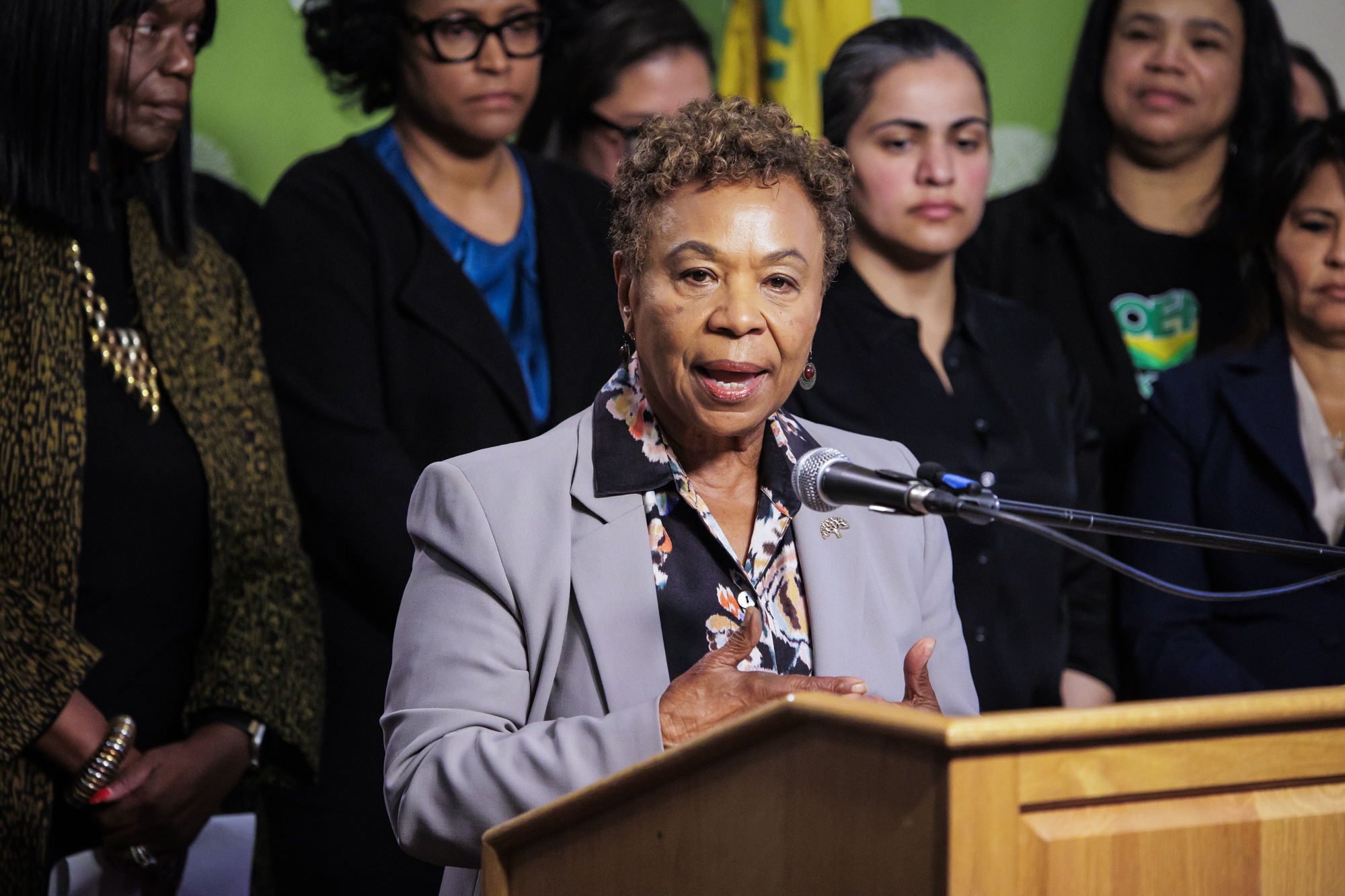
"caption": "Oakland Mayor Barbara Lee speaks at a press conference at Oakland City Hall on Oct. 23, 2025. After border agents began to arrive this week in Alameda, Mayor Lee said the county sheriff told her planned enforcement actions for the region are canceled.",
"credit": "Martin do Nascimento/KQED",
"altTag": null,
"description": null,
"imgSizes": {
"thumbnail": {
"file": "https://cdn.kqed.org/wp-content/uploads/sites/10/2025/10/251023-MAYOR-LEE-PRESSER-MD-05-KQED-160x107.jpg",
"width": 160,
"height": 107,
"mimeType": "image/jpeg"
},
"1536x1536": {
"file": "https://cdn.kqed.org/wp-content/uploads/sites/10/2025/10/251023-MAYOR-LEE-PRESSER-MD-05-KQED-1536x1024.jpg",
"width": 1536,
"height": 1024,
"mimeType": "image/jpeg"
},
"post-thumbnail": {
"file": "https://cdn.kqed.org/wp-content/uploads/sites/10/2025/10/251023-MAYOR-LEE-PRESSER-MD-05-KQED-672x372.jpg",
"width": 672,
"height": 372,
"mimeType": "image/jpeg"
},
"twentyfourteen-full-width": {
"file": "https://cdn.kqed.org/wp-content/uploads/sites/10/2025/10/251023-MAYOR-LEE-PRESSER-MD-05-KQED-1038x576.jpg",
"width": 1038,
"height": 576,
"mimeType": "image/jpeg"
},
"npr-cds-wide": {
"file": "https://cdn.kqed.org/wp-content/uploads/sites/10/2025/10/251023-MAYOR-LEE-PRESSER-MD-05-KQED-1600x900.jpg",
"width": 1600,
"height": 900,
"mimeType": "image/jpeg"
},
"kqedFullSize": {
"file": "https://cdn.kqed.org/wp-content/uploads/sites/10/2025/10/251023-MAYOR-LEE-PRESSER-MD-05-KQED.jpg",
"width": 2000,
"height": 1333
}
},
"isLoading": false,
"fetchFailed": false
},
"news_12061450": {
"type": "attachments",
"id": "news_12061450",
"meta": {
"index": "attachments_1716263798",
"site": "news",
"id": "12061450",
"found": true
},
"title": "251024-CoastGuard-11-BL_qed",
"publishDate": 1761324549,
"status": "inherit",
"parent": 12061436,
"modified": 1761324610,
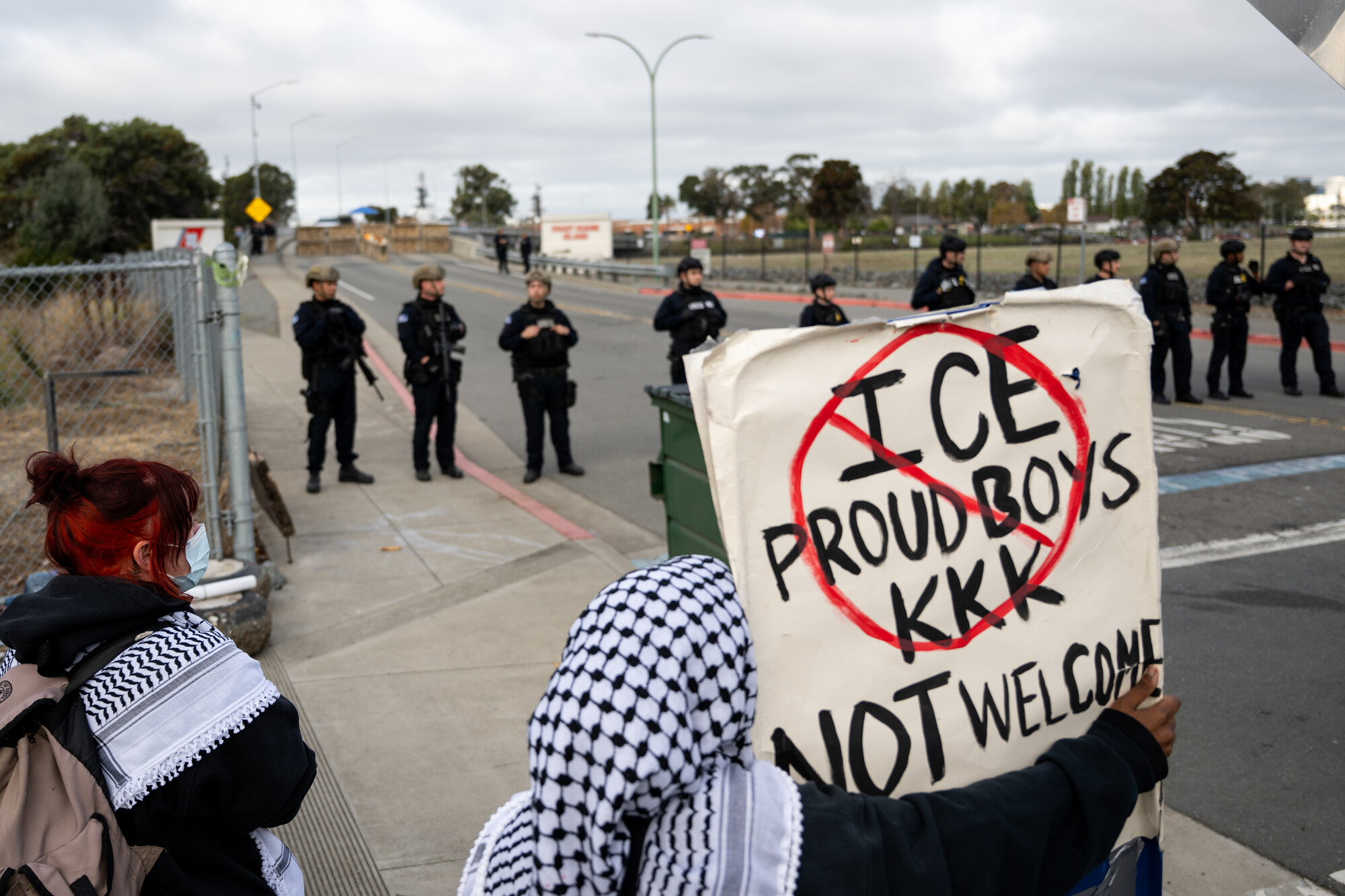
"caption": "U.S. Coast Guard security personnel stand at the intersection of Dennison Street and Embarcadero in front of Coast Guard Island in Oakland on Oct. 24, 2025, as demonstrators return following a shooting late last night in which security personnel opened fire on a U-Haul near the base.",
"credit": "Beth LaBerge/KQED",
"altTag": null,
"description": null,
"imgSizes": {
"thumbnail": {
"file": "https://cdn.kqed.org/wp-content/uploads/sites/10/2025/10/251024-CoastGuard-11-BL_qed-160x107.jpg",
"width": 160,
"height": 107,
"mimeType": "image/jpeg"
},
"1536x1536": {
"file": "https://cdn.kqed.org/wp-content/uploads/sites/10/2025/10/251024-CoastGuard-11-BL_qed-1536x1024.jpg",
"width": 1536,
"height": 1024,
"mimeType": "image/jpeg"
},
"post-thumbnail": {
"file": "https://cdn.kqed.org/wp-content/uploads/sites/10/2025/10/251024-CoastGuard-11-BL_qed-672x372.jpg",
"width": 672,
"height": 372,
"mimeType": "image/jpeg"
},
"twentyfourteen-full-width": {
"file": "https://cdn.kqed.org/wp-content/uploads/sites/10/2025/10/251024-CoastGuard-11-BL_qed-1038x576.jpg",
"width": 1038,
"height": 576,
"mimeType": "image/jpeg"
},
"npr-cds-wide": {
"file": "https://cdn.kqed.org/wp-content/uploads/sites/10/2025/10/251024-CoastGuard-11-BL_qed-1600x900.jpg",
"width": 1600,
"height": 900,
"mimeType": "image/jpeg"
},
"kqedFullSize": {
"file": "https://cdn.kqed.org/wp-content/uploads/sites/10/2025/10/251024-CoastGuard-11-BL_qed.jpg",
"width": 2000,
"height": 1333
}
},
"isLoading": false,
"fetchFailed": false
},
"news_12061345": {
"type": "attachments",
"id": "news_12061345",
"meta": {
"index": "attachments_1716263798",
"site": "news",
"id": "12061345",
"found": true
},
"title": "251022-DUDUKWHISPERER00384_TV-KQED",
"publishDate": 1761261008,
"status": "inherit",
"parent": 0,
"modified": 1761261495,
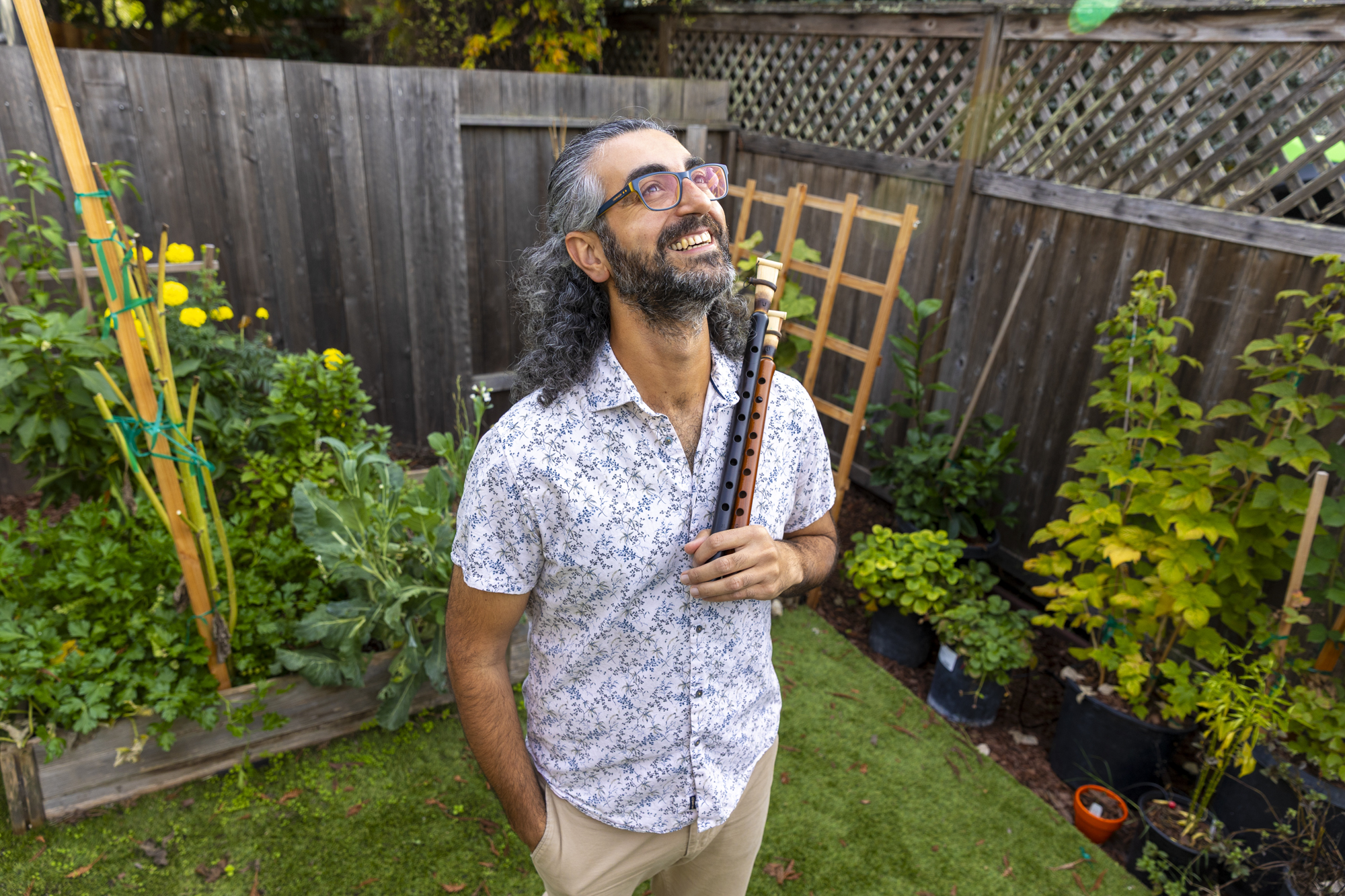
"caption": "Khatchadour Khatchadourian poses for a portrait with his duduk in his backyard in Santa Rosa on October 22, 2025.",
"credit": "Tâm Vũ/KQED",
"altTag": null,
"description": null,
"imgSizes": {
"thumbnail": {
"file": "https://cdn.kqed.org/wp-content/uploads/sites/10/2025/10/251022-DUDUKWHISPERER00384_TV-KQED-160x107.jpg",
"width": 160,
"height": 107,
"mimeType": "image/jpeg"
},
"1536x1536": {
"file": "https://cdn.kqed.org/wp-content/uploads/sites/10/2025/10/251022-DUDUKWHISPERER00384_TV-KQED-1536x1024.jpg",
"width": 1536,
"height": 1024,
"mimeType": "image/jpeg"
},
"post-thumbnail": {
"file": "https://cdn.kqed.org/wp-content/uploads/sites/10/2025/10/251022-DUDUKWHISPERER00384_TV-KQED-672x372.jpg",
"width": 672,
"height": 372,
"mimeType": "image/jpeg"
},
"twentyfourteen-full-width": {
"file": "https://cdn.kqed.org/wp-content/uploads/sites/10/2025/10/251022-DUDUKWHISPERER00384_TV-KQED-1038x576.jpg",
"width": 1038,
"height": 576,
"mimeType": "image/jpeg"
},
"npr-cds-wide": {
"file": "https://cdn.kqed.org/wp-content/uploads/sites/10/2025/10/251022-DUDUKWHISPERER00384_TV-KQED-1600x900.jpg",
"width": 1600,
"height": 900,
"mimeType": "image/jpeg"
},
"kqedFullSize": {
"file": "https://cdn.kqed.org/wp-content/uploads/sites/10/2025/10/251022-DUDUKWHISPERER00384_TV-KQED.jpg",
"width": 2000,
"height": 1333
}
},
"isLoading": false,
"fetchFailed": false
},
"news_12061127": {
"type": "attachments",
"id": "news_12061127",
"meta": {
"index": "attachments_1716263798",
"site": "news",
"id": "12061127",
"found": true
},
"title": "251022-FRUITVALE MERCHANTS-MD-02-KQED",
"publishDate": 1761174404,
"status": "inherit",
"parent": 0,
"modified": 1761174819,
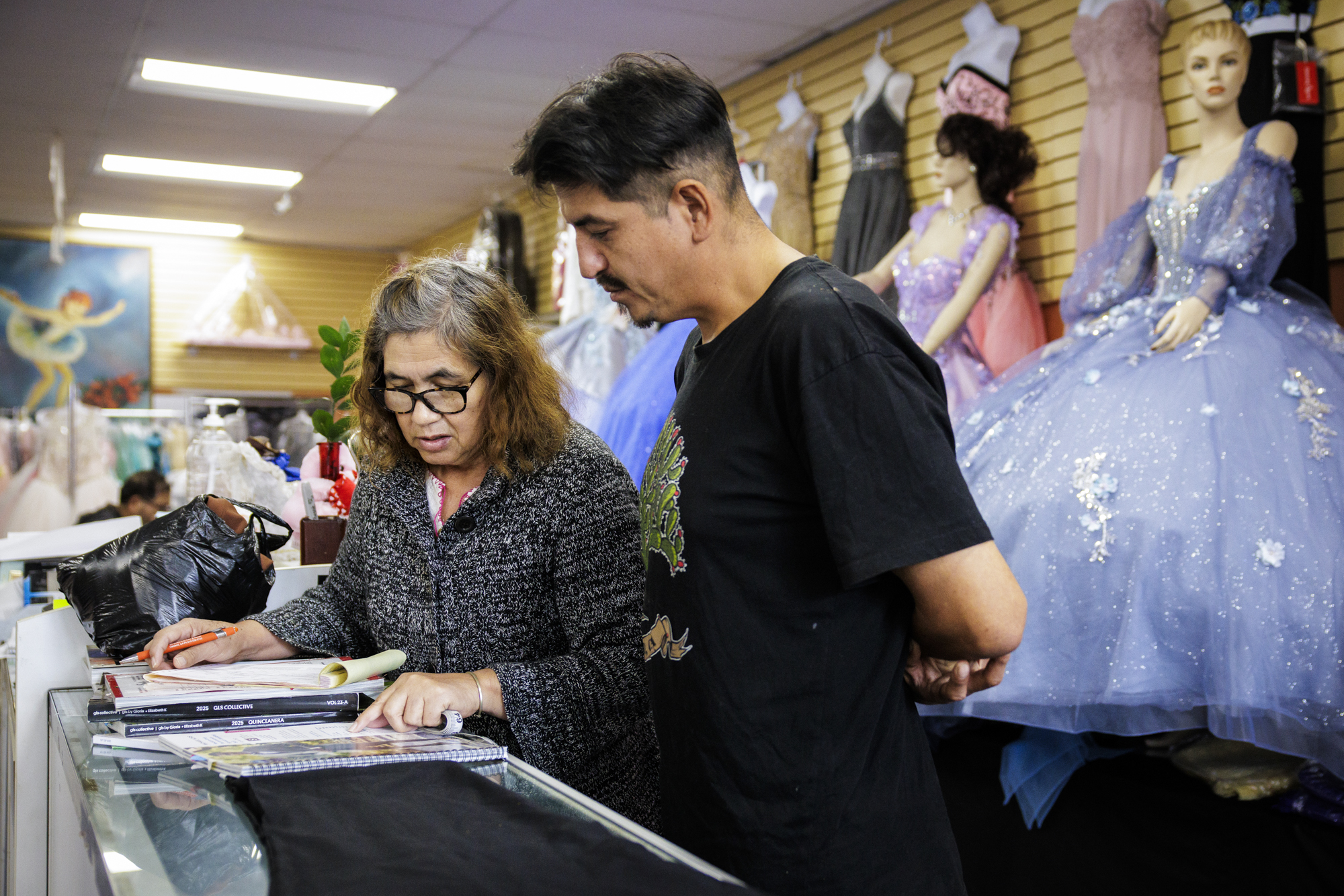
"caption": "Enriqueta Soriano and her son Enrique work inside her store El Palacio de las Novias y Quinceañeras in the Fruitvale neighborhood in Oakland on Oct. 22, 2025.",
"credit": "Martin do Nascimento/KQED",
"altTag": null,
"description": null,
"imgSizes": {
"thumbnail": {
"file": "https://cdn.kqed.org/wp-content/uploads/sites/10/2025/10/251022-FRUITVALE-MERCHANTS-MD-02-KQED-160x107.jpg",
"width": 160,
"height": 107,
"mimeType": "image/jpeg"
},
"1536x1536": {
"file": "https://cdn.kqed.org/wp-content/uploads/sites/10/2025/10/251022-FRUITVALE-MERCHANTS-MD-02-KQED-1536x1025.jpg",
"width": 1536,
"height": 1025,
"mimeType": "image/jpeg"
},
"post-thumbnail": {
"file": "https://cdn.kqed.org/wp-content/uploads/sites/10/2025/10/251022-FRUITVALE-MERCHANTS-MD-02-KQED-672x372.jpg",
"width": 672,
"height": 372,
"mimeType": "image/jpeg"
},
"twentyfourteen-full-width": {
"file": "https://cdn.kqed.org/wp-content/uploads/sites/10/2025/10/251022-FRUITVALE-MERCHANTS-MD-02-KQED-1038x576.jpg",
"width": 1038,
"height": 576,
"mimeType": "image/jpeg"
},
"npr-cds-wide": {
"file": "https://cdn.kqed.org/wp-content/uploads/sites/10/2025/10/251022-FRUITVALE-MERCHANTS-MD-02-KQED-1600x900.jpg",
"width": 1600,
"height": 900,
"mimeType": "image/jpeg"
},
"kqedFullSize": {
"file": "https://cdn.kqed.org/wp-content/uploads/sites/10/2025/10/251022-FRUITVALE-MERCHANTS-MD-02-KQED.jpg",
"width": 2000,
"height": 1334
}
},
"isLoading": false,
"fetchFailed": false
},
"news_12061290": {
"type": "attachments",
"id": "news_12061290",
"meta": {
"index": "attachments_1716263798",
"site": "news",
"id": "12061290",
"found": true
},
"title": "20251023_SF CITY HALL_HERNANDEZ-2-KQED",
"publishDate": 1761255686,
"status": "inherit",
"parent": 0,
"modified": 1761255733,
"caption": "District 10 Supervisor Shamann Walton speaks at a rally outside San Francisco City Hall on Oct. 23, 2025, where faith, labor and community leaders denounced federal threats to deploy troops in the Bay Area.",
"credit": "Gustavo Hernandez/KQED",
"altTag": null,
"description": null,
"imgSizes": {
"thumbnail": {
"file": "https://cdn.kqed.org/wp-content/uploads/sites/10/2025/10/20251023_SF-CITY-HALL_HERNANDEZ-2-KQED-160x107.jpg",
"width": 160,
"height": 107,
"mimeType": "image/jpeg"
},
"1536x1536": {
"file": "https://cdn.kqed.org/wp-content/uploads/sites/10/2025/10/20251023_SF-CITY-HALL_HERNANDEZ-2-KQED-1536x1024.jpg",
"width": 1536,
"height": 1024,
"mimeType": "image/jpeg"
},
"post-thumbnail": {
"file": "https://cdn.kqed.org/wp-content/uploads/sites/10/2025/10/20251023_SF-CITY-HALL_HERNANDEZ-2-KQED-672x372.jpg",
"width": 672,
"height": 372,
"mimeType": "image/jpeg"
},
"twentyfourteen-full-width": {
"file": "https://cdn.kqed.org/wp-content/uploads/sites/10/2025/10/20251023_SF-CITY-HALL_HERNANDEZ-2-KQED-1038x576.jpg",
"width": 1038,
"height": 576,
"mimeType": "image/jpeg"
},
"npr-cds-wide": {
"file": "https://cdn.kqed.org/wp-content/uploads/sites/10/2025/10/20251023_SF-CITY-HALL_HERNANDEZ-2-KQED-1600x900.jpg",
"width": 1600,
"height": 900,
"mimeType": "image/jpeg"
},
"kqedFullSize": {
"file": "https://cdn.kqed.org/wp-content/uploads/sites/10/2025/10/20251023_SF-CITY-HALL_HERNANDEZ-2-KQED.jpg",
"width": 2000,
"height": 1333
}
},
"isLoading": false,
"fetchFailed": false
},
"news_12061257": {
"type": "attachments",
"id": "news_12061257",
"meta": {
"index": "attachments_1716263798",
"site": "news",
"id": "12061257",
"found": true
},
"title": "251023-MAYOR LEE PRESSER-MD-11-KQED",
"publishDate": 1761245645,
"status": "inherit",
"parent": 12061224,
"modified": 1761258885,
"caption": "Oakland Mayor Barbara Lee holds a press conference at Oakland City Hall flanked by prominent public figures on Oct. 23, 2025.",
"credit": "Martin do Nascimento/KQED",
"altTag": null,
"description": null,
"imgSizes": {
"thumbnail": {
"file": "https://cdn.kqed.org/wp-content/uploads/sites/10/2025/10/251023-MAYOR-LEE-PRESSER-MD-11-KQED-160x107.jpg",
"width": 160,
"height": 107,
"mimeType": "image/jpeg"
},
"1536x1536": {
"file": "https://cdn.kqed.org/wp-content/uploads/sites/10/2025/10/251023-MAYOR-LEE-PRESSER-MD-11-KQED-1536x1025.jpg",
"width": 1536,
"height": 1025,
"mimeType": "image/jpeg"
},
"post-thumbnail": {
"file": "https://cdn.kqed.org/wp-content/uploads/sites/10/2025/10/251023-MAYOR-LEE-PRESSER-MD-11-KQED-672x372.jpg",
"width": 672,
"height": 372,
"mimeType": "image/jpeg"
},
"twentyfourteen-full-width": {
"file": "https://cdn.kqed.org/wp-content/uploads/sites/10/2025/10/251023-MAYOR-LEE-PRESSER-MD-11-KQED-1038x576.jpg",
"width": 1038,
"height": 576,
"mimeType": "image/jpeg"
},
"npr-cds-wide": {
"file": "https://cdn.kqed.org/wp-content/uploads/sites/10/2025/10/251023-MAYOR-LEE-PRESSER-MD-11-KQED-1600x900.jpg",
"width": 1600,
"height": 900,
"mimeType": "image/jpeg"
},
"kqedFullSize": {
"file": "https://cdn.kqed.org/wp-content/uploads/sites/10/2025/10/251023-MAYOR-LEE-PRESSER-MD-11-KQED.jpg",
"width": 2000,
"height": 1334
}
},
"isLoading": false,
"fetchFailed": false
},
"news_12061203": {
"type": "attachments",
"id": "news_12061203",
"meta": {
"index": "attachments_1716263798",
"site": "news",
"id": "12061203",
"found": true
},
"title": "protesters block the entrance to Coast Guard Island Alameda",
"publishDate": 1761236167,
"status": "inherit",
"parent": 0,
"modified": 1761242543,
"caption": "A U.S. Customs and Border Protection agent confronts protesters blocking the entrance to Coast Guard Base Alameda, where they are sent to as a staging area for the long-threatened immigration crackdown, in Oakland on Oct. 23, 2025. ",
"credit": "Stephen Lam/San Francisco Chronicle via Getty Images",
"altTag": null,
"description": null,
"imgSizes": {
"thumbnail": {
"file": "https://cdn.kqed.org/wp-content/uploads/sites/10/2025/10/GETTYIMAGES-2242445000-KQED-160x107.jpg",
"width": 160,
"height": 107,
"mimeType": "image/jpeg"
},
"1536x1536": {
"file": "https://cdn.kqed.org/wp-content/uploads/sites/10/2025/10/GETTYIMAGES-2242445000-KQED-1536x1025.jpg",
"width": 1536,
"height": 1025,
"mimeType": "image/jpeg"
},
"post-thumbnail": {
"file": "https://cdn.kqed.org/wp-content/uploads/sites/10/2025/10/GETTYIMAGES-2242445000-KQED-672x372.jpg",
"width": 672,
"height": 372,
"mimeType": "image/jpeg"
},
"twentyfourteen-full-width": {
"file": "https://cdn.kqed.org/wp-content/uploads/sites/10/2025/10/GETTYIMAGES-2242445000-KQED-1038x576.jpg",
"width": 1038,
"height": 576,
"mimeType": "image/jpeg"
},
"npr-cds-wide": {
"file": "https://cdn.kqed.org/wp-content/uploads/sites/10/2025/10/GETTYIMAGES-2242445000-KQED-1600x900.jpg",
"width": 1600,
"height": 900,
"mimeType": "image/jpeg"
},
"kqedFullSize": {
"file": "https://cdn.kqed.org/wp-content/uploads/sites/10/2025/10/GETTYIMAGES-2242445000-KQED.jpg",
"width": 2000,
"height": 1334
}
},
"isLoading": false,
"fetchFailed": false
},
"news_12044183": {
"type": "attachments",
"id": "news_12044183",
"meta": {
"index": "attachments_1716263798",
"site": "news",
"id": "12044183",
"found": true
},
"title": "20250428_WarrantlessSearches_GC-29_qed",
"publishDate": 1749836052,
"status": "inherit",
"parent": 12044180,
"modified": 1749836087,
"caption": "Mayor Daniel Lurie attends a press conference outside of San Francisco City Hall on April 28, 2025.",
"credit": "Gina Castro/KQED",
"altTag": null,
"description": null,
"imgSizes": {
"thumbnail": {
"file": "https://cdn.kqed.org/wp-content/uploads/sites/10/2025/06/20250428_WarrantlessSearches_GC-29_qed-160x110.jpg",
"width": 160,
"height": 110,
"mimeType": "image/jpeg"
},
"1536x1536": {
"file": "https://cdn.kqed.org/wp-content/uploads/sites/10/2025/06/20250428_WarrantlessSearches_GC-29_qed-1536x1057.jpg",
"width": 1536,
"height": 1057,
"mimeType": "image/jpeg"
},
"post-thumbnail": {
"file": "https://cdn.kqed.org/wp-content/uploads/sites/10/2025/06/20250428_WarrantlessSearches_GC-29_qed-672x372.jpg",
"width": 672,
"height": 372,
"mimeType": "image/jpeg"
},
"twentyfourteen-full-width": {
"file": "https://cdn.kqed.org/wp-content/uploads/sites/10/2025/06/20250428_WarrantlessSearches_GC-29_qed-1038x576.jpg",
"width": 1038,
"height": 576,
"mimeType": "image/jpeg"
},
"kqedFullSize": {
"file": "https://cdn.kqed.org/wp-content/uploads/sites/10/2025/06/20250428_WarrantlessSearches_GC-29_qed.jpg",
"width": 1937,
"height": 1333
}
},
"isLoading": false,
"fetchFailed": false
},
"news_12061109": {
"type": "attachments",
"id": "news_12061109",
"meta": {
"index": "attachments_1716263798",
"site": "news",
"id": "12061109",
"found": true
},
"title": "251007_Urban Alchemy Rally_-2_qed",
"publishDate": 1761171697,
"status": "inherit",
"parent": 12061106,
"modified": 1761171728,
"caption": "Mayor Daniel Lurie speaks at a rally on the steps of City Hall in San Francisco on Oct. 7, 2025.",
"credit": "Gustavo Hernandez/KQED",
"altTag": null,
"description": null,
"imgSizes": {
"thumbnail": {
"file": "https://cdn.kqed.org/wp-content/uploads/sites/10/2025/10/251007_Urban-Alchemy-Rally_-2_qed-1-160x107.jpg",
"width": 160,
"height": 107,
"mimeType": "image/jpeg"
},
"1536x1536": {
"file": "https://cdn.kqed.org/wp-content/uploads/sites/10/2025/10/251007_Urban-Alchemy-Rally_-2_qed-1-1536x1024.jpg",
"width": 1536,
"height": 1024,
"mimeType": "image/jpeg"
},
"post-thumbnail": {
"file": "https://cdn.kqed.org/wp-content/uploads/sites/10/2025/10/251007_Urban-Alchemy-Rally_-2_qed-1-672x372.jpg",
"width": 672,
"height": 372,
"mimeType": "image/jpeg"
},
"twentyfourteen-full-width": {
"file": "https://cdn.kqed.org/wp-content/uploads/sites/10/2025/10/251007_Urban-Alchemy-Rally_-2_qed-1-1038x576.jpg",
"width": 1038,
"height": 576,
"mimeType": "image/jpeg"
},
"npr-cds-wide": {
"file": "https://cdn.kqed.org/wp-content/uploads/sites/10/2025/10/251007_Urban-Alchemy-Rally_-2_qed-1-1600x900.jpg",
"width": 1600,
"height": 900,
"mimeType": "image/jpeg"
},
"kqedFullSize": {
"file": "https://cdn.kqed.org/wp-content/uploads/sites/10/2025/10/251007_Urban-Alchemy-Rally_-2_qed-1.jpg",
"width": 2000,
"height": 1333
}
},
"isLoading": false,
"fetchFailed": false
},
"news_12048135": {
"type": "attachments",
"id": "news_12048135",
"meta": {
"index": "attachments_1716263798",
"site": "news",
"id": "12048135",
"found": true
},
"title": "Protests Erupt In L.A. County Sparked By Federal Immigration Raids",
"publishDate": 1752605450,
"status": "inherit",
"parent": 12048121,
"modified": 1779816898,
"caption": "Federal agents guard outside of a federal building and Immigration and Customs Enforcement (ICE) detention center in downtown Los Angeles as demonstrations continue after a series of immigration raids began June 13, 2025, in Los Angeles. Tensions in the city remain high after the Trump administration called in the National Guard and the Marines against the wishes of city leaders.",
"credit": "Spencer Platt/Getty Images",
"altTag": null,
"description": null,
"imgSizes": {
"medium": {
"file": "https://cdn.kqed.org/wp-content/uploads/sites/10/2025/07/GettyImages-2220045842-2000x1334.jpg",
"width": 2000,
"height": 1334,
"mimeType": "image/jpeg"
},
"large": {
"file": "https://cdn.kqed.org/wp-content/uploads/sites/10/2025/07/GettyImages-2220045842-2000x1334.jpg",
"width": 2000,
"height": 1334,
"mimeType": "image/jpeg"
},
"thumbnail": {
"file": "https://cdn.kqed.org/wp-content/uploads/sites/10/2025/07/GettyImages-2220045842-160x107.jpg",
"width": 160,
"height": 107,
"mimeType": "image/jpeg"
},
"1536x1536": {
"file": "https://cdn.kqed.org/wp-content/uploads/sites/10/2025/07/GettyImages-2220045842-1536x1025.jpg",
"width": 1536,
"height": 1025,
"mimeType": "image/jpeg"
},
"2048x2048": {
"file": "https://cdn.kqed.org/wp-content/uploads/sites/10/2025/07/GettyImages-2220045842-2048x1366.jpg",
"width": 2048,
"height": 1366,
"mimeType": "image/jpeg"
},
"post-thumbnail": {
"file": "https://cdn.kqed.org/wp-content/uploads/sites/10/2025/07/GettyImages-2220045842-672x372.jpg",
"width": 672,
"height": 372,
"mimeType": "image/jpeg"
},
"twentyfourteen-full-width": {
"file": "https://cdn.kqed.org/wp-content/uploads/sites/10/2025/07/GettyImages-2220045842-1038x576.jpg",
"width": 1038,
"height": 576,
"mimeType": "image/jpeg"
},
"full-width": {
"file": "https://cdn.kqed.org/wp-content/uploads/sites/10/2025/07/GettyImages-2220045842-2000x1334.jpg",
"width": 2000,
"height": 1334,
"mimeType": "image/jpeg"
},
"kqedFullSize": {
"file": "https://cdn.kqed.org/wp-content/uploads/sites/10/2025/07/GettyImages-2220045842-scaled-e1752857672682.jpg",
"width": 2000,
"height": 1334
}
},
"isLoading": false,
"fetchFailed": false
},
"news_12044278": {
"type": "attachments",
"id": "news_12044278",
"meta": {
"index": "attachments_1716263798",
"site": "news",
"id": "12044278",
"found": true
},
"title": "031523-ICE-Arrest-AP-CM-01 copy",
"publishDate": 1749847621,
"status": "inherit",
"parent": 12048205,
"modified": 1761160605,
"caption": "Immigration and Customs Enforcement officers escort a man detained at an immigration and customs processing facility in San Diego, California, on March 15, 2023. ",
"credit": "Gregory Bull/AP Photo",
"altTag": null,
"description": null,
"imgSizes": {
"thumbnail": {
"file": "https://cdn.kqed.org/wp-content/uploads/sites/10/2025/06/031523-ICE-Arrest-AP-CM-01-copy-160x107.jpg",
"width": 160,
"height": 107,
"mimeType": "image/jpeg"
},
"1536x1536": {
"file": "https://cdn.kqed.org/wp-content/uploads/sites/10/2025/06/031523-ICE-Arrest-AP-CM-01-copy-1536x1024.jpg",
"width": 1536,
"height": 1024,
"mimeType": "image/jpeg"
},
"post-thumbnail": {
"file": "https://cdn.kqed.org/wp-content/uploads/sites/10/2025/06/031523-ICE-Arrest-AP-CM-01-copy-672x372.jpg",
"width": 672,
"height": 372,
"mimeType": "image/jpeg"
},
"twentyfourteen-full-width": {
"file": "https://cdn.kqed.org/wp-content/uploads/sites/10/2025/06/031523-ICE-Arrest-AP-CM-01-copy-1038x576.jpg",
"width": 1038,
"height": 576,
"mimeType": "image/jpeg"
},
"kqedFullSize": {
"file": "https://cdn.kqed.org/wp-content/uploads/sites/10/2025/06/031523-ICE-Arrest-AP-CM-01-copy.jpg",
"width": 2000,
"height": 1333
}
},
"isLoading": false,
"fetchFailed": false
},
"news_12060896": {
"type": "attachments",
"id": "news_12060896",
"meta": {
"index": "attachments_1716263798",
"site": "news",
"id": "12060896",
"found": true
},
"title": "PeterOrtizKQED",
"publishDate": 1761077689,
"status": "inherit",
"parent": 12060893,
"modified": 1761077700,
"caption": "District 5 San José City Councilmember Peter Ortiz speaks during a protest against ICE in South San José on June 6, 2025.",
"credit": "Joseph Geha/KQED",
"altTag": null,
"description": null,
"imgSizes": {
"thumbnail": {
"file": "https://cdn.kqed.org/wp-content/uploads/sites/10/2025/10/PeterOrtizKQED-160x120.jpg",
"width": 160,
"height": 120,
"mimeType": "image/jpeg"
},
"1536x1536": {
"file": "https://cdn.kqed.org/wp-content/uploads/sites/10/2025/10/PeterOrtizKQED-1536x1156.jpg",
"width": 1536,
"height": 1156,
"mimeType": "image/jpeg"
},
"post-thumbnail": {
"file": "https://cdn.kqed.org/wp-content/uploads/sites/10/2025/10/PeterOrtizKQED-672x372.jpg",
"width": 672,
"height": 372,
"mimeType": "image/jpeg"
},
"twentyfourteen-full-width": {
"file": "https://cdn.kqed.org/wp-content/uploads/sites/10/2025/10/PeterOrtizKQED-1038x576.jpg",
"width": 1038,
"height": 576,
"mimeType": "image/jpeg"
},
"kqedFullSize": {
"file": "https://cdn.kqed.org/wp-content/uploads/sites/10/2025/10/PeterOrtizKQED.jpg",
"width": 2000,
"height": 1505
}
},
"isLoading": false,
"fetchFailed": false
}
},
"audioPlayerReducer": {
"postId": "stream_live",
"isPaused": true,
"isPlaying": false,
"pfsActive": false,
"pledgeModalIsOpen": true,
"playerDrawerIsOpen": false,
"liveAudioPlayStartedAt": 0,
"liveAudioPlayContext": ""
},
"authorsReducer": {
"tychehendricks": {
"type": "authors",
"id": "259",
"meta": {
"index": "authors_1716337520",
"id": "259",
"found": true
},
"name": "Tyche Hendricks",
"firstName": "Tyche",
"lastName": "Hendricks",
"slug": "tychehendricks",
"email": "thendricks@kqed.org",
"display_author_email": true,
"staff_mastheads": [
"news"
],
"title": "KQED Senior Editor, Immigration",
"bio": "\u003cspan style=\"font-weight: 400;\">Tyche Hendricks is KQED’s senior editor for immigration, leading coverage of the policy and politics that affect California’s immigrant communities. Her work for KQED’s radio and online audiences is also carried on NPR and other national outlets. She has been recognized with awards from the Radio and Television News Directors Association, the Society for Professional Journalists; the Education Writers Association; the Best of the West and the National Federation of Community Broadcasters. Before joining KQED in 2010, Tyche spent more than a dozen years as a newspaper reporter, notably at the \u003c/span>\u003ci>\u003cspan style=\"font-weight: 400;\">San Francisco Chronicle\u003c/span>\u003c/i>\u003cspan style=\"font-weight: 400;\">. At different times she has covered criminal justice, government and politics and urban planning. Tyche has taught in the MFA Creative Writing program at the University of San Francisco and at UC Berkeley’s Graduate School of Journalism, where she was co-director of a national immigration symposium for professional journalists. She is the author of \u003c/span>\u003ci>\u003cspan style=\"font-weight: 400;\">The Wind Doesn't Need a Passport: Stories from the U.S.-Mexico Borderlands\u003c/span>\u003c/i>\u003cspan style=\"font-weight: 400;\"> (University of California Press). \u003c/span>",
"avatar": "https://secure.gravatar.com/avatar/b8ee458e2731c2d43df86882ce17267e?s=600&d=blank&r=g",
"twitter": "tychehendricks",
"facebook": null,
"instagram": null,
"linkedin": null,
"sites": [
{
"site": "news",
"roles": [
"editor"
]
},
{
"site": "stateofhealth",
"roles": [
"editor"
]
}
],
"headData": {
"title": "Tyche Hendricks | KQED",
"description": "KQED Senior Editor, Immigration",
"ogImgSrc": "https://secure.gravatar.com/avatar/b8ee458e2731c2d43df86882ce17267e?s=600&d=blank&r=g",
"twImgSrc": "https://secure.gravatar.com/avatar/b8ee458e2731c2d43df86882ce17267e?s=600&d=blank&r=g"
},
"isLoading": false,
"link": "/author/tychehendricks"
},
"fjhabvala": {
"type": "authors",
"id": "8659",
"meta": {
"index": "authors_1716337520",
"id": "8659",
"found": true
},
"name": "Farida Jhabvala Romero",
"firstName": "Farida",
"lastName": "Jhabvala Romero",
"slug": "fjhabvala",
"email": "fjhabvala@kqed.org",
"display_author_email": true,
"staff_mastheads": [
"news"
],
"title": "KQED Contributor",
"bio": "Farida Jhabvala Romero is a Labor Correspondent for KQED. She previously covered immigration. Farida was \u003ca href=\"https://www.ccnma.org/2022-most-influential-latina-journalists\">named\u003c/a> one of the 10 Most Influential Latina Journalists in California in 2022 by the California Chicano News Media Association. Her work has won awards from the Society of Professional Journalists (Northern California), as well as a national and regional Edward M. Murrow Award for the collaborative reporting projects “Dangerous Air” and “Graying California.” Before joining KQED, Farida worked as a producer at Radio Bilingüe, a national public radio network. Farida earned her master’s degree in journalism from Stanford University.",
"avatar": "https://secure.gravatar.com/avatar/f9f022d4e2609741874222a1e9d41f48fea74011aa7c615eef91d9a50c944ebe?s=600&d=blank&r=g",
"twitter": "FaridaJhabvala",
"bluesky": null,
"facebook": null,
"instagram": null,
"linkedin": "https://www.linkedin.com/in/faridajhabvala/",
"sites": [
{
"site": "news",
"roles": [
"editor"
]
},
{
"site": "stateofhealth",
"roles": [
"author"
]
},
{
"site": "liveblog",
"roles": [
"author"
]
}
],
"headData": {
"title": "Farida Jhabvala Romero | KQED",
"description": "KQED Contributor",
"ogImgSrc": "https://secure.gravatar.com/avatar/f9f022d4e2609741874222a1e9d41f48fea74011aa7c615eef91d9a50c944ebe?s=600&d=blank&r=g",
"twImgSrc": "https://secure.gravatar.com/avatar/f9f022d4e2609741874222a1e9d41f48fea74011aa7c615eef91d9a50c944ebe?s=600&d=blank&r=g"
},
"isLoading": false,
"link": "/author/fjhabvala"
},
"nvoynovskaya": {
"type": "authors",
"id": "11387",
"meta": {
"index": "authors_1716337520",
"id": "11387",
"found": true
},
"name": "Nastia Voynovskaya",
"firstName": "Nastia",
"lastName": "Voynovskaya",
"slug": "nvoynovskaya",
"email": "nvoynovskaya@kqed.org",
"display_author_email": false,
"staff_mastheads": [
"arts"
],
"title": "Editor and reporter",
"bio": "Nastia Voynovskaya is a reporter, editor and host at KQED Arts & Culture. She's been covering the arts in the Bay Area for over a decade, with a focus on music, queer culture, labor issues and grassroots organizing. She has edited KQED story series such as Trans Bay: A History of San Francisco's Gender-Diverse Community, and co-created KQED's Bay Area hip-hop history project, That's My Word. Nastia's work has been recognized by the Society of Professional Journalists and San Francisco Press Club. She regularly appears on podcasts and radio programs, including NPR's All Songs Considered, and hosts live events where music, culture and conversation meet.",
"avatar": "https://secure.gravatar.com/avatar/5025ee460e5a85d69ca20ea6c6f2f80d7e17795c828f61ea3aecfcd924e9042e?s=600&d=blank&r=g",
"twitter": null,
"bluesky": null,
"facebook": null,
"instagram": "https://www.instagram.com/nananastia/",
"linkedin": null,
"sites": [
{
"site": "",
"roles": [
"editor"
]
},
{
"site": "arts",
"roles": [
"administrator"
]
},
{
"site": "news",
"roles": [
"editor"
]
},
{
"site": "pop",
"roles": [
"administrator"
]
},
{
"site": "bayareabites",
"roles": [
"editor"
]
},
{
"site": "podcasts",
"roles": [
"editor"
]
},
{
"site": "hiphop",
"roles": [
"editor"
]
}
],
"headData": {
"title": "Nastia Voynovskaya | KQED",
"description": "Editor and reporter",
"ogImgSrc": "https://secure.gravatar.com/avatar/5025ee460e5a85d69ca20ea6c6f2f80d7e17795c828f61ea3aecfcd924e9042e?s=600&d=blank&r=g",
"twImgSrc": "https://secure.gravatar.com/avatar/5025ee460e5a85d69ca20ea6c6f2f80d7e17795c828f61ea3aecfcd924e9042e?s=600&d=blank&r=g"
},
"isLoading": false,
"link": "/author/nvoynovskaya"
},
"ahall": {
"type": "authors",
"id": "11490",
"meta": {
"index": "authors_1716337520",
"id": "11490",
"found": true
},
"name": "Alex Hall",
"firstName": "Alex",
"lastName": "Hall",
"slug": "ahall",
"email": "ahall@kqed.org",
"display_author_email": false,
"staff_mastheads": [
"news"
],
"title": "KQED Enterprise & Accountability Reporter",
"bio": "Alex Hall is KQED's Enterprise and Accountability Reporter. She previously covered the Central Valley for five years from KQED's bureau in Fresno. Before joining KQED, Alex was an investigative reporting fellow at Wisconsin Public Radio and the Wisconsin Center for Investigative Journalism. She has also worked as a bilingual producer for NPR's investigative unit and freelance video producer for Reuters TV on the Latin America desk. She got her start in journalism in South America, where she worked as a radio producer and Spanish-English translator for CNN Chile. Her documentary and investigation into the series of deadly COVID-19 outbreaks at Foster Farms won a national Edward R. Murrow award and was named an Investigative Reporters & Editors award finalist. Alex's reporting for Reveal on the Wisconsin dairy industry's reliance on undocumented immigrant labor was made into a film, Los Lecheros, which won a regional Edward R. Murrow award for best news documentary.",
"avatar": "https://secure.gravatar.com/avatar/04c28ad4a7caa7ac2ef39c655c4030c993a3f331481d1da4799bb76ea85b9afa?s=600&d=blank&r=g",
"twitter": "@chalexhall",
"bluesky": null,
"facebook": null,
"instagram": null,
"linkedin": null,
"sites": [
{
"site": "news",
"roles": [
"editor"
]
},
{
"site": "liveblog",
"roles": [
"author"
]
}
],
"headData": {
"title": "Alex Hall | KQED",
"description": "KQED Enterprise & Accountability Reporter",
"ogImgSrc": "https://secure.gravatar.com/avatar/04c28ad4a7caa7ac2ef39c655c4030c993a3f331481d1da4799bb76ea85b9afa?s=600&d=blank&r=g",
"twImgSrc": "https://secure.gravatar.com/avatar/04c28ad4a7caa7ac2ef39c655c4030c993a3f331481d1da4799bb76ea85b9afa?s=600&d=blank&r=g"
},
"isLoading": false,
"link": "/author/ahall"
},
"adahlstromeckman": {
"type": "authors",
"id": "11785",
"meta": {
"index": "authors_1716337520",
"id": "11785",
"found": true
},
"name": "Azul Dahlstrom-Eckman",
"firstName": "Azul",
"lastName": "Dahlstrom-Eckman",
"slug": "adahlstromeckman",
"email": "adahlstrom-eckman@kqed.org",
"display_author_email": true,
"staff_mastheads": [],
"title": "Reporter",
"bio": "Azul is a reporter for KQED focusing on transportation and features. He joined KQED in 2021 as an alumna of KALW's Audio Academy radio journalism training program.",
"avatar": "https://secure.gravatar.com/avatar/9cb750298435add7815a777f55bf1f46845c1386bb8452555c60a7b820b5aba3?s=600&d=blank&r=g",
"twitter": "@zuliemann",
"bluesky": "@azul415.bsky.social",
"facebook": null,
"instagram": null,
"linkedin": null,
"sites": [
{
"site": "arts",
"roles": [
"editor"
]
},
{
"site": "news",
"roles": [
"editor"
]
},
{
"site": "science",
"roles": [
"editor"
]
},
{
"site": "liveblog",
"roles": [
"author"
]
}
],
"headData": {
"title": "Azul Dahlstrom-Eckman | KQED",
"description": "Reporter",
"ogImgSrc": "https://secure.gravatar.com/avatar/9cb750298435add7815a777f55bf1f46845c1386bb8452555c60a7b820b5aba3?s=600&d=blank&r=g",
"twImgSrc": "https://secure.gravatar.com/avatar/9cb750298435add7815a777f55bf1f46845c1386bb8452555c60a7b820b5aba3?s=600&d=blank&r=g"
},
"isLoading": false,
"link": "/author/adahlstromeckman"
},
"sjohnson": {
"type": "authors",
"id": "11840",
"meta": {
"index": "authors_1716337520",
"id": "11840",
"found": true
},
"name": "Sydney Johnson",
"firstName": "Sydney",
"lastName": "Johnson",
"slug": "sjohnson",
"email": "sjohnson@kqed.org",
"display_author_email": false,
"staff_mastheads": [
"news"
],
"title": "KQED Reporter",
"bio": "Sydney Johnson is a general assignment reporter at KQED. She previously reported on public health and city government at the San Francisco Examiner, and before that, she covered statewide education policy for EdSource. Her reporting has won multiple local, state and national awards. Sydney is a graduate of the University of California, Berkeley and lives in San Francisco.",
"avatar": "https://secure.gravatar.com/avatar/97855f2719b72ad6190b7c535fe642c8?s=600&d=blank&r=g",
"twitter": "sydneyfjohnson",
"facebook": null,
"instagram": null,
"linkedin": null,
"sites": [
{
"site": "news",
"roles": [
"editor"
]
}
],
"headData": {
"title": "Sydney Johnson | KQED",
"description": "KQED Reporter",
"ogImgSrc": "https://secure.gravatar.com/avatar/97855f2719b72ad6190b7c535fe642c8?s=600&d=blank&r=g",
"twImgSrc": "https://secure.gravatar.com/avatar/97855f2719b72ad6190b7c535fe642c8?s=600&d=blank&r=g"
},
"isLoading": false,
"link": "/author/sjohnson"
},
"jgeha": {
"type": "authors",
"id": "11906",
"meta": {
"index": "authors_1716337520",
"id": "11906",
"found": true
},
"name": "Joseph Geha",
"firstName": "Joseph",
"lastName": "Geha",
"slug": "jgeha",
"email": "jgeha@kqed.org",
"display_author_email": false,
"staff_mastheads": [
"news",
"science"
],
"title": "KQED Contributor",
"bio": null,
"avatar": "https://secure.gravatar.com/avatar/ea84d2b6dd93d6369d453edf19dd583f117cd1759d2d9c9c92f9de77017354fe?s=600&d=blank&r=g",
"twitter": null,
"bluesky": null,
"facebook": null,
"instagram": null,
"linkedin": null,
"sites": [
{
"site": "news",
"roles": [
"editor"
]
},
{
"site": "liveblog",
"roles": [
"author"
]
}
],
"headData": {
"title": "Joseph Geha | KQED",
"description": "KQED Contributor",
"ogImgSrc": "https://secure.gravatar.com/avatar/ea84d2b6dd93d6369d453edf19dd583f117cd1759d2d9c9c92f9de77017354fe?s=600&d=blank&r=g",
"twImgSrc": "https://secure.gravatar.com/avatar/ea84d2b6dd93d6369d453edf19dd583f117cd1759d2d9c9c92f9de77017354fe?s=600&d=blank&r=g"
},
"isLoading": false,
"link": "/author/jgeha"
},
"kdebenedetti": {
"type": "authors",
"id": "11913",
"meta": {
"index": "authors_1716337520",
"id": "11913",
"found": true
},
"name": "Katie DeBenedetti",
"firstName": "Katie",
"lastName": "DeBenedetti",
"slug": "kdebenedetti",
"email": "kdebenedetti@kqed.org",
"display_author_email": false,
"staff_mastheads": [
"news",
"science"
],
"title": "KQED Contributor",
"bio": "Katie DeBenedetti is a digital reporter covering daily news for the Express Desk. Prior to joining KQED as a culture reporting intern in January 2024, she covered education and city government for the Napa Valley Register.",
"avatar": "https://secure.gravatar.com/avatar/6e31073cb8f7e4214ab03f42771d0f45?s=600&d=blank&r=g",
"twitter": null,
"facebook": null,
"instagram": null,
"linkedin": null,
"sites": [
{
"site": "news",
"roles": [
"author"
]
},
{
"site": "science",
"roles": [
"author"
]
},
{
"site": "liveblog",
"roles": [
"author"
]
}
],
"headData": {
"title": "Katie DeBenedetti | KQED",
"description": "KQED Contributor",
"ogImgSrc": "https://secure.gravatar.com/avatar/6e31073cb8f7e4214ab03f42771d0f45?s=600&d=blank&r=g",
"twImgSrc": "https://secure.gravatar.com/avatar/6e31073cb8f7e4214ab03f42771d0f45?s=600&d=blank&r=g"
},
"isLoading": false,
"link": "/author/kdebenedetti"
},
"emanoukian": {
"type": "authors",
"id": "11925",
"meta": {
"index": "authors_1716337520",
"id": "11925",
"found": true
},
"name": "Elize Manoukian",
"firstName": "Elize",
"lastName": "Manoukian",
"slug": "emanoukian",
"email": "emanoukian@KQED.org",
"display_author_email": false,
"staff_mastheads": [
"news"
],
"title": "Digital News Editor",
"bio": "Elize Manoukian is an award-winning audio producer and Senior Editor on the Express Desk, KQED's digital news platform. Her work has appeared on KPFA, Interlochen Public Radio, Oregon Public Broadcast, the New York Daily News, LA Times and the San Diego Union-Tribune.",
"avatar": "https://secure.gravatar.com/avatar/4525f1a8e46ccb30933b32653d9772064cfefe3fa655eb45b3b3a80341f6bdad?s=600&d=blank&r=g",
"twitter": null,
"bluesky": null,
"facebook": null,
"instagram": null,
"linkedin": null,
"sites": [
{
"site": "arts",
"roles": [
"editor"
]
},
{
"site": "news",
"roles": [
"editor"
]
},
{
"site": "science",
"roles": [
"editor"
]
}
],
"headData": {
"title": "Elize Manoukian | KQED",
"description": "Digital News Editor",
"ogImgSrc": "https://secure.gravatar.com/avatar/4525f1a8e46ccb30933b32653d9772064cfefe3fa655eb45b3b3a80341f6bdad?s=600&d=blank&r=g",
"twImgSrc": "https://secure.gravatar.com/avatar/4525f1a8e46ccb30933b32653d9772064cfefe3fa655eb45b3b3a80341f6bdad?s=600&d=blank&r=g"
},
"isLoading": false,
"link": "/author/emanoukian"
}
},
"pagesReducer": {
"news_category_immigration": {
"type": "terms",
"id": "news_1169",
"meta": {
"index": "terms_1716263798",
"site": "news",
"id": "1169",
"score": 10.909687
},
"featImg": null,
"name": "Immigration",
"description": null,
"taxonomy": "category",
"headData": {
"twImgId": null,
"twTitle": null,
"ogTitle": null,
"ogImgId": null,
"twDescription": null,
"description": null,
"title": "Immigration Archives | KQED News",
"ogDescription": null
},
"ttid": 1180,
"slug": "immigration",
"isLoading": false,
"title": "Immigration",
"pageMeta": {
"site": "news",
"WpPageTemplate": "page-topic-editorial",
"currentPage": 18
},
"blocks": [
{
"blockName": "kqed/post-list",
"attrs": {
"layout": "cardArticle2",
"query": "posts/news?category=immigration",
"seeMore": false,
"paginated": true,
"page": 18
}
},
{
"blockName": "kqed/ad"
}
]
}
},
"pfsSessionReducer": {},
"postsReducer": {
"stream_live": {
"type": "live",
"id": "stream_live",
"audioUrl": "https://streams.kqed.org/kqedradio",
"title": "Live Stream",
"excerpt": "Live Stream information currently unavailable.",
"link": "/radio",
"featImg": "",
"label": {
"name": "KQED Live",
"link": "/"
}
},
"stream_kqedNewscast": {
"type": "posts",
"id": "stream_kqedNewscast",
"audioUrl": "https://www.kqed.org/.stream/anon/radio/RDnews/newscast.mp3?_=1",
"title": "KQED Newscast",
"featImg": "",
"label": {
"name": "88.5 FM",
"link": "/"
}
},
"news_12061545": {
"type": "posts",
"id": "news_12061545",
"meta": {
"index": "posts_1716263798",
"site": "news",
"id": "12061545",
"score": null,
"sort": [
1761337957000
]
},
"guestAuthors": [],
"slug": "bay-area-spared-from-federal-immigration-enforcement-surge-officials-say",
"title": "Bay Area Spared From Federal Immigration Enforcement ‘Surge,’ Officials Say",
"publishDate": 1761337957,
"format": "standard",
"headTitle": "Bay Area Spared From Federal Immigration Enforcement ‘Surge,’ Officials Say | KQED",
"labelTerm": {
"site": "news"
},
"content": "\u003cp>A major \u003ca href=\"https://www.kqed.org/news/12061080/federal-border-agents-to-arrive-in-bay-area-as-cities-brace-for-enforcement-surge\">escalation of immigration enforcement\u003c/a> expected in the Bay Area has been canceled, Oakland Mayor Barbara Lee confirmed Friday, a day after President Donald Trump called off a planned “surge” of federal officials into San Francisco.\u003c/p>\n\u003cp>The news comes after U.S. Customs and Border Protection officials began to \u003ca href=\"https://www.kqed.org/news/12061436/2-injured-after-officers-shoot-at-truck-outside-alameda-base-following-day-of-protests\">arrive this week at Alameda’s Coast Guard Island\u003c/a>, where they had planned to set up a “place of operation,” according to the Coast Guard. On Thursday, San Francisco Mayor Daniel Lurie said that after a phone call with Trump, the president would \u003ca href=\"https://www.kqed.org/news/12061209/lurie-trump-is-calling-off-plans-to-send-federal-troops-to-san-francisco\">not go through with plans to bring federal officials into the city\u003c/a> this weekend, but whether the cancellation applied to the wider Bay Area was initially unclear.\u003c/p>\n\u003cp>Now, Lee said, it appears the region will avoid an immigration enforcement surge, at least for now.\u003c/p>\n\u003cp>[ad fullwidth]\u003c/p>\n\u003cp>“I spoke with Alameda County Sheriff Yesenia Sanchez, who confirmed through her communications with ICE that Border Patrol operations are canceled for the greater Bay Area — which includes Oakland — at this time,” Lee said in a statement.\u003c/p>\n\u003cp>Sanchez said San Francisco’s ICE field director for removal operations, Sergio Albarran, told her that the direction from the Trump administration was to cancel planned enforcement actions.\u003c/p>\n\u003cp>Still, she said she believes the city should remain ready for an operation at any time.\u003c/p>\n\u003cfigure id=\"attachment_12061195\" class=\"wp-caption aligncenter\" style=\"max-width: 2000px\">\u003cimg loading=\"lazy\" decoding=\"async\" class=\"size-full wp-image-12061195\" src=\"https://cdn.kqed.org/wp-content/uploads/sites/10/2025/10/251023-COASTGUARD-02-BL-KQED.jpg\" alt=\"\" width=\"2000\" height=\"1333\" srcset=\"https://cdn.kqed.org/wp-content/uploads/sites/10/2025/10/251023-COASTGUARD-02-BL-KQED.jpg 2000w, https://cdn.kqed.org/wp-content/uploads/sites/10/2025/10/251023-COASTGUARD-02-BL-KQED-160x107.jpg 160w, https://cdn.kqed.org/wp-content/uploads/sites/10/2025/10/251023-COASTGUARD-02-BL-KQED-1536x1024.jpg 1536w\" sizes=\"auto, (max-width: 2000px) 100vw, 2000px\">\u003cfigcaption class=\"wp-caption-text\">U.S. Coast Guard security stand guard as demonstrators gather in front of the entrance to a U.S. Coast Guard base in Oakland on Oct. 23, 2025. \u003ccite>(Beth LaBerge/KQED)\u003c/cite>\u003c/figcaption>\u003c/figure>\n\u003cp>“They’re canceled for now. That doesn’t mean that they won’t come back,” Sanchez told KQED. “I think that we should be ready for operations to go at any point in time.\u003c/p>\n\u003cp>“I’ll just say quite candidly, I’m not put at ease by that,” she continued.\u003c/p>\n\u003cp>Trump has been \u003ca href=\"https://www.kqed.org/news/12060033/trump-calls-out-san-francisco-as-next-target-for-national-guard-deployment\">homing in on the Bay Area\u003c/a> as his next target for expanded immigration enforcement and National Guard deployment for weeks, on Sunday telling Fox News that forces would go into San Francisco.\u003c/p>\n\u003cp>Fears escalated Wednesday, after the Coast Guard confirmed that up to 100 Customs and Border Protection officials would begin staging at the agency’s Alameda base.[aside postID=news_12061436 hero='https://cdn.kqed.org/wp-content/uploads/sites/10/2025/10/251024-CoastGuard-11-BL_qed.jpg']In other cities, expanded immigration enforcement has been followed by Trump sending National Guard troops to Los Angeles; Washington, D.C.; Chicago; and Portland, Ore. Though he has cited alleged spikes in crime and violent protests against immigration enforcement operations as justification, with little evidence to show for it, the deployments have all targeted Democrat-led cities and raised criticisms of abuse of power.\u003c/p>\n\u003cp>Gov. Gavin Newsom called the move part of the “authoritarian playbook” being used by Trump’s administration.\u003c/p>\n\u003cp>“You send first masked men to the cities that you want to militarize … communities are torn asunder, it creates anxiety and stress, and that manifests into expressions of free speech. And then you use those expressions and those images as the justification to send the guard and suppress free speech, suppress free expression,” he said during a press conference Wednesday.\u003c/p>\n\u003cp>As CBP-marked vehicles arrived in Oakland on Thursday, hundreds of protesters gathered at the bridge access to Coast Guard Island to block their path, spurring scuffles with law enforcement agents that injured at least two protesters.\u003c/p>\n\u003cp>Late Thursday night, \u003ca href=\"https://www.kqed.org/news/12061436/2-injured-after-officers-shoot-at-truck-outside-alameda-base-following-day-of-protests\">two people were shot\u003c/a> and injured by law enforcement officials after a U-Haul truck attempted to back onto the bridge to the base.\u003c/p>\n\u003cfigure id=\"attachment_12061451\" class=\"wp-caption aligncenter\" style=\"max-width: 2000px\">\u003cimg loading=\"lazy\" decoding=\"async\" class=\"size-full wp-image-12061451\" src=\"https://cdn.kqed.org/wp-content/uploads/sites/10/2025/10/251024-CoastGuard-06-BL_qed.jpg\" alt=\"\" width=\"2000\" height=\"1333\" srcset=\"https://cdn.kqed.org/wp-content/uploads/sites/10/2025/10/251024-CoastGuard-06-BL_qed.jpg 2000w, https://cdn.kqed.org/wp-content/uploads/sites/10/2025/10/251024-CoastGuard-06-BL_qed-160x107.jpg 160w, https://cdn.kqed.org/wp-content/uploads/sites/10/2025/10/251024-CoastGuard-06-BL_qed-1536x1024.jpg 1536w\" sizes=\"auto, (max-width: 2000px) 100vw, 2000px\">\u003cfigcaption class=\"wp-caption-text\">U.S. Coast Guard security personnel stand at the intersection of Dennison Street and Embarcadero in front of Coast Guard Island in Oakland on Oct. 24, 2025, as demonstrators return following a shooting late last night in which security personnel opened fire on a U-Haul near the base. \u003ccite>(Beth LaBerge/KQED)\u003c/cite>\u003c/figcaption>\u003c/figure>\n\u003cp>A smaller protest reconvened near the island Friday morning, where at least one person was sprayed by pepper balls.\u003c/p>\n\u003cp>Sanchez said she was unsure how many federal agents did arrive on Coast Guard Island, or whether they had departed.\u003c/p>\n\u003cp>Alameda County District Attorney Ursula Jones Dickson said that she was concerned the federal agents were baiting Oakland, and that the situation remains fluid.\u003c/p>\n\u003cp>“Oakland is easy to point the finger at because people think we’re a violent city and that we’re lawless — we’re not,” she told reporters Friday. “It is just an easy example for the administration to come after people, specifically people of color, in a democratic city. That’s what I expect. Do I know that? No, that’s what my gut says.”\u003c/p>\n\u003cp>\u003cem>KQED’s \u003c/em>\u003ca href=\"https://www.kqed.org/author/ahall\">\u003cem>Alex Hall\u003c/em>\u003c/a>\u003cem> contributed to this report. \u003c/em>\u003c/p>\n\u003cp>\u003c/p>\n",
"blocks": [],
"excerpt": "After border agents began to arrive this week in Alameda, Oakland Mayor Barbara Lee said the county sheriff told her planned enforcement actions for the region are canceled.",
"status": "publish",
"parent": 0,
"modified": 1761338438,
"stats": {
"hasAudio": false,
"hasVideo": false,
"hasChartOrMap": false,
"iframeSrcs": [],
"hasGoogleForm": false,
"hasGallery": false,
"hasHearkenModule": false,
"hasPolis": false,
"paragraphCount": 21,
"wordCount": 814
},
"headData": {
"title": "Bay Area Spared From Federal Immigration Enforcement ‘Surge,’ Officials Say | KQED",
"description": "After border agents began to arrive this week in Alameda, Oakland Mayor Barbara Lee said the county sheriff told her planned enforcement actions for the region are canceled.",
"ogTitle": "",
"ogDescription": "",
"ogImgId": "",
"twTitle": "",
"twDescription": "",
"twImgId": "",
"schema": {
"@context": "https://schema.org",
"@type": "NewsArticle",
"headline": "Bay Area Spared From Federal Immigration Enforcement ‘Surge,’ Officials Say",
"datePublished": "2025-10-24T13:32:37-07:00",
"dateModified": "2025-10-24T13:40:38-07:00",
"image": "https://cdn.kqed.org/wp-content/uploads/2020/02/KQED-OG-Image@1x.png",
"isAccessibleForFree": "True",
"publisher": {
"@type": "NewsMediaOrganization",
"@id": "https://www.kqed.org/#organization",
"name": "KQED",
"logo": "https://cdn.kqed.org/wp-content/uploads/2020/02/KQED-OG-Image@1x.png",
"url": "https://www.kqed.org",
"sameAs": [
"https://www.facebook.com/KQED",
"https://twitter.com/KQED",
"https://www.instagram.com/kqed/",
"https://www.tiktok.com/@kqedofficial",
"https://www.linkedin.com/company/kqed",
"https://www.youtube.com/channel/UCeC0IOo7i1P_61zVUWbJ4nw"
]
}
}
},
"primaryCategory": {
"termId": 1169,
"slug": "immigration",
"name": "Immigration"
},
"sticky": false,
"nprStoryId": "kqed-12061545",
"templateType": "standard",
"featuredImageType": "standard",
"excludeFromSiteSearch": "Include",
"articleAge": "0",
"path": "/news/12061545/bay-area-spared-from-federal-immigration-enforcement-surge-officials-say",
"audioTrackLength": null,
"parsedContent": [
{
"type": "contentString",
"content": "\u003cdiv class=\"post-body\">\u003cp>\u003cp>A major \u003ca href=\"https://www.kqed.org/news/12061080/federal-border-agents-to-arrive-in-bay-area-as-cities-brace-for-enforcement-surge\">escalation of immigration enforcement\u003c/a> expected in the Bay Area has been canceled, Oakland Mayor Barbara Lee confirmed Friday, a day after President Donald Trump called off a planned “surge” of federal officials into San Francisco.\u003c/p>\n\u003cp>The news comes after U.S. Customs and Border Protection officials began to \u003ca href=\"https://www.kqed.org/news/12061436/2-injured-after-officers-shoot-at-truck-outside-alameda-base-following-day-of-protests\">arrive this week at Alameda’s Coast Guard Island\u003c/a>, where they had planned to set up a “place of operation,” according to the Coast Guard. On Thursday, San Francisco Mayor Daniel Lurie said that after a phone call with Trump, the president would \u003ca href=\"https://www.kqed.org/news/12061209/lurie-trump-is-calling-off-plans-to-send-federal-troops-to-san-francisco\">not go through with plans to bring federal officials into the city\u003c/a> this weekend, but whether the cancellation applied to the wider Bay Area was initially unclear.\u003c/p>\n\u003cp>Now, Lee said, it appears the region will avoid an immigration enforcement surge, at least for now.\u003c/p>\n\u003cp>\u003c/p>\u003c/div>",
"attributes": {
"named": {},
"numeric": []
}
},
{
"type": "component",
"content": "",
"name": "ad",
"attributes": {
"named": {
"label": "fullwidth"
},
"numeric": [
"fullwidth"
]
}
},
{
"type": "contentString",
"content": "\u003cdiv class=\"post-body\">\u003cp>\u003c/p>\n\u003cp>“I spoke with Alameda County Sheriff Yesenia Sanchez, who confirmed through her communications with ICE that Border Patrol operations are canceled for the greater Bay Area — which includes Oakland — at this time,” Lee said in a statement.\u003c/p>\n\u003cp>Sanchez said San Francisco’s ICE field director for removal operations, Sergio Albarran, told her that the direction from the Trump administration was to cancel planned enforcement actions.\u003c/p>\n\u003cp>Still, she said she believes the city should remain ready for an operation at any time.\u003c/p>\n\u003cfigure id=\"attachment_12061195\" class=\"wp-caption aligncenter\" style=\"max-width: 2000px\">\u003cimg loading=\"lazy\" decoding=\"async\" class=\"size-full wp-image-12061195\" src=\"https://cdn.kqed.org/wp-content/uploads/sites/10/2025/10/251023-COASTGUARD-02-BL-KQED.jpg\" alt=\"\" width=\"2000\" height=\"1333\" srcset=\"https://cdn.kqed.org/wp-content/uploads/sites/10/2025/10/251023-COASTGUARD-02-BL-KQED.jpg 2000w, https://cdn.kqed.org/wp-content/uploads/sites/10/2025/10/251023-COASTGUARD-02-BL-KQED-160x107.jpg 160w, https://cdn.kqed.org/wp-content/uploads/sites/10/2025/10/251023-COASTGUARD-02-BL-KQED-1536x1024.jpg 1536w\" sizes=\"auto, (max-width: 2000px) 100vw, 2000px\">\u003cfigcaption class=\"wp-caption-text\">U.S. Coast Guard security stand guard as demonstrators gather in front of the entrance to a U.S. Coast Guard base in Oakland on Oct. 23, 2025. \u003ccite>(Beth LaBerge/KQED)\u003c/cite>\u003c/figcaption>\u003c/figure>\n\u003cp>“They’re canceled for now. That doesn’t mean that they won’t come back,” Sanchez told KQED. “I think that we should be ready for operations to go at any point in time.\u003c/p>\n\u003cp>“I’ll just say quite candidly, I’m not put at ease by that,” she continued.\u003c/p>\n\u003cp>Trump has been \u003ca href=\"https://www.kqed.org/news/12060033/trump-calls-out-san-francisco-as-next-target-for-national-guard-deployment\">homing in on the Bay Area\u003c/a> as his next target for expanded immigration enforcement and National Guard deployment for weeks, on Sunday telling Fox News that forces would go into San Francisco.\u003c/p>\n\u003cp>Fears escalated Wednesday, after the Coast Guard confirmed that up to 100 Customs and Border Protection officials would begin staging at the agency’s Alameda base.\u003c/p>\u003c/div>",
"attributes": {
"named": {},
"numeric": []
}
},
{
"type": "component",
"content": "",
"name": "aside",
"attributes": {
"named": {
"postid": "news_12061436",
"hero": "https://cdn.kqed.org/wp-content/uploads/sites/10/2025/10/251024-CoastGuard-11-BL_qed.jpg",
"label": ""
},
"numeric": []
}
},
{
"type": "contentString",
"content": "\u003cdiv class=\"post-body\">\u003cp>In other cities, expanded immigration enforcement has been followed by Trump sending National Guard troops to Los Angeles; Washington, D.C.; Chicago; and Portland, Ore. Though he has cited alleged spikes in crime and violent protests against immigration enforcement operations as justification, with little evidence to show for it, the deployments have all targeted Democrat-led cities and raised criticisms of abuse of power.\u003c/p>\n\u003cp>Gov. Gavin Newsom called the move part of the “authoritarian playbook” being used by Trump’s administration.\u003c/p>\n\u003cp>“You send first masked men to the cities that you want to militarize … communities are torn asunder, it creates anxiety and stress, and that manifests into expressions of free speech. And then you use those expressions and those images as the justification to send the guard and suppress free speech, suppress free expression,” he said during a press conference Wednesday.\u003c/p>\n\u003cp>As CBP-marked vehicles arrived in Oakland on Thursday, hundreds of protesters gathered at the bridge access to Coast Guard Island to block their path, spurring scuffles with law enforcement agents that injured at least two protesters.\u003c/p>\n\u003cp>Late Thursday night, \u003ca href=\"https://www.kqed.org/news/12061436/2-injured-after-officers-shoot-at-truck-outside-alameda-base-following-day-of-protests\">two people were shot\u003c/a> and injured by law enforcement officials after a U-Haul truck attempted to back onto the bridge to the base.\u003c/p>\n\u003cfigure id=\"attachment_12061451\" class=\"wp-caption aligncenter\" style=\"max-width: 2000px\">\u003cimg loading=\"lazy\" decoding=\"async\" class=\"size-full wp-image-12061451\" src=\"https://cdn.kqed.org/wp-content/uploads/sites/10/2025/10/251024-CoastGuard-06-BL_qed.jpg\" alt=\"\" width=\"2000\" height=\"1333\" srcset=\"https://cdn.kqed.org/wp-content/uploads/sites/10/2025/10/251024-CoastGuard-06-BL_qed.jpg 2000w, https://cdn.kqed.org/wp-content/uploads/sites/10/2025/10/251024-CoastGuard-06-BL_qed-160x107.jpg 160w, https://cdn.kqed.org/wp-content/uploads/sites/10/2025/10/251024-CoastGuard-06-BL_qed-1536x1024.jpg 1536w\" sizes=\"auto, (max-width: 2000px) 100vw, 2000px\">\u003cfigcaption class=\"wp-caption-text\">U.S. Coast Guard security personnel stand at the intersection of Dennison Street and Embarcadero in front of Coast Guard Island in Oakland on Oct. 24, 2025, as demonstrators return following a shooting late last night in which security personnel opened fire on a U-Haul near the base. \u003ccite>(Beth LaBerge/KQED)\u003c/cite>\u003c/figcaption>\u003c/figure>\n\u003cp>A smaller protest reconvened near the island Friday morning, where at least one person was sprayed by pepper balls.\u003c/p>\n\u003cp>Sanchez said she was unsure how many federal agents did arrive on Coast Guard Island, or whether they had departed.\u003c/p>\n\u003cp>Alameda County District Attorney Ursula Jones Dickson said that she was concerned the federal agents were baiting Oakland, and that the situation remains fluid.\u003c/p>\n\u003cp>“Oakland is easy to point the finger at because people think we’re a violent city and that we’re lawless — we’re not,” she told reporters Friday. “It is just an easy example for the administration to come after people, specifically people of color, in a democratic city. That’s what I expect. Do I know that? No, that’s what my gut says.”\u003c/p>\n\u003cp>\u003cem>KQED’s \u003c/em>\u003ca href=\"https://www.kqed.org/author/ahall\">\u003cem>Alex Hall\u003c/em>\u003c/a>\u003cem> contributed to this report. \u003c/em>\u003c/p>\n\u003cp>\u003c/p>\n\u003c/div>\u003c/p>",
"attributes": {
"named": {},
"numeric": []
}
}
],
"link": "/news/12061545/bay-area-spared-from-federal-immigration-enforcement-surge-officials-say",
"authors": [
"11913"
],
"categories": [
"news_31795",
"news_1169",
"news_28250",
"news_8",
"news_13"
],
"tags": [
"news_22185",
"news_1386",
"news_18538",
"news_21200",
"news_1323",
"news_27626",
"news_34377",
"news_20202",
"news_34054",
"news_17968",
"news_20529"
],
"featImg": "news_12061253",
"label": "news"
},
"news_12061436": {
"type": "posts",
"id": "news_12061436",
"meta": {
"index": "posts_1716263798",
"site": "news",
"id": "12061436",
"score": null,
"sort": [
1761325735000
]
},
"guestAuthors": [],
"slug": "2-injured-after-officers-shoot-at-truck-outside-alameda-base-following-day-of-protests",
"title": "2 Injured After Officers Shoot at Truck Outside Alameda Base Following Day of Protests",
"publishDate": 1761325735,
"format": "standard",
"headTitle": "2 Injured After Officers Shoot at Truck Outside Alameda Base Following Day of Protests | KQED",
"labelTerm": {
"site": "news"
},
"content": "\u003cp>At least two people were injured Thursday night when law enforcement officers opened fire on a U-Haul truck trying to back onto the bridge to Alameda’s Coast Guard Island, where federal agents arrived earlier in the day for what was expected to be a major \u003ca href=\"https://www.kqed.org/news/12061224/oakland-braces-for-possible-federal-action-after-san-francisco-dodges-trumps-attention\">immigration enforcement escalation\u003c/a> in the area.\u003c/p>\n\u003cp>The shooting occurred around 10 p.m., hours after hundreds of people had dispersed following protests there for much of the day against \u003ca href=\"https://www.kqed.org/news/12061191/activists-federal-agents-clash-at-coast-guard-base-during-immigration-crackdown\">the Border Patrol officers’ arrival\u003c/a>.\u003c/p>\n\u003cp>“The truck driver was wounded in the stomach and is being held for mental health evaluation,” the Department of Homeland Security \u003ca href=\"https://x.com/DHSgov/status/1981735133439725996\">said in a statement\u003c/a>. “A bystander was struck by a fragment, treated at a local hospital, and released.”\u003c/p>\n\u003cp>[ad fullwidth]\u003c/p>\n\u003cp>The Coast Guard said law enforcement officers opened fire on a U-Haul truck after its driver defied commands and backed onto the bridge that leads to the island base, reversing toward a blockade of officers and law enforcement vehicles shutting off access to the island, which is usually closed to the public. Officials have not specified what agency the officers were from.\u003c/p>\n\u003cp>Video footage captured by \u003ca href=\"https://www.youtube.com/watch?v=weYGEwkHDoA\">KTVU\u003c/a> and \u003ca href=\"https://x.com/SaraDonchey/status/1981607870325014602\">KPIX\u003c/a> shows a U-Haul truck line up facing away from the bridge before slowly reversing onto it.\u003c/p>\n\u003cfigure id=\"attachment_12061449\" class=\"wp-caption aligncenter\" style=\"max-width: 2000px\">\u003cimg loading=\"lazy\" decoding=\"async\" class=\"size-full wp-image-12061449\" src=\"https://cdn.kqed.org/wp-content/uploads/sites/10/2025/10/251024-CoastGuard-03-BL_qed.jpg\" alt=\"\" width=\"2000\" height=\"1333\" srcset=\"https://cdn.kqed.org/wp-content/uploads/sites/10/2025/10/251024-CoastGuard-03-BL_qed.jpg 2000w, https://cdn.kqed.org/wp-content/uploads/sites/10/2025/10/251024-CoastGuard-03-BL_qed-160x107.jpg 160w, https://cdn.kqed.org/wp-content/uploads/sites/10/2025/10/251024-CoastGuard-03-BL_qed-1536x1024.jpg 1536w\" sizes=\"auto, (max-width: 2000px) 100vw, 2000px\">\u003cfigcaption class=\"wp-caption-text\">FBI and law enforcement agents stand at the intersection of Dennison Street and Embarcadero in front of Coast Guard Island in Oakland on Oct. 24, 2025, following a shooting late last night in which security personnel opened fire on a U-Haul near the base. \u003ccite>(Beth LaBerge/KQED)\u003c/cite>\u003c/figcaption>\u003c/figure>\n\u003cp>Officers can be heard yelling at the driver before shooting repeatedly at the truck for multiple seconds. After the initial gunshots, the van reverses more quickly for another few seconds before coming to a halt and quickly pulling forward.\u003c/p>\n\u003cp>The vehicle appears to pause for about 30 seconds at the intersection leading off of the bridge before driving away.\u003c/p>\n\u003cp>The driver, along with another person not in the vehicle, were \u003ca href=\"https://www.mercurynews.com/2025/10/24/coast-guard-shooting-oakland-immigration-protest/\">injured in the shooting\u003c/a>, according to \u003ca href=\"https://x.com/henrykleeKTVU/status/1981707153619788001\">multiple reports\u003c/a>.[aside postID=news_12061191 hero='https://cdn.kqed.org/wp-content/uploads/sites/10/2025/10/GETTYIMAGES-2242445000-KQED.jpg']“Coast Guard personnel issued multiple verbal commands to stop the vehicle, the driver failed to comply and proceeded to put the vehicle in reverse,” the Coast Guard said in a statement. “When the vehicle’s actions posed a direct threat to the safety of Coast Guard and security personnel, law enforcement officers discharged several rounds of live fire.”\u003c/p>\n\u003cp>The Coast Guard said none of its personnel were injured during the incident.\u003c/p>\n\u003cp>The FBI is leading an investigation into the shooting, and agents were on the scene early Friday, with a block cordoned off in each direction surrounding the intersection near the bridge at Embarcadero and Dennison Street.\u003c/p>\n\u003cp>“At the request of the U.S. Coast Guard, the FBI is investigating a shooting incident that occurred around 10 p.m. last night on Coast Guard Island in Alameda,” spokesperson Cameron Polan told KQED. “At this time, the incident appears to be isolated, and there is no known current threat to the public.”\u003c/p>\n\u003cp>A group of about a dozen protesters were allowed back to the intersection after agents departed around 9 a.m.\u003c/p>\n\u003cp>A peaceful crowd of around 50 people gathered throughout the morning, though at one point officers fired what appeared to be pepper balls at a woman trying to drive up to the base.\u003c/p>\n\u003cp>Rose Strauser, who was among the activists, told KQED that the woman was not affiliated with the protest, but was trying to access a health center on the base to get medication.\u003c/p>\n\u003cp>“I don’t think she got hit because she was in her car, but she’s obviously really shaken up,” Strauser said. \u003c/p>\n\u003cp>\u003cem>KQED’s \u003c/em>\u003ca href=\"https://www.kqed.org/author/blaberge\">\u003cem>Beth LaBerge\u003c/em>\u003c/a>\u003cem> and \u003ca href=\"https://www.kqed.org/author/nvoynovskaya\">Nastia Voynovskaya\u003c/a> contributed to this report.\u003c/em>\u003c/p>\n\u003cp>\u003c/p>\n",
"blocks": [],
"excerpt": "Around 10 p.m. Thursday, officers opened fire on a U-Haul truck trying to back onto the bridge to Alameda’s Coast Guard Island, where federal agents began to arrive earlier in the day.",
"status": "publish",
"parent": 0,
"modified": 1761347483,
"stats": {
"hasAudio": false,
"hasVideo": false,
"hasChartOrMap": false,
"iframeSrcs": [],
"hasGoogleForm": false,
"hasGallery": false,
"hasHearkenModule": false,
"hasPolis": false,
"paragraphCount": 18,
"wordCount": 653
},
"headData": {
"title": "2 Injured After Officers Shoot at Truck Outside Alameda Base Following Day of Protests | KQED",
"description": "Around 10 p.m. Thursday, officers opened fire on a U-Haul truck trying to back onto the bridge to Alameda’s Coast Guard Island, where federal agents began to arrive earlier in the day.",
"ogTitle": "",
"ogDescription": "",
"ogImgId": "",
"twTitle": "",
"twDescription": "",
"twImgId": "",
"schema": {
"@context": "https://schema.org",
"@type": "NewsArticle",
"headline": "2 Injured After Officers Shoot at Truck Outside Alameda Base Following Day of Protests",
"datePublished": "2025-10-24T10:08:55-07:00",
"dateModified": "2025-10-24T16:11:23-07:00",
"image": "https://cdn.kqed.org/wp-content/uploads/2020/02/KQED-OG-Image@1x.png",
"isAccessibleForFree": "True",
"publisher": {
"@type": "NewsMediaOrganization",
"@id": "https://www.kqed.org/#organization",
"name": "KQED",
"logo": "https://cdn.kqed.org/wp-content/uploads/2020/02/KQED-OG-Image@1x.png",
"url": "https://www.kqed.org",
"sameAs": [
"https://www.facebook.com/KQED",
"https://twitter.com/KQED",
"https://www.instagram.com/kqed/",
"https://www.tiktok.com/@kqedofficial",
"https://www.linkedin.com/company/kqed",
"https://www.youtube.com/channel/UCeC0IOo7i1P_61zVUWbJ4nw"
]
}
}
},
"primaryCategory": {
"termId": 1169,
"slug": "immigration",
"name": "Immigration"
},
"sticky": false,
"nprStoryId": "kqed-12061436",
"templateType": "standard",
"featuredImageType": "standard",
"excludeFromSiteSearch": "Include",
"articleAge": "0",
"path": "/news/12061436/2-injured-after-officers-shoot-at-truck-outside-alameda-base-following-day-of-protests",
"audioTrackLength": null,
"parsedContent": [
{
"type": "contentString",
"content": "\u003cdiv class=\"post-body\">\u003cp>\u003cp>At least two people were injured Thursday night when law enforcement officers opened fire on a U-Haul truck trying to back onto the bridge to Alameda’s Coast Guard Island, where federal agents arrived earlier in the day for what was expected to be a major \u003ca href=\"https://www.kqed.org/news/12061224/oakland-braces-for-possible-federal-action-after-san-francisco-dodges-trumps-attention\">immigration enforcement escalation\u003c/a> in the area.\u003c/p>\n\u003cp>The shooting occurred around 10 p.m., hours after hundreds of people had dispersed following protests there for much of the day against \u003ca href=\"https://www.kqed.org/news/12061191/activists-federal-agents-clash-at-coast-guard-base-during-immigration-crackdown\">the Border Patrol officers’ arrival\u003c/a>.\u003c/p>\n\u003cp>“The truck driver was wounded in the stomach and is being held for mental health evaluation,” the Department of Homeland Security \u003ca href=\"https://x.com/DHSgov/status/1981735133439725996\">said in a statement\u003c/a>. “A bystander was struck by a fragment, treated at a local hospital, and released.”\u003c/p>\n\u003cp>\u003c/p>\u003c/div>",
"attributes": {
"named": {},
"numeric": []
}
},
{
"type": "component",
"content": "",
"name": "ad",
"attributes": {
"named": {
"label": "fullwidth"
},
"numeric": [
"fullwidth"
]
}
},
{
"type": "contentString",
"content": "\u003cdiv class=\"post-body\">\u003cp>\u003c/p>\n\u003cp>The Coast Guard said law enforcement officers opened fire on a U-Haul truck after its driver defied commands and backed onto the bridge that leads to the island base, reversing toward a blockade of officers and law enforcement vehicles shutting off access to the island, which is usually closed to the public. Officials have not specified what agency the officers were from.\u003c/p>\n\u003cp>Video footage captured by \u003ca href=\"https://www.youtube.com/watch?v=weYGEwkHDoA\">KTVU\u003c/a> and \u003ca href=\"https://x.com/SaraDonchey/status/1981607870325014602\">KPIX\u003c/a> shows a U-Haul truck line up facing away from the bridge before slowly reversing onto it.\u003c/p>\n\u003cfigure id=\"attachment_12061449\" class=\"wp-caption aligncenter\" style=\"max-width: 2000px\">\u003cimg loading=\"lazy\" decoding=\"async\" class=\"size-full wp-image-12061449\" src=\"https://cdn.kqed.org/wp-content/uploads/sites/10/2025/10/251024-CoastGuard-03-BL_qed.jpg\" alt=\"\" width=\"2000\" height=\"1333\" srcset=\"https://cdn.kqed.org/wp-content/uploads/sites/10/2025/10/251024-CoastGuard-03-BL_qed.jpg 2000w, https://cdn.kqed.org/wp-content/uploads/sites/10/2025/10/251024-CoastGuard-03-BL_qed-160x107.jpg 160w, https://cdn.kqed.org/wp-content/uploads/sites/10/2025/10/251024-CoastGuard-03-BL_qed-1536x1024.jpg 1536w\" sizes=\"auto, (max-width: 2000px) 100vw, 2000px\">\u003cfigcaption class=\"wp-caption-text\">FBI and law enforcement agents stand at the intersection of Dennison Street and Embarcadero in front of Coast Guard Island in Oakland on Oct. 24, 2025, following a shooting late last night in which security personnel opened fire on a U-Haul near the base. \u003ccite>(Beth LaBerge/KQED)\u003c/cite>\u003c/figcaption>\u003c/figure>\n\u003cp>Officers can be heard yelling at the driver before shooting repeatedly at the truck for multiple seconds. After the initial gunshots, the van reverses more quickly for another few seconds before coming to a halt and quickly pulling forward.\u003c/p>\n\u003cp>The vehicle appears to pause for about 30 seconds at the intersection leading off of the bridge before driving away.\u003c/p>\n\u003cp>The driver, along with another person not in the vehicle, were \u003ca href=\"https://www.mercurynews.com/2025/10/24/coast-guard-shooting-oakland-immigration-protest/\">injured in the shooting\u003c/a>, according to \u003ca href=\"https://x.com/henrykleeKTVU/status/1981707153619788001\">multiple reports\u003c/a>.\u003c/p>\u003c/div>",
"attributes": {
"named": {},
"numeric": []
}
},
{
"type": "component",
"content": "",
"name": "aside",
"attributes": {
"named": {
"postid": "news_12061191",
"hero": "https://cdn.kqed.org/wp-content/uploads/sites/10/2025/10/GETTYIMAGES-2242445000-KQED.jpg",
"label": ""
},
"numeric": []
}
},
{
"type": "contentString",
"content": "\u003cdiv class=\"post-body\">\u003cp>“Coast Guard personnel issued multiple verbal commands to stop the vehicle, the driver failed to comply and proceeded to put the vehicle in reverse,” the Coast Guard said in a statement. “When the vehicle’s actions posed a direct threat to the safety of Coast Guard and security personnel, law enforcement officers discharged several rounds of live fire.”\u003c/p>\n\u003cp>The Coast Guard said none of its personnel were injured during the incident.\u003c/p>\n\u003cp>The FBI is leading an investigation into the shooting, and agents were on the scene early Friday, with a block cordoned off in each direction surrounding the intersection near the bridge at Embarcadero and Dennison Street.\u003c/p>\n\u003cp>“At the request of the U.S. Coast Guard, the FBI is investigating a shooting incident that occurred around 10 p.m. last night on Coast Guard Island in Alameda,” spokesperson Cameron Polan told KQED. “At this time, the incident appears to be isolated, and there is no known current threat to the public.”\u003c/p>\n\u003cp>A group of about a dozen protesters were allowed back to the intersection after agents departed around 9 a.m.\u003c/p>\n\u003cp>A peaceful crowd of around 50 people gathered throughout the morning, though at one point officers fired what appeared to be pepper balls at a woman trying to drive up to the base.\u003c/p>\n\u003cp>Rose Strauser, who was among the activists, told KQED that the woman was not affiliated with the protest, but was trying to access a health center on the base to get medication.\u003c/p>\n\u003cp>“I don’t think she got hit because she was in her car, but she’s obviously really shaken up,” Strauser said. \u003c/p>\n\u003cp>\u003cem>KQED’s \u003c/em>\u003ca href=\"https://www.kqed.org/author/blaberge\">\u003cem>Beth LaBerge\u003c/em>\u003c/a>\u003cem> and \u003ca href=\"https://www.kqed.org/author/nvoynovskaya\">Nastia Voynovskaya\u003c/a> contributed to this report.\u003c/em>\u003c/p>\n\u003cp>\u003c/p>\n\u003c/div>\u003c/p>",
"attributes": {
"named": {},
"numeric": []
}
}
],
"link": "/news/12061436/2-injured-after-officers-shoot-at-truck-outside-alameda-base-following-day-of-protests",
"authors": [
"11913"
],
"categories": [
"news_1169",
"news_28250",
"news_8",
"news_13"
],
"tags": [
"news_18848",
"news_21130",
"news_21200",
"news_1323",
"news_27626",
"news_35606",
"news_20202",
"news_22923",
"news_20529"
],
"featImg": "news_12061450",
"label": "news"
},
"news_12060906": {
"type": "posts",
"id": "news_12060906",
"meta": {
"index": "posts_1716263798",
"site": "news",
"id": "12060906",
"score": null,
"sort": [
1761321618000
]
},
"guestAuthors": [],
"slug": "meet-the-duduk-whisperer-a-bay-area-armenian-folk-musician-revives-centuries-of-soul",
"title": "Meet the Duduk Whisperer: A Bay Area Armenian Folk Musician Revives Centuries of Soul",
"publishDate": 1761321618,
"format": "standard",
"headTitle": "Meet the Duduk Whisperer: A Bay Area Armenian Folk Musician Revives Centuries of Soul | KQED",
"labelTerm": {
"term": 26731,
"site": "news"
},
"content": "\u003cp>Khatchadour Khatchadourian’s voice is a troubadour’s voice. Round and gentle, the \u003ca href=\"https://www.kqed.org/news/tag/music\">sound\u003c/a> seems to emanate from his soul rather than from his chest, filling any room he’s in with warmth.\u003c/p>\n\u003cp>But even with his mesmerizing voice, the Bay Area musician may be better known for playing an instrument than using his God-given pipes.\u003c/p>\n\u003cp>To be fair, it’s a really cool instrument: the \u003cem>duduk\u003c/em>, an ancient Armenian double reed woodwind carved from apricot wood. The duduk’s melancholy voice is an enduring \u003ca href=\"http://archive.org/details/roughguidetoworl00simo/page/334/mode/2up\">symbol\u003c/a> of Armenia, its plaintive tone said to express the \u003ca href=\"https://archive.org/details/roughguidetoworl00simo/page/334/mode/2up\">soul\u003c/a> and tragedy of the country’s history.\u003c/p>\n\u003cp>[ad fullwidth]\u003c/p>\n\u003cp>While you might not recognize the name, there’s a good chance you’ve heard the haunting, almost otherworldly sound the duduk makes. This humble shepherd’s flute wandered out of the Armenian countryside and into Hollywood, making cameos on the scores of movies and shows like \u003ca href=\"https://www.youtube.com/watch?v=_nxEDN3909M&list=RD_nxEDN3909M&start_radio=1\">\u003cem>The Gladiator\u003c/em>\u003c/a> and\u003ca href=\"https://www.youtube.com/watch?v=JrpVgVOYEgc&list=RDJrpVgVOYEgc&start_radio=1\"> \u003cem>The Last Temptation of Christ.\u003c/em>\u003c/a> The duduk was even recently synthesized on both \u003ca href=\"https://www.youtube.com/watch?v=wOVzpJQTNhk&list=RDwOVzpJQTNhk&start_radio=1\">\u003cem>Dune\u003c/em> \u003c/a>soundtracks.\u003c/p>\n\u003cp>Audiences in the Bay Area don’t get many chances to hear the instrument live — unless they’re able to catch Khatchadourian. Those who follow him know him by his Instagram handle: “\u003ca href=\"https://www.instagram.com/dudukwhisperer/\">The Duduk Whisperer.\u003c/a>”\u003c/p>\n\u003cp>\u003c!-- iframe plugin v.4.3 wordpress.org/plugins/iframe/ -->\u003cbr>\n\u003ciframe loading=\"lazy\" frameborder=\"0\" height=\"200\" scrolling=\"no\" src=\"https://playlist.megaphone.fm?e=KQINC3756810110\" width=\"100%\" class=\"iframe-class\">\u003c/iframe>\u003c/p>\n\u003cp>“It’s a good marketing gimmick,” he joked, on a recent phone call.\u003c/p>\n\u003cp>Hollywood reaches for the instrument, time and time again, for many of the same reasons Khatchadourian does. The sounds of the duduk transport you somewhere beyond yourself. “When it hits you, it hits you,” he told KQED. “The duduk takes you to where it wants to go.”\u003c/p>\n\u003cfigure id=\"attachment_12061347\" class=\"wp-caption aligncenter\" style=\"max-width: 2000px\">\u003ca href=\"https://cdn.kqed.org/wp-content/uploads/sites/10/2025/10/251022-DUDUKWHISPERER00463_TV-KQED.jpg\">\u003cimg loading=\"lazy\" decoding=\"async\" class=\"size-full wp-image-12061347\" src=\"https://cdn.kqed.org/wp-content/uploads/sites/10/2025/10/251022-DUDUKWHISPERER00463_TV-KQED.jpg\" alt=\"\" width=\"2000\" height=\"1333\" srcset=\"https://cdn.kqed.org/wp-content/uploads/sites/10/2025/10/251022-DUDUKWHISPERER00463_TV-KQED.jpg 2000w, https://cdn.kqed.org/wp-content/uploads/sites/10/2025/10/251022-DUDUKWHISPERER00463_TV-KQED-160x107.jpg 160w, https://cdn.kqed.org/wp-content/uploads/sites/10/2025/10/251022-DUDUKWHISPERER00463_TV-KQED-1536x1024.jpg 1536w\" sizes=\"auto, (max-width: 2000px) 100vw, 2000px\">\u003c/a>\u003cfigcaption class=\"wp-caption-text\">Khatchadourian displays two of his duduks, Armenian folk instruments, in his backyard in Santa Rosa on Oct. 22, 2025. \u003ccite>(Tâm Vũ/KQED)\u003c/cite>\u003c/figcaption>\u003c/figure>\n\u003cp>You’ll have to catch him while you can. Save \u003ca href=\"https://www.sfbayecalendar.com/?p=2613\">one performance \u003c/a>this weekend, Khatchadourian, 39, is taking a break from performing publicly for the time being to focus on crafting his sixth studio album, which he’s calling \u003cem>Breath\u003c/em> — a fitting title for a performer whose ability to sing and produce tones with the physically-demanding double reed depends on his lung strength.\u003c/p>\n\u003cp>The title is also a nod to the technique of breathing to move forward through pain. In his newly-built home studio in Santa Rosa, Khatchadourian is working out how an artist can create in the face of personal and collective hardship — which these days, he said, feels like is all around him.\u003c/p>\n\u003cp>The album concept took shape in 2023, following the shock and anguish Khatchadourian and Armenians around the world experienced witnessing Azerbaijan’s forced displacement of more than \u003ca href=\"https://www.kqed.org/news/11954142/more-california-armenians-are-moving-back-to-their-parents-native-land\">100,000 Armenians in Nagorno-Karabakh\u003c/a>, an enclave within the country that Armenians call “Artsakh.” That dispersal followed a \u003ca href=\"https://www.kqed.org/news/11841878/this-one-feels-different-bay-area-armenians-call-for-solidarity-as-homeland-faces-attacks\">pattern of war, starvation and violence \u003c/a>that led Luis Moreno Ocampo, an Argentinian lawyer and former prosecutor for the International Criminal Court, to \u003ca href=\"https://www.washingtonpost.com/opinions/2023/09/22/nagorno-karabakh-genocide-armenia/\">call\u003c/a> the crisis “the Armenian genocide of 2023.”[aside postID=news_12058796 hero='https://cdn.kqed.org/wp-content/uploads/sites/10/2025/09/250913-NIMISHAAUNTY00688_TV-KQED.jpg']The events “left a wound in the collective Armenian psyche,” Khatchadourian said. The world’s silence made it all the more painful. That, in relation to the “ethnic cleansing and the ongoing genocide happening to Palestinians in Gaza,” left Khatchadourian temporarily frozen, he said, weighed down by the “heartbreak, the disappointment” of the politics of the moment.\u003c/p>\n\u003cp>But the musician learned a long time ago how to channel and transmute his pain into music. “My early years on this planet,” he said, “have given me enough psychological material to process through my 30s.”\u003c/p>\n\u003cp>Khatchadourian was born in Beirut, a Middle Eastern city of myth. While older generations remember a cultural metropolis, known as the Paris of the Middle East, Khatchadourian’s earliest memories are of the Lebanese Civil War.\u003c/p>\n\u003cp>The brutal conflict, which racked the country from 1975–1991, separated his family. His dad fled to Los Angeles in search of work opportunities, while his mother took then-3-year-old Khatchadour and his sister to Aleppo to live with his paternal grandparents. As a child in Syria, Khatchadourian caught his first glimpse of the duduk in the hands of a young musician who was part of a traveling folk music troupe from Armenia. For the most part, his musical education came in the form of a children’s choir, singing Armenian, Arabic and some English-language music.\u003c/p>\n\u003cfigure id=\"attachment_12061346\" class=\"wp-caption aligncenter\" style=\"max-width: 2000px\">\u003ca href=\"https://cdn.kqed.org/wp-content/uploads/sites/10/2025/10/251022-DUDUKWHISPERER00444_TV-KQED.jpg\">\u003cimg loading=\"lazy\" decoding=\"async\" class=\"size-full wp-image-12061346\" src=\"https://cdn.kqed.org/wp-content/uploads/sites/10/2025/10/251022-DUDUKWHISPERER00444_TV-KQED.jpg\" alt=\"\" width=\"2000\" height=\"1333\" srcset=\"https://cdn.kqed.org/wp-content/uploads/sites/10/2025/10/251022-DUDUKWHISPERER00444_TV-KQED.jpg 2000w, https://cdn.kqed.org/wp-content/uploads/sites/10/2025/10/251022-DUDUKWHISPERER00444_TV-KQED-160x107.jpg 160w, https://cdn.kqed.org/wp-content/uploads/sites/10/2025/10/251022-DUDUKWHISPERER00444_TV-KQED-1536x1024.jpg 1536w\" sizes=\"auto, (max-width: 2000px) 100vw, 2000px\">\u003c/a>\u003cfigcaption class=\"wp-caption-text\">Khatchadour Khatchadourian plays the duduk in his backyard in Santa Rosa on Oct. 22, 2025. \u003ccite>(Tâm Vũ/KQED)\u003c/cite>\u003c/figcaption>\u003c/figure>\n\u003cp>Twelve years later, the family reunited in California. The transition to life in a new country was rough, Khatchadourian said, especially for a teenager who had lived through so much turmoil.\u003c/p>\n\u003cp>During this chapter, he didn’t do “any music for about 10 years, just total silence,” he said.\u003c/p>\n\u003cp>Hoping to leave the nest and strike out on his own, Khatchadourian moved to the Bay Area to study political science at UC Berkeley. He almost became an academic, researching the Armenian community of Lebanon, which had formed after the \u003ca href=\"https://www.kqed.org/news/tag/armenian-genocide\">1915 Armenian genocide\u003c/a>, and had been fractured by the civil war. But studying his own experience only brought Khatchadourian more darkness.\u003c/p>\n\u003cp>It was at that point that he discovered the duduk.[aside postID=news_12058091 hero='https://cdn.kqed.org/wp-content/uploads/sites/10/2025/09/250831-CREATIVEMUTUALAID00140_TV-KQED.jpg']“I was suffering … tremendously isolated, and trying to find kind of a meaning within myself, and the duduk spoke to that,” he reflected, before adding, “I wouldn’t say it’s cheaper than therapy.”\u003c/p>\n\u003cp>This forthcoming album has been the most challenging to produce to date, he said. He’s composed more than 250 hours of original or arranged pieces so far, some formed out of the folk music and other sonic relics from Artsakh and written in the region’s unique Armenian dialect.\u003c/p>\n\u003cp>Recording the foundations of the album left him feeling raw and emotional, he said. “I was processing the war, and at the same time processing the shifting nature of Armenian identity,” he said. “It shakes quite a bit inside of me every time I hear it.”\u003c/p>\n\u003cp>One of Khatchadourian’s guides in this wilderness is the 19th century Armenian composer and ethnomusicologist, Komitas Vardapet. Born Soghomon Soghomonian, in what is now western Turkey, Komitas went from village to village collecting Armenian and Kurdish folk songs and traditions and transcribing them into western musical notation. He also composed his own songs, many of which received \u003ca href=\"https://www.theguardian.com/music/2011/apr/21/komitas-vardapet-folk-music-armenia\">acclaim\u003c/a> beyond his lifetime.\u003c/p>\n\u003cp>Komitas was said to be on the verge of deciphering \u003ca href=\"https://penelope.uchicago.edu/Thayer/E/Gazetteer/Places/Asia/Armenia/_Texts/KURARM/45*.html\">\u003cem>khaz\u003c/em>\u003c/a>, an Armenian musical notation system, when on April 24, 1915, he was rounded up with nearly 300 other Armenian intellectuals to be slaughtered by the Ottoman government, although Turkey continues to deny that a genocide occurred.\u003c/p>\n\u003cp>While Komitas survived the genocide, thanks in part to intervention from the U.S. Ambassador to the Ottoman Empire \u003ca href=\"https://aurorahumanitarian.org/en/henry-morgenthau\">Henry Morgenthau\u003c/a>, he suffered a mental breakdown, and spent his final years in an asylum. The key to \u003cem>khaz\u003c/em>, as well as a vast archive of folk music, was lost. The handful of songs that survived, however, would go on to become the foundation of contemporary Armenian classical music.\u003c/p>\n\u003cfigure id=\"attachment_12061343\" class=\"wp-caption aligncenter\" style=\"max-width: 2000px\">\u003ca href=\"https://cdn.kqed.org/wp-content/uploads/sites/10/2025/10/251022-DUDUKWHISPERER00169_TV-KQED.jpg\">\u003cimg loading=\"lazy\" decoding=\"async\" class=\"size-full wp-image-12061343\" src=\"https://cdn.kqed.org/wp-content/uploads/sites/10/2025/10/251022-DUDUKWHISPERER00169_TV-KQED.jpg\" alt=\"\" width=\"2000\" height=\"1333\" srcset=\"https://cdn.kqed.org/wp-content/uploads/sites/10/2025/10/251022-DUDUKWHISPERER00169_TV-KQED.jpg 2000w, https://cdn.kqed.org/wp-content/uploads/sites/10/2025/10/251022-DUDUKWHISPERER00169_TV-KQED-160x107.jpg 160w, https://cdn.kqed.org/wp-content/uploads/sites/10/2025/10/251022-DUDUKWHISPERER00169_TV-KQED-1536x1024.jpg 1536w\" sizes=\"auto, (max-width: 2000px) 100vw, 2000px\">\u003c/a>\u003cfigcaption class=\"wp-caption-text\">Khatchadour Khatchadourian’s duduk collection rests on a desk in his home studio in Santa Rosa on Oct. 22, 2025. \u003ccite>(Tâm Vũ/KQED)\u003c/cite>\u003c/figcaption>\u003c/figure>\n\u003cp>Last spring, Khatchadourian performed and sang the Komitas song, \u003cem>Make a Breeze,\u003c/em> at an art gallery in Berkeley. The singer begs the mountains, clouds and rivers to send a gust of air that will soothe the singer’s pain. As Khatchadourian played, a handful of audience members sighed audibly in peaceful relief. The performance seemed to capture the audience’s collective heartache, and transform it, even for a moment.\u003c/p>\n\u003cp>“Whether it’s a song from the 1700s or the 1800s, there is a continuity of wisdom,” Khatchadourian told the crowd. “Maybe that will be an invitation to healing, or letting it be, or letting it live within you.”\u003c/p>\n\u003cp>\u003cem>Want to hear the duduk yourself? \u003c/em>\u003ca href=\"https://www.sfbayecalendar.com/?p=2613\">\u003cem>Khatchadour Khatchadourian \u003c/em>\u003c/a>\u003cem>will play at St. John Armenian Apostolic Church on Oct. 25, at 275 Olympic Way in San Francisco. \u003c/em>\u003c/p>\n\u003cp>\u003cem>Thanks to Barbar Band for providing some of the music in the piece, performed and arranged by Khatchadour Khatchadourian and Karine Vann.\u003c/em>\u003c/p>\n\u003cp>[ad floatright]\u003c/p>\n",
"blocks": [],
"excerpt": "Bay Area musician Khatchadour Khatchadourian's soulful voice and breath bring the ancient Armenian duduk to life, blending grief and beauty in every note. \r\n",
"status": "publish",
"parent": 0,
"modified": 1764005094,
"stats": {
"hasAudio": true,
"hasVideo": false,
"hasChartOrMap": false,
"iframeSrcs": [],
"hasGoogleForm": false,
"hasGallery": false,
"hasHearkenModule": false,
"hasPolis": false,
"paragraphCount": 29,
"wordCount": 1453
},
"headData": {
"title": "Meet the Duduk Whisperer: A Bay Area Armenian Folk Musician Revives Centuries of Soul | KQED",
"description": "Bay Area musician Khatchadour Khatchadourian's soulful voice and breath bring the ancient Armenian duduk to life, blending grief and beauty in every note. \r\n",
"ogTitle": "",
"ogDescription": "",
"ogImgId": "",
"twTitle": "",
"twDescription": "",
"twImgId": "",
"schema": {
"@context": "https://schema.org",
"@type": "NewsArticle",
"headline": "Meet the Duduk Whisperer: A Bay Area Armenian Folk Musician Revives Centuries of Soul",
"datePublished": "2025-10-24T09:00:18-07:00",
"dateModified": "2025-11-24T09:24:54-08:00",
"image": "https://cdn.kqed.org/wp-content/uploads/2020/02/KQED-OG-Image@1x.png",
"isAccessibleForFree": "True",
"publisher": {
"@type": "NewsMediaOrganization",
"@id": "https://www.kqed.org/#organization",
"name": "KQED",
"logo": "https://cdn.kqed.org/wp-content/uploads/2020/02/KQED-OG-Image@1x.png",
"url": "https://www.kqed.org",
"sameAs": [
"https://www.facebook.com/KQED",
"https://twitter.com/KQED",
"https://www.instagram.com/kqed/",
"https://www.tiktok.com/@kqedofficial",
"https://www.linkedin.com/company/kqed",
"https://www.youtube.com/channel/UCeC0IOo7i1P_61zVUWbJ4nw"
]
}
}
},
"primaryCategory": {
"termId": 33520,
"slug": "podcast",
"name": "Podcast"
},
"audioUrl": "https://traffic.omny.fm/d/clips/0af137ef-751e-4b19-a055-aaef00d2d578/ffca7e9f-6831-41c5-bcaf-aaef00f5a073/87cb9149-472d-4912-8adf-b37c010e854c/audio.mp3",
"sticky": false,
"nprStoryId": "kqed-12060906",
"templateType": "standard",
"featuredImageType": "standard",
"excludeFromSiteSearch": "Include",
"showOnAuthorArchivePages": "No",
"articleAge": "0",
"path": "/news/12060906/meet-the-duduk-whisperer-a-bay-area-armenian-folk-musician-revives-centuries-of-soul",
"audioTrackLength": null,
"parsedContent": [
{
"type": "contentString",
"content": "\u003cdiv class=\"post-body\">\u003cp>\u003cp>Khatchadour Khatchadourian’s voice is a troubadour’s voice. Round and gentle, the \u003ca href=\"https://www.kqed.org/news/tag/music\">sound\u003c/a> seems to emanate from his soul rather than from his chest, filling any room he’s in with warmth.\u003c/p>\n\u003cp>But even with his mesmerizing voice, the Bay Area musician may be better known for playing an instrument than using his God-given pipes.\u003c/p>\n\u003cp>To be fair, it’s a really cool instrument: the \u003cem>duduk\u003c/em>, an ancient Armenian double reed woodwind carved from apricot wood. The duduk’s melancholy voice is an enduring \u003ca href=\"http://archive.org/details/roughguidetoworl00simo/page/334/mode/2up\">symbol\u003c/a> of Armenia, its plaintive tone said to express the \u003ca href=\"https://archive.org/details/roughguidetoworl00simo/page/334/mode/2up\">soul\u003c/a> and tragedy of the country’s history.\u003c/p>\n\u003cp>\u003c/p>\u003c/div>",
"attributes": {
"named": {},
"numeric": []
}
},
{
"type": "component",
"content": "",
"name": "ad",
"attributes": {
"named": {
"label": "fullwidth"
},
"numeric": [
"fullwidth"
]
}
},
{
"type": "contentString",
"content": "\u003cdiv class=\"post-body\">\u003cp>\u003c/p>\n\u003cp>While you might not recognize the name, there’s a good chance you’ve heard the haunting, almost otherworldly sound the duduk makes. This humble shepherd’s flute wandered out of the Armenian countryside and into Hollywood, making cameos on the scores of movies and shows like \u003ca href=\"https://www.youtube.com/watch?v=_nxEDN3909M&list=RD_nxEDN3909M&start_radio=1\">\u003cem>The Gladiator\u003c/em>\u003c/a> and\u003ca href=\"https://www.youtube.com/watch?v=JrpVgVOYEgc&list=RDJrpVgVOYEgc&start_radio=1\"> \u003cem>The Last Temptation of Christ.\u003c/em>\u003c/a> The duduk was even recently synthesized on both \u003ca href=\"https://www.youtube.com/watch?v=wOVzpJQTNhk&list=RDwOVzpJQTNhk&start_radio=1\">\u003cem>Dune\u003c/em> \u003c/a>soundtracks.\u003c/p>\n\u003cp>Audiences in the Bay Area don’t get many chances to hear the instrument live — unless they’re able to catch Khatchadourian. Those who follow him know him by his Instagram handle: “\u003ca href=\"https://www.instagram.com/dudukwhisperer/\">The Duduk Whisperer.\u003c/a>”\u003c/p>\n\u003cp>\u003c!-- iframe plugin v.4.3 wordpress.org/plugins/iframe/ -->\u003cbr>\n\u003ciframe loading=\"lazy\" frameborder=\"0\" height=\"200\" scrolling=\"no\" src=\"https://playlist.megaphone.fm?e=KQINC3756810110\" width=\"100%\" class=\"iframe-class\">\u003c/iframe>\u003c/p>\n\u003cp>“It’s a good marketing gimmick,” he joked, on a recent phone call.\u003c/p>\n\u003cp>Hollywood reaches for the instrument, time and time again, for many of the same reasons Khatchadourian does. The sounds of the duduk transport you somewhere beyond yourself. “When it hits you, it hits you,” he told KQED. “The duduk takes you to where it wants to go.”\u003c/p>\n\u003cfigure id=\"attachment_12061347\" class=\"wp-caption aligncenter\" style=\"max-width: 2000px\">\u003ca href=\"https://cdn.kqed.org/wp-content/uploads/sites/10/2025/10/251022-DUDUKWHISPERER00463_TV-KQED.jpg\">\u003cimg loading=\"lazy\" decoding=\"async\" class=\"size-full wp-image-12061347\" src=\"https://cdn.kqed.org/wp-content/uploads/sites/10/2025/10/251022-DUDUKWHISPERER00463_TV-KQED.jpg\" alt=\"\" width=\"2000\" height=\"1333\" srcset=\"https://cdn.kqed.org/wp-content/uploads/sites/10/2025/10/251022-DUDUKWHISPERER00463_TV-KQED.jpg 2000w, https://cdn.kqed.org/wp-content/uploads/sites/10/2025/10/251022-DUDUKWHISPERER00463_TV-KQED-160x107.jpg 160w, https://cdn.kqed.org/wp-content/uploads/sites/10/2025/10/251022-DUDUKWHISPERER00463_TV-KQED-1536x1024.jpg 1536w\" sizes=\"auto, (max-width: 2000px) 100vw, 2000px\">\u003c/a>\u003cfigcaption class=\"wp-caption-text\">Khatchadourian displays two of his duduks, Armenian folk instruments, in his backyard in Santa Rosa on Oct. 22, 2025. \u003ccite>(Tâm Vũ/KQED)\u003c/cite>\u003c/figcaption>\u003c/figure>\n\u003cp>You’ll have to catch him while you can. Save \u003ca href=\"https://www.sfbayecalendar.com/?p=2613\">one performance \u003c/a>this weekend, Khatchadourian, 39, is taking a break from performing publicly for the time being to focus on crafting his sixth studio album, which he’s calling \u003cem>Breath\u003c/em> — a fitting title for a performer whose ability to sing and produce tones with the physically-demanding double reed depends on his lung strength.\u003c/p>\n\u003cp>The title is also a nod to the technique of breathing to move forward through pain. In his newly-built home studio in Santa Rosa, Khatchadourian is working out how an artist can create in the face of personal and collective hardship — which these days, he said, feels like is all around him.\u003c/p>\n\u003cp>The album concept took shape in 2023, following the shock and anguish Khatchadourian and Armenians around the world experienced witnessing Azerbaijan’s forced displacement of more than \u003ca href=\"https://www.kqed.org/news/11954142/more-california-armenians-are-moving-back-to-their-parents-native-land\">100,000 Armenians in Nagorno-Karabakh\u003c/a>, an enclave within the country that Armenians call “Artsakh.” That dispersal followed a \u003ca href=\"https://www.kqed.org/news/11841878/this-one-feels-different-bay-area-armenians-call-for-solidarity-as-homeland-faces-attacks\">pattern of war, starvation and violence \u003c/a>that led Luis Moreno Ocampo, an Argentinian lawyer and former prosecutor for the International Criminal Court, to \u003ca href=\"https://www.washingtonpost.com/opinions/2023/09/22/nagorno-karabakh-genocide-armenia/\">call\u003c/a> the crisis “the Armenian genocide of 2023.”\u003c/p>\u003c/div>",
"attributes": {
"named": {},
"numeric": []
}
},
{
"type": "component",
"content": "",
"name": "aside",
"attributes": {
"named": {
"postid": "news_12058796",
"hero": "https://cdn.kqed.org/wp-content/uploads/sites/10/2025/09/250913-NIMISHAAUNTY00688_TV-KQED.jpg",
"label": ""
},
"numeric": []
}
},
{
"type": "contentString",
"content": "\u003cdiv class=\"post-body\">\u003cp>The events “left a wound in the collective Armenian psyche,” Khatchadourian said. The world’s silence made it all the more painful. That, in relation to the “ethnic cleansing and the ongoing genocide happening to Palestinians in Gaza,” left Khatchadourian temporarily frozen, he said, weighed down by the “heartbreak, the disappointment” of the politics of the moment.\u003c/p>\n\u003cp>But the musician learned a long time ago how to channel and transmute his pain into music. “My early years on this planet,” he said, “have given me enough psychological material to process through my 30s.”\u003c/p>\n\u003cp>Khatchadourian was born in Beirut, a Middle Eastern city of myth. While older generations remember a cultural metropolis, known as the Paris of the Middle East, Khatchadourian’s earliest memories are of the Lebanese Civil War.\u003c/p>\n\u003cp>The brutal conflict, which racked the country from 1975–1991, separated his family. His dad fled to Los Angeles in search of work opportunities, while his mother took then-3-year-old Khatchadour and his sister to Aleppo to live with his paternal grandparents. As a child in Syria, Khatchadourian caught his first glimpse of the duduk in the hands of a young musician who was part of a traveling folk music troupe from Armenia. For the most part, his musical education came in the form of a children’s choir, singing Armenian, Arabic and some English-language music.\u003c/p>\n\u003cfigure id=\"attachment_12061346\" class=\"wp-caption aligncenter\" style=\"max-width: 2000px\">\u003ca href=\"https://cdn.kqed.org/wp-content/uploads/sites/10/2025/10/251022-DUDUKWHISPERER00444_TV-KQED.jpg\">\u003cimg loading=\"lazy\" decoding=\"async\" class=\"size-full wp-image-12061346\" src=\"https://cdn.kqed.org/wp-content/uploads/sites/10/2025/10/251022-DUDUKWHISPERER00444_TV-KQED.jpg\" alt=\"\" width=\"2000\" height=\"1333\" srcset=\"https://cdn.kqed.org/wp-content/uploads/sites/10/2025/10/251022-DUDUKWHISPERER00444_TV-KQED.jpg 2000w, https://cdn.kqed.org/wp-content/uploads/sites/10/2025/10/251022-DUDUKWHISPERER00444_TV-KQED-160x107.jpg 160w, https://cdn.kqed.org/wp-content/uploads/sites/10/2025/10/251022-DUDUKWHISPERER00444_TV-KQED-1536x1024.jpg 1536w\" sizes=\"auto, (max-width: 2000px) 100vw, 2000px\">\u003c/a>\u003cfigcaption class=\"wp-caption-text\">Khatchadour Khatchadourian plays the duduk in his backyard in Santa Rosa on Oct. 22, 2025. \u003ccite>(Tâm Vũ/KQED)\u003c/cite>\u003c/figcaption>\u003c/figure>\n\u003cp>Twelve years later, the family reunited in California. The transition to life in a new country was rough, Khatchadourian said, especially for a teenager who had lived through so much turmoil.\u003c/p>\n\u003cp>During this chapter, he didn’t do “any music for about 10 years, just total silence,” he said.\u003c/p>\n\u003cp>Hoping to leave the nest and strike out on his own, Khatchadourian moved to the Bay Area to study political science at UC Berkeley. He almost became an academic, researching the Armenian community of Lebanon, which had formed after the \u003ca href=\"https://www.kqed.org/news/tag/armenian-genocide\">1915 Armenian genocide\u003c/a>, and had been fractured by the civil war. But studying his own experience only brought Khatchadourian more darkness.\u003c/p>\n\u003cp>It was at that point that he discovered the duduk.\u003c/p>\u003c/div>",
"attributes": {
"named": {},
"numeric": []
}
},
{
"type": "component",
"content": "",
"name": "aside",
"attributes": {
"named": {
"postid": "news_12058091",
"hero": "https://cdn.kqed.org/wp-content/uploads/sites/10/2025/09/250831-CREATIVEMUTUALAID00140_TV-KQED.jpg",
"label": ""
},
"numeric": []
}
},
{
"type": "contentString",
"content": "\u003cdiv class=\"post-body\">\u003cp>“I was suffering … tremendously isolated, and trying to find kind of a meaning within myself, and the duduk spoke to that,” he reflected, before adding, “I wouldn’t say it’s cheaper than therapy.”\u003c/p>\n\u003cp>This forthcoming album has been the most challenging to produce to date, he said. He’s composed more than 250 hours of original or arranged pieces so far, some formed out of the folk music and other sonic relics from Artsakh and written in the region’s unique Armenian dialect.\u003c/p>\n\u003cp>Recording the foundations of the album left him feeling raw and emotional, he said. “I was processing the war, and at the same time processing the shifting nature of Armenian identity,” he said. “It shakes quite a bit inside of me every time I hear it.”\u003c/p>\n\u003cp>One of Khatchadourian’s guides in this wilderness is the 19th century Armenian composer and ethnomusicologist, Komitas Vardapet. Born Soghomon Soghomonian, in what is now western Turkey, Komitas went from village to village collecting Armenian and Kurdish folk songs and traditions and transcribing them into western musical notation. He also composed his own songs, many of which received \u003ca href=\"https://www.theguardian.com/music/2011/apr/21/komitas-vardapet-folk-music-armenia\">acclaim\u003c/a> beyond his lifetime.\u003c/p>\n\u003cp>Komitas was said to be on the verge of deciphering \u003ca href=\"https://penelope.uchicago.edu/Thayer/E/Gazetteer/Places/Asia/Armenia/_Texts/KURARM/45*.html\">\u003cem>khaz\u003c/em>\u003c/a>, an Armenian musical notation system, when on April 24, 1915, he was rounded up with nearly 300 other Armenian intellectuals to be slaughtered by the Ottoman government, although Turkey continues to deny that a genocide occurred.\u003c/p>\n\u003cp>While Komitas survived the genocide, thanks in part to intervention from the U.S. Ambassador to the Ottoman Empire \u003ca href=\"https://aurorahumanitarian.org/en/henry-morgenthau\">Henry Morgenthau\u003c/a>, he suffered a mental breakdown, and spent his final years in an asylum. The key to \u003cem>khaz\u003c/em>, as well as a vast archive of folk music, was lost. The handful of songs that survived, however, would go on to become the foundation of contemporary Armenian classical music.\u003c/p>\n\u003cfigure id=\"attachment_12061343\" class=\"wp-caption aligncenter\" style=\"max-width: 2000px\">\u003ca href=\"https://cdn.kqed.org/wp-content/uploads/sites/10/2025/10/251022-DUDUKWHISPERER00169_TV-KQED.jpg\">\u003cimg loading=\"lazy\" decoding=\"async\" class=\"size-full wp-image-12061343\" src=\"https://cdn.kqed.org/wp-content/uploads/sites/10/2025/10/251022-DUDUKWHISPERER00169_TV-KQED.jpg\" alt=\"\" width=\"2000\" height=\"1333\" srcset=\"https://cdn.kqed.org/wp-content/uploads/sites/10/2025/10/251022-DUDUKWHISPERER00169_TV-KQED.jpg 2000w, https://cdn.kqed.org/wp-content/uploads/sites/10/2025/10/251022-DUDUKWHISPERER00169_TV-KQED-160x107.jpg 160w, https://cdn.kqed.org/wp-content/uploads/sites/10/2025/10/251022-DUDUKWHISPERER00169_TV-KQED-1536x1024.jpg 1536w\" sizes=\"auto, (max-width: 2000px) 100vw, 2000px\">\u003c/a>\u003cfigcaption class=\"wp-caption-text\">Khatchadour Khatchadourian’s duduk collection rests on a desk in his home studio in Santa Rosa on Oct. 22, 2025. \u003ccite>(Tâm Vũ/KQED)\u003c/cite>\u003c/figcaption>\u003c/figure>\n\u003cp>Last spring, Khatchadourian performed and sang the Komitas song, \u003cem>Make a Breeze,\u003c/em> at an art gallery in Berkeley. The singer begs the mountains, clouds and rivers to send a gust of air that will soothe the singer’s pain. As Khatchadourian played, a handful of audience members sighed audibly in peaceful relief. The performance seemed to capture the audience’s collective heartache, and transform it, even for a moment.\u003c/p>\n\u003cp>“Whether it’s a song from the 1700s or the 1800s, there is a continuity of wisdom,” Khatchadourian told the crowd. “Maybe that will be an invitation to healing, or letting it be, or letting it live within you.”\u003c/p>\n\u003cp>\u003cem>Want to hear the duduk yourself? \u003c/em>\u003ca href=\"https://www.sfbayecalendar.com/?p=2613\">\u003cem>Khatchadour Khatchadourian \u003c/em>\u003c/a>\u003cem>will play at St. John Armenian Apostolic Church on Oct. 25, at 275 Olympic Way in San Francisco. \u003c/em>\u003c/p>\n\u003cp>\u003cem>Thanks to Barbar Band for providing some of the music in the piece, performed and arranged by Khatchadour Khatchadourian and Karine Vann.\u003c/em>\u003c/p>\n\u003cp>\u003c/p>\u003c/div>",
"attributes": {
"named": {},
"numeric": []
}
},
{
"type": "component",
"content": "",
"name": "ad",
"attributes": {
"named": {
"label": "floatright"
},
"numeric": [
"floatright"
]
}
},
{
"type": "contentString",
"content": "\u003cdiv class=\"post-body\">\u003cp>\u003c/p>\n\u003c/div>\u003c/p>",
"attributes": {
"named": {},
"numeric": []
}
}
],
"link": "/news/12060906/meet-the-duduk-whisperer-a-bay-area-armenian-folk-musician-revives-centuries-of-soul",
"authors": [
"11925"
],
"programs": [
"news_26731"
],
"categories": [
"news_223",
"news_31795",
"news_1169",
"news_8",
"news_33520"
],
"tags": [
"news_28659",
"news_17909",
"news_18538",
"news_22960",
"news_27626",
"news_20202",
"news_1425"
],
"featImg": "news_12061345",
"label": "news_26731"
},
"news_12057190": {
"type": "posts",
"id": "news_12057190",
"meta": {
"index": "posts_1716263798",
"site": "news",
"id": "12057190",
"score": null,
"sort": [
1761310825000
]
},
"guestAuthors": [],
"slug": "fear-of-ice-raids-drains-sales-for-businesses-in-oaklands-fruitvale",
"title": "Fear of ICE Raids Drains Sales for Businesses in Oakland’s Fruitvale",
"publishDate": 1761310825,
"format": "standard",
"headTitle": "Fear of ICE Raids Drains Sales for Businesses in Oakland’s Fruitvale | KQED",
"labelTerm": {
"site": "news"
},
"content": "\u003cp>Enriqueta Soriano has sold bejeweled, colorful ball gowns for quinceañeras, weddings and other formal events for 30 years in \u003ca href=\"https://www.kqed.org/news/12052452/you-cant-trust-anyone-in-oakland-fear-of-ice-raids-grips-day-laborers\">Oakland’s Fruitvale district\u003c/a>, a majority Latino area where one in three residents is foreign-born.\u003c/p>\n\u003cp>The Mexican immigrant raised six children and saved for retirement with income from her once-prosperous store.\u003c/p>\n\u003cp>But since reports spread in June of masked federal immigration agents \u003ca href=\"https://www.kqed.org/news/12043346/sf-rallies-for-david-huerta-california-union-leader-arrested-in-la-immigration-raid\">raiding Los Angeles workplaces\u003c/a> and Home Depot parking lots, few customers have entered Soriano’s shop. The nosedive in sales came as local merchants were already struggling with public safety concerns that hurt the area’s reputation and drove customers away in recent years, said the 66-year-old.\u003c/p>\n\u003cp>[ad fullwidth]\u003c/p>\n\u003cp>“Now, to give us the final blow, came the ICE raids that were on TV so much. They really scared people,” Soriano, owner of El Palacio de Novias y Quinceañeras, said in Spanish. “Business is going down, down, down.”\u003c/p>\n\u003cp>Across California, businesses owned and frequented by immigrants like Soriano’s are suffering from an economic chill driven not just by enforcement, but by fear. Families are staying home, \u003ca href=\"https://www.kqed.org/news/12055084/california-volunteers-stand-guard-at-day-laborer-corners-amid-ice-sweeps\">workers are keeping low profiles\u003c/a>, and small shops that once thrived are watching their customers disappear. The impact ripples through neighborhoods, local economies and city budgets.\u003c/p>\n\u003cfigure id=\"attachment_12061128\" class=\"wp-caption aligncenter\" style=\"max-width: 2000px\">\u003cimg loading=\"lazy\" decoding=\"async\" class=\"wp-image-12061128 size-full\" src=\"https://cdn.kqed.org/wp-content/uploads/sites/10/2025/10/251022-FRUITVALE-MERCHANTS-MD-03-KQED.jpg\" alt=\"\" width=\"2000\" height=\"1334\" srcset=\"https://cdn.kqed.org/wp-content/uploads/sites/10/2025/10/251022-FRUITVALE-MERCHANTS-MD-03-KQED.jpg 2000w, https://cdn.kqed.org/wp-content/uploads/sites/10/2025/10/251022-FRUITVALE-MERCHANTS-MD-03-KQED-160x107.jpg 160w, https://cdn.kqed.org/wp-content/uploads/sites/10/2025/10/251022-FRUITVALE-MERCHANTS-MD-03-KQED-1536x1025.jpg 1536w\" sizes=\"auto, (max-width: 2000px) 100vw, 2000px\">\u003cfigcaption class=\"wp-caption-text\">Enriqueta Soriano and her son Enrique work inside her store, El Palacio de las Novias y Quinceañeras, in the Fruitvale neighborhood in Oakland on Oct. 22, 2025. \u003ccite>(Martin do Nascimento/KQED)\u003c/cite>\u003c/figcaption>\u003c/figure>\n\u003cp>As the \u003ca href=\"https://www.kqed.org/news/12061224/oakland-braces-for-possible-federal-action-after-san-francisco-dodges-trumps-attention\">Bay Area braced\u003c/a> for President Donald Trump’s promised immigration crackdown, \u003ca href=\"https://www.kqed.org/news/12055279/oakland-latino-merchants-learn-rights-as-ice-targets-worksites\">small-business owners in the Fruitvale\u003c/a> reeled from a steep decline in sales and foot traffic as immigrant communities limit spending and outings to essentials.\u003c/p>\n\u003cp>Restaurants, grocery stores, travel agencies, retail and auto repair shops along International Boulevard point to a months-long economic slump that could deepen. Businesses across California that serve Latino immigrant customers or employ undocumented workers would be hardest hit, according to experts.\u003c/p>\n\u003cp>“If the raids start occurring in the [Bay Area] region, you’re going to see huge decreases in revenue and that affects the city budget and the city’s ability to operate — that goes for Oakland and San José as well,” said Abby Raisz, vice president of research at the Bay Area Council Economic Institute.[aside postID=news_12061224 hero='https://cdn.kqed.org/wp-content/uploads/sites/10/2025/10/251023-MAYOR-LEE-PRESSER-MD-05-KQED.jpg']After an Immigration and Customs Enforcement workplace raid, rattled undocumented workers may not show up to their jobs in construction, agriculture, hospitality, retail and other industries. The disruptions can raise costs for businesses, which then pass them to consumers. Eventually, Raisz said, most of these immigrants try to go back to work out of financial need, but cut back on spending.\u003c/p>\n\u003cp>“What they won’t do is go back to establishments. They won’t go eat out at restaurants that maybe they would have previously. They won’t shop locally,” Raisz said, calling it “the cost of fear.”\u003c/p>\n\u003cp>“That affects the business owners, who often are immigrants themselves, especially when we look at areas that are very concentrated with high shares of immigrants,” she added.\u003c/p>\n\u003cp>Mass deportations could reduce California’s gross domestic product by $275 billion through labor shortages, supply chain disruptions and reduced household spending, according to a June \u003ca href=\"https://www.bayareaeconomy.org/files/pdf/Economic%20Impact%20of%20Mass%20Deportation_June%202025.pdf\">report\u003c/a> by Raisz and other researchers at the Bay Area Council Economic Institute and UC Merced.\u003c/p>\n\u003cp>California has roughly 2.3 million undocumented immigrants — roughly 8% of its workforce — the most of any state. The Bay Area is home to more than 300,000 undocumented workers, with nearly half concentrated in Alameda and Santa Clara counties, according to estimates by the Migration Policy Institute.\u003c/p>\n\u003cfigure id=\"attachment_12061131\" class=\"wp-caption aligncenter\" style=\"max-width: 2000px\">\u003cimg loading=\"lazy\" decoding=\"async\" class=\"size-full wp-image-12061131\" src=\"https://cdn.kqed.org/wp-content/uploads/sites/10/2025/10/251022-FRUITVALE-MERCHANTS-MD-07-KQED.jpg\" alt=\"\" width=\"2000\" height=\"1334\" srcset=\"https://cdn.kqed.org/wp-content/uploads/sites/10/2025/10/251022-FRUITVALE-MERCHANTS-MD-07-KQED.jpg 2000w, https://cdn.kqed.org/wp-content/uploads/sites/10/2025/10/251022-FRUITVALE-MERCHANTS-MD-07-KQED-160x107.jpg 160w, https://cdn.kqed.org/wp-content/uploads/sites/10/2025/10/251022-FRUITVALE-MERCHANTS-MD-07-KQED-1536x1025.jpg 1536w\" sizes=\"auto, (max-width: 2000px) 100vw, 2000px\">\u003cfigcaption class=\"wp-caption-text\">Transmatic Transmission in the Fruitvale neighborhood in Oakland on Oct. 22, 2025. \u003ccite>(Martin do Nascimento/KQED)\u003c/cite>\u003c/figcaption>\u003c/figure>\n\u003cp>In Los Angeles and Chicago, National Guard troops — sometimes armed with rifles — accompanied ICE agents or provided logistical support. Trump said the troops were needed to protect agents from violent protesters and address “out-of-control crime,” a claim local authorities disputed.\u003c/p>\n\u003cp>Gilbert Alfonso, who has operated a car transmission repair shop in the Fruitvale for 48 years, said he’s been surprised by how quiet streets have remained amid the looming threat of increased immigration enforcement. Deploying the National Guard, he said, to the neighborhood would only make things worse.\u003c/p>\n\u003cp>“The businesses around me — the stores, the restaurants — they have no customers. They are just not coming out,” Alfonso, who owns Transmatic Transmission, said. “I’ve been here for that many years and this is the worst I’ve ever seen it.”\u003c/p>\n\u003cp>He used to handle up to 15 repair jobs a week. Now he’s lucky to get one. Because he owns his building, it blunts the financial hit somewhat, but he feels for other business owners who must come up with the rent money.\u003c/p>\n\u003cfigure id=\"attachment_12061130\" class=\"wp-caption aligncenter\" style=\"max-width: 2000px\">\u003cimg loading=\"lazy\" decoding=\"async\" class=\"size-full wp-image-12061130\" src=\"https://cdn.kqed.org/wp-content/uploads/sites/10/2025/10/251022-FRUITVALE-MERCHANTS-MD-05-KQED.jpg\" alt=\"\" width=\"2000\" height=\"1334\" srcset=\"https://cdn.kqed.org/wp-content/uploads/sites/10/2025/10/251022-FRUITVALE-MERCHANTS-MD-05-KQED.jpg 2000w, https://cdn.kqed.org/wp-content/uploads/sites/10/2025/10/251022-FRUITVALE-MERCHANTS-MD-05-KQED-160x107.jpg 160w, https://cdn.kqed.org/wp-content/uploads/sites/10/2025/10/251022-FRUITVALE-MERCHANTS-MD-05-KQED-1536x1025.jpg 1536w\" sizes=\"auto, (max-width: 2000px) 100vw, 2000px\">\u003cfigcaption class=\"wp-caption-text\">A mural on the facade of Transmatic Transmission in the Fruitvale neighborhood in Oakland on Oct. 22, 2025. \u003ccite>(Martin do Nascimento/KQED)\u003c/cite>\u003c/figcaption>\u003c/figure>\n\u003cp>“Nobody is driving up or down the streets no more. The foot traffic is hardly anything anymore. My phone doesn’t ring anymore,” he said.\u003c/p>\n\u003cp>The sales slump and labor disruptions compound the economic uncertainties small businesses face, said Oscar Garcia, senior vice president of the California Hispanic Chambers of Commerce.\u003c/p>\n\u003cp>“Inflation, cost of doing business, cost of your product or your service, gasoline, rent — all that makes it a bigger challenge,” he said, adding that many businesses also lack access to capital or grants once available during the pandemic. “There are many factors that contribute to slow business.”[aside postID=news_12061191 hero='https://cdn.kqed.org/wp-content/uploads/sites/10/2025/10/GETTYIMAGES-2242445000-KQED.jpg']In Fruitvale, most merchants told KQED that robberies, theft and vandalism had already hurt profits before the ICE raids in L.A.\u003c/p>\n\u003cp>The area including Fruitvale had the most robberies from 2020 through 2024 in Oakland, according to a KQED analysis of police data, though other crimes, such as burglaries and auto theft, were more common elsewhere in the city.\u003c/p>\n\u003cp>“Business owners create economic activity and jobs. These communities must be safe, and I have worked — and will continue to work — with our public safety officials, the Oakland Police Department, and local merchants to determine more effective measures to enhance public safety, which is key to a successful business environment,” Oakland Mayor Barbara Lee said in a statement.\u003c/p>\n\u003cp>The city budget adopted this year — which lists public safety as a top priority — funds 678 police officers, still short of the 700 required under a 2024 voter-approved ballot measure.\u003c/p>\n\u003cp>Violent crime has since fallen nationwide, including in Oakland. In the first half of this year, citywide crime dropped\u003ca href=\"https://www.oaklandca.gov/News-Releases/Police/OPD-Shares-Crime-Statistics-for-First-Half-of-2025\"> significantly\u003c/a> compared to last year, including a 41% drop in robberies, according to police. But most Fruitvale business owners, including Soriano, say they haven’t seen much improvement.\u003c/p>\n\u003cp>Soriano is now considering closing her store for good, which she said fills her with dread. She’s kept the doors open by spending her retirement and savings on rent and bills, but worries she and her husband won’t have enough money to get by.\u003c/p>\n\u003cp>“I still had the will to fight, to try to move forward. But I’m finding myself in the painful necessity of having to close my business,” she said, as tears streamed down her face. “I’m just so depressed and frustrated.”\u003c/p>\n\u003cp>[ad floatright]\u003c/p>\n",
"blocks": [],
"excerpt": "Business owners in Oakland’s Fruitvale district say fear of immigration raids has emptied streets and storefronts, further straining an already fragile local economy. ",
"status": "publish",
"parent": 0,
"modified": 1761331698,
"stats": {
"hasAudio": false,
"hasVideo": false,
"hasChartOrMap": false,
"iframeSrcs": [],
"hasGoogleForm": false,
"hasGallery": false,
"hasHearkenModule": false,
"hasPolis": false,
"paragraphCount": 27,
"wordCount": 1301
},
"headData": {
"title": "Fear of ICE Raids Drains Sales for Businesses in Oakland’s Fruitvale | KQED",
"description": "Business owners in Oakland’s Fruitvale district say fear of immigration raids has emptied streets and storefronts, further straining an already fragile local economy. ",
"ogTitle": "",
"ogDescription": "",
"ogImgId": "",
"twTitle": "",
"twDescription": "",
"twImgId": "",
"schema": {
"@context": "https://schema.org",
"@type": "NewsArticle",
"headline": "Fear of ICE Raids Drains Sales for Businesses in Oakland’s Fruitvale",
"datePublished": "2025-10-24T06:00:25-07:00",
"dateModified": "2025-10-24T11:48:18-07:00",
"image": "https://cdn.kqed.org/wp-content/uploads/2020/02/KQED-OG-Image@1x.png",
"isAccessibleForFree": "True",
"publisher": {
"@type": "NewsMediaOrganization",
"@id": "https://www.kqed.org/#organization",
"name": "KQED",
"logo": "https://cdn.kqed.org/wp-content/uploads/2020/02/KQED-OG-Image@1x.png",
"url": "https://www.kqed.org",
"sameAs": [
"https://www.facebook.com/KQED",
"https://twitter.com/KQED",
"https://www.instagram.com/kqed/",
"https://www.tiktok.com/@kqedofficial",
"https://www.linkedin.com/company/kqed",
"https://www.youtube.com/channel/UCeC0IOo7i1P_61zVUWbJ4nw"
]
}
}
},
"primaryCategory": {
"termId": 1169,
"slug": "immigration",
"name": "Immigration"
},
"audioUrl": "https://traffic.omny.fm/d/clips/0af137ef-751e-4b19-a055-aaef00d2d578/ffca7e9f-6831-4[…]f-aaef00f5a073/42072e62-82f4-49b8-82b7-b380010af55c/audio.mp3",
"sticky": false,
"nprStoryId": "kqed-12057190",
"templateType": "standard",
"featuredImageType": "standard",
"excludeFromSiteSearch": "Include",
"articleAge": "0",
"path": "/news/12057190/fear-of-ice-raids-drains-sales-for-businesses-in-oaklands-fruitvale",
"audioTrackLength": null,
"parsedContent": [
{
"type": "contentString",
"content": "\u003cdiv class=\"post-body\">\u003cp>\u003cp>Enriqueta Soriano has sold bejeweled, colorful ball gowns for quinceañeras, weddings and other formal events for 30 years in \u003ca href=\"https://www.kqed.org/news/12052452/you-cant-trust-anyone-in-oakland-fear-of-ice-raids-grips-day-laborers\">Oakland’s Fruitvale district\u003c/a>, a majority Latino area where one in three residents is foreign-born.\u003c/p>\n\u003cp>The Mexican immigrant raised six children and saved for retirement with income from her once-prosperous store.\u003c/p>\n\u003cp>But since reports spread in June of masked federal immigration agents \u003ca href=\"https://www.kqed.org/news/12043346/sf-rallies-for-david-huerta-california-union-leader-arrested-in-la-immigration-raid\">raiding Los Angeles workplaces\u003c/a> and Home Depot parking lots, few customers have entered Soriano’s shop. The nosedive in sales came as local merchants were already struggling with public safety concerns that hurt the area’s reputation and drove customers away in recent years, said the 66-year-old.\u003c/p>\n\u003cp>\u003c/p>\u003c/div>",
"attributes": {
"named": {},
"numeric": []
}
},
{
"type": "component",
"content": "",
"name": "ad",
"attributes": {
"named": {
"label": "fullwidth"
},
"numeric": [
"fullwidth"
]
}
},
{
"type": "contentString",
"content": "\u003cdiv class=\"post-body\">\u003cp>\u003c/p>\n\u003cp>“Now, to give us the final blow, came the ICE raids that were on TV so much. They really scared people,” Soriano, owner of El Palacio de Novias y Quinceañeras, said in Spanish. “Business is going down, down, down.”\u003c/p>\n\u003cp>Across California, businesses owned and frequented by immigrants like Soriano’s are suffering from an economic chill driven not just by enforcement, but by fear. Families are staying home, \u003ca href=\"https://www.kqed.org/news/12055084/california-volunteers-stand-guard-at-day-laborer-corners-amid-ice-sweeps\">workers are keeping low profiles\u003c/a>, and small shops that once thrived are watching their customers disappear. The impact ripples through neighborhoods, local economies and city budgets.\u003c/p>\n\u003cfigure id=\"attachment_12061128\" class=\"wp-caption aligncenter\" style=\"max-width: 2000px\">\u003cimg loading=\"lazy\" decoding=\"async\" class=\"wp-image-12061128 size-full\" src=\"https://cdn.kqed.org/wp-content/uploads/sites/10/2025/10/251022-FRUITVALE-MERCHANTS-MD-03-KQED.jpg\" alt=\"\" width=\"2000\" height=\"1334\" srcset=\"https://cdn.kqed.org/wp-content/uploads/sites/10/2025/10/251022-FRUITVALE-MERCHANTS-MD-03-KQED.jpg 2000w, https://cdn.kqed.org/wp-content/uploads/sites/10/2025/10/251022-FRUITVALE-MERCHANTS-MD-03-KQED-160x107.jpg 160w, https://cdn.kqed.org/wp-content/uploads/sites/10/2025/10/251022-FRUITVALE-MERCHANTS-MD-03-KQED-1536x1025.jpg 1536w\" sizes=\"auto, (max-width: 2000px) 100vw, 2000px\">\u003cfigcaption class=\"wp-caption-text\">Enriqueta Soriano and her son Enrique work inside her store, El Palacio de las Novias y Quinceañeras, in the Fruitvale neighborhood in Oakland on Oct. 22, 2025. \u003ccite>(Martin do Nascimento/KQED)\u003c/cite>\u003c/figcaption>\u003c/figure>\n\u003cp>As the \u003ca href=\"https://www.kqed.org/news/12061224/oakland-braces-for-possible-federal-action-after-san-francisco-dodges-trumps-attention\">Bay Area braced\u003c/a> for President Donald Trump’s promised immigration crackdown, \u003ca href=\"https://www.kqed.org/news/12055279/oakland-latino-merchants-learn-rights-as-ice-targets-worksites\">small-business owners in the Fruitvale\u003c/a> reeled from a steep decline in sales and foot traffic as immigrant communities limit spending and outings to essentials.\u003c/p>\n\u003cp>Restaurants, grocery stores, travel agencies, retail and auto repair shops along International Boulevard point to a months-long economic slump that could deepen. Businesses across California that serve Latino immigrant customers or employ undocumented workers would be hardest hit, according to experts.\u003c/p>\n\u003cp>“If the raids start occurring in the [Bay Area] region, you’re going to see huge decreases in revenue and that affects the city budget and the city’s ability to operate — that goes for Oakland and San José as well,” said Abby Raisz, vice president of research at the Bay Area Council Economic Institute.\u003c/p>\u003c/div>",
"attributes": {
"named": {},
"numeric": []
}
},
{
"type": "component",
"content": "",
"name": "aside",
"attributes": {
"named": {
"postid": "news_12061224",
"hero": "https://cdn.kqed.org/wp-content/uploads/sites/10/2025/10/251023-MAYOR-LEE-PRESSER-MD-05-KQED.jpg",
"label": ""
},
"numeric": []
}
},
{
"type": "contentString",
"content": "\u003cdiv class=\"post-body\">\u003cp>After an Immigration and Customs Enforcement workplace raid, rattled undocumented workers may not show up to their jobs in construction, agriculture, hospitality, retail and other industries. The disruptions can raise costs for businesses, which then pass them to consumers. Eventually, Raisz said, most of these immigrants try to go back to work out of financial need, but cut back on spending.\u003c/p>\n\u003cp>“What they won’t do is go back to establishments. They won’t go eat out at restaurants that maybe they would have previously. They won’t shop locally,” Raisz said, calling it “the cost of fear.”\u003c/p>\n\u003cp>“That affects the business owners, who often are immigrants themselves, especially when we look at areas that are very concentrated with high shares of immigrants,” she added.\u003c/p>\n\u003cp>Mass deportations could reduce California’s gross domestic product by $275 billion through labor shortages, supply chain disruptions and reduced household spending, according to a June \u003ca href=\"https://www.bayareaeconomy.org/files/pdf/Economic%20Impact%20of%20Mass%20Deportation_June%202025.pdf\">report\u003c/a> by Raisz and other researchers at the Bay Area Council Economic Institute and UC Merced.\u003c/p>\n\u003cp>California has roughly 2.3 million undocumented immigrants — roughly 8% of its workforce — the most of any state. The Bay Area is home to more than 300,000 undocumented workers, with nearly half concentrated in Alameda and Santa Clara counties, according to estimates by the Migration Policy Institute.\u003c/p>\n\u003cfigure id=\"attachment_12061131\" class=\"wp-caption aligncenter\" style=\"max-width: 2000px\">\u003cimg loading=\"lazy\" decoding=\"async\" class=\"size-full wp-image-12061131\" src=\"https://cdn.kqed.org/wp-content/uploads/sites/10/2025/10/251022-FRUITVALE-MERCHANTS-MD-07-KQED.jpg\" alt=\"\" width=\"2000\" height=\"1334\" srcset=\"https://cdn.kqed.org/wp-content/uploads/sites/10/2025/10/251022-FRUITVALE-MERCHANTS-MD-07-KQED.jpg 2000w, https://cdn.kqed.org/wp-content/uploads/sites/10/2025/10/251022-FRUITVALE-MERCHANTS-MD-07-KQED-160x107.jpg 160w, https://cdn.kqed.org/wp-content/uploads/sites/10/2025/10/251022-FRUITVALE-MERCHANTS-MD-07-KQED-1536x1025.jpg 1536w\" sizes=\"auto, (max-width: 2000px) 100vw, 2000px\">\u003cfigcaption class=\"wp-caption-text\">Transmatic Transmission in the Fruitvale neighborhood in Oakland on Oct. 22, 2025. \u003ccite>(Martin do Nascimento/KQED)\u003c/cite>\u003c/figcaption>\u003c/figure>\n\u003cp>In Los Angeles and Chicago, National Guard troops — sometimes armed with rifles — accompanied ICE agents or provided logistical support. Trump said the troops were needed to protect agents from violent protesters and address “out-of-control crime,” a claim local authorities disputed.\u003c/p>\n\u003cp>Gilbert Alfonso, who has operated a car transmission repair shop in the Fruitvale for 48 years, said he’s been surprised by how quiet streets have remained amid the looming threat of increased immigration enforcement. Deploying the National Guard, he said, to the neighborhood would only make things worse.\u003c/p>\n\u003cp>“The businesses around me — the stores, the restaurants — they have no customers. They are just not coming out,” Alfonso, who owns Transmatic Transmission, said. “I’ve been here for that many years and this is the worst I’ve ever seen it.”\u003c/p>\n\u003cp>He used to handle up to 15 repair jobs a week. Now he’s lucky to get one. Because he owns his building, it blunts the financial hit somewhat, but he feels for other business owners who must come up with the rent money.\u003c/p>\n\u003cfigure id=\"attachment_12061130\" class=\"wp-caption aligncenter\" style=\"max-width: 2000px\">\u003cimg loading=\"lazy\" decoding=\"async\" class=\"size-full wp-image-12061130\" src=\"https://cdn.kqed.org/wp-content/uploads/sites/10/2025/10/251022-FRUITVALE-MERCHANTS-MD-05-KQED.jpg\" alt=\"\" width=\"2000\" height=\"1334\" srcset=\"https://cdn.kqed.org/wp-content/uploads/sites/10/2025/10/251022-FRUITVALE-MERCHANTS-MD-05-KQED.jpg 2000w, https://cdn.kqed.org/wp-content/uploads/sites/10/2025/10/251022-FRUITVALE-MERCHANTS-MD-05-KQED-160x107.jpg 160w, https://cdn.kqed.org/wp-content/uploads/sites/10/2025/10/251022-FRUITVALE-MERCHANTS-MD-05-KQED-1536x1025.jpg 1536w\" sizes=\"auto, (max-width: 2000px) 100vw, 2000px\">\u003cfigcaption class=\"wp-caption-text\">A mural on the facade of Transmatic Transmission in the Fruitvale neighborhood in Oakland on Oct. 22, 2025. \u003ccite>(Martin do Nascimento/KQED)\u003c/cite>\u003c/figcaption>\u003c/figure>\n\u003cp>“Nobody is driving up or down the streets no more. The foot traffic is hardly anything anymore. My phone doesn’t ring anymore,” he said.\u003c/p>\n\u003cp>The sales slump and labor disruptions compound the economic uncertainties small businesses face, said Oscar Garcia, senior vice president of the California Hispanic Chambers of Commerce.\u003c/p>\n\u003cp>“Inflation, cost of doing business, cost of your product or your service, gasoline, rent — all that makes it a bigger challenge,” he said, adding that many businesses also lack access to capital or grants once available during the pandemic. “There are many factors that contribute to slow business.”\u003c/p>\u003c/div>",
"attributes": {
"named": {},
"numeric": []
}
},
{
"type": "component",
"content": "",
"name": "aside",
"attributes": {
"named": {
"postid": "news_12061191",
"hero": "https://cdn.kqed.org/wp-content/uploads/sites/10/2025/10/GETTYIMAGES-2242445000-KQED.jpg",
"label": ""
},
"numeric": []
}
},
{
"type": "contentString",
"content": "\u003cdiv class=\"post-body\">\u003cp>In Fruitvale, most merchants told KQED that robberies, theft and vandalism had already hurt profits before the ICE raids in L.A.\u003c/p>\n\u003cp>The area including Fruitvale had the most robberies from 2020 through 2024 in Oakland, according to a KQED analysis of police data, though other crimes, such as burglaries and auto theft, were more common elsewhere in the city.\u003c/p>\n\u003cp>“Business owners create economic activity and jobs. These communities must be safe, and I have worked — and will continue to work — with our public safety officials, the Oakland Police Department, and local merchants to determine more effective measures to enhance public safety, which is key to a successful business environment,” Oakland Mayor Barbara Lee said in a statement.\u003c/p>\n\u003cp>The city budget adopted this year — which lists public safety as a top priority — funds 678 police officers, still short of the 700 required under a 2024 voter-approved ballot measure.\u003c/p>\n\u003cp>Violent crime has since fallen nationwide, including in Oakland. In the first half of this year, citywide crime dropped\u003ca href=\"https://www.oaklandca.gov/News-Releases/Police/OPD-Shares-Crime-Statistics-for-First-Half-of-2025\"> significantly\u003c/a> compared to last year, including a 41% drop in robberies, according to police. But most Fruitvale business owners, including Soriano, say they haven’t seen much improvement.\u003c/p>\n\u003cp>Soriano is now considering closing her store for good, which she said fills her with dread. She’s kept the doors open by spending her retirement and savings on rent and bills, but worries she and her husband won’t have enough money to get by.\u003c/p>\n\u003cp>“I still had the will to fight, to try to move forward. But I’m finding myself in the painful necessity of having to close my business,” she said, as tears streamed down her face. “I’m just so depressed and frustrated.”\u003c/p>\n\u003cp>\u003c/p>\u003c/div>",
"attributes": {
"named": {},
"numeric": []
}
},
{
"type": "component",
"content": "",
"name": "ad",
"attributes": {
"named": {
"label": "floatright"
},
"numeric": [
"floatright"
]
}
},
{
"type": "contentString",
"content": "\u003cdiv class=\"post-body\">\u003cp>\u003c/p>\n\u003c/div>\u003c/p>",
"attributes": {
"named": {},
"numeric": []
}
}
],
"link": "/news/12057190/fear-of-ice-raids-drains-sales-for-businesses-in-oaklands-fruitvale",
"authors": [
"8659"
],
"categories": [
"news_31795",
"news_1169",
"news_34551",
"news_6188",
"news_8",
"news_13"
],
"tags": [
"news_27626",
"news_85",
"news_35558",
"news_35825",
"news_20857",
"news_34054",
"news_244"
],
"featImg": "news_12061127",
"label": "news"
},
"news_12061227": {
"type": "posts",
"id": "news_12061227",
"meta": {
"index": "posts_1716263798",
"site": "news",
"id": "12061227",
"score": null,
"sort": [
1761260885000
]
},
"guestAuthors": [],
"slug": "not-today-sf-officials-activists-vow-to-mobilize-against-immigration-enforcement",
"title": "‘Not Today’: SF Officials, Activists Vow to Mobilize Against Immigration Enforcement",
"publishDate": 1761260885,
"format": "standard",
"headTitle": "‘Not Today’: SF Officials, Activists Vow to Mobilize Against Immigration Enforcement | KQED",
"labelTerm": {
"site": "news"
},
"content": "\u003cp>As protesters rallied across the bay \u003ca href=\"https://www.kqed.org/news/12061191/activists-federal-agents-clash-at-coast-guard-base-during-immigration-crackdown\">at Alameda’s Coast Guard Island\u003c/a>, a coalition of labor, faith and city leaders gathered Thursday on the steps of San Francisco City Hall to denounce President Donald Trump’s mobilization of federal immigration agents in the Bay Area and share resources for community members who are at risk.\u003c/p>\n\u003cp>“They want us to backtrack our sanctuary policy,” said San Francisco Supervisor Jackie Fielder. “They want us to hand over our neighbors, our co-workers, our friends … to ICE. They want to tap our surveillance networks … to let Trump spy on our streets, our families, our people. They want our police to help them enforce their racist immigration agenda. Well, I say hell no. Not today, not tomorrow, not ever.”\u003c/p>\n\u003cp>Led by grassroots group Bay Resistance, the rally’s speakers included San Francisco Supervisors Chyanne Chen and Shamann Walton, as well as representatives from the San Francisco Labor Council, United Educators of San Francisco, SEIU Local 87, Mission Action and Trabajadores Unidos.\u003c/p>\n\u003cp>[ad fullwidth]\u003c/p>\n\u003cp>The groups stood against Trump’s decision this week to send more than 100 Customs and Border Protection agents to Alameda’s Coast Guard base as part of a\u003ca href=\"https://www.kqed.org/news/12061080/federal-border-agents-to-arrive-in-bay-area-as-cities-brace-for-enforcement-surge\"> major immigration enforcement operation\u003c/a> in the Bay Area.\u003c/p>\n\u003cp>Early Thursday morning, around 300 peaceful protesters assembled outside the Oakland entrance to Coast Guard Island. Activists told KQED that CBP agents drove through the crowd in SUVs, setting off flash-bang grenades; one of their vehicles ran over a protester’s foot. Another masked agent shot pepper powder at a reverend who attempted to block a vehicle, according to a witness. Two people were arrested as the protest dragged on into the afternoon.\u003c/p>\n\u003cfigure id=\"attachment_12061292\" class=\"wp-caption aligncenter\" style=\"max-width: 2000px\">\u003cimg loading=\"lazy\" decoding=\"async\" class=\"size-full wp-image-12061292\" src=\"https://cdn.kqed.org/wp-content/uploads/sites/10/2025/10/20251023_SF-CITY-HALL_HERNANDEZ-6-KQED.jpg\" alt=\"\" width=\"2000\" height=\"1333\" srcset=\"https://cdn.kqed.org/wp-content/uploads/sites/10/2025/10/20251023_SF-CITY-HALL_HERNANDEZ-6-KQED.jpg 2000w, https://cdn.kqed.org/wp-content/uploads/sites/10/2025/10/20251023_SF-CITY-HALL_HERNANDEZ-6-KQED-160x107.jpg 160w, https://cdn.kqed.org/wp-content/uploads/sites/10/2025/10/20251023_SF-CITY-HALL_HERNANDEZ-6-KQED-1536x1024.jpg 1536w\" sizes=\"auto, (max-width: 2000px) 100vw, 2000px\">\u003cfigcaption class=\"wp-caption-text\">Hundreds gathered on the steps of San Francisco City Hall for a press conference organized by faith, labor and immigrant rights groups opposing federal intervention and calling for community protection and solidarity on Oct. 23, 2025. \u003ccite>(Gustavo Hernandez/KQED)\u003c/cite>\u003c/figcaption>\u003c/figure>\n\u003cp>Elected officials, including Gov. Gavin Newsom, as well as community activists, have warned that Trump could use protests as a pretext to send in the National Guard to San Francisco or other Bay Area cities. But Thursday morning, Mayor Daniel Lurie\u003ca href=\"https://www.kqed.org/news/12061209/lurie-trump-is-calling-off-plans-to-send-federal-troops-to-san-francisco\"> announced that he received a late-night phone call\u003c/a> from the president, who told him he’d call off federal deployment to the city.\u003c/p>\n\u003cp>“My team will continue to monitor the situation closely, and our city remains prepared for any scenario,” Lurie said in a statement.\u003c/p>\n\u003cp>Many of the speakers on the City Hall steps were skeptical. “We want everyone to know that, regardless of new announcements, we stand with our communities,” Walton said. “We have to be careful because we do not trust this administration.”[aside postID=news_12061209 hero='https://cdn.kqed.org/wp-content/uploads/sites/10/2025/06/20250428_WarrantlessSearches_GC-29_qed.jpg']Fielder went further, denouncing Lurie’s statement that, although he opposes federalization of the National Guard, he’d welcome collaboration with the FBI; Drug Enforcement Administration; Bureau of Alcohol, Tobacco, Firearms and Explosives; and federal prosecutors to arrest drug dealers in San Francisco.\u003c/p>\n\u003cp>“We should not negotiate with a fascist administration,” Fielder said.\u003c/p>\n\u003cp>Several speakers pointed out that even if Trump doesn’t deploy the National Guard, CBP agents in Alameda still put people at risk. “As everyone knows, our workers live in the nine Bay Area counties and beyond,” said Kim Tavaglione, executive director of the San Francisco Labor Council. “Labor is vowing to protect every worker in every county in the Bay Area.”\u003c/p>\n\u003cp>Cassondra Curiel, president of United Educators of San Francisco, said that her union members are worried that heightened immigration enforcement increases their chances of being racially profiled and arrested, even if they are citizens or permanent residents. A \u003ca href=\"https://www.npr.org/2025/09/13/nx-s1-5507125/the-supreme-court-clears-the-way-for-ice-agents-to-treat-race-as-grounds-for-immigration-stops\">recent Supreme Court ruling\u003c/a> cleared the way for immigration enforcement agents to use race as a pretext to stop and detain people.\u003c/p>\n\u003cp>“We know these agents are going to profile Latino communities, Spanish speakers, Black people and Asian people, which is the majority — literally 78% — of our entire district,” Curiel told KQED in an interview after the rally.\u003c/p>\n\u003cfigure id=\"attachment_12061291\" class=\"wp-caption aligncenter\" style=\"max-width: 2000px\">\u003cimg loading=\"lazy\" decoding=\"async\" class=\"size-full wp-image-12061291\" src=\"https://cdn.kqed.org/wp-content/uploads/sites/10/2025/10/20251023_SF-CITY-HALL_HERNANDEZ-3-KQED.jpg\" alt=\"\" width=\"2000\" height=\"1333\" srcset=\"https://cdn.kqed.org/wp-content/uploads/sites/10/2025/10/20251023_SF-CITY-HALL_HERNANDEZ-3-KQED.jpg 2000w, https://cdn.kqed.org/wp-content/uploads/sites/10/2025/10/20251023_SF-CITY-HALL_HERNANDEZ-3-KQED-160x107.jpg 160w, https://cdn.kqed.org/wp-content/uploads/sites/10/2025/10/20251023_SF-CITY-HALL_HERNANDEZ-3-KQED-1536x1024.jpg 1536w\" sizes=\"auto, (max-width: 2000px) 100vw, 2000px\">\u003cfigcaption class=\"wp-caption-text\">Rev. Deborah Lee, co-executive director of the Interfaith Movement for Human Integrity, addresses the crowd on Oct. 23, 2025 rally at San Francisco City Hall. \u003ccite>(Gustavo Hernandez/KQED)\u003c/cite>\u003c/figcaption>\u003c/figure>\n\u003cp>Many of the activists pointed to mutual aid resources, including those assembled by \u003ca href=\"https://www.bayresistance.org/get-ready\">Bay Resistance\u003c/a>. The organization has a know-your-rights toolkit and phone numbers to a rapid-response network where people can report ICE agent sightings in all nine Bay Area counties, and get help if a loved one has been detained. Volunteers have also been watching street corners where day laborers gather and reporting ICE activity through the \u003ca href=\"https://ndlon.org/adopt-a-day-labor-corner/\">Adopt a Corner program\u003c/a>.\u003c/p>\n\u003cp>Laura Valdez, executive director of Mission Action and a representative of the \u003ca href=\"https://www.sfrrn.org/\">San Francisco Rapid Response Network\u003c/a>, implored immigrants to take precautions, including sharing identifying information such as their full legal name and immigration file “A-number” with trusted loved ones so that her organization can help locate them if they get detained by ICE.\u003c/p>\n\u003cp>“This might be the start of mass enforcement of our communities, and we need to prepare adequately,” Valdez said.\u003c/p>\n\u003cp>Bay Resistance will lead another protest on Thursday at 5 p.m. at San Francisco’s Embarcadero Plaza.\u003c/p>\n\u003cp>\u003c/p>\n",
"blocks": [],
"excerpt": "At San Francisco City Hall, labor, faith and city leaders implored the public to use rapid response networks to report ICE and Border Patrol activity. ",
"status": "publish",
"parent": 0,
"modified": 1761262073,
"stats": {
"hasAudio": false,
"hasVideo": false,
"hasChartOrMap": false,
"iframeSrcs": [],
"hasGoogleForm": false,
"hasGallery": false,
"hasHearkenModule": false,
"hasPolis": false,
"paragraphCount": 18,
"wordCount": 908
},
"headData": {
"title": "‘Not Today’: SF Officials, Activists Vow to Mobilize Against Immigration Enforcement | KQED",
"description": "At San Francisco City Hall, labor, faith and city leaders implored the public to use rapid response networks to report ICE and Border Patrol activity. ",
"ogTitle": "",
"ogDescription": "",
"ogImgId": "",
"twTitle": "",
"twDescription": "",
"twImgId": "",
"schema": {
"@context": "https://schema.org",
"@type": "NewsArticle",
"headline": "‘Not Today’: SF Officials, Activists Vow to Mobilize Against Immigration Enforcement",
"datePublished": "2025-10-23T16:08:05-07:00",
"dateModified": "2025-10-23T16:27:53-07:00",
"image": "https://cdn.kqed.org/wp-content/uploads/2020/02/KQED-OG-Image@1x.png",
"isAccessibleForFree": "True",
"publisher": {
"@type": "NewsMediaOrganization",
"@id": "https://www.kqed.org/#organization",
"name": "KQED",
"logo": "https://cdn.kqed.org/wp-content/uploads/2020/02/KQED-OG-Image@1x.png",
"url": "https://www.kqed.org",
"sameAs": [
"https://www.facebook.com/KQED",
"https://twitter.com/KQED",
"https://www.instagram.com/kqed/",
"https://www.tiktok.com/@kqedofficial",
"https://www.linkedin.com/company/kqed",
"https://www.youtube.com/channel/UCeC0IOo7i1P_61zVUWbJ4nw"
]
}
}
},
"primaryCategory": {
"termId": 1169,
"slug": "immigration",
"name": "Immigration"
},
"sticky": false,
"nprStoryId": "kqed-12061227",
"templateType": "standard",
"featuredImageType": "standard",
"excludeFromSiteSearch": "Include",
"articleAge": "0",
"path": "/news/12061227/not-today-sf-officials-activists-vow-to-mobilize-against-immigration-enforcement",
"audioTrackLength": null,
"parsedContent": [
{
"type": "contentString",
"content": "\u003cdiv class=\"post-body\">\u003cp>\u003cp>As protesters rallied across the bay \u003ca href=\"https://www.kqed.org/news/12061191/activists-federal-agents-clash-at-coast-guard-base-during-immigration-crackdown\">at Alameda’s Coast Guard Island\u003c/a>, a coalition of labor, faith and city leaders gathered Thursday on the steps of San Francisco City Hall to denounce President Donald Trump’s mobilization of federal immigration agents in the Bay Area and share resources for community members who are at risk.\u003c/p>\n\u003cp>“They want us to backtrack our sanctuary policy,” said San Francisco Supervisor Jackie Fielder. “They want us to hand over our neighbors, our co-workers, our friends … to ICE. They want to tap our surveillance networks … to let Trump spy on our streets, our families, our people. They want our police to help them enforce their racist immigration agenda. Well, I say hell no. Not today, not tomorrow, not ever.”\u003c/p>\n\u003cp>Led by grassroots group Bay Resistance, the rally’s speakers included San Francisco Supervisors Chyanne Chen and Shamann Walton, as well as representatives from the San Francisco Labor Council, United Educators of San Francisco, SEIU Local 87, Mission Action and Trabajadores Unidos.\u003c/p>\n\u003cp>\u003c/p>\u003c/div>",
"attributes": {
"named": {},
"numeric": []
}
},
{
"type": "component",
"content": "",
"name": "ad",
"attributes": {
"named": {
"label": "fullwidth"
},
"numeric": [
"fullwidth"
]
}
},
{
"type": "contentString",
"content": "\u003cdiv class=\"post-body\">\u003cp>\u003c/p>\n\u003cp>The groups stood against Trump’s decision this week to send more than 100 Customs and Border Protection agents to Alameda’s Coast Guard base as part of a\u003ca href=\"https://www.kqed.org/news/12061080/federal-border-agents-to-arrive-in-bay-area-as-cities-brace-for-enforcement-surge\"> major immigration enforcement operation\u003c/a> in the Bay Area.\u003c/p>\n\u003cp>Early Thursday morning, around 300 peaceful protesters assembled outside the Oakland entrance to Coast Guard Island. Activists told KQED that CBP agents drove through the crowd in SUVs, setting off flash-bang grenades; one of their vehicles ran over a protester’s foot. Another masked agent shot pepper powder at a reverend who attempted to block a vehicle, according to a witness. Two people were arrested as the protest dragged on into the afternoon.\u003c/p>\n\u003cfigure id=\"attachment_12061292\" class=\"wp-caption aligncenter\" style=\"max-width: 2000px\">\u003cimg loading=\"lazy\" decoding=\"async\" class=\"size-full wp-image-12061292\" src=\"https://cdn.kqed.org/wp-content/uploads/sites/10/2025/10/20251023_SF-CITY-HALL_HERNANDEZ-6-KQED.jpg\" alt=\"\" width=\"2000\" height=\"1333\" srcset=\"https://cdn.kqed.org/wp-content/uploads/sites/10/2025/10/20251023_SF-CITY-HALL_HERNANDEZ-6-KQED.jpg 2000w, https://cdn.kqed.org/wp-content/uploads/sites/10/2025/10/20251023_SF-CITY-HALL_HERNANDEZ-6-KQED-160x107.jpg 160w, https://cdn.kqed.org/wp-content/uploads/sites/10/2025/10/20251023_SF-CITY-HALL_HERNANDEZ-6-KQED-1536x1024.jpg 1536w\" sizes=\"auto, (max-width: 2000px) 100vw, 2000px\">\u003cfigcaption class=\"wp-caption-text\">Hundreds gathered on the steps of San Francisco City Hall for a press conference organized by faith, labor and immigrant rights groups opposing federal intervention and calling for community protection and solidarity on Oct. 23, 2025. \u003ccite>(Gustavo Hernandez/KQED)\u003c/cite>\u003c/figcaption>\u003c/figure>\n\u003cp>Elected officials, including Gov. Gavin Newsom, as well as community activists, have warned that Trump could use protests as a pretext to send in the National Guard to San Francisco or other Bay Area cities. But Thursday morning, Mayor Daniel Lurie\u003ca href=\"https://www.kqed.org/news/12061209/lurie-trump-is-calling-off-plans-to-send-federal-troops-to-san-francisco\"> announced that he received a late-night phone call\u003c/a> from the president, who told him he’d call off federal deployment to the city.\u003c/p>\n\u003cp>“My team will continue to monitor the situation closely, and our city remains prepared for any scenario,” Lurie said in a statement.\u003c/p>\n\u003cp>Many of the speakers on the City Hall steps were skeptical. “We want everyone to know that, regardless of new announcements, we stand with our communities,” Walton said. “We have to be careful because we do not trust this administration.”\u003c/p>\u003c/div>",
"attributes": {
"named": {},
"numeric": []
}
},
{
"type": "component",
"content": "",
"name": "aside",
"attributes": {
"named": {
"postid": "news_12061209",
"hero": "https://cdn.kqed.org/wp-content/uploads/sites/10/2025/06/20250428_WarrantlessSearches_GC-29_qed.jpg",
"label": ""
},
"numeric": []
}
},
{
"type": "contentString",
"content": "\u003cdiv class=\"post-body\">\u003cp>Fielder went further, denouncing Lurie’s statement that, although he opposes federalization of the National Guard, he’d welcome collaboration with the FBI; Drug Enforcement Administration; Bureau of Alcohol, Tobacco, Firearms and Explosives; and federal prosecutors to arrest drug dealers in San Francisco.\u003c/p>\n\u003cp>“We should not negotiate with a fascist administration,” Fielder said.\u003c/p>\n\u003cp>Several speakers pointed out that even if Trump doesn’t deploy the National Guard, CBP agents in Alameda still put people at risk. “As everyone knows, our workers live in the nine Bay Area counties and beyond,” said Kim Tavaglione, executive director of the San Francisco Labor Council. “Labor is vowing to protect every worker in every county in the Bay Area.”\u003c/p>\n\u003cp>Cassondra Curiel, president of United Educators of San Francisco, said that her union members are worried that heightened immigration enforcement increases their chances of being racially profiled and arrested, even if they are citizens or permanent residents. A \u003ca href=\"https://www.npr.org/2025/09/13/nx-s1-5507125/the-supreme-court-clears-the-way-for-ice-agents-to-treat-race-as-grounds-for-immigration-stops\">recent Supreme Court ruling\u003c/a> cleared the way for immigration enforcement agents to use race as a pretext to stop and detain people.\u003c/p>\n\u003cp>“We know these agents are going to profile Latino communities, Spanish speakers, Black people and Asian people, which is the majority — literally 78% — of our entire district,” Curiel told KQED in an interview after the rally.\u003c/p>\n\u003cfigure id=\"attachment_12061291\" class=\"wp-caption aligncenter\" style=\"max-width: 2000px\">\u003cimg loading=\"lazy\" decoding=\"async\" class=\"size-full wp-image-12061291\" src=\"https://cdn.kqed.org/wp-content/uploads/sites/10/2025/10/20251023_SF-CITY-HALL_HERNANDEZ-3-KQED.jpg\" alt=\"\" width=\"2000\" height=\"1333\" srcset=\"https://cdn.kqed.org/wp-content/uploads/sites/10/2025/10/20251023_SF-CITY-HALL_HERNANDEZ-3-KQED.jpg 2000w, https://cdn.kqed.org/wp-content/uploads/sites/10/2025/10/20251023_SF-CITY-HALL_HERNANDEZ-3-KQED-160x107.jpg 160w, https://cdn.kqed.org/wp-content/uploads/sites/10/2025/10/20251023_SF-CITY-HALL_HERNANDEZ-3-KQED-1536x1024.jpg 1536w\" sizes=\"auto, (max-width: 2000px) 100vw, 2000px\">\u003cfigcaption class=\"wp-caption-text\">Rev. Deborah Lee, co-executive director of the Interfaith Movement for Human Integrity, addresses the crowd on Oct. 23, 2025 rally at San Francisco City Hall. \u003ccite>(Gustavo Hernandez/KQED)\u003c/cite>\u003c/figcaption>\u003c/figure>\n\u003cp>Many of the activists pointed to mutual aid resources, including those assembled by \u003ca href=\"https://www.bayresistance.org/get-ready\">Bay Resistance\u003c/a>. The organization has a know-your-rights toolkit and phone numbers to a rapid-response network where people can report ICE agent sightings in all nine Bay Area counties, and get help if a loved one has been detained. Volunteers have also been watching street corners where day laborers gather and reporting ICE activity through the \u003ca href=\"https://ndlon.org/adopt-a-day-labor-corner/\">Adopt a Corner program\u003c/a>.\u003c/p>\n\u003cp>Laura Valdez, executive director of Mission Action and a representative of the \u003ca href=\"https://www.sfrrn.org/\">San Francisco Rapid Response Network\u003c/a>, implored immigrants to take precautions, including sharing identifying information such as their full legal name and immigration file “A-number” with trusted loved ones so that her organization can help locate them if they get detained by ICE.\u003c/p>\n\u003cp>“This might be the start of mass enforcement of our communities, and we need to prepare adequately,” Valdez said.\u003c/p>\n\u003cp>Bay Resistance will lead another protest on Thursday at 5 p.m. at San Francisco’s Embarcadero Plaza.\u003c/p>\n\u003cp>\u003c/p>\n\u003c/div>\u003c/p>",
"attributes": {
"named": {},
"numeric": []
}
}
],
"link": "/news/12061227/not-today-sf-officials-activists-vow-to-mobilize-against-immigration-enforcement",
"authors": [
"11387"
],
"categories": [
"news_1169",
"news_28250",
"news_8",
"news_13"
],
"tags": [
"news_1386",
"news_32006",
"news_21130",
"news_21200",
"news_34055",
"news_1323",
"news_35606",
"news_20202",
"news_38",
"news_28121",
"news_22923",
"news_20529"
],
"featImg": "news_12061290",
"label": "news"
},
"news_12061224": {
"type": "posts",
"id": "news_12061224",
"meta": {
"index": "posts_1716263798",
"site": "news",
"id": "12061224",
"score": null,
"sort": [
1761259607000
]
},
"guestAuthors": [],
"slug": "oakland-braces-for-possible-federal-action-after-san-francisco-dodges-trumps-attention",
"title": "Oakland Braces for Possible Federal Action After San Francisco Dodges Trump’s Attention",
"publishDate": 1761259607,
"format": "standard",
"headTitle": "Oakland Braces for Possible Federal Action After San Francisco Dodges Trump’s Attention | KQED",
"labelTerm": {
"site": "news"
},
"content": "\u003cp>East Bay officials say they are still prepared for a possible increase in federal immigration enforcement in the absence of clear information about what \u003ca href=\"https://www.kqed.org/news/12061209/lurie-trump-is-calling-off-plans-to-send-federal-troops-to-san-francisco\">President Trump’s decision to call off a federal “surge” in San Francisco\u003c/a> means for Oakland.\u003c/p>\n\u003cp>Speaking at a press conference at Oakland City Hall Thursday morning, Oakland Mayor Barbara Lee said the city was monitoring the situation and would keep residents informed of any developments.\u003c/p>\n\u003cp>“This is very fluid,” Lee said, flanked by East Bay officials at the local, state and federal levels. “There’s no information we can bring to you today to bring you up to date on what plans they have in place, but we are moving forward with our plans and we are prepared.”\u003c/p>\n\u003cp>[ad fullwidth]\u003c/p>\n\u003cp>The mayor’s press conference was called Wednesday afternoon after the \u003ca href=\"https://www.sfchronicle.com/bayarea/article/sf-immigration-operation-21114328.php\">\u003cem>San Francisco Chronicle\u003c/em> reported\u003c/a> that the Trump administration would dispatch more than 100 federal agents, including from U.S. Customs and Border Protection, to the U.S. Coast Guard base in Alameda.\u003c/p>\n\u003cp>What the federal agents would do was called into question Thursday morning after San Francisco Mayor Daniel Lurie announced he had spoken to Trump via phone late Wednesday and that the president had said he was calling off plans for a federal deployment in San Francisco. Trump, in a \u003ca href=\"https://truthsocial.com/@realDonaldTrump/posts/115424560133045127\">Truth Social post\u003c/a>, said he was cancelling a “surge” in the city planned for Saturday.\u003c/p>\n\u003cfigure id=\"attachment_12061254\" class=\"wp-caption aligncenter\" style=\"max-width: 2000px\">\u003cimg loading=\"lazy\" decoding=\"async\" class=\"size-full wp-image-12061254\" src=\"https://cdn.kqed.org/wp-content/uploads/sites/10/2025/10/251023-MAYOR-LEE-PRESSER-MD-07-KQED.jpg\" alt=\"\" width=\"2000\" height=\"1333\" srcset=\"https://cdn.kqed.org/wp-content/uploads/sites/10/2025/10/251023-MAYOR-LEE-PRESSER-MD-07-KQED.jpg 2000w, https://cdn.kqed.org/wp-content/uploads/sites/10/2025/10/251023-MAYOR-LEE-PRESSER-MD-07-KQED-160x107.jpg 160w, https://cdn.kqed.org/wp-content/uploads/sites/10/2025/10/251023-MAYOR-LEE-PRESSER-MD-07-KQED-1536x1024.jpg 1536w\" sizes=\"auto, (max-width: 2000px) 100vw, 2000px\">\u003cfigcaption class=\"wp-caption-text\">A person attending Oakland Mayor Barbara Lee’s press conference holds a sign that reads ‘Immigrants Are Essential’ at Oakland City Hall on Oct. 23, 2025. \u003ccite>(Martin do Nascimento/KQED)\u003c/cite>\u003c/figcaption>\u003c/figure>\n\u003cp>Protesters gathered at the road leading to Coast Guard Base Alameda Thursday where \u003ca href=\"https://www.kqed.org/news/12061191/activists-federal-agents-clash-at-coast-guard-base-during-immigration-crackdown\">they told KQED\u003c/a> that vans of CPB officials had entered early in the morning.\u003c/p>\n\u003cp>At the press conference in Oakland, Lee told reporters she had spoken with Lurie about his conversation with the president, and had been in touch with the governor’s office, but had not spoken with anyone in the federal government.\u003c/p>\n\u003cp>“The federal administration, of course, has escalated its rhetoric and its enforcement posture in the Bay Area,” Lee said. “We know that Border Patrol agents are being stationed on Coast Guard Island. But let me be clear, [in] our city, as I said, we are fully prepared. We’re monitoring developments closely and will keep our residents informed if there are any confirmed changes.”\u003c/p>\n\u003cp>As of Thursday afternoon, Lee’s office said that she still had not received any communication from the White House or the Department of Homeland Security.\u003c/p>\n\u003cp>“I will engage with anyone, at any level of government, to protect Oakland residents, as long as it respects our community’s values and constitutional rights,” Lee said. \u003c/p>\n\u003cp>At the press conference, law enforcement officials from Oakland and Alameda County reassured residents that local police would not assist federal immigration officers should they ramp up enforcement in the area.\u003c/p>\n\u003cfigure id=\"attachment_12061258\" class=\"wp-caption aligncenter\" style=\"max-width: 2000px\">\u003cimg loading=\"lazy\" decoding=\"async\" class=\"size-full wp-image-12061258\" src=\"https://cdn.kqed.org/wp-content/uploads/sites/10/2025/10/251023-MAYOR-LEE-PRESSER-MD-12-KQED.jpg\" alt=\"\" width=\"2000\" height=\"1334\" srcset=\"https://cdn.kqed.org/wp-content/uploads/sites/10/2025/10/251023-MAYOR-LEE-PRESSER-MD-12-KQED.jpg 2000w, https://cdn.kqed.org/wp-content/uploads/sites/10/2025/10/251023-MAYOR-LEE-PRESSER-MD-12-KQED-160x107.jpg 160w, https://cdn.kqed.org/wp-content/uploads/sites/10/2025/10/251023-MAYOR-LEE-PRESSER-MD-12-KQED-1536x1025.jpg 1536w\" sizes=\"auto, (max-width: 2000px) 100vw, 2000px\">\u003cfigcaption class=\"wp-caption-text\">Alameda County District Attorney Ursula Jones Dickson speaks at a press conference at Oakland City Hall on Oct. 23, 2025. \u003ccite>(Martin do Nascimento/KQED)\u003c/cite>\u003c/figcaption>\u003c/figure>\n\u003cp>They also urged protestors not to give the administration an excuse to escalate any possible response.\u003c/p>\n\u003cp>“We know that they’re baiting Oakland and that’s why San Francisco all of a sudden is off the table,” said Alameda County District Attorney Ursula Jones Dickson. “I’m not going to be quiet about what we know is coming. We know that their expectation is that Oakland is going to do something to cause them to make us the example. That’s not what we’re doing.”\u003c/p>\n\u003cp>Jones Dickson said local law enforcement cannot stop federal officials from coming into Alameda County or exercising a legal warrant, but the DA’s office will protect the rights of victims of crime, regardless of their immigration status.\u003c/p>\n\u003cp>OPD Assistant Chief James Beere reminded residents that local police should be identifiable by their uniforms or their credentials.\u003c/p>\n\u003cfigure id=\"attachment_12061256\" class=\"wp-caption aligncenter\" style=\"max-width: 2000px\">\u003cimg loading=\"lazy\" decoding=\"async\" class=\"size-full wp-image-12061256\" src=\"https://cdn.kqed.org/wp-content/uploads/sites/10/2025/10/251023-MAYOR-LEE-PRESSER-MD-09-KQED.jpg\" alt=\"\" width=\"2000\" height=\"1333\" srcset=\"https://cdn.kqed.org/wp-content/uploads/sites/10/2025/10/251023-MAYOR-LEE-PRESSER-MD-09-KQED.jpg 2000w, https://cdn.kqed.org/wp-content/uploads/sites/10/2025/10/251023-MAYOR-LEE-PRESSER-MD-09-KQED-160x107.jpg 160w, https://cdn.kqed.org/wp-content/uploads/sites/10/2025/10/251023-MAYOR-LEE-PRESSER-MD-09-KQED-1536x1024.jpg 1536w\" sizes=\"auto, (max-width: 2000px) 100vw, 2000px\">\u003cfigcaption class=\"wp-caption-text\">James Beere, assistant chief of police with the Oakland Police Department, speaks at a press conference at Oakland City Hall on Oct. 23, 2025. \u003ccite>(Martin do Nascimento/KQED)\u003c/cite>\u003c/figcaption>\u003c/figure>\n\u003cp>“I want to make it clear, if anyone attempts to enter your house and detain you and they are not in uniform, or they do not show official credentials, please call 911 immediately,” Beere said.\u003c/p>\n\u003cp>Other officials from the region, including State Senators Jesse Arreguin and Aisha Wahab, State Assemblymembers Mia Bonta and Liz Ortega and Alameda County Supervisors Nikki Fortunato Bas and Elisa Marquez were also in attendance, along with Oakland Fire Chief Damon Covington, OUSD Superintendent Denise Sadler and members of the Oakland City Council.\u003c/p>\n\u003cp>Oakland Police Chief Floyd Mitchell, who recently announced he will leave the department in December, was absent.[aside postID=news_12061209 hero='https://cdn.kqed.org/wp-content/uploads/sites/10/2025/06/20250428_WarrantlessSearches_GC-29_qed.jpg']Immigrant rights advocates disseminated a hotline phone number and urged people to call if they witnessed immigration officers.\u003c/p>\n\u003cp>“We are anticipating an escalation,” Lourdes Martinez with Centro Legal de la Raza said at the press conference. “What has happened in other cities, such as Washington, D.C., Chicago, Portland, is that if there has been deployment of additional federal law enforcement, it has really strengthened ICE and their ability to execute more detentions. So that is what we are bracing for.”\u003c/p>\n\u003cp>In his post on Truth Social just minutes before the press conference, Trump wrote that he had decided to call off the San Francisco operation after receiving calls from NVIDIA CEO Jensen Huang and Salesforce CEO Marc Benioff.\u003c/p>\n\u003cp>Asked about the post, East Bay Congresswoman Lateefah Simon, said she was more concerned about Trump’s decision-making processes than the influence tech has on his administration.\u003c/p>\n\u003cp>“What’s really concerning to me,” Simon said, “[is] not just Silicon Valley, but the fact that the president of the United States would move our men and women, our military, based on hunches and then get a phone call, not based on data, and then call it back.”\u003c/p>\n\u003cp>“That tells you all you need to know about an administration not focused on fact, not focused on public safety, not focused on coordination, not focused on ensuring that the people of this district and beyond are doing well,” she added. “I think that we’re in trouble as a nation.”\u003c/p>\n\u003cp>[ad floatright]\u003c/p>\n",
"blocks": [],
"excerpt": "Oakland Mayor Barbara Lee and other East Bay officials say they continue to stay prepared, as Trump’s plans for Oakland remain unclear.",
"status": "publish",
"parent": 0,
"modified": 1761263432,
"stats": {
"hasAudio": false,
"hasVideo": false,
"hasChartOrMap": false,
"iframeSrcs": [],
"hasGoogleForm": false,
"hasGallery": false,
"hasHearkenModule": false,
"hasPolis": false,
"paragraphCount": 25,
"wordCount": 1095
},
"headData": {
"title": "Oakland Braces for Possible Federal Action After San Francisco Dodges Trump’s Attention | KQED",
"description": "Oakland Mayor Barbara Lee and other East Bay officials say they continue to stay prepared, as Trump’s plans for Oakland remain unclear.",
"ogTitle": "",
"ogDescription": "",
"ogImgId": "",
"twTitle": "",
"twDescription": "",
"twImgId": "",
"schema": {
"@context": "https://schema.org",
"@type": "NewsArticle",
"headline": "Oakland Braces for Possible Federal Action After San Francisco Dodges Trump’s Attention",
"datePublished": "2025-10-23T15:46:47-07:00",
"dateModified": "2025-10-23T16:50:32-07:00",
"image": "https://cdn.kqed.org/wp-content/uploads/2020/02/KQED-OG-Image@1x.png",
"isAccessibleForFree": "True",
"publisher": {
"@type": "NewsMediaOrganization",
"@id": "https://www.kqed.org/#organization",
"name": "KQED",
"logo": "https://cdn.kqed.org/wp-content/uploads/2020/02/KQED-OG-Image@1x.png",
"url": "https://www.kqed.org",
"sameAs": [
"https://www.facebook.com/KQED",
"https://twitter.com/KQED",
"https://www.instagram.com/kqed/",
"https://www.tiktok.com/@kqedofficial",
"https://www.linkedin.com/company/kqed",
"https://www.youtube.com/channel/UCeC0IOo7i1P_61zVUWbJ4nw"
]
}
}
},
"primaryCategory": {
"termId": 1169,
"slug": "immigration",
"name": "Immigration"
},
"sticky": false,
"nprStoryId": "kqed-12061224",
"templateType": "standard",
"featuredImageType": "standard",
"excludeFromSiteSearch": "Include",
"articleAge": "0",
"path": "/news/12061224/oakland-braces-for-possible-federal-action-after-san-francisco-dodges-trumps-attention",
"audioTrackLength": null,
"parsedContent": [
{
"type": "contentString",
"content": "\u003cdiv class=\"post-body\">\u003cp>\u003cp>East Bay officials say they are still prepared for a possible increase in federal immigration enforcement in the absence of clear information about what \u003ca href=\"https://www.kqed.org/news/12061209/lurie-trump-is-calling-off-plans-to-send-federal-troops-to-san-francisco\">President Trump’s decision to call off a federal “surge” in San Francisco\u003c/a> means for Oakland.\u003c/p>\n\u003cp>Speaking at a press conference at Oakland City Hall Thursday morning, Oakland Mayor Barbara Lee said the city was monitoring the situation and would keep residents informed of any developments.\u003c/p>\n\u003cp>“This is very fluid,” Lee said, flanked by East Bay officials at the local, state and federal levels. “There’s no information we can bring to you today to bring you up to date on what plans they have in place, but we are moving forward with our plans and we are prepared.”\u003c/p>\n\u003cp>\u003c/p>\u003c/div>",
"attributes": {
"named": {},
"numeric": []
}
},
{
"type": "component",
"content": "",
"name": "ad",
"attributes": {
"named": {
"label": "fullwidth"
},
"numeric": [
"fullwidth"
]
}
},
{
"type": "contentString",
"content": "\u003cdiv class=\"post-body\">\u003cp>\u003c/p>\n\u003cp>The mayor’s press conference was called Wednesday afternoon after the \u003ca href=\"https://www.sfchronicle.com/bayarea/article/sf-immigration-operation-21114328.php\">\u003cem>San Francisco Chronicle\u003c/em> reported\u003c/a> that the Trump administration would dispatch more than 100 federal agents, including from U.S. Customs and Border Protection, to the U.S. Coast Guard base in Alameda.\u003c/p>\n\u003cp>What the federal agents would do was called into question Thursday morning after San Francisco Mayor Daniel Lurie announced he had spoken to Trump via phone late Wednesday and that the president had said he was calling off plans for a federal deployment in San Francisco. Trump, in a \u003ca href=\"https://truthsocial.com/@realDonaldTrump/posts/115424560133045127\">Truth Social post\u003c/a>, said he was cancelling a “surge” in the city planned for Saturday.\u003c/p>\n\u003cfigure id=\"attachment_12061254\" class=\"wp-caption aligncenter\" style=\"max-width: 2000px\">\u003cimg loading=\"lazy\" decoding=\"async\" class=\"size-full wp-image-12061254\" src=\"https://cdn.kqed.org/wp-content/uploads/sites/10/2025/10/251023-MAYOR-LEE-PRESSER-MD-07-KQED.jpg\" alt=\"\" width=\"2000\" height=\"1333\" srcset=\"https://cdn.kqed.org/wp-content/uploads/sites/10/2025/10/251023-MAYOR-LEE-PRESSER-MD-07-KQED.jpg 2000w, https://cdn.kqed.org/wp-content/uploads/sites/10/2025/10/251023-MAYOR-LEE-PRESSER-MD-07-KQED-160x107.jpg 160w, https://cdn.kqed.org/wp-content/uploads/sites/10/2025/10/251023-MAYOR-LEE-PRESSER-MD-07-KQED-1536x1024.jpg 1536w\" sizes=\"auto, (max-width: 2000px) 100vw, 2000px\">\u003cfigcaption class=\"wp-caption-text\">A person attending Oakland Mayor Barbara Lee’s press conference holds a sign that reads ‘Immigrants Are Essential’ at Oakland City Hall on Oct. 23, 2025. \u003ccite>(Martin do Nascimento/KQED)\u003c/cite>\u003c/figcaption>\u003c/figure>\n\u003cp>Protesters gathered at the road leading to Coast Guard Base Alameda Thursday where \u003ca href=\"https://www.kqed.org/news/12061191/activists-federal-agents-clash-at-coast-guard-base-during-immigration-crackdown\">they told KQED\u003c/a> that vans of CPB officials had entered early in the morning.\u003c/p>\n\u003cp>At the press conference in Oakland, Lee told reporters she had spoken with Lurie about his conversation with the president, and had been in touch with the governor’s office, but had not spoken with anyone in the federal government.\u003c/p>\n\u003cp>“The federal administration, of course, has escalated its rhetoric and its enforcement posture in the Bay Area,” Lee said. “We know that Border Patrol agents are being stationed on Coast Guard Island. But let me be clear, [in] our city, as I said, we are fully prepared. We’re monitoring developments closely and will keep our residents informed if there are any confirmed changes.”\u003c/p>\n\u003cp>As of Thursday afternoon, Lee’s office said that she still had not received any communication from the White House or the Department of Homeland Security.\u003c/p>\n\u003cp>“I will engage with anyone, at any level of government, to protect Oakland residents, as long as it respects our community’s values and constitutional rights,” Lee said. \u003c/p>\n\u003cp>At the press conference, law enforcement officials from Oakland and Alameda County reassured residents that local police would not assist federal immigration officers should they ramp up enforcement in the area.\u003c/p>\n\u003cfigure id=\"attachment_12061258\" class=\"wp-caption aligncenter\" style=\"max-width: 2000px\">\u003cimg loading=\"lazy\" decoding=\"async\" class=\"size-full wp-image-12061258\" src=\"https://cdn.kqed.org/wp-content/uploads/sites/10/2025/10/251023-MAYOR-LEE-PRESSER-MD-12-KQED.jpg\" alt=\"\" width=\"2000\" height=\"1334\" srcset=\"https://cdn.kqed.org/wp-content/uploads/sites/10/2025/10/251023-MAYOR-LEE-PRESSER-MD-12-KQED.jpg 2000w, https://cdn.kqed.org/wp-content/uploads/sites/10/2025/10/251023-MAYOR-LEE-PRESSER-MD-12-KQED-160x107.jpg 160w, https://cdn.kqed.org/wp-content/uploads/sites/10/2025/10/251023-MAYOR-LEE-PRESSER-MD-12-KQED-1536x1025.jpg 1536w\" sizes=\"auto, (max-width: 2000px) 100vw, 2000px\">\u003cfigcaption class=\"wp-caption-text\">Alameda County District Attorney Ursula Jones Dickson speaks at a press conference at Oakland City Hall on Oct. 23, 2025. \u003ccite>(Martin do Nascimento/KQED)\u003c/cite>\u003c/figcaption>\u003c/figure>\n\u003cp>They also urged protestors not to give the administration an excuse to escalate any possible response.\u003c/p>\n\u003cp>“We know that they’re baiting Oakland and that’s why San Francisco all of a sudden is off the table,” said Alameda County District Attorney Ursula Jones Dickson. “I’m not going to be quiet about what we know is coming. We know that their expectation is that Oakland is going to do something to cause them to make us the example. That’s not what we’re doing.”\u003c/p>\n\u003cp>Jones Dickson said local law enforcement cannot stop federal officials from coming into Alameda County or exercising a legal warrant, but the DA’s office will protect the rights of victims of crime, regardless of their immigration status.\u003c/p>\n\u003cp>OPD Assistant Chief James Beere reminded residents that local police should be identifiable by their uniforms or their credentials.\u003c/p>\n\u003cfigure id=\"attachment_12061256\" class=\"wp-caption aligncenter\" style=\"max-width: 2000px\">\u003cimg loading=\"lazy\" decoding=\"async\" class=\"size-full wp-image-12061256\" src=\"https://cdn.kqed.org/wp-content/uploads/sites/10/2025/10/251023-MAYOR-LEE-PRESSER-MD-09-KQED.jpg\" alt=\"\" width=\"2000\" height=\"1333\" srcset=\"https://cdn.kqed.org/wp-content/uploads/sites/10/2025/10/251023-MAYOR-LEE-PRESSER-MD-09-KQED.jpg 2000w, https://cdn.kqed.org/wp-content/uploads/sites/10/2025/10/251023-MAYOR-LEE-PRESSER-MD-09-KQED-160x107.jpg 160w, https://cdn.kqed.org/wp-content/uploads/sites/10/2025/10/251023-MAYOR-LEE-PRESSER-MD-09-KQED-1536x1024.jpg 1536w\" sizes=\"auto, (max-width: 2000px) 100vw, 2000px\">\u003cfigcaption class=\"wp-caption-text\">James Beere, assistant chief of police with the Oakland Police Department, speaks at a press conference at Oakland City Hall on Oct. 23, 2025. \u003ccite>(Martin do Nascimento/KQED)\u003c/cite>\u003c/figcaption>\u003c/figure>\n\u003cp>“I want to make it clear, if anyone attempts to enter your house and detain you and they are not in uniform, or they do not show official credentials, please call 911 immediately,” Beere said.\u003c/p>\n\u003cp>Other officials from the region, including State Senators Jesse Arreguin and Aisha Wahab, State Assemblymembers Mia Bonta and Liz Ortega and Alameda County Supervisors Nikki Fortunato Bas and Elisa Marquez were also in attendance, along with Oakland Fire Chief Damon Covington, OUSD Superintendent Denise Sadler and members of the Oakland City Council.\u003c/p>\n\u003cp>Oakland Police Chief Floyd Mitchell, who recently announced he will leave the department in December, was absent.\u003c/p>\u003c/div>",
"attributes": {
"named": {},
"numeric": []
}
},
{
"type": "component",
"content": "",
"name": "aside",
"attributes": {
"named": {
"postid": "news_12061209",
"hero": "https://cdn.kqed.org/wp-content/uploads/sites/10/2025/06/20250428_WarrantlessSearches_GC-29_qed.jpg",
"label": ""
},
"numeric": []
}
},
{
"type": "contentString",
"content": "\u003cdiv class=\"post-body\">\u003cp>Immigrant rights advocates disseminated a hotline phone number and urged people to call if they witnessed immigration officers.\u003c/p>\n\u003cp>“We are anticipating an escalation,” Lourdes Martinez with Centro Legal de la Raza said at the press conference. “What has happened in other cities, such as Washington, D.C., Chicago, Portland, is that if there has been deployment of additional federal law enforcement, it has really strengthened ICE and their ability to execute more detentions. So that is what we are bracing for.”\u003c/p>\n\u003cp>In his post on Truth Social just minutes before the press conference, Trump wrote that he had decided to call off the San Francisco operation after receiving calls from NVIDIA CEO Jensen Huang and Salesforce CEO Marc Benioff.\u003c/p>\n\u003cp>Asked about the post, East Bay Congresswoman Lateefah Simon, said she was more concerned about Trump’s decision-making processes than the influence tech has on his administration.\u003c/p>\n\u003cp>“What’s really concerning to me,” Simon said, “[is] not just Silicon Valley, but the fact that the president of the United States would move our men and women, our military, based on hunches and then get a phone call, not based on data, and then call it back.”\u003c/p>\n\u003cp>“That tells you all you need to know about an administration not focused on fact, not focused on public safety, not focused on coordination, not focused on ensuring that the people of this district and beyond are doing well,” she added. “I think that we’re in trouble as a nation.”\u003c/p>\n\u003cp>\u003c/p>\u003c/div>",
"attributes": {
"named": {},
"numeric": []
}
},
{
"type": "component",
"content": "",
"name": "ad",
"attributes": {
"named": {
"label": "floatright"
},
"numeric": [
"floatright"
]
}
},
{
"type": "contentString",
"content": "\u003cdiv class=\"post-body\">\u003cp>\u003c/p>\n\u003c/div>\u003c/p>",
"attributes": {
"named": {},
"numeric": []
}
}
],
"link": "/news/12061224/oakland-braces-for-possible-federal-action-after-san-francisco-dodges-trumps-attention",
"authors": [
"11490"
],
"categories": [
"news_31795",
"news_1169",
"news_28250",
"news_8",
"news_13"
],
"tags": [
"news_22185",
"news_18538",
"news_21200",
"news_1323",
"news_18352",
"news_35606",
"news_20202",
"news_34054",
"news_17968",
"news_20529"
],
"featImg": "news_12061257",
"label": "news"
},
"news_12061191": {
"type": "posts",
"id": "news_12061191",
"meta": {
"index": "posts_1716263798",
"site": "news",
"id": "12061191",
"score": null,
"sort": [
1761257824000
]
},
"guestAuthors": [],
"slug": "activists-federal-agents-clash-at-coast-guard-base-during-immigration-crackdown",
"title": "2 Arrests at Coast Guard Base Blockade During Trump Immigration Crackdown",
"publishDate": 1761257824,
"format": "standard",
"headTitle": "2 Arrests at Coast Guard Base Blockade During Trump Immigration Crackdown | KQED",
"labelTerm": {
"site": "news"
},
"content": "\u003cp>Two people have been arrested at the entrance to Alameda’s Coast Guard Island Thursday, where hundreds of \u003ca href=\"https://www.kqed.org/news/tag/bay-area\">Bay Area\u003c/a> residents have been stationed for hours, protesting the Trump administration’s deployment of U.S. Customs and Border Protection to Coast Guard Base Alameda.\u003c/p>\n\u003cp>Agents began arriving early Thursday morning, according to activists, as part of President Donald Trump’s long-anticipated expansion of \u003ca href=\"https://www.kqed.org/news/12061080/federal-border-agents-to-arrive-in-bay-area-as-cities-brace-for-enforcement-surge\">immigration enforcement operations in the Bay Area\u003c/a>.\u003c/p>\n\u003cp>Protesters said they began picketing at the intersection near the sole access bridge to the Coast Guard base overnight, before San Francisco Mayor Daniel Lurie and President Donald Trump announced Thursday that a planned federal “surge” into San Francisco this weekend had been called off.\u003c/p>\n\u003cp>[ad fullwidth]\u003c/p>\n\u003cp>The president has not addressed other Bay Area cities, which remain on high alert, or clarified what this means for the CBP officers who arrived in the East Bay early Thursday.\u003c/p>\n\u003cp>Around 2:30 p.m., organizers called on protesters to disperse and reconvene at Fruitvale Station in East Oakland around 4 p.m., after California Highway Patrol officers said they would arrest people who didn’t clear the intersection to allow civilians working on the island to leave.\u003c/p>\n\u003cfigure id=\"attachment_12061195\" class=\"wp-caption aligncenter\" style=\"max-width: 2000px\">\u003cimg loading=\"lazy\" decoding=\"async\" class=\"size-full wp-image-12061195\" src=\"https://cdn.kqed.org/wp-content/uploads/sites/10/2025/10/251023-COASTGUARD-02-BL-KQED.jpg\" alt=\"\" width=\"2000\" height=\"1333\" srcset=\"https://cdn.kqed.org/wp-content/uploads/sites/10/2025/10/251023-COASTGUARD-02-BL-KQED.jpg 2000w, https://cdn.kqed.org/wp-content/uploads/sites/10/2025/10/251023-COASTGUARD-02-BL-KQED-160x107.jpg 160w, https://cdn.kqed.org/wp-content/uploads/sites/10/2025/10/251023-COASTGUARD-02-BL-KQED-1536x1024.jpg 1536w\" sizes=\"auto, (max-width: 2000px) 100vw, 2000px\">\u003cfigcaption class=\"wp-caption-text\">U.S. Coast Guard security stand guard as demonstrators gather in front of the entrance to a U.S. Coast Guard base in Oakland on Oct. 23, 2025. \u003ccite>(Beth LaBerge/KQED)\u003c/cite>\u003c/figcaption>\u003c/figure>\n\u003cp>Some protesters refusing to move have engaged in an ongoing standoff with the law enforcement officials. By 3 p.m., CHP had largely cleared the middle of the intersection, but many people remained on the sides of the road.\u003c/p>\n\u003cp>Tensions first flared early Thursday morning, when around six marked CBP vans were able to enter the base shortly before 7 a.m. One official threw what appeared to be a flash-bang grenade into the crowd, and a van drove over the ankle of an organizer who was attempting to speak with the agents inside, according to activists.\u003c/p>\n\u003cp>Another agent exited their vehicle and shot pepper powder at a local faith leader attempting to block the road, according to Penny Nixon, with the Peninsula Solidarity Cohort.\u003c/p>\n\u003cfigure id=\"attachment_12061204\" class=\"wp-caption aligncenter\" style=\"max-width: 2000px\">\u003cimg loading=\"lazy\" decoding=\"async\" class=\"size-full wp-image-12061204\" src=\"https://cdn.kqed.org/wp-content/uploads/sites/10/2025/10/GETTYIMAGES-2242801100-KQED.jpg\" alt=\"\" width=\"2000\" height=\"1377\" srcset=\"https://cdn.kqed.org/wp-content/uploads/sites/10/2025/10/GETTYIMAGES-2242801100-KQED.jpg 2000w, https://cdn.kqed.org/wp-content/uploads/sites/10/2025/10/GETTYIMAGES-2242801100-KQED-160x110.jpg 160w, https://cdn.kqed.org/wp-content/uploads/sites/10/2025/10/GETTYIMAGES-2242801100-KQED-1536x1058.jpg 1536w\" sizes=\"auto, (max-width: 2000px) 100vw, 2000px\">\u003cfigcaption class=\"wp-caption-text\">In an aerial view, U.S. Coast Guard personnel stand guard at the entrance to Coast Guard Island as protesters block the road on Oct. 23, 2025, in Oakland. Federal agents have arrived in the San Francisco Bay Area for immigration operations. \u003ccite>(Justin Sullivan/Getty Images)\u003c/cite>\u003c/figcaption>\u003c/figure>\n\u003cp>“He [the reverend] was saying, ‘I come in peace’ in front of a car and an [immigration] agent geared up, masked, got out of the car, raised his weapon and shot,” she said. “What they are doing is immoral. It is anti-American, anti-democracy. But more than anything, it is immoral.”\u003c/p>\n\u003cp>The Department of Homeland Security said in a statement Friday that law enforcement provided “ample notice” to clear the street and “used appropriate force to clear the area for the safety of law enforcement.” \u003c/p>\n\u003cp>“Purposefully impeding access to federal buildings and law enforcement is dangerous and is not peacefully protesting,” a spokesperson said via email.\u003c/p>\n\u003cp>Smaller scuffles continued throughout the morning, but most of the protest was calm, with a steady flow of people joining and leaving the picket line at the intersection at the base’s access bridge. Alameda resident Nadine Skinner stopped by on her lunch break with apple strudels and beignets for the protesters who’d been standing in the streets for hours.\u003c/p>\n\u003cp>“For those who are still here staying, I want to support them and support our community,” she told KQED. “It’s hungering work protecting your community.”\u003c/p>\n\u003cp>“Disruption is a way to send a message … and right now, what’s going on is that ICE is not welcome in the Bay,” said Melanie Jasper, who’s been at the protest since 8:30 a.m.\u003c/p>\n\u003cp>She said that after at least some federal agents have accessed the island: “We don’t want to let them off their s—-y little island. If they want to hang out there, they can. They can’t come into our community.”[aside postID=news_12061209 hero='https://cdn.kqed.org/wp-content/uploads/sites/10/2025/06/20250428_WarrantlessSearches_GC-29_qed.jpg']Just after 12:30 p.m., California Highway Patrol officers arrived, saying they needed to keep access on and off the island open after emergency personnel had been unable to get through in response to an earlier 911 call.\u003c/p>\n\u003cp>Sgt. Andrew Barclay, CHP spokesperson, said the agency “supports peoples’ right to First Amendment speech, protected protest.”\u003c/p>\n\u003cp>Initially, protesters appeared to abide by CHP’s request, moving cars out of their way while continuing to sing hymns, bang drums and play music. But after CHP threatened to begin making arrests if protesters did not move around 2:30 p.m., organizers called on the crowd to disperse.\u003c/p>\n\u003cp>The protest in Oakland has been the first of many expected in the Bay Area in response to the immigration officials’ arrival. Hundreds also \u003ca href=\"https://www.kqed.org/news/12061227/not-today-sf-officials-activists-vow-to-mobilize-against-immigration-enforcement\">gathered on the steps of San Francisco’s City Hall \u003c/a>Thursday afternoon to oppose immigration enforcement in the city after the dispatch triggered fears that Trump was following through on promises to ramp up operations.\u003c/p>\n\u003cp>Sandra, 25, arrived at the demonstration shortly before noon. She said she planned to stay for a few hours before heading into San Francisco for another rally planned this evening.\u003c/p>\n\u003cp>“I come from a family of mixed-status people,” said Sandra, an East Bay resident and DACA recipient. “I wake up, it’s on my mind. Go to sleep, it is on my mind.\u003c/p>\n\u003cfigure id=\"attachment_12061197\" class=\"wp-caption aligncenter\" style=\"max-width: 2000px\">\u003cimg loading=\"lazy\" decoding=\"async\" class=\"size-full wp-image-12061197\" src=\"https://cdn.kqed.org/wp-content/uploads/sites/10/2025/10/251023-COASTGUARD-04-BL-KQED.jpg\" alt=\"\" width=\"2000\" height=\"1333\" srcset=\"https://cdn.kqed.org/wp-content/uploads/sites/10/2025/10/251023-COASTGUARD-04-BL-KQED.jpg 2000w, https://cdn.kqed.org/wp-content/uploads/sites/10/2025/10/251023-COASTGUARD-04-BL-KQED-160x107.jpg 160w, https://cdn.kqed.org/wp-content/uploads/sites/10/2025/10/251023-COASTGUARD-04-BL-KQED-1536x1024.jpg 1536w\" sizes=\"auto, (max-width: 2000px) 100vw, 2000px\">\u003cfigcaption class=\"wp-caption-text\">Demonstrators gather in front of the entrance to a U.S. Coast Guard base in Oakland on Oct. 23, 2025. \u003ccite>(Beth LaBerge/KQED)\u003c/cite>\u003c/figcaption>\u003c/figure>\n\u003cp>“It’s just the everyday fear, like constantly having to remind your family members that they have rights, constantly having to remind people not to open the doors … I have family members who are scared to go to the grocery store, scared to get gas, scared to go get water. Basic necessities.”\u003c/p>\n\u003cp>Throughout the summer, Immigration and Customs Enforcement and CBP officers have ramped up local enforcement operations, moving to have undocumented immigrants’ asylum cases dismissed and making detentions outside of courtrooms and ICE field offices. The move was unprecedented prior to the Trump administration.\u003c/p>\n\u003cp>“It feels like an invasion,” said Oakland resident Sonia Diermayer, who was at the Oakland protest earlier Thursday morning. “It feels as if the federal government is basically invading our communities to spread terrorism and fear, and it’s working.”\u003c/p>\n\u003cp>Recent expanded immigration enforcement in Los Angeles, Washington, D.C., Chicago and Portland, Oregon, has been followed by Trump sending National Guard troops to the cities. Though he has cited alleged crime spikes and violent protests against immigration enforcement operations as justification, with little evidence to show for it, the rollouts of federal troops have all targeted Democrat-led cities and raised criticisms of abuse of power.\u003c/p>\n\u003cp>Over the last few weeks, Trump has set his eyes on the Bay Area, and specifically San Francisco, as the \u003ca href=\"https://www.kqed.org/news/12060875/san-francisco-prepares-necessary-legal-action-if-trump-deploys-national-guard\">next target for National Guard deployment\u003c/a>.\u003c/p>\n\u003cfigure id=\"attachment_12061200\" class=\"wp-caption aligncenter\" style=\"max-width: 2000px\">\u003cimg loading=\"lazy\" decoding=\"async\" class=\"size-full wp-image-12061200\" src=\"https://cdn.kqed.org/wp-content/uploads/sites/10/2025/10/251023-COASTGUARD-08-BL-KQED.jpg\" alt=\"\" width=\"2000\" height=\"1333\" srcset=\"https://cdn.kqed.org/wp-content/uploads/sites/10/2025/10/251023-COASTGUARD-08-BL-KQED.jpg 2000w, https://cdn.kqed.org/wp-content/uploads/sites/10/2025/10/251023-COASTGUARD-08-BL-KQED-160x107.jpg 160w, https://cdn.kqed.org/wp-content/uploads/sites/10/2025/10/251023-COASTGUARD-08-BL-KQED-1536x1024.jpg 1536w\" sizes=\"auto, (max-width: 2000px) 100vw, 2000px\">\u003cfigcaption class=\"wp-caption-text\">A used flash-bang device lies on the ground near the entrance to a U.S. Coast Guard base in Oakland on Oct. 23, 2025. \u003ccite>(Beth LaBerge/KQED)\u003c/cite>\u003c/figcaption>\u003c/figure>\n\u003cp>“It’s the authoritarian playbook,” Gov. Gavin Newsom said during a press conference Wednesday. “For this administration, you send first masked men to the cities that you want to militarize … communities are torn asunder, it creates anxiety and stress, and that manifests into expressions of free speech. And then you use those expressions and those images as the justification to send the guard and suppress free speech, suppress free expression.”\u003c/p>\n\u003cp>Lurie and Trump confirmed that plans for a federal “surge” into San Francisco Saturday were called off after late-night conversations between the president, his “friends in the city” — \u003ca href=\"https://www.kqed.org/news/12060874/behind-benioffs-call-for-national-guard-troops\">including Salesforce CEO Marc Benioff \u003c/a>— and Lurie.\u003c/p>\n\u003cp>“I spoke to Mayor Lurie last night and he asked, very nicely, that I give him a chance to see if he can turn it around,” Trump wrote in a post on Truth Social Thursday. “The people of San Francisco have come together on fighting Crime, especially since we began to take charge of that very nasty subject.”\u003c/p>\n\u003cp>Lurie did not provide any information about other Bay Area cities while speaking to reporters Thursday.\u003c/p>\n\u003cp>“It would be really disturbing to me if Lurie didn’t have an agreement with the other mayors of the Bay Area … to make sure that we are united in stopping ICE from harming our communities,” said Michelle Mascarenhas, who was among the protesters. “That’s what I would be concerned about.”\u003c/p>\n\u003cp>San José Mayor Matt Mahan said in a social media statement that Trump did the “right thing” by calling off the deployment in San Francisco, adding that the South Bay city was the “safest big city in the nation because of the trust built between our police officers and our residents.\u003c/p>\n\u003cp>“We know how to keep our community safe — and we will continue to do so regardless of immigration status,” he wrote on\u003ca href=\"https://x.com/MattMahanSJ/status/1981412777911865527?t=qqjRBZu7SkBmsQvQfGicvQ&s=19\"> X\u003c/a>.\u003c/p>\n\u003cp>Oakland Mayor Barbara Lee said at a press conference Thursday that her office hasn’t received any information and will \u003ca href=\"https://www.kqed.org/news/12061224/oakland-braces-for-possible-federal-action-after-san-francisco-dodges-trumps-attention\">continue to prepare\u003c/a>. On Wednesday, Lee said the city “remains a proud sanctuary city committed to standing with our immigrant families.”\u003c/p>\n\u003cp>“I want to have a clean conscience for the future generations after,” Diermayer said. “That I’ve done my part. For my grandchildren, and children, and nieces and nephews … I want to give them some hope that there’s a future for them here in America.”\u003c/p>\n\u003cp>\u003cem>KQED’s \u003c/em>\u003ca href=\"https://www.kqed.org/author/ebaldassari\">\u003cem>Erin Baldassari\u003c/em>\u003c/a>\u003cem> and \u003c/em>\u003ca href=\"https://www.kqed.org/author/abandlamudi\">\u003cem>Adhiti Bandlamudi\u003c/em>\u003c/a>\u003cem> contributed to this report.\u003c/em>\u003c/p>\n\u003cp>[ad floatright]\u003c/p>\n",
"blocks": [],
"excerpt": "Crowds protesting President Donald Trump’s Bay Area immigration operation in Oakland were met with a forceful response by U.S. Customs and Border Protection and California Highway Patrol.",
"status": "publish",
"parent": 0,
"modified": 1761340986,
"stats": {
"hasAudio": false,
"hasVideo": false,
"hasChartOrMap": false,
"iframeSrcs": [],
"hasGoogleForm": false,
"hasGallery": false,
"hasHearkenModule": false,
"hasPolis": false,
"paragraphCount": 37,
"wordCount": 1702
},
"headData": {
"title": "2 Arrests at Coast Guard Base Blockade During Trump Immigration Crackdown | KQED",
"description": "Crowds protesting President Donald Trump’s Bay Area immigration operation in Oakland were met with a forceful response by U.S. Customs and Border Protection and California Highway Patrol.",
"ogTitle": "",
"ogDescription": "",
"ogImgId": "",
"twTitle": "",
"twDescription": "",
"twImgId": "",
"schema": {
"@context": "https://schema.org",
"@type": "NewsArticle",
"headline": "2 Arrests at Coast Guard Base Blockade During Trump Immigration Crackdown",
"datePublished": "2025-10-23T15:17:04-07:00",
"dateModified": "2025-10-24T14:23:06-07:00",
"image": "https://cdn.kqed.org/wp-content/uploads/2020/02/KQED-OG-Image@1x.png",
"isAccessibleForFree": "True",
"publisher": {
"@type": "NewsMediaOrganization",
"@id": "https://www.kqed.org/#organization",
"name": "KQED",
"logo": "https://cdn.kqed.org/wp-content/uploads/2020/02/KQED-OG-Image@1x.png",
"url": "https://www.kqed.org",
"sameAs": [
"https://www.facebook.com/KQED",
"https://twitter.com/KQED",
"https://www.instagram.com/kqed/",
"https://www.tiktok.com/@kqedofficial",
"https://www.linkedin.com/company/kqed",
"https://www.youtube.com/channel/UCeC0IOo7i1P_61zVUWbJ4nw"
]
}
}
},
"primaryCategory": {
"termId": 1169,
"slug": "immigration",
"name": "Immigration"
},
"sticky": false,
"nprStoryId": "kqed-12061191",
"templateType": "standard",
"featuredImageType": "standard",
"excludeFromSiteSearch": "Include",
"articleAge": "0",
"path": "/news/12061191/activists-federal-agents-clash-at-coast-guard-base-during-immigration-crackdown",
"audioTrackLength": null,
"parsedContent": [
{
"type": "contentString",
"content": "\u003cdiv class=\"post-body\">\u003cp>\u003cp>Two people have been arrested at the entrance to Alameda’s Coast Guard Island Thursday, where hundreds of \u003ca href=\"https://www.kqed.org/news/tag/bay-area\">Bay Area\u003c/a> residents have been stationed for hours, protesting the Trump administration’s deployment of U.S. Customs and Border Protection to Coast Guard Base Alameda.\u003c/p>\n\u003cp>Agents began arriving early Thursday morning, according to activists, as part of President Donald Trump’s long-anticipated expansion of \u003ca href=\"https://www.kqed.org/news/12061080/federal-border-agents-to-arrive-in-bay-area-as-cities-brace-for-enforcement-surge\">immigration enforcement operations in the Bay Area\u003c/a>.\u003c/p>\n\u003cp>Protesters said they began picketing at the intersection near the sole access bridge to the Coast Guard base overnight, before San Francisco Mayor Daniel Lurie and President Donald Trump announced Thursday that a planned federal “surge” into San Francisco this weekend had been called off.\u003c/p>\n\u003cp>\u003c/p>\u003c/div>",
"attributes": {
"named": {},
"numeric": []
}
},
{
"type": "component",
"content": "",
"name": "ad",
"attributes": {
"named": {
"label": "fullwidth"
},
"numeric": [
"fullwidth"
]
}
},
{
"type": "contentString",
"content": "\u003cdiv class=\"post-body\">\u003cp>\u003c/p>\n\u003cp>The president has not addressed other Bay Area cities, which remain on high alert, or clarified what this means for the CBP officers who arrived in the East Bay early Thursday.\u003c/p>\n\u003cp>Around 2:30 p.m., organizers called on protesters to disperse and reconvene at Fruitvale Station in East Oakland around 4 p.m., after California Highway Patrol officers said they would arrest people who didn’t clear the intersection to allow civilians working on the island to leave.\u003c/p>\n\u003cfigure id=\"attachment_12061195\" class=\"wp-caption aligncenter\" style=\"max-width: 2000px\">\u003cimg loading=\"lazy\" decoding=\"async\" class=\"size-full wp-image-12061195\" src=\"https://cdn.kqed.org/wp-content/uploads/sites/10/2025/10/251023-COASTGUARD-02-BL-KQED.jpg\" alt=\"\" width=\"2000\" height=\"1333\" srcset=\"https://cdn.kqed.org/wp-content/uploads/sites/10/2025/10/251023-COASTGUARD-02-BL-KQED.jpg 2000w, https://cdn.kqed.org/wp-content/uploads/sites/10/2025/10/251023-COASTGUARD-02-BL-KQED-160x107.jpg 160w, https://cdn.kqed.org/wp-content/uploads/sites/10/2025/10/251023-COASTGUARD-02-BL-KQED-1536x1024.jpg 1536w\" sizes=\"auto, (max-width: 2000px) 100vw, 2000px\">\u003cfigcaption class=\"wp-caption-text\">U.S. Coast Guard security stand guard as demonstrators gather in front of the entrance to a U.S. Coast Guard base in Oakland on Oct. 23, 2025. \u003ccite>(Beth LaBerge/KQED)\u003c/cite>\u003c/figcaption>\u003c/figure>\n\u003cp>Some protesters refusing to move have engaged in an ongoing standoff with the law enforcement officials. By 3 p.m., CHP had largely cleared the middle of the intersection, but many people remained on the sides of the road.\u003c/p>\n\u003cp>Tensions first flared early Thursday morning, when around six marked CBP vans were able to enter the base shortly before 7 a.m. One official threw what appeared to be a flash-bang grenade into the crowd, and a van drove over the ankle of an organizer who was attempting to speak with the agents inside, according to activists.\u003c/p>\n\u003cp>Another agent exited their vehicle and shot pepper powder at a local faith leader attempting to block the road, according to Penny Nixon, with the Peninsula Solidarity Cohort.\u003c/p>\n\u003cfigure id=\"attachment_12061204\" class=\"wp-caption aligncenter\" style=\"max-width: 2000px\">\u003cimg loading=\"lazy\" decoding=\"async\" class=\"size-full wp-image-12061204\" src=\"https://cdn.kqed.org/wp-content/uploads/sites/10/2025/10/GETTYIMAGES-2242801100-KQED.jpg\" alt=\"\" width=\"2000\" height=\"1377\" srcset=\"https://cdn.kqed.org/wp-content/uploads/sites/10/2025/10/GETTYIMAGES-2242801100-KQED.jpg 2000w, https://cdn.kqed.org/wp-content/uploads/sites/10/2025/10/GETTYIMAGES-2242801100-KQED-160x110.jpg 160w, https://cdn.kqed.org/wp-content/uploads/sites/10/2025/10/GETTYIMAGES-2242801100-KQED-1536x1058.jpg 1536w\" sizes=\"auto, (max-width: 2000px) 100vw, 2000px\">\u003cfigcaption class=\"wp-caption-text\">In an aerial view, U.S. Coast Guard personnel stand guard at the entrance to Coast Guard Island as protesters block the road on Oct. 23, 2025, in Oakland. Federal agents have arrived in the San Francisco Bay Area for immigration operations. \u003ccite>(Justin Sullivan/Getty Images)\u003c/cite>\u003c/figcaption>\u003c/figure>\n\u003cp>“He [the reverend] was saying, ‘I come in peace’ in front of a car and an [immigration] agent geared up, masked, got out of the car, raised his weapon and shot,” she said. “What they are doing is immoral. It is anti-American, anti-democracy. But more than anything, it is immoral.”\u003c/p>\n\u003cp>The Department of Homeland Security said in a statement Friday that law enforcement provided “ample notice” to clear the street and “used appropriate force to clear the area for the safety of law enforcement.” \u003c/p>\n\u003cp>“Purposefully impeding access to federal buildings and law enforcement is dangerous and is not peacefully protesting,” a spokesperson said via email.\u003c/p>\n\u003cp>Smaller scuffles continued throughout the morning, but most of the protest was calm, with a steady flow of people joining and leaving the picket line at the intersection at the base’s access bridge. Alameda resident Nadine Skinner stopped by on her lunch break with apple strudels and beignets for the protesters who’d been standing in the streets for hours.\u003c/p>\n\u003cp>“For those who are still here staying, I want to support them and support our community,” she told KQED. “It’s hungering work protecting your community.”\u003c/p>\n\u003cp>“Disruption is a way to send a message … and right now, what’s going on is that ICE is not welcome in the Bay,” said Melanie Jasper, who’s been at the protest since 8:30 a.m.\u003c/p>\n\u003cp>She said that after at least some federal agents have accessed the island: “We don’t want to let them off their s—-y little island. If they want to hang out there, they can. They can’t come into our community.”\u003c/p>\u003c/div>",
"attributes": {
"named": {},
"numeric": []
}
},
{
"type": "component",
"content": "",
"name": "aside",
"attributes": {
"named": {
"postid": "news_12061209",
"hero": "https://cdn.kqed.org/wp-content/uploads/sites/10/2025/06/20250428_WarrantlessSearches_GC-29_qed.jpg",
"label": ""
},
"numeric": []
}
},
{
"type": "contentString",
"content": "\u003cdiv class=\"post-body\">\u003cp>Just after 12:30 p.m., California Highway Patrol officers arrived, saying they needed to keep access on and off the island open after emergency personnel had been unable to get through in response to an earlier 911 call.\u003c/p>\n\u003cp>Sgt. Andrew Barclay, CHP spokesperson, said the agency “supports peoples’ right to First Amendment speech, protected protest.”\u003c/p>\n\u003cp>Initially, protesters appeared to abide by CHP’s request, moving cars out of their way while continuing to sing hymns, bang drums and play music. But after CHP threatened to begin making arrests if protesters did not move around 2:30 p.m., organizers called on the crowd to disperse.\u003c/p>\n\u003cp>The protest in Oakland has been the first of many expected in the Bay Area in response to the immigration officials’ arrival. Hundreds also \u003ca href=\"https://www.kqed.org/news/12061227/not-today-sf-officials-activists-vow-to-mobilize-against-immigration-enforcement\">gathered on the steps of San Francisco’s City Hall \u003c/a>Thursday afternoon to oppose immigration enforcement in the city after the dispatch triggered fears that Trump was following through on promises to ramp up operations.\u003c/p>\n\u003cp>Sandra, 25, arrived at the demonstration shortly before noon. She said she planned to stay for a few hours before heading into San Francisco for another rally planned this evening.\u003c/p>\n\u003cp>“I come from a family of mixed-status people,” said Sandra, an East Bay resident and DACA recipient. “I wake up, it’s on my mind. Go to sleep, it is on my mind.\u003c/p>\n\u003cfigure id=\"attachment_12061197\" class=\"wp-caption aligncenter\" style=\"max-width: 2000px\">\u003cimg loading=\"lazy\" decoding=\"async\" class=\"size-full wp-image-12061197\" src=\"https://cdn.kqed.org/wp-content/uploads/sites/10/2025/10/251023-COASTGUARD-04-BL-KQED.jpg\" alt=\"\" width=\"2000\" height=\"1333\" srcset=\"https://cdn.kqed.org/wp-content/uploads/sites/10/2025/10/251023-COASTGUARD-04-BL-KQED.jpg 2000w, https://cdn.kqed.org/wp-content/uploads/sites/10/2025/10/251023-COASTGUARD-04-BL-KQED-160x107.jpg 160w, https://cdn.kqed.org/wp-content/uploads/sites/10/2025/10/251023-COASTGUARD-04-BL-KQED-1536x1024.jpg 1536w\" sizes=\"auto, (max-width: 2000px) 100vw, 2000px\">\u003cfigcaption class=\"wp-caption-text\">Demonstrators gather in front of the entrance to a U.S. Coast Guard base in Oakland on Oct. 23, 2025. \u003ccite>(Beth LaBerge/KQED)\u003c/cite>\u003c/figcaption>\u003c/figure>\n\u003cp>“It’s just the everyday fear, like constantly having to remind your family members that they have rights, constantly having to remind people not to open the doors … I have family members who are scared to go to the grocery store, scared to get gas, scared to go get water. Basic necessities.”\u003c/p>\n\u003cp>Throughout the summer, Immigration and Customs Enforcement and CBP officers have ramped up local enforcement operations, moving to have undocumented immigrants’ asylum cases dismissed and making detentions outside of courtrooms and ICE field offices. The move was unprecedented prior to the Trump administration.\u003c/p>\n\u003cp>“It feels like an invasion,” said Oakland resident Sonia Diermayer, who was at the Oakland protest earlier Thursday morning. “It feels as if the federal government is basically invading our communities to spread terrorism and fear, and it’s working.”\u003c/p>\n\u003cp>Recent expanded immigration enforcement in Los Angeles, Washington, D.C., Chicago and Portland, Oregon, has been followed by Trump sending National Guard troops to the cities. Though he has cited alleged crime spikes and violent protests against immigration enforcement operations as justification, with little evidence to show for it, the rollouts of federal troops have all targeted Democrat-led cities and raised criticisms of abuse of power.\u003c/p>\n\u003cp>Over the last few weeks, Trump has set his eyes on the Bay Area, and specifically San Francisco, as the \u003ca href=\"https://www.kqed.org/news/12060875/san-francisco-prepares-necessary-legal-action-if-trump-deploys-national-guard\">next target for National Guard deployment\u003c/a>.\u003c/p>\n\u003cfigure id=\"attachment_12061200\" class=\"wp-caption aligncenter\" style=\"max-width: 2000px\">\u003cimg loading=\"lazy\" decoding=\"async\" class=\"size-full wp-image-12061200\" src=\"https://cdn.kqed.org/wp-content/uploads/sites/10/2025/10/251023-COASTGUARD-08-BL-KQED.jpg\" alt=\"\" width=\"2000\" height=\"1333\" srcset=\"https://cdn.kqed.org/wp-content/uploads/sites/10/2025/10/251023-COASTGUARD-08-BL-KQED.jpg 2000w, https://cdn.kqed.org/wp-content/uploads/sites/10/2025/10/251023-COASTGUARD-08-BL-KQED-160x107.jpg 160w, https://cdn.kqed.org/wp-content/uploads/sites/10/2025/10/251023-COASTGUARD-08-BL-KQED-1536x1024.jpg 1536w\" sizes=\"auto, (max-width: 2000px) 100vw, 2000px\">\u003cfigcaption class=\"wp-caption-text\">A used flash-bang device lies on the ground near the entrance to a U.S. Coast Guard base in Oakland on Oct. 23, 2025. \u003ccite>(Beth LaBerge/KQED)\u003c/cite>\u003c/figcaption>\u003c/figure>\n\u003cp>“It’s the authoritarian playbook,” Gov. Gavin Newsom said during a press conference Wednesday. “For this administration, you send first masked men to the cities that you want to militarize … communities are torn asunder, it creates anxiety and stress, and that manifests into expressions of free speech. And then you use those expressions and those images as the justification to send the guard and suppress free speech, suppress free expression.”\u003c/p>\n\u003cp>Lurie and Trump confirmed that plans for a federal “surge” into San Francisco Saturday were called off after late-night conversations between the president, his “friends in the city” — \u003ca href=\"https://www.kqed.org/news/12060874/behind-benioffs-call-for-national-guard-troops\">including Salesforce CEO Marc Benioff \u003c/a>— and Lurie.\u003c/p>\n\u003cp>“I spoke to Mayor Lurie last night and he asked, very nicely, that I give him a chance to see if he can turn it around,” Trump wrote in a post on Truth Social Thursday. “The people of San Francisco have come together on fighting Crime, especially since we began to take charge of that very nasty subject.”\u003c/p>\n\u003cp>Lurie did not provide any information about other Bay Area cities while speaking to reporters Thursday.\u003c/p>\n\u003cp>“It would be really disturbing to me if Lurie didn’t have an agreement with the other mayors of the Bay Area … to make sure that we are united in stopping ICE from harming our communities,” said Michelle Mascarenhas, who was among the protesters. “That’s what I would be concerned about.”\u003c/p>\n\u003cp>San José Mayor Matt Mahan said in a social media statement that Trump did the “right thing” by calling off the deployment in San Francisco, adding that the South Bay city was the “safest big city in the nation because of the trust built between our police officers and our residents.\u003c/p>\n\u003cp>“We know how to keep our community safe — and we will continue to do so regardless of immigration status,” he wrote on\u003ca href=\"https://x.com/MattMahanSJ/status/1981412777911865527?t=qqjRBZu7SkBmsQvQfGicvQ&s=19\"> X\u003c/a>.\u003c/p>\n\u003cp>Oakland Mayor Barbara Lee said at a press conference Thursday that her office hasn’t received any information and will \u003ca href=\"https://www.kqed.org/news/12061224/oakland-braces-for-possible-federal-action-after-san-francisco-dodges-trumps-attention\">continue to prepare\u003c/a>. On Wednesday, Lee said the city “remains a proud sanctuary city committed to standing with our immigrant families.”\u003c/p>\n\u003cp>“I want to have a clean conscience for the future generations after,” Diermayer said. “That I’ve done my part. For my grandchildren, and children, and nieces and nephews … I want to give them some hope that there’s a future for them here in America.”\u003c/p>\n\u003cp>\u003cem>KQED’s \u003c/em>\u003ca href=\"https://www.kqed.org/author/ebaldassari\">\u003cem>Erin Baldassari\u003c/em>\u003c/a>\u003cem> and \u003c/em>\u003ca href=\"https://www.kqed.org/author/abandlamudi\">\u003cem>Adhiti Bandlamudi\u003c/em>\u003c/a>\u003cem> contributed to this report.\u003c/em>\u003c/p>\n\u003cp>\u003c/p>\u003c/div>",
"attributes": {
"named": {},
"numeric": []
}
},
{
"type": "component",
"content": "",
"name": "ad",
"attributes": {
"named": {
"label": "floatright"
},
"numeric": [
"floatright"
]
}
},
{
"type": "contentString",
"content": "\u003cdiv class=\"post-body\">\u003cp>\u003c/p>\n\u003c/div>\u003c/p>",
"attributes": {
"named": {},
"numeric": []
}
}
],
"link": "/news/12061191/activists-federal-agents-clash-at-coast-guard-base-during-immigration-crackdown",
"authors": [
"11913",
"11785"
],
"categories": [
"news_1169",
"news_28250",
"news_8",
"news_13"
],
"tags": [
"news_18848",
"news_260",
"news_22185",
"news_1386",
"news_18538",
"news_34055",
"news_1323",
"news_27626",
"news_34377",
"news_35606",
"news_20202",
"news_34054",
"news_17968",
"news_38"
],
"featImg": "news_12061203",
"label": "news"
},
"news_12061209": {
"type": "posts",
"id": "news_12061209",
"meta": {
"index": "posts_1716263798",
"site": "news",
"id": "12061209",
"score": null,
"sort": [
1761238854000
]
},
"guestAuthors": [],
"slug": "lurie-trump-is-calling-off-plans-to-send-federal-troops-to-san-francisco",
"title": "Lurie: Trump Is ‘Calling Off’ Plans to Send Federal Troops to San Francisco",
"publishDate": 1761238854,
"format": "standard",
"headTitle": "Lurie: Trump Is ‘Calling Off’ Plans to Send Federal Troops to San Francisco | KQED",
"labelTerm": {
"site": "news"
},
"content": "\u003cp>\u003ca href=\"https://www.kqed.org/news/tag/daniel-lurie\">Mayor Daniel Lurie\u003c/a> announced Thursday that President Donald Trump is “calling off any plans for a federal deployment in San Francisco,” after a phone call with the president the night before.\u003c/p>\n\u003cp>The mayor also said he spoke with Secretary of Homeland Security Kristi Noem, who “reaffirmed that direction,” in a conversation Thursday morning.\u003c/p>\n\u003cp>“We have work to do, and we would welcome continued partnerships with the FBI, [Drug Enforcement Administration], [Bureau of Alcohol, Tobacco, Firearms and Explosives,] and U.S. Attorney to get drugs and drug dealers off our streets, but having the military and militarized immigration enforcement in our city will hinder our recovery,” Lurie said.\u003c/p>\n\u003cp>Trump echoed the mayor in a statement on Truth Social, saying Lurie asked “very nicely” to rethink a “surge” of federal troops planned for Saturday.\u003c/p>\n\u003cp>[ad fullwidth]\u003c/p>\n\u003cp>“I told him I think he is making a mistake, because we can do it much faster, and remove the criminals that the Law does not permit him to remove,” the president posted. “The people of San Francisco have come together on fighting Crime, especially since we began to take charge of that very nasty subject.”\u003c/p>\n\u003cp>The news comes as federal officials arrived Thursday morning in the East Bay, where Customs and Border Protection is set to begin using Alameda’s Coast Guard base as a “place of operation” for expanded federal \u003ca href=\"https://www.kqed.org/news/12061080/federal-border-agents-to-arrive-in-bay-area-as-cities-brace-for-enforcement-surge\">immigration enforcement operations\u003c/a>. It remains unclear what Lurie’s announcement will mean for the rest of the Bay Area, or whether it applied to CBP officials who \u003ca href=\"https://www.kqed.org/news/12061191/activists-federal-agents-clash-at-coast-guard-base-during-immigration-crackdown\">arrived at Alameda’s Coast Guard Island\u003c/a> earlier Thursday morning as part of an apparent expansion of immigration enforcement.\u003c/p>\n\u003cp>“I was told the surge was being called off. [Trump] only spoke about San Francisco prior, so all I can say is what he told me,” Lurie told reporters midday Thursday.\u003c/p>\n\u003cp>Oakland Mayor Barbara Lee said the city hasn’t received any new information and \u003ca href=\"https://www.kqed.org/news/12061224/oakland-braces-for-possible-federal-action-after-san-francisco-dodges-trumps-attention\">will continue to prepare\u003c/a>.\u003c/p>\n\u003cfigure id=\"attachment_12061199\" class=\"wp-caption aligncenter\" style=\"max-width: 2000px\">\u003cimg loading=\"lazy\" decoding=\"async\" class=\"size-full wp-image-12061199\" src=\"https://cdn.kqed.org/wp-content/uploads/sites/10/2025/10/251023-COASTGUARD-07-BL-KQED.jpg\" alt=\"\" width=\"2000\" height=\"1333\" srcset=\"https://cdn.kqed.org/wp-content/uploads/sites/10/2025/10/251023-COASTGUARD-07-BL-KQED.jpg 2000w, https://cdn.kqed.org/wp-content/uploads/sites/10/2025/10/251023-COASTGUARD-07-BL-KQED-160x107.jpg 160w, https://cdn.kqed.org/wp-content/uploads/sites/10/2025/10/251023-COASTGUARD-07-BL-KQED-1536x1024.jpg 1536w\" sizes=\"auto, (max-width: 2000px) 100vw, 2000px\">\u003cfigcaption class=\"wp-caption-text\">Demonstrators gather in front of the entrance to a U.S. Coast Guard base in Oakland on Oct. 23, 2025. \u003ccite>(Beth LaBerge/KQED)\u003c/cite>\u003c/figcaption>\u003c/figure>\n\u003cp>In San José, Mayor Matt Mahan said that Trump did the “right thing” by calling off a federal deployment.\u003c/p>\n\u003cp>“We know how to keep our community safe — and we will continue to do so regardless of immigration status,” he \u003ca href=\"https://x.com/MattMahanSJ/status/1981412777911865527?t=qqjRBZu7SkBmsQvQfGicvQ&s=19\">wrote on X.\u003c/a>\u003c/p>\n\u003cp>As federal officials arrived at the bridge access to the base early Thursday, \u003ca href=\"https://www.kqed.org/news/12061191/activists-federal-agents-clash-at-coast-guard-base-during-immigration-crackdown\">clashes broke out with protesters gathered to block their path\u003c/a>, injuring at least two people. More demonstrations are planned throughout the day across the Bay Area.\u003c/p>\n\u003cp>While activists stationed by the bridge cheered upon hearing Lurie’s announcement, many said they would continue to protest the immigration agents’ arrival.[aside postID=news_12061191 hero='https://cdn.kqed.org/wp-content/uploads/sites/10/2025/10/GETTYIMAGES-2242445000-KQED.jpg']Lurie said his team remains “prepared for any scenario” and has a plan ready to be activated at any moment if necessary.\u003c/p>\n\u003cp>“It is my sincere hope that we never have to put that planning into action,” he told reporters Thursday.\u003c/p>\n\u003cp>“I am profoundly grateful to all the San Franciscans who came together over the last several days during a difficult time,” he continued. “This takes everyone. Our community, our values, and our progress have been on full display. This is our city at our best.”\u003c/p>\n\u003cp>Speaker Emerita Nancy Pelosi commended Lurie’s leadership, saying his handling of the potential deployment demonstrated a “steadfast commitment to the safety and well-being of San Franciscans.”\u003c/p>\n\u003cp>“Mayor Lurie has underscored that public safety must be driven by local priorities, respectful of our values and communities,” she wrote in a statement.\u003c/p>\n\u003cp>Not all local leaders were satisfied with Lurie’s announcement, though.\u003c/p>\n\u003cp>Supervisor Jackie Fielder, who represents San Francisco’s Mission District, a neighborhood with a significant Latino community, said she was concerned that the mayor “would welcome continued partnerships” with federal law enforcement agencies, which have been reassigned to conduct immigration enforcement activities under Trump.\u003c/p>\n\u003cp>“While we in San Francisco uphold a criminal justice system that ensures due process, Trump does not,” she said in a statement. “Trump has said he will come after presumed criminals, but his forces have come after law-abiding people in other cities, regardless of citizenship status … Welcoming ATF, FBI, DEA under Pam Bondi is a dangerous invitation to a fascist administration.”\u003c/p>\n\u003cfigure id=\"attachment_12041396\" class=\"wp-caption aligncenter\" style=\"max-width: 2000px\">\u003cimg loading=\"lazy\" decoding=\"async\" class=\"size-full wp-image-12041396\" src=\"https://cdn.kqed.org/wp-content/uploads/sites/10/2025/05/250128-SFImmigration-25-BL_qed.jpg\" alt=\"\" width=\"2000\" height=\"1333\" srcset=\"https://cdn.kqed.org/wp-content/uploads/sites/10/2025/05/250128-SFImmigration-25-BL_qed.jpg 2000w, https://cdn.kqed.org/wp-content/uploads/sites/10/2025/05/250128-SFImmigration-25-BL_qed-800x533.jpg 800w, https://cdn.kqed.org/wp-content/uploads/sites/10/2025/05/250128-SFImmigration-25-BL_qed-1020x680.jpg 1020w, https://cdn.kqed.org/wp-content/uploads/sites/10/2025/05/250128-SFImmigration-25-BL_qed-160x107.jpg 160w, https://cdn.kqed.org/wp-content/uploads/sites/10/2025/05/250128-SFImmigration-25-BL_qed-1536x1024.jpg 1536w, https://cdn.kqed.org/wp-content/uploads/sites/10/2025/05/250128-SFImmigration-25-BL_qed-1920x1280.jpg 1920w\" sizes=\"auto, (max-width: 2000px) 100vw, 2000px\">\u003cfigcaption class=\"wp-caption-text\">San Francisco Supervisor Jackie Fielder speaks during a press conference with elected and public safety officials and labor leaders in front of City Hall in San Francisco on Jan. 28, 2025, to reaffirm San Francisco’s commitment to being a Sanctuary City. \u003ccite>(Beth LaBerge/KQED)\u003c/cite>\u003c/figcaption>\u003c/figure>\n\u003cp>Lurie said the city has ongoing partnerships with federal law enforcement agencies to fight pervasive fentanyl use, and added that in a call Thursday with Attorney General Pam Bondi, she “echoed her willingness to partner with our local law enforcement to combat fentanyl and hold drug traffickers accountable.”\u003c/p>\n\u003cp>In other cities where Trump has deployed National Guard troops, he’s first sent in additional immigration agents, which has incited protests and offered a justification for the federal military forces.\u003c/p>\n\u003cp>In recent weeks, Trump has set his eye on the Bay Area for National Guard deployment, saying in a Fox News appearance Sunday that troops would come to San Francisco, floating the possible invocation of the Insurrection Act to carry out the deployment.\u003c/p>\n\u003cp>On Wednesday, Gov. Gavin Newsom called the move part of the “authoritarian playbook.”\u003c/p>\n\u003cp>“You send first masked men to the cities that you want to militarize … communities are torn asunder, it creates anxiety and stress, and that manifests into expressions of free speech,” he said. “And then you use those expressions and those images as the justification to send the guard and suppress free speech, suppress free expression.”\u003c/p>\n\u003cp>\u003cem>KQED’s \u003c/em>\u003ca href=\"https://www.kqed.org/author/adahlstromeckman\">\u003cem>Azul Dahlstrom-Eckman\u003c/em>\u003c/a>\u003cem>, \u003c/em>\u003ca href=\"https://www.kqed.org/author/sjohnson\">\u003cem>Sydney Johnson\u003c/em>\u003c/a>\u003cem> and \u003c/em>\u003ca href=\"https://www.kqed.org/author/ahall\">\u003cem>Alex Hall\u003c/em>\u003c/a>\u003cem> contributed to this report.\u003c/em>\u003c/p>\n\u003cp>\u003c/p>\n",
"blocks": [],
"excerpt": "San Francisco Mayor Daniel Lurie said he spoke with Trump and with Homeland Security chief Kristi Noem by phone last night and this morning.",
"status": "publish",
"parent": 0,
"modified": 1761262623,
"stats": {
"hasAudio": false,
"hasVideo": false,
"hasChartOrMap": false,
"iframeSrcs": [],
"hasGoogleForm": false,
"hasGallery": false,
"hasHearkenModule": false,
"hasPolis": false,
"paragraphCount": 27,
"wordCount": 1035
},
"headData": {
"title": "Lurie: Trump Is ‘Calling Off’ Plans to Send Federal Troops to San Francisco | KQED",
"description": "San Francisco Mayor Daniel Lurie said he spoke with Trump and with Homeland Security chief Kristi Noem by phone last night and this morning.",
"ogTitle": "",
"ogDescription": "",
"ogImgId": "",
"twTitle": "",
"twDescription": "",
"twImgId": "",
"schema": {
"@context": "https://schema.org",
"@type": "NewsArticle",
"headline": "Lurie: Trump Is ‘Calling Off’ Plans to Send Federal Troops to San Francisco",
"datePublished": "2025-10-23T10:00:54-07:00",
"dateModified": "2025-10-23T16:37:03-07:00",
"image": "https://cdn.kqed.org/wp-content/uploads/2020/02/KQED-OG-Image@1x.png",
"isAccessibleForFree": "True",
"publisher": {
"@type": "NewsMediaOrganization",
"@id": "https://www.kqed.org/#organization",
"name": "KQED",
"logo": "https://cdn.kqed.org/wp-content/uploads/2020/02/KQED-OG-Image@1x.png",
"url": "https://www.kqed.org",
"sameAs": [
"https://www.facebook.com/KQED",
"https://twitter.com/KQED",
"https://www.instagram.com/kqed/",
"https://www.tiktok.com/@kqedofficial",
"https://www.linkedin.com/company/kqed",
"https://www.youtube.com/channel/UCeC0IOo7i1P_61zVUWbJ4nw"
]
}
}
},
"primaryCategory": {
"termId": 13,
"slug": "politics",
"name": "Politics"
},
"sticky": false,
"nprStoryId": "kqed-12061209",
"templateType": "standard",
"featuredImageType": "standard",
"excludeFromSiteSearch": "Include",
"articleAge": "0",
"path": "/news/12061209/lurie-trump-is-calling-off-plans-to-send-federal-troops-to-san-francisco",
"audioTrackLength": null,
"parsedContent": [
{
"type": "contentString",
"content": "\u003cdiv class=\"post-body\">\u003cp>\u003cp>\u003ca href=\"https://www.kqed.org/news/tag/daniel-lurie\">Mayor Daniel Lurie\u003c/a> announced Thursday that President Donald Trump is “calling off any plans for a federal deployment in San Francisco,” after a phone call with the president the night before.\u003c/p>\n\u003cp>The mayor also said he spoke with Secretary of Homeland Security Kristi Noem, who “reaffirmed that direction,” in a conversation Thursday morning.\u003c/p>\n\u003cp>“We have work to do, and we would welcome continued partnerships with the FBI, [Drug Enforcement Administration], [Bureau of Alcohol, Tobacco, Firearms and Explosives,] and U.S. Attorney to get drugs and drug dealers off our streets, but having the military and militarized immigration enforcement in our city will hinder our recovery,” Lurie said.\u003c/p>\n\u003cp>Trump echoed the mayor in a statement on Truth Social, saying Lurie asked “very nicely” to rethink a “surge” of federal troops planned for Saturday.\u003c/p>\n\u003cp>\u003c/p>\u003c/div>",
"attributes": {
"named": {},
"numeric": []
}
},
{
"type": "component",
"content": "",
"name": "ad",
"attributes": {
"named": {
"label": "fullwidth"
},
"numeric": [
"fullwidth"
]
}
},
{
"type": "contentString",
"content": "\u003cdiv class=\"post-body\">\u003cp>\u003c/p>\n\u003cp>“I told him I think he is making a mistake, because we can do it much faster, and remove the criminals that the Law does not permit him to remove,” the president posted. “The people of San Francisco have come together on fighting Crime, especially since we began to take charge of that very nasty subject.”\u003c/p>\n\u003cp>The news comes as federal officials arrived Thursday morning in the East Bay, where Customs and Border Protection is set to begin using Alameda’s Coast Guard base as a “place of operation” for expanded federal \u003ca href=\"https://www.kqed.org/news/12061080/federal-border-agents-to-arrive-in-bay-area-as-cities-brace-for-enforcement-surge\">immigration enforcement operations\u003c/a>. It remains unclear what Lurie’s announcement will mean for the rest of the Bay Area, or whether it applied to CBP officials who \u003ca href=\"https://www.kqed.org/news/12061191/activists-federal-agents-clash-at-coast-guard-base-during-immigration-crackdown\">arrived at Alameda’s Coast Guard Island\u003c/a> earlier Thursday morning as part of an apparent expansion of immigration enforcement.\u003c/p>\n\u003cp>“I was told the surge was being called off. [Trump] only spoke about San Francisco prior, so all I can say is what he told me,” Lurie told reporters midday Thursday.\u003c/p>\n\u003cp>Oakland Mayor Barbara Lee said the city hasn’t received any new information and \u003ca href=\"https://www.kqed.org/news/12061224/oakland-braces-for-possible-federal-action-after-san-francisco-dodges-trumps-attention\">will continue to prepare\u003c/a>.\u003c/p>\n\u003cfigure id=\"attachment_12061199\" class=\"wp-caption aligncenter\" style=\"max-width: 2000px\">\u003cimg loading=\"lazy\" decoding=\"async\" class=\"size-full wp-image-12061199\" src=\"https://cdn.kqed.org/wp-content/uploads/sites/10/2025/10/251023-COASTGUARD-07-BL-KQED.jpg\" alt=\"\" width=\"2000\" height=\"1333\" srcset=\"https://cdn.kqed.org/wp-content/uploads/sites/10/2025/10/251023-COASTGUARD-07-BL-KQED.jpg 2000w, https://cdn.kqed.org/wp-content/uploads/sites/10/2025/10/251023-COASTGUARD-07-BL-KQED-160x107.jpg 160w, https://cdn.kqed.org/wp-content/uploads/sites/10/2025/10/251023-COASTGUARD-07-BL-KQED-1536x1024.jpg 1536w\" sizes=\"auto, (max-width: 2000px) 100vw, 2000px\">\u003cfigcaption class=\"wp-caption-text\">Demonstrators gather in front of the entrance to a U.S. Coast Guard base in Oakland on Oct. 23, 2025. \u003ccite>(Beth LaBerge/KQED)\u003c/cite>\u003c/figcaption>\u003c/figure>\n\u003cp>In San José, Mayor Matt Mahan said that Trump did the “right thing” by calling off a federal deployment.\u003c/p>\n\u003cp>“We know how to keep our community safe — and we will continue to do so regardless of immigration status,” he \u003ca href=\"https://x.com/MattMahanSJ/status/1981412777911865527?t=qqjRBZu7SkBmsQvQfGicvQ&s=19\">wrote on X.\u003c/a>\u003c/p>\n\u003cp>As federal officials arrived at the bridge access to the base early Thursday, \u003ca href=\"https://www.kqed.org/news/12061191/activists-federal-agents-clash-at-coast-guard-base-during-immigration-crackdown\">clashes broke out with protesters gathered to block their path\u003c/a>, injuring at least two people. More demonstrations are planned throughout the day across the Bay Area.\u003c/p>\n\u003cp>While activists stationed by the bridge cheered upon hearing Lurie’s announcement, many said they would continue to protest the immigration agents’ arrival.\u003c/p>\u003c/div>",
"attributes": {
"named": {},
"numeric": []
}
},
{
"type": "component",
"content": "",
"name": "aside",
"attributes": {
"named": {
"postid": "news_12061191",
"hero": "https://cdn.kqed.org/wp-content/uploads/sites/10/2025/10/GETTYIMAGES-2242445000-KQED.jpg",
"label": ""
},
"numeric": []
}
},
{
"type": "contentString",
"content": "\u003cdiv class=\"post-body\">\u003cp>Lurie said his team remains “prepared for any scenario” and has a plan ready to be activated at any moment if necessary.\u003c/p>\n\u003cp>“It is my sincere hope that we never have to put that planning into action,” he told reporters Thursday.\u003c/p>\n\u003cp>“I am profoundly grateful to all the San Franciscans who came together over the last several days during a difficult time,” he continued. “This takes everyone. Our community, our values, and our progress have been on full display. This is our city at our best.”\u003c/p>\n\u003cp>Speaker Emerita Nancy Pelosi commended Lurie’s leadership, saying his handling of the potential deployment demonstrated a “steadfast commitment to the safety and well-being of San Franciscans.”\u003c/p>\n\u003cp>“Mayor Lurie has underscored that public safety must be driven by local priorities, respectful of our values and communities,” she wrote in a statement.\u003c/p>\n\u003cp>Not all local leaders were satisfied with Lurie’s announcement, though.\u003c/p>\n\u003cp>Supervisor Jackie Fielder, who represents San Francisco’s Mission District, a neighborhood with a significant Latino community, said she was concerned that the mayor “would welcome continued partnerships” with federal law enforcement agencies, which have been reassigned to conduct immigration enforcement activities under Trump.\u003c/p>\n\u003cp>“While we in San Francisco uphold a criminal justice system that ensures due process, Trump does not,” she said in a statement. “Trump has said he will come after presumed criminals, but his forces have come after law-abiding people in other cities, regardless of citizenship status … Welcoming ATF, FBI, DEA under Pam Bondi is a dangerous invitation to a fascist administration.”\u003c/p>\n\u003cfigure id=\"attachment_12041396\" class=\"wp-caption aligncenter\" style=\"max-width: 2000px\">\u003cimg loading=\"lazy\" decoding=\"async\" class=\"size-full wp-image-12041396\" src=\"https://cdn.kqed.org/wp-content/uploads/sites/10/2025/05/250128-SFImmigration-25-BL_qed.jpg\" alt=\"\" width=\"2000\" height=\"1333\" srcset=\"https://cdn.kqed.org/wp-content/uploads/sites/10/2025/05/250128-SFImmigration-25-BL_qed.jpg 2000w, https://cdn.kqed.org/wp-content/uploads/sites/10/2025/05/250128-SFImmigration-25-BL_qed-800x533.jpg 800w, https://cdn.kqed.org/wp-content/uploads/sites/10/2025/05/250128-SFImmigration-25-BL_qed-1020x680.jpg 1020w, https://cdn.kqed.org/wp-content/uploads/sites/10/2025/05/250128-SFImmigration-25-BL_qed-160x107.jpg 160w, https://cdn.kqed.org/wp-content/uploads/sites/10/2025/05/250128-SFImmigration-25-BL_qed-1536x1024.jpg 1536w, https://cdn.kqed.org/wp-content/uploads/sites/10/2025/05/250128-SFImmigration-25-BL_qed-1920x1280.jpg 1920w\" sizes=\"auto, (max-width: 2000px) 100vw, 2000px\">\u003cfigcaption class=\"wp-caption-text\">San Francisco Supervisor Jackie Fielder speaks during a press conference with elected and public safety officials and labor leaders in front of City Hall in San Francisco on Jan. 28, 2025, to reaffirm San Francisco’s commitment to being a Sanctuary City. \u003ccite>(Beth LaBerge/KQED)\u003c/cite>\u003c/figcaption>\u003c/figure>\n\u003cp>Lurie said the city has ongoing partnerships with federal law enforcement agencies to fight pervasive fentanyl use, and added that in a call Thursday with Attorney General Pam Bondi, she “echoed her willingness to partner with our local law enforcement to combat fentanyl and hold drug traffickers accountable.”\u003c/p>\n\u003cp>In other cities where Trump has deployed National Guard troops, he’s first sent in additional immigration agents, which has incited protests and offered a justification for the federal military forces.\u003c/p>\n\u003cp>In recent weeks, Trump has set his eye on the Bay Area for National Guard deployment, saying in a Fox News appearance Sunday that troops would come to San Francisco, floating the possible invocation of the Insurrection Act to carry out the deployment.\u003c/p>\n\u003cp>On Wednesday, Gov. Gavin Newsom called the move part of the “authoritarian playbook.”\u003c/p>\n\u003cp>“You send first masked men to the cities that you want to militarize … communities are torn asunder, it creates anxiety and stress, and that manifests into expressions of free speech,” he said. “And then you use those expressions and those images as the justification to send the guard and suppress free speech, suppress free expression.”\u003c/p>\n\u003cp>\u003cem>KQED’s \u003c/em>\u003ca href=\"https://www.kqed.org/author/adahlstromeckman\">\u003cem>Azul Dahlstrom-Eckman\u003c/em>\u003c/a>\u003cem>, \u003c/em>\u003ca href=\"https://www.kqed.org/author/sjohnson\">\u003cem>Sydney Johnson\u003c/em>\u003c/a>\u003cem> and \u003c/em>\u003ca href=\"https://www.kqed.org/author/ahall\">\u003cem>Alex Hall\u003c/em>\u003c/a>\u003cem> contributed to this report.\u003c/em>\u003c/p>\n\u003cp>\u003c/p>\n\u003c/div>\u003c/p>",
"attributes": {
"named": {},
"numeric": []
}
}
],
"link": "/news/12061209/lurie-trump-is-calling-off-plans-to-send-federal-troops-to-san-francisco",
"authors": [
"11913"
],
"categories": [
"news_1169",
"news_28250",
"news_8",
"news_13"
],
"tags": [
"news_1386",
"news_35204",
"news_21200",
"news_34055",
"news_1323",
"news_27626",
"news_35606",
"news_20202",
"news_17968",
"news_38",
"news_20529"
],
"featImg": "news_12044183",
"label": "news"
},
"news_12061106": {
"type": "posts",
"id": "news_12061106",
"meta": {
"index": "posts_1716263798",
"site": "news",
"id": "12061106",
"score": null,
"sort": [
1761174004000
]
},
"guestAuthors": [],
"slug": "sf-mayor-directs-police-to-protect-immigrants-protestors-ahead-of-anticipated-raids",
"title": "SF Mayor Directs Police to Protect Immigrants, Protesters Ahead of Anticipated Raids",
"publishDate": 1761174004,
"format": "standard",
"headTitle": "SF Mayor Directs Police to Protect Immigrants, Protesters Ahead of Anticipated Raids | KQED",
"labelTerm": {
"site": "news"
},
"content": "\u003cp>\u003ca href=\"https://www.kqed.org/news/tag/san-francisco\">San Francisco\u003c/a> Mayor Daniel Lurie is directing local law enforcement to support immigrant communities, protect peaceful protesters and refrain from assisting with federal civil immigration enforcement — in line with the city’s sanctuary policy — ahead of the anticipated arrival of U.S. Customs and Border Patrol agents in the Bay Area this week.\u003c/p>\n\u003cp>The mayor on Wednesday announced the new \u003ca href=\"https://media.api.sf.gov/documents/2025-05_Executive_Directive.pdf\">executive directive\u003c/a> and said he had activated the city’s Department of Emergency Management shortly after reports that the Trump administration had \u003ca href=\"https://www.kqed.org/news/12061080/federal-border-agents-to-arrive-in-bay-area-as-cities-brace-for-enforcement-surge\">dispatched roughly 100 federal agents\u003c/a> from U.S. Customs and Border Protection to the region. They are slated to arrive at the Alameda Coast Guard base on Thursday, KQED has confirmed.\u003c/p>\n\u003cp>The National Guard has previously deployed in cities where federal immigration agents are carrying out enforcement operations and local leaders are anticipating that troops will come to San Francisco.\u003c/p>\n\u003cp>[ad fullwidth]\u003c/p>\n\u003cp>In a quickly scheduled public address, Lurie criticized aggressive immigration enforcement raids and displays of force by the National Guard, and called on San Franciscans to peacefully protest. In keeping with his typical approach, he avoided calling out President Donald Trump or the Trump administration by name, instead referring to “this federal administration.”\u003c/p>\n\u003cp>“These tactics are designed to incite backlash, chaos and violence, which are then used as an excuse to deploy military personnel. They are intentionally creating a dangerous situation in the name of public safety,” Lurie said. “And while we cannot control the federal government, here in San Francisco, we define who we are. We stick to our values.”\u003c/p>\n\u003cfigure id=\"attachment_12051970\" class=\"wp-caption aligncenter\" style=\"max-width: 2000px\">\u003cimg loading=\"lazy\" decoding=\"async\" class=\"size-full wp-image-12051970\" src=\"https://cdn.kqed.org/wp-content/uploads/sites/10/2025/08/NationalGuardTrumpAP.jpg\" alt=\"\" width=\"2000\" height=\"1337\" srcset=\"https://cdn.kqed.org/wp-content/uploads/sites/10/2025/08/NationalGuardTrumpAP.jpg 2000w, https://cdn.kqed.org/wp-content/uploads/sites/10/2025/08/NationalGuardTrumpAP-160x107.jpg 160w, https://cdn.kqed.org/wp-content/uploads/sites/10/2025/08/NationalGuardTrumpAP-1536x1027.jpg 1536w\" sizes=\"auto, (max-width: 2000px) 100vw, 2000px\">\u003cfigcaption class=\"wp-caption-text\">Federal agents stage at MacArthur Park on July 7, 2025, in Los Angeles, California. \u003ccite>(Damian Dovarganes/AP Photo)\u003c/cite>\u003c/figcaption>\u003c/figure>\n\u003cp>Arrests outside of San Francisco’s immigration courthouse by ICE agents have increased this year. The mayor’s latest order calls on the city’s law enforcement agencies to “support San Francisco’s immigrant communities” and directs departments to “coordinate public safety and communication procedures in the event of enhanced federal immigration enforcement actions or federal deployment of the National Guard in San Francisco.”\u003c/p>\n\u003cp>Lurie’s response comes one day after City Attorney David Chiu said \u003ca href=\"https://www.kqed.org/news/12060875/san-francisco-prepares-necessary-legal-action-if-trump-deploys-national-guard\">his office is prepared to sue the Trump administration\u003c/a> if the president follows through on recent threats to send the National Guard to San Francisco.\u003c/p>\n\u003cp>On Tuesday, the Board of Supervisors pressed Lurie over his administration’s plans for keeping residents safe in the face of increased ICE raids. The mayor responded by saying that crime rates are dramatically lower this year than in previous years, defended local law enforcement capabilities and said his office has been meeting regularly with city agencies to prepare for potential interventions by the National Guard.[aside postID=news_12061080 hero='https://cdn.kqed.org/wp-content/uploads/sites/10/2025/07/GettyImages-2220045842-2000x1334.jpg']“This scenario has become increasingly and terrifyingly more real for thousands of our constituents over the past six days,” said Supervisor Jackie Fielder, whose district includes the heavily Latino Mission District. “We’ve been bracing for this moment. The moment that people stop going to work, when anyone Black or brown can’t freely walk outside without the fear of Trump’s federal agents racially profiling and arresting them. The moment when parents stop sending their kids to school, become too afraid to go get groceries, or go to the doctor.”\u003c/p>\n\u003cp>Gov. Gavin Newsom and Attorney General Rob Bonta, who sued President Donald Trump earlier this year for deploying the National Guard in Los Angeles during anti-ICE protests, \u003ca href=\"https://www.kqed.org/news/12060755/bonta-says-state-is-ready-vows-to-sue-in-minutes-if-trump-sends-troops-to-sf\">also vowed Tuesday to sue again\u003c/a> “in minutes” if Trump sends troops to San Francisco.\u003c/p>\n\u003cp>On Wednesday, Newsom ordered a National Guard unit to come to the Bay Area in order to \u003ca href=\"https://www.kqed.org/news/12061030/california-national-guard-to-support-food-banks-as-federal-shutdown-drags-on\">support food banks across the state\u003c/a> as the federal government shutdown continues. The move potentially limits National Guard personnel available for Trump’s deployment threats.\u003c/p>\n\u003cp>Trump has deployed the National Guard in several major Democratic cities this year, including Chicago and Portland, to follow and protect ICE agents during immigration enforcement. Details about any military following immigration agents to San Francisco have not been confirmed.\u003c/p>\n\u003cfigure id=\"attachment_12053489\" class=\"wp-caption aligncenter\" style=\"max-width: 2000px\">\u003cimg loading=\"lazy\" decoding=\"async\" class=\"size-full wp-image-12053489\" src=\"https://cdn.kqed.org/wp-content/uploads/sites/10/2025/08/250128-SFImmigration-08-BL_qed-1.jpg\" alt=\"\" width=\"2000\" height=\"1333\" srcset=\"https://cdn.kqed.org/wp-content/uploads/sites/10/2025/08/250128-SFImmigration-08-BL_qed-1.jpg 2000w, https://cdn.kqed.org/wp-content/uploads/sites/10/2025/08/250128-SFImmigration-08-BL_qed-1-160x107.jpg 160w, https://cdn.kqed.org/wp-content/uploads/sites/10/2025/08/250128-SFImmigration-08-BL_qed-1-1536x1024.jpg 1536w\" sizes=\"auto, (max-width: 2000px) 100vw, 2000px\">\u003cfigcaption class=\"wp-caption-text\">A group of elected and public safety officials, labor leaders, and community members fills the steps in front of City Hall in San Francisco on Tuesday, Jan. 28, 2025, during a press conference to reaffirm San Francisco’s commitment to being a Sanctuary City. \u003ccite>(Beth LaBerge/KQED)\u003c/cite>\u003c/figcaption>\u003c/figure>\n\u003cp>Lurie’s words on Wednesday marked a more defiant tone for the mayor.\u003c/p>\n\u003cp>“Uncoordinated federal action undermines our work. Having the military posted in front of our schools, restaurants and office buildings will hinder our progress and let chaos get in the way of our recovery,” Lurie said. “It cuts off families from income, keeps children from the food and social services they desperately need, and stops people from reporting crime and taking their loved ones to the hospital. This doesn’t make our city safer — it terrorizes our communities.”\u003c/p>\n\u003cp>Lurie, standing beside Chiu in his address on Wednesday, underscored that the National Guard does not have the power to make arrests or police the city’s fentanyl crisis and that local law enforcement cannot aid federal immigration enforcement.\u003c/p>\n\u003cp>But local police are also prohibited from interfering with federal agents, who can make arrests.\u003c/p>\n\u003cp>The mayor did invite greater cooperation with federal law enforcement agencies to arrest drug dealers.\u003c/p>\n\u003cp>“We would welcome the opportunity to strengthen our partnerships with the FBI, DEA, ATF and U.S. Attorney to get drugs and drug dealers off our streets. That’s the work we need to keep doing,” Lurie said. “A federal deployment of the National Guard can’t do that. They cannot arrest drug dealers or shut down open-air drug markets.”\u003c/p>\n\u003cp>\u003c/p>\n",
"blocks": [],
"excerpt": "Lurie’s new executive directive comes one day after City Attorney David Chiu said his office is prepared to sue the Trump administration.",
"status": "publish",
"parent": 0,
"modified": 1761231154,
"stats": {
"hasAudio": false,
"hasVideo": false,
"hasChartOrMap": false,
"iframeSrcs": [],
"hasGoogleForm": false,
"hasGallery": false,
"hasHearkenModule": false,
"hasPolis": false,
"paragraphCount": 19,
"wordCount": 987
},
"headData": {
"title": "SF Mayor Directs Police to Protect Immigrants, Protesters Ahead of Anticipated Raids | KQED",
"description": "Lurie’s new executive directive comes one day after City Attorney David Chiu said his office is prepared to sue the Trump administration.",
"ogTitle": "",
"ogDescription": "",
"ogImgId": "",
"twTitle": "",
"twDescription": "",
"twImgId": "",
"schema": {
"@context": "https://schema.org",
"@type": "NewsArticle",
"headline": "SF Mayor Directs Police to Protect Immigrants, Protesters Ahead of Anticipated Raids",
"datePublished": "2025-10-22T16:00:04-07:00",
"dateModified": "2025-10-23T07:52:34-07:00",
"image": "https://cdn.kqed.org/wp-content/uploads/2020/02/KQED-OG-Image@1x.png",
"isAccessibleForFree": "True",
"publisher": {
"@type": "NewsMediaOrganization",
"@id": "https://www.kqed.org/#organization",
"name": "KQED",
"logo": "https://cdn.kqed.org/wp-content/uploads/2020/02/KQED-OG-Image@1x.png",
"url": "https://www.kqed.org",
"sameAs": [
"https://www.facebook.com/KQED",
"https://twitter.com/KQED",
"https://www.instagram.com/kqed/",
"https://www.tiktok.com/@kqedofficial",
"https://www.linkedin.com/company/kqed",
"https://www.youtube.com/channel/UCeC0IOo7i1P_61zVUWbJ4nw"
]
}
}
},
"primaryCategory": {
"termId": 13,
"slug": "politics",
"name": "Politics"
},
"sticky": false,
"nprStoryId": "kqed-12061106",
"templateType": "standard",
"featuredImageType": "standard",
"excludeFromSiteSearch": "Include",
"articleAge": "0",
"path": "/news/12061106/sf-mayor-directs-police-to-protect-immigrants-protestors-ahead-of-anticipated-raids",
"audioTrackLength": null,
"parsedContent": [
{
"type": "contentString",
"content": "\u003cdiv class=\"post-body\">\u003cp>\u003cp>\u003ca href=\"https://www.kqed.org/news/tag/san-francisco\">San Francisco\u003c/a> Mayor Daniel Lurie is directing local law enforcement to support immigrant communities, protect peaceful protesters and refrain from assisting with federal civil immigration enforcement — in line with the city’s sanctuary policy — ahead of the anticipated arrival of U.S. Customs and Border Patrol agents in the Bay Area this week.\u003c/p>\n\u003cp>The mayor on Wednesday announced the new \u003ca href=\"https://media.api.sf.gov/documents/2025-05_Executive_Directive.pdf\">executive directive\u003c/a> and said he had activated the city’s Department of Emergency Management shortly after reports that the Trump administration had \u003ca href=\"https://www.kqed.org/news/12061080/federal-border-agents-to-arrive-in-bay-area-as-cities-brace-for-enforcement-surge\">dispatched roughly 100 federal agents\u003c/a> from U.S. Customs and Border Protection to the region. They are slated to arrive at the Alameda Coast Guard base on Thursday, KQED has confirmed.\u003c/p>\n\u003cp>The National Guard has previously deployed in cities where federal immigration agents are carrying out enforcement operations and local leaders are anticipating that troops will come to San Francisco.\u003c/p>\n\u003cp>\u003c/p>\u003c/div>",
"attributes": {
"named": {},
"numeric": []
}
},
{
"type": "component",
"content": "",
"name": "ad",
"attributes": {
"named": {
"label": "fullwidth"
},
"numeric": [
"fullwidth"
]
}
},
{
"type": "contentString",
"content": "\u003cdiv class=\"post-body\">\u003cp>\u003c/p>\n\u003cp>In a quickly scheduled public address, Lurie criticized aggressive immigration enforcement raids and displays of force by the National Guard, and called on San Franciscans to peacefully protest. In keeping with his typical approach, he avoided calling out President Donald Trump or the Trump administration by name, instead referring to “this federal administration.”\u003c/p>\n\u003cp>“These tactics are designed to incite backlash, chaos and violence, which are then used as an excuse to deploy military personnel. They are intentionally creating a dangerous situation in the name of public safety,” Lurie said. “And while we cannot control the federal government, here in San Francisco, we define who we are. We stick to our values.”\u003c/p>\n\u003cfigure id=\"attachment_12051970\" class=\"wp-caption aligncenter\" style=\"max-width: 2000px\">\u003cimg loading=\"lazy\" decoding=\"async\" class=\"size-full wp-image-12051970\" src=\"https://cdn.kqed.org/wp-content/uploads/sites/10/2025/08/NationalGuardTrumpAP.jpg\" alt=\"\" width=\"2000\" height=\"1337\" srcset=\"https://cdn.kqed.org/wp-content/uploads/sites/10/2025/08/NationalGuardTrumpAP.jpg 2000w, https://cdn.kqed.org/wp-content/uploads/sites/10/2025/08/NationalGuardTrumpAP-160x107.jpg 160w, https://cdn.kqed.org/wp-content/uploads/sites/10/2025/08/NationalGuardTrumpAP-1536x1027.jpg 1536w\" sizes=\"auto, (max-width: 2000px) 100vw, 2000px\">\u003cfigcaption class=\"wp-caption-text\">Federal agents stage at MacArthur Park on July 7, 2025, in Los Angeles, California. \u003ccite>(Damian Dovarganes/AP Photo)\u003c/cite>\u003c/figcaption>\u003c/figure>\n\u003cp>Arrests outside of San Francisco’s immigration courthouse by ICE agents have increased this year. The mayor’s latest order calls on the city’s law enforcement agencies to “support San Francisco’s immigrant communities” and directs departments to “coordinate public safety and communication procedures in the event of enhanced federal immigration enforcement actions or federal deployment of the National Guard in San Francisco.”\u003c/p>\n\u003cp>Lurie’s response comes one day after City Attorney David Chiu said \u003ca href=\"https://www.kqed.org/news/12060875/san-francisco-prepares-necessary-legal-action-if-trump-deploys-national-guard\">his office is prepared to sue the Trump administration\u003c/a> if the president follows through on recent threats to send the National Guard to San Francisco.\u003c/p>\n\u003cp>On Tuesday, the Board of Supervisors pressed Lurie over his administration’s plans for keeping residents safe in the face of increased ICE raids. The mayor responded by saying that crime rates are dramatically lower this year than in previous years, defended local law enforcement capabilities and said his office has been meeting regularly with city agencies to prepare for potential interventions by the National Guard.\u003c/p>\u003c/div>",
"attributes": {
"named": {},
"numeric": []
}
},
{
"type": "component",
"content": "",
"name": "aside",
"attributes": {
"named": {
"postid": "news_12061080",
"hero": "https://cdn.kqed.org/wp-content/uploads/sites/10/2025/07/GettyImages-2220045842-2000x1334.jpg",
"label": ""
},
"numeric": []
}
},
{
"type": "contentString",
"content": "\u003cdiv class=\"post-body\">\u003cp>“This scenario has become increasingly and terrifyingly more real for thousands of our constituents over the past six days,” said Supervisor Jackie Fielder, whose district includes the heavily Latino Mission District. “We’ve been bracing for this moment. The moment that people stop going to work, when anyone Black or brown can’t freely walk outside without the fear of Trump’s federal agents racially profiling and arresting them. The moment when parents stop sending their kids to school, become too afraid to go get groceries, or go to the doctor.”\u003c/p>\n\u003cp>Gov. Gavin Newsom and Attorney General Rob Bonta, who sued President Donald Trump earlier this year for deploying the National Guard in Los Angeles during anti-ICE protests, \u003ca href=\"https://www.kqed.org/news/12060755/bonta-says-state-is-ready-vows-to-sue-in-minutes-if-trump-sends-troops-to-sf\">also vowed Tuesday to sue again\u003c/a> “in minutes” if Trump sends troops to San Francisco.\u003c/p>\n\u003cp>On Wednesday, Newsom ordered a National Guard unit to come to the Bay Area in order to \u003ca href=\"https://www.kqed.org/news/12061030/california-national-guard-to-support-food-banks-as-federal-shutdown-drags-on\">support food banks across the state\u003c/a> as the federal government shutdown continues. The move potentially limits National Guard personnel available for Trump’s deployment threats.\u003c/p>\n\u003cp>Trump has deployed the National Guard in several major Democratic cities this year, including Chicago and Portland, to follow and protect ICE agents during immigration enforcement. Details about any military following immigration agents to San Francisco have not been confirmed.\u003c/p>\n\u003cfigure id=\"attachment_12053489\" class=\"wp-caption aligncenter\" style=\"max-width: 2000px\">\u003cimg loading=\"lazy\" decoding=\"async\" class=\"size-full wp-image-12053489\" src=\"https://cdn.kqed.org/wp-content/uploads/sites/10/2025/08/250128-SFImmigration-08-BL_qed-1.jpg\" alt=\"\" width=\"2000\" height=\"1333\" srcset=\"https://cdn.kqed.org/wp-content/uploads/sites/10/2025/08/250128-SFImmigration-08-BL_qed-1.jpg 2000w, https://cdn.kqed.org/wp-content/uploads/sites/10/2025/08/250128-SFImmigration-08-BL_qed-1-160x107.jpg 160w, https://cdn.kqed.org/wp-content/uploads/sites/10/2025/08/250128-SFImmigration-08-BL_qed-1-1536x1024.jpg 1536w\" sizes=\"auto, (max-width: 2000px) 100vw, 2000px\">\u003cfigcaption class=\"wp-caption-text\">A group of elected and public safety officials, labor leaders, and community members fills the steps in front of City Hall in San Francisco on Tuesday, Jan. 28, 2025, during a press conference to reaffirm San Francisco’s commitment to being a Sanctuary City. \u003ccite>(Beth LaBerge/KQED)\u003c/cite>\u003c/figcaption>\u003c/figure>\n\u003cp>Lurie’s words on Wednesday marked a more defiant tone for the mayor.\u003c/p>\n\u003cp>“Uncoordinated federal action undermines our work. Having the military posted in front of our schools, restaurants and office buildings will hinder our progress and let chaos get in the way of our recovery,” Lurie said. “It cuts off families from income, keeps children from the food and social services they desperately need, and stops people from reporting crime and taking their loved ones to the hospital. This doesn’t make our city safer — it terrorizes our communities.”\u003c/p>\n\u003cp>Lurie, standing beside Chiu in his address on Wednesday, underscored that the National Guard does not have the power to make arrests or police the city’s fentanyl crisis and that local law enforcement cannot aid federal immigration enforcement.\u003c/p>\n\u003cp>But local police are also prohibited from interfering with federal agents, who can make arrests.\u003c/p>\n\u003cp>The mayor did invite greater cooperation with federal law enforcement agencies to arrest drug dealers.\u003c/p>\n\u003cp>“We would welcome the opportunity to strengthen our partnerships with the FBI, DEA, ATF and U.S. Attorney to get drugs and drug dealers off our streets. That’s the work we need to keep doing,” Lurie said. “A federal deployment of the National Guard can’t do that. They cannot arrest drug dealers or shut down open-air drug markets.”\u003c/p>\n\u003cp>\u003c/p>\n\u003c/div>\u003c/p>",
"attributes": {
"named": {},
"numeric": []
}
}
],
"link": "/news/12061106/sf-mayor-directs-police-to-protect-immigrants-protestors-ahead-of-anticipated-raids",
"authors": [
"11840"
],
"categories": [
"news_1169",
"news_28250",
"news_8",
"news_13"
],
"tags": [
"news_20098",
"news_34055",
"news_1323",
"news_34377",
"news_35606",
"news_20202",
"news_79",
"news_17968",
"news_38"
],
"featImg": "news_12061109",
"label": "news"
},
"news_12061080": {
"type": "posts",
"id": "news_12061080",
"meta": {
"index": "posts_1716263798",
"site": "news",
"id": "12061080",
"score": null,
"sort": [
1761169045000
]
},
"guestAuthors": [],
"slug": "federal-border-agents-to-arrive-in-bay-area-as-cities-brace-for-enforcement-surge",
"title": "Federal Border Agents to Arrive in Bay Area as Cities Brace for Enforcement Surge",
"publishDate": 1761169045,
"format": "standard",
"headTitle": "Federal Border Agents to Arrive in Bay Area as Cities Brace for Enforcement Surge | KQED",
"labelTerm": {
"site": "news"
},
"content": "\u003cp>Federal agents are set to arrive in Alameda this week as part of a major \u003ca href=\"https://www.kqed.org/immigration\">immigration\u003c/a> enforcement operation in the Bay Area, the U.S. Coast Guard confirmed.\u003c/p>\n\u003cp>Alameda’s Coast Guard base will serve as a “place of operation” for the U.S. Customs and Border Protection agency, a spokesperson said, as President Donald Trump continues to crack down on undocumented immigration with expanded raids and surges of federal officers.\u003c/p>\n\u003cp>“The support of [Department of Homeland Security] agencies continues the Coast Guard’s action to provide its unique authorities and capabilities as part of [the] government’s approach to control, secure and defend U.S. borders and maritime approaches by dismantling transnational criminal organizations, including drug and human smuggling operations, narcoterrorists and other hostile activity before they reach the border,” the spokesperson said.\u003c/p>\n\u003cp>[ad fullwidth]\u003c/p>\n\u003cp>Alameda County Supervisor Nikki Fortunato Bas told KQED that Trump is sending 60 to 100 Border Patrol agents, who are expected to begin arriving at the base as soon as Thursday.\u003c/p>\n\u003cp>Elsewhere, expanded immigration enforcement has been followed by Trump sending \u003ca href=\"https://www.kqed.org/news/12058799/trumps-national-guard-moves-are-part-of-a-dangerous-plan-california-ag-warns\">National Guard troops\u003c/a> to cities such as Los Angeles, Washington, D.C., Chicago and Portland, Oregon. Though he has cited alleged crime spikes and violent protests against immigration enforcement operations as justification, with little evidence to show for it, the deployments have all targeted Democrat-led cities and raised criticisms of abuse of power.\u003c/p>\n\u003cp>For weeks, he has also \u003ca href=\"https://www.kqed.org/news/12060033/trump-calls-out-san-francisco-as-next-target-for-national-guard-deployment\">threatened to expand his operation\u003c/a> to the Bay Area.\u003c/p>\n\u003cfigure id=\"attachment_12054634\" class=\"wp-caption aligncenter\" style=\"max-width: 2000px\">\u003cimg loading=\"lazy\" decoding=\"async\" class=\"size-full wp-image-12054634\" src=\"https://cdn.kqed.org/wp-content/uploads/sites/10/2025/09/GavinNewsomAP.jpg\" alt=\"\" width=\"2000\" height=\"1333\" srcset=\"https://cdn.kqed.org/wp-content/uploads/sites/10/2025/09/GavinNewsomAP.jpg 2000w, https://cdn.kqed.org/wp-content/uploads/sites/10/2025/09/GavinNewsomAP-160x107.jpg 160w, https://cdn.kqed.org/wp-content/uploads/sites/10/2025/09/GavinNewsomAP-1536x1024.jpg 1536w\" sizes=\"auto, (max-width: 2000px) 100vw, 2000px\">\u003cfigcaption class=\"wp-caption-text\">Gov. Gavin Newsom at a press conference to discuss the measures to redraw the state’s Congressional districts and put new maps before voters in a special election, in Sacramento, California, on Aug. 21, 2025. \u003ccite>(Rich Pedroncelli/AP Photo)\u003c/cite>\u003c/figcaption>\u003c/figure>\n\u003cp>“It’s the authoritarian playbook,” Gov. Gavin Newsom said during a press conference Wednesday. “For this administration, you send first masked men to the cities that you want to militarize … communities are torn asunder, it creates anxiety and stress, and that manifests into expressions of free speech. And then you use those expressions and those images as the justification to send the guard and suppress free speech, suppress free expression.”\u003c/p>\n\u003cp>Since May, Immigration and Customs Enforcement and CBP officials have been \u003ca href=\"https://www.kqed.org/news/12041473/unprecedented-ice-officers-operating-inside-bay-area-immigration-courts-lawyers-say\">escalating operations\u003c/a> throughout the Bay Area, moving to have undocumented immigrants’ asylum cases dismissed and arresting them outside of courtrooms and ICE field offices.\u003c/p>\n\u003cp>More than 2,000 people were arrested in San Francisco’s “Area of Responsibility” between January and July 2025, \u003ca href=\"https://missionlocal.org/2025/07/ice-data-immigrants-arrested-sf/\">according to \u003cem>Mission Local.\u003c/em>\u003c/a>\u003c/p>\n\u003cp>Local rapid response networks said Wednesday that they were prepared to respond to heightened immigration enforcement in the region.[aside postID=news_12061106 hero='https://cdn.kqed.org/wp-content/uploads/sites/10/2025/10/251007_Urban-Alchemy-Rally_-2_qed-1.jpg']Alameda County is activating emergency operations, according to Centro Legal de La Raza attorney Lourdes Martinez, and would be operating its Immigration Legal and Education Partnership hotline through the weekend.\u003c/p>\n\u003cp>Milli Atkinson, the director of the Immigrant Legal Defense Program with the Bar Association of San Francisco, said the city’s rapid response network was also aware of the potential for increased operations targeting San Francisco and is “prepared to respond from a place of power, not panic.”\u003c/p>\n\u003cp>California Collaborative for Immigrant Justice will also provide attorney activation for rapid response networks in the region, according to communications manager Alex Mensing.\u003c/p>\n\u003cp>Local political leaders were also quick to respond to the news Wednesday, including San Francisco Mayor Daniel Lurie, who offered his most forceful rejection of the Trump administration in a virtual press conference, saying he had \u003ca href=\"https://www.kqed.org/news/12061106/sf-mayor-directs-police-to-protect-immigrants-protestors-ahead-of-anticipated-raids\">signed an emergency directive\u003c/a> to build on the city’s preparation for possible federal troop deployment and was activating the Department of Emergency Management.\u003c/p>\n\u003cp>He urged anyone who protests to do so peacefully.\u003c/p>\n\u003cp>In Oakland, Mayor Barbara Lee said the city “remains a proud sanctuary city committed to standing with our immigrant families.”\u003c/p>\n\u003cp>“We will notify our community with as much information as possible about any federal deployment,” she said in a statement. “Real public safety comes from Oakland-based solutions, not federal military occupation.”\u003c/p>\n\u003cfigure id=\"attachment_12055135\" class=\"wp-caption aligncenter\" style=\"max-width: 2000px\">\u003cimg loading=\"lazy\" decoding=\"async\" class=\"size-full wp-image-12055135\" src=\"https://cdn.kqed.org/wp-content/uploads/sites/10/2025/09/250814-OaklandPushback-10_qed.jpg\" alt=\"\" width=\"2000\" height=\"1333\" srcset=\"https://cdn.kqed.org/wp-content/uploads/sites/10/2025/09/250814-OaklandPushback-10_qed.jpg 2000w, https://cdn.kqed.org/wp-content/uploads/sites/10/2025/09/250814-OaklandPushback-10_qed-160x107.jpg 160w, https://cdn.kqed.org/wp-content/uploads/sites/10/2025/09/250814-OaklandPushback-10_qed-1536x1024.jpg 1536w\" sizes=\"auto, (max-width: 2000px) 100vw, 2000px\">\u003cfigcaption class=\"wp-caption-text\">Mayor Barbara Lee speaks during a press conference at Oakland City Hall in Oakland on Aug. 14, 2025, condemning President Trump’s recent remarks about Oakland. \u003ccite>(Beth LaBerge/KQED)\u003c/cite>\u003c/figcaption>\u003c/figure>\n\u003cp>“Based on what they’re doing in other parts of the country, we certainly are going to be very vigilant around places where there may be large numbers of our immigrant community members,” Fortunato Bas said. “We have your back, and we are going to work very hard to defend the rights of our immigrant community members.”\u003c/p>\n\u003cp>\u003cem>The \u003ca href=\"https://www.sfchronicle.com/bayarea/article/sf-immigration-operation-21114328.php\" target=\"_blank\" rel=\"noopener\">San Francisco Chronicle\u003c/a>\u003c/em> first reported that the Trump administration had dispatched federal agents to Alameda.\u003c/p>\n\u003cp>While the officials arriving on Wednesday aren’t members of the National Guard, the planned deployment comes after Trump told Fox News on Sunday that he planned to make San Francisco his next target for federal military deployment.\u003c/p>\n\u003cp>San Francisco \u003ca href=\"https://www.kqed.org/news/12060875/san-francisco-prepares-necessary-legal-action-if-trump-deploys-national-guard\">City Attorney David Chiu\u003c/a> and \u003ca href=\"https://www.kqed.org/news/12060755/bonta-says-state-is-ready-vows-to-sue-in-minutes-if-trump-sends-troops-to-sf\">Attorney General Rob Bonta\u003c/a> have already vowed to take legal action immediately should troops be sent to San Francisco.\u003c/p>\n\u003cfigure id=\"attachment_12024429\" class=\"wp-caption aligncenter\" style=\"max-width: 2000px\">\u003cimg loading=\"lazy\" decoding=\"async\" class=\"size-full wp-image-12024429\" src=\"https://cdn.kqed.org/wp-content/uploads/sites/10/2025/01/250128-SFImmigration-05-BL.jpg\" alt=\"\" width=\"2000\" height=\"1333\" srcset=\"https://cdn.kqed.org/wp-content/uploads/sites/10/2025/01/250128-SFImmigration-05-BL.jpg 2000w, https://cdn.kqed.org/wp-content/uploads/sites/10/2025/01/250128-SFImmigration-05-BL-800x533.jpg 800w, https://cdn.kqed.org/wp-content/uploads/sites/10/2025/01/250128-SFImmigration-05-BL-1020x680.jpg 1020w, https://cdn.kqed.org/wp-content/uploads/sites/10/2025/01/250128-SFImmigration-05-BL-160x107.jpg 160w, https://cdn.kqed.org/wp-content/uploads/sites/10/2025/01/250128-SFImmigration-05-BL-1536x1024.jpg 1536w, https://cdn.kqed.org/wp-content/uploads/sites/10/2025/01/250128-SFImmigration-05-BL-1920x1280.jpg 1920w\" sizes=\"auto, (max-width: 2000px) 100vw, 2000px\">\u003cfigcaption class=\"wp-caption-text\">San Francisco City Attorney David Chiu speaks during a press conference with elected and public safety officials and labor leaders in front of City Hall in San Francisco on Jan. 28, 2025, to reaffirm San Francisco’s commitment to being a Sanctuary City. \u003ccite>(Beth LaBerge/KQED)\u003c/cite>\u003c/figcaption>\u003c/figure>\n\u003cp>“We understand the anticipated increase in immigration enforcement in the area may be a precursor to that deployment,” a spokesperson for the California Department of Justice said. “Federal agents like CBP can enforce immigration laws, but we will continue to monitor the Trump Administration’s actions closely for compliance with the law.”\u003c/p>\n\u003cp>Thus far, lawsuits have hindered deployments in Chicago and Portland, though the 9th Circuit Court of Appeals on Monday lifted an order that had temporarily blocked troops’ access to the Oregon city.\u003c/p>\n\u003cp>Trump said he could use the Insurrection Act to deploy troops in San Francisco. The law allows the president to federalize state National Guard units and deploy federal troops to cities during times of heightened civil disorder or insurrection, giving him “unquestioned power,” he said.\u003c/p>\n\u003cp>“Everybody agrees you’re allowed to use that [the Insurrection Act] and there are no more court cases, there is no more anything. We’re trying to do it in a nicer manner, but we can always use the Insurrection Act,” he said on Fox News’ \u003ca href=\"https://www.foxnews.com/video/6383070885112\">\u003cem>Sunday Morning Futures\u003c/em>\u003c/a>\u003cem>.\u003c/em>\u003c/p>\n\u003cfigure id=\"attachment_12051925\" class=\"wp-caption aligncenter\" style=\"max-width: 2000px\">\u003cimg loading=\"lazy\" decoding=\"async\" class=\"wp-image-12051925 size-full\" src=\"https://cdn.kqed.org/wp-content/uploads/sites/10/2025/08/GettyImages-2229572233-scaled-e1756854510343.jpg\" alt=\"\" width=\"2000\" height=\"1334\">\u003cfigcaption class=\"wp-caption-text\">President Donald Trump answers questions during a press conference in the James S. Brady Press Briefing Room of the White House on Aug. 11, 2025, in Washington, D.C. Trump announced he will use his authority to place the D.C. Metropolitan Police Department under federal control to assist in crime prevention in the nation’s capital, and that the National Guard will be deployed to D.C. \u003ccite>(Andrew Harnik/Getty Images)\u003c/cite>\u003c/figcaption>\u003c/figure>\n\u003cp>The city of Alameda said its police department would not be part of any federal immigration enforcement operations and would not enforce federal immigration laws or related civil warrants. It urged people choosing to protest in response to the deployment to “avoid direct interaction with federal law enforcement.”\u003c/p>\n\u003cp>Gov. Newsom echoed the sentiment on social media, saying, “President Trump and Stephen Miller’s authoritarian playbook is coming for another of our cities, and violence and vandalism are exactly what they’re looking for to invoke chaos.\u003c/p>\n\u003cp>“Help keep yourself and your communities safe. Remain peaceful.”\u003c/p>\n\u003cp>“Oakland and [Alameda] County have a long history of protests and social justice, and we know how to protest peacefully and make our voices heard,” Fortunato Bas said. “It’s going to be very important to have a united voice that we do not support any federal deployment in our cities. We do not support increased immigration raids. And we will protest them and do that peacefully.”\u003c/p>\n\u003cp>\u003cem>KQED’s \u003c/em>\u003ca href=\"https://www.kqed.org/author/tychehendricks\">\u003cem>Tyche Hendricks\u003c/em>\u003c/a>\u003cem> and \u003c/em>\u003ca href=\"https://www.kqed.org/author/jlara\">\u003cem>Juan Carlos Lara\u003c/em>\u003c/a>\u003cem> contributed to this report.\u003c/em>\u003c/p>\n\u003cp>[ad floatright]\u003c/p>\n",
"blocks": [],
"excerpt": "The Trump administration is sending dozens of Customs and Border Protection agents to Alameda’s Coast Guard base as part of federal immigration and border operations. ",
"status": "publish",
"parent": 0,
"modified": 1761177611,
"stats": {
"hasAudio": false,
"hasVideo": false,
"hasChartOrMap": false,
"iframeSrcs": [],
"hasGoogleForm": false,
"hasGallery": false,
"hasHearkenModule": false,
"hasPolis": false,
"paragraphCount": 31,
"wordCount": 1375
},
"headData": {
"title": "Federal Border Agents to Arrive in Bay Area as Cities Brace for Enforcement Surge | KQED",
"description": "The Trump administration is sending dozens of Customs and Border Protection agents to Alameda’s Coast Guard base as part of federal immigration and border operations. ",
"ogTitle": "",
"ogDescription": "",
"ogImgId": "",
"twTitle": "",
"twDescription": "",
"twImgId": "",
"schema": {
"@context": "https://schema.org",
"@type": "NewsArticle",
"headline": "Federal Border Agents to Arrive in Bay Area as Cities Brace for Enforcement Surge",
"datePublished": "2025-10-22T14:37:25-07:00",
"dateModified": "2025-10-22T17:00:11-07:00",
"image": "https://cdn.kqed.org/wp-content/uploads/2020/02/KQED-OG-Image@1x.png",
"isAccessibleForFree": "True",
"publisher": {
"@type": "NewsMediaOrganization",
"@id": "https://www.kqed.org/#organization",
"name": "KQED",
"logo": "https://cdn.kqed.org/wp-content/uploads/2020/02/KQED-OG-Image@1x.png",
"url": "https://www.kqed.org",
"sameAs": [
"https://www.facebook.com/KQED",
"https://twitter.com/KQED",
"https://www.instagram.com/kqed/",
"https://www.tiktok.com/@kqedofficial",
"https://www.linkedin.com/company/kqed",
"https://www.youtube.com/channel/UCeC0IOo7i1P_61zVUWbJ4nw"
]
}
}
},
"primaryCategory": {
"termId": 1169,
"slug": "immigration",
"name": "Immigration"
},
"sticky": false,
"nprStoryId": "kqed-12061080",
"templateType": "standard",
"featuredImageType": "standard",
"excludeFromSiteSearch": "Include",
"articleAge": "0",
"path": "/news/12061080/federal-border-agents-to-arrive-in-bay-area-as-cities-brace-for-enforcement-surge",
"audioTrackLength": null,
"parsedContent": [
{
"type": "contentString",
"content": "\u003cdiv class=\"post-body\">\u003cp>\u003cp>Federal agents are set to arrive in Alameda this week as part of a major \u003ca href=\"https://www.kqed.org/immigration\">immigration\u003c/a> enforcement operation in the Bay Area, the U.S. Coast Guard confirmed.\u003c/p>\n\u003cp>Alameda’s Coast Guard base will serve as a “place of operation” for the U.S. Customs and Border Protection agency, a spokesperson said, as President Donald Trump continues to crack down on undocumented immigration with expanded raids and surges of federal officers.\u003c/p>\n\u003cp>“The support of [Department of Homeland Security] agencies continues the Coast Guard’s action to provide its unique authorities and capabilities as part of [the] government’s approach to control, secure and defend U.S. borders and maritime approaches by dismantling transnational criminal organizations, including drug and human smuggling operations, narcoterrorists and other hostile activity before they reach the border,” the spokesperson said.\u003c/p>\n\u003cp>\u003c/p>\u003c/div>",
"attributes": {
"named": {},
"numeric": []
}
},
{
"type": "component",
"content": "",
"name": "ad",
"attributes": {
"named": {
"label": "fullwidth"
},
"numeric": [
"fullwidth"
]
}
},
{
"type": "contentString",
"content": "\u003cdiv class=\"post-body\">\u003cp>\u003c/p>\n\u003cp>Alameda County Supervisor Nikki Fortunato Bas told KQED that Trump is sending 60 to 100 Border Patrol agents, who are expected to begin arriving at the base as soon as Thursday.\u003c/p>\n\u003cp>Elsewhere, expanded immigration enforcement has been followed by Trump sending \u003ca href=\"https://www.kqed.org/news/12058799/trumps-national-guard-moves-are-part-of-a-dangerous-plan-california-ag-warns\">National Guard troops\u003c/a> to cities such as Los Angeles, Washington, D.C., Chicago and Portland, Oregon. Though he has cited alleged crime spikes and violent protests against immigration enforcement operations as justification, with little evidence to show for it, the deployments have all targeted Democrat-led cities and raised criticisms of abuse of power.\u003c/p>\n\u003cp>For weeks, he has also \u003ca href=\"https://www.kqed.org/news/12060033/trump-calls-out-san-francisco-as-next-target-for-national-guard-deployment\">threatened to expand his operation\u003c/a> to the Bay Area.\u003c/p>\n\u003cfigure id=\"attachment_12054634\" class=\"wp-caption aligncenter\" style=\"max-width: 2000px\">\u003cimg loading=\"lazy\" decoding=\"async\" class=\"size-full wp-image-12054634\" src=\"https://cdn.kqed.org/wp-content/uploads/sites/10/2025/09/GavinNewsomAP.jpg\" alt=\"\" width=\"2000\" height=\"1333\" srcset=\"https://cdn.kqed.org/wp-content/uploads/sites/10/2025/09/GavinNewsomAP.jpg 2000w, https://cdn.kqed.org/wp-content/uploads/sites/10/2025/09/GavinNewsomAP-160x107.jpg 160w, https://cdn.kqed.org/wp-content/uploads/sites/10/2025/09/GavinNewsomAP-1536x1024.jpg 1536w\" sizes=\"auto, (max-width: 2000px) 100vw, 2000px\">\u003cfigcaption class=\"wp-caption-text\">Gov. Gavin Newsom at a press conference to discuss the measures to redraw the state’s Congressional districts and put new maps before voters in a special election, in Sacramento, California, on Aug. 21, 2025. \u003ccite>(Rich Pedroncelli/AP Photo)\u003c/cite>\u003c/figcaption>\u003c/figure>\n\u003cp>“It’s the authoritarian playbook,” Gov. Gavin Newsom said during a press conference Wednesday. “For this administration, you send first masked men to the cities that you want to militarize … communities are torn asunder, it creates anxiety and stress, and that manifests into expressions of free speech. And then you use those expressions and those images as the justification to send the guard and suppress free speech, suppress free expression.”\u003c/p>\n\u003cp>Since May, Immigration and Customs Enforcement and CBP officials have been \u003ca href=\"https://www.kqed.org/news/12041473/unprecedented-ice-officers-operating-inside-bay-area-immigration-courts-lawyers-say\">escalating operations\u003c/a> throughout the Bay Area, moving to have undocumented immigrants’ asylum cases dismissed and arresting them outside of courtrooms and ICE field offices.\u003c/p>\n\u003cp>More than 2,000 people were arrested in San Francisco’s “Area of Responsibility” between January and July 2025, \u003ca href=\"https://missionlocal.org/2025/07/ice-data-immigrants-arrested-sf/\">according to \u003cem>Mission Local.\u003c/em>\u003c/a>\u003c/p>\n\u003cp>Local rapid response networks said Wednesday that they were prepared to respond to heightened immigration enforcement in the region.\u003c/p>\u003c/div>",
"attributes": {
"named": {},
"numeric": []
}
},
{
"type": "component",
"content": "",
"name": "aside",
"attributes": {
"named": {
"postid": "news_12061106",
"hero": "https://cdn.kqed.org/wp-content/uploads/sites/10/2025/10/251007_Urban-Alchemy-Rally_-2_qed-1.jpg",
"label": ""
},
"numeric": []
}
},
{
"type": "contentString",
"content": "\u003cdiv class=\"post-body\">\u003cp>Alameda County is activating emergency operations, according to Centro Legal de La Raza attorney Lourdes Martinez, and would be operating its Immigration Legal and Education Partnership hotline through the weekend.\u003c/p>\n\u003cp>Milli Atkinson, the director of the Immigrant Legal Defense Program with the Bar Association of San Francisco, said the city’s rapid response network was also aware of the potential for increased operations targeting San Francisco and is “prepared to respond from a place of power, not panic.”\u003c/p>\n\u003cp>California Collaborative for Immigrant Justice will also provide attorney activation for rapid response networks in the region, according to communications manager Alex Mensing.\u003c/p>\n\u003cp>Local political leaders were also quick to respond to the news Wednesday, including San Francisco Mayor Daniel Lurie, who offered his most forceful rejection of the Trump administration in a virtual press conference, saying he had \u003ca href=\"https://www.kqed.org/news/12061106/sf-mayor-directs-police-to-protect-immigrants-protestors-ahead-of-anticipated-raids\">signed an emergency directive\u003c/a> to build on the city’s preparation for possible federal troop deployment and was activating the Department of Emergency Management.\u003c/p>\n\u003cp>He urged anyone who protests to do so peacefully.\u003c/p>\n\u003cp>In Oakland, Mayor Barbara Lee said the city “remains a proud sanctuary city committed to standing with our immigrant families.”\u003c/p>\n\u003cp>“We will notify our community with as much information as possible about any federal deployment,” she said in a statement. “Real public safety comes from Oakland-based solutions, not federal military occupation.”\u003c/p>\n\u003cfigure id=\"attachment_12055135\" class=\"wp-caption aligncenter\" style=\"max-width: 2000px\">\u003cimg loading=\"lazy\" decoding=\"async\" class=\"size-full wp-image-12055135\" src=\"https://cdn.kqed.org/wp-content/uploads/sites/10/2025/09/250814-OaklandPushback-10_qed.jpg\" alt=\"\" width=\"2000\" height=\"1333\" srcset=\"https://cdn.kqed.org/wp-content/uploads/sites/10/2025/09/250814-OaklandPushback-10_qed.jpg 2000w, https://cdn.kqed.org/wp-content/uploads/sites/10/2025/09/250814-OaklandPushback-10_qed-160x107.jpg 160w, https://cdn.kqed.org/wp-content/uploads/sites/10/2025/09/250814-OaklandPushback-10_qed-1536x1024.jpg 1536w\" sizes=\"auto, (max-width: 2000px) 100vw, 2000px\">\u003cfigcaption class=\"wp-caption-text\">Mayor Barbara Lee speaks during a press conference at Oakland City Hall in Oakland on Aug. 14, 2025, condemning President Trump’s recent remarks about Oakland. \u003ccite>(Beth LaBerge/KQED)\u003c/cite>\u003c/figcaption>\u003c/figure>\n\u003cp>“Based on what they’re doing in other parts of the country, we certainly are going to be very vigilant around places where there may be large numbers of our immigrant community members,” Fortunato Bas said. “We have your back, and we are going to work very hard to defend the rights of our immigrant community members.”\u003c/p>\n\u003cp>\u003cem>The \u003ca href=\"https://www.sfchronicle.com/bayarea/article/sf-immigration-operation-21114328.php\" target=\"_blank\" rel=\"noopener\">San Francisco Chronicle\u003c/a>\u003c/em> first reported that the Trump administration had dispatched federal agents to Alameda.\u003c/p>\n\u003cp>While the officials arriving on Wednesday aren’t members of the National Guard, the planned deployment comes after Trump told Fox News on Sunday that he planned to make San Francisco his next target for federal military deployment.\u003c/p>\n\u003cp>San Francisco \u003ca href=\"https://www.kqed.org/news/12060875/san-francisco-prepares-necessary-legal-action-if-trump-deploys-national-guard\">City Attorney David Chiu\u003c/a> and \u003ca href=\"https://www.kqed.org/news/12060755/bonta-says-state-is-ready-vows-to-sue-in-minutes-if-trump-sends-troops-to-sf\">Attorney General Rob Bonta\u003c/a> have already vowed to take legal action immediately should troops be sent to San Francisco.\u003c/p>\n\u003cfigure id=\"attachment_12024429\" class=\"wp-caption aligncenter\" style=\"max-width: 2000px\">\u003cimg loading=\"lazy\" decoding=\"async\" class=\"size-full wp-image-12024429\" src=\"https://cdn.kqed.org/wp-content/uploads/sites/10/2025/01/250128-SFImmigration-05-BL.jpg\" alt=\"\" width=\"2000\" height=\"1333\" srcset=\"https://cdn.kqed.org/wp-content/uploads/sites/10/2025/01/250128-SFImmigration-05-BL.jpg 2000w, https://cdn.kqed.org/wp-content/uploads/sites/10/2025/01/250128-SFImmigration-05-BL-800x533.jpg 800w, https://cdn.kqed.org/wp-content/uploads/sites/10/2025/01/250128-SFImmigration-05-BL-1020x680.jpg 1020w, https://cdn.kqed.org/wp-content/uploads/sites/10/2025/01/250128-SFImmigration-05-BL-160x107.jpg 160w, https://cdn.kqed.org/wp-content/uploads/sites/10/2025/01/250128-SFImmigration-05-BL-1536x1024.jpg 1536w, https://cdn.kqed.org/wp-content/uploads/sites/10/2025/01/250128-SFImmigration-05-BL-1920x1280.jpg 1920w\" sizes=\"auto, (max-width: 2000px) 100vw, 2000px\">\u003cfigcaption class=\"wp-caption-text\">San Francisco City Attorney David Chiu speaks during a press conference with elected and public safety officials and labor leaders in front of City Hall in San Francisco on Jan. 28, 2025, to reaffirm San Francisco’s commitment to being a Sanctuary City. \u003ccite>(Beth LaBerge/KQED)\u003c/cite>\u003c/figcaption>\u003c/figure>\n\u003cp>“We understand the anticipated increase in immigration enforcement in the area may be a precursor to that deployment,” a spokesperson for the California Department of Justice said. “Federal agents like CBP can enforce immigration laws, but we will continue to monitor the Trump Administration’s actions closely for compliance with the law.”\u003c/p>\n\u003cp>Thus far, lawsuits have hindered deployments in Chicago and Portland, though the 9th Circuit Court of Appeals on Monday lifted an order that had temporarily blocked troops’ access to the Oregon city.\u003c/p>\n\u003cp>Trump said he could use the Insurrection Act to deploy troops in San Francisco. The law allows the president to federalize state National Guard units and deploy federal troops to cities during times of heightened civil disorder or insurrection, giving him “unquestioned power,” he said.\u003c/p>\n\u003cp>“Everybody agrees you’re allowed to use that [the Insurrection Act] and there are no more court cases, there is no more anything. We’re trying to do it in a nicer manner, but we can always use the Insurrection Act,” he said on Fox News’ \u003ca href=\"https://www.foxnews.com/video/6383070885112\">\u003cem>Sunday Morning Futures\u003c/em>\u003c/a>\u003cem>.\u003c/em>\u003c/p>\n\u003cfigure id=\"attachment_12051925\" class=\"wp-caption aligncenter\" style=\"max-width: 2000px\">\u003cimg loading=\"lazy\" decoding=\"async\" class=\"wp-image-12051925 size-full\" src=\"https://cdn.kqed.org/wp-content/uploads/sites/10/2025/08/GettyImages-2229572233-scaled-e1756854510343.jpg\" alt=\"\" width=\"2000\" height=\"1334\">\u003cfigcaption class=\"wp-caption-text\">President Donald Trump answers questions during a press conference in the James S. Brady Press Briefing Room of the White House on Aug. 11, 2025, in Washington, D.C. Trump announced he will use his authority to place the D.C. Metropolitan Police Department under federal control to assist in crime prevention in the nation’s capital, and that the National Guard will be deployed to D.C. \u003ccite>(Andrew Harnik/Getty Images)\u003c/cite>\u003c/figcaption>\u003c/figure>\n\u003cp>The city of Alameda said its police department would not be part of any federal immigration enforcement operations and would not enforce federal immigration laws or related civil warrants. It urged people choosing to protest in response to the deployment to “avoid direct interaction with federal law enforcement.”\u003c/p>\n\u003cp>Gov. Newsom echoed the sentiment on social media, saying, “President Trump and Stephen Miller’s authoritarian playbook is coming for another of our cities, and violence and vandalism are exactly what they’re looking for to invoke chaos.\u003c/p>\n\u003cp>“Help keep yourself and your communities safe. Remain peaceful.”\u003c/p>\n\u003cp>“Oakland and [Alameda] County have a long history of protests and social justice, and we know how to protest peacefully and make our voices heard,” Fortunato Bas said. “It’s going to be very important to have a united voice that we do not support any federal deployment in our cities. We do not support increased immigration raids. And we will protest them and do that peacefully.”\u003c/p>\n\u003cp>\u003cem>KQED’s \u003c/em>\u003ca href=\"https://www.kqed.org/author/tychehendricks\">\u003cem>Tyche Hendricks\u003c/em>\u003c/a>\u003cem> and \u003c/em>\u003ca href=\"https://www.kqed.org/author/jlara\">\u003cem>Juan Carlos Lara\u003c/em>\u003c/a>\u003cem> contributed to this report.\u003c/em>\u003c/p>\n\u003cp>\u003c/p>\u003c/div>",
"attributes": {
"named": {},
"numeric": []
}
},
{
"type": "component",
"content": "",
"name": "ad",
"attributes": {
"named": {
"label": "floatright"
},
"numeric": [
"floatright"
]
}
},
{
"type": "contentString",
"content": "\u003cdiv class=\"post-body\">\u003cp>\u003c/p>\n\u003c/div>\u003c/p>",
"attributes": {
"named": {},
"numeric": []
}
}
],
"link": "/news/12061080/federal-border-agents-to-arrive-in-bay-area-as-cities-brace-for-enforcement-surge",
"authors": [
"11913"
],
"categories": [
"news_31795",
"news_1169",
"news_28250",
"news_8",
"news_13"
],
"tags": [
"news_260",
"news_1386",
"news_18538",
"news_21130",
"news_1323",
"news_27626",
"news_35606",
"news_20202",
"news_21791",
"news_22923",
"news_20529"
],
"featImg": "news_12048135",
"label": "news"
},
"news_12060821": {
"type": "posts",
"id": "news_12060821",
"meta": {
"index": "posts_1716263798",
"site": "news",
"id": "12060821",
"score": null,
"sort": [
1761161576000
]
},
"guestAuthors": [],
"slug": "bay-area-advocates-head-to-court-to-halt-trump-administrations-immigration-policies",
"title": "Bay Area Advocates Head to Court to Halt Trump Administration’s Immigration Policies",
"publishDate": 1761161576,
"format": "standard",
"headTitle": "Bay Area Advocates Head to Court to Halt Trump Administration’s Immigration Policies | KQED",
"labelTerm": {
"site": "news"
},
"content": "\u003cp>In a series of recent class action lawsuits, \u003ca href=\"https://www.kqed.org/news/tag/bay-area\">Bay Area\u003c/a> civil rights advocates are calling on the federal courts to halt what they call illegal Trump administration policies that are leading to the arrest of asylum seekers, victims of human trafficking and \u003ca href=\"https://www.kqed.org/news/12056762/bay-area-immigrant-advocates-sue-the-trump-administration-to-end-courthouse-arrests\">people attending immigration court hearings\u003c/a>.\u003c/p>\n\u003cp>The three lawsuits filed in federal courts in California in recent weeks are part of a larger legal pushback by advocacy groups across the country challenging the Trump administration’s aggressive immigration enforcement tactics.\u003c/p>\n\u003cp>At a time when Homeland Security officials tout arrests of “heinous” criminals they call the “worst of the worst,” the lawsuits put the focus on the ways U.S. Immigration and Customs Enforcement has targeted vulnerable people such as domestic violence survivors and those who’ve fled persecution, said UC Davis Law Professor Kevin Johnson.\u003c/p>\n\u003cp>“These are serious constitutional and statutory claims … challenging the efforts of the Trump administration to tighten the immigration enforcement machinery around non-citizens,” he said.\u003c/p>\n\u003cp>[ad fullwidth]\u003c/p>\n\u003ch2>Can ICE rearrest immigrants who were already released?\u003c/h2>\n\u003cp>In a \u003ca href=\"https://www.aclunc.org/sites/default/files/%5B38%5D%202025%2010%2010%20AMENDED%20COMPLAINT%20and%20Amended%20Petition%20for%20Writ%20of%20Habeas.pdf\">case\u003c/a> before a federal judge in San José, Bay Area legal groups are seeking to block ICE from rearresting immigrants who had previously been granted conditional release, typically after border agents had determined they were not dangerous and not a flight risk, meaning they were expected to show up for their proceedings in immigration court.\u003c/p>\n\u003cp>Advocates say ICE has arrested and detained more than 100 immigrants in recent months as they attended mandatory court hearings and ICE supervision check-ins in Northern and Central California, even though they were abiding by the terms of their release and their circumstances had not changed.\u003c/p>\n\u003cfigure id=\"attachment_12059882\" class=\"wp-caption aligncenter\" style=\"max-width: 2000px\">\u003cimg loading=\"lazy\" decoding=\"async\" class=\"size-full wp-image-12059882\" src=\"https://cdn.kqed.org/wp-content/uploads/sites/10/2025/10/251014-ANTIFAROUNDTABLEFOLO-19-BL-KQED.jpg\" alt=\"\" width=\"2000\" height=\"1333\" srcset=\"https://cdn.kqed.org/wp-content/uploads/sites/10/2025/10/251014-ANTIFAROUNDTABLEFOLO-19-BL-KQED.jpg 2000w, https://cdn.kqed.org/wp-content/uploads/sites/10/2025/10/251014-ANTIFAROUNDTABLEFOLO-19-BL-KQED-160x107.jpg 160w, https://cdn.kqed.org/wp-content/uploads/sites/10/2025/10/251014-ANTIFAROUNDTABLEFOLO-19-BL-KQED-1536x1024.jpg 1536w\" sizes=\"auto, (max-width: 2000px) 100vw, 2000px\">\u003cfigcaption class=\"wp-caption-text\">People line up outside the ICE Field Office in downtown San Francisco on Oct. 14, 2025, for scheduled check-ins and immigration-related appointments. \u003ccite>(Beth LaBerge/KQED)\u003c/cite>\u003c/figcaption>\u003c/figure>\n\u003cp>Bree Bernwanger, a senior staff attorney with the ACLU of Northern California, one of the groups filing the suit, said until things shifted abruptly in May, such rearrests were unheard of for ICE’s San Francisco field office.\u003c/p>\n\u003cp>\u003cstrong>“\u003c/strong>ICE’s new policy allows them to make arrests and throw people back into detention without any justification,” she said. “[It] has disrupted people’s lives, it’s torn families apart, and it’s fundamentally unfair and unreasoned.”\u003c/p>\n\u003cp>ICE officials did not respond to KQED’s request for comment, but the agency typically does not comment on pending litigation.\u003c/p>\n\u003cp>One of those arrested was Gabriela Vargas Plasencia, who was an engineering student in Peru before she fled death threats and came to the U.S. last year seeking asylum, according to her declaration to the court. She said she and her boyfriend were detained at the border, then released with instructions on attending immigration hearings.[aside postID=news_12060135 hero='https://cdn.kqed.org/wp-content/uploads/sites/10/2025/10/FamilySeparationGetty1.jpg']They settled in Oakland, submitted their asylum applications and enrolled in English classes. Once she was granted a work permit, Vargas Plasencia said she found two jobs, at Target and FedEx, working 50 hours a week.\u003c/p>\n\u003cp>But at court on Sep. 4, she said, a government attorney asked the immigration judge to dismiss their cases. When the couple left the courtroom, Vargas Plasencia said agents in plain clothes grabbed them, took them to the basement and shackled them – all with no explanation. Hours later, they were driven to Bakersfield and locked up at the Mesa Verde Immigration Detention Center.\u003c/p>\n\u003cp>After lawyers intervened, a federal judge ordered Vargas Plasencia’s release. But in the meantime, she said, her car was towed and she was reprimanded for missing work. Her partner is still in custody. And she said she still has flashbacks to what she called “one of the most difficult and painful experiences I have ever endured.”\u003c/p>\n\u003cp>“Each time I have to check in with ICE, I feel anxiety and panic all over again,” Vargas Plasencia said in her declaration. “I have never committed any crime, in the United States or anywhere else. I only wish to continue my asylum case peacefully and to build a safe, stable life here; and for my partner to be released soon, as well.”\u003c/p>\n\u003cp>Bernwanger, the ACLU attorney, says rearresting people who are complying with the conditions of their release is an arbitrary exercise of power that violates the Constitution’s protection against unreasonable seizure.\u003c/p>\n\u003cp>“We should all be concerned,” she said. “Are we comfortable with a system in which people can just be grabbed off of the street and thrown into detention?”\u003c/p>\n\u003ch2>Can ICE arrest immigrants at immigration courthouses?\u003c/h2>\n\u003cp>While the lawsuit involving Vargas Plasencia centers on the question of \u003cem>why\u003c/em> ICE can arrest someone, \u003ca href=\"https://www.kqed.org/news/12056762/bay-area-immigrant-advocates-sue-the-trump-administration-to-end-courthouse-arrests\">another recent case\u003c/a> deals with the question of \u003cem>where\u003c/em> those arrests can take place.\u003c/p>\n\u003cp>That \u003ca href=\"https://lccrsf.org/wp-content/uploads/2025/09/32.pdf\">lawsuit\u003c/a>, filed last month by the Lawyers Committee for Civil Rights of San Francisco, along with the ACLU and others, takes on Trump administration policies \u003ca href=\"https://www.ice.gov/doclib/foia/policy/11072.4.pdf\">instructing ICE\u003c/a> and \u003ca href=\"https://perma.cc/S9CB-FP96\">the immigration courts\u003c/a> that arresting people at courthouses, formerly off limits, is now acceptable.\u003c/p>\n\u003cfigure id=\"attachment_12060987\" class=\"wp-caption aligncenter\" style=\"max-width: 2000px\">\u003cimg loading=\"lazy\" decoding=\"async\" class=\"size-full wp-image-12060987\" src=\"https://cdn.kqed.org/wp-content/uploads/sites/10/2025/10/GettyImages-2216992312-scaled-e1761161311555.jpg\" alt=\"\" width=\"2000\" height=\"1334\">\u003cfigcaption class=\"wp-caption-text\">A child, whose father was detained by ICE after a court hearing in the early morning, stands inside the N. Los Angeles Street Immigration Court on May 23, 2025, in Los Angeles, California. \u003ccite>(Carlin Stiehl/Los Angeles Times via Getty Images)\u003c/cite>\u003c/figcaption>\u003c/figure>\n\u003cp>Immigrant advocates say detaining people who are following the rules, and may, like Vargas Plasencia, have pending claims to asylum or other relief, will have a “chilling effect,” keeping them away from hearings and denying them access to justice. The administration has denied there’s any evidence for that.\u003c/p>\n\u003cp>“Conducting these arrests at courthouses, and conducting arrests of people without a justification when you’ve already released them, both of those policies are unlawful for different reasons,” said Bernwanger. “We are seeing ICE use them in coordination to absolutely terrorize people in our community who are just trying to do what the immigration system asks of them.”\u003c/p>\n\u003cp>The same judge, P. Casey Pitts, who was appointed to the bench by President Joe Biden, will hear both Bay Area cases. Pitts has set hearings in both cases for Dec. 9.\u003c/p>\n\u003ch2>Can ICE arrest survivors of trafficking and domestic violence?\u003c/h2>\n\u003cp>Meanwhile, a class action \u003ca href=\"https://drive.google.com/file/d/18gBGtsW_qv9e_Cdd71E9EDbpUWIymIyS/view\">case\u003c/a> filed in federal court in Los Angeles last week blasts ICE for arresting, and even deporting, immigrants applying for legal visas as survivors of human trafficking, domestic violence or other serious crimes.\u003c/p>\n\u003cp>Karen Hernandez is with the Center for Human Rights and Constitutional Law, which is representing the immigrants. She said, under the Violence Against Women Act and other laws, these immigrants have permission to be in the U.S while their visas are pending.\u003c/p>\n\u003cfigure id=\"attachment_12055266\" class=\"wp-caption aligncenter\" style=\"max-width: 2000px\">\u003cimg loading=\"lazy\" decoding=\"async\" class=\"size-full wp-image-12055266\" src=\"https://cdn.kqed.org/wp-content/uploads/sites/10/2025/09/GettyImages-2221046205-scaled-e1761161380689.jpg\" alt=\"\" width=\"2000\" height=\"1345\">\u003cfigcaption class=\"wp-caption-text\">A protester carries a sign reading “Immigrants Built America!” as anti-ICE demonstrators protest outside a federal building on June 19, 2025, in Los Angeles, California. \u003ccite>(Mario Tama/Getty Images)\u003c/cite>\u003c/figcaption>\u003c/figure>\n\u003cp>“These are folks who have been granted legal protection by Congress,” she said. “The government is basically violating those legal protections.”\u003c/p>\n\u003cp>One of the named plaintiffs in the case, identified as Camila B., has lived in Los Angeles for more than two decades. In 2021, she was attacked at a bus stop and beaten unconscious, according to the complaint. She cooperated with police, helping them to arrest her attacker, and applied for a \u003ca href=\"https://www.uscis.gov/humanitarian/victims-of-criminal-activity-u-nonimmigrant-status\">U Visa\u003c/a>, which offers legal status to undocumented immigrants who’ve suffered serious crimes and assist law enforcement.\u003c/p>\n\u003cp>Because of the long backlog for applications, the government granted Camila, 46, temporary protection from deportation to her native Mexico while she awaited her visa. But on July 1, as part of ICE’s immigration sweeps in Los Angeles, officers surrounded her tamale stand and arrested her. She was held in detention until July 30, when a judge ordered her released on bond.[aside postID=news_12060893 hero='https://cdn.kqed.org/wp-content/uploads/sites/10/2025/10/PeterOrtizKQED.jpg']Many of the affected immigrants are in the U.S. illegally. But, beginning with the 1994 passage of the \u003ca href=\"https://www.uscis.gov/humanitarian/abused-spouses-children-and-parents\">Violence Against Women Act\u003c/a>, Congress repeatedly expanded protections for immigrant survivors of crime, encouraging them to seek safety and cooperate with law enforcement. Among the protections are \u003ca href=\"https://www.uscis.gov/humanitarian/victims-of-human-trafficking-and-other-crimes\">special visas for victims of trafficking and other serious crimes\u003c/a> that eventually lead to a green card. Congress also provided work authorization, and for years, immigration authorities had policies not to deport people who were in the process of applying for the visas.\u003c/p>\n\u003cp>The lawsuit alleges the Trump administration’s reversal flies in the face of a federal law against “arbitrary and capricious” policy changes, and says the detentions violate people’s constitutionally guaranteed due process rights.\u003c/p>\n\u003cp>ICE and Homeland Security officials did not respond to KQED’s requests for comment about the case, but Homeland Security spokeswoman Tricia McLaughlin has told other news outlets that every immigrant deported by ICE “has had due process and has a final order of removal — meaning they have no legal right to be in the country.”\u003c/p>\n\u003cp>Hernandez, with the Center for Human Rights and Constitutional Law, said defending laws like the Violence Against Women Act is very personal to her. She said she was a 3-year-old when her own family moved to the U.S. from Mexico. But her childhood was marked by domestic violence, and it took years for her mother to get free.\u003c/p>\n\u003cp>“I grew up with a father who was very violent towards my mom,” she said. “And I remember talking to her about this lawsuit as we were working on it. And she just said, ‘If this would have been around when you and I were being harmed by your father, this would’ve protected us.’”\u003c/p>\n\u003cp>The extent to which the Trump administration is pushing the legal limits on immigration means more lawsuits can be expected, according to Johnson, the UC Davis law professor.\u003c/p>\n\u003cp>“This administration is just so dogged in its immigration enforcement efforts, we see something new and different almost every day,” he said. “It’s an extraordinary time. The human misery is off the charts.”\u003c/p>\n\u003cp>[ad floatright]\u003c/p>\n",
"blocks": [],
"excerpt": "Recent lawsuits blast the Trump administration for its aggressive enforcement, arguing that asylum seekers and crime victims are among those targeted.",
"status": "publish",
"parent": 0,
"modified": 1761171138,
"stats": {
"hasAudio": false,
"hasVideo": false,
"hasChartOrMap": false,
"iframeSrcs": [],
"hasGoogleForm": false,
"hasGallery": false,
"hasHearkenModule": false,
"hasPolis": false,
"paragraphCount": 33,
"wordCount": 1728
},
"headData": {
"title": "Bay Area Advocates Head to Court to Halt Trump Administration’s Immigration Policies | KQED",
"description": "Recent lawsuits blast the Trump administration for its aggressive enforcement, arguing that asylum seekers and crime victims are among those targeted.",
"ogTitle": "",
"ogDescription": "",
"ogImgId": "",
"twTitle": "",
"twDescription": "",
"twImgId": "",
"schema": {
"@context": "https://schema.org",
"@type": "NewsArticle",
"headline": "Bay Area Advocates Head to Court to Halt Trump Administration’s Immigration Policies",
"datePublished": "2025-10-22T12:32:56-07:00",
"dateModified": "2025-10-22T15:12:18-07:00",
"image": "https://cdn.kqed.org/wp-content/uploads/2020/02/KQED-OG-Image@1x.png",
"isAccessibleForFree": "True",
"publisher": {
"@type": "NewsMediaOrganization",
"@id": "https://www.kqed.org/#organization",
"name": "KQED",
"logo": "https://cdn.kqed.org/wp-content/uploads/2020/02/KQED-OG-Image@1x.png",
"url": "https://www.kqed.org",
"sameAs": [
"https://www.facebook.com/KQED",
"https://twitter.com/KQED",
"https://www.instagram.com/kqed/",
"https://www.tiktok.com/@kqedofficial",
"https://www.linkedin.com/company/kqed",
"https://www.youtube.com/channel/UCeC0IOo7i1P_61zVUWbJ4nw"
]
}
}
},
"primaryCategory": {
"termId": 1169,
"slug": "immigration",
"name": "Immigration"
},
"sticky": false,
"nprStoryId": "kqed-12060821",
"templateType": "standard",
"featuredImageType": "standard",
"excludeFromSiteSearch": "Include",
"articleAge": "0",
"path": "/news/12060821/bay-area-advocates-head-to-court-to-halt-trump-administrations-immigration-policies",
"audioTrackLength": null,
"parsedContent": [
{
"type": "contentString",
"content": "\u003cdiv class=\"post-body\">\u003cp>\u003cp>In a series of recent class action lawsuits, \u003ca href=\"https://www.kqed.org/news/tag/bay-area\">Bay Area\u003c/a> civil rights advocates are calling on the federal courts to halt what they call illegal Trump administration policies that are leading to the arrest of asylum seekers, victims of human trafficking and \u003ca href=\"https://www.kqed.org/news/12056762/bay-area-immigrant-advocates-sue-the-trump-administration-to-end-courthouse-arrests\">people attending immigration court hearings\u003c/a>.\u003c/p>\n\u003cp>The three lawsuits filed in federal courts in California in recent weeks are part of a larger legal pushback by advocacy groups across the country challenging the Trump administration’s aggressive immigration enforcement tactics.\u003c/p>\n\u003cp>At a time when Homeland Security officials tout arrests of “heinous” criminals they call the “worst of the worst,” the lawsuits put the focus on the ways U.S. Immigration and Customs Enforcement has targeted vulnerable people such as domestic violence survivors and those who’ve fled persecution, said UC Davis Law Professor Kevin Johnson.\u003c/p>\n\u003cp>“These are serious constitutional and statutory claims … challenging the efforts of the Trump administration to tighten the immigration enforcement machinery around non-citizens,” he said.\u003c/p>\n\u003cp>\u003c/p>\u003c/div>",
"attributes": {
"named": {},
"numeric": []
}
},
{
"type": "component",
"content": "",
"name": "ad",
"attributes": {
"named": {
"label": "fullwidth"
},
"numeric": [
"fullwidth"
]
}
},
{
"type": "contentString",
"content": "\u003cdiv class=\"post-body\">\u003cp>\u003c/p>\n\u003ch2>Can ICE rearrest immigrants who were already released?\u003c/h2>\n\u003cp>In a \u003ca href=\"https://www.aclunc.org/sites/default/files/%5B38%5D%202025%2010%2010%20AMENDED%20COMPLAINT%20and%20Amended%20Petition%20for%20Writ%20of%20Habeas.pdf\">case\u003c/a> before a federal judge in San José, Bay Area legal groups are seeking to block ICE from rearresting immigrants who had previously been granted conditional release, typically after border agents had determined they were not dangerous and not a flight risk, meaning they were expected to show up for their proceedings in immigration court.\u003c/p>\n\u003cp>Advocates say ICE has arrested and detained more than 100 immigrants in recent months as they attended mandatory court hearings and ICE supervision check-ins in Northern and Central California, even though they were abiding by the terms of their release and their circumstances had not changed.\u003c/p>\n\u003cfigure id=\"attachment_12059882\" class=\"wp-caption aligncenter\" style=\"max-width: 2000px\">\u003cimg loading=\"lazy\" decoding=\"async\" class=\"size-full wp-image-12059882\" src=\"https://cdn.kqed.org/wp-content/uploads/sites/10/2025/10/251014-ANTIFAROUNDTABLEFOLO-19-BL-KQED.jpg\" alt=\"\" width=\"2000\" height=\"1333\" srcset=\"https://cdn.kqed.org/wp-content/uploads/sites/10/2025/10/251014-ANTIFAROUNDTABLEFOLO-19-BL-KQED.jpg 2000w, https://cdn.kqed.org/wp-content/uploads/sites/10/2025/10/251014-ANTIFAROUNDTABLEFOLO-19-BL-KQED-160x107.jpg 160w, https://cdn.kqed.org/wp-content/uploads/sites/10/2025/10/251014-ANTIFAROUNDTABLEFOLO-19-BL-KQED-1536x1024.jpg 1536w\" sizes=\"auto, (max-width: 2000px) 100vw, 2000px\">\u003cfigcaption class=\"wp-caption-text\">People line up outside the ICE Field Office in downtown San Francisco on Oct. 14, 2025, for scheduled check-ins and immigration-related appointments. \u003ccite>(Beth LaBerge/KQED)\u003c/cite>\u003c/figcaption>\u003c/figure>\n\u003cp>Bree Bernwanger, a senior staff attorney with the ACLU of Northern California, one of the groups filing the suit, said until things shifted abruptly in May, such rearrests were unheard of for ICE’s San Francisco field office.\u003c/p>\n\u003cp>\u003cstrong>“\u003c/strong>ICE’s new policy allows them to make arrests and throw people back into detention without any justification,” she said. “[It] has disrupted people’s lives, it’s torn families apart, and it’s fundamentally unfair and unreasoned.”\u003c/p>\n\u003cp>ICE officials did not respond to KQED’s request for comment, but the agency typically does not comment on pending litigation.\u003c/p>\n\u003cp>One of those arrested was Gabriela Vargas Plasencia, who was an engineering student in Peru before she fled death threats and came to the U.S. last year seeking asylum, according to her declaration to the court. She said she and her boyfriend were detained at the border, then released with instructions on attending immigration hearings.\u003c/p>\u003c/div>",
"attributes": {
"named": {},
"numeric": []
}
},
{
"type": "component",
"content": "",
"name": "aside",
"attributes": {
"named": {
"postid": "news_12060135",
"hero": "https://cdn.kqed.org/wp-content/uploads/sites/10/2025/10/FamilySeparationGetty1.jpg",
"label": ""
},
"numeric": []
}
},
{
"type": "contentString",
"content": "\u003cdiv class=\"post-body\">\u003cp>They settled in Oakland, submitted their asylum applications and enrolled in English classes. Once she was granted a work permit, Vargas Plasencia said she found two jobs, at Target and FedEx, working 50 hours a week.\u003c/p>\n\u003cp>But at court on Sep. 4, she said, a government attorney asked the immigration judge to dismiss their cases. When the couple left the courtroom, Vargas Plasencia said agents in plain clothes grabbed them, took them to the basement and shackled them – all with no explanation. Hours later, they were driven to Bakersfield and locked up at the Mesa Verde Immigration Detention Center.\u003c/p>\n\u003cp>After lawyers intervened, a federal judge ordered Vargas Plasencia’s release. But in the meantime, she said, her car was towed and she was reprimanded for missing work. Her partner is still in custody. And she said she still has flashbacks to what she called “one of the most difficult and painful experiences I have ever endured.”\u003c/p>\n\u003cp>“Each time I have to check in with ICE, I feel anxiety and panic all over again,” Vargas Plasencia said in her declaration. “I have never committed any crime, in the United States or anywhere else. I only wish to continue my asylum case peacefully and to build a safe, stable life here; and for my partner to be released soon, as well.”\u003c/p>\n\u003cp>Bernwanger, the ACLU attorney, says rearresting people who are complying with the conditions of their release is an arbitrary exercise of power that violates the Constitution’s protection against unreasonable seizure.\u003c/p>\n\u003cp>“We should all be concerned,” she said. “Are we comfortable with a system in which people can just be grabbed off of the street and thrown into detention?”\u003c/p>\n\u003ch2>Can ICE arrest immigrants at immigration courthouses?\u003c/h2>\n\u003cp>While the lawsuit involving Vargas Plasencia centers on the question of \u003cem>why\u003c/em> ICE can arrest someone, \u003ca href=\"https://www.kqed.org/news/12056762/bay-area-immigrant-advocates-sue-the-trump-administration-to-end-courthouse-arrests\">another recent case\u003c/a> deals with the question of \u003cem>where\u003c/em> those arrests can take place.\u003c/p>\n\u003cp>That \u003ca href=\"https://lccrsf.org/wp-content/uploads/2025/09/32.pdf\">lawsuit\u003c/a>, filed last month by the Lawyers Committee for Civil Rights of San Francisco, along with the ACLU and others, takes on Trump administration policies \u003ca href=\"https://www.ice.gov/doclib/foia/policy/11072.4.pdf\">instructing ICE\u003c/a> and \u003ca href=\"https://perma.cc/S9CB-FP96\">the immigration courts\u003c/a> that arresting people at courthouses, formerly off limits, is now acceptable.\u003c/p>\n\u003cfigure id=\"attachment_12060987\" class=\"wp-caption aligncenter\" style=\"max-width: 2000px\">\u003cimg loading=\"lazy\" decoding=\"async\" class=\"size-full wp-image-12060987\" src=\"https://cdn.kqed.org/wp-content/uploads/sites/10/2025/10/GettyImages-2216992312-scaled-e1761161311555.jpg\" alt=\"\" width=\"2000\" height=\"1334\">\u003cfigcaption class=\"wp-caption-text\">A child, whose father was detained by ICE after a court hearing in the early morning, stands inside the N. Los Angeles Street Immigration Court on May 23, 2025, in Los Angeles, California. \u003ccite>(Carlin Stiehl/Los Angeles Times via Getty Images)\u003c/cite>\u003c/figcaption>\u003c/figure>\n\u003cp>Immigrant advocates say detaining people who are following the rules, and may, like Vargas Plasencia, have pending claims to asylum or other relief, will have a “chilling effect,” keeping them away from hearings and denying them access to justice. The administration has denied there’s any evidence for that.\u003c/p>\n\u003cp>“Conducting these arrests at courthouses, and conducting arrests of people without a justification when you’ve already released them, both of those policies are unlawful for different reasons,” said Bernwanger. “We are seeing ICE use them in coordination to absolutely terrorize people in our community who are just trying to do what the immigration system asks of them.”\u003c/p>\n\u003cp>The same judge, P. Casey Pitts, who was appointed to the bench by President Joe Biden, will hear both Bay Area cases. Pitts has set hearings in both cases for Dec. 9.\u003c/p>\n\u003ch2>Can ICE arrest survivors of trafficking and domestic violence?\u003c/h2>\n\u003cp>Meanwhile, a class action \u003ca href=\"https://drive.google.com/file/d/18gBGtsW_qv9e_Cdd71E9EDbpUWIymIyS/view\">case\u003c/a> filed in federal court in Los Angeles last week blasts ICE for arresting, and even deporting, immigrants applying for legal visas as survivors of human trafficking, domestic violence or other serious crimes.\u003c/p>\n\u003cp>Karen Hernandez is with the Center for Human Rights and Constitutional Law, which is representing the immigrants. She said, under the Violence Against Women Act and other laws, these immigrants have permission to be in the U.S while their visas are pending.\u003c/p>\n\u003cfigure id=\"attachment_12055266\" class=\"wp-caption aligncenter\" style=\"max-width: 2000px\">\u003cimg loading=\"lazy\" decoding=\"async\" class=\"size-full wp-image-12055266\" src=\"https://cdn.kqed.org/wp-content/uploads/sites/10/2025/09/GettyImages-2221046205-scaled-e1761161380689.jpg\" alt=\"\" width=\"2000\" height=\"1345\">\u003cfigcaption class=\"wp-caption-text\">A protester carries a sign reading “Immigrants Built America!” as anti-ICE demonstrators protest outside a federal building on June 19, 2025, in Los Angeles, California. \u003ccite>(Mario Tama/Getty Images)\u003c/cite>\u003c/figcaption>\u003c/figure>\n\u003cp>“These are folks who have been granted legal protection by Congress,” she said. “The government is basically violating those legal protections.”\u003c/p>\n\u003cp>One of the named plaintiffs in the case, identified as Camila B., has lived in Los Angeles for more than two decades. In 2021, she was attacked at a bus stop and beaten unconscious, according to the complaint. She cooperated with police, helping them to arrest her attacker, and applied for a \u003ca href=\"https://www.uscis.gov/humanitarian/victims-of-criminal-activity-u-nonimmigrant-status\">U Visa\u003c/a>, which offers legal status to undocumented immigrants who’ve suffered serious crimes and assist law enforcement.\u003c/p>\n\u003cp>Because of the long backlog for applications, the government granted Camila, 46, temporary protection from deportation to her native Mexico while she awaited her visa. But on July 1, as part of ICE’s immigration sweeps in Los Angeles, officers surrounded her tamale stand and arrested her. She was held in detention until July 30, when a judge ordered her released on bond.\u003c/p>\u003c/div>",
"attributes": {
"named": {},
"numeric": []
}
},
{
"type": "component",
"content": "",
"name": "aside",
"attributes": {
"named": {
"postid": "news_12060893",
"hero": "https://cdn.kqed.org/wp-content/uploads/sites/10/2025/10/PeterOrtizKQED.jpg",
"label": ""
},
"numeric": []
}
},
{
"type": "contentString",
"content": "\u003cdiv class=\"post-body\">\u003cp>Many of the affected immigrants are in the U.S. illegally. But, beginning with the 1994 passage of the \u003ca href=\"https://www.uscis.gov/humanitarian/abused-spouses-children-and-parents\">Violence Against Women Act\u003c/a>, Congress repeatedly expanded protections for immigrant survivors of crime, encouraging them to seek safety and cooperate with law enforcement. Among the protections are \u003ca href=\"https://www.uscis.gov/humanitarian/victims-of-human-trafficking-and-other-crimes\">special visas for victims of trafficking and other serious crimes\u003c/a> that eventually lead to a green card. Congress also provided work authorization, and for years, immigration authorities had policies not to deport people who were in the process of applying for the visas.\u003c/p>\n\u003cp>The lawsuit alleges the Trump administration’s reversal flies in the face of a federal law against “arbitrary and capricious” policy changes, and says the detentions violate people’s constitutionally guaranteed due process rights.\u003c/p>\n\u003cp>ICE and Homeland Security officials did not respond to KQED’s requests for comment about the case, but Homeland Security spokeswoman Tricia McLaughlin has told other news outlets that every immigrant deported by ICE “has had due process and has a final order of removal — meaning they have no legal right to be in the country.”\u003c/p>\n\u003cp>Hernandez, with the Center for Human Rights and Constitutional Law, said defending laws like the Violence Against Women Act is very personal to her. She said she was a 3-year-old when her own family moved to the U.S. from Mexico. But her childhood was marked by domestic violence, and it took years for her mother to get free.\u003c/p>\n\u003cp>“I grew up with a father who was very violent towards my mom,” she said. “And I remember talking to her about this lawsuit as we were working on it. And she just said, ‘If this would have been around when you and I were being harmed by your father, this would’ve protected us.’”\u003c/p>\n\u003cp>The extent to which the Trump administration is pushing the legal limits on immigration means more lawsuits can be expected, according to Johnson, the UC Davis law professor.\u003c/p>\n\u003cp>“This administration is just so dogged in its immigration enforcement efforts, we see something new and different almost every day,” he said. “It’s an extraordinary time. The human misery is off the charts.”\u003c/p>\n\u003cp>\u003c/p>\u003c/div>",
"attributes": {
"named": {},
"numeric": []
}
},
{
"type": "component",
"content": "",
"name": "ad",
"attributes": {
"named": {
"label": "floatright"
},
"numeric": [
"floatright"
]
}
},
{
"type": "contentString",
"content": "\u003cdiv class=\"post-body\">\u003cp>\u003c/p>\n\u003c/div>\u003c/p>",
"attributes": {
"named": {},
"numeric": []
}
}
],
"link": "/news/12060821/bay-area-advocates-head-to-court-to-halt-trump-administrations-immigration-policies",
"authors": [
"259"
],
"categories": [
"news_31795",
"news_34167",
"news_1169",
"news_6188",
"news_8",
"news_13"
],
"tags": [
"news_18538",
"news_35606",
"news_20202",
"news_19954",
"news_21891",
"news_20529"
],
"featImg": "news_12044278",
"label": "news"
},
"news_12060893": {
"type": "posts",
"id": "news_12060893",
"meta": {
"index": "posts_1716263798",
"site": "news",
"id": "12060893",
"score": null,
"sort": [
1761091502000
]
},
"guestAuthors": [],
"slug": "south-bay-leaders-aim-to-create-ice-free-zones",
"title": "South Bay Leaders Aim to Create ‘ICE-Free Zones’",
"publishDate": 1761091502,
"format": "standard",
"headTitle": "South Bay Leaders Aim to Create ‘ICE-Free Zones’ | KQED",
"labelTerm": {
"site": "news"
},
"content": "\u003cp>\u003ca href=\"https://www.kqed.org/news/tag/south-bay\">South Bay\u003c/a> leaders this week are considering new laws aiming to prevent immigration agents and other federal authorities from using public facilities like parking garages for their operations.\u003c/p>\n\u003cp>The Santa Clara County Board of Supervisors and the San José City Council’s Rules Committee are hearing early versions of local proposals that would make city- and county-owned parking lots, garages and land off-limits for Immigration and Customs Enforcement agents working in the city.\u003c/p>\n\u003cp>“San José will not allow our resources to be weaponized against our very own residents,” City Councilmember Peter Ortiz said Tuesday during a press conference about the new policies.\u003c/p>\n\u003cp>[ad fullwidth]\u003c/p>\n\u003cp>Ortiz is leading the call for the new policy in the city, which is modeled after the “ICE Free Zone” executive order issued by Chicago Mayor Brandon Johnson earlier this month.\u003c/p>\n\u003cp>The local action comes just days after President Donald Trump said he is targeting San Francisco as the next city to deploy the National Guard. Local officials expect any guard deployment to target the broader Bay Area, including places like San José and Oakland, and the region has been bracing for ramped-up immigration enforcement efforts for months.\u003c/p>\n\u003cp>“That kind of rhetoric and that kind of federal overreach is exactly why this policy needs to be enforced and implemented,” Ortiz said. “We cannot wait until federal agents show up in our neighborhoods to finally decide that we should have protected our community spaces.”\u003c/p>\n\u003cfigure id=\"attachment_12037905\" class=\"wp-caption aligncenter\" style=\"max-width: 2000px\">\u003cimg loading=\"lazy\" decoding=\"async\" class=\"size-full wp-image-12037905\" src=\"https://cdn.kqed.org/wp-content/uploads/sites/10/2025/04/20240324_SANTACLARASUPERIORCOURT_GC-2-KQED.jpg\" alt=\"\" width=\"2000\" height=\"1333\" srcset=\"https://cdn.kqed.org/wp-content/uploads/sites/10/2025/04/20240324_SANTACLARASUPERIORCOURT_GC-2-KQED.jpg 2000w, https://cdn.kqed.org/wp-content/uploads/sites/10/2025/04/20240324_SANTACLARASUPERIORCOURT_GC-2-KQED-800x533.jpg 800w, https://cdn.kqed.org/wp-content/uploads/sites/10/2025/04/20240324_SANTACLARASUPERIORCOURT_GC-2-KQED-1020x680.jpg 1020w, https://cdn.kqed.org/wp-content/uploads/sites/10/2025/04/20240324_SANTACLARASUPERIORCOURT_GC-2-KQED-160x107.jpg 160w, https://cdn.kqed.org/wp-content/uploads/sites/10/2025/04/20240324_SANTACLARASUPERIORCOURT_GC-2-KQED-1536x1024.jpg 1536w, https://cdn.kqed.org/wp-content/uploads/sites/10/2025/04/20240324_SANTACLARASUPERIORCOURT_GC-2-KQED-1920x1280.jpg 1920w\" sizes=\"auto, (max-width: 2000px) 100vw, 2000px\">\u003cfigcaption class=\"wp-caption-text\">Santa Clara County Superior Court in San José on March 24, 2025. \u003ccite>(Gina Castro/KQED)\u003c/cite>\u003c/figcaption>\u003c/figure>\n\u003cp>While the new laws, if enacted, wouldn’t completely prevent federal immigration officers from carrying out their duties if they have a lawful warrant or court order for a person’s removal, the policies could make it harder for those authorities to find places to stage, process or surveil residents.\u003c/p>\n\u003cp>The county board unanimously supported advancing the proposal at its meeting on Tuesday afternoon, and it will return for a more formal vote at a future meeting. San José’s Rules Committee will consider the city proposal on Wednesday to weigh whether to send it to the full City Council for discussion.\u003c/p>\n\u003cp>For instance, the county policy would also include a directive to identify all county property that could potentially be used for immigration enforcement and ensure that “wherever appropriate, physical barriers such as locked gates are used to limit access” to those sites and structures.[aside postID=news_12060875 hero='https://cdn.kqed.org/wp-content/uploads/sites/10/2025/10/NationalGuardGetty.jpg']County Supervisor Sylvia Arenas, who is leading the county effort, said the region’s elected officials are trying to use physical barriers and a patchwork of new laws to foil ongoing immigration enforcement tactics she described as “horrific.”\u003c/p>\n\u003cp>“It’s a little bump in the road. But if that bump in the road distracts them and keeps some from coming to our community, I think that’s helpful. So anything to irritate and to agitate those ICE agents, I think, is good,” Arenas told KQED.\u003c/p>\n\u003cp>The county policy would also call for signs to be posted on county properties, “declaring the restriction of immigration enforcement” there. The county would make similar signs available to private property and business owners for free if they want to display them.\u003c/p>\n\u003cp>Ortiz recently spearheaded a new proposed policy in San José that would ban all law enforcement officers, including federal immigration agents, from wearing masks or face coverings and would require clear agency affiliation on their uniforms. The council will consider the ordinance for a formal vote on Oct. 28.\u003c/p>\n\u003cp>He acknowledged it’s possible federal authorities may ignore these kinds of local ordinances, or that they may end up being challenged in court, but said it’s important to put them on the books nonetheless.\u003c/p>\n\u003cfigure id=\"attachment_12058716\" class=\"wp-caption aligncenter\" style=\"max-width: 2000px\">\u003cimg loading=\"lazy\" decoding=\"async\" class=\"size-full wp-image-12058716\" src=\"https://cdn.kqed.org/wp-content/uploads/sites/10/2025/10/AP25278748416734-scaled-e1761091431392.jpg\" alt=\"Several people dressed in military gear and wearing gas masks stand in a line in the middle of the street.\" width=\"2000\" height=\"1334\">\u003cfigcaption class=\"wp-caption-text\">Law enforcement officers block the road for a vehicle to enter a U.S. Immigration and Customs Enforcement facility on Oct. 4, 2025, in Portland, Oregon. \u003ccite>(Jenny Kane/The Associated Press )\u003c/cite>\u003c/figcaption>\u003c/figure>\n\u003cp>“I took the lead in authoring this policy to make sure San José sets the standard that our city and county stands firmly on the side of our residents, and not with federal intimidation, because that’s what this is,” he said.\u003c/p>\n\u003cp>Arenas said her late parents, who were immigrant farmworkers, often lived in fear of ICE knocking on their door, even when they were legal residents and later citizens.\u003c/p>\n\u003cp>“And it’s sad to say, but I’m relieved that they’re not here to see their worst fear,” Arenas said. “I’m relieved that they didn’t live to see the day Latinos were rounded up in such a savage and inhumane manner. I’m relieved that my parents didn’t live to see the day in which a president made this country believe in absurdities and then carry out monstrosities.”\u003c/p>\n\u003cp>Lucila Ortiz (no relation to Peter Ortiz), the political director of community and labor organization Working Partnerships USA, said she’s happy to see local leaders taking action proactively.\u003c/p>\n\u003cp>She noted federal budgets for immigration enforcement are increasing, the threat of the National Guard coming to the region, and influential figures like Department of Homeland Security Secretary Kristi Noem saying ICE agents will be at the Super Bowl in Santa Clara next year.\u003c/p>\n\u003cp>“This is not a hypothetical. This is happening now,” she told KQED. “And so we can’t be quiet, we can’t be getting comfortable. We’ve got to do everything that we can, expect the worst and hope for the best.”\u003c/p>\n\u003cp>\u003c/p>\n",
"blocks": [],
"excerpt": "South Bay leaders are pushing new policies aimed at barring immigration agents from using public facilities for their operations. ",
"status": "publish",
"parent": 0,
"modified": 1761094758,
"stats": {
"hasAudio": false,
"hasVideo": false,
"hasChartOrMap": false,
"iframeSrcs": [],
"hasGoogleForm": false,
"hasGallery": false,
"hasHearkenModule": false,
"hasPolis": false,
"paragraphCount": 21,
"wordCount": 973
},
"headData": {
"title": "South Bay Leaders Aim to Create ‘ICE-Free Zones’ | KQED",
"description": "South Bay leaders are pushing new policies aimed at barring immigration agents from using public facilities for their operations. ",
"ogTitle": "",
"ogDescription": "",
"ogImgId": "",
"twTitle": "",
"twDescription": "",
"twImgId": "",
"schema": {
"@context": "https://schema.org",
"@type": "NewsArticle",
"headline": "South Bay Leaders Aim to Create ‘ICE-Free Zones’",
"datePublished": "2025-10-21T17:05:02-07:00",
"dateModified": "2025-10-21T17:59:18-07:00",
"image": "https://cdn.kqed.org/wp-content/uploads/2020/02/KQED-OG-Image@1x.png",
"isAccessibleForFree": "True",
"publisher": {
"@type": "NewsMediaOrganization",
"@id": "https://www.kqed.org/#organization",
"name": "KQED",
"logo": "https://cdn.kqed.org/wp-content/uploads/2020/02/KQED-OG-Image@1x.png",
"url": "https://www.kqed.org",
"sameAs": [
"https://www.facebook.com/KQED",
"https://twitter.com/KQED",
"https://www.instagram.com/kqed/",
"https://www.tiktok.com/@kqedofficial",
"https://www.linkedin.com/company/kqed",
"https://www.youtube.com/channel/UCeC0IOo7i1P_61zVUWbJ4nw"
]
}
}
},
"primaryCategory": {
"termId": 1169,
"slug": "immigration",
"name": "Immigration"
},
"sticky": false,
"nprStoryId": "kqed-12060893",
"templateType": "standard",
"featuredImageType": "standard",
"excludeFromSiteSearch": "Include",
"articleAge": "0",
"path": "/news/12060893/south-bay-leaders-aim-to-create-ice-free-zones",
"audioTrackLength": null,
"parsedContent": [
{
"type": "contentString",
"content": "\u003cdiv class=\"post-body\">\u003cp>\u003cp>\u003ca href=\"https://www.kqed.org/news/tag/south-bay\">South Bay\u003c/a> leaders this week are considering new laws aiming to prevent immigration agents and other federal authorities from using public facilities like parking garages for their operations.\u003c/p>\n\u003cp>The Santa Clara County Board of Supervisors and the San José City Council’s Rules Committee are hearing early versions of local proposals that would make city- and county-owned parking lots, garages and land off-limits for Immigration and Customs Enforcement agents working in the city.\u003c/p>\n\u003cp>“San José will not allow our resources to be weaponized against our very own residents,” City Councilmember Peter Ortiz said Tuesday during a press conference about the new policies.\u003c/p>\n\u003cp>\u003c/p>\u003c/div>",
"attributes": {
"named": {},
"numeric": []
}
},
{
"type": "component",
"content": "",
"name": "ad",
"attributes": {
"named": {
"label": "fullwidth"
},
"numeric": [
"fullwidth"
]
}
},
{
"type": "contentString",
"content": "\u003cdiv class=\"post-body\">\u003cp>\u003c/p>\n\u003cp>Ortiz is leading the call for the new policy in the city, which is modeled after the “ICE Free Zone” executive order issued by Chicago Mayor Brandon Johnson earlier this month.\u003c/p>\n\u003cp>The local action comes just days after President Donald Trump said he is targeting San Francisco as the next city to deploy the National Guard. Local officials expect any guard deployment to target the broader Bay Area, including places like San José and Oakland, and the region has been bracing for ramped-up immigration enforcement efforts for months.\u003c/p>\n\u003cp>“That kind of rhetoric and that kind of federal overreach is exactly why this policy needs to be enforced and implemented,” Ortiz said. “We cannot wait until federal agents show up in our neighborhoods to finally decide that we should have protected our community spaces.”\u003c/p>\n\u003cfigure id=\"attachment_12037905\" class=\"wp-caption aligncenter\" style=\"max-width: 2000px\">\u003cimg loading=\"lazy\" decoding=\"async\" class=\"size-full wp-image-12037905\" src=\"https://cdn.kqed.org/wp-content/uploads/sites/10/2025/04/20240324_SANTACLARASUPERIORCOURT_GC-2-KQED.jpg\" alt=\"\" width=\"2000\" height=\"1333\" srcset=\"https://cdn.kqed.org/wp-content/uploads/sites/10/2025/04/20240324_SANTACLARASUPERIORCOURT_GC-2-KQED.jpg 2000w, https://cdn.kqed.org/wp-content/uploads/sites/10/2025/04/20240324_SANTACLARASUPERIORCOURT_GC-2-KQED-800x533.jpg 800w, https://cdn.kqed.org/wp-content/uploads/sites/10/2025/04/20240324_SANTACLARASUPERIORCOURT_GC-2-KQED-1020x680.jpg 1020w, https://cdn.kqed.org/wp-content/uploads/sites/10/2025/04/20240324_SANTACLARASUPERIORCOURT_GC-2-KQED-160x107.jpg 160w, https://cdn.kqed.org/wp-content/uploads/sites/10/2025/04/20240324_SANTACLARASUPERIORCOURT_GC-2-KQED-1536x1024.jpg 1536w, https://cdn.kqed.org/wp-content/uploads/sites/10/2025/04/20240324_SANTACLARASUPERIORCOURT_GC-2-KQED-1920x1280.jpg 1920w\" sizes=\"auto, (max-width: 2000px) 100vw, 2000px\">\u003cfigcaption class=\"wp-caption-text\">Santa Clara County Superior Court in San José on March 24, 2025. \u003ccite>(Gina Castro/KQED)\u003c/cite>\u003c/figcaption>\u003c/figure>\n\u003cp>While the new laws, if enacted, wouldn’t completely prevent federal immigration officers from carrying out their duties if they have a lawful warrant or court order for a person’s removal, the policies could make it harder for those authorities to find places to stage, process or surveil residents.\u003c/p>\n\u003cp>The county board unanimously supported advancing the proposal at its meeting on Tuesday afternoon, and it will return for a more formal vote at a future meeting. San José’s Rules Committee will consider the city proposal on Wednesday to weigh whether to send it to the full City Council for discussion.\u003c/p>\n\u003cp>For instance, the county policy would also include a directive to identify all county property that could potentially be used for immigration enforcement and ensure that “wherever appropriate, physical barriers such as locked gates are used to limit access” to those sites and structures.\u003c/p>\u003c/div>",
"attributes": {
"named": {},
"numeric": []
}
},
{
"type": "component",
"content": "",
"name": "aside",
"attributes": {
"named": {
"postid": "news_12060875",
"hero": "https://cdn.kqed.org/wp-content/uploads/sites/10/2025/10/NationalGuardGetty.jpg",
"label": ""
},
"numeric": []
}
},
{
"type": "contentString",
"content": "\u003cdiv class=\"post-body\">\u003cp>County Supervisor Sylvia Arenas, who is leading the county effort, said the region’s elected officials are trying to use physical barriers and a patchwork of new laws to foil ongoing immigration enforcement tactics she described as “horrific.”\u003c/p>\n\u003cp>“It’s a little bump in the road. But if that bump in the road distracts them and keeps some from coming to our community, I think that’s helpful. So anything to irritate and to agitate those ICE agents, I think, is good,” Arenas told KQED.\u003c/p>\n\u003cp>The county policy would also call for signs to be posted on county properties, “declaring the restriction of immigration enforcement” there. The county would make similar signs available to private property and business owners for free if they want to display them.\u003c/p>\n\u003cp>Ortiz recently spearheaded a new proposed policy in San José that would ban all law enforcement officers, including federal immigration agents, from wearing masks or face coverings and would require clear agency affiliation on their uniforms. The council will consider the ordinance for a formal vote on Oct. 28.\u003c/p>\n\u003cp>He acknowledged it’s possible federal authorities may ignore these kinds of local ordinances, or that they may end up being challenged in court, but said it’s important to put them on the books nonetheless.\u003c/p>\n\u003cfigure id=\"attachment_12058716\" class=\"wp-caption aligncenter\" style=\"max-width: 2000px\">\u003cimg loading=\"lazy\" decoding=\"async\" class=\"size-full wp-image-12058716\" src=\"https://cdn.kqed.org/wp-content/uploads/sites/10/2025/10/AP25278748416734-scaled-e1761091431392.jpg\" alt=\"Several people dressed in military gear and wearing gas masks stand in a line in the middle of the street.\" width=\"2000\" height=\"1334\">\u003cfigcaption class=\"wp-caption-text\">Law enforcement officers block the road for a vehicle to enter a U.S. Immigration and Customs Enforcement facility on Oct. 4, 2025, in Portland, Oregon. \u003ccite>(Jenny Kane/The Associated Press )\u003c/cite>\u003c/figcaption>\u003c/figure>\n\u003cp>“I took the lead in authoring this policy to make sure San José sets the standard that our city and county stands firmly on the side of our residents, and not with federal intimidation, because that’s what this is,” he said.\u003c/p>\n\u003cp>Arenas said her late parents, who were immigrant farmworkers, often lived in fear of ICE knocking on their door, even when they were legal residents and later citizens.\u003c/p>\n\u003cp>“And it’s sad to say, but I’m relieved that they’re not here to see their worst fear,” Arenas said. “I’m relieved that they didn’t live to see the day Latinos were rounded up in such a savage and inhumane manner. I’m relieved that my parents didn’t live to see the day in which a president made this country believe in absurdities and then carry out monstrosities.”\u003c/p>\n\u003cp>Lucila Ortiz (no relation to Peter Ortiz), the political director of community and labor organization Working Partnerships USA, said she’s happy to see local leaders taking action proactively.\u003c/p>\n\u003cp>She noted federal budgets for immigration enforcement are increasing, the threat of the National Guard coming to the region, and influential figures like Department of Homeland Security Secretary Kristi Noem saying ICE agents will be at the Super Bowl in Santa Clara next year.\u003c/p>\n\u003cp>“This is not a hypothetical. This is happening now,” she told KQED. “And so we can’t be quiet, we can’t be getting comfortable. We’ve got to do everything that we can, expect the worst and hope for the best.”\u003c/p>\n\u003cp>\u003c/p>\n\u003c/div>\u003c/p>",
"attributes": {
"named": {},
"numeric": []
}
}
],
"link": "/news/12060893/south-bay-leaders-aim-to-create-ice-free-zones",
"authors": [
"11906"
],
"categories": [
"news_1169",
"news_28250",
"news_8"
],
"tags": [
"news_35606",
"news_20202",
"news_17968",
"news_18541",
"news_18188",
"news_21285",
"news_20529"
],
"featImg": "news_12060896",
"label": "news"
}
},
"podcastsReducer": {
"isFetching": false,
"fetchFailed": false,
"hasFetched": false,
"podcasts": {}
},
"radioProgramsReducer": {
"isFetching": false,
"fetchFailed": false,
"hasFetched": false,
"radioPrograms": {}
},
"radioSearchSegmentsReducer": {},
"programsReducer": {
"all-things-considered": {
"id": "all-things-considered",
"title": "All Things Considered",
"info": "Every weekday, \u003cem>All Things Considered\u003c/em> hosts Robert Siegel, Audie Cornish, Ari Shapiro, and Kelly McEvers present the program's trademark mix of news, interviews, commentaries, reviews, and offbeat features. Michel Martin hosts on the weekends.",
"airtime": "MON-FRI 1pm-2pm, 4:30pm-6:30pm\u003cbr />SAT-SUN 5pm-6pm",
"imageSrc": "https://cdn.kqed.org/wp-content/uploads/2024/04/All-Things-Considered-Podcast-Tile-360x360-1.jpg",
"officialWebsiteLink": "https://www.npr.org/programs/all-things-considered/",
"meta": {
"site": "news",
"source": "npr"
},
"link": "/radio/program/all-things-considered"
},
"american-suburb-podcast": {
"id": "american-suburb-podcast",
"title": "American Suburb: The Podcast",
"tagline": "The flip side of gentrification, told through one town",
"info": "Gentrification is changing cities across America, forcing people from neighborhoods they have long called home. Call them the displaced. Now those priced out of the Bay Area are looking for a better life in an unlikely place. American Suburb follows this migration to one California town along the Delta, 45 miles from San Francisco. But is this once sleepy suburb ready for them?",
"imageSrc": "https://cdn.kqed.org/wp-content/uploads/2024/04/American-Suburb-Podcast-Tile-703x703-1.jpg",
"officialWebsiteLink": "/news/series/american-suburb-podcast",
"meta": {
"site": "news",
"source": "kqed",
"order": 19
},
"link": "/news/series/american-suburb-podcast/",
"subscribe": {
"npr": "https://rpb3r.app.goo.gl/RBrW",
"apple": "https://itunes.apple.com/WebObjects/MZStore.woa/wa/viewPodcast?mt=2&id=1287748328",
"tuneIn": "https://tunein.com/radio/American-Suburb-p1086805/",
"rss": "https://ww2.kqed.org/news/series/american-suburb-podcast/feed/podcast",
"google": "https://podcasts.google.com/feed/aHR0cHM6Ly9mZWVkcy5tZWdhcGhvbmUuZm0vS1FJTkMzMDExODgxNjA5"
}
},
"baycurious": {
"id": "baycurious",
"title": "Bay Curious",
"tagline": "Exploring the Bay Area, one question at a time",
"info": "KQED’s new podcast, Bay Curious, gets to the bottom of the mysteries — both profound and peculiar — that give the Bay Area its unique identity. And we’ll do it with your help! You ask the questions. You decide what Bay Curious investigates. And you join us on the journey to find the answers.",
"imageSrc": "https://cdn.kqed.org/wp-content/uploads/2024/04/Bay-Curious-Podcast-Tile-703x703-1.jpg",
"imageAlt": "KQED Bay Curious",
"officialWebsiteLink": "/news/series/baycurious",
"meta": {
"site": "news",
"source": "kqed",
"order": 3
},
"link": "/podcasts/baycurious",
"subscribe": {
"apple": "https://podcasts.apple.com/us/podcast/bay-curious/id1172473406",
"npr": "https://www.npr.org/podcasts/500557090/bay-curious",
"rss": "https://ww2.kqed.org/news/category/bay-curious-podcast/feed/podcast",
"amazon": "https://music.amazon.com/podcasts/9a90d476-aa04-455d-9a4c-0871ed6216d4/bay-curious",
"stitcher": "https://www.stitcher.com/podcast/kqed/bay-curious",
"spotify": "https://open.spotify.com/show/6O76IdmhixfijmhTZLIJ8k"
}
},
"bbc-world-service": {
"id": "bbc-world-service",
"title": "BBC World Service",
"info": "The day's top stories from BBC News compiled twice daily in the week, once at weekends.",
"airtime": "MON-FRI 9pm-10pm, TUE-FRI 1am-2am",
"imageSrc": "https://cdn.kqed.org/wp-content/uploads/2024/04/BBC-World-Service-Podcast-Tile-360x360-1.jpg",
"officialWebsiteLink": "https://www.bbc.co.uk/sounds/play/live:bbc_world_service",
"meta": {
"site": "news",
"source": "BBC World Service"
},
"link": "/radio/program/bbc-world-service",
"subscribe": {
"apple": "https://itunes.apple.com/us/podcast/global-news-podcast/id135067274?mt=2",
"tuneIn": "https://tunein.com/radio/BBC-World-Service-p455581/",
"rss": "https://podcasts.files.bbci.co.uk/p02nq0gn.rss"
}
},
"californiareport": {
"id": "californiareport",
"title": "The California Report",
"tagline": "California, day by day",
"info": "KQED’s statewide radio news program providing daily coverage of issues, trends and public policy decisions.",
"imageSrc": "https://cdn.kqed.org/wp-content/uploads/2024/04/The-California-Report-Podcast-Tile-703x703-1.jpg",
"imageAlt": "KQED The California Report",
"officialWebsiteLink": "/californiareport",
"meta": {
"site": "news",
"source": "kqed",
"order": 8
},
"link": "/californiareport",
"subscribe": {
"apple": "https://podcasts.apple.com/us/podcast/kqeds-the-california-report/id79681292",
"amazon": "https://music.amazon.com/podcasts/26099305-72af-4542-9dde-ac1807fe36d5/kqed-s-the-california-report",
"npr": "https://www.npr.org/podcasts/432285393/the-california-report",
"stitcher": "https://www.stitcher.com/podcast/kqedfm-kqeds-the-california-report-podcast-8838",
"rss": "https://ww2.kqed.org/news/tag/tcram/feed/podcast"
}
},
"californiareportmagazine": {
"id": "californiareportmagazine",
"title": "The California Report Magazine",
"tagline": "Your state, your stories",
"info": "Every week, The California Report Magazine takes you on a road trip for the ears: to visit the places and meet the people who make California unique. The in-depth storytelling podcast from the California Report.",
"airtime": "FRI 4:30pm-5pm, 6:30pm-7pm, 11pm-11:30pm",
"imageSrc": "https://cdn.kqed.org/wp-content/uploads/2024/04/The-California-Report-Magazine-Podcast-Tile-703x703-1.jpg",
"imageAlt": "KQED The California Report Magazine",
"officialWebsiteLink": "/californiareportmagazine",
"meta": {
"site": "news",
"source": "kqed",
"order": 10
},
"link": "/californiareportmagazine",
"subscribe": {
"apple": "https://podcasts.apple.com/us/podcast/the-california-report-magazine/id1314750545",
"google": "https://podcasts.google.com/feed/aHR0cHM6Ly9mZWVkcy5tZWdhcGhvbmUuZm0vS1FJTkM3NjkwNjk1OTAz",
"npr": "https://www.npr.org/podcasts/564733126/the-california-report-magazine",
"stitcher": "https://www.stitcher.com/podcast/kqed/the-california-report-magazine",
"rss": "https://ww2.kqed.org/news/tag/tcrmag/feed/podcast"
}
},
"city-arts": {
"id": "city-arts",
"title": "City Arts & Lectures",
"info": "A one-hour radio program to hear celebrated writers, artists and thinkers address contemporary ideas and values, often discussing the creative process. Please note: tapes or transcripts are not available",
"imageSrc": "https://ww2.kqed.org/radio/wp-content/uploads/sites/50/2018/05/cityartsandlecture-300x300.jpg",
"officialWebsiteLink": "https://www.cityarts.net/",
"airtime": "SUN 1pm-2pm, TUE 10pm, WED 1am",
"meta": {
"site": "news",
"source": "City Arts & Lectures"
},
"link": "https://www.cityarts.net",
"subscribe": {
"tuneIn": "https://tunein.com/radio/City-Arts-and-Lectures-p692/",
"rss": "https://www.cityarts.net/feed/"
}
},
"closealltabs": {
"id": "closealltabs",
"title": "Close All Tabs",
"tagline": "Your irreverent guide to the trends redefining our world",
"info": "Close All Tabs breaks down how digital culture shapes our world through thoughtful insights and irreverent humor.",
"imageSrc": "https://cdn.kqed.org/wp-content/uploads/2025/02/CAT_2_Tile-scaled.jpg",
"imageAlt": "KQED Close All Tabs",
"officialWebsiteLink": "/podcasts/closealltabs",
"meta": {
"site": "news",
"source": "kqed",
"order": 1
},
"link": "/podcasts/closealltabs",
"subscribe": {
"apple": "https://podcasts.apple.com/us/podcast/close-all-tabs/id214663465",
"rss": "https://feeds.megaphone.fm/KQINC6993880386",
"amazon": "https://music.amazon.com/podcasts/92d9d4ac-67a3-4eed-b10a-fb45d45b1ef2/close-all-tabs",
"spotify": "https://open.spotify.com/show/6LAJFHnGK1pYXYzv6SIol6?si=deb0cae19813417c"
}
},
"code-switch-life-kit": {
"id": "code-switch-life-kit",
"title": "Code Switch / Life Kit",
"info": "\u003cem>Code Switch\u003c/em>, which listeners will hear in the first part of the hour, has fearless and much-needed conversations about race. Hosted by journalists of color, the show tackles the subject of race head-on, exploring how it impacts every part of society — from politics and pop culture to history, sports and more.\u003cbr />\u003cbr />\u003cem>Life Kit\u003c/em>, which will be in the second part of the hour, guides you through spaces and feelings no one prepares you for — from finances to mental health, from workplace microaggressions to imposter syndrome, from relationships to parenting. The show features experts with real world experience and shares their knowledge. Because everyone needs a little help being human.\u003cbr />\u003cbr />\u003ca href=\"https://www.npr.org/podcasts/510312/codeswitch\">\u003cem>Code Switch\u003c/em> offical site and podcast\u003c/a>\u003cbr />\u003ca href=\"https://www.npr.org/lifekit\">\u003cem>Life Kit\u003c/em> offical site and podcast\u003c/a>\u003cbr />",
"airtime": "SUN 9pm-10pm",
"imageSrc": "https://cdn.kqed.org/wp-content/uploads/2024/04/Code-Switch-Life-Kit-Podcast-Tile-360x360-1.jpg",
"meta": {
"site": "radio",
"source": "npr"
},
"link": "/radio/program/code-switch-life-kit",
"subscribe": {
"apple": "https://podcasts.apple.com/podcast/1112190608?mt=2&at=11l79Y&ct=nprdirectory",
"google": "https://podcasts.google.com/feed/aHR0cHM6Ly93d3cubnByLm9yZy9yc3MvcG9kY2FzdC5waHA_aWQ9NTEwMzEy",
"spotify": "https://open.spotify.com/show/3bExJ9JQpkwNhoHvaIIuyV",
"rss": "https://feeds.npr.org/510312/podcast.xml"
}
},
"commonwealth-club": {
"id": "commonwealth-club",
"title": "Commonwealth Club of California Podcast",
"info": "The Commonwealth Club of California is the nation's oldest and largest public affairs forum. As a non-partisan forum, The Club brings to the public airwaves diverse viewpoints on important topics. The Club's weekly radio broadcast - the oldest in the U.S., dating back to 1924 - is carried across the nation on public radio stations and is now podcasting. Our website archive features audio of our recent programs, as well as selected speeches from our long and distinguished history. This podcast feed is usually updated twice a week and is always un-edited.",
"airtime": "THU 10pm, FRI 1am",
"imageSrc": "https://cdn.kqed.org/wp-content/uploads/2024/04/Commonwealth-Club-Podcast-Tile-360x360-1.jpg",
"officialWebsiteLink": "https://www.commonwealthclub.org/podcasts",
"meta": {
"site": "news",
"source": "Commonwealth Club of California"
},
"link": "/radio/program/commonwealth-club",
"subscribe": {
"apple": "https://itunes.apple.com/us/podcast/commonwealth-club-of-california-podcast/id976334034?mt=2",
"google": "https://podcasts.google.com/feed/aHR0cDovL3d3dy5jb21tb253ZWFsdGhjbHViLm9yZy9hdWRpby9wb2RjYXN0L3dlZWtseS54bWw",
"tuneIn": "https://tunein.com/radio/Commonwealth-Club-of-California-p1060/"
}
},
"forum": {
"id": "forum",
"title": "Forum",
"tagline": "The conversation starts here",
"info": "KQED’s live call-in program discussing local, state, national and international issues, as well as in-depth interviews.",
"airtime": "MON-FRI 9am-11am, 10pm-11pm",
"imageSrc": "https://cdn.kqed.org/wp-content/uploads/2024/04/Forum-Podcast-Tile-703x703-1.jpg",
"imageAlt": "KQED Forum with Mina Kim and Alexis Madrigal",
"officialWebsiteLink": "/forum",
"meta": {
"site": "news",
"source": "kqed",
"order": 9
},
"link": "/forum",
"subscribe": {
"apple": "https://podcasts.apple.com/us/podcast/kqeds-forum/id73329719",
"google": "https://podcasts.google.com/feed/aHR0cHM6Ly9mZWVkcy5tZWdhcGhvbmUuZm0vS1FJTkM5NTU3MzgxNjMz",
"npr": "https://www.npr.org/podcasts/432307980/forum",
"stitcher": "https://www.stitcher.com/podcast/kqedfm-kqeds-forum-podcast",
"rss": "https://feeds.megaphone.fm/KQINC9557381633"
}
},
"freakonomics-radio": {
"id": "freakonomics-radio",
"title": "Freakonomics Radio",
"info": "Freakonomics Radio is a one-hour award-winning podcast and public-radio project hosted by Stephen Dubner, with co-author Steve Levitt as a regular guest. It is produced in partnership with WNYC.",
"imageSrc": "https://ww2.kqed.org/news/wp-content/uploads/sites/10/2018/05/freakonomicsRadio.png",
"officialWebsiteLink": "http://freakonomics.com/",
"airtime": "SUN 1am-2am, SAT 3pm-4pm",
"meta": {
"site": "radio",
"source": "WNYC"
},
"link": "/radio/program/freakonomics-radio",
"subscribe": {
"npr": "https://rpb3r.app.goo.gl/4s8b",
"apple": "https://itunes.apple.com/us/podcast/freakonomics-radio/id354668519",
"tuneIn": "https://tunein.com/podcasts/WNYC-Podcasts/Freakonomics-Radio-p272293/",
"rss": "https://feeds.feedburner.com/freakonomicsradio"
}
},
"fresh-air": {
"id": "fresh-air",
"title": "Fresh Air",
"info": "Hosted by Terry Gross, \u003cem>Fresh Air from WHYY\u003c/em> is the Peabody Award-winning weekday magazine of contemporary arts and issues. One of public radio's most popular programs, Fresh Air features intimate conversations with today's biggest luminaries.",
"airtime": "MON-FRI 7pm-8pm",
"imageSrc": "https://cdn.kqed.org/wp-content/uploads/2024/04/Fresh-Air-Podcast-Tile-360x360-1.jpg",
"officialWebsiteLink": "https://www.npr.org/programs/fresh-air/",
"meta": {
"site": "radio",
"source": "npr"
},
"link": "/radio/program/fresh-air",
"subscribe": {
"npr": "https://rpb3r.app.goo.gl/4s8b",
"apple": "https://itunes.apple.com/WebObjects/MZStore.woa/wa/viewPodcast?s=143441&mt=2&id=214089682&at=11l79Y&ct=nprdirectory",
"tuneIn": "https://tunein.com/radio/Fresh-Air-p17/",
"rss": "https://feeds.npr.org/381444908/podcast.xml"
}
},
"here-and-now": {
"id": "here-and-now",
"title": "Here & Now",
"info": "A live production of NPR and WBUR Boston, in collaboration with stations across the country, Here & Now reflects the fluid world of news as it's happening in the middle of the day, with timely, in-depth news, interviews and conversation. Hosted by Robin Young, Jeremy Hobson and Tonya Mosley.",
"airtime": "MON-THU 11am-12pm",
"imageSrc": "https://cdn.kqed.org/wp-content/uploads/2024/04/Here-And-Now-Podcast-Tile-360x360-1.jpg",
"officialWebsiteLink": "http://www.wbur.org/hereandnow",
"meta": {
"site": "news",
"source": "npr"
},
"link": "/radio/program/here-and-now",
"subsdcribe": {
"apple": "https://itunes.apple.com/WebObjects/MZStore.woa/wa/viewPodcast?mt=2&id=426698661",
"tuneIn": "https://tunein.com/radio/Here--Now-p211/",
"rss": "https://feeds.npr.org/510051/podcast.xml"
}
},
"hidden-brain": {
"id": "hidden-brain",
"title": "Hidden Brain",
"info": "Shankar Vedantam uses science and storytelling to reveal the unconscious patterns that drive human behavior, shape our choices and direct our relationships.",
"imageSrc": "https://ww2.kqed.org/radio/wp-content/uploads/sites/50/2018/05/hiddenbrain.jpg",
"officialWebsiteLink": "https://www.npr.org/series/423302056/hidden-brain",
"airtime": "SUN 7pm-8pm",
"meta": {
"site": "news",
"source": "NPR"
},
"link": "/radio/program/hidden-brain",
"subscribe": {
"apple": "https://itunes.apple.com/us/podcast/hidden-brain/id1028908750?mt=2",
"tuneIn": "https://tunein.com/podcasts/Science-Podcasts/Hidden-Brain-p787503/",
"rss": "https://feeds.npr.org/510308/podcast.xml"
}
},
"how-i-built-this": {
"id": "how-i-built-this",
"title": "How I Built This with Guy Raz",
"info": "Guy Raz dives into the stories behind some of the world's best known companies. How I Built This weaves a narrative journey about innovators, entrepreneurs and idealists—and the movements they built.",
"imageSrc": "https://ww2.kqed.org/news/wp-content/uploads/sites/10/2018/05/howIBuiltThis.png",
"officialWebsiteLink": "https://www.npr.org/podcasts/510313/how-i-built-this",
"airtime": "SUN 7:30pm-8pm",
"meta": {
"site": "news",
"source": "npr"
},
"link": "/radio/program/how-i-built-this",
"subscribe": {
"npr": "https://rpb3r.app.goo.gl/3zxy",
"apple": "https://itunes.apple.com/us/podcast/how-i-built-this-with-guy-raz/id1150510297?mt=2",
"tuneIn": "https://tunein.com/podcasts/Arts--Culture-Podcasts/How-I-Built-This-p910896/",
"rss": "https://feeds.npr.org/510313/podcast.xml"
}
},
"hyphenacion": {
"id": "hyphenacion",
"title": "Hyphenación",
"tagline": "Where conversation and cultura meet",
"info": "What kind of no sabo word is Hyphenación? For us, it’s about living within a hyphenation. Like being a third-gen Mexican-American from the Texas border now living that Bay Area Chicano life. Like Xorje! Each week we bring together a couple of hyphenated Latinos to talk all about personal life choices: family, careers, relationships, belonging … everything is on the table. ",
"imageSrc": "https://cdn.kqed.org/wp-content/uploads/2025/03/Hyphenacion_FinalAssets_PodcastTile.png",
"imageAlt": "KQED Hyphenación",
"officialWebsiteLink": "/podcasts/hyphenacion",
"meta": {
"site": "news",
"source": "kqed",
"order": 15
},
"link": "/podcasts/hyphenacion",
"subscribe": {
"apple": "https://podcasts.apple.com/us/podcast/hyphenaci%C3%B3n/id1191591838",
"spotify": "https://open.spotify.com/show/2p3Fifq96nw9BPcmFdIq0o?si=39209f7b25774f38",
"youtube": "https://www.youtube.com/c/kqedarts",
"amazon": "https://music.amazon.com/podcasts/6c3dd23c-93fb-4aab-97ba-1725fa6315f1/hyphenaci%C3%B3n",
"rss": "https://feeds.megaphone.fm/KQINC2275451163"
}
},
"jerrybrown": {
"id": "jerrybrown",
"title": "The Political Mind of Jerry Brown",
"tagline": "Lessons from a lifetime in politics",
"info": "The Political Mind of Jerry Brown brings listeners the wisdom of the former Governor, Mayor, and presidential candidate. Scott Shafer interviewed Brown for more than 40 hours, covering the former governor's life and half-century in the political game – and Brown has some lessons he'd like to share. ",
"imageSrc": "https://cdn.kqed.org/wp-content/uploads/2024/04/The-Political-Mind-of-Jerry-Brown-Podcast-Tile-703x703-1.jpg",
"imageAlt": "KQED The Political Mind of Jerry Brown",
"officialWebsiteLink": "/podcasts/jerrybrown",
"meta": {
"site": "news",
"source": "kqed",
"order": 18
},
"link": "/podcasts/jerrybrown",
"subscribe": {
"npr": "https://www.npr.org/podcasts/790253322/the-political-mind-of-jerry-brown",
"apple": "https://itunes.apple.com/us/podcast/id1492194549",
"rss": "https://ww2.kqed.org/news/series/jerrybrown/feed/podcast/",
"tuneIn": "http://tun.in/pjGcK",
"stitcher": "https://www.stitcher.com/podcast/kqed/the-political-mind-of-jerry-brown",
"spotify": "https://open.spotify.com/show/54C1dmuyFyKMFttY6X2j6r?si=K8SgRCoISNK6ZbjpXrX5-w",
"amazon": "https://music.amazon.com/podcasts/44420f75-3b0e-4301-ab3b-16da6b09e543/the-political-mind-of-jerry-brown"
}
},
"latino-usa": {
"id": "latino-usa",
"title": "Latino USA",
"airtime": "MON 1am-2am, SUN 6pm-7pm",
"info": "Latino USA, the radio journal of news and culture, is the only national, English-language radio program produced from a Latino perspective.",
"imageSrc": "https://ww2.kqed.org/radio/wp-content/uploads/sites/50/2018/04/latinoUsa.jpg",
"officialWebsiteLink": "http://latinousa.org/",
"meta": {
"site": "news",
"source": "npr"
},
"link": "/radio/program/latino-usa",
"subscribe": {
"npr": "https://rpb3r.app.goo.gl/xtTd",
"apple": "https://itunes.apple.com/WebObjects/MZStore.woa/wa/viewPodcast?s=143441&mt=2&id=79681317&at=11l79Y&ct=nprdirectory",
"tuneIn": "https://tunein.com/radio/Latino-USA-p621/",
"rss": "https://feeds.npr.org/510016/podcast.xml"
}
},
"marketplace": {
"id": "marketplace",
"title": "Marketplace",
"info": "Our flagship program, helmed by Kai Ryssdal, examines what the day in money delivered, through stories, conversations, newsworthy numbers and more. Updated Monday through Friday at about 3:30 p.m. PT.",
"airtime": "MON-FRI 4pm-4:30pm, MON-WED 6:30pm-7pm",
"imageSrc": "https://cdn.kqed.org/wp-content/uploads/2024/04/Marketplace-Podcast-Tile-360x360-1.jpg",
"officialWebsiteLink": "https://www.marketplace.org/",
"meta": {
"site": "news",
"source": "American Public Media"
},
"link": "/radio/program/marketplace",
"subscribe": {
"apple": "https://itunes.apple.com/WebObjects/MZStore.woa/wa/viewPodcast?s=143441&mt=2&id=201853034&at=11l79Y&ct=nprdirectory",
"tuneIn": "https://tunein.com/radio/APM-Marketplace-p88/",
"rss": "https://feeds.publicradio.org/public_feeds/marketplace-pm/rss/rss"
}
},
"masters-of-scale": {
"id": "masters-of-scale",
"title": "Masters of Scale",
"info": "Masters of Scale is an original podcast in which LinkedIn co-founder and Greylock Partner Reid Hoffman sets out to describe and prove theories that explain how great entrepreneurs take their companies from zero to a gazillion in ingenious fashion.",
"airtime": "Every other Wednesday June 12 through October 16 at 8pm (repeats Thursdays at 2am)",
"imageSrc": "https://cdn.kqed.org/wp-content/uploads/2024/04/Masters-of-Scale-Podcast-Tile-360x360-1.jpg",
"officialWebsiteLink": "https://mastersofscale.com/",
"meta": {
"site": "radio",
"source": "WaitWhat"
},
"link": "/radio/program/masters-of-scale",
"subscribe": {
"apple": "http://mastersofscale.app.link/",
"rss": "https://rss.art19.com/masters-of-scale"
}
},
"mindshift": {
"id": "mindshift",
"title": "MindShift",
"tagline": "A podcast about the future of learning and how we raise our kids",
"info": "The MindShift podcast explores the innovations in education that are shaping how kids learn. Hosts Ki Sung and Katrina Schwartz introduce listeners to educators, researchers, parents and students who are developing effective ways to improve how kids learn. We cover topics like how fed-up administrators are developing surprising tactics to deal with classroom disruptions; how listening to podcasts are helping kids develop reading skills; the consequences of overparenting; and why interdisciplinary learning can engage students on all ends of the traditional achievement spectrum. This podcast is part of the MindShift education site, a division of KQED News. KQED is an NPR/PBS member station based in San Francisco. You can also visit the MindShift website for episodes and supplemental blog posts or tweet us \u003ca href=\"https://twitter.com/MindShiftKQED\">@MindShiftKQED\u003c/a> or visit us at \u003ca href=\"/mindshift\">MindShift.KQED.org\u003c/a>",
"imageSrc": "https://cdn.kqed.org/wp-content/uploads/2024/04/Mindshift-Podcast-Tile-703x703-1.jpg",
"imageAlt": "KQED MindShift: How We Will Learn",
"officialWebsiteLink": "/mindshift/",
"meta": {
"site": "news",
"source": "kqed",
"order": 12
},
"link": "/podcasts/mindshift",
"subscribe": {
"apple": "https://podcasts.apple.com/us/podcast/mindshift-podcast/id1078765985",
"google": "https://podcasts.google.com/feed/aHR0cHM6Ly9mZWVkcy5tZWdhcGhvbmUuZm0vS1FJTkM1NzY0NjAwNDI5",
"npr": "https://www.npr.org/podcasts/464615685/mind-shift-podcast",
"stitcher": "https://www.stitcher.com/podcast/kqed/stories-teachers-share",
"spotify": "https://open.spotify.com/show/0MxSpNYZKNprFLCl7eEtyx"
}
},
"morning-edition": {
"id": "morning-edition",
"title": "Morning Edition",
"info": "\u003cem>Morning Edition\u003c/em> takes listeners around the country and the world with multi-faceted stories and commentaries every weekday. Hosts Steve Inskeep, David Greene and Rachel Martin bring you the latest breaking news and features to prepare you for the day.",
"airtime": "MON-FRI 3am-9am",
"imageSrc": "https://cdn.kqed.org/wp-content/uploads/2024/04/Morning-Edition-Podcast-Tile-360x360-1.jpg",
"officialWebsiteLink": "https://www.npr.org/programs/morning-edition/",
"meta": {
"site": "news",
"source": "npr"
},
"link": "/radio/program/morning-edition"
},
"onourwatch": {
"id": "onourwatch",
"title": "On Our Watch",
"tagline": "Deeply-reported investigative journalism",
"info": "For decades, the process for how police police themselves has been inconsistent – if not opaque. In some states, like California, these proceedings were completely hidden. After a new police transparency law unsealed scores of internal affairs files, our reporters set out to examine these cases and the shadow world of police discipline. On Our Watch brings listeners into the rooms where officers are questioned and witnesses are interrogated to find out who this system is really protecting. Is it the officers, or the public they've sworn to serve?",
"imageSrc": "https://cdn.kqed.org/wp-content/uploads/2024/04/On-Our-Watch-Podcast-Tile-703x703-1.jpg",
"imageAlt": "On Our Watch from NPR and KQED",
"officialWebsiteLink": "/podcasts/onourwatch",
"meta": {
"site": "news",
"source": "kqed",
"order": 11
},
"link": "/podcasts/onourwatch",
"subscribe": {
"apple": "https://podcasts.apple.com/podcast/id1567098962",
"google": "https://podcasts.google.com/feed/aHR0cHM6Ly9mZWVkcy5ucHIub3JnLzUxMDM2MC9wb2RjYXN0LnhtbD9zYz1nb29nbGVwb2RjYXN0cw",
"npr": "https://rpb3r.app.goo.gl/onourwatch",
"spotify": "https://open.spotify.com/show/0OLWoyizopu6tY1XiuX70x",
"tuneIn": "https://tunein.com/radio/On-Our-Watch-p1436229/",
"stitcher": "https://www.stitcher.com/show/on-our-watch",
"rss": "https://feeds.npr.org/510360/podcast.xml"
}
},
"on-the-media": {
"id": "on-the-media",
"title": "On The Media",
"info": "Our weekly podcast explores how the media 'sausage' is made, casts an incisive eye on fluctuations in the marketplace of ideas, and examines threats to the freedom of information and expression in America and abroad. For one hour a week, the show tries to lift the veil from the process of \"making media,\" especially news media, because it's through that lens that we see the world and the world sees us",
"airtime": "SUN 2pm-3pm, MON 12am-1am",
"imageSrc": "https://ww2.kqed.org/radio/wp-content/uploads/sites/50/2018/04/onTheMedia.png",
"officialWebsiteLink": "https://www.wnycstudios.org/shows/otm",
"meta": {
"site": "news",
"source": "wnyc"
},
"link": "/radio/program/on-the-media",
"subscribe": {
"apple": "https://itunes.apple.com/us/podcast/on-the-media/id73330715?mt=2",
"tuneIn": "https://tunein.com/radio/On-the-Media-p69/",
"rss": "http://feeds.wnyc.org/onthemedia"
}
},
"pbs-newshour": {
"id": "pbs-newshour",
"title": "PBS NewsHour",
"info": "Analysis, background reports and updates from the PBS NewsHour putting today's news in context.",
"airtime": "MON-FRI 3pm-4pm",
"imageSrc": "https://cdn.kqed.org/wp-content/uploads/2024/04/PBS-News-Hour-Podcast-Tile-360x360-1.jpg",
"officialWebsiteLink": "https://www.pbs.org/newshour/",
"meta": {
"site": "news",
"source": "pbs"
},
"link": "/radio/program/pbs-newshour",
"subscribe": {
"apple": "https://itunes.apple.com/us/podcast/pbs-newshour-full-show/id394432287?mt=2",
"tuneIn": "https://tunein.com/radio/PBS-NewsHour---Full-Show-p425698/",
"rss": "https://www.pbs.org/newshour/feeds/rss/podcasts/show"
}
},
"perspectives": {
"id": "perspectives",
"title": "Perspectives",
"tagline": "KQED's series of daily listener commentaries since 1991",
"info": "KQED's series of daily listener commentaries since 1991.",
"imageSrc": "https://cdn.kqed.org/wp-content/uploads/2025/01/Perspectives_Tile_Final.jpg",
"imageAlt": "KQED Perspectives",
"officialWebsiteLink": "/perspectives/",
"meta": {
"site": "radio",
"source": "kqed",
"order": 14
},
"link": "/perspectives",
"subscribe": {
"apple": "https://podcasts.apple.com/us/podcast/id73801135",
"npr": "https://www.npr.org/podcasts/432309616/perspectives",
"rss": "https://ww2.kqed.org/perspectives/category/perspectives/feed/",
"google": "https://podcasts.google.com/feed/aHR0cHM6Ly93dzIua3FlZC5vcmcvcGVyc3BlY3RpdmVzL2NhdGVnb3J5L3BlcnNwZWN0aXZlcy9mZWVkLw"
}
},
"planet-money": {
"id": "planet-money",
"title": "Planet Money",
"info": "The economy explained. Imagine you could call up a friend and say, Meet me at the bar and tell me what's going on with the economy. Now imagine that's actually a fun evening.",
"airtime": "SUN 3pm-4pm",
"imageSrc": "https://ww2.kqed.org/radio/wp-content/uploads/sites/50/2018/04/planetmoney.jpg",
"officialWebsiteLink": "https://www.npr.org/sections/money/",
"meta": {
"site": "news",
"source": "npr"
},
"link": "/radio/program/planet-money",
"subscribe": {
"npr": "https://rpb3r.app.goo.gl/M4f5",
"apple": "https://itunes.apple.com/us/podcast/planet-money/id290783428?mt=2",
"tuneIn": "https://tunein.com/podcasts/Business--Economics-Podcasts/Planet-Money-p164680/",
"rss": "https://feeds.npr.org/510289/podcast.xml"
}
},
"politicalbreakdown": {
"id": "politicalbreakdown",
"title": "Political Breakdown",
"tagline": "Politics from a personal perspective",
"info": "Political Breakdown is a new series that explores the political intersection of California and the nation. Each week hosts Scott Shafer and Marisa Lagos are joined with a new special guest to unpack politics -- with personality — and offer an insider’s glimpse at how politics happens.",
"airtime": "THU 6:30pm-7pm",
"imageSrc": "https://cdn.kqed.org/wp-content/uploads/2024/04/Political-Breakdown-2024-Podcast-Tile-703x703-1.jpg",
"imageAlt": "KQED Political Breakdown",
"officialWebsiteLink": "/podcasts/politicalbreakdown",
"meta": {
"site": "radio",
"source": "kqed",
"order": 5
},
"link": "/podcasts/politicalbreakdown",
"subscribe": {
"apple": "https://podcasts.apple.com/us/podcast/political-breakdown/id1327641087",
"amazon": "https://music.amazon.com/podcasts/e0c2d153-ad36-4c8d-901d-f1da6a724824/political-breakdown",
"npr": "https://www.npr.org/podcasts/572155894/political-breakdown",
"stitcher": "https://www.stitcher.com/podcast/kqed/political-breakdown",
"spotify": "https://open.spotify.com/show/07RVyIjIdk2WDuVehvBMoN",
"rss": "https://ww2.kqed.org/news/tag/political-breakdown/feed/podcast"
}
},
"possible": {
"id": "possible",
"title": "Possible",
"info": "Possible is hosted by entrepreneur Reid Hoffman and writer Aria Finger. Together in Possible, Hoffman and Finger lead enlightening discussions about building a brighter collective future. The show features interviews with visionary guests like Trevor Noah, Sam Altman and Janette Sadik-Khan. Possible paints an optimistic portrait of the world we can create through science, policy, business, art and our shared humanity. It asks: What if everything goes right for once? How can we get there? Each episode also includes a short fiction story generated by advanced AI GPT-4, serving as a thought-provoking springboard to speculate how humanity could leverage technology for good.",
"airtime": "SUN 2pm",
"imageSrc": "https://cdn.kqed.org/wp-content/uploads/2024/04/Possible-Podcast-Tile-360x360-1.jpg",
"officialWebsiteLink": "https://www.possible.fm/",
"meta": {
"site": "news",
"source": "Possible"
},
"link": "/radio/program/possible",
"subscribe": {
"apple": "https://podcasts.apple.com/us/podcast/possible/id1677184070",
"spotify": "https://open.spotify.com/show/730YpdUSNlMyPQwNnyjp4k"
}
},
"pri-the-world": {
"id": "pri-the-world",
"title": "PRI's The World: Latest Edition",
"info": "Each weekday, host Marco Werman and his team of producers bring you the world's most interesting stories in an hour of radio that reminds us just how small our planet really is.",
"airtime": "MON-FRI 2pm-3pm",
"imageSrc": "https://cdn.kqed.org/wp-content/uploads/2024/04/The-World-Podcast-Tile-360x360-1.jpg",
"officialWebsiteLink": "https://www.pri.org/programs/the-world",
"meta": {
"site": "news",
"source": "PRI"
},
"link": "/radio/program/pri-the-world",
"subscribe": {
"apple": "https://itunes.apple.com/us/podcast/pris-the-world-latest-edition/id278196007?mt=2",
"tuneIn": "https://tunein.com/podcasts/News--Politics-Podcasts/PRIs-The-World-p24/",
"rss": "http://feeds.feedburner.com/pri/theworld"
}
},
"radiolab": {
"id": "radiolab",
"title": "Radiolab",
"info": "A two-time Peabody Award-winner, Radiolab is an investigation told through sounds and stories, and centered around one big idea. In the Radiolab world, information sounds like music and science and culture collide. Hosted by Jad Abumrad and Robert Krulwich, the show is designed for listeners who demand skepticism, but appreciate wonder. WNYC Studios is the producer of other leading podcasts including Freakonomics Radio, Death, Sex & Money, On the Media and many more.",
"airtime": "SUN 12am-1am, SAT 2pm-3pm",
"imageSrc": "https://ww2.kqed.org/radio/wp-content/uploads/sites/50/2018/04/radiolab1400.png",
"officialWebsiteLink": "https://www.wnycstudios.org/shows/radiolab/",
"meta": {
"site": "science",
"source": "WNYC"
},
"link": "/radio/program/radiolab",
"subscribe": {
"apple": "https://itunes.apple.com/us/podcast/radiolab/id152249110?mt=2",
"tuneIn": "https://tunein.com/radio/RadioLab-p68032/",
"rss": "https://feeds.wnyc.org/radiolab"
}
},
"reveal": {
"id": "reveal",
"title": "Reveal",
"info": "Created by The Center for Investigative Reporting and PRX, Reveal is public radios first one-hour weekly radio show and podcast dedicated to investigative reporting. Credible, fact based and without a partisan agenda, Reveal combines the power and artistry of driveway moment storytelling with data-rich reporting on critically important issues. The result is stories that inform and inspire, arming our listeners with information to right injustices, hold the powerful accountable and improve lives.Reveal is hosted by Al Letson and showcases the award-winning work of CIR and newsrooms large and small across the nation. In a radio and podcast market crowded with choices, Reveal focuses on important and often surprising stories that illuminate the world for our listeners.",
"airtime": "SAT 4pm-5pm",
"imageSrc": "https://ww2.kqed.org/radio/wp-content/uploads/sites/50/2018/04/reveal300px.png",
"officialWebsiteLink": "https://www.revealnews.org/episodes/",
"meta": {
"site": "news",
"source": "npr"
},
"link": "/radio/program/reveal",
"subscribe": {
"apple": "https://itunes.apple.com/us/podcast/reveal/id886009669",
"tuneIn": "https://tunein.com/radio/Reveal-p679597/",
"rss": "http://feeds.revealradio.org/revealpodcast"
}
},
"rightnowish": {
"id": "rightnowish",
"title": "Rightnowish",
"tagline": "Art is where you find it",
"info": "Rightnowish digs into life in the Bay Area right now… ish. Journalist Pendarvis Harshaw takes us to galleries painted on the sides of liquor stores in West Oakland. We'll dance in warehouses in the Bayview, make smoothies with kids in South Berkeley, and listen to classical music in a 1984 Cutlass Supreme in Richmond. Every week, Pen talks to movers and shakers about how the Bay Area shapes what they create, and how they shape the place we call home.",
"imageSrc": "https://cdn.kqed.org/wp-content/uploads/2024/04/Rightnowish-Podcast-Tile-500x500-1.jpg",
"imageAlt": "KQED Rightnowish with Pendarvis Harshaw",
"officialWebsiteLink": "/podcasts/rightnowish",
"meta": {
"site": "arts",
"source": "kqed",
"order": 16
},
"link": "/podcasts/rightnowish",
"subscribe": {
"npr": "https://www.npr.org/podcasts/721590300/rightnowish",
"rss": "https://ww2.kqed.org/arts/programs/rightnowish/feed/podcast",
"apple": "https://podcasts.apple.com/us/podcast/rightnowish/id1482187648",
"stitcher": "https://www.stitcher.com/podcast/kqed/rightnowish",
"google": "https://podcasts.google.com/feed/aHR0cHM6Ly9mZWVkcy5tZWdhcGhvbmUuZm0vS1FJTkMxMjU5MTY3NDc4",
"spotify": "https://open.spotify.com/show/7kEJuafTzTVan7B78ttz1I"
}
},
"science-friday": {
"id": "science-friday",
"title": "Science Friday",
"info": "Science Friday is a weekly science talk show, broadcast live over public radio stations nationwide. Each week, the show focuses on science topics that are in the news and tries to bring an educated, balanced discussion to bear on the scientific issues at hand. Panels of expert guests join host Ira Flatow, a veteran science journalist, to discuss science and to take questions from listeners during the call-in portion of the program.",
"airtime": "FRI 11am-1pm",
"imageSrc": "https://cdn.kqed.org/wp-content/uploads/2024/04/Science-Friday-Podcast-Tile-360x360-1.jpg",
"officialWebsiteLink": "https://www.wnycstudios.org/shows/science-friday",
"meta": {
"site": "news",
"source": "npr"
},
"link": "/radio/program/science-friday",
"subscribe": {
"apple": "https://itunes.apple.com/WebObjects/MZStore.woa/wa/viewPodcast?s=143441&mt=2&id=73329284&at=11l79Y&ct=nprdirectory",
"tuneIn": "https://tunein.com/radio/Science-Friday-p394/",
"rss": "http://feeds.wnyc.org/science-friday"
}
},
"snap-judgment": {
"id": "snap-judgment",
"title": "Snap Judgment",
"tagline": "Real stories with killer beats",
"info": "The Snap Judgment radio show and podcast mixes real stories with killer beats to produce cinematic, dramatic radio. Snap's musical brand of storytelling dares listeners to see the world through the eyes of another. This is storytelling... with a BEAT!! Snap first aired on public radio stations nationwide in July 2010. Today, Snap Judgment airs on over 450 public radio stations and is brought to the airwaves by KQED & PRX.",
"airtime": "SAT 1pm-2pm, 9pm-10pm",
"imageSrc": "https://cdn.kqed.org/wp-content/uploads/2024/05/Snap-Judgment-Podcast-Tile-703x703-1.jpg",
"imageAlt": "KQED Snap Judgment",
"officialWebsiteLink": "https://snapjudgment.org",
"meta": {
"site": "arts",
"source": "kqed",
"order": 4
},
"link": "https://snapjudgment.org",
"subscribe": {
"apple": "https://podcasts.apple.com/us/podcast/snap-judgment/id283657561",
"npr": "https://www.npr.org/podcasts/449018144/snap-judgment",
"stitcher": "https://www.pandora.com/podcast/snap-judgment/PC:241?source=stitcher-sunset",
"spotify": "https://open.spotify.com/show/3Cct7ZWmxHNAtLgBTqjC5v",
"rss": "https://snap.feed.snapjudgment.org/"
}
},
"soldout": {
"id": "soldout",
"title": "SOLD OUT: Rethinking Housing in America",
"tagline": "A new future for housing",
"info": "Sold Out: Rethinking Housing in America",
"imageSrc": "https://cdn.kqed.org/wp-content/uploads/2024/04/Sold-Out-Podcast-Tile-703x703-1.jpg",
"imageAlt": "KQED Sold Out: Rethinking Housing in America",
"officialWebsiteLink": "/podcasts/soldout",
"meta": {
"site": "news",
"source": "kqed",
"order": 13
},
"link": "/podcasts/soldout",
"subscribe": {
"npr": "https://www.npr.org/podcasts/911586047/s-o-l-d-o-u-t-a-new-future-for-housing",
"apple": "https://podcasts.apple.com/us/podcast/introducing-sold-out-rethinking-housing-in-america/id1531354937",
"rss": "https://feeds.megaphone.fm/soldout",
"spotify": "https://open.spotify.com/show/38dTBSk2ISFoPiyYNoKn1X",
"stitcher": "https://www.stitcher.com/podcast/kqed/sold-out-rethinking-housing-in-america",
"tunein": "https://tunein.com/radio/SOLD-OUT-Rethinking-Housing-in-America-p1365871/"
}
},
"spooked": {
"id": "spooked",
"title": "Spooked",
"tagline": "True-life supernatural stories",
"info": "",
"imageSrc": "https://cdn.kqed.org/wp-content/uploads/2024/10/Spooked-Podcast-Tile-703x703-1.jpg",
"imageAlt": "KQED Spooked",
"officialWebsiteLink": "https://spookedpodcast.org/",
"meta": {
"site": "news",
"source": "kqed",
"order": 7
},
"link": "https://spookedpodcast.org/",
"subscribe": {
"apple": "https://podcasts.apple.com/us/podcast/spooked/id1279361017",
"npr": "https://www.npr.org/podcasts/549547848/snap-judgment-presents-spooked",
"spotify": "https://open.spotify.com/show/76571Rfl3m7PLJQZKQIGCT",
"rss": "https://feeds.simplecast.com/TBotaapn"
}
},
"tech-nation": {
"id": "tech-nation",
"title": "Tech Nation Radio Podcast",
"info": "Tech Nation is a weekly public radio program, hosted by Dr. Moira Gunn. Founded in 1993, it has grown from a simple interview show to a multi-faceted production, featuring conversations with noted technology and science leaders, and a weekly science and technology-related commentary.",
"airtime": "FRI 10pm",
"imageSrc": "https://cdn.kqed.org/wp-content/uploads/2024/04/Tech-Nation-Radio-Podcast-Tile-360x360-1.jpg",
"officialWebsiteLink": "http://technation.podomatic.com/",
"meta": {
"site": "science",
"source": "Tech Nation Media"
},
"link": "/radio/program/tech-nation",
"subscribe": {
"rss": "https://technation.podomatic.com/rss2.xml"
}
},
"ted-radio-hour": {
"id": "ted-radio-hour",
"title": "TED Radio Hour",
"info": "The TED Radio Hour is a journey through fascinating ideas, astonishing inventions, fresh approaches to old problems, and new ways to think and create.",
"airtime": "SUN 3pm-4pm, SAT 10pm-11pm",
"imageSrc": "https://ww2.kqed.org/radio/wp-content/uploads/sites/50/2018/04/tedRadioHour.jpg",
"officialWebsiteLink": "https://www.npr.org/programs/ted-radio-hour/?showDate=2018-06-22",
"meta": {
"site": "news",
"source": "npr"
},
"link": "/radio/program/ted-radio-hour",
"subscribe": {
"npr": "https://rpb3r.app.goo.gl/8vsS",
"apple": "https://itunes.apple.com/WebObjects/MZStore.woa/wa/viewPodcast?s=143441&mt=2&id=523121474&at=11l79Y&ct=nprdirectory",
"tuneIn": "https://tunein.com/radio/TED-Radio-Hour-p418021/",
"rss": "https://feeds.npr.org/510298/podcast.xml"
}
},
"thebay": {
"id": "thebay",
"title": "The Bay",
"tagline": "Local news to keep you rooted",
"info": "Host Devin Katayama walks you through the biggest story of the day with reporters and newsmakers.",
"imageSrc": "https://cdn.kqed.org/wp-content/uploads/2024/04/The-Bay-Podcast-Tile-703x703-1.jpg",
"imageAlt": "KQED The Bay",
"officialWebsiteLink": "/podcasts/thebay",
"meta": {
"site": "radio",
"source": "kqed",
"order": 2
},
"link": "/podcasts/thebay",
"subscribe": {
"apple": "https://podcasts.apple.com/us/podcast/the-bay/id1350043452",
"amazon": "https://music.amazon.com/podcasts/d800ea4c-7a2c-42f2-b861-edaf78a5db0b/the-bay",
"npr": "https://www.npr.org/podcasts/586725995/the-bay",
"stitcher": "https://www.stitcher.com/podcast/kqed/the-bay",
"spotify": "https://open.spotify.com/show/4BIKBKIujizLHlIlBNaAqQ",
"rss": "https://feeds.megaphone.fm/KQINC8259786327"
}
},
"thelatest": {
"id": "thelatest",
"title": "The Latest",
"tagline": "Trusted local news in real time",
"info": "",
"imageSrc": "https://cdn.kqed.org/wp-content/uploads/2025/05/The-Latest-2025-Podcast-Tile-703x703-1.jpg",
"imageAlt": "KQED The Latest",
"officialWebsiteLink": "/thelatest",
"meta": {
"site": "news",
"source": "kqed",
"order": 6
},
"link": "/thelatest",
"subscribe": {
"apple": "https://podcasts.apple.com/us/podcast/the-latest-from-kqed/id1197721799",
"npr": "https://www.npr.org/podcasts/1257949365/the-latest-from-k-q-e-d",
"spotify": "https://open.spotify.com/show/5KIIXMgM9GTi5AepwOYvIZ?si=bd3053fec7244dba",
"rss": "https://feeds.megaphone.fm/KQINC9137121918"
}
},
"theleap": {
"id": "theleap",
"title": "The Leap",
"tagline": "What if you closed your eyes, and jumped?",
"info": "Stories about people making dramatic, risky changes, told by award-winning public radio reporter Judy Campbell.",
"imageSrc": "https://cdn.kqed.org/wp-content/uploads/2024/04/The-Leap-Podcast-Tile-703x703-1.jpg",
"imageAlt": "KQED The Leap",
"officialWebsiteLink": "/podcasts/theleap",
"meta": {
"site": "news",
"source": "kqed",
"order": 17
},
"link": "/podcasts/theleap",
"subscribe": {
"apple": "https://podcasts.apple.com/us/podcast/the-leap/id1046668171",
"npr": "https://www.npr.org/podcasts/447248267/the-leap",
"stitcher": "https://www.stitcher.com/podcast/kqed/the-leap",
"spotify": "https://open.spotify.com/show/3sSlVHHzU0ytLwuGs1SD1U",
"rss": "https://ww2.kqed.org/news/programs/the-leap/feed/podcast"
}
},
"the-moth-radio-hour": {
"id": "the-moth-radio-hour",
"title": "The Moth Radio Hour",
"info": "Since its launch in 1997, The Moth has presented thousands of true stories, told live and without notes, to standing-room-only crowds worldwide. Moth storytellers stand alone, under a spotlight, with only a microphone and a roomful of strangers. The storyteller and the audience embark on a high-wire act of shared experience which is both terrifying and exhilarating. Since 2008, The Moth podcast has featured many of our favorite stories told live on Moth stages around the country. For information on all of our programs and live events, visit themoth.org.",
"airtime": "SAT 8pm-9pm and SUN 11am-12pm",
"imageSrc": "https://ww2.kqed.org/radio/wp-content/uploads/sites/50/2018/04/theMoth.jpg",
"officialWebsiteLink": "https://themoth.org/",
"meta": {
"site": "arts",
"source": "prx"
},
"link": "/radio/program/the-moth-radio-hour",
"subscribe": {
"apple": "https://itunes.apple.com/us/podcast/the-moth-podcast/id275699983?mt=2",
"tuneIn": "https://tunein.com/radio/The-Moth-p273888/",
"rss": "http://feeds.themoth.org/themothpodcast"
}
},
"the-new-yorker-radio-hour": {
"id": "the-new-yorker-radio-hour",
"title": "The New Yorker Radio Hour",
"info": "The New Yorker Radio Hour is a weekly program presented by the magazine's editor, David Remnick, and produced by WNYC Studios and The New Yorker. Each episode features a diverse mix of interviews, profiles, storytelling, and an occasional burst of humor inspired by the magazine, and shaped by its writers, artists, and editors. This isn't a radio version of a magazine, but something all its own, reflecting the rich possibilities of audio storytelling and conversation. Theme music for the show was composed and performed by Merrill Garbus of tUnE-YArDs.",
"airtime": "SAT 10am-11am",
"imageSrc": "https://cdn.kqed.org/wp-content/uploads/2024/04/The-New-Yorker-Podcast-Tile-360x360-1.jpg",
"officialWebsiteLink": "https://www.wnycstudios.org/shows/tnyradiohour",
"meta": {
"site": "arts",
"source": "WNYC"
},
"link": "/radio/program/the-new-yorker-radio-hour",
"subscribe": {
"apple": "https://itunes.apple.com/us/podcast/id1050430296",
"tuneIn": "https://tunein.com/podcasts/WNYC-Podcasts/New-Yorker-Radio-Hour-p803804/",
"rss": "https://feeds.feedburner.com/newyorkerradiohour"
}
},
"the-sam-sanders-show": {
"id": "the-sam-sanders-show",
"title": "The Sam Sanders Show",
"info": "One of public radio's most dynamic voices, Sam Sanders helped launch The NPR Politics Podcast and hosted NPR's hit show It's Been A Minute. Now, the award-winning host returns with something brand new, The Sam Sanders Show. Every week, Sam Sanders and friends dig into the culture that shapes our lives: what's driving the biggest trends, how artists really think, and even the memes you can't stop scrolling past. Sam is beloved for his way of unpacking the world and bringing you up close to fresh currents and engaging conversations. The Sam Sanders Show is smart, funny and always a good time.",
"airtime": "FRI 12-1pm AND SAT 11am-12pm",
"imageSrc": "https://cdn.kqed.org/wp-content/uploads/2025/11/The-Sam-Sanders-Show-Podcast-Tile-400x400-1.jpg",
"officialWebsiteLink": "https://www.kcrw.com/shows/the-sam-sanders-show/latest",
"meta": {
"site": "arts",
"source": "KCRW"
},
"link": "https://www.kcrw.com/shows/the-sam-sanders-show/latest",
"subscribe": {
"rss": "https://feed.cdnstream1.com/zjb/feed/download/ac/28/59/ac28594c-e1d0-4231-8728-61865cdc80e8.xml"
}
},
"the-splendid-table": {
"id": "the-splendid-table",
"title": "The Splendid Table",
"info": "\u003cem>The Splendid Table\u003c/em> hosts our nation's conversations about cooking, sustainability and food culture.",
"imageSrc": "https://cdn.kqed.org/wp-content/uploads/2024/04/The-Splendid-Table-Podcast-Tile-360x360-1.jpg",
"officialWebsiteLink": "https://www.splendidtable.org/",
"airtime": "SUN 10-11 pm",
"meta": {
"site": "radio",
"source": "npr"
},
"link": "/radio/program/the-splendid-table"
},
"this-american-life": {
"id": "this-american-life",
"title": "This American Life",
"info": "This American Life is a weekly public radio show, heard by 2.2 million people on more than 500 stations. Another 2.5 million people download the weekly podcast. It is hosted by Ira Glass, produced in collaboration with Chicago Public Media, delivered to stations by PRX The Public Radio Exchange, and has won all of the major broadcasting awards.",
"airtime": "SAT 12pm-1pm, 7pm-8pm",
"imageSrc": "https://ww2.kqed.org/radio/wp-content/uploads/sites/50/2018/04/thisAmericanLife.png",
"officialWebsiteLink": "https://www.thisamericanlife.org/",
"meta": {
"site": "news",
"source": "wbez"
},
"link": "/radio/program/this-american-life",
"subscribe": {
"apple": "https://itunes.apple.com/WebObjects/MZStore.woa/wa/viewPodcast?s=143441&mt=2&id=201671138&at=11l79Y&ct=nprdirectory",
"rss": "https://www.thisamericanlife.org/podcast/rss.xml"
}
},
"tinydeskradio": {
"id": "tinydeskradio",
"title": "Tiny Desk Radio",
"info": "We're bringing the best of Tiny Desk to the airwaves, only on public radio.",
"airtime": "SUN 8pm and SAT 9pm",
"imageSrc": "https://cdn.kqed.org/wp-content/uploads/2025/04/300x300-For-Member-Station-Logo-Tiny-Desk-Radio-@2x.png",
"officialWebsiteLink": "https://www.npr.org/series/g-s1-52030/tiny-desk-radio",
"meta": {
"site": "news",
"source": "npr"
},
"link": "/radio/program/tinydeskradio",
"subscribe": {
"rss": "https://feeds.npr.org/g-s1-52030/rss.xml"
}
},
"wait-wait-dont-tell-me": {
"id": "wait-wait-dont-tell-me",
"title": "Wait Wait... Don't Tell Me!",
"info": "Peter Sagal and Bill Kurtis host the weekly NPR News quiz show alongside some of the best and brightest news and entertainment personalities.",
"airtime": "SUN 10am-11am, SAT 11am-12pm, SAT 6pm-7pm",
"imageSrc": "https://cdn.kqed.org/wp-content/uploads/2024/04/Wait-Wait-Podcast-Tile-300x300-1.jpg",
"officialWebsiteLink": "https://www.npr.org/programs/wait-wait-dont-tell-me/",
"meta": {
"site": "news",
"source": "npr"
},
"link": "/radio/program/wait-wait-dont-tell-me",
"subscribe": {
"npr": "https://rpb3r.app.goo.gl/Xogv",
"apple": "https://itunes.apple.com/WebObjects/MZStore.woa/wa/viewPodcast?s=143441&mt=2&id=121493804&at=11l79Y&ct=nprdirectory",
"tuneIn": "https://tunein.com/radio/Wait-Wait-Dont-Tell-Me-p46/",
"rss": "https://feeds.npr.org/344098539/podcast.xml"
}
},
"weekend-edition-saturday": {
"id": "weekend-edition-saturday",
"title": "Weekend Edition Saturday",
"info": "Weekend Edition Saturday wraps up the week's news and offers a mix of analysis and features on a wide range of topics, including arts, sports, entertainment, and human interest stories. The two-hour program is hosted by NPR's Peabody Award-winning Scott Simon.",
"airtime": "SAT 5am-10am",
"imageSrc": "https://cdn.kqed.org/wp-content/uploads/2024/04/Weekend-Edition-Podcast-Tile-360x360-1.jpg",
"officialWebsiteLink": "https://www.npr.org/programs/weekend-edition-saturday/",
"meta": {
"site": "news",
"source": "npr"
},
"link": "/radio/program/weekend-edition-saturday"
},
"weekend-edition-sunday": {
"id": "weekend-edition-sunday",
"title": "Weekend Edition Sunday",
"info": "Weekend Edition Sunday features interviews with newsmakers, artists, scientists, politicians, musicians, writers, theologians and historians. The program has covered news events from Nelson Mandela's 1990 release from a South African prison to the capture of Saddam Hussein.",
"airtime": "SUN 5am-10am",
"imageSrc": "https://cdn.kqed.org/wp-content/uploads/2024/04/Weekend-Edition-Podcast-Tile-360x360-1.jpg",
"officialWebsiteLink": "https://www.npr.org/programs/weekend-edition-sunday/",
"meta": {
"site": "news",
"source": "npr"
},
"link": "/radio/program/weekend-edition-sunday"
}
},
"racesReducer": {},
"racesGenElectionReducer": {},
"racesGenElection2026Reducer": {},
"racesGenElection2026PresidentialReducer": {},
"radioSchedulesReducer": {},
"listsReducer": {
"posts/news?category=immigration": {
"isFetching": false,
"latestQuery": {
"from": 204,
"size": 12
},
"vitalsOnly": false,
"totalRequested": 12,
"isLoading": false,
"isLoadingMore": true,
"total": {
"value": 2387,
"relation": "eq"
},
"items": [
"news_12061545",
"news_12061436",
"news_12060906",
"news_12057190",
"news_12061227",
"news_12061224",
"news_12061191",
"news_12061209",
"news_12061106",
"news_12061080",
"news_12060821",
"news_12060893"
],
"complete": true
}
},
"recallGuideReducer": {
"intros": {},
"policy": {},
"candidates": {}
},
"savedArticleReducer": {
"articles": [],
"status": {}
},
"newslettersReducer": {
"isFetching": false,
"fetchFailed": false,
"hasFetched": false,
"newsletters": {},
"isSubscribing": false,
"isUnsubscribing": false,
"subscribedNewsletters": {}
},
"termsReducer": {
"about": {
"name": "About",
"type": "terms",
"id": "about",
"slug": "about",
"link": "/about",
"taxonomy": "site"
},
"arts": {
"name": "Arts & Culture",
"grouping": [
"arts",
"pop",
"trulyca"
],
"description": "KQED Arts provides daily in-depth coverage of the Bay Area's music, art, film, performing arts, literature and arts news, as well as cultural commentary and criticism.",
"type": "terms",
"id": "arts",
"slug": "arts",
"link": "/arts",
"taxonomy": "site"
},
"artschool": {
"name": "Art School",
"parent": "arts",
"type": "terms",
"id": "artschool",
"slug": "artschool",
"link": "/artschool",
"taxonomy": "site"
},
"bayareabites": {
"name": "KQED food",
"grouping": [
"food",
"bayareabites",
"checkplease"
],
"parent": "food",
"type": "terms",
"id": "bayareabites",
"slug": "bayareabites",
"link": "/food",
"taxonomy": "site"
},
"bayareahiphop": {
"name": "Bay Area Hiphop",
"type": "terms",
"id": "bayareahiphop",
"slug": "bayareahiphop",
"link": "/bayareahiphop",
"taxonomy": "site"
},
"campaign21": {
"name": "Campaign 21",
"type": "terms",
"id": "campaign21",
"slug": "campaign21",
"link": "/campaign21",
"taxonomy": "site"
},
"careers": {
"name": "Careers",
"type": "terms",
"id": "careers",
"slug": "careers",
"link": "/careers",
"taxonomy": "site"
},
"checkplease": {
"name": "KQED food",
"grouping": [
"food",
"bayareabites",
"checkplease"
],
"parent": "food",
"type": "terms",
"id": "checkplease",
"slug": "checkplease",
"link": "/food",
"taxonomy": "site"
},
"education": {
"name": "Education",
"grouping": [
"education"
],
"type": "terms",
"id": "education",
"slug": "education",
"link": "/education",
"taxonomy": "site"
},
"elections": {
"name": "Elections",
"type": "terms",
"id": "elections",
"slug": "elections",
"link": "/elections",
"taxonomy": "site"
},
"events": {
"name": "Events",
"type": "terms",
"id": "events",
"slug": "events",
"link": "/events",
"taxonomy": "site"
},
"event": {
"name": "Event",
"alias": "events",
"type": "terms",
"id": "event",
"slug": "event",
"link": "/event",
"taxonomy": "site"
},
"filmschoolshorts": {
"name": "Film School Shorts",
"type": "terms",
"id": "filmschoolshorts",
"slug": "filmschoolshorts",
"link": "/filmschoolshorts",
"taxonomy": "site"
},
"food": {
"name": "KQED food",
"grouping": [
"food",
"bayareabites",
"checkplease"
],
"type": "terms",
"id": "food",
"slug": "food",
"link": "/food",
"taxonomy": "site"
},
"forum": {
"name": "Forum",
"relatedContentQuery": "posts/forum?",
"parent": "news",
"type": "terms",
"id": "forum",
"slug": "forum",
"link": "/forum",
"taxonomy": "site"
},
"futureofyou": {
"name": "Future of You",
"grouping": [
"science",
"futureofyou"
],
"parent": "science",
"type": "terms",
"id": "futureofyou",
"slug": "futureofyou",
"link": "/futureofyou",
"taxonomy": "site"
},
"jpepinheart": {
"name": "KQED food",
"relatedContentQuery": "posts/food,bayareabites,checkplease",
"parent": "food",
"type": "terms",
"id": "jpepinheart",
"slug": "jpepinheart",
"link": "/food",
"taxonomy": "site"
},
"liveblog": {
"name": "Live Blog",
"type": "terms",
"id": "liveblog",
"slug": "liveblog",
"link": "/liveblog",
"taxonomy": "site"
},
"livetv": {
"name": "Live TV",
"parent": "tv",
"type": "terms",
"id": "livetv",
"slug": "livetv",
"link": "/livetv",
"taxonomy": "site"
},
"lowdown": {
"name": "The Lowdown",
"relatedContentQuery": "posts/lowdown?",
"parent": "news",
"type": "terms",
"id": "lowdown",
"slug": "lowdown",
"link": "/lowdown",
"taxonomy": "site"
},
"mindshift": {
"name": "Mindshift",
"parent": "news",
"description": "MindShift explores the future of education by highlighting the innovative – and sometimes counterintuitive – ways educators and parents are helping all children succeed.",
"type": "terms",
"id": "mindshift",
"slug": "mindshift",
"link": "/mindshift",
"taxonomy": "site"
},
"news": {
"name": "News",
"grouping": [
"news",
"forum"
],
"type": "terms",
"id": "news",
"slug": "news",
"link": "/news",
"taxonomy": "site"
},
"newsletters": {
"name": "newsletters",
"type": "terms",
"id": "newsletters",
"slug": "newsletters",
"link": "/newsletters",
"taxonomy": "site"
},
"perspectives": {
"name": "Perspectives",
"parent": "radio",
"type": "terms",
"id": "perspectives",
"slug": "perspectives",
"link": "/perspectives",
"taxonomy": "site"
},
"podcasts": {
"name": "Podcasts",
"type": "terms",
"id": "podcasts",
"slug": "podcasts",
"link": "/podcasts",
"taxonomy": "site"
},
"pop": {
"name": "Pop",
"parent": "arts",
"type": "terms",
"id": "pop",
"slug": "pop",
"link": "/pop",
"taxonomy": "site"
},
"pressroom": {
"name": "Pressroom",
"type": "terms",
"id": "pressroom",
"slug": "pressroom",
"link": "/pressroom",
"taxonomy": "site"
},
"quest": {
"name": "Quest",
"parent": "science",
"type": "terms",
"id": "quest",
"slug": "quest",
"link": "/quest",
"taxonomy": "site"
},
"radio": {
"name": "Radio",
"grouping": [
"forum",
"perspectives"
],
"description": "Listen to KQED Public Radio – home of Forum and The California Report – on 88.5 FM in San Francisco, 89.3 FM in Sacramento, 88.3 FM in Santa Rosa and 88.1 FM in Martinez.",
"type": "terms",
"id": "radio",
"slug": "radio",
"link": "/radio",
"taxonomy": "site"
},
"root": {
"name": "KQED",
"image": "https://ww2.kqed.org/app/uploads/2020/02/KQED-OG-Image@1x.png",
"imageWidth": 1200,
"imageHeight": 630,
"headData": {
"title": "KQED | News, Radio, Podcasts, TV | Public Media for Northern California",
"description": "KQED provides public radio, television, and independent reporting on issues that matter to the Bay Area. We’re the NPR and PBS member station for Northern California."
},
"type": "terms",
"id": "root",
"slug": "root",
"link": "/root",
"taxonomy": "site"
},
"science": {
"name": "Science",
"grouping": [
"science",
"futureofyou"
],
"description": "KQED Science brings you award-winning science and environment coverage from the Bay Area and beyond.",
"type": "terms",
"id": "science",
"slug": "science",
"link": "/science",
"taxonomy": "site"
},
"stateofhealth": {
"name": "State of Health",
"parent": "science",
"type": "terms",
"id": "stateofhealth",
"slug": "stateofhealth",
"link": "/stateofhealth",
"taxonomy": "site"
},
"support": {
"name": "Support",
"type": "terms",
"id": "support",
"slug": "support",
"link": "/support",
"taxonomy": "site"
},
"thedolist": {
"name": "The Do List",
"parent": "arts",
"type": "terms",
"id": "thedolist",
"slug": "thedolist",
"link": "/thedolist",
"taxonomy": "site"
},
"trulyca": {
"name": "Truly CA",
"grouping": [
"arts",
"pop",
"trulyca"
],
"parent": "arts",
"type": "terms",
"id": "trulyca",
"slug": "trulyca",
"link": "/trulyca",
"taxonomy": "site"
},
"tv": {
"name": "TV",
"type": "terms",
"id": "tv",
"slug": "tv",
"link": "/tv",
"taxonomy": "site"
},
"voterguide": {
"name": "Voter Guide",
"parent": "elections",
"alias": "elections",
"type": "terms",
"id": "voterguide",
"slug": "voterguide",
"link": "/voterguide",
"taxonomy": "site"
},
"guiaelectoral": {
"name": "Guia Electoral",
"parent": "elections",
"alias": "elections",
"type": "terms",
"id": "guiaelectoral",
"slug": "guiaelectoral",
"link": "/guiaelectoral",
"taxonomy": "site"
},
"news_category_immigration": {
"isLoading": true
},
"news_1169": {
"type": "terms",
"id": "news_1169",
"meta": {
"index": "terms_1716263798",
"site": "news",
"id": "1169",
"found": true
},
"relationships": {},
"featImg": null,
"name": "Immigration",
"description": null,
"taxonomy": "category",
"headData": {
"twImgId": null,
"twTitle": null,
"ogTitle": null,
"ogImgId": null,
"twDescription": null,
"description": null,
"title": "Immigration Archives | KQED News",
"ogDescription": null
},
"ttid": 1180,
"slug": "immigration",
"isLoading": false,
"link": "/news/category/immigration"
},
"news_31795": {
"type": "terms",
"id": "news_31795",
"meta": {
"index": "terms_1716263798",
"site": "news",
"id": "31795",
"found": true
},
"relationships": {},
"featImg": null,
"name": "California",
"description": null,
"taxonomy": "category",
"headData": {
"twImgId": null,
"twTitle": null,
"ogTitle": null,
"ogImgId": null,
"twDescription": null,
"description": null,
"title": "California Archives | KQED News",
"ogDescription": null
},
"ttid": 31812,
"slug": "california",
"isLoading": false,
"link": "/news/category/california"
},
"news_28250": {
"type": "terms",
"id": "news_28250",
"meta": {
"index": "terms_1716263798",
"site": "news",
"id": "28250",
"found": true
},
"relationships": {},
"featImg": null,
"name": "Local",
"description": null,
"taxonomy": "category",
"headData": {
"twImgId": null,
"twTitle": null,
"ogTitle": null,
"ogImgId": null,
"twDescription": null,
"description": null,
"title": "Local Archives | KQED News",
"ogDescription": null
},
"ttid": 28267,
"slug": "local",
"isLoading": false,
"link": "/news/category/local"
},
"news_8": {
"type": "terms",
"id": "news_8",
"meta": {
"index": "terms_1716263798",
"site": "news",
"id": "8",
"found": true
},
"relationships": {},
"featImg": null,
"name": "News",
"description": null,
"taxonomy": "category",
"headData": {
"twImgId": null,
"twTitle": null,
"ogTitle": null,
"ogImgId": null,
"twDescription": null,
"description": null,
"title": "News Archives | KQED News",
"ogDescription": null
},
"ttid": 8,
"slug": "news",
"isLoading": false,
"link": "/news/category/news"
},
"news_13": {
"type": "terms",
"id": "news_13",
"meta": {
"index": "terms_1716263798",
"site": "news",
"id": "13",
"found": true
},
"relationships": {},
"name": "Politics",
"slug": "politics",
"taxonomy": "category",
"description": null,
"featImg": null,
"headData": {
"title": "Politics | KQED News",
"description": null,
"ogTitle": null,
"ogDescription": null,
"ogImgId": null,
"twTitle": null,
"twDescription": null,
"twImgId": null
},
"ttid": 13,
"isLoading": false,
"link": "/news/category/politics"
},
"news_22185": {
"type": "terms",
"id": "news_22185",
"meta": {
"index": "terms_1716263798",
"site": "news",
"id": "22185",
"found": true
},
"relationships": {},
"featImg": null,
"name": "Barbara Lee",
"description": null,
"taxonomy": "tag",
"headData": {
"twImgId": null,
"twTitle": null,
"ogTitle": null,
"ogImgId": null,
"twDescription": null,
"description": null,
"title": "Barbara Lee Archives | KQED News",
"ogDescription": null
},
"ttid": 22202,
"slug": "barbara-lee",
"isLoading": false,
"link": "/news/tag/barbara-lee"
},
"news_1386": {
"type": "terms",
"id": "news_1386",
"meta": {
"index": "terms_1716263798",
"site": "news",
"id": "1386",
"found": true
},
"relationships": {},
"featImg": null,
"name": "Bay Area",
"description": null,
"taxonomy": "tag",
"headData": {
"twImgId": null,
"twTitle": null,
"ogTitle": null,
"ogImgId": null,
"twDescription": null,
"description": null,
"title": "Bay Area Archives | KQED News",
"ogDescription": null
},
"ttid": 1398,
"slug": "bay-area",
"isLoading": false,
"link": "/news/tag/bay-area"
},
"news_18538": {
"type": "terms",
"id": "news_18538",
"meta": {
"index": "terms_1716263798",
"site": "news",
"id": "18538",
"found": true
},
"relationships": {},
"featImg": null,
"name": "California",
"description": null,
"taxonomy": "tag",
"headData": {
"twImgId": null,
"twTitle": null,
"ogTitle": null,
"ogImgId": null,
"twDescription": null,
"description": null,
"title": "California Archives | KQED News",
"ogDescription": null
},
"ttid": 31,
"slug": "california",
"isLoading": false,
"link": "/news/tag/california"
},
"news_21200": {
"type": "terms",
"id": "news_21200",
"meta": {
"index": "terms_1716263798",
"site": "news",
"id": "21200",
"found": true
},
"relationships": {},
"featImg": null,
"name": "Customs and Border Protection",
"description": null,
"taxonomy": "tag",
"headData": {
"twImgId": null,
"twTitle": null,
"ogTitle": null,
"ogImgId": null,
"twDescription": null,
"description": null,
"title": "Customs and Border Protection Archives | KQED News",
"ogDescription": null
},
"ttid": 21217,
"slug": "customs-and-border-protection",
"isLoading": false,
"link": "/news/tag/customs-and-border-protection"
},
"news_1323": {
"type": "terms",
"id": "news_1323",
"meta": {
"index": "terms_1716263798",
"site": "news",
"id": "1323",
"found": true
},
"relationships": {},
"featImg": null,
"name": "Donald Trump",
"description": null,
"taxonomy": "tag",
"headData": {
"twImgId": null,
"twTitle": null,
"ogTitle": null,
"ogImgId": null,
"twDescription": null,
"description": null,
"title": "Donald Trump Archives | KQED News",
"ogDescription": null
},
"ttid": 1335,
"slug": "donald-trump",
"isLoading": false,
"link": "/news/tag/donald-trump"
},
"news_27626": {
"type": "terms",
"id": "news_27626",
"meta": {
"index": "terms_1716263798",
"site": "news",
"id": "27626",
"found": true
},
"relationships": {},
"featImg": null,
"name": "featured-news",
"description": null,
"taxonomy": "tag",
"headData": {
"twImgId": null,
"twTitle": null,
"ogTitle": null,
"ogImgId": null,
"twDescription": null,
"description": null,
"title": "featured-news Archives | KQED News",
"ogDescription": null
},
"ttid": 27643,
"slug": "featured-news",
"isLoading": false,
"link": "/news/tag/featured-news"
},
"news_34377": {
"type": "terms",
"id": "news_34377",
"meta": {
"index": "terms_1716263798",
"site": "news",
"id": "34377",
"found": true
},
"relationships": {},
"name": "featured-politics",
"slug": "featured-politics",
"taxonomy": "tag",
"description": null,
"featImg": null,
"headData": {
"title": "featured-politics Archives | KQED News",
"description": null,
"ogTitle": null,
"ogDescription": null,
"ogImgId": null,
"twTitle": null,
"twDescription": null,
"twImgId": null
},
"ttid": 34394,
"isLoading": false,
"link": "/news/tag/featured-politics"
},
"news_20202": {
"type": "terms",
"id": "news_20202",
"meta": {
"index": "terms_1716263798",
"site": "news",
"id": "20202",
"found": true
},
"relationships": {},
"featImg": null,
"name": "immigration",
"description": null,
"taxonomy": "tag",
"headData": {
"twImgId": null,
"twTitle": null,
"ogTitle": null,
"ogImgId": null,
"twDescription": null,
"description": null,
"title": "immigration Archives | KQED News",
"ogDescription": null
},
"ttid": 20219,
"slug": "immigration",
"isLoading": false,
"link": "/news/tag/immigration"
},
"news_34054": {
"type": "terms",
"id": "news_34054",
"meta": {
"index": "terms_1716263798",
"site": "news",
"id": "34054",
"found": true
},
"relationships": {},
"featImg": null,
"name": "oakland",
"description": null,
"taxonomy": "tag",
"headData": {
"twImgId": null,
"twTitle": null,
"ogTitle": null,
"ogImgId": null,
"twDescription": null,
"description": null,
"title": "oakland Archives | KQED News",
"ogDescription": null
},
"ttid": 34071,
"slug": "oakland",
"isLoading": false,
"link": "/news/tag/oakland"
},
"news_17968": {
"type": "terms",
"id": "news_17968",
"meta": {
"index": "terms_1716263798",
"site": "news",
"id": "17968",
"found": true
},
"relationships": {},
"name": "Politics",
"slug": "politics",
"taxonomy": "tag",
"description": null,
"featImg": null,
"headData": {
"title": "Politics | KQED News",
"description": null,
"ogTitle": null,
"ogDescription": null,
"ogImgId": null,
"twTitle": null,
"twDescription": null,
"twImgId": null
},
"ttid": 18002,
"isLoading": false,
"link": "/news/tag/politics"
},
"news_20529": {
"type": "terms",
"id": "news_20529",
"meta": {
"index": "terms_1716263798",
"site": "news",
"id": "20529",
"found": true
},
"relationships": {},
"featImg": null,
"name": "U.S. Immigration and Customs Enforcement",
"description": null,
"taxonomy": "tag",
"headData": {
"twImgId": null,
"twTitle": null,
"ogTitle": null,
"ogImgId": null,
"twDescription": null,
"description": null,
"title": "U.S. Immigration and Customs Enforcement Archives | KQED News",
"ogDescription": null
},
"ttid": 20546,
"slug": "u-s-immigration-and-customs-enforcement",
"isLoading": false,
"link": "/news/tag/u-s-immigration-and-customs-enforcement"
},
"news_33748": {
"type": "terms",
"id": "news_33748",
"meta": {
"index": "terms_1716263798",
"site": "news",
"id": "33748",
"found": true
},
"relationships": {},
"featImg": null,
"name": "Immigration",
"description": null,
"taxonomy": "interest",
"headData": {
"twImgId": null,
"twTitle": null,
"ogTitle": null,
"ogImgId": null,
"twDescription": null,
"description": null,
"title": "Immigration Archives | KQED News",
"ogDescription": null
},
"ttid": 33765,
"slug": "immigration",
"isLoading": false,
"link": "/news/interest/immigration"
},
"news_33734": {
"type": "terms",
"id": "news_33734",
"meta": {
"index": "terms_1716263798",
"site": "news",
"id": "33734",
"found": true
},
"relationships": {},
"featImg": null,
"name": "Local Politics",
"description": null,
"taxonomy": "interest",
"headData": {
"twImgId": null,
"twTitle": null,
"ogTitle": null,
"ogImgId": null,
"twDescription": null,
"description": null,
"title": "Local Politics Archives | KQED News",
"ogDescription": null
},
"ttid": 33751,
"slug": "local-politics",
"isLoading": false,
"link": "/news/interest/local-politics"
},
"news_33733": {
"type": "terms",
"id": "news_33733",
"meta": {
"index": "terms_1716263798",
"site": "news",
"id": "33733",
"found": true
},
"relationships": {},
"featImg": null,
"name": "News",
"description": null,
"taxonomy": "interest",
"headData": {
"twImgId": null,
"twTitle": null,
"ogTitle": null,
"ogImgId": null,
"twDescription": null,
"description": null,
"title": "News Archives | KQED News",
"ogDescription": null
},
"ttid": 33750,
"slug": "news",
"isLoading": false,
"link": "/news/interest/news"
},
"news_18848": {
"type": "terms",
"id": "news_18848",
"meta": {
"index": "terms_1716263798",
"site": "news",
"id": "18848",
"found": true
},
"relationships": {},
"featImg": null,
"name": "Alameda",
"description": null,
"taxonomy": "tag",
"headData": {
"twImgId": null,
"twTitle": null,
"ogTitle": null,
"ogImgId": null,
"twDescription": null,
"description": null,
"title": "Alameda Archives | KQED News",
"ogDescription": null
},
"ttid": 18865,
"slug": "alameda",
"isLoading": false,
"link": "/news/tag/alameda"
},
"news_21130": {
"type": "terms",
"id": "news_21130",
"meta": {
"index": "terms_1716263798",
"site": "news",
"id": "21130",
"found": true
},
"relationships": {},
"name": "Coast Guard",
"slug": "coast-guard",
"taxonomy": "tag",
"description": null,
"featImg": null,
"headData": {
"title": "Coast Guard | KQED News",
"description": null,
"ogTitle": null,
"ogDescription": null,
"ogImgId": null,
"twTitle": null,
"twDescription": null,
"twImgId": null,
"metaRobotsNoIndex": "noindex"
},
"ttid": 21147,
"isLoading": false,
"link": "/news/tag/coast-guard"
},
"news_35606": {
"type": "terms",
"id": "news_35606",
"meta": {
"index": "terms_1716263798",
"site": "news",
"id": "35606",
"found": true
},
"relationships": {},
"name": "ICE raids",
"slug": "ice-raids",
"taxonomy": "tag",
"description": null,
"featImg": null,
"headData": {
"title": "ICE raids | KQED News",
"description": null,
"ogTitle": null,
"ogDescription": null,
"ogImgId": null,
"twTitle": null,
"twDescription": null,
"twImgId": null
},
"ttid": 35623,
"isLoading": false,
"link": "/news/tag/ice-raids"
},
"news_22923": {
"type": "terms",
"id": "news_22923",
"meta": {
"index": "terms_1716263798",
"site": "news",
"id": "22923",
"found": true
},
"relationships": {},
"name": "U.S. Coast Guard",
"slug": "u-s-coast-guard",
"taxonomy": "tag",
"description": null,
"featImg": null,
"headData": {
"title": "U.S. Coast Guard | KQED News",
"description": null,
"ogTitle": null,
"ogDescription": null,
"ogImgId": null,
"twTitle": null,
"twDescription": null,
"twImgId": null,
"metaRobotsNoIndex": "noindex"
},
"ttid": 22940,
"isLoading": false,
"link": "/news/tag/u-s-coast-guard"
},
"news_33730": {
"type": "terms",
"id": "news_33730",
"meta": {
"index": "terms_1716263798",
"site": "news",
"id": "33730",
"found": true
},
"relationships": {},
"featImg": null,
"name": "Oakland",
"description": null,
"taxonomy": "interest",
"headData": {
"twImgId": null,
"twTitle": null,
"ogTitle": null,
"ogImgId": null,
"twDescription": null,
"description": null,
"title": "Oakland Archives | KQED News",
"ogDescription": null
},
"ttid": 33747,
"slug": "oakland",
"isLoading": false,
"link": "/news/interest/oakland"
},
"news_26731": {
"type": "terms",
"id": "news_26731",
"meta": {
"index": "terms_1716263798",
"site": "news",
"id": "26731",
"found": true
},
"relationships": {},
"featImg": null,
"name": "The California Report Magazine",
"description": null,
"taxonomy": "program",
"headData": {
"twImgId": null,
"twTitle": null,
"ogTitle": null,
"ogImgId": null,
"twDescription": null,
"description": null,
"title": "The California Report Magazine Archives | KQED News",
"ogDescription": null
},
"ttid": 26748,
"slug": "the-california-report-magazine",
"isLoading": false,
"link": "/news/program/the-california-report-magazine"
},
"news_223": {
"type": "terms",
"id": "news_223",
"meta": {
"index": "terms_1716263798",
"site": "news",
"id": "223",
"found": true
},
"relationships": {},
"featImg": null,
"name": "Arts and Culture",
"description": null,
"taxonomy": "category",
"headData": {
"twImgId": null,
"twTitle": null,
"ogTitle": null,
"ogImgId": null,
"twDescription": null,
"description": null,
"title": "Arts and Culture Archives | KQED News",
"ogDescription": null
},
"ttid": 231,
"slug": "arts-and-culture",
"isLoading": false,
"link": "/news/category/arts-and-culture"
},
"news_33520": {
"type": "terms",
"id": "news_33520",
"meta": {
"index": "terms_1716263798",
"site": "news",
"id": "33520",
"found": true
},
"relationships": {},
"featImg": null,
"name": "Podcast",
"description": null,
"taxonomy": "category",
"headData": {
"twImgId": null,
"twTitle": null,
"ogTitle": null,
"ogImgId": null,
"twDescription": null,
"description": null,
"title": "Podcast Archives | KQED News",
"ogDescription": null
},
"ttid": 33537,
"slug": "podcast",
"isLoading": false,
"link": "/news/category/podcast"
},
"news_28659": {
"type": "terms",
"id": "news_28659",
"meta": {
"index": "terms_1716263798",
"site": "news",
"id": "28659",
"found": true
},
"relationships": {},
"name": "Armenia",
"slug": "armenia",
"taxonomy": "tag",
"description": null,
"featImg": null,
"headData": {
"title": "Armenia | KQED News",
"description": null,
"ogTitle": null,
"ogDescription": null,
"ogImgId": null,
"twTitle": null,
"twDescription": null,
"twImgId": null,
"metaRobotsNoIndex": "noindex"
},
"ttid": 28676,
"isLoading": false,
"link": "/news/tag/armenia"
},
"news_17909": {
"type": "terms",
"id": "news_17909",
"meta": {
"index": "terms_1716263798",
"site": "news",
"id": "17909",
"found": true
},
"relationships": {},
"featImg": null,
"name": "Armenian genocide",
"description": null,
"taxonomy": "tag",
"headData": {
"twImgId": null,
"twTitle": null,
"ogTitle": null,
"ogImgId": null,
"twDescription": null,
"description": null,
"title": "Armenian genocide Archives | KQED News",
"ogDescription": null
},
"ttid": 17943,
"slug": "armenian-genocide",
"isLoading": false,
"link": "/news/tag/armenian-genocide"
},
"news_22960": {
"type": "terms",
"id": "news_22960",
"meta": {
"index": "terms_1716263798",
"site": "news",
"id": "22960",
"found": true
},
"relationships": {},
"featImg": null,
"name": "community",
"description": null,
"taxonomy": "tag",
"headData": {
"twImgId": null,
"twTitle": null,
"ogTitle": null,
"ogImgId": null,
"twDescription": null,
"description": null,
"title": "community Archives | KQED News",
"ogDescription": null
},
"ttid": 22977,
"slug": "community",
"isLoading": false,
"link": "/news/tag/community"
},
"news_1425": {
"type": "terms",
"id": "news_1425",
"meta": {
"index": "terms_1716263798",
"site": "news",
"id": "1425",
"found": true
},
"relationships": {},
"featImg": null,
"name": "music",
"description": null,
"taxonomy": "tag",
"headData": {
"twImgId": null,
"twTitle": null,
"ogTitle": null,
"ogImgId": null,
"twDescription": null,
"description": null,
"title": "music Archives | KQED News",
"ogDescription": null
},
"ttid": 1437,
"slug": "music",
"isLoading": false,
"link": "/news/tag/music"
},
"news_33738": {
"type": "terms",
"id": "news_33738",
"meta": {
"index": "terms_1716263798",
"site": "news",
"id": "33738",
"found": true
},
"relationships": {},
"featImg": null,
"name": "California",
"description": null,
"taxonomy": "interest",
"headData": {
"twImgId": null,
"twTitle": null,
"ogTitle": null,
"ogImgId": null,
"twDescription": null,
"description": null,
"title": "California Archives | KQED News",
"ogDescription": null
},
"ttid": 33755,
"slug": "california",
"isLoading": false,
"link": "/news/interest/california"
},
"news_34551": {
"type": "terms",
"id": "news_34551",
"meta": {
"index": "terms_1716263798",
"site": "news",
"id": "34551",
"found": true
},
"relationships": {},
"name": "Labor",
"slug": "labor",
"taxonomy": "category",
"description": "We examine worker safety, workplace regulation, employment trends and union organizing.",
"featImg": null,
"headData": {
"title": "Labor | KQED News",
"description": "We examine worker safety, workplace regulation, employment trends and union organizing.",
"ogTitle": null,
"ogDescription": null,
"ogImgId": null,
"twTitle": null,
"twDescription": null,
"twImgId": null
},
"ttid": 34568,
"isLoading": false,
"link": "/news/category/labor"
},
"news_6188": {
"type": "terms",
"id": "news_6188",
"meta": {
"index": "terms_1716263798",
"site": "news",
"id": "6188",
"found": true
},
"relationships": {},
"featImg": null,
"name": "Law and Justice",
"description": null,
"taxonomy": "category",
"headData": {
"twImgId": null,
"twTitle": null,
"ogTitle": null,
"ogImgId": null,
"twDescription": null,
"description": null,
"title": "Law and Justice Archives | KQED News",
"ogDescription": null
},
"ttid": 6212,
"slug": "law-and-justice",
"isLoading": false,
"link": "/news/category/law-and-justice"
},
"news_85": {
"type": "terms",
"id": "news_85",
"meta": {
"index": "terms_1716263798",
"site": "news",
"id": "85",
"found": true
},
"relationships": {},
"featImg": null,
"name": "Fruitvale",
"description": null,
"taxonomy": "tag",
"headData": {
"twImgId": null,
"twTitle": null,
"ogTitle": null,
"ogImgId": null,
"twDescription": null,
"description": null,
"title": "Fruitvale Archives | KQED News",
"ogDescription": null
},
"ttid": 87,
"slug": "fruitvale",
"isLoading": false,
"link": "/news/tag/fruitvale"
},
"news_35558": {
"type": "terms",
"id": "news_35558",
"meta": {
"index": "terms_1716263798",
"site": "news",
"id": "35558",
"found": true
},
"relationships": {},
"name": "immigrant families",
"slug": "immigrant-families",
"taxonomy": "tag",
"description": null,
"featImg": null,
"headData": {
"title": "immigrant families | KQED News",
"description": null,
"ogTitle": null,
"ogDescription": null,
"ogImgId": null,
"twTitle": null,
"twDescription": null,
"twImgId": null
},
"ttid": 35575,
"isLoading": false,
"link": "/news/tag/immigrant-families"
},
"news_35825": {
"type": "terms",
"id": "news_35825",
"meta": {
"index": "terms_1716263798",
"site": "news",
"id": "35825",
"found": true
},
"relationships": {},
"name": "immigrant workers",
"slug": "immigrant-workers",
"taxonomy": "tag",
"description": null,
"featImg": null,
"headData": {
"title": "immigrant workers | KQED News",
"description": null,
"ogTitle": null,
"ogDescription": null,
"ogImgId": null,
"twTitle": null,
"twDescription": null,
"twImgId": null
},
"ttid": 35842,
"isLoading": false,
"link": "/news/tag/immigrant-workers"
},
"news_20857": {
"type": "terms",
"id": "news_20857",
"meta": {
"index": "terms_1716263798",
"site": "news",
"id": "20857",
"found": true
},
"relationships": {},
"featImg": null,
"name": "Immigration Customs and Enforcement",
"description": null,
"taxonomy": "tag",
"headData": {
"twImgId": null,
"twTitle": null,
"ogTitle": null,
"ogImgId": null,
"twDescription": null,
"description": null,
"title": "Immigration Customs and Enforcement Archives | KQED News",
"ogDescription": null
},
"ttid": 20874,
"slug": "immigration-customs-and-enforcement",
"isLoading": false,
"link": "/news/tag/immigration-customs-and-enforcement"
},
"news_244": {
"type": "terms",
"id": "news_244",
"meta": {
"index": "terms_1716263798",
"site": "news",
"id": "244",
"found": true
},
"relationships": {},
"featImg": null,
"name": "undocumented immigrants",
"description": null,
"taxonomy": "tag",
"headData": {
"twImgId": null,
"twTitle": null,
"ogTitle": null,
"ogImgId": null,
"twDescription": null,
"description": null,
"title": "undocumented immigrants Archives | KQED News",
"ogDescription": null
},
"ttid": 252,
"slug": "undocumented-immigrants",
"isLoading": false,
"link": "/news/tag/undocumented-immigrants"
},
"news_32006": {
"type": "terms",
"id": "news_32006",
"meta": {
"index": "terms_1716263798",
"site": "news",
"id": "32006",
"found": true
},
"relationships": {},
"featImg": null,
"name": "City Hall",
"description": null,
"taxonomy": "tag",
"headData": {
"twImgId": null,
"twTitle": null,
"ogTitle": null,
"ogImgId": null,
"twDescription": null,
"description": null,
"title": "City Hall Archives | KQED News",
"ogDescription": null
},
"ttid": 32023,
"slug": "city-hall",
"isLoading": false,
"link": "/news/tag/city-hall"
},
"news_34055": {
"type": "terms",
"id": "news_34055",
"meta": {
"index": "terms_1716263798",
"site": "news",
"id": "34055",
"found": true
},
"relationships": {},
"name": "Daniel Lurie",
"slug": "daniel-lurie",
"taxonomy": "tag",
"description": null,
"featImg": null,
"headData": {
"title": "Daniel Lurie | KQED News",
"description": null,
"ogTitle": null,
"ogDescription": null,
"ogImgId": null,
"twTitle": null,
"twDescription": null,
"twImgId": null
},
"ttid": 34072,
"isLoading": false,
"link": "/news/tag/daniel-lurie"
},
"news_38": {
"type": "terms",
"id": "news_38",
"meta": {
"index": "terms_1716263798",
"site": "news",
"id": "38",
"found": true
},
"relationships": {},
"featImg": null,
"name": "San Francisco",
"description": null,
"taxonomy": "tag",
"headData": {
"twImgId": null,
"twTitle": null,
"ogTitle": null,
"ogImgId": null,
"twDescription": null,
"description": null,
"title": "San Francisco Archives | KQED News",
"ogDescription": null
},
"ttid": 58,
"slug": "san-francisco",
"isLoading": false,
"link": "/news/tag/san-francisco"
},
"news_28121": {
"type": "terms",
"id": "news_28121",
"meta": {
"index": "terms_1716263798",
"site": "news",
"id": "28121",
"found": true
},
"relationships": {},
"name": "Shamann Walton",
"slug": "shamann-walton",
"taxonomy": "tag",
"description": null,
"featImg": null,
"headData": {
"title": "Shamann Walton | KQED News",
"description": null,
"ogTitle": null,
"ogDescription": null,
"ogImgId": null,
"twTitle": null,
"twDescription": null,
"twImgId": null,
"metaRobotsNoIndex": "noindex"
},
"ttid": 28138,
"isLoading": false,
"link": "/news/tag/shamann-walton"
},
"news_33729": {
"type": "terms",
"id": "news_33729",
"meta": {
"index": "terms_1716263798",
"site": "news",
"id": "33729",
"found": true
},
"relationships": {},
"featImg": null,
"name": "San Francisco",
"description": null,
"taxonomy": "interest",
"headData": {
"twImgId": null,
"twTitle": null,
"ogTitle": null,
"ogImgId": null,
"twDescription": null,
"description": null,
"title": "San Francisco Archives | KQED News",
"ogDescription": null
},
"ttid": 33746,
"slug": "san-francisco",
"isLoading": false,
"link": "/news/interest/san-francisco"
},
"news_18352": {
"type": "terms",
"id": "news_18352",
"meta": {
"index": "terms_1716263798",
"site": "news",
"id": "18352",
"found": true
},
"relationships": {},
"featImg": null,
"name": "East Bay",
"description": null,
"taxonomy": "tag",
"headData": {
"twImgId": null,
"twTitle": null,
"ogTitle": null,
"ogImgId": null,
"twDescription": null,
"description": null,
"title": "East Bay Archives | KQED News",
"ogDescription": null
},
"ttid": 18386,
"slug": "east-bay",
"isLoading": false,
"link": "/news/tag/east-bay"
},
"news_260": {
"type": "terms",
"id": "news_260",
"meta": {
"index": "terms_1716263798",
"site": "news",
"id": "260",
"found": true
},
"relationships": {},
"featImg": null,
"name": "Alameda County",
"description": null,
"taxonomy": "tag",
"headData": {
"twImgId": null,
"twTitle": null,
"ogTitle": null,
"ogImgId": null,
"twDescription": null,
"description": null,
"title": "Alameda County Archives | KQED News",
"ogDescription": null
},
"ttid": 268,
"slug": "alameda-county",
"isLoading": false,
"link": "/news/tag/alameda-county"
},
"news_35204": {
"type": "terms",
"id": "news_35204",
"meta": {
"index": "terms_1716263798",
"site": "news",
"id": "35204",
"found": true
},
"relationships": {},
"name": "CPB",
"slug": "cpb",
"taxonomy": "tag",
"description": null,
"featImg": null,
"headData": {
"title": "CPB | KQED News",
"description": null,
"ogTitle": null,
"ogDescription": null,
"ogImgId": null,
"twTitle": null,
"twDescription": null,
"twImgId": null
},
"ttid": 35221,
"isLoading": false,
"link": "/news/tag/cpb"
},
"news_20098": {
"type": "terms",
"id": "news_20098",
"meta": {
"index": "terms_1716263798",
"site": "news",
"id": "20098",
"found": true
},
"relationships": {},
"featImg": null,
"name": "California National Guard",
"description": null,
"taxonomy": "tag",
"headData": {
"twImgId": null,
"twTitle": null,
"ogTitle": null,
"ogImgId": null,
"twDescription": null,
"description": null,
"title": "California National Guard Archives | KQED News",
"ogDescription": null
},
"ttid": 20115,
"slug": "california-national-guard",
"isLoading": false,
"link": "/news/tag/california-national-guard"
},
"news_79": {
"type": "terms",
"id": "news_79",
"meta": {
"index": "terms_1716263798",
"site": "news",
"id": "79",
"found": true
},
"relationships": {},
"featImg": null,
"name": "National Guard",
"description": null,
"taxonomy": "tag",
"headData": {
"twImgId": null,
"twTitle": null,
"ogTitle": null,
"ogImgId": null,
"twDescription": null,
"description": null,
"title": "National Guard Archives | KQED News",
"ogDescription": null
},
"ttid": 80,
"slug": "national-guard",
"isLoading": false,
"link": "/news/tag/national-guard"
},
"news_21791": {
"type": "terms",
"id": "news_21791",
"meta": {
"index": "terms_1716263798",
"site": "news",
"id": "21791",
"found": true
},
"relationships": {},
"featImg": null,
"name": "immigration enforcement",
"description": null,
"taxonomy": "tag",
"headData": {
"twImgId": null,
"twTitle": null,
"ogTitle": null,
"ogImgId": null,
"twDescription": null,
"description": null,
"title": "immigration enforcement Archives | KQED News",
"ogDescription": null
},
"ttid": 21808,
"slug": "immigration-enforcement",
"isLoading": false,
"link": "/news/tag/immigration-enforcement"
},
"news_34167": {
"type": "terms",
"id": "news_34167",
"meta": {
"index": "terms_1716263798",
"site": "news",
"id": "34167",
"found": true
},
"relationships": {},
"name": "Criminal Justice",
"slug": "criminal-justice",
"taxonomy": "category",
"description": null,
"featImg": null,
"headData": {
"title": "Criminal Justice Archives | KQED News",
"description": null,
"ogTitle": null,
"ogDescription": null,
"ogImgId": null,
"twTitle": null,
"twDescription": null,
"twImgId": null
},
"ttid": 34184,
"isLoading": false,
"link": "/news/category/criminal-justice"
},
"news_19954": {
"type": "terms",
"id": "news_19954",
"meta": {
"index": "terms_1716263798",
"site": "news",
"id": "19954",
"found": true
},
"relationships": {},
"featImg": null,
"name": "Law and Justice",
"description": null,
"taxonomy": "tag",
"headData": {
"twImgId": null,
"twTitle": null,
"ogTitle": null,
"ogImgId": null,
"twDescription": null,
"description": null,
"title": "Law and Justice Archives | KQED News",
"ogDescription": null
},
"ttid": 19971,
"slug": "law-and-justice",
"isLoading": false,
"link": "/news/tag/law-and-justice"
},
"news_21891": {
"type": "terms",
"id": "news_21891",
"meta": {
"index": "terms_1716263798",
"site": "news",
"id": "21891",
"found": true
},
"relationships": {},
"featImg": null,
"name": "lawsuits",
"description": null,
"taxonomy": "tag",
"headData": {
"twImgId": null,
"twTitle": null,
"ogTitle": null,
"ogImgId": null,
"twDescription": null,
"description": null,
"title": "lawsuits Archives | KQED News",
"ogDescription": null
},
"ttid": 21908,
"slug": "lawsuits",
"isLoading": false,
"link": "/news/tag/lawsuits"
},
"news_33745": {
"type": "terms",
"id": "news_33745",
"meta": {
"index": "terms_1716263798",
"site": "news",
"id": "33745",
"found": true
},
"relationships": {},
"featImg": null,
"name": "Criminal Justice",
"description": null,
"taxonomy": "interest",
"headData": {
"twImgId": null,
"twTitle": null,
"ogTitle": null,
"ogImgId": null,
"twDescription": null,
"description": null,
"title": "Criminal Justice Archives | KQED News",
"ogDescription": null
},
"ttid": 33762,
"slug": "criminal-justice",
"isLoading": false,
"link": "/news/interest/criminal-justice"
},
"news_18541": {
"type": "terms",
"id": "news_18541",
"meta": {
"index": "terms_1716263798",
"site": "news",
"id": "18541",
"found": true
},
"relationships": {},
"featImg": null,
"name": "San Jose",
"description": null,
"taxonomy": "tag",
"headData": {
"twImgId": null,
"twTitle": null,
"ogTitle": null,
"ogImgId": null,
"twDescription": null,
"description": null,
"title": "San Jose Archives | KQED News",
"ogDescription": null
},
"ttid": 91,
"slug": "san-jose",
"isLoading": false,
"link": "/news/tag/san-jose"
},
"news_18188": {
"type": "terms",
"id": "news_18188",
"meta": {
"index": "terms_1716263798",
"site": "news",
"id": "18188",
"found": true
},
"relationships": {},
"featImg": null,
"name": "Santa Clara County",
"description": null,
"taxonomy": "tag",
"headData": {
"twImgId": null,
"twTitle": null,
"ogTitle": null,
"ogImgId": null,
"twDescription": null,
"description": null,
"title": "Santa Clara County Archives | KQED News",
"ogDescription": null
},
"ttid": 18222,
"slug": "santa-clara-county",
"isLoading": false,
"link": "/news/tag/santa-clara-county"
},
"news_21285": {
"type": "terms",
"id": "news_21285",
"meta": {
"index": "terms_1716263798",
"site": "news",
"id": "21285",
"found": true
},
"relationships": {},
"featImg": null,
"name": "South Bay",
"description": null,
"taxonomy": "tag",
"headData": {
"twImgId": null,
"twTitle": null,
"ogTitle": null,
"ogImgId": null,
"twDescription": null,
"description": null,
"title": "South Bay Archives | KQED News",
"ogDescription": null
},
"ttid": 21302,
"slug": "south-bay",
"isLoading": false,
"link": "/news/tag/south-bay"
},
"news_33731": {
"type": "terms",
"id": "news_33731",
"meta": {
"index": "terms_1716263798",
"site": "news",
"id": "33731",
"found": true
},
"relationships": {},
"featImg": null,
"name": "South Bay",
"description": null,
"taxonomy": "interest",
"headData": {
"twImgId": null,
"twTitle": null,
"ogTitle": null,
"ogImgId": null,
"twDescription": null,
"description": null,
"title": "South Bay Archives | KQED News",
"ogDescription": null
},
"ttid": 33748,
"slug": "south-bay",
"isLoading": false,
"link": "/news/interest/south-bay"
}
},
"userPermissionsReducer": {
"wpLoggedIn": false
},
"eventsReducer": {},
"fssReducer": {},
"tvDailyScheduleReducer": {},
"tvWeeklyScheduleReducer": {},
"tvPrimetimeScheduleReducer": {},
"tvMonthlyScheduleReducer": {},
"userAccountReducer": {
"user": {
"email": null,
"emailStatus": "EMAIL_UNVALIDATED",
"loggedStatus": "LOGGED_OUT",
"loggingChecked": false,
"articles": [],
"firstName": null,
"lastName": null,
"phoneNumber": null,
"fetchingMembership": false,
"membershipError": false,
"memberships": [
{
"id": null,
"startDate": null,
"firstName": null,
"lastName": null,
"familyNumber": null,
"memberNumber": null,
"memberSince": null,
"expirationDate": null,
"pfsEligible": false,
"isSustaining": false,
"membershipLevel": "Prospect",
"membershipStatus": "Non Member",
"lastGiftDate": null,
"renewalDate": null,
"lastDonationAmount": null
}
]
},
"authModal": {
"isOpen": false,
"view": "LANDING_VIEW"
},
"error": null
},
"youthMediaReducer": {},
"checkPleaseReducer": {
"filterData": {
"region": {
"key": "Restaurant Region",
"filters": [
"Any Region"
]
},
"cuisine": {
"key": "Restaurant Cuisine",
"filters": [
"Any Cuisine"
]
}
},
"restaurantDataById": {},
"restaurantIdsSorted": [],
"error": null
},
"userAgentReducer": {
"userAgent": "Mozilla/5.0 AppleWebKit/537.36 (KHTML, like Gecko; compatible; ClaudeBot/1.0; +claudebot@anthropic.com)",
"isBot": true
},
"requestOutcomesReducer": {
"notFound": []
}
}