window.__IS_SSR__=true
window.__INITIAL_STATE__={
"attachmentsReducer": {
"audio_0": {
"type": "attachments",
"id": "audio_0",
"imgSizes": {
"kqedFullSize": {
"file": "https://ww2.kqed.org/news/wp-content/themes/KQED-unified/img/audio_bgs/background0.jpg"
}
}
},
"audio_1": {
"type": "attachments",
"id": "audio_1",
"imgSizes": {
"kqedFullSize": {
"file": "https://ww2.kqed.org/news/wp-content/themes/KQED-unified/img/audio_bgs/background1.jpg"
}
}
},
"audio_2": {
"type": "attachments",
"id": "audio_2",
"imgSizes": {
"kqedFullSize": {
"file": "https://ww2.kqed.org/news/wp-content/themes/KQED-unified/img/audio_bgs/background2.jpg"
}
}
},
"audio_3": {
"type": "attachments",
"id": "audio_3",
"imgSizes": {
"kqedFullSize": {
"file": "https://ww2.kqed.org/news/wp-content/themes/KQED-unified/img/audio_bgs/background3.jpg"
}
}
},
"audio_4": {
"type": "attachments",
"id": "audio_4",
"imgSizes": {
"kqedFullSize": {
"file": "https://ww2.kqed.org/news/wp-content/themes/KQED-unified/img/audio_bgs/background4.jpg"
}
}
},
"placeholder": {
"type": "attachments",
"id": "placeholder",
"imgSizes": {
"thumbnail": {
"file": "https://cdn.kqed.org/wp-content/uploads/2024/12/KQED-Default-Image-816638274-2000x1333-1-160x107.jpg",
"width": 160,
"height": 107,
"mimeType": "image/jpeg"
},
"medium": {
"file": "https://cdn.kqed.org/wp-content/uploads/2024/12/KQED-Default-Image-816638274-2000x1333-1-800x533.jpg",
"width": 800,
"height": 533,
"mimeType": "image/jpeg"
},
"medium_large": {
"file": "https://cdn.kqed.org/wp-content/uploads/2024/12/KQED-Default-Image-816638274-2000x1333-1-768x512.jpg",
"width": 768,
"height": 512,
"mimeType": "image/jpeg"
},
"large": {
"file": "https://cdn.kqed.org/wp-content/uploads/2024/12/KQED-Default-Image-816638274-2000x1333-1-1020x680.jpg",
"width": 1020,
"height": 680,
"mimeType": "image/jpeg"
},
"1536x1536": {
"file": "https://cdn.kqed.org/wp-content/uploads/2024/12/KQED-Default-Image-816638274-2000x1333-1-1536x1024.jpg",
"width": 1536,
"height": 1024,
"mimeType": "image/jpeg"
},
"fd-lrg": {
"file": "https://cdn.kqed.org/wp-content/uploads/2024/12/KQED-Default-Image-816638274-2000x1333-1-1536x1024.jpg",
"width": 1536,
"height": 1024,
"mimeType": "image/jpeg"
},
"fd-med": {
"file": "https://cdn.kqed.org/wp-content/uploads/2024/12/KQED-Default-Image-816638274-2000x1333-1-1020x680.jpg",
"width": 1020,
"height": 680,
"mimeType": "image/jpeg"
},
"fd-sm": {
"file": "https://cdn.kqed.org/wp-content/uploads/2024/12/KQED-Default-Image-816638274-2000x1333-1-800x533.jpg",
"width": 800,
"height": 533,
"mimeType": "image/jpeg"
},
"post-thumbnail": {
"file": "https://cdn.kqed.org/wp-content/uploads/2024/12/KQED-Default-Image-816638274-2000x1333-1-672x372.jpg",
"width": 672,
"height": 372,
"mimeType": "image/jpeg"
},
"twentyfourteen-full-width": {
"file": "https://cdn.kqed.org/wp-content/uploads/2024/12/KQED-Default-Image-816638274-2000x1333-1-1038x576.jpg",
"width": 1038,
"height": 576,
"mimeType": "image/jpeg"
},
"xxsmall": {
"file": "https://cdn.kqed.org/wp-content/uploads/2024/12/KQED-Default-Image-816638274-2000x1333-1-160x107.jpg",
"width": 160,
"height": 107,
"mimeType": "image/jpeg"
},
"xsmall": {
"file": "https://cdn.kqed.org/wp-content/uploads/2024/12/KQED-Default-Image-816638274-2000x1333-1-672x372.jpg",
"width": 672,
"height": 372,
"mimeType": "image/jpeg"
},
"small": {
"file": "https://cdn.kqed.org/wp-content/uploads/2024/12/KQED-Default-Image-816638274-2000x1333-1-672x372.jpg",
"width": 672,
"height": 372,
"mimeType": "image/jpeg"
},
"xlarge": {
"file": "https://cdn.kqed.org/wp-content/uploads/2024/12/KQED-Default-Image-816638274-2000x1333-1-1020x680.jpg",
"width": 1020,
"height": 680,
"mimeType": "image/jpeg"
},
"full-width": {
"file": "https://cdn.kqed.org/wp-content/uploads/2024/12/KQED-Default-Image-816638274-2000x1333-1-1920x1280.jpg",
"width": 1920,
"height": 1280,
"mimeType": "image/jpeg"
},
"guest-author-32": {
"file": "https://cdn.kqed.org/wp-content/uploads/2025/01/KQED-Default-Image-816638274-1333x1333-1-160x160.jpg",
"width": 32,
"height": 32,
"mimeType": "image/jpeg"
},
"guest-author-50": {
"file": "https://cdn.kqed.org/wp-content/uploads/2025/01/KQED-Default-Image-816638274-1333x1333-1-160x160.jpg",
"width": 50,
"height": 50,
"mimeType": "image/jpeg"
},
"guest-author-64": {
"file": "https://cdn.kqed.org/wp-content/uploads/2025/01/KQED-Default-Image-816638274-1333x1333-1-160x160.jpg",
"width": 64,
"height": 64,
"mimeType": "image/jpeg"
},
"guest-author-96": {
"file": "https://cdn.kqed.org/wp-content/uploads/2025/01/KQED-Default-Image-816638274-1333x1333-1-160x160.jpg",
"width": 96,
"height": 96,
"mimeType": "image/jpeg"
},
"guest-author-128": {
"file": "https://cdn.kqed.org/wp-content/uploads/2025/01/KQED-Default-Image-816638274-1333x1333-1-160x160.jpg",
"width": 128,
"height": 128,
"mimeType": "image/jpeg"
},
"detail": {
"file": "https://cdn.kqed.org/wp-content/uploads/2025/01/KQED-Default-Image-816638274-1333x1333-1-160x160.jpg",
"width": 160,
"height": 160,
"mimeType": "image/jpeg"
},
"kqedFullSize": {
"file": "https://cdn.kqed.org/wp-content/uploads/2024/12/KQED-Default-Image-816638274-2000x1333-1.jpg",
"width": 2000,
"height": 1333
}
}
},
"news_10969821": {
"type": "attachments",
"id": "news_10969821",
"meta": {
"index": "attachments_1716263798",
"site": "news",
"id": "10969821",
"found": true
},
"parent": 10969419,
"imgSizes": {
"twentyfourteen-full-width": {
"file": "https://ww2.kqed.org/app/uploads/sites/10/2016/05/JCruz-1038x576.jpg",
"width": 1038,
"mimeType": "image/jpeg",
"height": 576
},
"thumbnail": {
"file": "https://ww2.kqed.org/app/uploads/sites/10/2016/05/JCruz-400x267.jpg",
"width": 400,
"mimeType": "image/jpeg",
"height": 267
},
"fd-sm": {
"file": "https://ww2.kqed.org/app/uploads/sites/10/2016/05/JCruz-960x640.jpg",
"width": 960,
"mimeType": "image/jpeg",
"height": 640
},
"post-thumbnail": {
"file": "https://ww2.kqed.org/app/uploads/sites/10/2016/05/JCruz-672x372.jpg",
"width": 672,
"mimeType": "image/jpeg",
"height": 372
},
"kqedFullSize": {
"file": "https://ww2.kqed.org/app/uploads/sites/10/2016/05/JCruz.jpg",
"width": 1920,
"height": 1280
},
"large": {
"file": "https://ww2.kqed.org/app/uploads/sites/10/2016/05/JCruz-1920x1280.jpg",
"width": 1920,
"mimeType": "image/jpeg",
"height": 1280
},
"guest-author-50": {
"file": "https://ww2.kqed.org/app/uploads/sites/10/2016/05/JCruz-50x50.jpg",
"width": 50,
"mimeType": "image/jpeg",
"height": 50
},
"guest-author-96": {
"file": "https://ww2.kqed.org/app/uploads/sites/10/2016/05/JCruz-96x96.jpg",
"width": 96,
"mimeType": "image/jpeg",
"height": 96
},
"medium": {
"file": "https://ww2.kqed.org/app/uploads/sites/10/2016/05/JCruz-800x533.jpg",
"width": 800,
"mimeType": "image/jpeg",
"height": 533
},
"guest-author-64": {
"file": "https://ww2.kqed.org/app/uploads/sites/10/2016/05/JCruz-64x64.jpg",
"width": 64,
"mimeType": "image/jpeg",
"height": 64
},
"guest-author-32": {
"file": "https://ww2.kqed.org/app/uploads/sites/10/2016/05/JCruz-32x32.jpg",
"width": 32,
"mimeType": "image/jpeg",
"height": 32
},
"fd-lrg": {
"file": "https://ww2.kqed.org/app/uploads/sites/10/2016/05/JCruz-1920x1280.jpg",
"width": 1920,
"mimeType": "image/jpeg",
"height": 1280
},
"fd-med": {
"file": "https://ww2.kqed.org/app/uploads/sites/10/2016/05/JCruz-1180x787.jpg",
"width": 1180,
"mimeType": "image/jpeg",
"height": 787
},
"detail": {
"file": "https://ww2.kqed.org/app/uploads/sites/10/2016/05/JCruz-150x150.jpg",
"width": 150,
"mimeType": "image/jpeg",
"height": 150
},
"guest-author-128": {
"file": "https://ww2.kqed.org/app/uploads/sites/10/2016/05/JCruz-128x128.jpg",
"width": 128,
"mimeType": "image/jpeg",
"height": 128
}
},
"publishDate": 1464386997,
"modified": 1464387023,
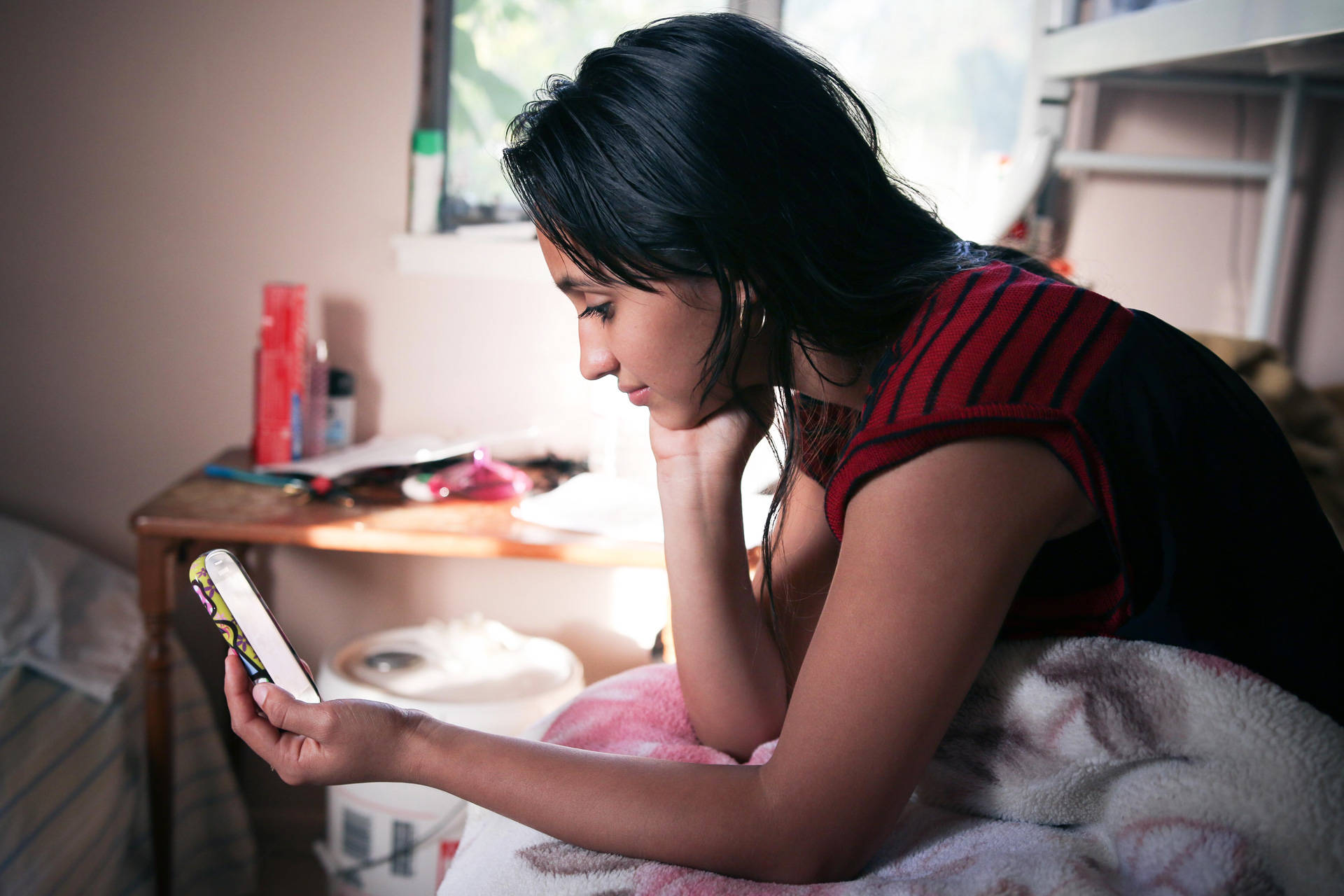
"caption": "Jennifer Cruz video-chats with her mother back in El Salvador. ",
"description": "Jennifer Cruz video-chats with her mother back in El Salvador. ",
"title": "JCruz",
"credit": "Jeremy Raff/KQED",
"status": "inherit",
"isLoading": false,
"fetchFailed": false
},
"news_10919535": {
"type": "attachments",
"id": "news_10919535",
"meta": {
"index": "attachments_1716263798",
"site": "news",
"id": "10919535",
"found": true
},
"parent": 10919534,
"imgSizes": {
"twentyfourteen-full-width": {
"file": "https://ww2.kqed.org/app/uploads/sites/10/2016/04/gettyimages-518005448_wide-2f4bb10b1369f4943eddbaef7ec5fe96f686829b-1038x576.jpg",
"width": 1038,
"mimeType": "image/jpeg",
"height": 576
},
"thumbnail": {
"file": "https://ww2.kqed.org/app/uploads/sites/10/2016/04/gettyimages-518005448_wide-2f4bb10b1369f4943eddbaef7ec5fe96f686829b-400x225.jpg",
"width": 400,
"mimeType": "image/jpeg",
"height": 225
},
"fd-sm": {
"file": "https://ww2.kqed.org/app/uploads/sites/10/2016/04/gettyimages-518005448_wide-2f4bb10b1369f4943eddbaef7ec5fe96f686829b-960x540.jpg",
"width": 960,
"mimeType": "image/jpeg",
"height": 540
},
"post-thumbnail": {
"file": "https://ww2.kqed.org/app/uploads/sites/10/2016/04/gettyimages-518005448_wide-2f4bb10b1369f4943eddbaef7ec5fe96f686829b-672x372.jpg",
"width": 672,
"mimeType": "image/jpeg",
"height": 372
},
"kqedFullSize": {
"file": "https://ww2.kqed.org/app/uploads/sites/10/2016/04/gettyimages-518005448_wide-2f4bb10b1369f4943eddbaef7ec5fe96f686829b-e1466694113885.jpg",
"width": 1920,
"height": 1080
},
"large": {
"file": "https://ww2.kqed.org/app/uploads/sites/10/2016/04/gettyimages-518005448_wide-2f4bb10b1369f4943eddbaef7ec5fe96f686829b-1920x1080.jpg",
"width": 1920,
"mimeType": "image/jpeg",
"height": 1080
},
"guest-author-96": {
"file": "https://ww2.kqed.org/app/uploads/sites/10/2016/04/gettyimages-518005448_wide-2f4bb10b1369f4943eddbaef7ec5fe96f686829b-96x96.jpg",
"width": 96,
"mimeType": "image/jpeg",
"height": 96
},
"medium": {
"file": "https://ww2.kqed.org/app/uploads/sites/10/2016/04/gettyimages-518005448_wide-2f4bb10b1369f4943eddbaef7ec5fe96f686829b-800x450.jpg",
"width": 800,
"mimeType": "image/jpeg",
"height": 450
},
"guest-author-64": {
"file": "https://ww2.kqed.org/app/uploads/sites/10/2016/04/gettyimages-518005448_wide-2f4bb10b1369f4943eddbaef7ec5fe96f686829b-64x64.jpg",
"width": 64,
"mimeType": "image/jpeg",
"height": 64
},
"guest-author-32": {
"file": "https://ww2.kqed.org/app/uploads/sites/10/2016/04/gettyimages-518005448_wide-2f4bb10b1369f4943eddbaef7ec5fe96f686829b-32x32.jpg",
"width": 32,
"mimeType": "image/jpeg",
"height": 32
},
"jmtc-small-thumb": {
"file": "https://ww2.kqed.org/app/uploads/sites/10/2016/04/gettyimages-518005448_wide-2f4bb10b1369f4943eddbaef7ec5fe96f686829b-280x150.jpg",
"width": 280,
"mimeType": "image/jpeg",
"height": 150
},
"fd-lrg": {
"file": "https://ww2.kqed.org/app/uploads/sites/10/2016/04/gettyimages-518005448_wide-2f4bb10b1369f4943eddbaef7ec5fe96f686829b-1920x1080.jpg",
"width": 1920,
"mimeType": "image/jpeg",
"height": 1080
},
"fd-med": {
"file": "https://ww2.kqed.org/app/uploads/sites/10/2016/04/gettyimages-518005448_wide-2f4bb10b1369f4943eddbaef7ec5fe96f686829b-1180x664.jpg",
"width": 1180,
"mimeType": "image/jpeg",
"height": 664
},
"detail": {
"file": "https://ww2.kqed.org/app/uploads/sites/10/2016/04/gettyimages-518005448_wide-2f4bb10b1369f4943eddbaef7ec5fe96f686829b-75x75.jpg",
"width": 75,
"mimeType": "image/jpeg",
"height": 75
},
"guest-author-128": {
"file": "https://ww2.kqed.org/app/uploads/sites/10/2016/04/gettyimages-518005448_wide-2f4bb10b1369f4943eddbaef7ec5fe96f686829b-128x128.jpg",
"width": 128,
"mimeType": "image/jpeg",
"height": 128
}
},
"publishDate": 1459796093,
"modified": 1466727033,
"caption": "The U.S. Supreme Court's 4-4 vote on the constitutionality of President Obama's executive actions on undocumented immigrants means a lower court injunction blocking the program will stand. ",
"description": "The U.S. Supreme Court ruled Monday that the total population as defined by the Census Bureau should be used when counting people for political purposes.",
"title": "U.S. Supreme Court building",
"credit": "Win McNamee/Getty Images",
"status": "inherit",
"isLoading": false,
"fetchFailed": false
},
"news_10981355": {
"type": "attachments",
"id": "news_10981355",
"meta": {
"index": "attachments_1716263798",
"site": "news",
"id": "10981355",
"found": true
},
"parent": 10981350,
"imgSizes": {
"twentyfourteen-full-width": {
"file": "https://ww2.kqed.org/app/uploads/sites/10/2016/06/Paw_Say_1-1038x576.jpg",
"width": 1038,
"mimeType": "image/jpeg",
"height": 576
},
"thumbnail": {
"file": "https://ww2.kqed.org/app/uploads/sites/10/2016/06/Paw_Say_1-400x225.jpg",
"width": 400,
"mimeType": "image/jpeg",
"height": 225
},
"fd-sm": {
"file": "https://ww2.kqed.org/app/uploads/sites/10/2016/06/Paw_Say_1-960x540.jpg",
"width": 960,
"mimeType": "image/jpeg",
"height": 540
},
"post-thumbnail": {
"file": "https://ww2.kqed.org/app/uploads/sites/10/2016/06/Paw_Say_1-672x372.jpg",
"width": 672,
"mimeType": "image/jpeg",
"height": 372
},
"kqedFullSize": {
"file": "https://ww2.kqed.org/app/uploads/sites/10/2016/06/Paw_Say_1.jpg",
"width": 1920,
"height": 1080
},
"large": {
"file": "https://ww2.kqed.org/app/uploads/sites/10/2016/06/Paw_Say_1-1920x1080.jpg",
"width": 1920,
"mimeType": "image/jpeg",
"height": 1080
},
"guest-author-50": {
"file": "https://ww2.kqed.org/app/uploads/sites/10/2016/06/Paw_Say_1-50x50.jpg",
"width": 50,
"mimeType": "image/jpeg",
"height": 50
},
"guest-author-96": {
"file": "https://ww2.kqed.org/app/uploads/sites/10/2016/06/Paw_Say_1-96x96.jpg",
"width": 96,
"mimeType": "image/jpeg",
"height": 96
},
"medium": {
"file": "https://ww2.kqed.org/app/uploads/sites/10/2016/06/Paw_Say_1-800x450.jpg",
"width": 800,
"mimeType": "image/jpeg",
"height": 450
},
"guest-author-64": {
"file": "https://ww2.kqed.org/app/uploads/sites/10/2016/06/Paw_Say_1-64x64.jpg",
"width": 64,
"mimeType": "image/jpeg",
"height": 64
},
"guest-author-32": {
"file": "https://ww2.kqed.org/app/uploads/sites/10/2016/06/Paw_Say_1-32x32.jpg",
"width": 32,
"mimeType": "image/jpeg",
"height": 32
},
"jmtc-small-thumb": {
"file": "https://ww2.kqed.org/app/uploads/sites/10/2016/06/Paw_Say_1-280x150.jpg",
"width": 280,
"mimeType": "image/jpeg",
"height": 150
},
"fd-lrg": {
"file": "https://ww2.kqed.org/app/uploads/sites/10/2016/06/Paw_Say_1-1920x1080.jpg",
"width": 1920,
"mimeType": "image/jpeg",
"height": 1080
},
"fd-med": {
"file": "https://ww2.kqed.org/app/uploads/sites/10/2016/06/Paw_Say_1-1180x664.jpg",
"width": 1180,
"mimeType": "image/jpeg",
"height": 664
},
"detail": {
"file": "https://ww2.kqed.org/app/uploads/sites/10/2016/06/Paw_Say_1-150x150.jpg",
"width": 150,
"mimeType": "image/jpeg",
"height": 150
},
"guest-author-128": {
"file": "https://ww2.kqed.org/app/uploads/sites/10/2016/06/Paw_Say_1-128x128.jpg",
"width": 128,
"mimeType": "image/jpeg",
"height": 128
}
},
"publishDate": 1464690300,
"modified": 1465322343,
"caption": "Paw Say calls Karen refugees to remind them to register to vote, May 12, 2016.",
"description": "Paw Say calls Karen refugees to remind them to register to vote, May 12, 2016.",
"title": "Paw Say calls Karen refugees to remind them to register to vote, May 12, 2016.",
"credit": "Kris Arciaga/KPBS",
"status": "inherit",
"isLoading": false,
"fetchFailed": false
},
"news_10977172": {
"type": "attachments",
"id": "news_10977172",
"meta": {
"index": "attachments_1716263798",
"site": "news",
"id": "10977172",
"found": true
},
"parent": 10976719,
"imgSizes": {
"twentyfourteen-full-width": {
"file": "https://ww2.kqed.org/app/uploads/sites/10/2016/06/YosemiteMuslims-1038x576.jpg",
"width": 1038,
"mimeType": "image/jpeg",
"height": 576
},
"thumbnail": {
"file": "https://ww2.kqed.org/app/uploads/sites/10/2016/06/YosemiteMuslims-400x239.jpg",
"width": 400,
"mimeType": "image/jpeg",
"height": 239
},
"fd-sm": {
"file": "https://ww2.kqed.org/app/uploads/sites/10/2016/06/YosemiteMuslims-960x573.jpg",
"width": 960,
"mimeType": "image/jpeg",
"height": 573
},
"post-thumbnail": {
"file": "https://ww2.kqed.org/app/uploads/sites/10/2016/06/YosemiteMuslims-672x372.jpg",
"width": 672,
"mimeType": "image/jpeg",
"height": 372
},
"kqedFullSize": {
"file": "https://ww2.kqed.org/app/uploads/sites/10/2016/06/YosemiteMuslims.jpg",
"width": 1920,
"height": 1145
},
"large": {
"file": "https://ww2.kqed.org/app/uploads/sites/10/2016/06/YosemiteMuslims-1920x1145.jpg",
"width": 1920,
"mimeType": "image/jpeg",
"height": 1145
},
"guest-author-50": {
"file": "https://ww2.kqed.org/app/uploads/sites/10/2016/06/YosemiteMuslims-50x50.jpg",
"width": 50,
"mimeType": "image/jpeg",
"height": 50
},
"guest-author-96": {
"file": "https://ww2.kqed.org/app/uploads/sites/10/2016/06/YosemiteMuslims-96x96.jpg",
"width": 96,
"mimeType": "image/jpeg",
"height": 96
},
"medium": {
"file": "https://ww2.kqed.org/app/uploads/sites/10/2016/06/YosemiteMuslims-800x477.jpg",
"width": 800,
"mimeType": "image/jpeg",
"height": 477
},
"guest-author-64": {
"file": "https://ww2.kqed.org/app/uploads/sites/10/2016/06/YosemiteMuslims-64x64.jpg",
"width": 64,
"mimeType": "image/jpeg",
"height": 64
},
"guest-author-32": {
"file": "https://ww2.kqed.org/app/uploads/sites/10/2016/06/YosemiteMuslims-32x32.jpg",
"width": 32,
"mimeType": "image/jpeg",
"height": 32
},
"jmtc-small-thumb": {
"file": "https://ww2.kqed.org/app/uploads/sites/10/2016/06/YosemiteMuslims-280x150.jpg",
"width": 280,
"mimeType": "image/jpeg",
"height": 150
},
"fd-lrg": {
"file": "https://ww2.kqed.org/app/uploads/sites/10/2016/06/YosemiteMuslims-1920x1145.jpg",
"width": 1920,
"mimeType": "image/jpeg",
"height": 1145
},
"fd-med": {
"file": "https://ww2.kqed.org/app/uploads/sites/10/2016/06/YosemiteMuslims-1180x704.jpg",
"width": 1180,
"mimeType": "image/jpeg",
"height": 704
},
"detail": {
"file": "https://ww2.kqed.org/app/uploads/sites/10/2016/06/YosemiteMuslims-150x150.jpg",
"width": 150,
"mimeType": "image/jpeg",
"height": 150
},
"guest-author-128": {
"file": "https://ww2.kqed.org/app/uploads/sites/10/2016/06/YosemiteMuslims-128x128.jpg",
"width": 128,
"mimeType": "image/jpeg",
"height": 128
}
},
"publishDate": 1465004298,
"modified": 1465004343,
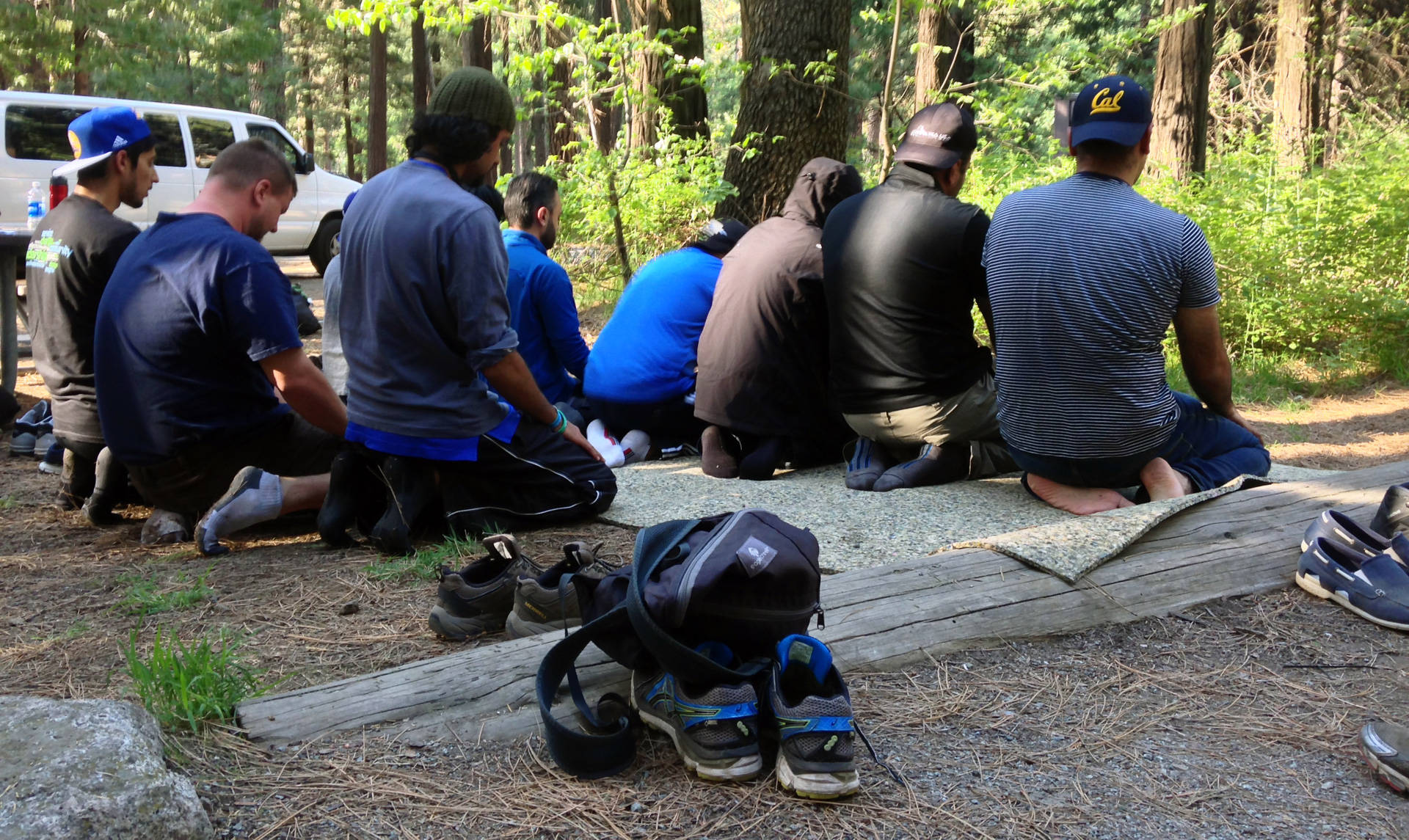
"caption": "Young Muslim men pray at a campsite in Yosemite.",
"description": "Young Muslim men pray at a campsite in Yosemite.",
"title": "YosemiteMuslims",
"credit": "Alice Daniel/KQED",
"status": "inherit",
"isLoading": false,
"fetchFailed": false
},
"news_10952138": {
"type": "attachments",
"id": "news_10952138",
"meta": {
"index": "attachments_1716263798",
"site": "news",
"id": "10952138",
"found": true
},
"parent": 10952137,
"imgSizes": {
"jmtc-small-thumb": {
"file": "https://ww2.kqed.org/app/uploads/sites/10/2016/05/259A0551_t700-1-280x150.jpg",
"width": 280,
"mimeType": "image/jpeg",
"height": 150
},
"thumbnail": {
"file": "https://ww2.kqed.org/app/uploads/sites/10/2016/05/259A0551_t700-1-400x266.jpg",
"width": 400,
"mimeType": "image/jpeg",
"height": 266
},
"post-thumbnail": {
"file": "https://ww2.kqed.org/app/uploads/sites/10/2016/05/259A0551_t700-1-672x372.jpg",
"width": 672,
"mimeType": "image/jpeg",
"height": 372
},
"kqedFullSize": {
"file": "https://ww2.kqed.org/app/uploads/sites/10/2016/05/259A0551_t700-1.jpg",
"width": 700,
"height": 466
},
"guest-author-96": {
"file": "https://ww2.kqed.org/app/uploads/sites/10/2016/05/259A0551_t700-1-96x96.jpg",
"width": 96,
"mimeType": "image/jpeg",
"height": 96
},
"guest-author-64": {
"file": "https://ww2.kqed.org/app/uploads/sites/10/2016/05/259A0551_t700-1-64x64.jpg",
"width": 64,
"mimeType": "image/jpeg",
"height": 64
},
"detail": {
"file": "https://ww2.kqed.org/app/uploads/sites/10/2016/05/259A0551_t700-1-150x150.jpg",
"width": 150,
"mimeType": "image/jpeg",
"height": 150
},
"guest-author-32": {
"file": "https://ww2.kqed.org/app/uploads/sites/10/2016/05/259A0551_t700-1-32x32.jpg",
"width": 32,
"mimeType": "image/jpeg",
"height": 32
},
"guest-author-128": {
"file": "https://ww2.kqed.org/app/uploads/sites/10/2016/05/259A0551_t700-1-128x128.jpg",
"width": 128,
"mimeType": "image/jpeg",
"height": 128
}
},
"publishDate": 1462952273,
"modified": 1462952297,
"caption": "From left to right: Duf Sundheim, Kamala Harris, Loretta Sanchez, Ron Unz, Tom Del Beccaro at a debate at KPBS in San Diego, May 10, 2016.",
"description": "From left to right: Duf Sundheim, Kamala Harris, Loretta Sanchez, Ron Unz, Tom Del Beccaro at a debate at KPBS in San Diego, May 10, 2016.",
"title": "259A0551_t700 (1)",
"credit": "Milan Kovacevic/KPBS",
"status": "inherit",
"isLoading": false,
"fetchFailed": false
},
"news_10941278": {
"type": "attachments",
"id": "news_10941278",
"meta": {
"index": "attachments_1716263798",
"site": "news",
"id": "10941278",
"found": true
},
"parent": 10941273,
"imgSizes": {
"twentyfourteen-full-width": {
"file": "https://ww2.kqed.org/app/uploads/sites/10/2016/04/3730_transform-1038x576.jpg",
"width": 1038,
"mimeType": "image/jpeg",
"height": 576
},
"thumbnail": {
"file": "https://ww2.kqed.org/app/uploads/sites/10/2016/04/3730_transform-400x220.jpg",
"width": 400,
"mimeType": "image/jpeg",
"height": 220
},
"fd-sm": {
"file": "https://ww2.kqed.org/app/uploads/sites/10/2016/04/3730_transform-960x529.jpg",
"width": 960,
"mimeType": "image/jpeg",
"height": 529
},
"post-thumbnail": {
"file": "https://ww2.kqed.org/app/uploads/sites/10/2016/04/3730_transform-672x372.jpg",
"width": 672,
"mimeType": "image/jpeg",
"height": 372
},
"kqedFullSize": {
"file": "https://ww2.kqed.org/app/uploads/sites/10/2016/04/3730_transform.jpg",
"width": 1920,
"height": 1057
},
"large": {
"file": "https://ww2.kqed.org/app/uploads/sites/10/2016/04/3730_transform-1920x1057.jpg",
"width": 1920,
"mimeType": "image/jpeg",
"height": 1057
},
"guest-author-96": {
"file": "https://ww2.kqed.org/app/uploads/sites/10/2016/04/3730_transform-96x96.jpg",
"width": 96,
"mimeType": "image/jpeg",
"height": 96
},
"medium": {
"file": "https://ww2.kqed.org/app/uploads/sites/10/2016/04/3730_transform-800x440.jpg",
"width": 800,
"mimeType": "image/jpeg",
"height": 440
},
"guest-author-64": {
"file": "https://ww2.kqed.org/app/uploads/sites/10/2016/04/3730_transform-64x64.jpg",
"width": 64,
"mimeType": "image/jpeg",
"height": 64
},
"guest-author-32": {
"file": "https://ww2.kqed.org/app/uploads/sites/10/2016/04/3730_transform-32x32.jpg",
"width": 32,
"mimeType": "image/jpeg",
"height": 32
},
"jmtc-small-thumb": {
"file": "https://ww2.kqed.org/app/uploads/sites/10/2016/04/3730_transform-280x150.jpg",
"width": 280,
"mimeType": "image/jpeg",
"height": 150
},
"fd-lrg": {
"file": "https://ww2.kqed.org/app/uploads/sites/10/2016/04/3730_transform-1920x1057.jpg",
"width": 1920,
"mimeType": "image/jpeg",
"height": 1057
},
"fd-med": {
"file": "https://ww2.kqed.org/app/uploads/sites/10/2016/04/3730_transform-1180x650.jpg",
"width": 1180,
"mimeType": "image/jpeg",
"height": 650
},
"detail": {
"file": "https://ww2.kqed.org/app/uploads/sites/10/2016/04/3730_transform-150x150.jpg",
"width": 150,
"mimeType": "image/jpeg",
"height": 150
},
"guest-author-128": {
"file": "https://ww2.kqed.org/app/uploads/sites/10/2016/04/3730_transform-128x128.jpg",
"width": 128,
"mimeType": "image/jpeg",
"height": 128
}
},
"publishDate": 1461965171,
"modified": 1461970091,
"caption": "People vote inside the 'Get The Funk Out' laundromat on Nov. 4, 2008, in San Francisco, California. ",
"description": "People vote inside the \"Get The Funk Out\" laundrymat on November 4, 2008 in San Francisco, California. ",
"title": "Americans Go To The Polls To Elect The Next U.S. President",
"credit": "David Paul Morris/Getty Images",
"status": "inherit",
"isLoading": false,
"fetchFailed": false
},
"news_10920812": {
"type": "attachments",
"id": "news_10920812",
"meta": {
"index": "attachments_1716263798",
"site": "news",
"id": "10920812",
"found": true
},
"parent": 10920809,
"imgSizes": {
"twentyfourteen-full-width": {
"file": "https://ww2.kqed.org/app/uploads/sites/10/2016/03/123593-full-1024x576.jpg",
"width": 1024,
"mimeType": "image/jpeg",
"height": 576
},
"jmtc-small-thumb": {
"file": "https://ww2.kqed.org/app/uploads/sites/10/2016/03/123593-full-280x150.jpg",
"width": 280,
"mimeType": "image/jpeg",
"height": 150
},
"thumbnail": {
"file": "https://ww2.kqed.org/app/uploads/sites/10/2016/03/123593-full-400x267.jpg",
"width": 400,
"mimeType": "image/jpeg",
"height": 267
},
"fd-sm": {
"file": "https://ww2.kqed.org/app/uploads/sites/10/2016/03/123593-full-960x640.jpg",
"width": 960,
"mimeType": "image/jpeg",
"height": 640
},
"post-thumbnail": {
"file": "https://ww2.kqed.org/app/uploads/sites/10/2016/03/123593-full-672x372.jpg",
"width": 672,
"mimeType": "image/jpeg",
"height": 372
},
"kqedFullSize": {
"file": "https://ww2.kqed.org/app/uploads/sites/10/2016/03/123593-full.jpg",
"width": 1024,
"height": 683
},
"guest-author-96": {
"file": "https://ww2.kqed.org/app/uploads/sites/10/2016/03/123593-full-96x96.jpg",
"width": 96,
"mimeType": "image/jpeg",
"height": 96
},
"medium": {
"file": "https://ww2.kqed.org/app/uploads/sites/10/2016/03/123593-full-800x534.jpg",
"width": 800,
"mimeType": "image/jpeg",
"height": 534
},
"guest-author-64": {
"file": "https://ww2.kqed.org/app/uploads/sites/10/2016/03/123593-full-64x64.jpg",
"width": 64,
"mimeType": "image/jpeg",
"height": 64
},
"detail": {
"file": "https://ww2.kqed.org/app/uploads/sites/10/2016/03/123593-full-75x75.jpg",
"width": 75,
"mimeType": "image/jpeg",
"height": 75
},
"guest-author-32": {
"file": "https://ww2.kqed.org/app/uploads/sites/10/2016/03/123593-full-32x32.jpg",
"width": 32,
"mimeType": "image/jpeg",
"height": 32
},
"guest-author-128": {
"file": "https://ww2.kqed.org/app/uploads/sites/10/2016/03/123593-full-128x128.jpg",
"width": 128,
"mimeType": "image/jpeg",
"height": 128
}
},
"publishDate": 1459894587,
"modified": 1459897155,
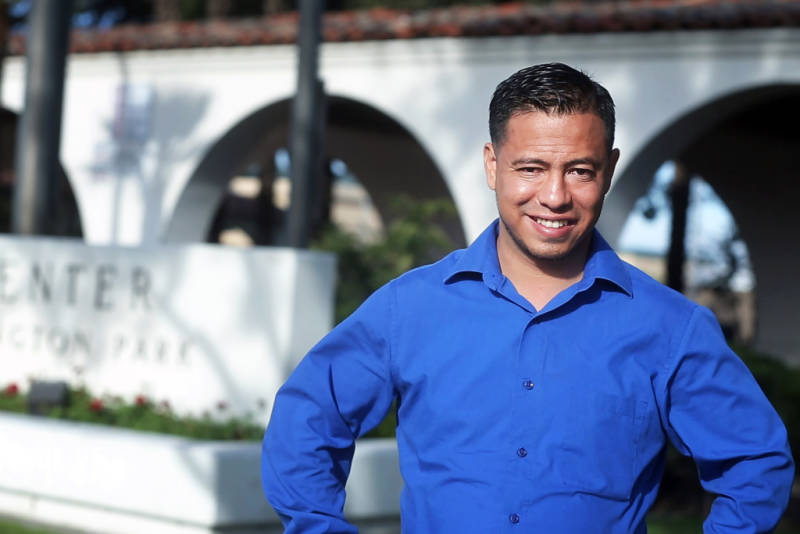
"caption": "Francisco Medina is one of the organizers of a project called Vote Allies that aims to pair nonvoters with voters. Medina made headlines last summer as one of two men without legal resident status who were appointed to city commissions in Huntington Park in Southern California.",
"description": "Francisco Medina is one of the organizers of a project called Vote Allies that aims to pair nonvoters with voters. Medina made headlines last summer as one of two men without legal resident status who were appointed to city commissions in Huntington Park in Southern California.",
"title": "Francisco Medina is one of the organizers of a project called Vote Allies that aims to pair nonvoters with voters. Medina made headlines last summer as one of two men without legal resident status who were appointed to city commissions in Huntington Park in Southern California.",
"credit": "Maya Sugarman/KPCC",
"status": "inherit",
"isLoading": false,
"fetchFailed": false
},
"news_10933868": {
"type": "attachments",
"id": "news_10933868",
"meta": {
"index": "attachments_1716263798",
"site": "news",
"id": "10933868",
"found": true
},
"parent": 10929294,
"imgSizes": {
"twentyfourteen-full-width": {
"file": "https://ww2.kqed.org/app/uploads/sites/10/2016/04/PadillaAndHuerta-1038x576.jpg",
"width": 1038,
"mimeType": "image/jpeg",
"height": 576
},
"thumbnail": {
"file": "https://ww2.kqed.org/app/uploads/sites/10/2016/04/PadillaAndHuerta-400x269.jpg",
"width": 400,
"mimeType": "image/jpeg",
"height": 269
},
"fd-sm": {
"file": "https://ww2.kqed.org/app/uploads/sites/10/2016/04/PadillaAndHuerta-960x646.jpg",
"width": 960,
"mimeType": "image/jpeg",
"height": 646
},
"post-thumbnail": {
"file": "https://ww2.kqed.org/app/uploads/sites/10/2016/04/PadillaAndHuerta-672x372.jpg",
"width": 672,
"mimeType": "image/jpeg",
"height": 372
},
"kqedFullSize": {
"file": "https://ww2.kqed.org/app/uploads/sites/10/2016/04/PadillaAndHuerta.jpg",
"width": 1920,
"height": 1292
},
"large": {
"file": "https://ww2.kqed.org/app/uploads/sites/10/2016/04/PadillaAndHuerta-1920x1292.jpg",
"width": 1920,
"mimeType": "image/jpeg",
"height": 1292
},
"guest-author-96": {
"file": "https://ww2.kqed.org/app/uploads/sites/10/2016/04/PadillaAndHuerta-96x96.jpg",
"width": 96,
"mimeType": "image/jpeg",
"height": 96
},
"medium": {
"file": "https://ww2.kqed.org/app/uploads/sites/10/2016/04/PadillaAndHuerta-800x538.jpg",
"width": 800,
"mimeType": "image/jpeg",
"height": 538
},
"guest-author-64": {
"file": "https://ww2.kqed.org/app/uploads/sites/10/2016/04/PadillaAndHuerta-64x64.jpg",
"width": 64,
"mimeType": "image/jpeg",
"height": 64
},
"guest-author-32": {
"file": "https://ww2.kqed.org/app/uploads/sites/10/2016/04/PadillaAndHuerta-32x32.jpg",
"width": 32,
"mimeType": "image/jpeg",
"height": 32
},
"jmtc-small-thumb": {
"file": "https://ww2.kqed.org/app/uploads/sites/10/2016/04/PadillaAndHuerta-280x150.jpg",
"width": 280,
"mimeType": "image/jpeg",
"height": 150
},
"fd-lrg": {
"file": "https://ww2.kqed.org/app/uploads/sites/10/2016/04/PadillaAndHuerta-1920x1292.jpg",
"width": 1920,
"mimeType": "image/jpeg",
"height": 1292
},
"fd-med": {
"file": "https://ww2.kqed.org/app/uploads/sites/10/2016/04/PadillaAndHuerta-1180x794.jpg",
"width": 1180,
"mimeType": "image/jpeg",
"height": 794
},
"detail": {
"file": "https://ww2.kqed.org/app/uploads/sites/10/2016/04/PadillaAndHuerta-75x75.jpg",
"width": 75,
"mimeType": "image/jpeg",
"height": 75
},
"guest-author-128": {
"file": "https://ww2.kqed.org/app/uploads/sites/10/2016/04/PadillaAndHuerta-128x128.jpg",
"width": 128,
"mimeType": "image/jpeg",
"height": 128
}
},
"publishDate": 1461095826,
"modified": 1461095928,
"caption": "Ramona Padilla (L), mayor of Lindsay, meets with 19-year-old Amy Huerta to try and convince her to vote.",
"description": "Ramona Padilla (L), mayor of Lindsay, meets with 19-year-old Amy Huerta to try and convince her to vote.",
"title": "PadillaAndHuerta",
"credit": "Sasha Khokha/KQED",
"status": "inherit",
"isLoading": false,
"fetchFailed": false
},
"news_10933809": {
"type": "attachments",
"id": "news_10933809",
"meta": {
"index": "attachments_1716263798",
"site": "news",
"id": "10933809",
"found": true
},
"parent": 10933765,
"imgSizes": {
"twentyfourteen-full-width": {
"file": "https://ww2.kqed.org/app/uploads/sites/10/2016/04/PeterLee-1038x576.jpg",
"width": 1038,
"mimeType": "image/jpeg",
"height": 576
},
"thumbnail": {
"file": "https://ww2.kqed.org/app/uploads/sites/10/2016/04/PeterLee-400x254.jpg",
"width": 400,
"mimeType": "image/jpeg",
"height": 254
},
"fd-sm": {
"file": "https://ww2.kqed.org/app/uploads/sites/10/2016/04/PeterLee-960x611.jpg",
"width": 960,
"mimeType": "image/jpeg",
"height": 611
},
"post-thumbnail": {
"file": "https://ww2.kqed.org/app/uploads/sites/10/2016/04/PeterLee-672x372.jpg",
"width": 672,
"mimeType": "image/jpeg",
"height": 372
},
"kqedFullSize": {
"file": "https://ww2.kqed.org/app/uploads/sites/10/2016/04/PeterLee.jpg",
"width": 1920,
"height": 1221
},
"large": {
"file": "https://ww2.kqed.org/app/uploads/sites/10/2016/04/PeterLee-1920x1221.jpg",
"width": 1920,
"mimeType": "image/jpeg",
"height": 1221
},
"guest-author-96": {
"file": "https://ww2.kqed.org/app/uploads/sites/10/2016/04/PeterLee-96x96.jpg",
"width": 96,
"mimeType": "image/jpeg",
"height": 96
},
"medium": {
"file": "https://ww2.kqed.org/app/uploads/sites/10/2016/04/PeterLee-800x509.jpg",
"width": 800,
"mimeType": "image/jpeg",
"height": 509
},
"guest-author-64": {
"file": "https://ww2.kqed.org/app/uploads/sites/10/2016/04/PeterLee-64x64.jpg",
"width": 64,
"mimeType": "image/jpeg",
"height": 64
},
"guest-author-32": {
"file": "https://ww2.kqed.org/app/uploads/sites/10/2016/04/PeterLee-32x32.jpg",
"width": 32,
"mimeType": "image/jpeg",
"height": 32
},
"jmtc-small-thumb": {
"file": "https://ww2.kqed.org/app/uploads/sites/10/2016/04/PeterLee-280x150.jpg",
"width": 280,
"mimeType": "image/jpeg",
"height": 150
},
"fd-lrg": {
"file": "https://ww2.kqed.org/app/uploads/sites/10/2016/04/PeterLee-1920x1221.jpg",
"width": 1920,
"mimeType": "image/jpeg",
"height": 1221
},
"fd-med": {
"file": "https://ww2.kqed.org/app/uploads/sites/10/2016/04/PeterLee-1180x750.jpg",
"width": 1180,
"mimeType": "image/jpeg",
"height": 750
},
"detail": {
"file": "https://ww2.kqed.org/app/uploads/sites/10/2016/04/PeterLee-75x75.jpg",
"width": 75,
"mimeType": "image/jpeg",
"height": 75
},
"guest-author-128": {
"file": "https://ww2.kqed.org/app/uploads/sites/10/2016/04/PeterLee-128x128.jpg",
"width": 128,
"mimeType": "image/jpeg",
"height": 128
}
},
"publishDate": 1461092025,
"modified": 1461092072,
"caption": "Peter Lee, executive director of Covered California.",
"description": "Peter Lee, executive director of Covered California.",
"title": "PeterLee",
"credit": "Max Whitaker/Getty Images",
"status": "inherit",
"isLoading": false,
"fetchFailed": false
},
"news_10932912": {
"type": "attachments",
"id": "news_10932912",
"meta": {
"index": "attachments_1716263798",
"site": "news",
"id": "10932912",
"found": true
},
"parent": 10932911,
"imgSizes": {
"twentyfourteen-full-width": {
"file": "https://ww2.kqed.org/app/uploads/sites/10/2016/04/mg_0290_custom-d915584dc5356d0840e7eedfc37fbe87075dcf37-1038x576.jpg",
"width": 1038,
"mimeType": "image/jpeg",
"height": 576
},
"thumbnail": {
"file": "https://ww2.kqed.org/app/uploads/sites/10/2016/04/mg_0290_custom-d915584dc5356d0840e7eedfc37fbe87075dcf37-400x266.jpg",
"width": 400,
"mimeType": "image/jpeg",
"height": 266
},
"fd-sm": {
"file": "https://ww2.kqed.org/app/uploads/sites/10/2016/04/mg_0290_custom-d915584dc5356d0840e7eedfc37fbe87075dcf37-960x639.jpg",
"width": 960,
"mimeType": "image/jpeg",
"height": 639
},
"post-thumbnail": {
"file": "https://ww2.kqed.org/app/uploads/sites/10/2016/04/mg_0290_custom-d915584dc5356d0840e7eedfc37fbe87075dcf37-672x372.jpg",
"width": 672,
"mimeType": "image/jpeg",
"height": 372
},
"kqedFullSize": {
"file": "https://ww2.kqed.org/app/uploads/sites/10/2016/04/mg_0290_custom-d915584dc5356d0840e7eedfc37fbe87075dcf37-e1461010749860.jpg",
"width": 1920,
"height": 1279
},
"large": {
"file": "https://ww2.kqed.org/app/uploads/sites/10/2016/04/mg_0290_custom-d915584dc5356d0840e7eedfc37fbe87075dcf37-1920x1279.jpg",
"width": 1920,
"mimeType": "image/jpeg",
"height": 1279
},
"guest-author-96": {
"file": "https://ww2.kqed.org/app/uploads/sites/10/2016/04/mg_0290_custom-d915584dc5356d0840e7eedfc37fbe87075dcf37-96x96.jpg",
"width": 96,
"mimeType": "image/jpeg",
"height": 96
},
"medium": {
"file": "https://ww2.kqed.org/app/uploads/sites/10/2016/04/mg_0290_custom-d915584dc5356d0840e7eedfc37fbe87075dcf37-800x533.jpg",
"width": 800,
"mimeType": "image/jpeg",
"height": 533
},
"guest-author-64": {
"file": "https://ww2.kqed.org/app/uploads/sites/10/2016/04/mg_0290_custom-d915584dc5356d0840e7eedfc37fbe87075dcf37-64x64.jpg",
"width": 64,
"mimeType": "image/jpeg",
"height": 64
},
"guest-author-32": {
"file": "https://ww2.kqed.org/app/uploads/sites/10/2016/04/mg_0290_custom-d915584dc5356d0840e7eedfc37fbe87075dcf37-32x32.jpg",
"width": 32,
"mimeType": "image/jpeg",
"height": 32
},
"jmtc-small-thumb": {
"file": "https://ww2.kqed.org/app/uploads/sites/10/2016/04/mg_0290_custom-d915584dc5356d0840e7eedfc37fbe87075dcf37-280x150.jpg",
"width": 280,
"mimeType": "image/jpeg",
"height": 150
},
"fd-lrg": {
"file": "https://ww2.kqed.org/app/uploads/sites/10/2016/04/mg_0290_custom-d915584dc5356d0840e7eedfc37fbe87075dcf37-1920x1279.jpg",
"width": 1920,
"mimeType": "image/jpeg",
"height": 1279
},
"fd-med": {
"file": "https://ww2.kqed.org/app/uploads/sites/10/2016/04/mg_0290_custom-d915584dc5356d0840e7eedfc37fbe87075dcf37-1180x786.jpg",
"width": 1180,
"mimeType": "image/jpeg",
"height": 786
},
"detail": {
"file": "https://ww2.kqed.org/app/uploads/sites/10/2016/04/mg_0290_custom-d915584dc5356d0840e7eedfc37fbe87075dcf37-75x75.jpg",
"width": 75,
"mimeType": "image/jpeg",
"height": 75
},
"guest-author-128": {
"file": "https://ww2.kqed.org/app/uploads/sites/10/2016/04/mg_0290_custom-d915584dc5356d0840e7eedfc37fbe87075dcf37-128x128.jpg",
"width": 128,
"mimeType": "image/jpeg",
"height": 128
}
},
"publishDate": 1461010645,
"modified": 1461010740,
"caption": "Immigrant activists, including Jose Antonio Vargas and Sophie Cruz, speak to reporters after oral arguments at the Supreme Court.",
"description": "Immigrant activists, including Jose Antonio Vargas and Sophie Cruz, speak to reporters after oral arguments at the Supreme Court",
"title": "mg_0290_custom-d915584dc5356d0840e7eedfc37fbe87075dcf37",
"credit": "Kara Frame/NPR",
"status": "inherit",
"isLoading": false,
"fetchFailed": false
},
"news_10924025": {
"type": "attachments",
"id": "news_10924025",
"meta": {
"index": "attachments_1716263798",
"site": "news",
"id": "10924025",
"found": true
},
"parent": 10923059,
"imgSizes": {
"twentyfourteen-full-width": {
"file": "https://ww2.kqed.org/app/uploads/sites/10/2016/04/momAndGrandmaWaiting-1038x576.jpg",
"width": 1038,
"mimeType": "image/jpeg",
"height": 576
},
"thumbnail": {
"file": "https://ww2.kqed.org/app/uploads/sites/10/2016/04/momAndGrandmaWaiting-400x248.jpg",
"width": 400,
"mimeType": "image/jpeg",
"height": 248
},
"fd-sm": {
"file": "https://ww2.kqed.org/app/uploads/sites/10/2016/04/momAndGrandmaWaiting-960x594.jpg",
"width": 960,
"mimeType": "image/jpeg",
"height": 594
},
"post-thumbnail": {
"file": "https://ww2.kqed.org/app/uploads/sites/10/2016/04/momAndGrandmaWaiting-672x372.jpg",
"width": 672,
"mimeType": "image/jpeg",
"height": 372
},
"kqedFullSize": {
"file": "https://ww2.kqed.org/app/uploads/sites/10/2016/04/momAndGrandmaWaiting.jpg",
"width": 2000,
"height": 1238
},
"large": {
"file": "https://ww2.kqed.org/app/uploads/sites/10/2016/04/momAndGrandmaWaiting-1920x1188.jpg",
"width": 1920,
"mimeType": "image/jpeg",
"height": 1188
},
"guest-author-96": {
"file": "https://ww2.kqed.org/app/uploads/sites/10/2016/04/momAndGrandmaWaiting-96x96.jpg",
"width": 96,
"mimeType": "image/jpeg",
"height": 96
},
"medium": {
"file": "https://ww2.kqed.org/app/uploads/sites/10/2016/04/momAndGrandmaWaiting-800x495.jpg",
"width": 800,
"mimeType": "image/jpeg",
"height": 495
},
"guest-author-64": {
"file": "https://ww2.kqed.org/app/uploads/sites/10/2016/04/momAndGrandmaWaiting-64x64.jpg",
"width": 64,
"mimeType": "image/jpeg",
"height": 64
},
"guest-author-32": {
"file": "https://ww2.kqed.org/app/uploads/sites/10/2016/04/momAndGrandmaWaiting-32x32.jpg",
"width": 32,
"mimeType": "image/jpeg",
"height": 32
},
"jmtc-small-thumb": {
"file": "https://ww2.kqed.org/app/uploads/sites/10/2016/04/momAndGrandmaWaiting-280x150.jpg",
"width": 280,
"mimeType": "image/jpeg",
"height": 150
},
"fd-lrg": {
"file": "https://ww2.kqed.org/app/uploads/sites/10/2016/04/momAndGrandmaWaiting-1920x1188.jpg",
"width": 1920,
"mimeType": "image/jpeg",
"height": 1188
},
"fd-med": {
"file": "https://ww2.kqed.org/app/uploads/sites/10/2016/04/momAndGrandmaWaiting-1180x730.jpg",
"width": 1180,
"mimeType": "image/jpeg",
"height": 730
},
"detail": {
"file": "https://ww2.kqed.org/app/uploads/sites/10/2016/04/momAndGrandmaWaiting-75x75.jpg",
"width": 75,
"mimeType": "image/jpeg",
"height": 75
},
"guest-author-128": {
"file": "https://ww2.kqed.org/app/uploads/sites/10/2016/04/momAndGrandmaWaiting-128x128.jpg",
"width": 128,
"mimeType": "image/jpeg",
"height": 128
}
},
"publishDate": 1460151622,
"modified": 1460161043,
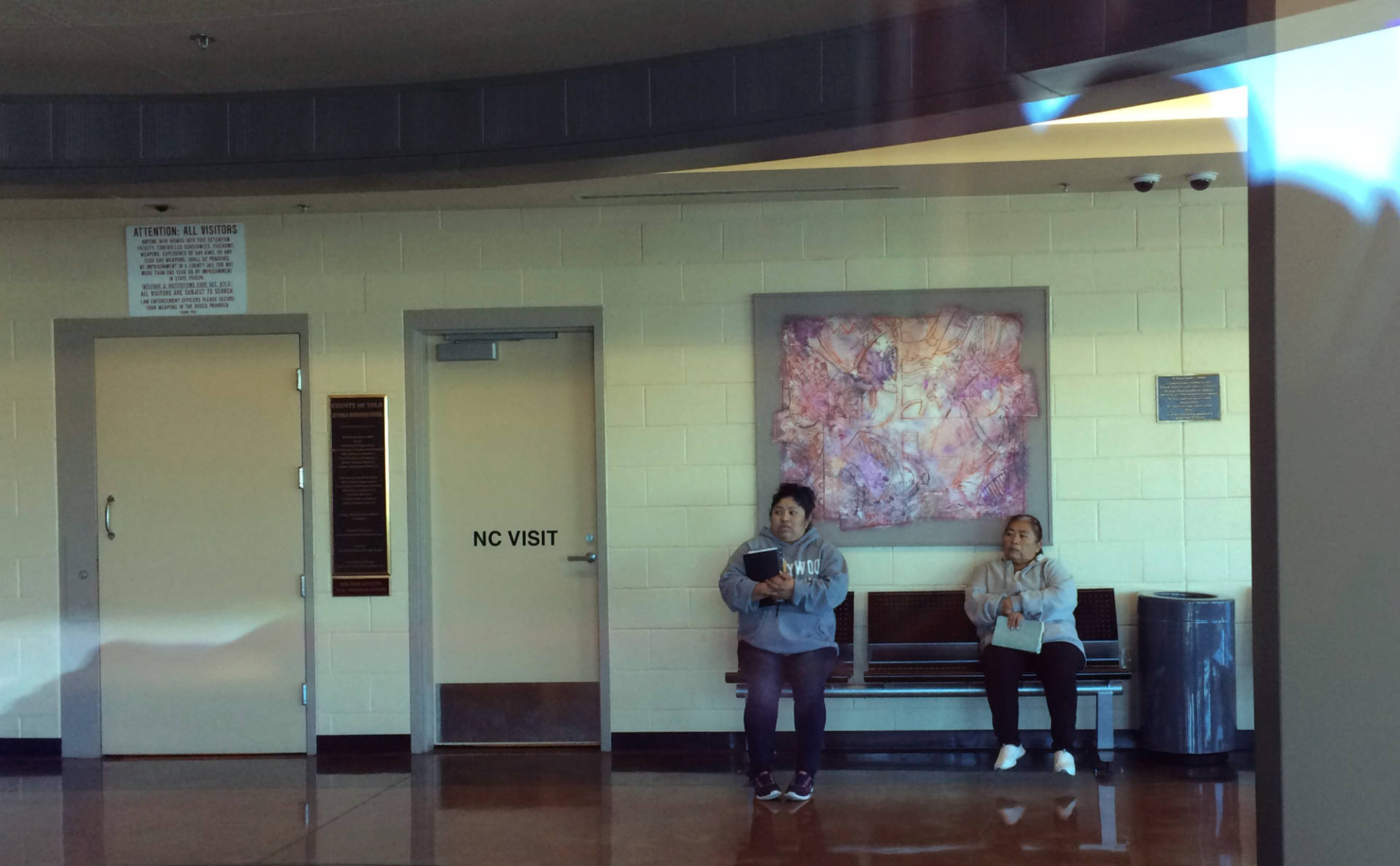
"caption": "Pablo Aguilar's mother, Evelyn, and grandmother, Albertina, wait in the lobby of the Yolo County Juvenile Detention Facility to visit Pablo, who has been locked in confinement by the Office of Refugee Resettlement since June of 2014.",
"description": "Pablo Aguilar's mother, Evelyn, and grandmother, Albertina, drive through the night from Los Angeles to Yolo County to visit Pablo, 16, who has been locked in confinement by the Office of Refugee Resettlement since June of 2014.",
"title": "momAndGrandmaWaiting",
"credit": "Tyche Hendricks/KQED",
"status": "inherit",
"isLoading": false,
"fetchFailed": false
},
"news_10924037": {
"type": "attachments",
"id": "news_10924037",
"meta": {
"index": "attachments_1716263798",
"site": "news",
"id": "10924037",
"found": true
},
"parent": 10922780,
"imgSizes": {
"twentyfourteen-full-width": {
"file": "https://ww2.kqed.org/app/uploads/sites/10/2016/04/ShelterCastBoxes-1038x576.jpg",
"width": 1038,
"mimeType": "image/jpeg",
"height": 576
},
"thumbnail": {
"file": "https://ww2.kqed.org/app/uploads/sites/10/2016/04/ShelterCastBoxes-400x240.jpg",
"width": 400,
"mimeType": "image/jpeg",
"height": 240
},
"fd-sm": {
"file": "https://ww2.kqed.org/app/uploads/sites/10/2016/04/ShelterCastBoxes-960x575.jpg",
"width": 960,
"mimeType": "image/jpeg",
"height": 575
},
"post-thumbnail": {
"file": "https://ww2.kqed.org/app/uploads/sites/10/2016/04/ShelterCastBoxes-672x372.jpg",
"width": 672,
"mimeType": "image/jpeg",
"height": 372
},
"kqedFullSize": {
"file": "https://ww2.kqed.org/app/uploads/sites/10/2016/04/ShelterCastBoxes.jpg",
"width": 1920,
"height": 1150
},
"large": {
"file": "https://ww2.kqed.org/app/uploads/sites/10/2016/04/ShelterCastBoxes-1920x1150.jpg",
"width": 1920,
"mimeType": "image/jpeg",
"height": 1150
},
"guest-author-96": {
"file": "https://ww2.kqed.org/app/uploads/sites/10/2016/04/ShelterCastBoxes-96x96.jpg",
"width": 96,
"mimeType": "image/jpeg",
"height": 96
},
"medium": {
"file": "https://ww2.kqed.org/app/uploads/sites/10/2016/04/ShelterCastBoxes-800x479.jpg",
"width": 800,
"mimeType": "image/jpeg",
"height": 479
},
"guest-author-64": {
"file": "https://ww2.kqed.org/app/uploads/sites/10/2016/04/ShelterCastBoxes-64x64.jpg",
"width": 64,
"mimeType": "image/jpeg",
"height": 64
},
"guest-author-32": {
"file": "https://ww2.kqed.org/app/uploads/sites/10/2016/04/ShelterCastBoxes-32x32.jpg",
"width": 32,
"mimeType": "image/jpeg",
"height": 32
},
"jmtc-small-thumb": {
"file": "https://ww2.kqed.org/app/uploads/sites/10/2016/04/ShelterCastBoxes-280x150.jpg",
"width": 280,
"mimeType": "image/jpeg",
"height": 150
},
"fd-lrg": {
"file": "https://ww2.kqed.org/app/uploads/sites/10/2016/04/ShelterCastBoxes-1920x1150.jpg",
"width": 1920,
"mimeType": "image/jpeg",
"height": 1150
},
"fd-med": {
"file": "https://ww2.kqed.org/app/uploads/sites/10/2016/04/ShelterCastBoxes-1180x707.jpg",
"width": 1180,
"mimeType": "image/jpeg",
"height": 707
},
"detail": {
"file": "https://ww2.kqed.org/app/uploads/sites/10/2016/04/ShelterCastBoxes-75x75.jpg",
"width": 75,
"mimeType": "image/jpeg",
"height": 75
},
"guest-author-128": {
"file": "https://ww2.kqed.org/app/uploads/sites/10/2016/04/ShelterCastBoxes-128x128.jpg",
"width": 128,
"mimeType": "image/jpeg",
"height": 128
}
},
"publishDate": 1460152362,
"modified": 1460152402,
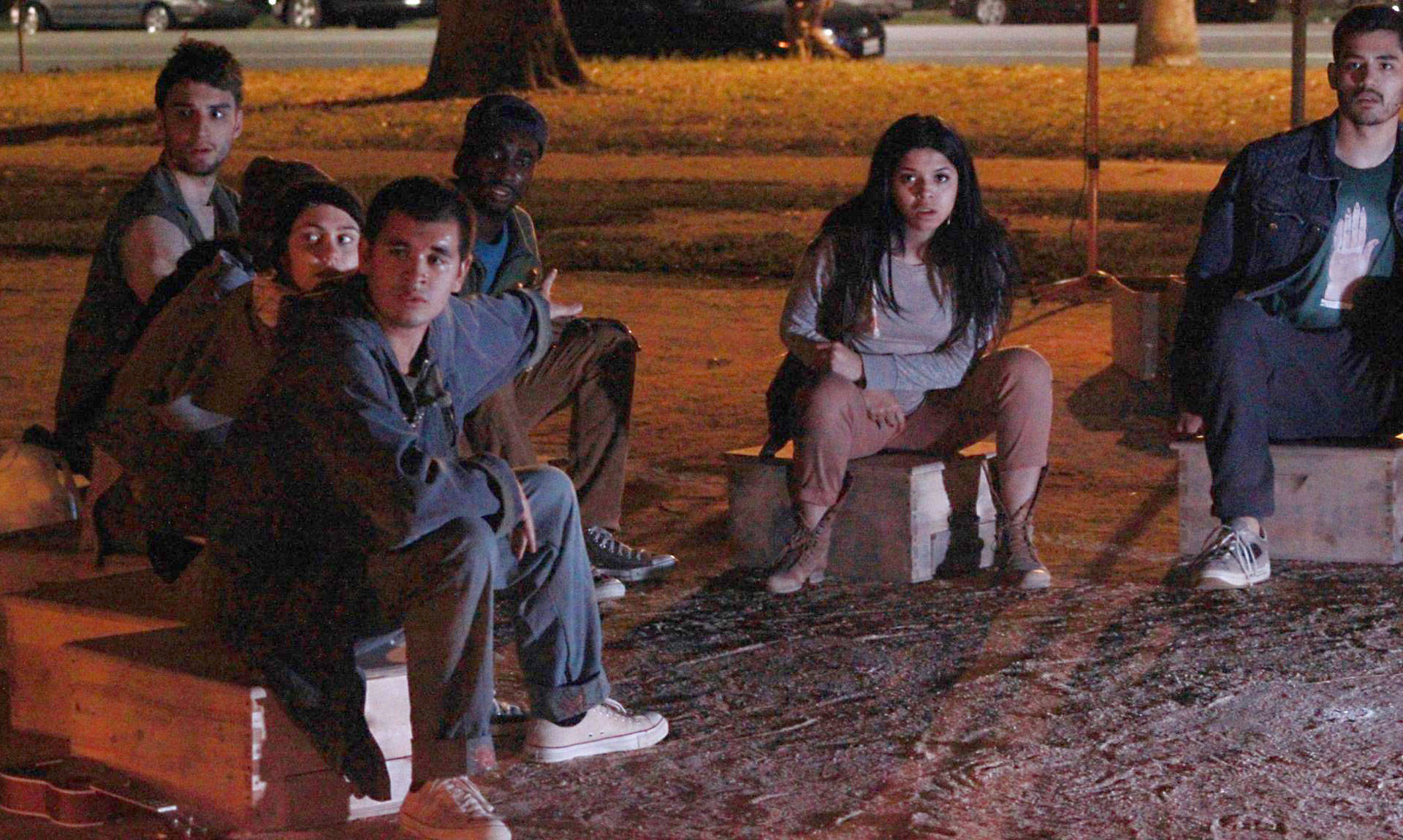
"caption": "Actors from the California Institute of the Arts rehearse for the play ‘Shelter’ at L.A. Lincoln Park.",
"description": "Actors from the California Institute of the Arts rehearse for the play ‘Shelter’ at L.A. Lincoln Park.",
"title": "ShelterCastBoxes",
"credit": "Steven Cuevas/KQED",
"status": "inherit",
"isLoading": false,
"fetchFailed": false
}
},
"audioPlayerReducer": {
"postId": "stream_live",
"isPaused": true,
"isPlaying": false,
"pfsActive": false,
"pledgeModalIsOpen": true,
"playerDrawerIsOpen": false,
"liveAudioPlayStartedAt": 0,
"liveAudioPlayContext": ""
},
"authorsReducer": {
"byline_news_10998835": {
"type": "authors",
"id": "byline_news_10998835",
"meta": {
"override": true
},
"slug": "byline_news_10998835",
"name": "\u003cstrong>Mark Sherman\u003cbr />Associated Press\u003c/strong>",
"isLoading": false
},
"byline_news_10981350": {
"type": "authors",
"id": "byline_news_10981350",
"meta": {
"override": true
},
"slug": "byline_news_10981350",
"name": "\u003cstrong>\u003ca href=\"http://www.kpbs.org/staff/claire-trageser/\">Claire Trageser\u003c/a>\u003cbr>\u003ca href=\"http://www.kpbs.org/\">KPBS\u003c/a>\u003c/strong>",
"isLoading": false
},
"byline_news_10952137": {
"type": "authors",
"id": "byline_news_10952137",
"meta": {
"override": true
},
"slug": "byline_news_10952137",
"name": "\u003cstrong>Claire Trageser, KPBS\u003c/strong>",
"isLoading": false
},
"byline_news_10920809": {
"type": "authors",
"id": "byline_news_10920809",
"meta": {
"override": true
},
"slug": "byline_news_10920809",
"name": "\u003cstrong>Leslie Berestein Rojas\u003cbr />KPCC\u003c/strong>",
"isLoading": false
},
"byline_news_10933765": {
"type": "authors",
"id": "byline_news_10933765",
"meta": {
"override": true
},
"slug": "byline_news_10933765",
"name": "\u003cstrong>\u003ca href=\"http://www.scpr.org/about/people/staff/leslie-berestein-rojas\">Leslie Berestein Rojas\u003c/a>\u003cbr>KPCC\u003c/strong>",
"isLoading": false
},
"byline_news_10932911": {
"type": "authors",
"id": "byline_news_10932911",
"meta": {
"override": true
},
"slug": "byline_news_10932911",
"name": "\u003cstrong>Nina Totenberg and Eyder Peralta\u003cbr />NPR\u003c/strong>",
"isLoading": false
},
"aliceldaniel": {
"type": "authors",
"id": "208",
"meta": {
"index": "authors_1716337520",
"id": "208",
"found": true
},
"name": "Alice Daniel",
"firstName": "Alice",
"lastName": "Daniel",
"slug": "aliceldaniel",
"email": "adaniel@kqed.org",
"display_author_email": false,
"staff_mastheads": [],
"title": null,
"bio": "Alice Daniel loves the listening aspect of reporting because she gets to briefly walk in other people’s shoes. She has rappelled down into caves and gone up in helicopters for KQED’s The California Report but her favorite place to pursue a story is the High Sierra or any family-run bakery, of course. Alice has a masters in journalism from Columbia University and teaches at Fresno State. She is a California Healthline Regional Correspondent and a frequent contributor to Success magazine. In her free time, she skis and hikes, throws pottery, practices piano and looks out the window.",
"avatar": "https://secure.gravatar.com/avatar/e611aa06593b114a67f9f123a8e875ad?s=600&d=blank&r=g",
"twitter": null,
"facebook": null,
"instagram": null,
"linkedin": null,
"sites": [
{
"site": "news",
"roles": [
"author"
]
},
{
"site": "stateofhealth",
"roles": [
"author"
]
}
],
"headData": {
"title": "Alice Daniel | KQED",
"description": null,
"ogImgSrc": "https://secure.gravatar.com/avatar/e611aa06593b114a67f9f123a8e875ad?s=600&d=blank&r=g",
"twImgSrc": "https://secure.gravatar.com/avatar/e611aa06593b114a67f9f123a8e875ad?s=600&d=blank&r=g"
},
"isLoading": false,
"link": "/author/aliceldaniel"
},
"anatintocalis": {
"type": "authors",
"id": "211",
"meta": {
"index": "authors_1716337520",
"id": "211",
"found": true
},
"name": "Ana Tintocalis",
"firstName": "Ana",
"lastName": "Tintocalis",
"slug": "anatintocalis",
"email": "atintocalis@kqed.org",
"display_author_email": false,
"staff_mastheads": [],
"title": null,
"bio": null,
"avatar": "https://secure.gravatar.com/avatar/722c50f51f04eff38fa0e5a3f1d29450?s=600&d=blank&r=g",
"twitter": null,
"facebook": null,
"instagram": null,
"linkedin": null,
"sites": [
{
"site": "news",
"roles": [
"subscriber"
]
},
{
"site": "stateofhealth",
"roles": [
"subscriber"
]
}
],
"headData": {
"title": "Ana Tintocalis | KQED",
"description": null,
"ogImgSrc": "https://secure.gravatar.com/avatar/722c50f51f04eff38fa0e5a3f1d29450?s=600&d=blank&r=g",
"twImgSrc": "https://secure.gravatar.com/avatar/722c50f51f04eff38fa0e5a3f1d29450?s=600&d=blank&r=g"
},
"isLoading": false,
"link": "/author/anatintocalis"
},
"kqed": {
"type": "authors",
"id": "236",
"meta": {
"index": "authors_1716337520",
"id": "236",
"found": true
},
"name": "KQED News Staff",
"firstName": "KQED News Staff",
"lastName": null,
"slug": "kqed",
"email": "faq@kqed.org",
"display_author_email": false,
"staff_mastheads": [],
"title": null,
"bio": null,
"avatar": "https://secure.gravatar.com/avatar/ef0e801a68c4c54afa9180db14084167?s=600&d=blank&r=g",
"twitter": null,
"facebook": null,
"instagram": null,
"linkedin": null,
"sites": [
{
"site": "arts",
"roles": [
"contributor"
]
},
{
"site": "news",
"roles": [
"editor"
]
},
{
"site": "futureofyou",
"roles": [
"author"
]
}
],
"headData": {
"title": "KQED News Staff | KQED",
"description": null,
"ogImgSrc": "https://secure.gravatar.com/avatar/ef0e801a68c4c54afa9180db14084167?s=600&d=blank&r=g",
"twImgSrc": "https://secure.gravatar.com/avatar/ef0e801a68c4c54afa9180db14084167?s=600&d=blank&r=g"
},
"isLoading": false,
"link": "/author/kqed"
},
"sasha-khokha": {
"type": "authors",
"id": "254",
"meta": {
"index": "authors_1716337520",
"id": "254",
"found": true
},
"name": "Sasha Khokha",
"firstName": "Sasha",
"lastName": "Khokha",
"slug": "sasha-khokha",
"email": "skhokha@kqed.org",
"display_author_email": true,
"staff_mastheads": [
"news"
],
"title": "Host, The California Report Magazine",
"bio": "Sasha Khokha is the host of \u003cem>The California Report's \u003c/em> weekly magazine program, which takes listeners on sound-rich excursions to meet the people that make the Golden State unique -- through audio documentaries and long-form stories. As \u003cem>The California Report's\u003c/em> Central Valley Bureau Chief based in Fresno for nearly a dozen years, Sasha brought the lives and concerns of rural Californians to listeners around the state. Her reporting helped expose the hidden price immigrant women janitors and farmworkers may pay to keep their jobs: sexual assault at work. It inspired two new California laws to protect them from sexual harassment. She was a key member of the reporting team for the Frontline film \u003cem>Rape on the Night Shift, \u003c/em>which was nominated for two national Emmys. Sasha has also won a national Edward R. Murrow and a national PRNDI award for investigative reporting, as well as multiple prizes from the Society for Professional Journalists. Sasha is a proud alum of the UC Berkeley Graduate School of Journalism and Brown University and a member of the South Asian Journalists Association.",
"avatar": "https://secure.gravatar.com/avatar/e4b5e1541aaeea2aa356aa1fb2a68950?s=600&d=blank&r=g",
"twitter": "KQEDSashaKhokha",
"facebook": null,
"instagram": null,
"linkedin": null,
"sites": [
{
"site": "news",
"roles": [
"editor"
]
},
{
"site": "stateofhealth",
"roles": [
"author"
]
},
{
"site": "science",
"roles": [
"author"
]
},
{
"site": "quest",
"roles": [
"subscriber"
]
}
],
"headData": {
"title": "Sasha Khokha | KQED",
"description": "Host, The California Report Magazine",
"ogImgSrc": "https://secure.gravatar.com/avatar/e4b5e1541aaeea2aa356aa1fb2a68950?s=600&d=blank&r=g",
"twImgSrc": "https://secure.gravatar.com/avatar/e4b5e1541aaeea2aa356aa1fb2a68950?s=600&d=blank&r=g"
},
"isLoading": false,
"link": "/author/sasha-khokha"
},
"tychehendricks": {
"type": "authors",
"id": "259",
"meta": {
"index": "authors_1716337520",
"id": "259",
"found": true
},
"name": "Tyche Hendricks",
"firstName": "Tyche",
"lastName": "Hendricks",
"slug": "tychehendricks",
"email": "thendricks@kqed.org",
"display_author_email": true,
"staff_mastheads": [
"news"
],
"title": "KQED Senior Editor, Immigration",
"bio": "\u003cspan style=\"font-weight: 400;\">Tyche Hendricks is KQED’s senior editor for immigration, leading coverage of the policy and politics that affect California’s immigrant communities. Her work for KQED’s radio and online audiences is also carried on NPR and other national outlets. She has been recognized with awards from the Radio and Television News Directors Association, the Society for Professional Journalists; the Education Writers Association; the Best of the West and the National Federation of Community Broadcasters. Before joining KQED in 2010, Tyche spent more than a dozen years as a newspaper reporter, notably at the \u003c/span>\u003ci>\u003cspan style=\"font-weight: 400;\">San Francisco Chronicle\u003c/span>\u003c/i>\u003cspan style=\"font-weight: 400;\">. At different times she has covered criminal justice, government and politics and urban planning. Tyche has taught in the MFA Creative Writing program at the University of San Francisco and at UC Berkeley’s Graduate School of Journalism, where she was co-director of a national immigration symposium for professional journalists. She is the author of \u003c/span>\u003ci>\u003cspan style=\"font-weight: 400;\">The Wind Doesn't Need a Passport: Stories from the U.S.-Mexico Borderlands\u003c/span>\u003c/i>\u003cspan style=\"font-weight: 400;\"> (University of California Press). \u003c/span>",
"avatar": "https://secure.gravatar.com/avatar/b8ee458e2731c2d43df86882ce17267e?s=600&d=blank&r=g",
"twitter": "tychehendricks",
"facebook": null,
"instagram": null,
"linkedin": null,
"sites": [
{
"site": "news",
"roles": [
"editor"
]
},
{
"site": "stateofhealth",
"roles": [
"editor"
]
}
],
"headData": {
"title": "Tyche Hendricks | KQED",
"description": "KQED Senior Editor, Immigration",
"ogImgSrc": "https://secure.gravatar.com/avatar/b8ee458e2731c2d43df86882ce17267e?s=600&d=blank&r=g",
"twImgSrc": "https://secure.gravatar.com/avatar/b8ee458e2731c2d43df86882ce17267e?s=600&d=blank&r=g"
},
"isLoading": false,
"link": "/author/tychehendricks"
},
"scuevas": {
"type": "authors",
"id": "2600",
"meta": {
"index": "authors_1716337520",
"id": "2600",
"found": true
},
"name": "Steven Cuevas",
"firstName": "Steven",
"lastName": "Cuevas",
"slug": "scuevas",
"email": "scuevas@kqed.org",
"display_author_email": false,
"staff_mastheads": [],
"title": "KQED Contributor",
"bio": "Steven is a former Los Angeles bureau chief for The California Report.\r\n\r\nHe reports on an array of issues across the Southland, from immigration and regional politics to religion, the performing arts and pop culture.\r\n\r\nPrior to joining KQED in 2012, Steven covered Inland southern California for KPCC in Pasadena. He also helped establish the first newsroom at \u003ca href=\"http://kut.org/\">KUT\u003c/a> in Austin, Texas where he was a general assignment reporter.\r\n\r\nSteven has received numerous awards for his reporting including an RTNDA Edward R. Murrow Award for investigative reporting in addition to awards from the LA Press Club, the Associated Press and the Society for Professional Journalists.\r\n\r\nSteven grew up in and around San Francisco and now lives in Pasadena just a short jog from the foot of the San Gabriel Mountains.",
"avatar": "https://secure.gravatar.com/avatar/2d253580794f8e026100fae05cfabbbd4889b4fe15146146cacb82a01974c538?s=600&d=blank&r=g",
"twitter": null,
"bluesky": null,
"facebook": null,
"instagram": null,
"linkedin": null,
"sites": [
{
"site": "news",
"roles": [
"subscriber"
]
}
],
"headData": {
"title": "Steven Cuevas | KQED",
"description": "KQED Contributor",
"ogImgSrc": "https://secure.gravatar.com/avatar/2d253580794f8e026100fae05cfabbbd4889b4fe15146146cacb82a01974c538?s=600&d=blank&r=g",
"twImgSrc": "https://secure.gravatar.com/avatar/2d253580794f8e026100fae05cfabbbd4889b4fe15146146cacb82a01974c538?s=600&d=blank&r=g"
},
"isLoading": false,
"link": "/author/scuevas"
}
},
"pagesReducer": {
"news_category_immigration": {
"type": "terms",
"id": "news_1169",
"meta": {
"index": "terms_1716263798",
"site": "news",
"id": "1169",
"score": 10.909983
},
"featImg": null,
"name": "Immigration",
"description": null,
"taxonomy": "category",
"headData": {
"twImgId": null,
"twTitle": null,
"ogTitle": null,
"ogImgId": null,
"twDescription": null,
"description": null,
"title": "Immigration Archives | KQED News",
"ogDescription": null
},
"ttid": 1180,
"slug": "immigration",
"isLoading": false,
"title": "Immigration",
"pageMeta": {
"site": "news",
"WpPageTemplate": "page-topic-editorial",
"currentPage": 178
},
"blocks": [
{
"blockName": "kqed/post-list",
"attrs": {
"layout": "cardArticle2",
"query": "posts/news?category=immigration",
"seeMore": false,
"paginated": true,
"page": 178
}
},
{
"blockName": "kqed/ad"
}
]
}
},
"pfsSessionReducer": {},
"postsReducer": {
"stream_live": {
"type": "live",
"id": "stream_live",
"audioUrl": "https://streams.kqed.org/kqedradio",
"title": "Live Stream",
"excerpt": "Live Stream information currently unavailable.",
"link": "/radio",
"featImg": "",
"label": {
"name": "KQED Live",
"link": "/"
}
},
"stream_kqedNewscast": {
"type": "posts",
"id": "stream_kqedNewscast",
"audioUrl": "https://www.kqed.org/.stream/anon/radio/RDnews/newscast.mp3?_=1",
"title": "KQED Newscast",
"featImg": "",
"label": {
"name": "88.5 FM",
"link": "/"
}
},
"news_10969419": {
"type": "posts",
"id": "news_10969419",
"meta": {
"index": "posts_1716263798",
"site": "news",
"id": "10969419",
"score": null,
"sort": [
1468425643000
]
},
"parent": 0,
"labelTerm": {
"site": "news",
"term": 72
},
"blocks": [],
"publishDate": 1468425643,
"format": "image",
"disqusTitle": "Finding Freedom: The Journey of an Unaccompanied Minor, 2 Years Later",
"title": "Finding Freedom: The Journey of an Unaccompanied Minor, 2 Years Later",
"headTitle": "The California Report | KQED News",
"content": "\u003cp>When I \u003ca href=\"http://ww2.kqed.org/news/2014/08/28/two-sisters-from-el-salvador-reunited-in-bay-area/\" target=\"_blank\">first met Jennifer Cruz\u003c/a>, she was 17 years old.\u003c/p>\n\u003cp>She had recently made the dangerous journey to the United States all by herself to escape extreme violence plaguing her country of El Salvador.\u003c/p>\n\u003cp>Hundreds of thousands of other \u003ca href=\"https://www.dhs.gov/unaccompanied-children\">unaccompanied minors\u003c/a> from Central America did the same thing.\u003c/p>\n\u003cp>In Jennifer's case, gang members were threatening to kidnap and rape her if she didn’t give in to their demands.\u003c/p>\n\u003cp>This teenager was fortunate. Not only did she make it to the U.S. safely, but she also had an older sister, Yesenia, in California. Even though Yesenia is undocumented, federal immigration officials said Jennifer could stay with her sister while Jennifer's case worked its way through immigration court.\u003c/p>\n\u003cp>[ad fullwidth]\u003c/p>\n\u003cp>\u003c!-- iframe plugin v.4.3 wordpress.org/plugins/iframe/ -->\u003cbr>\n\u003ciframe src=\"https://player.vimeo.com/video/116308878\" width=\"800\" height=\"360\" frameborder=\"0\" scrolling=\"yes\" class=\"iframe-class\">\u003c/iframe>\u003c/p>\n\u003cp>About two years later, Jennifer is now 19 and looks a lot more grown-up. She wears makeup and her once long black hair is shorter and reddish-brown.\u003c/p>\n\u003cp>There is also a new person in her life: a baby nephew named Isaac. Yesenia gave birth to him about sixth months ago. Like any good aunt, Jennifer spoils her nephew with gifts and changes lots of diapers.\u003c/p>\n\u003cp>\"We're happy to have this new baby to love and enjoy,\" Jennifer says. \"I feel more like a sister to him, not an aunt.\"\u003c/p>\n\u003cp>Another big change in Jennifer’s life is that she’s driving -- a responsibility that she accepts with great pride. She tells me she never thought she would learn to drive a car, and now feels like a \"real American teenager.\"\u003c/p>\n\u003cp>Despite this new independence, Jennifer has been dealing with some unexpected setbacks.\u003c/p>\n\u003caside class=\"pullquote alignright\">'[My attorney] said, 'You got your papers, you can stay.' I was overcome with emotion, my sister, too. All the stress and all the anxiety was finally gone.'\u003c/aside>\n\u003cp>The two-bedroom apartment she shares with her sister’s family of four -- which includes Yesenia's husband, Isaac and 6-year-old Walter -- is crowded. She quit school to help the family make ends meet.\u003c/p>\n\u003cp>Jennifer is now a hotel housekeeper, earning $11 an hour. But Yesenia hopes that Jennifer won’t give up on school forever.\u003c/p>\n\u003cp>\"She wanted to make her own money. I’m not working, so I can’t really give her any money,” Yesenia says. “But I told her, 'Just because you’re earning money doesn’t mean you shouldn’t also be studying.' \"\u003c/p>\n\u003cp>Another setback is Yesenia’s health.\u003c/p>\n\u003cp>She has been dealing with a number of complications since Isaac was born. In fact, when I went back for another visit, Yesenia had just suffered a minor stroke, leaving her partially paralyzed.\u003c/p>\n\u003cp>Jennifer is now taking on the role of mom, an even bigger responsibility that she never anticipated.\u003c/p>\n\u003cp>\"It’s hard because it’s a lot more work,” Jennifer says. “But I want to help her. I don’t want to abandon her. If something happened to me, I know she would do the same thing. I love her very much. And I love my little nephews.\"\u003c/p>\n\u003cfigure id=\"attachment_10969887\" class=\"wp-caption aligncenter\" style=\"max-width: 800px\">\u003cimg class=\"wp-image-10969887 size-medium\" src=\"http://ww2.kqed.org/news/wp-content/uploads/sites/10/2016/05/JenYesenia-800x509.jpg\" alt=\"Jennifer and her older sister Yesenia video chat with their mother in El Salvador.\" width=\"800\" height=\"509\" srcset=\"https://ww2.kqed.org/app/uploads/sites/10/2016/05/JenYesenia-800x509.jpg 800w, https://ww2.kqed.org/app/uploads/sites/10/2016/05/JenYesenia-400x255.jpg 400w, https://ww2.kqed.org/app/uploads/sites/10/2016/05/JenYesenia.jpg 1920w, https://ww2.kqed.org/app/uploads/sites/10/2016/05/JenYesenia-1180x751.jpg 1180w, https://ww2.kqed.org/app/uploads/sites/10/2016/05/JenYesenia-960x611.jpg 960w\" sizes=\"(max-width: 800px) 100vw, 800px\">\u003cfigcaption class=\"wp-caption-text\">Jennifer and her older sister, Yesenia, video-chat with their mother in El Salvador. \u003ccite>(Jeremy Raff/KQED)\u003c/cite>\u003c/figcaption>\u003c/figure>\n\u003cp>But Jennifer worries about whether Yesenia will ever fully recover, and what that means for her own future.\u003c/p>\n\u003cp>If there’s one bright spot, it’s this: After two years of nerve-racking court appearances, endless paperwork and lots of emotional anguish, Jennifer finally won her case to stay in this country legally.\u003c/p>\n\u003cp>Not too long ago she got the call from her pro bono attorney, who said to come to her office right away.\u003c/p>\n\u003cp>“When I got there, [my attorney] handed me a folder with all my documents,” Jennifer recalls. “Then she said, ‘You got your papers, you can stay.’ I was overcome with emotion, my sister, too. All the stress and all the anxiety was finally gone. … I was just so happy. I still can’t believe it.”\u003c/p>\n\u003cp>Jennifer qualified for a certain kind of federal immigration relief called \u003ca href=\"https://www.uscis.gov/green-card/special-immigrant-juveniles/special-immigrant-juveniles-sij-status\">Special Immigrant Juvenile Status\u003c/a>\u003cem>.\u003c/em>\u003c/p>\n\u003cp>Young migrants can apply for this protection if they were abandoned, neglected or abused by one or both parents.\u003c/p>\n\u003cp>[soundcloud url=\"https://api.soundcloud.com/tracks/266807379\" params=\"color=ff5500&auto_play=false&hide_related=false&show_comments=true&show_user=true&show_reposts=false\" width=\"100%\" height=\"166\" iframe=\"true\" /]\u003c/p>\n\u003cp>For Jennifer, her father left her and her mother a long time ago. Jennifer's mother is still in touch, but because of all the violence in El Salvador, she has taken refuge in a church.\u003c/p>\n\u003cp>Jennifer's attorney had to prove all this to a California judge who ultimately ruled that Jennifer was in fact abandoned by her father. That cleared the way for a federal immigration judge to let her stay in this country legally.\u003c/p>\n\u003cp>It is indeed a huge victory for this teenager who left her entire world behind in hopes of simply finding a safe place.\u003c/p>\n\u003caside class=\"pullquote alignright\">'People with money think they can mistreat poor people. ... That's why I tell Jennifer to study and learn English so nobody can humiliate you.'\u003c/aside>\n\u003cp>But it is clear Jennifer is still not entirely free of the trauma of her past -- the violence she experienced in El Salvador, the brutal and ugly things she witnessed on her journey here, the month she was locked up in a U.S. detention center.\u003c/p>\n\u003cp>Jennifer says she doesn’t have any more nightmares, but she still has to sleep with the light on.\u003c/p>\n\u003cp>“It was traumatic,” Jennifer says. “All the bad stuff that happened, I have to set that aside and take the good things forward. The past is past. I have to live in the present to have a good future.”\u003c/p>\n\u003cp>And Jennifer says so far she’s OK with cleaning hotels for a living.\u003c/p>\n\u003cp>But Yesenia sees things differently.\u003c/p>\n\u003cp>She has spent the last decade cleaning houses to earn money, and says the satisfaction of making some decent money eventually gives way to resentment.\u003c/p>\n\u003cp>Yesenia says she doesn’t want that for Jennifer’s future.\u003c/p>\n\u003cp>“It’s so humiliating,” Yesenia says. “People with money think they can mistreat poor people. They accuse us of robbing them. But they sure want us to clean their dirty toilets. That’s why I tell Jennifer to study and learn English so nobody can humiliate you.”\u003c/p>\n\u003cp>Jennifer says she hopes to go back to school someday. She dreams of becoming a nurse.\u003c/p>\n\u003cp>She also wants to return to El Salvador.\u003c/p>\n\u003cp>I ask her why go back to a place she was desperate to flee. Jennifer says it’s simple: to see her mother.\u003c/p>\n\u003cp>“I wish I could hug her, just give her lots of hugs,\" she says. \"I don’t want her to be alone. I tell her if I ever do go back, I wouldn’t bring anything, just myself to see her. Living here [in the U.S.], I can have so much, but I can’t have my mom.”\u003c/p>\n\u003cp>And so, Jennifer’s journey continues.\u003c/p>\n\u003cp>Indeed, she it made to the U.S. safely and won a huge victory by getting her green card.\u003c/p>\n\u003cp>[ad floatright]\u003c/p>\n\u003cp>However, life remains complicated and hard and, in many ways, Jennifer still feels confined at the very same time she has found a new sense of freedom.\u003c/p>\n\n",
"disqusIdentifier": "10969419 http://ww2.kqed.org/news/?p=10969419",
"disqusUrl": "https://ww2.kqed.org/news/2016/07/13/finding-freedom-the-journey-of-an-unaccompanied-minor-two-years-later/",
"stats": {
"hasVideo": true,
"hasChartOrMap": false,
"hasAudio": false,
"hasPolis": false,
"wordCount": 1254,
"hasGoogleForm": false,
"hasGallery": false,
"hasHearkenModule": false,
"iframeSrcs": [],
"paragraphCount": 45
},
"modified": 1468455126,
"excerpt": "Teenager Jennifer Cruz made the dangerous journey to the U.S. by herself to escape extreme violence in El Salvador. Is she any closer to experiencing a new sense of freedom?",
"headData": {
"twImgId": "",
"twTitle": "",
"ogTitle": "",
"ogImgId": "",
"twDescription": "",
"description": "Teenager Jennifer Cruz made the dangerous journey to the U.S. by herself to escape extreme violence in El Salvador. Is she any closer to experiencing a new sense of freedom?",
"title": "Finding Freedom: The Journey of an Unaccompanied Minor, 2 Years Later | KQED",
"ogDescription": "",
"schema": {
"@context": "https://schema.org",
"@type": "NewsArticle",
"headline": "Finding Freedom: The Journey of an Unaccompanied Minor, 2 Years Later",
"datePublished": "2016-07-13T09:00:43-07:00",
"dateModified": "2016-07-13T17:12:06-07:00",
"image": "https://cdn.kqed.org/wp-content/uploads/2020/02/KQED-OG-Image@1x.png",
"isAccessibleForFree": "True",
"publisher": {
"@type": "NewsMediaOrganization",
"@id": "https://www.kqed.org/#organization",
"name": "KQED",
"logo": "https://cdn.kqed.org/wp-content/uploads/2020/02/KQED-OG-Image@1x.png",
"url": "https://www.kqed.org",
"sameAs": [
"https://www.facebook.com/KQED",
"https://twitter.com/KQED",
"https://www.instagram.com/kqed/",
"https://www.tiktok.com/@kqedofficial",
"https://www.linkedin.com/company/kqed",
"https://www.youtube.com/channel/UCeC0IOo7i1P_61zVUWbJ4nw"
]
}
}
},
"guestAuthors": [],
"slug": "finding-freedom-the-journey-of-an-unaccompanied-minor-two-years-later",
"status": "publish",
"customPermalink": "2016/05/29/finding-freedom-the-journey-of-an-unaccompanied-minor-two-years-later/",
"nprStoryId": "479904840",
"path": "/news/10969419/finding-freedom-the-journey-of-an-unaccompanied-minor-two-years-later",
"audioTrackLength": null,
"parsedContent": [
{
"type": "contentString",
"content": "\u003cdiv class=\"post-body\">\u003cp>\u003cp>When I \u003ca href=\"http://ww2.kqed.org/news/2014/08/28/two-sisters-from-el-salvador-reunited-in-bay-area/\" target=\"_blank\">first met Jennifer Cruz\u003c/a>, she was 17 years old.\u003c/p>\n\u003cp>She had recently made the dangerous journey to the United States all by herself to escape extreme violence plaguing her country of El Salvador.\u003c/p>\n\u003cp>Hundreds of thousands of other \u003ca href=\"https://www.dhs.gov/unaccompanied-children\">unaccompanied minors\u003c/a> from Central America did the same thing.\u003c/p>\n\u003cp>In Jennifer's case, gang members were threatening to kidnap and rape her if she didn’t give in to their demands.\u003c/p>\n\u003cp>This teenager was fortunate. Not only did she make it to the U.S. safely, but she also had an older sister, Yesenia, in California. Even though Yesenia is undocumented, federal immigration officials said Jennifer could stay with her sister while Jennifer's case worked its way through immigration court.\u003c/p>\n\u003cp>\u003c/p>\u003c/div>",
"attributes": {
"named": {},
"numeric": []
}
},
{
"type": "component",
"content": "",
"name": "ad",
"attributes": {
"named": {
"label": "fullwidth"
},
"numeric": [
"fullwidth"
]
}
},
{
"type": "contentString",
"content": "\u003cdiv class=\"post-body\">\u003cp>\u003c/p>\n\u003cp>\u003c!-- iframe plugin v.4.3 wordpress.org/plugins/iframe/ -->\u003cbr>\n\u003ciframe src=\"https://player.vimeo.com/video/116308878\" width=\"800\" height=\"360\" frameborder=\"0\" scrolling=\"yes\" class=\"iframe-class\">\u003c/iframe>\u003c/p>\n\u003cp>About two years later, Jennifer is now 19 and looks a lot more grown-up. She wears makeup and her once long black hair is shorter and reddish-brown.\u003c/p>\n\u003cp>There is also a new person in her life: a baby nephew named Isaac. Yesenia gave birth to him about sixth months ago. Like any good aunt, Jennifer spoils her nephew with gifts and changes lots of diapers.\u003c/p>\n\u003cp>\"We're happy to have this new baby to love and enjoy,\" Jennifer says. \"I feel more like a sister to him, not an aunt.\"\u003c/p>\n\u003cp>Another big change in Jennifer’s life is that she’s driving -- a responsibility that she accepts with great pride. She tells me she never thought she would learn to drive a car, and now feels like a \"real American teenager.\"\u003c/p>\n\u003cp>Despite this new independence, Jennifer has been dealing with some unexpected setbacks.\u003c/p>\n\u003caside class=\"pullquote alignright\">'[My attorney] said, 'You got your papers, you can stay.' I was overcome with emotion, my sister, too. All the stress and all the anxiety was finally gone.'\u003c/aside>\n\u003cp>The two-bedroom apartment she shares with her sister’s family of four -- which includes Yesenia's husband, Isaac and 6-year-old Walter -- is crowded. She quit school to help the family make ends meet.\u003c/p>\n\u003cp>Jennifer is now a hotel housekeeper, earning $11 an hour. But Yesenia hopes that Jennifer won’t give up on school forever.\u003c/p>\n\u003cp>\"She wanted to make her own money. I’m not working, so I can’t really give her any money,” Yesenia says. “But I told her, 'Just because you’re earning money doesn’t mean you shouldn’t also be studying.' \"\u003c/p>\n\u003cp>Another setback is Yesenia’s health.\u003c/p>\n\u003cp>She has been dealing with a number of complications since Isaac was born. In fact, when I went back for another visit, Yesenia had just suffered a minor stroke, leaving her partially paralyzed.\u003c/p>\n\u003cp>Jennifer is now taking on the role of mom, an even bigger responsibility that she never anticipated.\u003c/p>\n\u003cp>\"It’s hard because it’s a lot more work,” Jennifer says. “But I want to help her. I don’t want to abandon her. If something happened to me, I know she would do the same thing. I love her very much. And I love my little nephews.\"\u003c/p>\n\u003cfigure id=\"attachment_10969887\" class=\"wp-caption aligncenter\" style=\"max-width: 800px\">\u003cimg class=\"wp-image-10969887 size-medium\" src=\"http://ww2.kqed.org/news/wp-content/uploads/sites/10/2016/05/JenYesenia-800x509.jpg\" alt=\"Jennifer and her older sister Yesenia video chat with their mother in El Salvador.\" width=\"800\" height=\"509\" srcset=\"https://ww2.kqed.org/app/uploads/sites/10/2016/05/JenYesenia-800x509.jpg 800w, https://ww2.kqed.org/app/uploads/sites/10/2016/05/JenYesenia-400x255.jpg 400w, https://ww2.kqed.org/app/uploads/sites/10/2016/05/JenYesenia.jpg 1920w, https://ww2.kqed.org/app/uploads/sites/10/2016/05/JenYesenia-1180x751.jpg 1180w, https://ww2.kqed.org/app/uploads/sites/10/2016/05/JenYesenia-960x611.jpg 960w\" sizes=\"(max-width: 800px) 100vw, 800px\">\u003cfigcaption class=\"wp-caption-text\">Jennifer and her older sister, Yesenia, video-chat with their mother in El Salvador. \u003ccite>(Jeremy Raff/KQED)\u003c/cite>\u003c/figcaption>\u003c/figure>\n\u003cp>But Jennifer worries about whether Yesenia will ever fully recover, and what that means for her own future.\u003c/p>\n\u003cp>If there’s one bright spot, it’s this: After two years of nerve-racking court appearances, endless paperwork and lots of emotional anguish, Jennifer finally won her case to stay in this country legally.\u003c/p>\n\u003cp>Not too long ago she got the call from her pro bono attorney, who said to come to her office right away.\u003c/p>\n\u003cp>“When I got there, [my attorney] handed me a folder with all my documents,” Jennifer recalls. “Then she said, ‘You got your papers, you can stay.’ I was overcome with emotion, my sister, too. All the stress and all the anxiety was finally gone. … I was just so happy. I still can’t believe it.”\u003c/p>\n\u003cp>Jennifer qualified for a certain kind of federal immigration relief called \u003ca href=\"https://www.uscis.gov/green-card/special-immigrant-juveniles/special-immigrant-juveniles-sij-status\">Special Immigrant Juvenile Status\u003c/a>\u003cem>.\u003c/em>\u003c/p>\n\u003cp>Young migrants can apply for this protection if they were abandoned, neglected or abused by one or both parents.\u003c/p>\n\u003cp>\u003c/p>\u003cp>\u003cdiv class='utils-parseShortcode-shortcodes-__shortcodes__shortcodeWrapper'>\n \u003ciframe width='100%' height='166'\n scrolling='no' frameborder='no'\n src='https://w.soundcloud.com/player/?url=https://api.soundcloud.com/tracks/266807379&visual=true&color=ff5500&auto_play=false&hide_related=false&show_comments=true&show_user=true&show_reposts=false'\n title='https://api.soundcloud.com/tracks/266807379'>\n \u003c/iframe>\n \u003c/div>\u003c/p>\u003cp>\u003c/p>\n\u003cp>For Jennifer, her father left her and her mother a long time ago. Jennifer's mother is still in touch, but because of all the violence in El Salvador, she has taken refuge in a church.\u003c/p>\n\u003cp>Jennifer's attorney had to prove all this to a California judge who ultimately ruled that Jennifer was in fact abandoned by her father. That cleared the way for a federal immigration judge to let her stay in this country legally.\u003c/p>\n\u003cp>It is indeed a huge victory for this teenager who left her entire world behind in hopes of simply finding a safe place.\u003c/p>\n\u003caside class=\"pullquote alignright\">'People with money think they can mistreat poor people. ... That's why I tell Jennifer to study and learn English so nobody can humiliate you.'\u003c/aside>\n\u003cp>But it is clear Jennifer is still not entirely free of the trauma of her past -- the violence she experienced in El Salvador, the brutal and ugly things she witnessed on her journey here, the month she was locked up in a U.S. detention center.\u003c/p>\n\u003cp>Jennifer says she doesn’t have any more nightmares, but she still has to sleep with the light on.\u003c/p>\n\u003cp>“It was traumatic,” Jennifer says. “All the bad stuff that happened, I have to set that aside and take the good things forward. The past is past. I have to live in the present to have a good future.”\u003c/p>\n\u003cp>And Jennifer says so far she’s OK with cleaning hotels for a living.\u003c/p>\n\u003cp>But Yesenia sees things differently.\u003c/p>\n\u003cp>She has spent the last decade cleaning houses to earn money, and says the satisfaction of making some decent money eventually gives way to resentment.\u003c/p>\n\u003cp>Yesenia says she doesn’t want that for Jennifer’s future.\u003c/p>\n\u003cp>“It’s so humiliating,” Yesenia says. “People with money think they can mistreat poor people. They accuse us of robbing them. But they sure want us to clean their dirty toilets. That’s why I tell Jennifer to study and learn English so nobody can humiliate you.”\u003c/p>\n\u003cp>Jennifer says she hopes to go back to school someday. She dreams of becoming a nurse.\u003c/p>\n\u003cp>She also wants to return to El Salvador.\u003c/p>\n\u003cp>I ask her why go back to a place she was desperate to flee. Jennifer says it’s simple: to see her mother.\u003c/p>\n\u003cp>“I wish I could hug her, just give her lots of hugs,\" she says. \"I don’t want her to be alone. I tell her if I ever do go back, I wouldn’t bring anything, just myself to see her. Living here [in the U.S.], I can have so much, but I can’t have my mom.”\u003c/p>\n\u003cp>And so, Jennifer’s journey continues.\u003c/p>\n\u003cp>Indeed, she it made to the U.S. safely and won a huge victory by getting her green card.\u003c/p>\n\u003cp>\u003c/p>\u003c/div>",
"attributes": {
"named": {},
"numeric": []
}
},
{
"type": "component",
"content": "",
"name": "ad",
"attributes": {
"named": {
"label": "floatright"
},
"numeric": [
"floatright"
]
}
},
{
"type": "contentString",
"content": "\u003cdiv class=\"post-body\">\u003cp>\u003c/p>\n\u003cp>However, life remains complicated and hard and, in many ways, Jennifer still feels confined at the very same time she has found a new sense of freedom.\u003c/p>\n\n\u003c/div>\u003c/p>",
"attributes": {
"named": {},
"numeric": []
}
}
],
"link": "/news/10969419/finding-freedom-the-journey-of-an-unaccompanied-minor-two-years-later",
"authors": [
"211"
],
"programs": [
"news_72"
],
"categories": [
"news_1169",
"news_8",
"news_13"
],
"tags": [
"news_17286",
"news_6886"
],
"featImg": "news_10969821",
"label": "news_72"
},
"news_10998835": {
"type": "posts",
"id": "news_10998835",
"meta": {
"index": "posts_1716263798",
"site": "news",
"id": "10998835",
"score": null,
"sort": [
1466694194000
]
},
"parent": 0,
"labelTerm": {
"site": "news",
"term": 72
},
"blocks": [],
"publishDate": 1466694194,
"format": "standard",
"disqusTitle": "Supreme Court Deadlock Blocks Obama's Immigration Measures",
"title": "Supreme Court Deadlock Blocks Obama's Immigration Measures",
"headTitle": "The California Report | KQED News",
"content": "\u003cp>WASHINGTON — A tie vote by the Supreme Court is blocking President Barack Obama's immigration plan that sought to shield millions living in the U.S. illegally from deportation.\u003c/p>\n\u003cp>The justices' one-sentence opinion on Thursday effectively kills the plan for the duration of Obama's presidency.\u003c/p>\n\u003cp>A tie vote sets no national precedent but leaves in place the ruling by the lower court. In this case, the federal appeals court in New Orleans said the Obama administration lacked the authority to shield up to 4 million immigrants from deportation and make them eligible for work permits without approval from Congress.\u003c/p>\n\u003cp>Texas led 26 Republican-dominated states in challenging the program Obama announced in November 2014. Congressional Republicans also backed the states' lawsuit.\u003c/p>\n\u003cp>The Obama administration announced the programs — protections for parents of children who are in the country legally and an expansion of the program that benefits people who were brought to this country as children — in November 2014. Obama decided to move forward after Republicans won control of the Senate in the 2014 midterm elections, and the chances for an immigration overhaul, already remote, were further diminished.\u003c/p>\n\u003cp>[ad fullwidth]\u003c/p>\n\u003cp>The Senate had passed a broad immigration bill with Democratic and Republican support in 2013, but the measure went nowhere in the GOP-controlled House of Representatives.\u003c/p>\n\u003cp>The states quickly went to court to block the Obama initiatives.\u003c/p>\n\u003cp>\u003c/p>\n\u003cp>Their lawsuit was heard by U.S. District Judge Andrew Hanen in Brownsville, Texas. Hanen previously had criticized the administration for lax immigration enforcement. Hanen sided with the states, blocking the programs from taking effect. The 5th U.S. Circuit Court of Appeals also ruled for the states, and the Justice Department rushed an appeal to the high court so that it could be heard this term.\u003c/p>\n\n",
"disqusIdentifier": "10998835 http://ww2.kqed.org/news/?p=10998835",
"disqusUrl": "https://ww2.kqed.org/news/2016/06/23/supreme-court-deadlock-blocks-obamas-immigration-measures/",
"stats": {
"hasVideo": false,
"hasChartOrMap": false,
"hasAudio": false,
"hasPolis": false,
"wordCount": 299,
"hasGoogleForm": false,
"hasGallery": false,
"hasHearkenModule": false,
"iframeSrcs": [],
"paragraphCount": 10
},
"modified": 1466727039,
"excerpt": "A 4-4 tie on the tribunal means a lower court's ruling that president overstepped his authority will stand.",
"headData": {
"twImgId": "",
"twTitle": "",
"ogTitle": "",
"ogImgId": "",
"twDescription": "",
"description": "A 4-4 tie on the tribunal means a lower court's ruling that president overstepped his authority will stand.",
"title": "Supreme Court Deadlock Blocks Obama's Immigration Measures | KQED",
"ogDescription": "",
"schema": {
"@context": "https://schema.org",
"@type": "NewsArticle",
"headline": "Supreme Court Deadlock Blocks Obama's Immigration Measures",
"datePublished": "2016-06-23T08:03:14-07:00",
"dateModified": "2016-06-23T17:10:39-07:00",
"image": "https://cdn.kqed.org/wp-content/uploads/2020/02/KQED-OG-Image@1x.png",
"isAccessibleForFree": "True",
"publisher": {
"@type": "NewsMediaOrganization",
"@id": "https://www.kqed.org/#organization",
"name": "KQED",
"logo": "https://cdn.kqed.org/wp-content/uploads/2020/02/KQED-OG-Image@1x.png",
"url": "https://www.kqed.org",
"sameAs": [
"https://www.facebook.com/KQED",
"https://twitter.com/KQED",
"https://www.instagram.com/kqed/",
"https://www.tiktok.com/@kqedofficial",
"https://www.linkedin.com/company/kqed",
"https://www.youtube.com/channel/UCeC0IOo7i1P_61zVUWbJ4nw"
]
}
}
},
"guestAuthors": [],
"slug": "supreme-court-deadlock-blocks-obamas-immigration-measures",
"status": "publish",
"nprByline": "\u003cstrong>Mark Sherman\u003cbr />Associated Press\u003c/strong>",
"path": "/news/10998835/supreme-court-deadlock-blocks-obamas-immigration-measures",
"audioTrackLength": null,
"parsedContent": [
{
"type": "contentString",
"content": "\u003cdiv class=\"post-body\">\u003cp>\u003cp>WASHINGTON — A tie vote by the Supreme Court is blocking President Barack Obama's immigration plan that sought to shield millions living in the U.S. illegally from deportation.\u003c/p>\n\u003cp>The justices' one-sentence opinion on Thursday effectively kills the plan for the duration of Obama's presidency.\u003c/p>\n\u003cp>A tie vote sets no national precedent but leaves in place the ruling by the lower court. In this case, the federal appeals court in New Orleans said the Obama administration lacked the authority to shield up to 4 million immigrants from deportation and make them eligible for work permits without approval from Congress.\u003c/p>\n\u003cp>Texas led 26 Republican-dominated states in challenging the program Obama announced in November 2014. Congressional Republicans also backed the states' lawsuit.\u003c/p>\n\u003cp>The Obama administration announced the programs — protections for parents of children who are in the country legally and an expansion of the program that benefits people who were brought to this country as children — in November 2014. Obama decided to move forward after Republicans won control of the Senate in the 2014 midterm elections, and the chances for an immigration overhaul, already remote, were further diminished.\u003c/p>\n\u003cp>\u003c/p>\u003c/div>",
"attributes": {
"named": {},
"numeric": []
}
},
{
"type": "component",
"content": "",
"name": "ad",
"attributes": {
"named": {
"label": "fullwidth"
},
"numeric": [
"fullwidth"
]
}
},
{
"type": "contentString",
"content": "\u003cdiv class=\"post-body\">\u003cp>\u003c/p>\n\u003cp>The Senate had passed a broad immigration bill with Democratic and Republican support in 2013, but the measure went nowhere in the GOP-controlled House of Representatives.\u003c/p>\n\u003cp>The states quickly went to court to block the Obama initiatives.\u003c/p>\n\u003cp>\u003c/p>\n\u003cp>Their lawsuit was heard by U.S. District Judge Andrew Hanen in Brownsville, Texas. Hanen previously had criticized the administration for lax immigration enforcement. Hanen sided with the states, blocking the programs from taking effect. The 5th U.S. Circuit Court of Appeals also ruled for the states, and the Justice Department rushed an appeal to the high court so that it could be heard this term.\u003c/p>\n\n\u003c/div>\u003c/p>",
"attributes": {
"named": {},
"numeric": []
}
}
],
"link": "/news/10998835/supreme-court-deadlock-blocks-obamas-immigration-measures",
"authors": [
"byline_news_10998835"
],
"programs": [
"news_6944",
"news_72"
],
"categories": [
"news_1169",
"news_6188",
"news_13"
],
"tags": [
"news_17286"
],
"featImg": "news_10919535",
"label": "news_72"
},
"news_10981350": {
"type": "posts",
"id": "news_10981350",
"meta": {
"index": "posts_1716263798",
"site": "news",
"id": "10981350",
"score": null,
"sort": [
1465324500000
]
},
"parent": 0,
"labelTerm": {
"site": "news",
"term": 72
},
"blocks": [],
"publishDate": 1465324500,
"format": "standard",
"disqusTitle": "In Low-Voting San Diego Neighborhood, Refugee Groups Want 100 Percent Turnout",
"title": "In Low-Voting San Diego Neighborhood, Refugee Groups Want 100 Percent Turnout",
"headTitle": "Election 2016 | The California Report | KQED News",
"content": "\u003cp>The City Heights neighborhood has historically \u003ca href=\"http://www.kpbs.org/news/2016/feb/10/san-diego-neighborhoods-close-distance-miles-apart/\">had the lowest voter turnout in San Diego\u003c/a>, but some refugees are bucking that trend by pushing for all of the eligible voters in their communities to cast ballots.\u003c/p>\n\u003cp>Most of the refugees who resettle in San Diego live in City Heights. There are Vietnamese, Somali, Iraqi and Burmese communities in the neighborhood, \u003ca href=\"http://www.kpbs.org/news/2016/feb/10/san-diego-neighborhoods-close-distance-miles-apart/\">where 47 percent of the residents are foreign-born\u003c/a> and just 6 percent are white.\u003c/p>\n\u003cp>San Diego nonprofits such as the \u003ca href=\"http://www.panasd.org/\">Partnership for the Advancement of New Americans\u003c/a> and the Environmental Health Coalition have been holding events and voter turnout drives this campaign season \u003ca href=\"http://www.panasd.org/news/muslim-votes-powerhour-thu-may-12th\">specifically geared toward refugees\u003c/a>. Some San Diego City Council candidates also have staff members focused on reaching specific refugee communities.\u003c/p>\n\u003cp>[soundcloud url=\"https://api.soundcloud.com/tracks/267995881\" params=\"color=ff5500&auto_play=false&hide_related=false&show_comments=true&show_user=true&show_reposts=false\" width=\"100%\" height=\"166\" iframe=\"true\" /]\u003c/p>\n\u003cp>The Partnership for the Advancement of New Americans has found that once refugees begin voting, \u003ca href=\"http://www.kpbs.org/news/2016/mar/09/california-counts-mobilizing-states-refugee-voters/\">they become \"supervoters,\"\u003c/a> and rarely miss an election. The group's survey of refugees in San Diego showed 75 percent show up for all elections, not just presidential ones. Though statewide data on refugee voter turnout doesn't exist, the voter analysis firm \u003ca href=\"http://politicaldata.com/\">Political Data Inc.\u003c/a> estimates 13 percent of California's foreign-born voters are supervoters.\u003c/p>\n\u003cp>[ad fullwidth]\u003c/p>\n\u003cp>For some refugees, California's June 7 primary will be the first time voting in their lives.\u003c/p>\n\u003cp>Paw Say, 21, moved to the United States seven years ago from a refugee camp on the Thailand-Myanmar border. She's now a U.S. citizen with the right to vote.\u003c/p>\n\u003cp>\"In Burma, back then, there's no voting and no opportunity to have your voice heard,\" she said, calling Myanmar by its former name, Burma. \"We can finally have the voice to speak up and have the freedom to speak our mind because in Burma there's no such thing.\"\u003c/p>\n\u003cfigure id=\"attachment_10981398\" class=\"wp-caption aligncenter\" style=\"max-width: 800px\">\u003cimg class=\"size-medium wp-image-10981398\" src=\"http://ww2.kqed.org/news/wp-content/uploads/sites/10/2016/06/PawSay-800x515.jpg\" alt=\"Paw Say talks with her grandmother in their City Heights apartment, May 27, 2016. \" width=\"800\" height=\"515\" srcset=\"https://ww2.kqed.org/app/uploads/sites/10/2016/06/PawSay-800x515.jpg 800w, https://ww2.kqed.org/app/uploads/sites/10/2016/06/PawSay-400x257.jpg 400w, https://ww2.kqed.org/app/uploads/sites/10/2016/06/PawSay-1180x760.jpg 1180w, https://ww2.kqed.org/app/uploads/sites/10/2016/06/PawSay-960x618.jpg 960w, https://ww2.kqed.org/app/uploads/sites/10/2016/06/PawSay.jpg 1510w\" sizes=\"(max-width: 800px) 100vw, 800px\">\u003cfigcaption class=\"wp-caption-text\">Paw Say talks with her grandmother in their City Heights apartment, May 27, 2016. \u003ccite>(Nicholas McVicker/KPBS)\u003c/cite>\u003c/figcaption>\u003c/figure>\n\u003cp>Paw Say is studying early childhood development at San Diego State University and lives in a two-bedroom City Heights apartment with her grandmother, brother and sister. Her parents died before she moved to the U.S.\u003c/p>\n\u003cp>With her finals over, Paw Say spent a recent Friday morning with her grandmother. Family portraits shot in a mall photo studio hang on the wall next to the flag of Karen State, a territory that has been in a civil war with Myanmar since 1948. More than 100,000 Karen people, including Paw Say's family, fled that conflict to Thai refugee camps, where they had hoped to then be resettled.\u003c/p>\n\u003cp>[contextly_sidebar id=\"OvETlZUEwH5ApwcLOif4ceGmiPJZMt5x\"]\u003c/p>\n\u003cp>The U.S. doesn't keep track specifically of Karen refugees, instead grouping them with Burmese. In recent years, the U.S. has accepted more Burmese refugees than refugees from any other country -- almost 150,000 since 2006. San Diego has about 1,700 Karen refugees and California about 4,400.\u003c/p>\n\u003cp>As a new voting American, Paw Say falls in the undecided camp when it comes to the Democratic presidential primary. She favors Vermont Sen. Bernie Sanders over former Secretary of State Hillary Clinton but hasn't made up her mind. But she's ready for her first voting experience, and has been working to ensure all of the eligible Karen refugees in San Diego show up to the polls by helping them register and understand their ballots.\u003c/p>\n\u003cp>\"It's their time to shine,\" she said. \"In the refugee camp, they don't really have a voice, and in Burma they don't really have a voice. But now they have the freedom to speak up for the country and their community and their family.\"\u003c/p>\n\u003cp>California is home to more than 825,000 refugees. They can become U.S. citizens after five years and begin to vote.\u003c/p>\n\u003cp>https://www.youtube.com/watch?v=rbe3spQFQdc\u003c/p>\n\u003cp>On a recent Sunday at the \u003ca href=\"http://www.faithstreet.com/church/sd-living-water-church-san-diego-ca\">San Diego Living Water Church\u003c/a> in City Heights, another group was getting ready to fill in ballots. The church's congregation is mostly Vietnamese. Some came to the U.S. as refugees after the Vietnam War ended in 1975.\u003c/p>\n\u003cp>When the church service wrapped up, congregants gathered in a back room for watermelon and sticky rice -- and also to vote.\u003c/p>\n\u003cp>An organizer asked everyone who'd brought a ballot to hold it up, and immediately the room was filled with waving pieces of paper.\u003c/p>\n\u003cp>Most of the ballots were in Vietnamese, and people helped each other understand how to fill them in. The church's pastor also brought his laptop and registered people to vote.\u003c/p>\n\u003cp>Sophie Tran, 81, said she's been calling her community members, reminding them to vote this year. She tells them it's their responsibility.\u003c/p>\n\u003cp>\"If we have a big voice together with the community and we vote for somebody we trust, then our voice will be heard,\" Tran said. \"Because if not, then it cannot be heard. If you don't vote, nobody hears you.\"\u003c/p>\n\u003cp>Tran has been in the U.S. for 41 years after arriving as a refugee when the Vietnam War ended. She also now works on voter outreach with new refugee groups, like the Karen from Myanmar. She tells them voting is part of being an American.\u003c/p>\n\u003cp>\"We have to cooperate with the people that claimed us and welcomed us to this country. And we have to show our respect to them, our responsibility to them,\" she said.\u003c/p>\n\u003cp>\u003cem>This story is part of California Counts, a collaboration of KPBS, KPCC, KQED and Capital Public Radio to report on the 2016 election. The coverage focuses on major issues and solicits diverse voices on what’s important to the future of California.\u003c/em>\u003c/p>\n\u003cp>\u003c/p>\n\u003cp>\u003cem>Copyright KPBS 2016. \u003ca href=\"http://ww2.kqed.org/news/tag/cacounts\">Read more in this series\u003c/a> and let us know your thoughts on Twitter using the hashtag \u003ca href=\"https://twitter.com/search?q=%23iamsouthla&src=typd\">#\u003c/a>\u003ca href=\"https://twitter.com/search?q=%23CACounts&src=typd\">CACounts\u003c/a>.\u003c/em>\u003c/p>\n\n",
"disqusIdentifier": "10981350 http://ww2.kqed.org/news/?p=10981350",
"disqusUrl": "https://ww2.kqed.org/news/2016/06/07/in-low-voting-san-diego-neighborhood-refugee-groups-want-100-turnout/",
"stats": {
"hasVideo": true,
"hasChartOrMap": false,
"hasAudio": false,
"hasPolis": false,
"wordCount": 987,
"hasGoogleForm": false,
"hasGallery": false,
"hasHearkenModule": false,
"iframeSrcs": [],
"paragraphCount": 27
},
"modified": 1465365149,
"excerpt": "The City Heights neighborhood has historically had the lowest voter turnout in San Diego, but some refugees are bucking that trend.",
"headData": {
"twImgId": "",
"twTitle": "",
"ogTitle": "",
"ogImgId": "",
"twDescription": "",
"description": "The City Heights neighborhood has historically had the lowest voter turnout in San Diego, but some refugees are bucking that trend.",
"title": "In Low-Voting San Diego Neighborhood, Refugee Groups Want 100 Percent Turnout | KQED",
"ogDescription": "",
"schema": {
"@context": "https://schema.org",
"@type": "NewsArticle",
"headline": "In Low-Voting San Diego Neighborhood, Refugee Groups Want 100 Percent Turnout",
"datePublished": "2016-06-07T11:35:00-07:00",
"dateModified": "2016-06-07T22:52:29-07:00",
"image": "https://cdn.kqed.org/wp-content/uploads/2020/02/KQED-OG-Image@1x.png",
"isAccessibleForFree": "True",
"publisher": {
"@type": "NewsMediaOrganization",
"@id": "https://www.kqed.org/#organization",
"name": "KQED",
"logo": "https://cdn.kqed.org/wp-content/uploads/2020/02/KQED-OG-Image@1x.png",
"url": "https://www.kqed.org",
"sameAs": [
"https://www.facebook.com/KQED",
"https://twitter.com/KQED",
"https://www.instagram.com/kqed/",
"https://www.tiktok.com/@kqedofficial",
"https://www.linkedin.com/company/kqed",
"https://www.youtube.com/channel/UCeC0IOo7i1P_61zVUWbJ4nw"
]
}
}
},
"guestAuthors": [],
"slug": "in-low-voting-san-diego-neighborhood-refugee-groups-want-100-turnout",
"status": "publish",
"nprByline": "\u003cstrong>\u003ca href=\"http://www.kpbs.org/staff/claire-trageser/\">Claire Trageser\u003c/a>\u003cbr>\u003ca href=\"http://www.kpbs.org/\">KPBS\u003c/a>\u003c/strong>",
"path": "/news/10981350/in-low-voting-san-diego-neighborhood-refugee-groups-want-100-turnout",
"audioTrackLength": null,
"parsedContent": [
{
"type": "contentString",
"content": "\u003cdiv class=\"post-body\">\u003cp>\u003cp>The City Heights neighborhood has historically \u003ca href=\"http://www.kpbs.org/news/2016/feb/10/san-diego-neighborhoods-close-distance-miles-apart/\">had the lowest voter turnout in San Diego\u003c/a>, but some refugees are bucking that trend by pushing for all of the eligible voters in their communities to cast ballots.\u003c/p>\n\u003cp>Most of the refugees who resettle in San Diego live in City Heights. There are Vietnamese, Somali, Iraqi and Burmese communities in the neighborhood, \u003ca href=\"http://www.kpbs.org/news/2016/feb/10/san-diego-neighborhoods-close-distance-miles-apart/\">where 47 percent of the residents are foreign-born\u003c/a> and just 6 percent are white.\u003c/p>\n\u003cp>San Diego nonprofits such as the \u003ca href=\"http://www.panasd.org/\">Partnership for the Advancement of New Americans\u003c/a> and the Environmental Health Coalition have been holding events and voter turnout drives this campaign season \u003ca href=\"http://www.panasd.org/news/muslim-votes-powerhour-thu-may-12th\">specifically geared toward refugees\u003c/a>. Some San Diego City Council candidates also have staff members focused on reaching specific refugee communities.\u003c/p>\n\u003cp>\u003c/p>\u003cp>\u003cdiv class='utils-parseShortcode-shortcodes-__shortcodes__shortcodeWrapper'>\n \u003ciframe width='100%' height='166'\n scrolling='no' frameborder='no'\n src='https://w.soundcloud.com/player/?url=https://api.soundcloud.com/tracks/267995881&visual=true&color=ff5500&auto_play=false&hide_related=false&show_comments=true&show_user=true&show_reposts=false'\n title='https://api.soundcloud.com/tracks/267995881'>\n \u003c/iframe>\n \u003c/div>\u003c/p>\u003cp>\u003c/p>\n\u003cp>The Partnership for the Advancement of New Americans has found that once refugees begin voting, \u003ca href=\"http://www.kpbs.org/news/2016/mar/09/california-counts-mobilizing-states-refugee-voters/\">they become \"supervoters,\"\u003c/a> and rarely miss an election. The group's survey of refugees in San Diego showed 75 percent show up for all elections, not just presidential ones. Though statewide data on refugee voter turnout doesn't exist, the voter analysis firm \u003ca href=\"http://politicaldata.com/\">Political Data Inc.\u003c/a> estimates 13 percent of California's foreign-born voters are supervoters.\u003c/p>\n\u003cp>\u003c/p>\u003c/div>",
"attributes": {
"named": {},
"numeric": []
}
},
{
"type": "component",
"content": "",
"name": "ad",
"attributes": {
"named": {
"label": "fullwidth"
},
"numeric": [
"fullwidth"
]
}
},
{
"type": "contentString",
"content": "\u003cdiv class=\"post-body\">\u003cp>\u003c/p>\n\u003cp>For some refugees, California's June 7 primary will be the first time voting in their lives.\u003c/p>\n\u003cp>Paw Say, 21, moved to the United States seven years ago from a refugee camp on the Thailand-Myanmar border. She's now a U.S. citizen with the right to vote.\u003c/p>\n\u003cp>\"In Burma, back then, there's no voting and no opportunity to have your voice heard,\" she said, calling Myanmar by its former name, Burma. \"We can finally have the voice to speak up and have the freedom to speak our mind because in Burma there's no such thing.\"\u003c/p>\n\u003cfigure id=\"attachment_10981398\" class=\"wp-caption aligncenter\" style=\"max-width: 800px\">\u003cimg class=\"size-medium wp-image-10981398\" src=\"http://ww2.kqed.org/news/wp-content/uploads/sites/10/2016/06/PawSay-800x515.jpg\" alt=\"Paw Say talks with her grandmother in their City Heights apartment, May 27, 2016. \" width=\"800\" height=\"515\" srcset=\"https://ww2.kqed.org/app/uploads/sites/10/2016/06/PawSay-800x515.jpg 800w, https://ww2.kqed.org/app/uploads/sites/10/2016/06/PawSay-400x257.jpg 400w, https://ww2.kqed.org/app/uploads/sites/10/2016/06/PawSay-1180x760.jpg 1180w, https://ww2.kqed.org/app/uploads/sites/10/2016/06/PawSay-960x618.jpg 960w, https://ww2.kqed.org/app/uploads/sites/10/2016/06/PawSay.jpg 1510w\" sizes=\"(max-width: 800px) 100vw, 800px\">\u003cfigcaption class=\"wp-caption-text\">Paw Say talks with her grandmother in their City Heights apartment, May 27, 2016. \u003ccite>(Nicholas McVicker/KPBS)\u003c/cite>\u003c/figcaption>\u003c/figure>\n\u003cp>Paw Say is studying early childhood development at San Diego State University and lives in a two-bedroom City Heights apartment with her grandmother, brother and sister. Her parents died before she moved to the U.S.\u003c/p>\n\u003cp>With her finals over, Paw Say spent a recent Friday morning with her grandmother. Family portraits shot in a mall photo studio hang on the wall next to the flag of Karen State, a territory that has been in a civil war with Myanmar since 1948. More than 100,000 Karen people, including Paw Say's family, fled that conflict to Thai refugee camps, where they had hoped to then be resettled.\u003c/p>\n\u003cp>\u003c/p>\u003cp>\u003c/p>\u003cp>\u003c/p>\n\u003cp>The U.S. doesn't keep track specifically of Karen refugees, instead grouping them with Burmese. In recent years, the U.S. has accepted more Burmese refugees than refugees from any other country -- almost 150,000 since 2006. San Diego has about 1,700 Karen refugees and California about 4,400.\u003c/p>\n\u003cp>As a new voting American, Paw Say falls in the undecided camp when it comes to the Democratic presidential primary. She favors Vermont Sen. Bernie Sanders over former Secretary of State Hillary Clinton but hasn't made up her mind. But she's ready for her first voting experience, and has been working to ensure all of the eligible Karen refugees in San Diego show up to the polls by helping them register and understand their ballots.\u003c/p>\n\u003cp>\"It's their time to shine,\" she said. \"In the refugee camp, they don't really have a voice, and in Burma they don't really have a voice. But now they have the freedom to speak up for the country and their community and their family.\"\u003c/p>\n\u003cp>California is home to more than 825,000 refugees. They can become U.S. citizens after five years and begin to vote.\u003c/p>\u003c/p>\u003cp>\u003cspan class='utils-parseShortcode-shortcodes-__youtubeShortcode__embedYoutube'>\n \u003cspan class='utils-parseShortcode-shortcodes-__youtubeShortcode__embedYoutubeInside'>\n \u003ciframe\n loading='lazy'\n class='utils-parseShortcode-shortcodes-__youtubeShortcode__youtubePlayer'\n type='text/html'\n src='//www.youtube.com/embed/rbe3spQFQdc'\n title='//www.youtube.com/embed/rbe3spQFQdc'\n allowfullscreen='true'\n style='border:0;'>\u003c/iframe>\n \u003c/span>\n \u003c/span>\u003c/p>\u003cp>\u003cp>On a recent Sunday at the \u003ca href=\"http://www.faithstreet.com/church/sd-living-water-church-san-diego-ca\">San Diego Living Water Church\u003c/a> in City Heights, another group was getting ready to fill in ballots. The church's congregation is mostly Vietnamese. Some came to the U.S. as refugees after the Vietnam War ended in 1975.\u003c/p>\n\u003cp>When the church service wrapped up, congregants gathered in a back room for watermelon and sticky rice -- and also to vote.\u003c/p>\n\u003cp>An organizer asked everyone who'd brought a ballot to hold it up, and immediately the room was filled with waving pieces of paper.\u003c/p>\n\u003cp>Most of the ballots were in Vietnamese, and people helped each other understand how to fill them in. The church's pastor also brought his laptop and registered people to vote.\u003c/p>\n\u003cp>Sophie Tran, 81, said she's been calling her community members, reminding them to vote this year. She tells them it's their responsibility.\u003c/p>\n\u003cp>\"If we have a big voice together with the community and we vote for somebody we trust, then our voice will be heard,\" Tran said. \"Because if not, then it cannot be heard. If you don't vote, nobody hears you.\"\u003c/p>\n\u003cp>Tran has been in the U.S. for 41 years after arriving as a refugee when the Vietnam War ended. She also now works on voter outreach with new refugee groups, like the Karen from Myanmar. She tells them voting is part of being an American.\u003c/p>\n\u003cp>\"We have to cooperate with the people that claimed us and welcomed us to this country. And we have to show our respect to them, our responsibility to them,\" she said.\u003c/p>\n\u003cp>\u003cem>This story is part of California Counts, a collaboration of KPBS, KPCC, KQED and Capital Public Radio to report on the 2016 election. The coverage focuses on major issues and solicits diverse voices on what’s important to the future of California.\u003c/em>\u003c/p>\n\u003cp>\u003c/p>\n\u003cp>\u003cem>Copyright KPBS 2016. \u003ca href=\"http://ww2.kqed.org/news/tag/cacounts\">Read more in this series\u003c/a> and let us know your thoughts on Twitter using the hashtag \u003ca href=\"https://twitter.com/search?q=%23iamsouthla&src=typd\">#\u003c/a>\u003ca href=\"https://twitter.com/search?q=%23CACounts&src=typd\">CACounts\u003c/a>.\u003c/em>\u003c/p>\n\n\u003c/div>\u003c/p>",
"attributes": {
"named": {},
"numeric": []
}
}
],
"link": "/news/10981350/in-low-voting-san-diego-neighborhood-refugee-groups-want-100-turnout",
"authors": [
"byline_news_10981350"
],
"programs": [
"news_72"
],
"series": [
"news_19101"
],
"categories": [
"news_1169",
"news_8",
"news_13"
],
"tags": [
"news_19217",
"news_19006",
"news_17286",
"news_2027"
],
"featImg": "news_10981355",
"label": "news_72"
},
"news_10976719": {
"type": "posts",
"id": "news_10976719",
"meta": {
"index": "posts_1716263798",
"site": "news",
"id": "10976719",
"score": null,
"sort": [
1465023954000
]
},
"parent": 0,
"labelTerm": {
"site": "news",
"term": 72
},
"blocks": [],
"publishDate": 1465023954,
"format": "image",
"disqusTitle": "For Young Muslim Men, Yosemite Retreat Strengthens Sense of Identity",
"title": "For Young Muslim Men, Yosemite Retreat Strengthens Sense of Identity",
"headTitle": "The California Report | KQED News",
"content": "\u003cp>There’s the Merced River running in the background and bird songs here or there. But the most compelling sound in Yosemite’s Lower Pines campground is the voice of 20-year-old Sohaib Awan.\u003c/p>\n\u003cp>He’s singing the Muslim call to prayer.\u003c/p>\n\u003cp>Awan is one of about 500 young Muslims here for the 48th Ahmadiyya Muslim Youth Retreat. It’s the first time it’s ever been held on the West Coast.\u003c/p>\n\u003cp>One of five major aspects of Islam calls for five daily prayers -- and this week, campers are laying out their prayer mats on top of pine needles, facing Mecca under towering granite cliffs.\u003c/p>\n\u003cp>The camp encourages brotherhood, and explores what it means to be a Muslim man in America. There are lots of discussions about faith and morality, and there’s even a Quran recitation contest. But there’s also plenty of time for fun: hiking, biking, even rafting.\u003c/p>\n\u003cp>[ad fullwidth]\u003c/p>\n\u003cp>[soundcloud url=\"https://api.soundcloud.com/tracks/267439153\" params=\"color=ff5500&auto_play=false&hide_related=false&show_comments=true&show_user=true&show_reposts=false\" width=\"100%\" height=\"166\" iframe=\"true\" /]\u003c/p>\n\u003cp>Tariq Malik, 34, won this year’s Quran recitation contest. Now, he’s on to other spiritual quests, like a steep 15-mile trek up Yosemite’s popular Mist Trail and beyond. Malik thought he had broken in his new boots before this morning’s grueling effort, but maybe not.\u003c/p>\n\u003cp>“I’m getting blisters on my feet,” he says pointing to his boots. “But every time I get that, I go to the stream and put my feet in there. It cools it off.”\u003c/p>\n\u003cp>Every turn of the hike is stunning, he says, and the waterfalls are incredible.\u003c/p>\n\u003cp>“I get to see one of the beautiful places on the planet earth,” Malik says.\u003c/p>\n\u003cp>Bilal Rana is the president of the \u003ca href=\"http://muslimyouth.org/\">youth association\u003c/a>.\u003c/p>\n\u003cp>“It’s kind of like Boy Scouts of America for Muslim youth,” says Rana. “Muslims get a strong sense of identity through this youth group.”\u003c/p>\n\u003cp>But, he says, youth is defined pretty liberally.\u003c/p>\n\u003cp>“The youth association includes adults like me,\" he says, \"so that the youth can lead the youth a little bit.”\u003c/p>\n\u003cp>The cut-off age is 40.\u003c/p>\n\u003cfigure id=\"attachment_10977182\" class=\"wp-caption aligncenter\" style=\"max-width: 800px\">\u003cimg src=\"http://ww2.kqed.org/news/wp-content/uploads/sites/10/2016/06/Tariq-800x549.jpg\" alt=\"Tariq Malik (L) enjoys the splendors of Yosemite with Hamid Malik. When Tariq travels for work, he often wears a sign in airports reading, 'I’m a Muslim, ask me anything!'\" width=\"800\" height=\"549\" class=\"size-medium wp-image-10977182\" srcset=\"https://ww2.kqed.org/app/uploads/sites/10/2016/06/Tariq-800x549.jpg 800w, https://ww2.kqed.org/app/uploads/sites/10/2016/06/Tariq-400x275.jpg 400w, https://ww2.kqed.org/app/uploads/sites/10/2016/06/Tariq.jpg 1920w, https://ww2.kqed.org/app/uploads/sites/10/2016/06/Tariq-1180x810.jpg 1180w, https://ww2.kqed.org/app/uploads/sites/10/2016/06/Tariq-960x659.jpg 960w\" sizes=\"(max-width: 800px) 100vw, 800px\">\u003cfigcaption class=\"wp-caption-text\">Tariq Malik (L) enjoys the splendors of Yosemite with Hamid Malik. When Tariq travels for work, he often wears a sign in airports reading, 'I’m a Muslim, ask me anything!' \u003ccite>(Alice Daniel/KQED)\u003c/cite>\u003c/figcaption>\u003c/figure>\n\u003cp>\"With so many city kids from around the country, it’s good to just teach them some basic skills,” says Harris Zafar, the national spokesperson for the \u003ca href=\"http://www.alislam.org/\">Ahmadiyya Muslim Community\u003c/a>. “How do you identify a regular leaf from poison ivy? How do you start of a fire on your own?”\u003c/p>\n\u003cp>Ahmadiyya Muslims are persecuted in many countries because they believe the Messiah has already come. It’s why Zaryab Farooq’s family left Pakistan and came to California.\u003c/p>\n\u003cp>Farooq is now a student at UC Davis. This is his first time in Yosemite. He sits on a picnic bench at the lower pines campground, the sunlight streaming through a grove of trees nearby.\u003c/p>\n\u003cp>He says he’s never “lived” in nature before.\u003c/p>\n\u003cp>“It’s not like that easy!” says Farooq as he smiles broadly. He adds it takes some patience to live without basic necessities: no cell signals, no wifi.\u003c/p>\n\u003cp>“And it’s pretty cold. We have to wake up in the mornings for prayers at 3:45,” he says.\u003c/p>\n\u003cp>Sohaib Awan says being a Muslim-American is no different from any other ethnic or religious identity.\u003c/p>\n\u003cfigure id=\"attachment_10977179\" class=\"wp-caption alignright\" style=\"max-width: 800px\">\u003cimg src=\"http://ww2.kqed.org/news/wp-content/uploads/sites/10/2016/06/Sohaib-800x1073.jpg\" alt=\"Sohaib Awan\" width=\"800\" height=\"1073\" class=\"size-medium wp-image-10977179\" srcset=\"https://ww2.kqed.org/app/uploads/sites/10/2016/06/Sohaib-800x1073.jpg 800w, https://ww2.kqed.org/app/uploads/sites/10/2016/06/Sohaib-400x536.jpg 400w, https://ww2.kqed.org/app/uploads/sites/10/2016/06/Sohaib.jpg 1920w, https://ww2.kqed.org/app/uploads/sites/10/2016/06/Sohaib-1180x1582.jpg 1180w, https://ww2.kqed.org/app/uploads/sites/10/2016/06/Sohaib-960x1287.jpg 960w\" sizes=\"(max-width: 800px) 100vw, 800px\">\u003cfigcaption class=\"wp-caption-text\">Sohaib Awan \u003ccite>(Alice Daniel/KQED)\u003c/cite>\u003c/figcaption>\u003c/figure>\n\u003cp>\"It’s like being Caucasian-American, it’s like being Chinese-American; there should be no eyebrows raised,” he says. “We are part of the fabric, we are an integral part of this society and we love to be. I almost don’t see a distinction.”\u003c/p>\n\u003cp>But these days, after events like the San Bernadino shooting, \u003ca href=\"http://www.theguardian.com/us-news/2015/dec/12/muslims-fear-prejudice-in-wake-of-anti-islamic-sentiment\" target=\"_blank\">advocates are raising alarm\u003c/a> about increasing \u003ca href=\"http://ww2.kqed.org/news/2015/12/11/coachella-valley-islamic-center-possibly-firebombed-mosques-leader-says\" target=\"_blank\">anti-Islamic\u003c/a> prejudice.\u003c/p>\n\u003cp>Retreats like this one give the Muslim youth a stronger sense of their identity, says Rana.\u003c/p>\n\u003cp>And there are serious conversations about speaking out against ISIS and other extremist groups, says Zafar. In this political climate, you can’t just be a college student or an accountant who happens to be a Muslim. You have to speak up.\u003c/p>\n\u003cp>“If you don’t condemn each and every act of violence committed by lunatics and nut-jobs around the world who call themselves Muslims, if we don’t condemn them, then somehow we are tacitly accepting,” he says. “And that’s a very unique experience for Muslims that I don’t see really happening with others.”\u003c/p>\n\u003cp>Ahmadiyya Muslims stress non-violence and an acceptance of other religions.\u003c/p>\n\u003cp>“Our bread and butter is a confrontation of radical ideology,” says Harris. “It’s just part of the DNA of our community. Anything that’s an irrational ideology or irrational thought is what we speak out against.\"\u003c/p>\n\u003cp>Muslims have a religious duty to maintain Islam, he says.\u003c/p>\n\u003cp>\"We believe Jihad is something we wage with a pen, not with a sword,\" he says. \"That’s the term that the Messiah used, Jihad by the pen. We engage in a rational dialogue in order to rigorously defend Islam.”\u003c/p>\n\u003cp>For Tariq Malik, who travels a lot for work, speaking up means wearing a sign when he’s at airports. The sign says “I’m a Muslim, ask me anything!”\u003c/p>\n\u003cp>He says there have been times when his efforts have been very productive.\u003c/p>\n\u003cp>\u003c/p>\n\u003cp>“People approached me and they were actually asking questions,” says Malik. “They were very excited there was this Muslim guy out there reaching people.”\u003c/p>\n\n",
"disqusIdentifier": "10976719 http://ww2.kqed.org/news/?p=10976719",
"disqusUrl": "https://ww2.kqed.org/news/2016/06/04/faith-in-the-wonders-of-yosemite-a-retreat-for-young-muslim-men/",
"stats": {
"hasVideo": false,
"hasChartOrMap": false,
"hasAudio": false,
"hasPolis": false,
"wordCount": 1009,
"hasGoogleForm": false,
"hasGallery": false,
"hasHearkenModule": false,
"iframeSrcs": [],
"paragraphCount": 36
},
"modified": 1465005952,
"excerpt": "The Ahmadiyya Muslim Youth Retreat encourages brotherhood, and explores what it means to be a Muslim man in America.",
"headData": {
"twImgId": "",
"twTitle": "",
"ogTitle": "",
"ogImgId": "",
"twDescription": "",
"description": "The Ahmadiyya Muslim Youth Retreat encourages brotherhood, and explores what it means to be a Muslim man in America.",
"title": "For Young Muslim Men, Yosemite Retreat Strengthens Sense of Identity | KQED",
"ogDescription": "",
"schema": {
"@context": "https://schema.org",
"@type": "NewsArticle",
"headline": "For Young Muslim Men, Yosemite Retreat Strengthens Sense of Identity",
"datePublished": "2016-06-04T00:05:54-07:00",
"dateModified": "2016-06-03T19:05:52-07:00",
"image": "https://cdn.kqed.org/wp-content/uploads/2020/02/KQED-OG-Image@1x.png",
"isAccessibleForFree": "True",
"publisher": {
"@type": "NewsMediaOrganization",
"@id": "https://www.kqed.org/#organization",
"name": "KQED",
"logo": "https://cdn.kqed.org/wp-content/uploads/2020/02/KQED-OG-Image@1x.png",
"url": "https://www.kqed.org",
"sameAs": [
"https://www.facebook.com/KQED",
"https://twitter.com/KQED",
"https://www.instagram.com/kqed/",
"https://www.tiktok.com/@kqedofficial",
"https://www.linkedin.com/company/kqed",
"https://www.youtube.com/channel/UCeC0IOo7i1P_61zVUWbJ4nw"
]
}
}
},
"guestAuthors": [],
"slug": "faith-in-the-wonders-of-yosemite-a-retreat-for-young-muslim-men",
"status": "publish",
"path": "/news/10976719/faith-in-the-wonders-of-yosemite-a-retreat-for-young-muslim-men",
"audioTrackLength": null,
"parsedContent": [
{
"type": "contentString",
"content": "\u003cdiv class=\"post-body\">\u003cp>\u003cp>There’s the Merced River running in the background and bird songs here or there. But the most compelling sound in Yosemite’s Lower Pines campground is the voice of 20-year-old Sohaib Awan.\u003c/p>\n\u003cp>He’s singing the Muslim call to prayer.\u003c/p>\n\u003cp>Awan is one of about 500 young Muslims here for the 48th Ahmadiyya Muslim Youth Retreat. It’s the first time it’s ever been held on the West Coast.\u003c/p>\n\u003cp>One of five major aspects of Islam calls for five daily prayers -- and this week, campers are laying out their prayer mats on top of pine needles, facing Mecca under towering granite cliffs.\u003c/p>\n\u003cp>The camp encourages brotherhood, and explores what it means to be a Muslim man in America. There are lots of discussions about faith and morality, and there’s even a Quran recitation contest. But there’s also plenty of time for fun: hiking, biking, even rafting.\u003c/p>\n\u003cp>\u003c/p>\u003c/div>",
"attributes": {
"named": {},
"numeric": []
}
},
{
"type": "component",
"content": "",
"name": "ad",
"attributes": {
"named": {
"label": "fullwidth"
},
"numeric": [
"fullwidth"
]
}
},
{
"type": "contentString",
"content": "\u003cdiv class=\"post-body\">\u003cp>\u003c/p>\n\u003cp>\u003c/p>\u003cp>\u003cdiv class='utils-parseShortcode-shortcodes-__shortcodes__shortcodeWrapper'>\n \u003ciframe width='100%' height='166'\n scrolling='no' frameborder='no'\n src='https://w.soundcloud.com/player/?url=https://api.soundcloud.com/tracks/267439153&visual=true&color=ff5500&auto_play=false&hide_related=false&show_comments=true&show_user=true&show_reposts=false'\n title='https://api.soundcloud.com/tracks/267439153'>\n \u003c/iframe>\n \u003c/div>\u003c/p>\u003cp>\u003c/p>\n\u003cp>Tariq Malik, 34, won this year’s Quran recitation contest. Now, he’s on to other spiritual quests, like a steep 15-mile trek up Yosemite’s popular Mist Trail and beyond. Malik thought he had broken in his new boots before this morning’s grueling effort, but maybe not.\u003c/p>\n\u003cp>“I’m getting blisters on my feet,” he says pointing to his boots. “But every time I get that, I go to the stream and put my feet in there. It cools it off.”\u003c/p>\n\u003cp>Every turn of the hike is stunning, he says, and the waterfalls are incredible.\u003c/p>\n\u003cp>“I get to see one of the beautiful places on the planet earth,” Malik says.\u003c/p>\n\u003cp>Bilal Rana is the president of the \u003ca href=\"http://muslimyouth.org/\">youth association\u003c/a>.\u003c/p>\n\u003cp>“It’s kind of like Boy Scouts of America for Muslim youth,” says Rana. “Muslims get a strong sense of identity through this youth group.”\u003c/p>\n\u003cp>But, he says, youth is defined pretty liberally.\u003c/p>\n\u003cp>“The youth association includes adults like me,\" he says, \"so that the youth can lead the youth a little bit.”\u003c/p>\n\u003cp>The cut-off age is 40.\u003c/p>\n\u003cfigure id=\"attachment_10977182\" class=\"wp-caption aligncenter\" style=\"max-width: 800px\">\u003cimg src=\"http://ww2.kqed.org/news/wp-content/uploads/sites/10/2016/06/Tariq-800x549.jpg\" alt=\"Tariq Malik (L) enjoys the splendors of Yosemite with Hamid Malik. When Tariq travels for work, he often wears a sign in airports reading, 'I’m a Muslim, ask me anything!'\" width=\"800\" height=\"549\" class=\"size-medium wp-image-10977182\" srcset=\"https://ww2.kqed.org/app/uploads/sites/10/2016/06/Tariq-800x549.jpg 800w, https://ww2.kqed.org/app/uploads/sites/10/2016/06/Tariq-400x275.jpg 400w, https://ww2.kqed.org/app/uploads/sites/10/2016/06/Tariq.jpg 1920w, https://ww2.kqed.org/app/uploads/sites/10/2016/06/Tariq-1180x810.jpg 1180w, https://ww2.kqed.org/app/uploads/sites/10/2016/06/Tariq-960x659.jpg 960w\" sizes=\"(max-width: 800px) 100vw, 800px\">\u003cfigcaption class=\"wp-caption-text\">Tariq Malik (L) enjoys the splendors of Yosemite with Hamid Malik. When Tariq travels for work, he often wears a sign in airports reading, 'I’m a Muslim, ask me anything!' \u003ccite>(Alice Daniel/KQED)\u003c/cite>\u003c/figcaption>\u003c/figure>\n\u003cp>\"With so many city kids from around the country, it’s good to just teach them some basic skills,” says Harris Zafar, the national spokesperson for the \u003ca href=\"http://www.alislam.org/\">Ahmadiyya Muslim Community\u003c/a>. “How do you identify a regular leaf from poison ivy? How do you start of a fire on your own?”\u003c/p>\n\u003cp>Ahmadiyya Muslims are persecuted in many countries because they believe the Messiah has already come. It’s why Zaryab Farooq’s family left Pakistan and came to California.\u003c/p>\n\u003cp>Farooq is now a student at UC Davis. This is his first time in Yosemite. He sits on a picnic bench at the lower pines campground, the sunlight streaming through a grove of trees nearby.\u003c/p>\n\u003cp>He says he’s never “lived” in nature before.\u003c/p>\n\u003cp>“It’s not like that easy!” says Farooq as he smiles broadly. He adds it takes some patience to live without basic necessities: no cell signals, no wifi.\u003c/p>\n\u003cp>“And it’s pretty cold. We have to wake up in the mornings for prayers at 3:45,” he says.\u003c/p>\n\u003cp>Sohaib Awan says being a Muslim-American is no different from any other ethnic or religious identity.\u003c/p>\n\u003cfigure id=\"attachment_10977179\" class=\"wp-caption alignright\" style=\"max-width: 800px\">\u003cimg src=\"http://ww2.kqed.org/news/wp-content/uploads/sites/10/2016/06/Sohaib-800x1073.jpg\" alt=\"Sohaib Awan\" width=\"800\" height=\"1073\" class=\"size-medium wp-image-10977179\" srcset=\"https://ww2.kqed.org/app/uploads/sites/10/2016/06/Sohaib-800x1073.jpg 800w, https://ww2.kqed.org/app/uploads/sites/10/2016/06/Sohaib-400x536.jpg 400w, https://ww2.kqed.org/app/uploads/sites/10/2016/06/Sohaib.jpg 1920w, https://ww2.kqed.org/app/uploads/sites/10/2016/06/Sohaib-1180x1582.jpg 1180w, https://ww2.kqed.org/app/uploads/sites/10/2016/06/Sohaib-960x1287.jpg 960w\" sizes=\"(max-width: 800px) 100vw, 800px\">\u003cfigcaption class=\"wp-caption-text\">Sohaib Awan \u003ccite>(Alice Daniel/KQED)\u003c/cite>\u003c/figcaption>\u003c/figure>\n\u003cp>\"It’s like being Caucasian-American, it’s like being Chinese-American; there should be no eyebrows raised,” he says. “We are part of the fabric, we are an integral part of this society and we love to be. I almost don’t see a distinction.”\u003c/p>\n\u003cp>But these days, after events like the San Bernadino shooting, \u003ca href=\"http://www.theguardian.com/us-news/2015/dec/12/muslims-fear-prejudice-in-wake-of-anti-islamic-sentiment\" target=\"_blank\">advocates are raising alarm\u003c/a> about increasing \u003ca href=\"http://ww2.kqed.org/news/2015/12/11/coachella-valley-islamic-center-possibly-firebombed-mosques-leader-says\" target=\"_blank\">anti-Islamic\u003c/a> prejudice.\u003c/p>\n\u003cp>Retreats like this one give the Muslim youth a stronger sense of their identity, says Rana.\u003c/p>\n\u003cp>And there are serious conversations about speaking out against ISIS and other extremist groups, says Zafar. In this political climate, you can’t just be a college student or an accountant who happens to be a Muslim. You have to speak up.\u003c/p>\n\u003cp>“If you don’t condemn each and every act of violence committed by lunatics and nut-jobs around the world who call themselves Muslims, if we don’t condemn them, then somehow we are tacitly accepting,” he says. “And that’s a very unique experience for Muslims that I don’t see really happening with others.”\u003c/p>\n\u003cp>Ahmadiyya Muslims stress non-violence and an acceptance of other religions.\u003c/p>\n\u003cp>“Our bread and butter is a confrontation of radical ideology,” says Harris. “It’s just part of the DNA of our community. Anything that’s an irrational ideology or irrational thought is what we speak out against.\"\u003c/p>\n\u003cp>Muslims have a religious duty to maintain Islam, he says.\u003c/p>\n\u003cp>\"We believe Jihad is something we wage with a pen, not with a sword,\" he says. \"That’s the term that the Messiah used, Jihad by the pen. We engage in a rational dialogue in order to rigorously defend Islam.”\u003c/p>\n\u003cp>For Tariq Malik, who travels a lot for work, speaking up means wearing a sign when he’s at airports. The sign says “I’m a Muslim, ask me anything!”\u003c/p>\n\u003cp>He says there have been times when his efforts have been very productive.\u003c/p>\n\u003cp>\u003c/p>\n\u003cp>“People approached me and they were actually asking questions,” says Malik. “They were very excited there was this Muslim guy out there reaching people.”\u003c/p>\n\n\u003c/div>\u003c/p>",
"attributes": {
"named": {},
"numeric": []
}
}
],
"link": "/news/10976719/faith-in-the-wonders-of-yosemite-a-retreat-for-young-muslim-men",
"authors": [
"208"
],
"programs": [
"news_72"
],
"categories": [
"news_18540",
"news_19906",
"news_1169"
],
"tags": [
"news_1768",
"news_4272",
"news_17286",
"news_17041",
"news_17603"
],
"featImg": "news_10977172",
"label": "news_72"
},
"news_10952137": {
"type": "posts",
"id": "news_10952137",
"meta": {
"index": "posts_1716263798",
"site": "news",
"id": "10952137",
"score": null,
"sort": [
1462952366000
]
},
"parent": 0,
"labelTerm": {
"site": "news",
"term": 72
},
"blocks": [],
"publishDate": 1462952366,
"format": "video",
"disqusTitle": "Front-Runner Harris the Target in U.S. Senate Debate",
"title": "Front-Runner Harris the Target in U.S. Senate Debate",
"headTitle": "Election 2016 | The California Report | KQED News",
"content": "\u003cp>U.S. Senate candidate Kamala Harris, the front-runner in the race, fought off attacks from four challengers during a debate Tuesday night at KPBS in San Diego.\u003c/p>\n\u003cp>The Democratic attorney general for California had the lead in a Field Poll last month, with 27 percent of the vote. The poll also showed 48 percent of likely voters in the race to replace retiring Sen. Barbara Boxer remain undecided.\u003c/p>\n\u003cp>Even in opening statements, Republican Duf Sundheim attacked Harris for being a career politician.\u003c/p>\n\u003cp>Harris later was attacked by her opponents for allowing nuclear waste from the shuttered San Onofre power plant to be buried near the shoreline.\u003c/p>\n\u003cp>The attorney general said she could not address the question specifically because the California Coastal Commission is involved and that's her client. She said there's an active criminal investigation into the 2013 closure of the nuclear power plant.\u003c/p>\n\u003cp>[ad fullwidth]\u003c/p>\n\u003cp>\"We're going to go where the facts lead us,\" she said.\u003c/p>\n\u003cp>[soundcloud url=\"https://api.soundcloud.com/tracks/263608028\" params=\"color=ff5500&auto_play=false&hide_related=false&show_comments=true&show_user=true&show_reposts=false\" width=\"100%\" height=\"166\" iframe=\"true\" /]\u003c/p>\n\u003cp>\"California Counts — Race for the Senate,\" the second debate of the campaign, was hosted by KPBS in partnership with KPCC in Pasadena, KQED in San Francisco and Capital Public Radio in Sacramento.\u003c/p>\n\u003cp>On other questions, the two Democrats and three Republican candidates fell along party lines.\u003c/p>\n\u003cp>Harris and Democratic Rep. Loretta Sanchez of Orange County both support California's new plan to raise the minimum wage to $15 an hour over the next six years.\u003c/p>\n\u003cp>Republicans Sundheim and Tom Del Beccaro oppose it. Both are lawyers and both are former heads of the California Republican Party.\u003c/p>\n\u003cp>Republican Ron Unz said he feels California's $15 an hour wage is too high, but supports a national minimum wage of $12 an hour. Unz is an entrepreneur, writer and publisher who ran for governor in 1994 against Pete Wilson.\u003c/p>\n\u003cp>[contextly_sidebar id=\"Iy1V3YuS84QUJKK9MZy706J7mn5abvZl\"]\u003c/p>\n\u003cp>To a question on whether California should allow more refugees, Harris and Sanchez said the state should be more welcoming.\u003c/p>\n\u003cp>\"We have to be a beacon to bring and help those people,\" Sanchez said.\u003c/p>\n\u003cp>Harris said she worries that rhetoric against refugees is anti-Muslim.\u003c/p>\n\u003cp>\"We have to embrace our Muslim brothers and sisters,\" she said. \"We have to live true to our values as a country.\"\u003c/p>\n\u003cp>Del Beccaro and Sundheim said the state should not allow in refugees until the FBI can be certain the people coming in are not terrorists.\u003c/p>\n\u003cp>\"We've been lucky that for 200 years we've had two oceans and two kind neighbors protecting us,\" Del Beccaro said. \"We need to wake up and realize the world has changed.\"\u003c/p>\n\u003cp>Sundheim said while the United States should keep refugees out, it should provide resources to Europe to help care for them.\u003c/p>\n\u003cp>\"We have a responsibility to look after these people, but we can't let them into our country,\" he said.\u003c/p>\n\u003cp>Sanchez and Harris also said the country needs to pass comprehensive immigration reform. Del Beccaro said it's time for the country to give up on immigration reform and focus instead on national security. Unz said he'd be in favor of some immigration reform but also wants \"a drastic cut in legal immigration levels.\"\u003c/p>\n\u003cp>In answer to an audience question from a San Diego State University student on how each candidate would make college more affordable, Unz called out both rising tuition and textbook costs.\u003c/p>\n\u003cp>Del Beccaro said the country should not have pushed students away from trade schools in past years, and said it was a mistake to allow the government to take control of the student loan program.\u003c/p>\n\u003cp>Sanchez said she wants to make community college free and create a program that allows students to refinance their college loans.\u003c/p>\n\u003cp>The top two vote-getters in the June 7 primary, regardless of party, will advance to the November election.\u003c/p>\n\u003cp>\u003cem>This story is part of California Counts, a collaboration of KPBS, KPCC, KQED and Capital Public Radio to report on the 2016 election. The coverage focuses on major issues and solicits diverse voices on what’s important to the future of California.\u003c/em>\u003c/p>\n\u003cp>\u003c/p>\n\u003cp>\u003ca href=\"http://ww2.kqed.org/news/tag/cacounts\">Read more in this series\u003c/a> and let us know your thoughts on Twitter using the hashtag \u003ca href=\"https://twitter.com/search?q=%23iamsouthla&src=typd\">#\u003c/a>\u003ca href=\"https://twitter.com/search?q=%23CACounts&src=typd\">CACounts\u003c/a>.\u003c/p>\n\n",
"disqusIdentifier": "10952137 http://ww2.kqed.org/news/?p=10952137",
"disqusUrl": "https://ww2.kqed.org/news/2016/05/11/front-runner-harris-target-in-u-s-senate-debate/",
"stats": {
"hasVideo": false,
"hasChartOrMap": false,
"hasAudio": false,
"hasPolis": false,
"wordCount": 721,
"hasGoogleForm": false,
"hasGallery": false,
"hasHearkenModule": false,
"iframeSrcs": [],
"paragraphCount": 30
},
"modified": 1463014748,
"excerpt": "Opponents grilled Attorney General Kamala Harris on San Onofre waste, her political career and immigration.",
"headData": {
"twImgId": "",
"twTitle": "",
"ogTitle": "",
"ogImgId": "",
"twDescription": "",
"description": "Opponents grilled Attorney General Kamala Harris on San Onofre waste, her political career and immigration.",
"title": "Front-Runner Harris the Target in U.S. Senate Debate | KQED",
"ogDescription": "",
"schema": {
"@context": "https://schema.org",
"@type": "NewsArticle",
"headline": "Front-Runner Harris the Target in U.S. Senate Debate",
"datePublished": "2016-05-11T00:39:26-07:00",
"dateModified": "2016-05-11T17:59:08-07:00",
"image": "https://cdn.kqed.org/wp-content/uploads/2020/02/KQED-OG-Image@1x.png",
"isAccessibleForFree": "True",
"publisher": {
"@type": "NewsMediaOrganization",
"@id": "https://www.kqed.org/#organization",
"name": "KQED",
"logo": "https://cdn.kqed.org/wp-content/uploads/2020/02/KQED-OG-Image@1x.png",
"url": "https://www.kqed.org",
"sameAs": [
"https://www.facebook.com/KQED",
"https://twitter.com/KQED",
"https://www.instagram.com/kqed/",
"https://www.tiktok.com/@kqedofficial",
"https://www.linkedin.com/company/kqed",
"https://www.youtube.com/channel/UCeC0IOo7i1P_61zVUWbJ4nw"
]
}
}
},
"guestAuthors": [],
"slug": "front-runner-harris-target-in-u-s-senate-debate",
"status": "publish",
"videoEmbed": "https://www.youtube.com/watch?v=lQys3MqmnQc",
"nprByline": "\u003cstrong>Claire Trageser, KPBS\u003c/strong>",
"nprStoryId": "477605536",
"path": "/news/10952137/front-runner-harris-target-in-u-s-senate-debate",
"audioTrackLength": null,
"parsedContent": [
{
"type": "contentString",
"content": "\u003cdiv class=\"post-body\">\u003cp>\u003cp>U.S. Senate candidate Kamala Harris, the front-runner in the race, fought off attacks from four challengers during a debate Tuesday night at KPBS in San Diego.\u003c/p>\n\u003cp>The Democratic attorney general for California had the lead in a Field Poll last month, with 27 percent of the vote. The poll also showed 48 percent of likely voters in the race to replace retiring Sen. Barbara Boxer remain undecided.\u003c/p>\n\u003cp>Even in opening statements, Republican Duf Sundheim attacked Harris for being a career politician.\u003c/p>\n\u003cp>Harris later was attacked by her opponents for allowing nuclear waste from the shuttered San Onofre power plant to be buried near the shoreline.\u003c/p>\n\u003cp>The attorney general said she could not address the question specifically because the California Coastal Commission is involved and that's her client. She said there's an active criminal investigation into the 2013 closure of the nuclear power plant.\u003c/p>\n\u003cp>\u003c/p>\u003c/div>",
"attributes": {
"named": {},
"numeric": []
}
},
{
"type": "component",
"content": "",
"name": "ad",
"attributes": {
"named": {
"label": "fullwidth"
},
"numeric": [
"fullwidth"
]
}
},
{
"type": "contentString",
"content": "\u003cdiv class=\"post-body\">\u003cp>\u003c/p>\n\u003cp>\"We're going to go where the facts lead us,\" she said.\u003c/p>\n\u003cp>\u003c/p>\u003cp>\u003cdiv class='utils-parseShortcode-shortcodes-__shortcodes__shortcodeWrapper'>\n \u003ciframe width='100%' height='166'\n scrolling='no' frameborder='no'\n src='https://w.soundcloud.com/player/?url=https://api.soundcloud.com/tracks/263608028&visual=true&color=ff5500&auto_play=false&hide_related=false&show_comments=true&show_user=true&show_reposts=false'\n title='https://api.soundcloud.com/tracks/263608028'>\n \u003c/iframe>\n \u003c/div>\u003c/p>\u003cp>\u003c/p>\n\u003cp>\"California Counts — Race for the Senate,\" the second debate of the campaign, was hosted by KPBS in partnership with KPCC in Pasadena, KQED in San Francisco and Capital Public Radio in Sacramento.\u003c/p>\n\u003cp>On other questions, the two Democrats and three Republican candidates fell along party lines.\u003c/p>\n\u003cp>Harris and Democratic Rep. Loretta Sanchez of Orange County both support California's new plan to raise the minimum wage to $15 an hour over the next six years.\u003c/p>\n\u003cp>Republicans Sundheim and Tom Del Beccaro oppose it. Both are lawyers and both are former heads of the California Republican Party.\u003c/p>\n\u003cp>Republican Ron Unz said he feels California's $15 an hour wage is too high, but supports a national minimum wage of $12 an hour. Unz is an entrepreneur, writer and publisher who ran for governor in 1994 against Pete Wilson.\u003c/p>\n\u003cp>\u003c/p>\u003cp>\u003c/p>\u003cp>\u003c/p>\n\u003cp>To a question on whether California should allow more refugees, Harris and Sanchez said the state should be more welcoming.\u003c/p>\n\u003cp>\"We have to be a beacon to bring and help those people,\" Sanchez said.\u003c/p>\n\u003cp>Harris said she worries that rhetoric against refugees is anti-Muslim.\u003c/p>\n\u003cp>\"We have to embrace our Muslim brothers and sisters,\" she said. \"We have to live true to our values as a country.\"\u003c/p>\n\u003cp>Del Beccaro and Sundheim said the state should not allow in refugees until the FBI can be certain the people coming in are not terrorists.\u003c/p>\n\u003cp>\"We've been lucky that for 200 years we've had two oceans and two kind neighbors protecting us,\" Del Beccaro said. \"We need to wake up and realize the world has changed.\"\u003c/p>\n\u003cp>Sundheim said while the United States should keep refugees out, it should provide resources to Europe to help care for them.\u003c/p>\n\u003cp>\"We have a responsibility to look after these people, but we can't let them into our country,\" he said.\u003c/p>\n\u003cp>Sanchez and Harris also said the country needs to pass comprehensive immigration reform. Del Beccaro said it's time for the country to give up on immigration reform and focus instead on national security. Unz said he'd be in favor of some immigration reform but also wants \"a drastic cut in legal immigration levels.\"\u003c/p>\n\u003cp>In answer to an audience question from a San Diego State University student on how each candidate would make college more affordable, Unz called out both rising tuition and textbook costs.\u003c/p>\n\u003cp>Del Beccaro said the country should not have pushed students away from trade schools in past years, and said it was a mistake to allow the government to take control of the student loan program.\u003c/p>\n\u003cp>Sanchez said she wants to make community college free and create a program that allows students to refinance their college loans.\u003c/p>\n\u003cp>The top two vote-getters in the June 7 primary, regardless of party, will advance to the November election.\u003c/p>\n\u003cp>\u003cem>This story is part of California Counts, a collaboration of KPBS, KPCC, KQED and Capital Public Radio to report on the 2016 election. The coverage focuses on major issues and solicits diverse voices on what’s important to the future of California.\u003c/em>\u003c/p>\n\u003cp>\u003c/p>\n\u003cp>\u003ca href=\"http://ww2.kqed.org/news/tag/cacounts\">Read more in this series\u003c/a> and let us know your thoughts on Twitter using the hashtag \u003ca href=\"https://twitter.com/search?q=%23iamsouthla&src=typd\">#\u003c/a>\u003ca href=\"https://twitter.com/search?q=%23CACounts&src=typd\">CACounts\u003c/a>.\u003c/p>\n\n\u003c/div>\u003c/p>",
"attributes": {
"named": {},
"numeric": []
}
}
],
"link": "/news/10952137/front-runner-harris-target-in-u-s-senate-debate",
"authors": [
"byline_news_10952137"
],
"programs": [
"news_72"
],
"series": [
"news_19101"
],
"categories": [
"news_1758",
"news_19906",
"news_1169",
"news_6188",
"news_13"
],
"tags": [
"news_19217",
"news_61",
"news_17041",
"news_19379"
],
"featImg": "news_10952138",
"label": "news_72"
},
"news_10941273": {
"type": "posts",
"id": "news_10941273",
"meta": {
"index": "posts_1716263798",
"site": "news",
"id": "10941273",
"score": null,
"sort": [
1462172486000
]
},
"parent": 0,
"labelTerm": {},
"blocks": [],
"publishDate": 1462172486,
"format": "standard",
"disqusTitle": "Your Guide to California's 2016 Primary",
"title": "Your Guide to California's 2016 Primary",
"headTitle": "The California Report | KQED News",
"content": null,
"disqusIdentifier": "10941273 http://ww2.kqed.org/news/?p=10941273",
"disqusUrl": "https://ww2.kqed.org/news/2016/05/02/your-guide-to-californias-2016-primary/",
"stats": {
"hasVideo": false,
"hasChartOrMap": false,
"hasAudio": false,
"hasPolis": false,
"wordCount": 0,
"hasGoogleForm": false,
"hasGallery": false,
"hasHearkenModule": false,
"iframeSrcs": [],
"paragraphCount": 0
},
"modified": 1475284568,
"excerpt": "Voting in the California primary? Find in-depth information about what's on your ballot.",
"headData": {
"twImgId": "",
"twTitle": "",
"ogTitle": "",
"ogImgId": "",
"twDescription": "",
"description": "Voting in the California primary? Find in-depth information about what's on your ballot.",
"title": "Your Guide to California's 2016 Primary | KQED",
"ogDescription": "",
"schema": {
"@context": "https://schema.org",
"@type": "NewsArticle",
"headline": "Your Guide to California's 2016 Primary",
"datePublished": "2016-05-02T00:01:26-07:00",
"dateModified": "2016-09-30T18:16:08-07:00",
"image": "https://cdn.kqed.org/wp-content/uploads/2020/02/KQED-OG-Image@1x.png",
"isAccessibleForFree": "True",
"publisher": {
"@type": "NewsMediaOrganization",
"@id": "https://www.kqed.org/#organization",
"name": "KQED",
"logo": "https://cdn.kqed.org/wp-content/uploads/2020/02/KQED-OG-Image@1x.png",
"url": "https://www.kqed.org",
"sameAs": [
"https://www.facebook.com/KQED",
"https://twitter.com/KQED",
"https://www.instagram.com/kqed/",
"https://www.tiktok.com/@kqedofficial",
"https://www.linkedin.com/company/kqed",
"https://www.youtube.com/channel/UCeC0IOo7i1P_61zVUWbJ4nw"
]
}
}
},
"guestAuthors": [],
"slug": "your-guide-to-californias-2016-primary",
"status": "publish",
"sourceUrl": "https://ww2.kqed.org/news/series/election-2016",
"rssmiSourceLink": "http://votersedge.kqed.org/",
"source": "Election 2016",
"path": "/news/10941273/your-guide-to-californias-2016-primary",
"audioTrackLength": null,
"link": "/news/10941273/your-guide-to-californias-2016-primary",
"authors": [
"236"
],
"programs": [
"news_6944",
"news_72"
],
"categories": [
"news_1169",
"news_6188",
"news_13"
],
"tags": [
"news_6317"
],
"featImg": "news_10941278",
"label": "source_news_10941273"
},
"news_10920809": {
"type": "posts",
"id": "news_10920809",
"meta": {
"index": "posts_1716263798",
"site": "news",
"id": "10920809",
"score": null,
"sort": [
1461855607000
]
},
"parent": 0,
"labelTerm": {
"site": "news",
"term": 72
},
"blocks": [],
"publishDate": 1461855607,
"format": "standard",
"disqusTitle": "Project Aims to Pair U.S. Citizens With Immigrants to Vote 'Together'",
"title": "Project Aims to Pair U.S. Citizens With Immigrants to Vote 'Together'",
"headTitle": "The California Report | KQED News",
"content": "\u003cp>A fledgling voter project aims to bring two groups together for the November election. The idea is to pair nonvoters who can't cast ballots with people who can.\u003c/p>\n\u003cp>\"We're going to match up a U.S. citizen with someone who is, unfortunately, not able to go on Election Day and participate,\" said Francisco Medina, 30, a Huntington Park resident and one of the organizers of a project called \u003ca href=\"https://www.facebook.com/voteallies/\">Vote Allies\u003c/a>.\u003c/p>\n\u003cp>[soundcloud url=\"https://api.soundcloud.com/tracks/261334170\" params=\"color=ff5500&auto_play=false&hide_related=false&show_comments=true&show_user=true&show_reposts=false\" width=\"100%\" height=\"166\" iframe=\"true\" /]\u003c/p>\n\u003cp>Medina’s name may ring a bell. He made headlines last summer as one of two men without legal resident status who were \u003ca href=\"http://www.scpr.org/news/2015/08/17/53827/as-huntington-park-goes-does-southern-california/\">appointed to city commissions in Huntington Park\u003c/a> in Southern California. The appointments drew mixed reaction -- criticism, support and the observation that the appointments amounted to another sign of how immigrants without legal status are integrating into California society.\u003c/p>\n\u003cp>Vote Allies is taking shape as the U.S. Supreme Court on April 4 upheld the long-standing practice of drawing up legislative districts based on total population rather than on just those who are eligible to vote as citizens. Blue states like California, with large numbers of residents illegally in the country, could have seen a political shift favoring Republicans had the decision gone the other way.\u003c/p>\n\u003cp>[ad fullwidth]\u003c/p>\n\u003cp>Medina and fellow activist Brett Shears held their first public meeting in March to sign up participants in Vote Allies. Among those they're enlisting are U.S. citizens who are eligible to vote, in one group, and in the other, people who can't vote: noncitizen legal residents, immigrants without legal status or citizens precluded from voting because of a past felony offense.\u003c/p>\n\u003cp>\u003c!-- iframe plugin v.4.3 wordpress.org/plugins/iframe/ -->\u003cbr>\n\u003ciframe src=\"https://player.vimeo.com/video/161555298\" width=\"100%\" height=\"400\" frameborder=\"0\" scrolling=\"yes\" class=\"iframe-class\">\u003c/iframe>\u003c/p>\n\u003cp>One of those who signed up to participate is 40-year-old Gabriel Zamora. He's active in his janitors union and has volunteered in campaigns for state and local candidates, canvassing neighborhoods and knocking on doors to urge people to vote.\u003c/p>\n\u003cp>Zamora himself can’t vote. While he has helped others fill out naturalization forms and apply for U.S. citizenship, he's not eligible to fill out his own application because he does not live in the country legally.\u003c/p>\n\u003cp>Zamora said in Spanish that he'd like to become a legal resident but he doesn't qualify for any programs that would help him gain citizenship. Nonetheless, he remains civic-minded and active in the community.\u003c/p>\n\u003cp>“It’s something that fulfills me,\" said Zamora, who lives in South Los Angeles. He remembers he was similarly engaged in his native Mexico. \"It makes me feel useful to society.”\u003c/p>\n\u003cp>A few blocks from Zamora’s house down Arlington Avenue, 34-year-old artist Jack Bangerter lives in his studio. He’s a U.S. citizen, raised in Idaho, and can vote.\u003c/p>\n\u003cp>Bangerter said his voting has been largely consistent; he has cast ballots in most major elections. But \"sometimes I haven’t voted,\" he admits. \"I’m out of the country or something.\"\u003c/p>\n\u003cp>Bangerter has never met Zamora, but they might soon. Organizers of Vote Allies said they'd like to pair up people who live near one another, people who know one another in some other way, or willing relatives.\u003c/p>\n\u003cp>\"They are going to participate in this voting process together. We're going to have them educate each other about their issues. We're going to have them educate each other about the process,\" said Shears, a recent University of Southern California public policy graduate who teamed up with Medina to reach immigrants who might participate in the project.\u003c/p>\n\u003cp>Technically, there’s nothing illegal about U.S. citizens who can vote and immigrants who can't sharing their political thoughts ahead of the election. If they find common ground on candidates and issues, they could \"share\" a vote.\u003c/p>\n\u003cp>But for some, the idea of people without legal status getting involved in any part of the political process just doesn’t sit right.\u003c/p>\n\u003cp>“It matters greatly, if we take the notion of citizenship and sovereignty seriously, that those who are citizens are the ones informing their government, and those who are not citizens -- that are here as visitors -- don’t have any more say about how to run the household than a guest you might have overnight at your house,” said John Eastman, who teaches constitutional law at Chapman University in Orange County.\u003c/p>\n\u003cp>This is where people like Francisco Medina beg to differ. Medina has lived in the U.S. since he was 16. He's been volunteering in his community since he was in his 20s, and he doesn’t see himself as a guest.\u003c/p>\n\u003cp>“This is my country, this is my community, this is where I live,\" Medina said. \"I’m not going anywhere.”\u003c/p>\n\u003cp>The same goes for Stephanie Martinez, who has also signed up for the voting project. The 23-year-old college student from Huntington Park can live and work in the U.S. legally through \u003ca href=\"https://www.uscis.gov/humanitarian/consideration-deferred-action-childhood-arrivals-daca\">\"deferred action,\"\u003c/a> the federal program that shields some young immigrants from deportation. But she still can’t vote.\u003c/p>\n\u003cp>“To work with someone and say, 'You know what? Let’s work together, learn together, and on my behalf, if you don’t want to vote for yourself, do it for me.' I feel like that is something really motivating,\" Martinez said.\u003c/p>\n\u003cp>Like Medina, Martinez also volunteers in her community. She's studying early childhood education, and spends time without pay helping in local elementary school classrooms.\u003c/p>\n\u003cp>\"I guess, being able to know what it was like to struggle in a new language, I like to help other students who are in the same situation,\" Martinez said.\u003c/p>\n\u003cp>Civic involvement among immigrants who don't have legal status isn't new, said Manuel Pastor, a sociologist who co-directs USC's Center for the Study of Immigrant Integration. Immigrants participate in their children's schools and on neighborhood councils, which don't require members to be citizens or legal residents.\u003c/p>\n\u003cp>Pastor sees the voting project as a natural outgrowth of this, allowing people who are otherwise engaged to find a way to \"vote\" symbolically.\u003c/p>\n\u003cp>\"It allows people with a lot of skin in the game in this country a way to get a voice by essentially relying on somebody else to be their voice,\" Pastor said.\u003c/p>\n\u003cp>He also likes the notion of building ties between noncitizens and citizens. \"Those one-on-one ties are incredibly important, because when you humanize the situation of undocumented people, empathies turn into political change,” he said.\u003c/p>\n\u003cp>Bangerter, the South L.A. artist, isn't sure yet who he'll be paired up with and he isn't sure they'll agree on everything, but he's game to try.\u003c/p>\n\u003cp>\"We've got tons of people who vote without knowledge, and tons of people who don't vote at all. So if people are active, I think it's great,\" Bangerter said. \"And it seems like fun to get to know people like that, too.\"\u003c/p>\n\u003cp>As for those who can vote but don't, Zamora has a few words for them.\u003c/p>\n\u003cp>\"You have to vote,\" Zamora said in his native language. \"It’s not only a right, it’s an obligation. We have the advantage of living in a democratic country.”\u003c/p>\n\u003cp>What does voting mean to you? Tell us on social media using the hashtag #IfIHadAVote. \u003ca href=\"http://www.scpr.org/network/questions/ifIhadavote\" target=\"_blank\">Click here to answer our query and become a source.\u003c/a>\u003c/p>\n\u003cp>[ad floatright]\u003c/p>\n\u003cp>Copyright 2016 KPCC. To see more election coverage, visit \u003ca href=\"http://www.kpcc.org\">http://www.kpcc.org\u003c/a>.\u003c/p>\n\n",
"disqusIdentifier": "10920809 http://ww2.kqed.org/news/?p=10920809",
"disqusUrl": "https://ww2.kqed.org/news/2016/04/28/project-aims-to-pair-u-s-citizens-with-immigrants-to-vote-together/",
"stats": {
"hasVideo": true,
"hasChartOrMap": false,
"hasAudio": false,
"hasPolis": false,
"wordCount": 1292,
"hasGoogleForm": false,
"hasGallery": false,
"hasHearkenModule": false,
"iframeSrcs": [],
"paragraphCount": 36
},
"modified": 1461865524,
"excerpt": "A new project seeks to pair those who can't vote with those who can, to build engagement in this important election year.",
"headData": {
"twImgId": "",
"twTitle": "",
"ogTitle": "",
"ogImgId": "",
"twDescription": "",
"description": "A new project seeks to pair those who can't vote with those who can, to build engagement in this important election year.",
"title": "Project Aims to Pair U.S. Citizens With Immigrants to Vote 'Together' | KQED",
"ogDescription": "",
"schema": {
"@context": "https://schema.org",
"@type": "NewsArticle",
"headline": "Project Aims to Pair U.S. Citizens With Immigrants to Vote 'Together'",
"datePublished": "2016-04-28T08:00:07-07:00",
"dateModified": "2016-04-28T10:45:24-07:00",
"image": "https://cdn.kqed.org/wp-content/uploads/2020/02/KQED-OG-Image@1x.png",
"isAccessibleForFree": "True",
"publisher": {
"@type": "NewsMediaOrganization",
"@id": "https://www.kqed.org/#organization",
"name": "KQED",
"logo": "https://cdn.kqed.org/wp-content/uploads/2020/02/KQED-OG-Image@1x.png",
"url": "https://www.kqed.org",
"sameAs": [
"https://www.facebook.com/KQED",
"https://twitter.com/KQED",
"https://www.instagram.com/kqed/",
"https://www.tiktok.com/@kqedofficial",
"https://www.linkedin.com/company/kqed",
"https://www.youtube.com/channel/UCeC0IOo7i1P_61zVUWbJ4nw"
]
}
}
},
"guestAuthors": [],
"slug": "project-aims-to-pair-u-s-citizens-with-immigrants-to-vote-together",
"status": "publish",
"customPermalink": "2016/04/06/project-aims-to-pair-u-s-citizens-with-immigrants-to-vote-together/",
"nprByline": "\u003cstrong>Leslie Berestein Rojas\u003cbr />KPCC\u003c/strong>",
"path": "/news/10920809/project-aims-to-pair-u-s-citizens-with-immigrants-to-vote-together",
"audioTrackLength": null,
"parsedContent": [
{
"type": "contentString",
"content": "\u003cdiv class=\"post-body\">\u003cp>\u003cp>A fledgling voter project aims to bring two groups together for the November election. The idea is to pair nonvoters who can't cast ballots with people who can.\u003c/p>\n\u003cp>\"We're going to match up a U.S. citizen with someone who is, unfortunately, not able to go on Election Day and participate,\" said Francisco Medina, 30, a Huntington Park resident and one of the organizers of a project called \u003ca href=\"https://www.facebook.com/voteallies/\">Vote Allies\u003c/a>.\u003c/p>\n\u003cp>\u003c/p>\u003cp>\u003cdiv class='utils-parseShortcode-shortcodes-__shortcodes__shortcodeWrapper'>\n \u003ciframe width='100%' height='166'\n scrolling='no' frameborder='no'\n src='https://w.soundcloud.com/player/?url=https://api.soundcloud.com/tracks/261334170&visual=true&color=ff5500&auto_play=false&hide_related=false&show_comments=true&show_user=true&show_reposts=false'\n title='https://api.soundcloud.com/tracks/261334170'>\n \u003c/iframe>\n \u003c/div>\u003c/p>\u003cp>\u003c/p>\n\u003cp>Medina’s name may ring a bell. He made headlines last summer as one of two men without legal resident status who were \u003ca href=\"http://www.scpr.org/news/2015/08/17/53827/as-huntington-park-goes-does-southern-california/\">appointed to city commissions in Huntington Park\u003c/a> in Southern California. The appointments drew mixed reaction -- criticism, support and the observation that the appointments amounted to another sign of how immigrants without legal status are integrating into California society.\u003c/p>\n\u003cp>Vote Allies is taking shape as the U.S. Supreme Court on April 4 upheld the long-standing practice of drawing up legislative districts based on total population rather than on just those who are eligible to vote as citizens. Blue states like California, with large numbers of residents illegally in the country, could have seen a political shift favoring Republicans had the decision gone the other way.\u003c/p>\n\u003cp>\u003c/p>\u003c/div>",
"attributes": {
"named": {},
"numeric": []
}
},
{
"type": "component",
"content": "",
"name": "ad",
"attributes": {
"named": {
"label": "fullwidth"
},
"numeric": [
"fullwidth"
]
}
},
{
"type": "contentString",
"content": "\u003cdiv class=\"post-body\">\u003cp>\u003c/p>\n\u003cp>Medina and fellow activist Brett Shears held their first public meeting in March to sign up participants in Vote Allies. Among those they're enlisting are U.S. citizens who are eligible to vote, in one group, and in the other, people who can't vote: noncitizen legal residents, immigrants without legal status or citizens precluded from voting because of a past felony offense.\u003c/p>\n\u003cp>\u003c!-- iframe plugin v.4.3 wordpress.org/plugins/iframe/ -->\u003cbr>\n\u003ciframe src=\"https://player.vimeo.com/video/161555298\" width=\"100%\" height=\"400\" frameborder=\"0\" scrolling=\"yes\" class=\"iframe-class\">\u003c/iframe>\u003c/p>\n\u003cp>One of those who signed up to participate is 40-year-old Gabriel Zamora. He's active in his janitors union and has volunteered in campaigns for state and local candidates, canvassing neighborhoods and knocking on doors to urge people to vote.\u003c/p>\n\u003cp>Zamora himself can’t vote. While he has helped others fill out naturalization forms and apply for U.S. citizenship, he's not eligible to fill out his own application because he does not live in the country legally.\u003c/p>\n\u003cp>Zamora said in Spanish that he'd like to become a legal resident but he doesn't qualify for any programs that would help him gain citizenship. Nonetheless, he remains civic-minded and active in the community.\u003c/p>\n\u003cp>“It’s something that fulfills me,\" said Zamora, who lives in South Los Angeles. He remembers he was similarly engaged in his native Mexico. \"It makes me feel useful to society.”\u003c/p>\n\u003cp>A few blocks from Zamora’s house down Arlington Avenue, 34-year-old artist Jack Bangerter lives in his studio. He’s a U.S. citizen, raised in Idaho, and can vote.\u003c/p>\n\u003cp>Bangerter said his voting has been largely consistent; he has cast ballots in most major elections. But \"sometimes I haven’t voted,\" he admits. \"I’m out of the country or something.\"\u003c/p>\n\u003cp>Bangerter has never met Zamora, but they might soon. Organizers of Vote Allies said they'd like to pair up people who live near one another, people who know one another in some other way, or willing relatives.\u003c/p>\n\u003cp>\"They are going to participate in this voting process together. We're going to have them educate each other about their issues. We're going to have them educate each other about the process,\" said Shears, a recent University of Southern California public policy graduate who teamed up with Medina to reach immigrants who might participate in the project.\u003c/p>\n\u003cp>Technically, there’s nothing illegal about U.S. citizens who can vote and immigrants who can't sharing their political thoughts ahead of the election. If they find common ground on candidates and issues, they could \"share\" a vote.\u003c/p>\n\u003cp>But for some, the idea of people without legal status getting involved in any part of the political process just doesn’t sit right.\u003c/p>\n\u003cp>“It matters greatly, if we take the notion of citizenship and sovereignty seriously, that those who are citizens are the ones informing their government, and those who are not citizens -- that are here as visitors -- don’t have any more say about how to run the household than a guest you might have overnight at your house,” said John Eastman, who teaches constitutional law at Chapman University in Orange County.\u003c/p>\n\u003cp>This is where people like Francisco Medina beg to differ. Medina has lived in the U.S. since he was 16. He's been volunteering in his community since he was in his 20s, and he doesn’t see himself as a guest.\u003c/p>\n\u003cp>“This is my country, this is my community, this is where I live,\" Medina said. \"I’m not going anywhere.”\u003c/p>\n\u003cp>The same goes for Stephanie Martinez, who has also signed up for the voting project. The 23-year-old college student from Huntington Park can live and work in the U.S. legally through \u003ca href=\"https://www.uscis.gov/humanitarian/consideration-deferred-action-childhood-arrivals-daca\">\"deferred action,\"\u003c/a> the federal program that shields some young immigrants from deportation. But she still can’t vote.\u003c/p>\n\u003cp>“To work with someone and say, 'You know what? Let’s work together, learn together, and on my behalf, if you don’t want to vote for yourself, do it for me.' I feel like that is something really motivating,\" Martinez said.\u003c/p>\n\u003cp>Like Medina, Martinez also volunteers in her community. She's studying early childhood education, and spends time without pay helping in local elementary school classrooms.\u003c/p>\n\u003cp>\"I guess, being able to know what it was like to struggle in a new language, I like to help other students who are in the same situation,\" Martinez said.\u003c/p>\n\u003cp>Civic involvement among immigrants who don't have legal status isn't new, said Manuel Pastor, a sociologist who co-directs USC's Center for the Study of Immigrant Integration. Immigrants participate in their children's schools and on neighborhood councils, which don't require members to be citizens or legal residents.\u003c/p>\n\u003cp>Pastor sees the voting project as a natural outgrowth of this, allowing people who are otherwise engaged to find a way to \"vote\" symbolically.\u003c/p>\n\u003cp>\"It allows people with a lot of skin in the game in this country a way to get a voice by essentially relying on somebody else to be their voice,\" Pastor said.\u003c/p>\n\u003cp>He also likes the notion of building ties between noncitizens and citizens. \"Those one-on-one ties are incredibly important, because when you humanize the situation of undocumented people, empathies turn into political change,” he said.\u003c/p>\n\u003cp>Bangerter, the South L.A. artist, isn't sure yet who he'll be paired up with and he isn't sure they'll agree on everything, but he's game to try.\u003c/p>\n\u003cp>\"We've got tons of people who vote without knowledge, and tons of people who don't vote at all. So if people are active, I think it's great,\" Bangerter said. \"And it seems like fun to get to know people like that, too.\"\u003c/p>\n\u003cp>As for those who can vote but don't, Zamora has a few words for them.\u003c/p>\n\u003cp>\"You have to vote,\" Zamora said in his native language. \"It’s not only a right, it’s an obligation. We have the advantage of living in a democratic country.”\u003c/p>\n\u003cp>What does voting mean to you? Tell us on social media using the hashtag #IfIHadAVote. \u003ca href=\"http://www.scpr.org/network/questions/ifIhadavote\" target=\"_blank\">Click here to answer our query and become a source.\u003c/a>\u003c/p>\n\u003cp>\u003c/p>\u003c/div>",
"attributes": {
"named": {},
"numeric": []
}
},
{
"type": "component",
"content": "",
"name": "ad",
"attributes": {
"named": {
"label": "floatright"
},
"numeric": [
"floatright"
]
}
},
{
"type": "contentString",
"content": "\u003cdiv class=\"post-body\">\u003cp>\u003c/p>\n\u003cp>Copyright 2016 KPCC. To see more election coverage, visit \u003ca href=\"http://www.kpcc.org\">http://www.kpcc.org\u003c/a>.\u003c/p>\n\n\u003c/div>\u003c/p>",
"attributes": {
"named": {},
"numeric": []
}
}
],
"link": "/news/10920809/project-aims-to-pair-u-s-citizens-with-immigrants-to-vote-together",
"authors": [
"byline_news_10920809"
],
"programs": [
"news_72"
],
"categories": [
"news_1169",
"news_13"
],
"tags": [
"news_19217",
"news_17286",
"news_17041"
],
"featImg": "news_10920812",
"label": "news_72"
},
"news_10929294": {
"type": "posts",
"id": "news_10929294",
"meta": {
"index": "posts_1716263798",
"site": "news",
"id": "10929294",
"score": null,
"sort": [
1461222359000
]
},
"guestAuthors": [],
"slug": "can-a-small-town-latina-mayor-push-central-valley-millennials-to-the-polls",
"title": "Can a Small-Town Latina Mayor Push Central Valley Millennials to the Polls?",
"publishDate": 1461222359,
"format": "standard",
"headTitle": "Can a Small-Town Latina Mayor Push Central Valley Millennials to the Polls? | KQED",
"labelTerm": {
"term": 72,
"site": "news"
},
"content": "\u003cp>Every April, the townspeople of Lindsay pack the pews of a local church, as fathers in cowboy boots proudly escort their daughters down the aisle. They’re the college-bound young women elected as the Orange Blossom Festival Queen and her court. This year, they’re all young women of color.\u003c/p>\n\u003cp>Queen \u003ca href=\"http://www.recorderonline.com/news/angela-bola-os-named-obf-queen/article_3e5a3d54-f634-11e5-8200-477fe1b58de5.htm\">Angela Bolaños\u003c/a> says that’s a sea change from a time when the royal court was almost always made up of white farmers’ daughters.\u003c/p>\n\u003cp>“It says a lot. The Latina presence is growing stronger. We just all want to make ourselves heard,” Bolaños says.\u003c/p>\n\u003cp>[soundcloud url=”https://api.soundcloud.com/tracks/260193168″ params=”color=ff5500&auto_play=false&hide_related=false&show_comments=true&show_user=true&show_reposts=false” width=”100%” height=”166″ iframe=”true” /]\u003c/p>\n\u003cp>The mayor of Lindsay, \u003ca href=\"http://ww2.kqed.org/news/2016/03/23/latinos-majority-in-small-farm-town-but-will-their-political-influence-wane-if-young-people-dont-vote\">Ramona Padilla\u003c/a>, is also, for the first time, a Latina. She reads a decree officially proclaiming this year’s 84th annual Orange Blossom Festival, to celebrate the role of the citrus industry in this farm town.\u003c/p>\n\u003cp>[ad fullwidth]\u003c/p>\n\u003cp>Meanwhile, across town, 19-year-old Amy Huerta leads a troupe of more than a dozen kids twirling brightly colored skirts and stamping their feet. They’re practicing a Ballet Folklorico routine for the Orange Blossom Parade on April 16.\u003c/p>\n\u003cp>Amid all the festivities, Amy and the mayor have an important date during Orange Blossom week: They’re going to meet up to talk about voting. Padilla called a meeting after hearing in my \u003ca href=\"http://ww2.kqed.org/news/2016/02/24/central-valley-teen-is-familys-only-vote-but-will-she-cast-a-ballot\">previous radio stories \u003c/a>about young people who aren’t interested in voting.\u003c/p>\n\u003cfigure id=\"attachment_10933874\" class=\"wp-caption aligncenter\" style=\"max-width: 800px\">\u003cimg loading=\"lazy\" decoding=\"async\" class=\"size-medium wp-image-10933874\" src=\"http://ww2.kqed.org/news/wp-content/uploads/sites/10/2016/04/PadillaWithYoungWomen-800x577.jpg\" alt=\"Mayor Ramona Padilla (C) meets with young women in Lindsay, to urge them to vote.\" width=\"800\" height=\"577\" srcset=\"https://cdn.kqed.org/wp-content/uploads/sites/10/2016/04/PadillaWithYoungWomen-800x577.jpg 800w, https://cdn.kqed.org/wp-content/uploads/sites/10/2016/04/PadillaWithYoungWomen-400x288.jpg 400w, https://cdn.kqed.org/wp-content/uploads/sites/10/2016/04/PadillaWithYoungWomen.jpg 1920w, https://cdn.kqed.org/wp-content/uploads/sites/10/2016/04/PadillaWithYoungWomen-1180x851.jpg 1180w, https://cdn.kqed.org/wp-content/uploads/sites/10/2016/04/PadillaWithYoungWomen-960x692.jpg 960w\" sizes=\"(max-width: 800px) 100vw, 800px\">\u003cfigcaption class=\"wp-caption-text\">Mayor Ramona Padilla (C) meets with young women in Lindsay, to urge them to vote. \u003ccite>(Sasha Khokha/KQED)\u003c/cite>\u003c/figcaption>\u003c/figure>\n\u003cp>Four young women I’ve been interviewing over the last few months join Padilla in Lindsay’s downtown plaza, modeled after a zocalo, or town square in Mexico. They’re all dressed up to meet the mayor, and are a little nervous.\u003c/p>\n\u003cp>\u003cstrong>Pressure From the Mayor\u003c/strong>\u003c/p>\n\u003cp>Padilla starts by grilling Amy. She’s the only one who’s eligible to vote in her family. Everyone else is undocumented or too young to cast a ballot.\u003c/p>\n\u003cp>“When I was listening to your story, I heard that you weren’t sure if you were going to vote,” she tells Amy. “Do you feel pressured that you’re the only one that can vote at this time?”\u003c/p>\n\u003cp>“It does feel like a little pressure,” Amy says.\u003c/p>\n\u003cp>[contextly_sidebar id=”UhFYIanX0UYtYhsbyma9YgX2IwXq9esF”]\u003c/p>\n\u003cp>Sometimes, after an election, if her parents don’t like the way prices are going up, or certain laws that have been passed, they get after her about voting.\u003c/p>\n\u003cp>“This election, you got to make a change,” Amy says her parents tell her.\u003c/p>\n\u003cp>“(Because) whoever got elected last year is messing up. Now you got to vote for what we need.”\u003c/p>\n\u003cp>But Amy’s never felt like voting really has anything to do with her.\u003c/p>\n\u003cp>But now she’s had me interview her multiple times about voting, and the mayor requested a private meeting.\u003c/p>\n\u003cp>“In a town of 12,000, every vote is needed,” Padilla tells her. “When you don’t vote, you take your voice away. So does that make sense?”\u003c/p>\n\u003cp>The mayor then turns to Cassandra Baca, a single mom who has brought along her 1-year old daughter, Amoriee. We met her in an \u003ca href=\"http://ww2.kqed.org/news/2016/03/23/latinos-majority-in-small-farm-town-but-will-their-political-influence-wane-if-young-people-dont-vote\">earlier radio story\u003c/a>, too.\u003c/p>\n\u003cfigure id=\"attachment_10933987\" class=\"wp-caption alignright\" style=\"max-width: 800px\">\u003cimg loading=\"lazy\" decoding=\"async\" class=\"size-medium wp-image-10933987\" src=\"http://ww2.kqed.org/news/wp-content/uploads/sites/10/2016/04/PadillaWithBaca-800x667.jpg\" alt=\"Mayor Ramona Padilla, Cassandra Baca, and her 1-year-old daughter, Amoriee.\" width=\"800\" height=\"667\" srcset=\"https://cdn.kqed.org/wp-content/uploads/sites/10/2016/04/PadillaWithBaca-800x667.jpg 800w, https://cdn.kqed.org/wp-content/uploads/sites/10/2016/04/PadillaWithBaca-400x333.jpg 400w, https://cdn.kqed.org/wp-content/uploads/sites/10/2016/04/PadillaWithBaca.jpg 1920w, https://cdn.kqed.org/wp-content/uploads/sites/10/2016/04/PadillaWithBaca-1180x983.jpg 1180w, https://cdn.kqed.org/wp-content/uploads/sites/10/2016/04/PadillaWithBaca-960x800.jpg 960w\" sizes=\"(max-width: 800px) 100vw, 800px\">\u003cfigcaption class=\"wp-caption-text\">Mayor Ramona Padilla, Cassandra Baca, and her 1-year-old daughter, Amoriee. \u003ccite>(Sasha Khokha/KQED)\u003c/cite>\u003c/figcaption>\u003c/figure>\n\u003cp>“When you got your driver’s license, did you not register to vote?” asks the mayor. “No,” says Cassandra.\u003c/p>\n\u003cp>“How can I help you get registered to vote?”\u003c/p>\n\u003cp>“I don’t know,” says Cassandra, bouncing her baby on her knee.\u003c/p>\n\u003cp>The mayor explains that she can go to a post office and pick up a registration form. She’ll even do it for her. The mayor says she can tell by Cassandra’s body language that she might be interested in registering.\u003c/p>\n\u003cp>It’s a surprise to me, because all the times I’ve talked to Cassandra over the last few months, she didn’t seem like voting was even on her radar.\u003c/p>\n\u003cp>But she tells me that after our interview, she started paying closer attention to the presidential race. She says Donald Trump’s incendiary comments about immigrants have pushed her over the edge.\u003c/p>\n\u003cp>“That’s pretty much enough to get me to vote,” says Cassandra.\u003c/p>\n\u003cp>\u003cstrong>The Makings of a New Voter\u003c/strong>\u003c/p>\n\u003cp>In Amy’s case, she’s had a lot of pressure from her brother, a community activist who is undocumented. He really wants his sister to vote on behalf of their family.\u003c/p>\n\u003cp>And Amy says she’s coming around to his point of view.\u003c/p>\n\u003cp>“I looked at each of the (presidential) candidates, and I was like, ‘This year, it’s different.’ Now you have a Hillary, you have a woman. You have Ted Cruz, a Latino,” Amy says. “Then you have Donald Trump and Bernie. So now you have a different combination. Now it caught my attention.\u003c/p>\n\u003cp>“What if I voted for Hillary, what would she do for me, as a woman? What if I elect Ted Cruz? What would he do for Latinos? It’s just more the presidential election having all this different variety now. It’s not just white men.”\u003c/p>\n\u003cp>Padilla is watching Amy’s expression carefully.\u003c/p>\n\u003cp>[contextly_sidebar id=”lcON4Hrj4DMEvE5mDWK6Oib7dMZroHKk”]\u003c/p>\n\u003cp>“She’s recognizing a lot of reasons why if she didn’t vote, what could happen,” Padilla says. “I think, just looking at her, it appears to me that she wants to make a difference, too, and she probably now really feels that her vote is going to matter, it’s going to count.”\u003c/p>\n\u003cp>No pressure, or anything, having the mayor of your town tell you she knows you’re going to do it. And a statewide public radio audience waiting to find out if you’ll cast a ballot.\u003c/p>\n\u003cp>But Amy says she’s made up her mind on her own.\u003c/p>\n\u003cp>“I think I will vote this time. Not only for me, not only for my family, but you know, for the community of Lindsay, for those who don’t vote,” says Amy.\u003c/p>\n\u003cp>“You can count on me.”\u003c/p>\n\u003cp>“I’m so happy to hear that, and you just make my heart swell,” says Padilla, who gives Amy a high-five and then takes a round of selfies with all the girls.\u003c/p>\n\u003cp>Ramona Padilla says she hopes that she can work herself out of a job and open up a space for young Latinas like Amy and Cassandra on the City Council.\u003c/p>\n\u003cp>“I hope you could become Latina mayors someday, too.”\u003c/p>\n\u003cp>But the first step is to make sure these young voters make it to Lindsay’s one polling place in June, or remember to send their ballot in by mail, on time.\u003c/p>\n\u003cp>\u003cem>California Counts is a collaboration of KPBS, KPCC, KQED and Capital Public Radio to report on the 2016 election. The coverage focuses on major issues and solicits diverse voices on what’s important to the future of California.\u003c/em>\u003c/p>\n\u003cp>[ad floatright]\u003c/p>\n\u003cp>\u003cem>Copyright 2016 KQED. To see more election coverage, visit \u003ca href=\"http://kqed.org/election2016\">kqed.org/election2016.\u003c/a>\u003c/em>\u003c/p>\n\n",
"blocks": [],
"excerpt": "The farming town of Lindsay’s first Latina mayor meets with skeptical young voters. Will pressure from the mayor push them to cast a ballot?",
"status": "publish",
"parent": 0,
"modified": 1721151030,
"stats": {
"hasAudio": false,
"hasVideo": false,
"hasChartOrMap": false,
"iframeSrcs": [],
"hasGoogleForm": false,
"hasGallery": false,
"hasHearkenModule": false,
"hasPolis": false,
"paragraphCount": 47,
"wordCount": 1287
},
"headData": {
"title": "Can a Small-Town Latina Mayor Push Central Valley Millennials to the Polls? | KQED",
"description": "The farming town of Lindsay’s first Latina mayor meets with skeptical young voters. Will pressure from the mayor push them to cast a ballot?",
"ogTitle": "",
"ogDescription": "",
"ogImgId": "",
"twTitle": "",
"twDescription": "",
"twImgId": "",
"schema": {
"@context": "https://schema.org",
"@type": "NewsArticle",
"headline": "Can a Small-Town Latina Mayor Push Central Valley Millennials to the Polls?",
"datePublished": "2016-04-21T00:05:59-07:00",
"dateModified": "2024-07-16T10:30:30-07:00",
"image": "https://cdn.kqed.org/wp-content/uploads/2020/02/KQED-OG-Image@1x.png",
"isAccessibleForFree": "True",
"publisher": {
"@type": "NewsMediaOrganization",
"@id": "https://www.kqed.org/#organization",
"name": "KQED",
"logo": "https://cdn.kqed.org/wp-content/uploads/2020/02/KQED-OG-Image@1x.png",
"url": "https://www.kqed.org",
"sameAs": [
"https://www.facebook.com/KQED",
"https://twitter.com/KQED",
"https://www.instagram.com/kqed/",
"https://www.tiktok.com/@kqedofficial",
"https://www.linkedin.com/company/kqed",
"https://www.youtube.com/channel/UCeC0IOo7i1P_61zVUWbJ4nw"
]
}
}
},
"sticky": false,
"path": "/news/10929294/can-a-small-town-latina-mayor-push-central-valley-millennials-to-the-polls",
"audioTrackLength": null,
"parsedContent": [
{
"type": "contentString",
"content": "\u003cdiv class=\"post-body\">\u003cp>\u003cp>Every April, the townspeople of Lindsay pack the pews of a local church, as fathers in cowboy boots proudly escort their daughters down the aisle. They’re the college-bound young women elected as the Orange Blossom Festival Queen and her court. This year, they’re all young women of color.\u003c/p>\n\u003cp>Queen \u003ca href=\"http://www.recorderonline.com/news/angela-bola-os-named-obf-queen/article_3e5a3d54-f634-11e5-8200-477fe1b58de5.htm\">Angela Bolaños\u003c/a> says that’s a sea change from a time when the royal court was almost always made up of white farmers’ daughters.\u003c/p>\n\u003cp>“It says a lot. The Latina presence is growing stronger. We just all want to make ourselves heard,” Bolaños says.\u003c/p>\n\u003cp>\u003c/p>\u003cp>\u003cdiv class='utils-parseShortcode-shortcodes-__shortcodes__shortcodeWrapper'>\n \u003ciframe width='”100%”' height='”166″'\n scrolling='no' frameborder='no'\n src='https://w.soundcloud.com/player/?url=”https://api.soundcloud.com/tracks/260193168″&visual=true&”color=ff5500&auto_play=false&hide_related=false&show_comments=true&show_user=true&show_reposts=false”'\n title='”https://api.soundcloud.com/tracks/260193168″'>\n \u003c/iframe>\n \u003c/div>\u003c/p>\u003cp>\u003c/p>\n\u003cp>The mayor of Lindsay, \u003ca href=\"http://ww2.kqed.org/news/2016/03/23/latinos-majority-in-small-farm-town-but-will-their-political-influence-wane-if-young-people-dont-vote\">Ramona Padilla\u003c/a>, is also, for the first time, a Latina. She reads a decree officially proclaiming this year’s 84th annual Orange Blossom Festival, to celebrate the role of the citrus industry in this farm town.\u003c/p>\n\u003cp>\u003c/p>\u003c/div>",
"attributes": {
"named": {},
"numeric": []
}
},
{
"type": "component",
"content": "",
"name": "ad",
"attributes": {
"named": {
"label": "fullwidth"
},
"numeric": [
"fullwidth"
]
}
},
{
"type": "contentString",
"content": "\u003cdiv class=\"post-body\">\u003cp>\u003c/p>\n\u003cp>Meanwhile, across town, 19-year-old Amy Huerta leads a troupe of more than a dozen kids twirling brightly colored skirts and stamping their feet. They’re practicing a Ballet Folklorico routine for the Orange Blossom Parade on April 16.\u003c/p>\n\u003cp>Amid all the festivities, Amy and the mayor have an important date during Orange Blossom week: They’re going to meet up to talk about voting. Padilla called a meeting after hearing in my \u003ca href=\"http://ww2.kqed.org/news/2016/02/24/central-valley-teen-is-familys-only-vote-but-will-she-cast-a-ballot\">previous radio stories \u003c/a>about young people who aren’t interested in voting.\u003c/p>\n\u003cfigure id=\"attachment_10933874\" class=\"wp-caption aligncenter\" style=\"max-width: 800px\">\u003cimg loading=\"lazy\" decoding=\"async\" class=\"size-medium wp-image-10933874\" src=\"http://ww2.kqed.org/news/wp-content/uploads/sites/10/2016/04/PadillaWithYoungWomen-800x577.jpg\" alt=\"Mayor Ramona Padilla (C) meets with young women in Lindsay, to urge them to vote.\" width=\"800\" height=\"577\" srcset=\"https://cdn.kqed.org/wp-content/uploads/sites/10/2016/04/PadillaWithYoungWomen-800x577.jpg 800w, https://cdn.kqed.org/wp-content/uploads/sites/10/2016/04/PadillaWithYoungWomen-400x288.jpg 400w, https://cdn.kqed.org/wp-content/uploads/sites/10/2016/04/PadillaWithYoungWomen.jpg 1920w, https://cdn.kqed.org/wp-content/uploads/sites/10/2016/04/PadillaWithYoungWomen-1180x851.jpg 1180w, https://cdn.kqed.org/wp-content/uploads/sites/10/2016/04/PadillaWithYoungWomen-960x692.jpg 960w\" sizes=\"(max-width: 800px) 100vw, 800px\">\u003cfigcaption class=\"wp-caption-text\">Mayor Ramona Padilla (C) meets with young women in Lindsay, to urge them to vote. \u003ccite>(Sasha Khokha/KQED)\u003c/cite>\u003c/figcaption>\u003c/figure>\n\u003cp>Four young women I’ve been interviewing over the last few months join Padilla in Lindsay’s downtown plaza, modeled after a zocalo, or town square in Mexico. They’re all dressed up to meet the mayor, and are a little nervous.\u003c/p>\n\u003cp>\u003cstrong>Pressure From the Mayor\u003c/strong>\u003c/p>\n\u003cp>Padilla starts by grilling Amy. She’s the only one who’s eligible to vote in her family. Everyone else is undocumented or too young to cast a ballot.\u003c/p>\n\u003cp>“When I was listening to your story, I heard that you weren’t sure if you were going to vote,” she tells Amy. “Do you feel pressured that you’re the only one that can vote at this time?”\u003c/p>\n\u003cp>“It does feel like a little pressure,” Amy says.\u003c/p>\n\u003cp>\u003c/p>\u003cp>\u003c/p>\u003cp>\u003c/p>\n\u003cp>Sometimes, after an election, if her parents don’t like the way prices are going up, or certain laws that have been passed, they get after her about voting.\u003c/p>\n\u003cp>“This election, you got to make a change,” Amy says her parents tell her.\u003c/p>\n\u003cp>“(Because) whoever got elected last year is messing up. Now you got to vote for what we need.”\u003c/p>\n\u003cp>But Amy’s never felt like voting really has anything to do with her.\u003c/p>\n\u003cp>But now she’s had me interview her multiple times about voting, and the mayor requested a private meeting.\u003c/p>\n\u003cp>“In a town of 12,000, every vote is needed,” Padilla tells her. “When you don’t vote, you take your voice away. So does that make sense?”\u003c/p>\n\u003cp>The mayor then turns to Cassandra Baca, a single mom who has brought along her 1-year old daughter, Amoriee. We met her in an \u003ca href=\"http://ww2.kqed.org/news/2016/03/23/latinos-majority-in-small-farm-town-but-will-their-political-influence-wane-if-young-people-dont-vote\">earlier radio story\u003c/a>, too.\u003c/p>\n\u003cfigure id=\"attachment_10933987\" class=\"wp-caption alignright\" style=\"max-width: 800px\">\u003cimg loading=\"lazy\" decoding=\"async\" class=\"size-medium wp-image-10933987\" src=\"http://ww2.kqed.org/news/wp-content/uploads/sites/10/2016/04/PadillaWithBaca-800x667.jpg\" alt=\"Mayor Ramona Padilla, Cassandra Baca, and her 1-year-old daughter, Amoriee.\" width=\"800\" height=\"667\" srcset=\"https://cdn.kqed.org/wp-content/uploads/sites/10/2016/04/PadillaWithBaca-800x667.jpg 800w, https://cdn.kqed.org/wp-content/uploads/sites/10/2016/04/PadillaWithBaca-400x333.jpg 400w, https://cdn.kqed.org/wp-content/uploads/sites/10/2016/04/PadillaWithBaca.jpg 1920w, https://cdn.kqed.org/wp-content/uploads/sites/10/2016/04/PadillaWithBaca-1180x983.jpg 1180w, https://cdn.kqed.org/wp-content/uploads/sites/10/2016/04/PadillaWithBaca-960x800.jpg 960w\" sizes=\"(max-width: 800px) 100vw, 800px\">\u003cfigcaption class=\"wp-caption-text\">Mayor Ramona Padilla, Cassandra Baca, and her 1-year-old daughter, Amoriee. \u003ccite>(Sasha Khokha/KQED)\u003c/cite>\u003c/figcaption>\u003c/figure>\n\u003cp>“When you got your driver’s license, did you not register to vote?” asks the mayor. “No,” says Cassandra.\u003c/p>\n\u003cp>“How can I help you get registered to vote?”\u003c/p>\n\u003cp>“I don’t know,” says Cassandra, bouncing her baby on her knee.\u003c/p>\n\u003cp>The mayor explains that she can go to a post office and pick up a registration form. She’ll even do it for her. The mayor says she can tell by Cassandra’s body language that she might be interested in registering.\u003c/p>\n\u003cp>It’s a surprise to me, because all the times I’ve talked to Cassandra over the last few months, she didn’t seem like voting was even on her radar.\u003c/p>\n\u003cp>But she tells me that after our interview, she started paying closer attention to the presidential race. She says Donald Trump’s incendiary comments about immigrants have pushed her over the edge.\u003c/p>\n\u003cp>“That’s pretty much enough to get me to vote,” says Cassandra.\u003c/p>\n\u003cp>\u003cstrong>The Makings of a New Voter\u003c/strong>\u003c/p>\n\u003cp>In Amy’s case, she’s had a lot of pressure from her brother, a community activist who is undocumented. He really wants his sister to vote on behalf of their family.\u003c/p>\n\u003cp>And Amy says she’s coming around to his point of view.\u003c/p>\n\u003cp>“I looked at each of the (presidential) candidates, and I was like, ‘This year, it’s different.’ Now you have a Hillary, you have a woman. You have Ted Cruz, a Latino,” Amy says. “Then you have Donald Trump and Bernie. So now you have a different combination. Now it caught my attention.\u003c/p>\n\u003cp>“What if I voted for Hillary, what would she do for me, as a woman? What if I elect Ted Cruz? What would he do for Latinos? It’s just more the presidential election having all this different variety now. It’s not just white men.”\u003c/p>\n\u003cp>Padilla is watching Amy’s expression carefully.\u003c/p>\n\u003cp>\u003c/p>\u003cp>\u003c/p>\u003cp>\u003c/p>\n\u003cp>“She’s recognizing a lot of reasons why if she didn’t vote, what could happen,” Padilla says. “I think, just looking at her, it appears to me that she wants to make a difference, too, and she probably now really feels that her vote is going to matter, it’s going to count.”\u003c/p>\n\u003cp>No pressure, or anything, having the mayor of your town tell you she knows you’re going to do it. And a statewide public radio audience waiting to find out if you’ll cast a ballot.\u003c/p>\n\u003cp>But Amy says she’s made up her mind on her own.\u003c/p>\n\u003cp>“I think I will vote this time. Not only for me, not only for my family, but you know, for the community of Lindsay, for those who don’t vote,” says Amy.\u003c/p>\n\u003cp>“You can count on me.”\u003c/p>\n\u003cp>“I’m so happy to hear that, and you just make my heart swell,” says Padilla, who gives Amy a high-five and then takes a round of selfies with all the girls.\u003c/p>\n\u003cp>Ramona Padilla says she hopes that she can work herself out of a job and open up a space for young Latinas like Amy and Cassandra on the City Council.\u003c/p>\n\u003cp>“I hope you could become Latina mayors someday, too.”\u003c/p>\n\u003cp>But the first step is to make sure these young voters make it to Lindsay’s one polling place in June, or remember to send their ballot in by mail, on time.\u003c/p>\n\u003cp>\u003cem>California Counts is a collaboration of KPBS, KPCC, KQED and Capital Public Radio to report on the 2016 election. The coverage focuses on major issues and solicits diverse voices on what’s important to the future of California.\u003c/em>\u003c/p>\n\u003cp>\u003c/p>\u003c/div>",
"attributes": {
"named": {},
"numeric": []
}
},
{
"type": "component",
"content": "",
"name": "ad",
"attributes": {
"named": {
"label": "floatright"
},
"numeric": [
"floatright"
]
}
},
{
"type": "contentString",
"content": "\u003cdiv class=\"post-body\">\u003cp>\u003c/p>\n\u003cp>\u003cem>Copyright 2016 KQED. To see more election coverage, visit \u003ca href=\"http://kqed.org/election2016\">kqed.org/election2016.\u003c/a>\u003c/em>\u003c/p>\n\n\u003c/div>\u003c/p>",
"attributes": {
"named": {},
"numeric": []
}
}
],
"link": "/news/10929294/can-a-small-town-latina-mayor-push-central-valley-millennials-to-the-polls",
"authors": [
"254"
],
"programs": [
"news_72"
],
"series": [
"news_19101"
],
"categories": [
"news_1169",
"news_8",
"news_13"
],
"tags": [
"news_19217",
"news_311",
"news_18142",
"news_17286",
"news_17041",
"news_2027"
],
"featImg": "news_10933868",
"label": "news_72"
},
"news_10933765": {
"type": "posts",
"id": "news_10933765",
"meta": {
"index": "posts_1716263798",
"site": "news",
"id": "10933765",
"score": null,
"sort": [
1461092699000
]
},
"parent": 0,
"labelTerm": {},
"blocks": [],
"publishDate": 1461092699,
"format": "standard",
"disqusTitle": "Covered California Weighs New Way to Insure Undocumented Immigrants",
"title": "Covered California Weighs New Way to Insure Undocumented Immigrants",
"headTitle": "The California Report | KQED News",
"content": "\u003cp>Covered California officials are looking into a way that the state might be able to offer health insurance coverage to immigrants who are in the U.S. illegally and are now barred from obtaining coverage under the federal Affordable Care Act.\u003c/p>\n\u003cp>Earlier this month, the state health care exchange produced \u003ca href=\"http://board.coveredca.com/meetings/2016/4-07/1332_wavier_options_analysis_04-07-16_FINAL.pdf\">an analysis\u003c/a> on possibly applying for a federal waiver, known as the Section 1332 State Innovation Waiver.\u003c/p>\n\u003cp>[contextly_sidebar id=\"mowOdWuvyTgJMqc2BlGRc7KBRQDBzfiM\"]\u003c/p>\n\u003cp>The waivers to the Affordable Care Act seek \"to modify certain provisions of the Affordable Care Act based on guidelines set forth by the federal Department of Health and Human Services,\" according to the California exchange.\u003c/p>\n\u003cp>The general idea is to allow states to pursue new strategies for improving coverage for residents under Obamacare.\u003c/p>\n\u003cp>[ad fullwidth]\u003c/p>\n\u003cp>One option would allow immigrants in California who don't have legal status to buy health coverage at their own expense without government help. \"These non-QHPs would not be subsidized with federal premium assistance or cost sharing subsidies,\" according to the exchange analysis.\u003c/p>\n\u003cp>\u003c/p>\n\u003cp>\u003cem>\u003cstrong>\u003ca href=\"http://www.scpr.org/news/2016/04/12/59457/state-health-insurance-exchange-weighs-new-way-to/\" target=\"_blank\">Read the full story via KPCC\u003c/a>\u003c/strong>\u003c/em>\u003c/p>\n\n",
"disqusIdentifier": "10933765 http://ww2.kqed.org/news/?p=10933765",
"disqusUrl": "https://ww2.kqed.org/news/2016/04/19/covered-california-weighs-new-way-to-insure-undocumented-immigrants/",
"stats": {
"hasVideo": false,
"hasChartOrMap": false,
"hasAudio": false,
"hasPolis": false,
"wordCount": 176,
"hasGoogleForm": false,
"hasGallery": false,
"hasHearkenModule": false,
"iframeSrcs": [],
"paragraphCount": 9
},
"modified": 1461103311,
"excerpt": "Undocumented immigrants are barred from getting coverage under the federal Affordable Care Act. The state's health exchange is looking at applying for a waiver.",
"headData": {
"twImgId": "",
"twTitle": "",
"ogTitle": "",
"ogImgId": "",
"twDescription": "",
"description": "Undocumented immigrants are barred from getting coverage under the federal Affordable Care Act. The state's health exchange is looking at applying for a waiver.",
"title": "Covered California Weighs New Way to Insure Undocumented Immigrants | KQED",
"ogDescription": "",
"schema": {
"@context": "https://schema.org",
"@type": "NewsArticle",
"headline": "Covered California Weighs New Way to Insure Undocumented Immigrants",
"datePublished": "2016-04-19T12:04:59-07:00",
"dateModified": "2016-04-19T15:01:51-07:00",
"image": "https://cdn.kqed.org/wp-content/uploads/2020/02/KQED-OG-Image@1x.png",
"isAccessibleForFree": "True",
"publisher": {
"@type": "NewsMediaOrganization",
"@id": "https://www.kqed.org/#organization",
"name": "KQED",
"logo": "https://cdn.kqed.org/wp-content/uploads/2020/02/KQED-OG-Image@1x.png",
"url": "https://www.kqed.org",
"sameAs": [
"https://www.facebook.com/KQED",
"https://twitter.com/KQED",
"https://www.instagram.com/kqed/",
"https://www.tiktok.com/@kqedofficial",
"https://www.linkedin.com/company/kqed",
"https://www.youtube.com/channel/UCeC0IOo7i1P_61zVUWbJ4nw"
]
}
}
},
"guestAuthors": [],
"slug": "covered-california-weighs-new-way-to-insure-undocumented-immigrants",
"status": "publish",
"sourceUrl": "http://www.scpr.org/news/2016/04/12/59457/state-health-insurance-exchange-weighs-new-way-to/",
"nprByline": "\u003cstrong>\u003ca href=\"http://www.scpr.org/about/people/staff/leslie-berestein-rojas\">Leslie Berestein Rojas\u003c/a>\u003cbr>KPCC\u003c/strong>",
"source": "KPCC",
"path": "/news/10933765/covered-california-weighs-new-way-to-insure-undocumented-immigrants",
"audioTrackLength": null,
"parsedContent": [
{
"type": "contentString",
"content": "\u003cdiv class=\"post-body\">\u003cp>\u003cp>Covered California officials are looking into a way that the state might be able to offer health insurance coverage to immigrants who are in the U.S. illegally and are now barred from obtaining coverage under the federal Affordable Care Act.\u003c/p>\n\u003cp>Earlier this month, the state health care exchange produced \u003ca href=\"http://board.coveredca.com/meetings/2016/4-07/1332_wavier_options_analysis_04-07-16_FINAL.pdf\">an analysis\u003c/a> on possibly applying for a federal waiver, known as the Section 1332 State Innovation Waiver.\u003c/p>\n\u003cp>\u003c/p>\u003cp>\u003c/p>\u003cp>\u003c/p>\n\u003cp>The waivers to the Affordable Care Act seek \"to modify certain provisions of the Affordable Care Act based on guidelines set forth by the federal Department of Health and Human Services,\" according to the California exchange.\u003c/p>\n\u003cp>The general idea is to allow states to pursue new strategies for improving coverage for residents under Obamacare.\u003c/p>\n\u003cp>\u003c/p>\u003c/div>",
"attributes": {
"named": {},
"numeric": []
}
},
{
"type": "component",
"content": "",
"name": "ad",
"attributes": {
"named": {
"label": "fullwidth"
},
"numeric": [
"fullwidth"
]
}
},
{
"type": "contentString",
"content": "\u003cdiv class=\"post-body\">\u003cp>\u003c/p>\n\u003cp>One option would allow immigrants in California who don't have legal status to buy health coverage at their own expense without government help. \"These non-QHPs would not be subsidized with federal premium assistance or cost sharing subsidies,\" according to the exchange analysis.\u003c/p>\n\u003cp>\u003c/p>\n\u003cp>\u003cem>\u003cstrong>\u003ca href=\"http://www.scpr.org/news/2016/04/12/59457/state-health-insurance-exchange-weighs-new-way-to/\" target=\"_blank\">Read the full story via KPCC\u003c/a>\u003c/strong>\u003c/em>\u003c/p>\n\n\u003c/div>\u003c/p>",
"attributes": {
"named": {},
"numeric": []
}
}
],
"link": "/news/10933765/covered-california-weighs-new-way-to-insure-undocumented-immigrants",
"authors": [
"byline_news_10933765"
],
"programs": [
"news_72"
],
"categories": [
"news_457",
"news_1169",
"news_8"
],
"tags": [
"news_17286",
"news_244"
],
"affiliates": [
"news_7055"
],
"featImg": "news_10933809",
"label": "source_news_10933765"
},
"news_10932911": {
"type": "posts",
"id": "news_10932911",
"meta": {
"index": "posts_1716263798",
"site": "news",
"id": "10932911",
"score": null,
"sort": [
1461011112000
]
},
"parent": 0,
"labelTerm": {
"site": "news",
"term": 72
},
"blocks": [],
"publishDate": 1461011112,
"format": "standard",
"disqusTitle": "Supreme Court Appears Sharply Divided on Obama's Immigration Actions",
"title": "Supreme Court Appears Sharply Divided on Obama's Immigration Actions",
"headTitle": "The California Report | KQED News",
"content": "\u003cp>President Obama's controversial executive actions on immigration were challenged in the Supreme Court on Monday.\u003c/p>\n\u003cp>While it's impossible to glean how the court will ultimately decide the case, the eight justices seemed evenly split along ideological lines during oral arguments, leaving a real possibility of a 4-4 tie.\u003c/p>\n\u003cp>If that comes to pass, a lower court decision that stopped the actions from going into effect will stand, Obama's term will come to an end and his executive actions, which were intended to shield some 4 million people from deportation, will never go into effect.\u003c/p>\n\u003cp>\u003c!-- iframe plugin v.4.3 wordpress.org/plugins/iframe/ -->\u003cbr>\n\u003ciframe src=\"https://www.facebook.com/plugins/video.php?href=https%3A%2F%2Fwww.facebook.com%2FNPR%2Fvideos%2F10154359130546756%2F&show_text=0&width=560\" width=\"560\" height=\"315\" style=\"border:none;overflow:hidden\" scrolling=\"no\" frameborder=\"0\" allowtransparency=\"true\" class=\"iframe-class\">\u003c/iframe>\u003c/p>\n\u003cp>Two things were important to look at during arguments: the question of standing — whether Texas should be allowed to bring a suit on this matter against the government in the first place — and where Justice Anthony Kennedy, a swing vote even on an eight-justice court, landed on the issue.\u003c/p>\n\u003cp>[ad fullwidth]\u003c/p>\n\u003cp>The issue of standing took up a lot of time during arguments. Chief Justice John Roberts, who famously sidestepped a broader opinion on same-sex marriage in 2013 \u003ca href=\"http://www.npr.org/sections/thetwo-way/2013/06/26/195857796/supreme-court-strikes-down-defense-of-marriage-act\">based on the issue of standing\u003c/a>, is a critical voice to that end. He seemed to side with Texas, which argued the state had standing because it would be harmed by the actions as it would cost more money to issue driver's licenses to people in the country illegally.\u003c/p>\n\u003cp>Kennedy, who has in the past has written opinions in favor of giving the executive broad powers on enforcement, seemed dubious in this case. He said 4 million people is a lot of people and it seems that to give them quasi-legal status should be a legislative decision, not an executive decision.\u003c/p>\n\u003cp>In other words, the court seemed evenly split.\u003c/p>\n\u003cp>Outside the court, hundreds of protesters gathered to show their support for the president.\u003c/p>\n\u003cp>Marcy Suarez, a 20-year-old who was shielded from deportation by a previous executive action that is not in dispute now, said she hopes the court takes into account what she calls the humanitarian dimension of the issue.\u003c/p>\n\u003cp>\u003c/p>\n\u003cp>\"We are here to work hard, contribute to the country,\" Suarez said. \"This is our home; that's why we don't want to leave.\" \u003c/p>\n\u003cdiv class=\"fullattribution\">Copyright 2016 NPR. To see more, visit http://www.npr.org/.\u003cimg src=\"http://www.google-analytics.com/__utm.gif?utmac=UA-5828686-4&utmdt=On+Obama%27s+Immigration+Actions%2C+Supreme+Court+Seems+Sharply+Divided&utme=8(APIKey)9(MDAxOTAwOTE4MDEyMTkxMDAzNjczZDljZA004)\">\u003c/div>\n\n",
"disqusIdentifier": "10932911 http://ww2.kqed.org/news/?p=10932911",
"disqusUrl": "https://ww2.kqed.org/news/2016/04/18/supreme-court-appears-sharply-divided-on-obamas-immigration-actions/",
"stats": {
"hasVideo": false,
"hasChartOrMap": false,
"hasAudio": false,
"hasPolis": false,
"wordCount": 380,
"hasGoogleForm": false,
"hasGallery": false,
"hasHearkenModule": false,
"iframeSrcs": [],
"paragraphCount": 13
},
"modified": 1461011112,
"excerpt": "A 4-4 tie is a real possibility. In that case, the actions, which would shield some 4 million people from deportation, would never take effect.",
"headData": {
"twImgId": "",
"twTitle": "",
"ogTitle": "",
"ogImgId": "",
"twDescription": "",
"description": "A 4-4 tie is a real possibility. In that case, the actions, which would shield some 4 million people from deportation, would never take effect.",
"title": "Supreme Court Appears Sharply Divided on Obama's Immigration Actions | KQED",
"ogDescription": "",
"schema": {
"@context": "https://schema.org",
"@type": "NewsArticle",
"headline": "Supreme Court Appears Sharply Divided on Obama's Immigration Actions",
"datePublished": "2016-04-18T13:25:12-07:00",
"dateModified": "2016-04-18T13:25:12-07:00",
"image": "https://cdn.kqed.org/wp-content/uploads/2020/02/KQED-OG-Image@1x.png",
"isAccessibleForFree": "True",
"publisher": {
"@type": "NewsMediaOrganization",
"@id": "https://www.kqed.org/#organization",
"name": "KQED",
"logo": "https://cdn.kqed.org/wp-content/uploads/2020/02/KQED-OG-Image@1x.png",
"url": "https://www.kqed.org",
"sameAs": [
"https://www.facebook.com/KQED",
"https://twitter.com/KQED",
"https://www.instagram.com/kqed/",
"https://www.tiktok.com/@kqedofficial",
"https://www.linkedin.com/company/kqed",
"https://www.youtube.com/channel/UCeC0IOo7i1P_61zVUWbJ4nw"
]
}
}
},
"guestAuthors": [],
"slug": "supreme-court-appears-sharply-divided-on-obamas-immigration-actions",
"status": "publish",
"nprApiLink": "http://api.npr.org/query?id=474706188&apiKey=MDAxOTAwOTE4MDEyMTkxMDAzNjczZDljZA004",
"nprByline": "\u003cstrong>Nina Totenberg and Eyder Peralta\u003cbr />NPR\u003c/strong>",
"nprStoryDate": "Mon, 18 Apr 2016 13:57:00 -0400",
"nprLastModifiedDate": "Mon, 18 Apr 2016 14:54:07 -0400",
"nprHtmlLink": "http://www.npr.org/sections/thetwo-way/2016/04/18/474706188/on-obamas-immigration-actions-supreme-court-seems-sharply-divided?ft=nprml&f=474706188",
"nprImageAgency": "NPR",
"nprImageCredit": "Kara Frame",
"nprStoryId": "474706188",
"nprRetrievedStory": "1",
"nprPubDate": "Mon, 18 Apr 2016 14:54:00 -0400",
"path": "/news/10932911/supreme-court-appears-sharply-divided-on-obamas-immigration-actions",
"audioTrackLength": null,
"parsedContent": [
{
"type": "contentString",
"content": "\u003cdiv class=\"post-body\">\u003cp>\u003cp>President Obama's controversial executive actions on immigration were challenged in the Supreme Court on Monday.\u003c/p>\n\u003cp>While it's impossible to glean how the court will ultimately decide the case, the eight justices seemed evenly split along ideological lines during oral arguments, leaving a real possibility of a 4-4 tie.\u003c/p>\n\u003cp>If that comes to pass, a lower court decision that stopped the actions from going into effect will stand, Obama's term will come to an end and his executive actions, which were intended to shield some 4 million people from deportation, will never go into effect.\u003c/p>\n\u003cp>\u003c!-- iframe plugin v.4.3 wordpress.org/plugins/iframe/ -->\u003cbr>\n\u003ciframe src=\"https://www.facebook.com/plugins/video.php?href=https%3A%2F%2Fwww.facebook.com%2FNPR%2Fvideos%2F10154359130546756%2F&show_text=0&width=560\" width=\"560\" height=\"315\" style=\"border:none;overflow:hidden\" scrolling=\"no\" frameborder=\"0\" allowtransparency=\"true\" class=\"iframe-class\">\u003c/iframe>\u003c/p>\n\u003cp>Two things were important to look at during arguments: the question of standing — whether Texas should be allowed to bring a suit on this matter against the government in the first place — and where Justice Anthony Kennedy, a swing vote even on an eight-justice court, landed on the issue.\u003c/p>\n\u003cp>\u003c/p>\u003c/div>",
"attributes": {
"named": {},
"numeric": []
}
},
{
"type": "component",
"content": "",
"name": "ad",
"attributes": {
"named": {
"label": "fullwidth"
},
"numeric": [
"fullwidth"
]
}
},
{
"type": "contentString",
"content": "\u003cdiv class=\"post-body\">\u003cp>\u003c/p>\n\u003cp>The issue of standing took up a lot of time during arguments. Chief Justice John Roberts, who famously sidestepped a broader opinion on same-sex marriage in 2013 \u003ca href=\"http://www.npr.org/sections/thetwo-way/2013/06/26/195857796/supreme-court-strikes-down-defense-of-marriage-act\">based on the issue of standing\u003c/a>, is a critical voice to that end. He seemed to side with Texas, which argued the state had standing because it would be harmed by the actions as it would cost more money to issue driver's licenses to people in the country illegally.\u003c/p>\n\u003cp>Kennedy, who has in the past has written opinions in favor of giving the executive broad powers on enforcement, seemed dubious in this case. He said 4 million people is a lot of people and it seems that to give them quasi-legal status should be a legislative decision, not an executive decision.\u003c/p>\n\u003cp>In other words, the court seemed evenly split.\u003c/p>\n\u003cp>Outside the court, hundreds of protesters gathered to show their support for the president.\u003c/p>\n\u003cp>Marcy Suarez, a 20-year-old who was shielded from deportation by a previous executive action that is not in dispute now, said she hopes the court takes into account what she calls the humanitarian dimension of the issue.\u003c/p>\n\u003cp>\u003c/p>\n\u003cp>\"We are here to work hard, contribute to the country,\" Suarez said. \"This is our home; that's why we don't want to leave.\" \u003c/p>\n\u003cdiv class=\"fullattribution\">Copyright 2016 NPR. To see more, visit http://www.npr.org/.\u003cimg src=\"http://www.google-analytics.com/__utm.gif?utmac=UA-5828686-4&utmdt=On+Obama%27s+Immigration+Actions%2C+Supreme+Court+Seems+Sharply+Divided&utme=8(APIKey)9(MDAxOTAwOTE4MDEyMTkxMDAzNjczZDljZA004)\">\u003c/div>\n\n\u003c/div>\u003c/p>",
"attributes": {
"named": {},
"numeric": []
}
}
],
"link": "/news/10932911/supreme-court-appears-sharply-divided-on-obamas-immigration-actions",
"authors": [
"byline_news_10932911"
],
"programs": [
"news_72"
],
"categories": [
"news_1169",
"news_8"
],
"tags": [
"news_17286",
"news_1172"
],
"featImg": "news_10932912",
"label": "news_72"
},
"news_10923059": {
"type": "posts",
"id": "news_10923059",
"meta": {
"index": "posts_1716263798",
"site": "news",
"id": "10923059",
"score": null,
"sort": [
1460358104000
]
},
"guestAuthors": [],
"slug": "hundreds-of-migrant-teens-are-being-held-indefinitely-in-locked-detention",
"title": "Hundreds of Migrant Teens Are Being Held Indefinitely in Locked Detention",
"publishDate": 1460358104,
"format": "image",
"headTitle": "Hundreds of Migrant Teens Are Being Held Indefinitely in Locked Detention | KQED",
"labelTerm": {
"term": 72,
"site": "news"
},
"content": "\u003cp>As Pablo Aguilar was waking up in his cell in \u003ca href=\"http://www.yolocounty.org/law-justice/probation/institutional-services/juvenile-detention-facility\" target=\"_blank\" rel=\"noopener\">Yolo County’s juvenile hall\u003c/a> in rural Northern California one recent Sunday morning, a white minivan was making its way toward him, up Interstate 5.\u003c/p>\n\u003cp>Dawn illuminated the tomato fields across the road from the jail, but the 16-year-old likely didn’t see that. The only window in Pablo’s cell — roughly 6 inches tall by 2 feet long — was positioned so high in the cinderblock wall that he would have needed to stand on his concrete bunk to peek out.\u003c/p>\n\u003cp>But in the minivan, his mother, Evelyn, watched the farmland of the Central Valley turn rosy, then golden, as the sun crested the mountains to the east. Evelyn, 38, had driven a portion of the 400-mile journey from Los Angeles, but now Mario, a friend from church, was at the wheel. Evelyn’s mother, Albertina, was dozing in the back seat. (We’ve agreed not to use their last names, because Evelyn is undocumented.)\u003c/p>\n\u003cp>When the trio reached Sacramento, they stopped at an IHOP for breakfast before driving the last 20 minutes to the jail in Woodland. The pancake stop has become a ritual of the journey, which they make every three weeks.\u003c/p>\n\u003cp>“We leave Los Angeles at 2 in the morning,” Evelyn told me. “It’s a night when we don’t sleep, because of all the anticipation about seeing Pablo.”\u003c/p>\n\u003cp>[ad fullwidth]\u003c/p>\n\u003cp>Pablo has been held in immigration custody for more than 21 months. He had just turned 15 when he left El Salvador in the hope of finding a safe haven with his mother in California. He made it across the Rio Grande but wound up in the hands of the Border Patrol. That was in June of 2014. He’s been locked up ever since.\u003c/p>\n\u003cp>\u003c!-- iframe plugin v.4.3 wordpress.org/plugins/iframe/ -->\u003cbr>\n\u003ciframe loading=\"lazy\" width=\"100%\" height=\"166\" scrolling=\"no\" frameborder=\"no\" src=\"https://w.soundcloud.com/player/?url=https%3A//api.soundcloud.com/tracks/258066702&color=ff5500&auto_play=false&hide_related=false&show_comments=true&show_user=true&show_reposts=false\" class=\"iframe-class\">\u003c/iframe>\u003c/p>\n\u003cp>\u003cstrong>Children Fleeing Violence\u003c/strong>\u003c/p>\n\u003cp>Pablo is one of more than \u003ca href=\"http://www.cbp.gov/newsroom/stats/southwest-border-unaccompanied-children/fy-2016\" target=\"_blank\" rel=\"noopener\">200,000 migrant kids\u003c/a> traveling without their parents who have been detained at the U.S.-Mexico border over the past five years. He’s part of a wave of Central American children fleeing violence, as \u003ca href=\"http://www.smallarmssurvey.org/fileadmin/docs/B-Occasional-papers/SAS-OP23-Gangs-Central-America.pdf\" target=\"_blank\" rel=\"noopener\">criminal gangs in El Salvador and neighboring countries\u003c/a> have come to \u003ca href=\"http://lawg.org/action-center/lawg-blog/69-general/1579-el-salvadors-gang-violence-turf-wars-internal-battles-and-life-defined-by-invisible-borders\" target=\"_blank\" rel=\"noopener\">wield terrifying power\u003c/a> with impunity, and weak governments struggle to respond. That violence is a legacy of the civil wars of the 1980s, subsequent migrations to the United States and the deportation of gang members back to their home countries in the 1990s.\u003c/p>\n\u003cp>When adults are picked up at the border, they are dealt with by the Department of Homeland Security. But unaccompanied children are turned over to a different agency, the \u003ca href=\"http://www.acf.hhs.gov/programs/orr/programs/ucs\">Office of Refugee Resettlement\u003c/a>, in the U.S. Department of Health and Human Services. As the number of migrant kids has multiplied, ORR’s job has grown. In 2011, the agency took custody of 7,000 children. In 2014 it was 57,000.\u003c/p>\n\u003cp>\u003ca href=\"http://ww2.kqed.org/news/wp-content/uploads/sites/10/2016/04/Placement_of_Immigrant_Children_in_FY_2015_FY_2015_chartbuilder.png\" rel=\"attachment wp-att-10924343\">\u003cimg loading=\"lazy\" decoding=\"async\" class=\"aligncenter size-medium wp-image-10924343\" src=\"http://ww2.kqed.org/news/wp-content/uploads/sites/10/2016/04/Placement_of_Immigrant_Children_in_FY_2015_FY_2015_chartbuilder-800x266.png\" alt=\"Placement_of_Immigrant_Children_in_FY_2015_FY_2015_chartbuilder\" width=\"800\" height=\"266\" srcset=\"https://cdn.kqed.org/wp-content/uploads/sites/10/2016/04/Placement_of_Immigrant_Children_in_FY_2015_FY_2015_chartbuilder-800x266.png 800w, https://cdn.kqed.org/wp-content/uploads/sites/10/2016/04/Placement_of_Immigrant_Children_in_FY_2015_FY_2015_chartbuilder-400x133.png 400w, https://cdn.kqed.org/wp-content/uploads/sites/10/2016/04/Placement_of_Immigrant_Children_in_FY_2015_FY_2015_chartbuilder-1180x393.png 1180w, https://cdn.kqed.org/wp-content/uploads/sites/10/2016/04/Placement_of_Immigrant_Children_in_FY_2015_FY_2015_chartbuilder-960x320.png 960w, https://cdn.kqed.org/wp-content/uploads/sites/10/2016/04/Placement_of_Immigrant_Children_in_FY_2015_FY_2015_chartbuilder.png 1280w\" sizes=\"auto, (max-width: 800px) 100vw, 800px\">\u003c/a>\u003c/p>\n\u003cp>The vast majority of those kids spend about a month in a licensed ORR-funded shelter, and then they’re placed with a relative or another sponsor while they await their day in immigration court. But a small fraction — roughly 500 to 700 in any given year — are placed in jail-like settings: locked group homes or juvenile detention facilities, as Pablo has been. Those kids are held for two to three months, on average, but, like Pablo, some are detained much longer. Advocates say they become practically invisible.\u003c/p>\n\u003cp>\u003ca href=\"http://ww2.kqed.org/news/wp-content/uploads/sites/10/2016/04/Immigrant_Children_in_Locked_Group_Homes_or_Juvenile_Detention_Secure-Staff_Secure_chartbuilder.png\" rel=\"attachment wp-att-10924330\">\u003cimg loading=\"lazy\" decoding=\"async\" class=\"aligncenter size-medium wp-image-10924330\" src=\"http://ww2.kqed.org/news/wp-content/uploads/sites/10/2016/04/Immigrant_Children_in_Locked_Group_Homes_or_Juvenile_Detention_Secure-Staff_Secure_chartbuilder-800x450.png\" alt=\"Immigrant_Children_in_Locked_Group_Homes_or_Juvenile_Detention_Secure-Staff_Secure_chartbuilder\" width=\"800\" height=\"450\" srcset=\"https://cdn.kqed.org/wp-content/uploads/sites/10/2016/04/Immigrant_Children_in_Locked_Group_Homes_or_Juvenile_Detention_Secure-Staff_Secure_chartbuilder-800x450.png 800w, https://cdn.kqed.org/wp-content/uploads/sites/10/2016/04/Immigrant_Children_in_Locked_Group_Homes_or_Juvenile_Detention_Secure-Staff_Secure_chartbuilder-400x225.png 400w, https://cdn.kqed.org/wp-content/uploads/sites/10/2016/04/Immigrant_Children_in_Locked_Group_Homes_or_Juvenile_Detention_Secure-Staff_Secure_chartbuilder-1180x664.png 1180w, https://cdn.kqed.org/wp-content/uploads/sites/10/2016/04/Immigrant_Children_in_Locked_Group_Homes_or_Juvenile_Detention_Secure-Staff_Secure_chartbuilder-960x540.png 960w, https://cdn.kqed.org/wp-content/uploads/sites/10/2016/04/Immigrant_Children_in_Locked_Group_Homes_or_Juvenile_Detention_Secure-Staff_Secure_chartbuilder.png 1280w\" sizes=\"auto, (max-width: 800px) 100vw, 800px\">\u003c/a>\u003c/p>\n\u003cp>Lawyers for immigrant children say kids in ORR detention don’t have the legal protections they should. Many may be eligible for asylum or some other kind of protection. But \u003ca href=\"http://trac.syr.edu/phptools/immigration/juvenile/\" target=\"_blank\" rel=\"noopener\">half of them don’t even have a lawyer\u003c/a>. And prolonged detention can be psychologically damaging, according to child advocates.\u003c/p>\n\u003cp>\u003ca href=\"https://www.gpo.gov/fdsys/pkg/BILLS-110hr7311enr/pdf/BILLS-110hr7311enr.pdf\" target=\"_blank\" rel=\"noopener\">By law\u003c/a>, children in immigration custody must be placed in the least restrictive setting that is in the best interest of the child. But they \u003ca href=\"http://www.acf.hhs.gov/programs/orr/resource/children-entering-the-united-states-unaccompanied-section-1\" target=\"_blank\" rel=\"noopener\">can be confined\u003c/a> if their behavior is disruptive or dangerous, if they’re considered an escape risk, if they have a criminal or delinquent history or if they’re merely suspected of criminal activity. Often that information is provided by the Border Patrol or Immigration and Customs Enforcement, the agency that is handing the child over to ORR. But advocates for immigrant kids say ORR makes placement decisions behind closed doors.\u003c/p>\n\u003cp>Evelyn says the government hasn’t told her why it won’t release her son.\u003c/p>\n\u003cfigure id=\"attachment_10924032\" class=\"wp-caption aligncenter\" style=\"max-width: 800px\">\u003ca href=\"http://ww2.kqed.org/news/wp-content/uploads/sites/10/2016/04/momAndPhoto.jpg\" rel=\"attachment wp-att-10924032\">\u003cimg loading=\"lazy\" decoding=\"async\" class=\"wp-image-10924032 size-medium\" src=\"http://ww2.kqed.org/news/wp-content/uploads/sites/10/2016/04/momAndPhoto-800x742.jpg\" alt=\"Evelyn holds up a photo of herself visiting with her son Pablo when he was detained at a facility in Oregon in 2015. Her friend Mario is in the background of the photo.\" width=\"800\" height=\"742\" srcset=\"https://cdn.kqed.org/wp-content/uploads/sites/10/2016/04/momAndPhoto-800x742.jpg 800w, https://cdn.kqed.org/wp-content/uploads/sites/10/2016/04/momAndPhoto-400x371.jpg 400w, https://cdn.kqed.org/wp-content/uploads/sites/10/2016/04/momAndPhoto-1920x1781.jpg 1920w, https://cdn.kqed.org/wp-content/uploads/sites/10/2016/04/momAndPhoto-1180x1094.jpg 1180w, https://cdn.kqed.org/wp-content/uploads/sites/10/2016/04/momAndPhoto-960x890.jpg 960w, https://cdn.kqed.org/wp-content/uploads/sites/10/2016/04/momAndPhoto.jpg 2000w\" sizes=\"auto, (max-width: 800px) 100vw, 800px\">\u003c/a>\u003cfigcaption class=\"wp-caption-text\">Evelyn holds up a photo of herself visiting with her son, Pablo, when he was detained at a facility in Oregon in 2015. Her friend, Mario, is in the background of the photo. \u003ccite>(Tyche Hendricks/KQED)\u003c/cite>\u003c/figcaption>\u003c/figure>\n\u003cp>\u003cstrong>Visiting Her Child\u003c/strong>\u003c/p>\n\u003cp>She and her mother stepped out of the minivan into the parking lot of Yolo County’s juvenile hall, in sweatshirts and sneakers, a little bleary from the trip. They always arrive in Woodland early to maximize the visit. Evelyn showed me a stack of family photos she was bringing to Pablo.\u003c/p>\n\u003cp>Evelyn told me she came to the United States a decade ago, seeing no other option to support her children as a single parent than to follow her own mother to L.A. She said she left Pablo and his older brother, William, in the care of her sister in their town of San Juan Nonualco, an hour outside the capital. She sent money to support them from the housecleaning business she built in L.A.\u003cbr>\n[contextly_sidebar id=”iZFAUJISIkRU4u8XQvN0zHZeKKt7Yll0″]\u003cbr>\nRed-winged blackbirds swooped along the fence row in Woodland and dogs barked at the Sheriff’s Department compound next door. But Evelyn’s mind was back in El Salvador. She told me about how her boys grew up with their cousins, attended a good school and played soccer. But the area where they lived grew sketchier after she left and gangs operated openly. The police were either intimidated or corrupted, she said. And teenagers were frequent targets of gang recruitment and coercion. Four years ago, something happened to William.\u003c/p>\n\u003cp>“William was 16 when I lost him, the same age Pablo is now,” Evelyn said. “One weekend I was driving to work when my sister called and said she had something bad to tell me. … She said, ‘Here’s what happened to William. The gang took him.’ He was always trying to steer clear of them. But they forced him. They disappeared with him.”\u003c/p>\n\u003cp>In anguish, she added, “As a mother I have hope that one day someone will tell me if he’s alive or not. I’m still hoping.”\u003c/p>\n\u003cp>Pablo became physically sick after is brother disappeared, Evelyn told me. But she wasn’t there to take care of him. Two years later, when Pablo reached high school, Evelyn said her sister told her he was not safe. So the boy headed north to avoid his brother’s fate. But he never reached his mom.\u003c/p>\n\u003cp>So, in spite of her lack of immigration status, Evelyn walks right into the jail every three weeks in order to see her child and to finally have a chance to touch him. She and Albertina would have two hours in a family room with Pablo, followed by another two hours in the “no contact” visit area, speaking by phone with a glass partition between them.\u003c/p>\n\u003cp>Evelyn gathered up the things she can take inside the jail: the photographs, her ID and her Bible. They always start the visit with a prayer. She pressed a buzzer and spoke into the intercom. A guard ushered the women into the lobby, and waved a metal detector wand over them. I wasn’t permitted to join them, so I watched through the plate glass as Evelyn and her mother disappeared through a heavy door into the jail.\u003c/p>\n\u003cfigure id=\"attachment_10924042\" class=\"wp-caption aligncenter\" style=\"max-width: 800px\">\u003ca href=\"http://ww2.kqed.org/news/wp-content/uploads/sites/10/2016/04/yoloDetention.jpg\" rel=\"attachment wp-att-10924042\">\u003cimg loading=\"lazy\" decoding=\"async\" class=\"wp-image-10924042 size-medium\" src=\"http://ww2.kqed.org/news/wp-content/uploads/sites/10/2016/04/yoloDetention-800x600.jpg\" alt=\"Yolo County Chief Probation Officer Brent Cardall, and Victoria Blacksmith, the case manager in charge of immigrant children in Office of Refugee Resettlement custody, give a tour of the county's juvenile detention facility on Jan. 15, 2016.\" width=\"800\" height=\"600\" srcset=\"https://cdn.kqed.org/wp-content/uploads/sites/10/2016/04/yoloDetention-800x600.jpg 800w, https://cdn.kqed.org/wp-content/uploads/sites/10/2016/04/yoloDetention-400x300.jpg 400w, https://cdn.kqed.org/wp-content/uploads/sites/10/2016/04/yoloDetention-1920x1440.jpg 1920w, https://cdn.kqed.org/wp-content/uploads/sites/10/2016/04/yoloDetention-1180x885.jpg 1180w, https://cdn.kqed.org/wp-content/uploads/sites/10/2016/04/yoloDetention-960x720.jpg 960w, https://cdn.kqed.org/wp-content/uploads/sites/10/2016/04/yoloDetention.jpg 2000w\" sizes=\"auto, (max-width: 800px) 100vw, 800px\">\u003c/a>\u003cfigcaption class=\"wp-caption-text\">The Yolo County Juvenile Detention Facility in Woodland, California, houses up to 30 immigrant children in secure confinement, part of a $4 million contract with the U.S. Office of Refugee Resettlement. \u003ccite>(Tyche Hendricks/KQED)\u003c/cite>\u003c/figcaption>\u003c/figure>\n\u003cp>\u003cstrong>Inside the Cell\u003c/strong>\u003c/p>\n\u003cp>On another day, I got an idea of what life is like for Pablo by visiting the facility with Brent Cardall, the Yolo County probation chief.\u003ci>\u003c/i>\u003ci> \u003c/i>\u003c/p>\n\u003cp>He took me in through the “sally port,” the double set of steel doors, which are locked and unlocked remotely to prevent escape. He showed me the family room, where Evelyn visited with her son. And I saw a classroom, windowless but full of books, like the one where Pablo goes to school. Then we stepped into an empty cell, much like Pablo’s. It was about 8 feet by 12 feet, with a stainless steel toilet and sink, and that tiny window — what Cardall called “your normal cell-looking type of room.”\u003c/p>\n\u003cp>“I’m really proud of our juvenile hall,” he told me. “We have a lot of great things going on.” He showed me murals on the walls, and talked about the volunteers who come in to work with the kids.\u003c/p>\n\u003cp>“The facility does look like a jail, but we are trying to make it more homelike,” he said.\u003c/p>\n\u003cp>Yolo County has a $4 million contract to house up to 30 juveniles for the Office of Refugee Resettlement. That revenue helps Cardall cover the cost of general Probation Department staff.\u003c/p>\n\u003cp>\u003cstrong>Working for Pablo’s Release\u003c/strong>\u003c/p>\n\u003cp>A few miles down the road from the juvenile hall is the UC Davis law school. Professor Holly Cooper runs the immigration law clinic, and she and her students are working to gain Pablo’s release. When I visited, law students were drafting legal briefs, case notes spread across conference tables. The files for another immigrant kid, a 2-foot-tall stack of paperwork, teetered beside Cooper’s computer.\u003c/p>\n\u003cp>Cooper has devoted much of her career to minors in immigration custody, and her office walls are covered with artwork made by detained children. She told me Pablo has been transferred around the country by ORR so many times that no pro bono lawyer has had a chance to build a case for his release until now.\u003c/p>\n\u003cfigure id=\"attachment_10924051\" class=\"wp-caption alignright\" style=\"max-width: 800px\">\u003ca href=\"http://ww2.kqed.org/news/wp-content/uploads/sites/10/2016/04/EvelynandLawyer.jpg\" rel=\"attachment wp-att-10924051\">\u003cimg loading=\"lazy\" decoding=\"async\" class=\"wp-image-10924051 size-medium\" src=\"http://ww2.kqed.org/news/wp-content/uploads/sites/10/2016/04/EvelynandLawyer-800x564.jpg\" alt=\"Pablo Aguilar's mother Evelyn meets with Mercedes Castillo, an immigration lawyer in East Los Angeles on Feb. 8, 2016.\" width=\"800\" height=\"564\" srcset=\"https://cdn.kqed.org/wp-content/uploads/sites/10/2016/04/EvelynandLawyer-800x564.jpg 800w, https://cdn.kqed.org/wp-content/uploads/sites/10/2016/04/EvelynandLawyer-400x282.jpg 400w, https://cdn.kqed.org/wp-content/uploads/sites/10/2016/04/EvelynandLawyer-1920x1355.jpg 1920w, https://cdn.kqed.org/wp-content/uploads/sites/10/2016/04/EvelynandLawyer-1180x832.jpg 1180w, https://cdn.kqed.org/wp-content/uploads/sites/10/2016/04/EvelynandLawyer-960x677.jpg 960w, https://cdn.kqed.org/wp-content/uploads/sites/10/2016/04/EvelynandLawyer.jpg 2000w\" sizes=\"auto, (max-width: 800px) 100vw, 800px\">\u003c/a>\u003cfigcaption class=\"wp-caption-text\">Pablo Aguilar’s mother, Evelyn, meets with Mercedes Castillo, an immigration lawyer in East Los Angeles, on Feb. 8, 2016. \u003ccite>(Tena Rubio/KQED)\u003c/cite>\u003c/figcaption>\u003c/figure>\n\u003cp>“He’s been in McAllen, Texas, he’s been in Miami, Florida, he’s been in Virginia, he’s been in Portland, Oregon, and now he’s out here in California,” she said. Pablo has been housed in the Woodland facility since September.\u003c/p>\n\u003cp>The government did appoint a so-called child advocate from the nonprofit \u003ca href=\"http://theyoungcenter.org\" target=\"_blank\" rel=\"noopener\">Young Center for Immigrant Children’s Rights\u003c/a> to speak up for Pablo’s best interests. Cooper showed me the group’s recommendation: three times last year the advocate sent letters to ORR arguing that Pablo be released to his mom, or at least placed in a less restrictive shelter nearer Evelyn’s home. But ORR hasn’t acted. And Pablo is still locked up.\u003c/p>\n\u003cp>The crux of the problem, say Cooper and other advocates, is that ORR makes decisions at internal meetings about where children are placed and whether they’re released. And ORR doesn’t recognize courts as a place where children can challenge their detention. The upshot is that kids like Pablo, who have not been charged with a crime, can be jailed indefinitely.\u003c/p>\n\u003cp>“Without any judicial or third-party oversight, ORR is both the jailer and the person who decides whether the kid is getting out,” said Cooper. “That’s a really dangerous power dynamic that is developing.”\u003c/p>\n\u003cp>The “secure” and “staff-secure” lockups may indeed be the right placement for some children. But Cooper and other lawyers say there’s no way to know without an open proceeding. They note that adults in immigration custody have more access to due process, because they have the right to go before an immigration judge to contest their detention and request release on bond. Children do not.\u003c/p>\n\u003cp>In addition, says Jessica Jones, policy counsel at \u003ca href=\"http://lirs.org\">Lutheran Immigration and Refugee Service\u003c/a> in Washington, D.C., children in other types of legal proceedings have more of a voice than kids in ORR confinement do.\u003c/p>\n\u003cp>“What is so disturbing about this whole process is that unlike the juvenile justice system, where you have the involvement of the child’s attorney and the child themselves, they are completely left out of the process,” said Jones. “The child may have a parent in the country and they are often completely left out of the decision-making process. … ORR should do better by children and be meeting basic child welfare standards in care.”\u003c/p>\n\u003cp>Carlos Holguin, of the \u003ca href=\"http://www.centerforhumanrights.org\" target=\"_blank\" rel=\"noopener\">Center for Human Rights and Constitutional Law\u003c/a> in Los Angeles, is charged with monitoring the government’s treatment of minors in immigration custody, as part of a two-decade-old legal agreement known as the \u003ca href=\"https://www.aclu.org/files/pdfs/immigrants/flores_v_meese_agreement.pdf\" target=\"_blank\" rel=\"noopener\">Flores Settlement\u003c/a>.\u003c/p>\n\u003cp>Most advocates believe ORR is a better custodian than in the old days, before 2002, when detained migrant children were held by immigration agents. But Holguin, Jones, Cooper and other advocates around the country want better. They have been meeting with ORR officials, arguing for more transparency.\u003c/p>\n\u003cp>“The process itself is completely opaque,” said Holguin. “Most times there’s no written decision at all. There’s great delay before the decisions are actually released. And there’s no opportunity for the juvenile or the proposed custodian to review the evidence that the federal government is relying on to maintain the juvenile in custody.”\u003c/p>\n\u003cp>\u003cstrong>ORR Official Speaks Out\u003c/strong>\u003c/p>\n\u003cp>After three months of requesting an interview, I finally got to speak with the person who oversees ORR’s unaccompanied children’s program: Bobbie Gregg, the deputy director for children’s services in the agency.\u003c/p>\n\u003cp>Gregg emphasized that the safety of children is her first priority. She said all children are assessed when they first arrive, and every 30 days that they’re in custody. The agency monitors the physical health and mental health of children and provides them with a legal orientation. And it posts \u003ca href=\"http://www.acf.hhs.gov/programs/orr/resource/children-entering-the-united-states-unaccompanied\" target=\"_blank\" rel=\"noopener\">its policies\u003c/a> on its website in detail.\u003c/p>\n\u003cp>But when I asked Gregg about the lack of a system for children to challenge their detention, she told me instead about how parents or others who have been turned down as sponsors can appeal that decision to higher-ups within the agency. In Evelyn’s case, there’s nothing she can appeal, because ORR has still not made a decision on her fitness as a sponsor for Pablo.\u003c/p>\n\u003cp>“The sponsor can make a request for information about the reason for the decision and can appeal from that decision,” said Gregg. “With respect to the child him or herself, children are kept informed through their case managers.”\u003c/p>\n\u003cp>ORR has been in hot water in recent months after a number of cases where officials failed to screen sponsors properly and \u003ca href=\"https://www.washingtonpost.com/national/failures-in-handling-unaccompanied-migrant-minors-have-led-to-trafficking/2016/01/26/c47de164-c138-11e5-9443-7074c3645405_story.html\" target=\"_blank\" rel=\"noopener\">children were released to labor traffickers\u003c/a> rather than relatives. That scandal led to Senate hearings, an \u003ca href=\"https://www.judiciary.senate.gov/imo/media/doc/02-23-16%20Brown%20Testimony.pdf\" target=\"_blank\" rel=\"noopener\">investigation\u003c/a> by the Government Accountability Office and a series of reforms at ORR to tighten the vetting of sponsors before releasing children from custody.\u003c/p>\n\u003cp>I asked Gregg about how a kid like Pablo could be detained for 21 months and bounced around the country between so many facilities.\u003c/p>\n\u003cp>“I can’t speak to any particular child,” Gregg told me. “But for each child we’re making determinations based on the least restrictive setting for that child, taking into consideration that particular child’s safety, the safety to the community as well as the risk of flight.”\u003c/p>\n\u003cp>\u003cstrong>Indefinite Custody\u003c/strong>\u003c/p>\n\u003cp>What does it mean for a kid to be locked up for almost two years, with no clear idea why they’re being held or for how long?\u003c/p>\n\u003cp>Holly Cooper, the UC Davis law professor, says one of the toughest things for kids in ORR detention is not knowing when they’ll be released. She said she’s also seen the pain caused by giving kids false hope.\u003c/p>\n\u003cp>“It’s an indefinite custody,” she said. “And when you start telling kids, ‘You’ve been recommended for release. Your parent can come get you. Next week you’ll be out. Tomorrow you’ll be out,’ and it doesn’t happen? We’ve seen that that can be very psychologically harmful to the kids.”\u003c/p>\n\u003cp>That’s what happened to another teenager Cooper and her students are representing: Rafael Armenta.\u003c/p>\n\u003cp>Rafael’s case is a little different. His mother brought him to the U.S. from Mexico as an infant, Cooper said, and he grew up in Southern California. In middle school, she said, he got involved with a rough crowd and ran afoul of the juvenile justice system. He served a sentence (the family doesn’t want to talk about the details) and then, had he been a U.S. citizen, he would have been released. But Rafael, who’s 16, is undocumented, so he was put in deportation proceedings and handed over to ORR.\u003c/p>\n\u003cp>Over several months the agency kept suggesting Rafael could be released to await his deportation hearing. Then officials backtracked over the holidays.\u003c/p>\n\u003cp>“Friday was New Year’s,” Cooper recalled. “And they called me. I was on a run actually: my New Year’s resolution to go running. And I got a call and I said, ‘You just need to tell me one way or the other. We need to know. He needs to know. He’s calling me eight times a day.’ And they said, ‘We’re denying it.’ ”\u003c/p>\n\u003cp>A few weeks later, though, there was another reversal. In February, Rafael was released from the detention facility in Woodland. His mother and some cousins arrived to collect him, after making their own all-night drive from Southern California. He hugged his mom for the first time in seven months and walked out of the juvenile hall into the winter sunshine.\u003c/p>\n\u003cfigure id=\"attachment_10924046\" class=\"wp-caption aligncenter\" style=\"max-width: 800px\">\u003ca href=\"http://ww2.kqed.org/news/wp-content/uploads/sites/10/2016/04/RafaelArmentawSister.jpg\" rel=\"attachment wp-att-10924046\">\u003cimg loading=\"lazy\" decoding=\"async\" class=\"size-medium wp-image-10924046\" src=\"http://ww2.kqed.org/news/wp-content/uploads/sites/10/2016/04/RafaelArmentawSister-800x600.jpg\" alt=\"Rafael Armenta, 16, is released to his family from the Yolo County juvenile detention facility on Feb. 6, 2016, after seven months of immigration detention in the custody of the Office of Refugee Resettlement.\" width=\"800\" height=\"600\" srcset=\"https://cdn.kqed.org/wp-content/uploads/sites/10/2016/04/RafaelArmentawSister-800x600.jpg 800w, https://cdn.kqed.org/wp-content/uploads/sites/10/2016/04/RafaelArmentawSister-400x300.jpg 400w, https://cdn.kqed.org/wp-content/uploads/sites/10/2016/04/RafaelArmentawSister-1920x1440.jpg 1920w, https://cdn.kqed.org/wp-content/uploads/sites/10/2016/04/RafaelArmentawSister-1180x885.jpg 1180w, https://cdn.kqed.org/wp-content/uploads/sites/10/2016/04/RafaelArmentawSister-960x720.jpg 960w, https://cdn.kqed.org/wp-content/uploads/sites/10/2016/04/RafaelArmentawSister.jpg 2000w\" sizes=\"auto, (max-width: 800px) 100vw, 800px\">\u003c/a>\u003cfigcaption class=\"wp-caption-text\">Rafael Armenta, 16, and UC Davis law student Lesley Sedano, walk out of the Yolo County Juvenile Detention Facility on Feb. 6, 2016. Rafael was released to his family after seven months of immigration detention in the custody of the Office of Refugee Resettlement. \u003ccite>(Tyche Hendricks/KQED)\u003c/cite>\u003c/figcaption>\u003c/figure>\n\u003cp>There in the parking lot, wearing a crewcut and a dazed smile, Rafael told me how good it felt to take off the jail uniform — khaki shorts and a brown T-shirt — and put on his own T-shirt and jeans.\u003c/p>\n\u003cp>“I thought this day was never going to come,” he said. “But it came.”\u003c/p>\n\u003cp>I asked him what it felt like to be told repeatedly that he could go home and then to hear that he could not.\u003c/p>\n\u003cp>“I had a bad reaction to that,” Rafael said. “I’d go in a room and just do some inappropriate things, like hit the wall and stuff like that.”\u003c/p>\n\u003cp>We talked a little longer, but Rafael was anxious to go. So he and his mother and his three cousins piled into the family car, and headed home to Orange County. In the weeks that followed, Rafael would reacquaint himself with his younger brother and sister and enroll in high school, where he hoped to stay clear of trouble. He said he had covered so much coursework in detention that his teachers told him he’d be going in as a 12th-grader. Holly Cooper and her law students would keep in touch and help him fight to stay in the U.S. legally.\u003c/p>\n\u003cp>Cooper told me she has seen kids who have harmed themselves, including cutting themselves, in response to the powerlessness of indefinite detention. An official at the Yolo County juvenile hall said that they routinely have kids on suicide watch.\u003c/p>\n\u003cp>Juvenile justice experts say ORR’s secure detention may not be intended as a form of punishment, but it is punishing by nature. Barry Krisberg, a criminologist at UC Berkeley and an expert in juvenile detention, said that’s especially true for children who have been through traumatic experiences already.\u003c/p>\n\u003cp>“The consequences of secure detention are generally quite bad,” said Krisberg. “Increasingly what we understand is that secure custody — and it doesn’t really matter whether it’s staff-secure or there’s razor wire on the outside — is a toxic experience for youth.”\u003c/p>\n\u003cp>I asked Bobbie Gregg at ORR if she was concerned about the psychological toll of prolonged detention.\u003c/p>\n\u003cp>“We’re very mindful that this is a special population with special needs,” she answered. “Having said that, we’re also very mindful of our responsibility as their custodian while they’re in care.”\u003c/p>\n\u003cp>\u003cstrong>End of a Visit\u003c/strong>\u003c/p>\n\u003cp>The afternoon was almost gone when Evelyn and her mother emerged from the juvenile hall in Woodland. Pablo was glad to see her, she told me, and happy to get the photos. With no end in sight to Pablo’s confinement, they rely on faith to keep going, she said. But it’s not easy.\u003c/p>\n\u003caside class=\"alignright\">[soundcloud url=”https://api.soundcloud.com/tracks/258034455″ params=”color=ff5500&auto_play=false&hide_related=false&show_comments=true&show_user=true&show_reposts=false” width=”100%” height=”166″ iframe=”true” /]\u003ccite>Listen to the full Reveal episode above with an extended version of this story.\u003c/cite>\u003c/aside>\n\u003cp>“I’ll be honest: I walk out and part of me is still inside,” she said. “I want to take him with me. I want so badly to take him with me…. I go, and half of me leaves but half of me stays here.”\u003c/p>\n\u003cp>Evelyn would return in three weeks’ time. She and her mom and her friend Mario would drive through the night, 400 miles up the length of California. And she’ll keep coming back, until the day when she gets to take her son home with her.\u003c/p>\n\u003cp>\u003cem>This story was reported in collaboration with the public radio program \u003ca href=\"https://www.revealnews.org/\" target=\"_blank\" rel=\"noopener\">Reveal: from The Center for Investigative Reporting\u003c/a> and PRX. You can hear an extended version of this story and subscribe to the Reveal podcast \u003ca href=\"https://www.revealnews.org/episodes/kids-crossing-borders-alone/\" target=\"_blank\" rel=\"noopener\">here\u003c/a>. \u003c/em>\u003c/p>\n\u003cp>[ad floatright]\u003c/p>\n\u003cp>\u003cimg loading=\"lazy\" decoding=\"async\" src=\"http://ww2.kqed.org/news/wp-content/uploads/sites/10/2016/04/reveal-cir-prx-logos-600dpi-400x178.png\" alt=\"reveal-cir-prx-logos-600dpi\" width=\"400\" height=\"178\" class=\"aligncenter size-thumbnail wp-image-10927629\" srcset=\"https://cdn.kqed.org/wp-content/uploads/sites/10/2016/04/reveal-cir-prx-logos-600dpi-400x178.png 400w, https://cdn.kqed.org/wp-content/uploads/sites/10/2016/04/reveal-cir-prx-logos-600dpi-800x357.png 800w, https://cdn.kqed.org/wp-content/uploads/sites/10/2016/04/reveal-cir-prx-logos-600dpi-1920x856.png 1920w, https://cdn.kqed.org/wp-content/uploads/sites/10/2016/04/reveal-cir-prx-logos-600dpi-1180x526.png 1180w, https://cdn.kqed.org/wp-content/uploads/sites/10/2016/04/reveal-cir-prx-logos-600dpi-960x428.png 960w\" sizes=\"auto, (max-width: 400px) 100vw, 400px\">\u003c/p>\n\n",
"blocks": [],
"excerpt": "Child advocates say kids locked in immigration custody don't get adequate legal protections.",
"status": "publish",
"parent": 0,
"modified": 1738715616,
"stats": {
"hasAudio": true,
"hasVideo": false,
"hasChartOrMap": false,
"iframeSrcs": [],
"hasGoogleForm": false,
"hasGallery": false,
"hasHearkenModule": false,
"hasPolis": false,
"paragraphCount": 78,
"wordCount": 3924
},
"headData": {
"title": "Hundreds of Migrant Teens Are Being Held Indefinitely in Locked Detention | KQED",
"description": "Child advocates say kids locked in immigration custody don't get adequate legal protections.",
"ogTitle": "",
"ogDescription": "",
"ogImgId": "",
"twTitle": "",
"twDescription": "",
"twImgId": "",
"schema": {
"@context": "https://schema.org",
"@type": "NewsArticle",
"headline": "Hundreds of Migrant Teens Are Being Held Indefinitely in Locked Detention",
"datePublished": "2016-04-11T00:01:44-07:00",
"dateModified": "2025-02-04T16:33:36-08:00",
"image": "https://cdn.kqed.org/wp-content/uploads/2020/02/KQED-OG-Image@1x.png",
"isAccessibleForFree": "True",
"publisher": {
"@type": "NewsMediaOrganization",
"@id": "https://www.kqed.org/#organization",
"name": "KQED",
"logo": "https://cdn.kqed.org/wp-content/uploads/2020/02/KQED-OG-Image@1x.png",
"url": "https://www.kqed.org",
"sameAs": [
"https://www.facebook.com/KQED",
"https://twitter.com/KQED",
"https://www.instagram.com/kqed/",
"https://www.tiktok.com/@kqedofficial",
"https://www.linkedin.com/company/kqed",
"https://www.youtube.com/channel/UCeC0IOo7i1P_61zVUWbJ4nw"
]
}
}
},
"sticky": false,
"excludeFromSiteSearch": "Include",
"articleAge": "0",
"path": "/news/10923059/hundreds-of-migrant-teens-are-being-held-indefinitely-in-locked-detention",
"audioTrackLength": null,
"parsedContent": [
{
"type": "contentString",
"content": "\u003cdiv class=\"post-body\">\u003cp>\u003cp>As Pablo Aguilar was waking up in his cell in \u003ca href=\"http://www.yolocounty.org/law-justice/probation/institutional-services/juvenile-detention-facility\" target=\"_blank\" rel=\"noopener\">Yolo County’s juvenile hall\u003c/a> in rural Northern California one recent Sunday morning, a white minivan was making its way toward him, up Interstate 5.\u003c/p>\n\u003cp>Dawn illuminated the tomato fields across the road from the jail, but the 16-year-old likely didn’t see that. The only window in Pablo’s cell — roughly 6 inches tall by 2 feet long — was positioned so high in the cinderblock wall that he would have needed to stand on his concrete bunk to peek out.\u003c/p>\n\u003cp>But in the minivan, his mother, Evelyn, watched the farmland of the Central Valley turn rosy, then golden, as the sun crested the mountains to the east. Evelyn, 38, had driven a portion of the 400-mile journey from Los Angeles, but now Mario, a friend from church, was at the wheel. Evelyn’s mother, Albertina, was dozing in the back seat. (We’ve agreed not to use their last names, because Evelyn is undocumented.)\u003c/p>\n\u003cp>When the trio reached Sacramento, they stopped at an IHOP for breakfast before driving the last 20 minutes to the jail in Woodland. The pancake stop has become a ritual of the journey, which they make every three weeks.\u003c/p>\n\u003cp>“We leave Los Angeles at 2 in the morning,” Evelyn told me. “It’s a night when we don’t sleep, because of all the anticipation about seeing Pablo.”\u003c/p>\n\u003cp>\u003c/p>\u003c/div>",
"attributes": {
"named": {},
"numeric": []
}
},
{
"type": "component",
"content": "",
"name": "ad",
"attributes": {
"named": {
"label": "fullwidth"
},
"numeric": [
"fullwidth"
]
}
},
{
"type": "contentString",
"content": "\u003cdiv class=\"post-body\">\u003cp>\u003c/p>\n\u003cp>Pablo has been held in immigration custody for more than 21 months. He had just turned 15 when he left El Salvador in the hope of finding a safe haven with his mother in California. He made it across the Rio Grande but wound up in the hands of the Border Patrol. That was in June of 2014. He’s been locked up ever since.\u003c/p>\n\u003cp>\u003c!-- iframe plugin v.4.3 wordpress.org/plugins/iframe/ -->\u003cbr>\n\u003ciframe loading=\"lazy\" width=\"100%\" height=\"166\" scrolling=\"no\" frameborder=\"no\" src=\"https://w.soundcloud.com/player/?url=https%3A//api.soundcloud.com/tracks/258066702&color=ff5500&auto_play=false&hide_related=false&show_comments=true&show_user=true&show_reposts=false\" class=\"iframe-class\">\u003c/iframe>\u003c/p>\n\u003cp>\u003cstrong>Children Fleeing Violence\u003c/strong>\u003c/p>\n\u003cp>Pablo is one of more than \u003ca href=\"http://www.cbp.gov/newsroom/stats/southwest-border-unaccompanied-children/fy-2016\" target=\"_blank\" rel=\"noopener\">200,000 migrant kids\u003c/a> traveling without their parents who have been detained at the U.S.-Mexico border over the past five years. He’s part of a wave of Central American children fleeing violence, as \u003ca href=\"http://www.smallarmssurvey.org/fileadmin/docs/B-Occasional-papers/SAS-OP23-Gangs-Central-America.pdf\" target=\"_blank\" rel=\"noopener\">criminal gangs in El Salvador and neighboring countries\u003c/a> have come to \u003ca href=\"http://lawg.org/action-center/lawg-blog/69-general/1579-el-salvadors-gang-violence-turf-wars-internal-battles-and-life-defined-by-invisible-borders\" target=\"_blank\" rel=\"noopener\">wield terrifying power\u003c/a> with impunity, and weak governments struggle to respond. That violence is a legacy of the civil wars of the 1980s, subsequent migrations to the United States and the deportation of gang members back to their home countries in the 1990s.\u003c/p>\n\u003cp>When adults are picked up at the border, they are dealt with by the Department of Homeland Security. But unaccompanied children are turned over to a different agency, the \u003ca href=\"http://www.acf.hhs.gov/programs/orr/programs/ucs\">Office of Refugee Resettlement\u003c/a>, in the U.S. Department of Health and Human Services. As the number of migrant kids has multiplied, ORR’s job has grown. In 2011, the agency took custody of 7,000 children. In 2014 it was 57,000.\u003c/p>\n\u003cp>\u003ca href=\"http://ww2.kqed.org/news/wp-content/uploads/sites/10/2016/04/Placement_of_Immigrant_Children_in_FY_2015_FY_2015_chartbuilder.png\" rel=\"attachment wp-att-10924343\">\u003cimg loading=\"lazy\" decoding=\"async\" class=\"aligncenter size-medium wp-image-10924343\" src=\"http://ww2.kqed.org/news/wp-content/uploads/sites/10/2016/04/Placement_of_Immigrant_Children_in_FY_2015_FY_2015_chartbuilder-800x266.png\" alt=\"Placement_of_Immigrant_Children_in_FY_2015_FY_2015_chartbuilder\" width=\"800\" height=\"266\" srcset=\"https://cdn.kqed.org/wp-content/uploads/sites/10/2016/04/Placement_of_Immigrant_Children_in_FY_2015_FY_2015_chartbuilder-800x266.png 800w, https://cdn.kqed.org/wp-content/uploads/sites/10/2016/04/Placement_of_Immigrant_Children_in_FY_2015_FY_2015_chartbuilder-400x133.png 400w, https://cdn.kqed.org/wp-content/uploads/sites/10/2016/04/Placement_of_Immigrant_Children_in_FY_2015_FY_2015_chartbuilder-1180x393.png 1180w, https://cdn.kqed.org/wp-content/uploads/sites/10/2016/04/Placement_of_Immigrant_Children_in_FY_2015_FY_2015_chartbuilder-960x320.png 960w, https://cdn.kqed.org/wp-content/uploads/sites/10/2016/04/Placement_of_Immigrant_Children_in_FY_2015_FY_2015_chartbuilder.png 1280w\" sizes=\"auto, (max-width: 800px) 100vw, 800px\">\u003c/a>\u003c/p>\n\u003cp>The vast majority of those kids spend about a month in a licensed ORR-funded shelter, and then they’re placed with a relative or another sponsor while they await their day in immigration court. But a small fraction — roughly 500 to 700 in any given year — are placed in jail-like settings: locked group homes or juvenile detention facilities, as Pablo has been. Those kids are held for two to three months, on average, but, like Pablo, some are detained much longer. Advocates say they become practically invisible.\u003c/p>\n\u003cp>\u003ca href=\"http://ww2.kqed.org/news/wp-content/uploads/sites/10/2016/04/Immigrant_Children_in_Locked_Group_Homes_or_Juvenile_Detention_Secure-Staff_Secure_chartbuilder.png\" rel=\"attachment wp-att-10924330\">\u003cimg loading=\"lazy\" decoding=\"async\" class=\"aligncenter size-medium wp-image-10924330\" src=\"http://ww2.kqed.org/news/wp-content/uploads/sites/10/2016/04/Immigrant_Children_in_Locked_Group_Homes_or_Juvenile_Detention_Secure-Staff_Secure_chartbuilder-800x450.png\" alt=\"Immigrant_Children_in_Locked_Group_Homes_or_Juvenile_Detention_Secure-Staff_Secure_chartbuilder\" width=\"800\" height=\"450\" srcset=\"https://cdn.kqed.org/wp-content/uploads/sites/10/2016/04/Immigrant_Children_in_Locked_Group_Homes_or_Juvenile_Detention_Secure-Staff_Secure_chartbuilder-800x450.png 800w, https://cdn.kqed.org/wp-content/uploads/sites/10/2016/04/Immigrant_Children_in_Locked_Group_Homes_or_Juvenile_Detention_Secure-Staff_Secure_chartbuilder-400x225.png 400w, https://cdn.kqed.org/wp-content/uploads/sites/10/2016/04/Immigrant_Children_in_Locked_Group_Homes_or_Juvenile_Detention_Secure-Staff_Secure_chartbuilder-1180x664.png 1180w, https://cdn.kqed.org/wp-content/uploads/sites/10/2016/04/Immigrant_Children_in_Locked_Group_Homes_or_Juvenile_Detention_Secure-Staff_Secure_chartbuilder-960x540.png 960w, https://cdn.kqed.org/wp-content/uploads/sites/10/2016/04/Immigrant_Children_in_Locked_Group_Homes_or_Juvenile_Detention_Secure-Staff_Secure_chartbuilder.png 1280w\" sizes=\"auto, (max-width: 800px) 100vw, 800px\">\u003c/a>\u003c/p>\n\u003cp>Lawyers for immigrant children say kids in ORR detention don’t have the legal protections they should. Many may be eligible for asylum or some other kind of protection. But \u003ca href=\"http://trac.syr.edu/phptools/immigration/juvenile/\" target=\"_blank\" rel=\"noopener\">half of them don’t even have a lawyer\u003c/a>. And prolonged detention can be psychologically damaging, according to child advocates.\u003c/p>\n\u003cp>\u003ca href=\"https://www.gpo.gov/fdsys/pkg/BILLS-110hr7311enr/pdf/BILLS-110hr7311enr.pdf\" target=\"_blank\" rel=\"noopener\">By law\u003c/a>, children in immigration custody must be placed in the least restrictive setting that is in the best interest of the child. But they \u003ca href=\"http://www.acf.hhs.gov/programs/orr/resource/children-entering-the-united-states-unaccompanied-section-1\" target=\"_blank\" rel=\"noopener\">can be confined\u003c/a> if their behavior is disruptive or dangerous, if they’re considered an escape risk, if they have a criminal or delinquent history or if they’re merely suspected of criminal activity. Often that information is provided by the Border Patrol or Immigration and Customs Enforcement, the agency that is handing the child over to ORR. But advocates for immigrant kids say ORR makes placement decisions behind closed doors.\u003c/p>\n\u003cp>Evelyn says the government hasn’t told her why it won’t release her son.\u003c/p>\n\u003cfigure id=\"attachment_10924032\" class=\"wp-caption aligncenter\" style=\"max-width: 800px\">\u003ca href=\"http://ww2.kqed.org/news/wp-content/uploads/sites/10/2016/04/momAndPhoto.jpg\" rel=\"attachment wp-att-10924032\">\u003cimg loading=\"lazy\" decoding=\"async\" class=\"wp-image-10924032 size-medium\" src=\"http://ww2.kqed.org/news/wp-content/uploads/sites/10/2016/04/momAndPhoto-800x742.jpg\" alt=\"Evelyn holds up a photo of herself visiting with her son Pablo when he was detained at a facility in Oregon in 2015. Her friend Mario is in the background of the photo.\" width=\"800\" height=\"742\" srcset=\"https://cdn.kqed.org/wp-content/uploads/sites/10/2016/04/momAndPhoto-800x742.jpg 800w, https://cdn.kqed.org/wp-content/uploads/sites/10/2016/04/momAndPhoto-400x371.jpg 400w, https://cdn.kqed.org/wp-content/uploads/sites/10/2016/04/momAndPhoto-1920x1781.jpg 1920w, https://cdn.kqed.org/wp-content/uploads/sites/10/2016/04/momAndPhoto-1180x1094.jpg 1180w, https://cdn.kqed.org/wp-content/uploads/sites/10/2016/04/momAndPhoto-960x890.jpg 960w, https://cdn.kqed.org/wp-content/uploads/sites/10/2016/04/momAndPhoto.jpg 2000w\" sizes=\"auto, (max-width: 800px) 100vw, 800px\">\u003c/a>\u003cfigcaption class=\"wp-caption-text\">Evelyn holds up a photo of herself visiting with her son, Pablo, when he was detained at a facility in Oregon in 2015. Her friend, Mario, is in the background of the photo. \u003ccite>(Tyche Hendricks/KQED)\u003c/cite>\u003c/figcaption>\u003c/figure>\n\u003cp>\u003cstrong>Visiting Her Child\u003c/strong>\u003c/p>\n\u003cp>She and her mother stepped out of the minivan into the parking lot of Yolo County’s juvenile hall, in sweatshirts and sneakers, a little bleary from the trip. They always arrive in Woodland early to maximize the visit. Evelyn showed me a stack of family photos she was bringing to Pablo.\u003c/p>\n\u003cp>Evelyn told me she came to the United States a decade ago, seeing no other option to support her children as a single parent than to follow her own mother to L.A. She said she left Pablo and his older brother, William, in the care of her sister in their town of San Juan Nonualco, an hour outside the capital. She sent money to support them from the housecleaning business she built in L.A.\u003cbr>\n\u003c/p>\u003cp>\u003c/p>\u003cp>\u003cbr>\nRed-winged blackbirds swooped along the fence row in Woodland and dogs barked at the Sheriff’s Department compound next door. But Evelyn’s mind was back in El Salvador. She told me about how her boys grew up with their cousins, attended a good school and played soccer. But the area where they lived grew sketchier after she left and gangs operated openly. The police were either intimidated or corrupted, she said. And teenagers were frequent targets of gang recruitment and coercion. Four years ago, something happened to William.\u003c/p>\n\u003cp>“William was 16 when I lost him, the same age Pablo is now,” Evelyn said. “One weekend I was driving to work when my sister called and said she had something bad to tell me. … She said, ‘Here’s what happened to William. The gang took him.’ He was always trying to steer clear of them. But they forced him. They disappeared with him.”\u003c/p>\n\u003cp>In anguish, she added, “As a mother I have hope that one day someone will tell me if he’s alive or not. I’m still hoping.”\u003c/p>\n\u003cp>Pablo became physically sick after is brother disappeared, Evelyn told me. But she wasn’t there to take care of him. Two years later, when Pablo reached high school, Evelyn said her sister told her he was not safe. So the boy headed north to avoid his brother’s fate. But he never reached his mom.\u003c/p>\n\u003cp>So, in spite of her lack of immigration status, Evelyn walks right into the jail every three weeks in order to see her child and to finally have a chance to touch him. She and Albertina would have two hours in a family room with Pablo, followed by another two hours in the “no contact” visit area, speaking by phone with a glass partition between them.\u003c/p>\n\u003cp>Evelyn gathered up the things she can take inside the jail: the photographs, her ID and her Bible. They always start the visit with a prayer. She pressed a buzzer and spoke into the intercom. A guard ushered the women into the lobby, and waved a metal detector wand over them. I wasn’t permitted to join them, so I watched through the plate glass as Evelyn and her mother disappeared through a heavy door into the jail.\u003c/p>\n\u003cfigure id=\"attachment_10924042\" class=\"wp-caption aligncenter\" style=\"max-width: 800px\">\u003ca href=\"http://ww2.kqed.org/news/wp-content/uploads/sites/10/2016/04/yoloDetention.jpg\" rel=\"attachment wp-att-10924042\">\u003cimg loading=\"lazy\" decoding=\"async\" class=\"wp-image-10924042 size-medium\" src=\"http://ww2.kqed.org/news/wp-content/uploads/sites/10/2016/04/yoloDetention-800x600.jpg\" alt=\"Yolo County Chief Probation Officer Brent Cardall, and Victoria Blacksmith, the case manager in charge of immigrant children in Office of Refugee Resettlement custody, give a tour of the county's juvenile detention facility on Jan. 15, 2016.\" width=\"800\" height=\"600\" srcset=\"https://cdn.kqed.org/wp-content/uploads/sites/10/2016/04/yoloDetention-800x600.jpg 800w, https://cdn.kqed.org/wp-content/uploads/sites/10/2016/04/yoloDetention-400x300.jpg 400w, https://cdn.kqed.org/wp-content/uploads/sites/10/2016/04/yoloDetention-1920x1440.jpg 1920w, https://cdn.kqed.org/wp-content/uploads/sites/10/2016/04/yoloDetention-1180x885.jpg 1180w, https://cdn.kqed.org/wp-content/uploads/sites/10/2016/04/yoloDetention-960x720.jpg 960w, https://cdn.kqed.org/wp-content/uploads/sites/10/2016/04/yoloDetention.jpg 2000w\" sizes=\"auto, (max-width: 800px) 100vw, 800px\">\u003c/a>\u003cfigcaption class=\"wp-caption-text\">The Yolo County Juvenile Detention Facility in Woodland, California, houses up to 30 immigrant children in secure confinement, part of a $4 million contract with the U.S. Office of Refugee Resettlement. \u003ccite>(Tyche Hendricks/KQED)\u003c/cite>\u003c/figcaption>\u003c/figure>\n\u003cp>\u003cstrong>Inside the Cell\u003c/strong>\u003c/p>\n\u003cp>On another day, I got an idea of what life is like for Pablo by visiting the facility with Brent Cardall, the Yolo County probation chief.\u003ci>\u003c/i>\u003ci> \u003c/i>\u003c/p>\n\u003cp>He took me in through the “sally port,” the double set of steel doors, which are locked and unlocked remotely to prevent escape. He showed me the family room, where Evelyn visited with her son. And I saw a classroom, windowless but full of books, like the one where Pablo goes to school. Then we stepped into an empty cell, much like Pablo’s. It was about 8 feet by 12 feet, with a stainless steel toilet and sink, and that tiny window — what Cardall called “your normal cell-looking type of room.”\u003c/p>\n\u003cp>“I’m really proud of our juvenile hall,” he told me. “We have a lot of great things going on.” He showed me murals on the walls, and talked about the volunteers who come in to work with the kids.\u003c/p>\n\u003cp>“The facility does look like a jail, but we are trying to make it more homelike,” he said.\u003c/p>\n\u003cp>Yolo County has a $4 million contract to house up to 30 juveniles for the Office of Refugee Resettlement. That revenue helps Cardall cover the cost of general Probation Department staff.\u003c/p>\n\u003cp>\u003cstrong>Working for Pablo’s Release\u003c/strong>\u003c/p>\n\u003cp>A few miles down the road from the juvenile hall is the UC Davis law school. Professor Holly Cooper runs the immigration law clinic, and she and her students are working to gain Pablo’s release. When I visited, law students were drafting legal briefs, case notes spread across conference tables. The files for another immigrant kid, a 2-foot-tall stack of paperwork, teetered beside Cooper’s computer.\u003c/p>\n\u003cp>Cooper has devoted much of her career to minors in immigration custody, and her office walls are covered with artwork made by detained children. She told me Pablo has been transferred around the country by ORR so many times that no pro bono lawyer has had a chance to build a case for his release until now.\u003c/p>\n\u003cfigure id=\"attachment_10924051\" class=\"wp-caption alignright\" style=\"max-width: 800px\">\u003ca href=\"http://ww2.kqed.org/news/wp-content/uploads/sites/10/2016/04/EvelynandLawyer.jpg\" rel=\"attachment wp-att-10924051\">\u003cimg loading=\"lazy\" decoding=\"async\" class=\"wp-image-10924051 size-medium\" src=\"http://ww2.kqed.org/news/wp-content/uploads/sites/10/2016/04/EvelynandLawyer-800x564.jpg\" alt=\"Pablo Aguilar's mother Evelyn meets with Mercedes Castillo, an immigration lawyer in East Los Angeles on Feb. 8, 2016.\" width=\"800\" height=\"564\" srcset=\"https://cdn.kqed.org/wp-content/uploads/sites/10/2016/04/EvelynandLawyer-800x564.jpg 800w, https://cdn.kqed.org/wp-content/uploads/sites/10/2016/04/EvelynandLawyer-400x282.jpg 400w, https://cdn.kqed.org/wp-content/uploads/sites/10/2016/04/EvelynandLawyer-1920x1355.jpg 1920w, https://cdn.kqed.org/wp-content/uploads/sites/10/2016/04/EvelynandLawyer-1180x832.jpg 1180w, https://cdn.kqed.org/wp-content/uploads/sites/10/2016/04/EvelynandLawyer-960x677.jpg 960w, https://cdn.kqed.org/wp-content/uploads/sites/10/2016/04/EvelynandLawyer.jpg 2000w\" sizes=\"auto, (max-width: 800px) 100vw, 800px\">\u003c/a>\u003cfigcaption class=\"wp-caption-text\">Pablo Aguilar’s mother, Evelyn, meets with Mercedes Castillo, an immigration lawyer in East Los Angeles, on Feb. 8, 2016. \u003ccite>(Tena Rubio/KQED)\u003c/cite>\u003c/figcaption>\u003c/figure>\n\u003cp>“He’s been in McAllen, Texas, he’s been in Miami, Florida, he’s been in Virginia, he’s been in Portland, Oregon, and now he’s out here in California,” she said. Pablo has been housed in the Woodland facility since September.\u003c/p>\n\u003cp>The government did appoint a so-called child advocate from the nonprofit \u003ca href=\"http://theyoungcenter.org\" target=\"_blank\" rel=\"noopener\">Young Center for Immigrant Children’s Rights\u003c/a> to speak up for Pablo’s best interests. Cooper showed me the group’s recommendation: three times last year the advocate sent letters to ORR arguing that Pablo be released to his mom, or at least placed in a less restrictive shelter nearer Evelyn’s home. But ORR hasn’t acted. And Pablo is still locked up.\u003c/p>\n\u003cp>The crux of the problem, say Cooper and other advocates, is that ORR makes decisions at internal meetings about where children are placed and whether they’re released. And ORR doesn’t recognize courts as a place where children can challenge their detention. The upshot is that kids like Pablo, who have not been charged with a crime, can be jailed indefinitely.\u003c/p>\n\u003cp>“Without any judicial or third-party oversight, ORR is both the jailer and the person who decides whether the kid is getting out,” said Cooper. “That’s a really dangerous power dynamic that is developing.”\u003c/p>\n\u003cp>The “secure” and “staff-secure” lockups may indeed be the right placement for some children. But Cooper and other lawyers say there’s no way to know without an open proceeding. They note that adults in immigration custody have more access to due process, because they have the right to go before an immigration judge to contest their detention and request release on bond. Children do not.\u003c/p>\n\u003cp>In addition, says Jessica Jones, policy counsel at \u003ca href=\"http://lirs.org\">Lutheran Immigration and Refugee Service\u003c/a> in Washington, D.C., children in other types of legal proceedings have more of a voice than kids in ORR confinement do.\u003c/p>\n\u003cp>“What is so disturbing about this whole process is that unlike the juvenile justice system, where you have the involvement of the child’s attorney and the child themselves, they are completely left out of the process,” said Jones. “The child may have a parent in the country and they are often completely left out of the decision-making process. … ORR should do better by children and be meeting basic child welfare standards in care.”\u003c/p>\n\u003cp>Carlos Holguin, of the \u003ca href=\"http://www.centerforhumanrights.org\" target=\"_blank\" rel=\"noopener\">Center for Human Rights and Constitutional Law\u003c/a> in Los Angeles, is charged with monitoring the government’s treatment of minors in immigration custody, as part of a two-decade-old legal agreement known as the \u003ca href=\"https://www.aclu.org/files/pdfs/immigrants/flores_v_meese_agreement.pdf\" target=\"_blank\" rel=\"noopener\">Flores Settlement\u003c/a>.\u003c/p>\n\u003cp>Most advocates believe ORR is a better custodian than in the old days, before 2002, when detained migrant children were held by immigration agents. But Holguin, Jones, Cooper and other advocates around the country want better. They have been meeting with ORR officials, arguing for more transparency.\u003c/p>\n\u003cp>“The process itself is completely opaque,” said Holguin. “Most times there’s no written decision at all. There’s great delay before the decisions are actually released. And there’s no opportunity for the juvenile or the proposed custodian to review the evidence that the federal government is relying on to maintain the juvenile in custody.”\u003c/p>\n\u003cp>\u003cstrong>ORR Official Speaks Out\u003c/strong>\u003c/p>\n\u003cp>After three months of requesting an interview, I finally got to speak with the person who oversees ORR’s unaccompanied children’s program: Bobbie Gregg, the deputy director for children’s services in the agency.\u003c/p>\n\u003cp>Gregg emphasized that the safety of children is her first priority. She said all children are assessed when they first arrive, and every 30 days that they’re in custody. The agency monitors the physical health and mental health of children and provides them with a legal orientation. And it posts \u003ca href=\"http://www.acf.hhs.gov/programs/orr/resource/children-entering-the-united-states-unaccompanied\" target=\"_blank\" rel=\"noopener\">its policies\u003c/a> on its website in detail.\u003c/p>\n\u003cp>But when I asked Gregg about the lack of a system for children to challenge their detention, she told me instead about how parents or others who have been turned down as sponsors can appeal that decision to higher-ups within the agency. In Evelyn’s case, there’s nothing she can appeal, because ORR has still not made a decision on her fitness as a sponsor for Pablo.\u003c/p>\n\u003cp>“The sponsor can make a request for information about the reason for the decision and can appeal from that decision,” said Gregg. “With respect to the child him or herself, children are kept informed through their case managers.”\u003c/p>\n\u003cp>ORR has been in hot water in recent months after a number of cases where officials failed to screen sponsors properly and \u003ca href=\"https://www.washingtonpost.com/national/failures-in-handling-unaccompanied-migrant-minors-have-led-to-trafficking/2016/01/26/c47de164-c138-11e5-9443-7074c3645405_story.html\" target=\"_blank\" rel=\"noopener\">children were released to labor traffickers\u003c/a> rather than relatives. That scandal led to Senate hearings, an \u003ca href=\"https://www.judiciary.senate.gov/imo/media/doc/02-23-16%20Brown%20Testimony.pdf\" target=\"_blank\" rel=\"noopener\">investigation\u003c/a> by the Government Accountability Office and a series of reforms at ORR to tighten the vetting of sponsors before releasing children from custody.\u003c/p>\n\u003cp>I asked Gregg about how a kid like Pablo could be detained for 21 months and bounced around the country between so many facilities.\u003c/p>\n\u003cp>“I can’t speak to any particular child,” Gregg told me. “But for each child we’re making determinations based on the least restrictive setting for that child, taking into consideration that particular child’s safety, the safety to the community as well as the risk of flight.”\u003c/p>\n\u003cp>\u003cstrong>Indefinite Custody\u003c/strong>\u003c/p>\n\u003cp>What does it mean for a kid to be locked up for almost two years, with no clear idea why they’re being held or for how long?\u003c/p>\n\u003cp>Holly Cooper, the UC Davis law professor, says one of the toughest things for kids in ORR detention is not knowing when they’ll be released. She said she’s also seen the pain caused by giving kids false hope.\u003c/p>\n\u003cp>“It’s an indefinite custody,” she said. “And when you start telling kids, ‘You’ve been recommended for release. Your parent can come get you. Next week you’ll be out. Tomorrow you’ll be out,’ and it doesn’t happen? We’ve seen that that can be very psychologically harmful to the kids.”\u003c/p>\n\u003cp>That’s what happened to another teenager Cooper and her students are representing: Rafael Armenta.\u003c/p>\n\u003cp>Rafael’s case is a little different. His mother brought him to the U.S. from Mexico as an infant, Cooper said, and he grew up in Southern California. In middle school, she said, he got involved with a rough crowd and ran afoul of the juvenile justice system. He served a sentence (the family doesn’t want to talk about the details) and then, had he been a U.S. citizen, he would have been released. But Rafael, who’s 16, is undocumented, so he was put in deportation proceedings and handed over to ORR.\u003c/p>\n\u003cp>Over several months the agency kept suggesting Rafael could be released to await his deportation hearing. Then officials backtracked over the holidays.\u003c/p>\n\u003cp>“Friday was New Year’s,” Cooper recalled. “And they called me. I was on a run actually: my New Year’s resolution to go running. And I got a call and I said, ‘You just need to tell me one way or the other. We need to know. He needs to know. He’s calling me eight times a day.’ And they said, ‘We’re denying it.’ ”\u003c/p>\n\u003cp>A few weeks later, though, there was another reversal. In February, Rafael was released from the detention facility in Woodland. His mother and some cousins arrived to collect him, after making their own all-night drive from Southern California. He hugged his mom for the first time in seven months and walked out of the juvenile hall into the winter sunshine.\u003c/p>\n\u003cfigure id=\"attachment_10924046\" class=\"wp-caption aligncenter\" style=\"max-width: 800px\">\u003ca href=\"http://ww2.kqed.org/news/wp-content/uploads/sites/10/2016/04/RafaelArmentawSister.jpg\" rel=\"attachment wp-att-10924046\">\u003cimg loading=\"lazy\" decoding=\"async\" class=\"size-medium wp-image-10924046\" src=\"http://ww2.kqed.org/news/wp-content/uploads/sites/10/2016/04/RafaelArmentawSister-800x600.jpg\" alt=\"Rafael Armenta, 16, is released to his family from the Yolo County juvenile detention facility on Feb. 6, 2016, after seven months of immigration detention in the custody of the Office of Refugee Resettlement.\" width=\"800\" height=\"600\" srcset=\"https://cdn.kqed.org/wp-content/uploads/sites/10/2016/04/RafaelArmentawSister-800x600.jpg 800w, https://cdn.kqed.org/wp-content/uploads/sites/10/2016/04/RafaelArmentawSister-400x300.jpg 400w, https://cdn.kqed.org/wp-content/uploads/sites/10/2016/04/RafaelArmentawSister-1920x1440.jpg 1920w, https://cdn.kqed.org/wp-content/uploads/sites/10/2016/04/RafaelArmentawSister-1180x885.jpg 1180w, https://cdn.kqed.org/wp-content/uploads/sites/10/2016/04/RafaelArmentawSister-960x720.jpg 960w, https://cdn.kqed.org/wp-content/uploads/sites/10/2016/04/RafaelArmentawSister.jpg 2000w\" sizes=\"auto, (max-width: 800px) 100vw, 800px\">\u003c/a>\u003cfigcaption class=\"wp-caption-text\">Rafael Armenta, 16, and UC Davis law student Lesley Sedano, walk out of the Yolo County Juvenile Detention Facility on Feb. 6, 2016. Rafael was released to his family after seven months of immigration detention in the custody of the Office of Refugee Resettlement. \u003ccite>(Tyche Hendricks/KQED)\u003c/cite>\u003c/figcaption>\u003c/figure>\n\u003cp>There in the parking lot, wearing a crewcut and a dazed smile, Rafael told me how good it felt to take off the jail uniform — khaki shorts and a brown T-shirt — and put on his own T-shirt and jeans.\u003c/p>\n\u003cp>“I thought this day was never going to come,” he said. “But it came.”\u003c/p>\n\u003cp>I asked him what it felt like to be told repeatedly that he could go home and then to hear that he could not.\u003c/p>\n\u003cp>“I had a bad reaction to that,” Rafael said. “I’d go in a room and just do some inappropriate things, like hit the wall and stuff like that.”\u003c/p>\n\u003cp>We talked a little longer, but Rafael was anxious to go. So he and his mother and his three cousins piled into the family car, and headed home to Orange County. In the weeks that followed, Rafael would reacquaint himself with his younger brother and sister and enroll in high school, where he hoped to stay clear of trouble. He said he had covered so much coursework in detention that his teachers told him he’d be going in as a 12th-grader. Holly Cooper and her law students would keep in touch and help him fight to stay in the U.S. legally.\u003c/p>\n\u003cp>Cooper told me she has seen kids who have harmed themselves, including cutting themselves, in response to the powerlessness of indefinite detention. An official at the Yolo County juvenile hall said that they routinely have kids on suicide watch.\u003c/p>\n\u003cp>Juvenile justice experts say ORR’s secure detention may not be intended as a form of punishment, but it is punishing by nature. Barry Krisberg, a criminologist at UC Berkeley and an expert in juvenile detention, said that’s especially true for children who have been through traumatic experiences already.\u003c/p>\n\u003cp>“The consequences of secure detention are generally quite bad,” said Krisberg. “Increasingly what we understand is that secure custody — and it doesn’t really matter whether it’s staff-secure or there’s razor wire on the outside — is a toxic experience for youth.”\u003c/p>\n\u003cp>I asked Bobbie Gregg at ORR if she was concerned about the psychological toll of prolonged detention.\u003c/p>\n\u003cp>“We’re very mindful that this is a special population with special needs,” she answered. “Having said that, we’re also very mindful of our responsibility as their custodian while they’re in care.”\u003c/p>\n\u003cp>\u003cstrong>End of a Visit\u003c/strong>\u003c/p>\n\u003cp>The afternoon was almost gone when Evelyn and her mother emerged from the juvenile hall in Woodland. Pablo was glad to see her, she told me, and happy to get the photos. With no end in sight to Pablo’s confinement, they rely on faith to keep going, she said. But it’s not easy.\u003c/p>\n\u003caside class=\"alignright\">\u003c/p>\u003cp>\u003cdiv class='utils-parseShortcode-shortcodes-__shortcodes__shortcodeWrapper'>\n \u003ciframe width='”100%”' height='”166″'\n scrolling='no' frameborder='no'\n src='https://w.soundcloud.com/player/?url=”https://api.soundcloud.com/tracks/258034455″&visual=true&”color=ff5500&auto_play=false&hide_related=false&show_comments=true&show_user=true&show_reposts=false”'\n title='”https://api.soundcloud.com/tracks/258034455″'>\n \u003c/iframe>\n \u003c/div>\u003c/p>\u003cp>\u003ccite>Listen to the full Reveal episode above with an extended version of this story.\u003c/cite>\u003c/aside>\n\u003cp>“I’ll be honest: I walk out and part of me is still inside,” she said. “I want to take him with me. I want so badly to take him with me…. I go, and half of me leaves but half of me stays here.”\u003c/p>\n\u003cp>Evelyn would return in three weeks’ time. She and her mom and her friend Mario would drive through the night, 400 miles up the length of California. And she’ll keep coming back, until the day when she gets to take her son home with her.\u003c/p>\n\u003cp>\u003cem>This story was reported in collaboration with the public radio program \u003ca href=\"https://www.revealnews.org/\" target=\"_blank\" rel=\"noopener\">Reveal: from The Center for Investigative Reporting\u003c/a> and PRX. You can hear an extended version of this story and subscribe to the Reveal podcast \u003ca href=\"https://www.revealnews.org/episodes/kids-crossing-borders-alone/\" target=\"_blank\" rel=\"noopener\">here\u003c/a>. \u003c/em>\u003c/p>\n\u003cp>\u003c/p>\u003c/div>",
"attributes": {
"named": {},
"numeric": []
}
},
{
"type": "component",
"content": "",
"name": "ad",
"attributes": {
"named": {
"label": "floatright"
},
"numeric": [
"floatright"
]
}
},
{
"type": "contentString",
"content": "\u003cdiv class=\"post-body\">\u003cp>\u003c/p>\n\u003cp>\u003cimg loading=\"lazy\" decoding=\"async\" src=\"http://ww2.kqed.org/news/wp-content/uploads/sites/10/2016/04/reveal-cir-prx-logos-600dpi-400x178.png\" alt=\"reveal-cir-prx-logos-600dpi\" width=\"400\" height=\"178\" class=\"aligncenter size-thumbnail wp-image-10927629\" srcset=\"https://cdn.kqed.org/wp-content/uploads/sites/10/2016/04/reveal-cir-prx-logos-600dpi-400x178.png 400w, https://cdn.kqed.org/wp-content/uploads/sites/10/2016/04/reveal-cir-prx-logos-600dpi-800x357.png 800w, https://cdn.kqed.org/wp-content/uploads/sites/10/2016/04/reveal-cir-prx-logos-600dpi-1920x856.png 1920w, https://cdn.kqed.org/wp-content/uploads/sites/10/2016/04/reveal-cir-prx-logos-600dpi-1180x526.png 1180w, https://cdn.kqed.org/wp-content/uploads/sites/10/2016/04/reveal-cir-prx-logos-600dpi-960x428.png 960w\" sizes=\"auto, (max-width: 400px) 100vw, 400px\">\u003c/p>\n\n\u003c/div>\u003c/p>",
"attributes": {
"named": {},
"numeric": []
}
}
],
"link": "/news/10923059/hundreds-of-migrant-teens-are-being-held-indefinitely-in-locked-detention",
"authors": [
"259"
],
"programs": [
"news_72"
],
"categories": [
"news_1169",
"news_6188",
"news_33520",
"news_13"
],
"tags": [
"news_21027",
"news_18743",
"news_17286",
"news_17041"
],
"affiliates": [
"news_1667"
],
"featImg": "news_10924025",
"label": "news_72"
},
"news_10922780": {
"type": "posts",
"id": "news_10922780",
"meta": {
"index": "posts_1716263798",
"site": "news",
"id": "10922780",
"score": null,
"sort": [
1460271915000
]
},
"parent": 0,
"labelTerm": {
"site": "news",
"term": 72
},
"blocks": [],
"publishDate": 1460271915,
"format": "image",
"disqusTitle": "L.A. Stage Drama Journeys to the Heart of Child Immigrant Crisis",
"title": "L.A. Stage Drama Journeys to the Heart of Child Immigrant Crisis",
"headTitle": "The California Report | KQED News",
"content": "\u003cp>Sunrise is just starting to peak through the palm trees at Lincoln Park in East L.A. as a flatbed truck hauling a sky-blue shipping container pulls up at the edge of a dirt volleyball court. At 20 feet across and 8 feet tall, it’s the main set piece and stage for a play produced by the California Institute of the Arts called \"\u003ca href=\"http://centerfornewperformance.org/project/shelter/\">Shelter\u003c/a>.\"\u003c/p>\n\u003cp>“In a lot of ways, that shipping container is kind of an abstraction of a railroad car. But it's also this metaphor of a box where people are trapped, a box where people are kept and corralled, so it functions on a variety of levels,” says producer Mark Valdez.\u003c/p>\n\u003cp>[soundcloud url=\"https://api.soundcloud.com/tracks/258066894\" params=\"color=ff5500&auto_play=false&hide_related=false&show_comments=true&show_user=true&show_reposts=false\" width=\"100%\" height=\"166\" iframe=\"true\" /]\u003c/p>\n\u003cp>The play, produced by the California Institute of the Arts, revolves around a band of teenage migrants as they make the journey north to the U.S. without parents or adult guardians.\u003c/p>\n\u003cp>“And it follows their journeys, from leaving their home countries, traveling through Mexico on ‘La Bestia’, the beast, which is what they call the train that crosses through the entirety of Mexico,” explains Valdez.\u003c/p>\n\u003cp>[ad fullwidth]\u003c/p>\n\u003cp>At an evening dress rehearsal earlier this week, young actors from CalArts run through the action under the watchful eye of veteran Mexico City-based stage director Martin Acosta.\u003c/p>\n\u003cfigure id=\"attachment_10924033\" class=\"wp-caption aligncenter\" style=\"max-width: 800px\">\u003cimg src=\"http://ww2.kqed.org/news/wp-content/uploads/sites/10/2016/04/ShelterDirector-800x520.jpg\" alt=\""Shelter" director Martin Acosta talks to actors before a recent rehearsal at L.A.'s Lincoln Park.\" width=\"800\" height=\"520\" class=\"size-medium wp-image-10924033\" srcset=\"https://ww2.kqed.org/app/uploads/sites/10/2016/04/ShelterDirector-800x520.jpg 800w, https://ww2.kqed.org/app/uploads/sites/10/2016/04/ShelterDirector-400x260.jpg 400w, https://ww2.kqed.org/app/uploads/sites/10/2016/04/ShelterDirector.jpg 1920w, https://ww2.kqed.org/app/uploads/sites/10/2016/04/ShelterDirector-1180x768.jpg 1180w, https://ww2.kqed.org/app/uploads/sites/10/2016/04/ShelterDirector-960x625.jpg 960w\" sizes=\"(max-width: 800px) 100vw, 800px\">\u003cfigcaption class=\"wp-caption-text\">\"Shelter\" director Martin Acosta talks to actors before a recent rehearsal at L.A.'s Lincoln Park. \u003ccite>(Steven Cuevas/KQED)\u003c/cite>\u003c/figcaption>\u003c/figure>\n\u003cp>“It’s actually my first experience outside, outdoors. I am learning,” laughs Acosta.\u003c/p>\n\u003cp>It’s a physical performance. Actors roll and tumble across the dust. They dance, sing, kick a soccer ball around and perch themselves atop that makeshift 8-foot train car.\u003c/p>\n\u003cp>“Actually, there is a train,” says Acosta, as a freighter rumbles along the Union Pacific rail line that runs by Lincoln Park’s southern tip. “It probably (will) come during the performance. I think it’s great.”\u003c/p>\n\u003cp>\"Shelter\" is being presented with no barriers between “the stage” and the day-day-day life of this largely Latino East L.A. neighborhood.\u003c/p>\n\u003cfigure id=\"attachment_10924043\" class=\"wp-caption alignright\" style=\"max-width: 800px\">\u003cimg class=\"wp-image-10924043 size-medium\" src=\"http://ww2.kqed.org/news/wp-content/uploads/sites/10/2016/04/ShelterSoccerBall-800x510.jpg\" alt=\"Actors rehearse for the play "Shelter" at L.A.'s Lincoln Park. \" width=\"800\" height=\"510\" srcset=\"https://ww2.kqed.org/app/uploads/sites/10/2016/04/ShelterSoccerBall-800x510.jpg 800w, https://ww2.kqed.org/app/uploads/sites/10/2016/04/ShelterSoccerBall-400x255.jpg 400w, https://ww2.kqed.org/app/uploads/sites/10/2016/04/ShelterSoccerBall.jpg 1920w, https://ww2.kqed.org/app/uploads/sites/10/2016/04/ShelterSoccerBall-1180x752.jpg 1180w, https://ww2.kqed.org/app/uploads/sites/10/2016/04/ShelterSoccerBall-960x612.jpg 960w\" sizes=\"(max-width: 800px) 100vw, 800px\">\u003cfigcaption class=\"wp-caption-text\">Actors rehearse for the play 'Shelter' at L.A.'s Lincoln Park. \u003ccite>(Steven Cuevas/KQED)\u003c/cite>\u003c/figcaption>\u003c/figure>\n\u003cp>No tickets are required for the free performances. People can stay and watch the whole thing. Or just watch a few scenes as they pass through the park. During rehearsal, children on bicycles, joggers and dog walkers watch the drama unfold.\u003c/p>\n\u003cp>\"Shelter’s\" story is rooted in the mass migration of tens of thousands of young people who have crossed or tried crossing into the U.S. illegally over the last few years. The number of unaccompanied minors apprehended by U.S. authorities spiked in 2014, though thousands still risk the journey.\u003c/p>\n\u003cp>“In a way, they are looking for more than the American dream. They are looking for their families. And during the travel they are invisible because it's getting dangerous for them,” says Acosta\u003c/p>\n\u003cp>\"Shelter\" walks a fine line between drama and politics. In one scene three teenage girls confide their fears to one another while curled up on cots in a temporary federal holding facility.\u003c/p>\n\u003cp>\u003c!-- iframe plugin v.4.3 wordpress.org/plugins/iframe/ -->\u003cbr>\n\u003ciframe width=\"800\" height=\"315\" src=\"http://www.hulu.com/embed.html?eid=g3jn8cyf0ynrvlt34nphka\" frameborder=\"0\" scrolling=\"no\" class=\"iframe-class\">\u003c/iframe>\u003c/p>\n\u003cp>“Has anyone, you know, hurt you?” asks one girl.\u003c/p>\n\u003cp>“No, not here, we’re safe here,” says another.\u003c/p>\n\u003cp>“How do you know that?” wonders another.\u003c/p>\n\u003cp>In another scene the same actors adopt the voices and actual words of real-life pundits, politicians and activists.\u003c/p>\n\u003cp>“This crisis is Obama-made,” exclaims one.\u003c/p>\n\u003cp>“They have heard from all their friends and relatives that if they get to the U.S. all will be taken care of,” says another.\u003c/p>\n\u003cp>“We call that section, people circling the crisis from above,” says \"Shelter\" playwright \u003ca href=\"http://www.marissachibas.com/bio.html\">Marissa Chibas\u003c/a>\u003cstrong>.\u003c/strong>\u003c/p>\n\u003cp>“There's no question that we are wanting to let these kids' voices be heard and their personal stories to be revealed. And those are the stories that we’re not hearing enough of,” says Chibas. “About just how dangerous it is back home for some of these kids.”\u003c/p>\n\u003cfigure id=\"attachment_10924110\" class=\"wp-caption aligncenter\" style=\"max-width: 800px\">\u003cimg class=\"wp-image-10924110 size-medium\" src=\"http://ww2.kqed.org/news/wp-content/uploads/sites/10/2016/04/ShelterWhiteShirt-800x505.jpg\" alt=\"Actors rehearse for "Shelter" at L.A.'s Lincoln Park. \" width=\"800\" height=\"505\" srcset=\"https://ww2.kqed.org/app/uploads/sites/10/2016/04/ShelterWhiteShirt-800x505.jpg 800w, https://ww2.kqed.org/app/uploads/sites/10/2016/04/ShelterWhiteShirt-400x252.jpg 400w, https://ww2.kqed.org/app/uploads/sites/10/2016/04/ShelterWhiteShirt.jpg 1920w, https://ww2.kqed.org/app/uploads/sites/10/2016/04/ShelterWhiteShirt-1180x744.jpg 1180w, https://ww2.kqed.org/app/uploads/sites/10/2016/04/ShelterWhiteShirt-960x606.jpg 960w\" sizes=\"(max-width: 800px) 100vw, 800px\">\u003cfigcaption class=\"wp-caption-text\">Actors rehearse for 'Shelter' at L.A.'s Lincoln Park. \u003ccite>(Steven Cuevas/KQED)\u003c/cite>\u003c/figcaption>\u003c/figure>\n\u003cp>Chibas met and interviewed several young immigrants while writing the script. Many were fleeing poverty or murderous organized gangs. All are still living in the U.S., their immigration cases pending in federal court. Some of them also had a chance to meet and speak with the actors and check out a preview of \"Shelter.\"\u003c/p>\n\u003cp>“I don't think I've ever been more nervous for anything in my life than the night they were watching,” laughs Chibas. “But they recognized themselves and one of the young woman said: 'I feel represented.' And I felt like, OK, we’ve done our job.”\u003c/p>\n\u003cp>\u003c/p>\n\u003cp>After its run of performances at L.A.’s Lincoln Park wraps up next weekend, producers hope to take the play on the road to other cities across the U.S.\u003c/p>\n\n",
"disqusIdentifier": "10922780 http://ww2.kqed.org/news/?p=10922780",
"disqusUrl": "https://ww2.kqed.org/news/2016/04/10/l-a-stage-drama-journeys-to-the-heart-of-child-immigrant-crisis/",
"stats": {
"hasVideo": false,
"hasChartOrMap": false,
"hasAudio": false,
"hasPolis": false,
"wordCount": 880,
"hasGoogleForm": false,
"hasGallery": false,
"hasHearkenModule": false,
"iframeSrcs": [],
"paragraphCount": 28
},
"modified": 1460167742,
"excerpt": "'We are wanting to let these kids' voices be heard and their personal stories to be revealed. And those are the stories that we’re not hearing enough of,' says the playwright.",
"headData": {
"twImgId": "",
"twTitle": "",
"ogTitle": "",
"ogImgId": "",
"twDescription": "",
"description": "'We are wanting to let these kids' voices be heard and their personal stories to be revealed. And those are the stories that we’re not hearing enough of,' says the playwright.",
"title": "L.A. Stage Drama Journeys to the Heart of Child Immigrant Crisis | KQED",
"ogDescription": "",
"schema": {
"@context": "https://schema.org",
"@type": "NewsArticle",
"headline": "L.A. Stage Drama Journeys to the Heart of Child Immigrant Crisis",
"datePublished": "2016-04-10T00:05:15-07:00",
"dateModified": "2016-04-08T19:09:02-07:00",
"image": "https://cdn.kqed.org/wp-content/uploads/2020/02/KQED-OG-Image@1x.png",
"isAccessibleForFree": "True",
"publisher": {
"@type": "NewsMediaOrganization",
"@id": "https://www.kqed.org/#organization",
"name": "KQED",
"logo": "https://cdn.kqed.org/wp-content/uploads/2020/02/KQED-OG-Image@1x.png",
"url": "https://www.kqed.org",
"sameAs": [
"https://www.facebook.com/KQED",
"https://twitter.com/KQED",
"https://www.instagram.com/kqed/",
"https://www.tiktok.com/@kqedofficial",
"https://www.linkedin.com/company/kqed",
"https://www.youtube.com/channel/UCeC0IOo7i1P_61zVUWbJ4nw"
]
}
}
},
"guestAuthors": [],
"slug": "l-a-stage-drama-journeys-to-the-heart-of-child-immigrant-crisis",
"status": "publish",
"path": "/news/10922780/l-a-stage-drama-journeys-to-the-heart-of-child-immigrant-crisis",
"audioTrackLength": null,
"parsedContent": [
{
"type": "contentString",
"content": "\u003cdiv class=\"post-body\">\u003cp>\u003cp>Sunrise is just starting to peak through the palm trees at Lincoln Park in East L.A. as a flatbed truck hauling a sky-blue shipping container pulls up at the edge of a dirt volleyball court. At 20 feet across and 8 feet tall, it’s the main set piece and stage for a play produced by the California Institute of the Arts called \"\u003ca href=\"http://centerfornewperformance.org/project/shelter/\">Shelter\u003c/a>.\"\u003c/p>\n\u003cp>“In a lot of ways, that shipping container is kind of an abstraction of a railroad car. But it's also this metaphor of a box where people are trapped, a box where people are kept and corralled, so it functions on a variety of levels,” says producer Mark Valdez.\u003c/p>\n\u003cp>\u003c/p>\u003cp>\u003cdiv class='utils-parseShortcode-shortcodes-__shortcodes__shortcodeWrapper'>\n \u003ciframe width='100%' height='166'\n scrolling='no' frameborder='no'\n src='https://w.soundcloud.com/player/?url=https://api.soundcloud.com/tracks/258066894&visual=true&color=ff5500&auto_play=false&hide_related=false&show_comments=true&show_user=true&show_reposts=false'\n title='https://api.soundcloud.com/tracks/258066894'>\n \u003c/iframe>\n \u003c/div>\u003c/p>\u003cp>\u003c/p>\n\u003cp>The play, produced by the California Institute of the Arts, revolves around a band of teenage migrants as they make the journey north to the U.S. without parents or adult guardians.\u003c/p>\n\u003cp>“And it follows their journeys, from leaving their home countries, traveling through Mexico on ‘La Bestia’, the beast, which is what they call the train that crosses through the entirety of Mexico,” explains Valdez.\u003c/p>\n\u003cp>\u003c/p>\u003c/div>",
"attributes": {
"named": {},
"numeric": []
}
},
{
"type": "component",
"content": "",
"name": "ad",
"attributes": {
"named": {
"label": "fullwidth"
},
"numeric": [
"fullwidth"
]
}
},
{
"type": "contentString",
"content": "\u003cdiv class=\"post-body\">\u003cp>\u003c/p>\n\u003cp>At an evening dress rehearsal earlier this week, young actors from CalArts run through the action under the watchful eye of veteran Mexico City-based stage director Martin Acosta.\u003c/p>\n\u003cfigure id=\"attachment_10924033\" class=\"wp-caption aligncenter\" style=\"max-width: 800px\">\u003cimg src=\"http://ww2.kqed.org/news/wp-content/uploads/sites/10/2016/04/ShelterDirector-800x520.jpg\" alt=\""Shelter" director Martin Acosta talks to actors before a recent rehearsal at L.A.'s Lincoln Park.\" width=\"800\" height=\"520\" class=\"size-medium wp-image-10924033\" srcset=\"https://ww2.kqed.org/app/uploads/sites/10/2016/04/ShelterDirector-800x520.jpg 800w, https://ww2.kqed.org/app/uploads/sites/10/2016/04/ShelterDirector-400x260.jpg 400w, https://ww2.kqed.org/app/uploads/sites/10/2016/04/ShelterDirector.jpg 1920w, https://ww2.kqed.org/app/uploads/sites/10/2016/04/ShelterDirector-1180x768.jpg 1180w, https://ww2.kqed.org/app/uploads/sites/10/2016/04/ShelterDirector-960x625.jpg 960w\" sizes=\"(max-width: 800px) 100vw, 800px\">\u003cfigcaption class=\"wp-caption-text\">\"Shelter\" director Martin Acosta talks to actors before a recent rehearsal at L.A.'s Lincoln Park. \u003ccite>(Steven Cuevas/KQED)\u003c/cite>\u003c/figcaption>\u003c/figure>\n\u003cp>“It’s actually my first experience outside, outdoors. I am learning,” laughs Acosta.\u003c/p>\n\u003cp>It’s a physical performance. Actors roll and tumble across the dust. They dance, sing, kick a soccer ball around and perch themselves atop that makeshift 8-foot train car.\u003c/p>\n\u003cp>“Actually, there is a train,” says Acosta, as a freighter rumbles along the Union Pacific rail line that runs by Lincoln Park’s southern tip. “It probably (will) come during the performance. I think it’s great.”\u003c/p>\n\u003cp>\"Shelter\" is being presented with no barriers between “the stage” and the day-day-day life of this largely Latino East L.A. neighborhood.\u003c/p>\n\u003cfigure id=\"attachment_10924043\" class=\"wp-caption alignright\" style=\"max-width: 800px\">\u003cimg class=\"wp-image-10924043 size-medium\" src=\"http://ww2.kqed.org/news/wp-content/uploads/sites/10/2016/04/ShelterSoccerBall-800x510.jpg\" alt=\"Actors rehearse for the play "Shelter" at L.A.'s Lincoln Park. \" width=\"800\" height=\"510\" srcset=\"https://ww2.kqed.org/app/uploads/sites/10/2016/04/ShelterSoccerBall-800x510.jpg 800w, https://ww2.kqed.org/app/uploads/sites/10/2016/04/ShelterSoccerBall-400x255.jpg 400w, https://ww2.kqed.org/app/uploads/sites/10/2016/04/ShelterSoccerBall.jpg 1920w, https://ww2.kqed.org/app/uploads/sites/10/2016/04/ShelterSoccerBall-1180x752.jpg 1180w, https://ww2.kqed.org/app/uploads/sites/10/2016/04/ShelterSoccerBall-960x612.jpg 960w\" sizes=\"(max-width: 800px) 100vw, 800px\">\u003cfigcaption class=\"wp-caption-text\">Actors rehearse for the play 'Shelter' at L.A.'s Lincoln Park. \u003ccite>(Steven Cuevas/KQED)\u003c/cite>\u003c/figcaption>\u003c/figure>\n\u003cp>No tickets are required for the free performances. People can stay and watch the whole thing. Or just watch a few scenes as they pass through the park. During rehearsal, children on bicycles, joggers and dog walkers watch the drama unfold.\u003c/p>\n\u003cp>\"Shelter’s\" story is rooted in the mass migration of tens of thousands of young people who have crossed or tried crossing into the U.S. illegally over the last few years. The number of unaccompanied minors apprehended by U.S. authorities spiked in 2014, though thousands still risk the journey.\u003c/p>\n\u003cp>“In a way, they are looking for more than the American dream. They are looking for their families. And during the travel they are invisible because it's getting dangerous for them,” says Acosta\u003c/p>\n\u003cp>\"Shelter\" walks a fine line between drama and politics. In one scene three teenage girls confide their fears to one another while curled up on cots in a temporary federal holding facility.\u003c/p>\n\u003cp>\u003c!-- iframe plugin v.4.3 wordpress.org/plugins/iframe/ -->\u003cbr>\n\u003ciframe width=\"800\" height=\"315\" src=\"http://www.hulu.com/embed.html?eid=g3jn8cyf0ynrvlt34nphka\" frameborder=\"0\" scrolling=\"no\" class=\"iframe-class\">\u003c/iframe>\u003c/p>\n\u003cp>“Has anyone, you know, hurt you?” asks one girl.\u003c/p>\n\u003cp>“No, not here, we’re safe here,” says another.\u003c/p>\n\u003cp>“How do you know that?” wonders another.\u003c/p>\n\u003cp>In another scene the same actors adopt the voices and actual words of real-life pundits, politicians and activists.\u003c/p>\n\u003cp>“This crisis is Obama-made,” exclaims one.\u003c/p>\n\u003cp>“They have heard from all their friends and relatives that if they get to the U.S. all will be taken care of,” says another.\u003c/p>\n\u003cp>“We call that section, people circling the crisis from above,” says \"Shelter\" playwright \u003ca href=\"http://www.marissachibas.com/bio.html\">Marissa Chibas\u003c/a>\u003cstrong>.\u003c/strong>\u003c/p>\n\u003cp>“There's no question that we are wanting to let these kids' voices be heard and their personal stories to be revealed. And those are the stories that we’re not hearing enough of,” says Chibas. “About just how dangerous it is back home for some of these kids.”\u003c/p>\n\u003cfigure id=\"attachment_10924110\" class=\"wp-caption aligncenter\" style=\"max-width: 800px\">\u003cimg class=\"wp-image-10924110 size-medium\" src=\"http://ww2.kqed.org/news/wp-content/uploads/sites/10/2016/04/ShelterWhiteShirt-800x505.jpg\" alt=\"Actors rehearse for "Shelter" at L.A.'s Lincoln Park. \" width=\"800\" height=\"505\" srcset=\"https://ww2.kqed.org/app/uploads/sites/10/2016/04/ShelterWhiteShirt-800x505.jpg 800w, https://ww2.kqed.org/app/uploads/sites/10/2016/04/ShelterWhiteShirt-400x252.jpg 400w, https://ww2.kqed.org/app/uploads/sites/10/2016/04/ShelterWhiteShirt.jpg 1920w, https://ww2.kqed.org/app/uploads/sites/10/2016/04/ShelterWhiteShirt-1180x744.jpg 1180w, https://ww2.kqed.org/app/uploads/sites/10/2016/04/ShelterWhiteShirt-960x606.jpg 960w\" sizes=\"(max-width: 800px) 100vw, 800px\">\u003cfigcaption class=\"wp-caption-text\">Actors rehearse for 'Shelter' at L.A.'s Lincoln Park. \u003ccite>(Steven Cuevas/KQED)\u003c/cite>\u003c/figcaption>\u003c/figure>\n\u003cp>Chibas met and interviewed several young immigrants while writing the script. Many were fleeing poverty or murderous organized gangs. All are still living in the U.S., their immigration cases pending in federal court. Some of them also had a chance to meet and speak with the actors and check out a preview of \"Shelter.\"\u003c/p>\n\u003cp>“I don't think I've ever been more nervous for anything in my life than the night they were watching,” laughs Chibas. “But they recognized themselves and one of the young woman said: 'I feel represented.' And I felt like, OK, we’ve done our job.”\u003c/p>\n\u003cp>\u003c/p>\n\u003cp>After its run of performances at L.A.’s Lincoln Park wraps up next weekend, producers hope to take the play on the road to other cities across the U.S.\u003c/p>\n\n\u003c/div>\u003c/p>",
"attributes": {
"named": {},
"numeric": []
}
}
],
"link": "/news/10922780/l-a-stage-drama-journeys-to-the-heart-of-child-immigrant-crisis",
"authors": [
"2600"
],
"programs": [
"news_72"
],
"categories": [
"news_223",
"news_1169",
"news_8"
],
"tags": [
"news_6904",
"news_17286",
"news_17041"
],
"featImg": "news_10924037",
"label": "news_72"
}
},
"podcastsReducer": {
"isFetching": false,
"fetchFailed": false,
"hasFetched": false,
"podcasts": {}
},
"radioProgramsReducer": {
"isFetching": false,
"fetchFailed": false,
"hasFetched": false,
"radioPrograms": {}
},
"radioSearchSegmentsReducer": {},
"programsReducer": {
"all-things-considered": {
"id": "all-things-considered",
"title": "All Things Considered",
"info": "Every weekday, \u003cem>All Things Considered\u003c/em> hosts Robert Siegel, Audie Cornish, Ari Shapiro, and Kelly McEvers present the program's trademark mix of news, interviews, commentaries, reviews, and offbeat features. Michel Martin hosts on the weekends.",
"airtime": "MON-FRI 1pm-2pm, 4:30pm-6:30pm\u003cbr />SAT-SUN 5pm-6pm",
"imageSrc": "https://cdn.kqed.org/wp-content/uploads/2024/04/All-Things-Considered-Podcast-Tile-360x360-1.jpg",
"officialWebsiteLink": "https://www.npr.org/programs/all-things-considered/",
"meta": {
"site": "news",
"source": "npr"
},
"link": "/radio/program/all-things-considered"
},
"american-suburb-podcast": {
"id": "american-suburb-podcast",
"title": "American Suburb: The Podcast",
"tagline": "The flip side of gentrification, told through one town",
"info": "Gentrification is changing cities across America, forcing people from neighborhoods they have long called home. Call them the displaced. Now those priced out of the Bay Area are looking for a better life in an unlikely place. American Suburb follows this migration to one California town along the Delta, 45 miles from San Francisco. But is this once sleepy suburb ready for them?",
"imageSrc": "https://cdn.kqed.org/wp-content/uploads/2024/04/American-Suburb-Podcast-Tile-703x703-1.jpg",
"officialWebsiteLink": "/news/series/american-suburb-podcast",
"meta": {
"site": "news",
"source": "kqed",
"order": 19
},
"link": "/news/series/american-suburb-podcast/",
"subscribe": {
"npr": "https://rpb3r.app.goo.gl/RBrW",
"apple": "https://itunes.apple.com/WebObjects/MZStore.woa/wa/viewPodcast?mt=2&id=1287748328",
"tuneIn": "https://tunein.com/radio/American-Suburb-p1086805/",
"rss": "https://ww2.kqed.org/news/series/american-suburb-podcast/feed/podcast",
"google": "https://podcasts.google.com/feed/aHR0cHM6Ly9mZWVkcy5tZWdhcGhvbmUuZm0vS1FJTkMzMDExODgxNjA5"
}
},
"baycurious": {
"id": "baycurious",
"title": "Bay Curious",
"tagline": "Exploring the Bay Area, one question at a time",
"info": "KQED’s new podcast, Bay Curious, gets to the bottom of the mysteries — both profound and peculiar — that give the Bay Area its unique identity. And we’ll do it with your help! You ask the questions. You decide what Bay Curious investigates. And you join us on the journey to find the answers.",
"imageSrc": "https://cdn.kqed.org/wp-content/uploads/2024/04/Bay-Curious-Podcast-Tile-703x703-1.jpg",
"imageAlt": "KQED Bay Curious",
"officialWebsiteLink": "/news/series/baycurious",
"meta": {
"site": "news",
"source": "kqed",
"order": 3
},
"link": "/podcasts/baycurious",
"subscribe": {
"apple": "https://podcasts.apple.com/us/podcast/bay-curious/id1172473406",
"npr": "https://www.npr.org/podcasts/500557090/bay-curious",
"rss": "https://ww2.kqed.org/news/category/bay-curious-podcast/feed/podcast",
"amazon": "https://music.amazon.com/podcasts/9a90d476-aa04-455d-9a4c-0871ed6216d4/bay-curious",
"stitcher": "https://www.stitcher.com/podcast/kqed/bay-curious",
"spotify": "https://open.spotify.com/show/6O76IdmhixfijmhTZLIJ8k"
}
},
"bbc-world-service": {
"id": "bbc-world-service",
"title": "BBC World Service",
"info": "The day's top stories from BBC News compiled twice daily in the week, once at weekends.",
"airtime": "MON-FRI 9pm-10pm, TUE-FRI 1am-2am",
"imageSrc": "https://cdn.kqed.org/wp-content/uploads/2024/04/BBC-World-Service-Podcast-Tile-360x360-1.jpg",
"officialWebsiteLink": "https://www.bbc.co.uk/sounds/play/live:bbc_world_service",
"meta": {
"site": "news",
"source": "BBC World Service"
},
"link": "/radio/program/bbc-world-service",
"subscribe": {
"apple": "https://itunes.apple.com/us/podcast/global-news-podcast/id135067274?mt=2",
"tuneIn": "https://tunein.com/radio/BBC-World-Service-p455581/",
"rss": "https://podcasts.files.bbci.co.uk/p02nq0gn.rss"
}
},
"californiareport": {
"id": "californiareport",
"title": "The California Report",
"tagline": "California, day by day",
"info": "KQED’s statewide radio news program providing daily coverage of issues, trends and public policy decisions.",
"imageSrc": "https://cdn.kqed.org/wp-content/uploads/2024/04/The-California-Report-Podcast-Tile-703x703-1.jpg",
"imageAlt": "KQED The California Report",
"officialWebsiteLink": "/californiareport",
"meta": {
"site": "news",
"source": "kqed",
"order": 8
},
"link": "/californiareport",
"subscribe": {
"apple": "https://podcasts.apple.com/us/podcast/kqeds-the-california-report/id79681292",
"amazon": "https://music.amazon.com/podcasts/26099305-72af-4542-9dde-ac1807fe36d5/kqed-s-the-california-report",
"npr": "https://www.npr.org/podcasts/432285393/the-california-report",
"stitcher": "https://www.stitcher.com/podcast/kqedfm-kqeds-the-california-report-podcast-8838",
"rss": "https://ww2.kqed.org/news/tag/tcram/feed/podcast"
}
},
"californiareportmagazine": {
"id": "californiareportmagazine",
"title": "The California Report Magazine",
"tagline": "Your state, your stories",
"info": "Every week, The California Report Magazine takes you on a road trip for the ears: to visit the places and meet the people who make California unique. The in-depth storytelling podcast from the California Report.",
"airtime": "FRI 4:30pm-5pm, 6:30pm-7pm, 11pm-11:30pm",
"imageSrc": "https://cdn.kqed.org/wp-content/uploads/2024/04/The-California-Report-Magazine-Podcast-Tile-703x703-1.jpg",
"imageAlt": "KQED The California Report Magazine",
"officialWebsiteLink": "/californiareportmagazine",
"meta": {
"site": "news",
"source": "kqed",
"order": 10
},
"link": "/californiareportmagazine",
"subscribe": {
"apple": "https://podcasts.apple.com/us/podcast/the-california-report-magazine/id1314750545",
"google": "https://podcasts.google.com/feed/aHR0cHM6Ly9mZWVkcy5tZWdhcGhvbmUuZm0vS1FJTkM3NjkwNjk1OTAz",
"npr": "https://www.npr.org/podcasts/564733126/the-california-report-magazine",
"stitcher": "https://www.stitcher.com/podcast/kqed/the-california-report-magazine",
"rss": "https://ww2.kqed.org/news/tag/tcrmag/feed/podcast"
}
},
"city-arts": {
"id": "city-arts",
"title": "City Arts & Lectures",
"info": "A one-hour radio program to hear celebrated writers, artists and thinkers address contemporary ideas and values, often discussing the creative process. Please note: tapes or transcripts are not available",
"imageSrc": "https://ww2.kqed.org/radio/wp-content/uploads/sites/50/2018/05/cityartsandlecture-300x300.jpg",
"officialWebsiteLink": "https://www.cityarts.net/",
"airtime": "SUN 1pm-2pm, TUE 10pm, WED 1am",
"meta": {
"site": "news",
"source": "City Arts & Lectures"
},
"link": "https://www.cityarts.net",
"subscribe": {
"tuneIn": "https://tunein.com/radio/City-Arts-and-Lectures-p692/",
"rss": "https://www.cityarts.net/feed/"
}
},
"closealltabs": {
"id": "closealltabs",
"title": "Close All Tabs",
"tagline": "Your irreverent guide to the trends redefining our world",
"info": "Close All Tabs breaks down how digital culture shapes our world through thoughtful insights and irreverent humor.",
"imageSrc": "https://cdn.kqed.org/wp-content/uploads/2025/02/CAT_2_Tile-scaled.jpg",
"imageAlt": "KQED Close All Tabs",
"officialWebsiteLink": "/podcasts/closealltabs",
"meta": {
"site": "news",
"source": "kqed",
"order": 1
},
"link": "/podcasts/closealltabs",
"subscribe": {
"apple": "https://podcasts.apple.com/us/podcast/close-all-tabs/id214663465",
"rss": "https://feeds.megaphone.fm/KQINC6993880386",
"amazon": "https://music.amazon.com/podcasts/92d9d4ac-67a3-4eed-b10a-fb45d45b1ef2/close-all-tabs",
"spotify": "https://open.spotify.com/show/6LAJFHnGK1pYXYzv6SIol6?si=deb0cae19813417c"
}
},
"code-switch-life-kit": {
"id": "code-switch-life-kit",
"title": "Code Switch / Life Kit",
"info": "\u003cem>Code Switch\u003c/em>, which listeners will hear in the first part of the hour, has fearless and much-needed conversations about race. Hosted by journalists of color, the show tackles the subject of race head-on, exploring how it impacts every part of society — from politics and pop culture to history, sports and more.\u003cbr />\u003cbr />\u003cem>Life Kit\u003c/em>, which will be in the second part of the hour, guides you through spaces and feelings no one prepares you for — from finances to mental health, from workplace microaggressions to imposter syndrome, from relationships to parenting. The show features experts with real world experience and shares their knowledge. Because everyone needs a little help being human.\u003cbr />\u003cbr />\u003ca href=\"https://www.npr.org/podcasts/510312/codeswitch\">\u003cem>Code Switch\u003c/em> offical site and podcast\u003c/a>\u003cbr />\u003ca href=\"https://www.npr.org/lifekit\">\u003cem>Life Kit\u003c/em> offical site and podcast\u003c/a>\u003cbr />",
"airtime": "SUN 9pm-10pm",
"imageSrc": "https://cdn.kqed.org/wp-content/uploads/2024/04/Code-Switch-Life-Kit-Podcast-Tile-360x360-1.jpg",
"meta": {
"site": "radio",
"source": "npr"
},
"link": "/radio/program/code-switch-life-kit",
"subscribe": {
"apple": "https://podcasts.apple.com/podcast/1112190608?mt=2&at=11l79Y&ct=nprdirectory",
"google": "https://podcasts.google.com/feed/aHR0cHM6Ly93d3cubnByLm9yZy9yc3MvcG9kY2FzdC5waHA_aWQ9NTEwMzEy",
"spotify": "https://open.spotify.com/show/3bExJ9JQpkwNhoHvaIIuyV",
"rss": "https://feeds.npr.org/510312/podcast.xml"
}
},
"commonwealth-club": {
"id": "commonwealth-club",
"title": "Commonwealth Club of California Podcast",
"info": "The Commonwealth Club of California is the nation's oldest and largest public affairs forum. As a non-partisan forum, The Club brings to the public airwaves diverse viewpoints on important topics. The Club's weekly radio broadcast - the oldest in the U.S., dating back to 1924 - is carried across the nation on public radio stations and is now podcasting. Our website archive features audio of our recent programs, as well as selected speeches from our long and distinguished history. This podcast feed is usually updated twice a week and is always un-edited.",
"airtime": "THU 10pm, FRI 1am",
"imageSrc": "https://cdn.kqed.org/wp-content/uploads/2024/04/Commonwealth-Club-Podcast-Tile-360x360-1.jpg",
"officialWebsiteLink": "https://www.commonwealthclub.org/podcasts",
"meta": {
"site": "news",
"source": "Commonwealth Club of California"
},
"link": "/radio/program/commonwealth-club",
"subscribe": {
"apple": "https://itunes.apple.com/us/podcast/commonwealth-club-of-california-podcast/id976334034?mt=2",
"google": "https://podcasts.google.com/feed/aHR0cDovL3d3dy5jb21tb253ZWFsdGhjbHViLm9yZy9hdWRpby9wb2RjYXN0L3dlZWtseS54bWw",
"tuneIn": "https://tunein.com/radio/Commonwealth-Club-of-California-p1060/"
}
},
"forum": {
"id": "forum",
"title": "Forum",
"tagline": "The conversation starts here",
"info": "KQED’s live call-in program discussing local, state, national and international issues, as well as in-depth interviews.",
"airtime": "MON-FRI 9am-11am, 10pm-11pm",
"imageSrc": "https://cdn.kqed.org/wp-content/uploads/2024/04/Forum-Podcast-Tile-703x703-1.jpg",
"imageAlt": "KQED Forum with Mina Kim and Alexis Madrigal",
"officialWebsiteLink": "/forum",
"meta": {
"site": "news",
"source": "kqed",
"order": 9
},
"link": "/forum",
"subscribe": {
"apple": "https://podcasts.apple.com/us/podcast/kqeds-forum/id73329719",
"google": "https://podcasts.google.com/feed/aHR0cHM6Ly9mZWVkcy5tZWdhcGhvbmUuZm0vS1FJTkM5NTU3MzgxNjMz",
"npr": "https://www.npr.org/podcasts/432307980/forum",
"stitcher": "https://www.stitcher.com/podcast/kqedfm-kqeds-forum-podcast",
"rss": "https://feeds.megaphone.fm/KQINC9557381633"
}
},
"freakonomics-radio": {
"id": "freakonomics-radio",
"title": "Freakonomics Radio",
"info": "Freakonomics Radio is a one-hour award-winning podcast and public-radio project hosted by Stephen Dubner, with co-author Steve Levitt as a regular guest. It is produced in partnership with WNYC.",
"imageSrc": "https://ww2.kqed.org/news/wp-content/uploads/sites/10/2018/05/freakonomicsRadio.png",
"officialWebsiteLink": "http://freakonomics.com/",
"airtime": "SUN 1am-2am, SAT 3pm-4pm",
"meta": {
"site": "radio",
"source": "WNYC"
},
"link": "/radio/program/freakonomics-radio",
"subscribe": {
"npr": "https://rpb3r.app.goo.gl/4s8b",
"apple": "https://itunes.apple.com/us/podcast/freakonomics-radio/id354668519",
"tuneIn": "https://tunein.com/podcasts/WNYC-Podcasts/Freakonomics-Radio-p272293/",
"rss": "https://feeds.feedburner.com/freakonomicsradio"
}
},
"fresh-air": {
"id": "fresh-air",
"title": "Fresh Air",
"info": "Hosted by Terry Gross, \u003cem>Fresh Air from WHYY\u003c/em> is the Peabody Award-winning weekday magazine of contemporary arts and issues. One of public radio's most popular programs, Fresh Air features intimate conversations with today's biggest luminaries.",
"airtime": "MON-FRI 7pm-8pm",
"imageSrc": "https://cdn.kqed.org/wp-content/uploads/2024/04/Fresh-Air-Podcast-Tile-360x360-1.jpg",
"officialWebsiteLink": "https://www.npr.org/programs/fresh-air/",
"meta": {
"site": "radio",
"source": "npr"
},
"link": "/radio/program/fresh-air",
"subscribe": {
"npr": "https://rpb3r.app.goo.gl/4s8b",
"apple": "https://itunes.apple.com/WebObjects/MZStore.woa/wa/viewPodcast?s=143441&mt=2&id=214089682&at=11l79Y&ct=nprdirectory",
"tuneIn": "https://tunein.com/radio/Fresh-Air-p17/",
"rss": "https://feeds.npr.org/381444908/podcast.xml"
}
},
"here-and-now": {
"id": "here-and-now",
"title": "Here & Now",
"info": "A live production of NPR and WBUR Boston, in collaboration with stations across the country, Here & Now reflects the fluid world of news as it's happening in the middle of the day, with timely, in-depth news, interviews and conversation. Hosted by Robin Young, Jeremy Hobson and Tonya Mosley.",
"airtime": "MON-THU 11am-12pm",
"imageSrc": "https://cdn.kqed.org/wp-content/uploads/2024/04/Here-And-Now-Podcast-Tile-360x360-1.jpg",
"officialWebsiteLink": "http://www.wbur.org/hereandnow",
"meta": {
"site": "news",
"source": "npr"
},
"link": "/radio/program/here-and-now",
"subsdcribe": {
"apple": "https://itunes.apple.com/WebObjects/MZStore.woa/wa/viewPodcast?mt=2&id=426698661",
"tuneIn": "https://tunein.com/radio/Here--Now-p211/",
"rss": "https://feeds.npr.org/510051/podcast.xml"
}
},
"hidden-brain": {
"id": "hidden-brain",
"title": "Hidden Brain",
"info": "Shankar Vedantam uses science and storytelling to reveal the unconscious patterns that drive human behavior, shape our choices and direct our relationships.",
"imageSrc": "https://ww2.kqed.org/radio/wp-content/uploads/sites/50/2018/05/hiddenbrain.jpg",
"officialWebsiteLink": "https://www.npr.org/series/423302056/hidden-brain",
"airtime": "SUN 7pm-8pm",
"meta": {
"site": "news",
"source": "NPR"
},
"link": "/radio/program/hidden-brain",
"subscribe": {
"apple": "https://itunes.apple.com/us/podcast/hidden-brain/id1028908750?mt=2",
"tuneIn": "https://tunein.com/podcasts/Science-Podcasts/Hidden-Brain-p787503/",
"rss": "https://feeds.npr.org/510308/podcast.xml"
}
},
"how-i-built-this": {
"id": "how-i-built-this",
"title": "How I Built This with Guy Raz",
"info": "Guy Raz dives into the stories behind some of the world's best known companies. How I Built This weaves a narrative journey about innovators, entrepreneurs and idealists—and the movements they built.",
"imageSrc": "https://ww2.kqed.org/news/wp-content/uploads/sites/10/2018/05/howIBuiltThis.png",
"officialWebsiteLink": "https://www.npr.org/podcasts/510313/how-i-built-this",
"airtime": "SUN 7:30pm-8pm",
"meta": {
"site": "news",
"source": "npr"
},
"link": "/radio/program/how-i-built-this",
"subscribe": {
"npr": "https://rpb3r.app.goo.gl/3zxy",
"apple": "https://itunes.apple.com/us/podcast/how-i-built-this-with-guy-raz/id1150510297?mt=2",
"tuneIn": "https://tunein.com/podcasts/Arts--Culture-Podcasts/How-I-Built-This-p910896/",
"rss": "https://feeds.npr.org/510313/podcast.xml"
}
},
"hyphenacion": {
"id": "hyphenacion",
"title": "Hyphenación",
"tagline": "Where conversation and cultura meet",
"info": "What kind of no sabo word is Hyphenación? For us, it’s about living within a hyphenation. Like being a third-gen Mexican-American from the Texas border now living that Bay Area Chicano life. Like Xorje! Each week we bring together a couple of hyphenated Latinos to talk all about personal life choices: family, careers, relationships, belonging … everything is on the table. ",
"imageSrc": "https://cdn.kqed.org/wp-content/uploads/2025/03/Hyphenacion_FinalAssets_PodcastTile.png",
"imageAlt": "KQED Hyphenación",
"officialWebsiteLink": "/podcasts/hyphenacion",
"meta": {
"site": "news",
"source": "kqed",
"order": 15
},
"link": "/podcasts/hyphenacion",
"subscribe": {
"apple": "https://podcasts.apple.com/us/podcast/hyphenaci%C3%B3n/id1191591838",
"spotify": "https://open.spotify.com/show/2p3Fifq96nw9BPcmFdIq0o?si=39209f7b25774f38",
"youtube": "https://www.youtube.com/c/kqedarts",
"amazon": "https://music.amazon.com/podcasts/6c3dd23c-93fb-4aab-97ba-1725fa6315f1/hyphenaci%C3%B3n",
"rss": "https://feeds.megaphone.fm/KQINC2275451163"
}
},
"jerrybrown": {
"id": "jerrybrown",
"title": "The Political Mind of Jerry Brown",
"tagline": "Lessons from a lifetime in politics",
"info": "The Political Mind of Jerry Brown brings listeners the wisdom of the former Governor, Mayor, and presidential candidate. Scott Shafer interviewed Brown for more than 40 hours, covering the former governor's life and half-century in the political game – and Brown has some lessons he'd like to share. ",
"imageSrc": "https://cdn.kqed.org/wp-content/uploads/2024/04/The-Political-Mind-of-Jerry-Brown-Podcast-Tile-703x703-1.jpg",
"imageAlt": "KQED The Political Mind of Jerry Brown",
"officialWebsiteLink": "/podcasts/jerrybrown",
"meta": {
"site": "news",
"source": "kqed",
"order": 18
},
"link": "/podcasts/jerrybrown",
"subscribe": {
"npr": "https://www.npr.org/podcasts/790253322/the-political-mind-of-jerry-brown",
"apple": "https://itunes.apple.com/us/podcast/id1492194549",
"rss": "https://ww2.kqed.org/news/series/jerrybrown/feed/podcast/",
"tuneIn": "http://tun.in/pjGcK",
"stitcher": "https://www.stitcher.com/podcast/kqed/the-political-mind-of-jerry-brown",
"spotify": "https://open.spotify.com/show/54C1dmuyFyKMFttY6X2j6r?si=K8SgRCoISNK6ZbjpXrX5-w",
"amazon": "https://music.amazon.com/podcasts/44420f75-3b0e-4301-ab3b-16da6b09e543/the-political-mind-of-jerry-brown"
}
},
"latino-usa": {
"id": "latino-usa",
"title": "Latino USA",
"airtime": "MON 1am-2am, SUN 6pm-7pm",
"info": "Latino USA, the radio journal of news and culture, is the only national, English-language radio program produced from a Latino perspective.",
"imageSrc": "https://ww2.kqed.org/radio/wp-content/uploads/sites/50/2018/04/latinoUsa.jpg",
"officialWebsiteLink": "http://latinousa.org/",
"meta": {
"site": "news",
"source": "npr"
},
"link": "/radio/program/latino-usa",
"subscribe": {
"npr": "https://rpb3r.app.goo.gl/xtTd",
"apple": "https://itunes.apple.com/WebObjects/MZStore.woa/wa/viewPodcast?s=143441&mt=2&id=79681317&at=11l79Y&ct=nprdirectory",
"tuneIn": "https://tunein.com/radio/Latino-USA-p621/",
"rss": "https://feeds.npr.org/510016/podcast.xml"
}
},
"marketplace": {
"id": "marketplace",
"title": "Marketplace",
"info": "Our flagship program, helmed by Kai Ryssdal, examines what the day in money delivered, through stories, conversations, newsworthy numbers and more. Updated Monday through Friday at about 3:30 p.m. PT.",
"airtime": "MON-FRI 4pm-4:30pm, MON-WED 6:30pm-7pm",
"imageSrc": "https://cdn.kqed.org/wp-content/uploads/2024/04/Marketplace-Podcast-Tile-360x360-1.jpg",
"officialWebsiteLink": "https://www.marketplace.org/",
"meta": {
"site": "news",
"source": "American Public Media"
},
"link": "/radio/program/marketplace",
"subscribe": {
"apple": "https://itunes.apple.com/WebObjects/MZStore.woa/wa/viewPodcast?s=143441&mt=2&id=201853034&at=11l79Y&ct=nprdirectory",
"tuneIn": "https://tunein.com/radio/APM-Marketplace-p88/",
"rss": "https://feeds.publicradio.org/public_feeds/marketplace-pm/rss/rss"
}
},
"masters-of-scale": {
"id": "masters-of-scale",
"title": "Masters of Scale",
"info": "Masters of Scale is an original podcast in which LinkedIn co-founder and Greylock Partner Reid Hoffman sets out to describe and prove theories that explain how great entrepreneurs take their companies from zero to a gazillion in ingenious fashion.",
"airtime": "Every other Wednesday June 12 through October 16 at 8pm (repeats Thursdays at 2am)",
"imageSrc": "https://cdn.kqed.org/wp-content/uploads/2024/04/Masters-of-Scale-Podcast-Tile-360x360-1.jpg",
"officialWebsiteLink": "https://mastersofscale.com/",
"meta": {
"site": "radio",
"source": "WaitWhat"
},
"link": "/radio/program/masters-of-scale",
"subscribe": {
"apple": "http://mastersofscale.app.link/",
"rss": "https://rss.art19.com/masters-of-scale"
}
},
"mindshift": {
"id": "mindshift",
"title": "MindShift",
"tagline": "A podcast about the future of learning and how we raise our kids",
"info": "The MindShift podcast explores the innovations in education that are shaping how kids learn. Hosts Ki Sung and Katrina Schwartz introduce listeners to educators, researchers, parents and students who are developing effective ways to improve how kids learn. We cover topics like how fed-up administrators are developing surprising tactics to deal with classroom disruptions; how listening to podcasts are helping kids develop reading skills; the consequences of overparenting; and why interdisciplinary learning can engage students on all ends of the traditional achievement spectrum. This podcast is part of the MindShift education site, a division of KQED News. KQED is an NPR/PBS member station based in San Francisco. You can also visit the MindShift website for episodes and supplemental blog posts or tweet us \u003ca href=\"https://twitter.com/MindShiftKQED\">@MindShiftKQED\u003c/a> or visit us at \u003ca href=\"/mindshift\">MindShift.KQED.org\u003c/a>",
"imageSrc": "https://cdn.kqed.org/wp-content/uploads/2024/04/Mindshift-Podcast-Tile-703x703-1.jpg",
"imageAlt": "KQED MindShift: How We Will Learn",
"officialWebsiteLink": "/mindshift/",
"meta": {
"site": "news",
"source": "kqed",
"order": 12
},
"link": "/podcasts/mindshift",
"subscribe": {
"apple": "https://podcasts.apple.com/us/podcast/mindshift-podcast/id1078765985",
"google": "https://podcasts.google.com/feed/aHR0cHM6Ly9mZWVkcy5tZWdhcGhvbmUuZm0vS1FJTkM1NzY0NjAwNDI5",
"npr": "https://www.npr.org/podcasts/464615685/mind-shift-podcast",
"stitcher": "https://www.stitcher.com/podcast/kqed/stories-teachers-share",
"spotify": "https://open.spotify.com/show/0MxSpNYZKNprFLCl7eEtyx"
}
},
"morning-edition": {
"id": "morning-edition",
"title": "Morning Edition",
"info": "\u003cem>Morning Edition\u003c/em> takes listeners around the country and the world with multi-faceted stories and commentaries every weekday. Hosts Steve Inskeep, David Greene and Rachel Martin bring you the latest breaking news and features to prepare you for the day.",
"airtime": "MON-FRI 3am-9am",
"imageSrc": "https://cdn.kqed.org/wp-content/uploads/2024/04/Morning-Edition-Podcast-Tile-360x360-1.jpg",
"officialWebsiteLink": "https://www.npr.org/programs/morning-edition/",
"meta": {
"site": "news",
"source": "npr"
},
"link": "/radio/program/morning-edition"
},
"onourwatch": {
"id": "onourwatch",
"title": "On Our Watch",
"tagline": "Deeply-reported investigative journalism",
"info": "For decades, the process for how police police themselves has been inconsistent – if not opaque. In some states, like California, these proceedings were completely hidden. After a new police transparency law unsealed scores of internal affairs files, our reporters set out to examine these cases and the shadow world of police discipline. On Our Watch brings listeners into the rooms where officers are questioned and witnesses are interrogated to find out who this system is really protecting. Is it the officers, or the public they've sworn to serve?",
"imageSrc": "https://cdn.kqed.org/wp-content/uploads/2024/04/On-Our-Watch-Podcast-Tile-703x703-1.jpg",
"imageAlt": "On Our Watch from NPR and KQED",
"officialWebsiteLink": "/podcasts/onourwatch",
"meta": {
"site": "news",
"source": "kqed",
"order": 11
},
"link": "/podcasts/onourwatch",
"subscribe": {
"apple": "https://podcasts.apple.com/podcast/id1567098962",
"google": "https://podcasts.google.com/feed/aHR0cHM6Ly9mZWVkcy5ucHIub3JnLzUxMDM2MC9wb2RjYXN0LnhtbD9zYz1nb29nbGVwb2RjYXN0cw",
"npr": "https://rpb3r.app.goo.gl/onourwatch",
"spotify": "https://open.spotify.com/show/0OLWoyizopu6tY1XiuX70x",
"tuneIn": "https://tunein.com/radio/On-Our-Watch-p1436229/",
"stitcher": "https://www.stitcher.com/show/on-our-watch",
"rss": "https://feeds.npr.org/510360/podcast.xml"
}
},
"on-the-media": {
"id": "on-the-media",
"title": "On The Media",
"info": "Our weekly podcast explores how the media 'sausage' is made, casts an incisive eye on fluctuations in the marketplace of ideas, and examines threats to the freedom of information and expression in America and abroad. For one hour a week, the show tries to lift the veil from the process of \"making media,\" especially news media, because it's through that lens that we see the world and the world sees us",
"airtime": "SUN 2pm-3pm, MON 12am-1am",
"imageSrc": "https://ww2.kqed.org/radio/wp-content/uploads/sites/50/2018/04/onTheMedia.png",
"officialWebsiteLink": "https://www.wnycstudios.org/shows/otm",
"meta": {
"site": "news",
"source": "wnyc"
},
"link": "/radio/program/on-the-media",
"subscribe": {
"apple": "https://itunes.apple.com/us/podcast/on-the-media/id73330715?mt=2",
"tuneIn": "https://tunein.com/radio/On-the-Media-p69/",
"rss": "http://feeds.wnyc.org/onthemedia"
}
},
"pbs-newshour": {
"id": "pbs-newshour",
"title": "PBS NewsHour",
"info": "Analysis, background reports and updates from the PBS NewsHour putting today's news in context.",
"airtime": "MON-FRI 3pm-4pm",
"imageSrc": "https://cdn.kqed.org/wp-content/uploads/2024/04/PBS-News-Hour-Podcast-Tile-360x360-1.jpg",
"officialWebsiteLink": "https://www.pbs.org/newshour/",
"meta": {
"site": "news",
"source": "pbs"
},
"link": "/radio/program/pbs-newshour",
"subscribe": {
"apple": "https://itunes.apple.com/us/podcast/pbs-newshour-full-show/id394432287?mt=2",
"tuneIn": "https://tunein.com/radio/PBS-NewsHour---Full-Show-p425698/",
"rss": "https://www.pbs.org/newshour/feeds/rss/podcasts/show"
}
},
"perspectives": {
"id": "perspectives",
"title": "Perspectives",
"tagline": "KQED's series of daily listener commentaries since 1991",
"info": "KQED's series of daily listener commentaries since 1991.",
"imageSrc": "https://cdn.kqed.org/wp-content/uploads/2025/01/Perspectives_Tile_Final.jpg",
"imageAlt": "KQED Perspectives",
"officialWebsiteLink": "/perspectives/",
"meta": {
"site": "radio",
"source": "kqed",
"order": 14
},
"link": "/perspectives",
"subscribe": {
"apple": "https://podcasts.apple.com/us/podcast/id73801135",
"npr": "https://www.npr.org/podcasts/432309616/perspectives",
"rss": "https://ww2.kqed.org/perspectives/category/perspectives/feed/",
"google": "https://podcasts.google.com/feed/aHR0cHM6Ly93dzIua3FlZC5vcmcvcGVyc3BlY3RpdmVzL2NhdGVnb3J5L3BlcnNwZWN0aXZlcy9mZWVkLw"
}
},
"planet-money": {
"id": "planet-money",
"title": "Planet Money",
"info": "The economy explained. Imagine you could call up a friend and say, Meet me at the bar and tell me what's going on with the economy. Now imagine that's actually a fun evening.",
"airtime": "SUN 3pm-4pm",
"imageSrc": "https://ww2.kqed.org/radio/wp-content/uploads/sites/50/2018/04/planetmoney.jpg",
"officialWebsiteLink": "https://www.npr.org/sections/money/",
"meta": {
"site": "news",
"source": "npr"
},
"link": "/radio/program/planet-money",
"subscribe": {
"npr": "https://rpb3r.app.goo.gl/M4f5",
"apple": "https://itunes.apple.com/us/podcast/planet-money/id290783428?mt=2",
"tuneIn": "https://tunein.com/podcasts/Business--Economics-Podcasts/Planet-Money-p164680/",
"rss": "https://feeds.npr.org/510289/podcast.xml"
}
},
"politicalbreakdown": {
"id": "politicalbreakdown",
"title": "Political Breakdown",
"tagline": "Politics from a personal perspective",
"info": "Political Breakdown is a new series that explores the political intersection of California and the nation. Each week hosts Scott Shafer and Marisa Lagos are joined with a new special guest to unpack politics -- with personality — and offer an insider’s glimpse at how politics happens.",
"airtime": "THU 6:30pm-7pm",
"imageSrc": "https://cdn.kqed.org/wp-content/uploads/2024/04/Political-Breakdown-2024-Podcast-Tile-703x703-1.jpg",
"imageAlt": "KQED Political Breakdown",
"officialWebsiteLink": "/podcasts/politicalbreakdown",
"meta": {
"site": "radio",
"source": "kqed",
"order": 5
},
"link": "/podcasts/politicalbreakdown",
"subscribe": {
"apple": "https://podcasts.apple.com/us/podcast/political-breakdown/id1327641087",
"amazon": "https://music.amazon.com/podcasts/e0c2d153-ad36-4c8d-901d-f1da6a724824/political-breakdown",
"npr": "https://www.npr.org/podcasts/572155894/political-breakdown",
"stitcher": "https://www.stitcher.com/podcast/kqed/political-breakdown",
"spotify": "https://open.spotify.com/show/07RVyIjIdk2WDuVehvBMoN",
"rss": "https://ww2.kqed.org/news/tag/political-breakdown/feed/podcast"
}
},
"possible": {
"id": "possible",
"title": "Possible",
"info": "Possible is hosted by entrepreneur Reid Hoffman and writer Aria Finger. Together in Possible, Hoffman and Finger lead enlightening discussions about building a brighter collective future. The show features interviews with visionary guests like Trevor Noah, Sam Altman and Janette Sadik-Khan. Possible paints an optimistic portrait of the world we can create through science, policy, business, art and our shared humanity. It asks: What if everything goes right for once? How can we get there? Each episode also includes a short fiction story generated by advanced AI GPT-4, serving as a thought-provoking springboard to speculate how humanity could leverage technology for good.",
"airtime": "SUN 2pm",
"imageSrc": "https://cdn.kqed.org/wp-content/uploads/2024/04/Possible-Podcast-Tile-360x360-1.jpg",
"officialWebsiteLink": "https://www.possible.fm/",
"meta": {
"site": "news",
"source": "Possible"
},
"link": "/radio/program/possible",
"subscribe": {
"apple": "https://podcasts.apple.com/us/podcast/possible/id1677184070",
"spotify": "https://open.spotify.com/show/730YpdUSNlMyPQwNnyjp4k"
}
},
"pri-the-world": {
"id": "pri-the-world",
"title": "PRI's The World: Latest Edition",
"info": "Each weekday, host Marco Werman and his team of producers bring you the world's most interesting stories in an hour of radio that reminds us just how small our planet really is.",
"airtime": "MON-FRI 2pm-3pm",
"imageSrc": "https://cdn.kqed.org/wp-content/uploads/2024/04/The-World-Podcast-Tile-360x360-1.jpg",
"officialWebsiteLink": "https://www.pri.org/programs/the-world",
"meta": {
"site": "news",
"source": "PRI"
},
"link": "/radio/program/pri-the-world",
"subscribe": {
"apple": "https://itunes.apple.com/us/podcast/pris-the-world-latest-edition/id278196007?mt=2",
"tuneIn": "https://tunein.com/podcasts/News--Politics-Podcasts/PRIs-The-World-p24/",
"rss": "http://feeds.feedburner.com/pri/theworld"
}
},
"radiolab": {
"id": "radiolab",
"title": "Radiolab",
"info": "A two-time Peabody Award-winner, Radiolab is an investigation told through sounds and stories, and centered around one big idea. In the Radiolab world, information sounds like music and science and culture collide. Hosted by Jad Abumrad and Robert Krulwich, the show is designed for listeners who demand skepticism, but appreciate wonder. WNYC Studios is the producer of other leading podcasts including Freakonomics Radio, Death, Sex & Money, On the Media and many more.",
"airtime": "SUN 12am-1am, SAT 2pm-3pm",
"imageSrc": "https://ww2.kqed.org/radio/wp-content/uploads/sites/50/2018/04/radiolab1400.png",
"officialWebsiteLink": "https://www.wnycstudios.org/shows/radiolab/",
"meta": {
"site": "science",
"source": "WNYC"
},
"link": "/radio/program/radiolab",
"subscribe": {
"apple": "https://itunes.apple.com/us/podcast/radiolab/id152249110?mt=2",
"tuneIn": "https://tunein.com/radio/RadioLab-p68032/",
"rss": "https://feeds.wnyc.org/radiolab"
}
},
"reveal": {
"id": "reveal",
"title": "Reveal",
"info": "Created by The Center for Investigative Reporting and PRX, Reveal is public radios first one-hour weekly radio show and podcast dedicated to investigative reporting. Credible, fact based and without a partisan agenda, Reveal combines the power and artistry of driveway moment storytelling with data-rich reporting on critically important issues. The result is stories that inform and inspire, arming our listeners with information to right injustices, hold the powerful accountable and improve lives.Reveal is hosted by Al Letson and showcases the award-winning work of CIR and newsrooms large and small across the nation. In a radio and podcast market crowded with choices, Reveal focuses on important and often surprising stories that illuminate the world for our listeners.",
"airtime": "SAT 4pm-5pm",
"imageSrc": "https://ww2.kqed.org/radio/wp-content/uploads/sites/50/2018/04/reveal300px.png",
"officialWebsiteLink": "https://www.revealnews.org/episodes/",
"meta": {
"site": "news",
"source": "npr"
},
"link": "/radio/program/reveal",
"subscribe": {
"apple": "https://itunes.apple.com/us/podcast/reveal/id886009669",
"tuneIn": "https://tunein.com/radio/Reveal-p679597/",
"rss": "http://feeds.revealradio.org/revealpodcast"
}
},
"rightnowish": {
"id": "rightnowish",
"title": "Rightnowish",
"tagline": "Art is where you find it",
"info": "Rightnowish digs into life in the Bay Area right now… ish. Journalist Pendarvis Harshaw takes us to galleries painted on the sides of liquor stores in West Oakland. We'll dance in warehouses in the Bayview, make smoothies with kids in South Berkeley, and listen to classical music in a 1984 Cutlass Supreme in Richmond. Every week, Pen talks to movers and shakers about how the Bay Area shapes what they create, and how they shape the place we call home.",
"imageSrc": "https://cdn.kqed.org/wp-content/uploads/2024/04/Rightnowish-Podcast-Tile-500x500-1.jpg",
"imageAlt": "KQED Rightnowish with Pendarvis Harshaw",
"officialWebsiteLink": "/podcasts/rightnowish",
"meta": {
"site": "arts",
"source": "kqed",
"order": 16
},
"link": "/podcasts/rightnowish",
"subscribe": {
"npr": "https://www.npr.org/podcasts/721590300/rightnowish",
"rss": "https://ww2.kqed.org/arts/programs/rightnowish/feed/podcast",
"apple": "https://podcasts.apple.com/us/podcast/rightnowish/id1482187648",
"stitcher": "https://www.stitcher.com/podcast/kqed/rightnowish",
"google": "https://podcasts.google.com/feed/aHR0cHM6Ly9mZWVkcy5tZWdhcGhvbmUuZm0vS1FJTkMxMjU5MTY3NDc4",
"spotify": "https://open.spotify.com/show/7kEJuafTzTVan7B78ttz1I"
}
},
"science-friday": {
"id": "science-friday",
"title": "Science Friday",
"info": "Science Friday is a weekly science talk show, broadcast live over public radio stations nationwide. Each week, the show focuses on science topics that are in the news and tries to bring an educated, balanced discussion to bear on the scientific issues at hand. Panels of expert guests join host Ira Flatow, a veteran science journalist, to discuss science and to take questions from listeners during the call-in portion of the program.",
"airtime": "FRI 11am-1pm",
"imageSrc": "https://cdn.kqed.org/wp-content/uploads/2024/04/Science-Friday-Podcast-Tile-360x360-1.jpg",
"officialWebsiteLink": "https://www.wnycstudios.org/shows/science-friday",
"meta": {
"site": "news",
"source": "npr"
},
"link": "/radio/program/science-friday",
"subscribe": {
"apple": "https://itunes.apple.com/WebObjects/MZStore.woa/wa/viewPodcast?s=143441&mt=2&id=73329284&at=11l79Y&ct=nprdirectory",
"tuneIn": "https://tunein.com/radio/Science-Friday-p394/",
"rss": "http://feeds.wnyc.org/science-friday"
}
},
"snap-judgment": {
"id": "snap-judgment",
"title": "Snap Judgment",
"tagline": "Real stories with killer beats",
"info": "The Snap Judgment radio show and podcast mixes real stories with killer beats to produce cinematic, dramatic radio. Snap's musical brand of storytelling dares listeners to see the world through the eyes of another. This is storytelling... with a BEAT!! Snap first aired on public radio stations nationwide in July 2010. Today, Snap Judgment airs on over 450 public radio stations and is brought to the airwaves by KQED & PRX.",
"airtime": "SAT 1pm-2pm, 9pm-10pm",
"imageSrc": "https://cdn.kqed.org/wp-content/uploads/2024/05/Snap-Judgment-Podcast-Tile-703x703-1.jpg",
"imageAlt": "KQED Snap Judgment",
"officialWebsiteLink": "https://snapjudgment.org",
"meta": {
"site": "arts",
"source": "kqed",
"order": 4
},
"link": "https://snapjudgment.org",
"subscribe": {
"apple": "https://podcasts.apple.com/us/podcast/snap-judgment/id283657561",
"npr": "https://www.npr.org/podcasts/449018144/snap-judgment",
"stitcher": "https://www.pandora.com/podcast/snap-judgment/PC:241?source=stitcher-sunset",
"spotify": "https://open.spotify.com/show/3Cct7ZWmxHNAtLgBTqjC5v",
"rss": "https://snap.feed.snapjudgment.org/"
}
},
"soldout": {
"id": "soldout",
"title": "SOLD OUT: Rethinking Housing in America",
"tagline": "A new future for housing",
"info": "Sold Out: Rethinking Housing in America",
"imageSrc": "https://cdn.kqed.org/wp-content/uploads/2024/04/Sold-Out-Podcast-Tile-703x703-1.jpg",
"imageAlt": "KQED Sold Out: Rethinking Housing in America",
"officialWebsiteLink": "/podcasts/soldout",
"meta": {
"site": "news",
"source": "kqed",
"order": 13
},
"link": "/podcasts/soldout",
"subscribe": {
"npr": "https://www.npr.org/podcasts/911586047/s-o-l-d-o-u-t-a-new-future-for-housing",
"apple": "https://podcasts.apple.com/us/podcast/introducing-sold-out-rethinking-housing-in-america/id1531354937",
"rss": "https://feeds.megaphone.fm/soldout",
"spotify": "https://open.spotify.com/show/38dTBSk2ISFoPiyYNoKn1X",
"stitcher": "https://www.stitcher.com/podcast/kqed/sold-out-rethinking-housing-in-america",
"tunein": "https://tunein.com/radio/SOLD-OUT-Rethinking-Housing-in-America-p1365871/"
}
},
"spooked": {
"id": "spooked",
"title": "Spooked",
"tagline": "True-life supernatural stories",
"info": "",
"imageSrc": "https://cdn.kqed.org/wp-content/uploads/2024/10/Spooked-Podcast-Tile-703x703-1.jpg",
"imageAlt": "KQED Spooked",
"officialWebsiteLink": "https://spookedpodcast.org/",
"meta": {
"site": "news",
"source": "kqed",
"order": 7
},
"link": "https://spookedpodcast.org/",
"subscribe": {
"apple": "https://podcasts.apple.com/us/podcast/spooked/id1279361017",
"npr": "https://www.npr.org/podcasts/549547848/snap-judgment-presents-spooked",
"spotify": "https://open.spotify.com/show/76571Rfl3m7PLJQZKQIGCT",
"rss": "https://feeds.simplecast.com/TBotaapn"
}
},
"tech-nation": {
"id": "tech-nation",
"title": "Tech Nation Radio Podcast",
"info": "Tech Nation is a weekly public radio program, hosted by Dr. Moira Gunn. Founded in 1993, it has grown from a simple interview show to a multi-faceted production, featuring conversations with noted technology and science leaders, and a weekly science and technology-related commentary.",
"airtime": "FRI 10pm",
"imageSrc": "https://cdn.kqed.org/wp-content/uploads/2024/04/Tech-Nation-Radio-Podcast-Tile-360x360-1.jpg",
"officialWebsiteLink": "http://technation.podomatic.com/",
"meta": {
"site": "science",
"source": "Tech Nation Media"
},
"link": "/radio/program/tech-nation",
"subscribe": {
"rss": "https://technation.podomatic.com/rss2.xml"
}
},
"ted-radio-hour": {
"id": "ted-radio-hour",
"title": "TED Radio Hour",
"info": "The TED Radio Hour is a journey through fascinating ideas, astonishing inventions, fresh approaches to old problems, and new ways to think and create.",
"airtime": "SUN 3pm-4pm, SAT 10pm-11pm",
"imageSrc": "https://ww2.kqed.org/radio/wp-content/uploads/sites/50/2018/04/tedRadioHour.jpg",
"officialWebsiteLink": "https://www.npr.org/programs/ted-radio-hour/?showDate=2018-06-22",
"meta": {
"site": "news",
"source": "npr"
},
"link": "/radio/program/ted-radio-hour",
"subscribe": {
"npr": "https://rpb3r.app.goo.gl/8vsS",
"apple": "https://itunes.apple.com/WebObjects/MZStore.woa/wa/viewPodcast?s=143441&mt=2&id=523121474&at=11l79Y&ct=nprdirectory",
"tuneIn": "https://tunein.com/radio/TED-Radio-Hour-p418021/",
"rss": "https://feeds.npr.org/510298/podcast.xml"
}
},
"thebay": {
"id": "thebay",
"title": "The Bay",
"tagline": "Local news to keep you rooted",
"info": "Host Devin Katayama walks you through the biggest story of the day with reporters and newsmakers.",
"imageSrc": "https://cdn.kqed.org/wp-content/uploads/2024/04/The-Bay-Podcast-Tile-703x703-1.jpg",
"imageAlt": "KQED The Bay",
"officialWebsiteLink": "/podcasts/thebay",
"meta": {
"site": "radio",
"source": "kqed",
"order": 2
},
"link": "/podcasts/thebay",
"subscribe": {
"apple": "https://podcasts.apple.com/us/podcast/the-bay/id1350043452",
"amazon": "https://music.amazon.com/podcasts/d800ea4c-7a2c-42f2-b861-edaf78a5db0b/the-bay",
"npr": "https://www.npr.org/podcasts/586725995/the-bay",
"stitcher": "https://www.stitcher.com/podcast/kqed/the-bay",
"spotify": "https://open.spotify.com/show/4BIKBKIujizLHlIlBNaAqQ",
"rss": "https://feeds.megaphone.fm/KQINC8259786327"
}
},
"thelatest": {
"id": "thelatest",
"title": "The Latest",
"tagline": "Trusted local news in real time",
"info": "",
"imageSrc": "https://cdn.kqed.org/wp-content/uploads/2025/05/The-Latest-2025-Podcast-Tile-703x703-1.jpg",
"imageAlt": "KQED The Latest",
"officialWebsiteLink": "/thelatest",
"meta": {
"site": "news",
"source": "kqed",
"order": 6
},
"link": "/thelatest",
"subscribe": {
"apple": "https://podcasts.apple.com/us/podcast/the-latest-from-kqed/id1197721799",
"npr": "https://www.npr.org/podcasts/1257949365/the-latest-from-k-q-e-d",
"spotify": "https://open.spotify.com/show/5KIIXMgM9GTi5AepwOYvIZ?si=bd3053fec7244dba",
"rss": "https://feeds.megaphone.fm/KQINC9137121918"
}
},
"theleap": {
"id": "theleap",
"title": "The Leap",
"tagline": "What if you closed your eyes, and jumped?",
"info": "Stories about people making dramatic, risky changes, told by award-winning public radio reporter Judy Campbell.",
"imageSrc": "https://cdn.kqed.org/wp-content/uploads/2024/04/The-Leap-Podcast-Tile-703x703-1.jpg",
"imageAlt": "KQED The Leap",
"officialWebsiteLink": "/podcasts/theleap",
"meta": {
"site": "news",
"source": "kqed",
"order": 17
},
"link": "/podcasts/theleap",
"subscribe": {
"apple": "https://podcasts.apple.com/us/podcast/the-leap/id1046668171",
"npr": "https://www.npr.org/podcasts/447248267/the-leap",
"stitcher": "https://www.stitcher.com/podcast/kqed/the-leap",
"spotify": "https://open.spotify.com/show/3sSlVHHzU0ytLwuGs1SD1U",
"rss": "https://ww2.kqed.org/news/programs/the-leap/feed/podcast"
}
},
"the-moth-radio-hour": {
"id": "the-moth-radio-hour",
"title": "The Moth Radio Hour",
"info": "Since its launch in 1997, The Moth has presented thousands of true stories, told live and without notes, to standing-room-only crowds worldwide. Moth storytellers stand alone, under a spotlight, with only a microphone and a roomful of strangers. The storyteller and the audience embark on a high-wire act of shared experience which is both terrifying and exhilarating. Since 2008, The Moth podcast has featured many of our favorite stories told live on Moth stages around the country. For information on all of our programs and live events, visit themoth.org.",
"airtime": "SAT 8pm-9pm and SUN 11am-12pm",
"imageSrc": "https://ww2.kqed.org/radio/wp-content/uploads/sites/50/2018/04/theMoth.jpg",
"officialWebsiteLink": "https://themoth.org/",
"meta": {
"site": "arts",
"source": "prx"
},
"link": "/radio/program/the-moth-radio-hour",
"subscribe": {
"apple": "https://itunes.apple.com/us/podcast/the-moth-podcast/id275699983?mt=2",
"tuneIn": "https://tunein.com/radio/The-Moth-p273888/",
"rss": "http://feeds.themoth.org/themothpodcast"
}
},
"the-new-yorker-radio-hour": {
"id": "the-new-yorker-radio-hour",
"title": "The New Yorker Radio Hour",
"info": "The New Yorker Radio Hour is a weekly program presented by the magazine's editor, David Remnick, and produced by WNYC Studios and The New Yorker. Each episode features a diverse mix of interviews, profiles, storytelling, and an occasional burst of humor inspired by the magazine, and shaped by its writers, artists, and editors. This isn't a radio version of a magazine, but something all its own, reflecting the rich possibilities of audio storytelling and conversation. Theme music for the show was composed and performed by Merrill Garbus of tUnE-YArDs.",
"airtime": "SAT 10am-11am",
"imageSrc": "https://cdn.kqed.org/wp-content/uploads/2024/04/The-New-Yorker-Podcast-Tile-360x360-1.jpg",
"officialWebsiteLink": "https://www.wnycstudios.org/shows/tnyradiohour",
"meta": {
"site": "arts",
"source": "WNYC"
},
"link": "/radio/program/the-new-yorker-radio-hour",
"subscribe": {
"apple": "https://itunes.apple.com/us/podcast/id1050430296",
"tuneIn": "https://tunein.com/podcasts/WNYC-Podcasts/New-Yorker-Radio-Hour-p803804/",
"rss": "https://feeds.feedburner.com/newyorkerradiohour"
}
},
"the-sam-sanders-show": {
"id": "the-sam-sanders-show",
"title": "The Sam Sanders Show",
"info": "One of public radio's most dynamic voices, Sam Sanders helped launch The NPR Politics Podcast and hosted NPR's hit show It's Been A Minute. Now, the award-winning host returns with something brand new, The Sam Sanders Show. Every week, Sam Sanders and friends dig into the culture that shapes our lives: what's driving the biggest trends, how artists really think, and even the memes you can't stop scrolling past. Sam is beloved for his way of unpacking the world and bringing you up close to fresh currents and engaging conversations. The Sam Sanders Show is smart, funny and always a good time.",
"airtime": "FRI 12-1pm AND SAT 11am-12pm",
"imageSrc": "https://cdn.kqed.org/wp-content/uploads/2025/11/The-Sam-Sanders-Show-Podcast-Tile-400x400-1.jpg",
"officialWebsiteLink": "https://www.kcrw.com/shows/the-sam-sanders-show/latest",
"meta": {
"site": "arts",
"source": "KCRW"
},
"link": "https://www.kcrw.com/shows/the-sam-sanders-show/latest",
"subscribe": {
"rss": "https://feed.cdnstream1.com/zjb/feed/download/ac/28/59/ac28594c-e1d0-4231-8728-61865cdc80e8.xml"
}
},
"the-splendid-table": {
"id": "the-splendid-table",
"title": "The Splendid Table",
"info": "\u003cem>The Splendid Table\u003c/em> hosts our nation's conversations about cooking, sustainability and food culture.",
"imageSrc": "https://cdn.kqed.org/wp-content/uploads/2024/04/The-Splendid-Table-Podcast-Tile-360x360-1.jpg",
"officialWebsiteLink": "https://www.splendidtable.org/",
"airtime": "SUN 10-11 pm",
"meta": {
"site": "radio",
"source": "npr"
},
"link": "/radio/program/the-splendid-table"
},
"this-american-life": {
"id": "this-american-life",
"title": "This American Life",
"info": "This American Life is a weekly public radio show, heard by 2.2 million people on more than 500 stations. Another 2.5 million people download the weekly podcast. It is hosted by Ira Glass, produced in collaboration with Chicago Public Media, delivered to stations by PRX The Public Radio Exchange, and has won all of the major broadcasting awards.",
"airtime": "SAT 12pm-1pm, 7pm-8pm",
"imageSrc": "https://ww2.kqed.org/radio/wp-content/uploads/sites/50/2018/04/thisAmericanLife.png",
"officialWebsiteLink": "https://www.thisamericanlife.org/",
"meta": {
"site": "news",
"source": "wbez"
},
"link": "/radio/program/this-american-life",
"subscribe": {
"apple": "https://itunes.apple.com/WebObjects/MZStore.woa/wa/viewPodcast?s=143441&mt=2&id=201671138&at=11l79Y&ct=nprdirectory",
"rss": "https://www.thisamericanlife.org/podcast/rss.xml"
}
},
"tinydeskradio": {
"id": "tinydeskradio",
"title": "Tiny Desk Radio",
"info": "We're bringing the best of Tiny Desk to the airwaves, only on public radio.",
"airtime": "SUN 8pm and SAT 9pm",
"imageSrc": "https://cdn.kqed.org/wp-content/uploads/2025/04/300x300-For-Member-Station-Logo-Tiny-Desk-Radio-@2x.png",
"officialWebsiteLink": "https://www.npr.org/series/g-s1-52030/tiny-desk-radio",
"meta": {
"site": "news",
"source": "npr"
},
"link": "/radio/program/tinydeskradio",
"subscribe": {
"rss": "https://feeds.npr.org/g-s1-52030/rss.xml"
}
},
"wait-wait-dont-tell-me": {
"id": "wait-wait-dont-tell-me",
"title": "Wait Wait... Don't Tell Me!",
"info": "Peter Sagal and Bill Kurtis host the weekly NPR News quiz show alongside some of the best and brightest news and entertainment personalities.",
"airtime": "SUN 10am-11am, SAT 11am-12pm, SAT 6pm-7pm",
"imageSrc": "https://cdn.kqed.org/wp-content/uploads/2024/04/Wait-Wait-Podcast-Tile-300x300-1.jpg",
"officialWebsiteLink": "https://www.npr.org/programs/wait-wait-dont-tell-me/",
"meta": {
"site": "news",
"source": "npr"
},
"link": "/radio/program/wait-wait-dont-tell-me",
"subscribe": {
"npr": "https://rpb3r.app.goo.gl/Xogv",
"apple": "https://itunes.apple.com/WebObjects/MZStore.woa/wa/viewPodcast?s=143441&mt=2&id=121493804&at=11l79Y&ct=nprdirectory",
"tuneIn": "https://tunein.com/radio/Wait-Wait-Dont-Tell-Me-p46/",
"rss": "https://feeds.npr.org/344098539/podcast.xml"
}
},
"weekend-edition-saturday": {
"id": "weekend-edition-saturday",
"title": "Weekend Edition Saturday",
"info": "Weekend Edition Saturday wraps up the week's news and offers a mix of analysis and features on a wide range of topics, including arts, sports, entertainment, and human interest stories. The two-hour program is hosted by NPR's Peabody Award-winning Scott Simon.",
"airtime": "SAT 5am-10am",
"imageSrc": "https://cdn.kqed.org/wp-content/uploads/2024/04/Weekend-Edition-Podcast-Tile-360x360-1.jpg",
"officialWebsiteLink": "https://www.npr.org/programs/weekend-edition-saturday/",
"meta": {
"site": "news",
"source": "npr"
},
"link": "/radio/program/weekend-edition-saturday"
},
"weekend-edition-sunday": {
"id": "weekend-edition-sunday",
"title": "Weekend Edition Sunday",
"info": "Weekend Edition Sunday features interviews with newsmakers, artists, scientists, politicians, musicians, writers, theologians and historians. The program has covered news events from Nelson Mandela's 1990 release from a South African prison to the capture of Saddam Hussein.",
"airtime": "SUN 5am-10am",
"imageSrc": "https://cdn.kqed.org/wp-content/uploads/2024/04/Weekend-Edition-Podcast-Tile-360x360-1.jpg",
"officialWebsiteLink": "https://www.npr.org/programs/weekend-edition-sunday/",
"meta": {
"site": "news",
"source": "npr"
},
"link": "/radio/program/weekend-edition-sunday"
}
},
"racesReducer": {},
"racesGenElectionReducer": {},
"racesGenElection2026Reducer": {},
"racesGenElection2026PresidentialReducer": {},
"radioSchedulesReducer": {},
"listsReducer": {
"posts/news?category=immigration": {
"isFetching": false,
"latestQuery": {
"from": 2124,
"size": 12
},
"vitalsOnly": false,
"totalRequested": 12,
"isLoading": false,
"isLoadingMore": true,
"total": {
"value": 2387,
"relation": "eq"
},
"items": [
"news_10969419",
"news_10998835",
"news_10981350",
"news_10976719",
"news_10952137",
"news_10941273",
"news_10920809",
"news_10929294",
"news_10933765",
"news_10932911",
"news_10923059",
"news_10922780"
],
"complete": true
}
},
"recallGuideReducer": {
"intros": {},
"policy": {},
"candidates": {}
},
"savedArticleReducer": {
"articles": [],
"status": {}
},
"newslettersReducer": {
"isFetching": false,
"fetchFailed": false,
"hasFetched": false,
"newsletters": {},
"isSubscribing": false,
"isUnsubscribing": false,
"subscribedNewsletters": {}
},
"termsReducer": {
"about": {
"name": "About",
"type": "terms",
"id": "about",
"slug": "about",
"link": "/about",
"taxonomy": "site"
},
"arts": {
"name": "Arts & Culture",
"grouping": [
"arts",
"pop",
"trulyca"
],
"description": "KQED Arts provides daily in-depth coverage of the Bay Area's music, art, film, performing arts, literature and arts news, as well as cultural commentary and criticism.",
"type": "terms",
"id": "arts",
"slug": "arts",
"link": "/arts",
"taxonomy": "site"
},
"artschool": {
"name": "Art School",
"parent": "arts",
"type": "terms",
"id": "artschool",
"slug": "artschool",
"link": "/artschool",
"taxonomy": "site"
},
"bayareabites": {
"name": "KQED food",
"grouping": [
"food",
"bayareabites",
"checkplease"
],
"parent": "food",
"type": "terms",
"id": "bayareabites",
"slug": "bayareabites",
"link": "/food",
"taxonomy": "site"
},
"bayareahiphop": {
"name": "Bay Area Hiphop",
"type": "terms",
"id": "bayareahiphop",
"slug": "bayareahiphop",
"link": "/bayareahiphop",
"taxonomy": "site"
},
"campaign21": {
"name": "Campaign 21",
"type": "terms",
"id": "campaign21",
"slug": "campaign21",
"link": "/campaign21",
"taxonomy": "site"
},
"careers": {
"name": "Careers",
"type": "terms",
"id": "careers",
"slug": "careers",
"link": "/careers",
"taxonomy": "site"
},
"checkplease": {
"name": "KQED food",
"grouping": [
"food",
"bayareabites",
"checkplease"
],
"parent": "food",
"type": "terms",
"id": "checkplease",
"slug": "checkplease",
"link": "/food",
"taxonomy": "site"
},
"education": {
"name": "Education",
"grouping": [
"education"
],
"type": "terms",
"id": "education",
"slug": "education",
"link": "/education",
"taxonomy": "site"
},
"elections": {
"name": "Elections",
"type": "terms",
"id": "elections",
"slug": "elections",
"link": "/elections",
"taxonomy": "site"
},
"events": {
"name": "Events",
"type": "terms",
"id": "events",
"slug": "events",
"link": "/events",
"taxonomy": "site"
},
"event": {
"name": "Event",
"alias": "events",
"type": "terms",
"id": "event",
"slug": "event",
"link": "/event",
"taxonomy": "site"
},
"filmschoolshorts": {
"name": "Film School Shorts",
"type": "terms",
"id": "filmschoolshorts",
"slug": "filmschoolshorts",
"link": "/filmschoolshorts",
"taxonomy": "site"
},
"food": {
"name": "KQED food",
"grouping": [
"food",
"bayareabites",
"checkplease"
],
"type": "terms",
"id": "food",
"slug": "food",
"link": "/food",
"taxonomy": "site"
},
"forum": {
"name": "Forum",
"relatedContentQuery": "posts/forum?",
"parent": "news",
"type": "terms",
"id": "forum",
"slug": "forum",
"link": "/forum",
"taxonomy": "site"
},
"futureofyou": {
"name": "Future of You",
"grouping": [
"science",
"futureofyou"
],
"parent": "science",
"type": "terms",
"id": "futureofyou",
"slug": "futureofyou",
"link": "/futureofyou",
"taxonomy": "site"
},
"jpepinheart": {
"name": "KQED food",
"relatedContentQuery": "posts/food,bayareabites,checkplease",
"parent": "food",
"type": "terms",
"id": "jpepinheart",
"slug": "jpepinheart",
"link": "/food",
"taxonomy": "site"
},
"liveblog": {
"name": "Live Blog",
"type": "terms",
"id": "liveblog",
"slug": "liveblog",
"link": "/liveblog",
"taxonomy": "site"
},
"livetv": {
"name": "Live TV",
"parent": "tv",
"type": "terms",
"id": "livetv",
"slug": "livetv",
"link": "/livetv",
"taxonomy": "site"
},
"lowdown": {
"name": "The Lowdown",
"relatedContentQuery": "posts/lowdown?",
"parent": "news",
"type": "terms",
"id": "lowdown",
"slug": "lowdown",
"link": "/lowdown",
"taxonomy": "site"
},
"mindshift": {
"name": "Mindshift",
"parent": "news",
"description": "MindShift explores the future of education by highlighting the innovative – and sometimes counterintuitive – ways educators and parents are helping all children succeed.",
"type": "terms",
"id": "mindshift",
"slug": "mindshift",
"link": "/mindshift",
"taxonomy": "site"
},
"news": {
"name": "News",
"grouping": [
"news",
"forum"
],
"type": "terms",
"id": "news",
"slug": "news",
"link": "/news",
"taxonomy": "site"
},
"newsletters": {
"name": "newsletters",
"type": "terms",
"id": "newsletters",
"slug": "newsletters",
"link": "/newsletters",
"taxonomy": "site"
},
"perspectives": {
"name": "Perspectives",
"parent": "radio",
"type": "terms",
"id": "perspectives",
"slug": "perspectives",
"link": "/perspectives",
"taxonomy": "site"
},
"podcasts": {
"name": "Podcasts",
"type": "terms",
"id": "podcasts",
"slug": "podcasts",
"link": "/podcasts",
"taxonomy": "site"
},
"pop": {
"name": "Pop",
"parent": "arts",
"type": "terms",
"id": "pop",
"slug": "pop",
"link": "/pop",
"taxonomy": "site"
},
"pressroom": {
"name": "Pressroom",
"type": "terms",
"id": "pressroom",
"slug": "pressroom",
"link": "/pressroom",
"taxonomy": "site"
},
"quest": {
"name": "Quest",
"parent": "science",
"type": "terms",
"id": "quest",
"slug": "quest",
"link": "/quest",
"taxonomy": "site"
},
"radio": {
"name": "Radio",
"grouping": [
"forum",
"perspectives"
],
"description": "Listen to KQED Public Radio – home of Forum and The California Report – on 88.5 FM in San Francisco, 89.3 FM in Sacramento, 88.3 FM in Santa Rosa and 88.1 FM in Martinez.",
"type": "terms",
"id": "radio",
"slug": "radio",
"link": "/radio",
"taxonomy": "site"
},
"root": {
"name": "KQED",
"image": "https://ww2.kqed.org/app/uploads/2020/02/KQED-OG-Image@1x.png",
"imageWidth": 1200,
"imageHeight": 630,
"headData": {
"title": "KQED | News, Radio, Podcasts, TV | Public Media for Northern California",
"description": "KQED provides public radio, television, and independent reporting on issues that matter to the Bay Area. We’re the NPR and PBS member station for Northern California."
},
"type": "terms",
"id": "root",
"slug": "root",
"link": "/root",
"taxonomy": "site"
},
"science": {
"name": "Science",
"grouping": [
"science",
"futureofyou"
],
"description": "KQED Science brings you award-winning science and environment coverage from the Bay Area and beyond.",
"type": "terms",
"id": "science",
"slug": "science",
"link": "/science",
"taxonomy": "site"
},
"stateofhealth": {
"name": "State of Health",
"parent": "science",
"type": "terms",
"id": "stateofhealth",
"slug": "stateofhealth",
"link": "/stateofhealth",
"taxonomy": "site"
},
"support": {
"name": "Support",
"type": "terms",
"id": "support",
"slug": "support",
"link": "/support",
"taxonomy": "site"
},
"thedolist": {
"name": "The Do List",
"parent": "arts",
"type": "terms",
"id": "thedolist",
"slug": "thedolist",
"link": "/thedolist",
"taxonomy": "site"
},
"trulyca": {
"name": "Truly CA",
"grouping": [
"arts",
"pop",
"trulyca"
],
"parent": "arts",
"type": "terms",
"id": "trulyca",
"slug": "trulyca",
"link": "/trulyca",
"taxonomy": "site"
},
"tv": {
"name": "TV",
"type": "terms",
"id": "tv",
"slug": "tv",
"link": "/tv",
"taxonomy": "site"
},
"voterguide": {
"name": "Voter Guide",
"parent": "elections",
"alias": "elections",
"type": "terms",
"id": "voterguide",
"slug": "voterguide",
"link": "/voterguide",
"taxonomy": "site"
},
"guiaelectoral": {
"name": "Guia Electoral",
"parent": "elections",
"alias": "elections",
"type": "terms",
"id": "guiaelectoral",
"slug": "guiaelectoral",
"link": "/guiaelectoral",
"taxonomy": "site"
},
"news_category_immigration": {
"isLoading": true
},
"news_1169": {
"type": "terms",
"id": "news_1169",
"meta": {
"index": "terms_1716263798",
"site": "news",
"id": "1169",
"found": true
},
"relationships": {},
"featImg": null,
"name": "Immigration",
"description": null,
"taxonomy": "category",
"headData": {
"twImgId": null,
"twTitle": null,
"ogTitle": null,
"ogImgId": null,
"twDescription": null,
"description": null,
"title": "Immigration Archives | KQED News",
"ogDescription": null
},
"ttid": 1180,
"slug": "immigration",
"isLoading": false,
"link": "/news/category/immigration"
},
"source_news_10941273": {
"type": "terms",
"id": "source_news_10941273",
"meta": {
"override": true
},
"name": "Election 2016",
"link": "https://ww2.kqed.org/news/series/election-2016",
"isLoading": false
},
"source_news_10933765": {
"type": "terms",
"id": "source_news_10933765",
"meta": {
"override": true
},
"name": "KPCC",
"link": "http://www.scpr.org/news/2016/04/12/59457/state-health-insurance-exchange-weighs-new-way-to/",
"isLoading": false
},
"news_72": {
"type": "terms",
"id": "news_72",
"meta": {
"index": "terms_1716263798",
"site": "news",
"id": "72",
"found": true
},
"relationships": {},
"featImg": "https://ww2.kqed.org/app/uploads/sites/10/2014/10/TCR-2-Logo-Web-Banners-03.png",
"name": "The California Report",
"description": null,
"taxonomy": "program",
"headData": {
"twImgId": null,
"twTitle": null,
"ogTitle": null,
"ogImgId": null,
"twDescription": null,
"description": null,
"title": "The California Report Archives | KQED News",
"ogDescription": null
},
"ttid": 6969,
"slug": "the-california-report",
"isLoading": false,
"link": "/news/program/the-california-report"
},
"news_8": {
"type": "terms",
"id": "news_8",
"meta": {
"index": "terms_1716263798",
"site": "news",
"id": "8",
"found": true
},
"relationships": {},
"featImg": null,
"name": "News",
"description": null,
"taxonomy": "category",
"headData": {
"twImgId": null,
"twTitle": null,
"ogTitle": null,
"ogImgId": null,
"twDescription": null,
"description": null,
"title": "News Archives | KQED News",
"ogDescription": null
},
"ttid": 8,
"slug": "news",
"isLoading": false,
"link": "/news/category/news"
},
"news_13": {
"type": "terms",
"id": "news_13",
"meta": {
"index": "terms_1716263798",
"site": "news",
"id": "13",
"found": true
},
"relationships": {},
"name": "Politics",
"slug": "politics",
"taxonomy": "category",
"description": null,
"featImg": null,
"headData": {
"title": "Politics | KQED News",
"description": null,
"ogTitle": null,
"ogDescription": null,
"ogImgId": null,
"twTitle": null,
"twDescription": null,
"twImgId": null
},
"ttid": 13,
"isLoading": false,
"link": "/news/category/politics"
},
"news_17286": {
"type": "terms",
"id": "news_17286",
"meta": {
"index": "terms_1716263798",
"site": "news",
"id": "17286",
"found": true
},
"relationships": {},
"featImg": null,
"name": "tcr",
"description": null,
"taxonomy": "tag",
"headData": {
"twImgId": null,
"twTitle": null,
"ogTitle": null,
"ogImgId": null,
"twDescription": null,
"description": null,
"title": "tcr Archives | KQED News",
"ogDescription": null
},
"ttid": 17318,
"slug": "tcr",
"isLoading": false,
"link": "/news/tag/tcr"
},
"news_6886": {
"type": "terms",
"id": "news_6886",
"meta": {
"index": "terms_1716263798",
"site": "news",
"id": "6886",
"found": true
},
"relationships": {},
"featImg": null,
"name": "unaccompanied minors",
"description": null,
"taxonomy": "tag",
"headData": {
"twImgId": null,
"twTitle": null,
"ogTitle": null,
"ogImgId": null,
"twDescription": null,
"description": null,
"title": "unaccompanied minors Archives | KQED News",
"ogDescription": null
},
"ttid": 6910,
"slug": "unaccompanied-minors",
"isLoading": false,
"link": "/news/tag/unaccompanied-minors"
},
"news_6944": {
"type": "terms",
"id": "news_6944",
"meta": {
"index": "terms_1716263798",
"site": "news",
"id": "6944",
"found": true
},
"relationships": {},
"featImg": "https://ww2.kqed.org/app/uploads/sites/10/2014/10/News-Fix-Logo-Web-Banners-04.png",
"name": "News Fix",
"description": null,
"taxonomy": "program",
"headData": {
"twImgId": null,
"twTitle": null,
"ogTitle": null,
"ogImgId": null,
"twDescription": null,
"description": "The News Fix is a daily news podcast from KQED that breaks down the latest headlines and provides in-depth analysis of the stories that matter to the Bay Area.",
"title": "News Fix - Daily Dose of Bay Area News | KQED",
"ogDescription": null
},
"ttid": 6968,
"slug": "news-fix",
"isLoading": false,
"link": "/news/program/news-fix"
},
"news_6188": {
"type": "terms",
"id": "news_6188",
"meta": {
"index": "terms_1716263798",
"site": "news",
"id": "6188",
"found": true
},
"relationships": {},
"featImg": null,
"name": "Law and Justice",
"description": null,
"taxonomy": "category",
"headData": {
"twImgId": null,
"twTitle": null,
"ogTitle": null,
"ogImgId": null,
"twDescription": null,
"description": null,
"title": "Law and Justice Archives | KQED News",
"ogDescription": null
},
"ttid": 6212,
"slug": "law-and-justice",
"isLoading": false,
"link": "/news/category/law-and-justice"
},
"news_19101": {
"type": "terms",
"id": "news_19101",
"meta": {
"index": "terms_1716263798",
"site": "news",
"id": "19101",
"found": true
},
"relationships": {},
"featImg": "https://ww2.kqed.org/app/uploads/sites/10/2016/04/election2016_hor.png",
"name": "Election 2016",
"description": null,
"taxonomy": "series",
"headData": {
"twImgId": null,
"twTitle": null,
"ogTitle": null,
"ogImgId": null,
"twDescription": null,
"description": null,
"title": "Election 2016 Archives | KQED News",
"ogDescription": null
},
"ttid": 19118,
"slug": "election-2016",
"isLoading": false,
"link": "/news/series/election-2016"
},
"news_19217": {
"type": "terms",
"id": "news_19217",
"meta": {
"index": "terms_1716263798",
"site": "news",
"id": "19217",
"found": true
},
"relationships": {},
"featImg": null,
"name": "CACounts",
"description": null,
"taxonomy": "tag",
"headData": {
"twImgId": null,
"twTitle": null,
"ogTitle": null,
"ogImgId": null,
"twDescription": null,
"description": null,
"title": "CACounts Archives | KQED News",
"ogDescription": null
},
"ttid": 19234,
"slug": "cacounts",
"isLoading": false,
"link": "/news/tag/cacounts"
},
"news_19006": {
"type": "terms",
"id": "news_19006",
"meta": {
"index": "terms_1716263798",
"site": "news",
"id": "19006",
"found": true
},
"relationships": {},
"featImg": null,
"name": "refugees",
"description": null,
"taxonomy": "tag",
"headData": {
"twImgId": null,
"twTitle": null,
"ogTitle": null,
"ogImgId": null,
"twDescription": null,
"description": null,
"title": "refugees Archives | KQED News",
"ogDescription": null
},
"ttid": 19023,
"slug": "refugees",
"isLoading": false,
"link": "/news/tag/refugees"
},
"news_2027": {
"type": "terms",
"id": "news_2027",
"meta": {
"index": "terms_1716263798",
"site": "news",
"id": "2027",
"found": true
},
"relationships": {},
"featImg": null,
"name": "voting",
"description": null,
"taxonomy": "tag",
"headData": {
"twImgId": null,
"twTitle": null,
"ogTitle": null,
"ogImgId": null,
"twDescription": null,
"description": null,
"title": "voting Archives | KQED News",
"ogDescription": null
},
"ttid": 2042,
"slug": "voting",
"isLoading": false,
"link": "/news/tag/voting"
},
"news_18540": {
"type": "terms",
"id": "news_18540",
"meta": {
"index": "terms_1716263798",
"site": "news",
"id": "18540",
"found": true
},
"relationships": {},
"featImg": null,
"name": "Education",
"description": null,
"taxonomy": "category",
"headData": {
"twImgId": null,
"twTitle": null,
"ogTitle": null,
"ogImgId": null,
"twDescription": null,
"description": null,
"title": "Education Archives | KQED News",
"ogDescription": null
},
"ttid": 2595,
"slug": "education",
"isLoading": false,
"link": "/news/category/education"
},
"news_19906": {
"type": "terms",
"id": "news_19906",
"meta": {
"index": "terms_1716263798",
"site": "news",
"id": "19906",
"found": true
},
"relationships": {},
"featImg": null,
"name": "Environment",
"description": null,
"taxonomy": "category",
"headData": {
"twImgId": null,
"twTitle": null,
"ogTitle": null,
"ogImgId": null,
"twDescription": null,
"description": null,
"title": "Environment Archives | KQED News",
"ogDescription": null
},
"ttid": 19923,
"slug": "environment",
"isLoading": false,
"link": "/news/category/environment"
},
"news_1768": {
"type": "terms",
"id": "news_1768",
"meta": {
"index": "terms_1716263798",
"site": "news",
"id": "1768",
"found": true
},
"relationships": {},
"featImg": null,
"name": "Islam",
"description": null,
"taxonomy": "tag",
"headData": {
"twImgId": null,
"twTitle": null,
"ogTitle": null,
"ogImgId": null,
"twDescription": null,
"description": null,
"title": "Islam Archives | KQED News",
"ogDescription": null
},
"ttid": 1782,
"slug": "islam",
"isLoading": false,
"link": "/news/tag/islam"
},
"news_4272": {
"type": "terms",
"id": "news_4272",
"meta": {
"index": "terms_1716263798",
"site": "news",
"id": "4272",
"found": true
},
"relationships": {},
"featImg": null,
"name": "Muslims",
"description": null,
"taxonomy": "tag",
"headData": {
"twImgId": null,
"twTitle": null,
"ogTitle": null,
"ogImgId": null,
"twDescription": null,
"description": null,
"title": "Muslims Archives | KQED News",
"ogDescription": null
},
"ttid": 4291,
"slug": "muslims",
"isLoading": false,
"link": "/news/tag/muslims"
},
"news_17041": {
"type": "terms",
"id": "news_17041",
"meta": {
"index": "terms_1716263798",
"site": "news",
"id": "17041",
"found": true
},
"relationships": {},
"featImg": null,
"name": "the-california-report-featured",
"description": null,
"taxonomy": "tag",
"headData": {
"twImgId": null,
"twTitle": null,
"ogTitle": null,
"ogImgId": null,
"twDescription": null,
"description": null,
"title": "the-california-report-featured Archives | KQED News",
"ogDescription": null
},
"ttid": 17067,
"slug": "the-california-report-featured",
"isLoading": false,
"link": "/news/tag/the-california-report-featured"
},
"news_17603": {
"type": "terms",
"id": "news_17603",
"meta": {
"index": "terms_1716263798",
"site": "news",
"id": "17603",
"found": true
},
"relationships": {},
"featImg": null,
"name": "Yosemite",
"description": null,
"taxonomy": "tag",
"headData": {
"twImgId": null,
"twTitle": null,
"ogTitle": null,
"ogImgId": null,
"twDescription": null,
"description": null,
"title": "Yosemite Archives | KQED News",
"ogDescription": null
},
"ttid": 17637,
"slug": "yosemite",
"isLoading": false,
"link": "/news/tag/yosemite"
},
"news_1758": {
"type": "terms",
"id": "news_1758",
"meta": {
"index": "terms_1716263798",
"site": "news",
"id": "1758",
"found": true
},
"relationships": {},
"featImg": null,
"name": "Economy",
"description": null,
"taxonomy": "category",
"headData": {
"twImgId": null,
"twTitle": null,
"ogTitle": null,
"ogImgId": null,
"twDescription": null,
"description": "Full coverage of the economy",
"title": "Economy Archives | KQED News",
"ogDescription": null
},
"ttid": 2648,
"slug": "economy",
"isLoading": false,
"link": "/news/category/economy"
},
"news_61": {
"type": "terms",
"id": "news_61",
"meta": {
"index": "terms_1716263798",
"site": "news",
"id": "61",
"found": true
},
"relationships": {},
"name": "Kamala Harris",
"slug": "kamala-harris",
"taxonomy": "tag",
"description": "Browse all our stories on Vice President Kamala Harris, including archive coverage of her accomplishments — and controversies — during her time in Bay Area and California politics before 2020.\r\n\r\nThe Oakland-born, Berkeley-raised Harris was San Francisco district attorney from 2004–10, California attorney general from 2011–17 and United States senator for California from 2017–21. In 2020, she became the first woman, the first Black woman and the first South Asian woman to be elected to vice president.",
"featImg": null,
"headData": {
"title": "Kamala Harris Archives | KQED News",
"description": "Browse all our stories on Vice President Kamala Harris, including archive coverage of her accomplishments — and controversies — during her time in Bay Area and California politics before 2020. The Oakland-born, Berkeley-raised Harris was San Francisco district attorney from 2004–10, California attorney general from 2011–17 and United States senator for California from 2017–21. In 2020, she became the first woman, the first Black woman and the first South Asian woman to be elected to vice president.",
"ogTitle": null,
"ogDescription": null,
"ogImgId": null,
"twTitle": null,
"twDescription": null,
"twImgId": null
},
"ttid": 62,
"isLoading": false,
"link": "/news/tag/kamala-harris"
},
"news_19379": {
"type": "terms",
"id": "news_19379",
"meta": {
"index": "terms_1716263798",
"site": "news",
"id": "19379",
"found": true
},
"relationships": {},
"featImg": null,
"name": "U.S. Senate race",
"description": null,
"taxonomy": "tag",
"headData": {
"twImgId": null,
"twTitle": null,
"ogTitle": null,
"ogImgId": null,
"twDescription": null,
"description": null,
"title": "U.S. Senate race Archives | KQED News",
"ogDescription": null
},
"ttid": 19396,
"slug": "u-s-senate-race",
"isLoading": false,
"link": "/news/tag/u-s-senate-race"
},
"news_6317": {
"type": "terms",
"id": "news_6317",
"meta": {
"index": "terms_1716263798",
"site": "news",
"id": "6317",
"found": true
},
"relationships": {},
"featImg": null,
"name": "California primary",
"description": null,
"taxonomy": "tag",
"headData": {
"twImgId": null,
"twTitle": null,
"ogTitle": null,
"ogImgId": null,
"twDescription": null,
"description": null,
"title": "California primary Archives | KQED News",
"ogDescription": null
},
"ttid": 6341,
"slug": "california-primary",
"isLoading": false,
"link": "/news/tag/california-primary"
},
"news_311": {
"type": "terms",
"id": "news_311",
"meta": {
"index": "terms_1716263798",
"site": "news",
"id": "311",
"found": true
},
"relationships": {},
"featImg": null,
"name": "Central Valley",
"description": null,
"taxonomy": "tag",
"headData": {
"twImgId": null,
"twTitle": null,
"ogTitle": null,
"ogImgId": null,
"twDescription": null,
"description": null,
"title": "Central Valley Archives | KQED News",
"ogDescription": null
},
"ttid": 319,
"slug": "central-valley",
"isLoading": false,
"link": "/news/tag/central-valley"
},
"news_18142": {
"type": "terms",
"id": "news_18142",
"meta": {
"index": "terms_1716263798",
"site": "news",
"id": "18142",
"found": true
},
"relationships": {},
"featImg": null,
"name": "Latinos",
"description": null,
"taxonomy": "tag",
"headData": {
"twImgId": null,
"twTitle": null,
"ogTitle": null,
"ogImgId": null,
"twDescription": null,
"description": null,
"title": "Latinos Archives | KQED News",
"ogDescription": null
},
"ttid": 18176,
"slug": "latinos",
"isLoading": false,
"link": "/news/tag/latinos"
},
"news_457": {
"type": "terms",
"id": "news_457",
"meta": {
"index": "terms_1716263798",
"site": "news",
"id": "457",
"found": true
},
"relationships": {},
"featImg": null,
"name": "Health",
"description": null,
"taxonomy": "category",
"headData": {
"twImgId": null,
"twTitle": null,
"ogTitle": null,
"ogImgId": null,
"twDescription": null,
"description": null,
"title": "Health Archives | KQED News",
"ogDescription": null
},
"ttid": 16998,
"slug": "health",
"isLoading": false,
"link": "/news/category/health"
},
"news_244": {
"type": "terms",
"id": "news_244",
"meta": {
"index": "terms_1716263798",
"site": "news",
"id": "244",
"found": true
},
"relationships": {},
"featImg": null,
"name": "undocumented immigrants",
"description": null,
"taxonomy": "tag",
"headData": {
"twImgId": null,
"twTitle": null,
"ogTitle": null,
"ogImgId": null,
"twDescription": null,
"description": null,
"title": "undocumented immigrants Archives | KQED News",
"ogDescription": null
},
"ttid": 252,
"slug": "undocumented-immigrants",
"isLoading": false,
"link": "/news/tag/undocumented-immigrants"
},
"news_7055": {
"type": "terms",
"id": "news_7055",
"meta": {
"index": "terms_1716263798",
"site": "news",
"id": "7055",
"found": true
},
"relationships": {},
"featImg": null,
"name": "KPCC",
"description": null,
"taxonomy": "affiliate",
"headData": {
"twImgId": null,
"twTitle": null,
"ogTitle": null,
"ogImgId": null,
"twDescription": null,
"description": null,
"title": "KPCC Archives | KQED Arts",
"ogDescription": null
},
"ttid": 7082,
"slug": "kpcc",
"isLoading": false,
"link": "/news/affiliate/kpcc"
},
"news_1172": {
"type": "terms",
"id": "news_1172",
"meta": {
"index": "terms_1716263798",
"site": "news",
"id": "1172",
"found": true
},
"relationships": {},
"featImg": null,
"name": "U.S. Supreme Court",
"description": null,
"taxonomy": "tag",
"headData": {
"twImgId": null,
"twTitle": null,
"ogTitle": null,
"ogImgId": null,
"twDescription": null,
"description": null,
"title": "U.S. Supreme Court Archives | KQED News",
"ogDescription": null
},
"ttid": 1183,
"slug": "u-s-supreme-court",
"isLoading": false,
"link": "/news/tag/u-s-supreme-court"
},
"news_33520": {
"type": "terms",
"id": "news_33520",
"meta": {
"index": "terms_1716263798",
"site": "news",
"id": "33520",
"found": true
},
"relationships": {},
"featImg": null,
"name": "Podcast",
"description": null,
"taxonomy": "category",
"headData": {
"twImgId": null,
"twTitle": null,
"ogTitle": null,
"ogImgId": null,
"twDescription": null,
"description": null,
"title": "Podcast Archives | KQED News",
"ogDescription": null
},
"ttid": 33537,
"slug": "podcast",
"isLoading": false,
"link": "/news/category/podcast"
},
"news_21027": {
"type": "terms",
"id": "news_21027",
"meta": {
"index": "terms_1716263798",
"site": "news",
"id": "21027",
"found": true
},
"relationships": {},
"featImg": null,
"name": "ICE",
"description": null,
"taxonomy": "tag",
"headData": {
"twImgId": null,
"twTitle": null,
"ogTitle": null,
"ogImgId": null,
"twDescription": null,
"description": null,
"title": "ICE Archives | KQED News",
"ogDescription": null
},
"ttid": 21044,
"slug": "ice",
"isLoading": false,
"link": "/news/tag/ice"
},
"news_18743": {
"type": "terms",
"id": "news_18743",
"meta": {
"index": "terms_1716263798",
"site": "news",
"id": "18743",
"found": true
},
"relationships": {},
"featImg": null,
"name": "Stories Shared on Instagram",
"description": null,
"taxonomy": "tag",
"headData": {
"twImgId": null,
"twTitle": null,
"ogTitle": null,
"ogImgId": null,
"twDescription": null,
"description": null,
"title": "Stories Shared on Instagram Archives | KQED News",
"ogDescription": null
},
"ttid": 18760,
"slug": "insta",
"isLoading": false,
"link": "/news/tag/insta"
},
"news_1667": {
"type": "terms",
"id": "news_1667",
"meta": {
"index": "terms_1716263798",
"site": "news",
"id": "1667",
"found": true
},
"relationships": {},
"featImg": "https://ww2.kqed.org/app/uploads/sites/10/2014/09/cir_large.png",
"name": "Center for Investigative Reporting",
"description": null,
"taxonomy": "affiliate",
"headData": {
"twImgId": null,
"twTitle": null,
"ogTitle": null,
"ogImgId": null,
"twDescription": null,
"description": null,
"title": "Center for Investigative Reporting Archives | KQED Arts",
"ogDescription": null
},
"ttid": 7080,
"slug": "center-for-investigative-reporting",
"isLoading": false,
"link": "/news/affiliate/center-for-investigative-reporting"
},
"news_223": {
"type": "terms",
"id": "news_223",
"meta": {
"index": "terms_1716263798",
"site": "news",
"id": "223",
"found": true
},
"relationships": {},
"featImg": null,
"name": "Arts and Culture",
"description": null,
"taxonomy": "category",
"headData": {
"twImgId": null,
"twTitle": null,
"ogTitle": null,
"ogImgId": null,
"twDescription": null,
"description": null,
"title": "Arts and Culture Archives | KQED News",
"ogDescription": null
},
"ttid": 231,
"slug": "arts-and-culture",
"isLoading": false,
"link": "/news/category/arts-and-culture"
},
"news_6904": {
"type": "terms",
"id": "news_6904",
"meta": {
"index": "terms_1716263798",
"site": "news",
"id": "6904",
"found": true
},
"relationships": {},
"featImg": null,
"name": "immigrant children",
"description": null,
"taxonomy": "tag",
"headData": {
"twImgId": null,
"twTitle": null,
"ogTitle": null,
"ogImgId": null,
"twDescription": null,
"description": null,
"title": "immigrant children Archives | KQED News",
"ogDescription": null
},
"ttid": 6928,
"slug": "immigrant-children",
"isLoading": false,
"link": "/news/tag/immigrant-children"
}
},
"userPermissionsReducer": {
"wpLoggedIn": false
},
"eventsReducer": {},
"fssReducer": {},
"tvDailyScheduleReducer": {},
"tvWeeklyScheduleReducer": {},
"tvPrimetimeScheduleReducer": {},
"tvMonthlyScheduleReducer": {},
"userAccountReducer": {
"user": {
"email": null,
"emailStatus": "EMAIL_UNVALIDATED",
"loggedStatus": "LOGGED_OUT",
"loggingChecked": false,
"articles": [],
"firstName": null,
"lastName": null,
"phoneNumber": null,
"fetchingMembership": false,
"membershipError": false,
"memberships": [
{
"id": null,
"startDate": null,
"firstName": null,
"lastName": null,
"familyNumber": null,
"memberNumber": null,
"memberSince": null,
"expirationDate": null,
"pfsEligible": false,
"isSustaining": false,
"membershipLevel": "Prospect",
"membershipStatus": "Non Member",
"lastGiftDate": null,
"renewalDate": null,
"lastDonationAmount": null
}
]
},
"authModal": {
"isOpen": false,
"view": "LANDING_VIEW"
},
"error": null
},
"youthMediaReducer": {},
"checkPleaseReducer": {
"filterData": {
"region": {
"key": "Restaurant Region",
"filters": [
"Any Region"
]
},
"cuisine": {
"key": "Restaurant Cuisine",
"filters": [
"Any Cuisine"
]
}
},
"restaurantDataById": {},
"restaurantIdsSorted": [],
"error": null
},
"userAgentReducer": {
"userAgent": "Mozilla/5.0 AppleWebKit/537.36 (KHTML, like Gecko; compatible; ClaudeBot/1.0; +claudebot@anthropic.com)",
"isBot": true
},
"requestOutcomesReducer": {
"notFound": []
}
}