window.__IS_SSR__=true
window.__INITIAL_STATE__={
"attachmentsReducer": {
"audio_0": {
"type": "attachments",
"id": "audio_0",
"imgSizes": {
"kqedFullSize": {
"file": "https://ww2.kqed.org/news/wp-content/themes/KQED-unified/img/audio_bgs/background0.jpg"
}
}
},
"audio_1": {
"type": "attachments",
"id": "audio_1",
"imgSizes": {
"kqedFullSize": {
"file": "https://ww2.kqed.org/news/wp-content/themes/KQED-unified/img/audio_bgs/background1.jpg"
}
}
},
"audio_2": {
"type": "attachments",
"id": "audio_2",
"imgSizes": {
"kqedFullSize": {
"file": "https://ww2.kqed.org/news/wp-content/themes/KQED-unified/img/audio_bgs/background2.jpg"
}
}
},
"audio_3": {
"type": "attachments",
"id": "audio_3",
"imgSizes": {
"kqedFullSize": {
"file": "https://ww2.kqed.org/news/wp-content/themes/KQED-unified/img/audio_bgs/background3.jpg"
}
}
},
"audio_4": {
"type": "attachments",
"id": "audio_4",
"imgSizes": {
"kqedFullSize": {
"file": "https://ww2.kqed.org/news/wp-content/themes/KQED-unified/img/audio_bgs/background4.jpg"
}
}
},
"placeholder": {
"type": "attachments",
"id": "placeholder",
"imgSizes": {
"thumbnail": {
"file": "https://cdn.kqed.org/wp-content/uploads/2024/12/KQED-Default-Image-816638274-2000x1333-1-160x107.jpg",
"width": 160,
"height": 107,
"mimeType": "image/jpeg"
},
"medium": {
"file": "https://cdn.kqed.org/wp-content/uploads/2024/12/KQED-Default-Image-816638274-2000x1333-1-800x533.jpg",
"width": 800,
"height": 533,
"mimeType": "image/jpeg"
},
"medium_large": {
"file": "https://cdn.kqed.org/wp-content/uploads/2024/12/KQED-Default-Image-816638274-2000x1333-1-768x512.jpg",
"width": 768,
"height": 512,
"mimeType": "image/jpeg"
},
"large": {
"file": "https://cdn.kqed.org/wp-content/uploads/2024/12/KQED-Default-Image-816638274-2000x1333-1-1020x680.jpg",
"width": 1020,
"height": 680,
"mimeType": "image/jpeg"
},
"1536x1536": {
"file": "https://cdn.kqed.org/wp-content/uploads/2024/12/KQED-Default-Image-816638274-2000x1333-1-1536x1024.jpg",
"width": 1536,
"height": 1024,
"mimeType": "image/jpeg"
},
"fd-lrg": {
"file": "https://cdn.kqed.org/wp-content/uploads/2024/12/KQED-Default-Image-816638274-2000x1333-1-1536x1024.jpg",
"width": 1536,
"height": 1024,
"mimeType": "image/jpeg"
},
"fd-med": {
"file": "https://cdn.kqed.org/wp-content/uploads/2024/12/KQED-Default-Image-816638274-2000x1333-1-1020x680.jpg",
"width": 1020,
"height": 680,
"mimeType": "image/jpeg"
},
"fd-sm": {
"file": "https://cdn.kqed.org/wp-content/uploads/2024/12/KQED-Default-Image-816638274-2000x1333-1-800x533.jpg",
"width": 800,
"height": 533,
"mimeType": "image/jpeg"
},
"post-thumbnail": {
"file": "https://cdn.kqed.org/wp-content/uploads/2024/12/KQED-Default-Image-816638274-2000x1333-1-672x372.jpg",
"width": 672,
"height": 372,
"mimeType": "image/jpeg"
},
"twentyfourteen-full-width": {
"file": "https://cdn.kqed.org/wp-content/uploads/2024/12/KQED-Default-Image-816638274-2000x1333-1-1038x576.jpg",
"width": 1038,
"height": 576,
"mimeType": "image/jpeg"
},
"xxsmall": {
"file": "https://cdn.kqed.org/wp-content/uploads/2024/12/KQED-Default-Image-816638274-2000x1333-1-160x107.jpg",
"width": 160,
"height": 107,
"mimeType": "image/jpeg"
},
"xsmall": {
"file": "https://cdn.kqed.org/wp-content/uploads/2024/12/KQED-Default-Image-816638274-2000x1333-1-672x372.jpg",
"width": 672,
"height": 372,
"mimeType": "image/jpeg"
},
"small": {
"file": "https://cdn.kqed.org/wp-content/uploads/2024/12/KQED-Default-Image-816638274-2000x1333-1-672x372.jpg",
"width": 672,
"height": 372,
"mimeType": "image/jpeg"
},
"xlarge": {
"file": "https://cdn.kqed.org/wp-content/uploads/2024/12/KQED-Default-Image-816638274-2000x1333-1-1020x680.jpg",
"width": 1020,
"height": 680,
"mimeType": "image/jpeg"
},
"full-width": {
"file": "https://cdn.kqed.org/wp-content/uploads/2024/12/KQED-Default-Image-816638274-2000x1333-1-1920x1280.jpg",
"width": 1920,
"height": 1280,
"mimeType": "image/jpeg"
},
"guest-author-32": {
"file": "https://cdn.kqed.org/wp-content/uploads/2025/01/KQED-Default-Image-816638274-1333x1333-1-160x160.jpg",
"width": 32,
"height": 32,
"mimeType": "image/jpeg"
},
"guest-author-50": {
"file": "https://cdn.kqed.org/wp-content/uploads/2025/01/KQED-Default-Image-816638274-1333x1333-1-160x160.jpg",
"width": 50,
"height": 50,
"mimeType": "image/jpeg"
},
"guest-author-64": {
"file": "https://cdn.kqed.org/wp-content/uploads/2025/01/KQED-Default-Image-816638274-1333x1333-1-160x160.jpg",
"width": 64,
"height": 64,
"mimeType": "image/jpeg"
},
"guest-author-96": {
"file": "https://cdn.kqed.org/wp-content/uploads/2025/01/KQED-Default-Image-816638274-1333x1333-1-160x160.jpg",
"width": 96,
"height": 96,
"mimeType": "image/jpeg"
},
"guest-author-128": {
"file": "https://cdn.kqed.org/wp-content/uploads/2025/01/KQED-Default-Image-816638274-1333x1333-1-160x160.jpg",
"width": 128,
"height": 128,
"mimeType": "image/jpeg"
},
"detail": {
"file": "https://cdn.kqed.org/wp-content/uploads/2025/01/KQED-Default-Image-816638274-1333x1333-1-160x160.jpg",
"width": 160,
"height": 160,
"mimeType": "image/jpeg"
},
"kqedFullSize": {
"file": "https://cdn.kqed.org/wp-content/uploads/2024/12/KQED-Default-Image-816638274-2000x1333-1.jpg",
"width": 2000,
"height": 1333
}
}
},
"news_10965147": {
"type": "attachments",
"id": "news_10965147",
"meta": {
"index": "attachments_1716263798",
"site": "news",
"id": "10965147",
"found": true
},
"parent": 10962317,
"imgSizes": {
"twentyfourteen-full-width": {
"file": "https://ww2.kqed.org/app/uploads/sites/10/2017/05/YurianaAguilar-1038x576.jpg",
"width": 1038,
"mimeType": "image/jpeg",
"height": 576
},
"thumbnail": {
"file": "https://ww2.kqed.org/app/uploads/sites/10/2017/05/YurianaAguilar-400x274.jpg",
"width": 400,
"mimeType": "image/jpeg",
"height": 274
},
"fd-sm": {
"file": "https://ww2.kqed.org/app/uploads/sites/10/2017/05/YurianaAguilar-960x657.jpg",
"width": 960,
"mimeType": "image/jpeg",
"height": 657
},
"post-thumbnail": {
"file": "https://ww2.kqed.org/app/uploads/sites/10/2017/05/YurianaAguilar-672x372.jpg",
"width": 672,
"mimeType": "image/jpeg",
"height": 372
},
"kqedFullSize": {
"file": "https://ww2.kqed.org/app/uploads/sites/10/2017/05/YurianaAguilar.jpg",
"width": 1920,
"height": 1313
},
"large": {
"file": "https://ww2.kqed.org/app/uploads/sites/10/2017/05/YurianaAguilar-1920x1313.jpg",
"width": 1920,
"mimeType": "image/jpeg",
"height": 1313
},
"guest-author-50": {
"file": "https://ww2.kqed.org/app/uploads/sites/10/2017/05/YurianaAguilar-50x50.jpg",
"width": 50,
"mimeType": "image/jpeg",
"height": 50
},
"guest-author-96": {
"file": "https://ww2.kqed.org/app/uploads/sites/10/2017/05/YurianaAguilar-96x96.jpg",
"width": 96,
"mimeType": "image/jpeg",
"height": 96
},
"medium": {
"file": "https://ww2.kqed.org/app/uploads/sites/10/2017/05/YurianaAguilar-800x547.jpg",
"width": 800,
"mimeType": "image/jpeg",
"height": 547
},
"guest-author-64": {
"file": "https://ww2.kqed.org/app/uploads/sites/10/2017/05/YurianaAguilar-64x64.jpg",
"width": 64,
"mimeType": "image/jpeg",
"height": 64
},
"guest-author-32": {
"file": "https://ww2.kqed.org/app/uploads/sites/10/2017/05/YurianaAguilar-32x32.jpg",
"width": 32,
"mimeType": "image/jpeg",
"height": 32
},
"jmtc-small-thumb": {
"file": "https://ww2.kqed.org/app/uploads/sites/10/2017/05/YurianaAguilar-280x150.jpg",
"width": 280,
"mimeType": "image/jpeg",
"height": 150
},
"fd-lrg": {
"file": "https://ww2.kqed.org/app/uploads/sites/10/2017/05/YurianaAguilar-1920x1313.jpg",
"width": 1920,
"mimeType": "image/jpeg",
"height": 1313
},
"fd-med": {
"file": "https://ww2.kqed.org/app/uploads/sites/10/2017/05/YurianaAguilar-1180x807.jpg",
"width": 1180,
"mimeType": "image/jpeg",
"height": 807
},
"detail": {
"file": "https://ww2.kqed.org/app/uploads/sites/10/2017/05/YurianaAguilar-150x150.jpg",
"width": 150,
"mimeType": "image/jpeg",
"height": 150
},
"guest-author-128": {
"file": "https://ww2.kqed.org/app/uploads/sites/10/2017/05/YurianaAguilar-128x128.jpg",
"width": 128,
"mimeType": "image/jpeg",
"height": 128
}
},
"publishDate": 1464036691,
"modified": 1464036724,
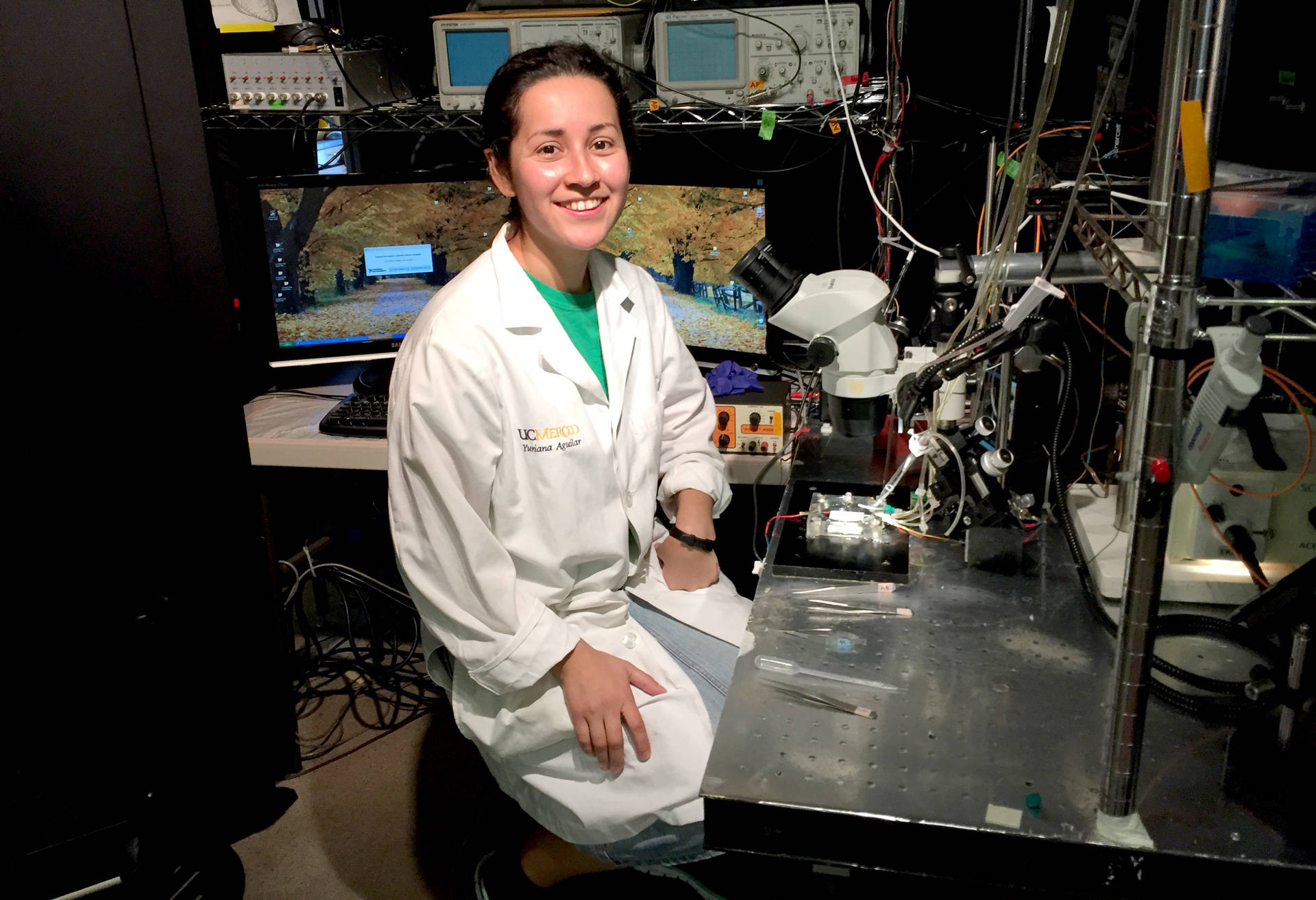
"caption": "Yuriana Aguilar sits at her microscope in a biomedical lab at UC Merced that studies sudden cardiac death.",
"description": "Yuriana Aguilar sits at her microscope in a biomedical lab at UC Merced that studies sudden cardiac death.",
"title": "YurianaAguilar",
"credit": "Sasha Khokha/KQED",
"status": "inherit",
"isLoading": false,
"fetchFailed": false
},
"news_11223700": {
"type": "attachments",
"id": "news_11223700",
"meta": {
"index": "attachments_1716263798",
"site": "news",
"id": "11223700",
"found": true
},
"parent": 11221916,
"imgSizes": {
"small": {
"file": "https://ww2.kqed.org/app/uploads/sites/10/2016/12/RS23378_c173eac6a706af84438d5c9924d5f8a5-qut-520x520.jpg",
"width": 520,
"mimeType": "image/jpeg",
"height": 520
},
"twentyfourteen-full-width": {
"file": "https://ww2.kqed.org/app/uploads/sites/10/2016/12/RS23378_c173eac6a706af84438d5c9924d5f8a5-qut-720x576.jpg",
"width": 720,
"mimeType": "image/jpeg",
"height": 576
},
"thumbnail": {
"file": "https://ww2.kqed.org/app/uploads/sites/10/2016/12/RS23378_c173eac6a706af84438d5c9924d5f8a5-qut-160x160.jpg",
"width": 160,
"mimeType": "image/jpeg",
"height": 160
},
"post-thumbnail": {
"file": "https://ww2.kqed.org/app/uploads/sites/10/2016/12/RS23378_c173eac6a706af84438d5c9924d5f8a5-qut-672x372.jpg",
"width": 672,
"mimeType": "image/jpeg",
"height": 372
},
"xsmall": {
"file": "https://ww2.kqed.org/app/uploads/sites/10/2016/12/RS23378_c173eac6a706af84438d5c9924d5f8a5-qut-375x375.jpg",
"width": 375,
"mimeType": "image/jpeg",
"height": 375
},
"kqedFullSize": {
"file": "https://ww2.kqed.org/app/uploads/sites/10/2016/12/RS23378_c173eac6a706af84438d5c9924d5f8a5-qut.jpg",
"width": 720,
"height": 720
},
"guest-author-50": {
"file": "https://ww2.kqed.org/app/uploads/sites/10/2016/12/RS23378_c173eac6a706af84438d5c9924d5f8a5-qut-50x50.jpg",
"width": 50,
"mimeType": "image/jpeg",
"height": 50
},
"guest-author-96": {
"file": "https://ww2.kqed.org/app/uploads/sites/10/2016/12/RS23378_c173eac6a706af84438d5c9924d5f8a5-qut-96x96.jpg",
"width": 96,
"mimeType": "image/jpeg",
"height": 96
},
"guest-author-64": {
"file": "https://ww2.kqed.org/app/uploads/sites/10/2016/12/RS23378_c173eac6a706af84438d5c9924d5f8a5-qut-64x64.jpg",
"width": 64,
"mimeType": "image/jpeg",
"height": 64
},
"guest-author-32": {
"file": "https://ww2.kqed.org/app/uploads/sites/10/2016/12/RS23378_c173eac6a706af84438d5c9924d5f8a5-qut-32x32.jpg",
"width": 32,
"mimeType": "image/jpeg",
"height": 32
},
"jmtc-small-thumb": {
"file": "https://ww2.kqed.org/app/uploads/sites/10/2016/12/RS23378_c173eac6a706af84438d5c9924d5f8a5-qut-280x150.jpg",
"width": 280,
"mimeType": "image/jpeg",
"height": 150
},
"detail": {
"file": "https://ww2.kqed.org/app/uploads/sites/10/2016/12/RS23378_c173eac6a706af84438d5c9924d5f8a5-qut-150x150.jpg",
"width": 150,
"mimeType": "image/jpeg",
"height": 150
},
"guest-author-128": {
"file": "https://ww2.kqed.org/app/uploads/sites/10/2016/12/RS23378_c173eac6a706af84438d5c9924d5f8a5-qut-128x128.jpg",
"width": 128,
"mimeType": "image/jpeg",
"height": 128
},
"xxsmall": {
"file": "https://ww2.kqed.org/app/uploads/sites/10/2016/12/RS23378_c173eac6a706af84438d5c9924d5f8a5-qut-240x240.jpg",
"width": 240,
"mimeType": "image/jpeg",
"height": 240
}
},
"publishDate": 1481933317,
"modified": 1482456922,
"caption": "Sacramento's youth poet laureate wrote a poem especially for The California Report Magazine",
"description": null,
"title": "rs23378_c173eac6a706af84438d5c9924d5f8a5-qut",
"credit": null,
"status": "inherit",
"isLoading": false,
"fetchFailed": false
},
"news_11223930": {
"type": "attachments",
"id": "news_11223930",
"meta": {
"index": "attachments_1716263798",
"site": "news",
"id": "11223930",
"found": true
},
"parent": 11221932,
"imgSizes": {
"small": {
"file": "https://ww2.kqed.org/app/uploads/sites/10/2016/12/Lofgren-520x352.jpg",
"width": 520,
"mimeType": "image/jpeg",
"height": 352
},
"twentyfourteen-full-width": {
"file": "https://ww2.kqed.org/app/uploads/sites/10/2016/12/Lofgren-1038x576.jpg",
"width": 1038,
"mimeType": "image/jpeg",
"height": 576
},
"thumbnail": {
"file": "https://ww2.kqed.org/app/uploads/sites/10/2016/12/Lofgren-160x108.jpg",
"width": 160,
"mimeType": "image/jpeg",
"height": 108
},
"fd-sm": {
"file": "https://ww2.kqed.org/app/uploads/sites/10/2016/12/Lofgren-960x651.jpg",
"width": 960,
"mimeType": "image/jpeg",
"height": 651
},
"post-thumbnail": {
"file": "https://ww2.kqed.org/app/uploads/sites/10/2016/12/Lofgren-672x372.jpg",
"width": 672,
"mimeType": "image/jpeg",
"height": 372
},
"xsmall": {
"file": "https://ww2.kqed.org/app/uploads/sites/10/2016/12/Lofgren-375x254.jpg",
"width": 375,
"mimeType": "image/jpeg",
"height": 254
},
"kqedFullSize": {
"file": "https://ww2.kqed.org/app/uploads/sites/10/2016/12/Lofgren.jpg",
"width": 1920,
"height": 1301
},
"large": {
"file": "https://ww2.kqed.org/app/uploads/sites/10/2016/12/Lofgren-1020x691.jpg",
"width": 1020,
"mimeType": "image/jpeg",
"height": 691
},
"xlarge": {
"file": "https://ww2.kqed.org/app/uploads/sites/10/2016/12/Lofgren-1180x800.jpg",
"width": 1180,
"mimeType": "image/jpeg",
"height": 800
},
"guest-author-50": {
"file": "https://ww2.kqed.org/app/uploads/sites/10/2016/12/Lofgren-50x50.jpg",
"width": 50,
"mimeType": "image/jpeg",
"height": 50
},
"guest-author-96": {
"file": "https://ww2.kqed.org/app/uploads/sites/10/2016/12/Lofgren-96x96.jpg",
"width": 96,
"mimeType": "image/jpeg",
"height": 96
},
"medium": {
"file": "https://ww2.kqed.org/app/uploads/sites/10/2016/12/Lofgren-800x542.jpg",
"width": 800,
"mimeType": "image/jpeg",
"height": 542
},
"guest-author-64": {
"file": "https://ww2.kqed.org/app/uploads/sites/10/2016/12/Lofgren-64x64.jpg",
"width": 64,
"mimeType": "image/jpeg",
"height": 64
},
"guest-author-32": {
"file": "https://ww2.kqed.org/app/uploads/sites/10/2016/12/Lofgren-32x32.jpg",
"width": 32,
"mimeType": "image/jpeg",
"height": 32
},
"jmtc-small-thumb": {
"file": "https://ww2.kqed.org/app/uploads/sites/10/2016/12/Lofgren-280x150.jpg",
"width": 280,
"mimeType": "image/jpeg",
"height": 150
},
"fd-lrg": {
"file": "https://ww2.kqed.org/app/uploads/sites/10/2016/12/Lofgren-1920x1301.jpg",
"width": 1920,
"mimeType": "image/jpeg",
"height": 1301
},
"fd-med": {
"file": "https://ww2.kqed.org/app/uploads/sites/10/2016/12/Lofgren-1180x800.jpg",
"width": 1180,
"mimeType": "image/jpeg",
"height": 800
},
"full-width": {
"file": "https://ww2.kqed.org/app/uploads/sites/10/2016/12/Lofgren-1920x1301.jpg",
"width": 1920,
"mimeType": "image/jpeg",
"height": 1301
},
"detail": {
"file": "https://ww2.kqed.org/app/uploads/sites/10/2016/12/Lofgren-150x150.jpg",
"width": 150,
"mimeType": "image/jpeg",
"height": 150
},
"guest-author-128": {
"file": "https://ww2.kqed.org/app/uploads/sites/10/2016/12/Lofgren-128x128.jpg",
"width": 128,
"mimeType": "image/jpeg",
"height": 128
},
"xxsmall": {
"file": "https://ww2.kqed.org/app/uploads/sites/10/2016/12/Lofgren-240x163.jpg",
"width": 240,
"mimeType": "image/jpeg",
"height": 163
}
},
"publishDate": 1481945342,
"modified": 1545859041,
"caption": "Rep. Zoe Lofgren (D-San Jose)",
"description": "Rep. Zoe Lofgren (D-San Jose)",
"title": "lofgren",
"credit": "Alex Wong/Getty Images",
"status": "inherit",
"isLoading": false,
"fetchFailed": false
},
"news_11220155": {
"type": "attachments",
"id": "news_11220155",
"meta": {
"index": "attachments_1716263798",
"site": "news",
"id": "11220155",
"found": true
},
"parent": 11220143,
"imgSizes": {
"small": {
"file": "https://ww2.kqed.org/app/uploads/sites/10/2016/12/RS23317_PastorelaRehearsal-024-qut-520x361.jpg",
"width": 520,
"mimeType": "image/jpeg",
"height": 361
},
"twentyfourteen-full-width": {
"file": "https://ww2.kqed.org/app/uploads/sites/10/2016/12/RS23317_PastorelaRehearsal-024-qut-1038x576.jpg",
"width": 1038,
"mimeType": "image/jpeg",
"height": 576
},
"thumbnail": {
"file": "https://ww2.kqed.org/app/uploads/sites/10/2016/12/RS23317_PastorelaRehearsal-024-qut-160x111.jpg",
"width": 160,
"mimeType": "image/jpeg",
"height": 111
},
"fd-sm": {
"file": "https://ww2.kqed.org/app/uploads/sites/10/2016/12/RS23317_PastorelaRehearsal-024-qut-960x667.jpg",
"width": 960,
"mimeType": "image/jpeg",
"height": 667
},
"post-thumbnail": {
"file": "https://ww2.kqed.org/app/uploads/sites/10/2016/12/RS23317_PastorelaRehearsal-024-qut-672x372.jpg",
"width": 672,
"mimeType": "image/jpeg",
"height": 372
},
"xsmall": {
"file": "https://ww2.kqed.org/app/uploads/sites/10/2016/12/RS23317_PastorelaRehearsal-024-qut-375x261.jpg",
"width": 375,
"mimeType": "image/jpeg",
"height": 261
},
"kqedFullSize": {
"file": "https://ww2.kqed.org/app/uploads/sites/10/2016/12/RS23317_PastorelaRehearsal-024-qut.jpg",
"width": 1900,
"height": 1320
},
"large": {
"file": "https://ww2.kqed.org/app/uploads/sites/10/2016/12/RS23317_PastorelaRehearsal-024-qut-1020x709.jpg",
"width": 1020,
"mimeType": "image/jpeg",
"height": 709
},
"xlarge": {
"file": "https://ww2.kqed.org/app/uploads/sites/10/2016/12/RS23317_PastorelaRehearsal-024-qut-1180x820.jpg",
"width": 1180,
"mimeType": "image/jpeg",
"height": 820
},
"guest-author-50": {
"file": "https://ww2.kqed.org/app/uploads/sites/10/2016/12/RS23317_PastorelaRehearsal-024-qut-50x50.jpg",
"width": 50,
"mimeType": "image/jpeg",
"height": 50
},
"guest-author-96": {
"file": "https://ww2.kqed.org/app/uploads/sites/10/2016/12/RS23317_PastorelaRehearsal-024-qut-96x96.jpg",
"width": 96,
"mimeType": "image/jpeg",
"height": 96
},
"medium": {
"file": "https://ww2.kqed.org/app/uploads/sites/10/2016/12/RS23317_PastorelaRehearsal-024-qut-800x556.jpg",
"width": 800,
"mimeType": "image/jpeg",
"height": 556
},
"guest-author-64": {
"file": "https://ww2.kqed.org/app/uploads/sites/10/2016/12/RS23317_PastorelaRehearsal-024-qut-64x64.jpg",
"width": 64,
"mimeType": "image/jpeg",
"height": 64
},
"guest-author-32": {
"file": "https://ww2.kqed.org/app/uploads/sites/10/2016/12/RS23317_PastorelaRehearsal-024-qut-32x32.jpg",
"width": 32,
"mimeType": "image/jpeg",
"height": 32
},
"jmtc-small-thumb": {
"file": "https://ww2.kqed.org/app/uploads/sites/10/2016/12/RS23317_PastorelaRehearsal-024-qut-280x150.jpg",
"width": 280,
"mimeType": "image/jpeg",
"height": 150
},
"fd-med": {
"file": "https://ww2.kqed.org/app/uploads/sites/10/2016/12/RS23317_PastorelaRehearsal-024-qut-1180x820.jpg",
"width": 1180,
"mimeType": "image/jpeg",
"height": 820
},
"detail": {
"file": "https://ww2.kqed.org/app/uploads/sites/10/2016/12/RS23317_PastorelaRehearsal-024-qut-150x150.jpg",
"width": 150,
"mimeType": "image/jpeg",
"height": 150
},
"guest-author-128": {
"file": "https://ww2.kqed.org/app/uploads/sites/10/2016/12/RS23317_PastorelaRehearsal-024-qut-128x128.jpg",
"width": 128,
"mimeType": "image/jpeg",
"height": 128
},
"xxsmall": {
"file": "https://ww2.kqed.org/app/uploads/sites/10/2016/12/RS23317_PastorelaRehearsal-024-qut-240x167.jpg",
"width": 240,
"mimeType": "image/jpeg",
"height": 167
}
},
"publishDate": 1481755263,
"modified": 1481918950,
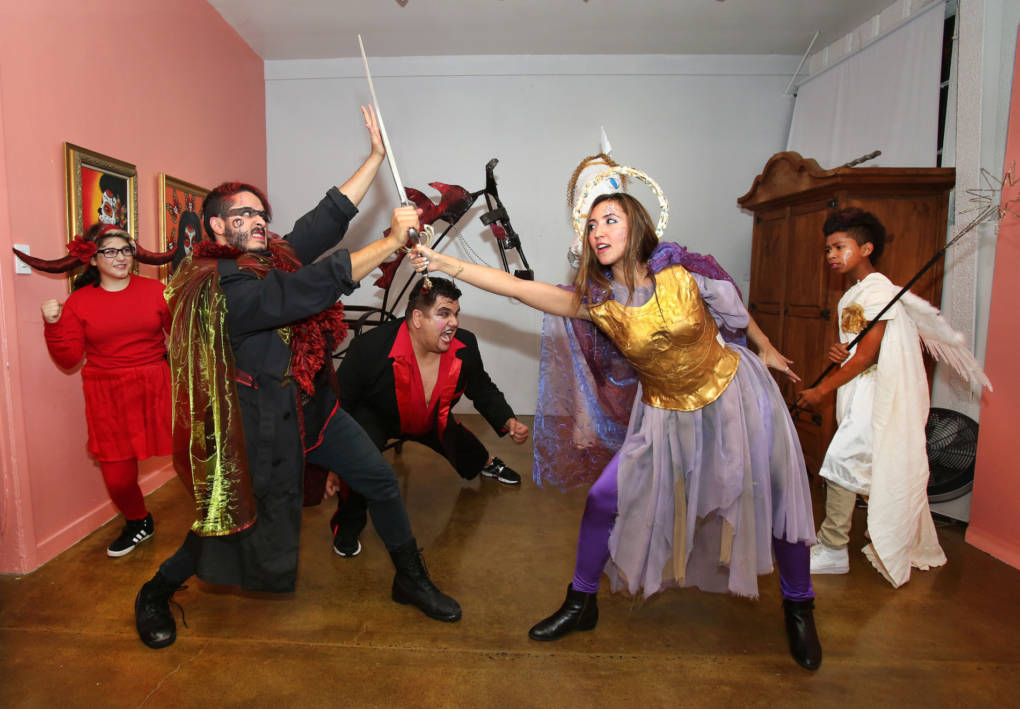
"caption": "In 'La Pastorela de Sactown,' the archangel is an activist, urging three modern-day shepherds to battle the devil and help an undocumented family.",
"description": "In 'La Pastorela de Sactown,' the archangel is an activist, urging three modern-day shepherds to battle the devil and help an undocumented family.",
"title": "rs23317_pastorelarehearsal-024-qut",
"credit": "Courtesy Hector Navejas",
"status": "inherit",
"isLoading": false,
"fetchFailed": false
},
"news_11206667": {
"type": "attachments",
"id": "news_11206667",
"meta": {
"index": "attachments_1716263798",
"site": "news",
"id": "11206667",
"found": true
},
"parent": 11206664,
"imgSizes": {
"small": {
"file": "https://ww2.kqed.org/app/uploads/sites/10/2016/12/RS15578_BUDGET_34-qut-520x347.jpg",
"width": 520,
"mimeType": "image/jpeg",
"height": 347
},
"twentyfourteen-full-width": {
"file": "https://ww2.kqed.org/app/uploads/sites/10/2016/12/RS15578_BUDGET_34-qut-1038x576.jpg",
"width": 1038,
"mimeType": "image/jpeg",
"height": 576
},
"thumbnail": {
"file": "https://ww2.kqed.org/app/uploads/sites/10/2016/12/RS15578_BUDGET_34-qut-160x107.jpg",
"width": 160,
"mimeType": "image/jpeg",
"height": 107
},
"fd-sm": {
"file": "https://ww2.kqed.org/app/uploads/sites/10/2016/12/RS15578_BUDGET_34-qut-960x640.jpg",
"width": 960,
"mimeType": "image/jpeg",
"height": 640
},
"post-thumbnail": {
"file": "https://ww2.kqed.org/app/uploads/sites/10/2016/12/RS15578_BUDGET_34-qut-672x372.jpg",
"width": 672,
"mimeType": "image/jpeg",
"height": 372
},
"xsmall": {
"file": "https://ww2.kqed.org/app/uploads/sites/10/2016/12/RS15578_BUDGET_34-qut-375x250.jpg",
"width": 375,
"mimeType": "image/jpeg",
"height": 250
},
"kqedFullSize": {
"file": "https://ww2.kqed.org/app/uploads/sites/10/2016/12/RS15578_BUDGET_34-qut.jpg",
"width": 1920,
"height": 1280
},
"large": {
"file": "https://ww2.kqed.org/app/uploads/sites/10/2016/12/RS15578_BUDGET_34-qut-1020x680.jpg",
"width": 1020,
"mimeType": "image/jpeg",
"height": 680
},
"xlarge": {
"file": "https://ww2.kqed.org/app/uploads/sites/10/2016/12/RS15578_BUDGET_34-qut-1180x787.jpg",
"width": 1180,
"mimeType": "image/jpeg",
"height": 787
},
"guest-author-50": {
"file": "https://ww2.kqed.org/app/uploads/sites/10/2016/12/RS15578_BUDGET_34-qut-50x50.jpg",
"width": 50,
"mimeType": "image/jpeg",
"height": 50
},
"guest-author-96": {
"file": "https://ww2.kqed.org/app/uploads/sites/10/2016/12/RS15578_BUDGET_34-qut-96x96.jpg",
"width": 96,
"mimeType": "image/jpeg",
"height": 96
},
"medium": {
"file": "https://ww2.kqed.org/app/uploads/sites/10/2016/12/RS15578_BUDGET_34-qut-800x533.jpg",
"width": 800,
"mimeType": "image/jpeg",
"height": 533
},
"guest-author-64": {
"file": "https://ww2.kqed.org/app/uploads/sites/10/2016/12/RS15578_BUDGET_34-qut-64x64.jpg",
"width": 64,
"mimeType": "image/jpeg",
"height": 64
},
"guest-author-32": {
"file": "https://ww2.kqed.org/app/uploads/sites/10/2016/12/RS15578_BUDGET_34-qut-32x32.jpg",
"width": 32,
"mimeType": "image/jpeg",
"height": 32
},
"jmtc-small-thumb": {
"file": "https://ww2.kqed.org/app/uploads/sites/10/2016/12/RS15578_BUDGET_34-qut-280x150.jpg",
"width": 280,
"mimeType": "image/jpeg",
"height": 150
},
"fd-lrg": {
"file": "https://ww2.kqed.org/app/uploads/sites/10/2016/12/RS15578_BUDGET_34-qut-1920x1280.jpg",
"width": 1920,
"mimeType": "image/jpeg",
"height": 1280
},
"fd-med": {
"file": "https://ww2.kqed.org/app/uploads/sites/10/2016/12/RS15578_BUDGET_34-qut-1180x787.jpg",
"width": 1180,
"mimeType": "image/jpeg",
"height": 787
},
"full-width": {
"file": "https://ww2.kqed.org/app/uploads/sites/10/2016/12/RS15578_BUDGET_34-qut-1920x1280.jpg",
"width": 1920,
"mimeType": "image/jpeg",
"height": 1280
},
"detail": {
"file": "https://ww2.kqed.org/app/uploads/sites/10/2016/12/RS15578_BUDGET_34-qut-150x150.jpg",
"width": 150,
"mimeType": "image/jpeg",
"height": 150
},
"guest-author-128": {
"file": "https://ww2.kqed.org/app/uploads/sites/10/2016/12/RS15578_BUDGET_34-qut-128x128.jpg",
"width": 128,
"mimeType": "image/jpeg",
"height": 128
},
"xxsmall": {
"file": "https://ww2.kqed.org/app/uploads/sites/10/2016/12/RS15578_BUDGET_34-qut-240x160.jpg",
"width": 240,
"mimeType": "image/jpeg",
"height": 160
}
},
"publishDate": 1480981803,
"modified": 1480988379,
"caption": "California Senate Leader Kevin de León vowed to protect immigrants and others fearful of President-elect Donald Trump.",
"description": null,
"title": "rs15578_budget_34-qut",
"credit": "Max Whittaker/KQED",
"status": "inherit",
"isLoading": false,
"fetchFailed": false
},
"news_11201674": {
"type": "attachments",
"id": "news_11201674",
"meta": {
"index": "attachments_1716263798",
"site": "news",
"id": "11201674",
"found": true
},
"parent": 11184596,
"imgSizes": {
"small": {
"file": "https://ww2.kqed.org/app/uploads/sites/10/2016/12/SikhBikes-520x310.jpg",
"width": 520,
"mimeType": "image/jpeg",
"height": 310
},
"twentyfourteen-full-width": {
"file": "https://ww2.kqed.org/app/uploads/sites/10/2016/12/SikhBikes-1038x576.jpg",
"width": 1038,
"mimeType": "image/jpeg",
"height": 576
},
"thumbnail": {
"file": "https://ww2.kqed.org/app/uploads/sites/10/2016/12/SikhBikes-160x95.jpg",
"width": 160,
"mimeType": "image/jpeg",
"height": 95
},
"fd-sm": {
"file": "https://ww2.kqed.org/app/uploads/sites/10/2016/12/SikhBikes-960x572.jpg",
"width": 960,
"mimeType": "image/jpeg",
"height": 572
},
"post-thumbnail": {
"file": "https://ww2.kqed.org/app/uploads/sites/10/2016/12/SikhBikes-672x372.jpg",
"width": 672,
"mimeType": "image/jpeg",
"height": 372
},
"xsmall": {
"file": "https://ww2.kqed.org/app/uploads/sites/10/2016/12/SikhBikes-375x223.jpg",
"width": 375,
"mimeType": "image/jpeg",
"height": 223
},
"kqedFullSize": {
"file": "https://ww2.kqed.org/app/uploads/sites/10/2016/12/SikhBikes.jpg",
"width": 1920,
"height": 1144
},
"large": {
"file": "https://ww2.kqed.org/app/uploads/sites/10/2016/12/SikhBikes-1020x608.jpg",
"width": 1020,
"mimeType": "image/jpeg",
"height": 608
},
"xlarge": {
"file": "https://ww2.kqed.org/app/uploads/sites/10/2016/12/SikhBikes-1180x703.jpg",
"width": 1180,
"mimeType": "image/jpeg",
"height": 703
},
"guest-author-50": {
"file": "https://ww2.kqed.org/app/uploads/sites/10/2016/12/SikhBikes-50x50.jpg",
"width": 50,
"mimeType": "image/jpeg",
"height": 50
},
"guest-author-96": {
"file": "https://ww2.kqed.org/app/uploads/sites/10/2016/12/SikhBikes-96x96.jpg",
"width": 96,
"mimeType": "image/jpeg",
"height": 96
},
"medium": {
"file": "https://ww2.kqed.org/app/uploads/sites/10/2016/12/SikhBikes-800x477.jpg",
"width": 800,
"mimeType": "image/jpeg",
"height": 477
},
"guest-author-64": {
"file": "https://ww2.kqed.org/app/uploads/sites/10/2016/12/SikhBikes-64x64.jpg",
"width": 64,
"mimeType": "image/jpeg",
"height": 64
},
"guest-author-32": {
"file": "https://ww2.kqed.org/app/uploads/sites/10/2016/12/SikhBikes-32x32.jpg",
"width": 32,
"mimeType": "image/jpeg",
"height": 32
},
"jmtc-small-thumb": {
"file": "https://ww2.kqed.org/app/uploads/sites/10/2016/12/SikhBikes-280x150.jpg",
"width": 280,
"mimeType": "image/jpeg",
"height": 150
},
"fd-lrg": {
"file": "https://ww2.kqed.org/app/uploads/sites/10/2016/12/SikhBikes-1920x1144.jpg",
"width": 1920,
"mimeType": "image/jpeg",
"height": 1144
},
"fd-med": {
"file": "https://ww2.kqed.org/app/uploads/sites/10/2016/12/SikhBikes-1180x703.jpg",
"width": 1180,
"mimeType": "image/jpeg",
"height": 703
},
"full-width": {
"file": "https://ww2.kqed.org/app/uploads/sites/10/2016/12/SikhBikes-1920x1144.jpg",
"width": 1920,
"mimeType": "image/jpeg",
"height": 1144
},
"detail": {
"file": "https://ww2.kqed.org/app/uploads/sites/10/2016/12/SikhBikes-150x150.jpg",
"width": 150,
"mimeType": "image/jpeg",
"height": 150
},
"guest-author-128": {
"file": "https://ww2.kqed.org/app/uploads/sites/10/2016/12/SikhBikes-128x128.jpg",
"width": 128,
"mimeType": "image/jpeg",
"height": 128
},
"xxsmall": {
"file": "https://ww2.kqed.org/app/uploads/sites/10/2016/12/SikhBikes-240x143.jpg",
"width": 240,
"mimeType": "image/jpeg",
"height": 143
}
},
"publishDate": 1480706918,
"modified": 1480723048,
"caption": "The Guru Gadee parade draws over 80,000 people to the farming community of Yuba City each year.",
"description": "The Guru Gadee parade draws over 80,000 people to the farming community of Yuba City each year. ",
"title": "sikhbikes",
"credit": "Meradith Hoddinott/KQED",
"status": "inherit",
"isLoading": false,
"fetchFailed": false
},
"news_11200145": {
"type": "attachments",
"id": "news_11200145",
"meta": {
"index": "attachments_1716263798",
"site": "news",
"id": "11200145",
"found": true
},
"parent": 11198466,
"imgSizes": {
"small": {
"file": "https://ww2.kqed.org/app/uploads/sites/10/2016/12/22948_transform-520x406.jpg",
"width": 520,
"mimeType": "image/jpeg",
"height": 406
},
"twentyfourteen-full-width": {
"file": "https://ww2.kqed.org/app/uploads/sites/10/2016/12/22948_transform-1038x576.jpg",
"width": 1038,
"mimeType": "image/jpeg",
"height": 576
},
"thumbnail": {
"file": "https://ww2.kqed.org/app/uploads/sites/10/2016/12/22948_transform-160x125.jpg",
"width": 160,
"mimeType": "image/jpeg",
"height": 125
},
"fd-sm": {
"file": "https://ww2.kqed.org/app/uploads/sites/10/2016/12/22948_transform-960x750.jpg",
"width": 960,
"mimeType": "image/jpeg",
"height": 750
},
"post-thumbnail": {
"file": "https://ww2.kqed.org/app/uploads/sites/10/2016/12/22948_transform-672x372.jpg",
"width": 672,
"mimeType": "image/jpeg",
"height": 372
},
"xsmall": {
"file": "https://ww2.kqed.org/app/uploads/sites/10/2016/12/22948_transform-375x293.jpg",
"width": 375,
"mimeType": "image/jpeg",
"height": 293
},
"kqedFullSize": {
"file": "https://ww2.kqed.org/app/uploads/sites/10/2016/12/22948_transform.jpg",
"width": 3133,
"height": 2448
},
"large": {
"file": "https://ww2.kqed.org/app/uploads/sites/10/2016/12/22948_transform-1020x797.jpg",
"width": 1020,
"mimeType": "image/jpeg",
"height": 797
},
"xlarge": {
"file": "https://ww2.kqed.org/app/uploads/sites/10/2016/12/22948_transform-1180x922.jpg",
"width": 1180,
"mimeType": "image/jpeg",
"height": 922
},
"guest-author-50": {
"file": "https://ww2.kqed.org/app/uploads/sites/10/2016/12/22948_transform-50x50.jpg",
"width": 50,
"mimeType": "image/jpeg",
"height": 50
},
"guest-author-96": {
"file": "https://ww2.kqed.org/app/uploads/sites/10/2016/12/22948_transform-96x96.jpg",
"width": 96,
"mimeType": "image/jpeg",
"height": 96
},
"medium": {
"file": "https://ww2.kqed.org/app/uploads/sites/10/2016/12/22948_transform-800x625.jpg",
"width": 800,
"mimeType": "image/jpeg",
"height": 625
},
"guest-author-64": {
"file": "https://ww2.kqed.org/app/uploads/sites/10/2016/12/22948_transform-64x64.jpg",
"width": 64,
"mimeType": "image/jpeg",
"height": 64
},
"guest-author-32": {
"file": "https://ww2.kqed.org/app/uploads/sites/10/2016/12/22948_transform-32x32.jpg",
"width": 32,
"mimeType": "image/jpeg",
"height": 32
},
"jmtc-small-thumb": {
"file": "https://ww2.kqed.org/app/uploads/sites/10/2016/12/22948_transform-280x150.jpg",
"width": 280,
"mimeType": "image/jpeg",
"height": 150
},
"fd-lrg": {
"file": "https://ww2.kqed.org/app/uploads/sites/10/2016/12/22948_transform-1920x1500.jpg",
"width": 1920,
"mimeType": "image/jpeg",
"height": 1500
},
"fd-med": {
"file": "https://ww2.kqed.org/app/uploads/sites/10/2016/12/22948_transform-1180x922.jpg",
"width": 1180,
"mimeType": "image/jpeg",
"height": 922
},
"full-width": {
"file": "https://ww2.kqed.org/app/uploads/sites/10/2016/12/22948_transform-1920x1500.jpg",
"width": 1920,
"mimeType": "image/jpeg",
"height": 1500
},
"detail": {
"file": "https://ww2.kqed.org/app/uploads/sites/10/2016/12/22948_transform-150x150.jpg",
"width": 150,
"mimeType": "image/jpeg",
"height": 150
},
"guest-author-128": {
"file": "https://ww2.kqed.org/app/uploads/sites/10/2016/12/22948_transform-128x128.jpg",
"width": 128,
"mimeType": "image/jpeg",
"height": 128
},
"xxsmall": {
"file": "https://ww2.kqed.org/app/uploads/sites/10/2016/12/22948_transform-240x188.jpg",
"width": 240,
"mimeType": "image/jpeg",
"height": 188
}
},
"publishDate": 1480628608,
"modified": 1480720501,
"caption": "Attorney Mark Silverman (center) fills out questionnaires for people seeking legal aid at a classroom at Longfellow Middle School in Berkeley, on Nov. 22, 2016, as volunteers wait for more clients to be ushered in.",
"description": null,
"title": "22948_transform",
"credit": "Farida Jhabvala Romero/KQED",
"status": "inherit",
"isLoading": false,
"fetchFailed": false
},
"news_10937200": {
"type": "attachments",
"id": "news_10937200",
"meta": {
"index": "attachments_1716263798",
"site": "news",
"id": "10937200",
"found": true
},
"parent": 10936723,
"imgSizes": {
"twentyfourteen-full-width": {
"file": "https://ww2.kqed.org/app/uploads/sites/10/2016/04/RS8759_ucberkeley20140213-1920x1279-1038x576.jpg",
"width": 1038,
"mimeType": "image/jpeg",
"height": 576
},
"thumbnail": {
"file": "https://ww2.kqed.org/app/uploads/sites/10/2016/04/RS8759_ucberkeley20140213-1920x1279-400x266.jpg",
"width": 400,
"mimeType": "image/jpeg",
"height": 266
},
"fd-sm": {
"file": "https://ww2.kqed.org/app/uploads/sites/10/2016/04/RS8759_ucberkeley20140213-1920x1279-960x640.jpg",
"width": 960,
"mimeType": "image/jpeg",
"height": 640
},
"post-thumbnail": {
"file": "https://ww2.kqed.org/app/uploads/sites/10/2016/04/RS8759_ucberkeley20140213-1920x1279-672x372.jpg",
"width": 672,
"mimeType": "image/jpeg",
"height": 372
},
"kqedFullSize": {
"file": "https://ww2.kqed.org/app/uploads/sites/10/2016/04/RS8759_ucberkeley20140213-1920x1279.jpg",
"width": 1920,
"height": 1279
},
"large": {
"file": "https://ww2.kqed.org/app/uploads/sites/10/2016/04/RS8759_ucberkeley20140213-1920x1279-1920x1279.jpg",
"width": 1920,
"mimeType": "image/jpeg",
"height": 1279
},
"guest-author-96": {
"file": "https://ww2.kqed.org/app/uploads/sites/10/2016/04/RS8759_ucberkeley20140213-1920x1279-96x96.jpg",
"width": 96,
"mimeType": "image/jpeg",
"height": 96
},
"medium": {
"file": "https://ww2.kqed.org/app/uploads/sites/10/2016/04/RS8759_ucberkeley20140213-1920x1279-800x533.jpg",
"width": 800,
"mimeType": "image/jpeg",
"height": 533
},
"guest-author-64": {
"file": "https://ww2.kqed.org/app/uploads/sites/10/2016/04/RS8759_ucberkeley20140213-1920x1279-64x64.jpg",
"width": 64,
"mimeType": "image/jpeg",
"height": 64
},
"guest-author-32": {
"file": "https://ww2.kqed.org/app/uploads/sites/10/2016/04/RS8759_ucberkeley20140213-1920x1279-32x32.jpg",
"width": 32,
"mimeType": "image/jpeg",
"height": 32
},
"jmtc-small-thumb": {
"file": "https://ww2.kqed.org/app/uploads/sites/10/2016/04/RS8759_ucberkeley20140213-1920x1279-280x150.jpg",
"width": 280,
"mimeType": "image/jpeg",
"height": 150
},
"fd-lrg": {
"file": "https://ww2.kqed.org/app/uploads/sites/10/2016/04/RS8759_ucberkeley20140213-1920x1279-1920x1279.jpg",
"width": 1920,
"mimeType": "image/jpeg",
"height": 1279
},
"fd-med": {
"file": "https://ww2.kqed.org/app/uploads/sites/10/2016/04/RS8759_ucberkeley20140213-1920x1279-1180x786.jpg",
"width": 1180,
"mimeType": "image/jpeg",
"height": 786
},
"detail": {
"file": "https://ww2.kqed.org/app/uploads/sites/10/2016/04/RS8759_ucberkeley20140213-1920x1279-75x75.jpg",
"width": 75,
"mimeType": "image/jpeg",
"height": 75
},
"guest-author-128": {
"file": "https://ww2.kqed.org/app/uploads/sites/10/2016/04/RS8759_ucberkeley20140213-1920x1279-128x128.jpg",
"width": 128,
"mimeType": "image/jpeg",
"height": 128
}
},
"publishDate": 1461352828,
"modified": 1461352859,
"caption": "Sproul Plaza on the UC Berkeley campus. ",
"description": "Sproul Plaza on the UC Berkeley campus. ",
"title": "New Report: Half Of Recent College Graduates Under- Or Unemployed",
"credit": "Justin Sullivan/Getty Images",
"status": "inherit",
"isLoading": false,
"fetchFailed": false
},
"news_11200300": {
"type": "attachments",
"id": "news_11200300",
"meta": {
"index": "attachments_1716263798",
"site": "news",
"id": "11200300",
"found": true
},
"parent": 11200063,
"imgSizes": {
"small": {
"file": "https://ww2.kqed.org/app/uploads/sites/10/2016/12/ScotusBldg-520x347.jpg",
"width": 520,
"mimeType": "image/jpeg",
"height": 347
},
"twentyfourteen-full-width": {
"file": "https://ww2.kqed.org/app/uploads/sites/10/2016/12/ScotusBldg-1038x576.jpg",
"width": 1038,
"mimeType": "image/jpeg",
"height": 576
},
"thumbnail": {
"file": "https://ww2.kqed.org/app/uploads/sites/10/2016/12/ScotusBldg-160x107.jpg",
"width": 160,
"mimeType": "image/jpeg",
"height": 107
},
"fd-sm": {
"file": "https://ww2.kqed.org/app/uploads/sites/10/2016/12/ScotusBldg-960x640.jpg",
"width": 960,
"mimeType": "image/jpeg",
"height": 640
},
"post-thumbnail": {
"file": "https://ww2.kqed.org/app/uploads/sites/10/2016/12/ScotusBldg-672x372.jpg",
"width": 672,
"mimeType": "image/jpeg",
"height": 372
},
"xsmall": {
"file": "https://ww2.kqed.org/app/uploads/sites/10/2016/12/ScotusBldg-375x250.jpg",
"width": 375,
"mimeType": "image/jpeg",
"height": 250
},
"kqedFullSize": {
"file": "https://ww2.kqed.org/app/uploads/sites/10/2016/12/ScotusBldg.jpg",
"width": 1920,
"height": 1280
},
"large": {
"file": "https://ww2.kqed.org/app/uploads/sites/10/2016/12/ScotusBldg-1020x680.jpg",
"width": 1020,
"mimeType": "image/jpeg",
"height": 680
},
"xlarge": {
"file": "https://ww2.kqed.org/app/uploads/sites/10/2016/12/ScotusBldg-1180x787.jpg",
"width": 1180,
"mimeType": "image/jpeg",
"height": 787
},
"guest-author-50": {
"file": "https://ww2.kqed.org/app/uploads/sites/10/2016/12/ScotusBldg-50x50.jpg",
"width": 50,
"mimeType": "image/jpeg",
"height": 50
},
"guest-author-96": {
"file": "https://ww2.kqed.org/app/uploads/sites/10/2016/12/ScotusBldg-96x96.jpg",
"width": 96,
"mimeType": "image/jpeg",
"height": 96
},
"medium": {
"file": "https://ww2.kqed.org/app/uploads/sites/10/2016/12/ScotusBldg-800x533.jpg",
"width": 800,
"mimeType": "image/jpeg",
"height": 533
},
"guest-author-64": {
"file": "https://ww2.kqed.org/app/uploads/sites/10/2016/12/ScotusBldg-64x64.jpg",
"width": 64,
"mimeType": "image/jpeg",
"height": 64
},
"guest-author-32": {
"file": "https://ww2.kqed.org/app/uploads/sites/10/2016/12/ScotusBldg-32x32.jpg",
"width": 32,
"mimeType": "image/jpeg",
"height": 32
},
"jmtc-small-thumb": {
"file": "https://ww2.kqed.org/app/uploads/sites/10/2016/12/ScotusBldg-280x150.jpg",
"width": 280,
"mimeType": "image/jpeg",
"height": 150
},
"fd-lrg": {
"file": "https://ww2.kqed.org/app/uploads/sites/10/2016/12/ScotusBldg-1920x1280.jpg",
"width": 1920,
"mimeType": "image/jpeg",
"height": 1280
},
"fd-med": {
"file": "https://ww2.kqed.org/app/uploads/sites/10/2016/12/ScotusBldg-1180x787.jpg",
"width": 1180,
"mimeType": "image/jpeg",
"height": 787
},
"full-width": {
"file": "https://ww2.kqed.org/app/uploads/sites/10/2016/12/ScotusBldg-1920x1280.jpg",
"width": 1920,
"mimeType": "image/jpeg",
"height": 1280
},
"detail": {
"file": "https://ww2.kqed.org/app/uploads/sites/10/2016/12/ScotusBldg-150x150.jpg",
"width": 150,
"mimeType": "image/jpeg",
"height": 150
},
"guest-author-128": {
"file": "https://ww2.kqed.org/app/uploads/sites/10/2016/12/ScotusBldg-128x128.jpg",
"width": 128,
"mimeType": "image/jpeg",
"height": 128
},
"xxsmall": {
"file": "https://ww2.kqed.org/app/uploads/sites/10/2016/12/ScotusBldg-240x160.jpg",
"width": 240,
"mimeType": "image/jpeg",
"height": 160
}
},
"publishDate": 1480633710,
"modified": 1480633746,
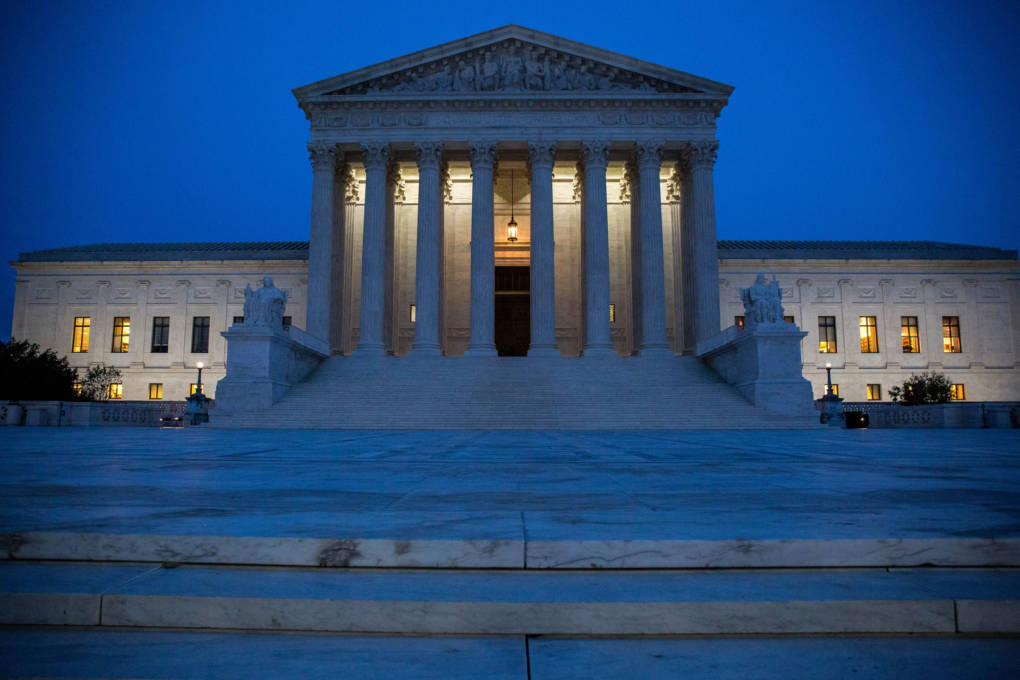
"caption": "The U.S. Supreme Court in Washington, D.C.",
"description": "The U.S. Supreme Court in Washington, D.C.",
"title": "scotusbldg",
"credit": "Zach Gibson/Getty Images",
"status": "inherit",
"isLoading": false,
"fetchFailed": false
},
"news_11197881": {
"type": "attachments",
"id": "news_11197881",
"meta": {
"index": "attachments_1716263798",
"site": "news",
"id": "11197881",
"found": true
},
"parent": 11196683,
"imgSizes": {
"small": {
"file": "https://ww2.kqed.org/app/uploads/sites/10/2016/11/detention02_final-520x301.png",
"width": 520,
"mimeType": "image/png",
"height": 301
},
"twentyfourteen-full-width": {
"file": "https://ww2.kqed.org/app/uploads/sites/10/2016/11/detention02_final-1038x576.png",
"width": 1038,
"mimeType": "image/png",
"height": 576
},
"thumbnail": {
"file": "https://ww2.kqed.org/app/uploads/sites/10/2016/11/detention02_final-160x93.png",
"width": 160,
"mimeType": "image/png",
"height": 93
},
"fd-sm": {
"file": "https://ww2.kqed.org/app/uploads/sites/10/2016/11/detention02_final-960x555.png",
"width": 960,
"mimeType": "image/png",
"height": 555
},
"post-thumbnail": {
"file": "https://ww2.kqed.org/app/uploads/sites/10/2016/11/detention02_final-672x372.png",
"width": 672,
"mimeType": "image/png",
"height": 372
},
"xsmall": {
"file": "https://ww2.kqed.org/app/uploads/sites/10/2016/11/detention02_final-375x217.png",
"width": 375,
"mimeType": "image/png",
"height": 217
},
"kqedFullSize": {
"file": "https://ww2.kqed.org/app/uploads/sites/10/2016/11/detention02_final-e1480519295187.png",
"width": 1920,
"height": 1110
},
"large": {
"file": "https://ww2.kqed.org/app/uploads/sites/10/2016/11/detention02_final-1020x590.png",
"width": 1020,
"mimeType": "image/png",
"height": 590
},
"xlarge": {
"file": "https://ww2.kqed.org/app/uploads/sites/10/2016/11/detention02_final-1180x682.png",
"width": 1180,
"mimeType": "image/png",
"height": 682
},
"guest-author-50": {
"file": "https://ww2.kqed.org/app/uploads/sites/10/2016/11/detention02_final-50x50.png",
"width": 50,
"mimeType": "image/png",
"height": 50
},
"guest-author-96": {
"file": "https://ww2.kqed.org/app/uploads/sites/10/2016/11/detention02_final-96x96.png",
"width": 96,
"mimeType": "image/png",
"height": 96
},
"medium": {
"file": "https://ww2.kqed.org/app/uploads/sites/10/2016/11/detention02_final-800x463.png",
"width": 800,
"mimeType": "image/png",
"height": 463
},
"guest-author-64": {
"file": "https://ww2.kqed.org/app/uploads/sites/10/2016/11/detention02_final-64x64.png",
"width": 64,
"mimeType": "image/png",
"height": 64
},
"guest-author-32": {
"file": "https://ww2.kqed.org/app/uploads/sites/10/2016/11/detention02_final-32x32.png",
"width": 32,
"mimeType": "image/png",
"height": 32
},
"jmtc-small-thumb": {
"file": "https://ww2.kqed.org/app/uploads/sites/10/2016/11/detention02_final-280x150.png",
"width": 280,
"mimeType": "image/png",
"height": 150
},
"fd-lrg": {
"file": "https://ww2.kqed.org/app/uploads/sites/10/2016/11/detention02_final-1920x1110.png",
"width": 1920,
"mimeType": "image/png",
"height": 1110
},
"fd-med": {
"file": "https://ww2.kqed.org/app/uploads/sites/10/2016/11/detention02_final-1180x682.png",
"width": 1180,
"mimeType": "image/png",
"height": 682
},
"full-width": {
"file": "https://ww2.kqed.org/app/uploads/sites/10/2016/11/detention02_final-1920x1110.png",
"width": 1920,
"mimeType": "image/png",
"height": 1110
},
"detail": {
"file": "https://ww2.kqed.org/app/uploads/sites/10/2016/11/detention02_final-150x150.png",
"width": 150,
"mimeType": "image/png",
"height": 150
},
"guest-author-128": {
"file": "https://ww2.kqed.org/app/uploads/sites/10/2016/11/detention02_final-128x128.png",
"width": 128,
"mimeType": "image/png",
"height": 128
},
"xxsmall": {
"file": "https://ww2.kqed.org/app/uploads/sites/10/2016/11/detention02_final-240x139.png",
"width": 240,
"mimeType": "image/png",
"height": 139
}
},
"publishDate": 1480519231,
"modified": 1480519282,
"caption": null,
"description": null,
"title": "Fiore-Detention",
"credit": "Mark Fiore/KQED",
"status": "inherit",
"isLoading": false,
"fetchFailed": false
},
"news_11196375": {
"type": "attachments",
"id": "news_11196375",
"meta": {
"index": "attachments_1716263798",
"site": "news",
"id": "11196375",
"found": true
},
"parent": 11195003,
"imgSizes": {
"small": {
"file": "https://ww2.kqed.org/app/uploads/sites/10/2016/11/TrumpPodium-520x304.jpg",
"width": 520,
"mimeType": "image/jpeg",
"height": 304
},
"twentyfourteen-full-width": {
"file": "https://ww2.kqed.org/app/uploads/sites/10/2016/11/TrumpPodium-1038x576.jpg",
"width": 1038,
"mimeType": "image/jpeg",
"height": 576
},
"thumbnail": {
"file": "https://ww2.kqed.org/app/uploads/sites/10/2016/11/TrumpPodium-160x94.jpg",
"width": 160,
"mimeType": "image/jpeg",
"height": 94
},
"fd-sm": {
"file": "https://ww2.kqed.org/app/uploads/sites/10/2016/11/TrumpPodium-960x562.jpg",
"width": 960,
"mimeType": "image/jpeg",
"height": 562
},
"post-thumbnail": {
"file": "https://ww2.kqed.org/app/uploads/sites/10/2016/11/TrumpPodium-672x372.jpg",
"width": 672,
"mimeType": "image/jpeg",
"height": 372
},
"xsmall": {
"file": "https://ww2.kqed.org/app/uploads/sites/10/2016/11/TrumpPodium-375x219.jpg",
"width": 375,
"mimeType": "image/jpeg",
"height": 219
},
"kqedFullSize": {
"file": "https://ww2.kqed.org/app/uploads/sites/10/2016/11/TrumpPodium.jpg",
"width": 1920,
"height": 1123
},
"large": {
"file": "https://ww2.kqed.org/app/uploads/sites/10/2016/11/TrumpPodium-1020x597.jpg",
"width": 1020,
"mimeType": "image/jpeg",
"height": 597
},
"xlarge": {
"file": "https://ww2.kqed.org/app/uploads/sites/10/2016/11/TrumpPodium-1180x690.jpg",
"width": 1180,
"mimeType": "image/jpeg",
"height": 690
},
"guest-author-50": {
"file": "https://ww2.kqed.org/app/uploads/sites/10/2016/11/TrumpPodium-50x50.jpg",
"width": 50,
"mimeType": "image/jpeg",
"height": 50
},
"guest-author-96": {
"file": "https://ww2.kqed.org/app/uploads/sites/10/2016/11/TrumpPodium-96x96.jpg",
"width": 96,
"mimeType": "image/jpeg",
"height": 96
},
"medium": {
"file": "https://ww2.kqed.org/app/uploads/sites/10/2016/11/TrumpPodium-800x468.jpg",
"width": 800,
"mimeType": "image/jpeg",
"height": 468
},
"guest-author-64": {
"file": "https://ww2.kqed.org/app/uploads/sites/10/2016/11/TrumpPodium-64x64.jpg",
"width": 64,
"mimeType": "image/jpeg",
"height": 64
},
"guest-author-32": {
"file": "https://ww2.kqed.org/app/uploads/sites/10/2016/11/TrumpPodium-32x32.jpg",
"width": 32,
"mimeType": "image/jpeg",
"height": 32
},
"jmtc-small-thumb": {
"file": "https://ww2.kqed.org/app/uploads/sites/10/2016/11/TrumpPodium-280x150.jpg",
"width": 280,
"mimeType": "image/jpeg",
"height": 150
},
"fd-lrg": {
"file": "https://ww2.kqed.org/app/uploads/sites/10/2016/11/TrumpPodium-1920x1123.jpg",
"width": 1920,
"mimeType": "image/jpeg",
"height": 1123
},
"fd-med": {
"file": "https://ww2.kqed.org/app/uploads/sites/10/2016/11/TrumpPodium-1180x690.jpg",
"width": 1180,
"mimeType": "image/jpeg",
"height": 690
},
"full-width": {
"file": "https://ww2.kqed.org/app/uploads/sites/10/2016/11/TrumpPodium-1920x1123.jpg",
"width": 1920,
"mimeType": "image/jpeg",
"height": 1123
},
"detail": {
"file": "https://ww2.kqed.org/app/uploads/sites/10/2016/11/TrumpPodium-150x150.jpg",
"width": 150,
"mimeType": "image/jpeg",
"height": 150
},
"guest-author-128": {
"file": "https://ww2.kqed.org/app/uploads/sites/10/2016/11/TrumpPodium-128x128.jpg",
"width": 128,
"mimeType": "image/jpeg",
"height": 128
},
"xxsmall": {
"file": "https://ww2.kqed.org/app/uploads/sites/10/2016/11/TrumpPodium-240x140.jpg",
"width": 240,
"mimeType": "image/jpeg",
"height": 140
}
},
"publishDate": 1480444610,
"modified": 1480444637,
"caption": "President-elect Donald Trump wants to cut funding to sanctuary cities. ",
"description": "President-elect Donald Trump wants to cut funding to sanctuary cities. ",
"title": "trumppodium",
"credit": "Drew Angerer/Getty Images",
"status": "inherit",
"isLoading": false,
"fetchFailed": false
},
"news_11183208": {
"type": "attachments",
"id": "news_11183208",
"meta": {
"index": "attachments_1716263798",
"site": "news",
"id": "11183208",
"found": true
},
"parent": 11181738,
"imgSizes": {
"small": {
"file": "https://ww2.kqed.org/app/uploads/sites/10/2016/11/RS22164_IMG_6233-qut-520x390.jpg",
"width": 520,
"mimeType": "image/jpeg",
"height": 390
},
"twentyfourteen-full-width": {
"file": "https://ww2.kqed.org/app/uploads/sites/10/2016/11/RS22164_IMG_6233-qut-1038x576.jpg",
"width": 1038,
"mimeType": "image/jpeg",
"height": 576
},
"thumbnail": {
"file": "https://ww2.kqed.org/app/uploads/sites/10/2016/11/RS22164_IMG_6233-qut-160x120.jpg",
"width": 160,
"mimeType": "image/jpeg",
"height": 120
},
"fd-sm": {
"file": "https://ww2.kqed.org/app/uploads/sites/10/2016/11/RS22164_IMG_6233-qut-960x720.jpg",
"width": 960,
"mimeType": "image/jpeg",
"height": 720
},
"post-thumbnail": {
"file": "https://ww2.kqed.org/app/uploads/sites/10/2016/11/RS22164_IMG_6233-qut-672x372.jpg",
"width": 672,
"mimeType": "image/jpeg",
"height": 372
},
"xsmall": {
"file": "https://ww2.kqed.org/app/uploads/sites/10/2016/11/RS22164_IMG_6233-qut-375x281.jpg",
"width": 375,
"mimeType": "image/jpeg",
"height": 281
},
"kqedFullSize": {
"file": "https://ww2.kqed.org/app/uploads/sites/10/2016/11/RS22164_IMG_6233-qut.jpg",
"width": 1920,
"height": 1440
},
"large": {
"file": "https://ww2.kqed.org/app/uploads/sites/10/2016/11/RS22164_IMG_6233-qut-1020x765.jpg",
"width": 1020,
"mimeType": "image/jpeg",
"height": 765
},
"xlarge": {
"file": "https://ww2.kqed.org/app/uploads/sites/10/2016/11/RS22164_IMG_6233-qut-1180x885.jpg",
"width": 1180,
"mimeType": "image/jpeg",
"height": 885
},
"guest-author-50": {
"file": "https://ww2.kqed.org/app/uploads/sites/10/2016/11/RS22164_IMG_6233-qut-50x50.jpg",
"width": 50,
"mimeType": "image/jpeg",
"height": 50
},
"guest-author-96": {
"file": "https://ww2.kqed.org/app/uploads/sites/10/2016/11/RS22164_IMG_6233-qut-96x96.jpg",
"width": 96,
"mimeType": "image/jpeg",
"height": 96
},
"medium": {
"file": "https://ww2.kqed.org/app/uploads/sites/10/2016/11/RS22164_IMG_6233-qut-800x600.jpg",
"width": 800,
"mimeType": "image/jpeg",
"height": 600
},
"guest-author-64": {
"file": "https://ww2.kqed.org/app/uploads/sites/10/2016/11/RS22164_IMG_6233-qut-64x64.jpg",
"width": 64,
"mimeType": "image/jpeg",
"height": 64
},
"guest-author-32": {
"file": "https://ww2.kqed.org/app/uploads/sites/10/2016/11/RS22164_IMG_6233-qut-32x32.jpg",
"width": 32,
"mimeType": "image/jpeg",
"height": 32
},
"jmtc-small-thumb": {
"file": "https://ww2.kqed.org/app/uploads/sites/10/2016/11/RS22164_IMG_6233-qut-280x150.jpg",
"width": 280,
"mimeType": "image/jpeg",
"height": 150
},
"fd-lrg": {
"file": "https://ww2.kqed.org/app/uploads/sites/10/2016/11/RS22164_IMG_6233-qut-1920x1440.jpg",
"width": 1920,
"mimeType": "image/jpeg",
"height": 1440
},
"fd-med": {
"file": "https://ww2.kqed.org/app/uploads/sites/10/2016/11/RS22164_IMG_6233-qut-1180x885.jpg",
"width": 1180,
"mimeType": "image/jpeg",
"height": 885
},
"full-width": {
"file": "https://ww2.kqed.org/app/uploads/sites/10/2016/11/RS22164_IMG_6233-qut-1920x1440.jpg",
"width": 1920,
"mimeType": "image/jpeg",
"height": 1440
},
"detail": {
"file": "https://ww2.kqed.org/app/uploads/sites/10/2016/11/RS22164_IMG_6233-qut-150x150.jpg",
"width": 150,
"mimeType": "image/jpeg",
"height": 150
},
"guest-author-128": {
"file": "https://ww2.kqed.org/app/uploads/sites/10/2016/11/RS22164_IMG_6233-qut-128x128.jpg",
"width": 128,
"mimeType": "image/jpeg",
"height": 128
},
"xxsmall": {
"file": "https://ww2.kqed.org/app/uploads/sites/10/2016/11/RS22164_IMG_6233-qut-240x180.jpg",
"width": 240,
"mimeType": "image/jpeg",
"height": 180
}
},
"publishDate": 1479687621,
"modified": 1479687800,
"caption": "Mitzia Martinez, a pre-law student at UC Berkeley, is undocumented. Martinez has been able to support herself financially thanks to the federal policy Deferred Action for Childhood Arrivals.",
"description": null,
"title": "rs22164_img_6233-qut",
"credit": "Farida Jhabvala Romero/KQED",
"status": "inherit",
"isLoading": false,
"fetchFailed": false
}
},
"audioPlayerReducer": {
"postId": "stream_live",
"isPaused": true,
"isPlaying": false,
"pfsActive": false,
"pledgeModalIsOpen": true,
"playerDrawerIsOpen": false,
"liveAudioPlayStartedAt": 0,
"liveAudioPlayContext": ""
},
"authorsReducer": {
"byline_news_11200410": {
"type": "authors",
"id": "byline_news_11200410",
"meta": {
"override": true
},
"slug": "byline_news_11200410",
"name": "\u003cstrong>Jocelen Gecker\u003cbr />Associated Press\u003c/strong>",
"isLoading": false
},
"sasha-khokha": {
"type": "authors",
"id": "254",
"meta": {
"index": "authors_1716337520",
"id": "254",
"found": true
},
"name": "Sasha Khokha",
"firstName": "Sasha",
"lastName": "Khokha",
"slug": "sasha-khokha",
"email": "skhokha@kqed.org",
"display_author_email": true,
"staff_mastheads": [
"news"
],
"title": "Host, The California Report Magazine",
"bio": "Sasha Khokha is the host of \u003cem>The California Report's \u003c/em> weekly magazine program, which takes listeners on sound-rich excursions to meet the people that make the Golden State unique -- through audio documentaries and long-form stories. As \u003cem>The California Report's\u003c/em> Central Valley Bureau Chief based in Fresno for nearly a dozen years, Sasha brought the lives and concerns of rural Californians to listeners around the state. Her reporting helped expose the hidden price immigrant women janitors and farmworkers may pay to keep their jobs: sexual assault at work. It inspired two new California laws to protect them from sexual harassment. She was a key member of the reporting team for the Frontline film \u003cem>Rape on the Night Shift, \u003c/em>which was nominated for two national Emmys. Sasha has also won a national Edward R. Murrow and a national PRNDI award for investigative reporting, as well as multiple prizes from the Society for Professional Journalists. Sasha is a proud alum of the UC Berkeley Graduate School of Journalism and Brown University and a member of the South Asian Journalists Association.",
"avatar": "https://secure.gravatar.com/avatar/e4b5e1541aaeea2aa356aa1fb2a68950?s=600&d=blank&r=g",
"twitter": "KQEDSashaKhokha",
"facebook": null,
"instagram": null,
"linkedin": null,
"sites": [
{
"site": "news",
"roles": [
"editor"
]
},
{
"site": "stateofhealth",
"roles": [
"author"
]
},
{
"site": "science",
"roles": [
"author"
]
},
{
"site": "quest",
"roles": [
"subscriber"
]
}
],
"headData": {
"title": "Sasha Khokha | KQED",
"description": "Host, The California Report Magazine",
"ogImgSrc": "https://secure.gravatar.com/avatar/e4b5e1541aaeea2aa356aa1fb2a68950?s=600&d=blank&r=g",
"twImgSrc": "https://secure.gravatar.com/avatar/e4b5e1541aaeea2aa356aa1fb2a68950?s=600&d=blank&r=g"
},
"isLoading": false,
"link": "/author/sasha-khokha"
},
"tychehendricks": {
"type": "authors",
"id": "259",
"meta": {
"index": "authors_1716337520",
"id": "259",
"found": true
},
"name": "Tyche Hendricks",
"firstName": "Tyche",
"lastName": "Hendricks",
"slug": "tychehendricks",
"email": "thendricks@kqed.org",
"display_author_email": true,
"staff_mastheads": [
"news"
],
"title": "KQED Senior Editor, Immigration",
"bio": "\u003cspan style=\"font-weight: 400;\">Tyche Hendricks is KQED’s senior editor for immigration, leading coverage of the policy and politics that affect California’s immigrant communities. Her work for KQED’s radio and online audiences is also carried on NPR and other national outlets. She has been recognized with awards from the Radio and Television News Directors Association, the Society for Professional Journalists; the Education Writers Association; the Best of the West and the National Federation of Community Broadcasters. Before joining KQED in 2010, Tyche spent more than a dozen years as a newspaper reporter, notably at the \u003c/span>\u003ci>\u003cspan style=\"font-weight: 400;\">San Francisco Chronicle\u003c/span>\u003c/i>\u003cspan style=\"font-weight: 400;\">. At different times she has covered criminal justice, government and politics and urban planning. Tyche has taught in the MFA Creative Writing program at the University of San Francisco and at UC Berkeley’s Graduate School of Journalism, where she was co-director of a national immigration symposium for professional journalists. She is the author of \u003c/span>\u003ci>\u003cspan style=\"font-weight: 400;\">The Wind Doesn't Need a Passport: Stories from the U.S.-Mexico Borderlands\u003c/span>\u003c/i>\u003cspan style=\"font-weight: 400;\"> (University of California Press). \u003c/span>",
"avatar": "https://secure.gravatar.com/avatar/b8ee458e2731c2d43df86882ce17267e?s=600&d=blank&r=g",
"twitter": "tychehendricks",
"facebook": null,
"instagram": null,
"linkedin": null,
"sites": [
{
"site": "news",
"roles": [
"editor"
]
},
{
"site": "stateofhealth",
"roles": [
"editor"
]
}
],
"headData": {
"title": "Tyche Hendricks | KQED",
"description": "KQED Senior Editor, Immigration",
"ogImgSrc": "https://secure.gravatar.com/avatar/b8ee458e2731c2d43df86882ce17267e?s=600&d=blank&r=g",
"twImgSrc": "https://secure.gravatar.com/avatar/b8ee458e2731c2d43df86882ce17267e?s=600&d=blank&r=g"
},
"isLoading": false,
"link": "/author/tychehendricks"
},
"lmorehouse": {
"type": "authors",
"id": "3229",
"meta": {
"index": "authors_1716337520",
"id": "3229",
"found": true
},
"name": "Lisa Morehouse",
"firstName": "Lisa",
"lastName": "Morehouse",
"slug": "lmorehouse",
"email": "morehouse.lisa@gmail.com",
"display_author_email": false,
"staff_mastheads": [],
"title": "KQED Contributor",
"bio": "Lisa Morehouse is an award-winning public radio and print journalist, who has filed for National Public Radio, American Public Media, KQED Public Radio, Edutopia, and McSweeney’s. Her reporting has taken her from Samoan traveling circuses to Mississippi Delta classrooms to the homes of Lao refugees in rural Iowa. In addition to reporting, she teaches radio production to at-risk youth in the Bay Area. Her series \u003ca href=\"http://afterthegoldrushradio.com/\">After the Gold Rush\u003c/a> featured the changing industries, populations and identities of rural towns throughout California. She’s now producing \u003ca href=\"http://www.californiafoodways.com/\">California Foodways\u003c/a>, a series exploring the intersections of food, culture, economics, history and labor. Follow along on the \u003ca href=\"https://www.facebook.com/californiafoodways?ref=hl\">Facebook page\u003c/a> or on Twitter @cafoodways.",
"avatar": "https://secure.gravatar.com/avatar/dae74b002a6e256f39abb19d6f5acaea?s=600&d=blank&r=g",
"twitter": null,
"facebook": null,
"instagram": null,
"linkedin": null,
"sites": [
{
"site": "",
"roles": [
"editor"
]
},
{
"site": "news",
"roles": [
"author"
]
}
],
"headData": {
"title": "Lisa Morehouse | KQED",
"description": "KQED Contributor",
"ogImgSrc": "https://secure.gravatar.com/avatar/dae74b002a6e256f39abb19d6f5acaea?s=600&d=blank&r=g",
"twImgSrc": "https://secure.gravatar.com/avatar/dae74b002a6e256f39abb19d6f5acaea?s=600&d=blank&r=g"
},
"isLoading": false,
"link": "/author/lmorehouse"
},
"mlagos": {
"type": "authors",
"id": "3239",
"meta": {
"index": "authors_1716337520",
"id": "3239",
"found": true
},
"name": "Marisa Lagos",
"firstName": "Marisa",
"lastName": "Lagos",
"slug": "mlagos",
"email": "mlagos@kqed.org",
"display_author_email": false,
"staff_mastheads": [
"news"
],
"title": "KQED Contributor",
"bio": "Marisa Lagos is a correspondent for KQED’s California Politics and Government Desk and co-hosts the award-winning show and podcast, Political Breakdown. At KQED, Lagos also conducts reporting, analysis and investigations into state, local and national politics for radio, TV, online and onstage. In 2022, she and co-host, Scott Shafer, moderated the only gubernatorial debate in California. In 2020, the \u003ci>Washington Post\u003c/i> named her one of the top political journalists in California; she was nominated for a Peabody and won several other awards for her work investigating the 2017 California wildfires. She has worked at the \u003ci>San Francisco Chronicle\u003c/i>, \u003ci>San Francisco Examiner\u003c/i> and \u003ci>Los Angeles Times\u003c/i>. A UC Santa Barbara graduate, she lives in San Francisco with her two sons and husband.",
"avatar": "https://secure.gravatar.com/avatar/a261a0d3696fc066871ef96b85b5e7d2?s=600&d=blank&r=g",
"twitter": "@mlagos",
"facebook": null,
"instagram": null,
"linkedin": null,
"sites": [
{
"site": "arts",
"roles": [
"author"
]
},
{
"site": "news",
"roles": [
"editor"
]
},
{
"site": "science",
"roles": [
"editor"
]
},
{
"site": "forum",
"roles": [
"author"
]
},
{
"site": "liveblog",
"roles": [
"author"
]
}
],
"headData": {
"title": "Marisa Lagos | KQED",
"description": "KQED Contributor",
"ogImgSrc": "https://secure.gravatar.com/avatar/a261a0d3696fc066871ef96b85b5e7d2?s=600&d=blank&r=g",
"twImgSrc": "https://secure.gravatar.com/avatar/a261a0d3696fc066871ef96b85b5e7d2?s=600&d=blank&r=g"
},
"isLoading": false,
"link": "/author/mlagos"
},
"jsmall": {
"type": "authors",
"id": "6625",
"meta": {
"index": "authors_1716337520",
"id": "6625",
"found": true
},
"name": "Julie Small",
"firstName": "Julie",
"lastName": "Small",
"slug": "jsmall",
"email": "jsmall@kqed.org",
"display_author_email": true,
"staff_mastheads": [
"news"
],
"title": "KQED Contributor",
"bio": "Julie Small reports on criminal justice and immigration.\r\n\r\nShe was part of a team at KQED awarded a regional 2019 Edward R. Murrow award for continuing coverage of the Trump Administration's family separation policy.\r\n\r\nThe Society for Professional Journalists recognized Julie's 2018 \u003ca href=\"https://www.kqed.org/news/11636262/the-officer-tased-him-31-times-the-sheriff-called-his-death-an-accident\">reporting\u003c/a> on the San Joaquin County Sheriff's \u003ca href=\"https://www.kqed.org/news/11634689/autopsy-doctors-sheriff-overrode-death-findings-to-protect-law-enforcement\">interference\u003c/a> in death investigations with an Excellence in Journalism Award for Ongoing Coverage.\r\n\r\nJulie's\u003ca href=\"https://www.kqed.org/news/11039666/two-mentally-ill-inmates-died-one-month-in-santa-clara\"> reporting\u003c/a> with Lisa Pickoff-White on the treatment of mentally ill offenders in California jails earned a 2017 regional Edward R. Murrow Award for news reporting and an investigative reporting award from the SPJ of Northern California.\r\n\r\nBefore joining KQED, Julie covered government and politics in Sacramento for Southern California Public Radio (SCPR). Her 2010 \u003ca href=\"https://www.scpr.org/specials/prisonmedical/\">series\u003c/a> on lapses in California’s prison medical care also won a regional Edward R. Murrow Award for investigative reporting and a Golden Mic Award from the RTNDA of Southern California.\r\n\r\nJulie began her career in journalism in 2000 as the deputy foreign editor for public radio's \u003cem>Marketplace, \u003c/em>while earning her master's degree in journalism from USC’s Annenberg School of Communication.",
"avatar": "https://secure.gravatar.com/avatar/4baedf201468df97be97c2a9dd7585d0?s=600&d=blank&r=g",
"twitter": "@SmallRadio2",
"facebook": null,
"instagram": null,
"linkedin": null,
"sites": [
{
"site": "news",
"roles": [
"editor"
]
},
{
"site": "stateofhealth",
"roles": [
"author"
]
},
{
"site": "science",
"roles": [
"author"
]
}
],
"headData": {
"title": "Julie Small | KQED",
"description": "KQED Contributor",
"ogImgSrc": "https://secure.gravatar.com/avatar/4baedf201468df97be97c2a9dd7585d0?s=600&d=blank&r=g",
"twImgSrc": "https://secure.gravatar.com/avatar/4baedf201468df97be97c2a9dd7585d0?s=600&d=blank&r=g"
},
"isLoading": false,
"link": "/author/jsmall"
},
"fjhabvala": {
"type": "authors",
"id": "8659",
"meta": {
"index": "authors_1716337520",
"id": "8659",
"found": true
},
"name": "Farida Jhabvala Romero",
"firstName": "Farida",
"lastName": "Jhabvala Romero",
"slug": "fjhabvala",
"email": "fjhabvala@kqed.org",
"display_author_email": true,
"staff_mastheads": [
"news"
],
"title": "KQED Contributor",
"bio": "Farida Jhabvala Romero is a Labor Correspondent for KQED. She previously covered immigration. Farida was \u003ca href=\"https://www.ccnma.org/2022-most-influential-latina-journalists\">named\u003c/a> one of the 10 Most Influential Latina Journalists in California in 2022 by the California Chicano News Media Association. Her work has won awards from the Society of Professional Journalists (Northern California), as well as a national and regional Edward M. Murrow Award for the collaborative reporting projects “Dangerous Air” and “Graying California.” Before joining KQED, Farida worked as a producer at Radio Bilingüe, a national public radio network. Farida earned her master’s degree in journalism from Stanford University.",
"avatar": "https://secure.gravatar.com/avatar/f9f022d4e2609741874222a1e9d41f48fea74011aa7c615eef91d9a50c944ebe?s=600&d=blank&r=g",
"twitter": "FaridaJhabvala",
"bluesky": null,
"facebook": null,
"instagram": null,
"linkedin": "https://www.linkedin.com/in/faridajhabvala/",
"sites": [
{
"site": "news",
"roles": [
"editor"
]
},
{
"site": "stateofhealth",
"roles": [
"author"
]
},
{
"site": "liveblog",
"roles": [
"author"
]
}
],
"headData": {
"title": "Farida Jhabvala Romero | KQED",
"description": "KQED Contributor",
"ogImgSrc": "https://secure.gravatar.com/avatar/f9f022d4e2609741874222a1e9d41f48fea74011aa7c615eef91d9a50c944ebe?s=600&d=blank&r=g",
"twImgSrc": "https://secure.gravatar.com/avatar/f9f022d4e2609741874222a1e9d41f48fea74011aa7c615eef91d9a50c944ebe?s=600&d=blank&r=g"
},
"isLoading": false,
"link": "/author/fjhabvala"
},
"korr": {
"type": "authors",
"id": "11200",
"meta": {
"index": "authors_1716337520",
"id": "11200",
"found": true
},
"name": "Katie Orr",
"firstName": "Katie",
"lastName": "Orr",
"slug": "korr",
"email": "korr@kqed.org",
"display_author_email": false,
"staff_mastheads": [],
"title": "KQED Contributor",
"bio": "Katie Orr was a Sacramento-based reporter for KQED's Politics and Government Desk, covering the state Capitol and a variety of issues including women in politics, voting and elections and legislation. Prior to joining KQED in 2016, Katie was state government reporter for Capital Public Radio in Sacramento. She's also worked for KPBS in San Diego, where she covered City Hall.\r\n\r\nKatie received her masters degree in political science from San Diego State University and holds a Bachelors degree in broadcast journalism from Arizona State University.\r\n\r\nIn 2015 Katie won a national Clarion Award for a series of stories she did on women in California politics. She's been honored by the Society for Professional Journalists and, in 2013, was named by \u003cem>The Washington Post\u003c/em> as one of the country's top state Capitol reporters. She's also reported for the award-winning documentary series \u003cem>The View from Here \u003c/em>and was part of the team that won national PRNDI and Gabriel Awards in 2015. She lives in Sacramento with her husband. Twitter: @1KatieOrr",
"avatar": "https://secure.gravatar.com/avatar/41a40b25845adc78f50808670860449e?s=600&d=blank&r=g",
"twitter": "1katieorr",
"facebook": null,
"instagram": null,
"linkedin": null,
"sites": [
{
"site": "news",
"roles": [
"subscriber"
]
},
{
"site": "stateofhealth",
"roles": [
"author"
]
},
{
"site": "forum",
"roles": [
"author"
]
}
],
"headData": {
"title": "Katie Orr | KQED",
"description": "KQED Contributor",
"ogImgSrc": "https://secure.gravatar.com/avatar/41a40b25845adc78f50808670860449e?s=600&d=blank&r=g",
"twImgSrc": "https://secure.gravatar.com/avatar/41a40b25845adc78f50808670860449e?s=600&d=blank&r=g"
},
"isLoading": false,
"link": "/author/korr"
}
},
"pagesReducer": {
"news_category_immigration": {
"type": "terms",
"id": "news_1169",
"meta": {
"index": "terms_1716263798",
"site": "news",
"id": "1169",
"score": 10.9100685
},
"featImg": null,
"name": "Immigration",
"description": null,
"taxonomy": "category",
"headData": {
"twImgId": null,
"twTitle": null,
"ogTitle": null,
"ogImgId": null,
"twDescription": null,
"description": null,
"title": "Immigration Archives | KQED News",
"ogDescription": null
},
"ttid": 1180,
"slug": "immigration",
"isLoading": false,
"title": "Immigration",
"pageMeta": {
"site": "news",
"WpPageTemplate": "page-topic-editorial",
"currentPage": 175
},
"blocks": [
{
"blockName": "kqed/post-list",
"attrs": {
"layout": "cardArticle2",
"query": "posts/news?category=immigration",
"seeMore": false,
"paginated": true,
"page": 175
}
},
{
"blockName": "kqed/ad"
}
]
}
},
"pfsSessionReducer": {},
"postsReducer": {
"stream_live": {
"type": "live",
"id": "stream_live",
"audioUrl": "https://streams.kqed.org/kqedradio",
"title": "Live Stream",
"excerpt": "Live Stream information currently unavailable.",
"link": "/radio",
"featImg": "",
"label": {
"name": "KQED Live",
"link": "/"
}
},
"stream_kqedNewscast": {
"type": "posts",
"id": "stream_kqedNewscast",
"audioUrl": "https://www.kqed.org/.stream/anon/radio/RDnews/newscast.mp3?_=1",
"title": "KQED Newscast",
"featImg": "",
"label": {
"name": "88.5 FM",
"link": "/"
}
},
"news_10962317": {
"type": "posts",
"id": "news_10962317",
"meta": {
"index": "posts_1716263798",
"site": "news",
"id": "10962317",
"score": null,
"sort": [
1483135233000
]
},
"parent": 0,
"labelTerm": {
"site": "news",
"term": 72
},
"blocks": [],
"publishDate": 1483135233,
"format": "image",
"disqusTitle": "Undocumented Ph.D. Makes History at UC Merced",
"title": "Undocumented Ph.D. Makes History at UC Merced",
"headTitle": "The California Report | KQED News",
"content": "\u003cp>\u003cem>This story was originally published on May 23, 2016.\u003c/em>\u003c/p>\n\u003cp>UPDATE: Since this story first aired, Yuriana Aguilar is now a postdoc in Chicago, continuing her cardiovascular research. She says she’s currently feeling very insecure about the fate of undocumented students like her once President-elect Trump takes office.\u003c/p>\n\u003cp>Have you ever seen a beating heart, pulsing on its own for hours, outside of the body? I got to see one last week, after it had been removed from a mouse.\u003c/p>\n\u003cp>“You can see that it’s still beating,” says 26-year-old Yuriana Aguilar, a newly minted Ph.D. in a white lab coat. “It’s a very impressive organ.”\u003c/p>\n\u003cp>Aguilar is injecting a special dye into the heart, so she can look at the electrical signaling going on in the membrane of each cell. She's a researcher in a biomedical lab at UC Merced, the University of California’s newest campus. She’s also the \u003ca href=\"http://www.ucmerced.edu/news/2016/undocumented-student-makes-history-phd\">first undocumented student\u003c/a> to get her doctorate at UC Merced.\u003c/p>\n\u003cp>[ad fullwidth]\u003c/p>\n\u003cp>[soundcloud url=\"https://api.soundcloud.com/tracks/265150534\" params=\"color=ff5500&auto_play=false&hide_related=false&show_comments=true&show_user=true&show_reposts=false\" width=\"100%\" height=\"166\" iframe=\"true\" /]\u003c/p>\n\u003cp>Aguilar is looking at mouse hearts to figure out what happens in the human heart just before sudden cardiac death, which kills hundreds of thousands of people each year.\u003c/p>\n\u003cp>Professor Ariel Escobar, who runs the lab, says Aguilar is the best student he’s ever taught.\u003c/p>\n\u003cp>\"She presented her work at the \u003ca href=\"http://www.biophysics.org/Meetings/AnnualMeeting/tabid/85/Default.aspx\">Biophysical Society\u003c/a> meeting. She was the only student in that session. They were all full professors and chairmen of departments, and her!” he exclaims. “She’s superb, superb!\"\u003c/p>\n\u003caside class=\"pullquote alignright\">DACA allowed Yuriana to get a temporary work permit. She has to renew it every two years, but has no path to permanent legal status.\u003c/aside>\n\u003cp>But Aguilar’s future is uncertain. She came to California from Mexico with her farmworker parents when she was 5. None of them have immigration papers.\u003c/p>\n\u003cp>\"Everybody has the American dream,\" Aguilar says. “They think, ‘We’re going to strive, we’re going to have our own homes, our own businesses.' My parents have not been better off economically. But they see the American dream fulfilling in me. That keeps me going.\"\u003c/p>\n\u003cp>Aguilar has worked her way through school picking watermelons, cleaning hotels and selling produce at flea markets.\u003c/p>\n\u003cp>\"There are fears. I fear that if I’m in the flea market, and they're doing deportations or something, nobody's going to care that I have a title,\" she says.\u003c/p>\n\u003cfigure id=\"attachment_10965233\" class=\"wp-caption aligncenter\" style=\"max-width: 800px\">\u003cimg class=\"wp-image-10965233 size-medium\" src=\"http://ww2.kqed.org/news/wp-content/uploads/sites/10/2017/05/AguilarsField-800x626.jpg\" alt=\"Yuriana Aguilar with her family in their squash field: (L-R) Arturo Aguilar, Yuriana and her daughter Victoria, Ana Torres, and Yuriana's husband, Ismael. Yuriana is the first undocumented student to graduate with a Ph.D. from UC Merced.\" width=\"800\" height=\"626\" srcset=\"https://ww2.kqed.org/app/uploads/sites/10/2017/05/AguilarsField-800x626.jpg 800w, https://ww2.kqed.org/app/uploads/sites/10/2017/05/AguilarsField-400x313.jpg 400w, https://ww2.kqed.org/app/uploads/sites/10/2017/05/AguilarsField.jpg 1920w, https://ww2.kqed.org/app/uploads/sites/10/2017/05/AguilarsField-1180x924.jpg 1180w, https://ww2.kqed.org/app/uploads/sites/10/2017/05/AguilarsField-960x752.jpg 960w\" sizes=\"(max-width: 800px) 100vw, 800px\">\u003cfigcaption class=\"wp-caption-text\">Yuriana Aguilar with her family in their squash field: (L-R) Arturo Aguilar, Yuriana and her daughter Victoria, Ana Torres, and Yuriana's husband, Ismael. Yuriana is the first undocumented student to graduate with a Ph.D. from UC Merced. \u003ccite>(Sasha Khokha/KQED)\u003c/cite>\u003c/figcaption>\u003c/figure>\n\u003cp>As an undergraduate, Aguilar wasn’t eligible for many grants and scholarships. Her parents sold enchiladas and vegetables to help pay her costs. Once she got her bachelor's degree, she was working as an unpaid volunteer in the lab when the Obama administration announced\u003ca href=\"https://www.uscis.gov/humanitarian/consideration-deferred-action-childhood-arrivals-daca\"> Deferred Action for Childhood Arrivals\u003c/a>, or DACA.\u003c/p>\n\u003cp>\"I remember, I was here in the lab when I was watching the news about DACA. I cried,\" she says. \"I was here with the heart, so that was very emotional. To see that I could actually do this, that it would allow me to continue to work here.\"\u003c/p>\n\u003cp>[contextly_sidebar id=\"FkEmmd0lIiGlNtVKdEhyXBRcNUlU76bk\"]\u003c/p>\n\u003cp>DACA allowed Aguilar to get a temporary work permit. She has to renew it every two years, but has no path to permanent legal status. Without that, she can't apply for a lot of government grants and fellowships. She also can't travel to visit the scientists she’s collaborated with in Brazil, Spain and Argentina.\u003c/p>\n\u003cp>\"When you don’t have papers, you are very limited. But science just doesn’t have borders. That's very impressive to me. They don’t exist because that would limit the advancement of technologies and how much progress we’re making in the field,\" Aguilar says.\u003c/p>\n\u003cp>An \u003ca href=\"http://www.mercedsunstar.com/news/local/education/uc-merced/article77336967.html\">article\u003c/a> about her in the local Merced Sun-Star newspaper prompted a number of readers to write in, saying she shouldn't be at the university taking the space of a U.S. citizen, or that she should be deported. I asked her how she felt about that.\u003c/p>\n\u003cp>\"You know, you get discouraged, but I am used to hearing those comments. There are shortages of researchers and physicians. Definitely, if somebody's more qualified, go for it,\" says Aguilar. \"We all compete for the same spots.\"\u003c/p>\n\u003caside class=\"alignright\">\n\u003ch3>Yuriana Explains Her Research With Mouse Hearts\u003c/h3>\n\u003cp>\u003c!-- iframe plugin v.4.3 wordpress.org/plugins/iframe/ -->\u003cbr>\n\u003ciframe width=\"560\" height=\"315\" src=\"https://www.youtube.com/embed/aKhlXw88wzI\" frameborder=\"0\" scrolling=\"yes\" class=\"iframe-class\">\u003c/iframe>\u003c/p>\n\u003c/aside>\n\u003cp>\"She hasn’t taken anybody’s spot. She earned that,\" says Alex Delgadillo, who runs a \u003ca href=\"http://undoc.ucmerced.edu/\">special office at UC Merced \u003c/a> to help undocumented students, and to train faculty and staff about how to assist them.\u003c/p>\n\u003cp>\"Yuriana came here as an undergraduate, distinguished herself at her high school, she continued and excelled, did research here,\" says Delgadillo. \"She was up against competitive candidates, and she distinguished herself in that regard, just like any competitive candidate has to meet the rigorous requirements of a UC.\"\u003c/p>\n\u003cp>Serving low-income immigrant students is core to UC Merced’s mission. About two-thirds of its students are the first in their family to go to college, and many are immigrants, like Aguilar. UC President Janet Napolitano recently\u003ca href=\"http://universityofcalifornia.edu/press-room/uc-president-napolitano-proposes-multi-year-support-undocumented-students\"> earmarked $8.4 million \u003c/a>to expand support for undocumented students across the UC system.\u003c/p>\n\u003cp>\u003cstrong>How Did Two Farmworkers Put Five Kids Through College?\u003c/strong>\u003c/p>\n\u003cp>After working at the lab, Aguilar drives with her husband and 1-year-old daughter, Victoria, to visit her parents on their farm in West Fresno. It’s right in the heart of one the\u003ca href=\"http://ww2.kqed.org/stateofhealth/2013/04/23/worried-about-pollution-where-you-live-check-how-your-zip-code-ranks/\"> most impoverished ZIP codes \u003c/a>in the state.\u003c/p>\n\u003cp>Her parents rent a plot of land to raise goats and grow squash and cucumbers they sell at markets in San Jose.\u003c/p>\n\u003cp>Yuriana's mother, Ana Torres, is a tough lady. She climbs a tall metal fence and leaps down into the goat pen to help a 3-day-old goat nurse on the mama goat she calls Bambi.\u003c/p>\n\u003cfigure id=\"attachment_10965237\" class=\"wp-caption aligncenter\" style=\"max-width: 800px\">\u003cimg class=\"size-medium wp-image-10965237\" src=\"http://ww2.kqed.org/news/wp-content/uploads/sites/10/2017/05/BabyGoats-800x528.jpg\" alt=\"Ana Torres shows off a baby goat to her daughter Yuriana and granddaughter Victoria.\" width=\"800\" height=\"528\" srcset=\"https://ww2.kqed.org/app/uploads/sites/10/2017/05/BabyGoats-800x528.jpg 800w, https://ww2.kqed.org/app/uploads/sites/10/2017/05/BabyGoats-400x264.jpg 400w, https://ww2.kqed.org/app/uploads/sites/10/2017/05/BabyGoats.jpg 1920w, https://ww2.kqed.org/app/uploads/sites/10/2017/05/BabyGoats-1180x779.jpg 1180w, https://ww2.kqed.org/app/uploads/sites/10/2017/05/BabyGoats-960x634.jpg 960w\" sizes=\"(max-width: 800px) 100vw, 800px\">\u003cfigcaption class=\"wp-caption-text\">Ana Torres shows off a baby goat to her daughter Yuriana and granddaughter Victoria. \u003ccite>(Sasha Khokha/KQED)\u003c/cite>\u003c/figcaption>\u003c/figure>\n\u003cp>\"I have to be tough,\" she tells me in Spanish. \"I raised five kids, and they’re all getting their degrees.\"\u003c/p>\n\u003cp>Tending the goats and picking zucchini has destroyed Torres' fancy manicure. She normally doesn't get her nails done, she tells me, but two of her children graduated this week -- Yuriana with her doctorate, and a son as a pilot.\u003c/p>\n\u003cp>I ask Torres and her husband, Arturo Aguilar, what their secret is. How did two farmworker parents who didn’t finish elementary school put five kids through college?\u003c/p>\n\u003cp>\"We'd talk to them a lot, tell them they're smart,\" says Arturo. \"And we would pay them $20 for every A and B they got. They had to pay us $25 or $30 if they got an F. We had to work harder to earn more money if they got A's, but it was worth it.\"\u003c/p>\n\u003cp>And if they didn't do a good job in school, they had to do longer shifts on the farm, picking spiny cactus. Ana and Arturo say they were tough on their kids, but loving, present, involved.\u003c/p>\n\u003cfigure id=\"attachment_10965240\" class=\"wp-caption alignright\" style=\"max-width: 800px\">\u003cimg class=\"wp-image-10965240 size-medium\" src=\"http://ww2.kqed.org/news/wp-content/uploads/sites/10/2017/05/AguilarsWSquash-800x888.jpg\" alt=\"Farmworkers Arturo Aguilar and Ana Torres have put their five children through college, including Yuriana, UC Merced's first undocumented Ph.D.\" width=\"800\" height=\"888\" srcset=\"https://ww2.kqed.org/app/uploads/sites/10/2017/05/AguilarsWSquash-800x888.jpg 800w, https://ww2.kqed.org/app/uploads/sites/10/2017/05/AguilarsWSquash-400x444.jpg 400w, https://ww2.kqed.org/app/uploads/sites/10/2017/05/AguilarsWSquash.jpg 1920w, https://ww2.kqed.org/app/uploads/sites/10/2017/05/AguilarsWSquash-1180x1310.jpg 1180w, https://ww2.kqed.org/app/uploads/sites/10/2017/05/AguilarsWSquash-960x1066.jpg 960w\" sizes=\"(max-width: 800px) 100vw, 800px\">\u003cfigcaption class=\"wp-caption-text\">Farmworkers Arturo Aguilar and Ana Torres have put their five children through college, including Yuriana, UC Merced's first undocumented Ph.D. \u003ccite>(Sasha Khokha/KQED)\u003c/cite>\u003c/figcaption>\u003c/figure>\n\u003cp>Arturo says a lot of immigrants come from Mexico wanting to buy fancy trucks or cars. \"But the best investment you can make is your children’s education,\" he says. \"A car or truck only stays new and shiny for a while. But a child’s education lasts their whole life.\"\u003c/p>\n\u003cp>Ana Torres starts to cry as she tells me how proud she is of her daughter getting her Ph.D. She walks over to hug her.\u003c/p>\n\u003cp>\"I am crying, but they're happy tears,\" says Torres. \"Before, I was crying tears of sadness. Especially when Yuriana would call me to tell me that people cared more about her documents than about her intelligence or her perseverance in getting ahead.\"\u003c/p>\n\u003cp>\"Thank you for believing in me,\" says Yuriana, \"even though there were so many obstacles in our way. I remember you always told me that no one can take away your education. The government may not give you papers, but they can’t take away your learning.\"\u003c/p>\n\u003cp>\"That's right,\" says Torres. \"I always told you that learning lasts you your whole life. It's the only inheritance you're going to get from us, and as long as we have feet to stand on and hands to work, we’re going to support you.\"\u003c/p>\n\u003cp>[ad floatright]\u003c/p>\n\u003cp>Yuriana Aguilar says she hopes to open her own medical research lab. She’s got faith that somehow she’ll find a path to citizenship. But even then, she won’t mind working in the fields sometimes -- or even buying a lot of land to farm someday. You have to do every job with dignity, she says, and with your heart.\u003c/p>\n\n",
"disqusIdentifier": "10962317 http://ww2.kqed.org/news/?p=10962317",
"disqusUrl": "https://ww2.kqed.org/news/2016/12/30/shes-good-at-picking-squash-and-researching-heart-failure/",
"stats": {
"hasVideo": true,
"hasChartOrMap": false,
"hasAudio": false,
"hasPolis": false,
"wordCount": 1568,
"hasGoogleForm": false,
"hasGallery": false,
"hasHearkenModule": false,
"iframeSrcs": [],
"paragraphCount": 41
},
"modified": 1483137661,
"excerpt": "Yuriana Aguilar worked her way through school picking watermelons, cleaning hotels and selling produce. Her research could help fight heart disease.",
"headData": {
"twImgId": "",
"twTitle": "",
"ogTitle": "",
"ogImgId": "",
"twDescription": "",
"description": "Yuriana Aguilar worked her way through school picking watermelons, cleaning hotels and selling produce. Her research could help fight heart disease.",
"title": "Undocumented Ph.D. Makes History at UC Merced | KQED",
"ogDescription": "",
"schema": {
"@context": "https://schema.org",
"@type": "NewsArticle",
"headline": "Undocumented Ph.D. Makes History at UC Merced",
"datePublished": "2016-12-30T14:00:33-08:00",
"dateModified": "2016-12-30T14:41:01-08:00",
"image": "https://cdn.kqed.org/wp-content/uploads/2020/02/KQED-OG-Image@1x.png",
"isAccessibleForFree": "True",
"publisher": {
"@type": "NewsMediaOrganization",
"@id": "https://www.kqed.org/#organization",
"name": "KQED",
"logo": "https://cdn.kqed.org/wp-content/uploads/2020/02/KQED-OG-Image@1x.png",
"url": "https://www.kqed.org",
"sameAs": [
"https://www.facebook.com/KQED",
"https://twitter.com/KQED",
"https://www.instagram.com/kqed/",
"https://www.tiktok.com/@kqedofficial",
"https://www.linkedin.com/company/kqed",
"https://www.youtube.com/channel/UCeC0IOo7i1P_61zVUWbJ4nw"
]
}
}
},
"guestAuthors": [],
"slug": "shes-good-at-picking-squash-and-researching-heart-failure",
"status": "publish",
"customPermalink": "2016/05/23/shes-good-at-picking-squash-and-researching-heart-failure/",
"nprStoryId": "479234404",
"path": "/news/10962317/shes-good-at-picking-squash-and-researching-heart-failure",
"audioTrackLength": null,
"parsedContent": [
{
"type": "contentString",
"content": "\u003cdiv class=\"post-body\">\u003cp>\u003cp>\u003cem>This story was originally published on May 23, 2016.\u003c/em>\u003c/p>\n\u003cp>UPDATE: Since this story first aired, Yuriana Aguilar is now a postdoc in Chicago, continuing her cardiovascular research. She says she’s currently feeling very insecure about the fate of undocumented students like her once President-elect Trump takes office.\u003c/p>\n\u003cp>Have you ever seen a beating heart, pulsing on its own for hours, outside of the body? I got to see one last week, after it had been removed from a mouse.\u003c/p>\n\u003cp>“You can see that it’s still beating,” says 26-year-old Yuriana Aguilar, a newly minted Ph.D. in a white lab coat. “It’s a very impressive organ.”\u003c/p>\n\u003cp>Aguilar is injecting a special dye into the heart, so she can look at the electrical signaling going on in the membrane of each cell. She's a researcher in a biomedical lab at UC Merced, the University of California’s newest campus. She’s also the \u003ca href=\"http://www.ucmerced.edu/news/2016/undocumented-student-makes-history-phd\">first undocumented student\u003c/a> to get her doctorate at UC Merced.\u003c/p>\n\u003cp>\u003c/p>\u003c/div>",
"attributes": {
"named": {},
"numeric": []
}
},
{
"type": "component",
"content": "",
"name": "ad",
"attributes": {
"named": {
"label": "fullwidth"
},
"numeric": [
"fullwidth"
]
}
},
{
"type": "contentString",
"content": "\u003cdiv class=\"post-body\">\u003cp>\u003c/p>\n\u003cp>\u003c/p>\u003cp>\u003cdiv class='utils-parseShortcode-shortcodes-__shortcodes__shortcodeWrapper'>\n \u003ciframe width='100%' height='166'\n scrolling='no' frameborder='no'\n src='https://w.soundcloud.com/player/?url=https://api.soundcloud.com/tracks/265150534&visual=true&color=ff5500&auto_play=false&hide_related=false&show_comments=true&show_user=true&show_reposts=false'\n title='https://api.soundcloud.com/tracks/265150534'>\n \u003c/iframe>\n \u003c/div>\u003c/p>\u003cp>\u003c/p>\n\u003cp>Aguilar is looking at mouse hearts to figure out what happens in the human heart just before sudden cardiac death, which kills hundreds of thousands of people each year.\u003c/p>\n\u003cp>Professor Ariel Escobar, who runs the lab, says Aguilar is the best student he’s ever taught.\u003c/p>\n\u003cp>\"She presented her work at the \u003ca href=\"http://www.biophysics.org/Meetings/AnnualMeeting/tabid/85/Default.aspx\">Biophysical Society\u003c/a> meeting. She was the only student in that session. They were all full professors and chairmen of departments, and her!” he exclaims. “She’s superb, superb!\"\u003c/p>\n\u003caside class=\"pullquote alignright\">DACA allowed Yuriana to get a temporary work permit. She has to renew it every two years, but has no path to permanent legal status.\u003c/aside>\n\u003cp>But Aguilar’s future is uncertain. She came to California from Mexico with her farmworker parents when she was 5. None of them have immigration papers.\u003c/p>\n\u003cp>\"Everybody has the American dream,\" Aguilar says. “They think, ‘We’re going to strive, we’re going to have our own homes, our own businesses.' My parents have not been better off economically. But they see the American dream fulfilling in me. That keeps me going.\"\u003c/p>\n\u003cp>Aguilar has worked her way through school picking watermelons, cleaning hotels and selling produce at flea markets.\u003c/p>\n\u003cp>\"There are fears. I fear that if I’m in the flea market, and they're doing deportations or something, nobody's going to care that I have a title,\" she says.\u003c/p>\n\u003cfigure id=\"attachment_10965233\" class=\"wp-caption aligncenter\" style=\"max-width: 800px\">\u003cimg class=\"wp-image-10965233 size-medium\" src=\"http://ww2.kqed.org/news/wp-content/uploads/sites/10/2017/05/AguilarsField-800x626.jpg\" alt=\"Yuriana Aguilar with her family in their squash field: (L-R) Arturo Aguilar, Yuriana and her daughter Victoria, Ana Torres, and Yuriana's husband, Ismael. Yuriana is the first undocumented student to graduate with a Ph.D. from UC Merced.\" width=\"800\" height=\"626\" srcset=\"https://ww2.kqed.org/app/uploads/sites/10/2017/05/AguilarsField-800x626.jpg 800w, https://ww2.kqed.org/app/uploads/sites/10/2017/05/AguilarsField-400x313.jpg 400w, https://ww2.kqed.org/app/uploads/sites/10/2017/05/AguilarsField.jpg 1920w, https://ww2.kqed.org/app/uploads/sites/10/2017/05/AguilarsField-1180x924.jpg 1180w, https://ww2.kqed.org/app/uploads/sites/10/2017/05/AguilarsField-960x752.jpg 960w\" sizes=\"(max-width: 800px) 100vw, 800px\">\u003cfigcaption class=\"wp-caption-text\">Yuriana Aguilar with her family in their squash field: (L-R) Arturo Aguilar, Yuriana and her daughter Victoria, Ana Torres, and Yuriana's husband, Ismael. Yuriana is the first undocumented student to graduate with a Ph.D. from UC Merced. \u003ccite>(Sasha Khokha/KQED)\u003c/cite>\u003c/figcaption>\u003c/figure>\n\u003cp>As an undergraduate, Aguilar wasn’t eligible for many grants and scholarships. Her parents sold enchiladas and vegetables to help pay her costs. Once she got her bachelor's degree, she was working as an unpaid volunteer in the lab when the Obama administration announced\u003ca href=\"https://www.uscis.gov/humanitarian/consideration-deferred-action-childhood-arrivals-daca\"> Deferred Action for Childhood Arrivals\u003c/a>, or DACA.\u003c/p>\n\u003cp>\"I remember, I was here in the lab when I was watching the news about DACA. I cried,\" she says. \"I was here with the heart, so that was very emotional. To see that I could actually do this, that it would allow me to continue to work here.\"\u003c/p>\n\u003cp>\u003c/p>\u003cp>\u003c/p>\u003cp>\u003c/p>\n\u003cp>DACA allowed Aguilar to get a temporary work permit. She has to renew it every two years, but has no path to permanent legal status. Without that, she can't apply for a lot of government grants and fellowships. She also can't travel to visit the scientists she’s collaborated with in Brazil, Spain and Argentina.\u003c/p>\n\u003cp>\"When you don’t have papers, you are very limited. But science just doesn’t have borders. That's very impressive to me. They don’t exist because that would limit the advancement of technologies and how much progress we’re making in the field,\" Aguilar says.\u003c/p>\n\u003cp>An \u003ca href=\"http://www.mercedsunstar.com/news/local/education/uc-merced/article77336967.html\">article\u003c/a> about her in the local Merced Sun-Star newspaper prompted a number of readers to write in, saying she shouldn't be at the university taking the space of a U.S. citizen, or that she should be deported. I asked her how she felt about that.\u003c/p>\n\u003cp>\"You know, you get discouraged, but I am used to hearing those comments. There are shortages of researchers and physicians. Definitely, if somebody's more qualified, go for it,\" says Aguilar. \"We all compete for the same spots.\"\u003c/p>\n\u003caside class=\"alignright\">\n\u003ch3>Yuriana Explains Her Research With Mouse Hearts\u003c/h3>\n\u003cp>\u003c!-- iframe plugin v.4.3 wordpress.org/plugins/iframe/ -->\u003cbr>\n\u003ciframe width=\"560\" height=\"315\" src=\"https://www.youtube.com/embed/aKhlXw88wzI\" frameborder=\"0\" scrolling=\"yes\" class=\"iframe-class\">\u003c/iframe>\u003c/p>\n\u003c/aside>\n\u003cp>\"She hasn’t taken anybody’s spot. She earned that,\" says Alex Delgadillo, who runs a \u003ca href=\"http://undoc.ucmerced.edu/\">special office at UC Merced \u003c/a> to help undocumented students, and to train faculty and staff about how to assist them.\u003c/p>\n\u003cp>\"Yuriana came here as an undergraduate, distinguished herself at her high school, she continued and excelled, did research here,\" says Delgadillo. \"She was up against competitive candidates, and she distinguished herself in that regard, just like any competitive candidate has to meet the rigorous requirements of a UC.\"\u003c/p>\n\u003cp>Serving low-income immigrant students is core to UC Merced’s mission. About two-thirds of its students are the first in their family to go to college, and many are immigrants, like Aguilar. UC President Janet Napolitano recently\u003ca href=\"http://universityofcalifornia.edu/press-room/uc-president-napolitano-proposes-multi-year-support-undocumented-students\"> earmarked $8.4 million \u003c/a>to expand support for undocumented students across the UC system.\u003c/p>\n\u003cp>\u003cstrong>How Did Two Farmworkers Put Five Kids Through College?\u003c/strong>\u003c/p>\n\u003cp>After working at the lab, Aguilar drives with her husband and 1-year-old daughter, Victoria, to visit her parents on their farm in West Fresno. It’s right in the heart of one the\u003ca href=\"http://ww2.kqed.org/stateofhealth/2013/04/23/worried-about-pollution-where-you-live-check-how-your-zip-code-ranks/\"> most impoverished ZIP codes \u003c/a>in the state.\u003c/p>\n\u003cp>Her parents rent a plot of land to raise goats and grow squash and cucumbers they sell at markets in San Jose.\u003c/p>\n\u003cp>Yuriana's mother, Ana Torres, is a tough lady. She climbs a tall metal fence and leaps down into the goat pen to help a 3-day-old goat nurse on the mama goat she calls Bambi.\u003c/p>\n\u003cfigure id=\"attachment_10965237\" class=\"wp-caption aligncenter\" style=\"max-width: 800px\">\u003cimg class=\"size-medium wp-image-10965237\" src=\"http://ww2.kqed.org/news/wp-content/uploads/sites/10/2017/05/BabyGoats-800x528.jpg\" alt=\"Ana Torres shows off a baby goat to her daughter Yuriana and granddaughter Victoria.\" width=\"800\" height=\"528\" srcset=\"https://ww2.kqed.org/app/uploads/sites/10/2017/05/BabyGoats-800x528.jpg 800w, https://ww2.kqed.org/app/uploads/sites/10/2017/05/BabyGoats-400x264.jpg 400w, https://ww2.kqed.org/app/uploads/sites/10/2017/05/BabyGoats.jpg 1920w, https://ww2.kqed.org/app/uploads/sites/10/2017/05/BabyGoats-1180x779.jpg 1180w, https://ww2.kqed.org/app/uploads/sites/10/2017/05/BabyGoats-960x634.jpg 960w\" sizes=\"(max-width: 800px) 100vw, 800px\">\u003cfigcaption class=\"wp-caption-text\">Ana Torres shows off a baby goat to her daughter Yuriana and granddaughter Victoria. \u003ccite>(Sasha Khokha/KQED)\u003c/cite>\u003c/figcaption>\u003c/figure>\n\u003cp>\"I have to be tough,\" she tells me in Spanish. \"I raised five kids, and they’re all getting their degrees.\"\u003c/p>\n\u003cp>Tending the goats and picking zucchini has destroyed Torres' fancy manicure. She normally doesn't get her nails done, she tells me, but two of her children graduated this week -- Yuriana with her doctorate, and a son as a pilot.\u003c/p>\n\u003cp>I ask Torres and her husband, Arturo Aguilar, what their secret is. How did two farmworker parents who didn’t finish elementary school put five kids through college?\u003c/p>\n\u003cp>\"We'd talk to them a lot, tell them they're smart,\" says Arturo. \"And we would pay them $20 for every A and B they got. They had to pay us $25 or $30 if they got an F. We had to work harder to earn more money if they got A's, but it was worth it.\"\u003c/p>\n\u003cp>And if they didn't do a good job in school, they had to do longer shifts on the farm, picking spiny cactus. Ana and Arturo say they were tough on their kids, but loving, present, involved.\u003c/p>\n\u003cfigure id=\"attachment_10965240\" class=\"wp-caption alignright\" style=\"max-width: 800px\">\u003cimg class=\"wp-image-10965240 size-medium\" src=\"http://ww2.kqed.org/news/wp-content/uploads/sites/10/2017/05/AguilarsWSquash-800x888.jpg\" alt=\"Farmworkers Arturo Aguilar and Ana Torres have put their five children through college, including Yuriana, UC Merced's first undocumented Ph.D.\" width=\"800\" height=\"888\" srcset=\"https://ww2.kqed.org/app/uploads/sites/10/2017/05/AguilarsWSquash-800x888.jpg 800w, https://ww2.kqed.org/app/uploads/sites/10/2017/05/AguilarsWSquash-400x444.jpg 400w, https://ww2.kqed.org/app/uploads/sites/10/2017/05/AguilarsWSquash.jpg 1920w, https://ww2.kqed.org/app/uploads/sites/10/2017/05/AguilarsWSquash-1180x1310.jpg 1180w, https://ww2.kqed.org/app/uploads/sites/10/2017/05/AguilarsWSquash-960x1066.jpg 960w\" sizes=\"(max-width: 800px) 100vw, 800px\">\u003cfigcaption class=\"wp-caption-text\">Farmworkers Arturo Aguilar and Ana Torres have put their five children through college, including Yuriana, UC Merced's first undocumented Ph.D. \u003ccite>(Sasha Khokha/KQED)\u003c/cite>\u003c/figcaption>\u003c/figure>\n\u003cp>Arturo says a lot of immigrants come from Mexico wanting to buy fancy trucks or cars. \"But the best investment you can make is your children’s education,\" he says. \"A car or truck only stays new and shiny for a while. But a child’s education lasts their whole life.\"\u003c/p>\n\u003cp>Ana Torres starts to cry as she tells me how proud she is of her daughter getting her Ph.D. She walks over to hug her.\u003c/p>\n\u003cp>\"I am crying, but they're happy tears,\" says Torres. \"Before, I was crying tears of sadness. Especially when Yuriana would call me to tell me that people cared more about her documents than about her intelligence or her perseverance in getting ahead.\"\u003c/p>\n\u003cp>\"Thank you for believing in me,\" says Yuriana, \"even though there were so many obstacles in our way. I remember you always told me that no one can take away your education. The government may not give you papers, but they can’t take away your learning.\"\u003c/p>\n\u003cp>\"That's right,\" says Torres. \"I always told you that learning lasts you your whole life. It's the only inheritance you're going to get from us, and as long as we have feet to stand on and hands to work, we’re going to support you.\"\u003c/p>\n\u003cp>\u003c/p>\u003c/div>",
"attributes": {
"named": {},
"numeric": []
}
},
{
"type": "component",
"content": "",
"name": "ad",
"attributes": {
"named": {
"label": "floatright"
},
"numeric": [
"floatright"
]
}
},
{
"type": "contentString",
"content": "\u003cdiv class=\"post-body\">\u003cp>\u003c/p>\n\u003cp>Yuriana Aguilar says she hopes to open her own medical research lab. She’s got faith that somehow she’ll find a path to citizenship. But even then, she won’t mind working in the fields sometimes -- or even buying a lot of land to farm someday. You have to do every job with dignity, she says, and with your heart.\u003c/p>\n\n\u003c/div>\u003c/p>",
"attributes": {
"named": {},
"numeric": []
}
}
],
"link": "/news/10962317/shes-good-at-picking-squash-and-researching-heart-failure",
"authors": [
"254"
],
"programs": [
"news_72"
],
"categories": [
"news_18540",
"news_1169",
"news_8",
"news_356"
],
"tags": [
"news_18269",
"news_17286",
"news_244"
],
"featImg": "news_10965147",
"label": "news_72"
},
"news_11221916": {
"type": "posts",
"id": "news_11221916",
"meta": {
"index": "posts_1716263798",
"site": "news",
"id": "11221916",
"score": null,
"sort": [
1482507012000
]
},
"guestAuthors": [],
"slug": "a-new-take-on-the-grinch-from-sacramentos-youth-poet-laureate",
"title": "A New Take on 'The Grinch' From Sacramento's Youth Poet Laureate",
"publishDate": 1482507012,
"format": "standard",
"headTitle": "A New Take on ‘The Grinch’ From Sacramento’s Youth Poet Laureate | KQED",
"labelTerm": {
"term": 72,
"site": "news"
},
"content": "\u003cp>You’ve heard of the \u003ca href=\"https://ww2.kqed.org/news/2015/06/12/in-the-studio-with-juan-felipe-herrera-so-much-to-say/\">national poet laureate\u003c/a>, and maybe the \u003ca href=\"https://ww2.kqed.org/news/2016/07/10/hitting-the-road-with-californias-poet-laureate/\">California poet laureate\u003c/a>. But did you know that some cities and counties here have their own youth poet laureate? Someone who’s a young ambassador, pushing the literary arts to include young people’s voices and ideas.\u003c/p>\n\u003cp>Twenty-year-old Deborah Armstrong, the \u003ca href=\"http://www.says.ucdavis.edu/student-poet-laureatte\">youth poet laureate of Sacramento\u003c/a>, wrote this poem especially for The California Report Magazine’s holiday show.\u003c/p>\n\u003cp>[soundcloud url=”https://api.soundcloud.com/tracks/299236806″ params=”color=ff5500&auto_play=false&hide_related=false&show_comments=true&show_user=true&show_reposts=false” width=”100%” height=”166″ iframe=”true” /]\u003c/p>\n\u003cp>\u003cstrong>The Grinch\u003c/strong>\u003c/p>\n\u003cp>The Grinch tried to steal Christmas\u003cbr>\nHe came bearing yellow hair and orange skin\u003cbr>\nHe talked about building walls to separate humans\u003cbr>\nAnd also made racist comments\u003c/p>\n\u003cp>[ad fullwidth]\u003c/p>\n\u003cp>The very people of color he speaks poorly of\u003cbr>\nAre in this country working the hardest\u003cbr>\nThey’re some of smartest\u003cbr>\nMost talented individuals in their towns\u003cbr>\nThey will not be intimidated, shamed, or silenced\u003c/p>\n\u003cp>The Grinch tried to steal Christmas\u003cbr>\nThey came bearing lead pipes and oil\u003cbr>\nWith hard hats\u003cbr>\nAnd harder hearts\u003cbr>\nThey drilled into native soil\u003c/p>\n\u003cp>Water protectors gathered\u003cbr>\nStanding firm like a rock\u003cbr>\nThey stood against a water hose in the freezing cold\u003cbr>\nAnd had the Dakota pipeline stopped\u003cbr>\nWater protectors gathered\u003cbr>\nMaybe Flint Michigan will be their next stop\u003c/p>\n\u003cp>The Grinch tried to steal Christmas\u003cbr>\nIn the form of a fire\u003cbr>\nIt destroyed the ghost ship that many called home\u003cbr>\nAffordable rent is what they desired\u003c/p>\n\u003cp>Oakland has always bred artist and activist alike\u003cbr>\nKnown for politically charged murals\u003cbr>\nFlea markets\u003cbr>\nAnd random freestyle cyphers\u003cbr>\nAnd no matter how high greedy developers raise the rent\u003cbr>\nThe people who created the culture of Oakland will not relent\u003c/p>\n\u003cp>The Grinch tried to steal Christmas\u003cbr>\nIn the form of advertisement\u003cbr>\nManipulation\u003cbr>\nMisleading us to believe Christmas is about consumerism\u003cbr>\nBurying family traditions in sales and spending\u003c/p>\n\u003cp>The commercials will show you bells\u003cbr>\nAnd whistles\u003cbr>\nBrand new peacoats\u003cbr>\nAnd diamond necklaces\u003cbr>\nNarrators will prompt you to apply for credit cards\u003cbr>\nSo you can buy gifts that you can’t afford\u003c/p>\n\u003cp>The day after giving thanks\u003cbr>\nWe’re urged to stampede into stores to buy more\u003c/p>\n\u003cp>Fortunately, my family has always been a little unfortunate\u003cbr>\nUnafforded the luxury of numbing family problems with new stuff\u003cbr>\nYou begin to start envisioning things gift wrapped that ordinarily wouldn’t be\u003c/p>\n\u003cp>Like the roof over your head\u003cbr>\nAnd the foundation underneath your feet\u003cbr>\nBe mindful everyday you get into bed\u003cbr>\nSomeone is sleeping on concrete\u003c/p>\n\u003cp>I begin to imagine my siblings with bows on top of their heads\u003cbr>\nI was blessed with the gift of a brother and sisters to share my childhood with\u003cbr>\nIf you have siblings be grateful, be kind, and forgive\u003cbr>\nStay in contact and be mindful that some people wish they did\u003c/p>\n\u003cp>In the words of Dr. Seuss:\u003c/p>\n\u003cp>And the Grinch, with his Grinch feet ice-cold in the snow,\u003cbr>\nStood puzzling and puzzling. “How could it be so?\u003c/p>\n\u003cp>It came without ribbons! It came without tags!\u003cbr>\nIt came without packages, boxes, or bags!”\u003c/p>\n\u003cp>He puzzled and puzzled till his puzzler was sore.\u003cbr>\nThen the Grinch thought of something he hadn’t before.\u003c/p>\n\u003cp>Maybe Christmas, he thought, doesn’t come from a store.\u003cbr>\nMaybe Christmas, perhaps, means a little bit more!\u003c/p>\n\u003cp>******\u003c/p>\n\u003cp>Check out Deborah performing her poem “CJ”\u003c/p>\n\u003cp>https://www.youtube.com/watch?v=wrhXvUDPPms\u003c/p>\n\u003cp>\u003c/p>\n\u003cp> \u003c/p>\n\n",
"blocks": [],
"excerpt": "A Christmas poem from Sacramento's youth poet laureate, written especially for The California Report. ",
"status": "publish",
"parent": 0,
"modified": 1738179218,
"stats": {
"hasAudio": false,
"hasVideo": true,
"hasChartOrMap": false,
"iframeSrcs": [],
"hasGoogleForm": false,
"hasGallery": false,
"hasHearkenModule": false,
"hasPolis": false,
"paragraphCount": 25,
"wordCount": 600
},
"headData": {
"title": "A New Take on 'The Grinch' From Sacramento's Youth Poet Laureate | KQED",
"description": "A Christmas poem from Sacramento's youth poet laureate, written especially for The California Report. ",
"ogTitle": "",
"ogDescription": "",
"ogImgId": "",
"twTitle": "",
"twDescription": "",
"twImgId": "",
"schema": {
"@context": "https://schema.org",
"@type": "NewsArticle",
"headline": "A New Take on 'The Grinch' From Sacramento's Youth Poet Laureate",
"datePublished": "2016-12-23T07:30:12-08:00",
"dateModified": "2025-01-29T11:33:38-08:00",
"image": "https://cdn.kqed.org/wp-content/uploads/2020/02/KQED-OG-Image@1x.png",
"isAccessibleForFree": "True",
"publisher": {
"@type": "NewsMediaOrganization",
"@id": "https://www.kqed.org/#organization",
"name": "KQED",
"logo": "https://cdn.kqed.org/wp-content/uploads/2020/02/KQED-OG-Image@1x.png",
"url": "https://www.kqed.org",
"sameAs": [
"https://www.facebook.com/KQED",
"https://twitter.com/KQED",
"https://www.instagram.com/kqed/",
"https://www.tiktok.com/@kqedofficial",
"https://www.linkedin.com/company/kqed",
"https://www.youtube.com/channel/UCeC0IOo7i1P_61zVUWbJ4nw"
]
}
}
},
"sticky": false,
"customPermalink": "2016/12/16/a-new-take-on-the-grinch-from-sacramentos-youth-poet-laureate/",
"path": "/news/11221916/a-new-take-on-the-grinch-from-sacramentos-youth-poet-laureate",
"audioTrackLength": null,
"parsedContent": [
{
"type": "contentString",
"content": "\u003cdiv class=\"post-body\">\u003cp>\u003cp>You’ve heard of the \u003ca href=\"https://ww2.kqed.org/news/2015/06/12/in-the-studio-with-juan-felipe-herrera-so-much-to-say/\">national poet laureate\u003c/a>, and maybe the \u003ca href=\"https://ww2.kqed.org/news/2016/07/10/hitting-the-road-with-californias-poet-laureate/\">California poet laureate\u003c/a>. But did you know that some cities and counties here have their own youth poet laureate? Someone who’s a young ambassador, pushing the literary arts to include young people’s voices and ideas.\u003c/p>\n\u003cp>Twenty-year-old Deborah Armstrong, the \u003ca href=\"http://www.says.ucdavis.edu/student-poet-laureatte\">youth poet laureate of Sacramento\u003c/a>, wrote this poem especially for The California Report Magazine’s holiday show.\u003c/p>\n\u003cp>\u003c/p>\u003cp>\u003cdiv class='utils-parseShortcode-shortcodes-__shortcodes__shortcodeWrapper'>\n \u003ciframe width='”100%”' height='”166″'\n scrolling='no' frameborder='no'\n src='https://w.soundcloud.com/player/?url=”https://api.soundcloud.com/tracks/299236806″&visual=true&”color=ff5500&auto_play=false&hide_related=false&show_comments=true&show_user=true&show_reposts=false”'\n title='”https://api.soundcloud.com/tracks/299236806″'>\n \u003c/iframe>\n \u003c/div>\u003c/p>\u003cp>\u003c/p>\n\u003cp>\u003cstrong>The Grinch\u003c/strong>\u003c/p>\n\u003cp>The Grinch tried to steal Christmas\u003cbr>\nHe came bearing yellow hair and orange skin\u003cbr>\nHe talked about building walls to separate humans\u003cbr>\nAnd also made racist comments\u003c/p>\n\u003cp>\u003c/p>\u003c/div>",
"attributes": {
"named": {},
"numeric": []
}
},
{
"type": "component",
"content": "",
"name": "ad",
"attributes": {
"named": {
"label": "fullwidth"
},
"numeric": [
"fullwidth"
]
}
},
{
"type": "contentString",
"content": "\u003cdiv class=\"post-body\">\u003cp>\u003c/p>\n\u003cp>The very people of color he speaks poorly of\u003cbr>\nAre in this country working the hardest\u003cbr>\nThey’re some of smartest\u003cbr>\nMost talented individuals in their towns\u003cbr>\nThey will not be intimidated, shamed, or silenced\u003c/p>\n\u003cp>The Grinch tried to steal Christmas\u003cbr>\nThey came bearing lead pipes and oil\u003cbr>\nWith hard hats\u003cbr>\nAnd harder hearts\u003cbr>\nThey drilled into native soil\u003c/p>\n\u003cp>Water protectors gathered\u003cbr>\nStanding firm like a rock\u003cbr>\nThey stood against a water hose in the freezing cold\u003cbr>\nAnd had the Dakota pipeline stopped\u003cbr>\nWater protectors gathered\u003cbr>\nMaybe Flint Michigan will be their next stop\u003c/p>\n\u003cp>The Grinch tried to steal Christmas\u003cbr>\nIn the form of a fire\u003cbr>\nIt destroyed the ghost ship that many called home\u003cbr>\nAffordable rent is what they desired\u003c/p>\n\u003cp>Oakland has always bred artist and activist alike\u003cbr>\nKnown for politically charged murals\u003cbr>\nFlea markets\u003cbr>\nAnd random freestyle cyphers\u003cbr>\nAnd no matter how high greedy developers raise the rent\u003cbr>\nThe people who created the culture of Oakland will not relent\u003c/p>\n\u003cp>The Grinch tried to steal Christmas\u003cbr>\nIn the form of advertisement\u003cbr>\nManipulation\u003cbr>\nMisleading us to believe Christmas is about consumerism\u003cbr>\nBurying family traditions in sales and spending\u003c/p>\n\u003cp>The commercials will show you bells\u003cbr>\nAnd whistles\u003cbr>\nBrand new peacoats\u003cbr>\nAnd diamond necklaces\u003cbr>\nNarrators will prompt you to apply for credit cards\u003cbr>\nSo you can buy gifts that you can’t afford\u003c/p>\n\u003cp>The day after giving thanks\u003cbr>\nWe’re urged to stampede into stores to buy more\u003c/p>\n\u003cp>Fortunately, my family has always been a little unfortunate\u003cbr>\nUnafforded the luxury of numbing family problems with new stuff\u003cbr>\nYou begin to start envisioning things gift wrapped that ordinarily wouldn’t be\u003c/p>\n\u003cp>Like the roof over your head\u003cbr>\nAnd the foundation underneath your feet\u003cbr>\nBe mindful everyday you get into bed\u003cbr>\nSomeone is sleeping on concrete\u003c/p>\n\u003cp>I begin to imagine my siblings with bows on top of their heads\u003cbr>\nI was blessed with the gift of a brother and sisters to share my childhood with\u003cbr>\nIf you have siblings be grateful, be kind, and forgive\u003cbr>\nStay in contact and be mindful that some people wish they did\u003c/p>\n\u003cp>In the words of Dr. Seuss:\u003c/p>\n\u003cp>And the Grinch, with his Grinch feet ice-cold in the snow,\u003cbr>\nStood puzzling and puzzling. “How could it be so?\u003c/p>\n\u003cp>It came without ribbons! It came without tags!\u003cbr>\nIt came without packages, boxes, or bags!”\u003c/p>\n\u003cp>He puzzled and puzzled till his puzzler was sore.\u003cbr>\nThen the Grinch thought of something he hadn’t before.\u003c/p>\n\u003cp>Maybe Christmas, he thought, doesn’t come from a store.\u003cbr>\nMaybe Christmas, perhaps, means a little bit more!\u003c/p>\n\u003cp>******\u003c/p>\n\u003cp>Check out Deborah performing her poem “CJ”\u003c/p>\u003c/p>\u003cp>\u003cspan class='utils-parseShortcode-shortcodes-__youtubeShortcode__embedYoutube'>\n \u003cspan class='utils-parseShortcode-shortcodes-__youtubeShortcode__embedYoutubeInside'>\n \u003ciframe\n loading='lazy'\n class='utils-parseShortcode-shortcodes-__youtubeShortcode__youtubePlayer'\n type='text/html'\n src='//www.youtube.com/embed/wrhXvUDPPms'\n title='//www.youtube.com/embed/wrhXvUDPPms'\n allowfullscreen='true'\n style='border:0;'>\u003c/iframe>\n \u003c/span>\n \u003c/span>\u003c/p>\u003cp>\u003cp>\u003c/p>\n\u003cp> \u003c/p>\n\n\u003c/div>\u003c/p>",
"attributes": {
"named": {},
"numeric": []
}
}
],
"link": "/news/11221916/a-new-take-on-the-grinch-from-sacramentos-youth-poet-laureate",
"authors": [
"254"
],
"programs": [
"news_72"
],
"categories": [
"news_223",
"news_1169",
"news_33520"
],
"tags": [
"news_18909",
"news_1323",
"news_20259",
"news_20202",
"news_1222",
"news_17286",
"news_98"
],
"featImg": "news_11223700",
"label": "news_72"
},
"news_11221932": {
"type": "posts",
"id": "news_11221932",
"meta": {
"index": "posts_1716263798",
"site": "news",
"id": "11221932",
"score": null,
"sort": [
1482136244000
]
},
"parent": 0,
"labelTerm": {
"site": "news",
"term": 72
},
"blocks": [],
"publishDate": 1482136244,
"format": "standard",
"disqusTitle": "Democrats Push for Pardon of Undocumented Immigrant 'Dreamers'",
"title": "Democrats Push for Pardon of Undocumented Immigrant 'Dreamers'",
"headTitle": "The California Report | KQED News",
"content": "\u003cp>Roberto Nunez was looking forward to landing a full time job after he graduates from UC Berkeley this semester. Now, he worries he'll lose his ability to support himself financially, and face a greater risk of deportation after President-elect Donald Trump takes office in January.\u003c/p>\n\u003cp>Nunez is one of more than 740,000 young undocumented immigrants who signed up for one of President Obama's signature policies, Deferred Action for Childhood Arrivals, known as DACA. Obama's executive action granted work permits and a temporary shield from deportation to undocumented teenagers and young adults who were brought to the United States as children and have lived here continuously since 2007.\u003c/p>\n\u003cp>DACA recipients are often known as Dreamers, for the \u003ca href=\"https://en.wikipedia.org/wiki/DREAM_Act\">DREAM Act\u003c/a>, a Senate bill (introduced repeatedly from 2001 to 2012, but never enacted) that would have offered them a path to permanent legal residency.\u003c/p>\n\u003cp>[soundcloud url=\"https://api.soundcloud.com/tracks/298226289\" params=\"color=ff5500&auto_play=false&hide_related=false&show_comments=true&show_user=true&show_reposts=false\" width=\"100%\" height=\"166\" iframe=\"true\" /]\u003c/p>\n\u003cp>As a candidate, Trump promised to rescind DACA, and has nominated immigration hardliners to key posts in his cabinet, including the Department of Homeland Security and the Department of Justice.\u003c/p>\n\u003cp>[ad fullwidth]\u003c/p>\n\u003cp>\"We are no longer safe in this country,\" said Nunez, 21, who grew up in Ventura. \"For me, it’s the fear of what’s going to happen. It’s so uncertain.\"\u003c/p>\n\u003cp>Trump has recently softened up his tone, promising in a \u003ca href=\"http://time.com/time-person-of-the-year-2016-donald-trump/?iid=buttonrecirc\">\u003cem>Time\u003c/em> magazine interview\u003c/a> earlier this month, that his administration will \"work something out\" for Dreamers. But that's not reassuring to California Reps. Zoe Lofgren (D-San Jose) and Lucille Roybal-Allard (D-Downey), who are leading dozens of House Democrats in urging Obama to grant all DACA recipients presidential pardons -- for coming to the U.S. unlawfully.\u003c/p>\n\u003cp>While top administration officials have largely dismissed the idea, the members of Congress argue such a pardon is a \"critical\" action, consistent with the Constitution, that could open doors.\u003c/p>\n\u003cp>[contextly_sidebar id=\"hsI63DjrC1BaxJp1XHE0LtigcbnpexxN\"]\u003c/p>\n\u003cp>A pardon would not change the immigration status of DACA recipients, but it \"could clear a path to a legal status that already exists under current law\" for many of them, said a December 7 \u003ca href=\"https://lofgren.house.gov/uploadedfiles/daca_pardons_12.7.pdf\" target=\"_blank\">letter\u003c/a> to Obama signed by the 64 lawmakers.\u003c/p>\n\u003cp>Lofgren has not received an official response from the White House.\u003c/p>\n\u003cp>\"These\u003cspan style=\"font-weight: 400\"> kids trusted the president, they stepped forward after DACA was proclaimed. They provided their name, address, fingerprints,\" said Lofgren. \"And now they are terribly exposed to an incoming president who says he is going to reverse all the executive actions Obama engaged in.\"\u003c/span>\u003c/p>\n\u003cp>On Thursday, U.S. Attorney General Loretta Lynch \u003ca href=\"http://www.politico.com/story/2016/12/dreamers-pardon-immigration-loretta-lynch-232679\">told \u003cem>Politico\u003c/em>\u003c/a> that a blanket pardon was simply not doable.\u003c/p>\n\u003cp>\"The issue of pardoning someone is an individual decision that's made in a case-by-case basis,\" said Lynch. \"There's no legal framework or regulatory framework that allows the pardon of a group \u003cem>en masse\u003c/em>.\"\u003c/p>\n\u003cp>Other legal experts disagree with Lynch's assessment.\u003c/p>\n\u003cfigure id=\"attachment_11223937\" class=\"wp-caption aligncenter\" style=\"max-width: 800px\">\u003cimg class=\"size-medium wp-image-11223937\" src=\"http://ww2.kqed.org/news/wp-content/uploads/sites/10/2016/12/ObamaDaca-800x529.jpg\" alt=\"President Barack Obama speaks about immigration reform during a meeting with young immigrants, known as DREAMers, in the Oval Office in February, 2015.\" width=\"800\" height=\"529\" srcset=\"https://ww2.kqed.org/app/uploads/sites/10/2016/12/ObamaDaca-800x529.jpg 800w, https://ww2.kqed.org/app/uploads/sites/10/2016/12/ObamaDaca-160x106.jpg 160w, https://ww2.kqed.org/app/uploads/sites/10/2016/12/ObamaDaca-1020x674.jpg 1020w, https://ww2.kqed.org/app/uploads/sites/10/2016/12/ObamaDaca.jpg 1920w, https://ww2.kqed.org/app/uploads/sites/10/2016/12/ObamaDaca-1180x780.jpg 1180w, https://ww2.kqed.org/app/uploads/sites/10/2016/12/ObamaDaca-960x635.jpg 960w, https://ww2.kqed.org/app/uploads/sites/10/2016/12/ObamaDaca-240x159.jpg 240w, https://ww2.kqed.org/app/uploads/sites/10/2016/12/ObamaDaca-375x248.jpg 375w, https://ww2.kqed.org/app/uploads/sites/10/2016/12/ObamaDaca-520x344.jpg 520w\" sizes=\"(max-width: 800px) 100vw, 800px\">\u003cfigcaption class=\"wp-caption-text\">President Barack Obama speaks about immigration reform during a meeting with young immigrants, known as DREAMers, in the Oval Office in February, 2015. \u003ccite>(SAUL LOEB/AFP/Getty Images)\u003c/cite>\u003c/figcaption>\u003c/figure>\n\u003cp>Pardons have generally forgiven criminal offenses. This kind of pardon use -- for civil immigration violations -- would be new but not unconstitutional, said Peter Markowitz, who teaches at the Cardozo School of Law in New York City.\u003c/p>\n\u003cp>\u003cspan style=\"font-weight: 400\">\"The Supreme Court has faced the question directly of whether the pardon power is limited to a criminal context and it has held that it is not so limited,\" said Markowitz. \"Any offense against the United States can be pardoned, not simply criminal offenses.\"\u003c/span>\u003c/p>\n\u003cp>Several former presidents have pardoned large groups of people at once, Markowitz added.\u003c/p>\n\u003cp>\"Presidents like Washington, Madison, Lincoln and, most recently, Carter have issued broad categorical pardons sometimes that have impacted hundreds of thousands with the signing of one piece of paper,\" he said.\u003c/p>\n\u003cp>On his first day in office, in 1977, President Jimmy Carter pardoned an estimated half a million men who dodged the draft for the Vietnam War. That was an \"incredibly controversial\" decision for Carter at the time, said Julian Zelizer, a presidential historian at Princeton University.\u003c/p>\n\u003cp>Zelizer agrees with other scholars that the chances are pretty slim that Obama will use his pardon power in such a sweeping way for DACA recipients. But given the massive policy changes expected to take place under the incoming Trump administration, Zelizer does not discount completely the last ditch request by House Democrats to Obama.\u003c/p>\n\u003cp>\u003c/p>\n\u003cp>\"If there was ever a moment for Hail Marys, this is it,\" said Zelizer. \"I don't think the odds are great, but I can imagine him doing it. This is a president very much desperate to protect his legacy.\"\u003c/p>\n\n",
"disqusIdentifier": "11221932 http://ww2.kqed.org/news/?p=11221932",
"disqusUrl": "https://ww2.kqed.org/news/2016/12/19/democrats-push-for-pardon-for-undocumented-immigrant-dreamers/",
"stats": {
"hasVideo": false,
"hasChartOrMap": false,
"hasAudio": false,
"hasPolis": false,
"wordCount": 840,
"hasGoogleForm": false,
"hasGallery": false,
"hasHearkenModule": false,
"iframeSrcs": [],
"paragraphCount": 24
},
"modified": 1482172471,
"excerpt": "California Rep. Zoe Lofgren is leading House Democrats in asking President Obama to pardon 740,000 young undocumented immigrants.",
"headData": {
"twImgId": "",
"twTitle": "",
"ogTitle": "",
"ogImgId": "",
"twDescription": "",
"description": "California Rep. Zoe Lofgren is leading House Democrats in asking President Obama to pardon 740,000 young undocumented immigrants.",
"title": "Democrats Push for Pardon of Undocumented Immigrant 'Dreamers' | KQED",
"ogDescription": "",
"schema": {
"@context": "https://schema.org",
"@type": "NewsArticle",
"headline": "Democrats Push for Pardon of Undocumented Immigrant 'Dreamers'",
"datePublished": "2016-12-19T00:30:44-08:00",
"dateModified": "2016-12-19T10:34:31-08:00",
"image": "https://cdn.kqed.org/wp-content/uploads/2020/02/KQED-OG-Image@1x.png",
"isAccessibleForFree": "True",
"publisher": {
"@type": "NewsMediaOrganization",
"@id": "https://www.kqed.org/#organization",
"name": "KQED",
"logo": "https://cdn.kqed.org/wp-content/uploads/2020/02/KQED-OG-Image@1x.png",
"url": "https://www.kqed.org",
"sameAs": [
"https://www.facebook.com/KQED",
"https://twitter.com/KQED",
"https://www.instagram.com/kqed/",
"https://www.tiktok.com/@kqedofficial",
"https://www.linkedin.com/company/kqed",
"https://www.youtube.com/channel/UCeC0IOo7i1P_61zVUWbJ4nw"
]
}
}
},
"guestAuthors": [],
"slug": "democrats-push-for-pardon-for-undocumented-immigrant-dreamers",
"status": "publish",
"path": "/news/11221932/democrats-push-for-pardon-for-undocumented-immigrant-dreamers",
"audioTrackLength": null,
"parsedContent": [
{
"type": "contentString",
"content": "\u003cdiv class=\"post-body\">\u003cp>\u003cp>Roberto Nunez was looking forward to landing a full time job after he graduates from UC Berkeley this semester. Now, he worries he'll lose his ability to support himself financially, and face a greater risk of deportation after President-elect Donald Trump takes office in January.\u003c/p>\n\u003cp>Nunez is one of more than 740,000 young undocumented immigrants who signed up for one of President Obama's signature policies, Deferred Action for Childhood Arrivals, known as DACA. Obama's executive action granted work permits and a temporary shield from deportation to undocumented teenagers and young adults who were brought to the United States as children and have lived here continuously since 2007.\u003c/p>\n\u003cp>DACA recipients are often known as Dreamers, for the \u003ca href=\"https://en.wikipedia.org/wiki/DREAM_Act\">DREAM Act\u003c/a>, a Senate bill (introduced repeatedly from 2001 to 2012, but never enacted) that would have offered them a path to permanent legal residency.\u003c/p>\n\u003cp>\u003c/p>\u003cp>\u003cdiv class='utils-parseShortcode-shortcodes-__shortcodes__shortcodeWrapper'>\n \u003ciframe width='100%' height='166'\n scrolling='no' frameborder='no'\n src='https://w.soundcloud.com/player/?url=https://api.soundcloud.com/tracks/298226289&visual=true&color=ff5500&auto_play=false&hide_related=false&show_comments=true&show_user=true&show_reposts=false'\n title='https://api.soundcloud.com/tracks/298226289'>\n \u003c/iframe>\n \u003c/div>\u003c/p>\u003cp>\u003c/p>\n\u003cp>As a candidate, Trump promised to rescind DACA, and has nominated immigration hardliners to key posts in his cabinet, including the Department of Homeland Security and the Department of Justice.\u003c/p>\n\u003cp>\u003c/p>\u003c/div>",
"attributes": {
"named": {},
"numeric": []
}
},
{
"type": "component",
"content": "",
"name": "ad",
"attributes": {
"named": {
"label": "fullwidth"
},
"numeric": [
"fullwidth"
]
}
},
{
"type": "contentString",
"content": "\u003cdiv class=\"post-body\">\u003cp>\u003c/p>\n\u003cp>\"We are no longer safe in this country,\" said Nunez, 21, who grew up in Ventura. \"For me, it’s the fear of what’s going to happen. It’s so uncertain.\"\u003c/p>\n\u003cp>Trump has recently softened up his tone, promising in a \u003ca href=\"http://time.com/time-person-of-the-year-2016-donald-trump/?iid=buttonrecirc\">\u003cem>Time\u003c/em> magazine interview\u003c/a> earlier this month, that his administration will \"work something out\" for Dreamers. But that's not reassuring to California Reps. Zoe Lofgren (D-San Jose) and Lucille Roybal-Allard (D-Downey), who are leading dozens of House Democrats in urging Obama to grant all DACA recipients presidential pardons -- for coming to the U.S. unlawfully.\u003c/p>\n\u003cp>While top administration officials have largely dismissed the idea, the members of Congress argue such a pardon is a \"critical\" action, consistent with the Constitution, that could open doors.\u003c/p>\n\u003cp>\u003c/p>\u003cp>\u003c/p>\u003cp>\u003c/p>\n\u003cp>A pardon would not change the immigration status of DACA recipients, but it \"could clear a path to a legal status that already exists under current law\" for many of them, said a December 7 \u003ca href=\"https://lofgren.house.gov/uploadedfiles/daca_pardons_12.7.pdf\" target=\"_blank\">letter\u003c/a> to Obama signed by the 64 lawmakers.\u003c/p>\n\u003cp>Lofgren has not received an official response from the White House.\u003c/p>\n\u003cp>\"These\u003cspan style=\"font-weight: 400\"> kids trusted the president, they stepped forward after DACA was proclaimed. They provided their name, address, fingerprints,\" said Lofgren. \"And now they are terribly exposed to an incoming president who says he is going to reverse all the executive actions Obama engaged in.\"\u003c/span>\u003c/p>\n\u003cp>On Thursday, U.S. Attorney General Loretta Lynch \u003ca href=\"http://www.politico.com/story/2016/12/dreamers-pardon-immigration-loretta-lynch-232679\">told \u003cem>Politico\u003c/em>\u003c/a> that a blanket pardon was simply not doable.\u003c/p>\n\u003cp>\"The issue of pardoning someone is an individual decision that's made in a case-by-case basis,\" said Lynch. \"There's no legal framework or regulatory framework that allows the pardon of a group \u003cem>en masse\u003c/em>.\"\u003c/p>\n\u003cp>Other legal experts disagree with Lynch's assessment.\u003c/p>\n\u003cfigure id=\"attachment_11223937\" class=\"wp-caption aligncenter\" style=\"max-width: 800px\">\u003cimg class=\"size-medium wp-image-11223937\" src=\"http://ww2.kqed.org/news/wp-content/uploads/sites/10/2016/12/ObamaDaca-800x529.jpg\" alt=\"President Barack Obama speaks about immigration reform during a meeting with young immigrants, known as DREAMers, in the Oval Office in February, 2015.\" width=\"800\" height=\"529\" srcset=\"https://ww2.kqed.org/app/uploads/sites/10/2016/12/ObamaDaca-800x529.jpg 800w, https://ww2.kqed.org/app/uploads/sites/10/2016/12/ObamaDaca-160x106.jpg 160w, https://ww2.kqed.org/app/uploads/sites/10/2016/12/ObamaDaca-1020x674.jpg 1020w, https://ww2.kqed.org/app/uploads/sites/10/2016/12/ObamaDaca.jpg 1920w, https://ww2.kqed.org/app/uploads/sites/10/2016/12/ObamaDaca-1180x780.jpg 1180w, https://ww2.kqed.org/app/uploads/sites/10/2016/12/ObamaDaca-960x635.jpg 960w, https://ww2.kqed.org/app/uploads/sites/10/2016/12/ObamaDaca-240x159.jpg 240w, https://ww2.kqed.org/app/uploads/sites/10/2016/12/ObamaDaca-375x248.jpg 375w, https://ww2.kqed.org/app/uploads/sites/10/2016/12/ObamaDaca-520x344.jpg 520w\" sizes=\"(max-width: 800px) 100vw, 800px\">\u003cfigcaption class=\"wp-caption-text\">President Barack Obama speaks about immigration reform during a meeting with young immigrants, known as DREAMers, in the Oval Office in February, 2015. \u003ccite>(SAUL LOEB/AFP/Getty Images)\u003c/cite>\u003c/figcaption>\u003c/figure>\n\u003cp>Pardons have generally forgiven criminal offenses. This kind of pardon use -- for civil immigration violations -- would be new but not unconstitutional, said Peter Markowitz, who teaches at the Cardozo School of Law in New York City.\u003c/p>\n\u003cp>\u003cspan style=\"font-weight: 400\">\"The Supreme Court has faced the question directly of whether the pardon power is limited to a criminal context and it has held that it is not so limited,\" said Markowitz. \"Any offense against the United States can be pardoned, not simply criminal offenses.\"\u003c/span>\u003c/p>\n\u003cp>Several former presidents have pardoned large groups of people at once, Markowitz added.\u003c/p>\n\u003cp>\"Presidents like Washington, Madison, Lincoln and, most recently, Carter have issued broad categorical pardons sometimes that have impacted hundreds of thousands with the signing of one piece of paper,\" he said.\u003c/p>\n\u003cp>On his first day in office, in 1977, President Jimmy Carter pardoned an estimated half a million men who dodged the draft for the Vietnam War. That was an \"incredibly controversial\" decision for Carter at the time, said Julian Zelizer, a presidential historian at Princeton University.\u003c/p>\n\u003cp>Zelizer agrees with other scholars that the chances are pretty slim that Obama will use his pardon power in such a sweeping way for DACA recipients. But given the massive policy changes expected to take place under the incoming Trump administration, Zelizer does not discount completely the last ditch request by House Democrats to Obama.\u003c/p>\n\u003cp>\u003c/p>\n\u003cp>\"If there was ever a moment for Hail Marys, this is it,\" said Zelizer. \"I don't think the odds are great, but I can imagine him doing it. This is a president very much desperate to protect his legacy.\"\u003c/p>\n\n\u003c/div>\u003c/p>",
"attributes": {
"named": {},
"numeric": []
}
}
],
"link": "/news/11221932/democrats-push-for-pardon-for-undocumented-immigrant-dreamers",
"authors": [
"8659"
],
"programs": [
"news_6944",
"news_72"
],
"categories": [
"news_1169",
"news_6188",
"news_8",
"news_13"
],
"tags": [
"news_20226",
"news_17286",
"news_17041",
"news_244",
"news_2013"
],
"featImg": "news_11223930",
"label": "news_72"
},
"news_11220143": {
"type": "posts",
"id": "news_11220143",
"meta": {
"index": "posts_1716263798",
"site": "news",
"id": "11220143",
"score": null,
"sort": [
1481934613000
]
},
"guestAuthors": [],
"slug": "a-traditional-christmas-pageant-with-a-modern-political-twist",
"title": "A Traditional Christmas Pageant, With a Modern Political Twist",
"publishDate": 1481934613,
"format": "image",
"headTitle": "A Traditional Christmas Pageant, With a Modern Political Twist | KQED",
"labelTerm": {
"term": 72,
"site": "news"
},
"content": "\u003cp>Every Christmas, communities across California put their own stamp on \u003cem>las posadas\u003c/em>, traditional Mexican processions to celebrate the nativity. This weekend in Sacramento, one of those processions starts off on the streets, and then heads into a theater. In \u003ca href=\"http://www.crestsacramento.com/event/1377060-la-pastorela-de-sactown-sacramento/\">“La Pastorela de Sactown,”\u003c/a> a bilingual cast of musicians and actors will stage a satirical holiday musical about three shepherds, with very modern lives.\u003c/p>\n\u003cp>There’s the Mexican-American assemblyman caught up in a scandal (Elio Gutierrez), the single mom who works in an office (Olivia Chavez), and a landlord who speaks only Spanish as a way to reflect his pride in his culture (Joaquin Aranda). They’re caught between the devil and an archangel, who shows up as an activist and tasks them with helping an undocumented homeless couple expecting a baby.\u003c/p>\n\u003cp>[soundcloud url=”https://api.soundcloud.com/tracks/298280459″ params=”color=ff5500&auto_play=false&hide_related=false&show_comments=true&show_user=true&show_reposts=false” width=”100%” height=”166″ iframe=”true” /]\u003c/p>\n\u003cp>“Given the political climate right now, it’s a perfect take on an old story,” says director Wilma Bonet. “Pastorelas are always about the angels and the devils, and people making decisions about what’s right and what’s wrong. During the holidays, this story reminds you that there’s more than just a ‘me-me-me’ society.”\u003c/p>\n\u003cfigure id=\"attachment_11220154\" class=\"wp-caption aligncenter\" style=\"max-width: 800px\">\u003cimg loading=\"lazy\" decoding=\"async\" class=\"size-medium wp-image-11220154\" src=\"http://ww2.kqed.org/news/wp-content/uploads/sites/10/2016/12/RS23312_La-Pastorela-de-Sactown-ENGLISH-web-qut-800x1237.jpg\" alt='\"La Pastorela de Sactown\" tells the story of the Christmas nativity, with a modern political twist. ' width=\"800\" height=\"1237\" srcset=\"https://cdn.kqed.org/wp-content/uploads/sites/10/2016/12/RS23312_La-Pastorela-de-Sactown-ENGLISH-web-qut-800x1237.jpg 800w, https://cdn.kqed.org/wp-content/uploads/sites/10/2016/12/RS23312_La-Pastorela-de-Sactown-ENGLISH-web-qut-160x247.jpg 160w, https://cdn.kqed.org/wp-content/uploads/sites/10/2016/12/RS23312_La-Pastorela-de-Sactown-ENGLISH-web-qut-240x371.jpg 240w, https://cdn.kqed.org/wp-content/uploads/sites/10/2016/12/RS23312_La-Pastorela-de-Sactown-ENGLISH-web-qut-375x580.jpg 375w, https://cdn.kqed.org/wp-content/uploads/sites/10/2016/12/RS23312_La-Pastorela-de-Sactown-ENGLISH-web-qut-520x804.jpg 520w, https://cdn.kqed.org/wp-content/uploads/sites/10/2016/12/RS23312_La-Pastorela-de-Sactown-ENGLISH-web-qut.jpg 841w\" sizes=\"(max-width: 800px) 100vw, 800px\">\u003cfigcaption class=\"wp-caption-text\">“La Pastorela de Sactown” tells the story of the Christmas nativity, with a modern political twist. \u003ccite>(Hector Navejas )\u003c/cite>\u003c/figcaption>\u003c/figure>\n\u003cp>Bonet and others involved in the production are former members of the \u003ca href=\"http://www.sfmt.org/company/index.php\">San Francisco Mime Troupe\u003c/a>, known for reflecting modern-day political events through popular theater. And this piece echoes that spirit, transforming heavy political commentary into a show that’s slapstick and lighthearted. And this production is fully bilingual, with glittery costumes and a whole lot of singing.\u003c/p>\n\u003cp>[ad fullwidth]\u003c/p>\u003cp>\u003c/p>\n",
"blocks": [],
"excerpt": "In 'La Pastorela de Sactown,' three contemporary 'shepherds' are challenged to help an undocumented homeless couple.",
"status": "publish",
"parent": 0,
"modified": 1721102205,
"stats": {
"hasAudio": false,
"hasVideo": false,
"hasChartOrMap": false,
"iframeSrcs": [],
"hasGoogleForm": false,
"hasGallery": false,
"hasHearkenModule": false,
"hasPolis": false,
"paragraphCount": 7,
"wordCount": 330
},
"headData": {
"title": "A Traditional Christmas Pageant, With a Modern Political Twist | KQED",
"description": "In 'La Pastorela de Sactown,' three contemporary 'shepherds' are challenged to help an undocumented homeless couple.",
"ogTitle": "",
"ogDescription": "",
"ogImgId": "",
"twTitle": "",
"twDescription": "",
"twImgId": "",
"schema": {
"@context": "https://schema.org",
"@type": "NewsArticle",
"headline": "A Traditional Christmas Pageant, With a Modern Political Twist",
"datePublished": "2016-12-16T16:30:13-08:00",
"dateModified": "2024-07-15T20:56:45-07:00",
"image": "https://cdn.kqed.org/wp-content/uploads/2020/02/KQED-OG-Image@1x.png",
"isAccessibleForFree": "True",
"publisher": {
"@type": "NewsMediaOrganization",
"@id": "https://www.kqed.org/#organization",
"name": "KQED",
"logo": "https://cdn.kqed.org/wp-content/uploads/2020/02/KQED-OG-Image@1x.png",
"url": "https://www.kqed.org",
"sameAs": [
"https://www.facebook.com/KQED",
"https://twitter.com/KQED",
"https://www.instagram.com/kqed/",
"https://www.tiktok.com/@kqedofficial",
"https://www.linkedin.com/company/kqed",
"https://www.youtube.com/channel/UCeC0IOo7i1P_61zVUWbJ4nw"
]
}
}
},
"sticky": false,
"path": "/news/11220143/a-traditional-christmas-pageant-with-a-modern-political-twist",
"audioTrackLength": null,
"parsedContent": [
{
"type": "contentString",
"content": "\u003cdiv class=\"post-body\">\u003cp>\u003cp>Every Christmas, communities across California put their own stamp on \u003cem>las posadas\u003c/em>, traditional Mexican processions to celebrate the nativity. This weekend in Sacramento, one of those processions starts off on the streets, and then heads into a theater. In \u003ca href=\"http://www.crestsacramento.com/event/1377060-la-pastorela-de-sactown-sacramento/\">“La Pastorela de Sactown,”\u003c/a> a bilingual cast of musicians and actors will stage a satirical holiday musical about three shepherds, with very modern lives.\u003c/p>\n\u003cp>There’s the Mexican-American assemblyman caught up in a scandal (Elio Gutierrez), the single mom who works in an office (Olivia Chavez), and a landlord who speaks only Spanish as a way to reflect his pride in his culture (Joaquin Aranda). They’re caught between the devil and an archangel, who shows up as an activist and tasks them with helping an undocumented homeless couple expecting a baby.\u003c/p>\n\u003cp>\u003c/p>\u003cp>\u003cdiv class='utils-parseShortcode-shortcodes-__shortcodes__shortcodeWrapper'>\n \u003ciframe width='”100%”' height='”166″'\n scrolling='no' frameborder='no'\n src='https://w.soundcloud.com/player/?url=”https://api.soundcloud.com/tracks/298280459″&visual=true&”color=ff5500&auto_play=false&hide_related=false&show_comments=true&show_user=true&show_reposts=false”'\n title='”https://api.soundcloud.com/tracks/298280459″'>\n \u003c/iframe>\n \u003c/div>\u003c/p>\u003cp>\u003c/p>\n\u003cp>“Given the political climate right now, it’s a perfect take on an old story,” says director Wilma Bonet. “Pastorelas are always about the angels and the devils, and people making decisions about what’s right and what’s wrong. During the holidays, this story reminds you that there’s more than just a ‘me-me-me’ society.”\u003c/p>\n\u003cfigure id=\"attachment_11220154\" class=\"wp-caption aligncenter\" style=\"max-width: 800px\">\u003cimg loading=\"lazy\" decoding=\"async\" class=\"size-medium wp-image-11220154\" src=\"http://ww2.kqed.org/news/wp-content/uploads/sites/10/2016/12/RS23312_La-Pastorela-de-Sactown-ENGLISH-web-qut-800x1237.jpg\" alt='\"La Pastorela de Sactown\" tells the story of the Christmas nativity, with a modern political twist. ' width=\"800\" height=\"1237\" srcset=\"https://cdn.kqed.org/wp-content/uploads/sites/10/2016/12/RS23312_La-Pastorela-de-Sactown-ENGLISH-web-qut-800x1237.jpg 800w, https://cdn.kqed.org/wp-content/uploads/sites/10/2016/12/RS23312_La-Pastorela-de-Sactown-ENGLISH-web-qut-160x247.jpg 160w, https://cdn.kqed.org/wp-content/uploads/sites/10/2016/12/RS23312_La-Pastorela-de-Sactown-ENGLISH-web-qut-240x371.jpg 240w, https://cdn.kqed.org/wp-content/uploads/sites/10/2016/12/RS23312_La-Pastorela-de-Sactown-ENGLISH-web-qut-375x580.jpg 375w, https://cdn.kqed.org/wp-content/uploads/sites/10/2016/12/RS23312_La-Pastorela-de-Sactown-ENGLISH-web-qut-520x804.jpg 520w, https://cdn.kqed.org/wp-content/uploads/sites/10/2016/12/RS23312_La-Pastorela-de-Sactown-ENGLISH-web-qut.jpg 841w\" sizes=\"(max-width: 800px) 100vw, 800px\">\u003cfigcaption class=\"wp-caption-text\">“La Pastorela de Sactown” tells the story of the Christmas nativity, with a modern political twist. \u003ccite>(Hector Navejas )\u003c/cite>\u003c/figcaption>\u003c/figure>\n\u003cp>Bonet and others involved in the production are former members of the \u003ca href=\"http://www.sfmt.org/company/index.php\">San Francisco Mime Troupe\u003c/a>, known for reflecting modern-day political events through popular theater. And this piece echoes that spirit, transforming heavy political commentary into a show that’s slapstick and lighthearted. And this production is fully bilingual, with glittery costumes and a whole lot of singing.\u003c/p>\n\u003cp>\u003c/p>\u003c/div>",
"attributes": {
"named": {},
"numeric": []
}
},
{
"type": "component",
"content": "",
"name": "ad",
"attributes": {
"named": {
"label": "fullwidth"
},
"numeric": [
"fullwidth"
]
}
},
{
"type": "contentString",
"content": "\u003cdiv class=\"post-body\">\u003cp>\u003c/p>\u003cp>\u003c/p>\n\u003c/div>\u003c/p>",
"attributes": {
"named": {},
"numeric": []
}
}
],
"link": "/news/11220143/a-traditional-christmas-pageant-with-a-modern-political-twist",
"authors": [
"254"
],
"programs": [
"news_72"
],
"categories": [
"news_223",
"news_1169",
"news_8"
],
"tags": [
"news_19133",
"news_18909",
"news_17286",
"news_4731"
],
"featImg": "news_11220155",
"label": "news_72"
},
"news_11206664": {
"type": "posts",
"id": "news_11206664",
"meta": {
"index": "posts_1716263798",
"site": "news",
"id": "11206664",
"score": null,
"sort": [
1480988464000
]
},
"parent": 0,
"labelTerm": {
"site": "news",
"term": 72
},
"blocks": [],
"publishDate": 1480988464,
"format": "standard",
"disqusTitle": "Lawmakers Return to Sacramento, Vow to Fight Trump on Immigration Crackdown",
"title": "Lawmakers Return to Sacramento, Vow to Fight Trump on Immigration Crackdown",
"headTitle": "The California Report | KQED News",
"content": "\u003cp>Democratic lawmakers \u003ca href=\"https://ww2.kqed.org/news/2016/12/02/bracing-for-the-trump-era-california-leaders-reach-out-to-obama-for-help/\" target=\"_blank\">returning to Sacramento\u003c/a> for a new legislative session Monday arrived ready to fight for immigrant rights, wasting no time in positioning California as a key adversary to President-elect Donald Trump's agenda.\u003c/p>\n\u003cp>Within hours of reconvening and welcoming new members, both the Assembly and Senate approved identical resolutions -- over the objections of minority Republicans -- that called on Trump not to pursue a \"mass deportation strategy.\"\u003c/p>\n\u003cp>But they don't seem to be counting on their appeal to be embraced by the incoming Republican administration: Democrats in Sacramento also announced legislation Monday aimed at helping undocumented immigrants fight deportation attempts.\u003c/p>\n\u003cp>In remarks after being re-elected Assembly speaker, Anthony Rendon, D-Los Angeles, called for defiance \"whenever justice, fairness and righteousness require.\"\u003c/p>\n\u003cp>“Californians may accept the lawfulness of the November election, but millions of us do not accept the sentiment delivered by this election,” Rendon said. “It is up to us to pass policies that would firewall Californians -- and what we believe -- from the cynical, shortsighted and reactionary agenda that is rising in the wake of the election.”\u003c/p>\n\u003cp>[ad fullwidth]\u003c/p>\n\u003cp>Democrats don't want their stand to be entirely rhetorical. Newly introduced SB 6 by Sen. Ben Hueso of San Diego would create a state program to fund nonprofits that defend immigrants; it would rely on state resources as well as private donations. And AB 3 by Oakland Assemblyman Rob Bonta would create regional centers to train public and private defense attorneys on immigration law and the potential consequences of criminal convictions for undocumented immigrants.\u003c/p>\n\u003cp>Senate President Pro Tem Kevin de León, D-Los Angeles, said state leaders will stand strongly against any attempts to return to mass deportation programs of the 1950s.\u003c/p>\n\u003cp>“It is neither humane nor wise to ignore the many contributions of this community to our economy and culture,” de León said. “California celebrates diversity. We don’t deport it.”\u003c/p>\n\u003cp>Gov. Jerry Brown also vowed to protect California's interests, though he took a more cautious approach to Trump.\u003c/p>\n\u003cp>\"I think in that area between the state and the federal, you’ll just have to watch to see what moves the federal government makes and what the laws of the country and the state will make possible for us,\" he said.\u003c/p>\n\u003cp>\u003c/p>\n\u003cp>Brown told reporters he doesn’t have any plans at the moment to meet with Trump.\u003c/p>\n\n",
"disqusIdentifier": "11206664 http://ww2.kqed.org/news/?p=11206664",
"disqusUrl": "https://ww2.kqed.org/news/2016/12/05/lawmakers-return-to-sacramento-vow-to-fight-trump-on-immigration-crackdown/",
"stats": {
"hasVideo": false,
"hasChartOrMap": false,
"hasAudio": false,
"hasPolis": false,
"wordCount": 412,
"hasGoogleForm": false,
"hasGallery": false,
"hasHearkenModule": false,
"iframeSrcs": [],
"paragraphCount": 13
},
"modified": 1480988464,
"excerpt": "'California celebrates diversity. We don’t deport it,' says Senate President Pro Tem Kevin de León.",
"headData": {
"twImgId": "",
"twTitle": "",
"ogTitle": "",
"ogImgId": "",
"twDescription": "",
"description": "'California celebrates diversity. We don’t deport it,' says Senate President Pro Tem Kevin de León.",
"title": "Lawmakers Return to Sacramento, Vow to Fight Trump on Immigration Crackdown | KQED",
"ogDescription": "",
"schema": {
"@context": "https://schema.org",
"@type": "NewsArticle",
"headline": "Lawmakers Return to Sacramento, Vow to Fight Trump on Immigration Crackdown",
"datePublished": "2016-12-05T17:41:04-08:00",
"dateModified": "2016-12-05T17:41:04-08:00",
"image": "https://cdn.kqed.org/wp-content/uploads/2020/02/KQED-OG-Image@1x.png",
"isAccessibleForFree": "True",
"publisher": {
"@type": "NewsMediaOrganization",
"@id": "https://www.kqed.org/#organization",
"name": "KQED",
"logo": "https://cdn.kqed.org/wp-content/uploads/2020/02/KQED-OG-Image@1x.png",
"url": "https://www.kqed.org",
"sameAs": [
"https://www.facebook.com/KQED",
"https://twitter.com/KQED",
"https://www.instagram.com/kqed/",
"https://www.tiktok.com/@kqedofficial",
"https://www.linkedin.com/company/kqed",
"https://www.youtube.com/channel/UCeC0IOo7i1P_61zVUWbJ4nw"
]
}
}
},
"guestAuthors": [],
"slug": "lawmakers-return-to-sacramento-vow-to-fight-trump-on-immigration-crackdown",
"status": "publish",
"path": "/news/11206664/lawmakers-return-to-sacramento-vow-to-fight-trump-on-immigration-crackdown",
"audioTrackLength": null,
"parsedContent": [
{
"type": "contentString",
"content": "\u003cdiv class=\"post-body\">\u003cp>\u003cp>Democratic lawmakers \u003ca href=\"https://ww2.kqed.org/news/2016/12/02/bracing-for-the-trump-era-california-leaders-reach-out-to-obama-for-help/\" target=\"_blank\">returning to Sacramento\u003c/a> for a new legislative session Monday arrived ready to fight for immigrant rights, wasting no time in positioning California as a key adversary to President-elect Donald Trump's agenda.\u003c/p>\n\u003cp>Within hours of reconvening and welcoming new members, both the Assembly and Senate approved identical resolutions -- over the objections of minority Republicans -- that called on Trump not to pursue a \"mass deportation strategy.\"\u003c/p>\n\u003cp>But they don't seem to be counting on their appeal to be embraced by the incoming Republican administration: Democrats in Sacramento also announced legislation Monday aimed at helping undocumented immigrants fight deportation attempts.\u003c/p>\n\u003cp>In remarks after being re-elected Assembly speaker, Anthony Rendon, D-Los Angeles, called for defiance \"whenever justice, fairness and righteousness require.\"\u003c/p>\n\u003cp>“Californians may accept the lawfulness of the November election, but millions of us do not accept the sentiment delivered by this election,” Rendon said. “It is up to us to pass policies that would firewall Californians -- and what we believe -- from the cynical, shortsighted and reactionary agenda that is rising in the wake of the election.”\u003c/p>\n\u003cp>\u003c/p>\u003c/div>",
"attributes": {
"named": {},
"numeric": []
}
},
{
"type": "component",
"content": "",
"name": "ad",
"attributes": {
"named": {
"label": "fullwidth"
},
"numeric": [
"fullwidth"
]
}
},
{
"type": "contentString",
"content": "\u003cdiv class=\"post-body\">\u003cp>\u003c/p>\n\u003cp>Democrats don't want their stand to be entirely rhetorical. Newly introduced SB 6 by Sen. Ben Hueso of San Diego would create a state program to fund nonprofits that defend immigrants; it would rely on state resources as well as private donations. And AB 3 by Oakland Assemblyman Rob Bonta would create regional centers to train public and private defense attorneys on immigration law and the potential consequences of criminal convictions for undocumented immigrants.\u003c/p>\n\u003cp>Senate President Pro Tem Kevin de León, D-Los Angeles, said state leaders will stand strongly against any attempts to return to mass deportation programs of the 1950s.\u003c/p>\n\u003cp>“It is neither humane nor wise to ignore the many contributions of this community to our economy and culture,” de León said. “California celebrates diversity. We don’t deport it.”\u003c/p>\n\u003cp>Gov. Jerry Brown also vowed to protect California's interests, though he took a more cautious approach to Trump.\u003c/p>\n\u003cp>\"I think in that area between the state and the federal, you’ll just have to watch to see what moves the federal government makes and what the laws of the country and the state will make possible for us,\" he said.\u003c/p>\n\u003cp>\u003c/p>\n\u003cp>Brown told reporters he doesn’t have any plans at the moment to meet with Trump.\u003c/p>\n\n\u003c/div>\u003c/p>",
"attributes": {
"named": {},
"numeric": []
}
}
],
"link": "/news/11206664/lawmakers-return-to-sacramento-vow-to-fight-trump-on-immigration-crackdown",
"authors": [
"11200",
"3239"
],
"programs": [
"news_6944",
"news_72"
],
"categories": [
"news_1169",
"news_6188",
"news_13"
],
"tags": [
"news_2704",
"news_30"
],
"featImg": "news_11206667",
"label": "news_72"
},
"news_11184596": {
"type": "posts",
"id": "news_11184596",
"meta": {
"index": "posts_1716263798",
"site": "news",
"id": "11184596",
"score": null,
"sort": [
1480753847000
]
},
"guestAuthors": [],
"slug": "sikh-festival-highlights-communitys-deep-roots-in-yuba-city",
"title": "Sikh Festival Highlights Community’s Deep Roots in Yuba City",
"publishDate": 1480753847,
"format": "image",
"headTitle": "Sikh Festival Highlights Community’s Deep Roots in Yuba City | KQED",
"labelTerm": {
"term": 72,
"site": "news"
},
"content": "\u003cp>Last month, a parade drew over 80,000 people to the Sacramento Valley. People in colorful clothing and turbans sprinkled water on the street and swept the concrete, cleansing the route.\u003c/p>\n\u003cp>They were celebrating a holiday of the Sikh faith: the 500-year-old religion from India’s Punjab region. This gathering in Yuba City is the largest gathering of its kind in the United States, because Sikhs have lived in this farming community for over a century.\u003c/p>\n\u003cp>The first float in the Guru Gadee festival carried the religious text at the heart of this holiday. Worshipers walked along side, singing.\u003c/p>\n\u003cp>People came from far and wide — Vancouver, the U.K., Dallas, New Jersey — and flooded these small streets. They looked up to the helicopters dropping rose petals on the crowd, and talked to the men from various Sikh motorcycle clubs, showing off their Harleys.\u003c/p>\n\u003cp>Many walked between floats, offering food and drink to passers by. Happy Singh — from Manteca, California — and his family prepared tea they handed out for free.\u003c/p>\n\u003cp>[ad fullwidth]\u003c/p>\n\u003cp>The parade started and ended at the \u003ca href=\"http://yubacitysikhtemple.com/\">Tierra Buena gurdwara\u003c/a>, or Sikh house of worship, a gleaming blue and white structure that appeared to be rising out of the orchards surrounding it. People waited in long lines for food: I had a spinach and cabbage curry served by family members of a Sacramento-based produce trucking company, and sweet jalebis: fried dough covered in syrup.\u003c/p>\n\u003cfigure id=\"attachment_11202028\" class=\"wp-caption aligncenter\" style=\"max-width: 800px\">\u003cimg loading=\"lazy\" decoding=\"async\" class=\"size-medium wp-image-11202028\" src=\"http://ww2.kqed.org/news/wp-content/uploads/sites/10/2016/12/SikhTemple-800x503.jpg\" alt=\"The Tierra Buena gurdwara, or Sikh house of worship, in Yuba City.\" width=\"800\" height=\"503\" srcset=\"https://cdn.kqed.org/wp-content/uploads/sites/10/2016/12/SikhTemple-800x503.jpg 800w, https://cdn.kqed.org/wp-content/uploads/sites/10/2016/12/SikhTemple-160x101.jpg 160w, https://cdn.kqed.org/wp-content/uploads/sites/10/2016/12/SikhTemple-1020x641.jpg 1020w, https://cdn.kqed.org/wp-content/uploads/sites/10/2016/12/SikhTemple.jpg 1920w, https://cdn.kqed.org/wp-content/uploads/sites/10/2016/12/SikhTemple-1180x741.jpg 1180w, https://cdn.kqed.org/wp-content/uploads/sites/10/2016/12/SikhTemple-960x603.jpg 960w, https://cdn.kqed.org/wp-content/uploads/sites/10/2016/12/SikhTemple-240x151.jpg 240w, https://cdn.kqed.org/wp-content/uploads/sites/10/2016/12/SikhTemple-375x236.jpg 375w, https://cdn.kqed.org/wp-content/uploads/sites/10/2016/12/SikhTemple-520x327.jpg 520w\" sizes=\"(max-width: 800px) 100vw, 800px\">\u003cfigcaption class=\"wp-caption-text\">The Tierra Buena gurdwara, or Sikh house of worship, in Yuba City. \u003ccite>(Lisa Morehouse/KQED)\u003c/cite>\u003c/figcaption>\u003c/figure>\n\u003cp>The tea and the multiple tents serving food are part of the tradition of langar, the Sikh communal kitchen.\u003c/p>\n\u003cp>“Whenever we gather there’s free food,” said community elder Mohinder Singh Ghag. “Any time any person comes to our temple, we try to accommodate him with a night’s sleep and free food.”\u003c/p>\n\u003cp>Ghag took me on a tour of the temple grounds: booths displayed books about Sikh bedtime stories, Punjabi TV and Radio stations, demonstrations of turban-tying, and lots of civic organizations. Jaskarn Singh was here sharing the work of SEVA Selfless Service, which feeds hundreds of homeless people in Sacramento and other cities every month.\u003c/p>\n\u003cp>“This is the biggest gathering where our community is in one spot, just feeling very spiritual and one,” he said. “This is our Christmas.”\u003c/p>\n\u003cfigure id=\"attachment_11202030\" class=\"wp-caption aligncenter\" style=\"max-width: 800px\">\u003cimg loading=\"lazy\" decoding=\"async\" class=\"size-medium wp-image-11202030\" src=\"http://ww2.kqed.org/news/wp-content/uploads/sites/10/2016/12/Ghag60s-800x610.jpg\" alt=\"Mohinder Ghag (third from left) and his family in the mid-1960s.\" width=\"800\" height=\"610\" srcset=\"https://cdn.kqed.org/wp-content/uploads/sites/10/2016/12/Ghag60s-800x610.jpg 800w, https://cdn.kqed.org/wp-content/uploads/sites/10/2016/12/Ghag60s-160x122.jpg 160w, https://cdn.kqed.org/wp-content/uploads/sites/10/2016/12/Ghag60s-1020x778.jpg 1020w, https://cdn.kqed.org/wp-content/uploads/sites/10/2016/12/Ghag60s.jpg 1920w, https://cdn.kqed.org/wp-content/uploads/sites/10/2016/12/Ghag60s-1180x900.jpg 1180w, https://cdn.kqed.org/wp-content/uploads/sites/10/2016/12/Ghag60s-960x733.jpg 960w, https://cdn.kqed.org/wp-content/uploads/sites/10/2016/12/Ghag60s-240x183.jpg 240w, https://cdn.kqed.org/wp-content/uploads/sites/10/2016/12/Ghag60s-375x286.jpg 375w, https://cdn.kqed.org/wp-content/uploads/sites/10/2016/12/Ghag60s-520x397.jpg 520w\" sizes=\"(max-width: 800px) 100vw, 800px\">\u003cfigcaption class=\"wp-caption-text\">Mohinder Ghag (third from left) and his family in the mid-1960s. \u003ccite>(Courtesy Amerjit Ghag)\u003c/cite>\u003c/figcaption>\u003c/figure>\n\u003cp>The sheer number of people here was pretty astounding, especially given that, in the early 1960s when Mohinder Singh Ghag first arrived, only a few Punjabi families lived in the area. To worship, his family traveled to a gurdwara over 90 miles away in Stockton.\u003c/p>\n\u003cp>Ghag moved here, like other Sikhs, for farming. At 86, he’s still farms on his property in Live Oak, just outside Yuba City. In late October, he oversaw the kiwi harvest. Workers on a small crew plucked the fuzzy fruit from what look like oversized grape vines, tossed them into bags slung around their necks, then dumped them into bins on a tractor idling between rows.\u003c/p>\n\u003cp>For most of his life here, Ghag grew peaches, and right there on the side of the field he started reciting a poem he wrote called “I’m A Peach Farmer” (Mohinder Ghag’s a bit of a poet with a number of books published in Punjabi).\u003c/p>\n\u003cp>In the early 1900s, the impacts of famine and British colonialism forced thousands of Punjabis out of their homeland. Many found their way to the Sacramento Valley, with a familiar climate and location at the nexus of many rivers.\u003c/p>\n\u003cp>“This area is very close to the Punjab,” Ghag said.\u003c/p>\n\u003cfigure id=\"attachment_11202036\" class=\"wp-caption aligncenter\" style=\"max-width: 800px\">\u003cimg loading=\"lazy\" decoding=\"async\" class=\"size-medium wp-image-11202036\" src=\"http://ww2.kqed.org/news/wp-content/uploads/sites/10/2016/12/GhagKiwis-800x477.jpg\" alt=\"At 86, Mohinder Singh Ghag still farms kiwis in Live Oak, California.\" width=\"800\" height=\"477\" srcset=\"https://cdn.kqed.org/wp-content/uploads/sites/10/2016/12/GhagKiwis-800x477.jpg 800w, https://cdn.kqed.org/wp-content/uploads/sites/10/2016/12/GhagKiwis-160x95.jpg 160w, https://cdn.kqed.org/wp-content/uploads/sites/10/2016/12/GhagKiwis-1020x608.jpg 1020w, https://cdn.kqed.org/wp-content/uploads/sites/10/2016/12/GhagKiwis.jpg 1920w, https://cdn.kqed.org/wp-content/uploads/sites/10/2016/12/GhagKiwis-1180x704.jpg 1180w, https://cdn.kqed.org/wp-content/uploads/sites/10/2016/12/GhagKiwis-960x573.jpg 960w, https://cdn.kqed.org/wp-content/uploads/sites/10/2016/12/GhagKiwis-240x143.jpg 240w, https://cdn.kqed.org/wp-content/uploads/sites/10/2016/12/GhagKiwis-375x224.jpg 375w, https://cdn.kqed.org/wp-content/uploads/sites/10/2016/12/GhagKiwis-520x310.jpg 520w\" sizes=\"(max-width: 800px) 100vw, 800px\">\u003cfigcaption class=\"wp-caption-text\">At 86, Mohinder Singh Ghag still farms kiwis in Live Oak, California. \u003ccite>(Meradith Hoddinott/KQED)\u003c/cite>\u003c/figcaption>\u003c/figure>\n\u003cp>Within years, though, Indians and other Asians were barred from owning land, because of so-called Alien Land Laws. By 1917, Congress passed a law barring immigration from many Asian countries, including India.\u003c/p>\n\u003cp>In the 1950s, Mohinder Ghag’s sister married into one of those early-immigrant families, and 10 years later sponsored Ghag to come. He remembers being one of a few men in the area wearing a turban.\u003c/p>\n\u003cp>“It helped me a whole lot, the turban,” he said. I did a double-take when he said this. After Sept. 11, 2001, and more recently after the shootings in San Bernardino, hate crimes against Sikhs ballooned. Some attackers mistook Sikhs for Muslims. Others simply targeted Sikhs for being different. But, Ghag says, his turban has opened doors.\u003c/p>\n\u003cp>“It helped me a whole lot because I’m a source of attraction wherever I go,” he said.\u003c/p>\n\u003cp>[contextly_sidebar id=”CJnbtEdlcFYlDZrAt1Jqf7dWeljvb7JV”]\u003c/p>\n\u003cp>I approached Ghag every way I could with questions about isolation and discrimination, but he insisted: “In this community I haven’t felt that someone discriminated [against] me.”\u003c/p>\n\u003cp>Ghag dove into civic life here, starting a Punjabi writers group, serving on the hospital board and the Peach Advisory Board, even being a California delegate for the Democratic Party.\u003c/p>\n\u003cp>“If you’re in a society and society’s got an investment in you, if you don’t turn it back the society will go bankrupt,” Ghag said. “So it’s our duty to serve.”\u003c/p>\n\u003cp>Connecting with neighbors is a big reason the Sikh community started the public Guru Gadee celebration 37 years ago.\u003c/p>\n\u003cp>“It’s more recognition that we are a community living here,” Ghag said, “and since then it’s bigger and bigger every year.”\u003c/p>\n\u003cp>He says it’s an opportunity for Sikhs to celebrate their own holiday and bring others in, too.\u003c/p>\n\u003cp>\u003c/p>\n\u003cp>\u003cem>\u003ca href=\"http://www.californiafoodways.com/\">California Foodways\u003c/a> is supported, in part, by \u003ca href=\"http://www.calhum.org/\">California Humanities\u003c/a>. Meradith Hoddinott did additional reporting for this story.\u003c/em>\u003c/p>\n\n",
"blocks": [],
"excerpt": "It's the largest gathering of its kind in the United States, because Sikhs have lived in this farming community for over 100 years.",
"status": "publish",
"parent": 0,
"modified": 1721151590,
"stats": {
"hasAudio": false,
"hasVideo": false,
"hasChartOrMap": false,
"iframeSrcs": [],
"hasGoogleForm": false,
"hasGallery": false,
"hasHearkenModule": false,
"hasPolis": false,
"paragraphCount": 29,
"wordCount": 991
},
"headData": {
"title": "Sikh Festival Highlights Community’s Deep Roots in Yuba City | KQED",
"description": "It's the largest gathering of its kind in the United States, because Sikhs have lived in this farming community for over 100 years.",
"ogTitle": "",
"ogDescription": "",
"ogImgId": "",
"twTitle": "",
"twDescription": "",
"twImgId": "",
"schema": {
"@context": "https://schema.org",
"@type": "NewsArticle",
"headline": "Sikh Festival Highlights Community’s Deep Roots in Yuba City",
"datePublished": "2016-12-03T00:30:47-08:00",
"dateModified": "2024-07-16T10:39:50-07:00",
"image": "https://cdn.kqed.org/wp-content/uploads/2020/02/KQED-OG-Image@1x.png",
"isAccessibleForFree": "True",
"publisher": {
"@type": "NewsMediaOrganization",
"@id": "https://www.kqed.org/#organization",
"name": "KQED",
"logo": "https://cdn.kqed.org/wp-content/uploads/2020/02/KQED-OG-Image@1x.png",
"url": "https://www.kqed.org",
"sameAs": [
"https://www.facebook.com/KQED",
"https://twitter.com/KQED",
"https://www.instagram.com/kqed/",
"https://www.tiktok.com/@kqedofficial",
"https://www.linkedin.com/company/kqed",
"https://www.youtube.com/channel/UCeC0IOo7i1P_61zVUWbJ4nw"
]
}
}
},
"audioUrl": "https://www.kqed.org/.stream/anon/radio/tcrmag/2021/01/122TCRPM20161202Morehouse.wav",
"sticky": false,
"path": "/news/11184596/sikh-festival-highlights-communitys-deep-roots-in-yuba-city",
"audioTrackLength": null,
"parsedContent": [
{
"type": "contentString",
"content": "\u003cdiv class=\"post-body\">\u003cp>\u003cp>Last month, a parade drew over 80,000 people to the Sacramento Valley. People in colorful clothing and turbans sprinkled water on the street and swept the concrete, cleansing the route.\u003c/p>\n\u003cp>They were celebrating a holiday of the Sikh faith: the 500-year-old religion from India’s Punjab region. This gathering in Yuba City is the largest gathering of its kind in the United States, because Sikhs have lived in this farming community for over a century.\u003c/p>\n\u003cp>The first float in the Guru Gadee festival carried the religious text at the heart of this holiday. Worshipers walked along side, singing.\u003c/p>\n\u003cp>People came from far and wide — Vancouver, the U.K., Dallas, New Jersey — and flooded these small streets. They looked up to the helicopters dropping rose petals on the crowd, and talked to the men from various Sikh motorcycle clubs, showing off their Harleys.\u003c/p>\n\u003cp>Many walked between floats, offering food and drink to passers by. Happy Singh — from Manteca, California — and his family prepared tea they handed out for free.\u003c/p>\n\u003cp>\u003c/p>\u003c/div>",
"attributes": {
"named": {},
"numeric": []
}
},
{
"type": "component",
"content": "",
"name": "ad",
"attributes": {
"named": {
"label": "fullwidth"
},
"numeric": [
"fullwidth"
]
}
},
{
"type": "contentString",
"content": "\u003cdiv class=\"post-body\">\u003cp>\u003c/p>\n\u003cp>The parade started and ended at the \u003ca href=\"http://yubacitysikhtemple.com/\">Tierra Buena gurdwara\u003c/a>, or Sikh house of worship, a gleaming blue and white structure that appeared to be rising out of the orchards surrounding it. People waited in long lines for food: I had a spinach and cabbage curry served by family members of a Sacramento-based produce trucking company, and sweet jalebis: fried dough covered in syrup.\u003c/p>\n\u003cfigure id=\"attachment_11202028\" class=\"wp-caption aligncenter\" style=\"max-width: 800px\">\u003cimg loading=\"lazy\" decoding=\"async\" class=\"size-medium wp-image-11202028\" src=\"http://ww2.kqed.org/news/wp-content/uploads/sites/10/2016/12/SikhTemple-800x503.jpg\" alt=\"The Tierra Buena gurdwara, or Sikh house of worship, in Yuba City.\" width=\"800\" height=\"503\" srcset=\"https://cdn.kqed.org/wp-content/uploads/sites/10/2016/12/SikhTemple-800x503.jpg 800w, https://cdn.kqed.org/wp-content/uploads/sites/10/2016/12/SikhTemple-160x101.jpg 160w, https://cdn.kqed.org/wp-content/uploads/sites/10/2016/12/SikhTemple-1020x641.jpg 1020w, https://cdn.kqed.org/wp-content/uploads/sites/10/2016/12/SikhTemple.jpg 1920w, https://cdn.kqed.org/wp-content/uploads/sites/10/2016/12/SikhTemple-1180x741.jpg 1180w, https://cdn.kqed.org/wp-content/uploads/sites/10/2016/12/SikhTemple-960x603.jpg 960w, https://cdn.kqed.org/wp-content/uploads/sites/10/2016/12/SikhTemple-240x151.jpg 240w, https://cdn.kqed.org/wp-content/uploads/sites/10/2016/12/SikhTemple-375x236.jpg 375w, https://cdn.kqed.org/wp-content/uploads/sites/10/2016/12/SikhTemple-520x327.jpg 520w\" sizes=\"(max-width: 800px) 100vw, 800px\">\u003cfigcaption class=\"wp-caption-text\">The Tierra Buena gurdwara, or Sikh house of worship, in Yuba City. \u003ccite>(Lisa Morehouse/KQED)\u003c/cite>\u003c/figcaption>\u003c/figure>\n\u003cp>The tea and the multiple tents serving food are part of the tradition of langar, the Sikh communal kitchen.\u003c/p>\n\u003cp>“Whenever we gather there’s free food,” said community elder Mohinder Singh Ghag. “Any time any person comes to our temple, we try to accommodate him with a night’s sleep and free food.”\u003c/p>\n\u003cp>Ghag took me on a tour of the temple grounds: booths displayed books about Sikh bedtime stories, Punjabi TV and Radio stations, demonstrations of turban-tying, and lots of civic organizations. Jaskarn Singh was here sharing the work of SEVA Selfless Service, which feeds hundreds of homeless people in Sacramento and other cities every month.\u003c/p>\n\u003cp>“This is the biggest gathering where our community is in one spot, just feeling very spiritual and one,” he said. “This is our Christmas.”\u003c/p>\n\u003cfigure id=\"attachment_11202030\" class=\"wp-caption aligncenter\" style=\"max-width: 800px\">\u003cimg loading=\"lazy\" decoding=\"async\" class=\"size-medium wp-image-11202030\" src=\"http://ww2.kqed.org/news/wp-content/uploads/sites/10/2016/12/Ghag60s-800x610.jpg\" alt=\"Mohinder Ghag (third from left) and his family in the mid-1960s.\" width=\"800\" height=\"610\" srcset=\"https://cdn.kqed.org/wp-content/uploads/sites/10/2016/12/Ghag60s-800x610.jpg 800w, https://cdn.kqed.org/wp-content/uploads/sites/10/2016/12/Ghag60s-160x122.jpg 160w, https://cdn.kqed.org/wp-content/uploads/sites/10/2016/12/Ghag60s-1020x778.jpg 1020w, https://cdn.kqed.org/wp-content/uploads/sites/10/2016/12/Ghag60s.jpg 1920w, https://cdn.kqed.org/wp-content/uploads/sites/10/2016/12/Ghag60s-1180x900.jpg 1180w, https://cdn.kqed.org/wp-content/uploads/sites/10/2016/12/Ghag60s-960x733.jpg 960w, https://cdn.kqed.org/wp-content/uploads/sites/10/2016/12/Ghag60s-240x183.jpg 240w, https://cdn.kqed.org/wp-content/uploads/sites/10/2016/12/Ghag60s-375x286.jpg 375w, https://cdn.kqed.org/wp-content/uploads/sites/10/2016/12/Ghag60s-520x397.jpg 520w\" sizes=\"(max-width: 800px) 100vw, 800px\">\u003cfigcaption class=\"wp-caption-text\">Mohinder Ghag (third from left) and his family in the mid-1960s. \u003ccite>(Courtesy Amerjit Ghag)\u003c/cite>\u003c/figcaption>\u003c/figure>\n\u003cp>The sheer number of people here was pretty astounding, especially given that, in the early 1960s when Mohinder Singh Ghag first arrived, only a few Punjabi families lived in the area. To worship, his family traveled to a gurdwara over 90 miles away in Stockton.\u003c/p>\n\u003cp>Ghag moved here, like other Sikhs, for farming. At 86, he’s still farms on his property in Live Oak, just outside Yuba City. In late October, he oversaw the kiwi harvest. Workers on a small crew plucked the fuzzy fruit from what look like oversized grape vines, tossed them into bags slung around their necks, then dumped them into bins on a tractor idling between rows.\u003c/p>\n\u003cp>For most of his life here, Ghag grew peaches, and right there on the side of the field he started reciting a poem he wrote called “I’m A Peach Farmer” (Mohinder Ghag’s a bit of a poet with a number of books published in Punjabi).\u003c/p>\n\u003cp>In the early 1900s, the impacts of famine and British colonialism forced thousands of Punjabis out of their homeland. Many found their way to the Sacramento Valley, with a familiar climate and location at the nexus of many rivers.\u003c/p>\n\u003cp>“This area is very close to the Punjab,” Ghag said.\u003c/p>\n\u003cfigure id=\"attachment_11202036\" class=\"wp-caption aligncenter\" style=\"max-width: 800px\">\u003cimg loading=\"lazy\" decoding=\"async\" class=\"size-medium wp-image-11202036\" src=\"http://ww2.kqed.org/news/wp-content/uploads/sites/10/2016/12/GhagKiwis-800x477.jpg\" alt=\"At 86, Mohinder Singh Ghag still farms kiwis in Live Oak, California.\" width=\"800\" height=\"477\" srcset=\"https://cdn.kqed.org/wp-content/uploads/sites/10/2016/12/GhagKiwis-800x477.jpg 800w, https://cdn.kqed.org/wp-content/uploads/sites/10/2016/12/GhagKiwis-160x95.jpg 160w, https://cdn.kqed.org/wp-content/uploads/sites/10/2016/12/GhagKiwis-1020x608.jpg 1020w, https://cdn.kqed.org/wp-content/uploads/sites/10/2016/12/GhagKiwis.jpg 1920w, https://cdn.kqed.org/wp-content/uploads/sites/10/2016/12/GhagKiwis-1180x704.jpg 1180w, https://cdn.kqed.org/wp-content/uploads/sites/10/2016/12/GhagKiwis-960x573.jpg 960w, https://cdn.kqed.org/wp-content/uploads/sites/10/2016/12/GhagKiwis-240x143.jpg 240w, https://cdn.kqed.org/wp-content/uploads/sites/10/2016/12/GhagKiwis-375x224.jpg 375w, https://cdn.kqed.org/wp-content/uploads/sites/10/2016/12/GhagKiwis-520x310.jpg 520w\" sizes=\"(max-width: 800px) 100vw, 800px\">\u003cfigcaption class=\"wp-caption-text\">At 86, Mohinder Singh Ghag still farms kiwis in Live Oak, California. \u003ccite>(Meradith Hoddinott/KQED)\u003c/cite>\u003c/figcaption>\u003c/figure>\n\u003cp>Within years, though, Indians and other Asians were barred from owning land, because of so-called Alien Land Laws. By 1917, Congress passed a law barring immigration from many Asian countries, including India.\u003c/p>\n\u003cp>In the 1950s, Mohinder Ghag’s sister married into one of those early-immigrant families, and 10 years later sponsored Ghag to come. He remembers being one of a few men in the area wearing a turban.\u003c/p>\n\u003cp>“It helped me a whole lot, the turban,” he said. I did a double-take when he said this. After Sept. 11, 2001, and more recently after the shootings in San Bernardino, hate crimes against Sikhs ballooned. Some attackers mistook Sikhs for Muslims. Others simply targeted Sikhs for being different. But, Ghag says, his turban has opened doors.\u003c/p>\n\u003cp>“It helped me a whole lot because I’m a source of attraction wherever I go,” he said.\u003c/p>\n\u003cp>\u003c/p>\u003cp>\u003c/p>\u003cp>\u003c/p>\n\u003cp>I approached Ghag every way I could with questions about isolation and discrimination, but he insisted: “In this community I haven’t felt that someone discriminated [against] me.”\u003c/p>\n\u003cp>Ghag dove into civic life here, starting a Punjabi writers group, serving on the hospital board and the Peach Advisory Board, even being a California delegate for the Democratic Party.\u003c/p>\n\u003cp>“If you’re in a society and society’s got an investment in you, if you don’t turn it back the society will go bankrupt,” Ghag said. “So it’s our duty to serve.”\u003c/p>\n\u003cp>Connecting with neighbors is a big reason the Sikh community started the public Guru Gadee celebration 37 years ago.\u003c/p>\n\u003cp>“It’s more recognition that we are a community living here,” Ghag said, “and since then it’s bigger and bigger every year.”\u003c/p>\n\u003cp>He says it’s an opportunity for Sikhs to celebrate their own holiday and bring others in, too.\u003c/p>\n\u003cp>\u003c/p>\n\u003cp>\u003cem>\u003ca href=\"http://www.californiafoodways.com/\">California Foodways\u003c/a> is supported, in part, by \u003ca href=\"http://www.calhum.org/\">California Humanities\u003c/a>. Meradith Hoddinott did additional reporting for this story.\u003c/em>\u003c/p>\n\n\u003c/div>\u003c/p>",
"attributes": {
"named": {},
"numeric": []
}
}
],
"link": "/news/11184596/sikh-festival-highlights-communitys-deep-roots-in-yuba-city",
"authors": [
"3229"
],
"programs": [
"news_6944",
"news_72"
],
"series": [
"news_17045"
],
"categories": [
"news_223",
"news_1169"
],
"tags": [
"news_856",
"news_20242",
"news_17286",
"news_17041"
],
"featImg": "news_11201674",
"label": "news_72"
},
"news_11198466": {
"type": "posts",
"id": "news_11198466",
"meta": {
"index": "posts_1716263798",
"site": "news",
"id": "11198466",
"score": null,
"sort": [
1480668353000
]
},
"parent": 0,
"labelTerm": {
"site": "news",
"term": 72
},
"blocks": [],
"publishDate": 1480668353,
"format": "standard",
"disqusTitle": "‘Know Your Rights’ Events Tackle Fears Among California's Undocumented",
"title": "‘Know Your Rights’ Events Tackle Fears Among California's Undocumented",
"headTitle": "The California Report | KQED News",
"content": "\u003cp>In the days following the presidential election, Laura Fierro's only daughter couldn't sleep. The 7-year-old, a U.S. citizen, was anxious and cried a lot, said Fierro. Reassurances did little to stem the second-grader's torrent of questions about what would happen to her mom and other Mexican immigrants under President-elect Donald Trump's administration.\u003c/p>\n\u003cp>\"She has been very scared,\" said Fierro in Spanish. \"I realized I had to figure out how to manage this and answer my daughter.\"\u003c/p>\n\u003cp>So when Fierro found out through the Berkeley Unified School District about a public forum on immigration rights that offered free consultations with attorneys, she jumped at the chance.\u003c/p>\n\u003cp>\"I needed to learn about our rights so that my daughter feels less anxious,\" said Fierro. \"I needed to know what my options are for staying here legally.\"\u003c/p>\n\u003cp>[soundcloud url=\"https://api.soundcloud.com/tracks/295711401\" params=\"color=ff5500&auto_play=false&hide_related=false&show_comments=true&show_user=true&show_reposts=false\" width=\"100%\" height=\"166\" iframe=\"true\" /]\u003c/p>\n\u003cp>Immigrants fearful of an increased risk of detention and deportation under Trump's administration are flocking to \"Know Your Rights\" events popping up throughout California. These forums are often organized at schools, churches and other safe zones. They aim to provide undocumented residents with guidance on how to navigate potential changes in immigration enforcement, beginning next year.\u003c/p>\n\u003cp>[ad fullwidth]\u003c/p>\n\u003cp>The Obama administration carried out 2.4 million deportations between fiscal years 2009 and 2014, according to the most recent Department of Homeland Security \u003ca href=\"https://www.dhs.gov/sites/default/files/publications/DHS%202014%20Yearbook.pdf\" target=\"_blank\">figures\u003c/a>. That's 45 percent more removals than those under President George W. Bush during his entire eight years in office. But Donald Trump's campaign rhetoric -- and a pledge to incarcerate or deport up to 3 million immigrants \"with criminal records\" soon after he takes office on Jan. 20 -- have intensified the demand for legal advice on immigration.\u003c/p>\n\u003cp>\"The demand for information is great because fear goes all the way up to panic for some undocumented immigrants,\" said Mark Silverman, a senior staff attorney with the Immigrant Legal Resource Center in San Francisco. \"So we've got to calm it in a realistic way. The overall message is to stay calm, but be informed and prepared.\"\u003c/p>\n\u003caside class=\"pullquote alignright\">'Everybody in this country is protected by the U.S. Constitution.'\u003ccite>Mark Silverman, Immigrant Legal Resource Center\u003c/cite>\u003c/aside>\n\u003cp>During the recent forum at Berkeley's Longfellow Middle School, Silverman addressed an audience of about 250 people packing the auditorium's stands. He talked about different types of visa applications, and urged the crowd to speak with an attorney to find out if they qualify for a green card or citizenship. Then he asked the audience about their kids.\u003c/p>\n\u003cp>\"How many of you have U.S. citizen children?\" said Silverman in Spanish. Most attendees raised their hands.\u003c/p>\n\u003cp>Silverman told undocumented parents especially to take steps in the event that immigration authorities detain them, including making a list of contacts who could pick up their children from school and care for them temporarily. If Immigration and Customs Enforcement (ICE) agents visit their home, he said, they can exercise their right to not let anyone in without a warrant, and to remain silent.\u003c/p>\n\u003cp>\"Everybody in this country is protected by the U.S. Constitution, whether they are a citizen, legal resident or undocumented,\" he said. \"People don’t have to open their doors to ICE, people don't have to speak with ICE.\"\u003c/p>\n\u003cp>Instead, Silverman recommends sliding a written note under the door to the agent. For years, the Immigrant Legal Resource Center has been distributing red pocket-size cards outlining these rights in English and Spanish. But Silverman said the organization recently began ramping up its \"red card\" campaign.\u003c/p>\n\u003cfigure id=\"attachment_11198812\" class=\"wp-caption aligncenter\" style=\"max-width: 1920px\">\u003cimg class=\"wp-image-11198812 size-full\" src=\"http://ww2.kqed.org/news/wp-content/uploads/sites/10/2016/11/RS22946_IMG_6277-qut.jpg\" alt=\"Laura Fierro holds a card listing her right to not open her door for an immigration agent without a warrant, on November 22, 2016. The card was distributed for free by the Immigrant Legal Resource Center at a forum in Longfellow Middle School in Berkeley.\" width=\"1920\" height=\"1440\" srcset=\"https://ww2.kqed.org/app/uploads/sites/10/2016/11/RS22946_IMG_6277-qut.jpg 1920w, https://ww2.kqed.org/app/uploads/sites/10/2016/11/RS22946_IMG_6277-qut-160x120.jpg 160w, https://ww2.kqed.org/app/uploads/sites/10/2016/11/RS22946_IMG_6277-qut-800x600.jpg 800w, https://ww2.kqed.org/app/uploads/sites/10/2016/11/RS22946_IMG_6277-qut-1020x765.jpg 1020w, https://ww2.kqed.org/app/uploads/sites/10/2016/11/RS22946_IMG_6277-qut-1180x885.jpg 1180w, https://ww2.kqed.org/app/uploads/sites/10/2016/11/RS22946_IMG_6277-qut-960x720.jpg 960w, https://ww2.kqed.org/app/uploads/sites/10/2016/11/RS22946_IMG_6277-qut-240x180.jpg 240w, https://ww2.kqed.org/app/uploads/sites/10/2016/11/RS22946_IMG_6277-qut-375x281.jpg 375w, https://ww2.kqed.org/app/uploads/sites/10/2016/11/RS22946_IMG_6277-qut-520x390.jpg 520w\" sizes=\"(max-width: 1920px) 100vw, 1920px\">\u003cfigcaption class=\"wp-caption-text\">Laura Fierro holds a card outlining her rights at Longfellow Middle School in Berkeley on Nov. 22, 2016. The card's back is in Spanish, and includes a number to call for help during encounters with immigration agents. \u003ccite>(Farida Jhabvala Romero/KQED)\u003c/cite>\u003c/figcaption>\u003c/figure>\n\u003cp>After the presentation, dozens of volunteers and attorneys with the East Bay Community Law Center and East Bay Sanctuary Covenant huddled in classrooms answering attendees' questions and referring them to legal help. Some parents came out from those sessions with teary eyes, while others clutched appointments to pursue their cases.\u003c/p>\n\u003cp>Luis, who didn't want KQED to use his last name because of his immigration status, said he was so desperate for a chance to speak with an immigration attorney at this forum that he paid a car share to drive him about 80 miles from Stockton.\u003c/p>\n\u003cp>\"I want to look into all my options to see if I can get permanent residency,\" Luis said, adding that he has lived in the U.S. for 18 years and has no criminal record. \"A clean record and paying taxes is no guarantee for anything, but with the changes coming under the new government, I'm really nervous thinking about what can happen.\"\u003c/p>\n\u003cp>Immigration advocates in other parts of the state are also encouraging clients to learn more about their options. The Central American Resource Center, which has seen a surge in inquiries from people scrambling to adjust their immigration status, is opening more of its public legal workshops in the runup to Trump's inauguration, said Daniel Sharpe, legal director at the organization's headquarters in Los Angeles.\u003c/p>\n\u003cp>\"We say existing law has not changed. But there is the feeling out there, I think largely as a result of the tone of the campaign, that immigrants are going to be facing a harsher environment,” Sharpe said.\u003c/p>\n\u003caside class=\"pullquote alignright\">'A clean record and paying taxes is no guarantee for anything, but with the changes coming. ... I'm really nervous thinking about what can happen.'\u003ccite>Luis\u003c/cite>\u003c/aside>\n\u003cp>Organizers of the immigrant rights forum in Berkeley said they received calls from residents in San Jose and other cities about the event, which was advertised to Berkeley parents.\u003c/p>\n\u003cp>\"Word gets out when people are fearful,\" said Carol Perez with Berkeley Unified's Office of Family Engagement and Equity. \"We sent out fliers in our schools and emails. And I think the community jumped on it because there’s such a need.\"\u003c/p>\n\u003cp>Perez, who works at elementary schools, began calling legal aid organizations and planning for the forum the day after the election to help families have some information to calm their fears and \"form a community.\"\u003c/p>\n\u003cp>\"To let them know that we are all here to help each other, as best we can,\" she said.\u003c/p>\n\u003cp>[ad floatright]\u003c/p>\n\u003cp>\u003cem>The California Report's Los Angeles Bureau Chief Steven Cuevas contributed to this report.\u003c/em>\u003c/p>\n\n",
"disqusIdentifier": "11198466 http://ww2.kqed.org/news/?p=11198466",
"disqusUrl": "https://ww2.kqed.org/news/2016/12/02/know-your-rights-events-tackle-fears-among-californias-undocumented/",
"stats": {
"hasVideo": false,
"hasChartOrMap": false,
"hasAudio": false,
"hasPolis": false,
"wordCount": 1139,
"hasGoogleForm": false,
"hasGallery": false,
"hasHearkenModule": false,
"iframeSrcs": [],
"paragraphCount": 25
},
"modified": 1480722495,
"excerpt": "Undocumented residents seek legal guidance to prepare for potentially more aggressive immigration enforcement under President-elect Trump's administration. \r\n",
"headData": {
"twImgId": "",
"twTitle": "",
"ogTitle": "",
"ogImgId": "",
"twDescription": "",
"description": "Undocumented residents seek legal guidance to prepare for potentially more aggressive immigration enforcement under President-elect Trump's administration. \r\n",
"title": "‘Know Your Rights’ Events Tackle Fears Among California's Undocumented | KQED",
"ogDescription": "",
"schema": {
"@context": "https://schema.org",
"@type": "NewsArticle",
"headline": "‘Know Your Rights’ Events Tackle Fears Among California's Undocumented",
"datePublished": "2016-12-02T00:45:53-08:00",
"dateModified": "2016-12-02T15:48:15-08:00",
"image": "https://cdn.kqed.org/wp-content/uploads/2020/02/KQED-OG-Image@1x.png",
"isAccessibleForFree": "True",
"publisher": {
"@type": "NewsMediaOrganization",
"@id": "https://www.kqed.org/#organization",
"name": "KQED",
"logo": "https://cdn.kqed.org/wp-content/uploads/2020/02/KQED-OG-Image@1x.png",
"url": "https://www.kqed.org",
"sameAs": [
"https://www.facebook.com/KQED",
"https://twitter.com/KQED",
"https://www.instagram.com/kqed/",
"https://www.tiktok.com/@kqedofficial",
"https://www.linkedin.com/company/kqed",
"https://www.youtube.com/channel/UCeC0IOo7i1P_61zVUWbJ4nw"
]
}
}
},
"guestAuthors": [],
"slug": "know-your-rights-events-tackle-fears-among-californias-undocumented",
"status": "publish",
"path": "/news/11198466/know-your-rights-events-tackle-fears-among-californias-undocumented",
"audioTrackLength": null,
"parsedContent": [
{
"type": "contentString",
"content": "\u003cdiv class=\"post-body\">\u003cp>\u003cp>In the days following the presidential election, Laura Fierro's only daughter couldn't sleep. The 7-year-old, a U.S. citizen, was anxious and cried a lot, said Fierro. Reassurances did little to stem the second-grader's torrent of questions about what would happen to her mom and other Mexican immigrants under President-elect Donald Trump's administration.\u003c/p>\n\u003cp>\"She has been very scared,\" said Fierro in Spanish. \"I realized I had to figure out how to manage this and answer my daughter.\"\u003c/p>\n\u003cp>So when Fierro found out through the Berkeley Unified School District about a public forum on immigration rights that offered free consultations with attorneys, she jumped at the chance.\u003c/p>\n\u003cp>\"I needed to learn about our rights so that my daughter feels less anxious,\" said Fierro. \"I needed to know what my options are for staying here legally.\"\u003c/p>\n\u003cp>\u003c/p>\u003cp>\u003cdiv class='utils-parseShortcode-shortcodes-__shortcodes__shortcodeWrapper'>\n \u003ciframe width='100%' height='166'\n scrolling='no' frameborder='no'\n src='https://w.soundcloud.com/player/?url=https://api.soundcloud.com/tracks/295711401&visual=true&color=ff5500&auto_play=false&hide_related=false&show_comments=true&show_user=true&show_reposts=false'\n title='https://api.soundcloud.com/tracks/295711401'>\n \u003c/iframe>\n \u003c/div>\u003c/p>\u003cp>\u003c/p>\n\u003cp>Immigrants fearful of an increased risk of detention and deportation under Trump's administration are flocking to \"Know Your Rights\" events popping up throughout California. These forums are often organized at schools, churches and other safe zones. They aim to provide undocumented residents with guidance on how to navigate potential changes in immigration enforcement, beginning next year.\u003c/p>\n\u003cp>\u003c/p>\u003c/div>",
"attributes": {
"named": {},
"numeric": []
}
},
{
"type": "component",
"content": "",
"name": "ad",
"attributes": {
"named": {
"label": "fullwidth"
},
"numeric": [
"fullwidth"
]
}
},
{
"type": "contentString",
"content": "\u003cdiv class=\"post-body\">\u003cp>\u003c/p>\n\u003cp>The Obama administration carried out 2.4 million deportations between fiscal years 2009 and 2014, according to the most recent Department of Homeland Security \u003ca href=\"https://www.dhs.gov/sites/default/files/publications/DHS%202014%20Yearbook.pdf\" target=\"_blank\">figures\u003c/a>. That's 45 percent more removals than those under President George W. Bush during his entire eight years in office. But Donald Trump's campaign rhetoric -- and a pledge to incarcerate or deport up to 3 million immigrants \"with criminal records\" soon after he takes office on Jan. 20 -- have intensified the demand for legal advice on immigration.\u003c/p>\n\u003cp>\"The demand for information is great because fear goes all the way up to panic for some undocumented immigrants,\" said Mark Silverman, a senior staff attorney with the Immigrant Legal Resource Center in San Francisco. \"So we've got to calm it in a realistic way. The overall message is to stay calm, but be informed and prepared.\"\u003c/p>\n\u003caside class=\"pullquote alignright\">'Everybody in this country is protected by the U.S. Constitution.'\u003ccite>Mark Silverman, Immigrant Legal Resource Center\u003c/cite>\u003c/aside>\n\u003cp>During the recent forum at Berkeley's Longfellow Middle School, Silverman addressed an audience of about 250 people packing the auditorium's stands. He talked about different types of visa applications, and urged the crowd to speak with an attorney to find out if they qualify for a green card or citizenship. Then he asked the audience about their kids.\u003c/p>\n\u003cp>\"How many of you have U.S. citizen children?\" said Silverman in Spanish. Most attendees raised their hands.\u003c/p>\n\u003cp>Silverman told undocumented parents especially to take steps in the event that immigration authorities detain them, including making a list of contacts who could pick up their children from school and care for them temporarily. If Immigration and Customs Enforcement (ICE) agents visit their home, he said, they can exercise their right to not let anyone in without a warrant, and to remain silent.\u003c/p>\n\u003cp>\"Everybody in this country is protected by the U.S. Constitution, whether they are a citizen, legal resident or undocumented,\" he said. \"People don’t have to open their doors to ICE, people don't have to speak with ICE.\"\u003c/p>\n\u003cp>Instead, Silverman recommends sliding a written note under the door to the agent. For years, the Immigrant Legal Resource Center has been distributing red pocket-size cards outlining these rights in English and Spanish. But Silverman said the organization recently began ramping up its \"red card\" campaign.\u003c/p>\n\u003cfigure id=\"attachment_11198812\" class=\"wp-caption aligncenter\" style=\"max-width: 1920px\">\u003cimg class=\"wp-image-11198812 size-full\" src=\"http://ww2.kqed.org/news/wp-content/uploads/sites/10/2016/11/RS22946_IMG_6277-qut.jpg\" alt=\"Laura Fierro holds a card listing her right to not open her door for an immigration agent without a warrant, on November 22, 2016. The card was distributed for free by the Immigrant Legal Resource Center at a forum in Longfellow Middle School in Berkeley.\" width=\"1920\" height=\"1440\" srcset=\"https://ww2.kqed.org/app/uploads/sites/10/2016/11/RS22946_IMG_6277-qut.jpg 1920w, https://ww2.kqed.org/app/uploads/sites/10/2016/11/RS22946_IMG_6277-qut-160x120.jpg 160w, https://ww2.kqed.org/app/uploads/sites/10/2016/11/RS22946_IMG_6277-qut-800x600.jpg 800w, https://ww2.kqed.org/app/uploads/sites/10/2016/11/RS22946_IMG_6277-qut-1020x765.jpg 1020w, https://ww2.kqed.org/app/uploads/sites/10/2016/11/RS22946_IMG_6277-qut-1180x885.jpg 1180w, https://ww2.kqed.org/app/uploads/sites/10/2016/11/RS22946_IMG_6277-qut-960x720.jpg 960w, https://ww2.kqed.org/app/uploads/sites/10/2016/11/RS22946_IMG_6277-qut-240x180.jpg 240w, https://ww2.kqed.org/app/uploads/sites/10/2016/11/RS22946_IMG_6277-qut-375x281.jpg 375w, https://ww2.kqed.org/app/uploads/sites/10/2016/11/RS22946_IMG_6277-qut-520x390.jpg 520w\" sizes=\"(max-width: 1920px) 100vw, 1920px\">\u003cfigcaption class=\"wp-caption-text\">Laura Fierro holds a card outlining her rights at Longfellow Middle School in Berkeley on Nov. 22, 2016. The card's back is in Spanish, and includes a number to call for help during encounters with immigration agents. \u003ccite>(Farida Jhabvala Romero/KQED)\u003c/cite>\u003c/figcaption>\u003c/figure>\n\u003cp>After the presentation, dozens of volunteers and attorneys with the East Bay Community Law Center and East Bay Sanctuary Covenant huddled in classrooms answering attendees' questions and referring them to legal help. Some parents came out from those sessions with teary eyes, while others clutched appointments to pursue their cases.\u003c/p>\n\u003cp>Luis, who didn't want KQED to use his last name because of his immigration status, said he was so desperate for a chance to speak with an immigration attorney at this forum that he paid a car share to drive him about 80 miles from Stockton.\u003c/p>\n\u003cp>\"I want to look into all my options to see if I can get permanent residency,\" Luis said, adding that he has lived in the U.S. for 18 years and has no criminal record. \"A clean record and paying taxes is no guarantee for anything, but with the changes coming under the new government, I'm really nervous thinking about what can happen.\"\u003c/p>\n\u003cp>Immigration advocates in other parts of the state are also encouraging clients to learn more about their options. The Central American Resource Center, which has seen a surge in inquiries from people scrambling to adjust their immigration status, is opening more of its public legal workshops in the runup to Trump's inauguration, said Daniel Sharpe, legal director at the organization's headquarters in Los Angeles.\u003c/p>\n\u003cp>\"We say existing law has not changed. But there is the feeling out there, I think largely as a result of the tone of the campaign, that immigrants are going to be facing a harsher environment,” Sharpe said.\u003c/p>\n\u003caside class=\"pullquote alignright\">'A clean record and paying taxes is no guarantee for anything, but with the changes coming. ... I'm really nervous thinking about what can happen.'\u003ccite>Luis\u003c/cite>\u003c/aside>\n\u003cp>Organizers of the immigrant rights forum in Berkeley said they received calls from residents in San Jose and other cities about the event, which was advertised to Berkeley parents.\u003c/p>\n\u003cp>\"Word gets out when people are fearful,\" said Carol Perez with Berkeley Unified's Office of Family Engagement and Equity. \"We sent out fliers in our schools and emails. And I think the community jumped on it because there’s such a need.\"\u003c/p>\n\u003cp>Perez, who works at elementary schools, began calling legal aid organizations and planning for the forum the day after the election to help families have some information to calm their fears and \"form a community.\"\u003c/p>\n\u003cp>\"To let them know that we are all here to help each other, as best we can,\" she said.\u003c/p>\n\u003cp>\u003c/p>\u003c/div>",
"attributes": {
"named": {},
"numeric": []
}
},
{
"type": "component",
"content": "",
"name": "ad",
"attributes": {
"named": {
"label": "floatright"
},
"numeric": [
"floatright"
]
}
},
{
"type": "contentString",
"content": "\u003cdiv class=\"post-body\">\u003cp>\u003c/p>\n\u003cp>\u003cem>The California Report's Los Angeles Bureau Chief Steven Cuevas contributed to this report.\u003c/em>\u003c/p>\n\n\u003c/div>\u003c/p>",
"attributes": {
"named": {},
"numeric": []
}
}
],
"link": "/news/11198466/know-your-rights-events-tackle-fears-among-californias-undocumented",
"authors": [
"8659"
],
"programs": [
"news_6944",
"news_72"
],
"categories": [
"news_1169",
"news_6188",
"news_8"
],
"tags": [
"news_18123",
"news_1323",
"news_17286",
"news_17041",
"news_244"
],
"featImg": "news_11200145",
"label": "news_72"
},
"news_11200410": {
"type": "posts",
"id": "news_11200410",
"meta": {
"index": "posts_1716263798",
"site": "news",
"id": "11200410",
"score": null,
"sort": [
1480642728000
]
},
"parent": 0,
"labelTerm": {
"site": "news",
"term": 72
},
"blocks": [],
"publishDate": 1480642728,
"format": "standard",
"disqusTitle": "Napolitano Promises to Protect Undocumented Students at UC's 10 Campuses",
"title": "Napolitano Promises to Protect Undocumented Students at UC's 10 Campuses",
"headTitle": "The California Report | KQED News",
"content": "\u003cp>The University of California has made a bold pledge to protect its students who entered the country illegally, saying it will not assist government agencies trying to enforce federal immigration laws.\u003c/p>\n\u003cp>In a \"Statement of Principles,\" UC President Janet Napolitano says the system's 10 campuses will also refuse to turn over confidential student records without court orders or cooperate with any federal effort to create a national registry based on race, religion or national origin.\u003c/p>\n\u003cp>Napolitano has repeatedly sought to assure undocumented students they can feel safe on UC campuses since the election of Donald Trump, who made illegal immigration a key point of his campaign.\u003c/p>\n\u003cp>The new measures mark the first formal \"systemwide policy\" approach to federal immigration issues, UC spokeswoman Dianne Klein said Thursday.\u003c/p>\n\u003cp>Earlier this month, California State University Chancellor Timothy P. White made a similar pledge that its 23 campuses would remain \"safe and welcoming\" for all students and would not help local, state or federal authorities enforce federal immigration laws.\u003c/p>\n\u003cp>[ad fullwidth]\u003c/p>\n\u003cp>The UC and Cal State campuses make up the country's largest public university system.\u003c/p>\n\u003cp>In her statement issued Wednesday, Napolitano said the University of California \"will vigorously protect the privacy and civil rights of the undocumented members of the UC community and will direct its police departments not to undertake joint efforts with any government agencies to enforce federal immigration law.\"\u003c/p>\n\u003cp>Also, UC campuses will continue to admit all eligible students and UC medical centers will treat all patients without regard to immigration status. Campus police officers will not contact, detain, question or arrest anyone solely on the basis of their undocumented status, the statement said.\u003c/p>\n\u003cp>Trump vowed during his campaign to create a \"deportation force\" and to end temporary protective status for students in the U.S. illegally.\u003c/p>\n\u003cp>\u003c/p>\n\u003cp>Since the election, college campuses across the country have declared themselves sanctuaries for undocumented students, staff and family members who might face deportation.\u003c/p>\n\n",
"disqusIdentifier": "11200410 http://ww2.kqed.org/news/?p=11200410",
"disqusUrl": "https://ww2.kqed.org/news/2016/12/01/napolitano-promises-to-protect-undocumented-students-at-ucs-10-campuses/",
"stats": {
"hasVideo": false,
"hasChartOrMap": false,
"hasAudio": false,
"hasPolis": false,
"wordCount": 321,
"hasGoogleForm": false,
"hasGallery": false,
"hasHearkenModule": false,
"iframeSrcs": [],
"paragraphCount": 12
},
"modified": 1480642728,
"excerpt": "University president says UC will not assist government agencies trying to enforce federal immigration laws after election of Donald Trump. who made illegal immigration a key point of his campaign.",
"headData": {
"twImgId": "",
"twTitle": "",
"ogTitle": "",
"ogImgId": "",
"twDescription": "",
"description": "University president says UC will not assist government agencies trying to enforce federal immigration laws after election of Donald Trump. who made illegal immigration a key point of his campaign.",
"title": "Napolitano Promises to Protect Undocumented Students at UC's 10 Campuses | KQED",
"ogDescription": "",
"schema": {
"@context": "https://schema.org",
"@type": "NewsArticle",
"headline": "Napolitano Promises to Protect Undocumented Students at UC's 10 Campuses",
"datePublished": "2016-12-01T17:38:48-08:00",
"dateModified": "2016-12-01T17:38:48-08:00",
"image": "https://cdn.kqed.org/wp-content/uploads/2020/02/KQED-OG-Image@1x.png",
"isAccessibleForFree": "True",
"publisher": {
"@type": "NewsMediaOrganization",
"@id": "https://www.kqed.org/#organization",
"name": "KQED",
"logo": "https://cdn.kqed.org/wp-content/uploads/2020/02/KQED-OG-Image@1x.png",
"url": "https://www.kqed.org",
"sameAs": [
"https://www.facebook.com/KQED",
"https://twitter.com/KQED",
"https://www.instagram.com/kqed/",
"https://www.tiktok.com/@kqedofficial",
"https://www.linkedin.com/company/kqed",
"https://www.youtube.com/channel/UCeC0IOo7i1P_61zVUWbJ4nw"
]
}
}
},
"guestAuthors": [],
"slug": "napolitano-promises-to-protect-undocumented-students-at-ucs-10-campuses",
"status": "publish",
"nprByline": "\u003cstrong>Jocelen Gecker\u003cbr />Associated Press\u003c/strong>",
"path": "/news/11200410/napolitano-promises-to-protect-undocumented-students-at-ucs-10-campuses",
"audioTrackLength": null,
"parsedContent": [
{
"type": "contentString",
"content": "\u003cdiv class=\"post-body\">\u003cp>\u003cp>The University of California has made a bold pledge to protect its students who entered the country illegally, saying it will not assist government agencies trying to enforce federal immigration laws.\u003c/p>\n\u003cp>In a \"Statement of Principles,\" UC President Janet Napolitano says the system's 10 campuses will also refuse to turn over confidential student records without court orders or cooperate with any federal effort to create a national registry based on race, religion or national origin.\u003c/p>\n\u003cp>Napolitano has repeatedly sought to assure undocumented students they can feel safe on UC campuses since the election of Donald Trump, who made illegal immigration a key point of his campaign.\u003c/p>\n\u003cp>The new measures mark the first formal \"systemwide policy\" approach to federal immigration issues, UC spokeswoman Dianne Klein said Thursday.\u003c/p>\n\u003cp>Earlier this month, California State University Chancellor Timothy P. White made a similar pledge that its 23 campuses would remain \"safe and welcoming\" for all students and would not help local, state or federal authorities enforce federal immigration laws.\u003c/p>\n\u003cp>\u003c/p>\u003c/div>",
"attributes": {
"named": {},
"numeric": []
}
},
{
"type": "component",
"content": "",
"name": "ad",
"attributes": {
"named": {
"label": "fullwidth"
},
"numeric": [
"fullwidth"
]
}
},
{
"type": "contentString",
"content": "\u003cdiv class=\"post-body\">\u003cp>\u003c/p>\n\u003cp>The UC and Cal State campuses make up the country's largest public university system.\u003c/p>\n\u003cp>In her statement issued Wednesday, Napolitano said the University of California \"will vigorously protect the privacy and civil rights of the undocumented members of the UC community and will direct its police departments not to undertake joint efforts with any government agencies to enforce federal immigration law.\"\u003c/p>\n\u003cp>Also, UC campuses will continue to admit all eligible students and UC medical centers will treat all patients without regard to immigration status. Campus police officers will not contact, detain, question or arrest anyone solely on the basis of their undocumented status, the statement said.\u003c/p>\n\u003cp>Trump vowed during his campaign to create a \"deportation force\" and to end temporary protective status for students in the U.S. illegally.\u003c/p>\n\u003cp>\u003c/p>\n\u003cp>Since the election, college campuses across the country have declared themselves sanctuaries for undocumented students, staff and family members who might face deportation.\u003c/p>\n\n\u003c/div>\u003c/p>",
"attributes": {
"named": {},
"numeric": []
}
}
],
"link": "/news/11200410/napolitano-promises-to-protect-undocumented-students-at-ucs-10-campuses",
"authors": [
"byline_news_11200410"
],
"programs": [
"news_6944",
"news_72"
],
"categories": [
"news_18540",
"news_1169",
"news_8"
],
"tags": [
"news_206"
],
"featImg": "news_10937200",
"label": "news_72"
},
"news_11200063": {
"type": "posts",
"id": "news_11200063",
"meta": {
"index": "posts_1716263798",
"site": "news",
"id": "11200063",
"score": null,
"sort": [
1480635626000
]
},
"guestAuthors": [],
"slug": "supreme-court-debates-detained-immigrants-right-to-hearing",
"title": "Supreme Court Debates Detained Immigrants' Right to Hearing",
"publishDate": 1480635626,
"format": "image",
"headTitle": "Supreme Court Debates Detained Immigrants’ Right to Hearing | KQED",
"labelTerm": {
"term": 72,
"site": "news"
},
"content": "\u003cp>In oral arguments Wednesday, the U.S. Supreme Court appeared evenly split over a case out of California that sets some limits on long-term detention of immigrants.\u003c/p>\n\u003cp>The case, Jennings v. Rodriguez, deals with the rights of legal permanent residents who are subject to deportation because they’ve been convicted of crimes, and asylum seekers who have met the government’s initial criteria for protection from persecution. Both groups are subject to mandatory detention while they fight deportation in immigration court.\u003c/p>\n\u003cp>There are roughly 8,000 such detainees on any given day. They are among more than 400,000 immigrants detained by the Department of Homeland Security in the course of a year. Those numbers could increase if President-elect Donald Trump makes good on his pledge to deport millions of unauthorized immigrants and immigrants with criminal histories.\u003c/p>\n\u003cp>In 2015 the U.S. Court of Appeals for the Ninth Circuit, in San Francisco, upheld a lower court ruling that said that these detainees are entitled to hearing before an immigration judge every six months to consider them for release while their immigration cases proceed.\u003c/p>\n\u003cp>[contextly_sidebar id=”fsgzknZwDBASwdQ688UeLyz2upaPBnpi”]\u003c/p>\n\u003cp>Ahilan Arulanantham, an attorney for the American Civil Liberties Union, is representing the immigrants. He told the Supreme Court justices that some of his clients have spent years behind bars. He urged the justices to affirm that a bond hearing to consider release is a right under the Constitution’s due process clause.\u003c/p>\n\u003cp>[ad fullwidth]\u003c/p>\n\u003cp>“That’s all we are talking about, just the minimal requirement of a hearing in front of a neutral decision maker for people who have had very, very long periods of incarceration,” Arulanantham said.\u003c/p>\n\u003cp>But U.S. Solicitor General Ian Gershengorn challenged the notion that the length of incarceration has any bearing on the constitutionality of detention, as long as the government is making reasonable progress at resolving a person’s immigration status.\u003c/p>\n\u003cp>Justice Sonia Sotomayor asked the solicitor general what standard a court would apply to determine whether a person’s detention was unconstitutional.\u003c/p>\n\u003caside class=\"pullquote alignright\">‘We are in an upended world when we think 14 months or 19 months is a reasonable time to detain a person.’\u003ccite>Justice Sonia Sotomayor\u003c/cite>\u003c/aside>\n\u003cp>Gershengorn said the court should ask: “Has there been some sort of unusual situation or misconduct on the part of the government, or delay on the part of the government, that suggests the purpose of detention was not to effectuate removal?”\u003c/p>\n\u003cp>Gershengorn said that immigrants who challenge their deportation may wind up detained for long stretches because the immigration system offers them a robust system of appeals, and those appeals take time.\u003c/p>\n\u003cp>He told the justices that 90 percent of hearings before an immigration judge occur within 14 months, and 90 percent of immigration appeals proceedings are done within 19 months.\u003c/p>\n\u003cp>That prompted Sotomayor to respond: “We are in an upended world when we think 14 months or 19 months is a reasonable time to detain a person.”\u003c/p>\n\u003cp>The Ninth Circuit held that immigrants must be released on bond unless the government can prove that they are a danger to public safety or a flight risk. Some of the justices took issue with that approach.\u003c/p>\n\u003cp>Chief Justice John Roberts noted that the appeals court’s decision shifts the burden off of the immigrant to provide proof that they are not a danger or a flight risk.\u003c/p>\n\u003cp>“Our job is to read the statute” Roberts quipped. “But we can’t just write a different statute.”\u003c/p>\n\u003cp>Justice Samuel Alito suggested, “We could simply say the Ninth Circuit’s interpretation of the statute is wrong and remand [it back to the lower court] for further proceeding.”\u003c/p>\n\u003cp>Speaking outside the courthouse after the hearing, the ACLU’s Arulanantham said that the ruling the eight justices reach could have a profound effect on thousands of immigrants in California and the other Western states in the Ninth Circuit.\u003c/p>\n\u003cp>“There are thousands of people who have been released under these bond hearings,” he said, “who’ve returned to their families, who are out of prison, basically who are living their lives” while their cases proceed through immigration court.\u003c/p>\n\u003cp>Arulanantham said a reversal of the Ninth Circuit’s decision could allow the government to round those people up again.\u003c/p>\n\u003cp>\u003c/p>\n\u003cp>The Supreme Court must rule on the Jennings v. Rodriguez by June, 2017.\u003c/p>\n\n",
"blocks": [],
"excerpt": "In oral arguments, justices appeared evenly split over an appeals court ruling that immigrants may be freed on bond if not a danger.",
"status": "publish",
"parent": 0,
"modified": 1738715609,
"stats": {
"hasAudio": false,
"hasVideo": false,
"hasChartOrMap": false,
"iframeSrcs": [],
"hasGoogleForm": false,
"hasGallery": false,
"hasHearkenModule": false,
"hasPolis": false,
"paragraphCount": 23,
"wordCount": 750
},
"headData": {
"title": "Supreme Court Debates Detained Immigrants' Right to Hearing | KQED",
"description": "In oral arguments, justices appeared evenly split over an appeals court ruling that immigrants may be freed on bond if not a danger.",
"ogTitle": "",
"ogDescription": "",
"ogImgId": "",
"twTitle": "",
"twDescription": "",
"twImgId": "",
"schema": {
"@context": "https://schema.org",
"@type": "NewsArticle",
"headline": "Supreme Court Debates Detained Immigrants' Right to Hearing",
"datePublished": "2016-12-01T15:40:26-08:00",
"dateModified": "2025-02-04T16:33:29-08:00",
"image": "https://cdn.kqed.org/wp-content/uploads/2020/02/KQED-OG-Image@1x.png",
"isAccessibleForFree": "True",
"publisher": {
"@type": "NewsMediaOrganization",
"@id": "https://www.kqed.org/#organization",
"name": "KQED",
"logo": "https://cdn.kqed.org/wp-content/uploads/2020/02/KQED-OG-Image@1x.png",
"url": "https://www.kqed.org",
"sameAs": [
"https://www.facebook.com/KQED",
"https://twitter.com/KQED",
"https://www.instagram.com/kqed/",
"https://www.tiktok.com/@kqedofficial",
"https://www.linkedin.com/company/kqed",
"https://www.youtube.com/channel/UCeC0IOo7i1P_61zVUWbJ4nw"
]
}
}
},
"sticky": false,
"path": "/news/11200063/supreme-court-debates-detained-immigrants-right-to-hearing",
"audioTrackLength": null,
"parsedContent": [
{
"type": "contentString",
"content": "\u003cdiv class=\"post-body\">\u003cp>\u003cp>In oral arguments Wednesday, the U.S. Supreme Court appeared evenly split over a case out of California that sets some limits on long-term detention of immigrants.\u003c/p>\n\u003cp>The case, Jennings v. Rodriguez, deals with the rights of legal permanent residents who are subject to deportation because they’ve been convicted of crimes, and asylum seekers who have met the government’s initial criteria for protection from persecution. Both groups are subject to mandatory detention while they fight deportation in immigration court.\u003c/p>\n\u003cp>There are roughly 8,000 such detainees on any given day. They are among more than 400,000 immigrants detained by the Department of Homeland Security in the course of a year. Those numbers could increase if President-elect Donald Trump makes good on his pledge to deport millions of unauthorized immigrants and immigrants with criminal histories.\u003c/p>\n\u003cp>In 2015 the U.S. Court of Appeals for the Ninth Circuit, in San Francisco, upheld a lower court ruling that said that these detainees are entitled to hearing before an immigration judge every six months to consider them for release while their immigration cases proceed.\u003c/p>\n\u003cp>\u003c/p>\u003cp>\u003c/p>\u003cp>\u003c/p>\n\u003cp>Ahilan Arulanantham, an attorney for the American Civil Liberties Union, is representing the immigrants. He told the Supreme Court justices that some of his clients have spent years behind bars. He urged the justices to affirm that a bond hearing to consider release is a right under the Constitution’s due process clause.\u003c/p>\n\u003cp>\u003c/p>\u003c/div>",
"attributes": {
"named": {},
"numeric": []
}
},
{
"type": "component",
"content": "",
"name": "ad",
"attributes": {
"named": {
"label": "fullwidth"
},
"numeric": [
"fullwidth"
]
}
},
{
"type": "contentString",
"content": "\u003cdiv class=\"post-body\">\u003cp>\u003c/p>\n\u003cp>“That’s all we are talking about, just the minimal requirement of a hearing in front of a neutral decision maker for people who have had very, very long periods of incarceration,” Arulanantham said.\u003c/p>\n\u003cp>But U.S. Solicitor General Ian Gershengorn challenged the notion that the length of incarceration has any bearing on the constitutionality of detention, as long as the government is making reasonable progress at resolving a person’s immigration status.\u003c/p>\n\u003cp>Justice Sonia Sotomayor asked the solicitor general what standard a court would apply to determine whether a person’s detention was unconstitutional.\u003c/p>\n\u003caside class=\"pullquote alignright\">‘We are in an upended world when we think 14 months or 19 months is a reasonable time to detain a person.’\u003ccite>Justice Sonia Sotomayor\u003c/cite>\u003c/aside>\n\u003cp>Gershengorn said the court should ask: “Has there been some sort of unusual situation or misconduct on the part of the government, or delay on the part of the government, that suggests the purpose of detention was not to effectuate removal?”\u003c/p>\n\u003cp>Gershengorn said that immigrants who challenge their deportation may wind up detained for long stretches because the immigration system offers them a robust system of appeals, and those appeals take time.\u003c/p>\n\u003cp>He told the justices that 90 percent of hearings before an immigration judge occur within 14 months, and 90 percent of immigration appeals proceedings are done within 19 months.\u003c/p>\n\u003cp>That prompted Sotomayor to respond: “We are in an upended world when we think 14 months or 19 months is a reasonable time to detain a person.”\u003c/p>\n\u003cp>The Ninth Circuit held that immigrants must be released on bond unless the government can prove that they are a danger to public safety or a flight risk. Some of the justices took issue with that approach.\u003c/p>\n\u003cp>Chief Justice John Roberts noted that the appeals court’s decision shifts the burden off of the immigrant to provide proof that they are not a danger or a flight risk.\u003c/p>\n\u003cp>“Our job is to read the statute” Roberts quipped. “But we can’t just write a different statute.”\u003c/p>\n\u003cp>Justice Samuel Alito suggested, “We could simply say the Ninth Circuit’s interpretation of the statute is wrong and remand [it back to the lower court] for further proceeding.”\u003c/p>\n\u003cp>Speaking outside the courthouse after the hearing, the ACLU’s Arulanantham said that the ruling the eight justices reach could have a profound effect on thousands of immigrants in California and the other Western states in the Ninth Circuit.\u003c/p>\n\u003cp>“There are thousands of people who have been released under these bond hearings,” he said, “who’ve returned to their families, who are out of prison, basically who are living their lives” while their cases proceed through immigration court.\u003c/p>\n\u003cp>Arulanantham said a reversal of the Ninth Circuit’s decision could allow the government to round those people up again.\u003c/p>\n\u003cp>\u003c/p>\n\u003cp>The Supreme Court must rule on the Jennings v. Rodriguez by June, 2017.\u003c/p>\n\n\u003c/div>\u003c/p>",
"attributes": {
"named": {},
"numeric": []
}
}
],
"link": "/news/11200063/supreme-court-debates-detained-immigrants-right-to-hearing",
"authors": [
"6625",
"259"
],
"programs": [
"news_6944",
"news_72"
],
"categories": [
"news_1169",
"news_6188",
"news_8",
"news_33520"
],
"tags": [
"news_21027",
"news_17286",
"news_17041",
"news_1172",
"news_244"
],
"featImg": "news_11200300",
"label": "news_72"
},
"news_11196683": {
"type": "posts",
"id": "news_11196683",
"meta": {
"index": "posts_1716263798",
"site": "news",
"id": "11196683",
"score": null,
"sort": [
1480519473000
]
},
"parent": 0,
"labelTerm": {
"site": "news",
"term": 72
},
"blocks": [],
"publishDate": 1480519473,
"format": "standard",
"disqusTitle": "Supreme Court Weighs Limits on Detention of Noncitizens",
"title": "Supreme Court Weighs Limits on Detention of Noncitizens",
"headTitle": "The California Report | KQED News",
"content": "\u003cp>Sylvester Owino spent nine years locked in immigration detention before he was released on bond last year.\u003c/p>\n\u003cp>The Kenyan-born Owino was finally able to win a bond hearing before an immigration judge as a result of a class-action lawsuit brought by the American Civil Liberties Union.\u003c/p>\n\u003cp>The suit was first heard in federal court in the Central District of California, where a judge ruled in 2014 that noncitizens in immigration detention are entitled to a hearing at least every six months to argue for their release.\u003c/p>\n\u003cp>That ruling was affirmed in 2015 by the 9th U.S. Circuit Court of Appeals. The appeals court also held that immigrants like Owino must be released unless the government can prove that they are a danger to public safety or a flight risk.\u003c/p>\n\u003cp>Now the case has made its way up to the U.S. Supreme Court, which heard oral arguments Wednesday.\u003c/p>\n\u003cp>[ad fullwidth]\u003c/p>\n\u003cp>[soundcloud url=\"https://api.soundcloud.com/tracks/295533150\" params=\"auto_play=false&hide_related=false&show_comments=true&show_user=true&show_reposts=false&visual=true\" width=\"100%\" height=\"400\" iframe=\"true\" /]\u003c/p>\n\u003cp>Owino recalled the night he was released from Immigration and Customs Enforcement custody, dropped off on a street corner in downtown San Diego, where he lived before and after his incarceration.\u003c/p>\n\u003cp>“I was glad I was free,\" he said. \"The air was fresh.”\u003c/p>\n\u003cp>While Owino waited for friends to pick him up, he says he veered from ecstasy to paranoia.\u003c/p>\n\u003cp>“Oh my God, I’m free,\" he said. \"I couldn’t believe it.”\u003c/p>\n\u003cp>When Owino’s friends asked what he wanted to eat, he replied, “Some real meat!”\u003c/p>\n\u003cp>So his friends cooked up pork chops.\u003c/p>\n\u003cp>“We stayed up all night talking, calling friends, family from Europe, from Kenya, eating the pork chops,” says Owino “I can’t express how I felt. I cannot, after all those years.”\u003c/p>\n\u003caside class=\"pullquote alignright\">'They think because you're a noncitizen you have no rights. They can lock you down anytime they want.'\u003ccite>Sylvester Owino\u003c/cite>\u003c/aside>\n\u003cp>Owino left Kenya in 1998 and came to the United States on a student visa. Years later, after Owino had become a permanent legal resident, he was convicted of armed robbery. He calls it a “mistake” he made when he was struggling with alcohol addiction.\u003c/p>\n\u003cp>That crime landed Owino in state prison for three years. He says serving that time was hard, but not as hard as what followed.\u003c/p>\n\u003cp>Legal resident immigrants who commit certain crimes are subject to mandatory detention and deportation under federal law. So when Owino was released from state prison in 2006, he was handed over to Immigration and Customs Enforcement to be detained until he could be deported. But Owino challenged his removal order, setting off a years-long legal struggle.\u003c/p>\n\u003cp>\u003cstrong>Extensive Use of Detention\u003c/strong>\u003c/p>\n\u003cp>He said conditions in ICE detention were far worse than prison.\u003c/p>\n\u003cp>“They think because you’re a noncitizen you have no rights. They can lock you down anytime they want,” Owino said.\u003c/p>\n\u003cp>The United States detains more than 400,000 immigrants a year, according to the Department of Homeland Security. And 30,000 to 40,000 people are held in ICE custody on any given day. The government deports most of them within months, but others are locked up for a year or more -- sometimes many years. They include longtime legal immigrants as well as those seeking asylum.\u003c/p>\n\u003cfigure id=\"attachment_11198191\" class=\"wp-caption aligncenter\" style=\"max-width: 800px\">\u003cimg class=\"size-medium wp-image-11198191\" src=\"http://ww2.kqed.org/news/wp-content/uploads/sites/10/2016/11/AdelantoInmate-800x532.jpg\" alt=\"An immigrant detainee looks out from his 'segregation cell' at the Adelanto Detention Facility in Adelanto, California.\" width=\"800\" height=\"532\" srcset=\"https://ww2.kqed.org/app/uploads/sites/10/2016/11/AdelantoInmate-800x532.jpg 800w, https://ww2.kqed.org/app/uploads/sites/10/2016/11/AdelantoInmate-160x106.jpg 160w, https://ww2.kqed.org/app/uploads/sites/10/2016/11/AdelantoInmate-1020x678.jpg 1020w, https://ww2.kqed.org/app/uploads/sites/10/2016/11/AdelantoInmate.jpg 1920w, https://ww2.kqed.org/app/uploads/sites/10/2016/11/AdelantoInmate-1180x785.jpg 1180w, https://ww2.kqed.org/app/uploads/sites/10/2016/11/AdelantoInmate-960x639.jpg 960w, https://ww2.kqed.org/app/uploads/sites/10/2016/11/AdelantoInmate-240x160.jpg 240w, https://ww2.kqed.org/app/uploads/sites/10/2016/11/AdelantoInmate-375x249.jpg 375w, https://ww2.kqed.org/app/uploads/sites/10/2016/11/AdelantoInmate-520x346.jpg 520w\" sizes=\"(max-width: 800px) 100vw, 800px\">\u003cfigcaption class=\"wp-caption-text\">An immigrant detainee looks out from his 'segregation cell' at the Adelanto Detention Facility in Adelanto, California. \u003ccite>(John Moore/Getty Images)\u003c/cite>\u003c/figcaption>\u003c/figure>\n\u003cp>It took the ACLU's legal victory to secure Owino’s release and that of other long-term ICE detainees in California and other western states.\u003c/p>\n\u003cp>“We don’t live in a country where the government -- especially the executive branch -- can simply detain people because it says so,” says Cecillia Wang, who directs the ACLU's Immigrants' Rights Project.\u003c/p>\n\u003cp>Wang says the government's indefinite detention defies legal norms around detaining people for a civil purpose -- in this case, to make sure the person applying for legal status shows up for an immigration hearing. She believes the Constitution requires giving the person a hearing at which to argue for release.\u003c/p>\n\u003cp>\"You get your day in court to tell an independent adjudicator, 'I shouldn’t be in jail,' \" said Wang. \"'I’m not a flight risk; I don’t pose a danger to anybody. I should be able to fight my case while I’m home with my family.'\"\u003c/p>\n\u003cp>[contextly_sidebar id=\"k6a3d0nGfuursy4fSRIB4s8cLj1KcSZK\"]\u003c/p>\n\u003cp>The Obama administration appealed the case to the Supreme Court after it challenged the ruling in the \u003ca href=\"http://www.scotusblog.com/wp-content/uploads/2016/04/jennings-op-below.pdf\" target=\"_blank\">9th Circuit\u003c/a> last year and lost.\u003c/p>\n\u003cp>Administration officials hope the high court will uphold ICE's ability to detain people indefinitely.\u003c/p>\n\u003cp>The ACLU estimates that as many as 8,000 immigrants nationally have been detained longer than six months without an opportunity for a bond hearing. Most are lawful permanent residents who committed minor crimes, like drug possession, or they are people apprehended at the border who are seeking asylum.\u003c/p>\n\u003cp>\u003cstrong>Fighting 'Wholesale Revision' of Detention System\u003c/strong>\u003c/p>\n\u003cp>U.S. Solicitor General Ian Heath Gershengorn did not respond to KQED’s request for an interview, and ICE declined to comment on the case.\u003c/p>\n\u003cp>But in \u003ca href=\"http://www.scotusblog.com/wp-content/uploads/2016/08/15-1191-petitioner-merits-brief.pdf\" target=\"_blank\">court papers\u003c/a>, Gershengorn called the ACLU's efforts an end run around Congress and the executive branch:\u003c/p>\n\u003cp>“Unsatisfied with the current immigration detention system established by the political branches, respondents seek a dramatic and wholesale revision of that system through court order,” he wrote.\u003c/p>\n\u003cp>Gershengorn said Congress was clear in its intent.\u003c/p>\n\u003cp>[contextly_sidebar id=\"Gc0Y5nTkKVbF4zdKzFSN39jFrMo2XkKu\"]\u003c/p>\n\u003cp>“Some may believe that the Ninth Circuit’s vision of immigration detention is wiser or more humane, while others would disagree,\" he wrote. \"But Congress weighed the interests in controlling the border, protecting the public from criminal aliens, affording individual aliens adequate protections and opportunities for relief and review, and minimizing the adverse foreign-relations impact of U.S. immigration law.”\u003c/p>\n\u003cp>Professor Stephen Yale-Loehr, an immigration law expert at Cornell, called the case a test of the due process rights of noncitizens.\u003c/p>\n\u003cp>“This is an important case because it pits the constitutional rights of immigrants versus the government’s power to detain individuals,” said Yale-Loehr.\u003c/p>\n\u003cp>He added: “As immigration procedures have increased in complexity, and in length of time and in importance -- in terms of our national dialogue -- this case will be very interesting to watch.”\u003c/p>\n\u003cfigure id=\"attachment_11198277\" class=\"wp-caption aligncenter\" style=\"max-width: 800px\">\u003cimg class=\"size-medium wp-image-11198277\" src=\"http://ww2.kqed.org/news/wp-content/uploads/sites/10/2016/11/AdelantoEscorting-800x539.jpg\" alt=\"A guard escorts an immigrant detainee from his 'segregation cell' back into the general population at the Adelanto Detention Facility in Adelanto, California.\" width=\"800\" height=\"539\" srcset=\"https://ww2.kqed.org/app/uploads/sites/10/2016/11/AdelantoEscorting-800x539.jpg 800w, https://ww2.kqed.org/app/uploads/sites/10/2016/11/AdelantoEscorting-160x108.jpg 160w, https://ww2.kqed.org/app/uploads/sites/10/2016/11/AdelantoEscorting-1020x687.jpg 1020w, https://ww2.kqed.org/app/uploads/sites/10/2016/11/AdelantoEscorting.jpg 1920w, https://ww2.kqed.org/app/uploads/sites/10/2016/11/AdelantoEscorting-1180x795.jpg 1180w, https://ww2.kqed.org/app/uploads/sites/10/2016/11/AdelantoEscorting-960x647.jpg 960w, https://ww2.kqed.org/app/uploads/sites/10/2016/11/AdelantoEscorting-240x162.jpg 240w, https://ww2.kqed.org/app/uploads/sites/10/2016/11/AdelantoEscorting-375x253.jpg 375w, https://ww2.kqed.org/app/uploads/sites/10/2016/11/AdelantoEscorting-520x350.jpg 520w\" sizes=\"(max-width: 800px) 100vw, 800px\">\u003cfigcaption class=\"wp-caption-text\">A guard escorts an immigrant detainee from his 'segregation cell' back into the general population at the Adelanto Detention Facility in Adelanto, California. \u003ccite>(John Moore/Getty Images)\u003c/cite>\u003c/figcaption>\u003c/figure>\n\u003cp>Professor Mary Fan with the University of Washington School of Law says the Supreme Court justices must decide whether the law supports the power of Congress and the executive branch to hold immigrants -- or whether the 9th Circuit was right to impose some limits.\u003c/p>\n\u003cp>“Immigration detention is very tough and very controversial -- and there’s been long-standing concern among many -- including judges -- that it’s harsh and that it sweeps up too many people.”\u003c/p>\n\u003cp>Fan, a former federal prosecutor for the district that includes the San Diego border region, says the government is in a difficult position -- tasked with upholding laws on mandatory detention while also grappling with a huge influx of people.\u003c/p>\n\u003cp>“The administration faced the difficult decision to have to expand immigration detention to deal with the huge inflow of people, including, very controversially, family detention,” she said.\u003c/p>\n\u003cp>\u003cstrong>'Surge' of Asylum Seekers Continues\u003c/strong>\u003c/p>\n\u003cp>A spike in immigration began in 2014, driven by tens of thousands of Central American children and families fleeing violence in their home countries. Many of them are seeking asylum but remain in detention while awaiting their day in court.\u003c/p>\n\u003cp>In a Nov. 10 \u003ca href=\"https://www.dhs.gov/news/2016/11/10/statement-secretary-johnson-southwest-border-security\" target=\"_blank\">statement\u003c/a>, Homeland Security Secretary Jeh Johnson wrote that 46,195 individuals were apprehended on the U.S.-Mexico border in October, up from 37,048 in August.\u003c/p>\n\u003cp>“I have told our border security and immigration enforcement personnel that we must keep pace with this increase,” he wrote.\u003c/p>\n\u003cfigure id=\"attachment_11198281\" class=\"wp-caption aligncenter\" style=\"max-width: 800px\">\u003cimg class=\"size-medium wp-image-11198281\" src=\"http://ww2.kqed.org/news/wp-content/uploads/sites/10/2016/11/ChildDetainees-800x477.jpg\" alt=\"Two young girls watch television from their holding area where hundreds of mostly Central American immigrant children were being processed and held at the U.S. Customs and Border Protection Nogales Placement Center in June, 2014.\" width=\"800\" height=\"477\" srcset=\"https://ww2.kqed.org/app/uploads/sites/10/2016/11/ChildDetainees-800x477.jpg 800w, https://ww2.kqed.org/app/uploads/sites/10/2016/11/ChildDetainees-160x95.jpg 160w, https://ww2.kqed.org/app/uploads/sites/10/2016/11/ChildDetainees-1020x608.jpg 1020w, https://ww2.kqed.org/app/uploads/sites/10/2016/11/ChildDetainees.jpg 1920w, https://ww2.kqed.org/app/uploads/sites/10/2016/11/ChildDetainees-1180x704.jpg 1180w, https://ww2.kqed.org/app/uploads/sites/10/2016/11/ChildDetainees-960x573.jpg 960w, https://ww2.kqed.org/app/uploads/sites/10/2016/11/ChildDetainees-240x143.jpg 240w, https://ww2.kqed.org/app/uploads/sites/10/2016/11/ChildDetainees-375x224.jpg 375w, https://ww2.kqed.org/app/uploads/sites/10/2016/11/ChildDetainees-520x310.jpg 520w\" sizes=\"(max-width: 800px) 100vw, 800px\">\u003cfigcaption class=\"wp-caption-text\">Two young girls watch television from their holding area, where hundreds of mostly Central American immigrant children were being processed and held at the U.S. Customs and Border Protection Nogales Placement Center in June 2014. \u003ccite>(Ross D. Franklin/Getty Images)\u003c/cite>\u003c/figcaption>\u003c/figure>\n\u003cp>As a result, ICE detention facilities were holding 10,000 more people than usual this month.\u003c/p>\n\u003cp>Johnson has authorized ICE to acquire more detention space to be able to process and deport people faster.\u003c/p>\n\u003cp>“Those who attempt to enter our country without authorization should know that, consistent with our laws and values, we must and will send you back,” he wrote.\u003c/p>\n\u003cp>The ACLU’s Cecillia Wang says increasing investment in immigrant detention is a waste of taxpayer money and comes at too great a human cost.\u003c/p>\n\u003cp>“The majority of our clients prevail in their cases at the end of the day, and the government’s assertions to the contrary -- that people are dangerous, that we’re going to have a border security problem -- are completely unsubstantiated.”\u003c/p>\n\u003cp>\u003cstrong>Adjusting to Freedom\u003c/strong>\u003c/p>\n\u003cp>When Sylvester Owino finally got his bond hearing in 2015, the immigration judge decided it was safe to release him. Community groups raised his $1,500 bond in just 30 minutes.\u003c/p>\n\u003cp>Owino still faces deportation, but while he waits for his day in court he’s supporting himself selling Kenyan soul food at farmers markets -- dishes like coconut rice and chicken stew. He has also gotten sober.\u003c/p>\n\u003cp>He hopes the U.S. government will give more immigrants a chance to be free from detention while they go through immigration courts.\u003c/p>\n\u003cp>“We immigrants, we are also human,\" he said. \"We breathe the same air. We inhale, exhale.”\u003c/p>\n\u003cp>Owino said he’s still adjusting to freedom. After years on thin mattresses on narrow frames, he struggles to sleep in a normal bed. Often he dreams he’s still locked up.\u003c/p>\n\u003cp>[ad floatright]\u003c/p>\n\u003cp>The Supreme Court will rule on the case by next June.\u003c/p>\n\n",
"disqusIdentifier": "11196683 http://ww2.kqed.org/news/?p=11196683",
"disqusUrl": "https://ww2.kqed.org/news/2016/11/30/supreme-court-weighs-limits-on-detention-of-noncitizens/",
"stats": {
"hasVideo": false,
"hasChartOrMap": false,
"hasAudio": false,
"hasPolis": false,
"wordCount": 1722,
"hasGoogleForm": false,
"hasGallery": false,
"hasHearkenModule": false,
"iframeSrcs": [],
"paragraphCount": 60
},
"modified": 1480557841,
"excerpt": "On Wednesday, justices began reviewing a California ruling that granted immigrant detainees the right to hearings and possible release.",
"headData": {
"twImgId": "",
"twTitle": "",
"ogTitle": "",
"ogImgId": "",
"twDescription": "",
"description": "On Wednesday, justices began reviewing a California ruling that granted immigrant detainees the right to hearings and possible release.",
"title": "Supreme Court Weighs Limits on Detention of Noncitizens | KQED",
"ogDescription": "",
"schema": {
"@context": "https://schema.org",
"@type": "NewsArticle",
"headline": "Supreme Court Weighs Limits on Detention of Noncitizens",
"datePublished": "2016-11-30T07:24:33-08:00",
"dateModified": "2016-11-30T18:04:01-08:00",
"image": "https://cdn.kqed.org/wp-content/uploads/2020/02/KQED-OG-Image@1x.png",
"isAccessibleForFree": "True",
"publisher": {
"@type": "NewsMediaOrganization",
"@id": "https://www.kqed.org/#organization",
"name": "KQED",
"logo": "https://cdn.kqed.org/wp-content/uploads/2020/02/KQED-OG-Image@1x.png",
"url": "https://www.kqed.org",
"sameAs": [
"https://www.facebook.com/KQED",
"https://twitter.com/KQED",
"https://www.instagram.com/kqed/",
"https://www.tiktok.com/@kqedofficial",
"https://www.linkedin.com/company/kqed",
"https://www.youtube.com/channel/UCeC0IOo7i1P_61zVUWbJ4nw"
]
}
}
},
"guestAuthors": [],
"slug": "supreme-court-weighs-limits-on-detention-of-noncitizens",
"status": "publish",
"path": "/news/11196683/supreme-court-weighs-limits-on-detention-of-noncitizens",
"audioTrackLength": null,
"parsedContent": [
{
"type": "contentString",
"content": "\u003cdiv class=\"post-body\">\u003cp>\u003cp>Sylvester Owino spent nine years locked in immigration detention before he was released on bond last year.\u003c/p>\n\u003cp>The Kenyan-born Owino was finally able to win a bond hearing before an immigration judge as a result of a class-action lawsuit brought by the American Civil Liberties Union.\u003c/p>\n\u003cp>The suit was first heard in federal court in the Central District of California, where a judge ruled in 2014 that noncitizens in immigration detention are entitled to a hearing at least every six months to argue for their release.\u003c/p>\n\u003cp>That ruling was affirmed in 2015 by the 9th U.S. Circuit Court of Appeals. The appeals court also held that immigrants like Owino must be released unless the government can prove that they are a danger to public safety or a flight risk.\u003c/p>\n\u003cp>Now the case has made its way up to the U.S. Supreme Court, which heard oral arguments Wednesday.\u003c/p>\n\u003cp>\u003c/p>\u003c/div>",
"attributes": {
"named": {},
"numeric": []
}
},
{
"type": "component",
"content": "",
"name": "ad",
"attributes": {
"named": {
"label": "fullwidth"
},
"numeric": [
"fullwidth"
]
}
},
{
"type": "contentString",
"content": "\u003cdiv class=\"post-body\">\u003cp>\u003c/p>\n\u003cp>\u003c/p>\u003cp>\u003cdiv class='utils-parseShortcode-shortcodes-__shortcodes__shortcodeWrapper'>\n \u003ciframe width='100%' height='400'\n scrolling='no' frameborder='no'\n src='https://w.soundcloud.com/player/?url=https://api.soundcloud.com/tracks/295533150&visual=true&auto_play=false&hide_related=false&show_comments=true&show_user=true&show_reposts=false&visual=true'\n title='https://api.soundcloud.com/tracks/295533150'>\n \u003c/iframe>\n \u003c/div>\u003c/p>\u003cp>\u003c/p>\n\u003cp>Owino recalled the night he was released from Immigration and Customs Enforcement custody, dropped off on a street corner in downtown San Diego, where he lived before and after his incarceration.\u003c/p>\n\u003cp>“I was glad I was free,\" he said. \"The air was fresh.”\u003c/p>\n\u003cp>While Owino waited for friends to pick him up, he says he veered from ecstasy to paranoia.\u003c/p>\n\u003cp>“Oh my God, I’m free,\" he said. \"I couldn’t believe it.”\u003c/p>\n\u003cp>When Owino’s friends asked what he wanted to eat, he replied, “Some real meat!”\u003c/p>\n\u003cp>So his friends cooked up pork chops.\u003c/p>\n\u003cp>“We stayed up all night talking, calling friends, family from Europe, from Kenya, eating the pork chops,” says Owino “I can’t express how I felt. I cannot, after all those years.”\u003c/p>\n\u003caside class=\"pullquote alignright\">'They think because you're a noncitizen you have no rights. They can lock you down anytime they want.'\u003ccite>Sylvester Owino\u003c/cite>\u003c/aside>\n\u003cp>Owino left Kenya in 1998 and came to the United States on a student visa. Years later, after Owino had become a permanent legal resident, he was convicted of armed robbery. He calls it a “mistake” he made when he was struggling with alcohol addiction.\u003c/p>\n\u003cp>That crime landed Owino in state prison for three years. He says serving that time was hard, but not as hard as what followed.\u003c/p>\n\u003cp>Legal resident immigrants who commit certain crimes are subject to mandatory detention and deportation under federal law. So when Owino was released from state prison in 2006, he was handed over to Immigration and Customs Enforcement to be detained until he could be deported. But Owino challenged his removal order, setting off a years-long legal struggle.\u003c/p>\n\u003cp>\u003cstrong>Extensive Use of Detention\u003c/strong>\u003c/p>\n\u003cp>He said conditions in ICE detention were far worse than prison.\u003c/p>\n\u003cp>“They think because you’re a noncitizen you have no rights. They can lock you down anytime they want,” Owino said.\u003c/p>\n\u003cp>The United States detains more than 400,000 immigrants a year, according to the Department of Homeland Security. And 30,000 to 40,000 people are held in ICE custody on any given day. The government deports most of them within months, but others are locked up for a year or more -- sometimes many years. They include longtime legal immigrants as well as those seeking asylum.\u003c/p>\n\u003cfigure id=\"attachment_11198191\" class=\"wp-caption aligncenter\" style=\"max-width: 800px\">\u003cimg class=\"size-medium wp-image-11198191\" src=\"http://ww2.kqed.org/news/wp-content/uploads/sites/10/2016/11/AdelantoInmate-800x532.jpg\" alt=\"An immigrant detainee looks out from his 'segregation cell' at the Adelanto Detention Facility in Adelanto, California.\" width=\"800\" height=\"532\" srcset=\"https://ww2.kqed.org/app/uploads/sites/10/2016/11/AdelantoInmate-800x532.jpg 800w, https://ww2.kqed.org/app/uploads/sites/10/2016/11/AdelantoInmate-160x106.jpg 160w, https://ww2.kqed.org/app/uploads/sites/10/2016/11/AdelantoInmate-1020x678.jpg 1020w, https://ww2.kqed.org/app/uploads/sites/10/2016/11/AdelantoInmate.jpg 1920w, https://ww2.kqed.org/app/uploads/sites/10/2016/11/AdelantoInmate-1180x785.jpg 1180w, https://ww2.kqed.org/app/uploads/sites/10/2016/11/AdelantoInmate-960x639.jpg 960w, https://ww2.kqed.org/app/uploads/sites/10/2016/11/AdelantoInmate-240x160.jpg 240w, https://ww2.kqed.org/app/uploads/sites/10/2016/11/AdelantoInmate-375x249.jpg 375w, https://ww2.kqed.org/app/uploads/sites/10/2016/11/AdelantoInmate-520x346.jpg 520w\" sizes=\"(max-width: 800px) 100vw, 800px\">\u003cfigcaption class=\"wp-caption-text\">An immigrant detainee looks out from his 'segregation cell' at the Adelanto Detention Facility in Adelanto, California. \u003ccite>(John Moore/Getty Images)\u003c/cite>\u003c/figcaption>\u003c/figure>\n\u003cp>It took the ACLU's legal victory to secure Owino’s release and that of other long-term ICE detainees in California and other western states.\u003c/p>\n\u003cp>“We don’t live in a country where the government -- especially the executive branch -- can simply detain people because it says so,” says Cecillia Wang, who directs the ACLU's Immigrants' Rights Project.\u003c/p>\n\u003cp>Wang says the government's indefinite detention defies legal norms around detaining people for a civil purpose -- in this case, to make sure the person applying for legal status shows up for an immigration hearing. She believes the Constitution requires giving the person a hearing at which to argue for release.\u003c/p>\n\u003cp>\"You get your day in court to tell an independent adjudicator, 'I shouldn’t be in jail,' \" said Wang. \"'I’m not a flight risk; I don’t pose a danger to anybody. I should be able to fight my case while I’m home with my family.'\"\u003c/p>\n\u003cp>\u003c/p>\u003cp>\u003c/p>\u003cp>\u003c/p>\n\u003cp>The Obama administration appealed the case to the Supreme Court after it challenged the ruling in the \u003ca href=\"http://www.scotusblog.com/wp-content/uploads/2016/04/jennings-op-below.pdf\" target=\"_blank\">9th Circuit\u003c/a> last year and lost.\u003c/p>\n\u003cp>Administration officials hope the high court will uphold ICE's ability to detain people indefinitely.\u003c/p>\n\u003cp>The ACLU estimates that as many as 8,000 immigrants nationally have been detained longer than six months without an opportunity for a bond hearing. Most are lawful permanent residents who committed minor crimes, like drug possession, or they are people apprehended at the border who are seeking asylum.\u003c/p>\n\u003cp>\u003cstrong>Fighting 'Wholesale Revision' of Detention System\u003c/strong>\u003c/p>\n\u003cp>U.S. Solicitor General Ian Heath Gershengorn did not respond to KQED’s request for an interview, and ICE declined to comment on the case.\u003c/p>\n\u003cp>But in \u003ca href=\"http://www.scotusblog.com/wp-content/uploads/2016/08/15-1191-petitioner-merits-brief.pdf\" target=\"_blank\">court papers\u003c/a>, Gershengorn called the ACLU's efforts an end run around Congress and the executive branch:\u003c/p>\n\u003cp>“Unsatisfied with the current immigration detention system established by the political branches, respondents seek a dramatic and wholesale revision of that system through court order,” he wrote.\u003c/p>\n\u003cp>Gershengorn said Congress was clear in its intent.\u003c/p>\n\u003cp>\u003c/p>\u003cp>\u003c/p>\u003cp>\u003c/p>\n\u003cp>“Some may believe that the Ninth Circuit’s vision of immigration detention is wiser or more humane, while others would disagree,\" he wrote. \"But Congress weighed the interests in controlling the border, protecting the public from criminal aliens, affording individual aliens adequate protections and opportunities for relief and review, and minimizing the adverse foreign-relations impact of U.S. immigration law.”\u003c/p>\n\u003cp>Professor Stephen Yale-Loehr, an immigration law expert at Cornell, called the case a test of the due process rights of noncitizens.\u003c/p>\n\u003cp>“This is an important case because it pits the constitutional rights of immigrants versus the government’s power to detain individuals,” said Yale-Loehr.\u003c/p>\n\u003cp>He added: “As immigration procedures have increased in complexity, and in length of time and in importance -- in terms of our national dialogue -- this case will be very interesting to watch.”\u003c/p>\n\u003cfigure id=\"attachment_11198277\" class=\"wp-caption aligncenter\" style=\"max-width: 800px\">\u003cimg class=\"size-medium wp-image-11198277\" src=\"http://ww2.kqed.org/news/wp-content/uploads/sites/10/2016/11/AdelantoEscorting-800x539.jpg\" alt=\"A guard escorts an immigrant detainee from his 'segregation cell' back into the general population at the Adelanto Detention Facility in Adelanto, California.\" width=\"800\" height=\"539\" srcset=\"https://ww2.kqed.org/app/uploads/sites/10/2016/11/AdelantoEscorting-800x539.jpg 800w, https://ww2.kqed.org/app/uploads/sites/10/2016/11/AdelantoEscorting-160x108.jpg 160w, https://ww2.kqed.org/app/uploads/sites/10/2016/11/AdelantoEscorting-1020x687.jpg 1020w, https://ww2.kqed.org/app/uploads/sites/10/2016/11/AdelantoEscorting.jpg 1920w, https://ww2.kqed.org/app/uploads/sites/10/2016/11/AdelantoEscorting-1180x795.jpg 1180w, https://ww2.kqed.org/app/uploads/sites/10/2016/11/AdelantoEscorting-960x647.jpg 960w, https://ww2.kqed.org/app/uploads/sites/10/2016/11/AdelantoEscorting-240x162.jpg 240w, https://ww2.kqed.org/app/uploads/sites/10/2016/11/AdelantoEscorting-375x253.jpg 375w, https://ww2.kqed.org/app/uploads/sites/10/2016/11/AdelantoEscorting-520x350.jpg 520w\" sizes=\"(max-width: 800px) 100vw, 800px\">\u003cfigcaption class=\"wp-caption-text\">A guard escorts an immigrant detainee from his 'segregation cell' back into the general population at the Adelanto Detention Facility in Adelanto, California. \u003ccite>(John Moore/Getty Images)\u003c/cite>\u003c/figcaption>\u003c/figure>\n\u003cp>Professor Mary Fan with the University of Washington School of Law says the Supreme Court justices must decide whether the law supports the power of Congress and the executive branch to hold immigrants -- or whether the 9th Circuit was right to impose some limits.\u003c/p>\n\u003cp>“Immigration detention is very tough and very controversial -- and there’s been long-standing concern among many -- including judges -- that it’s harsh and that it sweeps up too many people.”\u003c/p>\n\u003cp>Fan, a former federal prosecutor for the district that includes the San Diego border region, says the government is in a difficult position -- tasked with upholding laws on mandatory detention while also grappling with a huge influx of people.\u003c/p>\n\u003cp>“The administration faced the difficult decision to have to expand immigration detention to deal with the huge inflow of people, including, very controversially, family detention,” she said.\u003c/p>\n\u003cp>\u003cstrong>'Surge' of Asylum Seekers Continues\u003c/strong>\u003c/p>\n\u003cp>A spike in immigration began in 2014, driven by tens of thousands of Central American children and families fleeing violence in their home countries. Many of them are seeking asylum but remain in detention while awaiting their day in court.\u003c/p>\n\u003cp>In a Nov. 10 \u003ca href=\"https://www.dhs.gov/news/2016/11/10/statement-secretary-johnson-southwest-border-security\" target=\"_blank\">statement\u003c/a>, Homeland Security Secretary Jeh Johnson wrote that 46,195 individuals were apprehended on the U.S.-Mexico border in October, up from 37,048 in August.\u003c/p>\n\u003cp>“I have told our border security and immigration enforcement personnel that we must keep pace with this increase,” he wrote.\u003c/p>\n\u003cfigure id=\"attachment_11198281\" class=\"wp-caption aligncenter\" style=\"max-width: 800px\">\u003cimg class=\"size-medium wp-image-11198281\" src=\"http://ww2.kqed.org/news/wp-content/uploads/sites/10/2016/11/ChildDetainees-800x477.jpg\" alt=\"Two young girls watch television from their holding area where hundreds of mostly Central American immigrant children were being processed and held at the U.S. Customs and Border Protection Nogales Placement Center in June, 2014.\" width=\"800\" height=\"477\" srcset=\"https://ww2.kqed.org/app/uploads/sites/10/2016/11/ChildDetainees-800x477.jpg 800w, https://ww2.kqed.org/app/uploads/sites/10/2016/11/ChildDetainees-160x95.jpg 160w, https://ww2.kqed.org/app/uploads/sites/10/2016/11/ChildDetainees-1020x608.jpg 1020w, https://ww2.kqed.org/app/uploads/sites/10/2016/11/ChildDetainees.jpg 1920w, https://ww2.kqed.org/app/uploads/sites/10/2016/11/ChildDetainees-1180x704.jpg 1180w, https://ww2.kqed.org/app/uploads/sites/10/2016/11/ChildDetainees-960x573.jpg 960w, https://ww2.kqed.org/app/uploads/sites/10/2016/11/ChildDetainees-240x143.jpg 240w, https://ww2.kqed.org/app/uploads/sites/10/2016/11/ChildDetainees-375x224.jpg 375w, https://ww2.kqed.org/app/uploads/sites/10/2016/11/ChildDetainees-520x310.jpg 520w\" sizes=\"(max-width: 800px) 100vw, 800px\">\u003cfigcaption class=\"wp-caption-text\">Two young girls watch television from their holding area, where hundreds of mostly Central American immigrant children were being processed and held at the U.S. Customs and Border Protection Nogales Placement Center in June 2014. \u003ccite>(Ross D. Franklin/Getty Images)\u003c/cite>\u003c/figcaption>\u003c/figure>\n\u003cp>As a result, ICE detention facilities were holding 10,000 more people than usual this month.\u003c/p>\n\u003cp>Johnson has authorized ICE to acquire more detention space to be able to process and deport people faster.\u003c/p>\n\u003cp>“Those who attempt to enter our country without authorization should know that, consistent with our laws and values, we must and will send you back,” he wrote.\u003c/p>\n\u003cp>The ACLU’s Cecillia Wang says increasing investment in immigrant detention is a waste of taxpayer money and comes at too great a human cost.\u003c/p>\n\u003cp>“The majority of our clients prevail in their cases at the end of the day, and the government’s assertions to the contrary -- that people are dangerous, that we’re going to have a border security problem -- are completely unsubstantiated.”\u003c/p>\n\u003cp>\u003cstrong>Adjusting to Freedom\u003c/strong>\u003c/p>\n\u003cp>When Sylvester Owino finally got his bond hearing in 2015, the immigration judge decided it was safe to release him. Community groups raised his $1,500 bond in just 30 minutes.\u003c/p>\n\u003cp>Owino still faces deportation, but while he waits for his day in court he’s supporting himself selling Kenyan soul food at farmers markets -- dishes like coconut rice and chicken stew. He has also gotten sober.\u003c/p>\n\u003cp>He hopes the U.S. government will give more immigrants a chance to be free from detention while they go through immigration courts.\u003c/p>\n\u003cp>“We immigrants, we are also human,\" he said. \"We breathe the same air. We inhale, exhale.”\u003c/p>\n\u003cp>Owino said he’s still adjusting to freedom. After years on thin mattresses on narrow frames, he struggles to sleep in a normal bed. Often he dreams he’s still locked up.\u003c/p>\n\u003cp>\u003c/p>\u003c/div>",
"attributes": {
"named": {},
"numeric": []
}
},
{
"type": "component",
"content": "",
"name": "ad",
"attributes": {
"named": {
"label": "floatright"
},
"numeric": [
"floatright"
]
}
},
{
"type": "contentString",
"content": "\u003cdiv class=\"post-body\">\u003cp>\u003c/p>\n\u003cp>The Supreme Court will rule on the case by next June.\u003c/p>\n\n\u003c/div>\u003c/p>",
"attributes": {
"named": {},
"numeric": []
}
}
],
"link": "/news/11196683/supreme-court-weighs-limits-on-detention-of-noncitizens",
"authors": [
"6625"
],
"programs": [
"news_72"
],
"categories": [
"news_1169",
"news_6188",
"news_8"
],
"tags": [
"news_19542",
"news_17286",
"news_17041",
"news_20529",
"news_1172",
"news_244"
],
"featImg": "news_11197881",
"label": "news_72"
},
"news_11195003": {
"type": "posts",
"id": "news_11195003",
"meta": {
"index": "posts_1716263798",
"site": "news",
"id": "11195003",
"score": null,
"sort": [
1480428040000
]
},
"parent": 0,
"labelTerm": {
"site": "news",
"term": 72
},
"blocks": [],
"publishDate": 1480428040,
"format": "image",
"disqusTitle": "Donald Trump Wants to Cut Funding From Sanctuary Cities. But Can He?",
"title": "Donald Trump Wants to Cut Funding From Sanctuary Cities. But Can He?",
"headTitle": "The California Report | KQED News",
"content": "\u003cp>\u003cspan style=\"font-weight: 400\">President-elect Donald Trump made attacking sanctuary cities, like San Francisco, a cornerstone of his campaign. \u003c/span>\u003c/p>\n\u003cp>\u003cspan style=\"font-weight: 400\">\"We will end the sanctuary cities that have resulted in so many needless deaths. Cities that refused to cooperate with federal authorities will not receive taxpayer dollars,\" he told a cheering crowd during an August stump speech. \u003c/span>\u003c/p>\n\u003cp>Since Trump's election, there's been a lot of hand-wringing over what that could cost some of the nation's most liberal and biggest cities: Los Angeles, Chicago and New York are all among the jurisdictions with sanctuary policies.\u003c/p>\n\u003cp>\u003cspan style=\"font-weight: 400\">But could a Trump administration and Republican Congress really withhold money from those cities or even entire states like California? The answer -- from lawyers on both sides of the debate -- is a lot more nuanced than Trump's rhetoric lets on.\u003c/span>\u003c/p>\n\u003cp>[soundcloud url=\"https://api.soundcloud.com/tracks/295314550\" params=\"color=ff5500&auto_play=false&hide_related=false&show_comments=true&show_user=true&show_reposts=false\" width=\"100%\" height=\"166\" iframe=\"true\" /]\u003c/p>\n\u003cp>\u003cstrong>A Sanctuary City By Any Other Name\u003c/strong>\u003c/p>\n\u003cp>[ad fullwidth]\u003c/p>\n\u003cp>\u003cspan style=\"font-weight: 400\">First things first: What is a sanctuary city?\u003c/span>\u003c/p>\n\u003cp>Angela Chan, senior staff attorney at Asian Americans Advancing Justice-Asian Law Caucus, an immigrant rights firm in San Francisco, says there's no uniform definition.\u003c/p>\n\u003cp>\u003ci>\u003c/i>\u003cspan style=\"font-weight: 400\">\"Maybe one kind of vague and broad definition is when a city ... \u003c/span>\u003cspan style=\"font-weight: 400\">decides to limit their use of their local resources and local personnel from immigration enforcement,\" said Chan. \u003c/span>\u003c/p>\n\u003caside class=\"pullquote alignright\">'The new Trump administration can make a lot of threats and boasts, as they do, but there are limits to what they can force localities to do.'\u003ccite>Angela Chan, attorney at Asian Americans Advancing Justice-Asian Law Caucus\u003c/cite>\u003c/aside>\n\u003cp>\u003cspan style=\"font-weight: 400\">That’s one thing Chan and Jessica Vaughan actually agree on. Vaughan works for the Center for Immigration Studies, a think tank that supports more restrictive\u003c/span>\u003cspan style=\"font-weight: 400\"> immigration policies. She’s among those who support Trump’s call for punishing jurisdictions that embrace these policies. We asked her: How many exist?\u003c/span>\u003c/p>\n\u003cp>\u003cspan style=\"font-weight: 400\">\"There are just over 300 of these jurisdictions, and they range from cities and towns to counties. And even a couple of states have sanctuary policies,\" Vaughan said. \u003c/span>\u003c/p>\n\u003cp>\u003cstrong>The History of Sanctuary in California\u003c/strong>\u003c/p>\n\u003cp>That’s right -- entire states. And California is one of them, because of a 2013 law known as the Trust Act. It limits when California jails are allowed to cooperate with ICE, and lets them go farther than the state limits if they want. The Trust Act \u003cspan style=\"font-weight: 400\">was enacted after the federal government started requiring local jails to share the fingerprints of anyone they book into custody -- and keep them behind bars if Immigration and Customs Enforcement, or ICE, deemed them eligible for deportation.\u003c/span>\u003c/p>\n\u003cp>[contextly_sidebar id=\"nvCF21RKfWRRfG0FjJlgGjsh4zcqmGf4\"]\"The Trust Act not only allows local jurisdictions within California to have egregious sanctuary policies, but it also restricts the cooperation of even those sheriffs, for example, who would like to be able to work with ICE,\" said Vaughan.\u003c/p>\n\u003cp>Sanctuary policies actually began back in the 1980s, when leaders in some cities, including Los Angeles and San Francisco, were moved to protect Central Americans fleeing civil wars after the Reagan administration refused to give them asylum. But most were adopted in recent years after ICE started asking local jails to hold undocumented people, even if they were otherwise eligible for release.\u003c/p>\n\u003cp>Supporters say the policies make for safer communities, because immigrants are more likely to trust and cooperate with local governments if they’re not afraid of being deported. But critics say they are just protecting criminals, like the man accused of \u003ca href=\"https://ww2.kqed.org/news/2015/07/06/kate-steinle-shooting-opens-can-of-worms-on-san-francisco-immigration-policy/\">shooting Kate Steinle on a San Francisco pier last year.\u003c/a>\u003c/p>\n\u003cp>\u003cstrong>Money, Money, Money\u003c/strong>\u003c/p>\n\u003cp>\u003cspan style=\"font-weight: 400\"> Vaughan believes cities, counties and states that don’t cooperate with those detainer requests are flouting federal law and could be punished under a Trump administration. \u003c/span>\u003c/p>\n\u003cp>\u003cspan style=\"font-weight: 400\">\"There are a number of tools the federal government has to use to address the sanctuary jurisdiction problem. The first, and most obvious one, is block these jurisdictions from getting certain types of federal funds,\" she said. \u003c/span>\u003c/p>\n\u003cp>She doesn’t think that San Francisco, for example, would immediately lose all $1 billion it receives each year in federal funding. But the Trump administration could try to cut law enforcement grants by executive action, she said -- something the Obama administration has already done. Vaughan said that under Obama, the Department of Justice has blocked 10 jurisdictions, including the state of California, from applying for certain grants because they have policies that are inconsistent with federal law.\u003c/p>\n\u003cp>\"The array of grant programs that could become off-limits could be expanded, and if that happens I believe a lot of these jurisdictions are going to revisit their policies and begin to cooperate,\" Vaughan said.\u003c/p>\n\u003cp>\u003cspan style=\"font-weight: 400\">So perhaps San Francisco \u003c/span>\u003cspan style=\"font-weight: 400\">could\u003c/span>\u003cspan style=\"font-weight: 400\"> be at risk of losing up to $35 million that it gets annually in law enforcement assistance from the feds.\u003c/span>\u003c/p>\n\u003cp>\u003cstrong>Taking It to the Courts\u003c/strong>\u003c/p>\n\u003cp>And what if sanctuary jurisdictions\u003ca href=\"https://ww2.kqed.org/news/2016/11/14/defiant-san-francisco-vows-to-remain-sanctuary-city/\"> dig in and refuse to change their policies\u003c/a>, as leaders \u003ca href=\"http://www.latimes.com/local/lanow/la-me-sanctuary-cities-20161114-story.html\">up and down the state of California have vowed to do\u003c/a>?\u003c/p>\n\u003cp>\u003cspan style=\"font-weight: 400\">\"In that situation, the federal government needs to look at litigation against those jurisdictions and possibly even prosecution,\" said Vaughan.\u003c/span>\u003c/p>\n\u003cp>\u003cspan style=\"font-weight: 400\">Chan, the immigration rights lawyer, agrees that the fight will likely end up in court. But she thinks jurisdictions who refuse to cooperate with immigration holds are actually on strong legal footing.\u003c/span>\u003c/p>\n\u003caside class=\"pullquote alignleft\">The federal government needs to look at litigation against those jurisdictions and possibly even prosecution.\u003ccite>Jessica Vaughan, Center for Immigration Studies\u003c/cite>\u003c/aside>\n\u003cp>\u003cspan style=\"font-weight: 400\">\"The new Trump administration can make a lot of threats and boasts, as they do, but there are limits to what they can force localities to do,\" she said. \u003c/span>\u003c/p>\n\u003cp>\u003cspan style=\"font-weight: 400\">Chan says federal courts have already ruled that forcing local jails to hold someone, based on an ICE hold, violates Fourth Amendment rights against unreasonable seizures. In fact, she said, some counties have adopted sanctuary policies to protect their sheriff's departments from being sued for illegally detaining people. \u003c/span>\u003c/p>\n\u003cp>\"Federal courts have said you can't have an unreasonable seizure, and an unreasonable seizure of a body is when it's not based on probable cause or a warrant signed by a judge,\" Chan said. \"On top of that, there was a recent court decision from Illinois saying ... that ICE is going outside of the bounds of what federal statute allows because they are issuing these (hold requests) willy-nilly, they are not issuing them based on someone's flight risk. These are just ICE agents signing detainers. They are not based on any judiciary review or any gathering of probable cause evidence.\"\u003c/p>\n\u003cp>\u003cspan style=\"font-weight: 400\">Chan said there are also two Supreme Court decisions that could limit a Trump administration’s ability to withhold federal funding. Both were suits brought by conservative plaintiffs seeking to limit local cooperation with federal laws -- one dealing with gun control and one dealing with the Affordable Care Act. And in both cases, the Supreme Court ruled in favor of states' rights.\u003c/span>\u003c/p>\n\u003cp>\"I think states' rights cut both ways -- progressively in terms of defending immigrants, and it cuts conservatively in pushing back against gun control or expanded health care,\" said Chan.\u003c/p>\n\u003cp>[ad floatright]\u003c/p>\n\u003cp>\u003cspan style=\"font-weight: 400\">Vaughan argues the Trump administration would ultimately prevail if these issues were litigated. But she and Chan agree on the timeline: California shouldn’t expect federal assistance to suddenly disappear come Jan. 20. \u003c/span>\u003c/p>\n\n",
"disqusIdentifier": "11195003 http://ww2.kqed.org/news/?p=11195003",
"disqusUrl": "https://ww2.kqed.org/news/2016/11/29/donald-trump-wants-to-cut-funding-from-sanctuary-cities-but-can-he/",
"stats": {
"hasVideo": false,
"hasChartOrMap": false,
"hasAudio": false,
"hasPolis": false,
"wordCount": 1247,
"hasGoogleForm": false,
"hasGallery": false,
"hasHearkenModule": false,
"iframeSrcs": [],
"paragraphCount": 33
},
"modified": 1480445526,
"excerpt": "The president-elect may not be able to cut all sanctuary city funds, as he has promised.",
"headData": {
"twImgId": "",
"twTitle": "",
"ogTitle": "",
"ogImgId": "",
"twDescription": "",
"description": "The president-elect may not be able to cut all sanctuary city funds, as he has promised.",
"title": "Donald Trump Wants to Cut Funding From Sanctuary Cities. But Can He? | KQED",
"ogDescription": "",
"schema": {
"@context": "https://schema.org",
"@type": "NewsArticle",
"headline": "Donald Trump Wants to Cut Funding From Sanctuary Cities. But Can He?",
"datePublished": "2016-11-29T06:00:40-08:00",
"dateModified": "2016-11-29T10:52:06-08:00",
"image": "https://cdn.kqed.org/wp-content/uploads/2020/02/KQED-OG-Image@1x.png",
"isAccessibleForFree": "True",
"publisher": {
"@type": "NewsMediaOrganization",
"@id": "https://www.kqed.org/#organization",
"name": "KQED",
"logo": "https://cdn.kqed.org/wp-content/uploads/2020/02/KQED-OG-Image@1x.png",
"url": "https://www.kqed.org",
"sameAs": [
"https://www.facebook.com/KQED",
"https://twitter.com/KQED",
"https://www.instagram.com/kqed/",
"https://www.tiktok.com/@kqedofficial",
"https://www.linkedin.com/company/kqed",
"https://www.youtube.com/channel/UCeC0IOo7i1P_61zVUWbJ4nw"
]
}
}
},
"guestAuthors": [],
"slug": "donald-trump-wants-to-cut-funding-from-sanctuary-cities-but-can-he",
"status": "publish",
"path": "/news/11195003/donald-trump-wants-to-cut-funding-from-sanctuary-cities-but-can-he",
"audioTrackLength": null,
"parsedContent": [
{
"type": "contentString",
"content": "\u003cdiv class=\"post-body\">\u003cp>\u003cp>\u003cspan style=\"font-weight: 400\">President-elect Donald Trump made attacking sanctuary cities, like San Francisco, a cornerstone of his campaign. \u003c/span>\u003c/p>\n\u003cp>\u003cspan style=\"font-weight: 400\">\"We will end the sanctuary cities that have resulted in so many needless deaths. Cities that refused to cooperate with federal authorities will not receive taxpayer dollars,\" he told a cheering crowd during an August stump speech. \u003c/span>\u003c/p>\n\u003cp>Since Trump's election, there's been a lot of hand-wringing over what that could cost some of the nation's most liberal and biggest cities: Los Angeles, Chicago and New York are all among the jurisdictions with sanctuary policies.\u003c/p>\n\u003cp>\u003cspan style=\"font-weight: 400\">But could a Trump administration and Republican Congress really withhold money from those cities or even entire states like California? The answer -- from lawyers on both sides of the debate -- is a lot more nuanced than Trump's rhetoric lets on.\u003c/span>\u003c/p>\n\u003cp>\u003c/p>\u003cp>\u003cdiv class='utils-parseShortcode-shortcodes-__shortcodes__shortcodeWrapper'>\n \u003ciframe width='100%' height='166'\n scrolling='no' frameborder='no'\n src='https://w.soundcloud.com/player/?url=https://api.soundcloud.com/tracks/295314550&visual=true&color=ff5500&auto_play=false&hide_related=false&show_comments=true&show_user=true&show_reposts=false'\n title='https://api.soundcloud.com/tracks/295314550'>\n \u003c/iframe>\n \u003c/div>\u003c/p>\u003cp>\u003c/p>\n\u003cp>\u003cstrong>A Sanctuary City By Any Other Name\u003c/strong>\u003c/p>\n\u003cp>\u003c/p>\u003c/div>",
"attributes": {
"named": {},
"numeric": []
}
},
{
"type": "component",
"content": "",
"name": "ad",
"attributes": {
"named": {
"label": "fullwidth"
},
"numeric": [
"fullwidth"
]
}
},
{
"type": "contentString",
"content": "\u003cdiv class=\"post-body\">\u003cp>\u003c/p>\n\u003cp>\u003cspan style=\"font-weight: 400\">First things first: What is a sanctuary city?\u003c/span>\u003c/p>\n\u003cp>Angela Chan, senior staff attorney at Asian Americans Advancing Justice-Asian Law Caucus, an immigrant rights firm in San Francisco, says there's no uniform definition.\u003c/p>\n\u003cp>\u003ci>\u003c/i>\u003cspan style=\"font-weight: 400\">\"Maybe one kind of vague and broad definition is when a city ... \u003c/span>\u003cspan style=\"font-weight: 400\">decides to limit their use of their local resources and local personnel from immigration enforcement,\" said Chan. \u003c/span>\u003c/p>\n\u003caside class=\"pullquote alignright\">'The new Trump administration can make a lot of threats and boasts, as they do, but there are limits to what they can force localities to do.'\u003ccite>Angela Chan, attorney at Asian Americans Advancing Justice-Asian Law Caucus\u003c/cite>\u003c/aside>\n\u003cp>\u003cspan style=\"font-weight: 400\">That’s one thing Chan and Jessica Vaughan actually agree on. Vaughan works for the Center for Immigration Studies, a think tank that supports more restrictive\u003c/span>\u003cspan style=\"font-weight: 400\"> immigration policies. She’s among those who support Trump’s call for punishing jurisdictions that embrace these policies. We asked her: How many exist?\u003c/span>\u003c/p>\n\u003cp>\u003cspan style=\"font-weight: 400\">\"There are just over 300 of these jurisdictions, and they range from cities and towns to counties. And even a couple of states have sanctuary policies,\" Vaughan said. \u003c/span>\u003c/p>\n\u003cp>\u003cstrong>The History of Sanctuary in California\u003c/strong>\u003c/p>\n\u003cp>That’s right -- entire states. And California is one of them, because of a 2013 law known as the Trust Act. It limits when California jails are allowed to cooperate with ICE, and lets them go farther than the state limits if they want. The Trust Act \u003cspan style=\"font-weight: 400\">was enacted after the federal government started requiring local jails to share the fingerprints of anyone they book into custody -- and keep them behind bars if Immigration and Customs Enforcement, or ICE, deemed them eligible for deportation.\u003c/span>\u003c/p>\n\u003cp>\u003c/p>\u003cp>\u003c/p>\u003cp>\"The Trust Act not only allows local jurisdictions within California to have egregious sanctuary policies, but it also restricts the cooperation of even those sheriffs, for example, who would like to be able to work with ICE,\" said Vaughan.\u003c/p>\n\u003cp>Sanctuary policies actually began back in the 1980s, when leaders in some cities, including Los Angeles and San Francisco, were moved to protect Central Americans fleeing civil wars after the Reagan administration refused to give them asylum. But most were adopted in recent years after ICE started asking local jails to hold undocumented people, even if they were otherwise eligible for release.\u003c/p>\n\u003cp>Supporters say the policies make for safer communities, because immigrants are more likely to trust and cooperate with local governments if they’re not afraid of being deported. But critics say they are just protecting criminals, like the man accused of \u003ca href=\"https://ww2.kqed.org/news/2015/07/06/kate-steinle-shooting-opens-can-of-worms-on-san-francisco-immigration-policy/\">shooting Kate Steinle on a San Francisco pier last year.\u003c/a>\u003c/p>\n\u003cp>\u003cstrong>Money, Money, Money\u003c/strong>\u003c/p>\n\u003cp>\u003cspan style=\"font-weight: 400\"> Vaughan believes cities, counties and states that don’t cooperate with those detainer requests are flouting federal law and could be punished under a Trump administration. \u003c/span>\u003c/p>\n\u003cp>\u003cspan style=\"font-weight: 400\">\"There are a number of tools the federal government has to use to address the sanctuary jurisdiction problem. The first, and most obvious one, is block these jurisdictions from getting certain types of federal funds,\" she said. \u003c/span>\u003c/p>\n\u003cp>She doesn’t think that San Francisco, for example, would immediately lose all $1 billion it receives each year in federal funding. But the Trump administration could try to cut law enforcement grants by executive action, she said -- something the Obama administration has already done. Vaughan said that under Obama, the Department of Justice has blocked 10 jurisdictions, including the state of California, from applying for certain grants because they have policies that are inconsistent with federal law.\u003c/p>\n\u003cp>\"The array of grant programs that could become off-limits could be expanded, and if that happens I believe a lot of these jurisdictions are going to revisit their policies and begin to cooperate,\" Vaughan said.\u003c/p>\n\u003cp>\u003cspan style=\"font-weight: 400\">So perhaps San Francisco \u003c/span>\u003cspan style=\"font-weight: 400\">could\u003c/span>\u003cspan style=\"font-weight: 400\"> be at risk of losing up to $35 million that it gets annually in law enforcement assistance from the feds.\u003c/span>\u003c/p>\n\u003cp>\u003cstrong>Taking It to the Courts\u003c/strong>\u003c/p>\n\u003cp>And what if sanctuary jurisdictions\u003ca href=\"https://ww2.kqed.org/news/2016/11/14/defiant-san-francisco-vows-to-remain-sanctuary-city/\"> dig in and refuse to change their policies\u003c/a>, as leaders \u003ca href=\"http://www.latimes.com/local/lanow/la-me-sanctuary-cities-20161114-story.html\">up and down the state of California have vowed to do\u003c/a>?\u003c/p>\n\u003cp>\u003cspan style=\"font-weight: 400\">\"In that situation, the federal government needs to look at litigation against those jurisdictions and possibly even prosecution,\" said Vaughan.\u003c/span>\u003c/p>\n\u003cp>\u003cspan style=\"font-weight: 400\">Chan, the immigration rights lawyer, agrees that the fight will likely end up in court. But she thinks jurisdictions who refuse to cooperate with immigration holds are actually on strong legal footing.\u003c/span>\u003c/p>\n\u003caside class=\"pullquote alignleft\">The federal government needs to look at litigation against those jurisdictions and possibly even prosecution.\u003ccite>Jessica Vaughan, Center for Immigration Studies\u003c/cite>\u003c/aside>\n\u003cp>\u003cspan style=\"font-weight: 400\">\"The new Trump administration can make a lot of threats and boasts, as they do, but there are limits to what they can force localities to do,\" she said. \u003c/span>\u003c/p>\n\u003cp>\u003cspan style=\"font-weight: 400\">Chan says federal courts have already ruled that forcing local jails to hold someone, based on an ICE hold, violates Fourth Amendment rights against unreasonable seizures. In fact, she said, some counties have adopted sanctuary policies to protect their sheriff's departments from being sued for illegally detaining people. \u003c/span>\u003c/p>\n\u003cp>\"Federal courts have said you can't have an unreasonable seizure, and an unreasonable seizure of a body is when it's not based on probable cause or a warrant signed by a judge,\" Chan said. \"On top of that, there was a recent court decision from Illinois saying ... that ICE is going outside of the bounds of what federal statute allows because they are issuing these (hold requests) willy-nilly, they are not issuing them based on someone's flight risk. These are just ICE agents signing detainers. They are not based on any judiciary review or any gathering of probable cause evidence.\"\u003c/p>\n\u003cp>\u003cspan style=\"font-weight: 400\">Chan said there are also two Supreme Court decisions that could limit a Trump administration’s ability to withhold federal funding. Both were suits brought by conservative plaintiffs seeking to limit local cooperation with federal laws -- one dealing with gun control and one dealing with the Affordable Care Act. And in both cases, the Supreme Court ruled in favor of states' rights.\u003c/span>\u003c/p>\n\u003cp>\"I think states' rights cut both ways -- progressively in terms of defending immigrants, and it cuts conservatively in pushing back against gun control or expanded health care,\" said Chan.\u003c/p>\n\u003cp>\u003c/p>\u003c/div>",
"attributes": {
"named": {},
"numeric": []
}
},
{
"type": "component",
"content": "",
"name": "ad",
"attributes": {
"named": {
"label": "floatright"
},
"numeric": [
"floatright"
]
}
},
{
"type": "contentString",
"content": "\u003cdiv class=\"post-body\">\u003cp>\u003c/p>\n\u003cp>\u003cspan style=\"font-weight: 400\">Vaughan argues the Trump administration would ultimately prevail if these issues were litigated. But she and Chan agree on the timeline: California shouldn’t expect federal assistance to suddenly disappear come Jan. 20. \u003c/span>\u003c/p>\n\n\u003c/div>\u003c/p>",
"attributes": {
"named": {},
"numeric": []
}
}
],
"link": "/news/11195003/donald-trump-wants-to-cut-funding-from-sanctuary-cities-but-can-he",
"authors": [
"3239"
],
"programs": [
"news_72"
],
"categories": [
"news_1169",
"news_6188",
"news_13"
],
"tags": [
"news_1323",
"news_19542",
"news_20202",
"news_18775",
"news_17286",
"news_17041"
],
"featImg": "news_11196375",
"label": "news_72"
},
"news_11181738": {
"type": "posts",
"id": "news_11181738",
"meta": {
"index": "posts_1716263798",
"site": "news",
"id": "11181738",
"score": null,
"sort": [
1479774669000
]
},
"parent": 0,
"labelTerm": {
"site": "news",
"term": 72
},
"blocks": [],
"publishDate": 1479774669,
"format": "standard",
"disqusTitle": "Undocumented Students Fear Returning to Shadows Under Trump",
"title": "Undocumented Students Fear Returning to Shadows Under Trump",
"headTitle": "The California Report | KQED News",
"content": "\u003cp>Mitzia Martinez felt so shellshocked after the presidential election that the 19-year-old UC Berkeley student holed up in her apartment for days, away from her friends and her classes. Martinez needed to make sense of the massive changes her life could face under a Trump administration.\u003c/p>\n\u003cp>Her biggest concerns: losing the ability to support herself financially and, worse, once again feeling vulnerable to deportation.\u003c/p>\n\u003cp>During his campaign, President-elect Donald Trump pledged to abolish Deferred Action for Childhood Arrivals, or DACA. The policy has allowed Martinez and more than 238,000 undocumented youth in California to work legally and be temporarily protected from deportation. One-third of the nation's DACA recipients live in California.\u003c/p>\n\u003cp>While some observers doubt that Trump will follow through on all of his campaign promises on immigration, they say his recent nomination of hard-line immigration restrictionists to key posts -- such as Alabama Sen. Jeff Sessions as attorney general -- suggests that DACA could well be reversed. President Obama created the policy by executive action in 2012, and Trump could undo it on his first day at the White House.\u003c/p>\n\u003cp>[soundcloud url=\"https://api.soundcloud.com/tracks/294097464\" params=\"color=ff5500&auto_play=false&hide_related=false&show_comments=true&show_user=true&show_reposts=false\" width=\"100%\" height=\"166\" iframe=\"true\" /]\u003c/p>\n\u003cp>The potential end of DACA is sending waves of fear among undocumented youth on college campuses and beyond. The policy benefits immigrants who arrived in the U.S. as children, and are currently in school or have a high school diploma, among other requirements.\u003c/p>\n\u003cp>[ad fullwidth]\u003c/p>\n\u003cp>\"My whole life is based around DACA. I have employment, a Social Security number and health insurance because of DACA,\" said Martinez, a high school valedictorian in San Jose who earned a full scholarship to UC Berkeley. \"I don’t know how I’m going to see my life without it.\"\u003c/p>\n\u003cp>Martinez, who was born in Mexico, understood that the policy did not provide her with permanent legal residence in the U.S., where she has lived since she was 7. But three years ago she applied anyway, in hopes that the country was becoming more accepting of immigrants.\u003c/p>\n\u003cp>\"It’s like they gave us a little taste of liberty and freedom, and now they are taking it away,\" said Martinez, while sitting on a bench on UC Berkeley's Sproul Plaza. \"We'll have to adjust to the way that we were before, to living back in the shadows.\"\u003c/p>\n\u003cp>Martinez says having the protection of DACA has allowed her to move about openly and finally feel included in the society of the country where she grew up.\u003c/p>\n\u003cp>Now she worries that in applying for deferred action, she and her 17-year-old brother exposed themselves to immigration authorities and have increased the risk that they could be deported.\u003c/p>\n\u003cp>\"They know where I live, they know who our parents are, whether they are undocumented or not,\" Martinez said. \"The power of that information is insane.\"\u003c/p>\n\u003cp>Uncertainty over how the Trump administration will use the DACA database of fingerprints and biographical information has led immigrant advocates across the country to halt their nationwide push encouraging undocumented youth to apply. Now they are giving the opposite message.\u003c/p>\n\u003cp>\"Our recommendation now is that if they are applying for the first time, then maybe don’t do it. They’ve never flagged themselves,\" said Barbara Pinto, lead immigration attorney for Centro Legal de la Raza in Oakland.\u003c/p>\n\u003cp>Since the election, Centro Legal has been flooded with questions from parents of DACA youth about what will happen to their children, said Pinto.\u003c/p>\n\u003cp>\"There's a lot of fear, a lot of worry in the community,\" she said.\u003c/p>\n\u003cp>Gonzalo Ferrer, chairman of the Republican National Hispanic Assembly, doesn't expect the Trump administration to make DACA recipients deportation targets. Ferrer believes Trump’s priority is to remove immigrants with criminal backgrounds. Still, he agrees with the president-elect that DACA should be eliminated.\u003c/p>\n\u003cp>\"The problem with the executive action is that it’s clearly unconstitutional. President Obama didn’t have the power to issue that executive action,\" said Ferrer, an attorney in San Francisco.\u003c/p>\n\u003cp>Ferrer remains hopeful that there is still bipartisan support for creating a legal path for undocumented young people. But he says it needs to be done through Congress.\u003c/p>\n\u003cp>For now, a handful of California Democrats in Congress, such as Rep. Judy Chu of Monterey Park, are calling for Obama to do more to protect DACA youth.\u003c/p>\n\u003cp>\"We promised them security. Now they are facing a nightmare,\" Chu said in a statement. \"I call on the administration to consider all options to prevent the use of these names for deportation. ... We must do the right thing today or risk losing the trust of the vulnerable forever.”\u003c/p>\n\u003cp>In addition, California Reps. Zoe Lofgren, D-San Jose, and Lucille Roybal-Allard, D-Downey, and Luis Gutierrez (D-Illinois 4th District) sent a letter last Thursday to Obama encouraging him to exercise his constitutional authority to pardon the more than 740,000 DACA recipients nationwide.\u003c/p>\n\u003cp>Meanwhile, Mitzia Martinez, the UC Berkeley pre-law student, is taking action herself. She and other DACA students are building support networks and working to keep their cause in the public eye.\u003c/p>\n\u003cp>Ramirez and other UC students are also reaching outside the university with community workshops to teach undocumented people about their constitutional rights.\u003c/p>\n\u003cp>\u003c/p>\n\u003cp>\"We are not going to go down without a fight. This is too important for our community,\" Martinez said. \"At the end of the day we’ll be OK. We are not going to let people like Trump take us down.\"\u003c/p>\n\n",
"disqusIdentifier": "11181738 http://ww2.kqed.org/news/?p=11181738",
"disqusUrl": "https://ww2.kqed.org/news/2016/11/21/undocumented-students-fear-returning-to-shadows-under-trump/",
"stats": {
"hasVideo": false,
"hasChartOrMap": false,
"hasAudio": false,
"hasPolis": false,
"wordCount": 969,
"hasGoogleForm": false,
"hasGallery": false,
"hasHearkenModule": false,
"iframeSrcs": [],
"paragraphCount": 27
},
"modified": 1479775253,
"excerpt": "More than 740,000 undocumented youth could lose protection from deportation if the president-elect eliminates DACA.",
"headData": {
"twImgId": "",
"twTitle": "",
"ogTitle": "",
"ogImgId": "",
"twDescription": "",
"description": "More than 740,000 undocumented youth could lose protection from deportation if the president-elect eliminates DACA.",
"title": "Undocumented Students Fear Returning to Shadows Under Trump | KQED",
"ogDescription": "",
"schema": {
"@context": "https://schema.org",
"@type": "NewsArticle",
"headline": "Undocumented Students Fear Returning to Shadows Under Trump",
"datePublished": "2016-11-21T16:31:09-08:00",
"dateModified": "2016-11-21T16:40:53-08:00",
"image": "https://cdn.kqed.org/wp-content/uploads/2020/02/KQED-OG-Image@1x.png",
"isAccessibleForFree": "True",
"publisher": {
"@type": "NewsMediaOrganization",
"@id": "https://www.kqed.org/#organization",
"name": "KQED",
"logo": "https://cdn.kqed.org/wp-content/uploads/2020/02/KQED-OG-Image@1x.png",
"url": "https://www.kqed.org",
"sameAs": [
"https://www.facebook.com/KQED",
"https://twitter.com/KQED",
"https://www.instagram.com/kqed/",
"https://www.tiktok.com/@kqedofficial",
"https://www.linkedin.com/company/kqed",
"https://www.youtube.com/channel/UCeC0IOo7i1P_61zVUWbJ4nw"
]
}
}
},
"guestAuthors": [],
"slug": "undocumented-students-fear-returning-to-shadows-under-trump",
"status": "publish",
"path": "/news/11181738/undocumented-students-fear-returning-to-shadows-under-trump",
"audioTrackLength": null,
"parsedContent": [
{
"type": "contentString",
"content": "\u003cdiv class=\"post-body\">\u003cp>\u003cp>Mitzia Martinez felt so shellshocked after the presidential election that the 19-year-old UC Berkeley student holed up in her apartment for days, away from her friends and her classes. Martinez needed to make sense of the massive changes her life could face under a Trump administration.\u003c/p>\n\u003cp>Her biggest concerns: losing the ability to support herself financially and, worse, once again feeling vulnerable to deportation.\u003c/p>\n\u003cp>During his campaign, President-elect Donald Trump pledged to abolish Deferred Action for Childhood Arrivals, or DACA. The policy has allowed Martinez and more than 238,000 undocumented youth in California to work legally and be temporarily protected from deportation. One-third of the nation's DACA recipients live in California.\u003c/p>\n\u003cp>While some observers doubt that Trump will follow through on all of his campaign promises on immigration, they say his recent nomination of hard-line immigration restrictionists to key posts -- such as Alabama Sen. Jeff Sessions as attorney general -- suggests that DACA could well be reversed. President Obama created the policy by executive action in 2012, and Trump could undo it on his first day at the White House.\u003c/p>\n\u003cp>\u003c/p>\u003cp>\u003cdiv class='utils-parseShortcode-shortcodes-__shortcodes__shortcodeWrapper'>\n \u003ciframe width='100%' height='166'\n scrolling='no' frameborder='no'\n src='https://w.soundcloud.com/player/?url=https://api.soundcloud.com/tracks/294097464&visual=true&color=ff5500&auto_play=false&hide_related=false&show_comments=true&show_user=true&show_reposts=false'\n title='https://api.soundcloud.com/tracks/294097464'>\n \u003c/iframe>\n \u003c/div>\u003c/p>\u003cp>\u003c/p>\n\u003cp>The potential end of DACA is sending waves of fear among undocumented youth on college campuses and beyond. The policy benefits immigrants who arrived in the U.S. as children, and are currently in school or have a high school diploma, among other requirements.\u003c/p>\n\u003cp>\u003c/p>\u003c/div>",
"attributes": {
"named": {},
"numeric": []
}
},
{
"type": "component",
"content": "",
"name": "ad",
"attributes": {
"named": {
"label": "fullwidth"
},
"numeric": [
"fullwidth"
]
}
},
{
"type": "contentString",
"content": "\u003cdiv class=\"post-body\">\u003cp>\u003c/p>\n\u003cp>\"My whole life is based around DACA. I have employment, a Social Security number and health insurance because of DACA,\" said Martinez, a high school valedictorian in San Jose who earned a full scholarship to UC Berkeley. \"I don’t know how I’m going to see my life without it.\"\u003c/p>\n\u003cp>Martinez, who was born in Mexico, understood that the policy did not provide her with permanent legal residence in the U.S., where she has lived since she was 7. But three years ago she applied anyway, in hopes that the country was becoming more accepting of immigrants.\u003c/p>\n\u003cp>\"It’s like they gave us a little taste of liberty and freedom, and now they are taking it away,\" said Martinez, while sitting on a bench on UC Berkeley's Sproul Plaza. \"We'll have to adjust to the way that we were before, to living back in the shadows.\"\u003c/p>\n\u003cp>Martinez says having the protection of DACA has allowed her to move about openly and finally feel included in the society of the country where she grew up.\u003c/p>\n\u003cp>Now she worries that in applying for deferred action, she and her 17-year-old brother exposed themselves to immigration authorities and have increased the risk that they could be deported.\u003c/p>\n\u003cp>\"They know where I live, they know who our parents are, whether they are undocumented or not,\" Martinez said. \"The power of that information is insane.\"\u003c/p>\n\u003cp>Uncertainty over how the Trump administration will use the DACA database of fingerprints and biographical information has led immigrant advocates across the country to halt their nationwide push encouraging undocumented youth to apply. Now they are giving the opposite message.\u003c/p>\n\u003cp>\"Our recommendation now is that if they are applying for the first time, then maybe don’t do it. They’ve never flagged themselves,\" said Barbara Pinto, lead immigration attorney for Centro Legal de la Raza in Oakland.\u003c/p>\n\u003cp>Since the election, Centro Legal has been flooded with questions from parents of DACA youth about what will happen to their children, said Pinto.\u003c/p>\n\u003cp>\"There's a lot of fear, a lot of worry in the community,\" she said.\u003c/p>\n\u003cp>Gonzalo Ferrer, chairman of the Republican National Hispanic Assembly, doesn't expect the Trump administration to make DACA recipients deportation targets. Ferrer believes Trump’s priority is to remove immigrants with criminal backgrounds. Still, he agrees with the president-elect that DACA should be eliminated.\u003c/p>\n\u003cp>\"The problem with the executive action is that it’s clearly unconstitutional. President Obama didn’t have the power to issue that executive action,\" said Ferrer, an attorney in San Francisco.\u003c/p>\n\u003cp>Ferrer remains hopeful that there is still bipartisan support for creating a legal path for undocumented young people. But he says it needs to be done through Congress.\u003c/p>\n\u003cp>For now, a handful of California Democrats in Congress, such as Rep. Judy Chu of Monterey Park, are calling for Obama to do more to protect DACA youth.\u003c/p>\n\u003cp>\"We promised them security. Now they are facing a nightmare,\" Chu said in a statement. \"I call on the administration to consider all options to prevent the use of these names for deportation. ... We must do the right thing today or risk losing the trust of the vulnerable forever.”\u003c/p>\n\u003cp>In addition, California Reps. Zoe Lofgren, D-San Jose, and Lucille Roybal-Allard, D-Downey, and Luis Gutierrez (D-Illinois 4th District) sent a letter last Thursday to Obama encouraging him to exercise his constitutional authority to pardon the more than 740,000 DACA recipients nationwide.\u003c/p>\n\u003cp>Meanwhile, Mitzia Martinez, the UC Berkeley pre-law student, is taking action herself. She and other DACA students are building support networks and working to keep their cause in the public eye.\u003c/p>\n\u003cp>Ramirez and other UC students are also reaching outside the university with community workshops to teach undocumented people about their constitutional rights.\u003c/p>\n\u003cp>\u003c/p>\n\u003cp>\"We are not going to go down without a fight. This is too important for our community,\" Martinez said. \"At the end of the day we’ll be OK. We are not going to let people like Trump take us down.\"\u003c/p>\n\n\u003c/div>\u003c/p>",
"attributes": {
"named": {},
"numeric": []
}
}
],
"link": "/news/11181738/undocumented-students-fear-returning-to-shadows-under-trump",
"authors": [
"8659"
],
"programs": [
"news_6944",
"news_72"
],
"categories": [
"news_1169",
"news_8"
],
"tags": [
"news_20226",
"news_17286"
],
"featImg": "news_11183208",
"label": "news_72"
}
},
"podcastsReducer": {
"isFetching": false,
"fetchFailed": false,
"hasFetched": false,
"podcasts": {}
},
"radioProgramsReducer": {
"isFetching": false,
"fetchFailed": false,
"hasFetched": false,
"radioPrograms": {}
},
"radioSearchSegmentsReducer": {},
"programsReducer": {
"all-things-considered": {
"id": "all-things-considered",
"title": "All Things Considered",
"info": "Every weekday, \u003cem>All Things Considered\u003c/em> hosts Robert Siegel, Audie Cornish, Ari Shapiro, and Kelly McEvers present the program's trademark mix of news, interviews, commentaries, reviews, and offbeat features. Michel Martin hosts on the weekends.",
"airtime": "MON-FRI 1pm-2pm, 4:30pm-6:30pm\u003cbr />SAT-SUN 5pm-6pm",
"imageSrc": "https://cdn.kqed.org/wp-content/uploads/2024/04/All-Things-Considered-Podcast-Tile-360x360-1.jpg",
"officialWebsiteLink": "https://www.npr.org/programs/all-things-considered/",
"meta": {
"site": "news",
"source": "npr"
},
"link": "/radio/program/all-things-considered"
},
"american-suburb-podcast": {
"id": "american-suburb-podcast",
"title": "American Suburb: The Podcast",
"tagline": "The flip side of gentrification, told through one town",
"info": "Gentrification is changing cities across America, forcing people from neighborhoods they have long called home. Call them the displaced. Now those priced out of the Bay Area are looking for a better life in an unlikely place. American Suburb follows this migration to one California town along the Delta, 45 miles from San Francisco. But is this once sleepy suburb ready for them?",
"imageSrc": "https://cdn.kqed.org/wp-content/uploads/2024/04/American-Suburb-Podcast-Tile-703x703-1.jpg",
"officialWebsiteLink": "/news/series/american-suburb-podcast",
"meta": {
"site": "news",
"source": "kqed",
"order": 19
},
"link": "/news/series/american-suburb-podcast/",
"subscribe": {
"npr": "https://rpb3r.app.goo.gl/RBrW",
"apple": "https://itunes.apple.com/WebObjects/MZStore.woa/wa/viewPodcast?mt=2&id=1287748328",
"tuneIn": "https://tunein.com/radio/American-Suburb-p1086805/",
"rss": "https://ww2.kqed.org/news/series/american-suburb-podcast/feed/podcast",
"google": "https://podcasts.google.com/feed/aHR0cHM6Ly9mZWVkcy5tZWdhcGhvbmUuZm0vS1FJTkMzMDExODgxNjA5"
}
},
"baycurious": {
"id": "baycurious",
"title": "Bay Curious",
"tagline": "Exploring the Bay Area, one question at a time",
"info": "KQED’s new podcast, Bay Curious, gets to the bottom of the mysteries — both profound and peculiar — that give the Bay Area its unique identity. And we’ll do it with your help! You ask the questions. You decide what Bay Curious investigates. And you join us on the journey to find the answers.",
"imageSrc": "https://cdn.kqed.org/wp-content/uploads/2024/04/Bay-Curious-Podcast-Tile-703x703-1.jpg",
"imageAlt": "KQED Bay Curious",
"officialWebsiteLink": "/news/series/baycurious",
"meta": {
"site": "news",
"source": "kqed",
"order": 3
},
"link": "/podcasts/baycurious",
"subscribe": {
"apple": "https://podcasts.apple.com/us/podcast/bay-curious/id1172473406",
"npr": "https://www.npr.org/podcasts/500557090/bay-curious",
"rss": "https://ww2.kqed.org/news/category/bay-curious-podcast/feed/podcast",
"amazon": "https://music.amazon.com/podcasts/9a90d476-aa04-455d-9a4c-0871ed6216d4/bay-curious",
"stitcher": "https://www.stitcher.com/podcast/kqed/bay-curious",
"spotify": "https://open.spotify.com/show/6O76IdmhixfijmhTZLIJ8k"
}
},
"bbc-world-service": {
"id": "bbc-world-service",
"title": "BBC World Service",
"info": "The day's top stories from BBC News compiled twice daily in the week, once at weekends.",
"airtime": "MON-FRI 9pm-10pm, TUE-FRI 1am-2am",
"imageSrc": "https://cdn.kqed.org/wp-content/uploads/2024/04/BBC-World-Service-Podcast-Tile-360x360-1.jpg",
"officialWebsiteLink": "https://www.bbc.co.uk/sounds/play/live:bbc_world_service",
"meta": {
"site": "news",
"source": "BBC World Service"
},
"link": "/radio/program/bbc-world-service",
"subscribe": {
"apple": "https://itunes.apple.com/us/podcast/global-news-podcast/id135067274?mt=2",
"tuneIn": "https://tunein.com/radio/BBC-World-Service-p455581/",
"rss": "https://podcasts.files.bbci.co.uk/p02nq0gn.rss"
}
},
"californiareport": {
"id": "californiareport",
"title": "The California Report",
"tagline": "California, day by day",
"info": "KQED’s statewide radio news program providing daily coverage of issues, trends and public policy decisions.",
"imageSrc": "https://cdn.kqed.org/wp-content/uploads/2024/04/The-California-Report-Podcast-Tile-703x703-1.jpg",
"imageAlt": "KQED The California Report",
"officialWebsiteLink": "/californiareport",
"meta": {
"site": "news",
"source": "kqed",
"order": 8
},
"link": "/californiareport",
"subscribe": {
"apple": "https://podcasts.apple.com/us/podcast/kqeds-the-california-report/id79681292",
"amazon": "https://music.amazon.com/podcasts/26099305-72af-4542-9dde-ac1807fe36d5/kqed-s-the-california-report",
"npr": "https://www.npr.org/podcasts/432285393/the-california-report",
"stitcher": "https://www.stitcher.com/podcast/kqedfm-kqeds-the-california-report-podcast-8838",
"rss": "https://ww2.kqed.org/news/tag/tcram/feed/podcast"
}
},
"californiareportmagazine": {
"id": "californiareportmagazine",
"title": "The California Report Magazine",
"tagline": "Your state, your stories",
"info": "Every week, The California Report Magazine takes you on a road trip for the ears: to visit the places and meet the people who make California unique. The in-depth storytelling podcast from the California Report.",
"airtime": "FRI 4:30pm-5pm, 6:30pm-7pm, 11pm-11:30pm",
"imageSrc": "https://cdn.kqed.org/wp-content/uploads/2024/04/The-California-Report-Magazine-Podcast-Tile-703x703-1.jpg",
"imageAlt": "KQED The California Report Magazine",
"officialWebsiteLink": "/californiareportmagazine",
"meta": {
"site": "news",
"source": "kqed",
"order": 10
},
"link": "/californiareportmagazine",
"subscribe": {
"apple": "https://podcasts.apple.com/us/podcast/the-california-report-magazine/id1314750545",
"google": "https://podcasts.google.com/feed/aHR0cHM6Ly9mZWVkcy5tZWdhcGhvbmUuZm0vS1FJTkM3NjkwNjk1OTAz",
"npr": "https://www.npr.org/podcasts/564733126/the-california-report-magazine",
"stitcher": "https://www.stitcher.com/podcast/kqed/the-california-report-magazine",
"rss": "https://ww2.kqed.org/news/tag/tcrmag/feed/podcast"
}
},
"city-arts": {
"id": "city-arts",
"title": "City Arts & Lectures",
"info": "A one-hour radio program to hear celebrated writers, artists and thinkers address contemporary ideas and values, often discussing the creative process. Please note: tapes or transcripts are not available",
"imageSrc": "https://ww2.kqed.org/radio/wp-content/uploads/sites/50/2018/05/cityartsandlecture-300x300.jpg",
"officialWebsiteLink": "https://www.cityarts.net/",
"airtime": "SUN 1pm-2pm, TUE 10pm, WED 1am",
"meta": {
"site": "news",
"source": "City Arts & Lectures"
},
"link": "https://www.cityarts.net",
"subscribe": {
"tuneIn": "https://tunein.com/radio/City-Arts-and-Lectures-p692/",
"rss": "https://www.cityarts.net/feed/"
}
},
"closealltabs": {
"id": "closealltabs",
"title": "Close All Tabs",
"tagline": "Your irreverent guide to the trends redefining our world",
"info": "Close All Tabs breaks down how digital culture shapes our world through thoughtful insights and irreverent humor.",
"imageSrc": "https://cdn.kqed.org/wp-content/uploads/2025/02/CAT_2_Tile-scaled.jpg",
"imageAlt": "KQED Close All Tabs",
"officialWebsiteLink": "/podcasts/closealltabs",
"meta": {
"site": "news",
"source": "kqed",
"order": 1
},
"link": "/podcasts/closealltabs",
"subscribe": {
"apple": "https://podcasts.apple.com/us/podcast/close-all-tabs/id214663465",
"rss": "https://feeds.megaphone.fm/KQINC6993880386",
"amazon": "https://music.amazon.com/podcasts/92d9d4ac-67a3-4eed-b10a-fb45d45b1ef2/close-all-tabs",
"spotify": "https://open.spotify.com/show/6LAJFHnGK1pYXYzv6SIol6?si=deb0cae19813417c"
}
},
"code-switch-life-kit": {
"id": "code-switch-life-kit",
"title": "Code Switch / Life Kit",
"info": "\u003cem>Code Switch\u003c/em>, which listeners will hear in the first part of the hour, has fearless and much-needed conversations about race. Hosted by journalists of color, the show tackles the subject of race head-on, exploring how it impacts every part of society — from politics and pop culture to history, sports and more.\u003cbr />\u003cbr />\u003cem>Life Kit\u003c/em>, which will be in the second part of the hour, guides you through spaces and feelings no one prepares you for — from finances to mental health, from workplace microaggressions to imposter syndrome, from relationships to parenting. The show features experts with real world experience and shares their knowledge. Because everyone needs a little help being human.\u003cbr />\u003cbr />\u003ca href=\"https://www.npr.org/podcasts/510312/codeswitch\">\u003cem>Code Switch\u003c/em> offical site and podcast\u003c/a>\u003cbr />\u003ca href=\"https://www.npr.org/lifekit\">\u003cem>Life Kit\u003c/em> offical site and podcast\u003c/a>\u003cbr />",
"airtime": "SUN 9pm-10pm",
"imageSrc": "https://cdn.kqed.org/wp-content/uploads/2024/04/Code-Switch-Life-Kit-Podcast-Tile-360x360-1.jpg",
"meta": {
"site": "radio",
"source": "npr"
},
"link": "/radio/program/code-switch-life-kit",
"subscribe": {
"apple": "https://podcasts.apple.com/podcast/1112190608?mt=2&at=11l79Y&ct=nprdirectory",
"google": "https://podcasts.google.com/feed/aHR0cHM6Ly93d3cubnByLm9yZy9yc3MvcG9kY2FzdC5waHA_aWQ9NTEwMzEy",
"spotify": "https://open.spotify.com/show/3bExJ9JQpkwNhoHvaIIuyV",
"rss": "https://feeds.npr.org/510312/podcast.xml"
}
},
"commonwealth-club": {
"id": "commonwealth-club",
"title": "Commonwealth Club of California Podcast",
"info": "The Commonwealth Club of California is the nation's oldest and largest public affairs forum. As a non-partisan forum, The Club brings to the public airwaves diverse viewpoints on important topics. The Club's weekly radio broadcast - the oldest in the U.S., dating back to 1924 - is carried across the nation on public radio stations and is now podcasting. Our website archive features audio of our recent programs, as well as selected speeches from our long and distinguished history. This podcast feed is usually updated twice a week and is always un-edited.",
"airtime": "THU 10pm, FRI 1am",
"imageSrc": "https://cdn.kqed.org/wp-content/uploads/2024/04/Commonwealth-Club-Podcast-Tile-360x360-1.jpg",
"officialWebsiteLink": "https://www.commonwealthclub.org/podcasts",
"meta": {
"site": "news",
"source": "Commonwealth Club of California"
},
"link": "/radio/program/commonwealth-club",
"subscribe": {
"apple": "https://itunes.apple.com/us/podcast/commonwealth-club-of-california-podcast/id976334034?mt=2",
"google": "https://podcasts.google.com/feed/aHR0cDovL3d3dy5jb21tb253ZWFsdGhjbHViLm9yZy9hdWRpby9wb2RjYXN0L3dlZWtseS54bWw",
"tuneIn": "https://tunein.com/radio/Commonwealth-Club-of-California-p1060/"
}
},
"forum": {
"id": "forum",
"title": "Forum",
"tagline": "The conversation starts here",
"info": "KQED’s live call-in program discussing local, state, national and international issues, as well as in-depth interviews.",
"airtime": "MON-FRI 9am-11am, 10pm-11pm",
"imageSrc": "https://cdn.kqed.org/wp-content/uploads/2024/04/Forum-Podcast-Tile-703x703-1.jpg",
"imageAlt": "KQED Forum with Mina Kim and Alexis Madrigal",
"officialWebsiteLink": "/forum",
"meta": {
"site": "news",
"source": "kqed",
"order": 9
},
"link": "/forum",
"subscribe": {
"apple": "https://podcasts.apple.com/us/podcast/kqeds-forum/id73329719",
"google": "https://podcasts.google.com/feed/aHR0cHM6Ly9mZWVkcy5tZWdhcGhvbmUuZm0vS1FJTkM5NTU3MzgxNjMz",
"npr": "https://www.npr.org/podcasts/432307980/forum",
"stitcher": "https://www.stitcher.com/podcast/kqedfm-kqeds-forum-podcast",
"rss": "https://feeds.megaphone.fm/KQINC9557381633"
}
},
"freakonomics-radio": {
"id": "freakonomics-radio",
"title": "Freakonomics Radio",
"info": "Freakonomics Radio is a one-hour award-winning podcast and public-radio project hosted by Stephen Dubner, with co-author Steve Levitt as a regular guest. It is produced in partnership with WNYC.",
"imageSrc": "https://ww2.kqed.org/news/wp-content/uploads/sites/10/2018/05/freakonomicsRadio.png",
"officialWebsiteLink": "http://freakonomics.com/",
"airtime": "SUN 1am-2am, SAT 3pm-4pm",
"meta": {
"site": "radio",
"source": "WNYC"
},
"link": "/radio/program/freakonomics-radio",
"subscribe": {
"npr": "https://rpb3r.app.goo.gl/4s8b",
"apple": "https://itunes.apple.com/us/podcast/freakonomics-radio/id354668519",
"tuneIn": "https://tunein.com/podcasts/WNYC-Podcasts/Freakonomics-Radio-p272293/",
"rss": "https://feeds.feedburner.com/freakonomicsradio"
}
},
"fresh-air": {
"id": "fresh-air",
"title": "Fresh Air",
"info": "Hosted by Terry Gross, \u003cem>Fresh Air from WHYY\u003c/em> is the Peabody Award-winning weekday magazine of contemporary arts and issues. One of public radio's most popular programs, Fresh Air features intimate conversations with today's biggest luminaries.",
"airtime": "MON-FRI 7pm-8pm",
"imageSrc": "https://cdn.kqed.org/wp-content/uploads/2024/04/Fresh-Air-Podcast-Tile-360x360-1.jpg",
"officialWebsiteLink": "https://www.npr.org/programs/fresh-air/",
"meta": {
"site": "radio",
"source": "npr"
},
"link": "/radio/program/fresh-air",
"subscribe": {
"npr": "https://rpb3r.app.goo.gl/4s8b",
"apple": "https://itunes.apple.com/WebObjects/MZStore.woa/wa/viewPodcast?s=143441&mt=2&id=214089682&at=11l79Y&ct=nprdirectory",
"tuneIn": "https://tunein.com/radio/Fresh-Air-p17/",
"rss": "https://feeds.npr.org/381444908/podcast.xml"
}
},
"here-and-now": {
"id": "here-and-now",
"title": "Here & Now",
"info": "A live production of NPR and WBUR Boston, in collaboration with stations across the country, Here & Now reflects the fluid world of news as it's happening in the middle of the day, with timely, in-depth news, interviews and conversation. Hosted by Robin Young, Jeremy Hobson and Tonya Mosley.",
"airtime": "MON-THU 11am-12pm",
"imageSrc": "https://cdn.kqed.org/wp-content/uploads/2024/04/Here-And-Now-Podcast-Tile-360x360-1.jpg",
"officialWebsiteLink": "http://www.wbur.org/hereandnow",
"meta": {
"site": "news",
"source": "npr"
},
"link": "/radio/program/here-and-now",
"subsdcribe": {
"apple": "https://itunes.apple.com/WebObjects/MZStore.woa/wa/viewPodcast?mt=2&id=426698661",
"tuneIn": "https://tunein.com/radio/Here--Now-p211/",
"rss": "https://feeds.npr.org/510051/podcast.xml"
}
},
"hidden-brain": {
"id": "hidden-brain",
"title": "Hidden Brain",
"info": "Shankar Vedantam uses science and storytelling to reveal the unconscious patterns that drive human behavior, shape our choices and direct our relationships.",
"imageSrc": "https://ww2.kqed.org/radio/wp-content/uploads/sites/50/2018/05/hiddenbrain.jpg",
"officialWebsiteLink": "https://www.npr.org/series/423302056/hidden-brain",
"airtime": "SUN 7pm-8pm",
"meta": {
"site": "news",
"source": "NPR"
},
"link": "/radio/program/hidden-brain",
"subscribe": {
"apple": "https://itunes.apple.com/us/podcast/hidden-brain/id1028908750?mt=2",
"tuneIn": "https://tunein.com/podcasts/Science-Podcasts/Hidden-Brain-p787503/",
"rss": "https://feeds.npr.org/510308/podcast.xml"
}
},
"how-i-built-this": {
"id": "how-i-built-this",
"title": "How I Built This with Guy Raz",
"info": "Guy Raz dives into the stories behind some of the world's best known companies. How I Built This weaves a narrative journey about innovators, entrepreneurs and idealists—and the movements they built.",
"imageSrc": "https://ww2.kqed.org/news/wp-content/uploads/sites/10/2018/05/howIBuiltThis.png",
"officialWebsiteLink": "https://www.npr.org/podcasts/510313/how-i-built-this",
"airtime": "SUN 7:30pm-8pm",
"meta": {
"site": "news",
"source": "npr"
},
"link": "/radio/program/how-i-built-this",
"subscribe": {
"npr": "https://rpb3r.app.goo.gl/3zxy",
"apple": "https://itunes.apple.com/us/podcast/how-i-built-this-with-guy-raz/id1150510297?mt=2",
"tuneIn": "https://tunein.com/podcasts/Arts--Culture-Podcasts/How-I-Built-This-p910896/",
"rss": "https://feeds.npr.org/510313/podcast.xml"
}
},
"hyphenacion": {
"id": "hyphenacion",
"title": "Hyphenación",
"tagline": "Where conversation and cultura meet",
"info": "What kind of no sabo word is Hyphenación? For us, it’s about living within a hyphenation. Like being a third-gen Mexican-American from the Texas border now living that Bay Area Chicano life. Like Xorje! Each week we bring together a couple of hyphenated Latinos to talk all about personal life choices: family, careers, relationships, belonging … everything is on the table. ",
"imageSrc": "https://cdn.kqed.org/wp-content/uploads/2025/03/Hyphenacion_FinalAssets_PodcastTile.png",
"imageAlt": "KQED Hyphenación",
"officialWebsiteLink": "/podcasts/hyphenacion",
"meta": {
"site": "news",
"source": "kqed",
"order": 15
},
"link": "/podcasts/hyphenacion",
"subscribe": {
"apple": "https://podcasts.apple.com/us/podcast/hyphenaci%C3%B3n/id1191591838",
"spotify": "https://open.spotify.com/show/2p3Fifq96nw9BPcmFdIq0o?si=39209f7b25774f38",
"youtube": "https://www.youtube.com/c/kqedarts",
"amazon": "https://music.amazon.com/podcasts/6c3dd23c-93fb-4aab-97ba-1725fa6315f1/hyphenaci%C3%B3n",
"rss": "https://feeds.megaphone.fm/KQINC2275451163"
}
},
"jerrybrown": {
"id": "jerrybrown",
"title": "The Political Mind of Jerry Brown",
"tagline": "Lessons from a lifetime in politics",
"info": "The Political Mind of Jerry Brown brings listeners the wisdom of the former Governor, Mayor, and presidential candidate. Scott Shafer interviewed Brown for more than 40 hours, covering the former governor's life and half-century in the political game – and Brown has some lessons he'd like to share. ",
"imageSrc": "https://cdn.kqed.org/wp-content/uploads/2024/04/The-Political-Mind-of-Jerry-Brown-Podcast-Tile-703x703-1.jpg",
"imageAlt": "KQED The Political Mind of Jerry Brown",
"officialWebsiteLink": "/podcasts/jerrybrown",
"meta": {
"site": "news",
"source": "kqed",
"order": 18
},
"link": "/podcasts/jerrybrown",
"subscribe": {
"npr": "https://www.npr.org/podcasts/790253322/the-political-mind-of-jerry-brown",
"apple": "https://itunes.apple.com/us/podcast/id1492194549",
"rss": "https://ww2.kqed.org/news/series/jerrybrown/feed/podcast/",
"tuneIn": "http://tun.in/pjGcK",
"stitcher": "https://www.stitcher.com/podcast/kqed/the-political-mind-of-jerry-brown",
"spotify": "https://open.spotify.com/show/54C1dmuyFyKMFttY6X2j6r?si=K8SgRCoISNK6ZbjpXrX5-w",
"amazon": "https://music.amazon.com/podcasts/44420f75-3b0e-4301-ab3b-16da6b09e543/the-political-mind-of-jerry-brown"
}
},
"latino-usa": {
"id": "latino-usa",
"title": "Latino USA",
"airtime": "MON 1am-2am, SUN 6pm-7pm",
"info": "Latino USA, the radio journal of news and culture, is the only national, English-language radio program produced from a Latino perspective.",
"imageSrc": "https://ww2.kqed.org/radio/wp-content/uploads/sites/50/2018/04/latinoUsa.jpg",
"officialWebsiteLink": "http://latinousa.org/",
"meta": {
"site": "news",
"source": "npr"
},
"link": "/radio/program/latino-usa",
"subscribe": {
"npr": "https://rpb3r.app.goo.gl/xtTd",
"apple": "https://itunes.apple.com/WebObjects/MZStore.woa/wa/viewPodcast?s=143441&mt=2&id=79681317&at=11l79Y&ct=nprdirectory",
"tuneIn": "https://tunein.com/radio/Latino-USA-p621/",
"rss": "https://feeds.npr.org/510016/podcast.xml"
}
},
"marketplace": {
"id": "marketplace",
"title": "Marketplace",
"info": "Our flagship program, helmed by Kai Ryssdal, examines what the day in money delivered, through stories, conversations, newsworthy numbers and more. Updated Monday through Friday at about 3:30 p.m. PT.",
"airtime": "MON-FRI 4pm-4:30pm, MON-WED 6:30pm-7pm",
"imageSrc": "https://cdn.kqed.org/wp-content/uploads/2024/04/Marketplace-Podcast-Tile-360x360-1.jpg",
"officialWebsiteLink": "https://www.marketplace.org/",
"meta": {
"site": "news",
"source": "American Public Media"
},
"link": "/radio/program/marketplace",
"subscribe": {
"apple": "https://itunes.apple.com/WebObjects/MZStore.woa/wa/viewPodcast?s=143441&mt=2&id=201853034&at=11l79Y&ct=nprdirectory",
"tuneIn": "https://tunein.com/radio/APM-Marketplace-p88/",
"rss": "https://feeds.publicradio.org/public_feeds/marketplace-pm/rss/rss"
}
},
"masters-of-scale": {
"id": "masters-of-scale",
"title": "Masters of Scale",
"info": "Masters of Scale is an original podcast in which LinkedIn co-founder and Greylock Partner Reid Hoffman sets out to describe and prove theories that explain how great entrepreneurs take their companies from zero to a gazillion in ingenious fashion.",
"airtime": "Every other Wednesday June 12 through October 16 at 8pm (repeats Thursdays at 2am)",
"imageSrc": "https://cdn.kqed.org/wp-content/uploads/2024/04/Masters-of-Scale-Podcast-Tile-360x360-1.jpg",
"officialWebsiteLink": "https://mastersofscale.com/",
"meta": {
"site": "radio",
"source": "WaitWhat"
},
"link": "/radio/program/masters-of-scale",
"subscribe": {
"apple": "http://mastersofscale.app.link/",
"rss": "https://rss.art19.com/masters-of-scale"
}
},
"mindshift": {
"id": "mindshift",
"title": "MindShift",
"tagline": "A podcast about the future of learning and how we raise our kids",
"info": "The MindShift podcast explores the innovations in education that are shaping how kids learn. Hosts Ki Sung and Katrina Schwartz introduce listeners to educators, researchers, parents and students who are developing effective ways to improve how kids learn. We cover topics like how fed-up administrators are developing surprising tactics to deal with classroom disruptions; how listening to podcasts are helping kids develop reading skills; the consequences of overparenting; and why interdisciplinary learning can engage students on all ends of the traditional achievement spectrum. This podcast is part of the MindShift education site, a division of KQED News. KQED is an NPR/PBS member station based in San Francisco. You can also visit the MindShift website for episodes and supplemental blog posts or tweet us \u003ca href=\"https://twitter.com/MindShiftKQED\">@MindShiftKQED\u003c/a> or visit us at \u003ca href=\"/mindshift\">MindShift.KQED.org\u003c/a>",
"imageSrc": "https://cdn.kqed.org/wp-content/uploads/2024/04/Mindshift-Podcast-Tile-703x703-1.jpg",
"imageAlt": "KQED MindShift: How We Will Learn",
"officialWebsiteLink": "/mindshift/",
"meta": {
"site": "news",
"source": "kqed",
"order": 12
},
"link": "/podcasts/mindshift",
"subscribe": {
"apple": "https://podcasts.apple.com/us/podcast/mindshift-podcast/id1078765985",
"google": "https://podcasts.google.com/feed/aHR0cHM6Ly9mZWVkcy5tZWdhcGhvbmUuZm0vS1FJTkM1NzY0NjAwNDI5",
"npr": "https://www.npr.org/podcasts/464615685/mind-shift-podcast",
"stitcher": "https://www.stitcher.com/podcast/kqed/stories-teachers-share",
"spotify": "https://open.spotify.com/show/0MxSpNYZKNprFLCl7eEtyx"
}
},
"morning-edition": {
"id": "morning-edition",
"title": "Morning Edition",
"info": "\u003cem>Morning Edition\u003c/em> takes listeners around the country and the world with multi-faceted stories and commentaries every weekday. Hosts Steve Inskeep, David Greene and Rachel Martin bring you the latest breaking news and features to prepare you for the day.",
"airtime": "MON-FRI 3am-9am",
"imageSrc": "https://cdn.kqed.org/wp-content/uploads/2024/04/Morning-Edition-Podcast-Tile-360x360-1.jpg",
"officialWebsiteLink": "https://www.npr.org/programs/morning-edition/",
"meta": {
"site": "news",
"source": "npr"
},
"link": "/radio/program/morning-edition"
},
"onourwatch": {
"id": "onourwatch",
"title": "On Our Watch",
"tagline": "Deeply-reported investigative journalism",
"info": "For decades, the process for how police police themselves has been inconsistent – if not opaque. In some states, like California, these proceedings were completely hidden. After a new police transparency law unsealed scores of internal affairs files, our reporters set out to examine these cases and the shadow world of police discipline. On Our Watch brings listeners into the rooms where officers are questioned and witnesses are interrogated to find out who this system is really protecting. Is it the officers, or the public they've sworn to serve?",
"imageSrc": "https://cdn.kqed.org/wp-content/uploads/2024/04/On-Our-Watch-Podcast-Tile-703x703-1.jpg",
"imageAlt": "On Our Watch from NPR and KQED",
"officialWebsiteLink": "/podcasts/onourwatch",
"meta": {
"site": "news",
"source": "kqed",
"order": 11
},
"link": "/podcasts/onourwatch",
"subscribe": {
"apple": "https://podcasts.apple.com/podcast/id1567098962",
"google": "https://podcasts.google.com/feed/aHR0cHM6Ly9mZWVkcy5ucHIub3JnLzUxMDM2MC9wb2RjYXN0LnhtbD9zYz1nb29nbGVwb2RjYXN0cw",
"npr": "https://rpb3r.app.goo.gl/onourwatch",
"spotify": "https://open.spotify.com/show/0OLWoyizopu6tY1XiuX70x",
"tuneIn": "https://tunein.com/radio/On-Our-Watch-p1436229/",
"stitcher": "https://www.stitcher.com/show/on-our-watch",
"rss": "https://feeds.npr.org/510360/podcast.xml"
}
},
"on-the-media": {
"id": "on-the-media",
"title": "On The Media",
"info": "Our weekly podcast explores how the media 'sausage' is made, casts an incisive eye on fluctuations in the marketplace of ideas, and examines threats to the freedom of information and expression in America and abroad. For one hour a week, the show tries to lift the veil from the process of \"making media,\" especially news media, because it's through that lens that we see the world and the world sees us",
"airtime": "SUN 2pm-3pm, MON 12am-1am",
"imageSrc": "https://ww2.kqed.org/radio/wp-content/uploads/sites/50/2018/04/onTheMedia.png",
"officialWebsiteLink": "https://www.wnycstudios.org/shows/otm",
"meta": {
"site": "news",
"source": "wnyc"
},
"link": "/radio/program/on-the-media",
"subscribe": {
"apple": "https://itunes.apple.com/us/podcast/on-the-media/id73330715?mt=2",
"tuneIn": "https://tunein.com/radio/On-the-Media-p69/",
"rss": "http://feeds.wnyc.org/onthemedia"
}
},
"pbs-newshour": {
"id": "pbs-newshour",
"title": "PBS NewsHour",
"info": "Analysis, background reports and updates from the PBS NewsHour putting today's news in context.",
"airtime": "MON-FRI 3pm-4pm",
"imageSrc": "https://cdn.kqed.org/wp-content/uploads/2024/04/PBS-News-Hour-Podcast-Tile-360x360-1.jpg",
"officialWebsiteLink": "https://www.pbs.org/newshour/",
"meta": {
"site": "news",
"source": "pbs"
},
"link": "/radio/program/pbs-newshour",
"subscribe": {
"apple": "https://itunes.apple.com/us/podcast/pbs-newshour-full-show/id394432287?mt=2",
"tuneIn": "https://tunein.com/radio/PBS-NewsHour---Full-Show-p425698/",
"rss": "https://www.pbs.org/newshour/feeds/rss/podcasts/show"
}
},
"perspectives": {
"id": "perspectives",
"title": "Perspectives",
"tagline": "KQED's series of daily listener commentaries since 1991",
"info": "KQED's series of daily listener commentaries since 1991.",
"imageSrc": "https://cdn.kqed.org/wp-content/uploads/2025/01/Perspectives_Tile_Final.jpg",
"imageAlt": "KQED Perspectives",
"officialWebsiteLink": "/perspectives/",
"meta": {
"site": "radio",
"source": "kqed",
"order": 14
},
"link": "/perspectives",
"subscribe": {
"apple": "https://podcasts.apple.com/us/podcast/id73801135",
"npr": "https://www.npr.org/podcasts/432309616/perspectives",
"rss": "https://ww2.kqed.org/perspectives/category/perspectives/feed/",
"google": "https://podcasts.google.com/feed/aHR0cHM6Ly93dzIua3FlZC5vcmcvcGVyc3BlY3RpdmVzL2NhdGVnb3J5L3BlcnNwZWN0aXZlcy9mZWVkLw"
}
},
"planet-money": {
"id": "planet-money",
"title": "Planet Money",
"info": "The economy explained. Imagine you could call up a friend and say, Meet me at the bar and tell me what's going on with the economy. Now imagine that's actually a fun evening.",
"airtime": "SUN 3pm-4pm",
"imageSrc": "https://ww2.kqed.org/radio/wp-content/uploads/sites/50/2018/04/planetmoney.jpg",
"officialWebsiteLink": "https://www.npr.org/sections/money/",
"meta": {
"site": "news",
"source": "npr"
},
"link": "/radio/program/planet-money",
"subscribe": {
"npr": "https://rpb3r.app.goo.gl/M4f5",
"apple": "https://itunes.apple.com/us/podcast/planet-money/id290783428?mt=2",
"tuneIn": "https://tunein.com/podcasts/Business--Economics-Podcasts/Planet-Money-p164680/",
"rss": "https://feeds.npr.org/510289/podcast.xml"
}
},
"politicalbreakdown": {
"id": "politicalbreakdown",
"title": "Political Breakdown",
"tagline": "Politics from a personal perspective",
"info": "Political Breakdown is a new series that explores the political intersection of California and the nation. Each week hosts Scott Shafer and Marisa Lagos are joined with a new special guest to unpack politics -- with personality — and offer an insider’s glimpse at how politics happens.",
"airtime": "THU 6:30pm-7pm",
"imageSrc": "https://cdn.kqed.org/wp-content/uploads/2024/04/Political-Breakdown-2024-Podcast-Tile-703x703-1.jpg",
"imageAlt": "KQED Political Breakdown",
"officialWebsiteLink": "/podcasts/politicalbreakdown",
"meta": {
"site": "radio",
"source": "kqed",
"order": 5
},
"link": "/podcasts/politicalbreakdown",
"subscribe": {
"apple": "https://podcasts.apple.com/us/podcast/political-breakdown/id1327641087",
"amazon": "https://music.amazon.com/podcasts/e0c2d153-ad36-4c8d-901d-f1da6a724824/political-breakdown",
"npr": "https://www.npr.org/podcasts/572155894/political-breakdown",
"stitcher": "https://www.stitcher.com/podcast/kqed/political-breakdown",
"spotify": "https://open.spotify.com/show/07RVyIjIdk2WDuVehvBMoN",
"rss": "https://ww2.kqed.org/news/tag/political-breakdown/feed/podcast"
}
},
"possible": {
"id": "possible",
"title": "Possible",
"info": "Possible is hosted by entrepreneur Reid Hoffman and writer Aria Finger. Together in Possible, Hoffman and Finger lead enlightening discussions about building a brighter collective future. The show features interviews with visionary guests like Trevor Noah, Sam Altman and Janette Sadik-Khan. Possible paints an optimistic portrait of the world we can create through science, policy, business, art and our shared humanity. It asks: What if everything goes right for once? How can we get there? Each episode also includes a short fiction story generated by advanced AI GPT-4, serving as a thought-provoking springboard to speculate how humanity could leverage technology for good.",
"airtime": "SUN 2pm",
"imageSrc": "https://cdn.kqed.org/wp-content/uploads/2024/04/Possible-Podcast-Tile-360x360-1.jpg",
"officialWebsiteLink": "https://www.possible.fm/",
"meta": {
"site": "news",
"source": "Possible"
},
"link": "/radio/program/possible",
"subscribe": {
"apple": "https://podcasts.apple.com/us/podcast/possible/id1677184070",
"spotify": "https://open.spotify.com/show/730YpdUSNlMyPQwNnyjp4k"
}
},
"pri-the-world": {
"id": "pri-the-world",
"title": "PRI's The World: Latest Edition",
"info": "Each weekday, host Marco Werman and his team of producers bring you the world's most interesting stories in an hour of radio that reminds us just how small our planet really is.",
"airtime": "MON-FRI 2pm-3pm",
"imageSrc": "https://cdn.kqed.org/wp-content/uploads/2024/04/The-World-Podcast-Tile-360x360-1.jpg",
"officialWebsiteLink": "https://www.pri.org/programs/the-world",
"meta": {
"site": "news",
"source": "PRI"
},
"link": "/radio/program/pri-the-world",
"subscribe": {
"apple": "https://itunes.apple.com/us/podcast/pris-the-world-latest-edition/id278196007?mt=2",
"tuneIn": "https://tunein.com/podcasts/News--Politics-Podcasts/PRIs-The-World-p24/",
"rss": "http://feeds.feedburner.com/pri/theworld"
}
},
"radiolab": {
"id": "radiolab",
"title": "Radiolab",
"info": "A two-time Peabody Award-winner, Radiolab is an investigation told through sounds and stories, and centered around one big idea. In the Radiolab world, information sounds like music and science and culture collide. Hosted by Jad Abumrad and Robert Krulwich, the show is designed for listeners who demand skepticism, but appreciate wonder. WNYC Studios is the producer of other leading podcasts including Freakonomics Radio, Death, Sex & Money, On the Media and many more.",
"airtime": "SUN 12am-1am, SAT 2pm-3pm",
"imageSrc": "https://ww2.kqed.org/radio/wp-content/uploads/sites/50/2018/04/radiolab1400.png",
"officialWebsiteLink": "https://www.wnycstudios.org/shows/radiolab/",
"meta": {
"site": "science",
"source": "WNYC"
},
"link": "/radio/program/radiolab",
"subscribe": {
"apple": "https://itunes.apple.com/us/podcast/radiolab/id152249110?mt=2",
"tuneIn": "https://tunein.com/radio/RadioLab-p68032/",
"rss": "https://feeds.wnyc.org/radiolab"
}
},
"reveal": {
"id": "reveal",
"title": "Reveal",
"info": "Created by The Center for Investigative Reporting and PRX, Reveal is public radios first one-hour weekly radio show and podcast dedicated to investigative reporting. Credible, fact based and without a partisan agenda, Reveal combines the power and artistry of driveway moment storytelling with data-rich reporting on critically important issues. The result is stories that inform and inspire, arming our listeners with information to right injustices, hold the powerful accountable and improve lives.Reveal is hosted by Al Letson and showcases the award-winning work of CIR and newsrooms large and small across the nation. In a radio and podcast market crowded with choices, Reveal focuses on important and often surprising stories that illuminate the world for our listeners.",
"airtime": "SAT 4pm-5pm",
"imageSrc": "https://ww2.kqed.org/radio/wp-content/uploads/sites/50/2018/04/reveal300px.png",
"officialWebsiteLink": "https://www.revealnews.org/episodes/",
"meta": {
"site": "news",
"source": "npr"
},
"link": "/radio/program/reveal",
"subscribe": {
"apple": "https://itunes.apple.com/us/podcast/reveal/id886009669",
"tuneIn": "https://tunein.com/radio/Reveal-p679597/",
"rss": "http://feeds.revealradio.org/revealpodcast"
}
},
"rightnowish": {
"id": "rightnowish",
"title": "Rightnowish",
"tagline": "Art is where you find it",
"info": "Rightnowish digs into life in the Bay Area right now… ish. Journalist Pendarvis Harshaw takes us to galleries painted on the sides of liquor stores in West Oakland. We'll dance in warehouses in the Bayview, make smoothies with kids in South Berkeley, and listen to classical music in a 1984 Cutlass Supreme in Richmond. Every week, Pen talks to movers and shakers about how the Bay Area shapes what they create, and how they shape the place we call home.",
"imageSrc": "https://cdn.kqed.org/wp-content/uploads/2024/04/Rightnowish-Podcast-Tile-500x500-1.jpg",
"imageAlt": "KQED Rightnowish with Pendarvis Harshaw",
"officialWebsiteLink": "/podcasts/rightnowish",
"meta": {
"site": "arts",
"source": "kqed",
"order": 16
},
"link": "/podcasts/rightnowish",
"subscribe": {
"npr": "https://www.npr.org/podcasts/721590300/rightnowish",
"rss": "https://ww2.kqed.org/arts/programs/rightnowish/feed/podcast",
"apple": "https://podcasts.apple.com/us/podcast/rightnowish/id1482187648",
"stitcher": "https://www.stitcher.com/podcast/kqed/rightnowish",
"google": "https://podcasts.google.com/feed/aHR0cHM6Ly9mZWVkcy5tZWdhcGhvbmUuZm0vS1FJTkMxMjU5MTY3NDc4",
"spotify": "https://open.spotify.com/show/7kEJuafTzTVan7B78ttz1I"
}
},
"science-friday": {
"id": "science-friday",
"title": "Science Friday",
"info": "Science Friday is a weekly science talk show, broadcast live over public radio stations nationwide. Each week, the show focuses on science topics that are in the news and tries to bring an educated, balanced discussion to bear on the scientific issues at hand. Panels of expert guests join host Ira Flatow, a veteran science journalist, to discuss science and to take questions from listeners during the call-in portion of the program.",
"airtime": "FRI 11am-1pm",
"imageSrc": "https://cdn.kqed.org/wp-content/uploads/2024/04/Science-Friday-Podcast-Tile-360x360-1.jpg",
"officialWebsiteLink": "https://www.wnycstudios.org/shows/science-friday",
"meta": {
"site": "news",
"source": "npr"
},
"link": "/radio/program/science-friday",
"subscribe": {
"apple": "https://itunes.apple.com/WebObjects/MZStore.woa/wa/viewPodcast?s=143441&mt=2&id=73329284&at=11l79Y&ct=nprdirectory",
"tuneIn": "https://tunein.com/radio/Science-Friday-p394/",
"rss": "http://feeds.wnyc.org/science-friday"
}
},
"snap-judgment": {
"id": "snap-judgment",
"title": "Snap Judgment",
"tagline": "Real stories with killer beats",
"info": "The Snap Judgment radio show and podcast mixes real stories with killer beats to produce cinematic, dramatic radio. Snap's musical brand of storytelling dares listeners to see the world through the eyes of another. This is storytelling... with a BEAT!! Snap first aired on public radio stations nationwide in July 2010. Today, Snap Judgment airs on over 450 public radio stations and is brought to the airwaves by KQED & PRX.",
"airtime": "SAT 1pm-2pm, 9pm-10pm",
"imageSrc": "https://cdn.kqed.org/wp-content/uploads/2024/05/Snap-Judgment-Podcast-Tile-703x703-1.jpg",
"imageAlt": "KQED Snap Judgment",
"officialWebsiteLink": "https://snapjudgment.org",
"meta": {
"site": "arts",
"source": "kqed",
"order": 4
},
"link": "https://snapjudgment.org",
"subscribe": {
"apple": "https://podcasts.apple.com/us/podcast/snap-judgment/id283657561",
"npr": "https://www.npr.org/podcasts/449018144/snap-judgment",
"stitcher": "https://www.pandora.com/podcast/snap-judgment/PC:241?source=stitcher-sunset",
"spotify": "https://open.spotify.com/show/3Cct7ZWmxHNAtLgBTqjC5v",
"rss": "https://snap.feed.snapjudgment.org/"
}
},
"soldout": {
"id": "soldout",
"title": "SOLD OUT: Rethinking Housing in America",
"tagline": "A new future for housing",
"info": "Sold Out: Rethinking Housing in America",
"imageSrc": "https://cdn.kqed.org/wp-content/uploads/2024/04/Sold-Out-Podcast-Tile-703x703-1.jpg",
"imageAlt": "KQED Sold Out: Rethinking Housing in America",
"officialWebsiteLink": "/podcasts/soldout",
"meta": {
"site": "news",
"source": "kqed",
"order": 13
},
"link": "/podcasts/soldout",
"subscribe": {
"npr": "https://www.npr.org/podcasts/911586047/s-o-l-d-o-u-t-a-new-future-for-housing",
"apple": "https://podcasts.apple.com/us/podcast/introducing-sold-out-rethinking-housing-in-america/id1531354937",
"rss": "https://feeds.megaphone.fm/soldout",
"spotify": "https://open.spotify.com/show/38dTBSk2ISFoPiyYNoKn1X",
"stitcher": "https://www.stitcher.com/podcast/kqed/sold-out-rethinking-housing-in-america",
"tunein": "https://tunein.com/radio/SOLD-OUT-Rethinking-Housing-in-America-p1365871/"
}
},
"spooked": {
"id": "spooked",
"title": "Spooked",
"tagline": "True-life supernatural stories",
"info": "",
"imageSrc": "https://cdn.kqed.org/wp-content/uploads/2024/10/Spooked-Podcast-Tile-703x703-1.jpg",
"imageAlt": "KQED Spooked",
"officialWebsiteLink": "https://spookedpodcast.org/",
"meta": {
"site": "news",
"source": "kqed",
"order": 7
},
"link": "https://spookedpodcast.org/",
"subscribe": {
"apple": "https://podcasts.apple.com/us/podcast/spooked/id1279361017",
"npr": "https://www.npr.org/podcasts/549547848/snap-judgment-presents-spooked",
"spotify": "https://open.spotify.com/show/76571Rfl3m7PLJQZKQIGCT",
"rss": "https://feeds.simplecast.com/TBotaapn"
}
},
"tech-nation": {
"id": "tech-nation",
"title": "Tech Nation Radio Podcast",
"info": "Tech Nation is a weekly public radio program, hosted by Dr. Moira Gunn. Founded in 1993, it has grown from a simple interview show to a multi-faceted production, featuring conversations with noted technology and science leaders, and a weekly science and technology-related commentary.",
"airtime": "FRI 10pm",
"imageSrc": "https://cdn.kqed.org/wp-content/uploads/2024/04/Tech-Nation-Radio-Podcast-Tile-360x360-1.jpg",
"officialWebsiteLink": "http://technation.podomatic.com/",
"meta": {
"site": "science",
"source": "Tech Nation Media"
},
"link": "/radio/program/tech-nation",
"subscribe": {
"rss": "https://technation.podomatic.com/rss2.xml"
}
},
"ted-radio-hour": {
"id": "ted-radio-hour",
"title": "TED Radio Hour",
"info": "The TED Radio Hour is a journey through fascinating ideas, astonishing inventions, fresh approaches to old problems, and new ways to think and create.",
"airtime": "SUN 3pm-4pm, SAT 10pm-11pm",
"imageSrc": "https://ww2.kqed.org/radio/wp-content/uploads/sites/50/2018/04/tedRadioHour.jpg",
"officialWebsiteLink": "https://www.npr.org/programs/ted-radio-hour/?showDate=2018-06-22",
"meta": {
"site": "news",
"source": "npr"
},
"link": "/radio/program/ted-radio-hour",
"subscribe": {
"npr": "https://rpb3r.app.goo.gl/8vsS",
"apple": "https://itunes.apple.com/WebObjects/MZStore.woa/wa/viewPodcast?s=143441&mt=2&id=523121474&at=11l79Y&ct=nprdirectory",
"tuneIn": "https://tunein.com/radio/TED-Radio-Hour-p418021/",
"rss": "https://feeds.npr.org/510298/podcast.xml"
}
},
"thebay": {
"id": "thebay",
"title": "The Bay",
"tagline": "Local news to keep you rooted",
"info": "Host Devin Katayama walks you through the biggest story of the day with reporters and newsmakers.",
"imageSrc": "https://cdn.kqed.org/wp-content/uploads/2024/04/The-Bay-Podcast-Tile-703x703-1.jpg",
"imageAlt": "KQED The Bay",
"officialWebsiteLink": "/podcasts/thebay",
"meta": {
"site": "radio",
"source": "kqed",
"order": 2
},
"link": "/podcasts/thebay",
"subscribe": {
"apple": "https://podcasts.apple.com/us/podcast/the-bay/id1350043452",
"amazon": "https://music.amazon.com/podcasts/d800ea4c-7a2c-42f2-b861-edaf78a5db0b/the-bay",
"npr": "https://www.npr.org/podcasts/586725995/the-bay",
"stitcher": "https://www.stitcher.com/podcast/kqed/the-bay",
"spotify": "https://open.spotify.com/show/4BIKBKIujizLHlIlBNaAqQ",
"rss": "https://feeds.megaphone.fm/KQINC8259786327"
}
},
"thelatest": {
"id": "thelatest",
"title": "The Latest",
"tagline": "Trusted local news in real time",
"info": "",
"imageSrc": "https://cdn.kqed.org/wp-content/uploads/2025/05/The-Latest-2025-Podcast-Tile-703x703-1.jpg",
"imageAlt": "KQED The Latest",
"officialWebsiteLink": "/thelatest",
"meta": {
"site": "news",
"source": "kqed",
"order": 6
},
"link": "/thelatest",
"subscribe": {
"apple": "https://podcasts.apple.com/us/podcast/the-latest-from-kqed/id1197721799",
"npr": "https://www.npr.org/podcasts/1257949365/the-latest-from-k-q-e-d",
"spotify": "https://open.spotify.com/show/5KIIXMgM9GTi5AepwOYvIZ?si=bd3053fec7244dba",
"rss": "https://feeds.megaphone.fm/KQINC9137121918"
}
},
"theleap": {
"id": "theleap",
"title": "The Leap",
"tagline": "What if you closed your eyes, and jumped?",
"info": "Stories about people making dramatic, risky changes, told by award-winning public radio reporter Judy Campbell.",
"imageSrc": "https://cdn.kqed.org/wp-content/uploads/2024/04/The-Leap-Podcast-Tile-703x703-1.jpg",
"imageAlt": "KQED The Leap",
"officialWebsiteLink": "/podcasts/theleap",
"meta": {
"site": "news",
"source": "kqed",
"order": 17
},
"link": "/podcasts/theleap",
"subscribe": {
"apple": "https://podcasts.apple.com/us/podcast/the-leap/id1046668171",
"npr": "https://www.npr.org/podcasts/447248267/the-leap",
"stitcher": "https://www.stitcher.com/podcast/kqed/the-leap",
"spotify": "https://open.spotify.com/show/3sSlVHHzU0ytLwuGs1SD1U",
"rss": "https://ww2.kqed.org/news/programs/the-leap/feed/podcast"
}
},
"the-moth-radio-hour": {
"id": "the-moth-radio-hour",
"title": "The Moth Radio Hour",
"info": "Since its launch in 1997, The Moth has presented thousands of true stories, told live and without notes, to standing-room-only crowds worldwide. Moth storytellers stand alone, under a spotlight, with only a microphone and a roomful of strangers. The storyteller and the audience embark on a high-wire act of shared experience which is both terrifying and exhilarating. Since 2008, The Moth podcast has featured many of our favorite stories told live on Moth stages around the country. For information on all of our programs and live events, visit themoth.org.",
"airtime": "SAT 8pm-9pm and SUN 11am-12pm",
"imageSrc": "https://ww2.kqed.org/radio/wp-content/uploads/sites/50/2018/04/theMoth.jpg",
"officialWebsiteLink": "https://themoth.org/",
"meta": {
"site": "arts",
"source": "prx"
},
"link": "/radio/program/the-moth-radio-hour",
"subscribe": {
"apple": "https://itunes.apple.com/us/podcast/the-moth-podcast/id275699983?mt=2",
"tuneIn": "https://tunein.com/radio/The-Moth-p273888/",
"rss": "http://feeds.themoth.org/themothpodcast"
}
},
"the-new-yorker-radio-hour": {
"id": "the-new-yorker-radio-hour",
"title": "The New Yorker Radio Hour",
"info": "The New Yorker Radio Hour is a weekly program presented by the magazine's editor, David Remnick, and produced by WNYC Studios and The New Yorker. Each episode features a diverse mix of interviews, profiles, storytelling, and an occasional burst of humor inspired by the magazine, and shaped by its writers, artists, and editors. This isn't a radio version of a magazine, but something all its own, reflecting the rich possibilities of audio storytelling and conversation. Theme music for the show was composed and performed by Merrill Garbus of tUnE-YArDs.",
"airtime": "SAT 10am-11am",
"imageSrc": "https://cdn.kqed.org/wp-content/uploads/2024/04/The-New-Yorker-Podcast-Tile-360x360-1.jpg",
"officialWebsiteLink": "https://www.wnycstudios.org/shows/tnyradiohour",
"meta": {
"site": "arts",
"source": "WNYC"
},
"link": "/radio/program/the-new-yorker-radio-hour",
"subscribe": {
"apple": "https://itunes.apple.com/us/podcast/id1050430296",
"tuneIn": "https://tunein.com/podcasts/WNYC-Podcasts/New-Yorker-Radio-Hour-p803804/",
"rss": "https://feeds.feedburner.com/newyorkerradiohour"
}
},
"the-sam-sanders-show": {
"id": "the-sam-sanders-show",
"title": "The Sam Sanders Show",
"info": "One of public radio's most dynamic voices, Sam Sanders helped launch The NPR Politics Podcast and hosted NPR's hit show It's Been A Minute. Now, the award-winning host returns with something brand new, The Sam Sanders Show. Every week, Sam Sanders and friends dig into the culture that shapes our lives: what's driving the biggest trends, how artists really think, and even the memes you can't stop scrolling past. Sam is beloved for his way of unpacking the world and bringing you up close to fresh currents and engaging conversations. The Sam Sanders Show is smart, funny and always a good time.",
"airtime": "FRI 12-1pm AND SAT 11am-12pm",
"imageSrc": "https://cdn.kqed.org/wp-content/uploads/2025/11/The-Sam-Sanders-Show-Podcast-Tile-400x400-1.jpg",
"officialWebsiteLink": "https://www.kcrw.com/shows/the-sam-sanders-show/latest",
"meta": {
"site": "arts",
"source": "KCRW"
},
"link": "https://www.kcrw.com/shows/the-sam-sanders-show/latest",
"subscribe": {
"rss": "https://feed.cdnstream1.com/zjb/feed/download/ac/28/59/ac28594c-e1d0-4231-8728-61865cdc80e8.xml"
}
},
"the-splendid-table": {
"id": "the-splendid-table",
"title": "The Splendid Table",
"info": "\u003cem>The Splendid Table\u003c/em> hosts our nation's conversations about cooking, sustainability and food culture.",
"imageSrc": "https://cdn.kqed.org/wp-content/uploads/2024/04/The-Splendid-Table-Podcast-Tile-360x360-1.jpg",
"officialWebsiteLink": "https://www.splendidtable.org/",
"airtime": "SUN 10-11 pm",
"meta": {
"site": "radio",
"source": "npr"
},
"link": "/radio/program/the-splendid-table"
},
"this-american-life": {
"id": "this-american-life",
"title": "This American Life",
"info": "This American Life is a weekly public radio show, heard by 2.2 million people on more than 500 stations. Another 2.5 million people download the weekly podcast. It is hosted by Ira Glass, produced in collaboration with Chicago Public Media, delivered to stations by PRX The Public Radio Exchange, and has won all of the major broadcasting awards.",
"airtime": "SAT 12pm-1pm, 7pm-8pm",
"imageSrc": "https://ww2.kqed.org/radio/wp-content/uploads/sites/50/2018/04/thisAmericanLife.png",
"officialWebsiteLink": "https://www.thisamericanlife.org/",
"meta": {
"site": "news",
"source": "wbez"
},
"link": "/radio/program/this-american-life",
"subscribe": {
"apple": "https://itunes.apple.com/WebObjects/MZStore.woa/wa/viewPodcast?s=143441&mt=2&id=201671138&at=11l79Y&ct=nprdirectory",
"rss": "https://www.thisamericanlife.org/podcast/rss.xml"
}
},
"tinydeskradio": {
"id": "tinydeskradio",
"title": "Tiny Desk Radio",
"info": "We're bringing the best of Tiny Desk to the airwaves, only on public radio.",
"airtime": "SUN 8pm and SAT 9pm",
"imageSrc": "https://cdn.kqed.org/wp-content/uploads/2025/04/300x300-For-Member-Station-Logo-Tiny-Desk-Radio-@2x.png",
"officialWebsiteLink": "https://www.npr.org/series/g-s1-52030/tiny-desk-radio",
"meta": {
"site": "news",
"source": "npr"
},
"link": "/radio/program/tinydeskradio",
"subscribe": {
"rss": "https://feeds.npr.org/g-s1-52030/rss.xml"
}
},
"wait-wait-dont-tell-me": {
"id": "wait-wait-dont-tell-me",
"title": "Wait Wait... Don't Tell Me!",
"info": "Peter Sagal and Bill Kurtis host the weekly NPR News quiz show alongside some of the best and brightest news and entertainment personalities.",
"airtime": "SUN 10am-11am, SAT 11am-12pm, SAT 6pm-7pm",
"imageSrc": "https://cdn.kqed.org/wp-content/uploads/2024/04/Wait-Wait-Podcast-Tile-300x300-1.jpg",
"officialWebsiteLink": "https://www.npr.org/programs/wait-wait-dont-tell-me/",
"meta": {
"site": "news",
"source": "npr"
},
"link": "/radio/program/wait-wait-dont-tell-me",
"subscribe": {
"npr": "https://rpb3r.app.goo.gl/Xogv",
"apple": "https://itunes.apple.com/WebObjects/MZStore.woa/wa/viewPodcast?s=143441&mt=2&id=121493804&at=11l79Y&ct=nprdirectory",
"tuneIn": "https://tunein.com/radio/Wait-Wait-Dont-Tell-Me-p46/",
"rss": "https://feeds.npr.org/344098539/podcast.xml"
}
},
"weekend-edition-saturday": {
"id": "weekend-edition-saturday",
"title": "Weekend Edition Saturday",
"info": "Weekend Edition Saturday wraps up the week's news and offers a mix of analysis and features on a wide range of topics, including arts, sports, entertainment, and human interest stories. The two-hour program is hosted by NPR's Peabody Award-winning Scott Simon.",
"airtime": "SAT 5am-10am",
"imageSrc": "https://cdn.kqed.org/wp-content/uploads/2024/04/Weekend-Edition-Podcast-Tile-360x360-1.jpg",
"officialWebsiteLink": "https://www.npr.org/programs/weekend-edition-saturday/",
"meta": {
"site": "news",
"source": "npr"
},
"link": "/radio/program/weekend-edition-saturday"
},
"weekend-edition-sunday": {
"id": "weekend-edition-sunday",
"title": "Weekend Edition Sunday",
"info": "Weekend Edition Sunday features interviews with newsmakers, artists, scientists, politicians, musicians, writers, theologians and historians. The program has covered news events from Nelson Mandela's 1990 release from a South African prison to the capture of Saddam Hussein.",
"airtime": "SUN 5am-10am",
"imageSrc": "https://cdn.kqed.org/wp-content/uploads/2024/04/Weekend-Edition-Podcast-Tile-360x360-1.jpg",
"officialWebsiteLink": "https://www.npr.org/programs/weekend-edition-sunday/",
"meta": {
"site": "news",
"source": "npr"
},
"link": "/radio/program/weekend-edition-sunday"
}
},
"racesReducer": {},
"racesGenElectionReducer": {},
"racesGenElection2026Reducer": {},
"racesGenElection2026PresidentialReducer": {},
"radioSchedulesReducer": {},
"listsReducer": {
"posts/news?category=immigration": {
"isFetching": false,
"latestQuery": {
"from": 2088,
"size": 12
},
"vitalsOnly": false,
"totalRequested": 12,
"isLoading": false,
"isLoadingMore": true,
"total": {
"value": 2387,
"relation": "eq"
},
"items": [
"news_10962317",
"news_11221916",
"news_11221932",
"news_11220143",
"news_11206664",
"news_11184596",
"news_11198466",
"news_11200410",
"news_11200063",
"news_11196683",
"news_11195003",
"news_11181738"
],
"complete": true
}
},
"recallGuideReducer": {
"intros": {},
"policy": {},
"candidates": {}
},
"savedArticleReducer": {
"articles": [],
"status": {}
},
"newslettersReducer": {
"isFetching": false,
"fetchFailed": false,
"hasFetched": false,
"newsletters": {},
"isSubscribing": false,
"isUnsubscribing": false,
"subscribedNewsletters": {}
},
"termsReducer": {
"about": {
"name": "About",
"type": "terms",
"id": "about",
"slug": "about",
"link": "/about",
"taxonomy": "site"
},
"arts": {
"name": "Arts & Culture",
"grouping": [
"arts",
"pop",
"trulyca"
],
"description": "KQED Arts provides daily in-depth coverage of the Bay Area's music, art, film, performing arts, literature and arts news, as well as cultural commentary and criticism.",
"type": "terms",
"id": "arts",
"slug": "arts",
"link": "/arts",
"taxonomy": "site"
},
"artschool": {
"name": "Art School",
"parent": "arts",
"type": "terms",
"id": "artschool",
"slug": "artschool",
"link": "/artschool",
"taxonomy": "site"
},
"bayareabites": {
"name": "KQED food",
"grouping": [
"food",
"bayareabites",
"checkplease"
],
"parent": "food",
"type": "terms",
"id": "bayareabites",
"slug": "bayareabites",
"link": "/food",
"taxonomy": "site"
},
"bayareahiphop": {
"name": "Bay Area Hiphop",
"type": "terms",
"id": "bayareahiphop",
"slug": "bayareahiphop",
"link": "/bayareahiphop",
"taxonomy": "site"
},
"campaign21": {
"name": "Campaign 21",
"type": "terms",
"id": "campaign21",
"slug": "campaign21",
"link": "/campaign21",
"taxonomy": "site"
},
"careers": {
"name": "Careers",
"type": "terms",
"id": "careers",
"slug": "careers",
"link": "/careers",
"taxonomy": "site"
},
"checkplease": {
"name": "KQED food",
"grouping": [
"food",
"bayareabites",
"checkplease"
],
"parent": "food",
"type": "terms",
"id": "checkplease",
"slug": "checkplease",
"link": "/food",
"taxonomy": "site"
},
"education": {
"name": "Education",
"grouping": [
"education"
],
"type": "terms",
"id": "education",
"slug": "education",
"link": "/education",
"taxonomy": "site"
},
"elections": {
"name": "Elections",
"type": "terms",
"id": "elections",
"slug": "elections",
"link": "/elections",
"taxonomy": "site"
},
"events": {
"name": "Events",
"type": "terms",
"id": "events",
"slug": "events",
"link": "/events",
"taxonomy": "site"
},
"event": {
"name": "Event",
"alias": "events",
"type": "terms",
"id": "event",
"slug": "event",
"link": "/event",
"taxonomy": "site"
},
"filmschoolshorts": {
"name": "Film School Shorts",
"type": "terms",
"id": "filmschoolshorts",
"slug": "filmschoolshorts",
"link": "/filmschoolshorts",
"taxonomy": "site"
},
"food": {
"name": "KQED food",
"grouping": [
"food",
"bayareabites",
"checkplease"
],
"type": "terms",
"id": "food",
"slug": "food",
"link": "/food",
"taxonomy": "site"
},
"forum": {
"name": "Forum",
"relatedContentQuery": "posts/forum?",
"parent": "news",
"type": "terms",
"id": "forum",
"slug": "forum",
"link": "/forum",
"taxonomy": "site"
},
"futureofyou": {
"name": "Future of You",
"grouping": [
"science",
"futureofyou"
],
"parent": "science",
"type": "terms",
"id": "futureofyou",
"slug": "futureofyou",
"link": "/futureofyou",
"taxonomy": "site"
},
"jpepinheart": {
"name": "KQED food",
"relatedContentQuery": "posts/food,bayareabites,checkplease",
"parent": "food",
"type": "terms",
"id": "jpepinheart",
"slug": "jpepinheart",
"link": "/food",
"taxonomy": "site"
},
"liveblog": {
"name": "Live Blog",
"type": "terms",
"id": "liveblog",
"slug": "liveblog",
"link": "/liveblog",
"taxonomy": "site"
},
"livetv": {
"name": "Live TV",
"parent": "tv",
"type": "terms",
"id": "livetv",
"slug": "livetv",
"link": "/livetv",
"taxonomy": "site"
},
"lowdown": {
"name": "The Lowdown",
"relatedContentQuery": "posts/lowdown?",
"parent": "news",
"type": "terms",
"id": "lowdown",
"slug": "lowdown",
"link": "/lowdown",
"taxonomy": "site"
},
"mindshift": {
"name": "Mindshift",
"parent": "news",
"description": "MindShift explores the future of education by highlighting the innovative – and sometimes counterintuitive – ways educators and parents are helping all children succeed.",
"type": "terms",
"id": "mindshift",
"slug": "mindshift",
"link": "/mindshift",
"taxonomy": "site"
},
"news": {
"name": "News",
"grouping": [
"news",
"forum"
],
"type": "terms",
"id": "news",
"slug": "news",
"link": "/news",
"taxonomy": "site"
},
"newsletters": {
"name": "newsletters",
"type": "terms",
"id": "newsletters",
"slug": "newsletters",
"link": "/newsletters",
"taxonomy": "site"
},
"perspectives": {
"name": "Perspectives",
"parent": "radio",
"type": "terms",
"id": "perspectives",
"slug": "perspectives",
"link": "/perspectives",
"taxonomy": "site"
},
"podcasts": {
"name": "Podcasts",
"type": "terms",
"id": "podcasts",
"slug": "podcasts",
"link": "/podcasts",
"taxonomy": "site"
},
"pop": {
"name": "Pop",
"parent": "arts",
"type": "terms",
"id": "pop",
"slug": "pop",
"link": "/pop",
"taxonomy": "site"
},
"pressroom": {
"name": "Pressroom",
"type": "terms",
"id": "pressroom",
"slug": "pressroom",
"link": "/pressroom",
"taxonomy": "site"
},
"quest": {
"name": "Quest",
"parent": "science",
"type": "terms",
"id": "quest",
"slug": "quest",
"link": "/quest",
"taxonomy": "site"
},
"radio": {
"name": "Radio",
"grouping": [
"forum",
"perspectives"
],
"description": "Listen to KQED Public Radio – home of Forum and The California Report – on 88.5 FM in San Francisco, 89.3 FM in Sacramento, 88.3 FM in Santa Rosa and 88.1 FM in Martinez.",
"type": "terms",
"id": "radio",
"slug": "radio",
"link": "/radio",
"taxonomy": "site"
},
"root": {
"name": "KQED",
"image": "https://ww2.kqed.org/app/uploads/2020/02/KQED-OG-Image@1x.png",
"imageWidth": 1200,
"imageHeight": 630,
"headData": {
"title": "KQED | News, Radio, Podcasts, TV | Public Media for Northern California",
"description": "KQED provides public radio, television, and independent reporting on issues that matter to the Bay Area. We’re the NPR and PBS member station for Northern California."
},
"type": "terms",
"id": "root",
"slug": "root",
"link": "/root",
"taxonomy": "site"
},
"science": {
"name": "Science",
"grouping": [
"science",
"futureofyou"
],
"description": "KQED Science brings you award-winning science and environment coverage from the Bay Area and beyond.",
"type": "terms",
"id": "science",
"slug": "science",
"link": "/science",
"taxonomy": "site"
},
"stateofhealth": {
"name": "State of Health",
"parent": "science",
"type": "terms",
"id": "stateofhealth",
"slug": "stateofhealth",
"link": "/stateofhealth",
"taxonomy": "site"
},
"support": {
"name": "Support",
"type": "terms",
"id": "support",
"slug": "support",
"link": "/support",
"taxonomy": "site"
},
"thedolist": {
"name": "The Do List",
"parent": "arts",
"type": "terms",
"id": "thedolist",
"slug": "thedolist",
"link": "/thedolist",
"taxonomy": "site"
},
"trulyca": {
"name": "Truly CA",
"grouping": [
"arts",
"pop",
"trulyca"
],
"parent": "arts",
"type": "terms",
"id": "trulyca",
"slug": "trulyca",
"link": "/trulyca",
"taxonomy": "site"
},
"tv": {
"name": "TV",
"type": "terms",
"id": "tv",
"slug": "tv",
"link": "/tv",
"taxonomy": "site"
},
"voterguide": {
"name": "Voter Guide",
"parent": "elections",
"alias": "elections",
"type": "terms",
"id": "voterguide",
"slug": "voterguide",
"link": "/voterguide",
"taxonomy": "site"
},
"guiaelectoral": {
"name": "Guia Electoral",
"parent": "elections",
"alias": "elections",
"type": "terms",
"id": "guiaelectoral",
"slug": "guiaelectoral",
"link": "/guiaelectoral",
"taxonomy": "site"
},
"news_category_immigration": {
"isLoading": true
},
"news_1169": {
"type": "terms",
"id": "news_1169",
"meta": {
"index": "terms_1716263798",
"site": "news",
"id": "1169",
"found": true
},
"relationships": {},
"featImg": null,
"name": "Immigration",
"description": null,
"taxonomy": "category",
"headData": {
"twImgId": null,
"twTitle": null,
"ogTitle": null,
"ogImgId": null,
"twDescription": null,
"description": null,
"title": "Immigration Archives | KQED News",
"ogDescription": null
},
"ttid": 1180,
"slug": "immigration",
"isLoading": false,
"link": "/news/category/immigration"
},
"news_72": {
"type": "terms",
"id": "news_72",
"meta": {
"index": "terms_1716263798",
"site": "news",
"id": "72",
"found": true
},
"relationships": {},
"featImg": "https://ww2.kqed.org/app/uploads/sites/10/2014/10/TCR-2-Logo-Web-Banners-03.png",
"name": "The California Report",
"description": null,
"taxonomy": "program",
"headData": {
"twImgId": null,
"twTitle": null,
"ogTitle": null,
"ogImgId": null,
"twDescription": null,
"description": null,
"title": "The California Report Archives | KQED News",
"ogDescription": null
},
"ttid": 6969,
"slug": "the-california-report",
"isLoading": false,
"link": "/news/program/the-california-report"
},
"news_18540": {
"type": "terms",
"id": "news_18540",
"meta": {
"index": "terms_1716263798",
"site": "news",
"id": "18540",
"found": true
},
"relationships": {},
"featImg": null,
"name": "Education",
"description": null,
"taxonomy": "category",
"headData": {
"twImgId": null,
"twTitle": null,
"ogTitle": null,
"ogImgId": null,
"twDescription": null,
"description": null,
"title": "Education Archives | KQED News",
"ogDescription": null
},
"ttid": 2595,
"slug": "education",
"isLoading": false,
"link": "/news/category/education"
},
"news_8": {
"type": "terms",
"id": "news_8",
"meta": {
"index": "terms_1716263798",
"site": "news",
"id": "8",
"found": true
},
"relationships": {},
"featImg": null,
"name": "News",
"description": null,
"taxonomy": "category",
"headData": {
"twImgId": null,
"twTitle": null,
"ogTitle": null,
"ogImgId": null,
"twDescription": null,
"description": null,
"title": "News Archives | KQED News",
"ogDescription": null
},
"ttid": 8,
"slug": "news",
"isLoading": false,
"link": "/news/category/news"
},
"news_356": {
"type": "terms",
"id": "news_356",
"meta": {
"index": "terms_1716263798",
"site": "news",
"id": "356",
"found": true
},
"relationships": {},
"featImg": null,
"name": "Science",
"description": null,
"taxonomy": "category",
"headData": {
"twImgId": null,
"twTitle": null,
"ogTitle": null,
"ogImgId": null,
"twDescription": null,
"description": null,
"title": "Science Archives | KQED News",
"ogDescription": null
},
"ttid": 364,
"slug": "science",
"isLoading": false,
"link": "/news/category/science"
},
"news_18269": {
"type": "terms",
"id": "news_18269",
"meta": {
"index": "terms_1716263798",
"site": "news",
"id": "18269",
"found": true
},
"relationships": {},
"featImg": null,
"name": "farmworkers",
"description": null,
"taxonomy": "tag",
"headData": {
"twImgId": null,
"twTitle": null,
"ogTitle": null,
"ogImgId": null,
"twDescription": null,
"description": null,
"title": "farmworkers Archives | KQED News",
"ogDescription": null
},
"ttid": 18303,
"slug": "farmworkers",
"isLoading": false,
"link": "/news/tag/farmworkers"
},
"news_17286": {
"type": "terms",
"id": "news_17286",
"meta": {
"index": "terms_1716263798",
"site": "news",
"id": "17286",
"found": true
},
"relationships": {},
"featImg": null,
"name": "tcr",
"description": null,
"taxonomy": "tag",
"headData": {
"twImgId": null,
"twTitle": null,
"ogTitle": null,
"ogImgId": null,
"twDescription": null,
"description": null,
"title": "tcr Archives | KQED News",
"ogDescription": null
},
"ttid": 17318,
"slug": "tcr",
"isLoading": false,
"link": "/news/tag/tcr"
},
"news_244": {
"type": "terms",
"id": "news_244",
"meta": {
"index": "terms_1716263798",
"site": "news",
"id": "244",
"found": true
},
"relationships": {},
"featImg": null,
"name": "undocumented immigrants",
"description": null,
"taxonomy": "tag",
"headData": {
"twImgId": null,
"twTitle": null,
"ogTitle": null,
"ogImgId": null,
"twDescription": null,
"description": null,
"title": "undocumented immigrants Archives | KQED News",
"ogDescription": null
},
"ttid": 252,
"slug": "undocumented-immigrants",
"isLoading": false,
"link": "/news/tag/undocumented-immigrants"
},
"news_223": {
"type": "terms",
"id": "news_223",
"meta": {
"index": "terms_1716263798",
"site": "news",
"id": "223",
"found": true
},
"relationships": {},
"featImg": null,
"name": "Arts and Culture",
"description": null,
"taxonomy": "category",
"headData": {
"twImgId": null,
"twTitle": null,
"ogTitle": null,
"ogImgId": null,
"twDescription": null,
"description": null,
"title": "Arts and Culture Archives | KQED News",
"ogDescription": null
},
"ttid": 231,
"slug": "arts-and-culture",
"isLoading": false,
"link": "/news/category/arts-and-culture"
},
"news_33520": {
"type": "terms",
"id": "news_33520",
"meta": {
"index": "terms_1716263798",
"site": "news",
"id": "33520",
"found": true
},
"relationships": {},
"featImg": null,
"name": "Podcast",
"description": null,
"taxonomy": "category",
"headData": {
"twImgId": null,
"twTitle": null,
"ogTitle": null,
"ogImgId": null,
"twDescription": null,
"description": null,
"title": "Podcast Archives | KQED News",
"ogDescription": null
},
"ttid": 33537,
"slug": "podcast",
"isLoading": false,
"link": "/news/category/podcast"
},
"news_18909": {
"type": "terms",
"id": "news_18909",
"meta": {
"index": "terms_1716263798",
"site": "news",
"id": "18909",
"found": true
},
"relationships": {},
"featImg": null,
"name": "Christmas",
"description": null,
"taxonomy": "tag",
"headData": {
"twImgId": null,
"twTitle": null,
"ogTitle": null,
"ogImgId": null,
"twDescription": null,
"description": null,
"title": "Christmas Archives | KQED News",
"ogDescription": null
},
"ttid": 18926,
"slug": "christmas",
"isLoading": false,
"link": "/news/tag/christmas"
},
"news_1323": {
"type": "terms",
"id": "news_1323",
"meta": {
"index": "terms_1716263798",
"site": "news",
"id": "1323",
"found": true
},
"relationships": {},
"featImg": null,
"name": "Donald Trump",
"description": null,
"taxonomy": "tag",
"headData": {
"twImgId": null,
"twTitle": null,
"ogTitle": null,
"ogImgId": null,
"twDescription": null,
"description": null,
"title": "Donald Trump Archives | KQED News",
"ogDescription": null
},
"ttid": 1335,
"slug": "donald-trump",
"isLoading": false,
"link": "/news/tag/donald-trump"
},
"news_20259": {
"type": "terms",
"id": "news_20259",
"meta": {
"index": "terms_1716263798",
"site": "news",
"id": "20259",
"found": true
},
"relationships": {},
"featImg": null,
"name": "Ghost Ship",
"description": null,
"taxonomy": "tag",
"headData": {
"twImgId": null,
"twTitle": null,
"ogTitle": null,
"ogImgId": null,
"twDescription": null,
"description": null,
"title": "Ghost Ship Archives | KQED News",
"ogDescription": null
},
"ttid": 20276,
"slug": "ghost-ship",
"isLoading": false,
"link": "/news/tag/ghost-ship"
},
"news_20202": {
"type": "terms",
"id": "news_20202",
"meta": {
"index": "terms_1716263798",
"site": "news",
"id": "20202",
"found": true
},
"relationships": {},
"featImg": null,
"name": "immigration",
"description": null,
"taxonomy": "tag",
"headData": {
"twImgId": null,
"twTitle": null,
"ogTitle": null,
"ogImgId": null,
"twDescription": null,
"description": null,
"title": "immigration Archives | KQED News",
"ogDescription": null
},
"ttid": 20219,
"slug": "immigration",
"isLoading": false,
"link": "/news/tag/immigration"
},
"news_1222": {
"type": "terms",
"id": "news_1222",
"meta": {
"index": "terms_1716263798",
"site": "news",
"id": "1222",
"found": true
},
"relationships": {},
"featImg": null,
"name": "poetry",
"description": null,
"taxonomy": "tag",
"headData": {
"twImgId": null,
"twTitle": null,
"ogTitle": null,
"ogImgId": null,
"twDescription": null,
"description": null,
"title": "poetry Archives | KQED News",
"ogDescription": null
},
"ttid": 1234,
"slug": "poetry",
"isLoading": false,
"link": "/news/tag/poetry"
},
"news_98": {
"type": "terms",
"id": "news_98",
"meta": {
"index": "terms_1716263798",
"site": "news",
"id": "98",
"found": true
},
"relationships": {},
"featImg": null,
"name": "Youth",
"description": null,
"taxonomy": "tag",
"headData": {
"twImgId": null,
"twTitle": null,
"ogTitle": null,
"ogImgId": null,
"twDescription": null,
"description": null,
"title": "Youth Archives | KQED News",
"ogDescription": null
},
"ttid": 101,
"slug": "youth",
"isLoading": false,
"link": "/news/tag/youth"
},
"news_6944": {
"type": "terms",
"id": "news_6944",
"meta": {
"index": "terms_1716263798",
"site": "news",
"id": "6944",
"found": true
},
"relationships": {},
"featImg": "https://ww2.kqed.org/app/uploads/sites/10/2014/10/News-Fix-Logo-Web-Banners-04.png",
"name": "News Fix",
"description": null,
"taxonomy": "program",
"headData": {
"twImgId": null,
"twTitle": null,
"ogTitle": null,
"ogImgId": null,
"twDescription": null,
"description": "The News Fix is a daily news podcast from KQED that breaks down the latest headlines and provides in-depth analysis of the stories that matter to the Bay Area.",
"title": "News Fix - Daily Dose of Bay Area News | KQED",
"ogDescription": null
},
"ttid": 6968,
"slug": "news-fix",
"isLoading": false,
"link": "/news/program/news-fix"
},
"news_6188": {
"type": "terms",
"id": "news_6188",
"meta": {
"index": "terms_1716263798",
"site": "news",
"id": "6188",
"found": true
},
"relationships": {},
"featImg": null,
"name": "Law and Justice",
"description": null,
"taxonomy": "category",
"headData": {
"twImgId": null,
"twTitle": null,
"ogTitle": null,
"ogImgId": null,
"twDescription": null,
"description": null,
"title": "Law and Justice Archives | KQED News",
"ogDescription": null
},
"ttid": 6212,
"slug": "law-and-justice",
"isLoading": false,
"link": "/news/category/law-and-justice"
},
"news_13": {
"type": "terms",
"id": "news_13",
"meta": {
"index": "terms_1716263798",
"site": "news",
"id": "13",
"found": true
},
"relationships": {},
"name": "Politics",
"slug": "politics",
"taxonomy": "category",
"description": null,
"featImg": null,
"headData": {
"title": "Politics | KQED News",
"description": null,
"ogTitle": null,
"ogDescription": null,
"ogImgId": null,
"twTitle": null,
"twDescription": null,
"twImgId": null
},
"ttid": 13,
"isLoading": false,
"link": "/news/category/politics"
},
"news_20226": {
"type": "terms",
"id": "news_20226",
"meta": {
"index": "terms_1716263798",
"site": "news",
"id": "20226",
"found": true
},
"relationships": {},
"featImg": null,
"name": "DACA",
"description": null,
"taxonomy": "tag",
"headData": {
"twImgId": null,
"twTitle": null,
"ogTitle": null,
"ogImgId": null,
"twDescription": null,
"description": null,
"title": "DACA Archives | KQED News",
"ogDescription": null
},
"ttid": 20243,
"slug": "daca",
"isLoading": false,
"link": "/news/tag/daca"
},
"news_17041": {
"type": "terms",
"id": "news_17041",
"meta": {
"index": "terms_1716263798",
"site": "news",
"id": "17041",
"found": true
},
"relationships": {},
"featImg": null,
"name": "the-california-report-featured",
"description": null,
"taxonomy": "tag",
"headData": {
"twImgId": null,
"twTitle": null,
"ogTitle": null,
"ogImgId": null,
"twDescription": null,
"description": null,
"title": "the-california-report-featured Archives | KQED News",
"ogDescription": null
},
"ttid": 17067,
"slug": "the-california-report-featured",
"isLoading": false,
"link": "/news/tag/the-california-report-featured"
},
"news_2013": {
"type": "terms",
"id": "news_2013",
"meta": {
"index": "terms_1716263798",
"site": "news",
"id": "2013",
"found": true
},
"relationships": {},
"featImg": null,
"name": "Zoe Lofgren",
"description": null,
"taxonomy": "tag",
"headData": {
"twImgId": null,
"twTitle": null,
"ogTitle": null,
"ogImgId": null,
"twDescription": null,
"description": null,
"title": "Zoe Lofgren Archives | KQED News",
"ogDescription": null
},
"ttid": 2028,
"slug": "zoe-lofgren",
"isLoading": false,
"link": "/news/tag/zoe-lofgren"
},
"news_19133": {
"type": "terms",
"id": "news_19133",
"meta": {
"index": "terms_1716263798",
"site": "news",
"id": "19133",
"found": true
},
"relationships": {},
"featImg": null,
"name": "Arts",
"description": null,
"taxonomy": "tag",
"headData": {
"twImgId": null,
"twTitle": null,
"ogTitle": null,
"ogImgId": null,
"twDescription": null,
"description": null,
"title": "Arts Archives | KQED News",
"ogDescription": null
},
"ttid": 19150,
"slug": "arts",
"isLoading": false,
"link": "/news/tag/arts"
},
"news_4731": {
"type": "terms",
"id": "news_4731",
"meta": {
"index": "terms_1716263798",
"site": "news",
"id": "4731",
"found": true
},
"relationships": {},
"featImg": null,
"name": "Theater",
"description": null,
"taxonomy": "tag",
"headData": {
"twImgId": null,
"twTitle": null,
"ogTitle": null,
"ogImgId": null,
"twDescription": null,
"description": null,
"title": "Theater Archives | KQED News",
"ogDescription": null
},
"ttid": 4750,
"slug": "theater",
"isLoading": false,
"link": "/news/tag/theater"
},
"news_2704": {
"type": "terms",
"id": "news_2704",
"meta": {
"index": "terms_1716263798",
"site": "news",
"id": "2704",
"found": true
},
"relationships": {},
"featImg": null,
"name": "California Legislature",
"description": null,
"taxonomy": "tag",
"headData": {
"twImgId": null,
"twTitle": null,
"ogTitle": null,
"ogImgId": null,
"twDescription": null,
"description": null,
"title": "California Legislature Archives | KQED News",
"ogDescription": null
},
"ttid": 2722,
"slug": "california-legislature",
"isLoading": false,
"link": "/news/tag/california-legislature"
},
"news_30": {
"type": "terms",
"id": "news_30",
"meta": {
"index": "terms_1716263798",
"site": "news",
"id": "30",
"found": true
},
"relationships": {},
"featImg": null,
"name": "Jerry Brown",
"description": null,
"taxonomy": "tag",
"headData": {
"twImgId": null,
"twTitle": null,
"ogTitle": null,
"ogImgId": null,
"twDescription": null,
"description": null,
"title": "Jerry Brown Archives | KQED News",
"ogDescription": null
},
"ttid": 30,
"slug": "jerry-brown",
"isLoading": false,
"link": "/news/tag/jerry-brown"
},
"news_17045": {
"type": "terms",
"id": "news_17045",
"meta": {
"index": "terms_1716263798",
"site": "news",
"id": "17045",
"found": true
},
"relationships": {},
"featImg": null,
"name": "California Foodways",
"description": "\u003ca href=\"http://www.californiafoodways.com/\" target=\"_blank\">California Foodways\u003c/a> is a series by independent producer Lisa Morehouse. She's traveling county by county reporting on people and places at the intersection of food, culture, history and economy.\r\n\r\nFollow the series on \u003ca href=\"https://www.facebook.com/californiafoodways\">Facebook\u003c/a> and Twitter \u003ca href=\"https://twitter.com/cafoodways\">@cafoodways.\r\n\u003c/a>\r\n\u003cem>Funded in part by \u003ca href=\"http://www.calhum.org/\">Cal Humanities\u003c/a>.\u003c/em>",
"taxonomy": "series",
"headData": {
"twImgId": null,
"twTitle": null,
"ogTitle": null,
"ogImgId": null,
"twDescription": null,
"description": "California Foodways is a series by independent producer Lisa Morehouse. She's traveling county by county reporting on people and places at the intersection of food, culture, history and economy. Follow the series on Facebook and Twitter @cafoodways. Funded in part by Cal Humanities.",
"title": "California Foodways Archives | KQED News",
"ogDescription": null
},
"ttid": 17073,
"slug": "california-foodways",
"isLoading": false,
"link": "/news/series/california-foodways"
},
"news_856": {
"type": "terms",
"id": "news_856",
"meta": {
"index": "terms_1716263798",
"site": "news",
"id": "856",
"found": true
},
"relationships": {},
"featImg": null,
"name": "Religion",
"description": null,
"taxonomy": "tag",
"headData": {
"twImgId": null,
"twTitle": null,
"ogTitle": null,
"ogImgId": null,
"twDescription": null,
"description": null,
"title": "Religion Archives | KQED News",
"ogDescription": null
},
"ttid": 866,
"slug": "religion",
"isLoading": false,
"link": "/news/tag/religion"
},
"news_20242": {
"type": "terms",
"id": "news_20242",
"meta": {
"index": "terms_1716263798",
"site": "news",
"id": "20242",
"found": true
},
"relationships": {},
"featImg": null,
"name": "Sikh",
"description": null,
"taxonomy": "tag",
"headData": {
"twImgId": null,
"twTitle": null,
"ogTitle": null,
"ogImgId": null,
"twDescription": null,
"description": null,
"title": "Sikh Archives | KQED News",
"ogDescription": null
},
"ttid": 20259,
"slug": "sikh",
"isLoading": false,
"link": "/news/tag/sikh"
},
"news_18123": {
"type": "terms",
"id": "news_18123",
"meta": {
"index": "terms_1716263798",
"site": "news",
"id": "18123",
"found": true
},
"relationships": {},
"featImg": null,
"name": "deportation",
"description": null,
"taxonomy": "tag",
"headData": {
"twImgId": null,
"twTitle": null,
"ogTitle": null,
"ogImgId": null,
"twDescription": null,
"description": null,
"title": "deportation Archives | KQED News",
"ogDescription": null
},
"ttid": 18157,
"slug": "deportation",
"isLoading": false,
"link": "/news/tag/deportation"
},
"news_206": {
"type": "terms",
"id": "news_206",
"meta": {
"index": "terms_1716263798",
"site": "news",
"id": "206",
"found": true
},
"relationships": {},
"featImg": null,
"name": "University of California",
"description": null,
"taxonomy": "tag",
"headData": {
"twImgId": null,
"twTitle": null,
"ogTitle": null,
"ogImgId": null,
"twDescription": null,
"description": null,
"title": "University of California Archives | KQED News",
"ogDescription": null
},
"ttid": 214,
"slug": "university-of-california",
"isLoading": false,
"link": "/news/tag/university-of-california"
},
"news_21027": {
"type": "terms",
"id": "news_21027",
"meta": {
"index": "terms_1716263798",
"site": "news",
"id": "21027",
"found": true
},
"relationships": {},
"featImg": null,
"name": "ICE",
"description": null,
"taxonomy": "tag",
"headData": {
"twImgId": null,
"twTitle": null,
"ogTitle": null,
"ogImgId": null,
"twDescription": null,
"description": null,
"title": "ICE Archives | KQED News",
"ogDescription": null
},
"ttid": 21044,
"slug": "ice",
"isLoading": false,
"link": "/news/tag/ice"
},
"news_1172": {
"type": "terms",
"id": "news_1172",
"meta": {
"index": "terms_1716263798",
"site": "news",
"id": "1172",
"found": true
},
"relationships": {},
"featImg": null,
"name": "U.S. Supreme Court",
"description": null,
"taxonomy": "tag",
"headData": {
"twImgId": null,
"twTitle": null,
"ogTitle": null,
"ogImgId": null,
"twDescription": null,
"description": null,
"title": "U.S. Supreme Court Archives | KQED News",
"ogDescription": null
},
"ttid": 1183,
"slug": "u-s-supreme-court",
"isLoading": false,
"link": "/news/tag/u-s-supreme-court"
},
"news_19542": {
"type": "terms",
"id": "news_19542",
"meta": {
"index": "terms_1716263798",
"site": "news",
"id": "19542",
"found": true
},
"relationships": {},
"featImg": null,
"name": "featured",
"description": null,
"taxonomy": "tag",
"headData": {
"twImgId": null,
"twTitle": null,
"ogTitle": null,
"ogImgId": null,
"twDescription": null,
"description": null,
"title": "featured Archives | KQED News",
"ogDescription": null
},
"ttid": 19559,
"slug": "featured",
"isLoading": false,
"link": "/news/tag/featured"
},
"news_20529": {
"type": "terms",
"id": "news_20529",
"meta": {
"index": "terms_1716263798",
"site": "news",
"id": "20529",
"found": true
},
"relationships": {},
"featImg": null,
"name": "U.S. Immigration and Customs Enforcement",
"description": null,
"taxonomy": "tag",
"headData": {
"twImgId": null,
"twTitle": null,
"ogTitle": null,
"ogImgId": null,
"twDescription": null,
"description": null,
"title": "U.S. Immigration and Customs Enforcement Archives | KQED News",
"ogDescription": null
},
"ttid": 20546,
"slug": "u-s-immigration-and-customs-enforcement",
"isLoading": false,
"link": "/news/tag/u-s-immigration-and-customs-enforcement"
},
"news_18775": {
"type": "terms",
"id": "news_18775",
"meta": {
"index": "terms_1716263798",
"site": "news",
"id": "18775",
"found": true
},
"relationships": {},
"featImg": null,
"name": "sanctuary city",
"description": null,
"taxonomy": "tag",
"headData": {
"twImgId": null,
"twTitle": null,
"ogTitle": null,
"ogImgId": null,
"twDescription": null,
"description": null,
"title": "sanctuary city Archives | KQED News",
"ogDescription": null
},
"ttid": 18792,
"slug": "sanctuary-city",
"isLoading": false,
"link": "/news/tag/sanctuary-city"
}
},
"userPermissionsReducer": {
"wpLoggedIn": false
},
"eventsReducer": {},
"fssReducer": {},
"tvDailyScheduleReducer": {},
"tvWeeklyScheduleReducer": {},
"tvPrimetimeScheduleReducer": {},
"tvMonthlyScheduleReducer": {},
"userAccountReducer": {
"user": {
"email": null,
"emailStatus": "EMAIL_UNVALIDATED",
"loggedStatus": "LOGGED_OUT",
"loggingChecked": false,
"articles": [],
"firstName": null,
"lastName": null,
"phoneNumber": null,
"fetchingMembership": false,
"membershipError": false,
"memberships": [
{
"id": null,
"startDate": null,
"firstName": null,
"lastName": null,
"familyNumber": null,
"memberNumber": null,
"memberSince": null,
"expirationDate": null,
"pfsEligible": false,
"isSustaining": false,
"membershipLevel": "Prospect",
"membershipStatus": "Non Member",
"lastGiftDate": null,
"renewalDate": null,
"lastDonationAmount": null
}
]
},
"authModal": {
"isOpen": false,
"view": "LANDING_VIEW"
},
"error": null
},
"youthMediaReducer": {},
"checkPleaseReducer": {
"filterData": {
"region": {
"key": "Restaurant Region",
"filters": [
"Any Region"
]
},
"cuisine": {
"key": "Restaurant Cuisine",
"filters": [
"Any Cuisine"
]
}
},
"restaurantDataById": {},
"restaurantIdsSorted": [],
"error": null
},
"userAgentReducer": {
"userAgent": "Mozilla/5.0 AppleWebKit/537.36 (KHTML, like Gecko; compatible; ClaudeBot/1.0; +claudebot@anthropic.com)",
"isBot": true
},
"requestOutcomesReducer": {
"notFound": []
}
}