window.__IS_SSR__=true
window.__INITIAL_STATE__={
"attachmentsReducer": {
"audio_0": {
"type": "attachments",
"id": "audio_0",
"imgSizes": {
"kqedFullSize": {
"file": "https://ww2.kqed.org/news/wp-content/themes/KQED-unified/img/audio_bgs/background0.jpg"
}
}
},
"audio_1": {
"type": "attachments",
"id": "audio_1",
"imgSizes": {
"kqedFullSize": {
"file": "https://ww2.kqed.org/news/wp-content/themes/KQED-unified/img/audio_bgs/background1.jpg"
}
}
},
"audio_2": {
"type": "attachments",
"id": "audio_2",
"imgSizes": {
"kqedFullSize": {
"file": "https://ww2.kqed.org/news/wp-content/themes/KQED-unified/img/audio_bgs/background2.jpg"
}
}
},
"audio_3": {
"type": "attachments",
"id": "audio_3",
"imgSizes": {
"kqedFullSize": {
"file": "https://ww2.kqed.org/news/wp-content/themes/KQED-unified/img/audio_bgs/background3.jpg"
}
}
},
"audio_4": {
"type": "attachments",
"id": "audio_4",
"imgSizes": {
"kqedFullSize": {
"file": "https://ww2.kqed.org/news/wp-content/themes/KQED-unified/img/audio_bgs/background4.jpg"
}
}
},
"placeholder": {
"type": "attachments",
"id": "placeholder",
"imgSizes": {
"thumbnail": {
"file": "https://cdn.kqed.org/wp-content/uploads/2024/12/KQED-Default-Image-816638274-2000x1333-1-160x107.jpg",
"width": 160,
"height": 107,
"mimeType": "image/jpeg"
},
"medium": {
"file": "https://cdn.kqed.org/wp-content/uploads/2024/12/KQED-Default-Image-816638274-2000x1333-1-800x533.jpg",
"width": 800,
"height": 533,
"mimeType": "image/jpeg"
},
"medium_large": {
"file": "https://cdn.kqed.org/wp-content/uploads/2024/12/KQED-Default-Image-816638274-2000x1333-1-768x512.jpg",
"width": 768,
"height": 512,
"mimeType": "image/jpeg"
},
"large": {
"file": "https://cdn.kqed.org/wp-content/uploads/2024/12/KQED-Default-Image-816638274-2000x1333-1-1020x680.jpg",
"width": 1020,
"height": 680,
"mimeType": "image/jpeg"
},
"1536x1536": {
"file": "https://cdn.kqed.org/wp-content/uploads/2024/12/KQED-Default-Image-816638274-2000x1333-1-1536x1024.jpg",
"width": 1536,
"height": 1024,
"mimeType": "image/jpeg"
},
"fd-lrg": {
"file": "https://cdn.kqed.org/wp-content/uploads/2024/12/KQED-Default-Image-816638274-2000x1333-1-1536x1024.jpg",
"width": 1536,
"height": 1024,
"mimeType": "image/jpeg"
},
"fd-med": {
"file": "https://cdn.kqed.org/wp-content/uploads/2024/12/KQED-Default-Image-816638274-2000x1333-1-1020x680.jpg",
"width": 1020,
"height": 680,
"mimeType": "image/jpeg"
},
"fd-sm": {
"file": "https://cdn.kqed.org/wp-content/uploads/2024/12/KQED-Default-Image-816638274-2000x1333-1-800x533.jpg",
"width": 800,
"height": 533,
"mimeType": "image/jpeg"
},
"post-thumbnail": {
"file": "https://cdn.kqed.org/wp-content/uploads/2024/12/KQED-Default-Image-816638274-2000x1333-1-672x372.jpg",
"width": 672,
"height": 372,
"mimeType": "image/jpeg"
},
"twentyfourteen-full-width": {
"file": "https://cdn.kqed.org/wp-content/uploads/2024/12/KQED-Default-Image-816638274-2000x1333-1-1038x576.jpg",
"width": 1038,
"height": 576,
"mimeType": "image/jpeg"
},
"xxsmall": {
"file": "https://cdn.kqed.org/wp-content/uploads/2024/12/KQED-Default-Image-816638274-2000x1333-1-160x107.jpg",
"width": 160,
"height": 107,
"mimeType": "image/jpeg"
},
"xsmall": {
"file": "https://cdn.kqed.org/wp-content/uploads/2024/12/KQED-Default-Image-816638274-2000x1333-1-672x372.jpg",
"width": 672,
"height": 372,
"mimeType": "image/jpeg"
},
"small": {
"file": "https://cdn.kqed.org/wp-content/uploads/2024/12/KQED-Default-Image-816638274-2000x1333-1-672x372.jpg",
"width": 672,
"height": 372,
"mimeType": "image/jpeg"
},
"xlarge": {
"file": "https://cdn.kqed.org/wp-content/uploads/2024/12/KQED-Default-Image-816638274-2000x1333-1-1020x680.jpg",
"width": 1020,
"height": 680,
"mimeType": "image/jpeg"
},
"full-width": {
"file": "https://cdn.kqed.org/wp-content/uploads/2024/12/KQED-Default-Image-816638274-2000x1333-1-1920x1280.jpg",
"width": 1920,
"height": 1280,
"mimeType": "image/jpeg"
},
"guest-author-32": {
"file": "https://cdn.kqed.org/wp-content/uploads/2025/01/KQED-Default-Image-816638274-1333x1333-1-160x160.jpg",
"width": 32,
"height": 32,
"mimeType": "image/jpeg"
},
"guest-author-50": {
"file": "https://cdn.kqed.org/wp-content/uploads/2025/01/KQED-Default-Image-816638274-1333x1333-1-160x160.jpg",
"width": 50,
"height": 50,
"mimeType": "image/jpeg"
},
"guest-author-64": {
"file": "https://cdn.kqed.org/wp-content/uploads/2025/01/KQED-Default-Image-816638274-1333x1333-1-160x160.jpg",
"width": 64,
"height": 64,
"mimeType": "image/jpeg"
},
"guest-author-96": {
"file": "https://cdn.kqed.org/wp-content/uploads/2025/01/KQED-Default-Image-816638274-1333x1333-1-160x160.jpg",
"width": 96,
"height": 96,
"mimeType": "image/jpeg"
},
"guest-author-128": {
"file": "https://cdn.kqed.org/wp-content/uploads/2025/01/KQED-Default-Image-816638274-1333x1333-1-160x160.jpg",
"width": 128,
"height": 128,
"mimeType": "image/jpeg"
},
"detail": {
"file": "https://cdn.kqed.org/wp-content/uploads/2025/01/KQED-Default-Image-816638274-1333x1333-1-160x160.jpg",
"width": 160,
"height": 160,
"mimeType": "image/jpeg"
},
"kqedFullSize": {
"file": "https://cdn.kqed.org/wp-content/uploads/2024/12/KQED-Default-Image-816638274-2000x1333-1.jpg",
"width": 2000,
"height": 1333
}
}
},
"news_11307208": {
"type": "attachments",
"id": "news_11307208",
"meta": {
"index": "attachments_1716263798",
"site": "news",
"id": "11307208",
"found": true
},
"parent": 11307205,
"imgSizes": {
"small": {
"file": "https://ww2.kqed.org/app/uploads/sites/10/2017/02/TrumpSpeaking-520x311.jpg",
"width": 520,
"mimeType": "image/jpeg",
"height": 311
},
"twentyfourteen-full-width": {
"file": "https://ww2.kqed.org/app/uploads/sites/10/2017/02/TrumpSpeaking-1038x576.jpg",
"width": 1038,
"mimeType": "image/jpeg",
"height": 576
},
"thumbnail": {
"file": "https://ww2.kqed.org/app/uploads/sites/10/2017/02/TrumpSpeaking-160x96.jpg",
"width": 160,
"mimeType": "image/jpeg",
"height": 96
},
"fd-sm": {
"file": "https://ww2.kqed.org/app/uploads/sites/10/2017/02/TrumpSpeaking-960x575.jpg",
"width": 960,
"mimeType": "image/jpeg",
"height": 575
},
"post-thumbnail": {
"file": "https://ww2.kqed.org/app/uploads/sites/10/2017/02/TrumpSpeaking-672x372.jpg",
"width": 672,
"mimeType": "image/jpeg",
"height": 372
},
"xsmall": {
"file": "https://ww2.kqed.org/app/uploads/sites/10/2017/02/TrumpSpeaking-375x225.jpg",
"width": 375,
"mimeType": "image/jpeg",
"height": 225
},
"kqedFullSize": {
"file": "https://ww2.kqed.org/app/uploads/sites/10/2017/02/TrumpSpeaking.jpg",
"width": 1920,
"height": 1150
},
"large": {
"file": "https://ww2.kqed.org/app/uploads/sites/10/2017/02/TrumpSpeaking-1020x611.jpg",
"width": 1020,
"mimeType": "image/jpeg",
"height": 611
},
"xlarge": {
"file": "https://ww2.kqed.org/app/uploads/sites/10/2017/02/TrumpSpeaking-1180x707.jpg",
"width": 1180,
"mimeType": "image/jpeg",
"height": 707
},
"guest-author-50": {
"file": "https://ww2.kqed.org/app/uploads/sites/10/2017/02/TrumpSpeaking-50x50.jpg",
"width": 50,
"mimeType": "image/jpeg",
"height": 50
},
"guest-author-96": {
"file": "https://ww2.kqed.org/app/uploads/sites/10/2017/02/TrumpSpeaking-96x96.jpg",
"width": 96,
"mimeType": "image/jpeg",
"height": 96
},
"medium": {
"file": "https://ww2.kqed.org/app/uploads/sites/10/2017/02/TrumpSpeaking-800x479.jpg",
"width": 800,
"mimeType": "image/jpeg",
"height": 479
},
"guest-author-64": {
"file": "https://ww2.kqed.org/app/uploads/sites/10/2017/02/TrumpSpeaking-64x64.jpg",
"width": 64,
"mimeType": "image/jpeg",
"height": 64
},
"guest-author-32": {
"file": "https://ww2.kqed.org/app/uploads/sites/10/2017/02/TrumpSpeaking-32x32.jpg",
"width": 32,
"mimeType": "image/jpeg",
"height": 32
},
"fd-lrg": {
"file": "https://ww2.kqed.org/app/uploads/sites/10/2017/02/TrumpSpeaking-1920x1150.jpg",
"width": 1920,
"mimeType": "image/jpeg",
"height": 1150
},
"fd-med": {
"file": "https://ww2.kqed.org/app/uploads/sites/10/2017/02/TrumpSpeaking-1180x707.jpg",
"width": 1180,
"mimeType": "image/jpeg",
"height": 707
},
"full-width": {
"file": "https://ww2.kqed.org/app/uploads/sites/10/2017/02/TrumpSpeaking-1920x1150.jpg",
"width": 1920,
"mimeType": "image/jpeg",
"height": 1150
},
"detail": {
"file": "https://ww2.kqed.org/app/uploads/sites/10/2017/02/TrumpSpeaking-150x150.jpg",
"width": 150,
"mimeType": "image/jpeg",
"height": 150
},
"guest-author-128": {
"file": "https://ww2.kqed.org/app/uploads/sites/10/2017/02/TrumpSpeaking-128x128.jpg",
"width": 128,
"mimeType": "image/jpeg",
"height": 128
},
"xxsmall": {
"file": "https://ww2.kqed.org/app/uploads/sites/10/2017/02/TrumpSpeaking-240x144.jpg",
"width": 240,
"mimeType": "image/jpeg",
"height": 144
}
},
"publishDate": 1486579150,
"modified": 1486579185,
"caption": "President Trump says it would be great for the justice system if courts would \"do what's right.\"",
"description": "President Trump says it would be great for the justice system if courts would \"do what's right.\"",
"title": "TrumpSpeaking",
"credit": "Chris Kleponis-Pool/Getty Images",
"status": "inherit",
"isLoading": false,
"fetchFailed": false
},
"news_11305762": {
"type": "attachments",
"id": "news_11305762",
"meta": {
"index": "attachments_1716263798",
"site": "news",
"id": "11305762",
"found": true
},
"parent": 11305586,
"imgSizes": {
"small": {
"file": "https://ww2.kqed.org/app/uploads/sites/10/2017/02/RS24073_GettyImages-634071602-qut-520x360.jpg",
"width": 520,
"mimeType": "image/jpeg",
"height": 360
},
"twentyfourteen-full-width": {
"file": "https://ww2.kqed.org/app/uploads/sites/10/2017/02/RS24073_GettyImages-634071602-qut-1038x576.jpg",
"width": 1038,
"mimeType": "image/jpeg",
"height": 576
},
"thumbnail": {
"file": "https://ww2.kqed.org/app/uploads/sites/10/2017/02/RS24073_GettyImages-634071602-qut-160x111.jpg",
"width": 160,
"mimeType": "image/jpeg",
"height": 111
},
"fd-sm": {
"file": "https://ww2.kqed.org/app/uploads/sites/10/2017/02/RS24073_GettyImages-634071602-qut-960x666.jpg",
"width": 960,
"mimeType": "image/jpeg",
"height": 666
},
"post-thumbnail": {
"file": "https://ww2.kqed.org/app/uploads/sites/10/2017/02/RS24073_GettyImages-634071602-qut-672x372.jpg",
"width": 672,
"mimeType": "image/jpeg",
"height": 372
},
"xsmall": {
"file": "https://ww2.kqed.org/app/uploads/sites/10/2017/02/RS24073_GettyImages-634071602-qut-375x260.jpg",
"width": 375,
"mimeType": "image/jpeg",
"height": 260
},
"kqedFullSize": {
"file": "https://ww2.kqed.org/app/uploads/sites/10/2017/02/RS24073_GettyImages-634071602-qut.jpg",
"width": 1920,
"height": 1331
},
"large": {
"file": "https://ww2.kqed.org/app/uploads/sites/10/2017/02/RS24073_GettyImages-634071602-qut-1020x707.jpg",
"width": 1020,
"mimeType": "image/jpeg",
"height": 707
},
"xlarge": {
"file": "https://ww2.kqed.org/app/uploads/sites/10/2017/02/RS24073_GettyImages-634071602-qut-1180x818.jpg",
"width": 1180,
"mimeType": "image/jpeg",
"height": 818
},
"guest-author-50": {
"file": "https://ww2.kqed.org/app/uploads/sites/10/2017/02/RS24073_GettyImages-634071602-qut-50x50.jpg",
"width": 50,
"mimeType": "image/jpeg",
"height": 50
},
"guest-author-96": {
"file": "https://ww2.kqed.org/app/uploads/sites/10/2017/02/RS24073_GettyImages-634071602-qut-96x96.jpg",
"width": 96,
"mimeType": "image/jpeg",
"height": 96
},
"medium": {
"file": "https://ww2.kqed.org/app/uploads/sites/10/2017/02/RS24073_GettyImages-634071602-qut-800x555.jpg",
"width": 800,
"mimeType": "image/jpeg",
"height": 555
},
"guest-author-64": {
"file": "https://ww2.kqed.org/app/uploads/sites/10/2017/02/RS24073_GettyImages-634071602-qut-64x64.jpg",
"width": 64,
"mimeType": "image/jpeg",
"height": 64
},
"guest-author-32": {
"file": "https://ww2.kqed.org/app/uploads/sites/10/2017/02/RS24073_GettyImages-634071602-qut-32x32.jpg",
"width": 32,
"mimeType": "image/jpeg",
"height": 32
},
"fd-lrg": {
"file": "https://ww2.kqed.org/app/uploads/sites/10/2017/02/RS24073_GettyImages-634071602-qut-1920x1331.jpg",
"width": 1920,
"mimeType": "image/jpeg",
"height": 1331
},
"fd-med": {
"file": "https://ww2.kqed.org/app/uploads/sites/10/2017/02/RS24073_GettyImages-634071602-qut-1180x818.jpg",
"width": 1180,
"mimeType": "image/jpeg",
"height": 818
},
"full-width": {
"file": "https://ww2.kqed.org/app/uploads/sites/10/2017/02/RS24073_GettyImages-634071602-qut-1920x1331.jpg",
"width": 1920,
"mimeType": "image/jpeg",
"height": 1331
},
"detail": {
"file": "https://ww2.kqed.org/app/uploads/sites/10/2017/02/RS24073_GettyImages-634071602-qut-150x150.jpg",
"width": 150,
"mimeType": "image/jpeg",
"height": 150
},
"guest-author-128": {
"file": "https://ww2.kqed.org/app/uploads/sites/10/2017/02/RS24073_GettyImages-634071602-qut-128x128.jpg",
"width": 128,
"mimeType": "image/jpeg",
"height": 128
},
"xxsmall": {
"file": "https://ww2.kqed.org/app/uploads/sites/10/2017/02/RS24073_GettyImages-634071602-qut-240x166.jpg",
"width": 240,
"mimeType": "image/jpeg",
"height": 166
}
},
"publishDate": 1486500245,
"modified": 1486507360,
"caption": "The United States Court of Appeals for the 9th Circuit building is seen Feb. 6, 2017, in San Francisco, California, where on Feb. 7, 2017, three federal judges will hear oral arguments in the challenge to U.S. President Donald Trump's travel ban.",
"description": null,
"title": "RS24073_GettyImages-634071602-qut",
"credit": "Josh Edelson/AFP/Getty Images",
"status": "inherit",
"isLoading": false,
"fetchFailed": false
},
"news_11096184": {
"type": "attachments",
"id": "news_11096184",
"meta": {
"index": "attachments_1716263798",
"site": "news",
"id": "11096184",
"found": true
},
"parent": 11096128,
"imgSizes": {
"twentyfourteen-full-width": {
"file": "https://ww2.kqed.org/app/uploads/sites/10/2016/09/763_transform-1038x576.jpg",
"width": 1038,
"mimeType": "image/jpeg",
"height": 576
},
"thumbnail": {
"file": "https://ww2.kqed.org/app/uploads/sites/10/2016/09/763_transform-400x267.jpg",
"width": 400,
"mimeType": "image/jpeg",
"height": 267
},
"fd-sm": {
"file": "https://ww2.kqed.org/app/uploads/sites/10/2016/09/763_transform-960x640.jpg",
"width": 960,
"mimeType": "image/jpeg",
"height": 640
},
"post-thumbnail": {
"file": "https://ww2.kqed.org/app/uploads/sites/10/2016/09/763_transform-672x372.jpg",
"width": 672,
"mimeType": "image/jpeg",
"height": 372
},
"kqedFullSize": {
"file": "https://ww2.kqed.org/app/uploads/sites/10/2016/09/763_transform.jpg",
"width": 1920,
"height": 1280
},
"large": {
"file": "https://ww2.kqed.org/app/uploads/sites/10/2016/09/763_transform-1920x1280.jpg",
"width": 1920,
"mimeType": "image/jpeg",
"height": 1280
},
"guest-author-50": {
"file": "https://ww2.kqed.org/app/uploads/sites/10/2016/09/763_transform-50x50.jpg",
"width": 50,
"mimeType": "image/jpeg",
"height": 50
},
"guest-author-96": {
"file": "https://ww2.kqed.org/app/uploads/sites/10/2016/09/763_transform-96x96.jpg",
"width": 96,
"mimeType": "image/jpeg",
"height": 96
},
"medium": {
"file": "https://ww2.kqed.org/app/uploads/sites/10/2016/09/763_transform-800x533.jpg",
"width": 800,
"mimeType": "image/jpeg",
"height": 533
},
"guest-author-64": {
"file": "https://ww2.kqed.org/app/uploads/sites/10/2016/09/763_transform-64x64.jpg",
"width": 64,
"mimeType": "image/jpeg",
"height": 64
},
"guest-author-32": {
"file": "https://ww2.kqed.org/app/uploads/sites/10/2016/09/763_transform-32x32.jpg",
"width": 32,
"mimeType": "image/jpeg",
"height": 32
},
"jmtc-small-thumb": {
"file": "https://ww2.kqed.org/app/uploads/sites/10/2016/09/763_transform-280x150.jpg",
"width": 280,
"mimeType": "image/jpeg",
"height": 150
},
"fd-lrg": {
"file": "https://ww2.kqed.org/app/uploads/sites/10/2016/09/763_transform-1920x1280.jpg",
"width": 1920,
"mimeType": "image/jpeg",
"height": 1280
},
"fd-med": {
"file": "https://ww2.kqed.org/app/uploads/sites/10/2016/09/763_transform-1180x787.jpg",
"width": 1180,
"mimeType": "image/jpeg",
"height": 787
},
"detail": {
"file": "https://ww2.kqed.org/app/uploads/sites/10/2016/09/763_transform-150x150.jpg",
"width": 150,
"mimeType": "image/jpeg",
"height": 150
},
"guest-author-128": {
"file": "https://ww2.kqed.org/app/uploads/sites/10/2016/09/763_transform-128x128.jpg",
"width": 128,
"mimeType": "image/jpeg",
"height": 128
}
},
"publishDate": 1474412387,
"modified": 1474419176,
"caption": "An immigration detention facility. ",
"description": null,
"title": "TO GO WITH AFP STORY BY CARLOS MARIO MAR",
"credit": "Jose Cabezas/AFP/Getty Images",
"status": "inherit",
"isLoading": false,
"fetchFailed": false
},
"news_11304547": {
"type": "attachments",
"id": "news_11304547",
"meta": {
"index": "attachments_1716263798",
"site": "news",
"id": "11304547",
"found": true
},
"parent": 11304485,
"imgSizes": {
"small": {
"file": "https://ww2.kqed.org/app/uploads/sites/10/2017/02/Becerra-520x332.jpg",
"width": 520,
"mimeType": "image/jpeg",
"height": 332
},
"twentyfourteen-full-width": {
"file": "https://ww2.kqed.org/app/uploads/sites/10/2017/02/Becerra-1038x576.jpg",
"width": 1038,
"mimeType": "image/jpeg",
"height": 576
},
"thumbnail": {
"file": "https://ww2.kqed.org/app/uploads/sites/10/2017/02/Becerra-160x102.jpg",
"width": 160,
"mimeType": "image/jpeg",
"height": 102
},
"fd-sm": {
"file": "https://ww2.kqed.org/app/uploads/sites/10/2017/02/Becerra-960x613.jpg",
"width": 960,
"mimeType": "image/jpeg",
"height": 613
},
"post-thumbnail": {
"file": "https://ww2.kqed.org/app/uploads/sites/10/2017/02/Becerra-672x372.jpg",
"width": 672,
"mimeType": "image/jpeg",
"height": 372
},
"xsmall": {
"file": "https://ww2.kqed.org/app/uploads/sites/10/2017/02/Becerra-375x239.jpg",
"width": 375,
"mimeType": "image/jpeg",
"height": 239
},
"kqedFullSize": {
"file": "https://ww2.kqed.org/app/uploads/sites/10/2017/02/Becerra.jpg",
"width": 1920,
"height": 1225
},
"large": {
"file": "https://ww2.kqed.org/app/uploads/sites/10/2017/02/Becerra-1020x651.jpg",
"width": 1020,
"mimeType": "image/jpeg",
"height": 651
},
"xlarge": {
"file": "https://ww2.kqed.org/app/uploads/sites/10/2017/02/Becerra-1180x753.jpg",
"width": 1180,
"mimeType": "image/jpeg",
"height": 753
},
"guest-author-50": {
"file": "https://ww2.kqed.org/app/uploads/sites/10/2017/02/Becerra-50x50.jpg",
"width": 50,
"mimeType": "image/jpeg",
"height": 50
},
"guest-author-96": {
"file": "https://ww2.kqed.org/app/uploads/sites/10/2017/02/Becerra-96x96.jpg",
"width": 96,
"mimeType": "image/jpeg",
"height": 96
},
"medium": {
"file": "https://ww2.kqed.org/app/uploads/sites/10/2017/02/Becerra-800x510.jpg",
"width": 800,
"mimeType": "image/jpeg",
"height": 510
},
"guest-author-64": {
"file": "https://ww2.kqed.org/app/uploads/sites/10/2017/02/Becerra-64x64.jpg",
"width": 64,
"mimeType": "image/jpeg",
"height": 64
},
"guest-author-32": {
"file": "https://ww2.kqed.org/app/uploads/sites/10/2017/02/Becerra-32x32.jpg",
"width": 32,
"mimeType": "image/jpeg",
"height": 32
},
"fd-lrg": {
"file": "https://ww2.kqed.org/app/uploads/sites/10/2017/02/Becerra-1920x1225.jpg",
"width": 1920,
"mimeType": "image/jpeg",
"height": 1225
},
"fd-med": {
"file": "https://ww2.kqed.org/app/uploads/sites/10/2017/02/Becerra-1180x753.jpg",
"width": 1180,
"mimeType": "image/jpeg",
"height": 753
},
"full-width": {
"file": "https://ww2.kqed.org/app/uploads/sites/10/2017/02/Becerra-1920x1225.jpg",
"width": 1920,
"mimeType": "image/jpeg",
"height": 1225
},
"detail": {
"file": "https://ww2.kqed.org/app/uploads/sites/10/2017/02/Becerra-150x150.jpg",
"width": 150,
"mimeType": "image/jpeg",
"height": 150
},
"guest-author-128": {
"file": "https://ww2.kqed.org/app/uploads/sites/10/2017/02/Becerra-128x128.jpg",
"width": 128,
"mimeType": "image/jpeg",
"height": 128
},
"xxsmall": {
"file": "https://ww2.kqed.org/app/uploads/sites/10/2017/02/Becerra-240x153.jpg",
"width": 240,
"mimeType": "image/jpeg",
"height": 153
}
},
"publishDate": 1486429021,
"modified": 1486429090,
"caption": "California Attorney General Xavier Becerra vowed Monday to challenge any move by the Trump administration to take away federal funding for the state.",
"description": "California Attorney General Xavier Becerra vowed Monday to challenge any move by the Trump administration to take away federal funding for the state.",
"title": "Becerra",
"credit": "Drew Angerer/Getty Images",
"status": "inherit",
"isLoading": false,
"fetchFailed": false
},
"news_11299684": {
"type": "attachments",
"id": "news_11299684",
"meta": {
"index": "attachments_1716263798",
"site": "news",
"id": "11299684",
"found": true
},
"parent": 11299682,
"imgSizes": {
"small": {
"file": "https://ww2.kqed.org/app/uploads/sites/10/2017/02/RS24008_Aref-qut-520x390.jpg",
"width": 520,
"mimeType": "image/jpeg",
"height": 390
},
"twentyfourteen-full-width": {
"file": "https://ww2.kqed.org/app/uploads/sites/10/2017/02/RS24008_Aref-qut-1038x576.jpg",
"width": 1038,
"mimeType": "image/jpeg",
"height": 576
},
"thumbnail": {
"file": "https://ww2.kqed.org/app/uploads/sites/10/2017/02/RS24008_Aref-qut-160x120.jpg",
"width": 160,
"mimeType": "image/jpeg",
"height": 120
},
"fd-sm": {
"file": "https://ww2.kqed.org/app/uploads/sites/10/2017/02/RS24008_Aref-qut-960x720.jpg",
"width": 960,
"mimeType": "image/jpeg",
"height": 720
},
"post-thumbnail": {
"file": "https://ww2.kqed.org/app/uploads/sites/10/2017/02/RS24008_Aref-qut-672x372.jpg",
"width": 672,
"mimeType": "image/jpeg",
"height": 372
},
"xsmall": {
"file": "https://ww2.kqed.org/app/uploads/sites/10/2017/02/RS24008_Aref-qut-375x281.jpg",
"width": 375,
"mimeType": "image/jpeg",
"height": 281
},
"kqedFullSize": {
"file": "https://ww2.kqed.org/app/uploads/sites/10/2017/02/RS24008_Aref-qut.jpg",
"width": 1920,
"height": 1440
},
"large": {
"file": "https://ww2.kqed.org/app/uploads/sites/10/2017/02/RS24008_Aref-qut-1020x765.jpg",
"width": 1020,
"mimeType": "image/jpeg",
"height": 765
},
"xlarge": {
"file": "https://ww2.kqed.org/app/uploads/sites/10/2017/02/RS24008_Aref-qut-1180x885.jpg",
"width": 1180,
"mimeType": "image/jpeg",
"height": 885
},
"guest-author-50": {
"file": "https://ww2.kqed.org/app/uploads/sites/10/2017/02/RS24008_Aref-qut-50x50.jpg",
"width": 50,
"mimeType": "image/jpeg",
"height": 50
},
"guest-author-96": {
"file": "https://ww2.kqed.org/app/uploads/sites/10/2017/02/RS24008_Aref-qut-96x96.jpg",
"width": 96,
"mimeType": "image/jpeg",
"height": 96
},
"medium": {
"file": "https://ww2.kqed.org/app/uploads/sites/10/2017/02/RS24008_Aref-qut-800x600.jpg",
"width": 800,
"mimeType": "image/jpeg",
"height": 600
},
"guest-author-64": {
"file": "https://ww2.kqed.org/app/uploads/sites/10/2017/02/RS24008_Aref-qut-64x64.jpg",
"width": 64,
"mimeType": "image/jpeg",
"height": 64
},
"guest-author-32": {
"file": "https://ww2.kqed.org/app/uploads/sites/10/2017/02/RS24008_Aref-qut-32x32.jpg",
"width": 32,
"mimeType": "image/jpeg",
"height": 32
},
"jmtc-small-thumb": {
"file": "https://ww2.kqed.org/app/uploads/sites/10/2017/02/RS24008_Aref-qut-280x150.jpg",
"width": 280,
"mimeType": "image/jpeg",
"height": 150
},
"fd-lrg": {
"file": "https://ww2.kqed.org/app/uploads/sites/10/2017/02/RS24008_Aref-qut-1920x1440.jpg",
"width": 1920,
"mimeType": "image/jpeg",
"height": 1440
},
"fd-med": {
"file": "https://ww2.kqed.org/app/uploads/sites/10/2017/02/RS24008_Aref-qut-1180x885.jpg",
"width": 1180,
"mimeType": "image/jpeg",
"height": 885
},
"full-width": {
"file": "https://ww2.kqed.org/app/uploads/sites/10/2017/02/RS24008_Aref-qut-1920x1440.jpg",
"width": 1920,
"mimeType": "image/jpeg",
"height": 1440
},
"detail": {
"file": "https://ww2.kqed.org/app/uploads/sites/10/2017/02/RS24008_Aref-qut-150x150.jpg",
"width": 150,
"mimeType": "image/jpeg",
"height": 150
},
"guest-author-128": {
"file": "https://ww2.kqed.org/app/uploads/sites/10/2017/02/RS24008_Aref-qut-128x128.jpg",
"width": 128,
"mimeType": "image/jpeg",
"height": 128
},
"xxsmall": {
"file": "https://ww2.kqed.org/app/uploads/sites/10/2017/02/RS24008_Aref-qut-240x180.jpg",
"width": 240,
"mimeType": "image/jpeg",
"height": 180
}
},
"publishDate": 1486151764,
"modified": 1486419832,
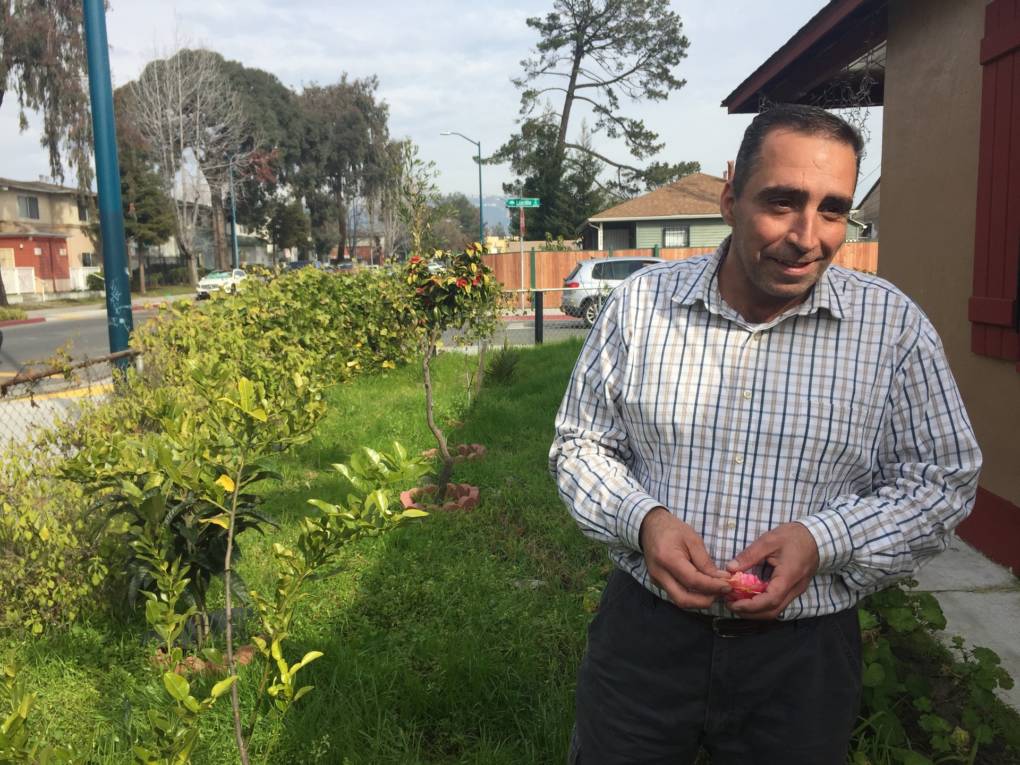
"caption": "Mohammad Aref Rawoas shows off his garden in East Oakland. He stands among young figs, lemons, grapes, peas and loquats. The small side yard pales in comparison to the nearly 10-acre farm the family had in Syria.",
"description": "Mohammed Aref Rawoas shows off his garden in East Oakland. He stands among young figs, lemons, grapes, peas, and loquats. The small side yard pales in comparison to the nearly 10-acre farm the family had in Syria.",
"title": "RS24008_Aref-qut",
"credit": "Laura Klivans/KQED",
"status": "inherit",
"isLoading": false,
"fetchFailed": false
},
"news_11303915": {
"type": "attachments",
"id": "news_11303915",
"meta": {
"index": "attachments_1716263798",
"site": "news",
"id": "11303915",
"found": true
},
"parent": 11303797,
"imgSizes": {
"small": {
"file": "https://ww2.kqed.org/app/uploads/sites/10/2017/02/Screenshot-2017-02-06-09.02.24-520x325.png",
"width": 520,
"mimeType": "image/png",
"height": 325
},
"twentyfourteen-full-width": {
"file": "https://ww2.kqed.org/app/uploads/sites/10/2017/02/Screenshot-2017-02-06-09.02.24-1038x576.png",
"width": 1038,
"mimeType": "image/png",
"height": 576
},
"thumbnail": {
"file": "https://ww2.kqed.org/app/uploads/sites/10/2017/02/Screenshot-2017-02-06-09.02.24-160x100.png",
"width": 160,
"mimeType": "image/png",
"height": 100
},
"fd-sm": {
"file": "https://ww2.kqed.org/app/uploads/sites/10/2017/02/Screenshot-2017-02-06-09.02.24-960x600.png",
"width": 960,
"mimeType": "image/png",
"height": 600
},
"post-thumbnail": {
"file": "https://ww2.kqed.org/app/uploads/sites/10/2017/02/Screenshot-2017-02-06-09.02.24-672x372.png",
"width": 672,
"mimeType": "image/png",
"height": 372
},
"xsmall": {
"file": "https://ww2.kqed.org/app/uploads/sites/10/2017/02/Screenshot-2017-02-06-09.02.24-375x234.png",
"width": 375,
"mimeType": "image/png",
"height": 234
},
"kqedFullSize": {
"file": "https://ww2.kqed.org/app/uploads/sites/10/2017/02/Screenshot-2017-02-06-09.02.24.png",
"width": 1280,
"height": 800
},
"large": {
"file": "https://ww2.kqed.org/app/uploads/sites/10/2017/02/Screenshot-2017-02-06-09.02.24-1020x638.png",
"width": 1020,
"mimeType": "image/png",
"height": 638
},
"xlarge": {
"file": "https://ww2.kqed.org/app/uploads/sites/10/2017/02/Screenshot-2017-02-06-09.02.24-1180x738.png",
"width": 1180,
"mimeType": "image/png",
"height": 738
},
"guest-author-50": {
"file": "https://ww2.kqed.org/app/uploads/sites/10/2017/02/Screenshot-2017-02-06-09.02.24-50x50.png",
"width": 50,
"mimeType": "image/png",
"height": 50
},
"guest-author-96": {
"file": "https://ww2.kqed.org/app/uploads/sites/10/2017/02/Screenshot-2017-02-06-09.02.24-96x96.png",
"width": 96,
"mimeType": "image/png",
"height": 96
},
"medium": {
"file": "https://ww2.kqed.org/app/uploads/sites/10/2017/02/Screenshot-2017-02-06-09.02.24-800x500.png",
"width": 800,
"mimeType": "image/png",
"height": 500
},
"guest-author-64": {
"file": "https://ww2.kqed.org/app/uploads/sites/10/2017/02/Screenshot-2017-02-06-09.02.24-64x64.png",
"width": 64,
"mimeType": "image/png",
"height": 64
},
"guest-author-32": {
"file": "https://ww2.kqed.org/app/uploads/sites/10/2017/02/Screenshot-2017-02-06-09.02.24-32x32.png",
"width": 32,
"mimeType": "image/png",
"height": 32
},
"jmtc-small-thumb": {
"file": "https://ww2.kqed.org/app/uploads/sites/10/2017/02/Screenshot-2017-02-06-09.02.24-280x150.png",
"width": 280,
"mimeType": "image/png",
"height": 150
},
"fd-med": {
"file": "https://ww2.kqed.org/app/uploads/sites/10/2017/02/Screenshot-2017-02-06-09.02.24-1180x738.png",
"width": 1180,
"mimeType": "image/png",
"height": 738
},
"detail": {
"file": "https://ww2.kqed.org/app/uploads/sites/10/2017/02/Screenshot-2017-02-06-09.02.24-150x150.png",
"width": 150,
"mimeType": "image/png",
"height": 150
},
"guest-author-128": {
"file": "https://ww2.kqed.org/app/uploads/sites/10/2017/02/Screenshot-2017-02-06-09.02.24-128x128.png",
"width": 128,
"mimeType": "image/png",
"height": 128
},
"xxsmall": {
"file": "https://ww2.kqed.org/app/uploads/sites/10/2017/02/Screenshot-2017-02-06-09.02.24-240x150.png",
"width": 240,
"mimeType": "image/png",
"height": 150
}
},
"publishDate": 1486400582,
"modified": 1486400717,
"caption": "Screen capture of President Trump's pre-Super Bowl interview with Bill O'Reilly of Fox News. ",
"description": null,
"title": "Donald Trump-Bill O'Reilly",
"credit": "Fox News ",
"status": "inherit",
"isLoading": false,
"fetchFailed": false
},
"bayareabites_115037": {
"type": "attachments",
"id": "bayareabites_115037",
"meta": {
"index": "attachments_1716263798",
"site": "bayareabites",
"id": "115037",
"found": true
},
"parent": 115036,
"imgSizes": {
"small": {
"file": "https://ww2.kqed.org/app/uploads/sites/24/2017/02/bud-promo_wide-3693bd87bec165f0dee0c2905e46df957086c685-520x292.jpg",
"width": 520,
"mimeType": "image/jpeg",
"height": 292
},
"twentyfourteen-full-width": {
"file": "https://ww2.kqed.org/app/uploads/sites/24/2017/02/bud-promo_wide-3693bd87bec165f0dee0c2905e46df957086c685-1038x576.jpg",
"width": 1038,
"mimeType": "image/jpeg",
"height": 576
},
"thumbnail": {
"file": "https://ww2.kqed.org/app/uploads/sites/24/2017/02/bud-promo_wide-3693bd87bec165f0dee0c2905e46df957086c685-160x90.jpg",
"width": 160,
"mimeType": "image/jpeg",
"height": 90
},
"fd-sm": {
"file": "https://ww2.kqed.org/app/uploads/sites/24/2017/02/bud-promo_wide-3693bd87bec165f0dee0c2905e46df957086c685-960x540.jpg",
"width": 960,
"mimeType": "image/jpeg",
"height": 540
},
"post-thumbnail": {
"file": "https://ww2.kqed.org/app/uploads/sites/24/2017/02/bud-promo_wide-3693bd87bec165f0dee0c2905e46df957086c685-672x372.jpg",
"width": 672,
"mimeType": "image/jpeg",
"height": 372
},
"xsmall": {
"file": "https://ww2.kqed.org/app/uploads/sites/24/2017/02/bud-promo_wide-3693bd87bec165f0dee0c2905e46df957086c685-375x211.jpg",
"width": 375,
"mimeType": "image/jpeg",
"height": 211
},
"kqedFullSize": {
"file": "https://ww2.kqed.org/app/uploads/sites/24/2017/02/bud-promo_wide-3693bd87bec165f0dee0c2905e46df957086c685.jpg",
"width": 1430,
"height": 804
},
"large": {
"file": "https://ww2.kqed.org/app/uploads/sites/24/2017/02/bud-promo_wide-3693bd87bec165f0dee0c2905e46df957086c685-1020x573.jpg",
"width": 1020,
"mimeType": "image/jpeg",
"height": 573
},
"xlarge": {
"file": "https://ww2.kqed.org/app/uploads/sites/24/2017/02/bud-promo_wide-3693bd87bec165f0dee0c2905e46df957086c685-1180x663.jpg",
"width": 1180,
"mimeType": "image/jpeg",
"height": 663
},
"guest-author-50": {
"file": "https://ww2.kqed.org/app/uploads/sites/24/2017/02/bud-promo_wide-3693bd87bec165f0dee0c2905e46df957086c685-50x50.jpg",
"width": 50,
"mimeType": "image/jpeg",
"height": 50
},
"guest-author-96": {
"file": "https://ww2.kqed.org/app/uploads/sites/24/2017/02/bud-promo_wide-3693bd87bec165f0dee0c2905e46df957086c685-96x96.jpg",
"width": 96,
"mimeType": "image/jpeg",
"height": 96
},
"medium": {
"file": "https://ww2.kqed.org/app/uploads/sites/24/2017/02/bud-promo_wide-3693bd87bec165f0dee0c2905e46df957086c685-800x450.jpg",
"width": 800,
"mimeType": "image/jpeg",
"height": 450
},
"guest-author-64": {
"file": "https://ww2.kqed.org/app/uploads/sites/24/2017/02/bud-promo_wide-3693bd87bec165f0dee0c2905e46df957086c685-64x64.jpg",
"width": 64,
"mimeType": "image/jpeg",
"height": 64
},
"guest-author-32": {
"file": "https://ww2.kqed.org/app/uploads/sites/24/2017/02/bud-promo_wide-3693bd87bec165f0dee0c2905e46df957086c685-32x32.jpg",
"width": 32,
"mimeType": "image/jpeg",
"height": 32
},
"fd-med": {
"file": "https://ww2.kqed.org/app/uploads/sites/24/2017/02/bud-promo_wide-3693bd87bec165f0dee0c2905e46df957086c685-1180x663.jpg",
"width": 1180,
"mimeType": "image/jpeg",
"height": 663
},
"detail": {
"file": "https://ww2.kqed.org/app/uploads/sites/24/2017/02/bud-promo_wide-3693bd87bec165f0dee0c2905e46df957086c685-150x150.jpg",
"width": 150,
"mimeType": "image/jpeg",
"height": 150
},
"medium_large": {
"file": "https://ww2.kqed.org/app/uploads/sites/24/2017/02/bud-promo_wide-3693bd87bec165f0dee0c2905e46df957086c685-768x432.jpg",
"width": 768,
"mimeType": "image/jpeg",
"height": 432
},
"guest-author-128": {
"file": "https://ww2.kqed.org/app/uploads/sites/24/2017/02/bud-promo_wide-3693bd87bec165f0dee0c2905e46df957086c685-128x128.jpg",
"width": 128,
"mimeType": "image/jpeg",
"height": 128
},
"xxsmall": {
"file": "https://ww2.kqed.org/app/uploads/sites/24/2017/02/bud-promo_wide-3693bd87bec165f0dee0c2905e46df957086c685-240x135.jpg",
"width": 240,
"mimeType": "image/jpeg",
"height": 135
}
},
"publishDate": 1486155494,
"modified": 1486155952,
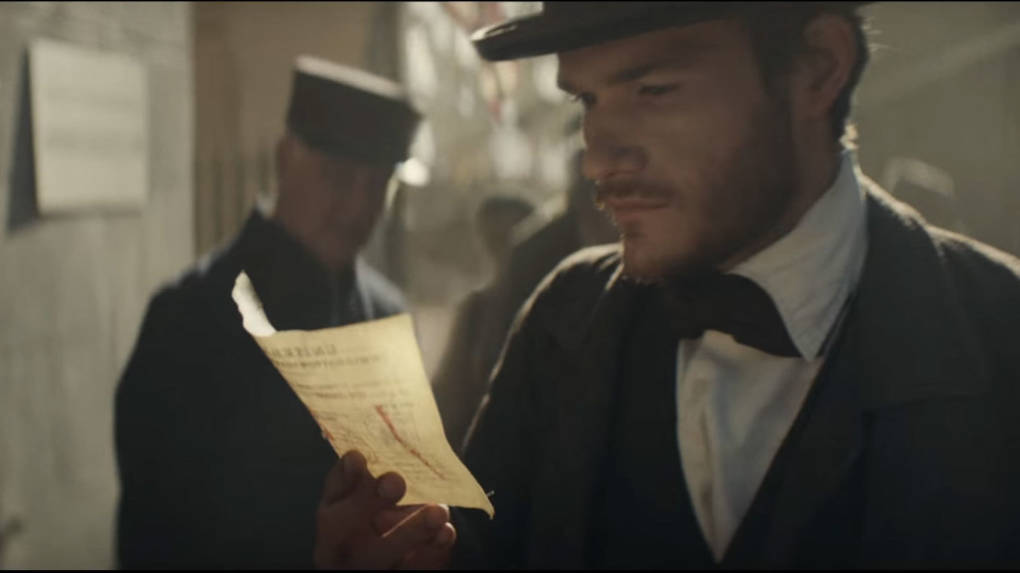
"caption": "A still from Budweiser's Super Bowl ad tells the story of one of Budweiser's founders.",
"description": "A still from Budweiser's Super Bowl ad tells the story of one of Budweiser's founders.",
"title": "A still from Budweiser's Super Bowl ad tells the story of one of Budweiser's founders.",
"credit": null,
"status": "inherit",
"isLoading": false,
"fetchFailed": false
},
"news_11300351": {
"type": "attachments",
"id": "news_11300351",
"meta": {
"index": "attachments_1716263798",
"site": "news",
"id": "11300351",
"found": true
},
"parent": 11299892,
"imgSizes": {
"small": {
"file": "https://ww2.kqed.org/app/uploads/sites/10/2017/02/Roomates-520x337.jpg",
"width": 520,
"mimeType": "image/jpeg",
"height": 337
},
"twentyfourteen-full-width": {
"file": "https://ww2.kqed.org/app/uploads/sites/10/2017/02/Roomates-1038x576.jpg",
"width": 1038,
"mimeType": "image/jpeg",
"height": 576
},
"thumbnail": {
"file": "https://ww2.kqed.org/app/uploads/sites/10/2017/02/Roomates-160x104.jpg",
"width": 160,
"mimeType": "image/jpeg",
"height": 104
},
"fd-sm": {
"file": "https://ww2.kqed.org/app/uploads/sites/10/2017/02/Roomates-960x622.jpg",
"width": 960,
"mimeType": "image/jpeg",
"height": 622
},
"post-thumbnail": {
"file": "https://ww2.kqed.org/app/uploads/sites/10/2017/02/Roomates-672x372.jpg",
"width": 672,
"mimeType": "image/jpeg",
"height": 372
},
"xsmall": {
"file": "https://ww2.kqed.org/app/uploads/sites/10/2017/02/Roomates-375x243.jpg",
"width": 375,
"mimeType": "image/jpeg",
"height": 243
},
"kqedFullSize": {
"file": "https://ww2.kqed.org/app/uploads/sites/10/2017/02/Roomates.jpg",
"width": 1920,
"height": 1243
},
"large": {
"file": "https://ww2.kqed.org/app/uploads/sites/10/2017/02/Roomates-1020x660.jpg",
"width": 1020,
"mimeType": "image/jpeg",
"height": 660
},
"xlarge": {
"file": "https://ww2.kqed.org/app/uploads/sites/10/2017/02/Roomates-1180x764.jpg",
"width": 1180,
"mimeType": "image/jpeg",
"height": 764
},
"guest-author-50": {
"file": "https://ww2.kqed.org/app/uploads/sites/10/2017/02/Roomates-50x50.jpg",
"width": 50,
"mimeType": "image/jpeg",
"height": 50
},
"guest-author-96": {
"file": "https://ww2.kqed.org/app/uploads/sites/10/2017/02/Roomates-96x96.jpg",
"width": 96,
"mimeType": "image/jpeg",
"height": 96
},
"medium": {
"file": "https://ww2.kqed.org/app/uploads/sites/10/2017/02/Roomates-800x518.jpg",
"width": 800,
"mimeType": "image/jpeg",
"height": 518
},
"guest-author-64": {
"file": "https://ww2.kqed.org/app/uploads/sites/10/2017/02/Roomates-64x64.jpg",
"width": 64,
"mimeType": "image/jpeg",
"height": 64
},
"guest-author-32": {
"file": "https://ww2.kqed.org/app/uploads/sites/10/2017/02/Roomates-32x32.jpg",
"width": 32,
"mimeType": "image/jpeg",
"height": 32
},
"jmtc-small-thumb": {
"file": "https://ww2.kqed.org/app/uploads/sites/10/2017/02/Roomates-280x150.jpg",
"width": 280,
"mimeType": "image/jpeg",
"height": 150
},
"fd-lrg": {
"file": "https://ww2.kqed.org/app/uploads/sites/10/2017/02/Roomates-1920x1243.jpg",
"width": 1920,
"mimeType": "image/jpeg",
"height": 1243
},
"fd-med": {
"file": "https://ww2.kqed.org/app/uploads/sites/10/2017/02/Roomates-1180x764.jpg",
"width": 1180,
"mimeType": "image/jpeg",
"height": 764
},
"full-width": {
"file": "https://ww2.kqed.org/app/uploads/sites/10/2017/02/Roomates-1920x1243.jpg",
"width": 1920,
"mimeType": "image/jpeg",
"height": 1243
},
"detail": {
"file": "https://ww2.kqed.org/app/uploads/sites/10/2017/02/Roomates-150x150.jpg",
"width": 150,
"mimeType": "image/jpeg",
"height": 150
},
"guest-author-128": {
"file": "https://ww2.kqed.org/app/uploads/sites/10/2017/02/Roomates-128x128.jpg",
"width": 128,
"mimeType": "image/jpeg",
"height": 128
},
"xxsmall": {
"file": "https://ww2.kqed.org/app/uploads/sites/10/2017/02/Roomates-240x155.jpg",
"width": 240,
"mimeType": "image/jpeg",
"height": 155
}
},
"publishDate": 1486177922,
"modified": 1486177958,
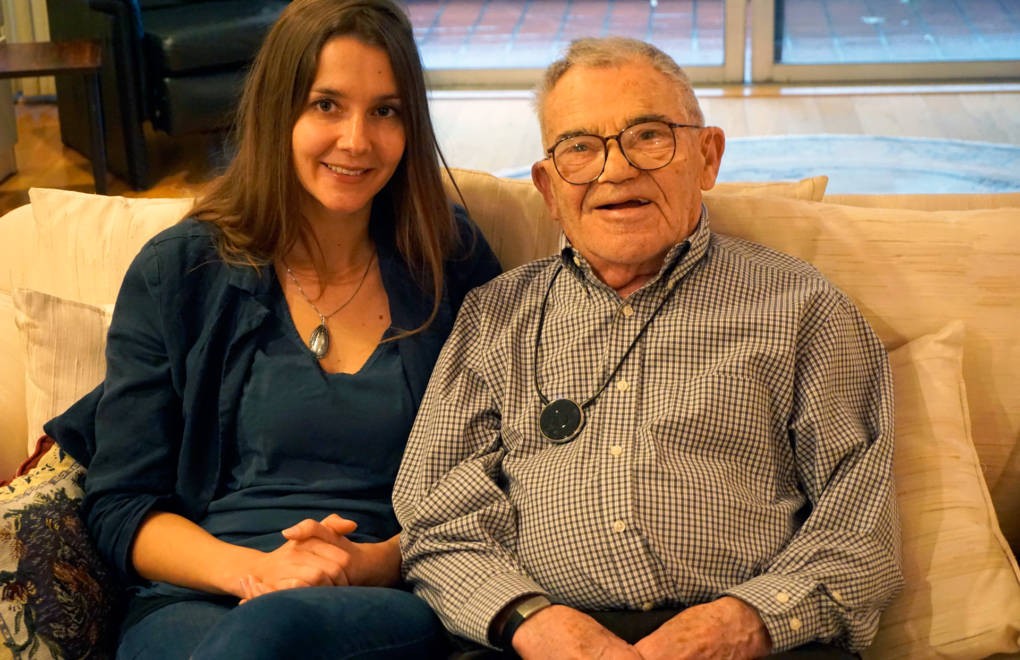
"caption": "Lea Heitfeld and Ben Stern sit on the couch in their Berkeley apartment. Stern is a 95-year-old Holocaust survivor from Poland and Heitfeld is a 31-year-old German graduate student whose grandparents were active Nazis.",
"description": "Lea Heitfeld and Ben Stern sit on the couch in their Berkeley apartment. Stern is a 95-year-old Holocaust survivor from Poland and Heitfeld is a 31-year-old German graduate student whose grandparents were active Nazis.",
"title": "Roomates",
"credit": "Sasha Khokha/KQED",
"status": "inherit",
"isLoading": false,
"fetchFailed": false
},
"news_11303002": {
"type": "attachments",
"id": "news_11303002",
"meta": {
"index": "attachments_1716263798",
"site": "news",
"id": "11303002",
"found": true
},
"parent": 11301672,
"imgSizes": {
"small": {
"file": "https://ww2.kqed.org/app/uploads/sites/10/2017/02/RS24030_EA_F_siter-qut-520x390.jpg",
"width": 520,
"mimeType": "image/jpeg",
"height": 390
},
"twentyfourteen-full-width": {
"file": "https://ww2.kqed.org/app/uploads/sites/10/2017/02/RS24030_EA_F_siter-qut-1024x576.jpg",
"width": 1024,
"mimeType": "image/jpeg",
"height": 576
},
"thumbnail": {
"file": "https://ww2.kqed.org/app/uploads/sites/10/2017/02/RS24030_EA_F_siter-qut-160x120.jpg",
"width": 160,
"mimeType": "image/jpeg",
"height": 120
},
"fd-sm": {
"file": "https://ww2.kqed.org/app/uploads/sites/10/2017/02/RS24030_EA_F_siter-qut-960x720.jpg",
"width": 960,
"mimeType": "image/jpeg",
"height": 720
},
"post-thumbnail": {
"file": "https://ww2.kqed.org/app/uploads/sites/10/2017/02/RS24030_EA_F_siter-qut-672x372.jpg",
"width": 672,
"mimeType": "image/jpeg",
"height": 372
},
"xsmall": {
"file": "https://ww2.kqed.org/app/uploads/sites/10/2017/02/RS24030_EA_F_siter-qut-375x281.jpg",
"width": 375,
"mimeType": "image/jpeg",
"height": 281
},
"kqedFullSize": {
"file": "https://ww2.kqed.org/app/uploads/sites/10/2017/02/RS24030_EA_F_siter-qut.jpg",
"width": 1024,
"height": 768
},
"large": {
"file": "https://ww2.kqed.org/app/uploads/sites/10/2017/02/RS24030_EA_F_siter-qut-1020x765.jpg",
"width": 1020,
"mimeType": "image/jpeg",
"height": 765
},
"guest-author-50": {
"file": "https://ww2.kqed.org/app/uploads/sites/10/2017/02/RS24030_EA_F_siter-qut-50x50.jpg",
"width": 50,
"mimeType": "image/jpeg",
"height": 50
},
"guest-author-96": {
"file": "https://ww2.kqed.org/app/uploads/sites/10/2017/02/RS24030_EA_F_siter-qut-96x96.jpg",
"width": 96,
"mimeType": "image/jpeg",
"height": 96
},
"medium": {
"file": "https://ww2.kqed.org/app/uploads/sites/10/2017/02/RS24030_EA_F_siter-qut-800x600.jpg",
"width": 800,
"mimeType": "image/jpeg",
"height": 600
},
"guest-author-64": {
"file": "https://ww2.kqed.org/app/uploads/sites/10/2017/02/RS24030_EA_F_siter-qut-64x64.jpg",
"width": 64,
"mimeType": "image/jpeg",
"height": 64
},
"guest-author-32": {
"file": "https://ww2.kqed.org/app/uploads/sites/10/2017/02/RS24030_EA_F_siter-qut-32x32.jpg",
"width": 32,
"mimeType": "image/jpeg",
"height": 32
},
"jmtc-small-thumb": {
"file": "https://ww2.kqed.org/app/uploads/sites/10/2017/02/RS24030_EA_F_siter-qut-280x150.jpg",
"width": 280,
"mimeType": "image/jpeg",
"height": 150
},
"detail": {
"file": "https://ww2.kqed.org/app/uploads/sites/10/2017/02/RS24030_EA_F_siter-qut-150x150.jpg",
"width": 150,
"mimeType": "image/jpeg",
"height": 150
},
"guest-author-128": {
"file": "https://ww2.kqed.org/app/uploads/sites/10/2017/02/RS24030_EA_F_siter-qut-128x128.jpg",
"width": 128,
"mimeType": "image/jpeg",
"height": 128
},
"xxsmall": {
"file": "https://ww2.kqed.org/app/uploads/sites/10/2017/02/RS24030_EA_F_siter-qut-240x180.jpg",
"width": 240,
"mimeType": "image/jpeg",
"height": 180
}
},
"publishDate": 1486345147,
"modified": 1486345180,
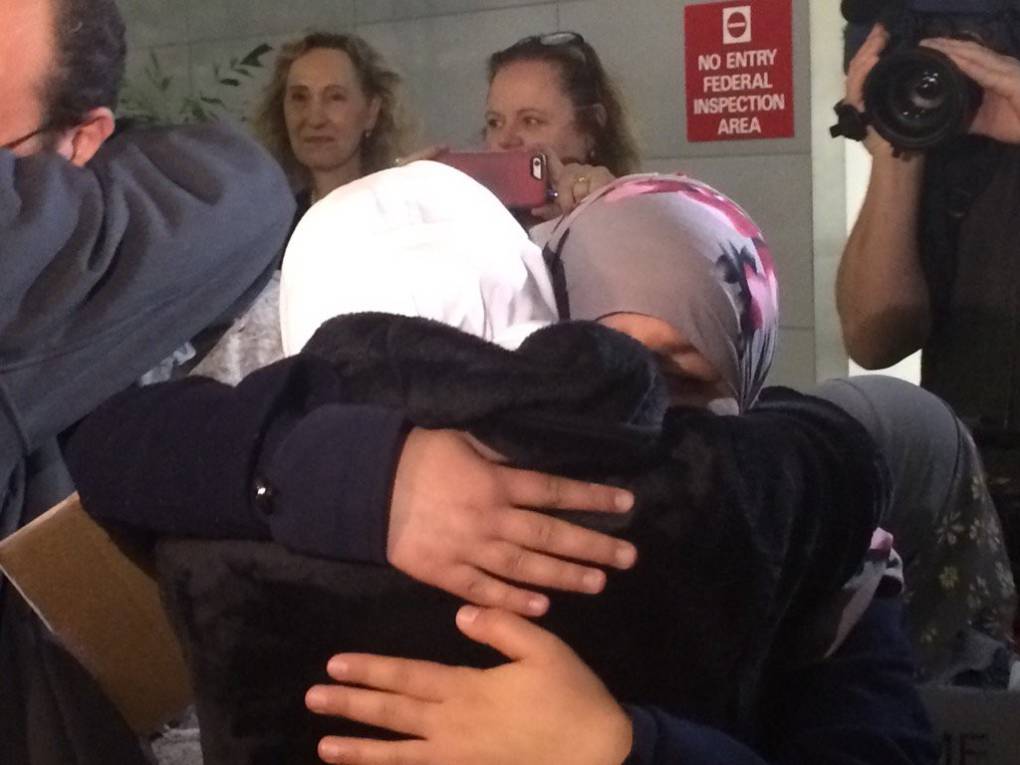
"caption": "Eman Ali, 12, and her sister embrace at SFO. She'd been stranded by Trump's travel ban, and hadn't seen her sister in four years.",
"description": null,
"title": "RS24030_EA_F_siter-qut",
"credit": "Farida Jhabvala Romero/KQED",
"status": "inherit",
"isLoading": false,
"fetchFailed": false
},
"news_11299999": {
"type": "attachments",
"id": "news_11299999",
"meta": {
"index": "attachments_1716263798",
"site": "news",
"id": "11299999",
"found": true
},
"parent": 11299596,
"imgSizes": {
"small": {
"file": "https://ww2.kqed.org/app/uploads/sites/10/2017/02/Viet-Thanh-Nguyen-1-520x347.jpg",
"width": 520,
"mimeType": "image/jpeg",
"height": 347
},
"twentyfourteen-full-width": {
"file": "https://ww2.kqed.org/app/uploads/sites/10/2017/02/Viet-Thanh-Nguyen-1-1038x576.jpg",
"width": 1038,
"mimeType": "image/jpeg",
"height": 576
},
"thumbnail": {
"file": "https://ww2.kqed.org/app/uploads/sites/10/2017/02/Viet-Thanh-Nguyen-1-160x107.jpg",
"width": 160,
"mimeType": "image/jpeg",
"height": 107
},
"fd-sm": {
"file": "https://ww2.kqed.org/app/uploads/sites/10/2017/02/Viet-Thanh-Nguyen-1-960x640.jpg",
"width": 960,
"mimeType": "image/jpeg",
"height": 640
},
"post-thumbnail": {
"file": "https://ww2.kqed.org/app/uploads/sites/10/2017/02/Viet-Thanh-Nguyen-1-672x372.jpg",
"width": 672,
"mimeType": "image/jpeg",
"height": 372
},
"xsmall": {
"file": "https://ww2.kqed.org/app/uploads/sites/10/2017/02/Viet-Thanh-Nguyen-1-375x250.jpg",
"width": 375,
"mimeType": "image/jpeg",
"height": 250
},
"kqedFullSize": {
"file": "https://ww2.kqed.org/app/uploads/sites/10/2017/02/Viet-Thanh-Nguyen-1.jpg",
"width": 1920,
"height": 1280
},
"large": {
"file": "https://ww2.kqed.org/app/uploads/sites/10/2017/02/Viet-Thanh-Nguyen-1-1020x680.jpg",
"width": 1020,
"mimeType": "image/jpeg",
"height": 680
},
"xlarge": {
"file": "https://ww2.kqed.org/app/uploads/sites/10/2017/02/Viet-Thanh-Nguyen-1-1180x787.jpg",
"width": 1180,
"mimeType": "image/jpeg",
"height": 787
},
"guest-author-50": {
"file": "https://ww2.kqed.org/app/uploads/sites/10/2017/02/Viet-Thanh-Nguyen-1-50x50.jpg",
"width": 50,
"mimeType": "image/jpeg",
"height": 50
},
"guest-author-96": {
"file": "https://ww2.kqed.org/app/uploads/sites/10/2017/02/Viet-Thanh-Nguyen-1-96x96.jpg",
"width": 96,
"mimeType": "image/jpeg",
"height": 96
},
"medium": {
"file": "https://ww2.kqed.org/app/uploads/sites/10/2017/02/Viet-Thanh-Nguyen-1-800x533.jpg",
"width": 800,
"mimeType": "image/jpeg",
"height": 533
},
"guest-author-64": {
"file": "https://ww2.kqed.org/app/uploads/sites/10/2017/02/Viet-Thanh-Nguyen-1-64x64.jpg",
"width": 64,
"mimeType": "image/jpeg",
"height": 64
},
"guest-author-32": {
"file": "https://ww2.kqed.org/app/uploads/sites/10/2017/02/Viet-Thanh-Nguyen-1-32x32.jpg",
"width": 32,
"mimeType": "image/jpeg",
"height": 32
},
"jmtc-small-thumb": {
"file": "https://ww2.kqed.org/app/uploads/sites/10/2017/02/Viet-Thanh-Nguyen-1-280x150.jpg",
"width": 280,
"mimeType": "image/jpeg",
"height": 150
},
"fd-lrg": {
"file": "https://ww2.kqed.org/app/uploads/sites/10/2017/02/Viet-Thanh-Nguyen-1-1920x1280.jpg",
"width": 1920,
"mimeType": "image/jpeg",
"height": 1280
},
"fd-med": {
"file": "https://ww2.kqed.org/app/uploads/sites/10/2017/02/Viet-Thanh-Nguyen-1-1180x787.jpg",
"width": 1180,
"mimeType": "image/jpeg",
"height": 787
},
"full-width": {
"file": "https://ww2.kqed.org/app/uploads/sites/10/2017/02/Viet-Thanh-Nguyen-1-1920x1280.jpg",
"width": 1920,
"mimeType": "image/jpeg",
"height": 1280
},
"detail": {
"file": "https://ww2.kqed.org/app/uploads/sites/10/2017/02/Viet-Thanh-Nguyen-1-150x150.jpg",
"width": 150,
"mimeType": "image/jpeg",
"height": 150
},
"guest-author-128": {
"file": "https://ww2.kqed.org/app/uploads/sites/10/2017/02/Viet-Thanh-Nguyen-1-128x128.jpg",
"width": 128,
"mimeType": "image/jpeg",
"height": 128
},
"xxsmall": {
"file": "https://ww2.kqed.org/app/uploads/sites/10/2017/02/Viet-Thanh-Nguyen-1-240x160.jpg",
"width": 240,
"mimeType": "image/jpeg",
"height": 160
}
},
"publishDate": 1486163837,
"modified": 1486164080,
"caption": "Pulitzer Prize-winning author Viet Thanh Nguyen signs copies of his new collection of short stories, \"The Refugees.\" Nguyen came to the United States with his family as a refugee from Vietnam after the end of the Vietnam War in 1975.",
"description": null,
"title": "Viet Thanh Nguyen",
"credit": "Sasha Khokha/KQED",
"status": "inherit",
"isLoading": false,
"fetchFailed": false
},
"news_11300006": {
"type": "attachments",
"id": "news_11300006",
"meta": {
"index": "attachments_1716263798",
"site": "news",
"id": "11300006",
"found": true
},
"parent": 11298547,
"imgSizes": {
"small": {
"file": "https://ww2.kqed.org/app/uploads/sites/10/2017/02/ImmProtestersMain-520x322.jpg",
"width": 520,
"mimeType": "image/jpeg",
"height": 322
},
"twentyfourteen-full-width": {
"file": "https://ww2.kqed.org/app/uploads/sites/10/2017/02/ImmProtestersMain-1038x576.jpg",
"width": 1038,
"mimeType": "image/jpeg",
"height": 576
},
"thumbnail": {
"file": "https://ww2.kqed.org/app/uploads/sites/10/2017/02/ImmProtestersMain-160x99.jpg",
"width": 160,
"mimeType": "image/jpeg",
"height": 99
},
"fd-sm": {
"file": "https://ww2.kqed.org/app/uploads/sites/10/2017/02/ImmProtestersMain-960x595.jpg",
"width": 960,
"mimeType": "image/jpeg",
"height": 595
},
"post-thumbnail": {
"file": "https://ww2.kqed.org/app/uploads/sites/10/2017/02/ImmProtestersMain-672x372.jpg",
"width": 672,
"mimeType": "image/jpeg",
"height": 372
},
"xsmall": {
"file": "https://ww2.kqed.org/app/uploads/sites/10/2017/02/ImmProtestersMain-375x232.jpg",
"width": 375,
"mimeType": "image/jpeg",
"height": 232
},
"kqedFullSize": {
"file": "https://ww2.kqed.org/app/uploads/sites/10/2017/02/ImmProtestersMain.jpg",
"width": 1920,
"height": 1190
},
"large": {
"file": "https://ww2.kqed.org/app/uploads/sites/10/2017/02/ImmProtestersMain-1020x632.jpg",
"width": 1020,
"mimeType": "image/jpeg",
"height": 632
},
"xlarge": {
"file": "https://ww2.kqed.org/app/uploads/sites/10/2017/02/ImmProtestersMain-1180x731.jpg",
"width": 1180,
"mimeType": "image/jpeg",
"height": 731
},
"guest-author-50": {
"file": "https://ww2.kqed.org/app/uploads/sites/10/2017/02/ImmProtestersMain-50x50.jpg",
"width": 50,
"mimeType": "image/jpeg",
"height": 50
},
"guest-author-96": {
"file": "https://ww2.kqed.org/app/uploads/sites/10/2017/02/ImmProtestersMain-96x96.jpg",
"width": 96,
"mimeType": "image/jpeg",
"height": 96
},
"medium": {
"file": "https://ww2.kqed.org/app/uploads/sites/10/2017/02/ImmProtestersMain-800x496.jpg",
"width": 800,
"mimeType": "image/jpeg",
"height": 496
},
"guest-author-64": {
"file": "https://ww2.kqed.org/app/uploads/sites/10/2017/02/ImmProtestersMain-64x64.jpg",
"width": 64,
"mimeType": "image/jpeg",
"height": 64
},
"guest-author-32": {
"file": "https://ww2.kqed.org/app/uploads/sites/10/2017/02/ImmProtestersMain-32x32.jpg",
"width": 32,
"mimeType": "image/jpeg",
"height": 32
},
"jmtc-small-thumb": {
"file": "https://ww2.kqed.org/app/uploads/sites/10/2017/02/ImmProtestersMain-280x150.jpg",
"width": 280,
"mimeType": "image/jpeg",
"height": 150
},
"fd-lrg": {
"file": "https://ww2.kqed.org/app/uploads/sites/10/2017/02/ImmProtestersMain-1920x1190.jpg",
"width": 1920,
"mimeType": "image/jpeg",
"height": 1190
},
"fd-med": {
"file": "https://ww2.kqed.org/app/uploads/sites/10/2017/02/ImmProtestersMain-1180x731.jpg",
"width": 1180,
"mimeType": "image/jpeg",
"height": 731
},
"full-width": {
"file": "https://ww2.kqed.org/app/uploads/sites/10/2017/02/ImmProtestersMain-1920x1190.jpg",
"width": 1920,
"mimeType": "image/jpeg",
"height": 1190
},
"detail": {
"file": "https://ww2.kqed.org/app/uploads/sites/10/2017/02/ImmProtestersMain-150x150.jpg",
"width": 150,
"mimeType": "image/jpeg",
"height": 150
},
"guest-author-128": {
"file": "https://ww2.kqed.org/app/uploads/sites/10/2017/02/ImmProtestersMain-128x128.jpg",
"width": 128,
"mimeType": "image/jpeg",
"height": 128
},
"xxsmall": {
"file": "https://ww2.kqed.org/app/uploads/sites/10/2017/02/ImmProtestersMain-240x149.jpg",
"width": 240,
"mimeType": "image/jpeg",
"height": 149
}
},
"publishDate": 1486164406,
"modified": 1486164471,
"caption": "Protesters gathered at Los Angeles International Airport to demonstrate against President Trump's executive order effectively banning citizens from seven Muslim-majority countries.",
"description": "Protesters gathered at Los Angeles International Airport to demonstrate against President Trump's executive order effectively banning citizens from seven Muslim-majority countries.",
"title": "ImmProtestersMain",
"credit": "KONRAD FIEDLER/AFP/Getty Images",
"status": "inherit",
"isLoading": false,
"fetchFailed": false
},
"news_11300191": {
"type": "attachments",
"id": "news_11300191",
"meta": {
"index": "attachments_1716263798",
"site": "news",
"id": "11300191",
"found": true
},
"parent": 11300180,
"imgSizes": {
"small": {
"file": "https://ww2.kqed.org/app/uploads/sites/10/2017/02/GettyImages-633066522-520x352.jpg",
"width": 520,
"mimeType": "image/jpeg",
"height": 352
},
"twentyfourteen-full-width": {
"file": "https://ww2.kqed.org/app/uploads/sites/10/2017/02/GettyImages-633066522-1038x576.jpg",
"width": 1038,
"mimeType": "image/jpeg",
"height": 576
},
"thumbnail": {
"file": "https://ww2.kqed.org/app/uploads/sites/10/2017/02/GettyImages-633066522-160x108.jpg",
"width": 160,
"mimeType": "image/jpeg",
"height": 108
},
"fd-sm": {
"file": "https://ww2.kqed.org/app/uploads/sites/10/2017/02/GettyImages-633066522-960x649.jpg",
"width": 960,
"mimeType": "image/jpeg",
"height": 649
},
"post-thumbnail": {
"file": "https://ww2.kqed.org/app/uploads/sites/10/2017/02/GettyImages-633066522-672x372.jpg",
"width": 672,
"mimeType": "image/jpeg",
"height": 372
},
"xsmall": {
"file": "https://ww2.kqed.org/app/uploads/sites/10/2017/02/GettyImages-633066522-375x254.jpg",
"width": 375,
"mimeType": "image/jpeg",
"height": 254
},
"kqedFullSize": {
"file": "https://ww2.kqed.org/app/uploads/sites/10/2017/02/GettyImages-633066522.jpg",
"width": 4200,
"height": 2841
},
"large": {
"file": "https://ww2.kqed.org/app/uploads/sites/10/2017/02/GettyImages-633066522-1020x690.jpg",
"width": 1020,
"mimeType": "image/jpeg",
"height": 690
},
"xlarge": {
"file": "https://ww2.kqed.org/app/uploads/sites/10/2017/02/GettyImages-633066522-1180x798.jpg",
"width": 1180,
"mimeType": "image/jpeg",
"height": 798
},
"guest-author-50": {
"file": "https://ww2.kqed.org/app/uploads/sites/10/2017/02/GettyImages-633066522-50x50.jpg",
"width": 50,
"mimeType": "image/jpeg",
"height": 50
},
"guest-author-96": {
"file": "https://ww2.kqed.org/app/uploads/sites/10/2017/02/GettyImages-633066522-96x96.jpg",
"width": 96,
"mimeType": "image/jpeg",
"height": 96
},
"medium": {
"file": "https://ww2.kqed.org/app/uploads/sites/10/2017/02/GettyImages-633066522-800x541.jpg",
"width": 800,
"mimeType": "image/jpeg",
"height": 541
},
"guest-author-64": {
"file": "https://ww2.kqed.org/app/uploads/sites/10/2017/02/GettyImages-633066522-64x64.jpg",
"width": 64,
"mimeType": "image/jpeg",
"height": 64
},
"guest-author-32": {
"file": "https://ww2.kqed.org/app/uploads/sites/10/2017/02/GettyImages-633066522-32x32.jpg",
"width": 32,
"mimeType": "image/jpeg",
"height": 32
},
"jmtc-small-thumb": {
"file": "https://ww2.kqed.org/app/uploads/sites/10/2017/02/GettyImages-633066522-280x150.jpg",
"width": 280,
"mimeType": "image/jpeg",
"height": 150
},
"fd-lrg": {
"file": "https://ww2.kqed.org/app/uploads/sites/10/2017/02/GettyImages-633066522-1920x1299.jpg",
"width": 1920,
"mimeType": "image/jpeg",
"height": 1299
},
"fd-med": {
"file": "https://ww2.kqed.org/app/uploads/sites/10/2017/02/GettyImages-633066522-1180x798.jpg",
"width": 1180,
"mimeType": "image/jpeg",
"height": 798
},
"full-width": {
"file": "https://ww2.kqed.org/app/uploads/sites/10/2017/02/GettyImages-633066522-1920x1299.jpg",
"width": 1920,
"mimeType": "image/jpeg",
"height": 1299
},
"detail": {
"file": "https://ww2.kqed.org/app/uploads/sites/10/2017/02/GettyImages-633066522-150x150.jpg",
"width": 150,
"mimeType": "image/jpeg",
"height": 150
},
"guest-author-128": {
"file": "https://ww2.kqed.org/app/uploads/sites/10/2017/02/GettyImages-633066522-128x128.jpg",
"width": 128,
"mimeType": "image/jpeg",
"height": 128
},
"xxsmall": {
"file": "https://ww2.kqed.org/app/uploads/sites/10/2017/02/GettyImages-633066522-240x162.jpg",
"width": 240,
"mimeType": "image/jpeg",
"height": 162
}
},
"publishDate": 1486172167,
"modified": 1486173755,
"caption": "People march in support of immigrants and refugees in Seattle, Washington, on Jan. 29, 2017. President Trump signed the controversial executive order that halted refugees and residents from predominantly Muslim countries from entering the United States.",
"description": null,
"title": "TOPSHOT-US-TRUMP-PROTEST-IMMIGRATION-POLITICS-MIGRATION-SEATTLE",
"credit": "Jason Redmond/AFP/Getty Images",
"status": "inherit",
"isLoading": false,
"fetchFailed": false
}
},
"audioPlayerReducer": {
"postId": "stream_live",
"isPaused": true,
"isPlaying": false,
"pfsActive": false,
"pledgeModalIsOpen": true,
"playerDrawerIsOpen": false,
"liveAudioPlayStartedAt": 0,
"liveAudioPlayContext": ""
},
"authorsReducer": {
"byline_news_11307205": {
"type": "authors",
"id": "byline_news_11307205",
"meta": {
"override": true
},
"slug": "byline_news_11307205",
"name": "Brian Naylor",
"isLoading": false
},
"byline_news_11304485": {
"type": "authors",
"id": "byline_news_11304485",
"meta": {
"override": true
},
"slug": "byline_news_11304485",
"name": "Associated Press",
"isLoading": false
},
"byline_bayareabites_115036": {
"type": "authors",
"id": "byline_bayareabites_115036",
"meta": {
"override": true
},
"slug": "byline_bayareabites_115036",
"name": "Maria Godoy, NPR Food",
"isLoading": false
},
"byline_news_11300180": {
"type": "authors",
"id": "byline_news_11300180",
"meta": {
"override": true
},
"slug": "byline_news_11300180",
"name": "\u003cstrong>Martha Bellisle\u003cbr />Associated Press\u003c/strong>",
"isLoading": false
},
"danbrekke": {
"type": "authors",
"id": "222",
"meta": {
"index": "authors_1716337520",
"id": "222",
"found": true
},
"name": "Dan Brekke",
"firstName": "Dan",
"lastName": "Brekke",
"slug": "danbrekke",
"email": "dbrekke@kqed.org",
"display_author_email": true,
"staff_mastheads": [
"news",
"science"
],
"title": "KQED Editor and Reporter",
"bio": "Dan Brekke is a reporter and editor for KQED News, responsible for coverage of topics ranging from California water issues to the Bay Area's transportation challenges. In a newsroom career that began in Chicago in 1972, Dan has worked for \u003cem>The San Francisco Examiner,\u003c/em> Wired and TechTV and has been published in The New York Times, The New York Times Magazine, Business 2.0, Salon and elsewhere.\r\n\r\nSince joining KQED in 2007, Dan has reported, edited and produced both radio and online features and breaking news pieces. He has shared as both editor and reporter in four Society of Professional Journalists Norcal Excellence in Journalism awards and one Edward R. Murrow regional award. He was chosen for a spring 2017 residency at the Mesa Refuge to advance his research on California salmon.\r\n\r\nEmail Dan at: \u003ca href=\"mailto:dbrekke@kqed.org\">dbrekke@kqed.org\u003c/a>\r\n\r\n\u003cstrong>Twitter:\u003c/strong> \u003ca href=\"https://twitter.com/danbrekke\" rel=\"noopener noreferrer\">twitter.com/danbrekke\u003c/a>\r\n\u003cstrong>Facebook:\u003c/strong> \u003ca href=\"https://www.facebook.com/danbrekke\" rel=\"noopener noreferrer\">www.facebook.com/danbrekke\u003c/a>\r\n\u003cstrong>LinkedIn:\u003c/strong> \u003ca href=\"https://www.linkedin.com/in/danbrekke\" rel=\"noopener noreferrer\">www.linkedin.com/in/danbrekke\u003c/a>",
"avatar": "https://secure.gravatar.com/avatar/8f1f0d2a978fb3b23426c922c7e2af558fa36905b49c4ce76a97dc3c72d27226?s=600&d=mm&r=g",
"twitter": "danbrekke",
"bluesky": null,
"facebook": null,
"instagram": "https://www.instagram.com/dan.brekke/",
"linkedin": "https://www.linkedin.com/in/danbrekke/",
"sites": [
{
"site": "news",
"roles": [
"administrator",
"create_posts"
]
},
{
"site": "stateofhealth",
"roles": [
"editor"
]
},
{
"site": "science",
"roles": [
"editor"
]
},
{
"site": "quest",
"roles": [
"contributor"
]
},
{
"site": "food",
"roles": [
"contributor"
]
},
{
"site": "forum",
"roles": [
"contributor"
]
},
{
"site": "elections",
"roles": [
"editor"
]
},
{
"site": "liveblog",
"roles": [
"editor"
]
}
],
"headData": {
"title": "Dan Brekke | KQED",
"description": "KQED Editor and Reporter",
"ogImgSrc": "https://secure.gravatar.com/avatar/8f1f0d2a978fb3b23426c922c7e2af558fa36905b49c4ce76a97dc3c72d27226?s=600&d=mm&r=g",
"twImgSrc": "https://secure.gravatar.com/avatar/8f1f0d2a978fb3b23426c922c7e2af558fa36905b49c4ce76a97dc3c72d27226?s=600&d=mm&r=g"
},
"isLoading": false,
"link": "/author/danbrekke"
},
"sasha-khokha": {
"type": "authors",
"id": "254",
"meta": {
"index": "authors_1716337520",
"id": "254",
"found": true
},
"name": "Sasha Khokha",
"firstName": "Sasha",
"lastName": "Khokha",
"slug": "sasha-khokha",
"email": "skhokha@kqed.org",
"display_author_email": true,
"staff_mastheads": [
"news"
],
"title": "Host, The California Report Magazine",
"bio": "Sasha Khokha is the host of \u003cem>The California Report's \u003c/em> weekly magazine program, which takes listeners on sound-rich excursions to meet the people that make the Golden State unique -- through audio documentaries and long-form stories. As \u003cem>The California Report's\u003c/em> Central Valley Bureau Chief based in Fresno for nearly a dozen years, Sasha brought the lives and concerns of rural Californians to listeners around the state. Her reporting helped expose the hidden price immigrant women janitors and farmworkers may pay to keep their jobs: sexual assault at work. It inspired two new California laws to protect them from sexual harassment. She was a key member of the reporting team for the Frontline film \u003cem>Rape on the Night Shift, \u003c/em>which was nominated for two national Emmys. Sasha has also won a national Edward R. Murrow and a national PRNDI award for investigative reporting, as well as multiple prizes from the Society for Professional Journalists. Sasha is a proud alum of the UC Berkeley Graduate School of Journalism and Brown University and a member of the South Asian Journalists Association.",
"avatar": "https://secure.gravatar.com/avatar/e4b5e1541aaeea2aa356aa1fb2a68950?s=600&d=blank&r=g",
"twitter": "KQEDSashaKhokha",
"facebook": null,
"instagram": null,
"linkedin": null,
"sites": [
{
"site": "news",
"roles": [
"editor"
]
},
{
"site": "stateofhealth",
"roles": [
"author"
]
},
{
"site": "science",
"roles": [
"author"
]
},
{
"site": "quest",
"roles": [
"subscriber"
]
}
],
"headData": {
"title": "Sasha Khokha | KQED",
"description": "Host, The California Report Magazine",
"ogImgSrc": "https://secure.gravatar.com/avatar/e4b5e1541aaeea2aa356aa1fb2a68950?s=600&d=blank&r=g",
"twImgSrc": "https://secure.gravatar.com/avatar/e4b5e1541aaeea2aa356aa1fb2a68950?s=600&d=blank&r=g"
},
"isLoading": false,
"link": "/author/sasha-khokha"
},
"scottshafer": {
"type": "authors",
"id": "255",
"meta": {
"index": "authors_1716337520",
"id": "255",
"found": true
},
"name": "Scott Shafer",
"firstName": "Scott",
"lastName": "Shafer",
"slug": "scottshafer",
"email": "sshafer@kqed.org",
"display_author_email": false,
"staff_mastheads": [
"news"
],
"title": "KQED Contributor",
"bio": "Scott Shafer is a senior editor with the KQED Politics and Government desk. He is co-host of Political Breakdown, the award-winning radio show and podcast with a personal take on the world of politics. Scott came to KQED in 1998 to host the statewide\u003cem> California Report\u003c/em>. Prior to that he had extended stints in politics and government\u003cem>.\u003c/em> He uses that inside experience at KQED in his, reporting, hosting and analysis for the politics desk. Scott collaborated \u003cem>Political Breakdown a\u003c/em>nd on \u003cem>The Political Mind of Jerry Brown, \u003c/em>an eight-part series about the life and extraordinary political career of the former governor. For fun, he plays water polo with the San Francisco Tsunami.",
"avatar": "https://secure.gravatar.com/avatar/a62ebae45b79d7aed1a39a0e3bf68104?s=600&d=blank&r=g",
"twitter": "scottshafer",
"bluesky": null,
"facebook": null,
"instagram": null,
"linkedin": null,
"sites": [
{
"site": "news",
"roles": [
"editor"
]
},
{
"site": "stateofhealth",
"roles": [
"author"
]
},
{
"site": "science",
"roles": [
"author"
]
},
{
"site": "forum",
"roles": [
"subscriber"
]
},
{
"site": "liveblog",
"roles": [
"author"
]
}
],
"headData": {
"title": "Scott Shafer | KQED",
"description": "KQED Contributor",
"ogImgSrc": "https://secure.gravatar.com/avatar/a62ebae45b79d7aed1a39a0e3bf68104?s=600&d=blank&r=g",
"twImgSrc": "https://secure.gravatar.com/avatar/a62ebae45b79d7aed1a39a0e3bf68104?s=600&d=blank&r=g"
},
"isLoading": false,
"link": "/author/scottshafer"
},
"mlagos": {
"type": "authors",
"id": "3239",
"meta": {
"index": "authors_1716337520",
"id": "3239",
"found": true
},
"name": "Marisa Lagos",
"firstName": "Marisa",
"lastName": "Lagos",
"slug": "mlagos",
"email": "mlagos@kqed.org",
"display_author_email": false,
"staff_mastheads": [
"news"
],
"title": "KQED Contributor",
"bio": "Marisa Lagos is a correspondent for KQED’s California Politics and Government Desk and co-hosts the award-winning show and podcast, Political Breakdown. At KQED, Lagos also conducts reporting, analysis and investigations into state, local and national politics for radio, TV, online and onstage. In 2022, she and co-host, Scott Shafer, moderated the only gubernatorial debate in California. In 2020, the \u003ci>Washington Post\u003c/i> named her one of the top political journalists in California; she was nominated for a Peabody and won several other awards for her work investigating the 2017 California wildfires. She has worked at the \u003ci>San Francisco Chronicle\u003c/i>, \u003ci>San Francisco Examiner\u003c/i> and \u003ci>Los Angeles Times\u003c/i>. A UC Santa Barbara graduate, she lives in San Francisco with her two sons and husband.",
"avatar": "https://secure.gravatar.com/avatar/a261a0d3696fc066871ef96b85b5e7d2?s=600&d=blank&r=g",
"twitter": "@mlagos",
"facebook": null,
"instagram": null,
"linkedin": null,
"sites": [
{
"site": "arts",
"roles": [
"author"
]
},
{
"site": "news",
"roles": [
"editor"
]
},
{
"site": "science",
"roles": [
"editor"
]
},
{
"site": "forum",
"roles": [
"author"
]
},
{
"site": "liveblog",
"roles": [
"author"
]
}
],
"headData": {
"title": "Marisa Lagos | KQED",
"description": "KQED Contributor",
"ogImgSrc": "https://secure.gravatar.com/avatar/a261a0d3696fc066871ef96b85b5e7d2?s=600&d=blank&r=g",
"twImgSrc": "https://secure.gravatar.com/avatar/a261a0d3696fc066871ef96b85b5e7d2?s=600&d=blank&r=g"
},
"isLoading": false,
"link": "/author/mlagos"
},
"lklivans": {
"type": "authors",
"id": "8648",
"meta": {
"index": "authors_1716337520",
"id": "8648",
"found": true
},
"name": "Laura Klivans",
"firstName": "Laura",
"lastName": "Klivans",
"slug": "lklivans",
"email": "lklivans@kqed.org",
"display_author_email": true,
"staff_mastheads": [
"news",
"science"
],
"title": "Reporter",
"bio": "Laura Klivans is an award-winning science reporter for KQED News, where she covers climate change with an eye on both groundbreaking progress and gaps in action. She is the former host of KQED's blockbuster video series about tiny, amazing animals, \u003cem>Deep Look\u003c/em>. Her work reaches national audiences through NPR, \u003cem>Here & Now, \u003c/em>PRI, and other major outlets. \r\n\r\nLaura’s won five Northern California Area Emmy Awards for Deep Look and First Place in the Greater Bay Area Journalism Awards for a podcast exploring how one Oakland neighborhood teamed up to reduce planet-heating pollution.\r\n\r\nBeyond her reporting, she hosts and moderates events. In the past, she taught audio storytelling at the UC Berkeley Graduate School of Journalism, led international education programs, worked with immigrants and refugees along the Thai-Burmese border, taught high schoolers sex ed, and was an actress. \r\n\r\nShe's a former UC Berkeley Human Rights Fellow, USC Center for Health Journalism's California Fellow and Coro Fellow in Public Affairs. Laura has a master’s in journalism from UC Berkeley, a master’s in education from Harvard, and an undergraduate degree from Northwestern University.\r\n\r\nShe loves trying to riddle the meaning out of vanity license plates.",
"avatar": "https://secure.gravatar.com/avatar/2d2ecd1550a494cc10ad4a503406965585902124739e775a9b3817eebf1d88be?s=600&d=blank&r=g",
"twitter": "lauraklivans",
"bluesky": null,
"facebook": null,
"instagram": null,
"linkedin": null,
"sites": [
{
"site": "news",
"roles": [
"editor"
]
},
{
"site": "stateofhealth",
"roles": [
"contributor",
"editor"
]
},
{
"site": "science",
"roles": [
"editor"
]
},
{
"site": "forum",
"roles": [
"editor"
]
}
],
"headData": {
"title": "Laura Klivans | KQED",
"description": "Reporter",
"ogImgSrc": "https://secure.gravatar.com/avatar/2d2ecd1550a494cc10ad4a503406965585902124739e775a9b3817eebf1d88be?s=600&d=blank&r=g",
"twImgSrc": "https://secure.gravatar.com/avatar/2d2ecd1550a494cc10ad4a503406965585902124739e775a9b3817eebf1d88be?s=600&d=blank&r=g"
},
"isLoading": false,
"link": "/author/lklivans"
},
"fjhabvala": {
"type": "authors",
"id": "8659",
"meta": {
"index": "authors_1716337520",
"id": "8659",
"found": true
},
"name": "Farida Jhabvala Romero",
"firstName": "Farida",
"lastName": "Jhabvala Romero",
"slug": "fjhabvala",
"email": "fjhabvala@kqed.org",
"display_author_email": true,
"staff_mastheads": [
"news"
],
"title": "KQED Contributor",
"bio": "Farida Jhabvala Romero is a Labor Correspondent for KQED. She previously covered immigration. Farida was \u003ca href=\"https://www.ccnma.org/2022-most-influential-latina-journalists\">named\u003c/a> one of the 10 Most Influential Latina Journalists in California in 2022 by the California Chicano News Media Association. Her work has won awards from the Society of Professional Journalists (Northern California), as well as a national and regional Edward M. Murrow Award for the collaborative reporting projects “Dangerous Air” and “Graying California.” Before joining KQED, Farida worked as a producer at Radio Bilingüe, a national public radio network. Farida earned her master’s degree in journalism from Stanford University.",
"avatar": "https://secure.gravatar.com/avatar/f9f022d4e2609741874222a1e9d41f48fea74011aa7c615eef91d9a50c944ebe?s=600&d=blank&r=g",
"twitter": "FaridaJhabvala",
"bluesky": null,
"facebook": null,
"instagram": null,
"linkedin": "https://www.linkedin.com/in/faridajhabvala/",
"sites": [
{
"site": "news",
"roles": [
"editor"
]
},
{
"site": "stateofhealth",
"roles": [
"author"
]
},
{
"site": "liveblog",
"roles": [
"author"
]
}
],
"headData": {
"title": "Farida Jhabvala Romero | KQED",
"description": "KQED Contributor",
"ogImgSrc": "https://secure.gravatar.com/avatar/f9f022d4e2609741874222a1e9d41f48fea74011aa7c615eef91d9a50c944ebe?s=600&d=blank&r=g",
"twImgSrc": "https://secure.gravatar.com/avatar/f9f022d4e2609741874222a1e9d41f48fea74011aa7c615eef91d9a50c944ebe?s=600&d=blank&r=g"
},
"isLoading": false,
"link": "/author/fjhabvala"
},
"slewis": {
"type": "authors",
"id": "8676",
"meta": {
"index": "authors_1716337520",
"id": "8676",
"found": true
},
"name": "Sukey Lewis",
"firstName": "Sukey",
"lastName": "Lewis",
"slug": "slewis",
"email": "slewis@kqed.org",
"display_author_email": true,
"staff_mastheads": [
"news"
],
"title": "KQED Contributor",
"bio": "Sukey Lewis is a criminal justice reporter and host of \u003cem>On Our Watch\u003c/em>, a new podcast from NPR and KQED about the shadow world of police discipline. In 2018, she co-founded the California Reporting Project, a coalition of newsrooms across the state focused on obtaining previously sealed internal affairs records from law enforcement. In addition to her reporting on police accountability, Sukey has investigated the bail bonds industry, California's wildfires and the high cost of prison phone calls. Sukey earned a master's degree in journalism from the University of California at Berkeley. Send news tips to slewis@kqed.org.",
"avatar": "https://secure.gravatar.com/avatar/03fd6b21024f99d8b0a1966654586de7?s=600&d=blank&r=g",
"twitter": "SukeyLewis",
"facebook": null,
"instagram": null,
"linkedin": null,
"sites": [
{
"site": "news",
"roles": [
"author",
"edit_others_posts"
]
}
],
"headData": {
"title": "Sukey Lewis | KQED",
"description": "KQED Contributor",
"ogImgSrc": "https://secure.gravatar.com/avatar/03fd6b21024f99d8b0a1966654586de7?s=600&d=blank&r=g",
"twImgSrc": "https://secure.gravatar.com/avatar/03fd6b21024f99d8b0a1966654586de7?s=600&d=blank&r=g"
},
"isLoading": false,
"link": "/author/slewis"
},
"rlevi": {
"type": "authors",
"id": "11260",
"meta": {
"index": "authors_1716337520",
"id": "11260",
"found": true
},
"name": "Ryan Levi",
"firstName": "Ryan",
"lastName": "Levi",
"slug": "rlevi",
"email": "rlevi@KQED.org",
"display_author_email": false,
"staff_mastheads": [],
"title": "KQED Contributor",
"bio": "Ryan Levi was a reporter and podcast producer at KQED News from 2016-2019. He worked on \u003ca href=\"https://www.kqed.org/news/series/baycurious\">Bay Curious\u003c/a>, \u003ca href=\"https://www.kqed.org/news/tag/the-bay/\">The Bay, \u003c/a>and \u003ca href=\"https://podcasts.apple.com/us/podcast/the-california-report-magazine/id1314750545\">The California Report Magazine\u003c/a>, as well as hosting and producing the weekly \u003ca href=\"https://www.kqed.org/news/program/qedup/\">Q'ed Up podcast. \u003c/a>He also helped inaugurate KQED's weekend news coverage in 2017 as one of two original digital producers. Ryan holds degrees in multimedia journalism and Spanish from the University of Missouri.",
"avatar": "https://secure.gravatar.com/avatar/4cb2ddd028ac8807d1adf09609c5555d?s=600&d=blank&r=g",
"twitter": "ryan_levi",
"facebook": null,
"instagram": null,
"linkedin": null,
"sites": [
{
"site": "arts",
"roles": [
"editor"
]
},
{
"site": "news",
"roles": [
"subscriber"
]
},
{
"site": "stateofhealth",
"roles": [
"editor"
]
},
{
"site": "science",
"roles": [
"editor"
]
},
{
"site": "forum",
"roles": [
"administrator"
]
},
{
"site": "perspectives",
"roles": [
"administrator"
]
}
],
"headData": {
"title": "Ryan Levi | KQED",
"description": "KQED Contributor",
"ogImgSrc": "https://secure.gravatar.com/avatar/4cb2ddd028ac8807d1adf09609c5555d?s=600&d=blank&r=g",
"twImgSrc": "https://secure.gravatar.com/avatar/4cb2ddd028ac8807d1adf09609c5555d?s=600&d=blank&r=g"
},
"isLoading": false,
"link": "/author/rlevi"
},
"cfeibel": {
"type": "authors",
"id": "11314",
"meta": {
"index": "authors_1716337520",
"id": "11314",
"found": true
},
"name": "Carrie Feibel",
"firstName": "Carrie",
"lastName": "Feibel",
"slug": "cfeibel",
"email": "cfeibel@KQED.org",
"display_author_email": false,
"staff_mastheads": [],
"title": "KQED Contributor",
"bio": "Carrie Feibel is a former health editor at KQED, where she has also reported for radio and online. Her stories have appeared on the national NPR shows \u003cem>Morning Edition\u003c/em>, \u003cem>All Things Considered\u003c/em>, and \u003cem>Here & Now\u003c/em>, and on the national website, Kaiser Health News. Her print career included stints at the \u003cem>Houston Chronicle\u003c/em>, \u003cem>The (Bergen) Record,\u003c/em> and the Associated Press in New York City. A native of St. Louis, Feibel attended Cornell University, and earned a master's in journalism from Columbia University.",
"avatar": "https://secure.gravatar.com/avatar/c64a7e3c9a910e1bffd4ad32a5264aa9?s=600&d=blank&r=g",
"twitter": "KQEDHealth",
"facebook": null,
"instagram": null,
"linkedin": null,
"sites": [
{
"site": "news",
"roles": [
"subscriber"
]
},
{
"site": "stateofhealth",
"roles": [
"administrator"
]
}
],
"headData": {
"title": "Carrie Feibel | KQED",
"description": "KQED Contributor",
"ogImgSrc": "https://secure.gravatar.com/avatar/c64a7e3c9a910e1bffd4ad32a5264aa9?s=600&d=blank&r=g",
"twImgSrc": "https://secure.gravatar.com/avatar/c64a7e3c9a910e1bffd4ad32a5264aa9?s=600&d=blank&r=g"
},
"isLoading": false,
"link": "/author/cfeibel"
}
},
"pagesReducer": {
"news_category_immigration": {
"type": "terms",
"id": "news_1169",
"meta": {
"index": "terms_1716263798",
"site": "news",
"id": "1169",
"score": 10.910194
},
"featImg": null,
"name": "Immigration",
"description": null,
"taxonomy": "category",
"headData": {
"twImgId": null,
"twTitle": null,
"ogTitle": null,
"ogImgId": null,
"twDescription": null,
"description": null,
"title": "Immigration Archives | KQED News",
"ogDescription": null
},
"ttid": 1180,
"slug": "immigration",
"isLoading": false,
"title": "Immigration",
"pageMeta": {
"site": "news",
"WpPageTemplate": "page-topic-editorial",
"currentPage": 171
},
"blocks": [
{
"blockName": "kqed/post-list",
"attrs": {
"layout": "cardArticle2",
"query": "posts/news?category=immigration",
"seeMore": false,
"paginated": true,
"page": 171
}
},
{
"blockName": "kqed/ad"
}
]
}
},
"pfsSessionReducer": {},
"postsReducer": {
"stream_live": {
"type": "live",
"id": "stream_live",
"audioUrl": "https://streams.kqed.org/kqedradio",
"title": "Live Stream",
"excerpt": "Live Stream information currently unavailable.",
"link": "/radio",
"featImg": "",
"label": {
"name": "KQED Live",
"link": "/"
}
},
"stream_kqedNewscast": {
"type": "posts",
"id": "stream_kqedNewscast",
"audioUrl": "https://www.kqed.org/.stream/anon/radio/RDnews/newscast.mp3?_=1",
"title": "KQED Newscast",
"featImg": "",
"label": {
"name": "88.5 FM",
"link": "/"
}
},
"news_11307205": {
"type": "posts",
"id": "news_11307205",
"meta": {
"index": "posts_1716263798",
"site": "news",
"id": "11307205",
"score": null,
"sort": [
1486579540000
]
},
"parent": 0,
"labelTerm": {},
"blocks": [],
"publishDate": 1486579540,
"format": "standard",
"disqusTitle": "Trump Calls on Court to 'Do What's Right' and Uphold His Travel Ban",
"title": "Trump Calls on Court to 'Do What's Right' and Uphold His Travel Ban",
"headTitle": "The California Report | KQED News",
"content": "\u003cp>President Trump addressed the legal battle over his \u003ca href=\"http://www.npr.org/2017/01/31/512439121/trumps-executive-order-on-immigration-annotated\">immigration ban\u003c/a> on Wednesday morning, saying the courts \"seem so political.\"\u003c/p>\n\u003cp>Speaking to a gathering of sheriffs and police chiefs in Washington, D.C., Trump said he had watched television coverage of the \u003ca href=\"https://ww2.kqed.org/news/2017/02/07/federal-court-in-sf-to-decide-fate-of-trump-travel-ban/\" target=\"_blank\">oral arguments before the 9th U.S. Circuit Court of Appeals\u003c/a> on Tuesday night \"in amazement\" and that he \"heard things that I couldn't believe.\"\u003c/p>\n\u003cp>[contextly_sidebar id=\"kuHO5pYzCS4eUK9QrRGguv3osZClnvEW\"]\u003c/p>\n\u003cp>A three-judge panel of the appeals court is weighing a ruling by a lower court judge that blocked Trump's ban while the case proceeds; it is expected to issue its ruling later this week.\u003c/p>\n\u003cp>\"I don't ever want to call a court biased,\" Trump said. \"But courts seem to be so political, and it would be so great for our justice system if they would be able to read a statement and do what's right.\"\u003c/p>\n\u003cp>[ad fullwidth]\u003c/p>\n\u003cp>Trump said he would not comment on the statement made \"by certainly one judge.\"\u003c/p>\n\u003cp>But, Trump said, \"right now we are at risk because of what happened.\" He said that if the judges wanted to \"help the court in terms of respect for the court, they'd do what they should be doing.\"\u003c/p>\n\u003cp>[contextly_sidebar id=\"IzIYIxuAnFG0s9PAAkb5ZuUTzySUoDvB\"]\u003c/p>\n\u003cp>Trump read parts of the statute that he says gives him authority to issue the ban on travel from seven predominantly Muslim nations, as well as a temporary halt in refugee admissions. \"A bad high school student would understand this; anybody would understand this,\" he said. The executive order has been the target of dozens of lawsuits, including the one that prompted the stay.\u003c/p>\n\u003cp>Addressing criticism that the ban was rushed with no notice to either the affected travelers or the federal agents who had to enforce it, Trump said he had suggested there be a one-month notice but that \"the law enforcement people said to me, 'Oh you can't give a notice,' \" because then people are \"going to pour in before the toughness takes effect.\"\u003c/p>\n\u003cp>\u003c/p>\n\u003cp>Copyright 2017 NPR. To see more, visit \u003ca href=\"http://www.npr.org/\" target=\"_blank\">NPR.org\u003c/a>.\u003c/p>\n\n",
"disqusIdentifier": "11307205 https://ww2.kqed.org/news/?p=11307205",
"disqusUrl": "https://ww2.kqed.org/news/2017/02/08/trump-calls-on-court-to-do-whats-right-and-uphold-his-travel-ban/",
"stats": {
"hasVideo": false,
"hasChartOrMap": false,
"hasAudio": false,
"hasPolis": false,
"wordCount": 344,
"hasGoogleForm": false,
"hasGallery": false,
"hasHearkenModule": false,
"iframeSrcs": [],
"paragraphCount": 13
},
"modified": 1486599152,
"excerpt": "Speaking to a gathering of sheriffs and police chiefs, President Trump said \"a bad high school student\" would understand the legality of his executive order, which is the subject of multiple lawsuits.",
"headData": {
"twImgId": "",
"twTitle": "",
"ogTitle": "",
"ogImgId": "",
"twDescription": "",
"description": "Speaking to a gathering of sheriffs and police chiefs, President Trump said "a bad high school student" would understand the legality of his executive order, which is the subject of multiple lawsuits.",
"title": "Trump Calls on Court to 'Do What's Right' and Uphold His Travel Ban | KQED",
"ogDescription": "",
"schema": {
"@context": "https://schema.org",
"@type": "NewsArticle",
"headline": "Trump Calls on Court to 'Do What's Right' and Uphold His Travel Ban",
"datePublished": "2017-02-08T10:45:40-08:00",
"dateModified": "2017-02-08T16:12:32-08:00",
"image": "https://cdn.kqed.org/wp-content/uploads/2020/02/KQED-OG-Image@1x.png",
"isAccessibleForFree": "True",
"publisher": {
"@type": "NewsMediaOrganization",
"@id": "https://www.kqed.org/#organization",
"name": "KQED",
"logo": "https://cdn.kqed.org/wp-content/uploads/2020/02/KQED-OG-Image@1x.png",
"url": "https://www.kqed.org",
"sameAs": [
"https://www.facebook.com/KQED",
"https://twitter.com/KQED",
"https://www.instagram.com/kqed/",
"https://www.tiktok.com/@kqedofficial",
"https://www.linkedin.com/company/kqed",
"https://www.youtube.com/channel/UCeC0IOo7i1P_61zVUWbJ4nw"
]
}
}
},
"guestAuthors": [],
"slug": "trump-calls-on-court-to-do-whats-right-and-uphold-his-travel-ban",
"status": "publish",
"sourceUrl": "http://www.npr.org/",
"nprApiLink": "http://api.npr.org/query?id=514085299&apiKey=MDAxOTAwOTE4MDEyMTkxMDAzNjczZDljZA004",
"nprByline": "Brian Naylor",
"nprStoryDate": "Wed, 08 Feb 2017 11:42:00 -0500",
"nprLastModifiedDate": "Wed, 08 Feb 2017 13:09:30 -0500",
"nprHtmlLink": "http://www.npr.org/2017/02/08/514085299/trump-calls-on-court-to-do-whats-right-and-uphold-his-travel-ban?ft=nprml&f=514085299",
"nprImageAgency": "AP",
"nprImageCredit": "Evan Vucci",
"source": "NPR",
"nprStoryId": "514085299",
"nprRetrievedStory": "1",
"nprPubDate": "Wed, 08 Feb 2017 13:09:00 -0500",
"path": "/news/11307205/trump-calls-on-court-to-do-whats-right-and-uphold-his-travel-ban",
"audioTrackLength": null,
"parsedContent": [
{
"type": "contentString",
"content": "\u003cdiv class=\"post-body\">\u003cp>\u003cp>President Trump addressed the legal battle over his \u003ca href=\"http://www.npr.org/2017/01/31/512439121/trumps-executive-order-on-immigration-annotated\">immigration ban\u003c/a> on Wednesday morning, saying the courts \"seem so political.\"\u003c/p>\n\u003cp>Speaking to a gathering of sheriffs and police chiefs in Washington, D.C., Trump said he had watched television coverage of the \u003ca href=\"https://ww2.kqed.org/news/2017/02/07/federal-court-in-sf-to-decide-fate-of-trump-travel-ban/\" target=\"_blank\">oral arguments before the 9th U.S. Circuit Court of Appeals\u003c/a> on Tuesday night \"in amazement\" and that he \"heard things that I couldn't believe.\"\u003c/p>\n\u003cp>\u003c/p>\u003cp>\u003c/p>\u003cp>\u003c/p>\n\u003cp>A three-judge panel of the appeals court is weighing a ruling by a lower court judge that blocked Trump's ban while the case proceeds; it is expected to issue its ruling later this week.\u003c/p>\n\u003cp>\"I don't ever want to call a court biased,\" Trump said. \"But courts seem to be so political, and it would be so great for our justice system if they would be able to read a statement and do what's right.\"\u003c/p>\n\u003cp>\u003c/p>\u003c/div>",
"attributes": {
"named": {},
"numeric": []
}
},
{
"type": "component",
"content": "",
"name": "ad",
"attributes": {
"named": {
"label": "fullwidth"
},
"numeric": [
"fullwidth"
]
}
},
{
"type": "contentString",
"content": "\u003cdiv class=\"post-body\">\u003cp>\u003c/p>\n\u003cp>Trump said he would not comment on the statement made \"by certainly one judge.\"\u003c/p>\n\u003cp>But, Trump said, \"right now we are at risk because of what happened.\" He said that if the judges wanted to \"help the court in terms of respect for the court, they'd do what they should be doing.\"\u003c/p>\n\u003cp>\u003c/p>\u003cp>\u003c/p>\u003cp>\u003c/p>\n\u003cp>Trump read parts of the statute that he says gives him authority to issue the ban on travel from seven predominantly Muslim nations, as well as a temporary halt in refugee admissions. \"A bad high school student would understand this; anybody would understand this,\" he said. The executive order has been the target of dozens of lawsuits, including the one that prompted the stay.\u003c/p>\n\u003cp>Addressing criticism that the ban was rushed with no notice to either the affected travelers or the federal agents who had to enforce it, Trump said he had suggested there be a one-month notice but that \"the law enforcement people said to me, 'Oh you can't give a notice,' \" because then people are \"going to pour in before the toughness takes effect.\"\u003c/p>\n\u003cp>\u003c/p>\n\u003cp>Copyright 2017 NPR. To see more, visit \u003ca href=\"http://www.npr.org/\" target=\"_blank\">NPR.org\u003c/a>.\u003c/p>\n\n\u003c/div>\u003c/p>",
"attributes": {
"named": {},
"numeric": []
}
}
],
"link": "/news/11307205/trump-calls-on-court-to-do-whats-right-and-uphold-his-travel-ban",
"authors": [
"byline_news_11307205"
],
"programs": [
"news_6944",
"news_72"
],
"categories": [
"news_1169",
"news_6188",
"news_8",
"news_13"
],
"tags": [
"news_4863",
"news_1323",
"news_17286",
"news_17041"
],
"affiliates": [
"news_253"
],
"featImg": "news_11307208",
"label": "source_news_11307205"
},
"news_11305586": {
"type": "posts",
"id": "news_11305586",
"meta": {
"index": "posts_1716263798",
"site": "news",
"id": "11305586",
"score": null,
"sort": [
1486500403000
]
},
"parent": 0,
"labelTerm": {
"site": "news",
"term": 72
},
"blocks": [],
"publishDate": 1486500403,
"format": "audio",
"disqusTitle": "Federal Court in S.F. to Decide Fate of Trump Travel Ban",
"title": "Federal Court in S.F. to Decide Fate of Trump Travel Ban",
"headTitle": "The California Report | KQED News",
"content": "\u003cp>The fate of President Donald Trump's troubled executive order temporarily banning people from seven majority-Muslim nations from entering the U.S. is in the hands of three judges from the 9th U.S. Circuit Court of Appeals.\u003c/p>\n\u003cp>At a hearing Tuesday afternoon, the San Francisco-based court -- known as one of the more liberal circuit courts -- posed tough questions to both sides about wide-ranging issues including whether states have standing to sue over the ban; whether the ban is based on some new risk; and if it actually amounts to religious discrimination.\u003c/p>\n\u003cp>San-Jose based Judge \u003ca href=\"https://www.mto.com/news/headlines/2014/Michelle-Friedland-Sworn-In-as-Ninth-Circuit-Judge\">Michelle T. Friedland \u003c/a>presided over the hearing, which was conducted by phone. Judge \u003ca href=\"http://www.fjc.gov/servlet/nGetInfo?jid=370&cid=999\" target=\"_blank\">William C. Canby, Jr\u003c/a>. was in Phoenix and \u003ca href=\"http://cdn.ca9.uscourts.gov/datastore/ce9/2016/01/04/Clifton_Senior_Status.pdf\" target=\"_blank\">Richard R. Clifton\u003c/a> in Honolulu joined Friedland for the hour of oral arguments.\u003c/p>\n\u003cfigure id=\"attachment_11306239\" class=\"wp-caption aligncenter\" style=\"max-width: 800px\">\u003cimg src=\"https://ww2.kqed.org/news/wp-content/uploads/sites/10/2017/02/JudgesTryptych-800x450.jpg\" alt=\"Judge William C. Canby, Jr., Judge Richard R. Clifton and Judge Michelle T. Friedland (L-R).\" width=\"800\" height=\"450\" class=\"size-medium wp-image-11306239\" srcset=\"https://ww2.kqed.org/app/uploads/sites/10/2017/02/JudgesTryptych-800x450.jpg 800w, https://ww2.kqed.org/app/uploads/sites/10/2017/02/JudgesTryptych-160x90.jpg 160w, https://ww2.kqed.org/app/uploads/sites/10/2017/02/JudgesTryptych-1020x574.jpg 1020w, https://ww2.kqed.org/app/uploads/sites/10/2017/02/JudgesTryptych.jpg 1920w, https://ww2.kqed.org/app/uploads/sites/10/2017/02/JudgesTryptych-1180x664.jpg 1180w, https://ww2.kqed.org/app/uploads/sites/10/2017/02/JudgesTryptych-960x540.jpg 960w, https://ww2.kqed.org/app/uploads/sites/10/2017/02/JudgesTryptych-240x135.jpg 240w, https://ww2.kqed.org/app/uploads/sites/10/2017/02/JudgesTryptych-375x211.jpg 375w, https://ww2.kqed.org/app/uploads/sites/10/2017/02/JudgesTryptych-520x293.jpg 520w\" sizes=\"(max-width: 800px) 100vw, 800px\">\u003cfigcaption class=\"wp-caption-text\">Judge William C. Canby, Jr., Judge Richard R. Clifton and Judge Michelle T. Friedland (L-R).\u003c/figcaption>\u003c/figure>\n\u003cp>The majority of questions were posed by Judge Clifton, who was appointed by Republican President George W. Bush. He pressed the government’s lawyer on why the ban was suddenly needed. Clifton noted that the seven countries named in the order were identified as being terrorist hotbeds by Congress and former President Obama in 2015 and 2016.\u003c/p>\n\u003cp>\"Is there any reason for us to think that there’s a real risk or that circumstances have changed such that there would be a real risk if existing procedures weren’t allowed to stay in place while the administration, the new administration, conducts its review?\" Clifton asked.\u003c/p>\n\u003cp>[ad fullwidth]\u003c/p>\n\u003cp>\"Well, the president determined that there was a real risk,\" said Special Counsel August Flentje, who was representing the U.S. government.\u003c/p>\n\u003cp>But he offered no evidence, and Judge William Canby noted that no one who has come into the U.S. from those seven countries has been accused of breaking the law.\u003c/p>\n\u003cp>At issue is whether U.S. District \u003ca href=\"http://www.wawd.uscourts.gov/judges/robart-bio\" target=\"_blank\">Judge James L. Robart's \u003c/a>temporary restraining order, blocking key parts of Trump's Jan. 27 order, should be lifted.\u003c/p>\n\u003cp>[contextly_sidebar id=\"UWdv1GLVdZqw794SqhLysbcXeGnwMyIJ\"]\u003c/p>\n\u003cp>Among the provisions that Robart blocked: enforcement of Trump's order blocking people from seven nations, as well as refugees from Syria and other war-torn countries, from entering the U.S.\u003c/p>\n\u003cp>Fundamental questions over the legality of Trump's order will be considered later.\u003c/p>\n\u003cp>On Tuesday, Clifton also questioned Washington State Solicitor General Noah Purcell about the state's allegation that the executive order amounted to religious discrimination. Clifton noted that the majority of Muslims live in other countries not impacted by the ban, but Purcell said he believes precedent is on the state's side.\u003c/p>\n\u003cp>\"You honor, the case law from this court and the Supreme Court is clear -- we do not have to prove that this order harms only Muslims, or that it harms every Muslim,\" he said. \"We just have to prove that it was motivated in part by a desire to harm Muslims.\"\u003c/p>\n\u003cp>\u003cimg src=\"https://ww2.kqed.org/news/wp-content/uploads/sites/10/2017/02/Court-800x420.png\" alt=\"Court\" width=\"800\" height=\"420\" class=\"aligncenter size-medium wp-image-11306253\" srcset=\"https://ww2.kqed.org/app/uploads/sites/10/2017/02/Court-800x420.png 800w, https://ww2.kqed.org/app/uploads/sites/10/2017/02/Court-160x84.png 160w, https://ww2.kqed.org/app/uploads/sites/10/2017/02/Court-1020x536.png 1020w, https://ww2.kqed.org/app/uploads/sites/10/2017/02/Court-1180x620.png 1180w, https://ww2.kqed.org/app/uploads/sites/10/2017/02/Court-960x504.png 960w, https://ww2.kqed.org/app/uploads/sites/10/2017/02/Court-240x126.png 240w, https://ww2.kqed.org/app/uploads/sites/10/2017/02/Court-375x197.png 375w, https://ww2.kqed.org/app/uploads/sites/10/2017/02/Court-520x273.png 520w, https://ww2.kqed.org/app/uploads/sites/10/2017/02/Court.png 1200w\" sizes=\"(max-width: 800px) 100vw, 800px\">\u003c/p>\n\u003cp>The legal case began when the state of Washington, later joined by Minnesota, asked the lower court to block implementation of the order, saying it was \"unleashing chaos\" in airports, harming the state's economy and impeding companies like Amazon and Microsoft that depend on immigrants in their workforce.\u003c/p>\n\u003cp>In response, the Justice Department argued that the lower court judge had no authority to issue the injunction against the president's order.\u003c/p>\n\u003cp>\"The Constitution vests the federal government with exclusive power over immigration for the nation as a whole,\" attorneys for the federal government told the 9th Circuit in its appeal.\u003c/p>\n\u003cp>Congress also didn't create any “procedural right for states to sue the federal government to challenge its decisions to deny the entry of (or revoke visas held by) third-party aliens,\" they added.\u003c/p>\n\u003cp>The judges seemed skeptical of that argument.\u003c/p>\n\u003cp>[contextly_sidebar id=\"o4cP0RTgcc4X6838PNj6NXdyIulIpTLM\"]\u003c/p>\n\u003cp>In its arguments, the Justice Department did leave the door open to a possible middle ground for the court to take, suggesting that the injunction could be limited to, for example, people previously vetted for entry to the U.S. who are temporarily abroad now or who would want to travel to the U.S. in the future.\u003c/p>\n\u003cp>That would allow parts of the president's order to go forward, such as the indefinite ban on entry by Syrian refugees who are not yet fully screened.\u003c/p>\n\u003cp>Loyola Law School Professor Jessica Levinson said the court may do just that -- side with Washington state, but end up narrowing the lower court’s ruling which applied to both immigrants and refugees.\u003c/p>\n\u003cp>\"The federal government had a much more difficult time making its case, at the end they seemed to say 'OK, well just give us a different type of relief, just narrow the stay that’s in place on the ban,'\" she said.\u003c/p>\n\u003cp>Circuit Judge Michelle Friedland, who presided over the hearing, says the court will issue a ruling as soon as possible. If the court rules against the administration, it will surely appeal.\u003c/p>\n\u003cp>\u003c/p>\n\u003cp>[TrumpBanCourtDocs]\u003c/p>\n\n",
"disqusIdentifier": "11305586 https://ww2.kqed.org/news/?p=11305586",
"disqusUrl": "https://ww2.kqed.org/news/2017/02/07/federal-court-in-sf-to-decide-fate-of-trump-travel-ban/",
"stats": {
"hasVideo": false,
"hasChartOrMap": false,
"hasAudio": false,
"hasPolis": false,
"wordCount": 847,
"hasGoogleForm": false,
"hasGallery": false,
"hasHearkenModule": false,
"iframeSrcs": [],
"paragraphCount": 28
},
"modified": 1486578201,
"excerpt": "A three-judge panel of the 9th U.S. Circuit Court of Appeals will soon weigh in on the president's troubled immigration ban.",
"headData": {
"twImgId": "",
"twTitle": "",
"ogTitle": "",
"ogImgId": "",
"twDescription": "",
"description": "A three-judge panel of the 9th U.S. Circuit Court of Appeals will soon weigh in on the president's troubled immigration ban.",
"title": "Federal Court in S.F. to Decide Fate of Trump Travel Ban | KQED",
"ogDescription": "",
"schema": {
"@context": "https://schema.org",
"@type": "NewsArticle",
"headline": "Federal Court in S.F. to Decide Fate of Trump Travel Ban",
"datePublished": "2017-02-07T12:46:43-08:00",
"dateModified": "2017-02-08T10:23:21-08:00",
"image": "https://cdn.kqed.org/wp-content/uploads/2020/02/KQED-OG-Image@1x.png",
"isAccessibleForFree": "True",
"publisher": {
"@type": "NewsMediaOrganization",
"@id": "https://www.kqed.org/#organization",
"name": "KQED",
"logo": "https://cdn.kqed.org/wp-content/uploads/2020/02/KQED-OG-Image@1x.png",
"url": "https://www.kqed.org",
"sameAs": [
"https://www.facebook.com/KQED",
"https://twitter.com/KQED",
"https://www.instagram.com/kqed/",
"https://www.tiktok.com/@kqedofficial",
"https://www.linkedin.com/company/kqed",
"https://www.youtube.com/channel/UCeC0IOo7i1P_61zVUWbJ4nw"
]
}
}
},
"guestAuthors": [],
"slug": "federal-court-in-sf-to-decide-fate-of-trump-travel-ban",
"status": "publish",
"audioUrl": "http://www.kqed.org/.stream/anon/radio/tcr/2017/02/2017-02-08a-tcr.mp3",
"guestFields": "0",
"path": "/news/11305586/federal-court-in-sf-to-decide-fate-of-trump-travel-ban",
"audioTrackLength": null,
"parsedContent": [
{
"type": "contentString",
"content": "\u003cdiv class=\"post-body\">\u003cp>\u003cp>The fate of President Donald Trump's troubled executive order temporarily banning people from seven majority-Muslim nations from entering the U.S. is in the hands of three judges from the 9th U.S. Circuit Court of Appeals.\u003c/p>\n\u003cp>At a hearing Tuesday afternoon, the San Francisco-based court -- known as one of the more liberal circuit courts -- posed tough questions to both sides about wide-ranging issues including whether states have standing to sue over the ban; whether the ban is based on some new risk; and if it actually amounts to religious discrimination.\u003c/p>\n\u003cp>San-Jose based Judge \u003ca href=\"https://www.mto.com/news/headlines/2014/Michelle-Friedland-Sworn-In-as-Ninth-Circuit-Judge\">Michelle T. Friedland \u003c/a>presided over the hearing, which was conducted by phone. Judge \u003ca href=\"http://www.fjc.gov/servlet/nGetInfo?jid=370&cid=999\" target=\"_blank\">William C. Canby, Jr\u003c/a>. was in Phoenix and \u003ca href=\"http://cdn.ca9.uscourts.gov/datastore/ce9/2016/01/04/Clifton_Senior_Status.pdf\" target=\"_blank\">Richard R. Clifton\u003c/a> in Honolulu joined Friedland for the hour of oral arguments.\u003c/p>\n\u003cfigure id=\"attachment_11306239\" class=\"wp-caption aligncenter\" style=\"max-width: 800px\">\u003cimg src=\"https://ww2.kqed.org/news/wp-content/uploads/sites/10/2017/02/JudgesTryptych-800x450.jpg\" alt=\"Judge William C. Canby, Jr., Judge Richard R. Clifton and Judge Michelle T. Friedland (L-R).\" width=\"800\" height=\"450\" class=\"size-medium wp-image-11306239\" srcset=\"https://ww2.kqed.org/app/uploads/sites/10/2017/02/JudgesTryptych-800x450.jpg 800w, https://ww2.kqed.org/app/uploads/sites/10/2017/02/JudgesTryptych-160x90.jpg 160w, https://ww2.kqed.org/app/uploads/sites/10/2017/02/JudgesTryptych-1020x574.jpg 1020w, https://ww2.kqed.org/app/uploads/sites/10/2017/02/JudgesTryptych.jpg 1920w, https://ww2.kqed.org/app/uploads/sites/10/2017/02/JudgesTryptych-1180x664.jpg 1180w, https://ww2.kqed.org/app/uploads/sites/10/2017/02/JudgesTryptych-960x540.jpg 960w, https://ww2.kqed.org/app/uploads/sites/10/2017/02/JudgesTryptych-240x135.jpg 240w, https://ww2.kqed.org/app/uploads/sites/10/2017/02/JudgesTryptych-375x211.jpg 375w, https://ww2.kqed.org/app/uploads/sites/10/2017/02/JudgesTryptych-520x293.jpg 520w\" sizes=\"(max-width: 800px) 100vw, 800px\">\u003cfigcaption class=\"wp-caption-text\">Judge William C. Canby, Jr., Judge Richard R. Clifton and Judge Michelle T. Friedland (L-R).\u003c/figcaption>\u003c/figure>\n\u003cp>The majority of questions were posed by Judge Clifton, who was appointed by Republican President George W. Bush. He pressed the government’s lawyer on why the ban was suddenly needed. Clifton noted that the seven countries named in the order were identified as being terrorist hotbeds by Congress and former President Obama in 2015 and 2016.\u003c/p>\n\u003cp>\"Is there any reason for us to think that there’s a real risk or that circumstances have changed such that there would be a real risk if existing procedures weren’t allowed to stay in place while the administration, the new administration, conducts its review?\" Clifton asked.\u003c/p>\n\u003cp>\u003c/p>\u003c/div>",
"attributes": {
"named": {},
"numeric": []
}
},
{
"type": "component",
"content": "",
"name": "ad",
"attributes": {
"named": {
"label": "fullwidth"
},
"numeric": [
"fullwidth"
]
}
},
{
"type": "contentString",
"content": "\u003cdiv class=\"post-body\">\u003cp>\u003c/p>\n\u003cp>\"Well, the president determined that there was a real risk,\" said Special Counsel August Flentje, who was representing the U.S. government.\u003c/p>\n\u003cp>But he offered no evidence, and Judge William Canby noted that no one who has come into the U.S. from those seven countries has been accused of breaking the law.\u003c/p>\n\u003cp>At issue is whether U.S. District \u003ca href=\"http://www.wawd.uscourts.gov/judges/robart-bio\" target=\"_blank\">Judge James L. Robart's \u003c/a>temporary restraining order, blocking key parts of Trump's Jan. 27 order, should be lifted.\u003c/p>\n\u003cp>\u003c/p>\u003cp>\u003c/p>\u003cp>\u003c/p>\n\u003cp>Among the provisions that Robart blocked: enforcement of Trump's order blocking people from seven nations, as well as refugees from Syria and other war-torn countries, from entering the U.S.\u003c/p>\n\u003cp>Fundamental questions over the legality of Trump's order will be considered later.\u003c/p>\n\u003cp>On Tuesday, Clifton also questioned Washington State Solicitor General Noah Purcell about the state's allegation that the executive order amounted to religious discrimination. Clifton noted that the majority of Muslims live in other countries not impacted by the ban, but Purcell said he believes precedent is on the state's side.\u003c/p>\n\u003cp>\"You honor, the case law from this court and the Supreme Court is clear -- we do not have to prove that this order harms only Muslims, or that it harms every Muslim,\" he said. \"We just have to prove that it was motivated in part by a desire to harm Muslims.\"\u003c/p>\n\u003cp>\u003cimg src=\"https://ww2.kqed.org/news/wp-content/uploads/sites/10/2017/02/Court-800x420.png\" alt=\"Court\" width=\"800\" height=\"420\" class=\"aligncenter size-medium wp-image-11306253\" srcset=\"https://ww2.kqed.org/app/uploads/sites/10/2017/02/Court-800x420.png 800w, https://ww2.kqed.org/app/uploads/sites/10/2017/02/Court-160x84.png 160w, https://ww2.kqed.org/app/uploads/sites/10/2017/02/Court-1020x536.png 1020w, https://ww2.kqed.org/app/uploads/sites/10/2017/02/Court-1180x620.png 1180w, https://ww2.kqed.org/app/uploads/sites/10/2017/02/Court-960x504.png 960w, https://ww2.kqed.org/app/uploads/sites/10/2017/02/Court-240x126.png 240w, https://ww2.kqed.org/app/uploads/sites/10/2017/02/Court-375x197.png 375w, https://ww2.kqed.org/app/uploads/sites/10/2017/02/Court-520x273.png 520w, https://ww2.kqed.org/app/uploads/sites/10/2017/02/Court.png 1200w\" sizes=\"(max-width: 800px) 100vw, 800px\">\u003c/p>\n\u003cp>The legal case began when the state of Washington, later joined by Minnesota, asked the lower court to block implementation of the order, saying it was \"unleashing chaos\" in airports, harming the state's economy and impeding companies like Amazon and Microsoft that depend on immigrants in their workforce.\u003c/p>\n\u003cp>In response, the Justice Department argued that the lower court judge had no authority to issue the injunction against the president's order.\u003c/p>\n\u003cp>\"The Constitution vests the federal government with exclusive power over immigration for the nation as a whole,\" attorneys for the federal government told the 9th Circuit in its appeal.\u003c/p>\n\u003cp>Congress also didn't create any “procedural right for states to sue the federal government to challenge its decisions to deny the entry of (or revoke visas held by) third-party aliens,\" they added.\u003c/p>\n\u003cp>The judges seemed skeptical of that argument.\u003c/p>\n\u003cp>\u003c/p>\u003cp>\u003c/p>\u003cp>\u003c/p>\n\u003cp>In its arguments, the Justice Department did leave the door open to a possible middle ground for the court to take, suggesting that the injunction could be limited to, for example, people previously vetted for entry to the U.S. who are temporarily abroad now or who would want to travel to the U.S. in the future.\u003c/p>\n\u003cp>That would allow parts of the president's order to go forward, such as the indefinite ban on entry by Syrian refugees who are not yet fully screened.\u003c/p>\n\u003cp>Loyola Law School Professor Jessica Levinson said the court may do just that -- side with Washington state, but end up narrowing the lower court’s ruling which applied to both immigrants and refugees.\u003c/p>\n\u003cp>\"The federal government had a much more difficult time making its case, at the end they seemed to say 'OK, well just give us a different type of relief, just narrow the stay that’s in place on the ban,'\" she said.\u003c/p>\n\u003cp>Circuit Judge Michelle Friedland, who presided over the hearing, says the court will issue a ruling as soon as possible. If the court rules against the administration, it will surely appeal.\u003c/p>\n\u003cp>\u003c/p>\n\u003cp>[TrumpBanCourtDocs]\u003c/p>\n\n\u003c/div>\u003c/p>",
"attributes": {
"named": {},
"numeric": []
}
}
],
"link": "/news/11305586/federal-court-in-sf-to-decide-fate-of-trump-travel-ban",
"authors": [
"255",
"3239"
],
"programs": [
"news_6944",
"news_72"
],
"categories": [
"news_1169",
"news_6188",
"news_8",
"news_13"
],
"tags": [
"news_1323",
"news_19006",
"news_17286",
"news_17041",
"news_17907"
],
"featImg": "news_11305762",
"label": "news_72"
},
"news_11304288": {
"type": "posts",
"id": "news_11304288",
"meta": {
"index": "posts_1716263798",
"site": "news",
"id": "11304288",
"score": null,
"sort": [
1486498759000
]
},
"parent": 0,
"labelTerm": {
"site": "news",
"term": 72
},
"blocks": [],
"publishDate": 1486498759,
"format": "audio",
"disqusTitle": "These California Laws May Help Immigrants Facing Threat of Deportation",
"title": "These California Laws May Help Immigrants Facing Threat of Deportation",
"headTitle": "The California Report | KQED News",
"content": "\u003cp>Maria has been a legal permanent resident of the United States for decades. She was born in Mexico but has lived in Contra Costa County since she was 6 years old. She's a grandmother now. California is the only home she knows, but now she's afraid she could be deported.\u003c/p>\n\u003cp>Back in 2006, Maria was convicted of drug possession. What she didn't realize is that a criminal conviction -- even for a nonviolent offense -- can make a legal immigrant deportable, and the consequences can come many years later. (That's why she has asked that we not use her last name.)\u003c/p>\n\u003cp>“I didn’t know that me making a mistake was going to be in any way handled differently from a U.S. citizen,” Maria said recently.\u003c/p>\n\u003cp>In fact, her conviction puts her among those prioritized for removal from the country by President Donald Trump’s recent \u003ca href=\"mailto:https://www.whitehouse.gov/the-press-office/2017/01/25/presidential-executive-order-enhancing-public-safety-interior-united\">executive order\u003c/a> on immigration. Many legal California residents as well as undocumented immigrants may face deportation under the order. While the total number of immigrants with criminal histories in California isn’t tracked, the state is home to more than\u003ca href=\"http://www.ppic.org/main/publication_show.asp?i=258\"> 10 million immigrants\u003c/a>.\u003c/p>\n\u003cp>\"Anybody in the United States who is not a citizen can face stark, stark consequences for even seemingly minor criminal contact,\" said Ali Saidi, an immigration attorney with the Contra Costa County Public Defender's Office.\u003c/p>\n\u003cp>[ad fullwidth]\u003c/p>\n\u003cp>Saidi recently met with elected officials, service providers and criminal justice advocates in the county \u003ca href=\"http://reentrysolutionsgroup.org/\" target=\"_blank\">who work to reintegrate people\u003c/a> coming out of prisons and local jails. Saidi explained how recent state laws aimed at helping rehabilitated felons get their records cleared might be of particular help to immigrants targeted by the new executive order.\u003c/p>\n\u003cp>Saidi has also been going out into the community to talk with immigrants at their homes about the risk of deportation and what kinds of legal remedies are available to them.\u003c/p>\n\u003cp>Among the state laws that can help people clean up their records:\u003c/p>\n\u003cul>\n\u003cli>\u003ca href=\"https://ww2.kqed.org/news/tag/proposition-47/\">Proposition 47\u003c/a>: Lower-level nonviolent felonies might be eligible for reclassification to misdemeanors.\u003c/li>\n\u003cli>\u003ca href=\"https://www.ilrc.org/sites/default/files/resources/fact_sheet_and_text_pc_1203.43.pdf\">California Penal Code 1203.43\u003c/a>: Prevents unintended immigration consequences for individuals who completed terms of their Deferred Entry of Judgment.\u003c/li>\n\u003cli>\u003ca href=\"https://www.ilrc.org/sites/default/files/resources/1473.7_practice_advisory.pdf\">California Penal Code 1473.7\u003c/a>: Allows people to legally vacate invalid convictions.\u003c/li>\n\u003c/ul>\n\u003cp>Maria, for example, might be able to \u003ca href=\"http://www.safeandjust.org/recordchange\" target=\"_blank\">get her conviction reclassified under Proposition 47\u003c/a>, which voters passed in 2014. She said she is not the same person she was 10 years ago.\u003c/p>\n\u003cp>“I’m not trying to make excuses for myself, but my life from 2006 has completely changed,” she said. Maria works for the county government now, and helps other people who are struggling with addiction.\u003c/p>\n\u003cp>Many immigrants in California are now looking for ways get a clean slate. But it can be confusing and costly. Only eight out of 58 counties currently have immigration lawyers in the public defender’s office. A new bill, \u003ca href=\"http://sd24.senate.ca.gov/news/2016-12-05-california-legislature-takes-immediate-action-protect-immigrant-communities\">AB 3\u003c/a>, aims to fix that. It would fund immigration training for public defenders across the state.\u003c/p>\n\u003cp>\u003c/p>\n\u003cp>The \u003ca href=\"https://www.dhs.gov/\">Department of Homeland Security\u003c/a> did not respond to requests for comment.\u003c/p>\n\n",
"disqusIdentifier": "11304288 https://ww2.kqed.org/news/?p=11304288",
"disqusUrl": "https://ww2.kqed.org/news/2017/02/07/these-california-laws-may-help-immigrants-facing-threat-of-deportation/",
"stats": {
"hasVideo": false,
"hasChartOrMap": false,
"hasAudio": false,
"hasPolis": false,
"wordCount": 518,
"hasGoogleForm": false,
"hasGallery": false,
"hasHearkenModule": false,
"iframeSrcs": [],
"paragraphCount": 14
},
"modified": 1486513089,
"excerpt": "Ways to reclassify past convictions could aid immigrants with criminal histories who are targeted for deportation by an executive order from President Trump.",
"headData": {
"twImgId": "",
"twTitle": "",
"ogTitle": "",
"ogImgId": "",
"twDescription": "",
"description": "Ways to reclassify past convictions could aid immigrants with criminal histories who are targeted for deportation by an executive order from President Trump.",
"title": "These California Laws May Help Immigrants Facing Threat of Deportation | KQED",
"ogDescription": "",
"schema": {
"@context": "https://schema.org",
"@type": "NewsArticle",
"headline": "These California Laws May Help Immigrants Facing Threat of Deportation",
"datePublished": "2017-02-07T12:19:19-08:00",
"dateModified": "2017-02-07T16:18:09-08:00",
"image": "https://cdn.kqed.org/wp-content/uploads/2020/02/KQED-OG-Image@1x.png",
"isAccessibleForFree": "True",
"publisher": {
"@type": "NewsMediaOrganization",
"@id": "https://www.kqed.org/#organization",
"name": "KQED",
"logo": "https://cdn.kqed.org/wp-content/uploads/2020/02/KQED-OG-Image@1x.png",
"url": "https://www.kqed.org",
"sameAs": [
"https://www.facebook.com/KQED",
"https://twitter.com/KQED",
"https://www.instagram.com/kqed/",
"https://www.tiktok.com/@kqedofficial",
"https://www.linkedin.com/company/kqed",
"https://www.youtube.com/channel/UCeC0IOo7i1P_61zVUWbJ4nw"
]
}
}
},
"guestAuthors": [],
"slug": "these-california-laws-may-help-immigrants-facing-threat-of-deportation",
"status": "publish",
"audioUrl": "http://www.kqed.org/.stream/anon/radio/tcr/2017/02/2017-02-03e-tcr.mp3",
"guestFields": "0",
"path": "/news/11304288/these-california-laws-may-help-immigrants-facing-threat-of-deportation",
"audioTrackLength": null,
"parsedContent": [
{
"type": "contentString",
"content": "\u003cdiv class=\"post-body\">\u003cp>\u003cp>Maria has been a legal permanent resident of the United States for decades. She was born in Mexico but has lived in Contra Costa County since she was 6 years old. She's a grandmother now. California is the only home she knows, but now she's afraid she could be deported.\u003c/p>\n\u003cp>Back in 2006, Maria was convicted of drug possession. What she didn't realize is that a criminal conviction -- even for a nonviolent offense -- can make a legal immigrant deportable, and the consequences can come many years later. (That's why she has asked that we not use her last name.)\u003c/p>\n\u003cp>“I didn’t know that me making a mistake was going to be in any way handled differently from a U.S. citizen,” Maria said recently.\u003c/p>\n\u003cp>In fact, her conviction puts her among those prioritized for removal from the country by President Donald Trump’s recent \u003ca href=\"mailto:https://www.whitehouse.gov/the-press-office/2017/01/25/presidential-executive-order-enhancing-public-safety-interior-united\">executive order\u003c/a> on immigration. Many legal California residents as well as undocumented immigrants may face deportation under the order. While the total number of immigrants with criminal histories in California isn’t tracked, the state is home to more than\u003ca href=\"http://www.ppic.org/main/publication_show.asp?i=258\"> 10 million immigrants\u003c/a>.\u003c/p>\n\u003cp>\"Anybody in the United States who is not a citizen can face stark, stark consequences for even seemingly minor criminal contact,\" said Ali Saidi, an immigration attorney with the Contra Costa County Public Defender's Office.\u003c/p>\n\u003cp>\u003c/p>\u003c/div>",
"attributes": {
"named": {},
"numeric": []
}
},
{
"type": "component",
"content": "",
"name": "ad",
"attributes": {
"named": {
"label": "fullwidth"
},
"numeric": [
"fullwidth"
]
}
},
{
"type": "contentString",
"content": "\u003cdiv class=\"post-body\">\u003cp>\u003c/p>\n\u003cp>Saidi recently met with elected officials, service providers and criminal justice advocates in the county \u003ca href=\"http://reentrysolutionsgroup.org/\" target=\"_blank\">who work to reintegrate people\u003c/a> coming out of prisons and local jails. Saidi explained how recent state laws aimed at helping rehabilitated felons get their records cleared might be of particular help to immigrants targeted by the new executive order.\u003c/p>\n\u003cp>Saidi has also been going out into the community to talk with immigrants at their homes about the risk of deportation and what kinds of legal remedies are available to them.\u003c/p>\n\u003cp>Among the state laws that can help people clean up their records:\u003c/p>\n\u003cul>\n\u003cli>\u003ca href=\"https://ww2.kqed.org/news/tag/proposition-47/\">Proposition 47\u003c/a>: Lower-level nonviolent felonies might be eligible for reclassification to misdemeanors.\u003c/li>\n\u003cli>\u003ca href=\"https://www.ilrc.org/sites/default/files/resources/fact_sheet_and_text_pc_1203.43.pdf\">California Penal Code 1203.43\u003c/a>: Prevents unintended immigration consequences for individuals who completed terms of their Deferred Entry of Judgment.\u003c/li>\n\u003cli>\u003ca href=\"https://www.ilrc.org/sites/default/files/resources/1473.7_practice_advisory.pdf\">California Penal Code 1473.7\u003c/a>: Allows people to legally vacate invalid convictions.\u003c/li>\n\u003c/ul>\n\u003cp>Maria, for example, might be able to \u003ca href=\"http://www.safeandjust.org/recordchange\" target=\"_blank\">get her conviction reclassified under Proposition 47\u003c/a>, which voters passed in 2014. She said she is not the same person she was 10 years ago.\u003c/p>\n\u003cp>“I’m not trying to make excuses for myself, but my life from 2006 has completely changed,” she said. Maria works for the county government now, and helps other people who are struggling with addiction.\u003c/p>\n\u003cp>Many immigrants in California are now looking for ways get a clean slate. But it can be confusing and costly. Only eight out of 58 counties currently have immigration lawyers in the public defender’s office. A new bill, \u003ca href=\"http://sd24.senate.ca.gov/news/2016-12-05-california-legislature-takes-immediate-action-protect-immigrant-communities\">AB 3\u003c/a>, aims to fix that. It would fund immigration training for public defenders across the state.\u003c/p>\n\u003cp>\u003c/p>\n\u003cp>The \u003ca href=\"https://www.dhs.gov/\">Department of Homeland Security\u003c/a> did not respond to requests for comment.\u003c/p>\n\n\u003c/div>\u003c/p>",
"attributes": {
"named": {},
"numeric": []
}
}
],
"link": "/news/11304288/these-california-laws-may-help-immigrants-facing-threat-of-deportation",
"authors": [
"8676"
],
"programs": [
"news_72"
],
"categories": [
"news_1169",
"news_6188",
"news_8"
],
"tags": [
"news_17725",
"news_18502",
"news_17286",
"news_244"
],
"featImg": "news_11096184",
"label": "news_72"
},
"news_11304485": {
"type": "posts",
"id": "news_11304485",
"meta": {
"index": "posts_1716263798",
"site": "news",
"id": "11304485",
"score": null,
"sort": [
1486429546000
]
},
"parent": 0,
"labelTerm": {
"site": "news",
"term": 72
},
"blocks": [],
"publishDate": 1486429546,
"format": "standard",
"disqusTitle": "California Democrats Counter Trump's Threat to Defund the State",
"title": "California Democrats Counter Trump's Threat to Defund the State",
"headTitle": "The California Report | KQED News",
"content": "\u003cp>SACRAMENTO — The war of words escalated Monday between California's Democratic leaders and Donald Trump after the Republican president \u003ca href=\"https://ww2.kqed.org/news/2017/02/06/trump-california-out-of-control-and-defunding-could-be-in-store/\" target=\"_blank\">said California is \"out of control\"\u003c/a> and suggested withholding federal funding.\u003c/p>\n\u003cp>In separate statements Monday, the leaders of the state Legislature pointed to California's massive economy and strong job growth, saying the state provides critical contributions to the nation.\u003c/p>\n\u003cp>\"If this is what Donald Trump thinks is 'out of control,' I'd suggest other states should be more like us,\" said Assembly Speaker Anthony Rendon, D-Paramount.\u003c/p>\n\u003cp>Trump criticized California during a Fox News interview broadcast on Sunday.\u003c/p>\n\u003caside class=\"pullquote alignright\">'President Trump's threat to weaponize federal funding is not only unconstitutional but emblematic of the cruelty he seeks to impose on our most vulnerable communities'\u003ccite>State Senate President Pro Tem Kevin de Leon\u003c/cite>\u003c/aside>\n\u003cp>\"California in many ways is out of control as you know,\" he told Fox anchor Bill O'Reilly. \"Obviously the voters agree or otherwise they wouldn't have voted for me.\"\u003c/p>\n\u003cp>[ad fullwidth]\u003c/p>\n\u003cp>Responding to questions from O'Reilly, Trump said California's consideration of legislation to create a statewide sanctuary for people living in the country illegally is \"ridiculous.\"\u003c/p>\n\u003cp>Trump, who opposes sanctuary cities that refuse to cooperate with federal immigration authorities, said the federal government \"gives tremendous amounts of money to California.\"\u003c/p>\n\u003cp>O'Reilly asked if defunding is Trump's \"weapon of choice,\" and the president responded: \"I don't want to defund anybody. I want to give them the money they need to properly operate as a city or a state. If they're going to have sanctuary cities, we may have to do that. Certainly that would be a weapon.\"\u003c/p>\n\u003cp>California Senate President Pro Tem Kevin de Leon said state residents contribute more to federal coffers than their state gets in return, and any sanctions against California would ripple nationwide.\u003c/p>\n\u003cp>[contextly_sidebar id=\"P26G1EV7kYRUhuIWPAJg3AOFrgXHRPJu\"]\u003c/p>\n\u003cp>\"President Trump's threat to weaponize federal funding is not only unconstitutional but emblematic of the cruelty he seeks to impose on our most vulnerable communities,\" de Leon said.\u003c/p>\n\u003cp>Rendon, de Leon and other Democratic leaders in California have fiercely criticized Trump and vowed to fight his policies through the Legislature and in court. The Legislature has hired Eric Holder, the U.S. attorney general under President Barack Obama, to advise members on a legal strategy.\u003c/p>\n\u003cp>California's nonpartisan legislative analyst reported last month that federal expenditures in the state amount to $368 billion a year, most of it to provide health care for people with low incomes. \u003c/p>\n\u003cp>Trump's defunding suggestion wasn't his first threat to use the power of the federal purse as leverage.\u003c/p>\n\u003cp>He also signed an executive order threatening to cut off some federal grants for sanctuary cities. Last week, \u003ca href=\"https://ww2.kqed.org/news/2017/02/02/after-violence-at-uc-berkeley-trump-suggests-ending-federal-funding/\" target=\"_blank\">in response to a violent protest on the UC Berkeley campus\u003c/a>, he tweeted: \"If U.C. Berkeley does not allow free speech and practices violence on innocent people with a different point of view — NO FEDERAL FUNDS?\"\u003c/p>\n\u003cp>https://twitter.com/realDonaldTrump/status/827112633224544256\u003c/p>\n\u003cp>California Attorney General Xavier Becerra also vowed Monday to challenge any move by the Trump administration to take away federal funding.\u003c/p>\n\u003cp>\"We will ... fight every way we can to make sure we get our fair share of money back,\" Becerra said told reporters at the California Department of Justice crime lab in Fresno.\u003c/p>\n\u003cp>The attorney general's office also joined several other states that filed briefs in support of the state of Washington, which is challenging Trump's travel restrictions for refugees and people from seven Muslim-majority countries.\u003c/p>\n\u003cp>Becerra said the ban could hurt a large number of people who come to California for everything from attending medical school to driving technological developments in Silicon Valley.\u003c/p>\n\u003cp>On the California Assembly floor, several Democrats contrasted Trump's approach to immigration and foreign policy and that of former President Ronald Reagan, a revered former California governor and a hero to many conservatives.\u003c/p>\n\u003cp>While discussing a resolution to recognize Reagan's birthday, Assembly Democrats noted that he granted amnesty to some undocumented immigrants and urged the Soviet Union to tear down the Berlin Wall.\u003c/p>\n\u003cp>\u003c/p>\n\u003cp>\u003cem>AP writers Sophia Bollag in Sacramento and Scott Smith in Fresno contributed to this report.\u003c/em>\u003c/p>\n\n",
"disqusIdentifier": "11304485 https://ww2.kqed.org/news/?p=11304485",
"disqusUrl": "https://ww2.kqed.org/news/2017/02/06/california-democrats-counter-trumps-threat-to-defund-the-state/",
"stats": {
"hasVideo": false,
"hasChartOrMap": false,
"hasAudio": false,
"hasPolis": false,
"wordCount": 696,
"hasGoogleForm": false,
"hasGallery": false,
"hasHearkenModule": false,
"iframeSrcs": [],
"paragraphCount": 24
},
"modified": 1486432730,
"excerpt": "In separate statements, the leaders of the state Legislature pointed to California’s massive economy and strong job growth, saying the state provides critical contributions to the nation.",
"headData": {
"twImgId": "",
"twTitle": "",
"ogTitle": "",
"ogImgId": "",
"twDescription": "",
"description": "In separate statements, the leaders of the state Legislature pointed to California’s massive economy and strong job growth, saying the state provides critical contributions to the nation.",
"title": "California Democrats Counter Trump's Threat to Defund the State | KQED",
"ogDescription": "",
"schema": {
"@context": "https://schema.org",
"@type": "NewsArticle",
"headline": "California Democrats Counter Trump's Threat to Defund the State",
"datePublished": "2017-02-06T17:05:46-08:00",
"dateModified": "2017-02-06T17:58:50-08:00",
"image": "https://cdn.kqed.org/wp-content/uploads/2020/02/KQED-OG-Image@1x.png",
"isAccessibleForFree": "True",
"publisher": {
"@type": "NewsMediaOrganization",
"@id": "https://www.kqed.org/#organization",
"name": "KQED",
"logo": "https://cdn.kqed.org/wp-content/uploads/2020/02/KQED-OG-Image@1x.png",
"url": "https://www.kqed.org",
"sameAs": [
"https://www.facebook.com/KQED",
"https://twitter.com/KQED",
"https://www.instagram.com/kqed/",
"https://www.tiktok.com/@kqedofficial",
"https://www.linkedin.com/company/kqed",
"https://www.youtube.com/channel/UCeC0IOo7i1P_61zVUWbJ4nw"
]
}
}
},
"guestAuthors": [],
"slug": "california-democrats-counter-trumps-threat-to-defund-the-state",
"status": "publish",
"nprByline": "Associated Press",
"path": "/news/11304485/california-democrats-counter-trumps-threat-to-defund-the-state",
"audioTrackLength": null,
"parsedContent": [
{
"type": "contentString",
"content": "\u003cdiv class=\"post-body\">\u003cp>\u003cp>SACRAMENTO — The war of words escalated Monday between California's Democratic leaders and Donald Trump after the Republican president \u003ca href=\"https://ww2.kqed.org/news/2017/02/06/trump-california-out-of-control-and-defunding-could-be-in-store/\" target=\"_blank\">said California is \"out of control\"\u003c/a> and suggested withholding federal funding.\u003c/p>\n\u003cp>In separate statements Monday, the leaders of the state Legislature pointed to California's massive economy and strong job growth, saying the state provides critical contributions to the nation.\u003c/p>\n\u003cp>\"If this is what Donald Trump thinks is 'out of control,' I'd suggest other states should be more like us,\" said Assembly Speaker Anthony Rendon, D-Paramount.\u003c/p>\n\u003cp>Trump criticized California during a Fox News interview broadcast on Sunday.\u003c/p>\n\u003caside class=\"pullquote alignright\">'President Trump's threat to weaponize federal funding is not only unconstitutional but emblematic of the cruelty he seeks to impose on our most vulnerable communities'\u003ccite>State Senate President Pro Tem Kevin de Leon\u003c/cite>\u003c/aside>\n\u003cp>\"California in many ways is out of control as you know,\" he told Fox anchor Bill O'Reilly. \"Obviously the voters agree or otherwise they wouldn't have voted for me.\"\u003c/p>\n\u003cp>\u003c/p>\u003c/div>",
"attributes": {
"named": {},
"numeric": []
}
},
{
"type": "component",
"content": "",
"name": "ad",
"attributes": {
"named": {
"label": "fullwidth"
},
"numeric": [
"fullwidth"
]
}
},
{
"type": "contentString",
"content": "\u003cdiv class=\"post-body\">\u003cp>\u003c/p>\n\u003cp>Responding to questions from O'Reilly, Trump said California's consideration of legislation to create a statewide sanctuary for people living in the country illegally is \"ridiculous.\"\u003c/p>\n\u003cp>Trump, who opposes sanctuary cities that refuse to cooperate with federal immigration authorities, said the federal government \"gives tremendous amounts of money to California.\"\u003c/p>\n\u003cp>O'Reilly asked if defunding is Trump's \"weapon of choice,\" and the president responded: \"I don't want to defund anybody. I want to give them the money they need to properly operate as a city or a state. If they're going to have sanctuary cities, we may have to do that. Certainly that would be a weapon.\"\u003c/p>\n\u003cp>California Senate President Pro Tem Kevin de Leon said state residents contribute more to federal coffers than their state gets in return, and any sanctions against California would ripple nationwide.\u003c/p>\n\u003cp>\u003c/p>\u003cp>\u003c/p>\u003cp>\u003c/p>\n\u003cp>\"President Trump's threat to weaponize federal funding is not only unconstitutional but emblematic of the cruelty he seeks to impose on our most vulnerable communities,\" de Leon said.\u003c/p>\n\u003cp>Rendon, de Leon and other Democratic leaders in California have fiercely criticized Trump and vowed to fight his policies through the Legislature and in court. The Legislature has hired Eric Holder, the U.S. attorney general under President Barack Obama, to advise members on a legal strategy.\u003c/p>\n\u003cp>California's nonpartisan legislative analyst reported last month that federal expenditures in the state amount to $368 billion a year, most of it to provide health care for people with low incomes. \u003c/p>\n\u003cp>Trump's defunding suggestion wasn't his first threat to use the power of the federal purse as leverage.\u003c/p>\n\u003cp>He also signed an executive order threatening to cut off some federal grants for sanctuary cities. Last week, \u003ca href=\"https://ww2.kqed.org/news/2017/02/02/after-violence-at-uc-berkeley-trump-suggests-ending-federal-funding/\" target=\"_blank\">in response to a violent protest on the UC Berkeley campus\u003c/a>, he tweeted: \"If U.C. Berkeley does not allow free speech and practices violence on innocent people with a different point of view — NO FEDERAL FUNDS?\"\u003c/p>\u003c/p>\u003c/div>",
"attributes": {
"named": {},
"numeric": []
}
},
{
"type": "component",
"content": "",
"name": "singleTwitterStatus",
"attributes": {
"named": {
"id": "827112633224544256"
},
"numeric": []
}
},
{
"type": "contentString",
"content": "\u003cdiv class=\"post-body\">\u003cp>\n\u003cp>California Attorney General Xavier Becerra also vowed Monday to challenge any move by the Trump administration to take away federal funding.\u003c/p>\n\u003cp>\"We will ... fight every way we can to make sure we get our fair share of money back,\" Becerra said told reporters at the California Department of Justice crime lab in Fresno.\u003c/p>\n\u003cp>The attorney general's office also joined several other states that filed briefs in support of the state of Washington, which is challenging Trump's travel restrictions for refugees and people from seven Muslim-majority countries.\u003c/p>\n\u003cp>Becerra said the ban could hurt a large number of people who come to California for everything from attending medical school to driving technological developments in Silicon Valley.\u003c/p>\n\u003cp>On the California Assembly floor, several Democrats contrasted Trump's approach to immigration and foreign policy and that of former President Ronald Reagan, a revered former California governor and a hero to many conservatives.\u003c/p>\n\u003cp>While discussing a resolution to recognize Reagan's birthday, Assembly Democrats noted that he granted amnesty to some undocumented immigrants and urged the Soviet Union to tear down the Berlin Wall.\u003c/p>\n\u003cp>\u003c/p>\n\u003cp>\u003cem>AP writers Sophia Bollag in Sacramento and Scott Smith in Fresno contributed to this report.\u003c/em>\u003c/p>\n\n\u003c/div>\u003c/p>",
"attributes": {
"named": {},
"numeric": []
}
}
],
"link": "/news/11304485/california-democrats-counter-trumps-threat-to-defund-the-state",
"authors": [
"byline_news_11304485"
],
"programs": [
"news_6944",
"news_72"
],
"categories": [
"news_1758",
"news_1169",
"news_8",
"news_13"
],
"tags": [
"news_1323",
"news_19542",
"news_17286",
"news_17041",
"news_244",
"news_20378"
],
"featImg": "news_11304547",
"label": "news_72"
},
"news_11299682": {
"type": "posts",
"id": "news_11299682",
"meta": {
"index": "posts_1716263798",
"site": "news",
"id": "11299682",
"score": null,
"sort": [
1486414618000
]
},
"guestAuthors": [],
"slug": "uprooted-by-war-syrian-family-grows-new-community-in-california",
"title": "Uprooted by War, Syrian Family Grows New Community in California",
"publishDate": 1486414618,
"format": "standard",
"headTitle": "Uprooted by War, Syrian Family Grows New Community in California | KQED",
"labelTerm": {
"term": 72,
"site": "news"
},
"content": "\u003cp>Mohammad Aref Rawoas shows off his family’s garden in East Oakland. He ignores the trucks that roll by just over his chain-link fence and points out a lemon tree, an apricot tree and a fig tree.\u003c/p>\n\u003cp>A grapevine snakes along the fence and there are also peas.\u003c/p>\n\u003cp>There’s a lot growing in a compact area that fits roughly two cars. This urban oasis is nothing compared to the 10-acre farm the family had in Syria, where they grew over 100 fruit trees, Rawoas says.\u003c/p>\n\u003cp>Rawoas, his wife Rawaa Kasedah and their four children came to the U.S. as refugees from Syria almost two years ago.\u003c/p>\n\u003cp>\u003cstrong>A Comfortable Life, Disrupted\u003c/strong>\u003c/p>\n\u003cp>[ad fullwidth]\u003c/p>\n\u003cp>In Syria, Rawoas owned and managed a clothing factory and the family had a comfortable life they never before considered leaving.\u003c/p>\n\u003cp>But as the fighting from the civil war in Syria got closer, it became too dangerous for the kids to go to school. Kasedah says the violence severely stressed the children, who now range in age from 11 to 22.\u003c/p>\n\u003cp>“All they talked about was war: ‘I saw someone’s leg cut off and I saw a body part here and there,’ ” she says.\u003c/p>\n\u003cp>When the fighting reached Rawoas’ factory, he shut it down. All 50 of his employees lost their jobs.\u003c/p>\n\u003cp>Kasedah says they tolerated the war for nearly a year, but then the fighting came too close to their home in a Damascus suburb. At one point, two tanks faced off in front of the Rawoas family house. The building shook every time one fired.\u003c/p>\n\u003cp>[soundcloud url=”https://api.soundcloud.com/tracks/306030064″ params=”auto_play=false&hide_related=false&show_comments=true&show_user=true&show_reposts=false&visual=true” width=”100%” height=”450″ iframe=”true” /]\u003c/p>\n\u003cp>“The hardest day was the day I left my home,” Kasedah says. “That day, we didn’t know who was bombing or dropping rockets. All of the bombing was right over my house. The electricity went out, and there was no place safe since my whole house is windows. I was scared. We all slept in a small hallway between the rooms.”\u003c/p>\n\u003cp>The family of six spent the last night in their home on a foam mattress in the dark, crying, she says.\u003c/p>\n\u003cp>The next morning, they fled their home of eight years. Kasedah wept.\u003c/p>\n\u003cp>“My husband said, ‘You sound like you’ve lost a child the way you’re crying,’ ” she recalls.\u003c/p>\n\u003cp>\u003cstrong>In Jordan, in Limbo\u003c/strong>\u003c/p>\n\u003cp>After crossing the border to Jordan, the family was able to register as refugees with the United Nations. Luckily, they rented a house in Jordan, rather than living in the challenging circumstances of a refugee camp. Kasedah felt this was critical to the safety of her children, especially her teenage daughters.\u003c/p>\n\u003cp>Still, the mother describes this period of waiting as one of the hardest times the family faced. As refugees, it was hard to find work. Every time the kids went back to school, it was unclear if they’d finish the term. Rawoas and Kasedah worried that any misstep could send them all back to Syria.\u003c/p>\n\u003caside class=\"pullquote alignright\">‘We’ve come to America, and we’ve lived in America, and eaten its food and seen its people. We don’t consider ourselves guests or refugees. I feel [America’s] my country.’\u003ccite>Mohammad Aref Rawoas\u003c/cite>\u003c/aside>\n\u003cp>A year after crossing the border, though, the family learned they’d be resettled.\u003c/p>\n\u003cp>“They just told us you are eligible to immigrate,” Kasedah remembers. “We did the first interview, we said, where will we go? They said, ‘We still don’t know.’ We were happy, because we just wanted a way out.”\u003c/p>\n\u003cp>Their way out was to the United States.\u003c/p>\n\u003cp>The family’s waiting period was punctuated by daylong interviews with a variety of government officials every two-three months. Kasedah says the family even developed a routine around the interviews, since they were so frequent.\u003c/p>\n\u003cp>“I knew that if I had an interview that day, I was leaving at eight. I would not be home until the evening. So I would pack sandwiches for the kids,” she says.\u003c/p>\n\u003cp>The family was interviewed together and separately. Sometimes Rawoas, the father, would be interviewed for four hours.\u003c/p>\n\u003cp>[contextly_sidebar id=”20VE5bD5raOkypUl65bE7g0TCR811Eqq”]\u003c/p>\n\u003cp>There were fingerprints, photos, iris scans and medical exams. The family describes an\u003ca href=\"http://www.unhcr.org/en-us/588a14fc4\" target=\"_blank\" rel=\"noopener\"> intensive screening process\u003c/a>, involving eight federal U.S. agencies, six security databases and five separate background checks.\u003c/p>\n\u003cp>At the end of one interview day, an official told the family they had only a small chance of being accepted.\u003c/p>\n\u003cp>But three years after leaving Syria, the family finally boarded a plane to the U.S.\u003c/p>\n\u003cp>\u003cstrong>A New Home in America\u003c/strong>\u003c/p>\n\u003cp>In the beginning, the transition to the U.S. was incredibly difficult. Kasedah wasn’t used to feeling so helpless.\u003c/p>\n\u003cp>“When I first came, for the first five months I cried every day because I was so used to doing everything for my kids myself,” she says. Kasedah didn’t speak English and didn’t know where to go for simple resources.\u003c/p>\n\u003cp>Through the help of friends, their community and resettlement agencies, however, the family found their footing.\u003c/p>\n\u003cfigure id=\"attachment_11299911\" class=\"wp-caption aligncenter\" style=\"max-width: 800px\">\u003cimg loading=\"lazy\" decoding=\"async\" class=\"size-medium wp-image-11299911\" src=\"https://ww2.kqed.org/news/wp-content/uploads/sites/10/2017/02/RS24009_food-qut-800x600.jpg\" alt=\"Rawaa Kasedah hopes to teach Syrian cooking classes and eventually open a Syrian restaurant that will feature dishes like mujaddara, shown here. It's a classic meal that consists of lentils, bulgur, and fried onions. Kasedah accompanies the dish with baba ganoush, salad, yogurt, and homemade pickles.\" width=\"800\" height=\"600\" srcset=\"https://cdn.kqed.org/wp-content/uploads/sites/10/2017/02/RS24009_food-qut-800x600.jpg 800w, https://cdn.kqed.org/wp-content/uploads/sites/10/2017/02/RS24009_food-qut-160x120.jpg 160w, https://cdn.kqed.org/wp-content/uploads/sites/10/2017/02/RS24009_food-qut-1020x765.jpg 1020w, https://cdn.kqed.org/wp-content/uploads/sites/10/2017/02/RS24009_food-qut.jpg 1920w, https://cdn.kqed.org/wp-content/uploads/sites/10/2017/02/RS24009_food-qut-1180x885.jpg 1180w, https://cdn.kqed.org/wp-content/uploads/sites/10/2017/02/RS24009_food-qut-960x720.jpg 960w, https://cdn.kqed.org/wp-content/uploads/sites/10/2017/02/RS24009_food-qut-240x180.jpg 240w, https://cdn.kqed.org/wp-content/uploads/sites/10/2017/02/RS24009_food-qut-375x281.jpg 375w, https://cdn.kqed.org/wp-content/uploads/sites/10/2017/02/RS24009_food-qut-520x390.jpg 520w\" sizes=\"(max-width: 800px) 100vw, 800px\">\u003cfigcaption class=\"wp-caption-text\">Rawaa Kasedah hopes to teach Syrian cooking classes and eventually open a Syrian restaurant that will feature dishes like mujaddara, shown here. It’s a classic meal that consists of lentils, bulgur and fried onions. Kasedah accompanies the dish with baba ganoush, salad, yogurt and homemade pickles. \u003ccite>(Laura Klivans/KQED)\u003c/cite>\u003c/figcaption>\u003c/figure>\n\u003cp>Now, after two years in Oakland, Kasedah and Rawoas are enrolled in English classes. Rawoas works as a bus driver for kids with disabilities, and for the ride-hailing company Uber. Kasedah hopes to launch Syrian cooking classes and eventually open a Syrian restaurant. The older children, both daughters go to college, one working as a dental assistant and the other as a barista. One volunteers with newly arrived refugees. The two younger children study and play sports.\u003c/p>\n\u003cp>\u003cstrong>A Desire to Give Back\u003c/strong>\u003c/p>\n\u003cp>Rawoas feels gratitude for his new home.\u003c/p>\n\u003cp>“We’ve come to America, and we’ve lived in America, and eaten its food and seen its people,” he says. “We don’t consider ourselves guests or refugees. I feel [America’s] my country.”\u003c/p>\n\u003cp>Rawoas feels this so strongly that he’d fight for the United States. When his eldest daughter told him that she saw recruiters for the U.S. military at her college campus, Rawoas told her he wanted to join. At the time, he didn’t yet have his green card, which disqualified him from joining. When he got a green card, he went back to the recruiter. This time, he was turned down for age. He’s almost 50 years old.\u003c/p>\n\u003cp>He’s still thinking about other ways to serve.\u003c/p>\n\u003cp>[contextly_sidebar id=”FAow4g7RW9440fHtkbR1GNq1N1uivDmh”]\u003c/p>\n\u003cp>“It would make me really happy to work for the government or join the police because I really feel like I want to serve this country since we’ve gotten so much,” he says.\u003c/p>\n\u003cp>The Rawoas family came here when President Obama was in office, but now that President Trump is \u003ca href=\"http://www.npr.org/2017/01/31/512439121/trumps-executive-order-on-immigration-annotated\" target=\"_blank\" rel=\"noopener\">restricting refugees from coming in\u003c/a>, they feel just a little less welcome. And they empathize with others in the position in which they once were.\u003c/p>\n\u003cp>“Where are people supposed to go?” Rawoas asks. “They will either stay inside [Syria] and die, or they will try to get out and flee. If they don’t die inside, they’ll die at sea.”\u003c/p>\n\u003cp>“We were joyful that doors opened for us,” he says. “But now, for many people, life has become dark.”\u003c/p>\n\u003cp>One of those people is Kasedah’s brother. He’s been approved to come to the United States and the Rawoases are his sponsors.\u003c/p>\n\u003cp>But he does not yet have a plane ticket, given the uncertainty surrounding the executive order.\u003c/p>\n\u003cp>“His suitcases in Jordan are zipped up. He’s just waiting for the flight reservation,” Kasedah says.\u003c/p>\n\u003cp>For now, the family will just have to wait and hope.\u003c/p>\n\u003cp>[ad floatright]\u003c/p>\n\u003cp>\u003cem>Lubna Takruri contributed translation services to this story.\u003c/em>\u003c/p>\n\n",
"blocks": [],
"excerpt": "As a family of Syrian refugees makes a home in East Oakland, they empathize with others waiting in limbo.",
"status": "publish",
"parent": 0,
"modified": 1721150944,
"stats": {
"hasAudio": false,
"hasVideo": false,
"hasChartOrMap": false,
"iframeSrcs": [],
"hasGoogleForm": false,
"hasGallery": false,
"hasHearkenModule": false,
"hasPolis": false,
"paragraphCount": 50,
"wordCount": 1430
},
"headData": {
"title": "Uprooted by War, Syrian Family Grows New Community in California | KQED",
"description": "As a family of Syrian refugees makes a home in East Oakland, they empathize with others waiting in limbo.",
"ogTitle": "",
"ogDescription": "",
"ogImgId": "",
"twTitle": "",
"twDescription": "",
"twImgId": "",
"schema": {
"@context": "https://schema.org",
"@type": "NewsArticle",
"headline": "Uprooted by War, Syrian Family Grows New Community in California",
"datePublished": "2017-02-06T12:56:58-08:00",
"dateModified": "2024-07-16T10:29:04-07:00",
"image": "https://cdn.kqed.org/wp-content/uploads/2020/02/KQED-OG-Image@1x.png",
"isAccessibleForFree": "True",
"publisher": {
"@type": "NewsMediaOrganization",
"@id": "https://www.kqed.org/#organization",
"name": "KQED",
"logo": "https://cdn.kqed.org/wp-content/uploads/2020/02/KQED-OG-Image@1x.png",
"url": "https://www.kqed.org",
"sameAs": [
"https://www.facebook.com/KQED",
"https://twitter.com/KQED",
"https://www.instagram.com/kqed/",
"https://www.tiktok.com/@kqedofficial",
"https://www.linkedin.com/company/kqed",
"https://www.youtube.com/channel/UCeC0IOo7i1P_61zVUWbJ4nw"
]
}
}
},
"sticky": false,
"path": "/news/11299682/uprooted-by-war-syrian-family-grows-new-community-in-california",
"audioTrackLength": null,
"parsedContent": [
{
"type": "contentString",
"content": "\u003cdiv class=\"post-body\">\u003cp>\u003cp>Mohammad Aref Rawoas shows off his family’s garden in East Oakland. He ignores the trucks that roll by just over his chain-link fence and points out a lemon tree, an apricot tree and a fig tree.\u003c/p>\n\u003cp>A grapevine snakes along the fence and there are also peas.\u003c/p>\n\u003cp>There’s a lot growing in a compact area that fits roughly two cars. This urban oasis is nothing compared to the 10-acre farm the family had in Syria, where they grew over 100 fruit trees, Rawoas says.\u003c/p>\n\u003cp>Rawoas, his wife Rawaa Kasedah and their four children came to the U.S. as refugees from Syria almost two years ago.\u003c/p>\n\u003cp>\u003cstrong>A Comfortable Life, Disrupted\u003c/strong>\u003c/p>\n\u003cp>\u003c/p>\u003c/div>",
"attributes": {
"named": {},
"numeric": []
}
},
{
"type": "component",
"content": "",
"name": "ad",
"attributes": {
"named": {
"label": "fullwidth"
},
"numeric": [
"fullwidth"
]
}
},
{
"type": "contentString",
"content": "\u003cdiv class=\"post-body\">\u003cp>\u003c/p>\n\u003cp>In Syria, Rawoas owned and managed a clothing factory and the family had a comfortable life they never before considered leaving.\u003c/p>\n\u003cp>But as the fighting from the civil war in Syria got closer, it became too dangerous for the kids to go to school. Kasedah says the violence severely stressed the children, who now range in age from 11 to 22.\u003c/p>\n\u003cp>“All they talked about was war: ‘I saw someone’s leg cut off and I saw a body part here and there,’ ” she says.\u003c/p>\n\u003cp>When the fighting reached Rawoas’ factory, he shut it down. All 50 of his employees lost their jobs.\u003c/p>\n\u003cp>Kasedah says they tolerated the war for nearly a year, but then the fighting came too close to their home in a Damascus suburb. At one point, two tanks faced off in front of the Rawoas family house. The building shook every time one fired.\u003c/p>\n\u003cp>\u003c/p>\u003cp>\u003cdiv class='utils-parseShortcode-shortcodes-__shortcodes__shortcodeWrapper'>\n \u003ciframe width='”100%”' height='”450″'\n scrolling='no' frameborder='no'\n src='https://w.soundcloud.com/player/?url=”https://api.soundcloud.com/tracks/306030064″&visual=true&”auto_play=false&hide_related=false&show_comments=true&show_user=true&show_reposts=false&visual=true”'\n title='”https://api.soundcloud.com/tracks/306030064″'>\n \u003c/iframe>\n \u003c/div>\u003c/p>\u003cp>\u003c/p>\n\u003cp>“The hardest day was the day I left my home,” Kasedah says. “That day, we didn’t know who was bombing or dropping rockets. All of the bombing was right over my house. The electricity went out, and there was no place safe since my whole house is windows. I was scared. We all slept in a small hallway between the rooms.”\u003c/p>\n\u003cp>The family of six spent the last night in their home on a foam mattress in the dark, crying, she says.\u003c/p>\n\u003cp>The next morning, they fled their home of eight years. Kasedah wept.\u003c/p>\n\u003cp>“My husband said, ‘You sound like you’ve lost a child the way you’re crying,’ ” she recalls.\u003c/p>\n\u003cp>\u003cstrong>In Jordan, in Limbo\u003c/strong>\u003c/p>\n\u003cp>After crossing the border to Jordan, the family was able to register as refugees with the United Nations. Luckily, they rented a house in Jordan, rather than living in the challenging circumstances of a refugee camp. Kasedah felt this was critical to the safety of her children, especially her teenage daughters.\u003c/p>\n\u003cp>Still, the mother describes this period of waiting as one of the hardest times the family faced. As refugees, it was hard to find work. Every time the kids went back to school, it was unclear if they’d finish the term. Rawoas and Kasedah worried that any misstep could send them all back to Syria.\u003c/p>\n\u003caside class=\"pullquote alignright\">‘We’ve come to America, and we’ve lived in America, and eaten its food and seen its people. We don’t consider ourselves guests or refugees. I feel [America’s] my country.’\u003ccite>Mohammad Aref Rawoas\u003c/cite>\u003c/aside>\n\u003cp>A year after crossing the border, though, the family learned they’d be resettled.\u003c/p>\n\u003cp>“They just told us you are eligible to immigrate,” Kasedah remembers. “We did the first interview, we said, where will we go? They said, ‘We still don’t know.’ We were happy, because we just wanted a way out.”\u003c/p>\n\u003cp>Their way out was to the United States.\u003c/p>\n\u003cp>The family’s waiting period was punctuated by daylong interviews with a variety of government officials every two-three months. Kasedah says the family even developed a routine around the interviews, since they were so frequent.\u003c/p>\n\u003cp>“I knew that if I had an interview that day, I was leaving at eight. I would not be home until the evening. So I would pack sandwiches for the kids,” she says.\u003c/p>\n\u003cp>The family was interviewed together and separately. Sometimes Rawoas, the father, would be interviewed for four hours.\u003c/p>\n\u003cp>\u003c/p>\u003cp>\u003c/p>\u003cp>\u003c/p>\n\u003cp>There were fingerprints, photos, iris scans and medical exams. The family describes an\u003ca href=\"http://www.unhcr.org/en-us/588a14fc4\" target=\"_blank\" rel=\"noopener\"> intensive screening process\u003c/a>, involving eight federal U.S. agencies, six security databases and five separate background checks.\u003c/p>\n\u003cp>At the end of one interview day, an official told the family they had only a small chance of being accepted.\u003c/p>\n\u003cp>But three years after leaving Syria, the family finally boarded a plane to the U.S.\u003c/p>\n\u003cp>\u003cstrong>A New Home in America\u003c/strong>\u003c/p>\n\u003cp>In the beginning, the transition to the U.S. was incredibly difficult. Kasedah wasn’t used to feeling so helpless.\u003c/p>\n\u003cp>“When I first came, for the first five months I cried every day because I was so used to doing everything for my kids myself,” she says. Kasedah didn’t speak English and didn’t know where to go for simple resources.\u003c/p>\n\u003cp>Through the help of friends, their community and resettlement agencies, however, the family found their footing.\u003c/p>\n\u003cfigure id=\"attachment_11299911\" class=\"wp-caption aligncenter\" style=\"max-width: 800px\">\u003cimg loading=\"lazy\" decoding=\"async\" class=\"size-medium wp-image-11299911\" src=\"https://ww2.kqed.org/news/wp-content/uploads/sites/10/2017/02/RS24009_food-qut-800x600.jpg\" alt=\"Rawaa Kasedah hopes to teach Syrian cooking classes and eventually open a Syrian restaurant that will feature dishes like mujaddara, shown here. It's a classic meal that consists of lentils, bulgur, and fried onions. Kasedah accompanies the dish with baba ganoush, salad, yogurt, and homemade pickles.\" width=\"800\" height=\"600\" srcset=\"https://cdn.kqed.org/wp-content/uploads/sites/10/2017/02/RS24009_food-qut-800x600.jpg 800w, https://cdn.kqed.org/wp-content/uploads/sites/10/2017/02/RS24009_food-qut-160x120.jpg 160w, https://cdn.kqed.org/wp-content/uploads/sites/10/2017/02/RS24009_food-qut-1020x765.jpg 1020w, https://cdn.kqed.org/wp-content/uploads/sites/10/2017/02/RS24009_food-qut.jpg 1920w, https://cdn.kqed.org/wp-content/uploads/sites/10/2017/02/RS24009_food-qut-1180x885.jpg 1180w, https://cdn.kqed.org/wp-content/uploads/sites/10/2017/02/RS24009_food-qut-960x720.jpg 960w, https://cdn.kqed.org/wp-content/uploads/sites/10/2017/02/RS24009_food-qut-240x180.jpg 240w, https://cdn.kqed.org/wp-content/uploads/sites/10/2017/02/RS24009_food-qut-375x281.jpg 375w, https://cdn.kqed.org/wp-content/uploads/sites/10/2017/02/RS24009_food-qut-520x390.jpg 520w\" sizes=\"(max-width: 800px) 100vw, 800px\">\u003cfigcaption class=\"wp-caption-text\">Rawaa Kasedah hopes to teach Syrian cooking classes and eventually open a Syrian restaurant that will feature dishes like mujaddara, shown here. It’s a classic meal that consists of lentils, bulgur and fried onions. Kasedah accompanies the dish with baba ganoush, salad, yogurt and homemade pickles. \u003ccite>(Laura Klivans/KQED)\u003c/cite>\u003c/figcaption>\u003c/figure>\n\u003cp>Now, after two years in Oakland, Kasedah and Rawoas are enrolled in English classes. Rawoas works as a bus driver for kids with disabilities, and for the ride-hailing company Uber. Kasedah hopes to launch Syrian cooking classes and eventually open a Syrian restaurant. The older children, both daughters go to college, one working as a dental assistant and the other as a barista. One volunteers with newly arrived refugees. The two younger children study and play sports.\u003c/p>\n\u003cp>\u003cstrong>A Desire to Give Back\u003c/strong>\u003c/p>\n\u003cp>Rawoas feels gratitude for his new home.\u003c/p>\n\u003cp>“We’ve come to America, and we’ve lived in America, and eaten its food and seen its people,” he says. “We don’t consider ourselves guests or refugees. I feel [America’s] my country.”\u003c/p>\n\u003cp>Rawoas feels this so strongly that he’d fight for the United States. When his eldest daughter told him that she saw recruiters for the U.S. military at her college campus, Rawoas told her he wanted to join. At the time, he didn’t yet have his green card, which disqualified him from joining. When he got a green card, he went back to the recruiter. This time, he was turned down for age. He’s almost 50 years old.\u003c/p>\n\u003cp>He’s still thinking about other ways to serve.\u003c/p>\n\u003cp>\u003c/p>\u003cp>\u003c/p>\u003cp>\u003c/p>\n\u003cp>“It would make me really happy to work for the government or join the police because I really feel like I want to serve this country since we’ve gotten so much,” he says.\u003c/p>\n\u003cp>The Rawoas family came here when President Obama was in office, but now that President Trump is \u003ca href=\"http://www.npr.org/2017/01/31/512439121/trumps-executive-order-on-immigration-annotated\" target=\"_blank\" rel=\"noopener\">restricting refugees from coming in\u003c/a>, they feel just a little less welcome. And they empathize with others in the position in which they once were.\u003c/p>\n\u003cp>“Where are people supposed to go?” Rawoas asks. “They will either stay inside [Syria] and die, or they will try to get out and flee. If they don’t die inside, they’ll die at sea.”\u003c/p>\n\u003cp>“We were joyful that doors opened for us,” he says. “But now, for many people, life has become dark.”\u003c/p>\n\u003cp>One of those people is Kasedah’s brother. He’s been approved to come to the United States and the Rawoases are his sponsors.\u003c/p>\n\u003cp>But he does not yet have a plane ticket, given the uncertainty surrounding the executive order.\u003c/p>\n\u003cp>“His suitcases in Jordan are zipped up. He’s just waiting for the flight reservation,” Kasedah says.\u003c/p>\n\u003cp>For now, the family will just have to wait and hope.\u003c/p>\n\u003cp>\u003c/p>\u003c/div>",
"attributes": {
"named": {},
"numeric": []
}
},
{
"type": "component",
"content": "",
"name": "ad",
"attributes": {
"named": {
"label": "floatright"
},
"numeric": [
"floatright"
]
}
},
{
"type": "contentString",
"content": "\u003cdiv class=\"post-body\">\u003cp>\u003c/p>\n\u003cp>\u003cem>Lubna Takruri contributed translation services to this story.\u003c/em>\u003c/p>\n\n\u003c/div>\u003c/p>",
"attributes": {
"named": {},
"numeric": []
}
}
],
"link": "/news/11299682/uprooted-by-war-syrian-family-grows-new-community-in-california",
"authors": [
"8648"
],
"programs": [
"news_6944",
"news_72"
],
"categories": [
"news_1169",
"news_8",
"news_13"
],
"tags": [
"news_18352",
"news_18066",
"news_20013",
"news_19006",
"news_4768",
"news_17286"
],
"featImg": "news_11299684",
"label": "news_72"
},
"news_11303797": {
"type": "posts",
"id": "news_11303797",
"meta": {
"index": "posts_1716263798",
"site": "news",
"id": "11303797",
"score": null,
"sort": [
1486400899000
]
},
"parent": 0,
"labelTerm": {
"site": "news",
"term": 72
},
"blocks": [],
"publishDate": 1486400899,
"format": "standard",
"disqusTitle": "Trump: California 'Out of Control' and Defunding Could Be in Store",
"title": "Trump: California 'Out of Control' and Defunding Could Be in Store",
"headTitle": "The California Report | KQED News",
"content": "\u003cp>\u003cem>Updated Monday, 11:50 a.m. \u003c/em>\u003c/p>\n\u003cp>President Trump says California is \"out of control in many ways\" and that he'd consider \"defunding\" the state in response to efforts to provide sanctuary to undocumented immigrants.\u003c/p>\n\u003cp>Trump's declaration came in \u003ca href=\"http://video.foxnews.com/v/5311416183001/?#sp=show-clips\" target=\"_blank\">an interview\u003c/a> with Fox News' Bill O'Reilly, who asked Trump about \u003ca href=\"http://www.mercurynews.com/2017/01/30/a-defiant-california-legislature-fast-tracks-sanctuary-state-bills/\" target=\"_blank\">legislative proposals\u003c/a> that would extend some sanctuary policies statewide.\u003c/p>\n\u003cp>The president didn't respond specifically to O'Reilly's prompting about California becoming a \"sanctuary state,\" but reiterated his opposition to sanctuary cities and repeated \u003ca href=\"https://www.washingtonpost.com/news/wonk/wp/2017/01/27/trump-says-sanctuary-cities-are-hotbeds-of-crime-data-say-the-opposite/?utm_term=.6453fbed7172\" target=\"_blank\">unsupported claims\u003c/a> that such cities \"breed crime.\"\u003c/p>\n\u003cp>San Francisco, in the forefront of the sanctuary movement, has \u003ca href=\"https://ww2.kqed.org/news/2017/01/31/s-f-files-suit-against-trump-saying-punishing-sanctuary-cities-is-illegal/\" target=\"_blank\">sued to overturn\u003c/a> a Trump executive order that would strip federal funding from communities that refuse to cooperate with federal immigration authorities.\u003c/p>\n\u003cp>[ad fullwidth]\u003c/p>\n\u003cp>In passing, Trump remarked that \"we give tremendous amounts of money to California.\" Indeed, \u003ca href=\"http://www.latimes.com/politics/la-pol-sac-california-federal-government-money-20170205-story.html\" target=\"_blank\">the Los Angeles Times reported\u003c/a> on \u003ca href=\"http://www.lao.ca.gov/Publications/Report/3531/1\" target=\"_blank\">a study from the state's Legislative Analyst's Office\u003c/a> that found California got about $368 billion in annual federal spending in recent years.\u003c/p>\n\u003cp>The bulk of that cash comes in the form of Social Security and Medicare payments to individual Californians, the LAO noted. The Times also noted that the most current analysis suggests California actually sends more to the federal government than it gets back -- with 99 cents in payments for every dollar the state and its residents sent to Washington, D.C.\u003c/p>\n\u003cp>State Sen. President pro Tem Kevin de León, D-Los Angeles, was among California officials denouncing Trump's threat, issuing a statement promising to fight any attempt to take away federal funds from the state.\u003c/p>\n\u003cp>\"Far from being ‘out of control,’ California is creating jobs faster than other states and immigrants are key to our economic prosperity,\" de León said. \"We are an engine for the country’s innovation and job growth, and our state annually pays more in federal taxes than it gets back. Our economy is the sixth largest in the world and 13 percent of the country’s GDP. So any pain the President wants to cause in California will ripple nationwide.\u003c/p>\n\u003cp>“President Trump’s threat to weaponize federal funding is not only unconstitutional but emblematic of the cruelty he seeks to impose on our most vulnerable communities. Taking such irresponsible action would hurt our senior citizens, children, farmers, and veterans -- these are not political games, these are real lives the President is targeting.\u003c/p>\n\u003cp>Here's the transcript of the O'Reilly-Trump exchange on California:\u003c/p>\n\u003cp>\u003cstrong>O'Reilly:\u003c/strong> I just spent the week in California. As you know, they are now voting on whether they should become a sanctuary state. So California and the USA are on a collision course. How do you see it?\u003c/p>\n\u003cp>\u003cstrong>Trump:\u003c/strong> Well, I think it's ridiculous -- sanctuary cities. As you know, I'm very much opposed to sanctuary cities. They breed crime, there's a lot of problems. If we have to, we'll defund. We give tremendous amounts of money to California. California ...\u003c/p>\n\u003cp>\u003cstrong>O'Reilly:\u003c/strong> So you are going to defund. ...\u003c/p>\n\u003cp>\u003cstrong>Trump:\u003c/strong> California is in many ways out of control, as you know. Obviously, the voters agree, otherwise they wouldn't have voted for me.\u003c/p>\n\u003cp>\u003cstrong>O'Reilly:\u003c/strong> So defunding is your weapon of choice. ...\u003c/p>\n\u003cp>\u003cstrong>Trump:\u003c/strong> Well, it's a weapon. I don't want to defund a state or a city. ...\u003c/p>\n\u003cp>\u003cstrong>O'Reilly:\u003c/strong> But you're willing to do it.\u003c/p>\n\u003cp>\u003c/p>\n\u003cp>\u003cstrong>Trump:\u003c/strong> ... I don't want to defund anybody. I want to give them the money they need to properly operate as a city or a state. If they're going to have sanctuary cities, we may have to do that. Certainly that would be a weapon.\u003c/p>\n\n",
"disqusIdentifier": "11303797 https://ww2.kqed.org/news/?p=11303797",
"disqusUrl": "https://ww2.kqed.org/news/2017/02/06/trump-california-out-of-control-and-defunding-could-be-in-store/",
"stats": {
"hasVideo": false,
"hasChartOrMap": false,
"hasAudio": false,
"hasPolis": false,
"wordCount": 620,
"hasGoogleForm": false,
"hasGallery": false,
"hasHearkenModule": false,
"iframeSrcs": [],
"paragraphCount": 21
},
"modified": 1486422080,
"excerpt": "In Fox News interview, Trump repeats threat to punish state for offering sanctuary to undocumented immigrants. ",
"headData": {
"twImgId": "",
"twTitle": "",
"ogTitle": "",
"ogImgId": "",
"twDescription": "",
"description": "In Fox News interview, Trump repeats threat to punish state for offering sanctuary to undocumented immigrants. ",
"title": "Trump: California 'Out of Control' and Defunding Could Be in Store | KQED",
"ogDescription": "",
"schema": {
"@context": "https://schema.org",
"@type": "NewsArticle",
"headline": "Trump: California 'Out of Control' and Defunding Could Be in Store",
"datePublished": "2017-02-06T09:08:19-08:00",
"dateModified": "2017-02-06T15:01:20-08:00",
"image": "https://cdn.kqed.org/wp-content/uploads/2020/02/KQED-OG-Image@1x.png",
"isAccessibleForFree": "True",
"publisher": {
"@type": "NewsMediaOrganization",
"@id": "https://www.kqed.org/#organization",
"name": "KQED",
"logo": "https://cdn.kqed.org/wp-content/uploads/2020/02/KQED-OG-Image@1x.png",
"url": "https://www.kqed.org",
"sameAs": [
"https://www.facebook.com/KQED",
"https://twitter.com/KQED",
"https://www.instagram.com/kqed/",
"https://www.tiktok.com/@kqedofficial",
"https://www.linkedin.com/company/kqed",
"https://www.youtube.com/channel/UCeC0IOo7i1P_61zVUWbJ4nw"
]
}
}
},
"guestAuthors": [],
"slug": "trump-california-out-of-control-and-defunding-could-be-in-store",
"status": "publish",
"path": "/news/11303797/trump-california-out-of-control-and-defunding-could-be-in-store",
"audioTrackLength": null,
"parsedContent": [
{
"type": "contentString",
"content": "\u003cdiv class=\"post-body\">\u003cp>\u003cp>\u003cem>Updated Monday, 11:50 a.m. \u003c/em>\u003c/p>\n\u003cp>President Trump says California is \"out of control in many ways\" and that he'd consider \"defunding\" the state in response to efforts to provide sanctuary to undocumented immigrants.\u003c/p>\n\u003cp>Trump's declaration came in \u003ca href=\"http://video.foxnews.com/v/5311416183001/?#sp=show-clips\" target=\"_blank\">an interview\u003c/a> with Fox News' Bill O'Reilly, who asked Trump about \u003ca href=\"http://www.mercurynews.com/2017/01/30/a-defiant-california-legislature-fast-tracks-sanctuary-state-bills/\" target=\"_blank\">legislative proposals\u003c/a> that would extend some sanctuary policies statewide.\u003c/p>\n\u003cp>The president didn't respond specifically to O'Reilly's prompting about California becoming a \"sanctuary state,\" but reiterated his opposition to sanctuary cities and repeated \u003ca href=\"https://www.washingtonpost.com/news/wonk/wp/2017/01/27/trump-says-sanctuary-cities-are-hotbeds-of-crime-data-say-the-opposite/?utm_term=.6453fbed7172\" target=\"_blank\">unsupported claims\u003c/a> that such cities \"breed crime.\"\u003c/p>\n\u003cp>San Francisco, in the forefront of the sanctuary movement, has \u003ca href=\"https://ww2.kqed.org/news/2017/01/31/s-f-files-suit-against-trump-saying-punishing-sanctuary-cities-is-illegal/\" target=\"_blank\">sued to overturn\u003c/a> a Trump executive order that would strip federal funding from communities that refuse to cooperate with federal immigration authorities.\u003c/p>\n\u003cp>\u003c/p>\u003c/div>",
"attributes": {
"named": {},
"numeric": []
}
},
{
"type": "component",
"content": "",
"name": "ad",
"attributes": {
"named": {
"label": "fullwidth"
},
"numeric": [
"fullwidth"
]
}
},
{
"type": "contentString",
"content": "\u003cdiv class=\"post-body\">\u003cp>\u003c/p>\n\u003cp>In passing, Trump remarked that \"we give tremendous amounts of money to California.\" Indeed, \u003ca href=\"http://www.latimes.com/politics/la-pol-sac-california-federal-government-money-20170205-story.html\" target=\"_blank\">the Los Angeles Times reported\u003c/a> on \u003ca href=\"http://www.lao.ca.gov/Publications/Report/3531/1\" target=\"_blank\">a study from the state's Legislative Analyst's Office\u003c/a> that found California got about $368 billion in annual federal spending in recent years.\u003c/p>\n\u003cp>The bulk of that cash comes in the form of Social Security and Medicare payments to individual Californians, the LAO noted. The Times also noted that the most current analysis suggests California actually sends more to the federal government than it gets back -- with 99 cents in payments for every dollar the state and its residents sent to Washington, D.C.\u003c/p>\n\u003cp>State Sen. President pro Tem Kevin de León, D-Los Angeles, was among California officials denouncing Trump's threat, issuing a statement promising to fight any attempt to take away federal funds from the state.\u003c/p>\n\u003cp>\"Far from being ‘out of control,’ California is creating jobs faster than other states and immigrants are key to our economic prosperity,\" de León said. \"We are an engine for the country’s innovation and job growth, and our state annually pays more in federal taxes than it gets back. Our economy is the sixth largest in the world and 13 percent of the country’s GDP. So any pain the President wants to cause in California will ripple nationwide.\u003c/p>\n\u003cp>“President Trump’s threat to weaponize federal funding is not only unconstitutional but emblematic of the cruelty he seeks to impose on our most vulnerable communities. Taking such irresponsible action would hurt our senior citizens, children, farmers, and veterans -- these are not political games, these are real lives the President is targeting.\u003c/p>\n\u003cp>Here's the transcript of the O'Reilly-Trump exchange on California:\u003c/p>\n\u003cp>\u003cstrong>O'Reilly:\u003c/strong> I just spent the week in California. As you know, they are now voting on whether they should become a sanctuary state. So California and the USA are on a collision course. How do you see it?\u003c/p>\n\u003cp>\u003cstrong>Trump:\u003c/strong> Well, I think it's ridiculous -- sanctuary cities. As you know, I'm very much opposed to sanctuary cities. They breed crime, there's a lot of problems. If we have to, we'll defund. We give tremendous amounts of money to California. California ...\u003c/p>\n\u003cp>\u003cstrong>O'Reilly:\u003c/strong> So you are going to defund. ...\u003c/p>\n\u003cp>\u003cstrong>Trump:\u003c/strong> California is in many ways out of control, as you know. Obviously, the voters agree, otherwise they wouldn't have voted for me.\u003c/p>\n\u003cp>\u003cstrong>O'Reilly:\u003c/strong> So defunding is your weapon of choice. ...\u003c/p>\n\u003cp>\u003cstrong>Trump:\u003c/strong> Well, it's a weapon. I don't want to defund a state or a city. ...\u003c/p>\n\u003cp>\u003cstrong>O'Reilly:\u003c/strong> But you're willing to do it.\u003c/p>\n\u003cp>\u003c/p>\n\u003cp>\u003cstrong>Trump:\u003c/strong> ... I don't want to defund anybody. I want to give them the money they need to properly operate as a city or a state. If they're going to have sanctuary cities, we may have to do that. Certainly that would be a weapon.\u003c/p>\n\n\u003c/div>\u003c/p>",
"attributes": {
"named": {},
"numeric": []
}
}
],
"link": "/news/11303797/trump-california-out-of-control-and-defunding-could-be-in-store",
"authors": [
"222"
],
"programs": [
"news_6944",
"news_72"
],
"categories": [
"news_1169",
"news_6188",
"news_8",
"news_13"
],
"tags": [
"news_1323",
"news_19542",
"news_20445",
"news_17286",
"news_17041"
],
"featImg": "news_11303915",
"label": "news_72"
},
"bayareabites_115036": {
"type": "posts",
"id": "bayareabites_115036",
"meta": {
"index": "posts_1716263798",
"site": "bayareabites",
"id": "115036",
"score": null,
"sort": [
1486155787000
]
},
"parent": 0,
"labelTerm": {},
"blocks": [],
"publishDate": 1486155787,
"format": "video",
"disqusTitle": "Budweiser's Super Bowl Ad About Immigration Reverberates In More Ways Than One",
"title": "Budweiser's Super Bowl Ad About Immigration Reverberates In More Ways Than One",
"headTitle": "Bay Area Bites | KQED Food",
"content": "\u003cp>\"You don't look like you're from around here,\" a young Adolphus Busch is told as he arrives in America from Germany to pursue his dream of making beer. So begins Budweiser's new Super Bowl ad, released earlier this week into an ongoing political maelstrom over immigration.\u003c/p>\n\u003cp>The ad depicts the company's founder trudging through swamps and mud, surviving a steamboat fire and being greeted with outright hostility before getting to St. Louis and meeting Eberhard Anheuser — i.e., the Anheuser in Anheuser-Busch. Despite the beer giant's protestations that the ad is not political, it has hit a nerve among conservatives for taking a seemingly pro-immigrant stance at a time of widespread protests against President Trump's ban on travelers from seven Muslim-majority nations.\u003c/p>\n\u003cp>But lost in all the brouhaha is the true story of the 19th-century German immigrants behind the rise of American brewing.\u003c/p>\n\u003cp>First, let's start with a little historical nitpicking with that ad. Historian Maureen Ogle, author of \u003cem>Ambitious Brew: The Story of American Beer,\u003c/em> says that when Busch arrived in St. Louis, Mo., he didn't just run into Eberhard Anheuser — he married his daughter and took over the small brewery that Anheuser, a prosperous soap-maker, had acquired.\u003c/p>\n\u003cp>Also, neither Anheuser nor Busch was the source of the original Budweiser. Ogle says the Bud brand was started by one of Busch's friends, Carl Conrad. Busch eventually bought Budweiser from Conrad — but that happened in the 1880s, long after he'd already become a successful brewer.\u003c/p>\n\u003cp>[ad fullwidth]\u003c/p>\n\u003cp>But there's one thing in the Budweiser ad that rings true to history: the anti-German immigrant hostility that Busch is depicted enduring on the streets. \"Go back home!\" a man tells him angrily.\u003c/p>\n\u003cp>While we don't know if Busch himself ever walked through such hostile crowds, Ogle says the 1850s were certainly an era marked by \"xenophobic turmoil.\"\u003c/p>\n\u003cp>Busch was part of a large wave of German immigrants, including Frederick Miller and Frederick Pabst, who helped build American brewing in the mid-1800s. The still-new nation was in the middle of a great debate over what it meant to be an American. And it was seeing a huge influx of immigrants — not just from Germany, but Ireland, too.\u003c/p>\n\u003cp>\"Both the Irish and Germans came from cultures where alcohol was a respectable habit,\" says Ogle.\u003c/p>\n\u003cp>Many native-born Americans were worried about how all those newcomers, and their customs, would affect national identity, Ogle says. That's partly what gave rise to the temperance movement. It wasn't just about condemning alcohol, it was about defining the moral character of America.\u003c/p>\n\u003cp>\"That was a serious culture clash,\" Ogle says. \"And it did fuel a really strong prohibition movement.\"\u003c/p>\n\u003cp>Many Germans who came over set up beer halls in towns with large German enclaves, like St. Louis, Cincinnati and Milwaukee.\u003c/p>\n\u003cp>\"Americans thought of it as disreputable — only low-class people drank,\" Ogle says. \"If you went into a tavern, you were going into the seventh circle of hell.\"\u003c/p>\n\u003cp>This was the 1840s and '50s, when America was still debating the great question of slavery, and whether to legalize it outside the South. Ogle says many working-class whites in the North who organized against the expansion of slavery did so, in part, out of fear that they'd be competing for low-skill jobs. These working-class whites were anti-immigrant for the same reasons, she says.\u003c/p>\n\u003cp>\"There were pitched battles in the streets where people were saying, 'You don't belong here. Go home. We don't want any more immigrants, ' \" Ogle says.\u003c/p>\n\u003cp>The Republican Party was born in Wisconsin in this climate, she says, to combat the expansion of slavery into the western territories, but also as a way for German immigrants to stand up for themselves.\u003c/p>\n\u003cp>\"In Milwaukee [the Republican Party] was made up of German immigrants who were determined to protect immigrant rights and who wanted to end slavery,\" she says.\u003c/p>\n\u003cp>As for Busch, he became an American citizen and was extremely proud of it, Ogle says. He died before the start of World War I — when anti-German sentiment became rampant in the U.S. His wife, Lilly Anheuser Busch, suffered a terrible indignity. Suspected of being a German spy, she was forced to undergo a full-body exam — body cavities included — by order of the attorney general on her way back from visiting relatives in Germany. And his family was denounced in newspapers as un-American, their loyalties to the nation openly questioned.\u003c/p>\n\u003cp>One other thing to note: Many of those German immigrants of the mid-19th century were essentially refugees. They were fleeing constant warfare in Europe and came to America in search of stability.\u003c/p>\n\u003cp>So while Budweiser's ad represents a glowing representation of the American Dream, the truth is more complicated and, in fact, reflects a history of immigration that reverberates today.\u003c/p>\n\u003cp>\u003c/p>\n\u003cp>\"Right now a little history is valuable for just about everything,\" Ogle says.\u003cbr>\n\u003cem>\u003cbr>\nCopyright 2017 \u003ca href=\"http://www.npr.org/\" target=\"_blank\">NPR\u003c/a>.\u003c/em> \u003c/p>\n\n",
"disqusIdentifier": "115036 https://ww2.kqed.org/bayareabites/?p=115036",
"disqusUrl": "https://ww2.kqed.org/bayareabites/2017/02/03/budweisers-super-bowl-ad-about-immigration-reverberates-in-more-ways-than-one/",
"stats": {
"hasVideo": false,
"hasChartOrMap": false,
"hasAudio": false,
"hasPolis": false,
"wordCount": 849,
"hasGoogleForm": false,
"hasGallery": false,
"hasHearkenModule": false,
"iframeSrcs": [],
"paragraphCount": 23
},
"modified": 1486155787,
"excerpt": "Despite taking some historical liberties, Bud's new ad about its founder gets some things right — like the hostility toward new immigrants and suspicion of their un-American ways (like drinking).",
"headData": {
"twImgId": "",
"twTitle": "",
"ogTitle": "",
"ogImgId": "",
"twDescription": "",
"description": "Despite taking some historical liberties, Bud's new ad about its founder gets some things right — like the hostility toward new immigrants and suspicion of their un-American ways (like drinking).",
"title": "Budweiser's Super Bowl Ad About Immigration Reverberates In More Ways Than One | KQED",
"ogDescription": "",
"schema": {
"@context": "https://schema.org",
"@type": "Article",
"headline": "Budweiser's Super Bowl Ad About Immigration Reverberates In More Ways Than One",
"datePublished": "2017-02-03T13:03:07-08:00",
"dateModified": "2017-02-03T13:03:07-08:00",
"image": "https://cdn.kqed.org/wp-content/uploads/2020/02/KQED-OG-Image@1x.png"
}
},
"guestAuthors": [],
"slug": "budweisers-super-bowl-ad-about-immigration-reverberates-in-more-ways-than-one",
"status": "publish",
"sourceUrl": "https://ww2.kqed.org/bayareabites/category/marketing-and-advertising/",
"nprApiLink": "http://api.npr.org/query?id=513263766&apiKey=MDAxOTAwOTE4MDEyMTkxMDAzNjczZDljZA004",
"videoEmbed": "https://youtu.be/HtBZvl7dIu4",
"nprByline": "Maria Godoy, NPR Food",
"nprStoryDate": "Fri, 03 Feb 2017 13:44:00 -0500",
"nprLastModifiedDate": "Fri, 03 Feb 2017 15:41:43 -0500",
"nprHtmlLink": "http://www.npr.org/sections/thesalt/2017/02/03/513263766/budweiser-s-super-bowl-ad-misses-the-real-timelier-story-about-immigrants-and-be?ft=nprml&f=513263766",
"nprImageAgency": "Budweiser via YouTube/ Screenshot by NPR",
"source": "Marketing, Advertising & Labeling",
"nprStoryId": "513263766",
"nprRetrievedStory": "1",
"nprPubDate": "Fri, 03 Feb 2017 15:41:00 -0500",
"path": "/bayareabites/115036/budweisers-super-bowl-ad-about-immigration-reverberates-in-more-ways-than-one",
"audioTrackLength": null,
"parsedContent": [
{
"type": "contentString",
"content": "\u003cdiv class=\"post-body\">\u003cp>\u003cp>\"You don't look like you're from around here,\" a young Adolphus Busch is told as he arrives in America from Germany to pursue his dream of making beer. So begins Budweiser's new Super Bowl ad, released earlier this week into an ongoing political maelstrom over immigration.\u003c/p>\n\u003cp>The ad depicts the company's founder trudging through swamps and mud, surviving a steamboat fire and being greeted with outright hostility before getting to St. Louis and meeting Eberhard Anheuser — i.e., the Anheuser in Anheuser-Busch. Despite the beer giant's protestations that the ad is not political, it has hit a nerve among conservatives for taking a seemingly pro-immigrant stance at a time of widespread protests against President Trump's ban on travelers from seven Muslim-majority nations.\u003c/p>\n\u003cp>But lost in all the brouhaha is the true story of the 19th-century German immigrants behind the rise of American brewing.\u003c/p>\n\u003cp>First, let's start with a little historical nitpicking with that ad. Historian Maureen Ogle, author of \u003cem>Ambitious Brew: The Story of American Beer,\u003c/em> says that when Busch arrived in St. Louis, Mo., he didn't just run into Eberhard Anheuser — he married his daughter and took over the small brewery that Anheuser, a prosperous soap-maker, had acquired.\u003c/p>\n\u003cp>Also, neither Anheuser nor Busch was the source of the original Budweiser. Ogle says the Bud brand was started by one of Busch's friends, Carl Conrad. Busch eventually bought Budweiser from Conrad — but that happened in the 1880s, long after he'd already become a successful brewer.\u003c/p>\n\u003cp>\u003c/p>\u003c/div>",
"attributes": {
"named": {},
"numeric": []
}
},
{
"type": "component",
"content": "",
"name": "ad",
"attributes": {
"named": {
"label": "fullwidth"
},
"numeric": [
"fullwidth"
]
}
},
{
"type": "contentString",
"content": "\u003cdiv class=\"post-body\">\u003cp>\u003c/p>\n\u003cp>But there's one thing in the Budweiser ad that rings true to history: the anti-German immigrant hostility that Busch is depicted enduring on the streets. \"Go back home!\" a man tells him angrily.\u003c/p>\n\u003cp>While we don't know if Busch himself ever walked through such hostile crowds, Ogle says the 1850s were certainly an era marked by \"xenophobic turmoil.\"\u003c/p>\n\u003cp>Busch was part of a large wave of German immigrants, including Frederick Miller and Frederick Pabst, who helped build American brewing in the mid-1800s. The still-new nation was in the middle of a great debate over what it meant to be an American. And it was seeing a huge influx of immigrants — not just from Germany, but Ireland, too.\u003c/p>\n\u003cp>\"Both the Irish and Germans came from cultures where alcohol was a respectable habit,\" says Ogle.\u003c/p>\n\u003cp>Many native-born Americans were worried about how all those newcomers, and their customs, would affect national identity, Ogle says. That's partly what gave rise to the temperance movement. It wasn't just about condemning alcohol, it was about defining the moral character of America.\u003c/p>\n\u003cp>\"That was a serious culture clash,\" Ogle says. \"And it did fuel a really strong prohibition movement.\"\u003c/p>\n\u003cp>Many Germans who came over set up beer halls in towns with large German enclaves, like St. Louis, Cincinnati and Milwaukee.\u003c/p>\n\u003cp>\"Americans thought of it as disreputable — only low-class people drank,\" Ogle says. \"If you went into a tavern, you were going into the seventh circle of hell.\"\u003c/p>\n\u003cp>This was the 1840s and '50s, when America was still debating the great question of slavery, and whether to legalize it outside the South. Ogle says many working-class whites in the North who organized against the expansion of slavery did so, in part, out of fear that they'd be competing for low-skill jobs. These working-class whites were anti-immigrant for the same reasons, she says.\u003c/p>\n\u003cp>\"There were pitched battles in the streets where people were saying, 'You don't belong here. Go home. We don't want any more immigrants, ' \" Ogle says.\u003c/p>\n\u003cp>The Republican Party was born in Wisconsin in this climate, she says, to combat the expansion of slavery into the western territories, but also as a way for German immigrants to stand up for themselves.\u003c/p>\n\u003cp>\"In Milwaukee [the Republican Party] was made up of German immigrants who were determined to protect immigrant rights and who wanted to end slavery,\" she says.\u003c/p>\n\u003cp>As for Busch, he became an American citizen and was extremely proud of it, Ogle says. He died before the start of World War I — when anti-German sentiment became rampant in the U.S. His wife, Lilly Anheuser Busch, suffered a terrible indignity. Suspected of being a German spy, she was forced to undergo a full-body exam — body cavities included — by order of the attorney general on her way back from visiting relatives in Germany. And his family was denounced in newspapers as un-American, their loyalties to the nation openly questioned.\u003c/p>\n\u003cp>One other thing to note: Many of those German immigrants of the mid-19th century were essentially refugees. They were fleeing constant warfare in Europe and came to America in search of stability.\u003c/p>\n\u003cp>So while Budweiser's ad represents a glowing representation of the American Dream, the truth is more complicated and, in fact, reflects a history of immigration that reverberates today.\u003c/p>\n\u003cp>\u003c/p>\n\u003cp>\"Right now a little history is valuable for just about everything,\" Ogle says.\u003cbr>\n\u003cem>\u003cbr>\nCopyright 2017 \u003ca href=\"http://www.npr.org/\" target=\"_blank\">NPR\u003c/a>.\u003c/em> \u003c/p>\n\n\u003c/div>\u003c/p>",
"attributes": {
"named": {},
"numeric": []
}
}
],
"link": "/bayareabites/115036/budweisers-super-bowl-ad-about-immigration-reverberates-in-more-ways-than-one",
"authors": [
"byline_bayareabites_115036"
],
"categories": [
"bayareabites_11028",
"bayareabites_10028",
"bayareabites_12555",
"bayareabites_2035",
"bayareabites_1593",
"bayareabites_316"
],
"tags": [
"bayareabites_13025",
"bayareabites_14177",
"bayareabites_3381"
],
"featImg": "bayareabites_115037",
"label": "source_bayareabites_115036"
},
"news_11299892": {
"type": "posts",
"id": "news_11299892",
"meta": {
"index": "posts_1716263798",
"site": "news",
"id": "11299892",
"score": null,
"sort": [
1486282546000
]
},
"parent": 0,
"labelTerm": {
"site": "news",
"term": 72
},
"blocks": [],
"publishDate": 1486282546,
"format": "standard",
"disqusTitle": "Unlikely Roommates: Holocaust Survivor and Granddaughter of Nazis Share a Home in Berkeley",
"title": "Unlikely Roommates: Holocaust Survivor and Granddaughter of Nazis Share a Home in Berkeley",
"headTitle": "The California Report | KQED News",
"content": "\u003cp>Ben Stern and Lea Heitfeld do the things many roommates do: They cook lunch together, do the dishes, argue about keeping the house clean and the cupboards closed. But they're an unusual pair.\u003c/p>\n\u003cp>Stern is a 95-year-old Holocaust survivor from Poland. He survived two ghettos, nine concentration camps and two death marches. Heitfeld is a 31-year-old German graduate student in Berkeley.\u003c/p>\n\u003cp>But it's not just the six-decade age gap that sets these roomies apart.\u003c/p>\n\u003cp>[soundcloud url=\"https://api.soundcloud.com/tracks/306030342\" params=\"color=ff5500&auto_play=false&hide_related=false&show_comments=true&show_user=true&show_reposts=false\" width=\"100%\" height=\"166\" iframe=\"true\" /]\u003c/p>\n\u003cp>\"My grandparents were Nazis,\" Heitfeld said. \"They were very active. They were really into the system.\"\u003c/p>\n\u003cp>[ad fullwidth]\u003c/p>\n\u003cp>But her parents felt differently. They raised her to ask questions about what responsibility non-Jewish Germans had for the Holocaust and to continue to keep this part of German history alive.\u003c/p>\n\u003cp>\"My grandparents' generation is not there anymore, so how do you keep memory alive? What is important to be preserved? How is it supposed to be remembered?\" she said. \"I found that very meaningful. I suddenly realized this generation, the survivors, are still around, and how can I say I have nothing to do if I can contribute something?\"\u003c/p>\n\u003caside class=\"pullquote alignright\">'As long as I’m not doing anything, I will always stay a perpetrator in a way. I will stay someone who hasn’t learned from history.'\u003ccite>Lea Heitfeld\u003c/cite>\u003c/aside>\n\u003cp>She said that's what led her to the U.S. for a graduate degree in Jewish studies, at the Graduate Theological Union in Berkeley, and to her 95-year-old housemate.\u003c/p>\n\u003cp>\"They were looking for a live-in companion for Ben,\" Heitfeld said, \"and my professor wrote me that Ben is the coolest, funniest, most handsome old dude I know.\"\u003c/p>\n\u003cp>After Stern's wife moved into an assisted living facility, having Heitfeld around was a chance to not be so lonely, to share meals -- and ideas -- with someone.\u003c/p>\n\u003cp>\"I'm open-minded to get along with people,\" Stern said. \"I want to prove it that it can be done.\"\u003c/p>\n\u003cp>Even before they met, Stern felt a connection with Heitfeld.\u003c/p>\n\u003cp>\"The name Lea meant so much to me,\" he said. \"My grandmother’s name was Lea, and I carried her on my arms from the train to the Warsaw Ghetto. She passed away in the ghetto from starvation, but she was such a dear, warm individual. The name Lea is just dear to me in my head.\"\u003c/p>\n\u003cfigure id=\"attachment_11299998\" class=\"wp-caption alignnone\" style=\"max-width: 800px\">\u003cimg class=\"size-medium wp-image-11299998\" src=\"https://ww2.kqed.org/news/wp-content/uploads/sites/10/2017/02/Ben-Stern-1-800x533.jpg\" alt=\"Ben Stern holds up a copy of a newspaper clipping show him and his wife after they came to the United States as Jewish refugees after World War II. Stern survived two ghettos, nine concentration camps and two death marches.\" width=\"800\" height=\"533\" srcset=\"https://ww2.kqed.org/app/uploads/sites/10/2017/02/Ben-Stern-1-800x533.jpg 800w, https://ww2.kqed.org/app/uploads/sites/10/2017/02/Ben-Stern-1-160x107.jpg 160w, https://ww2.kqed.org/app/uploads/sites/10/2017/02/Ben-Stern-1-1020x680.jpg 1020w, https://ww2.kqed.org/app/uploads/sites/10/2017/02/Ben-Stern-1.jpg 1920w, https://ww2.kqed.org/app/uploads/sites/10/2017/02/Ben-Stern-1-1180x787.jpg 1180w, https://ww2.kqed.org/app/uploads/sites/10/2017/02/Ben-Stern-1-960x640.jpg 960w, https://ww2.kqed.org/app/uploads/sites/10/2017/02/Ben-Stern-1-240x160.jpg 240w, https://ww2.kqed.org/app/uploads/sites/10/2017/02/Ben-Stern-1-375x250.jpg 375w, https://ww2.kqed.org/app/uploads/sites/10/2017/02/Ben-Stern-1-520x347.jpg 520w\" sizes=\"(max-width: 800px) 100vw, 800px\">\u003cfigcaption class=\"wp-caption-text\">Ben Stern holds up a copy of a newspaper clipping showing him and his wife after they came to the United States as Jewish refugees after World War II. Stern survived two ghettos, nine concentration camps and two death marches. \u003ccite>(Sasha Khokha/KQED)\u003c/cite>\u003c/figcaption>\u003c/figure>\n\u003cp>Heitfeld is Stern's friend, not his caretaker.\u003c/p>\n\u003cp>The 95-year-old is amazingly active. He walks at least an hour a day on his treadmill, reads books and checks his email. Plus, he’s got his children, grandchildren and great-grandchildren nearby.\u003c/p>\n\u003cp>\"He continues to surprise us,\" said his daughter, Charlene Stern, \"walking a mile and a half to visit my mom almost every day, insisting on doing everything he can still do and finding new ways to do it, despite blindness and deafness. He's a force for life.\"\u003c/p>\n\u003cp>As Stern, Heitfeld and Charlene sit down to a lunch of pumpernickel, lox, tomatoes and cheese, Stern shares his secret to longevity.\u003c/p>\n\u003cp>\"Being positive in life. Very simple. Optimistic. Positive,\" he said. \"Go forward. Don’t look back. I got a lot to look back, and I live with that. I live with both.\"\u003c/p>\n\u003cp>\"I thought you were going to tell her about your vodka,\" Charlene adds with a laugh.\u003c/p>\n\u003cp>While this meal is full of laughter, Stern said mealtimes often turn serious when he and Heitfeld talk about his history.\u003c/p>\n\u003cp>He was just 17 when the Nazis invaded Poland, turning his neighborhood into a prison for Jews. His parents and eight brothers and one sister were all killed. He survived multiple concentration camps and was one of only a tiny percentage to survive a death march from Buchenwald in 1945.\u003c/p>\n\u003cp>\"Seven thousand boys left Buchenwald on April 3,\" Stern said. \"We walked 35 days without a piece of bread. Four boiled potatoes every afternoon. Thirty-five days, from 7,000, we were 156 who survived.\"\u003c/p>\n\u003caside class=\"pullquote alignright\">'You cannot stand by and be indifferent. That is a sin. A colossal sin that will catch up with you later on.'\u003ccite>Ben Stern\u003c/cite>\u003c/aside>\n\u003cp>Seven decades later, Heitfeld is trying to reconcile her country and family’s past by living with and sharing a life with Stern.\u003c/p>\n\u003cp>\"You find yourself on the side of the perpetrators because you know it's the history of the nation, and it's your family history, too,\" she said of being a German. \"How can I say I wouldn't have participated if so many people participated?\"\u003c/p>\n\u003cp>This sense of what happened before in her own country has pushed Heitfeld to make sure she's not a bystander when groups are discriminated against today.\u003c/p>\n\u003cp>\"Where am I contributing? Where am I standing up? Where am I raising my voice?\" she said. \"As long as I'm not doing anything, I will always stay a perpetrator in a way. I will stay someone who hasn't learned from history.\"\u003c/p>\n\u003cp>\u003cstrong>'A Near Normal Man'\u003c/strong>\u003c/p>\n\u003cp>Charlene also wants to make sure that young people like Heitfeld learn from -- and don't repeat -- history.\u003c/p>\n\u003cp>She has produced a new 30-minute film about her father’s life, which will be distributed primarily to schools and universities. She hopes the film will reach young people with his message of hope and resilience.\u003c/p>\n\u003cp>https://www.youtube.com/watch?v=AUcZpDpMyX4\u003c/p>\n\u003cp>\"I couldn't stand the thought that as the survivors pass on, the history becomes documents by third-party people,\" Charlene said. \"I've grown up standing next to my parents and their pain. It's very real to me. I was worried that it would become arm's length ancient history so very quickly. It became important to me, critical that his voice go out, that he tells his own story.\"\u003c/p>\n\u003cp>The film shows Stern's life -- surviving Nazi doctor Joseph Mengele, being liberated by the Americans and finding his way to the United States with his new bride. She's decided to call the film \"A Near Normal Man.\"\u003c/p>\n\u003cp>\"My father's always said he's near normal for a man who was a fugitive, was enslaved, was beaten, whipped, shot at, starved, marched almost to death twice,\" Charlene said.\u003c/p>\n\u003cp>Even all these years later, Charlene is still in awe of her father.\u003c/p>\n\u003cp>\"The most astounding fact of having him for a father is where does his courage and kindness and hope come from?\" she said. \"I have been a witness to it every day. He continues to surprise me.\"\u003c/p>\n\u003cp>The film also shows Stern's controversial stance as the leader of a movement to prevent neo-Nazis from marching in his newly adopted hometown of Skokie, Illinois, in 1978. Charlene said other Jewish-Americans didn't take the hate group seriously and told her dad to \"let it pass.\"\u003c/p>\n\u003cp>\"My dad would not let it pass,\" she said.\u003c/p>\n\u003cp>Stern collected more than 750,000 signatures \u003ca href=\"http://www.jweekly.com/2010/04/16/berkeley-survivor-dedicates-life-to-sharing-his-heartrending-story/\" target=\"_blank\" rel=\"noopener noreferrer\">opposing the march\u003c/a>, but the neo-Nazis won the right to march with help from the ACLU.\u003c/p>\n\u003cp>Even though it’s a controversial comparison to make, Stern said he does see an echo of Nazi Germany in what’s already happening to civil rights under President Trump's administration.\u003c/p>\n\u003cp>\"I learned a long time ago that history repeats itself,\" he said. \"The European people were mostly indifferent to the Jewish destruction. Many of them were sympathizers. Many took active part in it.\"\u003c/p>\n\u003cp>Stern said he was taken aback when President Trump did not mention Jews at all \u003ca href=\"http://www.politico.com/story/2017/02/white-house-holocaust-jews-234572\" target=\"_blank\" rel=\"noopener noreferrer\">in his statement\u003c/a> marking Holocaust Remembrance Day.\u003c/p>\n\u003cp>\"How can you ignore it and not mention the people of the Holocaust?\" he said. \"It’s hitting right into the heart telling you, 'I don’t care.' They don’t exist for him. And that’s what’s frightening. And that’s why we’ve got to say, 'Not here, not now.' \"\u003c/p>\n\u003cp>He said someone who is indifferent to the suffering of others is just as guilty as an active collaborator.\u003c/p>\n\u003cp>\"That’s what I’m applying today to the youth,\" he said. \"You cannot stand by and be indifferent. That is a sin. A colossal sin that will catch up with you later on.\"\u003c/p>\n\u003cp>That's the message Charlene hopes young people will take away from \"A Near Normal Man.\"\u003c/p>\n\u003cp>\"This film is not another Holocaust film. This is a film with the tools for the next generation for America today,\" she said.\u003c/p>\n\u003cp>At 95, Stern remains defiant but also hopeful.\u003c/p>\n\u003cp>\"We as American people must say not now, not here. We need to help the people when they reach for a handout,\" he said. \"I don't know what I’m looking for, but I'm hopeful that we as Americans continue to live and enjoy the freedom that this country offers.\"\u003c/p>\n\u003cp>\u003cimg class=\"alignright size-full wp-image-12127869\" src=\"http://ww2.kqed.org/arts/wp-content/uploads/sites/2/2016/09/Q.Logo_.Break_.jpg\" alt=\"Q.Logo.Break\" width=\"800\" height=\"78\">\u003c/p>\n\u003cp>[ad floatright]\u003c/p>\n\u003cp>\u003cem>For more details on\u003c/em> \"A Near Normal Man,\" \u003cem>check out the \u003ca href=\"http://nearnormalman.org\" target=\"_blank\" rel=\"noopener noreferrer\">website\u003c/a>. Educators interested in using the film in their classrooms can find more information \u003ca href=\"https://www.academicvideostore.com/video/near-normal-man\" target=\"_blank\" rel=\"noopener noreferrer\">here\u003c/a>.\u003c/em>\u003c/p>\n\n",
"disqusIdentifier": "11299892 https://ww2.kqed.org/news/?p=11299892",
"disqusUrl": "https://ww2.kqed.org/news/2017/02/05/unlikely-roomates-holocaust-survivor-and-granddaughter-of-nazis-share-a-home-in-berkeley/",
"stats": {
"hasVideo": true,
"hasChartOrMap": false,
"hasAudio": false,
"hasPolis": false,
"wordCount": 1600,
"hasGoogleForm": false,
"hasGallery": false,
"hasHearkenModule": false,
"iframeSrcs": [],
"paragraphCount": 51
},
"modified": 1580165813,
"excerpt": "A 95-year-old Holocaust survivor and his German roommate, the granddaughter of Nazis, reflect on what it takes to stand up for civil rights, and their fears for refugees under the Trump administration.",
"headData": {
"twImgId": "",
"twTitle": "",
"ogTitle": "",
"ogImgId": "",
"twDescription": "",
"description": "A 95-year-old Holocaust survivor and his German roommate, the granddaughter of Nazis, reflect on what it takes to stand up for civil rights, and their fears for refugees under the Trump administration.",
"title": "Unlikely Roommates: Holocaust Survivor and Granddaughter of Nazis Share a Home in Berkeley | KQED",
"ogDescription": "",
"schema": {
"@context": "https://schema.org",
"@type": "NewsArticle",
"headline": "Unlikely Roommates: Holocaust Survivor and Granddaughter of Nazis Share a Home in Berkeley",
"datePublished": "2017-02-05T00:15:46-08:00",
"dateModified": "2020-01-27T14:56:53-08:00",
"image": "https://cdn.kqed.org/wp-content/uploads/2020/02/KQED-OG-Image@1x.png",
"isAccessibleForFree": "True",
"publisher": {
"@type": "NewsMediaOrganization",
"@id": "https://www.kqed.org/#organization",
"name": "KQED",
"logo": "https://cdn.kqed.org/wp-content/uploads/2020/02/KQED-OG-Image@1x.png",
"url": "https://www.kqed.org",
"sameAs": [
"https://www.facebook.com/KQED",
"https://twitter.com/KQED",
"https://www.instagram.com/kqed/",
"https://www.tiktok.com/@kqedofficial",
"https://www.linkedin.com/company/kqed",
"https://www.youtube.com/channel/UCeC0IOo7i1P_61zVUWbJ4nw"
]
}
}
},
"guestAuthors": [],
"slug": "unlikely-roomates-holocaust-survivor-and-granddaughter-of-nazis-share-a-home-in-berkeley",
"status": "publish",
"path": "/news/11299892/unlikely-roomates-holocaust-survivor-and-granddaughter-of-nazis-share-a-home-in-berkeley",
"audioTrackLength": null,
"parsedContent": [
{
"type": "contentString",
"content": "\u003cdiv class=\"post-body\">\u003cp>\u003cp>Ben Stern and Lea Heitfeld do the things many roommates do: They cook lunch together, do the dishes, argue about keeping the house clean and the cupboards closed. But they're an unusual pair.\u003c/p>\n\u003cp>Stern is a 95-year-old Holocaust survivor from Poland. He survived two ghettos, nine concentration camps and two death marches. Heitfeld is a 31-year-old German graduate student in Berkeley.\u003c/p>\n\u003cp>But it's not just the six-decade age gap that sets these roomies apart.\u003c/p>\n\u003cp>\u003c/p>\u003cp>\u003cdiv class='utils-parseShortcode-shortcodes-__shortcodes__shortcodeWrapper'>\n \u003ciframe width='100%' height='166'\n scrolling='no' frameborder='no'\n src='https://w.soundcloud.com/player/?url=https://api.soundcloud.com/tracks/306030342&visual=true&color=ff5500&auto_play=false&hide_related=false&show_comments=true&show_user=true&show_reposts=false'\n title='https://api.soundcloud.com/tracks/306030342'>\n \u003c/iframe>\n \u003c/div>\u003c/p>\u003cp>\u003c/p>\n\u003cp>\"My grandparents were Nazis,\" Heitfeld said. \"They were very active. They were really into the system.\"\u003c/p>\n\u003cp>\u003c/p>\u003c/div>",
"attributes": {
"named": {},
"numeric": []
}
},
{
"type": "component",
"content": "",
"name": "ad",
"attributes": {
"named": {
"label": "fullwidth"
},
"numeric": [
"fullwidth"
]
}
},
{
"type": "contentString",
"content": "\u003cdiv class=\"post-body\">\u003cp>\u003c/p>\n\u003cp>But her parents felt differently. They raised her to ask questions about what responsibility non-Jewish Germans had for the Holocaust and to continue to keep this part of German history alive.\u003c/p>\n\u003cp>\"My grandparents' generation is not there anymore, so how do you keep memory alive? What is important to be preserved? How is it supposed to be remembered?\" she said. \"I found that very meaningful. I suddenly realized this generation, the survivors, are still around, and how can I say I have nothing to do if I can contribute something?\"\u003c/p>\n\u003caside class=\"pullquote alignright\">'As long as I’m not doing anything, I will always stay a perpetrator in a way. I will stay someone who hasn’t learned from history.'\u003ccite>Lea Heitfeld\u003c/cite>\u003c/aside>\n\u003cp>She said that's what led her to the U.S. for a graduate degree in Jewish studies, at the Graduate Theological Union in Berkeley, and to her 95-year-old housemate.\u003c/p>\n\u003cp>\"They were looking for a live-in companion for Ben,\" Heitfeld said, \"and my professor wrote me that Ben is the coolest, funniest, most handsome old dude I know.\"\u003c/p>\n\u003cp>After Stern's wife moved into an assisted living facility, having Heitfeld around was a chance to not be so lonely, to share meals -- and ideas -- with someone.\u003c/p>\n\u003cp>\"I'm open-minded to get along with people,\" Stern said. \"I want to prove it that it can be done.\"\u003c/p>\n\u003cp>Even before they met, Stern felt a connection with Heitfeld.\u003c/p>\n\u003cp>\"The name Lea meant so much to me,\" he said. \"My grandmother’s name was Lea, and I carried her on my arms from the train to the Warsaw Ghetto. She passed away in the ghetto from starvation, but she was such a dear, warm individual. The name Lea is just dear to me in my head.\"\u003c/p>\n\u003cfigure id=\"attachment_11299998\" class=\"wp-caption alignnone\" style=\"max-width: 800px\">\u003cimg class=\"size-medium wp-image-11299998\" src=\"https://ww2.kqed.org/news/wp-content/uploads/sites/10/2017/02/Ben-Stern-1-800x533.jpg\" alt=\"Ben Stern holds up a copy of a newspaper clipping show him and his wife after they came to the United States as Jewish refugees after World War II. Stern survived two ghettos, nine concentration camps and two death marches.\" width=\"800\" height=\"533\" srcset=\"https://ww2.kqed.org/app/uploads/sites/10/2017/02/Ben-Stern-1-800x533.jpg 800w, https://ww2.kqed.org/app/uploads/sites/10/2017/02/Ben-Stern-1-160x107.jpg 160w, https://ww2.kqed.org/app/uploads/sites/10/2017/02/Ben-Stern-1-1020x680.jpg 1020w, https://ww2.kqed.org/app/uploads/sites/10/2017/02/Ben-Stern-1.jpg 1920w, https://ww2.kqed.org/app/uploads/sites/10/2017/02/Ben-Stern-1-1180x787.jpg 1180w, https://ww2.kqed.org/app/uploads/sites/10/2017/02/Ben-Stern-1-960x640.jpg 960w, https://ww2.kqed.org/app/uploads/sites/10/2017/02/Ben-Stern-1-240x160.jpg 240w, https://ww2.kqed.org/app/uploads/sites/10/2017/02/Ben-Stern-1-375x250.jpg 375w, https://ww2.kqed.org/app/uploads/sites/10/2017/02/Ben-Stern-1-520x347.jpg 520w\" sizes=\"(max-width: 800px) 100vw, 800px\">\u003cfigcaption class=\"wp-caption-text\">Ben Stern holds up a copy of a newspaper clipping showing him and his wife after they came to the United States as Jewish refugees after World War II. Stern survived two ghettos, nine concentration camps and two death marches. \u003ccite>(Sasha Khokha/KQED)\u003c/cite>\u003c/figcaption>\u003c/figure>\n\u003cp>Heitfeld is Stern's friend, not his caretaker.\u003c/p>\n\u003cp>The 95-year-old is amazingly active. He walks at least an hour a day on his treadmill, reads books and checks his email. Plus, he’s got his children, grandchildren and great-grandchildren nearby.\u003c/p>\n\u003cp>\"He continues to surprise us,\" said his daughter, Charlene Stern, \"walking a mile and a half to visit my mom almost every day, insisting on doing everything he can still do and finding new ways to do it, despite blindness and deafness. He's a force for life.\"\u003c/p>\n\u003cp>As Stern, Heitfeld and Charlene sit down to a lunch of pumpernickel, lox, tomatoes and cheese, Stern shares his secret to longevity.\u003c/p>\n\u003cp>\"Being positive in life. Very simple. Optimistic. Positive,\" he said. \"Go forward. Don’t look back. I got a lot to look back, and I live with that. I live with both.\"\u003c/p>\n\u003cp>\"I thought you were going to tell her about your vodka,\" Charlene adds with a laugh.\u003c/p>\n\u003cp>While this meal is full of laughter, Stern said mealtimes often turn serious when he and Heitfeld talk about his history.\u003c/p>\n\u003cp>He was just 17 when the Nazis invaded Poland, turning his neighborhood into a prison for Jews. His parents and eight brothers and one sister were all killed. He survived multiple concentration camps and was one of only a tiny percentage to survive a death march from Buchenwald in 1945.\u003c/p>\n\u003cp>\"Seven thousand boys left Buchenwald on April 3,\" Stern said. \"We walked 35 days without a piece of bread. Four boiled potatoes every afternoon. Thirty-five days, from 7,000, we were 156 who survived.\"\u003c/p>\n\u003caside class=\"pullquote alignright\">'You cannot stand by and be indifferent. That is a sin. A colossal sin that will catch up with you later on.'\u003ccite>Ben Stern\u003c/cite>\u003c/aside>\n\u003cp>Seven decades later, Heitfeld is trying to reconcile her country and family’s past by living with and sharing a life with Stern.\u003c/p>\n\u003cp>\"You find yourself on the side of the perpetrators because you know it's the history of the nation, and it's your family history, too,\" she said of being a German. \"How can I say I wouldn't have participated if so many people participated?\"\u003c/p>\n\u003cp>This sense of what happened before in her own country has pushed Heitfeld to make sure she's not a bystander when groups are discriminated against today.\u003c/p>\n\u003cp>\"Where am I contributing? Where am I standing up? Where am I raising my voice?\" she said. \"As long as I'm not doing anything, I will always stay a perpetrator in a way. I will stay someone who hasn't learned from history.\"\u003c/p>\n\u003cp>\u003cstrong>'A Near Normal Man'\u003c/strong>\u003c/p>\n\u003cp>Charlene also wants to make sure that young people like Heitfeld learn from -- and don't repeat -- history.\u003c/p>\n\u003cp>She has produced a new 30-minute film about her father’s life, which will be distributed primarily to schools and universities. She hopes the film will reach young people with his message of hope and resilience.\u003c/p>\u003c/p>\u003cp>\u003cspan class='utils-parseShortcode-shortcodes-__youtubeShortcode__embedYoutube'>\n \u003cspan class='utils-parseShortcode-shortcodes-__youtubeShortcode__embedYoutubeInside'>\n \u003ciframe\n loading='lazy'\n class='utils-parseShortcode-shortcodes-__youtubeShortcode__youtubePlayer'\n type='text/html'\n src='//www.youtube.com/embed/AUcZpDpMyX4'\n title='//www.youtube.com/embed/AUcZpDpMyX4'\n allowfullscreen='true'\n style='border:0;'>\u003c/iframe>\n \u003c/span>\n \u003c/span>\u003c/p>\u003cp>\u003cp>\"I couldn't stand the thought that as the survivors pass on, the history becomes documents by third-party people,\" Charlene said. \"I've grown up standing next to my parents and their pain. It's very real to me. I was worried that it would become arm's length ancient history so very quickly. It became important to me, critical that his voice go out, that he tells his own story.\"\u003c/p>\n\u003cp>The film shows Stern's life -- surviving Nazi doctor Joseph Mengele, being liberated by the Americans and finding his way to the United States with his new bride. She's decided to call the film \"A Near Normal Man.\"\u003c/p>\n\u003cp>\"My father's always said he's near normal for a man who was a fugitive, was enslaved, was beaten, whipped, shot at, starved, marched almost to death twice,\" Charlene said.\u003c/p>\n\u003cp>Even all these years later, Charlene is still in awe of her father.\u003c/p>\n\u003cp>\"The most astounding fact of having him for a father is where does his courage and kindness and hope come from?\" she said. \"I have been a witness to it every day. He continues to surprise me.\"\u003c/p>\n\u003cp>The film also shows Stern's controversial stance as the leader of a movement to prevent neo-Nazis from marching in his newly adopted hometown of Skokie, Illinois, in 1978. Charlene said other Jewish-Americans didn't take the hate group seriously and told her dad to \"let it pass.\"\u003c/p>\n\u003cp>\"My dad would not let it pass,\" she said.\u003c/p>\n\u003cp>Stern collected more than 750,000 signatures \u003ca href=\"http://www.jweekly.com/2010/04/16/berkeley-survivor-dedicates-life-to-sharing-his-heartrending-story/\" target=\"_blank\" rel=\"noopener noreferrer\">opposing the march\u003c/a>, but the neo-Nazis won the right to march with help from the ACLU.\u003c/p>\n\u003cp>Even though it’s a controversial comparison to make, Stern said he does see an echo of Nazi Germany in what’s already happening to civil rights under President Trump's administration.\u003c/p>\n\u003cp>\"I learned a long time ago that history repeats itself,\" he said. \"The European people were mostly indifferent to the Jewish destruction. Many of them were sympathizers. Many took active part in it.\"\u003c/p>\n\u003cp>Stern said he was taken aback when President Trump did not mention Jews at all \u003ca href=\"http://www.politico.com/story/2017/02/white-house-holocaust-jews-234572\" target=\"_blank\" rel=\"noopener noreferrer\">in his statement\u003c/a> marking Holocaust Remembrance Day.\u003c/p>\n\u003cp>\"How can you ignore it and not mention the people of the Holocaust?\" he said. \"It’s hitting right into the heart telling you, 'I don’t care.' They don’t exist for him. And that’s what’s frightening. And that’s why we’ve got to say, 'Not here, not now.' \"\u003c/p>\n\u003cp>He said someone who is indifferent to the suffering of others is just as guilty as an active collaborator.\u003c/p>\n\u003cp>\"That’s what I’m applying today to the youth,\" he said. \"You cannot stand by and be indifferent. That is a sin. A colossal sin that will catch up with you later on.\"\u003c/p>\n\u003cp>That's the message Charlene hopes young people will take away from \"A Near Normal Man.\"\u003c/p>\n\u003cp>\"This film is not another Holocaust film. This is a film with the tools for the next generation for America today,\" she said.\u003c/p>\n\u003cp>At 95, Stern remains defiant but also hopeful.\u003c/p>\n\u003cp>\"We as American people must say not now, not here. We need to help the people when they reach for a handout,\" he said. \"I don't know what I’m looking for, but I'm hopeful that we as Americans continue to live and enjoy the freedom that this country offers.\"\u003c/p>\n\u003cp>\u003cimg class=\"alignright size-full wp-image-12127869\" src=\"http://ww2.kqed.org/arts/wp-content/uploads/sites/2/2016/09/Q.Logo_.Break_.jpg\" alt=\"Q.Logo.Break\" width=\"800\" height=\"78\">\u003c/p>\n\u003cp>\u003c/p>\u003c/div>",
"attributes": {
"named": {},
"numeric": []
}
},
{
"type": "component",
"content": "",
"name": "ad",
"attributes": {
"named": {
"label": "floatright"
},
"numeric": [
"floatright"
]
}
},
{
"type": "contentString",
"content": "\u003cdiv class=\"post-body\">\u003cp>\u003c/p>\n\u003cp>\u003cem>For more details on\u003c/em> \"A Near Normal Man,\" \u003cem>check out the \u003ca href=\"http://nearnormalman.org\" target=\"_blank\" rel=\"noopener noreferrer\">website\u003c/a>. Educators interested in using the film in their classrooms can find more information \u003ca href=\"https://www.academicvideostore.com/video/near-normal-man\" target=\"_blank\" rel=\"noopener noreferrer\">here\u003c/a>.\u003c/em>\u003c/p>\n\n\u003c/div>\u003c/p>",
"attributes": {
"named": {},
"numeric": []
}
}
],
"link": "/news/11299892/unlikely-roomates-holocaust-survivor-and-granddaughter-of-nazis-share-a-home-in-berkeley",
"authors": [
"11260",
"254"
],
"programs": [
"news_6944",
"news_72"
],
"categories": [
"news_1169",
"news_8",
"news_13"
],
"tags": [
"news_160",
"news_20484",
"news_17286",
"news_17041"
],
"featImg": "news_11300351",
"label": "news_72"
},
"news_11301672": {
"type": "posts",
"id": "news_11301672",
"meta": {
"index": "posts_1716263798",
"site": "news",
"id": "11301672",
"score": null,
"sort": [
1486277450000
]
},
"guestAuthors": [],
"slug": "girl-12-caught-in-trump-ban-to-reunite-with-california-family",
"title": "Girl, 12, Caught In Trump Ban Reunites With California Family",
"publishDate": 1486277450,
"format": "standard",
"headTitle": "Girl, 12, Caught In Trump Ban Reunites With California Family | KQED",
"labelTerm": {
"term": 72,
"site": "news"
},
"content": "\u003cp>One girl, caught up in President Donald Trump’s immigration ban, was finally able to reunite with her family in California on Sunday after being stranded en route by the new policy.\u003c/p>\n\u003cp>Eman Ali, a 12-year-old national of Yemen, and her father, Ahmed Ali, a U.S. citizen, arrived in San Francisco Sunday afternoon, and were cleared by immigration agents upon arrival. A group of relatives, holding signs reading, “Welcome Home Eman,” greeted her.\u003c/p>\n\u003cp>“I’m really happy to be here,” she said, with her dad at her side, after she shared hugs with relatives, including her older sister, who she hadn’t seen in four years. Eman Ali has been granted U.S. citizenship through her parents, her attorneys said.\u003c/p>\n\u003cfigure id=\"attachment_11302999\" class=\"wp-caption alignnone\" style=\"max-width: 800px\">\u003cimg loading=\"lazy\" decoding=\"async\" class=\"size-medium wp-image-11302999\" src=\"https://ww2.kqed.org/news/wp-content/uploads/sites/10/2017/02/RS24029_EA_F-qut-800x600.jpg\" alt=\"Family of Eman Ali, 12, wait for her at SFO. She'd been stranded by Trump's travel ban.\" width=\"800\" height=\"600\" srcset=\"https://cdn.kqed.org/wp-content/uploads/sites/10/2017/02/RS24029_EA_F-qut-800x600.jpg 800w, https://cdn.kqed.org/wp-content/uploads/sites/10/2017/02/RS24029_EA_F-qut-160x120.jpg 160w, https://cdn.kqed.org/wp-content/uploads/sites/10/2017/02/RS24029_EA_F-qut-1020x765.jpg 1020w, https://cdn.kqed.org/wp-content/uploads/sites/10/2017/02/RS24029_EA_F-qut-960x720.jpg 960w, https://cdn.kqed.org/wp-content/uploads/sites/10/2017/02/RS24029_EA_F-qut-240x180.jpg 240w, https://cdn.kqed.org/wp-content/uploads/sites/10/2017/02/RS24029_EA_F-qut-375x281.jpg 375w, https://cdn.kqed.org/wp-content/uploads/sites/10/2017/02/RS24029_EA_F-qut-520x390.jpg 520w, https://cdn.kqed.org/wp-content/uploads/sites/10/2017/02/RS24029_EA_F-qut.jpg 1024w\" sizes=\"(max-width: 800px) 100vw, 800px\">\u003cfigcaption class=\"wp-caption-text\">Family of Eman Ali, 12, wait for her at SFO. She’d been stranded by Trump’s travel ban. \u003ccite>(Farida Jhabvala Romero/KQED)\u003c/cite>\u003c/figcaption>\u003c/figure>\n\u003cp>The latest chapter in Eman’s odyssey began on Jan. 27, when Trump signed an executive order barring people from seven Muslim-majority nations — including Yemen — from entering the U.S. for 90 days. Eman, who was on her way to Los Banos in Central California, was granted a visa on Jan. 26 but got stuck with her dad in the East African nation of Djibouti as Trump’s order took effect.\u003c/p>\n\u003cp>\u003cspan style=\"font-weight: 400\">“It’s been an emotional roller coaster,” said immigration lawyer Stacey \u003c/span>Gartland\u003cspan style=\"font-weight: 400\">. “A nightmare. Every time we think something great happens, like when we got Eman her visa, something else happens.”\u003cbr>\n\u003c/span>\u003c/p>\n\u003cp>[ad fullwidth]\u003c/p>\n\u003cp>Gartland worked with the Alis for six years to get Eman an immigrant visa that would allow her to reunite with her parents and two siblings, all of whom are U.S. citizens. Eman, who was born in Yemen, had been living with her grandparents there as her parents worked through the bureaucratic challenges of getting her a visa.\u003c/p>\n\u003cp>[soundcloud url=”https://api.soundcloud.com/tracks/306452339″ params=”color=ff5500&auto_play=false&hide_related=false&show_comments=true&show_user=true&show_reposts=false” width=”100%” height=”166″ iframe=”true” /]\u003c/p>\n\u003cp>Eman was among many ensnared in Trump’s immigration order, which prompted the State Department to cancel visas for \u003ca href=\"http://www.pbs.org/newshour/rundown/trump-lashes-travel-ban-ruling-called-judge/\">60,000 or more people\u003c/a> from the affected countries and triggered large protests at airports throughout the country.\u003c/p>\n\u003cp>At least five courts have blocked parts of Trump’s order. On Friday, U.S. District Judge James Robart in Seattle granted a temporary restraining order, effectively halting the ban nationwide.\u003c/p>\n\u003cp>To comply, the Department of Homeland Security said it told all personnel to return to “standard policy and procedure.”\u003c/p>\n\u003cp>A government appeal of that decision to the 9th U.S. Circuit Court of Appeals in San Francisco seeking an immediate stay was \u003ca href=\"http://www.pbs.org/newshour/rundown/court-denies-trump-request-immediately-restore-travel-ban/\">rejected by the justices early Sunday\u003c/a>, meaning the legal battles over the ban will continue for days at least.\u003c/p>\n\u003cp>KQED spoke with Ahmed Ali, a grocery store manager, while he and Eman waited at a hotel in Djibouti earlier this week, unsure how long they’d have to wait — or whether they’d even be successful.\u003c/p>\n\u003cp>\u003c/p>\n\u003cp>“It’s not fair. She should be (in the U.S.) with us,” said Ali, adding the experience has been stressful, with his daughter crying a lot and refusing to leave their hotel room for days. “She kept asking me, ‘Dada,\u003cspan style=\"font-weight: 400\"> what did I do for them to ban me from the U.S.A?’ ”\u003c/span>\u003c/p>\n\n",
"blocks": [],
"excerpt": "Eman Ali, who was born in Yemen, had been living with her grandparents there as her parents worked through the bureaucratic challenges of getting her a visa.",
"status": "publish",
"parent": 0,
"modified": 1727476750,
"stats": {
"hasAudio": false,
"hasVideo": false,
"hasChartOrMap": false,
"iframeSrcs": [],
"hasGoogleForm": false,
"hasGallery": false,
"hasHearkenModule": false,
"hasPolis": false,
"paragraphCount": 15,
"wordCount": 621
},
"headData": {
"title": "Girl, 12, Caught In Trump Ban Reunites With California Family | KQED",
"description": "Eman Ali, who was born in Yemen, had been living with her grandparents there as her parents worked through the bureaucratic challenges of getting her a visa.",
"ogTitle": "",
"ogDescription": "",
"ogImgId": "",
"twTitle": "",
"twDescription": "",
"twImgId": "",
"schema": {
"@context": "https://schema.org",
"@type": "NewsArticle",
"headline": "Girl, 12, Caught In Trump Ban Reunites With California Family",
"datePublished": "2017-02-04T22:50:50-08:00",
"dateModified": "2024-09-27T15:39:10-07:00",
"image": "https://cdn.kqed.org/wp-content/uploads/2020/02/KQED-OG-Image@1x.png",
"isAccessibleForFree": "True",
"publisher": {
"@type": "NewsMediaOrganization",
"@id": "https://www.kqed.org/#organization",
"name": "KQED",
"logo": "https://cdn.kqed.org/wp-content/uploads/2020/02/KQED-OG-Image@1x.png",
"url": "https://www.kqed.org",
"sameAs": [
"https://www.facebook.com/KQED",
"https://twitter.com/KQED",
"https://www.instagram.com/kqed/",
"https://www.tiktok.com/@kqedofficial",
"https://www.linkedin.com/company/kqed",
"https://www.youtube.com/channel/UCeC0IOo7i1P_61zVUWbJ4nw"
]
}
}
},
"sticky": false,
"path": "/news/11301672/girl-12-caught-in-trump-ban-to-reunite-with-california-family",
"audioTrackLength": null,
"parsedContent": [
{
"type": "contentString",
"content": "\u003cdiv class=\"post-body\">\u003cp>\u003cp>One girl, caught up in President Donald Trump’s immigration ban, was finally able to reunite with her family in California on Sunday after being stranded en route by the new policy.\u003c/p>\n\u003cp>Eman Ali, a 12-year-old national of Yemen, and her father, Ahmed Ali, a U.S. citizen, arrived in San Francisco Sunday afternoon, and were cleared by immigration agents upon arrival. A group of relatives, holding signs reading, “Welcome Home Eman,” greeted her.\u003c/p>\n\u003cp>“I’m really happy to be here,” she said, with her dad at her side, after she shared hugs with relatives, including her older sister, who she hadn’t seen in four years. Eman Ali has been granted U.S. citizenship through her parents, her attorneys said.\u003c/p>\n\u003cfigure id=\"attachment_11302999\" class=\"wp-caption alignnone\" style=\"max-width: 800px\">\u003cimg loading=\"lazy\" decoding=\"async\" class=\"size-medium wp-image-11302999\" src=\"https://ww2.kqed.org/news/wp-content/uploads/sites/10/2017/02/RS24029_EA_F-qut-800x600.jpg\" alt=\"Family of Eman Ali, 12, wait for her at SFO. She'd been stranded by Trump's travel ban.\" width=\"800\" height=\"600\" srcset=\"https://cdn.kqed.org/wp-content/uploads/sites/10/2017/02/RS24029_EA_F-qut-800x600.jpg 800w, https://cdn.kqed.org/wp-content/uploads/sites/10/2017/02/RS24029_EA_F-qut-160x120.jpg 160w, https://cdn.kqed.org/wp-content/uploads/sites/10/2017/02/RS24029_EA_F-qut-1020x765.jpg 1020w, https://cdn.kqed.org/wp-content/uploads/sites/10/2017/02/RS24029_EA_F-qut-960x720.jpg 960w, https://cdn.kqed.org/wp-content/uploads/sites/10/2017/02/RS24029_EA_F-qut-240x180.jpg 240w, https://cdn.kqed.org/wp-content/uploads/sites/10/2017/02/RS24029_EA_F-qut-375x281.jpg 375w, https://cdn.kqed.org/wp-content/uploads/sites/10/2017/02/RS24029_EA_F-qut-520x390.jpg 520w, https://cdn.kqed.org/wp-content/uploads/sites/10/2017/02/RS24029_EA_F-qut.jpg 1024w\" sizes=\"(max-width: 800px) 100vw, 800px\">\u003cfigcaption class=\"wp-caption-text\">Family of Eman Ali, 12, wait for her at SFO. She’d been stranded by Trump’s travel ban. \u003ccite>(Farida Jhabvala Romero/KQED)\u003c/cite>\u003c/figcaption>\u003c/figure>\n\u003cp>The latest chapter in Eman’s odyssey began on Jan. 27, when Trump signed an executive order barring people from seven Muslim-majority nations — including Yemen — from entering the U.S. for 90 days. Eman, who was on her way to Los Banos in Central California, was granted a visa on Jan. 26 but got stuck with her dad in the East African nation of Djibouti as Trump’s order took effect.\u003c/p>\n\u003cp>\u003cspan style=\"font-weight: 400\">“It’s been an emotional roller coaster,” said immigration lawyer Stacey \u003c/span>Gartland\u003cspan style=\"font-weight: 400\">. “A nightmare. Every time we think something great happens, like when we got Eman her visa, something else happens.”\u003cbr>\n\u003c/span>\u003c/p>\n\u003cp>\u003c/p>\u003c/div>",
"attributes": {
"named": {},
"numeric": []
}
},
{
"type": "component",
"content": "",
"name": "ad",
"attributes": {
"named": {
"label": "fullwidth"
},
"numeric": [
"fullwidth"
]
}
},
{
"type": "contentString",
"content": "\u003cdiv class=\"post-body\">\u003cp>\u003c/p>\n\u003cp>Gartland worked with the Alis for six years to get Eman an immigrant visa that would allow her to reunite with her parents and two siblings, all of whom are U.S. citizens. Eman, who was born in Yemen, had been living with her grandparents there as her parents worked through the bureaucratic challenges of getting her a visa.\u003c/p>\n\u003cp>\u003c/p>\u003cp>\u003cdiv class='utils-parseShortcode-shortcodes-__shortcodes__shortcodeWrapper'>\n \u003ciframe width='”100%”' height='”166″'\n scrolling='no' frameborder='no'\n src='https://w.soundcloud.com/player/?url=”https://api.soundcloud.com/tracks/306452339″&visual=true&”color=ff5500&auto_play=false&hide_related=false&show_comments=true&show_user=true&show_reposts=false”'\n title='”https://api.soundcloud.com/tracks/306452339″'>\n \u003c/iframe>\n \u003c/div>\u003c/p>\u003cp>\u003c/p>\n\u003cp>Eman was among many ensnared in Trump’s immigration order, which prompted the State Department to cancel visas for \u003ca href=\"http://www.pbs.org/newshour/rundown/trump-lashes-travel-ban-ruling-called-judge/\">60,000 or more people\u003c/a> from the affected countries and triggered large protests at airports throughout the country.\u003c/p>\n\u003cp>At least five courts have blocked parts of Trump’s order. On Friday, U.S. District Judge James Robart in Seattle granted a temporary restraining order, effectively halting the ban nationwide.\u003c/p>\n\u003cp>To comply, the Department of Homeland Security said it told all personnel to return to “standard policy and procedure.”\u003c/p>\n\u003cp>A government appeal of that decision to the 9th U.S. Circuit Court of Appeals in San Francisco seeking an immediate stay was \u003ca href=\"http://www.pbs.org/newshour/rundown/court-denies-trump-request-immediately-restore-travel-ban/\">rejected by the justices early Sunday\u003c/a>, meaning the legal battles over the ban will continue for days at least.\u003c/p>\n\u003cp>KQED spoke with Ahmed Ali, a grocery store manager, while he and Eman waited at a hotel in Djibouti earlier this week, unsure how long they’d have to wait — or whether they’d even be successful.\u003c/p>\n\u003cp>\u003c/p>\n\u003cp>“It’s not fair. She should be (in the U.S.) with us,” said Ali, adding the experience has been stressful, with his daughter crying a lot and refusing to leave their hotel room for days. “She kept asking me, ‘Dada,\u003cspan style=\"font-weight: 400\"> what did I do for them to ban me from the U.S.A?’ ”\u003c/span>\u003c/p>\n\n\u003c/div>\u003c/p>",
"attributes": {
"named": {},
"numeric": []
}
}
],
"link": "/news/11301672/girl-12-caught-in-trump-ban-to-reunite-with-california-family",
"authors": [
"8659"
],
"programs": [
"news_6944",
"news_72"
],
"categories": [
"news_1169",
"news_6188",
"news_8",
"news_33520"
],
"tags": [
"news_4863",
"news_1323",
"news_20202",
"news_4272",
"news_17286",
"news_20467",
"news_20483"
],
"featImg": "news_11303002",
"label": "news_72"
},
"news_11299905": {
"type": "posts",
"id": "news_11299905",
"meta": {
"index": "posts_1716263798",
"site": "news",
"id": "11299905",
"score": null,
"sort": [
1486216840000
]
},
"parent": 0,
"labelTerm": {
"site": "news",
"term": 72
},
"blocks": [],
"publishDate": 1486216840,
"format": "standard",
"disqusTitle": "Viet Thanh Nguyen on His Timely Collection, ’The Refugees'",
"title": "Viet Thanh Nguyen on His Timely Collection, ’The Refugees'",
"headTitle": "The California Report | KQED News",
"content": "\u003cp>\u003cem>Viet Thanh Nguyen is an award-winning writer who grew up in San Jose after immigrating to the United States with his family in 1975 as a refugee fleeing the Communist-controlled country. He is a professor at the University of Southern California and the author of the 2016 Pulitzer Prize-winning novel, \u003c/em>\u003ca href=\"https://ww2.kqed.org/forum/2016/05/04/san-jose-native-viet-thanh-nguyen-wins-pulitzer-prize-for-the-sympathizer/\">\"The Sympathizer\"\u003c/a>. \u003cem>His newest book is a collection of short stories called \u003c/em>\u003ca href=\"http://vietnguyen.info/2016/refugee-pain-review-refugees\">\"The Refugees.\"\u003c/a>\u003c/p>\n\u003cp>\u003cem>We spoke with Nguyen about his decades thinking about, writing about and living the life of a refugee.\u003c/em>\u003c/p>\n\u003cp>[soundcloud url=\"https://api.soundcloud.com/tracks/306030181\" params=\"color=ff5500&auto_play=false&hide_related=false&show_comments=true&show_user=true&show_reposts=false\" width=\"100%\" height=\"166\" iframe=\"true\" /]\u003c/p>\n\u003cp>\u003cstrong>Can you start by sharing your memories of coming to the U.S. as a refugee?\u003c/strong>\u003c/p>\n\u003cp>I came to the United States in 1975 when I was four years old, and I came as a refugee.\u003c/p>\n\u003cp>[ad fullwidth]\u003c/p>\n\u003cp>The small town we were living in was the first town overrun by the final communist invasion. My father was actually in Saigon on business, and my mother had to make a life and death decision about what to do. So she decided to flee.\u003c/p>\n\u003cp>My brother and I and my mother walked to the nearest port town 184 kilometers away. We were able to get on board a boat or barge and make it to Saigon, find my dad, and then a month later, the communists took Saigon as well.\u003c/p>\n\u003cp>So we had to repeat the experience, trying to get out by the airport, trying to get out by whatever means necessary. Finally, we got out on another barge or boat picked up by the U.S. Navy and were taken to Guam and then we flew from there to \u003ca href=\"http://ftig.png.pa.gov/Pages/default.aspx\" target=\"_blank\">Fort Indiantown Gap\u003c/a>, in Pennsylvania, which is where my memory really begins.\u003c/p>\n\u003cp>\u003cstrong>So how much of that journey is etched in your memory and how much of it comes from what other people have told you?\u003c/strong>\u003c/p>\n\u003cp>I remember being taken away from my parents at 4 years old and sent to live with a white sponsor family while (the rest of my family) were sent to live with another family. That is a part of the refugee experience -- to be displaced and to have your lives suddenly at the mercy of other people's decisions.\u003c/p>\n\u003cp>\u003cstrong>You've said that your family didn't talk much about their refugee experience, or if they did it was through silences. Do you think that that's part of the reason why those stories don't end up getting told? Because it's painful for people to relive those experiences?\u003c/strong>\u003c/p>\n\u003cp>That's partially true. I mean I met many second generation Vietnamese-Americans who are not aware of what their parents have gone through. My own students for example, say \"Well I think my parents came on a boat.\" And they don't know and because their parents don't want to talk about it and I understand why. Because someone asks you what was it like and they expect an answer in a couple of minutes and you're supposed to try to convey a lifetime in that couple of minutes to even make sense out of what happened to you. So there's a reluctance to talk. But I think even when people do talk -- and there are people who do talk in Vietnamese about their stories -- the people who cannot speak Vietnamese can't hear it or don't want to hear it.\u003c/p>\n\u003cp>\u003cstrong>You've talked about people sharing their experiences within the community in Vietnamese, and you've also said that you know you're not writing for a white audience necessarily with your work. How do share those experiences in a way that creates empathy in a climate where some people have the notion that refugees are dangerous?\u003c/strong>\u003c/p>\n\u003cp>Well I think all novelists, all writers and artists work to create empathy and that's the basic material for what it is that we do. I don't think my work is any different. I mean the problem is not in getting people to read the books or watch the movies. The problem is the distribution of information. And the problem is that either some people live in places where they don't get this information or they don't want to get this information. If somebody picks up my book I've already won half the battle. But I think the real challenge is to get people to pick up the book.\u003c/p>\n\u003cp>\u003cstrong>Your new book \"The Refugees\" is a collection of stories that you wrote over two decades. You have a young woman who sees the ghost of her brother. You have this dynamic between two women of the same age within the Vietnamese community in San Jose. They're all stories of Vietnamese refugees, but told from different perspectives.\u003c/strong>\u003c/p>\n\u003cp>I think there is a great degree of emotional similarity across these different kinds of experiences. And certainly that was what I wanted to try to do with the book, to talk about people whose stories I knew very intimately and whose stories I also knew that most Americans knew nothing about. \u003c/p>\n\u003caside class=\"pullquote alignright\">'We don’t see refugees as courageous. We see refugees as as pitiful. And I think I hope that my own book and the stories of other refugees work to make it clear that they’re not pitiful — that they’re only pitiful because of their circumstances.'\u003c/aside>\n\u003cp>So the primary challenge of the of the collection was simply to convey the humanity of these people and their complexities and the nuances. So these stories range the spectrum from older people to younger people, gay and straight men and women and military and so on, to try to convey the fact that we cannot stereotype or flatten out or homogenize even a national or an ethnic population and the diversity of these people is exactly the diversity of other communities.\u003c/p>\n\u003cp>\u003cstrong>What can you tell us about American public opinion at the time that Vietnamese refugees were coming to the U.S. in the '70s and '80s?\u003c/strong>\u003c/p>\n\u003cp>Well, the U.S. just ended a very terrible war with the communists in Vietnam. But I think many Americans saw all Vietnamese as being rather foreign whether they were on the American side or not on the American side. So in 1975 when Congress was admitting Vietnamese refugees into the country, opinion polls show that the majority of Americans didn't want to accept Vietnamese or other Southeast Asian refugees.\u003c/p>\n\u003cp>\u003cstrong>I notice in your work that you make this distinction between immigrants and refugees. Why is that?\u003c/strong>\u003c/p>\n\u003cp>I think it's really important to assert that I am a refugee rather than an immigrant because when my book came out, when \u003ca href=\"https://www.nytimes.com/2015/04/05/books/review/the-sympathizer-by-viet-thanh-nguyen.html?_r=0\" target=\"_blank\">\"The Sympathizer\" \u003c/a>came out so many of the reviews were saying this is an immigrant novel. I understood why they were saying that because the idea of the immigrant experience is absolutely central to the American story or the American mythology. Even though at periodic points in American history the United States has been actually rather anti-immigrant. Nevertheless the idea of the American dream is that we welcome immigrants to these shores. And so the easiest way to make sense out of somebody like me who was born elsewhere is to call me an immigrant which implicitly turns me into a success story.\u003c/p>\n\u003cp>Refugees are much more threatening than immigrants. Immigrants voluntarily come to our country. They've chosen our country. Refugees have been forced out by circumstances and they are the unwanted in the countries that they come from. And that is one of the reasons why I think Americans and other people from other countries have a hard time dealing with refugees because of the stigma that they carry of being unwanted.\u003c/p>\n\u003cp>\u003cstrong>On the other hand you have some Americans who feel great compassion for refugees because they're 'legitimate' migrants fleeing war, versus migrants fleeing economic or environmental devastation.\u003c/strong>\u003c/p>\n\u003cp>So there's always been that tension within the United States and in other countries obviously. But so far as the question of whether refugees are more desirable than immigrants for some people I think that's absolutely true.\u003c/p>\n\u003cp>\u003cstrong>You said this is the stuff of fiction what's happening right now with refugee policy. Is there anything that you feel when you look at these experiences of Syrians and people from the Middle East that resonates with the experience of the Vietnamese community back when you came?\u003c/strong>\u003c/p>\n\u003cp>One of the things that I did in doing research for my nonfiction work was to visit a refugee camp in Indonesia. So the Vietnamese refugees who were fleeing -- the so-called \"boat people\" -- were trying to make it to neighboring South-East Asian countries like Indonesia. And it was a very horrible experience you know. And some estimates are that half of the people who went out to sea didn't survive. They just disappeared somewhere. And at this refugee camp there there was a cemetery and there are gravestones marking people who had died when they were 80 and marking people who had died when they were zero or three months. And I think then that we do share something in common with the Syrians for example who were trying to flee their country by boat. The terror, the fear. The odds being stacked completely stacked against you. There's a line in one of my stories I think where I say, you know to be a refugee is to be enormously courageous because you go out on that boat to the open sea knowing that the likelihood is that you're going to die.\u003c/p>\n\u003cp>But we don't see refugees as courageous. We see refugees as as pitiful. And I think I hope that my own book and the stories of other refugees work to make it clear that they're not pitiful -- that they're only pitiful because of their circumstances. But it takes enormous initiative as well as fear to take your life into your own hands and to risk it in that fashion and that is something that the Vietnamese and the Syrians shared.\u003c/p>\n\u003cp>\u003cstrong>How do you think your experience growing up as a refugee in California may have been different from the experience of refugees who grew up in other parts of the country?\u003c/strong>\u003c/p>\n\u003cp>I think that the refugees who ended up in California either because they were put there by government policy or because they voluntarily migrated thought of themselves as lucky because of the weather, because of the diversity, because of the economic and social welfare opportunities.\u003c/p>\n\u003cp>We also had the advantage of living in strong Vietnamese-American centers of population. Whereas if you were in some city in Kansas there might've been 100 or 200 Vietnamese people. That made a big difference. You know you didn't grow up feeling alone. You had all of the typical problems of being a refugee but at least you had the community with its churches, its stores its social services, its language. And that helped people to create a sense of home a displaced home not in the old country, but still, a Little Saigon or something like it.\u003c/p>\n\u003cp>\u003cstrong>So many of your stories touch on dislocation, a sense of not belonging. Do you still feel like a refugee?\u003c/strong>\u003c/p>\n\u003cp>I still feel like I am a refugee although I'm not certain whether I'm romanticizing myself. Obviously I am not a refugee in any material sense. I have made the transition as one colleague jokingly says from 'being refugee to bourgeoisie.' And no one would ever mistake me for a refugee unless I said it. But I feel like I've been shaped by my refugee experience and psychologically part of me is a refugee. I don't feel completely at home. I feel like I'm still somewhat of an outsider. And again maybe I cultivate that because being an outsider helps me to be a writer.\u003c/p>\n\u003cp>\u003cstrong>You've just come off of the great success of \"The Sympathizer\" and now you're moving into this collection of short stories. What's that transition been like? \u003c/strong>\u003c/p>\n\u003cp>Well, it's an unreal experience because it took 20 years from the first words of this book to seeing it published. And I think in the last few years I'd resigned myself to the possibility that the book was never going to be published and I had actually gotten to the psychological mindset of thinking. \"Well I didn't waste 20 years of my life. I used those 20 years to learn how to be a writer.\" It's a feeling of relief more than anything else, seeing it out there.\u003c/p>\n\u003cp>[ad floatright]\u003c/p>\n\u003cp>An excerpt from \"The Refugees\":\u003c/p>\n\u003cblockquote>\u003cp>I liked school even summer school. It was like being on vacation from home. And at 3 o'clock I was always a little disappointed to walk the four blocks to the grocery store. My parents owned the new Saigon market where English was hardly ever spoken and Vietnamese was loud. My mother and father rarely left their posts. The cash registers flanking the entrance of a new Saigon. Customers always crowded the market. One of the few places in San Jose were the Vietnamese could buy the staples and spices of home. People haggled endlessly with my mother over everything beginning with a rock sugar which I pretended was yellow kryptonite and ending with the varieties of meat in the freezer from pork chops and catfish with a glint of light in their eyes to shoestring s of chewy tripe and packets of chicken hearts small and tender as button mushrooms. Can we just sell TV dinners, I asked once.\u003c/p>\u003c/blockquote>\n\n",
"disqusIdentifier": "11299905 https://ww2.kqed.org/news/?p=11299905",
"disqusUrl": "https://ww2.kqed.org/news/2017/02/04/viet-thanh-nguyen-on-his-timely-collection-the-refugees/",
"stats": {
"hasVideo": false,
"hasChartOrMap": false,
"hasAudio": false,
"hasPolis": false,
"wordCount": 2329,
"hasGoogleForm": false,
"hasGallery": false,
"hasHearkenModule": false,
"iframeSrcs": [],
"paragraphCount": 38
},
"modified": 1486231681,
"excerpt": "Pulitzer winner Viet Thanh Nguyen reflects on his new collection of short stories, and on why some Americans fear refugees because 'they are living reminders for the fact that the lives we take for granted can be wiped away by one catastrophe.’",
"headData": {
"twImgId": "",
"twTitle": "",
"ogTitle": "",
"ogImgId": "",
"twDescription": "",
"description": "Pulitzer winner Viet Thanh Nguyen reflects on his new collection of short stories, and on why some Americans fear refugees because 'they are living reminders for the fact that the lives we take for granted can be wiped away by one catastrophe.’",
"title": "Viet Thanh Nguyen on His Timely Collection, ’The Refugees' | KQED",
"ogDescription": "",
"schema": {
"@context": "https://schema.org",
"@type": "NewsArticle",
"headline": "Viet Thanh Nguyen on His Timely Collection, ’The Refugees'",
"datePublished": "2017-02-04T06:00:40-08:00",
"dateModified": "2017-02-04T10:08:01-08:00",
"image": "https://cdn.kqed.org/wp-content/uploads/2020/02/KQED-OG-Image@1x.png",
"isAccessibleForFree": "True",
"publisher": {
"@type": "NewsMediaOrganization",
"@id": "https://www.kqed.org/#organization",
"name": "KQED",
"logo": "https://cdn.kqed.org/wp-content/uploads/2020/02/KQED-OG-Image@1x.png",
"url": "https://www.kqed.org",
"sameAs": [
"https://www.facebook.com/KQED",
"https://twitter.com/KQED",
"https://www.instagram.com/kqed/",
"https://www.tiktok.com/@kqedofficial",
"https://www.linkedin.com/company/kqed",
"https://www.youtube.com/channel/UCeC0IOo7i1P_61zVUWbJ4nw"
]
}
}
},
"guestAuthors": [],
"slug": "viet-thanh-nguyen-on-his-timely-collection-the-refugees",
"status": "publish",
"path": "/news/11299905/viet-thanh-nguyen-on-his-timely-collection-the-refugees",
"audioTrackLength": null,
"parsedContent": [
{
"type": "contentString",
"content": "\u003cdiv class=\"post-body\">\u003cp>\u003cp>\u003cem>Viet Thanh Nguyen is an award-winning writer who grew up in San Jose after immigrating to the United States with his family in 1975 as a refugee fleeing the Communist-controlled country. He is a professor at the University of Southern California and the author of the 2016 Pulitzer Prize-winning novel, \u003c/em>\u003ca href=\"https://ww2.kqed.org/forum/2016/05/04/san-jose-native-viet-thanh-nguyen-wins-pulitzer-prize-for-the-sympathizer/\">\"The Sympathizer\"\u003c/a>. \u003cem>His newest book is a collection of short stories called \u003c/em>\u003ca href=\"http://vietnguyen.info/2016/refugee-pain-review-refugees\">\"The Refugees.\"\u003c/a>\u003c/p>\n\u003cp>\u003cem>We spoke with Nguyen about his decades thinking about, writing about and living the life of a refugee.\u003c/em>\u003c/p>\n\u003cp>\u003c/p>\u003cp>\u003cdiv class='utils-parseShortcode-shortcodes-__shortcodes__shortcodeWrapper'>\n \u003ciframe width='100%' height='166'\n scrolling='no' frameborder='no'\n src='https://w.soundcloud.com/player/?url=https://api.soundcloud.com/tracks/306030181&visual=true&color=ff5500&auto_play=false&hide_related=false&show_comments=true&show_user=true&show_reposts=false'\n title='https://api.soundcloud.com/tracks/306030181'>\n \u003c/iframe>\n \u003c/div>\u003c/p>\u003cp>\u003c/p>\n\u003cp>\u003cstrong>Can you start by sharing your memories of coming to the U.S. as a refugee?\u003c/strong>\u003c/p>\n\u003cp>I came to the United States in 1975 when I was four years old, and I came as a refugee.\u003c/p>\n\u003cp>\u003c/p>\u003c/div>",
"attributes": {
"named": {},
"numeric": []
}
},
{
"type": "component",
"content": "",
"name": "ad",
"attributes": {
"named": {
"label": "fullwidth"
},
"numeric": [
"fullwidth"
]
}
},
{
"type": "contentString",
"content": "\u003cdiv class=\"post-body\">\u003cp>\u003c/p>\n\u003cp>The small town we were living in was the first town overrun by the final communist invasion. My father was actually in Saigon on business, and my mother had to make a life and death decision about what to do. So she decided to flee.\u003c/p>\n\u003cp>My brother and I and my mother walked to the nearest port town 184 kilometers away. We were able to get on board a boat or barge and make it to Saigon, find my dad, and then a month later, the communists took Saigon as well.\u003c/p>\n\u003cp>So we had to repeat the experience, trying to get out by the airport, trying to get out by whatever means necessary. Finally, we got out on another barge or boat picked up by the U.S. Navy and were taken to Guam and then we flew from there to \u003ca href=\"http://ftig.png.pa.gov/Pages/default.aspx\" target=\"_blank\">Fort Indiantown Gap\u003c/a>, in Pennsylvania, which is where my memory really begins.\u003c/p>\n\u003cp>\u003cstrong>So how much of that journey is etched in your memory and how much of it comes from what other people have told you?\u003c/strong>\u003c/p>\n\u003cp>I remember being taken away from my parents at 4 years old and sent to live with a white sponsor family while (the rest of my family) were sent to live with another family. That is a part of the refugee experience -- to be displaced and to have your lives suddenly at the mercy of other people's decisions.\u003c/p>\n\u003cp>\u003cstrong>You've said that your family didn't talk much about their refugee experience, or if they did it was through silences. Do you think that that's part of the reason why those stories don't end up getting told? Because it's painful for people to relive those experiences?\u003c/strong>\u003c/p>\n\u003cp>That's partially true. I mean I met many second generation Vietnamese-Americans who are not aware of what their parents have gone through. My own students for example, say \"Well I think my parents came on a boat.\" And they don't know and because their parents don't want to talk about it and I understand why. Because someone asks you what was it like and they expect an answer in a couple of minutes and you're supposed to try to convey a lifetime in that couple of minutes to even make sense out of what happened to you. So there's a reluctance to talk. But I think even when people do talk -- and there are people who do talk in Vietnamese about their stories -- the people who cannot speak Vietnamese can't hear it or don't want to hear it.\u003c/p>\n\u003cp>\u003cstrong>You've talked about people sharing their experiences within the community in Vietnamese, and you've also said that you know you're not writing for a white audience necessarily with your work. How do share those experiences in a way that creates empathy in a climate where some people have the notion that refugees are dangerous?\u003c/strong>\u003c/p>\n\u003cp>Well I think all novelists, all writers and artists work to create empathy and that's the basic material for what it is that we do. I don't think my work is any different. I mean the problem is not in getting people to read the books or watch the movies. The problem is the distribution of information. And the problem is that either some people live in places where they don't get this information or they don't want to get this information. If somebody picks up my book I've already won half the battle. But I think the real challenge is to get people to pick up the book.\u003c/p>\n\u003cp>\u003cstrong>Your new book \"The Refugees\" is a collection of stories that you wrote over two decades. You have a young woman who sees the ghost of her brother. You have this dynamic between two women of the same age within the Vietnamese community in San Jose. They're all stories of Vietnamese refugees, but told from different perspectives.\u003c/strong>\u003c/p>\n\u003cp>I think there is a great degree of emotional similarity across these different kinds of experiences. And certainly that was what I wanted to try to do with the book, to talk about people whose stories I knew very intimately and whose stories I also knew that most Americans knew nothing about. \u003c/p>\n\u003caside class=\"pullquote alignright\">'We don’t see refugees as courageous. We see refugees as as pitiful. And I think I hope that my own book and the stories of other refugees work to make it clear that they’re not pitiful — that they’re only pitiful because of their circumstances.'\u003c/aside>\n\u003cp>So the primary challenge of the of the collection was simply to convey the humanity of these people and their complexities and the nuances. So these stories range the spectrum from older people to younger people, gay and straight men and women and military and so on, to try to convey the fact that we cannot stereotype or flatten out or homogenize even a national or an ethnic population and the diversity of these people is exactly the diversity of other communities.\u003c/p>\n\u003cp>\u003cstrong>What can you tell us about American public opinion at the time that Vietnamese refugees were coming to the U.S. in the '70s and '80s?\u003c/strong>\u003c/p>\n\u003cp>Well, the U.S. just ended a very terrible war with the communists in Vietnam. But I think many Americans saw all Vietnamese as being rather foreign whether they were on the American side or not on the American side. So in 1975 when Congress was admitting Vietnamese refugees into the country, opinion polls show that the majority of Americans didn't want to accept Vietnamese or other Southeast Asian refugees.\u003c/p>\n\u003cp>\u003cstrong>I notice in your work that you make this distinction between immigrants and refugees. Why is that?\u003c/strong>\u003c/p>\n\u003cp>I think it's really important to assert that I am a refugee rather than an immigrant because when my book came out, when \u003ca href=\"https://www.nytimes.com/2015/04/05/books/review/the-sympathizer-by-viet-thanh-nguyen.html?_r=0\" target=\"_blank\">\"The Sympathizer\" \u003c/a>came out so many of the reviews were saying this is an immigrant novel. I understood why they were saying that because the idea of the immigrant experience is absolutely central to the American story or the American mythology. Even though at periodic points in American history the United States has been actually rather anti-immigrant. Nevertheless the idea of the American dream is that we welcome immigrants to these shores. And so the easiest way to make sense out of somebody like me who was born elsewhere is to call me an immigrant which implicitly turns me into a success story.\u003c/p>\n\u003cp>Refugees are much more threatening than immigrants. Immigrants voluntarily come to our country. They've chosen our country. Refugees have been forced out by circumstances and they are the unwanted in the countries that they come from. And that is one of the reasons why I think Americans and other people from other countries have a hard time dealing with refugees because of the stigma that they carry of being unwanted.\u003c/p>\n\u003cp>\u003cstrong>On the other hand you have some Americans who feel great compassion for refugees because they're 'legitimate' migrants fleeing war, versus migrants fleeing economic or environmental devastation.\u003c/strong>\u003c/p>\n\u003cp>So there's always been that tension within the United States and in other countries obviously. But so far as the question of whether refugees are more desirable than immigrants for some people I think that's absolutely true.\u003c/p>\n\u003cp>\u003cstrong>You said this is the stuff of fiction what's happening right now with refugee policy. Is there anything that you feel when you look at these experiences of Syrians and people from the Middle East that resonates with the experience of the Vietnamese community back when you came?\u003c/strong>\u003c/p>\n\u003cp>One of the things that I did in doing research for my nonfiction work was to visit a refugee camp in Indonesia. So the Vietnamese refugees who were fleeing -- the so-called \"boat people\" -- were trying to make it to neighboring South-East Asian countries like Indonesia. And it was a very horrible experience you know. And some estimates are that half of the people who went out to sea didn't survive. They just disappeared somewhere. And at this refugee camp there there was a cemetery and there are gravestones marking people who had died when they were 80 and marking people who had died when they were zero or three months. And I think then that we do share something in common with the Syrians for example who were trying to flee their country by boat. The terror, the fear. The odds being stacked completely stacked against you. There's a line in one of my stories I think where I say, you know to be a refugee is to be enormously courageous because you go out on that boat to the open sea knowing that the likelihood is that you're going to die.\u003c/p>\n\u003cp>But we don't see refugees as courageous. We see refugees as as pitiful. And I think I hope that my own book and the stories of other refugees work to make it clear that they're not pitiful -- that they're only pitiful because of their circumstances. But it takes enormous initiative as well as fear to take your life into your own hands and to risk it in that fashion and that is something that the Vietnamese and the Syrians shared.\u003c/p>\n\u003cp>\u003cstrong>How do you think your experience growing up as a refugee in California may have been different from the experience of refugees who grew up in other parts of the country?\u003c/strong>\u003c/p>\n\u003cp>I think that the refugees who ended up in California either because they were put there by government policy or because they voluntarily migrated thought of themselves as lucky because of the weather, because of the diversity, because of the economic and social welfare opportunities.\u003c/p>\n\u003cp>We also had the advantage of living in strong Vietnamese-American centers of population. Whereas if you were in some city in Kansas there might've been 100 or 200 Vietnamese people. That made a big difference. You know you didn't grow up feeling alone. You had all of the typical problems of being a refugee but at least you had the community with its churches, its stores its social services, its language. And that helped people to create a sense of home a displaced home not in the old country, but still, a Little Saigon or something like it.\u003c/p>\n\u003cp>\u003cstrong>So many of your stories touch on dislocation, a sense of not belonging. Do you still feel like a refugee?\u003c/strong>\u003c/p>\n\u003cp>I still feel like I am a refugee although I'm not certain whether I'm romanticizing myself. Obviously I am not a refugee in any material sense. I have made the transition as one colleague jokingly says from 'being refugee to bourgeoisie.' And no one would ever mistake me for a refugee unless I said it. But I feel like I've been shaped by my refugee experience and psychologically part of me is a refugee. I don't feel completely at home. I feel like I'm still somewhat of an outsider. And again maybe I cultivate that because being an outsider helps me to be a writer.\u003c/p>\n\u003cp>\u003cstrong>You've just come off of the great success of \"The Sympathizer\" and now you're moving into this collection of short stories. What's that transition been like? \u003c/strong>\u003c/p>\n\u003cp>Well, it's an unreal experience because it took 20 years from the first words of this book to seeing it published. And I think in the last few years I'd resigned myself to the possibility that the book was never going to be published and I had actually gotten to the psychological mindset of thinking. \"Well I didn't waste 20 years of my life. I used those 20 years to learn how to be a writer.\" It's a feeling of relief more than anything else, seeing it out there.\u003c/p>\n\u003cp>\u003c/p>\u003c/div>",
"attributes": {
"named": {},
"numeric": []
}
},
{
"type": "component",
"content": "",
"name": "ad",
"attributes": {
"named": {
"label": "floatright"
},
"numeric": [
"floatright"
]
}
},
{
"type": "contentString",
"content": "\u003cdiv class=\"post-body\">\u003cp>\u003c/p>\n\u003cp>An excerpt from \"The Refugees\":\u003c/p>\n\u003cblockquote>\u003cp>I liked school even summer school. It was like being on vacation from home. And at 3 o'clock I was always a little disappointed to walk the four blocks to the grocery store. My parents owned the new Saigon market where English was hardly ever spoken and Vietnamese was loud. My mother and father rarely left their posts. The cash registers flanking the entrance of a new Saigon. Customers always crowded the market. One of the few places in San Jose were the Vietnamese could buy the staples and spices of home. People haggled endlessly with my mother over everything beginning with a rock sugar which I pretended was yellow kryptonite and ending with the varieties of meat in the freezer from pork chops and catfish with a glint of light in their eyes to shoestring s of chewy tripe and packets of chicken hearts small and tender as button mushrooms. Can we just sell TV dinners, I asked once.\u003c/p>\u003c/blockquote>\n\n\u003c/div>\u003c/p>",
"attributes": {
"named": {},
"numeric": []
}
}
],
"link": "/news/11299905/viet-thanh-nguyen-on-his-timely-collection-the-refugees",
"authors": [
"254"
],
"programs": [
"news_6944",
"news_72"
],
"categories": [
"news_223",
"news_1169",
"news_8"
],
"tags": [
"news_18880",
"news_19542",
"news_19006",
"news_17286",
"news_235"
],
"featImg": "news_11299999",
"label": "news_72"
},
"news_11298547": {
"type": "posts",
"id": "news_11298547",
"meta": {
"index": "posts_1716263798",
"site": "news",
"id": "11298547",
"score": null,
"sort": [
1486197004000
]
},
"parent": 0,
"labelTerm": {
"site": "news",
"term": 72
},
"blocks": [],
"publishDate": 1486197004,
"format": "standard",
"disqusTitle": "How’d We Get Here? A History of Refugee Resettlement in the U.S.",
"title": "How’d We Get Here? A History of Refugee Resettlement in the U.S.",
"headTitle": "The California Report | KQED News",
"content": "\u003cp>\u003cem>This post consists of a condensed interview with \u003ca href=\"http://www.migrationpolicy.org/about/staff/kathleen-newland\" target=\"_blank\">Kathleen Newland\u003c/a>, a senior fellow and co-founder of the \u003ca href=\"http://www.migrationpolicy.org/about/staff/kathleen-newland\">Migration Policy Institute\u003c/a> in Washington, D.C. The MPI is an independent, nonpartisan, nonprofit think tank dedicated to analysis of the movement of people worldwide.\u003c/em>\u003c/p>\n\u003ch2>The End of World War II\u003c/h2>\n\u003cp>The end of World War II was a turning point. Attitudes in Congress and the FDR administration had been hostile during the war to refugees. For example, Congress defeated a \u003ca href=\"http://www.jewishvirtuallibrary.org/wagner-rogers-bill\">bill\u003c/a> that would have allowed 20,000 German Jewish children into the country in 1939. And then there was the uproar over the \u003cem>St. Louis\u003c/em>, a German ship full of Jewish refugees, being \u003ca href=\"https://www.ushmm.org/wlc/en/article.php?ModuleId=10005267\">turned away\u003c/a> from Cuba. The U.S. also refused to help, and some of those refugees died in the Nazi concentration camps in Europe.\u003c/p>\n\u003cfigure id=\"attachment_11299912\" class=\"wp-caption aligncenter\" style=\"max-width: 800px\">\u003cimg class=\"size-medium wp-image-11299912\" src=\"https://ww2.kqed.org/news/wp-content/uploads/sites/10/2017/02/RefugeesStLouis-800x477.jpg\" alt=\"Refugees from Nazi Germany on board the St. Louis en route to Cuba. The passengers were denied entry into Cuba and the U.S., and were forced to return to Europe. Some of them died in Nazi camps.\" width=\"800\" height=\"477\" srcset=\"https://ww2.kqed.org/app/uploads/sites/10/2017/02/RefugeesStLouis.jpg 800w, https://ww2.kqed.org/app/uploads/sites/10/2017/02/RefugeesStLouis-160x95.jpg 160w, https://ww2.kqed.org/app/uploads/sites/10/2017/02/RefugeesStLouis-240x143.jpg 240w, https://ww2.kqed.org/app/uploads/sites/10/2017/02/RefugeesStLouis-375x224.jpg 375w, https://ww2.kqed.org/app/uploads/sites/10/2017/02/RefugeesStLouis-520x310.jpg 520w\" sizes=\"(max-width: 800px) 100vw, 800px\">\u003cfigcaption class=\"wp-caption-text\">Refugees from Nazi Germany on board the St. Louis en route to Cuba. The passengers were denied entry into Cuba and the U.S., and were forced to return to Europe. Some of them died in Nazi camps. \u003ccite>(U.S. Holocaust Memorial Museum)\u003c/cite>\u003c/figcaption>\u003c/figure>\n\u003cp>After the war, changes in U.S. refugee policy weren't so much about guilt over the Holocaust or a sense of obligation, but rather the growing geopolitical concern about the stability of post-war Europe, which at the end of World War II had 20 million to 30 million displaced people.\u003c/p>\n\u003cp>Even more significant was the emergence of the Cold War. For the U.S. at that time, the working definition of \"refugee\" was someone fleeing from a Communist or a Communist-dominated country -- and anyone who did that was a propaganda victory for the West.\u003c/p>\n\u003cp>The U.S. was initially resistant to admitting displaced persons. Then, between 1945 and 1950, 350,000 people from Europe were admitted to the U.S. In 1948, Congress passed the \u003ca href=\"https://www.ushmm.org/learn/timeline-of-events/after-1945/displaced-persons-act\">Displaced Persons Act\u003c/a>, which somewhat formalized the admissions that were already ongoing and provided some funding for resettlement.\u003c/p>\n\u003cp>[ad fullwidth]\u003c/p>\n\u003cp>Still, the U.S. had \"national origin\" quotas in its immigration laws, which meant tension between Congress and the executive branch about admitting Jews and Eastern Europeans. Congress didn’t want them, and the \u003ca href=\"https://history.state.gov/milestones/1945-1952/immigration-act\">McCarren-Walter Act\u003c/a> of 1952 got rid of racial quotas but kept the national original quotas, which discriminated against pretty much all Catholics, Eastern Europeans and Asians. The Act is still in effect, but was amended in 1965 and 1990.\u003c/p>\n\u003cfigure id=\"attachment_11299990\" class=\"wp-caption aligncenter\" style=\"max-width: 800px\">\u003cimg class=\"size-medium wp-image-11299990\" src=\"https://ww2.kqed.org/news/wp-content/uploads/sites/10/2017/02/ShipToFreedom-800x611.jpg\" alt=\"Displaced persons line the decks of the General Black as it leaves the port of Bremerhaven. Dubbed the "Ship to Freedom" by its passengers, it brought 813 European displaced persons from 11 nations to the United States under the provisions of the newly enacted Displaced Persons' Act.\" width=\"800\" height=\"611\" srcset=\"https://ww2.kqed.org/app/uploads/sites/10/2017/02/ShipToFreedom-800x611.jpg 800w, https://ww2.kqed.org/app/uploads/sites/10/2017/02/ShipToFreedom-160x122.jpg 160w, https://ww2.kqed.org/app/uploads/sites/10/2017/02/ShipToFreedom-1020x779.jpg 1020w, https://ww2.kqed.org/app/uploads/sites/10/2017/02/ShipToFreedom.jpg 1920w, https://ww2.kqed.org/app/uploads/sites/10/2017/02/ShipToFreedom-1180x902.jpg 1180w, https://ww2.kqed.org/app/uploads/sites/10/2017/02/ShipToFreedom-960x734.jpg 960w, https://ww2.kqed.org/app/uploads/sites/10/2017/02/ShipToFreedom-240x183.jpg 240w, https://ww2.kqed.org/app/uploads/sites/10/2017/02/ShipToFreedom-375x287.jpg 375w, https://ww2.kqed.org/app/uploads/sites/10/2017/02/ShipToFreedom-520x397.jpg 520w\" sizes=\"(max-width: 800px) 100vw, 800px\">\u003cfigcaption class=\"wp-caption-text\">Displaced persons line the decks of the General Black as it leaves the port of Bremerhaven. Dubbed the \"Ship to Freedom\" by its passengers, it brought 813 European displaced persons from 11 nations to the United States under the provisions of the newly enacted Displaced Persons' Act. \u003ccite>(National Archives and Records Administration, College Park)\u003c/cite>\u003c/figcaption>\u003c/figure>\n\u003cp>There was still a lot of pressure to find other ways to admit refugees. In 1953, Congress passed what they hoped was a one-off law: the Refugee Relief Act. It allowed 209,000 special immigrant visas to be given to Europeans. But the U.S. refugee policy was still quite ad hoc, and it wasn’t until the 1956 uprising in Hungary that there was a recognition and expectation that people who were fleeing from Communism would need to be accommodated as refugees.\u003c/p>\n\u003cp>At this time, the decision making was still very much in the executive branch. The U.S. attorney general would use his executive “parole” authority to admit people into the U.S. on humanitarian grounds or as a matter of national interest, without those people having to demonstrate any other qualifications for regular immigration.\u003c/p>\n\u003cp>For example, Under President Eisenhower, 38,000 Hungarians were paroled into the U.S. Similarly, during and after the revolution in Cuba, 125,000 Cubans simply arrived spontaneously in the U.S. and the executive branch tolerated it. Some Cubans had permanent visas, more had temporary visas, but when they expired, they were just allowed to stay. Those who had no visa at all were tolerated or ignored.\u003c/p>\n\u003ch2>The Vietnam War\u003c/h2>\n\u003cp>In 1968, the U.S. signed the U.N.'s \u003ca href=\"http://www.unhcr.org/en-us/1951-refugee-convention.html\" target=\"_blank\">1951 Refugee Convention\u003c/a>. In doing so the U.S. accepted the convention's definition of the term \"refugee,\" but it still set its own policy on admitting them.\u003c/p>\n\u003cp>[contextly_sidebar id=\"tNZyDF1dyVSBWgDrvBp3nsCV5EJnZKrk\"]\u003c/p>\n\u003cp>When Saigon fell in 1975, the U.S. military evacuated vulnerable Vietnamese civilians, eventually allowing 130,000 Vietnamese to resettle here. Congress also passed the Indochina Refugee and Assistance Act. That provided some financing, but the attorney general still had to “parole” them in.\u003c/p>\n\u003cp>Then, the refugee numbers went down dramatically after 1975, until the Vietnamese Boat People crisis.\u003c/p>\n\u003cfigure id=\"attachment_11299906\" class=\"wp-caption aligncenter\" style=\"max-width: 800px\">\u003cimg class=\"size-medium wp-image-11299906\" src=\"https://ww2.kqed.org/news/wp-content/uploads/sites/10/2017/02/BoatPeople-800x818.jpg\" alt=\"Vietnamese refugees wait to be taken aboard a U.S. ship as they're rescued from a 35-foot fishing boat after spending eight days at sea in 1984.\" width=\"800\" height=\"818\" srcset=\"https://ww2.kqed.org/app/uploads/sites/10/2017/02/BoatPeople-800x818.jpg 800w, https://ww2.kqed.org/app/uploads/sites/10/2017/02/BoatPeople-160x164.jpg 160w, https://ww2.kqed.org/app/uploads/sites/10/2017/02/BoatPeople-1020x1043.jpg 1020w, https://ww2.kqed.org/app/uploads/sites/10/2017/02/BoatPeople.jpg 1920w, https://ww2.kqed.org/app/uploads/sites/10/2017/02/BoatPeople-1180x1206.jpg 1180w, https://ww2.kqed.org/app/uploads/sites/10/2017/02/BoatPeople-960x982.jpg 960w, https://ww2.kqed.org/app/uploads/sites/10/2017/02/BoatPeople-240x245.jpg 240w, https://ww2.kqed.org/app/uploads/sites/10/2017/02/BoatPeople-375x383.jpg 375w, https://ww2.kqed.org/app/uploads/sites/10/2017/02/BoatPeople-520x532.jpg 520w, https://ww2.kqed.org/app/uploads/sites/10/2017/02/BoatPeople-32x32.jpg 32w, https://ww2.kqed.org/app/uploads/sites/10/2017/02/BoatPeople-50x50.jpg 50w, https://ww2.kqed.org/app/uploads/sites/10/2017/02/BoatPeople-64x64.jpg 64w\" sizes=\"(max-width: 800px) 100vw, 800px\">\u003cfigcaption class=\"wp-caption-text\">Vietnamese refugees wait to be taken aboard a U.S. ship as they're rescued from a 35-foot fishing boat after spending eight days at sea in 1984. \u003ccite>(Wikimedia Commons)\u003c/cite>\u003c/figcaption>\u003c/figure>\n\u003cp>Refugees fleeing Indochina on rickety boats were seeking refuge in Thailand, Malaysia and Singapore, among others -- and those countries were overwhelmed and unwilling to accept them. By 1978 those countries were pushing refugees back, and people were drowning or getting attacked by pirates. There was media coverage and international outcry. The next year, 1979, 111,000 refugees came to the U.S.\u003c/p>\n\u003ch2>Establishing a Refugee Cap\u003c/h2>\n\u003cp>Finally, Congress faced the reality that there needed to be something more concrete to set policy. It passed the \u003ca href=\"https://www.archivesfoundation.org/documents/refugee-act-1980/\">Refugee Act of 1980\u003c/a>, establishing a procedure for the president to establish a “ceiling” or “target” for refugee admissions and resettlement in U.S. The president would consult with Congress, but still held the authority to establish the annual number or cap. And sometimes Congress would even push that number higher than the presidential request.\u003c/p>\n\u003cp>[RefugeeCap]\u003c/p>\n\u003cp>In 1980, there were 207,000 arrivals in one year. That was the peak year for U.S. refugee admissions -- the number hasn’t been exceeded since.\u003c/p>\n\u003cp>Having a firm policy helped the system become a lot more organized. Now there was federal funding, and agencies -- some of them faith-based -- were designated to coordinate local reception and resettling. Things settled down. Refugee numbers from 1983 to 1989 were about 60-70,000 a year.\u003c/p>\n\u003cp>Then after 1989, there were the Balkan wars, and other regional conflicts that bumped the numbers up over 100,000 annually. In 1992, it reached 132,000, then drifted down again.\u003c/p>\n\u003ch2>Post-Sept. 11\u003c/h2>\n\u003cp>After 9/11, there was a dramatic drop-off in refugee admissions. The Bush administration suspended the whole refugee program for two months, but there was little public controversy.\u003c/p>\n\u003cp>That's because a lot of refugees were coming from Somalia, Afghanistan and other countries with an al-Qaeda presence. Still, none of the 9/11 hijackers were refugees. Fourteen were on six-month tourist visas, four had a business visa and one had a student visa.\u003c/p>\n\u003cp>After the 9/11 suspension, new security protocols were put in place for the refugee program. And it was hard to get in for a while. But then it recovered, admissions got back up to about 40,000 to 50,000. President Obama started raising the cap, first to 70,000 and then to 85,000. By the time he left office, he had set it at 110,000.\u003c/p>\n\u003cp>So why has there been such an outcry to President Trump’s executive order, compared to the temporary suspension after 9/11?\u003c/p>\n\u003cp>The difference is that Trump lowered the cap. There was no lowering of the cap post-9/11 -- it was just a two-month suspension of arrivals.\u003c/p>\n\u003cp>[ad floatright]\u003c/p>\n\u003cp>Trump lowered it from 110,000 to 50,000 for this fiscal year. And as of Jan. 27, when he made his announcement, 32,000 refugees had already arrived. So there’s only room now for 18,000 more before Oct.1. And right now there are close to 70,000 in the pipeline for U.S. resettlement. They’ve essentially been accepted, but they're still being screened. So about 50,000 refugees who thought they were going to be moving to U.S. this year will not be.\u003c/p>\n\n",
"disqusIdentifier": "11298547 https://ww2.kqed.org/news/?p=11298547",
"disqusUrl": "https://ww2.kqed.org/news/2017/02/04/howd-we-get-here-a-history-of-refugee-resettlement-in-the-u-s/",
"stats": {
"hasVideo": false,
"hasChartOrMap": false,
"hasAudio": false,
"hasPolis": false,
"wordCount": 1347,
"hasGoogleForm": false,
"hasGallery": false,
"hasHearkenModule": false,
"iframeSrcs": [],
"paragraphCount": 27
},
"modified": 1487375072,
"excerpt": "From a post-World War II refugee policy dominated by Cold War politics to the first cap on refugees in 1980, we look back on the evolution of U.S. resettlement policy.",
"headData": {
"twImgId": "",
"twTitle": "",
"ogTitle": "",
"ogImgId": "",
"twDescription": "",
"description": "From a post-World War II refugee policy dominated by Cold War politics to the first cap on refugees in 1980, we look back on the evolution of U.S. resettlement policy.",
"title": "How’d We Get Here? A History of Refugee Resettlement in the U.S. | KQED",
"ogDescription": "",
"schema": {
"@context": "https://schema.org",
"@type": "NewsArticle",
"headline": "How’d We Get Here? A History of Refugee Resettlement in the U.S.",
"datePublished": "2017-02-04T00:30:04-08:00",
"dateModified": "2017-02-17T15:44:32-08:00",
"image": "https://cdn.kqed.org/wp-content/uploads/2020/02/KQED-OG-Image@1x.png",
"isAccessibleForFree": "True",
"publisher": {
"@type": "NewsMediaOrganization",
"@id": "https://www.kqed.org/#organization",
"name": "KQED",
"logo": "https://cdn.kqed.org/wp-content/uploads/2020/02/KQED-OG-Image@1x.png",
"url": "https://www.kqed.org",
"sameAs": [
"https://www.facebook.com/KQED",
"https://twitter.com/KQED",
"https://www.instagram.com/kqed/",
"https://www.tiktok.com/@kqedofficial",
"https://www.linkedin.com/company/kqed",
"https://www.youtube.com/channel/UCeC0IOo7i1P_61zVUWbJ4nw"
]
}
}
},
"guestAuthors": [],
"slug": "howd-we-get-here-a-history-of-refugee-resettlement-in-the-u-s",
"status": "publish",
"path": "/news/11298547/howd-we-get-here-a-history-of-refugee-resettlement-in-the-u-s",
"audioTrackLength": null,
"parsedContent": [
{
"type": "contentString",
"content": "\u003cdiv class=\"post-body\">\u003cp>\u003cp>\u003cem>This post consists of a condensed interview with \u003ca href=\"http://www.migrationpolicy.org/about/staff/kathleen-newland\" target=\"_blank\">Kathleen Newland\u003c/a>, a senior fellow and co-founder of the \u003ca href=\"http://www.migrationpolicy.org/about/staff/kathleen-newland\">Migration Policy Institute\u003c/a> in Washington, D.C. The MPI is an independent, nonpartisan, nonprofit think tank dedicated to analysis of the movement of people worldwide.\u003c/em>\u003c/p>\n\u003ch2>The End of World War II\u003c/h2>\n\u003cp>The end of World War II was a turning point. Attitudes in Congress and the FDR administration had been hostile during the war to refugees. For example, Congress defeated a \u003ca href=\"http://www.jewishvirtuallibrary.org/wagner-rogers-bill\">bill\u003c/a> that would have allowed 20,000 German Jewish children into the country in 1939. And then there was the uproar over the \u003cem>St. Louis\u003c/em>, a German ship full of Jewish refugees, being \u003ca href=\"https://www.ushmm.org/wlc/en/article.php?ModuleId=10005267\">turned away\u003c/a> from Cuba. The U.S. also refused to help, and some of those refugees died in the Nazi concentration camps in Europe.\u003c/p>\n\u003cfigure id=\"attachment_11299912\" class=\"wp-caption aligncenter\" style=\"max-width: 800px\">\u003cimg class=\"size-medium wp-image-11299912\" src=\"https://ww2.kqed.org/news/wp-content/uploads/sites/10/2017/02/RefugeesStLouis-800x477.jpg\" alt=\"Refugees from Nazi Germany on board the St. Louis en route to Cuba. The passengers were denied entry into Cuba and the U.S., and were forced to return to Europe. Some of them died in Nazi camps.\" width=\"800\" height=\"477\" srcset=\"https://ww2.kqed.org/app/uploads/sites/10/2017/02/RefugeesStLouis.jpg 800w, https://ww2.kqed.org/app/uploads/sites/10/2017/02/RefugeesStLouis-160x95.jpg 160w, https://ww2.kqed.org/app/uploads/sites/10/2017/02/RefugeesStLouis-240x143.jpg 240w, https://ww2.kqed.org/app/uploads/sites/10/2017/02/RefugeesStLouis-375x224.jpg 375w, https://ww2.kqed.org/app/uploads/sites/10/2017/02/RefugeesStLouis-520x310.jpg 520w\" sizes=\"(max-width: 800px) 100vw, 800px\">\u003cfigcaption class=\"wp-caption-text\">Refugees from Nazi Germany on board the St. Louis en route to Cuba. The passengers were denied entry into Cuba and the U.S., and were forced to return to Europe. Some of them died in Nazi camps. \u003ccite>(U.S. Holocaust Memorial Museum)\u003c/cite>\u003c/figcaption>\u003c/figure>\n\u003cp>After the war, changes in U.S. refugee policy weren't so much about guilt over the Holocaust or a sense of obligation, but rather the growing geopolitical concern about the stability of post-war Europe, which at the end of World War II had 20 million to 30 million displaced people.\u003c/p>\n\u003cp>Even more significant was the emergence of the Cold War. For the U.S. at that time, the working definition of \"refugee\" was someone fleeing from a Communist or a Communist-dominated country -- and anyone who did that was a propaganda victory for the West.\u003c/p>\n\u003cp>The U.S. was initially resistant to admitting displaced persons. Then, between 1945 and 1950, 350,000 people from Europe were admitted to the U.S. In 1948, Congress passed the \u003ca href=\"https://www.ushmm.org/learn/timeline-of-events/after-1945/displaced-persons-act\">Displaced Persons Act\u003c/a>, which somewhat formalized the admissions that were already ongoing and provided some funding for resettlement.\u003c/p>\n\u003cp>\u003c/p>\u003c/div>",
"attributes": {
"named": {},
"numeric": []
}
},
{
"type": "component",
"content": "",
"name": "ad",
"attributes": {
"named": {
"label": "fullwidth"
},
"numeric": [
"fullwidth"
]
}
},
{
"type": "contentString",
"content": "\u003cdiv class=\"post-body\">\u003cp>\u003c/p>\n\u003cp>Still, the U.S. had \"national origin\" quotas in its immigration laws, which meant tension between Congress and the executive branch about admitting Jews and Eastern Europeans. Congress didn’t want them, and the \u003ca href=\"https://history.state.gov/milestones/1945-1952/immigration-act\">McCarren-Walter Act\u003c/a> of 1952 got rid of racial quotas but kept the national original quotas, which discriminated against pretty much all Catholics, Eastern Europeans and Asians. The Act is still in effect, but was amended in 1965 and 1990.\u003c/p>\n\u003cfigure id=\"attachment_11299990\" class=\"wp-caption aligncenter\" style=\"max-width: 800px\">\u003cimg class=\"size-medium wp-image-11299990\" src=\"https://ww2.kqed.org/news/wp-content/uploads/sites/10/2017/02/ShipToFreedom-800x611.jpg\" alt=\"Displaced persons line the decks of the General Black as it leaves the port of Bremerhaven. Dubbed the "Ship to Freedom" by its passengers, it brought 813 European displaced persons from 11 nations to the United States under the provisions of the newly enacted Displaced Persons' Act.\" width=\"800\" height=\"611\" srcset=\"https://ww2.kqed.org/app/uploads/sites/10/2017/02/ShipToFreedom-800x611.jpg 800w, https://ww2.kqed.org/app/uploads/sites/10/2017/02/ShipToFreedom-160x122.jpg 160w, https://ww2.kqed.org/app/uploads/sites/10/2017/02/ShipToFreedom-1020x779.jpg 1020w, https://ww2.kqed.org/app/uploads/sites/10/2017/02/ShipToFreedom.jpg 1920w, https://ww2.kqed.org/app/uploads/sites/10/2017/02/ShipToFreedom-1180x902.jpg 1180w, https://ww2.kqed.org/app/uploads/sites/10/2017/02/ShipToFreedom-960x734.jpg 960w, https://ww2.kqed.org/app/uploads/sites/10/2017/02/ShipToFreedom-240x183.jpg 240w, https://ww2.kqed.org/app/uploads/sites/10/2017/02/ShipToFreedom-375x287.jpg 375w, https://ww2.kqed.org/app/uploads/sites/10/2017/02/ShipToFreedom-520x397.jpg 520w\" sizes=\"(max-width: 800px) 100vw, 800px\">\u003cfigcaption class=\"wp-caption-text\">Displaced persons line the decks of the General Black as it leaves the port of Bremerhaven. Dubbed the \"Ship to Freedom\" by its passengers, it brought 813 European displaced persons from 11 nations to the United States under the provisions of the newly enacted Displaced Persons' Act. \u003ccite>(National Archives and Records Administration, College Park)\u003c/cite>\u003c/figcaption>\u003c/figure>\n\u003cp>There was still a lot of pressure to find other ways to admit refugees. In 1953, Congress passed what they hoped was a one-off law: the Refugee Relief Act. It allowed 209,000 special immigrant visas to be given to Europeans. But the U.S. refugee policy was still quite ad hoc, and it wasn’t until the 1956 uprising in Hungary that there was a recognition and expectation that people who were fleeing from Communism would need to be accommodated as refugees.\u003c/p>\n\u003cp>At this time, the decision making was still very much in the executive branch. The U.S. attorney general would use his executive “parole” authority to admit people into the U.S. on humanitarian grounds or as a matter of national interest, without those people having to demonstrate any other qualifications for regular immigration.\u003c/p>\n\u003cp>For example, Under President Eisenhower, 38,000 Hungarians were paroled into the U.S. Similarly, during and after the revolution in Cuba, 125,000 Cubans simply arrived spontaneously in the U.S. and the executive branch tolerated it. Some Cubans had permanent visas, more had temporary visas, but when they expired, they were just allowed to stay. Those who had no visa at all were tolerated or ignored.\u003c/p>\n\u003ch2>The Vietnam War\u003c/h2>\n\u003cp>In 1968, the U.S. signed the U.N.'s \u003ca href=\"http://www.unhcr.org/en-us/1951-refugee-convention.html\" target=\"_blank\">1951 Refugee Convention\u003c/a>. In doing so the U.S. accepted the convention's definition of the term \"refugee,\" but it still set its own policy on admitting them.\u003c/p>\n\u003cp>\u003c/p>\u003cp>\u003c/p>\u003cp>\u003c/p>\n\u003cp>When Saigon fell in 1975, the U.S. military evacuated vulnerable Vietnamese civilians, eventually allowing 130,000 Vietnamese to resettle here. Congress also passed the Indochina Refugee and Assistance Act. That provided some financing, but the attorney general still had to “parole” them in.\u003c/p>\n\u003cp>Then, the refugee numbers went down dramatically after 1975, until the Vietnamese Boat People crisis.\u003c/p>\n\u003cfigure id=\"attachment_11299906\" class=\"wp-caption aligncenter\" style=\"max-width: 800px\">\u003cimg class=\"size-medium wp-image-11299906\" src=\"https://ww2.kqed.org/news/wp-content/uploads/sites/10/2017/02/BoatPeople-800x818.jpg\" alt=\"Vietnamese refugees wait to be taken aboard a U.S. ship as they're rescued from a 35-foot fishing boat after spending eight days at sea in 1984.\" width=\"800\" height=\"818\" srcset=\"https://ww2.kqed.org/app/uploads/sites/10/2017/02/BoatPeople-800x818.jpg 800w, https://ww2.kqed.org/app/uploads/sites/10/2017/02/BoatPeople-160x164.jpg 160w, https://ww2.kqed.org/app/uploads/sites/10/2017/02/BoatPeople-1020x1043.jpg 1020w, https://ww2.kqed.org/app/uploads/sites/10/2017/02/BoatPeople.jpg 1920w, https://ww2.kqed.org/app/uploads/sites/10/2017/02/BoatPeople-1180x1206.jpg 1180w, https://ww2.kqed.org/app/uploads/sites/10/2017/02/BoatPeople-960x982.jpg 960w, https://ww2.kqed.org/app/uploads/sites/10/2017/02/BoatPeople-240x245.jpg 240w, https://ww2.kqed.org/app/uploads/sites/10/2017/02/BoatPeople-375x383.jpg 375w, https://ww2.kqed.org/app/uploads/sites/10/2017/02/BoatPeople-520x532.jpg 520w, https://ww2.kqed.org/app/uploads/sites/10/2017/02/BoatPeople-32x32.jpg 32w, https://ww2.kqed.org/app/uploads/sites/10/2017/02/BoatPeople-50x50.jpg 50w, https://ww2.kqed.org/app/uploads/sites/10/2017/02/BoatPeople-64x64.jpg 64w\" sizes=\"(max-width: 800px) 100vw, 800px\">\u003cfigcaption class=\"wp-caption-text\">Vietnamese refugees wait to be taken aboard a U.S. ship as they're rescued from a 35-foot fishing boat after spending eight days at sea in 1984. \u003ccite>(Wikimedia Commons)\u003c/cite>\u003c/figcaption>\u003c/figure>\n\u003cp>Refugees fleeing Indochina on rickety boats were seeking refuge in Thailand, Malaysia and Singapore, among others -- and those countries were overwhelmed and unwilling to accept them. By 1978 those countries were pushing refugees back, and people were drowning or getting attacked by pirates. There was media coverage and international outcry. The next year, 1979, 111,000 refugees came to the U.S.\u003c/p>\n\u003ch2>Establishing a Refugee Cap\u003c/h2>\n\u003cp>Finally, Congress faced the reality that there needed to be something more concrete to set policy. It passed the \u003ca href=\"https://www.archivesfoundation.org/documents/refugee-act-1980/\">Refugee Act of 1980\u003c/a>, establishing a procedure for the president to establish a “ceiling” or “target” for refugee admissions and resettlement in U.S. The president would consult with Congress, but still held the authority to establish the annual number or cap. And sometimes Congress would even push that number higher than the presidential request.\u003c/p>\n\u003cp>[RefugeeCap]\u003c/p>\n\u003cp>In 1980, there were 207,000 arrivals in one year. That was the peak year for U.S. refugee admissions -- the number hasn’t been exceeded since.\u003c/p>\n\u003cp>Having a firm policy helped the system become a lot more organized. Now there was federal funding, and agencies -- some of them faith-based -- were designated to coordinate local reception and resettling. Things settled down. Refugee numbers from 1983 to 1989 were about 60-70,000 a year.\u003c/p>\n\u003cp>Then after 1989, there were the Balkan wars, and other regional conflicts that bumped the numbers up over 100,000 annually. In 1992, it reached 132,000, then drifted down again.\u003c/p>\n\u003ch2>Post-Sept. 11\u003c/h2>\n\u003cp>After 9/11, there was a dramatic drop-off in refugee admissions. The Bush administration suspended the whole refugee program for two months, but there was little public controversy.\u003c/p>\n\u003cp>That's because a lot of refugees were coming from Somalia, Afghanistan and other countries with an al-Qaeda presence. Still, none of the 9/11 hijackers were refugees. Fourteen were on six-month tourist visas, four had a business visa and one had a student visa.\u003c/p>\n\u003cp>After the 9/11 suspension, new security protocols were put in place for the refugee program. And it was hard to get in for a while. But then it recovered, admissions got back up to about 40,000 to 50,000. President Obama started raising the cap, first to 70,000 and then to 85,000. By the time he left office, he had set it at 110,000.\u003c/p>\n\u003cp>So why has there been such an outcry to President Trump’s executive order, compared to the temporary suspension after 9/11?\u003c/p>\n\u003cp>The difference is that Trump lowered the cap. There was no lowering of the cap post-9/11 -- it was just a two-month suspension of arrivals.\u003c/p>\n\u003cp>\u003c/p>\u003c/div>",
"attributes": {
"named": {},
"numeric": []
}
},
{
"type": "component",
"content": "",
"name": "ad",
"attributes": {
"named": {
"label": "floatright"
},
"numeric": [
"floatright"
]
}
},
{
"type": "contentString",
"content": "\u003cdiv class=\"post-body\">\u003cp>\u003c/p>\n\u003cp>Trump lowered it from 110,000 to 50,000 for this fiscal year. And as of Jan. 27, when he made his announcement, 32,000 refugees had already arrived. So there’s only room now for 18,000 more before Oct.1. And right now there are close to 70,000 in the pipeline for U.S. resettlement. They’ve essentially been accepted, but they're still being screened. So about 50,000 refugees who thought they were going to be moving to U.S. this year will not be.\u003c/p>\n\n\u003c/div>\u003c/p>",
"attributes": {
"named": {},
"numeric": []
}
}
],
"link": "/news/11298547/howd-we-get-here-a-history-of-refugee-resettlement-in-the-u-s",
"authors": [
"11314"
],
"programs": [
"news_6944",
"news_72"
],
"categories": [
"news_1169",
"news_8",
"news_13"
],
"tags": [
"news_160",
"news_19006",
"news_17286",
"news_17041"
],
"featImg": "news_11300006",
"label": "news_72"
},
"news_11300180": {
"type": "posts",
"id": "news_11300180",
"meta": {
"index": "posts_1716263798",
"site": "news",
"id": "11300180",
"score": null,
"sort": [
1486172407000
]
},
"parent": 0,
"labelTerm": {},
"blocks": [],
"publishDate": 1486172407,
"format": "standard",
"disqusTitle": "Federal Judge Temporarily Blocks Trump's Travel Ban Nationwide",
"title": "Federal Judge Temporarily Blocks Trump's Travel Ban Nationwide",
"headTitle": "The California Report | KQED News",
"content": "\u003cp>SEATTLE -- A U.S. judge on Friday temporarily blocked President Donald Trump's ban on travelers and immigrants from seven predominantly Muslim countries after Washington state and Minnesota urged a nationwide hold on the executive order that has launched legal battles across the country.\u003c/p>\n\u003cp>U.S. District Judge James Robart in Seattle ruled that the states had standing to challenge Trump's order, which government lawyers disputed, and said they showed their case was likely to succeed.\u003c/p>\n\u003cp>\"The state has met its burden in demonstrating immediate and irreparable injury,\" Robart said.\u003c/p>\n\u003cp>Trump's order last week sparked protests nationwide and confusion at airports as some travelers were detained. The White House has argued that it will make the country safer.\u003c/p>\n\u003cp>Washington became the first state to sue over the order that temporarily bans travel for people from Iran, Iraq, Syria, Sudan, Somalia, Libya and Yemen and suspends the U.S. refugee program.\u003c/p>\n\u003cp>[ad fullwidth]\u003c/p>\n\u003cp>Washington State Attorney General Bob Ferguson said this week that the travel ban significantly harms residents and effectively mandates discrimination. Minnesota joined the suit two days later.\u003c/p>\n\u003cp>After the ruling, Ferguson said people from the affected countries can now apply for entry to the U.S.\u003c/p>\n\u003cp>\"Judge Robart's decision, effective immediately ... puts a halt to President Trump's unconstitutional and unlawful executive order,\" Ferguson said. \"The law is a powerful thing —-- it has the ability to hold everybody accountable to it, and that includes the president of the United States.\"\u003c/p>\n\u003cp>Gillian M. Christensen, a spokeswoman for the Department of Homeland Security, said the agency doesn't comment on pending litigation.\u003c/p>\n\u003cp>Federal attorneys had argued that Congress gave the president authority to make decisions on national security and immigrant entry.\u003c/p>\n\u003cp>The two states won a temporary restraining order while the court considers the lawsuit, which aims to permanently block Trump's order. Court challenges have been filed nationwide from states and advocacy groups.\u003c/p>\n\u003cp>Up to 60,000 foreigners from the seven majority-Muslim countries had their visas canceled because of the executive order, the State Department said Friday.\u003c/p>\n\u003cp>That figure contradicts a statement from a Justice Department lawyer on the same day during a court hearing in Virginia about the ban. The lawyer in that case said about 100,000 visas had been revoked.\u003c/p>\n\u003cp>The State Department clarified that the higher figure includes diplomatic and other visas that were actually exempted from the travel ban, as well as expired visas.\u003c/p>\n\u003cp>Washington and Minnesota's lawsuit says Trump campaigned on a promise to ban Muslims from coming to the U.S. and kept up that rhetoric while defending the travel ban. Lawyers pointed to dozens of speeches and statements Trump has made.\u003c/p>\n\u003cp>\"The executive order effectively mandates that the states engage in discrimination based on national origin and/or religion, thereby rescinding the states' historic protection of civil rights and religious freedom,\" the complaint says.\u003c/p>\n\u003cp>Ferguson said the order is harming Washington residents, businesses and its education system. It will reduce tax revenue and impose significant costs on state agencies, as well as make it impossible for some state employees and students to travel, he said.\u003c/p>\n\u003cp>Washington-based businesses Amazon, Expedia and Microsoft support the state's efforts to stop the order. They say it's hurting their operations, too.\u003c/p>\n\u003cp>Lawyers for Washington state said another hearing was expected in the next few weeks.\u003c/p>\n\u003cp>\u003c/p>\n\u003cp>\u003cem>Associated Press reporter Alicia A. Caldwell contributed from Washington.\u003c/em>\u003c/p>\n\n",
"disqusIdentifier": "11300180 https://ww2.kqed.org/news/?p=11300180",
"disqusUrl": "https://ww2.kqed.org/news/2017/02/03/federal-judge-temporarily-blocks-trumps-travel-ban-nationwide/",
"stats": {
"hasVideo": false,
"hasChartOrMap": false,
"hasAudio": false,
"hasPolis": false,
"wordCount": 567,
"hasGoogleForm": false,
"hasGallery": false,
"hasHearkenModule": false,
"iframeSrcs": [],
"paragraphCount": 22
},
"modified": 1486231716,
"excerpt": "U.S. District Judge James Robart in Seattle ruled that the states had standing to challenge Trump's order, which government lawyers disputed, and said they showed their case was likely to succeed.",
"headData": {
"twImgId": "",
"twTitle": "",
"ogTitle": "",
"ogImgId": "",
"twDescription": "",
"description": "U.S. District Judge James Robart in Seattle ruled that the states had standing to challenge Trump's order, which government lawyers disputed, and said they showed their case was likely to succeed.",
"title": "Federal Judge Temporarily Blocks Trump's Travel Ban Nationwide | KQED",
"ogDescription": "",
"schema": {
"@context": "https://schema.org",
"@type": "NewsArticle",
"headline": "Federal Judge Temporarily Blocks Trump's Travel Ban Nationwide",
"datePublished": "2017-02-03T17:40:07-08:00",
"dateModified": "2017-02-04T10:08:36-08:00",
"image": "https://cdn.kqed.org/wp-content/uploads/2020/02/KQED-OG-Image@1x.png",
"isAccessibleForFree": "True",
"publisher": {
"@type": "NewsMediaOrganization",
"@id": "https://www.kqed.org/#organization",
"name": "KQED",
"logo": "https://cdn.kqed.org/wp-content/uploads/2020/02/KQED-OG-Image@1x.png",
"url": "https://www.kqed.org",
"sameAs": [
"https://www.facebook.com/KQED",
"https://twitter.com/KQED",
"https://www.instagram.com/kqed/",
"https://www.tiktok.com/@kqedofficial",
"https://www.linkedin.com/company/kqed",
"https://www.youtube.com/channel/UCeC0IOo7i1P_61zVUWbJ4nw"
]
}
}
},
"guestAuthors": [],
"slug": "federal-judge-temporarily-blocks-trumps-travel-ban-nationwide",
"status": "publish",
"nprByline": "\u003cstrong>Martha Bellisle\u003cbr />Associated Press\u003c/strong>",
"source": "Associated Press",
"path": "/news/11300180/federal-judge-temporarily-blocks-trumps-travel-ban-nationwide",
"audioTrackLength": null,
"parsedContent": [
{
"type": "contentString",
"content": "\u003cdiv class=\"post-body\">\u003cp>\u003cp>SEATTLE -- A U.S. judge on Friday temporarily blocked President Donald Trump's ban on travelers and immigrants from seven predominantly Muslim countries after Washington state and Minnesota urged a nationwide hold on the executive order that has launched legal battles across the country.\u003c/p>\n\u003cp>U.S. District Judge James Robart in Seattle ruled that the states had standing to challenge Trump's order, which government lawyers disputed, and said they showed their case was likely to succeed.\u003c/p>\n\u003cp>\"The state has met its burden in demonstrating immediate and irreparable injury,\" Robart said.\u003c/p>\n\u003cp>Trump's order last week sparked protests nationwide and confusion at airports as some travelers were detained. The White House has argued that it will make the country safer.\u003c/p>\n\u003cp>Washington became the first state to sue over the order that temporarily bans travel for people from Iran, Iraq, Syria, Sudan, Somalia, Libya and Yemen and suspends the U.S. refugee program.\u003c/p>\n\u003cp>\u003c/p>\u003c/div>",
"attributes": {
"named": {},
"numeric": []
}
},
{
"type": "component",
"content": "",
"name": "ad",
"attributes": {
"named": {
"label": "fullwidth"
},
"numeric": [
"fullwidth"
]
}
},
{
"type": "contentString",
"content": "\u003cdiv class=\"post-body\">\u003cp>\u003c/p>\n\u003cp>Washington State Attorney General Bob Ferguson said this week that the travel ban significantly harms residents and effectively mandates discrimination. Minnesota joined the suit two days later.\u003c/p>\n\u003cp>After the ruling, Ferguson said people from the affected countries can now apply for entry to the U.S.\u003c/p>\n\u003cp>\"Judge Robart's decision, effective immediately ... puts a halt to President Trump's unconstitutional and unlawful executive order,\" Ferguson said. \"The law is a powerful thing —-- it has the ability to hold everybody accountable to it, and that includes the president of the United States.\"\u003c/p>\n\u003cp>Gillian M. Christensen, a spokeswoman for the Department of Homeland Security, said the agency doesn't comment on pending litigation.\u003c/p>\n\u003cp>Federal attorneys had argued that Congress gave the president authority to make decisions on national security and immigrant entry.\u003c/p>\n\u003cp>The two states won a temporary restraining order while the court considers the lawsuit, which aims to permanently block Trump's order. Court challenges have been filed nationwide from states and advocacy groups.\u003c/p>\n\u003cp>Up to 60,000 foreigners from the seven majority-Muslim countries had their visas canceled because of the executive order, the State Department said Friday.\u003c/p>\n\u003cp>That figure contradicts a statement from a Justice Department lawyer on the same day during a court hearing in Virginia about the ban. The lawyer in that case said about 100,000 visas had been revoked.\u003c/p>\n\u003cp>The State Department clarified that the higher figure includes diplomatic and other visas that were actually exempted from the travel ban, as well as expired visas.\u003c/p>\n\u003cp>Washington and Minnesota's lawsuit says Trump campaigned on a promise to ban Muslims from coming to the U.S. and kept up that rhetoric while defending the travel ban. Lawyers pointed to dozens of speeches and statements Trump has made.\u003c/p>\n\u003cp>\"The executive order effectively mandates that the states engage in discrimination based on national origin and/or religion, thereby rescinding the states' historic protection of civil rights and religious freedom,\" the complaint says.\u003c/p>\n\u003cp>Ferguson said the order is harming Washington residents, businesses and its education system. It will reduce tax revenue and impose significant costs on state agencies, as well as make it impossible for some state employees and students to travel, he said.\u003c/p>\n\u003cp>Washington-based businesses Amazon, Expedia and Microsoft support the state's efforts to stop the order. They say it's hurting their operations, too.\u003c/p>\n\u003cp>Lawyers for Washington state said another hearing was expected in the next few weeks.\u003c/p>\n\u003cp>\u003c/p>\n\u003cp>\u003cem>Associated Press reporter Alicia A. Caldwell contributed from Washington.\u003c/em>\u003c/p>\n\n\u003c/div>\u003c/p>",
"attributes": {
"named": {},
"numeric": []
}
}
],
"link": "/news/11300180/federal-judge-temporarily-blocks-trumps-travel-ban-nationwide",
"authors": [
"byline_news_11300180"
],
"programs": [
"news_6944",
"news_72"
],
"categories": [
"news_1758",
"news_1169",
"news_6188",
"news_8"
],
"tags": [
"news_1323",
"news_20465"
],
"featImg": "news_11300191",
"label": "source_news_11300180"
}
},
"podcastsReducer": {
"isFetching": false,
"fetchFailed": false,
"hasFetched": false,
"podcasts": {}
},
"radioProgramsReducer": {
"isFetching": false,
"fetchFailed": false,
"hasFetched": false,
"radioPrograms": {}
},
"radioSearchSegmentsReducer": {},
"programsReducer": {
"all-things-considered": {
"id": "all-things-considered",
"title": "All Things Considered",
"info": "Every weekday, \u003cem>All Things Considered\u003c/em> hosts Robert Siegel, Audie Cornish, Ari Shapiro, and Kelly McEvers present the program's trademark mix of news, interviews, commentaries, reviews, and offbeat features. Michel Martin hosts on the weekends.",
"airtime": "MON-FRI 1pm-2pm, 4:30pm-6:30pm\u003cbr />SAT-SUN 5pm-6pm",
"imageSrc": "https://cdn.kqed.org/wp-content/uploads/2024/04/All-Things-Considered-Podcast-Tile-360x360-1.jpg",
"officialWebsiteLink": "https://www.npr.org/programs/all-things-considered/",
"meta": {
"site": "news",
"source": "npr"
},
"link": "/radio/program/all-things-considered"
},
"american-suburb-podcast": {
"id": "american-suburb-podcast",
"title": "American Suburb: The Podcast",
"tagline": "The flip side of gentrification, told through one town",
"info": "Gentrification is changing cities across America, forcing people from neighborhoods they have long called home. Call them the displaced. Now those priced out of the Bay Area are looking for a better life in an unlikely place. American Suburb follows this migration to one California town along the Delta, 45 miles from San Francisco. But is this once sleepy suburb ready for them?",
"imageSrc": "https://cdn.kqed.org/wp-content/uploads/2024/04/American-Suburb-Podcast-Tile-703x703-1.jpg",
"officialWebsiteLink": "/news/series/american-suburb-podcast",
"meta": {
"site": "news",
"source": "kqed",
"order": 19
},
"link": "/news/series/american-suburb-podcast/",
"subscribe": {
"npr": "https://rpb3r.app.goo.gl/RBrW",
"apple": "https://itunes.apple.com/WebObjects/MZStore.woa/wa/viewPodcast?mt=2&id=1287748328",
"tuneIn": "https://tunein.com/radio/American-Suburb-p1086805/",
"rss": "https://ww2.kqed.org/news/series/american-suburb-podcast/feed/podcast",
"google": "https://podcasts.google.com/feed/aHR0cHM6Ly9mZWVkcy5tZWdhcGhvbmUuZm0vS1FJTkMzMDExODgxNjA5"
}
},
"baycurious": {
"id": "baycurious",
"title": "Bay Curious",
"tagline": "Exploring the Bay Area, one question at a time",
"info": "KQED’s new podcast, Bay Curious, gets to the bottom of the mysteries — both profound and peculiar — that give the Bay Area its unique identity. And we’ll do it with your help! You ask the questions. You decide what Bay Curious investigates. And you join us on the journey to find the answers.",
"imageSrc": "https://cdn.kqed.org/wp-content/uploads/2024/04/Bay-Curious-Podcast-Tile-703x703-1.jpg",
"imageAlt": "KQED Bay Curious",
"officialWebsiteLink": "/news/series/baycurious",
"meta": {
"site": "news",
"source": "kqed",
"order": 3
},
"link": "/podcasts/baycurious",
"subscribe": {
"apple": "https://podcasts.apple.com/us/podcast/bay-curious/id1172473406",
"npr": "https://www.npr.org/podcasts/500557090/bay-curious",
"rss": "https://ww2.kqed.org/news/category/bay-curious-podcast/feed/podcast",
"amazon": "https://music.amazon.com/podcasts/9a90d476-aa04-455d-9a4c-0871ed6216d4/bay-curious",
"stitcher": "https://www.stitcher.com/podcast/kqed/bay-curious",
"spotify": "https://open.spotify.com/show/6O76IdmhixfijmhTZLIJ8k"
}
},
"bbc-world-service": {
"id": "bbc-world-service",
"title": "BBC World Service",
"info": "The day's top stories from BBC News compiled twice daily in the week, once at weekends.",
"airtime": "MON-FRI 9pm-10pm, TUE-FRI 1am-2am",
"imageSrc": "https://cdn.kqed.org/wp-content/uploads/2024/04/BBC-World-Service-Podcast-Tile-360x360-1.jpg",
"officialWebsiteLink": "https://www.bbc.co.uk/sounds/play/live:bbc_world_service",
"meta": {
"site": "news",
"source": "BBC World Service"
},
"link": "/radio/program/bbc-world-service",
"subscribe": {
"apple": "https://itunes.apple.com/us/podcast/global-news-podcast/id135067274?mt=2",
"tuneIn": "https://tunein.com/radio/BBC-World-Service-p455581/",
"rss": "https://podcasts.files.bbci.co.uk/p02nq0gn.rss"
}
},
"californiareport": {
"id": "californiareport",
"title": "The California Report",
"tagline": "California, day by day",
"info": "KQED’s statewide radio news program providing daily coverage of issues, trends and public policy decisions.",
"imageSrc": "https://cdn.kqed.org/wp-content/uploads/2024/04/The-California-Report-Podcast-Tile-703x703-1.jpg",
"imageAlt": "KQED The California Report",
"officialWebsiteLink": "/californiareport",
"meta": {
"site": "news",
"source": "kqed",
"order": 8
},
"link": "/californiareport",
"subscribe": {
"apple": "https://podcasts.apple.com/us/podcast/kqeds-the-california-report/id79681292",
"amazon": "https://music.amazon.com/podcasts/26099305-72af-4542-9dde-ac1807fe36d5/kqed-s-the-california-report",
"npr": "https://www.npr.org/podcasts/432285393/the-california-report",
"stitcher": "https://www.stitcher.com/podcast/kqedfm-kqeds-the-california-report-podcast-8838",
"rss": "https://ww2.kqed.org/news/tag/tcram/feed/podcast"
}
},
"californiareportmagazine": {
"id": "californiareportmagazine",
"title": "The California Report Magazine",
"tagline": "Your state, your stories",
"info": "Every week, The California Report Magazine takes you on a road trip for the ears: to visit the places and meet the people who make California unique. The in-depth storytelling podcast from the California Report.",
"airtime": "FRI 4:30pm-5pm, 6:30pm-7pm, 11pm-11:30pm",
"imageSrc": "https://cdn.kqed.org/wp-content/uploads/2024/04/The-California-Report-Magazine-Podcast-Tile-703x703-1.jpg",
"imageAlt": "KQED The California Report Magazine",
"officialWebsiteLink": "/californiareportmagazine",
"meta": {
"site": "news",
"source": "kqed",
"order": 10
},
"link": "/californiareportmagazine",
"subscribe": {
"apple": "https://podcasts.apple.com/us/podcast/the-california-report-magazine/id1314750545",
"google": "https://podcasts.google.com/feed/aHR0cHM6Ly9mZWVkcy5tZWdhcGhvbmUuZm0vS1FJTkM3NjkwNjk1OTAz",
"npr": "https://www.npr.org/podcasts/564733126/the-california-report-magazine",
"stitcher": "https://www.stitcher.com/podcast/kqed/the-california-report-magazine",
"rss": "https://ww2.kqed.org/news/tag/tcrmag/feed/podcast"
}
},
"city-arts": {
"id": "city-arts",
"title": "City Arts & Lectures",
"info": "A one-hour radio program to hear celebrated writers, artists and thinkers address contemporary ideas and values, often discussing the creative process. Please note: tapes or transcripts are not available",
"imageSrc": "https://ww2.kqed.org/radio/wp-content/uploads/sites/50/2018/05/cityartsandlecture-300x300.jpg",
"officialWebsiteLink": "https://www.cityarts.net/",
"airtime": "SUN 1pm-2pm, TUE 10pm, WED 1am",
"meta": {
"site": "news",
"source": "City Arts & Lectures"
},
"link": "https://www.cityarts.net",
"subscribe": {
"tuneIn": "https://tunein.com/radio/City-Arts-and-Lectures-p692/",
"rss": "https://www.cityarts.net/feed/"
}
},
"closealltabs": {
"id": "closealltabs",
"title": "Close All Tabs",
"tagline": "Your irreverent guide to the trends redefining our world",
"info": "Close All Tabs breaks down how digital culture shapes our world through thoughtful insights and irreverent humor.",
"imageSrc": "https://cdn.kqed.org/wp-content/uploads/2025/02/CAT_2_Tile-scaled.jpg",
"imageAlt": "KQED Close All Tabs",
"officialWebsiteLink": "/podcasts/closealltabs",
"meta": {
"site": "news",
"source": "kqed",
"order": 1
},
"link": "/podcasts/closealltabs",
"subscribe": {
"apple": "https://podcasts.apple.com/us/podcast/close-all-tabs/id214663465",
"rss": "https://feeds.megaphone.fm/KQINC6993880386",
"amazon": "https://music.amazon.com/podcasts/92d9d4ac-67a3-4eed-b10a-fb45d45b1ef2/close-all-tabs",
"spotify": "https://open.spotify.com/show/6LAJFHnGK1pYXYzv6SIol6?si=deb0cae19813417c"
}
},
"code-switch-life-kit": {
"id": "code-switch-life-kit",
"title": "Code Switch / Life Kit",
"info": "\u003cem>Code Switch\u003c/em>, which listeners will hear in the first part of the hour, has fearless and much-needed conversations about race. Hosted by journalists of color, the show tackles the subject of race head-on, exploring how it impacts every part of society — from politics and pop culture to history, sports and more.\u003cbr />\u003cbr />\u003cem>Life Kit\u003c/em>, which will be in the second part of the hour, guides you through spaces and feelings no one prepares you for — from finances to mental health, from workplace microaggressions to imposter syndrome, from relationships to parenting. The show features experts with real world experience and shares their knowledge. Because everyone needs a little help being human.\u003cbr />\u003cbr />\u003ca href=\"https://www.npr.org/podcasts/510312/codeswitch\">\u003cem>Code Switch\u003c/em> offical site and podcast\u003c/a>\u003cbr />\u003ca href=\"https://www.npr.org/lifekit\">\u003cem>Life Kit\u003c/em> offical site and podcast\u003c/a>\u003cbr />",
"airtime": "SUN 9pm-10pm",
"imageSrc": "https://cdn.kqed.org/wp-content/uploads/2024/04/Code-Switch-Life-Kit-Podcast-Tile-360x360-1.jpg",
"meta": {
"site": "radio",
"source": "npr"
},
"link": "/radio/program/code-switch-life-kit",
"subscribe": {
"apple": "https://podcasts.apple.com/podcast/1112190608?mt=2&at=11l79Y&ct=nprdirectory",
"google": "https://podcasts.google.com/feed/aHR0cHM6Ly93d3cubnByLm9yZy9yc3MvcG9kY2FzdC5waHA_aWQ9NTEwMzEy",
"spotify": "https://open.spotify.com/show/3bExJ9JQpkwNhoHvaIIuyV",
"rss": "https://feeds.npr.org/510312/podcast.xml"
}
},
"commonwealth-club": {
"id": "commonwealth-club",
"title": "Commonwealth Club of California Podcast",
"info": "The Commonwealth Club of California is the nation's oldest and largest public affairs forum. As a non-partisan forum, The Club brings to the public airwaves diverse viewpoints on important topics. The Club's weekly radio broadcast - the oldest in the U.S., dating back to 1924 - is carried across the nation on public radio stations and is now podcasting. Our website archive features audio of our recent programs, as well as selected speeches from our long and distinguished history. This podcast feed is usually updated twice a week and is always un-edited.",
"airtime": "THU 10pm, FRI 1am",
"imageSrc": "https://cdn.kqed.org/wp-content/uploads/2024/04/Commonwealth-Club-Podcast-Tile-360x360-1.jpg",
"officialWebsiteLink": "https://www.commonwealthclub.org/podcasts",
"meta": {
"site": "news",
"source": "Commonwealth Club of California"
},
"link": "/radio/program/commonwealth-club",
"subscribe": {
"apple": "https://itunes.apple.com/us/podcast/commonwealth-club-of-california-podcast/id976334034?mt=2",
"google": "https://podcasts.google.com/feed/aHR0cDovL3d3dy5jb21tb253ZWFsdGhjbHViLm9yZy9hdWRpby9wb2RjYXN0L3dlZWtseS54bWw",
"tuneIn": "https://tunein.com/radio/Commonwealth-Club-of-California-p1060/"
}
},
"forum": {
"id": "forum",
"title": "Forum",
"tagline": "The conversation starts here",
"info": "KQED’s live call-in program discussing local, state, national and international issues, as well as in-depth interviews.",
"airtime": "MON-FRI 9am-11am, 10pm-11pm",
"imageSrc": "https://cdn.kqed.org/wp-content/uploads/2024/04/Forum-Podcast-Tile-703x703-1.jpg",
"imageAlt": "KQED Forum with Mina Kim and Alexis Madrigal",
"officialWebsiteLink": "/forum",
"meta": {
"site": "news",
"source": "kqed",
"order": 9
},
"link": "/forum",
"subscribe": {
"apple": "https://podcasts.apple.com/us/podcast/kqeds-forum/id73329719",
"google": "https://podcasts.google.com/feed/aHR0cHM6Ly9mZWVkcy5tZWdhcGhvbmUuZm0vS1FJTkM5NTU3MzgxNjMz",
"npr": "https://www.npr.org/podcasts/432307980/forum",
"stitcher": "https://www.stitcher.com/podcast/kqedfm-kqeds-forum-podcast",
"rss": "https://feeds.megaphone.fm/KQINC9557381633"
}
},
"freakonomics-radio": {
"id": "freakonomics-radio",
"title": "Freakonomics Radio",
"info": "Freakonomics Radio is a one-hour award-winning podcast and public-radio project hosted by Stephen Dubner, with co-author Steve Levitt as a regular guest. It is produced in partnership with WNYC.",
"imageSrc": "https://ww2.kqed.org/news/wp-content/uploads/sites/10/2018/05/freakonomicsRadio.png",
"officialWebsiteLink": "http://freakonomics.com/",
"airtime": "SUN 1am-2am, SAT 3pm-4pm",
"meta": {
"site": "radio",
"source": "WNYC"
},
"link": "/radio/program/freakonomics-radio",
"subscribe": {
"npr": "https://rpb3r.app.goo.gl/4s8b",
"apple": "https://itunes.apple.com/us/podcast/freakonomics-radio/id354668519",
"tuneIn": "https://tunein.com/podcasts/WNYC-Podcasts/Freakonomics-Radio-p272293/",
"rss": "https://feeds.feedburner.com/freakonomicsradio"
}
},
"fresh-air": {
"id": "fresh-air",
"title": "Fresh Air",
"info": "Hosted by Terry Gross, \u003cem>Fresh Air from WHYY\u003c/em> is the Peabody Award-winning weekday magazine of contemporary arts and issues. One of public radio's most popular programs, Fresh Air features intimate conversations with today's biggest luminaries.",
"airtime": "MON-FRI 7pm-8pm",
"imageSrc": "https://cdn.kqed.org/wp-content/uploads/2024/04/Fresh-Air-Podcast-Tile-360x360-1.jpg",
"officialWebsiteLink": "https://www.npr.org/programs/fresh-air/",
"meta": {
"site": "radio",
"source": "npr"
},
"link": "/radio/program/fresh-air",
"subscribe": {
"npr": "https://rpb3r.app.goo.gl/4s8b",
"apple": "https://itunes.apple.com/WebObjects/MZStore.woa/wa/viewPodcast?s=143441&mt=2&id=214089682&at=11l79Y&ct=nprdirectory",
"tuneIn": "https://tunein.com/radio/Fresh-Air-p17/",
"rss": "https://feeds.npr.org/381444908/podcast.xml"
}
},
"here-and-now": {
"id": "here-and-now",
"title": "Here & Now",
"info": "A live production of NPR and WBUR Boston, in collaboration with stations across the country, Here & Now reflects the fluid world of news as it's happening in the middle of the day, with timely, in-depth news, interviews and conversation. Hosted by Robin Young, Jeremy Hobson and Tonya Mosley.",
"airtime": "MON-THU 11am-12pm",
"imageSrc": "https://cdn.kqed.org/wp-content/uploads/2024/04/Here-And-Now-Podcast-Tile-360x360-1.jpg",
"officialWebsiteLink": "http://www.wbur.org/hereandnow",
"meta": {
"site": "news",
"source": "npr"
},
"link": "/radio/program/here-and-now",
"subsdcribe": {
"apple": "https://itunes.apple.com/WebObjects/MZStore.woa/wa/viewPodcast?mt=2&id=426698661",
"tuneIn": "https://tunein.com/radio/Here--Now-p211/",
"rss": "https://feeds.npr.org/510051/podcast.xml"
}
},
"hidden-brain": {
"id": "hidden-brain",
"title": "Hidden Brain",
"info": "Shankar Vedantam uses science and storytelling to reveal the unconscious patterns that drive human behavior, shape our choices and direct our relationships.",
"imageSrc": "https://ww2.kqed.org/radio/wp-content/uploads/sites/50/2018/05/hiddenbrain.jpg",
"officialWebsiteLink": "https://www.npr.org/series/423302056/hidden-brain",
"airtime": "SUN 7pm-8pm",
"meta": {
"site": "news",
"source": "NPR"
},
"link": "/radio/program/hidden-brain",
"subscribe": {
"apple": "https://itunes.apple.com/us/podcast/hidden-brain/id1028908750?mt=2",
"tuneIn": "https://tunein.com/podcasts/Science-Podcasts/Hidden-Brain-p787503/",
"rss": "https://feeds.npr.org/510308/podcast.xml"
}
},
"how-i-built-this": {
"id": "how-i-built-this",
"title": "How I Built This with Guy Raz",
"info": "Guy Raz dives into the stories behind some of the world's best known companies. How I Built This weaves a narrative journey about innovators, entrepreneurs and idealists—and the movements they built.",
"imageSrc": "https://ww2.kqed.org/news/wp-content/uploads/sites/10/2018/05/howIBuiltThis.png",
"officialWebsiteLink": "https://www.npr.org/podcasts/510313/how-i-built-this",
"airtime": "SUN 7:30pm-8pm",
"meta": {
"site": "news",
"source": "npr"
},
"link": "/radio/program/how-i-built-this",
"subscribe": {
"npr": "https://rpb3r.app.goo.gl/3zxy",
"apple": "https://itunes.apple.com/us/podcast/how-i-built-this-with-guy-raz/id1150510297?mt=2",
"tuneIn": "https://tunein.com/podcasts/Arts--Culture-Podcasts/How-I-Built-This-p910896/",
"rss": "https://feeds.npr.org/510313/podcast.xml"
}
},
"hyphenacion": {
"id": "hyphenacion",
"title": "Hyphenación",
"tagline": "Where conversation and cultura meet",
"info": "What kind of no sabo word is Hyphenación? For us, it’s about living within a hyphenation. Like being a third-gen Mexican-American from the Texas border now living that Bay Area Chicano life. Like Xorje! Each week we bring together a couple of hyphenated Latinos to talk all about personal life choices: family, careers, relationships, belonging … everything is on the table. ",
"imageSrc": "https://cdn.kqed.org/wp-content/uploads/2025/03/Hyphenacion_FinalAssets_PodcastTile.png",
"imageAlt": "KQED Hyphenación",
"officialWebsiteLink": "/podcasts/hyphenacion",
"meta": {
"site": "news",
"source": "kqed",
"order": 15
},
"link": "/podcasts/hyphenacion",
"subscribe": {
"apple": "https://podcasts.apple.com/us/podcast/hyphenaci%C3%B3n/id1191591838",
"spotify": "https://open.spotify.com/show/2p3Fifq96nw9BPcmFdIq0o?si=39209f7b25774f38",
"youtube": "https://www.youtube.com/c/kqedarts",
"amazon": "https://music.amazon.com/podcasts/6c3dd23c-93fb-4aab-97ba-1725fa6315f1/hyphenaci%C3%B3n",
"rss": "https://feeds.megaphone.fm/KQINC2275451163"
}
},
"jerrybrown": {
"id": "jerrybrown",
"title": "The Political Mind of Jerry Brown",
"tagline": "Lessons from a lifetime in politics",
"info": "The Political Mind of Jerry Brown brings listeners the wisdom of the former Governor, Mayor, and presidential candidate. Scott Shafer interviewed Brown for more than 40 hours, covering the former governor's life and half-century in the political game – and Brown has some lessons he'd like to share. ",
"imageSrc": "https://cdn.kqed.org/wp-content/uploads/2024/04/The-Political-Mind-of-Jerry-Brown-Podcast-Tile-703x703-1.jpg",
"imageAlt": "KQED The Political Mind of Jerry Brown",
"officialWebsiteLink": "/podcasts/jerrybrown",
"meta": {
"site": "news",
"source": "kqed",
"order": 18
},
"link": "/podcasts/jerrybrown",
"subscribe": {
"npr": "https://www.npr.org/podcasts/790253322/the-political-mind-of-jerry-brown",
"apple": "https://itunes.apple.com/us/podcast/id1492194549",
"rss": "https://ww2.kqed.org/news/series/jerrybrown/feed/podcast/",
"tuneIn": "http://tun.in/pjGcK",
"stitcher": "https://www.stitcher.com/podcast/kqed/the-political-mind-of-jerry-brown",
"spotify": "https://open.spotify.com/show/54C1dmuyFyKMFttY6X2j6r?si=K8SgRCoISNK6ZbjpXrX5-w",
"amazon": "https://music.amazon.com/podcasts/44420f75-3b0e-4301-ab3b-16da6b09e543/the-political-mind-of-jerry-brown"
}
},
"latino-usa": {
"id": "latino-usa",
"title": "Latino USA",
"airtime": "MON 1am-2am, SUN 6pm-7pm",
"info": "Latino USA, the radio journal of news and culture, is the only national, English-language radio program produced from a Latino perspective.",
"imageSrc": "https://ww2.kqed.org/radio/wp-content/uploads/sites/50/2018/04/latinoUsa.jpg",
"officialWebsiteLink": "http://latinousa.org/",
"meta": {
"site": "news",
"source": "npr"
},
"link": "/radio/program/latino-usa",
"subscribe": {
"npr": "https://rpb3r.app.goo.gl/xtTd",
"apple": "https://itunes.apple.com/WebObjects/MZStore.woa/wa/viewPodcast?s=143441&mt=2&id=79681317&at=11l79Y&ct=nprdirectory",
"tuneIn": "https://tunein.com/radio/Latino-USA-p621/",
"rss": "https://feeds.npr.org/510016/podcast.xml"
}
},
"marketplace": {
"id": "marketplace",
"title": "Marketplace",
"info": "Our flagship program, helmed by Kai Ryssdal, examines what the day in money delivered, through stories, conversations, newsworthy numbers and more. Updated Monday through Friday at about 3:30 p.m. PT.",
"airtime": "MON-FRI 4pm-4:30pm, MON-WED 6:30pm-7pm",
"imageSrc": "https://cdn.kqed.org/wp-content/uploads/2024/04/Marketplace-Podcast-Tile-360x360-1.jpg",
"officialWebsiteLink": "https://www.marketplace.org/",
"meta": {
"site": "news",
"source": "American Public Media"
},
"link": "/radio/program/marketplace",
"subscribe": {
"apple": "https://itunes.apple.com/WebObjects/MZStore.woa/wa/viewPodcast?s=143441&mt=2&id=201853034&at=11l79Y&ct=nprdirectory",
"tuneIn": "https://tunein.com/radio/APM-Marketplace-p88/",
"rss": "https://feeds.publicradio.org/public_feeds/marketplace-pm/rss/rss"
}
},
"masters-of-scale": {
"id": "masters-of-scale",
"title": "Masters of Scale",
"info": "Masters of Scale is an original podcast in which LinkedIn co-founder and Greylock Partner Reid Hoffman sets out to describe and prove theories that explain how great entrepreneurs take their companies from zero to a gazillion in ingenious fashion.",
"airtime": "Every other Wednesday June 12 through October 16 at 8pm (repeats Thursdays at 2am)",
"imageSrc": "https://cdn.kqed.org/wp-content/uploads/2024/04/Masters-of-Scale-Podcast-Tile-360x360-1.jpg",
"officialWebsiteLink": "https://mastersofscale.com/",
"meta": {
"site": "radio",
"source": "WaitWhat"
},
"link": "/radio/program/masters-of-scale",
"subscribe": {
"apple": "http://mastersofscale.app.link/",
"rss": "https://rss.art19.com/masters-of-scale"
}
},
"mindshift": {
"id": "mindshift",
"title": "MindShift",
"tagline": "A podcast about the future of learning and how we raise our kids",
"info": "The MindShift podcast explores the innovations in education that are shaping how kids learn. Hosts Ki Sung and Katrina Schwartz introduce listeners to educators, researchers, parents and students who are developing effective ways to improve how kids learn. We cover topics like how fed-up administrators are developing surprising tactics to deal with classroom disruptions; how listening to podcasts are helping kids develop reading skills; the consequences of overparenting; and why interdisciplinary learning can engage students on all ends of the traditional achievement spectrum. This podcast is part of the MindShift education site, a division of KQED News. KQED is an NPR/PBS member station based in San Francisco. You can also visit the MindShift website for episodes and supplemental blog posts or tweet us \u003ca href=\"https://twitter.com/MindShiftKQED\">@MindShiftKQED\u003c/a> or visit us at \u003ca href=\"/mindshift\">MindShift.KQED.org\u003c/a>",
"imageSrc": "https://cdn.kqed.org/wp-content/uploads/2024/04/Mindshift-Podcast-Tile-703x703-1.jpg",
"imageAlt": "KQED MindShift: How We Will Learn",
"officialWebsiteLink": "/mindshift/",
"meta": {
"site": "news",
"source": "kqed",
"order": 12
},
"link": "/podcasts/mindshift",
"subscribe": {
"apple": "https://podcasts.apple.com/us/podcast/mindshift-podcast/id1078765985",
"google": "https://podcasts.google.com/feed/aHR0cHM6Ly9mZWVkcy5tZWdhcGhvbmUuZm0vS1FJTkM1NzY0NjAwNDI5",
"npr": "https://www.npr.org/podcasts/464615685/mind-shift-podcast",
"stitcher": "https://www.stitcher.com/podcast/kqed/stories-teachers-share",
"spotify": "https://open.spotify.com/show/0MxSpNYZKNprFLCl7eEtyx"
}
},
"morning-edition": {
"id": "morning-edition",
"title": "Morning Edition",
"info": "\u003cem>Morning Edition\u003c/em> takes listeners around the country and the world with multi-faceted stories and commentaries every weekday. Hosts Steve Inskeep, David Greene and Rachel Martin bring you the latest breaking news and features to prepare you for the day.",
"airtime": "MON-FRI 3am-9am",
"imageSrc": "https://cdn.kqed.org/wp-content/uploads/2024/04/Morning-Edition-Podcast-Tile-360x360-1.jpg",
"officialWebsiteLink": "https://www.npr.org/programs/morning-edition/",
"meta": {
"site": "news",
"source": "npr"
},
"link": "/radio/program/morning-edition"
},
"onourwatch": {
"id": "onourwatch",
"title": "On Our Watch",
"tagline": "Deeply-reported investigative journalism",
"info": "For decades, the process for how police police themselves has been inconsistent – if not opaque. In some states, like California, these proceedings were completely hidden. After a new police transparency law unsealed scores of internal affairs files, our reporters set out to examine these cases and the shadow world of police discipline. On Our Watch brings listeners into the rooms where officers are questioned and witnesses are interrogated to find out who this system is really protecting. Is it the officers, or the public they've sworn to serve?",
"imageSrc": "https://cdn.kqed.org/wp-content/uploads/2024/04/On-Our-Watch-Podcast-Tile-703x703-1.jpg",
"imageAlt": "On Our Watch from NPR and KQED",
"officialWebsiteLink": "/podcasts/onourwatch",
"meta": {
"site": "news",
"source": "kqed",
"order": 11
},
"link": "/podcasts/onourwatch",
"subscribe": {
"apple": "https://podcasts.apple.com/podcast/id1567098962",
"google": "https://podcasts.google.com/feed/aHR0cHM6Ly9mZWVkcy5ucHIub3JnLzUxMDM2MC9wb2RjYXN0LnhtbD9zYz1nb29nbGVwb2RjYXN0cw",
"npr": "https://rpb3r.app.goo.gl/onourwatch",
"spotify": "https://open.spotify.com/show/0OLWoyizopu6tY1XiuX70x",
"tuneIn": "https://tunein.com/radio/On-Our-Watch-p1436229/",
"stitcher": "https://www.stitcher.com/show/on-our-watch",
"rss": "https://feeds.npr.org/510360/podcast.xml"
}
},
"on-the-media": {
"id": "on-the-media",
"title": "On The Media",
"info": "Our weekly podcast explores how the media 'sausage' is made, casts an incisive eye on fluctuations in the marketplace of ideas, and examines threats to the freedom of information and expression in America and abroad. For one hour a week, the show tries to lift the veil from the process of \"making media,\" especially news media, because it's through that lens that we see the world and the world sees us",
"airtime": "SUN 2pm-3pm, MON 12am-1am",
"imageSrc": "https://ww2.kqed.org/radio/wp-content/uploads/sites/50/2018/04/onTheMedia.png",
"officialWebsiteLink": "https://www.wnycstudios.org/shows/otm",
"meta": {
"site": "news",
"source": "wnyc"
},
"link": "/radio/program/on-the-media",
"subscribe": {
"apple": "https://itunes.apple.com/us/podcast/on-the-media/id73330715?mt=2",
"tuneIn": "https://tunein.com/radio/On-the-Media-p69/",
"rss": "http://feeds.wnyc.org/onthemedia"
}
},
"pbs-newshour": {
"id": "pbs-newshour",
"title": "PBS NewsHour",
"info": "Analysis, background reports and updates from the PBS NewsHour putting today's news in context.",
"airtime": "MON-FRI 3pm-4pm",
"imageSrc": "https://cdn.kqed.org/wp-content/uploads/2024/04/PBS-News-Hour-Podcast-Tile-360x360-1.jpg",
"officialWebsiteLink": "https://www.pbs.org/newshour/",
"meta": {
"site": "news",
"source": "pbs"
},
"link": "/radio/program/pbs-newshour",
"subscribe": {
"apple": "https://itunes.apple.com/us/podcast/pbs-newshour-full-show/id394432287?mt=2",
"tuneIn": "https://tunein.com/radio/PBS-NewsHour---Full-Show-p425698/",
"rss": "https://www.pbs.org/newshour/feeds/rss/podcasts/show"
}
},
"perspectives": {
"id": "perspectives",
"title": "Perspectives",
"tagline": "KQED's series of daily listener commentaries since 1991",
"info": "KQED's series of daily listener commentaries since 1991.",
"imageSrc": "https://cdn.kqed.org/wp-content/uploads/2025/01/Perspectives_Tile_Final.jpg",
"imageAlt": "KQED Perspectives",
"officialWebsiteLink": "/perspectives/",
"meta": {
"site": "radio",
"source": "kqed",
"order": 14
},
"link": "/perspectives",
"subscribe": {
"apple": "https://podcasts.apple.com/us/podcast/id73801135",
"npr": "https://www.npr.org/podcasts/432309616/perspectives",
"rss": "https://ww2.kqed.org/perspectives/category/perspectives/feed/",
"google": "https://podcasts.google.com/feed/aHR0cHM6Ly93dzIua3FlZC5vcmcvcGVyc3BlY3RpdmVzL2NhdGVnb3J5L3BlcnNwZWN0aXZlcy9mZWVkLw"
}
},
"planet-money": {
"id": "planet-money",
"title": "Planet Money",
"info": "The economy explained. Imagine you could call up a friend and say, Meet me at the bar and tell me what's going on with the economy. Now imagine that's actually a fun evening.",
"airtime": "SUN 3pm-4pm",
"imageSrc": "https://ww2.kqed.org/radio/wp-content/uploads/sites/50/2018/04/planetmoney.jpg",
"officialWebsiteLink": "https://www.npr.org/sections/money/",
"meta": {
"site": "news",
"source": "npr"
},
"link": "/radio/program/planet-money",
"subscribe": {
"npr": "https://rpb3r.app.goo.gl/M4f5",
"apple": "https://itunes.apple.com/us/podcast/planet-money/id290783428?mt=2",
"tuneIn": "https://tunein.com/podcasts/Business--Economics-Podcasts/Planet-Money-p164680/",
"rss": "https://feeds.npr.org/510289/podcast.xml"
}
},
"politicalbreakdown": {
"id": "politicalbreakdown",
"title": "Political Breakdown",
"tagline": "Politics from a personal perspective",
"info": "Political Breakdown is a new series that explores the political intersection of California and the nation. Each week hosts Scott Shafer and Marisa Lagos are joined with a new special guest to unpack politics -- with personality — and offer an insider’s glimpse at how politics happens.",
"airtime": "THU 6:30pm-7pm",
"imageSrc": "https://cdn.kqed.org/wp-content/uploads/2024/04/Political-Breakdown-2024-Podcast-Tile-703x703-1.jpg",
"imageAlt": "KQED Political Breakdown",
"officialWebsiteLink": "/podcasts/politicalbreakdown",
"meta": {
"site": "radio",
"source": "kqed",
"order": 5
},
"link": "/podcasts/politicalbreakdown",
"subscribe": {
"apple": "https://podcasts.apple.com/us/podcast/political-breakdown/id1327641087",
"amazon": "https://music.amazon.com/podcasts/e0c2d153-ad36-4c8d-901d-f1da6a724824/political-breakdown",
"npr": "https://www.npr.org/podcasts/572155894/political-breakdown",
"stitcher": "https://www.stitcher.com/podcast/kqed/political-breakdown",
"spotify": "https://open.spotify.com/show/07RVyIjIdk2WDuVehvBMoN",
"rss": "https://ww2.kqed.org/news/tag/political-breakdown/feed/podcast"
}
},
"possible": {
"id": "possible",
"title": "Possible",
"info": "Possible is hosted by entrepreneur Reid Hoffman and writer Aria Finger. Together in Possible, Hoffman and Finger lead enlightening discussions about building a brighter collective future. The show features interviews with visionary guests like Trevor Noah, Sam Altman and Janette Sadik-Khan. Possible paints an optimistic portrait of the world we can create through science, policy, business, art and our shared humanity. It asks: What if everything goes right for once? How can we get there? Each episode also includes a short fiction story generated by advanced AI GPT-4, serving as a thought-provoking springboard to speculate how humanity could leverage technology for good.",
"airtime": "SUN 2pm",
"imageSrc": "https://cdn.kqed.org/wp-content/uploads/2024/04/Possible-Podcast-Tile-360x360-1.jpg",
"officialWebsiteLink": "https://www.possible.fm/",
"meta": {
"site": "news",
"source": "Possible"
},
"link": "/radio/program/possible",
"subscribe": {
"apple": "https://podcasts.apple.com/us/podcast/possible/id1677184070",
"spotify": "https://open.spotify.com/show/730YpdUSNlMyPQwNnyjp4k"
}
},
"pri-the-world": {
"id": "pri-the-world",
"title": "PRI's The World: Latest Edition",
"info": "Each weekday, host Marco Werman and his team of producers bring you the world's most interesting stories in an hour of radio that reminds us just how small our planet really is.",
"airtime": "MON-FRI 2pm-3pm",
"imageSrc": "https://cdn.kqed.org/wp-content/uploads/2024/04/The-World-Podcast-Tile-360x360-1.jpg",
"officialWebsiteLink": "https://www.pri.org/programs/the-world",
"meta": {
"site": "news",
"source": "PRI"
},
"link": "/radio/program/pri-the-world",
"subscribe": {
"apple": "https://itunes.apple.com/us/podcast/pris-the-world-latest-edition/id278196007?mt=2",
"tuneIn": "https://tunein.com/podcasts/News--Politics-Podcasts/PRIs-The-World-p24/",
"rss": "http://feeds.feedburner.com/pri/theworld"
}
},
"radiolab": {
"id": "radiolab",
"title": "Radiolab",
"info": "A two-time Peabody Award-winner, Radiolab is an investigation told through sounds and stories, and centered around one big idea. In the Radiolab world, information sounds like music and science and culture collide. Hosted by Jad Abumrad and Robert Krulwich, the show is designed for listeners who demand skepticism, but appreciate wonder. WNYC Studios is the producer of other leading podcasts including Freakonomics Radio, Death, Sex & Money, On the Media and many more.",
"airtime": "SUN 12am-1am, SAT 2pm-3pm",
"imageSrc": "https://ww2.kqed.org/radio/wp-content/uploads/sites/50/2018/04/radiolab1400.png",
"officialWebsiteLink": "https://www.wnycstudios.org/shows/radiolab/",
"meta": {
"site": "science",
"source": "WNYC"
},
"link": "/radio/program/radiolab",
"subscribe": {
"apple": "https://itunes.apple.com/us/podcast/radiolab/id152249110?mt=2",
"tuneIn": "https://tunein.com/radio/RadioLab-p68032/",
"rss": "https://feeds.wnyc.org/radiolab"
}
},
"reveal": {
"id": "reveal",
"title": "Reveal",
"info": "Created by The Center for Investigative Reporting and PRX, Reveal is public radios first one-hour weekly radio show and podcast dedicated to investigative reporting. Credible, fact based and without a partisan agenda, Reveal combines the power and artistry of driveway moment storytelling with data-rich reporting on critically important issues. The result is stories that inform and inspire, arming our listeners with information to right injustices, hold the powerful accountable and improve lives.Reveal is hosted by Al Letson and showcases the award-winning work of CIR and newsrooms large and small across the nation. In a radio and podcast market crowded with choices, Reveal focuses on important and often surprising stories that illuminate the world for our listeners.",
"airtime": "SAT 4pm-5pm",
"imageSrc": "https://ww2.kqed.org/radio/wp-content/uploads/sites/50/2018/04/reveal300px.png",
"officialWebsiteLink": "https://www.revealnews.org/episodes/",
"meta": {
"site": "news",
"source": "npr"
},
"link": "/radio/program/reveal",
"subscribe": {
"apple": "https://itunes.apple.com/us/podcast/reveal/id886009669",
"tuneIn": "https://tunein.com/radio/Reveal-p679597/",
"rss": "http://feeds.revealradio.org/revealpodcast"
}
},
"rightnowish": {
"id": "rightnowish",
"title": "Rightnowish",
"tagline": "Art is where you find it",
"info": "Rightnowish digs into life in the Bay Area right now… ish. Journalist Pendarvis Harshaw takes us to galleries painted on the sides of liquor stores in West Oakland. We'll dance in warehouses in the Bayview, make smoothies with kids in South Berkeley, and listen to classical music in a 1984 Cutlass Supreme in Richmond. Every week, Pen talks to movers and shakers about how the Bay Area shapes what they create, and how they shape the place we call home.",
"imageSrc": "https://cdn.kqed.org/wp-content/uploads/2024/04/Rightnowish-Podcast-Tile-500x500-1.jpg",
"imageAlt": "KQED Rightnowish with Pendarvis Harshaw",
"officialWebsiteLink": "/podcasts/rightnowish",
"meta": {
"site": "arts",
"source": "kqed",
"order": 16
},
"link": "/podcasts/rightnowish",
"subscribe": {
"npr": "https://www.npr.org/podcasts/721590300/rightnowish",
"rss": "https://ww2.kqed.org/arts/programs/rightnowish/feed/podcast",
"apple": "https://podcasts.apple.com/us/podcast/rightnowish/id1482187648",
"stitcher": "https://www.stitcher.com/podcast/kqed/rightnowish",
"google": "https://podcasts.google.com/feed/aHR0cHM6Ly9mZWVkcy5tZWdhcGhvbmUuZm0vS1FJTkMxMjU5MTY3NDc4",
"spotify": "https://open.spotify.com/show/7kEJuafTzTVan7B78ttz1I"
}
},
"science-friday": {
"id": "science-friday",
"title": "Science Friday",
"info": "Science Friday is a weekly science talk show, broadcast live over public radio stations nationwide. Each week, the show focuses on science topics that are in the news and tries to bring an educated, balanced discussion to bear on the scientific issues at hand. Panels of expert guests join host Ira Flatow, a veteran science journalist, to discuss science and to take questions from listeners during the call-in portion of the program.",
"airtime": "FRI 11am-1pm",
"imageSrc": "https://cdn.kqed.org/wp-content/uploads/2024/04/Science-Friday-Podcast-Tile-360x360-1.jpg",
"officialWebsiteLink": "https://www.wnycstudios.org/shows/science-friday",
"meta": {
"site": "news",
"source": "npr"
},
"link": "/radio/program/science-friday",
"subscribe": {
"apple": "https://itunes.apple.com/WebObjects/MZStore.woa/wa/viewPodcast?s=143441&mt=2&id=73329284&at=11l79Y&ct=nprdirectory",
"tuneIn": "https://tunein.com/radio/Science-Friday-p394/",
"rss": "http://feeds.wnyc.org/science-friday"
}
},
"snap-judgment": {
"id": "snap-judgment",
"title": "Snap Judgment",
"tagline": "Real stories with killer beats",
"info": "The Snap Judgment radio show and podcast mixes real stories with killer beats to produce cinematic, dramatic radio. Snap's musical brand of storytelling dares listeners to see the world through the eyes of another. This is storytelling... with a BEAT!! Snap first aired on public radio stations nationwide in July 2010. Today, Snap Judgment airs on over 450 public radio stations and is brought to the airwaves by KQED & PRX.",
"airtime": "SAT 1pm-2pm, 9pm-10pm",
"imageSrc": "https://cdn.kqed.org/wp-content/uploads/2024/05/Snap-Judgment-Podcast-Tile-703x703-1.jpg",
"imageAlt": "KQED Snap Judgment",
"officialWebsiteLink": "https://snapjudgment.org",
"meta": {
"site": "arts",
"source": "kqed",
"order": 4
},
"link": "https://snapjudgment.org",
"subscribe": {
"apple": "https://podcasts.apple.com/us/podcast/snap-judgment/id283657561",
"npr": "https://www.npr.org/podcasts/449018144/snap-judgment",
"stitcher": "https://www.pandora.com/podcast/snap-judgment/PC:241?source=stitcher-sunset",
"spotify": "https://open.spotify.com/show/3Cct7ZWmxHNAtLgBTqjC5v",
"rss": "https://snap.feed.snapjudgment.org/"
}
},
"soldout": {
"id": "soldout",
"title": "SOLD OUT: Rethinking Housing in America",
"tagline": "A new future for housing",
"info": "Sold Out: Rethinking Housing in America",
"imageSrc": "https://cdn.kqed.org/wp-content/uploads/2024/04/Sold-Out-Podcast-Tile-703x703-1.jpg",
"imageAlt": "KQED Sold Out: Rethinking Housing in America",
"officialWebsiteLink": "/podcasts/soldout",
"meta": {
"site": "news",
"source": "kqed",
"order": 13
},
"link": "/podcasts/soldout",
"subscribe": {
"npr": "https://www.npr.org/podcasts/911586047/s-o-l-d-o-u-t-a-new-future-for-housing",
"apple": "https://podcasts.apple.com/us/podcast/introducing-sold-out-rethinking-housing-in-america/id1531354937",
"rss": "https://feeds.megaphone.fm/soldout",
"spotify": "https://open.spotify.com/show/38dTBSk2ISFoPiyYNoKn1X",
"stitcher": "https://www.stitcher.com/podcast/kqed/sold-out-rethinking-housing-in-america",
"tunein": "https://tunein.com/radio/SOLD-OUT-Rethinking-Housing-in-America-p1365871/"
}
},
"spooked": {
"id": "spooked",
"title": "Spooked",
"tagline": "True-life supernatural stories",
"info": "",
"imageSrc": "https://cdn.kqed.org/wp-content/uploads/2024/10/Spooked-Podcast-Tile-703x703-1.jpg",
"imageAlt": "KQED Spooked",
"officialWebsiteLink": "https://spookedpodcast.org/",
"meta": {
"site": "news",
"source": "kqed",
"order": 7
},
"link": "https://spookedpodcast.org/",
"subscribe": {
"apple": "https://podcasts.apple.com/us/podcast/spooked/id1279361017",
"npr": "https://www.npr.org/podcasts/549547848/snap-judgment-presents-spooked",
"spotify": "https://open.spotify.com/show/76571Rfl3m7PLJQZKQIGCT",
"rss": "https://feeds.simplecast.com/TBotaapn"
}
},
"tech-nation": {
"id": "tech-nation",
"title": "Tech Nation Radio Podcast",
"info": "Tech Nation is a weekly public radio program, hosted by Dr. Moira Gunn. Founded in 1993, it has grown from a simple interview show to a multi-faceted production, featuring conversations with noted technology and science leaders, and a weekly science and technology-related commentary.",
"airtime": "FRI 10pm",
"imageSrc": "https://cdn.kqed.org/wp-content/uploads/2024/04/Tech-Nation-Radio-Podcast-Tile-360x360-1.jpg",
"officialWebsiteLink": "http://technation.podomatic.com/",
"meta": {
"site": "science",
"source": "Tech Nation Media"
},
"link": "/radio/program/tech-nation",
"subscribe": {
"rss": "https://technation.podomatic.com/rss2.xml"
}
},
"ted-radio-hour": {
"id": "ted-radio-hour",
"title": "TED Radio Hour",
"info": "The TED Radio Hour is a journey through fascinating ideas, astonishing inventions, fresh approaches to old problems, and new ways to think and create.",
"airtime": "SUN 3pm-4pm, SAT 10pm-11pm",
"imageSrc": "https://ww2.kqed.org/radio/wp-content/uploads/sites/50/2018/04/tedRadioHour.jpg",
"officialWebsiteLink": "https://www.npr.org/programs/ted-radio-hour/?showDate=2018-06-22",
"meta": {
"site": "news",
"source": "npr"
},
"link": "/radio/program/ted-radio-hour",
"subscribe": {
"npr": "https://rpb3r.app.goo.gl/8vsS",
"apple": "https://itunes.apple.com/WebObjects/MZStore.woa/wa/viewPodcast?s=143441&mt=2&id=523121474&at=11l79Y&ct=nprdirectory",
"tuneIn": "https://tunein.com/radio/TED-Radio-Hour-p418021/",
"rss": "https://feeds.npr.org/510298/podcast.xml"
}
},
"thebay": {
"id": "thebay",
"title": "The Bay",
"tagline": "Local news to keep you rooted",
"info": "Host Devin Katayama walks you through the biggest story of the day with reporters and newsmakers.",
"imageSrc": "https://cdn.kqed.org/wp-content/uploads/2024/04/The-Bay-Podcast-Tile-703x703-1.jpg",
"imageAlt": "KQED The Bay",
"officialWebsiteLink": "/podcasts/thebay",
"meta": {
"site": "radio",
"source": "kqed",
"order": 2
},
"link": "/podcasts/thebay",
"subscribe": {
"apple": "https://podcasts.apple.com/us/podcast/the-bay/id1350043452",
"amazon": "https://music.amazon.com/podcasts/d800ea4c-7a2c-42f2-b861-edaf78a5db0b/the-bay",
"npr": "https://www.npr.org/podcasts/586725995/the-bay",
"stitcher": "https://www.stitcher.com/podcast/kqed/the-bay",
"spotify": "https://open.spotify.com/show/4BIKBKIujizLHlIlBNaAqQ",
"rss": "https://feeds.megaphone.fm/KQINC8259786327"
}
},
"thelatest": {
"id": "thelatest",
"title": "The Latest",
"tagline": "Trusted local news in real time",
"info": "",
"imageSrc": "https://cdn.kqed.org/wp-content/uploads/2025/05/The-Latest-2025-Podcast-Tile-703x703-1.jpg",
"imageAlt": "KQED The Latest",
"officialWebsiteLink": "/thelatest",
"meta": {
"site": "news",
"source": "kqed",
"order": 6
},
"link": "/thelatest",
"subscribe": {
"apple": "https://podcasts.apple.com/us/podcast/the-latest-from-kqed/id1197721799",
"npr": "https://www.npr.org/podcasts/1257949365/the-latest-from-k-q-e-d",
"spotify": "https://open.spotify.com/show/5KIIXMgM9GTi5AepwOYvIZ?si=bd3053fec7244dba",
"rss": "https://feeds.megaphone.fm/KQINC9137121918"
}
},
"theleap": {
"id": "theleap",
"title": "The Leap",
"tagline": "What if you closed your eyes, and jumped?",
"info": "Stories about people making dramatic, risky changes, told by award-winning public radio reporter Judy Campbell.",
"imageSrc": "https://cdn.kqed.org/wp-content/uploads/2024/04/The-Leap-Podcast-Tile-703x703-1.jpg",
"imageAlt": "KQED The Leap",
"officialWebsiteLink": "/podcasts/theleap",
"meta": {
"site": "news",
"source": "kqed",
"order": 17
},
"link": "/podcasts/theleap",
"subscribe": {
"apple": "https://podcasts.apple.com/us/podcast/the-leap/id1046668171",
"npr": "https://www.npr.org/podcasts/447248267/the-leap",
"stitcher": "https://www.stitcher.com/podcast/kqed/the-leap",
"spotify": "https://open.spotify.com/show/3sSlVHHzU0ytLwuGs1SD1U",
"rss": "https://ww2.kqed.org/news/programs/the-leap/feed/podcast"
}
},
"the-moth-radio-hour": {
"id": "the-moth-radio-hour",
"title": "The Moth Radio Hour",
"info": "Since its launch in 1997, The Moth has presented thousands of true stories, told live and without notes, to standing-room-only crowds worldwide. Moth storytellers stand alone, under a spotlight, with only a microphone and a roomful of strangers. The storyteller and the audience embark on a high-wire act of shared experience which is both terrifying and exhilarating. Since 2008, The Moth podcast has featured many of our favorite stories told live on Moth stages around the country. For information on all of our programs and live events, visit themoth.org.",
"airtime": "SAT 8pm-9pm and SUN 11am-12pm",
"imageSrc": "https://ww2.kqed.org/radio/wp-content/uploads/sites/50/2018/04/theMoth.jpg",
"officialWebsiteLink": "https://themoth.org/",
"meta": {
"site": "arts",
"source": "prx"
},
"link": "/radio/program/the-moth-radio-hour",
"subscribe": {
"apple": "https://itunes.apple.com/us/podcast/the-moth-podcast/id275699983?mt=2",
"tuneIn": "https://tunein.com/radio/The-Moth-p273888/",
"rss": "http://feeds.themoth.org/themothpodcast"
}
},
"the-new-yorker-radio-hour": {
"id": "the-new-yorker-radio-hour",
"title": "The New Yorker Radio Hour",
"info": "The New Yorker Radio Hour is a weekly program presented by the magazine's editor, David Remnick, and produced by WNYC Studios and The New Yorker. Each episode features a diverse mix of interviews, profiles, storytelling, and an occasional burst of humor inspired by the magazine, and shaped by its writers, artists, and editors. This isn't a radio version of a magazine, but something all its own, reflecting the rich possibilities of audio storytelling and conversation. Theme music for the show was composed and performed by Merrill Garbus of tUnE-YArDs.",
"airtime": "SAT 10am-11am",
"imageSrc": "https://cdn.kqed.org/wp-content/uploads/2024/04/The-New-Yorker-Podcast-Tile-360x360-1.jpg",
"officialWebsiteLink": "https://www.wnycstudios.org/shows/tnyradiohour",
"meta": {
"site": "arts",
"source": "WNYC"
},
"link": "/radio/program/the-new-yorker-radio-hour",
"subscribe": {
"apple": "https://itunes.apple.com/us/podcast/id1050430296",
"tuneIn": "https://tunein.com/podcasts/WNYC-Podcasts/New-Yorker-Radio-Hour-p803804/",
"rss": "https://feeds.feedburner.com/newyorkerradiohour"
}
},
"the-sam-sanders-show": {
"id": "the-sam-sanders-show",
"title": "The Sam Sanders Show",
"info": "One of public radio's most dynamic voices, Sam Sanders helped launch The NPR Politics Podcast and hosted NPR's hit show It's Been A Minute. Now, the award-winning host returns with something brand new, The Sam Sanders Show. Every week, Sam Sanders and friends dig into the culture that shapes our lives: what's driving the biggest trends, how artists really think, and even the memes you can't stop scrolling past. Sam is beloved for his way of unpacking the world and bringing you up close to fresh currents and engaging conversations. The Sam Sanders Show is smart, funny and always a good time.",
"airtime": "FRI 12-1pm AND SAT 11am-12pm",
"imageSrc": "https://cdn.kqed.org/wp-content/uploads/2025/11/The-Sam-Sanders-Show-Podcast-Tile-400x400-1.jpg",
"officialWebsiteLink": "https://www.kcrw.com/shows/the-sam-sanders-show/latest",
"meta": {
"site": "arts",
"source": "KCRW"
},
"link": "https://www.kcrw.com/shows/the-sam-sanders-show/latest",
"subscribe": {
"rss": "https://feed.cdnstream1.com/zjb/feed/download/ac/28/59/ac28594c-e1d0-4231-8728-61865cdc80e8.xml"
}
},
"the-splendid-table": {
"id": "the-splendid-table",
"title": "The Splendid Table",
"info": "\u003cem>The Splendid Table\u003c/em> hosts our nation's conversations about cooking, sustainability and food culture.",
"imageSrc": "https://cdn.kqed.org/wp-content/uploads/2024/04/The-Splendid-Table-Podcast-Tile-360x360-1.jpg",
"officialWebsiteLink": "https://www.splendidtable.org/",
"airtime": "SUN 10-11 pm",
"meta": {
"site": "radio",
"source": "npr"
},
"link": "/radio/program/the-splendid-table"
},
"this-american-life": {
"id": "this-american-life",
"title": "This American Life",
"info": "This American Life is a weekly public radio show, heard by 2.2 million people on more than 500 stations. Another 2.5 million people download the weekly podcast. It is hosted by Ira Glass, produced in collaboration with Chicago Public Media, delivered to stations by PRX The Public Radio Exchange, and has won all of the major broadcasting awards.",
"airtime": "SAT 12pm-1pm, 7pm-8pm",
"imageSrc": "https://ww2.kqed.org/radio/wp-content/uploads/sites/50/2018/04/thisAmericanLife.png",
"officialWebsiteLink": "https://www.thisamericanlife.org/",
"meta": {
"site": "news",
"source": "wbez"
},
"link": "/radio/program/this-american-life",
"subscribe": {
"apple": "https://itunes.apple.com/WebObjects/MZStore.woa/wa/viewPodcast?s=143441&mt=2&id=201671138&at=11l79Y&ct=nprdirectory",
"rss": "https://www.thisamericanlife.org/podcast/rss.xml"
}
},
"tinydeskradio": {
"id": "tinydeskradio",
"title": "Tiny Desk Radio",
"info": "We're bringing the best of Tiny Desk to the airwaves, only on public radio.",
"airtime": "SUN 8pm and SAT 9pm",
"imageSrc": "https://cdn.kqed.org/wp-content/uploads/2025/04/300x300-For-Member-Station-Logo-Tiny-Desk-Radio-@2x.png",
"officialWebsiteLink": "https://www.npr.org/series/g-s1-52030/tiny-desk-radio",
"meta": {
"site": "news",
"source": "npr"
},
"link": "/radio/program/tinydeskradio",
"subscribe": {
"rss": "https://feeds.npr.org/g-s1-52030/rss.xml"
}
},
"wait-wait-dont-tell-me": {
"id": "wait-wait-dont-tell-me",
"title": "Wait Wait... Don't Tell Me!",
"info": "Peter Sagal and Bill Kurtis host the weekly NPR News quiz show alongside some of the best and brightest news and entertainment personalities.",
"airtime": "SUN 10am-11am, SAT 11am-12pm, SAT 6pm-7pm",
"imageSrc": "https://cdn.kqed.org/wp-content/uploads/2024/04/Wait-Wait-Podcast-Tile-300x300-1.jpg",
"officialWebsiteLink": "https://www.npr.org/programs/wait-wait-dont-tell-me/",
"meta": {
"site": "news",
"source": "npr"
},
"link": "/radio/program/wait-wait-dont-tell-me",
"subscribe": {
"npr": "https://rpb3r.app.goo.gl/Xogv",
"apple": "https://itunes.apple.com/WebObjects/MZStore.woa/wa/viewPodcast?s=143441&mt=2&id=121493804&at=11l79Y&ct=nprdirectory",
"tuneIn": "https://tunein.com/radio/Wait-Wait-Dont-Tell-Me-p46/",
"rss": "https://feeds.npr.org/344098539/podcast.xml"
}
},
"weekend-edition-saturday": {
"id": "weekend-edition-saturday",
"title": "Weekend Edition Saturday",
"info": "Weekend Edition Saturday wraps up the week's news and offers a mix of analysis and features on a wide range of topics, including arts, sports, entertainment, and human interest stories. The two-hour program is hosted by NPR's Peabody Award-winning Scott Simon.",
"airtime": "SAT 5am-10am",
"imageSrc": "https://cdn.kqed.org/wp-content/uploads/2024/04/Weekend-Edition-Podcast-Tile-360x360-1.jpg",
"officialWebsiteLink": "https://www.npr.org/programs/weekend-edition-saturday/",
"meta": {
"site": "news",
"source": "npr"
},
"link": "/radio/program/weekend-edition-saturday"
},
"weekend-edition-sunday": {
"id": "weekend-edition-sunday",
"title": "Weekend Edition Sunday",
"info": "Weekend Edition Sunday features interviews with newsmakers, artists, scientists, politicians, musicians, writers, theologians and historians. The program has covered news events from Nelson Mandela's 1990 release from a South African prison to the capture of Saddam Hussein.",
"airtime": "SUN 5am-10am",
"imageSrc": "https://cdn.kqed.org/wp-content/uploads/2024/04/Weekend-Edition-Podcast-Tile-360x360-1.jpg",
"officialWebsiteLink": "https://www.npr.org/programs/weekend-edition-sunday/",
"meta": {
"site": "news",
"source": "npr"
},
"link": "/radio/program/weekend-edition-sunday"
}
},
"racesReducer": {},
"racesGenElectionReducer": {},
"racesGenElection2026Reducer": {},
"racesGenElection2026PresidentialReducer": {},
"radioSchedulesReducer": {},
"listsReducer": {
"posts/news?category=immigration": {
"isFetching": false,
"latestQuery": {
"from": 2040,
"size": 12
},
"vitalsOnly": false,
"totalRequested": 12,
"isLoading": false,
"isLoadingMore": true,
"total": {
"value": 2387,
"relation": "eq"
},
"items": [
"news_11307205",
"news_11305586",
"news_11304288",
"news_11304485",
"news_11299682",
"news_11303797",
"bayareabites_115036",
"news_11299892",
"news_11301672",
"news_11299905",
"news_11298547",
"news_11300180"
],
"complete": true
}
},
"recallGuideReducer": {
"intros": {},
"policy": {},
"candidates": {}
},
"savedArticleReducer": {
"articles": [],
"status": {}
},
"newslettersReducer": {
"isFetching": false,
"fetchFailed": false,
"hasFetched": false,
"newsletters": {},
"isSubscribing": false,
"isUnsubscribing": false,
"subscribedNewsletters": {}
},
"termsReducer": {
"about": {
"name": "About",
"type": "terms",
"id": "about",
"slug": "about",
"link": "/about",
"taxonomy": "site"
},
"arts": {
"name": "Arts & Culture",
"grouping": [
"arts",
"pop",
"trulyca"
],
"description": "KQED Arts provides daily in-depth coverage of the Bay Area's music, art, film, performing arts, literature and arts news, as well as cultural commentary and criticism.",
"type": "terms",
"id": "arts",
"slug": "arts",
"link": "/arts",
"taxonomy": "site"
},
"artschool": {
"name": "Art School",
"parent": "arts",
"type": "terms",
"id": "artschool",
"slug": "artschool",
"link": "/artschool",
"taxonomy": "site"
},
"bayareabites": {
"name": "KQED food",
"grouping": [
"food",
"bayareabites",
"checkplease"
],
"parent": "food",
"type": "terms",
"id": "bayareabites",
"slug": "bayareabites",
"link": "/food",
"taxonomy": "site"
},
"bayareahiphop": {
"name": "Bay Area Hiphop",
"type": "terms",
"id": "bayareahiphop",
"slug": "bayareahiphop",
"link": "/bayareahiphop",
"taxonomy": "site"
},
"campaign21": {
"name": "Campaign 21",
"type": "terms",
"id": "campaign21",
"slug": "campaign21",
"link": "/campaign21",
"taxonomy": "site"
},
"careers": {
"name": "Careers",
"type": "terms",
"id": "careers",
"slug": "careers",
"link": "/careers",
"taxonomy": "site"
},
"checkplease": {
"name": "KQED food",
"grouping": [
"food",
"bayareabites",
"checkplease"
],
"parent": "food",
"type": "terms",
"id": "checkplease",
"slug": "checkplease",
"link": "/food",
"taxonomy": "site"
},
"education": {
"name": "Education",
"grouping": [
"education"
],
"type": "terms",
"id": "education",
"slug": "education",
"link": "/education",
"taxonomy": "site"
},
"elections": {
"name": "Elections",
"type": "terms",
"id": "elections",
"slug": "elections",
"link": "/elections",
"taxonomy": "site"
},
"events": {
"name": "Events",
"type": "terms",
"id": "events",
"slug": "events",
"link": "/events",
"taxonomy": "site"
},
"event": {
"name": "Event",
"alias": "events",
"type": "terms",
"id": "event",
"slug": "event",
"link": "/event",
"taxonomy": "site"
},
"filmschoolshorts": {
"name": "Film School Shorts",
"type": "terms",
"id": "filmschoolshorts",
"slug": "filmschoolshorts",
"link": "/filmschoolshorts",
"taxonomy": "site"
},
"food": {
"name": "KQED food",
"grouping": [
"food",
"bayareabites",
"checkplease"
],
"type": "terms",
"id": "food",
"slug": "food",
"link": "/food",
"taxonomy": "site"
},
"forum": {
"name": "Forum",
"relatedContentQuery": "posts/forum?",
"parent": "news",
"type": "terms",
"id": "forum",
"slug": "forum",
"link": "/forum",
"taxonomy": "site"
},
"futureofyou": {
"name": "Future of You",
"grouping": [
"science",
"futureofyou"
],
"parent": "science",
"type": "terms",
"id": "futureofyou",
"slug": "futureofyou",
"link": "/futureofyou",
"taxonomy": "site"
},
"jpepinheart": {
"name": "KQED food",
"relatedContentQuery": "posts/food,bayareabites,checkplease",
"parent": "food",
"type": "terms",
"id": "jpepinheart",
"slug": "jpepinheart",
"link": "/food",
"taxonomy": "site"
},
"liveblog": {
"name": "Live Blog",
"type": "terms",
"id": "liveblog",
"slug": "liveblog",
"link": "/liveblog",
"taxonomy": "site"
},
"livetv": {
"name": "Live TV",
"parent": "tv",
"type": "terms",
"id": "livetv",
"slug": "livetv",
"link": "/livetv",
"taxonomy": "site"
},
"lowdown": {
"name": "The Lowdown",
"relatedContentQuery": "posts/lowdown?",
"parent": "news",
"type": "terms",
"id": "lowdown",
"slug": "lowdown",
"link": "/lowdown",
"taxonomy": "site"
},
"mindshift": {
"name": "Mindshift",
"parent": "news",
"description": "MindShift explores the future of education by highlighting the innovative – and sometimes counterintuitive – ways educators and parents are helping all children succeed.",
"type": "terms",
"id": "mindshift",
"slug": "mindshift",
"link": "/mindshift",
"taxonomy": "site"
},
"news": {
"name": "News",
"grouping": [
"news",
"forum"
],
"type": "terms",
"id": "news",
"slug": "news",
"link": "/news",
"taxonomy": "site"
},
"newsletters": {
"name": "newsletters",
"type": "terms",
"id": "newsletters",
"slug": "newsletters",
"link": "/newsletters",
"taxonomy": "site"
},
"perspectives": {
"name": "Perspectives",
"parent": "radio",
"type": "terms",
"id": "perspectives",
"slug": "perspectives",
"link": "/perspectives",
"taxonomy": "site"
},
"podcasts": {
"name": "Podcasts",
"type": "terms",
"id": "podcasts",
"slug": "podcasts",
"link": "/podcasts",
"taxonomy": "site"
},
"pop": {
"name": "Pop",
"parent": "arts",
"type": "terms",
"id": "pop",
"slug": "pop",
"link": "/pop",
"taxonomy": "site"
},
"pressroom": {
"name": "Pressroom",
"type": "terms",
"id": "pressroom",
"slug": "pressroom",
"link": "/pressroom",
"taxonomy": "site"
},
"quest": {
"name": "Quest",
"parent": "science",
"type": "terms",
"id": "quest",
"slug": "quest",
"link": "/quest",
"taxonomy": "site"
},
"radio": {
"name": "Radio",
"grouping": [
"forum",
"perspectives"
],
"description": "Listen to KQED Public Radio – home of Forum and The California Report – on 88.5 FM in San Francisco, 89.3 FM in Sacramento, 88.3 FM in Santa Rosa and 88.1 FM in Martinez.",
"type": "terms",
"id": "radio",
"slug": "radio",
"link": "/radio",
"taxonomy": "site"
},
"root": {
"name": "KQED",
"image": "https://ww2.kqed.org/app/uploads/2020/02/KQED-OG-Image@1x.png",
"imageWidth": 1200,
"imageHeight": 630,
"headData": {
"title": "KQED | News, Radio, Podcasts, TV | Public Media for Northern California",
"description": "KQED provides public radio, television, and independent reporting on issues that matter to the Bay Area. We’re the NPR and PBS member station for Northern California."
},
"type": "terms",
"id": "root",
"slug": "root",
"link": "/root",
"taxonomy": "site"
},
"science": {
"name": "Science",
"grouping": [
"science",
"futureofyou"
],
"description": "KQED Science brings you award-winning science and environment coverage from the Bay Area and beyond.",
"type": "terms",
"id": "science",
"slug": "science",
"link": "/science",
"taxonomy": "site"
},
"stateofhealth": {
"name": "State of Health",
"parent": "science",
"type": "terms",
"id": "stateofhealth",
"slug": "stateofhealth",
"link": "/stateofhealth",
"taxonomy": "site"
},
"support": {
"name": "Support",
"type": "terms",
"id": "support",
"slug": "support",
"link": "/support",
"taxonomy": "site"
},
"thedolist": {
"name": "The Do List",
"parent": "arts",
"type": "terms",
"id": "thedolist",
"slug": "thedolist",
"link": "/thedolist",
"taxonomy": "site"
},
"trulyca": {
"name": "Truly CA",
"grouping": [
"arts",
"pop",
"trulyca"
],
"parent": "arts",
"type": "terms",
"id": "trulyca",
"slug": "trulyca",
"link": "/trulyca",
"taxonomy": "site"
},
"tv": {
"name": "TV",
"type": "terms",
"id": "tv",
"slug": "tv",
"link": "/tv",
"taxonomy": "site"
},
"voterguide": {
"name": "Voter Guide",
"parent": "elections",
"alias": "elections",
"type": "terms",
"id": "voterguide",
"slug": "voterguide",
"link": "/voterguide",
"taxonomy": "site"
},
"guiaelectoral": {
"name": "Guia Electoral",
"parent": "elections",
"alias": "elections",
"type": "terms",
"id": "guiaelectoral",
"slug": "guiaelectoral",
"link": "/guiaelectoral",
"taxonomy": "site"
},
"news_category_immigration": {
"isLoading": true
},
"news_1169": {
"type": "terms",
"id": "news_1169",
"meta": {
"index": "terms_1716263798",
"site": "news",
"id": "1169",
"found": true
},
"relationships": {},
"featImg": null,
"name": "Immigration",
"description": null,
"taxonomy": "category",
"headData": {
"twImgId": null,
"twTitle": null,
"ogTitle": null,
"ogImgId": null,
"twDescription": null,
"description": null,
"title": "Immigration Archives | KQED News",
"ogDescription": null
},
"ttid": 1180,
"slug": "immigration",
"isLoading": false,
"link": "/news/category/immigration"
},
"source_news_11307205": {
"type": "terms",
"id": "source_news_11307205",
"meta": {
"override": true
},
"name": "NPR",
"link": "http://www.npr.org/",
"isLoading": false
},
"source_bayareabites_115036": {
"type": "terms",
"id": "source_bayareabites_115036",
"meta": {
"override": true
},
"name": "Marketing, Advertising & Labeling",
"link": "https://ww2.kqed.org/bayareabites/category/marketing-and-advertising/",
"isLoading": false
},
"source_news_11300180": {
"type": "terms",
"id": "source_news_11300180",
"meta": {
"override": true
},
"name": "Associated Press",
"isLoading": false
},
"news_6944": {
"type": "terms",
"id": "news_6944",
"meta": {
"index": "terms_1716263798",
"site": "news",
"id": "6944",
"found": true
},
"relationships": {},
"featImg": "https://ww2.kqed.org/app/uploads/sites/10/2014/10/News-Fix-Logo-Web-Banners-04.png",
"name": "News Fix",
"description": null,
"taxonomy": "program",
"headData": {
"twImgId": null,
"twTitle": null,
"ogTitle": null,
"ogImgId": null,
"twDescription": null,
"description": "The News Fix is a daily news podcast from KQED that breaks down the latest headlines and provides in-depth analysis of the stories that matter to the Bay Area.",
"title": "News Fix - Daily Dose of Bay Area News | KQED",
"ogDescription": null
},
"ttid": 6968,
"slug": "news-fix",
"isLoading": false,
"link": "/news/program/news-fix"
},
"news_72": {
"type": "terms",
"id": "news_72",
"meta": {
"index": "terms_1716263798",
"site": "news",
"id": "72",
"found": true
},
"relationships": {},
"featImg": "https://ww2.kqed.org/app/uploads/sites/10/2014/10/TCR-2-Logo-Web-Banners-03.png",
"name": "The California Report",
"description": null,
"taxonomy": "program",
"headData": {
"twImgId": null,
"twTitle": null,
"ogTitle": null,
"ogImgId": null,
"twDescription": null,
"description": null,
"title": "The California Report Archives | KQED News",
"ogDescription": null
},
"ttid": 6969,
"slug": "the-california-report",
"isLoading": false,
"link": "/news/program/the-california-report"
},
"news_6188": {
"type": "terms",
"id": "news_6188",
"meta": {
"index": "terms_1716263798",
"site": "news",
"id": "6188",
"found": true
},
"relationships": {},
"featImg": null,
"name": "Law and Justice",
"description": null,
"taxonomy": "category",
"headData": {
"twImgId": null,
"twTitle": null,
"ogTitle": null,
"ogImgId": null,
"twDescription": null,
"description": null,
"title": "Law and Justice Archives | KQED News",
"ogDescription": null
},
"ttid": 6212,
"slug": "law-and-justice",
"isLoading": false,
"link": "/news/category/law-and-justice"
},
"news_8": {
"type": "terms",
"id": "news_8",
"meta": {
"index": "terms_1716263798",
"site": "news",
"id": "8",
"found": true
},
"relationships": {},
"featImg": null,
"name": "News",
"description": null,
"taxonomy": "category",
"headData": {
"twImgId": null,
"twTitle": null,
"ogTitle": null,
"ogImgId": null,
"twDescription": null,
"description": null,
"title": "News Archives | KQED News",
"ogDescription": null
},
"ttid": 8,
"slug": "news",
"isLoading": false,
"link": "/news/category/news"
},
"news_13": {
"type": "terms",
"id": "news_13",
"meta": {
"index": "terms_1716263798",
"site": "news",
"id": "13",
"found": true
},
"relationships": {},
"name": "Politics",
"slug": "politics",
"taxonomy": "category",
"description": null,
"featImg": null,
"headData": {
"title": "Politics | KQED News",
"description": null,
"ogTitle": null,
"ogDescription": null,
"ogImgId": null,
"twTitle": null,
"twDescription": null,
"twImgId": null
},
"ttid": 13,
"isLoading": false,
"link": "/news/category/politics"
},
"news_4863": {
"type": "terms",
"id": "news_4863",
"meta": {
"index": "terms_1716263798",
"site": "news",
"id": "4863",
"found": true
},
"relationships": {},
"name": "9th U.S. Circuit Court of Appeals",
"slug": "9th-u-s-circuit-court-of-appeals",
"taxonomy": "tag",
"description": null,
"featImg": null,
"headData": {
"title": "9th U.S. Circuit Court of Appeals | KQED News",
"description": null,
"ogTitle": null,
"ogDescription": null,
"ogImgId": null,
"twTitle": null,
"twDescription": null,
"twImgId": null,
"metaRobotsNoIndex": "noindex"
},
"ttid": 4882,
"isLoading": false,
"link": "/news/tag/9th-u-s-circuit-court-of-appeals"
},
"news_1323": {
"type": "terms",
"id": "news_1323",
"meta": {
"index": "terms_1716263798",
"site": "news",
"id": "1323",
"found": true
},
"relationships": {},
"featImg": null,
"name": "Donald Trump",
"description": null,
"taxonomy": "tag",
"headData": {
"twImgId": null,
"twTitle": null,
"ogTitle": null,
"ogImgId": null,
"twDescription": null,
"description": null,
"title": "Donald Trump Archives | KQED News",
"ogDescription": null
},
"ttid": 1335,
"slug": "donald-trump",
"isLoading": false,
"link": "/news/tag/donald-trump"
},
"news_17286": {
"type": "terms",
"id": "news_17286",
"meta": {
"index": "terms_1716263798",
"site": "news",
"id": "17286",
"found": true
},
"relationships": {},
"featImg": null,
"name": "tcr",
"description": null,
"taxonomy": "tag",
"headData": {
"twImgId": null,
"twTitle": null,
"ogTitle": null,
"ogImgId": null,
"twDescription": null,
"description": null,
"title": "tcr Archives | KQED News",
"ogDescription": null
},
"ttid": 17318,
"slug": "tcr",
"isLoading": false,
"link": "/news/tag/tcr"
},
"news_17041": {
"type": "terms",
"id": "news_17041",
"meta": {
"index": "terms_1716263798",
"site": "news",
"id": "17041",
"found": true
},
"relationships": {},
"featImg": null,
"name": "the-california-report-featured",
"description": null,
"taxonomy": "tag",
"headData": {
"twImgId": null,
"twTitle": null,
"ogTitle": null,
"ogImgId": null,
"twDescription": null,
"description": null,
"title": "the-california-report-featured Archives | KQED News",
"ogDescription": null
},
"ttid": 17067,
"slug": "the-california-report-featured",
"isLoading": false,
"link": "/news/tag/the-california-report-featured"
},
"news_253": {
"type": "terms",
"id": "news_253",
"meta": {
"index": "terms_1716263798",
"site": "news",
"id": "253",
"found": true
},
"relationships": {},
"featImg": null,
"name": "NPR",
"description": null,
"taxonomy": "affiliate",
"headData": {
"twImgId": null,
"twTitle": null,
"ogTitle": null,
"ogImgId": null,
"twDescription": null,
"description": "KQED is the NPR station for the Bay Area, providing award-winning news, programming, and community engagement.",
"title": "NPR Archives - Get the Latest News and Reports from California | KQED",
"ogDescription": null
},
"ttid": 7083,
"slug": "npr",
"isLoading": false,
"link": "/news/affiliate/npr"
},
"news_19006": {
"type": "terms",
"id": "news_19006",
"meta": {
"index": "terms_1716263798",
"site": "news",
"id": "19006",
"found": true
},
"relationships": {},
"featImg": null,
"name": "refugees",
"description": null,
"taxonomy": "tag",
"headData": {
"twImgId": null,
"twTitle": null,
"ogTitle": null,
"ogImgId": null,
"twDescription": null,
"description": null,
"title": "refugees Archives | KQED News",
"ogDescription": null
},
"ttid": 19023,
"slug": "refugees",
"isLoading": false,
"link": "/news/tag/refugees"
},
"news_17907": {
"type": "terms",
"id": "news_17907",
"meta": {
"index": "terms_1716263798",
"site": "news",
"id": "17907",
"found": true
},
"relationships": {},
"featImg": null,
"name": "U.S. 9th Circuit Court of Appeals",
"description": null,
"taxonomy": "tag",
"headData": {
"twImgId": null,
"twTitle": null,
"ogTitle": null,
"ogImgId": null,
"twDescription": null,
"description": null,
"title": "U.S. 9th Circuit Court of Appeals Archives | KQED News",
"ogDescription": null
},
"ttid": 17941,
"slug": "u-s-9th-circuit-court-of-appeals",
"isLoading": false,
"link": "/news/tag/u-s-9th-circuit-court-of-appeals"
},
"news_17725": {
"type": "terms",
"id": "news_17725",
"meta": {
"index": "terms_1716263798",
"site": "news",
"id": "17725",
"found": true
},
"relationships": {},
"featImg": null,
"name": "criminal justice",
"description": null,
"taxonomy": "tag",
"headData": {
"twImgId": null,
"twTitle": null,
"ogTitle": null,
"ogImgId": null,
"twDescription": null,
"description": null,
"title": "criminal justice Archives | KQED News",
"ogDescription": null
},
"ttid": 17759,
"slug": "criminal-justice",
"isLoading": false,
"link": "/news/tag/criminal-justice"
},
"news_18502": {
"type": "terms",
"id": "news_18502",
"meta": {
"index": "terms_1716263798",
"site": "news",
"id": "18502",
"found": true
},
"relationships": {},
"featImg": null,
"name": "Proposition 47",
"description": null,
"taxonomy": "tag",
"headData": {
"twImgId": null,
"twTitle": null,
"ogTitle": null,
"ogImgId": null,
"twDescription": null,
"description": null,
"title": "Proposition 47 Archives | KQED News",
"ogDescription": null
},
"ttid": 18536,
"slug": "proposition-47",
"isLoading": false,
"link": "/news/tag/proposition-47"
},
"news_244": {
"type": "terms",
"id": "news_244",
"meta": {
"index": "terms_1716263798",
"site": "news",
"id": "244",
"found": true
},
"relationships": {},
"featImg": null,
"name": "undocumented immigrants",
"description": null,
"taxonomy": "tag",
"headData": {
"twImgId": null,
"twTitle": null,
"ogTitle": null,
"ogImgId": null,
"twDescription": null,
"description": null,
"title": "undocumented immigrants Archives | KQED News",
"ogDescription": null
},
"ttid": 252,
"slug": "undocumented-immigrants",
"isLoading": false,
"link": "/news/tag/undocumented-immigrants"
},
"news_1758": {
"type": "terms",
"id": "news_1758",
"meta": {
"index": "terms_1716263798",
"site": "news",
"id": "1758",
"found": true
},
"relationships": {},
"featImg": null,
"name": "Economy",
"description": null,
"taxonomy": "category",
"headData": {
"twImgId": null,
"twTitle": null,
"ogTitle": null,
"ogImgId": null,
"twDescription": null,
"description": "Full coverage of the economy",
"title": "Economy Archives | KQED News",
"ogDescription": null
},
"ttid": 2648,
"slug": "economy",
"isLoading": false,
"link": "/news/category/economy"
},
"news_19542": {
"type": "terms",
"id": "news_19542",
"meta": {
"index": "terms_1716263798",
"site": "news",
"id": "19542",
"found": true
},
"relationships": {},
"featImg": null,
"name": "featured",
"description": null,
"taxonomy": "tag",
"headData": {
"twImgId": null,
"twTitle": null,
"ogTitle": null,
"ogImgId": null,
"twDescription": null,
"description": null,
"title": "featured Archives | KQED News",
"ogDescription": null
},
"ttid": 19559,
"slug": "featured",
"isLoading": false,
"link": "/news/tag/featured"
},
"news_20378": {
"type": "terms",
"id": "news_20378",
"meta": {
"index": "terms_1716263798",
"site": "news",
"id": "20378",
"found": true
},
"relationships": {},
"featImg": null,
"name": "Xavier Becerra",
"description": null,
"taxonomy": "tag",
"headData": {
"twImgId": null,
"twTitle": null,
"ogTitle": null,
"ogImgId": null,
"twDescription": null,
"description": null,
"title": "Xavier Becerra Archives | KQED News",
"ogDescription": null
},
"ttid": 20395,
"slug": "xavier-becerra",
"isLoading": false,
"link": "/news/tag/xavier-becerra"
},
"news_18352": {
"type": "terms",
"id": "news_18352",
"meta": {
"index": "terms_1716263798",
"site": "news",
"id": "18352",
"found": true
},
"relationships": {},
"featImg": null,
"name": "East Bay",
"description": null,
"taxonomy": "tag",
"headData": {
"twImgId": null,
"twTitle": null,
"ogTitle": null,
"ogImgId": null,
"twDescription": null,
"description": null,
"title": "East Bay Archives | KQED News",
"ogDescription": null
},
"ttid": 18386,
"slug": "east-bay",
"isLoading": false,
"link": "/news/tag/east-bay"
},
"news_18066": {
"type": "terms",
"id": "news_18066",
"meta": {
"index": "terms_1716263798",
"site": "news",
"id": "18066",
"found": true
},
"relationships": {},
"featImg": null,
"name": "east oakland",
"description": null,
"taxonomy": "tag",
"headData": {
"twImgId": null,
"twTitle": null,
"ogTitle": null,
"ogImgId": null,
"twDescription": null,
"description": null,
"title": "east oakland Archives | KQED News",
"ogDescription": null
},
"ttid": 18100,
"slug": "east-oakland",
"isLoading": false,
"link": "/news/tag/east-oakland"
},
"news_20013": {
"type": "terms",
"id": "news_20013",
"meta": {
"index": "terms_1716263798",
"site": "news",
"id": "20013",
"found": true
},
"relationships": {},
"featImg": null,
"name": "education",
"description": null,
"taxonomy": "tag",
"headData": {
"twImgId": null,
"twTitle": null,
"ogTitle": null,
"ogImgId": null,
"twDescription": null,
"description": null,
"title": "education Archives | KQED News",
"ogDescription": null
},
"ttid": 20030,
"slug": "education",
"isLoading": false,
"link": "/news/tag/education"
},
"news_4768": {
"type": "terms",
"id": "news_4768",
"meta": {
"index": "terms_1716263798",
"site": "news",
"id": "4768",
"found": true
},
"relationships": {},
"featImg": null,
"name": "Syria",
"description": null,
"taxonomy": "tag",
"headData": {
"twImgId": null,
"twTitle": null,
"ogTitle": null,
"ogImgId": null,
"twDescription": null,
"description": null,
"title": "Syria Archives | KQED News",
"ogDescription": null
},
"ttid": 4787,
"slug": "syria",
"isLoading": false,
"link": "/news/tag/syria"
},
"news_20445": {
"type": "terms",
"id": "news_20445",
"meta": {
"index": "terms_1716263798",
"site": "news",
"id": "20445",
"found": true
},
"relationships": {},
"featImg": null,
"name": "Sanctuary Cities",
"description": null,
"taxonomy": "tag",
"headData": {
"twImgId": null,
"twTitle": null,
"ogTitle": null,
"ogImgId": null,
"twDescription": null,
"description": null,
"title": "Sanctuary Cities Archives | KQED News",
"ogDescription": null
},
"ttid": 20462,
"slug": "sanctuary-cities",
"isLoading": false,
"link": "/news/tag/sanctuary-cities"
},
"bayareabites_11028": {
"type": "terms",
"id": "bayareabites_11028",
"meta": {
"index": "terms_1716263798",
"site": "bayareabites",
"id": "11028",
"found": true
},
"relationships": {},
"featImg": null,
"name": "food art",
"description": null,
"taxonomy": "category",
"headData": {
"twImgId": null,
"twTitle": null,
"ogTitle": null,
"ogImgId": null,
"twDescription": null,
"description": null,
"title": "food art Archives | KQED Bay Area Bites",
"ogDescription": null
},
"ttid": 7736,
"slug": "food-art",
"isLoading": false,
"link": "/bayareabites/category/food-art"
},
"bayareabites_10028": {
"type": "terms",
"id": "bayareabites_10028",
"meta": {
"index": "terms_1716263798",
"site": "bayareabites",
"id": "10028",
"found": true
},
"relationships": {},
"featImg": null,
"name": "food news",
"description": null,
"taxonomy": "category",
"headData": {
"twImgId": null,
"twTitle": null,
"ogTitle": null,
"ogImgId": null,
"twDescription": null,
"description": null,
"title": "food news Archives | KQED Bay Area Bites",
"ogDescription": null
},
"ttid": 8301,
"slug": "food-news",
"isLoading": false,
"link": "/bayareabites/category/food-news"
},
"bayareabites_12555": {
"type": "terms",
"id": "bayareabites_12555",
"meta": {
"index": "terms_1716263798",
"site": "bayareabites",
"id": "12555",
"found": true
},
"relationships": {},
"featImg": null,
"name": "marketing, advertising & labeling",
"description": null,
"taxonomy": "category",
"headData": {
"twImgId": null,
"twTitle": null,
"ogTitle": null,
"ogImgId": null,
"twDescription": null,
"description": null,
"title": "marketing, advertising & labeling Archives | KQED Bay Area Bites",
"ogDescription": null
},
"ttid": 7018,
"slug": "marketing-and-advertising",
"isLoading": false,
"link": "/bayareabites/category/marketing-and-advertising"
},
"bayareabites_2035": {
"type": "terms",
"id": "bayareabites_2035",
"meta": {
"index": "terms_1716263798",
"site": "bayareabites",
"id": "2035",
"found": true
},
"relationships": {},
"featImg": null,
"name": "politics, activism, food safety",
"description": null,
"taxonomy": "category",
"headData": {
"twImgId": null,
"twTitle": null,
"ogTitle": null,
"ogImgId": null,
"twDescription": null,
"description": null,
"title": "politics, activism, food safety Archives | KQED Bay Area Bites",
"ogDescription": null
},
"ttid": 943,
"slug": "politics-activism-food-safety",
"isLoading": false,
"link": "/bayareabites/category/politics-activism-food-safety"
},
"bayareabites_1593": {
"type": "terms",
"id": "bayareabites_1593",
"meta": {
"index": "terms_1716263798",
"site": "bayareabites",
"id": "1593",
"found": true
},
"relationships": {},
"featImg": null,
"name": "tv, film, video, photography",
"description": null,
"taxonomy": "category",
"headData": {
"twImgId": null,
"twTitle": null,
"ogTitle": null,
"ogImgId": null,
"twDescription": null,
"description": null,
"title": "tv, film, video, photography Archives | KQED Bay Area Bites",
"ogDescription": null
},
"ttid": 9,
"slug": "tv-film-video",
"isLoading": false,
"link": "/bayareabites/category/tv-film-video"
},
"bayareabites_316": {
"type": "terms",
"id": "bayareabites_316",
"meta": {
"index": "terms_1716263798",
"site": "bayareabites",
"id": "316",
"found": true
},
"relationships": {},
"featImg": null,
"name": "video",
"description": null,
"taxonomy": "category",
"headData": {
"twImgId": null,
"twTitle": null,
"ogTitle": null,
"ogImgId": null,
"twDescription": null,
"description": null,
"title": "video Archives | KQED Bay Area Bites",
"ogDescription": null
},
"ttid": 5360,
"slug": "video",
"isLoading": false,
"link": "/bayareabites/category/video"
},
"bayareabites_13025": {
"type": "terms",
"id": "bayareabites_13025",
"meta": {
"index": "terms_1716263798",
"site": "bayareabites",
"id": "13025",
"found": true
},
"relationships": {},
"featImg": null,
"name": "budweiser",
"description": null,
"taxonomy": "tag",
"headData": {
"twImgId": null,
"twTitle": null,
"ogTitle": null,
"ogImgId": null,
"twDescription": null,
"description": null,
"title": "budweiser Archives | KQED Bay Area Bites",
"ogDescription": null
},
"ttid": 7488,
"slug": "budweiser",
"isLoading": false,
"link": "/bayareabites/tag/budweiser"
},
"bayareabites_14177": {
"type": "terms",
"id": "bayareabites_14177",
"meta": {
"index": "terms_1716263798",
"site": "bayareabites",
"id": "14177",
"found": true
},
"relationships": {},
"featImg": null,
"name": "immigration",
"description": null,
"taxonomy": "tag",
"headData": {
"twImgId": null,
"twTitle": null,
"ogTitle": null,
"ogImgId": null,
"twDescription": null,
"description": null,
"title": "immigration Archives | KQED Bay Area Bites",
"ogDescription": null
},
"ttid": 8653,
"slug": "immigration",
"isLoading": false,
"link": "/bayareabites/tag/immigration"
},
"bayareabites_3381": {
"type": "terms",
"id": "bayareabites_3381",
"meta": {
"index": "terms_1716263798",
"site": "bayareabites",
"id": "3381",
"found": true
},
"relationships": {},
"featImg": null,
"name": "super bowl",
"description": null,
"taxonomy": "tag",
"headData": {
"twImgId": null,
"twTitle": null,
"ogTitle": null,
"ogImgId": null,
"twDescription": null,
"description": null,
"title": "super bowl Archives | KQED Bay Area Bites",
"ogDescription": null
},
"ttid": 2271,
"slug": "super-bowl",
"isLoading": false,
"link": "/bayareabites/tag/super-bowl"
},
"news_160": {
"type": "terms",
"id": "news_160",
"meta": {
"index": "terms_1716263798",
"site": "news",
"id": "160",
"found": true
},
"relationships": {},
"featImg": null,
"name": "history",
"description": null,
"taxonomy": "tag",
"headData": {
"twImgId": null,
"twTitle": null,
"ogTitle": null,
"ogImgId": null,
"twDescription": null,
"description": null,
"title": "history Archives | KQED News",
"ogDescription": null
},
"ttid": 167,
"slug": "history",
"isLoading": false,
"link": "/news/tag/history"
},
"news_20484": {
"type": "terms",
"id": "news_20484",
"meta": {
"index": "terms_1716263798",
"site": "news",
"id": "20484",
"found": true
},
"relationships": {},
"featImg": null,
"name": "Holocaust",
"description": null,
"taxonomy": "tag",
"headData": {
"twImgId": null,
"twTitle": null,
"ogTitle": null,
"ogImgId": null,
"twDescription": null,
"description": null,
"title": "Holocaust Archives | KQED News",
"ogDescription": null
},
"ttid": 20501,
"slug": "holocaust",
"isLoading": false,
"link": "/news/tag/holocaust"
},
"news_33520": {
"type": "terms",
"id": "news_33520",
"meta": {
"index": "terms_1716263798",
"site": "news",
"id": "33520",
"found": true
},
"relationships": {},
"featImg": null,
"name": "Podcast",
"description": null,
"taxonomy": "category",
"headData": {
"twImgId": null,
"twTitle": null,
"ogTitle": null,
"ogImgId": null,
"twDescription": null,
"description": null,
"title": "Podcast Archives | KQED News",
"ogDescription": null
},
"ttid": 33537,
"slug": "podcast",
"isLoading": false,
"link": "/news/category/podcast"
},
"news_20202": {
"type": "terms",
"id": "news_20202",
"meta": {
"index": "terms_1716263798",
"site": "news",
"id": "20202",
"found": true
},
"relationships": {},
"featImg": null,
"name": "immigration",
"description": null,
"taxonomy": "tag",
"headData": {
"twImgId": null,
"twTitle": null,
"ogTitle": null,
"ogImgId": null,
"twDescription": null,
"description": null,
"title": "immigration Archives | KQED News",
"ogDescription": null
},
"ttid": 20219,
"slug": "immigration",
"isLoading": false,
"link": "/news/tag/immigration"
},
"news_4272": {
"type": "terms",
"id": "news_4272",
"meta": {
"index": "terms_1716263798",
"site": "news",
"id": "4272",
"found": true
},
"relationships": {},
"featImg": null,
"name": "Muslims",
"description": null,
"taxonomy": "tag",
"headData": {
"twImgId": null,
"twTitle": null,
"ogTitle": null,
"ogImgId": null,
"twDescription": null,
"description": null,
"title": "Muslims Archives | KQED News",
"ogDescription": null
},
"ttid": 4291,
"slug": "muslims",
"isLoading": false,
"link": "/news/tag/muslims"
},
"news_20467": {
"type": "terms",
"id": "news_20467",
"meta": {
"index": "terms_1716263798",
"site": "news",
"id": "20467",
"found": true
},
"relationships": {},
"featImg": null,
"name": "Travel Ban",
"description": null,
"taxonomy": "tag",
"headData": {
"twImgId": null,
"twTitle": null,
"ogTitle": null,
"ogImgId": null,
"twDescription": null,
"description": null,
"title": "Travel Ban Archives | KQED News",
"ogDescription": null
},
"ttid": 20484,
"slug": "travel-ban",
"isLoading": false,
"link": "/news/tag/travel-ban"
},
"news_20483": {
"type": "terms",
"id": "news_20483",
"meta": {
"index": "terms_1716263798",
"site": "news",
"id": "20483",
"found": true
},
"relationships": {},
"featImg": null,
"name": "Yemen",
"description": null,
"taxonomy": "tag",
"headData": {
"twImgId": null,
"twTitle": null,
"ogTitle": null,
"ogImgId": null,
"twDescription": null,
"description": null,
"title": "Yemen Archives | KQED News",
"ogDescription": null
},
"ttid": 20500,
"slug": "yemen",
"isLoading": false,
"link": "/news/tag/yemen"
},
"news_223": {
"type": "terms",
"id": "news_223",
"meta": {
"index": "terms_1716263798",
"site": "news",
"id": "223",
"found": true
},
"relationships": {},
"featImg": null,
"name": "Arts and Culture",
"description": null,
"taxonomy": "category",
"headData": {
"twImgId": null,
"twTitle": null,
"ogTitle": null,
"ogImgId": null,
"twDescription": null,
"description": null,
"title": "Arts and Culture Archives | KQED News",
"ogDescription": null
},
"ttid": 231,
"slug": "arts-and-culture",
"isLoading": false,
"link": "/news/category/arts-and-culture"
},
"news_18880": {
"type": "terms",
"id": "news_18880",
"meta": {
"index": "terms_1716263798",
"site": "news",
"id": "18880",
"found": true
},
"relationships": {},
"featImg": null,
"name": "books",
"description": null,
"taxonomy": "tag",
"headData": {
"twImgId": null,
"twTitle": null,
"ogTitle": null,
"ogImgId": null,
"twDescription": null,
"description": null,
"title": "books Archives | KQED News",
"ogDescription": null
},
"ttid": 18897,
"slug": "books",
"isLoading": false,
"link": "/news/tag/books"
},
"news_235": {
"type": "terms",
"id": "news_235",
"meta": {
"index": "terms_1716263798",
"site": "news",
"id": "235",
"found": true
},
"relationships": {},
"featImg": null,
"name": "Vietnam",
"description": null,
"taxonomy": "tag",
"headData": {
"twImgId": null,
"twTitle": null,
"ogTitle": null,
"ogImgId": null,
"twDescription": null,
"description": null,
"title": "Vietnam Archives | KQED News",
"ogDescription": null
},
"ttid": 243,
"slug": "vietnam",
"isLoading": false,
"link": "/news/tag/vietnam"
},
"news_20465": {
"type": "terms",
"id": "news_20465",
"meta": {
"index": "terms_1716263798",
"site": "news",
"id": "20465",
"found": true
},
"relationships": {},
"featImg": null,
"name": "immigration ban",
"description": null,
"taxonomy": "tag",
"headData": {
"twImgId": null,
"twTitle": null,
"ogTitle": null,
"ogImgId": null,
"twDescription": null,
"description": null,
"title": "immigration ban Archives | KQED News",
"ogDescription": null
},
"ttid": 20482,
"slug": "immigration-ban",
"isLoading": false,
"link": "/news/tag/immigration-ban"
}
},
"userPermissionsReducer": {
"wpLoggedIn": false
},
"eventsReducer": {},
"fssReducer": {},
"tvDailyScheduleReducer": {},
"tvWeeklyScheduleReducer": {},
"tvPrimetimeScheduleReducer": {},
"tvMonthlyScheduleReducer": {},
"userAccountReducer": {
"user": {
"email": null,
"emailStatus": "EMAIL_UNVALIDATED",
"loggedStatus": "LOGGED_OUT",
"loggingChecked": false,
"articles": [],
"firstName": null,
"lastName": null,
"phoneNumber": null,
"fetchingMembership": false,
"membershipError": false,
"memberships": [
{
"id": null,
"startDate": null,
"firstName": null,
"lastName": null,
"familyNumber": null,
"memberNumber": null,
"memberSince": null,
"expirationDate": null,
"pfsEligible": false,
"isSustaining": false,
"membershipLevel": "Prospect",
"membershipStatus": "Non Member",
"lastGiftDate": null,
"renewalDate": null,
"lastDonationAmount": null
}
]
},
"authModal": {
"isOpen": false,
"view": "LANDING_VIEW"
},
"error": null
},
"youthMediaReducer": {},
"checkPleaseReducer": {
"filterData": {
"region": {
"key": "Restaurant Region",
"filters": [
"Any Region"
]
},
"cuisine": {
"key": "Restaurant Cuisine",
"filters": [
"Any Cuisine"
]
}
},
"restaurantDataById": {},
"restaurantIdsSorted": [],
"error": null
},
"userAgentReducer": {
"userAgent": "Mozilla/5.0 AppleWebKit/537.36 (KHTML, like Gecko; compatible; ClaudeBot/1.0; +claudebot@anthropic.com)",
"isBot": true
},
"requestOutcomesReducer": {
"notFound": []
}
}