window.__IS_SSR__=true
window.__INITIAL_STATE__={
"attachmentsReducer": {
"audio_0": {
"type": "attachments",
"id": "audio_0",
"imgSizes": {
"kqedFullSize": {
"file": "https://ww2.kqed.org/news/wp-content/themes/KQED-unified/img/audio_bgs/background0.jpg"
}
}
},
"audio_1": {
"type": "attachments",
"id": "audio_1",
"imgSizes": {
"kqedFullSize": {
"file": "https://ww2.kqed.org/news/wp-content/themes/KQED-unified/img/audio_bgs/background1.jpg"
}
}
},
"audio_2": {
"type": "attachments",
"id": "audio_2",
"imgSizes": {
"kqedFullSize": {
"file": "https://ww2.kqed.org/news/wp-content/themes/KQED-unified/img/audio_bgs/background2.jpg"
}
}
},
"audio_3": {
"type": "attachments",
"id": "audio_3",
"imgSizes": {
"kqedFullSize": {
"file": "https://ww2.kqed.org/news/wp-content/themes/KQED-unified/img/audio_bgs/background3.jpg"
}
}
},
"audio_4": {
"type": "attachments",
"id": "audio_4",
"imgSizes": {
"kqedFullSize": {
"file": "https://ww2.kqed.org/news/wp-content/themes/KQED-unified/img/audio_bgs/background4.jpg"
}
}
},
"placeholder": {
"type": "attachments",
"id": "placeholder",
"imgSizes": {
"thumbnail": {
"file": "https://cdn.kqed.org/wp-content/uploads/2024/12/KQED-Default-Image-816638274-2000x1333-1-160x107.jpg",
"width": 160,
"height": 107,
"mimeType": "image/jpeg"
},
"medium": {
"file": "https://cdn.kqed.org/wp-content/uploads/2024/12/KQED-Default-Image-816638274-2000x1333-1-800x533.jpg",
"width": 800,
"height": 533,
"mimeType": "image/jpeg"
},
"medium_large": {
"file": "https://cdn.kqed.org/wp-content/uploads/2024/12/KQED-Default-Image-816638274-2000x1333-1-768x512.jpg",
"width": 768,
"height": 512,
"mimeType": "image/jpeg"
},
"large": {
"file": "https://cdn.kqed.org/wp-content/uploads/2024/12/KQED-Default-Image-816638274-2000x1333-1-1020x680.jpg",
"width": 1020,
"height": 680,
"mimeType": "image/jpeg"
},
"1536x1536": {
"file": "https://cdn.kqed.org/wp-content/uploads/2024/12/KQED-Default-Image-816638274-2000x1333-1-1536x1024.jpg",
"width": 1536,
"height": 1024,
"mimeType": "image/jpeg"
},
"fd-lrg": {
"file": "https://cdn.kqed.org/wp-content/uploads/2024/12/KQED-Default-Image-816638274-2000x1333-1-1536x1024.jpg",
"width": 1536,
"height": 1024,
"mimeType": "image/jpeg"
},
"fd-med": {
"file": "https://cdn.kqed.org/wp-content/uploads/2024/12/KQED-Default-Image-816638274-2000x1333-1-1020x680.jpg",
"width": 1020,
"height": 680,
"mimeType": "image/jpeg"
},
"fd-sm": {
"file": "https://cdn.kqed.org/wp-content/uploads/2024/12/KQED-Default-Image-816638274-2000x1333-1-800x533.jpg",
"width": 800,
"height": 533,
"mimeType": "image/jpeg"
},
"post-thumbnail": {
"file": "https://cdn.kqed.org/wp-content/uploads/2024/12/KQED-Default-Image-816638274-2000x1333-1-672x372.jpg",
"width": 672,
"height": 372,
"mimeType": "image/jpeg"
},
"twentyfourteen-full-width": {
"file": "https://cdn.kqed.org/wp-content/uploads/2024/12/KQED-Default-Image-816638274-2000x1333-1-1038x576.jpg",
"width": 1038,
"height": 576,
"mimeType": "image/jpeg"
},
"xxsmall": {
"file": "https://cdn.kqed.org/wp-content/uploads/2024/12/KQED-Default-Image-816638274-2000x1333-1-160x107.jpg",
"width": 160,
"height": 107,
"mimeType": "image/jpeg"
},
"xsmall": {
"file": "https://cdn.kqed.org/wp-content/uploads/2024/12/KQED-Default-Image-816638274-2000x1333-1-672x372.jpg",
"width": 672,
"height": 372,
"mimeType": "image/jpeg"
},
"small": {
"file": "https://cdn.kqed.org/wp-content/uploads/2024/12/KQED-Default-Image-816638274-2000x1333-1-672x372.jpg",
"width": 672,
"height": 372,
"mimeType": "image/jpeg"
},
"xlarge": {
"file": "https://cdn.kqed.org/wp-content/uploads/2024/12/KQED-Default-Image-816638274-2000x1333-1-1020x680.jpg",
"width": 1020,
"height": 680,
"mimeType": "image/jpeg"
},
"full-width": {
"file": "https://cdn.kqed.org/wp-content/uploads/2024/12/KQED-Default-Image-816638274-2000x1333-1-1920x1280.jpg",
"width": 1920,
"height": 1280,
"mimeType": "image/jpeg"
},
"guest-author-32": {
"file": "https://cdn.kqed.org/wp-content/uploads/2025/01/KQED-Default-Image-816638274-1333x1333-1-160x160.jpg",
"width": 32,
"height": 32,
"mimeType": "image/jpeg"
},
"guest-author-50": {
"file": "https://cdn.kqed.org/wp-content/uploads/2025/01/KQED-Default-Image-816638274-1333x1333-1-160x160.jpg",
"width": 50,
"height": 50,
"mimeType": "image/jpeg"
},
"guest-author-64": {
"file": "https://cdn.kqed.org/wp-content/uploads/2025/01/KQED-Default-Image-816638274-1333x1333-1-160x160.jpg",
"width": 64,
"height": 64,
"mimeType": "image/jpeg"
},
"guest-author-96": {
"file": "https://cdn.kqed.org/wp-content/uploads/2025/01/KQED-Default-Image-816638274-1333x1333-1-160x160.jpg",
"width": 96,
"height": 96,
"mimeType": "image/jpeg"
},
"guest-author-128": {
"file": "https://cdn.kqed.org/wp-content/uploads/2025/01/KQED-Default-Image-816638274-1333x1333-1-160x160.jpg",
"width": 128,
"height": 128,
"mimeType": "image/jpeg"
},
"detail": {
"file": "https://cdn.kqed.org/wp-content/uploads/2025/01/KQED-Default-Image-816638274-1333x1333-1-160x160.jpg",
"width": 160,
"height": 160,
"mimeType": "image/jpeg"
},
"kqedFullSize": {
"file": "https://cdn.kqed.org/wp-content/uploads/2024/12/KQED-Default-Image-816638274-2000x1333-1.jpg",
"width": 2000,
"height": 1333
}
}
},
"news_12042431": {
"type": "attachments",
"id": "news_12042431",
"meta": {
"index": "attachments_1716263798",
"site": "news",
"id": "12042431",
"found": true
},
"title": "Housing in San Francisco’s Sunset District on May 19, 2025.",
"publishDate": 1748902894,
"status": "inherit",
"parent": 12042376,
"modified": 1761779984,
"caption": "Housing in San Francisco’s Sunset District on May 19, 2025. Plaintiffs are looking to pause implementation of Mayor Daniel Lurie’s \"Family Zoning Plan\" while seeking stronger protections for renters, small businesses and infrastructure. ",
"credit": "Beth LaBerge/KQED",
"altTag": null,
"description": null,
"imgSizes": {
"medium": {
"file": "https://cdn.kqed.org/wp-content/uploads/sites/10/2025/06/250519-AffordableHousingFile-10-BL_qed-800x533.jpg",
"width": 800,
"height": 533,
"mimeType": "image/jpeg"
},
"large": {
"file": "https://cdn.kqed.org/wp-content/uploads/sites/10/2025/06/250519-AffordableHousingFile-10-BL_qed-1020x680.jpg",
"width": 1020,
"height": 680,
"mimeType": "image/jpeg"
},
"thumbnail": {
"file": "https://cdn.kqed.org/wp-content/uploads/sites/10/2025/06/250519-AffordableHousingFile-10-BL_qed-160x107.jpg",
"width": 160,
"height": 107,
"mimeType": "image/jpeg"
},
"1536x1536": {
"file": "https://cdn.kqed.org/wp-content/uploads/sites/10/2025/06/250519-AffordableHousingFile-10-BL_qed-1536x1024.jpg",
"width": 1536,
"height": 1024,
"mimeType": "image/jpeg"
},
"post-thumbnail": {
"file": "https://cdn.kqed.org/wp-content/uploads/sites/10/2025/06/250519-AffordableHousingFile-10-BL_qed-672x372.jpg",
"width": 672,
"height": 372,
"mimeType": "image/jpeg"
},
"twentyfourteen-full-width": {
"file": "https://cdn.kqed.org/wp-content/uploads/sites/10/2025/06/250519-AffordableHousingFile-10-BL_qed-1038x576.jpg",
"width": 1038,
"height": 576,
"mimeType": "image/jpeg"
},
"full-width": {
"file": "https://cdn.kqed.org/wp-content/uploads/sites/10/2025/06/250519-AffordableHousingFile-10-BL_qed-1920x1280.jpg",
"width": 1920,
"height": 1280,
"mimeType": "image/jpeg"
},
"kqedFullSize": {
"file": "https://cdn.kqed.org/wp-content/uploads/sites/10/2025/06/250519-AffordableHousingFile-10-BL_qed.jpg",
"width": 2000,
"height": 1333
}
},
"isLoading": false,
"fetchFailed": false
},
"news_12066896": {
"type": "attachments",
"id": "news_12066896",
"meta": {
"index": "attachments_1716263798",
"site": "news",
"id": "12066896",
"found": true
},
"title": "251212-Tenderloin Apartment Fire-KQED",
"publishDate": 1765561084,
"status": "inherit",
"parent": 12066892,
"modified": 1765561278,
"caption": "At least 45 Tenderloin residents have been displaced after a three-alarm fire in a residential complex early Friday morning.",
"credit": "Courtesy of San Francisco Fire Department",
"altTag": null,
"description": null,
"imgSizes": {
"thumbnail": {
"file": "https://cdn.kqed.org/wp-content/uploads/sites/10/2025/12/251212-Tenderloin-Apartment-Fire-KQED-160x107.jpg",
"width": 160,
"height": 107,
"mimeType": "image/jpeg"
},
"1536x1536": {
"file": "https://cdn.kqed.org/wp-content/uploads/sites/10/2025/12/251212-Tenderloin-Apartment-Fire-KQED-1536x1025.jpg",
"width": 1536,
"height": 1025,
"mimeType": "image/jpeg"
},
"post-thumbnail": {
"file": "https://cdn.kqed.org/wp-content/uploads/sites/10/2025/12/251212-Tenderloin-Apartment-Fire-KQED-672x372.jpg",
"width": 672,
"height": 372,
"mimeType": "image/jpeg"
},
"twentyfourteen-full-width": {
"file": "https://cdn.kqed.org/wp-content/uploads/sites/10/2025/12/251212-Tenderloin-Apartment-Fire-KQED-1038x576.jpg",
"width": 1038,
"height": 576,
"mimeType": "image/jpeg"
},
"npr-cds-wide": {
"file": "https://cdn.kqed.org/wp-content/uploads/sites/10/2025/12/251212-Tenderloin-Apartment-Fire-KQED-1200x675.jpg",
"width": 1200,
"height": 675,
"mimeType": "image/jpeg"
},
"kqedFullSize": {
"file": "https://cdn.kqed.org/wp-content/uploads/sites/10/2025/12/251212-Tenderloin-Apartment-Fire-KQED.jpg",
"width": 2000,
"height": 1334
}
},
"isLoading": false,
"fetchFailed": false
},
"news_12066192": {
"type": "attachments",
"id": "news_12066192",
"meta": {
"index": "attachments_1716263798",
"site": "news",
"id": "12066192",
"found": true
},
"title": "251204-EARTHQUAKECOTTAGES00030_TV-KQED",
"publishDate": 1764887080,
"status": "inherit",
"parent": 12068602,
"modified": 1767744934,
"caption": "An earthquake cottage stands on 1227 24th Avenue in San Francisco on December 4, 2025. Jane Cryan fought to designate this home a historic landmark after learning its rooms were made up of individual shacks used to house refugees from the 1906 Earthquake and fire.",
"credit": "Tâm Vũ/KQED",
"altTag": null,
"description": null,
"imgSizes": {
"thumbnail": {
"file": "https://cdn.kqed.org/wp-content/uploads/sites/10/2025/12/251204-EARTHQUAKECOTTAGES00030_TV-KQED-160x107.jpg",
"width": 160,
"height": 107,
"mimeType": "image/jpeg"
},
"1536x1536": {
"file": "https://cdn.kqed.org/wp-content/uploads/sites/10/2025/12/251204-EARTHQUAKECOTTAGES00030_TV-KQED-1536x1024.jpg",
"width": 1536,
"height": 1024,
"mimeType": "image/jpeg"
},
"post-thumbnail": {
"file": "https://cdn.kqed.org/wp-content/uploads/sites/10/2025/12/251204-EARTHQUAKECOTTAGES00030_TV-KQED-672x372.jpg",
"width": 672,
"height": 372,
"mimeType": "image/jpeg"
},
"twentyfourteen-full-width": {
"file": "https://cdn.kqed.org/wp-content/uploads/sites/10/2025/12/251204-EARTHQUAKECOTTAGES00030_TV-KQED-1038x576.jpg",
"width": 1038,
"height": 576,
"mimeType": "image/jpeg"
},
"npr-cds-wide": {
"file": "https://cdn.kqed.org/wp-content/uploads/sites/10/2025/12/251204-EARTHQUAKECOTTAGES00030_TV-KQED-1200x675.jpg",
"width": 1200,
"height": 675,
"mimeType": "image/jpeg"
},
"kqedFullSize": {
"file": "https://cdn.kqed.org/wp-content/uploads/sites/10/2025/12/251204-EARTHQUAKECOTTAGES00030_TV-KQED.jpg",
"width": 2000,
"height": 1333
}
},
"isLoading": false,
"fetchFailed": false
},
"news_12068866": {
"type": "attachments",
"id": "news_12068866",
"meta": {
"index": "attachments_1716263798",
"site": "news",
"id": "12068866",
"found": true
},
"title": "250618-NewTeacherHousing-18-BL_qed",
"publishDate": 1767743880,
"status": "inherit",
"parent": 12068746,
"modified": 1767743916,
"caption": "Construction workers build at 750 Golden Gate Ave., in San Francisco, on June 18, 2025, during a groundbreaking ceremony marking the start of two affordable housing projects. One will deliver 75 units prioritized for SFUSD and City College educators, and the other at 850 Turk will add 92 family apartments.",
"credit": "Beth LaBerge/KQED",
"altTag": null,
"description": null,
"imgSizes": {
"thumbnail": {
"file": "https://cdn.kqed.org/wp-content/uploads/sites/10/2026/01/250618-NewTeacherHousing-18-BL_qed-160x107.jpg",
"width": 160,
"height": 107,
"mimeType": "image/jpeg"
},
"1536x1536": {
"file": "https://cdn.kqed.org/wp-content/uploads/sites/10/2026/01/250618-NewTeacherHousing-18-BL_qed-1536x1024.jpg",
"width": 1536,
"height": 1024,
"mimeType": "image/jpeg"
},
"post-thumbnail": {
"file": "https://cdn.kqed.org/wp-content/uploads/sites/10/2026/01/250618-NewTeacherHousing-18-BL_qed-672x372.jpg",
"width": 672,
"height": 372,
"mimeType": "image/jpeg"
},
"twentyfourteen-full-width": {
"file": "https://cdn.kqed.org/wp-content/uploads/sites/10/2026/01/250618-NewTeacherHousing-18-BL_qed-1038x576.jpg",
"width": 1038,
"height": 576,
"mimeType": "image/jpeg"
},
"npr-cds-wide": {
"file": "https://cdn.kqed.org/wp-content/uploads/sites/10/2026/01/250618-NewTeacherHousing-18-BL_qed-1200x675.jpg",
"width": 1200,
"height": 675,
"mimeType": "image/jpeg"
},
"kqedFullSize": {
"file": "https://cdn.kqed.org/wp-content/uploads/sites/10/2026/01/250618-NewTeacherHousing-18-BL_qed.jpg",
"width": 2000,
"height": 1333
}
},
"isLoading": false,
"fetchFailed": false
},
"news_12068594": {
"type": "attachments",
"id": "news_12068594",
"meta": {
"index": "attachments_1716263798",
"site": "news",
"id": "12068594",
"found": true
},
"title": "For Sale Sign Hangs in Front Yard of House",
"publishDate": 1767634094,
"status": "inherit",
"parent": 12068062,
"modified": 1767634113,
"caption": "Close-up of a \"for sale\" sign on post in front yard of house",
"credit": "Grace Cary/Getty Images",
"altTag": null,
"description": null,
"imgSizes": {
"thumbnail": {
"file": "https://cdn.kqed.org/wp-content/uploads/sites/10/2026/01/HousingGetty1-160x107.jpg",
"width": 160,
"height": 107,
"mimeType": "image/jpeg"
},
"1536x1536": {
"file": "https://cdn.kqed.org/wp-content/uploads/sites/10/2026/01/HousingGetty1-1536x1024.jpg",
"width": 1536,
"height": 1024,
"mimeType": "image/jpeg"
},
"post-thumbnail": {
"file": "https://cdn.kqed.org/wp-content/uploads/sites/10/2026/01/HousingGetty1-672x372.jpg",
"width": 672,
"height": 372,
"mimeType": "image/jpeg"
},
"twentyfourteen-full-width": {
"file": "https://cdn.kqed.org/wp-content/uploads/sites/10/2026/01/HousingGetty1-1038x576.jpg",
"width": 1038,
"height": 576,
"mimeType": "image/jpeg"
},
"npr-cds-wide": {
"file": "https://cdn.kqed.org/wp-content/uploads/sites/10/2026/01/HousingGetty1-1200x675.jpg",
"width": 1200,
"height": 675,
"mimeType": "image/jpeg"
},
"kqedFullSize": {
"file": "https://cdn.kqed.org/wp-content/uploads/sites/10/2026/01/HousingGetty1.jpg",
"width": 2000,
"height": 1333
}
},
"isLoading": false,
"fetchFailed": false
},
"news_12067030": {
"type": "attachments",
"id": "news_12067030",
"meta": {
"index": "attachments_1716263798",
"site": "news",
"id": "12067030",
"found": true
},
"title": "20251211_YOUTHHOMELESSNESS_DECEMBER_GH-5-KQED",
"publishDate": 1765585032,
"status": "inherit",
"parent": 0,
"modified": 1765585088,
"caption": "Lavain Henderson, a youth mentor with Youth United for Community Action (YUCA), sits outside the organization’s office in East Palo Alto on Dec. 11, 2025. Henderson, who previously experienced homelessness, works with young people as YUCA faces uncertainty tied to federal cuts to permanent supportive housing funding.",
"credit": "Gustavo Hernandez/KQED",
"altTag": null,
"description": null,
"imgSizes": {
"thumbnail": {
"file": "https://cdn.kqed.org/wp-content/uploads/sites/10/2025/12/20251211_YOUTHHOMELESSNESS_DECEMBER_GH-5-KQED-160x107.jpg",
"width": 160,
"height": 107,
"mimeType": "image/jpeg"
},
"1536x1536": {
"file": "https://cdn.kqed.org/wp-content/uploads/sites/10/2025/12/20251211_YOUTHHOMELESSNESS_DECEMBER_GH-5-KQED-1536x1024.jpg",
"width": 1536,
"height": 1024,
"mimeType": "image/jpeg"
},
"post-thumbnail": {
"file": "https://cdn.kqed.org/wp-content/uploads/sites/10/2025/12/20251211_YOUTHHOMELESSNESS_DECEMBER_GH-5-KQED-672x372.jpg",
"width": 672,
"height": 372,
"mimeType": "image/jpeg"
},
"twentyfourteen-full-width": {
"file": "https://cdn.kqed.org/wp-content/uploads/sites/10/2025/12/20251211_YOUTHHOMELESSNESS_DECEMBER_GH-5-KQED-1038x576.jpg",
"width": 1038,
"height": 576,
"mimeType": "image/jpeg"
},
"npr-cds-wide": {
"file": "https://cdn.kqed.org/wp-content/uploads/sites/10/2025/12/20251211_YOUTHHOMELESSNESS_DECEMBER_GH-5-KQED-1200x675.jpg",
"width": 1200,
"height": 675,
"mimeType": "image/jpeg"
},
"kqedFullSize": {
"file": "https://cdn.kqed.org/wp-content/uploads/sites/10/2025/12/20251211_YOUTHHOMELESSNESS_DECEMBER_GH-5-KQED.jpg",
"width": 2000,
"height": 1333
}
},
"isLoading": false,
"fetchFailed": false
},
"news_12067949": {
"type": "attachments",
"id": "news_12067949",
"meta": {
"index": "attachments_1716263798",
"site": "news",
"id": "12067949",
"found": true
},
"title": "251218-SF LAND TRUST-MD-03-KQED",
"publishDate": 1766116586,
"status": "inherit",
"parent": 0,
"modified": 1766116620,
"caption": "Alana Herron and Robert Geller outside their building, which was recently purchased by SF Community Land Trust at 16th and Guerrero, on Dec. 18, 2025.",
"credit": "Martin do Nascimento/KQED",
"altTag": null,
"description": null,
"imgSizes": {
"thumbnail": {
"file": "https://cdn.kqed.org/wp-content/uploads/sites/10/2025/12/251218-SF-LAND-TRUST-MD-03-KQED-160x107.jpg",
"width": 160,
"height": 107,
"mimeType": "image/jpeg"
},
"1536x1536": {
"file": "https://cdn.kqed.org/wp-content/uploads/sites/10/2025/12/251218-SF-LAND-TRUST-MD-03-KQED-1536x1025.jpg",
"width": 1536,
"height": 1025,
"mimeType": "image/jpeg"
},
"post-thumbnail": {
"file": "https://cdn.kqed.org/wp-content/uploads/sites/10/2025/12/251218-SF-LAND-TRUST-MD-03-KQED-672x372.jpg",
"width": 672,
"height": 372,
"mimeType": "image/jpeg"
},
"twentyfourteen-full-width": {
"file": "https://cdn.kqed.org/wp-content/uploads/sites/10/2025/12/251218-SF-LAND-TRUST-MD-03-KQED-1038x576.jpg",
"width": 1038,
"height": 576,
"mimeType": "image/jpeg"
},
"npr-cds-wide": {
"file": "https://cdn.kqed.org/wp-content/uploads/sites/10/2025/12/251218-SF-LAND-TRUST-MD-03-KQED-1200x675.jpg",
"width": 1200,
"height": 675,
"mimeType": "image/jpeg"
},
"kqedFullSize": {
"file": "https://cdn.kqed.org/wp-content/uploads/sites/10/2025/12/251218-SF-LAND-TRUST-MD-03-KQED.jpg",
"width": 2000,
"height": 1334
}
},
"isLoading": false,
"fetchFailed": false
},
"news_12067644": {
"type": "attachments",
"id": "news_12067644",
"meta": {
"index": "attachments_1716263798",
"site": "news",
"id": "12067644",
"found": true
},
"title": "Consumer Prices Continue To Rise",
"publishDate": 1766009520,
"status": "inherit",
"parent": 12067581,
"modified": 1766009579,
"caption": "A person views a refrigerator in a Home Depot store on Sept. 13, 2022, in Huntington Park, California. ",
"credit": "Mario Tama/Getty Images",
"altTag": null,
"description": null,
"imgSizes": {
"thumbnail": {
"file": "https://cdn.kqed.org/wp-content/uploads/sites/10/2025/12/RefrigeratorsGetty-160x121.jpg",
"width": 160,
"height": 121,
"mimeType": "image/jpeg"
},
"1536x1536": {
"file": "https://cdn.kqed.org/wp-content/uploads/sites/10/2025/12/RefrigeratorsGetty-1536x1160.jpg",
"width": 1536,
"height": 1160,
"mimeType": "image/jpeg"
},
"post-thumbnail": {
"file": "https://cdn.kqed.org/wp-content/uploads/sites/10/2025/12/RefrigeratorsGetty-672x372.jpg",
"width": 672,
"height": 372,
"mimeType": "image/jpeg"
},
"twentyfourteen-full-width": {
"file": "https://cdn.kqed.org/wp-content/uploads/sites/10/2025/12/RefrigeratorsGetty-1038x576.jpg",
"width": 1038,
"height": 576,
"mimeType": "image/jpeg"
},
"npr-cds-wide": {
"file": "https://cdn.kqed.org/wp-content/uploads/sites/10/2025/12/RefrigeratorsGetty-1200x675.jpg",
"width": 1200,
"height": 675,
"mimeType": "image/jpeg"
},
"kqedFullSize": {
"file": "https://cdn.kqed.org/wp-content/uploads/sites/10/2025/12/RefrigeratorsGetty.jpg",
"width": 2000,
"height": 1511
}
},
"isLoading": false,
"fetchFailed": false
},
"news_12066835": {
"type": "attachments",
"id": "news_12066835",
"meta": {
"index": "attachments_1716263798",
"site": "news",
"id": "12066835",
"found": true
},
"title": "251211-PEOPLES PARK RENDERINGS-01-KQED",
"publishDate": 1765491591,
"status": "inherit",
"parent": 0,
"modified": 1765495122,
"caption": "These renderings show initial concepts for a permanent supportive housing project will include at least 100 units for people exiting homelessness and low-income residents and will include onsite services, including case management. The developer, Satellite Affordable Housing Associates, will finalize the design in the coming months.",
"credit": "LMS Architects/Hood Design Studio",
"altTag": null,
"description": null,
"imgSizes": {
"thumbnail": {
"file": "https://cdn.kqed.org/wp-content/uploads/sites/10/2025/12/251211-PEOPLES-PARK-RENDERINGS-01-KQED-160x100.jpg",
"width": 160,
"height": 100,
"mimeType": "image/jpeg"
},
"1536x1536": {
"file": "https://cdn.kqed.org/wp-content/uploads/sites/10/2025/12/251211-PEOPLES-PARK-RENDERINGS-01-KQED-1536x960.jpg",
"width": 1536,
"height": 960,
"mimeType": "image/jpeg"
},
"post-thumbnail": {
"file": "https://cdn.kqed.org/wp-content/uploads/sites/10/2025/12/251211-PEOPLES-PARK-RENDERINGS-01-KQED-672x372.jpg",
"width": 672,
"height": 372,
"mimeType": "image/jpeg"
},
"twentyfourteen-full-width": {
"file": "https://cdn.kqed.org/wp-content/uploads/sites/10/2025/12/251211-PEOPLES-PARK-RENDERINGS-01-KQED-1038x576.jpg",
"width": 1038,
"height": 576,
"mimeType": "image/jpeg"
},
"npr-cds-wide": {
"file": "https://cdn.kqed.org/wp-content/uploads/sites/10/2025/12/251211-PEOPLES-PARK-RENDERINGS-01-KQED-1200x675.jpg",
"width": 1200,
"height": 675,
"mimeType": "image/jpeg"
},
"kqedFullSize": {
"file": "https://cdn.kqed.org/wp-content/uploads/sites/10/2025/12/251211-PEOPLES-PARK-RENDERINGS-01-KQED.jpg",
"width": 2000,
"height": 1250
}
},
"isLoading": false,
"fetchFailed": false
},
"news_12066210": {
"type": "attachments",
"id": "news_12066210",
"meta": {
"index": "attachments_1716263798",
"site": "news",
"id": "12066210",
"found": true
},
"title": "251113-SFHOMECOMINGPROJECT-19-BL-KQED",
"publishDate": 1764890927,
"status": "inherit",
"parent": 0,
"modified": 1764890953,
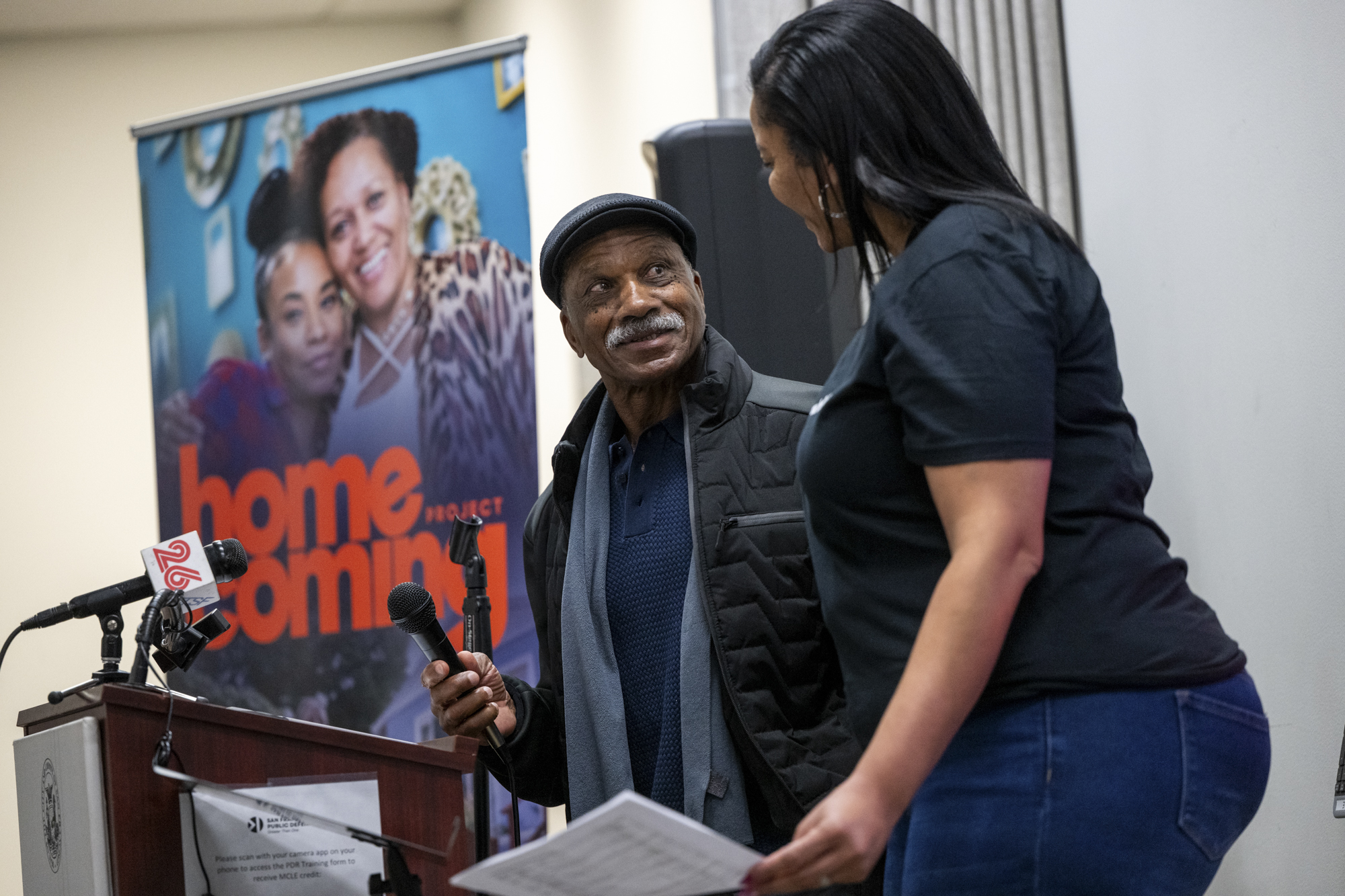
"caption": "Memi Vaughn (right), a Homecoming Project host, and Marcelino Clemente, a program participant, speak during a press conference about the launch of the Homecoming Project in San Francisco at the San Francisco Public Defender’s office on Nov. 13, 2025. The program pairs people recently released from prison with community members who have a spare room in their homes for a six-month stay.",
"credit": "Beth LaBerge/KQED",
"altTag": null,
"description": null,
"imgSizes": {
"thumbnail": {
"file": "https://cdn.kqed.org/wp-content/uploads/sites/10/2025/12/251113-SFHOMECOMINGPROJECT-19-BL-KQED-160x107.jpg",
"width": 160,
"height": 107,
"mimeType": "image/jpeg"
},
"1536x1536": {
"file": "https://cdn.kqed.org/wp-content/uploads/sites/10/2025/12/251113-SFHOMECOMINGPROJECT-19-BL-KQED-1536x1024.jpg",
"width": 1536,
"height": 1024,
"mimeType": "image/jpeg"
},
"post-thumbnail": {
"file": "https://cdn.kqed.org/wp-content/uploads/sites/10/2025/12/251113-SFHOMECOMINGPROJECT-19-BL-KQED-672x372.jpg",
"width": 672,
"height": 372,
"mimeType": "image/jpeg"
},
"twentyfourteen-full-width": {
"file": "https://cdn.kqed.org/wp-content/uploads/sites/10/2025/12/251113-SFHOMECOMINGPROJECT-19-BL-KQED-1038x576.jpg",
"width": 1038,
"height": 576,
"mimeType": "image/jpeg"
},
"npr-cds-wide": {
"file": "https://cdn.kqed.org/wp-content/uploads/sites/10/2025/12/251113-SFHOMECOMINGPROJECT-19-BL-KQED-1200x675.jpg",
"width": 1200,
"height": 675,
"mimeType": "image/jpeg"
},
"kqedFullSize": {
"file": "https://cdn.kqed.org/wp-content/uploads/sites/10/2025/12/251113-SFHOMECOMINGPROJECT-19-BL-KQED.jpg",
"width": 2000,
"height": 1333
}
},
"isLoading": false,
"fetchFailed": false
},
"news_12066258": {
"type": "attachments",
"id": "news_12066258",
"meta": {
"index": "attachments_1716263798",
"site": "news",
"id": "12066258",
"found": true
},
"title": "20251205-CALHOME-02-KQED",
"publishDate": 1764956278,
"status": "inherit",
"parent": 0,
"modified": 1766176483,
"caption": "Andie Rounds and her son, Eli, outside their Novato home with their dog, Luna, in August 2024. Rounds was able to purchase the affordable home thanks to Habitat for Humanity's Greater San Francisco Chapter and state funding through CalHome. ",
"credit": "Courtesy of Habitat for Humanity Greater San Francisco",
"altTag": null,
"description": null,
"imgSizes": {
"thumbnail": {
"file": "https://cdn.kqed.org/wp-content/uploads/sites/10/2025/12/20251205-CALHOME-02-KQED-160x107.jpg",
"width": 160,
"height": 107,
"mimeType": "image/jpeg"
},
"1536x1536": {
"file": "https://cdn.kqed.org/wp-content/uploads/sites/10/2025/12/20251205-CALHOME-02-KQED-1536x1024.jpg",
"width": 1536,
"height": 1024,
"mimeType": "image/jpeg"
},
"post-thumbnail": {
"file": "https://cdn.kqed.org/wp-content/uploads/sites/10/2025/12/20251205-CALHOME-02-KQED-672x372.jpg",
"width": 672,
"height": 372,
"mimeType": "image/jpeg"
},
"twentyfourteen-full-width": {
"file": "https://cdn.kqed.org/wp-content/uploads/sites/10/2025/12/20251205-CALHOME-02-KQED-1038x576.jpg",
"width": 1038,
"height": 576,
"mimeType": "image/jpeg"
},
"npr-cds-wide": {
"file": "https://cdn.kqed.org/wp-content/uploads/sites/10/2025/12/20251205-CALHOME-02-KQED-1200x675.jpg",
"width": 1200,
"height": 675,
"mimeType": "image/jpeg"
},
"kqedFullSize": {
"file": "https://cdn.kqed.org/wp-content/uploads/sites/10/2025/12/20251205-CALHOME-02-KQED.jpg",
"width": 1842,
"height": 1228
}
},
"isLoading": false,
"fetchFailed": false
},
"news_12058982": {
"type": "attachments",
"id": "news_12058982",
"meta": {
"index": "attachments_1716263798",
"site": "news",
"id": "12058982",
"found": true
},
"title": "251002-DRCOLOR_00168_TV-KQED",
"publishDate": 1759868987,
"status": "inherit",
"parent": 0,
"modified": 1760040948,
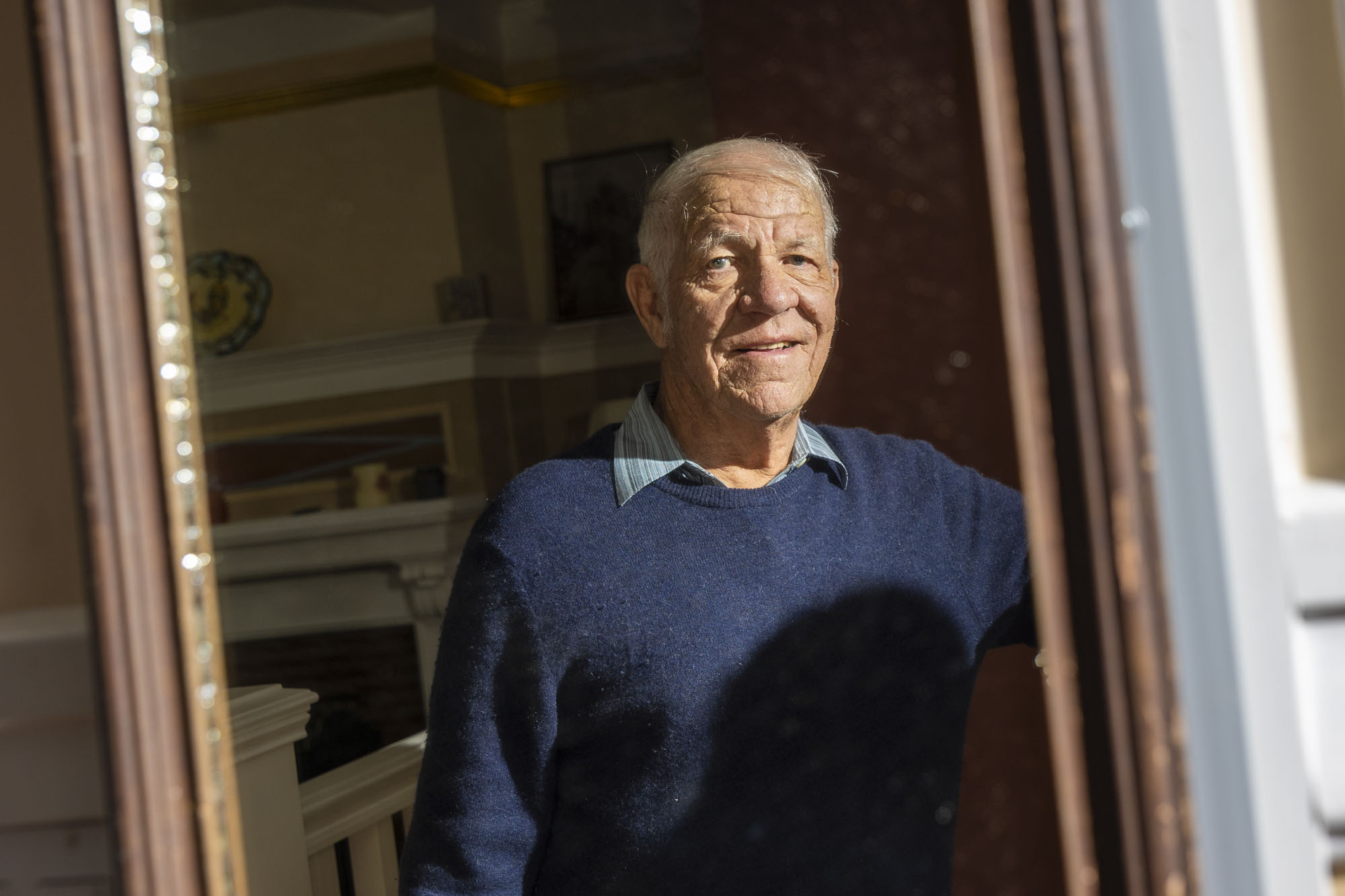
"caption": "Bob Buckter poses for a portrait in his home in the Mission district in San Francisco on Oct. 2, 2025. Buckter, aka Dr. Color, has designed and painted more than 23,000 homes in San Francisco and other projects in the city and beyond.",
"credit": "Tâm Vũ/KQED",
"altTag": null,
"description": null,
"imgSizes": {
"thumbnail": {
"file": "https://cdn.kqed.org/wp-content/uploads/sites/10/2025/10/251002-DRCOLOR_00168_TV-KQED-160x107.jpg",
"width": 160,
"height": 107,
"mimeType": "image/jpeg"
},
"1536x1536": {
"file": "https://cdn.kqed.org/wp-content/uploads/sites/10/2025/10/251002-DRCOLOR_00168_TV-KQED-1536x1024.jpg",
"width": 1536,
"height": 1024,
"mimeType": "image/jpeg"
},
"post-thumbnail": {
"file": "https://cdn.kqed.org/wp-content/uploads/sites/10/2025/10/251002-DRCOLOR_00168_TV-KQED-672x372.jpg",
"width": 672,
"height": 372,
"mimeType": "image/jpeg"
},
"twentyfourteen-full-width": {
"file": "https://cdn.kqed.org/wp-content/uploads/sites/10/2025/10/251002-DRCOLOR_00168_TV-KQED-1038x576.jpg",
"width": 1038,
"height": 576,
"mimeType": "image/jpeg"
},
"kqedFullSize": {
"file": "https://cdn.kqed.org/wp-content/uploads/sites/10/2025/10/251002-DRCOLOR_00168_TV-KQED.jpg",
"width": 2000,
"height": 1333
}
},
"isLoading": false,
"fetchFailed": false
}
},
"audioPlayerReducer": {
"postId": "stream_live",
"isPaused": true,
"isPlaying": false,
"pfsActive": false,
"pledgeModalIsOpen": true,
"playerDrawerIsOpen": false,
"liveAudioPlayStartedAt": 0,
"liveAudioPlayContext": ""
},
"authorsReducer": {
"katrinaschwartz": {
"type": "authors",
"id": "234",
"meta": {
"index": "authors_1716337520",
"id": "234",
"found": true
},
"name": "Katrina Schwartz",
"firstName": "Katrina",
"lastName": "Schwartz",
"slug": "katrinaschwartz",
"email": "kschwartz@kqed.org",
"display_author_email": false,
"staff_mastheads": [
"news"
],
"title": "Producer",
"bio": "Katrina Schwartz is a journalist based in San Francisco. She's worked at KPCC public radio in LA and has reported on air and online for KQED since 2010. She covered how teaching and learning is changing for MindShift between 2012 and 2020. She is the co-host of the MindShift podcast and now produces KQED's Bay Curious podcast.",
"avatar": "https://secure.gravatar.com/avatar/edb4ee79070447a018538c9aae6eeecf28786515b8a0c30e43b6b7dce5aa44c8?s=600&d=blank&r=g",
"twitter": "kschwart",
"bluesky": null,
"facebook": null,
"instagram": null,
"linkedin": null,
"sites": [
{
"site": "",
"roles": [
"editor"
]
},
{
"site": "news",
"roles": [
"editor"
]
},
{
"site": "mindshift",
"roles": [
"administrator"
]
},
{
"site": "stateofhealth",
"roles": [
"author"
]
},
{
"site": "science",
"roles": [
"editor"
]
}
],
"headData": {
"title": "Katrina Schwartz | KQED",
"description": "Producer",
"ogImgSrc": "https://secure.gravatar.com/avatar/edb4ee79070447a018538c9aae6eeecf28786515b8a0c30e43b6b7dce5aa44c8?s=600&d=blank&r=g",
"twImgSrc": "https://secure.gravatar.com/avatar/edb4ee79070447a018538c9aae6eeecf28786515b8a0c30e43b6b7dce5aa44c8?s=600&d=blank&r=g"
},
"isLoading": false,
"link": "/author/katrinaschwartz"
},
"ebaldassari": {
"type": "authors",
"id": "11652",
"meta": {
"index": "authors_1716337520",
"id": "11652",
"found": true
},
"name": "Erin Baldassari",
"firstName": "Erin",
"lastName": "Baldassari",
"slug": "ebaldassari",
"email": "ebaldassari@KQED.org",
"display_author_email": true,
"staff_mastheads": [
"news"
],
"title": "Staff Writer",
"bio": "Erin Baldassari covers housing for KQED. She's a former print journalist and most recently worked as the transportation reporter for the \u003cem>Mercury News\u003c/em> and \u003cem>East Bay Times. \u003c/em>There, she focused on how the Bay Area’s housing shortage has changed the way people move around the region. She also served on the \u003cem>East Bay Times\u003c/em>’ 2017 Pulitzer Prize-winning team for coverage of the Ghost Ship Fire in Oakland. Prior to that, Erin worked as a breaking news and general assignment reporter for a variety of outlets in the Bay Area and the greater Boston area. A Tufts University alumna, Erin grew up in the foothills of the Sierra Nevada mountains and in Sonoma County. She is a life-long KQED listener.",
"avatar": "https://secure.gravatar.com/avatar/5e95cad64a8ca08288082212e199d2b0cbeb4fd8e8ef5339395f361032bbe005?s=600&d=blank&r=g",
"twitter": "e_baldi",
"bluesky": null,
"facebook": null,
"instagram": null,
"linkedin": null,
"sites": [
{
"site": "news",
"roles": [
"edit_others_posts",
"editor"
]
},
{
"site": "science",
"roles": [
"editor"
]
},
{
"site": "liveblog",
"roles": [
"editor"
]
}
],
"headData": {
"title": "Erin Baldassari | KQED",
"description": "Staff Writer",
"ogImgSrc": "https://secure.gravatar.com/avatar/5e95cad64a8ca08288082212e199d2b0cbeb4fd8e8ef5339395f361032bbe005?s=600&d=blank&r=g",
"twImgSrc": "https://secure.gravatar.com/avatar/5e95cad64a8ca08288082212e199d2b0cbeb4fd8e8ef5339395f361032bbe005?s=600&d=blank&r=g"
},
"isLoading": false,
"link": "/author/ebaldassari"
},
"abandlamudi": {
"type": "authors",
"id": "11672",
"meta": {
"index": "authors_1716337520",
"id": "11672",
"found": true
},
"name": "Adhiti Bandlamudi",
"firstName": "Adhiti",
"lastName": "Bandlamudi",
"slug": "abandlamudi",
"email": "abandlamudi@kqed.org",
"display_author_email": false,
"staff_mastheads": [
"news"
],
"title": "KQED Housing Reporter",
"bio": "Adhiti Bandlamudi reports for KQED's Housing desk. She focuses on how housing gets built across the Bay Area. Before joining KQED in 2020, she reported for WUNC in Durham, North Carolina, WABE in Atlanta, Georgia and Capital Public Radio in Sacramento. In 2017, she was awarded a Kroc Fellowship at NPR where she reported on everything from sprinkles to the Golden State Killer's arrest. When she's not reporting, she's baking new recipes in her kitchen or watching movies with friends and family. She's originally from Georgia and has strong opinions about Great British Bake Off.",
"avatar": "https://secure.gravatar.com/avatar/868129c8b257bb99a3500e2c86a65400?s=600&d=mm&r=g",
"twitter": "oddity_adhiti",
"facebook": null,
"instagram": null,
"linkedin": null,
"sites": [
{
"site": "arts",
"roles": [
"author"
]
},
{
"site": "news",
"roles": [
"editor"
]
},
{
"site": "liveblog",
"roles": [
"author"
]
}
],
"headData": {
"title": "Adhiti Bandlamudi | KQED",
"description": "KQED Housing Reporter",
"ogImgSrc": "https://secure.gravatar.com/avatar/868129c8b257bb99a3500e2c86a65400?s=600&d=mm&r=g",
"twImgSrc": "https://secure.gravatar.com/avatar/868129c8b257bb99a3500e2c86a65400?s=600&d=mm&r=g"
},
"isLoading": false,
"link": "/author/abandlamudi"
},
"ccabreralomeli": {
"type": "authors",
"id": "11708",
"meta": {
"index": "authors_1716337520",
"id": "11708",
"found": true
},
"name": "Carlos Cabrera-Lomelí",
"firstName": "Carlos",
"lastName": "Cabrera-Lomelí",
"slug": "ccabreralomeli",
"email": "ccabreralomeli@KQED.org",
"display_author_email": true,
"staff_mastheads": [
"news"
],
"title": "Community Reporter",
"bio": "Carlos Cabrera-Lomelí is a community reporter with KQED's digital engagement team. He also reports and co-produces for KQED's bilingual news hub KQED en Español. He grew up in San Francisco's Mission District and has previously worked with Univision, 48 Hills and REFORMA in Mexico City.",
"avatar": "https://secure.gravatar.com/avatar/c309be9665e484f887b818c89e273ecc673004f426f36b24d00a4d813a2e0518?s=600&d=blank&r=g",
"twitter": "@LomeliCabrera",
"bluesky": null,
"facebook": null,
"instagram": null,
"linkedin": null,
"sites": [
{
"site": "arts",
"roles": [
"editor"
]
},
{
"site": "news",
"roles": [
"editor"
]
},
{
"site": "about",
"roles": [
"editor"
]
},
{
"site": "science",
"roles": [
"editor"
]
},
{
"site": "perspectives",
"roles": [
"editor"
]
},
{
"site": "elections",
"roles": [
"editor"
]
},
{
"site": "liveblog",
"roles": [
"contributor"
]
}
],
"headData": {
"title": "Carlos Cabrera-Lomelí | KQED",
"description": "Community Reporter",
"ogImgSrc": "https://secure.gravatar.com/avatar/c309be9665e484f887b818c89e273ecc673004f426f36b24d00a4d813a2e0518?s=600&d=blank&r=g",
"twImgSrc": "https://secure.gravatar.com/avatar/c309be9665e484f887b818c89e273ecc673004f426f36b24d00a4d813a2e0518?s=600&d=blank&r=g"
},
"isLoading": false,
"link": "/author/ccabreralomeli"
},
"adahlstromeckman": {
"type": "authors",
"id": "11785",
"meta": {
"index": "authors_1716337520",
"id": "11785",
"found": true
},
"name": "Azul Dahlstrom-Eckman",
"firstName": "Azul",
"lastName": "Dahlstrom-Eckman",
"slug": "adahlstromeckman",
"email": "adahlstrom-eckman@kqed.org",
"display_author_email": true,
"staff_mastheads": [],
"title": "Reporter",
"bio": "Azul is a reporter for KQED focusing on transportation and features. He joined KQED in 2021 as an alumna of KALW's Audio Academy radio journalism training program.",
"avatar": "https://secure.gravatar.com/avatar/9cb750298435add7815a777f55bf1f46845c1386bb8452555c60a7b820b5aba3?s=600&d=blank&r=g",
"twitter": "@zuliemann",
"bluesky": "@azul415.bsky.social",
"facebook": null,
"instagram": null,
"linkedin": null,
"sites": [
{
"site": "arts",
"roles": [
"editor"
]
},
{
"site": "news",
"roles": [
"editor"
]
},
{
"site": "science",
"roles": [
"editor"
]
},
{
"site": "liveblog",
"roles": [
"author"
]
}
],
"headData": {
"title": "Azul Dahlstrom-Eckman | KQED",
"description": "Reporter",
"ogImgSrc": "https://secure.gravatar.com/avatar/9cb750298435add7815a777f55bf1f46845c1386bb8452555c60a7b820b5aba3?s=600&d=blank&r=g",
"twImgSrc": "https://secure.gravatar.com/avatar/9cb750298435add7815a777f55bf1f46845c1386bb8452555c60a7b820b5aba3?s=600&d=blank&r=g"
},
"isLoading": false,
"link": "/author/adahlstromeckman"
},
"sjohnson": {
"type": "authors",
"id": "11840",
"meta": {
"index": "authors_1716337520",
"id": "11840",
"found": true
},
"name": "Sydney Johnson",
"firstName": "Sydney",
"lastName": "Johnson",
"slug": "sjohnson",
"email": "sjohnson@kqed.org",
"display_author_email": false,
"staff_mastheads": [
"news"
],
"title": "KQED Reporter",
"bio": "Sydney Johnson is a general assignment reporter at KQED. She previously reported on public health and city government at the San Francisco Examiner, and before that, she covered statewide education policy for EdSource. Her reporting has won multiple local, state and national awards. Sydney is a graduate of the University of California, Berkeley and lives in San Francisco.",
"avatar": "https://secure.gravatar.com/avatar/97855f2719b72ad6190b7c535fe642c8?s=600&d=blank&r=g",
"twitter": "sydneyfjohnson",
"facebook": null,
"instagram": null,
"linkedin": null,
"sites": [
{
"site": "news",
"roles": [
"editor"
]
}
],
"headData": {
"title": "Sydney Johnson | KQED",
"description": "KQED Reporter",
"ogImgSrc": "https://secure.gravatar.com/avatar/97855f2719b72ad6190b7c535fe642c8?s=600&d=blank&r=g",
"twImgSrc": "https://secure.gravatar.com/avatar/97855f2719b72ad6190b7c535fe642c8?s=600&d=blank&r=g"
},
"isLoading": false,
"link": "/author/sjohnson"
},
"kdebenedetti": {
"type": "authors",
"id": "11913",
"meta": {
"index": "authors_1716337520",
"id": "11913",
"found": true
},
"name": "Katie DeBenedetti",
"firstName": "Katie",
"lastName": "DeBenedetti",
"slug": "kdebenedetti",
"email": "kdebenedetti@kqed.org",
"display_author_email": false,
"staff_mastheads": [
"news",
"science"
],
"title": "KQED Contributor",
"bio": "Katie DeBenedetti is a digital reporter covering daily news for the Express Desk. Prior to joining KQED as a culture reporting intern in January 2024, she covered education and city government for the Napa Valley Register.",
"avatar": "https://secure.gravatar.com/avatar/6e31073cb8f7e4214ab03f42771d0f45?s=600&d=blank&r=g",
"twitter": null,
"facebook": null,
"instagram": null,
"linkedin": null,
"sites": [
{
"site": "news",
"roles": [
"author"
]
},
{
"site": "science",
"roles": [
"author"
]
},
{
"site": "liveblog",
"roles": [
"author"
]
}
],
"headData": {
"title": "Katie DeBenedetti | KQED",
"description": "KQED Contributor",
"ogImgSrc": "https://secure.gravatar.com/avatar/6e31073cb8f7e4214ab03f42771d0f45?s=600&d=blank&r=g",
"twImgSrc": "https://secure.gravatar.com/avatar/6e31073cb8f7e4214ab03f42771d0f45?s=600&d=blank&r=g"
},
"isLoading": false,
"link": "/author/kdebenedetti"
},
"nsuliman": {
"type": "authors",
"id": "11985",
"meta": {
"index": "authors_1716337520",
"id": "11985",
"found": true
},
"name": "Nibras Suliman",
"firstName": "Nibras",
"lastName": "Suliman",
"slug": "nsuliman",
"email": "nsuliman@kqed.org",
"display_author_email": false,
"staff_mastheads": [],
"title": "KQED Contributor",
"bio": null,
"avatar": "https://secure.gravatar.com/avatar/581946774e0249b1fcdfb01d4f143d12?s=600&d=blank&r=g",
"twitter": null,
"facebook": null,
"instagram": null,
"linkedin": null,
"sites": [
{
"site": "news",
"roles": []
}
],
"headData": {
"title": "Nibras Suliman | KQED",
"description": "KQED Contributor",
"ogImgSrc": "https://secure.gravatar.com/avatar/581946774e0249b1fcdfb01d4f143d12?s=600&d=blank&r=g",
"twImgSrc": "https://secure.gravatar.com/avatar/581946774e0249b1fcdfb01d4f143d12?s=600&d=blank&r=g"
},
"isLoading": false,
"link": "/author/nsuliman"
},
"epeppel": {
"type": "authors",
"id": "11989",
"meta": {
"index": "authors_1716337520",
"id": "11989",
"found": true
},
"name": "Eliza Peppel",
"firstName": "Eliza",
"lastName": "Peppel",
"slug": "epeppel",
"email": "epeppel@kqed.org",
"display_author_email": false,
"staff_mastheads": [],
"title": null,
"bio": "Eliza is an award-winning journalist living in Oakland. She was previously a reporting fellow at KALW, where she reported daily news and long-form radio features. Eliza studied journalism at Fordham University in The Bronx during the COVID-19 pandemic. She grew up mainly in California and spent a few childhood years in Aix en Provence, France.",
"avatar": "https://secure.gravatar.com/avatar/20d9e17a06ee787c11052e6096319dd583b6376233d02383dab5eaeb874d5f56?s=600&d=blank&r=g",
"twitter": null,
"bluesky": null,
"facebook": null,
"instagram": null,
"linkedin": null,
"sites": [
{
"site": "news",
"roles": [
"subscriber"
]
},
{
"site": "science",
"roles": [
"subscriber"
]
}
],
"headData": {
"title": "Eliza Peppel | KQED",
"description": null,
"ogImgSrc": "https://secure.gravatar.com/avatar/20d9e17a06ee787c11052e6096319dd583b6376233d02383dab5eaeb874d5f56?s=600&d=blank&r=g",
"twImgSrc": "https://secure.gravatar.com/avatar/20d9e17a06ee787c11052e6096319dd583b6376233d02383dab5eaeb874d5f56?s=600&d=blank&r=g"
},
"isLoading": false,
"link": "/author/epeppel"
}
},
"pagesReducer": {
"news_category_housing": {
"type": "terms",
"id": "news_6266",
"meta": {
"index": "terms_1716263798",
"site": "news",
"id": "6266",
"score": 11.03987
},
"featImg": null,
"name": "Housing",
"description": null,
"taxonomy": "category",
"headData": {
"twImgId": null,
"twTitle": null,
"ogTitle": null,
"ogImgId": null,
"twDescription": null,
"description": null,
"title": "Housing Archives | KQED News",
"ogDescription": null
},
"ttid": 6290,
"slug": "housing",
"isLoading": false,
"title": "Housing",
"pageMeta": {
"site": "news",
"WpPageTemplate": "page-topic-editorial",
"currentPage": 9
},
"blocks": [
{
"blockName": "kqed/post-list",
"attrs": {
"layout": "cardArticle2",
"query": "posts/news?category=housing",
"seeMore": false,
"paginated": true,
"page": 9
}
},
{
"blockName": "kqed/ad"
}
]
}
},
"pfsSessionReducer": {},
"postsReducer": {
"stream_live": {
"type": "live",
"id": "stream_live",
"audioUrl": "https://streams.kqed.org/kqedradio",
"title": "Live Stream",
"excerpt": "Live Stream information currently unavailable.",
"link": "/radio",
"featImg": "",
"label": {
"name": "KQED Live",
"link": "/"
}
},
"stream_kqedNewscast": {
"type": "posts",
"id": "stream_kqedNewscast",
"audioUrl": "https://www.kqed.org/.stream/anon/radio/RDnews/newscast.mp3?_=1",
"title": "KQED Newscast",
"featImg": "",
"label": {
"name": "88.5 FM",
"link": "/"
}
},
"news_12069226": {
"type": "posts",
"id": "news_12069226",
"meta": {
"index": "posts_1716263798",
"site": "news",
"id": "12069226",
"score": null,
"sort": [
1767995212000
]
},
"guestAuthors": [],
"slug": "neighborhood-small-business-groups-file-lawsuit-over-san-francisco-rezoning-plan",
"title": "Neighborhood, Small Business Groups File Lawsuit Over San Francisco Rezoning Plan",
"publishDate": 1767995212,
"format": "standard",
"headTitle": "Neighborhood, Small Business Groups File Lawsuit Over San Francisco Rezoning Plan | KQED",
"labelTerm": {
"site": "news"
},
"content": "\u003cp>Plaintiffs representing small businesses and neighborhood groups filed a lawsuit on Friday morning challenging Mayor Daniel Lurie’s controversial “\u003ca href=\"https://www.kqed.org/news/12065204/everything-you-need-to-know-about-san-franciscos-family-zoning-plan\">Family Zoning Plan\u003c/a>,” which allows for taller and more dense housing in large swaths of the city.\u003c/p>\n\u003cp>The litigation comes after months of debate and input on the plan, which aims to make it easier to build housing as the city faces a state mandate to add tens of thousands of new homes by 2031. Filed by members of Neighborhoods United San Francisco and Small Business Forward, a progressive business coalition, the lawsuit seeks to pause implementation of the rezoning plan \u003ca href=\"https://www.kqed.org/news/12065204/everything-you-need-to-know-about-san-franciscos-family-zoning-plan\">that the city passed in December\u003c/a> and is set to take effect Monday.\u003c/p>\n\u003cp>“You cannot claim to support families and affordability while advancing a rezoning that encourages displacement, strains infrastructure, and offers no clear path to housing people can afford,” Katherine Petrin, co-founder of Neighborhoods United, said in a statement.\u003c/p>\n\u003cp>[ad fullwidth]\u003c/p>\n\u003cp>California required San Francisco to adopt an updated zoning plan by Jan. 31 to make way for 82,000 housing units in the next five years. Some 43,000 units that the city has already approved, but that have yet to be developed, are included in the tally of total units. The city’s plan aims to create capacity for at least 36,000 units for various income levels.\u003c/p>\n\u003cp>The mayor’s office, planning department and other agencies held numerous public meetings, workshops and feedback sessions on the plan leading up to its final vote in December. Some changes were included in the plan, including an amendment to remove any building with three or more rent-controlled units from demolition.\u003c/p>\n\u003cfigure id=\"attachment_12044983\" class=\"wp-caption aligncenter\" style=\"max-width: 2000px\">\u003cimg loading=\"lazy\" decoding=\"async\" class=\"size-full wp-image-12044983\" src=\"https://cdn.kqed.org/wp-content/uploads/sites/10/2025/06/250618-NEWTEACHERHOUSING-14-BL-KQED.jpg\" alt=\"\" width=\"2000\" height=\"1333\" srcset=\"https://cdn.kqed.org/wp-content/uploads/sites/10/2025/06/250618-NEWTEACHERHOUSING-14-BL-KQED.jpg 2000w, https://cdn.kqed.org/wp-content/uploads/sites/10/2025/06/250618-NEWTEACHERHOUSING-14-BL-KQED-160x107.jpg 160w, https://cdn.kqed.org/wp-content/uploads/sites/10/2025/06/250618-NEWTEACHERHOUSING-14-BL-KQED-1536x1024.jpg 1536w\" sizes=\"auto, (max-width: 2000px) 100vw, 2000px\">\u003cfigcaption class=\"wp-caption-text\">Mayor Daniel Lurie, alongside members of the team behind a new housing project, during a groundbreaking ceremony in San Francisco on June 18, 2025. The event marked the start of two affordable housing developments — one with 75 units prioritized for SFUSD and City College educators, and another that will add 92 family apartments. \u003ccite>(Beth LaBerge/KQED)\u003c/cite>\u003c/figcaption>\u003c/figure>\n\u003cp>Critics of the zoning plan said it didn’t go far enough to protect tenants and businesses that could be displaced as a result of development or increasing rental prices. The lawsuit also alleges that the city did not conduct a proper review under the California Environmental Quality Act before passing the plan.\u003c/p>\n\u003cp>“Rather than prepare a CEQA document to analyze the 2025 upzone’s impacts and to consider reasonable alternatives and mitigation measures, the city instead bypassed CEQA review and relied on the addendum to the environmental impact report prepared in 2022 for the Housing Element of the City’s General Plan,” the complaint said.\u003c/p>\n\u003cp>A rezoning plan is also required under the city’s \u003ca href=\"https://sfplanning.org/project/housing-element-update-2022\">Housing Element\u003c/a>, a set of policies aimed at guiding where and how the city’s future housing should be built. Plaintiffs in the lawsuit also allege that the mayor’s plan does not fully comply with the Housing Element, saying the new rezoning rules allow for more dramatic redevelopment than what was approved in the city’s housing plan passed in 2022.\u003c/p>\n\u003cp>“The mayor’s plan left in thousands of rent-controlled housing units. A lot of our small business employees live in these,” said Christin Evans, who owns The Booksmith in Haight-Ashbury.[aside postID=news_12065708 hero='https://cdn.kqed.org/wp-content/uploads/sites/10/2025/04/250325-ApartmentsonWestside-06-BL_qed-1020x680.jpg']“The concern from Small Business Forward is that we get this housing plan right, that we make sure that we are taking care of not displacing small business workers from the city, that we are protecting small business workers, not just their jobs and livelihoods, but also the housing that they live in.”\u003c/p>\n\u003cp>City officials defended the mayor’s housing plan on Friday, saying it underwent a thorough review before approval by state officials.\u003c/p>\n\u003cp>“The Family Zoning Plan is the product of years of study, outreach and hearings. The city took deliberate obligations under state law, including CEQA. We are comforted that the California Department of Housing and Community Development reviewed the Family Zoning Plan and felt it complied with state law,” said Jen Kwart, a spokesperson for the city attorney. “We will review any lawsuit once we are served and will have more to say in court.”\u003c/p>\n\u003cp>Representatives from the mayor’s office underscored that the city needs to build more housing to meet state requirements and keep up with increasing demand for housing.\u003c/p>\n\u003cp>State housing authorities could have withheld critical public funding and taken over local housing plans and approvals if San Francisco failed to pass a housing plan by the end of this month.\u003c/p>\n\u003cp>“More and more, families are struggling to live in San Francisco, and the Family Zoning Plan will help us build the affordable homes they need to stay here,” said Charles Lutvak, a spokesperson for the mayor’s office. “The status quo isn’t working for families in this city, and we’re not going to wait around for someone else to do something about it.”\u003c/p>\n\u003cfigure id=\"attachment_12068866\" class=\"wp-caption aligncenter\" style=\"max-width: 2000px\">\u003cimg loading=\"lazy\" decoding=\"async\" class=\"size-full wp-image-12068866\" src=\"https://cdn.kqed.org/wp-content/uploads/sites/10/2026/01/250618-NewTeacherHousing-18-BL_qed.jpg\" alt=\"\" width=\"2000\" height=\"1333\" srcset=\"https://cdn.kqed.org/wp-content/uploads/sites/10/2026/01/250618-NewTeacherHousing-18-BL_qed.jpg 2000w, https://cdn.kqed.org/wp-content/uploads/sites/10/2026/01/250618-NewTeacherHousing-18-BL_qed-160x107.jpg 160w, https://cdn.kqed.org/wp-content/uploads/sites/10/2026/01/250618-NewTeacherHousing-18-BL_qed-1536x1024.jpg 1536w\" sizes=\"auto, (max-width: 2000px) 100vw, 2000px\">\u003cfigcaption class=\"wp-caption-text\">Construction workers build at 750 Golden Gate Ave., in San Francisco, on June 18, 2025, during a groundbreaking ceremony marking the start of two affordable housing projects. One will deliver 75 units prioritized for SFUSD and City College educators, and the other at 850 Turk will add 92 family apartments. \u003ccite>(Beth LaBerge/KQED)\u003c/cite>\u003c/figcaption>\u003c/figure>\n\u003cp>The lawsuit filed on Friday may not be the only legal challenge that Lurie’s rezoning plan faces. Pro-housing development advocacy groups such as YIMBY Law, the legal arm of Yes In My Backyard, have also suggested that they could file a lawsuit if the city doesn’t do enough to produce more housing in the city.\u003c/p>\n\u003cp>“We passed that Housing Element and it passed unanimously. So if we’re not just not meeting the spirit but not meeting the letter of the law, then we want to make sure we are holding San Francisco compliant,” said Jane Natoli, Bay Area Director of YIMBY Action.\u003c/p>\n\u003cp>Estimates for how much housing might actually result from the zoning changes have been mixed. Due to economic constraints like building and construction costs, the Planning Department estimates that the mayor’s plan could realistically open up to 19,000 units; however, modeling from the city’s Chief Economist suggests that it could produce only around 14,600 units.\u003c/p>\n\u003cp>“One of the small ironies of today’s lawsuit is if they are saying we need to go back [to the zoning plan], we definitely don’t have a plan that’s compliant and are opening ourselves up to the builder’s remedy,” Natoli said, referring to a legal process through which the state allows developers to bypass local zoning rules if the city is not meeting state housing requirements.\u003c/p>\n\u003cp>Plaintiffs in the lawsuit filed Friday are also exploring a 2026 ballot measure that would give voters a chance to potentially weigh in on additional changes to the new zoning plan.\u003c/p>\n\u003cp>Richard Drury, the attorney representing Neighborhoods United and Small Business Forward, said that the plaintiffs have not yet decided whether they will seek preliminary relief or a resolution in the court.\u003c/p>\n\u003cp>“This plan didn’t go through the right public review process to produce more affordable housing and less damage,” Drury said. “Instead, they upzoned parts of the city and are threatening to eliminate some rent-controlled housing to build luxury condos, which is the opposite of what the plan aimed to do.”\u003c/p>\n\u003cp>[ad floatright]\u003c/p>\n",
"blocks": [],
"excerpt": "Plaintiffs are looking to pause implementation of Mayor Daniel Lurie’s \"Family Zoning Plan\" while seeking stronger protections for renters, small businesses and infrastructure. ",
"status": "publish",
"parent": 0,
"modified": 1767998029,
"stats": {
"hasAudio": false,
"hasVideo": false,
"hasChartOrMap": false,
"iframeSrcs": [],
"hasGoogleForm": false,
"hasGallery": false,
"hasHearkenModule": false,
"hasPolis": false,
"paragraphCount": 23,
"wordCount": 1289
},
"headData": {
"title": "Neighborhood, Small Business Groups File Lawsuit Over San Francisco Rezoning Plan | KQED",
"description": "Plaintiffs are looking to pause implementation of Mayor Daniel Lurie’s "Family Zoning Plan" while seeking stronger protections for renters, small businesses and infrastructure. ",
"ogTitle": "",
"ogDescription": "",
"ogImgId": "",
"twTitle": "",
"twDescription": "",
"twImgId": "",
"schema": {
"@context": "https://schema.org",
"@type": "NewsArticle",
"headline": "Neighborhood, Small Business Groups File Lawsuit Over San Francisco Rezoning Plan",
"datePublished": "2026-01-09T13:46:52-08:00",
"dateModified": "2026-01-09T14:33:49-08:00",
"image": "https://cdn.kqed.org/wp-content/uploads/2020/02/KQED-OG-Image@1x.png",
"isAccessibleForFree": "True",
"publisher": {
"@type": "NewsMediaOrganization",
"@id": "https://www.kqed.org/#organization",
"name": "KQED",
"logo": "https://cdn.kqed.org/wp-content/uploads/2020/02/KQED-OG-Image@1x.png",
"url": "https://www.kqed.org",
"sameAs": [
"https://www.facebook.com/KQED",
"https://twitter.com/KQED",
"https://www.instagram.com/kqed/",
"https://www.tiktok.com/@kqedofficial",
"https://www.linkedin.com/company/kqed",
"https://www.youtube.com/channel/UCeC0IOo7i1P_61zVUWbJ4nw"
]
}
}
},
"primaryCategory": {
"termId": 6266,
"slug": "housing",
"name": "Housing"
},
"sticky": false,
"nprStoryId": "kqed-12069226",
"templateType": "standard",
"featuredImageType": "standard",
"excludeFromSiteSearch": "Include",
"articleAge": "0",
"path": "/news/12069226/neighborhood-small-business-groups-file-lawsuit-over-san-francisco-rezoning-plan",
"audioTrackLength": null,
"parsedContent": [
{
"type": "contentString",
"content": "\u003cdiv class=\"post-body\">\u003cp>\u003cp>Plaintiffs representing small businesses and neighborhood groups filed a lawsuit on Friday morning challenging Mayor Daniel Lurie’s controversial “\u003ca href=\"https://www.kqed.org/news/12065204/everything-you-need-to-know-about-san-franciscos-family-zoning-plan\">Family Zoning Plan\u003c/a>,” which allows for taller and more dense housing in large swaths of the city.\u003c/p>\n\u003cp>The litigation comes after months of debate and input on the plan, which aims to make it easier to build housing as the city faces a state mandate to add tens of thousands of new homes by 2031. Filed by members of Neighborhoods United San Francisco and Small Business Forward, a progressive business coalition, the lawsuit seeks to pause implementation of the rezoning plan \u003ca href=\"https://www.kqed.org/news/12065204/everything-you-need-to-know-about-san-franciscos-family-zoning-plan\">that the city passed in December\u003c/a> and is set to take effect Monday.\u003c/p>\n\u003cp>“You cannot claim to support families and affordability while advancing a rezoning that encourages displacement, strains infrastructure, and offers no clear path to housing people can afford,” Katherine Petrin, co-founder of Neighborhoods United, said in a statement.\u003c/p>\n\u003cp>\u003c/p>\u003c/div>",
"attributes": {
"named": {},
"numeric": []
}
},
{
"type": "component",
"content": "",
"name": "ad",
"attributes": {
"named": {
"label": "fullwidth"
},
"numeric": [
"fullwidth"
]
}
},
{
"type": "contentString",
"content": "\u003cdiv class=\"post-body\">\u003cp>\u003c/p>\n\u003cp>California required San Francisco to adopt an updated zoning plan by Jan. 31 to make way for 82,000 housing units in the next five years. Some 43,000 units that the city has already approved, but that have yet to be developed, are included in the tally of total units. The city’s plan aims to create capacity for at least 36,000 units for various income levels.\u003c/p>\n\u003cp>The mayor’s office, planning department and other agencies held numerous public meetings, workshops and feedback sessions on the plan leading up to its final vote in December. Some changes were included in the plan, including an amendment to remove any building with three or more rent-controlled units from demolition.\u003c/p>\n\u003cfigure id=\"attachment_12044983\" class=\"wp-caption aligncenter\" style=\"max-width: 2000px\">\u003cimg loading=\"lazy\" decoding=\"async\" class=\"size-full wp-image-12044983\" src=\"https://cdn.kqed.org/wp-content/uploads/sites/10/2025/06/250618-NEWTEACHERHOUSING-14-BL-KQED.jpg\" alt=\"\" width=\"2000\" height=\"1333\" srcset=\"https://cdn.kqed.org/wp-content/uploads/sites/10/2025/06/250618-NEWTEACHERHOUSING-14-BL-KQED.jpg 2000w, https://cdn.kqed.org/wp-content/uploads/sites/10/2025/06/250618-NEWTEACHERHOUSING-14-BL-KQED-160x107.jpg 160w, https://cdn.kqed.org/wp-content/uploads/sites/10/2025/06/250618-NEWTEACHERHOUSING-14-BL-KQED-1536x1024.jpg 1536w\" sizes=\"auto, (max-width: 2000px) 100vw, 2000px\">\u003cfigcaption class=\"wp-caption-text\">Mayor Daniel Lurie, alongside members of the team behind a new housing project, during a groundbreaking ceremony in San Francisco on June 18, 2025. The event marked the start of two affordable housing developments — one with 75 units prioritized for SFUSD and City College educators, and another that will add 92 family apartments. \u003ccite>(Beth LaBerge/KQED)\u003c/cite>\u003c/figcaption>\u003c/figure>\n\u003cp>Critics of the zoning plan said it didn’t go far enough to protect tenants and businesses that could be displaced as a result of development or increasing rental prices. The lawsuit also alleges that the city did not conduct a proper review under the California Environmental Quality Act before passing the plan.\u003c/p>\n\u003cp>“Rather than prepare a CEQA document to analyze the 2025 upzone’s impacts and to consider reasonable alternatives and mitigation measures, the city instead bypassed CEQA review and relied on the addendum to the environmental impact report prepared in 2022 for the Housing Element of the City’s General Plan,” the complaint said.\u003c/p>\n\u003cp>A rezoning plan is also required under the city’s \u003ca href=\"https://sfplanning.org/project/housing-element-update-2022\">Housing Element\u003c/a>, a set of policies aimed at guiding where and how the city’s future housing should be built. Plaintiffs in the lawsuit also allege that the mayor’s plan does not fully comply with the Housing Element, saying the new rezoning rules allow for more dramatic redevelopment than what was approved in the city’s housing plan passed in 2022.\u003c/p>\n\u003cp>“The mayor’s plan left in thousands of rent-controlled housing units. A lot of our small business employees live in these,” said Christin Evans, who owns The Booksmith in Haight-Ashbury.\u003c/p>\u003c/div>",
"attributes": {
"named": {},
"numeric": []
}
},
{
"type": "component",
"content": "",
"name": "aside",
"attributes": {
"named": {
"postid": "news_12065708",
"hero": "https://cdn.kqed.org/wp-content/uploads/sites/10/2025/04/250325-ApartmentsonWestside-06-BL_qed-1020x680.jpg",
"label": ""
},
"numeric": []
}
},
{
"type": "contentString",
"content": "\u003cdiv class=\"post-body\">\u003cp>“The concern from Small Business Forward is that we get this housing plan right, that we make sure that we are taking care of not displacing small business workers from the city, that we are protecting small business workers, not just their jobs and livelihoods, but also the housing that they live in.”\u003c/p>\n\u003cp>City officials defended the mayor’s housing plan on Friday, saying it underwent a thorough review before approval by state officials.\u003c/p>\n\u003cp>“The Family Zoning Plan is the product of years of study, outreach and hearings. The city took deliberate obligations under state law, including CEQA. We are comforted that the California Department of Housing and Community Development reviewed the Family Zoning Plan and felt it complied with state law,” said Jen Kwart, a spokesperson for the city attorney. “We will review any lawsuit once we are served and will have more to say in court.”\u003c/p>\n\u003cp>Representatives from the mayor’s office underscored that the city needs to build more housing to meet state requirements and keep up with increasing demand for housing.\u003c/p>\n\u003cp>State housing authorities could have withheld critical public funding and taken over local housing plans and approvals if San Francisco failed to pass a housing plan by the end of this month.\u003c/p>\n\u003cp>“More and more, families are struggling to live in San Francisco, and the Family Zoning Plan will help us build the affordable homes they need to stay here,” said Charles Lutvak, a spokesperson for the mayor’s office. “The status quo isn’t working for families in this city, and we’re not going to wait around for someone else to do something about it.”\u003c/p>\n\u003cfigure id=\"attachment_12068866\" class=\"wp-caption aligncenter\" style=\"max-width: 2000px\">\u003cimg loading=\"lazy\" decoding=\"async\" class=\"size-full wp-image-12068866\" src=\"https://cdn.kqed.org/wp-content/uploads/sites/10/2026/01/250618-NewTeacherHousing-18-BL_qed.jpg\" alt=\"\" width=\"2000\" height=\"1333\" srcset=\"https://cdn.kqed.org/wp-content/uploads/sites/10/2026/01/250618-NewTeacherHousing-18-BL_qed.jpg 2000w, https://cdn.kqed.org/wp-content/uploads/sites/10/2026/01/250618-NewTeacherHousing-18-BL_qed-160x107.jpg 160w, https://cdn.kqed.org/wp-content/uploads/sites/10/2026/01/250618-NewTeacherHousing-18-BL_qed-1536x1024.jpg 1536w\" sizes=\"auto, (max-width: 2000px) 100vw, 2000px\">\u003cfigcaption class=\"wp-caption-text\">Construction workers build at 750 Golden Gate Ave., in San Francisco, on June 18, 2025, during a groundbreaking ceremony marking the start of two affordable housing projects. One will deliver 75 units prioritized for SFUSD and City College educators, and the other at 850 Turk will add 92 family apartments. \u003ccite>(Beth LaBerge/KQED)\u003c/cite>\u003c/figcaption>\u003c/figure>\n\u003cp>The lawsuit filed on Friday may not be the only legal challenge that Lurie’s rezoning plan faces. Pro-housing development advocacy groups such as YIMBY Law, the legal arm of Yes In My Backyard, have also suggested that they could file a lawsuit if the city doesn’t do enough to produce more housing in the city.\u003c/p>\n\u003cp>“We passed that Housing Element and it passed unanimously. So if we’re not just not meeting the spirit but not meeting the letter of the law, then we want to make sure we are holding San Francisco compliant,” said Jane Natoli, Bay Area Director of YIMBY Action.\u003c/p>\n\u003cp>Estimates for how much housing might actually result from the zoning changes have been mixed. Due to economic constraints like building and construction costs, the Planning Department estimates that the mayor’s plan could realistically open up to 19,000 units; however, modeling from the city’s Chief Economist suggests that it could produce only around 14,600 units.\u003c/p>\n\u003cp>“One of the small ironies of today’s lawsuit is if they are saying we need to go back [to the zoning plan], we definitely don’t have a plan that’s compliant and are opening ourselves up to the builder’s remedy,” Natoli said, referring to a legal process through which the state allows developers to bypass local zoning rules if the city is not meeting state housing requirements.\u003c/p>\n\u003cp>Plaintiffs in the lawsuit filed Friday are also exploring a 2026 ballot measure that would give voters a chance to potentially weigh in on additional changes to the new zoning plan.\u003c/p>\n\u003cp>Richard Drury, the attorney representing Neighborhoods United and Small Business Forward, said that the plaintiffs have not yet decided whether they will seek preliminary relief or a resolution in the court.\u003c/p>\n\u003cp>“This plan didn’t go through the right public review process to produce more affordable housing and less damage,” Drury said. “Instead, they upzoned parts of the city and are threatening to eliminate some rent-controlled housing to build luxury condos, which is the opposite of what the plan aimed to do.”\u003c/p>\n\u003cp>\u003c/p>\u003c/div>",
"attributes": {
"named": {},
"numeric": []
}
},
{
"type": "component",
"content": "",
"name": "ad",
"attributes": {
"named": {
"label": "floatright"
},
"numeric": [
"floatright"
]
}
},
{
"type": "contentString",
"content": "\u003cdiv class=\"post-body\">\u003cp>\u003c/p>\n\u003c/div>\u003c/p>",
"attributes": {
"named": {},
"numeric": []
}
}
],
"link": "/news/12069226/neighborhood-small-business-groups-file-lawsuit-over-san-francisco-rezoning-plan",
"authors": [
"11840"
],
"categories": [
"news_6266",
"news_28250",
"news_8"
],
"tags": [
"news_3921",
"news_34055",
"news_21863",
"news_1775",
"news_38",
"news_25372"
],
"featImg": "news_12042431",
"label": "news"
},
"news_12068668": {
"type": "posts",
"id": "news_12068668",
"meta": {
"index": "posts_1716263798",
"site": "news",
"id": "12068668",
"score": null,
"sort": [
1767978872000
]
},
"guestAuthors": [],
"slug": "after-tenderloin-apartment-fire-rent-controlled-tenants-fear-theyre-being-pushed-out",
"title": "After Tenderloin Apartment Fire, Rent-Controlled Tenants Fear They’re Being Pushed Out",
"publishDate": 1767978872,
"format": "standard",
"headTitle": "After Tenderloin Apartment Fire, Rent-Controlled Tenants Fear They’re Being Pushed Out | KQED",
"labelTerm": {
"site": "news"
},
"content": "\u003cp>For more than 20 years, Hugh Leeman made his home in a studio at 50 Golden Gate Ave. He said many of his neighbors in the rent-controlled building had lived there long before he did.\u003c/p>\n\u003cp>But in the predawn hours of Dec. 12, \u003ca href=\"https://www.kqed.org/news/12066892/fire-tears-through-tenderloin-apartment-building-forcing-rescues-of-residents-cats\">a major blaze\u003c/a> erupted on the top floor of the six-story Beaux Arts-style building in the Tenderloin, rendering it unlivable for Leeman and about 130 others who were displaced.\u003c/p>\n\u003cp>Many of the tenants in the 60-unit building aren’t sure where they’ll live in the coming months, as they face deadlines to apply for city assistance and a possible end to short-term paid hotel stays. Many say they haven’t received sufficient support from the property management company, Mosser Companies, or city leaders.\u003c/p>\n\u003cp>[ad fullwidth]\u003c/p>\n\u003cp>“It’s been incredibly difficult,” Leeman said after a community meeting on Tuesday with the area’s supervisor and city housing officials. “You’ve got multi-generation families that have lived here for 20, 30, 40 plus years. They can’t afford to go onto the open market.”\u003c/p>\n\u003cp>In the weeks since the fire, Leeman has been able to move into a new apartment, costing him nearly $500 more a month than his rent-controlled $1,172 rate. Still, he considers himself among the fortunate ones to be able to get settled in that time.\u003c/p>\n\u003ch2>‘Coercive at best’\u003c/h2>\n\u003cp>At the time of the fire, those who had lived for decades at 50 Golden Gate would have been paying a fraction of market rate because of the city rent ordinance’s cap on annual increases.\u003c/p>\n\u003cp>Because Mosser could stand to make significantly more money by renting the units at market rate, Leeman said he and others are concerned that the company isn’t incentivized to help the current tenants stay in their units after the fire.\u003c/p>\n\u003cp>“The best thing in their financial interest is to have these people displaced,” he said.\u003c/p>\n\u003cp>So far, he worries his suspicion is correct. In the days directly following the fire, Leeman said Mosser offered to return renters’ security deposits, though the move would end their leases — and therefore their rent-controlled rates.[aside postID=news_12066892 hero='https://cdn.kqed.org/wp-content/uploads/sites/10/2025/12/251212-Tenderloin-Apartment-Fire-01-KQED.jpg']Residents said they also received an offer from the company to rehouse them in another building while theirs was being renovated, and then return to 50 Golden Gate, but the contract included a provision that would release Mosser from any liability that could arise related to the fire in the future.\u003c/p>\n\u003cp>“This, on the surface, is very coercive at best,” Leeman said.\u003c/p>\n\u003cp>Mosser did not respond to requests for comment from KQED, but tenants said the company had agreed to pay December’s rent and provide security at the building after reports of possible theft.\u003c/p>\n\u003cp>Julie Tran, who lived in the building for 17 years, said she received the rehousing offer on a Friday and responded the following Monday with a list of at least six of Mosser’s other buildings in which she would be interested in living, but she struggled to get in touch with the company.\u003c/p>\n\u003cp>“I emailed every day for three days, I left a voicemail every night for three days,” she said.\u003c/p>\n\u003cp>When she did hear back, she was told only that there was no vacancy at another of Mosser’s buildings that she hadn’t included on that list. “‘Did you read my email?’” she said. “And ‘Why are you responding to me with this lack of vacancy at a building I didn’t ask to be relocated to?’”\u003c/p>\n\u003cp>Tran said she’s decided not to pursue a new placement in another Mosser building, but she has heard from other residents who have said they’ve been shown single-room occupancy units without kitchens to replace their studios, even as units with kitchens appear as open on the property manager’s site.\u003c/p>\n\u003cp>“Why is that not being shown to displaced tenants?” Tran asked.\u003c/p>\n\u003ch2>Immediate uncertainty\u003c/h2>\n\u003cp>While residents have tried to get back on their feet, many have been sheltered in two hotels: Disabled and elderly residents were sent to a Motel 6 in Union Square directly after the fire, while others were placed in a Mosser Hotel in the South of Market neighborhood.\u003c/p>\n\u003cp>Tran said two weeks later, on Christmas Day, she and other residents were almost evicted from the hotels before the city’s Human Services Agency stepped in to extend their stays.\u003c/p>\n\u003cp>For some, though, that extension could come to an end Friday.\u003c/p>\n\u003cp>Gardenia Zuniga, who previously lived in the building and has been supporting current residents since the fire, said Supervisor Bilal Mahmood’s office was working to secure extended hotel stays for tenants in 15 units who have recently been approved for the city’s short-term housing subsidy. She said four others’ applications were not approved, and others had elected not to participate.\u003c/p>\n\u003cp>Those who remain in hotels while they look for longer-term housing are expected to be moved to different spots near Ocean Beach and in South San Francisco while their current hotels are booked due to the upcoming JP Morgan healthcare conference, Zuniga told KQED.[aside postID=news_12050263 hero='https://cdn.kqed.org/wp-content/uploads/sites/10/2025/07/250722-ShelterFamilies-09-BL_qed.jpg']Some tenants on Tuesday expressed concerns that they didn’t qualify for relief based on their income and assets, while others said documentation they needed to complete the applications — like driver’s licenses, passports and other identification — is still inaccessible in their apartments.\u003c/p>\n\u003cp>Mahmood said that the city was permitting digital documentation to ease that concern and had extended the deadline to apply for relief multiple times. Representatives from the Human Services Agency were present at the meeting on Tuesday to help residents complete individual applications.\u003c/p>\n\u003cp>Katia Padilla, the chief operating officer of the Latino Task Force, said the building’s monolingual Spanish speakers have also struggled to get sufficient translation services.\u003c/p>\n\u003cp>She said she’s had to help translate for some, though Mahmood said that the Human Services Agency provided translators during the community meeting and to help with individual applications on Tuesday.\u003c/p>\n\u003cp>Residents on Tuesday also expressed concerns about security at the building. During the meeting, some said that they believe property they left behind has been removed from their apartments or perhaps stolen. Leeman said people saw via Find My iPhone that their devices had been taken out of the building and accessed off-site, and photos of the building’s roof show that it has been uncovered.\u003c/p>\n\u003cp>Residents have been unable to retrieve their property because authorities have deemed the building unsafe to enter.\u003c/p>\n\u003cp>Mahmood said his office was helping residents who are concerned about their property to file police reports, and that it is expediting repair permits needed to allow building access, including to fix a broken elevator at risk of collapsing. He expected tenants would be able to get into the building next week.\u003c/p>\n\u003cp>“Our focus has been security and making sure the residents get access [as soon] as possible,” he said. “The next step is making sure they’re going to start scheduling appointments for people to come into the building and get access to the resources.”\u003c/p>\n\u003ch2>Next steps\u003c/h2>\n\u003cp>Tran is among the residents who have been approved for assistance through the city’s short-term subsidy program, which will pay the difference between her $1,275 monthly rent at 50 Golden Gate and a new unit that costs up to $2,845 a month, depending on whether she stays in the city or moves elsewhere in the Bay Area.\u003c/p>\n\u003cp>That subsidy will be in effect for two years, she said, with a possible two-year extension. She’s also applied for the \u003ca href=\"https://www.sf.gov/learn-about-displaced-tenant-housing-preference-dthp\">Displaced Tenant Housing Preference\u003c/a> program through the Mayor’s Office of Housing and Community Development, which gives preference in the city’s affordable housing lottery system to renters forced out of their homes by fire, no-fault eviction and other reasons out of their control. But she said she’s been told that the process could take longer and isn’t a guarantee.\u003c/p>\n\u003cp>In the meantime, finding a place could prove difficult. Tran said she routinely spent 80% of her income on the studio apartment, and the subsidy goes only toward her base rent, not utilities.\u003c/p>\n\u003cp>“If I go anywhere that includes [additional] utilities, I have no disposable income left,” she said. “Of all the options I’ve looked at, I’m really only looking at one property at this point.”\u003c/p>\n\u003cp>[ad floatright]\u003c/p>\n",
"blocks": [],
"excerpt": "Nearly a month after the fire in central San Francisco, many tenants who remain displaced worry that their property manager wants to replace them with market-rate renters.",
"status": "publish",
"parent": 0,
"modified": 1768601067,
"stats": {
"hasAudio": false,
"hasVideo": false,
"hasChartOrMap": false,
"iframeSrcs": [],
"hasGoogleForm": false,
"hasGallery": false,
"hasHearkenModule": false,
"hasPolis": false,
"paragraphCount": 34,
"wordCount": 1504
},
"headData": {
"title": "After Tenderloin Apartment Fire, Rent-Controlled Tenants Fear They’re Being Pushed Out | KQED",
"description": "Nearly a month after the fire in central San Francisco, many tenants who remain displaced worry that their property manager wants to replace them with market-rate renters.",
"ogTitle": "",
"ogDescription": "",
"ogImgId": "",
"twTitle": "",
"twDescription": "",
"twImgId": "",
"schema": {
"@context": "https://schema.org",
"@type": "NewsArticle",
"headline": "After Tenderloin Apartment Fire, Rent-Controlled Tenants Fear They’re Being Pushed Out",
"datePublished": "2026-01-09T09:14:32-08:00",
"dateModified": "2026-01-16T14:04:27-08:00",
"image": "https://cdn.kqed.org/wp-content/uploads/2020/02/KQED-OG-Image@1x.png",
"isAccessibleForFree": "True",
"publisher": {
"@type": "NewsMediaOrganization",
"@id": "https://www.kqed.org/#organization",
"name": "KQED",
"logo": "https://cdn.kqed.org/wp-content/uploads/2020/02/KQED-OG-Image@1x.png",
"url": "https://www.kqed.org",
"sameAs": [
"https://www.facebook.com/KQED",
"https://twitter.com/KQED",
"https://www.instagram.com/kqed/",
"https://www.tiktok.com/@kqedofficial",
"https://www.linkedin.com/company/kqed",
"https://www.youtube.com/channel/UCeC0IOo7i1P_61zVUWbJ4nw"
]
}
}
},
"primaryCategory": {
"termId": 6266,
"slug": "housing",
"name": "Housing"
},
"sticky": false,
"nprStoryId": "kqed-12068668",
"templateType": "standard",
"featuredImageType": "standard",
"excludeFromSiteSearch": "Include",
"showOnAuthorArchivePages": "Yes",
"articleAge": "0",
"path": "/news/12068668/after-tenderloin-apartment-fire-rent-controlled-tenants-fear-theyre-being-pushed-out",
"audioTrackLength": null,
"parsedContent": [
{
"type": "contentString",
"content": "\u003cdiv class=\"post-body\">\u003cp>\u003cp>For more than 20 years, Hugh Leeman made his home in a studio at 50 Golden Gate Ave. He said many of his neighbors in the rent-controlled building had lived there long before he did.\u003c/p>\n\u003cp>But in the predawn hours of Dec. 12, \u003ca href=\"https://www.kqed.org/news/12066892/fire-tears-through-tenderloin-apartment-building-forcing-rescues-of-residents-cats\">a major blaze\u003c/a> erupted on the top floor of the six-story Beaux Arts-style building in the Tenderloin, rendering it unlivable for Leeman and about 130 others who were displaced.\u003c/p>\n\u003cp>Many of the tenants in the 60-unit building aren’t sure where they’ll live in the coming months, as they face deadlines to apply for city assistance and a possible end to short-term paid hotel stays. Many say they haven’t received sufficient support from the property management company, Mosser Companies, or city leaders.\u003c/p>\n\u003cp>\u003c/p>\u003c/div>",
"attributes": {
"named": {},
"numeric": []
}
},
{
"type": "component",
"content": "",
"name": "ad",
"attributes": {
"named": {
"label": "fullwidth"
},
"numeric": [
"fullwidth"
]
}
},
{
"type": "contentString",
"content": "\u003cdiv class=\"post-body\">\u003cp>\u003c/p>\n\u003cp>“It’s been incredibly difficult,” Leeman said after a community meeting on Tuesday with the area’s supervisor and city housing officials. “You’ve got multi-generation families that have lived here for 20, 30, 40 plus years. They can’t afford to go onto the open market.”\u003c/p>\n\u003cp>In the weeks since the fire, Leeman has been able to move into a new apartment, costing him nearly $500 more a month than his rent-controlled $1,172 rate. Still, he considers himself among the fortunate ones to be able to get settled in that time.\u003c/p>\n\u003ch2>‘Coercive at best’\u003c/h2>\n\u003cp>At the time of the fire, those who had lived for decades at 50 Golden Gate would have been paying a fraction of market rate because of the city rent ordinance’s cap on annual increases.\u003c/p>\n\u003cp>Because Mosser could stand to make significantly more money by renting the units at market rate, Leeman said he and others are concerned that the company isn’t incentivized to help the current tenants stay in their units after the fire.\u003c/p>\n\u003cp>“The best thing in their financial interest is to have these people displaced,” he said.\u003c/p>\n\u003cp>So far, he worries his suspicion is correct. In the days directly following the fire, Leeman said Mosser offered to return renters’ security deposits, though the move would end their leases — and therefore their rent-controlled rates.\u003c/p>\u003c/div>",
"attributes": {
"named": {},
"numeric": []
}
},
{
"type": "component",
"content": "",
"name": "aside",
"attributes": {
"named": {
"postid": "news_12066892",
"hero": "https://cdn.kqed.org/wp-content/uploads/sites/10/2025/12/251212-Tenderloin-Apartment-Fire-01-KQED.jpg",
"label": ""
},
"numeric": []
}
},
{
"type": "contentString",
"content": "\u003cdiv class=\"post-body\">\u003cp>Residents said they also received an offer from the company to rehouse them in another building while theirs was being renovated, and then return to 50 Golden Gate, but the contract included a provision that would release Mosser from any liability that could arise related to the fire in the future.\u003c/p>\n\u003cp>“This, on the surface, is very coercive at best,” Leeman said.\u003c/p>\n\u003cp>Mosser did not respond to requests for comment from KQED, but tenants said the company had agreed to pay December’s rent and provide security at the building after reports of possible theft.\u003c/p>\n\u003cp>Julie Tran, who lived in the building for 17 years, said she received the rehousing offer on a Friday and responded the following Monday with a list of at least six of Mosser’s other buildings in which she would be interested in living, but she struggled to get in touch with the company.\u003c/p>\n\u003cp>“I emailed every day for three days, I left a voicemail every night for three days,” she said.\u003c/p>\n\u003cp>When she did hear back, she was told only that there was no vacancy at another of Mosser’s buildings that she hadn’t included on that list. “‘Did you read my email?’” she said. “And ‘Why are you responding to me with this lack of vacancy at a building I didn’t ask to be relocated to?’”\u003c/p>\n\u003cp>Tran said she’s decided not to pursue a new placement in another Mosser building, but she has heard from other residents who have said they’ve been shown single-room occupancy units without kitchens to replace their studios, even as units with kitchens appear as open on the property manager’s site.\u003c/p>\n\u003cp>“Why is that not being shown to displaced tenants?” Tran asked.\u003c/p>\n\u003ch2>Immediate uncertainty\u003c/h2>\n\u003cp>While residents have tried to get back on their feet, many have been sheltered in two hotels: Disabled and elderly residents were sent to a Motel 6 in Union Square directly after the fire, while others were placed in a Mosser Hotel in the South of Market neighborhood.\u003c/p>\n\u003cp>Tran said two weeks later, on Christmas Day, she and other residents were almost evicted from the hotels before the city’s Human Services Agency stepped in to extend their stays.\u003c/p>\n\u003cp>For some, though, that extension could come to an end Friday.\u003c/p>\n\u003cp>Gardenia Zuniga, who previously lived in the building and has been supporting current residents since the fire, said Supervisor Bilal Mahmood’s office was working to secure extended hotel stays for tenants in 15 units who have recently been approved for the city’s short-term housing subsidy. She said four others’ applications were not approved, and others had elected not to participate.\u003c/p>\n\u003cp>Those who remain in hotels while they look for longer-term housing are expected to be moved to different spots near Ocean Beach and in South San Francisco while their current hotels are booked due to the upcoming JP Morgan healthcare conference, Zuniga told KQED.\u003c/p>\u003c/div>",
"attributes": {
"named": {},
"numeric": []
}
},
{
"type": "component",
"content": "",
"name": "aside",
"attributes": {
"named": {
"postid": "news_12050263",
"hero": "https://cdn.kqed.org/wp-content/uploads/sites/10/2025/07/250722-ShelterFamilies-09-BL_qed.jpg",
"label": ""
},
"numeric": []
}
},
{
"type": "contentString",
"content": "\u003cdiv class=\"post-body\">\u003cp>Some tenants on Tuesday expressed concerns that they didn’t qualify for relief based on their income and assets, while others said documentation they needed to complete the applications — like driver’s licenses, passports and other identification — is still inaccessible in their apartments.\u003c/p>\n\u003cp>Mahmood said that the city was permitting digital documentation to ease that concern and had extended the deadline to apply for relief multiple times. Representatives from the Human Services Agency were present at the meeting on Tuesday to help residents complete individual applications.\u003c/p>\n\u003cp>Katia Padilla, the chief operating officer of the Latino Task Force, said the building’s monolingual Spanish speakers have also struggled to get sufficient translation services.\u003c/p>\n\u003cp>She said she’s had to help translate for some, though Mahmood said that the Human Services Agency provided translators during the community meeting and to help with individual applications on Tuesday.\u003c/p>\n\u003cp>Residents on Tuesday also expressed concerns about security at the building. During the meeting, some said that they believe property they left behind has been removed from their apartments or perhaps stolen. Leeman said people saw via Find My iPhone that their devices had been taken out of the building and accessed off-site, and photos of the building’s roof show that it has been uncovered.\u003c/p>\n\u003cp>Residents have been unable to retrieve their property because authorities have deemed the building unsafe to enter.\u003c/p>\n\u003cp>Mahmood said his office was helping residents who are concerned about their property to file police reports, and that it is expediting repair permits needed to allow building access, including to fix a broken elevator at risk of collapsing. He expected tenants would be able to get into the building next week.\u003c/p>\n\u003cp>“Our focus has been security and making sure the residents get access [as soon] as possible,” he said. “The next step is making sure they’re going to start scheduling appointments for people to come into the building and get access to the resources.”\u003c/p>\n\u003ch2>Next steps\u003c/h2>\n\u003cp>Tran is among the residents who have been approved for assistance through the city’s short-term subsidy program, which will pay the difference between her $1,275 monthly rent at 50 Golden Gate and a new unit that costs up to $2,845 a month, depending on whether she stays in the city or moves elsewhere in the Bay Area.\u003c/p>\n\u003cp>That subsidy will be in effect for two years, she said, with a possible two-year extension. She’s also applied for the \u003ca href=\"https://www.sf.gov/learn-about-displaced-tenant-housing-preference-dthp\">Displaced Tenant Housing Preference\u003c/a> program through the Mayor’s Office of Housing and Community Development, which gives preference in the city’s affordable housing lottery system to renters forced out of their homes by fire, no-fault eviction and other reasons out of their control. But she said she’s been told that the process could take longer and isn’t a guarantee.\u003c/p>\n\u003cp>In the meantime, finding a place could prove difficult. Tran said she routinely spent 80% of her income on the studio apartment, and the subsidy goes only toward her base rent, not utilities.\u003c/p>\n\u003cp>“If I go anywhere that includes [additional] utilities, I have no disposable income left,” she said. “Of all the options I’ve looked at, I’m really only looking at one property at this point.”\u003c/p>\n\u003cp>\u003c/p>\u003c/div>",
"attributes": {
"named": {},
"numeric": []
}
},
{
"type": "component",
"content": "",
"name": "ad",
"attributes": {
"named": {
"label": "floatright"
},
"numeric": [
"floatright"
]
}
},
{
"type": "contentString",
"content": "\u003cdiv class=\"post-body\">\u003cp>\u003c/p>\n\u003c/div>\u003c/p>",
"attributes": {
"named": {},
"numeric": []
}
}
],
"link": "/news/12068668/after-tenderloin-apartment-fire-rent-controlled-tenants-fear-theyre-being-pushed-out",
"authors": [
"11913",
"11989"
],
"categories": [
"news_6266",
"news_28250",
"news_8"
],
"tags": [
"news_3921",
"news_35666",
"news_1775",
"news_38",
"news_27707",
"news_34973",
"news_3181"
],
"featImg": "news_12066896",
"label": "news"
},
"news_12068602": {
"type": "posts",
"id": "news_12068602",
"meta": {
"index": "posts_1716263798",
"site": "news",
"id": "12068602",
"score": null,
"sort": [
1767870047000
]
},
"guestAuthors": [],
"slug": "san-franciscos-historic-relief-cottages-built-after-the-1906-earthquake-are-hidden-in-plain-sight",
"title": "San Francisco’s Historic ‘Relief Cottages,’ Built After the 1906 Earthquake, Are Hidden in Plain Sight",
"publishDate": 1767870047,
"format": "standard",
"headTitle": "San Francisco’s Historic ‘Relief Cottages,’ Built After the 1906 Earthquake, Are Hidden in Plain Sight | KQED",
"labelTerm": {},
"content": "\u003cp>\u003ca href=\"#episode-transcript\">\u003ci>View the full episode transcript.\u003c/i>\u003c/a>\u003c/p>\n\u003cp>Jane Cryan walked into a leasing agency on Geary Boulevard in\u003ca href=\"https://www.kqed.org/news/tag/san-francisco\"> San Francisco\u003c/a> just before closing one evening in 1982.\u003c/p>\n\u003cp>She was looking for an apartment that could accommodate her grand piano. The flat she was inquiring about had already been rented, but the agent asked if she’d be interested in a cottage out in the Sunset District.\u003c/p>\n\u003cp>“That started everything,” Cryan said. “That, to me, is my golden moment in all my 44 years in San Francisco.”\u003c/p>\n\u003cp>[ad fullwidth]\u003c/p>\n\u003cp>The cottage at 1227 24th Ave. felt like her own artist retreat. She moved in and played her grand piano night and day for the first several weeks, happy to have her own space where she could do what she liked.\u003c/p>\n\u003cp>“An elderly gentleman from across the street came over and shook his finger at me, and he said, ‘Young lady, do you know that you’re living in a couple of relief houses pasted together?’”\u003c/p>\n\u003cfigure id=\"attachment_12066194\" class=\"wp-caption aligncenter\" style=\"max-width: 2000px\">\u003cimg loading=\"lazy\" decoding=\"async\" class=\"size-full wp-image-12066194\" src=\"https://cdn.kqed.org/wp-content/uploads/sites/10/2025/12/251204-EARTHQUAKECOTTAGES00174_TV-KQED.jpg\" alt=\"\" width=\"2000\" height=\"1333\" srcset=\"https://cdn.kqed.org/wp-content/uploads/sites/10/2025/12/251204-EARTHQUAKECOTTAGES00174_TV-KQED.jpg 2000w, https://cdn.kqed.org/wp-content/uploads/sites/10/2025/12/251204-EARTHQUAKECOTTAGES00174_TV-KQED-160x107.jpg 160w, https://cdn.kqed.org/wp-content/uploads/sites/10/2025/12/251204-EARTHQUAKECOTTAGES00174_TV-KQED-1536x1024.jpg 1536w\" sizes=\"auto, (max-width: 2000px) 100vw, 2000px\">\u003cfigcaption class=\"wp-caption-text\">An earthquake cottage stands on 211 Mullen Ave. in San Francisco on December 4, 2025. The original shelter was built after the 1906 San Francisco Earthquake and some still house city residents. \u003ccite>(Tâm Vũ/KQED)\u003c/cite>\u003c/figcaption>\u003c/figure>\n\u003cp>Cryan was confused. What did he mean by “relief houses?” She had moved from Milwaukee in the 1960s because she was enamored with the Beat Movement and had been writing letters to Jack Kerouac. When she got to San Francisco, all of 18 years old, she threw herself into writing and playing jazz piano, although she made her money as an executive assistant. She’d never heard of the history her neighbor was describing.\u003c/p>\n\u003cp>“I had lived in the city all those years and never heard of the [19]06 quake or ‘the fire,’ as everybody who survived it called it,” Cryan said.\u003c/p>\n\u003cp>She was curious to know everything she could about the natural disaster that devastated San Francisco at the start of the 20th century, knocking down 80% of the buildings and displacing thousands of people. She spent nights and weekends obsessively going through newspaper archives to learn all she could about these so-called “relief cottages.”\u003c/p>\n\u003ch2>The history Cryan discovered\u003c/h2>\n\u003cp>“After the 1906 Earthquake and fire, more than a quarter of a million people are at least temporarily displaced,” said Woody LaBounty, president and CEO of \u003ca href=\"https://www.sfheritage.org/\">San Francisco Heritage\u003c/a>, a nonprofit dedicated to preserving San Francisco history.\u003c/p>\n\u003cp>Those who had the means left the city to stay with relatives or friends elsewhere. But many poor San Franciscans didn’t have that option. The military temporarily set up tent camps to house refugees in the short term. Women cooked meals on stoves set up in the streets, children went to school in makeshift tent classrooms and people tried to figure out what to do next.[aside postID=news_12065901 hero='https://cdn.kqed.org/wp-content/uploads/sites/10/2025/10/251016-NIMITZHOUSE-38-BL-KQED.jpg']After a few months, city leaders became concerned about sanitation in the tent camps and they worried what would happen when winter rains came. They commissioned union carpenters to build small cottages out of redwood, cedar and fir to house the refugees. They painted the cottages the same green as city park benches, which became known as “park bench green.”\u003c/p>\n\u003cp>“You basically are talking about the working class,” LaBounty said. “People who don’t have property, don’t have other resources, and need to find work and find shelter.”\u003c/p>\n\u003cp>Overseeing this effort was the San Francisco Relief Corporation, which also coordinated distribution of clothes, food and other aid to the refugees — many of whom the city relied upon to help rebuild the city. The 5,610 cottages were mostly set up in the city’s neighborhood parks like Jefferson Square, Precita Park (then known as Bernal Park) and Portsmouth Square. There were also a large number of cottages where Park Presidio Boulevard is now — back then, it was newly acquired parkland with nothing much around it.\u003c/p>\n\u003cp>The \u003ca href=\"https://www.nps.gov/places/000/1906-earthquake-cottages.htm\">cottages\u003c/a> came in several sizes. The smallest was 10×14 feet — these “Type A” shacks are the most commonly seen today, in part because they are so modular and people combined them to make larger residences. But there were also 14×18 feet and 18×24-feet-sized shacks.\u003c/p>\n\u003cp>The Relief Corporation charged people a few dollars per month in rent for the cottages, but soon it started receiving pressure from Superintendent of Parks John McLaren and other city residents.\u003c/p>\n\u003cfigure id=\"attachment_12063864\" class=\"wp-caption aligncenter\" style=\"max-width: 1950px\">\u003ca href=\"https://cdn.kqed.org/wp-content/uploads/sites/10/2025/11/RichmondCamp-SFPL-KQED.jpg\">\u003cimg loading=\"lazy\" decoding=\"async\" class=\"size-full wp-image-12063864\" src=\"https://cdn.kqed.org/wp-content/uploads/sites/10/2025/11/RichmondCamp-SFPL-KQED.jpg\" alt=\"\" width=\"1950\" height=\"2000\" srcset=\"https://cdn.kqed.org/wp-content/uploads/sites/10/2025/11/RichmondCamp-SFPL-KQED.jpg 1950w, https://cdn.kqed.org/wp-content/uploads/sites/10/2025/11/RichmondCamp-SFPL-KQED-160x164.jpg 160w, https://cdn.kqed.org/wp-content/uploads/sites/10/2025/11/RichmondCamp-SFPL-KQED-1498x1536.jpg 1498w\" sizes=\"auto, (max-width: 1950px) 100vw, 1950px\">\u003c/a>\u003cfigcaption class=\"wp-caption-text\">The Richmond District, on San Francisco’s northwest side, was largely uninhabited sand dunes at the time of the 1906 earthquake and fires. There was a lot of open space to build refugee cottages like these at the Richmond District refugee camp between Lake and Geary streets. Some surviving earthquake cottages can still be found in the Richmond and Sunset districts. \u003ccite>(Courtesy of the San Francisco Public Library)\u003c/cite>\u003c/figcaption>\u003c/figure>\n\u003cp>“They wanted their parks back,” LaBounty said. “As other San Franciscans were ready to move on from the disaster, they didn’t like the idea that their parks had a community, a village of working-class people living in the middle of their parks.”\u003c/p>\n\u003cp>Under pressure to move cottages out of the parks as quickly as possible, the Relief Corporation ended up returning all the rent it collected to residents when they moved their cottages out of the parks and onto land somewhere else. And just a year and a half after the earthquake and fire, most cottage camps were gone.\u003c/p>\n\u003cp>“It gave people who never would have dreamed, I think, of owning a home a chance to get into that American dream,” LaBounty said. “So, you get the earthquake cottage, you’re a refugee who has nothing, and now suddenly you buy a lot for 100 bucks in the sand dunes of the Richmond, you have pretty much a free house.”\u003c/p>\n\u003cfigure id=\"attachment_12063862\" class=\"wp-caption aligncenter\" style=\"max-width: 2000px\">\u003ca href=\"https://cdn.kqed.org/wp-content/uploads/sites/10/2025/11/PrecitaPark-SFPL-KQED.jpg\">\u003cimg loading=\"lazy\" decoding=\"async\" class=\"size-full wp-image-12063862\" src=\"https://cdn.kqed.org/wp-content/uploads/sites/10/2025/11/PrecitaPark-SFPL-KQED.jpg\" alt=\"\" width=\"2000\" height=\"1545\" srcset=\"https://cdn.kqed.org/wp-content/uploads/sites/10/2025/11/PrecitaPark-SFPL-KQED.jpg 2000w, https://cdn.kqed.org/wp-content/uploads/sites/10/2025/11/PrecitaPark-SFPL-KQED-160x124.jpg 160w, https://cdn.kqed.org/wp-content/uploads/sites/10/2025/11/PrecitaPark-SFPL-KQED-1536x1187.jpg 1536w\" sizes=\"auto, (max-width: 2000px) 100vw, 2000px\">\u003c/a>\u003cfigcaption class=\"wp-caption-text\">After several months, residents were encouraged to move their cottages out of the parks and onto a plot of land. Here, a horse gets ready to move a shack out of Precita Park. \u003ccite>(Courtesy of the San Francisco Public Library)\u003c/cite>\u003c/figcaption>\u003c/figure>\n\u003cp>Many of the cottages ended up in the Richmond and Sunset districts of San Francisco because of that large camp along Park Presidio and the prevalence of unclaimed land on the western side of the city. Another hot spot for cottages is Bernal Heights, where people moved their cottages from Precita Park at the bottom of the hill, up onto vacant plots on the hill.\u003c/p>\n\u003cp>“There was sort of a stigma of having an earthquake cottage for a few years because it sort of signified you were a refugee, you needed help, you were poor,” LaBounty said. “So, people often quickly tried to hide the pedigree of their houses and cover them with shingles.”\u003c/p>\n\u003cp>People built fences around their cottages, added additional rooms and generally tried to \u003ca href=\"https://www.foundsf.org/1906_Earthquake_Shack_Survivors\">personalize\u003c/a> them. Many people painted over that telling park bench green color, hiding the provenance of their homes.\u003c/p>\n\u003cp>https://www.youtube.com/watch?v=DcXCRZEkzx4\u003c/p>\n\u003cp>The city moved on, too. Just nine years after the Great Earthquake and Fire, San Francisco \u003ca href=\"https://www.nps.gov/goga/learn/historyculture/upload/PPIE-Brochure-FINAL-for-Web.pdf\">hosted\u003c/a> the 1915 Panama-Pacific International Exposition to show the city was back and celebrate the opening of the Panama Canal.\u003c/p>\n\u003cp>In a spectacle that spread over much of what is now the Marina District, the Exposition drew more than 18 million visitors and boasted innovations in science, technology and art. Whole buildings were erected for the Exposition, including the Palace of Fine Arts.\u003c/p>\n\u003ch2>An era of ‘shacktivism’\u003c/h2>\n\u003cp>When Jane Cryan learned all this history and realized that her little cottage sanctuary was actually three and a half earthquake cottages connected together, she was in awe. She loved that she was living in a piece of San Francisco history, one hidden in plain sight.\u003c/p>\n\u003cp>Around the time of her research, Cryan got word from her landlord that he wanted to sell her cottage — or worse, knock it down and sell the lot.[aside postID=news_12063643 hero='https://cdn.kqed.org/wp-content/uploads/sites/10/2025/11/251008-GirlintheFishbowl-01-BL.jpg']“I had to do something,” Cryan said. So, she called City Hall. “And this is exactly what I said, I said, ‘Can you connect me with somebody at City Hall who can tell me how to save a pair of cottages, very important cottages, that are under threat of demolition.’”\u003c/p>\n\u003cp>That call led her to the Landmarks Preservation office. She learned how to apply for a historic landmark designation and brought her research on the importance of the earthquake cottages to the Planning Commission. Along the way, the media caught wind of what she was doing.\u003c/p>\n\u003cp>“The media came to me, and they made what I was doing one of the most important things that ever hit San Francisco,” Cryan said.\u003c/p>\n\u003cp>Cryan started a \u003ca href=\"https://sfpl.org/pdf/libraries/main/sfhistory/archives-and-manuscripts/SPASFRS.pdf\">nonprofit\u003c/a> organization,\u003ca href=\"https://sfpl.org/pdf/libraries/main/sfhistory/archives-and-manuscripts/SPASFRS.pdf\"> The Society for the Preservation and Appreciation of San Francisco Refugee Shacks\u003c/a>, and made it her mission to educate people about the earthquake shacks.\u003c/p>\n\u003cp>Eventually, she won historic status for her little 24th Avenue cottage, but it was a bittersweet victory. Because historic status limits what a property owner can do with a building, the planning commission also ruled that Cryan had to move out as compensation. From then on, she moved from apartment to apartment, ultimately finding herself priced out of San Francisco once she was retired. She moved back to Wisconsin, where she is originally from, in 2007 after 44 years in the city.\u003c/p>\n\u003cp>She continues the fight to save earthquake cottages from afar when developers threaten them.\u003c/p>\n\u003ch2>A very San Francisco treasure hunt\u003c/h2>\n\u003cp>It’s still possible to \u003ca href=\"https://www.sfchronicle.com/projects/2021/earthquake-shacks-sf-map/\">find\u003c/a> earthquake cottages when walking around San Francisco. Woody LaBounty suggested looking for a shallow roof line, like a Boy Scout tent. That’s often a good indicator that a small house might be an earthquake cottage. Many other small buildings have much sharper rooflines or flat roofs.\u003c/p>\n\u003cp>LaBounty estimates that there are somewhere between \u003ca href=\"https://www.outsidelands.org/shack-list.php\">30 and 50 cottages\u003c/a> sprinkled throughout the city. But it’s hard to know because so many of them have been incorporated into larger houses or are used as sheds.\u003c/p>\n\u003cfigure id=\"attachment_12063861\" class=\"wp-caption aligncenter\" style=\"max-width: 2000px\">\u003ca href=\"https://cdn.kqed.org/wp-content/uploads/sites/10/2025/11/Moving-Cottage-KQED.jpg\">\u003cimg loading=\"lazy\" decoding=\"async\" class=\"size-full wp-image-12063861\" src=\"https://cdn.kqed.org/wp-content/uploads/sites/10/2025/11/Moving-Cottage-KQED.jpg\" alt=\"\" width=\"2000\" height=\"1446\" srcset=\"https://cdn.kqed.org/wp-content/uploads/sites/10/2025/11/Moving-Cottage-KQED.jpg 2000w, https://cdn.kqed.org/wp-content/uploads/sites/10/2025/11/Moving-Cottage-KQED-160x116.jpg 160w, https://cdn.kqed.org/wp-content/uploads/sites/10/2025/11/Moving-Cottage-KQED-1536x1111.jpg 1536w\" sizes=\"auto, (max-width: 2000px) 100vw, 2000px\">\u003c/a>\u003cfigcaption class=\"wp-caption-text\">An earthquake cottage being moved through the streets of San Francisco circa 1906. \u003ccite>(Courtesy of the San Francisco Public Library)\u003c/cite>\u003c/figcaption>\u003c/figure>\n\u003cp>Historical conservationists \u003ca href=\"https://www.outsidelands.org/kirkham_shacks.php\">successfully\u003c/a> saved several earthquake cottages from demolition over the years. Two of them are owned by the Presidio Trust and used to be open to visitors, although they have recently been moved to an out-of-the-way location. Another is in the San Francisco Zoo, part of \u003ca href=\"https://www.sfzoo.org/greenies-conservation-corner/\">Greenie’s Conservation Corner\u003c/a>.\u003c/p>\n\u003cp>“As San Francisco continues to change, it is this visual touchstone to our past,” LaBounty said. “And not only our past, but the most significant event that happened in our past, outside of maybe the Gold Rush.”\u003c/p>\n\u003cp>[baycuriousquestion]\u003c/p>\n\u003ch2 id=\"episode-transcript\">Episode Transcript\u003c/h2>\n\u003cp>\u003cstrong>Olivia Allen-Price:\u003c/strong> I want to talk about architecture for a moment – specifically residential architecture. In San Francisco.\u003c/p>\n\u003cp>You expect to see stately Victorian homes with their bright colors and fancy decorative trim.\u003c/p>\n\u003cp>Then there’s Marina style homes with their big windows and stucco facades.\u003c/p>\n\u003cp>But sprinkled in amidst these grander homes you might spot a few tiny cottages — the original tiny homes.\u003c/p>\n\u003cp>\u003cstrong>Charity Vargas:\u003c/strong> I did see two over in the sunset. There was like two close together and I thought maybe they might be them, but I’m not sure.\u003c/p>\n\u003cp>\u003cstrong>Olivia Allen-Price: \u003c/strong>Charity Vargas, our question asker this week, has seen some of these small dwellings dotted around the Richmond and Sunset districts near her home. And she’s heard that the cottages are holdovers from the Great 1906 earthquake and fire, but wants to know more.\u003c/p>\n\u003cp>\u003cstrong>Charity Vargas: \u003c/strong>How many earthquake cottages are left and you know, are they still used and where they are?\u003c/p>\n\u003cp>\u003cstrong>Olivia Allen-Price: \u003c/strong>Today on the show, we’ll dig into the history of San Francisco’s earthquake cottages. We’ll learn how critical they were in sheltering a vulnerable…but vital.. population and learn about modern efforts to save them. I’m Olivia Allen-Price and you’re listening to Bay Curious. Stay with us.\u003c/p>\n\u003cp>\u003cem>Sponsor message\u003c/em>\u003c/p>\n\u003cp>\u003cstrong>Olivia Allen-Price: \u003c/strong>We set out to answer Charity’s question by searching for “earthquake shacks”…tiny homes built out of redwood and cedar after the 1906 earthquake and fire. Bay Curious editor and producer Katrina Schwartz found one high on a hill in Bernal Heights.\u003c/p>\n\u003cp>\u003cstrong>Joan Hunter: \u003c/strong>You want a little tour? Ok, this is our tiny kitchen and I believe this rectangle room is the original earthquake shack and this part is added on, but it’s kind of hard to say exactly. I’m Joan Hunter. I live in Bernal Heights, San Francisco, California in an earthquake cottage or earthquake shack, as some would like to say.\u003c/p>\n\u003cp>\u003cstrong>Katrina Schwartz: \u003c/strong>I’m standing with Joan in her light filled living room…all that’s left of the original cottage. It’s a modestly sized room, but has tall ceilings and windows that look out over a sweeping view of San Francisco.\u003c/p>\n\u003cp>What started out as a one room cottage has been expanded quite a bit…it’s about 620 square feet now, still small by modern standards.\u003c/p>\n\u003cp>\u003cstrong>Joan Hunter: \u003c/strong>Okay, so this is a little bedroom we have in the front and all of our rooms, this is a theme for the house, everything is small, very, very small.\u003c/p>\n\u003cp>\u003cstrong>Katrina Schwartz:\u003c/strong> Joan’s got two kids…so the house can feel like a tight squeeze at times. But she fell in love with the history of the place.\u003c/p>\n\u003cp>\u003cstrong>Joan Hunter: \u003c/strong>what I do know is that the guy who bought it, he was a little kind of like a bachelor. And he met someone who was also single and they moved together and they got married. And it was just a love story.\u003c/p>\n\u003cp>\u003cstrong>Katrina Schwartz: \u003c/strong>Joan likes thinking that after they survived the worst natural disaster San Francisco has ever experienced…and been homeless for months because of it…that they finally found some tranquility here, a little piece of San Francisco to call their own.\u003c/p>\n\u003cp>\u003cem>Music to help us transition\u003c/em>\u003c/p>\n\u003cp>\u003cstrong>Katrina Schwartz: \u003c/strong>The Great 1906 Earthquake and Fire leveled 80 percent of San Francisco. The morning of April 18, 1906 Bay Area residents awoke early in the morning to a temblor they’d never forget.\u003c/p>\n\u003cp>\u003cem>Sounds of shaking\u003c/em>\u003c/p>\n\u003cp>\u003cstrong>Kathleen Norris: \u003c/strong>Every picture on the wall is going tack, tack, tack. Everything movable in the house is keeping up that unearthly clatter. You could hear up and down the roads, earthquake. It’s an earthquake. Oh, God help us, it’s an earthquake. of course, it changed the world for all of us.\u003c/p>\n\u003cp>\u003cstrong>Katrina Schwartz: \u003c/strong>Kathleen Norris shared her oral history with the Bancroft Library in 1960. There was no audio recorded during the disaster, but anyone who survived it remembered the trauma of it clearly…even fifty years later. Kathleen was in Mill Valley when the earthquake hit…where the damage wasn’t too bad. But she and her brother were curious about how San Francisco had fared…so they found a boat that took them to the city.\u003c/p>\n\u003cp>\u003cstrong>Joan Hunter: \u003c/strong>It was something to see. The great, heavy, slow rolls of smoke that were joining hands as they went up.\u003c/p>\n\u003cp>\u003cstrong>Katrina Schwartz: \u003c/strong>Kathleen describes refugees fleeing homes that had been leveled, toting their belongings in baby carriages and wheel barrows.\u003c/p>\n\u003cp>\u003cstrong>Kathleen Norris: \u003c/strong>We walked over the hot, hot rocks of Market Street. And of course, the cable car lines were twisted hairpins. And the houses were all down. There was nothing saved. Nothing was accepted.\u003c/p>\n\u003cp>\u003cstrong>Katrina Schwartz: \u003c/strong>And yet, the image that lingered in her mind…even as the smoke lay heavy over the hills… was of people getting to work to repair their city.\u003c/p>\n\u003cp>\u003cstrong>Kathleen Norris: \u003c/strong>And already there were people helping out and organizing, scraping bricks. The bricks were hot. And they were working away. Nobody felt for an instant, oh, let’s go somewhere else. Everyone knew that the city was going to come back.\u003c/p>\n\u003cp>\u003cstrong>Katrina Schwartz: \u003c/strong>As indeed it would. Just nine years after the earthquake and fire, San Francisco hosted the 1915 Panama Pacific International Exposition…the reason the Palace of Fine Arts was built…a spectacle that 18 million people visited by the time it closed.. Headlines trumpeted the achievement.\u003c/p>\n\u003cp>\u003cstrong>\u003cem>Voice over reading archival newspaper headline:\u003c/em> \u003c/strong>\u003c/p>\n\u003cp>\u003cem>Big Fair is Opened. All eyes on San Francisco. President Flashes Signal\u003c/em>\u003c/p>\n\u003cp>\u003cem>Fair Draws Myriad; All Records For Crowds Fall\u003c/em>\u003c/p>\n\u003cp>\u003cem>Marvelous Exhibits From All Parts of the Earth Assembled by 42 Countries for the Hugest Conclave of Nations in History\u003c/em>\u003c/p>\n\u003cp>\u003cstrong>Katrina Schwartz: \u003c/strong>It was a signal to the world that San Francisco was still \u003cem>the most important\u003c/em> city in the West…one full of invention and achievement.\u003c/p>\n\u003cp>\u003cem>\u003cstrong>Voice over reading archival newspaper headline: \u003c/strong>Tower of Jewels Wreathed in Flames. But it’s only to thrill visitors\u003c/em>\u003c/p>\n\u003cp>\u003cem>Art Smith Sets Hearts Leaping: Aviator’s Loop-the-Loops at Night Traced By Trail of Smoke\u003c/em>\u003c/p>\n\u003cp>\u003cstrong>Katrina Schwartz: \u003c/strong>But how did San Francisco go from the absolute devastation of 1906 to showing off the latest advances in science and art on the world stage just nine years later? This is where the earthquake cottages… or shacks as they’re affectionately called…come into the story.\u003c/p>\n\u003cp>\u003cstrong>Woody LaBounty: \u003c/strong>So after the 1906 earthquake and fire, more than a quarter of a million people are at least temporarily displaced.\u003c/p>\n\u003cp>\u003cstrong>Katrina Schwartz: \u003c/strong>Woody LaBounty is President and CEO of San Francisco Heritage, a nonprofit dedicated to preserving San Francisco history.\u003c/p>\n\u003cp>\u003cstrong>Woody LaBounty: \u003c/strong>And now, the powers that be have to decide not only how to take care of all these people, but also who’s gonna rebuild the city?\u003c/p>\n\u003cp>\u003cstrong>Katrina Schwartz: \u003c/strong>Immediately after the earthquake and fire, the military stepped in and established tent camps in the city’s parks. But soon a new organization…the San Francisco Relief Corporation…was formed to distribute food, clothes and other aid.\u003c/p>\n\u003cp>\u003cstrong>Woody LaBounty: \u003c/strong>That covered many aspects of what you have to do when people are refugees, but also a specific housing effort, and that was the earthquake relief cottages.\u003c/p>\n\u003cp>\u003cstrong>Katrina Schwartz: \u003c/strong>Officials were worried about sanitation in the tent camps when winter rains came. So, they decided to build 5,610 relief cottages…built with redwood, fir and cedar… to house people. They were painted “park bench green”…literally the color used on Golden Gate Park benches… and clustered in neighborhood parks like Jefferson Square, Precita Park, and Portsmouth Square. Around 17,000 people lived in them.\u003c/p>\n\u003cp>\u003cstrong>Woody LaBounty: \u003c/strong>If you owned property or you had a property that had been destroyed in the earthquake, you rebuilt or you figured out a way to move on. But there was a vast number of people who didn’t have any other resources.\u003c/p>\n\u003cp>\u003cstrong>Katrina Schwartz: \u003c/strong>These were San Francisco’s poor, folks who had lived in boarding houses or shared rooms downtown before the fire. City leaders wanted to keep these laborers with the skills to rebuild the city close by. But they didn’t plan to give away the cottages for free.\u003c/p>\n\u003cp>\u003cstrong>Woody LaBounty: \u003c/strong>So for all of wanting to take care of the refugees, there was also a fear at the time of creeping socialism. People in power did not want to give anybody anything for nothing. So they thought it would create indigence. And so you were supposed to pay some sort of rent.\u003c/p>\n\u003cp>\u003cstrong>Katrina Schwartz: \u003c/strong>Here’s how it worked. Shack residents paid monthly rent of a few dollars while their shacks were in the parks. But the relief corporation returned that money when a resident bought some land and moved the shack out of the park and onto their own property.That generosity was spurred by pressure to move refugees and their cottages out of the parks as soon as possible.\u003c/p>\n\u003cp>\u003cstrong>Woody LaBounty: \u003c/strong>As other San Franciscans were ready to move on from the disaster, they didn’t like the idea that their parks had a community, a village of working-class people. Living in the middle of their park. They wanted their parks back.\u003c/p>\n\u003cp>\u003cstrong>Katrina Schwartz: \u003c/strong>About a year and a half after the earthquake, in the summer of 1907, most of the shacks had been removed from the parks. Newspapers at the time described the surreal image of tiny homes on wagons moving across the city with people still in them.\u003c/p>\n\u003cp>\u003cem>\u003cstrong>Voice over reading archival newspaper excerpt:\u003c/strong> It is a strange sight to see a procession of these refugee cottages moving down fashionable Van Ness Avenue or busy Fillmore Street, faces peering from the windows, and men, women and children going about their household tasks as if their little home was securely perched upon a cement foundation and surrounded by a garden and a fence.\u003c/em>\u003c/p>\n\u003cp>\u003cstrong>Katrina Schwartz: \u003c/strong>Back in 1907, the Richmond District, a northwestern neighborhood, was mostly undeveloped sand dunes, with lots of empty land. So many shack owners moved their cottages to vacant plots there.\u003c/p>\n\u003cp>Woody says the earthquake shack program not only got the city working again…\u003c/p>\n\u003cp>\u003cstrong>Woody LaBounty: \u003c/strong>\u003cspan style=\"text-decoration: line-through\">I\u003c/span>t also gave people who never would have dreamed, I think, of owning a home a chance to get into that American dream. So you get the earthquake cottage, you’re a refugee who has nothing, and now suddenly you buy a lot for 100 bucks in the sand dunes of the Richmond, you have pretty much a free house.\u003c/p>\n\u003cp>\u003cstrong>Katrina Schwartz: \u003c/strong>Bernal Heights is another place with many earthquake cottages…people just moved their shacks from Precita Park to open land up the hill.\u003c/p>\n\u003cp>And some of them are still there…like the house we toured at the beginning of this episode.\u003c/p>\n\u003cp>\u003cstrong>Woody LaBounty: \u003c/strong>The one sort of key touchstone that you can tell about a cottage is the roof line. It has a very shallow pitched roof, kind of like a pup tent, like a Boy Scout tent. And then that is like your first hint because a lot of small buildings you’ll see have very steep pitched or flat roofs.\u003c/p>\n\u003cp>\u003cstrong>Katrina Schwartz: \u003c/strong>Woody says many shack owners quickly made improvements to their new homes — painting, building fences, adding additional rooms.\u003c/p>\n\u003cp>\u003cstrong>Woody LaBounty: \u003c/strong>There was sort of a stigma of having an earthquake cottage for a few years because it sort of signified you were a refugee, you needed help, you were poor. So people often, they quickly tried to hide sort of the pedigree of their houses and cover them with shingles quickly.\u003c/p>\n\u003cp>\u003cstrong>Katrina Schwartz: \u003c/strong>They wanted to hide that telling park bench green color. Most existing earthquake cottages are surrounded by modern additions. Or sometimes they’re a couple shacks placed together. That’s one reason it’s really hard to know how many still exist in San Francisco, they’re hidden. But Woody estimates between 30 and 50 earthquake cottages are dotted across the city.\u003c/p>\n\u003cp>\u003cstrong>Jane Cryan: \u003c/strong>The cottage in the front is made up of three and a half shacks, and then there’s a free-standing mid-size shack in the backyard.\u003c/p>\n\u003cp>\u003cstrong>Katrina Schwartz: \u003c/strong>This is Jane Cryan. She rented one of these preserved earthquake shacks in the outer Sunset in the 1980s. Jane is best known as a “shacktivist”…fighting to preserve earthquake cottages from development. But if it weren’t for the Beat movement in the 1950s, she never would have moved here in the first place.\u003c/p>\n\u003cp> \u003c/p>\n\u003cp>\u003cstrong>Jane Cryan: \u003c/strong>The only reason I ended up in San Francisco is that Jack Kerouac, with whom I had correspondence from the time I was 16 years old told me that Milwaukee was no place for a poet. You should be in San Francisco.\u003c/p>\n\u003cp>\u003cstrong>Katrina Schwartz: \u003c/strong>By day she was an executive assistant, but writing and jazz piano were her passions.\u003c/p>\n\u003cp>\u003cstrong>Jane Cryan: \u003c/strong>And I moved in and I played piano for about six weeks, day and night, and an elderly gentleman from across the street came over and shook his finger at me and he said, young lady, do you know that you’re living in a couple of relief houses pasted together?\u003c/p>\n\u003cp>\u003cstrong>Katrina Schwartz: \u003c/strong>Her three room cottage was actually three earthquake shacks pasted together. This was 1982 and Jane had lived in San Francisco almost 20 years. But she’d never even heard of the 1906 earthquake and fire. Her neighbor’s passing comment sparked her curiosity. She spent nights and weekends obsessively going through old newspaper archives to learn as much as she could about the disaster and the earthquake cottages.\u003c/p>\n\u003cp>Meanwhile, her landlord made it known that he planned to sell her cottage…or worse demolish it and sell the lot.\u003c/p>\n\u003cp>\u003cstrong>Jane Cryan: \u003c/strong>Take down our history. So I had to do something.\u003c/p>\n\u003cp>\u003cstrong>Katrina Schwartz: \u003c/strong>Preserving these cottages — tangible pieces of such important history — became her life’s work. She took inspiration from one of the 1906 earthquake refugees she learned about in her research, a woman named Mary Kelly. Mary was an agitator, constantly questioning how the relief corporation dolled out aid and whether it was fair. She was such a pain to them they eventually evicted her from her cottage. But she refused to leave, famously saying:\u003c/p>\n\u003cp>\u003cem>\u003cstrong>Voice over portraying Mary Kelly:\u003c/strong> They can’t bluff me. I’ll stay with the house if they take it to the end of the earth.\u003c/em>\u003c/p>\n\u003cp>\u003cstrong>Katrina Schwartz: \u003c/strong>She rode in her cottage as men hauled it onto a wagon and trucked it away. She stayed inside as they dismantled the cottage board by board. Jane finds Mary’s tenacity — and willingness to stand up to power — endearing.\u003c/p>\n\u003cp>\u003cstrong>Jane Cryan: \u003c/strong>She was exactly the way I was. If I saw something, I said something. And if I saw something that was not right, I said something louder.\u003c/p>\n\u003cp>\u003cstrong>Katrina Schwartz: \u003c/strong>Jane started a nonprofit called The Society for the Preservation and Appreciation of San Francisco Refugee Shacks. She fought hard to get the planning commission to designate her little shack a historic landmark.\u003c/p>\n\u003cp>And she was successful!\u003c/p>\n\u003cp>\u003cstrong>Jane Cryan: \u003c/strong>Landmark number 171.\u003c/p>\n\u003cp>\u003cstrong>Katrina Schwartz: \u003c/strong>But it was a bittersweet victory. The commission also said that Jane had to vacate the cottage in order to compensate the landlord for putting restrictions on his property. Jane bounced around from place to place after that, eventually moving back to Wisconsin, where she’s originally from.\u003c/p>\n\u003cp>\u003cstrong>Katrina in the tape: \u003c/strong>What do you miss most about San Francisco?\u003c/p>\n\u003cp>\u003cstrong>Jane Cryan: \u003c/strong>Oh, everything! Oh my god, San Francisco is the queen of the Golden West, for heaven’s sake!\u003c/p>\n\u003cp>\u003cem>Music\u003c/em>\u003c/p>\n\u003cp>\u003cstrong>Katrina Schwartz: \u003c/strong>Historian Woody LaBounty says there are probably more earthquake cottages than we know. They’re hiding in people’s backyards, incorporated into bigger houses or used as sheds.\u003c/p>\n\u003cp>\u003cstrong>Woody LaBounty: \u003c/strong>They’re the last sort of most visible, tangible sign of one of the biggest things that ever happened to the city of San Francisco.\u003c/p>\n\u003cp>\u003cstrong>Katrina Schwartz: \u003c/strong>Increasingly these little cottages are being bought and torn down to make room for larger homes. But the ones that remain are a reminder of a refugee relief program that not only got people back on their feet, but made them homeowners. An example of San Franciscans coming together to repair and resurrect a beloved city.\u003c/p>\n\u003cp>\u003cstrong>Olivia Allen-Price:\u003c/strong> That was Bay Curious editor and producer Katrina Schwartz. Special thanks this week to \u003ca href=\"https://californiarevealed.org/\">California Revealed\u003c/a>, an online database of oral histories and other archival materials. They helped us find Kathleen Norris’ oral history.\u003c/p>\n\u003cp>Bay Curious is made in San Francisco at member-supported KQED. Right now your membership means more than ever, give at \u003ca href=\"http://kqed.org/donate\">KQED.org/donate\u003c/a>.\u003c/p>\n\u003cp>Our show is produced by Gabriela Glueck, Christopher Beale, Katrina Schwartz and me, Olivia Allen-Price.\u003c/p>\n\u003cp>Extra support from Maha Sanad, Katie Sprenger, Jen Chien, Ethan Toven-Lindsey and everyone on team KQED.\u003c/p>\n\u003cp>Have a wonderful week.\u003c/p>\n\u003cp>[ad floatright]\u003c/p>\n",
"blocks": [],
"excerpt": "After the 1906 Earthquake and fire, San Francisco leaders built relief cottages to house the homeless. Some of those tiny dwellings can still be found thanks to historic preservation efforts.\r\n",
"status": "publish",
"parent": 0,
"modified": 1767917972,
"stats": {
"hasAudio": false,
"hasVideo": true,
"hasChartOrMap": false,
"iframeSrcs": [],
"hasGoogleForm": false,
"hasGallery": false,
"hasHearkenModule": true,
"hasPolis": false,
"paragraphCount": 122,
"wordCount": 4791
},
"headData": {
"title": "San Francisco’s Historic ‘Relief Cottages,’ Built After the 1906 Earthquake, Are Hidden in Plain Sight | KQED",
"description": "After the 1906 Earthquake and fire, San Francisco leaders built relief cottages to house the homeless. Some of those tiny dwellings can still be found thanks to historic preservation efforts.\r\n",
"ogTitle": "",
"ogDescription": "",
"ogImgId": "",
"twTitle": "",
"twDescription": "",
"twImgId": "",
"schema": {
"@context": "https://schema.org",
"@type": "NewsArticle",
"headline": "San Francisco’s Historic ‘Relief Cottages,’ Built After the 1906 Earthquake, Are Hidden in Plain Sight",
"datePublished": "2026-01-08T03:00:47-08:00",
"dateModified": "2026-01-08T16:19:32-08:00",
"image": "https://cdn.kqed.org/wp-content/uploads/2020/02/KQED-OG-Image@1x.png",
"isAccessibleForFree": "True",
"publisher": {
"@type": "NewsMediaOrganization",
"@id": "https://www.kqed.org/#organization",
"name": "KQED",
"logo": "https://cdn.kqed.org/wp-content/uploads/2020/02/KQED-OG-Image@1x.png",
"url": "https://www.kqed.org",
"sameAs": [
"https://www.facebook.com/KQED",
"https://twitter.com/KQED",
"https://www.instagram.com/kqed/",
"https://www.tiktok.com/@kqedofficial",
"https://www.linkedin.com/company/kqed",
"https://www.youtube.com/channel/UCeC0IOo7i1P_61zVUWbJ4nw"
]
}
}
},
"primaryCategory": {
"termId": 33520,
"slug": "podcast",
"name": "Podcast"
},
"source": "Bay Curious",
"sourceUrl": "https://www.kqed.org/podcasts/baycurious",
"audioUrl": "https://dcs-spotify.megaphone.fm/KQINC2980267500.mp3?key=a4b33e2a1b00e6a36812828c87dcfa4f&request_event_id=413c04c6-1a3e-421b-a6f8-3fa14a0ae70b&session_id=413c04c6-1a3e-421b-a6f8-3fa14a0ae70b&timetoken=1764965314_04C6EF20D592A65DE33D9E9E9972C095",
"sticky": false,
"templateType": "standard",
"featuredImageType": "standard",
"excludeFromSiteSearch": "Include",
"articleAge": "0",
"path": "/news/12068602/san-franciscos-historic-relief-cottages-built-after-the-1906-earthquake-are-hidden-in-plain-sight",
"audioTrackLength": null,
"parsedContent": [
{
"type": "contentString",
"content": "\u003cdiv class=\"post-body\">\u003cp>\u003cp>\u003ca href=\"#episode-transcript\">\u003ci>View the full episode transcript.\u003c/i>\u003c/a>\u003c/p>\n\u003cp>Jane Cryan walked into a leasing agency on Geary Boulevard in\u003ca href=\"https://www.kqed.org/news/tag/san-francisco\"> San Francisco\u003c/a> just before closing one evening in 1982.\u003c/p>\n\u003cp>She was looking for an apartment that could accommodate her grand piano. The flat she was inquiring about had already been rented, but the agent asked if she’d be interested in a cottage out in the Sunset District.\u003c/p>\n\u003cp>“That started everything,” Cryan said. “That, to me, is my golden moment in all my 44 years in San Francisco.”\u003c/p>\n\u003cp>\u003c/p>\u003c/div>",
"attributes": {
"named": {},
"numeric": []
}
},
{
"type": "component",
"content": "",
"name": "ad",
"attributes": {
"named": {
"label": "fullwidth"
},
"numeric": [
"fullwidth"
]
}
},
{
"type": "contentString",
"content": "\u003cdiv class=\"post-body\">\u003cp>\u003c/p>\n\u003cp>The cottage at 1227 24th Ave. felt like her own artist retreat. She moved in and played her grand piano night and day for the first several weeks, happy to have her own space where she could do what she liked.\u003c/p>\n\u003cp>“An elderly gentleman from across the street came over and shook his finger at me, and he said, ‘Young lady, do you know that you’re living in a couple of relief houses pasted together?’”\u003c/p>\n\u003cfigure id=\"attachment_12066194\" class=\"wp-caption aligncenter\" style=\"max-width: 2000px\">\u003cimg loading=\"lazy\" decoding=\"async\" class=\"size-full wp-image-12066194\" src=\"https://cdn.kqed.org/wp-content/uploads/sites/10/2025/12/251204-EARTHQUAKECOTTAGES00174_TV-KQED.jpg\" alt=\"\" width=\"2000\" height=\"1333\" srcset=\"https://cdn.kqed.org/wp-content/uploads/sites/10/2025/12/251204-EARTHQUAKECOTTAGES00174_TV-KQED.jpg 2000w, https://cdn.kqed.org/wp-content/uploads/sites/10/2025/12/251204-EARTHQUAKECOTTAGES00174_TV-KQED-160x107.jpg 160w, https://cdn.kqed.org/wp-content/uploads/sites/10/2025/12/251204-EARTHQUAKECOTTAGES00174_TV-KQED-1536x1024.jpg 1536w\" sizes=\"auto, (max-width: 2000px) 100vw, 2000px\">\u003cfigcaption class=\"wp-caption-text\">An earthquake cottage stands on 211 Mullen Ave. in San Francisco on December 4, 2025. The original shelter was built after the 1906 San Francisco Earthquake and some still house city residents. \u003ccite>(Tâm Vũ/KQED)\u003c/cite>\u003c/figcaption>\u003c/figure>\n\u003cp>Cryan was confused. What did he mean by “relief houses?” She had moved from Milwaukee in the 1960s because she was enamored with the Beat Movement and had been writing letters to Jack Kerouac. When she got to San Francisco, all of 18 years old, she threw herself into writing and playing jazz piano, although she made her money as an executive assistant. She’d never heard of the history her neighbor was describing.\u003c/p>\n\u003cp>“I had lived in the city all those years and never heard of the [19]06 quake or ‘the fire,’ as everybody who survived it called it,” Cryan said.\u003c/p>\n\u003cp>She was curious to know everything she could about the natural disaster that devastated San Francisco at the start of the 20th century, knocking down 80% of the buildings and displacing thousands of people. She spent nights and weekends obsessively going through newspaper archives to learn all she could about these so-called “relief cottages.”\u003c/p>\n\u003ch2>The history Cryan discovered\u003c/h2>\n\u003cp>“After the 1906 Earthquake and fire, more than a quarter of a million people are at least temporarily displaced,” said Woody LaBounty, president and CEO of \u003ca href=\"https://www.sfheritage.org/\">San Francisco Heritage\u003c/a>, a nonprofit dedicated to preserving San Francisco history.\u003c/p>\n\u003cp>Those who had the means left the city to stay with relatives or friends elsewhere. But many poor San Franciscans didn’t have that option. The military temporarily set up tent camps to house refugees in the short term. Women cooked meals on stoves set up in the streets, children went to school in makeshift tent classrooms and people tried to figure out what to do next.\u003c/p>\u003c/div>",
"attributes": {
"named": {},
"numeric": []
}
},
{
"type": "component",
"content": "",
"name": "aside",
"attributes": {
"named": {
"postid": "news_12065901",
"hero": "https://cdn.kqed.org/wp-content/uploads/sites/10/2025/10/251016-NIMITZHOUSE-38-BL-KQED.jpg",
"label": ""
},
"numeric": []
}
},
{
"type": "contentString",
"content": "\u003cdiv class=\"post-body\">\u003cp>After a few months, city leaders became concerned about sanitation in the tent camps and they worried what would happen when winter rains came. They commissioned union carpenters to build small cottages out of redwood, cedar and fir to house the refugees. They painted the cottages the same green as city park benches, which became known as “park bench green.”\u003c/p>\n\u003cp>“You basically are talking about the working class,” LaBounty said. “People who don’t have property, don’t have other resources, and need to find work and find shelter.”\u003c/p>\n\u003cp>Overseeing this effort was the San Francisco Relief Corporation, which also coordinated distribution of clothes, food and other aid to the refugees — many of whom the city relied upon to help rebuild the city. The 5,610 cottages were mostly set up in the city’s neighborhood parks like Jefferson Square, Precita Park (then known as Bernal Park) and Portsmouth Square. There were also a large number of cottages where Park Presidio Boulevard is now — back then, it was newly acquired parkland with nothing much around it.\u003c/p>\n\u003cp>The \u003ca href=\"https://www.nps.gov/places/000/1906-earthquake-cottages.htm\">cottages\u003c/a> came in several sizes. The smallest was 10×14 feet — these “Type A” shacks are the most commonly seen today, in part because they are so modular and people combined them to make larger residences. But there were also 14×18 feet and 18×24-feet-sized shacks.\u003c/p>\n\u003cp>The Relief Corporation charged people a few dollars per month in rent for the cottages, but soon it started receiving pressure from Superintendent of Parks John McLaren and other city residents.\u003c/p>\n\u003cfigure id=\"attachment_12063864\" class=\"wp-caption aligncenter\" style=\"max-width: 1950px\">\u003ca href=\"https://cdn.kqed.org/wp-content/uploads/sites/10/2025/11/RichmondCamp-SFPL-KQED.jpg\">\u003cimg loading=\"lazy\" decoding=\"async\" class=\"size-full wp-image-12063864\" src=\"https://cdn.kqed.org/wp-content/uploads/sites/10/2025/11/RichmondCamp-SFPL-KQED.jpg\" alt=\"\" width=\"1950\" height=\"2000\" srcset=\"https://cdn.kqed.org/wp-content/uploads/sites/10/2025/11/RichmondCamp-SFPL-KQED.jpg 1950w, https://cdn.kqed.org/wp-content/uploads/sites/10/2025/11/RichmondCamp-SFPL-KQED-160x164.jpg 160w, https://cdn.kqed.org/wp-content/uploads/sites/10/2025/11/RichmondCamp-SFPL-KQED-1498x1536.jpg 1498w\" sizes=\"auto, (max-width: 1950px) 100vw, 1950px\">\u003c/a>\u003cfigcaption class=\"wp-caption-text\">The Richmond District, on San Francisco’s northwest side, was largely uninhabited sand dunes at the time of the 1906 earthquake and fires. There was a lot of open space to build refugee cottages like these at the Richmond District refugee camp between Lake and Geary streets. Some surviving earthquake cottages can still be found in the Richmond and Sunset districts. \u003ccite>(Courtesy of the San Francisco Public Library)\u003c/cite>\u003c/figcaption>\u003c/figure>\n\u003cp>“They wanted their parks back,” LaBounty said. “As other San Franciscans were ready to move on from the disaster, they didn’t like the idea that their parks had a community, a village of working-class people living in the middle of their parks.”\u003c/p>\n\u003cp>Under pressure to move cottages out of the parks as quickly as possible, the Relief Corporation ended up returning all the rent it collected to residents when they moved their cottages out of the parks and onto land somewhere else. And just a year and a half after the earthquake and fire, most cottage camps were gone.\u003c/p>\n\u003cp>“It gave people who never would have dreamed, I think, of owning a home a chance to get into that American dream,” LaBounty said. “So, you get the earthquake cottage, you’re a refugee who has nothing, and now suddenly you buy a lot for 100 bucks in the sand dunes of the Richmond, you have pretty much a free house.”\u003c/p>\n\u003cfigure id=\"attachment_12063862\" class=\"wp-caption aligncenter\" style=\"max-width: 2000px\">\u003ca href=\"https://cdn.kqed.org/wp-content/uploads/sites/10/2025/11/PrecitaPark-SFPL-KQED.jpg\">\u003cimg loading=\"lazy\" decoding=\"async\" class=\"size-full wp-image-12063862\" src=\"https://cdn.kqed.org/wp-content/uploads/sites/10/2025/11/PrecitaPark-SFPL-KQED.jpg\" alt=\"\" width=\"2000\" height=\"1545\" srcset=\"https://cdn.kqed.org/wp-content/uploads/sites/10/2025/11/PrecitaPark-SFPL-KQED.jpg 2000w, https://cdn.kqed.org/wp-content/uploads/sites/10/2025/11/PrecitaPark-SFPL-KQED-160x124.jpg 160w, https://cdn.kqed.org/wp-content/uploads/sites/10/2025/11/PrecitaPark-SFPL-KQED-1536x1187.jpg 1536w\" sizes=\"auto, (max-width: 2000px) 100vw, 2000px\">\u003c/a>\u003cfigcaption class=\"wp-caption-text\">After several months, residents were encouraged to move their cottages out of the parks and onto a plot of land. Here, a horse gets ready to move a shack out of Precita Park. \u003ccite>(Courtesy of the San Francisco Public Library)\u003c/cite>\u003c/figcaption>\u003c/figure>\n\u003cp>Many of the cottages ended up in the Richmond and Sunset districts of San Francisco because of that large camp along Park Presidio and the prevalence of unclaimed land on the western side of the city. Another hot spot for cottages is Bernal Heights, where people moved their cottages from Precita Park at the bottom of the hill, up onto vacant plots on the hill.\u003c/p>\n\u003cp>“There was sort of a stigma of having an earthquake cottage for a few years because it sort of signified you were a refugee, you needed help, you were poor,” LaBounty said. “So, people often quickly tried to hide the pedigree of their houses and cover them with shingles.”\u003c/p>\n\u003cp>People built fences around their cottages, added additional rooms and generally tried to \u003ca href=\"https://www.foundsf.org/1906_Earthquake_Shack_Survivors\">personalize\u003c/a> them. Many people painted over that telling park bench green color, hiding the provenance of their homes.\u003c/p>\u003c/p>\u003cp>\u003cspan class='utils-parseShortcode-shortcodes-__youtubeShortcode__embedYoutube'>\n \u003cspan class='utils-parseShortcode-shortcodes-__youtubeShortcode__embedYoutubeInside'>\n \u003ciframe\n loading='lazy'\n class='utils-parseShortcode-shortcodes-__youtubeShortcode__youtubePlayer'\n type='text/html'\n src='//www.youtube.com/embed/DcXCRZEkzx4'\n title='//www.youtube.com/embed/DcXCRZEkzx4'\n allowfullscreen='true'\n style='border:0;'>\u003c/iframe>\n \u003c/span>\n \u003c/span>\u003c/p>\u003cp>\u003cp>The city moved on, too. Just nine years after the Great Earthquake and Fire, San Francisco \u003ca href=\"https://www.nps.gov/goga/learn/historyculture/upload/PPIE-Brochure-FINAL-for-Web.pdf\">hosted\u003c/a> the 1915 Panama-Pacific International Exposition to show the city was back and celebrate the opening of the Panama Canal.\u003c/p>\n\u003cp>In a spectacle that spread over much of what is now the Marina District, the Exposition drew more than 18 million visitors and boasted innovations in science, technology and art. Whole buildings were erected for the Exposition, including the Palace of Fine Arts.\u003c/p>\n\u003ch2>An era of ‘shacktivism’\u003c/h2>\n\u003cp>When Jane Cryan learned all this history and realized that her little cottage sanctuary was actually three and a half earthquake cottages connected together, she was in awe. She loved that she was living in a piece of San Francisco history, one hidden in plain sight.\u003c/p>\n\u003cp>Around the time of her research, Cryan got word from her landlord that he wanted to sell her cottage — or worse, knock it down and sell the lot.\u003c/p>\u003c/div>",
"attributes": {
"named": {},
"numeric": []
}
},
{
"type": "component",
"content": "",
"name": "aside",
"attributes": {
"named": {
"postid": "news_12063643",
"hero": "https://cdn.kqed.org/wp-content/uploads/sites/10/2025/11/251008-GirlintheFishbowl-01-BL.jpg",
"label": ""
},
"numeric": []
}
},
{
"type": "contentString",
"content": "\u003cdiv class=\"post-body\">\u003cp>“I had to do something,” Cryan said. So, she called City Hall. “And this is exactly what I said, I said, ‘Can you connect me with somebody at City Hall who can tell me how to save a pair of cottages, very important cottages, that are under threat of demolition.’”\u003c/p>\n\u003cp>That call led her to the Landmarks Preservation office. She learned how to apply for a historic landmark designation and brought her research on the importance of the earthquake cottages to the Planning Commission. Along the way, the media caught wind of what she was doing.\u003c/p>\n\u003cp>“The media came to me, and they made what I was doing one of the most important things that ever hit San Francisco,” Cryan said.\u003c/p>\n\u003cp>Cryan started a \u003ca href=\"https://sfpl.org/pdf/libraries/main/sfhistory/archives-and-manuscripts/SPASFRS.pdf\">nonprofit\u003c/a> organization,\u003ca href=\"https://sfpl.org/pdf/libraries/main/sfhistory/archives-and-manuscripts/SPASFRS.pdf\"> The Society for the Preservation and Appreciation of San Francisco Refugee Shacks\u003c/a>, and made it her mission to educate people about the earthquake shacks.\u003c/p>\n\u003cp>Eventually, she won historic status for her little 24th Avenue cottage, but it was a bittersweet victory. Because historic status limits what a property owner can do with a building, the planning commission also ruled that Cryan had to move out as compensation. From then on, she moved from apartment to apartment, ultimately finding herself priced out of San Francisco once she was retired. She moved back to Wisconsin, where she is originally from, in 2007 after 44 years in the city.\u003c/p>\n\u003cp>She continues the fight to save earthquake cottages from afar when developers threaten them.\u003c/p>\n\u003ch2>A very San Francisco treasure hunt\u003c/h2>\n\u003cp>It’s still possible to \u003ca href=\"https://www.sfchronicle.com/projects/2021/earthquake-shacks-sf-map/\">find\u003c/a> earthquake cottages when walking around San Francisco. Woody LaBounty suggested looking for a shallow roof line, like a Boy Scout tent. That’s often a good indicator that a small house might be an earthquake cottage. Many other small buildings have much sharper rooflines or flat roofs.\u003c/p>\n\u003cp>LaBounty estimates that there are somewhere between \u003ca href=\"https://www.outsidelands.org/shack-list.php\">30 and 50 cottages\u003c/a> sprinkled throughout the city. But it’s hard to know because so many of them have been incorporated into larger houses or are used as sheds.\u003c/p>\n\u003cfigure id=\"attachment_12063861\" class=\"wp-caption aligncenter\" style=\"max-width: 2000px\">\u003ca href=\"https://cdn.kqed.org/wp-content/uploads/sites/10/2025/11/Moving-Cottage-KQED.jpg\">\u003cimg loading=\"lazy\" decoding=\"async\" class=\"size-full wp-image-12063861\" src=\"https://cdn.kqed.org/wp-content/uploads/sites/10/2025/11/Moving-Cottage-KQED.jpg\" alt=\"\" width=\"2000\" height=\"1446\" srcset=\"https://cdn.kqed.org/wp-content/uploads/sites/10/2025/11/Moving-Cottage-KQED.jpg 2000w, https://cdn.kqed.org/wp-content/uploads/sites/10/2025/11/Moving-Cottage-KQED-160x116.jpg 160w, https://cdn.kqed.org/wp-content/uploads/sites/10/2025/11/Moving-Cottage-KQED-1536x1111.jpg 1536w\" sizes=\"auto, (max-width: 2000px) 100vw, 2000px\">\u003c/a>\u003cfigcaption class=\"wp-caption-text\">An earthquake cottage being moved through the streets of San Francisco circa 1906. \u003ccite>(Courtesy of the San Francisco Public Library)\u003c/cite>\u003c/figcaption>\u003c/figure>\n\u003cp>Historical conservationists \u003ca href=\"https://www.outsidelands.org/kirkham_shacks.php\">successfully\u003c/a> saved several earthquake cottages from demolition over the years. Two of them are owned by the Presidio Trust and used to be open to visitors, although they have recently been moved to an out-of-the-way location. Another is in the San Francisco Zoo, part of \u003ca href=\"https://www.sfzoo.org/greenies-conservation-corner/\">Greenie’s Conservation Corner\u003c/a>.\u003c/p>\n\u003cp>“As San Francisco continues to change, it is this visual touchstone to our past,” LaBounty said. “And not only our past, but the most significant event that happened in our past, outside of maybe the Gold Rush.”\u003c/p>\n\u003cp>\u003c/p>\u003c/div>",
"attributes": {
"named": {},
"numeric": []
}
},
{
"type": "component",
"content": "",
"name": "baycuriousquestion",
"attributes": {
"named": {
"label": ""
},
"numeric": []
}
},
{
"type": "contentString",
"content": "\u003cdiv class=\"post-body\">\u003c/div>",
"attributes": {
"named": {},
"numeric": []
}
},
{
"type": "contentString",
"content": "\u003cdiv class=\"post-content post-body\">\u003ch2 id=\"episode-transcript\">Episode Transcript\u003c/h2>\n\u003cp>\u003cstrong>Olivia Allen-Price:\u003c/strong> I want to talk about architecture for a moment – specifically residential architecture. In San Francisco.\u003c/p>\n\u003cp>You expect to see stately Victorian homes with their bright colors and fancy decorative trim.\u003c/p>\n\u003cp>Then there’s Marina style homes with their big windows and stucco facades.\u003c/p>\n\u003cp>But sprinkled in amidst these grander homes you might spot a few tiny cottages — the original tiny homes.\u003c/p>\n\u003cp>\u003cstrong>Charity Vargas:\u003c/strong> I did see two over in the sunset. There was like two close together and I thought maybe they might be them, but I’m not sure.\u003c/p>\n\u003cp>\u003cstrong>Olivia Allen-Price: \u003c/strong>Charity Vargas, our question asker this week, has seen some of these small dwellings dotted around the Richmond and Sunset districts near her home. And she’s heard that the cottages are holdovers from the Great 1906 earthquake and fire, but wants to know more.\u003c/p>\n\u003cp>\u003cstrong>Charity Vargas: \u003c/strong>How many earthquake cottages are left and you know, are they still used and where they are?\u003c/p>\n\u003cp>\u003cstrong>Olivia Allen-Price: \u003c/strong>Today on the show, we’ll dig into the history of San Francisco’s earthquake cottages. We’ll learn how critical they were in sheltering a vulnerable…but vital.. population and learn about modern efforts to save them. I’m Olivia Allen-Price and you’re listening to Bay Curious. Stay with us.\u003c/p>\n\u003cp>\u003cem>Sponsor message\u003c/em>\u003c/p>\n\u003cp>\u003cstrong>Olivia Allen-Price: \u003c/strong>We set out to answer Charity’s question by searching for “earthquake shacks”…tiny homes built out of redwood and cedar after the 1906 earthquake and fire. Bay Curious editor and producer Katrina Schwartz found one high on a hill in Bernal Heights.\u003c/p>\n\u003cp>\u003cstrong>Joan Hunter: \u003c/strong>You want a little tour? Ok, this is our tiny kitchen and I believe this rectangle room is the original earthquake shack and this part is added on, but it’s kind of hard to say exactly. I’m Joan Hunter. I live in Bernal Heights, San Francisco, California in an earthquake cottage or earthquake shack, as some would like to say.\u003c/p>\n\u003cp>\u003cstrong>Katrina Schwartz: \u003c/strong>I’m standing with Joan in her light filled living room…all that’s left of the original cottage. It’s a modestly sized room, but has tall ceilings and windows that look out over a sweeping view of San Francisco.\u003c/p>\n\u003cp>What started out as a one room cottage has been expanded quite a bit…it’s about 620 square feet now, still small by modern standards.\u003c/p>\n\u003cp>\u003cstrong>Joan Hunter: \u003c/strong>Okay, so this is a little bedroom we have in the front and all of our rooms, this is a theme for the house, everything is small, very, very small.\u003c/p>\n\u003cp>\u003cstrong>Katrina Schwartz:\u003c/strong> Joan’s got two kids…so the house can feel like a tight squeeze at times. But she fell in love with the history of the place.\u003c/p>\n\u003cp>\u003cstrong>Joan Hunter: \u003c/strong>what I do know is that the guy who bought it, he was a little kind of like a bachelor. And he met someone who was also single and they moved together and they got married. And it was just a love story.\u003c/p>\n\u003cp>\u003cstrong>Katrina Schwartz: \u003c/strong>Joan likes thinking that after they survived the worst natural disaster San Francisco has ever experienced…and been homeless for months because of it…that they finally found some tranquility here, a little piece of San Francisco to call their own.\u003c/p>\n\u003cp>\u003cem>Music to help us transition\u003c/em>\u003c/p>\n\u003cp>\u003cstrong>Katrina Schwartz: \u003c/strong>The Great 1906 Earthquake and Fire leveled 80 percent of San Francisco. The morning of April 18, 1906 Bay Area residents awoke early in the morning to a temblor they’d never forget.\u003c/p>\n\u003cp>\u003cem>Sounds of shaking\u003c/em>\u003c/p>\n\u003cp>\u003cstrong>Kathleen Norris: \u003c/strong>Every picture on the wall is going tack, tack, tack. Everything movable in the house is keeping up that unearthly clatter. You could hear up and down the roads, earthquake. It’s an earthquake. Oh, God help us, it’s an earthquake. of course, it changed the world for all of us.\u003c/p>\n\u003cp>\u003cstrong>Katrina Schwartz: \u003c/strong>Kathleen Norris shared her oral history with the Bancroft Library in 1960. There was no audio recorded during the disaster, but anyone who survived it remembered the trauma of it clearly…even fifty years later. Kathleen was in Mill Valley when the earthquake hit…where the damage wasn’t too bad. But she and her brother were curious about how San Francisco had fared…so they found a boat that took them to the city.\u003c/p>\n\u003cp>\u003cstrong>Joan Hunter: \u003c/strong>It was something to see. The great, heavy, slow rolls of smoke that were joining hands as they went up.\u003c/p>\n\u003cp>\u003cstrong>Katrina Schwartz: \u003c/strong>Kathleen describes refugees fleeing homes that had been leveled, toting their belongings in baby carriages and wheel barrows.\u003c/p>\n\u003cp>\u003cstrong>Kathleen Norris: \u003c/strong>We walked over the hot, hot rocks of Market Street. And of course, the cable car lines were twisted hairpins. And the houses were all down. There was nothing saved. Nothing was accepted.\u003c/p>\n\u003cp>\u003cstrong>Katrina Schwartz: \u003c/strong>And yet, the image that lingered in her mind…even as the smoke lay heavy over the hills… was of people getting to work to repair their city.\u003c/p>\n\u003cp>\u003cstrong>Kathleen Norris: \u003c/strong>And already there were people helping out and organizing, scraping bricks. The bricks were hot. And they were working away. Nobody felt for an instant, oh, let’s go somewhere else. Everyone knew that the city was going to come back.\u003c/p>\n\u003cp>\u003cstrong>Katrina Schwartz: \u003c/strong>As indeed it would. Just nine years after the earthquake and fire, San Francisco hosted the 1915 Panama Pacific International Exposition…the reason the Palace of Fine Arts was built…a spectacle that 18 million people visited by the time it closed.. Headlines trumpeted the achievement.\u003c/p>\n\u003cp>\u003cstrong>\u003cem>Voice over reading archival newspaper headline:\u003c/em> \u003c/strong>\u003c/p>\n\u003cp>\u003cem>Big Fair is Opened. All eyes on San Francisco. President Flashes Signal\u003c/em>\u003c/p>\n\u003cp>\u003cem>Fair Draws Myriad; All Records For Crowds Fall\u003c/em>\u003c/p>\n\u003cp>\u003cem>Marvelous Exhibits From All Parts of the Earth Assembled by 42 Countries for the Hugest Conclave of Nations in History\u003c/em>\u003c/p>\n\u003cp>\u003cstrong>Katrina Schwartz: \u003c/strong>It was a signal to the world that San Francisco was still \u003cem>the most important\u003c/em> city in the West…one full of invention and achievement.\u003c/p>\n\u003cp>\u003cem>\u003cstrong>Voice over reading archival newspaper headline: \u003c/strong>Tower of Jewels Wreathed in Flames. But it’s only to thrill visitors\u003c/em>\u003c/p>\n\u003cp>\u003cem>Art Smith Sets Hearts Leaping: Aviator’s Loop-the-Loops at Night Traced By Trail of Smoke\u003c/em>\u003c/p>\n\u003cp>\u003cstrong>Katrina Schwartz: \u003c/strong>But how did San Francisco go from the absolute devastation of 1906 to showing off the latest advances in science and art on the world stage just nine years later? This is where the earthquake cottages… or shacks as they’re affectionately called…come into the story.\u003c/p>\n\u003cp>\u003cstrong>Woody LaBounty: \u003c/strong>So after the 1906 earthquake and fire, more than a quarter of a million people are at least temporarily displaced.\u003c/p>\n\u003cp>\u003cstrong>Katrina Schwartz: \u003c/strong>Woody LaBounty is President and CEO of San Francisco Heritage, a nonprofit dedicated to preserving San Francisco history.\u003c/p>\n\u003cp>\u003cstrong>Woody LaBounty: \u003c/strong>And now, the powers that be have to decide not only how to take care of all these people, but also who’s gonna rebuild the city?\u003c/p>\n\u003cp>\u003cstrong>Katrina Schwartz: \u003c/strong>Immediately after the earthquake and fire, the military stepped in and established tent camps in the city’s parks. But soon a new organization…the San Francisco Relief Corporation…was formed to distribute food, clothes and other aid.\u003c/p>\n\u003cp>\u003cstrong>Woody LaBounty: \u003c/strong>That covered many aspects of what you have to do when people are refugees, but also a specific housing effort, and that was the earthquake relief cottages.\u003c/p>\n\u003cp>\u003cstrong>Katrina Schwartz: \u003c/strong>Officials were worried about sanitation in the tent camps when winter rains came. So, they decided to build 5,610 relief cottages…built with redwood, fir and cedar… to house people. They were painted “park bench green”…literally the color used on Golden Gate Park benches… and clustered in neighborhood parks like Jefferson Square, Precita Park, and Portsmouth Square. Around 17,000 people lived in them.\u003c/p>\n\u003cp>\u003cstrong>Woody LaBounty: \u003c/strong>If you owned property or you had a property that had been destroyed in the earthquake, you rebuilt or you figured out a way to move on. But there was a vast number of people who didn’t have any other resources.\u003c/p>\n\u003cp>\u003cstrong>Katrina Schwartz: \u003c/strong>These were San Francisco’s poor, folks who had lived in boarding houses or shared rooms downtown before the fire. City leaders wanted to keep these laborers with the skills to rebuild the city close by. But they didn’t plan to give away the cottages for free.\u003c/p>\n\u003cp>\u003cstrong>Woody LaBounty: \u003c/strong>So for all of wanting to take care of the refugees, there was also a fear at the time of creeping socialism. People in power did not want to give anybody anything for nothing. So they thought it would create indigence. And so you were supposed to pay some sort of rent.\u003c/p>\n\u003cp>\u003cstrong>Katrina Schwartz: \u003c/strong>Here’s how it worked. Shack residents paid monthly rent of a few dollars while their shacks were in the parks. But the relief corporation returned that money when a resident bought some land and moved the shack out of the park and onto their own property.That generosity was spurred by pressure to move refugees and their cottages out of the parks as soon as possible.\u003c/p>\n\u003cp>\u003cstrong>Woody LaBounty: \u003c/strong>As other San Franciscans were ready to move on from the disaster, they didn’t like the idea that their parks had a community, a village of working-class people. Living in the middle of their park. They wanted their parks back.\u003c/p>\n\u003cp>\u003cstrong>Katrina Schwartz: \u003c/strong>About a year and a half after the earthquake, in the summer of 1907, most of the shacks had been removed from the parks. Newspapers at the time described the surreal image of tiny homes on wagons moving across the city with people still in them.\u003c/p>\n\u003cp>\u003cem>\u003cstrong>Voice over reading archival newspaper excerpt:\u003c/strong> It is a strange sight to see a procession of these refugee cottages moving down fashionable Van Ness Avenue or busy Fillmore Street, faces peering from the windows, and men, women and children going about their household tasks as if their little home was securely perched upon a cement foundation and surrounded by a garden and a fence.\u003c/em>\u003c/p>\n\u003cp>\u003cstrong>Katrina Schwartz: \u003c/strong>Back in 1907, the Richmond District, a northwestern neighborhood, was mostly undeveloped sand dunes, with lots of empty land. So many shack owners moved their cottages to vacant plots there.\u003c/p>\n\u003cp>Woody says the earthquake shack program not only got the city working again…\u003c/p>\n\u003cp>\u003cstrong>Woody LaBounty: \u003c/strong>\u003cspan style=\"text-decoration: line-through\">I\u003c/span>t also gave people who never would have dreamed, I think, of owning a home a chance to get into that American dream. So you get the earthquake cottage, you’re a refugee who has nothing, and now suddenly you buy a lot for 100 bucks in the sand dunes of the Richmond, you have pretty much a free house.\u003c/p>\n\u003cp>\u003cstrong>Katrina Schwartz: \u003c/strong>Bernal Heights is another place with many earthquake cottages…people just moved their shacks from Precita Park to open land up the hill.\u003c/p>\n\u003cp>And some of them are still there…like the house we toured at the beginning of this episode.\u003c/p>\n\u003cp>\u003cstrong>Woody LaBounty: \u003c/strong>The one sort of key touchstone that you can tell about a cottage is the roof line. It has a very shallow pitched roof, kind of like a pup tent, like a Boy Scout tent. And then that is like your first hint because a lot of small buildings you’ll see have very steep pitched or flat roofs.\u003c/p>\n\u003cp>\u003cstrong>Katrina Schwartz: \u003c/strong>Woody says many shack owners quickly made improvements to their new homes — painting, building fences, adding additional rooms.\u003c/p>\n\u003cp>\u003cstrong>Woody LaBounty: \u003c/strong>There was sort of a stigma of having an earthquake cottage for a few years because it sort of signified you were a refugee, you needed help, you were poor. So people often, they quickly tried to hide sort of the pedigree of their houses and cover them with shingles quickly.\u003c/p>\n\u003cp>\u003cstrong>Katrina Schwartz: \u003c/strong>They wanted to hide that telling park bench green color. Most existing earthquake cottages are surrounded by modern additions. Or sometimes they’re a couple shacks placed together. That’s one reason it’s really hard to know how many still exist in San Francisco, they’re hidden. But Woody estimates between 30 and 50 earthquake cottages are dotted across the city.\u003c/p>\n\u003cp>\u003cstrong>Jane Cryan: \u003c/strong>The cottage in the front is made up of three and a half shacks, and then there’s a free-standing mid-size shack in the backyard.\u003c/p>\n\u003cp>\u003cstrong>Katrina Schwartz: \u003c/strong>This is Jane Cryan. She rented one of these preserved earthquake shacks in the outer Sunset in the 1980s. Jane is best known as a “shacktivist”…fighting to preserve earthquake cottages from development. But if it weren’t for the Beat movement in the 1950s, she never would have moved here in the first place.\u003c/p>\n\u003cp> \u003c/p>\n\u003cp>\u003cstrong>Jane Cryan: \u003c/strong>The only reason I ended up in San Francisco is that Jack Kerouac, with whom I had correspondence from the time I was 16 years old told me that Milwaukee was no place for a poet. You should be in San Francisco.\u003c/p>\n\u003cp>\u003cstrong>Katrina Schwartz: \u003c/strong>By day she was an executive assistant, but writing and jazz piano were her passions.\u003c/p>\n\u003cp>\u003cstrong>Jane Cryan: \u003c/strong>And I moved in and I played piano for about six weeks, day and night, and an elderly gentleman from across the street came over and shook his finger at me and he said, young lady, do you know that you’re living in a couple of relief houses pasted together?\u003c/p>\n\u003cp>\u003cstrong>Katrina Schwartz: \u003c/strong>Her three room cottage was actually three earthquake shacks pasted together. This was 1982 and Jane had lived in San Francisco almost 20 years. But she’d never even heard of the 1906 earthquake and fire. Her neighbor’s passing comment sparked her curiosity. She spent nights and weekends obsessively going through old newspaper archives to learn as much as she could about the disaster and the earthquake cottages.\u003c/p>\n\u003cp>Meanwhile, her landlord made it known that he planned to sell her cottage…or worse demolish it and sell the lot.\u003c/p>\n\u003cp>\u003cstrong>Jane Cryan: \u003c/strong>Take down our history. So I had to do something.\u003c/p>\n\u003cp>\u003cstrong>Katrina Schwartz: \u003c/strong>Preserving these cottages — tangible pieces of such important history — became her life’s work. She took inspiration from one of the 1906 earthquake refugees she learned about in her research, a woman named Mary Kelly. Mary was an agitator, constantly questioning how the relief corporation dolled out aid and whether it was fair. She was such a pain to them they eventually evicted her from her cottage. But she refused to leave, famously saying:\u003c/p>\n\u003cp>\u003cem>\u003cstrong>Voice over portraying Mary Kelly:\u003c/strong> They can’t bluff me. I’ll stay with the house if they take it to the end of the earth.\u003c/em>\u003c/p>\n\u003cp>\u003cstrong>Katrina Schwartz: \u003c/strong>She rode in her cottage as men hauled it onto a wagon and trucked it away. She stayed inside as they dismantled the cottage board by board. Jane finds Mary’s tenacity — and willingness to stand up to power — endearing.\u003c/p>\n\u003cp>\u003cstrong>Jane Cryan: \u003c/strong>She was exactly the way I was. If I saw something, I said something. And if I saw something that was not right, I said something louder.\u003c/p>\n\u003cp>\u003cstrong>Katrina Schwartz: \u003c/strong>Jane started a nonprofit called The Society for the Preservation and Appreciation of San Francisco Refugee Shacks. She fought hard to get the planning commission to designate her little shack a historic landmark.\u003c/p>\n\u003cp>And she was successful!\u003c/p>\n\u003cp>\u003cstrong>Jane Cryan: \u003c/strong>Landmark number 171.\u003c/p>\n\u003cp>\u003cstrong>Katrina Schwartz: \u003c/strong>But it was a bittersweet victory. The commission also said that Jane had to vacate the cottage in order to compensate the landlord for putting restrictions on his property. Jane bounced around from place to place after that, eventually moving back to Wisconsin, where she’s originally from.\u003c/p>\n\u003cp>\u003cstrong>Katrina in the tape: \u003c/strong>What do you miss most about San Francisco?\u003c/p>\n\u003cp>\u003cstrong>Jane Cryan: \u003c/strong>Oh, everything! Oh my god, San Francisco is the queen of the Golden West, for heaven’s sake!\u003c/p>\n\u003cp>\u003cem>Music\u003c/em>\u003c/p>\n\u003cp>\u003cstrong>Katrina Schwartz: \u003c/strong>Historian Woody LaBounty says there are probably more earthquake cottages than we know. They’re hiding in people’s backyards, incorporated into bigger houses or used as sheds.\u003c/p>\n\u003cp>\u003cstrong>Woody LaBounty: \u003c/strong>They’re the last sort of most visible, tangible sign of one of the biggest things that ever happened to the city of San Francisco.\u003c/p>\n\u003cp>\u003cstrong>Katrina Schwartz: \u003c/strong>Increasingly these little cottages are being bought and torn down to make room for larger homes. But the ones that remain are a reminder of a refugee relief program that not only got people back on their feet, but made them homeowners. An example of San Franciscans coming together to repair and resurrect a beloved city.\u003c/p>\n\u003cp>\u003cstrong>Olivia Allen-Price:\u003c/strong> That was Bay Curious editor and producer Katrina Schwartz. Special thanks this week to \u003ca href=\"https://californiarevealed.org/\">California Revealed\u003c/a>, an online database of oral histories and other archival materials. They helped us find Kathleen Norris’ oral history.\u003c/p>\n\u003cp>Bay Curious is made in San Francisco at member-supported KQED. Right now your membership means more than ever, give at \u003ca href=\"http://kqed.org/donate\">KQED.org/donate\u003c/a>.\u003c/p>\n\u003cp>Our show is produced by Gabriela Glueck, Christopher Beale, Katrina Schwartz and me, Olivia Allen-Price.\u003c/p>\n\u003cp>Extra support from Maha Sanad, Katie Sprenger, Jen Chien, Ethan Toven-Lindsey and everyone on team KQED.\u003c/p>\n\u003cp>Have a wonderful week.\u003c/p>\n\u003cp>\u003c/p>\n\u003c/div>"
}
],
"link": "/news/12068602/san-franciscos-historic-relief-cottages-built-after-the-1906-earthquake-are-hidden-in-plain-sight",
"authors": [
"234"
],
"programs": [
"news_33523",
"news_34552"
],
"series": [
"news_17986"
],
"categories": [
"news_6266",
"news_28250",
"news_8",
"news_33520"
],
"tags": [
"news_993",
"news_3631",
"news_18426",
"news_18538",
"news_160",
"news_1775",
"news_28426",
"news_38"
],
"featImg": "news_12066192",
"label": "source_news_12068602"
},
"news_12068746": {
"type": "posts",
"id": "news_12068746",
"meta": {
"index": "posts_1716263798",
"site": "news",
"id": "12068746",
"score": null,
"sort": [
1767794415000
]
},
"guestAuthors": [],
"slug": "2025-was-a-blockbuster-year-for-housing-laws-what-does-that-mean-for-2026",
"title": "California Passed Big Housing Laws in 2025. What Does That Mean for Building More Homes?",
"publishDate": 1767794415,
"format": "standard",
"headTitle": "California Passed Big Housing Laws in 2025. What Does That Mean for Building More Homes? | KQED",
"labelTerm": {
"site": "news"
},
"content": "\u003cp>The California state legislature passed a bevy of blockbuster housing bills last year. Some took aim at the state’s \u003ca href=\"https://www.kqed.org/news/12046558/california-lawmakers-approve-major-overhaul-of-landmark-environmental-law\">landmark environmental law\u003c/a>, which critics argued blocked development for years. Others aim to reshape how housing is built near \u003ca href=\"https://www.kqed.org/news/12059533/newsom-signs-ambitious-bill-to-boost-housing-density-near-public-transit\">major transit stops\u003c/a> or promise to hasten recovery after a disaster.\u003c/p>\n\u003cp>As those laws go into effect this year, some housing experts say they mark a seismic shift in attitudes towards the state’s housing affordability crisis and lawmakers’ appetite for solving it.\u003c/p>\n\u003cp>\u003cstrong>“\u003c/strong>2025 was a landmark year on the substance, but I think in many ways, more importantly, the symbolism of achieving some of these major policy changes is really significant,” said Matt Lewis, a spokesperson for California YIMBY.\u003c/p>\n\u003cp>[ad fullwidth]\u003c/p>\n\u003cp>While many of the new laws focus on creating new housing, tenant rights advocates argue the state needs to do more to keep existing housing stock affordable. Zach Murray, the state campaign coordinator for tenants rights organization Alliance of Californians for Community Empowerment, said they hope to gain ground for renters this year by advancing bills that stalled in committee in 2025.\u003c/p>\n\u003cp>“With new construction… any promise of affordability that comes from getting more units is five to ten years down the line,” he said. “We know that folks are struggling right now.”\u003c/p>\n\u003cp>Keep reading for some of the 2026 laws that will impact housing construction and renters this year:\u003c/p>\n\u003ch2>Reforms to California’s landmark environmental law\u003c/h2>\n\u003cp>Some of the biggest laws to go into effect this year deal with the California Environmental Quality Act, also known as CEQA. The law applies to most developments — think parks, apartments, hospitals and most everything in between — and requires developers to evaluate whether their project negatively impacts the environment, and make changes to mitigate those impacts.\u003c/p>\n\u003cp>For years, critics argued that CEQA complicated and prolonged the development process, making building more expensive and difficult, and stalling crucial infrastructure projects.\u003c/p>\n\u003cfigure id=\"attachment_12003447\" class=\"wp-caption aligncenter\" style=\"max-width: 2000px\">\u003cimg loading=\"lazy\" decoding=\"async\" class=\"size-full wp-image-12003447\" src=\"https://cdn.kqed.org/wp-content/uploads/sites/10/2024/09/GavinNewsomAP.jpg\" alt=\"\" width=\"2000\" height=\"1333\" srcset=\"https://cdn.kqed.org/wp-content/uploads/sites/10/2024/09/GavinNewsomAP.jpg 2000w, https://cdn.kqed.org/wp-content/uploads/sites/10/2024/09/GavinNewsomAP-800x533.jpg 800w, https://cdn.kqed.org/wp-content/uploads/sites/10/2024/09/GavinNewsomAP-1020x680.jpg 1020w, https://cdn.kqed.org/wp-content/uploads/sites/10/2024/09/GavinNewsomAP-160x107.jpg 160w, https://cdn.kqed.org/wp-content/uploads/sites/10/2024/09/GavinNewsomAP-1536x1024.jpg 1536w, https://cdn.kqed.org/wp-content/uploads/sites/10/2024/09/GavinNewsomAP-1920x1280.jpg 1920w\" sizes=\"auto, (max-width: 2000px) 100vw, 2000px\">\u003cfigcaption class=\"wp-caption-text\">Gov. Gavin Newsom speaks next to Attorney General Rob Bonta during a press conference on Sept. 4, 2024, in Sacramento. \u003ccite>(Sophie Austin/AP Photo)\u003c/cite>\u003c/figcaption>\u003c/figure>\n\u003cp>When Gov. Gavin Newsom finalized \u003ca href=\"https://www.kqed.org/news/12046558/california-lawmakers-approve-major-overhaul-of-landmark-environmental-law\">last year’s budget\u003c/a>, he included two bills that exempted certain projects from CEQA review. \u003ca href=\"https://leginfo.legislature.ca.gov/faces/billTextClient.xhtml?bill_id=202520260AB130\">AB 130\u003c/a> exempts urban infill housing while \u003ca href=\"https://leginfo.legislature.ca.gov/faces/billNavClient.xhtml?bill_id=202520260SB131\">SB 131\u003c/a> exempts other types of projects, including those related to high-speed rail,\u003ca href=\"https://www.kqed.org/news/12011579/lawsuit-from-napa-neighbors-could-block-much-needed-child-care-expansion\"> childcare centers\u003c/a>, wildfire mitigation and advanced manufacturing.\u003c/p>\n\u003cp>Lewis said the two bills would have likely died in committee in previous years, but as more people, including lawmakers, feel the pinch of the state’s housing affordability crisis, controversial bills have a better chance of getting passed.\u003c/p>\n\u003cp>“Now Californians are getting increasingly attenuated, not just to the nature of the shortage, but the fact that, at the root, we have to build a lot more homes,” he said.\u003c/p>\n\u003ch2>Reshaping how housing is built near transit\u003c/h2>\n\u003cp>The other big bill to come out of 2025 was SB 79, authored by State Sen. Scott Wiener, D-San Francisco. The bill was seven years in the making, with Wiener introducing three versions that all failed to win approval.\u003c/p>\n\u003cfigure id=\"attachment_12039671\" class=\"wp-caption aligncenter\" style=\"max-width: 2000px\">\u003cimg loading=\"lazy\" decoding=\"async\" class=\"size-full wp-image-12039671\" src=\"https://cdn.kqed.org/wp-content/uploads/sites/10/2025/05/250218-SFDowntown-03-BL_qed.jpg\" alt=\"\" width=\"2000\" height=\"1333\" srcset=\"https://cdn.kqed.org/wp-content/uploads/sites/10/2025/05/250218-SFDowntown-03-BL_qed.jpg 2000w, https://cdn.kqed.org/wp-content/uploads/sites/10/2025/05/250218-SFDowntown-03-BL_qed-800x533.jpg 800w, https://cdn.kqed.org/wp-content/uploads/sites/10/2025/05/250218-SFDowntown-03-BL_qed-1020x680.jpg 1020w, https://cdn.kqed.org/wp-content/uploads/sites/10/2025/05/250218-SFDowntown-03-BL_qed-160x107.jpg 160w, https://cdn.kqed.org/wp-content/uploads/sites/10/2025/05/250218-SFDowntown-03-BL_qed-1536x1024.jpg 1536w, https://cdn.kqed.org/wp-content/uploads/sites/10/2025/05/250218-SFDowntown-03-BL_qed-1920x1280.jpg 1920w\" sizes=\"auto, (max-width: 2000px) 100vw, 2000px\">\u003cfigcaption class=\"wp-caption-text\">Sen. Scott Wiener speaks during a press conference in Union Square, San Francisco, on Feb. 18, 2025. \u003ccite>(Beth LaBerge/KQED)\u003c/cite>\u003c/figcaption>\u003c/figure>\n\u003cp>Wiener hopes the version that made it across the finish line will help solve two issues: a lack of dense housing near public transit stops and \u003ca href=\"https://www.kqed.org/forum/2010101911215/the-uncertain-future-of-bay-area-transit\">low transit ridership \u003c/a>since the pandemic.\u003c/p>\n\u003cp>It allows apartment buildings up to seven stories tall, if they’re within a quarter mile of certain train stations. The bill also tries to encourage housing development near light rail stations and busy bus stops.\u003c/p>\n\u003ch2>Building more teacher housing\u003c/h2>\n\u003cp>Some laws going into effect this year aim to empower schools to quickly build housing on their land. \u003ca href=\"https://leginfo.legislature.ca.gov/faces/billNavClient.xhtml?bill_id=202520260AB1021\">AB 1021\u003c/a> would make it easier for school districts and other local educational agencies to develop educator workforce housing on property they own.\u003c/p>\n\u003cp>In a similar vein, \u003ca href=\"https://leginfo.legislature.ca.gov/faces/billNavClient.xhtml?bill_id=202520260AB648\">AB 648\u003c/a> states that community colleges don’t have to comply with local zoning rules if they are building university housing on property they own.[aside postID=news_12067581 hero='https://cdn.kqed.org/wp-content/uploads/sites/10/2025/12/RefrigeratorsGetty.jpg']\u003c/p>\n\u003ch2>Emergency rebuilding\u003c/h2>\n\u003cp>Following last year’s \u003ca href=\"https://www.kqed.org/news/tag/la-fires\">Los Angeles wildfires\u003c/a>, many lawmakers introduced bills hoping to cut through red tape and hasten reconstruction after disasters. \u003ca href=\"https://leginfo.legislature.ca.gov/faces/billNavClient.xhtml?bill_id=202520260AB818\">AB 818\u003c/a> requires local agencies to approve or deny permit applications within 10 days of receipt during a local emergency.\u003c/p>\n\u003cp>\u003ca href=\"https://leginfo.legislature.ca.gov/faces/billNavClient.xhtml?bill_id=202520260AB1007\">AB 1007\u003c/a> reduces the time agencies have to review and comment on development permit applications from 90 days to 45. \u003ca href=\"https://leginfo.legislature.ca.gov/faces/billTextClient.xhtml?bill_id=202520260AB301\">AB 301\u003c/a> deals with the postentitlement review process, which happens after a project receives approval from a local planning department. It requires agencies to determine whether a permit application is complete within 15 days of receipt and to approve projects within 30 to 60 business days, depending on size.\u003c/p>\n\u003ch2>Renters and property owners\u003c/h2>\n\u003cp>While rent isn’t getting any cheaper across most of the state, renters can look forward to some new protections this year. \u003ca href=\"https://www.kqed.org/news/12067581/in-2026-all-rental-homes-in-california-will-need-to-have-these-2-things\">AB 628\u003c/a> requires landlords to provide tenants with a working refrigerator and stove and to repair or replace them if they stop working.\u003c/p>\n\u003cp>Following recent government shutdowns, \u003ca href=\"https://leginfo.legislature.ca.gov/faces/billTextClient.xhtml?bill_id=202520260AB246\">AB 246\u003c/a>, also known as the Social Security Tenant Protection Act of 2025, would protect tenants who rely on Social Security payments from eviction, if funds are frozen due action or inaction from the federal government.\u003c/p>\n\u003cfigure id=\"attachment_12068872\" class=\"wp-caption aligncenter\" style=\"max-width: 2000px\">\u003cimg loading=\"lazy\" decoding=\"async\" class=\"size-full wp-image-12068872\" src=\"https://cdn.kqed.org/wp-content/uploads/sites/10/2026/01/250618-NewTeacherHousing-17-BL_qed.jpg\" alt=\"\" width=\"2000\" height=\"1333\" srcset=\"https://cdn.kqed.org/wp-content/uploads/sites/10/2026/01/250618-NewTeacherHousing-17-BL_qed.jpg 2000w, https://cdn.kqed.org/wp-content/uploads/sites/10/2026/01/250618-NewTeacherHousing-17-BL_qed-160x107.jpg 160w, https://cdn.kqed.org/wp-content/uploads/sites/10/2026/01/250618-NewTeacherHousing-17-BL_qed-1536x1024.jpg 1536w\" sizes=\"auto, (max-width: 2000px) 100vw, 2000px\">\u003cfigcaption class=\"wp-caption-text\">Mayor Daniel Lurie breaks ground alongside members of the team behind a new housing project during a groundbreaking ceremony at 750 Golden Gate Ave., in San Francisco, on June 18, 2025. The event marked the start of two affordable housing developments — one with 75 units prioritized for SFUSD and City College educators, and another at 850 Turk that will add 92 family apartments. \u003ccite>(Beth LaBerge/KQED)\u003c/cite>\u003c/figcaption>\u003c/figure>\n\u003cp>Tenant rights advocates have their eyes on the horizon and hope to focus efforts on passing the \u003ca href=\"https://www.kqed.org/news/12034212/california-lawmakers-push-lower-rent-cap-expand-protections-property-owners-worried\">Affordable Rent Act\u003c/a> in 2026, which was introduced last year, but \u003ca href=\"https://www.kqed.org/news/12038224/california-bill-expand-rent-control-pulled-for-year-bay-area-lawmaker\">became a two-year bill \u003c/a>following heavy opposition from state real estate and landlord groups.\u003c/p>\n\u003cp>“We’ve been involved in a lot of efforts across the state to bring attention to this,” said Zach Murray of the Alliance of Californians for Community Empowerment. “This is an important tangible step the legislature can take to actually address affordability for renters across California.”\u003c/p>\n\u003cp>The bill would expand the 2019 Tenant Protection Act to more renters, lower the amount rent can increase each year and make those changes permanent by removing a 2030 sunset date.\u003c/p>\n\u003cp>Property owners, however, are concerned that more regulation will mean higher costs for small landlords. Adam Pearce, president of the California Rental Housing Association, said he’s excited to see whether the laws impacting new housing construction result in more supply, but worries that more laws for landlords “make it difficult for us to operate.”\u003c/p>\n\u003cp>“When you make it harder [with] more mandates, it’s the smaller folks that suffer because we don’t have the big purses that can absorb this.”\u003c/p>\n\u003cp>[ad floatright]\u003c/p>\n",
"blocks": [],
"excerpt": "California lawmakers made bold moves to reform California’s landmark environmental law and dramatically change how housing is built near transit. As these laws come into effect, what changes for housing developers, property owners and renters?",
"status": "publish",
"parent": 0,
"modified": 1767911316,
"stats": {
"hasAudio": false,
"hasVideo": false,
"hasChartOrMap": false,
"iframeSrcs": [],
"hasGoogleForm": false,
"hasGallery": false,
"hasHearkenModule": false,
"hasPolis": false,
"paragraphCount": 27,
"wordCount": 1191
},
"headData": {
"title": "California Passed Big Housing Laws in 2025. What Does That Mean for Building More Homes? | KQED",
"description": "California lawmakers made bold moves to reform California’s landmark environmental law and dramatically change how housing is built near transit. As these laws come into effect, what changes for housing developers, property owners and renters?",
"ogTitle": "",
"ogDescription": "",
"ogImgId": "",
"twTitle": "",
"twDescription": "",
"twImgId": "",
"schema": {
"@context": "https://schema.org",
"@type": "NewsArticle",
"headline": "California Passed Big Housing Laws in 2025. What Does That Mean for Building More Homes?",
"datePublished": "2026-01-07T06:00:15-08:00",
"dateModified": "2026-01-08T14:28:36-08:00",
"image": "https://cdn.kqed.org/wp-content/uploads/2020/02/KQED-OG-Image@1x.png",
"isAccessibleForFree": "True",
"publisher": {
"@type": "NewsMediaOrganization",
"@id": "https://www.kqed.org/#organization",
"name": "KQED",
"logo": "https://cdn.kqed.org/wp-content/uploads/2020/02/KQED-OG-Image@1x.png",
"url": "https://www.kqed.org",
"sameAs": [
"https://www.facebook.com/KQED",
"https://twitter.com/KQED",
"https://www.instagram.com/kqed/",
"https://www.tiktok.com/@kqedofficial",
"https://www.linkedin.com/company/kqed",
"https://www.youtube.com/channel/UCeC0IOo7i1P_61zVUWbJ4nw"
]
}
}
},
"primaryCategory": {
"termId": 6266,
"slug": "housing",
"name": "Housing"
},
"sticky": false,
"nprStoryId": "kqed-12068746",
"templateType": "standard",
"featuredImageType": "standard",
"excludeFromSiteSearch": "Include",
"articleAge": "0",
"path": "/news/12068746/2025-was-a-blockbuster-year-for-housing-laws-what-does-that-mean-for-2026",
"audioTrackLength": null,
"parsedContent": [
{
"type": "contentString",
"content": "\u003cdiv class=\"post-body\">\u003cp>\u003cp>The California state legislature passed a bevy of blockbuster housing bills last year. Some took aim at the state’s \u003ca href=\"https://www.kqed.org/news/12046558/california-lawmakers-approve-major-overhaul-of-landmark-environmental-law\">landmark environmental law\u003c/a>, which critics argued blocked development for years. Others aim to reshape how housing is built near \u003ca href=\"https://www.kqed.org/news/12059533/newsom-signs-ambitious-bill-to-boost-housing-density-near-public-transit\">major transit stops\u003c/a> or promise to hasten recovery after a disaster.\u003c/p>\n\u003cp>As those laws go into effect this year, some housing experts say they mark a seismic shift in attitudes towards the state’s housing affordability crisis and lawmakers’ appetite for solving it.\u003c/p>\n\u003cp>\u003cstrong>“\u003c/strong>2025 was a landmark year on the substance, but I think in many ways, more importantly, the symbolism of achieving some of these major policy changes is really significant,” said Matt Lewis, a spokesperson for California YIMBY.\u003c/p>\n\u003cp>\u003c/p>\u003c/div>",
"attributes": {
"named": {},
"numeric": []
}
},
{
"type": "component",
"content": "",
"name": "ad",
"attributes": {
"named": {
"label": "fullwidth"
},
"numeric": [
"fullwidth"
]
}
},
{
"type": "contentString",
"content": "\u003cdiv class=\"post-body\">\u003cp>\u003c/p>\n\u003cp>While many of the new laws focus on creating new housing, tenant rights advocates argue the state needs to do more to keep existing housing stock affordable. Zach Murray, the state campaign coordinator for tenants rights organization Alliance of Californians for Community Empowerment, said they hope to gain ground for renters this year by advancing bills that stalled in committee in 2025.\u003c/p>\n\u003cp>“With new construction… any promise of affordability that comes from getting more units is five to ten years down the line,” he said. “We know that folks are struggling right now.”\u003c/p>\n\u003cp>Keep reading for some of the 2026 laws that will impact housing construction and renters this year:\u003c/p>\n\u003ch2>Reforms to California’s landmark environmental law\u003c/h2>\n\u003cp>Some of the biggest laws to go into effect this year deal with the California Environmental Quality Act, also known as CEQA. The law applies to most developments — think parks, apartments, hospitals and most everything in between — and requires developers to evaluate whether their project negatively impacts the environment, and make changes to mitigate those impacts.\u003c/p>\n\u003cp>For years, critics argued that CEQA complicated and prolonged the development process, making building more expensive and difficult, and stalling crucial infrastructure projects.\u003c/p>\n\u003cfigure id=\"attachment_12003447\" class=\"wp-caption aligncenter\" style=\"max-width: 2000px\">\u003cimg loading=\"lazy\" decoding=\"async\" class=\"size-full wp-image-12003447\" src=\"https://cdn.kqed.org/wp-content/uploads/sites/10/2024/09/GavinNewsomAP.jpg\" alt=\"\" width=\"2000\" height=\"1333\" srcset=\"https://cdn.kqed.org/wp-content/uploads/sites/10/2024/09/GavinNewsomAP.jpg 2000w, https://cdn.kqed.org/wp-content/uploads/sites/10/2024/09/GavinNewsomAP-800x533.jpg 800w, https://cdn.kqed.org/wp-content/uploads/sites/10/2024/09/GavinNewsomAP-1020x680.jpg 1020w, https://cdn.kqed.org/wp-content/uploads/sites/10/2024/09/GavinNewsomAP-160x107.jpg 160w, https://cdn.kqed.org/wp-content/uploads/sites/10/2024/09/GavinNewsomAP-1536x1024.jpg 1536w, https://cdn.kqed.org/wp-content/uploads/sites/10/2024/09/GavinNewsomAP-1920x1280.jpg 1920w\" sizes=\"auto, (max-width: 2000px) 100vw, 2000px\">\u003cfigcaption class=\"wp-caption-text\">Gov. Gavin Newsom speaks next to Attorney General Rob Bonta during a press conference on Sept. 4, 2024, in Sacramento. \u003ccite>(Sophie Austin/AP Photo)\u003c/cite>\u003c/figcaption>\u003c/figure>\n\u003cp>When Gov. Gavin Newsom finalized \u003ca href=\"https://www.kqed.org/news/12046558/california-lawmakers-approve-major-overhaul-of-landmark-environmental-law\">last year’s budget\u003c/a>, he included two bills that exempted certain projects from CEQA review. \u003ca href=\"https://leginfo.legislature.ca.gov/faces/billTextClient.xhtml?bill_id=202520260AB130\">AB 130\u003c/a> exempts urban infill housing while \u003ca href=\"https://leginfo.legislature.ca.gov/faces/billNavClient.xhtml?bill_id=202520260SB131\">SB 131\u003c/a> exempts other types of projects, including those related to high-speed rail,\u003ca href=\"https://www.kqed.org/news/12011579/lawsuit-from-napa-neighbors-could-block-much-needed-child-care-expansion\"> childcare centers\u003c/a>, wildfire mitigation and advanced manufacturing.\u003c/p>\n\u003cp>Lewis said the two bills would have likely died in committee in previous years, but as more people, including lawmakers, feel the pinch of the state’s housing affordability crisis, controversial bills have a better chance of getting passed.\u003c/p>\n\u003cp>“Now Californians are getting increasingly attenuated, not just to the nature of the shortage, but the fact that, at the root, we have to build a lot more homes,” he said.\u003c/p>\n\u003ch2>Reshaping how housing is built near transit\u003c/h2>\n\u003cp>The other big bill to come out of 2025 was SB 79, authored by State Sen. Scott Wiener, D-San Francisco. The bill was seven years in the making, with Wiener introducing three versions that all failed to win approval.\u003c/p>\n\u003cfigure id=\"attachment_12039671\" class=\"wp-caption aligncenter\" style=\"max-width: 2000px\">\u003cimg loading=\"lazy\" decoding=\"async\" class=\"size-full wp-image-12039671\" src=\"https://cdn.kqed.org/wp-content/uploads/sites/10/2025/05/250218-SFDowntown-03-BL_qed.jpg\" alt=\"\" width=\"2000\" height=\"1333\" srcset=\"https://cdn.kqed.org/wp-content/uploads/sites/10/2025/05/250218-SFDowntown-03-BL_qed.jpg 2000w, https://cdn.kqed.org/wp-content/uploads/sites/10/2025/05/250218-SFDowntown-03-BL_qed-800x533.jpg 800w, https://cdn.kqed.org/wp-content/uploads/sites/10/2025/05/250218-SFDowntown-03-BL_qed-1020x680.jpg 1020w, https://cdn.kqed.org/wp-content/uploads/sites/10/2025/05/250218-SFDowntown-03-BL_qed-160x107.jpg 160w, https://cdn.kqed.org/wp-content/uploads/sites/10/2025/05/250218-SFDowntown-03-BL_qed-1536x1024.jpg 1536w, https://cdn.kqed.org/wp-content/uploads/sites/10/2025/05/250218-SFDowntown-03-BL_qed-1920x1280.jpg 1920w\" sizes=\"auto, (max-width: 2000px) 100vw, 2000px\">\u003cfigcaption class=\"wp-caption-text\">Sen. Scott Wiener speaks during a press conference in Union Square, San Francisco, on Feb. 18, 2025. \u003ccite>(Beth LaBerge/KQED)\u003c/cite>\u003c/figcaption>\u003c/figure>\n\u003cp>Wiener hopes the version that made it across the finish line will help solve two issues: a lack of dense housing near public transit stops and \u003ca href=\"https://www.kqed.org/forum/2010101911215/the-uncertain-future-of-bay-area-transit\">low transit ridership \u003c/a>since the pandemic.\u003c/p>\n\u003cp>It allows apartment buildings up to seven stories tall, if they’re within a quarter mile of certain train stations. The bill also tries to encourage housing development near light rail stations and busy bus stops.\u003c/p>\n\u003ch2>Building more teacher housing\u003c/h2>\n\u003cp>Some laws going into effect this year aim to empower schools to quickly build housing on their land. \u003ca href=\"https://leginfo.legislature.ca.gov/faces/billNavClient.xhtml?bill_id=202520260AB1021\">AB 1021\u003c/a> would make it easier for school districts and other local educational agencies to develop educator workforce housing on property they own.\u003c/p>\n\u003cp>In a similar vein, \u003ca href=\"https://leginfo.legislature.ca.gov/faces/billNavClient.xhtml?bill_id=202520260AB648\">AB 648\u003c/a> states that community colleges don’t have to comply with local zoning rules if they are building university housing on property they own.\u003c/p>\u003c/div>",
"attributes": {
"named": {},
"numeric": []
}
},
{
"type": "component",
"content": "",
"name": "aside",
"attributes": {
"named": {
"postid": "news_12067581",
"hero": "https://cdn.kqed.org/wp-content/uploads/sites/10/2025/12/RefrigeratorsGetty.jpg",
"label": ""
},
"numeric": []
}
},
{
"type": "contentString",
"content": "\u003cdiv class=\"post-body\">\u003cp>\u003c/p>\n\u003ch2>Emergency rebuilding\u003c/h2>\n\u003cp>Following last year’s \u003ca href=\"https://www.kqed.org/news/tag/la-fires\">Los Angeles wildfires\u003c/a>, many lawmakers introduced bills hoping to cut through red tape and hasten reconstruction after disasters. \u003ca href=\"https://leginfo.legislature.ca.gov/faces/billNavClient.xhtml?bill_id=202520260AB818\">AB 818\u003c/a> requires local agencies to approve or deny permit applications within 10 days of receipt during a local emergency.\u003c/p>\n\u003cp>\u003ca href=\"https://leginfo.legislature.ca.gov/faces/billNavClient.xhtml?bill_id=202520260AB1007\">AB 1007\u003c/a> reduces the time agencies have to review and comment on development permit applications from 90 days to 45. \u003ca href=\"https://leginfo.legislature.ca.gov/faces/billTextClient.xhtml?bill_id=202520260AB301\">AB 301\u003c/a> deals with the postentitlement review process, which happens after a project receives approval from a local planning department. It requires agencies to determine whether a permit application is complete within 15 days of receipt and to approve projects within 30 to 60 business days, depending on size.\u003c/p>\n\u003ch2>Renters and property owners\u003c/h2>\n\u003cp>While rent isn’t getting any cheaper across most of the state, renters can look forward to some new protections this year. \u003ca href=\"https://www.kqed.org/news/12067581/in-2026-all-rental-homes-in-california-will-need-to-have-these-2-things\">AB 628\u003c/a> requires landlords to provide tenants with a working refrigerator and stove and to repair or replace them if they stop working.\u003c/p>\n\u003cp>Following recent government shutdowns, \u003ca href=\"https://leginfo.legislature.ca.gov/faces/billTextClient.xhtml?bill_id=202520260AB246\">AB 246\u003c/a>, also known as the Social Security Tenant Protection Act of 2025, would protect tenants who rely on Social Security payments from eviction, if funds are frozen due action or inaction from the federal government.\u003c/p>\n\u003cfigure id=\"attachment_12068872\" class=\"wp-caption aligncenter\" style=\"max-width: 2000px\">\u003cimg loading=\"lazy\" decoding=\"async\" class=\"size-full wp-image-12068872\" src=\"https://cdn.kqed.org/wp-content/uploads/sites/10/2026/01/250618-NewTeacherHousing-17-BL_qed.jpg\" alt=\"\" width=\"2000\" height=\"1333\" srcset=\"https://cdn.kqed.org/wp-content/uploads/sites/10/2026/01/250618-NewTeacherHousing-17-BL_qed.jpg 2000w, https://cdn.kqed.org/wp-content/uploads/sites/10/2026/01/250618-NewTeacherHousing-17-BL_qed-160x107.jpg 160w, https://cdn.kqed.org/wp-content/uploads/sites/10/2026/01/250618-NewTeacherHousing-17-BL_qed-1536x1024.jpg 1536w\" sizes=\"auto, (max-width: 2000px) 100vw, 2000px\">\u003cfigcaption class=\"wp-caption-text\">Mayor Daniel Lurie breaks ground alongside members of the team behind a new housing project during a groundbreaking ceremony at 750 Golden Gate Ave., in San Francisco, on June 18, 2025. The event marked the start of two affordable housing developments — one with 75 units prioritized for SFUSD and City College educators, and another at 850 Turk that will add 92 family apartments. \u003ccite>(Beth LaBerge/KQED)\u003c/cite>\u003c/figcaption>\u003c/figure>\n\u003cp>Tenant rights advocates have their eyes on the horizon and hope to focus efforts on passing the \u003ca href=\"https://www.kqed.org/news/12034212/california-lawmakers-push-lower-rent-cap-expand-protections-property-owners-worried\">Affordable Rent Act\u003c/a> in 2026, which was introduced last year, but \u003ca href=\"https://www.kqed.org/news/12038224/california-bill-expand-rent-control-pulled-for-year-bay-area-lawmaker\">became a two-year bill \u003c/a>following heavy opposition from state real estate and landlord groups.\u003c/p>\n\u003cp>“We’ve been involved in a lot of efforts across the state to bring attention to this,” said Zach Murray of the Alliance of Californians for Community Empowerment. “This is an important tangible step the legislature can take to actually address affordability for renters across California.”\u003c/p>\n\u003cp>The bill would expand the 2019 Tenant Protection Act to more renters, lower the amount rent can increase each year and make those changes permanent by removing a 2030 sunset date.\u003c/p>\n\u003cp>Property owners, however, are concerned that more regulation will mean higher costs for small landlords. Adam Pearce, president of the California Rental Housing Association, said he’s excited to see whether the laws impacting new housing construction result in more supply, but worries that more laws for landlords “make it difficult for us to operate.”\u003c/p>\n\u003cp>“When you make it harder [with] more mandates, it’s the smaller folks that suffer because we don’t have the big purses that can absorb this.”\u003c/p>\n\u003cp>\u003c/p>\u003c/div>",
"attributes": {
"named": {},
"numeric": []
}
},
{
"type": "component",
"content": "",
"name": "ad",
"attributes": {
"named": {
"label": "floatright"
},
"numeric": [
"floatright"
]
}
},
{
"type": "contentString",
"content": "\u003cdiv class=\"post-body\">\u003cp>\u003c/p>\n\u003c/div>\u003c/p>",
"attributes": {
"named": {},
"numeric": []
}
}
],
"link": "/news/12068746/2025-was-a-blockbuster-year-for-housing-laws-what-does-that-mean-for-2026",
"authors": [
"11672"
],
"categories": [
"news_31795",
"news_6266",
"news_8"
],
"tags": [
"news_3921",
"news_18538",
"news_22307",
"news_27626",
"news_1775",
"news_2960"
],
"featImg": "news_12068866",
"label": "news"
},
"news_12068062": {
"type": "posts",
"id": "news_12068062",
"meta": {
"index": "posts_1716263798",
"site": "news",
"id": "12068062",
"score": null,
"sort": [
1767636025000
]
},
"guestAuthors": [],
"slug": "adjustable-rate-mortgages-2026-refinancing-foreclosures",
"title": "Adjustable-Rate Mortgages Caused Trouble in 2008. They’re Worrying Experts Again",
"publishDate": 1767636025,
"format": "standard",
"headTitle": "Adjustable-Rate Mortgages Caused Trouble in 2008. They’re Worrying Experts Again | KQED",
"labelTerm": {
"site": "news"
},
"content": "\u003cp>As the country reemerged from the coronavirus pandemic lockdown in 2021, when \u003ca href=\"https://www.kqed.org/news/12055165/where-can-i-find-new-updated-2025-covid-vaccine-near-me-moderna-pfizer-cvs-walgreens-safeway-vaccinations-health-insurance-cost\">the COVID-19 vaccine\u003c/a> finally arrived, TikTok reached 1 billion downloads and Adele \u003cem>finally\u003c/em> released new music — the \u003ca href=\"https://www.kqed.org/housing\">housing market\u003c/a> also saw its own interesting development. That year, banks offered some of the lowest interest rates seen in over a decade for a type of housing loan known as an adjustable-rate mortgage.\u003c/p>\n\u003cp>If that term \u003cem>sounds\u003c/em> familiar but you can’t place exactly where it’s from, think way before COVID-19 and TikTok. Think 2008 — interestingly enough, when Adele released her \u003cem>first\u003c/em> album. Adjustable-rate mortgages (or “ARMs” for short) made headlines back then for comprising a big chunk of the foreclosures that brought down the housing market.\u003c/p>\n\u003cp>An ARM, to be more precise, is a loan with a monthly interest rate that stays fixed for an initial amount of time — there are options for five, seven and even 10 years. But unlike the more conventional 15- or 30-year fixed mortgage, an ARM’s rate will change after that first period — up or down, depending on where the housing market is then — and keep changing periodically until the borrower pays off the loan.\u003c/p>\n\u003cp>[ad fullwidth]\u003c/p>\n\u003cp>ARM rates have gone up significantly since the pandemic — for example, the \u003ca href=\"https://fred.stlouisfed.org/data/MORTGAGE5US\">average rate\u003c/a> for a 5/1 ARM (which promises a fixed interest for the first five years, then changes annually) stayed below 3% for almost all of 2021. Rates for that same kind of mortgage, as of this story’s publishing time, have nearly doubled since then, with many lenders currently offering \u003ca href=\"https://finance.yahoo.com/personal-finance/mortgages/article/mortgage-refinance-rates-today-monday-january-5-2026-110023457.html\">rates above 6%\u003c/a>.\u003c/p>\n\u003cul>\n\u003cli>\u003cstrong>Jump to: \u003ca href=\"#WhatexpertsrecommendifyoureexpectinganincreaseinyourARMratethisyear\">What experts recommend if you’re expecting an increase in your ARM rate this year\u003c/a>\u003c/strong>\u003c/li>\n\u003c/ul>\n\u003cp>Many families with a 5/1 ARM could see significantly higher payments when their new rate kicks in this year, said Julian Vogel, assistant professor of finance at San José State University and \u003ca href=\"https://career.rady.ucsd.edu/blog/2023/01/24/what-is-a-chartered-financial-analyst-cfa/\">chartered financial analyst\u003c/a>.\u003c/p>\n\u003cp>“Combined with the \u003ca href=\"https://www.vox.com/money/473182/jobs-hiring-economy-us-market-linkedin\">difficult job market situation\u003c/a>, where fewer people can find adequate employment, higher payments will put a significant strain on a lot of households,” he said, before adding that both the housing market and the laws that regulate it have changed significantly since the last housing crash.\u003c/p>\n\u003cfigure id=\"attachment_12068596\" class=\"wp-caption aligncenter\" style=\"max-width: 2000px\">\u003cimg loading=\"lazy\" decoding=\"async\" class=\"wp-image-12068596 size-full\" src=\"https://cdn.kqed.org/wp-content/uploads/sites/10/2026/01/HousingGetty2.jpg\" alt=\"\" width=\"2000\" height=\"1333\" srcset=\"https://cdn.kqed.org/wp-content/uploads/sites/10/2026/01/HousingGetty2.jpg 2000w, https://cdn.kqed.org/wp-content/uploads/sites/10/2026/01/HousingGetty2-160x107.jpg 160w, https://cdn.kqed.org/wp-content/uploads/sites/10/2026/01/HousingGetty2-1536x1024.jpg 1536w\" sizes=\"auto, (max-width: 2000px) 100vw, 2000px\">\u003cfigcaption class=\"wp-caption-text\">ARM rates have gone up significantly since the pandemic — for example, the average rate for a 5/1 ARM (which promises a fixed interest for the first five years, then changes annually) stayed below 3% for almost all of 2021. \u003ccite>(Anchiy/Getty Images)\u003c/cite>\u003c/figcaption>\u003c/figure>\n\u003cp>While he doesn’t think “it will be as big of a deal as in 2008” for the market as a whole, individual households could face some serious financial challenges.\u003c/p>\n\u003cp>Keep reading to hear what insight financial experts shared with KQED on how borrowers can prepare for potentially higher monthly payments and what everyone else needs to know about how this change in the housing market could impact the overall economy.\u003c/p>\n\u003ch2>How do ARMs work?\u003c/h2>\n\u003cp>ARMs tend to have lower starting rates than the typical 30-year fixed mortgage many are familiar with, but they also come with a certain level of uncertainty. “Clients that really expect their income to grow over those periods are willing to make that risk trade-off, knowing that in the future, that rate could adjust either up or down,” said Matt Vernon, head of consumer lending at Bank of America.\u003c/p>\n\u003cp>Who — or what — decides interest rates? If you’re thinking it’s the Federal Reserve, that’s \u003cem>partially\u003c/em> right, but not the whole answer.\u003c/p>\n\u003cp>As the nation’s central bank, the Federal Reserve \u003ca href=\"https://www.npr.org/2025/04/23/1246593555/federal-reserve-independence\">can change\u003c/a> the benchmark interest rate, which is how much banks can charge when borrowing from each other. That number then acts like a baseline for the interest rate banks offer their customers (including on car loans and credit card debt). When rates are low, more people borrow and spend, injecting more money into the economy (This is why President Donald Trump \u003ca href=\"https://www.npr.org/2025/12/10/nx-s1-5633393/federal-reserve-interest-rates-inflation-jobs\">has pressured\u003c/a> the Federal Reserve for months to slash interest rates despite concerns about the possibility of higher inflation.).\u003c/p>\n\u003cp>[ad fullwidth]\u003c/p>\n\u003cp>For a mortgage, other factors also \u003ca href=\"https://www.mortgagenewsdaily.com/learn/mortgage-rates/change\">influence interest rates\u003c/a>, including the borrower’s credit score, job and location of the property, along with how many other people are interested in a similar loan. A mortgage, after all, is like any other good in the economy, where price — the rate — is determined by supply and demand. The more people want mortgages, the higher the rate.\u003c/p>\n\u003ch2>What’s the risk for the economy?\u003c/h2>\n\u003cp>The economic slowdown of 2020 led to the super-low rates of 2021, a year that saw \u003ca href=\"https://www.consumerfinance.gov/data-research/hmda/summary-of-2021-data-on-mortgage-lending/\">15 million mortgages nationwide\u003c/a>, including both ARMs and fixed loans. “We saw a lot of people take out mortgages then because they were unhappy with their living situation, which was at the forefront of their minds during the pandemic and lockdown,” Vogel said.\u003c/p>\n\u003cp>ARMs, however, ended up being only a tiny piece of the post-pandemic mortgage rush.[aside postID=news_12060292 hero='https://cdn.kqed.org/wp-content/uploads/sites/10/2025/10/ClimateBill_lede.jpg']According to data from the Mortgage Bankers Association, ARMs made up less than 5% of all home loan applications in 2021. That’s a different picture from where the country was leading up to the 2008 financial crisis. Soon after the housing market collapsed, the Federal Reserve found that \u003ca href=\"https://www.federalreserve.gov/pubs/feds/2008/200859/200859pap.pdf\">more than 75% of mortgages\u003c/a> offered to borrowers with bad credit (the infamous “subprime mortgages”) had been some type of ARM. Many borrowers who had received an ARM were financially unprepared when their rates went up and ended up having their homes foreclosed.\u003c/p>\n\u003cp>Having fewer ARMs this time around is a relief for some experts like Vogel, who points out that even if many folks with ARMs fail to make their payments, the number of potential foreclosures will most likely not reach 2008 levels.\u003c/p>\n\u003cp>“We’re not going to see a financial crisis of that measure originate from ARMs,” he said, “but that is mostly because I could see a different, much stronger financial crisis arising from the overall increase in the cost of living and unemployment rate.”\u003c/p>\n\u003ch2>\u003ca id=\"WhatexpertsrecommendifyoureexpectinganincreaseinyourARMratethisyear\">\u003c/a>I have an ARM and expect my rate to change this year. What should I know?\u003c/h2>\n\u003cp>If you secured a 5/1 ARM in 2021, you should receive a notice from your lender this year before your rate actually changes. If you are worried about your ability to pay your new rate, talk with your lender as soon as you can, said Nikki Beasley, executive director of Richmond Neighborhood Housing Services, which helps prepare families in Alameda and Contra Costa counties for homeownership.\u003c/p>\n\u003cp>You should confirm with your banker or mortgage company the loan’s reset date — when your mortgage will switch from the initial fixed-rate to adjustable rates — along with the rate cap and floor, which limit how much your payments can actually change in one year. If your reset date doesn’t kick in until, say, November, where rates are then will be much more relevant than where they are currently in January.\u003c/p>\n\u003cfigure id=\"attachment_12068597\" class=\"wp-caption aligncenter\" style=\"max-width: 2000px\">\u003cimg loading=\"lazy\" decoding=\"async\" class=\"wp-image-12068597 size-full\" src=\"https://cdn.kqed.org/wp-content/uploads/sites/10/2026/01/HousingGetty3.jpg\" alt=\"\" width=\"2000\" height=\"1333\" srcset=\"https://cdn.kqed.org/wp-content/uploads/sites/10/2026/01/HousingGetty3.jpg 2000w, https://cdn.kqed.org/wp-content/uploads/sites/10/2026/01/HousingGetty3-160x107.jpg 160w, https://cdn.kqed.org/wp-content/uploads/sites/10/2026/01/HousingGetty3-1536x1024.jpg 1536w\" sizes=\"auto, (max-width: 2000px) 100vw, 2000px\">\u003cfigcaption class=\"wp-caption-text\">If you are worried about your ability to pay your new rate, talk with your lender as soon as you can. \u003ccite>(Courtney Hale/Getty Images)\u003c/cite>\u003c/figcaption>\u003c/figure>\n\u003cp>“This is not the time to shut down, to have shame, be embarrassed or have fear,” Beasley said. “Be as transparent as you can be with your lender to say what you can do or what you can’t do.”\u003c/p>\n\u003cp>It’s helpful to share with your lender any changes to your job, income or personal spending habits that have come up since you first signed the mortgage, Beasley added. A housing counseling agency approved by the Department of Housing and Urban Development — like Beasley’s Richmond Neighborhood Housing Services — can also help you organize your budget and make a plan to avoid foreclosure. \u003ca href=\"https://answers.hud.gov/housingcounseling/s/?language=en_US\">\u003cstrong>Find your nearest HUD-approved housing counseling agency.\u003c/strong>\u003c/a>\u003c/p>\n\u003cp>One option you can also consider is refinancing — replacing your current loan with a new one, giving you the opportunity to secure a different rate or payment plan. In some cases, a borrower can even switch from an ARM to a fixed-rate mortgage, allowing for more stability in monthly payments.\u003c/p>\n\u003cp>“It’s important for the consumer to be really transparent with their lending specialist on what are the goals that they’re trying to achieve [with refinancing],” Vernon said. “Do they want lower payments? Do they have the need to access equity or cash? Do they want to shorten the term of their loan?”\u003c/p>\n\u003cp>Keep in mind that refinancing usually comes with closing costs — additional fees that you’re charged for switching over to a new loan. And just because you \u003cem>want\u003c/em> a refinance doesn’t necessarily mean the bank \u003cem>will\u003c/em> give you one.\u003c/p>\n\u003cp>“They may not qualify if their credit score is too low, they’re unable to verify income or their income has changed from what they had when they initially qualified for the loan that they have today,” Vernon said, adding that your financial objectives should also align with the new loan you’re seeking.\u003c/p>\n\u003cp>And if you’re in the difficult position of no longer being able to afford the home at all, also communicate that with your lender, recommended Beasley. “The sooner that you figure that out, you can then have a more graceful transition plan,” she said. “Maybe you are looking to sell, maximize the equity or get something smaller.”\u003c/p>\n\u003cp>“Be more proactive, so you are making this transition with grace, versus it being a very traumatic situation because you didn’t deal with the problem soon enough,” she added.\u003c/p>\n\u003cp>[ad floatright]\u003c/p>\n",
"blocks": [],
"excerpt": "Adjustable-rate mortgages made headlines in 2008 for being a factor in the housing crisis. Since the pandemic, these loans have seen a comeback and financial experts are warning borrowers who will see new rates this year to prepare for potentially bigger payments.",
"status": "publish",
"parent": 0,
"modified": 1771605634,
"stats": {
"hasAudio": false,
"hasVideo": false,
"hasChartOrMap": false,
"iframeSrcs": [],
"hasGoogleForm": false,
"hasGallery": false,
"hasHearkenModule": false,
"hasPolis": false,
"paragraphCount": 29,
"wordCount": 1673
},
"headData": {
"title": "Adjustable-Rate Mortgages Caused Trouble in 2008. They’re Worrying Experts Again | KQED",
"description": "Adjustable-rate mortgages made headlines in 2008 for being a factor in the housing crisis. Since the pandemic, these loans have seen a comeback and financial experts are warning borrowers who will see new rates this year to prepare for potentially bigger payments.",
"ogTitle": "",
"ogDescription": "",
"ogImgId": "",
"twTitle": "",
"twDescription": "",
"twImgId": "",
"schema": {
"@context": "https://schema.org",
"@type": "NewsArticle",
"headline": "Adjustable-Rate Mortgages Caused Trouble in 2008. They’re Worrying Experts Again",
"datePublished": "2026-01-05T10:00:25-08:00",
"dateModified": "2026-02-20T08:40:34-08:00",
"image": "https://cdn.kqed.org/wp-content/uploads/2020/02/KQED-OG-Image@1x.png",
"isAccessibleForFree": "True",
"publisher": {
"@type": "NewsMediaOrganization",
"@id": "https://www.kqed.org/#organization",
"name": "KQED",
"logo": "https://cdn.kqed.org/wp-content/uploads/2020/02/KQED-OG-Image@1x.png",
"url": "https://www.kqed.org",
"sameAs": [
"https://www.facebook.com/KQED",
"https://twitter.com/KQED",
"https://www.instagram.com/kqed/",
"https://www.tiktok.com/@kqedofficial",
"https://www.linkedin.com/company/kqed",
"https://www.youtube.com/channel/UCeC0IOo7i1P_61zVUWbJ4nw"
]
}
}
},
"primaryCategory": {
"termId": 6266,
"slug": "housing",
"name": "Housing"
},
"sticky": false,
"nprStoryId": "kqed-12068062",
"templateType": "standard",
"featuredImageType": "standard",
"excludeFromSiteSearch": "Include",
"articleAge": "0",
"path": "/news/12068062/adjustable-rate-mortgages-2026-refinancing-foreclosures",
"audioTrackLength": null,
"parsedContent": [
{
"type": "contentString",
"content": "\u003cdiv class=\"post-body\">\u003cp>\u003cp>As the country reemerged from the coronavirus pandemic lockdown in 2021, when \u003ca href=\"https://www.kqed.org/news/12055165/where-can-i-find-new-updated-2025-covid-vaccine-near-me-moderna-pfizer-cvs-walgreens-safeway-vaccinations-health-insurance-cost\">the COVID-19 vaccine\u003c/a> finally arrived, TikTok reached 1 billion downloads and Adele \u003cem>finally\u003c/em> released new music — the \u003ca href=\"https://www.kqed.org/housing\">housing market\u003c/a> also saw its own interesting development. That year, banks offered some of the lowest interest rates seen in over a decade for a type of housing loan known as an adjustable-rate mortgage.\u003c/p>\n\u003cp>If that term \u003cem>sounds\u003c/em> familiar but you can’t place exactly where it’s from, think way before COVID-19 and TikTok. Think 2008 — interestingly enough, when Adele released her \u003cem>first\u003c/em> album. Adjustable-rate mortgages (or “ARMs” for short) made headlines back then for comprising a big chunk of the foreclosures that brought down the housing market.\u003c/p>\n\u003cp>An ARM, to be more precise, is a loan with a monthly interest rate that stays fixed for an initial amount of time — there are options for five, seven and even 10 years. But unlike the more conventional 15- or 30-year fixed mortgage, an ARM’s rate will change after that first period — up or down, depending on where the housing market is then — and keep changing periodically until the borrower pays off the loan.\u003c/p>\n\u003cp>\u003c/p>\u003c/div>",
"attributes": {
"named": {},
"numeric": []
}
},
{
"type": "component",
"content": "",
"name": "ad",
"attributes": {
"named": {
"label": "fullwidth"
},
"numeric": [
"fullwidth"
]
}
},
{
"type": "contentString",
"content": "\u003cdiv class=\"post-body\">\u003cp>\u003c/p>\n\u003cp>ARM rates have gone up significantly since the pandemic — for example, the \u003ca href=\"https://fred.stlouisfed.org/data/MORTGAGE5US\">average rate\u003c/a> for a 5/1 ARM (which promises a fixed interest for the first five years, then changes annually) stayed below 3% for almost all of 2021. Rates for that same kind of mortgage, as of this story’s publishing time, have nearly doubled since then, with many lenders currently offering \u003ca href=\"https://finance.yahoo.com/personal-finance/mortgages/article/mortgage-refinance-rates-today-monday-january-5-2026-110023457.html\">rates above 6%\u003c/a>.\u003c/p>\n\u003cul>\n\u003cli>\u003cstrong>Jump to: \u003ca href=\"#WhatexpertsrecommendifyoureexpectinganincreaseinyourARMratethisyear\">What experts recommend if you’re expecting an increase in your ARM rate this year\u003c/a>\u003c/strong>\u003c/li>\n\u003c/ul>\n\u003cp>Many families with a 5/1 ARM could see significantly higher payments when their new rate kicks in this year, said Julian Vogel, assistant professor of finance at San José State University and \u003ca href=\"https://career.rady.ucsd.edu/blog/2023/01/24/what-is-a-chartered-financial-analyst-cfa/\">chartered financial analyst\u003c/a>.\u003c/p>\n\u003cp>“Combined with the \u003ca href=\"https://www.vox.com/money/473182/jobs-hiring-economy-us-market-linkedin\">difficult job market situation\u003c/a>, where fewer people can find adequate employment, higher payments will put a significant strain on a lot of households,” he said, before adding that both the housing market and the laws that regulate it have changed significantly since the last housing crash.\u003c/p>\n\u003cfigure id=\"attachment_12068596\" class=\"wp-caption aligncenter\" style=\"max-width: 2000px\">\u003cimg loading=\"lazy\" decoding=\"async\" class=\"wp-image-12068596 size-full\" src=\"https://cdn.kqed.org/wp-content/uploads/sites/10/2026/01/HousingGetty2.jpg\" alt=\"\" width=\"2000\" height=\"1333\" srcset=\"https://cdn.kqed.org/wp-content/uploads/sites/10/2026/01/HousingGetty2.jpg 2000w, https://cdn.kqed.org/wp-content/uploads/sites/10/2026/01/HousingGetty2-160x107.jpg 160w, https://cdn.kqed.org/wp-content/uploads/sites/10/2026/01/HousingGetty2-1536x1024.jpg 1536w\" sizes=\"auto, (max-width: 2000px) 100vw, 2000px\">\u003cfigcaption class=\"wp-caption-text\">ARM rates have gone up significantly since the pandemic — for example, the average rate for a 5/1 ARM (which promises a fixed interest for the first five years, then changes annually) stayed below 3% for almost all of 2021. \u003ccite>(Anchiy/Getty Images)\u003c/cite>\u003c/figcaption>\u003c/figure>\n\u003cp>While he doesn’t think “it will be as big of a deal as in 2008” for the market as a whole, individual households could face some serious financial challenges.\u003c/p>\n\u003cp>Keep reading to hear what insight financial experts shared with KQED on how borrowers can prepare for potentially higher monthly payments and what everyone else needs to know about how this change in the housing market could impact the overall economy.\u003c/p>\n\u003ch2>How do ARMs work?\u003c/h2>\n\u003cp>ARMs tend to have lower starting rates than the typical 30-year fixed mortgage many are familiar with, but they also come with a certain level of uncertainty. “Clients that really expect their income to grow over those periods are willing to make that risk trade-off, knowing that in the future, that rate could adjust either up or down,” said Matt Vernon, head of consumer lending at Bank of America.\u003c/p>\n\u003cp>Who — or what — decides interest rates? If you’re thinking it’s the Federal Reserve, that’s \u003cem>partially\u003c/em> right, but not the whole answer.\u003c/p>\n\u003cp>As the nation’s central bank, the Federal Reserve \u003ca href=\"https://www.npr.org/2025/04/23/1246593555/federal-reserve-independence\">can change\u003c/a> the benchmark interest rate, which is how much banks can charge when borrowing from each other. That number then acts like a baseline for the interest rate banks offer their customers (including on car loans and credit card debt). When rates are low, more people borrow and spend, injecting more money into the economy (This is why President Donald Trump \u003ca href=\"https://www.npr.org/2025/12/10/nx-s1-5633393/federal-reserve-interest-rates-inflation-jobs\">has pressured\u003c/a> the Federal Reserve for months to slash interest rates despite concerns about the possibility of higher inflation.).\u003c/p>\n\u003cp>\u003c/p>\u003c/div>",
"attributes": {
"named": {},
"numeric": []
}
},
{
"type": "component",
"content": "",
"name": "ad",
"attributes": {
"named": {
"label": "fullwidth"
},
"numeric": [
"fullwidth"
]
}
},
{
"type": "contentString",
"content": "\u003cdiv class=\"post-body\">\u003cp>\u003c/p>\n\u003cp>For a mortgage, other factors also \u003ca href=\"https://www.mortgagenewsdaily.com/learn/mortgage-rates/change\">influence interest rates\u003c/a>, including the borrower’s credit score, job and location of the property, along with how many other people are interested in a similar loan. A mortgage, after all, is like any other good in the economy, where price — the rate — is determined by supply and demand. The more people want mortgages, the higher the rate.\u003c/p>\n\u003ch2>What’s the risk for the economy?\u003c/h2>\n\u003cp>The economic slowdown of 2020 led to the super-low rates of 2021, a year that saw \u003ca href=\"https://www.consumerfinance.gov/data-research/hmda/summary-of-2021-data-on-mortgage-lending/\">15 million mortgages nationwide\u003c/a>, including both ARMs and fixed loans. “We saw a lot of people take out mortgages then because they were unhappy with their living situation, which was at the forefront of their minds during the pandemic and lockdown,” Vogel said.\u003c/p>\n\u003cp>ARMs, however, ended up being only a tiny piece of the post-pandemic mortgage rush.\u003c/p>\u003c/div>",
"attributes": {
"named": {},
"numeric": []
}
},
{
"type": "component",
"content": "",
"name": "aside",
"attributes": {
"named": {
"postid": "news_12060292",
"hero": "https://cdn.kqed.org/wp-content/uploads/sites/10/2025/10/ClimateBill_lede.jpg",
"label": ""
},
"numeric": []
}
},
{
"type": "contentString",
"content": "\u003cdiv class=\"post-body\">\u003cp>According to data from the Mortgage Bankers Association, ARMs made up less than 5% of all home loan applications in 2021. That’s a different picture from where the country was leading up to the 2008 financial crisis. Soon after the housing market collapsed, the Federal Reserve found that \u003ca href=\"https://www.federalreserve.gov/pubs/feds/2008/200859/200859pap.pdf\">more than 75% of mortgages\u003c/a> offered to borrowers with bad credit (the infamous “subprime mortgages”) had been some type of ARM. Many borrowers who had received an ARM were financially unprepared when their rates went up and ended up having their homes foreclosed.\u003c/p>\n\u003cp>Having fewer ARMs this time around is a relief for some experts like Vogel, who points out that even if many folks with ARMs fail to make their payments, the number of potential foreclosures will most likely not reach 2008 levels.\u003c/p>\n\u003cp>“We’re not going to see a financial crisis of that measure originate from ARMs,” he said, “but that is mostly because I could see a different, much stronger financial crisis arising from the overall increase in the cost of living and unemployment rate.”\u003c/p>\n\u003ch2>\u003ca id=\"WhatexpertsrecommendifyoureexpectinganincreaseinyourARMratethisyear\">\u003c/a>I have an ARM and expect my rate to change this year. What should I know?\u003c/h2>\n\u003cp>If you secured a 5/1 ARM in 2021, you should receive a notice from your lender this year before your rate actually changes. If you are worried about your ability to pay your new rate, talk with your lender as soon as you can, said Nikki Beasley, executive director of Richmond Neighborhood Housing Services, which helps prepare families in Alameda and Contra Costa counties for homeownership.\u003c/p>\n\u003cp>You should confirm with your banker or mortgage company the loan’s reset date — when your mortgage will switch from the initial fixed-rate to adjustable rates — along with the rate cap and floor, which limit how much your payments can actually change in one year. If your reset date doesn’t kick in until, say, November, where rates are then will be much more relevant than where they are currently in January.\u003c/p>\n\u003cfigure id=\"attachment_12068597\" class=\"wp-caption aligncenter\" style=\"max-width: 2000px\">\u003cimg loading=\"lazy\" decoding=\"async\" class=\"wp-image-12068597 size-full\" src=\"https://cdn.kqed.org/wp-content/uploads/sites/10/2026/01/HousingGetty3.jpg\" alt=\"\" width=\"2000\" height=\"1333\" srcset=\"https://cdn.kqed.org/wp-content/uploads/sites/10/2026/01/HousingGetty3.jpg 2000w, https://cdn.kqed.org/wp-content/uploads/sites/10/2026/01/HousingGetty3-160x107.jpg 160w, https://cdn.kqed.org/wp-content/uploads/sites/10/2026/01/HousingGetty3-1536x1024.jpg 1536w\" sizes=\"auto, (max-width: 2000px) 100vw, 2000px\">\u003cfigcaption class=\"wp-caption-text\">If you are worried about your ability to pay your new rate, talk with your lender as soon as you can. \u003ccite>(Courtney Hale/Getty Images)\u003c/cite>\u003c/figcaption>\u003c/figure>\n\u003cp>“This is not the time to shut down, to have shame, be embarrassed or have fear,” Beasley said. “Be as transparent as you can be with your lender to say what you can do or what you can’t do.”\u003c/p>\n\u003cp>It’s helpful to share with your lender any changes to your job, income or personal spending habits that have come up since you first signed the mortgage, Beasley added. A housing counseling agency approved by the Department of Housing and Urban Development — like Beasley’s Richmond Neighborhood Housing Services — can also help you organize your budget and make a plan to avoid foreclosure. \u003ca href=\"https://answers.hud.gov/housingcounseling/s/?language=en_US\">\u003cstrong>Find your nearest HUD-approved housing counseling agency.\u003c/strong>\u003c/a>\u003c/p>\n\u003cp>One option you can also consider is refinancing — replacing your current loan with a new one, giving you the opportunity to secure a different rate or payment plan. In some cases, a borrower can even switch from an ARM to a fixed-rate mortgage, allowing for more stability in monthly payments.\u003c/p>\n\u003cp>“It’s important for the consumer to be really transparent with their lending specialist on what are the goals that they’re trying to achieve [with refinancing],” Vernon said. “Do they want lower payments? Do they have the need to access equity or cash? Do they want to shorten the term of their loan?”\u003c/p>\n\u003cp>Keep in mind that refinancing usually comes with closing costs — additional fees that you’re charged for switching over to a new loan. And just because you \u003cem>want\u003c/em> a refinance doesn’t necessarily mean the bank \u003cem>will\u003c/em> give you one.\u003c/p>\n\u003cp>“They may not qualify if their credit score is too low, they’re unable to verify income or their income has changed from what they had when they initially qualified for the loan that they have today,” Vernon said, adding that your financial objectives should also align with the new loan you’re seeking.\u003c/p>\n\u003cp>And if you’re in the difficult position of no longer being able to afford the home at all, also communicate that with your lender, recommended Beasley. “The sooner that you figure that out, you can then have a more graceful transition plan,” she said. “Maybe you are looking to sell, maximize the equity or get something smaller.”\u003c/p>\n\u003cp>“Be more proactive, so you are making this transition with grace, versus it being a very traumatic situation because you didn’t deal with the problem soon enough,” she added.\u003c/p>\n\u003cp>\u003c/p>\u003c/div>",
"attributes": {
"named": {},
"numeric": []
}
},
{
"type": "component",
"content": "",
"name": "ad",
"attributes": {
"named": {
"label": "floatright"
},
"numeric": [
"floatright"
]
}
},
{
"type": "contentString",
"content": "\u003cdiv class=\"post-body\">\u003cp>\u003c/p>\n\u003c/div>\u003c/p>",
"attributes": {
"named": {},
"numeric": []
}
}
],
"link": "/news/12068062/adjustable-rate-mortgages-2026-refinancing-foreclosures",
"authors": [
"11708"
],
"categories": [
"news_31795",
"news_34168",
"news_6266",
"news_8"
],
"tags": [
"news_26598",
"news_3921",
"news_32707",
"news_18538",
"news_3651",
"news_22307",
"news_18545",
"news_35888",
"news_36214",
"news_1775",
"news_2766",
"news_35233"
],
"featImg": "news_12068594",
"label": "news"
},
"news_12068047": {
"type": "posts",
"id": "news_12068047",
"meta": {
"index": "posts_1716263798",
"site": "news",
"id": "12068047",
"score": null,
"sort": [
1767614446000
]
},
"guestAuthors": [],
"slug": "youth-homelessness-is-declining-in-california-funding-cuts-threaten-progress",
"title": "Youth Homelessness Is Declining in California. Funding Cuts Threaten Progress",
"publishDate": 1767614446,
"format": "standard",
"headTitle": "Youth Homelessness Is Declining in California. Funding Cuts Threaten Progress | KQED",
"labelTerm": {
"site": "news"
},
"content": "\u003cp>Tucked between the homes of an \u003ca href=\"https://www.kqed.org/news/tag/east-palo-alto\">East Palo Alto\u003c/a> neighborhood, there’s a small yellow building.\u003c/p>\n\u003cp>Inside, on a weekday in late November, young people — ranging in age from adolescence to early adulthood — were busy at work. They helped each other with homework, met with therapists, and hosted discussions about leadership and political education.\u003c/p>\n\u003cp>Although Youth United for Community Action (YUCA) has all the hallmarks of a typical community center, the nonprofit’s mission is more specific: to serve homeless youth.\u003c/p>\n\u003cp>[ad fullwidth]\u003c/p>\n\u003cp>Out back, youth mentor Lavain Henderson, 22, showed off a vegetable garden and chicken den, where members can harvest produce and gather freshly-laid eggs.\u003c/p>\n\u003cp>Henderson became homeless when he was around 18 and, over a five-year span, bounced between at least four different homeless organizations throughout California. But he struggled to find community. YUCA was different, he said, because it was run by and for young people.\u003c/p>\n\u003cp>“There weren’t spaces where I could learn the skills that I need to survive,” he said.\u003c/p>\n\u003cfigure id=\"attachment_12067031\" class=\"wp-caption aligncenter\" style=\"max-width: 2000px\">\u003cimg loading=\"lazy\" decoding=\"async\" class=\"size-full wp-image-12067031\" src=\"https://cdn.kqed.org/wp-content/uploads/sites/10/2025/12/20251211_YOUTHHOMELESSNESS_DECEMBER_GH-8-KQED.jpg\" alt=\"\" width=\"2000\" height=\"1333\" srcset=\"https://cdn.kqed.org/wp-content/uploads/sites/10/2025/12/20251211_YOUTHHOMELESSNESS_DECEMBER_GH-8-KQED.jpg 2000w, https://cdn.kqed.org/wp-content/uploads/sites/10/2025/12/20251211_YOUTHHOMELESSNESS_DECEMBER_GH-8-KQED-160x107.jpg 160w, https://cdn.kqed.org/wp-content/uploads/sites/10/2025/12/20251211_YOUTHHOMELESSNESS_DECEMBER_GH-8-KQED-1536x1024.jpg 1536w\" sizes=\"auto, (max-width: 2000px) 100vw, 2000px\">\u003cfigcaption class=\"wp-caption-text\">Lavain Henderson, a youth mentor with Youth United for Community Action (YUCA), holds a chicken raised and cared for at the organization’s East Palo Alto site on Dec. 11, 2025. YUCA incorporates urban agriculture into its youth programming. \u003ccite>(Gustavo Hernandez/KQED)\u003c/cite>\u003c/figcaption>\u003c/figure>\n\u003cp>Organizations like YUCA are credited with contributing to a recent drop in youth homelessness in California — a 24% reduction between 2019 and 2024 — according to a \u003ca href=\"https://jbay.org/resources/investing-in-impact-2025/\">November report by nonprofit John Burton Advocates for Youth\u003c/a>. The data is a silver lining amid rising homelessness nationwide, but advocates warn that recent state and federal funding changes could threaten that progress.\u003c/p>\n\u003cp>Simone Tureck Lee, one of the authors of the report, said that while the data used in the report is widely considered an undercount, it remains useful for tracking trends over time. She largely attributed the decline in youth homelessness to California’s investments in specifically addressing young people’s needs.\u003c/p>\n\u003cp>In fiscal year 2018, California began reserving 5% of homelessness funding for youth — what it calls the “youth set aside.” And by fiscal year 2021, the state had increased that set-aside to 10%.\u003c/p>\n\u003cp>During the same time period, it also increased the total amount of funding dedicated to addressing homelessness, with about $5 billion going into its Homeless Housing, Assistance and Prevention Program (HHAP) since fiscal year 2019, \u003ca href=\"https://lao.ca.gov/Publications/Report/5082\">according to the state’s Legislative Analyst’s Office\u003c/a>. With the funding, youth homelessness organizations can support young adults in a way organizations that cater to adults cannot, Tureck Lee said.[aside postID=news_12066469 hero='https://cdn.kqed.org/wp-content/uploads/sites/10/2025/08/250820-HOUSINGFIRST_02179_TV-KQED.jpg']“We’re seeing something different than what’s happening nationally and what’s happening among the general population in California,” Tureck Lee said. “We really attribute those changes to these major state investments that came after years of lack of investment.”\u003c/p>\n\u003cp>According to Henderson, the other shelters and community centers he once relied on rarely provided him with the resources he needed.\u003c/p>\n\u003cp>That changed when he found YUCA. Unlike other programs, Henderson said, YUCA was better able to meet his needs.\u003c/p>\n\u003cp>“I don’t think I was able to care for myself like how I’m supposed to,” he said. “There was a lot of things falling through the cracks. I’m still working on myself as a person, but I’ve definitely come a long way.”\u003c/p>\n\u003cp>For Henderson, those needs weren’t just physical, like food and shelter; they were emotional, as well. YUCA gave him a sense of community that he hadn’t experienced with other organizations.\u003c/p>\n\u003cp>“I didn’t believe that I deserved to have community,” he said, adding that YUCA “definitely opened my eyes to how important having a community is.”\u003c/p>\n\u003cp>But in November, the U.S. Department of Housing and Urban Development (HUD) issued \u003ca href=\"https://www.kqed.org/news/12064324/its-devastating-more-than-100m-for-housing-homeless-at-risk-under-new-hud-policy\">new guidelines for homelessness funding\u003c/a>. The changes include tighter restrictions on which organizations qualify for support and how funds can be used, a change that Tureck Lee said could impact youth homelessness organizations in California.\u003c/p>\n\u003cfigure id=\"attachment_11990403\" class=\"wp-caption aligncenter\" style=\"max-width: 1920px\">\u003cimg loading=\"lazy\" decoding=\"async\" class=\"wp-image-11990403 size-full\" src=\"https://cdn.kqed.org/wp-content/uploads/sites/10/2024/06/240610-HomelessFamilies-23-BL_qut.jpg\" alt=\"A pink suitcase, shoes and a unicorn toy lie next to and on a blue bed.\" width=\"1920\" height=\"1280\" srcset=\"https://cdn.kqed.org/wp-content/uploads/sites/10/2024/06/240610-HomelessFamilies-23-BL_qut.jpg 1920w, https://cdn.kqed.org/wp-content/uploads/sites/10/2024/06/240610-HomelessFamilies-23-BL_qut-800x533.jpg 800w, https://cdn.kqed.org/wp-content/uploads/sites/10/2024/06/240610-HomelessFamilies-23-BL_qut-1020x680.jpg 1020w, https://cdn.kqed.org/wp-content/uploads/sites/10/2024/06/240610-HomelessFamilies-23-BL_qut-160x107.jpg 160w, https://cdn.kqed.org/wp-content/uploads/sites/10/2024/06/240610-HomelessFamilies-23-BL_qut-1536x1024.jpg 1536w\" sizes=\"auto, (max-width: 1920px) 100vw, 1920px\">\u003cfigcaption class=\"wp-caption-text\">A child’s belongings sit next to a shelter bed set up in an auditorium at Buena Vista Horace Mann Community School on June 10. The school operates as one of San Francisco’s largest shelters for families experiencing homelessness. \u003ccite>(Beth LaBerge/KQED)\u003c/cite>\u003c/figcaption>\u003c/figure>\n\u003cp>And in the current state budget, lawmakers set aside \u003ca href=\"https://www.kqed.org/news/12045673/newsom-slashes-funding-for-homelessness-in-state-budget-leaving-cities-scrambling\">no new funding for HHAP\u003c/a>, though they earmarked $500 million for the program in fiscal year 2026.\u003c/p>\n\u003cp>Tureck Lee said she expects the loss of HHAP funds this year to have a greater impact on youth-specific organizations than the loss of federal funding in California. But she’s still concerned about what the federal changes might mean for counties like Alameda or Los Angeles, which she said will now have to compete for federal funding, rather than being able to take advantage of the youth set-aside in HHAP.\u003c/p>\n\u003cp>The federal government has said it will penalize organizations that provide benefits to people who are undocumented or that recognize transgender people, for instance, Tureck Lee said.\u003c/p>\n\u003cp>“All of these values that the Trump administration is very attached to are inserted into the criteria for scoring applications from all these communities,” she said.[aside postID=news_12064324 hero='https://cdn.kqed.org/wp-content/uploads/sites/10/2025/11/240522-ERPressure-09-BL_qed.jpg']Katie Barnett, a community organizer with the policy and advocacy organization, All Home, said the changes pose a serious risk to the progress made in reducing youth homelessness, as well as to the entire homeless population across California.\u003c/p>\n\u003cp>“This is going to have catastrophic ripple effects for every single community in the country, absolutely here in California, where we have not only the Bay Area, but also the Los Angeles area, which has some of the highest rates of specifically chronic and unsheltered homelessness nationwide,” she said.\u003c/p>\n\u003cp>Coco Auerswald, a UC Berkeley professor and homelessness researcher, said she expects the impact of the changes to be disastrous.\u003c/p>\n\u003cp>According to Auerswald, the real key to addressing overall homelessness is addressing youth homelessness, because homelessness among adults often begins in their youth.\u003c/p>\n\u003cp>“If we had been able to change their trajectory,” she said, “the numbers of people experiencing homelessness would be dramatically different.”\u003c/p>\n\u003cp>But, she said, the federal government hasn’t done enough to prioritize youth, comparing its approach to using a mop to clean a flooded floor, rather than turning off the faucet.\u003c/p>\n\u003cp>“We can’t keep up because the inflow of water is greater than our ability to remove water,” she said. “We have to turn off the faucet.”\u003c/p>\n\u003cp>In late November, Gov. Gavin Newsom’s administration sued the federal government over the funding changes, and in December, HUD subsequently rescinded the guidelines. But the agency has yet to issue new ones — leaving nonprofits like YUCA in limbo. In the meantime, Newsom announced $56 million in state grants specifically to \u003ca href=\"https://www.gov.ca.gov/2025/11/25/during-national-youth-homelessness-awareness-month-governor-newsom-provides-local-funding-to-help-strengthen-housing-access-for-foster-youth/\">address youth homelessness\u003c/a>.\u003c/p>\n\u003cp>For Henderson, the stakes are personal. YUCA helped him develop the skills he needed as a young adult.\u003c/p>\n\u003cp>“I feel like that’s a lot of the work that we do,” he said. “Trying to get the youth to grow as people, to be future leaders. At the end of the day, they’re the future of everything.”\u003c/p>\n\u003cp>[ad floatright]\u003c/p>\n",
"blocks": [],
"excerpt": "A recent report found youth homelessness dropped 24% between 2019 and 2024 in California, thanks in large part to dedicated state funding.",
"status": "publish",
"parent": 0,
"modified": 1767637569,
"stats": {
"hasAudio": false,
"hasVideo": false,
"hasChartOrMap": false,
"iframeSrcs": [],
"hasGoogleForm": false,
"hasGallery": false,
"hasHearkenModule": false,
"hasPolis": false,
"paragraphCount": 31,
"wordCount": 1276
},
"headData": {
"title": "Youth Homelessness Is Declining in California. Funding Cuts Threaten Progress | KQED",
"description": "A recent report found youth homelessness dropped 24% between 2019 and 2024 in California, thanks in large part to dedicated state funding.",
"ogTitle": "",
"ogDescription": "",
"ogImgId": "",
"twTitle": "",
"twDescription": "",
"twImgId": "",
"schema": {
"@context": "https://schema.org",
"@type": "NewsArticle",
"headline": "Youth Homelessness Is Declining in California. Funding Cuts Threaten Progress",
"datePublished": "2026-01-05T04:00:46-08:00",
"dateModified": "2026-01-05T10:26:09-08:00",
"image": "https://cdn.kqed.org/wp-content/uploads/2020/02/KQED-OG-Image@1x.png",
"isAccessibleForFree": "True",
"publisher": {
"@type": "NewsMediaOrganization",
"@id": "https://www.kqed.org/#organization",
"name": "KQED",
"logo": "https://cdn.kqed.org/wp-content/uploads/2020/02/KQED-OG-Image@1x.png",
"url": "https://www.kqed.org",
"sameAs": [
"https://www.facebook.com/KQED",
"https://twitter.com/KQED",
"https://www.instagram.com/kqed/",
"https://www.tiktok.com/@kqedofficial",
"https://www.linkedin.com/company/kqed",
"https://www.youtube.com/channel/UCeC0IOo7i1P_61zVUWbJ4nw"
]
}
}
},
"primaryCategory": {
"termId": 6266,
"slug": "housing",
"name": "Housing"
},
"audioUrl": "https://traffic.omny.fm/d/clips/0af137ef-751e-4b19-a055-aaef00d2d578/ffca7e9f-6831-41c5-bcaf-aaef00f5a073/6852e488-aa6d-4c10-884c-b3c9011e4726/audio.mp3",
"sticky": false,
"nprStoryId": "kqed-12068047",
"templateType": "standard",
"featuredImageType": "standard",
"excludeFromSiteSearch": "Include",
"articleAge": "0",
"path": "/news/12068047/youth-homelessness-is-declining-in-california-funding-cuts-threaten-progress",
"audioTrackLength": null,
"parsedContent": [
{
"type": "contentString",
"content": "\u003cdiv class=\"post-body\">\u003cp>\u003cp>Tucked between the homes of an \u003ca href=\"https://www.kqed.org/news/tag/east-palo-alto\">East Palo Alto\u003c/a> neighborhood, there’s a small yellow building.\u003c/p>\n\u003cp>Inside, on a weekday in late November, young people — ranging in age from adolescence to early adulthood — were busy at work. They helped each other with homework, met with therapists, and hosted discussions about leadership and political education.\u003c/p>\n\u003cp>Although Youth United for Community Action (YUCA) has all the hallmarks of a typical community center, the nonprofit’s mission is more specific: to serve homeless youth.\u003c/p>\n\u003cp>\u003c/p>\u003c/div>",
"attributes": {
"named": {},
"numeric": []
}
},
{
"type": "component",
"content": "",
"name": "ad",
"attributes": {
"named": {
"label": "fullwidth"
},
"numeric": [
"fullwidth"
]
}
},
{
"type": "contentString",
"content": "\u003cdiv class=\"post-body\">\u003cp>\u003c/p>\n\u003cp>Out back, youth mentor Lavain Henderson, 22, showed off a vegetable garden and chicken den, where members can harvest produce and gather freshly-laid eggs.\u003c/p>\n\u003cp>Henderson became homeless when he was around 18 and, over a five-year span, bounced between at least four different homeless organizations throughout California. But he struggled to find community. YUCA was different, he said, because it was run by and for young people.\u003c/p>\n\u003cp>“There weren’t spaces where I could learn the skills that I need to survive,” he said.\u003c/p>\n\u003cfigure id=\"attachment_12067031\" class=\"wp-caption aligncenter\" style=\"max-width: 2000px\">\u003cimg loading=\"lazy\" decoding=\"async\" class=\"size-full wp-image-12067031\" src=\"https://cdn.kqed.org/wp-content/uploads/sites/10/2025/12/20251211_YOUTHHOMELESSNESS_DECEMBER_GH-8-KQED.jpg\" alt=\"\" width=\"2000\" height=\"1333\" srcset=\"https://cdn.kqed.org/wp-content/uploads/sites/10/2025/12/20251211_YOUTHHOMELESSNESS_DECEMBER_GH-8-KQED.jpg 2000w, https://cdn.kqed.org/wp-content/uploads/sites/10/2025/12/20251211_YOUTHHOMELESSNESS_DECEMBER_GH-8-KQED-160x107.jpg 160w, https://cdn.kqed.org/wp-content/uploads/sites/10/2025/12/20251211_YOUTHHOMELESSNESS_DECEMBER_GH-8-KQED-1536x1024.jpg 1536w\" sizes=\"auto, (max-width: 2000px) 100vw, 2000px\">\u003cfigcaption class=\"wp-caption-text\">Lavain Henderson, a youth mentor with Youth United for Community Action (YUCA), holds a chicken raised and cared for at the organization’s East Palo Alto site on Dec. 11, 2025. YUCA incorporates urban agriculture into its youth programming. \u003ccite>(Gustavo Hernandez/KQED)\u003c/cite>\u003c/figcaption>\u003c/figure>\n\u003cp>Organizations like YUCA are credited with contributing to a recent drop in youth homelessness in California — a 24% reduction between 2019 and 2024 — according to a \u003ca href=\"https://jbay.org/resources/investing-in-impact-2025/\">November report by nonprofit John Burton Advocates for Youth\u003c/a>. The data is a silver lining amid rising homelessness nationwide, but advocates warn that recent state and federal funding changes could threaten that progress.\u003c/p>\n\u003cp>Simone Tureck Lee, one of the authors of the report, said that while the data used in the report is widely considered an undercount, it remains useful for tracking trends over time. She largely attributed the decline in youth homelessness to California’s investments in specifically addressing young people’s needs.\u003c/p>\n\u003cp>In fiscal year 2018, California began reserving 5% of homelessness funding for youth — what it calls the “youth set aside.” And by fiscal year 2021, the state had increased that set-aside to 10%.\u003c/p>\n\u003cp>During the same time period, it also increased the total amount of funding dedicated to addressing homelessness, with about $5 billion going into its Homeless Housing, Assistance and Prevention Program (HHAP) since fiscal year 2019, \u003ca href=\"https://lao.ca.gov/Publications/Report/5082\">according to the state’s Legislative Analyst’s Office\u003c/a>. With the funding, youth homelessness organizations can support young adults in a way organizations that cater to adults cannot, Tureck Lee said.\u003c/p>\u003c/div>",
"attributes": {
"named": {},
"numeric": []
}
},
{
"type": "component",
"content": "",
"name": "aside",
"attributes": {
"named": {
"postid": "news_12066469",
"hero": "https://cdn.kqed.org/wp-content/uploads/sites/10/2025/08/250820-HOUSINGFIRST_02179_TV-KQED.jpg",
"label": ""
},
"numeric": []
}
},
{
"type": "contentString",
"content": "\u003cdiv class=\"post-body\">\u003cp>“We’re seeing something different than what’s happening nationally and what’s happening among the general population in California,” Tureck Lee said. “We really attribute those changes to these major state investments that came after years of lack of investment.”\u003c/p>\n\u003cp>According to Henderson, the other shelters and community centers he once relied on rarely provided him with the resources he needed.\u003c/p>\n\u003cp>That changed when he found YUCA. Unlike other programs, Henderson said, YUCA was better able to meet his needs.\u003c/p>\n\u003cp>“I don’t think I was able to care for myself like how I’m supposed to,” he said. “There was a lot of things falling through the cracks. I’m still working on myself as a person, but I’ve definitely come a long way.”\u003c/p>\n\u003cp>For Henderson, those needs weren’t just physical, like food and shelter; they were emotional, as well. YUCA gave him a sense of community that he hadn’t experienced with other organizations.\u003c/p>\n\u003cp>“I didn’t believe that I deserved to have community,” he said, adding that YUCA “definitely opened my eyes to how important having a community is.”\u003c/p>\n\u003cp>But in November, the U.S. Department of Housing and Urban Development (HUD) issued \u003ca href=\"https://www.kqed.org/news/12064324/its-devastating-more-than-100m-for-housing-homeless-at-risk-under-new-hud-policy\">new guidelines for homelessness funding\u003c/a>. The changes include tighter restrictions on which organizations qualify for support and how funds can be used, a change that Tureck Lee said could impact youth homelessness organizations in California.\u003c/p>\n\u003cfigure id=\"attachment_11990403\" class=\"wp-caption aligncenter\" style=\"max-width: 1920px\">\u003cimg loading=\"lazy\" decoding=\"async\" class=\"wp-image-11990403 size-full\" src=\"https://cdn.kqed.org/wp-content/uploads/sites/10/2024/06/240610-HomelessFamilies-23-BL_qut.jpg\" alt=\"A pink suitcase, shoes and a unicorn toy lie next to and on a blue bed.\" width=\"1920\" height=\"1280\" srcset=\"https://cdn.kqed.org/wp-content/uploads/sites/10/2024/06/240610-HomelessFamilies-23-BL_qut.jpg 1920w, https://cdn.kqed.org/wp-content/uploads/sites/10/2024/06/240610-HomelessFamilies-23-BL_qut-800x533.jpg 800w, https://cdn.kqed.org/wp-content/uploads/sites/10/2024/06/240610-HomelessFamilies-23-BL_qut-1020x680.jpg 1020w, https://cdn.kqed.org/wp-content/uploads/sites/10/2024/06/240610-HomelessFamilies-23-BL_qut-160x107.jpg 160w, https://cdn.kqed.org/wp-content/uploads/sites/10/2024/06/240610-HomelessFamilies-23-BL_qut-1536x1024.jpg 1536w\" sizes=\"auto, (max-width: 1920px) 100vw, 1920px\">\u003cfigcaption class=\"wp-caption-text\">A child’s belongings sit next to a shelter bed set up in an auditorium at Buena Vista Horace Mann Community School on June 10. The school operates as one of San Francisco’s largest shelters for families experiencing homelessness. \u003ccite>(Beth LaBerge/KQED)\u003c/cite>\u003c/figcaption>\u003c/figure>\n\u003cp>And in the current state budget, lawmakers set aside \u003ca href=\"https://www.kqed.org/news/12045673/newsom-slashes-funding-for-homelessness-in-state-budget-leaving-cities-scrambling\">no new funding for HHAP\u003c/a>, though they earmarked $500 million for the program in fiscal year 2026.\u003c/p>\n\u003cp>Tureck Lee said she expects the loss of HHAP funds this year to have a greater impact on youth-specific organizations than the loss of federal funding in California. But she’s still concerned about what the federal changes might mean for counties like Alameda or Los Angeles, which she said will now have to compete for federal funding, rather than being able to take advantage of the youth set-aside in HHAP.\u003c/p>\n\u003cp>The federal government has said it will penalize organizations that provide benefits to people who are undocumented or that recognize transgender people, for instance, Tureck Lee said.\u003c/p>\n\u003cp>“All of these values that the Trump administration is very attached to are inserted into the criteria for scoring applications from all these communities,” she said.\u003c/p>\u003c/div>",
"attributes": {
"named": {},
"numeric": []
}
},
{
"type": "component",
"content": "",
"name": "aside",
"attributes": {
"named": {
"postid": "news_12064324",
"hero": "https://cdn.kqed.org/wp-content/uploads/sites/10/2025/11/240522-ERPressure-09-BL_qed.jpg",
"label": ""
},
"numeric": []
}
},
{
"type": "contentString",
"content": "\u003cdiv class=\"post-body\">\u003cp>Katie Barnett, a community organizer with the policy and advocacy organization, All Home, said the changes pose a serious risk to the progress made in reducing youth homelessness, as well as to the entire homeless population across California.\u003c/p>\n\u003cp>“This is going to have catastrophic ripple effects for every single community in the country, absolutely here in California, where we have not only the Bay Area, but also the Los Angeles area, which has some of the highest rates of specifically chronic and unsheltered homelessness nationwide,” she said.\u003c/p>\n\u003cp>Coco Auerswald, a UC Berkeley professor and homelessness researcher, said she expects the impact of the changes to be disastrous.\u003c/p>\n\u003cp>According to Auerswald, the real key to addressing overall homelessness is addressing youth homelessness, because homelessness among adults often begins in their youth.\u003c/p>\n\u003cp>“If we had been able to change their trajectory,” she said, “the numbers of people experiencing homelessness would be dramatically different.”\u003c/p>\n\u003cp>But, she said, the federal government hasn’t done enough to prioritize youth, comparing its approach to using a mop to clean a flooded floor, rather than turning off the faucet.\u003c/p>\n\u003cp>“We can’t keep up because the inflow of water is greater than our ability to remove water,” she said. “We have to turn off the faucet.”\u003c/p>\n\u003cp>In late November, Gov. Gavin Newsom’s administration sued the federal government over the funding changes, and in December, HUD subsequently rescinded the guidelines. But the agency has yet to issue new ones — leaving nonprofits like YUCA in limbo. In the meantime, Newsom announced $56 million in state grants specifically to \u003ca href=\"https://www.gov.ca.gov/2025/11/25/during-national-youth-homelessness-awareness-month-governor-newsom-provides-local-funding-to-help-strengthen-housing-access-for-foster-youth/\">address youth homelessness\u003c/a>.\u003c/p>\n\u003cp>For Henderson, the stakes are personal. YUCA helped him develop the skills he needed as a young adult.\u003c/p>\n\u003cp>“I feel like that’s a lot of the work that we do,” he said. “Trying to get the youth to grow as people, to be future leaders. At the end of the day, they’re the future of everything.”\u003c/p>\n\u003cp>\u003c/p>\u003c/div>",
"attributes": {
"named": {},
"numeric": []
}
},
{
"type": "component",
"content": "",
"name": "ad",
"attributes": {
"named": {
"label": "floatright"
},
"numeric": [
"floatright"
]
}
},
{
"type": "contentString",
"content": "\u003cdiv class=\"post-body\">\u003cp>\u003c/p>\n\u003c/div>\u003c/p>",
"attributes": {
"named": {},
"numeric": []
}
}
],
"link": "/news/12068047/youth-homelessness-is-declining-in-california-funding-cuts-threaten-progress",
"authors": [
"11985"
],
"categories": [
"news_31795",
"news_6266",
"news_28250",
"news_8"
],
"tags": [
"news_3921",
"news_1386",
"news_18538",
"news_1323",
"news_27626",
"news_35063",
"news_34927",
"news_4020",
"news_1775",
"news_23943",
"news_98"
],
"featImg": "news_12067030",
"label": "news"
},
"news_12067977": {
"type": "posts",
"id": "news_12067977",
"meta": {
"index": "posts_1716263798",
"site": "news",
"id": "12067977",
"score": null,
"sort": [
1766170801000
]
},
"guestAuthors": [],
"slug": "san-francisco-community-land-trust-preserves-affordable-units-to-meet-state-housing-goals",
"title": "San Francisco Community Land Trust Preserves Affordable Units to Meet State Housing Goals",
"publishDate": 1766170801,
"format": "standard",
"headTitle": "San Francisco Community Land Trust Preserves Affordable Units to Meet State Housing Goals | KQED",
"labelTerm": {
"site": "news"
},
"content": "\u003cp>As \u003ca href=\"https://www.kqed.org/news/tag/san-francisco\">San Francisco\u003c/a> works to add tens of thousands of housing units by 2031, efforts to preserve existing affordable housing can now be included in the count and housing nonprofits are taking note.\u003c/p>\n\u003cp>A new state law, AB 670, allows cities like San Francisco to include preserved and converted affordable housing units to meet up to 25% of their overall goal of adding 46,000 affordable units in the next six years. This week, the San Francisco Community Land Trust, a nonprofit housing organization that works to acquire properties to rehabilitate, remove them from the speculative market, and provide residents with long-term affordable housing, announced its first multi-unit building purchase since the state law was signed in October. Several residents have called the complex home for decades and are relieved they won’t have to leave anytime soon.\u003c/p>\n\u003cp>“This means that we can stay, and it just makes it seem more stable and less stressful,” said Alana Herron, who has lived in a two-bedroom apartment at 3235 16th Street for nearly 30 years with her husband. She is a teacher and raised her two daughters there, and said having rent control for many years helped her stay rooted in the community.\u003c/p>\n\u003cp>[ad fullwidth]\u003c/p>\n\u003cp>But when the property recently went up for sale, Herron and many of the building’s other long-term residents — several of which are musicians, artists, and even a co-writer and producer of the recent Compton’s Cafeteria Riot play — worried they might lose the affordable rent that’s kept them stable for many years if the building were to be sold off to a market-rate developer.\u003c/p>\n\u003cp>“When the building went up for sale, I didn’t know what would happen,” she said. “Now, my kids know we’ll still have somewhere affordable, nobody’s gonna have to bail out mom and dad.”\u003c/p>\n\u003cp>Instead, the property was sold to the San Francisco Community Land Trust.\u003c/p>\n\u003cfigure id=\"attachment_12067947\" class=\"wp-caption aligncenter\" style=\"max-width: 2000px\">\u003cimg loading=\"lazy\" decoding=\"async\" class=\"size-full wp-image-12067947\" src=\"https://cdn.kqed.org/wp-content/uploads/sites/10/2025/12/251218-SF-LAND-TRUST-MD-01-KQED.jpg\" alt=\"\" width=\"2000\" height=\"1334\" srcset=\"https://cdn.kqed.org/wp-content/uploads/sites/10/2025/12/251218-SF-LAND-TRUST-MD-01-KQED.jpg 2000w, https://cdn.kqed.org/wp-content/uploads/sites/10/2025/12/251218-SF-LAND-TRUST-MD-01-KQED-160x107.jpg 160w, https://cdn.kqed.org/wp-content/uploads/sites/10/2025/12/251218-SF-LAND-TRUST-MD-01-KQED-1536x1025.jpg 1536w\" sizes=\"auto, (max-width: 2000px) 100vw, 2000px\">\u003cfigcaption class=\"wp-caption-text\">Alana Herron and Robert Geller’s building (center), which was recently purchased by SF Community Land Trust at 16th and Guerrero, on Dec. 18, 2025. \u003ccite>(Martin do Nascimento/KQED)\u003c/cite>\u003c/figcaption>\u003c/figure>\n\u003cp>“Our residents are at the heart of everything we do, and this acquisition is about making sure they can stay rooted in the neighborhoods they’ve shaped for decades,” said Kyle Smeallie, SFCLT policy and communications director. “Preserving affordable housing is about keeping what makes San Francisco special: the people, the culture, and the communities that give this city its soul.”\u003c/p>\n\u003cp>San Francisco is currently on the hook to make way for 82,062 additional housing units for different income levels by 2031. To get there, the city has been focused on cutting red tape to make development easier and quicker.\u003c/p>\n\u003cp>The city also recently passed a rezoning plan that now allows for taller and more dense building construction, particularly in residential neighborhoods like the Sunset and Richmond, where previous zoning laws restricted height limits.[aside postID=news_12066539 hero='https://cdn.kqed.org/wp-content/uploads/sites/10/2025/12/251113-SFHOMECOMINGPROJECT-19-BL-KQED.jpg']The city’s plan aims to create capacity for at least 36,000 units, just a portion of the overall total, since the city has already approved roughly 43,000 units that have yet to be developed. But critics of the plan have pointed out that there are few mechanisms in the plan itself to ensure that low-income housing is prioritized.\u003c/p>\n\u003cp>Preserving rent-controlled units was one of the most controversial elements of the rezoning plan. In order to make way for new and larger housing, developers can demolish existing properties. Supervisor Myrna Melgar proposed an amendment that was adopted into the plan to remove buildings with three or more rent-controlled units from demolition; however, efforts from Supervisor Connie Chan to remove all of the city’s rent-controlled units from the plan did not pass.\u003c/p>\n\u003cp>While the demolition of rent-controlled buildings in the city is rare, it is still possible under the new plan, if the Planning Commission approves such proposals.\u003c/p>\n\u003cp>Supporters of the Community Land Trust effort say their approach offers an additional model for the city to preserve affordable housing by keeping residents in the homes they can afford.\u003c/p>\n\u003cp>“Just as we’re trying to \u003cem>build\u003c/em> more affordable housing, we’re \u003cem>losing\u003c/em> affordable housing units either through demolitions or repositioning of properties being sold and rehabbed and becoming a lot more expensive to new residents,” said Aboubacar Ndiaye, executive director of the Northern California Land Trust, a land trust formed in 1973 that owns affordable properties throughout the Bay Area. “[The land trust model] allows us to create an incentive for cities to consider equity rehab as part of an all-of-the-above strategy to address the affordable housing need.”\u003c/p>\n\u003cfigure id=\"attachment_12058554\" class=\"wp-caption aligncenter\" style=\"max-width: 1999px\">\u003cimg loading=\"lazy\" decoding=\"async\" class=\"size-full wp-image-12058554\" src=\"https://cdn.kqed.org/wp-content/uploads/sites/10/2025/10/003_KQED_SanFrancisco_RentStrike_03312020_qed-1.jpg\" alt=\"\" width=\"1999\" height=\"1333\" srcset=\"https://cdn.kqed.org/wp-content/uploads/sites/10/2025/10/003_KQED_SanFrancisco_RentStrike_03312020_qed-1.jpg 1999w, https://cdn.kqed.org/wp-content/uploads/sites/10/2025/10/003_KQED_SanFrancisco_RentStrike_03312020_qed-1-160x107.jpg 160w, https://cdn.kqed.org/wp-content/uploads/sites/10/2025/10/003_KQED_SanFrancisco_RentStrike_03312020_qed-1-1536x1024.jpg 1536w\" sizes=\"auto, (max-width: 1999px) 100vw, 1999px\">\u003cfigcaption class=\"wp-caption-text\">A “For Rent” sign on a house in the Mission District of San Francisco on March 31, 2020. \u003ccite>(Beth LaBerge/KQED)\u003c/cite>\u003c/figcaption>\u003c/figure>\n\u003cp>Assemblywoman Sharon Quirk-Silva (D-La Palma) authored AB 670 with the intention of growing affordable housing stock across the state by encouraging preservation of existing homes. The idea is to allow jurisdictions to make units that are up for sale permanently affordable by giving residents and land trusts the first opportunity to buy, rather than sell to market-rate developers and lose rent-controlled housing stock.\u003c/p>\n\u003cp>The model has seen an uptick in interest across the Bay Area, state and country as housing needs grow more pressing, and places like New York City just recently passed their own version, the Community Opportunity to Purchase Act, giving tenants the first chance to purchase rental buildings if they go up for sale.\u003c/p>\n\u003cp>“While every project is different, acquisitions by Community Land Trusts, such as those happening in San Francisco, reflect the type of preservation-focused approach AB 670 is designed to support, helping cities meet housing goals while keeping existing residents in their communities,” Quirk-Silva said in a statement.[aside postID=news_12067581 hero='https://cdn.kqed.org/wp-content/uploads/sites/10/2025/12/RefrigeratorsGetty.jpg']San Francisco’s Small Sites Program launched in 2014 and provides loans for acquisition and preservation projects like the recent project in the Mission District at 16th and Guerrero streets.\u003c/p>\n\u003cp>The program, overseen by the Mayor’s Office of Housing and Community Development, focuses on smaller, rent-controlled buildings and helps convert the property into permanently affordable housing to combat gentrification.\u003c/p>\n\u003cp>“San Francisco’s culture is rooted in the people who have built their lives here over decades. When long-term residents, artists and families are displaced, our neighborhoods lose the social and cultural fabric that makes them unique,” said Supervisor Rafael Mandelman, who represents the neighborhood for the building at 16th and Guerrero. “SFCLT’s acquisition of this building is the kind of proactive, community-centered housing strategy we need to stabilize residents, prevent displacement and ensure that the people who create San Francisco’s cultural legacy can remain in the neighborhoods that shaped their work.”\u003c/p>\n\u003cp>As part of the new ownership with the land trust, residents will see a slight increase in rent over several years, but that’s projected to be far less than if the building were sold and converted to market-rate housing.\u003c/p>\n\u003cp>“There will be a modest rent increase, but it’s still going to be extremely affordable for us,” said Robert Geller, Herron’s husband.\u003c/p>\n\u003cp>He said having rent control allowed his family to keep their beloved Victorian apartment as prices around them skyrocketed. A musician and former city worker, he’s relieved to have a place where he can continue to grow older.\u003c/p>\n\u003cp>“San Francisco has an aging population,” he said. “It means a lot that we can stay in our building and not have to find a new place to live.”\u003c/p>\n\u003cp>[ad floatright]\u003c/p>\n",
"blocks": [],
"excerpt": "A recent property purchase in the Mission District will count toward the city’s affordable housing targets after AB 670 was signed this October. ",
"status": "publish",
"parent": 0,
"modified": 1766175374,
"stats": {
"hasAudio": false,
"hasVideo": false,
"hasChartOrMap": false,
"iframeSrcs": [],
"hasGoogleForm": false,
"hasGallery": false,
"hasHearkenModule": false,
"hasPolis": false,
"paragraphCount": 24,
"wordCount": 1346
},
"headData": {
"title": "San Francisco Community Land Trust Preserves Affordable Units to Meet State Housing Goals | KQED",
"description": "A recent property purchase in the Mission District will count toward the city’s affordable housing targets after AB 670 was signed this October. ",
"ogTitle": "",
"ogDescription": "",
"ogImgId": "",
"twTitle": "",
"twDescription": "",
"twImgId": "",
"schema": {
"@context": "https://schema.org",
"@type": "NewsArticle",
"headline": "San Francisco Community Land Trust Preserves Affordable Units to Meet State Housing Goals",
"datePublished": "2025-12-19T11:00:01-08:00",
"dateModified": "2025-12-19T12:16:14-08:00",
"image": "https://cdn.kqed.org/wp-content/uploads/2020/02/KQED-OG-Image@1x.png",
"isAccessibleForFree": "True",
"publisher": {
"@type": "NewsMediaOrganization",
"@id": "https://www.kqed.org/#organization",
"name": "KQED",
"logo": "https://cdn.kqed.org/wp-content/uploads/2020/02/KQED-OG-Image@1x.png",
"url": "https://www.kqed.org",
"sameAs": [
"https://www.facebook.com/KQED",
"https://twitter.com/KQED",
"https://www.instagram.com/kqed/",
"https://www.tiktok.com/@kqedofficial",
"https://www.linkedin.com/company/kqed",
"https://www.youtube.com/channel/UCeC0IOo7i1P_61zVUWbJ4nw"
]
}
}
},
"primaryCategory": {
"termId": 6266,
"slug": "housing",
"name": "Housing"
},
"sticky": false,
"nprStoryId": "kqed-12067977",
"templateType": "standard",
"featuredImageType": "standard",
"excludeFromSiteSearch": "Include",
"articleAge": "0",
"path": "/news/12067977/san-francisco-community-land-trust-preserves-affordable-units-to-meet-state-housing-goals",
"audioTrackLength": null,
"parsedContent": [
{
"type": "contentString",
"content": "\u003cdiv class=\"post-body\">\u003cp>\u003cp>As \u003ca href=\"https://www.kqed.org/news/tag/san-francisco\">San Francisco\u003c/a> works to add tens of thousands of housing units by 2031, efforts to preserve existing affordable housing can now be included in the count and housing nonprofits are taking note.\u003c/p>\n\u003cp>A new state law, AB 670, allows cities like San Francisco to include preserved and converted affordable housing units to meet up to 25% of their overall goal of adding 46,000 affordable units in the next six years. This week, the San Francisco Community Land Trust, a nonprofit housing organization that works to acquire properties to rehabilitate, remove them from the speculative market, and provide residents with long-term affordable housing, announced its first multi-unit building purchase since the state law was signed in October. Several residents have called the complex home for decades and are relieved they won’t have to leave anytime soon.\u003c/p>\n\u003cp>“This means that we can stay, and it just makes it seem more stable and less stressful,” said Alana Herron, who has lived in a two-bedroom apartment at 3235 16th Street for nearly 30 years with her husband. She is a teacher and raised her two daughters there, and said having rent control for many years helped her stay rooted in the community.\u003c/p>\n\u003cp>\u003c/p>\u003c/div>",
"attributes": {
"named": {},
"numeric": []
}
},
{
"type": "component",
"content": "",
"name": "ad",
"attributes": {
"named": {
"label": "fullwidth"
},
"numeric": [
"fullwidth"
]
}
},
{
"type": "contentString",
"content": "\u003cdiv class=\"post-body\">\u003cp>\u003c/p>\n\u003cp>But when the property recently went up for sale, Herron and many of the building’s other long-term residents — several of which are musicians, artists, and even a co-writer and producer of the recent Compton’s Cafeteria Riot play — worried they might lose the affordable rent that’s kept them stable for many years if the building were to be sold off to a market-rate developer.\u003c/p>\n\u003cp>“When the building went up for sale, I didn’t know what would happen,” she said. “Now, my kids know we’ll still have somewhere affordable, nobody’s gonna have to bail out mom and dad.”\u003c/p>\n\u003cp>Instead, the property was sold to the San Francisco Community Land Trust.\u003c/p>\n\u003cfigure id=\"attachment_12067947\" class=\"wp-caption aligncenter\" style=\"max-width: 2000px\">\u003cimg loading=\"lazy\" decoding=\"async\" class=\"size-full wp-image-12067947\" src=\"https://cdn.kqed.org/wp-content/uploads/sites/10/2025/12/251218-SF-LAND-TRUST-MD-01-KQED.jpg\" alt=\"\" width=\"2000\" height=\"1334\" srcset=\"https://cdn.kqed.org/wp-content/uploads/sites/10/2025/12/251218-SF-LAND-TRUST-MD-01-KQED.jpg 2000w, https://cdn.kqed.org/wp-content/uploads/sites/10/2025/12/251218-SF-LAND-TRUST-MD-01-KQED-160x107.jpg 160w, https://cdn.kqed.org/wp-content/uploads/sites/10/2025/12/251218-SF-LAND-TRUST-MD-01-KQED-1536x1025.jpg 1536w\" sizes=\"auto, (max-width: 2000px) 100vw, 2000px\">\u003cfigcaption class=\"wp-caption-text\">Alana Herron and Robert Geller’s building (center), which was recently purchased by SF Community Land Trust at 16th and Guerrero, on Dec. 18, 2025. \u003ccite>(Martin do Nascimento/KQED)\u003c/cite>\u003c/figcaption>\u003c/figure>\n\u003cp>“Our residents are at the heart of everything we do, and this acquisition is about making sure they can stay rooted in the neighborhoods they’ve shaped for decades,” said Kyle Smeallie, SFCLT policy and communications director. “Preserving affordable housing is about keeping what makes San Francisco special: the people, the culture, and the communities that give this city its soul.”\u003c/p>\n\u003cp>San Francisco is currently on the hook to make way for 82,062 additional housing units for different income levels by 2031. To get there, the city has been focused on cutting red tape to make development easier and quicker.\u003c/p>\n\u003cp>The city also recently passed a rezoning plan that now allows for taller and more dense building construction, particularly in residential neighborhoods like the Sunset and Richmond, where previous zoning laws restricted height limits.\u003c/p>\u003c/div>",
"attributes": {
"named": {},
"numeric": []
}
},
{
"type": "component",
"content": "",
"name": "aside",
"attributes": {
"named": {
"postid": "news_12066539",
"hero": "https://cdn.kqed.org/wp-content/uploads/sites/10/2025/12/251113-SFHOMECOMINGPROJECT-19-BL-KQED.jpg",
"label": ""
},
"numeric": []
}
},
{
"type": "contentString",
"content": "\u003cdiv class=\"post-body\">\u003cp>The city’s plan aims to create capacity for at least 36,000 units, just a portion of the overall total, since the city has already approved roughly 43,000 units that have yet to be developed. But critics of the plan have pointed out that there are few mechanisms in the plan itself to ensure that low-income housing is prioritized.\u003c/p>\n\u003cp>Preserving rent-controlled units was one of the most controversial elements of the rezoning plan. In order to make way for new and larger housing, developers can demolish existing properties. Supervisor Myrna Melgar proposed an amendment that was adopted into the plan to remove buildings with three or more rent-controlled units from demolition; however, efforts from Supervisor Connie Chan to remove all of the city’s rent-controlled units from the plan did not pass.\u003c/p>\n\u003cp>While the demolition of rent-controlled buildings in the city is rare, it is still possible under the new plan, if the Planning Commission approves such proposals.\u003c/p>\n\u003cp>Supporters of the Community Land Trust effort say their approach offers an additional model for the city to preserve affordable housing by keeping residents in the homes they can afford.\u003c/p>\n\u003cp>“Just as we’re trying to \u003cem>build\u003c/em> more affordable housing, we’re \u003cem>losing\u003c/em> affordable housing units either through demolitions or repositioning of properties being sold and rehabbed and becoming a lot more expensive to new residents,” said Aboubacar Ndiaye, executive director of the Northern California Land Trust, a land trust formed in 1973 that owns affordable properties throughout the Bay Area. “[The land trust model] allows us to create an incentive for cities to consider equity rehab as part of an all-of-the-above strategy to address the affordable housing need.”\u003c/p>\n\u003cfigure id=\"attachment_12058554\" class=\"wp-caption aligncenter\" style=\"max-width: 1999px\">\u003cimg loading=\"lazy\" decoding=\"async\" class=\"size-full wp-image-12058554\" src=\"https://cdn.kqed.org/wp-content/uploads/sites/10/2025/10/003_KQED_SanFrancisco_RentStrike_03312020_qed-1.jpg\" alt=\"\" width=\"1999\" height=\"1333\" srcset=\"https://cdn.kqed.org/wp-content/uploads/sites/10/2025/10/003_KQED_SanFrancisco_RentStrike_03312020_qed-1.jpg 1999w, https://cdn.kqed.org/wp-content/uploads/sites/10/2025/10/003_KQED_SanFrancisco_RentStrike_03312020_qed-1-160x107.jpg 160w, https://cdn.kqed.org/wp-content/uploads/sites/10/2025/10/003_KQED_SanFrancisco_RentStrike_03312020_qed-1-1536x1024.jpg 1536w\" sizes=\"auto, (max-width: 1999px) 100vw, 1999px\">\u003cfigcaption class=\"wp-caption-text\">A “For Rent” sign on a house in the Mission District of San Francisco on March 31, 2020. \u003ccite>(Beth LaBerge/KQED)\u003c/cite>\u003c/figcaption>\u003c/figure>\n\u003cp>Assemblywoman Sharon Quirk-Silva (D-La Palma) authored AB 670 with the intention of growing affordable housing stock across the state by encouraging preservation of existing homes. The idea is to allow jurisdictions to make units that are up for sale permanently affordable by giving residents and land trusts the first opportunity to buy, rather than sell to market-rate developers and lose rent-controlled housing stock.\u003c/p>\n\u003cp>The model has seen an uptick in interest across the Bay Area, state and country as housing needs grow more pressing, and places like New York City just recently passed their own version, the Community Opportunity to Purchase Act, giving tenants the first chance to purchase rental buildings if they go up for sale.\u003c/p>\n\u003cp>“While every project is different, acquisitions by Community Land Trusts, such as those happening in San Francisco, reflect the type of preservation-focused approach AB 670 is designed to support, helping cities meet housing goals while keeping existing residents in their communities,” Quirk-Silva said in a statement.\u003c/p>\u003c/div>",
"attributes": {
"named": {},
"numeric": []
}
},
{
"type": "component",
"content": "",
"name": "aside",
"attributes": {
"named": {
"postid": "news_12067581",
"hero": "https://cdn.kqed.org/wp-content/uploads/sites/10/2025/12/RefrigeratorsGetty.jpg",
"label": ""
},
"numeric": []
}
},
{
"type": "contentString",
"content": "\u003cdiv class=\"post-body\">\u003cp>San Francisco’s Small Sites Program launched in 2014 and provides loans for acquisition and preservation projects like the recent project in the Mission District at 16th and Guerrero streets.\u003c/p>\n\u003cp>The program, overseen by the Mayor’s Office of Housing and Community Development, focuses on smaller, rent-controlled buildings and helps convert the property into permanently affordable housing to combat gentrification.\u003c/p>\n\u003cp>“San Francisco’s culture is rooted in the people who have built their lives here over decades. When long-term residents, artists and families are displaced, our neighborhoods lose the social and cultural fabric that makes them unique,” said Supervisor Rafael Mandelman, who represents the neighborhood for the building at 16th and Guerrero. “SFCLT’s acquisition of this building is the kind of proactive, community-centered housing strategy we need to stabilize residents, prevent displacement and ensure that the people who create San Francisco’s cultural legacy can remain in the neighborhoods that shaped their work.”\u003c/p>\n\u003cp>As part of the new ownership with the land trust, residents will see a slight increase in rent over several years, but that’s projected to be far less than if the building were sold and converted to market-rate housing.\u003c/p>\n\u003cp>“There will be a modest rent increase, but it’s still going to be extremely affordable for us,” said Robert Geller, Herron’s husband.\u003c/p>\n\u003cp>He said having rent control allowed his family to keep their beloved Victorian apartment as prices around them skyrocketed. A musician and former city worker, he’s relieved to have a place where he can continue to grow older.\u003c/p>\n\u003cp>“San Francisco has an aging population,” he said. “It means a lot that we can stay in our building and not have to find a new place to live.”\u003c/p>\n\u003cp>\u003c/p>\u003c/div>",
"attributes": {
"named": {},
"numeric": []
}
},
{
"type": "component",
"content": "",
"name": "ad",
"attributes": {
"named": {
"label": "floatright"
},
"numeric": [
"floatright"
]
}
},
{
"type": "contentString",
"content": "\u003cdiv class=\"post-body\">\u003cp>\u003c/p>\n\u003c/div>\u003c/p>",
"attributes": {
"named": {},
"numeric": []
}
}
],
"link": "/news/12067977/san-francisco-community-land-trust-preserves-affordable-units-to-meet-state-housing-goals",
"authors": [
"11840"
],
"categories": [
"news_6266",
"news_28250",
"news_8"
],
"tags": [
"news_3921",
"news_27626",
"news_1775",
"news_34360",
"news_38"
],
"featImg": "news_12067949",
"label": "news"
},
"news_12067581": {
"type": "posts",
"id": "news_12067581",
"meta": {
"index": "posts_1716263798",
"site": "news",
"id": "12067581",
"score": null,
"sort": [
1766070028000
]
},
"guestAuthors": [],
"slug": "in-2026-all-rental-homes-in-california-will-need-to-have-these-2-things",
"title": "In 2026, All Rental Homes in California Will Need to Have These 2 Things",
"publishDate": 1766070028,
"format": "standard",
"headTitle": "In 2026, All Rental Homes in California Will Need to Have These 2 Things | KQED",
"labelTerm": {
"site": "news"
},
"content": "\u003cp>Renting in California \u003ca href=\"https://www.kqed.org/news/12057863/how-bad-is-californias-housing-shortage-it-depends-on-whos-doing-the-counting\">is not cheap\u003c/a>. The average rent for a one-bedroom in the Golden State — $2,100 — is \u003ca href=\"https://www.zillow.com/rental-manager/market-trends/california/?bedrooms=1\">40% higher than the national average\u003c/a>. But renters will soon be getting a little more for their money: a working refrigerator and stove.\u003c/p>\n\u003cp>On Jan. 1, California will begin requiring landlords to provide their tenants with a fridge and stove — and repair or replace them if they stop working.\u003c/p>\n\u003cp>While this \u003ca href=\"https://leginfo.legislature.ca.gov/faces/billTextClient.xhtml?bill_id=202520260AB628\">new law\u003c/a> may surprise some tenants who have always lived in apartments that already came with these appliances, it’s more common \u003ca href=\"https://laist.com/news/housing-homelessness/california-los-angeles-aparments-refrigerator-fridge-housing-landlord-renter-law\">in Southern California cities\u003c/a> for landlords to rent out homes with no stove or refrigerator, placing this responsibility on the tenant.\u003c/p>\n\u003cp>[ad fullwidth]\u003c/p>\n\u003cp>AB 628 — authored by state Assemblymember Tina McKinnor, D-Inglewood — adds these appliances to the \u003ca href=\"https://sls.berkeley.edu/wp-content/uploads/2022/08/DCA-Legal-Guide-LT-3-for-SLS-website.pdf\">state’s definition\u003c/a> of a livable home, helping secure access to these appliances for the state’s millions of tenants.\u003c/p>\n\u003cp>“Having a working, safe fridge and stove will be a minimum requirement for keeping the unit in a habitable state,” said Ethan Silverstein, staff attorney for the housing rights nonprofit, The California Center for Movement Legal Services.\u003c/p>\n\u003cp>Whether you are a renter or landlord, keep reading to learn how AB 628 applies in different situations and what legal experts recommend to make sure your home is up-to-date with the state’s habitability standards.\u003c/p>\n\u003ch2>What does the law actually say?\u003c/h2>\n\u003cp>All new leases signed on or after Jan. 1 will need to include a working fridge and stove.\u003c/p>\n\u003cp>When an existing lease is renewed or extended at any moment starting on Jan. 1, those homes will also need to have these appliances.\u003c/p>\n\u003cfigure id=\"attachment_12024380\" class=\"wp-caption aligncenter\" style=\"max-width: 2000px\">\u003cimg loading=\"lazy\" decoding=\"async\" class=\"wp-image-12024380 size-full\" src=\"https://cdn.kqed.org/wp-content/uploads/sites/10/2025/01/20250128_RichmondInspections_GC-20.jpg\" alt=\"\" width=\"2000\" height=\"1333\" srcset=\"https://cdn.kqed.org/wp-content/uploads/sites/10/2025/01/20250128_RichmondInspections_GC-20.jpg 2000w, https://cdn.kqed.org/wp-content/uploads/sites/10/2025/01/20250128_RichmondInspections_GC-20-800x533.jpg 800w, https://cdn.kqed.org/wp-content/uploads/sites/10/2025/01/20250128_RichmondInspections_GC-20-1020x680.jpg 1020w, https://cdn.kqed.org/wp-content/uploads/sites/10/2025/01/20250128_RichmondInspections_GC-20-160x107.jpg 160w, https://cdn.kqed.org/wp-content/uploads/sites/10/2025/01/20250128_RichmondInspections_GC-20-1536x1024.jpg 1536w, https://cdn.kqed.org/wp-content/uploads/sites/10/2025/01/20250128_RichmondInspections_GC-20-1920x1280.jpg 1920w\" sizes=\"auto, (max-width: 2000px) 100vw, 2000px\">\u003cfigcaption class=\"wp-caption-text\">A gas stove inside a home in Richmond on Jan. 28, 2025. \u003ccite>(Gina Castro/KQED)\u003c/cite>\u003c/figcaption>\u003c/figure>\n\u003cp>“The way this law is written, it will eventually apply to all new and current renters in California,” Silverstein said.\u003c/p>\n\u003cp>This law also applies to homes where tenants are renting\u003ca href=\"https://www.kqed.org/news/12044014/renter-tenant-protections-without-lease-california-contract-renting-law\"> without a formal written agreement\u003c/a> (e.g., renting “informally” with a month-to-month lease).\u003c/p>\n\u003ch2>What tenants should know\u003c/h2>\n\u003cp>If you’re thinking about moving and hoping to land a new spot sometime in 2026, any potential landlord must be ready to provide a stove and refrigerator, along with any maintenance these devices need in the future — at no cost to you. And if you plan to stay in your current rental home, this law will impact you, depending on who provided the appliances.\u003c/p>\n\u003cp>If you bought your own refrigerator when you moved in, you can talk with your landlord before it’s time to renew your lease and decide together if it makes more sense to keep it or replace it with one provided by your landlord.[aside postID=news_12060292 hero='https://cdn.kqed.org/wp-content/uploads/sites/10/2025/10/ClimateBill_lede.jpg']“The parties can agree for the tenant to bring their own refrigerator,” said Whitney Prout, executive vice president of legal affairs for the California Apartment Association, which advises landlords and developers. “But you can’t require the tenant to bring their own refrigerator. … It has to be the tenant’s voluntary choice and the landlord has to agree.”\u003c/p>\n\u003cp>If both you and your landlord decide to keep the fridge you provided, the law requires that the lease acknowledge this arrangement by adding the following disclosure:\u003c/p>\n\u003cp>\u003cem>“Under state law, the landlord is required to provide a refrigerator in good working order in your unit. By checking this box, you acknowledge that you have asked to bring your own refrigerator and that you are responsible for keeping that refrigerator in working order.”\u003c/em>\u003c/p>\n\u003cp>But under no circumstances can the landlord ask a tenant to buy their home’s stove. “The landlord needs to provide the stove,” Prout said. “You can’t have an agreement for the tenant to provide their own stove.”\u003c/p>\n\u003ch2>What landlords need to know\u003c/h2>\n\u003cp>Landlords should start preparing now to comply with AB 628, Prout said. “Look at when your lease renewals are coming up, because that does give you some flexibility in terms of phasing in compliance with this law — especially if you have a lot of appliances you need to acquire,” she said.\u003c/p>\n\u003cp>What kind of stove or fridge are landlords required to provide? The actual text of the law is pretty broad and only specifies that these appliances need to be in “good working order.” A stove must be “capable of safely generating heat for cooking purposes,” while a refrigerator should be “capable of safely storing food.” According to the U.S. Department of Agriculture, a refrigerator that can keep temperatures at 40°F or below \u003ca href=\"https://ask.usda.gov/s/article/Why-is-a-refrigerator-important-for-keeping-food-safe\">can protect most food products\u003c/a>.\u003c/p>\n\u003cfigure id=\"attachment_12067656\" class=\"wp-caption aligncenter\" style=\"max-width: 2000px\">\u003cimg loading=\"lazy\" decoding=\"async\" class=\"wp-image-12067656 size-full\" src=\"https://cdn.kqed.org/wp-content/uploads/sites/10/2025/12/RefrigeratorGetty.jpg\" alt=\"\" width=\"2000\" height=\"1330\" srcset=\"https://cdn.kqed.org/wp-content/uploads/sites/10/2025/12/RefrigeratorGetty.jpg 2000w, https://cdn.kqed.org/wp-content/uploads/sites/10/2025/12/RefrigeratorGetty-160x106.jpg 160w, https://cdn.kqed.org/wp-content/uploads/sites/10/2025/12/RefrigeratorGetty-1536x1021.jpg 1536w\" sizes=\"auto, (max-width: 2000px) 100vw, 2000px\">\u003cfigcaption class=\"wp-caption-text\">On Jan. 1, California will begin requiring landlords to provide their tenants with a fridge and stove — and repair or replace them if they stop working. \u003ccite>(Alicia Windzio/Picture Alliance via Getty Images)\u003c/cite>\u003c/figcaption>\u003c/figure>\n\u003cp>As for what appliance brand or model, that’s the landlord’s decision. But Prout added that it could be a good idea to share with tenants some information on the appliances you’ll provide them with, especially if you’re planning to replace what’s in their home.\u003c/p>\n\u003cp>“The tenant may have feelings about aesthetics,” she said. “They may have invested in a stainless steel refrigerator that they’re really happy with, that has certain functionalities.”\u003c/p>\n\u003cp>And if you will replace existing appliances, make a plan to safely remove them. “Communicate with residents what the appropriate processes are for removal and disposal of tenant-provided appliances,” Prout said, adding that “Illegal dumping is a huge problem around rental property.”\u003c/p>\n\u003ch2>What if these appliances break down?\u003c/h2>\n\u003cp>If the tenant provided the fridge— and both the tenant and landlord agreed to this arrangement — then it’s actually the tenant’s responsibility to make repairs.\u003c/p>\n\u003cp>But if the landlord provided both the refrigerator and stove, then it’s up to the landlord to make sure they keep functioning. “You provide the appliances; if they break down, you fix them or replace them — as long as you’re doing that, you’re in compliance with the law,” Prout said.\u003c/p>\n\u003cfigure id=\"attachment_12051134\" class=\"wp-caption aligncenter\" style=\"max-width: 2000px\">\u003cimg loading=\"lazy\" decoding=\"async\" class=\"size-full wp-image-12051134\" src=\"https://cdn.kqed.org/wp-content/uploads/sites/10/2025/08/018_SanFrancisco_Housing_07292021_qed.jpg\" alt=\"\" width=\"2000\" height=\"1333\" srcset=\"https://cdn.kqed.org/wp-content/uploads/sites/10/2025/08/018_SanFrancisco_Housing_07292021_qed.jpg 2000w, https://cdn.kqed.org/wp-content/uploads/sites/10/2025/08/018_SanFrancisco_Housing_07292021_qed-160x107.jpg 160w, https://cdn.kqed.org/wp-content/uploads/sites/10/2025/08/018_SanFrancisco_Housing_07292021_qed-1536x1024.jpg 1536w\" sizes=\"auto, (max-width: 2000px) 100vw, 2000px\">\u003cfigcaption class=\"wp-caption-text\">A “For Rent” sign hangs in the window of an apartment building in Nob Hill in San Francisco on July 29, 2021. \u003ccite>(Beth LaBerge/KQED)\u003c/cite>\u003c/figcaption>\u003c/figure>\n\u003cp>The law explicitly states that property owners have 30 days to either replace or repair these appliances if there is a recall from the manufacturer.\u003c/p>\n\u003cp>Landlords: Keep in mind that while it’s legal to provide your tenants with second-hand appliances, it may be more difficult to keep up with recall announcements, as the manufacturer may not have a record that you bought their product.\u003c/p>\n\u003cp>But if these devices simply break down with time or use, “It’s like any other repair issue where the landlord needs to act in a reasonable amount of time to get it replaced,” Silverstein said.[aside postID=news_12066478 hero='https://cdn.kqed.org/wp-content/uploads/sites/10/2025/03/250325-APARTMENTSONWESTSIDE-10-BL-KQED-1020x680.jpg']Silverstein recommends that tenants notify their landlords about any repair needs through written communication, like a text message or email.\u003c/p>\n\u003cp>“The worst thing you can do is make the request verbally through the phone,” he said, adding that keeping this “paper” trail could be helpful if your landlord fails to make necessary repairs. You can also ask your landlord for a clear date for when repairs will be made and what you can do in the interim to safely store or cook your food.\u003c/p>\n\u003cp>If a landlord is not complying with AB 628, tenants can contact their city’s rent board or building code enforcement agency. After a tenant files a complaint, code enforcement staff will contact the landlord to enforce the state’s habitability standards.\u003c/p>\n\u003cp>Below is the contact information for the code enforcement departments of several California cities. You can also quickly look up the contact information for your city’s agency with an online search.\u003c/p>\n\u003cul>\n\u003cli>\u003cstrong>Los Angeles:\u003c/strong> If you live in a property that only contains one house, you can call 888-524-2845 or \u003ca href=\"https://www.ladbsservices2.lacity.org/OnlineServices/?service=rav\">file a complaint online\u003c/a>. If you live in a property that contains multiple homes — like a duplex or an apartment complex — you can call 866-557-7368 or \u003ca href=\"https://housingapp.lacity.org/ReportViolation/Pages/ReportViolation\">file a complaint online\u003c/a>. And if you live in unincorporated Los Angeles County, you can call 211 or \u003ca href=\"https://pw.lacounty.gov/general/faq/index.cfm?action=NewQuestion&AppSubject=Report%20a%20Building%20and%20Safety%20Concern%20for%20Privately%20Owned%20Properties&Category=Environment&ReqDivision=BSDAVCE&crossStreet=1\">file a complaint online\u003c/a>.\u003c/li>\n\u003cli>\u003cstrong>San Diego:\u003c/strong> If you live in the city of San Diego, call 619-236-5500 or \u003ca href=\"https://aca-prod.accela.com/SANDIEGO/Cap/CapHome.aspx?module=CE&TabName=CE&TabList=Home%7C0%7CDSD%7C1%7CCE%7C2%7CShortTermRental%7C3%7CCurrentTabIndex%7C2\">file a complaint online\u003c/a>. And if you live in unincorporated San Diego County, you can call 858-694-2705.\u003c/li>\n\u003cli>\u003cstrong>Long Beach:\u003c/strong> Call 562-570-2633 or \u003ca href=\"https://www.longbeach.gov/lbcd/enforcement/referrals/\">file a complaint about a Long Beach rental online\u003c/a>.\u003c/li>\n\u003cli>\u003cstrong>San Francisco:\u003c/strong> Call 311 or \u003ca href=\"https://dbiweb02.sfgov.org/dbi_complaints/default.aspx?page=AddressQuery\">file a complaint about a San Francisco rental online\u003c/a>.\u003c/li>\n\u003cli>\u003cstrong>Oakland:\u003c/strong> Call 510-238-3444 or \u003ca href=\"https://aca-prod.accela.com/OAKLAND/Cap/CapApplyDisclaimer.aspx?module=Enforcement&TabName=Enforcement\">file a complaint about an Oakland rental online\u003c/a>.\u003c/li>\n\u003cli>\u003cstrong>San José:\u003c/strong> Call 408-535-7770 or \u003ca href=\"https://www.sanjoseca.gov/your-government/departments-offices/planning-building-code-enforcement/code-enforcement/request-service-check-status/code-service-request-form\">file a complaint about a San José rental online\u003c/a>.\u003c/li>\n\u003cli>\u003cstrong>Santa Ana:\u003c/strong> Call 714-667- 2780 or \u003ca href=\"https://www.santa-ana.org/submit-a-complaint-online/\">file a complaint about a Santa Ana rental online\u003c/a>.\u003c/li>\n\u003c/ul>\n\u003cp>[ad floatright]\u003c/p>\n",
"blocks": [],
"excerpt": "AB 628 will require landlords to provide tenants with a fridge and stove. Previously, many rental homes in Southern California would not include these appliances.",
"status": "publish",
"parent": 0,
"modified": 1767830419,
"stats": {
"hasAudio": false,
"hasVideo": false,
"hasChartOrMap": false,
"iframeSrcs": [],
"hasGoogleForm": false,
"hasGallery": false,
"hasHearkenModule": false,
"hasPolis": false,
"paragraphCount": 30,
"wordCount": 1582
},
"headData": {
"title": "In 2026, All Rental Homes in California Will Need to Have These 2 Things | KQED",
"description": "AB 628 will require landlords to provide tenants with a fridge and stove. Previously, many rental homes in Southern California would not include these appliances.",
"ogTitle": "",
"ogDescription": "",
"ogImgId": "",
"twTitle": "",
"twDescription": "",
"twImgId": "",
"schema": {
"@context": "https://schema.org",
"@type": "NewsArticle",
"headline": "In 2026, All Rental Homes in California Will Need to Have These 2 Things",
"datePublished": "2025-12-18T07:00:28-08:00",
"dateModified": "2026-01-07T16:00:19-08:00",
"image": "https://cdn.kqed.org/wp-content/uploads/2020/02/KQED-OG-Image@1x.png",
"isAccessibleForFree": "True",
"publisher": {
"@type": "NewsMediaOrganization",
"@id": "https://www.kqed.org/#organization",
"name": "KQED",
"logo": "https://cdn.kqed.org/wp-content/uploads/2020/02/KQED-OG-Image@1x.png",
"url": "https://www.kqed.org",
"sameAs": [
"https://www.facebook.com/KQED",
"https://twitter.com/KQED",
"https://www.instagram.com/kqed/",
"https://www.tiktok.com/@kqedofficial",
"https://www.linkedin.com/company/kqed",
"https://www.youtube.com/channel/UCeC0IOo7i1P_61zVUWbJ4nw"
]
}
}
},
"primaryCategory": {
"termId": 6266,
"slug": "housing",
"name": "Housing"
},
"sticky": false,
"nprStoryId": "kqed-12067581",
"templateType": "standard",
"featuredImageType": "standard",
"excludeFromSiteSearch": "Include",
"articleAge": "0",
"path": "/news/12067581/in-2026-all-rental-homes-in-california-will-need-to-have-these-2-things",
"audioTrackLength": null,
"parsedContent": [
{
"type": "contentString",
"content": "\u003cdiv class=\"post-body\">\u003cp>\u003cp>Renting in California \u003ca href=\"https://www.kqed.org/news/12057863/how-bad-is-californias-housing-shortage-it-depends-on-whos-doing-the-counting\">is not cheap\u003c/a>. The average rent for a one-bedroom in the Golden State — $2,100 — is \u003ca href=\"https://www.zillow.com/rental-manager/market-trends/california/?bedrooms=1\">40% higher than the national average\u003c/a>. But renters will soon be getting a little more for their money: a working refrigerator and stove.\u003c/p>\n\u003cp>On Jan. 1, California will begin requiring landlords to provide their tenants with a fridge and stove — and repair or replace them if they stop working.\u003c/p>\n\u003cp>While this \u003ca href=\"https://leginfo.legislature.ca.gov/faces/billTextClient.xhtml?bill_id=202520260AB628\">new law\u003c/a> may surprise some tenants who have always lived in apartments that already came with these appliances, it’s more common \u003ca href=\"https://laist.com/news/housing-homelessness/california-los-angeles-aparments-refrigerator-fridge-housing-landlord-renter-law\">in Southern California cities\u003c/a> for landlords to rent out homes with no stove or refrigerator, placing this responsibility on the tenant.\u003c/p>\n\u003cp>\u003c/p>\u003c/div>",
"attributes": {
"named": {},
"numeric": []
}
},
{
"type": "component",
"content": "",
"name": "ad",
"attributes": {
"named": {
"label": "fullwidth"
},
"numeric": [
"fullwidth"
]
}
},
{
"type": "contentString",
"content": "\u003cdiv class=\"post-body\">\u003cp>\u003c/p>\n\u003cp>AB 628 — authored by state Assemblymember Tina McKinnor, D-Inglewood — adds these appliances to the \u003ca href=\"https://sls.berkeley.edu/wp-content/uploads/2022/08/DCA-Legal-Guide-LT-3-for-SLS-website.pdf\">state’s definition\u003c/a> of a livable home, helping secure access to these appliances for the state’s millions of tenants.\u003c/p>\n\u003cp>“Having a working, safe fridge and stove will be a minimum requirement for keeping the unit in a habitable state,” said Ethan Silverstein, staff attorney for the housing rights nonprofit, The California Center for Movement Legal Services.\u003c/p>\n\u003cp>Whether you are a renter or landlord, keep reading to learn how AB 628 applies in different situations and what legal experts recommend to make sure your home is up-to-date with the state’s habitability standards.\u003c/p>\n\u003ch2>What does the law actually say?\u003c/h2>\n\u003cp>All new leases signed on or after Jan. 1 will need to include a working fridge and stove.\u003c/p>\n\u003cp>When an existing lease is renewed or extended at any moment starting on Jan. 1, those homes will also need to have these appliances.\u003c/p>\n\u003cfigure id=\"attachment_12024380\" class=\"wp-caption aligncenter\" style=\"max-width: 2000px\">\u003cimg loading=\"lazy\" decoding=\"async\" class=\"wp-image-12024380 size-full\" src=\"https://cdn.kqed.org/wp-content/uploads/sites/10/2025/01/20250128_RichmondInspections_GC-20.jpg\" alt=\"\" width=\"2000\" height=\"1333\" srcset=\"https://cdn.kqed.org/wp-content/uploads/sites/10/2025/01/20250128_RichmondInspections_GC-20.jpg 2000w, https://cdn.kqed.org/wp-content/uploads/sites/10/2025/01/20250128_RichmondInspections_GC-20-800x533.jpg 800w, https://cdn.kqed.org/wp-content/uploads/sites/10/2025/01/20250128_RichmondInspections_GC-20-1020x680.jpg 1020w, https://cdn.kqed.org/wp-content/uploads/sites/10/2025/01/20250128_RichmondInspections_GC-20-160x107.jpg 160w, https://cdn.kqed.org/wp-content/uploads/sites/10/2025/01/20250128_RichmondInspections_GC-20-1536x1024.jpg 1536w, https://cdn.kqed.org/wp-content/uploads/sites/10/2025/01/20250128_RichmondInspections_GC-20-1920x1280.jpg 1920w\" sizes=\"auto, (max-width: 2000px) 100vw, 2000px\">\u003cfigcaption class=\"wp-caption-text\">A gas stove inside a home in Richmond on Jan. 28, 2025. \u003ccite>(Gina Castro/KQED)\u003c/cite>\u003c/figcaption>\u003c/figure>\n\u003cp>“The way this law is written, it will eventually apply to all new and current renters in California,” Silverstein said.\u003c/p>\n\u003cp>This law also applies to homes where tenants are renting\u003ca href=\"https://www.kqed.org/news/12044014/renter-tenant-protections-without-lease-california-contract-renting-law\"> without a formal written agreement\u003c/a> (e.g., renting “informally” with a month-to-month lease).\u003c/p>\n\u003ch2>What tenants should know\u003c/h2>\n\u003cp>If you’re thinking about moving and hoping to land a new spot sometime in 2026, any potential landlord must be ready to provide a stove and refrigerator, along with any maintenance these devices need in the future — at no cost to you. And if you plan to stay in your current rental home, this law will impact you, depending on who provided the appliances.\u003c/p>\n\u003cp>If you bought your own refrigerator when you moved in, you can talk with your landlord before it’s time to renew your lease and decide together if it makes more sense to keep it or replace it with one provided by your landlord.\u003c/p>\u003c/div>",
"attributes": {
"named": {},
"numeric": []
}
},
{
"type": "component",
"content": "",
"name": "aside",
"attributes": {
"named": {
"postid": "news_12060292",
"hero": "https://cdn.kqed.org/wp-content/uploads/sites/10/2025/10/ClimateBill_lede.jpg",
"label": ""
},
"numeric": []
}
},
{
"type": "contentString",
"content": "\u003cdiv class=\"post-body\">\u003cp>“The parties can agree for the tenant to bring their own refrigerator,” said Whitney Prout, executive vice president of legal affairs for the California Apartment Association, which advises landlords and developers. “But you can’t require the tenant to bring their own refrigerator. … It has to be the tenant’s voluntary choice and the landlord has to agree.”\u003c/p>\n\u003cp>If both you and your landlord decide to keep the fridge you provided, the law requires that the lease acknowledge this arrangement by adding the following disclosure:\u003c/p>\n\u003cp>\u003cem>“Under state law, the landlord is required to provide a refrigerator in good working order in your unit. By checking this box, you acknowledge that you have asked to bring your own refrigerator and that you are responsible for keeping that refrigerator in working order.”\u003c/em>\u003c/p>\n\u003cp>But under no circumstances can the landlord ask a tenant to buy their home’s stove. “The landlord needs to provide the stove,” Prout said. “You can’t have an agreement for the tenant to provide their own stove.”\u003c/p>\n\u003ch2>What landlords need to know\u003c/h2>\n\u003cp>Landlords should start preparing now to comply with AB 628, Prout said. “Look at when your lease renewals are coming up, because that does give you some flexibility in terms of phasing in compliance with this law — especially if you have a lot of appliances you need to acquire,” she said.\u003c/p>\n\u003cp>What kind of stove or fridge are landlords required to provide? The actual text of the law is pretty broad and only specifies that these appliances need to be in “good working order.” A stove must be “capable of safely generating heat for cooking purposes,” while a refrigerator should be “capable of safely storing food.” According to the U.S. Department of Agriculture, a refrigerator that can keep temperatures at 40°F or below \u003ca href=\"https://ask.usda.gov/s/article/Why-is-a-refrigerator-important-for-keeping-food-safe\">can protect most food products\u003c/a>.\u003c/p>\n\u003cfigure id=\"attachment_12067656\" class=\"wp-caption aligncenter\" style=\"max-width: 2000px\">\u003cimg loading=\"lazy\" decoding=\"async\" class=\"wp-image-12067656 size-full\" src=\"https://cdn.kqed.org/wp-content/uploads/sites/10/2025/12/RefrigeratorGetty.jpg\" alt=\"\" width=\"2000\" height=\"1330\" srcset=\"https://cdn.kqed.org/wp-content/uploads/sites/10/2025/12/RefrigeratorGetty.jpg 2000w, https://cdn.kqed.org/wp-content/uploads/sites/10/2025/12/RefrigeratorGetty-160x106.jpg 160w, https://cdn.kqed.org/wp-content/uploads/sites/10/2025/12/RefrigeratorGetty-1536x1021.jpg 1536w\" sizes=\"auto, (max-width: 2000px) 100vw, 2000px\">\u003cfigcaption class=\"wp-caption-text\">On Jan. 1, California will begin requiring landlords to provide their tenants with a fridge and stove — and repair or replace them if they stop working. \u003ccite>(Alicia Windzio/Picture Alliance via Getty Images)\u003c/cite>\u003c/figcaption>\u003c/figure>\n\u003cp>As for what appliance brand or model, that’s the landlord’s decision. But Prout added that it could be a good idea to share with tenants some information on the appliances you’ll provide them with, especially if you’re planning to replace what’s in their home.\u003c/p>\n\u003cp>“The tenant may have feelings about aesthetics,” she said. “They may have invested in a stainless steel refrigerator that they’re really happy with, that has certain functionalities.”\u003c/p>\n\u003cp>And if you will replace existing appliances, make a plan to safely remove them. “Communicate with residents what the appropriate processes are for removal and disposal of tenant-provided appliances,” Prout said, adding that “Illegal dumping is a huge problem around rental property.”\u003c/p>\n\u003ch2>What if these appliances break down?\u003c/h2>\n\u003cp>If the tenant provided the fridge— and both the tenant and landlord agreed to this arrangement — then it’s actually the tenant’s responsibility to make repairs.\u003c/p>\n\u003cp>But if the landlord provided both the refrigerator and stove, then it’s up to the landlord to make sure they keep functioning. “You provide the appliances; if they break down, you fix them or replace them — as long as you’re doing that, you’re in compliance with the law,” Prout said.\u003c/p>\n\u003cfigure id=\"attachment_12051134\" class=\"wp-caption aligncenter\" style=\"max-width: 2000px\">\u003cimg loading=\"lazy\" decoding=\"async\" class=\"size-full wp-image-12051134\" src=\"https://cdn.kqed.org/wp-content/uploads/sites/10/2025/08/018_SanFrancisco_Housing_07292021_qed.jpg\" alt=\"\" width=\"2000\" height=\"1333\" srcset=\"https://cdn.kqed.org/wp-content/uploads/sites/10/2025/08/018_SanFrancisco_Housing_07292021_qed.jpg 2000w, https://cdn.kqed.org/wp-content/uploads/sites/10/2025/08/018_SanFrancisco_Housing_07292021_qed-160x107.jpg 160w, https://cdn.kqed.org/wp-content/uploads/sites/10/2025/08/018_SanFrancisco_Housing_07292021_qed-1536x1024.jpg 1536w\" sizes=\"auto, (max-width: 2000px) 100vw, 2000px\">\u003cfigcaption class=\"wp-caption-text\">A “For Rent” sign hangs in the window of an apartment building in Nob Hill in San Francisco on July 29, 2021. \u003ccite>(Beth LaBerge/KQED)\u003c/cite>\u003c/figcaption>\u003c/figure>\n\u003cp>The law explicitly states that property owners have 30 days to either replace or repair these appliances if there is a recall from the manufacturer.\u003c/p>\n\u003cp>Landlords: Keep in mind that while it’s legal to provide your tenants with second-hand appliances, it may be more difficult to keep up with recall announcements, as the manufacturer may not have a record that you bought their product.\u003c/p>\n\u003cp>But if these devices simply break down with time or use, “It’s like any other repair issue where the landlord needs to act in a reasonable amount of time to get it replaced,” Silverstein said.\u003c/p>\u003c/div>",
"attributes": {
"named": {},
"numeric": []
}
},
{
"type": "component",
"content": "",
"name": "aside",
"attributes": {
"named": {
"postid": "news_12066478",
"hero": "https://cdn.kqed.org/wp-content/uploads/sites/10/2025/03/250325-APARTMENTSONWESTSIDE-10-BL-KQED-1020x680.jpg",
"label": ""
},
"numeric": []
}
},
{
"type": "contentString",
"content": "\u003cdiv class=\"post-body\">\u003cp>Silverstein recommends that tenants notify their landlords about any repair needs through written communication, like a text message or email.\u003c/p>\n\u003cp>“The worst thing you can do is make the request verbally through the phone,” he said, adding that keeping this “paper” trail could be helpful if your landlord fails to make necessary repairs. You can also ask your landlord for a clear date for when repairs will be made and what you can do in the interim to safely store or cook your food.\u003c/p>\n\u003cp>If a landlord is not complying with AB 628, tenants can contact their city’s rent board or building code enforcement agency. After a tenant files a complaint, code enforcement staff will contact the landlord to enforce the state’s habitability standards.\u003c/p>\n\u003cp>Below is the contact information for the code enforcement departments of several California cities. You can also quickly look up the contact information for your city’s agency with an online search.\u003c/p>\n\u003cul>\n\u003cli>\u003cstrong>Los Angeles:\u003c/strong> If you live in a property that only contains one house, you can call 888-524-2845 or \u003ca href=\"https://www.ladbsservices2.lacity.org/OnlineServices/?service=rav\">file a complaint online\u003c/a>. If you live in a property that contains multiple homes — like a duplex or an apartment complex — you can call 866-557-7368 or \u003ca href=\"https://housingapp.lacity.org/ReportViolation/Pages/ReportViolation\">file a complaint online\u003c/a>. And if you live in unincorporated Los Angeles County, you can call 211 or \u003ca href=\"https://pw.lacounty.gov/general/faq/index.cfm?action=NewQuestion&AppSubject=Report%20a%20Building%20and%20Safety%20Concern%20for%20Privately%20Owned%20Properties&Category=Environment&ReqDivision=BSDAVCE&crossStreet=1\">file a complaint online\u003c/a>.\u003c/li>\n\u003cli>\u003cstrong>San Diego:\u003c/strong> If you live in the city of San Diego, call 619-236-5500 or \u003ca href=\"https://aca-prod.accela.com/SANDIEGO/Cap/CapHome.aspx?module=CE&TabName=CE&TabList=Home%7C0%7CDSD%7C1%7CCE%7C2%7CShortTermRental%7C3%7CCurrentTabIndex%7C2\">file a complaint online\u003c/a>. And if you live in unincorporated San Diego County, you can call 858-694-2705.\u003c/li>\n\u003cli>\u003cstrong>Long Beach:\u003c/strong> Call 562-570-2633 or \u003ca href=\"https://www.longbeach.gov/lbcd/enforcement/referrals/\">file a complaint about a Long Beach rental online\u003c/a>.\u003c/li>\n\u003cli>\u003cstrong>San Francisco:\u003c/strong> Call 311 or \u003ca href=\"https://dbiweb02.sfgov.org/dbi_complaints/default.aspx?page=AddressQuery\">file a complaint about a San Francisco rental online\u003c/a>.\u003c/li>\n\u003cli>\u003cstrong>Oakland:\u003c/strong> Call 510-238-3444 or \u003ca href=\"https://aca-prod.accela.com/OAKLAND/Cap/CapApplyDisclaimer.aspx?module=Enforcement&TabName=Enforcement\">file a complaint about an Oakland rental online\u003c/a>.\u003c/li>\n\u003cli>\u003cstrong>San José:\u003c/strong> Call 408-535-7770 or \u003ca href=\"https://www.sanjoseca.gov/your-government/departments-offices/planning-building-code-enforcement/code-enforcement/request-service-check-status/code-service-request-form\">file a complaint about a San José rental online\u003c/a>.\u003c/li>\n\u003cli>\u003cstrong>Santa Ana:\u003c/strong> Call 714-667- 2780 or \u003ca href=\"https://www.santa-ana.org/submit-a-complaint-online/\">file a complaint about a Santa Ana rental online\u003c/a>.\u003c/li>\n\u003c/ul>\n\u003cp>\u003c/p>\u003c/div>",
"attributes": {
"named": {},
"numeric": []
}
},
{
"type": "component",
"content": "",
"name": "ad",
"attributes": {
"named": {
"label": "floatright"
},
"numeric": [
"floatright"
]
}
},
{
"type": "contentString",
"content": "\u003cdiv class=\"post-body\">\u003cp>\u003c/p>\n\u003c/div>\u003c/p>",
"attributes": {
"named": {},
"numeric": []
}
}
],
"link": "/news/12067581/in-2026-all-rental-homes-in-california-will-need-to-have-these-2-things",
"authors": [
"11708"
],
"categories": [
"news_31795",
"news_6266",
"news_8"
],
"tags": [
"news_26598",
"news_32707",
"news_18538",
"news_22307",
"news_35888",
"news_27626",
"news_1775",
"news_28957",
"news_34973"
],
"featImg": "news_12067644",
"label": "news"
},
"news_12066766": {
"type": "posts",
"id": "news_12066766",
"meta": {
"index": "posts_1716263798",
"site": "news",
"id": "12066766",
"score": null,
"sort": [
1765495788000
]
},
"guestAuthors": [],
"slug": "uc-berkeleys-affordable-housing-project-at-peoples-park-finally-has-a-developer",
"title": "UC Berkeley’s Affordable Housing Project at People’s Park Finally Has a Developer",
"publishDate": 1765495788,
"format": "standard",
"headTitle": "UC Berkeley’s Affordable Housing Project at People’s Park Finally Has a Developer | KQED",
"labelTerm": {
"site": "news"
},
"content": "\u003cp>\u003ca href=\"https://www.kqed.org/news/tag/uc-berkeley\">UC Berkeley\u003c/a> selected nonprofit housing developer Satellite Affordable Housing Associates on Thursday to build a 100-unit permanent supportive housing facility on People’s Park.\u003c/p>\n\u003cp>The move marks a step forward in a decades-long battle, involving \u003ca href=\"https://www.kqed.org/news/11981358/uc-berkeleys-plan-to-build-housing-on-peoples-park-heads-to-california-supreme-court\">lengthy legal disputes\u003c/a> and \u003ca href=\"https://www.kqed.org/news/11971858/berkeley-locals-lament-the-closure-of-peoples-park-as-shipping-container-barricades-go-up\">charged protests\u003c/a> between neighbors, activists and university police, over repurposing some of the park’s space, which remains a symbol of political activism at the university.\u003c/p>\n\u003cp>The development will house people exiting homelessness and those who qualify for low-income housing.\u003c/p>\n\u003cp>[ad fullwidth]\u003c/p>\n\u003cp>“This project has been in development since 2018, when our former Chancellor, Carol Christ, really took the initiative to create a new vision and future for People’s Park,” UC Berkeley spokesperson Kyle Gibson said. “Through an extensive amount of community engagement and planning, [we] put together a very comprehensive plan to really meet the needs of the community.”\u003c/p>\n\u003cp>The nonprofit developer will now finalize the project’s plans and will present them to the university in the coming months. The supportive housing project promises to provide residents with on-site services, including case management.\u003c/p>\n\u003cfigure id=\"attachment_12066836\" class=\"wp-caption aligncenter\" style=\"max-width: 2000px\">\u003cimg loading=\"lazy\" decoding=\"async\" class=\"size-full wp-image-12066836\" src=\"https://cdn.kqed.org/wp-content/uploads/sites/10/2025/12/251211-PEOPLES-PARK-RENDERINGS-02-KQED.jpg\" alt=\"\" width=\"2000\" height=\"1134\" srcset=\"https://cdn.kqed.org/wp-content/uploads/sites/10/2025/12/251211-PEOPLES-PARK-RENDERINGS-02-KQED.jpg 2000w, https://cdn.kqed.org/wp-content/uploads/sites/10/2025/12/251211-PEOPLES-PARK-RENDERINGS-02-KQED-160x91.jpg 160w, https://cdn.kqed.org/wp-content/uploads/sites/10/2025/12/251211-PEOPLES-PARK-RENDERINGS-02-KQED-1536x871.jpg 1536w\" sizes=\"auto, (max-width: 2000px) 100vw, 2000px\">\u003cfigcaption class=\"wp-caption-text\">The university will work with Satellite Affordable Housing Associates, a Bay Area nonprofit, to build the permanent supportive housing project on Berkeley’s People’s Park. A rendering of the proposed permanent supportive housing project that will include at least 100 units for people exiting homelessness and for low-income residents. \u003ccite>(LMS Architects/Hood Design Studio)\u003c/cite>\u003c/figcaption>\u003c/figure>\n\u003cp>The supportive housing facility will stand next door to an 11-story student dormitory that the university \u003ca href=\"https://www.kqed.org/news/11998188/uc-berkeley-quietly-starts-construction-at-peoples-park-capping-decades-of-conflict\">quietly started constructing\u003c/a> in July 2024. The dorm, called the \u003ca href=\"https://news.berkeley.edu/2025/08/28/student-housing-at-peoples-park-to-be-named-after-judith-heumann-disability-rights-leader/\">Judith E. Heumann House\u003c/a>, is expected to provide housing for more than 1,100 undergraduates and is slated to open in the fall of 2027.\u003c/p>\n\u003cp>The university is also preparing to start construction on another dorm on Bancroft Way, called the Bancroft-Fulton Student Housing project, which would replace an administrative building. It is slated to bring more than 1,600 beds online when it is expected to open in summer 2028.\u003c/p>\n\u003cp>Gibson said those projects will increase the university’s housing capacity by more than 50% since it launched its student housing initiative in 2018.\u003c/p>\n\u003cp>The university plans to preserve more than 60% of the green space in People’s Park, Gibson said. UC Berkeley professor and landscape architect Walter Hood is designing the park space, which will commemorate the park’s history.[aside postID=news_11998188 hero='https://cdn.kqed.org/wp-content/uploads/sites/10/2024/07/240731-PEOPLES-PARK-CONSTRUCTION-MD-01-KQED-1020x680.jpg']Some of the \u003ca href=\"https://peoplesparkhousing.berkeley.edu/history-commemoration\">ideas\u003c/a> Hood’s firm is considering include a memorial walkway mimicking the path protestors walked in May 1969, murals on the outside of buildings and displays of historic photos. The firm is expected to share those plans next year, according to university officials.\u003c/p>\n\u003cp>Gibson said the permanent supportive housing facility will begin construction only after the student housing and park is completed.\u003c/p>\n\u003cp>He estimated the project would cost about $55 million to complete. It already has an estimated $31.1 million in earmarked funding from local and state sources. Gibson said the nonprofit developer has started applying for additional cash from county, state and federal funds that support affordable housing projects.\u003c/p>\n\u003cp>Originally, Berkeley-based developer Resources for Community Development was slated to develop the supportive housing project, but \u003ca href=\"https://www.kqed.org/news/11972108/uc-berkeleys-housing-project-in-peoples-park-still-needs-a-developer\">quit\u003c/a> shortly after an appellate court ruled the university couldn’t move forward until it evaluated other possible development sites and assessed potential noise impacts to students and other neighbors as part of its environmental review.\u003c/p>\n\u003cp>At the time, university officials said the project’s legal issues brought costly delays to developers working on it. Months after the appellate court’s decision, the \u003ca href=\"https://www.kqed.org/news/11989237/uc-berkeley-can-start-building-on-peoples-park-california-supreme-court-rules\">California Supreme Court \u003c/a>overturned that decision and cleared the way for construction to start.\u003c/p>\n\u003cp>“Satellite Affordable Housing Associates is honored to have been selected by UC Berkeley to develop and operate supportive and affordable housing as a key component of the People’s Park housing project,” Susan Friedland, CEO of Satellite Affordable Housing Associates, said in an emailed statement.\u003c/p>\n\u003cp>\u003c/p>\n",
"blocks": [],
"excerpt": "The university will work with Satellite Affordable Housing Associates, a Bay Area nonprofit, to build the permanent supportive housing project on Berkeley’s People’s Park.",
"status": "publish",
"parent": 0,
"modified": 1765497099,
"stats": {
"hasAudio": false,
"hasVideo": false,
"hasChartOrMap": false,
"iframeSrcs": [],
"hasGoogleForm": false,
"hasGallery": false,
"hasHearkenModule": false,
"hasPolis": false,
"paragraphCount": 16,
"wordCount": 693
},
"headData": {
"title": "UC Berkeley’s Affordable Housing Project at People’s Park Finally Has a Developer | KQED",
"description": "The university will work with Satellite Affordable Housing Associates, a Bay Area nonprofit, to build the permanent supportive housing project on Berkeley’s People’s Park.",
"ogTitle": "",
"ogDescription": "",
"ogImgId": "",
"twTitle": "",
"twDescription": "",
"twImgId": "",
"schema": {
"@context": "https://schema.org",
"@type": "NewsArticle",
"headline": "UC Berkeley’s Affordable Housing Project at People’s Park Finally Has a Developer",
"datePublished": "2025-12-11T15:29:48-08:00",
"dateModified": "2025-12-11T15:51:39-08:00",
"image": "https://cdn.kqed.org/wp-content/uploads/2020/02/KQED-OG-Image@1x.png",
"isAccessibleForFree": "True",
"publisher": {
"@type": "NewsMediaOrganization",
"@id": "https://www.kqed.org/#organization",
"name": "KQED",
"logo": "https://cdn.kqed.org/wp-content/uploads/2020/02/KQED-OG-Image@1x.png",
"url": "https://www.kqed.org",
"sameAs": [
"https://www.facebook.com/KQED",
"https://twitter.com/KQED",
"https://www.instagram.com/kqed/",
"https://www.tiktok.com/@kqedofficial",
"https://www.linkedin.com/company/kqed",
"https://www.youtube.com/channel/UCeC0IOo7i1P_61zVUWbJ4nw"
]
}
}
},
"primaryCategory": {
"termId": 6266,
"slug": "housing",
"name": "Housing"
},
"sticky": false,
"nprStoryId": "kqed-12066766",
"templateType": "standard",
"featuredImageType": "standard",
"excludeFromSiteSearch": "Include",
"articleAge": "0",
"path": "/news/12066766/uc-berkeleys-affordable-housing-project-at-peoples-park-finally-has-a-developer",
"audioTrackLength": null,
"parsedContent": [
{
"type": "contentString",
"content": "\u003cdiv class=\"post-body\">\u003cp>\u003cp>\u003ca href=\"https://www.kqed.org/news/tag/uc-berkeley\">UC Berkeley\u003c/a> selected nonprofit housing developer Satellite Affordable Housing Associates on Thursday to build a 100-unit permanent supportive housing facility on People’s Park.\u003c/p>\n\u003cp>The move marks a step forward in a decades-long battle, involving \u003ca href=\"https://www.kqed.org/news/11981358/uc-berkeleys-plan-to-build-housing-on-peoples-park-heads-to-california-supreme-court\">lengthy legal disputes\u003c/a> and \u003ca href=\"https://www.kqed.org/news/11971858/berkeley-locals-lament-the-closure-of-peoples-park-as-shipping-container-barricades-go-up\">charged protests\u003c/a> between neighbors, activists and university police, over repurposing some of the park’s space, which remains a symbol of political activism at the university.\u003c/p>\n\u003cp>The development will house people exiting homelessness and those who qualify for low-income housing.\u003c/p>\n\u003cp>\u003c/p>\u003c/div>",
"attributes": {
"named": {},
"numeric": []
}
},
{
"type": "component",
"content": "",
"name": "ad",
"attributes": {
"named": {
"label": "fullwidth"
},
"numeric": [
"fullwidth"
]
}
},
{
"type": "contentString",
"content": "\u003cdiv class=\"post-body\">\u003cp>\u003c/p>\n\u003cp>“This project has been in development since 2018, when our former Chancellor, Carol Christ, really took the initiative to create a new vision and future for People’s Park,” UC Berkeley spokesperson Kyle Gibson said. “Through an extensive amount of community engagement and planning, [we] put together a very comprehensive plan to really meet the needs of the community.”\u003c/p>\n\u003cp>The nonprofit developer will now finalize the project’s plans and will present them to the university in the coming months. The supportive housing project promises to provide residents with on-site services, including case management.\u003c/p>\n\u003cfigure id=\"attachment_12066836\" class=\"wp-caption aligncenter\" style=\"max-width: 2000px\">\u003cimg loading=\"lazy\" decoding=\"async\" class=\"size-full wp-image-12066836\" src=\"https://cdn.kqed.org/wp-content/uploads/sites/10/2025/12/251211-PEOPLES-PARK-RENDERINGS-02-KQED.jpg\" alt=\"\" width=\"2000\" height=\"1134\" srcset=\"https://cdn.kqed.org/wp-content/uploads/sites/10/2025/12/251211-PEOPLES-PARK-RENDERINGS-02-KQED.jpg 2000w, https://cdn.kqed.org/wp-content/uploads/sites/10/2025/12/251211-PEOPLES-PARK-RENDERINGS-02-KQED-160x91.jpg 160w, https://cdn.kqed.org/wp-content/uploads/sites/10/2025/12/251211-PEOPLES-PARK-RENDERINGS-02-KQED-1536x871.jpg 1536w\" sizes=\"auto, (max-width: 2000px) 100vw, 2000px\">\u003cfigcaption class=\"wp-caption-text\">The university will work with Satellite Affordable Housing Associates, a Bay Area nonprofit, to build the permanent supportive housing project on Berkeley’s People’s Park. A rendering of the proposed permanent supportive housing project that will include at least 100 units for people exiting homelessness and for low-income residents. \u003ccite>(LMS Architects/Hood Design Studio)\u003c/cite>\u003c/figcaption>\u003c/figure>\n\u003cp>The supportive housing facility will stand next door to an 11-story student dormitory that the university \u003ca href=\"https://www.kqed.org/news/11998188/uc-berkeley-quietly-starts-construction-at-peoples-park-capping-decades-of-conflict\">quietly started constructing\u003c/a> in July 2024. The dorm, called the \u003ca href=\"https://news.berkeley.edu/2025/08/28/student-housing-at-peoples-park-to-be-named-after-judith-heumann-disability-rights-leader/\">Judith E. Heumann House\u003c/a>, is expected to provide housing for more than 1,100 undergraduates and is slated to open in the fall of 2027.\u003c/p>\n\u003cp>The university is also preparing to start construction on another dorm on Bancroft Way, called the Bancroft-Fulton Student Housing project, which would replace an administrative building. It is slated to bring more than 1,600 beds online when it is expected to open in summer 2028.\u003c/p>\n\u003cp>Gibson said those projects will increase the university’s housing capacity by more than 50% since it launched its student housing initiative in 2018.\u003c/p>\n\u003cp>The university plans to preserve more than 60% of the green space in People’s Park, Gibson said. UC Berkeley professor and landscape architect Walter Hood is designing the park space, which will commemorate the park’s history.\u003c/p>\u003c/div>",
"attributes": {
"named": {},
"numeric": []
}
},
{
"type": "component",
"content": "",
"name": "aside",
"attributes": {
"named": {
"postid": "news_11998188",
"hero": "https://cdn.kqed.org/wp-content/uploads/sites/10/2024/07/240731-PEOPLES-PARK-CONSTRUCTION-MD-01-KQED-1020x680.jpg",
"label": ""
},
"numeric": []
}
},
{
"type": "contentString",
"content": "\u003cdiv class=\"post-body\">\u003cp>Some of the \u003ca href=\"https://peoplesparkhousing.berkeley.edu/history-commemoration\">ideas\u003c/a> Hood’s firm is considering include a memorial walkway mimicking the path protestors walked in May 1969, murals on the outside of buildings and displays of historic photos. The firm is expected to share those plans next year, according to university officials.\u003c/p>\n\u003cp>Gibson said the permanent supportive housing facility will begin construction only after the student housing and park is completed.\u003c/p>\n\u003cp>He estimated the project would cost about $55 million to complete. It already has an estimated $31.1 million in earmarked funding from local and state sources. Gibson said the nonprofit developer has started applying for additional cash from county, state and federal funds that support affordable housing projects.\u003c/p>\n\u003cp>Originally, Berkeley-based developer Resources for Community Development was slated to develop the supportive housing project, but \u003ca href=\"https://www.kqed.org/news/11972108/uc-berkeleys-housing-project-in-peoples-park-still-needs-a-developer\">quit\u003c/a> shortly after an appellate court ruled the university couldn’t move forward until it evaluated other possible development sites and assessed potential noise impacts to students and other neighbors as part of its environmental review.\u003c/p>\n\u003cp>At the time, university officials said the project’s legal issues brought costly delays to developers working on it. Months after the appellate court’s decision, the \u003ca href=\"https://www.kqed.org/news/11989237/uc-berkeley-can-start-building-on-peoples-park-california-supreme-court-rules\">California Supreme Court \u003c/a>overturned that decision and cleared the way for construction to start.\u003c/p>\n\u003cp>“Satellite Affordable Housing Associates is honored to have been selected by UC Berkeley to develop and operate supportive and affordable housing as a key component of the People’s Park housing project,” Susan Friedland, CEO of Satellite Affordable Housing Associates, said in an emailed statement.\u003c/p>\n\u003cp>\u003c/p>\n\u003c/div>\u003c/p>",
"attributes": {
"named": {},
"numeric": []
}
}
],
"link": "/news/12066766/uc-berkeleys-affordable-housing-project-at-peoples-park-finally-has-a-developer",
"authors": [
"11672"
],
"categories": [
"news_6266",
"news_28250",
"news_8"
],
"tags": [
"news_3921",
"news_129",
"news_21863",
"news_35095",
"news_21214",
"news_4020",
"news_1775",
"news_21308",
"news_29198"
],
"featImg": "news_12066835",
"label": "news"
},
"news_12066539": {
"type": "posts",
"id": "news_12066539",
"meta": {
"index": "posts_1716263798",
"site": "news",
"id": "12066539",
"score": null,
"sort": [
1765378814000
]
},
"guestAuthors": [],
"slug": "sf-welcomes-spare-room-program-to-help-formerly-incarcerated-people-find-housing",
"title": "SF Welcomes ‘Spare Room’ Program to Help Formerly Incarcerated People Find Housing",
"publishDate": 1765378814,
"format": "standard",
"headTitle": "SF Welcomes ‘Spare Room’ Program to Help Formerly Incarcerated People Find Housing | KQED",
"labelTerm": {
"site": "news"
},
"content": "\u003cp>Surmiche “Memi” Vaughn had doubts about opening up her home to a stranger who had been \u003ca href=\"https://www.kqed.org/news/tag/formerly-incarcerated\">formerly incarcerated\u003c/a>.\u003c/p>\n\u003cp>“ I was super skeptical,” she said.\u003c/p>\n\u003cp>At the time, Vaughn was a single mother of twins who were headed to college, and wanted her kids to graduate with no student debt. She said her father suggested she sign up for The Homecoming Project, which offers $50 a day to people who are willing to rent out a room to someone who has recently been released from prison.\u003c/p>\n\u003cp>[ad fullwidth]\u003c/p>\n\u003cp>That was three years ago. Since then, Vaughn said she and her husband have hosted 19 formerly incarcerated participants between her two homes in Oakland, and her kids, now in their third year of college, haven’t had to take out any loans. Vaughn said the partnership is a two-way street.\u003c/p>\n\u003cp>“ It’s funny because they always say that they learn a lot from me, and I say that I’ve learned a lot from them,” Vaughn said.\u003c/p>\n\u003cfigure id=\"attachment_12066212\" class=\"wp-caption aligncenter\" style=\"max-width: 2000px\">\u003cimg loading=\"lazy\" decoding=\"async\" class=\"size-full wp-image-12066212\" src=\"https://cdn.kqed.org/wp-content/uploads/sites/10/2025/12/251113-SFHOMECOMINGPROJECT-24-BL-KQED.jpg\" alt=\"\" width=\"2000\" height=\"1333\" srcset=\"https://cdn.kqed.org/wp-content/uploads/sites/10/2025/12/251113-SFHOMECOMINGPROJECT-24-BL-KQED.jpg 2000w, https://cdn.kqed.org/wp-content/uploads/sites/10/2025/12/251113-SFHOMECOMINGPROJECT-24-BL-KQED-160x107.jpg 160w, https://cdn.kqed.org/wp-content/uploads/sites/10/2025/12/251113-SFHOMECOMINGPROJECT-24-BL-KQED-1536x1024.jpg 1536w\" sizes=\"auto, (max-width: 2000px) 100vw, 2000px\">\u003cfigcaption class=\"wp-caption-text\">Memi Vaughn (center), a Homecoming Project host, listens to speakers during a press conference about the launch of the Homecoming Project in San Francisco at the San Francisco Public Defender’s office on Nov. 13, 2025. \u003ccite>(Beth LaBerge/KQED)\u003c/cite>\u003c/figcaption>\u003c/figure>\n\u003cp>The Homecoming Project launched in Alameda County in 2018 and has since expanded into Contra Costa and Los Angeles counties. Its growing footprint now includes San Francisco — thanks to new funding from the state of California, the Charles and Helen Schwab Foundation and the Menorah Park Community Impact Fund, according to Bernadette Butler, director of the Housing Lab at Impact Justice, the nonprofit that runs The Homecoming Project.\u003c/p>\n\u003cp>In the past, the San Francisco Public Defender’s Office partnered with The Homecoming Project to find housing for formerly incarcerated people. Until now, this meant they could only place people with hosts in other counties.\u003c/p>\n\u003cp>“We don’t ever, as San Franciscans want to say, ‘we are looking to other counties for services that our families here in San Francisco need,” said Danielle Harris, an attorney with the city’s Public Defender’s Office.[aside postID=news_12055960 hero='https://cdn.kqed.org/wp-content/uploads/sites/10/2025/09/250909-UCBINCARCERATED-01-BL-KQED.jpg']During the program, participants receive case management to help them find a job and a more permanent place of their own.\u003c/p>\n\u003cp>“This is at the heart a way to address homelessness, and homelessness and reentry are overlapping issues,” Butler said.\u003c/p>\n\u003cp>She cited a grim statistic from a \u003ca href=\"https://www.prisonpolicy.org/reports/housing.html\">2018 report\u003c/a> by the Prison Policy Initiative: Formerly incarcerated people are nearly ten times more likely to experience homelessness than the general population.\u003c/p>\n\u003cp>“This is a real way for community members to help solve this issue by opening up their homes, and they’re also able to do something, and that’s transformative and really help someone,” Butler said.\u003c/p>\n\u003cp>Over 200 people have graduated from the Homecoming Project since its inception, and the program claims that 98% of participants have graduated with either a job or an “education opportunity” and that none have returned to prison while in the program.\u003c/p>\n\u003cp>The Homecoming Project is now looking for hosts in San Francisco. The organization said no one living in the city has signed up yet.\u003c/p>\n\u003cfigure id=\"attachment_12066211\" class=\"wp-caption aligncenter\" style=\"max-width: 2000px\">\u003cimg loading=\"lazy\" decoding=\"async\" class=\"wp-image-12066211 size-full\" src=\"https://cdn.kqed.org/wp-content/uploads/sites/10/2025/12/251113-SFHOMECOMINGPROJECT-21-BL-KQED.jpg\" alt=\"\" width=\"2000\" height=\"1333\" srcset=\"https://cdn.kqed.org/wp-content/uploads/sites/10/2025/12/251113-SFHOMECOMINGPROJECT-21-BL-KQED.jpg 2000w, https://cdn.kqed.org/wp-content/uploads/sites/10/2025/12/251113-SFHOMECOMINGPROJECT-21-BL-KQED-160x107.jpg 160w, https://cdn.kqed.org/wp-content/uploads/sites/10/2025/12/251113-SFHOMECOMINGPROJECT-21-BL-KQED-1536x1024.jpg 1536w\" sizes=\"auto, (max-width: 2000px) 100vw, 2000px\">\u003cfigcaption class=\"wp-caption-text\">Philippe Kelly, a Homecoming Project participant, speaks during a press conference about the launch of the Homecoming Project in San Francisco at the San Francisco Public Defender’s office on Nov. 13, 2025. \u003ccite>(Beth LaBerge/KQED)\u003c/cite>\u003c/figcaption>\u003c/figure>\n\u003cp>Philippe Kelly, who was incarcerated for six years at San Quentin Rehabilitation Center, was placed in transitional housing in Oakland after release. He said he wasn’t happy with that living arrangement, so he’s grateful he was able to find housing through The Homecoming Project.\u003c/p>\n\u003cp>Kelly said the first step involved touring potential homes and meeting the hosts. He recalled being pleasantly surprised that he would actually get a say in where he might live.\u003c/p>\n\u003cp>“It gives you an opportunity to engage with the host to see if it’s gonna be a good fit or not, versus, we’ll just stick you here without another option, because if it doesn’t work out, what happens then?” Kelly said.\u003c/p>\n\u003cp>After touring a house that wasn’t a good fit, he met Vaughn and her husband. He told the couple he was an aspiring audio engineer and producer — a craft he hoped to pursue during the homestay — and he found the couple to be supportive.\u003c/p>\n\u003cfigure id=\"attachment_12066207\" class=\"wp-caption aligncenter\" style=\"max-width: 2000px\">\u003cimg loading=\"lazy\" decoding=\"async\" class=\"size-full wp-image-12066207\" src=\"https://cdn.kqed.org/wp-content/uploads/sites/10/2025/12/251113-SFHOMECOMINGPROJECT-02-BL-KQED.jpg\" alt=\"\" width=\"2000\" height=\"1333\" srcset=\"https://cdn.kqed.org/wp-content/uploads/sites/10/2025/12/251113-SFHOMECOMINGPROJECT-02-BL-KQED.jpg 2000w, https://cdn.kqed.org/wp-content/uploads/sites/10/2025/12/251113-SFHOMECOMINGPROJECT-02-BL-KQED-160x107.jpg 160w, https://cdn.kqed.org/wp-content/uploads/sites/10/2025/12/251113-SFHOMECOMINGPROJECT-02-BL-KQED-1536x1024.jpg 1536w\" sizes=\"auto, (max-width: 2000px) 100vw, 2000px\">\u003cfigcaption class=\"wp-caption-text\">Attendees listen during a press conference about the launch of the Homecoming Project in San Francisco at the San Francisco Public Defender’s office on Nov. 13, 2025. \u003ccite>(Beth LaBerge/KQED)\u003c/cite>\u003c/figcaption>\u003c/figure>\n\u003cp>“ I thought, this is where I want to be, because they understood the needs that I had at the time, and were going to allow me to explore those things and make my situation in their home that much easier,” Kelly said.\u003c/p>\n\u003cp>Kelly now lives in a separate house owned by Vaughn.\u003c/p>\n\u003cp>“Unfortunately, I pay rent now,” he said, laughing.\u003c/p>\n\u003cp>Kelly said he has a job, and he’s still pursuing audio engineering on the side. He credits his success to the work he’s done on himself and having a welcoming home to help his transition back into society after incarceration.\u003c/p>\n\u003cp>“To be able to live in a place where you can walk outside your door and just breathe the fresh air, you can look around, feel safe, comfortable and happy means a lot,” he said.\u003c/p>\n\u003cp>\u003c/p>\n",
"blocks": [],
"excerpt": "The Homecoming Project, which connects homeowners with formerly incarcerated people in the Bay Area seeking housing, grows its reach in the Bay Area. ",
"status": "publish",
"parent": 0,
"modified": 1765404022,
"stats": {
"hasAudio": false,
"hasVideo": false,
"hasChartOrMap": false,
"iframeSrcs": [],
"hasGoogleForm": false,
"hasGallery": false,
"hasHearkenModule": false,
"hasPolis": false,
"paragraphCount": 24,
"wordCount": 959
},
"headData": {
"title": "SF Welcomes ‘Spare Room’ Program to Help Formerly Incarcerated People Find Housing | KQED",
"description": "The Homecoming Project, which connects homeowners with formerly incarcerated people in the Bay Area seeking housing, grows its reach in the Bay Area. ",
"ogTitle": "",
"ogDescription": "",
"ogImgId": "",
"twTitle": "",
"twDescription": "",
"twImgId": "",
"schema": {
"@context": "https://schema.org",
"@type": "NewsArticle",
"headline": "SF Welcomes ‘Spare Room’ Program to Help Formerly Incarcerated People Find Housing",
"datePublished": "2025-12-10T07:00:14-08:00",
"dateModified": "2025-12-10T14:00:22-08:00",
"image": "https://cdn.kqed.org/wp-content/uploads/2020/02/KQED-OG-Image@1x.png",
"isAccessibleForFree": "True",
"publisher": {
"@type": "NewsMediaOrganization",
"@id": "https://www.kqed.org/#organization",
"name": "KQED",
"logo": "https://cdn.kqed.org/wp-content/uploads/2020/02/KQED-OG-Image@1x.png",
"url": "https://www.kqed.org",
"sameAs": [
"https://www.facebook.com/KQED",
"https://twitter.com/KQED",
"https://www.instagram.com/kqed/",
"https://www.tiktok.com/@kqedofficial",
"https://www.linkedin.com/company/kqed",
"https://www.youtube.com/channel/UCeC0IOo7i1P_61zVUWbJ4nw"
]
}
}
},
"primaryCategory": {
"termId": 6266,
"slug": "housing",
"name": "Housing"
},
"audioUrl": "https://traffic.omny.fm/d/clips/0af137ef-751e-4b19-a055-aaef00d2d578/ffca7e9f-6831-41c5-bcaf-aaef00f5a073/17fe16c4-2905-4928-bab6-b3af011f4669/audio.mp3",
"sticky": false,
"nprStoryId": "kqed-12066539",
"templateType": "standard",
"featuredImageType": "standard",
"excludeFromSiteSearch": "Include",
"articleAge": "0",
"path": "/news/12066539/sf-welcomes-spare-room-program-to-help-formerly-incarcerated-people-find-housing",
"audioTrackLength": null,
"parsedContent": [
{
"type": "contentString",
"content": "\u003cdiv class=\"post-body\">\u003cp>\u003cp>Surmiche “Memi” Vaughn had doubts about opening up her home to a stranger who had been \u003ca href=\"https://www.kqed.org/news/tag/formerly-incarcerated\">formerly incarcerated\u003c/a>.\u003c/p>\n\u003cp>“ I was super skeptical,” she said.\u003c/p>\n\u003cp>At the time, Vaughn was a single mother of twins who were headed to college, and wanted her kids to graduate with no student debt. She said her father suggested she sign up for The Homecoming Project, which offers $50 a day to people who are willing to rent out a room to someone who has recently been released from prison.\u003c/p>\n\u003cp>\u003c/p>\u003c/div>",
"attributes": {
"named": {},
"numeric": []
}
},
{
"type": "component",
"content": "",
"name": "ad",
"attributes": {
"named": {
"label": "fullwidth"
},
"numeric": [
"fullwidth"
]
}
},
{
"type": "contentString",
"content": "\u003cdiv class=\"post-body\">\u003cp>\u003c/p>\n\u003cp>That was three years ago. Since then, Vaughn said she and her husband have hosted 19 formerly incarcerated participants between her two homes in Oakland, and her kids, now in their third year of college, haven’t had to take out any loans. Vaughn said the partnership is a two-way street.\u003c/p>\n\u003cp>“ It’s funny because they always say that they learn a lot from me, and I say that I’ve learned a lot from them,” Vaughn said.\u003c/p>\n\u003cfigure id=\"attachment_12066212\" class=\"wp-caption aligncenter\" style=\"max-width: 2000px\">\u003cimg loading=\"lazy\" decoding=\"async\" class=\"size-full wp-image-12066212\" src=\"https://cdn.kqed.org/wp-content/uploads/sites/10/2025/12/251113-SFHOMECOMINGPROJECT-24-BL-KQED.jpg\" alt=\"\" width=\"2000\" height=\"1333\" srcset=\"https://cdn.kqed.org/wp-content/uploads/sites/10/2025/12/251113-SFHOMECOMINGPROJECT-24-BL-KQED.jpg 2000w, https://cdn.kqed.org/wp-content/uploads/sites/10/2025/12/251113-SFHOMECOMINGPROJECT-24-BL-KQED-160x107.jpg 160w, https://cdn.kqed.org/wp-content/uploads/sites/10/2025/12/251113-SFHOMECOMINGPROJECT-24-BL-KQED-1536x1024.jpg 1536w\" sizes=\"auto, (max-width: 2000px) 100vw, 2000px\">\u003cfigcaption class=\"wp-caption-text\">Memi Vaughn (center), a Homecoming Project host, listens to speakers during a press conference about the launch of the Homecoming Project in San Francisco at the San Francisco Public Defender’s office on Nov. 13, 2025. \u003ccite>(Beth LaBerge/KQED)\u003c/cite>\u003c/figcaption>\u003c/figure>\n\u003cp>The Homecoming Project launched in Alameda County in 2018 and has since expanded into Contra Costa and Los Angeles counties. Its growing footprint now includes San Francisco — thanks to new funding from the state of California, the Charles and Helen Schwab Foundation and the Menorah Park Community Impact Fund, according to Bernadette Butler, director of the Housing Lab at Impact Justice, the nonprofit that runs The Homecoming Project.\u003c/p>\n\u003cp>In the past, the San Francisco Public Defender’s Office partnered with The Homecoming Project to find housing for formerly incarcerated people. Until now, this meant they could only place people with hosts in other counties.\u003c/p>\n\u003cp>“We don’t ever, as San Franciscans want to say, ‘we are looking to other counties for services that our families here in San Francisco need,” said Danielle Harris, an attorney with the city’s Public Defender’s Office.\u003c/p>\u003c/div>",
"attributes": {
"named": {},
"numeric": []
}
},
{
"type": "component",
"content": "",
"name": "aside",
"attributes": {
"named": {
"postid": "news_12055960",
"hero": "https://cdn.kqed.org/wp-content/uploads/sites/10/2025/09/250909-UCBINCARCERATED-01-BL-KQED.jpg",
"label": ""
},
"numeric": []
}
},
{
"type": "contentString",
"content": "\u003cdiv class=\"post-body\">\u003cp>During the program, participants receive case management to help them find a job and a more permanent place of their own.\u003c/p>\n\u003cp>“This is at the heart a way to address homelessness, and homelessness and reentry are overlapping issues,” Butler said.\u003c/p>\n\u003cp>She cited a grim statistic from a \u003ca href=\"https://www.prisonpolicy.org/reports/housing.html\">2018 report\u003c/a> by the Prison Policy Initiative: Formerly incarcerated people are nearly ten times more likely to experience homelessness than the general population.\u003c/p>\n\u003cp>“This is a real way for community members to help solve this issue by opening up their homes, and they’re also able to do something, and that’s transformative and really help someone,” Butler said.\u003c/p>\n\u003cp>Over 200 people have graduated from the Homecoming Project since its inception, and the program claims that 98% of participants have graduated with either a job or an “education opportunity” and that none have returned to prison while in the program.\u003c/p>\n\u003cp>The Homecoming Project is now looking for hosts in San Francisco. The organization said no one living in the city has signed up yet.\u003c/p>\n\u003cfigure id=\"attachment_12066211\" class=\"wp-caption aligncenter\" style=\"max-width: 2000px\">\u003cimg loading=\"lazy\" decoding=\"async\" class=\"wp-image-12066211 size-full\" src=\"https://cdn.kqed.org/wp-content/uploads/sites/10/2025/12/251113-SFHOMECOMINGPROJECT-21-BL-KQED.jpg\" alt=\"\" width=\"2000\" height=\"1333\" srcset=\"https://cdn.kqed.org/wp-content/uploads/sites/10/2025/12/251113-SFHOMECOMINGPROJECT-21-BL-KQED.jpg 2000w, https://cdn.kqed.org/wp-content/uploads/sites/10/2025/12/251113-SFHOMECOMINGPROJECT-21-BL-KQED-160x107.jpg 160w, https://cdn.kqed.org/wp-content/uploads/sites/10/2025/12/251113-SFHOMECOMINGPROJECT-21-BL-KQED-1536x1024.jpg 1536w\" sizes=\"auto, (max-width: 2000px) 100vw, 2000px\">\u003cfigcaption class=\"wp-caption-text\">Philippe Kelly, a Homecoming Project participant, speaks during a press conference about the launch of the Homecoming Project in San Francisco at the San Francisco Public Defender’s office on Nov. 13, 2025. \u003ccite>(Beth LaBerge/KQED)\u003c/cite>\u003c/figcaption>\u003c/figure>\n\u003cp>Philippe Kelly, who was incarcerated for six years at San Quentin Rehabilitation Center, was placed in transitional housing in Oakland after release. He said he wasn’t happy with that living arrangement, so he’s grateful he was able to find housing through The Homecoming Project.\u003c/p>\n\u003cp>Kelly said the first step involved touring potential homes and meeting the hosts. He recalled being pleasantly surprised that he would actually get a say in where he might live.\u003c/p>\n\u003cp>“It gives you an opportunity to engage with the host to see if it’s gonna be a good fit or not, versus, we’ll just stick you here without another option, because if it doesn’t work out, what happens then?” Kelly said.\u003c/p>\n\u003cp>After touring a house that wasn’t a good fit, he met Vaughn and her husband. He told the couple he was an aspiring audio engineer and producer — a craft he hoped to pursue during the homestay — and he found the couple to be supportive.\u003c/p>\n\u003cfigure id=\"attachment_12066207\" class=\"wp-caption aligncenter\" style=\"max-width: 2000px\">\u003cimg loading=\"lazy\" decoding=\"async\" class=\"size-full wp-image-12066207\" src=\"https://cdn.kqed.org/wp-content/uploads/sites/10/2025/12/251113-SFHOMECOMINGPROJECT-02-BL-KQED.jpg\" alt=\"\" width=\"2000\" height=\"1333\" srcset=\"https://cdn.kqed.org/wp-content/uploads/sites/10/2025/12/251113-SFHOMECOMINGPROJECT-02-BL-KQED.jpg 2000w, https://cdn.kqed.org/wp-content/uploads/sites/10/2025/12/251113-SFHOMECOMINGPROJECT-02-BL-KQED-160x107.jpg 160w, https://cdn.kqed.org/wp-content/uploads/sites/10/2025/12/251113-SFHOMECOMINGPROJECT-02-BL-KQED-1536x1024.jpg 1536w\" sizes=\"auto, (max-width: 2000px) 100vw, 2000px\">\u003cfigcaption class=\"wp-caption-text\">Attendees listen during a press conference about the launch of the Homecoming Project in San Francisco at the San Francisco Public Defender’s office on Nov. 13, 2025. \u003ccite>(Beth LaBerge/KQED)\u003c/cite>\u003c/figcaption>\u003c/figure>\n\u003cp>“ I thought, this is where I want to be, because they understood the needs that I had at the time, and were going to allow me to explore those things and make my situation in their home that much easier,” Kelly said.\u003c/p>\n\u003cp>Kelly now lives in a separate house owned by Vaughn.\u003c/p>\n\u003cp>“Unfortunately, I pay rent now,” he said, laughing.\u003c/p>\n\u003cp>Kelly said he has a job, and he’s still pursuing audio engineering on the side. He credits his success to the work he’s done on himself and having a welcoming home to help his transition back into society after incarceration.\u003c/p>\n\u003cp>“To be able to live in a place where you can walk outside your door and just breathe the fresh air, you can look around, feel safe, comfortable and happy means a lot,” he said.\u003c/p>\n\u003cp>\u003c/p>\n\u003c/div>\u003c/p>",
"attributes": {
"named": {},
"numeric": []
}
}
],
"link": "/news/12066539/sf-welcomes-spare-room-program-to-help-formerly-incarcerated-people-find-housing",
"authors": [
"11785"
],
"categories": [
"news_6266",
"news_28250",
"news_8"
],
"tags": [
"news_3921",
"news_1386",
"news_27626",
"news_32212",
"news_1775",
"news_35718",
"news_3424",
"news_38"
],
"featImg": "news_12066210",
"label": "news"
},
"news_12066291": {
"type": "posts",
"id": "news_12066291",
"meta": {
"index": "posts_1716263798",
"site": "news",
"id": "12066291",
"score": null,
"sort": [
1765281654000
]
},
"guestAuthors": [],
"slug": "this-program-helps-californians-buy-affordable-homes-advocates-want-more-funding",
"title": "This Program Helps Californians Buy Affordable Homes. Advocates Want More Funding",
"publishDate": 1765281654,
"format": "standard",
"headTitle": "This Program Helps Californians Buy Affordable Homes. Advocates Want More Funding | KQED",
"labelTerm": {
"site": "news"
},
"content": "\u003cp>Andie Rounds’ Novato home is blue, two stories, with white trim around the windows and doors. In the backyard, her son grows summer vegetables.\u003c/p>\n\u003cp>But her favorite part might be the small balcony off the master bedroom, where she can people-watch and look out over a nearby hill. “And I love sitting on it — especially when it’s a little colder, and I’ll sit there with my cup of coffee.”\u003c/p>\n\u003cp>This home, now a source of comforts both big and small, was very nearly not hers. In 2016, she won a literal lottery for the chance to purchase it at an affordable price, an opportunity made possible by Habitat for Humanity’s Greater San Francisco chapter with help from a state grant program called CalHome.\u003c/p>\n\u003cp>[ad fullwidth]\u003c/p>\n\u003cp>As homeownership remains out of reach for many — with just \u003ca href=\"https://www.car.org/marketdata/data/haitraditional\">17% of Californians\u003c/a> able to afford a typical single-family home — CalHome is an outlier. It offers rare state funding for the construction of affordable homes to buy, rather than rent, and supports first-time homebuyer and home repair programs.\u003c/p>\n\u003cp>In 2024, the state allocated \u003ca href=\"https://www.grants.ca.gov/grants/2024-homeownership-super-nofa/\">around $170 million\u003c/a> to CalHome and a farmworker housing program, and on Monday \u003ca href=\"https://www.gov.ca.gov/2025/12/08/governor-newsom-helps-provide-more-than-a-thousand-californians-with-homes/\">issued the grants\u003c/a>, which will benefit nearly 1,200 households in 22 counties.\u003c/p>\n\u003cp>But funding was cut from the current state budget, and advocates are urging it be replenished with as much as $500 million in the coming fiscal year.\u003c/p>\n\u003cfigure id=\"attachment_12066259\" class=\"wp-caption aligncenter\" style=\"max-width: 1899px\">\u003cimg loading=\"lazy\" decoding=\"async\" class=\"size-full wp-image-12066259\" src=\"https://cdn.kqed.org/wp-content/uploads/sites/10/2025/12/20251205-CALHOME-03-KQED.jpg\" alt=\"\" width=\"1899\" height=\"1266\" srcset=\"https://cdn.kqed.org/wp-content/uploads/sites/10/2025/12/20251205-CALHOME-03-KQED.jpg 1899w, https://cdn.kqed.org/wp-content/uploads/sites/10/2025/12/20251205-CALHOME-03-KQED-160x107.jpg 160w, https://cdn.kqed.org/wp-content/uploads/sites/10/2025/12/20251205-CALHOME-03-KQED-1536x1024.jpg 1536w\" sizes=\"auto, (max-width: 1899px) 100vw, 1899px\">\u003cfigcaption class=\"wp-caption-text\">Andie Rounds inside her Novato home in August 2024. She was able to purchase the affordable home, in part, because of state funding through the CalHome grant. Advocates are calling for more funding for the program after it was zeroed out in this year’s budget. \u003ccite>(Courtesy Habitat for Humanity Greater San Francisco)\u003c/cite>\u003c/figcaption>\u003c/figure>\n\u003cp>“This is not money that’s going to go into a black hole,” said Maureen Sedonaen, CEO of Habitat Greater San Francisco. “This is people’s lives you’re going to see that get transformed.”\u003c/p>\n\u003cp>Rounds had been renting an apartment in Novato in 2016, when her property manager told her the company wouldn’t renew her lease.\u003c/p>\n\u003cp>It felt as though the rug was getting pulled out from under her. A night nurse and single mom with three kids — a toddler and two girls in middle school — she was worried her family could be forced to leave with little notice.\u003c/p>\n\u003cp>“I was mad,” Rounds said. “It was that feeling of insecurity and, ‘Oh my goodness, what’s going to happen to my family?’ You know, what do I do?”\u003c/p>\n\u003cp>She learned about Habitat’s lottery about a month later, while scrolling on Facebook. It was the day before applications were due. She rushed to submit hers with mere hours to spare.[aside postID=news_12065708 hero='https://cdn.kqed.org/wp-content/uploads/sites/10/2025/04/250325-ApartmentsonWestside-06-BL_qed-1020x680.jpg']Then, on the day of the drawing, her number came up.\u003c/p>\n\u003cp>“I just burst out crying. I mean, going from a feeling of insecurity and instability to like, ‘Oh my gosh, I’m gonna be able to provide stability for my children,’” Rounds recalled. “That feeling — every parent deserves to have that feeling.”\u003c/p>\n\u003cp>Rounds was vying for one of just 10 spots. Sedonaen said Habitat lotteries are typically vastly oversubscribed, with hundreds of applicants for very few homes.\u003c/p>\n\u003cp>“My colleagues are seeing this all throughout the state,” Sedonaen said, referring to Habitat’s 33 chapters statewide, “because so many people are looking for permanent affordable housing and the opportunity to become a first-time homeowner.”\u003c/p>\n\u003cp>Habitat’s program isn’t a give-away, Sedonaen said. Participants have to complete more than 100 hours of training in financial literacy and home maintenance. And, they actually help build their homes — what Habitat calls sweat equity.\u003c/p>\n\u003cp>“We’re not Oprah,” she said. “It’s not like, ‘You get a house, and you get a house!’”\u003c/p>\n\u003cp>Habitat’s San Francisco chapter doesn’t require homeowners to put any money down and offers a no-interest loan for the mortgage. Payments are structured so owners pay no more than a third of their income on total expenses.\u003c/p>\n\u003cp>State funding from CalHome subsidizes about 30% of the total cost, Sedonaen said. But with this year’s funding cut, she said some 500 homes statewide that Habitat has queued for construction won’t be able to move forward.\u003c/p>\n\u003cfigure id=\"attachment_11768320\" class=\"wp-caption aligncenter\" style=\"max-width: 1920px\">\u003cimg loading=\"lazy\" decoding=\"async\" class=\"wp-image-11768320 size-full\" src=\"https://cdn.kqed.org/wp-content/uploads/sites/10/2019/08/IMG_7728-e1566159751750.jpg\" alt=\"\" width=\"1920\" height=\"1280\">\u003cfigcaption class=\"wp-caption-text\">People with Habitat for Humanity help build a tiny home in San José, California, on Aug. 17, 2019. \u003ccite>(Sara Hossaini/KQED)\u003c/cite>\u003c/figcaption>\u003c/figure>\n\u003cp>And there aren’t many other state programs that support that kind of work, said Sosan Madanat, a lobbyist with W Strategies LLC. Besides CalHome, only the \u003ca href=\"https://www.hcd.ca.gov/funding/fwhg\">Joe Serna Jr. Farmworker Housing Grant\u003c/a> provides funding for the construction of affordable, for-sale housing, according to the California Department of Housing and Community Development.\u003c/p>\n\u003cp>“That is why it has been so detrimental to organizations like Habitat that build affordable homeownership projects,” Madanat said. “It’s the funding they rely on.”\u003c/p>\n\u003cp>There are other homebuyer assistance programs — such as the \u003ca href=\"https://www.kqed.org/news/11976218/california-will-help-fund-the-down-payment-for-your-first-house-heres-how-to-apply\">California Dream for All\u003c/a> program, which offers shared equity down payments. But Madanat said that while it helps on the demand side, allowing prospective homebuyers to better compete on the private market, it doesn’t help with the supply side, ensuring there are enough affordable homes available to purchase.\u003c/p>\n\u003cp>With a projected \u003ca href=\"https://lao.ca.gov/Publications/Report/5091\">$18 billion state budget deficit\u003c/a> looming in the upcoming fiscal year, along with expected federal funding cuts to \u003ca href=\"https://www.chcf.org/resource/how-massive-federal-cuts-will-create-unprecedented-challenges-medi-cal-patients-providers/\">myriad\u003c/a> social services, it’s unclear whether California will allocate more money to the program in the coming year.\u003c/p>\n\u003cfigure id=\"attachment_12066257\" class=\"wp-caption aligncenter\" style=\"max-width: 2000px\">\u003cimg loading=\"lazy\" decoding=\"async\" class=\"size-full wp-image-12066257\" src=\"https://cdn.kqed.org/wp-content/uploads/sites/10/2025/12/20251205-CALHOME-01-KQED.jpg\" alt=\"\" width=\"2000\" height=\"1333\" srcset=\"https://cdn.kqed.org/wp-content/uploads/sites/10/2025/12/20251205-CALHOME-01-KQED.jpg 2000w, https://cdn.kqed.org/wp-content/uploads/sites/10/2025/12/20251205-CALHOME-01-KQED-160x107.jpg 160w, https://cdn.kqed.org/wp-content/uploads/sites/10/2025/12/20251205-CALHOME-01-KQED-1536x1024.jpg 1536w\" sizes=\"auto, (max-width: 2000px) 100vw, 2000px\">\u003cfigcaption class=\"wp-caption-text\">Andie Rounds and her son, Eli, outside their Novato home with their dog, Luna, in August 2024. \u003ccite>(Courtesy of Habitat for Humanity Greater San Francisco)\u003c/cite>\u003c/figcaption>\u003c/figure>\n\u003cp>“Funding is probably one of the biggest things that we could do to make it easier for folks like Habitat to build. But given the current financial outlook of the state, it’s much more challenging to do that,” Madanat said.\u003c/p>\n\u003cp>There is evidence that the ability to purchase an affordable home leads to \u003ca href=\"https://onlinelibrary.wiley.com/doi/abs/10.1111/1540-6229.t01-2-00053\">better\u003c/a> outcomes for kids, particularly in educational attainment, school attendance and health.\u003c/p>\n\u003cp>Rounds said having predictable monthly payments allowed her to focus on her career and even \u003ca href=\"https://www.amazon.com/dp/B0FM198J7D?ref=cm_sw_r_ffobk_cp_ud_dp_R4RT8JSMPJ4PHH31FCCQ&ref_=cm_sw_r_ffobk_cp_ud_dp_R4RT8JSMPJ4PHH31FCCQ&social_share=cm_sw_r_ffobk_cp_ud_dp_R4RT8JSMPJ4PHH31FCCQ&bestFormat=true&csmig=1\">publish a book\u003c/a>. When she was diagnosed with breast cancer two years after moving in, her home was a source of stability during her recovery, she said. “Every morning I would wake up, open my eyes, look up and be grateful.”\u003c/p>\n\u003cp>Rounds gets emotional when she talks about her two daughters. Being able to save money meant she could afford to send them to college. When it came time to move them into dorms, she was able to buy furnishings and get them settled in.\u003c/p>\n\u003cp>“And the pride in it,” Rounds said. “I have no words really.”\u003c/p>\n\u003cp>They graduated this year.\u003c/p>\n\u003cp>“And, that’s huge,” she said, “to be able to say that was all possible because of our home and the stability it provided.”\u003c/p>\n\u003cp>[ad floatright]\u003c/p>\n",
"blocks": [],
"excerpt": "CalHome, which had its state funding cut this year, supports the construction of affordable for-sale housing, first-time homebuyer programs and home repair. ",
"status": "publish",
"parent": 0,
"modified": 1767830625,
"stats": {
"hasAudio": false,
"hasVideo": false,
"hasChartOrMap": false,
"iframeSrcs": [],
"hasGoogleForm": false,
"hasGallery": false,
"hasHearkenModule": false,
"hasPolis": false,
"paragraphCount": 31,
"wordCount": 1235
},
"headData": {
"title": "This Program Helps Californians Buy Affordable Homes. Advocates Want More Funding | KQED",
"description": "CalHome, which had its state funding cut this year, supports the construction of affordable for-sale housing, first-time homebuyer programs and home repair. ",
"ogTitle": "",
"ogDescription": "",
"ogImgId": "",
"twTitle": "",
"twDescription": "",
"twImgId": "",
"schema": {
"@context": "https://schema.org",
"@type": "NewsArticle",
"headline": "This Program Helps Californians Buy Affordable Homes. Advocates Want More Funding",
"datePublished": "2025-12-09T04:00:54-08:00",
"dateModified": "2026-01-07T16:03:45-08:00",
"image": "https://cdn.kqed.org/wp-content/uploads/2020/02/KQED-OG-Image@1x.png",
"isAccessibleForFree": "True",
"publisher": {
"@type": "NewsMediaOrganization",
"@id": "https://www.kqed.org/#organization",
"name": "KQED",
"logo": "https://cdn.kqed.org/wp-content/uploads/2020/02/KQED-OG-Image@1x.png",
"url": "https://www.kqed.org",
"sameAs": [
"https://www.facebook.com/KQED",
"https://twitter.com/KQED",
"https://www.instagram.com/kqed/",
"https://www.tiktok.com/@kqedofficial",
"https://www.linkedin.com/company/kqed",
"https://www.youtube.com/channel/UCeC0IOo7i1P_61zVUWbJ4nw"
]
}
}
},
"primaryCategory": {
"termId": 6266,
"slug": "housing",
"name": "Housing"
},
"audioUrl": "https://traffic.omny.fm/d/clips/0af137ef-751e-4b19-a055-aaef00d2d578/ffca7e9f-6831-4[…]f-aaef00f5a073/f87709db-a967-4bba-95ac-b3ad01199fac/audio.mp3",
"sticky": false,
"nprStoryId": "kqed-12066291",
"templateType": "standard",
"featuredImageType": "standard",
"excludeFromSiteSearch": "Include",
"articleAge": "0",
"path": "/news/12066291/this-program-helps-californians-buy-affordable-homes-advocates-want-more-funding",
"audioTrackLength": null,
"parsedContent": [
{
"type": "contentString",
"content": "\u003cdiv class=\"post-body\">\u003cp>\u003cp>Andie Rounds’ Novato home is blue, two stories, with white trim around the windows and doors. In the backyard, her son grows summer vegetables.\u003c/p>\n\u003cp>But her favorite part might be the small balcony off the master bedroom, where she can people-watch and look out over a nearby hill. “And I love sitting on it — especially when it’s a little colder, and I’ll sit there with my cup of coffee.”\u003c/p>\n\u003cp>This home, now a source of comforts both big and small, was very nearly not hers. In 2016, she won a literal lottery for the chance to purchase it at an affordable price, an opportunity made possible by Habitat for Humanity’s Greater San Francisco chapter with help from a state grant program called CalHome.\u003c/p>\n\u003cp>\u003c/p>\u003c/div>",
"attributes": {
"named": {},
"numeric": []
}
},
{
"type": "component",
"content": "",
"name": "ad",
"attributes": {
"named": {
"label": "fullwidth"
},
"numeric": [
"fullwidth"
]
}
},
{
"type": "contentString",
"content": "\u003cdiv class=\"post-body\">\u003cp>\u003c/p>\n\u003cp>As homeownership remains out of reach for many — with just \u003ca href=\"https://www.car.org/marketdata/data/haitraditional\">17% of Californians\u003c/a> able to afford a typical single-family home — CalHome is an outlier. It offers rare state funding for the construction of affordable homes to buy, rather than rent, and supports first-time homebuyer and home repair programs.\u003c/p>\n\u003cp>In 2024, the state allocated \u003ca href=\"https://www.grants.ca.gov/grants/2024-homeownership-super-nofa/\">around $170 million\u003c/a> to CalHome and a farmworker housing program, and on Monday \u003ca href=\"https://www.gov.ca.gov/2025/12/08/governor-newsom-helps-provide-more-than-a-thousand-californians-with-homes/\">issued the grants\u003c/a>, which will benefit nearly 1,200 households in 22 counties.\u003c/p>\n\u003cp>But funding was cut from the current state budget, and advocates are urging it be replenished with as much as $500 million in the coming fiscal year.\u003c/p>\n\u003cfigure id=\"attachment_12066259\" class=\"wp-caption aligncenter\" style=\"max-width: 1899px\">\u003cimg loading=\"lazy\" decoding=\"async\" class=\"size-full wp-image-12066259\" src=\"https://cdn.kqed.org/wp-content/uploads/sites/10/2025/12/20251205-CALHOME-03-KQED.jpg\" alt=\"\" width=\"1899\" height=\"1266\" srcset=\"https://cdn.kqed.org/wp-content/uploads/sites/10/2025/12/20251205-CALHOME-03-KQED.jpg 1899w, https://cdn.kqed.org/wp-content/uploads/sites/10/2025/12/20251205-CALHOME-03-KQED-160x107.jpg 160w, https://cdn.kqed.org/wp-content/uploads/sites/10/2025/12/20251205-CALHOME-03-KQED-1536x1024.jpg 1536w\" sizes=\"auto, (max-width: 1899px) 100vw, 1899px\">\u003cfigcaption class=\"wp-caption-text\">Andie Rounds inside her Novato home in August 2024. She was able to purchase the affordable home, in part, because of state funding through the CalHome grant. Advocates are calling for more funding for the program after it was zeroed out in this year’s budget. \u003ccite>(Courtesy Habitat for Humanity Greater San Francisco)\u003c/cite>\u003c/figcaption>\u003c/figure>\n\u003cp>“This is not money that’s going to go into a black hole,” said Maureen Sedonaen, CEO of Habitat Greater San Francisco. “This is people’s lives you’re going to see that get transformed.”\u003c/p>\n\u003cp>Rounds had been renting an apartment in Novato in 2016, when her property manager told her the company wouldn’t renew her lease.\u003c/p>\n\u003cp>It felt as though the rug was getting pulled out from under her. A night nurse and single mom with three kids — a toddler and two girls in middle school — she was worried her family could be forced to leave with little notice.\u003c/p>\n\u003cp>“I was mad,” Rounds said. “It was that feeling of insecurity and, ‘Oh my goodness, what’s going to happen to my family?’ You know, what do I do?”\u003c/p>\n\u003cp>She learned about Habitat’s lottery about a month later, while scrolling on Facebook. It was the day before applications were due. She rushed to submit hers with mere hours to spare.\u003c/p>\u003c/div>",
"attributes": {
"named": {},
"numeric": []
}
},
{
"type": "component",
"content": "",
"name": "aside",
"attributes": {
"named": {
"postid": "news_12065708",
"hero": "https://cdn.kqed.org/wp-content/uploads/sites/10/2025/04/250325-ApartmentsonWestside-06-BL_qed-1020x680.jpg",
"label": ""
},
"numeric": []
}
},
{
"type": "contentString",
"content": "\u003cdiv class=\"post-body\">\u003cp>Then, on the day of the drawing, her number came up.\u003c/p>\n\u003cp>“I just burst out crying. I mean, going from a feeling of insecurity and instability to like, ‘Oh my gosh, I’m gonna be able to provide stability for my children,’” Rounds recalled. “That feeling — every parent deserves to have that feeling.”\u003c/p>\n\u003cp>Rounds was vying for one of just 10 spots. Sedonaen said Habitat lotteries are typically vastly oversubscribed, with hundreds of applicants for very few homes.\u003c/p>\n\u003cp>“My colleagues are seeing this all throughout the state,” Sedonaen said, referring to Habitat’s 33 chapters statewide, “because so many people are looking for permanent affordable housing and the opportunity to become a first-time homeowner.”\u003c/p>\n\u003cp>Habitat’s program isn’t a give-away, Sedonaen said. Participants have to complete more than 100 hours of training in financial literacy and home maintenance. And, they actually help build their homes — what Habitat calls sweat equity.\u003c/p>\n\u003cp>“We’re not Oprah,” she said. “It’s not like, ‘You get a house, and you get a house!’”\u003c/p>\n\u003cp>Habitat’s San Francisco chapter doesn’t require homeowners to put any money down and offers a no-interest loan for the mortgage. Payments are structured so owners pay no more than a third of their income on total expenses.\u003c/p>\n\u003cp>State funding from CalHome subsidizes about 30% of the total cost, Sedonaen said. But with this year’s funding cut, she said some 500 homes statewide that Habitat has queued for construction won’t be able to move forward.\u003c/p>\n\u003cfigure id=\"attachment_11768320\" class=\"wp-caption aligncenter\" style=\"max-width: 1920px\">\u003cimg loading=\"lazy\" decoding=\"async\" class=\"wp-image-11768320 size-full\" src=\"https://cdn.kqed.org/wp-content/uploads/sites/10/2019/08/IMG_7728-e1566159751750.jpg\" alt=\"\" width=\"1920\" height=\"1280\">\u003cfigcaption class=\"wp-caption-text\">People with Habitat for Humanity help build a tiny home in San José, California, on Aug. 17, 2019. \u003ccite>(Sara Hossaini/KQED)\u003c/cite>\u003c/figcaption>\u003c/figure>\n\u003cp>And there aren’t many other state programs that support that kind of work, said Sosan Madanat, a lobbyist with W Strategies LLC. Besides CalHome, only the \u003ca href=\"https://www.hcd.ca.gov/funding/fwhg\">Joe Serna Jr. Farmworker Housing Grant\u003c/a> provides funding for the construction of affordable, for-sale housing, according to the California Department of Housing and Community Development.\u003c/p>\n\u003cp>“That is why it has been so detrimental to organizations like Habitat that build affordable homeownership projects,” Madanat said. “It’s the funding they rely on.”\u003c/p>\n\u003cp>There are other homebuyer assistance programs — such as the \u003ca href=\"https://www.kqed.org/news/11976218/california-will-help-fund-the-down-payment-for-your-first-house-heres-how-to-apply\">California Dream for All\u003c/a> program, which offers shared equity down payments. But Madanat said that while it helps on the demand side, allowing prospective homebuyers to better compete on the private market, it doesn’t help with the supply side, ensuring there are enough affordable homes available to purchase.\u003c/p>\n\u003cp>With a projected \u003ca href=\"https://lao.ca.gov/Publications/Report/5091\">$18 billion state budget deficit\u003c/a> looming in the upcoming fiscal year, along with expected federal funding cuts to \u003ca href=\"https://www.chcf.org/resource/how-massive-federal-cuts-will-create-unprecedented-challenges-medi-cal-patients-providers/\">myriad\u003c/a> social services, it’s unclear whether California will allocate more money to the program in the coming year.\u003c/p>\n\u003cfigure id=\"attachment_12066257\" class=\"wp-caption aligncenter\" style=\"max-width: 2000px\">\u003cimg loading=\"lazy\" decoding=\"async\" class=\"size-full wp-image-12066257\" src=\"https://cdn.kqed.org/wp-content/uploads/sites/10/2025/12/20251205-CALHOME-01-KQED.jpg\" alt=\"\" width=\"2000\" height=\"1333\" srcset=\"https://cdn.kqed.org/wp-content/uploads/sites/10/2025/12/20251205-CALHOME-01-KQED.jpg 2000w, https://cdn.kqed.org/wp-content/uploads/sites/10/2025/12/20251205-CALHOME-01-KQED-160x107.jpg 160w, https://cdn.kqed.org/wp-content/uploads/sites/10/2025/12/20251205-CALHOME-01-KQED-1536x1024.jpg 1536w\" sizes=\"auto, (max-width: 2000px) 100vw, 2000px\">\u003cfigcaption class=\"wp-caption-text\">Andie Rounds and her son, Eli, outside their Novato home with their dog, Luna, in August 2024. \u003ccite>(Courtesy of Habitat for Humanity Greater San Francisco)\u003c/cite>\u003c/figcaption>\u003c/figure>\n\u003cp>“Funding is probably one of the biggest things that we could do to make it easier for folks like Habitat to build. But given the current financial outlook of the state, it’s much more challenging to do that,” Madanat said.\u003c/p>\n\u003cp>There is evidence that the ability to purchase an affordable home leads to \u003ca href=\"https://onlinelibrary.wiley.com/doi/abs/10.1111/1540-6229.t01-2-00053\">better\u003c/a> outcomes for kids, particularly in educational attainment, school attendance and health.\u003c/p>\n\u003cp>Rounds said having predictable monthly payments allowed her to focus on her career and even \u003ca href=\"https://www.amazon.com/dp/B0FM198J7D?ref=cm_sw_r_ffobk_cp_ud_dp_R4RT8JSMPJ4PHH31FCCQ&ref_=cm_sw_r_ffobk_cp_ud_dp_R4RT8JSMPJ4PHH31FCCQ&social_share=cm_sw_r_ffobk_cp_ud_dp_R4RT8JSMPJ4PHH31FCCQ&bestFormat=true&csmig=1\">publish a book\u003c/a>. When she was diagnosed with breast cancer two years after moving in, her home was a source of stability during her recovery, she said. “Every morning I would wake up, open my eyes, look up and be grateful.”\u003c/p>\n\u003cp>Rounds gets emotional when she talks about her two daughters. Being able to save money meant she could afford to send them to college. When it came time to move them into dorms, she was able to buy furnishings and get them settled in.\u003c/p>\n\u003cp>“And the pride in it,” Rounds said. “I have no words really.”\u003c/p>\n\u003cp>They graduated this year.\u003c/p>\n\u003cp>“And, that’s huge,” she said, “to be able to say that was all possible because of our home and the stability it provided.”\u003c/p>\n\u003cp>\u003c/p>\u003c/div>",
"attributes": {
"named": {},
"numeric": []
}
},
{
"type": "component",
"content": "",
"name": "ad",
"attributes": {
"named": {
"label": "floatright"
},
"numeric": [
"floatright"
]
}
},
{
"type": "contentString",
"content": "\u003cdiv class=\"post-body\">\u003cp>\u003c/p>\n\u003c/div>\u003c/p>",
"attributes": {
"named": {},
"numeric": []
}
}
],
"link": "/news/12066291/this-program-helps-californians-buy-affordable-homes-advocates-want-more-funding",
"authors": [
"11652"
],
"categories": [
"news_31795",
"news_6266",
"news_8"
],
"tags": [
"news_26598",
"news_3921",
"news_1386",
"news_18538",
"news_27626",
"news_1775",
"news_35718",
"news_35233"
],
"featImg": "news_12066258",
"label": "news"
},
"news_12059299": {
"type": "posts",
"id": "news_12059299",
"meta": {
"index": "posts_1716263798",
"site": "news",
"id": "12059299",
"score": null,
"sort": [
1764791431000
]
},
"guestAuthors": [],
"slug": "hes-painted-thousands-of-san-franciscos-iconic-victorian-homes-meet-dr-color",
"title": "He’s Painted Thousands of San Francisco’s Iconic Victorian Homes. Meet Dr. Color",
"publishDate": 1764791431,
"format": "standard",
"headTitle": "He’s Painted Thousands of San Francisco’s Iconic Victorian Homes. Meet Dr. Color | KQED",
"labelTerm": {
"site": "news"
},
"content": "\u003cp>A hot pink nail salon. A yellow taqueria. A periwinkle Edwardian with red trim.\u003c/p>\n\u003cp>Block after block along \u003ca href=\"https://www.kqed.org/news/tag/san-francisco\">San Francisco\u003c/a>’s bustling 24th Street, architectural gems mimic the vibrant papel picado strung up in windowfronts across the historic \u003ca href=\"https://www.kqed.org/news/tag/mission-district\">Mission District\u003c/a> corridor.\u003c/p>\n\u003cp>Less eye-catching, however, are the small signs affixed to the sides of these buildings, an understated acknowledgment of the man who painted thousands of technicolor buildings and helped shape the city’s iconic skyline in the process: Bob Buckter, better known as Dr. Color.\u003c/p>\n\u003cp>[ad fullwidth]\u003c/p>\n\u003cp>San Francisco is widely known for its colorful architectural landscape, particularly the rainbow of Victorians dotting its hillsides. Much of it can be attributed to Buckter, who has painted and consulted on color design for tens of thousands of Victorian homes, churches, commercial buildings and more for nearly 60 years.\u003c/p>\n\u003cp>“There’s another job with my sign on it,” Buckter said on a recent fall afternoon, gesturing to the left as he drove down 24th Street in his royal blue pickup truck, a license plate that reads “DRCOLOR” on the back bumper.\u003c/p>\n\u003cp>“The guy wanted the wildest pink I could come up with, and there it is,” Buckter said.\u003c/p>\n\u003cfigure id=\"attachment_12059298\" class=\"wp-caption aligncenter\" style=\"max-width: 2000px\">\u003cimg loading=\"lazy\" decoding=\"async\" class=\"size-full wp-image-12059298\" src=\"https://cdn.kqed.org/wp-content/uploads/sites/10/2025/10/251008-drcolor_01283_TV_qed.jpg\" alt=\"\" width=\"2000\" height=\"1333\" srcset=\"https://cdn.kqed.org/wp-content/uploads/sites/10/2025/10/251008-drcolor_01283_TV_qed.jpg 2000w, https://cdn.kqed.org/wp-content/uploads/sites/10/2025/10/251008-drcolor_01283_TV_qed-160x107.jpg 160w, https://cdn.kqed.org/wp-content/uploads/sites/10/2025/10/251008-drcolor_01283_TV_qed-1536x1024.jpg 1536w\" sizes=\"auto, (max-width: 2000px) 100vw, 2000px\">\u003cfigcaption class=\"wp-caption-text\">A building painted by Bob Buckter, also known as Dr. Color, is seen at 1102 Treat Ave., in San Francisco’s Mission District on Oct. 8, 2025. Buckter has designed and painted more than 23,000 homes, along with other projects in San Francisco and beyond. \u003ccite>(Tâm Vũ/KQED)\u003c/cite>\u003c/figcaption>\u003c/figure>\n\u003cp>The 78-year-old’s work uses different colors to highlight the ornate details of a building’s facade, generating the polychromatic architectural backdrop that draws so many people to the City by the Bay.\u003c/p>\n\u003cp>“San Francisco is the leader of the identity of Victorian architecture across the West Coast. I would probably venture to say even across the nation,” said Clark Thenhaus, associate professor of architecture at California College of the Arts in San Francisco.\u003c/p>\n\u003cp>Victorian-style architecture in the United States was first popularized on the East Coast, where these homes were constructed with natural materials like stone and brick, giving them more neutral earth-tone colors, like softer grays and browns.[aside postID=news_12057037 hero='https://cdn.kqed.org/wp-content/uploads/sites/10/2025/09/250904_K-ONDA-SEPTEMBER-NAIL-ARTIST-_GH-2-KQED.jpg']As the style moved toward the West Coast, timber became the primary building material for Victorians. Wood exterior made a better canvas for paint, and soon the multicolored facades could be found across California, from Santa Cruz to Nevada City in the Sierra foothills and Eureka along the coast in Humboldt County.\u003c/p>\n\u003cp>“What you find is actually a whole new way of thinking about color, because now it’s not derivative of a specific material. It’s actually applied to something,” Thenhaus said. “That’s when you start to see the Victorians kind of change their clothing from this earthen material to something that’s much more vibrant and bright.”\u003c/p>\n\u003cp>Buckter started painting houses in the 1970s after graduating from San Francisco State University with a degree in social sciences and a minor in business, cultivating his passion at the cusp of the city’s psychedelic era. After doing a couple of paint jobs for a friend, he placed an ad in a local newspaper offering house painting services to earn some extra cash while pursuing a career in real estate.\u003c/p>\n\u003cp>He never completed any formal art or color theory training, but after he landed his first home painting gig, clients kept coming. After retiring from painting homes himself in his thirties, color consulting became his full-time work.\u003c/p>\n\u003cfigure id=\"attachment_12058967\" class=\"wp-caption aligncenter\" style=\"max-width: 2500px\">\u003cimg loading=\"lazy\" decoding=\"async\" class=\"size-full wp-image-12058967\" src=\"https://cdn.kqed.org/wp-content/uploads/sites/10/2025/10/251002-drcolor_DIPTYCH-01_TV.jpg\" alt=\"\" width=\"2500\" height=\"840\" srcset=\"https://cdn.kqed.org/wp-content/uploads/sites/10/2025/10/251002-drcolor_DIPTYCH-01_TV.jpg 2500w, https://cdn.kqed.org/wp-content/uploads/sites/10/2025/10/251002-drcolor_DIPTYCH-01_TV-2000x672.jpg 2000w, https://cdn.kqed.org/wp-content/uploads/sites/10/2025/10/251002-drcolor_DIPTYCH-01_TV-160x54.jpg 160w, https://cdn.kqed.org/wp-content/uploads/sites/10/2025/10/251002-drcolor_DIPTYCH-01_TV-1536x516.jpg 1536w, https://cdn.kqed.org/wp-content/uploads/sites/10/2025/10/251002-drcolor_DIPTYCH-01_TV-2048x688.jpg 2048w\" sizes=\"auto, (max-width: 2500px) 100vw, 2500px\">\u003cfigcaption class=\"wp-caption-text\">A home Bob Buckler painted is located in the Dolores Heights neighborhood in San Francisco on Oct. 2, 2025. \u003ccite>(Tâm Vũ/KQED)\u003c/cite>\u003c/figcaption>\u003c/figure>\n\u003cp>“I just learned everything the hard way,” Buckter said. “I made sure people would be happy, even when I was trying new things, and I learned a lot doing that.”\u003c/p>\n\u003cp>Maria Diaz Bobillo, who lives in a yellow accessory dwelling unit that Buckter designed across from Dolores Park, chose the unit specifically for its sunny hues.\u003c/p>\n\u003cp>“A friend sent me the Craigslist ad, and she was like, ‘It speaks to you, it has your colors,” she said. “It has this deep yellow, and I had friends who used to call me Yellow Maria because my whole wardrobe was yellow. It was meant to be, you know? And it’s very beautiful.”\u003c/p>\n\u003cp>In front of her cottage stands another one of Buckter’s jewels, a three-story Victorian that features 11 colors in total. A yellow and gold face with blue, green and purple trimmings, plus a stained glass feature next to the front staircase.\u003c/p>\n\u003cfigure id=\"attachment_12059318\" class=\"wp-caption aligncenter\" style=\"max-width: 2000px\">\u003cimg loading=\"lazy\" decoding=\"async\" class=\"size-full wp-image-12059318\" src=\"https://cdn.kqed.org/wp-content/uploads/sites/10/2025/10/251002-drcolor_00466_TV_qed.jpg\" alt=\"\" width=\"2000\" height=\"1333\" srcset=\"https://cdn.kqed.org/wp-content/uploads/sites/10/2025/10/251002-drcolor_00466_TV_qed.jpg 2000w, https://cdn.kqed.org/wp-content/uploads/sites/10/2025/10/251002-drcolor_00466_TV_qed-160x107.jpg 160w, https://cdn.kqed.org/wp-content/uploads/sites/10/2025/10/251002-drcolor_00466_TV_qed-1536x1024.jpg 1536w\" sizes=\"auto, (max-width: 2000px) 100vw, 2000px\">\u003cfigcaption class=\"wp-caption-text\">A molding design adorned with gold leaf, a decorative style specialized by Bob Buckter, stands in the Dolores Heights neighborhood on Oct. 2, 2025. \u003ccite>(Tâm Vũ/KQED)\u003c/cite>\u003c/figcaption>\u003c/figure>\n\u003cp>“This is a big part of my life, this building,” Buckter said, using a green laser pointer to identify elements of the design.\u003c/p>\n\u003cp>Dr. Color himself lived in the building before moving to his current residence, a periwinkle Edwardian with gold leaf finish on Vermont Street. And he remembers every detail that went into both homes.\u003c/p>\n\u003cp>“I rigged this whole thing with my own scaffolding, you know, a plank that goes all the way across with hooks and ropes, and I did all the work up there myself,” he said, pointing to a hand-stenciled ribbon feature lining the top of his yellow building at Dolores Park.\u003c/p>\n\u003cp>Buckter rattled off memories of living there, like hot tub ragers on the roof overlooking the city’s skyline. “Lots of parties, and before all those buildings were built, this had a view of the Bay Bridge,” he said, pointing to Salesforce Tower in the distance. “Now you can’t see it, but what am I going to do? Just enjoy it, I guess.”\u003c/p>\n\u003cfigure id=\"attachment_12058968\" class=\"wp-caption aligncenter\" style=\"max-width: 2500px\">\u003cimg loading=\"lazy\" decoding=\"async\" class=\"size-full wp-image-12058968\" src=\"https://cdn.kqed.org/wp-content/uploads/sites/10/2025/10/251002-drcolor_DIPTYCH-02_TV.jpg\" alt=\"\" width=\"2500\" height=\"840\" srcset=\"https://cdn.kqed.org/wp-content/uploads/sites/10/2025/10/251002-drcolor_DIPTYCH-02_TV.jpg 2500w, https://cdn.kqed.org/wp-content/uploads/sites/10/2025/10/251002-drcolor_DIPTYCH-02_TV-2000x672.jpg 2000w, https://cdn.kqed.org/wp-content/uploads/sites/10/2025/10/251002-drcolor_DIPTYCH-02_TV-160x54.jpg 160w, https://cdn.kqed.org/wp-content/uploads/sites/10/2025/10/251002-drcolor_DIPTYCH-02_TV-1536x516.jpg 1536w, https://cdn.kqed.org/wp-content/uploads/sites/10/2025/10/251002-drcolor_DIPTYCH-02_TV-2048x688.jpg 2048w\" sizes=\"auto, (max-width: 2500px) 100vw, 2500px\">\u003cfigcaption class=\"wp-caption-text\">Bob Buckler’s home is located in the Mission District in San Francisco on Oct. 2, 2025. \u003ccite>(Tâm Vũ/KQED)\u003c/cite>\u003c/figcaption>\u003c/figure>\n\u003cp>For many years, Buckter, a second-generation San Franciscan who was born in the Mission District and grew up in the Sunset District, worked right alongside the painting crew on scaffolds, highlighting all the nooks and crannies with multiple colors that make it impossible not to stop and stare.\u003c/p>\n\u003cp>They never had a major accident, but they did take a few chances.\u003c/p>\n\u003cp>“One day, one of the guys that put the hooks up on the building for the plants said, ‘Hey, there’s a bunch of marijuana on this roof drying out. Send me up a brown paper bag.’ So I sent that up, we smoked it and this stuff was out of this world,” he laughed. “In retrospect, it might’ve been mixed with some bad stuff, but the good thing is everyone is still alive and healthy. So we had a lot of fun.”\u003c/p>\n\u003cp>Several artists and other “colorists” began experimenting with home exterior colors in the 1960s, inspiring one another’s work. Buckter himself did the color for two of the best-known Victorians on Steiner Street overlooking Alamo Square Park, called the “Painted Ladies,” but those have since been repainted. His work is mentioned throughout the 1978 book, \u003cem>Painted Ladies – San Francisco’s Resplendent Victorians\u003c/em>, which coined the term.\u003c/p>\n\u003cfigure id=\"attachment_12058963\" class=\"wp-caption aligncenter\" style=\"max-width: 2000px\">\u003cimg loading=\"lazy\" decoding=\"async\" class=\"wp-image-12058963 size-full\" src=\"https://cdn.kqed.org/wp-content/uploads/sites/10/2025/10/251002-DRCOLOR_00228_TV-KQED.jpg\" alt=\"\" width=\"2000\" height=\"1333\" srcset=\"https://cdn.kqed.org/wp-content/uploads/sites/10/2025/10/251002-DRCOLOR_00228_TV-KQED.jpg 2000w, https://cdn.kqed.org/wp-content/uploads/sites/10/2025/10/251002-DRCOLOR_00228_TV-KQED-160x107.jpg 160w, https://cdn.kqed.org/wp-content/uploads/sites/10/2025/10/251002-DRCOLOR_00228_TV-KQED-1536x1024.jpg 1536w\" sizes=\"auto, (max-width: 2000px) 100vw, 2000px\">\u003cfigcaption class=\"wp-caption-text\">Bob Buckter’s color swatches for a new project sit on his desk in his home in the Mission District in San Francisco on Oct. 2, 2025. \u003ccite>(Tâm Vũ/KQED)\u003c/cite>\u003c/figcaption>\u003c/figure>\n\u003cp>These days, Buckter primarily provides color consulting services where he’ll advise clients on palettes and types of paint for homes and businesses across the country.\u003c/p>\n\u003cp>He recently released his own book, which he said is his first and last, on all of the signature work he’s done in the city and beyond.\u003c/p>\n\u003cp>“I’m still doing commercial and industrial work; however, my labor of love and what I really enjoy best is historic homes,” Buckter said.\u003c/p>\n\u003cp>Victorians are more than just a pretty sidewalk attraction, though, Thenhaus said. They represent eras of history, social movements and changes across the city at large.\u003c/p>\n\u003cp>In the 1960s and ’70s, “most of the Victorians were more like a commune back in the day. These were like sex, drug and rock ‘n’ roll places. There were a lot of people living there, and they were inexpensive at that time,” Thenhaus said.\u003c/p>\n\u003cfigure id=\"attachment_12059296\" class=\"wp-caption aligncenter\" style=\"max-width: 2000px\">\u003cimg loading=\"lazy\" decoding=\"async\" class=\"size-full wp-image-12059296\" src=\"https://cdn.kqed.org/wp-content/uploads/sites/10/2025/10/251008-drcolor_01126_TV_qed.jpg\" alt=\"\" width=\"2000\" height=\"1333\" srcset=\"https://cdn.kqed.org/wp-content/uploads/sites/10/2025/10/251008-drcolor_01126_TV_qed.jpg 2000w, https://cdn.kqed.org/wp-content/uploads/sites/10/2025/10/251008-drcolor_01126_TV_qed-160x107.jpg 160w, https://cdn.kqed.org/wp-content/uploads/sites/10/2025/10/251008-drcolor_01126_TV_qed-1536x1024.jpg 1536w\" sizes=\"auto, (max-width: 2000px) 100vw, 2000px\">\u003cfigcaption class=\"wp-caption-text\">A building Bob Buckter painted is located in the Mission District at 3033 24th Street in San Francisco on Oct. 8, 2025. \u003ccite>(Tâm Vũ/KQED)\u003c/cite>\u003c/figcaption>\u003c/figure>\n\u003cp>Former homes of groups like the Cockettes, an avant-garde theater and drag group, or the Grateful Dead, still draw crowds of tourists to this day. The groovy ethos of those eras inspired their colors, but they were also a visual tool of the counter-cultural and civil rights movements of their time.\u003c/p>\n\u003cp>Brightly colored Victorians in the Castro, for example, signaled safe spaces for thousands of gay men who moved to San Francisco during World War II, after being discharged and denied G.I. benefits from the U.S. military due to their sexuality.\u003c/p>\n\u003cp>These homes also serve as a marker of some of the city’s darker histories, like the numerous Victorian homes that were placed on trucks and physically moved out of the historically African American Fillmore District and into other neighborhoods like Pacific Heights around the 1970s, displacing thousands of Black residents.\u003c/p>\n\u003cp>Today, efforts to preserve the city’s Victorian image in some ways belie the history that made them so culturally significant.\u003c/p>\n\u003cp>“They’re often now the most expensive real estate in the city, and often they are single-family homes or carved up into apartments,” Thenhaus said. “In a way, it is just preserving an image of them, but not necessarily with the kind of counter-cultural revolution that came with what led to them being so brightly painted and ornate.”\u003c/p>\n\u003cfigure id=\"attachment_12058966\" class=\"wp-caption aligncenter\" style=\"max-width: 2000px\">\u003cimg loading=\"lazy\" decoding=\"async\" class=\"size-full wp-image-12058966\" src=\"https://cdn.kqed.org/wp-content/uploads/sites/10/2025/10/251002-DRCOLOR_00383_TV-KQED.jpg\" alt=\"\" width=\"2000\" height=\"1333\" srcset=\"https://cdn.kqed.org/wp-content/uploads/sites/10/2025/10/251002-DRCOLOR_00383_TV-KQED.jpg 2000w, https://cdn.kqed.org/wp-content/uploads/sites/10/2025/10/251002-DRCOLOR_00383_TV-KQED-160x107.jpg 160w, https://cdn.kqed.org/wp-content/uploads/sites/10/2025/10/251002-DRCOLOR_00383_TV-KQED-1536x1024.jpg 1536w\" sizes=\"auto, (max-width: 2000px) 100vw, 2000px\">\u003cfigcaption class=\"wp-caption-text\">A home Bob Buckler painted is located in the Dolores Heights neighborhood in San Francisco on Oct. 2, 2025. \u003ccite>(Tâm Vũ/KQED)\u003c/cite>\u003c/figcaption>\u003c/figure>\n\u003cp>As the city faces a pressing housing crisis, pouring money, time and effort into preserving Victorians strikes some as out of line with residents’ more utilitarian need for shelter.\u003c/p>\n\u003cp>“You have this real conflict of what is the priority from a city planning standpoint: the imageability of the city and its popular appeal for tourism to see these houses juxtaposed by the growing need for more housing, probably better housing, and ways of thinking about the kind of equitable structure of the housing market,” Thenhaus said.\u003c/p>\n\u003cp>Nevertheless, Victorians have stood tall throughout the city’s many boom and bust cycles. Clients still come to Dr. Color with their own ideas and preferences, and he steers people toward combinations he thinks will bring out the best of the building’s architecture, drawing on elements of the surrounding area and environment.\u003c/p>\n\u003cp>Color fads also come and go. One trend you won’t see Buckter getting enthusiastic over is monochrome, such as the all-black or all-white Victorians some homeowners are going with these days.\u003c/p>\n\u003cfigure id=\"attachment_12059320\" class=\"wp-caption aligncenter\" style=\"max-width: 2000px\">\u003cimg loading=\"lazy\" decoding=\"async\" class=\"size-full wp-image-12059320\" src=\"https://cdn.kqed.org/wp-content/uploads/sites/10/2025/10/251008-drcolor_01180_TV_qed.jpg\" alt=\"\" width=\"2000\" height=\"1333\" srcset=\"https://cdn.kqed.org/wp-content/uploads/sites/10/2025/10/251008-drcolor_01180_TV_qed.jpg 2000w, https://cdn.kqed.org/wp-content/uploads/sites/10/2025/10/251008-drcolor_01180_TV_qed-160x107.jpg 160w, https://cdn.kqed.org/wp-content/uploads/sites/10/2025/10/251008-drcolor_01180_TV_qed-1536x1024.jpg 1536w\" sizes=\"auto, (max-width: 2000px) 100vw, 2000px\">\u003cfigcaption class=\"wp-caption-text\">A building Bob Buckter painted is located in the Mission District at 3033 24th St., in San Francisco, on Oct. 8, 2025. \u003ccite>(Tâm Vũ/KQED)\u003c/cite>\u003c/figcaption>\u003c/figure>\n\u003cp>“In my opinion, that is an ignorant approach to decorating your facade, because the owners are ignoring the architecture. They aren’t paying attention to what the building has. I do,” he said.\u003c/p>\n\u003cp>Thenhaus said the single-color approach is part of a wider trend in fashion, a sort of “clean girl” aesthetic that’s crept into architecture and design. But it also harkens back to some of the city’s earliest Victorian homes, like the Queen Annes erected in San Francisco after the Gold Rush, which were often painted all white to cover up their wooden exterior.\u003c/p>\n\u003cp>“We’ve seen it where a lot of fashion went to a kind of monochrome. I don’t know that I read it at this point anyway as being a political statement or reaction or anything like that,” the architecture professor said. “My take on it is it’s actually a way of differentiating from the plethora of colors out there, like, here’s an all-black, here’s an all-white.”\u003c/p>\n\u003cp>Buckter has had more freedom to be creative in San Francisco than he would in many other places. City officials say they rarely step in to regulate a building’s color. Some exceptions include if a building is a designated landmark or located in certain areas like the Jackson Square Historic District, downtown’s conservation district or the Northeast Waterfront Historic District.\u003c/p>\n\u003cfigure id=\"attachment_12058964\" class=\"wp-caption aligncenter\" style=\"max-width: 2000px\">\u003cimg loading=\"lazy\" decoding=\"async\" class=\"size-full wp-image-12058964\" src=\"https://cdn.kqed.org/wp-content/uploads/sites/10/2025/10/251002-DRCOLOR_00257_TV-KQED.jpg\" alt=\"\" width=\"2000\" height=\"1333\" srcset=\"https://cdn.kqed.org/wp-content/uploads/sites/10/2025/10/251002-DRCOLOR_00257_TV-KQED.jpg 2000w, https://cdn.kqed.org/wp-content/uploads/sites/10/2025/10/251002-DRCOLOR_00257_TV-KQED-160x107.jpg 160w, https://cdn.kqed.org/wp-content/uploads/sites/10/2025/10/251002-DRCOLOR_00257_TV-KQED-1536x1024.jpg 1536w\" sizes=\"auto, (max-width: 2000px) 100vw, 2000px\">\u003cfigcaption class=\"wp-caption-text\">Bob Buckter poses for a portrait at his home in the Mission District in San Francisco on Oct. 2, 2025. \u003ccite>(Tâm Vũ/KQED)\u003c/cite>\u003c/figcaption>\u003c/figure>\n\u003cp>Buckter is well known around town. When this reporter contacted the Planning Department for information on color regulations, the response was immediate.\u003c/p>\n\u003cp>“You wouldn’t be talking about Bob Buckter by any chance, would you? Only asking because his name is the one that came to mind,” Daniel Sider, chief of staff for San Francisco Planning, wrote in an email to KQED. “I’m familiar with him because — to be totally honest — my HOA hired him when we repainted my building.”\u003c/p>\n\u003cp>Sider’s building went with a sky blue face with white, beige and navy blue details — Dr. Color’s personal favorites.\u003c/p>\n\u003cp>“I like blue,” Buckter said. “My truck is blue and I’ve got a couple old Mercedes-Benz collector cars that are also blue and gray.”\u003c/p>\n\u003cp>But most anything goes for Dr. Color, if it’s what the client wants. His approach and inspiration, he said, “is to have people happy about what I’m doing, something they personally like, and that will appeal to the widest range of people so they can look up and see something that is in very good taste.”\u003c/p>\n\u003cp>[ad floatright]\u003c/p>\n",
"blocks": [],
"excerpt": "Bob Buckter has contributed to the city’s colorful architectural backdrop for decades, and continues to draw people to the City by the Bay.",
"status": "publish",
"parent": 0,
"modified": 1764791416,
"stats": {
"hasAudio": false,
"hasVideo": false,
"hasChartOrMap": false,
"iframeSrcs": [],
"hasGoogleForm": false,
"hasGallery": false,
"hasHearkenModule": false,
"hasPolis": false,
"paragraphCount": 49,
"wordCount": 2453
},
"headData": {
"title": "He’s Painted Thousands of San Francisco’s Iconic Victorian Homes. Meet Dr. Color | KQED",
"description": "Bob Buckter has contributed to the city’s colorful architectural backdrop for decades, and continues to draw people to the City by the Bay.",
"ogTitle": "",
"ogDescription": "",
"ogImgId": "",
"twTitle": "",
"twDescription": "",
"twImgId": "",
"schema": {
"@context": "https://schema.org",
"@type": "NewsArticle",
"headline": "He’s Painted Thousands of San Francisco’s Iconic Victorian Homes. Meet Dr. Color",
"datePublished": "2025-12-03T11:50:31-08:00",
"dateModified": "2025-12-03T11:50:16-08:00",
"image": "https://cdn.kqed.org/wp-content/uploads/2020/02/KQED-OG-Image@1x.png",
"isAccessibleForFree": "True",
"publisher": {
"@type": "NewsMediaOrganization",
"@id": "https://www.kqed.org/#organization",
"name": "KQED",
"logo": "https://cdn.kqed.org/wp-content/uploads/2020/02/KQED-OG-Image@1x.png",
"url": "https://www.kqed.org",
"sameAs": [
"https://www.facebook.com/KQED",
"https://twitter.com/KQED",
"https://www.instagram.com/kqed/",
"https://www.tiktok.com/@kqedofficial",
"https://www.linkedin.com/company/kqed",
"https://www.youtube.com/channel/UCeC0IOo7i1P_61zVUWbJ4nw"
]
}
}
},
"primaryCategory": {
"termId": 29992,
"slug": "arts",
"name": "Arts"
},
"audioUrl": "https://traffic.omny.fm/d/clips/0af137ef-751e-4b19-a055-aaef00d2d578/ffca7e9f-6831-41c5-bcaf-aaef00f5a073/ab4b7e37-1928-4489-959d-b3a8011e6c89/audio.mp3",
"sticky": false,
"nprStoryId": "kqed-12059299",
"templateType": "standard",
"featuredImageType": "standard",
"excludeFromSiteSearch": "Include",
"articleAge": "0",
"path": "/news/12059299/hes-painted-thousands-of-san-franciscos-iconic-victorian-homes-meet-dr-color",
"audioTrackLength": null,
"parsedContent": [
{
"type": "contentString",
"content": "\u003cdiv class=\"post-body\">\u003cp>\u003cp>A hot pink nail salon. A yellow taqueria. A periwinkle Edwardian with red trim.\u003c/p>\n\u003cp>Block after block along \u003ca href=\"https://www.kqed.org/news/tag/san-francisco\">San Francisco\u003c/a>’s bustling 24th Street, architectural gems mimic the vibrant papel picado strung up in windowfronts across the historic \u003ca href=\"https://www.kqed.org/news/tag/mission-district\">Mission District\u003c/a> corridor.\u003c/p>\n\u003cp>Less eye-catching, however, are the small signs affixed to the sides of these buildings, an understated acknowledgment of the man who painted thousands of technicolor buildings and helped shape the city’s iconic skyline in the process: Bob Buckter, better known as Dr. Color.\u003c/p>\n\u003cp>\u003c/p>\u003c/div>",
"attributes": {
"named": {},
"numeric": []
}
},
{
"type": "component",
"content": "",
"name": "ad",
"attributes": {
"named": {
"label": "fullwidth"
},
"numeric": [
"fullwidth"
]
}
},
{
"type": "contentString",
"content": "\u003cdiv class=\"post-body\">\u003cp>\u003c/p>\n\u003cp>San Francisco is widely known for its colorful architectural landscape, particularly the rainbow of Victorians dotting its hillsides. Much of it can be attributed to Buckter, who has painted and consulted on color design for tens of thousands of Victorian homes, churches, commercial buildings and more for nearly 60 years.\u003c/p>\n\u003cp>“There’s another job with my sign on it,” Buckter said on a recent fall afternoon, gesturing to the left as he drove down 24th Street in his royal blue pickup truck, a license plate that reads “DRCOLOR” on the back bumper.\u003c/p>\n\u003cp>“The guy wanted the wildest pink I could come up with, and there it is,” Buckter said.\u003c/p>\n\u003cfigure id=\"attachment_12059298\" class=\"wp-caption aligncenter\" style=\"max-width: 2000px\">\u003cimg loading=\"lazy\" decoding=\"async\" class=\"size-full wp-image-12059298\" src=\"https://cdn.kqed.org/wp-content/uploads/sites/10/2025/10/251008-drcolor_01283_TV_qed.jpg\" alt=\"\" width=\"2000\" height=\"1333\" srcset=\"https://cdn.kqed.org/wp-content/uploads/sites/10/2025/10/251008-drcolor_01283_TV_qed.jpg 2000w, https://cdn.kqed.org/wp-content/uploads/sites/10/2025/10/251008-drcolor_01283_TV_qed-160x107.jpg 160w, https://cdn.kqed.org/wp-content/uploads/sites/10/2025/10/251008-drcolor_01283_TV_qed-1536x1024.jpg 1536w\" sizes=\"auto, (max-width: 2000px) 100vw, 2000px\">\u003cfigcaption class=\"wp-caption-text\">A building painted by Bob Buckter, also known as Dr. Color, is seen at 1102 Treat Ave., in San Francisco’s Mission District on Oct. 8, 2025. Buckter has designed and painted more than 23,000 homes, along with other projects in San Francisco and beyond. \u003ccite>(Tâm Vũ/KQED)\u003c/cite>\u003c/figcaption>\u003c/figure>\n\u003cp>The 78-year-old’s work uses different colors to highlight the ornate details of a building’s facade, generating the polychromatic architectural backdrop that draws so many people to the City by the Bay.\u003c/p>\n\u003cp>“San Francisco is the leader of the identity of Victorian architecture across the West Coast. I would probably venture to say even across the nation,” said Clark Thenhaus, associate professor of architecture at California College of the Arts in San Francisco.\u003c/p>\n\u003cp>Victorian-style architecture in the United States was first popularized on the East Coast, where these homes were constructed with natural materials like stone and brick, giving them more neutral earth-tone colors, like softer grays and browns.\u003c/p>\u003c/div>",
"attributes": {
"named": {},
"numeric": []
}
},
{
"type": "component",
"content": "",
"name": "aside",
"attributes": {
"named": {
"postid": "news_12057037",
"hero": "https://cdn.kqed.org/wp-content/uploads/sites/10/2025/09/250904_K-ONDA-SEPTEMBER-NAIL-ARTIST-_GH-2-KQED.jpg",
"label": ""
},
"numeric": []
}
},
{
"type": "contentString",
"content": "\u003cdiv class=\"post-body\">\u003cp>As the style moved toward the West Coast, timber became the primary building material for Victorians. Wood exterior made a better canvas for paint, and soon the multicolored facades could be found across California, from Santa Cruz to Nevada City in the Sierra foothills and Eureka along the coast in Humboldt County.\u003c/p>\n\u003cp>“What you find is actually a whole new way of thinking about color, because now it’s not derivative of a specific material. It’s actually applied to something,” Thenhaus said. “That’s when you start to see the Victorians kind of change their clothing from this earthen material to something that’s much more vibrant and bright.”\u003c/p>\n\u003cp>Buckter started painting houses in the 1970s after graduating from San Francisco State University with a degree in social sciences and a minor in business, cultivating his passion at the cusp of the city’s psychedelic era. After doing a couple of paint jobs for a friend, he placed an ad in a local newspaper offering house painting services to earn some extra cash while pursuing a career in real estate.\u003c/p>\n\u003cp>He never completed any formal art or color theory training, but after he landed his first home painting gig, clients kept coming. After retiring from painting homes himself in his thirties, color consulting became his full-time work.\u003c/p>\n\u003cfigure id=\"attachment_12058967\" class=\"wp-caption aligncenter\" style=\"max-width: 2500px\">\u003cimg loading=\"lazy\" decoding=\"async\" class=\"size-full wp-image-12058967\" src=\"https://cdn.kqed.org/wp-content/uploads/sites/10/2025/10/251002-drcolor_DIPTYCH-01_TV.jpg\" alt=\"\" width=\"2500\" height=\"840\" srcset=\"https://cdn.kqed.org/wp-content/uploads/sites/10/2025/10/251002-drcolor_DIPTYCH-01_TV.jpg 2500w, https://cdn.kqed.org/wp-content/uploads/sites/10/2025/10/251002-drcolor_DIPTYCH-01_TV-2000x672.jpg 2000w, https://cdn.kqed.org/wp-content/uploads/sites/10/2025/10/251002-drcolor_DIPTYCH-01_TV-160x54.jpg 160w, https://cdn.kqed.org/wp-content/uploads/sites/10/2025/10/251002-drcolor_DIPTYCH-01_TV-1536x516.jpg 1536w, https://cdn.kqed.org/wp-content/uploads/sites/10/2025/10/251002-drcolor_DIPTYCH-01_TV-2048x688.jpg 2048w\" sizes=\"auto, (max-width: 2500px) 100vw, 2500px\">\u003cfigcaption class=\"wp-caption-text\">A home Bob Buckler painted is located in the Dolores Heights neighborhood in San Francisco on Oct. 2, 2025. \u003ccite>(Tâm Vũ/KQED)\u003c/cite>\u003c/figcaption>\u003c/figure>\n\u003cp>“I just learned everything the hard way,” Buckter said. “I made sure people would be happy, even when I was trying new things, and I learned a lot doing that.”\u003c/p>\n\u003cp>Maria Diaz Bobillo, who lives in a yellow accessory dwelling unit that Buckter designed across from Dolores Park, chose the unit specifically for its sunny hues.\u003c/p>\n\u003cp>“A friend sent me the Craigslist ad, and she was like, ‘It speaks to you, it has your colors,” she said. “It has this deep yellow, and I had friends who used to call me Yellow Maria because my whole wardrobe was yellow. It was meant to be, you know? And it’s very beautiful.”\u003c/p>\n\u003cp>In front of her cottage stands another one of Buckter’s jewels, a three-story Victorian that features 11 colors in total. A yellow and gold face with blue, green and purple trimmings, plus a stained glass feature next to the front staircase.\u003c/p>\n\u003cfigure id=\"attachment_12059318\" class=\"wp-caption aligncenter\" style=\"max-width: 2000px\">\u003cimg loading=\"lazy\" decoding=\"async\" class=\"size-full wp-image-12059318\" src=\"https://cdn.kqed.org/wp-content/uploads/sites/10/2025/10/251002-drcolor_00466_TV_qed.jpg\" alt=\"\" width=\"2000\" height=\"1333\" srcset=\"https://cdn.kqed.org/wp-content/uploads/sites/10/2025/10/251002-drcolor_00466_TV_qed.jpg 2000w, https://cdn.kqed.org/wp-content/uploads/sites/10/2025/10/251002-drcolor_00466_TV_qed-160x107.jpg 160w, https://cdn.kqed.org/wp-content/uploads/sites/10/2025/10/251002-drcolor_00466_TV_qed-1536x1024.jpg 1536w\" sizes=\"auto, (max-width: 2000px) 100vw, 2000px\">\u003cfigcaption class=\"wp-caption-text\">A molding design adorned with gold leaf, a decorative style specialized by Bob Buckter, stands in the Dolores Heights neighborhood on Oct. 2, 2025. \u003ccite>(Tâm Vũ/KQED)\u003c/cite>\u003c/figcaption>\u003c/figure>\n\u003cp>“This is a big part of my life, this building,” Buckter said, using a green laser pointer to identify elements of the design.\u003c/p>\n\u003cp>Dr. Color himself lived in the building before moving to his current residence, a periwinkle Edwardian with gold leaf finish on Vermont Street. And he remembers every detail that went into both homes.\u003c/p>\n\u003cp>“I rigged this whole thing with my own scaffolding, you know, a plank that goes all the way across with hooks and ropes, and I did all the work up there myself,” he said, pointing to a hand-stenciled ribbon feature lining the top of his yellow building at Dolores Park.\u003c/p>\n\u003cp>Buckter rattled off memories of living there, like hot tub ragers on the roof overlooking the city’s skyline. “Lots of parties, and before all those buildings were built, this had a view of the Bay Bridge,” he said, pointing to Salesforce Tower in the distance. “Now you can’t see it, but what am I going to do? Just enjoy it, I guess.”\u003c/p>\n\u003cfigure id=\"attachment_12058968\" class=\"wp-caption aligncenter\" style=\"max-width: 2500px\">\u003cimg loading=\"lazy\" decoding=\"async\" class=\"size-full wp-image-12058968\" src=\"https://cdn.kqed.org/wp-content/uploads/sites/10/2025/10/251002-drcolor_DIPTYCH-02_TV.jpg\" alt=\"\" width=\"2500\" height=\"840\" srcset=\"https://cdn.kqed.org/wp-content/uploads/sites/10/2025/10/251002-drcolor_DIPTYCH-02_TV.jpg 2500w, https://cdn.kqed.org/wp-content/uploads/sites/10/2025/10/251002-drcolor_DIPTYCH-02_TV-2000x672.jpg 2000w, https://cdn.kqed.org/wp-content/uploads/sites/10/2025/10/251002-drcolor_DIPTYCH-02_TV-160x54.jpg 160w, https://cdn.kqed.org/wp-content/uploads/sites/10/2025/10/251002-drcolor_DIPTYCH-02_TV-1536x516.jpg 1536w, https://cdn.kqed.org/wp-content/uploads/sites/10/2025/10/251002-drcolor_DIPTYCH-02_TV-2048x688.jpg 2048w\" sizes=\"auto, (max-width: 2500px) 100vw, 2500px\">\u003cfigcaption class=\"wp-caption-text\">Bob Buckler’s home is located in the Mission District in San Francisco on Oct. 2, 2025. \u003ccite>(Tâm Vũ/KQED)\u003c/cite>\u003c/figcaption>\u003c/figure>\n\u003cp>For many years, Buckter, a second-generation San Franciscan who was born in the Mission District and grew up in the Sunset District, worked right alongside the painting crew on scaffolds, highlighting all the nooks and crannies with multiple colors that make it impossible not to stop and stare.\u003c/p>\n\u003cp>They never had a major accident, but they did take a few chances.\u003c/p>\n\u003cp>“One day, one of the guys that put the hooks up on the building for the plants said, ‘Hey, there’s a bunch of marijuana on this roof drying out. Send me up a brown paper bag.’ So I sent that up, we smoked it and this stuff was out of this world,” he laughed. “In retrospect, it might’ve been mixed with some bad stuff, but the good thing is everyone is still alive and healthy. So we had a lot of fun.”\u003c/p>\n\u003cp>Several artists and other “colorists” began experimenting with home exterior colors in the 1960s, inspiring one another’s work. Buckter himself did the color for two of the best-known Victorians on Steiner Street overlooking Alamo Square Park, called the “Painted Ladies,” but those have since been repainted. His work is mentioned throughout the 1978 book, \u003cem>Painted Ladies – San Francisco’s Resplendent Victorians\u003c/em>, which coined the term.\u003c/p>\n\u003cfigure id=\"attachment_12058963\" class=\"wp-caption aligncenter\" style=\"max-width: 2000px\">\u003cimg loading=\"lazy\" decoding=\"async\" class=\"wp-image-12058963 size-full\" src=\"https://cdn.kqed.org/wp-content/uploads/sites/10/2025/10/251002-DRCOLOR_00228_TV-KQED.jpg\" alt=\"\" width=\"2000\" height=\"1333\" srcset=\"https://cdn.kqed.org/wp-content/uploads/sites/10/2025/10/251002-DRCOLOR_00228_TV-KQED.jpg 2000w, https://cdn.kqed.org/wp-content/uploads/sites/10/2025/10/251002-DRCOLOR_00228_TV-KQED-160x107.jpg 160w, https://cdn.kqed.org/wp-content/uploads/sites/10/2025/10/251002-DRCOLOR_00228_TV-KQED-1536x1024.jpg 1536w\" sizes=\"auto, (max-width: 2000px) 100vw, 2000px\">\u003cfigcaption class=\"wp-caption-text\">Bob Buckter’s color swatches for a new project sit on his desk in his home in the Mission District in San Francisco on Oct. 2, 2025. \u003ccite>(Tâm Vũ/KQED)\u003c/cite>\u003c/figcaption>\u003c/figure>\n\u003cp>These days, Buckter primarily provides color consulting services where he’ll advise clients on palettes and types of paint for homes and businesses across the country.\u003c/p>\n\u003cp>He recently released his own book, which he said is his first and last, on all of the signature work he’s done in the city and beyond.\u003c/p>\n\u003cp>“I’m still doing commercial and industrial work; however, my labor of love and what I really enjoy best is historic homes,” Buckter said.\u003c/p>\n\u003cp>Victorians are more than just a pretty sidewalk attraction, though, Thenhaus said. They represent eras of history, social movements and changes across the city at large.\u003c/p>\n\u003cp>In the 1960s and ’70s, “most of the Victorians were more like a commune back in the day. These were like sex, drug and rock ‘n’ roll places. There were a lot of people living there, and they were inexpensive at that time,” Thenhaus said.\u003c/p>\n\u003cfigure id=\"attachment_12059296\" class=\"wp-caption aligncenter\" style=\"max-width: 2000px\">\u003cimg loading=\"lazy\" decoding=\"async\" class=\"size-full wp-image-12059296\" src=\"https://cdn.kqed.org/wp-content/uploads/sites/10/2025/10/251008-drcolor_01126_TV_qed.jpg\" alt=\"\" width=\"2000\" height=\"1333\" srcset=\"https://cdn.kqed.org/wp-content/uploads/sites/10/2025/10/251008-drcolor_01126_TV_qed.jpg 2000w, https://cdn.kqed.org/wp-content/uploads/sites/10/2025/10/251008-drcolor_01126_TV_qed-160x107.jpg 160w, https://cdn.kqed.org/wp-content/uploads/sites/10/2025/10/251008-drcolor_01126_TV_qed-1536x1024.jpg 1536w\" sizes=\"auto, (max-width: 2000px) 100vw, 2000px\">\u003cfigcaption class=\"wp-caption-text\">A building Bob Buckter painted is located in the Mission District at 3033 24th Street in San Francisco on Oct. 8, 2025. \u003ccite>(Tâm Vũ/KQED)\u003c/cite>\u003c/figcaption>\u003c/figure>\n\u003cp>Former homes of groups like the Cockettes, an avant-garde theater and drag group, or the Grateful Dead, still draw crowds of tourists to this day. The groovy ethos of those eras inspired their colors, but they were also a visual tool of the counter-cultural and civil rights movements of their time.\u003c/p>\n\u003cp>Brightly colored Victorians in the Castro, for example, signaled safe spaces for thousands of gay men who moved to San Francisco during World War II, after being discharged and denied G.I. benefits from the U.S. military due to their sexuality.\u003c/p>\n\u003cp>These homes also serve as a marker of some of the city’s darker histories, like the numerous Victorian homes that were placed on trucks and physically moved out of the historically African American Fillmore District and into other neighborhoods like Pacific Heights around the 1970s, displacing thousands of Black residents.\u003c/p>\n\u003cp>Today, efforts to preserve the city’s Victorian image in some ways belie the history that made them so culturally significant.\u003c/p>\n\u003cp>“They’re often now the most expensive real estate in the city, and often they are single-family homes or carved up into apartments,” Thenhaus said. “In a way, it is just preserving an image of them, but not necessarily with the kind of counter-cultural revolution that came with what led to them being so brightly painted and ornate.”\u003c/p>\n\u003cfigure id=\"attachment_12058966\" class=\"wp-caption aligncenter\" style=\"max-width: 2000px\">\u003cimg loading=\"lazy\" decoding=\"async\" class=\"size-full wp-image-12058966\" src=\"https://cdn.kqed.org/wp-content/uploads/sites/10/2025/10/251002-DRCOLOR_00383_TV-KQED.jpg\" alt=\"\" width=\"2000\" height=\"1333\" srcset=\"https://cdn.kqed.org/wp-content/uploads/sites/10/2025/10/251002-DRCOLOR_00383_TV-KQED.jpg 2000w, https://cdn.kqed.org/wp-content/uploads/sites/10/2025/10/251002-DRCOLOR_00383_TV-KQED-160x107.jpg 160w, https://cdn.kqed.org/wp-content/uploads/sites/10/2025/10/251002-DRCOLOR_00383_TV-KQED-1536x1024.jpg 1536w\" sizes=\"auto, (max-width: 2000px) 100vw, 2000px\">\u003cfigcaption class=\"wp-caption-text\">A home Bob Buckler painted is located in the Dolores Heights neighborhood in San Francisco on Oct. 2, 2025. \u003ccite>(Tâm Vũ/KQED)\u003c/cite>\u003c/figcaption>\u003c/figure>\n\u003cp>As the city faces a pressing housing crisis, pouring money, time and effort into preserving Victorians strikes some as out of line with residents’ more utilitarian need for shelter.\u003c/p>\n\u003cp>“You have this real conflict of what is the priority from a city planning standpoint: the imageability of the city and its popular appeal for tourism to see these houses juxtaposed by the growing need for more housing, probably better housing, and ways of thinking about the kind of equitable structure of the housing market,” Thenhaus said.\u003c/p>\n\u003cp>Nevertheless, Victorians have stood tall throughout the city’s many boom and bust cycles. Clients still come to Dr. Color with their own ideas and preferences, and he steers people toward combinations he thinks will bring out the best of the building’s architecture, drawing on elements of the surrounding area and environment.\u003c/p>\n\u003cp>Color fads also come and go. One trend you won’t see Buckter getting enthusiastic over is monochrome, such as the all-black or all-white Victorians some homeowners are going with these days.\u003c/p>\n\u003cfigure id=\"attachment_12059320\" class=\"wp-caption aligncenter\" style=\"max-width: 2000px\">\u003cimg loading=\"lazy\" decoding=\"async\" class=\"size-full wp-image-12059320\" src=\"https://cdn.kqed.org/wp-content/uploads/sites/10/2025/10/251008-drcolor_01180_TV_qed.jpg\" alt=\"\" width=\"2000\" height=\"1333\" srcset=\"https://cdn.kqed.org/wp-content/uploads/sites/10/2025/10/251008-drcolor_01180_TV_qed.jpg 2000w, https://cdn.kqed.org/wp-content/uploads/sites/10/2025/10/251008-drcolor_01180_TV_qed-160x107.jpg 160w, https://cdn.kqed.org/wp-content/uploads/sites/10/2025/10/251008-drcolor_01180_TV_qed-1536x1024.jpg 1536w\" sizes=\"auto, (max-width: 2000px) 100vw, 2000px\">\u003cfigcaption class=\"wp-caption-text\">A building Bob Buckter painted is located in the Mission District at 3033 24th St., in San Francisco, on Oct. 8, 2025. \u003ccite>(Tâm Vũ/KQED)\u003c/cite>\u003c/figcaption>\u003c/figure>\n\u003cp>“In my opinion, that is an ignorant approach to decorating your facade, because the owners are ignoring the architecture. They aren’t paying attention to what the building has. I do,” he said.\u003c/p>\n\u003cp>Thenhaus said the single-color approach is part of a wider trend in fashion, a sort of “clean girl” aesthetic that’s crept into architecture and design. But it also harkens back to some of the city’s earliest Victorian homes, like the Queen Annes erected in San Francisco after the Gold Rush, which were often painted all white to cover up their wooden exterior.\u003c/p>\n\u003cp>“We’ve seen it where a lot of fashion went to a kind of monochrome. I don’t know that I read it at this point anyway as being a political statement or reaction or anything like that,” the architecture professor said. “My take on it is it’s actually a way of differentiating from the plethora of colors out there, like, here’s an all-black, here’s an all-white.”\u003c/p>\n\u003cp>Buckter has had more freedom to be creative in San Francisco than he would in many other places. City officials say they rarely step in to regulate a building’s color. Some exceptions include if a building is a designated landmark or located in certain areas like the Jackson Square Historic District, downtown’s conservation district or the Northeast Waterfront Historic District.\u003c/p>\n\u003cfigure id=\"attachment_12058964\" class=\"wp-caption aligncenter\" style=\"max-width: 2000px\">\u003cimg loading=\"lazy\" decoding=\"async\" class=\"size-full wp-image-12058964\" src=\"https://cdn.kqed.org/wp-content/uploads/sites/10/2025/10/251002-DRCOLOR_00257_TV-KQED.jpg\" alt=\"\" width=\"2000\" height=\"1333\" srcset=\"https://cdn.kqed.org/wp-content/uploads/sites/10/2025/10/251002-DRCOLOR_00257_TV-KQED.jpg 2000w, https://cdn.kqed.org/wp-content/uploads/sites/10/2025/10/251002-DRCOLOR_00257_TV-KQED-160x107.jpg 160w, https://cdn.kqed.org/wp-content/uploads/sites/10/2025/10/251002-DRCOLOR_00257_TV-KQED-1536x1024.jpg 1536w\" sizes=\"auto, (max-width: 2000px) 100vw, 2000px\">\u003cfigcaption class=\"wp-caption-text\">Bob Buckter poses for a portrait at his home in the Mission District in San Francisco on Oct. 2, 2025. \u003ccite>(Tâm Vũ/KQED)\u003c/cite>\u003c/figcaption>\u003c/figure>\n\u003cp>Buckter is well known around town. When this reporter contacted the Planning Department for information on color regulations, the response was immediate.\u003c/p>\n\u003cp>“You wouldn’t be talking about Bob Buckter by any chance, would you? Only asking because his name is the one that came to mind,” Daniel Sider, chief of staff for San Francisco Planning, wrote in an email to KQED. “I’m familiar with him because — to be totally honest — my HOA hired him when we repainted my building.”\u003c/p>\n\u003cp>Sider’s building went with a sky blue face with white, beige and navy blue details — Dr. Color’s personal favorites.\u003c/p>\n\u003cp>“I like blue,” Buckter said. “My truck is blue and I’ve got a couple old Mercedes-Benz collector cars that are also blue and gray.”\u003c/p>\n\u003cp>But most anything goes for Dr. Color, if it’s what the client wants. His approach and inspiration, he said, “is to have people happy about what I’m doing, something they personally like, and that will appeal to the widest range of people so they can look up and see something that is in very good taste.”\u003c/p>\n\u003cp>\u003c/p>\u003c/div>",
"attributes": {
"named": {},
"numeric": []
}
},
{
"type": "component",
"content": "",
"name": "ad",
"attributes": {
"named": {
"label": "floatright"
},
"numeric": [
"floatright"
]
}
},
{
"type": "contentString",
"content": "\u003cdiv class=\"post-body\">\u003cp>\u003c/p>\n\u003c/div>\u003c/p>",
"attributes": {
"named": {},
"numeric": []
}
}
],
"link": "/news/12059299/hes-painted-thousands-of-san-franciscos-iconic-victorian-homes-meet-dr-color",
"authors": [
"11840"
],
"categories": [
"news_29992",
"news_223",
"news_31795",
"news_6266",
"news_28250",
"news_8"
],
"tags": [
"news_17657",
"news_19133",
"news_32662",
"news_1386",
"news_27626",
"news_1775",
"news_5270",
"news_2672",
"news_38",
"news_6627"
],
"featImg": "news_12058982",
"label": "news"
}
},
"podcastsReducer": {
"isFetching": false,
"fetchFailed": false,
"hasFetched": false,
"podcasts": {}
},
"radioProgramsReducer": {
"isFetching": false,
"fetchFailed": false,
"hasFetched": false,
"radioPrograms": {}
},
"radioSearchSegmentsReducer": {},
"programsReducer": {
"all-things-considered": {
"id": "all-things-considered",
"title": "All Things Considered",
"info": "Every weekday, \u003cem>All Things Considered\u003c/em> hosts Robert Siegel, Audie Cornish, Ari Shapiro, and Kelly McEvers present the program's trademark mix of news, interviews, commentaries, reviews, and offbeat features. Michel Martin hosts on the weekends.",
"airtime": "MON-FRI 1pm-2pm, 4:30pm-6:30pm\u003cbr />SAT-SUN 5pm-6pm",
"imageSrc": "https://cdn.kqed.org/wp-content/uploads/2024/04/All-Things-Considered-Podcast-Tile-360x360-1.jpg",
"officialWebsiteLink": "https://www.npr.org/programs/all-things-considered/",
"meta": {
"site": "news",
"source": "npr"
},
"link": "/radio/program/all-things-considered"
},
"american-suburb-podcast": {
"id": "american-suburb-podcast",
"title": "American Suburb: The Podcast",
"tagline": "The flip side of gentrification, told through one town",
"info": "Gentrification is changing cities across America, forcing people from neighborhoods they have long called home. Call them the displaced. Now those priced out of the Bay Area are looking for a better life in an unlikely place. American Suburb follows this migration to one California town along the Delta, 45 miles from San Francisco. But is this once sleepy suburb ready for them?",
"imageSrc": "https://cdn.kqed.org/wp-content/uploads/2024/04/American-Suburb-Podcast-Tile-703x703-1.jpg",
"officialWebsiteLink": "/news/series/american-suburb-podcast",
"meta": {
"site": "news",
"source": "kqed",
"order": 19
},
"link": "/news/series/american-suburb-podcast/",
"subscribe": {
"npr": "https://rpb3r.app.goo.gl/RBrW",
"apple": "https://itunes.apple.com/WebObjects/MZStore.woa/wa/viewPodcast?mt=2&id=1287748328",
"tuneIn": "https://tunein.com/radio/American-Suburb-p1086805/",
"rss": "https://ww2.kqed.org/news/series/american-suburb-podcast/feed/podcast",
"google": "https://podcasts.google.com/feed/aHR0cHM6Ly9mZWVkcy5tZWdhcGhvbmUuZm0vS1FJTkMzMDExODgxNjA5"
}
},
"baycurious": {
"id": "baycurious",
"title": "Bay Curious",
"tagline": "Exploring the Bay Area, one question at a time",
"info": "KQED’s new podcast, Bay Curious, gets to the bottom of the mysteries — both profound and peculiar — that give the Bay Area its unique identity. And we’ll do it with your help! You ask the questions. You decide what Bay Curious investigates. And you join us on the journey to find the answers.",
"imageSrc": "https://cdn.kqed.org/wp-content/uploads/2024/04/Bay-Curious-Podcast-Tile-703x703-1.jpg",
"imageAlt": "KQED Bay Curious",
"officialWebsiteLink": "/news/series/baycurious",
"meta": {
"site": "news",
"source": "kqed",
"order": 3
},
"link": "/podcasts/baycurious",
"subscribe": {
"apple": "https://podcasts.apple.com/us/podcast/bay-curious/id1172473406",
"npr": "https://www.npr.org/podcasts/500557090/bay-curious",
"rss": "https://ww2.kqed.org/news/category/bay-curious-podcast/feed/podcast",
"amazon": "https://music.amazon.com/podcasts/9a90d476-aa04-455d-9a4c-0871ed6216d4/bay-curious",
"stitcher": "https://www.stitcher.com/podcast/kqed/bay-curious",
"spotify": "https://open.spotify.com/show/6O76IdmhixfijmhTZLIJ8k"
}
},
"bbc-world-service": {
"id": "bbc-world-service",
"title": "BBC World Service",
"info": "The day's top stories from BBC News compiled twice daily in the week, once at weekends.",
"airtime": "MON-FRI 9pm-10pm, TUE-FRI 1am-2am",
"imageSrc": "https://cdn.kqed.org/wp-content/uploads/2024/04/BBC-World-Service-Podcast-Tile-360x360-1.jpg",
"officialWebsiteLink": "https://www.bbc.co.uk/sounds/play/live:bbc_world_service",
"meta": {
"site": "news",
"source": "BBC World Service"
},
"link": "/radio/program/bbc-world-service",
"subscribe": {
"apple": "https://itunes.apple.com/us/podcast/global-news-podcast/id135067274?mt=2",
"tuneIn": "https://tunein.com/radio/BBC-World-Service-p455581/",
"rss": "https://podcasts.files.bbci.co.uk/p02nq0gn.rss"
}
},
"californiareport": {
"id": "californiareport",
"title": "The California Report",
"tagline": "California, day by day",
"info": "KQED’s statewide radio news program providing daily coverage of issues, trends and public policy decisions.",
"imageSrc": "https://cdn.kqed.org/wp-content/uploads/2024/04/The-California-Report-Podcast-Tile-703x703-1.jpg",
"imageAlt": "KQED The California Report",
"officialWebsiteLink": "/californiareport",
"meta": {
"site": "news",
"source": "kqed",
"order": 8
},
"link": "/californiareport",
"subscribe": {
"apple": "https://podcasts.apple.com/us/podcast/kqeds-the-california-report/id79681292",
"amazon": "https://music.amazon.com/podcasts/26099305-72af-4542-9dde-ac1807fe36d5/kqed-s-the-california-report",
"npr": "https://www.npr.org/podcasts/432285393/the-california-report",
"stitcher": "https://www.stitcher.com/podcast/kqedfm-kqeds-the-california-report-podcast-8838",
"rss": "https://ww2.kqed.org/news/tag/tcram/feed/podcast"
}
},
"californiareportmagazine": {
"id": "californiareportmagazine",
"title": "The California Report Magazine",
"tagline": "Your state, your stories",
"info": "Every week, The California Report Magazine takes you on a road trip for the ears: to visit the places and meet the people who make California unique. The in-depth storytelling podcast from the California Report.",
"airtime": "FRI 4:30pm-5pm, 6:30pm-7pm, 11pm-11:30pm",
"imageSrc": "https://cdn.kqed.org/wp-content/uploads/2024/04/The-California-Report-Magazine-Podcast-Tile-703x703-1.jpg",
"imageAlt": "KQED The California Report Magazine",
"officialWebsiteLink": "/californiareportmagazine",
"meta": {
"site": "news",
"source": "kqed",
"order": 10
},
"link": "/californiareportmagazine",
"subscribe": {
"apple": "https://podcasts.apple.com/us/podcast/the-california-report-magazine/id1314750545",
"google": "https://podcasts.google.com/feed/aHR0cHM6Ly9mZWVkcy5tZWdhcGhvbmUuZm0vS1FJTkM3NjkwNjk1OTAz",
"npr": "https://www.npr.org/podcasts/564733126/the-california-report-magazine",
"stitcher": "https://www.stitcher.com/podcast/kqed/the-california-report-magazine",
"rss": "https://ww2.kqed.org/news/tag/tcrmag/feed/podcast"
}
},
"city-arts": {
"id": "city-arts",
"title": "City Arts & Lectures",
"info": "A one-hour radio program to hear celebrated writers, artists and thinkers address contemporary ideas and values, often discussing the creative process. Please note: tapes or transcripts are not available",
"imageSrc": "https://ww2.kqed.org/radio/wp-content/uploads/sites/50/2018/05/cityartsandlecture-300x300.jpg",
"officialWebsiteLink": "https://www.cityarts.net/",
"airtime": "SUN 1pm-2pm, TUE 10pm, WED 1am",
"meta": {
"site": "news",
"source": "City Arts & Lectures"
},
"link": "https://www.cityarts.net",
"subscribe": {
"tuneIn": "https://tunein.com/radio/City-Arts-and-Lectures-p692/",
"rss": "https://www.cityarts.net/feed/"
}
},
"closealltabs": {
"id": "closealltabs",
"title": "Close All Tabs",
"tagline": "Your irreverent guide to the trends redefining our world",
"info": "Close All Tabs breaks down how digital culture shapes our world through thoughtful insights and irreverent humor.",
"imageSrc": "https://cdn.kqed.org/wp-content/uploads/2025/02/CAT_2_Tile-scaled.jpg",
"imageAlt": "KQED Close All Tabs",
"officialWebsiteLink": "/podcasts/closealltabs",
"meta": {
"site": "news",
"source": "kqed",
"order": 1
},
"link": "/podcasts/closealltabs",
"subscribe": {
"apple": "https://podcasts.apple.com/us/podcast/close-all-tabs/id214663465",
"rss": "https://feeds.megaphone.fm/KQINC6993880386",
"amazon": "https://music.amazon.com/podcasts/92d9d4ac-67a3-4eed-b10a-fb45d45b1ef2/close-all-tabs",
"spotify": "https://open.spotify.com/show/6LAJFHnGK1pYXYzv6SIol6?si=deb0cae19813417c"
}
},
"code-switch-life-kit": {
"id": "code-switch-life-kit",
"title": "Code Switch / Life Kit",
"info": "\u003cem>Code Switch\u003c/em>, which listeners will hear in the first part of the hour, has fearless and much-needed conversations about race. Hosted by journalists of color, the show tackles the subject of race head-on, exploring how it impacts every part of society — from politics and pop culture to history, sports and more.\u003cbr />\u003cbr />\u003cem>Life Kit\u003c/em>, which will be in the second part of the hour, guides you through spaces and feelings no one prepares you for — from finances to mental health, from workplace microaggressions to imposter syndrome, from relationships to parenting. The show features experts with real world experience and shares their knowledge. Because everyone needs a little help being human.\u003cbr />\u003cbr />\u003ca href=\"https://www.npr.org/podcasts/510312/codeswitch\">\u003cem>Code Switch\u003c/em> offical site and podcast\u003c/a>\u003cbr />\u003ca href=\"https://www.npr.org/lifekit\">\u003cem>Life Kit\u003c/em> offical site and podcast\u003c/a>\u003cbr />",
"airtime": "SUN 9pm-10pm",
"imageSrc": "https://cdn.kqed.org/wp-content/uploads/2024/04/Code-Switch-Life-Kit-Podcast-Tile-360x360-1.jpg",
"meta": {
"site": "radio",
"source": "npr"
},
"link": "/radio/program/code-switch-life-kit",
"subscribe": {
"apple": "https://podcasts.apple.com/podcast/1112190608?mt=2&at=11l79Y&ct=nprdirectory",
"google": "https://podcasts.google.com/feed/aHR0cHM6Ly93d3cubnByLm9yZy9yc3MvcG9kY2FzdC5waHA_aWQ9NTEwMzEy",
"spotify": "https://open.spotify.com/show/3bExJ9JQpkwNhoHvaIIuyV",
"rss": "https://feeds.npr.org/510312/podcast.xml"
}
},
"commonwealth-club": {
"id": "commonwealth-club",
"title": "Commonwealth Club of California Podcast",
"info": "The Commonwealth Club of California is the nation's oldest and largest public affairs forum. As a non-partisan forum, The Club brings to the public airwaves diverse viewpoints on important topics. The Club's weekly radio broadcast - the oldest in the U.S., dating back to 1924 - is carried across the nation on public radio stations and is now podcasting. Our website archive features audio of our recent programs, as well as selected speeches from our long and distinguished history. This podcast feed is usually updated twice a week and is always un-edited.",
"airtime": "THU 10pm, FRI 1am",
"imageSrc": "https://cdn.kqed.org/wp-content/uploads/2024/04/Commonwealth-Club-Podcast-Tile-360x360-1.jpg",
"officialWebsiteLink": "https://www.commonwealthclub.org/podcasts",
"meta": {
"site": "news",
"source": "Commonwealth Club of California"
},
"link": "/radio/program/commonwealth-club",
"subscribe": {
"apple": "https://itunes.apple.com/us/podcast/commonwealth-club-of-california-podcast/id976334034?mt=2",
"google": "https://podcasts.google.com/feed/aHR0cDovL3d3dy5jb21tb253ZWFsdGhjbHViLm9yZy9hdWRpby9wb2RjYXN0L3dlZWtseS54bWw",
"tuneIn": "https://tunein.com/radio/Commonwealth-Club-of-California-p1060/"
}
},
"forum": {
"id": "forum",
"title": "Forum",
"tagline": "The conversation starts here",
"info": "KQED’s live call-in program discussing local, state, national and international issues, as well as in-depth interviews.",
"airtime": "MON-FRI 9am-11am, 10pm-11pm",
"imageSrc": "https://cdn.kqed.org/wp-content/uploads/2024/04/Forum-Podcast-Tile-703x703-1.jpg",
"imageAlt": "KQED Forum with Mina Kim and Alexis Madrigal",
"officialWebsiteLink": "/forum",
"meta": {
"site": "news",
"source": "kqed",
"order": 9
},
"link": "/forum",
"subscribe": {
"apple": "https://podcasts.apple.com/us/podcast/kqeds-forum/id73329719",
"google": "https://podcasts.google.com/feed/aHR0cHM6Ly9mZWVkcy5tZWdhcGhvbmUuZm0vS1FJTkM5NTU3MzgxNjMz",
"npr": "https://www.npr.org/podcasts/432307980/forum",
"stitcher": "https://www.stitcher.com/podcast/kqedfm-kqeds-forum-podcast",
"rss": "https://feeds.megaphone.fm/KQINC9557381633"
}
},
"freakonomics-radio": {
"id": "freakonomics-radio",
"title": "Freakonomics Radio",
"info": "Freakonomics Radio is a one-hour award-winning podcast and public-radio project hosted by Stephen Dubner, with co-author Steve Levitt as a regular guest. It is produced in partnership with WNYC.",
"imageSrc": "https://ww2.kqed.org/news/wp-content/uploads/sites/10/2018/05/freakonomicsRadio.png",
"officialWebsiteLink": "http://freakonomics.com/",
"airtime": "SUN 1am-2am, SAT 3pm-4pm",
"meta": {
"site": "radio",
"source": "WNYC"
},
"link": "/radio/program/freakonomics-radio",
"subscribe": {
"npr": "https://rpb3r.app.goo.gl/4s8b",
"apple": "https://itunes.apple.com/us/podcast/freakonomics-radio/id354668519",
"tuneIn": "https://tunein.com/podcasts/WNYC-Podcasts/Freakonomics-Radio-p272293/",
"rss": "https://feeds.feedburner.com/freakonomicsradio"
}
},
"fresh-air": {
"id": "fresh-air",
"title": "Fresh Air",
"info": "Hosted by Terry Gross, \u003cem>Fresh Air from WHYY\u003c/em> is the Peabody Award-winning weekday magazine of contemporary arts and issues. One of public radio's most popular programs, Fresh Air features intimate conversations with today's biggest luminaries.",
"airtime": "MON-FRI 7pm-8pm",
"imageSrc": "https://cdn.kqed.org/wp-content/uploads/2024/04/Fresh-Air-Podcast-Tile-360x360-1.jpg",
"officialWebsiteLink": "https://www.npr.org/programs/fresh-air/",
"meta": {
"site": "radio",
"source": "npr"
},
"link": "/radio/program/fresh-air",
"subscribe": {
"npr": "https://rpb3r.app.goo.gl/4s8b",
"apple": "https://itunes.apple.com/WebObjects/MZStore.woa/wa/viewPodcast?s=143441&mt=2&id=214089682&at=11l79Y&ct=nprdirectory",
"tuneIn": "https://tunein.com/radio/Fresh-Air-p17/",
"rss": "https://feeds.npr.org/381444908/podcast.xml"
}
},
"here-and-now": {
"id": "here-and-now",
"title": "Here & Now",
"info": "A live production of NPR and WBUR Boston, in collaboration with stations across the country, Here & Now reflects the fluid world of news as it's happening in the middle of the day, with timely, in-depth news, interviews and conversation. Hosted by Robin Young, Jeremy Hobson and Tonya Mosley.",
"airtime": "MON-THU 11am-12pm",
"imageSrc": "https://cdn.kqed.org/wp-content/uploads/2024/04/Here-And-Now-Podcast-Tile-360x360-1.jpg",
"officialWebsiteLink": "http://www.wbur.org/hereandnow",
"meta": {
"site": "news",
"source": "npr"
},
"link": "/radio/program/here-and-now",
"subsdcribe": {
"apple": "https://itunes.apple.com/WebObjects/MZStore.woa/wa/viewPodcast?mt=2&id=426698661",
"tuneIn": "https://tunein.com/radio/Here--Now-p211/",
"rss": "https://feeds.npr.org/510051/podcast.xml"
}
},
"hidden-brain": {
"id": "hidden-brain",
"title": "Hidden Brain",
"info": "Shankar Vedantam uses science and storytelling to reveal the unconscious patterns that drive human behavior, shape our choices and direct our relationships.",
"imageSrc": "https://ww2.kqed.org/radio/wp-content/uploads/sites/50/2018/05/hiddenbrain.jpg",
"officialWebsiteLink": "https://www.npr.org/series/423302056/hidden-brain",
"airtime": "SUN 7pm-8pm",
"meta": {
"site": "news",
"source": "NPR"
},
"link": "/radio/program/hidden-brain",
"subscribe": {
"apple": "https://itunes.apple.com/us/podcast/hidden-brain/id1028908750?mt=2",
"tuneIn": "https://tunein.com/podcasts/Science-Podcasts/Hidden-Brain-p787503/",
"rss": "https://feeds.npr.org/510308/podcast.xml"
}
},
"how-i-built-this": {
"id": "how-i-built-this",
"title": "How I Built This with Guy Raz",
"info": "Guy Raz dives into the stories behind some of the world's best known companies. How I Built This weaves a narrative journey about innovators, entrepreneurs and idealists—and the movements they built.",
"imageSrc": "https://ww2.kqed.org/news/wp-content/uploads/sites/10/2018/05/howIBuiltThis.png",
"officialWebsiteLink": "https://www.npr.org/podcasts/510313/how-i-built-this",
"airtime": "SUN 7:30pm-8pm",
"meta": {
"site": "news",
"source": "npr"
},
"link": "/radio/program/how-i-built-this",
"subscribe": {
"npr": "https://rpb3r.app.goo.gl/3zxy",
"apple": "https://itunes.apple.com/us/podcast/how-i-built-this-with-guy-raz/id1150510297?mt=2",
"tuneIn": "https://tunein.com/podcasts/Arts--Culture-Podcasts/How-I-Built-This-p910896/",
"rss": "https://feeds.npr.org/510313/podcast.xml"
}
},
"hyphenacion": {
"id": "hyphenacion",
"title": "Hyphenación",
"tagline": "Where conversation and cultura meet",
"info": "What kind of no sabo word is Hyphenación? For us, it’s about living within a hyphenation. Like being a third-gen Mexican-American from the Texas border now living that Bay Area Chicano life. Like Xorje! Each week we bring together a couple of hyphenated Latinos to talk all about personal life choices: family, careers, relationships, belonging … everything is on the table. ",
"imageSrc": "https://cdn.kqed.org/wp-content/uploads/2025/03/Hyphenacion_FinalAssets_PodcastTile.png",
"imageAlt": "KQED Hyphenación",
"officialWebsiteLink": "/podcasts/hyphenacion",
"meta": {
"site": "news",
"source": "kqed",
"order": 15
},
"link": "/podcasts/hyphenacion",
"subscribe": {
"apple": "https://podcasts.apple.com/us/podcast/hyphenaci%C3%B3n/id1191591838",
"spotify": "https://open.spotify.com/show/2p3Fifq96nw9BPcmFdIq0o?si=39209f7b25774f38",
"youtube": "https://www.youtube.com/c/kqedarts",
"amazon": "https://music.amazon.com/podcasts/6c3dd23c-93fb-4aab-97ba-1725fa6315f1/hyphenaci%C3%B3n",
"rss": "https://feeds.megaphone.fm/KQINC2275451163"
}
},
"jerrybrown": {
"id": "jerrybrown",
"title": "The Political Mind of Jerry Brown",
"tagline": "Lessons from a lifetime in politics",
"info": "The Political Mind of Jerry Brown brings listeners the wisdom of the former Governor, Mayor, and presidential candidate. Scott Shafer interviewed Brown for more than 40 hours, covering the former governor's life and half-century in the political game – and Brown has some lessons he'd like to share. ",
"imageSrc": "https://cdn.kqed.org/wp-content/uploads/2024/04/The-Political-Mind-of-Jerry-Brown-Podcast-Tile-703x703-1.jpg",
"imageAlt": "KQED The Political Mind of Jerry Brown",
"officialWebsiteLink": "/podcasts/jerrybrown",
"meta": {
"site": "news",
"source": "kqed",
"order": 18
},
"link": "/podcasts/jerrybrown",
"subscribe": {
"npr": "https://www.npr.org/podcasts/790253322/the-political-mind-of-jerry-brown",
"apple": "https://itunes.apple.com/us/podcast/id1492194549",
"rss": "https://ww2.kqed.org/news/series/jerrybrown/feed/podcast/",
"tuneIn": "http://tun.in/pjGcK",
"stitcher": "https://www.stitcher.com/podcast/kqed/the-political-mind-of-jerry-brown",
"spotify": "https://open.spotify.com/show/54C1dmuyFyKMFttY6X2j6r?si=K8SgRCoISNK6ZbjpXrX5-w",
"amazon": "https://music.amazon.com/podcasts/44420f75-3b0e-4301-ab3b-16da6b09e543/the-political-mind-of-jerry-brown"
}
},
"latino-usa": {
"id": "latino-usa",
"title": "Latino USA",
"airtime": "MON 1am-2am, SUN 6pm-7pm",
"info": "Latino USA, the radio journal of news and culture, is the only national, English-language radio program produced from a Latino perspective.",
"imageSrc": "https://ww2.kqed.org/radio/wp-content/uploads/sites/50/2018/04/latinoUsa.jpg",
"officialWebsiteLink": "http://latinousa.org/",
"meta": {
"site": "news",
"source": "npr"
},
"link": "/radio/program/latino-usa",
"subscribe": {
"npr": "https://rpb3r.app.goo.gl/xtTd",
"apple": "https://itunes.apple.com/WebObjects/MZStore.woa/wa/viewPodcast?s=143441&mt=2&id=79681317&at=11l79Y&ct=nprdirectory",
"tuneIn": "https://tunein.com/radio/Latino-USA-p621/",
"rss": "https://feeds.npr.org/510016/podcast.xml"
}
},
"marketplace": {
"id": "marketplace",
"title": "Marketplace",
"info": "Our flagship program, helmed by Kai Ryssdal, examines what the day in money delivered, through stories, conversations, newsworthy numbers and more. Updated Monday through Friday at about 3:30 p.m. PT.",
"airtime": "MON-FRI 4pm-4:30pm, MON-WED 6:30pm-7pm",
"imageSrc": "https://cdn.kqed.org/wp-content/uploads/2024/04/Marketplace-Podcast-Tile-360x360-1.jpg",
"officialWebsiteLink": "https://www.marketplace.org/",
"meta": {
"site": "news",
"source": "American Public Media"
},
"link": "/radio/program/marketplace",
"subscribe": {
"apple": "https://itunes.apple.com/WebObjects/MZStore.woa/wa/viewPodcast?s=143441&mt=2&id=201853034&at=11l79Y&ct=nprdirectory",
"tuneIn": "https://tunein.com/radio/APM-Marketplace-p88/",
"rss": "https://feeds.publicradio.org/public_feeds/marketplace-pm/rss/rss"
}
},
"masters-of-scale": {
"id": "masters-of-scale",
"title": "Masters of Scale",
"info": "Masters of Scale is an original podcast in which LinkedIn co-founder and Greylock Partner Reid Hoffman sets out to describe and prove theories that explain how great entrepreneurs take their companies from zero to a gazillion in ingenious fashion.",
"airtime": "Every other Wednesday June 12 through October 16 at 8pm (repeats Thursdays at 2am)",
"imageSrc": "https://cdn.kqed.org/wp-content/uploads/2024/04/Masters-of-Scale-Podcast-Tile-360x360-1.jpg",
"officialWebsiteLink": "https://mastersofscale.com/",
"meta": {
"site": "radio",
"source": "WaitWhat"
},
"link": "/radio/program/masters-of-scale",
"subscribe": {
"apple": "http://mastersofscale.app.link/",
"rss": "https://rss.art19.com/masters-of-scale"
}
},
"mindshift": {
"id": "mindshift",
"title": "MindShift",
"tagline": "A podcast about the future of learning and how we raise our kids",
"info": "The MindShift podcast explores the innovations in education that are shaping how kids learn. Hosts Ki Sung and Katrina Schwartz introduce listeners to educators, researchers, parents and students who are developing effective ways to improve how kids learn. We cover topics like how fed-up administrators are developing surprising tactics to deal with classroom disruptions; how listening to podcasts are helping kids develop reading skills; the consequences of overparenting; and why interdisciplinary learning can engage students on all ends of the traditional achievement spectrum. This podcast is part of the MindShift education site, a division of KQED News. KQED is an NPR/PBS member station based in San Francisco. You can also visit the MindShift website for episodes and supplemental blog posts or tweet us \u003ca href=\"https://twitter.com/MindShiftKQED\">@MindShiftKQED\u003c/a> or visit us at \u003ca href=\"/mindshift\">MindShift.KQED.org\u003c/a>",
"imageSrc": "https://cdn.kqed.org/wp-content/uploads/2024/04/Mindshift-Podcast-Tile-703x703-1.jpg",
"imageAlt": "KQED MindShift: How We Will Learn",
"officialWebsiteLink": "/mindshift/",
"meta": {
"site": "news",
"source": "kqed",
"order": 12
},
"link": "/podcasts/mindshift",
"subscribe": {
"apple": "https://podcasts.apple.com/us/podcast/mindshift-podcast/id1078765985",
"google": "https://podcasts.google.com/feed/aHR0cHM6Ly9mZWVkcy5tZWdhcGhvbmUuZm0vS1FJTkM1NzY0NjAwNDI5",
"npr": "https://www.npr.org/podcasts/464615685/mind-shift-podcast",
"stitcher": "https://www.stitcher.com/podcast/kqed/stories-teachers-share",
"spotify": "https://open.spotify.com/show/0MxSpNYZKNprFLCl7eEtyx"
}
},
"morning-edition": {
"id": "morning-edition",
"title": "Morning Edition",
"info": "\u003cem>Morning Edition\u003c/em> takes listeners around the country and the world with multi-faceted stories and commentaries every weekday. Hosts Steve Inskeep, David Greene and Rachel Martin bring you the latest breaking news and features to prepare you for the day.",
"airtime": "MON-FRI 3am-9am",
"imageSrc": "https://cdn.kqed.org/wp-content/uploads/2024/04/Morning-Edition-Podcast-Tile-360x360-1.jpg",
"officialWebsiteLink": "https://www.npr.org/programs/morning-edition/",
"meta": {
"site": "news",
"source": "npr"
},
"link": "/radio/program/morning-edition"
},
"onourwatch": {
"id": "onourwatch",
"title": "On Our Watch",
"tagline": "Deeply-reported investigative journalism",
"info": "For decades, the process for how police police themselves has been inconsistent – if not opaque. In some states, like California, these proceedings were completely hidden. After a new police transparency law unsealed scores of internal affairs files, our reporters set out to examine these cases and the shadow world of police discipline. On Our Watch brings listeners into the rooms where officers are questioned and witnesses are interrogated to find out who this system is really protecting. Is it the officers, or the public they've sworn to serve?",
"imageSrc": "https://cdn.kqed.org/wp-content/uploads/2024/04/On-Our-Watch-Podcast-Tile-703x703-1.jpg",
"imageAlt": "On Our Watch from NPR and KQED",
"officialWebsiteLink": "/podcasts/onourwatch",
"meta": {
"site": "news",
"source": "kqed",
"order": 11
},
"link": "/podcasts/onourwatch",
"subscribe": {
"apple": "https://podcasts.apple.com/podcast/id1567098962",
"google": "https://podcasts.google.com/feed/aHR0cHM6Ly9mZWVkcy5ucHIub3JnLzUxMDM2MC9wb2RjYXN0LnhtbD9zYz1nb29nbGVwb2RjYXN0cw",
"npr": "https://rpb3r.app.goo.gl/onourwatch",
"spotify": "https://open.spotify.com/show/0OLWoyizopu6tY1XiuX70x",
"tuneIn": "https://tunein.com/radio/On-Our-Watch-p1436229/",
"stitcher": "https://www.stitcher.com/show/on-our-watch",
"rss": "https://feeds.npr.org/510360/podcast.xml"
}
},
"on-the-media": {
"id": "on-the-media",
"title": "On The Media",
"info": "Our weekly podcast explores how the media 'sausage' is made, casts an incisive eye on fluctuations in the marketplace of ideas, and examines threats to the freedom of information and expression in America and abroad. For one hour a week, the show tries to lift the veil from the process of \"making media,\" especially news media, because it's through that lens that we see the world and the world sees us",
"airtime": "SUN 2pm-3pm, MON 12am-1am",
"imageSrc": "https://ww2.kqed.org/radio/wp-content/uploads/sites/50/2018/04/onTheMedia.png",
"officialWebsiteLink": "https://www.wnycstudios.org/shows/otm",
"meta": {
"site": "news",
"source": "wnyc"
},
"link": "/radio/program/on-the-media",
"subscribe": {
"apple": "https://itunes.apple.com/us/podcast/on-the-media/id73330715?mt=2",
"tuneIn": "https://tunein.com/radio/On-the-Media-p69/",
"rss": "http://feeds.wnyc.org/onthemedia"
}
},
"pbs-newshour": {
"id": "pbs-newshour",
"title": "PBS NewsHour",
"info": "Analysis, background reports and updates from the PBS NewsHour putting today's news in context.",
"airtime": "MON-FRI 3pm-4pm",
"imageSrc": "https://cdn.kqed.org/wp-content/uploads/2024/04/PBS-News-Hour-Podcast-Tile-360x360-1.jpg",
"officialWebsiteLink": "https://www.pbs.org/newshour/",
"meta": {
"site": "news",
"source": "pbs"
},
"link": "/radio/program/pbs-newshour",
"subscribe": {
"apple": "https://itunes.apple.com/us/podcast/pbs-newshour-full-show/id394432287?mt=2",
"tuneIn": "https://tunein.com/radio/PBS-NewsHour---Full-Show-p425698/",
"rss": "https://www.pbs.org/newshour/feeds/rss/podcasts/show"
}
},
"perspectives": {
"id": "perspectives",
"title": "Perspectives",
"tagline": "KQED's series of daily listener commentaries since 1991",
"info": "KQED's series of daily listener commentaries since 1991.",
"imageSrc": "https://cdn.kqed.org/wp-content/uploads/2025/01/Perspectives_Tile_Final.jpg",
"imageAlt": "KQED Perspectives",
"officialWebsiteLink": "/perspectives/",
"meta": {
"site": "radio",
"source": "kqed",
"order": 14
},
"link": "/perspectives",
"subscribe": {
"apple": "https://podcasts.apple.com/us/podcast/id73801135",
"npr": "https://www.npr.org/podcasts/432309616/perspectives",
"rss": "https://ww2.kqed.org/perspectives/category/perspectives/feed/",
"google": "https://podcasts.google.com/feed/aHR0cHM6Ly93dzIua3FlZC5vcmcvcGVyc3BlY3RpdmVzL2NhdGVnb3J5L3BlcnNwZWN0aXZlcy9mZWVkLw"
}
},
"planet-money": {
"id": "planet-money",
"title": "Planet Money",
"info": "The economy explained. Imagine you could call up a friend and say, Meet me at the bar and tell me what's going on with the economy. Now imagine that's actually a fun evening.",
"airtime": "SUN 3pm-4pm",
"imageSrc": "https://ww2.kqed.org/radio/wp-content/uploads/sites/50/2018/04/planetmoney.jpg",
"officialWebsiteLink": "https://www.npr.org/sections/money/",
"meta": {
"site": "news",
"source": "npr"
},
"link": "/radio/program/planet-money",
"subscribe": {
"npr": "https://rpb3r.app.goo.gl/M4f5",
"apple": "https://itunes.apple.com/us/podcast/planet-money/id290783428?mt=2",
"tuneIn": "https://tunein.com/podcasts/Business--Economics-Podcasts/Planet-Money-p164680/",
"rss": "https://feeds.npr.org/510289/podcast.xml"
}
},
"politicalbreakdown": {
"id": "politicalbreakdown",
"title": "Political Breakdown",
"tagline": "Politics from a personal perspective",
"info": "Political Breakdown is a new series that explores the political intersection of California and the nation. Each week hosts Scott Shafer and Marisa Lagos are joined with a new special guest to unpack politics -- with personality — and offer an insider’s glimpse at how politics happens.",
"airtime": "THU 6:30pm-7pm",
"imageSrc": "https://cdn.kqed.org/wp-content/uploads/2024/04/Political-Breakdown-2024-Podcast-Tile-703x703-1.jpg",
"imageAlt": "KQED Political Breakdown",
"officialWebsiteLink": "/podcasts/politicalbreakdown",
"meta": {
"site": "radio",
"source": "kqed",
"order": 5
},
"link": "/podcasts/politicalbreakdown",
"subscribe": {
"apple": "https://podcasts.apple.com/us/podcast/political-breakdown/id1327641087",
"amazon": "https://music.amazon.com/podcasts/e0c2d153-ad36-4c8d-901d-f1da6a724824/political-breakdown",
"npr": "https://www.npr.org/podcasts/572155894/political-breakdown",
"stitcher": "https://www.stitcher.com/podcast/kqed/political-breakdown",
"spotify": "https://open.spotify.com/show/07RVyIjIdk2WDuVehvBMoN",
"rss": "https://ww2.kqed.org/news/tag/political-breakdown/feed/podcast"
}
},
"possible": {
"id": "possible",
"title": "Possible",
"info": "Possible is hosted by entrepreneur Reid Hoffman and writer Aria Finger. Together in Possible, Hoffman and Finger lead enlightening discussions about building a brighter collective future. The show features interviews with visionary guests like Trevor Noah, Sam Altman and Janette Sadik-Khan. Possible paints an optimistic portrait of the world we can create through science, policy, business, art and our shared humanity. It asks: What if everything goes right for once? How can we get there? Each episode also includes a short fiction story generated by advanced AI GPT-4, serving as a thought-provoking springboard to speculate how humanity could leverage technology for good.",
"airtime": "SUN 2pm",
"imageSrc": "https://cdn.kqed.org/wp-content/uploads/2024/04/Possible-Podcast-Tile-360x360-1.jpg",
"officialWebsiteLink": "https://www.possible.fm/",
"meta": {
"site": "news",
"source": "Possible"
},
"link": "/radio/program/possible",
"subscribe": {
"apple": "https://podcasts.apple.com/us/podcast/possible/id1677184070",
"spotify": "https://open.spotify.com/show/730YpdUSNlMyPQwNnyjp4k"
}
},
"pri-the-world": {
"id": "pri-the-world",
"title": "PRI's The World: Latest Edition",
"info": "Each weekday, host Marco Werman and his team of producers bring you the world's most interesting stories in an hour of radio that reminds us just how small our planet really is.",
"airtime": "MON-FRI 2pm-3pm",
"imageSrc": "https://cdn.kqed.org/wp-content/uploads/2024/04/The-World-Podcast-Tile-360x360-1.jpg",
"officialWebsiteLink": "https://www.pri.org/programs/the-world",
"meta": {
"site": "news",
"source": "PRI"
},
"link": "/radio/program/pri-the-world",
"subscribe": {
"apple": "https://itunes.apple.com/us/podcast/pris-the-world-latest-edition/id278196007?mt=2",
"tuneIn": "https://tunein.com/podcasts/News--Politics-Podcasts/PRIs-The-World-p24/",
"rss": "http://feeds.feedburner.com/pri/theworld"
}
},
"radiolab": {
"id": "radiolab",
"title": "Radiolab",
"info": "A two-time Peabody Award-winner, Radiolab is an investigation told through sounds and stories, and centered around one big idea. In the Radiolab world, information sounds like music and science and culture collide. Hosted by Jad Abumrad and Robert Krulwich, the show is designed for listeners who demand skepticism, but appreciate wonder. WNYC Studios is the producer of other leading podcasts including Freakonomics Radio, Death, Sex & Money, On the Media and many more.",
"airtime": "SUN 12am-1am, SAT 2pm-3pm",
"imageSrc": "https://ww2.kqed.org/radio/wp-content/uploads/sites/50/2018/04/radiolab1400.png",
"officialWebsiteLink": "https://www.wnycstudios.org/shows/radiolab/",
"meta": {
"site": "science",
"source": "WNYC"
},
"link": "/radio/program/radiolab",
"subscribe": {
"apple": "https://itunes.apple.com/us/podcast/radiolab/id152249110?mt=2",
"tuneIn": "https://tunein.com/radio/RadioLab-p68032/",
"rss": "https://feeds.wnyc.org/radiolab"
}
},
"reveal": {
"id": "reveal",
"title": "Reveal",
"info": "Created by The Center for Investigative Reporting and PRX, Reveal is public radios first one-hour weekly radio show and podcast dedicated to investigative reporting. Credible, fact based and without a partisan agenda, Reveal combines the power and artistry of driveway moment storytelling with data-rich reporting on critically important issues. The result is stories that inform and inspire, arming our listeners with information to right injustices, hold the powerful accountable and improve lives.Reveal is hosted by Al Letson and showcases the award-winning work of CIR and newsrooms large and small across the nation. In a radio and podcast market crowded with choices, Reveal focuses on important and often surprising stories that illuminate the world for our listeners.",
"airtime": "SAT 4pm-5pm",
"imageSrc": "https://ww2.kqed.org/radio/wp-content/uploads/sites/50/2018/04/reveal300px.png",
"officialWebsiteLink": "https://www.revealnews.org/episodes/",
"meta": {
"site": "news",
"source": "npr"
},
"link": "/radio/program/reveal",
"subscribe": {
"apple": "https://itunes.apple.com/us/podcast/reveal/id886009669",
"tuneIn": "https://tunein.com/radio/Reveal-p679597/",
"rss": "http://feeds.revealradio.org/revealpodcast"
}
},
"rightnowish": {
"id": "rightnowish",
"title": "Rightnowish",
"tagline": "Art is where you find it",
"info": "Rightnowish digs into life in the Bay Area right now… ish. Journalist Pendarvis Harshaw takes us to galleries painted on the sides of liquor stores in West Oakland. We'll dance in warehouses in the Bayview, make smoothies with kids in South Berkeley, and listen to classical music in a 1984 Cutlass Supreme in Richmond. Every week, Pen talks to movers and shakers about how the Bay Area shapes what they create, and how they shape the place we call home.",
"imageSrc": "https://cdn.kqed.org/wp-content/uploads/2024/04/Rightnowish-Podcast-Tile-500x500-1.jpg",
"imageAlt": "KQED Rightnowish with Pendarvis Harshaw",
"officialWebsiteLink": "/podcasts/rightnowish",
"meta": {
"site": "arts",
"source": "kqed",
"order": 16
},
"link": "/podcasts/rightnowish",
"subscribe": {
"npr": "https://www.npr.org/podcasts/721590300/rightnowish",
"rss": "https://ww2.kqed.org/arts/programs/rightnowish/feed/podcast",
"apple": "https://podcasts.apple.com/us/podcast/rightnowish/id1482187648",
"stitcher": "https://www.stitcher.com/podcast/kqed/rightnowish",
"google": "https://podcasts.google.com/feed/aHR0cHM6Ly9mZWVkcy5tZWdhcGhvbmUuZm0vS1FJTkMxMjU5MTY3NDc4",
"spotify": "https://open.spotify.com/show/7kEJuafTzTVan7B78ttz1I"
}
},
"science-friday": {
"id": "science-friday",
"title": "Science Friday",
"info": "Science Friday is a weekly science talk show, broadcast live over public radio stations nationwide. Each week, the show focuses on science topics that are in the news and tries to bring an educated, balanced discussion to bear on the scientific issues at hand. Panels of expert guests join host Ira Flatow, a veteran science journalist, to discuss science and to take questions from listeners during the call-in portion of the program.",
"airtime": "FRI 11am-1pm",
"imageSrc": "https://cdn.kqed.org/wp-content/uploads/2024/04/Science-Friday-Podcast-Tile-360x360-1.jpg",
"officialWebsiteLink": "https://www.wnycstudios.org/shows/science-friday",
"meta": {
"site": "news",
"source": "npr"
},
"link": "/radio/program/science-friday",
"subscribe": {
"apple": "https://itunes.apple.com/WebObjects/MZStore.woa/wa/viewPodcast?s=143441&mt=2&id=73329284&at=11l79Y&ct=nprdirectory",
"tuneIn": "https://tunein.com/radio/Science-Friday-p394/",
"rss": "http://feeds.wnyc.org/science-friday"
}
},
"snap-judgment": {
"id": "snap-judgment",
"title": "Snap Judgment",
"tagline": "Real stories with killer beats",
"info": "The Snap Judgment radio show and podcast mixes real stories with killer beats to produce cinematic, dramatic radio. Snap's musical brand of storytelling dares listeners to see the world through the eyes of another. This is storytelling... with a BEAT!! Snap first aired on public radio stations nationwide in July 2010. Today, Snap Judgment airs on over 450 public radio stations and is brought to the airwaves by KQED & PRX.",
"airtime": "SAT 1pm-2pm, 9pm-10pm",
"imageSrc": "https://cdn.kqed.org/wp-content/uploads/2024/05/Snap-Judgment-Podcast-Tile-703x703-1.jpg",
"imageAlt": "KQED Snap Judgment",
"officialWebsiteLink": "https://snapjudgment.org",
"meta": {
"site": "arts",
"source": "kqed",
"order": 4
},
"link": "https://snapjudgment.org",
"subscribe": {
"apple": "https://podcasts.apple.com/us/podcast/snap-judgment/id283657561",
"npr": "https://www.npr.org/podcasts/449018144/snap-judgment",
"stitcher": "https://www.pandora.com/podcast/snap-judgment/PC:241?source=stitcher-sunset",
"spotify": "https://open.spotify.com/show/3Cct7ZWmxHNAtLgBTqjC5v",
"rss": "https://snap.feed.snapjudgment.org/"
}
},
"soldout": {
"id": "soldout",
"title": "SOLD OUT: Rethinking Housing in America",
"tagline": "A new future for housing",
"info": "Sold Out: Rethinking Housing in America",
"imageSrc": "https://cdn.kqed.org/wp-content/uploads/2024/04/Sold-Out-Podcast-Tile-703x703-1.jpg",
"imageAlt": "KQED Sold Out: Rethinking Housing in America",
"officialWebsiteLink": "/podcasts/soldout",
"meta": {
"site": "news",
"source": "kqed",
"order": 13
},
"link": "/podcasts/soldout",
"subscribe": {
"npr": "https://www.npr.org/podcasts/911586047/s-o-l-d-o-u-t-a-new-future-for-housing",
"apple": "https://podcasts.apple.com/us/podcast/introducing-sold-out-rethinking-housing-in-america/id1531354937",
"rss": "https://feeds.megaphone.fm/soldout",
"spotify": "https://open.spotify.com/show/38dTBSk2ISFoPiyYNoKn1X",
"stitcher": "https://www.stitcher.com/podcast/kqed/sold-out-rethinking-housing-in-america",
"tunein": "https://tunein.com/radio/SOLD-OUT-Rethinking-Housing-in-America-p1365871/"
}
},
"spooked": {
"id": "spooked",
"title": "Spooked",
"tagline": "True-life supernatural stories",
"info": "",
"imageSrc": "https://cdn.kqed.org/wp-content/uploads/2024/10/Spooked-Podcast-Tile-703x703-1.jpg",
"imageAlt": "KQED Spooked",
"officialWebsiteLink": "https://spookedpodcast.org/",
"meta": {
"site": "news",
"source": "kqed",
"order": 7
},
"link": "https://spookedpodcast.org/",
"subscribe": {
"apple": "https://podcasts.apple.com/us/podcast/spooked/id1279361017",
"npr": "https://www.npr.org/podcasts/549547848/snap-judgment-presents-spooked",
"spotify": "https://open.spotify.com/show/76571Rfl3m7PLJQZKQIGCT",
"rss": "https://feeds.simplecast.com/TBotaapn"
}
},
"tech-nation": {
"id": "tech-nation",
"title": "Tech Nation Radio Podcast",
"info": "Tech Nation is a weekly public radio program, hosted by Dr. Moira Gunn. Founded in 1993, it has grown from a simple interview show to a multi-faceted production, featuring conversations with noted technology and science leaders, and a weekly science and technology-related commentary.",
"airtime": "FRI 10pm",
"imageSrc": "https://cdn.kqed.org/wp-content/uploads/2024/04/Tech-Nation-Radio-Podcast-Tile-360x360-1.jpg",
"officialWebsiteLink": "http://technation.podomatic.com/",
"meta": {
"site": "science",
"source": "Tech Nation Media"
},
"link": "/radio/program/tech-nation",
"subscribe": {
"rss": "https://technation.podomatic.com/rss2.xml"
}
},
"ted-radio-hour": {
"id": "ted-radio-hour",
"title": "TED Radio Hour",
"info": "The TED Radio Hour is a journey through fascinating ideas, astonishing inventions, fresh approaches to old problems, and new ways to think and create.",
"airtime": "SUN 3pm-4pm, SAT 10pm-11pm",
"imageSrc": "https://ww2.kqed.org/radio/wp-content/uploads/sites/50/2018/04/tedRadioHour.jpg",
"officialWebsiteLink": "https://www.npr.org/programs/ted-radio-hour/?showDate=2018-06-22",
"meta": {
"site": "news",
"source": "npr"
},
"link": "/radio/program/ted-radio-hour",
"subscribe": {
"npr": "https://rpb3r.app.goo.gl/8vsS",
"apple": "https://itunes.apple.com/WebObjects/MZStore.woa/wa/viewPodcast?s=143441&mt=2&id=523121474&at=11l79Y&ct=nprdirectory",
"tuneIn": "https://tunein.com/radio/TED-Radio-Hour-p418021/",
"rss": "https://feeds.npr.org/510298/podcast.xml"
}
},
"thebay": {
"id": "thebay",
"title": "The Bay",
"tagline": "Local news to keep you rooted",
"info": "Host Devin Katayama walks you through the biggest story of the day with reporters and newsmakers.",
"imageSrc": "https://cdn.kqed.org/wp-content/uploads/2024/04/The-Bay-Podcast-Tile-703x703-1.jpg",
"imageAlt": "KQED The Bay",
"officialWebsiteLink": "/podcasts/thebay",
"meta": {
"site": "radio",
"source": "kqed",
"order": 2
},
"link": "/podcasts/thebay",
"subscribe": {
"apple": "https://podcasts.apple.com/us/podcast/the-bay/id1350043452",
"amazon": "https://music.amazon.com/podcasts/d800ea4c-7a2c-42f2-b861-edaf78a5db0b/the-bay",
"npr": "https://www.npr.org/podcasts/586725995/the-bay",
"stitcher": "https://www.stitcher.com/podcast/kqed/the-bay",
"spotify": "https://open.spotify.com/show/4BIKBKIujizLHlIlBNaAqQ",
"rss": "https://feeds.megaphone.fm/KQINC8259786327"
}
},
"thelatest": {
"id": "thelatest",
"title": "The Latest",
"tagline": "Trusted local news in real time",
"info": "",
"imageSrc": "https://cdn.kqed.org/wp-content/uploads/2025/05/The-Latest-2025-Podcast-Tile-703x703-1.jpg",
"imageAlt": "KQED The Latest",
"officialWebsiteLink": "/thelatest",
"meta": {
"site": "news",
"source": "kqed",
"order": 6
},
"link": "/thelatest",
"subscribe": {
"apple": "https://podcasts.apple.com/us/podcast/the-latest-from-kqed/id1197721799",
"npr": "https://www.npr.org/podcasts/1257949365/the-latest-from-k-q-e-d",
"spotify": "https://open.spotify.com/show/5KIIXMgM9GTi5AepwOYvIZ?si=bd3053fec7244dba",
"rss": "https://feeds.megaphone.fm/KQINC9137121918"
}
},
"theleap": {
"id": "theleap",
"title": "The Leap",
"tagline": "What if you closed your eyes, and jumped?",
"info": "Stories about people making dramatic, risky changes, told by award-winning public radio reporter Judy Campbell.",
"imageSrc": "https://cdn.kqed.org/wp-content/uploads/2024/04/The-Leap-Podcast-Tile-703x703-1.jpg",
"imageAlt": "KQED The Leap",
"officialWebsiteLink": "/podcasts/theleap",
"meta": {
"site": "news",
"source": "kqed",
"order": 17
},
"link": "/podcasts/theleap",
"subscribe": {
"apple": "https://podcasts.apple.com/us/podcast/the-leap/id1046668171",
"npr": "https://www.npr.org/podcasts/447248267/the-leap",
"stitcher": "https://www.stitcher.com/podcast/kqed/the-leap",
"spotify": "https://open.spotify.com/show/3sSlVHHzU0ytLwuGs1SD1U",
"rss": "https://ww2.kqed.org/news/programs/the-leap/feed/podcast"
}
},
"the-moth-radio-hour": {
"id": "the-moth-radio-hour",
"title": "The Moth Radio Hour",
"info": "Since its launch in 1997, The Moth has presented thousands of true stories, told live and without notes, to standing-room-only crowds worldwide. Moth storytellers stand alone, under a spotlight, with only a microphone and a roomful of strangers. The storyteller and the audience embark on a high-wire act of shared experience which is both terrifying and exhilarating. Since 2008, The Moth podcast has featured many of our favorite stories told live on Moth stages around the country. For information on all of our programs and live events, visit themoth.org.",
"airtime": "SAT 8pm-9pm and SUN 11am-12pm",
"imageSrc": "https://ww2.kqed.org/radio/wp-content/uploads/sites/50/2018/04/theMoth.jpg",
"officialWebsiteLink": "https://themoth.org/",
"meta": {
"site": "arts",
"source": "prx"
},
"link": "/radio/program/the-moth-radio-hour",
"subscribe": {
"apple": "https://itunes.apple.com/us/podcast/the-moth-podcast/id275699983?mt=2",
"tuneIn": "https://tunein.com/radio/The-Moth-p273888/",
"rss": "http://feeds.themoth.org/themothpodcast"
}
},
"the-new-yorker-radio-hour": {
"id": "the-new-yorker-radio-hour",
"title": "The New Yorker Radio Hour",
"info": "The New Yorker Radio Hour is a weekly program presented by the magazine's editor, David Remnick, and produced by WNYC Studios and The New Yorker. Each episode features a diverse mix of interviews, profiles, storytelling, and an occasional burst of humor inspired by the magazine, and shaped by its writers, artists, and editors. This isn't a radio version of a magazine, but something all its own, reflecting the rich possibilities of audio storytelling and conversation. Theme music for the show was composed and performed by Merrill Garbus of tUnE-YArDs.",
"airtime": "SAT 10am-11am",
"imageSrc": "https://cdn.kqed.org/wp-content/uploads/2024/04/The-New-Yorker-Podcast-Tile-360x360-1.jpg",
"officialWebsiteLink": "https://www.wnycstudios.org/shows/tnyradiohour",
"meta": {
"site": "arts",
"source": "WNYC"
},
"link": "/radio/program/the-new-yorker-radio-hour",
"subscribe": {
"apple": "https://itunes.apple.com/us/podcast/id1050430296",
"tuneIn": "https://tunein.com/podcasts/WNYC-Podcasts/New-Yorker-Radio-Hour-p803804/",
"rss": "https://feeds.feedburner.com/newyorkerradiohour"
}
},
"the-sam-sanders-show": {
"id": "the-sam-sanders-show",
"title": "The Sam Sanders Show",
"info": "One of public radio's most dynamic voices, Sam Sanders helped launch The NPR Politics Podcast and hosted NPR's hit show It's Been A Minute. Now, the award-winning host returns with something brand new, The Sam Sanders Show. Every week, Sam Sanders and friends dig into the culture that shapes our lives: what's driving the biggest trends, how artists really think, and even the memes you can't stop scrolling past. Sam is beloved for his way of unpacking the world and bringing you up close to fresh currents and engaging conversations. The Sam Sanders Show is smart, funny and always a good time.",
"airtime": "FRI 12-1pm AND SAT 11am-12pm",
"imageSrc": "https://cdn.kqed.org/wp-content/uploads/2025/11/The-Sam-Sanders-Show-Podcast-Tile-400x400-1.jpg",
"officialWebsiteLink": "https://www.kcrw.com/shows/the-sam-sanders-show/latest",
"meta": {
"site": "arts",
"source": "KCRW"
},
"link": "https://www.kcrw.com/shows/the-sam-sanders-show/latest",
"subscribe": {
"rss": "https://feed.cdnstream1.com/zjb/feed/download/ac/28/59/ac28594c-e1d0-4231-8728-61865cdc80e8.xml"
}
},
"the-splendid-table": {
"id": "the-splendid-table",
"title": "The Splendid Table",
"info": "\u003cem>The Splendid Table\u003c/em> hosts our nation's conversations about cooking, sustainability and food culture.",
"imageSrc": "https://cdn.kqed.org/wp-content/uploads/2024/04/The-Splendid-Table-Podcast-Tile-360x360-1.jpg",
"officialWebsiteLink": "https://www.splendidtable.org/",
"airtime": "SUN 10-11 pm",
"meta": {
"site": "radio",
"source": "npr"
},
"link": "/radio/program/the-splendid-table"
},
"this-american-life": {
"id": "this-american-life",
"title": "This American Life",
"info": "This American Life is a weekly public radio show, heard by 2.2 million people on more than 500 stations. Another 2.5 million people download the weekly podcast. It is hosted by Ira Glass, produced in collaboration with Chicago Public Media, delivered to stations by PRX The Public Radio Exchange, and has won all of the major broadcasting awards.",
"airtime": "SAT 12pm-1pm, 7pm-8pm",
"imageSrc": "https://ww2.kqed.org/radio/wp-content/uploads/sites/50/2018/04/thisAmericanLife.png",
"officialWebsiteLink": "https://www.thisamericanlife.org/",
"meta": {
"site": "news",
"source": "wbez"
},
"link": "/radio/program/this-american-life",
"subscribe": {
"apple": "https://itunes.apple.com/WebObjects/MZStore.woa/wa/viewPodcast?s=143441&mt=2&id=201671138&at=11l79Y&ct=nprdirectory",
"rss": "https://www.thisamericanlife.org/podcast/rss.xml"
}
},
"tinydeskradio": {
"id": "tinydeskradio",
"title": "Tiny Desk Radio",
"info": "We're bringing the best of Tiny Desk to the airwaves, only on public radio.",
"airtime": "SUN 8pm and SAT 9pm",
"imageSrc": "https://cdn.kqed.org/wp-content/uploads/2025/04/300x300-For-Member-Station-Logo-Tiny-Desk-Radio-@2x.png",
"officialWebsiteLink": "https://www.npr.org/series/g-s1-52030/tiny-desk-radio",
"meta": {
"site": "news",
"source": "npr"
},
"link": "/radio/program/tinydeskradio",
"subscribe": {
"rss": "https://feeds.npr.org/g-s1-52030/rss.xml"
}
},
"wait-wait-dont-tell-me": {
"id": "wait-wait-dont-tell-me",
"title": "Wait Wait... Don't Tell Me!",
"info": "Peter Sagal and Bill Kurtis host the weekly NPR News quiz show alongside some of the best and brightest news and entertainment personalities.",
"airtime": "SUN 10am-11am, SAT 11am-12pm, SAT 6pm-7pm",
"imageSrc": "https://cdn.kqed.org/wp-content/uploads/2024/04/Wait-Wait-Podcast-Tile-300x300-1.jpg",
"officialWebsiteLink": "https://www.npr.org/programs/wait-wait-dont-tell-me/",
"meta": {
"site": "news",
"source": "npr"
},
"link": "/radio/program/wait-wait-dont-tell-me",
"subscribe": {
"npr": "https://rpb3r.app.goo.gl/Xogv",
"apple": "https://itunes.apple.com/WebObjects/MZStore.woa/wa/viewPodcast?s=143441&mt=2&id=121493804&at=11l79Y&ct=nprdirectory",
"tuneIn": "https://tunein.com/radio/Wait-Wait-Dont-Tell-Me-p46/",
"rss": "https://feeds.npr.org/344098539/podcast.xml"
}
},
"weekend-edition-saturday": {
"id": "weekend-edition-saturday",
"title": "Weekend Edition Saturday",
"info": "Weekend Edition Saturday wraps up the week's news and offers a mix of analysis and features on a wide range of topics, including arts, sports, entertainment, and human interest stories. The two-hour program is hosted by NPR's Peabody Award-winning Scott Simon.",
"airtime": "SAT 5am-10am",
"imageSrc": "https://cdn.kqed.org/wp-content/uploads/2024/04/Weekend-Edition-Podcast-Tile-360x360-1.jpg",
"officialWebsiteLink": "https://www.npr.org/programs/weekend-edition-saturday/",
"meta": {
"site": "news",
"source": "npr"
},
"link": "/radio/program/weekend-edition-saturday"
},
"weekend-edition-sunday": {
"id": "weekend-edition-sunday",
"title": "Weekend Edition Sunday",
"info": "Weekend Edition Sunday features interviews with newsmakers, artists, scientists, politicians, musicians, writers, theologians and historians. The program has covered news events from Nelson Mandela's 1990 release from a South African prison to the capture of Saddam Hussein.",
"airtime": "SUN 5am-10am",
"imageSrc": "https://cdn.kqed.org/wp-content/uploads/2024/04/Weekend-Edition-Podcast-Tile-360x360-1.jpg",
"officialWebsiteLink": "https://www.npr.org/programs/weekend-edition-sunday/",
"meta": {
"site": "news",
"source": "npr"
},
"link": "/radio/program/weekend-edition-sunday"
}
},
"racesReducer": {},
"racesGenElectionReducer": {},
"racesGenElection2026Reducer": {},
"racesGenElection2026PresidentialReducer": {},
"radioSchedulesReducer": {},
"listsReducer": {
"posts/news?category=housing": {
"isFetching": false,
"latestQuery": {
"from": 96,
"size": 12
},
"vitalsOnly": false,
"totalRequested": 12,
"isLoading": false,
"isLoadingMore": true,
"total": {
"value": 2339,
"relation": "eq"
},
"items": [
"news_12069226",
"news_12068668",
"news_12068602",
"news_12068746",
"news_12068062",
"news_12068047",
"news_12067977",
"news_12067581",
"news_12066766",
"news_12066539",
"news_12066291",
"news_12059299"
],
"complete": true
}
},
"recallGuideReducer": {
"intros": {},
"policy": {},
"candidates": {}
},
"savedArticleReducer": {
"articles": [],
"status": {}
},
"newslettersReducer": {
"isFetching": false,
"fetchFailed": false,
"hasFetched": false,
"newsletters": {},
"isSubscribing": false,
"isUnsubscribing": false,
"subscribedNewsletters": {}
},
"termsReducer": {
"about": {
"name": "About",
"type": "terms",
"id": "about",
"slug": "about",
"link": "/about",
"taxonomy": "site"
},
"arts": {
"name": "Arts & Culture",
"grouping": [
"arts",
"pop",
"trulyca"
],
"description": "KQED Arts provides daily in-depth coverage of the Bay Area's music, art, film, performing arts, literature and arts news, as well as cultural commentary and criticism.",
"type": "terms",
"id": "arts",
"slug": "arts",
"link": "/arts",
"taxonomy": "site"
},
"artschool": {
"name": "Art School",
"parent": "arts",
"type": "terms",
"id": "artschool",
"slug": "artschool",
"link": "/artschool",
"taxonomy": "site"
},
"bayareabites": {
"name": "KQED food",
"grouping": [
"food",
"bayareabites",
"checkplease"
],
"parent": "food",
"type": "terms",
"id": "bayareabites",
"slug": "bayareabites",
"link": "/food",
"taxonomy": "site"
},
"bayareahiphop": {
"name": "Bay Area Hiphop",
"type": "terms",
"id": "bayareahiphop",
"slug": "bayareahiphop",
"link": "/bayareahiphop",
"taxonomy": "site"
},
"campaign21": {
"name": "Campaign 21",
"type": "terms",
"id": "campaign21",
"slug": "campaign21",
"link": "/campaign21",
"taxonomy": "site"
},
"careers": {
"name": "Careers",
"type": "terms",
"id": "careers",
"slug": "careers",
"link": "/careers",
"taxonomy": "site"
},
"checkplease": {
"name": "KQED food",
"grouping": [
"food",
"bayareabites",
"checkplease"
],
"parent": "food",
"type": "terms",
"id": "checkplease",
"slug": "checkplease",
"link": "/food",
"taxonomy": "site"
},
"education": {
"name": "Education",
"grouping": [
"education"
],
"type": "terms",
"id": "education",
"slug": "education",
"link": "/education",
"taxonomy": "site"
},
"elections": {
"name": "Elections",
"type": "terms",
"id": "elections",
"slug": "elections",
"link": "/elections",
"taxonomy": "site"
},
"events": {
"name": "Events",
"type": "terms",
"id": "events",
"slug": "events",
"link": "/events",
"taxonomy": "site"
},
"event": {
"name": "Event",
"alias": "events",
"type": "terms",
"id": "event",
"slug": "event",
"link": "/event",
"taxonomy": "site"
},
"filmschoolshorts": {
"name": "Film School Shorts",
"type": "terms",
"id": "filmschoolshorts",
"slug": "filmschoolshorts",
"link": "/filmschoolshorts",
"taxonomy": "site"
},
"food": {
"name": "KQED food",
"grouping": [
"food",
"bayareabites",
"checkplease"
],
"type": "terms",
"id": "food",
"slug": "food",
"link": "/food",
"taxonomy": "site"
},
"forum": {
"name": "Forum",
"relatedContentQuery": "posts/forum?",
"parent": "news",
"type": "terms",
"id": "forum",
"slug": "forum",
"link": "/forum",
"taxonomy": "site"
},
"futureofyou": {
"name": "Future of You",
"grouping": [
"science",
"futureofyou"
],
"parent": "science",
"type": "terms",
"id": "futureofyou",
"slug": "futureofyou",
"link": "/futureofyou",
"taxonomy": "site"
},
"jpepinheart": {
"name": "KQED food",
"relatedContentQuery": "posts/food,bayareabites,checkplease",
"parent": "food",
"type": "terms",
"id": "jpepinheart",
"slug": "jpepinheart",
"link": "/food",
"taxonomy": "site"
},
"liveblog": {
"name": "Live Blog",
"type": "terms",
"id": "liveblog",
"slug": "liveblog",
"link": "/liveblog",
"taxonomy": "site"
},
"livetv": {
"name": "Live TV",
"parent": "tv",
"type": "terms",
"id": "livetv",
"slug": "livetv",
"link": "/livetv",
"taxonomy": "site"
},
"lowdown": {
"name": "The Lowdown",
"relatedContentQuery": "posts/lowdown?",
"parent": "news",
"type": "terms",
"id": "lowdown",
"slug": "lowdown",
"link": "/lowdown",
"taxonomy": "site"
},
"mindshift": {
"name": "Mindshift",
"parent": "news",
"description": "MindShift explores the future of education by highlighting the innovative – and sometimes counterintuitive – ways educators and parents are helping all children succeed.",
"type": "terms",
"id": "mindshift",
"slug": "mindshift",
"link": "/mindshift",
"taxonomy": "site"
},
"news": {
"name": "News",
"grouping": [
"news",
"forum"
],
"type": "terms",
"id": "news",
"slug": "news",
"link": "/news",
"taxonomy": "site"
},
"newsletters": {
"name": "newsletters",
"type": "terms",
"id": "newsletters",
"slug": "newsletters",
"link": "/newsletters",
"taxonomy": "site"
},
"perspectives": {
"name": "Perspectives",
"parent": "radio",
"type": "terms",
"id": "perspectives",
"slug": "perspectives",
"link": "/perspectives",
"taxonomy": "site"
},
"podcasts": {
"name": "Podcasts",
"type": "terms",
"id": "podcasts",
"slug": "podcasts",
"link": "/podcasts",
"taxonomy": "site"
},
"pop": {
"name": "Pop",
"parent": "arts",
"type": "terms",
"id": "pop",
"slug": "pop",
"link": "/pop",
"taxonomy": "site"
},
"pressroom": {
"name": "Pressroom",
"type": "terms",
"id": "pressroom",
"slug": "pressroom",
"link": "/pressroom",
"taxonomy": "site"
},
"quest": {
"name": "Quest",
"parent": "science",
"type": "terms",
"id": "quest",
"slug": "quest",
"link": "/quest",
"taxonomy": "site"
},
"radio": {
"name": "Radio",
"grouping": [
"forum",
"perspectives"
],
"description": "Listen to KQED Public Radio – home of Forum and The California Report – on 88.5 FM in San Francisco, 89.3 FM in Sacramento, 88.3 FM in Santa Rosa and 88.1 FM in Martinez.",
"type": "terms",
"id": "radio",
"slug": "radio",
"link": "/radio",
"taxonomy": "site"
},
"root": {
"name": "KQED",
"image": "https://ww2.kqed.org/app/uploads/2020/02/KQED-OG-Image@1x.png",
"imageWidth": 1200,
"imageHeight": 630,
"headData": {
"title": "KQED | News, Radio, Podcasts, TV | Public Media for Northern California",
"description": "KQED provides public radio, television, and independent reporting on issues that matter to the Bay Area. We’re the NPR and PBS member station for Northern California."
},
"type": "terms",
"id": "root",
"slug": "root",
"link": "/root",
"taxonomy": "site"
},
"science": {
"name": "Science",
"grouping": [
"science",
"futureofyou"
],
"description": "KQED Science brings you award-winning science and environment coverage from the Bay Area and beyond.",
"type": "terms",
"id": "science",
"slug": "science",
"link": "/science",
"taxonomy": "site"
},
"stateofhealth": {
"name": "State of Health",
"parent": "science",
"type": "terms",
"id": "stateofhealth",
"slug": "stateofhealth",
"link": "/stateofhealth",
"taxonomy": "site"
},
"support": {
"name": "Support",
"type": "terms",
"id": "support",
"slug": "support",
"link": "/support",
"taxonomy": "site"
},
"thedolist": {
"name": "The Do List",
"parent": "arts",
"type": "terms",
"id": "thedolist",
"slug": "thedolist",
"link": "/thedolist",
"taxonomy": "site"
},
"trulyca": {
"name": "Truly CA",
"grouping": [
"arts",
"pop",
"trulyca"
],
"parent": "arts",
"type": "terms",
"id": "trulyca",
"slug": "trulyca",
"link": "/trulyca",
"taxonomy": "site"
},
"tv": {
"name": "TV",
"type": "terms",
"id": "tv",
"slug": "tv",
"link": "/tv",
"taxonomy": "site"
},
"voterguide": {
"name": "Voter Guide",
"parent": "elections",
"alias": "elections",
"type": "terms",
"id": "voterguide",
"slug": "voterguide",
"link": "/voterguide",
"taxonomy": "site"
},
"guiaelectoral": {
"name": "Guia Electoral",
"parent": "elections",
"alias": "elections",
"type": "terms",
"id": "guiaelectoral",
"slug": "guiaelectoral",
"link": "/guiaelectoral",
"taxonomy": "site"
},
"news_category_housing": {
"isLoading": true
},
"news_6266": {
"type": "terms",
"id": "news_6266",
"meta": {
"index": "terms_1716263798",
"site": "news",
"id": "6266",
"found": true
},
"relationships": {},
"featImg": null,
"name": "Housing",
"description": null,
"taxonomy": "category",
"headData": {
"twImgId": null,
"twTitle": null,
"ogTitle": null,
"ogImgId": null,
"twDescription": null,
"description": null,
"title": "Housing Archives | KQED News",
"ogDescription": null
},
"ttid": 6290,
"slug": "housing",
"isLoading": false,
"link": "/news/category/housing"
},
"source_news_12068602": {
"type": "terms",
"id": "source_news_12068602",
"meta": {
"override": true
},
"name": "Bay Curious",
"link": "https://www.kqed.org/podcasts/baycurious",
"isLoading": false
},
"news_28250": {
"type": "terms",
"id": "news_28250",
"meta": {
"index": "terms_1716263798",
"site": "news",
"id": "28250",
"found": true
},
"relationships": {},
"featImg": null,
"name": "Local",
"description": null,
"taxonomy": "category",
"headData": {
"twImgId": null,
"twTitle": null,
"ogTitle": null,
"ogImgId": null,
"twDescription": null,
"description": null,
"title": "Local Archives | KQED News",
"ogDescription": null
},
"ttid": 28267,
"slug": "local",
"isLoading": false,
"link": "/news/category/local"
},
"news_8": {
"type": "terms",
"id": "news_8",
"meta": {
"index": "terms_1716263798",
"site": "news",
"id": "8",
"found": true
},
"relationships": {},
"featImg": null,
"name": "News",
"description": null,
"taxonomy": "category",
"headData": {
"twImgId": null,
"twTitle": null,
"ogTitle": null,
"ogImgId": null,
"twDescription": null,
"description": null,
"title": "News Archives | KQED News",
"ogDescription": null
},
"ttid": 8,
"slug": "news",
"isLoading": false,
"link": "/news/category/news"
},
"news_3921": {
"type": "terms",
"id": "news_3921",
"meta": {
"index": "terms_1716263798",
"site": "news",
"id": "3921",
"found": true
},
"relationships": {},
"featImg": null,
"name": "affordable housing",
"description": null,
"taxonomy": "tag",
"headData": {
"twImgId": null,
"twTitle": null,
"ogTitle": null,
"ogImgId": null,
"twDescription": null,
"description": null,
"title": "affordable housing Archives | KQED News",
"ogDescription": null
},
"ttid": 3940,
"slug": "affordable-housing",
"isLoading": false,
"link": "/news/tag/affordable-housing"
},
"news_34055": {
"type": "terms",
"id": "news_34055",
"meta": {
"index": "terms_1716263798",
"site": "news",
"id": "34055",
"found": true
},
"relationships": {},
"name": "Daniel Lurie",
"slug": "daniel-lurie",
"taxonomy": "tag",
"description": null,
"featImg": null,
"headData": {
"title": "Daniel Lurie | KQED News",
"description": null,
"ogTitle": null,
"ogDescription": null,
"ogImgId": null,
"twTitle": null,
"twDescription": null,
"twImgId": null
},
"ttid": 34072,
"isLoading": false,
"link": "/news/tag/daniel-lurie"
},
"news_21863": {
"type": "terms",
"id": "news_21863",
"meta": {
"index": "terms_1716263798",
"site": "news",
"id": "21863",
"found": true
},
"relationships": {},
"featImg": null,
"name": "development",
"description": null,
"taxonomy": "tag",
"headData": {
"twImgId": null,
"twTitle": null,
"ogTitle": null,
"ogImgId": null,
"twDescription": null,
"description": null,
"title": "development Archives | KQED News",
"ogDescription": null
},
"ttid": 21880,
"slug": "development",
"isLoading": false,
"link": "/news/tag/development"
},
"news_1775": {
"type": "terms",
"id": "news_1775",
"meta": {
"index": "terms_1716263798",
"site": "news",
"id": "1775",
"found": true
},
"relationships": {},
"featImg": null,
"name": "housing",
"description": null,
"taxonomy": "tag",
"headData": {
"twImgId": null,
"twTitle": null,
"ogTitle": null,
"ogImgId": null,
"twDescription": null,
"description": null,
"title": "housing Archives | KQED News",
"ogDescription": null
},
"ttid": 1790,
"slug": "housing",
"isLoading": false,
"link": "/news/tag/housing"
},
"news_38": {
"type": "terms",
"id": "news_38",
"meta": {
"index": "terms_1716263798",
"site": "news",
"id": "38",
"found": true
},
"relationships": {},
"featImg": null,
"name": "San Francisco",
"description": null,
"taxonomy": "tag",
"headData": {
"twImgId": null,
"twTitle": null,
"ogTitle": null,
"ogImgId": null,
"twDescription": null,
"description": null,
"title": "San Francisco Archives | KQED News",
"ogDescription": null
},
"ttid": 58,
"slug": "san-francisco",
"isLoading": false,
"link": "/news/tag/san-francisco"
},
"news_25372": {
"type": "terms",
"id": "news_25372",
"meta": {
"index": "terms_1716263798",
"site": "news",
"id": "25372",
"found": true
},
"relationships": {},
"featImg": null,
"name": "zoning",
"description": null,
"taxonomy": "tag",
"headData": {
"twImgId": null,
"twTitle": null,
"ogTitle": null,
"ogImgId": null,
"twDescription": null,
"description": null,
"title": "zoning Archives | KQED News",
"ogDescription": null
},
"ttid": 25389,
"slug": "zoning",
"isLoading": false,
"link": "/news/tag/zoning"
},
"news_33739": {
"type": "terms",
"id": "news_33739",
"meta": {
"index": "terms_1716263798",
"site": "news",
"id": "33739",
"found": true
},
"relationships": {},
"featImg": null,
"name": "Housing",
"description": null,
"taxonomy": "interest",
"headData": {
"twImgId": null,
"twTitle": null,
"ogTitle": null,
"ogImgId": null,
"twDescription": null,
"description": null,
"title": "Housing Archives | KQED News",
"ogDescription": null
},
"ttid": 33756,
"slug": "housing",
"isLoading": false,
"link": "/news/interest/housing"
},
"news_33733": {
"type": "terms",
"id": "news_33733",
"meta": {
"index": "terms_1716263798",
"site": "news",
"id": "33733",
"found": true
},
"relationships": {},
"featImg": null,
"name": "News",
"description": null,
"taxonomy": "interest",
"headData": {
"twImgId": null,
"twTitle": null,
"ogTitle": null,
"ogImgId": null,
"twDescription": null,
"description": null,
"title": "News Archives | KQED News",
"ogDescription": null
},
"ttid": 33750,
"slug": "news",
"isLoading": false,
"link": "/news/interest/news"
},
"news_33729": {
"type": "terms",
"id": "news_33729",
"meta": {
"index": "terms_1716263798",
"site": "news",
"id": "33729",
"found": true
},
"relationships": {},
"featImg": null,
"name": "San Francisco",
"description": null,
"taxonomy": "interest",
"headData": {
"twImgId": null,
"twTitle": null,
"ogTitle": null,
"ogImgId": null,
"twDescription": null,
"description": null,
"title": "San Francisco Archives | KQED News",
"ogDescription": null
},
"ttid": 33746,
"slug": "san-francisco",
"isLoading": false,
"link": "/news/interest/san-francisco"
},
"news_35666": {
"type": "terms",
"id": "news_35666",
"meta": {
"index": "terms_1716263798",
"site": "news",
"id": "35666",
"found": true
},
"relationships": {},
"name": "bilal mahmood",
"slug": "bilal-mahmood",
"taxonomy": "tag",
"description": null,
"featImg": null,
"headData": {
"title": "bilal mahmood | KQED News",
"description": null,
"ogTitle": null,
"ogDescription": null,
"ogImgId": null,
"twTitle": null,
"twDescription": null,
"twImgId": null
},
"ttid": 35683,
"isLoading": false,
"link": "/news/tag/bilal-mahmood"
},
"news_27707": {
"type": "terms",
"id": "news_27707",
"meta": {
"index": "terms_1716263798",
"site": "news",
"id": "27707",
"found": true
},
"relationships": {},
"featImg": null,
"name": "tenants",
"description": null,
"taxonomy": "tag",
"headData": {
"twImgId": null,
"twTitle": null,
"ogTitle": null,
"ogImgId": null,
"twDescription": null,
"description": null,
"title": "tenants Archives | KQED News",
"ogDescription": null
},
"ttid": 27724,
"slug": "tenants",
"isLoading": false,
"link": "/news/tag/tenants"
},
"news_34973": {
"type": "terms",
"id": "news_34973",
"meta": {
"index": "terms_1716263798",
"site": "news",
"id": "34973",
"found": true
},
"relationships": {},
"name": "tenants rights",
"slug": "tenants-rights",
"taxonomy": "tag",
"description": null,
"featImg": null,
"headData": {
"title": "tenants rights | KQED News",
"description": null,
"ogTitle": null,
"ogDescription": null,
"ogImgId": null,
"twTitle": null,
"twDescription": null,
"twImgId": null
},
"ttid": 34990,
"isLoading": false,
"link": "/news/tag/tenants-rights"
},
"news_3181": {
"type": "terms",
"id": "news_3181",
"meta": {
"index": "terms_1716263798",
"site": "news",
"id": "3181",
"found": true
},
"relationships": {},
"featImg": null,
"name": "Tenderloin",
"description": null,
"taxonomy": "tag",
"headData": {
"twImgId": null,
"twTitle": null,
"ogTitle": null,
"ogImgId": null,
"twDescription": null,
"description": null,
"title": "Tenderloin Archives | KQED News",
"ogDescription": null
},
"ttid": 3199,
"slug": "tenderloin",
"isLoading": false,
"link": "/news/tag/tenderloin"
},
"news_33523": {
"type": "terms",
"id": "news_33523",
"meta": {
"index": "terms_1716263798",
"site": "news",
"id": "33523",
"found": true
},
"relationships": {},
"featImg": null,
"name": "Bay Curious",
"description": null,
"taxonomy": "program",
"headData": {
"twImgId": null,
"twTitle": null,
"ogTitle": null,
"ogImgId": null,
"twDescription": null,
"description": null,
"title": "Bay Curious Archives | KQED News",
"ogDescription": null
},
"ttid": 33540,
"slug": "bay-curious",
"isLoading": false,
"link": "/news/program/bay-curious"
},
"news_34552": {
"type": "terms",
"id": "news_34552",
"meta": {
"index": "terms_1716263798",
"site": "news",
"id": "34552",
"found": true
},
"relationships": {},
"name": "baycurious",
"slug": "baycurious",
"taxonomy": "program",
"description": null,
"featImg": null,
"headData": {
"title": "baycurious | KQED News",
"description": null,
"ogTitle": null,
"ogDescription": null,
"ogImgId": null,
"twTitle": null,
"twDescription": null,
"twImgId": null
},
"ttid": 34569,
"isLoading": false,
"link": "/news/program/baycurious"
},
"news_17986": {
"type": "terms",
"id": "news_17986",
"meta": {
"index": "terms_1716263798",
"site": "news",
"id": "17986",
"found": true
},
"relationships": {},
"featImg": "https://ww2.kqed.org/app/uploads/sites/10/2016/11/BayCuriousLogoFinal01-e1493662037229.png",
"name": "Bay Curious",
"description": "\u003ch2>A podcast exploring the Bay Area one question at a time\u003c/h2>\r\n\r\n\u003caside>\r\n\u003cdiv style=\"width: 100%; padding-right: 20px;\">\r\n\r\nKQED’s \u003cstrong>Bay Curious\u003c/strong> gets to the bottom of the mysteries — both profound and peculiar — that give the Bay Area its unique identity. And we’ll do it with your help! You ask the questions. You decide what Bay Curious investigates. And you join us on the journey to find the answers.\r\n\u003cbr />\r\n\u003cspan class=\"alignleft\">\u003ca href=\"https://itunes.apple.com/us/podcast/id1172473406\">\u003cimg width=\"75px\" src=\"https://ww2.kqed.org/news/wp-content/uploads/sites/10/2016/11/DownloadOniTunes_100x100.png\">\u003c/a> \u003ca href=\"https://goo.gl/app/playmusic?ibi=com.google.PlayMusic&isi=691797987&ius=googleplaymusic&link=https://play.google.com/music/m/Ipi2mc5aqfen4nr2daayiziiyuy?t%3DBay_Curious\">\u003cimg width=\"75px\" src=\"https://ww2.kqed.org/news/wp-content/uploads/sites/10/2016/11/Google_Play_100x100.png\">\u003c/a>\u003c/span>\u003c/div>\r\n\u003c/aside> \r\n\u003ch2>What's your question?\u003c/h2>\r\n\u003cdiv id=\"huxq6\" class=\"curiosity-module\" data-pym-src=\"//modules.wearehearken.com/kqed/curiosity_modules/133\">\u003c/div>\r\n\u003cscript src=\"//assets.wearehearken.com/production/thirdparty/p.m.js\">\u003c/script>\r\n\u003ch2>Bay Curious monthly newsletter\u003c/h2>\r\nWe're launching it soon! \u003ca href=\"https://docs.google.com/forms/d/e/1FAIpQLSdEtzbyNbSQkRHCCAkKhoGiAl3Bd0zWxhk0ZseJ1KH_o_ZDjQ/viewform\" target=\"_blank\">Sign up\u003c/a> so you don't miss it when it drops.\r\n",
"taxonomy": "series",
"headData": {
"twImgId": null,
"twTitle": null,
"ogTitle": null,
"ogImgId": null,
"twDescription": null,
"description": "A podcast exploring the Bay Area one question at a time KQED’s Bay Curious gets to the bottom of the mysteries — both profound and peculiar — that give the Bay Area its unique identity. And we’ll do it with your help! You ask the questions. You decide what Bay Curious investigates. And you join us on the journey to find the answers. What's your question? Bay Curious monthly newsletter We're launching it soon! Sign up so you don't miss it when it drops.",
"title": "Bay Curious Archives | KQED News",
"ogDescription": null
},
"ttid": 18020,
"slug": "baycurious",
"isLoading": false,
"link": "/news/series/baycurious"
},
"news_33520": {
"type": "terms",
"id": "news_33520",
"meta": {
"index": "terms_1716263798",
"site": "news",
"id": "33520",
"found": true
},
"relationships": {},
"featImg": null,
"name": "Podcast",
"description": null,
"taxonomy": "category",
"headData": {
"twImgId": null,
"twTitle": null,
"ogTitle": null,
"ogImgId": null,
"twDescription": null,
"description": null,
"title": "Podcast Archives | KQED News",
"ogDescription": null
},
"ttid": 33537,
"slug": "podcast",
"isLoading": false,
"link": "/news/category/podcast"
},
"news_993": {
"type": "terms",
"id": "news_993",
"meta": {
"index": "terms_1716263798",
"site": "news",
"id": "993",
"found": true
},
"relationships": {},
"featImg": null,
"name": "1906 earthquake",
"description": null,
"taxonomy": "tag",
"headData": {
"twImgId": null,
"twTitle": null,
"ogTitle": null,
"ogImgId": null,
"twDescription": null,
"description": null,
"title": "1906 earthquake Archives | KQED News",
"ogDescription": null
},
"ttid": 1003,
"slug": "1906-earthquake",
"isLoading": false,
"link": "/news/tag/1906-earthquake"
},
"news_3631": {
"type": "terms",
"id": "news_3631",
"meta": {
"index": "terms_1716263798",
"site": "news",
"id": "3631",
"found": true
},
"relationships": {},
"featImg": null,
"name": "Bay Area History",
"description": null,
"taxonomy": "tag",
"headData": {
"twImgId": null,
"twTitle": null,
"ogTitle": null,
"ogImgId": null,
"twDescription": null,
"description": null,
"title": "Bay Area History Archives | KQED News",
"ogDescription": null
},
"ttid": 3649,
"slug": "bay-area-history",
"isLoading": false,
"link": "/news/tag/bay-area-history"
},
"news_18426": {
"type": "terms",
"id": "news_18426",
"meta": {
"index": "terms_1716263798",
"site": "news",
"id": "18426",
"found": true
},
"relationships": {},
"featImg": null,
"name": "Bay Curious",
"description": null,
"taxonomy": "tag",
"headData": {
"twImgId": null,
"twTitle": null,
"ogTitle": null,
"ogImgId": null,
"twDescription": null,
"description": null,
"title": "Bay Curious Archives | KQED News",
"ogDescription": null
},
"ttid": 18460,
"slug": "bay-curious",
"isLoading": false,
"link": "/news/tag/bay-curious"
},
"news_18538": {
"type": "terms",
"id": "news_18538",
"meta": {
"index": "terms_1716263798",
"site": "news",
"id": "18538",
"found": true
},
"relationships": {},
"featImg": null,
"name": "California",
"description": null,
"taxonomy": "tag",
"headData": {
"twImgId": null,
"twTitle": null,
"ogTitle": null,
"ogImgId": null,
"twDescription": null,
"description": null,
"title": "California Archives | KQED News",
"ogDescription": null
},
"ttid": 31,
"slug": "california",
"isLoading": false,
"link": "/news/tag/california"
},
"news_160": {
"type": "terms",
"id": "news_160",
"meta": {
"index": "terms_1716263798",
"site": "news",
"id": "160",
"found": true
},
"relationships": {},
"featImg": null,
"name": "history",
"description": null,
"taxonomy": "tag",
"headData": {
"twImgId": null,
"twTitle": null,
"ogTitle": null,
"ogImgId": null,
"twDescription": null,
"description": null,
"title": "history Archives | KQED News",
"ogDescription": null
},
"ttid": 167,
"slug": "history",
"isLoading": false,
"link": "/news/tag/history"
},
"news_28426": {
"type": "terms",
"id": "news_28426",
"meta": {
"index": "terms_1716263798",
"site": "news",
"id": "28426",
"found": true
},
"relationships": {},
"featImg": null,
"name": "podcast",
"description": null,
"taxonomy": "tag",
"headData": {
"twImgId": null,
"twTitle": null,
"ogTitle": null,
"ogImgId": null,
"twDescription": null,
"description": null,
"title": "podcast Archives | KQED News",
"ogDescription": null
},
"ttid": 28443,
"slug": "podcast",
"isLoading": false,
"link": "/news/tag/podcast"
},
"news_33736": {
"type": "terms",
"id": "news_33736",
"meta": {
"index": "terms_1716263798",
"site": "news",
"id": "33736",
"found": true
},
"relationships": {},
"featImg": null,
"name": "Arts and Culture",
"description": null,
"taxonomy": "interest",
"headData": {
"twImgId": null,
"twTitle": null,
"ogTitle": null,
"ogImgId": null,
"twDescription": null,
"description": null,
"title": "Arts and Culture Archives | KQED News",
"ogDescription": null
},
"ttid": 33753,
"slug": "arts-and-culture",
"isLoading": false,
"link": "/news/interest/arts-and-culture"
},
"news_33738": {
"type": "terms",
"id": "news_33738",
"meta": {
"index": "terms_1716263798",
"site": "news",
"id": "33738",
"found": true
},
"relationships": {},
"featImg": null,
"name": "California",
"description": null,
"taxonomy": "interest",
"headData": {
"twImgId": null,
"twTitle": null,
"ogTitle": null,
"ogImgId": null,
"twDescription": null,
"description": null,
"title": "California Archives | KQED News",
"ogDescription": null
},
"ttid": 33755,
"slug": "california",
"isLoading": false,
"link": "/news/interest/california"
},
"news_31795": {
"type": "terms",
"id": "news_31795",
"meta": {
"index": "terms_1716263798",
"site": "news",
"id": "31795",
"found": true
},
"relationships": {},
"featImg": null,
"name": "California",
"description": null,
"taxonomy": "category",
"headData": {
"twImgId": null,
"twTitle": null,
"ogTitle": null,
"ogImgId": null,
"twDescription": null,
"description": null,
"title": "California Archives | KQED News",
"ogDescription": null
},
"ttid": 31812,
"slug": "california",
"isLoading": false,
"link": "/news/category/california"
},
"news_22307": {
"type": "terms",
"id": "news_22307",
"meta": {
"index": "terms_1716263798",
"site": "news",
"id": "22307",
"found": true
},
"relationships": {},
"featImg": null,
"name": "california laws",
"description": null,
"taxonomy": "tag",
"headData": {
"twImgId": null,
"twTitle": null,
"ogTitle": null,
"ogImgId": null,
"twDescription": null,
"description": null,
"title": "california laws Archives | KQED News",
"ogDescription": null
},
"ttid": 22324,
"slug": "california-laws",
"isLoading": false,
"link": "/news/tag/california-laws"
},
"news_27626": {
"type": "terms",
"id": "news_27626",
"meta": {
"index": "terms_1716263798",
"site": "news",
"id": "27626",
"found": true
},
"relationships": {},
"featImg": null,
"name": "featured-news",
"description": null,
"taxonomy": "tag",
"headData": {
"twImgId": null,
"twTitle": null,
"ogTitle": null,
"ogImgId": null,
"twDescription": null,
"description": null,
"title": "featured-news Archives | KQED News",
"ogDescription": null
},
"ttid": 27643,
"slug": "featured-news",
"isLoading": false,
"link": "/news/tag/featured-news"
},
"news_2960": {
"type": "terms",
"id": "news_2960",
"meta": {
"index": "terms_1716263798",
"site": "news",
"id": "2960",
"found": true
},
"relationships": {},
"featImg": null,
"name": "legislation",
"description": null,
"taxonomy": "tag",
"headData": {
"twImgId": null,
"twTitle": null,
"ogTitle": null,
"ogImgId": null,
"twDescription": null,
"description": null,
"title": "legislation Archives | KQED News",
"ogDescription": null
},
"ttid": 2978,
"slug": "legislation",
"isLoading": false,
"link": "/news/tag/legislation"
},
"news_34168": {
"type": "terms",
"id": "news_34168",
"meta": {
"index": "terms_1716263798",
"site": "news",
"id": "34168",
"found": true
},
"relationships": {},
"name": "Guides and Explainers",
"slug": "guides-and-explainers",
"taxonomy": "category",
"description": null,
"featImg": null,
"headData": {
"title": "Guides and Explainers Archives | KQED News",
"description": null,
"ogTitle": null,
"ogDescription": null,
"ogImgId": null,
"twTitle": null,
"twDescription": null,
"twImgId": null
},
"ttid": 34185,
"isLoading": false,
"link": "/news/category/guides-and-explainers"
},
"news_26598": {
"type": "terms",
"id": "news_26598",
"meta": {
"index": "terms_1716263798",
"site": "news",
"id": "26598",
"found": true
},
"relationships": {},
"name": "affordability",
"slug": "affordability",
"taxonomy": "tag",
"description": null,
"featImg": null,
"headData": {
"title": "affordability | KQED News",
"description": null,
"ogTitle": null,
"ogDescription": null,
"ogImgId": null,
"twTitle": null,
"twDescription": null,
"twImgId": null,
"metaRobotsNoIndex": "noindex"
},
"ttid": 26615,
"isLoading": false,
"link": "/news/tag/affordability"
},
"news_32707": {
"type": "terms",
"id": "news_32707",
"meta": {
"index": "terms_1716263798",
"site": "news",
"id": "32707",
"found": true
},
"relationships": {},
"featImg": null,
"name": "audience-news",
"description": null,
"taxonomy": "tag",
"headData": {
"twImgId": null,
"twTitle": null,
"ogTitle": null,
"ogImgId": null,
"twDescription": null,
"description": null,
"title": "audience-news Archives | KQED News",
"ogDescription": null
},
"ttid": 32724,
"slug": "audience-news",
"isLoading": false,
"link": "/news/tag/audience-news"
},
"news_3651": {
"type": "terms",
"id": "news_3651",
"meta": {
"index": "terms_1716263798",
"site": "news",
"id": "3651",
"found": true
},
"relationships": {},
"featImg": null,
"name": "California economy",
"description": null,
"taxonomy": "tag",
"headData": {
"twImgId": null,
"twTitle": null,
"ogTitle": null,
"ogImgId": null,
"twDescription": null,
"description": null,
"title": "California economy Archives | KQED News",
"ogDescription": null
},
"ttid": 3669,
"slug": "california-economy",
"isLoading": false,
"link": "/news/tag/california-economy"
},
"news_18545": {
"type": "terms",
"id": "news_18545",
"meta": {
"index": "terms_1716263798",
"site": "news",
"id": "18545",
"found": true
},
"relationships": {},
"featImg": null,
"name": "Economy",
"description": null,
"taxonomy": "tag",
"headData": {
"twImgId": null,
"twTitle": null,
"ogTitle": null,
"ogImgId": null,
"twDescription": null,
"description": null,
"title": "Economy Archives | KQED News",
"ogDescription": null
},
"ttid": 1771,
"slug": "economy",
"isLoading": false,
"link": "/news/tag/economy"
},
"news_35888": {
"type": "terms",
"id": "news_35888",
"meta": {
"index": "terms_1716263798",
"site": "news",
"id": "35888",
"found": true
},
"relationships": {},
"name": "featured-audience-news",
"slug": "featured-audience-news",
"taxonomy": "tag",
"description": null,
"featImg": null,
"headData": {
"title": "featured-audience-news | KQED News",
"description": null,
"ogTitle": null,
"ogDescription": null,
"ogImgId": null,
"twTitle": null,
"twDescription": null,
"twImgId": null
},
"ttid": 35905,
"isLoading": false,
"link": "/news/tag/featured-audience-news"
},
"news_36214": {
"type": "terms",
"id": "news_36214",
"meta": {
"index": "terms_1716263798",
"site": "news",
"id": "36214",
"found": true
},
"relationships": {},
"name": "home ownership",
"slug": "home-ownership",
"taxonomy": "tag",
"description": null,
"featImg": null,
"headData": {
"title": "home ownership | KQED News",
"description": null,
"ogTitle": null,
"ogDescription": null,
"ogImgId": null,
"twTitle": null,
"twDescription": null,
"twImgId": null
},
"ttid": 36231,
"isLoading": false,
"link": "/news/tag/home-ownership"
},
"news_2766": {
"type": "terms",
"id": "news_2766",
"meta": {
"index": "terms_1716263798",
"site": "news",
"id": "2766",
"found": true
},
"relationships": {},
"featImg": null,
"name": "mortgages",
"description": null,
"taxonomy": "tag",
"headData": {
"twImgId": null,
"twTitle": null,
"ogTitle": null,
"ogImgId": null,
"twDescription": null,
"description": null,
"title": "mortgages Archives | KQED News",
"ogDescription": null
},
"ttid": 2784,
"slug": "mortgages",
"isLoading": false,
"link": "/news/tag/mortgages"
},
"news_35233": {
"type": "terms",
"id": "news_35233",
"meta": {
"index": "terms_1716263798",
"site": "news",
"id": "35233",
"found": true
},
"relationships": {},
"name": "property owners",
"slug": "property-owners",
"taxonomy": "tag",
"description": null,
"featImg": null,
"headData": {
"title": "property owners | KQED News",
"description": null,
"ogTitle": null,
"ogDescription": null,
"ogImgId": null,
"twTitle": null,
"twDescription": null,
"twImgId": null
},
"ttid": 35250,
"isLoading": false,
"link": "/news/tag/property-owners"
},
"news_1386": {
"type": "terms",
"id": "news_1386",
"meta": {
"index": "terms_1716263798",
"site": "news",
"id": "1386",
"found": true
},
"relationships": {},
"featImg": null,
"name": "Bay Area",
"description": null,
"taxonomy": "tag",
"headData": {
"twImgId": null,
"twTitle": null,
"ogTitle": null,
"ogImgId": null,
"twDescription": null,
"description": null,
"title": "Bay Area Archives | KQED News",
"ogDescription": null
},
"ttid": 1398,
"slug": "bay-area",
"isLoading": false,
"link": "/news/tag/bay-area"
},
"news_1323": {
"type": "terms",
"id": "news_1323",
"meta": {
"index": "terms_1716263798",
"site": "news",
"id": "1323",
"found": true
},
"relationships": {},
"featImg": null,
"name": "Donald Trump",
"description": null,
"taxonomy": "tag",
"headData": {
"twImgId": null,
"twTitle": null,
"ogTitle": null,
"ogImgId": null,
"twDescription": null,
"description": null,
"title": "Donald Trump Archives | KQED News",
"ogDescription": null
},
"ttid": 1335,
"slug": "donald-trump",
"isLoading": false,
"link": "/news/tag/donald-trump"
},
"news_35063": {
"type": "terms",
"id": "news_35063",
"meta": {
"index": "terms_1716263798",
"site": "news",
"id": "35063",
"found": true
},
"relationships": {},
"name": "federal funding",
"slug": "federal-funding",
"taxonomy": "tag",
"description": null,
"featImg": null,
"headData": {
"title": "federal funding | KQED News",
"description": null,
"ogTitle": null,
"ogDescription": null,
"ogImgId": null,
"twTitle": null,
"twDescription": null,
"twImgId": null
},
"ttid": 35080,
"isLoading": false,
"link": "/news/tag/federal-funding"
},
"news_34927": {
"type": "terms",
"id": "news_34927",
"meta": {
"index": "terms_1716263798",
"site": "news",
"id": "34927",
"found": true
},
"relationships": {},
"name": "federal funds",
"slug": "federal-funds",
"taxonomy": "tag",
"description": null,
"featImg": null,
"headData": {
"title": "federal funds | KQED News",
"description": null,
"ogTitle": null,
"ogDescription": null,
"ogImgId": null,
"twTitle": null,
"twDescription": null,
"twImgId": null
},
"ttid": 34944,
"isLoading": false,
"link": "/news/tag/federal-funds"
},
"news_4020": {
"type": "terms",
"id": "news_4020",
"meta": {
"index": "terms_1716263798",
"site": "news",
"id": "4020",
"found": true
},
"relationships": {},
"name": "Homelessness",
"slug": "homelessness",
"taxonomy": "tag",
"description": null,
"featImg": null,
"headData": {
"title": "Homelessness | KQED News",
"description": null,
"ogTitle": null,
"ogDescription": null,
"ogImgId": null,
"twTitle": null,
"twDescription": null,
"twImgId": null,
"metaRobotsNoIndex": "index"
},
"ttid": 4039,
"isLoading": false,
"link": "/news/tag/homelessness"
},
"news_23943": {
"type": "terms",
"id": "news_23943",
"meta": {
"index": "terms_1716263798",
"site": "news",
"id": "23943",
"found": true
},
"relationships": {},
"featImg": null,
"name": "US Department of Housing and Urban Development",
"description": null,
"taxonomy": "tag",
"headData": {
"twImgId": null,
"twTitle": null,
"ogTitle": null,
"ogImgId": null,
"twDescription": null,
"description": null,
"title": "US Department of Housing and Urban Development Archives | KQED News",
"ogDescription": null
},
"ttid": 23960,
"slug": "us-department-of-housing-and-urban-development",
"isLoading": false,
"link": "/news/tag/us-department-of-housing-and-urban-development"
},
"news_98": {
"type": "terms",
"id": "news_98",
"meta": {
"index": "terms_1716263798",
"site": "news",
"id": "98",
"found": true
},
"relationships": {},
"featImg": null,
"name": "Youth",
"description": null,
"taxonomy": "tag",
"headData": {
"twImgId": null,
"twTitle": null,
"ogTitle": null,
"ogImgId": null,
"twDescription": null,
"description": null,
"title": "Youth Archives | KQED News",
"ogDescription": null
},
"ttid": 101,
"slug": "youth",
"isLoading": false,
"link": "/news/tag/youth"
},
"news_34360": {
"type": "terms",
"id": "news_34360",
"meta": {
"index": "terms_1716263798",
"site": "news",
"id": "34360",
"found": true
},
"relationships": {},
"name": "land trust",
"slug": "land-trust",
"taxonomy": "tag",
"description": null,
"featImg": null,
"headData": {
"title": "land trust | KQED News",
"description": null,
"ogTitle": null,
"ogDescription": null,
"ogImgId": null,
"twTitle": null,
"twDescription": null,
"twImgId": null,
"metaRobotsNoIndex": "noindex"
},
"ttid": 34377,
"isLoading": false,
"link": "/news/tag/land-trust"
},
"news_28957": {
"type": "terms",
"id": "news_28957",
"meta": {
"index": "terms_1716263798",
"site": "news",
"id": "28957",
"found": true
},
"relationships": {},
"featImg": null,
"name": "landlords",
"description": null,
"taxonomy": "tag",
"headData": {
"twImgId": null,
"twTitle": null,
"ogTitle": null,
"ogImgId": null,
"twDescription": null,
"description": null,
"title": "landlords Archives | KQED News",
"ogDescription": null
},
"ttid": 28974,
"slug": "landlords",
"isLoading": false,
"link": "/news/tag/landlords"
},
"news_129": {
"type": "terms",
"id": "news_129",
"meta": {
"index": "terms_1716263798",
"site": "news",
"id": "129",
"found": true
},
"relationships": {},
"featImg": null,
"name": "Berkeley",
"description": null,
"taxonomy": "tag",
"headData": {
"twImgId": null,
"twTitle": null,
"ogTitle": null,
"ogImgId": null,
"twDescription": null,
"description": null,
"title": "Berkeley Archives | KQED News",
"ogDescription": null
},
"ttid": 133,
"slug": "berkeley",
"isLoading": false,
"link": "/news/tag/berkeley"
},
"news_35095": {
"type": "terms",
"id": "news_35095",
"meta": {
"index": "terms_1716263798",
"site": "news",
"id": "35095",
"found": true
},
"relationships": {},
"name": "encampments",
"slug": "encampments",
"taxonomy": "tag",
"description": null,
"featImg": null,
"headData": {
"title": "encampments | KQED News",
"description": null,
"ogTitle": null,
"ogDescription": null,
"ogImgId": null,
"twTitle": null,
"twDescription": null,
"twImgId": null
},
"ttid": 35112,
"isLoading": false,
"link": "/news/tag/encampments"
},
"news_21214": {
"type": "terms",
"id": "news_21214",
"meta": {
"index": "terms_1716263798",
"site": "news",
"id": "21214",
"found": true
},
"relationships": {},
"featImg": null,
"name": "homeless encampments",
"description": null,
"taxonomy": "tag",
"headData": {
"twImgId": null,
"twTitle": null,
"ogTitle": null,
"ogImgId": null,
"twDescription": null,
"description": null,
"title": "homeless encampments Archives | KQED News",
"ogDescription": null
},
"ttid": 21231,
"slug": "homeless-encampments",
"isLoading": false,
"link": "/news/tag/homeless-encampments"
},
"news_21308": {
"type": "terms",
"id": "news_21308",
"meta": {
"index": "terms_1716263798",
"site": "news",
"id": "21308",
"found": true
},
"relationships": {},
"featImg": null,
"name": "low-income",
"description": null,
"taxonomy": "tag",
"headData": {
"twImgId": null,
"twTitle": null,
"ogTitle": null,
"ogImgId": null,
"twDescription": null,
"description": null,
"title": "low-income Archives | KQED News",
"ogDescription": null
},
"ttid": 21325,
"slug": "low-income",
"isLoading": false,
"link": "/news/tag/low-income"
},
"news_29198": {
"type": "terms",
"id": "news_29198",
"meta": {
"index": "terms_1716263798",
"site": "news",
"id": "29198",
"found": true
},
"relationships": {},
"featImg": null,
"name": "people's park",
"description": null,
"taxonomy": "tag",
"headData": {
"twImgId": null,
"twTitle": null,
"ogTitle": null,
"ogImgId": null,
"twDescription": null,
"description": null,
"title": "people's park Archives | KQED News",
"ogDescription": null
},
"ttid": 29215,
"slug": "peoples-park",
"isLoading": false,
"link": "/news/tag/peoples-park"
},
"news_33742": {
"type": "terms",
"id": "news_33742",
"meta": {
"index": "terms_1716263798",
"site": "news",
"id": "33742",
"found": true
},
"relationships": {},
"featImg": null,
"name": "Berkeley",
"description": null,
"taxonomy": "interest",
"headData": {
"twImgId": null,
"twTitle": null,
"ogTitle": null,
"ogImgId": null,
"twDescription": null,
"description": null,
"title": "Berkeley Archives | KQED News",
"ogDescription": null
},
"ttid": 33759,
"slug": "berkeley",
"isLoading": false,
"link": "/news/interest/berkeley"
},
"news_32212": {
"type": "terms",
"id": "news_32212",
"meta": {
"index": "terms_1716263798",
"site": "news",
"id": "32212",
"found": true
},
"relationships": {},
"featImg": null,
"name": "formerly incarcerated",
"description": null,
"taxonomy": "tag",
"headData": {
"twImgId": null,
"twTitle": null,
"ogTitle": null,
"ogImgId": null,
"twDescription": null,
"description": null,
"title": "formerly incarcerated Archives | KQED News",
"ogDescription": null
},
"ttid": 32229,
"slug": "formerly-incarcerated",
"isLoading": false,
"link": "/news/tag/formerly-incarcerated"
},
"news_35718": {
"type": "terms",
"id": "news_35718",
"meta": {
"index": "terms_1716263798",
"site": "news",
"id": "35718",
"found": true
},
"relationships": {},
"name": "housing assistance",
"slug": "housing-assistance",
"taxonomy": "tag",
"description": null,
"featImg": null,
"headData": {
"title": "housing assistance | KQED News",
"description": null,
"ogTitle": null,
"ogDescription": null,
"ogImgId": null,
"twTitle": null,
"twDescription": null,
"twImgId": null
},
"ttid": 35735,
"isLoading": false,
"link": "/news/tag/housing-assistance"
},
"news_3424": {
"type": "terms",
"id": "news_3424",
"meta": {
"index": "terms_1716263798",
"site": "news",
"id": "3424",
"found": true
},
"relationships": {},
"featImg": null,
"name": "nonprofits",
"description": null,
"taxonomy": "tag",
"headData": {
"twImgId": null,
"twTitle": null,
"ogTitle": null,
"ogImgId": null,
"twDescription": null,
"description": null,
"title": "nonprofits Archives | KQED News",
"ogDescription": null
},
"ttid": 3442,
"slug": "nonprofits",
"isLoading": false,
"link": "/news/tag/nonprofits"
},
"news_29992": {
"type": "terms",
"id": "news_29992",
"meta": {
"index": "terms_1716263798",
"site": "news",
"id": "29992",
"found": true
},
"relationships": {},
"featImg": null,
"name": "Arts",
"description": null,
"taxonomy": "category",
"headData": {
"twImgId": null,
"twTitle": null,
"ogTitle": null,
"ogImgId": null,
"twDescription": null,
"description": null,
"title": "Arts Archives | KQED News",
"ogDescription": null
},
"ttid": 30009,
"slug": "arts",
"isLoading": false,
"link": "/news/category/arts"
},
"news_223": {
"type": "terms",
"id": "news_223",
"meta": {
"index": "terms_1716263798",
"site": "news",
"id": "223",
"found": true
},
"relationships": {},
"featImg": null,
"name": "Arts and Culture",
"description": null,
"taxonomy": "category",
"headData": {
"twImgId": null,
"twTitle": null,
"ogTitle": null,
"ogImgId": null,
"twDescription": null,
"description": null,
"title": "Arts and Culture Archives | KQED News",
"ogDescription": null
},
"ttid": 231,
"slug": "arts-and-culture",
"isLoading": false,
"link": "/news/category/arts-and-culture"
},
"news_17657": {
"type": "terms",
"id": "news_17657",
"meta": {
"index": "terms_1716263798",
"site": "news",
"id": "17657",
"found": true
},
"relationships": {},
"featImg": null,
"name": "architecture",
"description": null,
"taxonomy": "tag",
"headData": {
"twImgId": null,
"twTitle": null,
"ogTitle": null,
"ogImgId": null,
"twDescription": null,
"description": null,
"title": "architecture Archives | KQED News",
"ogDescription": null
},
"ttid": 17691,
"slug": "architecture",
"isLoading": false,
"link": "/news/tag/architecture"
},
"news_19133": {
"type": "terms",
"id": "news_19133",
"meta": {
"index": "terms_1716263798",
"site": "news",
"id": "19133",
"found": true
},
"relationships": {},
"featImg": null,
"name": "Arts",
"description": null,
"taxonomy": "tag",
"headData": {
"twImgId": null,
"twTitle": null,
"ogTitle": null,
"ogImgId": null,
"twDescription": null,
"description": null,
"title": "Arts Archives | KQED News",
"ogDescription": null
},
"ttid": 19150,
"slug": "arts",
"isLoading": false,
"link": "/news/tag/arts"
},
"news_32662": {
"type": "terms",
"id": "news_32662",
"meta": {
"index": "terms_1716263798",
"site": "news",
"id": "32662",
"found": true
},
"relationships": {},
"featImg": null,
"name": "arts and culture",
"description": null,
"taxonomy": "tag",
"headData": {
"twImgId": null,
"twTitle": null,
"ogTitle": null,
"ogImgId": null,
"twDescription": null,
"description": null,
"title": "arts and culture Archives | KQED News",
"ogDescription": null
},
"ttid": 32679,
"slug": "arts-and-culture",
"isLoading": false,
"link": "/news/tag/arts-and-culture"
},
"news_5270": {
"type": "terms",
"id": "news_5270",
"meta": {
"index": "terms_1716263798",
"site": "news",
"id": "5270",
"found": true
},
"relationships": {},
"featImg": null,
"name": "Mission District",
"description": null,
"taxonomy": "tag",
"headData": {
"twImgId": null,
"twTitle": null,
"ogTitle": null,
"ogImgId": null,
"twDescription": null,
"description": null,
"title": "Mission District Archives | KQED News",
"ogDescription": null
},
"ttid": 5292,
"slug": "mission-district",
"isLoading": false,
"link": "/news/tag/mission-district"
},
"news_2672": {
"type": "terms",
"id": "news_2672",
"meta": {
"index": "terms_1716263798",
"site": "news",
"id": "2672",
"found": true
},
"relationships": {},
"featImg": null,
"name": "Photography",
"description": "Witness the Bay Area through captivating images and compelling narratives. Explore the latest visually-driven storytelling by KQED and immerse yourself in the heart of our community.",
"taxonomy": "tag",
"headData": {
"twImgId": null,
"twTitle": null,
"ogTitle": null,
"ogImgId": null,
"twDescription": null,
"description": "Witness the Bay Area through captivating images and compelling narratives. Explore the latest visually-driven storytelling by KQED and immerse yourself in the heart of our community.",
"title": "Photography Archives | KQED News",
"ogDescription": null
},
"ttid": 2689,
"slug": "photography",
"isLoading": false,
"link": "/news/tag/photography"
},
"news_6627": {
"type": "terms",
"id": "news_6627",
"meta": {
"index": "terms_1716263798",
"site": "news",
"id": "6627",
"found": true
},
"relationships": {},
"featImg": null,
"name": "San Francisco history",
"description": null,
"taxonomy": "tag",
"headData": {
"twImgId": null,
"twTitle": null,
"ogTitle": null,
"ogImgId": null,
"twDescription": null,
"description": null,
"title": "San Francisco history Archives | KQED News",
"ogDescription": null
},
"ttid": 6651,
"slug": "san-francisco-history",
"isLoading": false,
"link": "/news/tag/san-francisco-history"
}
},
"userPermissionsReducer": {
"wpLoggedIn": false
},
"eventsReducer": {},
"fssReducer": {},
"tvDailyScheduleReducer": {},
"tvWeeklyScheduleReducer": {},
"tvPrimetimeScheduleReducer": {},
"tvMonthlyScheduleReducer": {},
"userAccountReducer": {
"user": {
"email": null,
"emailStatus": "EMAIL_UNVALIDATED",
"loggedStatus": "LOGGED_OUT",
"loggingChecked": false,
"articles": [],
"firstName": null,
"lastName": null,
"phoneNumber": null,
"fetchingMembership": false,
"membershipError": false,
"memberships": [
{
"id": null,
"startDate": null,
"firstName": null,
"lastName": null,
"familyNumber": null,
"memberNumber": null,
"memberSince": null,
"expirationDate": null,
"pfsEligible": false,
"isSustaining": false,
"membershipLevel": "Prospect",
"membershipStatus": "Non Member",
"lastGiftDate": null,
"renewalDate": null,
"lastDonationAmount": null
}
]
},
"authModal": {
"isOpen": false,
"view": "LANDING_VIEW"
},
"error": null
},
"youthMediaReducer": {},
"checkPleaseReducer": {
"filterData": {
"region": {
"key": "Restaurant Region",
"filters": [
"Any Region"
]
},
"cuisine": {
"key": "Restaurant Cuisine",
"filters": [
"Any Cuisine"
]
}
},
"restaurantDataById": {},
"restaurantIdsSorted": [],
"error": null
},
"userAgentReducer": {
"userAgent": "Mozilla/5.0 AppleWebKit/537.36 (KHTML, like Gecko; compatible; ClaudeBot/1.0; +claudebot@anthropic.com)",
"isBot": true
},
"requestOutcomesReducer": {
"notFound": []
}
}