window.__IS_SSR__=true
window.__INITIAL_STATE__={
"attachmentsReducer": {
"audio_0": {
"type": "attachments",
"id": "audio_0",
"imgSizes": {
"kqedFullSize": {
"file": "https://ww2.kqed.org/news/wp-content/themes/KQED-unified/img/audio_bgs/background0.jpg"
}
}
},
"audio_1": {
"type": "attachments",
"id": "audio_1",
"imgSizes": {
"kqedFullSize": {
"file": "https://ww2.kqed.org/news/wp-content/themes/KQED-unified/img/audio_bgs/background1.jpg"
}
}
},
"audio_2": {
"type": "attachments",
"id": "audio_2",
"imgSizes": {
"kqedFullSize": {
"file": "https://ww2.kqed.org/news/wp-content/themes/KQED-unified/img/audio_bgs/background2.jpg"
}
}
},
"audio_3": {
"type": "attachments",
"id": "audio_3",
"imgSizes": {
"kqedFullSize": {
"file": "https://ww2.kqed.org/news/wp-content/themes/KQED-unified/img/audio_bgs/background3.jpg"
}
}
},
"audio_4": {
"type": "attachments",
"id": "audio_4",
"imgSizes": {
"kqedFullSize": {
"file": "https://ww2.kqed.org/news/wp-content/themes/KQED-unified/img/audio_bgs/background4.jpg"
}
}
},
"placeholder": {
"type": "attachments",
"id": "placeholder",
"imgSizes": {
"thumbnail": {
"file": "https://cdn.kqed.org/wp-content/uploads/2024/12/KQED-Default-Image-816638274-2000x1333-1-160x107.jpg",
"width": 160,
"height": 107,
"mimeType": "image/jpeg"
},
"medium": {
"file": "https://cdn.kqed.org/wp-content/uploads/2024/12/KQED-Default-Image-816638274-2000x1333-1-800x533.jpg",
"width": 800,
"height": 533,
"mimeType": "image/jpeg"
},
"medium_large": {
"file": "https://cdn.kqed.org/wp-content/uploads/2024/12/KQED-Default-Image-816638274-2000x1333-1-768x512.jpg",
"width": 768,
"height": 512,
"mimeType": "image/jpeg"
},
"large": {
"file": "https://cdn.kqed.org/wp-content/uploads/2024/12/KQED-Default-Image-816638274-2000x1333-1-1020x680.jpg",
"width": 1020,
"height": 680,
"mimeType": "image/jpeg"
},
"1536x1536": {
"file": "https://cdn.kqed.org/wp-content/uploads/2024/12/KQED-Default-Image-816638274-2000x1333-1-1536x1024.jpg",
"width": 1536,
"height": 1024,
"mimeType": "image/jpeg"
},
"fd-lrg": {
"file": "https://cdn.kqed.org/wp-content/uploads/2024/12/KQED-Default-Image-816638274-2000x1333-1-1536x1024.jpg",
"width": 1536,
"height": 1024,
"mimeType": "image/jpeg"
},
"fd-med": {
"file": "https://cdn.kqed.org/wp-content/uploads/2024/12/KQED-Default-Image-816638274-2000x1333-1-1020x680.jpg",
"width": 1020,
"height": 680,
"mimeType": "image/jpeg"
},
"fd-sm": {
"file": "https://cdn.kqed.org/wp-content/uploads/2024/12/KQED-Default-Image-816638274-2000x1333-1-800x533.jpg",
"width": 800,
"height": 533,
"mimeType": "image/jpeg"
},
"post-thumbnail": {
"file": "https://cdn.kqed.org/wp-content/uploads/2024/12/KQED-Default-Image-816638274-2000x1333-1-672x372.jpg",
"width": 672,
"height": 372,
"mimeType": "image/jpeg"
},
"twentyfourteen-full-width": {
"file": "https://cdn.kqed.org/wp-content/uploads/2024/12/KQED-Default-Image-816638274-2000x1333-1-1038x576.jpg",
"width": 1038,
"height": 576,
"mimeType": "image/jpeg"
},
"xxsmall": {
"file": "https://cdn.kqed.org/wp-content/uploads/2024/12/KQED-Default-Image-816638274-2000x1333-1-160x107.jpg",
"width": 160,
"height": 107,
"mimeType": "image/jpeg"
},
"xsmall": {
"file": "https://cdn.kqed.org/wp-content/uploads/2024/12/KQED-Default-Image-816638274-2000x1333-1-672x372.jpg",
"width": 672,
"height": 372,
"mimeType": "image/jpeg"
},
"small": {
"file": "https://cdn.kqed.org/wp-content/uploads/2024/12/KQED-Default-Image-816638274-2000x1333-1-672x372.jpg",
"width": 672,
"height": 372,
"mimeType": "image/jpeg"
},
"xlarge": {
"file": "https://cdn.kqed.org/wp-content/uploads/2024/12/KQED-Default-Image-816638274-2000x1333-1-1020x680.jpg",
"width": 1020,
"height": 680,
"mimeType": "image/jpeg"
},
"full-width": {
"file": "https://cdn.kqed.org/wp-content/uploads/2024/12/KQED-Default-Image-816638274-2000x1333-1-1920x1280.jpg",
"width": 1920,
"height": 1280,
"mimeType": "image/jpeg"
},
"guest-author-32": {
"file": "https://cdn.kqed.org/wp-content/uploads/2025/01/KQED-Default-Image-816638274-1333x1333-1-160x160.jpg",
"width": 32,
"height": 32,
"mimeType": "image/jpeg"
},
"guest-author-50": {
"file": "https://cdn.kqed.org/wp-content/uploads/2025/01/KQED-Default-Image-816638274-1333x1333-1-160x160.jpg",
"width": 50,
"height": 50,
"mimeType": "image/jpeg"
},
"guest-author-64": {
"file": "https://cdn.kqed.org/wp-content/uploads/2025/01/KQED-Default-Image-816638274-1333x1333-1-160x160.jpg",
"width": 64,
"height": 64,
"mimeType": "image/jpeg"
},
"guest-author-96": {
"file": "https://cdn.kqed.org/wp-content/uploads/2025/01/KQED-Default-Image-816638274-1333x1333-1-160x160.jpg",
"width": 96,
"height": 96,
"mimeType": "image/jpeg"
},
"guest-author-128": {
"file": "https://cdn.kqed.org/wp-content/uploads/2025/01/KQED-Default-Image-816638274-1333x1333-1-160x160.jpg",
"width": 128,
"height": 128,
"mimeType": "image/jpeg"
},
"detail": {
"file": "https://cdn.kqed.org/wp-content/uploads/2025/01/KQED-Default-Image-816638274-1333x1333-1-160x160.jpg",
"width": 160,
"height": 160,
"mimeType": "image/jpeg"
},
"kqedFullSize": {
"file": "https://cdn.kqed.org/wp-content/uploads/2024/12/KQED-Default-Image-816638274-2000x1333-1.jpg",
"width": 2000,
"height": 1333
}
}
},
"news_12073545": {
"type": "attachments",
"id": "news_12073545",
"meta": {
"index": "attachments_1716263798",
"site": "news",
"id": "12073545",
"found": true
},
"title": "020726_FactoryHousing_JK_CM_02",
"publishDate": 1771024429,
"status": "inherit",
"parent": 12073544,
"modified": 1771024454,
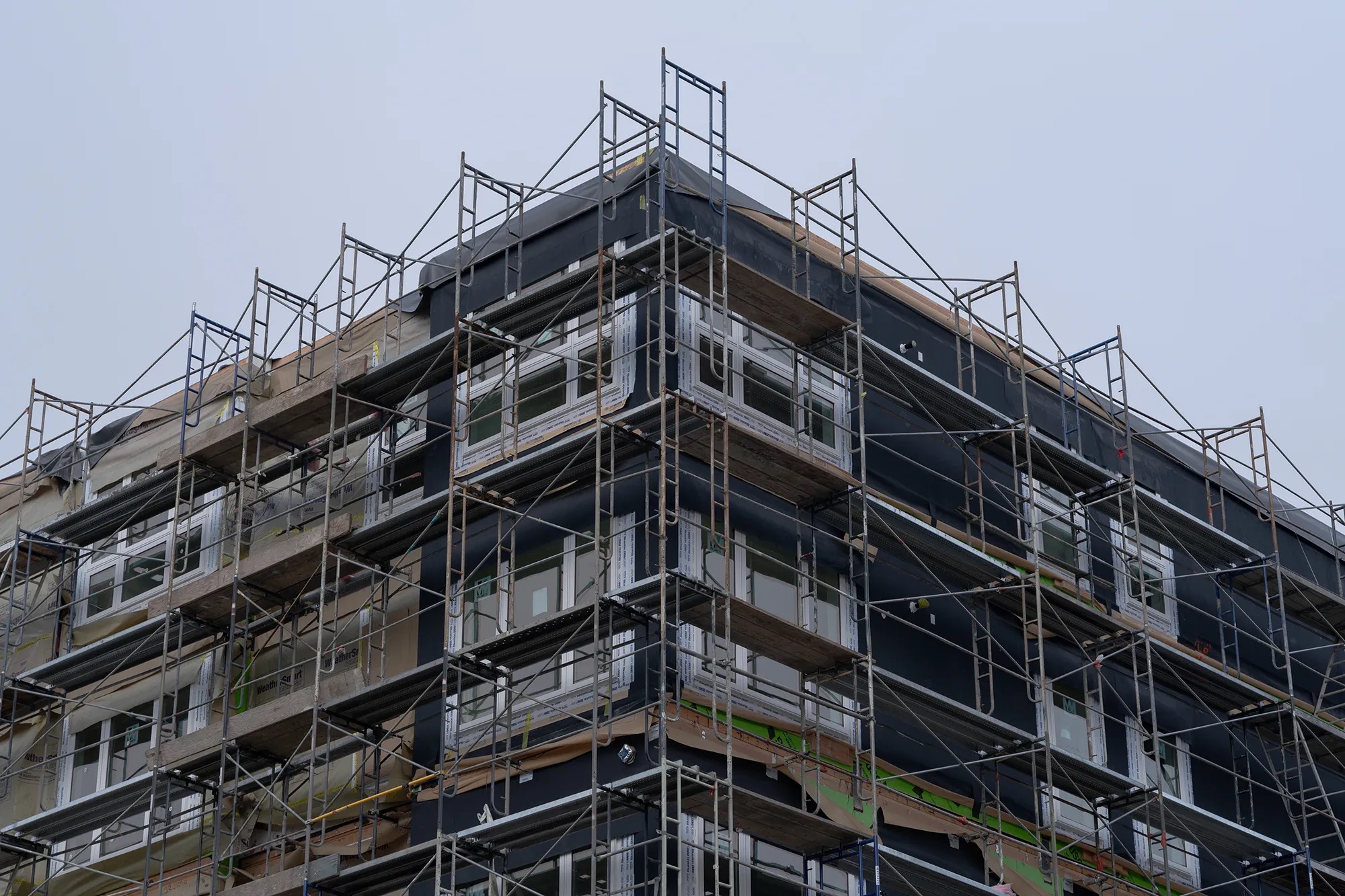
"caption": "Scaffolding adorns the facade of factory-built housing Drake Avenue Apartments at 825 Drake Avenue in Marin City on Feb. 7, 2026. Building homes inside a factory has long been seen as a way to revolutionize the American housing industry, ushering in a new era of higher quality homes at lower price. That dream has never quite panned out. Can California finally make it happen?",
"credit": "Jungho Kim for CalMatters",
"altTag": null,
"description": null,
"imgSizes": {
"thumbnail": {
"file": "https://cdn.kqed.org/wp-content/uploads/sites/10/2026/02/020726_FactoryHousing_JK_CM_02-160x107.jpeg",
"width": 160,
"height": 107,
"mimeType": "image/jpeg"
},
"1536x1536": {
"file": "https://cdn.kqed.org/wp-content/uploads/sites/10/2026/02/020726_FactoryHousing_JK_CM_02-1536x1024.jpeg",
"width": 1536,
"height": 1024,
"mimeType": "image/jpeg"
},
"post-thumbnail": {
"file": "https://cdn.kqed.org/wp-content/uploads/sites/10/2026/02/020726_FactoryHousing_JK_CM_02-672x372.jpeg",
"width": 672,
"height": 372,
"mimeType": "image/jpeg"
},
"twentyfourteen-full-width": {
"file": "https://cdn.kqed.org/wp-content/uploads/sites/10/2026/02/020726_FactoryHousing_JK_CM_02-1038x576.jpeg",
"width": 1038,
"height": 576,
"mimeType": "image/jpeg"
},
"npr-cds-wide": {
"file": "https://cdn.kqed.org/wp-content/uploads/sites/10/2026/02/020726_FactoryHousing_JK_CM_02-1200x675.jpeg",
"width": 1200,
"height": 675,
"mimeType": "image/jpeg"
},
"kqedFullSize": {
"file": "https://cdn.kqed.org/wp-content/uploads/sites/10/2026/02/020726_FactoryHousing_JK_CM_02.jpeg",
"width": 2000,
"height": 1333
}
},
"isLoading": false,
"fetchFailed": false
},
"news_12073258": {
"type": "attachments",
"id": "news_12073258",
"meta": {
"index": "attachments_1716263798",
"site": "news",
"id": "12073258",
"found": true
},
"title": "260209-SFOSLEEPING-01-BL-KQED",
"publishDate": 1770855873,
"status": "inherit",
"parent": 0,
"modified": 1770855925,
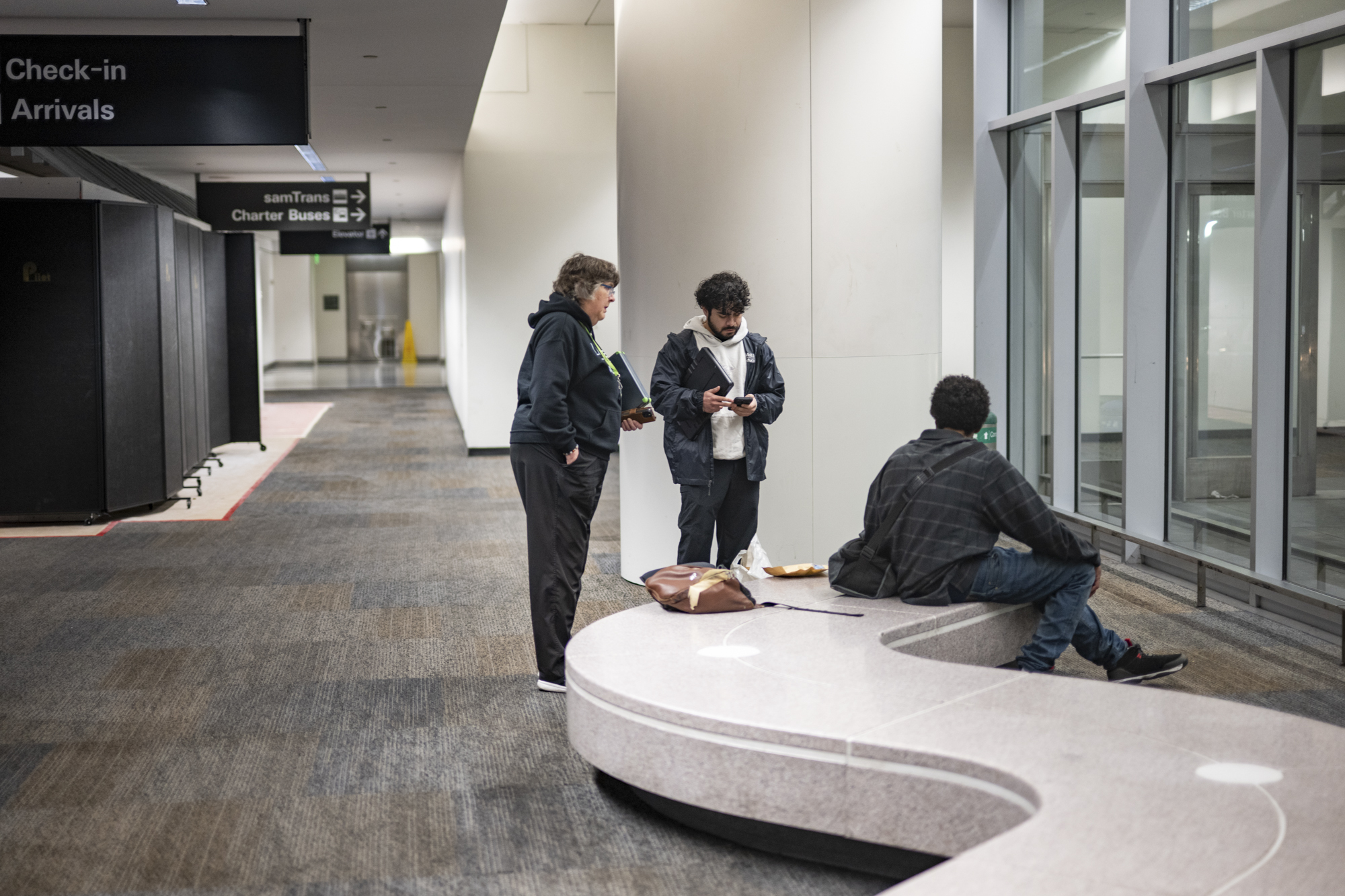
"caption": "Sylvia Bambra (left) and Ivan Marquez, case managers with the LifeMoves Homeless Outreach Team, speak with an unhoused person during an outreach visit at San Francisco International Airport on Feb. 9, 2026.",
"credit": "Beth LaBerge/KQED",
"altTag": null,
"description": null,
"imgSizes": {
"thumbnail": {
"file": "https://cdn.kqed.org/wp-content/uploads/sites/10/2026/02/260209-SFOSLEEPING-01-BL-KQED-160x107.jpg",
"width": 160,
"height": 107,
"mimeType": "image/jpeg"
},
"1536x1536": {
"file": "https://cdn.kqed.org/wp-content/uploads/sites/10/2026/02/260209-SFOSLEEPING-01-BL-KQED-1536x1024.jpg",
"width": 1536,
"height": 1024,
"mimeType": "image/jpeg"
},
"post-thumbnail": {
"file": "https://cdn.kqed.org/wp-content/uploads/sites/10/2026/02/260209-SFOSLEEPING-01-BL-KQED-672x372.jpg",
"width": 672,
"height": 372,
"mimeType": "image/jpeg"
},
"twentyfourteen-full-width": {
"file": "https://cdn.kqed.org/wp-content/uploads/sites/10/2026/02/260209-SFOSLEEPING-01-BL-KQED-1038x576.jpg",
"width": 1038,
"height": 576,
"mimeType": "image/jpeg"
},
"npr-cds-wide": {
"file": "https://cdn.kqed.org/wp-content/uploads/sites/10/2026/02/260209-SFOSLEEPING-01-BL-KQED-1200x675.jpg",
"width": 1200,
"height": 675,
"mimeType": "image/jpeg"
},
"kqedFullSize": {
"file": "https://cdn.kqed.org/wp-content/uploads/sites/10/2026/02/260209-SFOSLEEPING-01-BL-KQED.jpg",
"width": 2000,
"height": 1333
}
},
"isLoading": false,
"fetchFailed": false
},
"news_12073370": {
"type": "attachments",
"id": "news_12073370",
"meta": {
"index": "attachments_1716263798",
"site": "news",
"id": "12073370",
"found": true
},
"title": "250519-AffordableHousingFile-04-BL_qed",
"publishDate": 1770935618,
"status": "inherit",
"parent": 12073193,
"modified": 1772759203,
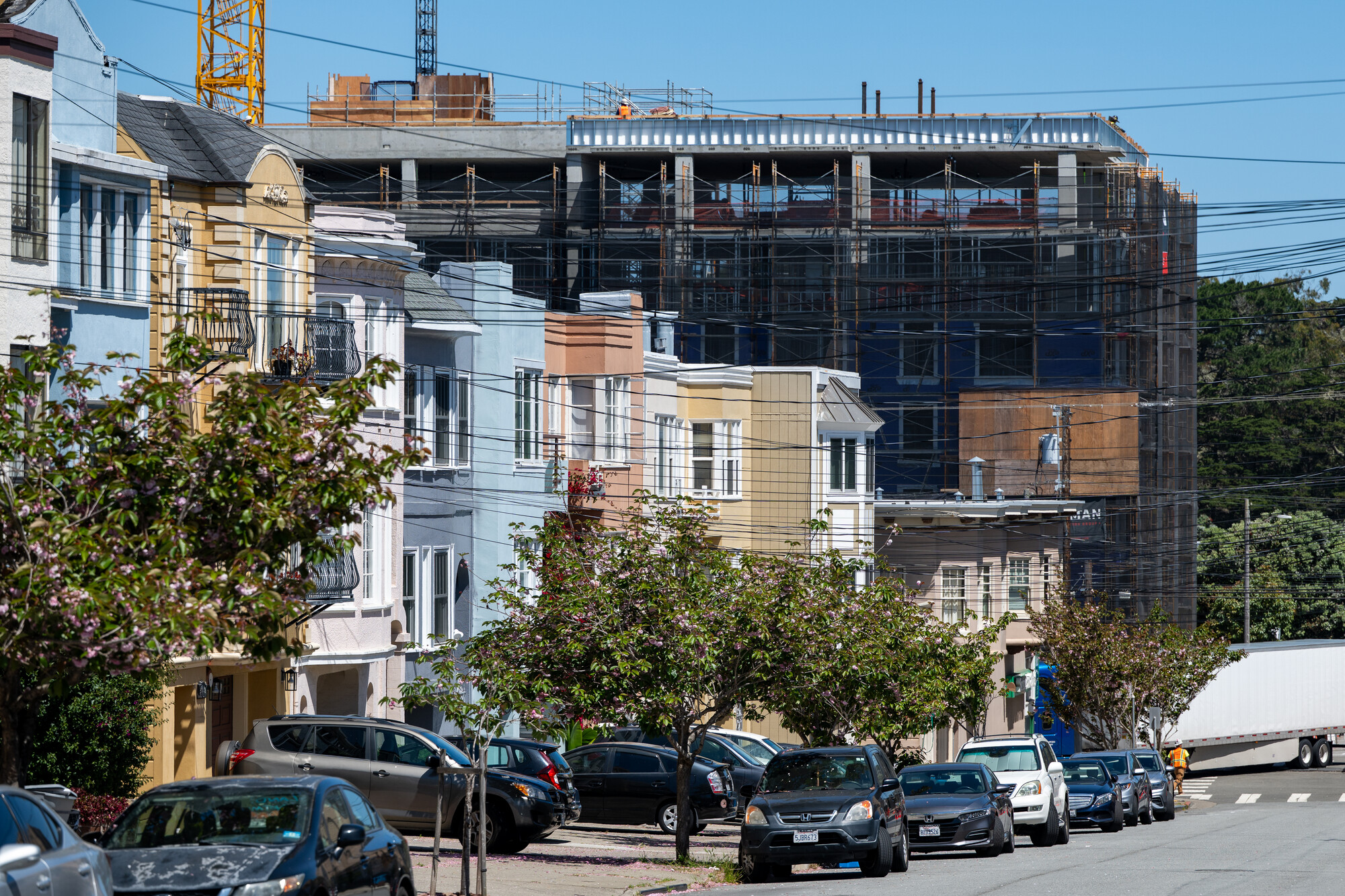
"caption": "Construction is underway on an affordable housing apartment building at 2550 Irving St. in San Francisco’s Sunset District on May 19, 2025.",
"credit": "Beth LaBerge/KQED",
"altTag": null,
"description": null,
"imgSizes": {
"thumbnail": {
"file": "https://cdn.kqed.org/wp-content/uploads/sites/10/2026/02/250519-AffordableHousingFile-04-BL_qed-160x107.jpg",
"width": 160,
"height": 107,
"mimeType": "image/jpeg"
},
"1536x1536": {
"file": "https://cdn.kqed.org/wp-content/uploads/sites/10/2026/02/250519-AffordableHousingFile-04-BL_qed-1536x1024.jpg",
"width": 1536,
"height": 1024,
"mimeType": "image/jpeg"
},
"post-thumbnail": {
"file": "https://cdn.kqed.org/wp-content/uploads/sites/10/2026/02/250519-AffordableHousingFile-04-BL_qed-672x372.jpg",
"width": 672,
"height": 372,
"mimeType": "image/jpeg"
},
"twentyfourteen-full-width": {
"file": "https://cdn.kqed.org/wp-content/uploads/sites/10/2026/02/250519-AffordableHousingFile-04-BL_qed-1038x576.jpg",
"width": 1038,
"height": 576,
"mimeType": "image/jpeg"
},
"npr-cds-wide": {
"file": "https://cdn.kqed.org/wp-content/uploads/sites/10/2026/02/250519-AffordableHousingFile-04-BL_qed-1200x675.jpg",
"width": 1200,
"height": 675,
"mimeType": "image/jpeg"
},
"kqedFullSize": {
"file": "https://cdn.kqed.org/wp-content/uploads/sites/10/2026/02/250519-AffordableHousingFile-04-BL_qed.jpg",
"width": 2000,
"height": 1333
}
},
"isLoading": false,
"fetchFailed": false
},
"news_12072184": {
"type": "attachments",
"id": "news_12072184",
"meta": {
"index": "attachments_1716263798",
"site": "news",
"id": "12072184",
"found": true
},
"title": "020226SUPER BOWL HOMELESSNESS _GH_007-KQED",
"publishDate": 1770167025,
"status": "inherit",
"parent": 12096431,
"modified": 1787428558,
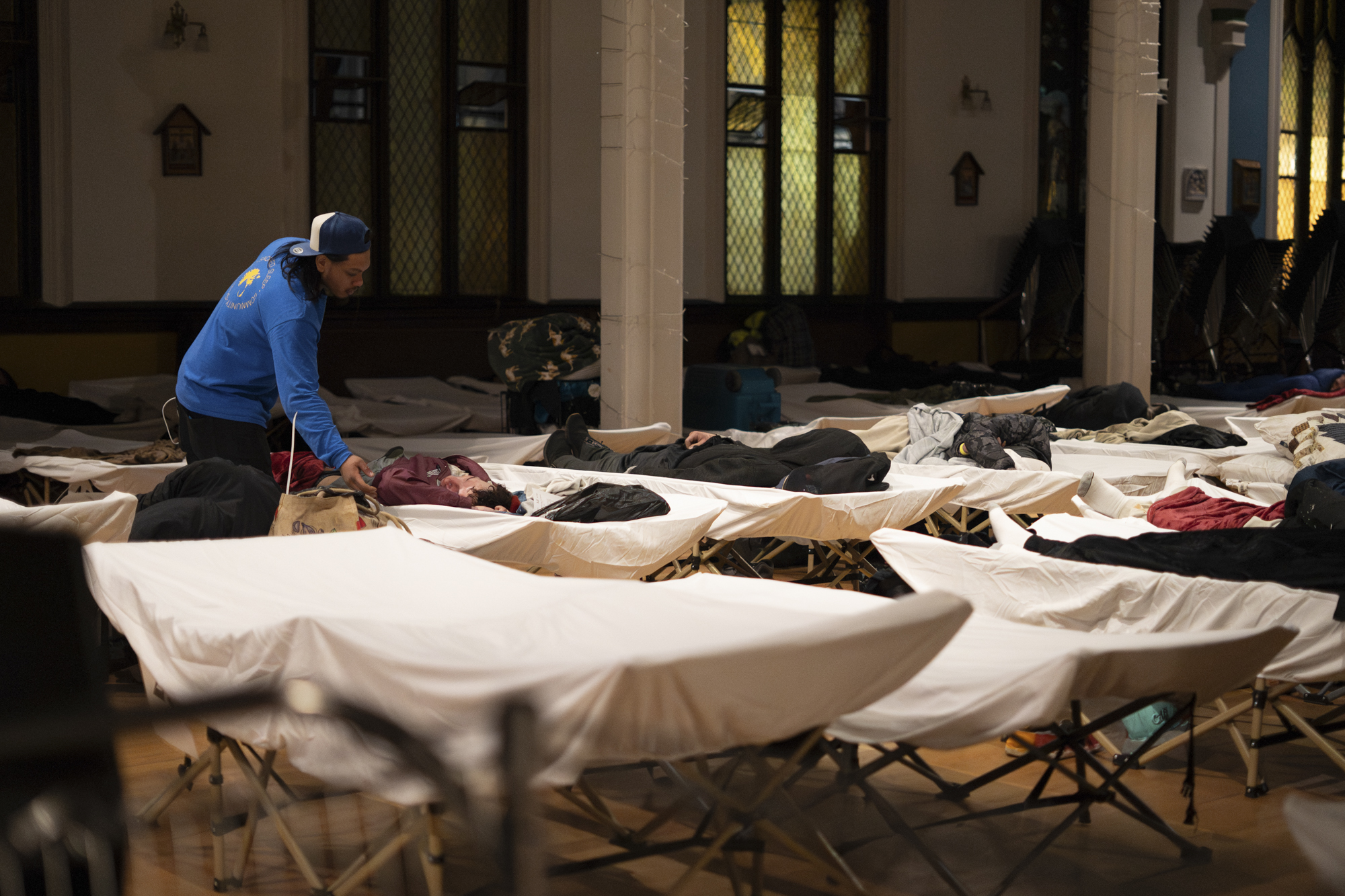
"caption": "Rows of cots fill the sanctuary at Saint John’s the Evangelist Episcopal Church as the Gubbio Project temporarily provides overnight shelter on Feb. 2, 2026, in San Francisco. The program normally offers daytime rest without barriers to entry.",
"credit": "Gustavo Hernandez/KQED",
"altTag": null,
"description": null,
"imgSizes": {
"thumbnail": {
"file": "https://cdn.kqed.org/wp-content/uploads/sites/10/2026/02/020226SUPER-BOWL-HOMELESSNESS-_GH_007-KQED-160x107.jpg",
"width": 160,
"height": 107,
"mimeType": "image/jpeg"
},
"1536x1536": {
"file": "https://cdn.kqed.org/wp-content/uploads/sites/10/2026/02/020226SUPER-BOWL-HOMELESSNESS-_GH_007-KQED-1536x1024.jpg",
"width": 1536,
"height": 1024,
"mimeType": "image/jpeg"
},
"post-thumbnail": {
"file": "https://cdn.kqed.org/wp-content/uploads/sites/10/2026/02/020226SUPER-BOWL-HOMELESSNESS-_GH_007-KQED-672x372.jpg",
"width": 672,
"height": 372,
"mimeType": "image/jpeg"
},
"twentyfourteen-full-width": {
"file": "https://cdn.kqed.org/wp-content/uploads/sites/10/2026/02/020226SUPER-BOWL-HOMELESSNESS-_GH_007-KQED-1038x576.jpg",
"width": 1038,
"height": 576,
"mimeType": "image/jpeg"
},
"npr-cds-wide": {
"file": "https://cdn.kqed.org/wp-content/uploads/sites/10/2026/02/020226SUPER-BOWL-HOMELESSNESS-_GH_007-KQED-1200x675.jpg",
"width": 1200,
"height": 675,
"mimeType": "image/jpeg"
},
"kqedFullSize": {
"file": "https://cdn.kqed.org/wp-content/uploads/sites/10/2026/02/020226SUPER-BOWL-HOMELESSNESS-_GH_007-KQED.jpg",
"width": 2000,
"height": 1333
}
},
"isLoading": false,
"fetchFailed": false
},
"news_11884125": {
"type": "attachments",
"id": "news_11884125",
"meta": {
"index": "attachments_1716263798",
"site": "news",
"id": "11884125",
"found": true
},
"title": "A man walks through a neighborhood of single-family homes in Los Angeles last week. The CDC announced a new temporary eviction ban a few days after the previous one expired.",
"publishDate": 1628271112,
"status": "inherit",
"parent": 11884124,
"modified": 1769621405,
"caption": "A man walks along a street in a neighborhood of single family homes in Los Angeles, California on July 30, 2021. ",
"credit": "Frederic J. Brown/AFP via Getty Images ",
"altTag": null,
"description": "A man walks along a street in a neighborhood of single family homes in Los Angeles, California on July 30, 2021, a day before a nationwide ban on evictions due to the Coronavirus pandemic since 2020 is set to expire. - Millions of Americans could find themselves homeless starting Sunday when a nationwide ban on evictions expires, even as billions in government funds meant to help them go untapped.\nThe wave of evictions would come as the fast-spreading Delta variant has taken hold in the country and rental housing is in high demand in the hot real estate market. (Photo by Frederic J. BROWN / AFP) (Photo by FREDERIC J. BROWN/AFP via Getty Images)",
"imgSizes": {
"medium": {
"file": "https://cdn.kqed.org/wp-content/uploads/sites/10/2021/08/gettyimages-1234331375-8c66a2d8e3377bb9725f454d2bd637ffd9d68e7c-800x600.jpg",
"width": 800,
"height": 600,
"mimeType": "image/jpeg"
},
"large": {
"file": "https://cdn.kqed.org/wp-content/uploads/sites/10/2021/08/gettyimages-1234331375-8c66a2d8e3377bb9725f454d2bd637ffd9d68e7c-1020x765.jpg",
"width": 1020,
"height": 765,
"mimeType": "image/jpeg"
},
"thumbnail": {
"file": "https://cdn.kqed.org/wp-content/uploads/sites/10/2021/08/gettyimages-1234331375-8c66a2d8e3377bb9725f454d2bd637ffd9d68e7c-160x120.jpg",
"width": 160,
"height": 120,
"mimeType": "image/jpeg"
},
"1536x1536": {
"file": "https://cdn.kqed.org/wp-content/uploads/sites/10/2021/08/gettyimages-1234331375-8c66a2d8e3377bb9725f454d2bd637ffd9d68e7c-1536x1152.jpg",
"width": 1536,
"height": 1152,
"mimeType": "image/jpeg"
},
"2048x2048": {
"file": "https://cdn.kqed.org/wp-content/uploads/sites/10/2021/08/gettyimages-1234331375-8c66a2d8e3377bb9725f454d2bd637ffd9d68e7c-2048x1536.jpg",
"width": 2048,
"height": 1536,
"mimeType": "image/jpeg"
},
"post-thumbnail": {
"file": "https://cdn.kqed.org/wp-content/uploads/sites/10/2021/08/gettyimages-1234331375-8c66a2d8e3377bb9725f454d2bd637ffd9d68e7c-672x372.jpg",
"width": 672,
"height": 372,
"mimeType": "image/jpeg"
},
"twentyfourteen-full-width": {
"file": "https://cdn.kqed.org/wp-content/uploads/sites/10/2021/08/gettyimages-1234331375-8c66a2d8e3377bb9725f454d2bd637ffd9d68e7c-1038x576.jpg",
"width": 1038,
"height": 576,
"mimeType": "image/jpeg"
},
"full-width": {
"file": "https://cdn.kqed.org/wp-content/uploads/sites/10/2021/08/gettyimages-1234331375-8c66a2d8e3377bb9725f454d2bd637ffd9d68e7c-1920x1440.jpg",
"width": 1920,
"height": 1440,
"mimeType": "image/jpeg"
},
"kqedFullSize": {
"file": "https://cdn.kqed.org/wp-content/uploads/sites/10/2021/08/gettyimages-1234331375-8c66a2d8e3377bb9725f454d2bd637ffd9d68e7c-scaled.jpg",
"width": 2560,
"height": 1919
}
},
"isLoading": false,
"fetchFailed": false
},
"news_12044984": {
"type": "attachments",
"id": "news_12044984",
"meta": {
"index": "attachments_1716263798",
"site": "news",
"id": "12044984",
"found": true
},
"title": "250618-NEWTEACHERHOUSING-19-BL-KQED",
"publishDate": 1750284868,
"status": "inherit",
"parent": 0,
"modified": 1769123881,
"caption": "Construction workers build at 750 Golden Gate Ave. in San Francisco on June 18, 2025, during a groundbreaking ceremony marking the start of two affordable housing projects. One will deliver 75 units prioritized for SFUSD and City College educators, and the other at 850 Turk will add 92 family apartments.",
"credit": "Beth LaBerge/KQED",
"altTag": null,
"description": null,
"imgSizes": {
"thumbnail": {
"file": "https://cdn.kqed.org/wp-content/uploads/sites/10/2025/06/250618-NEWTEACHERHOUSING-19-BL-KQED-160x107.jpg",
"width": 160,
"height": 107,
"mimeType": "image/jpeg"
},
"1536x1536": {
"file": "https://cdn.kqed.org/wp-content/uploads/sites/10/2025/06/250618-NEWTEACHERHOUSING-19-BL-KQED-1536x1024.jpg",
"width": 1536,
"height": 1024,
"mimeType": "image/jpeg"
},
"post-thumbnail": {
"file": "https://cdn.kqed.org/wp-content/uploads/sites/10/2025/06/250618-NEWTEACHERHOUSING-19-BL-KQED-672x372.jpg",
"width": 672,
"height": 372,
"mimeType": "image/jpeg"
},
"twentyfourteen-full-width": {
"file": "https://cdn.kqed.org/wp-content/uploads/sites/10/2025/06/250618-NEWTEACHERHOUSING-19-BL-KQED-1038x576.jpg",
"width": 1038,
"height": 576,
"mimeType": "image/jpeg"
},
"kqedFullSize": {
"file": "https://cdn.kqed.org/wp-content/uploads/sites/10/2025/06/250618-NEWTEACHERHOUSING-19-BL-KQED.jpg",
"width": 2000,
"height": 1333
}
},
"isLoading": false,
"fetchFailed": false
},
"news_12053071": {
"type": "attachments",
"id": "news_12053071",
"meta": {
"index": "attachments_1716263798",
"site": "news",
"id": "12053071",
"found": true
},
"title": "250813_THEBATMANOFSANJOSES_GH-15-KQED",
"publishDate": 1755725352,
"status": "inherit",
"parent": 0,
"modified": 1768499602,
"caption": "With bottles of water in hand, the Batman of San José prepares to distribute supplies in San Jose on Aug. 13, 2025.",
"credit": "Gustavo Hernandez/KQED",
"altTag": null,
"description": null,
"imgSizes": {
"thumbnail": {
"file": "https://cdn.kqed.org/wp-content/uploads/sites/10/2025/08/250813_THEBATMANOFSANJOSES_GH-15-KQED-160x107.jpg",
"width": 160,
"height": 107,
"mimeType": "image/jpeg"
},
"1536x1536": {
"file": "https://cdn.kqed.org/wp-content/uploads/sites/10/2025/08/250813_THEBATMANOFSANJOSES_GH-15-KQED-1536x1024.jpg",
"width": 1536,
"height": 1024,
"mimeType": "image/jpeg"
},
"post-thumbnail": {
"file": "https://cdn.kqed.org/wp-content/uploads/sites/10/2025/08/250813_THEBATMANOFSANJOSES_GH-15-KQED-672x372.jpg",
"width": 672,
"height": 372,
"mimeType": "image/jpeg"
},
"twentyfourteen-full-width": {
"file": "https://cdn.kqed.org/wp-content/uploads/sites/10/2025/08/250813_THEBATMANOFSANJOSES_GH-15-KQED-1038x576.jpg",
"width": 1038,
"height": 576,
"mimeType": "image/jpeg"
},
"kqedFullSize": {
"file": "https://cdn.kqed.org/wp-content/uploads/sites/10/2025/08/250813_THEBATMANOFSANJOSES_GH-15-KQED.jpg",
"width": 2000,
"height": 1333
}
},
"isLoading": false,
"fetchFailed": false
},
"news_12068573": {
"type": "attachments",
"id": "news_12068573",
"meta": {
"index": "attachments_1716263798",
"site": "news",
"id": "12068573",
"found": true
},
"title": "260102-hazelsinnraid00040_TV_qed",
"publishDate": 1767392926,
"status": "inherit",
"parent": 0,
"modified": 1767393210,
"caption": "Nan Alamilla Boyd, a historian, poses for a portrait at the GLBT Historical Society Archives in San Francisco on January 2, 2026.",
"credit": "Tâm Vũ / KQED",
"altTag": null,
"description": null,
"imgSizes": {
"thumbnail": {
"file": "https://cdn.kqed.org/wp-content/uploads/sites/10/2026/01/260102-hazelsinnraid00040_TV_qed-160x107.jpg",
"width": 160,
"height": 107,
"mimeType": "image/jpeg"
},
"1536x1536": {
"file": "https://cdn.kqed.org/wp-content/uploads/sites/10/2026/01/260102-hazelsinnraid00040_TV_qed-1536x1024.jpg",
"width": 1536,
"height": 1024,
"mimeType": "image/jpeg"
},
"post-thumbnail": {
"file": "https://cdn.kqed.org/wp-content/uploads/sites/10/2026/01/260102-hazelsinnraid00040_TV_qed-672x372.jpg",
"width": 672,
"height": 372,
"mimeType": "image/jpeg"
},
"twentyfourteen-full-width": {
"file": "https://cdn.kqed.org/wp-content/uploads/sites/10/2026/01/260102-hazelsinnraid00040_TV_qed-1038x576.jpg",
"width": 1038,
"height": 576,
"mimeType": "image/jpeg"
},
"npr-cds-wide": {
"file": "https://cdn.kqed.org/wp-content/uploads/sites/10/2026/01/260102-hazelsinnraid00040_TV_qed-1200x675.jpg",
"width": 1200,
"height": 675,
"mimeType": "image/jpeg"
},
"kqedFullSize": {
"file": "https://cdn.kqed.org/wp-content/uploads/sites/10/2026/01/260102-hazelsinnraid00040_TV_qed.jpg",
"width": 1999,
"height": 1333
}
},
"isLoading": false,
"fetchFailed": false
},
"news_12069610": {
"type": "attachments",
"id": "news_12069610",
"meta": {
"index": "attachments_1716263798",
"site": "news",
"id": "12069610",
"found": true
},
"title": "019_KQED_RichmondHousing_08162022_qed",
"publishDate": 1768346179,
"status": "inherit",
"parent": 12069608,
"modified": 1768346190,
"caption": "Cynthia Osorio-Hernandez walks with her family on the street in front of her home in Richmond on Aug. 16, 2022.",
"credit": "Beth LaBerge/KQED",
"altTag": null,
"description": null,
"imgSizes": {
"thumbnail": {
"file": "https://cdn.kqed.org/wp-content/uploads/sites/10/2026/01/019_KQED_RichmondHousing_08162022_qed-160x107.jpg",
"width": 160,
"height": 107,
"mimeType": "image/jpeg"
},
"1536x1536": {
"file": "https://cdn.kqed.org/wp-content/uploads/sites/10/2026/01/019_KQED_RichmondHousing_08162022_qed-1536x1024.jpg",
"width": 1536,
"height": 1024,
"mimeType": "image/jpeg"
},
"post-thumbnail": {
"file": "https://cdn.kqed.org/wp-content/uploads/sites/10/2026/01/019_KQED_RichmondHousing_08162022_qed-672x372.jpg",
"width": 672,
"height": 372,
"mimeType": "image/jpeg"
},
"twentyfourteen-full-width": {
"file": "https://cdn.kqed.org/wp-content/uploads/sites/10/2026/01/019_KQED_RichmondHousing_08162022_qed-1038x576.jpg",
"width": 1038,
"height": 576,
"mimeType": "image/jpeg"
},
"npr-cds-wide": {
"file": "https://cdn.kqed.org/wp-content/uploads/sites/10/2026/01/019_KQED_RichmondHousing_08162022_qed-1200x675.jpg",
"width": 1200,
"height": 675,
"mimeType": "image/jpeg"
},
"kqedFullSize": {
"file": "https://cdn.kqed.org/wp-content/uploads/sites/10/2026/01/019_KQED_RichmondHousing_08162022_qed.jpg",
"width": 2000,
"height": 1333
}
},
"isLoading": false,
"fetchFailed": false
},
"news_12069623": {
"type": "attachments",
"id": "news_12069623",
"meta": {
"index": "attachments_1716263798",
"site": "news",
"id": "12069623",
"found": true
},
"title": "IMG_9694.JPG_qed",
"publishDate": 1768347546,
"status": "inherit",
"parent": 12069513,
"modified": 1768353535,
"caption": "A crowd gathered on El Camino Real to demand that the Redwood City City Council limit evictions and rent hikes on Oct. 1, 2015. The cost of housing is transforming the city, which was once known for its relative affordability compared to neighboring cities in the Peninsula.",
"credit": "Farida Jhabvala Romero/KQED",
"altTag": null,
"description": null,
"imgSizes": {
"thumbnail": {
"file": "https://cdn.kqed.org/wp-content/uploads/sites/10/2026/01/IMG_9694.JPG_qed-160x107.jpg",
"width": 160,
"height": 107,
"mimeType": "image/jpeg"
},
"1536x1536": {
"file": "https://cdn.kqed.org/wp-content/uploads/sites/10/2026/01/IMG_9694.JPG_qed-1536x1024.jpg",
"width": 1536,
"height": 1024,
"mimeType": "image/jpeg"
},
"post-thumbnail": {
"file": "https://cdn.kqed.org/wp-content/uploads/sites/10/2026/01/IMG_9694.JPG_qed-672x372.jpg",
"width": 672,
"height": 372,
"mimeType": "image/jpeg"
},
"twentyfourteen-full-width": {
"file": "https://cdn.kqed.org/wp-content/uploads/sites/10/2026/01/IMG_9694.JPG_qed-1038x576.jpg",
"width": 1038,
"height": 576,
"mimeType": "image/jpeg"
},
"npr-cds-wide": {
"file": "https://cdn.kqed.org/wp-content/uploads/sites/10/2026/01/IMG_9694.JPG_qed-1200x675.jpg",
"width": 1200,
"height": 675,
"mimeType": "image/jpeg"
},
"kqedFullSize": {
"file": "https://cdn.kqed.org/wp-content/uploads/sites/10/2026/01/IMG_9694.JPG_qed.jpg",
"width": 2000,
"height": 1333
}
},
"isLoading": false,
"fetchFailed": false
},
"news_12069436": {
"type": "attachments",
"id": "news_12069436",
"meta": {
"index": "attachments_1716263798",
"site": "news",
"id": "12069436",
"found": true
},
"title": "260112-SANBRUNOAFFORDABLEHOUSING00141_TV-KQED",
"publishDate": 1768253245,
"status": "inherit",
"parent": 0,
"modified": 1768267849,
"caption": "AbilityPath Housing opens a new affordable housing building on 381 Huntington Ave. in San Bruno on January 12, 2026. AbilityPath, an organization that helps adults with developmental disabilities, holds a ribbon-cutting ceremony for a new affordable housing building in San Bruno that is meant to serve adults with developmental disabilities.",
"credit": "Tâm Vũ/KQED",
"altTag": null,
"description": null,
"imgSizes": {
"thumbnail": {
"file": "https://cdn.kqed.org/wp-content/uploads/sites/10/2026/01/260112-SANBRUNOAFFORDABLEHOUSING00141_TV-KQED-160x107.jpg",
"width": 160,
"height": 107,
"mimeType": "image/jpeg"
},
"1536x1536": {
"file": "https://cdn.kqed.org/wp-content/uploads/sites/10/2026/01/260112-SANBRUNOAFFORDABLEHOUSING00141_TV-KQED-1536x1024.jpg",
"width": 1536,
"height": 1024,
"mimeType": "image/jpeg"
},
"post-thumbnail": {
"file": "https://cdn.kqed.org/wp-content/uploads/sites/10/2026/01/260112-SANBRUNOAFFORDABLEHOUSING00141_TV-KQED-672x372.jpg",
"width": 672,
"height": 372,
"mimeType": "image/jpeg"
},
"twentyfourteen-full-width": {
"file": "https://cdn.kqed.org/wp-content/uploads/sites/10/2026/01/260112-SANBRUNOAFFORDABLEHOUSING00141_TV-KQED-1038x576.jpg",
"width": 1038,
"height": 576,
"mimeType": "image/jpeg"
},
"npr-cds-wide": {
"file": "https://cdn.kqed.org/wp-content/uploads/sites/10/2026/01/260112-SANBRUNOAFFORDABLEHOUSING00141_TV-KQED-1200x675.jpg",
"width": 1200,
"height": 675,
"mimeType": "image/jpeg"
},
"kqedFullSize": {
"file": "https://cdn.kqed.org/wp-content/uploads/sites/10/2026/01/260112-SANBRUNOAFFORDABLEHOUSING00141_TV-KQED.jpg",
"width": 2000,
"height": 1333
}
},
"isLoading": false,
"fetchFailed": false
},
"news_12069154": {
"type": "attachments",
"id": "news_12069154",
"meta": {
"index": "attachments_1716263798",
"site": "news",
"id": "12069154",
"found": true
},
"title": "HJA_2939_SOTS_001",
"publishDate": 1767915204,
"status": "inherit",
"parent": 12069888,
"modified": 1768435691,
"caption": "Gov. Gavin Newsom greets legislators as he arrives at the state Capitol in Sacramento to give his final State of the State address as governor on Thursday, Jan. 8, 2026.",
"credit": "Hector Amezcua/The Sacramento Bee",
"altTag": null,
"description": null,
"imgSizes": {
"medium": {
"file": "https://cdn.kqed.org/wp-content/uploads/sites/10/2026/01/HJA_2939_SOTS_001-2000x1333.jpg",
"width": 2000,
"height": 1333,
"mimeType": "image/jpeg"
},
"large": {
"file": "https://cdn.kqed.org/wp-content/uploads/sites/10/2026/01/HJA_2939_SOTS_001-2000x1333.jpg",
"width": 2000,
"height": 1333,
"mimeType": "image/jpeg"
},
"thumbnail": {
"file": "https://cdn.kqed.org/wp-content/uploads/sites/10/2026/01/HJA_2939_SOTS_001-160x107.jpg",
"width": 160,
"height": 107,
"mimeType": "image/jpeg"
},
"1536x1536": {
"file": "https://cdn.kqed.org/wp-content/uploads/sites/10/2026/01/HJA_2939_SOTS_001-1536x1024.jpg",
"width": 1536,
"height": 1024,
"mimeType": "image/jpeg"
},
"2048x2048": {
"file": "https://cdn.kqed.org/wp-content/uploads/sites/10/2026/01/HJA_2939_SOTS_001-2048x1365.jpg",
"width": 2048,
"height": 1365,
"mimeType": "image/jpeg"
},
"post-thumbnail": {
"file": "https://cdn.kqed.org/wp-content/uploads/sites/10/2026/01/HJA_2939_SOTS_001-672x372.jpg",
"width": 672,
"height": 372,
"mimeType": "image/jpeg"
},
"twentyfourteen-full-width": {
"file": "https://cdn.kqed.org/wp-content/uploads/sites/10/2026/01/HJA_2939_SOTS_001-1038x576.jpg",
"width": 1038,
"height": 576,
"mimeType": "image/jpeg"
},
"full-width": {
"file": "https://cdn.kqed.org/wp-content/uploads/sites/10/2026/01/HJA_2939_SOTS_001-2000x1333.jpg",
"width": 2000,
"height": 1333,
"mimeType": "image/jpeg"
},
"npr-cds-wide": {
"file": "https://cdn.kqed.org/wp-content/uploads/sites/10/2026/01/HJA_2939_SOTS_001-1200x675.jpg",
"width": 1200,
"height": 675,
"mimeType": "image/jpeg"
},
"kqedFullSize": {
"file": "https://cdn.kqed.org/wp-content/uploads/sites/10/2026/01/HJA_2939_SOTS_001-scaled.jpg",
"width": 2560,
"height": 1706
}
},
"isLoading": false,
"fetchFailed": false
}
},
"audioPlayerReducer": {
"postId": "stream_live",
"isPaused": true,
"isPlaying": false,
"pfsActive": false,
"pledgeModalIsOpen": true,
"playerDrawerIsOpen": false,
"liveAudioPlayStartedAt": 0,
"liveAudioPlayContext": ""
},
"authorsReducer": {
"byline_news_12073544": {
"type": "authors",
"id": "byline_news_12073544",
"meta": {
"override": true
},
"slug": "byline_news_12073544",
"name": "Ben Christopher, CalMatters",
"isLoading": false
},
"byline_news_12073006": {
"type": "authors",
"id": "byline_news_12073006",
"meta": {
"override": true
},
"slug": "byline_news_12073006",
"name": "Erin Bump ",
"isLoading": false
},
"kqed": {
"type": "authors",
"id": "236",
"meta": {
"index": "authors_1716337520",
"id": "236",
"found": true
},
"name": "KQED News Staff",
"firstName": "KQED News Staff",
"lastName": null,
"slug": "kqed",
"email": "faq@kqed.org",
"display_author_email": false,
"staff_mastheads": [],
"title": null,
"bio": null,
"avatar": "https://secure.gravatar.com/avatar/ef0e801a68c4c54afa9180db14084167?s=600&d=blank&r=g",
"twitter": null,
"facebook": null,
"instagram": null,
"linkedin": null,
"sites": [
{
"site": "arts",
"roles": [
"contributor"
]
},
{
"site": "news",
"roles": [
"editor"
]
},
{
"site": "futureofyou",
"roles": [
"author"
]
}
],
"headData": {
"title": "KQED News Staff | KQED",
"description": null,
"ogImgSrc": "https://secure.gravatar.com/avatar/ef0e801a68c4c54afa9180db14084167?s=600&d=blank&r=g",
"twImgSrc": "https://secure.gravatar.com/avatar/ef0e801a68c4c54afa9180db14084167?s=600&d=blank&r=g"
},
"isLoading": false,
"link": "/author/kqed"
},
"scottshafer": {
"type": "authors",
"id": "255",
"meta": {
"index": "authors_1716337520",
"id": "255",
"found": true
},
"name": "Scott Shafer",
"firstName": "Scott",
"lastName": "Shafer",
"slug": "scottshafer",
"email": "sshafer@kqed.org",
"display_author_email": false,
"staff_mastheads": [
"news"
],
"title": "KQED Contributor",
"bio": "Scott Shafer is a senior editor with the KQED Politics and Government desk. He is co-host of Political Breakdown, the award-winning radio show and podcast with a personal take on the world of politics. Scott came to KQED in 1998 to host the statewide\u003cem> California Report\u003c/em>. Prior to that he had extended stints in politics and government\u003cem>.\u003c/em> He uses that inside experience at KQED in his, reporting, hosting and analysis for the politics desk. Scott collaborated \u003cem>Political Breakdown a\u003c/em>nd on \u003cem>The Political Mind of Jerry Brown, \u003c/em>an eight-part series about the life and extraordinary political career of the former governor. For fun, he plays water polo with the San Francisco Tsunami.",
"avatar": "https://secure.gravatar.com/avatar/a62ebae45b79d7aed1a39a0e3bf68104?s=600&d=blank&r=g",
"twitter": "scottshafer",
"bluesky": null,
"facebook": null,
"instagram": null,
"linkedin": null,
"sites": [
{
"site": "news",
"roles": [
"editor"
]
},
{
"site": "stateofhealth",
"roles": [
"author"
]
},
{
"site": "science",
"roles": [
"author"
]
},
{
"site": "forum",
"roles": [
"subscriber"
]
},
{
"site": "liveblog",
"roles": [
"author"
]
}
],
"headData": {
"title": "Scott Shafer | KQED",
"description": "KQED Contributor",
"ogImgSrc": "https://secure.gravatar.com/avatar/a62ebae45b79d7aed1a39a0e3bf68104?s=600&d=blank&r=g",
"twImgSrc": "https://secure.gravatar.com/avatar/a62ebae45b79d7aed1a39a0e3bf68104?s=600&d=blank&r=g"
},
"isLoading": false,
"link": "/author/scottshafer"
},
"mlagos": {
"type": "authors",
"id": "3239",
"meta": {
"index": "authors_1716337520",
"id": "3239",
"found": true
},
"name": "Marisa Lagos",
"firstName": "Marisa",
"lastName": "Lagos",
"slug": "mlagos",
"email": "mlagos@kqed.org",
"display_author_email": false,
"staff_mastheads": [
"news"
],
"title": "KQED Contributor",
"bio": "Marisa Lagos is a correspondent for KQED’s California Politics and Government Desk and co-hosts the award-winning show and podcast, Political Breakdown. At KQED, Lagos also conducts reporting, analysis and investigations into state, local and national politics for radio, TV, online and onstage. In 2022, she and co-host, Scott Shafer, moderated the only gubernatorial debate in California. In 2020, the \u003ci>Washington Post\u003c/i> named her one of the top political journalists in California; she was nominated for a Peabody and won several other awards for her work investigating the 2017 California wildfires. She has worked at the \u003ci>San Francisco Chronicle\u003c/i>, \u003ci>San Francisco Examiner\u003c/i> and \u003ci>Los Angeles Times\u003c/i>. A UC Santa Barbara graduate, she lives in San Francisco with her two sons and husband.",
"avatar": "https://secure.gravatar.com/avatar/a261a0d3696fc066871ef96b85b5e7d2?s=600&d=blank&r=g",
"twitter": "@mlagos",
"facebook": null,
"instagram": null,
"linkedin": null,
"sites": [
{
"site": "arts",
"roles": [
"author"
]
},
{
"site": "news",
"roles": [
"editor"
]
},
{
"site": "science",
"roles": [
"editor"
]
},
{
"site": "forum",
"roles": [
"author"
]
},
{
"site": "liveblog",
"roles": [
"author"
]
}
],
"headData": {
"title": "Marisa Lagos | KQED",
"description": "KQED Contributor",
"ogImgSrc": "https://secure.gravatar.com/avatar/a261a0d3696fc066871ef96b85b5e7d2?s=600&d=blank&r=g",
"twImgSrc": "https://secure.gravatar.com/avatar/a261a0d3696fc066871ef96b85b5e7d2?s=600&d=blank&r=g"
},
"isLoading": false,
"link": "/author/mlagos"
},
"abandlamudi": {
"type": "authors",
"id": "11672",
"meta": {
"index": "authors_1716337520",
"id": "11672",
"found": true
},
"name": "Adhiti Bandlamudi",
"firstName": "Adhiti",
"lastName": "Bandlamudi",
"slug": "abandlamudi",
"email": "abandlamudi@kqed.org",
"display_author_email": false,
"staff_mastheads": [
"news"
],
"title": "KQED Housing Reporter",
"bio": "Adhiti Bandlamudi reports for KQED's Housing desk. She focuses on how housing gets built across the Bay Area. Before joining KQED in 2020, she reported for WUNC in Durham, North Carolina, WABE in Atlanta, Georgia and Capital Public Radio in Sacramento. In 2017, she was awarded a Kroc Fellowship at NPR where she reported on everything from sprinkles to the Golden State Killer's arrest. When she's not reporting, she's baking new recipes in her kitchen or watching movies with friends and family. She's originally from Georgia and has strong opinions about Great British Bake Off.",
"avatar": "https://secure.gravatar.com/avatar/868129c8b257bb99a3500e2c86a65400?s=600&d=mm&r=g",
"twitter": "oddity_adhiti",
"facebook": null,
"instagram": null,
"linkedin": null,
"sites": [
{
"site": "arts",
"roles": [
"author"
]
},
{
"site": "news",
"roles": [
"editor"
]
},
{
"site": "liveblog",
"roles": [
"author"
]
}
],
"headData": {
"title": "Adhiti Bandlamudi | KQED",
"description": "KQED Housing Reporter",
"ogImgSrc": "https://secure.gravatar.com/avatar/868129c8b257bb99a3500e2c86a65400?s=600&d=mm&r=g",
"twImgSrc": "https://secure.gravatar.com/avatar/868129c8b257bb99a3500e2c86a65400?s=600&d=mm&r=g"
},
"isLoading": false,
"link": "/author/abandlamudi"
},
"sjohnson": {
"type": "authors",
"id": "11840",
"meta": {
"index": "authors_1716337520",
"id": "11840",
"found": true
},
"name": "Sydney Johnson",
"firstName": "Sydney",
"lastName": "Johnson",
"slug": "sjohnson",
"email": "sjohnson@kqed.org",
"display_author_email": false,
"staff_mastheads": [
"news"
],
"title": "KQED Reporter",
"bio": "Sydney Johnson is a general assignment reporter at KQED. She previously reported on public health and city government at the San Francisco Examiner, and before that, she covered statewide education policy for EdSource. Her reporting has won multiple local, state and national awards. Sydney is a graduate of the University of California, Berkeley and lives in San Francisco.",
"avatar": "https://secure.gravatar.com/avatar/97855f2719b72ad6190b7c535fe642c8?s=600&d=blank&r=g",
"twitter": "sydneyfjohnson",
"facebook": null,
"instagram": null,
"linkedin": null,
"sites": [
{
"site": "news",
"roles": [
"editor"
]
}
],
"headData": {
"title": "Sydney Johnson | KQED",
"description": "KQED Reporter",
"ogImgSrc": "https://secure.gravatar.com/avatar/97855f2719b72ad6190b7c535fe642c8?s=600&d=blank&r=g",
"twImgSrc": "https://secure.gravatar.com/avatar/97855f2719b72ad6190b7c535fe642c8?s=600&d=blank&r=g"
},
"isLoading": false,
"link": "/author/sjohnson"
},
"aamaral": {
"type": "authors",
"id": "11947",
"meta": {
"index": "authors_1716337520",
"id": "11947",
"found": true
},
"name": "Ana De Almeida Amaral",
"firstName": "Ana",
"lastName": "De Almeida Amaral",
"slug": "aamaral",
"email": "aamaral@kqed.org",
"display_author_email": false,
"staff_mastheads": [],
"title": "KQED Contributor",
"bio": null,
"avatar": "https://secure.gravatar.com/avatar/eb08e0e3effedf89fc5153d5f7416228a3359f82750571d5de728615b88e8c32?s=600&d=blank&r=g",
"twitter": null,
"bluesky": null,
"facebook": null,
"instagram": null,
"linkedin": null,
"sites": [
{
"site": "arts",
"roles": [
"editor"
]
},
{
"site": "news",
"roles": [
"editor"
]
},
{
"site": "forum",
"roles": [
"editor"
]
}
],
"headData": {
"title": "Ana De Almeida Amaral | KQED",
"description": "KQED Contributor",
"ogImgSrc": "https://secure.gravatar.com/avatar/eb08e0e3effedf89fc5153d5f7416228a3359f82750571d5de728615b88e8c32?s=600&d=blank&r=g",
"twImgSrc": "https://secure.gravatar.com/avatar/eb08e0e3effedf89fc5153d5f7416228a3359f82750571d5de728615b88e8c32?s=600&d=blank&r=g"
},
"isLoading": false,
"link": "/author/aamaral"
},
"sprabha": {
"type": "authors",
"id": "11976",
"meta": {
"index": "authors_1716337520",
"id": "11976",
"found": true
},
"name": "Srishti Prabha",
"firstName": "Srishti",
"lastName": "Prabha",
"slug": "sprabha",
"email": "sprabha@KQED.org",
"display_author_email": false,
"staff_mastheads": [],
"title": "KQED Contributor",
"bio": "Srishti Prabha is a producer and reporter for KQED news and podcasts. They also work on longform human-interest features as a Beat Reporting Fellow with KALW. Their reporting has appeared on NPR, Morning Edition, All Things Considered, The California Report Magazine, and more. Most recently, Prabha covered education for CapRadio as a Report for America corps member, focusing on issues affecting communities of color in the Sacramento region. They previously served as managing editor of India Currents, where they reported on immigration, cultural identity, and health in South Asian communities. Prabha's work has been recognized by the San Francisco Press Club, the California News Publishers Association, and the Edward R. Murrow Awards.",
"avatar": "https://secure.gravatar.com/avatar/cc4d8ef770090714faad7e1d24857f806d09340456c5734167b9a6361b175d7d?s=600&d=blank&r=g",
"twitter": null,
"bluesky": null,
"facebook": null,
"instagram": null,
"linkedin": null,
"sites": [
{
"site": "news",
"roles": [
"editor"
]
}
],
"headData": {
"title": "Srishti Prabha | KQED",
"description": "KQED Contributor",
"ogImgSrc": "https://secure.gravatar.com/avatar/cc4d8ef770090714faad7e1d24857f806d09340456c5734167b9a6361b175d7d?s=600&d=blank&r=g",
"twImgSrc": "https://secure.gravatar.com/avatar/cc4d8ef770090714faad7e1d24857f806d09340456c5734167b9a6361b175d7d?s=600&d=blank&r=g"
},
"isLoading": false,
"link": "/author/sprabha"
},
"aaliahmad": {
"type": "authors",
"id": "11986",
"meta": {
"index": "authors_1716337520",
"id": "11986",
"found": true
},
"name": "Ayah Ali-Ahmad",
"firstName": "Ayah",
"lastName": "Ali-Ahmad",
"slug": "aaliahmad",
"email": "aaliahmad@KQED.org",
"display_author_email": false,
"staff_mastheads": [],
"title": "KQED Contributor",
"bio": null,
"avatar": "https://secure.gravatar.com/avatar/1cf54f187a5e1064b2cfef3f3d2f1e4f93e453395d56912aca6382a6071ec3ed?s=600&d=blank&r=g",
"twitter": "ayahaliahmad",
"bluesky": null,
"facebook": null,
"instagram": null,
"linkedin": null,
"sites": [
{
"site": "news",
"roles": [
"subscriber"
]
}
],
"headData": {
"title": "Ayah Ali-Ahmad | KQED",
"description": "KQED Contributor",
"ogImgSrc": "https://secure.gravatar.com/avatar/1cf54f187a5e1064b2cfef3f3d2f1e4f93e453395d56912aca6382a6071ec3ed?s=600&d=blank&r=g",
"twImgSrc": "https://secure.gravatar.com/avatar/1cf54f187a5e1064b2cfef3f3d2f1e4f93e453395d56912aca6382a6071ec3ed?s=600&d=blank&r=g"
},
"isLoading": false,
"link": "/author/aaliahmad"
}
},
"pagesReducer": {
"news_category_housing": {
"type": "terms",
"id": "news_6266",
"meta": {
"index": "terms_1716263798",
"site": "news",
"id": "6266",
"score": 11.039913
},
"featImg": null,
"name": "Housing",
"description": null,
"taxonomy": "category",
"headData": {
"twImgId": null,
"twTitle": null,
"ogTitle": null,
"ogImgId": null,
"twDescription": null,
"description": null,
"title": "Housing Archives | KQED News",
"ogDescription": null
},
"ttid": 6290,
"slug": "housing",
"isLoading": false,
"title": "Housing",
"pageMeta": {
"site": "news",
"WpPageTemplate": "page-topic-editorial",
"currentPage": 8
},
"blocks": [
{
"blockName": "kqed/post-list",
"attrs": {
"layout": "cardArticle2",
"query": "posts/news?category=housing",
"seeMore": false,
"paginated": true,
"page": 8
}
},
{
"blockName": "kqed/ad"
}
]
}
},
"pfsSessionReducer": {},
"postsReducer": {
"stream_live": {
"type": "live",
"id": "stream_live",
"audioUrl": "https://streams.kqed.org/kqedradio",
"title": "Live Stream",
"excerpt": "Live Stream information currently unavailable.",
"link": "/radio",
"featImg": "",
"label": {
"name": "KQED Live",
"link": "/"
}
},
"stream_kqedNewscast": {
"type": "posts",
"id": "stream_kqedNewscast",
"audioUrl": "https://www.kqed.org/.stream/anon/radio/RDnews/newscast.mp3?_=1",
"title": "KQED Newscast",
"featImg": "",
"label": {
"name": "88.5 FM",
"link": "/"
}
},
"news_12073544": {
"type": "posts",
"id": "news_12073544",
"meta": {
"index": "posts_1716263798",
"site": "news",
"id": "12073544",
"score": null,
"sort": [
1771167615000
]
},
"guestAuthors": [],
"slug": "factory-built-housing-hasnt-taken-off-in-california-yet-but-this-year-might-be-different",
"title": "Factory-Built Housing Hasn’t Taken Off in California Yet, but This Year Might Be Different",
"publishDate": 1771167615,
"format": "standard",
"headTitle": "Factory-Built Housing Hasn’t Taken Off in California Yet, but This Year Might Be Different | KQED",
"labelTerm": {},
"content": "\u003cp>\u003c!-- Creative Commons Attribution-NonCommercial-NoDerivatives https://creativecommons.org/licenses/by-nc-nd/4.0/ -->\u003c/p>\n\u003cp>\u003cem>This story was originally published by \u003ca href=\"https://calmatters.org/\">CalMatters\u003c/a>. \u003ca href=\"https://calmatters.org/subscribe-to-calmatters/\">Sign up\u003c/a> for their newsletters.\u003c/em>\u003c/p>\n\u003cp>As the first home rolled off the factory floor in Kalamazoo, Michigan — “like a boxcar with picture windows,” according to a journalist on the scene — the Secretary of Housing and Urban Development proclaimed it “the coming of a real revolution in housing.”\u003c/p>\n\u003cp>For decades engineers, architects, futurists, industrialists, investors and politicians have been pining for a better, faster and cheaper way to \u003ca href=\"https://www.kqed.org/news/12068746/2025-was-a-blockbuster-year-for-housing-laws-what-does-that-mean-for-2026\">build homes\u003c/a>.\u003c/p>\n\u003cp>Now, amid a national housing shortage, the question felt as pressing as ever: What if construction could harness the speed, efficiency, quality control and cost-savings of the assembly line?\u003c/p>\n\u003cp>[ad fullwidth]\u003c/p>\n\u003cp>What if, rather than building homes on-site from the ground up, they were cranked out of factories, one unit after another, shipped to where they were needed and dropped into place? What if the United States could mass-produce its way out of a housing crisis?\u003c/p>\n\u003cp>\u003ca href=\"https://www.nytimes.com/1971/05/20/archives/first-unit-built-in-housing-plan-button-pushed-by-romney-at-factory.html\">In Kalamazoo\u003c/a>, that vision finally seemed a reality. The HUD chief predicted that within a decade two-thirds of all \u003ca href=\"https://www.huduser.gov/portal/portal/sites/default/files/pdf/HUD-Challenge-November-December-1969.pdf#page=6\">housing construction\u003c/a> across the United States “would be industrialized.”\u003c/p>\n\u003cp>The year was 1971, the HUD Secretary was George Romney (father of future Utah senator, Mitt), and the prediction was wildly off.\u003c/p>\n\u003cfigure id=\"attachment_12073550\" class=\"wp-caption aligncenter\" style=\"max-width: 2000px\">\u003cimg loading=\"lazy\" decoding=\"async\" class=\"size-full wp-image-12073550\" src=\"https://cdn.kqed.org/wp-content/uploads/sites/10/2026/02/020726_FactoryHousing_JK_CM_12.jpeg\" alt=\"\" width=\"2000\" height=\"1333\" srcset=\"https://cdn.kqed.org/wp-content/uploads/sites/10/2026/02/020726_FactoryHousing_JK_CM_12.jpeg 2000w, https://cdn.kqed.org/wp-content/uploads/sites/10/2026/02/020726_FactoryHousing_JK_CM_12-160x107.jpeg 160w, https://cdn.kqed.org/wp-content/uploads/sites/10/2026/02/020726_FactoryHousing_JK_CM_12-1536x1024.jpeg 1536w\" sizes=\"auto, (max-width: 2000px) 100vw, 2000px\">\u003cfigcaption class=\"wp-caption-text\">Factory-built housing Drake Avenue Apartments sits under construction at 825 Drake Avenue in Marin City on Feb. 7, 2026. \u003ccite>(Jungho Kim for CalMatters)\u003c/cite>\u003c/figcaption>\u003c/figure>\n\u003cp>Within five years, \u003ca href=\"https://www.huduser.gov/portal/Operation-Breakthrough.html\">Operation Breakthrough\u003c/a>, the ambitious, but ultimately costly, delay-ridden and politically unpopular federal initiative that had propped up the Kalamazoo factory and eight others like it across the country, ran out of money. The dream of the factory-built house was dead — not for the first time, nor the last.\u003c/p>\n\u003cp>By some definitions, the \u003ca href=\"https://www.survivorlibrary.com/library/the_prefabrication_of_houses_1951.pdf#page=35\">first prefabricated house\u003c/a> was built, shipped and re-assembled in the 1620s. Factory-built homes made of wood and iron were a mainstay of the \u003ca href=\"http://vhd.heritage.vic.gov.au/search/nattrust_result_detail/66817\">colonial\u003c/a> \u003ca href=\"https://archive.org/details/SkillingsFlintCCA196560/page/n9/mode/2up\">enterprises\u003c/a> of the 19th Century. Housing and construction-worker shortages during the Second World War prompted a wave of (ultimately unsuccessful) attempts to mass-produce starter homes in the United States. The modern era is full of those predicting that the industrialization of the housing industry is just a few years away, only to be proven wrong.\u003c/p>\n\u003cp>This year, state legislators in California believe the turning-point might actually be here. With a little state assistance, they want to make 2026 the Year of the Housing Factory. At long last.\u003c/p>\n\u003ch2>California gets ‘modular-curious’\u003c/h2>\n\u003cp>Assemblymember Buffy Wicks, an Oakland Democrat and one of the legislature’s most influential policy makers on housing issues, is leading the charge.\u003c/p>\n\u003cp>Since the beginning of the year, she has organized two select committee hearings under the general banner of “\u003ca href=\"https://calmatters.digitaldemocracy.org/committees/1700\">housing construction innovation\u003c/a>.” The bulk of the committee’s attention has been on factory-based building — why it might be a fix worth promoting and what the state could do to actually make it work this time.\u003c/p>\n\u003cp>The hearings are ostensibly intended to gather information, all of which will be summarized in a white paper being written by researchers at the Terner Center for Housing Innovation at UC Berkeley.\u003c/p>\n\u003cfigure id=\"attachment_12073370\" class=\"wp-caption aligncenter\" style=\"max-width: 2000px\">\u003cimg loading=\"lazy\" decoding=\"async\" class=\"size-full wp-image-12073370\" src=\"https://cdn.kqed.org/wp-content/uploads/sites/10/2026/02/250519-AffordableHousingFile-04-BL_qed.jpg\" alt=\"\" width=\"2000\" height=\"1333\" srcset=\"https://cdn.kqed.org/wp-content/uploads/sites/10/2026/02/250519-AffordableHousingFile-04-BL_qed.jpg 2000w, https://cdn.kqed.org/wp-content/uploads/sites/10/2026/02/250519-AffordableHousingFile-04-BL_qed-160x107.jpg 160w, https://cdn.kqed.org/wp-content/uploads/sites/10/2026/02/250519-AffordableHousingFile-04-BL_qed-1536x1024.jpg 1536w\" sizes=\"auto, (max-width: 2000px) 100vw, 2000px\">\u003cfigcaption class=\"wp-caption-text\">Construction is underway on an affordable housing apartment building at 2550 Irving Street in San Francisco’s Sunset District on May 19, 2025. \u003ccite>(Beth LaBerge/KQED)\u003c/cite>\u003c/figcaption>\u003c/figure>\n\u003cp>But they’re also meant to build political momentum and legislative buy-in for a coming package of bills. Both the paper and bills are due to be released in the coming weeks.\u003c/p>\n\u003cp>Wicks has “select committee’d” her way to major policy change before.\u003c/p>\n\u003cp>In late 2024, she cobbled together a series of state-spanning meetings on “\u003ca href=\"https://calmatters.org/housing/2025/03/california-construction-permitting-wicks/\">permitting reform\u003c/a>.” Those provided the fodder for \u003ca href=\"https://calmatters.org/housing/2025/03/ceqa-infill-housing-wicks/\">nearly two dozen bills\u003c/a> the following year, all written with the goal of making it easier to build things in California, especially homes.\u003c/p>\n\u003cp>The most significant of the bunch: Legislation \u003ca href=\"https://calmatters.org/housing/2025/06/ceqa-urban-development-infill-budget/\">exempting most urban apartment buildings\u003c/a> from environmental litigation. Gov. Gavin Newsom enthusiastically signed it into law last summer.[aside postID=news_12073193 hero='https://cdn.kqed.org/wp-content/uploads/sites/10/2026/02/250519-AffordableHousingFile-04-BL_qed.jpg']Now comes phase two. Last year’s blitz of bills, capping off years of gradual legislative efforts to remove regulatory barriers to building dense housing across California, has, in Wicks’ view, teed up this next big swing.\u003c/p>\n\u003cp>“Over the last eight to 10 years or so the Legislature and the governor have really taken a bulldozer to a lot of the bureaucratic hurdles when it comes to housing,” said Wicks. “But one of the issues that we haven’t fundamentally tackled is the cost of construction.”\u003c/p>\n\u003cp>Factory-built housing can arrive on a construction site in varying levels of completeness. There are prefabricated panels (imagine the baked slabs of a gingerbread house) and fully three-dimensional modules (think, Legos).\u003c/p>\n\u003cp>Interest in the use of both for apartment buildings has been steadily growing in California over the last decade. Investors have poured billions of dollars into the nascent sector, albeit with \u003ca href=\"https://www.fastcompany.com/90643381/this-prefab-builder-raised-more-than-2-billion-why-did-it-crash\">famously mixed results\u003c/a>. In California’s major urban areas, but especially in the San Francisco Bay Area, cranes delicately assembling factory-built modules into apartment blocks has become a more familiar feature of the skyline.\u003c/p>\n\u003cp>Randall Thompson, who runs the prefabrication division of Nibbi Brothers General Contractors, said he’s seen attitudes shift radically just in the last couple of years. Not long ago, pitching a developer on factory-built construction was a tough sell. But a few years ago he noted a growing number of “modular-curious” clients willing to run the numbers. Now many are coming to him committed to the idea from the get-go.\u003c/p>\n\u003cfigure id=\"attachment_12068866\" class=\"wp-caption aligncenter\" style=\"max-width: 2000px\">\u003cimg loading=\"lazy\" decoding=\"async\" class=\"size-full wp-image-12068866\" src=\"https://cdn.kqed.org/wp-content/uploads/sites/10/2026/01/250618-NewTeacherHousing-18-BL_qed.jpg\" alt=\"\" width=\"2000\" height=\"1333\" srcset=\"https://cdn.kqed.org/wp-content/uploads/sites/10/2026/01/250618-NewTeacherHousing-18-BL_qed.jpg 2000w, https://cdn.kqed.org/wp-content/uploads/sites/10/2026/01/250618-NewTeacherHousing-18-BL_qed-160x107.jpg 160w, https://cdn.kqed.org/wp-content/uploads/sites/10/2026/01/250618-NewTeacherHousing-18-BL_qed-1536x1024.jpg 1536w\" sizes=\"auto, (max-width: 2000px) 100vw, 2000px\">\u003cfigcaption class=\"wp-caption-text\">Construction workers build at 750 Golden Gate Ave., in San Francisco, on June 18, 2025, during a groundbreaking ceremony marking the start of two affordable housing projects. One will deliver 75 units prioritized for SFUSD and City College educators, and the other at 850 Turk will add 92 family apartments. \u003ccite>(Beth LaBerge/KQED)\u003c/cite>\u003c/figcaption>\u003c/figure>\n\u003cp>Policymakers are interested too, debating whether public policy and taxpayer money should be used to propel off-site construction from niche application to a regular, if not dominant, feature of the industry.\u003c/p>\n\u003cp>Evidence from abroad is fueling that optimism: In Sweden, where Wicks and a gaggle of other lawmakers visited last fall, \u003ca href=\"https://www.nytimes.com/2024/06/08/headway/how-an-american-dream-of-housing-became-a-reality-in-sweden.html\">nearly half of residential construction\u003c/a> takes place in a factory.\u003c/p>\n\u003cp>The renewed national interest is part of a “back to the drawingboard” energy that has pervaded policy circles at every level of government in the face of a national affordability crisis, said Chad Maisel, a Center for American Progress fellow and a former Biden administration housing policy advisor.\u003c/p>\n\u003cp>Yes, the country has tried and failed at this before, most notably with Operation Breakthrough. Yes, individual companies have gone bust trying to make off-site happen at scale. “But we haven’t really given it our all,” Maisel said.\u003c/p>\n\u003ch2>Henry Ford, but for housing\u003c/h2>\n\u003cp>If the goal is to bring down building costs, rethinking the basics of the construction process is an obvious place to start.\u003c/p>\n\u003cp>Over the last century, economic sectors across the United States have seen explosions in labor productivity, with industries using technological innovation, fine-tuned production processes and globe-spanning supply chains to squeeze ever more stuff out of the same number of workers.\u003c/p>\n\u003cp>Construction has been a stagnant outlier. Since the 1970s, labor productivity has actually declined sector-wide, according to \u003ca href=\"https://www.richmondfed.org/publications/research/economic_brief/2025/eb_25-31\">official government statistics\u003c/a>. In 2023 the average American construction worker added about as much value on a construction site as one in 1948.\u003c/p>\n\u003cp>“When you go to buy a car, you don’t get 6,000 parts shipped to your house and then someone comes and builds it for you,” said Ryan Cassidy, vice president of real estate development at Mutual Housing California, an affordable housing developer based in Sacramento that committed last year to build its next five projects with factory-built units.\u003c/p>\n\u003cfigure id=\"attachment_12044255\" class=\"wp-caption aligncenter\" style=\"max-width: 1800px\">\u003cimg loading=\"lazy\" decoding=\"async\" class=\"size-full wp-image-12044255\" src=\"https://cdn.kqed.org/wp-content/uploads/sites/10/2025/06/npr.brightspotcdn-2-copy.jpg\" alt=\"\" width=\"1800\" height=\"1200\" srcset=\"https://cdn.kqed.org/wp-content/uploads/sites/10/2025/06/npr.brightspotcdn-2-copy.jpg 1800w, https://cdn.kqed.org/wp-content/uploads/sites/10/2025/06/npr.brightspotcdn-2-copy-160x107.jpg 160w, https://cdn.kqed.org/wp-content/uploads/sites/10/2025/06/npr.brightspotcdn-2-copy-1536x1024.jpg 1536w\" sizes=\"auto, (max-width: 1800px) 100vw, 1800px\">\u003cfigcaption class=\"wp-caption-text\">A truck is piled with planks salvaged by Perks Deconstruction from an old farmhouse in Aurora. The wood will be transported to the company’s warehouse, where it will be sorted and priced for sale. \u003ccite>(Hart Van Denburg/CPR News)\u003c/cite>\u003c/figcaption>\u003c/figure>\n\u003cp>In theory, breaking down the building process into a series of discrete, repeatable tasks can mean fewer highly trained workers are needed per unit. Standardized panels and modules allow factories to buy materials in bulk at discount.\u003c/p>\n\u003cp>The work can be done faster, because it’s centralized, tightly choreographed, closely monitored and possibly automated — but also because multiple things can happen at the same time. Framers don’t have to wait for a foundation to set before getting started on the bedrooms.\u003c/p>\n\u003cp>Off-site construction reliably cuts construction timelines by \u003ca href=\"https://ternercenter.berkeley.edu/wp-content/uploads/2022/01/Southern-California-Off-Site-Construction-February-2022.pdf\">10 to 30 percent\u003c/a>, according to an analysis by the Terner Center. Some even rosier \u003ca href=\"https://www.mckinsey.com/capabilities/operations/our-insights/modular-construction-from-projects-to-products\">estimates\u003c/a> have put the figure closer to 50%.\u003c/p>\n\u003cp>That can translate into real savings. “Factory-built housing has the potential to reduce hard (labor, material and equipment) costs by 10 to 25% — at least under the right conditions,” Terner’s director, Ben Metcalf, said at the select committee’s first \u003ca href=\"https://calmatters.digitaldemocracy.org/hearings/278391?t=1525&f=f7440a2ebdd25e14a09f1f72e544107e\">hearing\u003c/a> in early January.\u003c/p>\n\u003cp>But historically, it’s been very hard to get those conditions right.\u003c/p>\n\u003ch2>The ghost of Katerra\u003c/h2>\n\u003cp>The main hitch is an obvious one: Factories are hugely expensive to set up and run. Off-site construction companies only stand to make up those costs if they can run continuously and at full capacity. Mass production only pencils out if it massively produces.\u003c/p>\n\u003cp>That means factory production isn’t especially well-suited to industries that boom and bust, in which surplus production can’t be stockpiled in a warehouse and everything is made to order and where local variations in climate, topography and regulation require bespoke products of varying materials, designs, configurations and sizes.\u003c/p>\n\u003cp>All of which describes the current real estate sector.\u003c/p>\n\u003cp>“In a world in which housing projects are approved one at a time under various local rules and designs and sometimes after years of piecing together financing sources, it’s hard to build out that pipeline for a factory,” said Metcalf at the early January hearing.\u003c/p>\n\u003cfigure id=\"attachment_12059484\" class=\"wp-caption aligncenter\" style=\"max-width: 2000px\">\u003cimg loading=\"lazy\" decoding=\"async\" class=\"size-full wp-image-12059484\" src=\"https://cdn.kqed.org/wp-content/uploads/sites/10/2025/10/251007-SACRAMENTOMIDDLEHOUSING_00145_TV-KQED.jpg\" alt=\"\" width=\"2000\" height=\"1333\" srcset=\"https://cdn.kqed.org/wp-content/uploads/sites/10/2025/10/251007-SACRAMENTOMIDDLEHOUSING_00145_TV-KQED.jpg 2000w, https://cdn.kqed.org/wp-content/uploads/sites/10/2025/10/251007-SACRAMENTOMIDDLEHOUSING_00145_TV-KQED-160x107.jpg 160w, https://cdn.kqed.org/wp-content/uploads/sites/10/2025/10/251007-SACRAMENTOMIDDLEHOUSING_00145_TV-KQED-1536x1024.jpg 1536w\" sizes=\"auto, (max-width: 2000px) 100vw, 2000px\">\u003cfigcaption class=\"wp-caption-text\">A construction worker operates machinery to move dirt at the site of new middle housing units at 2824 D Street in Sacramento on October 7, 2025. Developers are reviving “middle housing” such as duplexes and cottage clusters, but say California’s rollout of the new rules has been anything but smooth. \u003ccite>(Tâm Vũ/KQED)\u003c/cite>\u003c/figcaption>\u003c/figure>\n\u003cp>The particular financial needs of a factory also upend business as usual for developers and real estate funders.\u003c/p>\n\u003cp>Industrial construction “costs less overall but costs more in the short term. Everything is frontloaded,” said Jan Lindenthal-Cox, chief investment officer at the San Francisco Housing Accelerator Fund. All design, engineering and material decisions have to be finalized long before the factory gears start turning. Real estate investors and lenders tend to be wary of putting up quite so much money so early in the process.\u003c/p>\n\u003cp>The Accelerator Fund, a privately-backed non-profit, is hoping to ease some of those concerns by providing short-term, low-cost loans to developers in order to cover those higher-than-usual early costs. The hope is that traditional funders — namely, banks and investors — will eventually feel confident enough to take over that role “once this is a more proven approach,” said Lindenthal-Cox.\u003c/p>\n\u003cp>Such skittishness pervades every step of the off-site development process, said Apoorva Pasricha, chief operation officer at Cloud Apartments, a San Francisco-based start-up.\u003c/p>\n\u003cfigure id=\"attachment_12073551\" class=\"wp-caption aligncenter\" style=\"max-width: 2000px\">\u003cimg loading=\"lazy\" decoding=\"async\" class=\"size-full wp-image-12073551\" src=\"https://cdn.kqed.org/wp-content/uploads/sites/10/2026/02/020726_FactoryHousing_JK_CM_05.jpg\" alt=\"\" width=\"2000\" height=\"1333\" srcset=\"https://cdn.kqed.org/wp-content/uploads/sites/10/2026/02/020726_FactoryHousing_JK_CM_05.jpg 2000w, https://cdn.kqed.org/wp-content/uploads/sites/10/2026/02/020726_FactoryHousing_JK_CM_05-160x107.jpg 160w, https://cdn.kqed.org/wp-content/uploads/sites/10/2026/02/020726_FactoryHousing_JK_CM_05-1536x1024.jpg 1536w\" sizes=\"auto, (max-width: 2000px) 100vw, 2000px\">\u003cfigcaption class=\"wp-caption-text\">Scaffolding sits in front of a weather-resistant barrier on the exterior of Drake Avenue Apartments at the site of the factory housing complex at 825 Drake Avenue in Marin City on Feb. 7, 2026. \u003ccite>(Scaffolding sits in front of a weather-resistant barrier on the exterior of factory-built housing, Drake Avenue Apartments, at 825 Drake Avenue in Marin City on Feb. 7, 2026. Photo by Jungho Kim for CalMatters)\u003c/cite>\u003c/figcaption>\u003c/figure>\n\u003cfigure>\u003c/figure>\n\u003cp>A subcontractor unfamiliar with modular construction might bid a project higher than they otherwise would to compensate for the uncertainty. Building code officials might be extra cautious or extra slow in approving a project for the same reason.\u003c/p>\n\u003cp>As the industry grows, “creating familiarity with the process helps drive that risk down,” said Pasricha. “The question is, who is going to be willing to pay the price to learn?”\u003c/p>\n\u003cp>Some would-be pioneers have paid it. In 2021, the Silicon Valley-based modular start up Katerra went \u003ca href=\"https://www.architectmagazine.com/technology/katerras-2-billion-legacy_o\">spectacularly bankrupt\u003c/a> after spending $2 billion in a hyperambitious gambit to disrupt the building industry. Katerra still hangs over the industry like a specter.\u003c/p>\n\u003cp>Brian Potter, a former Katerra engineer who now writes the widely-read \u003ca href=\"https://www.construction-physics.com/\">Construction Physics\u003c/a> newsletter, said he too was once wooed by the idea that “‘we’ll just move this into a factory and we will yield enormous improvements.’”[aside postID=news_12072999 hero='https://cdn.kqed.org/wp-content/uploads/sites/10/2026/02/020526SJ-TINY-HOMES_GH_025-KQED.jpg']These days, he strenuously avoids terms like “impossible” and “doomed to fail” when asked about the potential of off-site construction. But he does stress that it’s a very hard nut to crack with limited upside.\u003c/p>\n\u003cp>“Beyond just the regulatory issues, which are real, there are just fundamental nature of the market, nature of the process, things that you have to cope with,” said Potter, whose recent book, \u003cem>The Origins of Efficiency\u003c/em>, digs into how and why modern society has succeeded at making certain things much faster and cheaper — and not others.\u003c/p>\n\u003cp>Certain markets in California could be a good fit for factory-built construction, he added, but not for the reasons that off-site boosters typically lead with.\u003c/p>\n\u003cp>Construction costs in the Bay Area, specifically, are notoriously expensive. Many of the region’s most productive housing factories are located in Idaho. That arrangement might make financial sense, said Potter, not because of anything inherently cost-saving in the industrialized process, but because wages in the Boise area are just \u003ca href=\"https://www.bls.gov/regions/west/news-release/occupationalemploymentandwages_sanfrancisco.htm\">a lot\u003c/a> \u003ca href=\"https://www.bls.gov/regions/west/news-release/occupationalemploymentandwages_boisecity.htm\">lower\u003c/a>.\u003c/p>\n\u003cp>That raises another potential impediment for state lawmakers hoping to goose the factory-built model: Organized labor. In a \u003ca href=\"https://calmatters.org/politics/2025/07/california-construction-unions-housing/\">familiar political split\u003c/a>, while California’s carpenters union has historically been open to the idea of off-site construction, the influential State Building & Construction Trades Council has been \u003ca href=\"https://www.sfchronicle.com/bayarea/article/San-Francisco-trade-unions-at-odds-over-modular-15755264.php\">hostile\u003c/a>.\u003c/p>\n\u003ch2>Will the state step in?\u003c/h2>\n\u003cp>Neither Wicks, nor any other legislator, has released legislative language yet aimed at supporting the industry. But in committee hearings, developers, labor leaders, academics and other off-site construction supporters have repeatedly pitched lawmakers on the same three themes.\u003c/p>\n\u003cp>Building out the pipeline is one. The state, supporters say, could keep the factories humming either by nudging affordable developers that way when they apply for state subsidies or by out-and-out requiring public entities, like state universities, to at least consider off-site when they build, say, student housing.\u003c/p>\n\u003cp>Insuring factories against the risk of a developer going bankrupt (and vice versa) is another common proposal. Developers and investors are hesitant to schedule a spot on a factory line if that factory’s bankruptcy will leave them in the lurch.\u003c/p>\n\u003cfigure id=\"attachment_12042674\" class=\"wp-caption aligncenter\" style=\"max-width: 2000px\">\u003cimg loading=\"lazy\" decoding=\"async\" class=\"size-full wp-image-12042674\" src=\"https://cdn.kqed.org/wp-content/uploads/sites/10/2025/06/008_KQED_Housing_Oakland_02212020_3485_qed.jpg\" alt=\"\" width=\"2000\" height=\"1333\" srcset=\"https://cdn.kqed.org/wp-content/uploads/sites/10/2025/06/008_KQED_Housing_Oakland_02212020_3485_qed.jpg 2000w, https://cdn.kqed.org/wp-content/uploads/sites/10/2025/06/008_KQED_Housing_Oakland_02212020_3485_qed-800x533.jpg 800w, https://cdn.kqed.org/wp-content/uploads/sites/10/2025/06/008_KQED_Housing_Oakland_02212020_3485_qed-1020x680.jpg 1020w, https://cdn.kqed.org/wp-content/uploads/sites/10/2025/06/008_KQED_Housing_Oakland_02212020_3485_qed-160x107.jpg 160w, https://cdn.kqed.org/wp-content/uploads/sites/10/2025/06/008_KQED_Housing_Oakland_02212020_3485_qed-1536x1024.jpg 1536w, https://cdn.kqed.org/wp-content/uploads/sites/10/2025/06/008_KQED_Housing_Oakland_02212020_3485_qed-1920x1280.jpg 1920w\" sizes=\"auto, (max-width: 2000px) 100vw, 2000px\">\u003cfigcaption class=\"wp-caption-text\">Apartment buildings under construction near Macarthur BART station in Oakland, on Feb. 21, 2020. \u003ccite>(Beth LaBerge/KQED)\u003c/cite>\u003c/figcaption>\u003c/figure>\n\u003cp>Likewise, factories tend to charge high deposits to make up for the fact that developers go out of business or get hit with months-long delays. One solution could involve the taxpayer playing the role of insurer.\u003c/p>\n\u003cp>Third: Standardizing building code requirements. The state’s Housing and Community Development department already regulates factory-built housing units. But once a module is shipped to a site, local inspectors will often do their own once-over.\u003c/p>\n\u003cp>Some of these proposed fixes are specific to the industry. But some are regulatory changes that would make it easier to build more generally.\u003c/p>\n\u003cp>That might suggest that policy should ideally focus on making it easier to build stuff more generally, “not on a specific goal,” said Stephen Smith, director of the Center for Building in North America, which advocates for cost-cutting changes to building codes. For all the emphasis on building entire studio apartments inside factories, he noted that plenty of steps in the construction process have entered the modern era.\u003c/p>\n\u003cfigure id=\"attachment_12023647\" class=\"wp-caption aligncenter\" style=\"max-width: 2000px\">\u003cimg loading=\"lazy\" decoding=\"async\" class=\"size-full wp-image-12023647\" src=\"https://cdn.kqed.org/wp-content/uploads/sites/10/3000/01/20250114_Mare-Island_DMB_00211.jpg\" alt=\"\" width=\"2000\" height=\"1333\" srcset=\"https://cdn.kqed.org/wp-content/uploads/sites/10/3000/01/20250114_Mare-Island_DMB_00211.jpg 2000w, https://cdn.kqed.org/wp-content/uploads/sites/10/3000/01/20250114_Mare-Island_DMB_00211-800x533.jpg 800w, https://cdn.kqed.org/wp-content/uploads/sites/10/3000/01/20250114_Mare-Island_DMB_00211-1020x680.jpg 1020w, https://cdn.kqed.org/wp-content/uploads/sites/10/3000/01/20250114_Mare-Island_DMB_00211-160x107.jpg 160w, https://cdn.kqed.org/wp-content/uploads/sites/10/3000/01/20250114_Mare-Island_DMB_00211-1536x1024.jpg 1536w, https://cdn.kqed.org/wp-content/uploads/sites/10/3000/01/20250114_Mare-Island_DMB_00211-1920x1280.jpg 1920w\" sizes=\"auto, (max-width: 2000px) 100vw, 2000px\">\u003cfigcaption class=\"wp-caption-text\">A line of old factory buildings on Mare Island in the city of Vallejo, Tuesday, Jan. 14, 2025. \u003ccite>(David M. Barreda/KQED)\u003c/cite>\u003c/figcaption>\u003c/figure>\n\u003cp>“You find walls built in factories, you see elevators, you see escalators,” said Smith. “You need to consider the small victories and think of it as a general process of (regulatory) hygiene.”\u003c/p>\n\u003cp>Wicks has heard all of the arguments for why emphasizing factory-based construction won’t work.\u003c/p>\n\u003cp>“I don’t think factory-built housing is going to solve all of our problems. I think it’s a piece of the solution,” she said. “We’re not talking about actually funding the building of factories. We’re talking about creating a streamlined environment for these types of housing units to be built.”\u003c/p>\n\u003cp>In other words, it can’t hurt to try again.\u003c/p>\n\u003cp>\u003cem>This article was \u003ca href=\"https://calmatters.org/housing/2026/02/factory-built-housing-california-wicks/\">originally published on CalMatters\u003c/a> and was republished under the \u003ca href=\"https://creativecommons.org/licenses/by-nc-nd/4.0/\">Creative Commons Attribution-NonCommercial-NoDerivatives\u003c/a> license.\u003c/em>\u003c/p>\n\u003cp>[ad floatright]\u003c/p>\n",
"blocks": [],
"excerpt": "Building homes inside a factory has long been seen as a way to revolutionize the American housing industry, ushering in a new era of higher quality homes at lower price. That dream has never quite panned out. Can California finally make it happen?",
"status": "publish",
"parent": 0,
"modified": 1771025818,
"stats": {
"hasAudio": false,
"hasVideo": false,
"hasChartOrMap": false,
"iframeSrcs": [],
"hasGoogleForm": false,
"hasGallery": false,
"hasHearkenModule": false,
"hasPolis": false,
"paragraphCount": 65,
"wordCount": 2950
},
"headData": {
"title": "Factory-Built Housing Hasn’t Taken Off in California Yet, but This Year Might Be Different | KQED",
"description": "Building homes inside a factory has long been seen as a way to revolutionize the American housing industry, ushering in a new era of higher quality homes at lower price. That dream has never quite panned out. Can California finally make it happen?",
"ogTitle": "",
"ogDescription": "",
"ogImgId": "",
"twTitle": "",
"twDescription": "",
"twImgId": "",
"schema": {
"@context": "https://schema.org",
"@type": "NewsArticle",
"headline": "Factory-Built Housing Hasn’t Taken Off in California Yet, but This Year Might Be Different",
"datePublished": "2026-02-15T07:00:15-08:00",
"dateModified": "2026-02-13T15:36:58-08:00",
"image": "https://cdn.kqed.org/wp-content/uploads/2020/02/KQED-OG-Image@1x.png",
"isAccessibleForFree": "True",
"publisher": {
"@type": "NewsMediaOrganization",
"@id": "https://www.kqed.org/#organization",
"name": "KQED",
"logo": "https://cdn.kqed.org/wp-content/uploads/2020/02/KQED-OG-Image@1x.png",
"url": "https://www.kqed.org",
"sameAs": [
"https://www.facebook.com/KQED",
"https://twitter.com/KQED",
"https://www.instagram.com/kqed/",
"https://www.tiktok.com/@kqedofficial",
"https://www.linkedin.com/company/kqed",
"https://www.youtube.com/channel/UCeC0IOo7i1P_61zVUWbJ4nw"
]
}
}
},
"primaryCategory": {
"termId": 6266,
"slug": "housing",
"name": "Housing"
},
"source": "CalMatters",
"sourceUrl": "https://calmatters.org/",
"sticky": false,
"nprByline": "Ben Christopher, CalMatters",
"templateType": "standard",
"featuredImageType": "standard",
"excludeFromSiteSearch": "Include",
"showOnAuthorArchivePages": "No",
"articleAge": "0",
"path": "/news/12073544/factory-built-housing-hasnt-taken-off-in-california-yet-but-this-year-might-be-different",
"audioTrackLength": null,
"parsedContent": [
{
"type": "contentString",
"content": "\u003cdiv class=\"post-body\">\u003cp>\u003cp>\u003c!-- Creative Commons Attribution-NonCommercial-NoDerivatives https://creativecommons.org/licenses/by-nc-nd/4.0/ -->\u003c/p>\n\u003cp>\u003cem>This story was originally published by \u003ca href=\"https://calmatters.org/\">CalMatters\u003c/a>. \u003ca href=\"https://calmatters.org/subscribe-to-calmatters/\">Sign up\u003c/a> for their newsletters.\u003c/em>\u003c/p>\n\u003cp>As the first home rolled off the factory floor in Kalamazoo, Michigan — “like a boxcar with picture windows,” according to a journalist on the scene — the Secretary of Housing and Urban Development proclaimed it “the coming of a real revolution in housing.”\u003c/p>\n\u003cp>For decades engineers, architects, futurists, industrialists, investors and politicians have been pining for a better, faster and cheaper way to \u003ca href=\"https://www.kqed.org/news/12068746/2025-was-a-blockbuster-year-for-housing-laws-what-does-that-mean-for-2026\">build homes\u003c/a>.\u003c/p>\n\u003cp>Now, amid a national housing shortage, the question felt as pressing as ever: What if construction could harness the speed, efficiency, quality control and cost-savings of the assembly line?\u003c/p>\n\u003cp>\u003c/p>\u003c/div>",
"attributes": {
"named": {},
"numeric": []
}
},
{
"type": "component",
"content": "",
"name": "ad",
"attributes": {
"named": {
"label": "fullwidth"
},
"numeric": [
"fullwidth"
]
}
},
{
"type": "contentString",
"content": "\u003cdiv class=\"post-body\">\u003cp>\u003c/p>\n\u003cp>What if, rather than building homes on-site from the ground up, they were cranked out of factories, one unit after another, shipped to where they were needed and dropped into place? What if the United States could mass-produce its way out of a housing crisis?\u003c/p>\n\u003cp>\u003ca href=\"https://www.nytimes.com/1971/05/20/archives/first-unit-built-in-housing-plan-button-pushed-by-romney-at-factory.html\">In Kalamazoo\u003c/a>, that vision finally seemed a reality. The HUD chief predicted that within a decade two-thirds of all \u003ca href=\"https://www.huduser.gov/portal/portal/sites/default/files/pdf/HUD-Challenge-November-December-1969.pdf#page=6\">housing construction\u003c/a> across the United States “would be industrialized.”\u003c/p>\n\u003cp>The year was 1971, the HUD Secretary was George Romney (father of future Utah senator, Mitt), and the prediction was wildly off.\u003c/p>\n\u003cfigure id=\"attachment_12073550\" class=\"wp-caption aligncenter\" style=\"max-width: 2000px\">\u003cimg loading=\"lazy\" decoding=\"async\" class=\"size-full wp-image-12073550\" src=\"https://cdn.kqed.org/wp-content/uploads/sites/10/2026/02/020726_FactoryHousing_JK_CM_12.jpeg\" alt=\"\" width=\"2000\" height=\"1333\" srcset=\"https://cdn.kqed.org/wp-content/uploads/sites/10/2026/02/020726_FactoryHousing_JK_CM_12.jpeg 2000w, https://cdn.kqed.org/wp-content/uploads/sites/10/2026/02/020726_FactoryHousing_JK_CM_12-160x107.jpeg 160w, https://cdn.kqed.org/wp-content/uploads/sites/10/2026/02/020726_FactoryHousing_JK_CM_12-1536x1024.jpeg 1536w\" sizes=\"auto, (max-width: 2000px) 100vw, 2000px\">\u003cfigcaption class=\"wp-caption-text\">Factory-built housing Drake Avenue Apartments sits under construction at 825 Drake Avenue in Marin City on Feb. 7, 2026. \u003ccite>(Jungho Kim for CalMatters)\u003c/cite>\u003c/figcaption>\u003c/figure>\n\u003cp>Within five years, \u003ca href=\"https://www.huduser.gov/portal/Operation-Breakthrough.html\">Operation Breakthrough\u003c/a>, the ambitious, but ultimately costly, delay-ridden and politically unpopular federal initiative that had propped up the Kalamazoo factory and eight others like it across the country, ran out of money. The dream of the factory-built house was dead — not for the first time, nor the last.\u003c/p>\n\u003cp>By some definitions, the \u003ca href=\"https://www.survivorlibrary.com/library/the_prefabrication_of_houses_1951.pdf#page=35\">first prefabricated house\u003c/a> was built, shipped and re-assembled in the 1620s. Factory-built homes made of wood and iron were a mainstay of the \u003ca href=\"http://vhd.heritage.vic.gov.au/search/nattrust_result_detail/66817\">colonial\u003c/a> \u003ca href=\"https://archive.org/details/SkillingsFlintCCA196560/page/n9/mode/2up\">enterprises\u003c/a> of the 19th Century. Housing and construction-worker shortages during the Second World War prompted a wave of (ultimately unsuccessful) attempts to mass-produce starter homes in the United States. The modern era is full of those predicting that the industrialization of the housing industry is just a few years away, only to be proven wrong.\u003c/p>\n\u003cp>This year, state legislators in California believe the turning-point might actually be here. With a little state assistance, they want to make 2026 the Year of the Housing Factory. At long last.\u003c/p>\n\u003ch2>California gets ‘modular-curious’\u003c/h2>\n\u003cp>Assemblymember Buffy Wicks, an Oakland Democrat and one of the legislature’s most influential policy makers on housing issues, is leading the charge.\u003c/p>\n\u003cp>Since the beginning of the year, she has organized two select committee hearings under the general banner of “\u003ca href=\"https://calmatters.digitaldemocracy.org/committees/1700\">housing construction innovation\u003c/a>.” The bulk of the committee’s attention has been on factory-based building — why it might be a fix worth promoting and what the state could do to actually make it work this time.\u003c/p>\n\u003cp>The hearings are ostensibly intended to gather information, all of which will be summarized in a white paper being written by researchers at the Terner Center for Housing Innovation at UC Berkeley.\u003c/p>\n\u003cfigure id=\"attachment_12073370\" class=\"wp-caption aligncenter\" style=\"max-width: 2000px\">\u003cimg loading=\"lazy\" decoding=\"async\" class=\"size-full wp-image-12073370\" src=\"https://cdn.kqed.org/wp-content/uploads/sites/10/2026/02/250519-AffordableHousingFile-04-BL_qed.jpg\" alt=\"\" width=\"2000\" height=\"1333\" srcset=\"https://cdn.kqed.org/wp-content/uploads/sites/10/2026/02/250519-AffordableHousingFile-04-BL_qed.jpg 2000w, https://cdn.kqed.org/wp-content/uploads/sites/10/2026/02/250519-AffordableHousingFile-04-BL_qed-160x107.jpg 160w, https://cdn.kqed.org/wp-content/uploads/sites/10/2026/02/250519-AffordableHousingFile-04-BL_qed-1536x1024.jpg 1536w\" sizes=\"auto, (max-width: 2000px) 100vw, 2000px\">\u003cfigcaption class=\"wp-caption-text\">Construction is underway on an affordable housing apartment building at 2550 Irving Street in San Francisco’s Sunset District on May 19, 2025. \u003ccite>(Beth LaBerge/KQED)\u003c/cite>\u003c/figcaption>\u003c/figure>\n\u003cp>But they’re also meant to build political momentum and legislative buy-in for a coming package of bills. Both the paper and bills are due to be released in the coming weeks.\u003c/p>\n\u003cp>Wicks has “select committee’d” her way to major policy change before.\u003c/p>\n\u003cp>In late 2024, she cobbled together a series of state-spanning meetings on “\u003ca href=\"https://calmatters.org/housing/2025/03/california-construction-permitting-wicks/\">permitting reform\u003c/a>.” Those provided the fodder for \u003ca href=\"https://calmatters.org/housing/2025/03/ceqa-infill-housing-wicks/\">nearly two dozen bills\u003c/a> the following year, all written with the goal of making it easier to build things in California, especially homes.\u003c/p>\n\u003cp>The most significant of the bunch: Legislation \u003ca href=\"https://calmatters.org/housing/2025/06/ceqa-urban-development-infill-budget/\">exempting most urban apartment buildings\u003c/a> from environmental litigation. Gov. Gavin Newsom enthusiastically signed it into law last summer.\u003c/p>\u003c/div>",
"attributes": {
"named": {},
"numeric": []
}
},
{
"type": "component",
"content": "",
"name": "aside",
"attributes": {
"named": {
"postid": "news_12073193",
"hero": "https://cdn.kqed.org/wp-content/uploads/sites/10/2026/02/250519-AffordableHousingFile-04-BL_qed.jpg",
"label": ""
},
"numeric": []
}
},
{
"type": "contentString",
"content": "\u003cdiv class=\"post-body\">\u003cp>Now comes phase two. Last year’s blitz of bills, capping off years of gradual legislative efforts to remove regulatory barriers to building dense housing across California, has, in Wicks’ view, teed up this next big swing.\u003c/p>\n\u003cp>“Over the last eight to 10 years or so the Legislature and the governor have really taken a bulldozer to a lot of the bureaucratic hurdles when it comes to housing,” said Wicks. “But one of the issues that we haven’t fundamentally tackled is the cost of construction.”\u003c/p>\n\u003cp>Factory-built housing can arrive on a construction site in varying levels of completeness. There are prefabricated panels (imagine the baked slabs of a gingerbread house) and fully three-dimensional modules (think, Legos).\u003c/p>\n\u003cp>Interest in the use of both for apartment buildings has been steadily growing in California over the last decade. Investors have poured billions of dollars into the nascent sector, albeit with \u003ca href=\"https://www.fastcompany.com/90643381/this-prefab-builder-raised-more-than-2-billion-why-did-it-crash\">famously mixed results\u003c/a>. In California’s major urban areas, but especially in the San Francisco Bay Area, cranes delicately assembling factory-built modules into apartment blocks has become a more familiar feature of the skyline.\u003c/p>\n\u003cp>Randall Thompson, who runs the prefabrication division of Nibbi Brothers General Contractors, said he’s seen attitudes shift radically just in the last couple of years. Not long ago, pitching a developer on factory-built construction was a tough sell. But a few years ago he noted a growing number of “modular-curious” clients willing to run the numbers. Now many are coming to him committed to the idea from the get-go.\u003c/p>\n\u003cfigure id=\"attachment_12068866\" class=\"wp-caption aligncenter\" style=\"max-width: 2000px\">\u003cimg loading=\"lazy\" decoding=\"async\" class=\"size-full wp-image-12068866\" src=\"https://cdn.kqed.org/wp-content/uploads/sites/10/2026/01/250618-NewTeacherHousing-18-BL_qed.jpg\" alt=\"\" width=\"2000\" height=\"1333\" srcset=\"https://cdn.kqed.org/wp-content/uploads/sites/10/2026/01/250618-NewTeacherHousing-18-BL_qed.jpg 2000w, https://cdn.kqed.org/wp-content/uploads/sites/10/2026/01/250618-NewTeacherHousing-18-BL_qed-160x107.jpg 160w, https://cdn.kqed.org/wp-content/uploads/sites/10/2026/01/250618-NewTeacherHousing-18-BL_qed-1536x1024.jpg 1536w\" sizes=\"auto, (max-width: 2000px) 100vw, 2000px\">\u003cfigcaption class=\"wp-caption-text\">Construction workers build at 750 Golden Gate Ave., in San Francisco, on June 18, 2025, during a groundbreaking ceremony marking the start of two affordable housing projects. One will deliver 75 units prioritized for SFUSD and City College educators, and the other at 850 Turk will add 92 family apartments. \u003ccite>(Beth LaBerge/KQED)\u003c/cite>\u003c/figcaption>\u003c/figure>\n\u003cp>Policymakers are interested too, debating whether public policy and taxpayer money should be used to propel off-site construction from niche application to a regular, if not dominant, feature of the industry.\u003c/p>\n\u003cp>Evidence from abroad is fueling that optimism: In Sweden, where Wicks and a gaggle of other lawmakers visited last fall, \u003ca href=\"https://www.nytimes.com/2024/06/08/headway/how-an-american-dream-of-housing-became-a-reality-in-sweden.html\">nearly half of residential construction\u003c/a> takes place in a factory.\u003c/p>\n\u003cp>The renewed national interest is part of a “back to the drawingboard” energy that has pervaded policy circles at every level of government in the face of a national affordability crisis, said Chad Maisel, a Center for American Progress fellow and a former Biden administration housing policy advisor.\u003c/p>\n\u003cp>Yes, the country has tried and failed at this before, most notably with Operation Breakthrough. Yes, individual companies have gone bust trying to make off-site happen at scale. “But we haven’t really given it our all,” Maisel said.\u003c/p>\n\u003ch2>Henry Ford, but for housing\u003c/h2>\n\u003cp>If the goal is to bring down building costs, rethinking the basics of the construction process is an obvious place to start.\u003c/p>\n\u003cp>Over the last century, economic sectors across the United States have seen explosions in labor productivity, with industries using technological innovation, fine-tuned production processes and globe-spanning supply chains to squeeze ever more stuff out of the same number of workers.\u003c/p>\n\u003cp>Construction has been a stagnant outlier. Since the 1970s, labor productivity has actually declined sector-wide, according to \u003ca href=\"https://www.richmondfed.org/publications/research/economic_brief/2025/eb_25-31\">official government statistics\u003c/a>. In 2023 the average American construction worker added about as much value on a construction site as one in 1948.\u003c/p>\n\u003cp>“When you go to buy a car, you don’t get 6,000 parts shipped to your house and then someone comes and builds it for you,” said Ryan Cassidy, vice president of real estate development at Mutual Housing California, an affordable housing developer based in Sacramento that committed last year to build its next five projects with factory-built units.\u003c/p>\n\u003cfigure id=\"attachment_12044255\" class=\"wp-caption aligncenter\" style=\"max-width: 1800px\">\u003cimg loading=\"lazy\" decoding=\"async\" class=\"size-full wp-image-12044255\" src=\"https://cdn.kqed.org/wp-content/uploads/sites/10/2025/06/npr.brightspotcdn-2-copy.jpg\" alt=\"\" width=\"1800\" height=\"1200\" srcset=\"https://cdn.kqed.org/wp-content/uploads/sites/10/2025/06/npr.brightspotcdn-2-copy.jpg 1800w, https://cdn.kqed.org/wp-content/uploads/sites/10/2025/06/npr.brightspotcdn-2-copy-160x107.jpg 160w, https://cdn.kqed.org/wp-content/uploads/sites/10/2025/06/npr.brightspotcdn-2-copy-1536x1024.jpg 1536w\" sizes=\"auto, (max-width: 1800px) 100vw, 1800px\">\u003cfigcaption class=\"wp-caption-text\">A truck is piled with planks salvaged by Perks Deconstruction from an old farmhouse in Aurora. The wood will be transported to the company’s warehouse, where it will be sorted and priced for sale. \u003ccite>(Hart Van Denburg/CPR News)\u003c/cite>\u003c/figcaption>\u003c/figure>\n\u003cp>In theory, breaking down the building process into a series of discrete, repeatable tasks can mean fewer highly trained workers are needed per unit. Standardized panels and modules allow factories to buy materials in bulk at discount.\u003c/p>\n\u003cp>The work can be done faster, because it’s centralized, tightly choreographed, closely monitored and possibly automated — but also because multiple things can happen at the same time. Framers don’t have to wait for a foundation to set before getting started on the bedrooms.\u003c/p>\n\u003cp>Off-site construction reliably cuts construction timelines by \u003ca href=\"https://ternercenter.berkeley.edu/wp-content/uploads/2022/01/Southern-California-Off-Site-Construction-February-2022.pdf\">10 to 30 percent\u003c/a>, according to an analysis by the Terner Center. Some even rosier \u003ca href=\"https://www.mckinsey.com/capabilities/operations/our-insights/modular-construction-from-projects-to-products\">estimates\u003c/a> have put the figure closer to 50%.\u003c/p>\n\u003cp>That can translate into real savings. “Factory-built housing has the potential to reduce hard (labor, material and equipment) costs by 10 to 25% — at least under the right conditions,” Terner’s director, Ben Metcalf, said at the select committee’s first \u003ca href=\"https://calmatters.digitaldemocracy.org/hearings/278391?t=1525&f=f7440a2ebdd25e14a09f1f72e544107e\">hearing\u003c/a> in early January.\u003c/p>\n\u003cp>But historically, it’s been very hard to get those conditions right.\u003c/p>\n\u003ch2>The ghost of Katerra\u003c/h2>\n\u003cp>The main hitch is an obvious one: Factories are hugely expensive to set up and run. Off-site construction companies only stand to make up those costs if they can run continuously and at full capacity. Mass production only pencils out if it massively produces.\u003c/p>\n\u003cp>That means factory production isn’t especially well-suited to industries that boom and bust, in which surplus production can’t be stockpiled in a warehouse and everything is made to order and where local variations in climate, topography and regulation require bespoke products of varying materials, designs, configurations and sizes.\u003c/p>\n\u003cp>All of which describes the current real estate sector.\u003c/p>\n\u003cp>“In a world in which housing projects are approved one at a time under various local rules and designs and sometimes after years of piecing together financing sources, it’s hard to build out that pipeline for a factory,” said Metcalf at the early January hearing.\u003c/p>\n\u003cfigure id=\"attachment_12059484\" class=\"wp-caption aligncenter\" style=\"max-width: 2000px\">\u003cimg loading=\"lazy\" decoding=\"async\" class=\"size-full wp-image-12059484\" src=\"https://cdn.kqed.org/wp-content/uploads/sites/10/2025/10/251007-SACRAMENTOMIDDLEHOUSING_00145_TV-KQED.jpg\" alt=\"\" width=\"2000\" height=\"1333\" srcset=\"https://cdn.kqed.org/wp-content/uploads/sites/10/2025/10/251007-SACRAMENTOMIDDLEHOUSING_00145_TV-KQED.jpg 2000w, https://cdn.kqed.org/wp-content/uploads/sites/10/2025/10/251007-SACRAMENTOMIDDLEHOUSING_00145_TV-KQED-160x107.jpg 160w, https://cdn.kqed.org/wp-content/uploads/sites/10/2025/10/251007-SACRAMENTOMIDDLEHOUSING_00145_TV-KQED-1536x1024.jpg 1536w\" sizes=\"auto, (max-width: 2000px) 100vw, 2000px\">\u003cfigcaption class=\"wp-caption-text\">A construction worker operates machinery to move dirt at the site of new middle housing units at 2824 D Street in Sacramento on October 7, 2025. Developers are reviving “middle housing” such as duplexes and cottage clusters, but say California’s rollout of the new rules has been anything but smooth. \u003ccite>(Tâm Vũ/KQED)\u003c/cite>\u003c/figcaption>\u003c/figure>\n\u003cp>The particular financial needs of a factory also upend business as usual for developers and real estate funders.\u003c/p>\n\u003cp>Industrial construction “costs less overall but costs more in the short term. Everything is frontloaded,” said Jan Lindenthal-Cox, chief investment officer at the San Francisco Housing Accelerator Fund. All design, engineering and material decisions have to be finalized long before the factory gears start turning. Real estate investors and lenders tend to be wary of putting up quite so much money so early in the process.\u003c/p>\n\u003cp>The Accelerator Fund, a privately-backed non-profit, is hoping to ease some of those concerns by providing short-term, low-cost loans to developers in order to cover those higher-than-usual early costs. The hope is that traditional funders — namely, banks and investors — will eventually feel confident enough to take over that role “once this is a more proven approach,” said Lindenthal-Cox.\u003c/p>\n\u003cp>Such skittishness pervades every step of the off-site development process, said Apoorva Pasricha, chief operation officer at Cloud Apartments, a San Francisco-based start-up.\u003c/p>\n\u003cfigure id=\"attachment_12073551\" class=\"wp-caption aligncenter\" style=\"max-width: 2000px\">\u003cimg loading=\"lazy\" decoding=\"async\" class=\"size-full wp-image-12073551\" src=\"https://cdn.kqed.org/wp-content/uploads/sites/10/2026/02/020726_FactoryHousing_JK_CM_05.jpg\" alt=\"\" width=\"2000\" height=\"1333\" srcset=\"https://cdn.kqed.org/wp-content/uploads/sites/10/2026/02/020726_FactoryHousing_JK_CM_05.jpg 2000w, https://cdn.kqed.org/wp-content/uploads/sites/10/2026/02/020726_FactoryHousing_JK_CM_05-160x107.jpg 160w, https://cdn.kqed.org/wp-content/uploads/sites/10/2026/02/020726_FactoryHousing_JK_CM_05-1536x1024.jpg 1536w\" sizes=\"auto, (max-width: 2000px) 100vw, 2000px\">\u003cfigcaption class=\"wp-caption-text\">Scaffolding sits in front of a weather-resistant barrier on the exterior of Drake Avenue Apartments at the site of the factory housing complex at 825 Drake Avenue in Marin City on Feb. 7, 2026. \u003ccite>(Scaffolding sits in front of a weather-resistant barrier on the exterior of factory-built housing, Drake Avenue Apartments, at 825 Drake Avenue in Marin City on Feb. 7, 2026. Photo by Jungho Kim for CalMatters)\u003c/cite>\u003c/figcaption>\u003c/figure>\n\u003cfigure>\u003c/figure>\n\u003cp>A subcontractor unfamiliar with modular construction might bid a project higher than they otherwise would to compensate for the uncertainty. Building code officials might be extra cautious or extra slow in approving a project for the same reason.\u003c/p>\n\u003cp>As the industry grows, “creating familiarity with the process helps drive that risk down,” said Pasricha. “The question is, who is going to be willing to pay the price to learn?”\u003c/p>\n\u003cp>Some would-be pioneers have paid it. In 2021, the Silicon Valley-based modular start up Katerra went \u003ca href=\"https://www.architectmagazine.com/technology/katerras-2-billion-legacy_o\">spectacularly bankrupt\u003c/a> after spending $2 billion in a hyperambitious gambit to disrupt the building industry. Katerra still hangs over the industry like a specter.\u003c/p>\n\u003cp>Brian Potter, a former Katerra engineer who now writes the widely-read \u003ca href=\"https://www.construction-physics.com/\">Construction Physics\u003c/a> newsletter, said he too was once wooed by the idea that “‘we’ll just move this into a factory and we will yield enormous improvements.’”\u003c/p>\u003c/div>",
"attributes": {
"named": {},
"numeric": []
}
},
{
"type": "component",
"content": "",
"name": "aside",
"attributes": {
"named": {
"postid": "news_12072999",
"hero": "https://cdn.kqed.org/wp-content/uploads/sites/10/2026/02/020526SJ-TINY-HOMES_GH_025-KQED.jpg",
"label": ""
},
"numeric": []
}
},
{
"type": "contentString",
"content": "\u003cdiv class=\"post-body\">\u003cp>These days, he strenuously avoids terms like “impossible” and “doomed to fail” when asked about the potential of off-site construction. But he does stress that it’s a very hard nut to crack with limited upside.\u003c/p>\n\u003cp>“Beyond just the regulatory issues, which are real, there are just fundamental nature of the market, nature of the process, things that you have to cope with,” said Potter, whose recent book, \u003cem>The Origins of Efficiency\u003c/em>, digs into how and why modern society has succeeded at making certain things much faster and cheaper — and not others.\u003c/p>\n\u003cp>Certain markets in California could be a good fit for factory-built construction, he added, but not for the reasons that off-site boosters typically lead with.\u003c/p>\n\u003cp>Construction costs in the Bay Area, specifically, are notoriously expensive. Many of the region’s most productive housing factories are located in Idaho. That arrangement might make financial sense, said Potter, not because of anything inherently cost-saving in the industrialized process, but because wages in the Boise area are just \u003ca href=\"https://www.bls.gov/regions/west/news-release/occupationalemploymentandwages_sanfrancisco.htm\">a lot\u003c/a> \u003ca href=\"https://www.bls.gov/regions/west/news-release/occupationalemploymentandwages_boisecity.htm\">lower\u003c/a>.\u003c/p>\n\u003cp>That raises another potential impediment for state lawmakers hoping to goose the factory-built model: Organized labor. In a \u003ca href=\"https://calmatters.org/politics/2025/07/california-construction-unions-housing/\">familiar political split\u003c/a>, while California’s carpenters union has historically been open to the idea of off-site construction, the influential State Building & Construction Trades Council has been \u003ca href=\"https://www.sfchronicle.com/bayarea/article/San-Francisco-trade-unions-at-odds-over-modular-15755264.php\">hostile\u003c/a>.\u003c/p>\n\u003ch2>Will the state step in?\u003c/h2>\n\u003cp>Neither Wicks, nor any other legislator, has released legislative language yet aimed at supporting the industry. But in committee hearings, developers, labor leaders, academics and other off-site construction supporters have repeatedly pitched lawmakers on the same three themes.\u003c/p>\n\u003cp>Building out the pipeline is one. The state, supporters say, could keep the factories humming either by nudging affordable developers that way when they apply for state subsidies or by out-and-out requiring public entities, like state universities, to at least consider off-site when they build, say, student housing.\u003c/p>\n\u003cp>Insuring factories against the risk of a developer going bankrupt (and vice versa) is another common proposal. Developers and investors are hesitant to schedule a spot on a factory line if that factory’s bankruptcy will leave them in the lurch.\u003c/p>\n\u003cfigure id=\"attachment_12042674\" class=\"wp-caption aligncenter\" style=\"max-width: 2000px\">\u003cimg loading=\"lazy\" decoding=\"async\" class=\"size-full wp-image-12042674\" src=\"https://cdn.kqed.org/wp-content/uploads/sites/10/2025/06/008_KQED_Housing_Oakland_02212020_3485_qed.jpg\" alt=\"\" width=\"2000\" height=\"1333\" srcset=\"https://cdn.kqed.org/wp-content/uploads/sites/10/2025/06/008_KQED_Housing_Oakland_02212020_3485_qed.jpg 2000w, https://cdn.kqed.org/wp-content/uploads/sites/10/2025/06/008_KQED_Housing_Oakland_02212020_3485_qed-800x533.jpg 800w, https://cdn.kqed.org/wp-content/uploads/sites/10/2025/06/008_KQED_Housing_Oakland_02212020_3485_qed-1020x680.jpg 1020w, https://cdn.kqed.org/wp-content/uploads/sites/10/2025/06/008_KQED_Housing_Oakland_02212020_3485_qed-160x107.jpg 160w, https://cdn.kqed.org/wp-content/uploads/sites/10/2025/06/008_KQED_Housing_Oakland_02212020_3485_qed-1536x1024.jpg 1536w, https://cdn.kqed.org/wp-content/uploads/sites/10/2025/06/008_KQED_Housing_Oakland_02212020_3485_qed-1920x1280.jpg 1920w\" sizes=\"auto, (max-width: 2000px) 100vw, 2000px\">\u003cfigcaption class=\"wp-caption-text\">Apartment buildings under construction near Macarthur BART station in Oakland, on Feb. 21, 2020. \u003ccite>(Beth LaBerge/KQED)\u003c/cite>\u003c/figcaption>\u003c/figure>\n\u003cp>Likewise, factories tend to charge high deposits to make up for the fact that developers go out of business or get hit with months-long delays. One solution could involve the taxpayer playing the role of insurer.\u003c/p>\n\u003cp>Third: Standardizing building code requirements. The state’s Housing and Community Development department already regulates factory-built housing units. But once a module is shipped to a site, local inspectors will often do their own once-over.\u003c/p>\n\u003cp>Some of these proposed fixes are specific to the industry. But some are regulatory changes that would make it easier to build more generally.\u003c/p>\n\u003cp>That might suggest that policy should ideally focus on making it easier to build stuff more generally, “not on a specific goal,” said Stephen Smith, director of the Center for Building in North America, which advocates for cost-cutting changes to building codes. For all the emphasis on building entire studio apartments inside factories, he noted that plenty of steps in the construction process have entered the modern era.\u003c/p>\n\u003cfigure id=\"attachment_12023647\" class=\"wp-caption aligncenter\" style=\"max-width: 2000px\">\u003cimg loading=\"lazy\" decoding=\"async\" class=\"size-full wp-image-12023647\" src=\"https://cdn.kqed.org/wp-content/uploads/sites/10/3000/01/20250114_Mare-Island_DMB_00211.jpg\" alt=\"\" width=\"2000\" height=\"1333\" srcset=\"https://cdn.kqed.org/wp-content/uploads/sites/10/3000/01/20250114_Mare-Island_DMB_00211.jpg 2000w, https://cdn.kqed.org/wp-content/uploads/sites/10/3000/01/20250114_Mare-Island_DMB_00211-800x533.jpg 800w, https://cdn.kqed.org/wp-content/uploads/sites/10/3000/01/20250114_Mare-Island_DMB_00211-1020x680.jpg 1020w, https://cdn.kqed.org/wp-content/uploads/sites/10/3000/01/20250114_Mare-Island_DMB_00211-160x107.jpg 160w, https://cdn.kqed.org/wp-content/uploads/sites/10/3000/01/20250114_Mare-Island_DMB_00211-1536x1024.jpg 1536w, https://cdn.kqed.org/wp-content/uploads/sites/10/3000/01/20250114_Mare-Island_DMB_00211-1920x1280.jpg 1920w\" sizes=\"auto, (max-width: 2000px) 100vw, 2000px\">\u003cfigcaption class=\"wp-caption-text\">A line of old factory buildings on Mare Island in the city of Vallejo, Tuesday, Jan. 14, 2025. \u003ccite>(David M. Barreda/KQED)\u003c/cite>\u003c/figcaption>\u003c/figure>\n\u003cp>“You find walls built in factories, you see elevators, you see escalators,” said Smith. “You need to consider the small victories and think of it as a general process of (regulatory) hygiene.”\u003c/p>\n\u003cp>Wicks has heard all of the arguments for why emphasizing factory-based construction won’t work.\u003c/p>\n\u003cp>“I don’t think factory-built housing is going to solve all of our problems. I think it’s a piece of the solution,” she said. “We’re not talking about actually funding the building of factories. We’re talking about creating a streamlined environment for these types of housing units to be built.”\u003c/p>\n\u003cp>In other words, it can’t hurt to try again.\u003c/p>\n\u003cp>\u003cem>This article was \u003ca href=\"https://calmatters.org/housing/2026/02/factory-built-housing-california-wicks/\">originally published on CalMatters\u003c/a> and was republished under the \u003ca href=\"https://creativecommons.org/licenses/by-nc-nd/4.0/\">Creative Commons Attribution-NonCommercial-NoDerivatives\u003c/a> license.\u003c/em>\u003c/p>\n\u003cp>\u003c/p>\u003c/div>",
"attributes": {
"named": {},
"numeric": []
}
},
{
"type": "component",
"content": "",
"name": "ad",
"attributes": {
"named": {
"label": "floatright"
},
"numeric": [
"floatright"
]
}
},
{
"type": "contentString",
"content": "\u003cdiv class=\"post-body\">\u003cp>\u003c/p>\n\u003c/div>\u003c/p>",
"attributes": {
"named": {},
"numeric": []
}
}
],
"link": "/news/12073544/factory-built-housing-hasnt-taken-off-in-california-yet-but-this-year-might-be-different",
"authors": [
"byline_news_12073544"
],
"categories": [
"news_31795",
"news_1758",
"news_6266",
"news_8"
],
"tags": [
"news_18538",
"news_32695",
"news_18545",
"news_27626",
"news_21358",
"news_34417",
"news_17996"
],
"affiliates": [
"news_18481"
],
"featImg": "news_12073545",
"label": "source_news_12073544"
},
"news_12073006": {
"type": "posts",
"id": "news_12073006",
"meta": {
"index": "posts_1716263798",
"site": "news",
"id": "12073006",
"score": null,
"sort": [
1771002040000
]
},
"guestAuthors": [],
"slug": "once-a-last-stop-for-the-citys-homeless-sfo-ramps-up-outreach-and-support",
"title": "Once a Last Stop for the City’s Homeless, SFO Ramps Up Outreach and Support",
"publishDate": 1771002040,
"format": "standard",
"headTitle": "Once a Last Stop for the City’s Homeless, SFO Ramps Up Outreach and Support | KQED",
"labelTerm": {
"term": 26731,
"site": "news"
},
"content": "\u003ch2>I. LIZBETH, SFO INTERNATIONAL TERMINAL, 5:00 a.m.\u003c/h2>\n\u003cp>It’s 5 a.m., and \u003cu>San Francisco International Airport\u003c/u>’s International Terminal is surprisingly quiet. A janitor pushes a cart full of cleaning supplies. A Transportation Security Administration agent straggles in with her lunchbox. And Lizbeth Sanchez prepares for a day of work.\u003c/p>\n\u003cp>In the Special Services area outside of security, where Sanchez works, a few passengers are asleep on top of their bags, waiting for the ticket counters to open. When they wake up, Sanchez will be ready to help them out by giving directions, pushing wheelchairs and offering language translation.\u003c/p>\n\u003cp>But some other people asleep in this seating nook aren’t actually traveling anywhere. She points to a person lying on the floor in a far corner of the Special Services area, their body mostly blocked from view by a row of seats. They look like any other traveler. But to Sanchez, it’s clear that they’re not.\u003c/p>\n\u003cp>[ad fullwidth]\u003c/p>\n\u003cp>“I see feet, and I don’t see luggage,” she says. “So you notice when it’s a homeless [person], and you notice when it’s people who are missing the flights, and they decide to stay in the airport.”\u003c/p>\n\u003cp>Sanchez sees what many others don’t: Unhoused people are staying at SFO — some just to sleep for the night, others to live. And while technically not part of her job, Sanchez has made it her duty to help them, too. She lets them rest in her seating area when it’s not too busy, and she brings extra sandwiches from home to share. But it didn’t take long for Sanchez to realize she could not offer people experiencing homelessness something they really needed: housing.\u003c/p>\n\u003cp>“I said, ‘God, please send me someone to help all these people,’” Sanchez says. “‘Like some Robin Hood or something like that?’”\u003c/p>\n\u003ch2>II. JAMES, SFO, 6:30 a.m.\u003c/h2>\n\u003cp>James Paxton is Sanchez’s Robin Hood. For over a year, he made outreach trips to the airport as a case manager for LifeMoves, a San Mateo County-based organization that connects unhoused people with housing and resources.\u003c/p>\n\u003cp>People experiencing homelessness have had a presence at the airport since at least 2018, but airport officials say their number has grown. The San Francisco Police Department says it encounters about 35 unhoused people at the airport every day. Records show that in the first week of December 2025, they made contact with nearly 250 people experiencing homelessness.\u003c/p>\n\u003cfigure id=\"attachment_12073262\" class=\"wp-caption aligncenter\" style=\"max-width: 2000px\">\u003ca href=\"https://cdn.kqed.org/wp-content/uploads/sites/10/2026/02/260209-SFOSLEEPING-27-BL-KQED.jpg\">\u003cimg loading=\"lazy\" decoding=\"async\" class=\"size-full wp-image-12073262\" src=\"https://cdn.kqed.org/wp-content/uploads/sites/10/2026/02/260209-SFOSLEEPING-27-BL-KQED.jpg\" alt=\"\" width=\"2000\" height=\"1333\" srcset=\"https://cdn.kqed.org/wp-content/uploads/sites/10/2026/02/260209-SFOSLEEPING-27-BL-KQED.jpg 2000w, https://cdn.kqed.org/wp-content/uploads/sites/10/2026/02/260209-SFOSLEEPING-27-BL-KQED-160x107.jpg 160w, https://cdn.kqed.org/wp-content/uploads/sites/10/2026/02/260209-SFOSLEEPING-27-BL-KQED-1536x1024.jpg 1536w\" sizes=\"auto, (max-width: 2000px) 100vw, 2000px\">\u003c/a>\u003cfigcaption class=\"wp-caption-text\">An unhoused person sits on a bench at San Francisco International Airport on Feb. 9, 2026. \u003ccite>(Beth LaBerge/KQED)\u003c/cite>\u003c/figcaption>\u003c/figure>\n\u003cp>While LifeMoves tries to help these individuals find a stable place to live, the process can be complicated, and the program is, at present, limited to only 4 hours per month.\u003c/p>\n\u003cp>In 2018, LifeMoves was contracted to do homeless outreach at SFO because the airport is physically located in San Mateo County, even though the city and county of San Francisco own SFO.\u003c/p>\n\u003cp>LifeMoves staff has led outreach trips at the airport ever since.\u003c/p>\n\u003cp>Such airport outreach is not unique to SFO. Since 2020, a homeless outreach team has been staffed at Los Angeles International Airport for 40 hours a week. Their presence makes a difference: In the team’s first six months at LAX, the airport’s unhoused population decreased by 90%.\u003c/p>\n\u003cp>On this August morning, Paxton and his team arrive at the airport before dawn to connect with unhoused folks as they’re waking up, before they start moving around and become harder to find. Paxton leads his team all over SFO, looking for people who want help. Paxton wears a backpack filled with food and hygiene products, ready to provide unhoused folks whatever they say they need: from shelter beds to medical care to Lyft rides.[aside postID=news_12068758 hero='https://cdn.kqed.org/wp-content/uploads/sites/10/2025/12/251213-FEAROFFLYING00262_TV-KQED.jpg']“A lot of the clients, I need to reestablish their ID, I need to get their Social Security, their birth certificate,” Paxton says. “A lot of them don’t have any of those items, and it makes it hard to get services.”\u003c/p>\n\u003cp>Since Paxton only makes outreach trips to the airport once a month, he leans on people who work at SFO — food workers, bag checkers, rental car staff — to act as his unofficial eyes when he’s not there. People like Sanchez.\u003c/p>\n\u003cp>“They’ll call me and be like, ‘Hey, I think this person needs help,’ and I’ll be on my way,” Paxton says. “We like to make sure that we communicate with them so we can build a better system to reach more people.”\u003c/p>\n\u003cp>Paxton says that there are lots of reasons people choose to stay at SFO. It’s open around the clock. It has food, water and bathrooms. The airport is secure. It’s also easier for people experiencing homelessness to blend in at the airport as they lug around their bags or sleep. In fact, it can be hard to distinguish them from travelers.\u003c/p>\n\u003cp>“ Little cues that we’ve noticed to look for, like the tag on the bag shows that he’s flying out soon,” Paxton says, pointing at a passenger’s bag. “And then other clients that we’ll notice, they’ll have bag tags, but it’ll be for like weeks ago. [That] kind of give[s] us an inclination that they may need services.”\u003c/p>\n\u003cp>Paxton offered services to dozens of unhoused people he met at the airport during his year or so as a case manager for LifeMoves. He placed 15 of them into temporary shelters.\u003c/p>\n\u003ch2>III. KIM, SAFE HARBOR SHELTER, 4:30 p.m.\u003c/h2>\n\u003cp>One of Paxton’s clients is Kim Snodgrass, who became homeless after he retired.\u003c/p>\n\u003cp>“Got a fairly nice pension and Social Security, but even with that in San José, I could not live on that,” Snodgrass says.\u003c/p>\n\u003cp>So, he got a job — and then an unexpected tax bill for thousands of dollars.\u003c/p>\n\u003cfigure id=\"attachment_12073263\" class=\"wp-caption aligncenter\" style=\"max-width: 2000px\">\u003ca href=\"https://cdn.kqed.org/wp-content/uploads/sites/10/2026/02/260209-SFOSLEEPING-29-BL-KQED.jpg\">\u003cimg loading=\"lazy\" decoding=\"async\" class=\"size-full wp-image-12073263\" src=\"https://cdn.kqed.org/wp-content/uploads/sites/10/2026/02/260209-SFOSLEEPING-29-BL-KQED.jpg\" alt=\"\" width=\"2000\" height=\"1333\" srcset=\"https://cdn.kqed.org/wp-content/uploads/sites/10/2026/02/260209-SFOSLEEPING-29-BL-KQED.jpg 2000w, https://cdn.kqed.org/wp-content/uploads/sites/10/2026/02/260209-SFOSLEEPING-29-BL-KQED-160x107.jpg 160w, https://cdn.kqed.org/wp-content/uploads/sites/10/2026/02/260209-SFOSLEEPING-29-BL-KQED-1536x1024.jpg 1536w\" sizes=\"auto, (max-width: 2000px) 100vw, 2000px\">\u003c/a>\u003cfigcaption class=\"wp-caption-text\">Ivan Marquez, a case manager with the LifeMoves Homeless Outreach Team in northern San Mateo County, speaks with an unhoused person during an outreach visit at San Francisco International Airport on Feb. 9, 2026. \u003ccite>(Beth LaBerge/KQED)\u003c/cite>\u003c/figcaption>\u003c/figure>\n\u003cp>“That’s when I started going downhill.”\u003c/p>\n\u003cp>Snodgrass moved to Mexico in search of a cheaper lifestyle, but ended up flying back to SFO with only a few hundred dollars in his pocket. He says he didn’t want to put out either of his sons, both of whom live in the Bay Area. So, after Snodgrass’s flight landed, he just stayed at the airport.\u003c/p>\n\u003cp>“I had no idea where else to go, and I saw other people there that were staying there,” Snodgrass says. “I mean, you can kind of tell people that are not passengers.”\u003c/p>\n\u003cp>Snodgrass lived at the airport for more than six months.\u003c/p>\n\u003cp>Each morning, Snodgrass would head to a bathroom to wash up. Then he’d take a long walk between terminals. He’d spend time watching planes from the Reflection Room, visit one of the airport’s museum exhibits, or chat with travelers. At around 6 p.m., Snodgrass would stake out a good place to sleep for the night. He had a favorite spot: a dimly lit seating area tucked in between check-in counters in a domestic terminal.\u003c/p>\n\u003cp>“It was pretty comfortable to sleep,” Snodgrass says. “You know, you have to sleep sitting up — and that’s kind of hard to do, too. There’s lots of people that want to sleep there. Not just homeless people, but also travelers that maybe are catching a flight the next day.”[aside postID=news_12051236 hero='https://cdn.kqed.org/wp-content/uploads/sites/10/2025/07/250626-GRANTSPASSDECISIONANNI-03-BL-KQED.jpg']Snodgrass says most travelers didn’t seem to notice the unhoused community around them.\u003c/p>\n\u003cp>“They’re in their own world,” Snodgrass says. “They’re going somewhere nice or coming back from someplace nice, and are just oblivious to you, really. It’s like you don’t even exist.”\u003c/p>\n\u003cp>Eventually, Snodgrass did get noticed. Police officers, who had always patrolled the airport, began asking unhoused people to show their boarding passes. When they didn’t have plane tickets, the cops would tell them to leave.\u003c/p>\n\u003cp>Even though SFO is a public place, it has restricted public hours. In May, the airport shortened the time it’s open to the public — so anyone found at the airport without a plane ticket from 6 p.m. to 8 a.m. the next day would be considered trespassing. This shift didn’t prevent unhoused people from seeking shelter at SFO, but it did change the way they were treated.\u003c/p>\n\u003cp>“I was really harassed,” Snodgrass says. “One morning, a policeman woke me up, and he told me that I was trespassing and that I needed to leave and not to come back. He wasn’t kind at all.”\u003c/p>\n\u003cp>The police made living at the airport a challenge. But getting enough to eat was even harder.\u003c/p>\n\u003cp>Snodgrass befriended a pastor who regularly traveled to SFO, who would buy him food when he came to town. When the pastor was not around, Snodgrass would eat one Wendy’s chicken sandwich a day.\u003c/p>\n\u003cp>Snodgrass made sure other folks living at the airport had food, too. He would stand by the security line, and when travelers went to throw out their water or food, he would ask if he could have it or grab it from the trash.\u003c/p>\n\u003cfigure id=\"attachment_12073260\" class=\"wp-caption aligncenter\" style=\"max-width: 2000px\">\u003ca href=\"https://cdn.kqed.org/wp-content/uploads/sites/10/2026/02/260209-SFOSLEEPING-10-BL-KQED.jpg\">\u003cimg loading=\"lazy\" decoding=\"async\" class=\"size-full wp-image-12073260\" src=\"https://cdn.kqed.org/wp-content/uploads/sites/10/2026/02/260209-SFOSLEEPING-10-BL-KQED.jpg\" alt=\"\" width=\"2000\" height=\"1333\" srcset=\"https://cdn.kqed.org/wp-content/uploads/sites/10/2026/02/260209-SFOSLEEPING-10-BL-KQED.jpg 2000w, https://cdn.kqed.org/wp-content/uploads/sites/10/2026/02/260209-SFOSLEEPING-10-BL-KQED-160x107.jpg 160w, https://cdn.kqed.org/wp-content/uploads/sites/10/2026/02/260209-SFOSLEEPING-10-BL-KQED-1536x1024.jpg 1536w\" sizes=\"auto, (max-width: 2000px) 100vw, 2000px\">\u003c/a>\u003cfigcaption class=\"wp-caption-text\">Sylvia Bambra, a case manager with the LifeMoves Homeless Outreach Team, walks through San Francisco International Airport on Feb. 9, 2026, during an outreach visit. \u003ccite>(Beth LaBerge/KQED)\u003c/cite>\u003c/figcaption>\u003c/figure>\n\u003cp>“I would hand it out to some other homeless people that were, like, in really bad shape.”\u003c/p>\n\u003cp>Eventually, Snodgrass could no longer afford food — and he was in really bad shape, himself. He considered suicide.\u003c/p>\n\u003cp>“You get so hungry,” Snodgrass says. “That’s very painful. I think it was after I was hungry for, hadn’t eaten for, like seven or eight days, that I contacted James [Paxton] and said, ‘I can’t deal with this anymore. Can you get me in a shelter?’”\u003c/p>\n\u003cp>Paxton jumped into action and found Snodgrass an open bed at \u003ca href=\"https://safeharborhope.org/\">Safe Harbor Shelter\u003c/a> in San Mateo County. But getting unhoused folks at SFO into temporary housing does not always work out. Sometimes, when people want to move to a shelter, Paxton can’t place them where they want to go.\u003c/p>\n\u003ch2>IV. SFPD AMBASSADORS AND OFFICER WHITNEY, SAMTRANS STOP, 7:30 a.m.\u003c/h2>\n\u003cp>Back at SFO, in an empty hallway somewhere along Paxton’s route, he runs into two men in bright blue shirts. They’re “ambassadors,” retired San Francisco police officers stationed at the airport, whose job is to assist passengers and employees. Ambassadors don’t actually do any law enforcement, but they do help Paxton locate people experiencing homelessness.\u003c/p>\n\u003cp>They point Paxton toward the SamTrans bus stop on the lower level, where an unhoused man lies on the floor next to a curved bench, almost entirely hidden from people passing by.[aside postID=news_12065083 hero='https://cdn.kqed.org/wp-content/uploads/sites/10/2025/11/wmn-afrofuturism-gallery-03-2000x1337.jpg']Paxton offers him a snack pack with fruit, a Danish and beef ravioli. The man takes it, along with a hygiene kit filled with products like soap, a toothbrush and an eye mask. But the unhoused man does not accept Paxton’s offer of shelter.\u003c/p>\n\u003cp>“He is a San Francisco native,” Paxton says. “He said that he’d like services in San Francisco. That’s where he’s from.”\u003c/p>\n\u003cp>But LifeMoves cannot offer shelter in San Francisco, because the organization operates in San Mateo County — where the airport is located — and connects folks with services there. And that’s a problem: Unhoused people arrive at SFO from all over the region, just like travelers do — and 95% of the Bay Area’s unhoused population lives outside of San Mateo County.\u003c/p>\n\u003cp>While the local homeless community is fluid, the Bay Area’s housing strategies are not. The region’s homelessness efforts are largely siloed by county, and this fragmentation challenges the Bay Area’s ability to provide services to unhoused folks where they need them, when they need them. So, when people experiencing homelessness at the airport want shelter, LifeMoves cannot house most of them in the county where they need it.\u003c/p>\n\u003cp>The SFPD says none of the unhoused folks officers encountered in December received “admonishments” or “citations”; none were arrested.\u003c/p>\n\u003cp>At the SamTrans stop, SFPD Officer Erik Whitney also spots the unhoused man.\u003c/p>\n\u003cp>“You can get on the bus,” Officer Whitney tells the man. “Out there. Not here. It’s trespassing.”\u003c/p>\n\u003cp>The SFPD and LifeMoves share a goal: They both want people experiencing homelessness at the airport to leave. But there’s a key difference. Paxton and his team attempt to get them shelter beds in San Mateo County before they go, while the police usually just give unhoused folks a bus ticket to go somewhere else.\u003c/p>\n\u003cp>And at certain hours, it seems that the police make sure unhoused folks don’t get into the airport in the first place.\u003c/p>\n\u003ch2>V. MARTIN, SFO BART STATION, 1:15 a.m.\u003c/h2>\n\u003cp>When the last train of the night pulls up to the SFO BART station at 1:15 a.m., about a dozen police officers on segues greet it. But no unhoused folks come off the train, and the cops whiz back into the airport on their two-wheelers.\u003c/p>\n\u003cp>“They’re here to make sure anybody [that] gets off the last train is flying,” BART station agent Martin Croskery says. As he locks up, he says that SFPD officers are there every night. “Cause there used to be a problem with a lot of homeless coming off the last train and then staying in the airport overnight.”\u003c/p>\n\u003cfigure id=\"attachment_12073261\" class=\"wp-caption aligncenter\" style=\"max-width: 2000px\">\u003ca href=\"https://cdn.kqed.org/wp-content/uploads/sites/10/2026/02/260209-SFOSLEEPING-24-BL-KQED.jpg\">\u003cimg loading=\"lazy\" decoding=\"async\" class=\"size-full wp-image-12073261\" src=\"https://cdn.kqed.org/wp-content/uploads/sites/10/2026/02/260209-SFOSLEEPING-24-BL-KQED.jpg\" alt=\"\" width=\"2000\" height=\"1333\" srcset=\"https://cdn.kqed.org/wp-content/uploads/sites/10/2026/02/260209-SFOSLEEPING-24-BL-KQED.jpg 2000w, https://cdn.kqed.org/wp-content/uploads/sites/10/2026/02/260209-SFOSLEEPING-24-BL-KQED-160x107.jpg 160w, https://cdn.kqed.org/wp-content/uploads/sites/10/2026/02/260209-SFOSLEEPING-24-BL-KQED-1536x1024.jpg 1536w\" sizes=\"auto, (max-width: 2000px) 100vw, 2000px\">\u003c/a>\u003cfigcaption class=\"wp-caption-text\">Sylvia Bambra (left) and Ivan Marquez, case managers with the LifeMoves Homeless Outreach Team, speak with an unhoused person during an outreach visit at San Francisco International Airport on Feb. 9, 2026. \u003ccite>(Beth LaBerge/KQED)\u003c/cite>\u003c/figcaption>\u003c/figure>\n\u003cp>According to public records, the SFPD made contact with nearly 100 unhoused people coming off of the last two BART trains of the night during the first week of December. But Croskery says he hardly sees people experiencing homelessness get off the last train these days, in part because the line no longer ends at SFO. In 2021, BART changed the train route to end in Millbrae, further south in San Mateo County.\u003c/p>\n\u003cp>“Millbrae now has issues, but the last train has to go somewhere,” Croskrey says. “The problem has shifted from — it’s gone back and forward for years. It used to be the airport, then it was Millbrae, then back [to] the airport. And the airport says, ‘We can’t have this.’”\u003c/p>\n\u003ch2>VI. JAMES, MILLBRAE BART STATION, 8:30 a.m.\u003c/h2>\n\u003cp>At the end of Paxton’s monthly homeless outreach shift at SFO, he heads out to find more unhoused people right where Croskery says they’d be: at the Millbrae BART station. There, Paxton easily finds two people who want services in San Mateo County. They fill out LifeMoves intake forms and begin the process of getting shelter.\u003c/p>\n\u003cp>And with that, Paxton’s four hours of monthly outreach come to a close. But soon, the LifeMoves team may be working longer hours.\u003c/p>\n\u003cp>In June, the SFO Airport Commission approved a contract to staff a homeless outreach team at the airport 40 hours a week. The SFO contract is still being amended, but is expected to take effect in the spring.\u003c/p>\n\u003cp>Still, Paxton knows that solving the Bay Area’s homelessness crisis is beyond LifeMoves’ capacity. The region needs more housing to ensure that people like Snodgrass have permanent places to live after their time at shelters runs out.\u003c/p>\n\u003cp>“We do need more housing, I believe, in order to help this problem,” Paxton says. “That seems like that would be the best answer to help. But [we’re] just going to have to wait on that.”\u003c/p>\n\u003cp>\u003cem>Erin Bump is a radio reporter and podcast producer who lives in San Francisco. Find more of her work at \u003c/em>\u003ca href=\"http://kalw.org\">\u003cem>kalw.org\u003c/em>\u003c/a>\u003cem> or in the Century Lives podcast feed.\u003c/em>\u003c/p>\n\u003cp>[ad floatright]\u003c/p>\n",
"blocks": [],
"excerpt": "San Francisco police say officers encounter about 35 unhoused people at the airport daily. A growing program with San Mateo County aims to support them.",
"status": "publish",
"parent": 0,
"modified": 1771968597,
"stats": {
"hasAudio": false,
"hasVideo": false,
"hasChartOrMap": false,
"iframeSrcs": [],
"hasGoogleForm": false,
"hasGallery": false,
"hasHearkenModule": false,
"hasPolis": false,
"paragraphCount": 60,
"wordCount": 2877
},
"headData": {
"title": "Once a Last Stop for the City’s Homeless, SFO Ramps Up Outreach and Support | KQED",
"description": "San Francisco police say officers encounter about 35 unhoused people at the airport daily. A growing program with San Mateo County aims to support them.",
"ogTitle": "",
"ogDescription": "",
"ogImgId": "",
"twTitle": "",
"twDescription": "",
"twImgId": "",
"schema": {
"@context": "https://schema.org",
"@type": "NewsArticle",
"headline": "Once a Last Stop for the City’s Homeless, SFO Ramps Up Outreach and Support",
"datePublished": "2026-02-13T09:00:40-08:00",
"dateModified": "2026-02-24T13:29:57-08:00",
"image": "https://cdn.kqed.org/wp-content/uploads/2020/02/KQED-OG-Image@1x.png",
"isAccessibleForFree": "True",
"publisher": {
"@type": "NewsMediaOrganization",
"@id": "https://www.kqed.org/#organization",
"name": "KQED",
"logo": "https://cdn.kqed.org/wp-content/uploads/2020/02/KQED-OG-Image@1x.png",
"url": "https://www.kqed.org",
"sameAs": [
"https://www.facebook.com/KQED",
"https://twitter.com/KQED",
"https://www.instagram.com/kqed/",
"https://www.tiktok.com/@kqedofficial",
"https://www.linkedin.com/company/kqed",
"https://www.youtube.com/channel/UCeC0IOo7i1P_61zVUWbJ4nw"
]
}
}
},
"primaryCategory": {
"termId": 6266,
"slug": "housing",
"name": "Housing"
},
"audioUrl": "https://www.podtrac.com/pts/redirect.mp3/traffic.megaphone.fm/KQINC6171801655.mp3",
"sticky": false,
"nprByline": "Erin Bump ",
"nprStoryId": "kqed-12073006",
"templateType": "standard",
"featuredImageType": "standard",
"excludeFromSiteSearch": "Include",
"showOnAuthorArchivePages": "No",
"articleAge": "0",
"path": "/news/12073006/once-a-last-stop-for-the-citys-homeless-sfo-ramps-up-outreach-and-support",
"audioTrackLength": null,
"parsedContent": [
{
"type": "contentString",
"content": "\u003cdiv class=\"post-body\">\u003cp>\u003ch2>I. LIZBETH, SFO INTERNATIONAL TERMINAL, 5:00 a.m.\u003c/h2>\n\u003cp>It’s 5 a.m., and \u003cu>San Francisco International Airport\u003c/u>’s International Terminal is surprisingly quiet. A janitor pushes a cart full of cleaning supplies. A Transportation Security Administration agent straggles in with her lunchbox. And Lizbeth Sanchez prepares for a day of work.\u003c/p>\n\u003cp>In the Special Services area outside of security, where Sanchez works, a few passengers are asleep on top of their bags, waiting for the ticket counters to open. When they wake up, Sanchez will be ready to help them out by giving directions, pushing wheelchairs and offering language translation.\u003c/p>\n\u003cp>But some other people asleep in this seating nook aren’t actually traveling anywhere. She points to a person lying on the floor in a far corner of the Special Services area, their body mostly blocked from view by a row of seats. They look like any other traveler. But to Sanchez, it’s clear that they’re not.\u003c/p>\n\u003cp>\u003c/p>\u003c/div>",
"attributes": {
"named": {},
"numeric": []
}
},
{
"type": "component",
"content": "",
"name": "ad",
"attributes": {
"named": {
"label": "fullwidth"
},
"numeric": [
"fullwidth"
]
}
},
{
"type": "contentString",
"content": "\u003cdiv class=\"post-body\">\u003cp>\u003c/p>\n\u003cp>“I see feet, and I don’t see luggage,” she says. “So you notice when it’s a homeless [person], and you notice when it’s people who are missing the flights, and they decide to stay in the airport.”\u003c/p>\n\u003cp>Sanchez sees what many others don’t: Unhoused people are staying at SFO — some just to sleep for the night, others to live. And while technically not part of her job, Sanchez has made it her duty to help them, too. She lets them rest in her seating area when it’s not too busy, and she brings extra sandwiches from home to share. But it didn’t take long for Sanchez to realize she could not offer people experiencing homelessness something they really needed: housing.\u003c/p>\n\u003cp>“I said, ‘God, please send me someone to help all these people,’” Sanchez says. “‘Like some Robin Hood or something like that?’”\u003c/p>\n\u003ch2>II. JAMES, SFO, 6:30 a.m.\u003c/h2>\n\u003cp>James Paxton is Sanchez’s Robin Hood. For over a year, he made outreach trips to the airport as a case manager for LifeMoves, a San Mateo County-based organization that connects unhoused people with housing and resources.\u003c/p>\n\u003cp>People experiencing homelessness have had a presence at the airport since at least 2018, but airport officials say their number has grown. The San Francisco Police Department says it encounters about 35 unhoused people at the airport every day. Records show that in the first week of December 2025, they made contact with nearly 250 people experiencing homelessness.\u003c/p>\n\u003cfigure id=\"attachment_12073262\" class=\"wp-caption aligncenter\" style=\"max-width: 2000px\">\u003ca href=\"https://cdn.kqed.org/wp-content/uploads/sites/10/2026/02/260209-SFOSLEEPING-27-BL-KQED.jpg\">\u003cimg loading=\"lazy\" decoding=\"async\" class=\"size-full wp-image-12073262\" src=\"https://cdn.kqed.org/wp-content/uploads/sites/10/2026/02/260209-SFOSLEEPING-27-BL-KQED.jpg\" alt=\"\" width=\"2000\" height=\"1333\" srcset=\"https://cdn.kqed.org/wp-content/uploads/sites/10/2026/02/260209-SFOSLEEPING-27-BL-KQED.jpg 2000w, https://cdn.kqed.org/wp-content/uploads/sites/10/2026/02/260209-SFOSLEEPING-27-BL-KQED-160x107.jpg 160w, https://cdn.kqed.org/wp-content/uploads/sites/10/2026/02/260209-SFOSLEEPING-27-BL-KQED-1536x1024.jpg 1536w\" sizes=\"auto, (max-width: 2000px) 100vw, 2000px\">\u003c/a>\u003cfigcaption class=\"wp-caption-text\">An unhoused person sits on a bench at San Francisco International Airport on Feb. 9, 2026. \u003ccite>(Beth LaBerge/KQED)\u003c/cite>\u003c/figcaption>\u003c/figure>\n\u003cp>While LifeMoves tries to help these individuals find a stable place to live, the process can be complicated, and the program is, at present, limited to only 4 hours per month.\u003c/p>\n\u003cp>In 2018, LifeMoves was contracted to do homeless outreach at SFO because the airport is physically located in San Mateo County, even though the city and county of San Francisco own SFO.\u003c/p>\n\u003cp>LifeMoves staff has led outreach trips at the airport ever since.\u003c/p>\n\u003cp>Such airport outreach is not unique to SFO. Since 2020, a homeless outreach team has been staffed at Los Angeles International Airport for 40 hours a week. Their presence makes a difference: In the team’s first six months at LAX, the airport’s unhoused population decreased by 90%.\u003c/p>\n\u003cp>On this August morning, Paxton and his team arrive at the airport before dawn to connect with unhoused folks as they’re waking up, before they start moving around and become harder to find. Paxton leads his team all over SFO, looking for people who want help. Paxton wears a backpack filled with food and hygiene products, ready to provide unhoused folks whatever they say they need: from shelter beds to medical care to Lyft rides.\u003c/p>\u003c/div>",
"attributes": {
"named": {},
"numeric": []
}
},
{
"type": "component",
"content": "",
"name": "aside",
"attributes": {
"named": {
"postid": "news_12068758",
"hero": "https://cdn.kqed.org/wp-content/uploads/sites/10/2025/12/251213-FEAROFFLYING00262_TV-KQED.jpg",
"label": ""
},
"numeric": []
}
},
{
"type": "contentString",
"content": "\u003cdiv class=\"post-body\">\u003cp>“A lot of the clients, I need to reestablish their ID, I need to get their Social Security, their birth certificate,” Paxton says. “A lot of them don’t have any of those items, and it makes it hard to get services.”\u003c/p>\n\u003cp>Since Paxton only makes outreach trips to the airport once a month, he leans on people who work at SFO — food workers, bag checkers, rental car staff — to act as his unofficial eyes when he’s not there. People like Sanchez.\u003c/p>\n\u003cp>“They’ll call me and be like, ‘Hey, I think this person needs help,’ and I’ll be on my way,” Paxton says. “We like to make sure that we communicate with them so we can build a better system to reach more people.”\u003c/p>\n\u003cp>Paxton says that there are lots of reasons people choose to stay at SFO. It’s open around the clock. It has food, water and bathrooms. The airport is secure. It’s also easier for people experiencing homelessness to blend in at the airport as they lug around their bags or sleep. In fact, it can be hard to distinguish them from travelers.\u003c/p>\n\u003cp>“ Little cues that we’ve noticed to look for, like the tag on the bag shows that he’s flying out soon,” Paxton says, pointing at a passenger’s bag. “And then other clients that we’ll notice, they’ll have bag tags, but it’ll be for like weeks ago. [That] kind of give[s] us an inclination that they may need services.”\u003c/p>\n\u003cp>Paxton offered services to dozens of unhoused people he met at the airport during his year or so as a case manager for LifeMoves. He placed 15 of them into temporary shelters.\u003c/p>\n\u003ch2>III. KIM, SAFE HARBOR SHELTER, 4:30 p.m.\u003c/h2>\n\u003cp>One of Paxton’s clients is Kim Snodgrass, who became homeless after he retired.\u003c/p>\n\u003cp>“Got a fairly nice pension and Social Security, but even with that in San José, I could not live on that,” Snodgrass says.\u003c/p>\n\u003cp>So, he got a job — and then an unexpected tax bill for thousands of dollars.\u003c/p>\n\u003cfigure id=\"attachment_12073263\" class=\"wp-caption aligncenter\" style=\"max-width: 2000px\">\u003ca href=\"https://cdn.kqed.org/wp-content/uploads/sites/10/2026/02/260209-SFOSLEEPING-29-BL-KQED.jpg\">\u003cimg loading=\"lazy\" decoding=\"async\" class=\"size-full wp-image-12073263\" src=\"https://cdn.kqed.org/wp-content/uploads/sites/10/2026/02/260209-SFOSLEEPING-29-BL-KQED.jpg\" alt=\"\" width=\"2000\" height=\"1333\" srcset=\"https://cdn.kqed.org/wp-content/uploads/sites/10/2026/02/260209-SFOSLEEPING-29-BL-KQED.jpg 2000w, https://cdn.kqed.org/wp-content/uploads/sites/10/2026/02/260209-SFOSLEEPING-29-BL-KQED-160x107.jpg 160w, https://cdn.kqed.org/wp-content/uploads/sites/10/2026/02/260209-SFOSLEEPING-29-BL-KQED-1536x1024.jpg 1536w\" sizes=\"auto, (max-width: 2000px) 100vw, 2000px\">\u003c/a>\u003cfigcaption class=\"wp-caption-text\">Ivan Marquez, a case manager with the LifeMoves Homeless Outreach Team in northern San Mateo County, speaks with an unhoused person during an outreach visit at San Francisco International Airport on Feb. 9, 2026. \u003ccite>(Beth LaBerge/KQED)\u003c/cite>\u003c/figcaption>\u003c/figure>\n\u003cp>“That’s when I started going downhill.”\u003c/p>\n\u003cp>Snodgrass moved to Mexico in search of a cheaper lifestyle, but ended up flying back to SFO with only a few hundred dollars in his pocket. He says he didn’t want to put out either of his sons, both of whom live in the Bay Area. So, after Snodgrass’s flight landed, he just stayed at the airport.\u003c/p>\n\u003cp>“I had no idea where else to go, and I saw other people there that were staying there,” Snodgrass says. “I mean, you can kind of tell people that are not passengers.”\u003c/p>\n\u003cp>Snodgrass lived at the airport for more than six months.\u003c/p>\n\u003cp>Each morning, Snodgrass would head to a bathroom to wash up. Then he’d take a long walk between terminals. He’d spend time watching planes from the Reflection Room, visit one of the airport’s museum exhibits, or chat with travelers. At around 6 p.m., Snodgrass would stake out a good place to sleep for the night. He had a favorite spot: a dimly lit seating area tucked in between check-in counters in a domestic terminal.\u003c/p>\n\u003cp>“It was pretty comfortable to sleep,” Snodgrass says. “You know, you have to sleep sitting up — and that’s kind of hard to do, too. There’s lots of people that want to sleep there. Not just homeless people, but also travelers that maybe are catching a flight the next day.”\u003c/p>\u003c/div>",
"attributes": {
"named": {},
"numeric": []
}
},
{
"type": "component",
"content": "",
"name": "aside",
"attributes": {
"named": {
"postid": "news_12051236",
"hero": "https://cdn.kqed.org/wp-content/uploads/sites/10/2025/07/250626-GRANTSPASSDECISIONANNI-03-BL-KQED.jpg",
"label": ""
},
"numeric": []
}
},
{
"type": "contentString",
"content": "\u003cdiv class=\"post-body\">\u003cp>Snodgrass says most travelers didn’t seem to notice the unhoused community around them.\u003c/p>\n\u003cp>“They’re in their own world,” Snodgrass says. “They’re going somewhere nice or coming back from someplace nice, and are just oblivious to you, really. It’s like you don’t even exist.”\u003c/p>\n\u003cp>Eventually, Snodgrass did get noticed. Police officers, who had always patrolled the airport, began asking unhoused people to show their boarding passes. When they didn’t have plane tickets, the cops would tell them to leave.\u003c/p>\n\u003cp>Even though SFO is a public place, it has restricted public hours. In May, the airport shortened the time it’s open to the public — so anyone found at the airport without a plane ticket from 6 p.m. to 8 a.m. the next day would be considered trespassing. This shift didn’t prevent unhoused people from seeking shelter at SFO, but it did change the way they were treated.\u003c/p>\n\u003cp>“I was really harassed,” Snodgrass says. “One morning, a policeman woke me up, and he told me that I was trespassing and that I needed to leave and not to come back. He wasn’t kind at all.”\u003c/p>\n\u003cp>The police made living at the airport a challenge. But getting enough to eat was even harder.\u003c/p>\n\u003cp>Snodgrass befriended a pastor who regularly traveled to SFO, who would buy him food when he came to town. When the pastor was not around, Snodgrass would eat one Wendy’s chicken sandwich a day.\u003c/p>\n\u003cp>Snodgrass made sure other folks living at the airport had food, too. He would stand by the security line, and when travelers went to throw out their water or food, he would ask if he could have it or grab it from the trash.\u003c/p>\n\u003cfigure id=\"attachment_12073260\" class=\"wp-caption aligncenter\" style=\"max-width: 2000px\">\u003ca href=\"https://cdn.kqed.org/wp-content/uploads/sites/10/2026/02/260209-SFOSLEEPING-10-BL-KQED.jpg\">\u003cimg loading=\"lazy\" decoding=\"async\" class=\"size-full wp-image-12073260\" src=\"https://cdn.kqed.org/wp-content/uploads/sites/10/2026/02/260209-SFOSLEEPING-10-BL-KQED.jpg\" alt=\"\" width=\"2000\" height=\"1333\" srcset=\"https://cdn.kqed.org/wp-content/uploads/sites/10/2026/02/260209-SFOSLEEPING-10-BL-KQED.jpg 2000w, https://cdn.kqed.org/wp-content/uploads/sites/10/2026/02/260209-SFOSLEEPING-10-BL-KQED-160x107.jpg 160w, https://cdn.kqed.org/wp-content/uploads/sites/10/2026/02/260209-SFOSLEEPING-10-BL-KQED-1536x1024.jpg 1536w\" sizes=\"auto, (max-width: 2000px) 100vw, 2000px\">\u003c/a>\u003cfigcaption class=\"wp-caption-text\">Sylvia Bambra, a case manager with the LifeMoves Homeless Outreach Team, walks through San Francisco International Airport on Feb. 9, 2026, during an outreach visit. \u003ccite>(Beth LaBerge/KQED)\u003c/cite>\u003c/figcaption>\u003c/figure>\n\u003cp>“I would hand it out to some other homeless people that were, like, in really bad shape.”\u003c/p>\n\u003cp>Eventually, Snodgrass could no longer afford food — and he was in really bad shape, himself. He considered suicide.\u003c/p>\n\u003cp>“You get so hungry,” Snodgrass says. “That’s very painful. I think it was after I was hungry for, hadn’t eaten for, like seven or eight days, that I contacted James [Paxton] and said, ‘I can’t deal with this anymore. Can you get me in a shelter?’”\u003c/p>\n\u003cp>Paxton jumped into action and found Snodgrass an open bed at \u003ca href=\"https://safeharborhope.org/\">Safe Harbor Shelter\u003c/a> in San Mateo County. But getting unhoused folks at SFO into temporary housing does not always work out. Sometimes, when people want to move to a shelter, Paxton can’t place them where they want to go.\u003c/p>\n\u003ch2>IV. SFPD AMBASSADORS AND OFFICER WHITNEY, SAMTRANS STOP, 7:30 a.m.\u003c/h2>\n\u003cp>Back at SFO, in an empty hallway somewhere along Paxton’s route, he runs into two men in bright blue shirts. They’re “ambassadors,” retired San Francisco police officers stationed at the airport, whose job is to assist passengers and employees. Ambassadors don’t actually do any law enforcement, but they do help Paxton locate people experiencing homelessness.\u003c/p>\n\u003cp>They point Paxton toward the SamTrans bus stop on the lower level, where an unhoused man lies on the floor next to a curved bench, almost entirely hidden from people passing by.\u003c/p>\u003c/div>",
"attributes": {
"named": {},
"numeric": []
}
},
{
"type": "component",
"content": "",
"name": "aside",
"attributes": {
"named": {
"postid": "news_12065083",
"hero": "https://cdn.kqed.org/wp-content/uploads/sites/10/2025/11/wmn-afrofuturism-gallery-03-2000x1337.jpg",
"label": ""
},
"numeric": []
}
},
{
"type": "contentString",
"content": "\u003cdiv class=\"post-body\">\u003cp>Paxton offers him a snack pack with fruit, a Danish and beef ravioli. The man takes it, along with a hygiene kit filled with products like soap, a toothbrush and an eye mask. But the unhoused man does not accept Paxton’s offer of shelter.\u003c/p>\n\u003cp>“He is a San Francisco native,” Paxton says. “He said that he’d like services in San Francisco. That’s where he’s from.”\u003c/p>\n\u003cp>But LifeMoves cannot offer shelter in San Francisco, because the organization operates in San Mateo County — where the airport is located — and connects folks with services there. And that’s a problem: Unhoused people arrive at SFO from all over the region, just like travelers do — and 95% of the Bay Area’s unhoused population lives outside of San Mateo County.\u003c/p>\n\u003cp>While the local homeless community is fluid, the Bay Area’s housing strategies are not. The region’s homelessness efforts are largely siloed by county, and this fragmentation challenges the Bay Area’s ability to provide services to unhoused folks where they need them, when they need them. So, when people experiencing homelessness at the airport want shelter, LifeMoves cannot house most of them in the county where they need it.\u003c/p>\n\u003cp>The SFPD says none of the unhoused folks officers encountered in December received “admonishments” or “citations”; none were arrested.\u003c/p>\n\u003cp>At the SamTrans stop, SFPD Officer Erik Whitney also spots the unhoused man.\u003c/p>\n\u003cp>“You can get on the bus,” Officer Whitney tells the man. “Out there. Not here. It’s trespassing.”\u003c/p>\n\u003cp>The SFPD and LifeMoves share a goal: They both want people experiencing homelessness at the airport to leave. But there’s a key difference. Paxton and his team attempt to get them shelter beds in San Mateo County before they go, while the police usually just give unhoused folks a bus ticket to go somewhere else.\u003c/p>\n\u003cp>And at certain hours, it seems that the police make sure unhoused folks don’t get into the airport in the first place.\u003c/p>\n\u003ch2>V. MARTIN, SFO BART STATION, 1:15 a.m.\u003c/h2>\n\u003cp>When the last train of the night pulls up to the SFO BART station at 1:15 a.m., about a dozen police officers on segues greet it. But no unhoused folks come off the train, and the cops whiz back into the airport on their two-wheelers.\u003c/p>\n\u003cp>“They’re here to make sure anybody [that] gets off the last train is flying,” BART station agent Martin Croskery says. As he locks up, he says that SFPD officers are there every night. “Cause there used to be a problem with a lot of homeless coming off the last train and then staying in the airport overnight.”\u003c/p>\n\u003cfigure id=\"attachment_12073261\" class=\"wp-caption aligncenter\" style=\"max-width: 2000px\">\u003ca href=\"https://cdn.kqed.org/wp-content/uploads/sites/10/2026/02/260209-SFOSLEEPING-24-BL-KQED.jpg\">\u003cimg loading=\"lazy\" decoding=\"async\" class=\"size-full wp-image-12073261\" src=\"https://cdn.kqed.org/wp-content/uploads/sites/10/2026/02/260209-SFOSLEEPING-24-BL-KQED.jpg\" alt=\"\" width=\"2000\" height=\"1333\" srcset=\"https://cdn.kqed.org/wp-content/uploads/sites/10/2026/02/260209-SFOSLEEPING-24-BL-KQED.jpg 2000w, https://cdn.kqed.org/wp-content/uploads/sites/10/2026/02/260209-SFOSLEEPING-24-BL-KQED-160x107.jpg 160w, https://cdn.kqed.org/wp-content/uploads/sites/10/2026/02/260209-SFOSLEEPING-24-BL-KQED-1536x1024.jpg 1536w\" sizes=\"auto, (max-width: 2000px) 100vw, 2000px\">\u003c/a>\u003cfigcaption class=\"wp-caption-text\">Sylvia Bambra (left) and Ivan Marquez, case managers with the LifeMoves Homeless Outreach Team, speak with an unhoused person during an outreach visit at San Francisco International Airport on Feb. 9, 2026. \u003ccite>(Beth LaBerge/KQED)\u003c/cite>\u003c/figcaption>\u003c/figure>\n\u003cp>According to public records, the SFPD made contact with nearly 100 unhoused people coming off of the last two BART trains of the night during the first week of December. But Croskery says he hardly sees people experiencing homelessness get off the last train these days, in part because the line no longer ends at SFO. In 2021, BART changed the train route to end in Millbrae, further south in San Mateo County.\u003c/p>\n\u003cp>“Millbrae now has issues, but the last train has to go somewhere,” Croskrey says. “The problem has shifted from — it’s gone back and forward for years. It used to be the airport, then it was Millbrae, then back [to] the airport. And the airport says, ‘We can’t have this.’”\u003c/p>\n\u003ch2>VI. JAMES, MILLBRAE BART STATION, 8:30 a.m.\u003c/h2>\n\u003cp>At the end of Paxton’s monthly homeless outreach shift at SFO, he heads out to find more unhoused people right where Croskery says they’d be: at the Millbrae BART station. There, Paxton easily finds two people who want services in San Mateo County. They fill out LifeMoves intake forms and begin the process of getting shelter.\u003c/p>\n\u003cp>And with that, Paxton’s four hours of monthly outreach come to a close. But soon, the LifeMoves team may be working longer hours.\u003c/p>\n\u003cp>In June, the SFO Airport Commission approved a contract to staff a homeless outreach team at the airport 40 hours a week. The SFO contract is still being amended, but is expected to take effect in the spring.\u003c/p>\n\u003cp>Still, Paxton knows that solving the Bay Area’s homelessness crisis is beyond LifeMoves’ capacity. The region needs more housing to ensure that people like Snodgrass have permanent places to live after their time at shelters runs out.\u003c/p>\n\u003cp>“We do need more housing, I believe, in order to help this problem,” Paxton says. “That seems like that would be the best answer to help. But [we’re] just going to have to wait on that.”\u003c/p>\n\u003cp>\u003cem>Erin Bump is a radio reporter and podcast producer who lives in San Francisco. Find more of her work at \u003c/em>\u003ca href=\"http://kalw.org\">\u003cem>kalw.org\u003c/em>\u003c/a>\u003cem> or in the Century Lives podcast feed.\u003c/em>\u003c/p>\n\u003cp>\u003c/p>\u003c/div>",
"attributes": {
"named": {},
"numeric": []
}
},
{
"type": "component",
"content": "",
"name": "ad",
"attributes": {
"named": {
"label": "floatright"
},
"numeric": [
"floatright"
]
}
},
{
"type": "contentString",
"content": "\u003cdiv class=\"post-body\">\u003cp>\u003c/p>\n\u003c/div>\u003c/p>",
"attributes": {
"named": {},
"numeric": []
}
}
],
"link": "/news/12073006/once-a-last-stop-for-the-citys-homeless-sfo-ramps-up-outreach-and-support",
"authors": [
"byline_news_12073006"
],
"programs": [
"news_72",
"news_26731"
],
"categories": [
"news_31795",
"news_6266",
"news_8",
"news_1397"
],
"tags": [
"news_21043",
"news_18538",
"news_38",
"news_2767",
"news_451"
],
"featImg": "news_12073258",
"label": "news_26731"
},
"news_12073193": {
"type": "posts",
"id": "news_12073193",
"meta": {
"index": "posts_1716263798",
"site": "news",
"id": "12073193",
"score": null,
"sort": [
1770935800000
]
},
"guestAuthors": [],
"slug": "yimby-groups-sue-san-francisco-arguing-upzoning-doesnt-go-far-enough",
"title": "YIMBY Groups Sue San Francisco, Arguing Upzoning Doesn’t Go Far Enough",
"publishDate": 1770935800,
"format": "standard",
"headTitle": "YIMBY Groups Sue San Francisco, Arguing Upzoning Doesn’t Go Far Enough | KQED",
"labelTerm": {
"site": "news"
},
"content": "\u003cp>Roughly a month after neighborhood and small business groups sued San Francisco over a \u003ca href=\"https://www.kqed.org/news/12065204/everything-you-need-to-know-about-san-franciscos-family-zoning-plan\">housing plan\u003c/a> they said went too far, a coalition of housing activists is filing their own suit, arguing the city’s plan doesn’t go far enough.\u003c/p>\n\u003cp>Representatives from YIMBY Law, California Housing Defense Fund and Californians for Homeownership said they filed a lawsuit on Thursday afternoon, alleging that Mayor Daniel Lurie’s recently-approved \u003ca href=\"https://www.kqed.org/news/12066478/san-francisco-passed-a-new-zoning-plan-how-will-it-change-the-city\">Family Zoning Plan\u003c/a> doesn’t effectively make way for the 36,000 new homes and apartments required under state housing law.\u003c/p>\n\u003cp>At a press conference on Thursday morning, YIMBY Law Executive Director Sonja Trauss said the lawsuit was meant to show the city “tough love.”\u003c/p>\n\u003cp>[ad fullwidth]\u003c/p>\n\u003cp>“We are here today on the precipice of St. Valentine’s Day out of love: love for the San Franciscans who can’t afford where they live, who are forgoing essential items like health care and saving for the future,” she said. “The Family Zoning Plan is inadequate; it’s not a real upzoning.”\u003c/p>\n\u003cp>It comes as the city battles a \u003ca href=\"https://www.kqed.org/news/12069226/neighborhood-small-business-groups-file-lawsuit-over-san-francisco-rezoning-plan\">separate lawsuit filed last month\u003c/a> alleging the upzoning goes too far and could displace low-income renters and small businesses. A spokesperson for the City Attorney’s Office confirmed with KQED that the planning department can continue to implement the plan, even as it’s under litigation.\u003c/p>\n\u003cp>David Zisser, assistant deputy director of housing policy with California’s Housing and Community Development Department (HCD) said the fact that the city’s plan, called a housing element under state law, is the subject of multiple lawsuits does not invalidate it.\u003c/p>\n\u003cfigure id=\"attachment_12073372\" class=\"wp-caption aligncenter\" style=\"max-width: 1999px\">\u003ca href=\"https://cdn.kqed.org/wp-content/uploads/sites/10/2026/02/250519-AffordableHousingFile-08-BL_qed.jpg\">\u003cimg loading=\"lazy\" decoding=\"async\" class=\"size-full wp-image-12073372\" src=\"https://cdn.kqed.org/wp-content/uploads/sites/10/2026/02/250519-AffordableHousingFile-08-BL_qed.jpg\" alt=\"\" width=\"1999\" height=\"1333\" srcset=\"https://cdn.kqed.org/wp-content/uploads/sites/10/2026/02/250519-AffordableHousingFile-08-BL_qed.jpg 1999w, https://cdn.kqed.org/wp-content/uploads/sites/10/2026/02/250519-AffordableHousingFile-08-BL_qed-160x107.jpg 160w, https://cdn.kqed.org/wp-content/uploads/sites/10/2026/02/250519-AffordableHousingFile-08-BL_qed-1536x1024.jpg 1536w\" sizes=\"auto, (max-width: 1999px) 100vw, 1999px\">\u003c/a>\u003cfigcaption class=\"wp-caption-text\">Housing in San Francisco’s Sunset District on May 19, 2025. \u003ccite>(Beth LaBerge/KQED)\u003c/cite>\u003c/figcaption>\u003c/figure>\n\u003cp>“In housing element law, two entities are named as having the authority to decertify a housing element: HCD and a court of law,” he wrote in an email to KQED. “HCD had previously found San Francisco’s housing element complaint with state law and has not rescinded that finding, and a court has not issued an order regarding San Francisco’s housing element.”\u003c/p>\n\u003cp>Like other cities across the state, San Francisco had to implement new development rules to allow significantly more apartments to be built across the city, particularly in areas that have been \u003ca href=\"https://www.kqed.org/news/12065615/san-franciscos-north-and-westside-residents-sound-off-on-housing-plan\">historically protected\u003c/a> from new housing. The city’s plan focused on increasing allowable residential building heights city-wide, particularly in San Francisco’s northern and western neighborhoods.\u003c/p>\n\u003cp>The Board of Supervisors \u003ca href=\"https://www.kqed.org/news/12065708/san-francisco-supervisors-pass-rezoning-plan-making-way-for-taller-denser-housing\">approved the plan\u003c/a> in early December. Its passage came with controversy.\u003c/p>\n\u003cp>A few months before the plan made its way to the supervisors, the \u003ca href=\"https://www.kqed.org/news/12062042/report-projects-weak-housing-production-under-san-francisco-zoning-plan-over-next-20-years\">city’s chief economist\u003c/a> released a report showing it overestimated the number of homes that could be built and did not account for expensive market conditions that have remained high after the pandemic.\u003c/p>\n\u003cblockquote>\u003cp>\u003cstrong>\u003cem>California is an expensive place to live. Are you feeling the pinch? \u003ca href=\"#Shareyourstory\">Share your story\u003c/a> with KQED by leaving us a voicemail at \u003ca href=\"tel:4155532115\">415-553-2115\u003c/a> or \u003ca href=\"https://docs.google.com/forms/d/e/1FAIpQLSe5v6Atf-zIWjJr8ZXgyOmDSRVu2kSdv4_RdPTIWLdBmnVoXg/viewform?usp=header\">clicking here\u003c/a>.\u003c/em>\u003c/strong>\u003c/p>\u003c/blockquote>\n\u003cp>The most recent lawsuit against the rezoning plan makes the same allegations and argues the city added new restrictions, including limits on unit size and parking, that could undermine housing production.\u003c/p>\n\u003cp>“When the time came to fulfill the promises that San Francisco made in its housing element, the city came up short,” said Nick Eckenwiler, a staff attorney with the California Housing Defense Fund. “And so we’re here to make sure that San Francisco follows through on those and actually gets enough housing built.”\u003c/p>\n\u003cp>Charles Lutvak, a spokesperson for Lurie’s office, said the city is going to meet state requirements for its housing element, while protecting “what’s so special about our neighborhoods and our city.”\u003c/p>\n\u003cp>“As the cost of housing continues to rise, the Family Zoning Plan is going to help ensure that the next generation of San Franciscans can afford to raise their kids here,” he wrote in an email to KQED.[aside postID=news_12066478 hero='https://cdn.kqed.org/wp-content/uploads/sites/10/2025/03/250325-APARTMENTSONWESTSIDE-10-BL-KQED-1020x680.jpg']But on the other side of the debate, organizers with Neighborhoods United SF and Small Business Forward worry the Family Zoning Plan could be too effective. The \u003ca href=\"https://www.courthousenews.com/wp-content/uploads/2026/01/neighborhoods-united-sf-lawsuit.pdf\">lawsuit filed in early January\u003c/a> by the two groups, and others, argues that the upzoning could displace people living in rent-controlled buildings and could harm historic buildings. It also accuses the city of not following the state’s landmark environmental law, the California Environmental Quality Act (CEQA).\u003c/p>\n\u003cp>Joseph Smooke, an organizer with the city’s Race and Equity in All Planning Coalition, said not everyone in San Francisco wants to live in a high-rise condo tower. He also argued that if people are displaced because their neighborhoods become too expensive due to new development, it will be hard for them to find a more affordable rental in the city.\u003c/p>\n\u003cp>“That household that’s looking for a new place to live is going to be confronted with whatever the market rents are at that time,” he said. “What you end up with is displacement, not just from communities, but from the city entirely.”\u003c/p>\n\u003cp>A settlement hearing in the Neighborhoods United lawsuit is set for Feb. 19.\u003c/p>\n\u003cp>Trauss said her lawsuit and the opposing one are manifestations of the local politics surrounding housing affordability, with one side arguing the city isn’t doing enough to make way for more housing, while the other said the city isn’t protecting its existing residents.\u003c/p>\n\u003cp>“In a way, I think it’s good that the government is caught on both sides,” she said. “It demonstrates why state intervention is needed because left just to the local politics, they’re never going to quite get over the hump.”\u003c/p>\n\u003ch2>\u003ca id=\"Shareyourstory\">\u003c/a>California is expensive. Share your story of how you get by\u003c/h2>\n\u003cp>https://docs.google.com/forms/d/e/1FAIpQLSe5v6Atf-zIWjJr8ZXgyOmDSRVu2kSdv4_RdPTIWLdBmnVoXg/viewform?usp=header\u003c/p>\n\u003cp>\u003c/p>\n",
"blocks": [],
"excerpt": "The lawsuit alleges the city’s recently approved Family Zoning Plan does not comply with state housing laws and will fall short of the state’s goals.",
"status": "publish",
"parent": 0,
"modified": 1770945332,
"stats": {
"hasAudio": false,
"hasVideo": false,
"hasChartOrMap": false,
"iframeSrcs": [],
"hasGoogleForm": true,
"hasGallery": false,
"hasHearkenModule": false,
"hasPolis": false,
"paragraphCount": 22,
"wordCount": 1026
},
"headData": {
"title": "YIMBY Groups Sue San Francisco, Arguing Upzoning Doesn’t Go Far Enough | KQED",
"description": "The lawsuit alleges the city’s recently approved Family Zoning Plan does not comply with state housing laws and will fall short of the state’s goals.",
"ogTitle": "",
"ogDescription": "",
"ogImgId": "",
"twTitle": "",
"twDescription": "",
"twImgId": "",
"schema": {
"@context": "https://schema.org",
"@type": "NewsArticle",
"headline": "YIMBY Groups Sue San Francisco, Arguing Upzoning Doesn’t Go Far Enough",
"datePublished": "2026-02-12T14:36:40-08:00",
"dateModified": "2026-02-12T17:15:32-08:00",
"image": "https://cdn.kqed.org/wp-content/uploads/2020/02/KQED-OG-Image@1x.png",
"isAccessibleForFree": "True",
"publisher": {
"@type": "NewsMediaOrganization",
"@id": "https://www.kqed.org/#organization",
"name": "KQED",
"logo": "https://cdn.kqed.org/wp-content/uploads/2020/02/KQED-OG-Image@1x.png",
"url": "https://www.kqed.org",
"sameAs": [
"https://www.facebook.com/KQED",
"https://twitter.com/KQED",
"https://www.instagram.com/kqed/",
"https://www.tiktok.com/@kqedofficial",
"https://www.linkedin.com/company/kqed",
"https://www.youtube.com/channel/UCeC0IOo7i1P_61zVUWbJ4nw"
]
}
}
},
"primaryCategory": {
"termId": 6266,
"slug": "housing",
"name": "Housing"
},
"sticky": false,
"nprStoryId": "kqed-12073193",
"templateType": "standard",
"featuredImageType": "standard",
"excludeFromSiteSearch": "Include",
"articleAge": "0",
"path": "/news/12073193/yimby-groups-sue-san-francisco-arguing-upzoning-doesnt-go-far-enough",
"audioTrackLength": null,
"parsedContent": [
{
"type": "contentString",
"content": "\u003cdiv class=\"post-body\">\u003cp>\u003cp>Roughly a month after neighborhood and small business groups sued San Francisco over a \u003ca href=\"https://www.kqed.org/news/12065204/everything-you-need-to-know-about-san-franciscos-family-zoning-plan\">housing plan\u003c/a> they said went too far, a coalition of housing activists is filing their own suit, arguing the city’s plan doesn’t go far enough.\u003c/p>\n\u003cp>Representatives from YIMBY Law, California Housing Defense Fund and Californians for Homeownership said they filed a lawsuit on Thursday afternoon, alleging that Mayor Daniel Lurie’s recently-approved \u003ca href=\"https://www.kqed.org/news/12066478/san-francisco-passed-a-new-zoning-plan-how-will-it-change-the-city\">Family Zoning Plan\u003c/a> doesn’t effectively make way for the 36,000 new homes and apartments required under state housing law.\u003c/p>\n\u003cp>At a press conference on Thursday morning, YIMBY Law Executive Director Sonja Trauss said the lawsuit was meant to show the city “tough love.”\u003c/p>\n\u003cp>\u003c/p>\u003c/div>",
"attributes": {
"named": {},
"numeric": []
}
},
{
"type": "component",
"content": "",
"name": "ad",
"attributes": {
"named": {
"label": "fullwidth"
},
"numeric": [
"fullwidth"
]
}
},
{
"type": "contentString",
"content": "\u003cdiv class=\"post-body\">\u003cp>\u003c/p>\n\u003cp>“We are here today on the precipice of St. Valentine’s Day out of love: love for the San Franciscans who can’t afford where they live, who are forgoing essential items like health care and saving for the future,” she said. “The Family Zoning Plan is inadequate; it’s not a real upzoning.”\u003c/p>\n\u003cp>It comes as the city battles a \u003ca href=\"https://www.kqed.org/news/12069226/neighborhood-small-business-groups-file-lawsuit-over-san-francisco-rezoning-plan\">separate lawsuit filed last month\u003c/a> alleging the upzoning goes too far and could displace low-income renters and small businesses. A spokesperson for the City Attorney’s Office confirmed with KQED that the planning department can continue to implement the plan, even as it’s under litigation.\u003c/p>\n\u003cp>David Zisser, assistant deputy director of housing policy with California’s Housing and Community Development Department (HCD) said the fact that the city’s plan, called a housing element under state law, is the subject of multiple lawsuits does not invalidate it.\u003c/p>\n\u003cfigure id=\"attachment_12073372\" class=\"wp-caption aligncenter\" style=\"max-width: 1999px\">\u003ca href=\"https://cdn.kqed.org/wp-content/uploads/sites/10/2026/02/250519-AffordableHousingFile-08-BL_qed.jpg\">\u003cimg loading=\"lazy\" decoding=\"async\" class=\"size-full wp-image-12073372\" src=\"https://cdn.kqed.org/wp-content/uploads/sites/10/2026/02/250519-AffordableHousingFile-08-BL_qed.jpg\" alt=\"\" width=\"1999\" height=\"1333\" srcset=\"https://cdn.kqed.org/wp-content/uploads/sites/10/2026/02/250519-AffordableHousingFile-08-BL_qed.jpg 1999w, https://cdn.kqed.org/wp-content/uploads/sites/10/2026/02/250519-AffordableHousingFile-08-BL_qed-160x107.jpg 160w, https://cdn.kqed.org/wp-content/uploads/sites/10/2026/02/250519-AffordableHousingFile-08-BL_qed-1536x1024.jpg 1536w\" sizes=\"auto, (max-width: 1999px) 100vw, 1999px\">\u003c/a>\u003cfigcaption class=\"wp-caption-text\">Housing in San Francisco’s Sunset District on May 19, 2025. \u003ccite>(Beth LaBerge/KQED)\u003c/cite>\u003c/figcaption>\u003c/figure>\n\u003cp>“In housing element law, two entities are named as having the authority to decertify a housing element: HCD and a court of law,” he wrote in an email to KQED. “HCD had previously found San Francisco’s housing element complaint with state law and has not rescinded that finding, and a court has not issued an order regarding San Francisco’s housing element.”\u003c/p>\n\u003cp>Like other cities across the state, San Francisco had to implement new development rules to allow significantly more apartments to be built across the city, particularly in areas that have been \u003ca href=\"https://www.kqed.org/news/12065615/san-franciscos-north-and-westside-residents-sound-off-on-housing-plan\">historically protected\u003c/a> from new housing. The city’s plan focused on increasing allowable residential building heights city-wide, particularly in San Francisco’s northern and western neighborhoods.\u003c/p>\n\u003cp>The Board of Supervisors \u003ca href=\"https://www.kqed.org/news/12065708/san-francisco-supervisors-pass-rezoning-plan-making-way-for-taller-denser-housing\">approved the plan\u003c/a> in early December. Its passage came with controversy.\u003c/p>\n\u003cp>A few months before the plan made its way to the supervisors, the \u003ca href=\"https://www.kqed.org/news/12062042/report-projects-weak-housing-production-under-san-francisco-zoning-plan-over-next-20-years\">city’s chief economist\u003c/a> released a report showing it overestimated the number of homes that could be built and did not account for expensive market conditions that have remained high after the pandemic.\u003c/p>\n\u003cblockquote>\u003cp>\u003cstrong>\u003cem>California is an expensive place to live. Are you feeling the pinch? \u003ca href=\"#Shareyourstory\">Share your story\u003c/a> with KQED by leaving us a voicemail at \u003ca href=\"tel:4155532115\">415-553-2115\u003c/a> or \u003ca href=\"https://docs.google.com/forms/d/e/1FAIpQLSe5v6Atf-zIWjJr8ZXgyOmDSRVu2kSdv4_RdPTIWLdBmnVoXg/viewform?usp=header\">clicking here\u003c/a>.\u003c/em>\u003c/strong>\u003c/p>\u003c/blockquote>\n\u003cp>The most recent lawsuit against the rezoning plan makes the same allegations and argues the city added new restrictions, including limits on unit size and parking, that could undermine housing production.\u003c/p>\n\u003cp>“When the time came to fulfill the promises that San Francisco made in its housing element, the city came up short,” said Nick Eckenwiler, a staff attorney with the California Housing Defense Fund. “And so we’re here to make sure that San Francisco follows through on those and actually gets enough housing built.”\u003c/p>\n\u003cp>Charles Lutvak, a spokesperson for Lurie’s office, said the city is going to meet state requirements for its housing element, while protecting “what’s so special about our neighborhoods and our city.”\u003c/p>\n\u003cp>“As the cost of housing continues to rise, the Family Zoning Plan is going to help ensure that the next generation of San Franciscans can afford to raise their kids here,” he wrote in an email to KQED.\u003c/p>\u003c/div>",
"attributes": {
"named": {},
"numeric": []
}
},
{
"type": "component",
"content": "",
"name": "aside",
"attributes": {
"named": {
"postid": "news_12066478",
"hero": "https://cdn.kqed.org/wp-content/uploads/sites/10/2025/03/250325-APARTMENTSONWESTSIDE-10-BL-KQED-1020x680.jpg",
"label": ""
},
"numeric": []
}
},
{
"type": "contentString",
"content": "\u003cdiv class=\"post-body\">\u003cp>But on the other side of the debate, organizers with Neighborhoods United SF and Small Business Forward worry the Family Zoning Plan could be too effective. The \u003ca href=\"https://www.courthousenews.com/wp-content/uploads/2026/01/neighborhoods-united-sf-lawsuit.pdf\">lawsuit filed in early January\u003c/a> by the two groups, and others, argues that the upzoning could displace people living in rent-controlled buildings and could harm historic buildings. It also accuses the city of not following the state’s landmark environmental law, the California Environmental Quality Act (CEQA).\u003c/p>\n\u003cp>Joseph Smooke, an organizer with the city’s Race and Equity in All Planning Coalition, said not everyone in San Francisco wants to live in a high-rise condo tower. He also argued that if people are displaced because their neighborhoods become too expensive due to new development, it will be hard for them to find a more affordable rental in the city.\u003c/p>\n\u003cp>“That household that’s looking for a new place to live is going to be confronted with whatever the market rents are at that time,” he said. “What you end up with is displacement, not just from communities, but from the city entirely.”\u003c/p>\n\u003cp>A settlement hearing in the Neighborhoods United lawsuit is set for Feb. 19.\u003c/p>\n\u003cp>Trauss said her lawsuit and the opposing one are manifestations of the local politics surrounding housing affordability, with one side arguing the city isn’t doing enough to make way for more housing, while the other said the city isn’t protecting its existing residents.\u003c/p>\n\u003cp>“In a way, I think it’s good that the government is caught on both sides,” she said. “It demonstrates why state intervention is needed because left just to the local politics, they’re never going to quite get over the hump.”\u003c/p>\n\u003ch2>\u003ca id=\"Shareyourstory\">\u003c/a>California is expensive. Share your story of how you get by\u003c/h2>\u003c/p>\u003cp>\u003cdiv class='utils-parseShortcode-shortcodes-__shortcodes__shortcodeWrapper'>\n \u003ciframe\n src='https://docs.google.com/forms/d/e/1FAIpQLSe5v6Atf-zIWjJr8ZXgyOmDSRVu2kSdv4_RdPTIWLdBmnVoXg/viewform?usp=header?embedded=true'\n title='https://docs.google.com/forms/d/e/1FAIpQLSe5v6Atf-zIWjJr8ZXgyOmDSRVu2kSdv4_RdPTIWLdBmnVoXg/viewform?usp=header'\n width='760' height='500'\n frameborder='0'\n marginheight='0' marginwidth='0'>\u003c/iframe>\u003c/div>\u003c/p>\u003cp>\u003cp>\u003c/p>\n\u003c/div>\u003c/p>",
"attributes": {
"named": {},
"numeric": []
}
}
],
"link": "/news/12073193/yimby-groups-sue-san-francisco-arguing-upzoning-doesnt-go-far-enough",
"authors": [
"11672"
],
"categories": [
"news_6266",
"news_28250",
"news_8"
],
"tags": [
"news_3921",
"news_1775",
"news_38",
"news_35898"
],
"featImg": "news_12073370",
"label": "news"
},
"news_12072054": {
"type": "posts",
"id": "news_12072054",
"meta": {
"index": "posts_1716263798",
"site": "news",
"id": "12072054",
"score": null,
"sort": [
1770206407000
]
},
"guestAuthors": [],
"slug": "san-francisco-opens-shelter-beds-for-unhoused-people-forced-to-move-during-super-bowl-week",
"title": "San Francisco Opens Homeless Shelter for People Forced to Move During Super Bowl",
"publishDate": 1770206407,
"format": "standard",
"headTitle": "San Francisco Opens Homeless Shelter for People Forced to Move During Super Bowl | KQED",
"labelTerm": {
"site": "news"
},
"content": "\u003cp>As thousands of people descend upon \u003ca href=\"https://www.kqed.org/news/tag/san-francisco\">San Francisco\u003c/a> this week for \u003ca href=\"https://www.kqed.org/news/tag/super-bowl\">Super Bowl\u003c/a> LX, the city is looking to put on a sparkly show for tourists and locals alike — and telling unhoused individuals to move along to make way for activities downtown.\u003c/p>\n\u003cp>In addition to running existing interfaith winter shelters, the city is funding additional shelter beds specifically during the week of the Super Bowl, KQED has confirmed. Many homeless advocates and unhoused people say the efforts are merely pushing the issue out of view of Super Bowl fans.\u003c/p>\n\u003cp>“They’re trying to cover up a problem that, you know, exists. It’s dehumanizing. If you don’t have anywhere else to go, they’ll still tell you, ‘We don’t want you here,’ because it makes the city look bad,” said Jered Thomas, a 33-year-old who is homeless and recently was sleeping near the South of Market and Mission neighborhoods. “But I don’t really feel like they’re solving the problem by moving us around or policing us, making it illegal to be homeless. It just makes the problem even worse.”\u003c/p>\n\u003cp>[ad fullwidth]\u003c/p>\n\u003cp>More than 8,300 people are homeless in San Francisco, according to the \u003ca href=\"https://www.sf.gov/data--point-time-count-dashboard\">2024 Point-in-Time count\u003c/a>, a biennial snapshot of the city’s unhoused population. Just over half of the people included in the count were unsheltered. While the city has made a number of changes to its policies for addressing homelessness, affordable housing and access to subsidies remain out of reach for many.\u003c/p>\n\u003cp>On Monday night, Thomas slept at the Gubbio Project. The nonprofit typically only offers respite and services for people who are unhoused during the day. But the week of the Super Bowl, the city is helping the program operate 24 hours a day to prepare meals for guests and oversee 80 beds (60 beds for people who drop in themselves, and 20 reserved for people dropped off by police or the city’s street response teams).\u003c/p>\n\u003cfigure id=\"attachment_12072187\" class=\"wp-caption aligncenter\" style=\"max-width: 2000px\">\u003cimg loading=\"lazy\" decoding=\"async\" class=\"size-full wp-image-12072187\" src=\"https://cdn.kqed.org/wp-content/uploads/sites/10/2026/02/020226SUPER-BOWL-HOMELESSNESS-_GH_015-KQED.jpg\" alt=\"\" width=\"2000\" height=\"1333\" srcset=\"https://cdn.kqed.org/wp-content/uploads/sites/10/2026/02/020226SUPER-BOWL-HOMELESSNESS-_GH_015-KQED.jpg 2000w, https://cdn.kqed.org/wp-content/uploads/sites/10/2026/02/020226SUPER-BOWL-HOMELESSNESS-_GH_015-KQED-160x107.jpg 160w, https://cdn.kqed.org/wp-content/uploads/sites/10/2026/02/020226SUPER-BOWL-HOMELESSNESS-_GH_015-KQED-1536x1024.jpg 1536w\" sizes=\"auto, (max-width: 2000px) 100vw, 2000px\">\u003cfigcaption class=\"wp-caption-text\">Jered Thomas sits inside the sanctuary at St. John’s the Evangelist Episcopal Church, home to the Gubbio Project, on Feb. 2, 2026, in San Francisco. The program provides guests a place to rest with no sign-in process and no one turned away. \u003ccite>(Gustavo Hernandez/KQED)\u003c/cite>\u003c/figcaption>\u003c/figure>\n\u003cp>This year’s Super Bowl will be played at Levi’s Stadium in Santa Clara, but it is expected to draw thousands of tourists from all over the globe to San Francisco, about 45 miles north. City leaders see the event, which is \u003ca href=\"https://www.kqed.org/news/12071211/super-bowl-lx-promises-big-bucks-for-the-bay-area-cities-are-trying-to-cash-in\">projected to bring more than $600 million\u003c/a> to the region, as a catapult for the city’s post-pandemic economic rebound. Mayor Daniel Lurie has seized the opportunity to charm visitors and TV viewers, and change the negative narrative many conservative media pundits have spun about San Francisco.\u003c/p>\n\u003cp>“Next month, we will once again welcome people from across the globe for Super Bowl LX,” Lurie said during his State of the City address in January. “And I have no doubt that our city will once again rise to the occasion as the spotlight of the world shines on San Francisco.”\u003c/p>\n\u003cp>It’s not unexpected that San Francisco will clear sidewalks of encampments ahead of the major event, which also came to the Bay Area in 2016, when major sweeps took place around the Embarcadero and other areas where Super Bowl festivities were happening. The city took a similar approach with other events, like the Asia-Pacific Economic Cooperation (APEC) conference, when high-security levels prompted the closure of several streets downtown and restricted foot traffic.\u003c/p>\n\u003cp>This week, the city is shutting down blocks downtown around the Moscone Center, where the NFL is hosting events for football fans.\u003c/p>\n\u003cblockquote>\u003cp>\u003cstrong>\u003cem>California is an expensive place to live. Are you feeling the pinch? \u003ca href=\"#Shareyourstory\">Share your story\u003c/a> with KQED by leaving us a voicemail at \u003ca href=\"tel:4155532115\">415-553-2115\u003c/a> or \u003ca href=\"https://docs.google.com/forms/d/e/1FAIpQLSe5v6Atf-zIWjJr8ZXgyOmDSRVu2kSdv4_RdPTIWLdBmnVoXg/viewform?usp=header\">clicking here\u003c/a>.\u003c/em>\u003c/strong>\u003c/p>\u003c/blockquote>\n\u003cp>Officials at the Department of Emergency Management, which oversees the city’s street crews that respond to homeless encampments, said they are continuing with their regular schedule and are not ramping up enforcement efforts.\u003c/p>\n\u003cp>“San Francisco’s work to bring people indoors and improve street conditions is ongoing every day — regardless of whether a major event is happening in the Bay Area,” a spokesperson from DEM said. “Neighborhood Street Teams are extending hours and proactively encouraging people to accept services, as they do every day. The message is simple: help is available, and today is a good day to come inside.”\u003c/p>\n\u003cp>Other cities in the Bay Area looking to lure tourists are also continuing to clear encampments ahead of the event and maintaining that they are not ramping up enforcement around any particular event.\u003c/p>\n\u003cp>“These efforts are part of San José’s ongoing, year-round strategy to reduce homelessness with compassion, dignity and long-term solutions — not a one-time response tied to any single event,” said Sarah Fields, deputy director of public affairs for San José’s Housing Department.\u003c/p>\n\u003cfigure id=\"attachment_12072189\" class=\"wp-caption aligncenter\" style=\"max-width: 2000px\">\u003cimg loading=\"lazy\" decoding=\"async\" class=\"size-full wp-image-12072189\" src=\"https://cdn.kqed.org/wp-content/uploads/sites/10/2026/02/260127-SUPERBOWLHOMELESSNESS-08-BL-KQED.jpg\" alt=\"\" width=\"2000\" height=\"1333\" srcset=\"https://cdn.kqed.org/wp-content/uploads/sites/10/2026/02/260127-SUPERBOWLHOMELESSNESS-08-BL-KQED.jpg 2000w, https://cdn.kqed.org/wp-content/uploads/sites/10/2026/02/260127-SUPERBOWLHOMELESSNESS-08-BL-KQED-160x107.jpg 160w, https://cdn.kqed.org/wp-content/uploads/sites/10/2026/02/260127-SUPERBOWLHOMELESSNESS-08-BL-KQED-1536x1024.jpg 1536w\" sizes=\"auto, (max-width: 2000px) 100vw, 2000px\">\u003cfigcaption class=\"wp-caption-text\">Department of Public Works employees clean up debris after a sweep of an encampment on Merlin Street in San Francisco’s South of Market neighborhood on Jan. 27, 2026. \u003ccite>(Beth LaBerge/KQED)\u003c/cite>\u003c/figcaption>\u003c/figure>\n\u003cp>Tent clearings and citations for people sleeping outside have increased across San Francisco in the last year, especially after the 2024 U.S. Supreme Court ruling in the Grants Pass case that made it easier for cities to force homeless people to move, even if shelter is unavailable.\u003c/p>\n\u003cp>“There’s certainly been an uptick in operations for months now,” said John Do, an ACLU attorney who worked on a lawsuit against San Francisco over how it conducted homeless sweeps. The $2.8 million settlement for the case was officially finalized in September 2025. “The city wants to hide their homelessness crisis by displacing people … But those are temporary measures, which don’t, of course, address the underlying issues.”\u003c/p>\n\u003cp>This year’s Super Bowl also comes as nearly \u003ca href=\"https://www.sf.gov/data--check-your-position-adult-shelter-waitlist\">400 residents remain on San Francisco’s waitlist\u003c/a> for a bed at one of the city’s \u003ca href=\"https://www.sf.gov/data--shelter-and-crisis-interventions\">53 shelter sites\u003c/a>, while others struggle to obtain permanent housing.\u003c/p>\n\u003cp>As the city opens up additional beds at Gubbio in the Mission District, it’s also winding down more than 100 beds at the Monarch and Adante hotels downtown. At the same time, dozens of displaced residents of a Tenderloin building that burned in December say they are struggling to find shelter even months after the blaze.\u003c/p>\n\u003cfigure id=\"attachment_12072185\" class=\"wp-caption aligncenter\" style=\"max-width: 2000px\">\u003cimg loading=\"lazy\" decoding=\"async\" class=\"size-full wp-image-12072185\" src=\"https://cdn.kqed.org/wp-content/uploads/sites/10/2026/02/020226SUPER-BOWL-HOMELESSNESS-_GH_008-KQED.jpg\" alt=\"\" width=\"2000\" height=\"1333\" srcset=\"https://cdn.kqed.org/wp-content/uploads/sites/10/2026/02/020226SUPER-BOWL-HOMELESSNESS-_GH_008-KQED.jpg 2000w, https://cdn.kqed.org/wp-content/uploads/sites/10/2026/02/020226SUPER-BOWL-HOMELESSNESS-_GH_008-KQED-160x107.jpg 160w, https://cdn.kqed.org/wp-content/uploads/sites/10/2026/02/020226SUPER-BOWL-HOMELESSNESS-_GH_008-KQED-1536x1024.jpg 1536w\" sizes=\"auto, (max-width: 2000px) 100vw, 2000px\">\u003cfigcaption class=\"wp-caption-text\">Guests sleep on cots arranged throughout the sanctuary at St. John’s the Evangelist Episcopal Church, where the Gubbio Project is operating an overnight shelter during Super Bowl weekend on Feb. 2, 2026, in San Francisco. \u003ccite>(Gustavo Hernandez/KQED)\u003c/cite>\u003c/figcaption>\u003c/figure>\n\u003cp>“Shelters are full. All of the sudden, the city is providing additional beds when we have been asking for this for months,” said Gardenia Zuniga-Haro, an advocate for the residents who previously lived at the burned building. “It’s convenient for the mayor to make it look like everything is peaches and cream, but that’s not the case. He has done nothing but spend millions on bringing in celebrities and promoting Taco Bell.”\u003c/p>\n\u003cp>Lydia Bransten, executive director at the Gubbio Project, said the city’s decision to open additional beds at their site during Super Bowl week was a welcome change from past responses to major events, when the city cleared streets of homeless residents but offered them nowhere to go.\u003c/p>\n\u003cp>“As much as the city is being really hard on our folks who are experiencing homelessness, this is a good move to say we understand that people are going to be displaced and we’re going to respond to it by giving people an option of someplace to be,” Bransten said. “We can’t serve everybody, but we’ll maybe serve 80 people a night. That’s a lot of people.”\u003c/p>\n\u003cp>On Monday night, several dozen guests lingered around the quiet courtyard at the Gubbio Project. Gubbio staff, who are working 12-hour shifts this week to take on the new 24-hour model, prepared chicken alfredo pasta with broccoli and buttered biscuits.\u003c/p>\n\u003cfigure id=\"attachment_12072186\" class=\"wp-caption aligncenter\" style=\"max-width: 2000px\">\u003cimg loading=\"lazy\" decoding=\"async\" class=\"size-full wp-image-12072186\" src=\"https://cdn.kqed.org/wp-content/uploads/sites/10/2026/02/020226SUPER-BOWL-HOMELESSNESS-_GH_012-KQED.jpg\" alt=\"\" width=\"2000\" height=\"1333\" srcset=\"https://cdn.kqed.org/wp-content/uploads/sites/10/2026/02/020226SUPER-BOWL-HOMELESSNESS-_GH_012-KQED.jpg 2000w, https://cdn.kqed.org/wp-content/uploads/sites/10/2026/02/020226SUPER-BOWL-HOMELESSNESS-_GH_012-KQED-160x107.jpg 160w, https://cdn.kqed.org/wp-content/uploads/sites/10/2026/02/020226SUPER-BOWL-HOMELESSNESS-_GH_012-KQED-1536x1024.jpg 1536w\" sizes=\"auto, (max-width: 2000px) 100vw, 2000px\">\u003cfigcaption class=\"wp-caption-text\">Joshua Wagner sits in the courtyard at St. John’s the Evangelist Episcopal Church on Feb. 2, 2026, in San Francisco. The program allows unhoused guests to rest inside the church without intake forms or barriers, emphasizing dignity, accessibility and safety. \u003ccite>(Gustavo Hernandez/KQED)\u003c/cite>\u003c/figcaption>\u003c/figure>\n\u003cp>Rows of cot beds lined the inside of the church where the Gubbio Project is based, with soft sounds of snoring from those who had gone to sleep early.\u003c/p>\n\u003cp>The quiet shelter offered a place to finally relax for Joshua Wagner, who had been asked to move off the sidewalk on 11th Street in the South of Market neighborhood earlier that day.\u003c/p>\n\u003cp>“Me and several people that I’ve been with were told that we were not allowed to be out when the Super Bowl is happening this week, whatever the hell that means. We’re homeless. How can we not be allowed out?” Wagner said. “I can’t even rest for five minutes without somebody telling me to get up and go. I have health problems causing me great distress every time I have to battle gravity just to move along.”\u003c/p>\n\u003cp>Thomas arrived at the shelter after city outreach workers told him about the beds that would be available that night.[aside postID=news_12068047 hero='https://cdn.kqed.org/wp-content/uploads/sites/10/2025/12/20251211_YOUTHHOMELESSNESS_DECEMBER_GH-5-KQED.jpg']“They said that the church is opening the shelter for the week of the Super Bowl, because the city wants the homeless people off the streets for all the fans coming from the East Coast to see the city and celebrate for the Super Bowl,” Thomas said.\u003c/p>\n\u003cp>Born in San Francisco, Thomas said street crews have asked him to move along before. He’s stayed in shelters, but has experienced harassment and had his items stolen in those spaces before, so he sticks by himself on the street.\u003c/p>\n\u003cp>Lately, however, he said there’s been even more shuffling around. “There’s increased police, and an obvious police presence today to say the least,” he said Monday evening.\u003c/p>\n\u003cp>He hopes to one day do outreach himself for people in his situation. He has an idea of what could get him there: “What would be helpful for me is an opportunity for housing without all the hoops you have to go through for federal assistance.”\u003c/p>\n\u003cp>Even though he’s had negative experiences at some shelters, he was feeling good about his stay at Gubbio on Monday.\u003c/p>\n\u003cp>“I like it so far. The dinner’s good. The beds are, you know, they’re comfortable. They let you bring in your things. They don’t have so many restrictions. And I feel like the staff is more understanding here than at other shelters,” he said. “It’s like a breath of fresh air.”\u003c/p>\n\u003ch2>\u003ca id=\"Shareyourstory\">\u003c/a>California is expensive. Share your story of how you get by\u003c/h2>\n\u003cp>https://docs.google.com/forms/d/e/1FAIpQLSe5v6Atf-zIWjJr8ZXgyOmDSRVu2kSdv4_RdPTIWLdBmnVoXg/viewform?usp=header\u003c/p>\n\u003cp>[ad floatright]\u003c/p>\n",
"blocks": [],
"excerpt": "Bay Area cities are clearing sidewalks to boost their public image during Super Bowl LX, which is expected to draw thousands of tourists to the region and millions of TV viewers.",
"status": "publish",
"parent": 0,
"modified": 1770428628,
"stats": {
"hasAudio": false,
"hasVideo": false,
"hasChartOrMap": false,
"iframeSrcs": [],
"hasGoogleForm": true,
"hasGallery": false,
"hasHearkenModule": false,
"hasPolis": false,
"paragraphCount": 33,
"wordCount": 1925
},
"headData": {
"title": "San Francisco Opens Homeless Shelter for People Forced to Move During Super Bowl | KQED",
"description": "Bay Area cities are clearing sidewalks to boost their public image during Super Bowl LX, which is expected to draw thousands of tourists to the region and millions of TV viewers.",
"ogTitle": "",
"ogDescription": "",
"ogImgId": "",
"twTitle": "",
"twDescription": "",
"twImgId": "",
"schema": {
"@context": "https://schema.org",
"@type": "NewsArticle",
"headline": "San Francisco Opens Homeless Shelter for People Forced to Move During Super Bowl",
"datePublished": "2026-02-04T04:00:07-08:00",
"dateModified": "2026-02-06T17:43:48-08:00",
"image": "https://cdn.kqed.org/wp-content/uploads/2020/02/KQED-OG-Image@1x.png",
"isAccessibleForFree": "True",
"publisher": {
"@type": "NewsMediaOrganization",
"@id": "https://www.kqed.org/#organization",
"name": "KQED",
"logo": "https://cdn.kqed.org/wp-content/uploads/2020/02/KQED-OG-Image@1x.png",
"url": "https://www.kqed.org",
"sameAs": [
"https://www.facebook.com/KQED",
"https://twitter.com/KQED",
"https://www.instagram.com/kqed/",
"https://www.tiktok.com/@kqedofficial",
"https://www.linkedin.com/company/kqed",
"https://www.youtube.com/channel/UCeC0IOo7i1P_61zVUWbJ4nw"
]
}
}
},
"primaryCategory": {
"termId": 6266,
"slug": "housing",
"name": "Housing"
},
"audioUrl": "https://traffic.omny.fm/d/clips/0af137ef-751e-4b19-a055-aaef00d2d578/ffca7e9f-6831-41c5-bcaf-aaef00f5a073/1d90e69a-27db-455f-bbe0-b3ea001a5c24/audio.mp3",
"sticky": false,
"nprStoryId": "kqed-12072054",
"templateType": "standard",
"featuredImageType": "standard",
"excludeFromSiteSearch": "Include",
"articleAge": "0",
"path": "/news/12072054/san-francisco-opens-shelter-beds-for-unhoused-people-forced-to-move-during-super-bowl-week",
"audioTrackLength": null,
"parsedContent": [
{
"type": "contentString",
"content": "\u003cdiv class=\"post-body\">\u003cp>\u003cp>As thousands of people descend upon \u003ca href=\"https://www.kqed.org/news/tag/san-francisco\">San Francisco\u003c/a> this week for \u003ca href=\"https://www.kqed.org/news/tag/super-bowl\">Super Bowl\u003c/a> LX, the city is looking to put on a sparkly show for tourists and locals alike — and telling unhoused individuals to move along to make way for activities downtown.\u003c/p>\n\u003cp>In addition to running existing interfaith winter shelters, the city is funding additional shelter beds specifically during the week of the Super Bowl, KQED has confirmed. Many homeless advocates and unhoused people say the efforts are merely pushing the issue out of view of Super Bowl fans.\u003c/p>\n\u003cp>“They’re trying to cover up a problem that, you know, exists. It’s dehumanizing. If you don’t have anywhere else to go, they’ll still tell you, ‘We don’t want you here,’ because it makes the city look bad,” said Jered Thomas, a 33-year-old who is homeless and recently was sleeping near the South of Market and Mission neighborhoods. “But I don’t really feel like they’re solving the problem by moving us around or policing us, making it illegal to be homeless. It just makes the problem even worse.”\u003c/p>\n\u003cp>\u003c/p>\u003c/div>",
"attributes": {
"named": {},
"numeric": []
}
},
{
"type": "component",
"content": "",
"name": "ad",
"attributes": {
"named": {
"label": "fullwidth"
},
"numeric": [
"fullwidth"
]
}
},
{
"type": "contentString",
"content": "\u003cdiv class=\"post-body\">\u003cp>\u003c/p>\n\u003cp>More than 8,300 people are homeless in San Francisco, according to the \u003ca href=\"https://www.sf.gov/data--point-time-count-dashboard\">2024 Point-in-Time count\u003c/a>, a biennial snapshot of the city’s unhoused population. Just over half of the people included in the count were unsheltered. While the city has made a number of changes to its policies for addressing homelessness, affordable housing and access to subsidies remain out of reach for many.\u003c/p>\n\u003cp>On Monday night, Thomas slept at the Gubbio Project. The nonprofit typically only offers respite and services for people who are unhoused during the day. But the week of the Super Bowl, the city is helping the program operate 24 hours a day to prepare meals for guests and oversee 80 beds (60 beds for people who drop in themselves, and 20 reserved for people dropped off by police or the city’s street response teams).\u003c/p>\n\u003cfigure id=\"attachment_12072187\" class=\"wp-caption aligncenter\" style=\"max-width: 2000px\">\u003cimg loading=\"lazy\" decoding=\"async\" class=\"size-full wp-image-12072187\" src=\"https://cdn.kqed.org/wp-content/uploads/sites/10/2026/02/020226SUPER-BOWL-HOMELESSNESS-_GH_015-KQED.jpg\" alt=\"\" width=\"2000\" height=\"1333\" srcset=\"https://cdn.kqed.org/wp-content/uploads/sites/10/2026/02/020226SUPER-BOWL-HOMELESSNESS-_GH_015-KQED.jpg 2000w, https://cdn.kqed.org/wp-content/uploads/sites/10/2026/02/020226SUPER-BOWL-HOMELESSNESS-_GH_015-KQED-160x107.jpg 160w, https://cdn.kqed.org/wp-content/uploads/sites/10/2026/02/020226SUPER-BOWL-HOMELESSNESS-_GH_015-KQED-1536x1024.jpg 1536w\" sizes=\"auto, (max-width: 2000px) 100vw, 2000px\">\u003cfigcaption class=\"wp-caption-text\">Jered Thomas sits inside the sanctuary at St. John’s the Evangelist Episcopal Church, home to the Gubbio Project, on Feb. 2, 2026, in San Francisco. The program provides guests a place to rest with no sign-in process and no one turned away. \u003ccite>(Gustavo Hernandez/KQED)\u003c/cite>\u003c/figcaption>\u003c/figure>\n\u003cp>This year’s Super Bowl will be played at Levi’s Stadium in Santa Clara, but it is expected to draw thousands of tourists from all over the globe to San Francisco, about 45 miles north. City leaders see the event, which is \u003ca href=\"https://www.kqed.org/news/12071211/super-bowl-lx-promises-big-bucks-for-the-bay-area-cities-are-trying-to-cash-in\">projected to bring more than $600 million\u003c/a> to the region, as a catapult for the city’s post-pandemic economic rebound. Mayor Daniel Lurie has seized the opportunity to charm visitors and TV viewers, and change the negative narrative many conservative media pundits have spun about San Francisco.\u003c/p>\n\u003cp>“Next month, we will once again welcome people from across the globe for Super Bowl LX,” Lurie said during his State of the City address in January. “And I have no doubt that our city will once again rise to the occasion as the spotlight of the world shines on San Francisco.”\u003c/p>\n\u003cp>It’s not unexpected that San Francisco will clear sidewalks of encampments ahead of the major event, which also came to the Bay Area in 2016, when major sweeps took place around the Embarcadero and other areas where Super Bowl festivities were happening. The city took a similar approach with other events, like the Asia-Pacific Economic Cooperation (APEC) conference, when high-security levels prompted the closure of several streets downtown and restricted foot traffic.\u003c/p>\n\u003cp>This week, the city is shutting down blocks downtown around the Moscone Center, where the NFL is hosting events for football fans.\u003c/p>\n\u003cblockquote>\u003cp>\u003cstrong>\u003cem>California is an expensive place to live. Are you feeling the pinch? \u003ca href=\"#Shareyourstory\">Share your story\u003c/a> with KQED by leaving us a voicemail at \u003ca href=\"tel:4155532115\">415-553-2115\u003c/a> or \u003ca href=\"https://docs.google.com/forms/d/e/1FAIpQLSe5v6Atf-zIWjJr8ZXgyOmDSRVu2kSdv4_RdPTIWLdBmnVoXg/viewform?usp=header\">clicking here\u003c/a>.\u003c/em>\u003c/strong>\u003c/p>\u003c/blockquote>\n\u003cp>Officials at the Department of Emergency Management, which oversees the city’s street crews that respond to homeless encampments, said they are continuing with their regular schedule and are not ramping up enforcement efforts.\u003c/p>\n\u003cp>“San Francisco’s work to bring people indoors and improve street conditions is ongoing every day — regardless of whether a major event is happening in the Bay Area,” a spokesperson from DEM said. “Neighborhood Street Teams are extending hours and proactively encouraging people to accept services, as they do every day. The message is simple: help is available, and today is a good day to come inside.”\u003c/p>\n\u003cp>Other cities in the Bay Area looking to lure tourists are also continuing to clear encampments ahead of the event and maintaining that they are not ramping up enforcement around any particular event.\u003c/p>\n\u003cp>“These efforts are part of San José’s ongoing, year-round strategy to reduce homelessness with compassion, dignity and long-term solutions — not a one-time response tied to any single event,” said Sarah Fields, deputy director of public affairs for San José’s Housing Department.\u003c/p>\n\u003cfigure id=\"attachment_12072189\" class=\"wp-caption aligncenter\" style=\"max-width: 2000px\">\u003cimg loading=\"lazy\" decoding=\"async\" class=\"size-full wp-image-12072189\" src=\"https://cdn.kqed.org/wp-content/uploads/sites/10/2026/02/260127-SUPERBOWLHOMELESSNESS-08-BL-KQED.jpg\" alt=\"\" width=\"2000\" height=\"1333\" srcset=\"https://cdn.kqed.org/wp-content/uploads/sites/10/2026/02/260127-SUPERBOWLHOMELESSNESS-08-BL-KQED.jpg 2000w, https://cdn.kqed.org/wp-content/uploads/sites/10/2026/02/260127-SUPERBOWLHOMELESSNESS-08-BL-KQED-160x107.jpg 160w, https://cdn.kqed.org/wp-content/uploads/sites/10/2026/02/260127-SUPERBOWLHOMELESSNESS-08-BL-KQED-1536x1024.jpg 1536w\" sizes=\"auto, (max-width: 2000px) 100vw, 2000px\">\u003cfigcaption class=\"wp-caption-text\">Department of Public Works employees clean up debris after a sweep of an encampment on Merlin Street in San Francisco’s South of Market neighborhood on Jan. 27, 2026. \u003ccite>(Beth LaBerge/KQED)\u003c/cite>\u003c/figcaption>\u003c/figure>\n\u003cp>Tent clearings and citations for people sleeping outside have increased across San Francisco in the last year, especially after the 2024 U.S. Supreme Court ruling in the Grants Pass case that made it easier for cities to force homeless people to move, even if shelter is unavailable.\u003c/p>\n\u003cp>“There’s certainly been an uptick in operations for months now,” said John Do, an ACLU attorney who worked on a lawsuit against San Francisco over how it conducted homeless sweeps. The $2.8 million settlement for the case was officially finalized in September 2025. “The city wants to hide their homelessness crisis by displacing people … But those are temporary measures, which don’t, of course, address the underlying issues.”\u003c/p>\n\u003cp>This year’s Super Bowl also comes as nearly \u003ca href=\"https://www.sf.gov/data--check-your-position-adult-shelter-waitlist\">400 residents remain on San Francisco’s waitlist\u003c/a> for a bed at one of the city’s \u003ca href=\"https://www.sf.gov/data--shelter-and-crisis-interventions\">53 shelter sites\u003c/a>, while others struggle to obtain permanent housing.\u003c/p>\n\u003cp>As the city opens up additional beds at Gubbio in the Mission District, it’s also winding down more than 100 beds at the Monarch and Adante hotels downtown. At the same time, dozens of displaced residents of a Tenderloin building that burned in December say they are struggling to find shelter even months after the blaze.\u003c/p>\n\u003cfigure id=\"attachment_12072185\" class=\"wp-caption aligncenter\" style=\"max-width: 2000px\">\u003cimg loading=\"lazy\" decoding=\"async\" class=\"size-full wp-image-12072185\" src=\"https://cdn.kqed.org/wp-content/uploads/sites/10/2026/02/020226SUPER-BOWL-HOMELESSNESS-_GH_008-KQED.jpg\" alt=\"\" width=\"2000\" height=\"1333\" srcset=\"https://cdn.kqed.org/wp-content/uploads/sites/10/2026/02/020226SUPER-BOWL-HOMELESSNESS-_GH_008-KQED.jpg 2000w, https://cdn.kqed.org/wp-content/uploads/sites/10/2026/02/020226SUPER-BOWL-HOMELESSNESS-_GH_008-KQED-160x107.jpg 160w, https://cdn.kqed.org/wp-content/uploads/sites/10/2026/02/020226SUPER-BOWL-HOMELESSNESS-_GH_008-KQED-1536x1024.jpg 1536w\" sizes=\"auto, (max-width: 2000px) 100vw, 2000px\">\u003cfigcaption class=\"wp-caption-text\">Guests sleep on cots arranged throughout the sanctuary at St. John’s the Evangelist Episcopal Church, where the Gubbio Project is operating an overnight shelter during Super Bowl weekend on Feb. 2, 2026, in San Francisco. \u003ccite>(Gustavo Hernandez/KQED)\u003c/cite>\u003c/figcaption>\u003c/figure>\n\u003cp>“Shelters are full. All of the sudden, the city is providing additional beds when we have been asking for this for months,” said Gardenia Zuniga-Haro, an advocate for the residents who previously lived at the burned building. “It’s convenient for the mayor to make it look like everything is peaches and cream, but that’s not the case. He has done nothing but spend millions on bringing in celebrities and promoting Taco Bell.”\u003c/p>\n\u003cp>Lydia Bransten, executive director at the Gubbio Project, said the city’s decision to open additional beds at their site during Super Bowl week was a welcome change from past responses to major events, when the city cleared streets of homeless residents but offered them nowhere to go.\u003c/p>\n\u003cp>“As much as the city is being really hard on our folks who are experiencing homelessness, this is a good move to say we understand that people are going to be displaced and we’re going to respond to it by giving people an option of someplace to be,” Bransten said. “We can’t serve everybody, but we’ll maybe serve 80 people a night. That’s a lot of people.”\u003c/p>\n\u003cp>On Monday night, several dozen guests lingered around the quiet courtyard at the Gubbio Project. Gubbio staff, who are working 12-hour shifts this week to take on the new 24-hour model, prepared chicken alfredo pasta with broccoli and buttered biscuits.\u003c/p>\n\u003cfigure id=\"attachment_12072186\" class=\"wp-caption aligncenter\" style=\"max-width: 2000px\">\u003cimg loading=\"lazy\" decoding=\"async\" class=\"size-full wp-image-12072186\" src=\"https://cdn.kqed.org/wp-content/uploads/sites/10/2026/02/020226SUPER-BOWL-HOMELESSNESS-_GH_012-KQED.jpg\" alt=\"\" width=\"2000\" height=\"1333\" srcset=\"https://cdn.kqed.org/wp-content/uploads/sites/10/2026/02/020226SUPER-BOWL-HOMELESSNESS-_GH_012-KQED.jpg 2000w, https://cdn.kqed.org/wp-content/uploads/sites/10/2026/02/020226SUPER-BOWL-HOMELESSNESS-_GH_012-KQED-160x107.jpg 160w, https://cdn.kqed.org/wp-content/uploads/sites/10/2026/02/020226SUPER-BOWL-HOMELESSNESS-_GH_012-KQED-1536x1024.jpg 1536w\" sizes=\"auto, (max-width: 2000px) 100vw, 2000px\">\u003cfigcaption class=\"wp-caption-text\">Joshua Wagner sits in the courtyard at St. John’s the Evangelist Episcopal Church on Feb. 2, 2026, in San Francisco. The program allows unhoused guests to rest inside the church without intake forms or barriers, emphasizing dignity, accessibility and safety. \u003ccite>(Gustavo Hernandez/KQED)\u003c/cite>\u003c/figcaption>\u003c/figure>\n\u003cp>Rows of cot beds lined the inside of the church where the Gubbio Project is based, with soft sounds of snoring from those who had gone to sleep early.\u003c/p>\n\u003cp>The quiet shelter offered a place to finally relax for Joshua Wagner, who had been asked to move off the sidewalk on 11th Street in the South of Market neighborhood earlier that day.\u003c/p>\n\u003cp>“Me and several people that I’ve been with were told that we were not allowed to be out when the Super Bowl is happening this week, whatever the hell that means. We’re homeless. How can we not be allowed out?” Wagner said. “I can’t even rest for five minutes without somebody telling me to get up and go. I have health problems causing me great distress every time I have to battle gravity just to move along.”\u003c/p>\n\u003cp>Thomas arrived at the shelter after city outreach workers told him about the beds that would be available that night.\u003c/p>\u003c/div>",
"attributes": {
"named": {},
"numeric": []
}
},
{
"type": "component",
"content": "",
"name": "aside",
"attributes": {
"named": {
"postid": "news_12068047",
"hero": "https://cdn.kqed.org/wp-content/uploads/sites/10/2025/12/20251211_YOUTHHOMELESSNESS_DECEMBER_GH-5-KQED.jpg",
"label": ""
},
"numeric": []
}
},
{
"type": "contentString",
"content": "\u003cdiv class=\"post-body\">\u003cp>“They said that the church is opening the shelter for the week of the Super Bowl, because the city wants the homeless people off the streets for all the fans coming from the East Coast to see the city and celebrate for the Super Bowl,” Thomas said.\u003c/p>\n\u003cp>Born in San Francisco, Thomas said street crews have asked him to move along before. He’s stayed in shelters, but has experienced harassment and had his items stolen in those spaces before, so he sticks by himself on the street.\u003c/p>\n\u003cp>Lately, however, he said there’s been even more shuffling around. “There’s increased police, and an obvious police presence today to say the least,” he said Monday evening.\u003c/p>\n\u003cp>He hopes to one day do outreach himself for people in his situation. He has an idea of what could get him there: “What would be helpful for me is an opportunity for housing without all the hoops you have to go through for federal assistance.”\u003c/p>\n\u003cp>Even though he’s had negative experiences at some shelters, he was feeling good about his stay at Gubbio on Monday.\u003c/p>\n\u003cp>“I like it so far. The dinner’s good. The beds are, you know, they’re comfortable. They let you bring in your things. They don’t have so many restrictions. And I feel like the staff is more understanding here than at other shelters,” he said. “It’s like a breath of fresh air.”\u003c/p>\n\u003ch2>\u003ca id=\"Shareyourstory\">\u003c/a>California is expensive. Share your story of how you get by\u003c/h2>\u003c/p>\u003cp>\u003cdiv class='utils-parseShortcode-shortcodes-__shortcodes__shortcodeWrapper'>\n \u003ciframe\n src='https://docs.google.com/forms/d/e/1FAIpQLSe5v6Atf-zIWjJr8ZXgyOmDSRVu2kSdv4_RdPTIWLdBmnVoXg/viewform?usp=header?embedded=true'\n title='https://docs.google.com/forms/d/e/1FAIpQLSe5v6Atf-zIWjJr8ZXgyOmDSRVu2kSdv4_RdPTIWLdBmnVoXg/viewform?usp=header'\n width='760' height='500'\n frameborder='0'\n marginheight='0' marginwidth='0'>\u003c/iframe>\u003c/div>\u003c/p>\u003cp>\u003cp>\u003c/p>\u003c/div>",
"attributes": {
"named": {},
"numeric": []
}
},
{
"type": "component",
"content": "",
"name": "ad",
"attributes": {
"named": {
"label": "floatright"
},
"numeric": [
"floatright"
]
}
},
{
"type": "contentString",
"content": "\u003cdiv class=\"post-body\">\u003cp>\u003c/p>\n\u003c/div>\u003c/p>",
"attributes": {
"named": {},
"numeric": []
}
}
],
"link": "/news/12072054/san-francisco-opens-shelter-beds-for-unhoused-people-forced-to-move-during-super-bowl-week",
"authors": [
"11840"
],
"categories": [
"news_6266",
"news_28250",
"news_8"
],
"tags": [
"news_3921",
"news_1386",
"news_35213",
"news_4020",
"news_1775",
"news_38",
"news_36245",
"news_783"
],
"featImg": "news_12072184",
"label": "news"
},
"news_12071329": {
"type": "posts",
"id": "news_12071329",
"meta": {
"index": "posts_1716263798",
"site": "news",
"id": "12071329",
"score": null,
"sort": [
1770165358000
]
},
"guestAuthors": [],
"slug": "trump-and-newsom-find-rare-common-ground-on-banning-wall-street-investments-in-single-family-homes",
"title": "Trump and Newsom Find Rare Common Ground on Banning Wall Street Investments in Single-Family Homes",
"publishDate": 1770165358,
"format": "audio",
"headTitle": "Trump and Newsom Find Rare Common Ground on Banning Wall Street Investments in Single-Family Homes | KQED",
"labelTerm": {},
"content": "\u003cp>In a rare moment of political alignment, President Donald Trump and Gov. Gavin Newsom are both calling for restrictions on large institutional investors buying single-family homes, arguing they drive up housing prices and put individual homebuyers at a severe disadvantage.\u003c/p>\n\u003cp>As the shortage of affordable housing pushes the American Dream further out of reach, Scott and Marisa are joined by The New York Times Magazine contributing writer Francesca Mari to take a closer look at the role Wall Street investors play in rising housing costs and how much power state and federal governments actually have to reign them in.\u003c/p>\n\u003cp>\u003cspan data-slate-node=\"text\">\u003cspan class=\"sc-dhKdcB cgUUbz\" data-slate-leaf=\"true\">Check out \u003c/span>\u003c/span>\u003ca class=\"e-91036-text-link e-91036-baseline e-91036-overflow-wrap-anywhere encore-internal-color-text-announcement e-91036-text-link--use-focus sc-cwHptR fShHsZ\" href=\"https://www.kqed.org/newsletters/political-breakdown\" data-encore-id=\"textLink\" data-slate-node=\"element\" data-slate-inline=\"true\">\u003cspan data-slate-node=\"text\">\u003cspan class=\"sc-dhKdcB cgUUbz\" data-slate-leaf=\"true\">Political Breakdown’s weekly newsletter\u003c/span>\u003c/span>\u003c/a>\u003cspan data-slate-node=\"text\">\u003cspan class=\"sc-dhKdcB cgUUbz\" data-slate-leaf=\"true\">, delivered straight to your inbox.\u003c/span>\u003c/span>\u003c/p>\n\u003cp>[ad fullwidth]\u003c/p>\u003cp>\u003c/p>\n",
"blocks": [],
"excerpt": "Critics argue banning institutional investors from buying single-family homes would do little to improve housing affordability today, pointing to alternative solutions like boosting new construction.",
"status": "publish",
"parent": 0,
"modified": 1769623534,
"stats": {
"hasAudio": false,
"hasVideo": false,
"hasChartOrMap": false,
"iframeSrcs": [],
"hasGoogleForm": false,
"hasGallery": false,
"hasHearkenModule": false,
"hasPolis": false,
"paragraphCount": 5,
"wordCount": 120
},
"headData": {
"title": "Trump and Newsom Find Rare Common Ground on Banning Wall Street Investments in Single-Family Homes | KQED",
"description": "Critics argue banning institutional investors from buying single-family homes would do little to improve housing affordability today, pointing to alternative solutions like boosting new construction.",
"ogTitle": "",
"ogDescription": "",
"ogImgId": "",
"twTitle": "",
"twDescription": "",
"twImgId": "",
"schema": {
"@context": "https://schema.org",
"@type": "NewsArticle",
"headline": "Trump and Newsom Find Rare Common Ground on Banning Wall Street Investments in Single-Family Homes",
"datePublished": "2026-02-03T16:35:58-08:00",
"dateModified": "2026-01-28T10:05:34-08:00",
"image": "https://cdn.kqed.org/wp-content/uploads/2020/02/KQED-OG-Image@1x.png",
"isAccessibleForFree": "True",
"publisher": {
"@type": "NewsMediaOrganization",
"@id": "https://www.kqed.org/#organization",
"name": "KQED",
"logo": "https://cdn.kqed.org/wp-content/uploads/2020/02/KQED-OG-Image@1x.png",
"url": "https://www.kqed.org",
"sameAs": [
"https://www.facebook.com/KQED",
"https://twitter.com/KQED",
"https://www.instagram.com/kqed/",
"https://www.tiktok.com/@kqedofficial",
"https://www.linkedin.com/company/kqed",
"https://www.youtube.com/channel/UCeC0IOo7i1P_61zVUWbJ4nw"
]
}
}
},
"primaryCategory": {
"termId": 13,
"slug": "politics",
"name": "Politics"
},
"source": "Political Breakdown",
"audioUrl": "https://www.podtrac.com/pts/redirect.mp3/traffic.megaphone.fm/KQINC2608041614.mp3",
"sticky": false,
"templateType": "standard",
"featuredImageType": "standard",
"excludeFromSiteSearch": "Include",
"articleAge": "0",
"path": "/news/12071329/trump-and-newsom-find-rare-common-ground-on-banning-wall-street-investments-in-single-family-homes",
"audioTrackLength": null,
"parsedContent": [
{
"type": "contentString",
"content": "\u003cdiv class=\"post-body\">\u003cp>\u003cp>In a rare moment of political alignment, President Donald Trump and Gov. Gavin Newsom are both calling for restrictions on large institutional investors buying single-family homes, arguing they drive up housing prices and put individual homebuyers at a severe disadvantage.\u003c/p>\n\u003cp>As the shortage of affordable housing pushes the American Dream further out of reach, Scott and Marisa are joined by The New York Times Magazine contributing writer Francesca Mari to take a closer look at the role Wall Street investors play in rising housing costs and how much power state and federal governments actually have to reign them in.\u003c/p>\n\u003cp>\u003cspan data-slate-node=\"text\">\u003cspan class=\"sc-dhKdcB cgUUbz\" data-slate-leaf=\"true\">Check out \u003c/span>\u003c/span>\u003ca class=\"e-91036-text-link e-91036-baseline e-91036-overflow-wrap-anywhere encore-internal-color-text-announcement e-91036-text-link--use-focus sc-cwHptR fShHsZ\" href=\"https://www.kqed.org/newsletters/political-breakdown\" data-encore-id=\"textLink\" data-slate-node=\"element\" data-slate-inline=\"true\">\u003cspan data-slate-node=\"text\">\u003cspan class=\"sc-dhKdcB cgUUbz\" data-slate-leaf=\"true\">Political Breakdown’s weekly newsletter\u003c/span>\u003c/span>\u003c/a>\u003cspan data-slate-node=\"text\">\u003cspan class=\"sc-dhKdcB cgUUbz\" data-slate-leaf=\"true\">, delivered straight to your inbox.\u003c/span>\u003c/span>\u003c/p>\n\u003cp>\u003c/p>\u003c/div>",
"attributes": {
"named": {},
"numeric": []
}
},
{
"type": "component",
"content": "",
"name": "ad",
"attributes": {
"named": {
"label": "fullwidth"
},
"numeric": [
"fullwidth"
]
}
},
{
"type": "contentString",
"content": "\u003cdiv class=\"post-body\">\u003cp>\u003c/p>\u003cp>\u003c/p>\n\u003c/div>\u003c/p>",
"attributes": {
"named": {},
"numeric": []
}
}
],
"link": "/news/12071329/trump-and-newsom-find-rare-common-ground-on-banning-wall-street-investments-in-single-family-homes",
"authors": [
"255",
"3239"
],
"programs": [
"news_33544"
],
"categories": [
"news_6266",
"news_8",
"news_13"
],
"tags": [
"news_34377",
"news_22235",
"news_17968"
],
"featImg": "news_11884125",
"label": "source_news_12071329"
},
"news_12070650": {
"type": "posts",
"id": "news_12070650",
"meta": {
"index": "posts_1716263798",
"site": "news",
"id": "12070650",
"score": null,
"sort": [
1769180432000
]
},
"guestAuthors": [],
"slug": "these-fees-make-affordable-housing-more-expensive-developers-want-to-slash-them",
"title": "These Fees Make Affordable Housing More Expensive. Developers Want to Slash Them",
"publishDate": 1769180432,
"format": "standard",
"headTitle": "These Fees Make Affordable Housing More Expensive. Developers Want to Slash Them | KQED",
"labelTerm": {
"site": "news"
},
"content": "\u003cp>\u003ca href=\"https://www.kqed.org/housing\">Affordable housing\u003c/a> developers in California are met with a lot of demands: pay for sidewalks and extra sewer lines, make sure there’s money for parks and art projects, don’t forget schools and subways.\u003c/p>\n\u003cp>All those demands add up — contributing to about $20,000 per apartment, on average, or $2 million for a 100-unit building, according to a \u003ca href=\"https://ternercenter.berkeley.edu/blog/assessing-the-cost-of-impact-fees-on-affordable-housing-an-analysis-of-low-income-housing-tax-credit-projects-in-california/\">new report\u003c/a> from UC Berkeley’s Terner Center for Housing Innovation.\u003c/p>\n\u003cp>The report, released Thursday, looked at some 700 projects across the state built between 2020 and 2023 and found those fees totaled a whopping $1.2 billion — money the report’s author, Ben Metcalf, said could be better spent building more housing.\u003c/p>\n\u003cp>[ad fullwidth]\u003c/p>\n\u003cp>“If we could have instead reinvested that $1.2 billion into new affordable housing, that could have been 5,000 families that would be off the streets or stably housed or in a much better condition,” said Metcalf, who is also the managing director for the center. “There’s a trade-off that we’re making.”\u003c/p>\n\u003cp>The findings come as the state and federal government look for ways to spur housing construction and make it cheaper to build and buy homes.\u003c/p>\n\u003cp>President Donald Trump has \u003ca href=\"https://www.npr.org/2026/01/13/nx-s1-5674777/trump-federal-reserve-jerome-powell\">aggressively pushed\u003c/a> the Federal Reserve to lower interest rates, which he claimed would \u003ca href=\"https://www.nytimes.com/2026/01/13/us/politics/trump-housing-costs.html\">make homeownership more affordable\u003c/a>. And during his \u003ca href=\"https://www.kqed.org/news/12069094/in-final-state-of-state-speech-gov-newsom-says-california-offers-model-for-the-nation\">State of the State\u003c/a> address earlier this month, Gov. Gavin Newsom announced he would focus on the cost of construction during his final term.\u003c/p>\n\u003cfigure id=\"attachment_12044986\" class=\"wp-caption aligncenter\" style=\"max-width: 2000px\">\u003cimg loading=\"lazy\" decoding=\"async\" class=\"size-full wp-image-12044986\" src=\"https://cdn.kqed.org/wp-content/uploads/sites/10/2025/06/250618-NEWTEACHERHOUSING-25-BL-KQED.jpg\" alt=\"\" width=\"2000\" height=\"1333\" srcset=\"https://cdn.kqed.org/wp-content/uploads/sites/10/2025/06/250618-NEWTEACHERHOUSING-25-BL-KQED.jpg 2000w, https://cdn.kqed.org/wp-content/uploads/sites/10/2025/06/250618-NEWTEACHERHOUSING-25-BL-KQED-160x107.jpg 160w, https://cdn.kqed.org/wp-content/uploads/sites/10/2025/06/250618-NEWTEACHERHOUSING-25-BL-KQED-1536x1024.jpg 1536w\" sizes=\"auto, (max-width: 2000px) 100vw, 2000px\">\u003cfigcaption class=\"wp-caption-text\">Construction workers build at 750 Golden Gate Ave. in San Francisco on June 18, 2025, during a groundbreaking ceremony marking the start of two affordable housing projects. One will deliver 75 units prioritized for SFUSD and City College educators, and the other at 850 Turk will add 92 family apartments. \u003ccite>(Beth LaBerge/KQED)\u003c/cite>\u003c/figcaption>\u003c/figure>\n\u003cp>But many of the biggest construction costs, including labor, material and — despite the president’s attempts — interest rates are virtually immovable. Experts say the fees local municipalities charge developers are one lever left to pull.\u003c/p>\n\u003cp>Pulling that lever, however, may be easier said than done. Known as “\u003ca href=\"https://www.kqed.org/news/12017695/san-francisco-wants-to-make-it-cheaper-for-developers-to-build-housing-downtown\">impact fees\u003c/a>” or “developer fees,” the money helps fund infrastructure and municipal services cities argue are needed to support the new residents of the development, including schools, parks, streets, sewage, electricity and public art.\u003c/p>\n\u003cp>Apart from local bonds and sales tax measures, impact fees are one of the few ways local governments can generate tax revenue.[aside postID=news_12069513 hero='https://cdn.kqed.org/wp-content/uploads/sites/10/2026/01/IMG_9694.JPG_qed.jpg']That’s largely a result of Prop 13, a landmark 1978 ballot measure that capped property taxes and limited how much they can increase each year.\u003c/p>\n\u003cp>Many cities have become increasingly hamstrung in raising revenues to pay for services, and they’re not eager to forgo the extra fees they say are necessary to maintain basic public facilities and services.\u003c/p>\n\u003cp>“We don’t make money on these fees,” said Jason Rhine, senior director of legislative affairs for the League of California Cities. “They literally go directly back to the services and facilities … not to support anything else.”\u003c/p>\n\u003cp>Indeed, the Terner Center’s report found that impact fees, on average, accounted for around 1% of cities’ total revenue. And many cities aren’t generating fee revenue on affordable housing at all because they’re not building any.\u003c/p>\n\u003cp>The report looked specifically at projects built using the Low Income Housing Tax Program (LIHTC), a federal effort to \u003ca href=\"https://www.congress.gov/crs-product/RS22389\">encourage affordable housing construction\u003c/a> by awarding developers tax credits to offset construction costs.\u003c/p>\n\u003cfigure id=\"attachment_12062182\" class=\"wp-caption aligncenter\" style=\"max-width: 2000px\">\u003cimg loading=\"lazy\" decoding=\"async\" class=\"size-full wp-image-12062182\" src=\"https://cdn.kqed.org/wp-content/uploads/sites/10/2025/10/250519-AffordableHousingFile-13-BL_qed-1.jpg\" alt=\"\" width=\"2000\" height=\"1333\" srcset=\"https://cdn.kqed.org/wp-content/uploads/sites/10/2025/10/250519-AffordableHousingFile-13-BL_qed-1.jpg 2000w, https://cdn.kqed.org/wp-content/uploads/sites/10/2025/10/250519-AffordableHousingFile-13-BL_qed-1-160x107.jpg 160w, https://cdn.kqed.org/wp-content/uploads/sites/10/2025/10/250519-AffordableHousingFile-13-BL_qed-1-1536x1024.jpg 1536w\" sizes=\"auto, (max-width: 2000px) 100vw, 2000px\">\u003cfigcaption class=\"wp-caption-text\">Construction is underway on an affordable housing apartment building at 2550 Irving St. in San Francisco’s Sunset District on May 19, 2025. \u003ccite>(Beth LaBerge/KQED)\u003c/cite>\u003c/figcaption>\u003c/figure>\n\u003cp>Out of the 482 cities studied, a little more than half didn’t receive a single LIHTC award between 2020 and 2023.\u003c/p>\n\u003cp>Unlike market-rate housing, affordable housing developments are exempt from some impact fees. Still, the Terner Center’s report argues, a fee is a fee. And with affordable housing, it has to be covered by taxpayers.\u003c/p>\n\u003cp>Those fees can vary depending on the type of project and where it’s built. On average, family housing projects were charged around $24,000 in impact fees, while senior housing and housing for people with special needs were charged about $19,100 and $13,800, respectively.\u003c/p>\n\u003cp>Smaller, more suburban cities, where the project necessitated new infrastructure, such as roads and utility lines, tended to charge higher impact fees, while cities with larger populations usually charged lower fees.[aside postID=news_12068746 hero='https://cdn.kqed.org/wp-content/uploads/sites/10/2026/01/250618-NewTeacherHousing-18-BL_qed.jpg']“If the infrastructure doesn’t exist, you have to create that infrastructure,” Rhine said. “And since we’re limited in how we can charge or generate revenue to fund that infrastructure, it really falls on the development community.”\u003c/p>\n\u003cp>Developers said these fees don’t necessarily break a project, but they can shape what it looks like, what amenities are included and how quickly it can be built.\u003c/p>\n\u003cp>Nick Friend is the chief lending officer at Housing Trust Silicon Valley, a financial institution that provides loans for affordable housing projects across the Bay Area.\u003c/p>\n\u003cp>He said higher impact fees can affect the number of family-sized apartments versus studios and one-bedrooms in a development. It can also mean using cheaper building materials and reducing the amount of common space.\u003c/p>\n\u003cp>That can result in projects sometimes looking half-built with “spaces for amenities yet to come,” he said. “Spaces might be left empty, when they are imagined [to be], say, a playground or a landscape design feature or something.”\u003c/p>\n\u003cfigure id=\"attachment_12059485\" class=\"wp-caption aligncenter\" style=\"max-width: 2000px\">\u003cimg loading=\"lazy\" decoding=\"async\" class=\"size-full wp-image-12059485\" src=\"https://cdn.kqed.org/wp-content/uploads/sites/10/2025/10/251007-SACRAMENTOMIDDLEHOUSING_00195_TV-KQED.jpg\" alt=\"\" width=\"2000\" height=\"1333\" srcset=\"https://cdn.kqed.org/wp-content/uploads/sites/10/2025/10/251007-SACRAMENTOMIDDLEHOUSING_00195_TV-KQED.jpg 2000w, https://cdn.kqed.org/wp-content/uploads/sites/10/2025/10/251007-SACRAMENTOMIDDLEHOUSING_00195_TV-KQED-160x107.jpg 160w, https://cdn.kqed.org/wp-content/uploads/sites/10/2025/10/251007-SACRAMENTOMIDDLEHOUSING_00195_TV-KQED-1536x1024.jpg 1536w\" sizes=\"auto, (max-width: 2000px) 100vw, 2000px\">\u003cfigcaption class=\"wp-caption-text\">A site of new middle housing units is under construction at 2824 D St. in Sacramento on October 7, 2025. Developers are reviving “middle housing” such as duplexes and cottage clusters, but say California’s rollout of the new rules has been anything but smooth. \u003ccite>(Tâm Vũ/KQED)\u003c/cite>\u003c/figcaption>\u003c/figure>\n\u003cp>To avoid those compromises, some developers told KQED they try to work with cities to waive the fees or wait to pay them until tenants are ready to move in. The city of Palo Alto waived the impact fees for \u003ca href=\"https://edenhousing.org/properties/mitchell-park-place/\">Mitchell Park Place\u003c/a>, a \u003ca href=\"https://www.paloaltoonline.com/housing/2025/12/19/mitchell-park-place-begins-to-welcome-tenants-into-affordable-housing\">recently completed\u003c/a> affordable apartment building with 50 units, including some set aside for people with disabilities.\u003c/p>\n\u003cp>The waiver meant more than $3 million in cost savings for Eden Housing, the developer. “Most of the cities would like to build the housing, so they’d like to find a solution, particularly [for] affordable housing,” said Linda Mandolini, president and CEO of the nonprofit.\u003c/p>\n\u003cp>But some developers and housing activists argue there are other cities that impose hefty impact fees as a way to shut out development entirely.\u003c/p>\n\u003cp>The \u003ca href=\"https://mailchi.mp/housingactioncoalition/news-from-hac-xvlkxure9o-13363216\">Housing Action Coalition\u003c/a> recently announced it had sent a letter to the Manhattan Beach City Council and had complained to the state’s housing agency after the city proposed increasing its impact fees for multifamily housing by almost three times more per square foot than for single-family homes.\u003c/p>\n\u003cfigure id=\"attachment_12066836\" class=\"wp-caption aligncenter\" style=\"max-width: 2000px\">\u003cimg loading=\"lazy\" decoding=\"async\" class=\"size-full wp-image-12066836\" src=\"https://cdn.kqed.org/wp-content/uploads/sites/10/2025/12/251211-PEOPLES-PARK-RENDERINGS-02-KQED.jpg\" alt=\"\" width=\"2000\" height=\"1134\" srcset=\"https://cdn.kqed.org/wp-content/uploads/sites/10/2025/12/251211-PEOPLES-PARK-RENDERINGS-02-KQED.jpg 2000w, https://cdn.kqed.org/wp-content/uploads/sites/10/2025/12/251211-PEOPLES-PARK-RENDERINGS-02-KQED-160x91.jpg 160w, https://cdn.kqed.org/wp-content/uploads/sites/10/2025/12/251211-PEOPLES-PARK-RENDERINGS-02-KQED-1536x871.jpg 1536w\" sizes=\"auto, (max-width: 2000px) 100vw, 2000px\">\u003cfigcaption class=\"wp-caption-text\">The university will work with Satellite Affordable Housing Associates, a Bay Area nonprofit, to build the permanent supportive housing project on Berkeley’s People’s Park. A rendering of the proposed permanent supportive housing project that will include at least 100 units for people exiting homelessness and for low-income residents. \u003ccite>(LMS Architects/Hood Design Studio)\u003c/cite>\u003c/figcaption>\u003c/figure>\n\u003cp>“Manhattan Beach can plan for infrastructure needs without adopting policies to deter the multifamily and below-market housing it is required to encourage [under state law],” Jesse Zwick, the coalition’s southern California director, wrote in the letter.\u003c/p>\n\u003cp>To spur housing construction and make sure cities can reach their state-mandated housing goals, lawmakers have recently passed laws aiming to lessen the burden of impact fees. The new rules require cities to provide an \u003ca href=\"https://leginfo.legislature.ca.gov/faces/billNavClient.xhtml?bill_id=202320240AB1820\">estimate of the fees\u003c/a> early in the development process and allow \u003ca href=\"https://leginfo.legislature.ca.gov/faces/billNavClient.xhtml?bill_id=202320240SB937\">certain types of projects\u003c/a> to pay them once construction and inspections are complete.\u003c/p>\n\u003cp>Cities are under more scrutiny to approve and build housing as the state’s affordability crisis worsens. Developers argue that if it’s easier for them to build housing, the cities can meet their goals faster. But for many cities with already-tight budgets and few resources on hand, forgoing impact fees is not necessarily a win-win.\u003c/p>\n\u003cp>“Ideally, we’d have a state fund that would fund impact fees or development fees on behalf of affordable housing developers,” Rhine said. “Right now, the bit of the trade-off really is if a developer is not going to pay those fees, somebody’s going to go without a park or a library or a service.”\u003c/p>\n\u003cp>[ad floatright]\u003c/p>\n",
"blocks": [],
"excerpt": "A new report found fees tacked onto affordable housing developments added thousands of dollars to the cost of a single apartment.",
"status": "publish",
"parent": 0,
"modified": 1770228938,
"stats": {
"hasAudio": false,
"hasVideo": false,
"hasChartOrMap": false,
"iframeSrcs": [],
"hasGoogleForm": false,
"hasGallery": false,
"hasHearkenModule": false,
"hasPolis": false,
"paragraphCount": 31,
"wordCount": 1505
},
"headData": {
"title": "These Fees Make Affordable Housing More Expensive. Developers Want to Slash Them | KQED",
"description": "A new report found fees tacked onto affordable housing developments added thousands of dollars to the cost of a single apartment.",
"ogTitle": "",
"ogDescription": "",
"ogImgId": "",
"twTitle": "",
"twDescription": "",
"twImgId": "",
"schema": {
"@context": "https://schema.org",
"@type": "NewsArticle",
"headline": "These Fees Make Affordable Housing More Expensive. Developers Want to Slash Them",
"datePublished": "2026-01-23T07:00:32-08:00",
"dateModified": "2026-02-04T10:15:38-08:00",
"image": "https://cdn.kqed.org/wp-content/uploads/2020/02/KQED-OG-Image@1x.png",
"isAccessibleForFree": "True",
"publisher": {
"@type": "NewsMediaOrganization",
"@id": "https://www.kqed.org/#organization",
"name": "KQED",
"logo": "https://cdn.kqed.org/wp-content/uploads/2020/02/KQED-OG-Image@1x.png",
"url": "https://www.kqed.org",
"sameAs": [
"https://www.facebook.com/KQED",
"https://twitter.com/KQED",
"https://www.instagram.com/kqed/",
"https://www.tiktok.com/@kqedofficial",
"https://www.linkedin.com/company/kqed",
"https://www.youtube.com/channel/UCeC0IOo7i1P_61zVUWbJ4nw"
]
}
}
},
"primaryCategory": {
"termId": 6266,
"slug": "housing",
"name": "Housing"
},
"audioUrl": "https://traffic.omny.fm/d/clips/0af137ef-751e-4b19-a055-aaef00d2d578/ffca7e9f-6831-41c5-bcaf-aaef00f5a073/24dec222-ad35-46a0-af65-b3e7011f396e/audio.mp3",
"sticky": false,
"nprStoryId": "kqed-12070650",
"templateType": "standard",
"featuredImageType": "standard",
"excludeFromSiteSearch": "Include",
"articleAge": "0",
"path": "/news/12070650/these-fees-make-affordable-housing-more-expensive-developers-want-to-slash-them",
"audioTrackLength": null,
"parsedContent": [
{
"type": "contentString",
"content": "\u003cdiv class=\"post-body\">\u003cp>\u003cp>\u003ca href=\"https://www.kqed.org/housing\">Affordable housing\u003c/a> developers in California are met with a lot of demands: pay for sidewalks and extra sewer lines, make sure there’s money for parks and art projects, don’t forget schools and subways.\u003c/p>\n\u003cp>All those demands add up — contributing to about $20,000 per apartment, on average, or $2 million for a 100-unit building, according to a \u003ca href=\"https://ternercenter.berkeley.edu/blog/assessing-the-cost-of-impact-fees-on-affordable-housing-an-analysis-of-low-income-housing-tax-credit-projects-in-california/\">new report\u003c/a> from UC Berkeley’s Terner Center for Housing Innovation.\u003c/p>\n\u003cp>The report, released Thursday, looked at some 700 projects across the state built between 2020 and 2023 and found those fees totaled a whopping $1.2 billion — money the report’s author, Ben Metcalf, said could be better spent building more housing.\u003c/p>\n\u003cp>\u003c/p>\u003c/div>",
"attributes": {
"named": {},
"numeric": []
}
},
{
"type": "component",
"content": "",
"name": "ad",
"attributes": {
"named": {
"label": "fullwidth"
},
"numeric": [
"fullwidth"
]
}
},
{
"type": "contentString",
"content": "\u003cdiv class=\"post-body\">\u003cp>\u003c/p>\n\u003cp>“If we could have instead reinvested that $1.2 billion into new affordable housing, that could have been 5,000 families that would be off the streets or stably housed or in a much better condition,” said Metcalf, who is also the managing director for the center. “There’s a trade-off that we’re making.”\u003c/p>\n\u003cp>The findings come as the state and federal government look for ways to spur housing construction and make it cheaper to build and buy homes.\u003c/p>\n\u003cp>President Donald Trump has \u003ca href=\"https://www.npr.org/2026/01/13/nx-s1-5674777/trump-federal-reserve-jerome-powell\">aggressively pushed\u003c/a> the Federal Reserve to lower interest rates, which he claimed would \u003ca href=\"https://www.nytimes.com/2026/01/13/us/politics/trump-housing-costs.html\">make homeownership more affordable\u003c/a>. And during his \u003ca href=\"https://www.kqed.org/news/12069094/in-final-state-of-state-speech-gov-newsom-says-california-offers-model-for-the-nation\">State of the State\u003c/a> address earlier this month, Gov. Gavin Newsom announced he would focus on the cost of construction during his final term.\u003c/p>\n\u003cfigure id=\"attachment_12044986\" class=\"wp-caption aligncenter\" style=\"max-width: 2000px\">\u003cimg loading=\"lazy\" decoding=\"async\" class=\"size-full wp-image-12044986\" src=\"https://cdn.kqed.org/wp-content/uploads/sites/10/2025/06/250618-NEWTEACHERHOUSING-25-BL-KQED.jpg\" alt=\"\" width=\"2000\" height=\"1333\" srcset=\"https://cdn.kqed.org/wp-content/uploads/sites/10/2025/06/250618-NEWTEACHERHOUSING-25-BL-KQED.jpg 2000w, https://cdn.kqed.org/wp-content/uploads/sites/10/2025/06/250618-NEWTEACHERHOUSING-25-BL-KQED-160x107.jpg 160w, https://cdn.kqed.org/wp-content/uploads/sites/10/2025/06/250618-NEWTEACHERHOUSING-25-BL-KQED-1536x1024.jpg 1536w\" sizes=\"auto, (max-width: 2000px) 100vw, 2000px\">\u003cfigcaption class=\"wp-caption-text\">Construction workers build at 750 Golden Gate Ave. in San Francisco on June 18, 2025, during a groundbreaking ceremony marking the start of two affordable housing projects. One will deliver 75 units prioritized for SFUSD and City College educators, and the other at 850 Turk will add 92 family apartments. \u003ccite>(Beth LaBerge/KQED)\u003c/cite>\u003c/figcaption>\u003c/figure>\n\u003cp>But many of the biggest construction costs, including labor, material and — despite the president’s attempts — interest rates are virtually immovable. Experts say the fees local municipalities charge developers are one lever left to pull.\u003c/p>\n\u003cp>Pulling that lever, however, may be easier said than done. Known as “\u003ca href=\"https://www.kqed.org/news/12017695/san-francisco-wants-to-make-it-cheaper-for-developers-to-build-housing-downtown\">impact fees\u003c/a>” or “developer fees,” the money helps fund infrastructure and municipal services cities argue are needed to support the new residents of the development, including schools, parks, streets, sewage, electricity and public art.\u003c/p>\n\u003cp>Apart from local bonds and sales tax measures, impact fees are one of the few ways local governments can generate tax revenue.\u003c/p>\u003c/div>",
"attributes": {
"named": {},
"numeric": []
}
},
{
"type": "component",
"content": "",
"name": "aside",
"attributes": {
"named": {
"postid": "news_12069513",
"hero": "https://cdn.kqed.org/wp-content/uploads/sites/10/2026/01/IMG_9694.JPG_qed.jpg",
"label": ""
},
"numeric": []
}
},
{
"type": "contentString",
"content": "\u003cdiv class=\"post-body\">\u003cp>That’s largely a result of Prop 13, a landmark 1978 ballot measure that capped property taxes and limited how much they can increase each year.\u003c/p>\n\u003cp>Many cities have become increasingly hamstrung in raising revenues to pay for services, and they’re not eager to forgo the extra fees they say are necessary to maintain basic public facilities and services.\u003c/p>\n\u003cp>“We don’t make money on these fees,” said Jason Rhine, senior director of legislative affairs for the League of California Cities. “They literally go directly back to the services and facilities … not to support anything else.”\u003c/p>\n\u003cp>Indeed, the Terner Center’s report found that impact fees, on average, accounted for around 1% of cities’ total revenue. And many cities aren’t generating fee revenue on affordable housing at all because they’re not building any.\u003c/p>\n\u003cp>The report looked specifically at projects built using the Low Income Housing Tax Program (LIHTC), a federal effort to \u003ca href=\"https://www.congress.gov/crs-product/RS22389\">encourage affordable housing construction\u003c/a> by awarding developers tax credits to offset construction costs.\u003c/p>\n\u003cfigure id=\"attachment_12062182\" class=\"wp-caption aligncenter\" style=\"max-width: 2000px\">\u003cimg loading=\"lazy\" decoding=\"async\" class=\"size-full wp-image-12062182\" src=\"https://cdn.kqed.org/wp-content/uploads/sites/10/2025/10/250519-AffordableHousingFile-13-BL_qed-1.jpg\" alt=\"\" width=\"2000\" height=\"1333\" srcset=\"https://cdn.kqed.org/wp-content/uploads/sites/10/2025/10/250519-AffordableHousingFile-13-BL_qed-1.jpg 2000w, https://cdn.kqed.org/wp-content/uploads/sites/10/2025/10/250519-AffordableHousingFile-13-BL_qed-1-160x107.jpg 160w, https://cdn.kqed.org/wp-content/uploads/sites/10/2025/10/250519-AffordableHousingFile-13-BL_qed-1-1536x1024.jpg 1536w\" sizes=\"auto, (max-width: 2000px) 100vw, 2000px\">\u003cfigcaption class=\"wp-caption-text\">Construction is underway on an affordable housing apartment building at 2550 Irving St. in San Francisco’s Sunset District on May 19, 2025. \u003ccite>(Beth LaBerge/KQED)\u003c/cite>\u003c/figcaption>\u003c/figure>\n\u003cp>Out of the 482 cities studied, a little more than half didn’t receive a single LIHTC award between 2020 and 2023.\u003c/p>\n\u003cp>Unlike market-rate housing, affordable housing developments are exempt from some impact fees. Still, the Terner Center’s report argues, a fee is a fee. And with affordable housing, it has to be covered by taxpayers.\u003c/p>\n\u003cp>Those fees can vary depending on the type of project and where it’s built. On average, family housing projects were charged around $24,000 in impact fees, while senior housing and housing for people with special needs were charged about $19,100 and $13,800, respectively.\u003c/p>\n\u003cp>Smaller, more suburban cities, where the project necessitated new infrastructure, such as roads and utility lines, tended to charge higher impact fees, while cities with larger populations usually charged lower fees.\u003c/p>\u003c/div>",
"attributes": {
"named": {},
"numeric": []
}
},
{
"type": "component",
"content": "",
"name": "aside",
"attributes": {
"named": {
"postid": "news_12068746",
"hero": "https://cdn.kqed.org/wp-content/uploads/sites/10/2026/01/250618-NewTeacherHousing-18-BL_qed.jpg",
"label": ""
},
"numeric": []
}
},
{
"type": "contentString",
"content": "\u003cdiv class=\"post-body\">\u003cp>“If the infrastructure doesn’t exist, you have to create that infrastructure,” Rhine said. “And since we’re limited in how we can charge or generate revenue to fund that infrastructure, it really falls on the development community.”\u003c/p>\n\u003cp>Developers said these fees don’t necessarily break a project, but they can shape what it looks like, what amenities are included and how quickly it can be built.\u003c/p>\n\u003cp>Nick Friend is the chief lending officer at Housing Trust Silicon Valley, a financial institution that provides loans for affordable housing projects across the Bay Area.\u003c/p>\n\u003cp>He said higher impact fees can affect the number of family-sized apartments versus studios and one-bedrooms in a development. It can also mean using cheaper building materials and reducing the amount of common space.\u003c/p>\n\u003cp>That can result in projects sometimes looking half-built with “spaces for amenities yet to come,” he said. “Spaces might be left empty, when they are imagined [to be], say, a playground or a landscape design feature or something.”\u003c/p>\n\u003cfigure id=\"attachment_12059485\" class=\"wp-caption aligncenter\" style=\"max-width: 2000px\">\u003cimg loading=\"lazy\" decoding=\"async\" class=\"size-full wp-image-12059485\" src=\"https://cdn.kqed.org/wp-content/uploads/sites/10/2025/10/251007-SACRAMENTOMIDDLEHOUSING_00195_TV-KQED.jpg\" alt=\"\" width=\"2000\" height=\"1333\" srcset=\"https://cdn.kqed.org/wp-content/uploads/sites/10/2025/10/251007-SACRAMENTOMIDDLEHOUSING_00195_TV-KQED.jpg 2000w, https://cdn.kqed.org/wp-content/uploads/sites/10/2025/10/251007-SACRAMENTOMIDDLEHOUSING_00195_TV-KQED-160x107.jpg 160w, https://cdn.kqed.org/wp-content/uploads/sites/10/2025/10/251007-SACRAMENTOMIDDLEHOUSING_00195_TV-KQED-1536x1024.jpg 1536w\" sizes=\"auto, (max-width: 2000px) 100vw, 2000px\">\u003cfigcaption class=\"wp-caption-text\">A site of new middle housing units is under construction at 2824 D St. in Sacramento on October 7, 2025. Developers are reviving “middle housing” such as duplexes and cottage clusters, but say California’s rollout of the new rules has been anything but smooth. \u003ccite>(Tâm Vũ/KQED)\u003c/cite>\u003c/figcaption>\u003c/figure>\n\u003cp>To avoid those compromises, some developers told KQED they try to work with cities to waive the fees or wait to pay them until tenants are ready to move in. The city of Palo Alto waived the impact fees for \u003ca href=\"https://edenhousing.org/properties/mitchell-park-place/\">Mitchell Park Place\u003c/a>, a \u003ca href=\"https://www.paloaltoonline.com/housing/2025/12/19/mitchell-park-place-begins-to-welcome-tenants-into-affordable-housing\">recently completed\u003c/a> affordable apartment building with 50 units, including some set aside for people with disabilities.\u003c/p>\n\u003cp>The waiver meant more than $3 million in cost savings for Eden Housing, the developer. “Most of the cities would like to build the housing, so they’d like to find a solution, particularly [for] affordable housing,” said Linda Mandolini, president and CEO of the nonprofit.\u003c/p>\n\u003cp>But some developers and housing activists argue there are other cities that impose hefty impact fees as a way to shut out development entirely.\u003c/p>\n\u003cp>The \u003ca href=\"https://mailchi.mp/housingactioncoalition/news-from-hac-xvlkxure9o-13363216\">Housing Action Coalition\u003c/a> recently announced it had sent a letter to the Manhattan Beach City Council and had complained to the state’s housing agency after the city proposed increasing its impact fees for multifamily housing by almost three times more per square foot than for single-family homes.\u003c/p>\n\u003cfigure id=\"attachment_12066836\" class=\"wp-caption aligncenter\" style=\"max-width: 2000px\">\u003cimg loading=\"lazy\" decoding=\"async\" class=\"size-full wp-image-12066836\" src=\"https://cdn.kqed.org/wp-content/uploads/sites/10/2025/12/251211-PEOPLES-PARK-RENDERINGS-02-KQED.jpg\" alt=\"\" width=\"2000\" height=\"1134\" srcset=\"https://cdn.kqed.org/wp-content/uploads/sites/10/2025/12/251211-PEOPLES-PARK-RENDERINGS-02-KQED.jpg 2000w, https://cdn.kqed.org/wp-content/uploads/sites/10/2025/12/251211-PEOPLES-PARK-RENDERINGS-02-KQED-160x91.jpg 160w, https://cdn.kqed.org/wp-content/uploads/sites/10/2025/12/251211-PEOPLES-PARK-RENDERINGS-02-KQED-1536x871.jpg 1536w\" sizes=\"auto, (max-width: 2000px) 100vw, 2000px\">\u003cfigcaption class=\"wp-caption-text\">The university will work with Satellite Affordable Housing Associates, a Bay Area nonprofit, to build the permanent supportive housing project on Berkeley’s People’s Park. A rendering of the proposed permanent supportive housing project that will include at least 100 units for people exiting homelessness and for low-income residents. \u003ccite>(LMS Architects/Hood Design Studio)\u003c/cite>\u003c/figcaption>\u003c/figure>\n\u003cp>“Manhattan Beach can plan for infrastructure needs without adopting policies to deter the multifamily and below-market housing it is required to encourage [under state law],” Jesse Zwick, the coalition’s southern California director, wrote in the letter.\u003c/p>\n\u003cp>To spur housing construction and make sure cities can reach their state-mandated housing goals, lawmakers have recently passed laws aiming to lessen the burden of impact fees. The new rules require cities to provide an \u003ca href=\"https://leginfo.legislature.ca.gov/faces/billNavClient.xhtml?bill_id=202320240AB1820\">estimate of the fees\u003c/a> early in the development process and allow \u003ca href=\"https://leginfo.legislature.ca.gov/faces/billNavClient.xhtml?bill_id=202320240SB937\">certain types of projects\u003c/a> to pay them once construction and inspections are complete.\u003c/p>\n\u003cp>Cities are under more scrutiny to approve and build housing as the state’s affordability crisis worsens. Developers argue that if it’s easier for them to build housing, the cities can meet their goals faster. But for many cities with already-tight budgets and few resources on hand, forgoing impact fees is not necessarily a win-win.\u003c/p>\n\u003cp>“Ideally, we’d have a state fund that would fund impact fees or development fees on behalf of affordable housing developers,” Rhine said. “Right now, the bit of the trade-off really is if a developer is not going to pay those fees, somebody’s going to go without a park or a library or a service.”\u003c/p>\n\u003cp>\u003c/p>\u003c/div>",
"attributes": {
"named": {},
"numeric": []
}
},
{
"type": "component",
"content": "",
"name": "ad",
"attributes": {
"named": {
"label": "floatright"
},
"numeric": [
"floatright"
]
}
},
{
"type": "contentString",
"content": "\u003cdiv class=\"post-body\">\u003cp>\u003c/p>\n\u003c/div>\u003c/p>",
"attributes": {
"named": {},
"numeric": []
}
}
],
"link": "/news/12070650/these-fees-make-affordable-housing-more-expensive-developers-want-to-slash-them",
"authors": [
"11672"
],
"categories": [
"news_31795",
"news_1758",
"news_6266",
"news_8"
],
"tags": [
"news_3921",
"news_1386",
"news_18538",
"news_18545",
"news_34388",
"news_1775",
"news_21308",
"news_17996"
],
"featImg": "news_12044984",
"label": "news"
},
"news_12069815": {
"type": "posts",
"id": "news_12069815",
"meta": {
"index": "posts_1716263798",
"site": "news",
"id": "12069815",
"score": null,
"sort": [
1768582833000
]
},
"guestAuthors": [],
"slug": "san-joses-batman-fighting-for-the-unhoused-is-the-real-life-superhero-we-need",
"title": "San José’s Batman, Fighting for the Unhoused, Is the Real Life Superhero ‘We Need’",
"publishDate": 1768582833,
"format": "standard",
"headTitle": "San José’s Batman, Fighting for the Unhoused, Is the Real Life Superhero ‘We Need’ | KQED",
"labelTerm": {
"term": 26731,
"site": "news"
},
"content": "\u003cp>Downtown \u003ca href=\"https://www.kqed.org/news/tag/san-jose\">San José\u003c/a> residents aren’t startled by the daunting figure in a billowing black-and-purple cape beneath the streetlights. They know what comes next: the gravelly rattle of a rolling cart stocked with water bottles and food.\u003c/p>\n\u003cp>“Hey, Batman! Do what you do best,” one passerby shouted on a warm August night last year — an enthusiastic acknowledgement of Batman, and the superhero’s mission.\u003c/p>\n\u003cp>Some nights, Batman meets new people. On others, he reconnects with familiar faces — like Miguel, who walked over when he saw Batman wheeling his cart.\u003c/p>\n\u003cp>[ad fullwidth]\u003c/p>\n\u003cp>“This is a good man,” Miguel said, as Batman kneeled to pour water for Miguel’s dog Lorio.\u003c/p>\n\u003cp>We’re only using Miguel’s first name to protect his privacy as someone who is unhoused and part of a vulnerable population. Miguel speaks with certainty: “He’s my friend.”\u003c/p>\n\u003cp>Monica, whom we’re referring to by her first name for the same reason, spotted Batman across St. James Park and ran up to him.\u003c/p>\n\u003cfigure id=\"attachment_12053072\" class=\"wp-caption aligncenter\" style=\"max-width: 2000px\">\u003ca href=\"https://cdn.kqed.org/wp-content/uploads/sites/10/2025/08/250813_THEBATMANOFSANJOSES_GH-18-KQED.jpg\">\u003cimg loading=\"lazy\" decoding=\"async\" class=\"size-full wp-image-12053072\" src=\"https://cdn.kqed.org/wp-content/uploads/sites/10/2025/08/250813_THEBATMANOFSANJOSES_GH-18-KQED.jpg\" alt=\"\" width=\"2000\" height=\"1333\" srcset=\"https://cdn.kqed.org/wp-content/uploads/sites/10/2025/08/250813_THEBATMANOFSANJOSES_GH-18-KQED.jpg 2000w, https://cdn.kqed.org/wp-content/uploads/sites/10/2025/08/250813_THEBATMANOFSANJOSES_GH-18-KQED-160x107.jpg 160w, https://cdn.kqed.org/wp-content/uploads/sites/10/2025/08/250813_THEBATMANOFSANJOSES_GH-18-KQED-1536x1024.jpg 1536w\" sizes=\"auto, (max-width: 2000px) 100vw, 2000px\" />\u003c/a>\u003cfigcaption class=\"wp-caption-text\">Miguel reaches out to shake hands with the Batman of San José after receiving water and snacks at St. James Park in San José on Aug. 13, 2025. \u003ccite>(Gustavo Hernandez/KQED)\u003c/cite>\u003c/figcaption>\u003c/figure>\n\u003cp>“I’ve known him a long time,” she said excitedly, receiving the water Batman was handing out. “That’s my super[hero].”\u003c/p>\n\u003cp>This is the Batman of San José — a masked volunteer who has spent nearly eight years walking the city at night to help unhoused residents. He’s a far cry from the vigilantes of comic books. He isn’t swooping from rooftops, seeking revenge or delivering justice through fists. His superpower is noticing people who feel ignored and offering them food, first aid supplies, and sometimes, being someone they can confide in.\u003c/p>\n\u003ch2>Disguise as a form of protest\u003c/h2>\n\u003cp>In recent years, whimsical costumes — inflatable frogs, unicorns, oversized creatures — have become a \u003ca href=\"https://www.npr.org/2025/10/24/g-s1-94724/trump-inflatable-animals-frog-no-kings-protest-portland\">national protest language\u003c/a>, mitigating tension between demonstrators and law enforcement.\u003c/p>\n\u003cp>But the tradition goes deeper.\u003c/p>\n\u003cp>In 1974, California’s own \u003ca href=\"https://www.latimes.com/archives/la-xpm-1986-12-17-me-3053-story.html\">Captain Sticky\u003c/a> became the first widely documented \u003ca href=\"https://wiki.rlsh.net/wiki/RLSH_Map\">“real-life superhero,”\u003c/a> testifying before the Federal Trade Commission about health insurance fraud while dressed in a peanut-butter-and-jelly-themed cape. \u003cem>CBS San Diego\u003c/em>’s cameras \u003ca href=\"https://www.youtube.com/watch?v=cf8Ibh1Y5JE\">captured\u003c/a> the contradiction at the heart of Captain Sticky: a quirky, outsized persona paired with a deadly serious mission — confronting “evil” by leading investigations into convalescent hospitals he said were defrauding consumers.\u003c/p>\n\u003cp>Others followed: \u003ca href=\"https://www.lametrochurches.org/dangerman-warns-la-is-not-safe-be-careful\">Danger Man\u003c/a> in Los Angeles, \u003ca href=\"https://wiki.rlsh.net/wiki/Shadarko\">Shadarko\u003c/a> in San Francisco — every day people donning costumes to protect their neighbors, deter violence, or simply show up when institutions didn’t. Batman of San José joined their ranks in 2018, when he was a high school junior.\u003c/p>\n\u003ch2>An origin story that starts with one act of discrimination\u003c/h2>\n\u003cp>Batman’s story began on an ordinary drive home from school. He was 17 when he spotted an unhoused single mother stranded on the side of the road with a broken-down car. A nearby mechanic refused to help her.\u003c/p>\n\u003cp>When Batman asked the mechanic for the same assistance on her behalf later, the mechanic agreed.[aside postID=news_12051236 hero='https://cdn.kqed.org/wp-content/uploads/sites/10/2025/07/250626-GRANTSPASSDECISIONANNI-03-BL-KQED.jpg']“She tried to do exactly what I did,” he remembered. “But for some reason, I was allowed to do that and not her. That very clear sense of discrimination stuck with me.”\u003c/p>\n\u003cp>He went home unsettled — and then decided not to let the moment pass. Within days, he began figuring out how to help people like the single mother he’d seen on the roadside.\u003c/p>\n\u003cp>At first, the effort was modest. His costume was bare-bones — just a sweatshirt with a Batman logo — and the supplies he handed out came from money saved from summer jobs. He stashed pieces of the outfit in his backpack or under his clothes, slipping into his Batman persona after class to check on people downtown.\u003c/p>\n\u003cp>His choice of Batman was deliberate.\u003c/p>\n\u003cp>“I appreciate that the character is human,” he said. “[He] wants to do the right thing despite having no superpowers [and] turns personal struggle into something that helps others.”\u003c/p>\n\u003cp>He said his own struggles with a learning disability propelled him to become Batman. Now, helping others is a way to heal some of the pain he felt as a kid.\u003c/p>\n\u003cp>Then he grinned: “And the character looks cool. I won’t deny it.”\u003c/p>\n\u003cp>He embodied the character, not sharing his identity with even his parents. For Batman, anonymity is part of the work.\u003c/p>\n\u003cp>[ad fullwidth]\u003c/p>\n\u003cp>“It means I can keep myself out of this,” he said. “And it helps people recognize me from a distance.” He added that it also makes him more approachable, using levity to connect with the unhoused.\u003c/p>\n\u003cp>When Batman of San José walked beneath the Highway 87 underpass in 2020, the familiarity of the costume drew immediate attention — especially from a 3-year-old child living there with his mother.\u003c/p>\n\u003cfigure id=\"attachment_12053070\" class=\"wp-caption aligncenter\" style=\"max-width: 2000px\">\u003ca href=\"https://cdn.kqed.org/wp-content/uploads/sites/10/2025/08/250813_THEBATMANOFSANJOSES_GH-13-KQED.jpg\">\u003cimg loading=\"lazy\" decoding=\"async\" class=\"size-full wp-image-12053070\" src=\"https://cdn.kqed.org/wp-content/uploads/sites/10/2025/08/250813_THEBATMANOFSANJOSES_GH-13-KQED.jpg\" alt=\"\" width=\"2000\" height=\"1333\" srcset=\"https://cdn.kqed.org/wp-content/uploads/sites/10/2025/08/250813_THEBATMANOFSANJOSES_GH-13-KQED.jpg 2000w, https://cdn.kqed.org/wp-content/uploads/sites/10/2025/08/250813_THEBATMANOFSANJOSES_GH-13-KQED-160x107.jpg 160w, https://cdn.kqed.org/wp-content/uploads/sites/10/2025/08/250813_THEBATMANOFSANJOSES_GH-13-KQED-1536x1024.jpg 1536w\" sizes=\"auto, (max-width: 2000px) 100vw, 2000px\" />\u003c/a>\u003cfigcaption class=\"wp-caption-text\">With bottles of water in hand, the Batman of San José prepares to distribute supplies in San José on Aug. 13, 2025. \u003ccite>(Gustavo Hernandez/KQED)\u003c/cite>\u003c/figcaption>\u003c/figure>\n\u003cp>“The kid was absolutely fascinated,” Batman recalled. “He was grabbing at the ears of the mask and the cape.”\u003c/p>\n\u003cp>The tender moment caught him off guard, and he found he was grateful to be wearing a mask.\u003c/p>\n\u003cp>“I lost it almost immediately,” he said, recalling the sadness of seeing a child so young without shelter. “The mask helped hide that.”\u003c/p>\n\u003cp>The family was trying to get the child into school, he explained, but life on the street made regular attendance nearly impossible. Over the next several years, Batman worked alongside case managers, providing groceries, financial assistance and a steady presence as the family navigated housing instability.\u003c/p>\n\u003cp>After about two years, when the family received more permanent housing, the child finally started attending school. Batman was there for his kindergarten graduation.\u003c/p>\n\u003cp>“It wasn’t high school or college,” he said. “But to that family, it meant everything, [and] that mom is my personal hero.”\u003c/p>\n\u003cfigure id=\"attachment_12053074\" class=\"wp-caption aligncenter\" style=\"max-width: 2000px\">\u003ca href=\"https://cdn.kqed.org/wp-content/uploads/sites/10/2025/08/250820-BATMAN-OF-SAN-JOSE-MD-01-KQED.jpg\">\u003cimg loading=\"lazy\" decoding=\"async\" class=\"size-full wp-image-12053074\" src=\"https://cdn.kqed.org/wp-content/uploads/sites/10/2025/08/250820-BATMAN-OF-SAN-JOSE-MD-01-KQED.jpg\" alt=\"\" width=\"2000\" height=\"1334\" srcset=\"https://cdn.kqed.org/wp-content/uploads/sites/10/2025/08/250820-BATMAN-OF-SAN-JOSE-MD-01-KQED.jpg 2000w, https://cdn.kqed.org/wp-content/uploads/sites/10/2025/08/250820-BATMAN-OF-SAN-JOSE-MD-01-KQED-160x107.jpg 160w, https://cdn.kqed.org/wp-content/uploads/sites/10/2025/08/250820-BATMAN-OF-SAN-JOSE-MD-01-KQED-1536x1025.jpg 1536w\" sizes=\"auto, (max-width: 2000px) 100vw, 2000px\" />\u003c/a>\u003cfigcaption class=\"wp-caption-text\">The Batman of San Jose films the clearing of the homeless encampment at Columbus Park in San Jose on Aug. 18, 2025. \u003ccite>(Martin do Nascimento/KQED)\u003c/cite>\u003c/figcaption>\u003c/figure>\n\u003cp>The mother told him her child now runs around clutching a piece of black fabric, pretending it’s Batman — something that keeps him safe.\u003c/p>\n\u003cp>“I never thought I’d have that kind of impact,” Batman said. “It taught me I don’t have to do everything — to that kid, that was everything.”\u003c/p>\n\u003cp>Since then, he has designed the costume with intention: gloves for scrambling up riverbanks, shin guards for kneeling beside tents, a belt filled with first-aid supplies, tools and tape. And the dramatic cape? It doubles as an emergency blanket.\u003c/p>\n\u003cp>“I can give it to someone if I run out of everything else,” he said.\u003c/p>\n\u003ch2>The weight of friendship and loss\u003c/h2>\n\u003cp>Batman has become a quiet keeper of stories and routes — able to trace who’s still around, who’s disappeared, and how lives on the margins shift over time. He has forged authentic relationships with the people he encounters, and each person leaves a mark.\u003c/p>\n\u003cp>“I consider a lot of the people I meet out here to be my friends,” he said.\u003c/p>\n\u003cp>He shared the story of Susie, an unhoused woman he checked on often, until police cleared the area where she was living.[aside postID=news_12058091 hero='https://cdn.kqed.org/wp-content/uploads/sites/10/2025/09/250831-CREATIVEMUTUALAID00140_TV-KQED.jpg']“She passed away recently,” he said. “She was swept [by police] and then got hit by a car [in the street] — that should have never happened to her.”\u003c/p>\n\u003cp>His grievance is with a system that he feels repeatedly casts unhoused people aside — clearing encampments without permanent housing solutions.\u003c/p>\n\u003cp>City officials have said that the cost and pace of building permanent housing have led the city to \u003ca href=\"https://www.kqed.org/news/12026437/san-jose-mayor-proposes-permanent-shift-homeless-funding-from-housing-shelter\">prioritize temporary shelter\u003c/a>. In an emailed statement, Mayor Matt Mahan’s office told KQED: “We’ve expanded temporary housing so that we can get people off the streets faster while continuing to invest in permanent supportive housing.”\u003c/p>\n\u003cp>The office pointed to city data showing that more than 800 affordable housing units were permitted last year and that funding fromMeasure E — a San José tax on property sales of $2 million or more passed by voters in 2020 — helped prevent more than 1,200 families from falling into homelessness.\u003c/p>\n\u003cp>But for Batman, those metrics don’t capture what he has watched unfold on the street.\u003c/p>\n\u003cp>“People should be alive that aren’t anymore, “ he said, holding back tears. “My friends are dying, and I’m losing people I care about.”\u003c/p>\n\u003cp>So, he keeps walking — beneath freeway ramps, through parks and along light rail stations — checking on people he hasn’t seen in days. Sometimes, he runs into someone he feared he’d lost.\u003c/p>\n\u003cp>On this night, he spotted KC approaching.\u003c/p>\n\u003cp>“It’s been a minute,” Batman said. “I’ve been worried about you.”\u003c/p>\n\u003cp>“I’ve been locked up for like 13 months,” KC replied. Their longstanding friendship bridges any discomfort over asking for resources — what Batman can bring next time: underwear, flashlights and a sleeping bag.\u003c/p>\n\u003cp>When asked how it feels to see Batman, “I feel happy,” KC said, smiling.\u003c/p>\n\u003ch2>Beyond the cape: advocacy, policy and mutual aid\u003c/h2>\n\u003cp>Batman’s work does not end on the sidewalk. He has spoken at \u003ca href=\"https://www.youtube.com/watch?v=vGfuMC9Y97E\">City Hall\u003c/a>, intervened during police sweeps and shown up at demonstrations. At a \u003ca href=\"https://www.youtube.com/watch?v=GoE1fkZyIjI&t=58s\">San José protest\u003c/a> last summer over human rights violations under the Trump administration, he addressed the crowd with his own understanding of resistance.\u003c/p>\n\u003cp>“When I look at people across the country standing up to authoritarianism, I see heroes,” he said. “And that’s the scariest thing — to be a hero.”\u003c/p>\n\u003cfigure id=\"attachment_12053075\" class=\"wp-caption aligncenter\" style=\"max-width: 2000px\">\u003ca href=\"https://cdn.kqed.org/wp-content/uploads/sites/10/2025/08/250820-BATMAN-OF-SAN-JOSE-MD-02-KQED.jpg\">\u003cimg loading=\"lazy\" decoding=\"async\" class=\"size-full wp-image-12053075\" src=\"https://cdn.kqed.org/wp-content/uploads/sites/10/2025/08/250820-BATMAN-OF-SAN-JOSE-MD-02-KQED.jpg\" alt=\"\" width=\"2000\" height=\"1334\" srcset=\"https://cdn.kqed.org/wp-content/uploads/sites/10/2025/08/250820-BATMAN-OF-SAN-JOSE-MD-02-KQED.jpg 2000w, https://cdn.kqed.org/wp-content/uploads/sites/10/2025/08/250820-BATMAN-OF-SAN-JOSE-MD-02-KQED-160x107.jpg 160w, https://cdn.kqed.org/wp-content/uploads/sites/10/2025/08/250820-BATMAN-OF-SAN-JOSE-MD-02-KQED-1536x1025.jpg 1536w\" sizes=\"auto, (max-width: 2000px) 100vw, 2000px\" />\u003c/a>\u003cfigcaption class=\"wp-caption-text\">Batman walks through the former homeless encampment at Columbus Park in San José on Aug. 18, 2025. \u003ccite>(Martin do Nascimento/KQED)\u003c/cite>\u003c/figcaption>\u003c/figure>\n\u003cp>For him, that fear translated into urgency. He wanted the people he knew on the streets to live longer lives — not just endure them. He pushed back against the assumption that unhoused people were not trying hard enough.\u003c/p>\n\u003cp>“People think, ‘Why don’t they have to work for it?’” he said. “Quite a few [unhoused] people work — it’s that it can be impossible to fit everything into one day.”\u003c/p>\n\u003cp>For many, he explained, survival became a full-time job: finding food and water, staying clean, protecting belongings, getting to work — while also trying to secure housing. From what he has seen, the most common paths into being unhoused are job loss and medical debt.\u003c/p>\n\u003cp>“That’s why ‘Housing First’ is always the best way to go,” he said. “Research shows it’s the quickest way to stabilize someone.”\u003c/p>\n\u003cp>An \u003ca href=\"https://healthpolicy.ucla.edu/sites/default/files/2024-04/housing-healthy-california-program-evaluation-2024.pdf\">evaluation \u003c/a>by UCLA’s Center for Health Policy Research echoes that view. Researchers found that California’s \u003ca href=\"https://www.hcd.ca.gov/funding/archive/hhc\">Housing for a Healthy California\u003c/a> program — which follows a housing-first model that places people into stable housing before requiring medical treatment, employment or other conditions — improved long-term stability and health outcomes when paired with intensive case management and support services.\u003c/p>\n\u003cp>Batman advocates for housing, medical support and is vocal about how San José has carried out encampment abatements like the one in Columbus Park in August of last year.\u003c/p>\n\u003cp>“Why are we not waiting for 1,000 beds to be open before sweeping people?” he asked.[aside postID=news_12058952 hero='https://cdn.kqed.org/wp-content/uploads/sites/10/2025/06/20250616_UNHOUSEDCREEKRESTORATION_GC-37-KQED.jpg']Mayor Matt Mahan’s office said that temporary shelter was being rolled out in phases and maintained that there were sufficient beds for people \u003ca href=\"https://www.kqed.org/news/12052645/san-jose-begins-clearing-columbus-park-the-citys-biggest-homeless-encampment\">displaced from Columbus Park\u003c/a>, one of San José’s largest encampments.\u003c/p>\n\u003cp>“There were 370 people living there, and over a 70-day period of outreach before the abatement began, every single person was offered housing,” said Tasha Dean, a spokesperson for the mayor, in an email. “ About two-thirds of encampment residents accepted the city’s offer of housing, and no one who accepted housing was abated until their bed was ready for them to move in.”\u003c/p>\n\u003cp>\u003ca href=\"https://www.kqed.org/news/12052645/san-jose-begins-clearing-columbus-park-the-citys-biggest-homeless-encampment\">KQED’s reporting back in August\u003c/a> found there were people who were moved without consent — and some advocates felt the outreach period fell short in informing residents of the park about their possible outcomes.\u003c/p>\n\u003cp>Batman adds that clearing encampments before offering housing erodes trust, making people less likely to seek help: “The people who are trying to help them are also the people in their minds who are hurting them — they’re both wearing the city of San José logo.”\u003c/p>\n\u003cp>Officials frame the problem differently. They point to the cost of permanent housing — at about $1 million per unit — and the scale of unsheltered homelessness — around 5000 people — in San José, which they say makes a build-first approach untenable.\u003c/p>\n\u003cp>“We can’t build a permanent unit for the lucky few, while leaving the vast majority of people to suffer and far too often, die, on our streets,” Dean said. “We’ve chosen to get people indoors faster with a solution that is cheaper and faster to build, so they don’t have to wait on the streets indefinitely.”\u003c/p>\n\u003cp>[ad fullwidth]\u003c/p>\n\u003cp>As that debate continues, Batman’s work has grown beyond a one-person effort. What began as solo nighttime rounds has become a small mutual-aid collective called \u003ca href=\"https://www.instagram.com/bayareasuperheroes/?hl=en\">Bay Area Superheroes\u003c/a>. He has joined forces with the Crimson Fist, Black Phoenix and KaiKai Bee, expanding their reach to San Francisco and Oakland. But, for Batman, San José has remained his anchor.\u003c/p>\n\u003cp>“The fabric of San José is people who are from all different walks of life and they still come together and form a community, and I think the unhoused community is just that.”\u003c/p>\n\u003cfigure id=\"attachment_12053069\" class=\"wp-caption aligncenter\" style=\"max-width: 2000px\">\u003ca href=\"https://cdn.kqed.org/wp-content/uploads/sites/10/2025/08/250813_THEBATMANOFSANJOSES_GH-10-KQED.jpg\">\u003cimg loading=\"lazy\" decoding=\"async\" class=\"size-full wp-image-12053069\" src=\"https://cdn.kqed.org/wp-content/uploads/sites/10/2025/08/250813_THEBATMANOFSANJOSES_GH-10-KQED.jpg\" alt=\"\" width=\"2000\" height=\"1333\" srcset=\"https://cdn.kqed.org/wp-content/uploads/sites/10/2025/08/250813_THEBATMANOFSANJOSES_GH-10-KQED.jpg 2000w, https://cdn.kqed.org/wp-content/uploads/sites/10/2025/08/250813_THEBATMANOFSANJOSES_GH-10-KQED-160x107.jpg 160w, https://cdn.kqed.org/wp-content/uploads/sites/10/2025/08/250813_THEBATMANOFSANJOSES_GH-10-KQED-1536x1024.jpg 1536w\" sizes=\"auto, (max-width: 2000px) 100vw, 2000px\" />\u003c/a>\u003cfigcaption class=\"wp-caption-text\">Aaron Fenton (left), a friend and former high school classmate of the Batman of San José, crosses paths with him during a routine outreach day on Aug. 14, 2025. \u003ccite>(Gustavo Hernandez/KQED)\u003c/cite>\u003c/figcaption>\u003c/figure>\n\u003cp>He pointed to moments that rarely made headlines: people sharing clothes and stepping in to protect neighbors during raids.\u003c/p>\n\u003cp>“If ICE shows up, they hide people,” he said. “They stand up for each other.”\u003c/p>\n\u003cp>Batman is woven into that fabric. In full costume, he cannot walk more than a few feet without running into someone he knows.\u003c/p>\n\u003cp>“It’s Batman!” one man called out. “Not the hero we deserve, but the hero we need.”\u003c/p>\n\u003cp>Batman smiled, waved, and disappeared into the dark with his cart of snacks and supplies, the shimmer of purple and black satin trailing behind him.\u003c/p>\n",
"blocks": [],
"excerpt": "With a homemade costume and a cart full of water bottles and supplies, the anonymous Bay Area resident advocates for housing and compassion for his neighbors. ",
"status": "publish",
"parent": 0,
"modified": 1790964861,
"stats": {
"hasAudio": false,
"hasVideo": false,
"hasChartOrMap": false,
"iframeSrcs": [],
"hasGoogleForm": false,
"hasGallery": false,
"hasHearkenModule": false,
"hasPolis": false,
"paragraphCount": 70,
"wordCount": 2414
},
"headData": {
"title": "San José’s Batman, Fighting for the Unhoused, Is the Real Life Superhero ‘We Need’ | KQED",
"description": "With a homemade costume and a cart full of water bottles and supplies, the anonymous Bay Area resident advocates for housing and compassion for his neighbors. ",
"ogTitle": "",
"ogDescription": "",
"ogImgId": "",
"twTitle": "",
"twDescription": "",
"twImgId": "",
"schema": {
"@context": "https://schema.org",
"@type": "NewsArticle",
"headline": "San José’s Batman, Fighting for the Unhoused, Is the Real Life Superhero ‘We Need’",
"datePublished": "2026-01-16T09:00:33-08:00",
"dateModified": "2026-10-02T11:14:21-07:00",
"image": "https://cdn.kqed.org/wp-content/uploads/2020/02/KQED-OG-Image@1x.png",
"isAccessibleForFree": "True",
"publisher": {
"@type": "NewsMediaOrganization",
"@id": "https://www.kqed.org/#organization",
"name": "KQED",
"logo": "https://cdn.kqed.org/wp-content/uploads/2020/02/KQED-OG-Image@1x.png",
"url": "https://www.kqed.org",
"sameAs": [
"https://www.facebook.com/KQED",
"https://twitter.com/KQED",
"https://www.instagram.com/kqed/",
"https://www.tiktok.com/@kqedofficial",
"https://www.linkedin.com/company/kqed",
"https://www.youtube.com/channel/UCeC0IOo7i1P_61zVUWbJ4nw"
]
}
}
},
"primaryCategory": {
"termId": 6266,
"slug": "housing",
"name": "Housing"
},
"audioUrl": "https://traffic.omny.fm/d/clips/0af137ef-751e-4b19-a055-aaef00d2d578/ffca7e9f-6831-41c5-bcaf-aaef00f5a073/29beff9e-29cf-46e0-b313-b3d1016d9ed6/audio.mp3",
"sticky": false,
"nprStoryId": "kqed-12069815",
"templateType": "standard",
"featuredImageType": "standard",
"excludeFromSiteSearch": "Include",
"showOnAuthorArchivePages": "Yes",
"articleAge": "0",
"path": "/news/12069815/san-joses-batman-fighting-for-the-unhoused-is-the-real-life-superhero-we-need",
"audioTrackLength": null,
"parsedContent": [
{
"type": "contentString",
"content": "\u003cdiv class=\"post-body\">\u003cp>\u003cp>Downtown \u003ca href=\"https://www.kqed.org/news/tag/san-jose\">San José\u003c/a> residents aren’t startled by the daunting figure in a billowing black-and-purple cape beneath the streetlights. They know what comes next: the gravelly rattle of a rolling cart stocked with water bottles and food.\u003c/p>\n\u003cp>“Hey, Batman! Do what you do best,” one passerby shouted on a warm August night last year — an enthusiastic acknowledgement of Batman, and the superhero’s mission.\u003c/p>\n\u003cp>Some nights, Batman meets new people. On others, he reconnects with familiar faces — like Miguel, who walked over when he saw Batman wheeling his cart.\u003c/p>\n\u003cp>\u003c/p>\u003c/div>",
"attributes": {
"named": {},
"numeric": []
}
},
{
"type": "component",
"content": "",
"name": "ad",
"attributes": {
"named": {
"label": "fullwidth"
},
"numeric": [
"fullwidth"
]
}
},
{
"type": "contentString",
"content": "\u003cdiv class=\"post-body\">\u003cp>\u003c/p>\n\u003cp>“This is a good man,” Miguel said, as Batman kneeled to pour water for Miguel’s dog Lorio.\u003c/p>\n\u003cp>We’re only using Miguel’s first name to protect his privacy as someone who is unhoused and part of a vulnerable population. Miguel speaks with certainty: “He’s my friend.”\u003c/p>\n\u003cp>Monica, whom we’re referring to by her first name for the same reason, spotted Batman across St. James Park and ran up to him.\u003c/p>\n\u003cfigure id=\"attachment_12053072\" class=\"wp-caption aligncenter\" style=\"max-width: 2000px\">\u003ca href=\"https://cdn.kqed.org/wp-content/uploads/sites/10/2025/08/250813_THEBATMANOFSANJOSES_GH-18-KQED.jpg\">\u003cimg loading=\"lazy\" decoding=\"async\" class=\"size-full wp-image-12053072\" src=\"https://cdn.kqed.org/wp-content/uploads/sites/10/2025/08/250813_THEBATMANOFSANJOSES_GH-18-KQED.jpg\" alt=\"\" width=\"2000\" height=\"1333\" srcset=\"https://cdn.kqed.org/wp-content/uploads/sites/10/2025/08/250813_THEBATMANOFSANJOSES_GH-18-KQED.jpg 2000w, https://cdn.kqed.org/wp-content/uploads/sites/10/2025/08/250813_THEBATMANOFSANJOSES_GH-18-KQED-160x107.jpg 160w, https://cdn.kqed.org/wp-content/uploads/sites/10/2025/08/250813_THEBATMANOFSANJOSES_GH-18-KQED-1536x1024.jpg 1536w\" sizes=\"auto, (max-width: 2000px) 100vw, 2000px\" />\u003c/a>\u003cfigcaption class=\"wp-caption-text\">Miguel reaches out to shake hands with the Batman of San José after receiving water and snacks at St. James Park in San José on Aug. 13, 2025. \u003ccite>(Gustavo Hernandez/KQED)\u003c/cite>\u003c/figcaption>\u003c/figure>\n\u003cp>“I’ve known him a long time,” she said excitedly, receiving the water Batman was handing out. “That’s my super[hero].”\u003c/p>\n\u003cp>This is the Batman of San José — a masked volunteer who has spent nearly eight years walking the city at night to help unhoused residents. He’s a far cry from the vigilantes of comic books. He isn’t swooping from rooftops, seeking revenge or delivering justice through fists. His superpower is noticing people who feel ignored and offering them food, first aid supplies, and sometimes, being someone they can confide in.\u003c/p>\n\u003ch2>Disguise as a form of protest\u003c/h2>\n\u003cp>In recent years, whimsical costumes — inflatable frogs, unicorns, oversized creatures — have become a \u003ca href=\"https://www.npr.org/2025/10/24/g-s1-94724/trump-inflatable-animals-frog-no-kings-protest-portland\">national protest language\u003c/a>, mitigating tension between demonstrators and law enforcement.\u003c/p>\n\u003cp>But the tradition goes deeper.\u003c/p>\n\u003cp>In 1974, California’s own \u003ca href=\"https://www.latimes.com/archives/la-xpm-1986-12-17-me-3053-story.html\">Captain Sticky\u003c/a> became the first widely documented \u003ca href=\"https://wiki.rlsh.net/wiki/RLSH_Map\">“real-life superhero,”\u003c/a> testifying before the Federal Trade Commission about health insurance fraud while dressed in a peanut-butter-and-jelly-themed cape. \u003cem>CBS San Diego\u003c/em>’s cameras \u003ca href=\"https://www.youtube.com/watch?v=cf8Ibh1Y5JE\">captured\u003c/a> the contradiction at the heart of Captain Sticky: a quirky, outsized persona paired with a deadly serious mission — confronting “evil” by leading investigations into convalescent hospitals he said were defrauding consumers.\u003c/p>\n\u003cp>Others followed: \u003ca href=\"https://www.lametrochurches.org/dangerman-warns-la-is-not-safe-be-careful\">Danger Man\u003c/a> in Los Angeles, \u003ca href=\"https://wiki.rlsh.net/wiki/Shadarko\">Shadarko\u003c/a> in San Francisco — every day people donning costumes to protect their neighbors, deter violence, or simply show up when institutions didn’t. Batman of San José joined their ranks in 2018, when he was a high school junior.\u003c/p>\n\u003ch2>An origin story that starts with one act of discrimination\u003c/h2>\n\u003cp>Batman’s story began on an ordinary drive home from school. He was 17 when he spotted an unhoused single mother stranded on the side of the road with a broken-down car. A nearby mechanic refused to help her.\u003c/p>\n\u003cp>When Batman asked the mechanic for the same assistance on her behalf later, the mechanic agreed.\u003c/p>\u003c/div>",
"attributes": {
"named": {},
"numeric": []
}
},
{
"type": "component",
"content": "",
"name": "aside",
"attributes": {
"named": {
"postid": "news_12051236",
"hero": "https://cdn.kqed.org/wp-content/uploads/sites/10/2025/07/250626-GRANTSPASSDECISIONANNI-03-BL-KQED.jpg",
"label": ""
},
"numeric": []
}
},
{
"type": "contentString",
"content": "\u003cdiv class=\"post-body\">\u003cp>“She tried to do exactly what I did,” he remembered. “But for some reason, I was allowed to do that and not her. That very clear sense of discrimination stuck with me.”\u003c/p>\n\u003cp>He went home unsettled — and then decided not to let the moment pass. Within days, he began figuring out how to help people like the single mother he’d seen on the roadside.\u003c/p>\n\u003cp>At first, the effort was modest. His costume was bare-bones — just a sweatshirt with a Batman logo — and the supplies he handed out came from money saved from summer jobs. He stashed pieces of the outfit in his backpack or under his clothes, slipping into his Batman persona after class to check on people downtown.\u003c/p>\n\u003cp>His choice of Batman was deliberate.\u003c/p>\n\u003cp>“I appreciate that the character is human,” he said. “[He] wants to do the right thing despite having no superpowers [and] turns personal struggle into something that helps others.”\u003c/p>\n\u003cp>He said his own struggles with a learning disability propelled him to become Batman. Now, helping others is a way to heal some of the pain he felt as a kid.\u003c/p>\n\u003cp>Then he grinned: “And the character looks cool. I won’t deny it.”\u003c/p>\n\u003cp>He embodied the character, not sharing his identity with even his parents. For Batman, anonymity is part of the work.\u003c/p>\n\u003cp>\u003c/p>\u003c/div>",
"attributes": {
"named": {},
"numeric": []
}
},
{
"type": "component",
"content": "",
"name": "ad",
"attributes": {
"named": {
"label": "fullwidth"
},
"numeric": [
"fullwidth"
]
}
},
{
"type": "contentString",
"content": "\u003cdiv class=\"post-body\">\u003cp>\u003c/p>\n\u003cp>“It means I can keep myself out of this,” he said. “And it helps people recognize me from a distance.” He added that it also makes him more approachable, using levity to connect with the unhoused.\u003c/p>\n\u003cp>When Batman of San José walked beneath the Highway 87 underpass in 2020, the familiarity of the costume drew immediate attention — especially from a 3-year-old child living there with his mother.\u003c/p>\n\u003cfigure id=\"attachment_12053070\" class=\"wp-caption aligncenter\" style=\"max-width: 2000px\">\u003ca href=\"https://cdn.kqed.org/wp-content/uploads/sites/10/2025/08/250813_THEBATMANOFSANJOSES_GH-13-KQED.jpg\">\u003cimg loading=\"lazy\" decoding=\"async\" class=\"size-full wp-image-12053070\" src=\"https://cdn.kqed.org/wp-content/uploads/sites/10/2025/08/250813_THEBATMANOFSANJOSES_GH-13-KQED.jpg\" alt=\"\" width=\"2000\" height=\"1333\" srcset=\"https://cdn.kqed.org/wp-content/uploads/sites/10/2025/08/250813_THEBATMANOFSANJOSES_GH-13-KQED.jpg 2000w, https://cdn.kqed.org/wp-content/uploads/sites/10/2025/08/250813_THEBATMANOFSANJOSES_GH-13-KQED-160x107.jpg 160w, https://cdn.kqed.org/wp-content/uploads/sites/10/2025/08/250813_THEBATMANOFSANJOSES_GH-13-KQED-1536x1024.jpg 1536w\" sizes=\"auto, (max-width: 2000px) 100vw, 2000px\" />\u003c/a>\u003cfigcaption class=\"wp-caption-text\">With bottles of water in hand, the Batman of San José prepares to distribute supplies in San José on Aug. 13, 2025. \u003ccite>(Gustavo Hernandez/KQED)\u003c/cite>\u003c/figcaption>\u003c/figure>\n\u003cp>“The kid was absolutely fascinated,” Batman recalled. “He was grabbing at the ears of the mask and the cape.”\u003c/p>\n\u003cp>The tender moment caught him off guard, and he found he was grateful to be wearing a mask.\u003c/p>\n\u003cp>“I lost it almost immediately,” he said, recalling the sadness of seeing a child so young without shelter. “The mask helped hide that.”\u003c/p>\n\u003cp>The family was trying to get the child into school, he explained, but life on the street made regular attendance nearly impossible. Over the next several years, Batman worked alongside case managers, providing groceries, financial assistance and a steady presence as the family navigated housing instability.\u003c/p>\n\u003cp>After about two years, when the family received more permanent housing, the child finally started attending school. Batman was there for his kindergarten graduation.\u003c/p>\n\u003cp>“It wasn’t high school or college,” he said. “But to that family, it meant everything, [and] that mom is my personal hero.”\u003c/p>\n\u003cfigure id=\"attachment_12053074\" class=\"wp-caption aligncenter\" style=\"max-width: 2000px\">\u003ca href=\"https://cdn.kqed.org/wp-content/uploads/sites/10/2025/08/250820-BATMAN-OF-SAN-JOSE-MD-01-KQED.jpg\">\u003cimg loading=\"lazy\" decoding=\"async\" class=\"size-full wp-image-12053074\" src=\"https://cdn.kqed.org/wp-content/uploads/sites/10/2025/08/250820-BATMAN-OF-SAN-JOSE-MD-01-KQED.jpg\" alt=\"\" width=\"2000\" height=\"1334\" srcset=\"https://cdn.kqed.org/wp-content/uploads/sites/10/2025/08/250820-BATMAN-OF-SAN-JOSE-MD-01-KQED.jpg 2000w, https://cdn.kqed.org/wp-content/uploads/sites/10/2025/08/250820-BATMAN-OF-SAN-JOSE-MD-01-KQED-160x107.jpg 160w, https://cdn.kqed.org/wp-content/uploads/sites/10/2025/08/250820-BATMAN-OF-SAN-JOSE-MD-01-KQED-1536x1025.jpg 1536w\" sizes=\"auto, (max-width: 2000px) 100vw, 2000px\" />\u003c/a>\u003cfigcaption class=\"wp-caption-text\">The Batman of San Jose films the clearing of the homeless encampment at Columbus Park in San Jose on Aug. 18, 2025. \u003ccite>(Martin do Nascimento/KQED)\u003c/cite>\u003c/figcaption>\u003c/figure>\n\u003cp>The mother told him her child now runs around clutching a piece of black fabric, pretending it’s Batman — something that keeps him safe.\u003c/p>\n\u003cp>“I never thought I’d have that kind of impact,” Batman said. “It taught me I don’t have to do everything — to that kid, that was everything.”\u003c/p>\n\u003cp>Since then, he has designed the costume with intention: gloves for scrambling up riverbanks, shin guards for kneeling beside tents, a belt filled with first-aid supplies, tools and tape. And the dramatic cape? It doubles as an emergency blanket.\u003c/p>\n\u003cp>“I can give it to someone if I run out of everything else,” he said.\u003c/p>\n\u003ch2>The weight of friendship and loss\u003c/h2>\n\u003cp>Batman has become a quiet keeper of stories and routes — able to trace who’s still around, who’s disappeared, and how lives on the margins shift over time. He has forged authentic relationships with the people he encounters, and each person leaves a mark.\u003c/p>\n\u003cp>“I consider a lot of the people I meet out here to be my friends,” he said.\u003c/p>\n\u003cp>He shared the story of Susie, an unhoused woman he checked on often, until police cleared the area where she was living.\u003c/p>\u003c/div>",
"attributes": {
"named": {},
"numeric": []
}
},
{
"type": "component",
"content": "",
"name": "aside",
"attributes": {
"named": {
"postid": "news_12058091",
"hero": "https://cdn.kqed.org/wp-content/uploads/sites/10/2025/09/250831-CREATIVEMUTUALAID00140_TV-KQED.jpg",
"label": ""
},
"numeric": []
}
},
{
"type": "contentString",
"content": "\u003cdiv class=\"post-body\">\u003cp>“She passed away recently,” he said. “She was swept [by police] and then got hit by a car [in the street] — that should have never happened to her.”\u003c/p>\n\u003cp>His grievance is with a system that he feels repeatedly casts unhoused people aside — clearing encampments without permanent housing solutions.\u003c/p>\n\u003cp>City officials have said that the cost and pace of building permanent housing have led the city to \u003ca href=\"https://www.kqed.org/news/12026437/san-jose-mayor-proposes-permanent-shift-homeless-funding-from-housing-shelter\">prioritize temporary shelter\u003c/a>. In an emailed statement, Mayor Matt Mahan’s office told KQED: “We’ve expanded temporary housing so that we can get people off the streets faster while continuing to invest in permanent supportive housing.”\u003c/p>\n\u003cp>The office pointed to city data showing that more than 800 affordable housing units were permitted last year and that funding fromMeasure E — a San José tax on property sales of $2 million or more passed by voters in 2020 — helped prevent more than 1,200 families from falling into homelessness.\u003c/p>\n\u003cp>But for Batman, those metrics don’t capture what he has watched unfold on the street.\u003c/p>\n\u003cp>“People should be alive that aren’t anymore, “ he said, holding back tears. “My friends are dying, and I’m losing people I care about.”\u003c/p>\n\u003cp>So, he keeps walking — beneath freeway ramps, through parks and along light rail stations — checking on people he hasn’t seen in days. Sometimes, he runs into someone he feared he’d lost.\u003c/p>\n\u003cp>On this night, he spotted KC approaching.\u003c/p>\n\u003cp>“It’s been a minute,” Batman said. “I’ve been worried about you.”\u003c/p>\n\u003cp>“I’ve been locked up for like 13 months,” KC replied. Their longstanding friendship bridges any discomfort over asking for resources — what Batman can bring next time: underwear, flashlights and a sleeping bag.\u003c/p>\n\u003cp>When asked how it feels to see Batman, “I feel happy,” KC said, smiling.\u003c/p>\n\u003ch2>Beyond the cape: advocacy, policy and mutual aid\u003c/h2>\n\u003cp>Batman’s work does not end on the sidewalk. He has spoken at \u003ca href=\"https://www.youtube.com/watch?v=vGfuMC9Y97E\">City Hall\u003c/a>, intervened during police sweeps and shown up at demonstrations. At a \u003ca href=\"https://www.youtube.com/watch?v=GoE1fkZyIjI&t=58s\">San José protest\u003c/a> last summer over human rights violations under the Trump administration, he addressed the crowd with his own understanding of resistance.\u003c/p>\n\u003cp>“When I look at people across the country standing up to authoritarianism, I see heroes,” he said. “And that’s the scariest thing — to be a hero.”\u003c/p>\n\u003cfigure id=\"attachment_12053075\" class=\"wp-caption aligncenter\" style=\"max-width: 2000px\">\u003ca href=\"https://cdn.kqed.org/wp-content/uploads/sites/10/2025/08/250820-BATMAN-OF-SAN-JOSE-MD-02-KQED.jpg\">\u003cimg loading=\"lazy\" decoding=\"async\" class=\"size-full wp-image-12053075\" src=\"https://cdn.kqed.org/wp-content/uploads/sites/10/2025/08/250820-BATMAN-OF-SAN-JOSE-MD-02-KQED.jpg\" alt=\"\" width=\"2000\" height=\"1334\" srcset=\"https://cdn.kqed.org/wp-content/uploads/sites/10/2025/08/250820-BATMAN-OF-SAN-JOSE-MD-02-KQED.jpg 2000w, https://cdn.kqed.org/wp-content/uploads/sites/10/2025/08/250820-BATMAN-OF-SAN-JOSE-MD-02-KQED-160x107.jpg 160w, https://cdn.kqed.org/wp-content/uploads/sites/10/2025/08/250820-BATMAN-OF-SAN-JOSE-MD-02-KQED-1536x1025.jpg 1536w\" sizes=\"auto, (max-width: 2000px) 100vw, 2000px\" />\u003c/a>\u003cfigcaption class=\"wp-caption-text\">Batman walks through the former homeless encampment at Columbus Park in San José on Aug. 18, 2025. \u003ccite>(Martin do Nascimento/KQED)\u003c/cite>\u003c/figcaption>\u003c/figure>\n\u003cp>For him, that fear translated into urgency. He wanted the people he knew on the streets to live longer lives — not just endure them. He pushed back against the assumption that unhoused people were not trying hard enough.\u003c/p>\n\u003cp>“People think, ‘Why don’t they have to work for it?’” he said. “Quite a few [unhoused] people work — it’s that it can be impossible to fit everything into one day.”\u003c/p>\n\u003cp>For many, he explained, survival became a full-time job: finding food and water, staying clean, protecting belongings, getting to work — while also trying to secure housing. From what he has seen, the most common paths into being unhoused are job loss and medical debt.\u003c/p>\n\u003cp>“That’s why ‘Housing First’ is always the best way to go,” he said. “Research shows it’s the quickest way to stabilize someone.”\u003c/p>\n\u003cp>An \u003ca href=\"https://healthpolicy.ucla.edu/sites/default/files/2024-04/housing-healthy-california-program-evaluation-2024.pdf\">evaluation \u003c/a>by UCLA’s Center for Health Policy Research echoes that view. Researchers found that California’s \u003ca href=\"https://www.hcd.ca.gov/funding/archive/hhc\">Housing for a Healthy California\u003c/a> program — which follows a housing-first model that places people into stable housing before requiring medical treatment, employment or other conditions — improved long-term stability and health outcomes when paired with intensive case management and support services.\u003c/p>\n\u003cp>Batman advocates for housing, medical support and is vocal about how San José has carried out encampment abatements like the one in Columbus Park in August of last year.\u003c/p>\n\u003cp>“Why are we not waiting for 1,000 beds to be open before sweeping people?” he asked.\u003c/p>\u003c/div>",
"attributes": {
"named": {},
"numeric": []
}
},
{
"type": "component",
"content": "",
"name": "aside",
"attributes": {
"named": {
"postid": "news_12058952",
"hero": "https://cdn.kqed.org/wp-content/uploads/sites/10/2025/06/20250616_UNHOUSEDCREEKRESTORATION_GC-37-KQED.jpg",
"label": ""
},
"numeric": []
}
},
{
"type": "contentString",
"content": "\u003cdiv class=\"post-body\">\u003cp>Mayor Matt Mahan’s office said that temporary shelter was being rolled out in phases and maintained that there were sufficient beds for people \u003ca href=\"https://www.kqed.org/news/12052645/san-jose-begins-clearing-columbus-park-the-citys-biggest-homeless-encampment\">displaced from Columbus Park\u003c/a>, one of San José’s largest encampments.\u003c/p>\n\u003cp>“There were 370 people living there, and over a 70-day period of outreach before the abatement began, every single person was offered housing,” said Tasha Dean, a spokesperson for the mayor, in an email. “ About two-thirds of encampment residents accepted the city’s offer of housing, and no one who accepted housing was abated until their bed was ready for them to move in.”\u003c/p>\n\u003cp>\u003ca href=\"https://www.kqed.org/news/12052645/san-jose-begins-clearing-columbus-park-the-citys-biggest-homeless-encampment\">KQED’s reporting back in August\u003c/a> found there were people who were moved without consent — and some advocates felt the outreach period fell short in informing residents of the park about their possible outcomes.\u003c/p>\n\u003cp>Batman adds that clearing encampments before offering housing erodes trust, making people less likely to seek help: “The people who are trying to help them are also the people in their minds who are hurting them — they’re both wearing the city of San José logo.”\u003c/p>\n\u003cp>Officials frame the problem differently. They point to the cost of permanent housing — at about $1 million per unit — and the scale of unsheltered homelessness — around 5000 people — in San José, which they say makes a build-first approach untenable.\u003c/p>\n\u003cp>“We can’t build a permanent unit for the lucky few, while leaving the vast majority of people to suffer and far too often, die, on our streets,” Dean said. “We’ve chosen to get people indoors faster with a solution that is cheaper and faster to build, so they don’t have to wait on the streets indefinitely.”\u003c/p>\n\u003cp>\u003c/p>\u003c/div>",
"attributes": {
"named": {},
"numeric": []
}
},
{
"type": "component",
"content": "",
"name": "ad",
"attributes": {
"named": {
"label": "fullwidth"
},
"numeric": [
"fullwidth"
]
}
},
{
"type": "contentString",
"content": "\u003cdiv class=\"post-body\">\u003cp>\u003c/p>\n\u003cp>As that debate continues, Batman’s work has grown beyond a one-person effort. What began as solo nighttime rounds has become a small mutual-aid collective called \u003ca href=\"https://www.instagram.com/bayareasuperheroes/?hl=en\">Bay Area Superheroes\u003c/a>. He has joined forces with the Crimson Fist, Black Phoenix and KaiKai Bee, expanding their reach to San Francisco and Oakland. But, for Batman, San José has remained his anchor.\u003c/p>\n\u003cp>“The fabric of San José is people who are from all different walks of life and they still come together and form a community, and I think the unhoused community is just that.”\u003c/p>\n\u003cfigure id=\"attachment_12053069\" class=\"wp-caption aligncenter\" style=\"max-width: 2000px\">\u003ca href=\"https://cdn.kqed.org/wp-content/uploads/sites/10/2025/08/250813_THEBATMANOFSANJOSES_GH-10-KQED.jpg\">\u003cimg loading=\"lazy\" decoding=\"async\" class=\"size-full wp-image-12053069\" src=\"https://cdn.kqed.org/wp-content/uploads/sites/10/2025/08/250813_THEBATMANOFSANJOSES_GH-10-KQED.jpg\" alt=\"\" width=\"2000\" height=\"1333\" srcset=\"https://cdn.kqed.org/wp-content/uploads/sites/10/2025/08/250813_THEBATMANOFSANJOSES_GH-10-KQED.jpg 2000w, https://cdn.kqed.org/wp-content/uploads/sites/10/2025/08/250813_THEBATMANOFSANJOSES_GH-10-KQED-160x107.jpg 160w, https://cdn.kqed.org/wp-content/uploads/sites/10/2025/08/250813_THEBATMANOFSANJOSES_GH-10-KQED-1536x1024.jpg 1536w\" sizes=\"auto, (max-width: 2000px) 100vw, 2000px\" />\u003c/a>\u003cfigcaption class=\"wp-caption-text\">Aaron Fenton (left), a friend and former high school classmate of the Batman of San José, crosses paths with him during a routine outreach day on Aug. 14, 2025. \u003ccite>(Gustavo Hernandez/KQED)\u003c/cite>\u003c/figcaption>\u003c/figure>\n\u003cp>He pointed to moments that rarely made headlines: people sharing clothes and stepping in to protect neighbors during raids.\u003c/p>\n\u003cp>“If ICE shows up, they hide people,” he said. “They stand up for each other.”\u003c/p>\n\u003cp>Batman is woven into that fabric. In full costume, he cannot walk more than a few feet without running into someone he knows.\u003c/p>\n\u003cp>“It’s Batman!” one man called out. “Not the hero we deserve, but the hero we need.”\u003c/p>\n\u003cp>Batman smiled, waved, and disappeared into the dark with his cart of snacks and supplies, the shimmer of purple and black satin trailing behind him.\u003c/p>\n\u003c/div>\u003c/p>",
"attributes": {
"named": {},
"numeric": []
}
}
],
"link": "/news/12069815/san-joses-batman-fighting-for-the-unhoused-is-the-real-life-superhero-we-need",
"authors": [
"11976"
],
"programs": [
"news_26731"
],
"categories": [
"news_31795",
"news_6266",
"news_8",
"news_33520"
],
"tags": [
"news_37514",
"news_18538",
"news_37513",
"news_1323",
"news_27626",
"news_1775",
"news_21027",
"news_18541",
"news_20242",
"news_20056",
"news_21285"
],
"featImg": "news_12053071",
"label": "news_26731"
},
"news_12069545": {
"type": "posts",
"id": "news_12069545",
"meta": {
"index": "posts_1716263798",
"site": "news",
"id": "12069545",
"score": null,
"sort": [
1768474854000
]
},
"guestAuthors": [],
"slug": "how-the-bay-areas-gay-bars-became-a-battleground-for-lgtbq-rights-in-the-1950s",
"title": "How the Bay Area’s Gay Bars Became a Battleground for LGBTQ+ Rights in the 1950s",
"publishDate": 1768474854,
"format": "standard",
"headTitle": "How the Bay Area’s Gay Bars Became a Battleground for LGBTQ+ Rights in the 1950s | KQED",
"labelTerm": {},
"content": "\u003cp>\u003ca href=\"#episode-transcript\">\u003ci>View the full episode transcript.\u003c/i>\u003c/a>\u003c/p>\n\u003cp>\u003ca href=\"https://www.kqed.org/news/tag/san-francisco\">San Francisco\u003c/a> has an international reputation as a haven of freedom and culture for the \u003ca href=\"https://www.kqed.org/news/tag/lgbtq\">LGBTQ+\u003c/a> community. And with good reason.\u003c/p>\n\u003cp>San Francisco elected \u003ca href=\"https://www.kqed.org/news/11706248/40-years-after-assassinations-assessing-the-legacies-of-harvey-milk-and-george-moscone\">Harvey Milk\u003c/a>, California’s first openly gay public official. It’s \u003ca href=\"https://www.kqed.org/news/11876846/never-take-it-down-the-original-1978-rainbow-flag-returns-to-sf\">the birthplace of the rainbow pride flag\u003c/a>, now a global symbol. The city has also long had an iconic drag queen scene and legendary nightlife with \u003ca href=\"https://www.kqed.org/arts/13930323/san-francisco-gay-bars-history-silver-rail-febes-black-cat\">a long history of bustling gay\u003c/a> and \u003ca href=\"https://www.kqed.org/arts/13929998/historic-lesbian-bars-san-francisco-mauds-pegs-front-anns-monas-440-tommy-vasu\">lesbian bars\u003c/a>.\u003c/p>\n\u003cp>But the Bay Area was not always this way. The LGBTQ+ community had to fight for these freedoms and safe spaces. Often, this fight was against oppressive policing from the state and local government. And some important moments in that fight happened in unexpected places, like Pacifica.\u003c/p>\n\u003cp>[ad fullwidth]\u003c/p>\n\u003cp>“I was like, whoa, it says this was in Pacifica! Why have I never heard of it?” Bay Curious listener Henry Lie asked. He’d stumbled across mention of a 1956 police raid at a bar called Hazel’s Inn, where nearly a hundred queer folks were arrested. He wanted to know more.\u003c/p>\n\u003ch2>Progress and repression of LGBTQ+ rights\u003c/h2>\n\u003cp>“The early 1950s, I would say it was the heyday of gay nightlife in San Francisco,” said Nan Alamilla Boyd, an oral historian at the UC Berkeley’s Bancroft Library. As a longtime researcher of San Francisco’s LGBTQ+ history, Boyd has interviewed dozens of queer individuals who frequented gay bars during this time.\u003c/p>\n\u003cp>Her interviews uncover stories of the Bay Area’s history, especially the repression queer people faced in the 1950s.\u003c/p>\n\u003cfigure id=\"attachment_12069459\" class=\"wp-caption aligncenter\" style=\"max-width: 2000px\">\u003ca href=\"https://cdn.kqed.org/wp-content/uploads/sites/10/2026/01/HAZEL_S-BUILDING_1966-KQED.jpg\">\u003cimg loading=\"lazy\" decoding=\"async\" class=\"size-full wp-image-12069459\" src=\"https://cdn.kqed.org/wp-content/uploads/sites/10/2026/01/HAZEL_S-BUILDING_1966-KQED.jpg\" alt=\"\" width=\"2000\" height=\"1171\" srcset=\"https://cdn.kqed.org/wp-content/uploads/sites/10/2026/01/HAZEL_S-BUILDING_1966-KQED.jpg 2000w, https://cdn.kqed.org/wp-content/uploads/sites/10/2026/01/HAZEL_S-BUILDING_1966-KQED-160x94.jpg 160w, https://cdn.kqed.org/wp-content/uploads/sites/10/2026/01/HAZEL_S-BUILDING_1966-KQED-1536x899.jpg 1536w\" sizes=\"auto, (max-width: 2000px) 100vw, 2000px\">\u003c/a>\u003cfigcaption class=\"wp-caption-text\">The building once housed Hazel’s Inn. This photo was taken in 1966, when the city condemned the building. \u003ccite>(Courtesy of The Pacifica Historical Society)\u003c/cite>\u003c/figcaption>\u003c/figure>\n\u003cp>“A lot of these people [I interviewed] witnessed front row seats to [this repressive era], and kept being as out and proud as possible and survived to tell about it,” Boyd said.\u003c/p>\n\u003cp>In 1951, the California State Board of Equalization revoked the liquor license of the Black Cat Cafe, a popular gay bar, because the establishment was “injurious to public morals.” The Black Cat owner, Sol Stouman, appealed the move to the California Supreme Court. The court ruled in his favor, affirming that the presence of LGBTQ+ people in a bar was allowable, as long as there were no “immoral acts” taking place. The case is known as Stoumen v. Reilly and many historians see it as the first legal victory for the LGBTQ+ community.\u003c/p>\n\u003cp>“The argument was that it’s not illegal to be a homosexual, it’s illegal to do homosexual acts,” Boyd explained. “I know it seems really regressive now, but the decision was liberating because the conclusion was that it wasn’t status that was illegal, it was behavior.”\u003c/p>\n\u003cp>For the first time, LGBTQ+ people had the protected right to gather at bars without facing prosecution for simply being a queer person in public. And so queer nightlife blossomed.\u003c/p>\n\u003cp>“There were maybe four or five ‘lesbian bars’ in North Beach within walking distance of each other at any point in time between 1948 and 1955,” Boyd said.[aside postID=news_12029551 hero='https://cdn.kqed.org/wp-content/uploads/sites/10/2025/03/250205-WildSideWest-21-BL_qed-1020x680.jpg']But just a few years later, the U.S. government started targeting the LGBTQ+ community. Now known as the \u003ca href=\"https://www.history.com/articles/state-department-gay-employees-outed-fired-lavender-scare\">Lavender Scare\u003c/a>, many of the freedoms enjoyed in the early 50s came under attack.\u003c/p>\n\u003cp>President Dwight D. Eisenhower signed an executive order in 1953 banning gay people from federal work for immoral conduct and “sexual perversion.” And in California, a new state agency called the Department of Alcoholic Beverage Control was created in 1955. Known as the ABC, its job was to ensure that licensed bars abided by legal and \u003cem>moral \u003c/em>codes.\u003c/p>\n\u003cp>“Things really changed in 1955,” Boyd said. The ABC began waging a war against gay bars.\u003c/p>\n\u003cp>The agency found ways to undermine the protections previously won by the LGBTQ+ community in Stouman v. Reilly. Since “homosexual acts” were still illegal, suddenly the state was very concerned about specific actions taking place in bars.\u003c/p>\n\u003cp>“There was a question about what exactly [were] the behaviors that [were] illegal,” Boyd said. “Do you have to see someone having sex in the bar? Or is it kissing? What about fondling? What about sitting on a lap? What about dancing close? So, all this stuff then started being hashed out.”\u003c/p>\n\u003cp>With each enforcement action against queer bar patrons, the ABC expanded the definition of illegal acts. Soon, even dancing with someone of the same sex was punishable. The ABC even collaborated with local law enforcement agencies to conduct undercover surveillance operations that identified and monitored LGBTQ gathering spots.\u003c/p>\n\u003cp>By 1955, the gay bars in San Francisco were getting less and less safe. And as harassment and policing increased, the LGBTQ+ community began looking for new places to gather outside of San Francisco, away from well-known gay bars. The community ended up down the coast, where they made Hazel’s Inn their spot.\u003c/p>\n\u003ch2>The Hazel’s Inn raid\u003c/h2>\n\u003cp>In the early hours of Feb. 19, 1956, a group of 35 ABC and San Mateo County Sheriff’s officers stormed into a full and bustling Hazel’s Inn. There were around 200 patrons present in the bar, mostly men, when the sheriff jumped onto the bar and announced, “This is a raid!”\u003c/p>\n\u003cp>Ninety people were arrested that night, including the bar’s owner, Hazel Nikola, a straight woman in her 60’s.\u003c/p>\n\u003cfigure id=\"attachment_12069461\" class=\"wp-caption alignright\" style=\"max-width: 2125px\">\u003ca href=\"https://cdn.kqed.org/wp-content/uploads/sites/10/2026/01/San_Francisco_Chronicle__February_20_1956__Hazel_s-Inn-KQED-1-scaled.jpg\">\u003cimg loading=\"lazy\" decoding=\"async\" class=\"size-full wp-image-12069461\" src=\"https://cdn.kqed.org/wp-content/uploads/sites/10/2026/01/San_Francisco_Chronicle__February_20_1956__Hazel_s-Inn-KQED-1-scaled.jpg\" alt=\"\" width=\"2125\" height=\"2560\" srcset=\"https://cdn.kqed.org/wp-content/uploads/sites/10/2026/01/San_Francisco_Chronicle__February_20_1956__Hazel_s-Inn-KQED-1-scaled.jpg 2125w, https://cdn.kqed.org/wp-content/uploads/sites/10/2026/01/San_Francisco_Chronicle__February_20_1956__Hazel_s-Inn-KQED-1-2000x2409.jpg 2000w, https://cdn.kqed.org/wp-content/uploads/sites/10/2026/01/San_Francisco_Chronicle__February_20_1956__Hazel_s-Inn-KQED-1-160x193.jpg 160w, https://cdn.kqed.org/wp-content/uploads/sites/10/2026/01/San_Francisco_Chronicle__February_20_1956__Hazel_s-Inn-KQED-1-1275x1536.jpg 1275w, https://cdn.kqed.org/wp-content/uploads/sites/10/2026/01/San_Francisco_Chronicle__February_20_1956__Hazel_s-Inn-KQED-1-1700x2048.jpg 1700w\" sizes=\"auto, (max-width: 2125px) 100vw, 2125px\">\u003c/a>\u003cfigcaption class=\"wp-caption-text\">Coverage of the Hazel’s Inn raid from the San Francisco Chronicle in 1956. It was common, at the time, for newspapers to use derogatory language in reference to the LGBTQ community. \u003ccite>(The San Francisco Chronicle via Newsbank)\u003c/cite>\u003c/figcaption>\u003c/figure>\n\u003cp>Hazel’s Inn had been under state surveillance for months, and patrons were forced to walk past a line of agents who had been watching them. One by one, agents picked out those they had seen showing queer affection. Most of those arrested faced vagrancy charges. Nikola’s liquor license was quickly revoked for knowingly hosting a hangout for queer people and for serving an underage person.\u003c/p>\n\u003cp>When \u003ca href=\"https://www.newspapers.com/article/the-times-20-february-1956-smt-hazels-i/10556199/\">\u003cem>The San Mateo Times\u003c/em>\u003c/a> asked Sheriff Earl Whitmore about the raid, he said, “Let it be known that we are not going to tolerate gatherings of homosexuals in the county.”\u003c/p>\n\u003cp>The full extent of the ABC’s operation at Hazel’s Inn became clear as the case was brought before\u003ca href=\"https://go.gale.com/ps/i.do?p=AHSI&u=glbths&id=GALE%7CMDRLJF555849529&v=2.1&it=r&sid=bookmark-AHSI&sPage=11&asid=6014d9b9\"> the ABC Board\u003c/a> and the \u003ca href=\"https://caselaw.findlaw.com/court/ca-court-of-appeal/1810632.html\">court\u003c/a>.\u003c/p>\n\u003cp>In court documents, Laurence E. Strong, an ABC agent, described the scene at Hazel’s Inn the night of the raid and in the months leading up to it. Strong described how one male patron sat on another man’s lap and how two others were seen holding hands. In the corner of the bar, a couple was seen embracing as one nestled his head into the other’s shoulder. Some men pinched each other’s butts and fondled each other while dancing. Women danced close together with other women. Men were seen powdering their faces and women wore slacks and sports coats.\u003c/p>\n\u003cp>These scenes of queerness would be used in court to justify the revocation of Nikola’s liquor license for being a “resort for sexual perverts.”\u003c/p>\n\u003cp>While most of those arrested that night were cleared of charges, the damage had already been done. Newspapers caught wind of the raid, and patrons were publicly outed, with their names, occupations and home addresses published for all to see.\u003c/p>\n\u003cp>“People were so fearful,” Boyd said. “There were [LGBTQ+ people] who would never go out because they were afraid of getting arrested. And then [their] name would be in the paper and [their] life would be ruined.”\u003c/p>\n\u003cp>The Hazel’s Inn raid became a playbook for the state to target the queer community over the following 15 years. Surveillance, raids, and the revocation of liquor licenses were all part of a strategy to push LGBTQ+ people out of the Bay Area.\u003c/p>\n\u003ch2>Resistance amidst repression\u003c/h2>\n\u003cp>Looking back at this history of aggressive policing against queer people and their bars, it’s no surprise that queer nightlife continues to be central to the LGBTQ+ community. For many, gay bars were the only spaces they were afforded the freedom to be openly queer. They were also the battlegrounds where civil rights were won and lost.\u003c/p>\n\u003cp>And the fight for LGBTQ+ rights continues. As the federal government uses its power to withhold \u003ca href=\"https://www.kqed.org/news/12049666/nowhere-else-to-go-sf-families-protest-kaisers-new-limits-on-gender-affirming-care\">gender-affirming healthcare\u003c/a> and to target\u003ca href=\"https://www.kqed.org/news/12047432/us-sues-california-over-its-refusal-to-ban-transgender-athletes-from-girls-sports\"> transgender youth in sports\u003c/a>, Boyd said it can be hard to keep hope alive.\u003c/p>\n\u003cfigure id=\"attachment_12068581\" class=\"wp-caption aligncenter\" style=\"max-width: 2000px\">\u003ca href=\"https://cdn.kqed.org/wp-content/uploads/sites/10/2026/01/260102-hazelsinnraid00178_TV_qed.jpg\">\u003cimg loading=\"lazy\" decoding=\"async\" class=\"size-full wp-image-12068581\" src=\"https://cdn.kqed.org/wp-content/uploads/sites/10/2026/01/260102-hazelsinnraid00178_TV_qed.jpg\" alt=\"\" width=\"2000\" height=\"1333\" srcset=\"https://cdn.kqed.org/wp-content/uploads/sites/10/2026/01/260102-hazelsinnraid00178_TV_qed.jpg 2000w, https://cdn.kqed.org/wp-content/uploads/sites/10/2026/01/260102-hazelsinnraid00178_TV_qed-160x107.jpg 160w, https://cdn.kqed.org/wp-content/uploads/sites/10/2026/01/260102-hazelsinnraid00178_TV_qed-1536x1024.jpg 1536w\" sizes=\"auto, (max-width: 2000px) 100vw, 2000px\">\u003c/a>\u003cfigcaption class=\"wp-caption-text\">Nan Alamilla Boyd, a historian, poses for a portrait at the GLBT Historical Society Archives in San Francisco on Jan. 2, 2026. \u003ccite>(Tâm Vũ / KQED)\u003c/cite>\u003c/figcaption>\u003c/figure>\n\u003cp>“The hits [to LGBTQ+ rights] keep coming and in many different ways,” she said.\u003c/p>\n\u003cp>Still, her work has taught her that in times of repression, powerful political organizing and cultural innovation can emerge.\u003c/p>\n\u003cp>“By the early 1960s, [queer] bartenders and the bar owners had pretty elaborate methods to resist the policing agencies,” Boyd said.\u003c/p>\n\u003cp>They created a resistance movement powerful enough to outlast the government’s efforts to eradicate queer nightlife.\u003c/p>\n\u003cp>“You can’t really make cultural innovation illegal because it happens,” Boyd said. “It’s everything, everywhere, all at once. It’s the thing that’s our spirit.”\u003c/p>\n\u003cp>And it’s because of that indomitable spirit that the Bay Area looks and feels the way it does today.\u003c/p>\n\u003cp>[ad fullwidth]\u003c/p>\n\u003cp>[aside postID=news_12063643 hero='https://cdn.kqed.org/wp-content/uploads/sites/10/2025/11/251008-GirlintheFishbowl-01-BL.jpg']\u003c/p>\n\u003cp>[baycuriousquestion]\u003c/p>\n\u003ch2 id=\"episode-transcript\">Episode Transcript\u003c/h2>\n\u003cp>\u003cstrong>Olivia Allen-Price: \u003c/strong>San Francisco and its surrounding Bay Area have long been known as a gay capital of the world.\u003c/p>\n\u003cp>\u003cem>Music starts\u003c/em>\u003c/p>\n\u003cp>After all, it’s here, where the first lesbian civil rights group was formed, the Daughters of Bilitis.\u003c/p>\n\u003cp>And where Harvey Milk became an iconic gay public official! [tape]\u003c/p>\n\u003cp>\u003cstrong>Harvey Milk:\u003c/strong> I will fight to represent my constituents. I will fight to represent the city and county of San Francisco. I will fight to give those people who once walked away hope, so that those people will walk back in. Thank you very much. [clapping]\u003c/p>\n\u003cp>\u003cstrong>Olivia Allen-Price: \u003c/strong>It was the birthplace of the Gay pride flag. And it’s where city hall is lit up in a rainbow for pride month. This is the Bay Area that our question asker, Henry Lie, knows well.\u003c/p>\n\u003cp>\u003cem>Music stops\u003c/em>\u003c/p>\n\u003cp>\u003cstrong>Henry Lie: \u003c/strong>I’m originally from Pacifica…went to high school at Terranova High School.\u003c/p>\n\u003cp>\u003cstrong>Olivia Allen-Price: \u003c/strong>Henry always thought of Pacifica as an extension of San Francisco — it’s just a few miles south, after all. And, there’s not a whole lot that surprises Henry about his hometown. That is until he learned about a moment in Pacifica’s history that left him with a ton of questions.\u003c/p>\n\u003cp>\u003cstrong>Henry Lie:\u003c/strong> We have this museum.. I think I was there and saw like a footnote or something and it just said like, oh yeah, Hazel’s Inn raid where, you know, there was a large gathering of LGBTQ+ identifying people and a bunch of people were arrested, couple of people charged.\u003c/p>\n\u003cp>\u003cstrong>Olivia Allen-Price: \u003c/strong>Henry had stumbled across a forgotten moment in history — a massive police raid that took place in 1956, part of a crusade to push LGBTQ people out of the Bay Area.\u003c/p>\n\u003cp>\u003cem>Ominous music starts\u003c/em>\u003c/p>\n\u003cp>Local newspapers documented the raid.\u003c/p>\n\u003cp>\u003cem>\u003cstrong>Voice Over 1: \u003c/strong>San Francisco Examiner: Ninety persons, mostly men, were booked at the San Mateo County jail yesterday after a vice raid on a tavern suspected of being a gathering place for sex deviates.\u003c/em>\u003c/p>\n\u003cp>\u003cem>\u003cstrong>Voice Over 2: \u003c/strong>San Mateo Times: The raid, according to Sheriff Whitmore, “was to let homosexuals know we’re not going to tolerate their congregation in this county.” \u003c/em>\u003c/p>\n\u003cp>\u003cem>\u003cstrong>Voice Over 3: \u003c/strong>Redwood City Tribune: Mrs. Nicola, owner of Hazel’s Inn, is charged with operating a resort for sexual deviates. \u003c/em>\u003c/p>\n\u003cp>\u003cstrong>Olivia Allen-Price:\u003c/strong> Big questions began surfacing for Henry.\u003c/p>\n\u003cp>\u003cstrong>Henry Lie:\u003c/strong> And I was like, whoa, I’ve never even heard of Hazel’s Inn. This says this was in Pacifica. Why have I never heard of it?\u003c/p>\n\u003cp>\u003cstrong>Olivia Allen-Price:\u003c/strong> So he came to Bay Curious, hoping to find out more.\u003c/p>\n\u003cp>\u003cstrong>Henry Lie:\u003c/strong> Could you dive deeper into the Hazel’s Inn raid in Pacifica and the effects that it had on the LGBTQ plus community in the greater Bay area in the late 1950s?\u003c/p>\n\u003cp>\u003cem>Bay Curious theme music starts\u003c/em>\u003c/p>\n\u003cp>\u003cstrong>Olivia Allen-Price: \u003c/strong>I’m Olivia Allen-Price and this is Bay Curious. This week, we’re going back to the gay bars of the 1950s to learn about a moment in time when the San Francisco Bay Area was far less welcoming.\u003c/p>\n\u003cp>All that coming right up.\u003c/p>\n\u003cp>\u003cem>Theme music ends\u003c/em>\u003c/p>\n\u003cp>\u003cem>Sponsor Break\u003c/em>\u003c/p>\n\u003cp>\u003cstrong>Olivia Allen-Price: \u003c/strong>To dig deeper into Bay Area queer history, KQED’s Ana De Almeida Amaral takes us to Pacifica.\u003c/p>\n\u003cp>\u003cstrong>Ana De Almeida Amaral:\u003c/strong> Pacifica is a beautiful place, with sprawling views of the ocean and stunning beaches. It has that small town feel, complete with a\u003cem> tiny\u003c/em> museum showcasing its history.\u003c/p>\n\u003cp>\u003cstrong>Laura Del Rosso:\u003c/strong> This is our little museum…\u003c/p>\n\u003cp>\u003cstrong>Ana De Almeida Amaral: \u003c/strong>Laura Del Rosso was born and raised in Pacifica, and serves as a docent and board member for the Pacifica Coastside Museum.\u003c/p>\n\u003cp>\u003cstrong>Laura Del Rosso:\u003c/strong> This whole area around here was full of speakeasies, taverns, restaurants, and brothels during Prohibition.\u003c/p>\n\u003cp>\u003cstrong>Ana De Almeida Amaral: \u003c/strong>It seems hard to imagine now, but this small town was once infamous for its nightlife.\u003c/p>\n\u003cp>\u003cstrong>Laura Del Rosso: \u003c/strong>Some people think that San Mateo County coast was actually the wettest place in the whole United States, meaning there was more booze here and in Half Moon Bay area than anywhere else in the country.\u003c/p>\n\u003cp>\u003cstrong>Ana De Almeida Amaral: \u003c/strong>While the historical society has long been aware of the clandestine nightlife during Prohibition, it wasn’t until a few years ago that they started uncovering the history of a hushed queer nightlife scene that took hold right here, in the 1950’s.\u003c/p>\n\u003cp>\u003cem>Jazzy music starts\u003c/em>\u003c/p>\n\u003cp>\u003cstrong>Ana De Almeida Amaral: \u003c/strong>Hazel’s Inn was a tavern in Sharp Park, now a neighborhood in Pacifica. ^The bar is long gone^, but in 1956 the Pacifica Tribune, described it as a large and homey space, with knick-nacks above a mahogany bar, a shuffle board, a dance floor and a jukebox.\u003c/p>\n\u003cp>Hazel’s Inn was owned and run by Hazel Nikola, a straight woman in her 60s.\u003c/p>\n\u003cp>\u003cstrong>Laura Del Rosso:\u003c/strong> From what we understand then, after she got a divorce she was running the place by herself.\u003c/p>\n\u003cp>\u003cstrong>Ana De Almeida Amaral: \u003c/strong>And the place was popular! Sometimes there were up to 500 patrons in a weekend. For a long time it catered mostly to locals and tourists on holiday at the beach, but then in 1955 and 56, the LGBT community made it \u003cem>their\u003c/em> spot.\u003c/p>\n\u003cp>\u003cstrong>Laura Del Rosso:\u003c/strong> When the gay men started coming from San Francisco, she welcomed them. And she was non-judgmental. However, it’s obvious that somebody was not happy and did contact the sheriff.\u003c/p>\n\u003cp>\u003cstrong>Ana De Almeida Amaral: \u003c/strong>But before we can get to that night — the night of the Hazel’s Inn raid — we have to ask why here? Miles from San Francisco, hidden in a small town, far from any other gay nightlife, why was Hazel’s Inn the place that attracted hundreds of LGBTQ people?\u003c/p>\n\u003cp>\u003cstrong>Ana De Almeida Amaral: \u003c/strong>To answer this question, I went to the archives at the GLBT historical society — where collections documenting the Gay, Lesbian, Bisexual, and Trans community are housed.\u003c/p>\n\u003cp>There, I met Dr. Nan Alamilla Boyd. She’s an oral historian with the Bancroft Library at UC Berkeley.\u003c/p>\n\u003cp>\u003cstrong>Dr. Nan Alamilla Boyd: \u003c/strong>I was professor of women and gender studies at San Francisco State for decades.\u003c/p>\n\u003cp>\u003cstrong>Ana De Almeida Amaral: \u003c/strong>She’s one of the few people who has researched queer nightlife in the 1950’s.\u003c/p>\n\u003cp>\u003cstrong>Dr. Nan Alamilla Boyd:\u003c/strong> 1956, 90 persons, mostly men were booked at the San Mateo county jail…\u003c/p>\n\u003cp>\u003cstrong>Ana De Almeida Amaral: \u003c/strong>At the archives we read some of the newspaper clippings about Hazel’s Inn.\u003c/p>\n\u003cp>\u003cstrong>Dr. Nan Alamilla Boyd:\u003c/strong> Suspected of being a gathering place for sex deviates…\u003c/p>\n\u003cp>\u003cstrong>Ana De Almeida Amaral: \u003c/strong>She did a lot of her research back in the 1990s and was able to interview dozens of queer people who lived in the Bay Area in the 1940s and 50s. Most of them have since passed away, so her work and these archives are some of the last links to this story.\u003c/p>\n\u003cp>\u003cem>Piano music starts\u003c/em>\u003c/p>\n\u003cp>\u003cstrong>Ana De Almeida Amaral: \u003c/strong>Back in the 1940s, San Francisco already had a queer nightlife scene, but at the time it was illegal to be gay. And bars that were caught serving queer people… that was illegal too.\u003c/p>\n\u003cp>\u003cstrong>Dr. Nan Alamilla Boyd:\u003c/strong> If you were not a legal kind of person, then you couldn’t like buy a drink in a bar.\u003c/p>\n\u003cp>\u003cstrong>Ana De Almeida Amaral: \u003c/strong>But the law changed in 1951— when the Black Cat Cafe, in San Francisco, had its liquor license suspended for serving members of the LGBT community. The owner appealed the decision to the California Supreme court. The case is known as Stouman vs. Riley and it’s a big moment in queer civil rights history.\u003c/p>\n\u003cp>\u003cstrong>Dr. Nan Alamilla Boyd:\u003c/strong> The argument was that it’s not illegal to be a homosexual, it’s illegal to do homosexual acts.\u003c/p>\n\u003cp>\u003cstrong>Ana De Almeida Amaral: \u003c/strong>The court agreed. And the ruling became one of the first civil rights protections for LGBTQ people.\u003c/p>\n\u003cp>\u003cem>Music ends\u003c/em>\u003c/p>\n\u003cp>\u003cstrong>Ana De Almeida Amaral: \u003c/strong>For the first time, they had the protected right to assemble. Gay men and lesbian women could buy drinks at bars and hang out with other queer friends.\u003c/p>\n\u003cp>That is as long as there were no homosexual acts taking place that were deemed “illegal or immoral.”\u003c/p>\n\u003cp>Like many legal decisions, it was a vague but powerful protection.\u003c/p>\n\u003cp>\u003cstrong>Dr. Nan Alamilla Boyd:\u003c/strong> I know it seems really regressive now, right? But the decision was liberating because the conclusion was that it wasn’t Status that was illegal, it was behavior.\u003c/p>\n\u003cp>\u003cstrong>Ana De Almeida Amaral: \u003c/strong>And so queer nightlife in the Bay Area blossomed.\u003c/p>\n\u003cp>\u003cstrong>Dr. Nan Alamilla Boyd:\u003c/strong> In the early 1950s, I would say it was the heyday of gay nightlife in San Francisco.\u003c/p>\n\u003cp>\u003cstrong>Ana De Almeida Amaral: \u003c/strong>And really iconic gay bars came into the picture. The Black Cat Cafe was running again, Tommy’s Place and Ann’s 440 opened. And these places became sanctuaries for the LGBT community to be \u003cem>together. \u003c/em>\u003c/p>\n\u003cp>\u003cstrong>Dr. Nan Alamilla Boyd:\u003c/strong> There were maybe four or five quote unquote lesbian bars in North Beach in walking distance of each other at any point in time between like, let’s say, 1948 and 1955. So it’s like a really interesting community that evolved.\u003c/p>\n\u003cp>\u003cstrong>Ana De Almeida Amaral: \u003c/strong>And this was really important because in the 1950s it was still not super safe to be gay. Many queer folks were closeted by day in order to keep their jobs. But at night…at the bar…there was a freedom that didn’t really exist anywhere else.\u003c/p>\n\u003cp>\u003cstrong>Dr. Nan Alamilla Boyd:\u003c/strong> And it was before the state caught wind of what was happening.\u003c/p>\n\u003cp>\u003cstrong>Ana De Almeida Amaral: \u003c/strong>But then a panic started to take hold in the United States…\u003c/p>\n\u003cp>\u003cstrong>Senator McCarthy archival tape:\u003c/strong> Are you a member of the communist conspiracy as of this moment?\u003c/p>\n\u003cp>\u003cstrong>Ana De Almeida Amaral: \u003c/strong>A conservative mindset took hold in American politics and culture — ushering in a time of suspicion and fear.\u003c/p>\n\u003cp>\u003cstrong>Senator McCarthy archival tape:\u003c/strong> Our nation may very well die, and I ask you caused it?\u003c/p>\n\u003cp>\u003cstrong>Ana De Almeida Amaral: \u003c/strong>And quickly, LGBT people become \u003cu>targets\u003c/u> at the federal, state and local level.\u003c/p>\n\u003cp>President Eisenhower signed an executive order in 1953 banning gay people from federal work, labeling them as having immoral conduct and “sexual perversion.”\u003c/p>\n\u003cp>And, in 1955 \u003cem>California\u003c/em> created a new state agency called the Department of Alcoholic Beverage Control or the ABC. An agency whose sole job was to ensure that licensed bars abided by legal and \u003cem>moral\u003c/em> codes.\u003c/p>\n\u003cp>And from the moment the department of Alcoholic Beverage control was created a top priority for them was to…\u003c/p>\n\u003cp>\u003cstrong>Dr. Nan Alamilla Boyd: \u003c/strong>Shut down the gay bars.\u003c/p>\n\u003cp>\u003cstrong>Ana De Almeida Amaral: \u003c/strong>And they did this by finding ways around those vague protections won in the Stouman v. Riley case.\u003c/p>\n\u003cp>While queer people were granted the right to assemble, “homosexual acts” were still illegal, so authorities started taking an interest in the specifics of what that meant.\u003c/p>\n\u003cp>\u003cstrong>Dr. Nan Alamilla Boyd:\u003c/strong> There’s a question about like, well then what exactly are the behaviors that are illegal? Like, do you have to like see someone, having sex in the bar? Or is it kissing? What about fondling? What about sitting on a lap? What about holding hands? What about dancing close? So all this stuff was like, then started being hashed out, you know, this is an illegal act.\u003c/p>\n\u003cp>\u003cstrong>Ana De Almeida Amaral: \u003c/strong>And the Department of Alcoholic Beverage Control started collaborating with a bunch of law enforcement agencies throughout the Bay Area to ferret out people engaged in those acts.\u003c/p>\n\u003cp>By 1955, the gay bars in San Francisco were getting less and less safe.\u003c/p>\n\u003cp>And as harassment and policing increased, the LGBT community began looking for new places to gather outside of San Francisco, away from well-known gay bars, and they ended up down the coast, at Hazel’s Inn.\u003c/p>\n\u003cp>\u003cem>Sound design of a raucous bar scene\u003c/em>\u003c/p>\n\u003cp>The only testimonies about what happened on Feb. 19, 1956, the night that Hazel’s Inn was raided, come from court documents and hearings at the Alcoholic Beverage Control Board. Laurence E. Strong, an ABC agent, described in detail what was happening at the bar.\u003c/p>\n\u003cp>That night, the dance floor was alive, and the bar was filled with around 200 patrons, mostly men. These men wrapped their arms around each other and embraced one another while dancing.\u003c/p>\n\u003cp>He also described how one patron sat on another man’s lap and how two other men held hands. In the corner of the bar, a couple embraced as one nestled his head into the other’s shoulder. Some men pinched each other’s butts and fondled each other while dancing. Women danced close together with other women. Men were seen powdering their faces and women wore slacks and sports coats.\u003c/p>\n\u003cp>It sounds like a scene of queer joy.\u003c/p>\n\u003cp>\u003cem>Music turns tense\u003c/em>\u003c/p>\n\u003cp>Suddenly, 35 law enforcement agents stormed the bar — a mix of San Mateo county sheriff’s officers and ABC agents began arresting people. The sheriff jumped on to the bar and announced:\u003c/p>\n\u003cp>\u003cstrong>Voice over:\u003c/strong> “This is a raid!”\u003c/p>\n\u003cp>\u003cstrong>Ana De Almeida Amaral: \u003c/strong>Patrons were forced to walk past a line of agents. And one by one, agents picked out people they had seen showing queer affection.\u003c/p>\n\u003cp>Dr. Boyd says that the Alcoholic Beverage Control Board had been watching Hazel’s Inn for months, gathering evidence and building a case that behavior there was “illegal and immoral.”\u003c/p>\n\u003cp>\u003cstrong>Dr. Nan Alamilla Boyd: \u003c/strong>They had undercover agents in the bars. And they would go in twos or threes and they would watch each other. And somebody would get an interested person, and then would sort of lead them on, until there was some kind of physical, sexual, or flirtatious engagement that involved touching. It was entrapment. And that was a common and acceptable practice.\u003c/p>\n\u003cp>\u003cstrong>Ana De Almeida Amaral: \u003c/strong>Ninety people were arrested that night at Hazel’s Inn, including Hazel Nikola — the owner. The bar’s liquor license was quickly revoked for being quote “a resort for sexual perverts” and for serving someone underaged.\u003c/p>\n\u003cp>The mass arrest caught the attention of a variety of civil rights groups, including the ACLU who represented 30 defendants. Most of those arrested were cleared of charges, but the damage had already been done. People were outed in the newspapers.\u003c/p>\n\u003cp>\u003cstrong>Dr. Nan Alamilla Boyd:\u003c/strong> There would be a list of the people and their address and sometimes their occupation.\u003c/p>\n\u003cp>\u003cstrong>Voice over: \u003c/strong>The San Mateo Times: Local persons arrested were: Iris Ann Glasgow, 24 years old. Clerk. 1515 James Street, Redwood City.\u003c/p>\n\u003cp>\u003cstrong>Ana De Almeida Amaral: \u003c/strong>Many of these people were publicly named as “sexual perverts”. That often meant being ostracized or losing their job.\u003c/p>\n\u003cp>\u003cstrong>Dr. Nan Alamilla Boyd:\u003c/strong> People were so fearful.\u003c/p>\n\u003cp>\u003cem>Cello music starts\u003c/em>\u003c/p>\n\u003cp>\u003cstrong>Ana De Almeida Amaral: \u003c/strong>As for the bar, Hazel fought the revocation of her liquor license for\u003cem> two years \u003c/em>but the court ultimately sided with the ABC.\u003c/p>\n\u003cp>\u003cstrong>Laura Del Rosso:\u003c/strong> I think she was just really bitter about what happened here.\u003c/p>\n\u003cp>\u003cem>Music ends\u003c/em>\u003c/p>\n\u003cp>\u003cstrong>Ana De Almeida Amaral: \u003c/strong>Back in the Pacifica Coastside museum, Laura reflected on what the raid did to Hazel Nikola.\u003c/p>\n\u003cp>\u003cstrong>Laura Del Rosso:\u003c/strong> She lost her liquor license and things just kind of went downhill for her. You have that information on the thing. And she ended up, she ended closing. She was very, very bitter at the end. She felt like she was really an important part of the community and that they had kind of betrayed her. She left Sharp Park and went to live somewhere else. And never came back.\u003c/p>\n\u003cp>\u003cstrong>Ana De Almeida Amaral: \u003c/strong>For the queer community, the effects were even more devastating. The Hazel’s Inn Raid became a playbook for the state to target the queer community over the next 15 years. (Surveillance, raids, and the revocation of liquor licenses.) It was a strategy to push LGBTQ people out of the Bay Area.\u003c/p>\n\u003cp>But it didn’t work.\u003c/p>\n\u003cp>Despite this aggressive policing and repression, the gay bars never died.\u003c/p>\n\u003cp>Queer patrons, and bartenders, and bar owners found ways to keep going. They found ways to spot surveillance in their bars, they organized and worked to keep the police out of their spaces.\u003c/p>\n\u003cp>Historian Dr. Boyd again:\u003c/p>\n\u003cp>\u003cstrong>Dr. Nan Alamilla Boyd:\u003c/strong> My takeaway from history as a historian is that during these times of repression. There’s cultural innovation that happens. You can’t really name it yet, right? But it’s taking shape you know, that there’s something coming.\u003c/p>\n\u003cp>\u003cem>Music starts\u003c/em>\u003c/p>\n\u003cp>\u003cstrong>Ana De Almeida Amaral: \u003c/strong>During those years of extreme repression, queer activists were making connections, organizing, and laying the groundwork for the next several decades of activism that would see LGBTQ rights expand.\u003c/p>\n\u003cp>The Bay Area has changed a lot since the raid at Hazel’s Inn. But still, a fearless commitment to community and authenticity — the spirit that kept these gay bars alive — lives on here.\u003c/p>\n\u003cp>\u003cstrong>Olivia Allen-Price: \u003c/strong>That was reporter Ana De Almeida Amaral. Featuring the voices of Azul Dahlstrom-Eckman, Carly Severn, Christopher Beale and Paul Lancour for archival material.\u003c/p>\n\u003cp>Did you know that Bay Curious listeners help choose which questions we answer on the podcast? Each month we have a new voting round up at \u003ca href=\"http://baycurious.org\">BayCurious.org\u003c/a>, with three fascinating questions to choose from. This month…\u003c/p>\n\u003cp>\u003cstrong>Question 1: \u003c/strong>Did the Navy airship America crash land into several houses? What happened to the crew?\u003c/p>\n\u003cp>\u003cstrong>Question 2:\u003c/strong> Why is San Francisco home to so many federal and statewide courts? Why aren’t they in Sacramento or Los Angeles?\u003c/p>\n\u003cp>\u003cstrong>Question 3: \u003c/strong>I want to learn more about San Francisco upzoning and how people feel about it in the Richmond and Sunset districts.\u003c/p>\n\u003cp>\u003cstrong>Olivia Allen-Price: \u003c/strong>Cast your vote with one click at \u003ca href=\"http://baycurious.org\">BayCurious.org\u003c/a>.\u003c/p>\n\u003cp>\u003cstrong>Henry Lie:\u003c/strong> Bay Curious is made in San Francisco at member-supported KQED.\u003c/p>\n\u003cp>\u003cstrong>Olivia Allen-Price: \u003c/strong>Become a member today at \u003ca href=\"http://kqed.org/donate\">kqed.org/donate\u003c/a>. Our show is produced by Katrina Schwartz, Christopher Beale and me Olivia Allen-Price. With extra support from Katie Sprenger, Matt Morales, Tim Olsen, Maha Sanad, Jen Chien, Ethan Toven-Lindsey and everyone on team KQED.\u003c/p>\n\u003cp>Some members of the KQED podcast team are represented by The Screen Actors Guild, American Federation of Television and Radio Artists. San Francisco Northern California Local.\u003c/p>\n\u003cp>I’m Olivia Allen-Price. Have a wonderful week.\u003c/p>\n\u003cp>[ad floatright]\u003c/p>\n",
"blocks": [],
"excerpt": "A 1956 police raid of a Pacifica bar, resulting in the arrest of many LGBTQ+ people, became a playbook for state repression for the next 15 years.",
"status": "publish",
"parent": 0,
"modified": 1768416043,
"stats": {
"hasAudio": false,
"hasVideo": false,
"hasChartOrMap": false,
"iframeSrcs": [],
"hasGoogleForm": false,
"hasGallery": false,
"hasHearkenModule": true,
"hasPolis": false,
"paragraphCount": 163,
"wordCount": 4837
},
"headData": {
"title": "How the Bay Area’s Gay Bars Became a Battleground for LGBTQ+ Rights in the 1950s | KQED",
"description": "A 1956 police raid of a Pacifica bar, resulting in the arrest of many LGBTQ+ people, became a playbook for state repression for the next 15 years.",
"ogTitle": "",
"ogDescription": "",
"ogImgId": "",
"twTitle": "",
"twDescription": "",
"twImgId": "",
"schema": {
"@context": "https://schema.org",
"@type": "NewsArticle",
"headline": "How the Bay Area’s Gay Bars Became a Battleground for LGBTQ+ Rights in the 1950s",
"datePublished": "2026-01-15T03:00:54-08:00",
"dateModified": "2026-01-14T10:40:43-08:00",
"image": "https://cdn.kqed.org/wp-content/uploads/2020/02/KQED-OG-Image@1x.png",
"isAccessibleForFree": "True",
"publisher": {
"@type": "NewsMediaOrganization",
"@id": "https://www.kqed.org/#organization",
"name": "KQED",
"logo": "https://cdn.kqed.org/wp-content/uploads/2020/02/KQED-OG-Image@1x.png",
"url": "https://www.kqed.org",
"sameAs": [
"https://www.facebook.com/KQED",
"https://twitter.com/KQED",
"https://www.instagram.com/kqed/",
"https://www.tiktok.com/@kqedofficial",
"https://www.linkedin.com/company/kqed",
"https://www.youtube.com/channel/UCeC0IOo7i1P_61zVUWbJ4nw"
]
}
}
},
"primaryCategory": {
"termId": 33520,
"slug": "podcast",
"name": "Podcast"
},
"source": "Bay Curious",
"sourceUrl": "https://www.kqed.org/podcasts/baycurious",
"audioUrl": "https://dcs-spotify.megaphone.fm/KQINC3551505375.mp3?key=5bf723704d0983f2407f6c1c158f2ac5&request_event_id=9b1330cb-63d5-4ab8-b9d2-eb3c01b046d9&session_id=9b1330cb-63d5-4ab8-b9d2-eb3c01b046d9&timetoken=1768356637_305C278F88663E8B398042DE85B0F974",
"sticky": false,
"templateType": "standard",
"featuredImageType": "standard",
"excludeFromSiteSearch": "Include",
"articleAge": "0",
"path": "/news/12069545/how-the-bay-areas-gay-bars-became-a-battleground-for-lgtbq-rights-in-the-1950s",
"audioTrackLength": null,
"parsedContent": [
{
"type": "contentString",
"content": "\u003cdiv class=\"post-body\">\u003cp>\u003cp>\u003ca href=\"#episode-transcript\">\u003ci>View the full episode transcript.\u003c/i>\u003c/a>\u003c/p>\n\u003cp>\u003ca href=\"https://www.kqed.org/news/tag/san-francisco\">San Francisco\u003c/a> has an international reputation as a haven of freedom and culture for the \u003ca href=\"https://www.kqed.org/news/tag/lgbtq\">LGBTQ+\u003c/a> community. And with good reason.\u003c/p>\n\u003cp>San Francisco elected \u003ca href=\"https://www.kqed.org/news/11706248/40-years-after-assassinations-assessing-the-legacies-of-harvey-milk-and-george-moscone\">Harvey Milk\u003c/a>, California’s first openly gay public official. It’s \u003ca href=\"https://www.kqed.org/news/11876846/never-take-it-down-the-original-1978-rainbow-flag-returns-to-sf\">the birthplace of the rainbow pride flag\u003c/a>, now a global symbol. The city has also long had an iconic drag queen scene and legendary nightlife with \u003ca href=\"https://www.kqed.org/arts/13930323/san-francisco-gay-bars-history-silver-rail-febes-black-cat\">a long history of bustling gay\u003c/a> and \u003ca href=\"https://www.kqed.org/arts/13929998/historic-lesbian-bars-san-francisco-mauds-pegs-front-anns-monas-440-tommy-vasu\">lesbian bars\u003c/a>.\u003c/p>\n\u003cp>But the Bay Area was not always this way. The LGBTQ+ community had to fight for these freedoms and safe spaces. Often, this fight was against oppressive policing from the state and local government. And some important moments in that fight happened in unexpected places, like Pacifica.\u003c/p>\n\u003cp>\u003c/p>\u003c/div>",
"attributes": {
"named": {},
"numeric": []
}
},
{
"type": "component",
"content": "",
"name": "ad",
"attributes": {
"named": {
"label": "fullwidth"
},
"numeric": [
"fullwidth"
]
}
},
{
"type": "contentString",
"content": "\u003cdiv class=\"post-body\">\u003cp>\u003c/p>\n\u003cp>“I was like, whoa, it says this was in Pacifica! Why have I never heard of it?” Bay Curious listener Henry Lie asked. He’d stumbled across mention of a 1956 police raid at a bar called Hazel’s Inn, where nearly a hundred queer folks were arrested. He wanted to know more.\u003c/p>\n\u003ch2>Progress and repression of LGBTQ+ rights\u003c/h2>\n\u003cp>“The early 1950s, I would say it was the heyday of gay nightlife in San Francisco,” said Nan Alamilla Boyd, an oral historian at the UC Berkeley’s Bancroft Library. As a longtime researcher of San Francisco’s LGBTQ+ history, Boyd has interviewed dozens of queer individuals who frequented gay bars during this time.\u003c/p>\n\u003cp>Her interviews uncover stories of the Bay Area’s history, especially the repression queer people faced in the 1950s.\u003c/p>\n\u003cfigure id=\"attachment_12069459\" class=\"wp-caption aligncenter\" style=\"max-width: 2000px\">\u003ca href=\"https://cdn.kqed.org/wp-content/uploads/sites/10/2026/01/HAZEL_S-BUILDING_1966-KQED.jpg\">\u003cimg loading=\"lazy\" decoding=\"async\" class=\"size-full wp-image-12069459\" src=\"https://cdn.kqed.org/wp-content/uploads/sites/10/2026/01/HAZEL_S-BUILDING_1966-KQED.jpg\" alt=\"\" width=\"2000\" height=\"1171\" srcset=\"https://cdn.kqed.org/wp-content/uploads/sites/10/2026/01/HAZEL_S-BUILDING_1966-KQED.jpg 2000w, https://cdn.kqed.org/wp-content/uploads/sites/10/2026/01/HAZEL_S-BUILDING_1966-KQED-160x94.jpg 160w, https://cdn.kqed.org/wp-content/uploads/sites/10/2026/01/HAZEL_S-BUILDING_1966-KQED-1536x899.jpg 1536w\" sizes=\"auto, (max-width: 2000px) 100vw, 2000px\">\u003c/a>\u003cfigcaption class=\"wp-caption-text\">The building once housed Hazel’s Inn. This photo was taken in 1966, when the city condemned the building. \u003ccite>(Courtesy of The Pacifica Historical Society)\u003c/cite>\u003c/figcaption>\u003c/figure>\n\u003cp>“A lot of these people [I interviewed] witnessed front row seats to [this repressive era], and kept being as out and proud as possible and survived to tell about it,” Boyd said.\u003c/p>\n\u003cp>In 1951, the California State Board of Equalization revoked the liquor license of the Black Cat Cafe, a popular gay bar, because the establishment was “injurious to public morals.” The Black Cat owner, Sol Stouman, appealed the move to the California Supreme Court. The court ruled in his favor, affirming that the presence of LGBTQ+ people in a bar was allowable, as long as there were no “immoral acts” taking place. The case is known as Stoumen v. Reilly and many historians see it as the first legal victory for the LGBTQ+ community.\u003c/p>\n\u003cp>“The argument was that it’s not illegal to be a homosexual, it’s illegal to do homosexual acts,” Boyd explained. “I know it seems really regressive now, but the decision was liberating because the conclusion was that it wasn’t status that was illegal, it was behavior.”\u003c/p>\n\u003cp>For the first time, LGBTQ+ people had the protected right to gather at bars without facing prosecution for simply being a queer person in public. And so queer nightlife blossomed.\u003c/p>\n\u003cp>“There were maybe four or five ‘lesbian bars’ in North Beach within walking distance of each other at any point in time between 1948 and 1955,” Boyd said.\u003c/p>\u003c/div>",
"attributes": {
"named": {},
"numeric": []
}
},
{
"type": "component",
"content": "",
"name": "aside",
"attributes": {
"named": {
"postid": "news_12029551",
"hero": "https://cdn.kqed.org/wp-content/uploads/sites/10/2025/03/250205-WildSideWest-21-BL_qed-1020x680.jpg",
"label": ""
},
"numeric": []
}
},
{
"type": "contentString",
"content": "\u003cdiv class=\"post-body\">\u003cp>But just a few years later, the U.S. government started targeting the LGBTQ+ community. Now known as the \u003ca href=\"https://www.history.com/articles/state-department-gay-employees-outed-fired-lavender-scare\">Lavender Scare\u003c/a>, many of the freedoms enjoyed in the early 50s came under attack.\u003c/p>\n\u003cp>President Dwight D. Eisenhower signed an executive order in 1953 banning gay people from federal work for immoral conduct and “sexual perversion.” And in California, a new state agency called the Department of Alcoholic Beverage Control was created in 1955. Known as the ABC, its job was to ensure that licensed bars abided by legal and \u003cem>moral \u003c/em>codes.\u003c/p>\n\u003cp>“Things really changed in 1955,” Boyd said. The ABC began waging a war against gay bars.\u003c/p>\n\u003cp>The agency found ways to undermine the protections previously won by the LGBTQ+ community in Stouman v. Reilly. Since “homosexual acts” were still illegal, suddenly the state was very concerned about specific actions taking place in bars.\u003c/p>\n\u003cp>“There was a question about what exactly [were] the behaviors that [were] illegal,” Boyd said. “Do you have to see someone having sex in the bar? Or is it kissing? What about fondling? What about sitting on a lap? What about dancing close? So, all this stuff then started being hashed out.”\u003c/p>\n\u003cp>With each enforcement action against queer bar patrons, the ABC expanded the definition of illegal acts. Soon, even dancing with someone of the same sex was punishable. The ABC even collaborated with local law enforcement agencies to conduct undercover surveillance operations that identified and monitored LGBTQ gathering spots.\u003c/p>\n\u003cp>By 1955, the gay bars in San Francisco were getting less and less safe. And as harassment and policing increased, the LGBTQ+ community began looking for new places to gather outside of San Francisco, away from well-known gay bars. The community ended up down the coast, where they made Hazel’s Inn their spot.\u003c/p>\n\u003ch2>The Hazel’s Inn raid\u003c/h2>\n\u003cp>In the early hours of Feb. 19, 1956, a group of 35 ABC and San Mateo County Sheriff’s officers stormed into a full and bustling Hazel’s Inn. There were around 200 patrons present in the bar, mostly men, when the sheriff jumped onto the bar and announced, “This is a raid!”\u003c/p>\n\u003cp>Ninety people were arrested that night, including the bar’s owner, Hazel Nikola, a straight woman in her 60’s.\u003c/p>\n\u003cfigure id=\"attachment_12069461\" class=\"wp-caption alignright\" style=\"max-width: 2125px\">\u003ca href=\"https://cdn.kqed.org/wp-content/uploads/sites/10/2026/01/San_Francisco_Chronicle__February_20_1956__Hazel_s-Inn-KQED-1-scaled.jpg\">\u003cimg loading=\"lazy\" decoding=\"async\" class=\"size-full wp-image-12069461\" src=\"https://cdn.kqed.org/wp-content/uploads/sites/10/2026/01/San_Francisco_Chronicle__February_20_1956__Hazel_s-Inn-KQED-1-scaled.jpg\" alt=\"\" width=\"2125\" height=\"2560\" srcset=\"https://cdn.kqed.org/wp-content/uploads/sites/10/2026/01/San_Francisco_Chronicle__February_20_1956__Hazel_s-Inn-KQED-1-scaled.jpg 2125w, https://cdn.kqed.org/wp-content/uploads/sites/10/2026/01/San_Francisco_Chronicle__February_20_1956__Hazel_s-Inn-KQED-1-2000x2409.jpg 2000w, https://cdn.kqed.org/wp-content/uploads/sites/10/2026/01/San_Francisco_Chronicle__February_20_1956__Hazel_s-Inn-KQED-1-160x193.jpg 160w, https://cdn.kqed.org/wp-content/uploads/sites/10/2026/01/San_Francisco_Chronicle__February_20_1956__Hazel_s-Inn-KQED-1-1275x1536.jpg 1275w, https://cdn.kqed.org/wp-content/uploads/sites/10/2026/01/San_Francisco_Chronicle__February_20_1956__Hazel_s-Inn-KQED-1-1700x2048.jpg 1700w\" sizes=\"auto, (max-width: 2125px) 100vw, 2125px\">\u003c/a>\u003cfigcaption class=\"wp-caption-text\">Coverage of the Hazel’s Inn raid from the San Francisco Chronicle in 1956. It was common, at the time, for newspapers to use derogatory language in reference to the LGBTQ community. \u003ccite>(The San Francisco Chronicle via Newsbank)\u003c/cite>\u003c/figcaption>\u003c/figure>\n\u003cp>Hazel’s Inn had been under state surveillance for months, and patrons were forced to walk past a line of agents who had been watching them. One by one, agents picked out those they had seen showing queer affection. Most of those arrested faced vagrancy charges. Nikola’s liquor license was quickly revoked for knowingly hosting a hangout for queer people and for serving an underage person.\u003c/p>\n\u003cp>When \u003ca href=\"https://www.newspapers.com/article/the-times-20-february-1956-smt-hazels-i/10556199/\">\u003cem>The San Mateo Times\u003c/em>\u003c/a> asked Sheriff Earl Whitmore about the raid, he said, “Let it be known that we are not going to tolerate gatherings of homosexuals in the county.”\u003c/p>\n\u003cp>The full extent of the ABC’s operation at Hazel’s Inn became clear as the case was brought before\u003ca href=\"https://go.gale.com/ps/i.do?p=AHSI&u=glbths&id=GALE%7CMDRLJF555849529&v=2.1&it=r&sid=bookmark-AHSI&sPage=11&asid=6014d9b9\"> the ABC Board\u003c/a> and the \u003ca href=\"https://caselaw.findlaw.com/court/ca-court-of-appeal/1810632.html\">court\u003c/a>.\u003c/p>\n\u003cp>In court documents, Laurence E. Strong, an ABC agent, described the scene at Hazel’s Inn the night of the raid and in the months leading up to it. Strong described how one male patron sat on another man’s lap and how two others were seen holding hands. In the corner of the bar, a couple was seen embracing as one nestled his head into the other’s shoulder. Some men pinched each other’s butts and fondled each other while dancing. Women danced close together with other women. Men were seen powdering their faces and women wore slacks and sports coats.\u003c/p>\n\u003cp>These scenes of queerness would be used in court to justify the revocation of Nikola’s liquor license for being a “resort for sexual perverts.”\u003c/p>\n\u003cp>While most of those arrested that night were cleared of charges, the damage had already been done. Newspapers caught wind of the raid, and patrons were publicly outed, with their names, occupations and home addresses published for all to see.\u003c/p>\n\u003cp>“People were so fearful,” Boyd said. “There were [LGBTQ+ people] who would never go out because they were afraid of getting arrested. And then [their] name would be in the paper and [their] life would be ruined.”\u003c/p>\n\u003cp>The Hazel’s Inn raid became a playbook for the state to target the queer community over the following 15 years. Surveillance, raids, and the revocation of liquor licenses were all part of a strategy to push LGBTQ+ people out of the Bay Area.\u003c/p>\n\u003ch2>Resistance amidst repression\u003c/h2>\n\u003cp>Looking back at this history of aggressive policing against queer people and their bars, it’s no surprise that queer nightlife continues to be central to the LGBTQ+ community. For many, gay bars were the only spaces they were afforded the freedom to be openly queer. They were also the battlegrounds where civil rights were won and lost.\u003c/p>\n\u003cp>And the fight for LGBTQ+ rights continues. As the federal government uses its power to withhold \u003ca href=\"https://www.kqed.org/news/12049666/nowhere-else-to-go-sf-families-protest-kaisers-new-limits-on-gender-affirming-care\">gender-affirming healthcare\u003c/a> and to target\u003ca href=\"https://www.kqed.org/news/12047432/us-sues-california-over-its-refusal-to-ban-transgender-athletes-from-girls-sports\"> transgender youth in sports\u003c/a>, Boyd said it can be hard to keep hope alive.\u003c/p>\n\u003cfigure id=\"attachment_12068581\" class=\"wp-caption aligncenter\" style=\"max-width: 2000px\">\u003ca href=\"https://cdn.kqed.org/wp-content/uploads/sites/10/2026/01/260102-hazelsinnraid00178_TV_qed.jpg\">\u003cimg loading=\"lazy\" decoding=\"async\" class=\"size-full wp-image-12068581\" src=\"https://cdn.kqed.org/wp-content/uploads/sites/10/2026/01/260102-hazelsinnraid00178_TV_qed.jpg\" alt=\"\" width=\"2000\" height=\"1333\" srcset=\"https://cdn.kqed.org/wp-content/uploads/sites/10/2026/01/260102-hazelsinnraid00178_TV_qed.jpg 2000w, https://cdn.kqed.org/wp-content/uploads/sites/10/2026/01/260102-hazelsinnraid00178_TV_qed-160x107.jpg 160w, https://cdn.kqed.org/wp-content/uploads/sites/10/2026/01/260102-hazelsinnraid00178_TV_qed-1536x1024.jpg 1536w\" sizes=\"auto, (max-width: 2000px) 100vw, 2000px\">\u003c/a>\u003cfigcaption class=\"wp-caption-text\">Nan Alamilla Boyd, a historian, poses for a portrait at the GLBT Historical Society Archives in San Francisco on Jan. 2, 2026. \u003ccite>(Tâm Vũ / KQED)\u003c/cite>\u003c/figcaption>\u003c/figure>\n\u003cp>“The hits [to LGBTQ+ rights] keep coming and in many different ways,” she said.\u003c/p>\n\u003cp>Still, her work has taught her that in times of repression, powerful political organizing and cultural innovation can emerge.\u003c/p>\n\u003cp>“By the early 1960s, [queer] bartenders and the bar owners had pretty elaborate methods to resist the policing agencies,” Boyd said.\u003c/p>\n\u003cp>They created a resistance movement powerful enough to outlast the government’s efforts to eradicate queer nightlife.\u003c/p>\n\u003cp>“You can’t really make cultural innovation illegal because it happens,” Boyd said. “It’s everything, everywhere, all at once. It’s the thing that’s our spirit.”\u003c/p>\n\u003cp>And it’s because of that indomitable spirit that the Bay Area looks and feels the way it does today.\u003c/p>\n\u003cp>\u003c/p>\u003c/div>",
"attributes": {
"named": {},
"numeric": []
}
},
{
"type": "component",
"content": "",
"name": "ad",
"attributes": {
"named": {
"label": "fullwidth"
},
"numeric": [
"fullwidth"
]
}
},
{
"type": "contentString",
"content": "\u003cdiv class=\"post-body\">\u003cp>\u003c/p>\n\u003cp>\u003c/p>\u003c/div>",
"attributes": {
"named": {},
"numeric": []
}
},
{
"type": "component",
"content": "",
"name": "aside",
"attributes": {
"named": {
"postid": "news_12063643",
"hero": "https://cdn.kqed.org/wp-content/uploads/sites/10/2025/11/251008-GirlintheFishbowl-01-BL.jpg",
"label": ""
},
"numeric": []
}
},
{
"type": "contentString",
"content": "\u003cdiv class=\"post-body\">\u003cp>\u003c/p>\n\u003cp>\u003c/p>\u003c/div>",
"attributes": {
"named": {},
"numeric": []
}
},
{
"type": "component",
"content": "",
"name": "baycuriousquestion",
"attributes": {
"named": {
"label": ""
},
"numeric": []
}
},
{
"type": "contentString",
"content": "\u003cdiv class=\"post-body\">\u003c/div>",
"attributes": {
"named": {},
"numeric": []
}
},
{
"type": "contentString",
"content": "\u003cdiv class=\"post-content post-body\">\u003ch2 id=\"episode-transcript\">Episode Transcript\u003c/h2>\n\u003cp>\u003cstrong>Olivia Allen-Price: \u003c/strong>San Francisco and its surrounding Bay Area have long been known as a gay capital of the world.\u003c/p>\n\u003cp>\u003cem>Music starts\u003c/em>\u003c/p>\n\u003cp>After all, it’s here, where the first lesbian civil rights group was formed, the Daughters of Bilitis.\u003c/p>\n\u003cp>And where Harvey Milk became an iconic gay public official! [tape]\u003c/p>\n\u003cp>\u003cstrong>Harvey Milk:\u003c/strong> I will fight to represent my constituents. I will fight to represent the city and county of San Francisco. I will fight to give those people who once walked away hope, so that those people will walk back in. Thank you very much. [clapping]\u003c/p>\n\u003cp>\u003cstrong>Olivia Allen-Price: \u003c/strong>It was the birthplace of the Gay pride flag. And it’s where city hall is lit up in a rainbow for pride month. This is the Bay Area that our question asker, Henry Lie, knows well.\u003c/p>\n\u003cp>\u003cem>Music stops\u003c/em>\u003c/p>\n\u003cp>\u003cstrong>Henry Lie: \u003c/strong>I’m originally from Pacifica…went to high school at Terranova High School.\u003c/p>\n\u003cp>\u003cstrong>Olivia Allen-Price: \u003c/strong>Henry always thought of Pacifica as an extension of San Francisco — it’s just a few miles south, after all. And, there’s not a whole lot that surprises Henry about his hometown. That is until he learned about a moment in Pacifica’s history that left him with a ton of questions.\u003c/p>\n\u003cp>\u003cstrong>Henry Lie:\u003c/strong> We have this museum.. I think I was there and saw like a footnote or something and it just said like, oh yeah, Hazel’s Inn raid where, you know, there was a large gathering of LGBTQ+ identifying people and a bunch of people were arrested, couple of people charged.\u003c/p>\n\u003cp>\u003cstrong>Olivia Allen-Price: \u003c/strong>Henry had stumbled across a forgotten moment in history — a massive police raid that took place in 1956, part of a crusade to push LGBTQ people out of the Bay Area.\u003c/p>\n\u003cp>\u003cem>Ominous music starts\u003c/em>\u003c/p>\n\u003cp>Local newspapers documented the raid.\u003c/p>\n\u003cp>\u003cem>\u003cstrong>Voice Over 1: \u003c/strong>San Francisco Examiner: Ninety persons, mostly men, were booked at the San Mateo County jail yesterday after a vice raid on a tavern suspected of being a gathering place for sex deviates.\u003c/em>\u003c/p>\n\u003cp>\u003cem>\u003cstrong>Voice Over 2: \u003c/strong>San Mateo Times: The raid, according to Sheriff Whitmore, “was to let homosexuals know we’re not going to tolerate their congregation in this county.” \u003c/em>\u003c/p>\n\u003cp>\u003cem>\u003cstrong>Voice Over 3: \u003c/strong>Redwood City Tribune: Mrs. Nicola, owner of Hazel’s Inn, is charged with operating a resort for sexual deviates. \u003c/em>\u003c/p>\n\u003cp>\u003cstrong>Olivia Allen-Price:\u003c/strong> Big questions began surfacing for Henry.\u003c/p>\n\u003cp>\u003cstrong>Henry Lie:\u003c/strong> And I was like, whoa, I’ve never even heard of Hazel’s Inn. This says this was in Pacifica. Why have I never heard of it?\u003c/p>\n\u003cp>\u003cstrong>Olivia Allen-Price:\u003c/strong> So he came to Bay Curious, hoping to find out more.\u003c/p>\n\u003cp>\u003cstrong>Henry Lie:\u003c/strong> Could you dive deeper into the Hazel’s Inn raid in Pacifica and the effects that it had on the LGBTQ plus community in the greater Bay area in the late 1950s?\u003c/p>\n\u003cp>\u003cem>Bay Curious theme music starts\u003c/em>\u003c/p>\n\u003cp>\u003cstrong>Olivia Allen-Price: \u003c/strong>I’m Olivia Allen-Price and this is Bay Curious. This week, we’re going back to the gay bars of the 1950s to learn about a moment in time when the San Francisco Bay Area was far less welcoming.\u003c/p>\n\u003cp>All that coming right up.\u003c/p>\n\u003cp>\u003cem>Theme music ends\u003c/em>\u003c/p>\n\u003cp>\u003cem>Sponsor Break\u003c/em>\u003c/p>\n\u003cp>\u003cstrong>Olivia Allen-Price: \u003c/strong>To dig deeper into Bay Area queer history, KQED’s Ana De Almeida Amaral takes us to Pacifica.\u003c/p>\n\u003cp>\u003cstrong>Ana De Almeida Amaral:\u003c/strong> Pacifica is a beautiful place, with sprawling views of the ocean and stunning beaches. It has that small town feel, complete with a\u003cem> tiny\u003c/em> museum showcasing its history.\u003c/p>\n\u003cp>\u003cstrong>Laura Del Rosso:\u003c/strong> This is our little museum…\u003c/p>\n\u003cp>\u003cstrong>Ana De Almeida Amaral: \u003c/strong>Laura Del Rosso was born and raised in Pacifica, and serves as a docent and board member for the Pacifica Coastside Museum.\u003c/p>\n\u003cp>\u003cstrong>Laura Del Rosso:\u003c/strong> This whole area around here was full of speakeasies, taverns, restaurants, and brothels during Prohibition.\u003c/p>\n\u003cp>\u003cstrong>Ana De Almeida Amaral: \u003c/strong>It seems hard to imagine now, but this small town was once infamous for its nightlife.\u003c/p>\n\u003cp>\u003cstrong>Laura Del Rosso: \u003c/strong>Some people think that San Mateo County coast was actually the wettest place in the whole United States, meaning there was more booze here and in Half Moon Bay area than anywhere else in the country.\u003c/p>\n\u003cp>\u003cstrong>Ana De Almeida Amaral: \u003c/strong>While the historical society has long been aware of the clandestine nightlife during Prohibition, it wasn’t until a few years ago that they started uncovering the history of a hushed queer nightlife scene that took hold right here, in the 1950’s.\u003c/p>\n\u003cp>\u003cem>Jazzy music starts\u003c/em>\u003c/p>\n\u003cp>\u003cstrong>Ana De Almeida Amaral: \u003c/strong>Hazel’s Inn was a tavern in Sharp Park, now a neighborhood in Pacifica. ^The bar is long gone^, but in 1956 the Pacifica Tribune, described it as a large and homey space, with knick-nacks above a mahogany bar, a shuffle board, a dance floor and a jukebox.\u003c/p>\n\u003cp>Hazel’s Inn was owned and run by Hazel Nikola, a straight woman in her 60s.\u003c/p>\n\u003cp>\u003cstrong>Laura Del Rosso:\u003c/strong> From what we understand then, after she got a divorce she was running the place by herself.\u003c/p>\n\u003cp>\u003cstrong>Ana De Almeida Amaral: \u003c/strong>And the place was popular! Sometimes there were up to 500 patrons in a weekend. For a long time it catered mostly to locals and tourists on holiday at the beach, but then in 1955 and 56, the LGBT community made it \u003cem>their\u003c/em> spot.\u003c/p>\n\u003cp>\u003cstrong>Laura Del Rosso:\u003c/strong> When the gay men started coming from San Francisco, she welcomed them. And she was non-judgmental. However, it’s obvious that somebody was not happy and did contact the sheriff.\u003c/p>\n\u003cp>\u003cstrong>Ana De Almeida Amaral: \u003c/strong>But before we can get to that night — the night of the Hazel’s Inn raid — we have to ask why here? Miles from San Francisco, hidden in a small town, far from any other gay nightlife, why was Hazel’s Inn the place that attracted hundreds of LGBTQ people?\u003c/p>\n\u003cp>\u003cstrong>Ana De Almeida Amaral: \u003c/strong>To answer this question, I went to the archives at the GLBT historical society — where collections documenting the Gay, Lesbian, Bisexual, and Trans community are housed.\u003c/p>\n\u003cp>There, I met Dr. Nan Alamilla Boyd. She’s an oral historian with the Bancroft Library at UC Berkeley.\u003c/p>\n\u003cp>\u003cstrong>Dr. Nan Alamilla Boyd: \u003c/strong>I was professor of women and gender studies at San Francisco State for decades.\u003c/p>\n\u003cp>\u003cstrong>Ana De Almeida Amaral: \u003c/strong>She’s one of the few people who has researched queer nightlife in the 1950’s.\u003c/p>\n\u003cp>\u003cstrong>Dr. Nan Alamilla Boyd:\u003c/strong> 1956, 90 persons, mostly men were booked at the San Mateo county jail…\u003c/p>\n\u003cp>\u003cstrong>Ana De Almeida Amaral: \u003c/strong>At the archives we read some of the newspaper clippings about Hazel’s Inn.\u003c/p>\n\u003cp>\u003cstrong>Dr. Nan Alamilla Boyd:\u003c/strong> Suspected of being a gathering place for sex deviates…\u003c/p>\n\u003cp>\u003cstrong>Ana De Almeida Amaral: \u003c/strong>She did a lot of her research back in the 1990s and was able to interview dozens of queer people who lived in the Bay Area in the 1940s and 50s. Most of them have since passed away, so her work and these archives are some of the last links to this story.\u003c/p>\n\u003cp>\u003cem>Piano music starts\u003c/em>\u003c/p>\n\u003cp>\u003cstrong>Ana De Almeida Amaral: \u003c/strong>Back in the 1940s, San Francisco already had a queer nightlife scene, but at the time it was illegal to be gay. And bars that were caught serving queer people… that was illegal too.\u003c/p>\n\u003cp>\u003cstrong>Dr. Nan Alamilla Boyd:\u003c/strong> If you were not a legal kind of person, then you couldn’t like buy a drink in a bar.\u003c/p>\n\u003cp>\u003cstrong>Ana De Almeida Amaral: \u003c/strong>But the law changed in 1951— when the Black Cat Cafe, in San Francisco, had its liquor license suspended for serving members of the LGBT community. The owner appealed the decision to the California Supreme court. The case is known as Stouman vs. Riley and it’s a big moment in queer civil rights history.\u003c/p>\n\u003cp>\u003cstrong>Dr. Nan Alamilla Boyd:\u003c/strong> The argument was that it’s not illegal to be a homosexual, it’s illegal to do homosexual acts.\u003c/p>\n\u003cp>\u003cstrong>Ana De Almeida Amaral: \u003c/strong>The court agreed. And the ruling became one of the first civil rights protections for LGBTQ people.\u003c/p>\n\u003cp>\u003cem>Music ends\u003c/em>\u003c/p>\n\u003cp>\u003cstrong>Ana De Almeida Amaral: \u003c/strong>For the first time, they had the protected right to assemble. Gay men and lesbian women could buy drinks at bars and hang out with other queer friends.\u003c/p>\n\u003cp>That is as long as there were no homosexual acts taking place that were deemed “illegal or immoral.”\u003c/p>\n\u003cp>Like many legal decisions, it was a vague but powerful protection.\u003c/p>\n\u003cp>\u003cstrong>Dr. Nan Alamilla Boyd:\u003c/strong> I know it seems really regressive now, right? But the decision was liberating because the conclusion was that it wasn’t Status that was illegal, it was behavior.\u003c/p>\n\u003cp>\u003cstrong>Ana De Almeida Amaral: \u003c/strong>And so queer nightlife in the Bay Area blossomed.\u003c/p>\n\u003cp>\u003cstrong>Dr. Nan Alamilla Boyd:\u003c/strong> In the early 1950s, I would say it was the heyday of gay nightlife in San Francisco.\u003c/p>\n\u003cp>\u003cstrong>Ana De Almeida Amaral: \u003c/strong>And really iconic gay bars came into the picture. The Black Cat Cafe was running again, Tommy’s Place and Ann’s 440 opened. And these places became sanctuaries for the LGBT community to be \u003cem>together. \u003c/em>\u003c/p>\n\u003cp>\u003cstrong>Dr. Nan Alamilla Boyd:\u003c/strong> There were maybe four or five quote unquote lesbian bars in North Beach in walking distance of each other at any point in time between like, let’s say, 1948 and 1955. So it’s like a really interesting community that evolved.\u003c/p>\n\u003cp>\u003cstrong>Ana De Almeida Amaral: \u003c/strong>And this was really important because in the 1950s it was still not super safe to be gay. Many queer folks were closeted by day in order to keep their jobs. But at night…at the bar…there was a freedom that didn’t really exist anywhere else.\u003c/p>\n\u003cp>\u003cstrong>Dr. Nan Alamilla Boyd:\u003c/strong> And it was before the state caught wind of what was happening.\u003c/p>\n\u003cp>\u003cstrong>Ana De Almeida Amaral: \u003c/strong>But then a panic started to take hold in the United States…\u003c/p>\n\u003cp>\u003cstrong>Senator McCarthy archival tape:\u003c/strong> Are you a member of the communist conspiracy as of this moment?\u003c/p>\n\u003cp>\u003cstrong>Ana De Almeida Amaral: \u003c/strong>A conservative mindset took hold in American politics and culture — ushering in a time of suspicion and fear.\u003c/p>\n\u003cp>\u003cstrong>Senator McCarthy archival tape:\u003c/strong> Our nation may very well die, and I ask you caused it?\u003c/p>\n\u003cp>\u003cstrong>Ana De Almeida Amaral: \u003c/strong>And quickly, LGBT people become \u003cu>targets\u003c/u> at the federal, state and local level.\u003c/p>\n\u003cp>President Eisenhower signed an executive order in 1953 banning gay people from federal work, labeling them as having immoral conduct and “sexual perversion.”\u003c/p>\n\u003cp>And, in 1955 \u003cem>California\u003c/em> created a new state agency called the Department of Alcoholic Beverage Control or the ABC. An agency whose sole job was to ensure that licensed bars abided by legal and \u003cem>moral\u003c/em> codes.\u003c/p>\n\u003cp>And from the moment the department of Alcoholic Beverage control was created a top priority for them was to…\u003c/p>\n\u003cp>\u003cstrong>Dr. Nan Alamilla Boyd: \u003c/strong>Shut down the gay bars.\u003c/p>\n\u003cp>\u003cstrong>Ana De Almeida Amaral: \u003c/strong>And they did this by finding ways around those vague protections won in the Stouman v. Riley case.\u003c/p>\n\u003cp>While queer people were granted the right to assemble, “homosexual acts” were still illegal, so authorities started taking an interest in the specifics of what that meant.\u003c/p>\n\u003cp>\u003cstrong>Dr. Nan Alamilla Boyd:\u003c/strong> There’s a question about like, well then what exactly are the behaviors that are illegal? Like, do you have to like see someone, having sex in the bar? Or is it kissing? What about fondling? What about sitting on a lap? What about holding hands? What about dancing close? So all this stuff was like, then started being hashed out, you know, this is an illegal act.\u003c/p>\n\u003cp>\u003cstrong>Ana De Almeida Amaral: \u003c/strong>And the Department of Alcoholic Beverage Control started collaborating with a bunch of law enforcement agencies throughout the Bay Area to ferret out people engaged in those acts.\u003c/p>\n\u003cp>By 1955, the gay bars in San Francisco were getting less and less safe.\u003c/p>\n\u003cp>And as harassment and policing increased, the LGBT community began looking for new places to gather outside of San Francisco, away from well-known gay bars, and they ended up down the coast, at Hazel’s Inn.\u003c/p>\n\u003cp>\u003cem>Sound design of a raucous bar scene\u003c/em>\u003c/p>\n\u003cp>The only testimonies about what happened on Feb. 19, 1956, the night that Hazel’s Inn was raided, come from court documents and hearings at the Alcoholic Beverage Control Board. Laurence E. Strong, an ABC agent, described in detail what was happening at the bar.\u003c/p>\n\u003cp>That night, the dance floor was alive, and the bar was filled with around 200 patrons, mostly men. These men wrapped their arms around each other and embraced one another while dancing.\u003c/p>\n\u003cp>He also described how one patron sat on another man’s lap and how two other men held hands. In the corner of the bar, a couple embraced as one nestled his head into the other’s shoulder. Some men pinched each other’s butts and fondled each other while dancing. Women danced close together with other women. Men were seen powdering their faces and women wore slacks and sports coats.\u003c/p>\n\u003cp>It sounds like a scene of queer joy.\u003c/p>\n\u003cp>\u003cem>Music turns tense\u003c/em>\u003c/p>\n\u003cp>Suddenly, 35 law enforcement agents stormed the bar — a mix of San Mateo county sheriff’s officers and ABC agents began arresting people. The sheriff jumped on to the bar and announced:\u003c/p>\n\u003cp>\u003cstrong>Voice over:\u003c/strong> “This is a raid!”\u003c/p>\n\u003cp>\u003cstrong>Ana De Almeida Amaral: \u003c/strong>Patrons were forced to walk past a line of agents. And one by one, agents picked out people they had seen showing queer affection.\u003c/p>\n\u003cp>Dr. Boyd says that the Alcoholic Beverage Control Board had been watching Hazel’s Inn for months, gathering evidence and building a case that behavior there was “illegal and immoral.”\u003c/p>\n\u003cp>\u003cstrong>Dr. Nan Alamilla Boyd: \u003c/strong>They had undercover agents in the bars. And they would go in twos or threes and they would watch each other. And somebody would get an interested person, and then would sort of lead them on, until there was some kind of physical, sexual, or flirtatious engagement that involved touching. It was entrapment. And that was a common and acceptable practice.\u003c/p>\n\u003cp>\u003cstrong>Ana De Almeida Amaral: \u003c/strong>Ninety people were arrested that night at Hazel’s Inn, including Hazel Nikola — the owner. The bar’s liquor license was quickly revoked for being quote “a resort for sexual perverts” and for serving someone underaged.\u003c/p>\n\u003cp>The mass arrest caught the attention of a variety of civil rights groups, including the ACLU who represented 30 defendants. Most of those arrested were cleared of charges, but the damage had already been done. People were outed in the newspapers.\u003c/p>\n\u003cp>\u003cstrong>Dr. Nan Alamilla Boyd:\u003c/strong> There would be a list of the people and their address and sometimes their occupation.\u003c/p>\n\u003cp>\u003cstrong>Voice over: \u003c/strong>The San Mateo Times: Local persons arrested were: Iris Ann Glasgow, 24 years old. Clerk. 1515 James Street, Redwood City.\u003c/p>\n\u003cp>\u003cstrong>Ana De Almeida Amaral: \u003c/strong>Many of these people were publicly named as “sexual perverts”. That often meant being ostracized or losing their job.\u003c/p>\n\u003cp>\u003cstrong>Dr. Nan Alamilla Boyd:\u003c/strong> People were so fearful.\u003c/p>\n\u003cp>\u003cem>Cello music starts\u003c/em>\u003c/p>\n\u003cp>\u003cstrong>Ana De Almeida Amaral: \u003c/strong>As for the bar, Hazel fought the revocation of her liquor license for\u003cem> two years \u003c/em>but the court ultimately sided with the ABC.\u003c/p>\n\u003cp>\u003cstrong>Laura Del Rosso:\u003c/strong> I think she was just really bitter about what happened here.\u003c/p>\n\u003cp>\u003cem>Music ends\u003c/em>\u003c/p>\n\u003cp>\u003cstrong>Ana De Almeida Amaral: \u003c/strong>Back in the Pacifica Coastside museum, Laura reflected on what the raid did to Hazel Nikola.\u003c/p>\n\u003cp>\u003cstrong>Laura Del Rosso:\u003c/strong> She lost her liquor license and things just kind of went downhill for her. You have that information on the thing. And she ended up, she ended closing. She was very, very bitter at the end. She felt like she was really an important part of the community and that they had kind of betrayed her. She left Sharp Park and went to live somewhere else. And never came back.\u003c/p>\n\u003cp>\u003cstrong>Ana De Almeida Amaral: \u003c/strong>For the queer community, the effects were even more devastating. The Hazel’s Inn Raid became a playbook for the state to target the queer community over the next 15 years. (Surveillance, raids, and the revocation of liquor licenses.) It was a strategy to push LGBTQ people out of the Bay Area.\u003c/p>\n\u003cp>But it didn’t work.\u003c/p>\n\u003cp>Despite this aggressive policing and repression, the gay bars never died.\u003c/p>\n\u003cp>Queer patrons, and bartenders, and bar owners found ways to keep going. They found ways to spot surveillance in their bars, they organized and worked to keep the police out of their spaces.\u003c/p>\n\u003cp>Historian Dr. Boyd again:\u003c/p>\n\u003cp>\u003cstrong>Dr. Nan Alamilla Boyd:\u003c/strong> My takeaway from history as a historian is that during these times of repression. There’s cultural innovation that happens. You can’t really name it yet, right? But it’s taking shape you know, that there’s something coming.\u003c/p>\n\u003cp>\u003cem>Music starts\u003c/em>\u003c/p>\n\u003cp>\u003cstrong>Ana De Almeida Amaral: \u003c/strong>During those years of extreme repression, queer activists were making connections, organizing, and laying the groundwork for the next several decades of activism that would see LGBTQ rights expand.\u003c/p>\n\u003cp>The Bay Area has changed a lot since the raid at Hazel’s Inn. But still, a fearless commitment to community and authenticity — the spirit that kept these gay bars alive — lives on here.\u003c/p>\n\u003cp>\u003cstrong>Olivia Allen-Price: \u003c/strong>That was reporter Ana De Almeida Amaral. Featuring the voices of Azul Dahlstrom-Eckman, Carly Severn, Christopher Beale and Paul Lancour for archival material.\u003c/p>\n\u003cp>Did you know that Bay Curious listeners help choose which questions we answer on the podcast? Each month we have a new voting round up at \u003ca href=\"http://baycurious.org\">BayCurious.org\u003c/a>, with three fascinating questions to choose from. This month…\u003c/p>\n\u003cp>\u003cstrong>Question 1: \u003c/strong>Did the Navy airship America crash land into several houses? What happened to the crew?\u003c/p>\n\u003cp>\u003cstrong>Question 2:\u003c/strong> Why is San Francisco home to so many federal and statewide courts? Why aren’t they in Sacramento or Los Angeles?\u003c/p>\n\u003cp>\u003cstrong>Question 3: \u003c/strong>I want to learn more about San Francisco upzoning and how people feel about it in the Richmond and Sunset districts.\u003c/p>\n\u003cp>\u003cstrong>Olivia Allen-Price: \u003c/strong>Cast your vote with one click at \u003ca href=\"http://baycurious.org\">BayCurious.org\u003c/a>.\u003c/p>\n\u003cp>\u003cstrong>Henry Lie:\u003c/strong> Bay Curious is made in San Francisco at member-supported KQED.\u003c/p>\n\u003cp>\u003cstrong>Olivia Allen-Price: \u003c/strong>Become a member today at \u003ca href=\"http://kqed.org/donate\">kqed.org/donate\u003c/a>. Our show is produced by Katrina Schwartz, Christopher Beale and me Olivia Allen-Price. With extra support from Katie Sprenger, Matt Morales, Tim Olsen, Maha Sanad, Jen Chien, Ethan Toven-Lindsey and everyone on team KQED.\u003c/p>\n\u003cp>Some members of the KQED podcast team are represented by The Screen Actors Guild, American Federation of Television and Radio Artists. San Francisco Northern California Local.\u003c/p>\n\u003cp>I’m Olivia Allen-Price. Have a wonderful week.\u003c/p>\n\u003cp>\u003c/p>\n\u003c/div>"
}
],
"link": "/news/12069545/how-the-bay-areas-gay-bars-became-a-battleground-for-lgtbq-rights-in-the-1950s",
"authors": [
"11947"
],
"programs": [
"news_33523",
"news_34552"
],
"series": [
"news_17986"
],
"categories": [
"news_6266",
"news_28250",
"news_8",
"news_33520"
],
"tags": [
"news_3631",
"news_18426",
"news_18538",
"news_160",
"news_20004",
"news_32549",
"news_28426",
"news_38",
"news_34993",
"news_34934"
],
"featImg": "news_12068573",
"label": "source_news_12069545"
},
"news_12069608": {
"type": "posts",
"id": "news_12069608",
"meta": {
"index": "posts_1716263798",
"site": "news",
"id": "12069608",
"score": null,
"sort": [
1768402831000
]
},
"guestAuthors": [],
"slug": "californias-cost-of-living-keeps-climbing-how-are-you-coping",
"title": "California’s Cost of Living Keeps Climbing — How Are You Coping?",
"publishDate": 1768402831,
"format": "standard",
"headTitle": "California’s Cost of Living Keeps Climbing — How Are You Coping? | KQED",
"labelTerm": {
"site": "news"
},
"content": "\u003cp>Californians are no strangers to compromise. Living here has long meant paying more for rent, mortgages, utilities, gas, child care — even groceries.\u003c/p>\n\u003cp>In exchange, we’ve been rewarded with breathtaking natural beauty, a robust economy and a vibrant cultural scene.\u003c/p>\n\u003cp>But as costs continue to rise, the payoff hasn’t proven to be enough for a growing number of people. Since 2016, in every year except one, more people have \u003ca href=\"https://dof.ca.gov/forecasting/demographics/estimates/E-2/#:~:text=Net%20domestic%20migration%20from%20California,loss%20of%20over%2089%2C000%20residents.\">moved out of California\u003c/a> than moved in.\u003c/p>\n\u003cp>[ad fullwidth]\u003c/p>\n\u003cp>\u003cstrong>\u003cem>Are you feeling the pinch? Share your story with KQED by leaving us a voicemail at 415-553-2115 or \u003c/em>\u003c/strong>\u003ca href=\"https://docs.google.com/forms/d/e/1FAIpQLSe5v6Atf-zIWjJr8ZXgyOmDSRVu2kSdv4_RdPTIWLdBmnVoXg/viewform?usp=header\">\u003cstrong>\u003cem>clicking here\u003c/em>\u003c/strong>\u003c/a>\u003cstrong>\u003cem>.\u003c/em>\u003c/strong>\u003c/p>\n\u003cp>For those who have stayed in California, many expenses have only gotten worse. Monthly payments for a newly purchased mid-tier home have climbed a whopping 74% from just under $3,200 in Jan. 2020 to more than $5,500 in Sept. 2025, according to the \u003ca href=\"https://lao.ca.gov/LAOEconTax/Article/Detail/793\">state’s Legislative Analysts’ Office\u003c/a>.[aside postID=science_1999400 hero='https://cdn.kqed.org/wp-content/uploads/sites/35/2025/11/20251105_HIGH-ELECTRICITY-BILLS_GH-17-KQED.jpg']Meanwhile, rents in California continue to outpace the nation, with real estate listings website Zillow reporting that a median one-bedroom goes for around $2,100 a month, 40% higher than the national average.\u003c/p>\n\u003cp>These high costs are increasingly forcing painful trade-offs. Kenya Brown, who lives in Bay Point, sent her four youngest kids to spend time at her oldest son’s apartment because she was \u003ca href=\"https://www.kqed.org/science/1999400/bay-area-electricity-bills-are-some-of-the-highest-where-does-your-money-go\">unable to pay\u003c/a> her utility bills. Davis resident Carin Lenk Sloane is considering leaving the country due to \u003ca href=\"https://www.kqed.org/science/1999325/we-cant-afford-to-stay-californians-weigh-drastic-moves-as-health-premiums-rise\">rising health insurance\u003c/a> premiums.\u003c/p>\n\u003cp>In a \u003ca href=\"https://www.kqed.org/news/12061802/how-are-child-care-costs-affecting-the-lives-of-bay-area-families-you-told-us\">KQED reader survey\u003c/a>, one parent said child care costs more than her mortgage, while another said her family was putting off buying a home altogether to afford day care for her infant.\u003c/p>\n\u003cp>So, tell us, what trade-offs are you making? Maybe you’ve taken on a side hustle or two. Perhaps you’re leaning on your community more or eating out less. Big or small, we want to know how you’re making your life more affordable.\u003c/p>\n\u003cp>https://docs.google.com/forms/d/e/1FAIpQLSe5v6Atf-zIWjJr8ZXgyOmDSRVu2kSdv4_RdPTIWLdBmnVoXg/viewform?usp=header\u003c/p>\n\u003cp>\u003c/p>\n",
"blocks": [],
"excerpt": "We want to hear your story: What’s your solution to high rents, home insurance, child care, groceries, gas and utility costs?",
"status": "publish",
"parent": 0,
"modified": 1770316527,
"stats": {
"hasAudio": false,
"hasVideo": false,
"hasChartOrMap": false,
"iframeSrcs": [],
"hasGoogleForm": true,
"hasGallery": false,
"hasHearkenModule": false,
"hasPolis": false,
"paragraphCount": 10,
"wordCount": 363
},
"headData": {
"title": "California’s Cost of Living Keeps Climbing — How Are You Coping? | KQED",
"description": "We want to hear your story: What’s your solution to high rents, home insurance, child care, groceries, gas and utility costs?",
"ogTitle": "",
"ogDescription": "",
"ogImgId": "",
"twTitle": "",
"twDescription": "",
"twImgId": "",
"schema": {
"@context": "https://schema.org",
"@type": "NewsArticle",
"headline": "California’s Cost of Living Keeps Climbing — How Are You Coping?",
"datePublished": "2026-01-14T07:00:31-08:00",
"dateModified": "2026-02-05T10:35:27-08:00",
"image": "https://cdn.kqed.org/wp-content/uploads/2020/02/KQED-OG-Image@1x.png",
"isAccessibleForFree": "True",
"publisher": {
"@type": "NewsMediaOrganization",
"@id": "https://www.kqed.org/#organization",
"name": "KQED",
"logo": "https://cdn.kqed.org/wp-content/uploads/2020/02/KQED-OG-Image@1x.png",
"url": "https://www.kqed.org",
"sameAs": [
"https://www.facebook.com/KQED",
"https://twitter.com/KQED",
"https://www.instagram.com/kqed/",
"https://www.tiktok.com/@kqedofficial",
"https://www.linkedin.com/company/kqed",
"https://www.youtube.com/channel/UCeC0IOo7i1P_61zVUWbJ4nw"
]
}
}
},
"primaryCategory": {
"termId": 6266,
"slug": "housing",
"name": "Housing"
},
"sticky": false,
"nprStoryId": "kqed-12069608",
"templateType": "standard",
"featuredImageType": "standard",
"excludeFromSiteSearch": "Include",
"articleAge": "0",
"path": "/news/12069608/californias-cost-of-living-keeps-climbing-how-are-you-coping",
"audioTrackLength": null,
"parsedContent": [
{
"type": "contentString",
"content": "\u003cdiv class=\"post-body\">\u003cp>\u003cp>Californians are no strangers to compromise. Living here has long meant paying more for rent, mortgages, utilities, gas, child care — even groceries.\u003c/p>\n\u003cp>In exchange, we’ve been rewarded with breathtaking natural beauty, a robust economy and a vibrant cultural scene.\u003c/p>\n\u003cp>But as costs continue to rise, the payoff hasn’t proven to be enough for a growing number of people. Since 2016, in every year except one, more people have \u003ca href=\"https://dof.ca.gov/forecasting/demographics/estimates/E-2/#:~:text=Net%20domestic%20migration%20from%20California,loss%20of%20over%2089%2C000%20residents.\">moved out of California\u003c/a> than moved in.\u003c/p>\n\u003cp>\u003c/p>\u003c/div>",
"attributes": {
"named": {},
"numeric": []
}
},
{
"type": "component",
"content": "",
"name": "ad",
"attributes": {
"named": {
"label": "fullwidth"
},
"numeric": [
"fullwidth"
]
}
},
{
"type": "contentString",
"content": "\u003cdiv class=\"post-body\">\u003cp>\u003c/p>\n\u003cp>\u003cstrong>\u003cem>Are you feeling the pinch? Share your story with KQED by leaving us a voicemail at 415-553-2115 or \u003c/em>\u003c/strong>\u003ca href=\"https://docs.google.com/forms/d/e/1FAIpQLSe5v6Atf-zIWjJr8ZXgyOmDSRVu2kSdv4_RdPTIWLdBmnVoXg/viewform?usp=header\">\u003cstrong>\u003cem>clicking here\u003c/em>\u003c/strong>\u003c/a>\u003cstrong>\u003cem>.\u003c/em>\u003c/strong>\u003c/p>\n\u003cp>For those who have stayed in California, many expenses have only gotten worse. Monthly payments for a newly purchased mid-tier home have climbed a whopping 74% from just under $3,200 in Jan. 2020 to more than $5,500 in Sept. 2025, according to the \u003ca href=\"https://lao.ca.gov/LAOEconTax/Article/Detail/793\">state’s Legislative Analysts’ Office\u003c/a>.\u003c/p>\u003c/div>",
"attributes": {
"named": {},
"numeric": []
}
},
{
"type": "component",
"content": "",
"name": "aside",
"attributes": {
"named": {
"postid": "science_1999400",
"hero": "https://cdn.kqed.org/wp-content/uploads/sites/35/2025/11/20251105_HIGH-ELECTRICITY-BILLS_GH-17-KQED.jpg",
"label": ""
},
"numeric": []
}
},
{
"type": "contentString",
"content": "\u003cdiv class=\"post-body\">\u003cp>Meanwhile, rents in California continue to outpace the nation, with real estate listings website Zillow reporting that a median one-bedroom goes for around $2,100 a month, 40% higher than the national average.\u003c/p>\n\u003cp>These high costs are increasingly forcing painful trade-offs. Kenya Brown, who lives in Bay Point, sent her four youngest kids to spend time at her oldest son’s apartment because she was \u003ca href=\"https://www.kqed.org/science/1999400/bay-area-electricity-bills-are-some-of-the-highest-where-does-your-money-go\">unable to pay\u003c/a> her utility bills. Davis resident Carin Lenk Sloane is considering leaving the country due to \u003ca href=\"https://www.kqed.org/science/1999325/we-cant-afford-to-stay-californians-weigh-drastic-moves-as-health-premiums-rise\">rising health insurance\u003c/a> premiums.\u003c/p>\n\u003cp>In a \u003ca href=\"https://www.kqed.org/news/12061802/how-are-child-care-costs-affecting-the-lives-of-bay-area-families-you-told-us\">KQED reader survey\u003c/a>, one parent said child care costs more than her mortgage, while another said her family was putting off buying a home altogether to afford day care for her infant.\u003c/p>\n\u003cp>So, tell us, what trade-offs are you making? Maybe you’ve taken on a side hustle or two. Perhaps you’re leaning on your community more or eating out less. Big or small, we want to know how you’re making your life more affordable.\u003c/p>\u003c/p>\u003cp>\u003cdiv class='utils-parseShortcode-shortcodes-__shortcodes__shortcodeWrapper'>\n \u003ciframe\n src='https://docs.google.com/forms/d/e/1FAIpQLSe5v6Atf-zIWjJr8ZXgyOmDSRVu2kSdv4_RdPTIWLdBmnVoXg/viewform?usp=header?embedded=true'\n title='https://docs.google.com/forms/d/e/1FAIpQLSe5v6Atf-zIWjJr8ZXgyOmDSRVu2kSdv4_RdPTIWLdBmnVoXg/viewform?usp=header'\n width='760' height='500'\n frameborder='0'\n marginheight='0' marginwidth='0'>\u003c/iframe>\u003c/div>\u003c/p>\u003cp>\u003cp>\u003c/p>\n\u003c/div>\u003c/p>",
"attributes": {
"named": {},
"numeric": []
}
}
],
"link": "/news/12069608/californias-cost-of-living-keeps-climbing-how-are-you-coping",
"authors": [
"236"
],
"categories": [
"news_31795",
"news_6266",
"news_8"
],
"tags": [
"news_26598",
"news_3921",
"news_18538",
"news_3651",
"news_20754",
"news_36350",
"news_27626",
"news_641",
"news_34418",
"news_1775",
"news_30764",
"news_23900",
"news_33534",
"news_34943"
],
"featImg": "news_12069610",
"label": "news"
},
"news_12069513": {
"type": "posts",
"id": "news_12069513",
"meta": {
"index": "posts_1716263798",
"site": "news",
"id": "12069513",
"score": null,
"sort": [
1768395652000
]
},
"guestAuthors": [],
"slug": "tenants-crushed-after-california-renter-protections-bill-stalls-in-the-legislature",
"title": "Tenants ‘Crushed’ After California Renter Protections Bill Stalls in the Legislature",
"publishDate": 1768395652,
"format": "standard",
"headTitle": "Tenants ‘Crushed’ After California Renter Protections Bill Stalls in the Legislature | KQED",
"labelTerm": {
"site": "news"
},
"content": "\u003cp>After taking \u003ca href=\"https://www.kqed.org/news/12038224/california-bill-expand-rent-control-pulled-for-year-bay-area-lawmaker\">blows from landlord groups and the building trades\u003c/a>, a statewide bill that aimed to \u003ca href=\"https://www.kqed.org/news/12034212/california-lawmakers-push-lower-rent-cap-expand-protections-property-owners-worried\">expand renter protections\u003c/a> and make them permanent is likely dead this legislative season.\u003c/p>\n\u003cp>\u003ca href=\"https://leginfo.legislature.ca.gov/faces/billNavClient.xhtml?bill_id=202520260AB1157\">AB 1157\u003c/a>, dubbed the “Affordable Rent Act,” would have expanded the 2019 Tenant Protection Act to more renters and lowered the amount rent can increase each year. It would have also made those changes permanent, removing a 2030 sunset date.\u003c/p>\n\u003cp>Tuesday marked the bill’s first hearing of the year in the Assembly Judiciary Committee, where tenants and advocates pleaded with committee members to advance the bill.\u003c/p>\n\u003cp>[ad fullwidth]\u003c/p>\n\u003cp>But, it faced stiff opposition from rental property and building trade groups, who said it would make housing construction more expensive and could push smaller landlords out of the market.\u003c/p>\n\u003cp>The bill failed to get enough votes, and without any additional hearings scheduled, AB 1157 will likely die there.\u003c/p>\n\u003cp>“I’m just really, really crushed because they talk about how they don’t want to hurt the property owners, they don’t want to have them take their properties off the market,” said Chula Vista renter Tammy Alvarado, who took a 13-hour bus ride to testify in support of the bill.\u003c/p>\n\u003cfigure id=\"attachment_12069627\" class=\"wp-caption aligncenter\" style=\"max-width: 2000px\">\u003cimg loading=\"lazy\" decoding=\"async\" class=\"size-full wp-image-12069627\" src=\"https://cdn.kqed.org/wp-content/uploads/sites/10/2026/01/024_SanFrancisco_Housing_07292021_qed.jpg\" alt=\"\" width=\"2000\" height=\"1333\" srcset=\"https://cdn.kqed.org/wp-content/uploads/sites/10/2026/01/024_SanFrancisco_Housing_07292021_qed.jpg 2000w, https://cdn.kqed.org/wp-content/uploads/sites/10/2026/01/024_SanFrancisco_Housing_07292021_qed-160x107.jpg 160w, https://cdn.kqed.org/wp-content/uploads/sites/10/2026/01/024_SanFrancisco_Housing_07292021_qed-1536x1024.jpg 1536w\" sizes=\"auto, (max-width: 2000px) 100vw, 2000px\">\u003cfigcaption class=\"wp-caption-text\">A “For Rent” sign hangs in the window of an apartment building in Nob Hill in San Francisco on July 29, 2021. \u003ccite>(Beth LaBerge/KQED)\u003c/cite>\u003c/figcaption>\u003c/figure>\n\u003cp>“The problem is these greedy landlords that raise their rent [to] the maximum. They can raise it every single year while our wages don’t go up to match.”\u003c/p>\n\u003cp>Now, as the 2019 Tenant Protection Act moves closer towards its expiration date, Alvarado and other tenants are worried about what it means for their own housing security.\u003c/p>\n\u003cp>She splits the monthly payment with her husband and two children for a two-bedroom, single-family home. In November, she said her rent jumped from $2,780 to $3,030 a month — a nearly 9% increase. She also had to pay more toward her security deposit. To make up the cost, she said she would have to miss payments for her gas and electricity bills.\u003c/p>\n\u003cp>\u003cstrong>“\u003c/strong>Devastated,” she said. “Next time I come up here [to Sacramento], I will probably be homeless.”[aside postID=news_12038224 hero='https://cdn.kqed.org/wp-content/uploads/sites/10/2025/04/2022-9-28-KQED-News_Tenant-Organizing_006_qed-1020x681.jpg']Since Assemblymember Ash Kalra, D-San José, introduced it last year, AB 1157 faced an \u003ca href=\"https://www.kqed.org/news/12034212/california-lawmakers-push-lower-rent-cap-expand-protections-property-owners-worried\">uphill battle\u003c/a>. Powerful realtor and builder groups loudly opposed it, saying it would undermine the state’s efforts to build more housing supply.\u003c/p>\n\u003cp>In late April, \u003ca href=\"https://www.kqed.org/news/12038224/california-bill-expand-rent-control-pulled-for-year-bay-area-lawmaker\">Kalra transformed it\u003c/a> into a two-year bill, vowing to resurface the bill this year after buying more time to work on it with lawmakers.\u003c/p>\n\u003cp>Tenants rights advocates were feeling hopeful about its chances this time around, especially after Gov. Gavin Newsom called out the 2019 law in his \u003ca href=\"https://www.kqed.org/news/12069094/in-final-state-of-state-speech-gov-newsom-says-california-offers-model-for-the-nation\">State of the State\u003c/a> address, saying it was “the strongest statewide renter protections in America.”\u003c/p>\n\u003cp>Still, Kalra wanted to win over skeptical colleagues. Early in Tuesday’s hearing, he announced he would remove a controversial provision extending tenant protections to those renting single-family homes, individually owned condos and duplexes.\u003c/p>\n\u003cp>“It’s all on the table,” Kalra said, “if folks are willing to come to the table to have those conversations meaningfully.”\u003c/p>\n\u003cfigure id=\"attachment_12069626\" class=\"wp-caption aligncenter\" style=\"max-width: 2000px\">\u003cimg loading=\"lazy\" decoding=\"async\" class=\"size-full wp-image-12069626\" src=\"https://cdn.kqed.org/wp-content/uploads/sites/10/2026/01/IMG_9984.JPG_qed.jpg\" alt=\"\" width=\"2000\" height=\"1333\" srcset=\"https://cdn.kqed.org/wp-content/uploads/sites/10/2026/01/IMG_9984.JPG_qed.jpg 2000w, https://cdn.kqed.org/wp-content/uploads/sites/10/2026/01/IMG_9984.JPG_qed-160x107.jpg 160w, https://cdn.kqed.org/wp-content/uploads/sites/10/2026/01/IMG_9984.JPG_qed-1536x1024.jpg 1536w\" sizes=\"auto, (max-width: 2000px) 100vw, 2000px\">\u003cfigcaption class=\"wp-caption-text\">Giselle Penuela, 10, and Alexander Penuela, 6 attend at a vigil outside Redwood City’s city council chamber calling for rent control and other renter protections. \u003ccite>(Farida Jhabvala Romero/KQED)\u003c/cite>\u003c/figcaption>\u003c/figure>\n\u003cp>Despite the concessions made, reactions to the bill were mixed. Some committee members spoke in favor, while others raised concerns about its impact on the already expensive rental market.\u003c/p>\n\u003cp>“I’m concerned about the big arm of government telling private property owners what they have to do,” said Asm. Diane Dixon, R-Newport Beach. “Because at some point they say, ‘The heck with it, we’ll go to Arizona and build apartment units and housing units there for a lot less money.’”\u003c/p>\n\u003cp>Committee members also took issue with the bill’s lowered rent cap. Existing law allows property owners to annually increase rent by 5% plus the cost of living, or up to 10%. As inflation has increased in the years since the law was passed, the amount landlords can raise rents has \u003ca href=\"https://caanet.org/all-cpi-figures-for-2024-ab-1482-rent-increases-now-available/\">crept closer to that 10%\u003c/a> threshold. AB 1157 would have cut that in half, limiting landlords to a 5% annual increase.\u003c/p>\n\u003cp>In an emailed statement ahead of the hearing, Adam Pearce, president of the California Rental Housing Association, said the bill could push “mom-and-pop owners out of the market, ultimately shrinking housing supply and hurting the very renters it intends to help.”\u003c/p>\n\u003cfigure id=\"attachment_12069650\" class=\"wp-caption aligncenter\" style=\"max-width: 2000px\">\u003cimg loading=\"lazy\" decoding=\"async\" class=\"size-full wp-image-12069650\" src=\"https://cdn.kqed.org/wp-content/uploads/sites/10/2026/01/250325-ApartmentsonWestside-04-BL_qed.jpg\" alt=\"\" width=\"2000\" height=\"1333\" srcset=\"https://cdn.kqed.org/wp-content/uploads/sites/10/2026/01/250325-ApartmentsonWestside-04-BL_qed.jpg 2000w, https://cdn.kqed.org/wp-content/uploads/sites/10/2026/01/250325-ApartmentsonWestside-04-BL_qed-160x107.jpg 160w, https://cdn.kqed.org/wp-content/uploads/sites/10/2026/01/250325-ApartmentsonWestside-04-BL_qed-1536x1024.jpg 1536w\" sizes=\"auto, (max-width: 2000px) 100vw, 2000px\">\u003cfigcaption class=\"wp-caption-text\">A view of the Sunset District from the Sunset Reservoir in San Francisco on March 25, 2025. \u003ccite>(Beth LaBerge/KQED)\u003c/cite>\u003c/figcaption>\u003c/figure>\n\u003cp>\u003ca href=\"https://www.kqed.org/news/12008424/prop-33-rent-control-is-on-the-ballot-again-election-2024-california\">Research on this topic is mixed\u003c/a>. Traditionally, economists have largely agreed with that sentiment, saying that rent-control policies are \u003ca href=\"https://www.brookings.edu/articles/what-does-economic-evidence-tell-us-about-the-effects-of-rent-control/\">inefficient, create scarcity and drive up rents in non-regulated units\u003c/a>. But economists have also given credence to supporters’ claims that rent control is \u003ca href=\"https://pubs.aeaweb.org/doi/pdfplus/10.1257/aer.20181289\">effective at stemming displacement\u003c/a>.\u003c/p>\n\u003cp>Economists have argued that strict rent control could discourage new apartment construction — though other research shows \u003ca href=\"https://dornsife.usc.edu/eri/publications/rent-matters/\">more moderate policies\u003c/a> tend to have little impact. And one recent anecdotal example seemed to support that.\u003c/p>\n\u003cp>In 2022, St. Paul, Minnesota, enacted one of the strictest rent-control policies in the country. Minneapolis, on the other hand, passed a series of land-use laws two years prior, boosting apartment construction.\u003c/p>\n\u003cp>According to a \u003ca href=\"https://www.wsj.com/real-estate/minnesota-rent-control-regulation-prices-34221bd4?mod=hp_lead_pos9#comments_sector\">\u003cem>Wall\u003c/em> \u003cem>Street\u003c/em> \u003cem>Journal\u003c/em> analysis\u003c/a>, permits to build apartments in St. Paul fell by nearly 80% in early 2022, after the city passed its rent-control ordinance. Conversely, housing permits in Minneapolis saw a fourfold increase during that same time period.\u003c/p>\n\u003cfigure id=\"attachment_12069652\" class=\"wp-caption aligncenter\" style=\"max-width: 1999px\">\u003cimg loading=\"lazy\" decoding=\"async\" class=\"size-full wp-image-12069652\" src=\"https://cdn.kqed.org/wp-content/uploads/sites/10/2026/01/001_SanFrancisco_Housing_07292021_qed-1.jpg\" alt=\"\" width=\"1999\" height=\"1333\" srcset=\"https://cdn.kqed.org/wp-content/uploads/sites/10/2026/01/001_SanFrancisco_Housing_07292021_qed-1.jpg 1999w, https://cdn.kqed.org/wp-content/uploads/sites/10/2026/01/001_SanFrancisco_Housing_07292021_qed-1-160x107.jpg 160w, https://cdn.kqed.org/wp-content/uploads/sites/10/2026/01/001_SanFrancisco_Housing_07292021_qed-1-1536x1024.jpg 1536w\" sizes=\"auto, (max-width: 1999px) 100vw, 1999px\">\u003cfigcaption class=\"wp-caption-text\">Apartment buildings in Nob Hill in San Francisco on July 29, 2021. \u003ccite>(Beth LaBerge/KQED)\u003c/cite>\u003c/figcaption>\u003c/figure>\n\u003cp>But support for rent stabilization has grown among tenants and lawmakers in recent years, including from a coalition of 32 economists who wrote to the Federal Housing Finance Agency in 2023, urging the nationwide use of rental control. And last year, New York City voters elected Mayor Zohran Mamdani, who campaigned on a \u003ca href=\"https://www.zohranfornyc.com/platform\">multi-year rent freeze\u003c/a> for the city’s rent-stabilized apartments.\u003c/p>\n\u003cp>“Today’s vote is nothing short of betrayal,” Christina Livingston, executive director of Alliance of Californians for Community Empowerment, said in an emailed statement.\u003c/p>\n\u003cp>“At this moment, when Californians desperately need housing stability, our legislators chose to side with corporate landlords instead. When given the opportunity to solidify basic tenant protections, they failed, and we are outraged.”\u003c/p>\n\u003cp>[ad floatright]\u003c/p>\n",
"blocks": [],
"excerpt": "AB 1157, known as the Affordable Rent Act, didn’t get enough votes to advance out of committee. It is unlikely to resurface this legislative session. ",
"status": "publish",
"parent": 0,
"modified": 1768354961,
"stats": {
"hasAudio": false,
"hasVideo": false,
"hasChartOrMap": false,
"iframeSrcs": [],
"hasGoogleForm": false,
"hasGallery": false,
"hasHearkenModule": false,
"hasPolis": false,
"paragraphCount": 27,
"wordCount": 1140
},
"headData": {
"title": "Tenants ‘Crushed’ After California Renter Protections Bill Stalls in the Legislature | KQED",
"description": "AB 1157, known as the Affordable Rent Act, didn’t get enough votes to advance out of committee. It is unlikely to resurface this legislative session. ",
"ogTitle": "",
"ogDescription": "",
"ogImgId": "",
"twTitle": "",
"twDescription": "",
"twImgId": "",
"schema": {
"@context": "https://schema.org",
"@type": "NewsArticle",
"headline": "Tenants ‘Crushed’ After California Renter Protections Bill Stalls in the Legislature",
"datePublished": "2026-01-14T05:00:52-08:00",
"dateModified": "2026-01-13T17:42:41-08:00",
"image": "https://cdn.kqed.org/wp-content/uploads/2020/02/KQED-OG-Image@1x.png",
"isAccessibleForFree": "True",
"publisher": {
"@type": "NewsMediaOrganization",
"@id": "https://www.kqed.org/#organization",
"name": "KQED",
"logo": "https://cdn.kqed.org/wp-content/uploads/2020/02/KQED-OG-Image@1x.png",
"url": "https://www.kqed.org",
"sameAs": [
"https://www.facebook.com/KQED",
"https://twitter.com/KQED",
"https://www.instagram.com/kqed/",
"https://www.tiktok.com/@kqedofficial",
"https://www.linkedin.com/company/kqed",
"https://www.youtube.com/channel/UCeC0IOo7i1P_61zVUWbJ4nw"
]
}
}
},
"primaryCategory": {
"termId": 6266,
"slug": "housing",
"name": "Housing"
},
"sticky": false,
"templateType": "standard",
"featuredImageType": "standard",
"excludeFromSiteSearch": "Include",
"articleAge": "0",
"path": "/news/12069513/tenants-crushed-after-california-renter-protections-bill-stalls-in-the-legislature",
"audioTrackLength": null,
"parsedContent": [
{
"type": "contentString",
"content": "\u003cdiv class=\"post-body\">\u003cp>\u003cp>After taking \u003ca href=\"https://www.kqed.org/news/12038224/california-bill-expand-rent-control-pulled-for-year-bay-area-lawmaker\">blows from landlord groups and the building trades\u003c/a>, a statewide bill that aimed to \u003ca href=\"https://www.kqed.org/news/12034212/california-lawmakers-push-lower-rent-cap-expand-protections-property-owners-worried\">expand renter protections\u003c/a> and make them permanent is likely dead this legislative season.\u003c/p>\n\u003cp>\u003ca href=\"https://leginfo.legislature.ca.gov/faces/billNavClient.xhtml?bill_id=202520260AB1157\">AB 1157\u003c/a>, dubbed the “Affordable Rent Act,” would have expanded the 2019 Tenant Protection Act to more renters and lowered the amount rent can increase each year. It would have also made those changes permanent, removing a 2030 sunset date.\u003c/p>\n\u003cp>Tuesday marked the bill’s first hearing of the year in the Assembly Judiciary Committee, where tenants and advocates pleaded with committee members to advance the bill.\u003c/p>\n\u003cp>\u003c/p>\u003c/div>",
"attributes": {
"named": {},
"numeric": []
}
},
{
"type": "component",
"content": "",
"name": "ad",
"attributes": {
"named": {
"label": "fullwidth"
},
"numeric": [
"fullwidth"
]
}
},
{
"type": "contentString",
"content": "\u003cdiv class=\"post-body\">\u003cp>\u003c/p>\n\u003cp>But, it faced stiff opposition from rental property and building trade groups, who said it would make housing construction more expensive and could push smaller landlords out of the market.\u003c/p>\n\u003cp>The bill failed to get enough votes, and without any additional hearings scheduled, AB 1157 will likely die there.\u003c/p>\n\u003cp>“I’m just really, really crushed because they talk about how they don’t want to hurt the property owners, they don’t want to have them take their properties off the market,” said Chula Vista renter Tammy Alvarado, who took a 13-hour bus ride to testify in support of the bill.\u003c/p>\n\u003cfigure id=\"attachment_12069627\" class=\"wp-caption aligncenter\" style=\"max-width: 2000px\">\u003cimg loading=\"lazy\" decoding=\"async\" class=\"size-full wp-image-12069627\" src=\"https://cdn.kqed.org/wp-content/uploads/sites/10/2026/01/024_SanFrancisco_Housing_07292021_qed.jpg\" alt=\"\" width=\"2000\" height=\"1333\" srcset=\"https://cdn.kqed.org/wp-content/uploads/sites/10/2026/01/024_SanFrancisco_Housing_07292021_qed.jpg 2000w, https://cdn.kqed.org/wp-content/uploads/sites/10/2026/01/024_SanFrancisco_Housing_07292021_qed-160x107.jpg 160w, https://cdn.kqed.org/wp-content/uploads/sites/10/2026/01/024_SanFrancisco_Housing_07292021_qed-1536x1024.jpg 1536w\" sizes=\"auto, (max-width: 2000px) 100vw, 2000px\">\u003cfigcaption class=\"wp-caption-text\">A “For Rent” sign hangs in the window of an apartment building in Nob Hill in San Francisco on July 29, 2021. \u003ccite>(Beth LaBerge/KQED)\u003c/cite>\u003c/figcaption>\u003c/figure>\n\u003cp>“The problem is these greedy landlords that raise their rent [to] the maximum. They can raise it every single year while our wages don’t go up to match.”\u003c/p>\n\u003cp>Now, as the 2019 Tenant Protection Act moves closer towards its expiration date, Alvarado and other tenants are worried about what it means for their own housing security.\u003c/p>\n\u003cp>She splits the monthly payment with her husband and two children for a two-bedroom, single-family home. In November, she said her rent jumped from $2,780 to $3,030 a month — a nearly 9% increase. She also had to pay more toward her security deposit. To make up the cost, she said she would have to miss payments for her gas and electricity bills.\u003c/p>\n\u003cp>\u003cstrong>“\u003c/strong>Devastated,” she said. “Next time I come up here [to Sacramento], I will probably be homeless.”\u003c/p>\u003c/div>",
"attributes": {
"named": {},
"numeric": []
}
},
{
"type": "component",
"content": "",
"name": "aside",
"attributes": {
"named": {
"postid": "news_12038224",
"hero": "https://cdn.kqed.org/wp-content/uploads/sites/10/2025/04/2022-9-28-KQED-News_Tenant-Organizing_006_qed-1020x681.jpg",
"label": ""
},
"numeric": []
}
},
{
"type": "contentString",
"content": "\u003cdiv class=\"post-body\">\u003cp>Since Assemblymember Ash Kalra, D-San José, introduced it last year, AB 1157 faced an \u003ca href=\"https://www.kqed.org/news/12034212/california-lawmakers-push-lower-rent-cap-expand-protections-property-owners-worried\">uphill battle\u003c/a>. Powerful realtor and builder groups loudly opposed it, saying it would undermine the state’s efforts to build more housing supply.\u003c/p>\n\u003cp>In late April, \u003ca href=\"https://www.kqed.org/news/12038224/california-bill-expand-rent-control-pulled-for-year-bay-area-lawmaker\">Kalra transformed it\u003c/a> into a two-year bill, vowing to resurface the bill this year after buying more time to work on it with lawmakers.\u003c/p>\n\u003cp>Tenants rights advocates were feeling hopeful about its chances this time around, especially after Gov. Gavin Newsom called out the 2019 law in his \u003ca href=\"https://www.kqed.org/news/12069094/in-final-state-of-state-speech-gov-newsom-says-california-offers-model-for-the-nation\">State of the State\u003c/a> address, saying it was “the strongest statewide renter protections in America.”\u003c/p>\n\u003cp>Still, Kalra wanted to win over skeptical colleagues. Early in Tuesday’s hearing, he announced he would remove a controversial provision extending tenant protections to those renting single-family homes, individually owned condos and duplexes.\u003c/p>\n\u003cp>“It’s all on the table,” Kalra said, “if folks are willing to come to the table to have those conversations meaningfully.”\u003c/p>\n\u003cfigure id=\"attachment_12069626\" class=\"wp-caption aligncenter\" style=\"max-width: 2000px\">\u003cimg loading=\"lazy\" decoding=\"async\" class=\"size-full wp-image-12069626\" src=\"https://cdn.kqed.org/wp-content/uploads/sites/10/2026/01/IMG_9984.JPG_qed.jpg\" alt=\"\" width=\"2000\" height=\"1333\" srcset=\"https://cdn.kqed.org/wp-content/uploads/sites/10/2026/01/IMG_9984.JPG_qed.jpg 2000w, https://cdn.kqed.org/wp-content/uploads/sites/10/2026/01/IMG_9984.JPG_qed-160x107.jpg 160w, https://cdn.kqed.org/wp-content/uploads/sites/10/2026/01/IMG_9984.JPG_qed-1536x1024.jpg 1536w\" sizes=\"auto, (max-width: 2000px) 100vw, 2000px\">\u003cfigcaption class=\"wp-caption-text\">Giselle Penuela, 10, and Alexander Penuela, 6 attend at a vigil outside Redwood City’s city council chamber calling for rent control and other renter protections. \u003ccite>(Farida Jhabvala Romero/KQED)\u003c/cite>\u003c/figcaption>\u003c/figure>\n\u003cp>Despite the concessions made, reactions to the bill were mixed. Some committee members spoke in favor, while others raised concerns about its impact on the already expensive rental market.\u003c/p>\n\u003cp>“I’m concerned about the big arm of government telling private property owners what they have to do,” said Asm. Diane Dixon, R-Newport Beach. “Because at some point they say, ‘The heck with it, we’ll go to Arizona and build apartment units and housing units there for a lot less money.’”\u003c/p>\n\u003cp>Committee members also took issue with the bill’s lowered rent cap. Existing law allows property owners to annually increase rent by 5% plus the cost of living, or up to 10%. As inflation has increased in the years since the law was passed, the amount landlords can raise rents has \u003ca href=\"https://caanet.org/all-cpi-figures-for-2024-ab-1482-rent-increases-now-available/\">crept closer to that 10%\u003c/a> threshold. AB 1157 would have cut that in half, limiting landlords to a 5% annual increase.\u003c/p>\n\u003cp>In an emailed statement ahead of the hearing, Adam Pearce, president of the California Rental Housing Association, said the bill could push “mom-and-pop owners out of the market, ultimately shrinking housing supply and hurting the very renters it intends to help.”\u003c/p>\n\u003cfigure id=\"attachment_12069650\" class=\"wp-caption aligncenter\" style=\"max-width: 2000px\">\u003cimg loading=\"lazy\" decoding=\"async\" class=\"size-full wp-image-12069650\" src=\"https://cdn.kqed.org/wp-content/uploads/sites/10/2026/01/250325-ApartmentsonWestside-04-BL_qed.jpg\" alt=\"\" width=\"2000\" height=\"1333\" srcset=\"https://cdn.kqed.org/wp-content/uploads/sites/10/2026/01/250325-ApartmentsonWestside-04-BL_qed.jpg 2000w, https://cdn.kqed.org/wp-content/uploads/sites/10/2026/01/250325-ApartmentsonWestside-04-BL_qed-160x107.jpg 160w, https://cdn.kqed.org/wp-content/uploads/sites/10/2026/01/250325-ApartmentsonWestside-04-BL_qed-1536x1024.jpg 1536w\" sizes=\"auto, (max-width: 2000px) 100vw, 2000px\">\u003cfigcaption class=\"wp-caption-text\">A view of the Sunset District from the Sunset Reservoir in San Francisco on March 25, 2025. \u003ccite>(Beth LaBerge/KQED)\u003c/cite>\u003c/figcaption>\u003c/figure>\n\u003cp>\u003ca href=\"https://www.kqed.org/news/12008424/prop-33-rent-control-is-on-the-ballot-again-election-2024-california\">Research on this topic is mixed\u003c/a>. Traditionally, economists have largely agreed with that sentiment, saying that rent-control policies are \u003ca href=\"https://www.brookings.edu/articles/what-does-economic-evidence-tell-us-about-the-effects-of-rent-control/\">inefficient, create scarcity and drive up rents in non-regulated units\u003c/a>. But economists have also given credence to supporters’ claims that rent control is \u003ca href=\"https://pubs.aeaweb.org/doi/pdfplus/10.1257/aer.20181289\">effective at stemming displacement\u003c/a>.\u003c/p>\n\u003cp>Economists have argued that strict rent control could discourage new apartment construction — though other research shows \u003ca href=\"https://dornsife.usc.edu/eri/publications/rent-matters/\">more moderate policies\u003c/a> tend to have little impact. And one recent anecdotal example seemed to support that.\u003c/p>\n\u003cp>In 2022, St. Paul, Minnesota, enacted one of the strictest rent-control policies in the country. Minneapolis, on the other hand, passed a series of land-use laws two years prior, boosting apartment construction.\u003c/p>\n\u003cp>According to a \u003ca href=\"https://www.wsj.com/real-estate/minnesota-rent-control-regulation-prices-34221bd4?mod=hp_lead_pos9#comments_sector\">\u003cem>Wall\u003c/em> \u003cem>Street\u003c/em> \u003cem>Journal\u003c/em> analysis\u003c/a>, permits to build apartments in St. Paul fell by nearly 80% in early 2022, after the city passed its rent-control ordinance. Conversely, housing permits in Minneapolis saw a fourfold increase during that same time period.\u003c/p>\n\u003cfigure id=\"attachment_12069652\" class=\"wp-caption aligncenter\" style=\"max-width: 1999px\">\u003cimg loading=\"lazy\" decoding=\"async\" class=\"size-full wp-image-12069652\" src=\"https://cdn.kqed.org/wp-content/uploads/sites/10/2026/01/001_SanFrancisco_Housing_07292021_qed-1.jpg\" alt=\"\" width=\"1999\" height=\"1333\" srcset=\"https://cdn.kqed.org/wp-content/uploads/sites/10/2026/01/001_SanFrancisco_Housing_07292021_qed-1.jpg 1999w, https://cdn.kqed.org/wp-content/uploads/sites/10/2026/01/001_SanFrancisco_Housing_07292021_qed-1-160x107.jpg 160w, https://cdn.kqed.org/wp-content/uploads/sites/10/2026/01/001_SanFrancisco_Housing_07292021_qed-1-1536x1024.jpg 1536w\" sizes=\"auto, (max-width: 1999px) 100vw, 1999px\">\u003cfigcaption class=\"wp-caption-text\">Apartment buildings in Nob Hill in San Francisco on July 29, 2021. \u003ccite>(Beth LaBerge/KQED)\u003c/cite>\u003c/figcaption>\u003c/figure>\n\u003cp>But support for rent stabilization has grown among tenants and lawmakers in recent years, including from a coalition of 32 economists who wrote to the Federal Housing Finance Agency in 2023, urging the nationwide use of rental control. And last year, New York City voters elected Mayor Zohran Mamdani, who campaigned on a \u003ca href=\"https://www.zohranfornyc.com/platform\">multi-year rent freeze\u003c/a> for the city’s rent-stabilized apartments.\u003c/p>\n\u003cp>“Today’s vote is nothing short of betrayal,” Christina Livingston, executive director of Alliance of Californians for Community Empowerment, said in an emailed statement.\u003c/p>\n\u003cp>“At this moment, when Californians desperately need housing stability, our legislators chose to side with corporate landlords instead. When given the opportunity to solidify basic tenant protections, they failed, and we are outraged.”\u003c/p>\n\u003cp>\u003c/p>\u003c/div>",
"attributes": {
"named": {},
"numeric": []
}
},
{
"type": "component",
"content": "",
"name": "ad",
"attributes": {
"named": {
"label": "floatright"
},
"numeric": [
"floatright"
]
}
},
{
"type": "contentString",
"content": "\u003cdiv class=\"post-body\">\u003cp>\u003c/p>\n\u003c/div>\u003c/p>",
"attributes": {
"named": {},
"numeric": []
}
}
],
"link": "/news/12069513/tenants-crushed-after-california-renter-protections-bill-stalls-in-the-legislature",
"authors": [
"11672"
],
"categories": [
"news_31795",
"news_1758",
"news_6266",
"news_8"
],
"tags": [
"news_3921",
"news_18538",
"news_18372",
"news_1775",
"news_17996",
"news_20967",
"news_34973"
],
"featImg": "news_12069623",
"label": "news"
},
"news_12069407": {
"type": "posts",
"id": "news_12069407",
"meta": {
"index": "posts_1716263798",
"site": "news",
"id": "12069407",
"score": null,
"sort": [
1768316412000
]
},
"guestAuthors": [],
"slug": "new-san-bruno-home-offers-independence-for-adults-with-developmental-disabilities",
"title": "New San Bruno Home Offers Independence for Adults With Developmental Disabilities",
"publishDate": 1768316412,
"format": "standard",
"headTitle": "New San Bruno Home Offers Independence for Adults With Developmental Disabilities | KQED",
"labelTerm": {
"site": "news"
},
"content": "\u003cp>Community leaders gathered Monday to celebrate the opening of a new affordable \u003ca href=\"https://www.kqed.org/housing\">housing\u003c/a> project in \u003ca href=\"https://www.kqed.org/news/tag/san-bruno\">San Bruno\u003c/a> designed specifically for adults with \u003ca href=\"https://www.kqed.org/news/tag/disability\">developmental disabilities\u003c/a> — a population facing a severe shortage of stable living options in San Mateo County.\u003c/p>\n\u003cp>The Huntington House, purchased by the Peninsula Health Care District for approximately $1.8 million, will provide long-term housing for six people. The project is a collaboration between the health care district, the nonprofit AbilityPath and the Golden Gate Regional Center, a publicly funded nonprofit. It’s one of only a few of its kind on the Peninsula, joining another cooperative home in San Mateo.\u003c/p>\n\u003cp>Bryan Neider, CEO of AbilityPath and AbilityPath Housing, said the investment demonstrates that “housing is healthcare.”\u003c/p>\n\u003cp>[ad fullwidth]\u003c/p>\n\u003cp>“The healthcare district is fulfilling the highest claim in their charter, which is addressing the unmet needs of our most vulnerable residents,” Neider said. “They know that providing a stable home reduces emergency room visits and improves mental health.”\u003c/p>\n\u003cp>The home follows a cooperative living model where residents share communal spaces — including a kitchen, living room and a dedicated gaming or activity area — while maintaining five private bedrooms and one shared bedroom. Rent is capped at one-third of a resident’s income.\u003c/p>\n\u003cfigure id=\"attachment_12069437\" class=\"wp-caption aligncenter\" style=\"max-width: 2000px\">\u003cimg loading=\"lazy\" decoding=\"async\" class=\"wp-image-12069437 size-full\" src=\"https://cdn.kqed.org/wp-content/uploads/sites/10/2026/01/260112-SANBRUNOAFFORDABLEHOUSING00187_TV-KQED.jpg\" alt=\"\" width=\"2000\" height=\"1333\" srcset=\"https://cdn.kqed.org/wp-content/uploads/sites/10/2026/01/260112-SANBRUNOAFFORDABLEHOUSING00187_TV-KQED.jpg 2000w, https://cdn.kqed.org/wp-content/uploads/sites/10/2026/01/260112-SANBRUNOAFFORDABLEHOUSING00187_TV-KQED-160x107.jpg 160w, https://cdn.kqed.org/wp-content/uploads/sites/10/2026/01/260112-SANBRUNOAFFORDABLEHOUSING00187_TV-KQED-1536x1024.jpg 1536w\" sizes=\"auto, (max-width: 2000px) 100vw, 2000px\">\u003cfigcaption class=\"wp-caption-text\">Gabi Derek, a lifelong participant of AbilityPath, speaks at a ribbon-cutting ceremony for a new affordable housing building in San Bruno on Jan. 12, 2026. \u003ccite>(Tâm Vũ/KQED)\u003c/cite>\u003c/figcaption>\u003c/figure>\n\u003cp>The opening comes at a critical time for the Bay Area, where the cost of living often makes independence nearly impossible for those on fixed incomes. According to the California State Council on Developmental Disabilities, there are more than \u003ca href=\"https://scdd.ca.gov/wp-content/uploads/sites/33/2020/06/People-with-IDD-in-California-Snapshot-5.27.20-ACCESSIBLE.pdf\">450,000 adults\u003c/a> with intellectual and developmental disabilities in the state, with many \u003ca href=\"http://scdd.ca.gov/ca_empl_rate/\">unemployed\u003c/a> or who earn less than 30% of the area median income.\u003c/p>\n\u003cp>For 51-year-old Gabrielle Dedek, who has Down syndrome and was raised in the Bay Area, the wait for independence lasted nearly her entire adult life. Dedek lived with her parents before moving into a similar affordable apartment in Palo Alto with AbilityPath’s help last year. She said the transition allowed her to stay in her community while finally having a home of her own.\u003c/p>\n\u003cp>“I really do love my new home,” Dedek said. “I can never go back to the past. This is my future, and I’m staying and pushing to the future.”[aside postID=news_12069177 hero='https://cdn.kqed.org/wp-content/uploads/sites/10/2026/01/HJA_2939_SOTS_001-2000x1333.jpg']Reggie San Pablo, a director with AbilityPath, noted that the average rent for a studio apartment in the region often exceeds the total monthly income for adults receiving Supplemental Security Income.\u003c/p>\n\u003cp>He said the cooperative model is a deliberate alternative to traditional apartment living, which can lead to social isolation. While the home does not provide 24-hour on-site staffing, residents receive 20 to 25 hours of weekly support through the organization’s Independent Living Skills program. This includes coaching on budgeting, meal planning, community participation and tenancy stability.\u003c/p>\n\u003cp>The organization also operates a dedicated employment branch that currently supports nearly 300 people in obtaining and keeping work, with jobs in tech, retail and administrative roles, helping them through the application and interview process.\u003c/p>\n\u003cp>Huntington House is also located only a few blocks from the San Bruno Caltrain station and SamTrans bus routes, a detail officials said was intentional to ensure residents can access jobs and community amenities independently.\u003c/p>\n\u003cp>San Bruno Councilmember Tom Hamilton, a parent of two children with developmental disabilities, noted that while the city works hard to address the housing crisis for all families, the specific needs of people with developmental disabilities are often overlooked.\u003c/p>\n\u003cfigure id=\"attachment_12069435\" class=\"wp-caption aligncenter\" style=\"max-width: 2000px\">\u003cimg loading=\"lazy\" decoding=\"async\" class=\"size-full wp-image-12069435\" src=\"https://cdn.kqed.org/wp-content/uploads/sites/10/2026/01/260112-SANBRUNOAFFORDABLEHOUSING00130_TV-KQED.jpg\" alt=\"\" width=\"2000\" height=\"1333\" srcset=\"https://cdn.kqed.org/wp-content/uploads/sites/10/2026/01/260112-SANBRUNOAFFORDABLEHOUSING00130_TV-KQED.jpg 2000w, https://cdn.kqed.org/wp-content/uploads/sites/10/2026/01/260112-SANBRUNOAFFORDABLEHOUSING00130_TV-KQED-160x107.jpg 160w, https://cdn.kqed.org/wp-content/uploads/sites/10/2026/01/260112-SANBRUNOAFFORDABLEHOUSING00130_TV-KQED-1536x1024.jpg 1536w\" sizes=\"auto, (max-width: 2000px) 100vw, 2000px\">\u003cfigcaption class=\"wp-caption-text\">AbilityPath Housing opened a new affordable housing building in San Bruno on Jan. 12, 2026. \u003ccite>(Tâm Vũ/KQED)\u003c/cite>\u003c/figcaption>\u003c/figure>\n\u003cp>“Housing is a human right,” Hamilton said. “We work very hard to address our housing crisis, but not enough is being done in this space.”\u003c/p>\n\u003cp>The Golden Gate Regional Center and AbilityPath will manage the upcoming application process, which includes support for move-in and setting cooperative living expectations.\u003c/p>\n\u003cp>Because of the high demand, officials expect to use a lottery system to select the six residents who will call Huntington House home. Residents are expected to move in within the next two months.\u003c/p>\n\u003cp>“Housing [is] a crisis, not just for Silicon Valley, but for our special needs community,” said Jennifer Wagstaff-Hinton, board chair for AbilityPath. “It’s unacceptable to say, ‘I can’t solve that problem.’ Just get it done.”\u003c/p>\n\u003cp>\u003c/p>\n",
"blocks": [],
"excerpt": "The $1.8 million shared home is the second of its kind in San Mateo County.",
"status": "publish",
"parent": 0,
"modified": 1768423233,
"stats": {
"hasAudio": false,
"hasVideo": false,
"hasChartOrMap": false,
"iframeSrcs": [],
"hasGoogleForm": false,
"hasGallery": false,
"hasHearkenModule": false,
"hasPolis": false,
"paragraphCount": 18,
"wordCount": 787
},
"headData": {
"title": "New San Bruno Home Offers Independence for Adults With Developmental Disabilities | KQED",
"description": "The $1.8 million shared home is the second of its kind in San Mateo County.",
"ogTitle": "",
"ogDescription": "",
"ogImgId": "",
"twTitle": "",
"twDescription": "",
"twImgId": "",
"schema": {
"@context": "https://schema.org",
"@type": "NewsArticle",
"headline": "New San Bruno Home Offers Independence for Adults With Developmental Disabilities",
"datePublished": "2026-01-13T07:00:12-08:00",
"dateModified": "2026-01-14T12:40:33-08:00",
"image": "https://cdn.kqed.org/wp-content/uploads/2020/02/KQED-OG-Image@1x.png",
"isAccessibleForFree": "True",
"publisher": {
"@type": "NewsMediaOrganization",
"@id": "https://www.kqed.org/#organization",
"name": "KQED",
"logo": "https://cdn.kqed.org/wp-content/uploads/2020/02/KQED-OG-Image@1x.png",
"url": "https://www.kqed.org",
"sameAs": [
"https://www.facebook.com/KQED",
"https://twitter.com/KQED",
"https://www.instagram.com/kqed/",
"https://www.tiktok.com/@kqedofficial",
"https://www.linkedin.com/company/kqed",
"https://www.youtube.com/channel/UCeC0IOo7i1P_61zVUWbJ4nw"
]
}
}
},
"primaryCategory": {
"termId": 6266,
"slug": "housing",
"name": "Housing"
},
"audioUrl": "https://traffic.omny.fm/d/clips/0af137ef-751e-4b19-a055-aaef00d2d578/ffca7e9f-6831-41c5-bcaf-aaef00f5a073/af9f5c49-bb28-411e-a776-b3d2013e43b7/audio.mp3",
"sticky": false,
"nprStoryId": "kqed-12069407",
"templateType": "standard",
"featuredImageType": "standard",
"excludeFromSiteSearch": "Include",
"articleAge": "0",
"path": "/news/12069407/new-san-bruno-home-offers-independence-for-adults-with-developmental-disabilities",
"audioTrackLength": null,
"parsedContent": [
{
"type": "contentString",
"content": "\u003cdiv class=\"post-body\">\u003cp>\u003cp>Community leaders gathered Monday to celebrate the opening of a new affordable \u003ca href=\"https://www.kqed.org/housing\">housing\u003c/a> project in \u003ca href=\"https://www.kqed.org/news/tag/san-bruno\">San Bruno\u003c/a> designed specifically for adults with \u003ca href=\"https://www.kqed.org/news/tag/disability\">developmental disabilities\u003c/a> — a population facing a severe shortage of stable living options in San Mateo County.\u003c/p>\n\u003cp>The Huntington House, purchased by the Peninsula Health Care District for approximately $1.8 million, will provide long-term housing for six people. The project is a collaboration between the health care district, the nonprofit AbilityPath and the Golden Gate Regional Center, a publicly funded nonprofit. It’s one of only a few of its kind on the Peninsula, joining another cooperative home in San Mateo.\u003c/p>\n\u003cp>Bryan Neider, CEO of AbilityPath and AbilityPath Housing, said the investment demonstrates that “housing is healthcare.”\u003c/p>\n\u003cp>\u003c/p>\u003c/div>",
"attributes": {
"named": {},
"numeric": []
}
},
{
"type": "component",
"content": "",
"name": "ad",
"attributes": {
"named": {
"label": "fullwidth"
},
"numeric": [
"fullwidth"
]
}
},
{
"type": "contentString",
"content": "\u003cdiv class=\"post-body\">\u003cp>\u003c/p>\n\u003cp>“The healthcare district is fulfilling the highest claim in their charter, which is addressing the unmet needs of our most vulnerable residents,” Neider said. “They know that providing a stable home reduces emergency room visits and improves mental health.”\u003c/p>\n\u003cp>The home follows a cooperative living model where residents share communal spaces — including a kitchen, living room and a dedicated gaming or activity area — while maintaining five private bedrooms and one shared bedroom. Rent is capped at one-third of a resident’s income.\u003c/p>\n\u003cfigure id=\"attachment_12069437\" class=\"wp-caption aligncenter\" style=\"max-width: 2000px\">\u003cimg loading=\"lazy\" decoding=\"async\" class=\"wp-image-12069437 size-full\" src=\"https://cdn.kqed.org/wp-content/uploads/sites/10/2026/01/260112-SANBRUNOAFFORDABLEHOUSING00187_TV-KQED.jpg\" alt=\"\" width=\"2000\" height=\"1333\" srcset=\"https://cdn.kqed.org/wp-content/uploads/sites/10/2026/01/260112-SANBRUNOAFFORDABLEHOUSING00187_TV-KQED.jpg 2000w, https://cdn.kqed.org/wp-content/uploads/sites/10/2026/01/260112-SANBRUNOAFFORDABLEHOUSING00187_TV-KQED-160x107.jpg 160w, https://cdn.kqed.org/wp-content/uploads/sites/10/2026/01/260112-SANBRUNOAFFORDABLEHOUSING00187_TV-KQED-1536x1024.jpg 1536w\" sizes=\"auto, (max-width: 2000px) 100vw, 2000px\">\u003cfigcaption class=\"wp-caption-text\">Gabi Derek, a lifelong participant of AbilityPath, speaks at a ribbon-cutting ceremony for a new affordable housing building in San Bruno on Jan. 12, 2026. \u003ccite>(Tâm Vũ/KQED)\u003c/cite>\u003c/figcaption>\u003c/figure>\n\u003cp>The opening comes at a critical time for the Bay Area, where the cost of living often makes independence nearly impossible for those on fixed incomes. According to the California State Council on Developmental Disabilities, there are more than \u003ca href=\"https://scdd.ca.gov/wp-content/uploads/sites/33/2020/06/People-with-IDD-in-California-Snapshot-5.27.20-ACCESSIBLE.pdf\">450,000 adults\u003c/a> with intellectual and developmental disabilities in the state, with many \u003ca href=\"http://scdd.ca.gov/ca_empl_rate/\">unemployed\u003c/a> or who earn less than 30% of the area median income.\u003c/p>\n\u003cp>For 51-year-old Gabrielle Dedek, who has Down syndrome and was raised in the Bay Area, the wait for independence lasted nearly her entire adult life. Dedek lived with her parents before moving into a similar affordable apartment in Palo Alto with AbilityPath’s help last year. She said the transition allowed her to stay in her community while finally having a home of her own.\u003c/p>\n\u003cp>“I really do love my new home,” Dedek said. “I can never go back to the past. This is my future, and I’m staying and pushing to the future.”\u003c/p>\u003c/div>",
"attributes": {
"named": {},
"numeric": []
}
},
{
"type": "component",
"content": "",
"name": "aside",
"attributes": {
"named": {
"postid": "news_12069177",
"hero": "https://cdn.kqed.org/wp-content/uploads/sites/10/2026/01/HJA_2939_SOTS_001-2000x1333.jpg",
"label": ""
},
"numeric": []
}
},
{
"type": "contentString",
"content": "\u003cdiv class=\"post-body\">\u003cp>Reggie San Pablo, a director with AbilityPath, noted that the average rent for a studio apartment in the region often exceeds the total monthly income for adults receiving Supplemental Security Income.\u003c/p>\n\u003cp>He said the cooperative model is a deliberate alternative to traditional apartment living, which can lead to social isolation. While the home does not provide 24-hour on-site staffing, residents receive 20 to 25 hours of weekly support through the organization’s Independent Living Skills program. This includes coaching on budgeting, meal planning, community participation and tenancy stability.\u003c/p>\n\u003cp>The organization also operates a dedicated employment branch that currently supports nearly 300 people in obtaining and keeping work, with jobs in tech, retail and administrative roles, helping them through the application and interview process.\u003c/p>\n\u003cp>Huntington House is also located only a few blocks from the San Bruno Caltrain station and SamTrans bus routes, a detail officials said was intentional to ensure residents can access jobs and community amenities independently.\u003c/p>\n\u003cp>San Bruno Councilmember Tom Hamilton, a parent of two children with developmental disabilities, noted that while the city works hard to address the housing crisis for all families, the specific needs of people with developmental disabilities are often overlooked.\u003c/p>\n\u003cfigure id=\"attachment_12069435\" class=\"wp-caption aligncenter\" style=\"max-width: 2000px\">\u003cimg loading=\"lazy\" decoding=\"async\" class=\"size-full wp-image-12069435\" src=\"https://cdn.kqed.org/wp-content/uploads/sites/10/2026/01/260112-SANBRUNOAFFORDABLEHOUSING00130_TV-KQED.jpg\" alt=\"\" width=\"2000\" height=\"1333\" srcset=\"https://cdn.kqed.org/wp-content/uploads/sites/10/2026/01/260112-SANBRUNOAFFORDABLEHOUSING00130_TV-KQED.jpg 2000w, https://cdn.kqed.org/wp-content/uploads/sites/10/2026/01/260112-SANBRUNOAFFORDABLEHOUSING00130_TV-KQED-160x107.jpg 160w, https://cdn.kqed.org/wp-content/uploads/sites/10/2026/01/260112-SANBRUNOAFFORDABLEHOUSING00130_TV-KQED-1536x1024.jpg 1536w\" sizes=\"auto, (max-width: 2000px) 100vw, 2000px\">\u003cfigcaption class=\"wp-caption-text\">AbilityPath Housing opened a new affordable housing building in San Bruno on Jan. 12, 2026. \u003ccite>(Tâm Vũ/KQED)\u003c/cite>\u003c/figcaption>\u003c/figure>\n\u003cp>“Housing is a human right,” Hamilton said. “We work very hard to address our housing crisis, but not enough is being done in this space.”\u003c/p>\n\u003cp>The Golden Gate Regional Center and AbilityPath will manage the upcoming application process, which includes support for move-in and setting cooperative living expectations.\u003c/p>\n\u003cp>Because of the high demand, officials expect to use a lottery system to select the six residents who will call Huntington House home. Residents are expected to move in within the next two months.\u003c/p>\n\u003cp>“Housing [is] a crisis, not just for Silicon Valley, but for our special needs community,” said Jennifer Wagstaff-Hinton, board chair for AbilityPath. “It’s unacceptable to say, ‘I can’t solve that problem.’ Just get it done.”\u003c/p>\n\u003cp>\u003c/p>\n\u003c/div>\u003c/p>",
"attributes": {
"named": {},
"numeric": []
}
}
],
"link": "/news/12069407/new-san-bruno-home-offers-independence-for-adults-with-developmental-disabilities",
"authors": [
"11986"
],
"categories": [
"news_6266",
"news_8"
],
"tags": [
"news_3921",
"news_34553",
"news_27626",
"news_1775",
"news_930",
"news_21285"
],
"featImg": "news_12069436",
"label": "news"
},
"news_12069177": {
"type": "posts",
"id": "news_12069177",
"meta": {
"index": "posts_1716263798",
"site": "news",
"id": "12069177",
"score": null,
"sort": [
1768003049000
]
},
"guestAuthors": [],
"slug": "newsoms-final-budget-disappoints-housing-homeless-advocates",
"title": "Newsom’s Final Budget Disappoints Housing, Homeless Advocates",
"publishDate": 1768003049,
"format": "standard",
"headTitle": "Newsom’s Final Budget Disappoints Housing, Homeless Advocates | KQED",
"labelTerm": {
"site": "news"
},
"content": "\u003cp>After years of championing new funding to combat \u003ca href=\"https://www.kqed.org/news/tag/california\">California\u003c/a>‘s housing shortage and homelessness crisis, Gov. \u003ca href=\"https://www.kqed.org/news/tag/gavin-newsom\">Gavin Newsom\u003c/a>‘s final budget was a retreat from the major investments of years’ past and left many advocates disappointed.\u003c/p>\n\u003cp>The \u003ca href=\"https://ebudget.ca.gov/FullBudgetSummary.pdf\">budget proposal\u003c/a>, released Friday, projected a modest $2.9 billion shortfall — a significantly rosier picture than the \u003ca href=\"https://lao.ca.gov/Publications/Report/5091\">$18 billion anticipated\u003c/a> by the Legislative Analyst’s Office — and emphasized accountability and streamlining over new cash investments to address homelessness and bolster affordable housing.\u003c/p>\n\u003cp>It comes as the state faces federal funding cuts and expected \u003ca href=\"https://www.kqed.org/news/12064324/its-devastating-more-than-100m-for-housing-homeless-at-risk-under-new-hud-policy\">policy changes\u003c/a> that could restrict how much money agencies can spend on permanent housing for people exiting homelessness. As the governor works on finalizing his budget proposal in May, affordable housing groups hope they can sway the administration to fill the funding gaps.\u003c/p>\n\u003cp>[ad fullwidth]\u003c/p>\n\u003cp>“I am disappointed,” said Heather Hood, who helms the nonprofit housing provider Enterprise Community Partners’ Northern California work. “We hear over and over that housing affordability is a major concern for Californians and the governor, and yet we’re not seeing it reflected in the budget.”\u003c/p>\n\u003cp>But Newsom kept promises he made \u003ca href=\"https://www.kqed.org/news/12045673/newsom-slashes-funding-for-homelessness-in-state-budget-leaving-cities-scrambling\">last year\u003c/a>: The proposed budget includes $500 million for one of California’s largest homelessness services programs, the Homeless Housing, Assistance and Prevention (HHAP) Grant — contingent on “enhanced accountability and performance requirements” — after it received \u003ca href=\"https://www.kqed.org/news/12045673/newsom-slashes-funding-for-homelessness-in-state-budget-leaving-cities-scrambling\">no new funding last year\u003c/a>.\u003c/p>\n\u003cp>“We have invested a significant amount over these last seven years,” Joe Stephenshaw, director of the state’s Department of Finance, said during a press conference on Friday announcing the budget proposal. “Prior to this administration, there were no significant investments at the state level in combating homelessness.”\u003c/p>\n\u003cfigure id=\"attachment_12042903\" class=\"wp-caption aligncenter\" style=\"max-width: 2000px\">\u003cimg loading=\"lazy\" decoding=\"async\" class=\"size-full wp-image-12042903\" src=\"https://cdn.kqed.org/wp-content/uploads/sites/10/2025/06/20250529_OhloneParkEncampment_GC-16_qed.jpg\" alt=\"\" width=\"2000\" height=\"1333\" srcset=\"https://cdn.kqed.org/wp-content/uploads/sites/10/2025/06/20250529_OhloneParkEncampment_GC-16_qed.jpg 2000w, https://cdn.kqed.org/wp-content/uploads/sites/10/2025/06/20250529_OhloneParkEncampment_GC-16_qed-800x533.jpg 800w, https://cdn.kqed.org/wp-content/uploads/sites/10/2025/06/20250529_OhloneParkEncampment_GC-16_qed-1020x680.jpg 1020w, https://cdn.kqed.org/wp-content/uploads/sites/10/2025/06/20250529_OhloneParkEncampment_GC-16_qed-160x107.jpg 160w, https://cdn.kqed.org/wp-content/uploads/sites/10/2025/06/20250529_OhloneParkEncampment_GC-16_qed-1536x1024.jpg 1536w, https://cdn.kqed.org/wp-content/uploads/sites/10/2025/06/20250529_OhloneParkEncampment_GC-16_qed-1920x1280.jpg 1920w\" sizes=\"auto, (max-width: 2000px) 100vw, 2000px\">\u003cfigcaption class=\"wp-caption-text\">The homeless encampment at Ohlone Park in Berkeley on May 29, 2025. \u003ccite>(Gina Castro/KQED)\u003c/cite>\u003c/figcaption>\u003c/figure>\n\u003cp>While affordable housing and homelessness services organizations say the $500 million is welcome, they had hoped to see funding levels ramp back up to what they were earlier in Newsom’s tenure, when the state consistently dedicated $1 billion to the program.\u003c/p>\n\u003cp>“We believe we have to be much bigger and bolder in sustaining and growing our investments in affordable housing if we’re going to deliver the housing and services Californians really need right now,” said Chione Lucina Muñoz Flegal, executive director of advocacy organization, Housing California.\u003c/p>\n\u003cp>During Newsom’s \u003ca href=\"https://www.kqed.org/news/12069094/in-final-state-of-state-speech-gov-newsom-says-california-offers-model-for-the-nation\">State of the State address\u003c/a> on Thursday, he said he wants cities and counties to bring people off the streets, out of encampments and into housing and treatment. “No more excuses,” he said.\u003c/p>\n\u003cp>But Hood said the comment misrepresents the cash-strapped situation many municipalities face when trying to fund services and housing.[aside postID=news_12068746 hero='https://cdn.kqed.org/wp-content/uploads/sites/10/2026/01/250618-NewTeacherHousing-18-BL_qed.jpg']“There’s only so many places the counties and cities can go,” she said. “They’re not getting the money from the feds, and they’re not necessarily getting it from their residents and voters, and so that’s why there’s been a shift to the state.”\u003c/p>\n\u003cp>Without dedicated cash in the budget, she said the strained environment puts more pressure on securing a $10 billion statewide affordable housing bond. \u003ca href=\"https://mtc.ca.gov/sites/default/files/meetings/attachments/6260/9b_25_0447_1_Summary_Sheet_AB_736_Wicks_and_SB_417_Cabaldon.pdf?cb=b2c5668e\">Two bills \u003c/a>aiming to put the bond on this fall’s ballot are currently making their way through the legislature.\u003c/p>\n\u003cp>In addition to the homelessness funding, the governor’s budget proposal nodded to achievements in previous years and pointed to the state’s Housing and Homeless Agency, a new department set to become \u003ca href=\"https://www.bcsh.ca.gov/about/chha_overview.pdf\">operational by July\u003c/a>, which promises to transform California’s fragmented housing finance system into a more streamlined machine.\u003c/p>\n\u003cp>During Thursday’s address, Newsom said the number of people sleeping in tents, cars and RVs \u003ca href=\"https://www.gov.ca.gov/2026/01/08/california-sees-drop-in-unsheltered-homelessness-bucking-national-trend-and-federal-headwinds/\">dropped by about 9%\u003c/a>, according to preliminary federal data from 2025 from a subset of counties. He contrasted that decrease with the nation’s \u003ca href=\"https://files.hudexchange.info/reports/published/CoC_PopSub_NatlTerrDC_2024.pdf\">18%\u003c/a> increase in homelessness last year.\u003c/p>\n\u003cp>But affordable housing advocates worry that, without further investment, those numbers may backslide, due to federal cuts.\u003c/p>\n\u003cfigure id=\"attachment_12058501\" class=\"wp-caption aligncenter\" style=\"max-width: 2000px\">\u003cimg loading=\"lazy\" decoding=\"async\" class=\"size-full wp-image-12058501\" src=\"https://cdn.kqed.org/wp-content/uploads/sites/10/2025/10/251001_BAYAREASHELTER_-18-KQED.jpg\" alt=\"\" width=\"2000\" height=\"1333\" srcset=\"https://cdn.kqed.org/wp-content/uploads/sites/10/2025/10/251001_BAYAREASHELTER_-18-KQED.jpg 2000w, https://cdn.kqed.org/wp-content/uploads/sites/10/2025/10/251001_BAYAREASHELTER_-18-KQED-160x107.jpg 160w, https://cdn.kqed.org/wp-content/uploads/sites/10/2025/10/251001_BAYAREASHELTER_-18-KQED-1536x1024.jpg 1536w\" sizes=\"auto, (max-width: 2000px) 100vw, 2000px\">\u003cfigcaption class=\"wp-caption-text\">Outside the DignityMoves tiny home cabins at 33 Gough in San Francisco on Oct. 1, 2025. \u003ccite>(Gustavo Hernandez/KQED)\u003c/cite>\u003c/figcaption>\u003c/figure>\n\u003cp>In March, the U.S. Department of Housing and Urban Development (HUD) said it would not dedicate any new funding to the Emergency Housing Voucher program, which has provided rental assistance to about 70,000 households nationwide, according to a \u003ca href=\"https://ternercenter.berkeley.edu/research-and-policy/the-potential-end-of-emergency-housing-voucher-funding-public-housing-agencies-search-for-solutions/\">report \u003c/a>from UC Berkeley’s Terner Center for Housing Innovation. That funding is set to run out by the end of 2026.\u003c/p>\n\u003cp>Later in November, the \u003ca href=\"https://www.kqed.org/news/12064324/its-devastating-more-than-100m-for-housing-homeless-at-risk-under-new-hud-policy\">department announced\u003c/a> that jurisdictions applying for federal funds can only spend 30% of a key homelessness services grant on permanent housing and urged applicants to instead focus on temporary and emergency housing. The competitive grants also deprioritized funding for agencies that recognize transgender people, use harm reduction practices and follow Housing First principles.\u003c/p>\n\u003cp>Susannah Parsons, director of policy and legislation for the advocacy organization, All Home, said it’s not the time for California to pull back from investing in affordable housing and homelessness services.\u003c/p>\n\u003cp>“Now it feels more important than ever that we backstop against some of these federal threats to ensure that the progress we’re starting to see doesn’t evaporate in the next 12 months,” Parsons said.\u003c/p>\n\u003cp>\u003c/p>\n",
"blocks": [],
"excerpt": "Gov. Gavin Newsom’s final proposed budget included no new significant funding for the state’s key homelessness program, apart from $500 million he had promised to add to the fund last year.",
"status": "publish",
"parent": 0,
"modified": 1768003993,
"stats": {
"hasAudio": false,
"hasVideo": false,
"hasChartOrMap": false,
"iframeSrcs": [],
"hasGoogleForm": false,
"hasGallery": false,
"hasHearkenModule": false,
"hasPolis": false,
"paragraphCount": 20,
"wordCount": 917
},
"headData": {
"title": "Newsom’s Final Budget Disappoints Housing, Homeless Advocates | KQED",
"description": "Gov. Gavin Newsom’s final proposed budget included no new significant funding for the state’s key homelessness program, apart from $500 million he had promised to add to the fund last year.",
"ogTitle": "",
"ogDescription": "",
"ogImgId": "",
"twTitle": "",
"twDescription": "",
"twImgId": "",
"schema": {
"@context": "https://schema.org",
"@type": "NewsArticle",
"headline": "Newsom’s Final Budget Disappoints Housing, Homeless Advocates",
"datePublished": "2026-01-09T15:57:29-08:00",
"dateModified": "2026-01-09T16:13:13-08:00",
"image": "https://cdn.kqed.org/wp-content/uploads/2020/02/KQED-OG-Image@1x.png",
"isAccessibleForFree": "True",
"publisher": {
"@type": "NewsMediaOrganization",
"@id": "https://www.kqed.org/#organization",
"name": "KQED",
"logo": "https://cdn.kqed.org/wp-content/uploads/2020/02/KQED-OG-Image@1x.png",
"url": "https://www.kqed.org",
"sameAs": [
"https://www.facebook.com/KQED",
"https://twitter.com/KQED",
"https://www.instagram.com/kqed/",
"https://www.tiktok.com/@kqedofficial",
"https://www.linkedin.com/company/kqed",
"https://www.youtube.com/channel/UCeC0IOo7i1P_61zVUWbJ4nw"
]
}
}
},
"primaryCategory": {
"termId": 6266,
"slug": "housing",
"name": "Housing"
},
"sticky": false,
"nprStoryId": "kqed-12069177",
"templateType": "standard",
"featuredImageType": "standard",
"excludeFromSiteSearch": "Include",
"articleAge": "0",
"path": "/news/12069177/newsoms-final-budget-disappoints-housing-homeless-advocates",
"audioTrackLength": null,
"parsedContent": [
{
"type": "contentString",
"content": "\u003cdiv class=\"post-body\">\u003cp>\u003cp>After years of championing new funding to combat \u003ca href=\"https://www.kqed.org/news/tag/california\">California\u003c/a>‘s housing shortage and homelessness crisis, Gov. \u003ca href=\"https://www.kqed.org/news/tag/gavin-newsom\">Gavin Newsom\u003c/a>‘s final budget was a retreat from the major investments of years’ past and left many advocates disappointed.\u003c/p>\n\u003cp>The \u003ca href=\"https://ebudget.ca.gov/FullBudgetSummary.pdf\">budget proposal\u003c/a>, released Friday, projected a modest $2.9 billion shortfall — a significantly rosier picture than the \u003ca href=\"https://lao.ca.gov/Publications/Report/5091\">$18 billion anticipated\u003c/a> by the Legislative Analyst’s Office — and emphasized accountability and streamlining over new cash investments to address homelessness and bolster affordable housing.\u003c/p>\n\u003cp>It comes as the state faces federal funding cuts and expected \u003ca href=\"https://www.kqed.org/news/12064324/its-devastating-more-than-100m-for-housing-homeless-at-risk-under-new-hud-policy\">policy changes\u003c/a> that could restrict how much money agencies can spend on permanent housing for people exiting homelessness. As the governor works on finalizing his budget proposal in May, affordable housing groups hope they can sway the administration to fill the funding gaps.\u003c/p>\n\u003cp>\u003c/p>\u003c/div>",
"attributes": {
"named": {},
"numeric": []
}
},
{
"type": "component",
"content": "",
"name": "ad",
"attributes": {
"named": {
"label": "fullwidth"
},
"numeric": [
"fullwidth"
]
}
},
{
"type": "contentString",
"content": "\u003cdiv class=\"post-body\">\u003cp>\u003c/p>\n\u003cp>“I am disappointed,” said Heather Hood, who helms the nonprofit housing provider Enterprise Community Partners’ Northern California work. “We hear over and over that housing affordability is a major concern for Californians and the governor, and yet we’re not seeing it reflected in the budget.”\u003c/p>\n\u003cp>But Newsom kept promises he made \u003ca href=\"https://www.kqed.org/news/12045673/newsom-slashes-funding-for-homelessness-in-state-budget-leaving-cities-scrambling\">last year\u003c/a>: The proposed budget includes $500 million for one of California’s largest homelessness services programs, the Homeless Housing, Assistance and Prevention (HHAP) Grant — contingent on “enhanced accountability and performance requirements” — after it received \u003ca href=\"https://www.kqed.org/news/12045673/newsom-slashes-funding-for-homelessness-in-state-budget-leaving-cities-scrambling\">no new funding last year\u003c/a>.\u003c/p>\n\u003cp>“We have invested a significant amount over these last seven years,” Joe Stephenshaw, director of the state’s Department of Finance, said during a press conference on Friday announcing the budget proposal. “Prior to this administration, there were no significant investments at the state level in combating homelessness.”\u003c/p>\n\u003cfigure id=\"attachment_12042903\" class=\"wp-caption aligncenter\" style=\"max-width: 2000px\">\u003cimg loading=\"lazy\" decoding=\"async\" class=\"size-full wp-image-12042903\" src=\"https://cdn.kqed.org/wp-content/uploads/sites/10/2025/06/20250529_OhloneParkEncampment_GC-16_qed.jpg\" alt=\"\" width=\"2000\" height=\"1333\" srcset=\"https://cdn.kqed.org/wp-content/uploads/sites/10/2025/06/20250529_OhloneParkEncampment_GC-16_qed.jpg 2000w, https://cdn.kqed.org/wp-content/uploads/sites/10/2025/06/20250529_OhloneParkEncampment_GC-16_qed-800x533.jpg 800w, https://cdn.kqed.org/wp-content/uploads/sites/10/2025/06/20250529_OhloneParkEncampment_GC-16_qed-1020x680.jpg 1020w, https://cdn.kqed.org/wp-content/uploads/sites/10/2025/06/20250529_OhloneParkEncampment_GC-16_qed-160x107.jpg 160w, https://cdn.kqed.org/wp-content/uploads/sites/10/2025/06/20250529_OhloneParkEncampment_GC-16_qed-1536x1024.jpg 1536w, https://cdn.kqed.org/wp-content/uploads/sites/10/2025/06/20250529_OhloneParkEncampment_GC-16_qed-1920x1280.jpg 1920w\" sizes=\"auto, (max-width: 2000px) 100vw, 2000px\">\u003cfigcaption class=\"wp-caption-text\">The homeless encampment at Ohlone Park in Berkeley on May 29, 2025. \u003ccite>(Gina Castro/KQED)\u003c/cite>\u003c/figcaption>\u003c/figure>\n\u003cp>While affordable housing and homelessness services organizations say the $500 million is welcome, they had hoped to see funding levels ramp back up to what they were earlier in Newsom’s tenure, when the state consistently dedicated $1 billion to the program.\u003c/p>\n\u003cp>“We believe we have to be much bigger and bolder in sustaining and growing our investments in affordable housing if we’re going to deliver the housing and services Californians really need right now,” said Chione Lucina Muñoz Flegal, executive director of advocacy organization, Housing California.\u003c/p>\n\u003cp>During Newsom’s \u003ca href=\"https://www.kqed.org/news/12069094/in-final-state-of-state-speech-gov-newsom-says-california-offers-model-for-the-nation\">State of the State address\u003c/a> on Thursday, he said he wants cities and counties to bring people off the streets, out of encampments and into housing and treatment. “No more excuses,” he said.\u003c/p>\n\u003cp>But Hood said the comment misrepresents the cash-strapped situation many municipalities face when trying to fund services and housing.\u003c/p>\u003c/div>",
"attributes": {
"named": {},
"numeric": []
}
},
{
"type": "component",
"content": "",
"name": "aside",
"attributes": {
"named": {
"postid": "news_12068746",
"hero": "https://cdn.kqed.org/wp-content/uploads/sites/10/2026/01/250618-NewTeacherHousing-18-BL_qed.jpg",
"label": ""
},
"numeric": []
}
},
{
"type": "contentString",
"content": "\u003cdiv class=\"post-body\">\u003cp>“There’s only so many places the counties and cities can go,” she said. “They’re not getting the money from the feds, and they’re not necessarily getting it from their residents and voters, and so that’s why there’s been a shift to the state.”\u003c/p>\n\u003cp>Without dedicated cash in the budget, she said the strained environment puts more pressure on securing a $10 billion statewide affordable housing bond. \u003ca href=\"https://mtc.ca.gov/sites/default/files/meetings/attachments/6260/9b_25_0447_1_Summary_Sheet_AB_736_Wicks_and_SB_417_Cabaldon.pdf?cb=b2c5668e\">Two bills \u003c/a>aiming to put the bond on this fall’s ballot are currently making their way through the legislature.\u003c/p>\n\u003cp>In addition to the homelessness funding, the governor’s budget proposal nodded to achievements in previous years and pointed to the state’s Housing and Homeless Agency, a new department set to become \u003ca href=\"https://www.bcsh.ca.gov/about/chha_overview.pdf\">operational by July\u003c/a>, which promises to transform California’s fragmented housing finance system into a more streamlined machine.\u003c/p>\n\u003cp>During Thursday’s address, Newsom said the number of people sleeping in tents, cars and RVs \u003ca href=\"https://www.gov.ca.gov/2026/01/08/california-sees-drop-in-unsheltered-homelessness-bucking-national-trend-and-federal-headwinds/\">dropped by about 9%\u003c/a>, according to preliminary federal data from 2025 from a subset of counties. He contrasted that decrease with the nation’s \u003ca href=\"https://files.hudexchange.info/reports/published/CoC_PopSub_NatlTerrDC_2024.pdf\">18%\u003c/a> increase in homelessness last year.\u003c/p>\n\u003cp>But affordable housing advocates worry that, without further investment, those numbers may backslide, due to federal cuts.\u003c/p>\n\u003cfigure id=\"attachment_12058501\" class=\"wp-caption aligncenter\" style=\"max-width: 2000px\">\u003cimg loading=\"lazy\" decoding=\"async\" class=\"size-full wp-image-12058501\" src=\"https://cdn.kqed.org/wp-content/uploads/sites/10/2025/10/251001_BAYAREASHELTER_-18-KQED.jpg\" alt=\"\" width=\"2000\" height=\"1333\" srcset=\"https://cdn.kqed.org/wp-content/uploads/sites/10/2025/10/251001_BAYAREASHELTER_-18-KQED.jpg 2000w, https://cdn.kqed.org/wp-content/uploads/sites/10/2025/10/251001_BAYAREASHELTER_-18-KQED-160x107.jpg 160w, https://cdn.kqed.org/wp-content/uploads/sites/10/2025/10/251001_BAYAREASHELTER_-18-KQED-1536x1024.jpg 1536w\" sizes=\"auto, (max-width: 2000px) 100vw, 2000px\">\u003cfigcaption class=\"wp-caption-text\">Outside the DignityMoves tiny home cabins at 33 Gough in San Francisco on Oct. 1, 2025. \u003ccite>(Gustavo Hernandez/KQED)\u003c/cite>\u003c/figcaption>\u003c/figure>\n\u003cp>In March, the U.S. Department of Housing and Urban Development (HUD) said it would not dedicate any new funding to the Emergency Housing Voucher program, which has provided rental assistance to about 70,000 households nationwide, according to a \u003ca href=\"https://ternercenter.berkeley.edu/research-and-policy/the-potential-end-of-emergency-housing-voucher-funding-public-housing-agencies-search-for-solutions/\">report \u003c/a>from UC Berkeley’s Terner Center for Housing Innovation. That funding is set to run out by the end of 2026.\u003c/p>\n\u003cp>Later in November, the \u003ca href=\"https://www.kqed.org/news/12064324/its-devastating-more-than-100m-for-housing-homeless-at-risk-under-new-hud-policy\">department announced\u003c/a> that jurisdictions applying for federal funds can only spend 30% of a key homelessness services grant on permanent housing and urged applicants to instead focus on temporary and emergency housing. The competitive grants also deprioritized funding for agencies that recognize transgender people, use harm reduction practices and follow Housing First principles.\u003c/p>\n\u003cp>Susannah Parsons, director of policy and legislation for the advocacy organization, All Home, said it’s not the time for California to pull back from investing in affordable housing and homelessness services.\u003c/p>\n\u003cp>“Now it feels more important than ever that we backstop against some of these federal threats to ensure that the progress we’re starting to see doesn’t evaporate in the next 12 months,” Parsons said.\u003c/p>\n\u003cp>\u003c/p>\n\u003c/div>\u003c/p>",
"attributes": {
"named": {},
"numeric": []
}
}
],
"link": "/news/12069177/newsoms-final-budget-disappoints-housing-homeless-advocates",
"authors": [
"11672"
],
"categories": [
"news_31795",
"news_6266",
"news_8",
"news_13"
],
"tags": [
"news_3921",
"news_18538",
"news_22307",
"news_16",
"news_1775",
"news_17968"
],
"featImg": "news_12069154",
"label": "news"
}
},
"podcastsReducer": {
"isFetching": false,
"fetchFailed": false,
"hasFetched": false,
"podcasts": {}
},
"radioProgramsReducer": {
"isFetching": false,
"fetchFailed": false,
"hasFetched": false,
"radioPrograms": {}
},
"radioSearchSegmentsReducer": {},
"programsReducer": {
"all-things-considered": {
"id": "all-things-considered",
"title": "All Things Considered",
"info": "Every weekday, \u003cem>All Things Considered\u003c/em> hosts Robert Siegel, Audie Cornish, Ari Shapiro, and Kelly McEvers present the program's trademark mix of news, interviews, commentaries, reviews, and offbeat features. Michel Martin hosts on the weekends.",
"airtime": "MON-FRI 1pm-2pm, 4:30pm-6:30pm\u003cbr />SAT-SUN 5pm-6pm",
"imageSrc": "https://cdn.kqed.org/wp-content/uploads/2024/04/All-Things-Considered-Podcast-Tile-360x360-1.jpg",
"officialWebsiteLink": "https://www.npr.org/programs/all-things-considered/",
"meta": {
"site": "news",
"source": "npr"
},
"link": "/radio/program/all-things-considered"
},
"american-suburb-podcast": {
"id": "american-suburb-podcast",
"title": "American Suburb: The Podcast",
"tagline": "The flip side of gentrification, told through one town",
"info": "Gentrification is changing cities across America, forcing people from neighborhoods they have long called home. Call them the displaced. Now those priced out of the Bay Area are looking for a better life in an unlikely place. American Suburb follows this migration to one California town along the Delta, 45 miles from San Francisco. But is this once sleepy suburb ready for them?",
"imageSrc": "https://cdn.kqed.org/wp-content/uploads/2024/04/American-Suburb-Podcast-Tile-703x703-1.jpg",
"officialWebsiteLink": "/news/series/american-suburb-podcast",
"meta": {
"site": "news",
"source": "kqed",
"order": 19
},
"link": "/news/series/american-suburb-podcast/",
"subscribe": {
"npr": "https://rpb3r.app.goo.gl/RBrW",
"apple": "https://itunes.apple.com/WebObjects/MZStore.woa/wa/viewPodcast?mt=2&id=1287748328",
"tuneIn": "https://tunein.com/radio/American-Suburb-p1086805/",
"rss": "https://ww2.kqed.org/news/series/american-suburb-podcast/feed/podcast",
"google": "https://podcasts.google.com/feed/aHR0cHM6Ly9mZWVkcy5tZWdhcGhvbmUuZm0vS1FJTkMzMDExODgxNjA5"
}
},
"baycurious": {
"id": "baycurious",
"title": "Bay Curious",
"tagline": "Exploring the Bay Area, one question at a time",
"info": "KQED’s new podcast, Bay Curious, gets to the bottom of the mysteries — both profound and peculiar — that give the Bay Area its unique identity. And we’ll do it with your help! You ask the questions. You decide what Bay Curious investigates. And you join us on the journey to find the answers.",
"imageSrc": "https://cdn.kqed.org/wp-content/uploads/2024/04/Bay-Curious-Podcast-Tile-703x703-1.jpg",
"imageAlt": "KQED Bay Curious",
"officialWebsiteLink": "/news/series/baycurious",
"meta": {
"site": "news",
"source": "kqed",
"order": 3
},
"link": "/podcasts/baycurious",
"subscribe": {
"apple": "https://podcasts.apple.com/us/podcast/bay-curious/id1172473406",
"npr": "https://www.npr.org/podcasts/500557090/bay-curious",
"rss": "https://ww2.kqed.org/news/category/bay-curious-podcast/feed/podcast",
"amazon": "https://music.amazon.com/podcasts/9a90d476-aa04-455d-9a4c-0871ed6216d4/bay-curious",
"stitcher": "https://www.stitcher.com/podcast/kqed/bay-curious",
"spotify": "https://open.spotify.com/show/6O76IdmhixfijmhTZLIJ8k"
}
},
"bbc-world-service": {
"id": "bbc-world-service",
"title": "BBC World Service",
"info": "The day's top stories from BBC News compiled twice daily in the week, once at weekends.",
"airtime": "MON-FRI 9pm-10pm, TUE-FRI 1am-2am",
"imageSrc": "https://cdn.kqed.org/wp-content/uploads/2024/04/BBC-World-Service-Podcast-Tile-360x360-1.jpg",
"officialWebsiteLink": "https://www.bbc.co.uk/sounds/play/live:bbc_world_service",
"meta": {
"site": "news",
"source": "BBC World Service"
},
"link": "/radio/program/bbc-world-service",
"subscribe": {
"apple": "https://itunes.apple.com/us/podcast/global-news-podcast/id135067274?mt=2",
"tuneIn": "https://tunein.com/radio/BBC-World-Service-p455581/",
"rss": "https://podcasts.files.bbci.co.uk/p02nq0gn.rss"
}
},
"californiareport": {
"id": "californiareport",
"title": "The California Report",
"tagline": "California, day by day",
"info": "KQED’s statewide radio news program providing daily coverage of issues, trends and public policy decisions.",
"imageSrc": "https://cdn.kqed.org/wp-content/uploads/2024/04/The-California-Report-Podcast-Tile-703x703-1.jpg",
"imageAlt": "KQED The California Report",
"officialWebsiteLink": "/californiareport",
"meta": {
"site": "news",
"source": "kqed",
"order": 8
},
"link": "/californiareport",
"subscribe": {
"apple": "https://podcasts.apple.com/us/podcast/kqeds-the-california-report/id79681292",
"amazon": "https://music.amazon.com/podcasts/26099305-72af-4542-9dde-ac1807fe36d5/kqed-s-the-california-report",
"npr": "https://www.npr.org/podcasts/432285393/the-california-report",
"stitcher": "https://www.stitcher.com/podcast/kqedfm-kqeds-the-california-report-podcast-8838",
"rss": "https://ww2.kqed.org/news/tag/tcram/feed/podcast"
}
},
"californiareportmagazine": {
"id": "californiareportmagazine",
"title": "The California Report Magazine",
"tagline": "Your state, your stories",
"info": "Every week, The California Report Magazine takes you on a road trip for the ears: to visit the places and meet the people who make California unique. The in-depth storytelling podcast from the California Report.",
"airtime": "FRI 4:30pm-5pm, 6:30pm-7pm, 11pm-11:30pm",
"imageSrc": "https://cdn.kqed.org/wp-content/uploads/2024/04/The-California-Report-Magazine-Podcast-Tile-703x703-1.jpg",
"imageAlt": "KQED The California Report Magazine",
"officialWebsiteLink": "/californiareportmagazine",
"meta": {
"site": "news",
"source": "kqed",
"order": 10
},
"link": "/californiareportmagazine",
"subscribe": {
"apple": "https://podcasts.apple.com/us/podcast/the-california-report-magazine/id1314750545",
"google": "https://podcasts.google.com/feed/aHR0cHM6Ly9mZWVkcy5tZWdhcGhvbmUuZm0vS1FJTkM3NjkwNjk1OTAz",
"npr": "https://www.npr.org/podcasts/564733126/the-california-report-magazine",
"stitcher": "https://www.stitcher.com/podcast/kqed/the-california-report-magazine",
"rss": "https://ww2.kqed.org/news/tag/tcrmag/feed/podcast"
}
},
"city-arts": {
"id": "city-arts",
"title": "City Arts & Lectures",
"info": "A one-hour radio program to hear celebrated writers, artists and thinkers address contemporary ideas and values, often discussing the creative process. Please note: tapes or transcripts are not available",
"imageSrc": "https://ww2.kqed.org/radio/wp-content/uploads/sites/50/2018/05/cityartsandlecture-300x300.jpg",
"officialWebsiteLink": "https://www.cityarts.net/",
"airtime": "SUN 1pm-2pm, TUE 10pm, WED 1am",
"meta": {
"site": "news",
"source": "City Arts & Lectures"
},
"link": "https://www.cityarts.net",
"subscribe": {
"tuneIn": "https://tunein.com/radio/City-Arts-and-Lectures-p692/",
"rss": "https://www.cityarts.net/feed/"
}
},
"closealltabs": {
"id": "closealltabs",
"title": "Close All Tabs",
"tagline": "Your irreverent guide to the trends redefining our world",
"info": "Close All Tabs breaks down how digital culture shapes our world through thoughtful insights and irreverent humor.",
"imageSrc": "https://cdn.kqed.org/wp-content/uploads/2025/02/CAT_2_Tile-scaled.jpg",
"imageAlt": "KQED Close All Tabs",
"officialWebsiteLink": "/podcasts/closealltabs",
"meta": {
"site": "news",
"source": "kqed",
"order": 1
},
"link": "/podcasts/closealltabs",
"subscribe": {
"apple": "https://podcasts.apple.com/us/podcast/close-all-tabs/id214663465",
"rss": "https://feeds.megaphone.fm/KQINC6993880386",
"amazon": "https://music.amazon.com/podcasts/92d9d4ac-67a3-4eed-b10a-fb45d45b1ef2/close-all-tabs",
"spotify": "https://open.spotify.com/show/6LAJFHnGK1pYXYzv6SIol6?si=deb0cae19813417c"
}
},
"code-switch-life-kit": {
"id": "code-switch-life-kit",
"title": "Code Switch / Life Kit",
"info": "\u003cem>Code Switch\u003c/em>, which listeners will hear in the first part of the hour, has fearless and much-needed conversations about race. Hosted by journalists of color, the show tackles the subject of race head-on, exploring how it impacts every part of society — from politics and pop culture to history, sports and more.\u003cbr />\u003cbr />\u003cem>Life Kit\u003c/em>, which will be in the second part of the hour, guides you through spaces and feelings no one prepares you for — from finances to mental health, from workplace microaggressions to imposter syndrome, from relationships to parenting. The show features experts with real world experience and shares their knowledge. Because everyone needs a little help being human.\u003cbr />\u003cbr />\u003ca href=\"https://www.npr.org/podcasts/510312/codeswitch\">\u003cem>Code Switch\u003c/em> offical site and podcast\u003c/a>\u003cbr />\u003ca href=\"https://www.npr.org/lifekit\">\u003cem>Life Kit\u003c/em> offical site and podcast\u003c/a>\u003cbr />",
"airtime": "SUN 9pm-10pm",
"imageSrc": "https://cdn.kqed.org/wp-content/uploads/2024/04/Code-Switch-Life-Kit-Podcast-Tile-360x360-1.jpg",
"meta": {
"site": "radio",
"source": "npr"
},
"link": "/radio/program/code-switch-life-kit",
"subscribe": {
"apple": "https://podcasts.apple.com/podcast/1112190608?mt=2&at=11l79Y&ct=nprdirectory",
"google": "https://podcasts.google.com/feed/aHR0cHM6Ly93d3cubnByLm9yZy9yc3MvcG9kY2FzdC5waHA_aWQ9NTEwMzEy",
"spotify": "https://open.spotify.com/show/3bExJ9JQpkwNhoHvaIIuyV",
"rss": "https://feeds.npr.org/510312/podcast.xml"
}
},
"commonwealth-club": {
"id": "commonwealth-club",
"title": "Commonwealth Club of California Podcast",
"info": "The Commonwealth Club of California is the nation's oldest and largest public affairs forum. As a non-partisan forum, The Club brings to the public airwaves diverse viewpoints on important topics. The Club's weekly radio broadcast - the oldest in the U.S., dating back to 1924 - is carried across the nation on public radio stations and is now podcasting. Our website archive features audio of our recent programs, as well as selected speeches from our long and distinguished history. This podcast feed is usually updated twice a week and is always un-edited.",
"airtime": "THU 10pm, FRI 1am",
"imageSrc": "https://cdn.kqed.org/wp-content/uploads/2024/04/Commonwealth-Club-Podcast-Tile-360x360-1.jpg",
"officialWebsiteLink": "https://www.commonwealthclub.org/podcasts",
"meta": {
"site": "news",
"source": "Commonwealth Club of California"
},
"link": "/radio/program/commonwealth-club",
"subscribe": {
"apple": "https://itunes.apple.com/us/podcast/commonwealth-club-of-california-podcast/id976334034?mt=2",
"google": "https://podcasts.google.com/feed/aHR0cDovL3d3dy5jb21tb253ZWFsdGhjbHViLm9yZy9hdWRpby9wb2RjYXN0L3dlZWtseS54bWw",
"tuneIn": "https://tunein.com/radio/Commonwealth-Club-of-California-p1060/"
}
},
"forum": {
"id": "forum",
"title": "Forum",
"tagline": "The conversation starts here",
"info": "KQED’s live call-in program discussing local, state, national and international issues, as well as in-depth interviews.",
"airtime": "MON-FRI 9am-11am, 10pm-11pm",
"imageSrc": "https://cdn.kqed.org/wp-content/uploads/2024/04/Forum-Podcast-Tile-703x703-1.jpg",
"imageAlt": "KQED Forum with Mina Kim and Alexis Madrigal",
"officialWebsiteLink": "/forum",
"meta": {
"site": "news",
"source": "kqed",
"order": 9
},
"link": "/forum",
"subscribe": {
"apple": "https://podcasts.apple.com/us/podcast/kqeds-forum/id73329719",
"google": "https://podcasts.google.com/feed/aHR0cHM6Ly9mZWVkcy5tZWdhcGhvbmUuZm0vS1FJTkM5NTU3MzgxNjMz",
"npr": "https://www.npr.org/podcasts/432307980/forum",
"stitcher": "https://www.stitcher.com/podcast/kqedfm-kqeds-forum-podcast",
"rss": "https://feeds.megaphone.fm/KQINC9557381633"
}
},
"freakonomics-radio": {
"id": "freakonomics-radio",
"title": "Freakonomics Radio",
"info": "Freakonomics Radio is a one-hour award-winning podcast and public-radio project hosted by Stephen Dubner, with co-author Steve Levitt as a regular guest. It is produced in partnership with WNYC.",
"imageSrc": "https://ww2.kqed.org/news/wp-content/uploads/sites/10/2018/05/freakonomicsRadio.png",
"officialWebsiteLink": "http://freakonomics.com/",
"airtime": "SUN 1am-2am, SAT 3pm-4pm",
"meta": {
"site": "radio",
"source": "WNYC"
},
"link": "/radio/program/freakonomics-radio",
"subscribe": {
"npr": "https://rpb3r.app.goo.gl/4s8b",
"apple": "https://itunes.apple.com/us/podcast/freakonomics-radio/id354668519",
"tuneIn": "https://tunein.com/podcasts/WNYC-Podcasts/Freakonomics-Radio-p272293/",
"rss": "https://feeds.feedburner.com/freakonomicsradio"
}
},
"fresh-air": {
"id": "fresh-air",
"title": "Fresh Air",
"info": "Hosted by Terry Gross, \u003cem>Fresh Air from WHYY\u003c/em> is the Peabody Award-winning weekday magazine of contemporary arts and issues. One of public radio's most popular programs, Fresh Air features intimate conversations with today's biggest luminaries.",
"airtime": "MON-FRI 7pm-8pm",
"imageSrc": "https://cdn.kqed.org/wp-content/uploads/2024/04/Fresh-Air-Podcast-Tile-360x360-1.jpg",
"officialWebsiteLink": "https://www.npr.org/programs/fresh-air/",
"meta": {
"site": "radio",
"source": "npr"
},
"link": "/radio/program/fresh-air",
"subscribe": {
"npr": "https://rpb3r.app.goo.gl/4s8b",
"apple": "https://itunes.apple.com/WebObjects/MZStore.woa/wa/viewPodcast?s=143441&mt=2&id=214089682&at=11l79Y&ct=nprdirectory",
"tuneIn": "https://tunein.com/radio/Fresh-Air-p17/",
"rss": "https://feeds.npr.org/381444908/podcast.xml"
}
},
"here-and-now": {
"id": "here-and-now",
"title": "Here & Now",
"info": "A live production of NPR and WBUR Boston, in collaboration with stations across the country, Here & Now reflects the fluid world of news as it's happening in the middle of the day, with timely, in-depth news, interviews and conversation. Hosted by Robin Young, Jeremy Hobson and Tonya Mosley.",
"airtime": "MON-THU 11am-12pm",
"imageSrc": "https://cdn.kqed.org/wp-content/uploads/2024/04/Here-And-Now-Podcast-Tile-360x360-1.jpg",
"officialWebsiteLink": "http://www.wbur.org/hereandnow",
"meta": {
"site": "news",
"source": "npr"
},
"link": "/radio/program/here-and-now",
"subsdcribe": {
"apple": "https://itunes.apple.com/WebObjects/MZStore.woa/wa/viewPodcast?mt=2&id=426698661",
"tuneIn": "https://tunein.com/radio/Here--Now-p211/",
"rss": "https://feeds.npr.org/510051/podcast.xml"
}
},
"hidden-brain": {
"id": "hidden-brain",
"title": "Hidden Brain",
"info": "Shankar Vedantam uses science and storytelling to reveal the unconscious patterns that drive human behavior, shape our choices and direct our relationships.",
"imageSrc": "https://ww2.kqed.org/radio/wp-content/uploads/sites/50/2018/05/hiddenbrain.jpg",
"officialWebsiteLink": "https://www.npr.org/series/423302056/hidden-brain",
"airtime": "SUN 7pm-8pm",
"meta": {
"site": "news",
"source": "NPR"
},
"link": "/radio/program/hidden-brain",
"subscribe": {
"apple": "https://itunes.apple.com/us/podcast/hidden-brain/id1028908750?mt=2",
"tuneIn": "https://tunein.com/podcasts/Science-Podcasts/Hidden-Brain-p787503/",
"rss": "https://feeds.npr.org/510308/podcast.xml"
}
},
"how-i-built-this": {
"id": "how-i-built-this",
"title": "How I Built This with Guy Raz",
"info": "Guy Raz dives into the stories behind some of the world's best known companies. How I Built This weaves a narrative journey about innovators, entrepreneurs and idealists—and the movements they built.",
"imageSrc": "https://ww2.kqed.org/news/wp-content/uploads/sites/10/2018/05/howIBuiltThis.png",
"officialWebsiteLink": "https://www.npr.org/podcasts/510313/how-i-built-this",
"airtime": "SUN 7:30pm-8pm",
"meta": {
"site": "news",
"source": "npr"
},
"link": "/radio/program/how-i-built-this",
"subscribe": {
"npr": "https://rpb3r.app.goo.gl/3zxy",
"apple": "https://itunes.apple.com/us/podcast/how-i-built-this-with-guy-raz/id1150510297?mt=2",
"tuneIn": "https://tunein.com/podcasts/Arts--Culture-Podcasts/How-I-Built-This-p910896/",
"rss": "https://feeds.npr.org/510313/podcast.xml"
}
},
"hyphenacion": {
"id": "hyphenacion",
"title": "Hyphenación",
"tagline": "Where conversation and cultura meet",
"info": "What kind of no sabo word is Hyphenación? For us, it’s about living within a hyphenation. Like being a third-gen Mexican-American from the Texas border now living that Bay Area Chicano life. Like Xorje! Each week we bring together a couple of hyphenated Latinos to talk all about personal life choices: family, careers, relationships, belonging … everything is on the table. ",
"imageSrc": "https://cdn.kqed.org/wp-content/uploads/2025/03/Hyphenacion_FinalAssets_PodcastTile.png",
"imageAlt": "KQED Hyphenación",
"officialWebsiteLink": "/podcasts/hyphenacion",
"meta": {
"site": "news",
"source": "kqed",
"order": 15
},
"link": "/podcasts/hyphenacion",
"subscribe": {
"apple": "https://podcasts.apple.com/us/podcast/hyphenaci%C3%B3n/id1191591838",
"spotify": "https://open.spotify.com/show/2p3Fifq96nw9BPcmFdIq0o?si=39209f7b25774f38",
"youtube": "https://www.youtube.com/c/kqedarts",
"amazon": "https://music.amazon.com/podcasts/6c3dd23c-93fb-4aab-97ba-1725fa6315f1/hyphenaci%C3%B3n",
"rss": "https://feeds.megaphone.fm/KQINC2275451163"
}
},
"jerrybrown": {
"id": "jerrybrown",
"title": "The Political Mind of Jerry Brown",
"tagline": "Lessons from a lifetime in politics",
"info": "The Political Mind of Jerry Brown brings listeners the wisdom of the former Governor, Mayor, and presidential candidate. Scott Shafer interviewed Brown for more than 40 hours, covering the former governor's life and half-century in the political game – and Brown has some lessons he'd like to share. ",
"imageSrc": "https://cdn.kqed.org/wp-content/uploads/2024/04/The-Political-Mind-of-Jerry-Brown-Podcast-Tile-703x703-1.jpg",
"imageAlt": "KQED The Political Mind of Jerry Brown",
"officialWebsiteLink": "/podcasts/jerrybrown",
"meta": {
"site": "news",
"source": "kqed",
"order": 18
},
"link": "/podcasts/jerrybrown",
"subscribe": {
"npr": "https://www.npr.org/podcasts/790253322/the-political-mind-of-jerry-brown",
"apple": "https://itunes.apple.com/us/podcast/id1492194549",
"rss": "https://ww2.kqed.org/news/series/jerrybrown/feed/podcast/",
"tuneIn": "http://tun.in/pjGcK",
"stitcher": "https://www.stitcher.com/podcast/kqed/the-political-mind-of-jerry-brown",
"spotify": "https://open.spotify.com/show/54C1dmuyFyKMFttY6X2j6r?si=K8SgRCoISNK6ZbjpXrX5-w",
"amazon": "https://music.amazon.com/podcasts/44420f75-3b0e-4301-ab3b-16da6b09e543/the-political-mind-of-jerry-brown"
}
},
"latino-usa": {
"id": "latino-usa",
"title": "Latino USA",
"airtime": "MON 1am-2am, SUN 6pm-7pm",
"info": "Latino USA, the radio journal of news and culture, is the only national, English-language radio program produced from a Latino perspective.",
"imageSrc": "https://ww2.kqed.org/radio/wp-content/uploads/sites/50/2018/04/latinoUsa.jpg",
"officialWebsiteLink": "http://latinousa.org/",
"meta": {
"site": "news",
"source": "npr"
},
"link": "/radio/program/latino-usa",
"subscribe": {
"npr": "https://rpb3r.app.goo.gl/xtTd",
"apple": "https://itunes.apple.com/WebObjects/MZStore.woa/wa/viewPodcast?s=143441&mt=2&id=79681317&at=11l79Y&ct=nprdirectory",
"tuneIn": "https://tunein.com/radio/Latino-USA-p621/",
"rss": "https://feeds.npr.org/510016/podcast.xml"
}
},
"marketplace": {
"id": "marketplace",
"title": "Marketplace",
"info": "Our flagship program, helmed by Kai Ryssdal, examines what the day in money delivered, through stories, conversations, newsworthy numbers and more. Updated Monday through Friday at about 3:30 p.m. PT.",
"airtime": "MON-FRI 4pm-4:30pm, MON-WED 6:30pm-7pm",
"imageSrc": "https://cdn.kqed.org/wp-content/uploads/2024/04/Marketplace-Podcast-Tile-360x360-1.jpg",
"officialWebsiteLink": "https://www.marketplace.org/",
"meta": {
"site": "news",
"source": "American Public Media"
},
"link": "/radio/program/marketplace",
"subscribe": {
"apple": "https://itunes.apple.com/WebObjects/MZStore.woa/wa/viewPodcast?s=143441&mt=2&id=201853034&at=11l79Y&ct=nprdirectory",
"tuneIn": "https://tunein.com/radio/APM-Marketplace-p88/",
"rss": "https://feeds.publicradio.org/public_feeds/marketplace-pm/rss/rss"
}
},
"masters-of-scale": {
"id": "masters-of-scale",
"title": "Masters of Scale",
"info": "Masters of Scale is an original podcast in which LinkedIn co-founder and Greylock Partner Reid Hoffman sets out to describe and prove theories that explain how great entrepreneurs take their companies from zero to a gazillion in ingenious fashion.",
"airtime": "Every other Wednesday June 12 through October 16 at 8pm (repeats Thursdays at 2am)",
"imageSrc": "https://cdn.kqed.org/wp-content/uploads/2024/04/Masters-of-Scale-Podcast-Tile-360x360-1.jpg",
"officialWebsiteLink": "https://mastersofscale.com/",
"meta": {
"site": "radio",
"source": "WaitWhat"
},
"link": "/radio/program/masters-of-scale",
"subscribe": {
"apple": "http://mastersofscale.app.link/",
"rss": "https://rss.art19.com/masters-of-scale"
}
},
"mindshift": {
"id": "mindshift",
"title": "MindShift",
"tagline": "A podcast about the future of learning and how we raise our kids",
"info": "The MindShift podcast explores the innovations in education that are shaping how kids learn. Hosts Ki Sung and Katrina Schwartz introduce listeners to educators, researchers, parents and students who are developing effective ways to improve how kids learn. We cover topics like how fed-up administrators are developing surprising tactics to deal with classroom disruptions; how listening to podcasts are helping kids develop reading skills; the consequences of overparenting; and why interdisciplinary learning can engage students on all ends of the traditional achievement spectrum. This podcast is part of the MindShift education site, a division of KQED News. KQED is an NPR/PBS member station based in San Francisco. You can also visit the MindShift website for episodes and supplemental blog posts or tweet us \u003ca href=\"https://twitter.com/MindShiftKQED\">@MindShiftKQED\u003c/a> or visit us at \u003ca href=\"/mindshift\">MindShift.KQED.org\u003c/a>",
"imageSrc": "https://cdn.kqed.org/wp-content/uploads/2024/04/Mindshift-Podcast-Tile-703x703-1.jpg",
"imageAlt": "KQED MindShift: How We Will Learn",
"officialWebsiteLink": "/mindshift/",
"meta": {
"site": "news",
"source": "kqed",
"order": 12
},
"link": "/podcasts/mindshift",
"subscribe": {
"apple": "https://podcasts.apple.com/us/podcast/mindshift-podcast/id1078765985",
"google": "https://podcasts.google.com/feed/aHR0cHM6Ly9mZWVkcy5tZWdhcGhvbmUuZm0vS1FJTkM1NzY0NjAwNDI5",
"npr": "https://www.npr.org/podcasts/464615685/mind-shift-podcast",
"stitcher": "https://www.stitcher.com/podcast/kqed/stories-teachers-share",
"spotify": "https://open.spotify.com/show/0MxSpNYZKNprFLCl7eEtyx"
}
},
"morning-edition": {
"id": "morning-edition",
"title": "Morning Edition",
"info": "\u003cem>Morning Edition\u003c/em> takes listeners around the country and the world with multi-faceted stories and commentaries every weekday. Hosts Steve Inskeep, David Greene and Rachel Martin bring you the latest breaking news and features to prepare you for the day.",
"airtime": "MON-FRI 3am-9am",
"imageSrc": "https://cdn.kqed.org/wp-content/uploads/2024/04/Morning-Edition-Podcast-Tile-360x360-1.jpg",
"officialWebsiteLink": "https://www.npr.org/programs/morning-edition/",
"meta": {
"site": "news",
"source": "npr"
},
"link": "/radio/program/morning-edition"
},
"onourwatch": {
"id": "onourwatch",
"title": "On Our Watch",
"tagline": "Deeply-reported investigative journalism",
"info": "For decades, the process for how police police themselves has been inconsistent – if not opaque. In some states, like California, these proceedings were completely hidden. After a new police transparency law unsealed scores of internal affairs files, our reporters set out to examine these cases and the shadow world of police discipline. On Our Watch brings listeners into the rooms where officers are questioned and witnesses are interrogated to find out who this system is really protecting. Is it the officers, or the public they've sworn to serve?",
"imageSrc": "https://cdn.kqed.org/wp-content/uploads/2024/04/On-Our-Watch-Podcast-Tile-703x703-1.jpg",
"imageAlt": "On Our Watch from NPR and KQED",
"officialWebsiteLink": "/podcasts/onourwatch",
"meta": {
"site": "news",
"source": "kqed",
"order": 11
},
"link": "/podcasts/onourwatch",
"subscribe": {
"apple": "https://podcasts.apple.com/podcast/id1567098962",
"google": "https://podcasts.google.com/feed/aHR0cHM6Ly9mZWVkcy5ucHIub3JnLzUxMDM2MC9wb2RjYXN0LnhtbD9zYz1nb29nbGVwb2RjYXN0cw",
"npr": "https://rpb3r.app.goo.gl/onourwatch",
"spotify": "https://open.spotify.com/show/0OLWoyizopu6tY1XiuX70x",
"tuneIn": "https://tunein.com/radio/On-Our-Watch-p1436229/",
"stitcher": "https://www.stitcher.com/show/on-our-watch",
"rss": "https://feeds.npr.org/510360/podcast.xml"
}
},
"on-the-media": {
"id": "on-the-media",
"title": "On The Media",
"info": "Our weekly podcast explores how the media 'sausage' is made, casts an incisive eye on fluctuations in the marketplace of ideas, and examines threats to the freedom of information and expression in America and abroad. For one hour a week, the show tries to lift the veil from the process of \"making media,\" especially news media, because it's through that lens that we see the world and the world sees us",
"airtime": "SUN 2pm-3pm, MON 12am-1am",
"imageSrc": "https://ww2.kqed.org/radio/wp-content/uploads/sites/50/2018/04/onTheMedia.png",
"officialWebsiteLink": "https://www.wnycstudios.org/shows/otm",
"meta": {
"site": "news",
"source": "wnyc"
},
"link": "/radio/program/on-the-media",
"subscribe": {
"apple": "https://itunes.apple.com/us/podcast/on-the-media/id73330715?mt=2",
"tuneIn": "https://tunein.com/radio/On-the-Media-p69/",
"rss": "http://feeds.wnyc.org/onthemedia"
}
},
"pbs-newshour": {
"id": "pbs-newshour",
"title": "PBS NewsHour",
"info": "Analysis, background reports and updates from the PBS NewsHour putting today's news in context.",
"airtime": "MON-FRI 3pm-4pm",
"imageSrc": "https://cdn.kqed.org/wp-content/uploads/2024/04/PBS-News-Hour-Podcast-Tile-360x360-1.jpg",
"officialWebsiteLink": "https://www.pbs.org/newshour/",
"meta": {
"site": "news",
"source": "pbs"
},
"link": "/radio/program/pbs-newshour",
"subscribe": {
"apple": "https://itunes.apple.com/us/podcast/pbs-newshour-full-show/id394432287?mt=2",
"tuneIn": "https://tunein.com/radio/PBS-NewsHour---Full-Show-p425698/",
"rss": "https://www.pbs.org/newshour/feeds/rss/podcasts/show"
}
},
"perspectives": {
"id": "perspectives",
"title": "Perspectives",
"tagline": "KQED's series of daily listener commentaries since 1991",
"info": "KQED's series of daily listener commentaries since 1991.",
"imageSrc": "https://cdn.kqed.org/wp-content/uploads/2025/01/Perspectives_Tile_Final.jpg",
"imageAlt": "KQED Perspectives",
"officialWebsiteLink": "/perspectives/",
"meta": {
"site": "radio",
"source": "kqed",
"order": 14
},
"link": "/perspectives",
"subscribe": {
"apple": "https://podcasts.apple.com/us/podcast/id73801135",
"npr": "https://www.npr.org/podcasts/432309616/perspectives",
"rss": "https://ww2.kqed.org/perspectives/category/perspectives/feed/",
"google": "https://podcasts.google.com/feed/aHR0cHM6Ly93dzIua3FlZC5vcmcvcGVyc3BlY3RpdmVzL2NhdGVnb3J5L3BlcnNwZWN0aXZlcy9mZWVkLw"
}
},
"planet-money": {
"id": "planet-money",
"title": "Planet Money",
"info": "The economy explained. Imagine you could call up a friend and say, Meet me at the bar and tell me what's going on with the economy. Now imagine that's actually a fun evening.",
"airtime": "SUN 3pm-4pm",
"imageSrc": "https://ww2.kqed.org/radio/wp-content/uploads/sites/50/2018/04/planetmoney.jpg",
"officialWebsiteLink": "https://www.npr.org/sections/money/",
"meta": {
"site": "news",
"source": "npr"
},
"link": "/radio/program/planet-money",
"subscribe": {
"npr": "https://rpb3r.app.goo.gl/M4f5",
"apple": "https://itunes.apple.com/us/podcast/planet-money/id290783428?mt=2",
"tuneIn": "https://tunein.com/podcasts/Business--Economics-Podcasts/Planet-Money-p164680/",
"rss": "https://feeds.npr.org/510289/podcast.xml"
}
},
"politicalbreakdown": {
"id": "politicalbreakdown",
"title": "Political Breakdown",
"tagline": "Politics from a personal perspective",
"info": "Political Breakdown is a new series that explores the political intersection of California and the nation. Each week hosts Scott Shafer and Marisa Lagos are joined with a new special guest to unpack politics -- with personality — and offer an insider’s glimpse at how politics happens.",
"airtime": "THU 6:30pm-7pm",
"imageSrc": "https://cdn.kqed.org/wp-content/uploads/2024/04/Political-Breakdown-2024-Podcast-Tile-703x703-1.jpg",
"imageAlt": "KQED Political Breakdown",
"officialWebsiteLink": "/podcasts/politicalbreakdown",
"meta": {
"site": "radio",
"source": "kqed",
"order": 5
},
"link": "/podcasts/politicalbreakdown",
"subscribe": {
"apple": "https://podcasts.apple.com/us/podcast/political-breakdown/id1327641087",
"amazon": "https://music.amazon.com/podcasts/e0c2d153-ad36-4c8d-901d-f1da6a724824/political-breakdown",
"npr": "https://www.npr.org/podcasts/572155894/political-breakdown",
"stitcher": "https://www.stitcher.com/podcast/kqed/political-breakdown",
"spotify": "https://open.spotify.com/show/07RVyIjIdk2WDuVehvBMoN",
"rss": "https://ww2.kqed.org/news/tag/political-breakdown/feed/podcast"
}
},
"possible": {
"id": "possible",
"title": "Possible",
"info": "Possible is hosted by entrepreneur Reid Hoffman and writer Aria Finger. Together in Possible, Hoffman and Finger lead enlightening discussions about building a brighter collective future. The show features interviews with visionary guests like Trevor Noah, Sam Altman and Janette Sadik-Khan. Possible paints an optimistic portrait of the world we can create through science, policy, business, art and our shared humanity. It asks: What if everything goes right for once? How can we get there? Each episode also includes a short fiction story generated by advanced AI GPT-4, serving as a thought-provoking springboard to speculate how humanity could leverage technology for good.",
"airtime": "SUN 2pm",
"imageSrc": "https://cdn.kqed.org/wp-content/uploads/2024/04/Possible-Podcast-Tile-360x360-1.jpg",
"officialWebsiteLink": "https://www.possible.fm/",
"meta": {
"site": "news",
"source": "Possible"
},
"link": "/radio/program/possible",
"subscribe": {
"apple": "https://podcasts.apple.com/us/podcast/possible/id1677184070",
"spotify": "https://open.spotify.com/show/730YpdUSNlMyPQwNnyjp4k"
}
},
"pri-the-world": {
"id": "pri-the-world",
"title": "PRI's The World: Latest Edition",
"info": "Each weekday, host Marco Werman and his team of producers bring you the world's most interesting stories in an hour of radio that reminds us just how small our planet really is.",
"airtime": "MON-FRI 2pm-3pm",
"imageSrc": "https://cdn.kqed.org/wp-content/uploads/2024/04/The-World-Podcast-Tile-360x360-1.jpg",
"officialWebsiteLink": "https://www.pri.org/programs/the-world",
"meta": {
"site": "news",
"source": "PRI"
},
"link": "/radio/program/pri-the-world",
"subscribe": {
"apple": "https://itunes.apple.com/us/podcast/pris-the-world-latest-edition/id278196007?mt=2",
"tuneIn": "https://tunein.com/podcasts/News--Politics-Podcasts/PRIs-The-World-p24/",
"rss": "http://feeds.feedburner.com/pri/theworld"
}
},
"radiolab": {
"id": "radiolab",
"title": "Radiolab",
"info": "A two-time Peabody Award-winner, Radiolab is an investigation told through sounds and stories, and centered around one big idea. In the Radiolab world, information sounds like music and science and culture collide. Hosted by Jad Abumrad and Robert Krulwich, the show is designed for listeners who demand skepticism, but appreciate wonder. WNYC Studios is the producer of other leading podcasts including Freakonomics Radio, Death, Sex & Money, On the Media and many more.",
"airtime": "SUN 12am-1am, SAT 2pm-3pm",
"imageSrc": "https://ww2.kqed.org/radio/wp-content/uploads/sites/50/2018/04/radiolab1400.png",
"officialWebsiteLink": "https://www.wnycstudios.org/shows/radiolab/",
"meta": {
"site": "science",
"source": "WNYC"
},
"link": "/radio/program/radiolab",
"subscribe": {
"apple": "https://itunes.apple.com/us/podcast/radiolab/id152249110?mt=2",
"tuneIn": "https://tunein.com/radio/RadioLab-p68032/",
"rss": "https://feeds.wnyc.org/radiolab"
}
},
"reveal": {
"id": "reveal",
"title": "Reveal",
"info": "Created by The Center for Investigative Reporting and PRX, Reveal is public radios first one-hour weekly radio show and podcast dedicated to investigative reporting. Credible, fact based and without a partisan agenda, Reveal combines the power and artistry of driveway moment storytelling with data-rich reporting on critically important issues. The result is stories that inform and inspire, arming our listeners with information to right injustices, hold the powerful accountable and improve lives.Reveal is hosted by Al Letson and showcases the award-winning work of CIR and newsrooms large and small across the nation. In a radio and podcast market crowded with choices, Reveal focuses on important and often surprising stories that illuminate the world for our listeners.",
"airtime": "SAT 4pm-5pm",
"imageSrc": "https://ww2.kqed.org/radio/wp-content/uploads/sites/50/2018/04/reveal300px.png",
"officialWebsiteLink": "https://www.revealnews.org/episodes/",
"meta": {
"site": "news",
"source": "npr"
},
"link": "/radio/program/reveal",
"subscribe": {
"apple": "https://itunes.apple.com/us/podcast/reveal/id886009669",
"tuneIn": "https://tunein.com/radio/Reveal-p679597/",
"rss": "http://feeds.revealradio.org/revealpodcast"
}
},
"rightnowish": {
"id": "rightnowish",
"title": "Rightnowish",
"tagline": "Art is where you find it",
"info": "Rightnowish digs into life in the Bay Area right now… ish. Journalist Pendarvis Harshaw takes us to galleries painted on the sides of liquor stores in West Oakland. We'll dance in warehouses in the Bayview, make smoothies with kids in South Berkeley, and listen to classical music in a 1984 Cutlass Supreme in Richmond. Every week, Pen talks to movers and shakers about how the Bay Area shapes what they create, and how they shape the place we call home.",
"imageSrc": "https://cdn.kqed.org/wp-content/uploads/2024/04/Rightnowish-Podcast-Tile-500x500-1.jpg",
"imageAlt": "KQED Rightnowish with Pendarvis Harshaw",
"officialWebsiteLink": "/podcasts/rightnowish",
"meta": {
"site": "arts",
"source": "kqed",
"order": 16
},
"link": "/podcasts/rightnowish",
"subscribe": {
"npr": "https://www.npr.org/podcasts/721590300/rightnowish",
"rss": "https://ww2.kqed.org/arts/programs/rightnowish/feed/podcast",
"apple": "https://podcasts.apple.com/us/podcast/rightnowish/id1482187648",
"stitcher": "https://www.stitcher.com/podcast/kqed/rightnowish",
"google": "https://podcasts.google.com/feed/aHR0cHM6Ly9mZWVkcy5tZWdhcGhvbmUuZm0vS1FJTkMxMjU5MTY3NDc4",
"spotify": "https://open.spotify.com/show/7kEJuafTzTVan7B78ttz1I"
}
},
"science-friday": {
"id": "science-friday",
"title": "Science Friday",
"info": "Science Friday is a weekly science talk show, broadcast live over public radio stations nationwide. Each week, the show focuses on science topics that are in the news and tries to bring an educated, balanced discussion to bear on the scientific issues at hand. Panels of expert guests join host Ira Flatow, a veteran science journalist, to discuss science and to take questions from listeners during the call-in portion of the program.",
"airtime": "FRI 11am-1pm",
"imageSrc": "https://cdn.kqed.org/wp-content/uploads/2024/04/Science-Friday-Podcast-Tile-360x360-1.jpg",
"officialWebsiteLink": "https://www.wnycstudios.org/shows/science-friday",
"meta": {
"site": "news",
"source": "npr"
},
"link": "/radio/program/science-friday",
"subscribe": {
"apple": "https://itunes.apple.com/WebObjects/MZStore.woa/wa/viewPodcast?s=143441&mt=2&id=73329284&at=11l79Y&ct=nprdirectory",
"tuneIn": "https://tunein.com/radio/Science-Friday-p394/",
"rss": "http://feeds.wnyc.org/science-friday"
}
},
"snap-judgment": {
"id": "snap-judgment",
"title": "Snap Judgment",
"tagline": "Real stories with killer beats",
"info": "The Snap Judgment radio show and podcast mixes real stories with killer beats to produce cinematic, dramatic radio. Snap's musical brand of storytelling dares listeners to see the world through the eyes of another. This is storytelling... with a BEAT!! Snap first aired on public radio stations nationwide in July 2010. Today, Snap Judgment airs on over 450 public radio stations and is brought to the airwaves by KQED & PRX.",
"airtime": "SAT 1pm-2pm, 9pm-10pm",
"imageSrc": "https://cdn.kqed.org/wp-content/uploads/2024/05/Snap-Judgment-Podcast-Tile-703x703-1.jpg",
"imageAlt": "KQED Snap Judgment",
"officialWebsiteLink": "https://snapjudgment.org",
"meta": {
"site": "arts",
"source": "kqed",
"order": 4
},
"link": "https://snapjudgment.org",
"subscribe": {
"apple": "https://podcasts.apple.com/us/podcast/snap-judgment/id283657561",
"npr": "https://www.npr.org/podcasts/449018144/snap-judgment",
"stitcher": "https://www.pandora.com/podcast/snap-judgment/PC:241?source=stitcher-sunset",
"spotify": "https://open.spotify.com/show/3Cct7ZWmxHNAtLgBTqjC5v",
"rss": "https://snap.feed.snapjudgment.org/"
}
},
"soldout": {
"id": "soldout",
"title": "SOLD OUT: Rethinking Housing in America",
"tagline": "A new future for housing",
"info": "Sold Out: Rethinking Housing in America",
"imageSrc": "https://cdn.kqed.org/wp-content/uploads/2024/04/Sold-Out-Podcast-Tile-703x703-1.jpg",
"imageAlt": "KQED Sold Out: Rethinking Housing in America",
"officialWebsiteLink": "/podcasts/soldout",
"meta": {
"site": "news",
"source": "kqed",
"order": 13
},
"link": "/podcasts/soldout",
"subscribe": {
"npr": "https://www.npr.org/podcasts/911586047/s-o-l-d-o-u-t-a-new-future-for-housing",
"apple": "https://podcasts.apple.com/us/podcast/introducing-sold-out-rethinking-housing-in-america/id1531354937",
"rss": "https://feeds.megaphone.fm/soldout",
"spotify": "https://open.spotify.com/show/38dTBSk2ISFoPiyYNoKn1X",
"stitcher": "https://www.stitcher.com/podcast/kqed/sold-out-rethinking-housing-in-america",
"tunein": "https://tunein.com/radio/SOLD-OUT-Rethinking-Housing-in-America-p1365871/"
}
},
"spooked": {
"id": "spooked",
"title": "Spooked",
"tagline": "True-life supernatural stories",
"info": "",
"imageSrc": "https://cdn.kqed.org/wp-content/uploads/2024/10/Spooked-Podcast-Tile-703x703-1.jpg",
"imageAlt": "KQED Spooked",
"officialWebsiteLink": "https://spookedpodcast.org/",
"meta": {
"site": "news",
"source": "kqed",
"order": 7
},
"link": "https://spookedpodcast.org/",
"subscribe": {
"apple": "https://podcasts.apple.com/us/podcast/spooked/id1279361017",
"npr": "https://www.npr.org/podcasts/549547848/snap-judgment-presents-spooked",
"spotify": "https://open.spotify.com/show/76571Rfl3m7PLJQZKQIGCT",
"rss": "https://feeds.simplecast.com/TBotaapn"
}
},
"tech-nation": {
"id": "tech-nation",
"title": "Tech Nation Radio Podcast",
"info": "Tech Nation is a weekly public radio program, hosted by Dr. Moira Gunn. Founded in 1993, it has grown from a simple interview show to a multi-faceted production, featuring conversations with noted technology and science leaders, and a weekly science and technology-related commentary.",
"airtime": "FRI 10pm",
"imageSrc": "https://cdn.kqed.org/wp-content/uploads/2024/04/Tech-Nation-Radio-Podcast-Tile-360x360-1.jpg",
"officialWebsiteLink": "http://technation.podomatic.com/",
"meta": {
"site": "science",
"source": "Tech Nation Media"
},
"link": "/radio/program/tech-nation",
"subscribe": {
"rss": "https://technation.podomatic.com/rss2.xml"
}
},
"ted-radio-hour": {
"id": "ted-radio-hour",
"title": "TED Radio Hour",
"info": "The TED Radio Hour is a journey through fascinating ideas, astonishing inventions, fresh approaches to old problems, and new ways to think and create.",
"airtime": "SUN 3pm-4pm, SAT 10pm-11pm",
"imageSrc": "https://ww2.kqed.org/radio/wp-content/uploads/sites/50/2018/04/tedRadioHour.jpg",
"officialWebsiteLink": "https://www.npr.org/programs/ted-radio-hour/?showDate=2018-06-22",
"meta": {
"site": "news",
"source": "npr"
},
"link": "/radio/program/ted-radio-hour",
"subscribe": {
"npr": "https://rpb3r.app.goo.gl/8vsS",
"apple": "https://itunes.apple.com/WebObjects/MZStore.woa/wa/viewPodcast?s=143441&mt=2&id=523121474&at=11l79Y&ct=nprdirectory",
"tuneIn": "https://tunein.com/radio/TED-Radio-Hour-p418021/",
"rss": "https://feeds.npr.org/510298/podcast.xml"
}
},
"thebay": {
"id": "thebay",
"title": "The Bay",
"tagline": "Local news to keep you rooted",
"info": "Host Devin Katayama walks you through the biggest story of the day with reporters and newsmakers.",
"imageSrc": "https://cdn.kqed.org/wp-content/uploads/2024/04/The-Bay-Podcast-Tile-703x703-1.jpg",
"imageAlt": "KQED The Bay",
"officialWebsiteLink": "/podcasts/thebay",
"meta": {
"site": "radio",
"source": "kqed",
"order": 2
},
"link": "/podcasts/thebay",
"subscribe": {
"apple": "https://podcasts.apple.com/us/podcast/the-bay/id1350043452",
"amazon": "https://music.amazon.com/podcasts/d800ea4c-7a2c-42f2-b861-edaf78a5db0b/the-bay",
"npr": "https://www.npr.org/podcasts/586725995/the-bay",
"stitcher": "https://www.stitcher.com/podcast/kqed/the-bay",
"spotify": "https://open.spotify.com/show/4BIKBKIujizLHlIlBNaAqQ",
"rss": "https://feeds.megaphone.fm/KQINC8259786327"
}
},
"thelatest": {
"id": "thelatest",
"title": "The Latest",
"tagline": "Trusted local news in real time",
"info": "",
"imageSrc": "https://cdn.kqed.org/wp-content/uploads/2025/05/The-Latest-2025-Podcast-Tile-703x703-1.jpg",
"imageAlt": "KQED The Latest",
"officialWebsiteLink": "/thelatest",
"meta": {
"site": "news",
"source": "kqed",
"order": 6
},
"link": "/thelatest",
"subscribe": {
"apple": "https://podcasts.apple.com/us/podcast/the-latest-from-kqed/id1197721799",
"npr": "https://www.npr.org/podcasts/1257949365/the-latest-from-k-q-e-d",
"spotify": "https://open.spotify.com/show/5KIIXMgM9GTi5AepwOYvIZ?si=bd3053fec7244dba",
"rss": "https://feeds.megaphone.fm/KQINC9137121918"
}
},
"theleap": {
"id": "theleap",
"title": "The Leap",
"tagline": "What if you closed your eyes, and jumped?",
"info": "Stories about people making dramatic, risky changes, told by award-winning public radio reporter Judy Campbell.",
"imageSrc": "https://cdn.kqed.org/wp-content/uploads/2024/04/The-Leap-Podcast-Tile-703x703-1.jpg",
"imageAlt": "KQED The Leap",
"officialWebsiteLink": "/podcasts/theleap",
"meta": {
"site": "news",
"source": "kqed",
"order": 17
},
"link": "/podcasts/theleap",
"subscribe": {
"apple": "https://podcasts.apple.com/us/podcast/the-leap/id1046668171",
"npr": "https://www.npr.org/podcasts/447248267/the-leap",
"stitcher": "https://www.stitcher.com/podcast/kqed/the-leap",
"spotify": "https://open.spotify.com/show/3sSlVHHzU0ytLwuGs1SD1U",
"rss": "https://ww2.kqed.org/news/programs/the-leap/feed/podcast"
}
},
"the-moth-radio-hour": {
"id": "the-moth-radio-hour",
"title": "The Moth Radio Hour",
"info": "Since its launch in 1997, The Moth has presented thousands of true stories, told live and without notes, to standing-room-only crowds worldwide. Moth storytellers stand alone, under a spotlight, with only a microphone and a roomful of strangers. The storyteller and the audience embark on a high-wire act of shared experience which is both terrifying and exhilarating. Since 2008, The Moth podcast has featured many of our favorite stories told live on Moth stages around the country. For information on all of our programs and live events, visit themoth.org.",
"airtime": "SAT 8pm-9pm and SUN 11am-12pm",
"imageSrc": "https://ww2.kqed.org/radio/wp-content/uploads/sites/50/2018/04/theMoth.jpg",
"officialWebsiteLink": "https://themoth.org/",
"meta": {
"site": "arts",
"source": "prx"
},
"link": "/radio/program/the-moth-radio-hour",
"subscribe": {
"apple": "https://itunes.apple.com/us/podcast/the-moth-podcast/id275699983?mt=2",
"tuneIn": "https://tunein.com/radio/The-Moth-p273888/",
"rss": "http://feeds.themoth.org/themothpodcast"
}
},
"the-new-yorker-radio-hour": {
"id": "the-new-yorker-radio-hour",
"title": "The New Yorker Radio Hour",
"info": "The New Yorker Radio Hour is a weekly program presented by the magazine's editor, David Remnick, and produced by WNYC Studios and The New Yorker. Each episode features a diverse mix of interviews, profiles, storytelling, and an occasional burst of humor inspired by the magazine, and shaped by its writers, artists, and editors. This isn't a radio version of a magazine, but something all its own, reflecting the rich possibilities of audio storytelling and conversation. Theme music for the show was composed and performed by Merrill Garbus of tUnE-YArDs.",
"airtime": "SAT 10am-11am",
"imageSrc": "https://cdn.kqed.org/wp-content/uploads/2024/04/The-New-Yorker-Podcast-Tile-360x360-1.jpg",
"officialWebsiteLink": "https://www.wnycstudios.org/shows/tnyradiohour",
"meta": {
"site": "arts",
"source": "WNYC"
},
"link": "/radio/program/the-new-yorker-radio-hour",
"subscribe": {
"apple": "https://itunes.apple.com/us/podcast/id1050430296",
"tuneIn": "https://tunein.com/podcasts/WNYC-Podcasts/New-Yorker-Radio-Hour-p803804/",
"rss": "https://feeds.feedburner.com/newyorkerradiohour"
}
},
"the-sam-sanders-show": {
"id": "the-sam-sanders-show",
"title": "The Sam Sanders Show",
"info": "One of public radio's most dynamic voices, Sam Sanders helped launch The NPR Politics Podcast and hosted NPR's hit show It's Been A Minute. Now, the award-winning host returns with something brand new, The Sam Sanders Show. Every week, Sam Sanders and friends dig into the culture that shapes our lives: what's driving the biggest trends, how artists really think, and even the memes you can't stop scrolling past. Sam is beloved for his way of unpacking the world and bringing you up close to fresh currents and engaging conversations. The Sam Sanders Show is smart, funny and always a good time.",
"airtime": "FRI 12-1pm AND SAT 11am-12pm",
"imageSrc": "https://cdn.kqed.org/wp-content/uploads/2025/11/The-Sam-Sanders-Show-Podcast-Tile-400x400-1.jpg",
"officialWebsiteLink": "https://www.kcrw.com/shows/the-sam-sanders-show/latest",
"meta": {
"site": "arts",
"source": "KCRW"
},
"link": "https://www.kcrw.com/shows/the-sam-sanders-show/latest",
"subscribe": {
"rss": "https://feed.cdnstream1.com/zjb/feed/download/ac/28/59/ac28594c-e1d0-4231-8728-61865cdc80e8.xml"
}
},
"the-splendid-table": {
"id": "the-splendid-table",
"title": "The Splendid Table",
"info": "\u003cem>The Splendid Table\u003c/em> hosts our nation's conversations about cooking, sustainability and food culture.",
"imageSrc": "https://cdn.kqed.org/wp-content/uploads/2024/04/The-Splendid-Table-Podcast-Tile-360x360-1.jpg",
"officialWebsiteLink": "https://www.splendidtable.org/",
"airtime": "SUN 10-11 pm",
"meta": {
"site": "radio",
"source": "npr"
},
"link": "/radio/program/the-splendid-table"
},
"this-american-life": {
"id": "this-american-life",
"title": "This American Life",
"info": "This American Life is a weekly public radio show, heard by 2.2 million people on more than 500 stations. Another 2.5 million people download the weekly podcast. It is hosted by Ira Glass, produced in collaboration with Chicago Public Media, delivered to stations by PRX The Public Radio Exchange, and has won all of the major broadcasting awards.",
"airtime": "SAT 12pm-1pm, 7pm-8pm",
"imageSrc": "https://ww2.kqed.org/radio/wp-content/uploads/sites/50/2018/04/thisAmericanLife.png",
"officialWebsiteLink": "https://www.thisamericanlife.org/",
"meta": {
"site": "news",
"source": "wbez"
},
"link": "/radio/program/this-american-life",
"subscribe": {
"apple": "https://itunes.apple.com/WebObjects/MZStore.woa/wa/viewPodcast?s=143441&mt=2&id=201671138&at=11l79Y&ct=nprdirectory",
"rss": "https://www.thisamericanlife.org/podcast/rss.xml"
}
},
"tinydeskradio": {
"id": "tinydeskradio",
"title": "Tiny Desk Radio",
"info": "We're bringing the best of Tiny Desk to the airwaves, only on public radio.",
"airtime": "SUN 8pm and SAT 9pm",
"imageSrc": "https://cdn.kqed.org/wp-content/uploads/2025/04/300x300-For-Member-Station-Logo-Tiny-Desk-Radio-@2x.png",
"officialWebsiteLink": "https://www.npr.org/series/g-s1-52030/tiny-desk-radio",
"meta": {
"site": "news",
"source": "npr"
},
"link": "/radio/program/tinydeskradio",
"subscribe": {
"rss": "https://feeds.npr.org/g-s1-52030/rss.xml"
}
},
"wait-wait-dont-tell-me": {
"id": "wait-wait-dont-tell-me",
"title": "Wait Wait... Don't Tell Me!",
"info": "Peter Sagal and Bill Kurtis host the weekly NPR News quiz show alongside some of the best and brightest news and entertainment personalities.",
"airtime": "SUN 10am-11am, SAT 11am-12pm, SAT 6pm-7pm",
"imageSrc": "https://cdn.kqed.org/wp-content/uploads/2024/04/Wait-Wait-Podcast-Tile-300x300-1.jpg",
"officialWebsiteLink": "https://www.npr.org/programs/wait-wait-dont-tell-me/",
"meta": {
"site": "news",
"source": "npr"
},
"link": "/radio/program/wait-wait-dont-tell-me",
"subscribe": {
"npr": "https://rpb3r.app.goo.gl/Xogv",
"apple": "https://itunes.apple.com/WebObjects/MZStore.woa/wa/viewPodcast?s=143441&mt=2&id=121493804&at=11l79Y&ct=nprdirectory",
"tuneIn": "https://tunein.com/radio/Wait-Wait-Dont-Tell-Me-p46/",
"rss": "https://feeds.npr.org/344098539/podcast.xml"
}
},
"weekend-edition-saturday": {
"id": "weekend-edition-saturday",
"title": "Weekend Edition Saturday",
"info": "Weekend Edition Saturday wraps up the week's news and offers a mix of analysis and features on a wide range of topics, including arts, sports, entertainment, and human interest stories. The two-hour program is hosted by NPR's Peabody Award-winning Scott Simon.",
"airtime": "SAT 5am-10am",
"imageSrc": "https://cdn.kqed.org/wp-content/uploads/2024/04/Weekend-Edition-Podcast-Tile-360x360-1.jpg",
"officialWebsiteLink": "https://www.npr.org/programs/weekend-edition-saturday/",
"meta": {
"site": "news",
"source": "npr"
},
"link": "/radio/program/weekend-edition-saturday"
},
"weekend-edition-sunday": {
"id": "weekend-edition-sunday",
"title": "Weekend Edition Sunday",
"info": "Weekend Edition Sunday features interviews with newsmakers, artists, scientists, politicians, musicians, writers, theologians and historians. The program has covered news events from Nelson Mandela's 1990 release from a South African prison to the capture of Saddam Hussein.",
"airtime": "SUN 5am-10am",
"imageSrc": "https://cdn.kqed.org/wp-content/uploads/2024/04/Weekend-Edition-Podcast-Tile-360x360-1.jpg",
"officialWebsiteLink": "https://www.npr.org/programs/weekend-edition-sunday/",
"meta": {
"site": "news",
"source": "npr"
},
"link": "/radio/program/weekend-edition-sunday"
}
},
"racesReducer": {},
"racesGenElectionReducer": {},
"racesGenElection2026Reducer": {},
"racesGenElection2026PresidentialReducer": {},
"radioSchedulesReducer": {},
"listsReducer": {
"posts/news?category=housing": {
"isFetching": false,
"latestQuery": {
"from": 84,
"size": 12
},
"vitalsOnly": false,
"totalRequested": 12,
"isLoading": false,
"isLoadingMore": true,
"total": {
"value": 2339,
"relation": "eq"
},
"items": [
"news_12073544",
"news_12073006",
"news_12073193",
"news_12072054",
"news_12071329",
"news_12070650",
"news_12069815",
"news_12069545",
"news_12069608",
"news_12069513",
"news_12069407",
"news_12069177"
],
"complete": true
}
},
"recallGuideReducer": {
"intros": {},
"policy": {},
"candidates": {}
},
"savedArticleReducer": {
"articles": [],
"status": {}
},
"newslettersReducer": {
"isFetching": false,
"fetchFailed": false,
"hasFetched": false,
"newsletters": {},
"isSubscribing": false,
"isUnsubscribing": false,
"subscribedNewsletters": {}
},
"termsReducer": {
"about": {
"name": "About",
"type": "terms",
"id": "about",
"slug": "about",
"link": "/about",
"taxonomy": "site"
},
"arts": {
"name": "Arts & Culture",
"grouping": [
"arts",
"pop",
"trulyca"
],
"description": "KQED Arts provides daily in-depth coverage of the Bay Area's music, art, film, performing arts, literature and arts news, as well as cultural commentary and criticism.",
"type": "terms",
"id": "arts",
"slug": "arts",
"link": "/arts",
"taxonomy": "site"
},
"artschool": {
"name": "Art School",
"parent": "arts",
"type": "terms",
"id": "artschool",
"slug": "artschool",
"link": "/artschool",
"taxonomy": "site"
},
"bayareabites": {
"name": "KQED food",
"grouping": [
"food",
"bayareabites",
"checkplease"
],
"parent": "food",
"type": "terms",
"id": "bayareabites",
"slug": "bayareabites",
"link": "/food",
"taxonomy": "site"
},
"bayareahiphop": {
"name": "Bay Area Hiphop",
"type": "terms",
"id": "bayareahiphop",
"slug": "bayareahiphop",
"link": "/bayareahiphop",
"taxonomy": "site"
},
"campaign21": {
"name": "Campaign 21",
"type": "terms",
"id": "campaign21",
"slug": "campaign21",
"link": "/campaign21",
"taxonomy": "site"
},
"careers": {
"name": "Careers",
"type": "terms",
"id": "careers",
"slug": "careers",
"link": "/careers",
"taxonomy": "site"
},
"checkplease": {
"name": "KQED food",
"grouping": [
"food",
"bayareabites",
"checkplease"
],
"parent": "food",
"type": "terms",
"id": "checkplease",
"slug": "checkplease",
"link": "/food",
"taxonomy": "site"
},
"education": {
"name": "Education",
"grouping": [
"education"
],
"type": "terms",
"id": "education",
"slug": "education",
"link": "/education",
"taxonomy": "site"
},
"elections": {
"name": "Elections",
"type": "terms",
"id": "elections",
"slug": "elections",
"link": "/elections",
"taxonomy": "site"
},
"events": {
"name": "Events",
"type": "terms",
"id": "events",
"slug": "events",
"link": "/events",
"taxonomy": "site"
},
"event": {
"name": "Event",
"alias": "events",
"type": "terms",
"id": "event",
"slug": "event",
"link": "/event",
"taxonomy": "site"
},
"filmschoolshorts": {
"name": "Film School Shorts",
"type": "terms",
"id": "filmschoolshorts",
"slug": "filmschoolshorts",
"link": "/filmschoolshorts",
"taxonomy": "site"
},
"food": {
"name": "KQED food",
"grouping": [
"food",
"bayareabites",
"checkplease"
],
"type": "terms",
"id": "food",
"slug": "food",
"link": "/food",
"taxonomy": "site"
},
"forum": {
"name": "Forum",
"relatedContentQuery": "posts/forum?",
"parent": "news",
"type": "terms",
"id": "forum",
"slug": "forum",
"link": "/forum",
"taxonomy": "site"
},
"futureofyou": {
"name": "Future of You",
"grouping": [
"science",
"futureofyou"
],
"parent": "science",
"type": "terms",
"id": "futureofyou",
"slug": "futureofyou",
"link": "/futureofyou",
"taxonomy": "site"
},
"jpepinheart": {
"name": "KQED food",
"relatedContentQuery": "posts/food,bayareabites,checkplease",
"parent": "food",
"type": "terms",
"id": "jpepinheart",
"slug": "jpepinheart",
"link": "/food",
"taxonomy": "site"
},
"liveblog": {
"name": "Live Blog",
"type": "terms",
"id": "liveblog",
"slug": "liveblog",
"link": "/liveblog",
"taxonomy": "site"
},
"livetv": {
"name": "Live TV",
"parent": "tv",
"type": "terms",
"id": "livetv",
"slug": "livetv",
"link": "/livetv",
"taxonomy": "site"
},
"lowdown": {
"name": "The Lowdown",
"relatedContentQuery": "posts/lowdown?",
"parent": "news",
"type": "terms",
"id": "lowdown",
"slug": "lowdown",
"link": "/lowdown",
"taxonomy": "site"
},
"mindshift": {
"name": "Mindshift",
"parent": "news",
"description": "MindShift explores the future of education by highlighting the innovative – and sometimes counterintuitive – ways educators and parents are helping all children succeed.",
"type": "terms",
"id": "mindshift",
"slug": "mindshift",
"link": "/mindshift",
"taxonomy": "site"
},
"news": {
"name": "News",
"grouping": [
"news",
"forum"
],
"type": "terms",
"id": "news",
"slug": "news",
"link": "/news",
"taxonomy": "site"
},
"newsletters": {
"name": "newsletters",
"type": "terms",
"id": "newsletters",
"slug": "newsletters",
"link": "/newsletters",
"taxonomy": "site"
},
"perspectives": {
"name": "Perspectives",
"parent": "radio",
"type": "terms",
"id": "perspectives",
"slug": "perspectives",
"link": "/perspectives",
"taxonomy": "site"
},
"podcasts": {
"name": "Podcasts",
"type": "terms",
"id": "podcasts",
"slug": "podcasts",
"link": "/podcasts",
"taxonomy": "site"
},
"pop": {
"name": "Pop",
"parent": "arts",
"type": "terms",
"id": "pop",
"slug": "pop",
"link": "/pop",
"taxonomy": "site"
},
"pressroom": {
"name": "Pressroom",
"type": "terms",
"id": "pressroom",
"slug": "pressroom",
"link": "/pressroom",
"taxonomy": "site"
},
"quest": {
"name": "Quest",
"parent": "science",
"type": "terms",
"id": "quest",
"slug": "quest",
"link": "/quest",
"taxonomy": "site"
},
"radio": {
"name": "Radio",
"grouping": [
"forum",
"perspectives"
],
"description": "Listen to KQED Public Radio – home of Forum and The California Report – on 88.5 FM in San Francisco, 89.3 FM in Sacramento, 88.3 FM in Santa Rosa and 88.1 FM in Martinez.",
"type": "terms",
"id": "radio",
"slug": "radio",
"link": "/radio",
"taxonomy": "site"
},
"root": {
"name": "KQED",
"image": "https://ww2.kqed.org/app/uploads/2020/02/KQED-OG-Image@1x.png",
"imageWidth": 1200,
"imageHeight": 630,
"headData": {
"title": "KQED | News, Radio, Podcasts, TV | Public Media for Northern California",
"description": "KQED provides public radio, television, and independent reporting on issues that matter to the Bay Area. We’re the NPR and PBS member station for Northern California."
},
"type": "terms",
"id": "root",
"slug": "root",
"link": "/root",
"taxonomy": "site"
},
"science": {
"name": "Science",
"grouping": [
"science",
"futureofyou"
],
"description": "KQED Science brings you award-winning science and environment coverage from the Bay Area and beyond.",
"type": "terms",
"id": "science",
"slug": "science",
"link": "/science",
"taxonomy": "site"
},
"stateofhealth": {
"name": "State of Health",
"parent": "science",
"type": "terms",
"id": "stateofhealth",
"slug": "stateofhealth",
"link": "/stateofhealth",
"taxonomy": "site"
},
"support": {
"name": "Support",
"type": "terms",
"id": "support",
"slug": "support",
"link": "/support",
"taxonomy": "site"
},
"thedolist": {
"name": "The Do List",
"parent": "arts",
"type": "terms",
"id": "thedolist",
"slug": "thedolist",
"link": "/thedolist",
"taxonomy": "site"
},
"trulyca": {
"name": "Truly CA",
"grouping": [
"arts",
"pop",
"trulyca"
],
"parent": "arts",
"type": "terms",
"id": "trulyca",
"slug": "trulyca",
"link": "/trulyca",
"taxonomy": "site"
},
"tv": {
"name": "TV",
"type": "terms",
"id": "tv",
"slug": "tv",
"link": "/tv",
"taxonomy": "site"
},
"voterguide": {
"name": "Voter Guide",
"parent": "elections",
"alias": "elections",
"type": "terms",
"id": "voterguide",
"slug": "voterguide",
"link": "/voterguide",
"taxonomy": "site"
},
"guiaelectoral": {
"name": "Guia Electoral",
"parent": "elections",
"alias": "elections",
"type": "terms",
"id": "guiaelectoral",
"slug": "guiaelectoral",
"link": "/guiaelectoral",
"taxonomy": "site"
},
"news_category_housing": {
"isLoading": true
},
"news_6266": {
"type": "terms",
"id": "news_6266",
"meta": {
"index": "terms_1716263798",
"site": "news",
"id": "6266",
"found": true
},
"relationships": {},
"featImg": null,
"name": "Housing",
"description": null,
"taxonomy": "category",
"headData": {
"twImgId": null,
"twTitle": null,
"ogTitle": null,
"ogImgId": null,
"twDescription": null,
"description": null,
"title": "Housing Archives | KQED News",
"ogDescription": null
},
"ttid": 6290,
"slug": "housing",
"isLoading": false,
"link": "/news/category/housing"
},
"source_news_12073544": {
"type": "terms",
"id": "source_news_12073544",
"meta": {
"override": true
},
"name": "CalMatters",
"link": "https://calmatters.org/",
"isLoading": false
},
"source_news_12071329": {
"type": "terms",
"id": "source_news_12071329",
"meta": {
"override": true
},
"name": "Political Breakdown",
"isLoading": false
},
"source_news_12069545": {
"type": "terms",
"id": "source_news_12069545",
"meta": {
"override": true
},
"name": "Bay Curious",
"link": "https://www.kqed.org/podcasts/baycurious",
"isLoading": false
},
"news_31795": {
"type": "terms",
"id": "news_31795",
"meta": {
"index": "terms_1716263798",
"site": "news",
"id": "31795",
"found": true
},
"relationships": {},
"featImg": null,
"name": "California",
"description": null,
"taxonomy": "category",
"headData": {
"twImgId": null,
"twTitle": null,
"ogTitle": null,
"ogImgId": null,
"twDescription": null,
"description": null,
"title": "California Archives | KQED News",
"ogDescription": null
},
"ttid": 31812,
"slug": "california",
"isLoading": false,
"link": "/news/category/california"
},
"news_1758": {
"type": "terms",
"id": "news_1758",
"meta": {
"index": "terms_1716263798",
"site": "news",
"id": "1758",
"found": true
},
"relationships": {},
"featImg": null,
"name": "Economy",
"description": null,
"taxonomy": "category",
"headData": {
"twImgId": null,
"twTitle": null,
"ogTitle": null,
"ogImgId": null,
"twDescription": null,
"description": "Full coverage of the economy",
"title": "Economy Archives | KQED News",
"ogDescription": null
},
"ttid": 2648,
"slug": "economy",
"isLoading": false,
"link": "/news/category/economy"
},
"news_8": {
"type": "terms",
"id": "news_8",
"meta": {
"index": "terms_1716263798",
"site": "news",
"id": "8",
"found": true
},
"relationships": {},
"featImg": null,
"name": "News",
"description": null,
"taxonomy": "category",
"headData": {
"twImgId": null,
"twTitle": null,
"ogTitle": null,
"ogImgId": null,
"twDescription": null,
"description": null,
"title": "News Archives | KQED News",
"ogDescription": null
},
"ttid": 8,
"slug": "news",
"isLoading": false,
"link": "/news/category/news"
},
"news_18538": {
"type": "terms",
"id": "news_18538",
"meta": {
"index": "terms_1716263798",
"site": "news",
"id": "18538",
"found": true
},
"relationships": {},
"featImg": null,
"name": "California",
"description": null,
"taxonomy": "tag",
"headData": {
"twImgId": null,
"twTitle": null,
"ogTitle": null,
"ogImgId": null,
"twDescription": null,
"description": null,
"title": "California Archives | KQED News",
"ogDescription": null
},
"ttid": 31,
"slug": "california",
"isLoading": false,
"link": "/news/tag/california"
},
"news_32695": {
"type": "terms",
"id": "news_32695",
"meta": {
"index": "terms_1716263798",
"site": "news",
"id": "32695",
"found": true
},
"relationships": {},
"featImg": null,
"name": "construction",
"description": null,
"taxonomy": "tag",
"headData": {
"twImgId": null,
"twTitle": null,
"ogTitle": null,
"ogImgId": null,
"twDescription": null,
"description": null,
"title": "construction Archives | KQED News",
"ogDescription": null
},
"ttid": 32712,
"slug": "construction",
"isLoading": false,
"link": "/news/tag/construction"
},
"news_18545": {
"type": "terms",
"id": "news_18545",
"meta": {
"index": "terms_1716263798",
"site": "news",
"id": "18545",
"found": true
},
"relationships": {},
"featImg": null,
"name": "Economy",
"description": null,
"taxonomy": "tag",
"headData": {
"twImgId": null,
"twTitle": null,
"ogTitle": null,
"ogImgId": null,
"twDescription": null,
"description": null,
"title": "Economy Archives | KQED News",
"ogDescription": null
},
"ttid": 1771,
"slug": "economy",
"isLoading": false,
"link": "/news/tag/economy"
},
"news_27626": {
"type": "terms",
"id": "news_27626",
"meta": {
"index": "terms_1716263798",
"site": "news",
"id": "27626",
"found": true
},
"relationships": {},
"featImg": null,
"name": "featured-news",
"description": null,
"taxonomy": "tag",
"headData": {
"twImgId": null,
"twTitle": null,
"ogTitle": null,
"ogImgId": null,
"twDescription": null,
"description": null,
"title": "featured-news Archives | KQED News",
"ogDescription": null
},
"ttid": 27643,
"slug": "featured-news",
"isLoading": false,
"link": "/news/tag/featured-news"
},
"news_21358": {
"type": "terms",
"id": "news_21358",
"meta": {
"index": "terms_1716263798",
"site": "news",
"id": "21358",
"found": true
},
"relationships": {},
"featImg": null,
"name": "housing crisis",
"description": null,
"taxonomy": "tag",
"headData": {
"twImgId": null,
"twTitle": null,
"ogTitle": null,
"ogImgId": null,
"twDescription": null,
"description": null,
"title": "housing crisis Archives | KQED News",
"ogDescription": null
},
"ttid": 21375,
"slug": "housing-crisis",
"isLoading": false,
"link": "/news/tag/housing-crisis"
},
"news_34417": {
"type": "terms",
"id": "news_34417",
"meta": {
"index": "terms_1716263798",
"site": "news",
"id": "34417",
"found": true
},
"relationships": {},
"name": "housing shortage",
"slug": "housing-shortage",
"taxonomy": "tag",
"description": null,
"featImg": null,
"headData": {
"title": "housing shortage | KQED News",
"description": null,
"ogTitle": null,
"ogDescription": null,
"ogImgId": null,
"twTitle": null,
"twDescription": null,
"twImgId": null
},
"ttid": 34434,
"isLoading": false,
"link": "/news/tag/housing-shortage"
},
"news_17996": {
"type": "terms",
"id": "news_17996",
"meta": {
"index": "terms_1716263798",
"site": "news",
"id": "17996",
"found": true
},
"relationships": {},
"featImg": null,
"name": "News",
"description": null,
"taxonomy": "tag",
"headData": {
"twImgId": null,
"twTitle": null,
"ogTitle": null,
"ogImgId": null,
"twDescription": null,
"description": null,
"title": "News Archives | KQED News",
"ogDescription": null
},
"ttid": 18030,
"slug": "news",
"isLoading": false,
"link": "/news/tag/news"
},
"news_18481": {
"type": "terms",
"id": "news_18481",
"meta": {
"index": "terms_1716263798",
"site": "news",
"id": "18481",
"found": true
},
"relationships": {},
"featImg": null,
"name": "CALmatters",
"description": null,
"taxonomy": "affiliate",
"headData": {
"twImgId": null,
"twTitle": null,
"ogTitle": null,
"ogImgId": null,
"twDescription": null,
"description": null,
"title": "CALmatters Archives | KQED Arts",
"ogDescription": null
},
"ttid": 18515,
"slug": "calmatters",
"isLoading": false,
"link": "/news/affiliate/calmatters"
},
"news_33738": {
"type": "terms",
"id": "news_33738",
"meta": {
"index": "terms_1716263798",
"site": "news",
"id": "33738",
"found": true
},
"relationships": {},
"featImg": null,
"name": "California",
"description": null,
"taxonomy": "interest",
"headData": {
"twImgId": null,
"twTitle": null,
"ogTitle": null,
"ogImgId": null,
"twDescription": null,
"description": null,
"title": "California Archives | KQED News",
"ogDescription": null
},
"ttid": 33755,
"slug": "california",
"isLoading": false,
"link": "/news/interest/california"
},
"news_33739": {
"type": "terms",
"id": "news_33739",
"meta": {
"index": "terms_1716263798",
"site": "news",
"id": "33739",
"found": true
},
"relationships": {},
"featImg": null,
"name": "Housing",
"description": null,
"taxonomy": "interest",
"headData": {
"twImgId": null,
"twTitle": null,
"ogTitle": null,
"ogImgId": null,
"twDescription": null,
"description": null,
"title": "Housing Archives | KQED News",
"ogDescription": null
},
"ttid": 33756,
"slug": "housing",
"isLoading": false,
"link": "/news/interest/housing"
},
"news_33733": {
"type": "terms",
"id": "news_33733",
"meta": {
"index": "terms_1716263798",
"site": "news",
"id": "33733",
"found": true
},
"relationships": {},
"featImg": null,
"name": "News",
"description": null,
"taxonomy": "interest",
"headData": {
"twImgId": null,
"twTitle": null,
"ogTitle": null,
"ogImgId": null,
"twDescription": null,
"description": null,
"title": "News Archives | KQED News",
"ogDescription": null
},
"ttid": 33750,
"slug": "news",
"isLoading": false,
"link": "/news/interest/news"
},
"news_72": {
"type": "terms",
"id": "news_72",
"meta": {
"index": "terms_1716263798",
"site": "news",
"id": "72",
"found": true
},
"relationships": {},
"featImg": "https://ww2.kqed.org/app/uploads/sites/10/2014/10/TCR-2-Logo-Web-Banners-03.png",
"name": "The California Report",
"description": null,
"taxonomy": "program",
"headData": {
"twImgId": null,
"twTitle": null,
"ogTitle": null,
"ogImgId": null,
"twDescription": null,
"description": null,
"title": "The California Report Archives | KQED News",
"ogDescription": null
},
"ttid": 6969,
"slug": "the-california-report",
"isLoading": false,
"link": "/news/program/the-california-report"
},
"news_26731": {
"type": "terms",
"id": "news_26731",
"meta": {
"index": "terms_1716263798",
"site": "news",
"id": "26731",
"found": true
},
"relationships": {},
"featImg": null,
"name": "The California Report Magazine",
"description": null,
"taxonomy": "program",
"headData": {
"twImgId": null,
"twTitle": null,
"ogTitle": null,
"ogImgId": null,
"twDescription": null,
"description": null,
"title": "The California Report Magazine Archives | KQED News",
"ogDescription": null
},
"ttid": 26748,
"slug": "the-california-report-magazine",
"isLoading": false,
"link": "/news/program/the-california-report-magazine"
},
"news_1397": {
"type": "terms",
"id": "news_1397",
"meta": {
"index": "terms_1716263798",
"site": "news",
"id": "1397",
"found": true
},
"relationships": {},
"featImg": null,
"name": "Transportation",
"description": null,
"taxonomy": "category",
"headData": {
"twImgId": null,
"twTitle": null,
"ogTitle": null,
"ogImgId": null,
"twDescription": null,
"description": null,
"title": "Transportation Archives | KQED News",
"ogDescription": null
},
"ttid": 1409,
"slug": "transportation",
"isLoading": false,
"link": "/news/category/transportation"
},
"news_21043": {
"type": "terms",
"id": "news_21043",
"meta": {
"index": "terms_1716263798",
"site": "news",
"id": "21043",
"found": true
},
"relationships": {},
"featImg": null,
"name": "aviation",
"description": null,
"taxonomy": "tag",
"headData": {
"twImgId": null,
"twTitle": null,
"ogTitle": null,
"ogImgId": null,
"twDescription": null,
"description": null,
"title": "aviation Archives | KQED News",
"ogDescription": null
},
"ttid": 21060,
"slug": "aviation",
"isLoading": false,
"link": "/news/tag/aviation"
},
"news_38": {
"type": "terms",
"id": "news_38",
"meta": {
"index": "terms_1716263798",
"site": "news",
"id": "38",
"found": true
},
"relationships": {},
"featImg": null,
"name": "San Francisco",
"description": null,
"taxonomy": "tag",
"headData": {
"twImgId": null,
"twTitle": null,
"ogTitle": null,
"ogImgId": null,
"twDescription": null,
"description": null,
"title": "San Francisco Archives | KQED News",
"ogDescription": null
},
"ttid": 58,
"slug": "san-francisco",
"isLoading": false,
"link": "/news/tag/san-francisco"
},
"news_2767": {
"type": "terms",
"id": "news_2767",
"meta": {
"index": "terms_1716263798",
"site": "news",
"id": "2767",
"found": true
},
"relationships": {},
"featImg": null,
"name": "San Francisco international Airport",
"description": null,
"taxonomy": "tag",
"headData": {
"twImgId": null,
"twTitle": null,
"ogTitle": null,
"ogImgId": null,
"twDescription": null,
"description": null,
"title": "San Francisco international Airport Archives | KQED News",
"ogDescription": null
},
"ttid": 2785,
"slug": "san-francisco-international-airport",
"isLoading": false,
"link": "/news/tag/san-francisco-international-airport"
},
"news_451": {
"type": "terms",
"id": "news_451",
"meta": {
"index": "terms_1716263798",
"site": "news",
"id": "451",
"found": true
},
"relationships": {},
"featImg": null,
"name": "SFO",
"description": null,
"taxonomy": "tag",
"headData": {
"twImgId": null,
"twTitle": null,
"ogTitle": null,
"ogImgId": null,
"twDescription": null,
"description": null,
"title": "SFO Archives | KQED News",
"ogDescription": null
},
"ttid": 460,
"slug": "sfo",
"isLoading": false,
"link": "/news/tag/sfo"
},
"news_33729": {
"type": "terms",
"id": "news_33729",
"meta": {
"index": "terms_1716263798",
"site": "news",
"id": "33729",
"found": true
},
"relationships": {},
"featImg": null,
"name": "San Francisco",
"description": null,
"taxonomy": "interest",
"headData": {
"twImgId": null,
"twTitle": null,
"ogTitle": null,
"ogImgId": null,
"twDescription": null,
"description": null,
"title": "San Francisco Archives | KQED News",
"ogDescription": null
},
"ttid": 33746,
"slug": "san-francisco",
"isLoading": false,
"link": "/news/interest/san-francisco"
},
"news_28250": {
"type": "terms",
"id": "news_28250",
"meta": {
"index": "terms_1716263798",
"site": "news",
"id": "28250",
"found": true
},
"relationships": {},
"featImg": null,
"name": "Local",
"description": null,
"taxonomy": "category",
"headData": {
"twImgId": null,
"twTitle": null,
"ogTitle": null,
"ogImgId": null,
"twDescription": null,
"description": null,
"title": "Local Archives | KQED News",
"ogDescription": null
},
"ttid": 28267,
"slug": "local",
"isLoading": false,
"link": "/news/category/local"
},
"news_3921": {
"type": "terms",
"id": "news_3921",
"meta": {
"index": "terms_1716263798",
"site": "news",
"id": "3921",
"found": true
},
"relationships": {},
"featImg": null,
"name": "affordable housing",
"description": null,
"taxonomy": "tag",
"headData": {
"twImgId": null,
"twTitle": null,
"ogTitle": null,
"ogImgId": null,
"twDescription": null,
"description": null,
"title": "affordable housing Archives | KQED News",
"ogDescription": null
},
"ttid": 3940,
"slug": "affordable-housing",
"isLoading": false,
"link": "/news/tag/affordable-housing"
},
"news_1775": {
"type": "terms",
"id": "news_1775",
"meta": {
"index": "terms_1716263798",
"site": "news",
"id": "1775",
"found": true
},
"relationships": {},
"featImg": null,
"name": "housing",
"description": null,
"taxonomy": "tag",
"headData": {
"twImgId": null,
"twTitle": null,
"ogTitle": null,
"ogImgId": null,
"twDescription": null,
"description": null,
"title": "housing Archives | KQED News",
"ogDescription": null
},
"ttid": 1790,
"slug": "housing",
"isLoading": false,
"link": "/news/tag/housing"
},
"news_35898": {
"type": "terms",
"id": "news_35898",
"meta": {
"index": "terms_1716263798",
"site": "news",
"id": "35898",
"found": true
},
"relationships": {},
"name": "yimby",
"slug": "yimby",
"taxonomy": "tag",
"description": null,
"featImg": null,
"headData": {
"title": "yimby | KQED News",
"description": null,
"ogTitle": null,
"ogDescription": null,
"ogImgId": null,
"twTitle": null,
"twDescription": null,
"twImgId": null
},
"ttid": 35915,
"isLoading": false,
"link": "/news/tag/yimby"
},
"news_1386": {
"type": "terms",
"id": "news_1386",
"meta": {
"index": "terms_1716263798",
"site": "news",
"id": "1386",
"found": true
},
"relationships": {},
"featImg": null,
"name": "Bay Area",
"description": null,
"taxonomy": "tag",
"headData": {
"twImgId": null,
"twTitle": null,
"ogTitle": null,
"ogImgId": null,
"twDescription": null,
"description": null,
"title": "Bay Area Archives | KQED News",
"ogDescription": null
},
"ttid": 1398,
"slug": "bay-area",
"isLoading": false,
"link": "/news/tag/bay-area"
},
"news_35213": {
"type": "terms",
"id": "news_35213",
"meta": {
"index": "terms_1716263798",
"site": "news",
"id": "35213",
"found": true
},
"relationships": {},
"name": "homeless shelters",
"slug": "homeless-shelters",
"taxonomy": "tag",
"description": null,
"featImg": null,
"headData": {
"title": "homeless shelters | KQED News",
"description": null,
"ogTitle": null,
"ogDescription": null,
"ogImgId": null,
"twTitle": null,
"twDescription": null,
"twImgId": null
},
"ttid": 35230,
"isLoading": false,
"link": "/news/tag/homeless-shelters"
},
"news_4020": {
"type": "terms",
"id": "news_4020",
"meta": {
"index": "terms_1716263798",
"site": "news",
"id": "4020",
"found": true
},
"relationships": {},
"name": "Homelessness",
"slug": "homelessness",
"taxonomy": "tag",
"description": null,
"featImg": null,
"headData": {
"title": "Homelessness | KQED News",
"description": null,
"ogTitle": null,
"ogDescription": null,
"ogImgId": null,
"twTitle": null,
"twDescription": null,
"twImgId": null,
"metaRobotsNoIndex": "index"
},
"ttid": 4039,
"isLoading": false,
"link": "/news/tag/homelessness"
},
"news_36245": {
"type": "terms",
"id": "news_36245",
"meta": {
"index": "terms_1716263798",
"site": "news",
"id": "36245",
"found": true
},
"relationships": {},
"name": "shelters",
"slug": "shelters",
"taxonomy": "tag",
"description": null,
"featImg": null,
"headData": {
"title": "shelters | KQED News",
"description": null,
"ogTitle": null,
"ogDescription": null,
"ogImgId": null,
"twTitle": null,
"twDescription": null,
"twImgId": null
},
"ttid": 36262,
"isLoading": false,
"link": "/news/tag/shelters"
},
"news_783": {
"type": "terms",
"id": "news_783",
"meta": {
"index": "terms_1716263798",
"site": "news",
"id": "783",
"found": true
},
"relationships": {},
"featImg": null,
"name": "Super Bowl",
"description": null,
"taxonomy": "tag",
"headData": {
"twImgId": null,
"twTitle": null,
"ogTitle": null,
"ogImgId": null,
"twDescription": null,
"description": null,
"title": "Super Bowl Archives | KQED News",
"ogDescription": null
},
"ttid": 792,
"slug": "super-bowl",
"isLoading": false,
"link": "/news/tag/super-bowl"
},
"news_33544": {
"type": "terms",
"id": "news_33544",
"meta": {
"index": "terms_1716263798",
"site": "news",
"id": "33544",
"found": true
},
"relationships": {},
"featImg": null,
"name": "Political Breakdown",
"description": null,
"taxonomy": "program",
"headData": {
"twImgId": null,
"twTitle": null,
"ogTitle": null,
"ogImgId": null,
"twDescription": null,
"description": null,
"title": "Political Breakdown Archives | KQED News",
"ogDescription": null
},
"ttid": 33561,
"slug": "political-breakdown",
"isLoading": false,
"link": "/news/program/political-breakdown"
},
"news_13": {
"type": "terms",
"id": "news_13",
"meta": {
"index": "terms_1716263798",
"site": "news",
"id": "13",
"found": true
},
"relationships": {},
"name": "Politics",
"slug": "politics",
"taxonomy": "category",
"description": null,
"featImg": null,
"headData": {
"title": "Politics | KQED News",
"description": null,
"ogTitle": null,
"ogDescription": null,
"ogImgId": null,
"twTitle": null,
"twDescription": null,
"twImgId": null
},
"ttid": 13,
"isLoading": false,
"link": "/news/category/politics"
},
"news_34377": {
"type": "terms",
"id": "news_34377",
"meta": {
"index": "terms_1716263798",
"site": "news",
"id": "34377",
"found": true
},
"relationships": {},
"name": "featured-politics",
"slug": "featured-politics",
"taxonomy": "tag",
"description": null,
"featImg": null,
"headData": {
"title": "featured-politics Archives | KQED News",
"description": null,
"ogTitle": null,
"ogDescription": null,
"ogImgId": null,
"twTitle": null,
"twDescription": null,
"twImgId": null
},
"ttid": 34394,
"isLoading": false,
"link": "/news/tag/featured-politics"
},
"news_22235": {
"type": "terms",
"id": "news_22235",
"meta": {
"index": "terms_1716263798",
"site": "news",
"id": "22235",
"found": true
},
"relationships": {},
"featImg": null,
"name": "Political Breakdown",
"description": "\u003cimg class=\"alignnone size-medium wp-image-11638190\" src=\"https://ww2.kqed.org/news/wp-content/uploads/sites/10/2018/01/PB-for-FB-links.png\" alt=\"\" />\r\n\r\nJoin hosts\u003cstrong> Scott Shafer\u003c/strong> and \u003cstrong>Marisa Lagos\u003c/strong> as they unpack the week in politics with a California perspective. Featuring interviews with reporters and other insiders involved in the craft of politics—including elected officials, candidates, pollsters, campaign managers, fundraisers, and other political players—\u003ci>Political Breakdown \u003c/i>pulls back the curtain to offer an insider’s glimpse at how politics works today.\r\n\r\n\u003ca href=\"https://itunes.apple.com/us/podcast/political-breakdown/id1327641087?mt=2\">\u003cimg src=\"https://ww2.kqed.org/news/wp-content/uploads/sites/10/2018/01/Listen_on_Apple_Podcasts_sRGB_US-e1515635079510.png\" />\u003c/a>",
"taxonomy": "tag",
"headData": {
"twImgId": null,
"twTitle": null,
"ogTitle": null,
"ogImgId": null,
"twDescription": null,
"description": "Join hosts Scott Shafer and Marisa Lagos as they unpack the week in politics with a California perspective. Featuring interviews with reporters and other insiders involved in the craft of politics—including elected officials, candidates, pollsters, campaign managers, fundraisers, and other political players—Political Breakdown pulls back the curtain to offer an insider’s glimpse at how politics works today.",
"title": "Political Breakdown Archives | KQED News",
"ogDescription": null
},
"ttid": 22252,
"slug": "political-breakdown",
"isLoading": false,
"link": "/news/tag/political-breakdown"
},
"news_17968": {
"type": "terms",
"id": "news_17968",
"meta": {
"index": "terms_1716263798",
"site": "news",
"id": "17968",
"found": true
},
"relationships": {},
"name": "Politics",
"slug": "politics",
"taxonomy": "tag",
"description": null,
"featImg": null,
"headData": {
"title": "Politics | KQED News",
"description": null,
"ogTitle": null,
"ogDescription": null,
"ogImgId": null,
"twTitle": null,
"twDescription": null,
"twImgId": null
},
"ttid": 18002,
"isLoading": false,
"link": "/news/tag/politics"
},
"news_34388": {
"type": "terms",
"id": "news_34388",
"meta": {
"index": "terms_1716263798",
"site": "news",
"id": "34388",
"found": true
},
"relationships": {},
"name": "funding",
"slug": "funding",
"taxonomy": "tag",
"description": null,
"featImg": null,
"headData": {
"title": "funding Archives | KQED News",
"description": null,
"ogTitle": null,
"ogDescription": null,
"ogImgId": null,
"twTitle": null,
"twDescription": null,
"twImgId": null
},
"ttid": 34405,
"isLoading": false,
"link": "/news/tag/funding"
},
"news_21308": {
"type": "terms",
"id": "news_21308",
"meta": {
"index": "terms_1716263798",
"site": "news",
"id": "21308",
"found": true
},
"relationships": {},
"featImg": null,
"name": "low-income",
"description": null,
"taxonomy": "tag",
"headData": {
"twImgId": null,
"twTitle": null,
"ogTitle": null,
"ogImgId": null,
"twDescription": null,
"description": null,
"title": "low-income Archives | KQED News",
"ogDescription": null
},
"ttid": 21325,
"slug": "low-income",
"isLoading": false,
"link": "/news/tag/low-income"
},
"news_33520": {
"type": "terms",
"id": "news_33520",
"meta": {
"index": "terms_1716263798",
"site": "news",
"id": "33520",
"found": true
},
"relationships": {},
"featImg": null,
"name": "Podcast",
"description": null,
"taxonomy": "category",
"headData": {
"twImgId": null,
"twTitle": null,
"ogTitle": null,
"ogImgId": null,
"twDescription": null,
"description": null,
"title": "Podcast Archives | KQED News",
"ogDescription": null
},
"ttid": 33537,
"slug": "podcast",
"isLoading": false,
"link": "/news/category/podcast"
},
"news_37514": {
"type": "terms",
"id": "news_37514",
"meta": {
"index": "terms_1716263798",
"site": "news",
"id": "37514",
"found": true
},
"relationships": {},
"name": "A Little Bit of Good",
"slug": "a-little-bit-of-good",
"taxonomy": "tag",
"description": null,
"featImg": null,
"headData": {
"title": "A Little Bit of Good | KQED News",
"description": null,
"ogTitle": null,
"ogDescription": null,
"ogImgId": null,
"twTitle": null,
"twDescription": null,
"twImgId": null
},
"ttid": 37531,
"isLoading": false,
"link": "/news/tag/a-little-bit-of-good"
},
"news_37513": {
"type": "terms",
"id": "news_37513",
"meta": {
"index": "terms_1716263798",
"site": "news",
"id": "37513",
"found": true
},
"relationships": {},
"name": "Community Connections",
"slug": "community-connections",
"taxonomy": "tag",
"description": null,
"featImg": null,
"headData": {
"title": "Community Connections | KQED News",
"description": null,
"ogTitle": null,
"ogDescription": null,
"ogImgId": null,
"twTitle": null,
"twDescription": null,
"twImgId": null
},
"ttid": 37530,
"isLoading": false,
"link": "/news/tag/community-connections"
},
"news_1323": {
"type": "terms",
"id": "news_1323",
"meta": {
"index": "terms_1716263798",
"site": "news",
"id": "1323",
"found": true
},
"relationships": {},
"featImg": null,
"name": "Donald Trump",
"description": null,
"taxonomy": "tag",
"headData": {
"twImgId": null,
"twTitle": null,
"ogTitle": null,
"ogImgId": null,
"twDescription": null,
"description": null,
"title": "Donald Trump Archives | KQED News",
"ogDescription": null
},
"ttid": 1335,
"slug": "donald-trump",
"isLoading": false,
"link": "/news/tag/donald-trump"
},
"news_21027": {
"type": "terms",
"id": "news_21027",
"meta": {
"index": "terms_1716263798",
"site": "news",
"id": "21027",
"found": true
},
"relationships": {},
"featImg": null,
"name": "ICE",
"description": null,
"taxonomy": "tag",
"headData": {
"twImgId": null,
"twTitle": null,
"ogTitle": null,
"ogImgId": null,
"twDescription": null,
"description": null,
"title": "ICE Archives | KQED News",
"ogDescription": null
},
"ttid": 21044,
"slug": "ice",
"isLoading": false,
"link": "/news/tag/ice"
},
"news_18541": {
"type": "terms",
"id": "news_18541",
"meta": {
"index": "terms_1716263798",
"site": "news",
"id": "18541",
"found": true
},
"relationships": {},
"featImg": null,
"name": "San Jose",
"description": null,
"taxonomy": "tag",
"headData": {
"twImgId": null,
"twTitle": null,
"ogTitle": null,
"ogImgId": null,
"twDescription": null,
"description": null,
"title": "San Jose Archives | KQED News",
"ogDescription": null
},
"ttid": 91,
"slug": "san-jose",
"isLoading": false,
"link": "/news/tag/san-jose"
},
"news_20242": {
"type": "terms",
"id": "news_20242",
"meta": {
"index": "terms_1716263798",
"site": "news",
"id": "20242",
"found": true
},
"relationships": {},
"featImg": null,
"name": "Sikh",
"description": null,
"taxonomy": "tag",
"headData": {
"twImgId": null,
"twTitle": null,
"ogTitle": null,
"ogImgId": null,
"twDescription": null,
"description": null,
"title": "Sikh Archives | KQED News",
"ogDescription": null
},
"ttid": 20259,
"slug": "sikh",
"isLoading": false,
"link": "/news/tag/sikh"
},
"news_20056": {
"type": "terms",
"id": "news_20056",
"meta": {
"index": "terms_1716263798",
"site": "news",
"id": "20056",
"found": true
},
"relationships": {},
"featImg": null,
"name": "Sikh Community",
"description": null,
"taxonomy": "tag",
"headData": {
"twImgId": null,
"twTitle": null,
"ogTitle": null,
"ogImgId": null,
"twDescription": null,
"description": null,
"title": "Sikh Community Archives | KQED News",
"ogDescription": null
},
"ttid": 20073,
"slug": "sikh-community",
"isLoading": false,
"link": "/news/tag/sikh-community"
},
"news_21285": {
"type": "terms",
"id": "news_21285",
"meta": {
"index": "terms_1716263798",
"site": "news",
"id": "21285",
"found": true
},
"relationships": {},
"featImg": null,
"name": "South Bay",
"description": null,
"taxonomy": "tag",
"headData": {
"twImgId": null,
"twTitle": null,
"ogTitle": null,
"ogImgId": null,
"twDescription": null,
"description": null,
"title": "South Bay Archives | KQED News",
"ogDescription": null
},
"ttid": 21302,
"slug": "south-bay",
"isLoading": false,
"link": "/news/tag/south-bay"
},
"news_33731": {
"type": "terms",
"id": "news_33731",
"meta": {
"index": "terms_1716263798",
"site": "news",
"id": "33731",
"found": true
},
"relationships": {},
"featImg": null,
"name": "South Bay",
"description": null,
"taxonomy": "interest",
"headData": {
"twImgId": null,
"twTitle": null,
"ogTitle": null,
"ogImgId": null,
"twDescription": null,
"description": null,
"title": "South Bay Archives | KQED News",
"ogDescription": null
},
"ttid": 33748,
"slug": "south-bay",
"isLoading": false,
"link": "/news/interest/south-bay"
},
"news_33523": {
"type": "terms",
"id": "news_33523",
"meta": {
"index": "terms_1716263798",
"site": "news",
"id": "33523",
"found": true
},
"relationships": {},
"featImg": null,
"name": "Bay Curious",
"description": null,
"taxonomy": "program",
"headData": {
"twImgId": null,
"twTitle": null,
"ogTitle": null,
"ogImgId": null,
"twDescription": null,
"description": null,
"title": "Bay Curious Archives | KQED News",
"ogDescription": null
},
"ttid": 33540,
"slug": "bay-curious",
"isLoading": false,
"link": "/news/program/bay-curious"
},
"news_34552": {
"type": "terms",
"id": "news_34552",
"meta": {
"index": "terms_1716263798",
"site": "news",
"id": "34552",
"found": true
},
"relationships": {},
"name": "baycurious",
"slug": "baycurious",
"taxonomy": "program",
"description": null,
"featImg": null,
"headData": {
"title": "baycurious | KQED News",
"description": null,
"ogTitle": null,
"ogDescription": null,
"ogImgId": null,
"twTitle": null,
"twDescription": null,
"twImgId": null
},
"ttid": 34569,
"isLoading": false,
"link": "/news/program/baycurious"
},
"news_17986": {
"type": "terms",
"id": "news_17986",
"meta": {
"index": "terms_1716263798",
"site": "news",
"id": "17986",
"found": true
},
"relationships": {},
"featImg": "https://ww2.kqed.org/app/uploads/sites/10/2016/11/BayCuriousLogoFinal01-e1493662037229.png",
"name": "Bay Curious",
"description": "\u003ch2>A podcast exploring the Bay Area one question at a time\u003c/h2>\r\n\r\n\u003caside>\r\n\u003cdiv style=\"width: 100%; padding-right: 20px;\">\r\n\r\nKQED’s \u003cstrong>Bay Curious\u003c/strong> gets to the bottom of the mysteries — both profound and peculiar — that give the Bay Area its unique identity. And we’ll do it with your help! You ask the questions. You decide what Bay Curious investigates. And you join us on the journey to find the answers.\r\n\u003cbr />\r\n\u003cspan class=\"alignleft\">\u003ca href=\"https://itunes.apple.com/us/podcast/id1172473406\">\u003cimg width=\"75px\" src=\"https://ww2.kqed.org/news/wp-content/uploads/sites/10/2016/11/DownloadOniTunes_100x100.png\">\u003c/a> \u003ca href=\"https://goo.gl/app/playmusic?ibi=com.google.PlayMusic&isi=691797987&ius=googleplaymusic&link=https://play.google.com/music/m/Ipi2mc5aqfen4nr2daayiziiyuy?t%3DBay_Curious\">\u003cimg width=\"75px\" src=\"https://ww2.kqed.org/news/wp-content/uploads/sites/10/2016/11/Google_Play_100x100.png\">\u003c/a>\u003c/span>\u003c/div>\r\n\u003c/aside> \r\n\u003ch2>What's your question?\u003c/h2>\r\n\u003cdiv id=\"huxq6\" class=\"curiosity-module\" data-pym-src=\"//modules.wearehearken.com/kqed/curiosity_modules/133\">\u003c/div>\r\n\u003cscript src=\"//assets.wearehearken.com/production/thirdparty/p.m.js\">\u003c/script>\r\n\u003ch2>Bay Curious monthly newsletter\u003c/h2>\r\nWe're launching it soon! \u003ca href=\"https://docs.google.com/forms/d/e/1FAIpQLSdEtzbyNbSQkRHCCAkKhoGiAl3Bd0zWxhk0ZseJ1KH_o_ZDjQ/viewform\" target=\"_blank\">Sign up\u003c/a> so you don't miss it when it drops.\r\n",
"taxonomy": "series",
"headData": {
"twImgId": null,
"twTitle": null,
"ogTitle": null,
"ogImgId": null,
"twDescription": null,
"description": "A podcast exploring the Bay Area one question at a time KQED’s Bay Curious gets to the bottom of the mysteries — both profound and peculiar — that give the Bay Area its unique identity. And we’ll do it with your help! You ask the questions. You decide what Bay Curious investigates. And you join us on the journey to find the answers. What's your question? Bay Curious monthly newsletter We're launching it soon! Sign up so you don't miss it when it drops.",
"title": "Bay Curious Archives | KQED News",
"ogDescription": null
},
"ttid": 18020,
"slug": "baycurious",
"isLoading": false,
"link": "/news/series/baycurious"
},
"news_3631": {
"type": "terms",
"id": "news_3631",
"meta": {
"index": "terms_1716263798",
"site": "news",
"id": "3631",
"found": true
},
"relationships": {},
"featImg": null,
"name": "Bay Area History",
"description": null,
"taxonomy": "tag",
"headData": {
"twImgId": null,
"twTitle": null,
"ogTitle": null,
"ogImgId": null,
"twDescription": null,
"description": null,
"title": "Bay Area History Archives | KQED News",
"ogDescription": null
},
"ttid": 3649,
"slug": "bay-area-history",
"isLoading": false,
"link": "/news/tag/bay-area-history"
},
"news_18426": {
"type": "terms",
"id": "news_18426",
"meta": {
"index": "terms_1716263798",
"site": "news",
"id": "18426",
"found": true
},
"relationships": {},
"featImg": null,
"name": "Bay Curious",
"description": null,
"taxonomy": "tag",
"headData": {
"twImgId": null,
"twTitle": null,
"ogTitle": null,
"ogImgId": null,
"twDescription": null,
"description": null,
"title": "Bay Curious Archives | KQED News",
"ogDescription": null
},
"ttid": 18460,
"slug": "bay-curious",
"isLoading": false,
"link": "/news/tag/bay-curious"
},
"news_160": {
"type": "terms",
"id": "news_160",
"meta": {
"index": "terms_1716263798",
"site": "news",
"id": "160",
"found": true
},
"relationships": {},
"featImg": null,
"name": "history",
"description": null,
"taxonomy": "tag",
"headData": {
"twImgId": null,
"twTitle": null,
"ogTitle": null,
"ogImgId": null,
"twDescription": null,
"description": null,
"title": "history Archives | KQED News",
"ogDescription": null
},
"ttid": 167,
"slug": "history",
"isLoading": false,
"link": "/news/tag/history"
},
"news_20004": {
"type": "terms",
"id": "news_20004",
"meta": {
"index": "terms_1716263798",
"site": "news",
"id": "20004",
"found": true
},
"relationships": {},
"featImg": null,
"name": "LGBTQ",
"description": null,
"taxonomy": "tag",
"headData": {
"twImgId": null,
"twTitle": null,
"ogTitle": null,
"ogImgId": null,
"twDescription": null,
"description": null,
"title": "LGBTQ Archives | KQED News",
"ogDescription": null
},
"ttid": 20021,
"slug": "lgbtq",
"isLoading": false,
"link": "/news/tag/lgbtq"
},
"news_32549": {
"type": "terms",
"id": "news_32549",
"meta": {
"index": "terms_1716263798",
"site": "news",
"id": "32549",
"found": true
},
"relationships": {},
"featImg": null,
"name": "LGBTQ youth",
"description": null,
"taxonomy": "tag",
"headData": {
"twImgId": null,
"twTitle": null,
"ogTitle": null,
"ogImgId": null,
"twDescription": null,
"description": null,
"title": "LGBTQ youth Archives | KQED News",
"ogDescription": null
},
"ttid": 32566,
"slug": "lgbtq-youth",
"isLoading": false,
"link": "/news/tag/lgbtq-youth"
},
"news_28426": {
"type": "terms",
"id": "news_28426",
"meta": {
"index": "terms_1716263798",
"site": "news",
"id": "28426",
"found": true
},
"relationships": {},
"featImg": null,
"name": "podcast",
"description": null,
"taxonomy": "tag",
"headData": {
"twImgId": null,
"twTitle": null,
"ogTitle": null,
"ogImgId": null,
"twDescription": null,
"description": null,
"title": "podcast Archives | KQED News",
"ogDescription": null
},
"ttid": 28443,
"slug": "podcast",
"isLoading": false,
"link": "/news/tag/podcast"
},
"news_34993": {
"type": "terms",
"id": "news_34993",
"meta": {
"index": "terms_1716263798",
"site": "news",
"id": "34993",
"found": true
},
"relationships": {},
"name": "trans",
"slug": "trans",
"taxonomy": "tag",
"description": null,
"featImg": null,
"headData": {
"title": "trans | KQED News",
"description": null,
"ogTitle": null,
"ogDescription": null,
"ogImgId": null,
"twTitle": null,
"twDescription": null,
"twImgId": null
},
"ttid": 35010,
"isLoading": false,
"link": "/news/tag/trans"
},
"news_34934": {
"type": "terms",
"id": "news_34934",
"meta": {
"index": "terms_1716263798",
"site": "news",
"id": "34934",
"found": true
},
"relationships": {},
"name": "trans rights",
"slug": "trans-rights",
"taxonomy": "tag",
"description": null,
"featImg": null,
"headData": {
"title": "trans rights | KQED News",
"description": null,
"ogTitle": null,
"ogDescription": null,
"ogImgId": null,
"twTitle": null,
"twDescription": null,
"twImgId": null
},
"ttid": 34951,
"isLoading": false,
"link": "/news/tag/trans-rights"
},
"news_33736": {
"type": "terms",
"id": "news_33736",
"meta": {
"index": "terms_1716263798",
"site": "news",
"id": "33736",
"found": true
},
"relationships": {},
"featImg": null,
"name": "Arts and Culture",
"description": null,
"taxonomy": "interest",
"headData": {
"twImgId": null,
"twTitle": null,
"ogTitle": null,
"ogImgId": null,
"twDescription": null,
"description": null,
"title": "Arts and Culture Archives | KQED News",
"ogDescription": null
},
"ttid": 33753,
"slug": "arts-and-culture",
"isLoading": false,
"link": "/news/interest/arts-and-culture"
},
"news_26598": {
"type": "terms",
"id": "news_26598",
"meta": {
"index": "terms_1716263798",
"site": "news",
"id": "26598",
"found": true
},
"relationships": {},
"name": "affordability",
"slug": "affordability",
"taxonomy": "tag",
"description": null,
"featImg": null,
"headData": {
"title": "affordability | KQED News",
"description": null,
"ogTitle": null,
"ogDescription": null,
"ogImgId": null,
"twTitle": null,
"twDescription": null,
"twImgId": null,
"metaRobotsNoIndex": "noindex"
},
"ttid": 26615,
"isLoading": false,
"link": "/news/tag/affordability"
},
"news_3651": {
"type": "terms",
"id": "news_3651",
"meta": {
"index": "terms_1716263798",
"site": "news",
"id": "3651",
"found": true
},
"relationships": {},
"featImg": null,
"name": "California economy",
"description": null,
"taxonomy": "tag",
"headData": {
"twImgId": null,
"twTitle": null,
"ogTitle": null,
"ogImgId": null,
"twDescription": null,
"description": null,
"title": "California economy Archives | KQED News",
"ogDescription": null
},
"ttid": 3669,
"slug": "california-economy",
"isLoading": false,
"link": "/news/tag/california-economy"
},
"news_20754": {
"type": "terms",
"id": "news_20754",
"meta": {
"index": "terms_1716263798",
"site": "news",
"id": "20754",
"found": true
},
"relationships": {},
"featImg": null,
"name": "child care",
"description": null,
"taxonomy": "tag",
"headData": {
"twImgId": null,
"twTitle": null,
"ogTitle": null,
"ogImgId": null,
"twDescription": null,
"description": null,
"title": "child care Archives | KQED News",
"ogDescription": null
},
"ttid": 20771,
"slug": "child-care",
"isLoading": false,
"link": "/news/tag/child-care"
},
"news_36350": {
"type": "terms",
"id": "news_36350",
"meta": {
"index": "terms_1716263798",
"site": "news",
"id": "36350",
"found": true
},
"relationships": {},
"name": "featured-affordability",
"slug": "featured-affordability",
"taxonomy": "tag",
"description": null,
"featImg": null,
"headData": {
"title": "featured-affordability | KQED News",
"description": null,
"ogTitle": null,
"ogDescription": null,
"ogImgId": null,
"twTitle": null,
"twDescription": null,
"twImgId": null
},
"ttid": 36367,
"isLoading": false,
"link": "/news/tag/featured-affordability"
},
"news_641": {
"type": "terms",
"id": "news_641",
"meta": {
"index": "terms_1716263798",
"site": "news",
"id": "641",
"found": true
},
"relationships": {},
"featImg": null,
"name": "gas prices",
"description": null,
"taxonomy": "tag",
"headData": {
"twImgId": null,
"twTitle": null,
"ogTitle": null,
"ogImgId": null,
"twDescription": null,
"description": null,
"title": "gas prices Archives | KQED News",
"ogDescription": null
},
"ttid": 650,
"slug": "gas-prices",
"isLoading": false,
"link": "/news/tag/gas-prices"
},
"news_34418": {
"type": "terms",
"id": "news_34418",
"meta": {
"index": "terms_1716263798",
"site": "news",
"id": "34418",
"found": true
},
"relationships": {},
"name": "grocery prices",
"slug": "grocery-prices",
"taxonomy": "tag",
"description": null,
"featImg": null,
"headData": {
"title": "grocery prices | KQED News",
"description": null,
"ogTitle": null,
"ogDescription": null,
"ogImgId": null,
"twTitle": null,
"twDescription": null,
"twImgId": null
},
"ttid": 34435,
"isLoading": false,
"link": "/news/tag/grocery-prices"
},
"news_30764": {
"type": "terms",
"id": "news_30764",
"meta": {
"index": "terms_1716263798",
"site": "news",
"id": "30764",
"found": true
},
"relationships": {},
"featImg": null,
"name": "rising gas prices",
"description": null,
"taxonomy": "tag",
"headData": {
"twImgId": null,
"twTitle": null,
"ogTitle": null,
"ogImgId": null,
"twDescription": null,
"description": null,
"title": "rising gas prices Archives | KQED News",
"ogDescription": null
},
"ttid": 30781,
"slug": "rising-gas-prices",
"isLoading": false,
"link": "/news/tag/rising-gas-prices"
},
"news_23900": {
"type": "terms",
"id": "news_23900",
"meta": {
"index": "terms_1716263798",
"site": "news",
"id": "23900",
"found": true
},
"relationships": {},
"featImg": null,
"name": "utilities",
"description": null,
"taxonomy": "tag",
"headData": {
"twImgId": null,
"twTitle": null,
"ogTitle": null,
"ogImgId": null,
"twDescription": null,
"description": null,
"title": "utilities Archives | KQED News",
"ogDescription": null
},
"ttid": 23917,
"slug": "utilities",
"isLoading": false,
"link": "/news/tag/utilities"
},
"news_33534": {
"type": "terms",
"id": "news_33534",
"meta": {
"index": "terms_1716263798",
"site": "news",
"id": "33534",
"found": true
},
"relationships": {},
"featImg": null,
"name": "utility bills",
"description": null,
"taxonomy": "tag",
"headData": {
"twImgId": null,
"twTitle": null,
"ogTitle": null,
"ogImgId": null,
"twDescription": null,
"description": null,
"title": "utility bills Archives | KQED News",
"ogDescription": null
},
"ttid": 33551,
"slug": "utility-bills",
"isLoading": false,
"link": "/news/tag/utility-bills"
},
"news_34943": {
"type": "terms",
"id": "news_34943",
"meta": {
"index": "terms_1716263798",
"site": "news",
"id": "34943",
"found": true
},
"relationships": {},
"name": "utility rates",
"slug": "utility-rates",
"taxonomy": "tag",
"description": null,
"featImg": null,
"headData": {
"title": "utility rates | KQED News",
"description": null,
"ogTitle": null,
"ogDescription": null,
"ogImgId": null,
"twTitle": null,
"twDescription": null,
"twImgId": null
},
"ttid": 34960,
"isLoading": false,
"link": "/news/tag/utility-rates"
},
"news_18372": {
"type": "terms",
"id": "news_18372",
"meta": {
"index": "terms_1716263798",
"site": "news",
"id": "18372",
"found": true
},
"relationships": {},
"featImg": null,
"name": "evictions",
"description": null,
"taxonomy": "tag",
"headData": {
"twImgId": null,
"twTitle": null,
"ogTitle": null,
"ogImgId": null,
"twDescription": null,
"description": null,
"title": "evictions Archives | KQED News",
"ogDescription": null
},
"ttid": 18406,
"slug": "evictions",
"isLoading": false,
"link": "/news/tag/evictions"
},
"news_20967": {
"type": "terms",
"id": "news_20967",
"meta": {
"index": "terms_1716263798",
"site": "news",
"id": "20967",
"found": true
},
"relationships": {},
"featImg": null,
"name": "Rent",
"description": null,
"taxonomy": "tag",
"headData": {
"twImgId": null,
"twTitle": null,
"ogTitle": null,
"ogImgId": null,
"twDescription": null,
"description": null,
"title": "Rent Archives | KQED News",
"ogDescription": null
},
"ttid": 20984,
"slug": "rent",
"isLoading": false,
"link": "/news/tag/rent"
},
"news_34973": {
"type": "terms",
"id": "news_34973",
"meta": {
"index": "terms_1716263798",
"site": "news",
"id": "34973",
"found": true
},
"relationships": {},
"name": "tenants rights",
"slug": "tenants-rights",
"taxonomy": "tag",
"description": null,
"featImg": null,
"headData": {
"title": "tenants rights | KQED News",
"description": null,
"ogTitle": null,
"ogDescription": null,
"ogImgId": null,
"twTitle": null,
"twDescription": null,
"twImgId": null
},
"ttid": 34990,
"isLoading": false,
"link": "/news/tag/tenants-rights"
},
"news_33734": {
"type": "terms",
"id": "news_33734",
"meta": {
"index": "terms_1716263798",
"site": "news",
"id": "33734",
"found": true
},
"relationships": {},
"featImg": null,
"name": "Local Politics",
"description": null,
"taxonomy": "interest",
"headData": {
"twImgId": null,
"twTitle": null,
"ogTitle": null,
"ogImgId": null,
"twDescription": null,
"description": null,
"title": "Local Politics Archives | KQED News",
"ogDescription": null
},
"ttid": 33751,
"slug": "local-politics",
"isLoading": false,
"link": "/news/interest/local-politics"
},
"news_34553": {
"type": "terms",
"id": "news_34553",
"meta": {
"index": "terms_1716263798",
"site": "news",
"id": "34553",
"found": true
},
"relationships": {},
"name": "developmental disabilities",
"slug": "developmental-disabilities",
"taxonomy": "tag",
"description": null,
"featImg": null,
"headData": {
"title": "developmental disabilities | KQED News",
"description": null,
"ogTitle": null,
"ogDescription": null,
"ogImgId": null,
"twTitle": null,
"twDescription": null,
"twImgId": null,
"metaRobotsNoIndex": "noindex"
},
"ttid": 34570,
"isLoading": false,
"link": "/news/tag/developmental-disabilities"
},
"news_930": {
"type": "terms",
"id": "news_930",
"meta": {
"index": "terms_1716263798",
"site": "news",
"id": "930",
"found": true
},
"relationships": {},
"featImg": null,
"name": "san bruno",
"description": null,
"taxonomy": "tag",
"headData": {
"twImgId": null,
"twTitle": null,
"ogTitle": null,
"ogImgId": null,
"twDescription": null,
"description": null,
"title": "san bruno Archives | KQED News",
"ogDescription": null
},
"ttid": 940,
"slug": "san-bruno",
"isLoading": false,
"link": "/news/tag/san-bruno"
},
"news_22307": {
"type": "terms",
"id": "news_22307",
"meta": {
"index": "terms_1716263798",
"site": "news",
"id": "22307",
"found": true
},
"relationships": {},
"featImg": null,
"name": "california laws",
"description": null,
"taxonomy": "tag",
"headData": {
"twImgId": null,
"twTitle": null,
"ogTitle": null,
"ogImgId": null,
"twDescription": null,
"description": null,
"title": "california laws Archives | KQED News",
"ogDescription": null
},
"ttid": 22324,
"slug": "california-laws",
"isLoading": false,
"link": "/news/tag/california-laws"
},
"news_16": {
"type": "terms",
"id": "news_16",
"meta": {
"index": "terms_1716263798",
"site": "news",
"id": "16",
"found": true
},
"relationships": {},
"featImg": null,
"name": "Gavin Newsom",
"description": null,
"taxonomy": "tag",
"headData": {
"twImgId": null,
"twTitle": null,
"ogTitle": null,
"ogImgId": null,
"twDescription": null,
"description": null,
"title": "Gavin Newsom Archives | KQED News",
"ogDescription": null
},
"ttid": 16,
"slug": "gavin-newsom",
"isLoading": false,
"link": "/news/tag/gavin-newsom"
}
},
"userPermissionsReducer": {
"wpLoggedIn": false
},
"eventsReducer": {},
"fssReducer": {},
"tvDailyScheduleReducer": {},
"tvWeeklyScheduleReducer": {},
"tvPrimetimeScheduleReducer": {},
"tvMonthlyScheduleReducer": {},
"userAccountReducer": {
"user": {
"email": null,
"emailStatus": "EMAIL_UNVALIDATED",
"loggedStatus": "LOGGED_OUT",
"loggingChecked": false,
"articles": [],
"firstName": null,
"lastName": null,
"phoneNumber": null,
"fetchingMembership": false,
"membershipError": false,
"memberships": [
{
"id": null,
"startDate": null,
"firstName": null,
"lastName": null,
"familyNumber": null,
"memberNumber": null,
"memberSince": null,
"expirationDate": null,
"pfsEligible": false,
"isSustaining": false,
"membershipLevel": "Prospect",
"membershipStatus": "Non Member",
"lastGiftDate": null,
"renewalDate": null,
"lastDonationAmount": null
}
]
},
"authModal": {
"isOpen": false,
"view": "LANDING_VIEW"
},
"error": null
},
"youthMediaReducer": {},
"checkPleaseReducer": {
"filterData": {
"region": {
"key": "Restaurant Region",
"filters": [
"Any Region"
]
},
"cuisine": {
"key": "Restaurant Cuisine",
"filters": [
"Any Cuisine"
]
}
},
"restaurantDataById": {},
"restaurantIdsSorted": [],
"error": null
},
"userAgentReducer": {
"userAgent": "Mozilla/5.0 AppleWebKit/537.36 (KHTML, like Gecko; compatible; ClaudeBot/1.0; +claudebot@anthropic.com)",
"isBot": true
},
"requestOutcomesReducer": {
"notFound": []
}
}