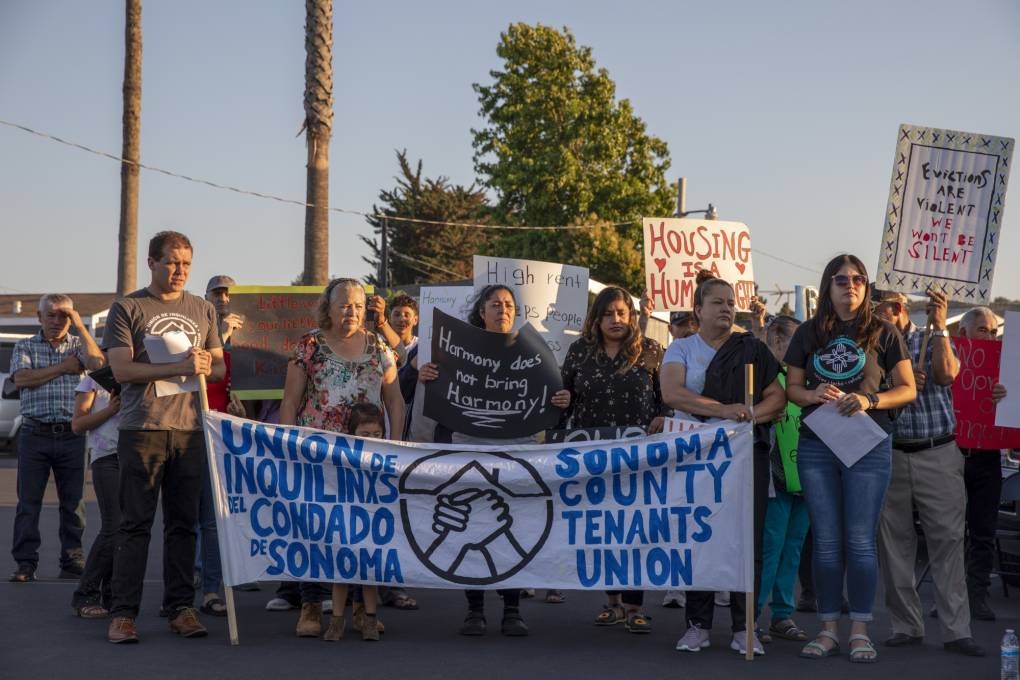
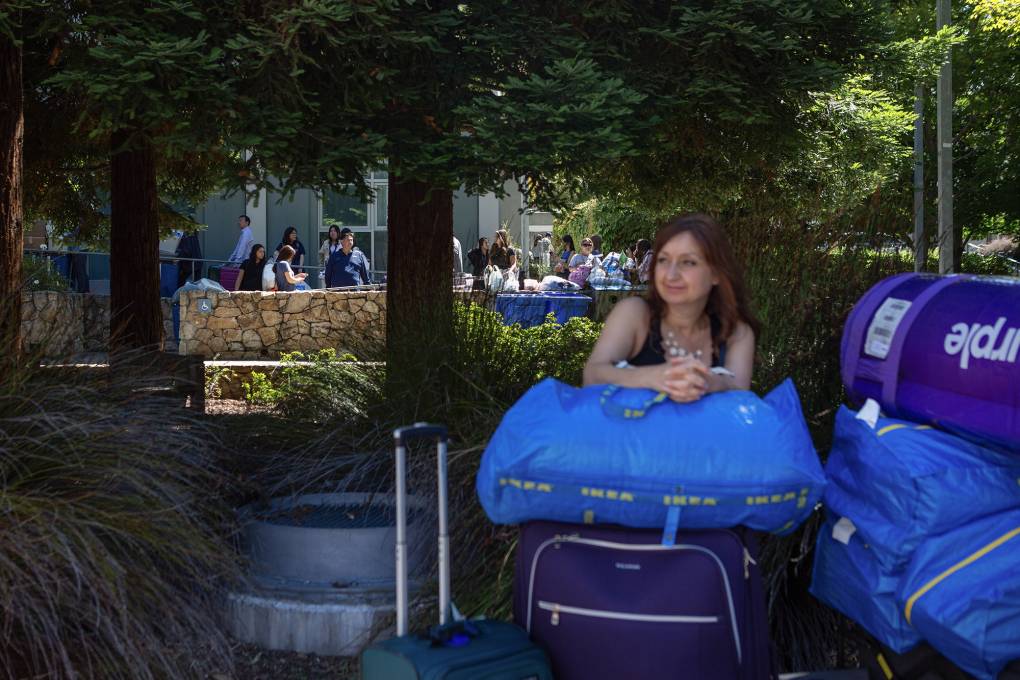
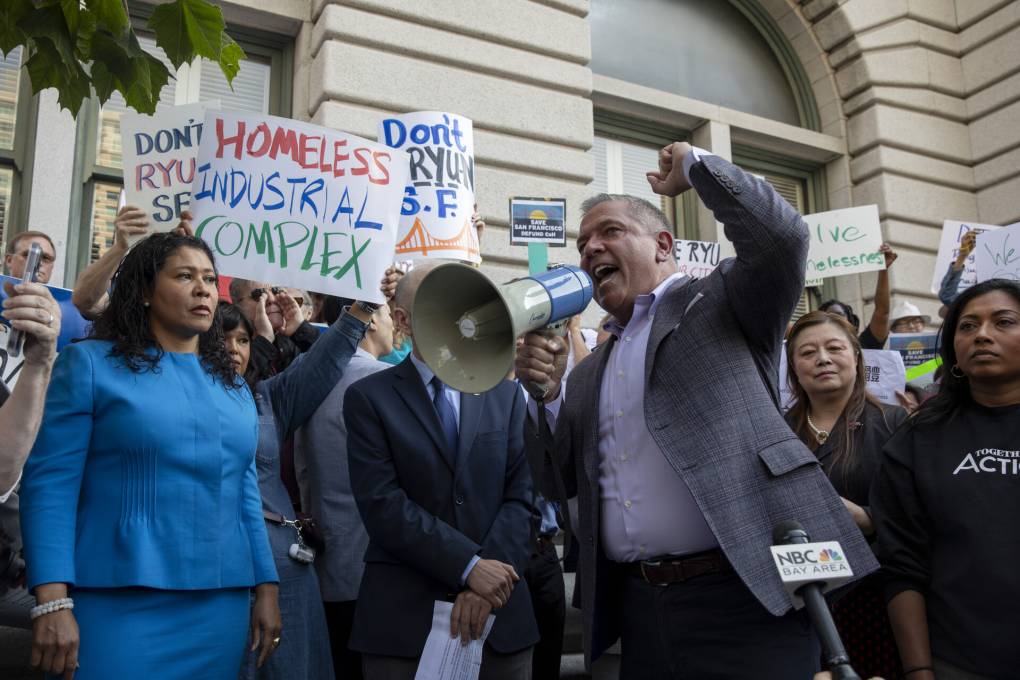
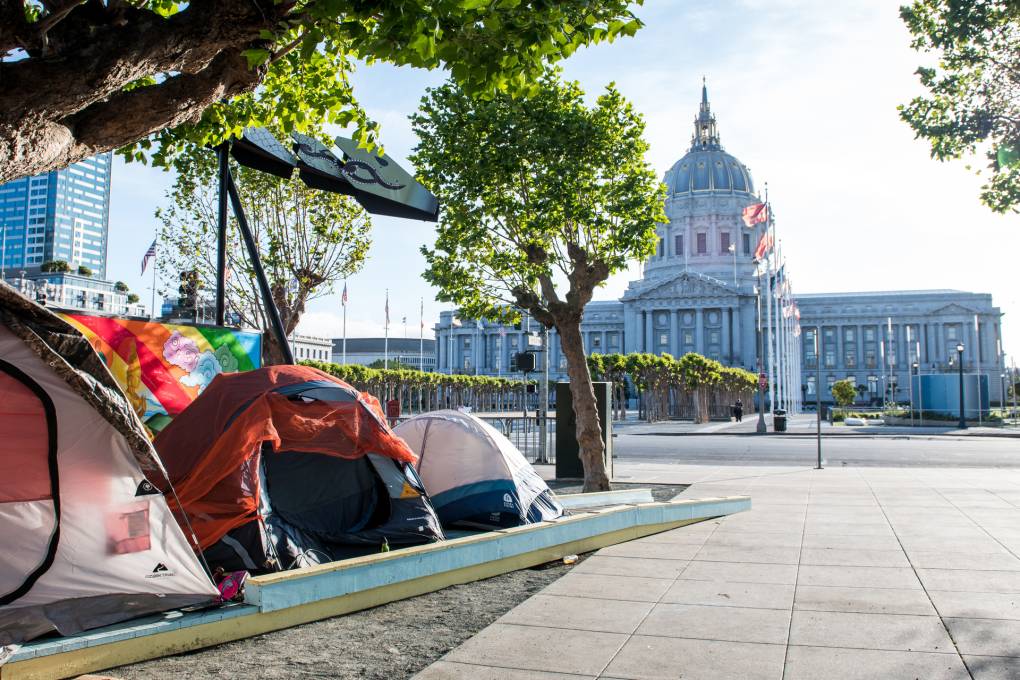
window.__IS_SSR__=true
window.__INITIAL_STATE__={
"attachmentsReducer": {
"audio_0": {
"type": "attachments",
"id": "audio_0",
"imgSizes": {
"kqedFullSize": {
"file": "https://ww2.kqed.org/news/wp-content/themes/KQED-unified/img/audio_bgs/background0.jpg"
}
}
},
"audio_1": {
"type": "attachments",
"id": "audio_1",
"imgSizes": {
"kqedFullSize": {
"file": "https://ww2.kqed.org/news/wp-content/themes/KQED-unified/img/audio_bgs/background1.jpg"
}
}
},
"audio_2": {
"type": "attachments",
"id": "audio_2",
"imgSizes": {
"kqedFullSize": {
"file": "https://ww2.kqed.org/news/wp-content/themes/KQED-unified/img/audio_bgs/background2.jpg"
}
}
},
"audio_3": {
"type": "attachments",
"id": "audio_3",
"imgSizes": {
"kqedFullSize": {
"file": "https://ww2.kqed.org/news/wp-content/themes/KQED-unified/img/audio_bgs/background3.jpg"
}
}
},
"audio_4": {
"type": "attachments",
"id": "audio_4",
"imgSizes": {
"kqedFullSize": {
"file": "https://ww2.kqed.org/news/wp-content/themes/KQED-unified/img/audio_bgs/background4.jpg"
}
}
},
"placeholder": {
"type": "attachments",
"id": "placeholder",
"imgSizes": {
"thumbnail": {
"file": "https://cdn.kqed.org/wp-content/uploads/2024/12/KQED-Default-Image-816638274-2000x1333-1-160x107.jpg",
"width": 160,
"height": 107,
"mimeType": "image/jpeg"
},
"medium": {
"file": "https://cdn.kqed.org/wp-content/uploads/2024/12/KQED-Default-Image-816638274-2000x1333-1-800x533.jpg",
"width": 800,
"height": 533,
"mimeType": "image/jpeg"
},
"medium_large": {
"file": "https://cdn.kqed.org/wp-content/uploads/2024/12/KQED-Default-Image-816638274-2000x1333-1-768x512.jpg",
"width": 768,
"height": 512,
"mimeType": "image/jpeg"
},
"large": {
"file": "https://cdn.kqed.org/wp-content/uploads/2024/12/KQED-Default-Image-816638274-2000x1333-1-1020x680.jpg",
"width": 1020,
"height": 680,
"mimeType": "image/jpeg"
},
"1536x1536": {
"file": "https://cdn.kqed.org/wp-content/uploads/2024/12/KQED-Default-Image-816638274-2000x1333-1-1536x1024.jpg",
"width": 1536,
"height": 1024,
"mimeType": "image/jpeg"
},
"fd-lrg": {
"file": "https://cdn.kqed.org/wp-content/uploads/2024/12/KQED-Default-Image-816638274-2000x1333-1-1536x1024.jpg",
"width": 1536,
"height": 1024,
"mimeType": "image/jpeg"
},
"fd-med": {
"file": "https://cdn.kqed.org/wp-content/uploads/2024/12/KQED-Default-Image-816638274-2000x1333-1-1020x680.jpg",
"width": 1020,
"height": 680,
"mimeType": "image/jpeg"
},
"fd-sm": {
"file": "https://cdn.kqed.org/wp-content/uploads/2024/12/KQED-Default-Image-816638274-2000x1333-1-800x533.jpg",
"width": 800,
"height": 533,
"mimeType": "image/jpeg"
},
"post-thumbnail": {
"file": "https://cdn.kqed.org/wp-content/uploads/2024/12/KQED-Default-Image-816638274-2000x1333-1-672x372.jpg",
"width": 672,
"height": 372,
"mimeType": "image/jpeg"
},
"twentyfourteen-full-width": {
"file": "https://cdn.kqed.org/wp-content/uploads/2024/12/KQED-Default-Image-816638274-2000x1333-1-1038x576.jpg",
"width": 1038,
"height": 576,
"mimeType": "image/jpeg"
},
"xxsmall": {
"file": "https://cdn.kqed.org/wp-content/uploads/2024/12/KQED-Default-Image-816638274-2000x1333-1-160x107.jpg",
"width": 160,
"height": 107,
"mimeType": "image/jpeg"
},
"xsmall": {
"file": "https://cdn.kqed.org/wp-content/uploads/2024/12/KQED-Default-Image-816638274-2000x1333-1-672x372.jpg",
"width": 672,
"height": 372,
"mimeType": "image/jpeg"
},
"small": {
"file": "https://cdn.kqed.org/wp-content/uploads/2024/12/KQED-Default-Image-816638274-2000x1333-1-672x372.jpg",
"width": 672,
"height": 372,
"mimeType": "image/jpeg"
},
"xlarge": {
"file": "https://cdn.kqed.org/wp-content/uploads/2024/12/KQED-Default-Image-816638274-2000x1333-1-1020x680.jpg",
"width": 1020,
"height": 680,
"mimeType": "image/jpeg"
},
"full-width": {
"file": "https://cdn.kqed.org/wp-content/uploads/2024/12/KQED-Default-Image-816638274-2000x1333-1-1920x1280.jpg",
"width": 1920,
"height": 1280,
"mimeType": "image/jpeg"
},
"guest-author-32": {
"file": "https://cdn.kqed.org/wp-content/uploads/2025/01/KQED-Default-Image-816638274-1333x1333-1-160x160.jpg",
"width": 32,
"height": 32,
"mimeType": "image/jpeg"
},
"guest-author-50": {
"file": "https://cdn.kqed.org/wp-content/uploads/2025/01/KQED-Default-Image-816638274-1333x1333-1-160x160.jpg",
"width": 50,
"height": 50,
"mimeType": "image/jpeg"
},
"guest-author-64": {
"file": "https://cdn.kqed.org/wp-content/uploads/2025/01/KQED-Default-Image-816638274-1333x1333-1-160x160.jpg",
"width": 64,
"height": 64,
"mimeType": "image/jpeg"
},
"guest-author-96": {
"file": "https://cdn.kqed.org/wp-content/uploads/2025/01/KQED-Default-Image-816638274-1333x1333-1-160x160.jpg",
"width": 96,
"height": 96,
"mimeType": "image/jpeg"
},
"guest-author-128": {
"file": "https://cdn.kqed.org/wp-content/uploads/2025/01/KQED-Default-Image-816638274-1333x1333-1-160x160.jpg",
"width": 128,
"height": 128,
"mimeType": "image/jpeg"
},
"detail": {
"file": "https://cdn.kqed.org/wp-content/uploads/2025/01/KQED-Default-Image-816638274-1333x1333-1-160x160.jpg",
"width": 160,
"height": 160,
"mimeType": "image/jpeg"
},
"kqedFullSize": {
"file": "https://cdn.kqed.org/wp-content/uploads/2024/12/KQED-Default-Image-816638274-2000x1333-1.jpg",
"width": 2000,
"height": 1333
}
}
},
"news_11959844": {
"type": "attachments",
"id": "news_11959844",
"meta": {
"index": "attachments_1716263798",
"site": "news",
"id": "11959844",
"found": true
},
"parent": 0,
"imgSizes": {
"twentyfourteen-full-width": {
"file": "https://ww2.kqed.org/app/uploads/sites/10/2023/08/RS68484_20230829-Littlewoods-12-JY-KQED-1038x576.jpg",
"width": 1038,
"mimeType": "image/jpeg",
"height": 576
},
"thumbnail": {
"file": "https://ww2.kqed.org/app/uploads/sites/10/2023/08/RS68484_20230829-Littlewoods-12-JY-KQED-160x107.jpg",
"width": 160,
"mimeType": "image/jpeg",
"height": 107
},
"post-thumbnail": {
"file": "https://ww2.kqed.org/app/uploads/sites/10/2023/08/RS68484_20230829-Littlewoods-12-JY-KQED-672x372.jpg",
"width": 672,
"mimeType": "image/jpeg",
"height": 372
},
"kqedFullSize": {
"file": "https://ww2.kqed.org/app/uploads/sites/10/2023/08/RS68484_20230829-Littlewoods-12-JY-KQED.jpg",
"width": 2000,
"height": 1333
},
"large": {
"file": "https://ww2.kqed.org/app/uploads/sites/10/2023/08/RS68484_20230829-Littlewoods-12-JY-KQED-1020x680.jpg",
"width": 1020,
"mimeType": "image/jpeg",
"height": 680
},
"1536x1536": {
"file": "https://ww2.kqed.org/app/uploads/sites/10/2023/08/RS68484_20230829-Littlewoods-12-JY-KQED-1536x1024.jpg",
"width": 1536,
"mimeType": "image/jpeg",
"height": 1024
},
"full-width": {
"file": "https://ww2.kqed.org/app/uploads/sites/10/2023/08/RS68484_20230829-Littlewoods-12-JY-KQED-1920x1280.jpg",
"width": 1920,
"mimeType": "image/jpeg",
"height": 1280
},
"medium": {
"file": "https://ww2.kqed.org/app/uploads/sites/10/2023/08/RS68484_20230829-Littlewoods-12-JY-KQED-800x533.jpg",
"width": 800,
"mimeType": "image/jpeg",
"height": 533
}
},
"publishDate": 1693523861,
"modified": 1694042575,
"caption": "Littlewoods residents attend a press conference at the mobile home park in Petaluma, Sonoma County, on Tuesday, Aug. 29, 2023. Residents are faced with eviction after the management company threatened to shut the park down due to Petaluma’s new rent stabilization rules.",
"description": null,
"title": "RS68484_20230829-Littlewoods-12-JY-KQED",
"credit": "Juliana Yamada/KQED",
"status": "inherit",
"altTag": "A group of people stand together holding signs. The white sign in the middle reads \"Sonoma County Tenants Union.:",
"isLoading": false,
"fetchFailed": false
},
"news_11959636": {
"type": "attachments",
"id": "news_11959636",
"meta": {
"index": "attachments_1716263798",
"site": "news",
"id": "11959636",
"found": true
},
"parent": 11959618,
"imgSizes": {
"twentyfourteen-full-width": {
"file": "https://ww2.kqed.org/app/uploads/sites/10/2023/08/081623_Berkeley-Student-Housing_SN_CM_19-1038x576.jpeg",
"width": 1038,
"mimeType": "image/jpeg",
"height": 576
},
"thumbnail": {
"file": "https://ww2.kqed.org/app/uploads/sites/10/2023/08/081623_Berkeley-Student-Housing_SN_CM_19-160x107.jpeg",
"width": 160,
"mimeType": "image/jpeg",
"height": 107
},
"post-thumbnail": {
"file": "https://ww2.kqed.org/app/uploads/sites/10/2023/08/081623_Berkeley-Student-Housing_SN_CM_19-672x372.jpeg",
"width": 672,
"mimeType": "image/jpeg",
"height": 372
},
"kqedFullSize": {
"file": "https://ww2.kqed.org/app/uploads/sites/10/2023/08/081623_Berkeley-Student-Housing_SN_CM_19.jpeg",
"width": 2000,
"height": 1334
},
"large": {
"file": "https://ww2.kqed.org/app/uploads/sites/10/2023/08/081623_Berkeley-Student-Housing_SN_CM_19-1020x680.jpeg",
"width": 1020,
"mimeType": "image/jpeg",
"height": 680
},
"1536x1536": {
"file": "https://ww2.kqed.org/app/uploads/sites/10/2023/08/081623_Berkeley-Student-Housing_SN_CM_19-1536x1025.jpeg",
"width": 1536,
"mimeType": "image/jpeg",
"height": 1025
},
"full-width": {
"file": "https://ww2.kqed.org/app/uploads/sites/10/2023/08/081623_Berkeley-Student-Housing_SN_CM_19-1920x1281.jpeg",
"width": 1920,
"mimeType": "image/jpeg",
"height": 1281
},
"medium": {
"file": "https://ww2.kqed.org/app/uploads/sites/10/2023/08/081623_Berkeley-Student-Housing_SN_CM_19-800x534.jpeg",
"width": 800,
"mimeType": "image/jpeg",
"height": 534
}
},
"publishDate": 1693429968,
"modified": 1693430031,
"caption": "Students move into the University of California, Berkeley dorms in Berkeley on Aug. 16, 2023. ",
"description": null,
"title": "081623_Berkeley-Student-Housing_SN_CM_19",
"credit": "Semantha Norris/CalMatters",
"status": "inherit",
"altTag": "A woman sits with a blue bag on top of a purple suitcase in front of a tree.",
"isLoading": false,
"fetchFailed": false
},
"news_11959491": {
"type": "attachments",
"id": "news_11959491",
"meta": {
"index": "attachments_1716263798",
"site": "news",
"id": "11959491",
"found": true
},
"parent": 11959490,
"imgSizes": {
"twentyfourteen-full-width": {
"file": "https://ww2.kqed.org/app/uploads/sites/10/2023/08/RS68257_20230822-HomelessLawsuit-15-JY-qut-1-1038x576.jpg",
"width": 1038,
"mimeType": "image/jpeg",
"height": 576
},
"thumbnail": {
"file": "https://ww2.kqed.org/app/uploads/sites/10/2023/08/RS68257_20230822-HomelessLawsuit-15-JY-qut-1-160x107.jpg",
"width": 160,
"mimeType": "image/jpeg",
"height": 107
},
"post-thumbnail": {
"file": "https://ww2.kqed.org/app/uploads/sites/10/2023/08/RS68257_20230822-HomelessLawsuit-15-JY-qut-1-672x372.jpg",
"width": 672,
"mimeType": "image/jpeg",
"height": 372
},
"kqedFullSize": {
"file": "https://ww2.kqed.org/app/uploads/sites/10/2023/08/RS68257_20230822-HomelessLawsuit-15-JY-qut-1.jpg",
"width": 1920,
"height": 1280
},
"large": {
"file": "https://ww2.kqed.org/app/uploads/sites/10/2023/08/RS68257_20230822-HomelessLawsuit-15-JY-qut-1-1020x680.jpg",
"width": 1020,
"mimeType": "image/jpeg",
"height": 680
},
"1536x1536": {
"file": "https://ww2.kqed.org/app/uploads/sites/10/2023/08/RS68257_20230822-HomelessLawsuit-15-JY-qut-1-1536x1024.jpg",
"width": 1536,
"mimeType": "image/jpeg",
"height": 1024
},
"medium": {
"file": "https://ww2.kqed.org/app/uploads/sites/10/2023/08/RS68257_20230822-HomelessLawsuit-15-JY-qut-1-800x533.jpg",
"width": 800,
"mimeType": "image/jpeg",
"height": 533
}
},
"publishDate": 1693342526,
"modified": 1693415083,
"caption": "District 6 Supervisor Matt Dorsey speaks at a rally in front of the Ninth Circuit Court of Appeals in San Francisco on Aug. 23, 2023. Dorsey voiced his opposition of the injunction filed by the Coalition on Homelessness, which has temporarily kept city workers from removing encampments on the streets.",
"description": null,
"title": "RS68257_20230822-HomelessLawsuit-15-JY-qut",
"credit": "Juliana Yamada/KQED",
"status": "inherit",
"altTag": "An African American woman in a blue suit dress looks on with a crowd of protesters holding signs as a white man in a suit and tie pumps his fist in the air while speaking into a microphone outside of a building.",
"isLoading": false,
"fetchFailed": false
},
"news_11953159": {
"type": "attachments",
"id": "news_11953159",
"meta": {
"index": "attachments_1716263798",
"site": "news",
"id": "11953159",
"found": true
},
"parent": 0,
"imgSizes": {
"twentyfourteen-full-width": {
"file": "https://ww2.kqed.org/app/uploads/sites/10/2023/06/RS66328_230613-RealtorMontanaHooks-06-BL-KQED-1038x576.jpg",
"width": 1038,
"mimeType": "image/jpeg",
"height": 576
},
"thumbnail": {
"file": "https://ww2.kqed.org/app/uploads/sites/10/2023/06/RS66328_230613-RealtorMontanaHooks-06-BL-KQED-160x107.jpg",
"width": 160,
"mimeType": "image/jpeg",
"height": 107
},
"post-thumbnail": {
"file": "https://ww2.kqed.org/app/uploads/sites/10/2023/06/RS66328_230613-RealtorMontanaHooks-06-BL-KQED-672x372.jpg",
"width": 672,
"mimeType": "image/jpeg",
"height": 372
},
"kqedFullSize": {
"file": "https://ww2.kqed.org/app/uploads/sites/10/2023/06/RS66328_230613-RealtorMontanaHooks-06-BL-KQED.jpg",
"width": 2000,
"height": 1333
},
"large": {
"file": "https://ww2.kqed.org/app/uploads/sites/10/2023/06/RS66328_230613-RealtorMontanaHooks-06-BL-KQED-1020x680.jpg",
"width": 1020,
"mimeType": "image/jpeg",
"height": 680
},
"1536x1536": {
"file": "https://ww2.kqed.org/app/uploads/sites/10/2023/06/RS66328_230613-RealtorMontanaHooks-06-BL-KQED-1536x1024.jpg",
"width": 1536,
"mimeType": "image/jpeg",
"height": 1024
},
"full-width": {
"file": "https://ww2.kqed.org/app/uploads/sites/10/2023/06/RS66328_230613-RealtorMontanaHooks-06-BL-KQED-1920x1280.jpg",
"width": 1920,
"mimeType": "image/jpeg",
"height": 1280
},
"medium": {
"file": "https://ww2.kqed.org/app/uploads/sites/10/2023/06/RS66328_230613-RealtorMontanaHooks-06-BL-KQED-800x533.jpg",
"width": 800,
"mimeType": "image/jpeg",
"height": 533
}
},
"publishDate": 1686929820,
"modified": 1686930219,
"caption": "Realtor Montana Gabrielle Hooks stands outside her realty office in the Uptown neighborhood of Oakland on June 15, 2023.",
"description": null,
"title": "RS66328_230613-RealtorMontanaHooks-06-BL-KQED",
"credit": "Beth LaBerge/KQED",
"status": "inherit",
"altTag": "A woman in a red top stands outdoors along a city sidewalk leaning against big pane glass windows and looking at the camera.",
"isLoading": false,
"fetchFailed": false
},
"news_11959131": {
"type": "attachments",
"id": "news_11959131",
"meta": {
"index": "attachments_1716263798",
"site": "news",
"id": "11959131",
"found": true
},
"parent": 11959120,
"imgSizes": {
"twentyfourteen-full-width": {
"file": "https://ww2.kqed.org/app/uploads/sites/10/2023/08/RS43040_011_KQED_SanFrancisco_TentEncampments_05052020-qut-1038x576.jpg",
"width": 1038,
"mimeType": "image/jpeg",
"height": 576
},
"thumbnail": {
"file": "https://ww2.kqed.org/app/uploads/sites/10/2023/08/RS43040_011_KQED_SanFrancisco_TentEncampments_05052020-qut-160x107.jpg",
"width": 160,
"mimeType": "image/jpeg",
"height": 107
},
"post-thumbnail": {
"file": "https://ww2.kqed.org/app/uploads/sites/10/2023/08/RS43040_011_KQED_SanFrancisco_TentEncampments_05052020-qut-672x372.jpg",
"width": 672,
"mimeType": "image/jpeg",
"height": 372
},
"kqedFullSize": {
"file": "https://ww2.kqed.org/app/uploads/sites/10/2023/08/RS43040_011_KQED_SanFrancisco_TentEncampments_05052020-qut.jpg",
"width": 1920,
"height": 1280
},
"large": {
"file": "https://ww2.kqed.org/app/uploads/sites/10/2023/08/RS43040_011_KQED_SanFrancisco_TentEncampments_05052020-qut-1020x680.jpg",
"width": 1020,
"mimeType": "image/jpeg",
"height": 680
},
"1536x1536": {
"file": "https://ww2.kqed.org/app/uploads/sites/10/2023/08/RS43040_011_KQED_SanFrancisco_TentEncampments_05052020-qut-1536x1024.jpg",
"width": 1536,
"mimeType": "image/jpeg",
"height": 1024
},
"medium": {
"file": "https://ww2.kqed.org/app/uploads/sites/10/2023/08/RS43040_011_KQED_SanFrancisco_TentEncampments_05052020-qut-800x533.jpg",
"width": 800,
"mimeType": "image/jpeg",
"height": 533
}
},
"publishDate": 1692921727,
"modified": 1692922266,
"caption": "Tents line Fulton Street near San Francisco City Hall in 2020.",
"description": null,
"title": "Tents line Fulton Street near City Hall on April 5, 2020.",
"credit": "Beth LaBerge/KQED",
"status": "inherit",
"altTag": "a row of tents in a plaza in front of city hall",
"isLoading": false,
"fetchFailed": false
},
"news_11958938": {
"type": "attachments",
"id": "news_11958938",
"meta": {
"index": "attachments_1716263798",
"site": "news",
"id": "11958938",
"found": true
},
"parent": 0,
"imgSizes": {
"twentyfourteen-full-width": {
"file": "https://ww2.kqed.org/app/uploads/sites/10/2023/08/RS68250_20230822-HomelessLawsuit-09-JY-KQED-1038x576.jpg",
"width": 1038,
"mimeType": "image/jpeg",
"height": 576
},
"thumbnail": {
"file": "https://ww2.kqed.org/app/uploads/sites/10/2023/08/RS68250_20230822-HomelessLawsuit-09-JY-KQED-160x107.jpg",
"width": 160,
"mimeType": "image/jpeg",
"height": 107
},
"post-thumbnail": {
"file": "https://ww2.kqed.org/app/uploads/sites/10/2023/08/RS68250_20230822-HomelessLawsuit-09-JY-KQED-672x372.jpg",
"width": 672,
"mimeType": "image/jpeg",
"height": 372
},
"kqedFullSize": {
"file": "https://ww2.kqed.org/app/uploads/sites/10/2023/08/RS68250_20230822-HomelessLawsuit-09-JY-KQED.jpg",
"width": 2000,
"height": 1333
},
"large": {
"file": "https://ww2.kqed.org/app/uploads/sites/10/2023/08/RS68250_20230822-HomelessLawsuit-09-JY-KQED-1020x680.jpg",
"width": 1020,
"mimeType": "image/jpeg",
"height": 680
},
"1536x1536": {
"file": "https://ww2.kqed.org/app/uploads/sites/10/2023/08/RS68250_20230822-HomelessLawsuit-09-JY-KQED-1536x1024.jpg",
"width": 1536,
"mimeType": "image/jpeg",
"height": 1024
},
"full-width": {
"file": "https://ww2.kqed.org/app/uploads/sites/10/2023/08/RS68250_20230822-HomelessLawsuit-09-JY-KQED-1920x1280.jpg",
"width": 1920,
"mimeType": "image/jpeg",
"height": 1280
},
"medium": {
"file": "https://ww2.kqed.org/app/uploads/sites/10/2023/08/RS68250_20230822-HomelessLawsuit-09-JY-KQED-800x533.jpg",
"width": 800,
"mimeType": "image/jpeg",
"height": 533
}
},
"publishDate": 1692825517,
"modified": 1692829980,
"caption": "Mayor London Breed (left) and Supervisor Joel Engardio (right) are seen at a rally in front of the Ninth Circuit Court of Appeals in San Francisco on Wednesday, Aug. 23, 2023. Mayor Breed and Supervisor Engardio strongly oppose the injunction filed by the Coalition on Homelessness, which has temporarily kept city workers from removing encampments on the streets.",
"description": null,
"title": "RS68250_20230822-HomelessLawsuit-09-JY-KQED",
"credit": "Juliana Yamada/KQED",
"status": "inherit",
"altTag": "A woman in blue stands next to a man in a suit with signs protesting and supporting homelessness in the background.",
"isLoading": false,
"fetchFailed": false
},
"news_11958565": {
"type": "attachments",
"id": "news_11958565",
"meta": {
"index": "attachments_1716263798",
"site": "news",
"id": "11958565",
"found": true
},
"parent": 11958561,
"imgSizes": {
"twentyfourteen-full-width": {
"file": "https://ww2.kqed.org/app/uploads/sites/10/2023/08/081822_NewsomFresno_LV_CM_006-copy-1038x576.jpg",
"width": 1038,
"mimeType": "image/jpeg",
"height": 576
},
"thumbnail": {
"file": "https://ww2.kqed.org/app/uploads/sites/10/2023/08/081822_NewsomFresno_LV_CM_006-copy-160x107.jpg",
"width": 160,
"mimeType": "image/jpeg",
"height": 107
},
"post-thumbnail": {
"file": "https://ww2.kqed.org/app/uploads/sites/10/2023/08/081822_NewsomFresno_LV_CM_006-copy-672x372.jpg",
"width": 672,
"mimeType": "image/jpeg",
"height": 372
},
"kqedFullSize": {
"file": "https://ww2.kqed.org/app/uploads/sites/10/2023/08/081822_NewsomFresno_LV_CM_006-copy.jpg",
"width": 2000,
"height": 1333
},
"large": {
"file": "https://ww2.kqed.org/app/uploads/sites/10/2023/08/081822_NewsomFresno_LV_CM_006-copy-1020x680.jpg",
"width": 1020,
"mimeType": "image/jpeg",
"height": 680
},
"1536x1536": {
"file": "https://ww2.kqed.org/app/uploads/sites/10/2023/08/081822_NewsomFresno_LV_CM_006-copy-1536x1024.jpg",
"width": 1536,
"mimeType": "image/jpeg",
"height": 1024
},
"full-width": {
"file": "https://ww2.kqed.org/app/uploads/sites/10/2023/08/081822_NewsomFresno_LV_CM_006-copy-1920x1280.jpg",
"width": 1920,
"mimeType": "image/jpeg",
"height": 1280
},
"medium": {
"file": "https://ww2.kqed.org/app/uploads/sites/10/2023/08/081822_NewsomFresno_LV_CM_006-copy-800x533.jpg",
"width": 800,
"mimeType": "image/jpeg",
"height": 533
}
},
"publishDate": 1692383651,
"modified": 1692383792,
"caption": "Gov. Gavin Newsom outlined new efforts to support the mental health of students at McLane High School in Fresno on Aug. 18, 2022.",
"description": null,
"title": "081822_NewsomFresno_LV_CM_006 copy",
"credit": "Larry Valenzuela, CalMatters/CatchLight Local",
"status": "inherit",
"altTag": "A white middle-aged man in a blue suit and blue tie speaks behind a dais that says \"Healthy Minds For California Kids\" surrounded by people.",
"isLoading": false,
"fetchFailed": false
},
"news_11957360": {
"type": "attachments",
"id": "news_11957360",
"meta": {
"index": "attachments_1716263798",
"site": "news",
"id": "11957360",
"found": true
},
"parent": 11970292,
"imgSizes": {
"twentyfourteen-full-width": {
"file": "https://cdn.kqed.org/wp-content/uploads/sites/10/2023/08/RS67667_230729-BERRYESSA-FLEA-MARKET-RT-06-KQED-1038x576.jpg",
"width": 1038,
"mimeType": "image/jpeg",
"height": 576
},
"thumbnail": {
"file": "https://cdn.kqed.org/wp-content/uploads/sites/10/2023/08/RS67667_230729-BERRYESSA-FLEA-MARKET-RT-06-KQED-160x107.jpg",
"width": 160,
"mimeType": "image/jpeg",
"height": 107
},
"post-thumbnail": {
"file": "https://cdn.kqed.org/wp-content/uploads/sites/10/2023/08/RS67667_230729-BERRYESSA-FLEA-MARKET-RT-06-KQED-672x372.jpg",
"width": 672,
"mimeType": "image/jpeg",
"height": 372
},
"kqedFullSize": {
"file": "https://cdn.kqed.org/wp-content/uploads/sites/10/2023/08/RS67667_230729-BERRYESSA-FLEA-MARKET-RT-06-KQED.jpg",
"width": 2000,
"height": 1333
},
"large": {
"file": "https://cdn.kqed.org/wp-content/uploads/sites/10/2023/08/RS67667_230729-BERRYESSA-FLEA-MARKET-RT-06-KQED-1020x680.jpg",
"width": 1020,
"mimeType": "image/jpeg",
"height": 680
},
"1536x1536": {
"file": "https://cdn.kqed.org/wp-content/uploads/sites/10/2023/08/RS67667_230729-BERRYESSA-FLEA-MARKET-RT-06-KQED-1536x1024.jpg",
"width": 1536,
"mimeType": "image/jpeg",
"height": 1024
},
"full-width": {
"file": "https://cdn.kqed.org/wp-content/uploads/sites/10/2023/08/RS67667_230729-BERRYESSA-FLEA-MARKET-RT-06-KQED-1920x1280.jpg",
"width": 1920,
"mimeType": "image/jpeg",
"height": 1280
},
"medium": {
"file": "https://cdn.kqed.org/wp-content/uploads/sites/10/2023/08/RS67667_230729-BERRYESSA-FLEA-MARKET-RT-06-KQED-800x533.jpg",
"width": 800,
"mimeType": "image/jpeg",
"height": 533
}
},
"publishDate": 1691104905,
"modified": 1702927598,
"caption": "Hector Garcia (left) and Lizeth Valtierra (right) working at the BayFresh Piñateria, located in the Berryessa Flea Market in San José on July 29, 2023.",
"description": null,
"title": "RS67667_230729-BERRYESSA FLEA MARKET- RT-06-KQED",
"credit": "Raphaël Timmons/KQED",
"status": "inherit",
"altTag": "Two people stand in front of a stall full of wares.",
"isLoading": false,
"fetchFailed": false
},
"news_11957165": {
"type": "attachments",
"id": "news_11957165",
"meta": {
"index": "attachments_1716263798",
"site": "news",
"id": "11957165",
"found": true
},
"parent": 0,
"imgSizes": {
"twentyfourteen-full-width": {
"file": "https://ww2.kqed.org/app/uploads/sites/10/2023/08/RS67586_230728-WildfireSantaRosaHousing-53-BL-KQED-1038x576.jpg",
"width": 1038,
"mimeType": "image/jpeg",
"height": 576
},
"thumbnail": {
"file": "https://ww2.kqed.org/app/uploads/sites/10/2023/08/RS67586_230728-WildfireSantaRosaHousing-53-BL-KQED-160x107.jpg",
"width": 160,
"mimeType": "image/jpeg",
"height": 107
},
"post-thumbnail": {
"file": "https://ww2.kqed.org/app/uploads/sites/10/2023/08/RS67586_230728-WildfireSantaRosaHousing-53-BL-KQED-672x372.jpg",
"width": 672,
"mimeType": "image/jpeg",
"height": 372
},
"kqedFullSize": {
"file": "https://ww2.kqed.org/app/uploads/sites/10/2023/08/RS67586_230728-WildfireSantaRosaHousing-53-BL-KQED.jpg",
"width": 2000,
"height": 1333
},
"large": {
"file": "https://ww2.kqed.org/app/uploads/sites/10/2023/08/RS67586_230728-WildfireSantaRosaHousing-53-BL-KQED-1020x680.jpg",
"width": 1020,
"mimeType": "image/jpeg",
"height": 680
},
"1536x1536": {
"file": "https://ww2.kqed.org/app/uploads/sites/10/2023/08/RS67586_230728-WildfireSantaRosaHousing-53-BL-KQED-1536x1024.jpg",
"width": 1536,
"mimeType": "image/jpeg",
"height": 1024
},
"full-width": {
"file": "https://ww2.kqed.org/app/uploads/sites/10/2023/08/RS67586_230728-WildfireSantaRosaHousing-53-BL-KQED-1920x1280.jpg",
"width": 1920,
"mimeType": "image/jpeg",
"height": 1280
},
"medium": {
"file": "https://ww2.kqed.org/app/uploads/sites/10/2023/08/RS67586_230728-WildfireSantaRosaHousing-53-BL-KQED-800x533.jpg",
"width": 800,
"mimeType": "image/jpeg",
"height": 533
}
},
"publishDate": 1690993097,
"modified": 1691091614,
"caption": "A foundation for a home can be seen in the Fountaingrove area of Santa Rosa on July 28, 2023. Fountaingrove was hit hard by the Tubbs Fire in October 2017. In the single-family home market, large carriers, including Allstate, State Farm, Farmers and AIG, cited economic conditions and the increasing frequency and severity of weather events such as floods and wildfires as reasons for declining to sell new policies in the state.",
"description": null,
"title": "RS67586_230728-WildfireSantaRosaHousing-53-BL-KQED",
"credit": "Beth LaBerge/KQED",
"status": "inherit",
"altTag": "A hillside with the exposed foundations of several destroyed homes and a handful of newly built houses.",
"isLoading": false,
"fetchFailed": false
},
"news_11957496": {
"type": "attachments",
"id": "news_11957496",
"meta": {
"index": "attachments_1716263798",
"site": "news",
"id": "11957496",
"found": true
},
"parent": 11957487,
"imgSizes": {
"twentyfourteen-full-width": {
"file": "https://ww2.kqed.org/app/uploads/sites/10/2023/08/ezgif.com-webp-to-jpg-1038x576.jpg",
"width": 1038,
"mimeType": "image/jpeg",
"height": 576
},
"thumbnail": {
"file": "https://ww2.kqed.org/app/uploads/sites/10/2023/08/ezgif.com-webp-to-jpg-160x107.jpg",
"width": 160,
"mimeType": "image/jpeg",
"height": 107
},
"post-thumbnail": {
"file": "https://ww2.kqed.org/app/uploads/sites/10/2023/08/ezgif.com-webp-to-jpg-672x372.jpg",
"width": 672,
"mimeType": "image/jpeg",
"height": 372
},
"kqedFullSize": {
"file": "https://ww2.kqed.org/app/uploads/sites/10/2023/08/ezgif.com-webp-to-jpg.jpg",
"width": 2000,
"height": 1333
},
"large": {
"file": "https://ww2.kqed.org/app/uploads/sites/10/2023/08/ezgif.com-webp-to-jpg-1020x680.jpg",
"width": 1020,
"mimeType": "image/jpeg",
"height": 680
},
"1536x1536": {
"file": "https://ww2.kqed.org/app/uploads/sites/10/2023/08/ezgif.com-webp-to-jpg-1536x1024.jpg",
"width": 1536,
"mimeType": "image/jpeg",
"height": 1024
},
"full-width": {
"file": "https://ww2.kqed.org/app/uploads/sites/10/2023/08/ezgif.com-webp-to-jpg-1920x1280.jpg",
"width": 1920,
"mimeType": "image/jpeg",
"height": 1280
},
"medium": {
"file": "https://ww2.kqed.org/app/uploads/sites/10/2023/08/ezgif.com-webp-to-jpg-800x533.jpg",
"width": 800,
"mimeType": "image/jpeg",
"height": 533
}
},
"publishDate": 1691194646,
"modified": 1691248925,
"caption": "Bond measures can only be put before voters with a vote by the state Legislature and approval of the governor. ",
"description": null,
"title": "ezgif.com-webp-to-jpg",
"credit": "Illustration by Adriana Heldiz, CalMatters / iStock",
"status": "inherit",
"altTag": "An illustration with Gov. Gavin Newsom and Assemblymember Buffy Weeks, along with $100 dollar bills and piles of coins.",
"isLoading": false,
"fetchFailed": false
},
"news_11956972": {
"type": "attachments",
"id": "news_11956972",
"meta": {
"index": "attachments_1716263798",
"site": "news",
"id": "11956972",
"found": true
},
"parent": 11956963,
"imgSizes": {
"twentyfourteen-full-width": {
"file": "https://ww2.kqed.org/app/uploads/sites/10/2023/07/LandTakenthumb_1-1038x576.png",
"width": 1038,
"mimeType": "image/png",
"height": 576
},
"thumbnail": {
"file": "https://ww2.kqed.org/app/uploads/sites/10/2023/07/LandTakenthumb_1-160x90.png",
"width": 160,
"mimeType": "image/png",
"height": 90
},
"post-thumbnail": {
"file": "https://ww2.kqed.org/app/uploads/sites/10/2023/07/LandTakenthumb_1-672x372.png",
"width": 672,
"mimeType": "image/png",
"height": 372
},
"kqedFullSize": {
"file": "https://ww2.kqed.org/app/uploads/sites/10/2023/07/LandTakenthumb_1.png",
"width": 1920,
"height": 1080
},
"large": {
"file": "https://ww2.kqed.org/app/uploads/sites/10/2023/07/LandTakenthumb_1-1020x574.png",
"width": 1020,
"mimeType": "image/png",
"height": 574
},
"1536x1536": {
"file": "https://ww2.kqed.org/app/uploads/sites/10/2023/07/LandTakenthumb_1-1536x864.png",
"width": 1536,
"mimeType": "image/png",
"height": 864
},
"medium": {
"file": "https://ww2.kqed.org/app/uploads/sites/10/2023/07/LandTakenthumb_1-800x450.png",
"width": 800,
"mimeType": "image/png",
"height": 450
}
},
"publishDate": 1690846085,
"modified": 1690850261,
"caption": "In the fourth episode of our video series on reparations, we explore the stories of thriving Black communities that were ravaged by racist policymaking.",
"description": null,
"title": "LandTakenthumb_1",
"credit": "Creo Noveno-Najam/KQED",
"status": "inherit",
"altTag": "A collage image intended to be the title page for a video, showing various faces depicting Black historical figures in black and white juxtaposed with contemporary photos of some of the Black voices featured in the story, with a tagline reading 'Episode 4: how land was taken from Black Americans'",
"isLoading": false,
"fetchFailed": false
},
"news_11953203": {
"type": "attachments",
"id": "news_11953203",
"meta": {
"index": "attachments_1716263798",
"site": "news",
"id": "11953203",
"found": true
},
"parent": 0,
"imgSizes": {
"twentyfourteen-full-width": {
"file": "https://ww2.kqed.org/app/uploads/sites/10/2023/06/RS66358_230615-brooklyn-basin-239-ks.NEF-24-ks-KQED-1038x576.jpg",
"width": 1038,
"mimeType": "image/jpeg",
"height": 576
},
"thumbnail": {
"file": "https://ww2.kqed.org/app/uploads/sites/10/2023/06/RS66358_230615-brooklyn-basin-239-ks.NEF-24-ks-KQED-160x106.jpg",
"width": 160,
"mimeType": "image/jpeg",
"height": 106
},
"post-thumbnail": {
"file": "https://ww2.kqed.org/app/uploads/sites/10/2023/06/RS66358_230615-brooklyn-basin-239-ks.NEF-24-ks-KQED-672x372.jpg",
"width": 672,
"mimeType": "image/jpeg",
"height": 372
},
"kqedFullSize": {
"file": "https://ww2.kqed.org/app/uploads/sites/10/2023/06/RS66358_230615-brooklyn-basin-239-ks.NEF-24-ks-KQED.jpg",
"width": 2000,
"height": 1331
},
"large": {
"file": "https://ww2.kqed.org/app/uploads/sites/10/2023/06/RS66358_230615-brooklyn-basin-239-ks.NEF-24-ks-KQED-1020x679.jpg",
"width": 1020,
"mimeType": "image/jpeg",
"height": 679
},
"1536x1536": {
"file": "https://ww2.kqed.org/app/uploads/sites/10/2023/06/RS66358_230615-brooklyn-basin-239-ks.NEF-24-ks-KQED-1536x1022.jpg",
"width": 1536,
"mimeType": "image/jpeg",
"height": 1022
},
"full-width": {
"file": "https://ww2.kqed.org/app/uploads/sites/10/2023/06/RS66358_230615-brooklyn-basin-239-ks.NEF-24-ks-KQED-1920x1278.jpg",
"width": 1920,
"mimeType": "image/jpeg",
"height": 1278
},
"medium": {
"file": "https://ww2.kqed.org/app/uploads/sites/10/2023/06/RS66358_230615-brooklyn-basin-239-ks.NEF-24-ks-KQED-800x532.jpg",
"width": 800,
"mimeType": "image/jpeg",
"height": 532
}
},
"publishDate": 1686941533,
"modified": 1695675168,
"caption": "The Foon Lok West affordable housing complex is part of the new Brooklyn Basin housing project of Oakland. Brooklyn Basin has added over 1,000 homes to the new neighborhood along the city’s waterfront and plans to add 2,000 more.",
"description": null,
"title": "affordable-housing",
"credit": "Kori Suzuki/KQED",
"status": "inherit",
"altTag": "The facade of a multistory green and white residential building seen from across the street. A white shuttle bus is parked in front.",
"isLoading": false,
"fetchFailed": false
}
},
"audioPlayerReducer": {
"postId": "stream_live",
"isPaused": true,
"isPlaying": false,
"pfsActive": false,
"pledgeModalIsOpen": true,
"playerDrawerIsOpen": false,
"liveAudioPlayStartedAt": 0,
"liveAudioPlayContext": ""
},
"authorsReducer": {
"byline_news_11959618": {
"type": "authors",
"id": "byline_news_11959618",
"meta": {
"override": true
},
"slug": "byline_news_11959618",
"name": "\u003ca href=\"https://calmatters.org/author/mikhailzinshteyn/\">Mikhail Zinshteyn\u003c/a>",
"isLoading": false
},
"byline_news_11958561": {
"type": "authors",
"id": "byline_news_11958561",
"meta": {
"override": true
},
"slug": "byline_news_11958561",
"name": "\u003ca href=\"https://calmatters.org/author/kristen-hwang/\">Kristen Hwang\u003c/a>",
"isLoading": false
},
"byline_news_11957487": {
"type": "authors",
"id": "byline_news_11957487",
"meta": {
"override": true
},
"slug": "byline_news_11957487",
"name": "\u003ca href=\"https://calmatters.org/author/ben-christopher/\">Ben Christopher\u003c/a>",
"isLoading": false
},
"byline_news_11956963": {
"type": "authors",
"id": "byline_news_11956963",
"meta": {
"override": true
},
"slug": "byline_news_11956963",
"name": "\u003ca href=\"https://www.kqed.org/author/otaylor\">Otis R. Taylor Jr.\u003c/a>",
"isLoading": false
},
"carlysevern": {
"type": "authors",
"id": "3243",
"meta": {
"index": "authors_1716337520",
"id": "3243",
"found": true
},
"name": "Carly Severn",
"firstName": "Carly",
"lastName": "Severn",
"slug": "carlysevern",
"email": "csevern@kqed.org",
"display_author_email": false,
"staff_mastheads": [
"news"
],
"title": "Senior Editor, Audience News ",
"bio": "Carly is KQED's Senior Editor of Audience News on the Digital News team, and has reported for the California Report Magazine, Bay Curious and KQED Arts. She's formerly the host of \u003ca href=\"http://ww2.kqed.org/pop/category/the-cooler/\" rel=\"noopener noreferrer\">The Cooler\u003c/a> podcast.",
"avatar": "https://secure.gravatar.com/avatar/54037bf5c128fe678f0ef26cec97a93f2e7f220a22d7285703328f12c42c1b1d?s=600&d=blank&r=g",
"twitter": "teacupinthebay",
"bluesky": null,
"facebook": null,
"instagram": null,
"linkedin": null,
"sites": [
{
"site": "",
"roles": [
"editor"
]
},
{
"site": "arts",
"roles": [
"editor"
]
},
{
"site": "news",
"roles": [
"administrator"
]
},
{
"site": "pop",
"roles": [
"editor"
]
},
{
"site": "futureofyou",
"roles": [
"editor"
]
},
{
"site": "about",
"roles": [
"administrator"
]
},
{
"site": "mindshift",
"roles": [
"editor"
]
},
{
"site": "bayareabites",
"roles": [
"editor"
]
},
{
"site": "stateofhealth",
"roles": [
"editor"
]
},
{
"site": "science",
"roles": [
"editor"
]
},
{
"site": "food",
"roles": [
"contributor"
]
},
{
"site": "forum",
"roles": [
"editor"
]
},
{
"site": "perspectives",
"roles": [
"administrator"
]
},
{
"site": "liveblog",
"roles": [
"editor"
]
}
],
"headData": {
"title": "Carly Severn | KQED",
"description": "Senior Editor, Audience News ",
"ogImgSrc": "https://secure.gravatar.com/avatar/54037bf5c128fe678f0ef26cec97a93f2e7f220a22d7285703328f12c42c1b1d?s=600&d=blank&r=g",
"twImgSrc": "https://secure.gravatar.com/avatar/54037bf5c128fe678f0ef26cec97a93f2e7f220a22d7285703328f12c42c1b1d?s=600&d=blank&r=g"
},
"isLoading": false,
"link": "/author/carlysevern"
},
"ecruzguevarra": {
"type": "authors",
"id": "8654",
"meta": {
"index": "authors_1716337520",
"id": "8654",
"found": true
},
"name": "Ericka Cruz Guevarra",
"firstName": "Ericka",
"lastName": "Cruz Guevarra",
"slug": "ecruzguevarra",
"email": "ecruzguevarra@kqed.org",
"display_author_email": true,
"staff_mastheads": [
"news"
],
"title": "Producer, The Bay Podcast",
"bio": "Ericka Cruz Guevarra is host of \u003ca href=\"https://www.kqed.org/podcasts/thebay\">\u003cem>The Bay\u003c/em>\u003c/a> podcast at KQED. Before host, she was the show’s producer. Her work in that capacity includes a three-part reported series on policing in Vallejo, which won a 2020 excellence in journalism award from the Society of Professional Journalists. Ericka has worked as a breaking news reporter at Oregon Public Broadcasting, helped produce the Code Switch podcast, and was KQED’s inaugural Raul Ramirez Diversity Fund intern. She’s also an alumna of NPR’s Next Generation Radio program. Send her an email if you have strong feelings about whether Fairfield and Suisun City are the Bay. Ericka is represented by SAG-AFTRA.",
"avatar": "https://secure.gravatar.com/avatar/accefc1de4bafc7e234b69bcb9b6f6536c130fd84709bc3069ef11a78787e1bb?s=600&d=blank&r=g",
"twitter": "NotoriousECG",
"bluesky": null,
"facebook": null,
"instagram": null,
"linkedin": null,
"sites": [
{
"site": "arts",
"roles": [
"subscriber"
]
},
{
"site": "news",
"roles": [
"editor",
"manage_categories"
]
},
{
"site": "futureofyou",
"roles": [
"subscriber"
]
},
{
"site": "stateofhealth",
"roles": [
"subscriber"
]
},
{
"site": "science",
"roles": [
"editor"
]
},
{
"site": "forum",
"roles": [
"subscriber"
]
}
],
"headData": {
"title": "Ericka Cruz Guevarra | KQED",
"description": "Producer, The Bay Podcast",
"ogImgSrc": "https://secure.gravatar.com/avatar/accefc1de4bafc7e234b69bcb9b6f6536c130fd84709bc3069ef11a78787e1bb?s=600&d=blank&r=g",
"twImgSrc": "https://secure.gravatar.com/avatar/accefc1de4bafc7e234b69bcb9b6f6536c130fd84709bc3069ef11a78787e1bb?s=600&d=blank&r=g"
},
"isLoading": false,
"link": "/author/ecruzguevarra"
},
"amontecillo": {
"type": "authors",
"id": "11649",
"meta": {
"index": "authors_1716337520",
"id": "11649",
"found": true
},
"name": "Alan Montecillo",
"firstName": "Alan",
"lastName": "Montecillo",
"slug": "amontecillo",
"email": "amontecillo@kqed.org",
"display_author_email": false,
"staff_mastheads": [
"news"
],
"title": "KQED Contributor",
"bio": "Alan Montecillo is the senior editor of \u003cem>\u003ca href=\"http://kqed.org/thebay\">The Bay\u003c/a>, \u003c/em> KQED's local news podcast. Before moving to the Bay Area, he worked as a senior talk show producer for WILL in Champaign-Urbana, Illinois and at Oregon Public Broadcasting in Portland, Oregon. He has won journalism awards from the Society of Professional Journalists Northern California, the Public Media Journalists Association, The Signal Awards, and has also received a regional Edward R. Murrow award. Alan is a Filipino American from Hong Kong and a graduate of Reed College.",
"avatar": "https://secure.gravatar.com/avatar/268f53a2066899ea9efdd8a5900218b17c822d9862cbc9326cccec53ef41d349?s=600&d=blank&r=g",
"twitter": "alanmontecillo",
"bluesky": null,
"facebook": null,
"instagram": null,
"linkedin": null,
"sites": [
{
"site": "",
"roles": [
"editor"
]
},
{
"site": "news",
"roles": [
"editor",
"manage_categories"
]
}
],
"headData": {
"title": "Alan Montecillo | KQED",
"description": "KQED Contributor",
"ogImgSrc": "https://secure.gravatar.com/avatar/268f53a2066899ea9efdd8a5900218b17c822d9862cbc9326cccec53ef41d349?s=600&d=blank&r=g",
"twImgSrc": "https://secure.gravatar.com/avatar/268f53a2066899ea9efdd8a5900218b17c822d9862cbc9326cccec53ef41d349?s=600&d=blank&r=g"
},
"isLoading": false,
"link": "/author/amontecillo"
},
"ebaldassari": {
"type": "authors",
"id": "11652",
"meta": {
"index": "authors_1716337520",
"id": "11652",
"found": true
},
"name": "Erin Baldassari",
"firstName": "Erin",
"lastName": "Baldassari",
"slug": "ebaldassari",
"email": "ebaldassari@KQED.org",
"display_author_email": true,
"staff_mastheads": [
"news"
],
"title": "Staff Writer",
"bio": "Erin Baldassari covers housing for KQED. She's a former print journalist and most recently worked as the transportation reporter for the \u003cem>Mercury News\u003c/em> and \u003cem>East Bay Times. \u003c/em>There, she focused on how the Bay Area’s housing shortage has changed the way people move around the region. She also served on the \u003cem>East Bay Times\u003c/em>’ 2017 Pulitzer Prize-winning team for coverage of the Ghost Ship Fire in Oakland. Prior to that, Erin worked as a breaking news and general assignment reporter for a variety of outlets in the Bay Area and the greater Boston area. A Tufts University alumna, Erin grew up in the foothills of the Sierra Nevada mountains and in Sonoma County. She is a life-long KQED listener.",
"avatar": "https://secure.gravatar.com/avatar/5e95cad64a8ca08288082212e199d2b0cbeb4fd8e8ef5339395f361032bbe005?s=600&d=blank&r=g",
"twitter": "e_baldi",
"bluesky": null,
"facebook": null,
"instagram": null,
"linkedin": null,
"sites": [
{
"site": "news",
"roles": [
"edit_others_posts",
"editor"
]
},
{
"site": "science",
"roles": [
"editor"
]
},
{
"site": "liveblog",
"roles": [
"editor"
]
}
],
"headData": {
"title": "Erin Baldassari | KQED",
"description": "Staff Writer",
"ogImgSrc": "https://secure.gravatar.com/avatar/5e95cad64a8ca08288082212e199d2b0cbeb4fd8e8ef5339395f361032bbe005?s=600&d=blank&r=g",
"twImgSrc": "https://secure.gravatar.com/avatar/5e95cad64a8ca08288082212e199d2b0cbeb4fd8e8ef5339395f361032bbe005?s=600&d=blank&r=g"
},
"isLoading": false,
"link": "/author/ebaldassari"
},
"btorres": {
"type": "authors",
"id": "11666",
"meta": {
"index": "authors_1716337520",
"id": "11666",
"found": true
},
"name": "Blanca Torres",
"firstName": "Blanca",
"lastName": "Torres",
"slug": "btorres",
"email": "btorres@kqed.org",
"display_author_email": true,
"staff_mastheads": [
"news"
],
"title": "Producer, Forum",
"bio": "Blanca Torres brings sharp news judgement and keen sense of lively conversation to her work as producer for Forum. She loves producing shows that leave listeners feeling like they heard distinctive voices, learned something new and gained a fresh perspective.\r\n\r\nShe joined KQED in January of 2020 after 16 years of working as a newspaper reporter most recently at the \u003cem>San Francisco Business Times,\u003c/em> where she wrote about real estate and economic development. Before that, she covered a variety of beats including crime, education, retail, workplace, the economy, consumer issues, and small business for the \u003cem>Contra Costa Times, Baltimore Sun\u003c/em> and\u003cem> The Seattle Times\u003c/em>. In addition to reporting, she worked as an editorial writer and columnist for the \u003cem>Seattle Times\u003c/em>. From 2017 to 2020, Blanca won a total of ten awards from the National Association of Real Estate Editors and won first place for land use reporting from the California News Publishers Association two years in a row. She is also a member and former board member for the National Association of Hispanic Journalists.\r\n\r\nA native of the Pacific Northwest, Blanca earned her bachelor's degree from Vanderbilt University in Nashville and a master's in fine arts in creative writing at Mills College. She lives in the East Bay with her family.",
"avatar": "https://secure.gravatar.com/avatar/50b49d19b14a1eed34f26ebf4681152cdd81574ed21851100871ccd29e578cdc?s=600&d=blank&r=g",
"twitter": "@blancawrites",
"bluesky": null,
"facebook": null,
"instagram": null,
"linkedin": null,
"sites": [
{
"site": "arts",
"roles": [
"editor"
]
},
{
"site": "news",
"roles": [
"editor"
]
},
{
"site": "forum",
"roles": [
"editor"
]
}
],
"headData": {
"title": "Blanca Torres | KQED",
"description": "Producer, Forum",
"ogImgSrc": "https://secure.gravatar.com/avatar/50b49d19b14a1eed34f26ebf4681152cdd81574ed21851100871ccd29e578cdc?s=600&d=blank&r=g",
"twImgSrc": "https://secure.gravatar.com/avatar/50b49d19b14a1eed34f26ebf4681152cdd81574ed21851100871ccd29e578cdc?s=600&d=blank&r=g"
},
"isLoading": false,
"link": "/author/btorres"
},
"abandlamudi": {
"type": "authors",
"id": "11672",
"meta": {
"index": "authors_1716337520",
"id": "11672",
"found": true
},
"name": "Adhiti Bandlamudi",
"firstName": "Adhiti",
"lastName": "Bandlamudi",
"slug": "abandlamudi",
"email": "abandlamudi@kqed.org",
"display_author_email": false,
"staff_mastheads": [
"news"
],
"title": "KQED Housing Reporter",
"bio": "Adhiti Bandlamudi reports for KQED's Housing desk. She focuses on how housing gets built across the Bay Area. Before joining KQED in 2020, she reported for WUNC in Durham, North Carolina, WABE in Atlanta, Georgia and Capital Public Radio in Sacramento. In 2017, she was awarded a Kroc Fellowship at NPR where she reported on everything from sprinkles to the Golden State Killer's arrest. When she's not reporting, she's baking new recipes in her kitchen or watching movies with friends and family. She's originally from Georgia and has strong opinions about Great British Bake Off.",
"avatar": "https://secure.gravatar.com/avatar/868129c8b257bb99a3500e2c86a65400?s=600&d=mm&r=g",
"twitter": "oddity_adhiti",
"facebook": null,
"instagram": null,
"linkedin": null,
"sites": [
{
"site": "arts",
"roles": [
"author"
]
},
{
"site": "news",
"roles": [
"editor"
]
},
{
"site": "liveblog",
"roles": [
"author"
]
}
],
"headData": {
"title": "Adhiti Bandlamudi | KQED",
"description": "KQED Housing Reporter",
"ogImgSrc": "https://secure.gravatar.com/avatar/868129c8b257bb99a3500e2c86a65400?s=600&d=mm&r=g",
"twImgSrc": "https://secure.gravatar.com/avatar/868129c8b257bb99a3500e2c86a65400?s=600&d=mm&r=g"
},
"isLoading": false,
"link": "/author/abandlamudi"
},
"mesquinca": {
"type": "authors",
"id": "11802",
"meta": {
"index": "authors_1716337520",
"id": "11802",
"found": true
},
"name": "Maria Esquinca",
"firstName": "Maria",
"lastName": "Esquinca",
"slug": "mesquinca",
"email": "mesquinca@kqed.org",
"display_author_email": false,
"staff_mastheads": [],
"title": "Producer, The Bay",
"bio": "María Esquinca is a producer of The Bay. Before that, she was a New York Women’s Foundation IGNITE Fellow at Latino USA. She worked at Radio Bilingue where she covered the San Joaquin Valley. Maria has interned at WLRN, News 21, The New York Times Student Journalism Institute and at Crain’s Detroit Business as a Dow Jones News Fund Business Reporting Intern. She is an MFA graduate from the University of Miami. In 2017, she graduated from the Walter Cronkite School of Journalism and Mass Communication with a Master of Mass Communication. A fronteriza, she was born in Ciudad Juárez, Chihuahua, Mexico and grew up in El Paso, Texas.",
"avatar": "https://secure.gravatar.com/avatar/77cedba18aae91da775038ba06dcd8d0?s=600&d=blank&r=g",
"twitter": "@m_esquinca",
"facebook": null,
"instagram": null,
"linkedin": null,
"sites": [
{
"site": "news",
"roles": []
}
],
"headData": {
"title": "Maria Esquinca | KQED",
"description": "Producer, The Bay",
"ogImgSrc": "https://secure.gravatar.com/avatar/77cedba18aae91da775038ba06dcd8d0?s=600&d=blank&r=g",
"twImgSrc": "https://secure.gravatar.com/avatar/77cedba18aae91da775038ba06dcd8d0?s=600&d=blank&r=g"
},
"isLoading": false,
"link": "/author/mesquinca"
},
"sjohnson": {
"type": "authors",
"id": "11840",
"meta": {
"index": "authors_1716337520",
"id": "11840",
"found": true
},
"name": "Sydney Johnson",
"firstName": "Sydney",
"lastName": "Johnson",
"slug": "sjohnson",
"email": "sjohnson@kqed.org",
"display_author_email": false,
"staff_mastheads": [
"news"
],
"title": "KQED Reporter",
"bio": "Sydney Johnson is a general assignment reporter at KQED. She previously reported on public health and city government at the San Francisco Examiner, and before that, she covered statewide education policy for EdSource. Her reporting has won multiple local, state and national awards. Sydney is a graduate of the University of California, Berkeley and lives in San Francisco.",
"avatar": "https://secure.gravatar.com/avatar/97855f2719b72ad6190b7c535fe642c8?s=600&d=blank&r=g",
"twitter": "sydneyfjohnson",
"facebook": null,
"instagram": null,
"linkedin": null,
"sites": [
{
"site": "news",
"roles": [
"editor"
]
}
],
"headData": {
"title": "Sydney Johnson | KQED",
"description": "KQED Reporter",
"ogImgSrc": "https://secure.gravatar.com/avatar/97855f2719b72ad6190b7c535fe642c8?s=600&d=blank&r=g",
"twImgSrc": "https://secure.gravatar.com/avatar/97855f2719b72ad6190b7c535fe642c8?s=600&d=blank&r=g"
},
"isLoading": false,
"link": "/author/sjohnson"
},
"rpalmer": {
"type": "authors",
"id": "11880",
"meta": {
"index": "authors_1716337520",
"id": "11880",
"found": true
},
"name": "Riley Palmer",
"firstName": "Riley",
"lastName": "Palmer",
"slug": "rpalmer",
"email": "rpalmer@KQED.org",
"display_author_email": true,
"staff_mastheads": [],
"title": "KQED Contributor",
"bio": "Riley Palmer is a North Bay Native who stayed close in order to report on the community she calls home. She is a Santa Rosa Junior College and UC Berkeley alum. Palmer started working at KQED as a radio newscast intern in January 2023. Since then she has reported on school safety, education, and mobile home tenancy rights along with other general assignments. She lives in Oakland, CA.",
"avatar": "https://secure.gravatar.com/avatar/28824e9d4a299de4200bd003607bee3a?s=600&d=blank&r=g",
"twitter": "ReporterRileyp",
"facebook": null,
"instagram": null,
"linkedin": null,
"sites": [
{
"site": "news",
"roles": []
}
],
"headData": {
"title": "Riley Palmer | KQED",
"description": "KQED Contributor",
"ogImgSrc": "https://secure.gravatar.com/avatar/28824e9d4a299de4200bd003607bee3a?s=600&d=blank&r=g",
"twImgSrc": "https://secure.gravatar.com/avatar/28824e9d4a299de4200bd003607bee3a?s=600&d=blank&r=g"
},
"isLoading": false,
"link": "/author/rpalmer"
}
},
"pagesReducer": {
"news_category_housing": {
"type": "terms",
"id": "news_6266",
"meta": {
"index": "terms_1716263798",
"site": "news",
"id": "6266",
"score": 11.039913
},
"featImg": null,
"name": "Housing",
"description": null,
"taxonomy": "category",
"headData": {
"twImgId": null,
"twTitle": null,
"ogTitle": null,
"ogImgId": null,
"twDescription": null,
"description": null,
"title": "Housing Archives | KQED News",
"ogDescription": null
},
"ttid": 6290,
"slug": "housing",
"isLoading": false,
"title": "Housing",
"pageMeta": {
"site": "news",
"WpPageTemplate": "page-topic-editorial",
"currentPage": 50
},
"blocks": [
{
"blockName": "kqed/post-list",
"attrs": {
"layout": "cardArticle2",
"query": "posts/news?category=housing",
"seeMore": false,
"paginated": true,
"page": 50
}
},
{
"blockName": "kqed/ad"
}
]
}
},
"pfsSessionReducer": {},
"postsReducer": {
"stream_live": {
"type": "live",
"id": "stream_live",
"audioUrl": "https://streams.kqed.org/kqedradio",
"title": "Live Stream",
"excerpt": "Live Stream information currently unavailable.",
"link": "/radio",
"featImg": "",
"label": {
"name": "KQED Live",
"link": "/"
}
},
"stream_kqedNewscast": {
"type": "posts",
"id": "stream_kqedNewscast",
"audioUrl": "https://www.kqed.org/.stream/anon/radio/RDnews/newscast.mp3?_=1",
"title": "KQED Newscast",
"featImg": "",
"label": {
"name": "88.5 FM",
"link": "/"
}
},
"news_11960237": {
"type": "posts",
"id": "news_11960237",
"meta": {
"index": "posts_1716263798",
"site": "news",
"id": "11960237",
"score": null,
"sort": [
1694097130000
]
},
"parent": 0,
"labelTerm": {
"site": "news"
},
"blocks": [],
"publishDate": 1694097130,
"format": "standard",
"title": "Petaluma Mobile Home Residents Organize in Fight Against Park Closure",
"headTitle": "Petaluma Mobile Home Residents Organize in Fight Against Park Closure | KQED",
"content": "\u003cp>\u003cem>\u003ca href=\"#correction\">This story contains a correction.\u003c/a>\u003c/em>\u003c/p>\n\u003cp>Christopher Brown has called Littlewoods Mobile Villa home for 27 years. His favorite parts about the Great Lakes single-wide mobile home are that it was designed to last, made of durable materials like steel – and that he owns it.\u003c/p>\n\u003cp>But what Brown and the other residents at Littlewoods don’t own is the land underneath their homes. Tenants pay to rent space in the 78-unit park. For Brown, that’s about $600 a month.\u003c/p>\n\u003cp>[pullquote size=\"medium\" align=\"right\" citation=\"Margaret DeMatteo, housing policy attorney, Legal Aid of Sonoma County\"]‘When you have a corporation running a park, their number one interest is profit, and that’s going to cause problems for the residents.’[/pullquote]Affordability has kept many tenants of Littlewoods feeling secure. However, after Brown received a potential closure letter from the park’s owners in July, a month after Petaluma’s city council began discussing whether to adopt \u003ca href=\"https://www.pressdemocrat.com/article/news/petalumas-mobile-home-reform-fight-is-about-a-lot-more-than-rent-control/\">rent control\u003c/a>, that sense of stability was shaken.\u003c/p>\n\u003cp>“I went to my room, I sat down, I read [the letter] and I read it again. I was just blown away,” said Brown. “I read it a third time. My mind wasn’t wrapping around it. In that moment, I just felt broken.”\u003c/p>\n\u003cp>The letter specifically mentioned that property owners are unsure if they can continue running the park with measures taken by local and state governments. Littlewoods Villa is owned by the Ubaldi Family, which also owns Carriage Court in Santa Rosa. The park is managed by Harmony Communities.\u003c/p>\n\u003cp>Brown is a former delivery truck driver who spent most of his life transporting grapes from Sonoma County wineries, until a bad back injury a few years ago. Now he’s on disability and relies on a fixed income. The rent at the park has allowed him to stay at Littlewoods Villa, in the two-bedroom, metallic mobile home he shares with his roommate Donna Dillard and their two little dogs, Sergei and Becky Woo Woo.\u003c/p>\n\u003cfigure id=\"attachment_11959849\" class=\"wp-caption aligncenter\" style=\"max-width: 800px\">\u003ca href=\"https://ww2.kqed.org/app/uploads/sites/10/2023/08/RS68497_20230829-Littlewoods-25-JY-KQED.jpg\">\u003cimg decoding=\"async\" loading=\"lazy\" class=\"size-medium wp-image-11959849\" src=\"https://ww2.kqed.org/app/uploads/sites/10/2023/08/RS68497_20230829-Littlewoods-25-JY-KQED-800x533.jpg\" alt=\"A person in a baseball cap stands in front of a mobile home looking into the camera.\" width=\"800\" height=\"533\" srcset=\"https://ww2.kqed.org/app/uploads/sites/10/2023/08/RS68497_20230829-Littlewoods-25-JY-KQED-800x533.jpg 800w, https://ww2.kqed.org/app/uploads/sites/10/2023/08/RS68497_20230829-Littlewoods-25-JY-KQED-1020x680.jpg 1020w, https://ww2.kqed.org/app/uploads/sites/10/2023/08/RS68497_20230829-Littlewoods-25-JY-KQED-160x107.jpg 160w, https://ww2.kqed.org/app/uploads/sites/10/2023/08/RS68497_20230829-Littlewoods-25-JY-KQED-1536x1024.jpg 1536w, https://ww2.kqed.org/app/uploads/sites/10/2023/08/RS68497_20230829-Littlewoods-25-JY-KQED-1920x1280.jpg 1920w, https://ww2.kqed.org/app/uploads/sites/10/2023/08/RS68497_20230829-Littlewoods-25-JY-KQED.jpg 2000w\" sizes=\"(max-width: 800px) 100vw, 800px\">\u003c/a>\u003cfigcaption class=\"wp-caption-text\">Christopher Brown poses for a portrait in front of his mobile home at Littlewoods Mobile Villa in Petaluma, Sonoma County, on Tuesday, Aug. 29, 2023. Brown has lived at Littlewoods for 27 years and along with many others is faced with eviction after the management company threatened to shut the park down due to Petaluma’s new rent stabilization rules. \u003ccite>(Juliana Yamada/KQED)\u003c/cite>\u003c/figcaption>\u003c/figure>\n\u003cp>Tenants of Littlewoods Villa in Petaluma remain in limbo. The fate of the place they call home has been put in jeopardy by the potential closure notice, a move they say is retaliatory after Petaluma \u003ca href=\"https://cityofpetaluma.org/mobilehomes/\">adopted stronger rent control laws surrounding mobile home parks\u003c/a> on July 17.\u003c/p>\n\u003cp>Brown and other park residents are now worried that if the owners decide to close Littlewoods Villa, they could be left homeless.\u003c/p>\n\u003cp>In light of potentially losing their housing, residents decided to take action and began organizing under the name Neighbors United.\u003c/p>\n\u003cp>“We talk about how we’re going to get the word out into the community, how we’re going to continue to organize our get-togethers, our meetings, and what actions we’re going to take,” said Brown.\u003c/p>\n\u003ch2>The last beacon of affordable home ownership\u003c/h2>\n\u003cp>Mobile home parks are often the last affordable housing options for home ownership, especially for tenants who are older, lower-income or live on a fixed income, like social security or disability.\u003c/p>\n\u003cp>The high cost of housing, especially in an increasingly expensive Bay Area, has trickled down to mobile home communities. In 2018, the average home price in Petaluma was a little under $700,000. This year, the \u003ca href=\"https://www.redfin.com/city/14699/CA/Petaluma/housing-market#trends\">median home price\u003c/a> is $935,000. Meanwhile, corporate owners have eyed mobile home parks as \u003ca href=\"https://www.nytimes.com/2022/03/27/us/mobile-home-park-ownership-costs.html\">lucrative investments\u003c/a>, driving up rents for tenants.\u003c/p>\n\u003cfigure id=\"attachment_11959843\" class=\"wp-caption aligncenter\" style=\"max-width: 800px\">\u003ca href=\"https://ww2.kqed.org/app/uploads/sites/10/2023/08/RS68511_20230829-Littlewoods-42-JY-KQED.jpg\">\u003cimg decoding=\"async\" loading=\"lazy\" class=\"size-medium wp-image-11959843\" src=\"https://ww2.kqed.org/app/uploads/sites/10/2023/08/RS68511_20230829-Littlewoods-42-JY-KQED-800x533.jpg\" alt=\"Adults and children are seen on a street running between rows of mobile homes.\" width=\"800\" height=\"533\" srcset=\"https://ww2.kqed.org/app/uploads/sites/10/2023/08/RS68511_20230829-Littlewoods-42-JY-KQED-800x533.jpg 800w, https://ww2.kqed.org/app/uploads/sites/10/2023/08/RS68511_20230829-Littlewoods-42-JY-KQED-1020x680.jpg 1020w, https://ww2.kqed.org/app/uploads/sites/10/2023/08/RS68511_20230829-Littlewoods-42-JY-KQED-160x107.jpg 160w, https://ww2.kqed.org/app/uploads/sites/10/2023/08/RS68511_20230829-Littlewoods-42-JY-KQED-1536x1024.jpg 1536w, https://ww2.kqed.org/app/uploads/sites/10/2023/08/RS68511_20230829-Littlewoods-42-JY-KQED-1920x1280.jpg 1920w, https://ww2.kqed.org/app/uploads/sites/10/2023/08/RS68511_20230829-Littlewoods-42-JY-KQED.jpg 2000w\" sizes=\"(max-width: 800px) 100vw, 800px\">\u003c/a>\u003cfigcaption class=\"wp-caption-text\">Residents walk through the streets of Littlewoods Mobile Villa in Petaluma on Tuesday, Aug. 29, 2023. \u003ccite>(Juliana Yamada/KQED)\u003c/cite>\u003c/figcaption>\u003c/figure>\n\u003cp>“When you have a corporation running a park, their number one interest is profit, and that’s going to cause problems for the residents,” said Margaret DeMatteo, a housing policy attorney for Legal Aid of Sonoma County.\u003c/p>\n\u003cp>She has concerns about the national trend of corporation management companies buying mobile home parks to increase profit. DeMatteo pushed for expanding tenant protections to include mobile park homes by advocating for tenants at city council, and participating in tenant rights workshops to help educate residents on their protections under state and local law.\u003c/p>\n\u003cp>According to \u003ca href=\"https://mobilehomes.senate.ca.gov/sites/mobilehomes.senate.ca.gov/files/2023_mrl_1479-s_5.4.23_updated_pdf_proof.pdf\">California’s 2023 Mobile Home Residency Law (PDF)\u003c/a>, rent control regulations are left up to each city to decide.\u003c/p>\n\u003cp>DeMatteo said the new rent control rules are similar to ones adopted in nearby Santa Rosa, Windsor, and Rohnert Park, but Petaluma was the first place she saw owners threaten to close their parks in response. Since then, owners of parks in Petaluma and Cloverdale have taken similar actions.\u003c/p>\n\u003cp>“They are a way to strong-arm homeowners into paying a rent increase of up to 150%,” Dematteo said. “If you want us to stay open, you have to voluntarily pay more space rent.”\u003c/p>\n\u003ch2>Residents fight for their park\u003c/h2>\n\u003cp>The news of potential closure disrupted what would have been a normal summer of barbeques at Haley Gonzalez’s grandparents’ mobile home. The 11-year-old attends Miwok Valley Elementary, which conveniently shares a chain link fence with the park. Her entire family lives at Littlewoods and relocation for a mobile home is expensive. It can cost \u003ca href=\"https://www.moving.com/tips/moving-mobile-home-expect-pay/#:~:text=To%20move%20a%20single%2Dwide,will%20cost%20%244%2C000%2D%2410%2C000.\">anywhere from $3,000 to $14,000\u003c/a> depending on the mobile home’s size and the destination distance.\u003c/p>\n\u003cp>She and her mother Claudia Gonzalez have been attending tenant meetings since they got the notice. Usually around 80 people show up, sometimes over 100.\u003c/p>\n\u003cp>“I just want to fight for my park,” said Haley. “My friends and family live here, and I just want to be with them.”\u003c/p>\n\u003cp>Martin Contreras has also lived at the park his whole life and after graduating from Sonoma State earlier this year, he began teaching band class for fifth and sixth graders at Miwok Elementary.\u003c/p>\n\u003cp>[aside postID=\"news_11947567,news_11927278,news_11945257\" label=\"Related Stories\"]Contreras has also been a key leader in organizing tenants. After an initial meeting with park management, he and a few others realized they were stronger together. They reached out to a local advocacy group, North Bay Organizing Project, and started attending city council meetings. During public testimony, they shared their experiences and met other tenants in similar situations.\u003c/p>\n\u003cp>“We’re all coming together collectively and sharing our passion, and spreading positivity, but it is a stressful time to be in for everyone,” Contreras said.\u003c/p>\n\u003cp>Contreras is also bilingual, and has made it a point to advocate for the monolingual Spanish speakers in Littlewoods, who make up around 80% of residents.\u003c/p>\n\u003cp>At a meeting to negotiate potential rent increases as a way to keep the park operational, Contreras said the management team neglected to bring a translator.\u003c/p>\n\u003cp>“Myself and one of my peers who have been stepping up to lead this asked if we could interpret, and they were defensive about it. But ultimately they let us,” he said.\u003c/p>\n\u003cp>\u003ca href=\"https://cityofpetaluma.org/documents/final-chapter-6-50-mobilehome-park-space-rent-stabilization-program/\">The ordinance\u003c/a>, which went into effect on Aug.17, prevents property owners from increasing rent by more than 4% annually, or 70% of the Consumer Price Index, whichever is lower.\u003c/p>\n\u003cp>Councilmember Karen Nau, whose district includes the Littlewoods park, was part of the unanimous vote to amend the rent ordinance. But Nau also recognized the potential harm for property owners who say they’re unable to raise rents to meet inflation.\u003c/p>\n\u003cp>[ad fullwidth]\u003c/p>\n\u003cp>“Listening to park owners, I understand. The management company said that Petaluma raised their water rates,” said Nau. “That’s because of the cost of living, and you can use less water, but you can’t raise the rent of the current residents.”\u003c/p>\n\u003cp>Nau said that allowing property managers to increase rent for new residents could be a happy medium, but in order to do that, the ordinance would need to be amended by the city council.\u003c/p>\n\u003cp>In a statement to KQED, Littlewoods Villa owner Nick Ubaldi explained why the rent control limits affect his family’s business.\u003c/p>\n\u003cp>“Considering basic economic principles, if revenue is capped at 70% while costs increase by 100% or more, it becomes unsustainable for a business to continue operating long-term. The changes that have been made to the ordinance do not provide any safety valve for operators. We would rather voluntarily go out of business now rather than be forced into a bankruptcy down the road.”\u003c/p>\n\u003ch2>Neighbors united are stronger together\u003c/h2>\n\u003cp>On Aug. 29, tenants of Littlewoods Villa gathered to speak out against the possible closure. They were joined by residents of neighboring mobile home parks, who showed up with their families in solidarity.\u003c/p>\n\u003cp>In its most recent letter to residents, the management company said that in order to close the park, the owners would have to submit a relocation impact report to the city, and would be sending a representative to interview tenants at Littlewoods Villa on Sept. 6.\u003c/p>\n\u003cfigure id=\"attachment_11959842\" class=\"wp-caption aligncenter\" style=\"max-width: 800px\">\u003ca href=\"https://ww2.kqed.org/app/uploads/sites/10/2023/08/RS68504_20230829-Littlewoods-32-JY-KQED.jpg\">\u003cimg decoding=\"async\" loading=\"lazy\" class=\"size-medium wp-image-11959842\" src=\"https://ww2.kqed.org/app/uploads/sites/10/2023/08/RS68504_20230829-Littlewoods-32-JY-KQED-800x533.jpg\" alt=\"A person wearing blue scrubs speaks into a microphone in front of a crowd of people.\" width=\"800\" height=\"533\" srcset=\"https://ww2.kqed.org/app/uploads/sites/10/2023/08/RS68504_20230829-Littlewoods-32-JY-KQED-800x533.jpg 800w, https://ww2.kqed.org/app/uploads/sites/10/2023/08/RS68504_20230829-Littlewoods-32-JY-KQED-1020x680.jpg 1020w, https://ww2.kqed.org/app/uploads/sites/10/2023/08/RS68504_20230829-Littlewoods-32-JY-KQED-160x107.jpg 160w, https://ww2.kqed.org/app/uploads/sites/10/2023/08/RS68504_20230829-Littlewoods-32-JY-KQED-1536x1024.jpg 1536w, https://ww2.kqed.org/app/uploads/sites/10/2023/08/RS68504_20230829-Littlewoods-32-JY-KQED-1920x1280.jpg 1920w, https://ww2.kqed.org/app/uploads/sites/10/2023/08/RS68504_20230829-Littlewoods-32-JY-KQED.jpg 2000w\" sizes=\"(max-width: 800px) 100vw, 800px\">\u003c/a>\u003cfigcaption class=\"wp-caption-text\">Liliana Muñoz speaks at a press conference at Littlewoods Mobile Villa in Petaluma, on Tuesday, Aug. 29, 2023. Muñoz and her children reside at the mobile home park, and are being threatened with eviction by management due to Petaluma’s new rent stabilization rules. \u003ccite>(Juliana Yamada/KQED)\u003c/cite>\u003c/figcaption>\u003c/figure>\n\u003cp>Among the residents who shared their stories was Liliana Muñoz. She grew emotional, choking back tears, as she imagined where her family would go, if they were forced to leave.\u003c/p>\n\u003cp>“My duty as a single mother is to give my children a home. Without my home I would not be doing my duty.”\u003c/p>\n\u003cp>If the closure goes forward, Muñoz would have to sell her car to afford relocation costs. She also wouldn’t know what to do without her neighbor, who provides free child care for her two children while she’s at work.\u003c/p>\n\u003cp>“Last night, I came home from work at around 9 p.m., and [my neighbor] was waiting for me with a hot bowl of chicken soup,” Muñoz said.\u003c/p>\n\u003cp>Resident Christopher Brown also shared his concern for Littlewoods with the crowd.\u003c/p>\n\u003cp>“I can’t sleep at night. I worry about my neighbors, their children, and the elderly.” Brown said. “The Petaluma community does not need more homeless on the street.”\u003c/p>\n\u003cp>\u003cem>\u003ca id=\"correction\">\u003c/a>Sept. 12: A previous version of this story indicated that Harmony Communities was the owner of Littlewoods Villa. The story has been updated to reflect that Harmony manages the park’s operations. The story now includes a response from park owner Nick Ubaldi.\u003c/em>\u003c/p>\n\u003cp>[ad floatright]\u003c/p>\n",
"stats": {
"hasVideo": false,
"hasChartOrMap": false,
"hasAudio": false,
"hasPolis": false,
"wordCount": 1820,
"hasGoogleForm": false,
"hasGallery": false,
"hasHearkenModule": false,
"iframeSrcs": [],
"paragraphCount": 44
},
"modified": 1697233215,
"excerpt": "Tenants at Petaluma’s Littlewoods Mobile Villa are fighting against a potential closure notice, organizing with the help of advocates and support from other mobile home parks in the area.",
"headData": {
"twImgId": "",
"twTitle": "",
"ogTitle": "",
"ogImgId": "",
"twDescription": "",
"description": "Tenants at Petaluma’s Littlewoods Mobile Villa are fighting against a potential closure notice, organizing with the help of advocates and support from other mobile home parks in the area.",
"title": "Petaluma Mobile Home Residents Organize in Fight Against Park Closure | KQED",
"ogDescription": "",
"schema": {
"@context": "https://schema.org",
"@type": "NewsArticle",
"headline": "Petaluma Mobile Home Residents Organize in Fight Against Park Closure",
"datePublished": "2023-09-07T07:32:10-07:00",
"dateModified": "2023-10-13T14:40:15-07:00",
"image": "https://cdn.kqed.org/wp-content/uploads/2020/02/KQED-OG-Image@1x.png",
"isAccessibleForFree": "True",
"publisher": {
"@type": "NewsMediaOrganization",
"@id": "https://www.kqed.org/#organization",
"name": "KQED",
"logo": "https://cdn.kqed.org/wp-content/uploads/2020/02/KQED-OG-Image@1x.png",
"url": "https://www.kqed.org",
"sameAs": [
"https://www.facebook.com/KQED",
"https://twitter.com/KQED",
"https://www.instagram.com/kqed/",
"https://www.tiktok.com/@kqedofficial",
"https://www.linkedin.com/company/kqed",
"https://www.youtube.com/channel/UCeC0IOo7i1P_61zVUWbJ4nw"
]
}
}
},
"guestAuthors": [],
"slug": "mobile-home-tenants-in-petulama-fight-back-against-potential-closure",
"status": "publish",
"audioUrl": "https://traffic.omny.fm/d/clips/0af137ef-751e-4b19-a055-aaef00d2d578/ffca7e9f-6831-41c5-bcaf-aaef00f5a073/942ae00a-2165-489e-855d-b09901107c44/audio.mp3",
"excludeFromSiteSearch": "Include",
"showOnAuthorArchivePages": "No",
"articleAge": "0",
"path": "/news/11960237/mobile-home-tenants-in-petulama-fight-back-against-potential-closure",
"audioTrackLength": null,
"parsedContent": [
{
"type": "contentString",
"content": "\u003cdiv class=\"post-body\">\u003cp>\u003cp>\u003cem>\u003ca href=\"#correction\">This story contains a correction.\u003c/a>\u003c/em>\u003c/p>\n\u003cp>Christopher Brown has called Littlewoods Mobile Villa home for 27 years. His favorite parts about the Great Lakes single-wide mobile home are that it was designed to last, made of durable materials like steel – and that he owns it.\u003c/p>\n\u003cp>But what Brown and the other residents at Littlewoods don’t own is the land underneath their homes. Tenants pay to rent space in the 78-unit park. For Brown, that’s about $600 a month.\u003c/p>\n\u003cp>\u003c/p>\u003c/div>",
"attributes": {
"named": {},
"numeric": []
}
},
{
"type": "component",
"content": "‘When you have a corporation running a park, their number one interest is profit, and that’s going to cause problems for the residents.’",
"name": "pullquote",
"attributes": {
"named": {
"size": "medium",
"align": "right",
"citation": "Margaret DeMatteo, housing policy attorney, Legal Aid of Sonoma County",
"label": ""
},
"numeric": []
}
},
{
"type": "contentString",
"content": "\u003cdiv class=\"post-body\">\u003cp>Affordability has kept many tenants of Littlewoods feeling secure. However, after Brown received a potential closure letter from the park’s owners in July, a month after Petaluma’s city council began discussing whether to adopt \u003ca href=\"https://www.pressdemocrat.com/article/news/petalumas-mobile-home-reform-fight-is-about-a-lot-more-than-rent-control/\">rent control\u003c/a>, that sense of stability was shaken.\u003c/p>\n\u003cp>“I went to my room, I sat down, I read [the letter] and I read it again. I was just blown away,” said Brown. “I read it a third time. My mind wasn’t wrapping around it. In that moment, I just felt broken.”\u003c/p>\n\u003cp>The letter specifically mentioned that property owners are unsure if they can continue running the park with measures taken by local and state governments. Littlewoods Villa is owned by the Ubaldi Family, which also owns Carriage Court in Santa Rosa. The park is managed by Harmony Communities.\u003c/p>\n\u003cp>Brown is a former delivery truck driver who spent most of his life transporting grapes from Sonoma County wineries, until a bad back injury a few years ago. Now he’s on disability and relies on a fixed income. The rent at the park has allowed him to stay at Littlewoods Villa, in the two-bedroom, metallic mobile home he shares with his roommate Donna Dillard and their two little dogs, Sergei and Becky Woo Woo.\u003c/p>\n\u003cfigure id=\"attachment_11959849\" class=\"wp-caption aligncenter\" style=\"max-width: 800px\">\u003ca href=\"https://ww2.kqed.org/app/uploads/sites/10/2023/08/RS68497_20230829-Littlewoods-25-JY-KQED.jpg\">\u003cimg decoding=\"async\" loading=\"lazy\" class=\"size-medium wp-image-11959849\" src=\"https://ww2.kqed.org/app/uploads/sites/10/2023/08/RS68497_20230829-Littlewoods-25-JY-KQED-800x533.jpg\" alt=\"A person in a baseball cap stands in front of a mobile home looking into the camera.\" width=\"800\" height=\"533\" srcset=\"https://ww2.kqed.org/app/uploads/sites/10/2023/08/RS68497_20230829-Littlewoods-25-JY-KQED-800x533.jpg 800w, https://ww2.kqed.org/app/uploads/sites/10/2023/08/RS68497_20230829-Littlewoods-25-JY-KQED-1020x680.jpg 1020w, https://ww2.kqed.org/app/uploads/sites/10/2023/08/RS68497_20230829-Littlewoods-25-JY-KQED-160x107.jpg 160w, https://ww2.kqed.org/app/uploads/sites/10/2023/08/RS68497_20230829-Littlewoods-25-JY-KQED-1536x1024.jpg 1536w, https://ww2.kqed.org/app/uploads/sites/10/2023/08/RS68497_20230829-Littlewoods-25-JY-KQED-1920x1280.jpg 1920w, https://ww2.kqed.org/app/uploads/sites/10/2023/08/RS68497_20230829-Littlewoods-25-JY-KQED.jpg 2000w\" sizes=\"(max-width: 800px) 100vw, 800px\">\u003c/a>\u003cfigcaption class=\"wp-caption-text\">Christopher Brown poses for a portrait in front of his mobile home at Littlewoods Mobile Villa in Petaluma, Sonoma County, on Tuesday, Aug. 29, 2023. Brown has lived at Littlewoods for 27 years and along with many others is faced with eviction after the management company threatened to shut the park down due to Petaluma’s new rent stabilization rules. \u003ccite>(Juliana Yamada/KQED)\u003c/cite>\u003c/figcaption>\u003c/figure>\n\u003cp>Tenants of Littlewoods Villa in Petaluma remain in limbo. The fate of the place they call home has been put in jeopardy by the potential closure notice, a move they say is retaliatory after Petaluma \u003ca href=\"https://cityofpetaluma.org/mobilehomes/\">adopted stronger rent control laws surrounding mobile home parks\u003c/a> on July 17.\u003c/p>\n\u003cp>Brown and other park residents are now worried that if the owners decide to close Littlewoods Villa, they could be left homeless.\u003c/p>\n\u003cp>In light of potentially losing their housing, residents decided to take action and began organizing under the name Neighbors United.\u003c/p>\n\u003cp>“We talk about how we’re going to get the word out into the community, how we’re going to continue to organize our get-togethers, our meetings, and what actions we’re going to take,” said Brown.\u003c/p>\n\u003ch2>The last beacon of affordable home ownership\u003c/h2>\n\u003cp>Mobile home parks are often the last affordable housing options for home ownership, especially for tenants who are older, lower-income or live on a fixed income, like social security or disability.\u003c/p>\n\u003cp>The high cost of housing, especially in an increasingly expensive Bay Area, has trickled down to mobile home communities. In 2018, the average home price in Petaluma was a little under $700,000. This year, the \u003ca href=\"https://www.redfin.com/city/14699/CA/Petaluma/housing-market#trends\">median home price\u003c/a> is $935,000. Meanwhile, corporate owners have eyed mobile home parks as \u003ca href=\"https://www.nytimes.com/2022/03/27/us/mobile-home-park-ownership-costs.html\">lucrative investments\u003c/a>, driving up rents for tenants.\u003c/p>\n\u003cfigure id=\"attachment_11959843\" class=\"wp-caption aligncenter\" style=\"max-width: 800px\">\u003ca href=\"https://ww2.kqed.org/app/uploads/sites/10/2023/08/RS68511_20230829-Littlewoods-42-JY-KQED.jpg\">\u003cimg decoding=\"async\" loading=\"lazy\" class=\"size-medium wp-image-11959843\" src=\"https://ww2.kqed.org/app/uploads/sites/10/2023/08/RS68511_20230829-Littlewoods-42-JY-KQED-800x533.jpg\" alt=\"Adults and children are seen on a street running between rows of mobile homes.\" width=\"800\" height=\"533\" srcset=\"https://ww2.kqed.org/app/uploads/sites/10/2023/08/RS68511_20230829-Littlewoods-42-JY-KQED-800x533.jpg 800w, https://ww2.kqed.org/app/uploads/sites/10/2023/08/RS68511_20230829-Littlewoods-42-JY-KQED-1020x680.jpg 1020w, https://ww2.kqed.org/app/uploads/sites/10/2023/08/RS68511_20230829-Littlewoods-42-JY-KQED-160x107.jpg 160w, https://ww2.kqed.org/app/uploads/sites/10/2023/08/RS68511_20230829-Littlewoods-42-JY-KQED-1536x1024.jpg 1536w, https://ww2.kqed.org/app/uploads/sites/10/2023/08/RS68511_20230829-Littlewoods-42-JY-KQED-1920x1280.jpg 1920w, https://ww2.kqed.org/app/uploads/sites/10/2023/08/RS68511_20230829-Littlewoods-42-JY-KQED.jpg 2000w\" sizes=\"(max-width: 800px) 100vw, 800px\">\u003c/a>\u003cfigcaption class=\"wp-caption-text\">Residents walk through the streets of Littlewoods Mobile Villa in Petaluma on Tuesday, Aug. 29, 2023. \u003ccite>(Juliana Yamada/KQED)\u003c/cite>\u003c/figcaption>\u003c/figure>\n\u003cp>“When you have a corporation running a park, their number one interest is profit, and that’s going to cause problems for the residents,” said Margaret DeMatteo, a housing policy attorney for Legal Aid of Sonoma County.\u003c/p>\n\u003cp>She has concerns about the national trend of corporation management companies buying mobile home parks to increase profit. DeMatteo pushed for expanding tenant protections to include mobile park homes by advocating for tenants at city council, and participating in tenant rights workshops to help educate residents on their protections under state and local law.\u003c/p>\n\u003cp>According to \u003ca href=\"https://mobilehomes.senate.ca.gov/sites/mobilehomes.senate.ca.gov/files/2023_mrl_1479-s_5.4.23_updated_pdf_proof.pdf\">California’s 2023 Mobile Home Residency Law (PDF)\u003c/a>, rent control regulations are left up to each city to decide.\u003c/p>\n\u003cp>DeMatteo said the new rent control rules are similar to ones adopted in nearby Santa Rosa, Windsor, and Rohnert Park, but Petaluma was the first place she saw owners threaten to close their parks in response. Since then, owners of parks in Petaluma and Cloverdale have taken similar actions.\u003c/p>\n\u003cp>“They are a way to strong-arm homeowners into paying a rent increase of up to 150%,” Dematteo said. “If you want us to stay open, you have to voluntarily pay more space rent.”\u003c/p>\n\u003ch2>Residents fight for their park\u003c/h2>\n\u003cp>The news of potential closure disrupted what would have been a normal summer of barbeques at Haley Gonzalez’s grandparents’ mobile home. The 11-year-old attends Miwok Valley Elementary, which conveniently shares a chain link fence with the park. Her entire family lives at Littlewoods and relocation for a mobile home is expensive. It can cost \u003ca href=\"https://www.moving.com/tips/moving-mobile-home-expect-pay/#:~:text=To%20move%20a%20single%2Dwide,will%20cost%20%244%2C000%2D%2410%2C000.\">anywhere from $3,000 to $14,000\u003c/a> depending on the mobile home’s size and the destination distance.\u003c/p>\n\u003cp>She and her mother Claudia Gonzalez have been attending tenant meetings since they got the notice. Usually around 80 people show up, sometimes over 100.\u003c/p>\n\u003cp>“I just want to fight for my park,” said Haley. “My friends and family live here, and I just want to be with them.”\u003c/p>\n\u003cp>Martin Contreras has also lived at the park his whole life and after graduating from Sonoma State earlier this year, he began teaching band class for fifth and sixth graders at Miwok Elementary.\u003c/p>\n\u003cp>\u003c/p>\u003c/div>",
"attributes": {
"named": {},
"numeric": []
}
},
{
"type": "component",
"content": "",
"name": "aside",
"attributes": {
"named": {
"postid": "news_11947567,news_11927278,news_11945257",
"label": "Related Stories "
},
"numeric": []
}
},
{
"type": "contentString",
"content": "\u003cdiv class=\"post-body\">\u003cp>Contreras has also been a key leader in organizing tenants. After an initial meeting with park management, he and a few others realized they were stronger together. They reached out to a local advocacy group, North Bay Organizing Project, and started attending city council meetings. During public testimony, they shared their experiences and met other tenants in similar situations.\u003c/p>\n\u003cp>“We’re all coming together collectively and sharing our passion, and spreading positivity, but it is a stressful time to be in for everyone,” Contreras said.\u003c/p>\n\u003cp>Contreras is also bilingual, and has made it a point to advocate for the monolingual Spanish speakers in Littlewoods, who make up around 80% of residents.\u003c/p>\n\u003cp>At a meeting to negotiate potential rent increases as a way to keep the park operational, Contreras said the management team neglected to bring a translator.\u003c/p>\n\u003cp>“Myself and one of my peers who have been stepping up to lead this asked if we could interpret, and they were defensive about it. But ultimately they let us,” he said.\u003c/p>\n\u003cp>\u003ca href=\"https://cityofpetaluma.org/documents/final-chapter-6-50-mobilehome-park-space-rent-stabilization-program/\">The ordinance\u003c/a>, which went into effect on Aug.17, prevents property owners from increasing rent by more than 4% annually, or 70% of the Consumer Price Index, whichever is lower.\u003c/p>\n\u003cp>Councilmember Karen Nau, whose district includes the Littlewoods park, was part of the unanimous vote to amend the rent ordinance. But Nau also recognized the potential harm for property owners who say they’re unable to raise rents to meet inflation.\u003c/p>\n\u003cp>\u003c/p>\u003c/div>",
"attributes": {
"named": {},
"numeric": []
}
},
{
"type": "component",
"content": "",
"name": "ad",
"attributes": {
"named": {
"label": "fullwidth"
},
"numeric": [
"fullwidth"
]
}
},
{
"type": "contentString",
"content": "\u003cdiv class=\"post-body\">\u003cp>\u003c/p>\n\u003cp>“Listening to park owners, I understand. The management company said that Petaluma raised their water rates,” said Nau. “That’s because of the cost of living, and you can use less water, but you can’t raise the rent of the current residents.”\u003c/p>\n\u003cp>Nau said that allowing property managers to increase rent for new residents could be a happy medium, but in order to do that, the ordinance would need to be amended by the city council.\u003c/p>\n\u003cp>In a statement to KQED, Littlewoods Villa owner Nick Ubaldi explained why the rent control limits affect his family’s business.\u003c/p>\n\u003cp>“Considering basic economic principles, if revenue is capped at 70% while costs increase by 100% or more, it becomes unsustainable for a business to continue operating long-term. The changes that have been made to the ordinance do not provide any safety valve for operators. We would rather voluntarily go out of business now rather than be forced into a bankruptcy down the road.”\u003c/p>\n\u003ch2>Neighbors united are stronger together\u003c/h2>\n\u003cp>On Aug. 29, tenants of Littlewoods Villa gathered to speak out against the possible closure. They were joined by residents of neighboring mobile home parks, who showed up with their families in solidarity.\u003c/p>\n\u003cp>In its most recent letter to residents, the management company said that in order to close the park, the owners would have to submit a relocation impact report to the city, and would be sending a representative to interview tenants at Littlewoods Villa on Sept. 6.\u003c/p>\n\u003cfigure id=\"attachment_11959842\" class=\"wp-caption aligncenter\" style=\"max-width: 800px\">\u003ca href=\"https://ww2.kqed.org/app/uploads/sites/10/2023/08/RS68504_20230829-Littlewoods-32-JY-KQED.jpg\">\u003cimg decoding=\"async\" loading=\"lazy\" class=\"size-medium wp-image-11959842\" src=\"https://ww2.kqed.org/app/uploads/sites/10/2023/08/RS68504_20230829-Littlewoods-32-JY-KQED-800x533.jpg\" alt=\"A person wearing blue scrubs speaks into a microphone in front of a crowd of people.\" width=\"800\" height=\"533\" srcset=\"https://ww2.kqed.org/app/uploads/sites/10/2023/08/RS68504_20230829-Littlewoods-32-JY-KQED-800x533.jpg 800w, https://ww2.kqed.org/app/uploads/sites/10/2023/08/RS68504_20230829-Littlewoods-32-JY-KQED-1020x680.jpg 1020w, https://ww2.kqed.org/app/uploads/sites/10/2023/08/RS68504_20230829-Littlewoods-32-JY-KQED-160x107.jpg 160w, https://ww2.kqed.org/app/uploads/sites/10/2023/08/RS68504_20230829-Littlewoods-32-JY-KQED-1536x1024.jpg 1536w, https://ww2.kqed.org/app/uploads/sites/10/2023/08/RS68504_20230829-Littlewoods-32-JY-KQED-1920x1280.jpg 1920w, https://ww2.kqed.org/app/uploads/sites/10/2023/08/RS68504_20230829-Littlewoods-32-JY-KQED.jpg 2000w\" sizes=\"(max-width: 800px) 100vw, 800px\">\u003c/a>\u003cfigcaption class=\"wp-caption-text\">Liliana Muñoz speaks at a press conference at Littlewoods Mobile Villa in Petaluma, on Tuesday, Aug. 29, 2023. Muñoz and her children reside at the mobile home park, and are being threatened with eviction by management due to Petaluma’s new rent stabilization rules. \u003ccite>(Juliana Yamada/KQED)\u003c/cite>\u003c/figcaption>\u003c/figure>\n\u003cp>Among the residents who shared their stories was Liliana Muñoz. She grew emotional, choking back tears, as she imagined where her family would go, if they were forced to leave.\u003c/p>\n\u003cp>“My duty as a single mother is to give my children a home. Without my home I would not be doing my duty.”\u003c/p>\n\u003cp>If the closure goes forward, Muñoz would have to sell her car to afford relocation costs. She also wouldn’t know what to do without her neighbor, who provides free child care for her two children while she’s at work.\u003c/p>\n\u003cp>“Last night, I came home from work at around 9 p.m., and [my neighbor] was waiting for me with a hot bowl of chicken soup,” Muñoz said.\u003c/p>\n\u003cp>Resident Christopher Brown also shared his concern for Littlewoods with the crowd.\u003c/p>\n\u003cp>“I can’t sleep at night. I worry about my neighbors, their children, and the elderly.” Brown said. “The Petaluma community does not need more homeless on the street.”\u003c/p>\n\u003cp>\u003cem>\u003ca id=\"correction\">\u003c/a>Sept. 12: A previous version of this story indicated that Harmony Communities was the owner of Littlewoods Villa. The story has been updated to reflect that Harmony manages the park’s operations. The story now includes a response from park owner Nick Ubaldi.\u003c/em>\u003c/p>\n\u003cp>\u003c/p>\u003c/div>",
"attributes": {
"named": {},
"numeric": []
}
},
{
"type": "component",
"content": "",
"name": "ad",
"attributes": {
"named": {
"label": "floatright"
},
"numeric": [
"floatright"
]
}
},
{
"type": "contentString",
"content": "\u003cdiv class=\"post-body\">\u003cp>\u003c/p>\n\u003c/div>\u003c/p>",
"attributes": {
"named": {},
"numeric": []
}
}
],
"link": "/news/11960237/mobile-home-tenants-in-petulama-fight-back-against-potential-closure",
"authors": [
"11880"
],
"categories": [
"news_6266",
"news_8"
],
"tags": [
"news_27626",
"news_28957",
"news_33140",
"news_4652",
"news_2509"
],
"featImg": "news_11959844",
"label": "news"
},
"news_11959618": {
"type": "posts",
"id": "news_11959618",
"meta": {
"index": "posts_1716263798",
"site": "news",
"id": "11959618",
"score": null,
"sort": [
1693433895000
]
},
"guestAuthors": [],
"slug": "why-new-uc-berkeley-housing-law-if-approved-wont-clear-the-way-to-build-dorms-yet",
"title": "Why New UC Berkeley Housing Law, if Approved, Won’t Clear the Way to Build Dorms Yet",
"publishDate": 1693433895,
"format": "standard",
"headTitle": "Why New UC Berkeley Housing Law, if Approved, Won’t Clear the Way to Build Dorms Yet | KQED",
"labelTerm": {
"term": 18481,
"site": "news"
},
"content": "\u003cp>Yes, a bill meant to help UC Berkeley build dorms for 1,100 students passed the Legislature this week, but the campus said it cannot begin construction until the state’s judicial system gives the green light.\u003c/p>\n\u003cp>The Legislature’s goal with \u003ca href=\"https://leginfo.legislature.ca.gov/faces/billTextClient.xhtml?bill_id=202320240AB1307\">AB 1307\u003c/a> is to reverse a state court decision that in effect blocked UC Berkeley from building dorms on the grounds of the \u003ca href=\"https://www.berkeleyside.org/2022/05/31/peoples-park-listed-on-national-register-of-historic-places\">storied People’s Park\u003c/a> in Berkeley. A key part of that decision was that human noise caused by housing development is a kind of pollution in California, \u003ca href=\"https://calmatters.org/housing/2023/08/ceqa-noise-pollution/\">a new legal standard\u003c/a> that the bill seeks to refute. But for UC Berkeley, the bill’s impact will take time, as the issue must still play out in courts, even if Gov. Gavin Newsom signs the bill as many expect.\u003c/p>\n\u003cp>“The (state) Supreme Court still has jurisdiction to resolve our pending appeal of the appellate court ruling, even if the statute is adopted,” wrote Dan Mogulof, a senior spokesperson for UC Berkeley, in an email to CalMatters. “The campus will resume construction of the People’s Park project when the lawsuit is resolved and hopes that the new law will substantially hasten the resolution of the lawsuit.”\u003c/p>\n\u003cp>[ad fullwidth]\u003c/p>\n\u003cp>A spokesperson for Assemblymember Buffy Wicks, a Democrat from Oakland who is the lead author of the bill, echoed that sentiment. “The bill would let the court process run its course, but give (it) direction,” wrote Erin Ivie, in an email.\u003c/p>\n\u003cp>When the courts will make a conclusive ruling on the case is unclear. “It depends on the specific issue before the court and the effect of the legislation,” said Cathal Conneely, a spokesperson for the California Supreme Court.\u003c/p>\n\u003cp>Nor will the bill stymie one of the groups suing UC Berkeley. Harvey Smith, president of the People’s Park Historic District Advocacy Group, said in an interview they’ll “absolutely” proceed with their legal complaint against the campus. How they’ll respond to the bill is to be determined, he added. “Our legal team has been focused on the Supreme Court case, and so, it’s kind of like for us one step at a time.”\u003c/p>\n\u003cp>UC Berkeley’s project has been stalled since last summer and has incurred higher projected costs of “many millions of dollars,” Mogulof said, though he declined to give a precise figure.\u003c/p>\n\u003cp>Construction costs in the Bay Area and Los Angeles have \u003ca href=\"https://www.dgs.ca.gov/RESD/Resources/Page-Content/Real-Estate-Services-Division-Resources-List-Folder/DGS-California-Construction-Cost-Index-CCCI\">increased by 21% in the past two years\u003c/a>. The project cost was \u003ca href=\"https://calmatters.org/wp-content/uploads/2023/08/UCB-SB169-COBCP.pdf\">$312 million in 2021 (PDF)\u003c/a>, a third of that backed by a \u003ca href=\"https://calmatters.org/education/higher-education/2022/07/student-housing-affordable-dorms/\">state student housing program\u003c/a> to support at least 300 beds for lower-income students who’ll pay cheaper rents.\u003c/p>\n\u003ch2>How did we get here?\u003c/h2>\n\u003cp>The February appellate court decision overturned a lower court’s ruling that sided with UC Berkeley. \u003ca href=\"https://calmatters.org/newsletters/whatmatters/2023/02/california-cannabis-emerald-triangle/#wm-story-1\">The appellate court wrote\u003c/a> that the university ran afoul of the California Environmental Quality Act on two fronts: that UC Berkeley needs to study and mitigate the potential “\u003ca href=\"https://www.courts.ca.gov/opinions/revpub/A165451M.PDF#page=6\">noise impacts from loud student parties (PDF)\u003c/a>” and that UC Berkeley should have considered a different site for its proposed dorms — arguments made by two neighborhood groups that sued UC Berkeley. The University of California appealed and now the case is before the state Supreme Court.[pullquote size=\"medium\" align=\"right\" citation=\"Harvey Smith, president, People’s Park Historic District Advocacy Group\"]‘We don’t see students as pollution, but noise can be an issue, and we certainly are not NIMBY neighbors.’[/pullquote]UC Berkeley for years has struggled to build enough housing for its growing student population — a legacy that came to a head last year when a court nearly forced the campus to enroll fewer new students \u003ca href=\"https://calmatters.org/education/2022/03/uc-enrollment-cap-fix/\">before lawmakers and the governor intervened\u003c/a>.\u003c/p>\n\u003cp>UCLA legal scholar Jonathan Zasloff wrote that UC Berkeley lost its February appellate case \u003ca href=\"https://legal-planet.org/2023/02/28/ceqa-and-uc-berkeley-housing-dont-panic/#:~:text=Calm%20down.%20This%20isn%E2%80%99t%20a%20good%20decision%2C%20but%20it%20isn%E2%80%99t%20an%20awful%20one%2C%20either.%20It%20shows%20a%20Court%20trying%20to%20figure%20things%20out%3A%20while%20it%20could%20have%20been%20more%20creative%2C%20and%20the%20statute%20is%20badly%20flawed%2C%20the%20biggest%20problem%20comes%20from%20the%20university%2C%20which%20basically%20didn%E2%80%99t%20do%20its%20homework.\">largely because it “didn’t do its homework.”\u003c/a> The campus itself \u003ca href=\"https://www.courts.ca.gov/opinions/revpub/A165451M.PDF#page=36\">previously conceded to the court (PDF)\u003c/a> that its students make a lot of noise, yet \u003ca href=\"https://legal-planet.org/2023/02/28/ceqa-and-uc-berkeley-housing-dont-panic/#:~:text=And%20then%20the%20University%20just%20chose%20not%20to%20deal%20with%20it%20in%20the%20EIR.%20That%E2%80%99s%20on%20the%20University%2C%20not%20CEQA.\">didn’t address that point\u003c/a> in its environmental review.\u003c/p>\n\u003cp>Smith’s group wants UC Berkeley to instead build the dorms one block over, on the site of what they say is a 60-year-old parking structure that needs to be demolished soon anyway.\u003c/p>\n\u003cp>“We don’t see students as pollution, but noise can be an issue, and we certainly are not NIMBY neighbors,” Smith said in an interview. “We want UC to build housing. We want them to do what they neglected to do for nearly a half century. But we see it’s a big problem if you destroy an open space.”\u003c/p>\n\u003cp>Since the February ruling, another state court cited it in a decision that pumped the brakes on a residential development in Los Angeles, \u003ca href=\"https://calmatters.org/housing/2023/08/ceqa-noise-pollution/\">reanimating worries that the February decision\u003c/a> will encourage other neighborhood groups to sue developers from creating much-needed housing in California. Environmentalists argue the February decision was the right one, in large part because noise of any kind was always viewed as a potentially significant environmental impact under the state environmental law.\u003c/p>\n\u003cp>Lawmakers showed no love for that appellate court ruling, never once voting against the bill during any of its hearings.\u003c/p>\n\u003cp>Wicks said in May her proposed law “will reverse the bizarre ‘people is pollution’ decision that was created by the recent appellate court decision (in) the UC Berkeley People’s Park case.” She made the comments during an Assembly hearing.\u003c/p>\n\u003cp>The bill was introduced in March and along the way had input from the University of California Office of the President, a spokesperson for Wicks wrote in an email. For its part, UC Berkeley “did not ask for or initiate the legislation,” Mogulof wrote.\u003c/p>\n\u003cp>Just before lawmakers sent the bill to Newsom’s desk Monday, Wicks underscored that the proposed law “has been done in response to the court case (at) UC Berkeley; folks are trying to fight student housing there.”\u003c/p>\n\u003cp>Unlike most bills, if Newsom signs the bill, it will take effect immediately because it secured two-thirds of the votes in both chambers of the Legislature. Bills that pass with less than two-thirds in each chamber take effect at the start of the next year.\u003c/p>\n\u003cp>Still, a signature from Newsom isn’t enough to give UC Berkeley the green light to start building.\u003c/p>\n\u003ch2>Why won’t this law guarantee student housing at UC Berkeley?\u003c/h2>\n\u003cp>In short, the Legislature cannot tell the courts how to handle a case, even with a new law, so a parallel process in the judicial branch of government must proceed.[pullquote size=\"medium\" align=\"right\" citation=\"Asm. Buffy Wicks (D-Oakland)\"]The proposed law ‘will reverse the bizarre ‘people is pollution’ decision that was created by the recent appellate court decision (in) the UC Berkeley People’s Park case.’[/pullquote]What that process looks like, no one can say with certainty. Legal experts CalMatters spoke with said that what’ll likely happen first is that lawyers representing the University of California and UC Berkeley will write a letter or brief to the Supreme Court noting that Wicks’ bill is now law.\u003c/p>\n\u003cp>That’ll probably prompt the court to determine whether it should continue reviewing the case or kick it back to the appellate court to redo its ruling given the new law. It’s doubtful that the Supreme Court will want to hear the case because there’ll be no thorny legal issue at hand if Newsom signs Wicks’ bill — assuming the bill fully neutralized what the appellate court ruled in February, said Brandon Stracener, a senior research fellow at the California Constitution Center, in an interview.\u003c/p>\n\u003cp>In the event the case goes back to the appellate court, then both the UC and the neighborhood groups can file more legal briefs within a 30-day window.\u003c/p>\n\u003cp>If the appellate court sees nothing wrong with the new law, it’ll probably de-publish its original ruling so that other courts cannot cite it as precedent, Stracener added.[aside postID=news_119429754,news_11959483]But even if the old ruling is de-published, UC Berkeley still needs to complete required paperwork, though it’ll likely have the legal upper hand if Newsom signs the bill, said Zasloff, who focuses on environmental, housing and land-use issues, in an interview.\u003c/p>\n\u003cp>He said if he were legal counsel for UC Berkeley, he’d tell administrators that they will probably need to submit an environmental impact report — the same document that the appellate court ruled was in violation of state environmental law. But in this scenario, because Wicks’ bill would be law, UC Berkeley can use the same draft it submitted the first time and “the neighbors won’t be able to sue you over the things that they sued you” for the last time, Zasloff said.\u003c/p>\n\u003cp>The draft report would require another round of public comment, which takes at least 30 days, \u003ca href=\"https://www.califaep.org/docs/CEQA_Handbook_2023_final.pdf#page=267\">according to state guidance (PDF)\u003c/a>. After that, the UC regents will probably have to approve the environmental report to make it final, which will allow UC Berkeley to start building the dorms.\u003c/p>\n\u003cp>Whether neighborhood groups can mount another round of legal maneuvers over the same draft environmental report is unclear, Zasloff said. Regardless, he said they may choose to sue again and basically say, “we’re just going to keep delaying you unless you make a deal with us.”\u003c/p>\n\u003cp>[ad floatright]\u003c/p>\n",
"blocks": [],
"excerpt": "Asm. Buffy Wicks proposed legislation to help get around a court's rejection of a UC Berkeley housing plan. But even if the law is approved, its fate is in the hands of the state Supreme Court.",
"status": "publish",
"parent": 0,
"modified": 1721146188,
"stats": {
"hasAudio": false,
"hasVideo": false,
"hasChartOrMap": false,
"iframeSrcs": [],
"hasGoogleForm": false,
"hasGallery": false,
"hasHearkenModule": false,
"hasPolis": false,
"paragraphCount": 28,
"wordCount": 1629
},
"headData": {
"title": "Why New UC Berkeley Housing Law, if Approved, Won’t Clear the Way to Build Dorms Yet | KQED",
"description": "Asm. Buffy Wicks proposed legislation to help get around a court's rejection of a UC Berkeley housing plan. But even if the law is approved, its fate is in the hands of the state Supreme Court.",
"ogTitle": "",
"ogDescription": "",
"ogImgId": "",
"twTitle": "",
"twDescription": "",
"twImgId": "",
"schema": {
"@context": "https://schema.org",
"@type": "NewsArticle",
"headline": "Why New UC Berkeley Housing Law, if Approved, Won’t Clear the Way to Build Dorms Yet",
"datePublished": "2023-08-30T15:18:15-07:00",
"dateModified": "2024-07-16T09:09:48-07:00",
"image": "https://cdn.kqed.org/wp-content/uploads/2020/02/KQED-OG-Image@1x.png",
"isAccessibleForFree": "True",
"publisher": {
"@type": "NewsMediaOrganization",
"@id": "https://www.kqed.org/#organization",
"name": "KQED",
"logo": "https://cdn.kqed.org/wp-content/uploads/2020/02/KQED-OG-Image@1x.png",
"url": "https://www.kqed.org",
"sameAs": [
"https://www.facebook.com/KQED",
"https://twitter.com/KQED",
"https://www.instagram.com/kqed/",
"https://www.tiktok.com/@kqedofficial",
"https://www.linkedin.com/company/kqed",
"https://www.youtube.com/channel/UCeC0IOo7i1P_61zVUWbJ4nw"
]
}
}
},
"sticky": false,
"nprByline": "\u003ca href=\"https://calmatters.org/author/mikhailzinshteyn/\">Mikhail Zinshteyn\u003c/a>",
"excludeFromSiteSearch": "Include",
"showOnAuthorArchivePages": "No",
"articleAge": "0",
"path": "/news/11959618/why-new-uc-berkeley-housing-law-if-approved-wont-clear-the-way-to-build-dorms-yet",
"audioTrackLength": null,
"parsedContent": [
{
"type": "contentString",
"content": "\u003cdiv class=\"post-body\">\u003cp>\u003cp>Yes, a bill meant to help UC Berkeley build dorms for 1,100 students passed the Legislature this week, but the campus said it cannot begin construction until the state’s judicial system gives the green light.\u003c/p>\n\u003cp>The Legislature’s goal with \u003ca href=\"https://leginfo.legislature.ca.gov/faces/billTextClient.xhtml?bill_id=202320240AB1307\">AB 1307\u003c/a> is to reverse a state court decision that in effect blocked UC Berkeley from building dorms on the grounds of the \u003ca href=\"https://www.berkeleyside.org/2022/05/31/peoples-park-listed-on-national-register-of-historic-places\">storied People’s Park\u003c/a> in Berkeley. A key part of that decision was that human noise caused by housing development is a kind of pollution in California, \u003ca href=\"https://calmatters.org/housing/2023/08/ceqa-noise-pollution/\">a new legal standard\u003c/a> that the bill seeks to refute. But for UC Berkeley, the bill’s impact will take time, as the issue must still play out in courts, even if Gov. Gavin Newsom signs the bill as many expect.\u003c/p>\n\u003cp>“The (state) Supreme Court still has jurisdiction to resolve our pending appeal of the appellate court ruling, even if the statute is adopted,” wrote Dan Mogulof, a senior spokesperson for UC Berkeley, in an email to CalMatters. “The campus will resume construction of the People’s Park project when the lawsuit is resolved and hopes that the new law will substantially hasten the resolution of the lawsuit.”\u003c/p>\n\u003cp>\u003c/p>\u003c/div>",
"attributes": {
"named": {},
"numeric": []
}
},
{
"type": "component",
"content": "",
"name": "ad",
"attributes": {
"named": {
"label": "fullwidth"
},
"numeric": [
"fullwidth"
]
}
},
{
"type": "contentString",
"content": "\u003cdiv class=\"post-body\">\u003cp>\u003c/p>\n\u003cp>A spokesperson for Assemblymember Buffy Wicks, a Democrat from Oakland who is the lead author of the bill, echoed that sentiment. “The bill would let the court process run its course, but give (it) direction,” wrote Erin Ivie, in an email.\u003c/p>\n\u003cp>When the courts will make a conclusive ruling on the case is unclear. “It depends on the specific issue before the court and the effect of the legislation,” said Cathal Conneely, a spokesperson for the California Supreme Court.\u003c/p>\n\u003cp>Nor will the bill stymie one of the groups suing UC Berkeley. Harvey Smith, president of the People’s Park Historic District Advocacy Group, said in an interview they’ll “absolutely” proceed with their legal complaint against the campus. How they’ll respond to the bill is to be determined, he added. “Our legal team has been focused on the Supreme Court case, and so, it’s kind of like for us one step at a time.”\u003c/p>\n\u003cp>UC Berkeley’s project has been stalled since last summer and has incurred higher projected costs of “many millions of dollars,” Mogulof said, though he declined to give a precise figure.\u003c/p>\n\u003cp>Construction costs in the Bay Area and Los Angeles have \u003ca href=\"https://www.dgs.ca.gov/RESD/Resources/Page-Content/Real-Estate-Services-Division-Resources-List-Folder/DGS-California-Construction-Cost-Index-CCCI\">increased by 21% in the past two years\u003c/a>. The project cost was \u003ca href=\"https://calmatters.org/wp-content/uploads/2023/08/UCB-SB169-COBCP.pdf\">$312 million in 2021 (PDF)\u003c/a>, a third of that backed by a \u003ca href=\"https://calmatters.org/education/higher-education/2022/07/student-housing-affordable-dorms/\">state student housing program\u003c/a> to support at least 300 beds for lower-income students who’ll pay cheaper rents.\u003c/p>\n\u003ch2>How did we get here?\u003c/h2>\n\u003cp>The February appellate court decision overturned a lower court’s ruling that sided with UC Berkeley. \u003ca href=\"https://calmatters.org/newsletters/whatmatters/2023/02/california-cannabis-emerald-triangle/#wm-story-1\">The appellate court wrote\u003c/a> that the university ran afoul of the California Environmental Quality Act on two fronts: that UC Berkeley needs to study and mitigate the potential “\u003ca href=\"https://www.courts.ca.gov/opinions/revpub/A165451M.PDF#page=6\">noise impacts from loud student parties (PDF)\u003c/a>” and that UC Berkeley should have considered a different site for its proposed dorms — arguments made by two neighborhood groups that sued UC Berkeley. The University of California appealed and now the case is before the state Supreme Court.\u003c/p>\u003c/div>",
"attributes": {
"named": {},
"numeric": []
}
},
{
"type": "component",
"content": "‘We don’t see students as pollution, but noise can be an issue, and we certainly are not NIMBY neighbors.’",
"name": "pullquote",
"attributes": {
"named": {
"size": "medium",
"align": "right",
"citation": "Harvey Smith, president, People’s Park Historic District Advocacy Group",
"label": ""
},
"numeric": []
}
},
{
"type": "contentString",
"content": "\u003cdiv class=\"post-body\">\u003cp>UC Berkeley for years has struggled to build enough housing for its growing student population — a legacy that came to a head last year when a court nearly forced the campus to enroll fewer new students \u003ca href=\"https://calmatters.org/education/2022/03/uc-enrollment-cap-fix/\">before lawmakers and the governor intervened\u003c/a>.\u003c/p>\n\u003cp>UCLA legal scholar Jonathan Zasloff wrote that UC Berkeley lost its February appellate case \u003ca href=\"https://legal-planet.org/2023/02/28/ceqa-and-uc-berkeley-housing-dont-panic/#:~:text=Calm%20down.%20This%20isn%E2%80%99t%20a%20good%20decision%2C%20but%20it%20isn%E2%80%99t%20an%20awful%20one%2C%20either.%20It%20shows%20a%20Court%20trying%20to%20figure%20things%20out%3A%20while%20it%20could%20have%20been%20more%20creative%2C%20and%20the%20statute%20is%20badly%20flawed%2C%20the%20biggest%20problem%20comes%20from%20the%20university%2C%20which%20basically%20didn%E2%80%99t%20do%20its%20homework.\">largely because it “didn’t do its homework.”\u003c/a> The campus itself \u003ca href=\"https://www.courts.ca.gov/opinions/revpub/A165451M.PDF#page=36\">previously conceded to the court (PDF)\u003c/a> that its students make a lot of noise, yet \u003ca href=\"https://legal-planet.org/2023/02/28/ceqa-and-uc-berkeley-housing-dont-panic/#:~:text=And%20then%20the%20University%20just%20chose%20not%20to%20deal%20with%20it%20in%20the%20EIR.%20That%E2%80%99s%20on%20the%20University%2C%20not%20CEQA.\">didn’t address that point\u003c/a> in its environmental review.\u003c/p>\n\u003cp>Smith’s group wants UC Berkeley to instead build the dorms one block over, on the site of what they say is a 60-year-old parking structure that needs to be demolished soon anyway.\u003c/p>\n\u003cp>“We don’t see students as pollution, but noise can be an issue, and we certainly are not NIMBY neighbors,” Smith said in an interview. “We want UC to build housing. We want them to do what they neglected to do for nearly a half century. But we see it’s a big problem if you destroy an open space.”\u003c/p>\n\u003cp>Since the February ruling, another state court cited it in a decision that pumped the brakes on a residential development in Los Angeles, \u003ca href=\"https://calmatters.org/housing/2023/08/ceqa-noise-pollution/\">reanimating worries that the February decision\u003c/a> will encourage other neighborhood groups to sue developers from creating much-needed housing in California. Environmentalists argue the February decision was the right one, in large part because noise of any kind was always viewed as a potentially significant environmental impact under the state environmental law.\u003c/p>\n\u003cp>Lawmakers showed no love for that appellate court ruling, never once voting against the bill during any of its hearings.\u003c/p>\n\u003cp>Wicks said in May her proposed law “will reverse the bizarre ‘people is pollution’ decision that was created by the recent appellate court decision (in) the UC Berkeley People’s Park case.” She made the comments during an Assembly hearing.\u003c/p>\n\u003cp>The bill was introduced in March and along the way had input from the University of California Office of the President, a spokesperson for Wicks wrote in an email. For its part, UC Berkeley “did not ask for or initiate the legislation,” Mogulof wrote.\u003c/p>\n\u003cp>Just before lawmakers sent the bill to Newsom’s desk Monday, Wicks underscored that the proposed law “has been done in response to the court case (at) UC Berkeley; folks are trying to fight student housing there.”\u003c/p>\n\u003cp>Unlike most bills, if Newsom signs the bill, it will take effect immediately because it secured two-thirds of the votes in both chambers of the Legislature. Bills that pass with less than two-thirds in each chamber take effect at the start of the next year.\u003c/p>\n\u003cp>Still, a signature from Newsom isn’t enough to give UC Berkeley the green light to start building.\u003c/p>\n\u003ch2>Why won’t this law guarantee student housing at UC Berkeley?\u003c/h2>\n\u003cp>In short, the Legislature cannot tell the courts how to handle a case, even with a new law, so a parallel process in the judicial branch of government must proceed.\u003c/p>\u003c/div>",
"attributes": {
"named": {},
"numeric": []
}
},
{
"type": "component",
"content": "The proposed law ‘will reverse the bizarre ‘people is pollution’ decision that was created by the recent appellate court decision (in) the UC Berkeley People’s Park case.’",
"name": "pullquote",
"attributes": {
"named": {
"size": "medium",
"align": "right",
"citation": "Asm. Buffy Wicks (D-Oakland)",
"label": ""
},
"numeric": []
}
},
{
"type": "contentString",
"content": "\u003cdiv class=\"post-body\">\u003cp>What that process looks like, no one can say with certainty. Legal experts CalMatters spoke with said that what’ll likely happen first is that lawyers representing the University of California and UC Berkeley will write a letter or brief to the Supreme Court noting that Wicks’ bill is now law.\u003c/p>\n\u003cp>That’ll probably prompt the court to determine whether it should continue reviewing the case or kick it back to the appellate court to redo its ruling given the new law. It’s doubtful that the Supreme Court will want to hear the case because there’ll be no thorny legal issue at hand if Newsom signs Wicks’ bill — assuming the bill fully neutralized what the appellate court ruled in February, said Brandon Stracener, a senior research fellow at the California Constitution Center, in an interview.\u003c/p>\n\u003cp>In the event the case goes back to the appellate court, then both the UC and the neighborhood groups can file more legal briefs within a 30-day window.\u003c/p>\n\u003cp>If the appellate court sees nothing wrong with the new law, it’ll probably de-publish its original ruling so that other courts cannot cite it as precedent, Stracener added.\u003c/p>\u003c/div>",
"attributes": {
"named": {},
"numeric": []
}
},
{
"type": "component",
"content": "",
"name": "aside",
"attributes": {
"named": {
"postid": "news_119429754,news_11959483",
"label": ""
},
"numeric": []
}
},
{
"type": "contentString",
"content": "\u003cdiv class=\"post-body\">\u003cp>But even if the old ruling is de-published, UC Berkeley still needs to complete required paperwork, though it’ll likely have the legal upper hand if Newsom signs the bill, said Zasloff, who focuses on environmental, housing and land-use issues, in an interview.\u003c/p>\n\u003cp>He said if he were legal counsel for UC Berkeley, he’d tell administrators that they will probably need to submit an environmental impact report — the same document that the appellate court ruled was in violation of state environmental law. But in this scenario, because Wicks’ bill would be law, UC Berkeley can use the same draft it submitted the first time and “the neighbors won’t be able to sue you over the things that they sued you” for the last time, Zasloff said.\u003c/p>\n\u003cp>The draft report would require another round of public comment, which takes at least 30 days, \u003ca href=\"https://www.califaep.org/docs/CEQA_Handbook_2023_final.pdf#page=267\">according to state guidance (PDF)\u003c/a>. After that, the UC regents will probably have to approve the environmental report to make it final, which will allow UC Berkeley to start building the dorms.\u003c/p>\n\u003cp>Whether neighborhood groups can mount another round of legal maneuvers over the same draft environmental report is unclear, Zasloff said. Regardless, he said they may choose to sue again and basically say, “we’re just going to keep delaying you unless you make a deal with us.”\u003c/p>\n\u003cp>\u003c/p>\u003c/div>",
"attributes": {
"named": {},
"numeric": []
}
},
{
"type": "component",
"content": "",
"name": "ad",
"attributes": {
"named": {
"label": "floatright"
},
"numeric": [
"floatright"
]
}
},
{
"type": "contentString",
"content": "\u003cdiv class=\"post-body\">\u003cp>\u003c/p>\n\u003c/div>\u003c/p>",
"attributes": {
"named": {},
"numeric": []
}
}
],
"link": "/news/11959618/why-new-uc-berkeley-housing-law-if-approved-wont-clear-the-way-to-build-dorms-yet",
"authors": [
"byline_news_11959618"
],
"categories": [
"news_31795",
"news_1758",
"news_18540",
"news_6266",
"news_8"
],
"tags": [
"news_316",
"news_20013",
"news_1775",
"news_29198",
"news_17597"
],
"affiliates": [
"news_18481"
],
"featImg": "news_11959636",
"label": "news_18481"
},
"news_11959490": {
"type": "posts",
"id": "news_11959490",
"meta": {
"index": "posts_1716263798",
"site": "news",
"id": "11959490",
"score": null,
"sort": [
1693389617000
]
},
"guestAuthors": [],
"slug": "s-f-s-encampment-sweep-debate",
"title": "SF's Encampment Sweep Debate",
"publishDate": 1693389617,
"format": "audio",
"headTitle": "SF’s Encampment Sweep Debate | KQED",
"labelTerm": {},
"content": "\u003cp>\u003cspan style=\"font-weight: 400\">\u003ca href=\"#episode-transcript\">\u003ci>View the full episode transcript.\u003c/i>\u003c/a>\u003c/span>\u003c/p>\n\u003cp>Under what circumstances should San Francisco be able to clear homeless encampments? Last week, protesters and counter-protesters went head-to-head outside the Ninth Circuit Court of Appeals over an injunction that limits the city’s ability to do that. KQED’s Sydney Johnson unpacks this legal battle, and explains why it has sparked such strong feelings.\u003c/p>\n\u003cp>\u003c!-- iframe plugin v.4.3 wordpress.org/plugins/iframe/ -->\u003cbr>\n\u003ciframe loading=\"lazy\" frameborder=\"0\" height=\"200\" scrolling=\"no\" src=\"https://playlist.megaphone.fm/?e=KQINC7775726450\" width=\"100%\" class=\"iframe-class\">\u003c/iframe>\u003c/p>\n\u003ch2 id=\"episode-transcript\">Episode Transcript\u003c/h2>\n\u003cp>\u003ci>\u003cspan style=\"font-weight: 400\">This is a computer-generated transcript. While our team has reviewed it, there may be errors.\u003c/span>\u003c/i>\u003c/p>\n\u003cp style=\"font-weight: 400\">\u003cstrong>Ericka Cruz Guevarra: \u003c/strong>I’m Ericka Cruz Guevarra, and welcome to The Bay. Local news to keep you rooted.\u003c/p>\n\u003cp>[ad fullwidth]\u003c/p>\n\u003cp style=\"font-weight: 400\">\u003cstrong>London Breed: \u003c/strong>We are compassionate, we are supportive. We continue to help people. But this is not the way anything goes in San Francisco. It’s not the way.\u003c/p>\n\u003cp style=\"font-weight: 400\">\u003cstrong>Ericka Cruz Guevarra: \u003c/strong>It was a pretty tense scene outside a courthouse in San Francisco last week where Mayor London Breed and city leaders were protesting over one big question How much should the city be able to clear homeless encampments and move the people living there? The city has been under a court order that puts limits on encampment sweeps. And people in San Francisco have strong feelings about it.\u003c/p>\n\u003cp style=\"font-weight: 400\">\u003cstrong>Fred Winograd: \u003c/strong>Outside of my door, someone can camp and stay there and not be moved because of this injunction. But that’s harmed the residents and the businesses of this city.\u003c/p>\n\u003cp style=\"font-weight: 400\">\u003cstrong>Terri Beswick: \u003c/strong>I love that the court took a stand on this and I hope that they stick to it and say, you know, you if you want people off the streets, you have to give them somewhere to stay.\u003c/p>\n\u003cp style=\"font-weight: 400\">\u003cstrong>Ericka Cruz Guevarra: \u003c/strong>Today, what this legal battle means for encampment sweeps in San Francisco and beyond.\u003c/p>\n\u003cp style=\"font-weight: 400\">\u003cstrong>Sydney Johnson: \u003c/strong>So essentially you have the Coalition on Homelessness, which is representing a group of individuals who are or were recently experiencing homelessness, who sued the city of San Francisco for essentially not following its own laws as it relates to clearing homeless encampments.\u003c/p>\n\u003cp style=\"font-weight: 400\">\u003cstrong>Ericka Cruz Guevarra: \u003c/strong>Sydney Johnson is a reporter for KQED.\u003c/p>\n\u003cp style=\"font-weight: 400\">\u003cstrong>Sydney Johnson: \u003c/strong>People representing different city agencies are meant to approach the people or person who lives there and ask them, you know, would you like shelter or some sort of housing option that has to happen in these sweeps. If there isn’t someone, you know, at the their belongings, but it’s clear that someone probably is staying there. The city also has a process that is called bag and tag, where they’re supposed to actually label the items and bring them to a place in the city where individuals can actually go and retrieve them. So all of those policies that we talked about offering shelter, bagging and tagging personal items, you know, these steps that are supposed to happen before an encampment is cleared. The plaintiffs in this case argued that the city had not been doing. Now, the city argues that it does lead with services, that it does do this, it understands and it does not deny that there is a huge additional need for more housing and for more temporary shelter. But the city says, you know, we do make these offers, we do follow our policies. But it’s arguing that the lawsuit has made it even more difficult for the city to respond to those calls that it gets from residents saying, hey, I’m concerned about this, you know, encampment.\u003c/p>\n\u003cp style=\"font-weight: 400\">\u003cstrong>Ericka Cruz Guevarra: \u003c/strong>The news last week was about this injunction. Can you explain to me what is it and what did it do exactly?\u003c/p>\n\u003cp style=\"font-weight: 400\">\u003cstrong>Sydney Johnson: \u003c/strong>Last September and 2022, that was when the lawsuit was first filed. That was when the coalition on homelessness sued the city of San Francisco just before Christmas Eve, also of last year. The judge granted a temporary injunction, which basically was a temporary order that said, hey, San Francisco, you cannot keep doing these encampment sweeps in the way that you’ve been doing it until you know this next step in the case. And that temporary injunction is still active right now. That doesn’t always mean that the city just can’t do anything right. If someone is breaking other laws while they’re sitting or lying. You know, that is a way that the city can still enforce its laws. The lawsuit came a bit to a head because there were two hearings. The city had tried to get the judge to release them from this injunction, and that was heard in a court. There were rallies happening outside on both ends, and it got pretty intense.\u003c/p>\n\u003cp style=\"font-weight: 400\">\u003cstrong>Protesters: \u003c/strong>[Chanting] Save our streets!\u003c/p>\n\u003cp style=\"font-weight: 400\">\u003cstrong>News Anchor: \u003c/strong>Even before the hearing before the Ninth Circuit Court of Appeals got underway. Both sides were arguing…\u003c/p>\n\u003cp style=\"font-weight: 400\">\u003cstrong>Sydney Johnson: \u003c/strong>There were some videos of people shouting directly at each other. However, you know, it did, I think, speak to just some of the frustration and also passion that people in San Francisco and across California right now really are feeling about this issue.\u003c/p>\n\u003cp style=\"font-weight: 400\">\u003cstrong>Ericka Cruz Guevarra: \u003c/strong>Well, let’s dig into that a little bit more. Sydney, I want to start with the people who came out for this injunction, which to be clear means that they oppose the city doing sweeps more aggressively. Who came out last week on this side? Like, who is at the courthouse?\u003c/p>\n\u003cp style=\"font-weight: 400\">\u003cstrong>Sydney Johnson: \u003c/strong>So definitely lawyers from the ACLU and other attorneys who are representing the Coalition on homelessness were there. So all of those policies that we talked about just a minute ago, you know, these steps that are supposed to happen before an encampment is cleared. The plaintiffs in this case argued that the city had not been doing. In some circumstances, they said that city agencies would maybe just sort of wave a hand at shelter, not really genuinely offer it. In addition, they also had a lot of evidence showing that that bagging and tagging process was not being followed as well.\u003c/p>\n\u003cp style=\"font-weight: 400\">\u003cstrong>Zal Shroff \u003c/strong>Unhoused folks have a constitutional right against being policed out of sight just because they have no housing to go to.\u003c/p>\n\u003cp style=\"font-weight: 400\">\u003cstrong>Sydney Johnson: \u003c/strong>Zal Shroff is the interim legal director with the Lawyers Committee for Civil Rights of the San Francisco Bay Area. He’s been really involved in this case and essentially argues that San Francisco has not been following its own laws that are on the books and its own policies around what it can and can’t do to clear homeless encampments.\u003c/p>\n\u003cp style=\"font-weight: 400\">\u003cstrong>Zal Shroff \u003c/strong>So you can’t go around seizing and destroying people’s tents. You have to safeguard their property. You have to store it. You have to give an opportunity to recover it.\u003c/p>\n\u003cp style=\"font-weight: 400\">\u003cstrong>Sydney Johnson: \u003c/strong>It’s all essentially walked me through some examples where the city has, you know, flagrantly just disregarded some of those bag and tag policies. You know, told me some pretty heartbreaking stories of people who had lost really important medications, devices that they use to contact family members or even sign up for shelter, since that’s an online system now and that they had lost these items without much recourse.\u003c/p>\n\u003cp style=\"font-weight: 400\">\u003cstrong>Zal Shroff \u003c/strong>The injunction goal was to have a disciplining effect to make sure the city’s goals were actually aligned with its actions, to make sure that when we actually approach an encampment, we have enough shelter. Folks, we are successful in getting them off the streets and into shelter and housing and the actually improving street homelessness conditions. That has not been the experience since the injunction because it’s very unclear whether or not they’re following it.\u003c/p>\n\u003cp style=\"font-weight: 400\">\u003cstrong>Sydney Johnson: \u003c/strong>He is is really trying to underscore. Or that this lawsuit is not about just allowing the streets to delve into chaos. I don’t think anyone wants that. But, you know, he and others who are supporting this case say that the city needs to come up with actual solutions if it’s going to force people to move. And also just acknowledging the harm that is caused by forcing people to move.\u003c/p>\n\u003cp style=\"font-weight: 400\">\u003cstrong>Zal Shroff \u003c/strong>You know, I think we are, in a way talking past each other about the root causes of the homelessness crisis and also what causes street homelessness, because, of course, we know that a lack of access to shelter and a lack of access to affordable housing is the cause of the street homelessness crisis. And yet we have a huge gap in terms of what the city has been able to offer to actually mitigate that issue. And we see a real scapegoating about how people who are a problem that is really decades in the making.\u003c/p>\n\u003cp style=\"font-weight: 400\">\u003cstrong>Ericka Cruz Guevarra: \u003c/strong>Well, let’s talk about the other side of this debate. Who was at the courthouse on that side.\u003c/p>\n\u003cp style=\"font-weight: 400\">\u003cstrong>Sydney Johnson: \u003c/strong>The opposing rally that was there last week was really arguing for being able to clear encampments under most circumstances.\u003c/p>\n\u003cp style=\"font-weight: 400\">\u003cstrong>London Breed: \u003c/strong>We are compassionate. We are supportive.\u003c/p>\n\u003cp style=\"font-weight: 400\">\u003cstrong>Sydney Johnson: \u003c/strong>Outside the courthouse, we saw signs that said, you know, streets are not homes. We had a very fiery mayor London breed against the injunction, saying that the city should be able to clear encampments.\u003c/p>\n\u003cp style=\"font-weight: 400\">\u003cstrong>London Breed: \u003c/strong>We had prepared through our city attorney to do whatever it takes to make sure we are able to do our jobs.\u003c/p>\n\u003cp style=\"font-weight: 400\">\u003cstrong>Sydney Johnson: \u003c/strong>She brought up some pretty hard examples that are really, I think, get to the emotion at the core of this issue.\u003c/p>\n\u003cp style=\"font-weight: 400\">\u003cstrong>London Breed: \u003c/strong>It is not humane to let people live on our streets in tents, use drugs. We have found dead bodies. We have found a dead baby in these tents. We have seen people in really awful conditions and we are not standing for it anymore. I am sick and tired of being sick and tired.\u003c/p>\n\u003cp style=\"font-weight: 400\">\u003cstrong>Sydney Johnson: \u003c/strong>You know, some pretty horrific and heartbreaking stories. You know, she did really rally a lot of that anger that people are having with seeing the poverty that they do see on the streets of San Francisco.\u003c/p>\n\u003cp style=\"font-weight: 400\">\u003cstrong>David Chiu \u003c/strong>Today, the city presented our case on why this injunction has been so difficult for San Francisco.\u003c/p>\n\u003cp style=\"font-weight: 400\">\u003cstrong>Sydney Johnson: \u003c/strong>City attorney David Chiu was also there. He has been leading the case against this lawsuit and also the appeal against the injunction. You know, similarly, he said that the city’s hands have been tied when it comes to resolving these encampments that many people are complaining about.\u003c/p>\n\u003cp style=\"font-weight: 400\">\u003cstrong>David Chiu \u003c/strong>I think everyone understands how incredibly challenging the situation is on the streets, how frustrating it has been. You only have to look out of the windows of the Ninth Circuit Courthouse building to see what’s happening in our streets. What the city’s hoping to do is balance the compassionate care and services that we want to provide to unhoused individuals with addressing the significant street conditions that we have throughout the city.\u003c/p>\n\u003cp style=\"font-weight: 400\">\u003cstrong>Sydney Johnson: \u003c/strong>We also saw three of the city’s more moderate supervisors, their supervisor, Mandelman, Engardio, and Dorsey. They were also there supporting David Chiu and supporting Mayor Breed, essentially arguing for the city to have more flexibility to carry out these sweeps.\u003c/p>\n\u003cp style=\"font-weight: 400\">\u003cstrong>Ericka Cruz Guevarra: \u003c/strong>And I know the city says that it should have the right to sweep people out of an encampment, especially if they refuse offers of shelter or housing. Do we know how often that happens?\u003c/p>\n\u003cp style=\"font-weight: 400\">\u003cstrong>Sydney Johnson: \u003c/strong>That’s a hard question to answer. There are, of course, some individuals who may reject a shelter option for them. I think that that’s a reality that shouldn’t be denied. However, I think that more often there is just not shelter available or offered, or if there is shelter that’s offered, it’s not always appropriate if it’s a congregate group home where someone had stayed out previously and maybe had a really horrible experience that might not be an appropriate shelter for them. If someone is transgender and offered a shelter for a home that they do not identify with, if it’s separated by gender, that can be really harmful as well. Not to mention families or people with pets or, you know, certain disabilities that may prevent them from getting on a top bunk or something like that. This question of like what is genuine shelter and what is a real shelter offer, I think is a really important one because we know that shelter in general and housing in general is so scarce.\u003c/p>\n\u003cp style=\"font-weight: 400\">\u003cstrong>Ericka Cruz Guevarra: \u003c/strong>Well, it sounds like the city very much believes its hands are sort of tied under this injunction and also that a lot of the anger on this side comes from this sense that, like the city is being too lenient or too compassionate by having this injunction in place. Is that a good way, maybe to summarize?\u003c/p>\n\u003cp style=\"font-weight: 400\">\u003cstrong>Sydney Johnson: \u003c/strong>Yeah, I think so. I’d say that that side is is really arguing for basically putting cleaning the streets before the rights of people who are homeless and are forced to live on those streets.\u003c/p>\n\u003cp style=\"font-weight: 400\">\u003cstrong>Ericka Cruz Guevarra: \u003c/strong>What’s next, Sydney?\u003c/p>\n\u003cp style=\"font-weight: 400\">\u003cstrong>Sydney Johnson: \u003c/strong>There’s still a long way to go for this case. The judge is now considering the arguments over whether to appeal the injunction, but we probably won’t have an answer on that for a couple of weeks, maybe even a couple of months. And again, that is just for the injunction. So this temporary rule that the city cannot carry out sweeps in the way that it has been doing the full lawsuit and litigating, that is going to take even longer.\u003c/p>\n\u003cp style=\"font-weight: 400\">\u003cstrong>Ericka Cruz Guevarra: \u003c/strong>I mean, do we know certainly whether there are implications beyond San Francisco here? Could this maybe escalate or even spread to other parts of the state that are dealing with, I mean, really the same problems that we’re seeing in San Francisco?\u003c/p>\n\u003cp style=\"font-weight: 400\">\u003cstrong>Sydney Johnson: \u003c/strong>Yeah, I think that this has big implications for the West Coast in general. I think, you know, whether you are a lawyer trying to think about civil rights in this space, whether you are a resident trying to be compassionate or better, understand homelessness in your area and looking for solutions. I think that there is a lot of interest and certainly a lot of feelings associated with this. And I think that that has also been part of why this has gripped so many people.\u003c/p>\n\u003cp style=\"font-weight: 400\">\u003cstrong>Ericka Cruz Guevarra: \u003c/strong>Sydney, thanks so much.\u003c/p>\n\u003cp style=\"font-weight: 400\">\u003cstrong>Sydney Johnson: \u003c/strong>Thanks, Ericka.\u003c/p>\n\u003cp style=\"font-weight: 400\">\u003cstrong>Ericka Cruz Guevarra: \u003c/strong>That was Sydney Johnson, a reporter for KQED. This 38-minute conversation with Sydney was cut down and edited by Maria Esquinca. It was produced and scored by senior editor Alan Montecillo. Thanks as well to Billy Cruz and KTVU for some of the tape that you heard in this episode. If you’re new to The Bay, what’s up? Make sure to hit subscribe wherever you are listening so you don’t miss a beat. I’m Ericka Cruz Guevarra. Thank you so much for listening. Talk to you next time.\u003c/p>\n\u003cp>[ad floatright]\u003c/p>\n\u003cp style=\"font-weight: 400\">\n\u003c/p>\n",
"blocks": [],
"excerpt": "How much should San Francisco be able to clear homeless encampments?",
"status": "publish",
"parent": 0,
"modified": 1740527482,
"stats": {
"hasAudio": true,
"hasVideo": false,
"hasChartOrMap": false,
"iframeSrcs": [],
"hasGoogleForm": false,
"hasGallery": false,
"hasHearkenModule": false,
"hasPolis": false,
"paragraphCount": 6,
"wordCount": 2588
},
"headData": {
"title": "SF's Encampment Sweep Debate | KQED",
"description": "How much should San Francisco be able to clear homeless encampments?",
"ogTitle": "",
"ogDescription": "",
"ogImgId": "",
"twTitle": "",
"twDescription": "",
"twImgId": "",
"schema": {
"@context": "https://schema.org",
"@type": "NewsArticle",
"headline": "SF's Encampment Sweep Debate",
"datePublished": "2023-08-30T03:00:17-07:00",
"dateModified": "2025-02-25T15:51:22-08:00",
"image": "https://cdn.kqed.org/wp-content/uploads/2020/02/KQED-OG-Image@1x.png",
"isAccessibleForFree": "True",
"publisher": {
"@type": "NewsMediaOrganization",
"@id": "https://www.kqed.org/#organization",
"name": "KQED",
"logo": "https://cdn.kqed.org/wp-content/uploads/2020/02/KQED-OG-Image@1x.png",
"url": "https://www.kqed.org",
"sameAs": [
"https://www.facebook.com/KQED",
"https://twitter.com/KQED",
"https://www.instagram.com/kqed/",
"https://www.tiktok.com/@kqedofficial",
"https://www.linkedin.com/company/kqed",
"https://www.youtube.com/channel/UCeC0IOo7i1P_61zVUWbJ4nw"
]
}
}
},
"source": "The Bay",
"sourceUrl": "https://www.kqed.org/podcasts/thebay",
"audioUrl": "https://www.podtrac.com/pts/redirect.mp3/chrt.fm/track/G6C7C3/traffic.megaphone.fm/KQINC7775726450.mp3?updated=1693342951",
"sticky": false,
"excludeFromSiteSearch": "Include",
"articleAge": "0",
"path": "/news/11959490/s-f-s-encampment-sweep-debate",
"audioTrackLength": null,
"parsedContent": [
{
"type": "contentString",
"content": "\u003cdiv class=\"post-body\">\u003cp>\u003cp>\u003cspan style=\"font-weight: 400\">\u003ca href=\"#episode-transcript\">\u003ci>View the full episode transcript.\u003c/i>\u003c/a>\u003c/span>\u003c/p>\n\u003cp>Under what circumstances should San Francisco be able to clear homeless encampments? Last week, protesters and counter-protesters went head-to-head outside the Ninth Circuit Court of Appeals over an injunction that limits the city’s ability to do that. KQED’s Sydney Johnson unpacks this legal battle, and explains why it has sparked such strong feelings.\u003c/p>\n\u003cp>\u003c!-- iframe plugin v.4.3 wordpress.org/plugins/iframe/ -->\u003cbr>\n\u003ciframe loading=\"lazy\" frameborder=\"0\" height=\"200\" scrolling=\"no\" src=\"https://playlist.megaphone.fm/?e=KQINC7775726450\" width=\"100%\" class=\"iframe-class\">\u003c/iframe>\u003c/div>",
"attributes": {
"named": {},
"numeric": []
}
},
{
"type": "contentString",
"content": "\u003cdiv class=\"post-content post-body\">\u003ch2 id=\"episode-transcript\">Episode Transcript\u003c/h2>\n\u003cp>\u003ci>\u003cspan style=\"font-weight: 400\">This is a computer-generated transcript. While our team has reviewed it, there may be errors.\u003c/span>\u003c/i>\u003c/p>\n\u003cp style=\"font-weight: 400\">\u003cstrong>Ericka Cruz Guevarra: \u003c/strong>I’m Ericka Cruz Guevarra, and welcome to The Bay. Local news to keep you rooted.\u003c/p>\n\u003cp>\u003c/p>\n\u003cp style=\"font-weight: 400\">\u003cstrong>London Breed: \u003c/strong>We are compassionate, we are supportive. We continue to help people. But this is not the way anything goes in San Francisco. It’s not the way.\u003c/p>\n\u003cp style=\"font-weight: 400\">\u003cstrong>Ericka Cruz Guevarra: \u003c/strong>It was a pretty tense scene outside a courthouse in San Francisco last week where Mayor London Breed and city leaders were protesting over one big question How much should the city be able to clear homeless encampments and move the people living there? The city has been under a court order that puts limits on encampment sweeps. And people in San Francisco have strong feelings about it.\u003c/p>\n\u003cp style=\"font-weight: 400\">\u003cstrong>Fred Winograd: \u003c/strong>Outside of my door, someone can camp and stay there and not be moved because of this injunction. But that’s harmed the residents and the businesses of this city.\u003c/p>\n\u003cp style=\"font-weight: 400\">\u003cstrong>Terri Beswick: \u003c/strong>I love that the court took a stand on this and I hope that they stick to it and say, you know, you if you want people off the streets, you have to give them somewhere to stay.\u003c/p>\n\u003cp style=\"font-weight: 400\">\u003cstrong>Ericka Cruz Guevarra: \u003c/strong>Today, what this legal battle means for encampment sweeps in San Francisco and beyond.\u003c/p>\n\u003cp style=\"font-weight: 400\">\u003cstrong>Sydney Johnson: \u003c/strong>So essentially you have the Coalition on Homelessness, which is representing a group of individuals who are or were recently experiencing homelessness, who sued the city of San Francisco for essentially not following its own laws as it relates to clearing homeless encampments.\u003c/p>\n\u003cp style=\"font-weight: 400\">\u003cstrong>Ericka Cruz Guevarra: \u003c/strong>Sydney Johnson is a reporter for KQED.\u003c/p>\n\u003cp style=\"font-weight: 400\">\u003cstrong>Sydney Johnson: \u003c/strong>People representing different city agencies are meant to approach the people or person who lives there and ask them, you know, would you like shelter or some sort of housing option that has to happen in these sweeps. If there isn’t someone, you know, at the their belongings, but it’s clear that someone probably is staying there. The city also has a process that is called bag and tag, where they’re supposed to actually label the items and bring them to a place in the city where individuals can actually go and retrieve them. So all of those policies that we talked about offering shelter, bagging and tagging personal items, you know, these steps that are supposed to happen before an encampment is cleared. The plaintiffs in this case argued that the city had not been doing. Now, the city argues that it does lead with services, that it does do this, it understands and it does not deny that there is a huge additional need for more housing and for more temporary shelter. But the city says, you know, we do make these offers, we do follow our policies. But it’s arguing that the lawsuit has made it even more difficult for the city to respond to those calls that it gets from residents saying, hey, I’m concerned about this, you know, encampment.\u003c/p>\n\u003cp style=\"font-weight: 400\">\u003cstrong>Ericka Cruz Guevarra: \u003c/strong>The news last week was about this injunction. Can you explain to me what is it and what did it do exactly?\u003c/p>\n\u003cp style=\"font-weight: 400\">\u003cstrong>Sydney Johnson: \u003c/strong>Last September and 2022, that was when the lawsuit was first filed. That was when the coalition on homelessness sued the city of San Francisco just before Christmas Eve, also of last year. The judge granted a temporary injunction, which basically was a temporary order that said, hey, San Francisco, you cannot keep doing these encampment sweeps in the way that you’ve been doing it until you know this next step in the case. And that temporary injunction is still active right now. That doesn’t always mean that the city just can’t do anything right. If someone is breaking other laws while they’re sitting or lying. You know, that is a way that the city can still enforce its laws. The lawsuit came a bit to a head because there were two hearings. The city had tried to get the judge to release them from this injunction, and that was heard in a court. There were rallies happening outside on both ends, and it got pretty intense.\u003c/p>\n\u003cp style=\"font-weight: 400\">\u003cstrong>Protesters: \u003c/strong>[Chanting] Save our streets!\u003c/p>\n\u003cp style=\"font-weight: 400\">\u003cstrong>News Anchor: \u003c/strong>Even before the hearing before the Ninth Circuit Court of Appeals got underway. Both sides were arguing…\u003c/p>\n\u003cp style=\"font-weight: 400\">\u003cstrong>Sydney Johnson: \u003c/strong>There were some videos of people shouting directly at each other. However, you know, it did, I think, speak to just some of the frustration and also passion that people in San Francisco and across California right now really are feeling about this issue.\u003c/p>\n\u003cp style=\"font-weight: 400\">\u003cstrong>Ericka Cruz Guevarra: \u003c/strong>Well, let’s dig into that a little bit more. Sydney, I want to start with the people who came out for this injunction, which to be clear means that they oppose the city doing sweeps more aggressively. Who came out last week on this side? Like, who is at the courthouse?\u003c/p>\n\u003cp style=\"font-weight: 400\">\u003cstrong>Sydney Johnson: \u003c/strong>So definitely lawyers from the ACLU and other attorneys who are representing the Coalition on homelessness were there. So all of those policies that we talked about just a minute ago, you know, these steps that are supposed to happen before an encampment is cleared. The plaintiffs in this case argued that the city had not been doing. In some circumstances, they said that city agencies would maybe just sort of wave a hand at shelter, not really genuinely offer it. In addition, they also had a lot of evidence showing that that bagging and tagging process was not being followed as well.\u003c/p>\n\u003cp style=\"font-weight: 400\">\u003cstrong>Zal Shroff \u003c/strong>Unhoused folks have a constitutional right against being policed out of sight just because they have no housing to go to.\u003c/p>\n\u003cp style=\"font-weight: 400\">\u003cstrong>Sydney Johnson: \u003c/strong>Zal Shroff is the interim legal director with the Lawyers Committee for Civil Rights of the San Francisco Bay Area. He’s been really involved in this case and essentially argues that San Francisco has not been following its own laws that are on the books and its own policies around what it can and can’t do to clear homeless encampments.\u003c/p>\n\u003cp style=\"font-weight: 400\">\u003cstrong>Zal Shroff \u003c/strong>So you can’t go around seizing and destroying people’s tents. You have to safeguard their property. You have to store it. You have to give an opportunity to recover it.\u003c/p>\n\u003cp style=\"font-weight: 400\">\u003cstrong>Sydney Johnson: \u003c/strong>It’s all essentially walked me through some examples where the city has, you know, flagrantly just disregarded some of those bag and tag policies. You know, told me some pretty heartbreaking stories of people who had lost really important medications, devices that they use to contact family members or even sign up for shelter, since that’s an online system now and that they had lost these items without much recourse.\u003c/p>\n\u003cp style=\"font-weight: 400\">\u003cstrong>Zal Shroff \u003c/strong>The injunction goal was to have a disciplining effect to make sure the city’s goals were actually aligned with its actions, to make sure that when we actually approach an encampment, we have enough shelter. Folks, we are successful in getting them off the streets and into shelter and housing and the actually improving street homelessness conditions. That has not been the experience since the injunction because it’s very unclear whether or not they’re following it.\u003c/p>\n\u003cp style=\"font-weight: 400\">\u003cstrong>Sydney Johnson: \u003c/strong>He is is really trying to underscore. Or that this lawsuit is not about just allowing the streets to delve into chaos. I don’t think anyone wants that. But, you know, he and others who are supporting this case say that the city needs to come up with actual solutions if it’s going to force people to move. And also just acknowledging the harm that is caused by forcing people to move.\u003c/p>\n\u003cp style=\"font-weight: 400\">\u003cstrong>Zal Shroff \u003c/strong>You know, I think we are, in a way talking past each other about the root causes of the homelessness crisis and also what causes street homelessness, because, of course, we know that a lack of access to shelter and a lack of access to affordable housing is the cause of the street homelessness crisis. And yet we have a huge gap in terms of what the city has been able to offer to actually mitigate that issue. And we see a real scapegoating about how people who are a problem that is really decades in the making.\u003c/p>\n\u003cp style=\"font-weight: 400\">\u003cstrong>Ericka Cruz Guevarra: \u003c/strong>Well, let’s talk about the other side of this debate. Who was at the courthouse on that side.\u003c/p>\n\u003cp style=\"font-weight: 400\">\u003cstrong>Sydney Johnson: \u003c/strong>The opposing rally that was there last week was really arguing for being able to clear encampments under most circumstances.\u003c/p>\n\u003cp style=\"font-weight: 400\">\u003cstrong>London Breed: \u003c/strong>We are compassionate. We are supportive.\u003c/p>\n\u003cp style=\"font-weight: 400\">\u003cstrong>Sydney Johnson: \u003c/strong>Outside the courthouse, we saw signs that said, you know, streets are not homes. We had a very fiery mayor London breed against the injunction, saying that the city should be able to clear encampments.\u003c/p>\n\u003cp style=\"font-weight: 400\">\u003cstrong>London Breed: \u003c/strong>We had prepared through our city attorney to do whatever it takes to make sure we are able to do our jobs.\u003c/p>\n\u003cp style=\"font-weight: 400\">\u003cstrong>Sydney Johnson: \u003c/strong>She brought up some pretty hard examples that are really, I think, get to the emotion at the core of this issue.\u003c/p>\n\u003cp style=\"font-weight: 400\">\u003cstrong>London Breed: \u003c/strong>It is not humane to let people live on our streets in tents, use drugs. We have found dead bodies. We have found a dead baby in these tents. We have seen people in really awful conditions and we are not standing for it anymore. I am sick and tired of being sick and tired.\u003c/p>\n\u003cp style=\"font-weight: 400\">\u003cstrong>Sydney Johnson: \u003c/strong>You know, some pretty horrific and heartbreaking stories. You know, she did really rally a lot of that anger that people are having with seeing the poverty that they do see on the streets of San Francisco.\u003c/p>\n\u003cp style=\"font-weight: 400\">\u003cstrong>David Chiu \u003c/strong>Today, the city presented our case on why this injunction has been so difficult for San Francisco.\u003c/p>\n\u003cp style=\"font-weight: 400\">\u003cstrong>Sydney Johnson: \u003c/strong>City attorney David Chiu was also there. He has been leading the case against this lawsuit and also the appeal against the injunction. You know, similarly, he said that the city’s hands have been tied when it comes to resolving these encampments that many people are complaining about.\u003c/p>\n\u003cp style=\"font-weight: 400\">\u003cstrong>David Chiu \u003c/strong>I think everyone understands how incredibly challenging the situation is on the streets, how frustrating it has been. You only have to look out of the windows of the Ninth Circuit Courthouse building to see what’s happening in our streets. What the city’s hoping to do is balance the compassionate care and services that we want to provide to unhoused individuals with addressing the significant street conditions that we have throughout the city.\u003c/p>\n\u003cp style=\"font-weight: 400\">\u003cstrong>Sydney Johnson: \u003c/strong>We also saw three of the city’s more moderate supervisors, their supervisor, Mandelman, Engardio, and Dorsey. They were also there supporting David Chiu and supporting Mayor Breed, essentially arguing for the city to have more flexibility to carry out these sweeps.\u003c/p>\n\u003cp style=\"font-weight: 400\">\u003cstrong>Ericka Cruz Guevarra: \u003c/strong>And I know the city says that it should have the right to sweep people out of an encampment, especially if they refuse offers of shelter or housing. Do we know how often that happens?\u003c/p>\n\u003cp style=\"font-weight: 400\">\u003cstrong>Sydney Johnson: \u003c/strong>That’s a hard question to answer. There are, of course, some individuals who may reject a shelter option for them. I think that that’s a reality that shouldn’t be denied. However, I think that more often there is just not shelter available or offered, or if there is shelter that’s offered, it’s not always appropriate if it’s a congregate group home where someone had stayed out previously and maybe had a really horrible experience that might not be an appropriate shelter for them. If someone is transgender and offered a shelter for a home that they do not identify with, if it’s separated by gender, that can be really harmful as well. Not to mention families or people with pets or, you know, certain disabilities that may prevent them from getting on a top bunk or something like that. This question of like what is genuine shelter and what is a real shelter offer, I think is a really important one because we know that shelter in general and housing in general is so scarce.\u003c/p>\n\u003cp style=\"font-weight: 400\">\u003cstrong>Ericka Cruz Guevarra: \u003c/strong>Well, it sounds like the city very much believes its hands are sort of tied under this injunction and also that a lot of the anger on this side comes from this sense that, like the city is being too lenient or too compassionate by having this injunction in place. Is that a good way, maybe to summarize?\u003c/p>\n\u003cp style=\"font-weight: 400\">\u003cstrong>Sydney Johnson: \u003c/strong>Yeah, I think so. I’d say that that side is is really arguing for basically putting cleaning the streets before the rights of people who are homeless and are forced to live on those streets.\u003c/p>\n\u003cp style=\"font-weight: 400\">\u003cstrong>Ericka Cruz Guevarra: \u003c/strong>What’s next, Sydney?\u003c/p>\n\u003cp style=\"font-weight: 400\">\u003cstrong>Sydney Johnson: \u003c/strong>There’s still a long way to go for this case. The judge is now considering the arguments over whether to appeal the injunction, but we probably won’t have an answer on that for a couple of weeks, maybe even a couple of months. And again, that is just for the injunction. So this temporary rule that the city cannot carry out sweeps in the way that it has been doing the full lawsuit and litigating, that is going to take even longer.\u003c/p>\n\u003cp style=\"font-weight: 400\">\u003cstrong>Ericka Cruz Guevarra: \u003c/strong>I mean, do we know certainly whether there are implications beyond San Francisco here? Could this maybe escalate or even spread to other parts of the state that are dealing with, I mean, really the same problems that we’re seeing in San Francisco?\u003c/p>\n\u003cp style=\"font-weight: 400\">\u003cstrong>Sydney Johnson: \u003c/strong>Yeah, I think that this has big implications for the West Coast in general. I think, you know, whether you are a lawyer trying to think about civil rights in this space, whether you are a resident trying to be compassionate or better, understand homelessness in your area and looking for solutions. I think that there is a lot of interest and certainly a lot of feelings associated with this. And I think that that has also been part of why this has gripped so many people.\u003c/p>\n\u003cp style=\"font-weight: 400\">\u003cstrong>Ericka Cruz Guevarra: \u003c/strong>Sydney, thanks so much.\u003c/p>\n\u003cp style=\"font-weight: 400\">\u003cstrong>Sydney Johnson: \u003c/strong>Thanks, Ericka.\u003c/p>\n\u003cp style=\"font-weight: 400\">\u003cstrong>Ericka Cruz Guevarra: \u003c/strong>That was Sydney Johnson, a reporter for KQED. This 38-minute conversation with Sydney was cut down and edited by Maria Esquinca. It was produced and scored by senior editor Alan Montecillo. Thanks as well to Billy Cruz and KTVU for some of the tape that you heard in this episode. If you’re new to The Bay, what’s up? Make sure to hit subscribe wherever you are listening so you don’t miss a beat. I’m Ericka Cruz Guevarra. Thank you so much for listening. Talk to you next time.\u003c/p>\n\u003cp>\u003c/p>\n\u003cp style=\"font-weight: 400\">\n\u003c/p>\n\u003c/div>"
}
],
"link": "/news/11959490/s-f-s-encampment-sweep-debate",
"authors": [
"8654",
"11840",
"11649",
"11802"
],
"programs": [
"news_28779"
],
"categories": [
"news_6266",
"news_8",
"news_33520"
],
"tags": [
"news_24805",
"news_21214",
"news_4020",
"news_6931",
"news_22598"
],
"featImg": "news_11959491",
"label": "source_news_11959490"
},
"news_11959201": {
"type": "posts",
"id": "news_11959201",
"meta": {
"index": "posts_1716263798",
"site": "news",
"id": "11959201",
"score": null,
"sort": [
1693306820000
]
},
"guestAuthors": [],
"slug": "bay-area-black-latino-residents-struggle-most-to-become-homeowners",
"title": "Why Bay Area Black, Latino Residents Struggle Most to Become Homeowners",
"publishDate": 1693306820,
"format": "standard",
"headTitle": "Why Bay Area Black, Latino Residents Struggle Most to Become Homeowners | KQED",
"labelTerm": {
"site": "news"
},
"content": "\u003cp>Montana Hooks fondly remembers a childhood filled with open houses on the weekends.\u003c/p>\n\u003cp>But the Fremont native wasn’t peering into bedrooms, living rooms and kitchens with her house-hunting family. She often found herself dashing across streets to set up signs to attract prospective buyers for her realtor father.\u003c/p>\n\u003cp>On weekday nights, he taught her to run comps, the process of using home sales data to come up with a house price. Those lessons stayed with Hooks, but she didn’t plan on following in her father’s footsteps.\u003c/p>\n\u003cp>But Hooks, 34, has spent the last few years immersing herself in real estate after leaving a career in corporate marketing.\u003c/p>\n\u003cp>[ad fullwidth]\u003c/p>\n\u003cp>“Real estate wasn’t something I thought I would do as an adult,” said Hooks, a realtor with eXp Realty. “I always knew, and looking back to my time with my dad, that real estate is definitely a way to create huge transformative wealth in your family if you stick with it.”\u003c/p>\n\u003cp>Selling homes is about much more than properties changing owners, Hooks said. A home gives buyers stability and the feeling of being rooted in a community.\u003c/p>\n\u003cp>Hooks, who is Black, focuses on working with first-time buyers and people of color, mostly Black or Latinx — the type of buyers who struggle the most to purchase homes in the Bay Area.[pullquote size=\"medium\" align=\"right\" citation=\"Montana Hooks, realtor, eXp Realty\"]‘I don’t know if I will ever be able to afford Oakland. It’s like the hairdresser whose hair is always messy or the chef who eats macaroni and cheese at home.’[/pullquote]When she’s not working directly with clients, she writes articles to help buyers understand the home-buying process. A couple of years ago, she launched \u003ca href=\"https://www.bayareablackrealtors.com/\">bayareablackrealtors.com\u003c/a>, a website that matches Black buyers with agents.\u003c/p>\n\u003cp>In 2020, nationwide, just \u003ca href=\"https://datausa.io/profile/soc/real-estate-brokers-sales-agents?ethnicity-gender=genderAllE&races-filter=shareR\">6% of realtors and real estate agents identified as Black while 11% identified as Hispanic.\u003c/a>\u003c/p>\n\u003cp>“I can’t even tell you how infrequently I see another Black listing agent,” Hooks said. “And I can’t tell you how many times I’ve been looked at with a side-eye when I show up to sell a home, even in Oakland.”\u003c/p>\n\u003cp>She continued: “The more people of color that work in real estate on any of these sides of the transactions, the less inequity that buyers of color will feel when they’re going through the buying process or when they’re trying to sell their home.”\u003c/p>\n\u003cp>While Hooks is dedicated to selling homes to people of color, she has yet to buy one for herself.\u003c/p>\n\u003cp>“I don’t know if I will ever be able to afford Oakland,” she said. “It’s like the hairdresser whose hair is always messy or the chef who eats macaroni and cheese at home.”\u003c/p>\n\u003cp>Homeownership is the most common pathway to build wealth in the U.S., but the cost of owning a home is increasingly out of reach for first-time buyers. In August, the average 30-year mortgage rate reached the highest level — 7.23% — in more than two decades, according to mortgage buyer Freddie Mac. High interest rates and low inventory have combined to create a daunting atmosphere for people looking for their starter home.\u003c/p>\n\u003cp>Hooks’ experience underscores a paradox many would-be Latinx and Black buyers face: Not coming from generational wealth makes it harder to accumulate wealth. From 2011 to 2021, Black homeownership in the Bay Area ranged between 29% and 33%, according to U.S. Census data. For Latinos, the rate ranged between 35% and 39%. At around 60%, both white and Asian households, have the highest homeownership rates in the Bay Area.\u003c/p>\n\u003cp>Both Latino and Black households in the Bay Area own homes at lower rates than they do statewide or \u003ca href=\"https://www.jchs.harvard.edu/blog/nearly-every-state-people-color-are-less-likely-own-homes-compared-white-households#:~:text=However%2C%20the%20racial%20homeownership%20gap,points%20lower%20than%20white%20households.\">across the country.\u003c/a> More often than not, clients come to Hooks excited to shop for a house only to find that they don’t qualify for a mortgage, can’t afford the location they want or simply can’t find any houses in their price ranges.\u003c/p>\n\u003cp>\u003c!-- iframe plugin v.4.3 wordpress.org/plugins/iframe/ -->\u003cbr>\n\u003ciframe loading=\"lazy\" title=\"Bay Area Homeownership Rates by Race\" aria-label=\"Interactive line chart\" id=\"datawrapper-chart-PGYfC\" src=\"https://datawrapper.dwcdn.net/PGYfC/5/\" scrolling=\"no\" frameborder=\"0\" style=\"border: none;\" width=\"1000\" height=\"600\" data-external=\"1\" class=\"iframe-class\">\u003c/iframe>\u003c/p>\n\u003cp>The Black and Latinx rates are low, but it’s not because they don’t want to own homes, according to Rebecca Gallardo, a Latina realtor in San José for more than 30 years.\u003c/p>\n\u003cp>“At the end of the day, homeownership for Latinos and African Americans creates not just general generational wealth, but also contributes to the socialization of your family and creates sustainability,” said Gallardo, a former board member for the National Association of Hispanic Real Estate Professionals.\u003c/p>\n\u003cp>In California, more than half of all households — 54.4% — own homes, but Blacks and Latinos are the only demographic groups that have homeowner rates under 50% at 34.5% and 43.2%, respectively. The trend is related to the unaffordable market, according to Jung Hyun Choi, a senior research associate with the Housing Finance Policy Center at the Urban Institute, a think tank focused on economic and social equity.[pullquote size=\"medium\" align=\"right\" citation=\"Rebecca Gallardo, realtor, Intero Real Estate Services\"]‘At the end of the day, homeownership for Latinos and African Americans creates not just general generational wealth, but also contributes to the socialization of your family and creates sustainability.’[/pullquote]“In places like California, where homes are really unaffordable, it is really difficult for those with fewer financial resources to access homeownership,” she said. “Homeownership itself is creating greater wealth disparities and inequalities among those who have been able to access homeownership and those who have not, and that is likely to exacerbate over time.”\u003c/p>\n\u003cp>Many Black and Latino households also lack know-how about the buying process, according to Maria Michel-Ramirez, a Latina East Bay realtor. And even after educating potential buyers, realtors often contend with another barrier: fear. Michel-Ramirez, who owns a home in Pinole and several investment properties, said she can’t even convince her own mother to give up renting.\u003c/p>\n\u003cp>“I find that a lot of Latinos and African Americans tell me, ‘Well, if I buy a house, I’m responsible for everything. Right now, if my dishwasher breaks, I just call the landlord, or the property manager,’” she said. “They see the negative part of homeownership, not the positive part. They don’t think, like, ‘Oh, if I buy a home, I’m going to build equity. And, I can write off my property taxes and I can write off my insurance.’”\u003c/p>\n\u003cp>Michel-Ramirez recalls a couple that was paying $3,200 a month in rent. She found them a home to purchase in a better neighborhood for a total monthly payment of $3,400, including the mortgage, taxes and insurance. According to Michel-Ramirez, the couple initially balked at the higher monthly cost of $200.\u003c/p>\n\u003cp>“A lot of individuals just don’t have the education that comes with homeownership. They think it’s like a lot of money out and no money in,” she said. “A lot of Latino and African Americans come from parents who don’t own a house and have to be the first ones to make the move and that’s a little scary.”[aside label='More on Affordable Housing' tag='affordable-housing']Many Black and Latinx households just don’t have the income needed to keep up with the Bay Area’s rising home prices. In California, the median income for white households is 45% higher than Latino households and 65% higher than Black households, according to the Public Policy Institute of California.\u003c/p>\n\u003cp>Michel-Ramirez once represented a family of buyers — two parents, two grown children, a niece and nephew — who combined their incomes to qualify for a mortgage for a house in Richmond.\u003c/p>\n\u003cp>“With the incomes that many individuals have here, they have to come together and do this,” she said.\u003c/p>\n\u003cp>The median price of an existing home in the Bay Area is $1.3 million, according to the California Association of Realtors. Gallardo, the San José realtor, said the market doesn’t have inventory, especially at the low end.\u003c/p>\n\u003cp>The lack of inventory, she continued, “doesn’t affect just the first-time homebuyer, the Latino and African American community, but it affects our country as a whole because there’s just not enough inventory and not enough housing stock for every stretch of the imagination — from the homeless to the first-time home buyer to the moderate buyer.”\u003c/p>\n\u003cp>Issi Romem, a housing and real estate economist with MetroSight, an economics research company, said people who own homes tend to be more stable and engaged in their communities, but he added that renting is not inherently bad since it gives people more flexibility about where they want to live and for how long.\u003c/p>\n\u003cp>“What’s not OK is when people are forced into renting because they can’t afford to buy a home,” Romem, who also conducts research for the Terner Center for Housing Innovation at UC Berkeley, told KQED. “We want people to have both options. We don’t want their finances or, more correctly, the cost of housing as it relates to their finances, to prevent them from having access to all the good that can come with homeownership.”\u003c/p>\n\u003cp>Boosting the state’s housing inventory, especially at low price points, would make a huge difference. California gives every city housing goals at different levels of affordability, \u003ca href=\"https://www.kqed.org/news/11938267/to-meet-state-housing-goals-one-bay-area-city-had-to-overcome-its-nimby-past\">but cities rarely meet those goals, especially at the lower end of the market.\u003c/a>[pullquote size=\"medium\" align=\"right\" citation=\"Issi Romem, real estate economist, MetroSight\"]‘The most important fundamental fix is building more housing. … housing of all types, not housing geared at this population or that population. Build enough new housing, and it will keep price growth at bay.’[/pullquote]“The most important fundamental fix is building more housing,” Romem said. “That’s what matters — housing of all types, not housing geared at this population or that population. Build enough new housing, and it will keep price growth at bay.”\u003c/p>\n\u003cp>Hooks, who has deep knowledge and roots in real estate, still faces barriers to home ownership. Her father was a realtor, but her family didn’t own a home when she was growing up.\u003c/p>\n\u003cp>“I went to six different elementary schools and moved around a lot, so I understand the stability that homeownership can provide, and even tax benefits and just having something there to pass on,” she said. “But for me, it seems very difficult to do.”\u003c/p>\n\u003cp>Television shows such as \u003cem>Selling Sunset\u003c/em> on Netflix might make it seem like realtors are raking in millions in sales commissions, Hooks said. But as a single woman in her mid-30s, she said she doesn’t have enough income to buy a home on her own.\u003c/p>\n\u003cp>“I totally understand how difficult it is to scrounge up the funds for the down payment,” she said. “I have a lot of empathy for my buyers.”\u003c/p>\n\u003cp>Hooks is contemplating buying an investment property — out of state. For now, she prioritizes living in Oakland.\u003c/p>\n\u003cp>“The cost of living might be a bit more affordable elsewhere, [but] you’re going to be giving up some of that culture that you love or the nightlife or access to great restaurants and great food or proximity to nature,” she said. “So, there’s a lot to think about. And for me, I’m not sure I’m ready to make that trade yet.”\u003c/p>\n\u003cp>[ad floatright]\u003c/p>\n",
"blocks": [],
"excerpt": "Bay Area Black and Latino households own homes at lower rates compared to statewide and across the US. These local realtors are dedicated to changing that.",
"status": "publish",
"parent": 0,
"modified": 1721105643,
"stats": {
"hasAudio": false,
"hasVideo": false,
"hasChartOrMap": true,
"iframeSrcs": [
"https://datawrapper.dwcdn.net/PGYfC/5/"
],
"hasGoogleForm": false,
"hasGallery": false,
"hasHearkenModule": false,
"hasPolis": false,
"paragraphCount": 38,
"wordCount": 2012
},
"headData": {
"title": "Why Bay Area Black, Latino Residents Struggle Most to Become Homeowners | KQED",
"description": "Bay Area Black and Latino households own homes at lower rates compared to statewide and across the US. These local realtors are dedicated to changing that.",
"ogTitle": "",
"ogDescription": "",
"ogImgId": "",
"twTitle": "",
"twDescription": "",
"twImgId": "",
"schema": {
"@context": "https://schema.org",
"@type": "NewsArticle",
"headline": "Why Bay Area Black, Latino Residents Struggle Most to Become Homeowners",
"datePublished": "2023-08-29T04:00:20-07:00",
"dateModified": "2024-07-15T21:54:03-07:00",
"image": "https://cdn.kqed.org/wp-content/uploads/2020/02/KQED-OG-Image@1x.png",
"isAccessibleForFree": "True",
"publisher": {
"@type": "NewsMediaOrganization",
"@id": "https://www.kqed.org/#organization",
"name": "KQED",
"logo": "https://cdn.kqed.org/wp-content/uploads/2020/02/KQED-OG-Image@1x.png",
"url": "https://www.kqed.org",
"sameAs": [
"https://www.facebook.com/KQED",
"https://twitter.com/KQED",
"https://www.instagram.com/kqed/",
"https://www.tiktok.com/@kqedofficial",
"https://www.linkedin.com/company/kqed",
"https://www.youtube.com/channel/UCeC0IOo7i1P_61zVUWbJ4nw"
]
}
}
},
"sticky": false,
"excludeFromSiteSearch": "Include",
"articleAge": "0",
"path": "/news/11959201/bay-area-black-latino-residents-struggle-most-to-become-homeowners",
"audioTrackLength": null,
"parsedContent": [
{
"type": "contentString",
"content": "\u003cdiv class=\"post-body\">\u003cp>\u003cp>Montana Hooks fondly remembers a childhood filled with open houses on the weekends.\u003c/p>\n\u003cp>But the Fremont native wasn’t peering into bedrooms, living rooms and kitchens with her house-hunting family. She often found herself dashing across streets to set up signs to attract prospective buyers for her realtor father.\u003c/p>\n\u003cp>On weekday nights, he taught her to run comps, the process of using home sales data to come up with a house price. Those lessons stayed with Hooks, but she didn’t plan on following in her father’s footsteps.\u003c/p>\n\u003cp>But Hooks, 34, has spent the last few years immersing herself in real estate after leaving a career in corporate marketing.\u003c/p>\n\u003cp>\u003c/p>\u003c/div>",
"attributes": {
"named": {},
"numeric": []
}
},
{
"type": "component",
"content": "",
"name": "ad",
"attributes": {
"named": {
"label": "fullwidth"
},
"numeric": [
"fullwidth"
]
}
},
{
"type": "contentString",
"content": "\u003cdiv class=\"post-body\">\u003cp>\u003c/p>\n\u003cp>“Real estate wasn’t something I thought I would do as an adult,” said Hooks, a realtor with eXp Realty. “I always knew, and looking back to my time with my dad, that real estate is definitely a way to create huge transformative wealth in your family if you stick with it.”\u003c/p>\n\u003cp>Selling homes is about much more than properties changing owners, Hooks said. A home gives buyers stability and the feeling of being rooted in a community.\u003c/p>\n\u003cp>Hooks, who is Black, focuses on working with first-time buyers and people of color, mostly Black or Latinx — the type of buyers who struggle the most to purchase homes in the Bay Area.\u003c/p>\u003c/div>",
"attributes": {
"named": {},
"numeric": []
}
},
{
"type": "component",
"content": "‘I don’t know if I will ever be able to afford Oakland. It’s like the hairdresser whose hair is always messy or the chef who eats macaroni and cheese at home.’",
"name": "pullquote",
"attributes": {
"named": {
"size": "medium",
"align": "right",
"citation": "Montana Hooks, realtor, eXp Realty",
"label": ""
},
"numeric": []
}
},
{
"type": "contentString",
"content": "\u003cdiv class=\"post-body\">\u003cp>When she’s not working directly with clients, she writes articles to help buyers understand the home-buying process. A couple of years ago, she launched \u003ca href=\"https://www.bayareablackrealtors.com/\">bayareablackrealtors.com\u003c/a>, a website that matches Black buyers with agents.\u003c/p>\n\u003cp>In 2020, nationwide, just \u003ca href=\"https://datausa.io/profile/soc/real-estate-brokers-sales-agents?ethnicity-gender=genderAllE&races-filter=shareR\">6% of realtors and real estate agents identified as Black while 11% identified as Hispanic.\u003c/a>\u003c/p>\n\u003cp>“I can’t even tell you how infrequently I see another Black listing agent,” Hooks said. “And I can’t tell you how many times I’ve been looked at with a side-eye when I show up to sell a home, even in Oakland.”\u003c/p>\n\u003cp>She continued: “The more people of color that work in real estate on any of these sides of the transactions, the less inequity that buyers of color will feel when they’re going through the buying process or when they’re trying to sell their home.”\u003c/p>\n\u003cp>While Hooks is dedicated to selling homes to people of color, she has yet to buy one for herself.\u003c/p>\n\u003cp>“I don’t know if I will ever be able to afford Oakland,” she said. “It’s like the hairdresser whose hair is always messy or the chef who eats macaroni and cheese at home.”\u003c/p>\n\u003cp>Homeownership is the most common pathway to build wealth in the U.S., but the cost of owning a home is increasingly out of reach for first-time buyers. In August, the average 30-year mortgage rate reached the highest level — 7.23% — in more than two decades, according to mortgage buyer Freddie Mac. High interest rates and low inventory have combined to create a daunting atmosphere for people looking for their starter home.\u003c/p>\n\u003cp>Hooks’ experience underscores a paradox many would-be Latinx and Black buyers face: Not coming from generational wealth makes it harder to accumulate wealth. From 2011 to 2021, Black homeownership in the Bay Area ranged between 29% and 33%, according to U.S. Census data. For Latinos, the rate ranged between 35% and 39%. At around 60%, both white and Asian households, have the highest homeownership rates in the Bay Area.\u003c/p>\n\u003cp>Both Latino and Black households in the Bay Area own homes at lower rates than they do statewide or \u003ca href=\"https://www.jchs.harvard.edu/blog/nearly-every-state-people-color-are-less-likely-own-homes-compared-white-households#:~:text=However%2C%20the%20racial%20homeownership%20gap,points%20lower%20than%20white%20households.\">across the country.\u003c/a> More often than not, clients come to Hooks excited to shop for a house only to find that they don’t qualify for a mortgage, can’t afford the location they want or simply can’t find any houses in their price ranges.\u003c/p>\n\u003cp>\u003c!-- iframe plugin v.4.3 wordpress.org/plugins/iframe/ -->\u003cbr>\n\u003ciframe loading=\"lazy\" title=\"Bay Area Homeownership Rates by Race\" aria-label=\"Interactive line chart\" id=\"datawrapper-chart-PGYfC\" src=\"https://datawrapper.dwcdn.net/PGYfC/5/\" scrolling=\"no\" frameborder=\"0\" style=\"border: none;\" width=\"1000\" height=\"600\" data-external=\"1\" class=\"iframe-class\">\u003c/iframe>\u003c/p>\n\u003cp>The Black and Latinx rates are low, but it’s not because they don’t want to own homes, according to Rebecca Gallardo, a Latina realtor in San José for more than 30 years.\u003c/p>\n\u003cp>“At the end of the day, homeownership for Latinos and African Americans creates not just general generational wealth, but also contributes to the socialization of your family and creates sustainability,” said Gallardo, a former board member for the National Association of Hispanic Real Estate Professionals.\u003c/p>\n\u003cp>In California, more than half of all households — 54.4% — own homes, but Blacks and Latinos are the only demographic groups that have homeowner rates under 50% at 34.5% and 43.2%, respectively. The trend is related to the unaffordable market, according to Jung Hyun Choi, a senior research associate with the Housing Finance Policy Center at the Urban Institute, a think tank focused on economic and social equity.\u003c/p>\u003c/div>",
"attributes": {
"named": {},
"numeric": []
}
},
{
"type": "component",
"content": "‘At the end of the day, homeownership for Latinos and African Americans creates not just general generational wealth, but also contributes to the socialization of your family and creates sustainability.’",
"name": "pullquote",
"attributes": {
"named": {
"size": "medium",
"align": "right",
"citation": "Rebecca Gallardo, realtor, Intero Real Estate Services",
"label": ""
},
"numeric": []
}
},
{
"type": "contentString",
"content": "\u003cdiv class=\"post-body\">\u003cp>“In places like California, where homes are really unaffordable, it is really difficult for those with fewer financial resources to access homeownership,” she said. “Homeownership itself is creating greater wealth disparities and inequalities among those who have been able to access homeownership and those who have not, and that is likely to exacerbate over time.”\u003c/p>\n\u003cp>Many Black and Latino households also lack know-how about the buying process, according to Maria Michel-Ramirez, a Latina East Bay realtor. And even after educating potential buyers, realtors often contend with another barrier: fear. Michel-Ramirez, who owns a home in Pinole and several investment properties, said she can’t even convince her own mother to give up renting.\u003c/p>\n\u003cp>“I find that a lot of Latinos and African Americans tell me, ‘Well, if I buy a house, I’m responsible for everything. Right now, if my dishwasher breaks, I just call the landlord, or the property manager,’” she said. “They see the negative part of homeownership, not the positive part. They don’t think, like, ‘Oh, if I buy a home, I’m going to build equity. And, I can write off my property taxes and I can write off my insurance.’”\u003c/p>\n\u003cp>Michel-Ramirez recalls a couple that was paying $3,200 a month in rent. She found them a home to purchase in a better neighborhood for a total monthly payment of $3,400, including the mortgage, taxes and insurance. According to Michel-Ramirez, the couple initially balked at the higher monthly cost of $200.\u003c/p>\n\u003cp>“A lot of individuals just don’t have the education that comes with homeownership. They think it’s like a lot of money out and no money in,” she said. “A lot of Latino and African Americans come from parents who don’t own a house and have to be the first ones to make the move and that’s a little scary.”\u003c/p>\u003c/div>",
"attributes": {
"named": {},
"numeric": []
}
},
{
"type": "component",
"content": "",
"name": "aside",
"attributes": {
"named": {
"label": "More on Affordable Housing ",
"tag": "affordable-housing"
},
"numeric": []
}
},
{
"type": "contentString",
"content": "\u003cdiv class=\"post-body\">\u003cp>Many Black and Latinx households just don’t have the income needed to keep up with the Bay Area’s rising home prices. In California, the median income for white households is 45% higher than Latino households and 65% higher than Black households, according to the Public Policy Institute of California.\u003c/p>\n\u003cp>Michel-Ramirez once represented a family of buyers — two parents, two grown children, a niece and nephew — who combined their incomes to qualify for a mortgage for a house in Richmond.\u003c/p>\n\u003cp>“With the incomes that many individuals have here, they have to come together and do this,” she said.\u003c/p>\n\u003cp>The median price of an existing home in the Bay Area is $1.3 million, according to the California Association of Realtors. Gallardo, the San José realtor, said the market doesn’t have inventory, especially at the low end.\u003c/p>\n\u003cp>The lack of inventory, she continued, “doesn’t affect just the first-time homebuyer, the Latino and African American community, but it affects our country as a whole because there’s just not enough inventory and not enough housing stock for every stretch of the imagination — from the homeless to the first-time home buyer to the moderate buyer.”\u003c/p>\n\u003cp>Issi Romem, a housing and real estate economist with MetroSight, an economics research company, said people who own homes tend to be more stable and engaged in their communities, but he added that renting is not inherently bad since it gives people more flexibility about where they want to live and for how long.\u003c/p>\n\u003cp>“What’s not OK is when people are forced into renting because they can’t afford to buy a home,” Romem, who also conducts research for the Terner Center for Housing Innovation at UC Berkeley, told KQED. “We want people to have both options. We don’t want their finances or, more correctly, the cost of housing as it relates to their finances, to prevent them from having access to all the good that can come with homeownership.”\u003c/p>\n\u003cp>Boosting the state’s housing inventory, especially at low price points, would make a huge difference. California gives every city housing goals at different levels of affordability, \u003ca href=\"https://www.kqed.org/news/11938267/to-meet-state-housing-goals-one-bay-area-city-had-to-overcome-its-nimby-past\">but cities rarely meet those goals, especially at the lower end of the market.\u003c/a>\u003c/p>\u003c/div>",
"attributes": {
"named": {},
"numeric": []
}
},
{
"type": "component",
"content": "‘The most important fundamental fix is building more housing. … housing of all types, not housing geared at this population or that population. Build enough new housing, and it will keep price growth at bay.’",
"name": "pullquote",
"attributes": {
"named": {
"size": "medium",
"align": "right",
"citation": "Issi Romem, real estate economist, MetroSight",
"label": ""
},
"numeric": []
}
},
{
"type": "contentString",
"content": "\u003cdiv class=\"post-body\">\u003cp>“The most important fundamental fix is building more housing,” Romem said. “That’s what matters — housing of all types, not housing geared at this population or that population. Build enough new housing, and it will keep price growth at bay.”\u003c/p>\n\u003cp>Hooks, who has deep knowledge and roots in real estate, still faces barriers to home ownership. Her father was a realtor, but her family didn’t own a home when she was growing up.\u003c/p>\n\u003cp>“I went to six different elementary schools and moved around a lot, so I understand the stability that homeownership can provide, and even tax benefits and just having something there to pass on,” she said. “But for me, it seems very difficult to do.”\u003c/p>\n\u003cp>Television shows such as \u003cem>Selling Sunset\u003c/em> on Netflix might make it seem like realtors are raking in millions in sales commissions, Hooks said. But as a single woman in her mid-30s, she said she doesn’t have enough income to buy a home on her own.\u003c/p>\n\u003cp>“I totally understand how difficult it is to scrounge up the funds for the down payment,” she said. “I have a lot of empathy for my buyers.”\u003c/p>\n\u003cp>Hooks is contemplating buying an investment property — out of state. For now, she prioritizes living in Oakland.\u003c/p>\n\u003cp>“The cost of living might be a bit more affordable elsewhere, [but] you’re going to be giving up some of that culture that you love or the nightlife or access to great restaurants and great food or proximity to nature,” she said. “So, there’s a lot to think about. And for me, I’m not sure I’m ready to make that trade yet.”\u003c/p>\n\u003cp>\u003c/p>\u003c/div>",
"attributes": {
"named": {},
"numeric": []
}
},
{
"type": "component",
"content": "",
"name": "ad",
"attributes": {
"named": {
"label": "floatright"
},
"numeric": [
"floatright"
]
}
},
{
"type": "contentString",
"content": "\u003cdiv class=\"post-body\">\u003cp>\u003c/p>\n\u003c/div>\u003c/p>",
"attributes": {
"named": {},
"numeric": []
}
}
],
"link": "/news/11959201/bay-area-black-latino-residents-struggle-most-to-become-homeowners",
"authors": [
"11666"
],
"categories": [
"news_6266",
"news_8"
],
"tags": [
"news_3921",
"news_28272",
"news_18538",
"news_27626",
"news_1775",
"news_30796",
"news_20605",
"news_25409",
"news_137"
],
"featImg": "news_11953159",
"label": "news"
},
"news_11959120": {
"type": "posts",
"id": "news_11959120",
"meta": {
"index": "posts_1716263798",
"site": "news",
"id": "11959120",
"score": null,
"sort": [
1692923125000
]
},
"guestAuthors": [],
"slug": "judge-partially-denies-motion-to-more-strictly-enforce-ban-on-homeless-encampment-sweeps",
"title": "Advocates Argue San Francisco is Violating Encampment Clearing Ban; Judge Says They're Not — For Now",
"publishDate": 1692923125,
"format": "standard",
"headTitle": "Advocates Argue San Francisco is Violating Encampment Clearing Ban; Judge Says They’re Not — For Now | KQED",
"labelTerm": {
"site": "news"
},
"content": "\u003cp>An effort to more strongly enforce an ongoing ban on homeless encampment sweeps in San Francisco won’t be happening just yet.\u003c/p>\n\u003cp>On Thursday, a district court judge said the city was not violating some of its policies when it came to a ban on clearing homeless encampments — but she requested more information on other policies before she could rule on the entire motion.\u003c/p>\n\u003cp>The hearing on Thursday was held over a \u003ca href=\"https://lccrsf.org/wp-content/uploads/2023/06/Ps-Motion-to-Enforce-PI-Order-and-Declarations.pdf\">motion (PDF)\u003c/a> meant to more strongly enforce a \u003ca href=\"https://lccrsf.org/wp-content/uploads/2023/06/2022.12.23-65-ORDER-on-Preliminary-Injunction.pdf\">temporary injunction (PDF)\u003c/a>, which stops the city from \u003ca href=\"https://www.kqed.org/news/11958939/sf-homelessness-lawsuit-faces-critical-hearing-over-sweeps-ban\">indiscriminately sweeping the streets of people who are unhoused\u003c/a>. This is just part of an ongoing legal battle, which had a separate hearing earlier in the week over whether the injunction should be lifted or not.[aside postID=news_11950967,news_11958939,news_11926891 label='More on Homeless Encampment Sweeps']The Coalition on Homelessness, who \u003ca href=\"https://www.kqed.org/news/11926891/unhoused-san-francisco-residents-sue-city-over-displacement-rights-violations\">sued San Francisco in September 2022\u003c/a>, brought forward this motion. They’re arguing that the city has been violating the temporary ban on clearing homeless encampments, which was originally ordered by the same U.S. Magistrate Judge, Donna Ryu, in December 2022.\u003c/p>\n\u003cp>Today, Ryu ruled that the city was not violating a clause in the injunction that stops the city from “threatening to enforce” certain laws that prevent someone from sitting, lying or camping on sidewalks or other public spaces.\u003c/p>\n\u003cp>However, the judge delayed ruling on claims that the city has been violating its own so-called \u003ca href=\"https://www.sfpublicworks.org/services/bag-and-tag-process#:~:text=Public%20Works%20%E2%80%9Cbag%20and%20tag,will%20record%20thedate%20of%20disposal.\">“bag and tag” policies\u003c/a> during routine street cleanups and permissible encampment resolutions. The judge will review those claims after receiving additional information from the defendants.\u003c/p>\n\u003cp>When city agencies, like the Department of Public Works, clear a homeless encampment or an individual’s sleeping site but no one is present, they are required to bag and tag personal belongings so the individual can later retrieve them. Whether they are doing so or not is what’s under review.\u003c/p>\n\u003cp>“It’s likely there are DPW workers who bag and tag, but it also appears some are not. Some of the instances I called out are pretty clear and pretty blatant,” Ryu said in Thursday’s hearing. “I have a concern that at least the training should be more robust.”\u003c/p>\n\u003cp>The judge ordered attorneys representing the city to submit more information by Sept. 22 on how it responds to calls regarding homeless encampments — including how many officers interact with unhoused people and if the city would consider adding more training for those officers.\u003c/p>\n\u003cp>[ad fullwidth]\u003c/p>\n\u003cp>The judge also requested more information on what type of training DPW workers received about the original injunction.\u003c/p>\n\u003cp>Ryu said that plaintiffs could retry their motion around threats of enforcement, but that they would need stronger arguments and analysis.\u003c/p>\n\u003cp>“It seems to me that clearer communication, uniform communication, would be helpful across the board to the people of San Francisco,” Ryu said.\u003c/p>\n\u003cp>Thursday’s hearing followed another major hearing in the lawsuit that took place on Wednesday, when \u003ca href=\"https://www.kqed.org/news/11958939/sf-homelessness-lawsuit-faces-critical-hearing-over-sweeps-ban\">a three-judge panel heard arguments\u003c/a> over whether to consider appealing the same temporary injunction \u003ca href=\"https://www.kqed.org/news/11950967/advocates-for-unhoused-san-franciscans-say-encampment-sweeps-continue-despite-court-order-call-on-judge-to-rein-city-in\">that prevents the city from moving unhoused people under certain circumstances\u003c/a>.\u003c/p>\n\u003cfigure id=\"attachment_11959129\" class=\"wp-caption aligncenter\" style=\"max-width: 1920px\">\u003ca href=\"https://ww2.kqed.org/news/2023/08/24/judge-partially-denies-motion-to-more-strictly-enforce-ban-on-homeless-encampment-sweeps/rs68257_20230822-homelesslawsuit-15-jy-qut/\" rel=\"attachment wp-att-11959129\">\u003cimg loading=\"lazy\" decoding=\"async\" class=\"size-full wp-image-11959129\" src=\"https://ww2.kqed.org/app/uploads/sites/10/2023/08/RS68257_20230822-HomelessLawsuit-15-JY-qut.jpg\" alt=\"a group of people hold up signs in front of a court building, one man yells into a megaphone\" width=\"1920\" height=\"1280\" srcset=\"https://cdn.kqed.org/wp-content/uploads/sites/10/2023/08/RS68257_20230822-HomelessLawsuit-15-JY-qut.jpg 1920w, https://cdn.kqed.org/wp-content/uploads/sites/10/2023/08/RS68257_20230822-HomelessLawsuit-15-JY-qut-800x533.jpg 800w, https://cdn.kqed.org/wp-content/uploads/sites/10/2023/08/RS68257_20230822-HomelessLawsuit-15-JY-qut-1020x680.jpg 1020w, https://cdn.kqed.org/wp-content/uploads/sites/10/2023/08/RS68257_20230822-HomelessLawsuit-15-JY-qut-160x107.jpg 160w, https://cdn.kqed.org/wp-content/uploads/sites/10/2023/08/RS68257_20230822-HomelessLawsuit-15-JY-qut-1536x1024.jpg 1536w\" sizes=\"auto, (max-width: 1920px) 100vw, 1920px\">\u003c/a>\u003cfigcaption class=\"wp-caption-text\">District 6 Supervisor Matt Dorsey speaks at a rally in front of the Ninth Circuit Court of Appeals in San Francisco on Wednesday, Aug. 23, 2023. Dorsey voiced his opposition of the injunction filed by the Coalition on Homelessness, which has temporarily kept city workers from removing encampments on the streets. \u003ccite>(Juliana Yamada/KQED)\u003c/cite>\u003c/figcaption>\u003c/figure>\n\u003cp>In that hearing, plaintiffs and judges clarified that a person who denies genuine offers of shelter during an encampment clearing would no longer be considered “involuntarily homeless.”\u003c/p>\n\u003cp>The distinction between who is or isn’t involuntarily homeless is important because the injunction only bans sweeps of those who are involuntarily homeless, meaning that if someone refuses shelter, the city can proceed to enforce its laws against sitting, lying or camping in public spaces.\u003c/p>\n\u003cp>The city’s appeal to remove the injunction is still processing, and it will likely be several months before a decision is made.\u003c/p>\n\u003cp>Several city leaders showed up to support the city attorney’s effort to appeal the injunction on Wednesday, including Mayor Breed and three moderate supervisors, saying the ban has stymied the city’s ability to clear streets and sidewalks.\u003c/p>\n\u003cp>Community members and homeless advocates also rallied in front of the courthouse Wednesday, saying that the injunction is necessary to stop unlawful sweeps and bring about more effective solutions to the homeless crisis.\u003c/p>\n\u003cp>After Thursday’s hearing, Gov. Gavin Newsom released a public statement in support of striking down the injunction.\u003c/p>\n\u003cp>“In California, we are cutting red tape and making unprecedented investments to address homelessness, but with each hard-fought step forward, the courts are creating costly delays that slow progress,” Newsom said. “I urge the courts to empower local communities to address street encampments quickly and comprehensively.”\u003c/p>\n\u003cp>\u003c/p>\n",
"blocks": [],
"excerpt": "A district judge found the city was not violating some of its policies, but others aspects remain undecided. ",
"status": "publish",
"parent": 0,
"modified": 1740527490,
"stats": {
"hasAudio": false,
"hasVideo": false,
"hasChartOrMap": false,
"iframeSrcs": [],
"hasGoogleForm": false,
"hasGallery": false,
"hasHearkenModule": false,
"hasPolis": false,
"paragraphCount": 21,
"wordCount": 830
},
"headData": {
"title": "Advocates Argue San Francisco is Violating Encampment Clearing Ban; Judge Says They're Not — For Now | KQED",
"description": "A district judge found the city was not violating some of its policies, but others aspects remain undecided. ",
"ogTitle": "",
"ogDescription": "",
"ogImgId": "",
"twTitle": "",
"twDescription": "",
"twImgId": "",
"schema": {
"@context": "https://schema.org",
"@type": "NewsArticle",
"headline": "Advocates Argue San Francisco is Violating Encampment Clearing Ban; Judge Says They're Not — For Now",
"datePublished": "2023-08-24T17:25:25-07:00",
"dateModified": "2025-02-25T15:51:30-08:00",
"image": "https://cdn.kqed.org/wp-content/uploads/2020/02/KQED-OG-Image@1x.png",
"isAccessibleForFree": "True",
"publisher": {
"@type": "NewsMediaOrganization",
"@id": "https://www.kqed.org/#organization",
"name": "KQED",
"logo": "https://cdn.kqed.org/wp-content/uploads/2020/02/KQED-OG-Image@1x.png",
"url": "https://www.kqed.org",
"sameAs": [
"https://www.facebook.com/KQED",
"https://twitter.com/KQED",
"https://www.instagram.com/kqed/",
"https://www.tiktok.com/@kqedofficial",
"https://www.linkedin.com/company/kqed",
"https://www.youtube.com/channel/UCeC0IOo7i1P_61zVUWbJ4nw"
]
}
}
},
"sticky": false,
"excludeFromSiteSearch": "Include",
"articleAge": "0",
"path": "/news/11959120/judge-partially-denies-motion-to-more-strictly-enforce-ban-on-homeless-encampment-sweeps",
"audioTrackLength": null,
"parsedContent": [
{
"type": "contentString",
"content": "\u003cdiv class=\"post-body\">\u003cp>\u003cp>An effort to more strongly enforce an ongoing ban on homeless encampment sweeps in San Francisco won’t be happening just yet.\u003c/p>\n\u003cp>On Thursday, a district court judge said the city was not violating some of its policies when it came to a ban on clearing homeless encampments — but she requested more information on other policies before she could rule on the entire motion.\u003c/p>\n\u003cp>The hearing on Thursday was held over a \u003ca href=\"https://lccrsf.org/wp-content/uploads/2023/06/Ps-Motion-to-Enforce-PI-Order-and-Declarations.pdf\">motion (PDF)\u003c/a> meant to more strongly enforce a \u003ca href=\"https://lccrsf.org/wp-content/uploads/2023/06/2022.12.23-65-ORDER-on-Preliminary-Injunction.pdf\">temporary injunction (PDF)\u003c/a>, which stops the city from \u003ca href=\"https://www.kqed.org/news/11958939/sf-homelessness-lawsuit-faces-critical-hearing-over-sweeps-ban\">indiscriminately sweeping the streets of people who are unhoused\u003c/a>. This is just part of an ongoing legal battle, which had a separate hearing earlier in the week over whether the injunction should be lifted or not.\u003c/p>\u003c/div>",
"attributes": {
"named": {},
"numeric": []
}
},
{
"type": "component",
"content": "",
"name": "aside",
"attributes": {
"named": {
"postid": "news_11950967,news_11958939,news_11926891",
"label": "More on Homeless Encampment Sweeps "
},
"numeric": []
}
},
{
"type": "contentString",
"content": "\u003cdiv class=\"post-body\">\u003cp>The Coalition on Homelessness, who \u003ca href=\"https://www.kqed.org/news/11926891/unhoused-san-francisco-residents-sue-city-over-displacement-rights-violations\">sued San Francisco in September 2022\u003c/a>, brought forward this motion. They’re arguing that the city has been violating the temporary ban on clearing homeless encampments, which was originally ordered by the same U.S. Magistrate Judge, Donna Ryu, in December 2022.\u003c/p>\n\u003cp>Today, Ryu ruled that the city was not violating a clause in the injunction that stops the city from “threatening to enforce” certain laws that prevent someone from sitting, lying or camping on sidewalks or other public spaces.\u003c/p>\n\u003cp>However, the judge delayed ruling on claims that the city has been violating its own so-called \u003ca href=\"https://www.sfpublicworks.org/services/bag-and-tag-process#:~:text=Public%20Works%20%E2%80%9Cbag%20and%20tag,will%20record%20thedate%20of%20disposal.\">“bag and tag” policies\u003c/a> during routine street cleanups and permissible encampment resolutions. The judge will review those claims after receiving additional information from the defendants.\u003c/p>\n\u003cp>When city agencies, like the Department of Public Works, clear a homeless encampment or an individual’s sleeping site but no one is present, they are required to bag and tag personal belongings so the individual can later retrieve them. Whether they are doing so or not is what’s under review.\u003c/p>\n\u003cp>“It’s likely there are DPW workers who bag and tag, but it also appears some are not. Some of the instances I called out are pretty clear and pretty blatant,” Ryu said in Thursday’s hearing. “I have a concern that at least the training should be more robust.”\u003c/p>\n\u003cp>The judge ordered attorneys representing the city to submit more information by Sept. 22 on how it responds to calls regarding homeless encampments — including how many officers interact with unhoused people and if the city would consider adding more training for those officers.\u003c/p>\n\u003cp>\u003c/p>\u003c/div>",
"attributes": {
"named": {},
"numeric": []
}
},
{
"type": "component",
"content": "",
"name": "ad",
"attributes": {
"named": {
"label": "fullwidth"
},
"numeric": [
"fullwidth"
]
}
},
{
"type": "contentString",
"content": "\u003cdiv class=\"post-body\">\u003cp>\u003c/p>\n\u003cp>The judge also requested more information on what type of training DPW workers received about the original injunction.\u003c/p>\n\u003cp>Ryu said that plaintiffs could retry their motion around threats of enforcement, but that they would need stronger arguments and analysis.\u003c/p>\n\u003cp>“It seems to me that clearer communication, uniform communication, would be helpful across the board to the people of San Francisco,” Ryu said.\u003c/p>\n\u003cp>Thursday’s hearing followed another major hearing in the lawsuit that took place on Wednesday, when \u003ca href=\"https://www.kqed.org/news/11958939/sf-homelessness-lawsuit-faces-critical-hearing-over-sweeps-ban\">a three-judge panel heard arguments\u003c/a> over whether to consider appealing the same temporary injunction \u003ca href=\"https://www.kqed.org/news/11950967/advocates-for-unhoused-san-franciscans-say-encampment-sweeps-continue-despite-court-order-call-on-judge-to-rein-city-in\">that prevents the city from moving unhoused people under certain circumstances\u003c/a>.\u003c/p>\n\u003cfigure id=\"attachment_11959129\" class=\"wp-caption aligncenter\" style=\"max-width: 1920px\">\u003ca href=\"https://ww2.kqed.org/news/2023/08/24/judge-partially-denies-motion-to-more-strictly-enforce-ban-on-homeless-encampment-sweeps/rs68257_20230822-homelesslawsuit-15-jy-qut/\" rel=\"attachment wp-att-11959129\">\u003cimg loading=\"lazy\" decoding=\"async\" class=\"size-full wp-image-11959129\" src=\"https://ww2.kqed.org/app/uploads/sites/10/2023/08/RS68257_20230822-HomelessLawsuit-15-JY-qut.jpg\" alt=\"a group of people hold up signs in front of a court building, one man yells into a megaphone\" width=\"1920\" height=\"1280\" srcset=\"https://cdn.kqed.org/wp-content/uploads/sites/10/2023/08/RS68257_20230822-HomelessLawsuit-15-JY-qut.jpg 1920w, https://cdn.kqed.org/wp-content/uploads/sites/10/2023/08/RS68257_20230822-HomelessLawsuit-15-JY-qut-800x533.jpg 800w, https://cdn.kqed.org/wp-content/uploads/sites/10/2023/08/RS68257_20230822-HomelessLawsuit-15-JY-qut-1020x680.jpg 1020w, https://cdn.kqed.org/wp-content/uploads/sites/10/2023/08/RS68257_20230822-HomelessLawsuit-15-JY-qut-160x107.jpg 160w, https://cdn.kqed.org/wp-content/uploads/sites/10/2023/08/RS68257_20230822-HomelessLawsuit-15-JY-qut-1536x1024.jpg 1536w\" sizes=\"auto, (max-width: 1920px) 100vw, 1920px\">\u003c/a>\u003cfigcaption class=\"wp-caption-text\">District 6 Supervisor Matt Dorsey speaks at a rally in front of the Ninth Circuit Court of Appeals in San Francisco on Wednesday, Aug. 23, 2023. Dorsey voiced his opposition of the injunction filed by the Coalition on Homelessness, which has temporarily kept city workers from removing encampments on the streets. \u003ccite>(Juliana Yamada/KQED)\u003c/cite>\u003c/figcaption>\u003c/figure>\n\u003cp>In that hearing, plaintiffs and judges clarified that a person who denies genuine offers of shelter during an encampment clearing would no longer be considered “involuntarily homeless.”\u003c/p>\n\u003cp>The distinction between who is or isn’t involuntarily homeless is important because the injunction only bans sweeps of those who are involuntarily homeless, meaning that if someone refuses shelter, the city can proceed to enforce its laws against sitting, lying or camping in public spaces.\u003c/p>\n\u003cp>The city’s appeal to remove the injunction is still processing, and it will likely be several months before a decision is made.\u003c/p>\n\u003cp>Several city leaders showed up to support the city attorney’s effort to appeal the injunction on Wednesday, including Mayor Breed and three moderate supervisors, saying the ban has stymied the city’s ability to clear streets and sidewalks.\u003c/p>\n\u003cp>Community members and homeless advocates also rallied in front of the courthouse Wednesday, saying that the injunction is necessary to stop unlawful sweeps and bring about more effective solutions to the homeless crisis.\u003c/p>\n\u003cp>After Thursday’s hearing, Gov. Gavin Newsom released a public statement in support of striking down the injunction.\u003c/p>\n\u003cp>“In California, we are cutting red tape and making unprecedented investments to address homelessness, but with each hard-fought step forward, the courts are creating costly delays that slow progress,” Newsom said. “I urge the courts to empower local communities to address street encampments quickly and comprehensively.”\u003c/p>\n\u003cp>\u003c/p>\n\u003c/div>\u003c/p>",
"attributes": {
"named": {},
"numeric": []
}
}
],
"link": "/news/11959120/judge-partially-denies-motion-to-more-strictly-enforce-ban-on-homeless-encampment-sweeps",
"authors": [
"11840"
],
"categories": [
"news_6266",
"news_8"
],
"tags": [
"news_21214",
"news_4020",
"news_6931",
"news_38",
"news_29607"
],
"featImg": "news_11959131",
"label": "news"
},
"news_11958939": {
"type": "posts",
"id": "news_11958939",
"meta": {
"index": "posts_1716263798",
"site": "news",
"id": "11958939",
"score": null,
"sort": [
1692830767000
]
},
"guestAuthors": [],
"slug": "sf-homelessness-lawsuit-faces-critical-hearing-over-sweeps-ban",
"title": "'An Impossible Situation': Tensions Rise as Federal Court Weighs Legality of SF Encampment Sweeps",
"publishDate": 1692830767,
"format": "standard",
"headTitle": "‘An Impossible Situation’: Tensions Rise as Federal Court Weighs Legality of SF Encampment Sweeps | KQED",
"labelTerm": {
"site": "news"
},
"content": "\u003cp>Protesters and counterprotesters went head-to-head outside the Ninth Circuit Court of Appeals in San Francisco on Wednesday, where a panel of three judges heard arguments over whether to appeal \u003ca href=\"https://www.kqed.org/news/11950967/advocates-for-unhoused-san-franciscans-say-encampment-sweeps-continue-despite-court-order-call-on-judge-to-rein-city-in\">an injunction that prevents the city from moving unhoused people\u003c/a> under certain circumstances.\u003c/p>\n\u003cp>\u003ca href=\"https://www.kqed.org/news/11926891/unhoused-san-francisco-residents-sue-city-over-displacement-rights-violations\">The legal battle started in September 2022\u003c/a>, when the Coalition on Homelessness sued San Francisco for violating the city’s own ordinances around clearing encampments. Attorneys for the coalition, representing both the ACLU and Lawyers’ Committee for Civil Rights of the San Francisco Bay Area, argue that the city has violated federal precedent by not providing appropriate shelter before removing unhoused people, and that it trashed personal belongings during its sweeps.[pullquote size=\"medium\" align=\"right\" citation=\"Zal Shroff, interim legal director for the Lawyers Committee\"]‘They have cited and arrested thousands of unhoused people whose only crime was having nowhere else to go when the city obviously did not have shelter to offer them.’[/pullquote]“They have cited and arrested thousands of unhoused people whose only crime was having nowhere else to go when the city obviously did not have shelter to offer them,” Zal Shroff, interim legal director for the Lawyers Committee, told KQED in an interview before the hearing. “You can still clean the streets, you can enforce your drug laws, you can enforce your accessibility laws, clear all safety hazards, but you can’t keep policing unhoused people from block to block solely for the crime of being too poor to afford a home, when you obviously haven’t given them a place to go.”\u003c/p>\n\u003cp>Tensions were high outside the packed courthouse, where more than 100 people rallied both for and against the injunction while surrounded by a significant police presence.\u003c/p>\n\u003cp>“We are compassionate, we are supportive, we continue to help people. But this is not the way,” Mayor London Breed said outside the courthouse on Wednesday. “It is not humane to let people live on our streets in tents, use drugs. We have found dead bodies, we found a dead body in these tents. We have seen people in really awful conditions and we are not standing for it anymore. The goal here is to make sure that the court of appeals understands we want a reversal of this injunction that makes it impossible for us to do our jobs.”\u003c/p>\n\u003cfigure id=\"attachment_11958935\" class=\"wp-caption alignnone\" style=\"max-width: 800px\">\u003cimg loading=\"lazy\" decoding=\"async\" class=\"wp-image-11958935 size-medium\" src=\"https://ww2.kqed.org/app/uploads/sites/10/2023/08/RS68263_20230822-HomelessLawsuit-17-JY-KQED-800x533.jpg\" alt=\"Police and protesters with sign stand in front of a San Francisco building.\" width=\"800\" height=\"533\" srcset=\"https://cdn.kqed.org/wp-content/uploads/sites/10/2023/08/RS68263_20230822-HomelessLawsuit-17-JY-KQED-800x533.jpg 800w, https://cdn.kqed.org/wp-content/uploads/sites/10/2023/08/RS68263_20230822-HomelessLawsuit-17-JY-KQED-1020x680.jpg 1020w, https://cdn.kqed.org/wp-content/uploads/sites/10/2023/08/RS68263_20230822-HomelessLawsuit-17-JY-KQED-160x107.jpg 160w, https://cdn.kqed.org/wp-content/uploads/sites/10/2023/08/RS68263_20230822-HomelessLawsuit-17-JY-KQED-1536x1024.jpg 1536w, https://cdn.kqed.org/wp-content/uploads/sites/10/2023/08/RS68263_20230822-HomelessLawsuit-17-JY-KQED-1920x1280.jpg 1920w, https://cdn.kqed.org/wp-content/uploads/sites/10/2023/08/RS68263_20230822-HomelessLawsuit-17-JY-KQED.jpg 2000w\" sizes=\"auto, (max-width: 800px) 100vw, 800px\">\u003cfigcaption class=\"wp-caption-text\">Protesters, counterprotesters, and SFPD are seen at a rally in front of the Ninth Circuit Court of Appeals in San Francisco on Wednesday, Aug. 23, 2023. The court is hearing arguments for the city’s appeal of an injunction filed by the Coalition on Homelessness, which has temporarily kept city workers from removing encampments on the streets. \u003ccite>(Juliana Yamada/KQED)\u003c/cite>\u003c/figcaption>\u003c/figure>\n\u003cp>San Francisco resident Fred Winograd showed up to the rally to protest the injunction. “It’s unfair to the people on the street and it’s unfair to the city,” Winograd told KQED. “Outside of my door someone can camp and stay there and not be moved because of this injunction. That’s harmful to the residents and businesses of this city, and it’s got to stop.”\u003c/p>\n\u003cp>Others, like Terri Beswick, came to show their support for the Coalition on Homelessness and its lawsuit. “I love that the court took a stand on this and I hope they stick to it,” Beswick said. “If you want people off the streets, you have to give them somewhere to stay.”\u003c/p>\n\u003cp>Wednesday’s hearing laid out initial arguments, but it could be several months before the panel of judges issue their ruling over the injunction, which was first issued by U.S. Magistrate Judge Donna Ryu.\u003c/p>\n\u003cp>City Attorney David Chiu formally appealed the injunction in January 2023, with the backing of Mayor Breed, multiple city supervisors and a coalition of residents and business owners.\u003c/p>\n\u003cp>“We are trying to address the conditions on the street and this lawsuit makes it harder to do so,” Chiu told KQED. “There are a number of issues with the injunction, which we believe is unnecessarily broad, exceeds legal precedent and has strained our city’s ability to meet practical and legal obligations.”\u003c/p>\n\u003cp>Plaintiffs maintain that the city can clean its sidewalks and enforce its sit-lie laws so long as shelter is offered and personal belongings are protected. If someone refuses shelter, the plaintiffs said the city could then enforce its laws.\u003c/p>\n\u003cp>But the city is far from meeting the need for temporary shelter beds or permanent supportive housing.[pullquote size=\"medium\" align=\"right\" citation=\"Mayor London Breed\"]‘It is not humane to let people live on our streets in tents, use drugs.’[/pullquote]As of Aug. 23, there were \u003ca href=\"https://hsh.sfgov.org/services/how-to-get-services/accessing-temporary-shelter/adult-temporary-shelter/shelter-reservation-waitlist/\">448 people\u003c/a> on the waiting list for the city’s recently-opened shelter request system. San Francisco has 7,754 people experiencing homelessness, and at least 4,397 of them living outside as opposed to a shelter, according to the latest citywide count.\u003c/p>\n\u003cp>Meanwhile, the city has roughly 3,500 shelter beds in its system. (During the COVID-19 pandemic, more than 2,000 additional beds were brought online through programs like the Shelter-In-Place Hotel program, but that program has since ended.)\u003c/p>\n\u003cp>In an email, Chiu estimated that it could cost $1.45 billion, on top of several years of building and planning, to erect enough shelter for everyone who needs it in the city.\u003c/p>\n\u003cp>“The injunction has put our City in an impossible situation, ignoring the necessary balance between providing compassionate services and shelter to unhoused people and maintaining safe and healthy streets for all,” Chiu said.\u003c/p>\n\u003cp>On Wednesday, attorneys representing the city said the injunction was overly broad and left questions as to what options the city has to address street homelessness.\u003c/p>\n\u003cp>[ad fullwidth]\u003c/p>\n\u003cp>In particular, defendants questioned the judges’ definition of “involuntarily homeless,” arguing that the injunction language is not clear.\u003c/p>\n\u003cp>The injunction “does not define ‘involuntarily homeless,’ which has created uncertainty about whether the City can enforce laws against those who refuse shelter or have shelter beds but choose to maintain tents on the street,” Chiu said in a press statement ahead of the hearing.\u003c/p>\n\u003cp>“This is especially problematic as over half of the unhoused individuals approached by City workers reject offers of shelter.”\u003c/p>\n\u003cp>Joseph Lee, the attorney representing the plaintiffs, said at the hearing that a person could no longer be considered “involuntarily homeless” if they are offered but decline a genuine shelter option.\u003c/p>\n\u003cp>“The actual limitation for who the injunction protects is limited to involuntarily homeless individuals,” Lee said. “The city used these laws not in the way that they are intended or in the way that their policy describes they can be used, but used it as a pretext to criminalize homeless individuals.”\u003c/p>\n\u003cfigure id=\"attachment_11958936\" class=\"wp-caption alignnone\" style=\"max-width: 800px\">\u003cimg loading=\"lazy\" decoding=\"async\" class=\"size-medium wp-image-11958936\" src=\"https://ww2.kqed.org/app/uploads/sites/10/2023/08/RS68264_20230822-HomelessLawsuit-24-JY-KQED-800x533.jpg\" alt=\"People holding signs stand in front of a grey building.\" width=\"800\" height=\"533\" srcset=\"https://cdn.kqed.org/wp-content/uploads/sites/10/2023/08/RS68264_20230822-HomelessLawsuit-24-JY-KQED-800x533.jpg 800w, https://cdn.kqed.org/wp-content/uploads/sites/10/2023/08/RS68264_20230822-HomelessLawsuit-24-JY-KQED-1020x680.jpg 1020w, https://cdn.kqed.org/wp-content/uploads/sites/10/2023/08/RS68264_20230822-HomelessLawsuit-24-JY-KQED-160x107.jpg 160w, https://cdn.kqed.org/wp-content/uploads/sites/10/2023/08/RS68264_20230822-HomelessLawsuit-24-JY-KQED-1536x1024.jpg 1536w, https://cdn.kqed.org/wp-content/uploads/sites/10/2023/08/RS68264_20230822-HomelessLawsuit-24-JY-KQED-1920x1280.jpg 1920w, https://cdn.kqed.org/wp-content/uploads/sites/10/2023/08/RS68264_20230822-HomelessLawsuit-24-JY-KQED.jpg 2000w\" sizes=\"auto, (max-width: 800px) 100vw, 800px\">\u003cfigcaption class=\"wp-caption-text\">Protesters and counterprotesters gather at a rally in front of the Ninth Circuit Court of Appeals in San Francisco on Wednesday. \u003ccite>(Juliana Yamada/KQED)\u003c/cite>\u003c/figcaption>\u003c/figure>\n\u003cp>Right after the hearing, Chiu said that his team was “pleasantly surprised to receive this major concession from Plaintiffs during oral argument today,” referring to the clarity over involuntary homelessness. “It never made sense that a person who rejected a shelter offer or had a shelter bed but chose to maintain tents on the street should be considered ‘involuntarily homeless,’” he wrote in a press release.\u003c/p>\n\u003cp>The city also argued that precedents established in similar cases including \u003ca href=\"https://homelesslaw.org/supreme-court-martin-v-boise/\">Martin v. Boise\u003c/a> and \u003ca href=\"https://cdn.ca9.uscourts.gov/datastore/opinions/2022/09/28/20-35752.pdf\">Johnson v. Grants Pass (PDF)\u003c/a> should not apply to San Francisco. In broad terms, those cases found that public agencies can’t enforce public sidewalk sleeping or camping laws if there is no shelter or housing alternative available. The city’s attorney said San Francisco is different because its laws allow for people to sleep outside in certain settings.\u003c/p>\n\u003cp>But San Francisco has several laws governing and preventing sidewalk camping and sleeping.\u003c/p>\n\u003cp>In 2010, voters approved a “sit-lie” law that prohibits sitting or lying on public sidewalks between 7 a.m. and 11 p.m., with certain exceptions. In 2013, the city amended another ordinance to ban sleeping in parks from 8 p.m. to 8 a.m.\u003c/p>\n\u003cp>If someone is not with their belongings, the city is required to bag and tag items rather than tossing them to the dump during an encampment sweep.\u003c/p>\n\u003cfigure id=\"attachment_11958937\" class=\"wp-caption alignnone\" style=\"max-width: 800px\">\u003cimg loading=\"lazy\" decoding=\"async\" class=\"size-medium wp-image-11958937\" src=\"https://ww2.kqed.org/app/uploads/sites/10/2023/08/RS68271_20230822-HomelessLawsuit-31-JY-KQED-800x533.jpg\" alt=\"'More homes less cops' is written in pink chalk\" width=\"800\" height=\"533\" srcset=\"https://cdn.kqed.org/wp-content/uploads/sites/10/2023/08/RS68271_20230822-HomelessLawsuit-31-JY-KQED-800x533.jpg 800w, https://cdn.kqed.org/wp-content/uploads/sites/10/2023/08/RS68271_20230822-HomelessLawsuit-31-JY-KQED-1020x680.jpg 1020w, https://cdn.kqed.org/wp-content/uploads/sites/10/2023/08/RS68271_20230822-HomelessLawsuit-31-JY-KQED-160x107.jpg 160w, https://cdn.kqed.org/wp-content/uploads/sites/10/2023/08/RS68271_20230822-HomelessLawsuit-31-JY-KQED-1536x1024.jpg 1536w, https://cdn.kqed.org/wp-content/uploads/sites/10/2023/08/RS68271_20230822-HomelessLawsuit-31-JY-KQED-1920x1280.jpg 1920w, https://cdn.kqed.org/wp-content/uploads/sites/10/2023/08/RS68271_20230822-HomelessLawsuit-31-JY-KQED.jpg 2000w\" sizes=\"auto, (max-width: 800px) 100vw, 800px\">\u003cfigcaption class=\"wp-caption-text\">‘More homes less cops’ is written in chalk on the sidewalk during a rally in front of the Ninth Circuit Court of Appeals in San Francisco on Wednesday. \u003ccite>(Juliana Yamada/KQED)\u003c/cite>\u003c/figcaption>\u003c/figure>\n\u003cp>Multiple lawsuits were filed earlier this year on behalf of homeless residents who said they lost clothes, cell phones or laptops, sleeping gear, family heirlooms and other important personal items during sweeps. As of February, the city had paid out more than $100,000 in claims to unhoused people in more than 20 different cases, the \u003ca href=\"https://sfstandard.com/2023/02/21/gold-chains-designer-clothes-family-heirlooms-homeless-san-franciscans-sue-the-city-for-thousands-in-lost-property/\">\u003cem>San Francisco Standard\u003c/em> reports\u003c/a>.[aside tag=\"homeless, unhoused\" label=\"More Related Stories\"]Supervisor Rafael Mandelman, who spoke at the rally on Wednesday in support of ending the injunction, has proposed legislation, called “A Place for All,” that would dramatically expand the number of temporary shelter beds, including the use of tiny homes and other non-congregate options. But reception to that response has been mixed.\u003c/p>\n\u003cp>“Yes, we need more shelter, but it needs to be coupled with housing and prevention, otherwise it’s inefficient and we waste city dollars,” said Jennifer Friedenbach, executive director of the Coalition on Homelessness. “Most (permanent) housing options are cheaper than shelter. And it’s not faster to create a shelter program than it would be to expand our section 8 program either.”\u003c/p>\n\u003cp>Next, on Thursday, August 24, the district court will hear a motion to enforce the injunction brought by plaintiffs, alleging the city violated the sweeps ban.\u003c/p>\n\u003cp>\u003cem>KQED’s Billy Cruz contributed to this report.\u003c/em>\u003c/p>\n\u003cp>[ad floatright]\u003c/p>\n",
"blocks": [],
"excerpt": "City leaders say the lawsuit stops them from clearing homeless encampments on sidewalks. Plaintiffs say the city isn’t following its own laws. ",
"status": "publish",
"parent": 0,
"modified": 1740611659,
"stats": {
"hasAudio": false,
"hasVideo": false,
"hasChartOrMap": false,
"iframeSrcs": [],
"hasGoogleForm": false,
"hasGallery": false,
"hasHearkenModule": false,
"hasPolis": false,
"paragraphCount": 31,
"wordCount": 1690
},
"headData": {
"title": "'An Impossible Situation': Tensions Rise as Federal Court Weighs Legality of SF Encampment Sweeps | KQED",
"description": "City leaders say the lawsuit stops them from clearing homeless encampments on sidewalks. Plaintiffs say the city isn’t following its own laws. ",
"ogTitle": "",
"ogDescription": "",
"ogImgId": "",
"twTitle": "",
"twDescription": "",
"twImgId": "",
"schema": {
"@context": "https://schema.org",
"@type": "NewsArticle",
"headline": "'An Impossible Situation': Tensions Rise as Federal Court Weighs Legality of SF Encampment Sweeps",
"datePublished": "2023-08-23T15:46:07-07:00",
"dateModified": "2025-02-26T15:14:19-08:00",
"image": "https://cdn.kqed.org/wp-content/uploads/2020/02/KQED-OG-Image@1x.png",
"isAccessibleForFree": "True",
"publisher": {
"@type": "NewsMediaOrganization",
"@id": "https://www.kqed.org/#organization",
"name": "KQED",
"logo": "https://cdn.kqed.org/wp-content/uploads/2020/02/KQED-OG-Image@1x.png",
"url": "https://www.kqed.org",
"sameAs": [
"https://www.facebook.com/KQED",
"https://twitter.com/KQED",
"https://www.instagram.com/kqed/",
"https://www.tiktok.com/@kqedofficial",
"https://www.linkedin.com/company/kqed",
"https://www.youtube.com/channel/UCeC0IOo7i1P_61zVUWbJ4nw"
]
}
}
},
"sticky": false,
"excludeFromSiteSearch": "Include",
"articleAge": "0",
"path": "/news/11958939/sf-homelessness-lawsuit-faces-critical-hearing-over-sweeps-ban",
"audioTrackLength": null,
"parsedContent": [
{
"type": "contentString",
"content": "\u003cdiv class=\"post-body\">\u003cp>\u003cp>Protesters and counterprotesters went head-to-head outside the Ninth Circuit Court of Appeals in San Francisco on Wednesday, where a panel of three judges heard arguments over whether to appeal \u003ca href=\"https://www.kqed.org/news/11950967/advocates-for-unhoused-san-franciscans-say-encampment-sweeps-continue-despite-court-order-call-on-judge-to-rein-city-in\">an injunction that prevents the city from moving unhoused people\u003c/a> under certain circumstances.\u003c/p>\n\u003cp>\u003ca href=\"https://www.kqed.org/news/11926891/unhoused-san-francisco-residents-sue-city-over-displacement-rights-violations\">The legal battle started in September 2022\u003c/a>, when the Coalition on Homelessness sued San Francisco for violating the city’s own ordinances around clearing encampments. Attorneys for the coalition, representing both the ACLU and Lawyers’ Committee for Civil Rights of the San Francisco Bay Area, argue that the city has violated federal precedent by not providing appropriate shelter before removing unhoused people, and that it trashed personal belongings during its sweeps.\u003c/p>\u003c/div>",
"attributes": {
"named": {},
"numeric": []
}
},
{
"type": "component",
"content": "‘They have cited and arrested thousands of unhoused people whose only crime was having nowhere else to go when the city obviously did not have shelter to offer them.’",
"name": "pullquote",
"attributes": {
"named": {
"size": "medium",
"align": "right",
"citation": "Zal Shroff, interim legal director for the Lawyers Committee",
"label": ""
},
"numeric": []
}
},
{
"type": "contentString",
"content": "\u003cdiv class=\"post-body\">\u003cp>“They have cited and arrested thousands of unhoused people whose only crime was having nowhere else to go when the city obviously did not have shelter to offer them,” Zal Shroff, interim legal director for the Lawyers Committee, told KQED in an interview before the hearing. “You can still clean the streets, you can enforce your drug laws, you can enforce your accessibility laws, clear all safety hazards, but you can’t keep policing unhoused people from block to block solely for the crime of being too poor to afford a home, when you obviously haven’t given them a place to go.”\u003c/p>\n\u003cp>Tensions were high outside the packed courthouse, where more than 100 people rallied both for and against the injunction while surrounded by a significant police presence.\u003c/p>\n\u003cp>“We are compassionate, we are supportive, we continue to help people. But this is not the way,” Mayor London Breed said outside the courthouse on Wednesday. “It is not humane to let people live on our streets in tents, use drugs. We have found dead bodies, we found a dead body in these tents. We have seen people in really awful conditions and we are not standing for it anymore. The goal here is to make sure that the court of appeals understands we want a reversal of this injunction that makes it impossible for us to do our jobs.”\u003c/p>\n\u003cfigure id=\"attachment_11958935\" class=\"wp-caption alignnone\" style=\"max-width: 800px\">\u003cimg loading=\"lazy\" decoding=\"async\" class=\"wp-image-11958935 size-medium\" src=\"https://ww2.kqed.org/app/uploads/sites/10/2023/08/RS68263_20230822-HomelessLawsuit-17-JY-KQED-800x533.jpg\" alt=\"Police and protesters with sign stand in front of a San Francisco building.\" width=\"800\" height=\"533\" srcset=\"https://cdn.kqed.org/wp-content/uploads/sites/10/2023/08/RS68263_20230822-HomelessLawsuit-17-JY-KQED-800x533.jpg 800w, https://cdn.kqed.org/wp-content/uploads/sites/10/2023/08/RS68263_20230822-HomelessLawsuit-17-JY-KQED-1020x680.jpg 1020w, https://cdn.kqed.org/wp-content/uploads/sites/10/2023/08/RS68263_20230822-HomelessLawsuit-17-JY-KQED-160x107.jpg 160w, https://cdn.kqed.org/wp-content/uploads/sites/10/2023/08/RS68263_20230822-HomelessLawsuit-17-JY-KQED-1536x1024.jpg 1536w, https://cdn.kqed.org/wp-content/uploads/sites/10/2023/08/RS68263_20230822-HomelessLawsuit-17-JY-KQED-1920x1280.jpg 1920w, https://cdn.kqed.org/wp-content/uploads/sites/10/2023/08/RS68263_20230822-HomelessLawsuit-17-JY-KQED.jpg 2000w\" sizes=\"auto, (max-width: 800px) 100vw, 800px\">\u003cfigcaption class=\"wp-caption-text\">Protesters, counterprotesters, and SFPD are seen at a rally in front of the Ninth Circuit Court of Appeals in San Francisco on Wednesday, Aug. 23, 2023. The court is hearing arguments for the city’s appeal of an injunction filed by the Coalition on Homelessness, which has temporarily kept city workers from removing encampments on the streets. \u003ccite>(Juliana Yamada/KQED)\u003c/cite>\u003c/figcaption>\u003c/figure>\n\u003cp>San Francisco resident Fred Winograd showed up to the rally to protest the injunction. “It’s unfair to the people on the street and it’s unfair to the city,” Winograd told KQED. “Outside of my door someone can camp and stay there and not be moved because of this injunction. That’s harmful to the residents and businesses of this city, and it’s got to stop.”\u003c/p>\n\u003cp>Others, like Terri Beswick, came to show their support for the Coalition on Homelessness and its lawsuit. “I love that the court took a stand on this and I hope they stick to it,” Beswick said. “If you want people off the streets, you have to give them somewhere to stay.”\u003c/p>\n\u003cp>Wednesday’s hearing laid out initial arguments, but it could be several months before the panel of judges issue their ruling over the injunction, which was first issued by U.S. Magistrate Judge Donna Ryu.\u003c/p>\n\u003cp>City Attorney David Chiu formally appealed the injunction in January 2023, with the backing of Mayor Breed, multiple city supervisors and a coalition of residents and business owners.\u003c/p>\n\u003cp>“We are trying to address the conditions on the street and this lawsuit makes it harder to do so,” Chiu told KQED. “There are a number of issues with the injunction, which we believe is unnecessarily broad, exceeds legal precedent and has strained our city’s ability to meet practical and legal obligations.”\u003c/p>\n\u003cp>Plaintiffs maintain that the city can clean its sidewalks and enforce its sit-lie laws so long as shelter is offered and personal belongings are protected. If someone refuses shelter, the plaintiffs said the city could then enforce its laws.\u003c/p>\n\u003cp>But the city is far from meeting the need for temporary shelter beds or permanent supportive housing.\u003c/p>\u003c/div>",
"attributes": {
"named": {},
"numeric": []
}
},
{
"type": "component",
"content": "‘It is not humane to let people live on our streets in tents, use drugs.’",
"name": "pullquote",
"attributes": {
"named": {
"size": "medium",
"align": "right",
"citation": "Mayor London Breed",
"label": ""
},
"numeric": []
}
},
{
"type": "contentString",
"content": "\u003cdiv class=\"post-body\">\u003cp>As of Aug. 23, there were \u003ca href=\"https://hsh.sfgov.org/services/how-to-get-services/accessing-temporary-shelter/adult-temporary-shelter/shelter-reservation-waitlist/\">448 people\u003c/a> on the waiting list for the city’s recently-opened shelter request system. San Francisco has 7,754 people experiencing homelessness, and at least 4,397 of them living outside as opposed to a shelter, according to the latest citywide count.\u003c/p>\n\u003cp>Meanwhile, the city has roughly 3,500 shelter beds in its system. (During the COVID-19 pandemic, more than 2,000 additional beds were brought online through programs like the Shelter-In-Place Hotel program, but that program has since ended.)\u003c/p>\n\u003cp>In an email, Chiu estimated that it could cost $1.45 billion, on top of several years of building and planning, to erect enough shelter for everyone who needs it in the city.\u003c/p>\n\u003cp>“The injunction has put our City in an impossible situation, ignoring the necessary balance between providing compassionate services and shelter to unhoused people and maintaining safe and healthy streets for all,” Chiu said.\u003c/p>\n\u003cp>On Wednesday, attorneys representing the city said the injunction was overly broad and left questions as to what options the city has to address street homelessness.\u003c/p>\n\u003cp>\u003c/p>\u003c/div>",
"attributes": {
"named": {},
"numeric": []
}
},
{
"type": "component",
"content": "",
"name": "ad",
"attributes": {
"named": {
"label": "fullwidth"
},
"numeric": [
"fullwidth"
]
}
},
{
"type": "contentString",
"content": "\u003cdiv class=\"post-body\">\u003cp>\u003c/p>\n\u003cp>In particular, defendants questioned the judges’ definition of “involuntarily homeless,” arguing that the injunction language is not clear.\u003c/p>\n\u003cp>The injunction “does not define ‘involuntarily homeless,’ which has created uncertainty about whether the City can enforce laws against those who refuse shelter or have shelter beds but choose to maintain tents on the street,” Chiu said in a press statement ahead of the hearing.\u003c/p>\n\u003cp>“This is especially problematic as over half of the unhoused individuals approached by City workers reject offers of shelter.”\u003c/p>\n\u003cp>Joseph Lee, the attorney representing the plaintiffs, said at the hearing that a person could no longer be considered “involuntarily homeless” if they are offered but decline a genuine shelter option.\u003c/p>\n\u003cp>“The actual limitation for who the injunction protects is limited to involuntarily homeless individuals,” Lee said. “The city used these laws not in the way that they are intended or in the way that their policy describes they can be used, but used it as a pretext to criminalize homeless individuals.”\u003c/p>\n\u003cfigure id=\"attachment_11958936\" class=\"wp-caption alignnone\" style=\"max-width: 800px\">\u003cimg loading=\"lazy\" decoding=\"async\" class=\"size-medium wp-image-11958936\" src=\"https://ww2.kqed.org/app/uploads/sites/10/2023/08/RS68264_20230822-HomelessLawsuit-24-JY-KQED-800x533.jpg\" alt=\"People holding signs stand in front of a grey building.\" width=\"800\" height=\"533\" srcset=\"https://cdn.kqed.org/wp-content/uploads/sites/10/2023/08/RS68264_20230822-HomelessLawsuit-24-JY-KQED-800x533.jpg 800w, https://cdn.kqed.org/wp-content/uploads/sites/10/2023/08/RS68264_20230822-HomelessLawsuit-24-JY-KQED-1020x680.jpg 1020w, https://cdn.kqed.org/wp-content/uploads/sites/10/2023/08/RS68264_20230822-HomelessLawsuit-24-JY-KQED-160x107.jpg 160w, https://cdn.kqed.org/wp-content/uploads/sites/10/2023/08/RS68264_20230822-HomelessLawsuit-24-JY-KQED-1536x1024.jpg 1536w, https://cdn.kqed.org/wp-content/uploads/sites/10/2023/08/RS68264_20230822-HomelessLawsuit-24-JY-KQED-1920x1280.jpg 1920w, https://cdn.kqed.org/wp-content/uploads/sites/10/2023/08/RS68264_20230822-HomelessLawsuit-24-JY-KQED.jpg 2000w\" sizes=\"auto, (max-width: 800px) 100vw, 800px\">\u003cfigcaption class=\"wp-caption-text\">Protesters and counterprotesters gather at a rally in front of the Ninth Circuit Court of Appeals in San Francisco on Wednesday. \u003ccite>(Juliana Yamada/KQED)\u003c/cite>\u003c/figcaption>\u003c/figure>\n\u003cp>Right after the hearing, Chiu said that his team was “pleasantly surprised to receive this major concession from Plaintiffs during oral argument today,” referring to the clarity over involuntary homelessness. “It never made sense that a person who rejected a shelter offer or had a shelter bed but chose to maintain tents on the street should be considered ‘involuntarily homeless,’” he wrote in a press release.\u003c/p>\n\u003cp>The city also argued that precedents established in similar cases including \u003ca href=\"https://homelesslaw.org/supreme-court-martin-v-boise/\">Martin v. Boise\u003c/a> and \u003ca href=\"https://cdn.ca9.uscourts.gov/datastore/opinions/2022/09/28/20-35752.pdf\">Johnson v. Grants Pass (PDF)\u003c/a> should not apply to San Francisco. In broad terms, those cases found that public agencies can’t enforce public sidewalk sleeping or camping laws if there is no shelter or housing alternative available. The city’s attorney said San Francisco is different because its laws allow for people to sleep outside in certain settings.\u003c/p>\n\u003cp>But San Francisco has several laws governing and preventing sidewalk camping and sleeping.\u003c/p>\n\u003cp>In 2010, voters approved a “sit-lie” law that prohibits sitting or lying on public sidewalks between 7 a.m. and 11 p.m., with certain exceptions. In 2013, the city amended another ordinance to ban sleeping in parks from 8 p.m. to 8 a.m.\u003c/p>\n\u003cp>If someone is not with their belongings, the city is required to bag and tag items rather than tossing them to the dump during an encampment sweep.\u003c/p>\n\u003cfigure id=\"attachment_11958937\" class=\"wp-caption alignnone\" style=\"max-width: 800px\">\u003cimg loading=\"lazy\" decoding=\"async\" class=\"size-medium wp-image-11958937\" src=\"https://ww2.kqed.org/app/uploads/sites/10/2023/08/RS68271_20230822-HomelessLawsuit-31-JY-KQED-800x533.jpg\" alt=\"'More homes less cops' is written in pink chalk\" width=\"800\" height=\"533\" srcset=\"https://cdn.kqed.org/wp-content/uploads/sites/10/2023/08/RS68271_20230822-HomelessLawsuit-31-JY-KQED-800x533.jpg 800w, https://cdn.kqed.org/wp-content/uploads/sites/10/2023/08/RS68271_20230822-HomelessLawsuit-31-JY-KQED-1020x680.jpg 1020w, https://cdn.kqed.org/wp-content/uploads/sites/10/2023/08/RS68271_20230822-HomelessLawsuit-31-JY-KQED-160x107.jpg 160w, https://cdn.kqed.org/wp-content/uploads/sites/10/2023/08/RS68271_20230822-HomelessLawsuit-31-JY-KQED-1536x1024.jpg 1536w, https://cdn.kqed.org/wp-content/uploads/sites/10/2023/08/RS68271_20230822-HomelessLawsuit-31-JY-KQED-1920x1280.jpg 1920w, https://cdn.kqed.org/wp-content/uploads/sites/10/2023/08/RS68271_20230822-HomelessLawsuit-31-JY-KQED.jpg 2000w\" sizes=\"auto, (max-width: 800px) 100vw, 800px\">\u003cfigcaption class=\"wp-caption-text\">‘More homes less cops’ is written in chalk on the sidewalk during a rally in front of the Ninth Circuit Court of Appeals in San Francisco on Wednesday. \u003ccite>(Juliana Yamada/KQED)\u003c/cite>\u003c/figcaption>\u003c/figure>\n\u003cp>Multiple lawsuits were filed earlier this year on behalf of homeless residents who said they lost clothes, cell phones or laptops, sleeping gear, family heirlooms and other important personal items during sweeps. As of February, the city had paid out more than $100,000 in claims to unhoused people in more than 20 different cases, the \u003ca href=\"https://sfstandard.com/2023/02/21/gold-chains-designer-clothes-family-heirlooms-homeless-san-franciscans-sue-the-city-for-thousands-in-lost-property/\">\u003cem>San Francisco Standard\u003c/em> reports\u003c/a>.\u003c/p>\u003c/div>",
"attributes": {
"named": {},
"numeric": []
}
},
{
"type": "component",
"content": "",
"name": "aside",
"attributes": {
"named": {
"tag": "homeless, unhoused",
"label": "More Related Stories "
},
"numeric": []
}
},
{
"type": "contentString",
"content": "\u003cdiv class=\"post-body\">\u003cp>Supervisor Rafael Mandelman, who spoke at the rally on Wednesday in support of ending the injunction, has proposed legislation, called “A Place for All,” that would dramatically expand the number of temporary shelter beds, including the use of tiny homes and other non-congregate options. But reception to that response has been mixed.\u003c/p>\n\u003cp>“Yes, we need more shelter, but it needs to be coupled with housing and prevention, otherwise it’s inefficient and we waste city dollars,” said Jennifer Friedenbach, executive director of the Coalition on Homelessness. “Most (permanent) housing options are cheaper than shelter. And it’s not faster to create a shelter program than it would be to expand our section 8 program either.”\u003c/p>\n\u003cp>Next, on Thursday, August 24, the district court will hear a motion to enforce the injunction brought by plaintiffs, alleging the city violated the sweeps ban.\u003c/p>\n\u003cp>\u003cem>KQED’s Billy Cruz contributed to this report.\u003c/em>\u003c/p>\n\u003cp>\u003c/p>\u003c/div>",
"attributes": {
"named": {},
"numeric": []
}
},
{
"type": "component",
"content": "",
"name": "ad",
"attributes": {
"named": {
"label": "floatright"
},
"numeric": [
"floatright"
]
}
},
{
"type": "contentString",
"content": "\u003cdiv class=\"post-body\">\u003cp>\u003c/p>\n\u003c/div>\u003c/p>",
"attributes": {
"named": {},
"numeric": []
}
}
],
"link": "/news/11958939/sf-homelessness-lawsuit-faces-critical-hearing-over-sweeps-ban",
"authors": [
"11840"
],
"categories": [
"news_6266",
"news_6188",
"news_28250",
"news_8",
"news_13"
],
"tags": [
"news_167",
"news_27626",
"news_4020",
"news_20530",
"news_25113",
"news_29607"
],
"featImg": "news_11958938",
"label": "news"
},
"news_11958561": {
"type": "posts",
"id": "news_11958561",
"meta": {
"index": "posts_1716263798",
"site": "news",
"id": "11958561",
"score": null,
"sort": [
1692392452000
]
},
"guestAuthors": [],
"slug": "gov-newsom-gives-ground-to-critics-on-mental-health-plan-but-will-voters-support-it",
"title": "Gov. Newsom Gives Ground to Critics on Mental Health Plan — but Will Voters Support It?",
"publishDate": 1692392452,
"format": "standard",
"headTitle": "Gov. Newsom Gives Ground to Critics on Mental Health Plan — but Will Voters Support It? | KQED",
"labelTerm": {
"term": 18481,
"site": "news"
},
"content": "\u003cp>In a major about-face, Gov. Gavin Newsom gave ground this week on his signature mental health plan, aiming to appease critics who have argued his overhaul would starve youth services and other county-run programs of millions of dollars of tax revenue.\u003c/p>\n\u003cp>The proposal is the second time in as many years that Newsom has advocated for significant changes to the state’s behavioral health system, following the passage of last year’s \u003ca href=\"https://calmatters.org/health/2022/07/care-court-california/\">controversial CARE Court law\u003c/a>. This year’s proposal aims to update the Mental Health Services Act, a 20-year-old ballot initiative that has raised billions of dollars per year for mental health programs through a tax on high incomes. The tax funds nearly one-third of the state’s mental health infrastructure and raised $4.8 billion last year.\u003c/p>\n\u003cp>At its crux, Newsom’s proposal would require counties to spend two-thirds of revenue from the tax on housing and 24/7 services for the state’s severely mentally ill homeless population. That equates to roughly $3.1 billion based on last year’s Mental Health Services Act revenue.\u003c/p>\n\u003cp>[ad fullwidth]\u003c/p>\n\u003cp>Some of the concessions introduced this week would loosen the definition of the “housing interventions” counties would be required to fund, reinstate some local spending flexibility, remove a requirement to add services for people suffering from addiction, and carve out money for children and youth programs.\u003c/p>\n\u003cp>Newsom’s reform needs more than legislative buy-in. It also requires voter support to change the original ballot initiative. His pitch to voters: Redirect some of the money in an effort to help address California’s out-of-control homelessness crisis. The \u003ca href=\"https://calmatters.org/housing/homelessness/2023/04/california-homeless-spending-audit/\">state has spent more than $20 billion\u003c/a> on homelessness in the past five years with little impact.\u003c/p>\n\u003cp>However, key mental health advocates remain skeptical. Many of the organizations that voiced concerns with the initial proposal say the recent amendments are “weak” and continue to stretch vital resources too thin.\u003c/p>\n\u003cp>“We’re still slicing up the too-small pie,” said Clare Cortright, policy director for Cal Voices, a coalition of mental health peer support organizations. “What happens to the people with services now? What happens to the people with housing now?”\u003c/p>\n\u003cp>The plan, which mental health groups have criticized for being rushed, will get its first full legislative hearing next week. Lawmakers then would have four weeks before the end of the session to decide whether to place the measure on the March 2024 ballot.\u003c/p>\n\u003cp>Newsom argues that his administration has spent “years preparing for this” overhaul in tandem with other major changes to the state’s health care delivery system.\u003c/p>\n\u003cp>“We’ve organized this very deliberatively,” Newsom told reporters last week. “This is very methodical, very focused. It’s not ready, fire, aim. It’s ready, aim, fire. It’s long overdue, and the consequences of neglect, delay denial — it’s too great.”\u003c/p>\n\u003ch2>What Newsom’s mental health amendments allow\u003c/h2>\n\u003cp>While Tuesday night’s amendments preserve the most significant change Newsom put forward — that a majority of the money be used on housing interventions and intensive services for unhoused people — it offers counties more local control.\u003c/p>\n\u003cp>The amended proposal:\u003c/p>\n\u003cul>\n\u003cli>Allows counties to transfer some money between spending categories like housing and prevention.\u003c/li>\n\u003cli>Offers small counties with more volatile year-to-year budgets exemptions from meeting some mandates.\u003c/li>\n\u003cli>Increases the amount of money allocated to the “flexible” spending bucket by 5%.\u003c/li>\n\u003cli>Expands the definition of housing interventions to include a wide range of social services like housing navigation rather than only “hard” costs like rent.\u003c/li>\n\u003cli>Requires 51% of money spent on prevention programs go toward children and youth.\u003c/li>\n\u003cli>Reinstates some of the power previously stripped from the Mental Health Services Oversight and Accountability Committee.\u003c/li>\n\u003c/ul>\n\u003cp>“We’ve seen some changes and certainly changes that seem helpful in moving to ameliorate some of the concerns that we’ve had. However, there’s also a bunch of new stuff in here that we’re trying to figure out,” said Jacqueline Wong-Hernandez, chief policy officer for the California State Association of Counties.\u003c/p>\n\u003cp>County leaders and behavioral health directors are most concerned with proposed minimum spending mandates that are funded through volatile income tax revenue. The Mental Health Services Act levies a 1% tax on earnings over $1 million, an income bracket that depends on capital gains. They have also questioned how many existing services would be cut to meet the new housing mandate.\u003c/p>\n\u003cp>The amendments come on the heels of several \u003ca href=\"https://lao.ca.gov/Publications/Report/4782\">Legislative Analyst’s Office briefs\u003c/a> that estimated $718 million would be stripped from existing county mental health programs, including children and youth early intervention services, to fund the proposed housing mandate. The briefs said the Newsom administration gave “incomplete justification” for the changes without an impact analysis.\u003c/p>\n\u003ch2>Momentum builds from youth advocates\u003c/h2>\n\u003cp>Despite Newsom investing significant political capital into pushing this reform, it became increasingly difficult to ignore the \u003ca href=\"https://calmatters.org/health/mental-health/2023/06/mental-health-funding-2/\">opposition of children’s mental health advocates,\u003c/a> who said the governor was unnecessarily pitting the needs of the state’s homeless population against children’s mental services. Prevention and early intervention services would take the biggest cuts, they said, ultimately \u003ca href=\"https://calmatters.org/series/california-mental-health/\">worsening a parallel mental health crisis\u003c/a>.[pullquote align=\"right\" size=\"medium\" citation=\"Adrienne Shilton, lobbyist, California Alliance of Child and Family Services\"]‘We’re moving in a positive direction here … The administration has come a long way in partnership with us.’[/pullquote]Last week a coalition of nearly 300 groups representing local mental health agencies, school districts, and family resource centers among others, sent a letter to Newsom and Senate Health Committee Chair Susan Talamantes-Eggman, urging them to continue funding programs targeting ages 0 to 25. Eggman, a Democrat from Stockton, is carrying the bill that would place Newsom’s proposal on the ballot and was instrumental in passing Newsom’s CARE Court legislation last year. Eggman has not responded to multiple requests for comment.\u003c/p>\n\u003cp>“For years, children’s advocates have worked to ensure (this) funding prioritizes children and youth given the historic lack of focus on this population,” the letter states. “We are deeply concerned by the current proposal … to severely limit and reroute hard fought investments away from child-serving programs.”\u003c/p>\n\u003cp>The amendments address the primary concerns raised by the coalition and preserve a majority of the roughly $448 million spent on children and youth mental health programs annually, said Adrienne Shilton, a lobbyist for the California Alliance of Child and Family Services.\u003c/p>\n\u003cp>“We’re moving in a positive direction here,” Shilton said. “The administration has come a long way in partnership with us.”\u003c/p>\n\u003cp>Newsom administration officials contend that the proposal is part of a larger effort to remake the state’s health care system. They point to last year’s \u003ca href=\"https://calmatters.org/health/2022/03/california-children-mental-health-crisis/?series=california-mental-health\">$4.3 billion budget allocation for children and youth mental health services\u003c/a> and Medi-Cal as alternate funding sources for current programs. But advocates say a majority of that investment comes from one-time allocations and integral programs like family support groups, parenting classes and suicide prevention programs don’t qualify for Medi-Cal reimbursement.\u003c/p>\n\u003cp>Courtney Armstrong, director of government affairs with the First 5 Association of California, said roughly 95% of programs statewide that serve infants and children up to age 5 are not reimbursable through Medi-Cal.\u003c/p>\n\u003ch2>Who is still left out in mental health plan\u003c/h2>\n\u003cp>Despite the concessions, disability rights groups, peer support advocates, and many of the advocates that opposed last year’s CARE Court legislation are still against this version of Newsom’s overhaul. They want more assurances that the money won’t be used to place homeless people in locked treatment facilities against their will.\u003c/p>\n\u003cp>“The average Californian absolutely wants more services and more housing for those who need it most, but they don’t want to be duped into funding the legal system and criminalization of communities of color and more involuntary institutionalization,” said Carolina Valle, senior policy director with the California Pan Ethnic Health Network.\u003c/p>\n\u003cp>Historically institutionalization and jail-based services have disproportionately impacted \u003ca href=\"https://cpehn.org/assets/uploads/2021/09/A-Right-To-Heal-Report_final.pdf\">communities of color (PDF)\u003c/a>, Valle said. Critics also point out that \u003ca href=\"https://calmatters.org/housing/2023/06/california-homeless-growth-report/\">California’s homelessness crisis\u003c/a> is primarily driven by lack of affordable housing and incomes that have not kept pace with the cost of living, not mental illness.\u003c/p>\n\u003cp>“This budget fight around the (Mental Health Services Act) is not a moment in time. It’s a continuation of failed mental health policy and failed housing policy in California,” Valle said.\u003c/p>\n\u003cp>[ad floatright]\u003c/p>\n",
"blocks": [],
"excerpt": "Gov. Newsom wants counties to spend some revenue from California’s so-called 'millionaire’s tax' on the state’s homeless crisis. That alarms advocates for programs that are getting that money today.",
"status": "publish",
"parent": 0,
"modified": 1740530302,
"stats": {
"hasAudio": false,
"hasVideo": false,
"hasChartOrMap": false,
"iframeSrcs": [],
"hasGoogleForm": false,
"hasGallery": false,
"hasHearkenModule": false,
"hasPolis": false,
"paragraphCount": 27,
"wordCount": 1494
},
"headData": {
"title": "Gov. Newsom Gives Ground to Critics on Mental Health Plan — but Will Voters Support It? | KQED",
"description": "Gov. Newsom wants counties to spend some revenue from California’s so-called 'millionaire’s tax' on the state’s homeless crisis. That alarms advocates for programs that are getting that money today.",
"ogTitle": "",
"ogDescription": "",
"ogImgId": "",
"twTitle": "",
"twDescription": "",
"twImgId": "",
"schema": {
"@context": "https://schema.org",
"@type": "NewsArticle",
"headline": "Gov. Newsom Gives Ground to Critics on Mental Health Plan — but Will Voters Support It?",
"datePublished": "2023-08-18T14:00:52-07:00",
"dateModified": "2025-02-25T16:38:22-08:00",
"image": "https://cdn.kqed.org/wp-content/uploads/2020/02/KQED-OG-Image@1x.png",
"isAccessibleForFree": "True",
"publisher": {
"@type": "NewsMediaOrganization",
"@id": "https://www.kqed.org/#organization",
"name": "KQED",
"logo": "https://cdn.kqed.org/wp-content/uploads/2020/02/KQED-OG-Image@1x.png",
"url": "https://www.kqed.org",
"sameAs": [
"https://www.facebook.com/KQED",
"https://twitter.com/KQED",
"https://www.instagram.com/kqed/",
"https://www.tiktok.com/@kqedofficial",
"https://www.linkedin.com/company/kqed",
"https://www.youtube.com/channel/UCeC0IOo7i1P_61zVUWbJ4nw"
]
}
}
},
"sticky": false,
"nprByline": "\u003ca href=\"https://calmatters.org/author/kristen-hwang/\">Kristen Hwang\u003c/a>",
"excludeFromSiteSearch": "Include",
"showOnAuthorArchivePages": "No",
"articleAge": "0",
"path": "/news/11958561/gov-newsom-gives-ground-to-critics-on-mental-health-plan-but-will-voters-support-it",
"audioTrackLength": null,
"parsedContent": [
{
"type": "contentString",
"content": "\u003cdiv class=\"post-body\">\u003cp>\u003cp>In a major about-face, Gov. Gavin Newsom gave ground this week on his signature mental health plan, aiming to appease critics who have argued his overhaul would starve youth services and other county-run programs of millions of dollars of tax revenue.\u003c/p>\n\u003cp>The proposal is the second time in as many years that Newsom has advocated for significant changes to the state’s behavioral health system, following the passage of last year’s \u003ca href=\"https://calmatters.org/health/2022/07/care-court-california/\">controversial CARE Court law\u003c/a>. This year’s proposal aims to update the Mental Health Services Act, a 20-year-old ballot initiative that has raised billions of dollars per year for mental health programs through a tax on high incomes. The tax funds nearly one-third of the state’s mental health infrastructure and raised $4.8 billion last year.\u003c/p>\n\u003cp>At its crux, Newsom’s proposal would require counties to spend two-thirds of revenue from the tax on housing and 24/7 services for the state’s severely mentally ill homeless population. That equates to roughly $3.1 billion based on last year’s Mental Health Services Act revenue.\u003c/p>\n\u003cp>\u003c/p>\u003c/div>",
"attributes": {
"named": {},
"numeric": []
}
},
{
"type": "component",
"content": "",
"name": "ad",
"attributes": {
"named": {
"label": "fullwidth"
},
"numeric": [
"fullwidth"
]
}
},
{
"type": "contentString",
"content": "\u003cdiv class=\"post-body\">\u003cp>\u003c/p>\n\u003cp>Some of the concessions introduced this week would loosen the definition of the “housing interventions” counties would be required to fund, reinstate some local spending flexibility, remove a requirement to add services for people suffering from addiction, and carve out money for children and youth programs.\u003c/p>\n\u003cp>Newsom’s reform needs more than legislative buy-in. It also requires voter support to change the original ballot initiative. His pitch to voters: Redirect some of the money in an effort to help address California’s out-of-control homelessness crisis. The \u003ca href=\"https://calmatters.org/housing/homelessness/2023/04/california-homeless-spending-audit/\">state has spent more than $20 billion\u003c/a> on homelessness in the past five years with little impact.\u003c/p>\n\u003cp>However, key mental health advocates remain skeptical. Many of the organizations that voiced concerns with the initial proposal say the recent amendments are “weak” and continue to stretch vital resources too thin.\u003c/p>\n\u003cp>“We’re still slicing up the too-small pie,” said Clare Cortright, policy director for Cal Voices, a coalition of mental health peer support organizations. “What happens to the people with services now? What happens to the people with housing now?”\u003c/p>\n\u003cp>The plan, which mental health groups have criticized for being rushed, will get its first full legislative hearing next week. Lawmakers then would have four weeks before the end of the session to decide whether to place the measure on the March 2024 ballot.\u003c/p>\n\u003cp>Newsom argues that his administration has spent “years preparing for this” overhaul in tandem with other major changes to the state’s health care delivery system.\u003c/p>\n\u003cp>“We’ve organized this very deliberatively,” Newsom told reporters last week. “This is very methodical, very focused. It’s not ready, fire, aim. It’s ready, aim, fire. It’s long overdue, and the consequences of neglect, delay denial — it’s too great.”\u003c/p>\n\u003ch2>What Newsom’s mental health amendments allow\u003c/h2>\n\u003cp>While Tuesday night’s amendments preserve the most significant change Newsom put forward — that a majority of the money be used on housing interventions and intensive services for unhoused people — it offers counties more local control.\u003c/p>\n\u003cp>The amended proposal:\u003c/p>\n\u003cul>\n\u003cli>Allows counties to transfer some money between spending categories like housing and prevention.\u003c/li>\n\u003cli>Offers small counties with more volatile year-to-year budgets exemptions from meeting some mandates.\u003c/li>\n\u003cli>Increases the amount of money allocated to the “flexible” spending bucket by 5%.\u003c/li>\n\u003cli>Expands the definition of housing interventions to include a wide range of social services like housing navigation rather than only “hard” costs like rent.\u003c/li>\n\u003cli>Requires 51% of money spent on prevention programs go toward children and youth.\u003c/li>\n\u003cli>Reinstates some of the power previously stripped from the Mental Health Services Oversight and Accountability Committee.\u003c/li>\n\u003c/ul>\n\u003cp>“We’ve seen some changes and certainly changes that seem helpful in moving to ameliorate some of the concerns that we’ve had. However, there’s also a bunch of new stuff in here that we’re trying to figure out,” said Jacqueline Wong-Hernandez, chief policy officer for the California State Association of Counties.\u003c/p>\n\u003cp>County leaders and behavioral health directors are most concerned with proposed minimum spending mandates that are funded through volatile income tax revenue. The Mental Health Services Act levies a 1% tax on earnings over $1 million, an income bracket that depends on capital gains. They have also questioned how many existing services would be cut to meet the new housing mandate.\u003c/p>\n\u003cp>The amendments come on the heels of several \u003ca href=\"https://lao.ca.gov/Publications/Report/4782\">Legislative Analyst’s Office briefs\u003c/a> that estimated $718 million would be stripped from existing county mental health programs, including children and youth early intervention services, to fund the proposed housing mandate. The briefs said the Newsom administration gave “incomplete justification” for the changes without an impact analysis.\u003c/p>\n\u003ch2>Momentum builds from youth advocates\u003c/h2>\n\u003cp>Despite Newsom investing significant political capital into pushing this reform, it became increasingly difficult to ignore the \u003ca href=\"https://calmatters.org/health/mental-health/2023/06/mental-health-funding-2/\">opposition of children’s mental health advocates,\u003c/a> who said the governor was unnecessarily pitting the needs of the state’s homeless population against children’s mental services. Prevention and early intervention services would take the biggest cuts, they said, ultimately \u003ca href=\"https://calmatters.org/series/california-mental-health/\">worsening a parallel mental health crisis\u003c/a>.\u003c/p>\u003c/div>",
"attributes": {
"named": {},
"numeric": []
}
},
{
"type": "component",
"content": "‘We’re moving in a positive direction here … The administration has come a long way in partnership with us.’",
"name": "pullquote",
"attributes": {
"named": {
"align": "right",
"size": "medium",
"citation": "Adrienne Shilton, lobbyist, California Alliance of Child and Family Services",
"label": ""
},
"numeric": []
}
},
{
"type": "contentString",
"content": "\u003cdiv class=\"post-body\">\u003cp>Last week a coalition of nearly 300 groups representing local mental health agencies, school districts, and family resource centers among others, sent a letter to Newsom and Senate Health Committee Chair Susan Talamantes-Eggman, urging them to continue funding programs targeting ages 0 to 25. Eggman, a Democrat from Stockton, is carrying the bill that would place Newsom’s proposal on the ballot and was instrumental in passing Newsom’s CARE Court legislation last year. Eggman has not responded to multiple requests for comment.\u003c/p>\n\u003cp>“For years, children’s advocates have worked to ensure (this) funding prioritizes children and youth given the historic lack of focus on this population,” the letter states. “We are deeply concerned by the current proposal … to severely limit and reroute hard fought investments away from child-serving programs.”\u003c/p>\n\u003cp>The amendments address the primary concerns raised by the coalition and preserve a majority of the roughly $448 million spent on children and youth mental health programs annually, said Adrienne Shilton, a lobbyist for the California Alliance of Child and Family Services.\u003c/p>\n\u003cp>“We’re moving in a positive direction here,” Shilton said. “The administration has come a long way in partnership with us.”\u003c/p>\n\u003cp>Newsom administration officials contend that the proposal is part of a larger effort to remake the state’s health care system. They point to last year’s \u003ca href=\"https://calmatters.org/health/2022/03/california-children-mental-health-crisis/?series=california-mental-health\">$4.3 billion budget allocation for children and youth mental health services\u003c/a> and Medi-Cal as alternate funding sources for current programs. But advocates say a majority of that investment comes from one-time allocations and integral programs like family support groups, parenting classes and suicide prevention programs don’t qualify for Medi-Cal reimbursement.\u003c/p>\n\u003cp>Courtney Armstrong, director of government affairs with the First 5 Association of California, said roughly 95% of programs statewide that serve infants and children up to age 5 are not reimbursable through Medi-Cal.\u003c/p>\n\u003ch2>Who is still left out in mental health plan\u003c/h2>\n\u003cp>Despite the concessions, disability rights groups, peer support advocates, and many of the advocates that opposed last year’s CARE Court legislation are still against this version of Newsom’s overhaul. They want more assurances that the money won’t be used to place homeless people in locked treatment facilities against their will.\u003c/p>\n\u003cp>“The average Californian absolutely wants more services and more housing for those who need it most, but they don’t want to be duped into funding the legal system and criminalization of communities of color and more involuntary institutionalization,” said Carolina Valle, senior policy director with the California Pan Ethnic Health Network.\u003c/p>\n\u003cp>Historically institutionalization and jail-based services have disproportionately impacted \u003ca href=\"https://cpehn.org/assets/uploads/2021/09/A-Right-To-Heal-Report_final.pdf\">communities of color (PDF)\u003c/a>, Valle said. Critics also point out that \u003ca href=\"https://calmatters.org/housing/2023/06/california-homeless-growth-report/\">California’s homelessness crisis\u003c/a> is primarily driven by lack of affordable housing and incomes that have not kept pace with the cost of living, not mental illness.\u003c/p>\n\u003cp>“This budget fight around the (Mental Health Services Act) is not a moment in time. It’s a continuation of failed mental health policy and failed housing policy in California,” Valle said.\u003c/p>\n\u003cp>\u003c/p>\u003c/div>",
"attributes": {
"named": {},
"numeric": []
}
},
{
"type": "component",
"content": "",
"name": "ad",
"attributes": {
"named": {
"label": "floatright"
},
"numeric": [
"floatright"
]
}
},
{
"type": "contentString",
"content": "\u003cdiv class=\"post-body\">\u003cp>\u003c/p>\n\u003c/div>\u003c/p>",
"attributes": {
"named": {},
"numeric": []
}
}
],
"link": "/news/11958561/gov-newsom-gives-ground-to-critics-on-mental-health-plan-but-will-voters-support-it",
"authors": [
"byline_news_11958561"
],
"categories": [
"news_31795",
"news_18540",
"news_6266",
"news_8"
],
"tags": [
"news_30826",
"news_16",
"news_4020"
],
"affiliates": [
"news_18481"
],
"featImg": "news_11958565",
"label": "news_18481"
},
"news_11957907": {
"type": "posts",
"id": "news_11957907",
"meta": {
"index": "posts_1716263798",
"site": "news",
"id": "11957907",
"score": null,
"sort": [
1691764282000
]
},
"guestAuthors": [],
"slug": "this-is-our-city-san-joses-berryessa-flea-market-vendors-fight-to-stay",
"title": "'This Is Our City': San José's Berryessa Flea Market Vendors Fight to Stay",
"publishDate": 1691764282,
"format": "standard",
"headTitle": "‘This Is Our City’: San José’s Berryessa Flea Market Vendors Fight to Stay | KQED",
"labelTerm": {
"term": 26731,
"site": "news"
},
"content": "\u003cp>\u003cem>\u003ca href=\"#clarify\">This story contains a clarification and correction.\u003c/a>\u003c/em>\u003c/p>\n\u003cp>Maggie Castellon, 44, manages the \u003ca href=\"https://www.instagram.com/bayfresh_pinateria/\">BayFresh Piñateria\u003c/a> at the \u003ca href=\"https://www.kqed.org/news/11951100/san-joses-flea-market-la-pulga-has-new-vendor-group-voicing-its-future\">Berryessa Flea Market\u003c/a> with confident ease. She keeps an eye on the people passing by her stand, searching for potential customers while instructing her brother and her kids to keep the stall clean and organized. The brightly colored piñatas and Mexican candy they sell are lined up in cheerful rows.\u003c/p>\n\u003cp>“All the candy we have, we work with distributors that import from Mexico,” she said. “Then our piñatas — each style you see is a different family that works on the style.”\u003c/p>\n\u003cp>Her family has had a stall at this market since 1974, a little more than a decade after the flea market first opened in 1960 when George Bumb decided to turn an old meat processing plant into a 120-acre outdoor market. It became a hub for thousands of immigrants to start small businesses and build their lives in Silicon Valley.\u003c/p>\n\u003cp>[ad fullwidth]\u003c/p>\n\u003cp>Most of the vendors immigrated from Latin America, but there are business people from many other places, too: Vietnam, China, India and Korea, among others. Castellon grew up helping her parents in their stall and recalled how important it was for her to be exposed to many different cultures, languages and religions.\u003c/p>\n\u003cp>“All of the best pieces of all these different cultures [come] together and [clash] together [in the market],” Castellon said. “It’s beautiful.”\u003c/p>\n\u003cfigure id=\"attachment_11957363\" class=\"wp-caption aligncenter\" style=\"max-width: 2000px\">\u003cimg loading=\"lazy\" decoding=\"async\" class=\"size-full wp-image-11957363\" src=\"https://ww2.kqed.org/app/uploads/sites/10/2023/08/RS67671_230729-BERRYESSA-FLEA-MARKET-RT-12-KQED.jpg\" alt=\"A person wearing earrings in a pink top smiles at the camera in a busy outdoor setting.\" width=\"2000\" height=\"1333\" srcset=\"https://cdn.kqed.org/wp-content/uploads/sites/10/2023/08/RS67671_230729-BERRYESSA-FLEA-MARKET-RT-12-KQED.jpg 2000w, https://cdn.kqed.org/wp-content/uploads/sites/10/2023/08/RS67671_230729-BERRYESSA-FLEA-MARKET-RT-12-KQED-800x533.jpg 800w, https://cdn.kqed.org/wp-content/uploads/sites/10/2023/08/RS67671_230729-BERRYESSA-FLEA-MARKET-RT-12-KQED-1020x680.jpg 1020w, https://cdn.kqed.org/wp-content/uploads/sites/10/2023/08/RS67671_230729-BERRYESSA-FLEA-MARKET-RT-12-KQED-160x107.jpg 160w, https://cdn.kqed.org/wp-content/uploads/sites/10/2023/08/RS67671_230729-BERRYESSA-FLEA-MARKET-RT-12-KQED-1536x1024.jpg 1536w, https://cdn.kqed.org/wp-content/uploads/sites/10/2023/08/RS67671_230729-BERRYESSA-FLEA-MARKET-RT-12-KQED-1920x1280.jpg 1920w\" sizes=\"(max-width: 2000px) 100vw, 2000px\">\u003cfigcaption class=\"wp-caption-text\">Maggie Castellon stands in front of her business, the BayFresh Piñateria, at the Berryessa Flea Market in San José on July 29, 2023. \u003ccite>(Raphaël Timmons/KQED)\u003c/cite>\u003c/figcaption>\u003c/figure>\n\u003cp>But this vibrant place, an intersection of so many people and cultures that now call San José home, could soon cease to exist.\u003c/p>\n\u003cp>In the early 2000s, BART selected the Berryessa neighborhood as the ideal place for its southernmost stop. As a result, city officials started rezoning the land surrounding the station — including where the market operates — \u003ca href=\"https://www.sanjoseca.gov/your-government/departments-offices/planning-building-code-enforcement/planning-division/citywide-planning/urban-villages/berryessa-bart\">to make way for thousands of housing units\u003c/a>.\u003c/p>\n\u003cp>Now, a little over 20 years later, the Berryessa BART station is open and the 120-acre market site could be a perfect location for transit-friendly housing. City officials say when the development they plan to build is complete, it will include 4,000 houses and apartments, acres of public parks, and could create 22,000 jobs in the area.\u003c/p>\n\u003cp>San José, like many California cities, is facing pressure from the state to \u003ca href=\"https://www.kqed.org/news/11938267/to-meet-state-housing-goals-one-bay-area-city-had-to-overcome-its-nimby-past\">meet housing and climate goals\u003c/a>. For city planners, dense housing developments near regional transit stations appear to be the perfect solution.[pullquote size=\"medium\" align=\"right\" citation=\"Maggie Castellon, manager, BayFresh Piñateria\"]‘The funds that come from the flea market are able to supply food and additional payments. Having a second income seems to be the way a lot of residents in San José are having to go.’[/pullquote]“From a good development standpoint, [the Berryessa Flea Market] would have to be put into other economic uses,” said San José Councilmember David Cohen. “At that time, the council did not take any action to determine what would happen to the flea market.”\u003c/p>\n\u003cp>The lack of planning for their future has infuriated some vendors. The market is their livelihood. Maggie Castellon’s family is lucky; she has a full-time job as a courtroom clerk that anchors them. But, they still depend on proceeds from the stall to cover expenses.\u003c/p>\n\u003cp>“The funds that come from the flea market are able to supply food and additional payments,” she said. “Having a second income seems to be the way a lot of residents in San José are having to go.”\u003c/p>\n\u003cfigure id=\"attachment_11957361\" class=\"wp-caption aligncenter\" style=\"max-width: 2000px\">\u003cimg loading=\"lazy\" decoding=\"async\" class=\"size-full wp-image-11957361\" src=\"https://ww2.kqed.org/app/uploads/sites/10/2023/08/RS67669_230729-BERRYESSA-FLEA-MARKET-RT-09-KQED.jpg\" alt=\"Two large white piñata unicorns in front of a stall full of wares.\" width=\"2000\" height=\"1333\" srcset=\"https://cdn.kqed.org/wp-content/uploads/sites/10/2023/08/RS67669_230729-BERRYESSA-FLEA-MARKET-RT-09-KQED.jpg 2000w, https://cdn.kqed.org/wp-content/uploads/sites/10/2023/08/RS67669_230729-BERRYESSA-FLEA-MARKET-RT-09-KQED-800x533.jpg 800w, https://cdn.kqed.org/wp-content/uploads/sites/10/2023/08/RS67669_230729-BERRYESSA-FLEA-MARKET-RT-09-KQED-1020x680.jpg 1020w, https://cdn.kqed.org/wp-content/uploads/sites/10/2023/08/RS67669_230729-BERRYESSA-FLEA-MARKET-RT-09-KQED-160x107.jpg 160w, https://cdn.kqed.org/wp-content/uploads/sites/10/2023/08/RS67669_230729-BERRYESSA-FLEA-MARKET-RT-09-KQED-1536x1024.jpg 1536w, https://cdn.kqed.org/wp-content/uploads/sites/10/2023/08/RS67669_230729-BERRYESSA-FLEA-MARKET-RT-09-KQED-1920x1280.jpg 1920w\" sizes=\"(max-width: 2000px) 100vw, 2000px\">\u003cfigcaption class=\"wp-caption-text\">Wares for sale at the Berryessa Flea Market. \u003ccite>(Raphaël Timmons/KQED)\u003c/cite>\u003c/figcaption>\u003c/figure>\n\u003cp>In late 2020, a small group of vendors formed the \u003ca href=\"https://www.thebfva.org/\">Berryessa Flea Market Vendors Association\u003c/a> and \u003ca href=\"https://www.kqed.org/news/11878548/san-jose-flea-market-leaders-end-hunger-strike-but-future-of-la-pulga-still-hangs-in-the-balance\">led protests and hunger strikes\u003c/a> to petition the city to include the vendors in conversations about the flea market’s future. This year, the city created an advisory committee tasked with drafting a transition plan for the vendors as the market closes. Maggie is a member.\u003c/p>\n\u003cp>Their advocacy efforts have made an impact. The city council recently set aside 5 acres in the new development plan for an outdoor market. Cohen and other city officials say they will do everything they can to encourage whoever builds the housing to continue the flea market. But there’s no guarantee the developer will follow the city’s advice. No matter what happens, the market would be significantly smaller.\u003c/p>\n\u003cfigure id=\"attachment_11957367\" class=\"wp-caption aligncenter\" style=\"max-width: 2000px\">\u003cimg loading=\"lazy\" decoding=\"async\" class=\"size-full wp-image-11957367\" src=\"https://ww2.kqed.org/app/uploads/sites/10/2023/08/RS67679_230729-BERRYESSA-FLEA-MARKET-RT-18-KQED.jpg\" alt=\"Vendors stalls with people walking by are seen in front of a large public transit station.\" width=\"2000\" height=\"1333\" srcset=\"https://cdn.kqed.org/wp-content/uploads/sites/10/2023/08/RS67679_230729-BERRYESSA-FLEA-MARKET-RT-18-KQED.jpg 2000w, https://cdn.kqed.org/wp-content/uploads/sites/10/2023/08/RS67679_230729-BERRYESSA-FLEA-MARKET-RT-18-KQED-800x533.jpg 800w, https://cdn.kqed.org/wp-content/uploads/sites/10/2023/08/RS67679_230729-BERRYESSA-FLEA-MARKET-RT-18-KQED-1020x680.jpg 1020w, https://cdn.kqed.org/wp-content/uploads/sites/10/2023/08/RS67679_230729-BERRYESSA-FLEA-MARKET-RT-18-KQED-160x107.jpg 160w, https://cdn.kqed.org/wp-content/uploads/sites/10/2023/08/RS67679_230729-BERRYESSA-FLEA-MARKET-RT-18-KQED-1536x1024.jpg 1536w, https://cdn.kqed.org/wp-content/uploads/sites/10/2023/08/RS67679_230729-BERRYESSA-FLEA-MARKET-RT-18-KQED-1920x1280.jpg 1920w\" sizes=\"(max-width: 2000px) 100vw, 2000px\">\u003cfigcaption class=\"wp-caption-text\">The Berryessa Flea Market and BART station. \u003ccite>(Raphaël Timmons/KQED)\u003c/cite>\u003c/figcaption>\u003c/figure>\n\u003cp>Some vendors, including Castellon, see the 5-acre plan as a paltry commitment. They don’t want to wait for a spot in a market that may not have space for them. Instead, they’re working with the city to find an alternative spot in San José where all the vendors can move together to start a new flea market.\u003c/p>\n\u003cp>They’re considering the Santa Clara County Fairgrounds, the Reid-Hillview Airport and the Singleton Road disposal site. The city promised to investigate each option, but officials haven’t committed to any particular site yet. Meanwhile, the Berryessa Flea Market’s owners announced in July that they expect to start issuing eviction notices in January 2024. The vendors will then have a year to move out from whenever they receive an eviction notice.\u003c/p>\n\u003cp>[aside label='More on San José' tag='san-jose']Castellon hopes the city will step in and find a solution for the vendors, but is willing to leave the city and start a market elsewhere if she has to.\u003c/p>\n\u003cp>“It’s good to have hope, but you also have to have initiative and motivation,” she said. “And that’s what we’re going to do. [We’re] just going to make it happen, whether it’s in San José or in another city, with the goal being for us to stay here. But if we’re not going to be welcomed in San José, then we’ll make it happen elsewhere.”\u003c/p>\n\u003cp>But Castellon and the other vendors may get a temporary reprieve. Fears of a recession have developers canceling and stalling housing projects. Subsequently, the owners of the flea market still haven’t found a developer to take on the project, partially because of its size and the current economic climate.\u003c/p>\n\u003cp>“The environment isn’t ideal now,” Cohen said. “Chances are the market’s going to be open even longer than people thought.”\u003c/p>\n\u003cp>\u003cem>\u003ca id=\"clarify\">\u003c/a>This story has been updated to reflect that flea market vendors can expect to begin receiving eviction notices in January, 2024, and not October, 2023 as the story previously stated.\u003c/em>\u003c/p>\n\u003cp>\u003cem>Aug. 13: An earlier version of this story stated Reid Hillview Airport is closed when it is still open for business. This story has been edited to correct the inaccuracy.\u003c/em>\u003c/p>\n\u003cp>[ad floatright]\u003c/p>\n",
"blocks": [],
"excerpt": "San José city leaders want to build housing where the Berryessa Flea Market, La Pulga, currently sits. Vendors are unsure when they will be forced to leave.",
"status": "publish",
"parent": 0,
"modified": 1729882692,
"stats": {
"hasAudio": false,
"hasVideo": false,
"hasChartOrMap": false,
"iframeSrcs": [],
"hasGoogleForm": false,
"hasGallery": false,
"hasHearkenModule": false,
"hasPolis": false,
"paragraphCount": 24,
"wordCount": 1203
},
"headData": {
"title": "'This Is Our City': San José's Berryessa Flea Market Vendors Fight to Stay | KQED",
"description": "San José city leaders want to build housing where the Berryessa Flea Market, La Pulga, currently sits. Vendors are unsure when they will be forced to leave.",
"ogTitle": "",
"ogDescription": "",
"ogImgId": "",
"twTitle": "",
"twDescription": "",
"twImgId": "",
"schema": {
"@context": "https://schema.org",
"@type": "NewsArticle",
"headline": "'This Is Our City': San José's Berryessa Flea Market Vendors Fight to Stay",
"datePublished": "2023-08-11T07:31:22-07:00",
"dateModified": "2024-10-25T11:58:12-07:00",
"image": "https://cdn.kqed.org/wp-content/uploads/2020/02/KQED-OG-Image@1x.png",
"isAccessibleForFree": "True",
"publisher": {
"@type": "NewsMediaOrganization",
"@id": "https://www.kqed.org/#organization",
"name": "KQED",
"logo": "https://cdn.kqed.org/wp-content/uploads/2020/02/KQED-OG-Image@1x.png",
"url": "https://www.kqed.org",
"sameAs": [
"https://www.facebook.com/KQED",
"https://twitter.com/KQED",
"https://www.instagram.com/kqed/",
"https://www.tiktok.com/@kqedofficial",
"https://www.linkedin.com/company/kqed",
"https://www.youtube.com/channel/UCeC0IOo7i1P_61zVUWbJ4nw"
]
}
}
},
"audioUrl": "https://traffic.omny.fm/d/clips/0af137ef-751e-4b19-a055-aaef00d2d578/ffca7e9f-6831-41c5-bcaf-aaef00f5a073/4b690731-3d2b-4c0c-b339-b05a0172b8c1/audio.mp3",
"sticky": false,
"excludeFromSiteSearch": "Include",
"articleAge": "0",
"path": "/news/11957907/this-is-our-city-san-joses-berryessa-flea-market-vendors-fight-to-stay",
"audioTrackLength": null,
"parsedContent": [
{
"type": "contentString",
"content": "\u003cdiv class=\"post-body\">\u003cp>\u003cp>\u003cem>\u003ca href=\"#clarify\">This story contains a clarification and correction.\u003c/a>\u003c/em>\u003c/p>\n\u003cp>Maggie Castellon, 44, manages the \u003ca href=\"https://www.instagram.com/bayfresh_pinateria/\">BayFresh Piñateria\u003c/a> at the \u003ca href=\"https://www.kqed.org/news/11951100/san-joses-flea-market-la-pulga-has-new-vendor-group-voicing-its-future\">Berryessa Flea Market\u003c/a> with confident ease. She keeps an eye on the people passing by her stand, searching for potential customers while instructing her brother and her kids to keep the stall clean and organized. The brightly colored piñatas and Mexican candy they sell are lined up in cheerful rows.\u003c/p>\n\u003cp>“All the candy we have, we work with distributors that import from Mexico,” she said. “Then our piñatas — each style you see is a different family that works on the style.”\u003c/p>\n\u003cp>Her family has had a stall at this market since 1974, a little more than a decade after the flea market first opened in 1960 when George Bumb decided to turn an old meat processing plant into a 120-acre outdoor market. It became a hub for thousands of immigrants to start small businesses and build their lives in Silicon Valley.\u003c/p>\n\u003cp>\u003c/p>\u003c/div>",
"attributes": {
"named": {},
"numeric": []
}
},
{
"type": "component",
"content": "",
"name": "ad",
"attributes": {
"named": {
"label": "fullwidth"
},
"numeric": [
"fullwidth"
]
}
},
{
"type": "contentString",
"content": "\u003cdiv class=\"post-body\">\u003cp>\u003c/p>\n\u003cp>Most of the vendors immigrated from Latin America, but there are business people from many other places, too: Vietnam, China, India and Korea, among others. Castellon grew up helping her parents in their stall and recalled how important it was for her to be exposed to many different cultures, languages and religions.\u003c/p>\n\u003cp>“All of the best pieces of all these different cultures [come] together and [clash] together [in the market],” Castellon said. “It’s beautiful.”\u003c/p>\n\u003cfigure id=\"attachment_11957363\" class=\"wp-caption aligncenter\" style=\"max-width: 2000px\">\u003cimg loading=\"lazy\" decoding=\"async\" class=\"size-full wp-image-11957363\" src=\"https://ww2.kqed.org/app/uploads/sites/10/2023/08/RS67671_230729-BERRYESSA-FLEA-MARKET-RT-12-KQED.jpg\" alt=\"A person wearing earrings in a pink top smiles at the camera in a busy outdoor setting.\" width=\"2000\" height=\"1333\" srcset=\"https://cdn.kqed.org/wp-content/uploads/sites/10/2023/08/RS67671_230729-BERRYESSA-FLEA-MARKET-RT-12-KQED.jpg 2000w, https://cdn.kqed.org/wp-content/uploads/sites/10/2023/08/RS67671_230729-BERRYESSA-FLEA-MARKET-RT-12-KQED-800x533.jpg 800w, https://cdn.kqed.org/wp-content/uploads/sites/10/2023/08/RS67671_230729-BERRYESSA-FLEA-MARKET-RT-12-KQED-1020x680.jpg 1020w, https://cdn.kqed.org/wp-content/uploads/sites/10/2023/08/RS67671_230729-BERRYESSA-FLEA-MARKET-RT-12-KQED-160x107.jpg 160w, https://cdn.kqed.org/wp-content/uploads/sites/10/2023/08/RS67671_230729-BERRYESSA-FLEA-MARKET-RT-12-KQED-1536x1024.jpg 1536w, https://cdn.kqed.org/wp-content/uploads/sites/10/2023/08/RS67671_230729-BERRYESSA-FLEA-MARKET-RT-12-KQED-1920x1280.jpg 1920w\" sizes=\"(max-width: 2000px) 100vw, 2000px\">\u003cfigcaption class=\"wp-caption-text\">Maggie Castellon stands in front of her business, the BayFresh Piñateria, at the Berryessa Flea Market in San José on July 29, 2023. \u003ccite>(Raphaël Timmons/KQED)\u003c/cite>\u003c/figcaption>\u003c/figure>\n\u003cp>But this vibrant place, an intersection of so many people and cultures that now call San José home, could soon cease to exist.\u003c/p>\n\u003cp>In the early 2000s, BART selected the Berryessa neighborhood as the ideal place for its southernmost stop. As a result, city officials started rezoning the land surrounding the station — including where the market operates — \u003ca href=\"https://www.sanjoseca.gov/your-government/departments-offices/planning-building-code-enforcement/planning-division/citywide-planning/urban-villages/berryessa-bart\">to make way for thousands of housing units\u003c/a>.\u003c/p>\n\u003cp>Now, a little over 20 years later, the Berryessa BART station is open and the 120-acre market site could be a perfect location for transit-friendly housing. City officials say when the development they plan to build is complete, it will include 4,000 houses and apartments, acres of public parks, and could create 22,000 jobs in the area.\u003c/p>\n\u003cp>San José, like many California cities, is facing pressure from the state to \u003ca href=\"https://www.kqed.org/news/11938267/to-meet-state-housing-goals-one-bay-area-city-had-to-overcome-its-nimby-past\">meet housing and climate goals\u003c/a>. For city planners, dense housing developments near regional transit stations appear to be the perfect solution.\u003c/p>\u003c/div>",
"attributes": {
"named": {},
"numeric": []
}
},
{
"type": "component",
"content": "‘The funds that come from the flea market are able to supply food and additional payments. Having a second income seems to be the way a lot of residents in San José are having to go.’",
"name": "pullquote",
"attributes": {
"named": {
"size": "medium",
"align": "right",
"citation": "Maggie Castellon, manager, BayFresh Piñateria",
"label": ""
},
"numeric": []
}
},
{
"type": "contentString",
"content": "\u003cdiv class=\"post-body\">\u003cp>“From a good development standpoint, [the Berryessa Flea Market] would have to be put into other economic uses,” said San José Councilmember David Cohen. “At that time, the council did not take any action to determine what would happen to the flea market.”\u003c/p>\n\u003cp>The lack of planning for their future has infuriated some vendors. The market is their livelihood. Maggie Castellon’s family is lucky; she has a full-time job as a courtroom clerk that anchors them. But, they still depend on proceeds from the stall to cover expenses.\u003c/p>\n\u003cp>“The funds that come from the flea market are able to supply food and additional payments,” she said. “Having a second income seems to be the way a lot of residents in San José are having to go.”\u003c/p>\n\u003cfigure id=\"attachment_11957361\" class=\"wp-caption aligncenter\" style=\"max-width: 2000px\">\u003cimg loading=\"lazy\" decoding=\"async\" class=\"size-full wp-image-11957361\" src=\"https://ww2.kqed.org/app/uploads/sites/10/2023/08/RS67669_230729-BERRYESSA-FLEA-MARKET-RT-09-KQED.jpg\" alt=\"Two large white piñata unicorns in front of a stall full of wares.\" width=\"2000\" height=\"1333\" srcset=\"https://cdn.kqed.org/wp-content/uploads/sites/10/2023/08/RS67669_230729-BERRYESSA-FLEA-MARKET-RT-09-KQED.jpg 2000w, https://cdn.kqed.org/wp-content/uploads/sites/10/2023/08/RS67669_230729-BERRYESSA-FLEA-MARKET-RT-09-KQED-800x533.jpg 800w, https://cdn.kqed.org/wp-content/uploads/sites/10/2023/08/RS67669_230729-BERRYESSA-FLEA-MARKET-RT-09-KQED-1020x680.jpg 1020w, https://cdn.kqed.org/wp-content/uploads/sites/10/2023/08/RS67669_230729-BERRYESSA-FLEA-MARKET-RT-09-KQED-160x107.jpg 160w, https://cdn.kqed.org/wp-content/uploads/sites/10/2023/08/RS67669_230729-BERRYESSA-FLEA-MARKET-RT-09-KQED-1536x1024.jpg 1536w, https://cdn.kqed.org/wp-content/uploads/sites/10/2023/08/RS67669_230729-BERRYESSA-FLEA-MARKET-RT-09-KQED-1920x1280.jpg 1920w\" sizes=\"(max-width: 2000px) 100vw, 2000px\">\u003cfigcaption class=\"wp-caption-text\">Wares for sale at the Berryessa Flea Market. \u003ccite>(Raphaël Timmons/KQED)\u003c/cite>\u003c/figcaption>\u003c/figure>\n\u003cp>In late 2020, a small group of vendors formed the \u003ca href=\"https://www.thebfva.org/\">Berryessa Flea Market Vendors Association\u003c/a> and \u003ca href=\"https://www.kqed.org/news/11878548/san-jose-flea-market-leaders-end-hunger-strike-but-future-of-la-pulga-still-hangs-in-the-balance\">led protests and hunger strikes\u003c/a> to petition the city to include the vendors in conversations about the flea market’s future. This year, the city created an advisory committee tasked with drafting a transition plan for the vendors as the market closes. Maggie is a member.\u003c/p>\n\u003cp>Their advocacy efforts have made an impact. The city council recently set aside 5 acres in the new development plan for an outdoor market. Cohen and other city officials say they will do everything they can to encourage whoever builds the housing to continue the flea market. But there’s no guarantee the developer will follow the city’s advice. No matter what happens, the market would be significantly smaller.\u003c/p>\n\u003cfigure id=\"attachment_11957367\" class=\"wp-caption aligncenter\" style=\"max-width: 2000px\">\u003cimg loading=\"lazy\" decoding=\"async\" class=\"size-full wp-image-11957367\" src=\"https://ww2.kqed.org/app/uploads/sites/10/2023/08/RS67679_230729-BERRYESSA-FLEA-MARKET-RT-18-KQED.jpg\" alt=\"Vendors stalls with people walking by are seen in front of a large public transit station.\" width=\"2000\" height=\"1333\" srcset=\"https://cdn.kqed.org/wp-content/uploads/sites/10/2023/08/RS67679_230729-BERRYESSA-FLEA-MARKET-RT-18-KQED.jpg 2000w, https://cdn.kqed.org/wp-content/uploads/sites/10/2023/08/RS67679_230729-BERRYESSA-FLEA-MARKET-RT-18-KQED-800x533.jpg 800w, https://cdn.kqed.org/wp-content/uploads/sites/10/2023/08/RS67679_230729-BERRYESSA-FLEA-MARKET-RT-18-KQED-1020x680.jpg 1020w, https://cdn.kqed.org/wp-content/uploads/sites/10/2023/08/RS67679_230729-BERRYESSA-FLEA-MARKET-RT-18-KQED-160x107.jpg 160w, https://cdn.kqed.org/wp-content/uploads/sites/10/2023/08/RS67679_230729-BERRYESSA-FLEA-MARKET-RT-18-KQED-1536x1024.jpg 1536w, https://cdn.kqed.org/wp-content/uploads/sites/10/2023/08/RS67679_230729-BERRYESSA-FLEA-MARKET-RT-18-KQED-1920x1280.jpg 1920w\" sizes=\"(max-width: 2000px) 100vw, 2000px\">\u003cfigcaption class=\"wp-caption-text\">The Berryessa Flea Market and BART station. \u003ccite>(Raphaël Timmons/KQED)\u003c/cite>\u003c/figcaption>\u003c/figure>\n\u003cp>Some vendors, including Castellon, see the 5-acre plan as a paltry commitment. They don’t want to wait for a spot in a market that may not have space for them. Instead, they’re working with the city to find an alternative spot in San José where all the vendors can move together to start a new flea market.\u003c/p>\n\u003cp>They’re considering the Santa Clara County Fairgrounds, the Reid-Hillview Airport and the Singleton Road disposal site. The city promised to investigate each option, but officials haven’t committed to any particular site yet. Meanwhile, the Berryessa Flea Market’s owners announced in July that they expect to start issuing eviction notices in January 2024. The vendors will then have a year to move out from whenever they receive an eviction notice.\u003c/p>\n\u003cp>\u003c/p>\u003c/div>",
"attributes": {
"named": {},
"numeric": []
}
},
{
"type": "component",
"content": "",
"name": "aside",
"attributes": {
"named": {
"label": "More on San José ",
"tag": "san-jose"
},
"numeric": []
}
},
{
"type": "contentString",
"content": "\u003cdiv class=\"post-body\">\u003cp>Castellon hopes the city will step in and find a solution for the vendors, but is willing to leave the city and start a market elsewhere if she has to.\u003c/p>\n\u003cp>“It’s good to have hope, but you also have to have initiative and motivation,” she said. “And that’s what we’re going to do. [We’re] just going to make it happen, whether it’s in San José or in another city, with the goal being for us to stay here. But if we’re not going to be welcomed in San José, then we’ll make it happen elsewhere.”\u003c/p>\n\u003cp>But Castellon and the other vendors may get a temporary reprieve. Fears of a recession have developers canceling and stalling housing projects. Subsequently, the owners of the flea market still haven’t found a developer to take on the project, partially because of its size and the current economic climate.\u003c/p>\n\u003cp>“The environment isn’t ideal now,” Cohen said. “Chances are the market’s going to be open even longer than people thought.”\u003c/p>\n\u003cp>\u003cem>\u003ca id=\"clarify\">\u003c/a>This story has been updated to reflect that flea market vendors can expect to begin receiving eviction notices in January, 2024, and not October, 2023 as the story previously stated.\u003c/em>\u003c/p>\n\u003cp>\u003cem>Aug. 13: An earlier version of this story stated Reid Hillview Airport is closed when it is still open for business. This story has been edited to correct the inaccuracy.\u003c/em>\u003c/p>\n\u003cp>\u003c/p>\u003c/div>",
"attributes": {
"named": {},
"numeric": []
}
},
{
"type": "component",
"content": "",
"name": "ad",
"attributes": {
"named": {
"label": "floatright"
},
"numeric": [
"floatright"
]
}
},
{
"type": "contentString",
"content": "\u003cdiv class=\"post-body\">\u003cp>\u003c/p>\n\u003c/div>\u003c/p>",
"attributes": {
"named": {},
"numeric": []
}
}
],
"link": "/news/11957907/this-is-our-city-san-joses-berryessa-flea-market-vendors-fight-to-stay",
"authors": [
"11672"
],
"programs": [
"news_72",
"news_26731"
],
"categories": [
"news_6266",
"news_8",
"news_33520"
],
"tags": [
"news_33014",
"news_1775",
"news_29596",
"news_18541",
"news_27734"
],
"featImg": "news_11957360",
"label": "news_26731"
},
"news_11957293": {
"type": "posts",
"id": "news_11957293",
"meta": {
"index": "posts_1716263798",
"site": "news",
"id": "11957293",
"score": null,
"sort": [
1691413210000
]
},
"guestAuthors": [],
"slug": "how-californias-rising-insurance-premiums-threaten-affordable-housing",
"title": "How California’s Rising Insurance Premiums Threaten Affordable Housing",
"publishDate": 1691413210,
"format": "standard",
"headTitle": "How California’s Rising Insurance Premiums Threaten Affordable Housing | KQED",
"labelTerm": {
"site": "news"
},
"content": "\u003cp>When Sarah Letts went to renew the property insurance for her organization’s 32 apartment buildings last year, she got a sticker shock: a 33% increase.\u003c/p>\n\u003cp>This year? Her carrier, Great American Insurance Group, dropped the policy entirely.\u003c/p>\n\u003cp>Letts said she might have understood if the nonprofit she helms, Hollywood Community Housing Corporation, was based in a forested area, but the affordable housing properties are all on urban infill sites within Los Angeles County and have been upgraded with sprinklers and seismic reinforcements where needed.\u003c/p>\n\u003cp>“We are not abutting a fire hazard,” she said.\u003c/p>\n\u003cp>Now, with less than a month to go before the current policy runs out, she’s scrambling. “We will get [property insurance] because we’re obligated to get it,” Letts said. “But the frightening part is, how much will we pay?”\u003c/p>\n\u003cp>[ad fullwidth]\u003c/p>\n\u003cp>Across the state, affordable housing providers report massive increases in insurance premiums — often regardless of where their buildings are located. And for nonprofits in rural areas with a more pronounced wildfire risk, it’s an “existential” crisis, according to Seana O’Shaughnessy, the president and CEO of Community Housing Improvement Program, which manages nearly 3,000 homes and apartments across seven counties in Northern California.\u003c/p>\n\u003cp>She said the state’s volatile insurance market calls into question the state’s ability to meet \u003ca href=\"https://www.kqed.org/news/11930679/newsom-campaigned-on-building-3-5-million-homes-he-hasnt-gotten-even-close\">Gov. Gavin Newsom’s ambitious goal of building 2.5 million new homes by 2031\u003c/a>.\u003c/p>\n\u003cp>“Without a stable insurance market, we aren’t able to build and meet the affordable housing needs of our state, and we aren’t able to operate effectively,” O’Shaughnessy said. “So this cannot be overstated, how important figuring out and fixing and stabilizing insurance is for our industry.”\u003c/p>\n\u003cp>Newsom’s office declined to comment for this story, deferring instead to the California Department of Insurance, which has recently held hearings to address rising premiums, as well as carriers leaving California, an issue that’s impacting all property owners. [pullquote size=\"medium\" align=\"right\" citation=\"Seana O’Shaughnessy, president and CEO, Community Housing Improvement Program\"]‘Without a stable insurance market, we aren’t able to build and meet the affordable housing needs of our state, and we aren’t able to operate effectively.’[/pullquote] Affordable housing providers, however, say they are at a particular disadvantage. Unlike for-profit apartment owners, who can raise rents to offset increased costs, the very nature of affordable housing means rents are restricted.\u003c/p>\n\u003cp>“Our margins in the affordable housing industry are very thin,” O’Shaughnessy said. “So, that means the nonprofit has to subsidize [increased costs].”\u003c/p>\n\u003cp>Industry groups that track the number of carriers and spending on premiums don’t separate affordable housing from other forms of commercial property. That means apartment buildings are lumped into the same category as gas stations and grocery stores. But according to the analytics firm CoreLogic, commercial property insurance premiums increased 45% since 2018, though the increases were not uniform across sectors.\u003c/p>\n\u003cp>Letts said she is girding for a 100% increase in premiums when she eventually does find a carrier, if not a 150% increase. Such an increase would raise the annual cost of insuring her organization’s properties from $500,000 to somewhere between $1 million to $1.5 million.\u003c/p>\n\u003cp>For the Community Housing Improvement Program’s 17 apartment buildings, property insurance premiums have more than tripled since 2017, according to the organization.\u003c/p>\n\u003cp>In the Bay Area, nonprofit Burbank Housing’s Director of Asset Management, Julie Heredia, said premiums doubled since 2018 across its portfolio of more than 70 properties.\u003c/p>\n\u003cp>And in Northern California, Ryan LaRue, the executive director of Rural Communities Housing Development Corporation, said property insurance premiums for its portfolio of 33 properties doubled between 2021 and 2022 alone.\u003c/p>\n\u003cp>“It’s a disaster,” LaRue said. “It’s a lose-lose for anyone in our part of the industry.”\u003c/p>\n\u003ch2>Rising premiums\u003c/h2>\n\u003cp>Driving the premium increases are inflation, rising interest rates and the ballooning cost of reinsurance, the insurance that carriers get to cover their losses, said Sheri Scott, a principal and consulting actuary at Milliman, an actuarial firm.\u003c/p>\n\u003cp>Unlike in other states, California doesn’t allow insurance companies to include the cost of reinsurance in determining its fire insurance rates.\u003c/p>\n\u003cfigure id=\"attachment_11957163\" class=\"wp-caption aligncenter\" style=\"max-width: 2000px\">\u003cimg loading=\"lazy\" decoding=\"async\" class=\"size-full wp-image-11957163\" src=\"https://ww2.kqed.org/app/uploads/sites/10/2023/08/RS67574_230728-WildfireSantaRosaHousing-37-BL-KQED.jpg\" alt=\"A new condo building is seen through the overgrown grasses of the lot across the street.\" width=\"2000\" height=\"1333\" srcset=\"https://cdn.kqed.org/wp-content/uploads/sites/10/2023/08/RS67574_230728-WildfireSantaRosaHousing-37-BL-KQED.jpg 2000w, https://cdn.kqed.org/wp-content/uploads/sites/10/2023/08/RS67574_230728-WildfireSantaRosaHousing-37-BL-KQED-800x533.jpg 800w, https://cdn.kqed.org/wp-content/uploads/sites/10/2023/08/RS67574_230728-WildfireSantaRosaHousing-37-BL-KQED-1020x680.jpg 1020w, https://cdn.kqed.org/wp-content/uploads/sites/10/2023/08/RS67574_230728-WildfireSantaRosaHousing-37-BL-KQED-160x107.jpg 160w, https://cdn.kqed.org/wp-content/uploads/sites/10/2023/08/RS67574_230728-WildfireSantaRosaHousing-37-BL-KQED-1536x1024.jpg 1536w, https://cdn.kqed.org/wp-content/uploads/sites/10/2023/08/RS67574_230728-WildfireSantaRosaHousing-37-BL-KQED-1920x1280.jpg 1920w\" sizes=\"auto, (max-width: 2000px) 100vw, 2000px\">\u003cfigcaption class=\"wp-caption-text\">Laurel at Perennial Park, an affordable apartment complex for seniors, can be seen behind flowers from Journey’s End mobile home park in Santa Rosa on July 28, 2023, which burned almost entirely during the Tubbs Fire in October 2017. Across the state, affordable housing providers report massive increases in insurance premiums — often regardless of where their buildings are located. And for nonprofits in rural areas with a more pronounced wildfire risk, it’s an ‘existential’ crisis. \u003ccite>(Beth LaBerge/KQED)\u003c/cite>\u003c/figcaption>\u003c/figure>\n\u003cp>“And if insurance companies aren’t able to include that cost of doing business in their insurance rates, that could create an issue where insurance companies don’t feel they’re able to get the appropriate rate for the risk,” Scott said.\u003c/p>\n\u003cp>Great American Insurance Group, the carrier that declined to continue providing coverage to Hollywood Community Housing Group, did not respond to requests for comment about its decision to discontinue the nonprofit’s policy. In the single-family home market, large carriers, including Allstate, State Farm, Farmers and AIG, cited economic conditions and the increasing frequency and severity of weather events such as floods and wildfires as reasons for declining to sell new policies in the state. [pullquote size=\"medium\" align=\"right\" citation=\"Ryan LaRue, executive director, Rural Communities Housing Development Corporation\"]‘It’s a disaster. It’s a lose-lose for anyone in our part of the industry.’[/pullquote] According to the National Oceanic and Atmospheric Administration, since 1980 there has been an average of 8.1 weather events nationally that amounted to $1 billion or more in damage. Over the past five years, the average was 18. And, as of July 11 this year, 12 events cost $1 billion or more.\u003c/p>\n\u003cp>“We are seeing a higher frequency of events and a higher severity of these events when they occur than we ever historically have had,” said Justin Dove, a broker specializing in real estate with Arthur J. Gallagher & Co., a risk management services firm.\u003c/p>\n\u003cp>Seven of California’s 10 most destructive wildfires occurred within the past decade, according to Cal Fire. But, insurance carriers in the state are barred from using catastrophe models to estimate their expected future losses to develop insurance rates. Instead, they must look at the previous 20 years of losses, a practice other states have long abandoned, Scott said.\u003c/p>\n\u003cp>“There are no other states that use that methodology anymore,” she said. “They have since modernized their procedures in what insurance companies use so that they can use catastrophe models.”\u003c/p>\n\u003cp>Deputy Insurance Commissioner Tony Cignarale said the Department of Insurance is currently looking at allowing insurers to use catastrophe modeling, as well as to include the cost of reinsurance in setting rates. Allowing the latter change might improve the availability of insurance, but not necessarily affordability.\u003c/p>\n\u003cfigure id=\"attachment_11957164\" class=\"wp-caption aligncenter\" style=\"max-width: 2000px\">\u003cimg loading=\"lazy\" decoding=\"async\" class=\"size-full wp-image-11957164\" src=\"https://ww2.kqed.org/app/uploads/sites/10/2023/08/RS67584_230728-WildfireSantaRosaHousing-55-BL-KQED.jpg\" alt=\"A large empty lot with overgrown grasses surrounded by houses.\" width=\"2000\" height=\"1333\" srcset=\"https://cdn.kqed.org/wp-content/uploads/sites/10/2023/08/RS67584_230728-WildfireSantaRosaHousing-55-BL-KQED.jpg 2000w, https://cdn.kqed.org/wp-content/uploads/sites/10/2023/08/RS67584_230728-WildfireSantaRosaHousing-55-BL-KQED-800x533.jpg 800w, https://cdn.kqed.org/wp-content/uploads/sites/10/2023/08/RS67584_230728-WildfireSantaRosaHousing-55-BL-KQED-1020x680.jpg 1020w, https://cdn.kqed.org/wp-content/uploads/sites/10/2023/08/RS67584_230728-WildfireSantaRosaHousing-55-BL-KQED-160x107.jpg 160w, https://cdn.kqed.org/wp-content/uploads/sites/10/2023/08/RS67584_230728-WildfireSantaRosaHousing-55-BL-KQED-1536x1024.jpg 1536w, https://cdn.kqed.org/wp-content/uploads/sites/10/2023/08/RS67584_230728-WildfireSantaRosaHousing-55-BL-KQED-1920x1280.jpg 1920w\" sizes=\"auto, (max-width: 2000px) 100vw, 2000px\">\u003cfigcaption class=\"wp-caption-text\">An empty plot of land in Coffey Park in Santa Rosa on July 28, 2023. Seven of California’s 10 most destructive wildfires occurred within the past 10 years, according to Cal Fire. \u003ccite>(Beth LaBerge/KQED)\u003c/cite>\u003c/figcaption>\u003c/figure>\n\u003cp>“With reinsurance, it is an additional cost. So, in theory [premiums] would rise,” Cignarale said. “The question is, how much would be allowable to add on to an individual policyholder’s premium? That’s another area that the [insurance] commissioner is looking at to ensure that it’s not excessive.”\u003c/p>\n\u003cp>And while insurance groups say allowing catastrophe modeling won’t necessarily raise rates — it may lower rates for some property owners — Cignarale said more information is needed.\u003c/p>\n\u003cp>“We’re going to take a deeper dive into these catastrophe models and see, are there good models? Are there bad models? Is there a way to make sure that there’s transparency, so that the public, as well as the insurance commissioner, can see what’s under the hood and make sure that there aren’t any negative algorithms there that may be unfair to policyholders just for the sake of increasing rates and premiums?” he said.\u003c/p>\n\u003cp>There’s no timeline for when the Department of Insurance will finalize or implement any proposed changes, Cignarale said.\u003c/p>\n\u003cp>In the meantime, the department in March announced the FAIR Plan — California’s insurance coverage of last resort. The plan is available to property owners who can’t secure fire insurance, though it doesn’t cover other hazards, such as floods or general liability — and it would raise its coverage cap to $20 million for commercial property owners. The FAIR Plan is expected to begin offering the new coverage by the end of the year. [aside label='More on Affordable Housing' tag='affordable-housing'] In October of 2022, Insurance Commissioner Ricardo Lara began enforcing new regulations requiring insurance carriers to provide discounts to property owners who mitigate their own risk of wildfires. The companies are now in the process of getting those proposed discounts approved by the department.\u003c/p>\n\u003cp>“That’s really the goal,” Cignarale said. “If you can reduce the risk, then you can reduce the insurance companies’ need to either restrict writing or increase premiums on consumers.”\u003c/p>\n\u003cp>But even with all these changes, it isn’t clear whether it would translate into lower premiums for property owners, or if the changing climate and increasing risk from wildfires and other extreme weather will discourage carriers from returning to the state.\u003c/p>\n\u003cp>Still, affordable housing providers say they aren’t going out of business — at least not yet.\u003c/p>\n\u003cp>“We always figure it out, but I don’t know that we should have to figure it out,” O’Shaughnessy said. “This is something that the state has to help figure out so that we can continue to provide essential housing for folks. We’ll do it as long as we have to, but we do need help.”\u003c/p>\n\u003cp>[ad floatright]\u003c/p>\n",
"blocks": [],
"excerpt": "California's rising insurance premiums and fleeing carriers are affecting the state’s affordable housing developers and its goal to build 2.5 million homes by 2031.",
"status": "publish",
"parent": 0,
"modified": 1738793668,
"stats": {
"hasAudio": false,
"hasVideo": false,
"hasChartOrMap": false,
"iframeSrcs": [],
"hasGoogleForm": false,
"hasGallery": false,
"hasHearkenModule": false,
"hasPolis": false,
"paragraphCount": 35,
"wordCount": 1754
},
"headData": {
"title": "How California’s Rising Insurance Premiums Threaten Affordable Housing | KQED",
"description": "California's rising insurance premiums and fleeing carriers are affecting the state’s affordable housing developers and its goal to build 2.5 million homes by 2031.",
"ogTitle": "",
"ogDescription": "",
"ogImgId": "",
"twTitle": "",
"twDescription": "",
"twImgId": "",
"schema": {
"@context": "https://schema.org",
"@type": "NewsArticle",
"headline": "How California’s Rising Insurance Premiums Threaten Affordable Housing",
"datePublished": "2023-08-07T06:00:10-07:00",
"dateModified": "2025-02-05T14:14:28-08:00",
"image": "https://cdn.kqed.org/wp-content/uploads/2020/02/KQED-OG-Image@1x.png",
"isAccessibleForFree": "True",
"publisher": {
"@type": "NewsMediaOrganization",
"@id": "https://www.kqed.org/#organization",
"name": "KQED",
"logo": "https://cdn.kqed.org/wp-content/uploads/2020/02/KQED-OG-Image@1x.png",
"url": "https://www.kqed.org",
"sameAs": [
"https://www.facebook.com/KQED",
"https://twitter.com/KQED",
"https://www.instagram.com/kqed/",
"https://www.tiktok.com/@kqedofficial",
"https://www.linkedin.com/company/kqed",
"https://www.youtube.com/channel/UCeC0IOo7i1P_61zVUWbJ4nw"
]
}
}
},
"sticky": false,
"excludeFromSiteSearch": "Include",
"articleAge": "0",
"path": "/news/11957293/how-californias-rising-insurance-premiums-threaten-affordable-housing",
"audioTrackLength": null,
"parsedContent": [
{
"type": "contentString",
"content": "\u003cdiv class=\"post-body\">\u003cp>\u003cp>When Sarah Letts went to renew the property insurance for her organization’s 32 apartment buildings last year, she got a sticker shock: a 33% increase.\u003c/p>\n\u003cp>This year? Her carrier, Great American Insurance Group, dropped the policy entirely.\u003c/p>\n\u003cp>Letts said she might have understood if the nonprofit she helms, Hollywood Community Housing Corporation, was based in a forested area, but the affordable housing properties are all on urban infill sites within Los Angeles County and have been upgraded with sprinklers and seismic reinforcements where needed.\u003c/p>\n\u003cp>“We are not abutting a fire hazard,” she said.\u003c/p>\n\u003cp>Now, with less than a month to go before the current policy runs out, she’s scrambling. “We will get [property insurance] because we’re obligated to get it,” Letts said. “But the frightening part is, how much will we pay?”\u003c/p>\n\u003cp>\u003c/p>\u003c/div>",
"attributes": {
"named": {},
"numeric": []
}
},
{
"type": "component",
"content": "",
"name": "ad",
"attributes": {
"named": {
"label": "fullwidth"
},
"numeric": [
"fullwidth"
]
}
},
{
"type": "contentString",
"content": "\u003cdiv class=\"post-body\">\u003cp>\u003c/p>\n\u003cp>Across the state, affordable housing providers report massive increases in insurance premiums — often regardless of where their buildings are located. And for nonprofits in rural areas with a more pronounced wildfire risk, it’s an “existential” crisis, according to Seana O’Shaughnessy, the president and CEO of Community Housing Improvement Program, which manages nearly 3,000 homes and apartments across seven counties in Northern California.\u003c/p>\n\u003cp>She said the state’s volatile insurance market calls into question the state’s ability to meet \u003ca href=\"https://www.kqed.org/news/11930679/newsom-campaigned-on-building-3-5-million-homes-he-hasnt-gotten-even-close\">Gov. Gavin Newsom’s ambitious goal of building 2.5 million new homes by 2031\u003c/a>.\u003c/p>\n\u003cp>“Without a stable insurance market, we aren’t able to build and meet the affordable housing needs of our state, and we aren’t able to operate effectively,” O’Shaughnessy said. “So this cannot be overstated, how important figuring out and fixing and stabilizing insurance is for our industry.”\u003c/p>\n\u003cp>Newsom’s office declined to comment for this story, deferring instead to the California Department of Insurance, which has recently held hearings to address rising premiums, as well as carriers leaving California, an issue that’s impacting all property owners. \u003c/p>\u003c/div>",
"attributes": {
"named": {},
"numeric": []
}
},
{
"type": "component",
"content": "‘Without a stable insurance market, we aren’t able to build and meet the affordable housing needs of our state, and we aren’t able to operate effectively.’",
"name": "pullquote",
"attributes": {
"named": {
"size": "medium",
"align": "right",
"citation": "Seana O’Shaughnessy, president and CEO, Community Housing Improvement Program",
"label": ""
},
"numeric": []
}
},
{
"type": "contentString",
"content": "\u003cdiv class=\"post-body\">\u003cp> Affordable housing providers, however, say they are at a particular disadvantage. Unlike for-profit apartment owners, who can raise rents to offset increased costs, the very nature of affordable housing means rents are restricted.\u003c/p>\n\u003cp>“Our margins in the affordable housing industry are very thin,” O’Shaughnessy said. “So, that means the nonprofit has to subsidize [increased costs].”\u003c/p>\n\u003cp>Industry groups that track the number of carriers and spending on premiums don’t separate affordable housing from other forms of commercial property. That means apartment buildings are lumped into the same category as gas stations and grocery stores. But according to the analytics firm CoreLogic, commercial property insurance premiums increased 45% since 2018, though the increases were not uniform across sectors.\u003c/p>\n\u003cp>Letts said she is girding for a 100% increase in premiums when she eventually does find a carrier, if not a 150% increase. Such an increase would raise the annual cost of insuring her organization’s properties from $500,000 to somewhere between $1 million to $1.5 million.\u003c/p>\n\u003cp>For the Community Housing Improvement Program’s 17 apartment buildings, property insurance premiums have more than tripled since 2017, according to the organization.\u003c/p>\n\u003cp>In the Bay Area, nonprofit Burbank Housing’s Director of Asset Management, Julie Heredia, said premiums doubled since 2018 across its portfolio of more than 70 properties.\u003c/p>\n\u003cp>And in Northern California, Ryan LaRue, the executive director of Rural Communities Housing Development Corporation, said property insurance premiums for its portfolio of 33 properties doubled between 2021 and 2022 alone.\u003c/p>\n\u003cp>“It’s a disaster,” LaRue said. “It’s a lose-lose for anyone in our part of the industry.”\u003c/p>\n\u003ch2>Rising premiums\u003c/h2>\n\u003cp>Driving the premium increases are inflation, rising interest rates and the ballooning cost of reinsurance, the insurance that carriers get to cover their losses, said Sheri Scott, a principal and consulting actuary at Milliman, an actuarial firm.\u003c/p>\n\u003cp>Unlike in other states, California doesn’t allow insurance companies to include the cost of reinsurance in determining its fire insurance rates.\u003c/p>\n\u003cfigure id=\"attachment_11957163\" class=\"wp-caption aligncenter\" style=\"max-width: 2000px\">\u003cimg loading=\"lazy\" decoding=\"async\" class=\"size-full wp-image-11957163\" src=\"https://ww2.kqed.org/app/uploads/sites/10/2023/08/RS67574_230728-WildfireSantaRosaHousing-37-BL-KQED.jpg\" alt=\"A new condo building is seen through the overgrown grasses of the lot across the street.\" width=\"2000\" height=\"1333\" srcset=\"https://cdn.kqed.org/wp-content/uploads/sites/10/2023/08/RS67574_230728-WildfireSantaRosaHousing-37-BL-KQED.jpg 2000w, https://cdn.kqed.org/wp-content/uploads/sites/10/2023/08/RS67574_230728-WildfireSantaRosaHousing-37-BL-KQED-800x533.jpg 800w, https://cdn.kqed.org/wp-content/uploads/sites/10/2023/08/RS67574_230728-WildfireSantaRosaHousing-37-BL-KQED-1020x680.jpg 1020w, https://cdn.kqed.org/wp-content/uploads/sites/10/2023/08/RS67574_230728-WildfireSantaRosaHousing-37-BL-KQED-160x107.jpg 160w, https://cdn.kqed.org/wp-content/uploads/sites/10/2023/08/RS67574_230728-WildfireSantaRosaHousing-37-BL-KQED-1536x1024.jpg 1536w, https://cdn.kqed.org/wp-content/uploads/sites/10/2023/08/RS67574_230728-WildfireSantaRosaHousing-37-BL-KQED-1920x1280.jpg 1920w\" sizes=\"auto, (max-width: 2000px) 100vw, 2000px\">\u003cfigcaption class=\"wp-caption-text\">Laurel at Perennial Park, an affordable apartment complex for seniors, can be seen behind flowers from Journey’s End mobile home park in Santa Rosa on July 28, 2023, which burned almost entirely during the Tubbs Fire in October 2017. Across the state, affordable housing providers report massive increases in insurance premiums — often regardless of where their buildings are located. And for nonprofits in rural areas with a more pronounced wildfire risk, it’s an ‘existential’ crisis. \u003ccite>(Beth LaBerge/KQED)\u003c/cite>\u003c/figcaption>\u003c/figure>\n\u003cp>“And if insurance companies aren’t able to include that cost of doing business in their insurance rates, that could create an issue where insurance companies don’t feel they’re able to get the appropriate rate for the risk,” Scott said.\u003c/p>\n\u003cp>Great American Insurance Group, the carrier that declined to continue providing coverage to Hollywood Community Housing Group, did not respond to requests for comment about its decision to discontinue the nonprofit’s policy. In the single-family home market, large carriers, including Allstate, State Farm, Farmers and AIG, cited economic conditions and the increasing frequency and severity of weather events such as floods and wildfires as reasons for declining to sell new policies in the state. \u003c/p>\u003c/div>",
"attributes": {
"named": {},
"numeric": []
}
},
{
"type": "component",
"content": "‘It’s a disaster. It’s a lose-lose for anyone in our part of the industry.’",
"name": "pullquote",
"attributes": {
"named": {
"size": "medium",
"align": "right",
"citation": "Ryan LaRue, executive director, Rural Communities Housing Development Corporation",
"label": ""
},
"numeric": []
}
},
{
"type": "contentString",
"content": "\u003cdiv class=\"post-body\">\u003cp> According to the National Oceanic and Atmospheric Administration, since 1980 there has been an average of 8.1 weather events nationally that amounted to $1 billion or more in damage. Over the past five years, the average was 18. And, as of July 11 this year, 12 events cost $1 billion or more.\u003c/p>\n\u003cp>“We are seeing a higher frequency of events and a higher severity of these events when they occur than we ever historically have had,” said Justin Dove, a broker specializing in real estate with Arthur J. Gallagher & Co., a risk management services firm.\u003c/p>\n\u003cp>Seven of California’s 10 most destructive wildfires occurred within the past decade, according to Cal Fire. But, insurance carriers in the state are barred from using catastrophe models to estimate their expected future losses to develop insurance rates. Instead, they must look at the previous 20 years of losses, a practice other states have long abandoned, Scott said.\u003c/p>\n\u003cp>“There are no other states that use that methodology anymore,” she said. “They have since modernized their procedures in what insurance companies use so that they can use catastrophe models.”\u003c/p>\n\u003cp>Deputy Insurance Commissioner Tony Cignarale said the Department of Insurance is currently looking at allowing insurers to use catastrophe modeling, as well as to include the cost of reinsurance in setting rates. Allowing the latter change might improve the availability of insurance, but not necessarily affordability.\u003c/p>\n\u003cfigure id=\"attachment_11957164\" class=\"wp-caption aligncenter\" style=\"max-width: 2000px\">\u003cimg loading=\"lazy\" decoding=\"async\" class=\"size-full wp-image-11957164\" src=\"https://ww2.kqed.org/app/uploads/sites/10/2023/08/RS67584_230728-WildfireSantaRosaHousing-55-BL-KQED.jpg\" alt=\"A large empty lot with overgrown grasses surrounded by houses.\" width=\"2000\" height=\"1333\" srcset=\"https://cdn.kqed.org/wp-content/uploads/sites/10/2023/08/RS67584_230728-WildfireSantaRosaHousing-55-BL-KQED.jpg 2000w, https://cdn.kqed.org/wp-content/uploads/sites/10/2023/08/RS67584_230728-WildfireSantaRosaHousing-55-BL-KQED-800x533.jpg 800w, https://cdn.kqed.org/wp-content/uploads/sites/10/2023/08/RS67584_230728-WildfireSantaRosaHousing-55-BL-KQED-1020x680.jpg 1020w, https://cdn.kqed.org/wp-content/uploads/sites/10/2023/08/RS67584_230728-WildfireSantaRosaHousing-55-BL-KQED-160x107.jpg 160w, https://cdn.kqed.org/wp-content/uploads/sites/10/2023/08/RS67584_230728-WildfireSantaRosaHousing-55-BL-KQED-1536x1024.jpg 1536w, https://cdn.kqed.org/wp-content/uploads/sites/10/2023/08/RS67584_230728-WildfireSantaRosaHousing-55-BL-KQED-1920x1280.jpg 1920w\" sizes=\"auto, (max-width: 2000px) 100vw, 2000px\">\u003cfigcaption class=\"wp-caption-text\">An empty plot of land in Coffey Park in Santa Rosa on July 28, 2023. Seven of California’s 10 most destructive wildfires occurred within the past 10 years, according to Cal Fire. \u003ccite>(Beth LaBerge/KQED)\u003c/cite>\u003c/figcaption>\u003c/figure>\n\u003cp>“With reinsurance, it is an additional cost. So, in theory [premiums] would rise,” Cignarale said. “The question is, how much would be allowable to add on to an individual policyholder’s premium? That’s another area that the [insurance] commissioner is looking at to ensure that it’s not excessive.”\u003c/p>\n\u003cp>And while insurance groups say allowing catastrophe modeling won’t necessarily raise rates — it may lower rates for some property owners — Cignarale said more information is needed.\u003c/p>\n\u003cp>“We’re going to take a deeper dive into these catastrophe models and see, are there good models? Are there bad models? Is there a way to make sure that there’s transparency, so that the public, as well as the insurance commissioner, can see what’s under the hood and make sure that there aren’t any negative algorithms there that may be unfair to policyholders just for the sake of increasing rates and premiums?” he said.\u003c/p>\n\u003cp>There’s no timeline for when the Department of Insurance will finalize or implement any proposed changes, Cignarale said.\u003c/p>\n\u003cp>In the meantime, the department in March announced the FAIR Plan — California’s insurance coverage of last resort. The plan is available to property owners who can’t secure fire insurance, though it doesn’t cover other hazards, such as floods or general liability — and it would raise its coverage cap to $20 million for commercial property owners. The FAIR Plan is expected to begin offering the new coverage by the end of the year. \u003c/p>\u003c/div>",
"attributes": {
"named": {},
"numeric": []
}
},
{
"type": "component",
"content": "",
"name": "aside",
"attributes": {
"named": {
"label": "More on Affordable Housing ",
"tag": "affordable-housing"
},
"numeric": []
}
},
{
"type": "contentString",
"content": "\u003cdiv class=\"post-body\">\u003cp> In October of 2022, Insurance Commissioner Ricardo Lara began enforcing new regulations requiring insurance carriers to provide discounts to property owners who mitigate their own risk of wildfires. The companies are now in the process of getting those proposed discounts approved by the department.\u003c/p>\n\u003cp>“That’s really the goal,” Cignarale said. “If you can reduce the risk, then you can reduce the insurance companies’ need to either restrict writing or increase premiums on consumers.”\u003c/p>\n\u003cp>But even with all these changes, it isn’t clear whether it would translate into lower premiums for property owners, or if the changing climate and increasing risk from wildfires and other extreme weather will discourage carriers from returning to the state.\u003c/p>\n\u003cp>Still, affordable housing providers say they aren’t going out of business — at least not yet.\u003c/p>\n\u003cp>“We always figure it out, but I don’t know that we should have to figure it out,” O’Shaughnessy said. “This is something that the state has to help figure out so that we can continue to provide essential housing for folks. We’ll do it as long as we have to, but we do need help.”\u003c/p>\n\u003cp>\u003c/p>\u003c/div>",
"attributes": {
"named": {},
"numeric": []
}
},
{
"type": "component",
"content": "",
"name": "ad",
"attributes": {
"named": {
"label": "floatright"
},
"numeric": [
"floatright"
]
}
},
{
"type": "contentString",
"content": "\u003cdiv class=\"post-body\">\u003cp>\u003c/p>\n\u003c/div>\u003c/p>",
"attributes": {
"named": {},
"numeric": []
}
}
],
"link": "/news/11957293/how-californias-rising-insurance-premiums-threaten-affordable-housing",
"authors": [
"11652"
],
"categories": [
"news_6266",
"news_8"
],
"tags": [
"news_3921",
"news_18538",
"news_27626",
"news_3431",
"news_16",
"news_1775",
"news_21358",
"news_881",
"news_4463"
],
"featImg": "news_11957165",
"label": "news"
},
"news_11957487": {
"type": "posts",
"id": "news_11957487",
"meta": {
"index": "posts_1716263798",
"site": "news",
"id": "11957487",
"score": null,
"sort": [
1691240411000
]
},
"guestAuthors": [],
"slug": "california-could-borrow-a-record-breaking-35-billion-to-tackle-the-housing-crisis-will-voters-go-along",
"title": "California Could Borrow a Record-Breaking $35 Billion to Tackle the Housing Crisis. Will Voters Go Along?",
"publishDate": 1691240411,
"format": "standard",
"headTitle": "California Could Borrow a Record-Breaking $35 Billion to Tackle the Housing Crisis. Will Voters Go Along? | KQED",
"labelTerm": {
"term": 18481,
"site": "news"
},
"content": "\u003cp>California voters regularly name out-of-reach \u003ca href=\"https://www.ppic.org/survey/survey-data/?survey-search=true&AllWords=most+important&AnyWords=&DateSearchType=Last+Year&DateFromMonth=1&DateFromDay=1&DateFromYear=1998&DateToMonth=12&DateToDay=31&DateToYear=2023&SortOrder=desc#survey_results\">housing costs and homelessness\u003c/a> as among the most important issues facing the state.\u003c/p>\n\u003cp>Now lawmakers are calling their bluff. Next year the electorate will likely get the chance to put unprecedented gobs of money where its mouth is.\u003c/p>\n\u003cp>There’s the $10 billion bond proposal, spearheaded by Oakland Democratic Assemblymember \u003ca href=\"https://calmatters.org/legislator-tracker/buffy-wicks-1977/\">Buffy Wicks\u003c/a> and currently slated for the March ballot, that would replenish the coffers of some of the state’s premier affordable housing programs. If a majority of voters approve, it would be the largest housing-related IOU that California has issued since at least 1980.\u003c/p>\n\u003cp>Next, there’s the $4.68 billion measure, backed by Gov. Gavin Newsom and also scheduled for March, to \u003ca href=\"https://calmatters.org/health/mental-health/2023/06/mental-health-funding-2/\">build housing and expand psychiatric and substance abuse treatment for homeless Californians\u003c/a>. That would be the largest-ever expansion of behavioral health funding in California, according to the governor’s office. As a housing-related bond, it would also be the third largest such measure in recent memory.\u003c/p>\n\u003cp>[ad fullwidth]\u003c/p>\n\u003cp>But both of those state measures could be dwarfed by a third proposed at the regional level. The \u003ca href=\"https://www.sfchronicle.com/bayarea/article/New-agency-would-raise-public-dollars-to-build-13669232.php\">recently created Bay Area Housing Finance Authority\u003c/a>, tasked with funding affordable housing projects across the nine counties that surround the San Francisco Bay, is still figuring out exactly how much it wants to ask voters to sign off on in November 2024. But it could be as much as \u003ca href=\"https://www.sfchronicle.com/bayarea/article/affordable-housing-bond-measure-18189407.php\">$20 billion\u003c/a>.\u003c/p>\n\u003cp>Three of the largest housing bonds in California history would seem to be great news for housing advocates.\u003c/p>\n\u003cp>So why are some so worried?\u003c/p>\n\u003cp>“I’m a runner. I’ve never run my three best races in a row,” said Louis Mirante, a lobbyist with the Bay Area Council, where he focuses on housing legislation.\u003c/p>\n\u003cp>\u003c!-- iframe plugin v.4.3 wordpress.org/plugins/iframe/ -->\u003cbr>\n\u003ciframe loading=\"lazy\" src=\"https://flo.uri.sh/visualisation/14622594/embed?auto=1\" width=\"100%\" height=\"700\" scrolling=\"yes\" class=\"iframe-class\" frameborder=\"0\">\u003c/iframe>\u003c/p>\n\u003cp>With lawmakers considering a \u003ca href=\"https://www.politico.com/news/2023/07/24/gavin-newsom-democrats-gatekeeper-00107649\">bevy of other bond measures\u003c/a> in 2024 that could total as much as $80 billion — more potential debt than the state has put on the ballot since at least 1980, even adjusting for inflation — the sheer scale of the state’s potential borrowing plans could test the upper limit of what voters are willing to stomach.\u003c/p>\n\u003cp>“It’s conventional wisdom that if you put a bunch of bond proposals in front of voters, they get overwhelmed and are like ‘I don’t want to pay all of this money, so I don’t want to pay \u003cem>any\u003c/em> of this money,’” said Mirante.\u003c/p>\n\u003cp>And even before the question is put to voters, lawmakers will have to negotiate what goes on which ballot in the first place. Unlike the other \u003ca href=\"https://www.sos.ca.gov/elections/ballot-measures/initiative-and-referendum-status/eligible-statewide-initiative-measures\">initiatives, constitutional amendments\u003c/a> and \u003ca href=\"https://www.sos.ca.gov/elections/ballot-measures/qualified-ballot-measures\">referenda\u003c/a> that will already crowd the 2024 ballot, bond measures can only be put before voters with a vote by the Legislature and approval of the governor.\u003c/p>\n\u003cp>“There is only so much capacity that the state has for debt,” said Ray Pearl, executive director of the California Housing Consortium, which lobbies for more affordable housing construction in the Legislature. “And politically, for the governor and the Legislature, there’s only so much they are willing to take on.”[pullquote size='medium' align='right' citation=\"Louis Mirante, lobbyist, Bay Area Council\"]‘It’s conventional wisdom that if you put a bunch of bond proposals in front of voters, they get overwhelmed and are like ‘I don’t want to pay all of this money, so I don’t want to pay \u003cem>any\u003c/em> of this money.’[/pullquote]Lawmakers may not have long to hammer out those negotiations. Any bonds bound for the March ballot need to clear the Legislature by the end of the session on Sept. 14. Branch-on-branch negotiations have been slow to get going so far, but may ramp up once the lawmakers return from recess on Aug. 14.\u003c/p>\n\u003cp>“We want to make sure that we’re presenting a ballot to the electorate, in as much as we have the ability to, that is thoughtful and aims to tackle some of our tougher challenges, but in a way that doesn’t confuse voters with, like, ‘Here are your 10 opportunities to vote for housing,’” said Wicks. “I anticipate over the next probably two or three months that we’ll start landing some of these planes.”\u003c/p>\n\u003cp>Not everyone in housing world is so concerned. The mere fact that so many housing-related bond measures are vying for space on next year’s primary and general election ballots is a sign that the state’s affordability crisis is finally getting the political and fiscal attention it deserves, said Kate Hartley, who directs the Bay Area Housing Finance Authority.\u003c/p>\n\u003cp>“I don’t know what voters will think about” a glut of bond measures next year, she said. “But I do know that voters really care about this and they want solutions.”\u003c/p>\n\u003ch2>‘You name it, there’s a bond’\u003c/h2>\n\u003cp>Some of the most competitive real estate in California these days is a spot on either of the two 2024 ballots.\u003c/p>\n\u003cp>The Legislature is considering as many as ten borrowing measures for either the March primary or November general election next year. Among them are competing school bonds, climate and flood protection proposals and a \u003ca href=\"https://www.kcra.com/article/california-lawmakers-push-to-fight-fentanyl/44643707\">bond aimed at fighting the fentanyl crisis\u003c/a>. Though it isn’t likely that all will make the cut, taken together, they come with a collective debt of at least $80 billion, with the price tag on one proposal still undetermined.\u003c/p>\n\u003cp>“We have so many crises for people facing so many different challenges,” said Chris Martin, policy director with Housing California, an affordable housing advocacy group. “You name it, there’s a bond for it being considered in the Legislature and there’s only so much bonding authority.”\u003c/p>\n\u003cp>The Newsom administration has \u003ca href=\"https://www.politico.com/news/2023/07/24/gavin-newsom-democrats-gatekeeper-00107649\">reportedly set the borrowing limit\u003c/a> for both of next year’s ballots at $26 billion, but the final number is likely to be ironed out in negotiations with legislative leaders.\u003c/p>\n\u003cp>Whatever the borrowing cap, it’s as much a question of political arithmetic as it is budget math. There is no legal limit on how much debt voters can approve in a given election. Budget analysts keep their \u003ca href=\"https://www.treasurer.ca.gov/publications/dar/2022.pdf\">eye on different metrics comparing the state’s debt payments (PDF)\u003c/a> to its discretionary cash cushion, its overall budget or the total size of the California economy. Projections of future interest rates and future budget surpluses and deficits also get considered.\u003c/p>\n\u003cp>\u003c!-- iframe plugin v.4.3 wordpress.org/plugins/iframe/ -->\u003cbr>\n\u003ciframe loading=\"lazy\" src=\"https://flo.uri.sh/visualisation/14622746/embed?auto=1\" width=\"100%\" height=\"700\" scrolling=\"yes\" class=\"iframe-class\" frameborder=\"0\">\u003c/iframe>\u003c/p>\n\u003cp>One measure — the ratio of the state’s annual debt payments to the budget’s discretionary “general” fund — currently sits at roughly 3.5%, depending on how you measure it. That’s a tad high compared to other large states, but it’s far lower than it has been in the past. Keeping that figure below 6% is “generally considered prudent,” said H.D. Palmer, a spokesperson for the California Department of Finance.\u003c/p>\n\u003cp>There’s no evidence that voters have any of that in mind when they vote “yes” or “no.”\u003c/p>\n\u003cp>Californians have generally been perfectly happy to put big projects on the state’s credit card. That may be because bond proceeds are typically directed at politically sympathetic causes and the downsides of borrowing — higher debt payments in future years — are more abstract for the average voter.\u003c/p>\n\u003cp>Since 1980, the electorate has signed off on more than 75% of all state bonds put before them, approving $182 billion in new debt and rejecting only $42 billion. In contrast, voters have approved only \u003ca href=\"https://elections.cdn.sos.ca.gov/ballot-measures/pdf/initiatives-by-title-and-summary-year.pdf\">about 40% of all non-fiscal propositions (PDF)\u003c/a>.\u003c/p>\n\u003ch2>The prospect of ‘bond fatigue’\u003c/h2>\n\u003cp>There are clear exceptions. Sometimes the voting public, presented with particularly eye-popping sums, gets into a tight-fisted mood.\u003c/p>\n\u003cp>The November 1990 election was the most bond-happy in recent history, with 14 borrowing proposals in total. Voters batted down 12 of them.\u003c/p>\n\u003cp>A more recent example of bond failure: The March primary election in 2020, when voters rejected what would have been the largest school bond in California history, a $15 billion IOU. One of the \u003ca href=\"https://calmatters.org/education/2020/03/california-prop-13-school-bond-defeated/\">possible post-election explanations\u003c/a> offered at the time: Voters, saddled with a bumper crop of borrowing measures at the local level, succumbed to “bond fatigue.”[aside label=\"Related Stories\" tag=\"housing\"]Now, with 2024 approaching, some housing advocates worry the electorate is susceptible to the same condition.\u003c/p>\n\u003cp>As a matter of fiscal reality, the two major housing proposals — the affordable housing measure and the Newsom-backed mental health bond — are dipping from the same pool of fiscal overhead and electorate will.\u003c/p>\n\u003cp>But as policies — one that supports the construction of more housing and the other that boosts behavioral health treatment capacity for people living on the street — they could very well complement one another. According to the governor’s office, his mental health bond would allow for the shelter and treatment of 10,000 more unhoused Californians. As negotiations kick into gear, some proponents of both measures are hoping the governor and legislative leaders will see things that way.\u003c/p>\n\u003cp>“If you have temporary shelter beds and services for an individual suffering from mental health or substance abuse disorder but no affordable housing, that person is likely going to return to homelessness,” said Alex Visotzky, senior California policy fellow at the National Alliance to End Homelessness, which supports the affordable housing bond and is still reviewing the mental health-related proposal. “Conversely if you have affordable housing, but no services available, then that individual is going to struggle to maintain their housing.”\u003c/p>\n\u003cp>“We feel the Legislature has a real opportunity to connect the two,” he said.\u003c/p>\n\u003ch2>A race against the clock\u003c/h2>\n\u003cp>Politically, California voter frustration with unaffordable housing and homelessness could cut one of two ways.\u003c/p>\n\u003cp>Voters who believe public dollars are poorly spent may not welcome proposals to throw more money at the problem.\u003c/p>\n\u003cp>Earlier this year, lawmakers directed the state auditor’s office to\u003ca href=\"https://calmatters.org/housing/homelessness/2023/04/california-homeless-spending-audit/\"> dig into how the state’s homelessness funds are actually being spent\u003c/a>. A 2020 audit from the same office called for an “overhaul” of California’s “cumbersome” affordable housing funding process, after the state\u003ca href=\"https://www.capradio.org/articles/2020/11/20/its-a-shame-california-squandered-27-billion-for-affordable-housing-audit-says/\"> allowed $2.7 billion in bonds to expire untapped\u003c/a>. (The state application process has\u003ca href=\"https://www.thecentersquare.com/california/article_d56ec9a4-acc0-11ed-af17-93d7eb0b5a89.html\"> since been streamlined\u003c/a>.)\u003c/p>\n\u003cp>But many housing developers hope it will translate into the popular political will to ratchet up the spending. In fact, they’re counting on it.\u003c/p>\n\u003cp>Of the roughly 2.5 million units the state Housing and Community Development department says California communities need to build over the next eight years to make up for years of under-building, \u003ca href=\"https://storymaps.arcgis.com/stories/94729ab1648d43b1811c1698a748c136\">roughly 1 million must be set aside\u003c/a> for people earning less than 80% of the median income in their region.[pullquote size='medium' align='right' citation=\"Heather Hood, vice president and Northern California market leader, Enterprise Community Partners\"]‘The state’s been, on one hand, very clear about what the ambitions and goals are. And yet [it] hasn’t supplied the resources to enable that to happen.’[/pullquote]But that planned-for boom in affordable housing won’t materialize without some extra help, said Heather Hood, who manages the northern California market for Enterprise Community Partners, a nonprofit that funds, consults and advocates for affordable housing.\u003c/p>\n\u003cp>“The state’s been, on one hand, very clear about what the ambitions and goals are,” she said. “And yet [it] hasn’t supplied the resources to enable that to happen.”\u003c/p>\n\u003cp>It’s unclear how many additional units $10 billion in extra state funding could bring online. The cost per-unit of affordable housing climbs year after year, occasionally exceeding $1 million. By that math, the eye-popping face value on the bond would only be enough to fund 10,000 new units. But state funding is almost always used to supplement private, federal and local sources of cash.\u003c/p>\n\u003cp>“Housing isn’t completely paid for by public dollars,” said Hood. “Having this kind of security in the public realm means that there’s more security in the private realm and so it smooths the pipeline.”\u003c/p>\n\u003cp>The last time the state turned to the voters to fund affordable housing construction was in November 2018. Voters overwhelmingly approved Proposition 1, giving the state the go-ahead to borrow $4 billion. Of that, about half went toward the construction, rehabilitation and preservation of income-restricted rental housing. The remainder was meant to be split between programs that promote homeownership, the construction of farmworker housing and other housing-related infrastructure projects.\u003c/p>\n\u003cp>The timing of Wicks affordable housing bond next year is also no coincidence. With a little over $656 million remaining, that Proposition 1 funding is expected to run dry by next year\u003c/p>\n\u003cp>But even if voters are feeling generous next year and sign off on each of the housing bonds on the ballot, Wicks said she is only just getting started.\u003c/p>\n\u003cp>“We have to have significant ongoing investments for a serious amount of time in order to crawl out of where we are right now,” she said. That could mean putting yet more bond measures on the ballot or dedicating more money from the state budget on an ongoing basis. “That’s something that I want to work on next year. And probably the year after that.”\u003c/p>\n\u003cp>[ad floatright]\u003c/p>\n",
"blocks": [],
"excerpt": "Three of the biggest housing bonds in state history are bound for the 2024 ballot. But with no shortage of crises facing the state, California can only borrow so much and voters may succumb to 'bond fatigue.'",
"status": "publish",
"parent": 0,
"modified": 1721126792,
"stats": {
"hasAudio": false,
"hasVideo": false,
"hasChartOrMap": true,
"iframeSrcs": [
"https://flo.uri.sh/visualisation/14622594/embed",
"https://flo.uri.sh/visualisation/14622746/embed"
],
"hasGoogleForm": false,
"hasGallery": false,
"hasHearkenModule": false,
"hasPolis": false,
"paragraphCount": 47,
"wordCount": 2324
},
"headData": {
"title": "California Could Borrow a Record-Breaking $35 Billion to Tackle the Housing Crisis. Will Voters Go Along? | KQED",
"description": "Three of the biggest housing bonds in state history are bound for the 2024 ballot. But with no shortage of crises facing the state, California can only borrow so much and voters may succumb to 'bond fatigue.'",
"ogTitle": "",
"ogDescription": "",
"ogImgId": "",
"twTitle": "",
"twDescription": "",
"twImgId": "",
"schema": {
"@context": "https://schema.org",
"@type": "NewsArticle",
"headline": "California Could Borrow a Record-Breaking $35 Billion to Tackle the Housing Crisis. Will Voters Go Along?",
"datePublished": "2023-08-05T06:00:11-07:00",
"dateModified": "2024-07-16T03:46:32-07:00",
"image": "https://cdn.kqed.org/wp-content/uploads/2020/02/KQED-OG-Image@1x.png",
"isAccessibleForFree": "True",
"publisher": {
"@type": "NewsMediaOrganization",
"@id": "https://www.kqed.org/#organization",
"name": "KQED",
"logo": "https://cdn.kqed.org/wp-content/uploads/2020/02/KQED-OG-Image@1x.png",
"url": "https://www.kqed.org",
"sameAs": [
"https://www.facebook.com/KQED",
"https://twitter.com/KQED",
"https://www.instagram.com/kqed/",
"https://www.tiktok.com/@kqedofficial",
"https://www.linkedin.com/company/kqed",
"https://www.youtube.com/channel/UCeC0IOo7i1P_61zVUWbJ4nw"
]
}
}
},
"sticky": false,
"nprByline": "\u003ca href=\"https://calmatters.org/author/ben-christopher/\">Ben Christopher\u003c/a>",
"excludeFromSiteSearch": "Include",
"showOnAuthorArchivePages": "No",
"articleAge": "0",
"path": "/news/11957487/california-could-borrow-a-record-breaking-35-billion-to-tackle-the-housing-crisis-will-voters-go-along",
"audioTrackLength": null,
"parsedContent": [
{
"type": "contentString",
"content": "\u003cdiv class=\"post-body\">\u003cp>\u003cp>California voters regularly name out-of-reach \u003ca href=\"https://www.ppic.org/survey/survey-data/?survey-search=true&AllWords=most+important&AnyWords=&DateSearchType=Last+Year&DateFromMonth=1&DateFromDay=1&DateFromYear=1998&DateToMonth=12&DateToDay=31&DateToYear=2023&SortOrder=desc#survey_results\">housing costs and homelessness\u003c/a> as among the most important issues facing the state.\u003c/p>\n\u003cp>Now lawmakers are calling their bluff. Next year the electorate will likely get the chance to put unprecedented gobs of money where its mouth is.\u003c/p>\n\u003cp>There’s the $10 billion bond proposal, spearheaded by Oakland Democratic Assemblymember \u003ca href=\"https://calmatters.org/legislator-tracker/buffy-wicks-1977/\">Buffy Wicks\u003c/a> and currently slated for the March ballot, that would replenish the coffers of some of the state’s premier affordable housing programs. If a majority of voters approve, it would be the largest housing-related IOU that California has issued since at least 1980.\u003c/p>\n\u003cp>Next, there’s the $4.68 billion measure, backed by Gov. Gavin Newsom and also scheduled for March, to \u003ca href=\"https://calmatters.org/health/mental-health/2023/06/mental-health-funding-2/\">build housing and expand psychiatric and substance abuse treatment for homeless Californians\u003c/a>. That would be the largest-ever expansion of behavioral health funding in California, according to the governor’s office. As a housing-related bond, it would also be the third largest such measure in recent memory.\u003c/p>\n\u003cp>\u003c/p>\u003c/div>",
"attributes": {
"named": {},
"numeric": []
}
},
{
"type": "component",
"content": "",
"name": "ad",
"attributes": {
"named": {
"label": "fullwidth"
},
"numeric": [
"fullwidth"
]
}
},
{
"type": "contentString",
"content": "\u003cdiv class=\"post-body\">\u003cp>\u003c/p>\n\u003cp>But both of those state measures could be dwarfed by a third proposed at the regional level. The \u003ca href=\"https://www.sfchronicle.com/bayarea/article/New-agency-would-raise-public-dollars-to-build-13669232.php\">recently created Bay Area Housing Finance Authority\u003c/a>, tasked with funding affordable housing projects across the nine counties that surround the San Francisco Bay, is still figuring out exactly how much it wants to ask voters to sign off on in November 2024. But it could be as much as \u003ca href=\"https://www.sfchronicle.com/bayarea/article/affordable-housing-bond-measure-18189407.php\">$20 billion\u003c/a>.\u003c/p>\n\u003cp>Three of the largest housing bonds in California history would seem to be great news for housing advocates.\u003c/p>\n\u003cp>So why are some so worried?\u003c/p>\n\u003cp>“I’m a runner. I’ve never run my three best races in a row,” said Louis Mirante, a lobbyist with the Bay Area Council, where he focuses on housing legislation.\u003c/p>\n\u003cp>\u003c!-- iframe plugin v.4.3 wordpress.org/plugins/iframe/ -->\u003cbr>\n\u003ciframe loading=\"lazy\" src=\"https://flo.uri.sh/visualisation/14622594/embed?auto=1\" width=\"100%\" height=\"700\" scrolling=\"yes\" class=\"iframe-class\" frameborder=\"0\">\u003c/iframe>\u003c/p>\n\u003cp>With lawmakers considering a \u003ca href=\"https://www.politico.com/news/2023/07/24/gavin-newsom-democrats-gatekeeper-00107649\">bevy of other bond measures\u003c/a> in 2024 that could total as much as $80 billion — more potential debt than the state has put on the ballot since at least 1980, even adjusting for inflation — the sheer scale of the state’s potential borrowing plans could test the upper limit of what voters are willing to stomach.\u003c/p>\n\u003cp>“It’s conventional wisdom that if you put a bunch of bond proposals in front of voters, they get overwhelmed and are like ‘I don’t want to pay all of this money, so I don’t want to pay \u003cem>any\u003c/em> of this money,’” said Mirante.\u003c/p>\n\u003cp>And even before the question is put to voters, lawmakers will have to negotiate what goes on which ballot in the first place. Unlike the other \u003ca href=\"https://www.sos.ca.gov/elections/ballot-measures/initiative-and-referendum-status/eligible-statewide-initiative-measures\">initiatives, constitutional amendments\u003c/a> and \u003ca href=\"https://www.sos.ca.gov/elections/ballot-measures/qualified-ballot-measures\">referenda\u003c/a> that will already crowd the 2024 ballot, bond measures can only be put before voters with a vote by the Legislature and approval of the governor.\u003c/p>\n\u003cp>“There is only so much capacity that the state has for debt,” said Ray Pearl, executive director of the California Housing Consortium, which lobbies for more affordable housing construction in the Legislature. “And politically, for the governor and the Legislature, there’s only so much they are willing to take on.”\u003c/p>\u003c/div>",
"attributes": {
"named": {},
"numeric": []
}
},
{
"type": "component",
"content": "‘It’s conventional wisdom that if you put a bunch of bond proposals in front of voters, they get overwhelmed and are like ‘I don’t want to pay all of this money, so I don’t want to pay \u003cem>any\u003c/em> of this money.’",
"name": "pullquote",
"attributes": {
"named": {
"size": "medium",
"align": "right",
"citation": "Louis Mirante, lobbyist, Bay Area Council",
"label": ""
},
"numeric": []
}
},
{
"type": "contentString",
"content": "\u003cdiv class=\"post-body\">\u003cp>Lawmakers may not have long to hammer out those negotiations. Any bonds bound for the March ballot need to clear the Legislature by the end of the session on Sept. 14. Branch-on-branch negotiations have been slow to get going so far, but may ramp up once the lawmakers return from recess on Aug. 14.\u003c/p>\n\u003cp>“We want to make sure that we’re presenting a ballot to the electorate, in as much as we have the ability to, that is thoughtful and aims to tackle some of our tougher challenges, but in a way that doesn’t confuse voters with, like, ‘Here are your 10 opportunities to vote for housing,’” said Wicks. “I anticipate over the next probably two or three months that we’ll start landing some of these planes.”\u003c/p>\n\u003cp>Not everyone in housing world is so concerned. The mere fact that so many housing-related bond measures are vying for space on next year’s primary and general election ballots is a sign that the state’s affordability crisis is finally getting the political and fiscal attention it deserves, said Kate Hartley, who directs the Bay Area Housing Finance Authority.\u003c/p>\n\u003cp>“I don’t know what voters will think about” a glut of bond measures next year, she said. “But I do know that voters really care about this and they want solutions.”\u003c/p>\n\u003ch2>‘You name it, there’s a bond’\u003c/h2>\n\u003cp>Some of the most competitive real estate in California these days is a spot on either of the two 2024 ballots.\u003c/p>\n\u003cp>The Legislature is considering as many as ten borrowing measures for either the March primary or November general election next year. Among them are competing school bonds, climate and flood protection proposals and a \u003ca href=\"https://www.kcra.com/article/california-lawmakers-push-to-fight-fentanyl/44643707\">bond aimed at fighting the fentanyl crisis\u003c/a>. Though it isn’t likely that all will make the cut, taken together, they come with a collective debt of at least $80 billion, with the price tag on one proposal still undetermined.\u003c/p>\n\u003cp>“We have so many crises for people facing so many different challenges,” said Chris Martin, policy director with Housing California, an affordable housing advocacy group. “You name it, there’s a bond for it being considered in the Legislature and there’s only so much bonding authority.”\u003c/p>\n\u003cp>The Newsom administration has \u003ca href=\"https://www.politico.com/news/2023/07/24/gavin-newsom-democrats-gatekeeper-00107649\">reportedly set the borrowing limit\u003c/a> for both of next year’s ballots at $26 billion, but the final number is likely to be ironed out in negotiations with legislative leaders.\u003c/p>\n\u003cp>Whatever the borrowing cap, it’s as much a question of political arithmetic as it is budget math. There is no legal limit on how much debt voters can approve in a given election. Budget analysts keep their \u003ca href=\"https://www.treasurer.ca.gov/publications/dar/2022.pdf\">eye on different metrics comparing the state’s debt payments (PDF)\u003c/a> to its discretionary cash cushion, its overall budget or the total size of the California economy. Projections of future interest rates and future budget surpluses and deficits also get considered.\u003c/p>\n\u003cp>\u003c!-- iframe plugin v.4.3 wordpress.org/plugins/iframe/ -->\u003cbr>\n\u003ciframe loading=\"lazy\" src=\"https://flo.uri.sh/visualisation/14622746/embed?auto=1\" width=\"100%\" height=\"700\" scrolling=\"yes\" class=\"iframe-class\" frameborder=\"0\">\u003c/iframe>\u003c/p>\n\u003cp>One measure — the ratio of the state’s annual debt payments to the budget’s discretionary “general” fund — currently sits at roughly 3.5%, depending on how you measure it. That’s a tad high compared to other large states, but it’s far lower than it has been in the past. Keeping that figure below 6% is “generally considered prudent,” said H.D. Palmer, a spokesperson for the California Department of Finance.\u003c/p>\n\u003cp>There’s no evidence that voters have any of that in mind when they vote “yes” or “no.”\u003c/p>\n\u003cp>Californians have generally been perfectly happy to put big projects on the state’s credit card. That may be because bond proceeds are typically directed at politically sympathetic causes and the downsides of borrowing — higher debt payments in future years — are more abstract for the average voter.\u003c/p>\n\u003cp>Since 1980, the electorate has signed off on more than 75% of all state bonds put before them, approving $182 billion in new debt and rejecting only $42 billion. In contrast, voters have approved only \u003ca href=\"https://elections.cdn.sos.ca.gov/ballot-measures/pdf/initiatives-by-title-and-summary-year.pdf\">about 40% of all non-fiscal propositions (PDF)\u003c/a>.\u003c/p>\n\u003ch2>The prospect of ‘bond fatigue’\u003c/h2>\n\u003cp>There are clear exceptions. Sometimes the voting public, presented with particularly eye-popping sums, gets into a tight-fisted mood.\u003c/p>\n\u003cp>The November 1990 election was the most bond-happy in recent history, with 14 borrowing proposals in total. Voters batted down 12 of them.\u003c/p>\n\u003cp>A more recent example of bond failure: The March primary election in 2020, when voters rejected what would have been the largest school bond in California history, a $15 billion IOU. One of the \u003ca href=\"https://calmatters.org/education/2020/03/california-prop-13-school-bond-defeated/\">possible post-election explanations\u003c/a> offered at the time: Voters, saddled with a bumper crop of borrowing measures at the local level, succumbed to “bond fatigue.”\u003c/p>\u003c/div>",
"attributes": {
"named": {},
"numeric": []
}
},
{
"type": "component",
"content": "",
"name": "aside",
"attributes": {
"named": {
"label": "Related Stories ",
"tag": "housing"
},
"numeric": []
}
},
{
"type": "contentString",
"content": "\u003cdiv class=\"post-body\">\u003cp>Now, with 2024 approaching, some housing advocates worry the electorate is susceptible to the same condition.\u003c/p>\n\u003cp>As a matter of fiscal reality, the two major housing proposals — the affordable housing measure and the Newsom-backed mental health bond — are dipping from the same pool of fiscal overhead and electorate will.\u003c/p>\n\u003cp>But as policies — one that supports the construction of more housing and the other that boosts behavioral health treatment capacity for people living on the street — they could very well complement one another. According to the governor’s office, his mental health bond would allow for the shelter and treatment of 10,000 more unhoused Californians. As negotiations kick into gear, some proponents of both measures are hoping the governor and legislative leaders will see things that way.\u003c/p>\n\u003cp>“If you have temporary shelter beds and services for an individual suffering from mental health or substance abuse disorder but no affordable housing, that person is likely going to return to homelessness,” said Alex Visotzky, senior California policy fellow at the National Alliance to End Homelessness, which supports the affordable housing bond and is still reviewing the mental health-related proposal. “Conversely if you have affordable housing, but no services available, then that individual is going to struggle to maintain their housing.”\u003c/p>\n\u003cp>“We feel the Legislature has a real opportunity to connect the two,” he said.\u003c/p>\n\u003ch2>A race against the clock\u003c/h2>\n\u003cp>Politically, California voter frustration with unaffordable housing and homelessness could cut one of two ways.\u003c/p>\n\u003cp>Voters who believe public dollars are poorly spent may not welcome proposals to throw more money at the problem.\u003c/p>\n\u003cp>Earlier this year, lawmakers directed the state auditor’s office to\u003ca href=\"https://calmatters.org/housing/homelessness/2023/04/california-homeless-spending-audit/\"> dig into how the state’s homelessness funds are actually being spent\u003c/a>. A 2020 audit from the same office called for an “overhaul” of California’s “cumbersome” affordable housing funding process, after the state\u003ca href=\"https://www.capradio.org/articles/2020/11/20/its-a-shame-california-squandered-27-billion-for-affordable-housing-audit-says/\"> allowed $2.7 billion in bonds to expire untapped\u003c/a>. (The state application process has\u003ca href=\"https://www.thecentersquare.com/california/article_d56ec9a4-acc0-11ed-af17-93d7eb0b5a89.html\"> since been streamlined\u003c/a>.)\u003c/p>\n\u003cp>But many housing developers hope it will translate into the popular political will to ratchet up the spending. In fact, they’re counting on it.\u003c/p>\n\u003cp>Of the roughly 2.5 million units the state Housing and Community Development department says California communities need to build over the next eight years to make up for years of under-building, \u003ca href=\"https://storymaps.arcgis.com/stories/94729ab1648d43b1811c1698a748c136\">roughly 1 million must be set aside\u003c/a> for people earning less than 80% of the median income in their region.\u003c/p>\u003c/div>",
"attributes": {
"named": {},
"numeric": []
}
},
{
"type": "component",
"content": "‘The state’s been, on one hand, very clear about what the ambitions and goals are. And yet [it] hasn’t supplied the resources to enable that to happen.’",
"name": "pullquote",
"attributes": {
"named": {
"size": "medium",
"align": "right",
"citation": "Heather Hood, vice president and Northern California market leader, Enterprise Community Partners",
"label": ""
},
"numeric": []
}
},
{
"type": "contentString",
"content": "\u003cdiv class=\"post-body\">\u003cp>But that planned-for boom in affordable housing won’t materialize without some extra help, said Heather Hood, who manages the northern California market for Enterprise Community Partners, a nonprofit that funds, consults and advocates for affordable housing.\u003c/p>\n\u003cp>“The state’s been, on one hand, very clear about what the ambitions and goals are,” she said. “And yet [it] hasn’t supplied the resources to enable that to happen.”\u003c/p>\n\u003cp>It’s unclear how many additional units $10 billion in extra state funding could bring online. The cost per-unit of affordable housing climbs year after year, occasionally exceeding $1 million. By that math, the eye-popping face value on the bond would only be enough to fund 10,000 new units. But state funding is almost always used to supplement private, federal and local sources of cash.\u003c/p>\n\u003cp>“Housing isn’t completely paid for by public dollars,” said Hood. “Having this kind of security in the public realm means that there’s more security in the private realm and so it smooths the pipeline.”\u003c/p>\n\u003cp>The last time the state turned to the voters to fund affordable housing construction was in November 2018. Voters overwhelmingly approved Proposition 1, giving the state the go-ahead to borrow $4 billion. Of that, about half went toward the construction, rehabilitation and preservation of income-restricted rental housing. The remainder was meant to be split between programs that promote homeownership, the construction of farmworker housing and other housing-related infrastructure projects.\u003c/p>\n\u003cp>The timing of Wicks affordable housing bond next year is also no coincidence. With a little over $656 million remaining, that Proposition 1 funding is expected to run dry by next year\u003c/p>\n\u003cp>But even if voters are feeling generous next year and sign off on each of the housing bonds on the ballot, Wicks said she is only just getting started.\u003c/p>\n\u003cp>“We have to have significant ongoing investments for a serious amount of time in order to crawl out of where we are right now,” she said. That could mean putting yet more bond measures on the ballot or dedicating more money from the state budget on an ongoing basis. “That’s something that I want to work on next year. And probably the year after that.”\u003c/p>\n\u003cp>\u003c/p>\u003c/div>",
"attributes": {
"named": {},
"numeric": []
}
},
{
"type": "component",
"content": "",
"name": "ad",
"attributes": {
"named": {
"label": "floatright"
},
"numeric": [
"floatright"
]
}
},
{
"type": "contentString",
"content": "\u003cdiv class=\"post-body\">\u003cp>\u003c/p>\n\u003c/div>\u003c/p>",
"attributes": {
"named": {},
"numeric": []
}
}
],
"link": "/news/11957487/california-could-borrow-a-record-breaking-35-billion-to-tackle-the-housing-crisis-will-voters-go-along",
"authors": [
"byline_news_11957487"
],
"categories": [
"news_6266",
"news_8",
"news_13"
],
"tags": [
"news_26542",
"news_17725",
"news_16",
"news_1775",
"news_17968"
],
"affiliates": [
"news_18481"
],
"featImg": "news_11957496",
"label": "news_18481"
},
"news_11956963": {
"type": "posts",
"id": "news_11956963",
"meta": {
"index": "posts_1716263798",
"site": "news",
"id": "11956963",
"score": null,
"sort": [
1690887700000
]
},
"guestAuthors": [],
"slug": "how-black-californians-had-their-land-stolen",
"title": "How Black Californians Had Their Land Stolen",
"publishDate": 1690887700,
"format": "standard",
"headTitle": "How Black Californians Had Their Land Stolen | KQED",
"labelTerm": {},
"content": "\u003cp>[dropcap]K[/dropcap]avon Ward lived in Manhattan Beach, a surfside city about 15 miles southwest of Los Angeles, for more than two years before she learned about the city’s racist history.\u003c/p>\n\u003cp>In 2020, not long after George Floyd was murdered by police, Ward, a poet and activist, began learning about \u003ca href=\"https://www.kqed.org/news/tag/bruces-beach\">Bruce’s Beach\u003c/a>, the beachfront real estate owned by a Black family before it was seized by the city of Manhattan Beach. The land was eventually turned into a park.\u003c/p>\n\u003cp>“I remember just looking out down the hill — I was at the top of the park — and seeing all of these white people and I’m thinking to myself, ‘How is it fair that all of these white people get to live here in front of what God created for everyone, after these Black people were run out?,’” Ward told me in a 2022 interview. “They take from us. They take our lives; they take our land; they take everything.”\u003c/p>\n\u003cp>Ward founded \u003ca href=\"https://justiceforbrucesbeach.com/\">Justice for Bruce’s Beach\u003c/a> to secure restitution for the descendants of the Bruces. She wanted reparations.\u003c/p>\n\u003cp>“It was not so much about it being land, it was more about it being justice served,” said Ward, who also launched \u003ca href=\"https://whereismyland.org/\">Where Is My Land\u003c/a>, a national organization focused on using research, advocacy and technology to help families from across the country get remuneration for land loss.\u003c/p>\n\u003cp>[ad fullwidth]\u003c/p>\n\u003cp>If you’re not familiar with Bruce’s Beach, here’s an unsanitized version: In 1912, Willa and Charles Bruce purchased a lot along the Strand, Manhattan Beach’s oceanfront neighborhood, for $1,225. The couple, part of the Great Migration of Black people who fled racial terror in the south, created a resort that served as a vacation destination for Black people living in California.\u003c/p>\n\u003cp>The resort became known as Bruce’s Beach. In America, segregative policies restricted Black people from accessing public beaches and swimming pools, but at Bruce’s Beach Black people could relax in the sun without being harassed for, well, being Black. In 1920, the Bruces purchased another lot. Other Black families did the same, creating a thriving Black community in Manhattan Beach.\u003c/p>\n\u003cp>By 1924, the community was swept away by eminent domain.\u003c/p>\n\u003cp>[pullquote size=\"medium\" align=\"right\" citation=\"Kavon Ward, poet, activist and founder of Justice for Bruce's Beach\"]‘In the beginning of the 20th century, Black people owned 15 million acres of land. By the beginning of the 21st century, 90% of the land was gone. It was taken.’[/pullquote]In America, Black prosperity — especially economic prosperity — has always been met with oppressive hostility. Sometimes it comes in the form of a lynch mob of rabid racists, like the one in 1921 that presided over a two-day massacre that destroyed the Black community in Tulsa, Oklahoma, known as “Black Wall Street.” Sometimes, like in the case of Bruce’s Beach, it comes in the form of eminent domain, a law that gives the government the right to expropriate private property.\u003c/p>\n\u003cp>That’s just a sanitized way of saying that Bruce’s Beach was stolen by the city of Manhattan Beach. This racially motivated process has been used in cities and states across the country. If you’ve driven on our nation’s highways, you should know much of the system \u003ca href=\"https://www.kqed.org/news/11943263/americas-highway-system-is-a-monument-to-environmental-racism-and-a-history-of-inequity\">is a monument to racism because significant portions were built on land that was taken from Black people\u003c/a>.\u003c/p>\n\u003cp>[aside postID=news_11943263]The theft of land, displacement and erasure has tormented Black people since emancipation. After the disbursement of land to the formerly enslaved was revoked following President Abraham Lincoln’s assassination, the call for reparations has had a steady drumbeat. But since the California Reparations Task Force delivered its landmark \u003ca href=\"https://oag.ca.gov/ab3121/report\">1,200-page report\u003c/a> in June, the drumbeat has never been louder.\u003c/p>\n\u003cp>The report has 115 recommendations for reparative measures, including restitution for racially motivated takings of homes.\u003c/p>\n\u003cp>In the \u003ca href=\"https://www.youtube.com/watch?v=Uss6JN2Ep60\">fourth episode of our video series on reparations\u003c/a>, we explore the stories of thriving Black communities — Bruce’s Beach, \u003ca href=\"https://www.kqed.org/news/11925020/promised-land-a-historically-black-california-town-honors-its-proud-painful-past-and-fights-for-its-future\">the town of Allensworth\u003c/a>, \u003ca href=\"https://www.kqed.org/news/11954111/longtime-fillmore-resident-hopes-to-restore-commerce-with-black-led-marketplace\">San Francisco’s Fillmore District\u003c/a> — that were ravaged by racist policymaking.\u003c/p>\n\u003cp>https://www.youtube.com/watch?v=Uss6JN2Ep60\u003c/p>\n\u003cp>“In the beginning of the 20th century, Black people owned 15 million acres of land,” Ward says at the beginning of the video. “By the beginning of the 21st century, 90% of the land was gone. It was taken.”\u003c/p>\n\u003cp>Millions of acres of Black-owned land was just simply taken. Please remember that the next time a friend, neighbor, colleague or presidential candidate insinuates that Black people aren’t worthy of reparations.\u003c/p>\n\u003cp>“African Americans in the history of the United States, and within the state of California, have been this kind of available category of persons who can be removed, who can be exploited when it suits the state,” Dr. Jovan Scott Lewis, a member of California’s Reparations Task Force, says in the video.\u003c/p>\n\u003cp>The denial of Black prosperity is a deliberate feature of the American experiment. In 1862, the federal government passed the Homestead Act, which gave American citizens and soon-to-be citizens the right to claim 160 acres of land as America expanded west. More than 160 million acres were claimed by almost 2 million homesteaders. Enslaved and free Black people were, of course, excluded from the wealth-generating bonanza.\u003c/p>\n\u003cp>Less than 100 years later, the federal government enacted the G.I. Bill, a program to assist World War II veterans through low-interest mortgages and loans. Black people were once again excluded.\u003c/p>\n\u003cp>“Between 1935 and the late 1940s, the government issued about $120 billion in low-interest housing assistance loans. Ninety-eight percent of those loans went to white people,” Donald K. Tamaki, a member of California’s Reparations Task Force, told Manjula Varghese, my colleague, who is the lead producer of the video series. “This was the transfer of wealth to help build today’s middle class.”\u003c/p>\n\u003cp>[aside label=\"Reparations in California\" link1=\"https://www.kqed.org/reparations,Explore why California launched the first-in-the-nation task force to study reparations for Black people\" hero=\"https://ww2.kqed.org/app/uploads/2022/02/RiCLandingPageGraphic-1020x574.png\"]In this country, homeownership is the largest source of wealth for families. More than 1 million Black people were displaced, according to the U.S. Department of Transportation estimates, when America erected the highway system. Private property was seized by eminent domain, and hundreds of neighborhoods across the country were demolished.\u003c/p>\n\u003cp>In San Francisco, the redevelopment of the Fillmore, a neighborhood once known as the “Harlem of the West” because of the large number of Black businesses and entertainment venues in the area, was one of the largest projects of urban renewal on the West Coast. The decade-long project would end up displacing more than 13,000 residents.\u003c/p>\n\u003cp>In addition to restitution for racially motivated takings of homes, the state task force recommended providing a right to return for displaced Black people and subsidizing the purchase of new homes through down payment and loan assistance programs.\u003c/p>\n\u003cp>The Bruces, who left Manhattan Beach in 1927, were paid about $15,000 at the time for their land, an insufficient sum for running people out of town. It took decades for the city, which, \u003ca href=\"https://www.census.gov/quickfacts/fact/table/manhattanbeachcitycalifornia/PST045222\">according to 2022 Census data is 71% white and less than 1% Black\u003c/a>, to turn Bruce’s Beach into a park.\u003c/p>\n\u003cp>According to Zillow, the real estate tracking website, the \u003ca href=\"https://www.zillow.com/home-values/19177/manhattan-beach-ca/\">average home price in Manhattan Beach at the end of June was roughly $3 million\u003c/a>. Homes along the Strand where Bruce’s Beach was located \u003ca href=\"https://www.zillow.com/manhattan-beach-ca/manhattan-beach-strand_att/\">cost almost $5 million more\u003c/a>.\u003c/p>\n\u003cp>[ad floatright]\u003c/p>\n\u003cp>In June 2022, ownership of the park property was transferred back to the descendants of the Bruces by Los Angeles County. The descendants then sold the land back to the county for $20 million —atonement for almost a century of harm.\u003c/p>\n\n",
"blocks": [],
"excerpt": "From Bruce's Beach to the highway system, eminent domain has been used to dispossess Black Californians of their property. The call for reparations has never been louder.",
"status": "publish",
"parent": 0,
"modified": 1727395164,
"stats": {
"hasAudio": false,
"hasVideo": true,
"hasChartOrMap": false,
"iframeSrcs": [],
"hasGoogleForm": false,
"hasGallery": false,
"hasHearkenModule": false,
"hasPolis": false,
"paragraphCount": 27,
"wordCount": 1364
},
"headData": {
"title": "How Black Californians Had Their Land Stolen | KQED",
"description": "From Bruce's Beach to the highway system, eminent domain has been used to dispossess Black Californians of their property. The call for reparations has never been louder.",
"ogTitle": "",
"ogDescription": "",
"ogImgId": "",
"twTitle": "",
"twDescription": "",
"twImgId": "",
"schema": {
"@context": "https://schema.org",
"@type": "NewsArticle",
"headline": "How Black Californians Had Their Land Stolen",
"datePublished": "2023-08-01T04:01:40-07:00",
"dateModified": "2024-09-26T16:59:24-07:00",
"image": "https://cdn.kqed.org/wp-content/uploads/2020/02/KQED-OG-Image@1x.png",
"isAccessibleForFree": "True",
"publisher": {
"@type": "NewsMediaOrganization",
"@id": "https://www.kqed.org/#organization",
"name": "KQED",
"logo": "https://cdn.kqed.org/wp-content/uploads/2020/02/KQED-OG-Image@1x.png",
"url": "https://www.kqed.org",
"sameAs": [
"https://www.facebook.com/KQED",
"https://twitter.com/KQED",
"https://www.instagram.com/kqed/",
"https://www.tiktok.com/@kqedofficial",
"https://www.linkedin.com/company/kqed",
"https://www.youtube.com/channel/UCeC0IOo7i1P_61zVUWbJ4nw"
]
}
}
},
"source": "Commentary",
"sticky": false,
"nprByline": "\u003ca href=\"https://www.kqed.org/author/otaylor\">Otis R. Taylor Jr.\u003c/a>",
"templateType": "standard",
"featuredImageType": "standard",
"excludeFromSiteSearch": "Include",
"showOnAuthorArchivePages": "Yes",
"articleAge": "0",
"path": "/news/11956963/how-black-californians-had-their-land-stolen",
"audioTrackLength": null,
"parsedContent": [
{
"type": "contentString",
"content": "\u003cdiv class=\"post-body\">\u003cp>\u003cp>\u003c/p>\u003cp>\u003cspan class=\"utils-parseShortcode-shortcodes-__dropcapShortcode__dropcap\">K\u003c/span>\u003c/p>\u003cp>avon Ward lived in Manhattan Beach, a surfside city about 15 miles southwest of Los Angeles, for more than two years before she learned about the city’s racist history.\u003c/p>\n\u003cp>In 2020, not long after George Floyd was murdered by police, Ward, a poet and activist, began learning about \u003ca href=\"https://www.kqed.org/news/tag/bruces-beach\">Bruce’s Beach\u003c/a>, the beachfront real estate owned by a Black family before it was seized by the city of Manhattan Beach. The land was eventually turned into a park.\u003c/p>\n\u003cp>“I remember just looking out down the hill — I was at the top of the park — and seeing all of these white people and I’m thinking to myself, ‘How is it fair that all of these white people get to live here in front of what God created for everyone, after these Black people were run out?,’” Ward told me in a 2022 interview. “They take from us. They take our lives; they take our land; they take everything.”\u003c/p>\n\u003cp>Ward founded \u003ca href=\"https://justiceforbrucesbeach.com/\">Justice for Bruce’s Beach\u003c/a> to secure restitution for the descendants of the Bruces. She wanted reparations.\u003c/p>\n\u003cp>“It was not so much about it being land, it was more about it being justice served,” said Ward, who also launched \u003ca href=\"https://whereismyland.org/\">Where Is My Land\u003c/a>, a national organization focused on using research, advocacy and technology to help families from across the country get remuneration for land loss.\u003c/p>\n\u003cp>\u003c/p>\u003c/div>",
"attributes": {
"named": {},
"numeric": []
}
},
{
"type": "component",
"content": "",
"name": "ad",
"attributes": {
"named": {
"label": "fullwidth"
},
"numeric": [
"fullwidth"
]
}
},
{
"type": "contentString",
"content": "\u003cdiv class=\"post-body\">\u003cp>\u003c/p>\n\u003cp>If you’re not familiar with Bruce’s Beach, here’s an unsanitized version: In 1912, Willa and Charles Bruce purchased a lot along the Strand, Manhattan Beach’s oceanfront neighborhood, for $1,225. The couple, part of the Great Migration of Black people who fled racial terror in the south, created a resort that served as a vacation destination for Black people living in California.\u003c/p>\n\u003cp>The resort became known as Bruce’s Beach. In America, segregative policies restricted Black people from accessing public beaches and swimming pools, but at Bruce’s Beach Black people could relax in the sun without being harassed for, well, being Black. In 1920, the Bruces purchased another lot. Other Black families did the same, creating a thriving Black community in Manhattan Beach.\u003c/p>\n\u003cp>By 1924, the community was swept away by eminent domain.\u003c/p>\n\u003cp>\u003c/p>\u003c/div>",
"attributes": {
"named": {},
"numeric": []
}
},
{
"type": "component",
"content": "‘In the beginning of the 20th century, Black people owned 15 million acres of land. By the beginning of the 21st century, 90% of the land was gone. It was taken.’",
"name": "pullquote",
"attributes": {
"named": {
"size": "medium",
"align": "right",
"citation": "Kavon Ward, poet, activist and founder of Justice for Bruce's Beach",
"label": ""
},
"numeric": []
}
},
{
"type": "contentString",
"content": "\u003cdiv class=\"post-body\">\u003cp>In America, Black prosperity — especially economic prosperity — has always been met with oppressive hostility. Sometimes it comes in the form of a lynch mob of rabid racists, like the one in 1921 that presided over a two-day massacre that destroyed the Black community in Tulsa, Oklahoma, known as “Black Wall Street.” Sometimes, like in the case of Bruce’s Beach, it comes in the form of eminent domain, a law that gives the government the right to expropriate private property.\u003c/p>\n\u003cp>That’s just a sanitized way of saying that Bruce’s Beach was stolen by the city of Manhattan Beach. This racially motivated process has been used in cities and states across the country. If you’ve driven on our nation’s highways, you should know much of the system \u003ca href=\"https://www.kqed.org/news/11943263/americas-highway-system-is-a-monument-to-environmental-racism-and-a-history-of-inequity\">is a monument to racism because significant portions were built on land that was taken from Black people\u003c/a>.\u003c/p>\n\u003cp>\u003c/p>\u003c/div>",
"attributes": {
"named": {},
"numeric": []
}
},
{
"type": "component",
"content": "",
"name": "aside",
"attributes": {
"named": {
"postid": "news_11943263",
"label": ""
},
"numeric": []
}
},
{
"type": "contentString",
"content": "\u003cdiv class=\"post-body\">\u003cp>The theft of land, displacement and erasure has tormented Black people since emancipation. After the disbursement of land to the formerly enslaved was revoked following President Abraham Lincoln’s assassination, the call for reparations has had a steady drumbeat. But since the California Reparations Task Force delivered its landmark \u003ca href=\"https://oag.ca.gov/ab3121/report\">1,200-page report\u003c/a> in June, the drumbeat has never been louder.\u003c/p>\n\u003cp>The report has 115 recommendations for reparative measures, including restitution for racially motivated takings of homes.\u003c/p>\n\u003cp>In the \u003ca href=\"https://www.youtube.com/watch?v=Uss6JN2Ep60\">fourth episode of our video series on reparations\u003c/a>, we explore the stories of thriving Black communities — Bruce’s Beach, \u003ca href=\"https://www.kqed.org/news/11925020/promised-land-a-historically-black-california-town-honors-its-proud-painful-past-and-fights-for-its-future\">the town of Allensworth\u003c/a>, \u003ca href=\"https://www.kqed.org/news/11954111/longtime-fillmore-resident-hopes-to-restore-commerce-with-black-led-marketplace\">San Francisco’s Fillmore District\u003c/a> — that were ravaged by racist policymaking.\u003c/p>\u003c/p>\u003cp>\u003cspan class='utils-parseShortcode-shortcodes-__youtubeShortcode__embedYoutube'>\n \u003cspan class='utils-parseShortcode-shortcodes-__youtubeShortcode__embedYoutubeInside'>\n \u003ciframe\n loading='lazy'\n class='utils-parseShortcode-shortcodes-__youtubeShortcode__youtubePlayer'\n type='text/html'\n src='//www.youtube.com/embed/Uss6JN2Ep60'\n title='//www.youtube.com/embed/Uss6JN2Ep60'\n allowfullscreen='true'\n style='border:0;'>\u003c/iframe>\n \u003c/span>\n \u003c/span>\u003c/p>\u003cp>\u003cp>“In the beginning of the 20th century, Black people owned 15 million acres of land,” Ward says at the beginning of the video. “By the beginning of the 21st century, 90% of the land was gone. It was taken.”\u003c/p>\n\u003cp>Millions of acres of Black-owned land was just simply taken. Please remember that the next time a friend, neighbor, colleague or presidential candidate insinuates that Black people aren’t worthy of reparations.\u003c/p>\n\u003cp>“African Americans in the history of the United States, and within the state of California, have been this kind of available category of persons who can be removed, who can be exploited when it suits the state,” Dr. Jovan Scott Lewis, a member of California’s Reparations Task Force, says in the video.\u003c/p>\n\u003cp>The denial of Black prosperity is a deliberate feature of the American experiment. In 1862, the federal government passed the Homestead Act, which gave American citizens and soon-to-be citizens the right to claim 160 acres of land as America expanded west. More than 160 million acres were claimed by almost 2 million homesteaders. Enslaved and free Black people were, of course, excluded from the wealth-generating bonanza.\u003c/p>\n\u003cp>Less than 100 years later, the federal government enacted the G.I. Bill, a program to assist World War II veterans through low-interest mortgages and loans. Black people were once again excluded.\u003c/p>\n\u003cp>“Between 1935 and the late 1940s, the government issued about $120 billion in low-interest housing assistance loans. Ninety-eight percent of those loans went to white people,” Donald K. Tamaki, a member of California’s Reparations Task Force, told Manjula Varghese, my colleague, who is the lead producer of the video series. “This was the transfer of wealth to help build today’s middle class.”\u003c/p>\n\u003cp>\u003c/p>\u003c/div>",
"attributes": {
"named": {},
"numeric": []
}
},
{
"type": "component",
"content": "",
"name": "aside",
"attributes": {
"named": {
"label": "Reparations in California ",
"link1": "https://www.kqed.org/reparations,Explore why California launched the first-in-the-nation task force to study reparations for Black people",
"hero": "https://ww2.kqed.org/app/uploads/2022/02/RiCLandingPageGraphic-1020x574.png"
},
"numeric": []
}
},
{
"type": "contentString",
"content": "\u003cdiv class=\"post-body\">\u003cp>In this country, homeownership is the largest source of wealth for families. More than 1 million Black people were displaced, according to the U.S. Department of Transportation estimates, when America erected the highway system. Private property was seized by eminent domain, and hundreds of neighborhoods across the country were demolished.\u003c/p>\n\u003cp>In San Francisco, the redevelopment of the Fillmore, a neighborhood once known as the “Harlem of the West” because of the large number of Black businesses and entertainment venues in the area, was one of the largest projects of urban renewal on the West Coast. The decade-long project would end up displacing more than 13,000 residents.\u003c/p>\n\u003cp>In addition to restitution for racially motivated takings of homes, the state task force recommended providing a right to return for displaced Black people and subsidizing the purchase of new homes through down payment and loan assistance programs.\u003c/p>\n\u003cp>The Bruces, who left Manhattan Beach in 1927, were paid about $15,000 at the time for their land, an insufficient sum for running people out of town. It took decades for the city, which, \u003ca href=\"https://www.census.gov/quickfacts/fact/table/manhattanbeachcitycalifornia/PST045222\">according to 2022 Census data is 71% white and less than 1% Black\u003c/a>, to turn Bruce’s Beach into a park.\u003c/p>\n\u003cp>According to Zillow, the real estate tracking website, the \u003ca href=\"https://www.zillow.com/home-values/19177/manhattan-beach-ca/\">average home price in Manhattan Beach at the end of June was roughly $3 million\u003c/a>. Homes along the Strand where Bruce’s Beach was located \u003ca href=\"https://www.zillow.com/manhattan-beach-ca/manhattan-beach-strand_att/\">cost almost $5 million more\u003c/a>.\u003c/p>\n\u003cp>\u003c/p>\u003c/div>",
"attributes": {
"named": {},
"numeric": []
}
},
{
"type": "component",
"content": "",
"name": "ad",
"attributes": {
"named": {
"label": "floatright"
},
"numeric": [
"floatright"
]
}
},
{
"type": "contentString",
"content": "\u003cdiv class=\"post-body\">\u003cp>\u003c/p>\n\u003cp>In June 2022, ownership of the park property was transferred back to the descendants of the Bruces by Los Angeles County. The descendants then sold the land back to the county for $20 million —atonement for almost a century of harm.\u003c/p>\n\n\u003c/div>\u003c/p>",
"attributes": {
"named": {},
"numeric": []
}
}
],
"link": "/news/11956963/how-black-californians-had-their-land-stolen",
"authors": [
"byline_news_11956963"
],
"series": [
"news_34369"
],
"categories": [
"news_223",
"news_6266",
"news_8"
],
"tags": [
"news_30656",
"news_32487",
"news_29336",
"news_30345",
"news_30652",
"news_1775",
"news_17968",
"news_30343"
],
"featImg": "news_11956972",
"label": "source_news_11956963"
},
"news_11956396": {
"type": "posts",
"id": "news_11956396",
"meta": {
"index": "posts_1716263798",
"site": "news",
"id": "11956396",
"score": null,
"sort": [
1690369202000
]
},
"guestAuthors": [],
"slug": "could-this-new-tool-help-you-find-affordable-housing-listings-in-the-bay-area",
"title": "New Tool Simplifies Affordable Housing Search in the Bay Area",
"publishDate": 1690369202,
"format": "standard",
"headTitle": "New Tool Simplifies Affordable Housing Search in the Bay Area | KQED",
"labelTerm": {
"site": "news"
},
"content": "\u003cp>A new online tool offers Bay Area residents a way to find and apply for \u003ca href=\"https://www.kqed.org/housing\">affordable housing\u003c/a> listings in the region.\u003c/p>\n\u003cp>\u003ca href=\"https://housingbayarea.mtc.ca.gov/\">The Doorway Housing Portal\u003c/a>, as it’s called, was launched in early July by the \u003ca href=\"https://mtc.ca.gov/about-mtc/authorities/bay-area-housing-finance-authority-bahfa\">Bay Area Housing Finance Authority \u003c/a>(BAHFA), and draws together “affordable” apartment listings submitted by local cities, counties and private housing providers.\u003c/p>\n\u003cp>Housing advocates have for years been pushing for a tool like this that covers the entire state, says Damion Scott, a community organizer with the \u003ca href=\"https://ebho.org/\">East Bay Housing Organizations \u003c/a>(EBHO), a nonprofit aimed at increasing access to affordable housing for lower-income communities. But even having this type of tool available for just the Bay Area makes Scott and his colleagues “really excited.”\u003c/p>\n\u003cp>Scott says that based on his personal experience working with folks seeking affordable housing in the East Bay, “having a portal — having somewhere where they can find affordable housing not just from one developer, or just from one city or one county, but really a regional portal — would really be able to help them.”\u003c/p>\n\u003cp>But while the new Doorway tool provides a single platform to access affordable housing listings, there are certain things to know about how it works — and who still \u003cem>won’t \u003c/em>be able to use it to find affordable housing.\u003c/p>\n\u003cp>\u003cstrong>Jump straight to:\u003c/strong>\u003c/p>\n\u003cul>\n\u003cli>\u003cstrong>\u003ca href=\"#affordablehousing\">What makes a unit “affordable”?\u003c/a>\u003c/strong>\u003c/li>\n\u003cli>\u003cstrong>\u003ca href=\"#affordablehousingincome\">I can’t see listings that match my income. Am I doing it wrong?\u003c/a>\u003c/strong>\u003c/li>\n\u003cli>\u003cstrong>\u003ca href=\"#affordablehousinghelp\">Where can I find other affordable housing resources if this tool doesn’t work for my family?\u003c/a>\u003c/strong>\u003c/li>\n\u003c/ul>\n\u003cp>Keep reading for what to know about the Doorway Housing Portal, how to fill out an application to live in an affordable housing unit or how to join a waitlist for a property and your options for finding affordable housing if this new online tool doesn’t end up working for you.\u003c/p>\n\u003ch2>\u003cstrong>How does the Doorway Housing Portal work?\u003c/strong>\u003c/h2>\n\u003cp>BAHFA, the organization behind the tool, says these listings are “verified opportunities for active housing vacancies and waitlists.” The site is currently available in five languages: English, traditional Chinese, Spanish, Vietnamese and Tagalog. You can use it on a desktop computer or your mobile phone.\u003c/p>\n\u003cp>You can \u003ca href=\"https://housingbayarea.mtc.ca.gov/listings\">see all current listings on the Doorway Housing Portal\u003c/a> by clicking the “View Listings” tab on the homepage. You can also \u003ca href=\"https://housingbayarea.mtc.ca.gov/\">search for affordable housing listings on the homepage\u003c/a> by inputting the number of bedrooms you’re seeking, your maximum desired monthly rent and the Bay Area counties you’re searching within. Either option will return a page of search results that includes a map you can use to explore more listings.[aside label='More Guides from KQED' tag='audience-news']When you click on a listing, you’ll see further information about that property, including how to apply, the leasing agent’s contact details, and eligibility criteria. These criteria will include the minimum and maximum income required for a household applying for the listing, deposit information, who gets preference for that unit, and what kinds of rental assistance programs (like Section 8 vouchers) will be considered.\u003c/p>\n\u003cp>Wondering why the tool doesn’t show listings for affordable housing in San Francisco? That’s because the city already has its own version of an affordable housing portal, called \u003ca href=\"https://housing.sfgov.org/\">DAHLIA: San Francisco Housing Portal\u003c/a>.\u003c/p>\n\u003cp>A Doorway spokesperson said that the BAHFA doesn’t have a specific timeline for integrating DAHLIA, which would “remain a standalone portal for now.” So for now, if you want to see affordable housing listings for San Francisco, use the city’s own DAHLIA tool.\u003c/p>\n\u003ch2>\u003ca id=\"affordablehousing\">\u003c/a>How does the Doorway Housing Portal define ‘affordable housing’?\u003c/h2>\n\u003cp>You’ll notice that each housing listing on Doorway has a minimum-income requirement — that is, the amount of money that your household needs to be making in total, per year, before taxes (your gross income) to be eligible to apply for that home.\u003c/p>\n\u003cp>This is because “affordable” in this context doesn’t necessarily mean low-cost.\u003c/p>\n\u003cul>\n\u003cli>\u003cstrong>\u003ca href=\"#tellus\">Tell us: What else do you need information about right now?\u003c/a>\u003c/strong>\u003c/li>\n\u003c/ul>\n\u003cp>Instead, it means that the cost of rent and utilities for that property would be no more than 30% of a household’s income. (For homeowners, that’s the total cost of mortgage payments, taxes, insurance, utilities and other housing-related costs — which has to be 30% or less of a household’s income to be considered affordable.)\u003c/p>\n\u003cp>\u003ca href=\"https://housingbayarea.mtc.ca.gov/help/questions\">These income limits are set for these listings by property managers\u003c/a>, says BAHFA, “to ensure that you are not cost-burdened by the rent.” Your household is defined as “everyone who will live with you in the new unit,” which means it doesn’t just have to be your family — it can include friends, or roommates.\u003c/p>\n\u003cp>But of course, every person and every household has a different income level, meaning that a listing that’s deemed “affordable” for one household won’t be labeled affordable for another household whose income is lower — and many of these “affordable” listings still won’t be considered affordable at all to people with lower incomes, or no income at all.\u003c/p>\n\u003cp>The Doorway Housing Portal notes that you may also see affordable housing referred to as “low-income housing” or “restricted-income housing.” It’s also sometimes called “subsidized housing” (also known as regulated housing or deed-restricted housing), or “naturally occurring affordable housing” (so-called because the government doesn’t subsidize prices, or set rules on prices). \u003ca href=\"https://ebho.org/looking-for-housing/\">Read more about the different kinds of affordable housing with this guide from EBHO.\u003c/a>\u003c/p>\n\u003cfigure id=\"attachment_11945872\" class=\"wp-caption alignnone\" style=\"max-width: 1920px\">\u003cimg loading=\"lazy\" decoding=\"async\" class=\"wp-image-11945872 size-full\" src=\"https://ww2.kqed.org/app/uploads/sites/10/2023/04/pexels-cottonbro-studio-4778412.jpg\" alt=\"A person with medium-toned skin sits at a wooden table writing on a notepad, surrounded by books. They are wearing a gray t-shirt and have tattooed forearms. We can't see their face.\" width=\"1920\" height=\"1280\" srcset=\"https://cdn.kqed.org/wp-content/uploads/sites/10/2023/04/pexels-cottonbro-studio-4778412.jpg 1920w, https://cdn.kqed.org/wp-content/uploads/sites/10/2023/04/pexels-cottonbro-studio-4778412-800x533.jpg 800w, https://cdn.kqed.org/wp-content/uploads/sites/10/2023/04/pexels-cottonbro-studio-4778412-1020x680.jpg 1020w, https://cdn.kqed.org/wp-content/uploads/sites/10/2023/04/pexels-cottonbro-studio-4778412-160x107.jpg 160w, https://cdn.kqed.org/wp-content/uploads/sites/10/2023/04/pexels-cottonbro-studio-4778412-1536x1024.jpg 1536w\" sizes=\"auto, (max-width: 1920px) 100vw, 1920px\">\u003cfigcaption class=\"wp-caption-text\">Some affordable housing listings on the Doorway Housing Portal will allow you to apply online, but some might require an in-person paper application. \u003ccite>(cottonbro studio/Pexels)\u003c/cite>\u003c/figcaption>\u003c/figure>\n\u003ch2>\u003cstrong>Does the Doorway Housing Portal include Section 8 housing? \u003c/strong>\u003c/h2>\n\u003cp>Doorway currently includes information about federal Section 8 programs for lower-income families, seniors, and people with disabilities, which you can find under the “Rental Assistance” header in each individual housing listing — for example, whether certain housing vouchers are considered for that property.\u003c/p>\n\u003cp>However, you can’t \u003cem>directly \u003c/em>access Section 8 programs on Doorway itself — yet. That’s because Section 8 offerings “aren’t fully integrated” into the tool right now, said the spokesperson for the site.\u003c/p>\n\u003cp>As for the future, BAHFA is “exploring listing open Section 8 waitlists as a starting point,” said the spokesperson — meaning that you may see more Section 8 offerings on the Doorway Housing Portal in the future.\u003c/p>\n\u003ch2>\u003ca id=\"affordablehousingincome\">\u003c/a>I’m not seeing many listings on the site that match my income level. Am I doing it wrong?\u003c/h2>\n\u003cp>Not necessarily. Because of how “affordable” is defined in this context — i.e., the rent is no more than 30% of your household income — there just might not \u003cem>be \u003c/em>any listings that are classed as affordable for your own household’s income on Doorway, at least right now.\u003c/p>\n\u003cp>Don’t be immediately discouraged. The Doorway Housing Portal is a new tool and is still growing. EBHO’s Sophia DeWitt cautions that because of this, it doesn’t yet “represent the full universe of available affordable homes in the Bay Area right now” since not all housing providers have yet added their listings — and that both cities and individual housing providers “need to continue to be encouraged to do so.” In the meantime, you can\u003ca href=\"https://public.govdelivery.com/accounts/CAMTC/signup/36832\"> sign up to get email alerts when new affordable housing listings are posted\u003c/a> to the site.\u003c/p>\n\u003cp>In an email to KQED, DeWitt noted that Alameda and Santa Clara counties are at present “further along in this process” of submitting affordable housing listings to the site than many other counties. So you might see more listings within those counties right now.\u003c/p>\n\u003ch2>\u003cstrong>I found a listing on the site I’m interested in. What now?\u003c/strong>\u003c/h2>\n\u003cp>Each listing will have details on how to apply for that property, but be aware that you might have to join a waitlist. If a listing says you can apply online, you may be redirected to the website of a property management company, where you can complete your application.\u003c/p>\n\u003cp>BAHFA advises that you don’t fill out multiple applications for a single listing, even if it’s from different members of your household, as “more than one application from any person in your household can completely disqualify all of the household members from that listing.”\u003c/p>\n\u003cp>You won’t need any supporting documentation for your initial application unless you choose to enter a lottery for that property. BAHFA says that “housing lottery preferences give certain applicants priority in the placement process,” but that this will require you to provide evidence that you fit the preference criteria. BAHFA also notes that you can “maximize your chances for these by applying for housing that is near where you live or work,” but that you should be sure to note any lottery dates marked on the listing so you don’t miss out.\u003c/p>\n\u003cp>\u003ca href=\"https://housingbayarea.mtc.ca.gov/help/questions\">Read more about the application process on the Doorway Housing Portal website\u003c/a>.\u003c/p>\n\u003cp>[ad fullwidth]\u003c/p>\n\u003ch2>\u003ca id=\"affordablehousinghelp\">\u003c/a>I can’t actually afford any of the ‘affordable’ listings on the site. What do I do now?\u003c/h2>\n\u003cp>If your household income doesn’t match the minimum amount required on the listing that you’re interested in on the site, you have options:\u003c/p>\n\u003cul>\n\u003cli>Call 211 for a referral (311 in San Francisco) for a housing counselor or other social services counselor who can give you advice on affordable housing options.\u003c/li>\n\u003cli>Look at the \u003ca href=\"https://housingbayarea.mtc.ca.gov/help/housing-help\">Housing Help resources\u003c/a> on the Doorway Housing Portal, which include county-specific resources and where to find more urgent help if you’re at risk of becoming unhoused.\u003c/li>\n\u003cli>Consider applying for the \u003ca href=\"https://covia.org/programs/home-match/\">Front Porch (formerly Covia) Home Match program\u003c/a>, which provides home-sharing opportunities locally by matching people who have available rooms with those looking for housing.\u003c/li>\n\u003cli>Browse \u003ca href=\"https://ebho.org/looking-for-housing/\">EBHO’s Looking for Housing?\u003c/a> resources online, which include links and advice for applying for housing through your local housing authority.\u003c/li>\n\u003c/ul>\n\u003ch2>\u003cstrong>How much does a tool like this really do to help increase access to affordable housing? \u003c/strong>\u003c/h2>\n\u003cp>Having these listings available in one place online, and presented clearly as “a one-stop portal,” is a big help to folks seeking affordable housing, says Scott, the EBHO community organizer, and it reduces a lot of the physical and technological barriers people often face in this quest.\u003c/p>\n\u003cp>“We have had residents who shared their stories that say when they were homeless, finding a house was a full-time job,” Scott said. “They had literally spent as much time as you and I would spend on our 40-hour-a-week, or more, work week — they spent that on looking for housing.” The tool, he said, will “help relieve people’s time” in this regard.\u003c/p>\n\u003cp>But Scott says that while widening access to affordable housing is a very positive step, increasing that access \u003cem>without \u003c/em>also increasing the supply of affordable housing means that residents are now met with “really long” wait lists for each listing.\u003c/p>\n\u003cp>“The reality is there just is not enough affordable housing in the Bay Area, and in the state,” said Scott. And local and state officials need to be “doing more to ensure that affordable housing is being funded.”\u003c/p>\n\u003ch2>\u003ca id=\"tellus\">\u003c/a>Tell us: What else do you need information about?\u003c/h2>\n\u003cp>At KQED News, we know that it can sometimes be hard to track down the answers to navigate life in the Bay Area in 2023. We’ve published \u003ca href=\"https://www.kqed.org/news/tag/coronavirus-resources-and-explainers\">clear, practical explainers and guides about COVID\u003c/a>, \u003ca href=\"https://www.kqed.org/news/11936674/how-to-prepare-for-this-weeks-atmospheric-river-storm-sandbags-emergency-kits-and-more\">how to cope with intense winter weather\u003c/a> and \u003ca href=\"https://www.kqed.org/news/11821950/how-to-safely-attend-a-protest-in-the-bay-area\">how to exercise your right to protest safely\u003c/a>.\u003c/p>\n\u003cp>So tell us: What do you need to know more about? Tell us, and you could see your question answered online or on social media. What you submit will make our reporting stronger, and help us decide what to cover here on our site, and on KQED Public Radio, too.\u003c/p>\n\u003cp>[hearken id=\"10483\" src=\"https://modules.wearehearken.com/kqed/embed/10483.js\"]\u003c/p>\n\u003cp>[ad floatright]\u003c/p>\n",
"blocks": [],
"excerpt": "An explainer on the uses — and limitations — of the new Doorway Housing Portal, a new searchable database of 'affordable' apartment listings throughout the Bay Area. ",
"status": "publish",
"parent": 0,
"modified": 1746620968,
"stats": {
"hasAudio": false,
"hasVideo": false,
"hasChartOrMap": false,
"iframeSrcs": [],
"hasGoogleForm": false,
"hasGallery": false,
"hasHearkenModule": true,
"hasPolis": false,
"paragraphCount": 37,
"wordCount": 2089
},
"headData": {
"title": "Doorway Housing Portal: Find Affordable Bay Area Rentals | KQED",
"description": "Looking for affordable housing in the Bay Area? Try this new tool to find budget-friendly listings fast — start your search today!",
"ogTitle": "",
"ogDescription": "",
"ogImgId": "",
"twTitle": "",
"twDescription": "",
"twImgId": "",
"socialTitle": "Doorway Housing Portal: Find Affordable Bay Area Rentals | KQED",
"socialDescription": "Looking for affordable housing in the Bay Area? Try this new tool to find budget-friendly listings fast — start your search today!",
"schema": {
"@context": "https://schema.org",
"@type": "NewsArticle",
"headline": "New Tool Simplifies Affordable Housing Search in the Bay Area",
"datePublished": "2023-07-26T04:00:02-07:00",
"dateModified": "2025-05-07T05:29:28-07:00",
"image": "https://cdn.kqed.org/wp-content/uploads/2020/02/KQED-OG-Image@1x.png",
"isAccessibleForFree": "True",
"publisher": {
"@type": "NewsMediaOrganization",
"@id": "https://www.kqed.org/#organization",
"name": "KQED",
"logo": "https://cdn.kqed.org/wp-content/uploads/2020/02/KQED-OG-Image@1x.png",
"url": "https://www.kqed.org",
"sameAs": [
"https://www.facebook.com/KQED",
"https://twitter.com/KQED",
"https://www.instagram.com/kqed/",
"https://www.tiktok.com/@kqedofficial",
"https://www.linkedin.com/company/kqed",
"https://www.youtube.com/channel/UCeC0IOo7i1P_61zVUWbJ4nw"
]
}
}
},
"sticky": false,
"templateType": "standard",
"featuredImageType": "standard",
"excludeFromSiteSearch": "Include",
"articleAge": "0",
"path": "/news/11956396/could-this-new-tool-help-you-find-affordable-housing-listings-in-the-bay-area",
"audioTrackLength": null,
"parsedContent": [
{
"type": "contentString",
"content": "\u003cdiv class=\"post-body\">\u003cp>\u003cp>A new online tool offers Bay Area residents a way to find and apply for \u003ca href=\"https://www.kqed.org/housing\">affordable housing\u003c/a> listings in the region.\u003c/p>\n\u003cp>\u003ca href=\"https://housingbayarea.mtc.ca.gov/\">The Doorway Housing Portal\u003c/a>, as it’s called, was launched in early July by the \u003ca href=\"https://mtc.ca.gov/about-mtc/authorities/bay-area-housing-finance-authority-bahfa\">Bay Area Housing Finance Authority \u003c/a>(BAHFA), and draws together “affordable” apartment listings submitted by local cities, counties and private housing providers.\u003c/p>\n\u003cp>Housing advocates have for years been pushing for a tool like this that covers the entire state, says Damion Scott, a community organizer with the \u003ca href=\"https://ebho.org/\">East Bay Housing Organizations \u003c/a>(EBHO), a nonprofit aimed at increasing access to affordable housing for lower-income communities. But even having this type of tool available for just the Bay Area makes Scott and his colleagues “really excited.”\u003c/p>\n\u003cp>Scott says that based on his personal experience working with folks seeking affordable housing in the East Bay, “having a portal — having somewhere where they can find affordable housing not just from one developer, or just from one city or one county, but really a regional portal — would really be able to help them.”\u003c/p>\n\u003cp>But while the new Doorway tool provides a single platform to access affordable housing listings, there are certain things to know about how it works — and who still \u003cem>won’t \u003c/em>be able to use it to find affordable housing.\u003c/p>\n\u003cp>\u003cstrong>Jump straight to:\u003c/strong>\u003c/p>\n\u003cul>\n\u003cli>\u003cstrong>\u003ca href=\"#affordablehousing\">What makes a unit “affordable”?\u003c/a>\u003c/strong>\u003c/li>\n\u003cli>\u003cstrong>\u003ca href=\"#affordablehousingincome\">I can’t see listings that match my income. Am I doing it wrong?\u003c/a>\u003c/strong>\u003c/li>\n\u003cli>\u003cstrong>\u003ca href=\"#affordablehousinghelp\">Where can I find other affordable housing resources if this tool doesn’t work for my family?\u003c/a>\u003c/strong>\u003c/li>\n\u003c/ul>\n\u003cp>Keep reading for what to know about the Doorway Housing Portal, how to fill out an application to live in an affordable housing unit or how to join a waitlist for a property and your options for finding affordable housing if this new online tool doesn’t end up working for you.\u003c/p>\n\u003ch2>\u003cstrong>How does the Doorway Housing Portal work?\u003c/strong>\u003c/h2>\n\u003cp>BAHFA, the organization behind the tool, says these listings are “verified opportunities for active housing vacancies and waitlists.” The site is currently available in five languages: English, traditional Chinese, Spanish, Vietnamese and Tagalog. You can use it on a desktop computer or your mobile phone.\u003c/p>\n\u003cp>You can \u003ca href=\"https://housingbayarea.mtc.ca.gov/listings\">see all current listings on the Doorway Housing Portal\u003c/a> by clicking the “View Listings” tab on the homepage. You can also \u003ca href=\"https://housingbayarea.mtc.ca.gov/\">search for affordable housing listings on the homepage\u003c/a> by inputting the number of bedrooms you’re seeking, your maximum desired monthly rent and the Bay Area counties you’re searching within. Either option will return a page of search results that includes a map you can use to explore more listings.\u003c/p>\u003c/div>",
"attributes": {
"named": {},
"numeric": []
}
},
{
"type": "component",
"content": "",
"name": "aside",
"attributes": {
"named": {
"label": "More Guides from KQED ",
"tag": "audience-news"
},
"numeric": []
}
},
{
"type": "contentString",
"content": "\u003cdiv class=\"post-body\">\u003cp>When you click on a listing, you’ll see further information about that property, including how to apply, the leasing agent’s contact details, and eligibility criteria. These criteria will include the minimum and maximum income required for a household applying for the listing, deposit information, who gets preference for that unit, and what kinds of rental assistance programs (like Section 8 vouchers) will be considered.\u003c/p>\n\u003cp>Wondering why the tool doesn’t show listings for affordable housing in San Francisco? That’s because the city already has its own version of an affordable housing portal, called \u003ca href=\"https://housing.sfgov.org/\">DAHLIA: San Francisco Housing Portal\u003c/a>.\u003c/p>\n\u003cp>A Doorway spokesperson said that the BAHFA doesn’t have a specific timeline for integrating DAHLIA, which would “remain a standalone portal for now.” So for now, if you want to see affordable housing listings for San Francisco, use the city’s own DAHLIA tool.\u003c/p>\n\u003ch2>\u003ca id=\"affordablehousing\">\u003c/a>How does the Doorway Housing Portal define ‘affordable housing’?\u003c/h2>\n\u003cp>You’ll notice that each housing listing on Doorway has a minimum-income requirement — that is, the amount of money that your household needs to be making in total, per year, before taxes (your gross income) to be eligible to apply for that home.\u003c/p>\n\u003cp>This is because “affordable” in this context doesn’t necessarily mean low-cost.\u003c/p>\n\u003cul>\n\u003cli>\u003cstrong>\u003ca href=\"#tellus\">Tell us: What else do you need information about right now?\u003c/a>\u003c/strong>\u003c/li>\n\u003c/ul>\n\u003cp>Instead, it means that the cost of rent and utilities for that property would be no more than 30% of a household’s income. (For homeowners, that’s the total cost of mortgage payments, taxes, insurance, utilities and other housing-related costs — which has to be 30% or less of a household’s income to be considered affordable.)\u003c/p>\n\u003cp>\u003ca href=\"https://housingbayarea.mtc.ca.gov/help/questions\">These income limits are set for these listings by property managers\u003c/a>, says BAHFA, “to ensure that you are not cost-burdened by the rent.” Your household is defined as “everyone who will live with you in the new unit,” which means it doesn’t just have to be your family — it can include friends, or roommates.\u003c/p>\n\u003cp>But of course, every person and every household has a different income level, meaning that a listing that’s deemed “affordable” for one household won’t be labeled affordable for another household whose income is lower — and many of these “affordable” listings still won’t be considered affordable at all to people with lower incomes, or no income at all.\u003c/p>\n\u003cp>The Doorway Housing Portal notes that you may also see affordable housing referred to as “low-income housing” or “restricted-income housing.” It’s also sometimes called “subsidized housing” (also known as regulated housing or deed-restricted housing), or “naturally occurring affordable housing” (so-called because the government doesn’t subsidize prices, or set rules on prices). \u003ca href=\"https://ebho.org/looking-for-housing/\">Read more about the different kinds of affordable housing with this guide from EBHO.\u003c/a>\u003c/p>\n\u003cfigure id=\"attachment_11945872\" class=\"wp-caption alignnone\" style=\"max-width: 1920px\">\u003cimg loading=\"lazy\" decoding=\"async\" class=\"wp-image-11945872 size-full\" src=\"https://ww2.kqed.org/app/uploads/sites/10/2023/04/pexels-cottonbro-studio-4778412.jpg\" alt=\"A person with medium-toned skin sits at a wooden table writing on a notepad, surrounded by books. They are wearing a gray t-shirt and have tattooed forearms. We can't see their face.\" width=\"1920\" height=\"1280\" srcset=\"https://cdn.kqed.org/wp-content/uploads/sites/10/2023/04/pexels-cottonbro-studio-4778412.jpg 1920w, https://cdn.kqed.org/wp-content/uploads/sites/10/2023/04/pexels-cottonbro-studio-4778412-800x533.jpg 800w, https://cdn.kqed.org/wp-content/uploads/sites/10/2023/04/pexels-cottonbro-studio-4778412-1020x680.jpg 1020w, https://cdn.kqed.org/wp-content/uploads/sites/10/2023/04/pexels-cottonbro-studio-4778412-160x107.jpg 160w, https://cdn.kqed.org/wp-content/uploads/sites/10/2023/04/pexels-cottonbro-studio-4778412-1536x1024.jpg 1536w\" sizes=\"auto, (max-width: 1920px) 100vw, 1920px\">\u003cfigcaption class=\"wp-caption-text\">Some affordable housing listings on the Doorway Housing Portal will allow you to apply online, but some might require an in-person paper application. \u003ccite>(cottonbro studio/Pexels)\u003c/cite>\u003c/figcaption>\u003c/figure>\n\u003ch2>\u003cstrong>Does the Doorway Housing Portal include Section 8 housing? \u003c/strong>\u003c/h2>\n\u003cp>Doorway currently includes information about federal Section 8 programs for lower-income families, seniors, and people with disabilities, which you can find under the “Rental Assistance” header in each individual housing listing — for example, whether certain housing vouchers are considered for that property.\u003c/p>\n\u003cp>However, you can’t \u003cem>directly \u003c/em>access Section 8 programs on Doorway itself — yet. That’s because Section 8 offerings “aren’t fully integrated” into the tool right now, said the spokesperson for the site.\u003c/p>\n\u003cp>As for the future, BAHFA is “exploring listing open Section 8 waitlists as a starting point,” said the spokesperson — meaning that you may see more Section 8 offerings on the Doorway Housing Portal in the future.\u003c/p>\n\u003ch2>\u003ca id=\"affordablehousingincome\">\u003c/a>I’m not seeing many listings on the site that match my income level. Am I doing it wrong?\u003c/h2>\n\u003cp>Not necessarily. Because of how “affordable” is defined in this context — i.e., the rent is no more than 30% of your household income — there just might not \u003cem>be \u003c/em>any listings that are classed as affordable for your own household’s income on Doorway, at least right now.\u003c/p>\n\u003cp>Don’t be immediately discouraged. The Doorway Housing Portal is a new tool and is still growing. EBHO’s Sophia DeWitt cautions that because of this, it doesn’t yet “represent the full universe of available affordable homes in the Bay Area right now” since not all housing providers have yet added their listings — and that both cities and individual housing providers “need to continue to be encouraged to do so.” In the meantime, you can\u003ca href=\"https://public.govdelivery.com/accounts/CAMTC/signup/36832\"> sign up to get email alerts when new affordable housing listings are posted\u003c/a> to the site.\u003c/p>\n\u003cp>In an email to KQED, DeWitt noted that Alameda and Santa Clara counties are at present “further along in this process” of submitting affordable housing listings to the site than many other counties. So you might see more listings within those counties right now.\u003c/p>\n\u003ch2>\u003cstrong>I found a listing on the site I’m interested in. What now?\u003c/strong>\u003c/h2>\n\u003cp>Each listing will have details on how to apply for that property, but be aware that you might have to join a waitlist. If a listing says you can apply online, you may be redirected to the website of a property management company, where you can complete your application.\u003c/p>\n\u003cp>BAHFA advises that you don’t fill out multiple applications for a single listing, even if it’s from different members of your household, as “more than one application from any person in your household can completely disqualify all of the household members from that listing.”\u003c/p>\n\u003cp>You won’t need any supporting documentation for your initial application unless you choose to enter a lottery for that property. BAHFA says that “housing lottery preferences give certain applicants priority in the placement process,” but that this will require you to provide evidence that you fit the preference criteria. BAHFA also notes that you can “maximize your chances for these by applying for housing that is near where you live or work,” but that you should be sure to note any lottery dates marked on the listing so you don’t miss out.\u003c/p>\n\u003cp>\u003ca href=\"https://housingbayarea.mtc.ca.gov/help/questions\">Read more about the application process on the Doorway Housing Portal website\u003c/a>.\u003c/p>\n\u003cp>\u003c/p>\u003c/div>",
"attributes": {
"named": {},
"numeric": []
}
},
{
"type": "component",
"content": "",
"name": "ad",
"attributes": {
"named": {
"label": "fullwidth"
},
"numeric": [
"fullwidth"
]
}
},
{
"type": "contentString",
"content": "\u003cdiv class=\"post-body\">\u003cp>\u003c/p>\n\u003ch2>\u003ca id=\"affordablehousinghelp\">\u003c/a>I can’t actually afford any of the ‘affordable’ listings on the site. What do I do now?\u003c/h2>\n\u003cp>If your household income doesn’t match the minimum amount required on the listing that you’re interested in on the site, you have options:\u003c/p>\n\u003cul>\n\u003cli>Call 211 for a referral (311 in San Francisco) for a housing counselor or other social services counselor who can give you advice on affordable housing options.\u003c/li>\n\u003cli>Look at the \u003ca href=\"https://housingbayarea.mtc.ca.gov/help/housing-help\">Housing Help resources\u003c/a> on the Doorway Housing Portal, which include county-specific resources and where to find more urgent help if you’re at risk of becoming unhoused.\u003c/li>\n\u003cli>Consider applying for the \u003ca href=\"https://covia.org/programs/home-match/\">Front Porch (formerly Covia) Home Match program\u003c/a>, which provides home-sharing opportunities locally by matching people who have available rooms with those looking for housing.\u003c/li>\n\u003cli>Browse \u003ca href=\"https://ebho.org/looking-for-housing/\">EBHO’s Looking for Housing?\u003c/a> resources online, which include links and advice for applying for housing through your local housing authority.\u003c/li>\n\u003c/ul>\n\u003ch2>\u003cstrong>How much does a tool like this really do to help increase access to affordable housing? \u003c/strong>\u003c/h2>\n\u003cp>Having these listings available in one place online, and presented clearly as “a one-stop portal,” is a big help to folks seeking affordable housing, says Scott, the EBHO community organizer, and it reduces a lot of the physical and technological barriers people often face in this quest.\u003c/p>\n\u003cp>“We have had residents who shared their stories that say when they were homeless, finding a house was a full-time job,” Scott said. “They had literally spent as much time as you and I would spend on our 40-hour-a-week, or more, work week — they spent that on looking for housing.” The tool, he said, will “help relieve people’s time” in this regard.\u003c/p>\n\u003cp>But Scott says that while widening access to affordable housing is a very positive step, increasing that access \u003cem>without \u003c/em>also increasing the supply of affordable housing means that residents are now met with “really long” wait lists for each listing.\u003c/p>\n\u003cp>“The reality is there just is not enough affordable housing in the Bay Area, and in the state,” said Scott. And local and state officials need to be “doing more to ensure that affordable housing is being funded.”\u003c/p>\n\u003ch2>\u003ca id=\"tellus\">\u003c/a>Tell us: What else do you need information about?\u003c/h2>\n\u003cp>At KQED News, we know that it can sometimes be hard to track down the answers to navigate life in the Bay Area in 2023. We’ve published \u003ca href=\"https://www.kqed.org/news/tag/coronavirus-resources-and-explainers\">clear, practical explainers and guides about COVID\u003c/a>, \u003ca href=\"https://www.kqed.org/news/11936674/how-to-prepare-for-this-weeks-atmospheric-river-storm-sandbags-emergency-kits-and-more\">how to cope with intense winter weather\u003c/a> and \u003ca href=\"https://www.kqed.org/news/11821950/how-to-safely-attend-a-protest-in-the-bay-area\">how to exercise your right to protest safely\u003c/a>.\u003c/p>\n\u003cp>So tell us: What do you need to know more about? Tell us, and you could see your question answered online or on social media. What you submit will make our reporting stronger, and help us decide what to cover here on our site, and on KQED Public Radio, too.\u003c/p>\n\u003cp>\u003c/p>\u003c/div>",
"attributes": {
"named": {},
"numeric": []
}
},
{
"type": "component",
"content": "",
"name": "hearken",
"attributes": {
"named": {
"id": "10483",
"src": "https://modules.wearehearken.com/kqed/embed/10483.js",
"label": ""
},
"numeric": []
}
},
{
"type": "contentString",
"content": "\u003cdiv class=\"post-body\">\u003cp>\u003c/p>\n\u003cp>\u003c/p>\u003c/div>",
"attributes": {
"named": {},
"numeric": []
}
},
{
"type": "component",
"content": "",
"name": "ad",
"attributes": {
"named": {
"label": "floatright"
},
"numeric": [
"floatright"
]
}
},
{
"type": "contentString",
"content": "\u003cdiv class=\"post-body\">\u003cp>\u003c/p>\n\u003c/div>\u003c/p>",
"attributes": {
"named": {},
"numeric": []
}
}
],
"link": "/news/11956396/could-this-new-tool-help-you-find-affordable-housing-listings-in-the-bay-area",
"authors": [
"3243"
],
"categories": [
"news_6266",
"news_8"
],
"tags": [
"news_3921",
"news_32707",
"news_32945",
"news_27626",
"news_1775",
"news_27707"
],
"featImg": "news_11953203",
"label": "news"
}
},
"podcastsReducer": {
"isFetching": false,
"fetchFailed": false,
"hasFetched": false,
"podcasts": {}
},
"radioProgramsReducer": {
"isFetching": false,
"fetchFailed": false,
"hasFetched": false,
"radioPrograms": {}
},
"radioSearchSegmentsReducer": {},
"programsReducer": {
"all-things-considered": {
"id": "all-things-considered",
"title": "All Things Considered",
"info": "Every weekday, \u003cem>All Things Considered\u003c/em> hosts Robert Siegel, Audie Cornish, Ari Shapiro, and Kelly McEvers present the program's trademark mix of news, interviews, commentaries, reviews, and offbeat features. Michel Martin hosts on the weekends.",
"airtime": "MON-FRI 1pm-2pm, 4:30pm-6:30pm\u003cbr />SAT-SUN 5pm-6pm",
"imageSrc": "https://cdn.kqed.org/wp-content/uploads/2024/04/All-Things-Considered-Podcast-Tile-360x360-1.jpg",
"officialWebsiteLink": "https://www.npr.org/programs/all-things-considered/",
"meta": {
"site": "news",
"source": "npr"
},
"link": "/radio/program/all-things-considered"
},
"american-suburb-podcast": {
"id": "american-suburb-podcast",
"title": "American Suburb: The Podcast",
"tagline": "The flip side of gentrification, told through one town",
"info": "Gentrification is changing cities across America, forcing people from neighborhoods they have long called home. Call them the displaced. Now those priced out of the Bay Area are looking for a better life in an unlikely place. American Suburb follows this migration to one California town along the Delta, 45 miles from San Francisco. But is this once sleepy suburb ready for them?",
"imageSrc": "https://cdn.kqed.org/wp-content/uploads/2024/04/American-Suburb-Podcast-Tile-703x703-1.jpg",
"officialWebsiteLink": "/news/series/american-suburb-podcast",
"meta": {
"site": "news",
"source": "kqed",
"order": 19
},
"link": "/news/series/american-suburb-podcast/",
"subscribe": {
"npr": "https://rpb3r.app.goo.gl/RBrW",
"apple": "https://itunes.apple.com/WebObjects/MZStore.woa/wa/viewPodcast?mt=2&id=1287748328",
"tuneIn": "https://tunein.com/radio/American-Suburb-p1086805/",
"rss": "https://ww2.kqed.org/news/series/american-suburb-podcast/feed/podcast",
"google": "https://podcasts.google.com/feed/aHR0cHM6Ly9mZWVkcy5tZWdhcGhvbmUuZm0vS1FJTkMzMDExODgxNjA5"
}
},
"baycurious": {
"id": "baycurious",
"title": "Bay Curious",
"tagline": "Exploring the Bay Area, one question at a time",
"info": "KQED’s new podcast, Bay Curious, gets to the bottom of the mysteries — both profound and peculiar — that give the Bay Area its unique identity. And we’ll do it with your help! You ask the questions. You decide what Bay Curious investigates. And you join us on the journey to find the answers.",
"imageSrc": "https://cdn.kqed.org/wp-content/uploads/2024/04/Bay-Curious-Podcast-Tile-703x703-1.jpg",
"imageAlt": "KQED Bay Curious",
"officialWebsiteLink": "/news/series/baycurious",
"meta": {
"site": "news",
"source": "kqed",
"order": 3
},
"link": "/podcasts/baycurious",
"subscribe": {
"apple": "https://podcasts.apple.com/us/podcast/bay-curious/id1172473406",
"npr": "https://www.npr.org/podcasts/500557090/bay-curious",
"rss": "https://ww2.kqed.org/news/category/bay-curious-podcast/feed/podcast",
"amazon": "https://music.amazon.com/podcasts/9a90d476-aa04-455d-9a4c-0871ed6216d4/bay-curious",
"stitcher": "https://www.stitcher.com/podcast/kqed/bay-curious",
"spotify": "https://open.spotify.com/show/6O76IdmhixfijmhTZLIJ8k"
}
},
"bbc-world-service": {
"id": "bbc-world-service",
"title": "BBC World Service",
"info": "The day's top stories from BBC News compiled twice daily in the week, once at weekends.",
"airtime": "MON-FRI 9pm-10pm, TUE-FRI 1am-2am",
"imageSrc": "https://cdn.kqed.org/wp-content/uploads/2024/04/BBC-World-Service-Podcast-Tile-360x360-1.jpg",
"officialWebsiteLink": "https://www.bbc.co.uk/sounds/play/live:bbc_world_service",
"meta": {
"site": "news",
"source": "BBC World Service"
},
"link": "/radio/program/bbc-world-service",
"subscribe": {
"apple": "https://itunes.apple.com/us/podcast/global-news-podcast/id135067274?mt=2",
"tuneIn": "https://tunein.com/radio/BBC-World-Service-p455581/",
"rss": "https://podcasts.files.bbci.co.uk/p02nq0gn.rss"
}
},
"californiareport": {
"id": "californiareport",
"title": "The California Report",
"tagline": "California, day by day",
"info": "KQED’s statewide radio news program providing daily coverage of issues, trends and public policy decisions.",
"imageSrc": "https://cdn.kqed.org/wp-content/uploads/2024/04/The-California-Report-Podcast-Tile-703x703-1.jpg",
"imageAlt": "KQED The California Report",
"officialWebsiteLink": "/californiareport",
"meta": {
"site": "news",
"source": "kqed",
"order": 8
},
"link": "/californiareport",
"subscribe": {
"apple": "https://podcasts.apple.com/us/podcast/kqeds-the-california-report/id79681292",
"amazon": "https://music.amazon.com/podcasts/26099305-72af-4542-9dde-ac1807fe36d5/kqed-s-the-california-report",
"npr": "https://www.npr.org/podcasts/432285393/the-california-report",
"stitcher": "https://www.stitcher.com/podcast/kqedfm-kqeds-the-california-report-podcast-8838",
"rss": "https://ww2.kqed.org/news/tag/tcram/feed/podcast"
}
},
"californiareportmagazine": {
"id": "californiareportmagazine",
"title": "The California Report Magazine",
"tagline": "Your state, your stories",
"info": "Every week, The California Report Magazine takes you on a road trip for the ears: to visit the places and meet the people who make California unique. The in-depth storytelling podcast from the California Report.",
"airtime": "FRI 4:30pm-5pm, 6:30pm-7pm, 11pm-11:30pm",
"imageSrc": "https://cdn.kqed.org/wp-content/uploads/2024/04/The-California-Report-Magazine-Podcast-Tile-703x703-1.jpg",
"imageAlt": "KQED The California Report Magazine",
"officialWebsiteLink": "/californiareportmagazine",
"meta": {
"site": "news",
"source": "kqed",
"order": 10
},
"link": "/californiareportmagazine",
"subscribe": {
"apple": "https://podcasts.apple.com/us/podcast/the-california-report-magazine/id1314750545",
"google": "https://podcasts.google.com/feed/aHR0cHM6Ly9mZWVkcy5tZWdhcGhvbmUuZm0vS1FJTkM3NjkwNjk1OTAz",
"npr": "https://www.npr.org/podcasts/564733126/the-california-report-magazine",
"stitcher": "https://www.stitcher.com/podcast/kqed/the-california-report-magazine",
"rss": "https://ww2.kqed.org/news/tag/tcrmag/feed/podcast"
}
},
"city-arts": {
"id": "city-arts",
"title": "City Arts & Lectures",
"info": "A one-hour radio program to hear celebrated writers, artists and thinkers address contemporary ideas and values, often discussing the creative process. Please note: tapes or transcripts are not available",
"imageSrc": "https://ww2.kqed.org/radio/wp-content/uploads/sites/50/2018/05/cityartsandlecture-300x300.jpg",
"officialWebsiteLink": "https://www.cityarts.net/",
"airtime": "SUN 1pm-2pm, TUE 10pm, WED 1am",
"meta": {
"site": "news",
"source": "City Arts & Lectures"
},
"link": "https://www.cityarts.net",
"subscribe": {
"tuneIn": "https://tunein.com/radio/City-Arts-and-Lectures-p692/",
"rss": "https://www.cityarts.net/feed/"
}
},
"closealltabs": {
"id": "closealltabs",
"title": "Close All Tabs",
"tagline": "Your irreverent guide to the trends redefining our world",
"info": "Close All Tabs breaks down how digital culture shapes our world through thoughtful insights and irreverent humor.",
"imageSrc": "https://cdn.kqed.org/wp-content/uploads/2025/02/CAT_2_Tile-scaled.jpg",
"imageAlt": "KQED Close All Tabs",
"officialWebsiteLink": "/podcasts/closealltabs",
"meta": {
"site": "news",
"source": "kqed",
"order": 1
},
"link": "/podcasts/closealltabs",
"subscribe": {
"apple": "https://podcasts.apple.com/us/podcast/close-all-tabs/id214663465",
"rss": "https://feeds.megaphone.fm/KQINC6993880386",
"amazon": "https://music.amazon.com/podcasts/92d9d4ac-67a3-4eed-b10a-fb45d45b1ef2/close-all-tabs",
"spotify": "https://open.spotify.com/show/6LAJFHnGK1pYXYzv6SIol6?si=deb0cae19813417c"
}
},
"code-switch-life-kit": {
"id": "code-switch-life-kit",
"title": "Code Switch / Life Kit",
"info": "\u003cem>Code Switch\u003c/em>, which listeners will hear in the first part of the hour, has fearless and much-needed conversations about race. Hosted by journalists of color, the show tackles the subject of race head-on, exploring how it impacts every part of society — from politics and pop culture to history, sports and more.\u003cbr />\u003cbr />\u003cem>Life Kit\u003c/em>, which will be in the second part of the hour, guides you through spaces and feelings no one prepares you for — from finances to mental health, from workplace microaggressions to imposter syndrome, from relationships to parenting. The show features experts with real world experience and shares their knowledge. Because everyone needs a little help being human.\u003cbr />\u003cbr />\u003ca href=\"https://www.npr.org/podcasts/510312/codeswitch\">\u003cem>Code Switch\u003c/em> offical site and podcast\u003c/a>\u003cbr />\u003ca href=\"https://www.npr.org/lifekit\">\u003cem>Life Kit\u003c/em> offical site and podcast\u003c/a>\u003cbr />",
"airtime": "SUN 9pm-10pm",
"imageSrc": "https://cdn.kqed.org/wp-content/uploads/2024/04/Code-Switch-Life-Kit-Podcast-Tile-360x360-1.jpg",
"meta": {
"site": "radio",
"source": "npr"
},
"link": "/radio/program/code-switch-life-kit",
"subscribe": {
"apple": "https://podcasts.apple.com/podcast/1112190608?mt=2&at=11l79Y&ct=nprdirectory",
"google": "https://podcasts.google.com/feed/aHR0cHM6Ly93d3cubnByLm9yZy9yc3MvcG9kY2FzdC5waHA_aWQ9NTEwMzEy",
"spotify": "https://open.spotify.com/show/3bExJ9JQpkwNhoHvaIIuyV",
"rss": "https://feeds.npr.org/510312/podcast.xml"
}
},
"commonwealth-club": {
"id": "commonwealth-club",
"title": "Commonwealth Club of California Podcast",
"info": "The Commonwealth Club of California is the nation's oldest and largest public affairs forum. As a non-partisan forum, The Club brings to the public airwaves diverse viewpoints on important topics. The Club's weekly radio broadcast - the oldest in the U.S., dating back to 1924 - is carried across the nation on public radio stations and is now podcasting. Our website archive features audio of our recent programs, as well as selected speeches from our long and distinguished history. This podcast feed is usually updated twice a week and is always un-edited.",
"airtime": "THU 10pm, FRI 1am",
"imageSrc": "https://cdn.kqed.org/wp-content/uploads/2024/04/Commonwealth-Club-Podcast-Tile-360x360-1.jpg",
"officialWebsiteLink": "https://www.commonwealthclub.org/podcasts",
"meta": {
"site": "news",
"source": "Commonwealth Club of California"
},
"link": "/radio/program/commonwealth-club",
"subscribe": {
"apple": "https://itunes.apple.com/us/podcast/commonwealth-club-of-california-podcast/id976334034?mt=2",
"google": "https://podcasts.google.com/feed/aHR0cDovL3d3dy5jb21tb253ZWFsdGhjbHViLm9yZy9hdWRpby9wb2RjYXN0L3dlZWtseS54bWw",
"tuneIn": "https://tunein.com/radio/Commonwealth-Club-of-California-p1060/"
}
},
"forum": {
"id": "forum",
"title": "Forum",
"tagline": "The conversation starts here",
"info": "KQED’s live call-in program discussing local, state, national and international issues, as well as in-depth interviews.",
"airtime": "MON-FRI 9am-11am, 10pm-11pm",
"imageSrc": "https://cdn.kqed.org/wp-content/uploads/2024/04/Forum-Podcast-Tile-703x703-1.jpg",
"imageAlt": "KQED Forum with Mina Kim and Alexis Madrigal",
"officialWebsiteLink": "/forum",
"meta": {
"site": "news",
"source": "kqed",
"order": 9
},
"link": "/forum",
"subscribe": {
"apple": "https://podcasts.apple.com/us/podcast/kqeds-forum/id73329719",
"google": "https://podcasts.google.com/feed/aHR0cHM6Ly9mZWVkcy5tZWdhcGhvbmUuZm0vS1FJTkM5NTU3MzgxNjMz",
"npr": "https://www.npr.org/podcasts/432307980/forum",
"stitcher": "https://www.stitcher.com/podcast/kqedfm-kqeds-forum-podcast",
"rss": "https://feeds.megaphone.fm/KQINC9557381633"
}
},
"freakonomics-radio": {
"id": "freakonomics-radio",
"title": "Freakonomics Radio",
"info": "Freakonomics Radio is a one-hour award-winning podcast and public-radio project hosted by Stephen Dubner, with co-author Steve Levitt as a regular guest. It is produced in partnership with WNYC.",
"imageSrc": "https://ww2.kqed.org/news/wp-content/uploads/sites/10/2018/05/freakonomicsRadio.png",
"officialWebsiteLink": "http://freakonomics.com/",
"airtime": "SUN 1am-2am, SAT 3pm-4pm",
"meta": {
"site": "radio",
"source": "WNYC"
},
"link": "/radio/program/freakonomics-radio",
"subscribe": {
"npr": "https://rpb3r.app.goo.gl/4s8b",
"apple": "https://itunes.apple.com/us/podcast/freakonomics-radio/id354668519",
"tuneIn": "https://tunein.com/podcasts/WNYC-Podcasts/Freakonomics-Radio-p272293/",
"rss": "https://feeds.feedburner.com/freakonomicsradio"
}
},
"fresh-air": {
"id": "fresh-air",
"title": "Fresh Air",
"info": "Hosted by Terry Gross, \u003cem>Fresh Air from WHYY\u003c/em> is the Peabody Award-winning weekday magazine of contemporary arts and issues. One of public radio's most popular programs, Fresh Air features intimate conversations with today's biggest luminaries.",
"airtime": "MON-FRI 7pm-8pm",
"imageSrc": "https://cdn.kqed.org/wp-content/uploads/2024/04/Fresh-Air-Podcast-Tile-360x360-1.jpg",
"officialWebsiteLink": "https://www.npr.org/programs/fresh-air/",
"meta": {
"site": "radio",
"source": "npr"
},
"link": "/radio/program/fresh-air",
"subscribe": {
"npr": "https://rpb3r.app.goo.gl/4s8b",
"apple": "https://itunes.apple.com/WebObjects/MZStore.woa/wa/viewPodcast?s=143441&mt=2&id=214089682&at=11l79Y&ct=nprdirectory",
"tuneIn": "https://tunein.com/radio/Fresh-Air-p17/",
"rss": "https://feeds.npr.org/381444908/podcast.xml"
}
},
"here-and-now": {
"id": "here-and-now",
"title": "Here & Now",
"info": "A live production of NPR and WBUR Boston, in collaboration with stations across the country, Here & Now reflects the fluid world of news as it's happening in the middle of the day, with timely, in-depth news, interviews and conversation. Hosted by Robin Young, Jeremy Hobson and Tonya Mosley.",
"airtime": "MON-THU 11am-12pm",
"imageSrc": "https://cdn.kqed.org/wp-content/uploads/2024/04/Here-And-Now-Podcast-Tile-360x360-1.jpg",
"officialWebsiteLink": "http://www.wbur.org/hereandnow",
"meta": {
"site": "news",
"source": "npr"
},
"link": "/radio/program/here-and-now",
"subsdcribe": {
"apple": "https://itunes.apple.com/WebObjects/MZStore.woa/wa/viewPodcast?mt=2&id=426698661",
"tuneIn": "https://tunein.com/radio/Here--Now-p211/",
"rss": "https://feeds.npr.org/510051/podcast.xml"
}
},
"hidden-brain": {
"id": "hidden-brain",
"title": "Hidden Brain",
"info": "Shankar Vedantam uses science and storytelling to reveal the unconscious patterns that drive human behavior, shape our choices and direct our relationships.",
"imageSrc": "https://ww2.kqed.org/radio/wp-content/uploads/sites/50/2018/05/hiddenbrain.jpg",
"officialWebsiteLink": "https://www.npr.org/series/423302056/hidden-brain",
"airtime": "SUN 7pm-8pm",
"meta": {
"site": "news",
"source": "NPR"
},
"link": "/radio/program/hidden-brain",
"subscribe": {
"apple": "https://itunes.apple.com/us/podcast/hidden-brain/id1028908750?mt=2",
"tuneIn": "https://tunein.com/podcasts/Science-Podcasts/Hidden-Brain-p787503/",
"rss": "https://feeds.npr.org/510308/podcast.xml"
}
},
"how-i-built-this": {
"id": "how-i-built-this",
"title": "How I Built This with Guy Raz",
"info": "Guy Raz dives into the stories behind some of the world's best known companies. How I Built This weaves a narrative journey about innovators, entrepreneurs and idealists—and the movements they built.",
"imageSrc": "https://ww2.kqed.org/news/wp-content/uploads/sites/10/2018/05/howIBuiltThis.png",
"officialWebsiteLink": "https://www.npr.org/podcasts/510313/how-i-built-this",
"airtime": "SUN 7:30pm-8pm",
"meta": {
"site": "news",
"source": "npr"
},
"link": "/radio/program/how-i-built-this",
"subscribe": {
"npr": "https://rpb3r.app.goo.gl/3zxy",
"apple": "https://itunes.apple.com/us/podcast/how-i-built-this-with-guy-raz/id1150510297?mt=2",
"tuneIn": "https://tunein.com/podcasts/Arts--Culture-Podcasts/How-I-Built-This-p910896/",
"rss": "https://feeds.npr.org/510313/podcast.xml"
}
},
"hyphenacion": {
"id": "hyphenacion",
"title": "Hyphenación",
"tagline": "Where conversation and cultura meet",
"info": "What kind of no sabo word is Hyphenación? For us, it’s about living within a hyphenation. Like being a third-gen Mexican-American from the Texas border now living that Bay Area Chicano life. Like Xorje! Each week we bring together a couple of hyphenated Latinos to talk all about personal life choices: family, careers, relationships, belonging … everything is on the table. ",
"imageSrc": "https://cdn.kqed.org/wp-content/uploads/2025/03/Hyphenacion_FinalAssets_PodcastTile.png",
"imageAlt": "KQED Hyphenación",
"officialWebsiteLink": "/podcasts/hyphenacion",
"meta": {
"site": "news",
"source": "kqed",
"order": 15
},
"link": "/podcasts/hyphenacion",
"subscribe": {
"apple": "https://podcasts.apple.com/us/podcast/hyphenaci%C3%B3n/id1191591838",
"spotify": "https://open.spotify.com/show/2p3Fifq96nw9BPcmFdIq0o?si=39209f7b25774f38",
"youtube": "https://www.youtube.com/c/kqedarts",
"amazon": "https://music.amazon.com/podcasts/6c3dd23c-93fb-4aab-97ba-1725fa6315f1/hyphenaci%C3%B3n",
"rss": "https://feeds.megaphone.fm/KQINC2275451163"
}
},
"jerrybrown": {
"id": "jerrybrown",
"title": "The Political Mind of Jerry Brown",
"tagline": "Lessons from a lifetime in politics",
"info": "The Political Mind of Jerry Brown brings listeners the wisdom of the former Governor, Mayor, and presidential candidate. Scott Shafer interviewed Brown for more than 40 hours, covering the former governor's life and half-century in the political game – and Brown has some lessons he'd like to share. ",
"imageSrc": "https://cdn.kqed.org/wp-content/uploads/2024/04/The-Political-Mind-of-Jerry-Brown-Podcast-Tile-703x703-1.jpg",
"imageAlt": "KQED The Political Mind of Jerry Brown",
"officialWebsiteLink": "/podcasts/jerrybrown",
"meta": {
"site": "news",
"source": "kqed",
"order": 18
},
"link": "/podcasts/jerrybrown",
"subscribe": {
"npr": "https://www.npr.org/podcasts/790253322/the-political-mind-of-jerry-brown",
"apple": "https://itunes.apple.com/us/podcast/id1492194549",
"rss": "https://ww2.kqed.org/news/series/jerrybrown/feed/podcast/",
"tuneIn": "http://tun.in/pjGcK",
"stitcher": "https://www.stitcher.com/podcast/kqed/the-political-mind-of-jerry-brown",
"spotify": "https://open.spotify.com/show/54C1dmuyFyKMFttY6X2j6r?si=K8SgRCoISNK6ZbjpXrX5-w",
"amazon": "https://music.amazon.com/podcasts/44420f75-3b0e-4301-ab3b-16da6b09e543/the-political-mind-of-jerry-brown"
}
},
"latino-usa": {
"id": "latino-usa",
"title": "Latino USA",
"airtime": "MON 1am-2am, SUN 6pm-7pm",
"info": "Latino USA, the radio journal of news and culture, is the only national, English-language radio program produced from a Latino perspective.",
"imageSrc": "https://ww2.kqed.org/radio/wp-content/uploads/sites/50/2018/04/latinoUsa.jpg",
"officialWebsiteLink": "http://latinousa.org/",
"meta": {
"site": "news",
"source": "npr"
},
"link": "/radio/program/latino-usa",
"subscribe": {
"npr": "https://rpb3r.app.goo.gl/xtTd",
"apple": "https://itunes.apple.com/WebObjects/MZStore.woa/wa/viewPodcast?s=143441&mt=2&id=79681317&at=11l79Y&ct=nprdirectory",
"tuneIn": "https://tunein.com/radio/Latino-USA-p621/",
"rss": "https://feeds.npr.org/510016/podcast.xml"
}
},
"marketplace": {
"id": "marketplace",
"title": "Marketplace",
"info": "Our flagship program, helmed by Kai Ryssdal, examines what the day in money delivered, through stories, conversations, newsworthy numbers and more. Updated Monday through Friday at about 3:30 p.m. PT.",
"airtime": "MON-FRI 4pm-4:30pm, MON-WED 6:30pm-7pm",
"imageSrc": "https://cdn.kqed.org/wp-content/uploads/2024/04/Marketplace-Podcast-Tile-360x360-1.jpg",
"officialWebsiteLink": "https://www.marketplace.org/",
"meta": {
"site": "news",
"source": "American Public Media"
},
"link": "/radio/program/marketplace",
"subscribe": {
"apple": "https://itunes.apple.com/WebObjects/MZStore.woa/wa/viewPodcast?s=143441&mt=2&id=201853034&at=11l79Y&ct=nprdirectory",
"tuneIn": "https://tunein.com/radio/APM-Marketplace-p88/",
"rss": "https://feeds.publicradio.org/public_feeds/marketplace-pm/rss/rss"
}
},
"masters-of-scale": {
"id": "masters-of-scale",
"title": "Masters of Scale",
"info": "Masters of Scale is an original podcast in which LinkedIn co-founder and Greylock Partner Reid Hoffman sets out to describe and prove theories that explain how great entrepreneurs take their companies from zero to a gazillion in ingenious fashion.",
"airtime": "Every other Wednesday June 12 through October 16 at 8pm (repeats Thursdays at 2am)",
"imageSrc": "https://cdn.kqed.org/wp-content/uploads/2024/04/Masters-of-Scale-Podcast-Tile-360x360-1.jpg",
"officialWebsiteLink": "https://mastersofscale.com/",
"meta": {
"site": "radio",
"source": "WaitWhat"
},
"link": "/radio/program/masters-of-scale",
"subscribe": {
"apple": "http://mastersofscale.app.link/",
"rss": "https://rss.art19.com/masters-of-scale"
}
},
"mindshift": {
"id": "mindshift",
"title": "MindShift",
"tagline": "A podcast about the future of learning and how we raise our kids",
"info": "The MindShift podcast explores the innovations in education that are shaping how kids learn. Hosts Ki Sung and Katrina Schwartz introduce listeners to educators, researchers, parents and students who are developing effective ways to improve how kids learn. We cover topics like how fed-up administrators are developing surprising tactics to deal with classroom disruptions; how listening to podcasts are helping kids develop reading skills; the consequences of overparenting; and why interdisciplinary learning can engage students on all ends of the traditional achievement spectrum. This podcast is part of the MindShift education site, a division of KQED News. KQED is an NPR/PBS member station based in San Francisco. You can also visit the MindShift website for episodes and supplemental blog posts or tweet us \u003ca href=\"https://twitter.com/MindShiftKQED\">@MindShiftKQED\u003c/a> or visit us at \u003ca href=\"/mindshift\">MindShift.KQED.org\u003c/a>",
"imageSrc": "https://cdn.kqed.org/wp-content/uploads/2024/04/Mindshift-Podcast-Tile-703x703-1.jpg",
"imageAlt": "KQED MindShift: How We Will Learn",
"officialWebsiteLink": "/mindshift/",
"meta": {
"site": "news",
"source": "kqed",
"order": 12
},
"link": "/podcasts/mindshift",
"subscribe": {
"apple": "https://podcasts.apple.com/us/podcast/mindshift-podcast/id1078765985",
"google": "https://podcasts.google.com/feed/aHR0cHM6Ly9mZWVkcy5tZWdhcGhvbmUuZm0vS1FJTkM1NzY0NjAwNDI5",
"npr": "https://www.npr.org/podcasts/464615685/mind-shift-podcast",
"stitcher": "https://www.stitcher.com/podcast/kqed/stories-teachers-share",
"spotify": "https://open.spotify.com/show/0MxSpNYZKNprFLCl7eEtyx"
}
},
"morning-edition": {
"id": "morning-edition",
"title": "Morning Edition",
"info": "\u003cem>Morning Edition\u003c/em> takes listeners around the country and the world with multi-faceted stories and commentaries every weekday. Hosts Steve Inskeep, David Greene and Rachel Martin bring you the latest breaking news and features to prepare you for the day.",
"airtime": "MON-FRI 3am-9am",
"imageSrc": "https://cdn.kqed.org/wp-content/uploads/2024/04/Morning-Edition-Podcast-Tile-360x360-1.jpg",
"officialWebsiteLink": "https://www.npr.org/programs/morning-edition/",
"meta": {
"site": "news",
"source": "npr"
},
"link": "/radio/program/morning-edition"
},
"onourwatch": {
"id": "onourwatch",
"title": "On Our Watch",
"tagline": "Deeply-reported investigative journalism",
"info": "For decades, the process for how police police themselves has been inconsistent – if not opaque. In some states, like California, these proceedings were completely hidden. After a new police transparency law unsealed scores of internal affairs files, our reporters set out to examine these cases and the shadow world of police discipline. On Our Watch brings listeners into the rooms where officers are questioned and witnesses are interrogated to find out who this system is really protecting. Is it the officers, or the public they've sworn to serve?",
"imageSrc": "https://cdn.kqed.org/wp-content/uploads/2024/04/On-Our-Watch-Podcast-Tile-703x703-1.jpg",
"imageAlt": "On Our Watch from NPR and KQED",
"officialWebsiteLink": "/podcasts/onourwatch",
"meta": {
"site": "news",
"source": "kqed",
"order": 11
},
"link": "/podcasts/onourwatch",
"subscribe": {
"apple": "https://podcasts.apple.com/podcast/id1567098962",
"google": "https://podcasts.google.com/feed/aHR0cHM6Ly9mZWVkcy5ucHIub3JnLzUxMDM2MC9wb2RjYXN0LnhtbD9zYz1nb29nbGVwb2RjYXN0cw",
"npr": "https://rpb3r.app.goo.gl/onourwatch",
"spotify": "https://open.spotify.com/show/0OLWoyizopu6tY1XiuX70x",
"tuneIn": "https://tunein.com/radio/On-Our-Watch-p1436229/",
"stitcher": "https://www.stitcher.com/show/on-our-watch",
"rss": "https://feeds.npr.org/510360/podcast.xml"
}
},
"on-the-media": {
"id": "on-the-media",
"title": "On The Media",
"info": "Our weekly podcast explores how the media 'sausage' is made, casts an incisive eye on fluctuations in the marketplace of ideas, and examines threats to the freedom of information and expression in America and abroad. For one hour a week, the show tries to lift the veil from the process of \"making media,\" especially news media, because it's through that lens that we see the world and the world sees us",
"airtime": "SUN 2pm-3pm, MON 12am-1am",
"imageSrc": "https://ww2.kqed.org/radio/wp-content/uploads/sites/50/2018/04/onTheMedia.png",
"officialWebsiteLink": "https://www.wnycstudios.org/shows/otm",
"meta": {
"site": "news",
"source": "wnyc"
},
"link": "/radio/program/on-the-media",
"subscribe": {
"apple": "https://itunes.apple.com/us/podcast/on-the-media/id73330715?mt=2",
"tuneIn": "https://tunein.com/radio/On-the-Media-p69/",
"rss": "http://feeds.wnyc.org/onthemedia"
}
},
"pbs-newshour": {
"id": "pbs-newshour",
"title": "PBS NewsHour",
"info": "Analysis, background reports and updates from the PBS NewsHour putting today's news in context.",
"airtime": "MON-FRI 3pm-4pm",
"imageSrc": "https://cdn.kqed.org/wp-content/uploads/2024/04/PBS-News-Hour-Podcast-Tile-360x360-1.jpg",
"officialWebsiteLink": "https://www.pbs.org/newshour/",
"meta": {
"site": "news",
"source": "pbs"
},
"link": "/radio/program/pbs-newshour",
"subscribe": {
"apple": "https://itunes.apple.com/us/podcast/pbs-newshour-full-show/id394432287?mt=2",
"tuneIn": "https://tunein.com/radio/PBS-NewsHour---Full-Show-p425698/",
"rss": "https://www.pbs.org/newshour/feeds/rss/podcasts/show"
}
},
"perspectives": {
"id": "perspectives",
"title": "Perspectives",
"tagline": "KQED's series of daily listener commentaries since 1991",
"info": "KQED's series of daily listener commentaries since 1991.",
"imageSrc": "https://cdn.kqed.org/wp-content/uploads/2025/01/Perspectives_Tile_Final.jpg",
"imageAlt": "KQED Perspectives",
"officialWebsiteLink": "/perspectives/",
"meta": {
"site": "radio",
"source": "kqed",
"order": 14
},
"link": "/perspectives",
"subscribe": {
"apple": "https://podcasts.apple.com/us/podcast/id73801135",
"npr": "https://www.npr.org/podcasts/432309616/perspectives",
"rss": "https://ww2.kqed.org/perspectives/category/perspectives/feed/",
"google": "https://podcasts.google.com/feed/aHR0cHM6Ly93dzIua3FlZC5vcmcvcGVyc3BlY3RpdmVzL2NhdGVnb3J5L3BlcnNwZWN0aXZlcy9mZWVkLw"
}
},
"planet-money": {
"id": "planet-money",
"title": "Planet Money",
"info": "The economy explained. Imagine you could call up a friend and say, Meet me at the bar and tell me what's going on with the economy. Now imagine that's actually a fun evening.",
"airtime": "SUN 3pm-4pm",
"imageSrc": "https://ww2.kqed.org/radio/wp-content/uploads/sites/50/2018/04/planetmoney.jpg",
"officialWebsiteLink": "https://www.npr.org/sections/money/",
"meta": {
"site": "news",
"source": "npr"
},
"link": "/radio/program/planet-money",
"subscribe": {
"npr": "https://rpb3r.app.goo.gl/M4f5",
"apple": "https://itunes.apple.com/us/podcast/planet-money/id290783428?mt=2",
"tuneIn": "https://tunein.com/podcasts/Business--Economics-Podcasts/Planet-Money-p164680/",
"rss": "https://feeds.npr.org/510289/podcast.xml"
}
},
"politicalbreakdown": {
"id": "politicalbreakdown",
"title": "Political Breakdown",
"tagline": "Politics from a personal perspective",
"info": "Political Breakdown is a new series that explores the political intersection of California and the nation. Each week hosts Scott Shafer and Marisa Lagos are joined with a new special guest to unpack politics -- with personality — and offer an insider’s glimpse at how politics happens.",
"airtime": "THU 6:30pm-7pm",
"imageSrc": "https://cdn.kqed.org/wp-content/uploads/2024/04/Political-Breakdown-2024-Podcast-Tile-703x703-1.jpg",
"imageAlt": "KQED Political Breakdown",
"officialWebsiteLink": "/podcasts/politicalbreakdown",
"meta": {
"site": "radio",
"source": "kqed",
"order": 5
},
"link": "/podcasts/politicalbreakdown",
"subscribe": {
"apple": "https://podcasts.apple.com/us/podcast/political-breakdown/id1327641087",
"amazon": "https://music.amazon.com/podcasts/e0c2d153-ad36-4c8d-901d-f1da6a724824/political-breakdown",
"npr": "https://www.npr.org/podcasts/572155894/political-breakdown",
"stitcher": "https://www.stitcher.com/podcast/kqed/political-breakdown",
"spotify": "https://open.spotify.com/show/07RVyIjIdk2WDuVehvBMoN",
"rss": "https://ww2.kqed.org/news/tag/political-breakdown/feed/podcast"
}
},
"possible": {
"id": "possible",
"title": "Possible",
"info": "Possible is hosted by entrepreneur Reid Hoffman and writer Aria Finger. Together in Possible, Hoffman and Finger lead enlightening discussions about building a brighter collective future. The show features interviews with visionary guests like Trevor Noah, Sam Altman and Janette Sadik-Khan. Possible paints an optimistic portrait of the world we can create through science, policy, business, art and our shared humanity. It asks: What if everything goes right for once? How can we get there? Each episode also includes a short fiction story generated by advanced AI GPT-4, serving as a thought-provoking springboard to speculate how humanity could leverage technology for good.",
"airtime": "SUN 2pm",
"imageSrc": "https://cdn.kqed.org/wp-content/uploads/2024/04/Possible-Podcast-Tile-360x360-1.jpg",
"officialWebsiteLink": "https://www.possible.fm/",
"meta": {
"site": "news",
"source": "Possible"
},
"link": "/radio/program/possible",
"subscribe": {
"apple": "https://podcasts.apple.com/us/podcast/possible/id1677184070",
"spotify": "https://open.spotify.com/show/730YpdUSNlMyPQwNnyjp4k"
}
},
"pri-the-world": {
"id": "pri-the-world",
"title": "PRI's The World: Latest Edition",
"info": "Each weekday, host Marco Werman and his team of producers bring you the world's most interesting stories in an hour of radio that reminds us just how small our planet really is.",
"airtime": "MON-FRI 2pm-3pm",
"imageSrc": "https://cdn.kqed.org/wp-content/uploads/2024/04/The-World-Podcast-Tile-360x360-1.jpg",
"officialWebsiteLink": "https://www.pri.org/programs/the-world",
"meta": {
"site": "news",
"source": "PRI"
},
"link": "/radio/program/pri-the-world",
"subscribe": {
"apple": "https://itunes.apple.com/us/podcast/pris-the-world-latest-edition/id278196007?mt=2",
"tuneIn": "https://tunein.com/podcasts/News--Politics-Podcasts/PRIs-The-World-p24/",
"rss": "http://feeds.feedburner.com/pri/theworld"
}
},
"radiolab": {
"id": "radiolab",
"title": "Radiolab",
"info": "A two-time Peabody Award-winner, Radiolab is an investigation told through sounds and stories, and centered around one big idea. In the Radiolab world, information sounds like music and science and culture collide. Hosted by Jad Abumrad and Robert Krulwich, the show is designed for listeners who demand skepticism, but appreciate wonder. WNYC Studios is the producer of other leading podcasts including Freakonomics Radio, Death, Sex & Money, On the Media and many more.",
"airtime": "SUN 12am-1am, SAT 2pm-3pm",
"imageSrc": "https://ww2.kqed.org/radio/wp-content/uploads/sites/50/2018/04/radiolab1400.png",
"officialWebsiteLink": "https://www.wnycstudios.org/shows/radiolab/",
"meta": {
"site": "science",
"source": "WNYC"
},
"link": "/radio/program/radiolab",
"subscribe": {
"apple": "https://itunes.apple.com/us/podcast/radiolab/id152249110?mt=2",
"tuneIn": "https://tunein.com/radio/RadioLab-p68032/",
"rss": "https://feeds.wnyc.org/radiolab"
}
},
"reveal": {
"id": "reveal",
"title": "Reveal",
"info": "Created by The Center for Investigative Reporting and PRX, Reveal is public radios first one-hour weekly radio show and podcast dedicated to investigative reporting. Credible, fact based and without a partisan agenda, Reveal combines the power and artistry of driveway moment storytelling with data-rich reporting on critically important issues. The result is stories that inform and inspire, arming our listeners with information to right injustices, hold the powerful accountable and improve lives.Reveal is hosted by Al Letson and showcases the award-winning work of CIR and newsrooms large and small across the nation. In a radio and podcast market crowded with choices, Reveal focuses on important and often surprising stories that illuminate the world for our listeners.",
"airtime": "SAT 4pm-5pm",
"imageSrc": "https://ww2.kqed.org/radio/wp-content/uploads/sites/50/2018/04/reveal300px.png",
"officialWebsiteLink": "https://www.revealnews.org/episodes/",
"meta": {
"site": "news",
"source": "npr"
},
"link": "/radio/program/reveal",
"subscribe": {
"apple": "https://itunes.apple.com/us/podcast/reveal/id886009669",
"tuneIn": "https://tunein.com/radio/Reveal-p679597/",
"rss": "http://feeds.revealradio.org/revealpodcast"
}
},
"rightnowish": {
"id": "rightnowish",
"title": "Rightnowish",
"tagline": "Art is where you find it",
"info": "Rightnowish digs into life in the Bay Area right now… ish. Journalist Pendarvis Harshaw takes us to galleries painted on the sides of liquor stores in West Oakland. We'll dance in warehouses in the Bayview, make smoothies with kids in South Berkeley, and listen to classical music in a 1984 Cutlass Supreme in Richmond. Every week, Pen talks to movers and shakers about how the Bay Area shapes what they create, and how they shape the place we call home.",
"imageSrc": "https://cdn.kqed.org/wp-content/uploads/2024/04/Rightnowish-Podcast-Tile-500x500-1.jpg",
"imageAlt": "KQED Rightnowish with Pendarvis Harshaw",
"officialWebsiteLink": "/podcasts/rightnowish",
"meta": {
"site": "arts",
"source": "kqed",
"order": 16
},
"link": "/podcasts/rightnowish",
"subscribe": {
"npr": "https://www.npr.org/podcasts/721590300/rightnowish",
"rss": "https://ww2.kqed.org/arts/programs/rightnowish/feed/podcast",
"apple": "https://podcasts.apple.com/us/podcast/rightnowish/id1482187648",
"stitcher": "https://www.stitcher.com/podcast/kqed/rightnowish",
"google": "https://podcasts.google.com/feed/aHR0cHM6Ly9mZWVkcy5tZWdhcGhvbmUuZm0vS1FJTkMxMjU5MTY3NDc4",
"spotify": "https://open.spotify.com/show/7kEJuafTzTVan7B78ttz1I"
}
},
"science-friday": {
"id": "science-friday",
"title": "Science Friday",
"info": "Science Friday is a weekly science talk show, broadcast live over public radio stations nationwide. Each week, the show focuses on science topics that are in the news and tries to bring an educated, balanced discussion to bear on the scientific issues at hand. Panels of expert guests join host Ira Flatow, a veteran science journalist, to discuss science and to take questions from listeners during the call-in portion of the program.",
"airtime": "FRI 11am-1pm",
"imageSrc": "https://cdn.kqed.org/wp-content/uploads/2024/04/Science-Friday-Podcast-Tile-360x360-1.jpg",
"officialWebsiteLink": "https://www.wnycstudios.org/shows/science-friday",
"meta": {
"site": "news",
"source": "npr"
},
"link": "/radio/program/science-friday",
"subscribe": {
"apple": "https://itunes.apple.com/WebObjects/MZStore.woa/wa/viewPodcast?s=143441&mt=2&id=73329284&at=11l79Y&ct=nprdirectory",
"tuneIn": "https://tunein.com/radio/Science-Friday-p394/",
"rss": "http://feeds.wnyc.org/science-friday"
}
},
"snap-judgment": {
"id": "snap-judgment",
"title": "Snap Judgment",
"tagline": "Real stories with killer beats",
"info": "The Snap Judgment radio show and podcast mixes real stories with killer beats to produce cinematic, dramatic radio. Snap's musical brand of storytelling dares listeners to see the world through the eyes of another. This is storytelling... with a BEAT!! Snap first aired on public radio stations nationwide in July 2010. Today, Snap Judgment airs on over 450 public radio stations and is brought to the airwaves by KQED & PRX.",
"airtime": "SAT 1pm-2pm, 9pm-10pm",
"imageSrc": "https://cdn.kqed.org/wp-content/uploads/2024/05/Snap-Judgment-Podcast-Tile-703x703-1.jpg",
"imageAlt": "KQED Snap Judgment",
"officialWebsiteLink": "https://snapjudgment.org",
"meta": {
"site": "arts",
"source": "kqed",
"order": 4
},
"link": "https://snapjudgment.org",
"subscribe": {
"apple": "https://podcasts.apple.com/us/podcast/snap-judgment/id283657561",
"npr": "https://www.npr.org/podcasts/449018144/snap-judgment",
"stitcher": "https://www.pandora.com/podcast/snap-judgment/PC:241?source=stitcher-sunset",
"spotify": "https://open.spotify.com/show/3Cct7ZWmxHNAtLgBTqjC5v",
"rss": "https://snap.feed.snapjudgment.org/"
}
},
"soldout": {
"id": "soldout",
"title": "SOLD OUT: Rethinking Housing in America",
"tagline": "A new future for housing",
"info": "Sold Out: Rethinking Housing in America",
"imageSrc": "https://cdn.kqed.org/wp-content/uploads/2024/04/Sold-Out-Podcast-Tile-703x703-1.jpg",
"imageAlt": "KQED Sold Out: Rethinking Housing in America",
"officialWebsiteLink": "/podcasts/soldout",
"meta": {
"site": "news",
"source": "kqed",
"order": 13
},
"link": "/podcasts/soldout",
"subscribe": {
"npr": "https://www.npr.org/podcasts/911586047/s-o-l-d-o-u-t-a-new-future-for-housing",
"apple": "https://podcasts.apple.com/us/podcast/introducing-sold-out-rethinking-housing-in-america/id1531354937",
"rss": "https://feeds.megaphone.fm/soldout",
"spotify": "https://open.spotify.com/show/38dTBSk2ISFoPiyYNoKn1X",
"stitcher": "https://www.stitcher.com/podcast/kqed/sold-out-rethinking-housing-in-america",
"tunein": "https://tunein.com/radio/SOLD-OUT-Rethinking-Housing-in-America-p1365871/"
}
},
"spooked": {
"id": "spooked",
"title": "Spooked",
"tagline": "True-life supernatural stories",
"info": "",
"imageSrc": "https://cdn.kqed.org/wp-content/uploads/2024/10/Spooked-Podcast-Tile-703x703-1.jpg",
"imageAlt": "KQED Spooked",
"officialWebsiteLink": "https://spookedpodcast.org/",
"meta": {
"site": "news",
"source": "kqed",
"order": 7
},
"link": "https://spookedpodcast.org/",
"subscribe": {
"apple": "https://podcasts.apple.com/us/podcast/spooked/id1279361017",
"npr": "https://www.npr.org/podcasts/549547848/snap-judgment-presents-spooked",
"spotify": "https://open.spotify.com/show/76571Rfl3m7PLJQZKQIGCT",
"rss": "https://feeds.simplecast.com/TBotaapn"
}
},
"tech-nation": {
"id": "tech-nation",
"title": "Tech Nation Radio Podcast",
"info": "Tech Nation is a weekly public radio program, hosted by Dr. Moira Gunn. Founded in 1993, it has grown from a simple interview show to a multi-faceted production, featuring conversations with noted technology and science leaders, and a weekly science and technology-related commentary.",
"airtime": "FRI 10pm",
"imageSrc": "https://cdn.kqed.org/wp-content/uploads/2024/04/Tech-Nation-Radio-Podcast-Tile-360x360-1.jpg",
"officialWebsiteLink": "http://technation.podomatic.com/",
"meta": {
"site": "science",
"source": "Tech Nation Media"
},
"link": "/radio/program/tech-nation",
"subscribe": {
"rss": "https://technation.podomatic.com/rss2.xml"
}
},
"ted-radio-hour": {
"id": "ted-radio-hour",
"title": "TED Radio Hour",
"info": "The TED Radio Hour is a journey through fascinating ideas, astonishing inventions, fresh approaches to old problems, and new ways to think and create.",
"airtime": "SUN 3pm-4pm, SAT 10pm-11pm",
"imageSrc": "https://ww2.kqed.org/radio/wp-content/uploads/sites/50/2018/04/tedRadioHour.jpg",
"officialWebsiteLink": "https://www.npr.org/programs/ted-radio-hour/?showDate=2018-06-22",
"meta": {
"site": "news",
"source": "npr"
},
"link": "/radio/program/ted-radio-hour",
"subscribe": {
"npr": "https://rpb3r.app.goo.gl/8vsS",
"apple": "https://itunes.apple.com/WebObjects/MZStore.woa/wa/viewPodcast?s=143441&mt=2&id=523121474&at=11l79Y&ct=nprdirectory",
"tuneIn": "https://tunein.com/radio/TED-Radio-Hour-p418021/",
"rss": "https://feeds.npr.org/510298/podcast.xml"
}
},
"thebay": {
"id": "thebay",
"title": "The Bay",
"tagline": "Local news to keep you rooted",
"info": "Host Devin Katayama walks you through the biggest story of the day with reporters and newsmakers.",
"imageSrc": "https://cdn.kqed.org/wp-content/uploads/2024/04/The-Bay-Podcast-Tile-703x703-1.jpg",
"imageAlt": "KQED The Bay",
"officialWebsiteLink": "/podcasts/thebay",
"meta": {
"site": "radio",
"source": "kqed",
"order": 2
},
"link": "/podcasts/thebay",
"subscribe": {
"apple": "https://podcasts.apple.com/us/podcast/the-bay/id1350043452",
"amazon": "https://music.amazon.com/podcasts/d800ea4c-7a2c-42f2-b861-edaf78a5db0b/the-bay",
"npr": "https://www.npr.org/podcasts/586725995/the-bay",
"stitcher": "https://www.stitcher.com/podcast/kqed/the-bay",
"spotify": "https://open.spotify.com/show/4BIKBKIujizLHlIlBNaAqQ",
"rss": "https://feeds.megaphone.fm/KQINC8259786327"
}
},
"thelatest": {
"id": "thelatest",
"title": "The Latest",
"tagline": "Trusted local news in real time",
"info": "",
"imageSrc": "https://cdn.kqed.org/wp-content/uploads/2025/05/The-Latest-2025-Podcast-Tile-703x703-1.jpg",
"imageAlt": "KQED The Latest",
"officialWebsiteLink": "/thelatest",
"meta": {
"site": "news",
"source": "kqed",
"order": 6
},
"link": "/thelatest",
"subscribe": {
"apple": "https://podcasts.apple.com/us/podcast/the-latest-from-kqed/id1197721799",
"npr": "https://www.npr.org/podcasts/1257949365/the-latest-from-k-q-e-d",
"spotify": "https://open.spotify.com/show/5KIIXMgM9GTi5AepwOYvIZ?si=bd3053fec7244dba",
"rss": "https://feeds.megaphone.fm/KQINC9137121918"
}
},
"theleap": {
"id": "theleap",
"title": "The Leap",
"tagline": "What if you closed your eyes, and jumped?",
"info": "Stories about people making dramatic, risky changes, told by award-winning public radio reporter Judy Campbell.",
"imageSrc": "https://cdn.kqed.org/wp-content/uploads/2024/04/The-Leap-Podcast-Tile-703x703-1.jpg",
"imageAlt": "KQED The Leap",
"officialWebsiteLink": "/podcasts/theleap",
"meta": {
"site": "news",
"source": "kqed",
"order": 17
},
"link": "/podcasts/theleap",
"subscribe": {
"apple": "https://podcasts.apple.com/us/podcast/the-leap/id1046668171",
"npr": "https://www.npr.org/podcasts/447248267/the-leap",
"stitcher": "https://www.stitcher.com/podcast/kqed/the-leap",
"spotify": "https://open.spotify.com/show/3sSlVHHzU0ytLwuGs1SD1U",
"rss": "https://ww2.kqed.org/news/programs/the-leap/feed/podcast"
}
},
"the-moth-radio-hour": {
"id": "the-moth-radio-hour",
"title": "The Moth Radio Hour",
"info": "Since its launch in 1997, The Moth has presented thousands of true stories, told live and without notes, to standing-room-only crowds worldwide. Moth storytellers stand alone, under a spotlight, with only a microphone and a roomful of strangers. The storyteller and the audience embark on a high-wire act of shared experience which is both terrifying and exhilarating. Since 2008, The Moth podcast has featured many of our favorite stories told live on Moth stages around the country. For information on all of our programs and live events, visit themoth.org.",
"airtime": "SAT 8pm-9pm and SUN 11am-12pm",
"imageSrc": "https://ww2.kqed.org/radio/wp-content/uploads/sites/50/2018/04/theMoth.jpg",
"officialWebsiteLink": "https://themoth.org/",
"meta": {
"site": "arts",
"source": "prx"
},
"link": "/radio/program/the-moth-radio-hour",
"subscribe": {
"apple": "https://itunes.apple.com/us/podcast/the-moth-podcast/id275699983?mt=2",
"tuneIn": "https://tunein.com/radio/The-Moth-p273888/",
"rss": "http://feeds.themoth.org/themothpodcast"
}
},
"the-new-yorker-radio-hour": {
"id": "the-new-yorker-radio-hour",
"title": "The New Yorker Radio Hour",
"info": "The New Yorker Radio Hour is a weekly program presented by the magazine's editor, David Remnick, and produced by WNYC Studios and The New Yorker. Each episode features a diverse mix of interviews, profiles, storytelling, and an occasional burst of humor inspired by the magazine, and shaped by its writers, artists, and editors. This isn't a radio version of a magazine, but something all its own, reflecting the rich possibilities of audio storytelling and conversation. Theme music for the show was composed and performed by Merrill Garbus of tUnE-YArDs.",
"airtime": "SAT 10am-11am",
"imageSrc": "https://cdn.kqed.org/wp-content/uploads/2024/04/The-New-Yorker-Podcast-Tile-360x360-1.jpg",
"officialWebsiteLink": "https://www.wnycstudios.org/shows/tnyradiohour",
"meta": {
"site": "arts",
"source": "WNYC"
},
"link": "/radio/program/the-new-yorker-radio-hour",
"subscribe": {
"apple": "https://itunes.apple.com/us/podcast/id1050430296",
"tuneIn": "https://tunein.com/podcasts/WNYC-Podcasts/New-Yorker-Radio-Hour-p803804/",
"rss": "https://feeds.feedburner.com/newyorkerradiohour"
}
},
"the-sam-sanders-show": {
"id": "the-sam-sanders-show",
"title": "The Sam Sanders Show",
"info": "One of public radio's most dynamic voices, Sam Sanders helped launch The NPR Politics Podcast and hosted NPR's hit show It's Been A Minute. Now, the award-winning host returns with something brand new, The Sam Sanders Show. Every week, Sam Sanders and friends dig into the culture that shapes our lives: what's driving the biggest trends, how artists really think, and even the memes you can't stop scrolling past. Sam is beloved for his way of unpacking the world and bringing you up close to fresh currents and engaging conversations. The Sam Sanders Show is smart, funny and always a good time.",
"airtime": "FRI 12-1pm AND SAT 11am-12pm",
"imageSrc": "https://cdn.kqed.org/wp-content/uploads/2025/11/The-Sam-Sanders-Show-Podcast-Tile-400x400-1.jpg",
"officialWebsiteLink": "https://www.kcrw.com/shows/the-sam-sanders-show/latest",
"meta": {
"site": "arts",
"source": "KCRW"
},
"link": "https://www.kcrw.com/shows/the-sam-sanders-show/latest",
"subscribe": {
"rss": "https://feed.cdnstream1.com/zjb/feed/download/ac/28/59/ac28594c-e1d0-4231-8728-61865cdc80e8.xml"
}
},
"the-splendid-table": {
"id": "the-splendid-table",
"title": "The Splendid Table",
"info": "\u003cem>The Splendid Table\u003c/em> hosts our nation's conversations about cooking, sustainability and food culture.",
"imageSrc": "https://cdn.kqed.org/wp-content/uploads/2024/04/The-Splendid-Table-Podcast-Tile-360x360-1.jpg",
"officialWebsiteLink": "https://www.splendidtable.org/",
"airtime": "SUN 10-11 pm",
"meta": {
"site": "radio",
"source": "npr"
},
"link": "/radio/program/the-splendid-table"
},
"this-american-life": {
"id": "this-american-life",
"title": "This American Life",
"info": "This American Life is a weekly public radio show, heard by 2.2 million people on more than 500 stations. Another 2.5 million people download the weekly podcast. It is hosted by Ira Glass, produced in collaboration with Chicago Public Media, delivered to stations by PRX The Public Radio Exchange, and has won all of the major broadcasting awards.",
"airtime": "SAT 12pm-1pm, 7pm-8pm",
"imageSrc": "https://ww2.kqed.org/radio/wp-content/uploads/sites/50/2018/04/thisAmericanLife.png",
"officialWebsiteLink": "https://www.thisamericanlife.org/",
"meta": {
"site": "news",
"source": "wbez"
},
"link": "/radio/program/this-american-life",
"subscribe": {
"apple": "https://itunes.apple.com/WebObjects/MZStore.woa/wa/viewPodcast?s=143441&mt=2&id=201671138&at=11l79Y&ct=nprdirectory",
"rss": "https://www.thisamericanlife.org/podcast/rss.xml"
}
},
"tinydeskradio": {
"id": "tinydeskradio",
"title": "Tiny Desk Radio",
"info": "We're bringing the best of Tiny Desk to the airwaves, only on public radio.",
"airtime": "SUN 8pm and SAT 9pm",
"imageSrc": "https://cdn.kqed.org/wp-content/uploads/2025/04/300x300-For-Member-Station-Logo-Tiny-Desk-Radio-@2x.png",
"officialWebsiteLink": "https://www.npr.org/series/g-s1-52030/tiny-desk-radio",
"meta": {
"site": "news",
"source": "npr"
},
"link": "/radio/program/tinydeskradio",
"subscribe": {
"rss": "https://feeds.npr.org/g-s1-52030/rss.xml"
}
},
"wait-wait-dont-tell-me": {
"id": "wait-wait-dont-tell-me",
"title": "Wait Wait... Don't Tell Me!",
"info": "Peter Sagal and Bill Kurtis host the weekly NPR News quiz show alongside some of the best and brightest news and entertainment personalities.",
"airtime": "SUN 10am-11am, SAT 11am-12pm, SAT 6pm-7pm",
"imageSrc": "https://cdn.kqed.org/wp-content/uploads/2024/04/Wait-Wait-Podcast-Tile-300x300-1.jpg",
"officialWebsiteLink": "https://www.npr.org/programs/wait-wait-dont-tell-me/",
"meta": {
"site": "news",
"source": "npr"
},
"link": "/radio/program/wait-wait-dont-tell-me",
"subscribe": {
"npr": "https://rpb3r.app.goo.gl/Xogv",
"apple": "https://itunes.apple.com/WebObjects/MZStore.woa/wa/viewPodcast?s=143441&mt=2&id=121493804&at=11l79Y&ct=nprdirectory",
"tuneIn": "https://tunein.com/radio/Wait-Wait-Dont-Tell-Me-p46/",
"rss": "https://feeds.npr.org/344098539/podcast.xml"
}
},
"weekend-edition-saturday": {
"id": "weekend-edition-saturday",
"title": "Weekend Edition Saturday",
"info": "Weekend Edition Saturday wraps up the week's news and offers a mix of analysis and features on a wide range of topics, including arts, sports, entertainment, and human interest stories. The two-hour program is hosted by NPR's Peabody Award-winning Scott Simon.",
"airtime": "SAT 5am-10am",
"imageSrc": "https://cdn.kqed.org/wp-content/uploads/2024/04/Weekend-Edition-Podcast-Tile-360x360-1.jpg",
"officialWebsiteLink": "https://www.npr.org/programs/weekend-edition-saturday/",
"meta": {
"site": "news",
"source": "npr"
},
"link": "/radio/program/weekend-edition-saturday"
},
"weekend-edition-sunday": {
"id": "weekend-edition-sunday",
"title": "Weekend Edition Sunday",
"info": "Weekend Edition Sunday features interviews with newsmakers, artists, scientists, politicians, musicians, writers, theologians and historians. The program has covered news events from Nelson Mandela's 1990 release from a South African prison to the capture of Saddam Hussein.",
"airtime": "SUN 5am-10am",
"imageSrc": "https://cdn.kqed.org/wp-content/uploads/2024/04/Weekend-Edition-Podcast-Tile-360x360-1.jpg",
"officialWebsiteLink": "https://www.npr.org/programs/weekend-edition-sunday/",
"meta": {
"site": "news",
"source": "npr"
},
"link": "/radio/program/weekend-edition-sunday"
}
},
"racesReducer": {},
"racesGenElectionReducer": {},
"racesGenElection2026Reducer": {},
"racesGenElection2026PresidentialReducer": {},
"radioSchedulesReducer": {},
"listsReducer": {
"posts/news?category=housing": {
"isFetching": false,
"latestQuery": {
"from": 588,
"size": 12
},
"vitalsOnly": false,
"totalRequested": 12,
"isLoading": false,
"isLoadingMore": true,
"total": {
"value": 2339,
"relation": "eq"
},
"items": [
"news_11960237",
"news_11959618",
"news_11959490",
"news_11959201",
"news_11959120",
"news_11958939",
"news_11958561",
"news_11957907",
"news_11957293",
"news_11957487",
"news_11956963",
"news_11956396"
],
"complete": true
}
},
"recallGuideReducer": {
"intros": {},
"policy": {},
"candidates": {}
},
"savedArticleReducer": {
"articles": [],
"status": {}
},
"newslettersReducer": {
"isFetching": false,
"fetchFailed": false,
"hasFetched": false,
"newsletters": {},
"isSubscribing": false,
"isUnsubscribing": false,
"subscribedNewsletters": {}
},
"termsReducer": {
"about": {
"name": "About",
"type": "terms",
"id": "about",
"slug": "about",
"link": "/about",
"taxonomy": "site"
},
"arts": {
"name": "Arts & Culture",
"grouping": [
"arts",
"pop",
"trulyca"
],
"description": "KQED Arts provides daily in-depth coverage of the Bay Area's music, art, film, performing arts, literature and arts news, as well as cultural commentary and criticism.",
"type": "terms",
"id": "arts",
"slug": "arts",
"link": "/arts",
"taxonomy": "site"
},
"artschool": {
"name": "Art School",
"parent": "arts",
"type": "terms",
"id": "artschool",
"slug": "artschool",
"link": "/artschool",
"taxonomy": "site"
},
"bayareabites": {
"name": "KQED food",
"grouping": [
"food",
"bayareabites",
"checkplease"
],
"parent": "food",
"type": "terms",
"id": "bayareabites",
"slug": "bayareabites",
"link": "/food",
"taxonomy": "site"
},
"bayareahiphop": {
"name": "Bay Area Hiphop",
"type": "terms",
"id": "bayareahiphop",
"slug": "bayareahiphop",
"link": "/bayareahiphop",
"taxonomy": "site"
},
"campaign21": {
"name": "Campaign 21",
"type": "terms",
"id": "campaign21",
"slug": "campaign21",
"link": "/campaign21",
"taxonomy": "site"
},
"careers": {
"name": "Careers",
"type": "terms",
"id": "careers",
"slug": "careers",
"link": "/careers",
"taxonomy": "site"
},
"checkplease": {
"name": "KQED food",
"grouping": [
"food",
"bayareabites",
"checkplease"
],
"parent": "food",
"type": "terms",
"id": "checkplease",
"slug": "checkplease",
"link": "/food",
"taxonomy": "site"
},
"education": {
"name": "Education",
"grouping": [
"education"
],
"type": "terms",
"id": "education",
"slug": "education",
"link": "/education",
"taxonomy": "site"
},
"elections": {
"name": "Elections",
"type": "terms",
"id": "elections",
"slug": "elections",
"link": "/elections",
"taxonomy": "site"
},
"events": {
"name": "Events",
"type": "terms",
"id": "events",
"slug": "events",
"link": "/events",
"taxonomy": "site"
},
"event": {
"name": "Event",
"alias": "events",
"type": "terms",
"id": "event",
"slug": "event",
"link": "/event",
"taxonomy": "site"
},
"filmschoolshorts": {
"name": "Film School Shorts",
"type": "terms",
"id": "filmschoolshorts",
"slug": "filmschoolshorts",
"link": "/filmschoolshorts",
"taxonomy": "site"
},
"food": {
"name": "KQED food",
"grouping": [
"food",
"bayareabites",
"checkplease"
],
"type": "terms",
"id": "food",
"slug": "food",
"link": "/food",
"taxonomy": "site"
},
"forum": {
"name": "Forum",
"relatedContentQuery": "posts/forum?",
"parent": "news",
"type": "terms",
"id": "forum",
"slug": "forum",
"link": "/forum",
"taxonomy": "site"
},
"futureofyou": {
"name": "Future of You",
"grouping": [
"science",
"futureofyou"
],
"parent": "science",
"type": "terms",
"id": "futureofyou",
"slug": "futureofyou",
"link": "/futureofyou",
"taxonomy": "site"
},
"jpepinheart": {
"name": "KQED food",
"relatedContentQuery": "posts/food,bayareabites,checkplease",
"parent": "food",
"type": "terms",
"id": "jpepinheart",
"slug": "jpepinheart",
"link": "/food",
"taxonomy": "site"
},
"liveblog": {
"name": "Live Blog",
"type": "terms",
"id": "liveblog",
"slug": "liveblog",
"link": "/liveblog",
"taxonomy": "site"
},
"livetv": {
"name": "Live TV",
"parent": "tv",
"type": "terms",
"id": "livetv",
"slug": "livetv",
"link": "/livetv",
"taxonomy": "site"
},
"lowdown": {
"name": "The Lowdown",
"relatedContentQuery": "posts/lowdown?",
"parent": "news",
"type": "terms",
"id": "lowdown",
"slug": "lowdown",
"link": "/lowdown",
"taxonomy": "site"
},
"mindshift": {
"name": "Mindshift",
"parent": "news",
"description": "MindShift explores the future of education by highlighting the innovative – and sometimes counterintuitive – ways educators and parents are helping all children succeed.",
"type": "terms",
"id": "mindshift",
"slug": "mindshift",
"link": "/mindshift",
"taxonomy": "site"
},
"news": {
"name": "News",
"grouping": [
"news",
"forum"
],
"type": "terms",
"id": "news",
"slug": "news",
"link": "/news",
"taxonomy": "site"
},
"newsletters": {
"name": "newsletters",
"type": "terms",
"id": "newsletters",
"slug": "newsletters",
"link": "/newsletters",
"taxonomy": "site"
},
"perspectives": {
"name": "Perspectives",
"parent": "radio",
"type": "terms",
"id": "perspectives",
"slug": "perspectives",
"link": "/perspectives",
"taxonomy": "site"
},
"podcasts": {
"name": "Podcasts",
"type": "terms",
"id": "podcasts",
"slug": "podcasts",
"link": "/podcasts",
"taxonomy": "site"
},
"pop": {
"name": "Pop",
"parent": "arts",
"type": "terms",
"id": "pop",
"slug": "pop",
"link": "/pop",
"taxonomy": "site"
},
"pressroom": {
"name": "Pressroom",
"type": "terms",
"id": "pressroom",
"slug": "pressroom",
"link": "/pressroom",
"taxonomy": "site"
},
"quest": {
"name": "Quest",
"parent": "science",
"type": "terms",
"id": "quest",
"slug": "quest",
"link": "/quest",
"taxonomy": "site"
},
"radio": {
"name": "Radio",
"grouping": [
"forum",
"perspectives"
],
"description": "Listen to KQED Public Radio – home of Forum and The California Report – on 88.5 FM in San Francisco, 89.3 FM in Sacramento, 88.3 FM in Santa Rosa and 88.1 FM in Martinez.",
"type": "terms",
"id": "radio",
"slug": "radio",
"link": "/radio",
"taxonomy": "site"
},
"root": {
"name": "KQED",
"image": "https://ww2.kqed.org/app/uploads/2020/02/KQED-OG-Image@1x.png",
"imageWidth": 1200,
"imageHeight": 630,
"headData": {
"title": "KQED | News, Radio, Podcasts, TV | Public Media for Northern California",
"description": "KQED provides public radio, television, and independent reporting on issues that matter to the Bay Area. We’re the NPR and PBS member station for Northern California."
},
"type": "terms",
"id": "root",
"slug": "root",
"link": "/root",
"taxonomy": "site"
},
"science": {
"name": "Science",
"grouping": [
"science",
"futureofyou"
],
"description": "KQED Science brings you award-winning science and environment coverage from the Bay Area and beyond.",
"type": "terms",
"id": "science",
"slug": "science",
"link": "/science",
"taxonomy": "site"
},
"stateofhealth": {
"name": "State of Health",
"parent": "science",
"type": "terms",
"id": "stateofhealth",
"slug": "stateofhealth",
"link": "/stateofhealth",
"taxonomy": "site"
},
"support": {
"name": "Support",
"type": "terms",
"id": "support",
"slug": "support",
"link": "/support",
"taxonomy": "site"
},
"thedolist": {
"name": "The Do List",
"parent": "arts",
"type": "terms",
"id": "thedolist",
"slug": "thedolist",
"link": "/thedolist",
"taxonomy": "site"
},
"trulyca": {
"name": "Truly CA",
"grouping": [
"arts",
"pop",
"trulyca"
],
"parent": "arts",
"type": "terms",
"id": "trulyca",
"slug": "trulyca",
"link": "/trulyca",
"taxonomy": "site"
},
"tv": {
"name": "TV",
"type": "terms",
"id": "tv",
"slug": "tv",
"link": "/tv",
"taxonomy": "site"
},
"voterguide": {
"name": "Voter Guide",
"parent": "elections",
"alias": "elections",
"type": "terms",
"id": "voterguide",
"slug": "voterguide",
"link": "/voterguide",
"taxonomy": "site"
},
"guiaelectoral": {
"name": "Guia Electoral",
"parent": "elections",
"alias": "elections",
"type": "terms",
"id": "guiaelectoral",
"slug": "guiaelectoral",
"link": "/guiaelectoral",
"taxonomy": "site"
},
"news_category_housing": {
"isLoading": true
},
"news_6266": {
"type": "terms",
"id": "news_6266",
"meta": {
"index": "terms_1716263798",
"site": "news",
"id": "6266",
"found": true
},
"relationships": {},
"featImg": null,
"name": "Housing",
"description": null,
"taxonomy": "category",
"headData": {
"twImgId": null,
"twTitle": null,
"ogTitle": null,
"ogImgId": null,
"twDescription": null,
"description": null,
"title": "Housing Archives | KQED News",
"ogDescription": null
},
"ttid": 6290,
"slug": "housing",
"isLoading": false,
"link": "/news/category/housing"
},
"source_news_11959490": {
"type": "terms",
"id": "source_news_11959490",
"meta": {
"override": true
},
"name": "The Bay",
"link": "https://www.kqed.org/podcasts/thebay",
"isLoading": false
},
"source_news_11956963": {
"type": "terms",
"id": "source_news_11956963",
"meta": {
"override": true
},
"name": "Commentary",
"isLoading": false
},
"news_8": {
"type": "terms",
"id": "news_8",
"meta": {
"index": "terms_1716263798",
"site": "news",
"id": "8",
"found": true
},
"relationships": {},
"featImg": null,
"name": "News",
"description": null,
"taxonomy": "category",
"headData": {
"twImgId": null,
"twTitle": null,
"ogTitle": null,
"ogImgId": null,
"twDescription": null,
"description": null,
"title": "News Archives | KQED News",
"ogDescription": null
},
"ttid": 8,
"slug": "news",
"isLoading": false,
"link": "/news/category/news"
},
"news_27626": {
"type": "terms",
"id": "news_27626",
"meta": {
"index": "terms_1716263798",
"site": "news",
"id": "27626",
"found": true
},
"relationships": {},
"featImg": null,
"name": "featured-news",
"description": null,
"taxonomy": "tag",
"headData": {
"twImgId": null,
"twTitle": null,
"ogTitle": null,
"ogImgId": null,
"twDescription": null,
"description": null,
"title": "featured-news Archives | KQED News",
"ogDescription": null
},
"ttid": 27643,
"slug": "featured-news",
"isLoading": false,
"link": "/news/tag/featured-news"
},
"news_28957": {
"type": "terms",
"id": "news_28957",
"meta": {
"index": "terms_1716263798",
"site": "news",
"id": "28957",
"found": true
},
"relationships": {},
"featImg": null,
"name": "landlords",
"description": null,
"taxonomy": "tag",
"headData": {
"twImgId": null,
"twTitle": null,
"ogTitle": null,
"ogImgId": null,
"twDescription": null,
"description": null,
"title": "landlords Archives | KQED News",
"ogDescription": null
},
"ttid": 28974,
"slug": "landlords",
"isLoading": false,
"link": "/news/tag/landlords"
},
"news_4652": {
"type": "terms",
"id": "news_4652",
"meta": {
"index": "terms_1716263798",
"site": "news",
"id": "4652",
"found": true
},
"relationships": {},
"featImg": null,
"name": "mobile homes",
"description": null,
"taxonomy": "tag",
"headData": {
"twImgId": null,
"twTitle": null,
"ogTitle": null,
"ogImgId": null,
"twDescription": null,
"description": null,
"title": "mobile homes Archives | KQED News",
"ogDescription": null
},
"ttid": 4671,
"slug": "mobile-homes",
"isLoading": false,
"link": "/news/tag/mobile-homes"
},
"news_2509": {
"type": "terms",
"id": "news_2509",
"meta": {
"index": "terms_1716263798",
"site": "news",
"id": "2509",
"found": true
},
"relationships": {},
"featImg": null,
"name": "Petaluma",
"description": null,
"taxonomy": "tag",
"headData": {
"twImgId": null,
"twTitle": null,
"ogTitle": null,
"ogImgId": null,
"twDescription": null,
"description": null,
"title": "Petaluma Archives | KQED News",
"ogDescription": null
},
"ttid": 2524,
"slug": "petaluma",
"isLoading": false,
"link": "/news/tag/petaluma"
},
"news_31795": {
"type": "terms",
"id": "news_31795",
"meta": {
"index": "terms_1716263798",
"site": "news",
"id": "31795",
"found": true
},
"relationships": {},
"featImg": null,
"name": "California",
"description": null,
"taxonomy": "category",
"headData": {
"twImgId": null,
"twTitle": null,
"ogTitle": null,
"ogImgId": null,
"twDescription": null,
"description": null,
"title": "California Archives | KQED News",
"ogDescription": null
},
"ttid": 31812,
"slug": "california",
"isLoading": false,
"link": "/news/category/california"
},
"news_1758": {
"type": "terms",
"id": "news_1758",
"meta": {
"index": "terms_1716263798",
"site": "news",
"id": "1758",
"found": true
},
"relationships": {},
"featImg": null,
"name": "Economy",
"description": null,
"taxonomy": "category",
"headData": {
"twImgId": null,
"twTitle": null,
"ogTitle": null,
"ogImgId": null,
"twDescription": null,
"description": "Full coverage of the economy",
"title": "Economy Archives | KQED News",
"ogDescription": null
},
"ttid": 2648,
"slug": "economy",
"isLoading": false,
"link": "/news/category/economy"
},
"news_18540": {
"type": "terms",
"id": "news_18540",
"meta": {
"index": "terms_1716263798",
"site": "news",
"id": "18540",
"found": true
},
"relationships": {},
"featImg": null,
"name": "Education",
"description": null,
"taxonomy": "category",
"headData": {
"twImgId": null,
"twTitle": null,
"ogTitle": null,
"ogImgId": null,
"twDescription": null,
"description": null,
"title": "Education Archives | KQED News",
"ogDescription": null
},
"ttid": 2595,
"slug": "education",
"isLoading": false,
"link": "/news/category/education"
},
"news_316": {
"type": "terms",
"id": "news_316",
"meta": {
"index": "terms_1716263798",
"site": "news",
"id": "316",
"found": true
},
"relationships": {},
"featImg": null,
"name": "Cal",
"description": null,
"taxonomy": "tag",
"headData": {
"twImgId": null,
"twTitle": null,
"ogTitle": null,
"ogImgId": null,
"twDescription": null,
"description": null,
"title": "Cal Archives | KQED News",
"ogDescription": null
},
"ttid": 324,
"slug": "cal",
"isLoading": false,
"link": "/news/tag/cal"
},
"news_20013": {
"type": "terms",
"id": "news_20013",
"meta": {
"index": "terms_1716263798",
"site": "news",
"id": "20013",
"found": true
},
"relationships": {},
"featImg": null,
"name": "education",
"description": null,
"taxonomy": "tag",
"headData": {
"twImgId": null,
"twTitle": null,
"ogTitle": null,
"ogImgId": null,
"twDescription": null,
"description": null,
"title": "education Archives | KQED News",
"ogDescription": null
},
"ttid": 20030,
"slug": "education",
"isLoading": false,
"link": "/news/tag/education"
},
"news_1775": {
"type": "terms",
"id": "news_1775",
"meta": {
"index": "terms_1716263798",
"site": "news",
"id": "1775",
"found": true
},
"relationships": {},
"featImg": null,
"name": "housing",
"description": null,
"taxonomy": "tag",
"headData": {
"twImgId": null,
"twTitle": null,
"ogTitle": null,
"ogImgId": null,
"twDescription": null,
"description": null,
"title": "housing Archives | KQED News",
"ogDescription": null
},
"ttid": 1790,
"slug": "housing",
"isLoading": false,
"link": "/news/tag/housing"
},
"news_29198": {
"type": "terms",
"id": "news_29198",
"meta": {
"index": "terms_1716263798",
"site": "news",
"id": "29198",
"found": true
},
"relationships": {},
"featImg": null,
"name": "people's park",
"description": null,
"taxonomy": "tag",
"headData": {
"twImgId": null,
"twTitle": null,
"ogTitle": null,
"ogImgId": null,
"twDescription": null,
"description": null,
"title": "people's park Archives | KQED News",
"ogDescription": null
},
"ttid": 29215,
"slug": "peoples-park",
"isLoading": false,
"link": "/news/tag/peoples-park"
},
"news_17597": {
"type": "terms",
"id": "news_17597",
"meta": {
"index": "terms_1716263798",
"site": "news",
"id": "17597",
"found": true
},
"relationships": {},
"featImg": null,
"name": "UC Berkeley",
"description": null,
"taxonomy": "tag",
"headData": {
"twImgId": null,
"twTitle": null,
"ogTitle": null,
"ogImgId": null,
"twDescription": null,
"description": null,
"title": "UC Berkeley Archives | KQED News",
"ogDescription": null
},
"ttid": 17631,
"slug": "uc-berkeley",
"isLoading": false,
"link": "/news/tag/uc-berkeley"
},
"news_18481": {
"type": "terms",
"id": "news_18481",
"meta": {
"index": "terms_1716263798",
"site": "news",
"id": "18481",
"found": true
},
"relationships": {},
"featImg": null,
"name": "CALmatters",
"description": null,
"taxonomy": "affiliate",
"headData": {
"twImgId": null,
"twTitle": null,
"ogTitle": null,
"ogImgId": null,
"twDescription": null,
"description": null,
"title": "CALmatters Archives | KQED Arts",
"ogDescription": null
},
"ttid": 18515,
"slug": "calmatters",
"isLoading": false,
"link": "/news/affiliate/calmatters"
},
"news_28779": {
"type": "terms",
"id": "news_28779",
"meta": {
"index": "terms_1716263798",
"site": "news",
"id": "28779",
"found": true
},
"relationships": {},
"featImg": null,
"name": "The Bay",
"description": null,
"taxonomy": "program",
"headData": {
"twImgId": null,
"twTitle": null,
"ogTitle": null,
"ogImgId": null,
"twDescription": null,
"description": "The Bay is a daily news and culture program from KQED that covers the latest headlines, trends, and stories that matter to the Bay Area.",
"title": "The Bay Area Archives | KQED",
"ogDescription": null
},
"ttid": 28796,
"slug": "the-bay",
"isLoading": false,
"link": "/news/program/the-bay"
},
"news_33520": {
"type": "terms",
"id": "news_33520",
"meta": {
"index": "terms_1716263798",
"site": "news",
"id": "33520",
"found": true
},
"relationships": {},
"featImg": null,
"name": "Podcast",
"description": null,
"taxonomy": "category",
"headData": {
"twImgId": null,
"twTitle": null,
"ogTitle": null,
"ogImgId": null,
"twDescription": null,
"description": null,
"title": "Podcast Archives | KQED News",
"ogDescription": null
},
"ttid": 33537,
"slug": "podcast",
"isLoading": false,
"link": "/news/category/podcast"
},
"news_24805": {
"type": "terms",
"id": "news_24805",
"meta": {
"index": "terms_1716263798",
"site": "news",
"id": "24805",
"found": true
},
"relationships": {},
"featImg": null,
"name": "affordable housing crisis",
"description": null,
"taxonomy": "tag",
"headData": {
"twImgId": null,
"twTitle": null,
"ogTitle": null,
"ogImgId": null,
"twDescription": null,
"description": null,
"title": "affordable housing crisis Archives | KQED News",
"ogDescription": null
},
"ttid": 24822,
"slug": "affordable-housing-crisis",
"isLoading": false,
"link": "/news/tag/affordable-housing-crisis"
},
"news_21214": {
"type": "terms",
"id": "news_21214",
"meta": {
"index": "terms_1716263798",
"site": "news",
"id": "21214",
"found": true
},
"relationships": {},
"featImg": null,
"name": "homeless encampments",
"description": null,
"taxonomy": "tag",
"headData": {
"twImgId": null,
"twTitle": null,
"ogTitle": null,
"ogImgId": null,
"twDescription": null,
"description": null,
"title": "homeless encampments Archives | KQED News",
"ogDescription": null
},
"ttid": 21231,
"slug": "homeless-encampments",
"isLoading": false,
"link": "/news/tag/homeless-encampments"
},
"news_4020": {
"type": "terms",
"id": "news_4020",
"meta": {
"index": "terms_1716263798",
"site": "news",
"id": "4020",
"found": true
},
"relationships": {},
"name": "Homelessness",
"slug": "homelessness",
"taxonomy": "tag",
"description": null,
"featImg": null,
"headData": {
"title": "Homelessness | KQED News",
"description": null,
"ogTitle": null,
"ogDescription": null,
"ogImgId": null,
"twTitle": null,
"twDescription": null,
"twImgId": null,
"metaRobotsNoIndex": "index"
},
"ttid": 4039,
"isLoading": false,
"link": "/news/tag/homelessness"
},
"news_6931": {
"type": "terms",
"id": "news_6931",
"meta": {
"index": "terms_1716263798",
"site": "news",
"id": "6931",
"found": true
},
"relationships": {},
"featImg": null,
"name": "London Breed",
"description": null,
"taxonomy": "tag",
"headData": {
"twImgId": null,
"twTitle": null,
"ogTitle": null,
"ogImgId": null,
"twDescription": null,
"description": null,
"title": "London Breed Archives | KQED News",
"ogDescription": null
},
"ttid": 6955,
"slug": "london-breed",
"isLoading": false,
"link": "/news/tag/london-breed"
},
"news_22598": {
"type": "terms",
"id": "news_22598",
"meta": {
"index": "terms_1716263798",
"site": "news",
"id": "22598",
"found": true
},
"relationships": {},
"featImg": null,
"name": "The Bay",
"description": "\u003cimg class=\"alignnone size-medium wp-image-11638190\" src=\"https://ww2.kqed.org/news/wp-content/uploads/sites/10/2018/02/TheBay_1200x6301.png\" alt=\"\" />\r\n\u003cbr/>\r\n\r\nEvery good story starts local. So that’s where we start. \u003ci>The Bay\u003c/i> is storytelling for daily news. KQED host Devin Katayama talks with reporters to help us make sense of what’s happening in the Bay Area. One story. One conversation. One idea.\r\n\r\n\u003cstrong>Subscribe to The Bay:\u003c/strong>\r\n\r\n\u003ca href=\"https://itunes.apple.com/us/podcast/the-bay/id1350043452?mt=2\">\u003cimg src=\"https://ww2.kqed.org/news/wp-content/uploads/sites/10/2018/01/Listen_on_Apple_Podcasts_sRGB_US-e1515635079510.png\" />\u003c/a>",
"taxonomy": "tag",
"headData": {
"twImgId": null,
"twTitle": null,
"ogTitle": null,
"ogImgId": null,
"twDescription": null,
"description": "Every good story starts local. So that’s where we start. The Bay is storytelling for daily news. KQED host Devin Katayama talks with reporters to help us make sense of what’s happening in the Bay Area. One story. One conversation. One idea. Subscribe to The Bay:",
"title": "The Bay Archives | KQED News",
"ogDescription": null
},
"ttid": 22615,
"slug": "the-bay",
"isLoading": false,
"link": "/news/tag/the-bay"
},
"news_3921": {
"type": "terms",
"id": "news_3921",
"meta": {
"index": "terms_1716263798",
"site": "news",
"id": "3921",
"found": true
},
"relationships": {},
"featImg": null,
"name": "affordable housing",
"description": null,
"taxonomy": "tag",
"headData": {
"twImgId": null,
"twTitle": null,
"ogTitle": null,
"ogImgId": null,
"twDescription": null,
"description": null,
"title": "affordable housing Archives | KQED News",
"ogDescription": null
},
"ttid": 3940,
"slug": "affordable-housing",
"isLoading": false,
"link": "/news/tag/affordable-housing"
},
"news_28272": {
"type": "terms",
"id": "news_28272",
"meta": {
"index": "terms_1716263798",
"site": "news",
"id": "28272",
"found": true
},
"relationships": {},
"featImg": null,
"name": "black californians",
"description": null,
"taxonomy": "tag",
"headData": {
"twImgId": null,
"twTitle": null,
"ogTitle": null,
"ogImgId": null,
"twDescription": null,
"description": null,
"title": "black californians Archives | KQED News",
"ogDescription": null
},
"ttid": 28289,
"slug": "black-californians",
"isLoading": false,
"link": "/news/tag/black-californians"
},
"news_18538": {
"type": "terms",
"id": "news_18538",
"meta": {
"index": "terms_1716263798",
"site": "news",
"id": "18538",
"found": true
},
"relationships": {},
"featImg": null,
"name": "California",
"description": null,
"taxonomy": "tag",
"headData": {
"twImgId": null,
"twTitle": null,
"ogTitle": null,
"ogImgId": null,
"twDescription": null,
"description": null,
"title": "California Archives | KQED News",
"ogDescription": null
},
"ttid": 31,
"slug": "california",
"isLoading": false,
"link": "/news/tag/california"
},
"news_30796": {
"type": "terms",
"id": "news_30796",
"meta": {
"index": "terms_1716263798",
"site": "news",
"id": "30796",
"found": true
},
"relationships": {},
"featImg": null,
"name": "housing market",
"description": null,
"taxonomy": "tag",
"headData": {
"twImgId": null,
"twTitle": null,
"ogTitle": null,
"ogImgId": null,
"twDescription": null,
"description": null,
"title": "housing market Archives | KQED News",
"ogDescription": null
},
"ttid": 30813,
"slug": "housing-market",
"isLoading": false,
"link": "/news/tag/housing-market"
},
"news_20605": {
"type": "terms",
"id": "news_20605",
"meta": {
"index": "terms_1716263798",
"site": "news",
"id": "20605",
"found": true
},
"relationships": {},
"featImg": null,
"name": "Latino",
"description": null,
"taxonomy": "tag",
"headData": {
"twImgId": null,
"twTitle": null,
"ogTitle": null,
"ogImgId": null,
"twDescription": null,
"description": null,
"title": "Latino Archives | KQED News",
"ogDescription": null
},
"ttid": 20622,
"slug": "latino",
"isLoading": false,
"link": "/news/tag/latino"
},
"news_25409": {
"type": "terms",
"id": "news_25409",
"meta": {
"index": "terms_1716263798",
"site": "news",
"id": "25409",
"found": true
},
"relationships": {},
"featImg": null,
"name": "Latinx",
"description": null,
"taxonomy": "tag",
"headData": {
"twImgId": null,
"twTitle": null,
"ogTitle": null,
"ogImgId": null,
"twDescription": null,
"description": null,
"title": "Latinx Archives | KQED News",
"ogDescription": null
},
"ttid": 25426,
"slug": "latinx",
"isLoading": false,
"link": "/news/tag/latinx"
},
"news_137": {
"type": "terms",
"id": "news_137",
"meta": {
"index": "terms_1716263798",
"site": "news",
"id": "137",
"found": true
},
"relationships": {},
"featImg": null,
"name": "real estate",
"description": null,
"taxonomy": "tag",
"headData": {
"twImgId": null,
"twTitle": null,
"ogTitle": null,
"ogImgId": null,
"twDescription": null,
"description": null,
"title": "real estate Archives | KQED News",
"ogDescription": null
},
"ttid": 141,
"slug": "real-estate",
"isLoading": false,
"link": "/news/tag/real-estate"
},
"news_38": {
"type": "terms",
"id": "news_38",
"meta": {
"index": "terms_1716263798",
"site": "news",
"id": "38",
"found": true
},
"relationships": {},
"featImg": null,
"name": "San Francisco",
"description": null,
"taxonomy": "tag",
"headData": {
"twImgId": null,
"twTitle": null,
"ogTitle": null,
"ogImgId": null,
"twDescription": null,
"description": null,
"title": "San Francisco Archives | KQED News",
"ogDescription": null
},
"ttid": 58,
"slug": "san-francisco",
"isLoading": false,
"link": "/news/tag/san-francisco"
},
"news_29607": {
"type": "terms",
"id": "news_29607",
"meta": {
"index": "terms_1716263798",
"site": "news",
"id": "29607",
"found": true
},
"relationships": {},
"featImg": null,
"name": "unhoused",
"description": null,
"taxonomy": "tag",
"headData": {
"twImgId": null,
"twTitle": null,
"ogTitle": null,
"ogImgId": null,
"twDescription": null,
"description": null,
"title": "unhoused Archives | KQED News",
"ogDescription": null
},
"ttid": 29624,
"slug": "unhoused",
"isLoading": false,
"link": "/news/tag/unhoused"
},
"news_6188": {
"type": "terms",
"id": "news_6188",
"meta": {
"index": "terms_1716263798",
"site": "news",
"id": "6188",
"found": true
},
"relationships": {},
"featImg": null,
"name": "Law and Justice",
"description": null,
"taxonomy": "category",
"headData": {
"twImgId": null,
"twTitle": null,
"ogTitle": null,
"ogImgId": null,
"twDescription": null,
"description": null,
"title": "Law and Justice Archives | KQED News",
"ogDescription": null
},
"ttid": 6212,
"slug": "law-and-justice",
"isLoading": false,
"link": "/news/category/law-and-justice"
},
"news_28250": {
"type": "terms",
"id": "news_28250",
"meta": {
"index": "terms_1716263798",
"site": "news",
"id": "28250",
"found": true
},
"relationships": {},
"featImg": null,
"name": "Local",
"description": null,
"taxonomy": "category",
"headData": {
"twImgId": null,
"twTitle": null,
"ogTitle": null,
"ogImgId": null,
"twDescription": null,
"description": null,
"title": "Local Archives | KQED News",
"ogDescription": null
},
"ttid": 28267,
"slug": "local",
"isLoading": false,
"link": "/news/category/local"
},
"news_13": {
"type": "terms",
"id": "news_13",
"meta": {
"index": "terms_1716263798",
"site": "news",
"id": "13",
"found": true
},
"relationships": {},
"name": "Politics",
"slug": "politics",
"taxonomy": "category",
"description": null,
"featImg": null,
"headData": {
"title": "Politics | KQED News",
"description": null,
"ogTitle": null,
"ogDescription": null,
"ogImgId": null,
"twTitle": null,
"twDescription": null,
"twImgId": null
},
"ttid": 13,
"isLoading": false,
"link": "/news/category/politics"
},
"news_167": {
"type": "terms",
"id": "news_167",
"meta": {
"index": "terms_1716263798",
"site": "news",
"id": "167",
"found": true
},
"relationships": {},
"featImg": null,
"name": "David Chiu",
"description": null,
"taxonomy": "tag",
"headData": {
"twImgId": null,
"twTitle": null,
"ogTitle": null,
"ogImgId": null,
"twDescription": null,
"description": null,
"title": "David Chiu Archives | KQED News",
"ogDescription": null
},
"ttid": 174,
"slug": "david-chiu",
"isLoading": false,
"link": "/news/tag/david-chiu"
},
"news_20530": {
"type": "terms",
"id": "news_20530",
"meta": {
"index": "terms_1716263798",
"site": "news",
"id": "20530",
"found": true
},
"relationships": {},
"featImg": null,
"name": "ninth circuit",
"description": null,
"taxonomy": "tag",
"headData": {
"twImgId": null,
"twTitle": null,
"ogTitle": null,
"ogImgId": null,
"twDescription": null,
"description": null,
"title": "ninth circuit Archives | KQED News",
"ogDescription": null
},
"ttid": 20547,
"slug": "ninth-circuit",
"isLoading": false,
"link": "/news/tag/ninth-circuit"
},
"news_25113": {
"type": "terms",
"id": "news_25113",
"meta": {
"index": "terms_1716263798",
"site": "news",
"id": "25113",
"found": true
},
"relationships": {},
"featImg": null,
"name": "Rafael Mandelman",
"description": null,
"taxonomy": "tag",
"headData": {
"twImgId": null,
"twTitle": null,
"ogTitle": null,
"ogImgId": null,
"twDescription": null,
"description": null,
"title": "Rafael Mandelman Archives | KQED News",
"ogDescription": null
},
"ttid": 25130,
"slug": "rafael-mandelman",
"isLoading": false,
"link": "/news/tag/rafael-mandelman"
},
"news_30826": {
"type": "terms",
"id": "news_30826",
"meta": {
"index": "terms_1716263798",
"site": "news",
"id": "30826",
"found": true
},
"relationships": {},
"featImg": null,
"name": "children's mental health",
"description": null,
"taxonomy": "tag",
"headData": {
"twImgId": null,
"twTitle": null,
"ogTitle": null,
"ogImgId": null,
"twDescription": null,
"description": null,
"title": "children's mental health Archives | KQED News",
"ogDescription": null
},
"ttid": 30843,
"slug": "childrens-mental-health",
"isLoading": false,
"link": "/news/tag/childrens-mental-health"
},
"news_16": {
"type": "terms",
"id": "news_16",
"meta": {
"index": "terms_1716263798",
"site": "news",
"id": "16",
"found": true
},
"relationships": {},
"featImg": null,
"name": "Gavin Newsom",
"description": null,
"taxonomy": "tag",
"headData": {
"twImgId": null,
"twTitle": null,
"ogTitle": null,
"ogImgId": null,
"twDescription": null,
"description": null,
"title": "Gavin Newsom Archives | KQED News",
"ogDescription": null
},
"ttid": 16,
"slug": "gavin-newsom",
"isLoading": false,
"link": "/news/tag/gavin-newsom"
},
"news_72": {
"type": "terms",
"id": "news_72",
"meta": {
"index": "terms_1716263798",
"site": "news",
"id": "72",
"found": true
},
"relationships": {},
"featImg": "https://ww2.kqed.org/app/uploads/sites/10/2014/10/TCR-2-Logo-Web-Banners-03.png",
"name": "The California Report",
"description": null,
"taxonomy": "program",
"headData": {
"twImgId": null,
"twTitle": null,
"ogTitle": null,
"ogImgId": null,
"twDescription": null,
"description": null,
"title": "The California Report Archives | KQED News",
"ogDescription": null
},
"ttid": 6969,
"slug": "the-california-report",
"isLoading": false,
"link": "/news/program/the-california-report"
},
"news_26731": {
"type": "terms",
"id": "news_26731",
"meta": {
"index": "terms_1716263798",
"site": "news",
"id": "26731",
"found": true
},
"relationships": {},
"featImg": null,
"name": "The California Report Magazine",
"description": null,
"taxonomy": "program",
"headData": {
"twImgId": null,
"twTitle": null,
"ogTitle": null,
"ogImgId": null,
"twDescription": null,
"description": null,
"title": "The California Report Magazine Archives | KQED News",
"ogDescription": null
},
"ttid": 26748,
"slug": "the-california-report-magazine",
"isLoading": false,
"link": "/news/program/the-california-report-magazine"
},
"news_33014": {
"type": "terms",
"id": "news_33014",
"meta": {
"index": "terms_1716263798",
"site": "news",
"id": "33014",
"found": true
},
"relationships": {},
"name": "Berryessa Flea Market",
"slug": "berryessa-flea-market",
"taxonomy": "tag",
"description": null,
"featImg": null,
"headData": {
"title": "Berryessa Flea Market | KQED News",
"description": null,
"ogTitle": null,
"ogDescription": null,
"ogImgId": null,
"twTitle": null,
"twDescription": null,
"twImgId": null,
"metaRobotsNoIndex": "noindex"
},
"ttid": 33031,
"isLoading": false,
"link": "/news/tag/berryessa-flea-market"
},
"news_29596": {
"type": "terms",
"id": "news_29596",
"meta": {
"index": "terms_1716263798",
"site": "news",
"id": "29596",
"found": true
},
"relationships": {},
"featImg": null,
"name": "la pulga",
"description": null,
"taxonomy": "tag",
"headData": {
"twImgId": null,
"twTitle": null,
"ogTitle": null,
"ogImgId": null,
"twDescription": null,
"description": null,
"title": "la pulga Archives | KQED News",
"ogDescription": null
},
"ttid": 29613,
"slug": "la-pulga",
"isLoading": false,
"link": "/news/tag/la-pulga"
},
"news_18541": {
"type": "terms",
"id": "news_18541",
"meta": {
"index": "terms_1716263798",
"site": "news",
"id": "18541",
"found": true
},
"relationships": {},
"featImg": null,
"name": "San Jose",
"description": null,
"taxonomy": "tag",
"headData": {
"twImgId": null,
"twTitle": null,
"ogTitle": null,
"ogImgId": null,
"twDescription": null,
"description": null,
"title": "San Jose Archives | KQED News",
"ogDescription": null
},
"ttid": 91,
"slug": "san-jose",
"isLoading": false,
"link": "/news/tag/san-jose"
},
"news_27734": {
"type": "terms",
"id": "news_27734",
"meta": {
"index": "terms_1716263798",
"site": "news",
"id": "27734",
"found": true
},
"relationships": {},
"featImg": null,
"name": "small businesses",
"description": null,
"taxonomy": "tag",
"headData": {
"twImgId": null,
"twTitle": null,
"ogTitle": null,
"ogImgId": null,
"twDescription": null,
"description": null,
"title": "small businesses Archives | KQED News",
"ogDescription": null
},
"ttid": 27751,
"slug": "small-businesses",
"isLoading": false,
"link": "/news/tag/small-businesses"
},
"news_3431": {
"type": "terms",
"id": "news_3431",
"meta": {
"index": "terms_1716263798",
"site": "news",
"id": "3431",
"found": true
},
"relationships": {},
"name": "Flooding",
"slug": "flooding",
"taxonomy": "tag",
"description": null,
"featImg": null,
"headData": {
"title": "Flooding | KQED News",
"description": null,
"ogTitle": null,
"ogDescription": null,
"ogImgId": null,
"twTitle": null,
"twDescription": null,
"twImgId": null
},
"ttid": 3449,
"isLoading": false,
"link": "/news/tag/flooding"
},
"news_21358": {
"type": "terms",
"id": "news_21358",
"meta": {
"index": "terms_1716263798",
"site": "news",
"id": "21358",
"found": true
},
"relationships": {},
"featImg": null,
"name": "housing crisis",
"description": null,
"taxonomy": "tag",
"headData": {
"twImgId": null,
"twTitle": null,
"ogTitle": null,
"ogImgId": null,
"twDescription": null,
"description": null,
"title": "housing crisis Archives | KQED News",
"ogDescription": null
},
"ttid": 21375,
"slug": "housing-crisis",
"isLoading": false,
"link": "/news/tag/housing-crisis"
},
"news_881": {
"type": "terms",
"id": "news_881",
"meta": {
"index": "terms_1716263798",
"site": "news",
"id": "881",
"found": true
},
"relationships": {},
"featImg": null,
"name": "Natural Disasters",
"description": null,
"taxonomy": "tag",
"headData": {
"twImgId": null,
"twTitle": null,
"ogTitle": null,
"ogImgId": null,
"twDescription": null,
"description": null,
"title": "Natural Disasters Archives | KQED News",
"ogDescription": null
},
"ttid": 891,
"slug": "natural-disasters",
"isLoading": false,
"link": "/news/tag/natural-disasters"
},
"news_4463": {
"type": "terms",
"id": "news_4463",
"meta": {
"index": "terms_1716263798",
"site": "news",
"id": "4463",
"found": true
},
"relationships": {},
"featImg": null,
"name": "wildfires",
"description": null,
"taxonomy": "tag",
"headData": {
"twImgId": null,
"twTitle": null,
"ogTitle": null,
"ogImgId": null,
"twDescription": null,
"description": null,
"title": "wildfires Archives | KQED News",
"ogDescription": null
},
"ttid": 4482,
"slug": "wildfires",
"isLoading": false,
"link": "/news/tag/wildfires"
},
"news_26542": {
"type": "terms",
"id": "news_26542",
"meta": {
"index": "terms_1716263798",
"site": "news",
"id": "26542",
"found": true
},
"relationships": {},
"featImg": null,
"name": "CA Legislature",
"description": null,
"taxonomy": "tag",
"headData": {
"twImgId": null,
"twTitle": null,
"ogTitle": null,
"ogImgId": null,
"twDescription": null,
"description": null,
"title": "CA Legislature Archives | KQED News",
"ogDescription": null
},
"ttid": 26559,
"slug": "ca-legislature",
"isLoading": false,
"link": "/news/tag/ca-legislature"
},
"news_17725": {
"type": "terms",
"id": "news_17725",
"meta": {
"index": "terms_1716263798",
"site": "news",
"id": "17725",
"found": true
},
"relationships": {},
"featImg": null,
"name": "criminal justice",
"description": null,
"taxonomy": "tag",
"headData": {
"twImgId": null,
"twTitle": null,
"ogTitle": null,
"ogImgId": null,
"twDescription": null,
"description": null,
"title": "criminal justice Archives | KQED News",
"ogDescription": null
},
"ttid": 17759,
"slug": "criminal-justice",
"isLoading": false,
"link": "/news/tag/criminal-justice"
},
"news_17968": {
"type": "terms",
"id": "news_17968",
"meta": {
"index": "terms_1716263798",
"site": "news",
"id": "17968",
"found": true
},
"relationships": {},
"name": "Politics",
"slug": "politics",
"taxonomy": "tag",
"description": null,
"featImg": null,
"headData": {
"title": "Politics | KQED News",
"description": null,
"ogTitle": null,
"ogDescription": null,
"ogImgId": null,
"twTitle": null,
"twDescription": null,
"twImgId": null
},
"ttid": 18002,
"isLoading": false,
"link": "/news/tag/politics"
},
"news_34369": {
"type": "terms",
"id": "news_34369",
"meta": {
"index": "terms_1716263798",
"site": "news",
"id": "34369",
"found": true
},
"relationships": {},
"name": "Reparations",
"slug": "reparations",
"taxonomy": "series",
"description": null,
"featImg": null,
"headData": {
"title": "Reparations Archives | KQED News",
"description": null,
"ogTitle": null,
"ogDescription": null,
"ogImgId": null,
"twTitle": null,
"twDescription": null,
"twImgId": null
},
"ttid": 34386,
"isLoading": false,
"link": "/news/series/reparations"
},
"news_223": {
"type": "terms",
"id": "news_223",
"meta": {
"index": "terms_1716263798",
"site": "news",
"id": "223",
"found": true
},
"relationships": {},
"featImg": null,
"name": "Arts and Culture",
"description": null,
"taxonomy": "category",
"headData": {
"twImgId": null,
"twTitle": null,
"ogTitle": null,
"ogImgId": null,
"twDescription": null,
"description": null,
"title": "Arts and Culture Archives | KQED News",
"ogDescription": null
},
"ttid": 231,
"slug": "arts-and-culture",
"isLoading": false,
"link": "/news/category/arts-and-culture"
},
"news_30656": {
"type": "terms",
"id": "news_30656",
"meta": {
"index": "terms_1716263798",
"site": "news",
"id": "30656",
"found": true
},
"relationships": {},
"featImg": null,
"name": "African American reparations",
"description": null,
"taxonomy": "tag",
"headData": {
"twImgId": null,
"twTitle": null,
"ogTitle": null,
"ogImgId": null,
"twDescription": null,
"description": null,
"title": "African American reparations Archives | KQED News",
"ogDescription": null
},
"ttid": 30673,
"slug": "african-american-reparations",
"isLoading": false,
"link": "/news/tag/african-american-reparations"
},
"news_32487": {
"type": "terms",
"id": "news_32487",
"meta": {
"index": "terms_1716263798",
"site": "news",
"id": "32487",
"found": true
},
"relationships": {},
"featImg": null,
"name": "Black reparations",
"description": null,
"taxonomy": "tag",
"headData": {
"twImgId": null,
"twTitle": null,
"ogTitle": null,
"ogImgId": null,
"twDescription": null,
"description": null,
"title": "Black reparations Archives | KQED News",
"ogDescription": null
},
"ttid": 32504,
"slug": "black-reparations",
"isLoading": false,
"link": "/news/tag/black-reparations"
},
"news_29336": {
"type": "terms",
"id": "news_29336",
"meta": {
"index": "terms_1716263798",
"site": "news",
"id": "29336",
"found": true
},
"relationships": {},
"name": "Bruce's beach",
"slug": "bruces-beach",
"taxonomy": "tag",
"description": null,
"featImg": null,
"headData": {
"title": "Bruce's beach | KQED News",
"description": null,
"ogTitle": null,
"ogDescription": null,
"ogImgId": null,
"twTitle": null,
"twDescription": null,
"twImgId": null,
"metaRobotsNoIndex": "noindex"
},
"ttid": 29353,
"isLoading": false,
"link": "/news/tag/bruces-beach"
},
"news_30345": {
"type": "terms",
"id": "news_30345",
"meta": {
"index": "terms_1716263798",
"site": "news",
"id": "30345",
"found": true
},
"relationships": {},
"featImg": null,
"name": "California reparations task force",
"description": null,
"taxonomy": "tag",
"headData": {
"twImgId": null,
"twTitle": null,
"ogTitle": null,
"ogImgId": null,
"twDescription": null,
"description": null,
"title": "California reparations task force Archives | KQED News",
"ogDescription": null
},
"ttid": 30362,
"slug": "california-reparations-task-force",
"isLoading": false,
"link": "/news/tag/california-reparations-task-force"
},
"news_30652": {
"type": "terms",
"id": "news_30652",
"meta": {
"index": "terms_1716263798",
"site": "news",
"id": "30652",
"found": true
},
"relationships": {},
"featImg": null,
"name": "california-reparations",
"description": null,
"taxonomy": "tag",
"headData": {
"twImgId": null,
"twTitle": null,
"ogTitle": null,
"ogImgId": null,
"twDescription": null,
"description": null,
"title": "california-reparations Archives | KQED News",
"ogDescription": null
},
"ttid": 30669,
"slug": "california-reparations",
"isLoading": false,
"link": "/news/tag/california-reparations"
},
"news_30343": {
"type": "terms",
"id": "news_30343",
"meta": {
"index": "terms_1716263798",
"site": "news",
"id": "30343",
"found": true
},
"relationships": {},
"featImg": null,
"name": "reparations task force",
"description": null,
"taxonomy": "tag",
"headData": {
"twImgId": null,
"twTitle": null,
"ogTitle": null,
"ogImgId": null,
"twDescription": null,
"description": null,
"title": "reparations task force Archives | KQED News",
"ogDescription": null
},
"ttid": 30360,
"slug": "reparations-task-force",
"isLoading": false,
"link": "/news/tag/reparations-task-force"
},
"news_32707": {
"type": "terms",
"id": "news_32707",
"meta": {
"index": "terms_1716263798",
"site": "news",
"id": "32707",
"found": true
},
"relationships": {},
"featImg": null,
"name": "audience-news",
"description": null,
"taxonomy": "tag",
"headData": {
"twImgId": null,
"twTitle": null,
"ogTitle": null,
"ogImgId": null,
"twDescription": null,
"description": null,
"title": "audience-news Archives | KQED News",
"ogDescription": null
},
"ttid": 32724,
"slug": "audience-news",
"isLoading": false,
"link": "/news/tag/audience-news"
},
"news_32945": {
"type": "terms",
"id": "news_32945",
"meta": {
"index": "terms_1716263798",
"site": "news",
"id": "32945",
"found": true
},
"relationships": {},
"featImg": null,
"name": "bay area housing",
"description": null,
"taxonomy": "tag",
"headData": {
"twImgId": null,
"twTitle": null,
"ogTitle": null,
"ogImgId": null,
"twDescription": null,
"description": null,
"title": "bay area housing Archives | KQED News",
"ogDescription": null
},
"ttid": 32962,
"slug": "bay-area-housing",
"isLoading": false,
"link": "/news/tag/bay-area-housing"
},
"news_27707": {
"type": "terms",
"id": "news_27707",
"meta": {
"index": "terms_1716263798",
"site": "news",
"id": "27707",
"found": true
},
"relationships": {},
"featImg": null,
"name": "tenants",
"description": null,
"taxonomy": "tag",
"headData": {
"twImgId": null,
"twTitle": null,
"ogTitle": null,
"ogImgId": null,
"twDescription": null,
"description": null,
"title": "tenants Archives | KQED News",
"ogDescription": null
},
"ttid": 27724,
"slug": "tenants",
"isLoading": false,
"link": "/news/tag/tenants"
}
},
"userPermissionsReducer": {
"wpLoggedIn": false
},
"eventsReducer": {},
"fssReducer": {},
"tvDailyScheduleReducer": {},
"tvWeeklyScheduleReducer": {},
"tvPrimetimeScheduleReducer": {},
"tvMonthlyScheduleReducer": {},
"userAccountReducer": {
"user": {
"email": null,
"emailStatus": "EMAIL_UNVALIDATED",
"loggedStatus": "LOGGED_OUT",
"loggingChecked": false,
"articles": [],
"firstName": null,
"lastName": null,
"phoneNumber": null,
"fetchingMembership": false,
"membershipError": false,
"memberships": [
{
"id": null,
"startDate": null,
"firstName": null,
"lastName": null,
"familyNumber": null,
"memberNumber": null,
"memberSince": null,
"expirationDate": null,
"pfsEligible": false,
"isSustaining": false,
"membershipLevel": "Prospect",
"membershipStatus": "Non Member",
"lastGiftDate": null,
"renewalDate": null,
"lastDonationAmount": null
}
]
},
"authModal": {
"isOpen": false,
"view": "LANDING_VIEW"
},
"error": null
},
"youthMediaReducer": {},
"checkPleaseReducer": {
"filterData": {
"region": {
"key": "Restaurant Region",
"filters": [
"Any Region"
]
},
"cuisine": {
"key": "Restaurant Cuisine",
"filters": [
"Any Cuisine"
]
}
},
"restaurantDataById": {},
"restaurantIdsSorted": [],
"error": null
},
"userAgentReducer": {
"userAgent": "Mozilla/5.0 AppleWebKit/537.36 (KHTML, like Gecko; compatible; ClaudeBot/1.0; +claudebot@anthropic.com)",
"isBot": true
},
"requestOutcomesReducer": {
"notFound": []
}
}