window.__IS_SSR__=true
window.__INITIAL_STATE__={
"attachmentsReducer": {
"audio_0": {
"type": "attachments",
"id": "audio_0",
"imgSizes": {
"kqedFullSize": {
"file": "https://ww2.kqed.org/news/wp-content/themes/KQED-unified/img/audio_bgs/background0.jpg"
}
}
},
"audio_1": {
"type": "attachments",
"id": "audio_1",
"imgSizes": {
"kqedFullSize": {
"file": "https://ww2.kqed.org/news/wp-content/themes/KQED-unified/img/audio_bgs/background1.jpg"
}
}
},
"audio_2": {
"type": "attachments",
"id": "audio_2",
"imgSizes": {
"kqedFullSize": {
"file": "https://ww2.kqed.org/news/wp-content/themes/KQED-unified/img/audio_bgs/background2.jpg"
}
}
},
"audio_3": {
"type": "attachments",
"id": "audio_3",
"imgSizes": {
"kqedFullSize": {
"file": "https://ww2.kqed.org/news/wp-content/themes/KQED-unified/img/audio_bgs/background3.jpg"
}
}
},
"audio_4": {
"type": "attachments",
"id": "audio_4",
"imgSizes": {
"kqedFullSize": {
"file": "https://ww2.kqed.org/news/wp-content/themes/KQED-unified/img/audio_bgs/background4.jpg"
}
}
},
"placeholder": {
"type": "attachments",
"id": "placeholder",
"imgSizes": {
"thumbnail": {
"file": "https://cdn.kqed.org/wp-content/uploads/2024/12/KQED-Default-Image-816638274-2000x1333-1-160x107.jpg",
"width": 160,
"height": 107,
"mimeType": "image/jpeg"
},
"medium": {
"file": "https://cdn.kqed.org/wp-content/uploads/2024/12/KQED-Default-Image-816638274-2000x1333-1-800x533.jpg",
"width": 800,
"height": 533,
"mimeType": "image/jpeg"
},
"medium_large": {
"file": "https://cdn.kqed.org/wp-content/uploads/2024/12/KQED-Default-Image-816638274-2000x1333-1-768x512.jpg",
"width": 768,
"height": 512,
"mimeType": "image/jpeg"
},
"large": {
"file": "https://cdn.kqed.org/wp-content/uploads/2024/12/KQED-Default-Image-816638274-2000x1333-1-1020x680.jpg",
"width": 1020,
"height": 680,
"mimeType": "image/jpeg"
},
"1536x1536": {
"file": "https://cdn.kqed.org/wp-content/uploads/2024/12/KQED-Default-Image-816638274-2000x1333-1-1536x1024.jpg",
"width": 1536,
"height": 1024,
"mimeType": "image/jpeg"
},
"fd-lrg": {
"file": "https://cdn.kqed.org/wp-content/uploads/2024/12/KQED-Default-Image-816638274-2000x1333-1-1536x1024.jpg",
"width": 1536,
"height": 1024,
"mimeType": "image/jpeg"
},
"fd-med": {
"file": "https://cdn.kqed.org/wp-content/uploads/2024/12/KQED-Default-Image-816638274-2000x1333-1-1020x680.jpg",
"width": 1020,
"height": 680,
"mimeType": "image/jpeg"
},
"fd-sm": {
"file": "https://cdn.kqed.org/wp-content/uploads/2024/12/KQED-Default-Image-816638274-2000x1333-1-800x533.jpg",
"width": 800,
"height": 533,
"mimeType": "image/jpeg"
},
"post-thumbnail": {
"file": "https://cdn.kqed.org/wp-content/uploads/2024/12/KQED-Default-Image-816638274-2000x1333-1-672x372.jpg",
"width": 672,
"height": 372,
"mimeType": "image/jpeg"
},
"twentyfourteen-full-width": {
"file": "https://cdn.kqed.org/wp-content/uploads/2024/12/KQED-Default-Image-816638274-2000x1333-1-1038x576.jpg",
"width": 1038,
"height": 576,
"mimeType": "image/jpeg"
},
"xxsmall": {
"file": "https://cdn.kqed.org/wp-content/uploads/2024/12/KQED-Default-Image-816638274-2000x1333-1-160x107.jpg",
"width": 160,
"height": 107,
"mimeType": "image/jpeg"
},
"xsmall": {
"file": "https://cdn.kqed.org/wp-content/uploads/2024/12/KQED-Default-Image-816638274-2000x1333-1-672x372.jpg",
"width": 672,
"height": 372,
"mimeType": "image/jpeg"
},
"small": {
"file": "https://cdn.kqed.org/wp-content/uploads/2024/12/KQED-Default-Image-816638274-2000x1333-1-672x372.jpg",
"width": 672,
"height": 372,
"mimeType": "image/jpeg"
},
"xlarge": {
"file": "https://cdn.kqed.org/wp-content/uploads/2024/12/KQED-Default-Image-816638274-2000x1333-1-1020x680.jpg",
"width": 1020,
"height": 680,
"mimeType": "image/jpeg"
},
"full-width": {
"file": "https://cdn.kqed.org/wp-content/uploads/2024/12/KQED-Default-Image-816638274-2000x1333-1-1920x1280.jpg",
"width": 1920,
"height": 1280,
"mimeType": "image/jpeg"
},
"guest-author-32": {
"file": "https://cdn.kqed.org/wp-content/uploads/2025/01/KQED-Default-Image-816638274-1333x1333-1-160x160.jpg",
"width": 32,
"height": 32,
"mimeType": "image/jpeg"
},
"guest-author-50": {
"file": "https://cdn.kqed.org/wp-content/uploads/2025/01/KQED-Default-Image-816638274-1333x1333-1-160x160.jpg",
"width": 50,
"height": 50,
"mimeType": "image/jpeg"
},
"guest-author-64": {
"file": "https://cdn.kqed.org/wp-content/uploads/2025/01/KQED-Default-Image-816638274-1333x1333-1-160x160.jpg",
"width": 64,
"height": 64,
"mimeType": "image/jpeg"
},
"guest-author-96": {
"file": "https://cdn.kqed.org/wp-content/uploads/2025/01/KQED-Default-Image-816638274-1333x1333-1-160x160.jpg",
"width": 96,
"height": 96,
"mimeType": "image/jpeg"
},
"guest-author-128": {
"file": "https://cdn.kqed.org/wp-content/uploads/2025/01/KQED-Default-Image-816638274-1333x1333-1-160x160.jpg",
"width": 128,
"height": 128,
"mimeType": "image/jpeg"
},
"detail": {
"file": "https://cdn.kqed.org/wp-content/uploads/2025/01/KQED-Default-Image-816638274-1333x1333-1-160x160.jpg",
"width": 160,
"height": 160,
"mimeType": "image/jpeg"
},
"kqedFullSize": {
"file": "https://cdn.kqed.org/wp-content/uploads/2024/12/KQED-Default-Image-816638274-2000x1333-1.jpg",
"width": 2000,
"height": 1333
}
}
},
"news_11743213": {
"type": "attachments",
"id": "news_11743213",
"meta": {
"index": "attachments_1716263798",
"site": "news",
"id": "11743213",
"found": true
},
"parent": 11743102,
"imgSizes": {
"twentyfourteen-full-width": {
"file": "https://ww2.kqed.org/app/uploads/sites/10/2019/04/NR626_MARQUEE-1-1038x576.jpg",
"width": 1038,
"mimeType": "image/jpeg",
"height": 576
},
"thumbnail": {
"file": "https://ww2.kqed.org/app/uploads/sites/10/2019/04/NR626_MARQUEE-1-160x90.jpg",
"width": 160,
"mimeType": "image/jpeg",
"height": 90
},
"post-thumbnail": {
"file": "https://ww2.kqed.org/app/uploads/sites/10/2019/04/NR626_MARQUEE-1-672x372.jpg",
"width": 672,
"mimeType": "image/jpeg",
"height": 372
},
"kqedFullSize": {
"file": "https://ww2.kqed.org/app/uploads/sites/10/2019/04/NR626_MARQUEE-1.jpg",
"width": 1280,
"height": 720
},
"large": {
"file": "https://ww2.kqed.org/app/uploads/sites/10/2019/04/NR626_MARQUEE-1-1020x574.jpg",
"width": 1020,
"mimeType": "image/jpeg",
"height": 574
},
"complete_open_graph": {
"file": "https://ww2.kqed.org/app/uploads/sites/10/2019/04/NR626_MARQUEE-1-1200x675.jpg",
"width": 1200,
"mimeType": "image/jpeg",
"height": 675
},
"medium": {
"file": "https://ww2.kqed.org/app/uploads/sites/10/2019/04/NR626_MARQUEE-1-800x450.jpg",
"width": 800,
"mimeType": "image/jpeg",
"height": 450
}
},
"publishDate": 1556319072,
"modified": 1556319072,
"caption": null,
"description": null,
"title": "NR626_MARQUEE 1",
"credit": null,
"status": "inherit",
"isLoading": false,
"fetchFailed": false
},
"news_11742993": {
"type": "attachments",
"id": "news_11742993",
"meta": {
"index": "attachments_1716263798",
"site": "news",
"id": "11742993",
"found": true
},
"parent": 11742791,
"imgSizes": {
"twentyfourteen-full-width": {
"file": "https://ww2.kqed.org/app/uploads/sites/10/2019/04/RS7291_88900824-1038x576.jpg",
"width": 1038,
"mimeType": "image/jpeg",
"height": 576
},
"thumbnail": {
"file": "https://ww2.kqed.org/app/uploads/sites/10/2019/04/RS7291_88900824-160x104.jpg",
"width": 160,
"mimeType": "image/jpeg",
"height": 104
},
"post-thumbnail": {
"file": "https://ww2.kqed.org/app/uploads/sites/10/2019/04/RS7291_88900824-672x372.jpg",
"width": 672,
"mimeType": "image/jpeg",
"height": 372
},
"kqedFullSize": {
"file": "https://ww2.kqed.org/app/uploads/sites/10/2019/04/RS7291_88900824-e1556233807904.jpg",
"width": 1920,
"height": 1253
},
"large": {
"file": "https://ww2.kqed.org/app/uploads/sites/10/2019/04/RS7291_88900824-1020x665.jpg",
"width": 1020,
"mimeType": "image/jpeg",
"height": 665
},
"complete_open_graph": {
"file": "https://ww2.kqed.org/app/uploads/sites/10/2019/04/RS7291_88900824-1200x783.jpg",
"width": 1200,
"mimeType": "image/jpeg",
"height": 783
},
"full-width": {
"file": "https://ww2.kqed.org/app/uploads/sites/10/2019/04/RS7291_88900824-1920x1252.jpg",
"width": 1920,
"mimeType": "image/jpeg",
"height": 1252
},
"medium": {
"file": "https://ww2.kqed.org/app/uploads/sites/10/2019/04/RS7291_88900824-800x522.jpg",
"width": 800,
"mimeType": "image/jpeg",
"height": 522
}
},
"publishDate": 1556233481,
"modified": 1556233798,
"caption": "A for-rent sign hangs off a fire escape in San Francisco, a city known for its steep rents and strict rent control rules.",
"description": null,
"title": "Vacancy Rate For U.S. Apartments Reaches Highest Rate In 20 Years",
"credit": "Justin Sullivan/Getty Images",
"status": "inherit",
"isLoading": false,
"fetchFailed": false
},
"news_11742889": {
"type": "attachments",
"id": "news_11742889",
"meta": {
"index": "attachments_1716263798",
"site": "news",
"id": "11742889",
"found": true
},
"parent": 11742865,
"imgSizes": {
"twentyfourteen-full-width": {
"file": "https://ww2.kqed.org/app/uploads/sites/10/2019/04/04252019_GettyImages-543499308-qut-1038x576.jpg",
"width": 1038,
"mimeType": "image/jpeg",
"height": 576
},
"thumbnail": {
"file": "https://ww2.kqed.org/app/uploads/sites/10/2019/04/04252019_GettyImages-543499308-qut-160x107.jpg",
"width": 160,
"mimeType": "image/jpeg",
"height": 107
},
"post-thumbnail": {
"file": "https://ww2.kqed.org/app/uploads/sites/10/2019/04/04252019_GettyImages-543499308-qut-672x372.jpg",
"width": 672,
"mimeType": "image/jpeg",
"height": 372
},
"kqedFullSize": {
"file": "https://ww2.kqed.org/app/uploads/sites/10/2019/04/04252019_GettyImages-543499308-qut.jpg",
"width": 1920,
"height": 1280
},
"large": {
"file": "https://ww2.kqed.org/app/uploads/sites/10/2019/04/04252019_GettyImages-543499308-qut-1020x680.jpg",
"width": 1020,
"mimeType": "image/jpeg",
"height": 680
},
"complete_open_graph": {
"file": "https://ww2.kqed.org/app/uploads/sites/10/2019/04/04252019_GettyImages-543499308-qut-1200x800.jpg",
"width": 1200,
"mimeType": "image/jpeg",
"height": 800
},
"full-width": {
"file": "https://ww2.kqed.org/app/uploads/sites/10/2019/04/04252019_GettyImages-543499308-qut-1920x1280.jpg",
"width": 1920,
"mimeType": "image/jpeg",
"height": 1280
},
"medium": {
"file": "https://ww2.kqed.org/app/uploads/sites/10/2019/04/04252019_GettyImages-543499308-qut-800x533.jpg",
"width": 800,
"mimeType": "image/jpeg",
"height": 533
}
},
"publishDate": 1556225541,
"modified": 1568909241,
"caption": "A homeless man sleeps in front of his tent along Van Ness Avenue in downtown San Francisco.",
"description": "A homeless man sleeps in front of his tent along Van Ness Avenue in downtown San Francisco.",
"title": "US-HOMELESS-SAN-FRANCISCO",
"credit": "Josh Edelson/AFP/Getty Images",
"status": "inherit",
"isLoading": false,
"fetchFailed": false
},
"news_11731589": {
"type": "attachments",
"id": "news_11731589",
"meta": {
"index": "attachments_1716263798",
"site": "news",
"id": "11731589",
"found": true
},
"parent": 11731580,
"imgSizes": {
"twentyfourteen-full-width": {
"file": "https://ww2.kqed.org/app/uploads/sites/10/2019/03/19322010009_b5e30c570b_k-1038x576.jpg",
"width": 1038,
"mimeType": "image/jpeg",
"height": 576
},
"thumbnail": {
"file": "https://ww2.kqed.org/app/uploads/sites/10/2019/03/19322010009_b5e30c570b_k-160x120.jpg",
"width": 160,
"mimeType": "image/jpeg",
"height": 120
},
"post-thumbnail": {
"file": "https://ww2.kqed.org/app/uploads/sites/10/2019/03/19322010009_b5e30c570b_k-672x372.jpg",
"width": 672,
"mimeType": "image/jpeg",
"height": 372
},
"kqedFullSize": {
"file": "https://ww2.kqed.org/app/uploads/sites/10/2019/03/19322010009_b5e30c570b_k.jpg",
"width": 2048,
"height": 1536
},
"large": {
"file": "https://ww2.kqed.org/app/uploads/sites/10/2019/03/19322010009_b5e30c570b_k-1020x765.jpg",
"width": 1020,
"mimeType": "image/jpeg",
"height": 765
},
"complete_open_graph": {
"file": "https://ww2.kqed.org/app/uploads/sites/10/2019/03/19322010009_b5e30c570b_k-1200x900.jpg",
"width": 1200,
"mimeType": "image/jpeg",
"height": 900
},
"guest-author-50": {
"file": "https://ww2.kqed.org/app/uploads/sites/10/2019/03/19322010009_b5e30c570b_k-50x50.jpg",
"width": 50,
"mimeType": "image/jpeg",
"height": 50
},
"guest-author-96": {
"file": "https://ww2.kqed.org/app/uploads/sites/10/2019/03/19322010009_b5e30c570b_k-96x96.jpg",
"width": 96,
"mimeType": "image/jpeg",
"height": 96
},
"medium": {
"file": "https://ww2.kqed.org/app/uploads/sites/10/2019/03/19322010009_b5e30c570b_k-800x600.jpg",
"width": 800,
"mimeType": "image/jpeg",
"height": 600
},
"guest-author-64": {
"file": "https://ww2.kqed.org/app/uploads/sites/10/2019/03/19322010009_b5e30c570b_k-64x64.jpg",
"width": 64,
"mimeType": "image/jpeg",
"height": 64
},
"guest-author-32": {
"file": "https://ww2.kqed.org/app/uploads/sites/10/2019/03/19322010009_b5e30c570b_k-32x32.jpg",
"width": 32,
"mimeType": "image/jpeg",
"height": 32
},
"full-width": {
"file": "https://ww2.kqed.org/app/uploads/sites/10/2019/03/19322010009_b5e30c570b_k-1920x1440.jpg",
"width": 1920,
"mimeType": "image/jpeg",
"height": 1440
},
"guest-author-128": {
"file": "https://ww2.kqed.org/app/uploads/sites/10/2019/03/19322010009_b5e30c570b_k-128x128.jpg",
"width": 128,
"mimeType": "image/jpeg",
"height": 128
}
},
"publishDate": 1552073089,
"modified": 1552073128,
"caption": "San Francisco",
"description": "San Francisco",
"title": "San Francisco",
"credit": "Eric Folger/Flickr",
"status": "inherit",
"isLoading": false,
"fetchFailed": false
},
"news_11691024": {
"type": "attachments",
"id": "news_11691024",
"meta": {
"index": "attachments_1716263798",
"site": "news",
"id": "11691024",
"found": true
},
"parent": 11691013,
"imgSizes": {
"small": {
"file": "https://ww2.kqed.org/app/uploads/sites/10/2018/09/RS17219_GettyImages-452873424-qut-520x346.jpg",
"width": 520,
"mimeType": "image/jpeg",
"height": 346
},
"twentyfourteen-full-width": {
"file": "https://ww2.kqed.org/app/uploads/sites/10/2018/09/RS17219_GettyImages-452873424-qut-1038x576.jpg",
"width": 1038,
"mimeType": "image/jpeg",
"height": 576
},
"thumbnail": {
"file": "https://ww2.kqed.org/app/uploads/sites/10/2018/09/RS17219_GettyImages-452873424-qut-160x107.jpg",
"width": 160,
"mimeType": "image/jpeg",
"height": 107
},
"fd-sm": {
"file": "https://ww2.kqed.org/app/uploads/sites/10/2018/09/RS17219_GettyImages-452873424-qut-960x640.jpg",
"width": 960,
"mimeType": "image/jpeg",
"height": 640
},
"post-thumbnail": {
"file": "https://ww2.kqed.org/app/uploads/sites/10/2018/09/RS17219_GettyImages-452873424-qut-672x372.jpg",
"width": 672,
"mimeType": "image/jpeg",
"height": 372
},
"xsmall": {
"file": "https://ww2.kqed.org/app/uploads/sites/10/2018/09/RS17219_GettyImages-452873424-qut-375x250.jpg",
"width": 375,
"mimeType": "image/jpeg",
"height": 250
},
"kqedFullSize": {
"file": "https://ww2.kqed.org/app/uploads/sites/10/2018/09/RS17219_GettyImages-452873424-qut.jpg",
"width": 1920,
"height": 1279
},
"large": {
"file": "https://ww2.kqed.org/app/uploads/sites/10/2018/09/RS17219_GettyImages-452873424-qut-1020x679.jpg",
"width": 1020,
"mimeType": "image/jpeg",
"height": 679
},
"xlarge": {
"file": "https://ww2.kqed.org/app/uploads/sites/10/2018/09/RS17219_GettyImages-452873424-qut-1180x786.jpg",
"width": 1180,
"mimeType": "image/jpeg",
"height": 786
},
"complete_open_graph": {
"file": "https://ww2.kqed.org/app/uploads/sites/10/2018/09/RS17219_GettyImages-452873424-qut-1200x799.jpg",
"width": 1200,
"mimeType": "image/jpeg",
"height": 799
},
"guest-author-50": {
"file": "https://ww2.kqed.org/app/uploads/sites/10/2018/09/RS17219_GettyImages-452873424-qut-50x50.jpg",
"width": 50,
"mimeType": "image/jpeg",
"height": 50
},
"guest-author-96": {
"file": "https://ww2.kqed.org/app/uploads/sites/10/2018/09/RS17219_GettyImages-452873424-qut-96x96.jpg",
"width": 96,
"mimeType": "image/jpeg",
"height": 96
},
"medium": {
"file": "https://ww2.kqed.org/app/uploads/sites/10/2018/09/RS17219_GettyImages-452873424-qut-800x533.jpg",
"width": 800,
"mimeType": "image/jpeg",
"height": 533
},
"guest-author-64": {
"file": "https://ww2.kqed.org/app/uploads/sites/10/2018/09/RS17219_GettyImages-452873424-qut-64x64.jpg",
"width": 64,
"mimeType": "image/jpeg",
"height": 64
},
"guest-author-32": {
"file": "https://ww2.kqed.org/app/uploads/sites/10/2018/09/RS17219_GettyImages-452873424-qut-32x32.jpg",
"width": 32,
"mimeType": "image/jpeg",
"height": 32
},
"fd-lrg": {
"file": "https://ww2.kqed.org/app/uploads/sites/10/2018/09/RS17219_GettyImages-452873424-qut-1920x1279.jpg",
"width": 1920,
"mimeType": "image/jpeg",
"height": 1279
},
"fd-med": {
"file": "https://ww2.kqed.org/app/uploads/sites/10/2018/09/RS17219_GettyImages-452873424-qut-1180x786.jpg",
"width": 1180,
"mimeType": "image/jpeg",
"height": 786
},
"full-width": {
"file": "https://ww2.kqed.org/app/uploads/sites/10/2018/09/RS17219_GettyImages-452873424-qut-1920x1279.jpg",
"width": 1920,
"mimeType": "image/jpeg",
"height": 1279
},
"detail": {
"file": "https://ww2.kqed.org/app/uploads/sites/10/2018/09/RS17219_GettyImages-452873424-qut-150x150.jpg",
"width": 150,
"mimeType": "image/jpeg",
"height": 150
},
"guest-author-128": {
"file": "https://ww2.kqed.org/app/uploads/sites/10/2018/09/RS17219_GettyImages-452873424-qut-128x128.jpg",
"width": 128,
"mimeType": "image/jpeg",
"height": 128
},
"xxsmall": {
"file": "https://ww2.kqed.org/app/uploads/sites/10/2018/09/RS17219_GettyImages-452873424-qut-240x160.jpg",
"width": 240,
"mimeType": "image/jpeg",
"height": 160
}
},
"publishDate": 1536347601,
"modified": 1556216989,
"caption": "Californians have a strong and somewhat contradictory affinity for Prop. 13.",
"description": "Californians have a strong and somewhat contradictory affinity for Prop. 13.",
"title": "RS17219_GettyImages-452873424-qut",
"credit": "Sean Gallup/Getty Images",
"status": "inherit",
"isLoading": false,
"fetchFailed": false
},
"news_10347568": {
"type": "attachments",
"id": "news_10347568",
"meta": {
"index": "attachments_1716263798",
"site": "news",
"id": "10347568",
"found": true
},
"parent": 10347555,
"imgSizes": {
"twentyfourteen-full-width": {
"file": "https://ww2.kqed.org/app/uploads/sites/10/2014/11/pge-1038x576.jpg",
"width": 1038,
"mimeType": "image/jpeg",
"height": 576
},
"thumbnail": {
"file": "https://ww2.kqed.org/app/uploads/sites/10/2014/11/pge-400x277.jpg",
"width": 400,
"mimeType": "image/jpeg",
"height": 277
},
"post-thumbnail": {
"file": "https://ww2.kqed.org/app/uploads/sites/10/2014/11/pge-672x372.jpg",
"width": 672,
"mimeType": "image/jpeg",
"height": 372
},
"kqedFullSize": {
"file": "https://ww2.kqed.org/app/uploads/sites/10/2014/11/pge-e1415383532509.jpg",
"width": 1440,
"height": 999
},
"large": {
"file": "https://ww2.kqed.org/app/uploads/sites/10/2014/11/pge-1440x998.jpg",
"width": 1440,
"mimeType": "image/jpeg",
"height": 998
},
"guest-author-96": {
"file": "https://ww2.kqed.org/app/uploads/sites/10/2014/11/pge-96x96.jpg",
"width": 96,
"mimeType": "image/jpeg",
"height": 96
},
"medium": {
"file": "https://ww2.kqed.org/app/uploads/sites/10/2014/11/pge-800x554.jpg",
"width": 800,
"mimeType": "image/jpeg",
"height": 554
},
"guest-author-64": {
"file": "https://ww2.kqed.org/app/uploads/sites/10/2014/11/pge-64x64.jpg",
"width": 64,
"mimeType": "image/jpeg",
"height": 64
},
"detail": {
"file": "https://ww2.kqed.org/app/uploads/sites/10/2014/11/pge-75x75.jpg",
"width": 75,
"mimeType": "image/jpeg",
"height": 75
},
"guest-author-32": {
"file": "https://ww2.kqed.org/app/uploads/sites/10/2014/11/pge-32x32.jpg",
"width": 32,
"mimeType": "image/jpeg",
"height": 32
},
"guest-author-128": {
"file": "https://ww2.kqed.org/app/uploads/sites/10/2014/11/pge-128x128.jpg",
"width": 128,
"mimeType": "image/jpeg",
"height": 128
}
},
"publishDate": 1415383520,
"modified": 1415383580,
"caption": "(Photo by Justin Sullivan/Getty Images)",
"description": "PG&E hardhat",
"title": "PG&E hardhat",
"credit": null,
"status": "inherit",
"isLoading": false,
"fetchFailed": false
},
"news_11742421": {
"type": "attachments",
"id": "news_11742421",
"meta": {
"index": "attachments_1716263798",
"site": "news",
"id": "11742421",
"found": true
},
"parent": 11741972,
"imgSizes": {
"twentyfourteen-full-width": {
"file": "https://ww2.kqed.org/app/uploads/sites/10/2019/04/Nav_Center-1038x576.jpg",
"width": 1038,
"mimeType": "image/jpeg",
"height": 576
},
"thumbnail": {
"file": "https://ww2.kqed.org/app/uploads/sites/10/2019/04/Nav_Center-160x102.jpg",
"width": 160,
"mimeType": "image/jpeg",
"height": 102
},
"post-thumbnail": {
"file": "https://ww2.kqed.org/app/uploads/sites/10/2019/04/Nav_Center-672x372.jpg",
"width": 672,
"mimeType": "image/jpeg",
"height": 372
},
"kqedFullSize": {
"file": "https://ww2.kqed.org/app/uploads/sites/10/2019/04/Nav_Center.jpg",
"width": 1920,
"height": 1218
},
"large": {
"file": "https://ww2.kqed.org/app/uploads/sites/10/2019/04/Nav_Center-1020x647.jpg",
"width": 1020,
"mimeType": "image/jpeg",
"height": 647
},
"complete_open_graph": {
"file": "https://ww2.kqed.org/app/uploads/sites/10/2019/04/Nav_Center-1200x761.jpg",
"width": 1200,
"mimeType": "image/jpeg",
"height": 761
},
"full-width": {
"file": "https://ww2.kqed.org/app/uploads/sites/10/2019/04/Nav_Center-1920x1218.jpg",
"width": 1920,
"mimeType": "image/jpeg",
"height": 1218
},
"medium": {
"file": "https://ww2.kqed.org/app/uploads/sites/10/2019/04/Nav_Center-800x508.jpg",
"width": 800,
"mimeType": "image/jpeg",
"height": 508
}
},
"publishDate": 1556126475,
"modified": 1560803548,
"caption": "Scores of supporters and opponents of the proposed Embarcadero SAFE Navigation Center make themselves heard at a San Francisco Port Commission hearing on Tuesday, April 23, 2019.",
"description": "Scores of supporters and opponents of the proposed Embarcadero SAFE Navigation Center make themselves heard at a San Francisco Port Commission hearing on Tuesday, April 23, 2019.",
"title": "Nav_Center",
"credit": "Matthew Green/KQED",
"status": "inherit",
"isLoading": false,
"fetchFailed": false
},
"news_11742295": {
"type": "attachments",
"id": "news_11742295",
"meta": {
"index": "attachments_1716263798",
"site": "news",
"id": "11742295",
"found": true
},
"parent": 11742290,
"imgSizes": {
"twentyfourteen-full-width": {
"file": "https://ww2.kqed.org/app/uploads/sites/10/2019/04/arrival_042319_final-1038x576.jpg",
"width": 1038,
"mimeType": "image/jpeg",
"height": 576
},
"thumbnail": {
"file": "https://ww2.kqed.org/app/uploads/sites/10/2019/04/arrival_042319_final-160x96.jpg",
"width": 160,
"mimeType": "image/jpeg",
"height": 96
},
"post-thumbnail": {
"file": "https://ww2.kqed.org/app/uploads/sites/10/2019/04/arrival_042319_final-672x372.jpg",
"width": 672,
"mimeType": "image/jpeg",
"height": 372
},
"kqedFullSize": {
"file": "https://ww2.kqed.org/app/uploads/sites/10/2019/04/arrival_042319_final.jpg",
"width": 1920,
"height": 1157
},
"large": {
"file": "https://ww2.kqed.org/app/uploads/sites/10/2019/04/arrival_042319_final-1020x615.jpg",
"width": 1020,
"mimeType": "image/jpeg",
"height": 615
},
"complete_open_graph": {
"file": "https://ww2.kqed.org/app/uploads/sites/10/2019/04/arrival_042319_final-1200x723.jpg",
"width": 1200,
"mimeType": "image/jpeg",
"height": 723
},
"full-width": {
"file": "https://ww2.kqed.org/app/uploads/sites/10/2019/04/arrival_042319_final-1920x1157.jpg",
"width": 1920,
"mimeType": "image/jpeg",
"height": 1157
},
"medium": {
"file": "https://ww2.kqed.org/app/uploads/sites/10/2019/04/arrival_042319_final-800x482.jpg",
"width": 800,
"mimeType": "image/jpeg",
"height": 482
}
},
"publishDate": 1556059072,
"modified": 1556059111,
"caption": null,
"description": null,
"title": "arrival_042319_final",
"credit": null,
"status": "inherit",
"isLoading": false,
"fetchFailed": false
},
"news_11742332": {
"type": "attachments",
"id": "news_11742332",
"meta": {
"index": "attachments_1716263798",
"site": "news",
"id": "11742332",
"found": true
},
"parent": 11742053,
"imgSizes": {
"twentyfourteen-full-width": {
"file": "https://ww2.kqed.org/app/uploads/sites/10/2019/04/fema-mobile-home-units-camp-fire-qut-1038x576.jpg",
"width": 1038,
"mimeType": "image/jpeg",
"height": 576
},
"thumbnail": {
"file": "https://ww2.kqed.org/app/uploads/sites/10/2019/04/fema-mobile-home-units-camp-fire-qut-160x100.jpg",
"width": 160,
"mimeType": "image/jpeg",
"height": 100
},
"post-thumbnail": {
"file": "https://ww2.kqed.org/app/uploads/sites/10/2019/04/fema-mobile-home-units-camp-fire-qut-672x372.jpg",
"width": 672,
"mimeType": "image/jpeg",
"height": 372
},
"kqedFullSize": {
"file": "https://ww2.kqed.org/app/uploads/sites/10/2019/04/fema-mobile-home-units-camp-fire-qut.jpg",
"width": 1920,
"height": 1201
},
"large": {
"file": "https://ww2.kqed.org/app/uploads/sites/10/2019/04/fema-mobile-home-units-camp-fire-qut-1020x638.jpg",
"width": 1020,
"mimeType": "image/jpeg",
"height": 638
},
"complete_open_graph": {
"file": "https://ww2.kqed.org/app/uploads/sites/10/2019/04/fema-mobile-home-units-camp-fire-qut-1200x751.jpg",
"width": 1200,
"mimeType": "image/jpeg",
"height": 751
},
"full-width": {
"file": "https://ww2.kqed.org/app/uploads/sites/10/2019/04/fema-mobile-home-units-camp-fire-qut-1920x1201.jpg",
"width": 1920,
"mimeType": "image/jpeg",
"height": 1201
},
"medium": {
"file": "https://ww2.kqed.org/app/uploads/sites/10/2019/04/fema-mobile-home-units-camp-fire-qut-800x500.jpg",
"width": 800,
"mimeType": "image/jpeg",
"height": 500
}
},
"publishDate": 1556065175,
"modified": 1556065608,
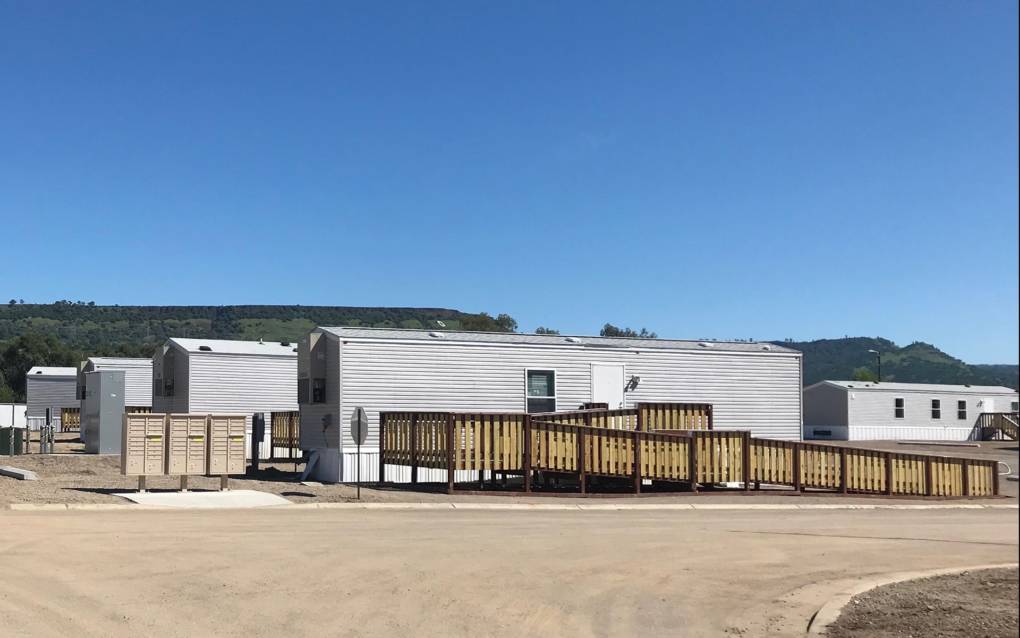
"caption": "Nearly six months after the Camp Fire erupted, FEMA is getting ready to open its first mobile home park for survivors of the blaze amid criticism that the agency didn’t bring in housing support more quickly. Pictured: Rosewood Estates in Oroville on April 18, 2019.",
"description": "Nearly six months after the Camp Fire erupted, FEMA is getting ready to open its first mobile home park for survivors of the blaze amid criticism that the agency didn’t bring in housing support more quickly. Pictured: Rosewood Estates in Oroville on April 18, 2019.",
"title": "fema mobile home units camp fire-qut",
"credit": "Polly Stryker/KQED",
"status": "inherit",
"isLoading": false,
"fetchFailed": false
},
"news_11742075": {
"type": "attachments",
"id": "news_11742075",
"meta": {
"index": "attachments_1716263798",
"site": "news",
"id": "11742075",
"found": true
},
"parent": 11742013,
"imgSizes": {
"twentyfourteen-full-width": {
"file": "https://ww2.kqed.org/app/uploads/sites/10/2019/04/IMG_6680-e1556002410583-1038x576.jpg",
"width": 1038,
"mimeType": "image/jpeg",
"height": 576
},
"thumbnail": {
"file": "https://ww2.kqed.org/app/uploads/sites/10/2019/04/IMG_6680-e1556002410583-160x120.jpg",
"width": 160,
"mimeType": "image/jpeg",
"height": 120
},
"post-thumbnail": {
"file": "https://ww2.kqed.org/app/uploads/sites/10/2019/04/IMG_6680-e1556002410583-672x372.jpg",
"width": 672,
"mimeType": "image/jpeg",
"height": 372
},
"kqedFullSize": {
"file": "https://ww2.kqed.org/app/uploads/sites/10/2019/04/IMG_6680-e1556002427599.jpg",
"width": 1920,
"height": 1440
},
"large": {
"file": "https://ww2.kqed.org/app/uploads/sites/10/2019/04/IMG_6680-e1556002410583-1020x765.jpg",
"width": 1020,
"mimeType": "image/jpeg",
"height": 765
},
"complete_open_graph": {
"file": "https://ww2.kqed.org/app/uploads/sites/10/2019/04/IMG_6680-e1556002410583-1200x900.jpg",
"width": 1200,
"mimeType": "image/jpeg",
"height": 900
},
"full-width": {
"file": "https://ww2.kqed.org/app/uploads/sites/10/2019/04/IMG_6680-e1556002410583-1920x1440.jpg",
"width": 1920,
"mimeType": "image/jpeg",
"height": 1440
},
"medium": {
"file": "https://ww2.kqed.org/app/uploads/sites/10/2019/04/IMG_6680-e1556002410583-800x600.jpg",
"width": 800,
"mimeType": "image/jpeg",
"height": 600
}
},
"publishDate": 1556002277,
"modified": 1556057583,
"caption": "The dense foliage surrounding the American River Parkway can make it easy to camp discreetly. That's until the river rises, forcing residents onto more visible levees. ",
"description": "The dense foliage surrounding the American River Parkway can make it easy to camp discretely. Until the river rises, forcing residents onto more visible levees. ",
"title": "IMG_6680",
"credit": "Michelle Wiley/KQED",
"status": "inherit",
"isLoading": false,
"fetchFailed": false
},
"news_11742167": {
"type": "attachments",
"id": "news_11742167",
"meta": {
"index": "attachments_1716263798",
"site": "news",
"id": "11742167",
"found": true
},
"parent": 11742166,
"imgSizes": {
"twentyfourteen-full-width": {
"file": "https://ww2.kqed.org/app/uploads/sites/10/2019/04/img_2197-9da932541bc12292f521d3a41242a0244ab4072d-1038x576.jpe",
"width": 1038,
"mimeType": "image/jpeg",
"height": 576
},
"thumbnail": {
"file": "https://ww2.kqed.org/app/uploads/sites/10/2019/04/img_2197-9da932541bc12292f521d3a41242a0244ab4072d-160x120.jpe",
"width": 160,
"mimeType": "image/jpeg",
"height": 120
},
"post-thumbnail": {
"file": "https://ww2.kqed.org/app/uploads/sites/10/2019/04/img_2197-9da932541bc12292f521d3a41242a0244ab4072d-672x372.jpe",
"width": 672,
"mimeType": "image/jpeg",
"height": 372
},
"kqedFullSize": {
"file": "https://ww2.kqed.org/app/uploads/sites/10/2019/04/img_2197-9da932541bc12292f521d3a41242a0244ab4072d-e1556044217521.jpe",
"width": 1920,
"height": 1440
},
"large": {
"file": "https://ww2.kqed.org/app/uploads/sites/10/2019/04/img_2197-9da932541bc12292f521d3a41242a0244ab4072d-1020x765.jpe",
"width": 1020,
"mimeType": "image/jpeg",
"height": 765
},
"complete_open_graph": {
"file": "https://ww2.kqed.org/app/uploads/sites/10/2019/04/img_2197-9da932541bc12292f521d3a41242a0244ab4072d-1200x900.jpe",
"width": 1200,
"mimeType": "image/jpeg",
"height": 900
},
"full-width": {
"file": "https://ww2.kqed.org/app/uploads/sites/10/2019/04/img_2197-9da932541bc12292f521d3a41242a0244ab4072d-1920x1440.jpe",
"width": 1920,
"mimeType": "image/jpeg",
"height": 1440
},
"medium": {
"file": "https://ww2.kqed.org/app/uploads/sites/10/2019/04/img_2197-9da932541bc12292f521d3a41242a0244ab4072d-800x600.jpe",
"width": 800,
"mimeType": "image/jpeg",
"height": 600
}
},
"publishDate": 1556044096,
"modified": 1556061363,
"caption": "Steven T. Johnson rents a bed at the PodShare in Hollywood, California. \"When you don't own things, you don't have to keep track of them,\" he says. \"You just show up.\"",
"description": "Steven T. Johnson rents a bed at the PodShare in Hollywood, Calif. \"When you don't own things, you don't have to keep track of them,\" he says. \"You just show up.\"",
"title": "Steven T. Johnson rents a bed at the PodShare in Hollywood, Calif. \"When you don't own things, you don't have to keep track of them,\" he says. \"You just show up.\"",
"credit": "Courtesy of Steven T. Johnson ",
"status": "inherit",
"isLoading": false,
"fetchFailed": false
},
"news_11740491": {
"type": "attachments",
"id": "news_11740491",
"meta": {
"index": "attachments_1716263798",
"site": "news",
"id": "11740491",
"found": true
},
"parent": 11740476,
"imgSizes": {
"apple_news_ca_landscape_5_5": {
"file": "https://ww2.kqed.org/app/uploads/sites/10/2019/04/Rey2-1044x783.jpg",
"width": 1044,
"mimeType": "image/jpeg",
"height": 783
},
"apple_news_ca_square_4_0": {
"file": "https://ww2.kqed.org/app/uploads/sites/10/2019/04/Rey2-470x470.jpg",
"width": 470,
"mimeType": "image/jpeg",
"height": 470
},
"twentyfourteen-full-width": {
"file": "https://ww2.kqed.org/app/uploads/sites/10/2019/04/Rey2-1038x576.jpg",
"width": 1038,
"mimeType": "image/jpeg",
"height": 576
},
"thumbnail": {
"file": "https://ww2.kqed.org/app/uploads/sites/10/2019/04/Rey2-160x120.jpg",
"width": 160,
"mimeType": "image/jpeg",
"height": 120
},
"post-thumbnail": {
"file": "https://ww2.kqed.org/app/uploads/sites/10/2019/04/Rey2-672x372.jpg",
"width": 672,
"mimeType": "image/jpeg",
"height": 372
},
"kqedFullSize": {
"file": "https://ww2.kqed.org/app/uploads/sites/10/2019/04/Rey2-e1555973216733.jpg",
"width": 1920,
"height": 1440
},
"apple_news_ca_landscape_4_7": {
"file": "https://ww2.kqed.org/app/uploads/sites/10/2019/04/Rey2-632x474.jpg",
"width": 632,
"mimeType": "image/jpeg",
"height": 474
},
"large": {
"file": "https://ww2.kqed.org/app/uploads/sites/10/2019/04/Rey2-1020x765.jpg",
"width": 1020,
"mimeType": "image/jpeg",
"height": 765
},
"complete_open_graph": {
"file": "https://ww2.kqed.org/app/uploads/sites/10/2019/04/Rey2-1200x900.jpg",
"width": 1200,
"mimeType": "image/jpeg",
"height": 900
},
"apple_news_ca_landscape_4_0": {
"file": "https://ww2.kqed.org/app/uploads/sites/10/2019/04/Rey2-536x402.jpg",
"width": 536,
"mimeType": "image/jpeg",
"height": 402
},
"apple_news_ca_portrait_12_9": {
"file": "https://ww2.kqed.org/app/uploads/sites/10/2019/04/Rey2-1122x1496.jpg",
"width": 1122,
"mimeType": "image/jpeg",
"height": 1496
},
"medium": {
"file": "https://ww2.kqed.org/app/uploads/sites/10/2019/04/Rey2-800x600.jpg",
"width": 800,
"mimeType": "image/jpeg",
"height": 600
},
"apple_news_ca_portrait_4_0": {
"file": "https://ww2.kqed.org/app/uploads/sites/10/2019/04/Rey2-354x472.jpg",
"width": 354,
"mimeType": "image/jpeg",
"height": 472
},
"apple_news_ca_portrait_9_7": {
"file": "https://ww2.kqed.org/app/uploads/sites/10/2019/04/Rey2-840x1120.jpg",
"width": 840,
"mimeType": "image/jpeg",
"height": 1120
},
"apple_news_ca_landscape_12_9": {
"file": "https://ww2.kqed.org/app/uploads/sites/10/2019/04/Rey2-1832x1374.jpg",
"width": 1832,
"mimeType": "image/jpeg",
"height": 1374
},
"apple_news_ca_square_9_7": {
"file": "https://ww2.kqed.org/app/uploads/sites/10/2019/04/Rey2-1104x1104.jpg",
"width": 1104,
"mimeType": "image/jpeg",
"height": 1104
},
"apple_news_ca_portrait_4_7": {
"file": "https://ww2.kqed.org/app/uploads/sites/10/2019/04/Rey2-414x552.jpg",
"width": 414,
"mimeType": "image/jpeg",
"height": 552
},
"apple_news_ca_square_12_9": {
"file": "https://ww2.kqed.org/app/uploads/sites/10/2019/04/Rey2-1472x1472.jpg",
"width": 1472,
"mimeType": "image/jpeg",
"height": 1472
},
"apple_news_ca_portrait_5_5": {
"file": "https://ww2.kqed.org/app/uploads/sites/10/2019/04/Rey2-687x916.jpg",
"width": 687,
"mimeType": "image/jpeg",
"height": 916
},
"full-width": {
"file": "https://ww2.kqed.org/app/uploads/sites/10/2019/04/Rey2-1920x1440.jpg",
"width": 1920,
"mimeType": "image/jpeg",
"height": 1440
},
"apple_news_ca_square_4_7": {
"file": "https://ww2.kqed.org/app/uploads/sites/10/2019/04/Rey2-550x550.jpg",
"width": 550,
"mimeType": "image/jpeg",
"height": 550
},
"apple_news_ca_landscape_9_7": {
"file": "https://ww2.kqed.org/app/uploads/sites/10/2019/04/Rey2-1376x1032.jpg",
"width": 1376,
"mimeType": "image/jpeg",
"height": 1032
},
"apple_news_ca_square_5_5": {
"file": "https://ww2.kqed.org/app/uploads/sites/10/2019/04/Rey2-912x912.jpg",
"width": 912,
"mimeType": "image/jpeg",
"height": 912
}
},
"publishDate": 1555430906,
"modified": 1555973243,
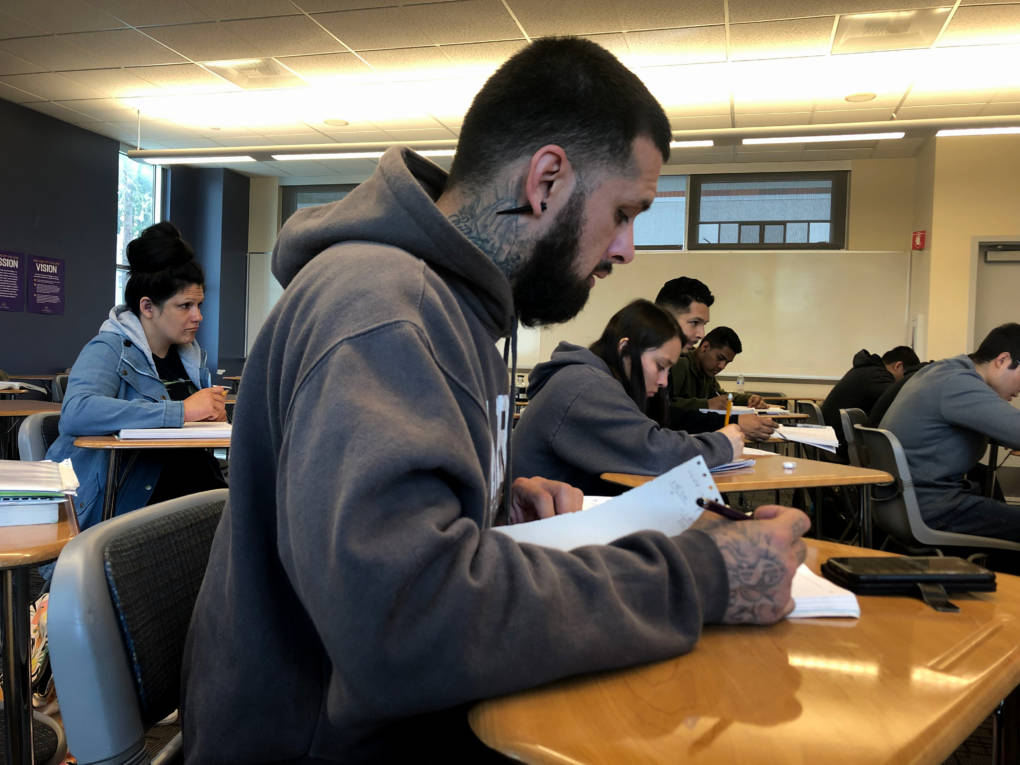
"caption": "Currently in his first semester at San Jose City College, Rey Blanco, 36, is embracing school for the first time in his life. But despite his free tuition, he still struggles financially to make ends meet.",
"description": null,
"title": "Rey2",
"credit": "Vanessa Rancaño/KQED",
"status": "inherit",
"isLoading": false,
"fetchFailed": false
}
},
"audioPlayerReducer": {
"postId": "stream_live",
"isPaused": true,
"isPlaying": false,
"pfsActive": false,
"pledgeModalIsOpen": true,
"playerDrawerIsOpen": false,
"liveAudioPlayStartedAt": 0,
"liveAudioPlayContext": ""
},
"authorsReducer": {
"byline_news_11742166": {
"type": "authors",
"id": "byline_news_11742166",
"meta": {
"override": true
},
"slug": "byline_news_11742166",
"name": "\u003cstrong>Sam Sanders\u003cbr />NPR\u003c/strong>",
"isLoading": false
},
"gmarzorati": {
"type": "authors",
"id": "227",
"meta": {
"index": "authors_1716337520",
"id": "227",
"found": true
},
"name": "Guy Marzorati",
"firstName": "Guy",
"lastName": "Marzorati",
"slug": "gmarzorati",
"email": "gmarzorati@KQED.org",
"display_author_email": true,
"staff_mastheads": [
"news"
],
"title": "Correspondent",
"bio": "Guy Marzorati is a correspondent on KQED's California Politics and Government Desk, based in San Jose. A graduate of Santa Clara University, Guy joined KQED in 2013. He reports on state and local politics and produces KQED's digital voter guide.",
"avatar": "https://secure.gravatar.com/avatar/e7038b8dbfd55b104369b76b1cd0b9de?s=600&d=blank&r=g",
"twitter": "guymarzorati",
"facebook": null,
"instagram": null,
"linkedin": null,
"sites": [
{
"site": "",
"roles": [
"editor"
]
},
{
"site": "news",
"roles": [
"editor"
]
},
{
"site": "science",
"roles": [
"editor"
]
},
{
"site": "forum",
"roles": [
"editor"
]
},
{
"site": "elections",
"roles": [
"editor"
]
},
{
"site": "liveblog",
"roles": [
"editor"
]
}
],
"headData": {
"title": "Guy Marzorati | KQED",
"description": "Correspondent",
"ogImgSrc": "https://secure.gravatar.com/avatar/e7038b8dbfd55b104369b76b1cd0b9de?s=600&d=blank&r=g",
"twImgSrc": "https://secure.gravatar.com/avatar/e7038b8dbfd55b104369b76b1cd0b9de?s=600&d=blank&r=g"
},
"isLoading": false,
"link": "/author/gmarzorati"
},
"kqed": {
"type": "authors",
"id": "236",
"meta": {
"index": "authors_1716337520",
"id": "236",
"found": true
},
"name": "KQED News Staff",
"firstName": "KQED News Staff",
"lastName": null,
"slug": "kqed",
"email": "faq@kqed.org",
"display_author_email": false,
"staff_mastheads": [],
"title": null,
"bio": null,
"avatar": "https://secure.gravatar.com/avatar/ef0e801a68c4c54afa9180db14084167?s=600&d=blank&r=g",
"twitter": null,
"facebook": null,
"instagram": null,
"linkedin": null,
"sites": [
{
"site": "arts",
"roles": [
"contributor"
]
},
{
"site": "news",
"roles": [
"editor"
]
},
{
"site": "futureofyou",
"roles": [
"author"
]
}
],
"headData": {
"title": "KQED News Staff | KQED",
"description": null,
"ogImgSrc": "https://secure.gravatar.com/avatar/ef0e801a68c4c54afa9180db14084167?s=600&d=blank&r=g",
"twImgSrc": "https://secure.gravatar.com/avatar/ef0e801a68c4c54afa9180db14084167?s=600&d=blank&r=g"
},
"isLoading": false,
"link": "/author/kqed"
},
"pollystryker": {
"type": "authors",
"id": "250",
"meta": {
"index": "authors_1716337520",
"id": "250",
"found": true
},
"name": "Polly Stryker",
"firstName": "Polly",
"lastName": "Stryker",
"slug": "pollystryker",
"email": "pstryker@kqed.org",
"display_author_email": false,
"staff_mastheads": [
"science"
],
"title": "Editor",
"bio": "Polly Stryker is a former editor for KQED's Science desk. She and reporter/host Rachael Myrow produced the KQED podcast, \u003ca href=\"http://www.npr.org/podcasts/448072249/love-in-the-digital-age\">Love in the Digital Age\u003c/a>.\r\n\r\nPolly has worked for a variety of news and public affairs programs, including most recently as editor of \u003cem>The California Report\u003c/em>. She also edited \u003ca href=\"https://ww2.kqed.org/news/programs/the-california-report\" target=\"_blank\" rel=\"noopener noreferrer\">\u003cem>The California Report'\u003c/em>s\u003c/a> \u003ca href=\"http://www.californiareport.org/healthdialogues/\" target=\"_blank\" rel=\"noopener noreferrer\">“Health Dialogues.”\u003c/a> Before that, she was a producer on \u003cem>\u003ca href=\"http://www.scpr.org/programs/airtalk/\" target=\"_blank\" rel=\"noopener noreferrer\">AirTalk\u003c/a>\u003c/em> with Larry Mantle on \u003ca href=\"http://www.scpr.org/\" target=\"_blank\" rel=\"noopener noreferrer\">KPCC\u003c/a> radio, and \u003cem>\u003ca href=\"http://www.kpbs.org/news/midday-edition/\">These Days\u003c/a>\u003c/em> on KPBS. Polly’s work has won awards from the Radio and Television News Directors Association of Northern California, the Society of Professional Journalists (Southern California and Northern California chapters), the Radio and Television News Association. She's also won a Taste Award.\r\n\r\nShe considers herself to be a citizen of the world, having grown up in Cairo before coming to the United States. Polly speaks Arabic and can say, \"I’d like a martini, please\" in Swahili.",
"avatar": "https://secure.gravatar.com/avatar/5012854a99868cb15a517a876d88f736?s=600&d=blank&r=g",
"twitter": null,
"facebook": null,
"instagram": null,
"linkedin": null,
"sites": [
{
"site": "",
"roles": [
"editor"
]
},
{
"site": "arts",
"roles": [
"administrator"
]
},
{
"site": "news",
"roles": [
"subscriber"
]
},
{
"site": "stateofhealth",
"roles": [
"author"
]
},
{
"site": "science",
"roles": [
"editor"
]
},
{
"site": "forum",
"roles": [
"editor"
]
}
],
"headData": {
"title": "Polly Stryker | KQED",
"description": "Editor",
"ogImgSrc": "https://secure.gravatar.com/avatar/5012854a99868cb15a517a876d88f736?s=600&d=blank&r=g",
"twImgSrc": "https://secure.gravatar.com/avatar/5012854a99868cb15a517a876d88f736?s=600&d=blank&r=g"
},
"isLoading": false,
"link": "/author/pollystryker"
},
"matthewgreen": {
"type": "authors",
"id": "1263",
"meta": {
"index": "authors_1716337520",
"id": "1263",
"found": true
},
"name": "Matthew Green",
"firstName": "Matthew",
"lastName": "Green",
"slug": "matthewgreen",
"email": "mgreen@kqed.org",
"display_author_email": false,
"staff_mastheads": [],
"title": "KQED Editor/Reporter",
"bio": "Matthew Green is a digital media producer for KQED News. He previously produced \u003ca href=\"http://www.kqed.org/lowdown\">The Lowdown\u003c/a>, KQED’s multimedia news education blog. Matthew's written for numerous Bay Area publications, including the Oakland Tribune and San Francisco Chronicle. He also taught journalism classes at Fremont High School in East Oakland.\r\n\r\nEmail: mgreen@kqed.org; Twitter: @MGreenKQED",
"avatar": "https://secure.gravatar.com/avatar/3bf498d1267ca02c8494f33d8cfc575e?s=600&d=blank&r=g",
"twitter": "MGreenKQED",
"facebook": null,
"instagram": null,
"linkedin": null,
"sites": [
{
"site": "news",
"roles": []
},
{
"site": "lowdown",
"roles": []
},
{
"site": "science",
"roles": []
},
{
"site": "education",
"roles": []
},
{
"site": "quest",
"roles": []
},
{
"site": "liveblog",
"roles": []
}
],
"headData": {
"title": "Matthew Green | KQED",
"description": "KQED Editor/Reporter",
"ogImgSrc": "https://secure.gravatar.com/avatar/3bf498d1267ca02c8494f33d8cfc575e?s=600&d=blank&r=g",
"twImgSrc": "https://secure.gravatar.com/avatar/3bf498d1267ca02c8494f33d8cfc575e?s=600&d=blank&r=g"
},
"isLoading": false,
"link": "/author/matthewgreen"
},
"markfiore": {
"type": "authors",
"id": "3236",
"meta": {
"index": "authors_1716337520",
"id": "3236",
"found": true
},
"name": "Mark Fiore",
"firstName": "Mark",
"lastName": "Fiore",
"slug": "markfiore",
"email": "mark@markfiore.com",
"display_author_email": false,
"staff_mastheads": [
"news"
],
"title": "KQED News Cartoonist",
"bio": "\u003ca href=\"http://www.MarkFiore.com\">MarkFiore.com\u003c/a> | \u003ca href=\"https://twitter.com/markfiore\">Follow on Twitter\u003c/a> | \u003ca href=\"https://www.facebook.com/pages/Mark-Fiore-Animated-Political-Cartoons/94451707396?ref=bookmarks\">Facebook\u003c/a> | \u003ca href=\"mailto:mark@markfiore.com\">email\u003c/a>\r\n\r\nPulitzer Prize-winner, Mark Fiore, who the Wall Street Journal has called “the undisputed guru of the form,” creates animated political cartoons in San Francisco, where his work has been featured regularly on the San Francisco Chronicle’s web site, SFGate.com. His work has appeared on Newsweek.com, Slate.com, CBSNews.com, MotherJones.com, DailyKos.com and NPR’s web site. Fiore’s political animation has appeared on CNN, Frontline, Bill Moyers Journal, Salon.com and cable and broadcast outlets across the globe.\r\n\r\nBeginning his professional life by drawing traditional political cartoons for newspapers, Fiore’s work appeared in publications ranging from the Washington Post to the Los Angeles Times. In the late 1990s, he began to experiment with animating political cartoons and, after a short stint at the San Jose Mercury News as their staff cartoonist, Fiore devoted all his energies to animation.\r\nGrowing up in California, Fiore also spent a good portion of his life in the backwoods of Idaho. It was this combination that shaped him politically. Mark majored in political science at Colorado College, where, in a perfect send-off for a cartoonist, he received his diploma in 1991 as commencement speaker Dick Cheney smiled approvingly.\r\nMark Fiore was awarded the Pulitzer Prize for political cartooning in 2010, a Robert F. Kennedy Journalism Award in 2004 and has twice received an Online Journalism Award for commentary from the Online News Association (2002, 2008). Fiore has received two awards for his work in new media from the National Cartoonists Society (2001, 2002), and in 2006 received The James Madison Freedom of Information Award from The Society of Professional Journalists.",
"avatar": "https://secure.gravatar.com/avatar/fc4e2a612b15b67bad0c6f0e1db4ca9b?s=600&d=blank&r=g",
"twitter": "MarkFiore",
"facebook": null,
"instagram": "https://www.instagram.com/markfiore/?hl=en",
"linkedin": null,
"sites": [
{
"site": "arts",
"roles": [
"contributor"
]
},
{
"site": "news",
"roles": [
"editor"
]
},
{
"site": "futureofyou",
"roles": [
"editor"
]
},
{
"site": "science",
"roles": [
"editor"
]
}
],
"headData": {
"title": "Mark Fiore | KQED",
"description": "KQED News Cartoonist",
"ogImgSrc": "https://secure.gravatar.com/avatar/fc4e2a612b15b67bad0c6f0e1db4ca9b?s=600&d=blank&r=g",
"twImgSrc": "https://secure.gravatar.com/avatar/fc4e2a612b15b67bad0c6f0e1db4ca9b?s=600&d=blank&r=g"
},
"isLoading": false,
"link": "/author/markfiore"
},
"bwatt": {
"type": "authors",
"id": "11238",
"meta": {
"index": "authors_1716337520",
"id": "11238",
"found": true
},
"name": "Brian Watt",
"firstName": "Brian",
"lastName": "Watt",
"slug": "bwatt",
"email": "bwatt@KQED.org",
"display_author_email": false,
"staff_mastheads": [
"news"
],
"title": "Morning News Anchor",
"bio": "Brian Watt is KQED's morning radio news anchor. He joined the KQED News team in April of 2016. Prior to that, he worked as a Reporter for KPCC in Los Angeles and a producer at \u003cem>Marketplace.\u003c/em>\r\n\r\nDuring eight years at KPCC, Brian covered business and economics, and his work won several awards. In 2008, he won the Los Angeles Press Club’s first-place award for Business and Financial Reporting, Broadcast. He’s also received honorable mention and been first runner up for the Press Club’s Radio Journalist of the Year. He won two Golden Mike awards from the Radio and TV News Association of Southern California.\r\n\r\nBrian holds degrees in theater from Yale University and the Sorbonne, and has worked as an actor in France, Italy, Brazil, Hungary and . . . Hollywood. He appeared in a few television shows, including \u003cem>The West Wing, Judging Amy\u003c/em> and \u003cem>The District.\u003c/em>\r\n\r\nEmail: bwatt@KQED.org Twitter: @RadioBWatt",
"avatar": "https://secure.gravatar.com/avatar/55393ff57ed34e2be773ba4789dd6a19?s=600&d=blank&r=g",
"twitter": "@RadioBWatt",
"facebook": null,
"instagram": null,
"linkedin": null,
"sites": [
{
"site": "arts",
"roles": [
"contributor"
]
},
{
"site": "news",
"roles": [
"editor"
]
}
],
"headData": {
"title": "Brian Watt | KQED",
"description": "Morning News Anchor",
"ogImgSrc": "https://secure.gravatar.com/avatar/55393ff57ed34e2be773ba4789dd6a19?s=600&d=blank&r=g",
"twImgSrc": "https://secure.gravatar.com/avatar/55393ff57ed34e2be773ba4789dd6a19?s=600&d=blank&r=g"
},
"isLoading": false,
"link": "/author/bwatt"
},
"vrancano": {
"type": "authors",
"id": "11276",
"meta": {
"index": "authors_1716337520",
"id": "11276",
"found": true
},
"name": "Vanessa Rancaño",
"firstName": "Vanessa",
"lastName": "Rancaño",
"slug": "vrancano",
"email": "vrancano@kqed.org",
"display_author_email": false,
"staff_mastheads": [
"news"
],
"title": "Reporter",
"bio": "Vanessa Rancaño is a features reporter for KQED. She’s also covered homelessness and education for the station and reported from the Central Valley. Her work has aired across public radio, from flagship national news shows to longform narrative podcasts. Before taking up a mic, she worked as a freelance print journalist. She’s been recognized with a number of national and regional awards. Vanessa grew up in California's Central Valley. She's a former NPR Kroc Fellow, and a graduate of the UC Berkeley Graduate School of Journalism.",
"avatar": "https://secure.gravatar.com/avatar/b3a383dfb0e7ee1c17568f2cf067904ab654d6e3de9743fc661f3c788ade1bed?s=600&d=blank&r=g",
"twitter": "vanessarancano",
"bluesky": null,
"facebook": null,
"instagram": null,
"linkedin": null,
"sites": [
{
"site": "arts",
"roles": [
"editor"
]
},
{
"site": "news",
"roles": [
"editor"
]
},
{
"site": "liveblog",
"roles": [
"contributor"
]
}
],
"headData": {
"title": "Vanessa Rancaño | KQED",
"description": "Reporter",
"ogImgSrc": "https://secure.gravatar.com/avatar/b3a383dfb0e7ee1c17568f2cf067904ab654d6e3de9743fc661f3c788ade1bed?s=600&d=blank&r=g",
"twImgSrc": "https://secure.gravatar.com/avatar/b3a383dfb0e7ee1c17568f2cf067904ab654d6e3de9743fc661f3c788ade1bed?s=600&d=blank&r=g"
},
"isLoading": false,
"link": "/author/vrancano"
},
"rdillon": {
"type": "authors",
"id": "11495",
"meta": {
"index": "authors_1716337520",
"id": "11495",
"found": true
},
"name": "Raquel Maria Dillon",
"firstName": "Raquel Maria",
"lastName": "Dillon",
"slug": "rdillon",
"email": "rdillon@kqed.org",
"display_author_email": false,
"staff_mastheads": [],
"title": null,
"bio": "Raquel Maria Dillon was a reporter and host for KQED News. Previously, she produced the daily statewide California Report, edited newscasts, and covered health and education stories. Before returning to the Bay Area in 2016, she worked in Los Angeles as a wire reporter and one-woman-band video journalist for the Associated Press, where she shot, edited and reported breaking news and features across the West. Her work has appeared online and in print around the globe, and also on NPR’s Morning Edition, All Things Considered, Here and Now, Marketplace, On The Media, and Studio 360. She previously edited and mentored up-and-coming reporters at KALW, produced social videos for Timeline.com, and was a local TV news videographer for KTVU and digital producer for KNTV. She got her start as a Radio News Trainee at KQED, produced a weekly public affairs roundtable show for OPB, and covered health and politics at New Hampshire Public Radio. She has a BA in political science from Barnard College and a MA in video journalism from UC Berkeley, where she was awarded the Faith Fancher Scholarship and a Student Emmy. She has received numerous local awards from the Associated Press and the Society of Professional Journalists.",
"avatar": "https://secure.gravatar.com/avatar/b8e02ae982913d0950df605910267c1b?s=600&d=blank&r=g",
"twitter": "RaquelMDillon",
"facebook": null,
"instagram": null,
"linkedin": null,
"sites": [
{
"site": "news",
"roles": [
"subscriber"
]
},
{
"site": "stateofhealth",
"roles": [
"editor"
]
},
{
"site": "science",
"roles": [
"editor"
]
},
{
"site": "forum",
"roles": [
"editor"
]
}
],
"headData": {
"title": "Raquel Maria Dillon | KQED",
"description": null,
"ogImgSrc": "https://secure.gravatar.com/avatar/b8e02ae982913d0950df605910267c1b?s=600&d=blank&r=g",
"twImgSrc": "https://secure.gravatar.com/avatar/b8e02ae982913d0950df605910267c1b?s=600&d=blank&r=g"
},
"isLoading": false,
"link": "/author/rdillon"
},
"mwiley": {
"type": "authors",
"id": "11526",
"meta": {
"index": "authors_1716337520",
"id": "11526",
"found": true
},
"name": "Michelle Wiley",
"firstName": "Michelle",
"lastName": "Wiley",
"slug": "mwiley",
"email": "mwiley@KQED.org",
"display_author_email": true,
"staff_mastheads": [],
"title": null,
"bio": "Michelle Wiley was the senior editor of weekends.",
"avatar": "https://secure.gravatar.com/avatar/3b897d82a09e8587e8e73fa69fbcc635?s=600&d=blank&r=g",
"twitter": "michelleewiley",
"facebook": null,
"instagram": null,
"linkedin": null,
"sites": [
{
"site": "",
"roles": [
"editor"
]
},
{
"site": "arts",
"roles": [
"editor"
]
},
{
"site": "news",
"roles": [
"subscriber"
]
},
{
"site": "lowdown",
"roles": [
"editor"
]
},
{
"site": "science",
"roles": [
"editor"
]
},
{
"site": "podcasts",
"roles": [
"editor"
]
}
],
"headData": {
"title": "Michelle Wiley | KQED",
"description": null,
"ogImgSrc": "https://secure.gravatar.com/avatar/3b897d82a09e8587e8e73fa69fbcc635?s=600&d=blank&r=g",
"twImgSrc": "https://secure.gravatar.com/avatar/3b897d82a09e8587e8e73fa69fbcc635?s=600&d=blank&r=g"
},
"isLoading": false,
"link": "/author/mwiley"
}
},
"pagesReducer": {
"news_category_housing": {
"type": "terms",
"id": "news_6266",
"meta": {
"index": "terms_1716263798",
"site": "news",
"id": "6266",
"score": 11.039913
},
"featImg": null,
"name": "Housing",
"description": null,
"taxonomy": "category",
"headData": {
"twImgId": null,
"twTitle": null,
"ogTitle": null,
"ogImgId": null,
"twDescription": null,
"description": null,
"title": "Housing Archives | KQED News",
"ogDescription": null
},
"ttid": 6290,
"slug": "housing",
"isLoading": false,
"title": "Housing",
"pageMeta": {
"site": "news",
"WpPageTemplate": "page-topic-editorial",
"currentPage": 103
},
"blocks": [
{
"blockName": "kqed/post-list",
"attrs": {
"layout": "cardArticle2",
"query": "posts/news?category=housing",
"seeMore": false,
"paginated": true,
"page": 103
}
},
{
"blockName": "kqed/ad"
}
]
}
},
"pfsSessionReducer": {},
"postsReducer": {
"stream_live": {
"type": "live",
"id": "stream_live",
"audioUrl": "https://streams.kqed.org/kqedradio",
"title": "Live Stream",
"excerpt": "Live Stream information currently unavailable.",
"link": "/radio",
"featImg": "",
"label": {
"name": "KQED Live",
"link": "/"
}
},
"stream_kqedNewscast": {
"type": "posts",
"id": "stream_kqedNewscast",
"audioUrl": "https://www.kqed.org/.stream/anon/radio/RDnews/newscast.mp3?_=1",
"title": "KQED Newscast",
"featImg": "",
"label": {
"name": "88.5 FM",
"link": "/"
}
},
"news_11743102": {
"type": "posts",
"id": "news_11743102",
"meta": {
"index": "posts_1716263798",
"site": "news",
"id": "11743102",
"score": null,
"sort": [
1556327047000
]
},
"guestAuthors": [],
"slug": "congressman-ro-khanna-housing-bills-and-pushbacks-beach-blanket-babylon",
"title": "Congressman Ro Khanna, Housing Bills and Pushbacks, Beach Blanket Babylon",
"publishDate": 1556327047,
"format": "video",
"headTitle": "Congressman Ro Khanna, Housing Bills and Pushbacks, Beach Blanket Babylon | KQED",
"labelTerm": {
"term": 7052,
"site": "news"
},
"content": "\u003cp>\u003cb>Silicon Valley Congressman Ro Khanna\u003cbr>\n\u003c/b>\u003cspan style=\"font-weight: 400\">This week, White House lawyers signaled they plan to tell former officials, including Don McGahn, who was once White House counsel, to not comply with subpoenas for their testimony as Democrats expand their investigations of President Trump and his finances. On Tuesday, Treasury Secretary Steve Mnuchin once again missed a deadline to turn over the president’s tax returns while awaiting guidance from the Justice Department. Meanwhile, House Speaker Nancy Pelosi has rejected calls from members of her caucus to open impeachment proceedings against Trump after the redacted version of the Mueller report, which was released last week, described possible instances of obstruction of justice. \u003c/span>\u003c/p>\n\u003cp>\u003cb>Guest:\u003c/b>\u003cspan style=\"font-weight: 400\"> U.S. Rep. Ro Khanna, D-Santa Clara\u003c/span>\u003c/p>\n\u003cp>\u003cb>Bills and Pushbacks to Fixing Housing Crisis\u003cbr>\n\u003c/b>\u003cspan style=\"font-weight: 400\">On Wednesday, a controversial bill that requires some cities and counties to build more housing near transit centers cleared a key committee in the state Legislature, albeit with a compromise for smaller counties. But SB 50 is just one of dozens of bills that are being considered to fix a statewide housing crisis. California Assemblywoman Buffy Wicks, D-Oakland, has introduced several housing measures, including one that would require landlords to annually report evictions and rent hikes at the properties they own. Many of these new bills face strong opposition from local officials, including some mayors and city supervisors worried about gentrification and the loss of local control over zoning decisions.\u003c/span>\u003c/p>\n\u003cp>\u003cb>Guests:\u003c/b>\u003c/p>\n\u003cul>\n\u003cli style=\"font-weight: 400\">\u003cspan style=\"font-weight: 400\">Assemblywoman Buffy Wicks, D-Oakland\u003c/span>\u003c/li>\n\u003cli style=\"font-weight: 400\">\u003cspan style=\"font-weight: 400\">Eric Filseth, Palo Alto mayor\u003c/span>\u003c/li>\n\u003c/ul>\n\u003cp>\u003cb>“Beach Blanket Babylon”\u003cbr>\n\u003c/b>\u003cspan style=\"font-weight: 400\">Hailed as the world’s longest-running musical revue, “Beach Blanket Babylon” has been delighting audiences for decades. The show follows Snow White as she sings, dances and encounters a zany cast of characters in a quest to find her Prince Charming. From its home in North Beach, the show has won legions of fans, including Queen Elizabeth, who caught a performance in 1983. But now, after 45 years, “Beach Blanket Babylon” will wear its final giant hat when it plays its last shows at the end of the year. \u003c/span>\u003c/p>\n\u003cp>[ad fullwidth]\u003c/p>\n\u003cp>\u003c/p>\n\u003cp>\u003cb>Guests:\u003c/b>\u003c/p>\n\u003cul>\n\u003cli style=\"font-weight: 400\">\u003cspan style=\"font-weight: 400\">Jo Schuman Silver, producer\u003c/span>\u003c/li>\n\u003cli style=\"font-weight: 400\">\u003cspan style=\"font-weight: 400\">Shawna Ferris McNulty, cast member\u003c/span>\u003c/li>\n\u003c/ul>\n\n",
"blocks": [],
"excerpt": "A Bay Area icon says goodbye: After 45 years, Beach Blanket Babylon will wear its final giant hat when it plays its last shows at the end of the year. ",
"status": "publish",
"parent": 0,
"modified": 1727475744,
"stats": {
"hasAudio": false,
"hasVideo": false,
"hasChartOrMap": false,
"iframeSrcs": [],
"hasGoogleForm": false,
"hasGallery": false,
"hasHearkenModule": false,
"hasPolis": false,
"paragraphCount": 8,
"wordCount": 363
},
"headData": {
"title": "Congressman Ro Khanna, Housing Bills and Pushbacks, Beach Blanket Babylon | KQED",
"description": "A Bay Area icon says goodbye: After 45 years, Beach Blanket Babylon will wear its final giant hat when it plays its last shows at the end of the year. ",
"ogTitle": "",
"ogDescription": "",
"ogImgId": "",
"twTitle": "",
"twDescription": "",
"twImgId": "",
"schema": {
"@context": "https://schema.org",
"@type": "NewsArticle",
"headline": "Congressman Ro Khanna, Housing Bills and Pushbacks, Beach Blanket Babylon",
"datePublished": "2019-04-26T18:04:07-07:00",
"dateModified": "2024-09-27T15:22:24-07:00",
"image": "https://cdn.kqed.org/wp-content/uploads/2020/02/KQED-OG-Image@1x.png",
"isAccessibleForFree": "True",
"publisher": {
"@type": "NewsMediaOrganization",
"@id": "https://www.kqed.org/#organization",
"name": "KQED",
"logo": "https://cdn.kqed.org/wp-content/uploads/2020/02/KQED-OG-Image@1x.png",
"url": "https://www.kqed.org",
"sameAs": [
"https://www.facebook.com/KQED",
"https://twitter.com/KQED",
"https://www.instagram.com/kqed/",
"https://www.tiktok.com/@kqedofficial",
"https://www.linkedin.com/company/kqed",
"https://www.youtube.com/channel/UCeC0IOo7i1P_61zVUWbJ4nw"
]
}
}
},
"videoEmbed": "https://youtu.be/cZhk0-D15dU",
"sticky": false,
"path": "/news/11743102/congressman-ro-khanna-housing-bills-and-pushbacks-beach-blanket-babylon",
"audioTrackLength": null,
"parsedContent": [
{
"type": "contentString",
"content": "\u003cdiv class=\"post-body\">\u003cp>\u003cp>\u003cb>Silicon Valley Congressman Ro Khanna\u003cbr>\n\u003c/b>\u003cspan style=\"font-weight: 400\">This week, White House lawyers signaled they plan to tell former officials, including Don McGahn, who was once White House counsel, to not comply with subpoenas for their testimony as Democrats expand their investigations of President Trump and his finances. On Tuesday, Treasury Secretary Steve Mnuchin once again missed a deadline to turn over the president’s tax returns while awaiting guidance from the Justice Department. Meanwhile, House Speaker Nancy Pelosi has rejected calls from members of her caucus to open impeachment proceedings against Trump after the redacted version of the Mueller report, which was released last week, described possible instances of obstruction of justice. \u003c/span>\u003c/p>\n\u003cp>\u003cb>Guest:\u003c/b>\u003cspan style=\"font-weight: 400\"> U.S. Rep. Ro Khanna, D-Santa Clara\u003c/span>\u003c/p>\n\u003cp>\u003cb>Bills and Pushbacks to Fixing Housing Crisis\u003cbr>\n\u003c/b>\u003cspan style=\"font-weight: 400\">On Wednesday, a controversial bill that requires some cities and counties to build more housing near transit centers cleared a key committee in the state Legislature, albeit with a compromise for smaller counties. But SB 50 is just one of dozens of bills that are being considered to fix a statewide housing crisis. California Assemblywoman Buffy Wicks, D-Oakland, has introduced several housing measures, including one that would require landlords to annually report evictions and rent hikes at the properties they own. Many of these new bills face strong opposition from local officials, including some mayors and city supervisors worried about gentrification and the loss of local control over zoning decisions.\u003c/span>\u003c/p>\n\u003cp>\u003cb>Guests:\u003c/b>\u003c/p>\n\u003cul>\n\u003cli style=\"font-weight: 400\">\u003cspan style=\"font-weight: 400\">Assemblywoman Buffy Wicks, D-Oakland\u003c/span>\u003c/li>\n\u003cli style=\"font-weight: 400\">\u003cspan style=\"font-weight: 400\">Eric Filseth, Palo Alto mayor\u003c/span>\u003c/li>\n\u003c/ul>\n\u003cp>\u003cb>“Beach Blanket Babylon”\u003cbr>\n\u003c/b>\u003cspan style=\"font-weight: 400\">Hailed as the world’s longest-running musical revue, “Beach Blanket Babylon” has been delighting audiences for decades. The show follows Snow White as she sings, dances and encounters a zany cast of characters in a quest to find her Prince Charming. From its home in North Beach, the show has won legions of fans, including Queen Elizabeth, who caught a performance in 1983. But now, after 45 years, “Beach Blanket Babylon” will wear its final giant hat when it plays its last shows at the end of the year. \u003c/span>\u003c/p>\n\u003cp>\u003c/p>\u003c/div>",
"attributes": {
"named": {},
"numeric": []
}
},
{
"type": "component",
"content": "",
"name": "ad",
"attributes": {
"named": {
"label": "fullwidth"
},
"numeric": [
"fullwidth"
]
}
},
{
"type": "contentString",
"content": "\u003cdiv class=\"post-body\">\u003cp>\u003c/p>\n\u003cp>\u003c/p>\n\u003cp>\u003cb>Guests:\u003c/b>\u003c/p>\n\u003cul>\n\u003cli style=\"font-weight: 400\">\u003cspan style=\"font-weight: 400\">Jo Schuman Silver, producer\u003c/span>\u003c/li>\n\u003cli style=\"font-weight: 400\">\u003cspan style=\"font-weight: 400\">Shawna Ferris McNulty, cast member\u003c/span>\u003c/li>\n\u003c/ul>\n\n\u003c/div>\u003c/p>",
"attributes": {
"named": {},
"numeric": []
}
}
],
"link": "/news/11743102/congressman-ro-khanna-housing-bills-and-pushbacks-beach-blanket-babylon",
"authors": [
"236"
],
"programs": [
"news_7052"
],
"categories": [
"news_223",
"news_6266",
"news_6188",
"news_8",
"news_13"
],
"tags": [
"news_20179",
"news_1323",
"news_20297",
"news_19177",
"news_6238",
"news_1217"
],
"featImg": "news_11743213",
"label": "news_7052"
},
"news_11742791": {
"type": "posts",
"id": "news_11742791",
"meta": {
"index": "posts_1716263798",
"site": "news",
"id": "11742791",
"score": null,
"sort": [
1556237345000
]
},
"parent": 0,
"labelTerm": {
"site": "news",
"term": 72
},
"blocks": [],
"publishDate": 1556237345,
"format": "standard",
"disqusTitle": "Bill to Expand Rent Control in California Stalls in Legislature",
"title": "Bill to Expand Rent Control in California Stalls in Legislature",
"headTitle": "The California Report | KQED News",
"content": "\u003cp>An effort to ease statewide rent control restrictions stalled in the state Capitol Thursday, with lawmakers opting instead to advance a more moderate bill to prevent large-scale rent increases.\u003c/p>\n\u003cp>[aside label=\"related\" tag=\"rent-control\"]\u003c/p>\n\u003cp>The shelving of \u003ca href=\"https://leginfo.legislature.ca.gov/faces/billNavClient.xhtml?bill_id=201920200AB36\" target=\"_blank\" rel=\"noopener\">Assembly Bill 36\u003c/a>, which would have allowed cities to cap rents on older units and some single-family homes, marks the latest defeat for the statewide movement to limit rent hikes.\u003c/p>\n\u003cp>A bill to allow a more drastic expansion of rent limits failed in its first legislative committee last year. And in November, a ballot measure with similar aims — Proposition 10 — was defeated by nearly 60% of voters.\u003c/p>\n\u003cp>The latest effort, AB 36, would have allowed, but not required, cities to place rent caps on units more than 20 years old, and on single-family homes owned by landlords who own more than 10 buildings. The bill was withdrawn by its author, Assemblyman Richard Bloom, D-Santa Monica, shortly before its consideration before the Assembly Housing and Community Development Committee.\u003c/p>\n\u003cp>The controversial bill would have amended the nearly 25-year-old Costa-Hawkins Rental Housing Act, which prevents California cities from placing rent control on single-family homes and condominiums, and on any units built after 1995.\u003c/p>\n\u003cblockquote class=\"twitter-tweet\">\n\u003cp dir=\"ltr\" lang=\"en\">I am asking that AB 36 be moved to Rules so we can continue to work towards reasonable reforms to Costa-Hawkins to deliver meaningful protections to the millions of California renters who are struggling to remain housed.\u003c/p>\n\u003cp>— Assemblymember Bloom (@AsmRichardBloom) \u003ca href=\"https://twitter.com/AsmRichardBloom/status/1121294632241864705?ref_src=twsrc%5Etfw\">April 25, 2019\u003c/a>\u003c/p>\u003c/blockquote>\n\u003cp>A separate measure, \u003ca href=\"https://leginfo.legislature.ca.gov/faces/billNavClient.xhtml?bill_id=201920200AB1482\" target=\"_blank\" rel=\"noopener\">AB 1482\u003c/a>, which was advanced Thursday by the same committee, would cap yearly rent increases at 5% plus the rate of inflation for the estimated 15 million California renters not covered by rent control.\u003c/p>\n\u003cp>\"What this cap does is protect the most egregious increases in rent,\" said Assemblyman David Chiu, D-San Francisco. \"It provides a sense of certainty and stability.\"\u003c/p>\n\u003cp>Hundreds of landlords and renters crammed a small hearing room in the state Capitol to voice their opinions on the bill. Landlord groups, opposed to the legislation, argued that the bill could lead to tighter restrictions on rent increases in the future.\u003c/p>\n\u003cp>\"Our concerns are not as much about this current bill, but the future temptation and demands that the Legislature will face to lower the (cap),\" said Debra Carlton, senior vice president of public affairs with the California Apartment Association. \"AB 36 is something that would have been much more extreme. There was no way that there could be support for moving more units under a strict form of rent control, when next to it you had Mr. Chiu's bill.\"\u003c/p>\n\u003cp>In February, Oregon passed the first bill in the country to combat \"rent gouging,\" placing a limit on rent increases at 7% plus inflation.\u003c/p>\n\u003cp>Assembly members Brian Maienschein, D-San Diego, and Sharon Quirk-Silva, D-Fullerton, both moderates, helped swing the vote in favor of AB 1482. In supporting the bill, they asked that Chiu add language to make sure that the rent cap remains consistent in future years.\u003c/p>\n\u003cp>\"If the bill comes to the floor without additional types of assurances, I would reserve my vote as a no vote,\" Quirk-Silva said.\u003c/p>\n\u003cp>Dozens of tenant activists attended the hearing after spending the previous night camped out in Gov. Gavin Newsom's office, pushing him to support both renter bills.\u003c/p>\n\u003cp>\"I am grateful that members of the Assembly voted today to continue moving forward on one piece of the housing affordability solution — creating a renter protection package,\" Newsom said in a statement.\u003c/p>\n\u003cp>Meanwhile, another push is underway to put rent control back on the ballot. The AIDS Healthcare Foundation, a backer of Proposition 10, filed an initiative last week to allow the statewide expansion of rent control with hopes of getting the measure on the 2020 ballot.\u003c/p>\n\u003cp>[ad fullwidth]\u003c/p>\n\u003cp>\u003c/p>\n",
"disqusIdentifier": "11742791 https://ww2.kqed.org/news/?p=11742791",
"disqusUrl": "https://ww2.kqed.org/news/2019/04/25/bill-to-expand-rent-control-in-california-stalls-in-legislature/",
"stats": {
"hasVideo": false,
"hasChartOrMap": false,
"hasAudio": false,
"hasPolis": false,
"wordCount": 644,
"hasGoogleForm": false,
"hasGallery": false,
"hasHearkenModule": false,
"iframeSrcs": [],
"paragraphCount": 19
},
"modified": 1556297234,
"excerpt": "The Assembly housing committee instead approved a more moderate measure to create a statewide rent cap to prevent price gouging. ",
"headData": {
"twImgId": "",
"twTitle": "",
"ogTitle": "",
"ogImgId": "",
"twDescription": "",
"description": "The Assembly housing committee instead approved a more moderate measure to create a statewide rent cap to prevent price gouging. ",
"title": "Bill to Expand Rent Control in California Stalls in Legislature | KQED",
"ogDescription": "",
"schema": {
"@context": "https://schema.org",
"@type": "NewsArticle",
"headline": "Bill to Expand Rent Control in California Stalls in Legislature",
"datePublished": "2019-04-25T17:09:05-07:00",
"dateModified": "2019-04-26T09:47:14-07:00",
"image": "https://cdn.kqed.org/wp-content/uploads/2020/02/KQED-OG-Image@1x.png",
"isAccessibleForFree": "True",
"publisher": {
"@type": "NewsMediaOrganization",
"@id": "https://www.kqed.org/#organization",
"name": "KQED",
"logo": "https://cdn.kqed.org/wp-content/uploads/2020/02/KQED-OG-Image@1x.png",
"url": "https://www.kqed.org",
"sameAs": [
"https://www.facebook.com/KQED",
"https://twitter.com/KQED",
"https://www.instagram.com/kqed/",
"https://www.tiktok.com/@kqedofficial",
"https://www.linkedin.com/company/kqed",
"https://www.youtube.com/channel/UCeC0IOo7i1P_61zVUWbJ4nw"
]
}
}
},
"guestAuthors": [],
"slug": "bill-to-expand-rent-control-in-california-stalls-in-legislature",
"status": "publish",
"path": "/news/11742791/bill-to-expand-rent-control-in-california-stalls-in-legislature",
"audioTrackLength": null,
"parsedContent": [
{
"type": "contentString",
"content": "\u003cdiv class=\"post-body\">\u003cp>\u003cp>An effort to ease statewide rent control restrictions stalled in the state Capitol Thursday, with lawmakers opting instead to advance a more moderate bill to prevent large-scale rent increases.\u003c/p>\n\u003cp>\u003c/p>\u003c/div>",
"attributes": {
"named": {},
"numeric": []
}
},
{
"type": "component",
"content": "",
"name": "aside",
"attributes": {
"named": {
"label": "related ",
"tag": "rent-control"
},
"numeric": []
}
},
{
"type": "contentString",
"content": "\u003cdiv class=\"post-body\">\u003cp>\u003c/p>\n\u003cp>The shelving of \u003ca href=\"https://leginfo.legislature.ca.gov/faces/billNavClient.xhtml?bill_id=201920200AB36\" target=\"_blank\" rel=\"noopener\">Assembly Bill 36\u003c/a>, which would have allowed cities to cap rents on older units and some single-family homes, marks the latest defeat for the statewide movement to limit rent hikes.\u003c/p>\n\u003cp>A bill to allow a more drastic expansion of rent limits failed in its first legislative committee last year. And in November, a ballot measure with similar aims — Proposition 10 — was defeated by nearly 60% of voters.\u003c/p>\n\u003cp>The latest effort, AB 36, would have allowed, but not required, cities to place rent caps on units more than 20 years old, and on single-family homes owned by landlords who own more than 10 buildings. The bill was withdrawn by its author, Assemblyman Richard Bloom, D-Santa Monica, shortly before its consideration before the Assembly Housing and Community Development Committee.\u003c/p>\n\u003cp>The controversial bill would have amended the nearly 25-year-old Costa-Hawkins Rental Housing Act, which prevents California cities from placing rent control on single-family homes and condominiums, and on any units built after 1995.\u003c/p>\n\u003cblockquote class=\"twitter-tweet\">\n\u003cp dir=\"ltr\" lang=\"en\">I am asking that AB 36 be moved to Rules so we can continue to work towards reasonable reforms to Costa-Hawkins to deliver meaningful protections to the millions of California renters who are struggling to remain housed.\u003c/p>\n\u003cp>— Assemblymember Bloom (@AsmRichardBloom) \u003ca href=\"https://twitter.com/AsmRichardBloom/status/1121294632241864705?ref_src=twsrc%5Etfw\">April 25, 2019\u003c/a>\u003c/p>\u003c/blockquote>\n\u003cp>A separate measure, \u003ca href=\"https://leginfo.legislature.ca.gov/faces/billNavClient.xhtml?bill_id=201920200AB1482\" target=\"_blank\" rel=\"noopener\">AB 1482\u003c/a>, which was advanced Thursday by the same committee, would cap yearly rent increases at 5% plus the rate of inflation for the estimated 15 million California renters not covered by rent control.\u003c/p>\n\u003cp>\"What this cap does is protect the most egregious increases in rent,\" said Assemblyman David Chiu, D-San Francisco. \"It provides a sense of certainty and stability.\"\u003c/p>\n\u003cp>Hundreds of landlords and renters crammed a small hearing room in the state Capitol to voice their opinions on the bill. Landlord groups, opposed to the legislation, argued that the bill could lead to tighter restrictions on rent increases in the future.\u003c/p>\n\u003cp>\"Our concerns are not as much about this current bill, but the future temptation and demands that the Legislature will face to lower the (cap),\" said Debra Carlton, senior vice president of public affairs with the California Apartment Association. \"AB 36 is something that would have been much more extreme. There was no way that there could be support for moving more units under a strict form of rent control, when next to it you had Mr. Chiu's bill.\"\u003c/p>\n\u003cp>In February, Oregon passed the first bill in the country to combat \"rent gouging,\" placing a limit on rent increases at 7% plus inflation.\u003c/p>\n\u003cp>Assembly members Brian Maienschein, D-San Diego, and Sharon Quirk-Silva, D-Fullerton, both moderates, helped swing the vote in favor of AB 1482. In supporting the bill, they asked that Chiu add language to make sure that the rent cap remains consistent in future years.\u003c/p>\n\u003cp>\"If the bill comes to the floor without additional types of assurances, I would reserve my vote as a no vote,\" Quirk-Silva said.\u003c/p>\n\u003cp>Dozens of tenant activists attended the hearing after spending the previous night camped out in Gov. Gavin Newsom's office, pushing him to support both renter bills.\u003c/p>\n\u003cp>\"I am grateful that members of the Assembly voted today to continue moving forward on one piece of the housing affordability solution — creating a renter protection package,\" Newsom said in a statement.\u003c/p>\n\u003cp>Meanwhile, another push is underway to put rent control back on the ballot. The AIDS Healthcare Foundation, a backer of Proposition 10, filed an initiative last week to allow the statewide expansion of rent control with hopes of getting the measure on the 2020 ballot.\u003c/p>\n\u003cp>\u003c/p>\u003c/div>",
"attributes": {
"named": {},
"numeric": []
}
},
{
"type": "component",
"content": "",
"name": "ad",
"attributes": {
"named": {
"label": "fullwidth"
},
"numeric": [
"fullwidth"
]
}
},
{
"type": "contentString",
"content": "\u003cdiv class=\"post-body\">\u003cp>\u003c/p>\n\u003cp>\u003c/p>\n\u003c/div>\u003c/p>",
"attributes": {
"named": {},
"numeric": []
}
}
],
"link": "/news/11742791/bill-to-expand-rent-control-in-california-stalls-in-legislature",
"authors": [
"227"
],
"programs": [
"news_72"
],
"categories": [
"news_6266",
"news_8"
],
"tags": [
"news_167",
"news_19542",
"news_17968",
"news_3924",
"news_17041"
],
"featImg": "news_11742993",
"label": "news_72"
},
"news_11742865": {
"type": "posts",
"id": "news_11742865",
"meta": {
"index": "posts_1716263798",
"site": "news",
"id": "11742865",
"score": null,
"sort": [
1556230575000
]
},
"guestAuthors": [],
"slug": "should-s-f-be-able-to-compel-mentally-ill-homeless-people-into-treatment",
"title": "Should S.F. Be Able to Compel Mentally Ill Homeless People Into Treatment?",
"publishDate": 1556230575,
"format": "audio",
"headTitle": "Should S.F. Be Able to Compel Mentally Ill Homeless People Into Treatment? | KQED",
"labelTerm": {
"site": "news"
},
"content": "\u003cp>When it comes to getting homeless people off the streets and into stable housing, San Francisco politicians face hard choices. Some want to expand a controversial legal process called conservatorship that they say would help homeless people with severe substance abuse problems and mental illness. But so far, implementation has been slow and bumpy.\u003c/p>\n\u003cp>When San Francisco Mayor London Breed went to Sacramento earlier this month to \u003ca href=\"https://www.senate.ca.gov/media/senate-judiciary-committee-20190409/video\" target=\"_blank\" rel=\"noopener\">tell state legislators\u003c/a> about the plight of the city’s most desperate people, she had someone in mind from her former district when she was a supervisor — an older homeless man with a serious substance abuse problem.\u003c/p>\n\u003cp>“When he gets his check at the beginning of the month, his money gets taken by some other individuals in the neighborhood,” she said. “He was well-known to all the neighbors, all the merchants, all of us. We all did our very best to try and assist him but, sadly, he’s still out in the community.”\u003c/p>\n\u003cp>Breed and other San Francisco politicians had hoped that changes to conservatorship rules would allow city health workers to help homeless people with substance abuse and mental health problems by legally and temporarily stepping in to force a mentally ill person into treatment.\u003c/p>\n\u003cp>“We believe that there are 50 to 100 people on our streets who are so severely mentally ill and drug addicted — can’t make decisions for themselves and who are dying — and who could benefit from a conservatorship,” said state Sen. Scott Wiener, who sponsored \u003ca href=\"https://leginfo.legislature.ca.gov/faces/billTextClient.xhtml?bill_id=201720180SB1045\" target=\"_blank\" rel=\"noopener\">Senate Bill 1045\u003c/a>, which became law last year.\u003c/p>\n\u003cp>[ad fullwidth]\u003c/p>\n\u003cp>[pullquote size='medium' align='right' citation='S.F. Supervisor Rafael Mandelman']‘We don’t want to recreate the hospitals of the past but we have a kind of institutionalization today, which is jail.’[/pullquote]\u003c/p>\n\u003cp>The new law established a pilot program in San Francisco, Los Angeles and San Diego to allow conservatorships for severely drug-addicted people. To qualify, a homeless person has to be held involuntarily in a hospital for psychiatric reasons eight times in the past year.\u003c/p>\n\u003cp>But when they began to implement the law, San Francisco officials found that last-minute amendments made it too narrow to apply to many people.\u003c/p>\n\u003cp>“As drafted, SB 1045 would allow us to help fewer than five individuals,” Breed told the state Senate Judiciary Committee on April 9. She said lawmakers needed to make changes to broaden the law.\u003c/p>\n\u003cp>So Wiener wrote new legislation, \u003ca href=\"http://leginfo.legislature.ca.gov/faces/billTextClient.xhtml?bill_id=201920200SB40\" target=\"_blank\" rel=\"noopener\">Senate Bill 40\u003c/a>, which would tweak the conservatorship law in a few ways. Most importantly, it would remove the requirement that someone with a drug problem or severe mental illness try advanced outpatient treatment first. This qualification means someone has to fail out of such treatment, when specialists agree that the drug users who conservatorship is intended to reach aren’t good candidates for that kind of program. Doctors also say such a requirement gets in the way of providing help.\u003c/p>\n\u003cp>The bill does little to address the concerns of advocates for the homeless and mentally ill, who say it could violate the civil rights of the homeless. They protested outside a town hall on April 6 at UC Hastings School of Law, then followed Wiener inside and briefly shut down the meeting with booing and singing.\u003c/p>\n\u003cp>“It’s not progressive to let people die on our streets,” Wiener said.\u003c/p>\n\u003cp>[pullquote size='medium' align='right' citation='Raia Small, community organizer with Senior and Disability Action']‘This expansion of conservatorship doesn’t actually create any new services. There’s no new housing units provided.’[/pullquote]\u003c/p>\n\u003cp>Raia Small, a community organizer with Senior and Disability Action, said conservatorship could violate civil rights without helping people with what they really need.\u003c/p>\n\u003cp>“Our greatest fear is that this law is going to be used to take away the civil liberties of people with mental illnesses and drug users, and that it’s going to do that without providing the care and treatment that people need to be able to access voluntarily,” Small said.\u003c/p>\n\u003cp>Small’s group is part of a coalition, \u003ca href=\"https://sdaction.files.wordpress.com/2019/02/voluntary-services-first-coalition-comments-on-draft-report.pdf\" target=\"_blank\" rel=\"noopener\">Voluntary Services First\u003c/a>, that is organizing against conservatorship. Other members include the Mental Health Association of San Francisco and the Coalition on Homelessness.\u003c/p>\n\u003cp>[aside tag='homelessness' label='More coverage of homelessness in the Bay Area']\u003c/p>\n\u003cp>They say the city should be investing in permanent supportive housing, intensive case management, programs for people with both substance use disorder and serious mental illness, and case managers who can find people when they don’t show up for appointments.\u003c/p>\n\u003cp>“This expansion of conservatorship doesn’t actually create any new services,” Small said. “There’s no funding for it. There’s no new housing units provided.”\u003c/p>\n\u003cp>City Supervisor Rafael Mandelman said critics are overstating their case.\u003c/p>\n\u003cp>“We don’t want to recreate the hospitals of the past but we have a kind of institutionalization today, which is jail, and a lot of these folks are finding themselves in jail, in prison or on the streets,” he said.\u003c/p>\n\u003cp>In the face of contemporary addiction, conservatorship needs to adapt.\u003c/p>\n\u003cp>“It is half a century old. It was not written to address things like meth-induced psychosis or people who suffer from serious meth addiction. We see that as a huge problem in San Francisco every day,” Mandelman added.\u003c/p>\n\u003cp>\u003c/p>\n\u003cp>Because of critics’ concerns, San Francisco has been slow to implement conservatorship — and it could stop altogether. Before anyone in the city can be forced into conservatorship, the Board of Supervisors has to pass an ordinance that spells out how. The supervisors’ Rules Committee could review the proposed ordinance on May 13.\u003c/p>\n\n",
"blocks": [],
"excerpt": "Some S.F. politicians want to expand a legal process called conservatorship that they say would help homeless people with severe substance abuse problems and mental illness. But critics say it could violate their civil rights.",
"status": "publish",
"parent": 0,
"modified": 1740611939,
"stats": {
"hasAudio": false,
"hasVideo": false,
"hasChartOrMap": false,
"iframeSrcs": [],
"hasGoogleForm": false,
"hasGallery": false,
"hasHearkenModule": false,
"hasPolis": false,
"paragraphCount": 26,
"wordCount": 970
},
"headData": {
"title": "Should S.F. Be Able to Compel Mentally Ill Homeless People Into Treatment? | KQED",
"description": "Some S.F. politicians want to expand a legal process called conservatorship that they say would help homeless people with severe substance abuse problems and mental illness. But critics say it could violate their civil rights.",
"ogTitle": "",
"ogDescription": "",
"ogImgId": "",
"twTitle": "",
"twDescription": "",
"twImgId": "",
"schema": {
"@context": "https://schema.org",
"@type": "NewsArticle",
"headline": "Should S.F. Be Able to Compel Mentally Ill Homeless People Into Treatment?",
"datePublished": "2019-04-25T15:16:15-07:00",
"dateModified": "2025-02-26T15:18:59-08:00",
"image": "https://cdn.kqed.org/wp-content/uploads/2020/02/KQED-OG-Image@1x.png",
"isAccessibleForFree": "True",
"publisher": {
"@type": "NewsMediaOrganization",
"@id": "https://www.kqed.org/#organization",
"name": "KQED",
"logo": "https://cdn.kqed.org/wp-content/uploads/2020/02/KQED-OG-Image@1x.png",
"url": "https://www.kqed.org",
"sameAs": [
"https://www.facebook.com/KQED",
"https://twitter.com/KQED",
"https://www.instagram.com/kqed/",
"https://www.tiktok.com/@kqedofficial",
"https://www.linkedin.com/company/kqed",
"https://www.youtube.com/channel/UCeC0IOo7i1P_61zVUWbJ4nw"
]
}
}
},
"audioUrl": "https://www.kqed.org/.stream/anon/radio/RDnews/2019/04/DillonConservatorship.mp3",
"sticky": false,
"audioTrackLength": 208,
"path": "/news/11742865/should-s-f-be-able-to-compel-mentally-ill-homeless-people-into-treatment",
"parsedContent": [
{
"type": "contentString",
"content": "\u003cdiv class=\"post-body\">\u003cp>\u003cp>When it comes to getting homeless people off the streets and into stable housing, San Francisco politicians face hard choices. Some want to expand a controversial legal process called conservatorship that they say would help homeless people with severe substance abuse problems and mental illness. But so far, implementation has been slow and bumpy.\u003c/p>\n\u003cp>When San Francisco Mayor London Breed went to Sacramento earlier this month to \u003ca href=\"https://www.senate.ca.gov/media/senate-judiciary-committee-20190409/video\" target=\"_blank\" rel=\"noopener\">tell state legislators\u003c/a> about the plight of the city’s most desperate people, she had someone in mind from her former district when she was a supervisor — an older homeless man with a serious substance abuse problem.\u003c/p>\n\u003cp>“When he gets his check at the beginning of the month, his money gets taken by some other individuals in the neighborhood,” she said. “He was well-known to all the neighbors, all the merchants, all of us. We all did our very best to try and assist him but, sadly, he’s still out in the community.”\u003c/p>\n\u003cp>Breed and other San Francisco politicians had hoped that changes to conservatorship rules would allow city health workers to help homeless people with substance abuse and mental health problems by legally and temporarily stepping in to force a mentally ill person into treatment.\u003c/p>\n\u003cp>“We believe that there are 50 to 100 people on our streets who are so severely mentally ill and drug addicted — can’t make decisions for themselves and who are dying — and who could benefit from a conservatorship,” said state Sen. Scott Wiener, who sponsored \u003ca href=\"https://leginfo.legislature.ca.gov/faces/billTextClient.xhtml?bill_id=201720180SB1045\" target=\"_blank\" rel=\"noopener\">Senate Bill 1045\u003c/a>, which became law last year.\u003c/p>\n\u003cp>\u003c/p>\u003c/div>",
"attributes": {
"named": {},
"numeric": []
}
},
{
"type": "component",
"content": "",
"name": "ad",
"attributes": {
"named": {
"label": "fullwidth"
},
"numeric": [
"fullwidth"
]
}
},
{
"type": "contentString",
"content": "\u003cdiv class=\"post-body\">\u003cp>\u003c/p>\n\u003cp>\u003c/p>\u003c/div>",
"attributes": {
"named": {},
"numeric": []
}
},
{
"type": "component",
"content": "‘We don’t want to recreate the hospitals of the past but we have a kind of institutionalization today, which is jail.’",
"name": "pullquote",
"attributes": {
"named": {
"size": "medium",
"align": "right",
"citation": "S.F. Supervisor Rafael Mandelman",
"label": ""
},
"numeric": []
}
},
{
"type": "contentString",
"content": "\u003cdiv class=\"post-body\">\u003cp>\u003c/p>\n\u003cp>The new law established a pilot program in San Francisco, Los Angeles and San Diego to allow conservatorships for severely drug-addicted people. To qualify, a homeless person has to be held involuntarily in a hospital for psychiatric reasons eight times in the past year.\u003c/p>\n\u003cp>But when they began to implement the law, San Francisco officials found that last-minute amendments made it too narrow to apply to many people.\u003c/p>\n\u003cp>“As drafted, SB 1045 would allow us to help fewer than five individuals,” Breed told the state Senate Judiciary Committee on April 9. She said lawmakers needed to make changes to broaden the law.\u003c/p>\n\u003cp>So Wiener wrote new legislation, \u003ca href=\"http://leginfo.legislature.ca.gov/faces/billTextClient.xhtml?bill_id=201920200SB40\" target=\"_blank\" rel=\"noopener\">Senate Bill 40\u003c/a>, which would tweak the conservatorship law in a few ways. Most importantly, it would remove the requirement that someone with a drug problem or severe mental illness try advanced outpatient treatment first. This qualification means someone has to fail out of such treatment, when specialists agree that the drug users who conservatorship is intended to reach aren’t good candidates for that kind of program. Doctors also say such a requirement gets in the way of providing help.\u003c/p>\n\u003cp>The bill does little to address the concerns of advocates for the homeless and mentally ill, who say it could violate the civil rights of the homeless. They protested outside a town hall on April 6 at UC Hastings School of Law, then followed Wiener inside and briefly shut down the meeting with booing and singing.\u003c/p>\n\u003cp>“It’s not progressive to let people die on our streets,” Wiener said.\u003c/p>\n\u003cp>\u003c/p>\u003c/div>",
"attributes": {
"named": {},
"numeric": []
}
},
{
"type": "component",
"content": "‘This expansion of conservatorship doesn’t actually create any new services. There’s no new housing units provided.’",
"name": "pullquote",
"attributes": {
"named": {
"size": "medium",
"align": "right",
"citation": "Raia Small, community organizer with Senior and Disability Action",
"label": ""
},
"numeric": []
}
},
{
"type": "contentString",
"content": "\u003cdiv class=\"post-body\">\u003cp>\u003c/p>\n\u003cp>Raia Small, a community organizer with Senior and Disability Action, said conservatorship could violate civil rights without helping people with what they really need.\u003c/p>\n\u003cp>“Our greatest fear is that this law is going to be used to take away the civil liberties of people with mental illnesses and drug users, and that it’s going to do that without providing the care and treatment that people need to be able to access voluntarily,” Small said.\u003c/p>\n\u003cp>Small’s group is part of a coalition, \u003ca href=\"https://sdaction.files.wordpress.com/2019/02/voluntary-services-first-coalition-comments-on-draft-report.pdf\" target=\"_blank\" rel=\"noopener\">Voluntary Services First\u003c/a>, that is organizing against conservatorship. Other members include the Mental Health Association of San Francisco and the Coalition on Homelessness.\u003c/p>\n\u003cp>\u003c/p>\u003c/div>",
"attributes": {
"named": {},
"numeric": []
}
},
{
"type": "component",
"content": "",
"name": "aside",
"attributes": {
"named": {
"tag": "homelessness",
"label": "More coverage of homelessness in the Bay Area "
},
"numeric": []
}
},
{
"type": "contentString",
"content": "\u003cdiv class=\"post-body\">\u003cp>\u003c/p>\n\u003cp>They say the city should be investing in permanent supportive housing, intensive case management, programs for people with both substance use disorder and serious mental illness, and case managers who can find people when they don’t show up for appointments.\u003c/p>\n\u003cp>“This expansion of conservatorship doesn’t actually create any new services,” Small said. “There’s no funding for it. There’s no new housing units provided.”\u003c/p>\n\u003cp>City Supervisor Rafael Mandelman said critics are overstating their case.\u003c/p>\n\u003cp>“We don’t want to recreate the hospitals of the past but we have a kind of institutionalization today, which is jail, and a lot of these folks are finding themselves in jail, in prison or on the streets,” he said.\u003c/p>\n\u003cp>In the face of contemporary addiction, conservatorship needs to adapt.\u003c/p>\n\u003cp>“It is half a century old. It was not written to address things like meth-induced psychosis or people who suffer from serious meth addiction. We see that as a huge problem in San Francisco every day,” Mandelman added.\u003c/p>\n\u003cp>\u003c/p>\n\u003cp>Because of critics’ concerns, San Francisco has been slow to implement conservatorship — and it could stop altogether. Before anyone in the city can be forced into conservatorship, the Board of Supervisors has to pass an ordinance that spells out how. The supervisors’ Rules Committee could review the proposed ordinance on May 13.\u003c/p>\n\n\u003c/div>\u003c/p>",
"attributes": {
"named": {},
"numeric": []
}
}
],
"link": "/news/11742865/should-s-f-be-able-to-compel-mentally-ill-homeless-people-into-treatment",
"authors": [
"11495"
],
"categories": [
"news_6266",
"news_8",
"news_13"
],
"tags": [
"news_4020",
"news_2109"
],
"featImg": "news_11742889",
"label": "news"
},
"news_11742861": {
"type": "posts",
"id": "news_11742861",
"meta": {
"index": "posts_1716263798",
"site": "news",
"id": "11742861",
"score": null,
"sort": [
1556224451000
]
},
"parent": 0,
"labelTerm": {
"site": "news"
},
"blocks": [],
"publishDate": 1556224451,
"format": "standard",
"disqusTitle": "Who Buys San Francisco?",
"title": "Who Buys San Francisco?",
"headTitle": "KQED News",
"content": "\u003cp>Plenty of people are worrying out loud and in print about the impact a new slew of rich people could have on San Francisco once their companies have all gone public.\u003c/p>\n\u003cp>Alexis Madrigal from The Atlantic calls San Francisco \"the town that Apps built\" and he talks with KQED's Brian Watt.\u003c/p>\n\u003cp>[ad fullwidth]\u003c/p>\u003cp>\u003c/p>\n",
"disqusIdentifier": "11742861 https://ww2.kqed.org/news/?p=11742861",
"disqusUrl": "https://ww2.kqed.org/news/2019/04/25/who-buys-san-francisco/",
"stats": {
"hasVideo": false,
"hasChartOrMap": false,
"hasAudio": false,
"hasPolis": false,
"wordCount": 54,
"hasGoogleForm": false,
"hasGallery": false,
"hasHearkenModule": false,
"iframeSrcs": [],
"paragraphCount": 4
},
"modified": 1556224451,
"excerpt": "Plenty of people are worrying out loud and in print about the impact a new slew of rich people could have on San Francisco once their companies have all gone public. Alexis Madrigal from The Atlantic calls San Francisco \"the town that Apps built\", and he talks with KQED's Brian Watt.",
"headData": {
"twImgId": "",
"twTitle": "",
"ogTitle": "",
"ogImgId": "",
"twDescription": "",
"description": "Plenty of people are worrying out loud and in print about the impact a new slew of rich people could have on San Francisco once their companies have all gone public. Alexis Madrigal from The Atlantic calls San Francisco "the town that Apps built", and he talks with KQED's Brian Watt.",
"title": "Who Buys San Francisco? | KQED",
"ogDescription": "",
"schema": {
"@context": "https://schema.org",
"@type": "NewsArticle",
"headline": "Who Buys San Francisco?",
"datePublished": "2019-04-25T13:34:11-07:00",
"dateModified": "2019-04-25T13:34:11-07:00",
"image": "https://cdn.kqed.org/wp-content/uploads/2020/02/KQED-OG-Image@1x.png",
"isAccessibleForFree": "True",
"publisher": {
"@type": "NewsMediaOrganization",
"@id": "https://www.kqed.org/#organization",
"name": "KQED",
"logo": "https://cdn.kqed.org/wp-content/uploads/2020/02/KQED-OG-Image@1x.png",
"url": "https://www.kqed.org",
"sameAs": [
"https://www.facebook.com/KQED",
"https://twitter.com/KQED",
"https://www.instagram.com/kqed/",
"https://www.tiktok.com/@kqedofficial",
"https://www.linkedin.com/company/kqed",
"https://www.youtube.com/channel/UCeC0IOo7i1P_61zVUWbJ4nw"
]
}
}
},
"guestAuthors": [],
"slug": "who-buys-san-francisco",
"status": "publish",
"audioUrl": "https://www.kqed.org/.stream/anon/radio/RDnews/2019/04/Watt2wayWHoBuysSF.mp3",
"audioTrackLength": 216,
"path": "/news/11742861/who-buys-san-francisco",
"audioDuration": 216000,
"parsedContent": [
{
"type": "contentString",
"content": "\u003cdiv class=\"post-body\">\u003cp>\u003cp>Plenty of people are worrying out loud and in print about the impact a new slew of rich people could have on San Francisco once their companies have all gone public.\u003c/p>\n\u003cp>Alexis Madrigal from The Atlantic calls San Francisco \"the town that Apps built\" and he talks with KQED's Brian Watt.\u003c/p>\n\u003cp>\u003c/p>\u003c/div>",
"attributes": {
"named": {},
"numeric": []
}
},
{
"type": "component",
"content": "",
"name": "ad",
"attributes": {
"named": {
"label": "fullwidth"
},
"numeric": [
"fullwidth"
]
}
},
{
"type": "contentString",
"content": "\u003cdiv class=\"post-body\">\u003cp>\u003c/p>\u003cp>\u003c/p>\n\u003c/div>\u003c/p>",
"attributes": {
"named": {},
"numeric": []
}
}
],
"link": "/news/11742861/who-buys-san-francisco",
"authors": [
"11238"
],
"categories": [
"news_6266"
],
"featImg": "news_11731589",
"label": "news"
},
"news_11742795": {
"type": "posts",
"id": "news_11742795",
"meta": {
"index": "posts_1716263798",
"site": "news",
"id": "11742795",
"score": null,
"sort": [
1556217033000
]
},
"parent": 0,
"labelTerm": {
"site": "news"
},
"blocks": [],
"publishDate": 1556217033,
"format": "standard",
"disqusTitle": "Some Californian Voters Are Open to Reforming Prop 13",
"title": "Some Californian Voters Are Open to Reforming Prop 13",
"headTitle": "KQED News",
"content": "\u003cp>A new poll out today shows Californians now support changes to Prop 13, the landmark measure that has kept property taxes low for the last 40 years. But it’s also left local governments and schools strapped for cash.\u003c/p>\n\u003cp>[ad fullwidth]\u003c/p>\u003cp>\u003c/p>\n",
"disqusIdentifier": "11742795 https://ww2.kqed.org/news/?p=11742795",
"disqusUrl": "https://ww2.kqed.org/news/2019/04/25/some-californian-voters-are-open-to-reforming-prop-13/",
"stats": {
"hasVideo": false,
"hasChartOrMap": false,
"hasAudio": false,
"hasPolis": false,
"wordCount": 42,
"hasGoogleForm": false,
"hasGallery": false,
"hasHearkenModule": false,
"iframeSrcs": [],
"paragraphCount": 3
},
"modified": 1556217033,
"excerpt": "A new poll out today shows Californians now support changes to Prop 13, the landmark measure that has kept property taxes low for the last 40 years. But it’s also left local governments and schools strapped for cash.",
"headData": {
"twImgId": "",
"twTitle": "",
"ogTitle": "",
"ogImgId": "",
"twDescription": "",
"description": "A new poll out today shows Californians now support changes to Prop 13, the landmark measure that has kept property taxes low for the last 40 years. But it’s also left local governments and schools strapped for cash.",
"title": "Some Californian Voters Are Open to Reforming Prop 13 | KQED",
"ogDescription": "",
"schema": {
"@context": "https://schema.org",
"@type": "NewsArticle",
"headline": "Some Californian Voters Are Open to Reforming Prop 13",
"datePublished": "2019-04-25T11:30:33-07:00",
"dateModified": "2019-04-25T11:30:33-07:00",
"image": "https://cdn.kqed.org/wp-content/uploads/2020/02/KQED-OG-Image@1x.png",
"isAccessibleForFree": "True",
"publisher": {
"@type": "NewsMediaOrganization",
"@id": "https://www.kqed.org/#organization",
"name": "KQED",
"logo": "https://cdn.kqed.org/wp-content/uploads/2020/02/KQED-OG-Image@1x.png",
"url": "https://www.kqed.org",
"sameAs": [
"https://www.facebook.com/KQED",
"https://twitter.com/KQED",
"https://www.instagram.com/kqed/",
"https://www.tiktok.com/@kqedofficial",
"https://www.linkedin.com/company/kqed",
"https://www.youtube.com/channel/UCeC0IOo7i1P_61zVUWbJ4nw"
]
}
}
},
"guestAuthors": [],
"slug": "some-californian-voters-are-open-to-reforming-prop-13",
"status": "publish",
"audioUrl": "https://www.kqed.org/.stream/anon/radio/tcr/2019/04/PPICPollProp13RancanoTCRAM.mp3",
"audioTrackLength": 91,
"path": "/news/11742795/some-californian-voters-are-open-to-reforming-prop-13",
"audioDuration": 91000,
"parsedContent": [
{
"type": "contentString",
"content": "\u003cdiv class=\"post-body\">\u003cp>\u003cp>A new poll out today shows Californians now support changes to Prop 13, the landmark measure that has kept property taxes low for the last 40 years. But it’s also left local governments and schools strapped for cash.\u003c/p>\n\u003cp>\u003c/p>\u003c/div>",
"attributes": {
"named": {},
"numeric": []
}
},
{
"type": "component",
"content": "",
"name": "ad",
"attributes": {
"named": {
"label": "fullwidth"
},
"numeric": [
"fullwidth"
]
}
},
{
"type": "contentString",
"content": "\u003cdiv class=\"post-body\">\u003cp>\u003c/p>\u003cp>\u003c/p>\n\u003c/div>\u003c/p>",
"attributes": {
"named": {},
"numeric": []
}
}
],
"link": "/news/11742795/some-californian-voters-are-open-to-reforming-prop-13",
"authors": [
"11276"
],
"categories": [
"news_6266"
],
"featImg": "news_11691024",
"label": "news"
},
"news_11742373": {
"type": "posts",
"id": "news_11742373",
"meta": {
"index": "posts_1716263798",
"site": "news",
"id": "11742373",
"score": null,
"sort": [
1556115536000
]
},
"parent": 0,
"labelTerm": {},
"blocks": [],
"publishDate": 1556115536,
"format": "audio",
"disqusTitle": "Gov. Newsom Blasts PG&E Over Rate Hike Plan",
"title": "Gov. Newsom Blasts PG&E Over Rate Hike Plan",
"headTitle": "KQED News",
"content": "\u003ch2>\u003ca href=\"https://www.kqed.org/news/11742433/governor-gavin-newsom-says-pge-doesnt-deserve-increased-rates\" target=\"_blank\" rel=\"noopener\">Gov. Newsom Blasts PG&E Over Rate Hike Plan\u003c/a>\u003c/h2>\n\u003cp>Earlier this week PG&E proposed to increase customer rates to attract new investors, but Governor Newsom says the utility doesn't deserve it.\u003cbr>\n\u003cem> Reporter: Tara Siler, KQED \u003c/em>\u003c/p>\n\u003ch2>Nevada Passes New Renewable Energy Bill\u003c/h2>\n\u003cp>Nevada is among the growing number of states requiring its utilities to get more energy from renewables. The Silver State is following in the footsteps of California.\u003cbr>\n\u003cem> Reporter: Paul Boger, KUNR \u003c/em>\u003c/p>\n\u003ch2>Los Angeles Faces Affordable Housing Challenge\u003c/h2>\n\u003cp>L.A. County needs around 550,000 units of afford able and homeless housing. But construction has been slow and expensive. So the city is holding a contest to figure out how to change that.\u003cbr>\n\u003cem> Reporter: Saul Gonzalez, KCRW\u003c/em>\u003c/p>\n\u003ch2>Former USC Soccer Coach Comes Forward in College Admissions Scandal\u003c/h2>\n\u003cp>You can add more names to the list of people cooperating with prosecutors in the ever-widening college admissions scandal. Federal authorities announced Tuesday that two more people will plead guilty, including a former U.S.C. soccer coach.\u003cbr>\n\u003cem> Reporter: Jonathan Bastian, KCRW \u003c/em>\u003c/p>\n\u003ch2>\u003ca href=\"https://www.kqed.org/news/11742439/sacramento-kings-head-coach-accused-of-sexual-assault\" target=\"_blank\" rel=\"noopener\">Sacramento Kings Head Coach Accused of Sexual Assault\u003c/a>\u003c/h2>\n\u003cp>Newly-minted Sacramento Kings coach Luke Walton, who just joined the team from the LA Lakers, stands accused of sexual assault. The woman bringing that claim held an emotional press conference yesterday afternoon.\u003cbr>\n\u003cem> Reporter: Monica Samayoa, KQED \u003c/em>\u003c/p>\n\u003ch2>Agricultural Industry Group Improve Water Treatment Practices\u003c/h2>\n\u003cp>In response to the two most recent national outbreaks of E. coli connected to romaine lettuce, a California agricultural industry group has come up with new rules for watering.\u003cbr>\n\u003cem>Reporter: Greta Mart, KCBX\u003c/em>\u003c/p>\n\u003ch2>Rebuilding Paradise's Electrical Grid\u003c/h2>\n\u003cp>In Butte County, parts of which were destroyed by November's Camp Fire, there's a debate over how to secure the electrical grid to prevent future wildfires.\u003cbr>\n\u003cem>Guest: John Mader, President of the Engineers and Scientists of California\u003c/em>\u003c/p>\n\u003cp>[ad fullwidth]\u003c/p>\u003cp>\u003c/p>\n",
"disqusIdentifier": "11742373 https://ww2.kqed.org/news/?p=11742373",
"disqusUrl": "https://ww2.kqed.org/news/2019/04/24/governor-newsom-blasts-the-states-largest-utility-for-proposed-rate-hikes/",
"stats": {
"hasVideo": false,
"hasChartOrMap": false,
"hasAudio": false,
"hasPolis": false,
"wordCount": 306,
"hasGoogleForm": false,
"hasGallery": false,
"hasHearkenModule": false,
"iframeSrcs": [],
"paragraphCount": 9
},
"modified": 1556130072,
"excerpt": null,
"headData": {
"twImgId": "",
"twTitle": "",
"ogTitle": "",
"ogImgId": "",
"twDescription": "",
"description": "Gov. Newsom Blasts PG&E Over Rate Hike Plan Earlier this week PG&E proposed to increase customer rates to attract new investors, but Governor Newsom says the utility doesn't deserve it. Reporter: Tara Siler, KQED Nevada Passes New Renewable Energy Bill Nevada is among the growing number of states requiring its utilities to get more energy",
"title": "Gov. Newsom Blasts PG&E Over Rate Hike Plan | KQED",
"ogDescription": "",
"schema": {
"@context": "https://schema.org",
"@type": "NewsArticle",
"headline": "Gov. Newsom Blasts PG&E Over Rate Hike Plan",
"datePublished": "2019-04-24T07:18:56-07:00",
"dateModified": "2019-04-24T11:21:12-07:00",
"image": "https://cdn.kqed.org/wp-content/uploads/2020/02/KQED-OG-Image@1x.png",
"isAccessibleForFree": "True",
"publisher": {
"@type": "NewsMediaOrganization",
"@id": "https://www.kqed.org/#organization",
"name": "KQED",
"logo": "https://cdn.kqed.org/wp-content/uploads/2020/02/KQED-OG-Image@1x.png",
"url": "https://www.kqed.org",
"sameAs": [
"https://www.facebook.com/KQED",
"https://twitter.com/KQED",
"https://www.instagram.com/kqed/",
"https://www.tiktok.com/@kqedofficial",
"https://www.linkedin.com/company/kqed",
"https://www.youtube.com/channel/UCeC0IOo7i1P_61zVUWbJ4nw"
]
}
}
},
"guestAuthors": [],
"slug": "governor-newsom-blasts-the-states-largest-utility-for-proposed-rate-hikes",
"status": "publish",
"sourceUrl": "https://www.kqed.org/news/program/the-california-report",
"audioUrl": "https://www.kqed.org/.stream/anon/radio/tcr/2019/04/TCRAM20190424.mp3",
"audioTrackLength": 463,
"source": "Morning Report",
"path": "/news/11742373/governor-newsom-blasts-the-states-largest-utility-for-proposed-rate-hikes",
"audioDuration": 464000,
"parsedContent": [
{
"type": "contentString",
"content": "\u003cdiv class=\"post-body\">\u003cp>\u003ch2>\u003ca href=\"https://www.kqed.org/news/11742433/governor-gavin-newsom-says-pge-doesnt-deserve-increased-rates\" target=\"_blank\" rel=\"noopener\">Gov. Newsom Blasts PG&E Over Rate Hike Plan\u003c/a>\u003c/h2>\n\u003cp>Earlier this week PG&E proposed to increase customer rates to attract new investors, but Governor Newsom says the utility doesn't deserve it.\u003cbr>\n\u003cem> Reporter: Tara Siler, KQED \u003c/em>\u003c/p>\n\u003ch2>Nevada Passes New Renewable Energy Bill\u003c/h2>\n\u003cp>Nevada is among the growing number of states requiring its utilities to get more energy from renewables. The Silver State is following in the footsteps of California.\u003cbr>\n\u003cem> Reporter: Paul Boger, KUNR \u003c/em>\u003c/p>\n\u003ch2>Los Angeles Faces Affordable Housing Challenge\u003c/h2>\n\u003cp>L.A. County needs around 550,000 units of afford able and homeless housing. But construction has been slow and expensive. So the city is holding a contest to figure out how to change that.\u003cbr>\n\u003cem> Reporter: Saul Gonzalez, KCRW\u003c/em>\u003c/p>\n\u003ch2>Former USC Soccer Coach Comes Forward in College Admissions Scandal\u003c/h2>\n\u003cp>You can add more names to the list of people cooperating with prosecutors in the ever-widening college admissions scandal. Federal authorities announced Tuesday that two more people will plead guilty, including a former U.S.C. soccer coach.\u003cbr>\n\u003cem> Reporter: Jonathan Bastian, KCRW \u003c/em>\u003c/p>\n\u003ch2>\u003ca href=\"https://www.kqed.org/news/11742439/sacramento-kings-head-coach-accused-of-sexual-assault\" target=\"_blank\" rel=\"noopener\">Sacramento Kings Head Coach Accused of Sexual Assault\u003c/a>\u003c/h2>\n\u003cp>Newly-minted Sacramento Kings coach Luke Walton, who just joined the team from the LA Lakers, stands accused of sexual assault. The woman bringing that claim held an emotional press conference yesterday afternoon.\u003cbr>\n\u003cem> Reporter: Monica Samayoa, KQED \u003c/em>\u003c/p>\n\u003ch2>Agricultural Industry Group Improve Water Treatment Practices\u003c/h2>\n\u003cp>In response to the two most recent national outbreaks of E. coli connected to romaine lettuce, a California agricultural industry group has come up with new rules for watering.\u003cbr>\n\u003cem>Reporter: Greta Mart, KCBX\u003c/em>\u003c/p>\n\u003ch2>Rebuilding Paradise's Electrical Grid\u003c/h2>\n\u003cp>In Butte County, parts of which were destroyed by November's Camp Fire, there's a debate over how to secure the electrical grid to prevent future wildfires.\u003cbr>\n\u003cem>Guest: John Mader, President of the Engineers and Scientists of California\u003c/em>\u003c/p>\n\u003cp>\u003c/p>\u003c/div>",
"attributes": {
"named": {},
"numeric": []
}
},
{
"type": "component",
"content": "",
"name": "ad",
"attributes": {
"named": {
"label": "fullwidth"
},
"numeric": [
"fullwidth"
]
}
},
{
"type": "contentString",
"content": "\u003cdiv class=\"post-body\">\u003cp>\u003c/p>\u003cp>\u003c/p>\n\u003c/div>\u003c/p>",
"attributes": {
"named": {},
"numeric": []
}
}
],
"link": "/news/11742373/governor-newsom-blasts-the-states-largest-utility-for-proposed-rate-hikes",
"authors": [
"236"
],
"categories": [
"news_6266",
"news_13"
],
"tags": [
"news_21998",
"news_21268"
],
"featImg": "news_10347568",
"label": "source_news_11742373"
},
"news_11741972": {
"type": "posts",
"id": "news_11741972",
"meta": {
"index": "posts_1716263798",
"site": "news",
"id": "11741972",
"score": null,
"sort": [
1556081484000
]
},
"guestAuthors": [],
"slug": "s-f-port-commission-approves-lease-for-controversial-embarcadero-navigation-center",
"title": "S.F. Port Commission Approves Controversial Embarcadero Navigation Center",
"publishDate": 1556081484,
"format": "standard",
"headTitle": "S.F. Port Commission Approves Controversial Embarcadero Navigation Center | KQED",
"labelTerm": {
"site": "news"
},
"content": "\u003cp>The San Francisco Port Commission on Tuesday gave the city the green light to build a temporary multiservice homeless shelter on a large Embarcadero lot near the Bay Bridge, a move fiercely contested by neighborhood residents.\u003c/p>\n\u003cp>[aside tag='navigation-center' label='Navigation Centers in San Francisco']\u003c/p>\n\u003cp>Following \u003ca href=\"http://sanfrancisco.granicus.com/player/clip/32968?view_id=92\" target=\"_blank\" rel=\"noopener\">more than five hours\u003c/a> of impassioned public comment from supporters and opponents, the four commissioners in attendance voted unanimously to lease the 2.3-acre site to the city for its proposed Embarcadero \u003ca href=\"http://hsh.sfgov.org/services/emergencyshelter/safe-navigation-centers/\" target=\"_blank\" rel=\"noopener\">SAFE Navigation Center\u003c/a>.\u003c/p>\n\u003cp>“What I see today is just the beginning of a journey,” said Commissioner Doreen Woo Ho, stressing that proper execution of the project would be critical.\u003c/p>\n\u003cp>She reminded concerned residents that the lease is temporary, and that the Port still plans to develop the prime piece of real estate — Seawall Lot 330 — for longer-term, more profitable use.\u003c/p>\n\u003cp>“We are here to hopefully demonstrate that if this navigation center works in this kind of neighborhood, in this kind of city, then it will work everywhere in the city,” she said.\u003c/p>\n\u003cp>The 200-bed facility will be the city’s largest navigation center, providing a range of round-the-clock supportive housing and rehabilitative services to the homeless.\u003c/p>\n\u003cp>The commission’s vote caps a succession of heated, sometimes vitriolic community meetings about the project, attended by staunch advocates for and against the plan. The strongest pushback comes from residents of the South Beach, Rincon Hill and Mission Bay neighborhoods, amid concerns that the facility will transform the tourist-heavy neighborhood into a dirty, crime-ridden area and reduce property values.\u003c/p>\n\u003cp>Both sides came out in force on Tuesday, packing the commission hall and spilling into a boisterous overflow room. Attendees gave hours of often emotional testimony as their supporters hoisted competing orange and pink signs with messages like “Not good for residents; not good for visitors” and “Hate has no place here.”\u003c/p>\n\u003cp>With the lease now secured, the city plans to break ground on the center this summer, with hopes of opening it in the early fall, although the expected litigation could delay that schedule.\u003c/p>\n\u003cp>The city is leasing the Port-owned land for two years \u003ca href=\"https://sfport.com/sites/default/files/Documents/Item%208A%20SWL%20330%204-18_0.pdf\" target=\"_blank\" rel=\"noopener\">for nearly $37,000 a month\u003c/a>, and will have the option of renewing for an additional two years if it can demonstrate the center has helped reduced homelessness.\u003c/p>\n\u003cp>At the last community meeting a week ago, city officials tried to appease opponents by promising dedicated police patrols near the center, splitting the original four-year lease half and scaling back the proposed facility to 130 beds, consistent with the size of other navigation centers, and then ramping up to 200 beds over six months.\u003c/p>\n\u003cp>But that did little to allay neighbors’ concerns.\u003c/p>\n\u003cp>“It’s not even that I personally am against the navigation center at that particular location,” said Judy Lin, who’s lived in South Beach since 2008. “It’s just the fact that the city has not listened to or addressed any of our concerns when it comes to the size of the facility, the length of the lease, the policies with respect to drug use or curfew or any of that.”\u003c/p>\n\u003cp>Lin said the roughly dozen community meetings she’s attended with city officials felt like “talking into a black hole.” A newly formed neighborhood group she’s part of, called Safe Embarcadero for All, intends to sue the city in a last-ditch attempt to stop the project from moving forward.\u003c/p>\n\u003cp>“We could have worked together to come up with a solution that helped the homeless and that the neighborhood can support,” she said. “But instead, the mayor is just ramming this down onto the neighborhood without addressing any of the concerns.”\u003c/p>\n\u003cfigure id=\"attachment_11742418\" class=\"wp-caption alignnone\" style=\"max-width: 1920px\">\u003ca href=\"https://ww2.kqed.org/news/wp-content/uploads/sites/10/2019/04/NavCenter2.jpg\">\u003cimg loading=\"lazy\" decoding=\"async\" class=\"wp-image-11742418 size-full\" src=\"https://ww2.kqed.org/news/wp-content/uploads/sites/10/2019/04/NavCenter2.jpg\" alt=\"\" width=\"1920\" height=\"1440\" srcset=\"https://cdn.kqed.org/wp-content/uploads/sites/10/2019/04/NavCenter2.jpg 1920w, https://cdn.kqed.org/wp-content/uploads/sites/10/2019/04/NavCenter2-160x120.jpg 160w, https://cdn.kqed.org/wp-content/uploads/sites/10/2019/04/NavCenter2-800x600.jpg 800w, https://cdn.kqed.org/wp-content/uploads/sites/10/2019/04/NavCenter2-1020x765.jpg 1020w, https://cdn.kqed.org/wp-content/uploads/sites/10/2019/04/NavCenter2-1200x900.jpg 1200w\" sizes=\"(max-width: 1920px) 100vw, 1920px\">\u003c/a>\u003cfigcaption class=\"wp-caption-text\">Advocates for and against the navigation center pack the hearing room on Tuesday, hoisting competing orange and pink signs, as Port commissioners listen to hours of impassioned testimony. \u003ccite>(Matthew Green/KQED)\u003c/cite>\u003c/figcaption>\u003c/figure>\n\u003cp>But for supporters of the plan, Tuesday’s vote signaled a major step forward in addressing the city’s worsening homeless crisis.\u003c/p>\n\u003cp>“This crisis belongs to all of us equally, no matter what neighborhood you live in,” said Carmen King, who lives next to a homeless shelter in the Tenderloin and insists that safety has never been an issue. “People die sleeping outdoors, and that’s the real issue here today. … All of us are safer when everyone in San Francisco can sleep indoors.”\u003c/p>\n\u003cp>First proposed in early March by Mayor London Breed, controversy over the center erupted weeks later after a group of neighborhood residents \u003ca href=\"https://www.gofundme.com/safe-embarcadero-for-all\" target=\"_blank\" rel=\"noopener\">started an online fundraiser\u003c/a> to challenge the plan in court. The group has already hired a local land-use attorney who plans to file an appeal under the California Environmental Quality Act in an effort to block construction.\u003c/p>\n\u003cp>That campaign, in turn, provoked \u003ca href=\"https://www.gofundme.com/safer-embarcadero-for-all\" target=\"_blank\" rel=\"noopener\">a dueling fundraiser\u003c/a> among supporters of the proposal, one that quickly eclipsed its rival and has now raised more than $175,000, including major contributions from several high-profile tech CEOs.\u003c/p>\n\u003cp>The two fundraisers underscore just how divided San Franciscans are on the issue of homelessness and how to address it. And that makes new legislation, introduced earlier this month by San Francisco District 6 Supervisor Matt Haney — which would require a navigation center in each of San Francisco’s 11 districts — all the more controversial.\u003c/p>\n\u003cp>“Ultimately I think this is going to be a positive thing for the many people that it serves,” said Haney, who supports the Embarcadero facility, which will be in his district. “And also for the community. I expect in a year or two the people in this community will look around and say there’s actually less people who are living on the streets in this neighborhood because of this navigation center. And they should be proud they had the opportunity to be part of the solution.”\u003c/p>\n\u003cp>San Francisco opened its first homeless navigation center in 2015 and currently operates six throughout the city. Unlike traditional shelters, the centers allow occupants to bring pets and don’t make them leave in the morning.\u003c/p>\n\u003cp>The proposed navigation center in the Embarcadero is a critical part of Breed’s campaign pledge to open 1,000 new shelter beds by the end of 2020.\u003c/p>\n\u003cp>[aside tag='homelessness' label='Coverage of Homelessness in the Bay Area']\u003c/p>\n\u003cp>Supporters of the waterfront shelter plan, including some who live in the neighborhood, have accused opponents of being selfish and heartless. But many of the mostly middle-aged residents who stayed for the duration of the hearing insisted they were in full support of more homeless services. They argued, though, that it was irresponsible of the city to open a large shelter in a neighborhood filled with tourists and families, where homelessness is currently not a major issue.\u003c/p>\n\u003cp>“I actually was going to give up my time to speak until I was just called a racist, a bigot, a class elitist for not wanting to give up my backyard for drug use, drug sales, mental illness and busing additional homeless into our neighborhood,” said James Dorsch, who lives a stone’s throw from the site. “Yeah, I don’t think a lot of people would want those things in their backyard. That doesn’t make someone a bigot. That doesn’t make someone a racist.”\u003c/p>\n\u003cp>[ad fullwidth]\u003c/p>\n\u003cp>[ad floatright]\u003c/p>\n",
"blocks": [],
"excerpt": "The two-year lease gives the city the green light to break ground on a fiercely contested new navigation center in the South Beach neighborhood.",
"status": "publish",
"parent": 0,
"modified": 1722986990,
"stats": {
"hasAudio": false,
"hasVideo": false,
"hasChartOrMap": false,
"iframeSrcs": [],
"hasGoogleForm": false,
"hasGallery": false,
"hasHearkenModule": false,
"hasPolis": false,
"paragraphCount": 29,
"wordCount": 1276
},
"headData": {
"title": "S.F. Port Commission Approves Controversial Embarcadero Navigation Center | KQED",
"description": "The two-year lease gives the city the green light to break ground on a fiercely contested new navigation center in the South Beach neighborhood.",
"ogTitle": "",
"ogDescription": "",
"ogImgId": "",
"twTitle": "",
"twDescription": "",
"twImgId": "",
"schema": {
"@context": "https://schema.org",
"@type": "NewsArticle",
"headline": "S.F. Port Commission Approves Controversial Embarcadero Navigation Center",
"datePublished": "2019-04-23T21:51:24-07:00",
"dateModified": "2024-08-06T16:29:50-07:00",
"image": "https://cdn.kqed.org/wp-content/uploads/2020/02/KQED-OG-Image@1x.png",
"isAccessibleForFree": "True",
"publisher": {
"@type": "NewsMediaOrganization",
"@id": "https://www.kqed.org/#organization",
"name": "KQED",
"logo": "https://cdn.kqed.org/wp-content/uploads/2020/02/KQED-OG-Image@1x.png",
"url": "https://www.kqed.org",
"sameAs": [
"https://www.facebook.com/KQED",
"https://twitter.com/KQED",
"https://www.instagram.com/kqed/",
"https://www.tiktok.com/@kqedofficial",
"https://www.linkedin.com/company/kqed",
"https://www.youtube.com/channel/UCeC0IOo7i1P_61zVUWbJ4nw"
]
}
}
},
"sticky": false,
"path": "/news/11741972/s-f-port-commission-approves-lease-for-controversial-embarcadero-navigation-center",
"audioTrackLength": null,
"parsedContent": [
{
"type": "contentString",
"content": "\u003cdiv class=\"post-body\">\u003cp>\u003cp>The San Francisco Port Commission on Tuesday gave the city the green light to build a temporary multiservice homeless shelter on a large Embarcadero lot near the Bay Bridge, a move fiercely contested by neighborhood residents.\u003c/p>\n\u003cp>\u003c/p>\u003c/div>",
"attributes": {
"named": {},
"numeric": []
}
},
{
"type": "component",
"content": "",
"name": "aside",
"attributes": {
"named": {
"tag": "navigation-center",
"label": "Navigation Centers in San Francisco "
},
"numeric": []
}
},
{
"type": "contentString",
"content": "\u003cdiv class=\"post-body\">\u003cp>\u003c/p>\n\u003cp>Following \u003ca href=\"http://sanfrancisco.granicus.com/player/clip/32968?view_id=92\" target=\"_blank\" rel=\"noopener\">more than five hours\u003c/a> of impassioned public comment from supporters and opponents, the four commissioners in attendance voted unanimously to lease the 2.3-acre site to the city for its proposed Embarcadero \u003ca href=\"http://hsh.sfgov.org/services/emergencyshelter/safe-navigation-centers/\" target=\"_blank\" rel=\"noopener\">SAFE Navigation Center\u003c/a>.\u003c/p>\n\u003cp>“What I see today is just the beginning of a journey,” said Commissioner Doreen Woo Ho, stressing that proper execution of the project would be critical.\u003c/p>\n\u003cp>She reminded concerned residents that the lease is temporary, and that the Port still plans to develop the prime piece of real estate — Seawall Lot 330 — for longer-term, more profitable use.\u003c/p>\n\u003cp>“We are here to hopefully demonstrate that if this navigation center works in this kind of neighborhood, in this kind of city, then it will work everywhere in the city,” she said.\u003c/p>\n\u003cp>The 200-bed facility will be the city’s largest navigation center, providing a range of round-the-clock supportive housing and rehabilitative services to the homeless.\u003c/p>\n\u003cp>The commission’s vote caps a succession of heated, sometimes vitriolic community meetings about the project, attended by staunch advocates for and against the plan. The strongest pushback comes from residents of the South Beach, Rincon Hill and Mission Bay neighborhoods, amid concerns that the facility will transform the tourist-heavy neighborhood into a dirty, crime-ridden area and reduce property values.\u003c/p>\n\u003cp>Both sides came out in force on Tuesday, packing the commission hall and spilling into a boisterous overflow room. Attendees gave hours of often emotional testimony as their supporters hoisted competing orange and pink signs with messages like “Not good for residents; not good for visitors” and “Hate has no place here.”\u003c/p>\n\u003cp>With the lease now secured, the city plans to break ground on the center this summer, with hopes of opening it in the early fall, although the expected litigation could delay that schedule.\u003c/p>\n\u003cp>The city is leasing the Port-owned land for two years \u003ca href=\"https://sfport.com/sites/default/files/Documents/Item%208A%20SWL%20330%204-18_0.pdf\" target=\"_blank\" rel=\"noopener\">for nearly $37,000 a month\u003c/a>, and will have the option of renewing for an additional two years if it can demonstrate the center has helped reduced homelessness.\u003c/p>\n\u003cp>At the last community meeting a week ago, city officials tried to appease opponents by promising dedicated police patrols near the center, splitting the original four-year lease half and scaling back the proposed facility to 130 beds, consistent with the size of other navigation centers, and then ramping up to 200 beds over six months.\u003c/p>\n\u003cp>But that did little to allay neighbors’ concerns.\u003c/p>\n\u003cp>“It’s not even that I personally am against the navigation center at that particular location,” said Judy Lin, who’s lived in South Beach since 2008. “It’s just the fact that the city has not listened to or addressed any of our concerns when it comes to the size of the facility, the length of the lease, the policies with respect to drug use or curfew or any of that.”\u003c/p>\n\u003cp>Lin said the roughly dozen community meetings she’s attended with city officials felt like “talking into a black hole.” A newly formed neighborhood group she’s part of, called Safe Embarcadero for All, intends to sue the city in a last-ditch attempt to stop the project from moving forward.\u003c/p>\n\u003cp>“We could have worked together to come up with a solution that helped the homeless and that the neighborhood can support,” she said. “But instead, the mayor is just ramming this down onto the neighborhood without addressing any of the concerns.”\u003c/p>\n\u003cfigure id=\"attachment_11742418\" class=\"wp-caption alignnone\" style=\"max-width: 1920px\">\u003ca href=\"https://ww2.kqed.org/news/wp-content/uploads/sites/10/2019/04/NavCenter2.jpg\">\u003cimg loading=\"lazy\" decoding=\"async\" class=\"wp-image-11742418 size-full\" src=\"https://ww2.kqed.org/news/wp-content/uploads/sites/10/2019/04/NavCenter2.jpg\" alt=\"\" width=\"1920\" height=\"1440\" srcset=\"https://cdn.kqed.org/wp-content/uploads/sites/10/2019/04/NavCenter2.jpg 1920w, https://cdn.kqed.org/wp-content/uploads/sites/10/2019/04/NavCenter2-160x120.jpg 160w, https://cdn.kqed.org/wp-content/uploads/sites/10/2019/04/NavCenter2-800x600.jpg 800w, https://cdn.kqed.org/wp-content/uploads/sites/10/2019/04/NavCenter2-1020x765.jpg 1020w, https://cdn.kqed.org/wp-content/uploads/sites/10/2019/04/NavCenter2-1200x900.jpg 1200w\" sizes=\"(max-width: 1920px) 100vw, 1920px\">\u003c/a>\u003cfigcaption class=\"wp-caption-text\">Advocates for and against the navigation center pack the hearing room on Tuesday, hoisting competing orange and pink signs, as Port commissioners listen to hours of impassioned testimony. \u003ccite>(Matthew Green/KQED)\u003c/cite>\u003c/figcaption>\u003c/figure>\n\u003cp>But for supporters of the plan, Tuesday’s vote signaled a major step forward in addressing the city’s worsening homeless crisis.\u003c/p>\n\u003cp>“This crisis belongs to all of us equally, no matter what neighborhood you live in,” said Carmen King, who lives next to a homeless shelter in the Tenderloin and insists that safety has never been an issue. “People die sleeping outdoors, and that’s the real issue here today. … All of us are safer when everyone in San Francisco can sleep indoors.”\u003c/p>\n\u003cp>First proposed in early March by Mayor London Breed, controversy over the center erupted weeks later after a group of neighborhood residents \u003ca href=\"https://www.gofundme.com/safe-embarcadero-for-all\" target=\"_blank\" rel=\"noopener\">started an online fundraiser\u003c/a> to challenge the plan in court. The group has already hired a local land-use attorney who plans to file an appeal under the California Environmental Quality Act in an effort to block construction.\u003c/p>\n\u003cp>That campaign, in turn, provoked \u003ca href=\"https://www.gofundme.com/safer-embarcadero-for-all\" target=\"_blank\" rel=\"noopener\">a dueling fundraiser\u003c/a> among supporters of the proposal, one that quickly eclipsed its rival and has now raised more than $175,000, including major contributions from several high-profile tech CEOs.\u003c/p>\n\u003cp>The two fundraisers underscore just how divided San Franciscans are on the issue of homelessness and how to address it. And that makes new legislation, introduced earlier this month by San Francisco District 6 Supervisor Matt Haney — which would require a navigation center in each of San Francisco’s 11 districts — all the more controversial.\u003c/p>\n\u003cp>“Ultimately I think this is going to be a positive thing for the many people that it serves,” said Haney, who supports the Embarcadero facility, which will be in his district. “And also for the community. I expect in a year or two the people in this community will look around and say there’s actually less people who are living on the streets in this neighborhood because of this navigation center. And they should be proud they had the opportunity to be part of the solution.”\u003c/p>\n\u003cp>San Francisco opened its first homeless navigation center in 2015 and currently operates six throughout the city. Unlike traditional shelters, the centers allow occupants to bring pets and don’t make them leave in the morning.\u003c/p>\n\u003cp>The proposed navigation center in the Embarcadero is a critical part of Breed’s campaign pledge to open 1,000 new shelter beds by the end of 2020.\u003c/p>\n\u003cp>\u003c/p>\u003c/div>",
"attributes": {
"named": {},
"numeric": []
}
},
{
"type": "component",
"content": "",
"name": "aside",
"attributes": {
"named": {
"tag": "homelessness",
"label": "Coverage of Homelessness in the Bay Area "
},
"numeric": []
}
},
{
"type": "contentString",
"content": "\u003cdiv class=\"post-body\">\u003cp>\u003c/p>\n\u003cp>Supporters of the waterfront shelter plan, including some who live in the neighborhood, have accused opponents of being selfish and heartless. But many of the mostly middle-aged residents who stayed for the duration of the hearing insisted they were in full support of more homeless services. They argued, though, that it was irresponsible of the city to open a large shelter in a neighborhood filled with tourists and families, where homelessness is currently not a major issue.\u003c/p>\n\u003cp>“I actually was going to give up my time to speak until I was just called a racist, a bigot, a class elitist for not wanting to give up my backyard for drug use, drug sales, mental illness and busing additional homeless into our neighborhood,” said James Dorsch, who lives a stone’s throw from the site. “Yeah, I don’t think a lot of people would want those things in their backyard. That doesn’t make someone a bigot. That doesn’t make someone a racist.”\u003c/p>\n\u003cp>\u003c/p>\u003c/div>",
"attributes": {
"named": {},
"numeric": []
}
},
{
"type": "component",
"content": "",
"name": "ad",
"attributes": {
"named": {
"label": "fullwidth"
},
"numeric": [
"fullwidth"
]
}
},
{
"type": "contentString",
"content": "\u003cdiv class=\"post-body\">\u003cp>\u003c/p>\n\u003cp>\u003c/p>\u003c/div>",
"attributes": {
"named": {},
"numeric": []
}
},
{
"type": "component",
"content": "",
"name": "ad",
"attributes": {
"named": {
"label": "floatright"
},
"numeric": [
"floatright"
]
}
},
{
"type": "contentString",
"content": "\u003cdiv class=\"post-body\">\u003cp>\u003c/p>\n\u003c/div>\u003c/p>",
"attributes": {
"named": {},
"numeric": []
}
}
],
"link": "/news/11741972/s-f-port-commission-approves-lease-for-controversial-embarcadero-navigation-center",
"authors": [
"1263"
],
"categories": [
"news_6266",
"news_8"
],
"tags": [
"news_3921",
"news_19542",
"news_4020",
"news_6931",
"news_18229",
"news_38"
],
"featImg": "news_11742421",
"label": "news"
},
"news_11742290": {
"type": "posts",
"id": "news_11742290",
"meta": {
"index": "posts_1716263798",
"site": "news",
"id": "11742290",
"score": null,
"sort": [
1556068416000
]
},
"guestAuthors": [],
"slug": "meanwhile-6-months-after-the-camp-fire",
"title": "Meanwhile, 6 Months After the Camp Fire . . .",
"publishDate": 1556068416,
"format": "standard",
"headTitle": "Meanwhile, 6 Months After the Camp Fire . . . | KQED",
"labelTerm": {
"term": 18515,
"site": "news"
},
"content": "\u003cp>Six months after the Camp Fire, the Federal Emergency Management Agency is \u003ca href=\"https://www.kqed.org/news/11742053/fema-prepares-first-mobile-home-park-nearly-six-months-after-the-camp-fire\" rel=\"noopener\" target=\"_blank\">preparing to open\u003c/a> the first mobile home park built for survivors of the deadliest and most destructive blaze in modern California history.\u003c/p>\n\u003cp>FEMA has \u003ca href=\"https://www.kqed.org/news/11707591/plenty-of-emergency-shelters-but-no-temporary-housing-yet-as-butte-county-braces-for-rain\" target=\"_blank\" rel=\"noopener\">faced criticism\u003c/a> following last year’s fire season for how slowly the agency has brought in trailers and mobile homes.\u003c/p>\n\u003cp>Around 700 units of temporary housing for people displaced by the Camp Fire are planned for four as-yet-unfinished mobile home parks.\u003c/p>\n\u003cp>At this rate, it may take as long to get the FEMA trailer parks up and running as the year and a half time frame the agency says people will be temporarily housed.\u003c/p>\n\u003cp>[ad fullwidth]\u003c/p>\u003cp>\u003c/p>\n",
"blocks": [],
"excerpt": "FEMA is finally preparing to open the first mobile home park built for survivors of the deadliest and most destructive blaze in modern California history.",
"status": "publish",
"parent": 0,
"modified": 1722632651,
"stats": {
"hasAudio": false,
"hasVideo": false,
"hasChartOrMap": false,
"iframeSrcs": [],
"hasGoogleForm": false,
"hasGallery": false,
"hasHearkenModule": false,
"hasPolis": false,
"paragraphCount": 6,
"wordCount": 115
},
"headData": {
"title": "Meanwhile, 6 Months After the Camp Fire . . . | KQED",
"description": "FEMA is finally preparing to open the first mobile home park built for survivors of the deadliest and most destructive blaze in modern California history.",
"ogTitle": "",
"ogDescription": "",
"ogImgId": "",
"twTitle": "",
"twDescription": "",
"twImgId": "",
"schema": {
"@context": "https://schema.org",
"@type": "NewsArticle",
"headline": "Meanwhile, 6 Months After the Camp Fire . . .",
"datePublished": "2019-04-23T18:13:36-07:00",
"dateModified": "2024-08-02T14:04:11-07:00",
"image": "https://cdn.kqed.org/wp-content/uploads/2020/02/KQED-OG-Image@1x.png",
"isAccessibleForFree": "True",
"publisher": {
"@type": "NewsMediaOrganization",
"@id": "https://www.kqed.org/#organization",
"name": "KQED",
"logo": "https://cdn.kqed.org/wp-content/uploads/2020/02/KQED-OG-Image@1x.png",
"url": "https://www.kqed.org",
"sameAs": [
"https://www.facebook.com/KQED",
"https://twitter.com/KQED",
"https://www.instagram.com/kqed/",
"https://www.tiktok.com/@kqedofficial",
"https://www.linkedin.com/company/kqed",
"https://www.youtube.com/channel/UCeC0IOo7i1P_61zVUWbJ4nw"
]
}
}
},
"sticky": false,
"path": "/news/11742290/meanwhile-6-months-after-the-camp-fire",
"audioTrackLength": null,
"parsedContent": [
{
"type": "contentString",
"content": "\u003cdiv class=\"post-body\">\u003cp>\u003cp>Six months after the Camp Fire, the Federal Emergency Management Agency is \u003ca href=\"https://www.kqed.org/news/11742053/fema-prepares-first-mobile-home-park-nearly-six-months-after-the-camp-fire\" rel=\"noopener\" target=\"_blank\">preparing to open\u003c/a> the first mobile home park built for survivors of the deadliest and most destructive blaze in modern California history.\u003c/p>\n\u003cp>FEMA has \u003ca href=\"https://www.kqed.org/news/11707591/plenty-of-emergency-shelters-but-no-temporary-housing-yet-as-butte-county-braces-for-rain\" target=\"_blank\" rel=\"noopener\">faced criticism\u003c/a> following last year’s fire season for how slowly the agency has brought in trailers and mobile homes.\u003c/p>\n\u003cp>Around 700 units of temporary housing for people displaced by the Camp Fire are planned for four as-yet-unfinished mobile home parks.\u003c/p>\n\u003cp>At this rate, it may take as long to get the FEMA trailer parks up and running as the year and a half time frame the agency says people will be temporarily housed.\u003c/p>\n\u003cp>\u003c/p>\u003c/div>",
"attributes": {
"named": {},
"numeric": []
}
},
{
"type": "component",
"content": "",
"name": "ad",
"attributes": {
"named": {
"label": "fullwidth"
},
"numeric": [
"fullwidth"
]
}
},
{
"type": "contentString",
"content": "\u003cdiv class=\"post-body\">\u003cp>\u003c/p>\u003cp>\u003c/p>\n\u003c/div>\u003c/p>",
"attributes": {
"named": {},
"numeric": []
}
}
],
"link": "/news/11742290/meanwhile-6-months-after-the-camp-fire",
"authors": [
"3236"
],
"series": [
"news_18515"
],
"categories": [
"news_19906",
"news_6266",
"news_8",
"news_13"
],
"tags": [
"news_24483",
"news_21917",
"news_20949",
"news_20536",
"news_22753",
"news_4463"
],
"featImg": "news_11742295",
"label": "news_18515"
},
"news_11742053": {
"type": "posts",
"id": "news_11742053",
"meta": {
"index": "posts_1716263798",
"site": "news",
"id": "11742053",
"score": null,
"sort": [
1556068344000
]
},
"parent": 0,
"labelTerm": {
"site": "news",
"term": 72
},
"blocks": [],
"publishDate": 1556068344,
"format": "standard",
"disqusTitle": "FEMA Prepares First Mobile Home Park, Nearly Six Months After the Camp Fire",
"title": "FEMA Prepares First Mobile Home Park, Nearly Six Months After the Camp Fire",
"headTitle": "The California Report | KQED News",
"content": "\u003cp>Nearly six months after the Camp Fire erupted, FEMA is getting ready to open its first mobile home park for survivors of the blaze amid criticism that the agency didn’t bring in housing support more quickly.\u003c/p>\n\u003cp>[aside tag='camp-fire' label='Coverage of the Camp Fire']\u003c/p>\n\u003cp>The state's most destructive wildfire broke out just before dawn Nov. 8, burning nearly 14,000 homes in the communities of Paradise, Magalia and Concow, and killing 85 people. The blaze's destruction worsened an already difficult housing crisis in and around the nearby city of Chico: Butte County had some 2,000 homeless, \u003ca href=\"https://www.kqed.org/news/11727080/tiny-homes-for-homeless-get-the-go-ahead-in-the-wake-of-camp-fire\" target=\"_blank\" rel=\"noopener\">NPR reported\u003c/a>, and many survivors were left scrambling for housing, with some crashing in Chico and others staying in \u003ca href=\"https://www.kqed.org/news/11723656/camp-fire-survivors-must-leave-their-properties-where-will-they-go\" target=\"_blank\" rel=\"noopener\">tents or RVs\u003c/a> on their scorched properties.\u003c/p>\n\u003cp>FEMA said Thursday it’s preparing to open the first of four mobile home parks devoted to Camp Fire survivors in the next few weeks; the agency plans for around 700 mobiles homes eventually. FEMA said last week that nearly 1,000 people need temporary housing in RVs and mobile homes.\u003c/p>\n\u003cp>The first mobile home park, Rosewood Estates in Oroville, the units has 40 homes with one-, two- and three-bedroom units. On the inside, they're spare — with a couch, bed and a dresser. On the outside, workers cut lumber with buzz saws, drive Bobcats around and move lumber, all while country music plays in the background.\u003c/p>\n\u003cp>[ad fullwidth]\u003c/p>\n\u003cp>People can live in the housing for up to 18 months.\u003c/p>\n\u003cp>Building out sites for mobile homes involves several state and local agencies, permissions, inspections and permits, said FEMA spokesman Michael Peacock in responding to criticism about how long it has taken the agency to bring in temporary housing for fire survivors.\u003c/p>\n\u003cp>\"We are working as fast as we possibly can to provide shelter to those survivors,\" he said.\u003c/p>\n\u003cp>\u003c/p>\n\u003cp>FEMA offers various types of housing aid, like trailers and rental assistance. Currently, FEMA is providing more than 7,400 people impacted by the Camp Fire with rental aid and offering temporary housing to some 260 families, according to agency data.\u003c/p>\n\n",
"disqusIdentifier": "11742053 https://ww2.kqed.org/news/?p=11742053",
"disqusUrl": "https://ww2.kqed.org/news/2019/04/23/fema-prepares-first-mobile-home-park-nearly-six-months-after-the-camp-fire/",
"stats": {
"hasVideo": false,
"hasChartOrMap": false,
"hasAudio": false,
"hasPolis": false,
"wordCount": 351,
"hasGoogleForm": false,
"hasGallery": false,
"hasHearkenModule": false,
"iframeSrcs": [],
"paragraphCount": 11
},
"modified": 1556110978,
"excerpt": "The blaze's destruction worsened an already difficult housing crisis in the area and many survivors were left scrambling for housing.",
"headData": {
"twImgId": "",
"twTitle": "",
"ogTitle": "",
"ogImgId": "",
"twDescription": "",
"description": "The blaze's destruction worsened an already difficult housing crisis in the area and many survivors were left scrambling for housing.",
"title": "FEMA Prepares First Mobile Home Park, Nearly Six Months After the Camp Fire | KQED",
"ogDescription": "",
"schema": {
"@context": "https://schema.org",
"@type": "NewsArticle",
"headline": "FEMA Prepares First Mobile Home Park, Nearly Six Months After the Camp Fire",
"datePublished": "2019-04-23T18:12:24-07:00",
"dateModified": "2019-04-24T06:02:58-07:00",
"image": "https://cdn.kqed.org/wp-content/uploads/2020/02/KQED-OG-Image@1x.png",
"isAccessibleForFree": "True",
"publisher": {
"@type": "NewsMediaOrganization",
"@id": "https://www.kqed.org/#organization",
"name": "KQED",
"logo": "https://cdn.kqed.org/wp-content/uploads/2020/02/KQED-OG-Image@1x.png",
"url": "https://www.kqed.org",
"sameAs": [
"https://www.facebook.com/KQED",
"https://twitter.com/KQED",
"https://www.instagram.com/kqed/",
"https://www.tiktok.com/@kqedofficial",
"https://www.linkedin.com/company/kqed",
"https://www.youtube.com/channel/UCeC0IOo7i1P_61zVUWbJ4nw"
]
}
}
},
"guestAuthors": [],
"slug": "fema-prepares-first-mobile-home-park-nearly-six-months-after-the-camp-fire",
"status": "publish",
"audioUrl": "https://www.kqed.org/.stream/anon/radio/tcr/2019/04/StrykerFEMATrailers.mp3",
"audioTrackLength": 117,
"path": "/news/11742053/fema-prepares-first-mobile-home-park-nearly-six-months-after-the-camp-fire",
"audioDuration": 117000,
"parsedContent": [
{
"type": "contentString",
"content": "\u003cdiv class=\"post-body\">\u003cp>\u003cp>Nearly six months after the Camp Fire erupted, FEMA is getting ready to open its first mobile home park for survivors of the blaze amid criticism that the agency didn’t bring in housing support more quickly.\u003c/p>\n\u003cp>\u003c/p>\u003c/div>",
"attributes": {
"named": {},
"numeric": []
}
},
{
"type": "component",
"content": "",
"name": "aside",
"attributes": {
"named": {
"tag": "camp-fire",
"label": "Coverage of the Camp Fire "
},
"numeric": []
}
},
{
"type": "contentString",
"content": "\u003cdiv class=\"post-body\">\u003cp>\u003c/p>\n\u003cp>The state's most destructive wildfire broke out just before dawn Nov. 8, burning nearly 14,000 homes in the communities of Paradise, Magalia and Concow, and killing 85 people. The blaze's destruction worsened an already difficult housing crisis in and around the nearby city of Chico: Butte County had some 2,000 homeless, \u003ca href=\"https://www.kqed.org/news/11727080/tiny-homes-for-homeless-get-the-go-ahead-in-the-wake-of-camp-fire\" target=\"_blank\" rel=\"noopener\">NPR reported\u003c/a>, and many survivors were left scrambling for housing, with some crashing in Chico and others staying in \u003ca href=\"https://www.kqed.org/news/11723656/camp-fire-survivors-must-leave-their-properties-where-will-they-go\" target=\"_blank\" rel=\"noopener\">tents or RVs\u003c/a> on their scorched properties.\u003c/p>\n\u003cp>FEMA said Thursday it’s preparing to open the first of four mobile home parks devoted to Camp Fire survivors in the next few weeks; the agency plans for around 700 mobiles homes eventually. FEMA said last week that nearly 1,000 people need temporary housing in RVs and mobile homes.\u003c/p>\n\u003cp>The first mobile home park, Rosewood Estates in Oroville, the units has 40 homes with one-, two- and three-bedroom units. On the inside, they're spare — with a couch, bed and a dresser. On the outside, workers cut lumber with buzz saws, drive Bobcats around and move lumber, all while country music plays in the background.\u003c/p>\n\u003cp>\u003c/p>\u003c/div>",
"attributes": {
"named": {},
"numeric": []
}
},
{
"type": "component",
"content": "",
"name": "ad",
"attributes": {
"named": {
"label": "fullwidth"
},
"numeric": [
"fullwidth"
]
}
},
{
"type": "contentString",
"content": "\u003cdiv class=\"post-body\">\u003cp>\u003c/p>\n\u003cp>People can live in the housing for up to 18 months.\u003c/p>\n\u003cp>Building out sites for mobile homes involves several state and local agencies, permissions, inspections and permits, said FEMA spokesman Michael Peacock in responding to criticism about how long it has taken the agency to bring in temporary housing for fire survivors.\u003c/p>\n\u003cp>\"We are working as fast as we possibly can to provide shelter to those survivors,\" he said.\u003c/p>\n\u003cp>\u003c/p>\n\u003cp>FEMA offers various types of housing aid, like trailers and rental assistance. Currently, FEMA is providing more than 7,400 people impacted by the Camp Fire with rental aid and offering temporary housing to some 260 families, according to agency data.\u003c/p>\n\n\u003c/div>\u003c/p>",
"attributes": {
"named": {},
"numeric": []
}
}
],
"link": "/news/11742053/fema-prepares-first-mobile-home-park-nearly-six-months-after-the-camp-fire",
"authors": [
"250"
],
"programs": [
"news_72"
],
"categories": [
"news_6266",
"news_8",
"news_13",
"news_356"
],
"tags": [
"news_24483",
"news_21917",
"news_4652",
"news_20536",
"news_17041"
],
"featImg": "news_11742332",
"label": "news_72"
},
"news_11742013": {
"type": "posts",
"id": "news_11742013",
"meta": {
"index": "posts_1716263798",
"site": "news",
"id": "11742013",
"score": null,
"sort": [
1556058094000
]
},
"parent": 0,
"labelTerm": {
"site": "news",
"term": 72
},
"blocks": [],
"publishDate": 1556058094,
"format": "audio",
"disqusTitle": "Advocates Eye Legal Options as Homeless Are Ticketed Along River in Sacramento",
"title": "Advocates Eye Legal Options as Homeless Are Ticketed Along River in Sacramento",
"headTitle": "The California Report | KQED News",
"content": "\u003cp>Thomas Nimmo has been living along the \u003ca href=\"http://www.regionalparks.saccounty.net/Parks/Pages/AmericanRiverParkway.aspx\" target=\"_blank\" rel=\"noopener\">American River Parkway\u003c/a> in Sacramento for several years. Earlier this month, he said he had a run-in with a Sacramento County park ranger.\u003c/p>\n\u003cp>[aside tag='homelessness' label='More Coverage of Homelessness From KQED']\u003c/p>\n\u003cp>\"I had just gotten to the park and was sitting down smoking a cigarette and then I saw the park ranger come by,\" Nimmo said. \"They gave me a ticket for having the buggy in the park. They said, 'Well, we can't get you on anything else, but we'll get you on this.' \"\u003c/p>\n\u003cp>Nimmo said he accepted the ticket and went down to Loaves & Fishes, which provides services to the homeless, to use their legal aid services to get it taken care of. He wound up with six hours of community service.\u003c/p>\n\u003cp>\"I was really upset,\" Nimmo said.\u003c/p>\n\u003cp>Local officials say homeless camping along the American River Parkway, a 23-mile stretch along the American River, has always been an issue. The dense trees and brush make it easy to be discreet. But around this time of the year, when the river rises, it forces residents to move away from the water and to more visible spaces, such as levees.\u003c/p>\n\u003cp>Prior to this year, rangers would often ticket homeless residents during these seasons for camping on the parkway. But then the 9th U.S. Circuit Court of Appeals affirmed the \u003ca href=\"https://cdn.ca9.uscourts.gov/datastore/opinions/2018/09/04/15-35845.pdf\" target=\"_blank\" rel=\"noopener\">Martin v. City of Boise\u003c/a> decision in 2018, which argued that citing homeless people for camping — when there's nowhere else for them to go — falls under cruel and unusual punishment and therefore is unconstitutional.\u003c/p>\n\u003cp>\"Basically what it did was say, effectively, you cannot as a park ranger or a city cop give a ticket for camping,\" said Tamara Edge, legal director at Loaves & Fishes. \"If anything, the harassment has increased, not decreased.\"\u003c/p>\n\u003cp>Edge said that, along with the rash of ticketing for specific offenses, they're seeing three or four under one citation.\u003c/p>\n\u003cp>[ad fullwidth]\u003c/p>\n\u003cp>\"So, on average, they'd get like six hours for one citation. But now they're getting close to 12 or 24 hours because they're cited for three different things,\" Edge said.\u003c/p>\n\u003cp>Park officials said they do not take housing status into account when writing citations, and that anyone on the parkway performing these actions would be ticketed.\u003c/p>\n\u003cp>County officials also argue they have a responsibility to the ecological health of the parkway as much as to the homeless residents who live there.\u003c/p>\n\u003cp>\"I have to be an advocate for both constituencies,\" said Sacramento County Supervisor Phil Serna, whose district is bisected by the parkway.\u003c/p>\n\u003cp>\"I have an equal responsibility to express compassion and whatever authority I can exercise to influence the application of resources to help house people, to help shelter people, to help them reach stability if they are suffering substance abuse and mental health challenges,\" Serna said. \"I also have that same responsibility to my constituents that live in neighborhoods adjacent to the parkway, who are feeling the impacts of having people live atop the crowns of the levee.\"\u003c/p>\n\u003cp>Part of the issue, according to some advocates, is a lack of shelter space for homeless people — a problem that Sacramento Mayor Darrell Steinberg has made one of his central issues.\u003c/p>\n\u003cp>\"That stereotype, 'Oh, people don't want help,' isn't true, if you engage them in a consistent and assertive way and build that trust. We're doing that,\" Steinberg said. \"We need a low-barrier shelter. We haven't had that in Sacramento. We are now committed to creating 800 units.\"\u003c/p>\n\u003cp>But until those beds open, advocates argue that ticketing homeless people along the parkway for issues like having a shopping cart could fall under the same Boise decision and be considered cruel and unusual punishment.\u003c/p>\n\u003cp>\"We've really seen a dramatic increase, not only in other citations written for homeless people, but also in terms of arrests — misdemeanor arrests, felony arrests, etc. Those jumped pretty dramatically as well,\" said Bob Erlenbusch, executive director of the Sacramento Regional Coalition to End Homelessness.\u003c/p>\n\u003cp>Erlenbusch said they're consulting with the National Law Center on Homelessness and Poverty in Washington, D.C., which was part of the Boise decision, to see if the county's actions violate the law. If so, it might be facing legal action.\u003c/p>\n\u003cp>\u003c/p>\n",
"disqusIdentifier": "11742013 https://ww2.kqed.org/news/?p=11742013",
"disqusUrl": "https://ww2.kqed.org/news/2019/04/23/advocates-eye-legal-options-as-homeless-are-ticketed-along-river-in-sacramento/",
"stats": {
"hasVideo": false,
"hasChartOrMap": false,
"hasAudio": false,
"hasPolis": false,
"wordCount": 729,
"hasGoogleForm": false,
"hasGallery": false,
"hasHearkenModule": false,
"iframeSrcs": [],
"paragraphCount": 21
},
"modified": 1556058094,
"excerpt": "But county officials say they have a responsibility to the ecological health of the parkway as much as to the unsheltered residents who live there.\r\n\r\n",
"headData": {
"twImgId": "",
"twTitle": "",
"ogTitle": "",
"ogImgId": "",
"twDescription": "",
"description": "But county officials say they have a responsibility to the ecological health of the parkway as much as to the unsheltered residents who live there.\r\n\r\n",
"title": "Advocates Eye Legal Options as Homeless Are Ticketed Along River in Sacramento | KQED",
"ogDescription": "",
"schema": {
"@context": "https://schema.org",
"@type": "NewsArticle",
"headline": "Advocates Eye Legal Options as Homeless Are Ticketed Along River in Sacramento",
"datePublished": "2019-04-23T15:21:34-07:00",
"dateModified": "2019-04-23T15:21:34-07:00",
"image": "https://cdn.kqed.org/wp-content/uploads/2020/02/KQED-OG-Image@1x.png",
"isAccessibleForFree": "True",
"publisher": {
"@type": "NewsMediaOrganization",
"@id": "https://www.kqed.org/#organization",
"name": "KQED",
"logo": "https://cdn.kqed.org/wp-content/uploads/2020/02/KQED-OG-Image@1x.png",
"url": "https://www.kqed.org",
"sameAs": [
"https://www.facebook.com/KQED",
"https://twitter.com/KQED",
"https://www.instagram.com/kqed/",
"https://www.tiktok.com/@kqedofficial",
"https://www.linkedin.com/company/kqed",
"https://www.youtube.com/channel/UCeC0IOo7i1P_61zVUWbJ4nw"
]
}
}
},
"guestAuthors": [],
"slug": "advocates-eye-legal-options-as-homeless-are-ticketed-along-river-in-sacramento",
"status": "publish",
"audioUrl": "https://www.kqed.org/.stream/anon/radio/tcr/2019/04/WileySacHomelessRiverTCRAM190423.mp3",
"audioTrackLength": 166,
"path": "/news/11742013/advocates-eye-legal-options-as-homeless-are-ticketed-along-river-in-sacramento",
"audioDuration": 165000,
"parsedContent": [
{
"type": "contentString",
"content": "\u003cdiv class=\"post-body\">\u003cp>\u003cp>Thomas Nimmo has been living along the \u003ca href=\"http://www.regionalparks.saccounty.net/Parks/Pages/AmericanRiverParkway.aspx\" target=\"_blank\" rel=\"noopener\">American River Parkway\u003c/a> in Sacramento for several years. Earlier this month, he said he had a run-in with a Sacramento County park ranger.\u003c/p>\n\u003cp>\u003c/p>\u003c/div>",
"attributes": {
"named": {},
"numeric": []
}
},
{
"type": "component",
"content": "",
"name": "aside",
"attributes": {
"named": {
"tag": "homelessness",
"label": "More Coverage of Homelessness From KQED "
},
"numeric": []
}
},
{
"type": "contentString",
"content": "\u003cdiv class=\"post-body\">\u003cp>\u003c/p>\n\u003cp>\"I had just gotten to the park and was sitting down smoking a cigarette and then I saw the park ranger come by,\" Nimmo said. \"They gave me a ticket for having the buggy in the park. They said, 'Well, we can't get you on anything else, but we'll get you on this.' \"\u003c/p>\n\u003cp>Nimmo said he accepted the ticket and went down to Loaves & Fishes, which provides services to the homeless, to use their legal aid services to get it taken care of. He wound up with six hours of community service.\u003c/p>\n\u003cp>\"I was really upset,\" Nimmo said.\u003c/p>\n\u003cp>Local officials say homeless camping along the American River Parkway, a 23-mile stretch along the American River, has always been an issue. The dense trees and brush make it easy to be discreet. But around this time of the year, when the river rises, it forces residents to move away from the water and to more visible spaces, such as levees.\u003c/p>\n\u003cp>Prior to this year, rangers would often ticket homeless residents during these seasons for camping on the parkway. But then the 9th U.S. Circuit Court of Appeals affirmed the \u003ca href=\"https://cdn.ca9.uscourts.gov/datastore/opinions/2018/09/04/15-35845.pdf\" target=\"_blank\" rel=\"noopener\">Martin v. City of Boise\u003c/a> decision in 2018, which argued that citing homeless people for camping — when there's nowhere else for them to go — falls under cruel and unusual punishment and therefore is unconstitutional.\u003c/p>\n\u003cp>\"Basically what it did was say, effectively, you cannot as a park ranger or a city cop give a ticket for camping,\" said Tamara Edge, legal director at Loaves & Fishes. \"If anything, the harassment has increased, not decreased.\"\u003c/p>\n\u003cp>Edge said that, along with the rash of ticketing for specific offenses, they're seeing three or four under one citation.\u003c/p>\n\u003cp>\u003c/p>\u003c/div>",
"attributes": {
"named": {},
"numeric": []
}
},
{
"type": "component",
"content": "",
"name": "ad",
"attributes": {
"named": {
"label": "fullwidth"
},
"numeric": [
"fullwidth"
]
}
},
{
"type": "contentString",
"content": "\u003cdiv class=\"post-body\">\u003cp>\u003c/p>\n\u003cp>\"So, on average, they'd get like six hours for one citation. But now they're getting close to 12 or 24 hours because they're cited for three different things,\" Edge said.\u003c/p>\n\u003cp>Park officials said they do not take housing status into account when writing citations, and that anyone on the parkway performing these actions would be ticketed.\u003c/p>\n\u003cp>County officials also argue they have a responsibility to the ecological health of the parkway as much as to the homeless residents who live there.\u003c/p>\n\u003cp>\"I have to be an advocate for both constituencies,\" said Sacramento County Supervisor Phil Serna, whose district is bisected by the parkway.\u003c/p>\n\u003cp>\"I have an equal responsibility to express compassion and whatever authority I can exercise to influence the application of resources to help house people, to help shelter people, to help them reach stability if they are suffering substance abuse and mental health challenges,\" Serna said. \"I also have that same responsibility to my constituents that live in neighborhoods adjacent to the parkway, who are feeling the impacts of having people live atop the crowns of the levee.\"\u003c/p>\n\u003cp>Part of the issue, according to some advocates, is a lack of shelter space for homeless people — a problem that Sacramento Mayor Darrell Steinberg has made one of his central issues.\u003c/p>\n\u003cp>\"That stereotype, 'Oh, people don't want help,' isn't true, if you engage them in a consistent and assertive way and build that trust. We're doing that,\" Steinberg said. \"We need a low-barrier shelter. We haven't had that in Sacramento. We are now committed to creating 800 units.\"\u003c/p>\n\u003cp>But until those beds open, advocates argue that ticketing homeless people along the parkway for issues like having a shopping cart could fall under the same Boise decision and be considered cruel and unusual punishment.\u003c/p>\n\u003cp>\"We've really seen a dramatic increase, not only in other citations written for homeless people, but also in terms of arrests — misdemeanor arrests, felony arrests, etc. Those jumped pretty dramatically as well,\" said Bob Erlenbusch, executive director of the Sacramento Regional Coalition to End Homelessness.\u003c/p>\n\u003cp>Erlenbusch said they're consulting with the National Law Center on Homelessness and Poverty in Washington, D.C., which was part of the Boise decision, to see if the county's actions violate the law. If so, it might be facing legal action.\u003c/p>\n\u003cp>\u003c/p>\n\u003c/div>\u003c/p>",
"attributes": {
"named": {},
"numeric": []
}
}
],
"link": "/news/11742013/advocates-eye-legal-options-as-homeless-are-ticketed-along-river-in-sacramento",
"authors": [
"11526"
],
"programs": [
"news_72"
],
"categories": [
"news_6266",
"news_6188",
"news_8"
],
"tags": [
"news_5725",
"news_4020",
"news_95"
],
"featImg": "news_11742075",
"label": "news_72"
},
"news_11742166": {
"type": "posts",
"id": "news_11742166",
"meta": {
"index": "posts_1716263798",
"site": "news",
"id": "11742166",
"score": null,
"sort": [
1556046146000
]
},
"parent": 0,
"labelTerm": {},
"blocks": [],
"publishDate": 1556046146,
"format": "standard",
"disqusTitle": "The Affluent Homeless: A Sleeping Pod, a Hired Desk and a Handful of Clothes",
"title": "The Affluent Homeless: A Sleeping Pod, a Hired Desk and a Handful of Clothes",
"headTitle": "NPR | KQED News",
"content": "\u003cp>More young people are leaning into the rental or sharing economy — owning less of everything and renting and sharing a whole lot more. Housing, cars, music, workspaces. In some places, such as Los Angeles, this rental life has gone to an extreme.\u003c/p>\n\u003cp>Steven T. Johnson, 27, works in social media advertising and lives in Hollywood. He spends most of his days using things he does not own.\u003c/p>\n\u003cp>He takes a ride-share service to get to the gym; he does not own a car. At the gym, he rents a locker. He uses the gym's laundry service because he does not own a washing machine.\u003c/p>\n\u003cp>Johnson doesn't even have an apartment, actually. He rents a bed in a large room with other people who rent beds, for nights, weeks or months at a time, through a service called \u003ca href=\"https://www.npr.org/2018/10/21/654426576/cant-find-an-affordable-home-try-living-in-a-pod\">PodShare\u003c/a>. All the residents share a kitchen and bathrooms. Johnson also rents a desk at \u003ca href=\"https://www.npr.org/2017/09/26/552379626/co-working-spaces-are-redefining-what-it-means-to-go-to-the-office\">WeWork\u003c/a>, a co-working space.\u003c/p>\n\u003cp>[pullquote size='medium' align='right' citation='Steven T. Johnson, 27, works in social media advertising']'That's what's great. When you don't own things, you don't have to keep track of them. You just show up.'[/pullquote]\u003c/p>\n\u003cp>And he says the only clothes he owns are two versions of the same outfit.\u003c/p>\n\u003cp>Johnson says he owns so little that he's even been able to get rid of his backpack. \"I gave that up two months ago,\" he says.\u003c/p>\n\u003cp>He says that for him, this lifestyle isn't cumbersome or confusing. \"That's what's great,\" he says. \"When you don't own things, you don't have to keep track of them. You just show up.\"\u003c/p>\n\u003cp>He's part of a new-ish group of young people. He's educated and owns his own business. He could be considered well off, but he's also, in a way, homeless. By choice.\u003c/p>\n\u003cp>[ad fullwidth]\u003c/p>\n\u003cp>There are two big reasons for this shift: the \u003ca href=\"https://www.cnbc.com/2018/08/09/millions-of-millennials-are-locked-out-of-homeownership-heres-why.html\">price of housing\u003c/a> and student loan debt. A little more than \u003ca href=\"https://www.federalreserve.gov/econres/feds/files/2018080pap.pdf\">a third of millennials\u003c/a> currently own homes, a rate lower than Generation X and baby boomers when they were the same age.\u003c/p>\n\u003cp>But is there something else going on as well? Does Johnson represent a fundamental shift in American capitalism as we know it?\u003c/p>\n\u003cp>[aside postID='news_11739894' label='More Coverage']\u003c/p>\n\u003cp>Skyler Wang, a Ph.D. student at UC Berkeley who studies the sharing economy, says even if young people own less and are less enamored with ownership than their parents may be, they still have a lot of stuff — it's just not tangible.\u003c/p>\n\u003cp>\"I talked to a lot of minimalists,\" Wang says. \"They're the type of people who love to couch surf. They own like 30 things, but ... they hoard digitally. They have tons of photographs. They have thousands and thousands of Instagram posts.\"\u003c/p>\n\u003cp>They still live in an economy of stuff — it's just different stuff. It's experiences.\u003c/p>\n\u003cp>How do businesses deal with this? For starters, a lot more companies are getting into rentals. Even Ikea is starting to \u003ca href=\"https://www.reuters.com/article/us-ikea-sustainability/ikea-to-test-furniture-rental-in-30-countries-idUSKCN1RF0WY\">lease its furniture\u003c/a>.\u003c/p>\n\u003cp>The outdoor chain REI announced recently it is vastly \u003ca href=\"https://www.forbes.com/sites/andriacheng/2019/04/09/with-millennials-in-mind-outdoor-gear-retailer-rei-to-double-down-on-rental-and-used-gear-sales/#53f245c4141e\">expanding its rental program\u003c/a> for things like camping gear. Eric Artz, acting CEO of the company, says this requires a different kind of outreach.\u003c/p>\n\u003cp>[pullquote size='medium' align='right' citation='Skyler Wang, a Ph.D. student at UC Berkeley who studies the sharing economy']'I talked to a lot of minimalists. They're the type of people who love to couch surf. They own like 30 things, but ... they hoard digitally. They have tons of photographs. They have thousands and thousands of Instagram posts.'[/pullquote]\u003c/p>\n\u003cp>\"We're selling joy,\" he says. \"We're selling inspiration when you get out on a trail or go for a bike ride. We're selling the adrenaline buzz at the end of a run, and we're just trying to enable that in any way we possibly can.\"\u003c/p>\n\u003cp>Juliet Schor, a sociologist at Boston College who studies the rental and sharing economies, says not everyone is in it for the same reasons. Some are doing it just for enjoyment. Some are doing it to move toward transactions that are less corporate and more personal. Others are willing to spend more for convenience.\u003c/p>\n\u003cp>But a lot rent and share because they're broke and they need to save money.\u003c/p>\n\u003cp>\"I think it's a mistake to characterize them ... with one kind of economic orientation or orientation to money,\" Schor says.\u003c/p>\n\u003cp>That makes it really hard to predict whether renting and sharing is our long-term future, or just a fad — even for Johnson, who is totally plugged in to a rental life.\u003c/p>\n\u003cp>\"It's not something that you can do forever, because you do need to have a place that you can genuinely point to and say, this is my home,\" he says.\u003c/p>\n\u003cp>(Note: REI and WeWork are among NPR's financial sponsors.)\u003c/p>\n\u003cp>Copyright 2019 NPR. To see more, visit https://www.npr.org.\u003c/p>\n\u003cp>\u003c/p>\n",
"disqusIdentifier": "11742166 https://ww2.kqed.org/news/?p=11742166",
"disqusUrl": "https://ww2.kqed.org/news/2019/04/23/the-affluent-homeless-a-sleeping-pod-a-hired-desk-and-a-handful-of-clothes/",
"stats": {
"hasVideo": false,
"hasChartOrMap": false,
"hasAudio": false,
"hasPolis": false,
"wordCount": 835,
"hasGoogleForm": false,
"hasGallery": false,
"hasHearkenModule": false,
"iframeSrcs": [],
"paragraphCount": 28
},
"modified": 1556061784,
"excerpt": "Many young people participate in the rental economy. They own less stuff than their parents' generation, and they rent or share a lot more. For some it's a choice; for others, a necessity.",
"headData": {
"twImgId": "",
"twTitle": "",
"ogTitle": "",
"ogImgId": "",
"twDescription": "",
"description": "Many young people participate in the rental economy. They own less stuff than their parents' generation, and they rent or share a lot more. For some it's a choice; for others, a necessity.",
"title": "The Affluent Homeless: A Sleeping Pod, a Hired Desk and a Handful of Clothes | KQED",
"ogDescription": "",
"schema": {
"@context": "https://schema.org",
"@type": "NewsArticle",
"headline": "The Affluent Homeless: A Sleeping Pod, a Hired Desk and a Handful of Clothes",
"datePublished": "2019-04-23T12:02:26-07:00",
"dateModified": "2019-04-23T16:23:04-07:00",
"image": "https://cdn.kqed.org/wp-content/uploads/2020/02/KQED-OG-Image@1x.png",
"isAccessibleForFree": "True",
"publisher": {
"@type": "NewsMediaOrganization",
"@id": "https://www.kqed.org/#organization",
"name": "KQED",
"logo": "https://cdn.kqed.org/wp-content/uploads/2020/02/KQED-OG-Image@1x.png",
"url": "https://www.kqed.org",
"sameAs": [
"https://www.facebook.com/KQED",
"https://twitter.com/KQED",
"https://www.instagram.com/kqed/",
"https://www.tiktok.com/@kqedofficial",
"https://www.linkedin.com/company/kqed",
"https://www.youtube.com/channel/UCeC0IOo7i1P_61zVUWbJ4nw"
]
}
}
},
"guestAuthors": [],
"slug": "the-affluent-homeless-a-sleeping-pod-a-hired-desk-and-a-handful-of-clothes",
"status": "publish",
"sourceUrl": "https://www.npr.org/",
"nprApiLink": "http://api.npr.org/query?id=715107132&apiKey=MDAxOTAwOTE4MDEyMTkxMDAzNjczZDljZA004",
"nprByline": "\u003cstrong>Sam Sanders\u003cbr />NPR\u003c/strong>",
"nprStoryDate": "Tue, 23 Apr 2019 11:02:45 -0400",
"nprLastModifiedDate": "Tue, 23 Apr 2019 13:15:27 -0400",
"nprHtmlLink": "https://www.npr.org/2019/04/23/715107132/the-affluent-homeless-a-sleeping-pod-a-hired-desk-and-a-handful-of-clothes?ft=nprml&f=715107132",
"nprImageAgency": "Courtesy of Steven T. Johnson",
"source": "NPR",
"nprStoryId": "715107132",
"nprRetrievedStory": "1",
"nprPubDate": "Tue, 23 Apr 2019 13:15:00 -0400",
"path": "/news/11742166/the-affluent-homeless-a-sleeping-pod-a-hired-desk-and-a-handful-of-clothes",
"audioTrackLength": null,
"parsedContent": [
{
"type": "contentString",
"content": "\u003cdiv class=\"post-body\">\u003cp>\u003cp>More young people are leaning into the rental or sharing economy — owning less of everything and renting and sharing a whole lot more. Housing, cars, music, workspaces. In some places, such as Los Angeles, this rental life has gone to an extreme.\u003c/p>\n\u003cp>Steven T. Johnson, 27, works in social media advertising and lives in Hollywood. He spends most of his days using things he does not own.\u003c/p>\n\u003cp>He takes a ride-share service to get to the gym; he does not own a car. At the gym, he rents a locker. He uses the gym's laundry service because he does not own a washing machine.\u003c/p>\n\u003cp>Johnson doesn't even have an apartment, actually. He rents a bed in a large room with other people who rent beds, for nights, weeks or months at a time, through a service called \u003ca href=\"https://www.npr.org/2018/10/21/654426576/cant-find-an-affordable-home-try-living-in-a-pod\">PodShare\u003c/a>. All the residents share a kitchen and bathrooms. Johnson also rents a desk at \u003ca href=\"https://www.npr.org/2017/09/26/552379626/co-working-spaces-are-redefining-what-it-means-to-go-to-the-office\">WeWork\u003c/a>, a co-working space.\u003c/p>\n\u003cp>\u003c/p>\u003c/div>",
"attributes": {
"named": {},
"numeric": []
}
},
{
"type": "component",
"content": "'That's what's great. When you don't own things, you don't have to keep track of them. You just show up.'",
"name": "pullquote",
"attributes": {
"named": {
"size": "medium",
"align": "right",
"citation": "Steven T. Johnson, 27, works in social media advertising",
"label": ""
},
"numeric": []
}
},
{
"type": "contentString",
"content": "\u003cdiv class=\"post-body\">\u003cp>\u003c/p>\n\u003cp>And he says the only clothes he owns are two versions of the same outfit.\u003c/p>\n\u003cp>Johnson says he owns so little that he's even been able to get rid of his backpack. \"I gave that up two months ago,\" he says.\u003c/p>\n\u003cp>He says that for him, this lifestyle isn't cumbersome or confusing. \"That's what's great,\" he says. \"When you don't own things, you don't have to keep track of them. You just show up.\"\u003c/p>\n\u003cp>He's part of a new-ish group of young people. He's educated and owns his own business. He could be considered well off, but he's also, in a way, homeless. By choice.\u003c/p>\n\u003cp>\u003c/p>\u003c/div>",
"attributes": {
"named": {},
"numeric": []
}
},
{
"type": "component",
"content": "",
"name": "ad",
"attributes": {
"named": {
"label": "fullwidth"
},
"numeric": [
"fullwidth"
]
}
},
{
"type": "contentString",
"content": "\u003cdiv class=\"post-body\">\u003cp>\u003c/p>\n\u003cp>There are two big reasons for this shift: the \u003ca href=\"https://www.cnbc.com/2018/08/09/millions-of-millennials-are-locked-out-of-homeownership-heres-why.html\">price of housing\u003c/a> and student loan debt. A little more than \u003ca href=\"https://www.federalreserve.gov/econres/feds/files/2018080pap.pdf\">a third of millennials\u003c/a> currently own homes, a rate lower than Generation X and baby boomers when they were the same age.\u003c/p>\n\u003cp>But is there something else going on as well? Does Johnson represent a fundamental shift in American capitalism as we know it?\u003c/p>\n\u003cp>\u003c/p>\u003c/div>",
"attributes": {
"named": {},
"numeric": []
}
},
{
"type": "component",
"content": "",
"name": "aside",
"attributes": {
"named": {
"postid": "news_11739894",
"label": "More Coverage "
},
"numeric": []
}
},
{
"type": "contentString",
"content": "\u003cdiv class=\"post-body\">\u003cp>\u003c/p>\n\u003cp>Skyler Wang, a Ph.D. student at UC Berkeley who studies the sharing economy, says even if young people own less and are less enamored with ownership than their parents may be, they still have a lot of stuff — it's just not tangible.\u003c/p>\n\u003cp>\"I talked to a lot of minimalists,\" Wang says. \"They're the type of people who love to couch surf. They own like 30 things, but ... they hoard digitally. They have tons of photographs. They have thousands and thousands of Instagram posts.\"\u003c/p>\n\u003cp>They still live in an economy of stuff — it's just different stuff. It's experiences.\u003c/p>\n\u003cp>How do businesses deal with this? For starters, a lot more companies are getting into rentals. Even Ikea is starting to \u003ca href=\"https://www.reuters.com/article/us-ikea-sustainability/ikea-to-test-furniture-rental-in-30-countries-idUSKCN1RF0WY\">lease its furniture\u003c/a>.\u003c/p>\n\u003cp>The outdoor chain REI announced recently it is vastly \u003ca href=\"https://www.forbes.com/sites/andriacheng/2019/04/09/with-millennials-in-mind-outdoor-gear-retailer-rei-to-double-down-on-rental-and-used-gear-sales/#53f245c4141e\">expanding its rental program\u003c/a> for things like camping gear. Eric Artz, acting CEO of the company, says this requires a different kind of outreach.\u003c/p>\n\u003cp>\u003c/p>\u003c/div>",
"attributes": {
"named": {},
"numeric": []
}
},
{
"type": "component",
"content": "'I talked to a lot of minimalists. They're the type of people who love to couch surf. They own like 30 things, but ... they hoard digitally. They have tons of photographs. They have thousands and thousands of Instagram posts.'",
"name": "pullquote",
"attributes": {
"named": {
"size": "medium",
"align": "right",
"citation": "Skyler Wang, a Ph.D. student at UC Berkeley who studies the sharing economy",
"label": ""
},
"numeric": []
}
},
{
"type": "contentString",
"content": "\u003cdiv class=\"post-body\">\u003cp>\u003c/p>\n\u003cp>\"We're selling joy,\" he says. \"We're selling inspiration when you get out on a trail or go for a bike ride. We're selling the adrenaline buzz at the end of a run, and we're just trying to enable that in any way we possibly can.\"\u003c/p>\n\u003cp>Juliet Schor, a sociologist at Boston College who studies the rental and sharing economies, says not everyone is in it for the same reasons. Some are doing it just for enjoyment. Some are doing it to move toward transactions that are less corporate and more personal. Others are willing to spend more for convenience.\u003c/p>\n\u003cp>But a lot rent and share because they're broke and they need to save money.\u003c/p>\n\u003cp>\"I think it's a mistake to characterize them ... with one kind of economic orientation or orientation to money,\" Schor says.\u003c/p>\n\u003cp>That makes it really hard to predict whether renting and sharing is our long-term future, or just a fad — even for Johnson, who is totally plugged in to a rental life.\u003c/p>\n\u003cp>\"It's not something that you can do forever, because you do need to have a place that you can genuinely point to and say, this is my home,\" he says.\u003c/p>\n\u003cp>(Note: REI and WeWork are among NPR's financial sponsors.)\u003c/p>\n\u003cp>Copyright 2019 NPR. To see more, visit https://www.npr.org.\u003c/p>\n\u003cp>\u003c/p>\n\u003c/div>\u003c/p>",
"attributes": {
"named": {},
"numeric": []
}
}
],
"link": "/news/11742166/the-affluent-homeless-a-sleeping-pod-a-hired-desk-and-a-handful-of-clothes",
"authors": [
"byline_news_11742166"
],
"categories": [
"news_1758",
"news_6266",
"news_8"
],
"tags": [
"news_4020"
],
"affiliates": [
"news_253"
],
"featImg": "news_11742167",
"label": "source_news_11742166"
},
"news_11740476": {
"type": "posts",
"id": "news_11740476",
"meta": {
"index": "posts_1716263798",
"site": "news",
"id": "11740476",
"score": null,
"sort": [
1556004632000
]
},
"guestAuthors": [],
"slug": "is-a-big-ticket-plan-to-help-californias-community-college-students-worth-the-cost",
"title": "Is a Big-Ticket Plan to Help California's Community College Students Worth the Cost?",
"publishDate": 1556004632,
"format": "audio",
"headTitle": "Is a Big-Ticket Plan to Help California’s Community College Students Worth the Cost? | KQED",
"labelTerm": {
"term": 72,
"site": "news"
},
"content": "\u003cp>Rey Blanco is running for president — at least if he gets enough signatures from his San Jose City College classmates to get on the ballot for the upcoming student government election.\u003c/p>\n\u003cp>[aside label=\"More stories from 'The College Try' series\" tag=\"college-try\"]\u003c/p>\n\u003cp>At 36, Blanco is in his first semester of community college, and for the first time in his life he’s embracing school. He’s already vice president and treasurer of the media club and produces a weekly podcast for the college radio station. Plus he’s taking 18 credits, more than a full-time course load, because he wants to transfer to a four-year school as soon as possible.\u003c/p>\n\u003cp>For Blanco, diving into school is a way to break with a past he’s not proud of, one that led him in and out of jail and prison.\u003c/p>\n\u003cp>But going full throttle comes at a cost.\u003c/p>\n\u003cp>To manage his course load and extracurriculars, Blanco had to reduce the number of hours he was working as a barber. So despite his free tuition and financial aid, he still struggles to cover the high cost of living in San Jose, and spent most of this semester couch-surfing or sleeping in his car.\u003c/p>\n\u003cp>Blanco’s situation is so common state lawmakers \u003ca href=\"https://www.kqed.org/news/11737198/overnight-parking-for-homeless-college-students-lawmakers-consider-it\" target=\"_blank\" rel=\"noopener\">recently advanced a bill\u003c/a> requiring community colleges to let homeless students sleep in their cars on campus lots. But there’s also a more permanent solution in the works: Community college leaders and their allies in the state Legislature are pushing to create a new financial aid program for their students.\u003c/p>\n\u003cfigure id=\"attachment_11740493\" class=\"wp-caption aligncenter\" style=\"max-width: 800px\">\u003cimg loading=\"lazy\" decoding=\"async\" class=\"wp-image-11740493 size-medium\" src=\"https://ww2.kqed.org/news/wp-content/uploads/sites/10/2019/04/Rey3-800x600.jpg\" alt=\"\" width=\"800\" height=\"600\" srcset=\"https://cdn.kqed.org/wp-content/uploads/sites/10/2019/04/Rey3-800x600.jpg 800w, https://cdn.kqed.org/wp-content/uploads/sites/10/2019/04/Rey3-160x120.jpg 160w, https://cdn.kqed.org/wp-content/uploads/sites/10/2019/04/Rey3-1020x765.jpg 1020w, https://cdn.kqed.org/wp-content/uploads/sites/10/2019/04/Rey3-1200x900.jpg 1200w, https://cdn.kqed.org/wp-content/uploads/sites/10/2019/04/Rey3-1920x1440.jpg 1920w, https://cdn.kqed.org/wp-content/uploads/sites/10/2019/04/Rey3-1832x1374.jpg 1832w, https://cdn.kqed.org/wp-content/uploads/sites/10/2019/04/Rey3-1376x1032.jpg 1376w, https://cdn.kqed.org/wp-content/uploads/sites/10/2019/04/Rey3-1044x783.jpg 1044w, https://cdn.kqed.org/wp-content/uploads/sites/10/2019/04/Rey3-632x474.jpg 632w, https://cdn.kqed.org/wp-content/uploads/sites/10/2019/04/Rey3-536x402.jpg 536w, https://cdn.kqed.org/wp-content/uploads/sites/10/2019/04/Rey3.jpg 2048w\" sizes=\"auto, (max-width: 800px) 100vw, 800px\">\u003cfigcaption class=\"wp-caption-text\">Rey Blanco struggles in math and takes advantage of campus tutoring when he can, but managing the cost of living in San Jose makes it hard to find the time to focus on homework. \u003ccite>(Vanessa Rancaño/KQED)\u003c/cite>\u003c/figcaption>\u003c/figure>\n\u003cp>Under the current system, most community college students are shut out of some financial aid programs. As a result, students can \u003ca href=\"https://docs.google.com/viewer?url=https%3A%2F%2Fticas.org%2Fsites%2Fdefault%2Ffiles%2Fpub_files%2Fwhat_college_costs_for_low-income_californians_0.pdf\" target=\"_blank\" rel=\"noopener\">end up with higher \u003c/a>out-of-pocket costs than they would have at a four-year school.\u003c/p>\n\u003cp>“The cost of attending our colleges isn’t the cost of tuition,” said California Community Colleges Chancellor Eloy Ortiz Oakley. “It is the cost of transportation, living expenses, books — the cost of not having to work two and three jobs to make ends meet.”\u003c/p>\n\u003cp>Oakley and other advocates for financial aid reform often fight against misconceptions about who attends community college.\u003c/p>\n\u003cp>“A lot of folks, when they think about community colleges, the picture that they have in their mind is a student who’s living at home with their parents,” said Debbie Cochrane, vice president of the Institute for College Access and Success. “In fact, all the data show that most community college students are living independently. That means they’re having to pay rent in California markets.”\u003c/p>\n\u003cfigure id=\"attachment_11740495\" class=\"wp-caption alignnone\" style=\"max-width: 2048px\">\u003cimg loading=\"lazy\" decoding=\"async\" class=\"wp-image-11740495 size-full\" src=\"https://ww2.kqed.org/news/wp-content/uploads/sites/10/2019/04/Rey4.jpg\" alt=\"\" width=\"2048\" height=\"1536\" srcset=\"https://cdn.kqed.org/wp-content/uploads/sites/10/2019/04/Rey4.jpg 2048w, https://cdn.kqed.org/wp-content/uploads/sites/10/2019/04/Rey4-160x120.jpg 160w, https://cdn.kqed.org/wp-content/uploads/sites/10/2019/04/Rey4-800x600.jpg 800w, https://cdn.kqed.org/wp-content/uploads/sites/10/2019/04/Rey4-1020x765.jpg 1020w, https://cdn.kqed.org/wp-content/uploads/sites/10/2019/04/Rey4-1200x900.jpg 1200w, https://cdn.kqed.org/wp-content/uploads/sites/10/2019/04/Rey4-1920x1440.jpg 1920w, https://cdn.kqed.org/wp-content/uploads/sites/10/2019/04/Rey4-1832x1374.jpg 1832w, https://cdn.kqed.org/wp-content/uploads/sites/10/2019/04/Rey4-1376x1032.jpg 1376w, https://cdn.kqed.org/wp-content/uploads/sites/10/2019/04/Rey4-1044x783.jpg 1044w, https://cdn.kqed.org/wp-content/uploads/sites/10/2019/04/Rey4-632x474.jpg 632w, https://cdn.kqed.org/wp-content/uploads/sites/10/2019/04/Rey4-536x402.jpg 536w\" sizes=\"auto, (max-width: 2048px) 100vw, 2048px\">\u003cfigcaption class=\"wp-caption-text\">With the help of his physical education classmates, Rey Blanco livestreams workouts, one of the examples of self-improvement he shares with his social media followers. \u003ccite>(Vanessa Rancaño/KQED)\u003c/cite>\u003c/figcaption>\u003c/figure>\n\u003cp>To address those costs, Oakley has helped champion \u003ca href=\"http://leginfo.legislature.ca.gov/faces/billNavClient.xhtml?bill_id=201920200SB291\" target=\"_blank\" rel=\"noopener\">Senate Bill 291,\u003c/a> which would establish the California Community College Student Financial Aid Program for students like Blanco, who are falling through the cracks in the current financial aid system.\u003c/p>\n\u003cp>“My biggest problem is I don’t have the time to do tutoring or to focus on my work because I have to try to support myself,” said Blanco, who despite cutting back on his barbershop hours, still spends much of his time outside of class working. “My grades are OK, but I know that if I had that one weekend, or one day of the week to just really focus, then my grades would be so much better.”\u003c/p>\n\u003cp>Administrators estimate the total annual cost of attendance, including living expenses, is $21,000 for full-time SJCC students who don’t live at home. Meanwhile, the maximum amount of aid a full-time student can receive is roughly $12,000 a year, a shortfall of roughly $9,000, said the school’s financial aid director, Takeo Kubo.\u003c/p>\n\u003cp>“Students who receive financial aid are typically our lowest-income students,” Kubo said. “They’re living well below poverty level.”\u003c/p>\n\u003cp>Even so, only about 1% of community college students receive the maximum amount of aid, according to Cochrane of the Institute for College Access and Success.\u003c/p>\n\u003cp>At SJCC, Kubo estimates most students receive between $4,000 and $5,000 per year in aid.\u003c/p>\n\u003cfigure id=\"attachment_11740496\" class=\"wp-caption aligncenter\" style=\"max-width: 800px\">\u003cimg loading=\"lazy\" decoding=\"async\" class=\"wp-image-11740496 size-medium\" src=\"https://ww2.kqed.org/news/wp-content/uploads/sites/10/2019/04/Rey8-800x600.jpg\" alt=\"\" width=\"800\" height=\"600\" srcset=\"https://cdn.kqed.org/wp-content/uploads/sites/10/2019/04/Rey8-800x600.jpg 800w, https://cdn.kqed.org/wp-content/uploads/sites/10/2019/04/Rey8-160x120.jpg 160w, https://cdn.kqed.org/wp-content/uploads/sites/10/2019/04/Rey8-1020x765.jpg 1020w, https://cdn.kqed.org/wp-content/uploads/sites/10/2019/04/Rey8-1200x900.jpg 1200w, https://cdn.kqed.org/wp-content/uploads/sites/10/2019/04/Rey8-1920x1440.jpg 1920w, https://cdn.kqed.org/wp-content/uploads/sites/10/2019/04/Rey8-1832x1374.jpg 1832w, https://cdn.kqed.org/wp-content/uploads/sites/10/2019/04/Rey8-1376x1032.jpg 1376w, https://cdn.kqed.org/wp-content/uploads/sites/10/2019/04/Rey8-1044x783.jpg 1044w, https://cdn.kqed.org/wp-content/uploads/sites/10/2019/04/Rey8-632x474.jpg 632w, https://cdn.kqed.org/wp-content/uploads/sites/10/2019/04/Rey8-536x402.jpg 536w, https://cdn.kqed.org/wp-content/uploads/sites/10/2019/04/Rey8.jpg 2048w\" sizes=\"auto, (max-width: 800px) 100vw, 800px\">\u003cfigcaption class=\"wp-caption-text\">Blanco produces a weekly podcast called “Turn Your Life Around with Rey Blanco” for his college radio station. It features interviews with formerly incarcerated men who’ve become mentors and community leaders. Blanco aspires to be like them and serves as an informal counselor to younger classmates who come from similar backgrounds.\u003c/figcaption>\u003c/figure>\n\u003cp>That’s partly because some state and federal student aid programs are structured to help full-time students, and most community college students attend part time. It’s also because older students like Blanco aren’t eligible for some Cal Grant programs.\u003c/p>\n\u003cp>Much of the Cal Grant money available is reserved for recent high school graduates, shutting out the majority of community college students.\u003c/p>\n\u003cp>“A lot of community college students are older,” said Cochrane. “So a lot of them are just left out of the program.”\u003c/p>\n\u003cp>\u003ca href=\"http://californiacommunitycolleges.cccco.edu/PolicyInAction/KeyFacts.aspx\" target=\"_blank\" rel=\"noopener\">Fewer than 30 percent\u003c/a> of community college students are under 21, whereas \u003ca href=\"https://docs.google.com/viewer?url=https%3A%2F%2Ftruecollegecost.com%2Fassets%2Fdownloads%2Fpdf%2FCCCCO-FAQ-02-13-19.pdf\" target=\"_blank\" rel=\"noopener\">20 percent\u003c/a> are, like Blanco, over 35.\u003cstrong> \u003c/strong>\u003c/p>\n\u003cp>Kubo estimates that only about 300 to 400 of SJCC’s 9,000 students receive Cal Grants.\u003c/p>\n\u003cp>Statewide, the picture is similar. Only about 5 percent of California’s more than 2 million community college students receive any kind of Cal Grant,\u003ca href=\"https://www.cccco.edu/\" target=\"_blank\" rel=\"noopener\"> according to the California Community Colleges\u003c/a>. Meanwhile \u003ca href=\"https://www.universityofcalifornia.edu/infocenter/net-cost\" target=\"_blank\" rel=\"noopener\">36 percent\u003c/a> of undergraduates in the University of California system receive them, and 32 percent in California State University schools, according to a CSU spokesperson.\u003c/p>\n\u003cp>“The eligibility rules around Cal Grants just aren’t made well for community college students,” Cochrane said.\u003c/p>\n\u003cp>From where Kubo sits, the amount of aid available doesn’t come close to meeting students’ needs. “Our students are struggling,” he said. “Given the rent prices here in San Jose — not to mention transportation — if the students want to eat, it really just isn’t enough.”\u003c/p>\n\u003cp>Blanco gets some aid from the federal Pell Grant program\u003cstrong>. \u003c/strong>He even gets a little extra help for textbooks because he’s from an acutely disadvantaged background.\u003c/p>\n\u003cp>But he still relies heavily on his $192-a-month food stamp allowance, the McDonald’s Dollar Menu and 7-Eleven pizza.\u003c/p>\n\u003cp>For now he’s able to pay the $700 monthly rent for the room he just found, but the smallest setback could put him in his car again.\u003c/p>\n\u003cp>Under the California Community College Student Financial Aid Program, which SB 291 aims to create, students would still be expected to contribute some portion of their costs, but the new grants would pick up where the current aid leaves off, providing the lowest income students with an additional $6,000 each year, according to estimates from the chancellor’s office.\u003c/p>\n\u003cfigure id=\"attachment_11740499\" class=\"wp-caption aligncenter\" style=\"max-width: 800px\">\u003cimg loading=\"lazy\" decoding=\"async\" class=\"wp-image-11740499 size-medium\" src=\"https://ww2.kqed.org/news/wp-content/uploads/sites/10/2019/04/Rey11-800x600.jpg\" alt=\"\" width=\"800\" height=\"600\" srcset=\"https://cdn.kqed.org/wp-content/uploads/sites/10/2019/04/Rey11-800x600.jpg 800w, https://cdn.kqed.org/wp-content/uploads/sites/10/2019/04/Rey11-160x120.jpg 160w, https://cdn.kqed.org/wp-content/uploads/sites/10/2019/04/Rey11-1020x765.jpg 1020w, https://cdn.kqed.org/wp-content/uploads/sites/10/2019/04/Rey11-1200x900.jpg 1200w, https://cdn.kqed.org/wp-content/uploads/sites/10/2019/04/Rey11-1920x1440.jpg 1920w, https://cdn.kqed.org/wp-content/uploads/sites/10/2019/04/Rey11-1832x1374.jpg 1832w, https://cdn.kqed.org/wp-content/uploads/sites/10/2019/04/Rey11-1376x1032.jpg 1376w, https://cdn.kqed.org/wp-content/uploads/sites/10/2019/04/Rey11-1044x783.jpg 1044w, https://cdn.kqed.org/wp-content/uploads/sites/10/2019/04/Rey11-632x474.jpg 632w, https://cdn.kqed.org/wp-content/uploads/sites/10/2019/04/Rey11-536x402.jpg 536w, https://cdn.kqed.org/wp-content/uploads/sites/10/2019/04/Rey11.jpg 2048w\" sizes=\"auto, (max-width: 800px) 100vw, 800px\">\u003cfigcaption class=\"wp-caption-text\">After couch-surfing and sleeping in his car for months, Blanco found a $700-a-month room to rent. The owner is still renovating it, so for now he’s sleeping in a guest room. \u003ccite>(Vanessa Rancaño/KQED)\u003c/cite>\u003c/figcaption>\u003c/figure>\n\u003cp>The program would have no age requirement, and aid would be proportionate to a students’ course load, so even students attending half time or less could receive some money. Aid would be limited to California residents who show decent academic progress, and would be capped at two full-time years. The program would also be voluntary, so community college districts could opt out.\u003c/p>\n\u003cp>The legislation has a strong sponsor in state Sen. Connie Leyva, D-Chino, who chairs the Senate’s Education Committee. It’s currently working its way through the legislature.\u003c/p>\n\u003cp>Proponents argue that making more financial aid available to community college students via SB 291 and other reforms will allow more students to attend full time, and help reduce the high dropout rate.\u003c/p>\n\u003cp>Today, outcomes are notoriously poor. \u003ca href=\"https://scorecard.cccco.edu/scorecardrates.aspx?CollegeID=000#home\" target=\"_blank\" rel=\"noopener\">Fewer than half\u003c/a> of students who set out to get a degree or transfer out of a community college do so within six years.\u003c/p>\n\u003cp>“This proposal would be an amazing benefit to students,” said SJCC’s Kubo. “I think it would really help to increase completion rates.”\u003c/p>\n\u003cp>“We have wisely invested a tremendous amount of money in paying for the cost of attending college at CSU and the UC,” said CCC Chancellor Oakley. “What we’re saying now is that it’s becoming equally important that we make a similar investment in community college students.”\u003c/p>\n\u003cp>It’s no small investment. To fully fund the program, the plan’s architects estimate it would cost $1.5 billion a year, with a ramp up in funding over six years, starting with $250 million in 2019-2020.\u003c/p>\n\u003cp>But Oakley argues there’s \u003ca href=\"https://tcf.org/content/commentary/californias-workforce-needs-cal-grant-reform/\" target=\"_blank\" rel=\"noopener\">more at stake\u003c/a> than the future of individual students like Blanco, who hopes to study psychology.\u003c/p>\n\u003cp>“If we can’t help these individuals complete a higher education or some quality credential that allows them to participate in the workforce, our states and our nation are going to suffer,” he said. “It’s really not just about our students; it’s about the economies of our states and our country.”\u003c/p>\n\u003cp>\u003cem>This story is part of our series The College Try, about what it takes for students who don’t come from means to get a higher ed degree in California today.\u003c/em>\u003c/p>\n\u003cp>[ad fullwidth]\u003c/p>\n\u003cp>[ad floatright]\u003c/p>\n",
"blocks": [],
"excerpt": "Because of current grant eligibility, a community college in California can actually cost more out of pocket than a four-year school. Now there's a plan in the Legislature to change that.",
"status": "publish",
"parent": 0,
"modified": 1740612115,
"stats": {
"hasAudio": false,
"hasVideo": false,
"hasChartOrMap": false,
"iframeSrcs": [],
"hasGoogleForm": false,
"hasGallery": false,
"hasHearkenModule": false,
"hasPolis": false,
"paragraphCount": 41,
"wordCount": 1681
},
"headData": {
"title": "Is a Big-Ticket Plan to Help California's Community College Students Worth the Cost? | KQED",
"description": "Because of current grant eligibility, a community college in California can actually cost more out of pocket than a four-year school. Now there's a plan in the Legislature to change that.",
"ogTitle": "",
"ogDescription": "",
"ogImgId": "",
"twTitle": "",
"twDescription": "",
"twImgId": "",
"schema": {
"@context": "https://schema.org",
"@type": "NewsArticle",
"headline": "Is a Big-Ticket Plan to Help California's Community College Students Worth the Cost?",
"datePublished": "2019-04-23T00:30:32-07:00",
"dateModified": "2025-02-26T15:21:55-08:00",
"image": "https://cdn.kqed.org/wp-content/uploads/2020/02/KQED-OG-Image@1x.png",
"isAccessibleForFree": "True",
"publisher": {
"@type": "NewsMediaOrganization",
"@id": "https://www.kqed.org/#organization",
"name": "KQED",
"logo": "https://cdn.kqed.org/wp-content/uploads/2020/02/KQED-OG-Image@1x.png",
"url": "https://www.kqed.org",
"sameAs": [
"https://www.facebook.com/KQED",
"https://twitter.com/KQED",
"https://www.instagram.com/kqed/",
"https://www.tiktok.com/@kqedofficial",
"https://www.linkedin.com/company/kqed",
"https://www.youtube.com/channel/UCeC0IOo7i1P_61zVUWbJ4nw"
]
}
}
},
"audioUrl": "https://www.kqed.org/.stream/anon/radio/RDnews/2019/04/RancanoCollegeTryPart2CCFinancesEDL.mp3",
"sticky": false,
"audioTrackLength": 254,
"path": "/news/11740476/is-a-big-ticket-plan-to-help-californias-community-college-students-worth-the-cost",
"parsedContent": [
{
"type": "contentString",
"content": "\u003cdiv class=\"post-body\">\u003cp>\u003cp>Rey Blanco is running for president — at least if he gets enough signatures from his San Jose City College classmates to get on the ballot for the upcoming student government election.\u003c/p>\n\u003cp>\u003c/p>\u003c/div>",
"attributes": {
"named": {},
"numeric": []
}
},
{
"type": "component",
"content": "",
"name": "aside",
"attributes": {
"named": {
"label": "More stories from 'The College Try' series ",
"tag": "college-try"
},
"numeric": []
}
},
{
"type": "contentString",
"content": "\u003cdiv class=\"post-body\">\u003cp>\u003c/p>\n\u003cp>At 36, Blanco is in his first semester of community college, and for the first time in his life he’s embracing school. He’s already vice president and treasurer of the media club and produces a weekly podcast for the college radio station. Plus he’s taking 18 credits, more than a full-time course load, because he wants to transfer to a four-year school as soon as possible.\u003c/p>\n\u003cp>For Blanco, diving into school is a way to break with a past he’s not proud of, one that led him in and out of jail and prison.\u003c/p>\n\u003cp>But going full throttle comes at a cost.\u003c/p>\n\u003cp>To manage his course load and extracurriculars, Blanco had to reduce the number of hours he was working as a barber. So despite his free tuition and financial aid, he still struggles to cover the high cost of living in San Jose, and spent most of this semester couch-surfing or sleeping in his car.\u003c/p>\n\u003cp>Blanco’s situation is so common state lawmakers \u003ca href=\"https://www.kqed.org/news/11737198/overnight-parking-for-homeless-college-students-lawmakers-consider-it\" target=\"_blank\" rel=\"noopener\">recently advanced a bill\u003c/a> requiring community colleges to let homeless students sleep in their cars on campus lots. But there’s also a more permanent solution in the works: Community college leaders and their allies in the state Legislature are pushing to create a new financial aid program for their students.\u003c/p>\n\u003cfigure id=\"attachment_11740493\" class=\"wp-caption aligncenter\" style=\"max-width: 800px\">\u003cimg loading=\"lazy\" decoding=\"async\" class=\"wp-image-11740493 size-medium\" src=\"https://ww2.kqed.org/news/wp-content/uploads/sites/10/2019/04/Rey3-800x600.jpg\" alt=\"\" width=\"800\" height=\"600\" srcset=\"https://cdn.kqed.org/wp-content/uploads/sites/10/2019/04/Rey3-800x600.jpg 800w, https://cdn.kqed.org/wp-content/uploads/sites/10/2019/04/Rey3-160x120.jpg 160w, https://cdn.kqed.org/wp-content/uploads/sites/10/2019/04/Rey3-1020x765.jpg 1020w, https://cdn.kqed.org/wp-content/uploads/sites/10/2019/04/Rey3-1200x900.jpg 1200w, https://cdn.kqed.org/wp-content/uploads/sites/10/2019/04/Rey3-1920x1440.jpg 1920w, https://cdn.kqed.org/wp-content/uploads/sites/10/2019/04/Rey3-1832x1374.jpg 1832w, https://cdn.kqed.org/wp-content/uploads/sites/10/2019/04/Rey3-1376x1032.jpg 1376w, https://cdn.kqed.org/wp-content/uploads/sites/10/2019/04/Rey3-1044x783.jpg 1044w, https://cdn.kqed.org/wp-content/uploads/sites/10/2019/04/Rey3-632x474.jpg 632w, https://cdn.kqed.org/wp-content/uploads/sites/10/2019/04/Rey3-536x402.jpg 536w, https://cdn.kqed.org/wp-content/uploads/sites/10/2019/04/Rey3.jpg 2048w\" sizes=\"auto, (max-width: 800px) 100vw, 800px\">\u003cfigcaption class=\"wp-caption-text\">Rey Blanco struggles in math and takes advantage of campus tutoring when he can, but managing the cost of living in San Jose makes it hard to find the time to focus on homework. \u003ccite>(Vanessa Rancaño/KQED)\u003c/cite>\u003c/figcaption>\u003c/figure>\n\u003cp>Under the current system, most community college students are shut out of some financial aid programs. As a result, students can \u003ca href=\"https://docs.google.com/viewer?url=https%3A%2F%2Fticas.org%2Fsites%2Fdefault%2Ffiles%2Fpub_files%2Fwhat_college_costs_for_low-income_californians_0.pdf\" target=\"_blank\" rel=\"noopener\">end up with higher \u003c/a>out-of-pocket costs than they would have at a four-year school.\u003c/p>\n\u003cp>“The cost of attending our colleges isn’t the cost of tuition,” said California Community Colleges Chancellor Eloy Ortiz Oakley. “It is the cost of transportation, living expenses, books — the cost of not having to work two and three jobs to make ends meet.”\u003c/p>\n\u003cp>Oakley and other advocates for financial aid reform often fight against misconceptions about who attends community college.\u003c/p>\n\u003cp>“A lot of folks, when they think about community colleges, the picture that they have in their mind is a student who’s living at home with their parents,” said Debbie Cochrane, vice president of the Institute for College Access and Success. “In fact, all the data show that most community college students are living independently. That means they’re having to pay rent in California markets.”\u003c/p>\n\u003cfigure id=\"attachment_11740495\" class=\"wp-caption alignnone\" style=\"max-width: 2048px\">\u003cimg loading=\"lazy\" decoding=\"async\" class=\"wp-image-11740495 size-full\" src=\"https://ww2.kqed.org/news/wp-content/uploads/sites/10/2019/04/Rey4.jpg\" alt=\"\" width=\"2048\" height=\"1536\" srcset=\"https://cdn.kqed.org/wp-content/uploads/sites/10/2019/04/Rey4.jpg 2048w, https://cdn.kqed.org/wp-content/uploads/sites/10/2019/04/Rey4-160x120.jpg 160w, https://cdn.kqed.org/wp-content/uploads/sites/10/2019/04/Rey4-800x600.jpg 800w, https://cdn.kqed.org/wp-content/uploads/sites/10/2019/04/Rey4-1020x765.jpg 1020w, https://cdn.kqed.org/wp-content/uploads/sites/10/2019/04/Rey4-1200x900.jpg 1200w, https://cdn.kqed.org/wp-content/uploads/sites/10/2019/04/Rey4-1920x1440.jpg 1920w, https://cdn.kqed.org/wp-content/uploads/sites/10/2019/04/Rey4-1832x1374.jpg 1832w, https://cdn.kqed.org/wp-content/uploads/sites/10/2019/04/Rey4-1376x1032.jpg 1376w, https://cdn.kqed.org/wp-content/uploads/sites/10/2019/04/Rey4-1044x783.jpg 1044w, https://cdn.kqed.org/wp-content/uploads/sites/10/2019/04/Rey4-632x474.jpg 632w, https://cdn.kqed.org/wp-content/uploads/sites/10/2019/04/Rey4-536x402.jpg 536w\" sizes=\"auto, (max-width: 2048px) 100vw, 2048px\">\u003cfigcaption class=\"wp-caption-text\">With the help of his physical education classmates, Rey Blanco livestreams workouts, one of the examples of self-improvement he shares with his social media followers. \u003ccite>(Vanessa Rancaño/KQED)\u003c/cite>\u003c/figcaption>\u003c/figure>\n\u003cp>To address those costs, Oakley has helped champion \u003ca href=\"http://leginfo.legislature.ca.gov/faces/billNavClient.xhtml?bill_id=201920200SB291\" target=\"_blank\" rel=\"noopener\">Senate Bill 291,\u003c/a> which would establish the California Community College Student Financial Aid Program for students like Blanco, who are falling through the cracks in the current financial aid system.\u003c/p>\n\u003cp>“My biggest problem is I don’t have the time to do tutoring or to focus on my work because I have to try to support myself,” said Blanco, who despite cutting back on his barbershop hours, still spends much of his time outside of class working. “My grades are OK, but I know that if I had that one weekend, or one day of the week to just really focus, then my grades would be so much better.”\u003c/p>\n\u003cp>Administrators estimate the total annual cost of attendance, including living expenses, is $21,000 for full-time SJCC students who don’t live at home. Meanwhile, the maximum amount of aid a full-time student can receive is roughly $12,000 a year, a shortfall of roughly $9,000, said the school’s financial aid director, Takeo Kubo.\u003c/p>\n\u003cp>“Students who receive financial aid are typically our lowest-income students,” Kubo said. “They’re living well below poverty level.”\u003c/p>\n\u003cp>Even so, only about 1% of community college students receive the maximum amount of aid, according to Cochrane of the Institute for College Access and Success.\u003c/p>\n\u003cp>At SJCC, Kubo estimates most students receive between $4,000 and $5,000 per year in aid.\u003c/p>\n\u003cfigure id=\"attachment_11740496\" class=\"wp-caption aligncenter\" style=\"max-width: 800px\">\u003cimg loading=\"lazy\" decoding=\"async\" class=\"wp-image-11740496 size-medium\" src=\"https://ww2.kqed.org/news/wp-content/uploads/sites/10/2019/04/Rey8-800x600.jpg\" alt=\"\" width=\"800\" height=\"600\" srcset=\"https://cdn.kqed.org/wp-content/uploads/sites/10/2019/04/Rey8-800x600.jpg 800w, https://cdn.kqed.org/wp-content/uploads/sites/10/2019/04/Rey8-160x120.jpg 160w, https://cdn.kqed.org/wp-content/uploads/sites/10/2019/04/Rey8-1020x765.jpg 1020w, https://cdn.kqed.org/wp-content/uploads/sites/10/2019/04/Rey8-1200x900.jpg 1200w, https://cdn.kqed.org/wp-content/uploads/sites/10/2019/04/Rey8-1920x1440.jpg 1920w, https://cdn.kqed.org/wp-content/uploads/sites/10/2019/04/Rey8-1832x1374.jpg 1832w, https://cdn.kqed.org/wp-content/uploads/sites/10/2019/04/Rey8-1376x1032.jpg 1376w, https://cdn.kqed.org/wp-content/uploads/sites/10/2019/04/Rey8-1044x783.jpg 1044w, https://cdn.kqed.org/wp-content/uploads/sites/10/2019/04/Rey8-632x474.jpg 632w, https://cdn.kqed.org/wp-content/uploads/sites/10/2019/04/Rey8-536x402.jpg 536w, https://cdn.kqed.org/wp-content/uploads/sites/10/2019/04/Rey8.jpg 2048w\" sizes=\"auto, (max-width: 800px) 100vw, 800px\">\u003cfigcaption class=\"wp-caption-text\">Blanco produces a weekly podcast called “Turn Your Life Around with Rey Blanco” for his college radio station. It features interviews with formerly incarcerated men who’ve become mentors and community leaders. Blanco aspires to be like them and serves as an informal counselor to younger classmates who come from similar backgrounds.\u003c/figcaption>\u003c/figure>\n\u003cp>That’s partly because some state and federal student aid programs are structured to help full-time students, and most community college students attend part time. It’s also because older students like Blanco aren’t eligible for some Cal Grant programs.\u003c/p>\n\u003cp>Much of the Cal Grant money available is reserved for recent high school graduates, shutting out the majority of community college students.\u003c/p>\n\u003cp>“A lot of community college students are older,” said Cochrane. “So a lot of them are just left out of the program.”\u003c/p>\n\u003cp>\u003ca href=\"http://californiacommunitycolleges.cccco.edu/PolicyInAction/KeyFacts.aspx\" target=\"_blank\" rel=\"noopener\">Fewer than 30 percent\u003c/a> of community college students are under 21, whereas \u003ca href=\"https://docs.google.com/viewer?url=https%3A%2F%2Ftruecollegecost.com%2Fassets%2Fdownloads%2Fpdf%2FCCCCO-FAQ-02-13-19.pdf\" target=\"_blank\" rel=\"noopener\">20 percent\u003c/a> are, like Blanco, over 35.\u003cstrong> \u003c/strong>\u003c/p>\n\u003cp>Kubo estimates that only about 300 to 400 of SJCC’s 9,000 students receive Cal Grants.\u003c/p>\n\u003cp>Statewide, the picture is similar. Only about 5 percent of California’s more than 2 million community college students receive any kind of Cal Grant,\u003ca href=\"https://www.cccco.edu/\" target=\"_blank\" rel=\"noopener\"> according to the California Community Colleges\u003c/a>. Meanwhile \u003ca href=\"https://www.universityofcalifornia.edu/infocenter/net-cost\" target=\"_blank\" rel=\"noopener\">36 percent\u003c/a> of undergraduates in the University of California system receive them, and 32 percent in California State University schools, according to a CSU spokesperson.\u003c/p>\n\u003cp>“The eligibility rules around Cal Grants just aren’t made well for community college students,” Cochrane said.\u003c/p>\n\u003cp>From where Kubo sits, the amount of aid available doesn’t come close to meeting students’ needs. “Our students are struggling,” he said. “Given the rent prices here in San Jose — not to mention transportation — if the students want to eat, it really just isn’t enough.”\u003c/p>\n\u003cp>Blanco gets some aid from the federal Pell Grant program\u003cstrong>. \u003c/strong>He even gets a little extra help for textbooks because he’s from an acutely disadvantaged background.\u003c/p>\n\u003cp>But he still relies heavily on his $192-a-month food stamp allowance, the McDonald’s Dollar Menu and 7-Eleven pizza.\u003c/p>\n\u003cp>For now he’s able to pay the $700 monthly rent for the room he just found, but the smallest setback could put him in his car again.\u003c/p>\n\u003cp>Under the California Community College Student Financial Aid Program, which SB 291 aims to create, students would still be expected to contribute some portion of their costs, but the new grants would pick up where the current aid leaves off, providing the lowest income students with an additional $6,000 each year, according to estimates from the chancellor’s office.\u003c/p>\n\u003cfigure id=\"attachment_11740499\" class=\"wp-caption aligncenter\" style=\"max-width: 800px\">\u003cimg loading=\"lazy\" decoding=\"async\" class=\"wp-image-11740499 size-medium\" src=\"https://ww2.kqed.org/news/wp-content/uploads/sites/10/2019/04/Rey11-800x600.jpg\" alt=\"\" width=\"800\" height=\"600\" srcset=\"https://cdn.kqed.org/wp-content/uploads/sites/10/2019/04/Rey11-800x600.jpg 800w, https://cdn.kqed.org/wp-content/uploads/sites/10/2019/04/Rey11-160x120.jpg 160w, https://cdn.kqed.org/wp-content/uploads/sites/10/2019/04/Rey11-1020x765.jpg 1020w, https://cdn.kqed.org/wp-content/uploads/sites/10/2019/04/Rey11-1200x900.jpg 1200w, https://cdn.kqed.org/wp-content/uploads/sites/10/2019/04/Rey11-1920x1440.jpg 1920w, https://cdn.kqed.org/wp-content/uploads/sites/10/2019/04/Rey11-1832x1374.jpg 1832w, https://cdn.kqed.org/wp-content/uploads/sites/10/2019/04/Rey11-1376x1032.jpg 1376w, https://cdn.kqed.org/wp-content/uploads/sites/10/2019/04/Rey11-1044x783.jpg 1044w, https://cdn.kqed.org/wp-content/uploads/sites/10/2019/04/Rey11-632x474.jpg 632w, https://cdn.kqed.org/wp-content/uploads/sites/10/2019/04/Rey11-536x402.jpg 536w, https://cdn.kqed.org/wp-content/uploads/sites/10/2019/04/Rey11.jpg 2048w\" sizes=\"auto, (max-width: 800px) 100vw, 800px\">\u003cfigcaption class=\"wp-caption-text\">After couch-surfing and sleeping in his car for months, Blanco found a $700-a-month room to rent. The owner is still renovating it, so for now he’s sleeping in a guest room. \u003ccite>(Vanessa Rancaño/KQED)\u003c/cite>\u003c/figcaption>\u003c/figure>\n\u003cp>The program would have no age requirement, and aid would be proportionate to a students’ course load, so even students attending half time or less could receive some money. Aid would be limited to California residents who show decent academic progress, and would be capped at two full-time years. The program would also be voluntary, so community college districts could opt out.\u003c/p>\n\u003cp>The legislation has a strong sponsor in state Sen. Connie Leyva, D-Chino, who chairs the Senate’s Education Committee. It’s currently working its way through the legislature.\u003c/p>\n\u003cp>Proponents argue that making more financial aid available to community college students via SB 291 and other reforms will allow more students to attend full time, and help reduce the high dropout rate.\u003c/p>\n\u003cp>Today, outcomes are notoriously poor. \u003ca href=\"https://scorecard.cccco.edu/scorecardrates.aspx?CollegeID=000#home\" target=\"_blank\" rel=\"noopener\">Fewer than half\u003c/a> of students who set out to get a degree or transfer out of a community college do so within six years.\u003c/p>\n\u003cp>“This proposal would be an amazing benefit to students,” said SJCC’s Kubo. “I think it would really help to increase completion rates.”\u003c/p>\n\u003cp>“We have wisely invested a tremendous amount of money in paying for the cost of attending college at CSU and the UC,” said CCC Chancellor Oakley. “What we’re saying now is that it’s becoming equally important that we make a similar investment in community college students.”\u003c/p>\n\u003cp>It’s no small investment. To fully fund the program, the plan’s architects estimate it would cost $1.5 billion a year, with a ramp up in funding over six years, starting with $250 million in 2019-2020.\u003c/p>\n\u003cp>But Oakley argues there’s \u003ca href=\"https://tcf.org/content/commentary/californias-workforce-needs-cal-grant-reform/\" target=\"_blank\" rel=\"noopener\">more at stake\u003c/a> than the future of individual students like Blanco, who hopes to study psychology.\u003c/p>\n\u003cp>“If we can’t help these individuals complete a higher education or some quality credential that allows them to participate in the workforce, our states and our nation are going to suffer,” he said. “It’s really not just about our students; it’s about the economies of our states and our country.”\u003c/p>\n\u003cp>\u003cem>This story is part of our series The College Try, about what it takes for students who don’t come from means to get a higher ed degree in California today.\u003c/em>\u003c/p>\n\u003cp>\u003c/p>\u003c/div>",
"attributes": {
"named": {},
"numeric": []
}
},
{
"type": "component",
"content": "",
"name": "ad",
"attributes": {
"named": {
"label": "fullwidth"
},
"numeric": [
"fullwidth"
]
}
},
{
"type": "contentString",
"content": "\u003cdiv class=\"post-body\">\u003cp>\u003c/p>\n\u003cp>\u003c/p>\u003c/div>",
"attributes": {
"named": {},
"numeric": []
}
},
{
"type": "component",
"content": "",
"name": "ad",
"attributes": {
"named": {
"label": "floatright"
},
"numeric": [
"floatright"
]
}
},
{
"type": "contentString",
"content": "\u003cdiv class=\"post-body\">\u003cp>\u003c/p>\n\u003c/div>\u003c/p>",
"attributes": {
"named": {},
"numeric": []
}
}
],
"link": "/news/11740476/is-a-big-ticket-plan-to-help-californias-community-college-students-worth-the-cost",
"authors": [
"11276"
],
"programs": [
"news_72"
],
"categories": [
"news_18540",
"news_6266",
"news_8",
"news_33520"
],
"tags": [
"news_25519",
"news_20652",
"news_19542",
"news_22697",
"news_4020",
"news_20265",
"news_17041"
],
"featImg": "news_11740491",
"label": "news_72"
}
},
"podcastsReducer": {
"isFetching": false,
"fetchFailed": false,
"hasFetched": false,
"podcasts": {}
},
"radioProgramsReducer": {
"isFetching": false,
"fetchFailed": false,
"hasFetched": false,
"radioPrograms": {}
},
"radioSearchSegmentsReducer": {},
"programsReducer": {
"all-things-considered": {
"id": "all-things-considered",
"title": "All Things Considered",
"info": "Every weekday, \u003cem>All Things Considered\u003c/em> hosts Robert Siegel, Audie Cornish, Ari Shapiro, and Kelly McEvers present the program's trademark mix of news, interviews, commentaries, reviews, and offbeat features. Michel Martin hosts on the weekends.",
"airtime": "MON-FRI 1pm-2pm, 4:30pm-6:30pm\u003cbr />SAT-SUN 5pm-6pm",
"imageSrc": "https://cdn.kqed.org/wp-content/uploads/2024/04/All-Things-Considered-Podcast-Tile-360x360-1.jpg",
"officialWebsiteLink": "https://www.npr.org/programs/all-things-considered/",
"meta": {
"site": "news",
"source": "npr"
},
"link": "/radio/program/all-things-considered"
},
"american-suburb-podcast": {
"id": "american-suburb-podcast",
"title": "American Suburb: The Podcast",
"tagline": "The flip side of gentrification, told through one town",
"info": "Gentrification is changing cities across America, forcing people from neighborhoods they have long called home. Call them the displaced. Now those priced out of the Bay Area are looking for a better life in an unlikely place. American Suburb follows this migration to one California town along the Delta, 45 miles from San Francisco. But is this once sleepy suburb ready for them?",
"imageSrc": "https://cdn.kqed.org/wp-content/uploads/2024/04/American-Suburb-Podcast-Tile-703x703-1.jpg",
"officialWebsiteLink": "/news/series/american-suburb-podcast",
"meta": {
"site": "news",
"source": "kqed",
"order": 19
},
"link": "/news/series/american-suburb-podcast/",
"subscribe": {
"npr": "https://rpb3r.app.goo.gl/RBrW",
"apple": "https://itunes.apple.com/WebObjects/MZStore.woa/wa/viewPodcast?mt=2&id=1287748328",
"tuneIn": "https://tunein.com/radio/American-Suburb-p1086805/",
"rss": "https://ww2.kqed.org/news/series/american-suburb-podcast/feed/podcast",
"google": "https://podcasts.google.com/feed/aHR0cHM6Ly9mZWVkcy5tZWdhcGhvbmUuZm0vS1FJTkMzMDExODgxNjA5"
}
},
"baycurious": {
"id": "baycurious",
"title": "Bay Curious",
"tagline": "Exploring the Bay Area, one question at a time",
"info": "KQED’s new podcast, Bay Curious, gets to the bottom of the mysteries — both profound and peculiar — that give the Bay Area its unique identity. And we’ll do it with your help! You ask the questions. You decide what Bay Curious investigates. And you join us on the journey to find the answers.",
"imageSrc": "https://cdn.kqed.org/wp-content/uploads/2024/04/Bay-Curious-Podcast-Tile-703x703-1.jpg",
"imageAlt": "KQED Bay Curious",
"officialWebsiteLink": "/news/series/baycurious",
"meta": {
"site": "news",
"source": "kqed",
"order": 3
},
"link": "/podcasts/baycurious",
"subscribe": {
"apple": "https://podcasts.apple.com/us/podcast/bay-curious/id1172473406",
"npr": "https://www.npr.org/podcasts/500557090/bay-curious",
"rss": "https://ww2.kqed.org/news/category/bay-curious-podcast/feed/podcast",
"amazon": "https://music.amazon.com/podcasts/9a90d476-aa04-455d-9a4c-0871ed6216d4/bay-curious",
"stitcher": "https://www.stitcher.com/podcast/kqed/bay-curious",
"spotify": "https://open.spotify.com/show/6O76IdmhixfijmhTZLIJ8k"
}
},
"bbc-world-service": {
"id": "bbc-world-service",
"title": "BBC World Service",
"info": "The day's top stories from BBC News compiled twice daily in the week, once at weekends.",
"airtime": "MON-FRI 9pm-10pm, TUE-FRI 1am-2am",
"imageSrc": "https://cdn.kqed.org/wp-content/uploads/2024/04/BBC-World-Service-Podcast-Tile-360x360-1.jpg",
"officialWebsiteLink": "https://www.bbc.co.uk/sounds/play/live:bbc_world_service",
"meta": {
"site": "news",
"source": "BBC World Service"
},
"link": "/radio/program/bbc-world-service",
"subscribe": {
"apple": "https://itunes.apple.com/us/podcast/global-news-podcast/id135067274?mt=2",
"tuneIn": "https://tunein.com/radio/BBC-World-Service-p455581/",
"rss": "https://podcasts.files.bbci.co.uk/p02nq0gn.rss"
}
},
"californiareport": {
"id": "californiareport",
"title": "The California Report",
"tagline": "California, day by day",
"info": "KQED’s statewide radio news program providing daily coverage of issues, trends and public policy decisions.",
"imageSrc": "https://cdn.kqed.org/wp-content/uploads/2024/04/The-California-Report-Podcast-Tile-703x703-1.jpg",
"imageAlt": "KQED The California Report",
"officialWebsiteLink": "/californiareport",
"meta": {
"site": "news",
"source": "kqed",
"order": 8
},
"link": "/californiareport",
"subscribe": {
"apple": "https://podcasts.apple.com/us/podcast/kqeds-the-california-report/id79681292",
"amazon": "https://music.amazon.com/podcasts/26099305-72af-4542-9dde-ac1807fe36d5/kqed-s-the-california-report",
"npr": "https://www.npr.org/podcasts/432285393/the-california-report",
"stitcher": "https://www.stitcher.com/podcast/kqedfm-kqeds-the-california-report-podcast-8838",
"rss": "https://ww2.kqed.org/news/tag/tcram/feed/podcast"
}
},
"californiareportmagazine": {
"id": "californiareportmagazine",
"title": "The California Report Magazine",
"tagline": "Your state, your stories",
"info": "Every week, The California Report Magazine takes you on a road trip for the ears: to visit the places and meet the people who make California unique. The in-depth storytelling podcast from the California Report.",
"airtime": "FRI 4:30pm-5pm, 6:30pm-7pm, 11pm-11:30pm",
"imageSrc": "https://cdn.kqed.org/wp-content/uploads/2024/04/The-California-Report-Magazine-Podcast-Tile-703x703-1.jpg",
"imageAlt": "KQED The California Report Magazine",
"officialWebsiteLink": "/californiareportmagazine",
"meta": {
"site": "news",
"source": "kqed",
"order": 10
},
"link": "/californiareportmagazine",
"subscribe": {
"apple": "https://podcasts.apple.com/us/podcast/the-california-report-magazine/id1314750545",
"google": "https://podcasts.google.com/feed/aHR0cHM6Ly9mZWVkcy5tZWdhcGhvbmUuZm0vS1FJTkM3NjkwNjk1OTAz",
"npr": "https://www.npr.org/podcasts/564733126/the-california-report-magazine",
"stitcher": "https://www.stitcher.com/podcast/kqed/the-california-report-magazine",
"rss": "https://ww2.kqed.org/news/tag/tcrmag/feed/podcast"
}
},
"city-arts": {
"id": "city-arts",
"title": "City Arts & Lectures",
"info": "A one-hour radio program to hear celebrated writers, artists and thinkers address contemporary ideas and values, often discussing the creative process. Please note: tapes or transcripts are not available",
"imageSrc": "https://ww2.kqed.org/radio/wp-content/uploads/sites/50/2018/05/cityartsandlecture-300x300.jpg",
"officialWebsiteLink": "https://www.cityarts.net/",
"airtime": "SUN 1pm-2pm, TUE 10pm, WED 1am",
"meta": {
"site": "news",
"source": "City Arts & Lectures"
},
"link": "https://www.cityarts.net",
"subscribe": {
"tuneIn": "https://tunein.com/radio/City-Arts-and-Lectures-p692/",
"rss": "https://www.cityarts.net/feed/"
}
},
"closealltabs": {
"id": "closealltabs",
"title": "Close All Tabs",
"tagline": "Your irreverent guide to the trends redefining our world",
"info": "Close All Tabs breaks down how digital culture shapes our world through thoughtful insights and irreverent humor.",
"imageSrc": "https://cdn.kqed.org/wp-content/uploads/2025/02/CAT_2_Tile-scaled.jpg",
"imageAlt": "KQED Close All Tabs",
"officialWebsiteLink": "/podcasts/closealltabs",
"meta": {
"site": "news",
"source": "kqed",
"order": 1
},
"link": "/podcasts/closealltabs",
"subscribe": {
"apple": "https://podcasts.apple.com/us/podcast/close-all-tabs/id214663465",
"rss": "https://feeds.megaphone.fm/KQINC6993880386",
"amazon": "https://music.amazon.com/podcasts/92d9d4ac-67a3-4eed-b10a-fb45d45b1ef2/close-all-tabs",
"spotify": "https://open.spotify.com/show/6LAJFHnGK1pYXYzv6SIol6?si=deb0cae19813417c"
}
},
"code-switch-life-kit": {
"id": "code-switch-life-kit",
"title": "Code Switch / Life Kit",
"info": "\u003cem>Code Switch\u003c/em>, which listeners will hear in the first part of the hour, has fearless and much-needed conversations about race. Hosted by journalists of color, the show tackles the subject of race head-on, exploring how it impacts every part of society — from politics and pop culture to history, sports and more.\u003cbr />\u003cbr />\u003cem>Life Kit\u003c/em>, which will be in the second part of the hour, guides you through spaces and feelings no one prepares you for — from finances to mental health, from workplace microaggressions to imposter syndrome, from relationships to parenting. The show features experts with real world experience and shares their knowledge. Because everyone needs a little help being human.\u003cbr />\u003cbr />\u003ca href=\"https://www.npr.org/podcasts/510312/codeswitch\">\u003cem>Code Switch\u003c/em> offical site and podcast\u003c/a>\u003cbr />\u003ca href=\"https://www.npr.org/lifekit\">\u003cem>Life Kit\u003c/em> offical site and podcast\u003c/a>\u003cbr />",
"airtime": "SUN 9pm-10pm",
"imageSrc": "https://cdn.kqed.org/wp-content/uploads/2024/04/Code-Switch-Life-Kit-Podcast-Tile-360x360-1.jpg",
"meta": {
"site": "radio",
"source": "npr"
},
"link": "/radio/program/code-switch-life-kit",
"subscribe": {
"apple": "https://podcasts.apple.com/podcast/1112190608?mt=2&at=11l79Y&ct=nprdirectory",
"google": "https://podcasts.google.com/feed/aHR0cHM6Ly93d3cubnByLm9yZy9yc3MvcG9kY2FzdC5waHA_aWQ9NTEwMzEy",
"spotify": "https://open.spotify.com/show/3bExJ9JQpkwNhoHvaIIuyV",
"rss": "https://feeds.npr.org/510312/podcast.xml"
}
},
"commonwealth-club": {
"id": "commonwealth-club",
"title": "Commonwealth Club of California Podcast",
"info": "The Commonwealth Club of California is the nation's oldest and largest public affairs forum. As a non-partisan forum, The Club brings to the public airwaves diverse viewpoints on important topics. The Club's weekly radio broadcast - the oldest in the U.S., dating back to 1924 - is carried across the nation on public radio stations and is now podcasting. Our website archive features audio of our recent programs, as well as selected speeches from our long and distinguished history. This podcast feed is usually updated twice a week and is always un-edited.",
"airtime": "THU 10pm, FRI 1am",
"imageSrc": "https://cdn.kqed.org/wp-content/uploads/2024/04/Commonwealth-Club-Podcast-Tile-360x360-1.jpg",
"officialWebsiteLink": "https://www.commonwealthclub.org/podcasts",
"meta": {
"site": "news",
"source": "Commonwealth Club of California"
},
"link": "/radio/program/commonwealth-club",
"subscribe": {
"apple": "https://itunes.apple.com/us/podcast/commonwealth-club-of-california-podcast/id976334034?mt=2",
"google": "https://podcasts.google.com/feed/aHR0cDovL3d3dy5jb21tb253ZWFsdGhjbHViLm9yZy9hdWRpby9wb2RjYXN0L3dlZWtseS54bWw",
"tuneIn": "https://tunein.com/radio/Commonwealth-Club-of-California-p1060/"
}
},
"forum": {
"id": "forum",
"title": "Forum",
"tagline": "The conversation starts here",
"info": "KQED’s live call-in program discussing local, state, national and international issues, as well as in-depth interviews.",
"airtime": "MON-FRI 9am-11am, 10pm-11pm",
"imageSrc": "https://cdn.kqed.org/wp-content/uploads/2024/04/Forum-Podcast-Tile-703x703-1.jpg",
"imageAlt": "KQED Forum with Mina Kim and Alexis Madrigal",
"officialWebsiteLink": "/forum",
"meta": {
"site": "news",
"source": "kqed",
"order": 9
},
"link": "/forum",
"subscribe": {
"apple": "https://podcasts.apple.com/us/podcast/kqeds-forum/id73329719",
"google": "https://podcasts.google.com/feed/aHR0cHM6Ly9mZWVkcy5tZWdhcGhvbmUuZm0vS1FJTkM5NTU3MzgxNjMz",
"npr": "https://www.npr.org/podcasts/432307980/forum",
"stitcher": "https://www.stitcher.com/podcast/kqedfm-kqeds-forum-podcast",
"rss": "https://feeds.megaphone.fm/KQINC9557381633"
}
},
"freakonomics-radio": {
"id": "freakonomics-radio",
"title": "Freakonomics Radio",
"info": "Freakonomics Radio is a one-hour award-winning podcast and public-radio project hosted by Stephen Dubner, with co-author Steve Levitt as a regular guest. It is produced in partnership with WNYC.",
"imageSrc": "https://ww2.kqed.org/news/wp-content/uploads/sites/10/2018/05/freakonomicsRadio.png",
"officialWebsiteLink": "http://freakonomics.com/",
"airtime": "SUN 1am-2am, SAT 3pm-4pm",
"meta": {
"site": "radio",
"source": "WNYC"
},
"link": "/radio/program/freakonomics-radio",
"subscribe": {
"npr": "https://rpb3r.app.goo.gl/4s8b",
"apple": "https://itunes.apple.com/us/podcast/freakonomics-radio/id354668519",
"tuneIn": "https://tunein.com/podcasts/WNYC-Podcasts/Freakonomics-Radio-p272293/",
"rss": "https://feeds.feedburner.com/freakonomicsradio"
}
},
"fresh-air": {
"id": "fresh-air",
"title": "Fresh Air",
"info": "Hosted by Terry Gross, \u003cem>Fresh Air from WHYY\u003c/em> is the Peabody Award-winning weekday magazine of contemporary arts and issues. One of public radio's most popular programs, Fresh Air features intimate conversations with today's biggest luminaries.",
"airtime": "MON-FRI 7pm-8pm",
"imageSrc": "https://cdn.kqed.org/wp-content/uploads/2024/04/Fresh-Air-Podcast-Tile-360x360-1.jpg",
"officialWebsiteLink": "https://www.npr.org/programs/fresh-air/",
"meta": {
"site": "radio",
"source": "npr"
},
"link": "/radio/program/fresh-air",
"subscribe": {
"npr": "https://rpb3r.app.goo.gl/4s8b",
"apple": "https://itunes.apple.com/WebObjects/MZStore.woa/wa/viewPodcast?s=143441&mt=2&id=214089682&at=11l79Y&ct=nprdirectory",
"tuneIn": "https://tunein.com/radio/Fresh-Air-p17/",
"rss": "https://feeds.npr.org/381444908/podcast.xml"
}
},
"here-and-now": {
"id": "here-and-now",
"title": "Here & Now",
"info": "A live production of NPR and WBUR Boston, in collaboration with stations across the country, Here & Now reflects the fluid world of news as it's happening in the middle of the day, with timely, in-depth news, interviews and conversation. Hosted by Robin Young, Jeremy Hobson and Tonya Mosley.",
"airtime": "MON-THU 11am-12pm",
"imageSrc": "https://cdn.kqed.org/wp-content/uploads/2024/04/Here-And-Now-Podcast-Tile-360x360-1.jpg",
"officialWebsiteLink": "http://www.wbur.org/hereandnow",
"meta": {
"site": "news",
"source": "npr"
},
"link": "/radio/program/here-and-now",
"subsdcribe": {
"apple": "https://itunes.apple.com/WebObjects/MZStore.woa/wa/viewPodcast?mt=2&id=426698661",
"tuneIn": "https://tunein.com/radio/Here--Now-p211/",
"rss": "https://feeds.npr.org/510051/podcast.xml"
}
},
"hidden-brain": {
"id": "hidden-brain",
"title": "Hidden Brain",
"info": "Shankar Vedantam uses science and storytelling to reveal the unconscious patterns that drive human behavior, shape our choices and direct our relationships.",
"imageSrc": "https://ww2.kqed.org/radio/wp-content/uploads/sites/50/2018/05/hiddenbrain.jpg",
"officialWebsiteLink": "https://www.npr.org/series/423302056/hidden-brain",
"airtime": "SUN 7pm-8pm",
"meta": {
"site": "news",
"source": "NPR"
},
"link": "/radio/program/hidden-brain",
"subscribe": {
"apple": "https://itunes.apple.com/us/podcast/hidden-brain/id1028908750?mt=2",
"tuneIn": "https://tunein.com/podcasts/Science-Podcasts/Hidden-Brain-p787503/",
"rss": "https://feeds.npr.org/510308/podcast.xml"
}
},
"how-i-built-this": {
"id": "how-i-built-this",
"title": "How I Built This with Guy Raz",
"info": "Guy Raz dives into the stories behind some of the world's best known companies. How I Built This weaves a narrative journey about innovators, entrepreneurs and idealists—and the movements they built.",
"imageSrc": "https://ww2.kqed.org/news/wp-content/uploads/sites/10/2018/05/howIBuiltThis.png",
"officialWebsiteLink": "https://www.npr.org/podcasts/510313/how-i-built-this",
"airtime": "SUN 7:30pm-8pm",
"meta": {
"site": "news",
"source": "npr"
},
"link": "/radio/program/how-i-built-this",
"subscribe": {
"npr": "https://rpb3r.app.goo.gl/3zxy",
"apple": "https://itunes.apple.com/us/podcast/how-i-built-this-with-guy-raz/id1150510297?mt=2",
"tuneIn": "https://tunein.com/podcasts/Arts--Culture-Podcasts/How-I-Built-This-p910896/",
"rss": "https://feeds.npr.org/510313/podcast.xml"
}
},
"hyphenacion": {
"id": "hyphenacion",
"title": "Hyphenación",
"tagline": "Where conversation and cultura meet",
"info": "What kind of no sabo word is Hyphenación? For us, it’s about living within a hyphenation. Like being a third-gen Mexican-American from the Texas border now living that Bay Area Chicano life. Like Xorje! Each week we bring together a couple of hyphenated Latinos to talk all about personal life choices: family, careers, relationships, belonging … everything is on the table. ",
"imageSrc": "https://cdn.kqed.org/wp-content/uploads/2025/03/Hyphenacion_FinalAssets_PodcastTile.png",
"imageAlt": "KQED Hyphenación",
"officialWebsiteLink": "/podcasts/hyphenacion",
"meta": {
"site": "news",
"source": "kqed",
"order": 15
},
"link": "/podcasts/hyphenacion",
"subscribe": {
"apple": "https://podcasts.apple.com/us/podcast/hyphenaci%C3%B3n/id1191591838",
"spotify": "https://open.spotify.com/show/2p3Fifq96nw9BPcmFdIq0o?si=39209f7b25774f38",
"youtube": "https://www.youtube.com/c/kqedarts",
"amazon": "https://music.amazon.com/podcasts/6c3dd23c-93fb-4aab-97ba-1725fa6315f1/hyphenaci%C3%B3n",
"rss": "https://feeds.megaphone.fm/KQINC2275451163"
}
},
"jerrybrown": {
"id": "jerrybrown",
"title": "The Political Mind of Jerry Brown",
"tagline": "Lessons from a lifetime in politics",
"info": "The Political Mind of Jerry Brown brings listeners the wisdom of the former Governor, Mayor, and presidential candidate. Scott Shafer interviewed Brown for more than 40 hours, covering the former governor's life and half-century in the political game – and Brown has some lessons he'd like to share. ",
"imageSrc": "https://cdn.kqed.org/wp-content/uploads/2024/04/The-Political-Mind-of-Jerry-Brown-Podcast-Tile-703x703-1.jpg",
"imageAlt": "KQED The Political Mind of Jerry Brown",
"officialWebsiteLink": "/podcasts/jerrybrown",
"meta": {
"site": "news",
"source": "kqed",
"order": 18
},
"link": "/podcasts/jerrybrown",
"subscribe": {
"npr": "https://www.npr.org/podcasts/790253322/the-political-mind-of-jerry-brown",
"apple": "https://itunes.apple.com/us/podcast/id1492194549",
"rss": "https://ww2.kqed.org/news/series/jerrybrown/feed/podcast/",
"tuneIn": "http://tun.in/pjGcK",
"stitcher": "https://www.stitcher.com/podcast/kqed/the-political-mind-of-jerry-brown",
"spotify": "https://open.spotify.com/show/54C1dmuyFyKMFttY6X2j6r?si=K8SgRCoISNK6ZbjpXrX5-w",
"amazon": "https://music.amazon.com/podcasts/44420f75-3b0e-4301-ab3b-16da6b09e543/the-political-mind-of-jerry-brown"
}
},
"latino-usa": {
"id": "latino-usa",
"title": "Latino USA",
"airtime": "MON 1am-2am, SUN 6pm-7pm",
"info": "Latino USA, the radio journal of news and culture, is the only national, English-language radio program produced from a Latino perspective.",
"imageSrc": "https://ww2.kqed.org/radio/wp-content/uploads/sites/50/2018/04/latinoUsa.jpg",
"officialWebsiteLink": "http://latinousa.org/",
"meta": {
"site": "news",
"source": "npr"
},
"link": "/radio/program/latino-usa",
"subscribe": {
"npr": "https://rpb3r.app.goo.gl/xtTd",
"apple": "https://itunes.apple.com/WebObjects/MZStore.woa/wa/viewPodcast?s=143441&mt=2&id=79681317&at=11l79Y&ct=nprdirectory",
"tuneIn": "https://tunein.com/radio/Latino-USA-p621/",
"rss": "https://feeds.npr.org/510016/podcast.xml"
}
},
"marketplace": {
"id": "marketplace",
"title": "Marketplace",
"info": "Our flagship program, helmed by Kai Ryssdal, examines what the day in money delivered, through stories, conversations, newsworthy numbers and more. Updated Monday through Friday at about 3:30 p.m. PT.",
"airtime": "MON-FRI 4pm-4:30pm, MON-WED 6:30pm-7pm",
"imageSrc": "https://cdn.kqed.org/wp-content/uploads/2024/04/Marketplace-Podcast-Tile-360x360-1.jpg",
"officialWebsiteLink": "https://www.marketplace.org/",
"meta": {
"site": "news",
"source": "American Public Media"
},
"link": "/radio/program/marketplace",
"subscribe": {
"apple": "https://itunes.apple.com/WebObjects/MZStore.woa/wa/viewPodcast?s=143441&mt=2&id=201853034&at=11l79Y&ct=nprdirectory",
"tuneIn": "https://tunein.com/radio/APM-Marketplace-p88/",
"rss": "https://feeds.publicradio.org/public_feeds/marketplace-pm/rss/rss"
}
},
"masters-of-scale": {
"id": "masters-of-scale",
"title": "Masters of Scale",
"info": "Masters of Scale is an original podcast in which LinkedIn co-founder and Greylock Partner Reid Hoffman sets out to describe and prove theories that explain how great entrepreneurs take their companies from zero to a gazillion in ingenious fashion.",
"airtime": "Every other Wednesday June 12 through October 16 at 8pm (repeats Thursdays at 2am)",
"imageSrc": "https://cdn.kqed.org/wp-content/uploads/2024/04/Masters-of-Scale-Podcast-Tile-360x360-1.jpg",
"officialWebsiteLink": "https://mastersofscale.com/",
"meta": {
"site": "radio",
"source": "WaitWhat"
},
"link": "/radio/program/masters-of-scale",
"subscribe": {
"apple": "http://mastersofscale.app.link/",
"rss": "https://rss.art19.com/masters-of-scale"
}
},
"mindshift": {
"id": "mindshift",
"title": "MindShift",
"tagline": "A podcast about the future of learning and how we raise our kids",
"info": "The MindShift podcast explores the innovations in education that are shaping how kids learn. Hosts Ki Sung and Katrina Schwartz introduce listeners to educators, researchers, parents and students who are developing effective ways to improve how kids learn. We cover topics like how fed-up administrators are developing surprising tactics to deal with classroom disruptions; how listening to podcasts are helping kids develop reading skills; the consequences of overparenting; and why interdisciplinary learning can engage students on all ends of the traditional achievement spectrum. This podcast is part of the MindShift education site, a division of KQED News. KQED is an NPR/PBS member station based in San Francisco. You can also visit the MindShift website for episodes and supplemental blog posts or tweet us \u003ca href=\"https://twitter.com/MindShiftKQED\">@MindShiftKQED\u003c/a> or visit us at \u003ca href=\"/mindshift\">MindShift.KQED.org\u003c/a>",
"imageSrc": "https://cdn.kqed.org/wp-content/uploads/2024/04/Mindshift-Podcast-Tile-703x703-1.jpg",
"imageAlt": "KQED MindShift: How We Will Learn",
"officialWebsiteLink": "/mindshift/",
"meta": {
"site": "news",
"source": "kqed",
"order": 12
},
"link": "/podcasts/mindshift",
"subscribe": {
"apple": "https://podcasts.apple.com/us/podcast/mindshift-podcast/id1078765985",
"google": "https://podcasts.google.com/feed/aHR0cHM6Ly9mZWVkcy5tZWdhcGhvbmUuZm0vS1FJTkM1NzY0NjAwNDI5",
"npr": "https://www.npr.org/podcasts/464615685/mind-shift-podcast",
"stitcher": "https://www.stitcher.com/podcast/kqed/stories-teachers-share",
"spotify": "https://open.spotify.com/show/0MxSpNYZKNprFLCl7eEtyx"
}
},
"morning-edition": {
"id": "morning-edition",
"title": "Morning Edition",
"info": "\u003cem>Morning Edition\u003c/em> takes listeners around the country and the world with multi-faceted stories and commentaries every weekday. Hosts Steve Inskeep, David Greene and Rachel Martin bring you the latest breaking news and features to prepare you for the day.",
"airtime": "MON-FRI 3am-9am",
"imageSrc": "https://cdn.kqed.org/wp-content/uploads/2024/04/Morning-Edition-Podcast-Tile-360x360-1.jpg",
"officialWebsiteLink": "https://www.npr.org/programs/morning-edition/",
"meta": {
"site": "news",
"source": "npr"
},
"link": "/radio/program/morning-edition"
},
"onourwatch": {
"id": "onourwatch",
"title": "On Our Watch",
"tagline": "Deeply-reported investigative journalism",
"info": "For decades, the process for how police police themselves has been inconsistent – if not opaque. In some states, like California, these proceedings were completely hidden. After a new police transparency law unsealed scores of internal affairs files, our reporters set out to examine these cases and the shadow world of police discipline. On Our Watch brings listeners into the rooms where officers are questioned and witnesses are interrogated to find out who this system is really protecting. Is it the officers, or the public they've sworn to serve?",
"imageSrc": "https://cdn.kqed.org/wp-content/uploads/2024/04/On-Our-Watch-Podcast-Tile-703x703-1.jpg",
"imageAlt": "On Our Watch from NPR and KQED",
"officialWebsiteLink": "/podcasts/onourwatch",
"meta": {
"site": "news",
"source": "kqed",
"order": 11
},
"link": "/podcasts/onourwatch",
"subscribe": {
"apple": "https://podcasts.apple.com/podcast/id1567098962",
"google": "https://podcasts.google.com/feed/aHR0cHM6Ly9mZWVkcy5ucHIub3JnLzUxMDM2MC9wb2RjYXN0LnhtbD9zYz1nb29nbGVwb2RjYXN0cw",
"npr": "https://rpb3r.app.goo.gl/onourwatch",
"spotify": "https://open.spotify.com/show/0OLWoyizopu6tY1XiuX70x",
"tuneIn": "https://tunein.com/radio/On-Our-Watch-p1436229/",
"stitcher": "https://www.stitcher.com/show/on-our-watch",
"rss": "https://feeds.npr.org/510360/podcast.xml"
}
},
"on-the-media": {
"id": "on-the-media",
"title": "On The Media",
"info": "Our weekly podcast explores how the media 'sausage' is made, casts an incisive eye on fluctuations in the marketplace of ideas, and examines threats to the freedom of information and expression in America and abroad. For one hour a week, the show tries to lift the veil from the process of \"making media,\" especially news media, because it's through that lens that we see the world and the world sees us",
"airtime": "SUN 2pm-3pm, MON 12am-1am",
"imageSrc": "https://ww2.kqed.org/radio/wp-content/uploads/sites/50/2018/04/onTheMedia.png",
"officialWebsiteLink": "https://www.wnycstudios.org/shows/otm",
"meta": {
"site": "news",
"source": "wnyc"
},
"link": "/radio/program/on-the-media",
"subscribe": {
"apple": "https://itunes.apple.com/us/podcast/on-the-media/id73330715?mt=2",
"tuneIn": "https://tunein.com/radio/On-the-Media-p69/",
"rss": "http://feeds.wnyc.org/onthemedia"
}
},
"pbs-newshour": {
"id": "pbs-newshour",
"title": "PBS NewsHour",
"info": "Analysis, background reports and updates from the PBS NewsHour putting today's news in context.",
"airtime": "MON-FRI 3pm-4pm",
"imageSrc": "https://cdn.kqed.org/wp-content/uploads/2024/04/PBS-News-Hour-Podcast-Tile-360x360-1.jpg",
"officialWebsiteLink": "https://www.pbs.org/newshour/",
"meta": {
"site": "news",
"source": "pbs"
},
"link": "/radio/program/pbs-newshour",
"subscribe": {
"apple": "https://itunes.apple.com/us/podcast/pbs-newshour-full-show/id394432287?mt=2",
"tuneIn": "https://tunein.com/radio/PBS-NewsHour---Full-Show-p425698/",
"rss": "https://www.pbs.org/newshour/feeds/rss/podcasts/show"
}
},
"perspectives": {
"id": "perspectives",
"title": "Perspectives",
"tagline": "KQED's series of daily listener commentaries since 1991",
"info": "KQED's series of daily listener commentaries since 1991.",
"imageSrc": "https://cdn.kqed.org/wp-content/uploads/2025/01/Perspectives_Tile_Final.jpg",
"imageAlt": "KQED Perspectives",
"officialWebsiteLink": "/perspectives/",
"meta": {
"site": "radio",
"source": "kqed",
"order": 14
},
"link": "/perspectives",
"subscribe": {
"apple": "https://podcasts.apple.com/us/podcast/id73801135",
"npr": "https://www.npr.org/podcasts/432309616/perspectives",
"rss": "https://ww2.kqed.org/perspectives/category/perspectives/feed/",
"google": "https://podcasts.google.com/feed/aHR0cHM6Ly93dzIua3FlZC5vcmcvcGVyc3BlY3RpdmVzL2NhdGVnb3J5L3BlcnNwZWN0aXZlcy9mZWVkLw"
}
},
"planet-money": {
"id": "planet-money",
"title": "Planet Money",
"info": "The economy explained. Imagine you could call up a friend and say, Meet me at the bar and tell me what's going on with the economy. Now imagine that's actually a fun evening.",
"airtime": "SUN 3pm-4pm",
"imageSrc": "https://ww2.kqed.org/radio/wp-content/uploads/sites/50/2018/04/planetmoney.jpg",
"officialWebsiteLink": "https://www.npr.org/sections/money/",
"meta": {
"site": "news",
"source": "npr"
},
"link": "/radio/program/planet-money",
"subscribe": {
"npr": "https://rpb3r.app.goo.gl/M4f5",
"apple": "https://itunes.apple.com/us/podcast/planet-money/id290783428?mt=2",
"tuneIn": "https://tunein.com/podcasts/Business--Economics-Podcasts/Planet-Money-p164680/",
"rss": "https://feeds.npr.org/510289/podcast.xml"
}
},
"politicalbreakdown": {
"id": "politicalbreakdown",
"title": "Political Breakdown",
"tagline": "Politics from a personal perspective",
"info": "Political Breakdown is a new series that explores the political intersection of California and the nation. Each week hosts Scott Shafer and Marisa Lagos are joined with a new special guest to unpack politics -- with personality — and offer an insider’s glimpse at how politics happens.",
"airtime": "THU 6:30pm-7pm",
"imageSrc": "https://cdn.kqed.org/wp-content/uploads/2024/04/Political-Breakdown-2024-Podcast-Tile-703x703-1.jpg",
"imageAlt": "KQED Political Breakdown",
"officialWebsiteLink": "/podcasts/politicalbreakdown",
"meta": {
"site": "radio",
"source": "kqed",
"order": 5
},
"link": "/podcasts/politicalbreakdown",
"subscribe": {
"apple": "https://podcasts.apple.com/us/podcast/political-breakdown/id1327641087",
"amazon": "https://music.amazon.com/podcasts/e0c2d153-ad36-4c8d-901d-f1da6a724824/political-breakdown",
"npr": "https://www.npr.org/podcasts/572155894/political-breakdown",
"stitcher": "https://www.stitcher.com/podcast/kqed/political-breakdown",
"spotify": "https://open.spotify.com/show/07RVyIjIdk2WDuVehvBMoN",
"rss": "https://ww2.kqed.org/news/tag/political-breakdown/feed/podcast"
}
},
"possible": {
"id": "possible",
"title": "Possible",
"info": "Possible is hosted by entrepreneur Reid Hoffman and writer Aria Finger. Together in Possible, Hoffman and Finger lead enlightening discussions about building a brighter collective future. The show features interviews with visionary guests like Trevor Noah, Sam Altman and Janette Sadik-Khan. Possible paints an optimistic portrait of the world we can create through science, policy, business, art and our shared humanity. It asks: What if everything goes right for once? How can we get there? Each episode also includes a short fiction story generated by advanced AI GPT-4, serving as a thought-provoking springboard to speculate how humanity could leverage technology for good.",
"airtime": "SUN 2pm",
"imageSrc": "https://cdn.kqed.org/wp-content/uploads/2024/04/Possible-Podcast-Tile-360x360-1.jpg",
"officialWebsiteLink": "https://www.possible.fm/",
"meta": {
"site": "news",
"source": "Possible"
},
"link": "/radio/program/possible",
"subscribe": {
"apple": "https://podcasts.apple.com/us/podcast/possible/id1677184070",
"spotify": "https://open.spotify.com/show/730YpdUSNlMyPQwNnyjp4k"
}
},
"pri-the-world": {
"id": "pri-the-world",
"title": "PRI's The World: Latest Edition",
"info": "Each weekday, host Marco Werman and his team of producers bring you the world's most interesting stories in an hour of radio that reminds us just how small our planet really is.",
"airtime": "MON-FRI 2pm-3pm",
"imageSrc": "https://cdn.kqed.org/wp-content/uploads/2024/04/The-World-Podcast-Tile-360x360-1.jpg",
"officialWebsiteLink": "https://www.pri.org/programs/the-world",
"meta": {
"site": "news",
"source": "PRI"
},
"link": "/radio/program/pri-the-world",
"subscribe": {
"apple": "https://itunes.apple.com/us/podcast/pris-the-world-latest-edition/id278196007?mt=2",
"tuneIn": "https://tunein.com/podcasts/News--Politics-Podcasts/PRIs-The-World-p24/",
"rss": "http://feeds.feedburner.com/pri/theworld"
}
},
"radiolab": {
"id": "radiolab",
"title": "Radiolab",
"info": "A two-time Peabody Award-winner, Radiolab is an investigation told through sounds and stories, and centered around one big idea. In the Radiolab world, information sounds like music and science and culture collide. Hosted by Jad Abumrad and Robert Krulwich, the show is designed for listeners who demand skepticism, but appreciate wonder. WNYC Studios is the producer of other leading podcasts including Freakonomics Radio, Death, Sex & Money, On the Media and many more.",
"airtime": "SUN 12am-1am, SAT 2pm-3pm",
"imageSrc": "https://ww2.kqed.org/radio/wp-content/uploads/sites/50/2018/04/radiolab1400.png",
"officialWebsiteLink": "https://www.wnycstudios.org/shows/radiolab/",
"meta": {
"site": "science",
"source": "WNYC"
},
"link": "/radio/program/radiolab",
"subscribe": {
"apple": "https://itunes.apple.com/us/podcast/radiolab/id152249110?mt=2",
"tuneIn": "https://tunein.com/radio/RadioLab-p68032/",
"rss": "https://feeds.wnyc.org/radiolab"
}
},
"reveal": {
"id": "reveal",
"title": "Reveal",
"info": "Created by The Center for Investigative Reporting and PRX, Reveal is public radios first one-hour weekly radio show and podcast dedicated to investigative reporting. Credible, fact based and without a partisan agenda, Reveal combines the power and artistry of driveway moment storytelling with data-rich reporting on critically important issues. The result is stories that inform and inspire, arming our listeners with information to right injustices, hold the powerful accountable and improve lives.Reveal is hosted by Al Letson and showcases the award-winning work of CIR and newsrooms large and small across the nation. In a radio and podcast market crowded with choices, Reveal focuses on important and often surprising stories that illuminate the world for our listeners.",
"airtime": "SAT 4pm-5pm",
"imageSrc": "https://ww2.kqed.org/radio/wp-content/uploads/sites/50/2018/04/reveal300px.png",
"officialWebsiteLink": "https://www.revealnews.org/episodes/",
"meta": {
"site": "news",
"source": "npr"
},
"link": "/radio/program/reveal",
"subscribe": {
"apple": "https://itunes.apple.com/us/podcast/reveal/id886009669",
"tuneIn": "https://tunein.com/radio/Reveal-p679597/",
"rss": "http://feeds.revealradio.org/revealpodcast"
}
},
"rightnowish": {
"id": "rightnowish",
"title": "Rightnowish",
"tagline": "Art is where you find it",
"info": "Rightnowish digs into life in the Bay Area right now… ish. Journalist Pendarvis Harshaw takes us to galleries painted on the sides of liquor stores in West Oakland. We'll dance in warehouses in the Bayview, make smoothies with kids in South Berkeley, and listen to classical music in a 1984 Cutlass Supreme in Richmond. Every week, Pen talks to movers and shakers about how the Bay Area shapes what they create, and how they shape the place we call home.",
"imageSrc": "https://cdn.kqed.org/wp-content/uploads/2024/04/Rightnowish-Podcast-Tile-500x500-1.jpg",
"imageAlt": "KQED Rightnowish with Pendarvis Harshaw",
"officialWebsiteLink": "/podcasts/rightnowish",
"meta": {
"site": "arts",
"source": "kqed",
"order": 16
},
"link": "/podcasts/rightnowish",
"subscribe": {
"npr": "https://www.npr.org/podcasts/721590300/rightnowish",
"rss": "https://ww2.kqed.org/arts/programs/rightnowish/feed/podcast",
"apple": "https://podcasts.apple.com/us/podcast/rightnowish/id1482187648",
"stitcher": "https://www.stitcher.com/podcast/kqed/rightnowish",
"google": "https://podcasts.google.com/feed/aHR0cHM6Ly9mZWVkcy5tZWdhcGhvbmUuZm0vS1FJTkMxMjU5MTY3NDc4",
"spotify": "https://open.spotify.com/show/7kEJuafTzTVan7B78ttz1I"
}
},
"science-friday": {
"id": "science-friday",
"title": "Science Friday",
"info": "Science Friday is a weekly science talk show, broadcast live over public radio stations nationwide. Each week, the show focuses on science topics that are in the news and tries to bring an educated, balanced discussion to bear on the scientific issues at hand. Panels of expert guests join host Ira Flatow, a veteran science journalist, to discuss science and to take questions from listeners during the call-in portion of the program.",
"airtime": "FRI 11am-1pm",
"imageSrc": "https://cdn.kqed.org/wp-content/uploads/2024/04/Science-Friday-Podcast-Tile-360x360-1.jpg",
"officialWebsiteLink": "https://www.wnycstudios.org/shows/science-friday",
"meta": {
"site": "news",
"source": "npr"
},
"link": "/radio/program/science-friday",
"subscribe": {
"apple": "https://itunes.apple.com/WebObjects/MZStore.woa/wa/viewPodcast?s=143441&mt=2&id=73329284&at=11l79Y&ct=nprdirectory",
"tuneIn": "https://tunein.com/radio/Science-Friday-p394/",
"rss": "http://feeds.wnyc.org/science-friday"
}
},
"snap-judgment": {
"id": "snap-judgment",
"title": "Snap Judgment",
"tagline": "Real stories with killer beats",
"info": "The Snap Judgment radio show and podcast mixes real stories with killer beats to produce cinematic, dramatic radio. Snap's musical brand of storytelling dares listeners to see the world through the eyes of another. This is storytelling... with a BEAT!! Snap first aired on public radio stations nationwide in July 2010. Today, Snap Judgment airs on over 450 public radio stations and is brought to the airwaves by KQED & PRX.",
"airtime": "SAT 1pm-2pm, 9pm-10pm",
"imageSrc": "https://cdn.kqed.org/wp-content/uploads/2024/05/Snap-Judgment-Podcast-Tile-703x703-1.jpg",
"imageAlt": "KQED Snap Judgment",
"officialWebsiteLink": "https://snapjudgment.org",
"meta": {
"site": "arts",
"source": "kqed",
"order": 4
},
"link": "https://snapjudgment.org",
"subscribe": {
"apple": "https://podcasts.apple.com/us/podcast/snap-judgment/id283657561",
"npr": "https://www.npr.org/podcasts/449018144/snap-judgment",
"stitcher": "https://www.pandora.com/podcast/snap-judgment/PC:241?source=stitcher-sunset",
"spotify": "https://open.spotify.com/show/3Cct7ZWmxHNAtLgBTqjC5v",
"rss": "https://snap.feed.snapjudgment.org/"
}
},
"soldout": {
"id": "soldout",
"title": "SOLD OUT: Rethinking Housing in America",
"tagline": "A new future for housing",
"info": "Sold Out: Rethinking Housing in America",
"imageSrc": "https://cdn.kqed.org/wp-content/uploads/2024/04/Sold-Out-Podcast-Tile-703x703-1.jpg",
"imageAlt": "KQED Sold Out: Rethinking Housing in America",
"officialWebsiteLink": "/podcasts/soldout",
"meta": {
"site": "news",
"source": "kqed",
"order": 13
},
"link": "/podcasts/soldout",
"subscribe": {
"npr": "https://www.npr.org/podcasts/911586047/s-o-l-d-o-u-t-a-new-future-for-housing",
"apple": "https://podcasts.apple.com/us/podcast/introducing-sold-out-rethinking-housing-in-america/id1531354937",
"rss": "https://feeds.megaphone.fm/soldout",
"spotify": "https://open.spotify.com/show/38dTBSk2ISFoPiyYNoKn1X",
"stitcher": "https://www.stitcher.com/podcast/kqed/sold-out-rethinking-housing-in-america",
"tunein": "https://tunein.com/radio/SOLD-OUT-Rethinking-Housing-in-America-p1365871/"
}
},
"spooked": {
"id": "spooked",
"title": "Spooked",
"tagline": "True-life supernatural stories",
"info": "",
"imageSrc": "https://cdn.kqed.org/wp-content/uploads/2024/10/Spooked-Podcast-Tile-703x703-1.jpg",
"imageAlt": "KQED Spooked",
"officialWebsiteLink": "https://spookedpodcast.org/",
"meta": {
"site": "news",
"source": "kqed",
"order": 7
},
"link": "https://spookedpodcast.org/",
"subscribe": {
"apple": "https://podcasts.apple.com/us/podcast/spooked/id1279361017",
"npr": "https://www.npr.org/podcasts/549547848/snap-judgment-presents-spooked",
"spotify": "https://open.spotify.com/show/76571Rfl3m7PLJQZKQIGCT",
"rss": "https://feeds.simplecast.com/TBotaapn"
}
},
"tech-nation": {
"id": "tech-nation",
"title": "Tech Nation Radio Podcast",
"info": "Tech Nation is a weekly public radio program, hosted by Dr. Moira Gunn. Founded in 1993, it has grown from a simple interview show to a multi-faceted production, featuring conversations with noted technology and science leaders, and a weekly science and technology-related commentary.",
"airtime": "FRI 10pm",
"imageSrc": "https://cdn.kqed.org/wp-content/uploads/2024/04/Tech-Nation-Radio-Podcast-Tile-360x360-1.jpg",
"officialWebsiteLink": "http://technation.podomatic.com/",
"meta": {
"site": "science",
"source": "Tech Nation Media"
},
"link": "/radio/program/tech-nation",
"subscribe": {
"rss": "https://technation.podomatic.com/rss2.xml"
}
},
"ted-radio-hour": {
"id": "ted-radio-hour",
"title": "TED Radio Hour",
"info": "The TED Radio Hour is a journey through fascinating ideas, astonishing inventions, fresh approaches to old problems, and new ways to think and create.",
"airtime": "SUN 3pm-4pm, SAT 10pm-11pm",
"imageSrc": "https://ww2.kqed.org/radio/wp-content/uploads/sites/50/2018/04/tedRadioHour.jpg",
"officialWebsiteLink": "https://www.npr.org/programs/ted-radio-hour/?showDate=2018-06-22",
"meta": {
"site": "news",
"source": "npr"
},
"link": "/radio/program/ted-radio-hour",
"subscribe": {
"npr": "https://rpb3r.app.goo.gl/8vsS",
"apple": "https://itunes.apple.com/WebObjects/MZStore.woa/wa/viewPodcast?s=143441&mt=2&id=523121474&at=11l79Y&ct=nprdirectory",
"tuneIn": "https://tunein.com/radio/TED-Radio-Hour-p418021/",
"rss": "https://feeds.npr.org/510298/podcast.xml"
}
},
"thebay": {
"id": "thebay",
"title": "The Bay",
"tagline": "Local news to keep you rooted",
"info": "Host Devin Katayama walks you through the biggest story of the day with reporters and newsmakers.",
"imageSrc": "https://cdn.kqed.org/wp-content/uploads/2024/04/The-Bay-Podcast-Tile-703x703-1.jpg",
"imageAlt": "KQED The Bay",
"officialWebsiteLink": "/podcasts/thebay",
"meta": {
"site": "radio",
"source": "kqed",
"order": 2
},
"link": "/podcasts/thebay",
"subscribe": {
"apple": "https://podcasts.apple.com/us/podcast/the-bay/id1350043452",
"amazon": "https://music.amazon.com/podcasts/d800ea4c-7a2c-42f2-b861-edaf78a5db0b/the-bay",
"npr": "https://www.npr.org/podcasts/586725995/the-bay",
"stitcher": "https://www.stitcher.com/podcast/kqed/the-bay",
"spotify": "https://open.spotify.com/show/4BIKBKIujizLHlIlBNaAqQ",
"rss": "https://feeds.megaphone.fm/KQINC8259786327"
}
},
"thelatest": {
"id": "thelatest",
"title": "The Latest",
"tagline": "Trusted local news in real time",
"info": "",
"imageSrc": "https://cdn.kqed.org/wp-content/uploads/2025/05/The-Latest-2025-Podcast-Tile-703x703-1.jpg",
"imageAlt": "KQED The Latest",
"officialWebsiteLink": "/thelatest",
"meta": {
"site": "news",
"source": "kqed",
"order": 6
},
"link": "/thelatest",
"subscribe": {
"apple": "https://podcasts.apple.com/us/podcast/the-latest-from-kqed/id1197721799",
"npr": "https://www.npr.org/podcasts/1257949365/the-latest-from-k-q-e-d",
"spotify": "https://open.spotify.com/show/5KIIXMgM9GTi5AepwOYvIZ?si=bd3053fec7244dba",
"rss": "https://feeds.megaphone.fm/KQINC9137121918"
}
},
"theleap": {
"id": "theleap",
"title": "The Leap",
"tagline": "What if you closed your eyes, and jumped?",
"info": "Stories about people making dramatic, risky changes, told by award-winning public radio reporter Judy Campbell.",
"imageSrc": "https://cdn.kqed.org/wp-content/uploads/2024/04/The-Leap-Podcast-Tile-703x703-1.jpg",
"imageAlt": "KQED The Leap",
"officialWebsiteLink": "/podcasts/theleap",
"meta": {
"site": "news",
"source": "kqed",
"order": 17
},
"link": "/podcasts/theleap",
"subscribe": {
"apple": "https://podcasts.apple.com/us/podcast/the-leap/id1046668171",
"npr": "https://www.npr.org/podcasts/447248267/the-leap",
"stitcher": "https://www.stitcher.com/podcast/kqed/the-leap",
"spotify": "https://open.spotify.com/show/3sSlVHHzU0ytLwuGs1SD1U",
"rss": "https://ww2.kqed.org/news/programs/the-leap/feed/podcast"
}
},
"the-moth-radio-hour": {
"id": "the-moth-radio-hour",
"title": "The Moth Radio Hour",
"info": "Since its launch in 1997, The Moth has presented thousands of true stories, told live and without notes, to standing-room-only crowds worldwide. Moth storytellers stand alone, under a spotlight, with only a microphone and a roomful of strangers. The storyteller and the audience embark on a high-wire act of shared experience which is both terrifying and exhilarating. Since 2008, The Moth podcast has featured many of our favorite stories told live on Moth stages around the country. For information on all of our programs and live events, visit themoth.org.",
"airtime": "SAT 8pm-9pm and SUN 11am-12pm",
"imageSrc": "https://ww2.kqed.org/radio/wp-content/uploads/sites/50/2018/04/theMoth.jpg",
"officialWebsiteLink": "https://themoth.org/",
"meta": {
"site": "arts",
"source": "prx"
},
"link": "/radio/program/the-moth-radio-hour",
"subscribe": {
"apple": "https://itunes.apple.com/us/podcast/the-moth-podcast/id275699983?mt=2",
"tuneIn": "https://tunein.com/radio/The-Moth-p273888/",
"rss": "http://feeds.themoth.org/themothpodcast"
}
},
"the-new-yorker-radio-hour": {
"id": "the-new-yorker-radio-hour",
"title": "The New Yorker Radio Hour",
"info": "The New Yorker Radio Hour is a weekly program presented by the magazine's editor, David Remnick, and produced by WNYC Studios and The New Yorker. Each episode features a diverse mix of interviews, profiles, storytelling, and an occasional burst of humor inspired by the magazine, and shaped by its writers, artists, and editors. This isn't a radio version of a magazine, but something all its own, reflecting the rich possibilities of audio storytelling and conversation. Theme music for the show was composed and performed by Merrill Garbus of tUnE-YArDs.",
"airtime": "SAT 10am-11am",
"imageSrc": "https://cdn.kqed.org/wp-content/uploads/2024/04/The-New-Yorker-Podcast-Tile-360x360-1.jpg",
"officialWebsiteLink": "https://www.wnycstudios.org/shows/tnyradiohour",
"meta": {
"site": "arts",
"source": "WNYC"
},
"link": "/radio/program/the-new-yorker-radio-hour",
"subscribe": {
"apple": "https://itunes.apple.com/us/podcast/id1050430296",
"tuneIn": "https://tunein.com/podcasts/WNYC-Podcasts/New-Yorker-Radio-Hour-p803804/",
"rss": "https://feeds.feedburner.com/newyorkerradiohour"
}
},
"the-sam-sanders-show": {
"id": "the-sam-sanders-show",
"title": "The Sam Sanders Show",
"info": "One of public radio's most dynamic voices, Sam Sanders helped launch The NPR Politics Podcast and hosted NPR's hit show It's Been A Minute. Now, the award-winning host returns with something brand new, The Sam Sanders Show. Every week, Sam Sanders and friends dig into the culture that shapes our lives: what's driving the biggest trends, how artists really think, and even the memes you can't stop scrolling past. Sam is beloved for his way of unpacking the world and bringing you up close to fresh currents and engaging conversations. The Sam Sanders Show is smart, funny and always a good time.",
"airtime": "FRI 12-1pm AND SAT 11am-12pm",
"imageSrc": "https://cdn.kqed.org/wp-content/uploads/2025/11/The-Sam-Sanders-Show-Podcast-Tile-400x400-1.jpg",
"officialWebsiteLink": "https://www.kcrw.com/shows/the-sam-sanders-show/latest",
"meta": {
"site": "arts",
"source": "KCRW"
},
"link": "https://www.kcrw.com/shows/the-sam-sanders-show/latest",
"subscribe": {
"rss": "https://feed.cdnstream1.com/zjb/feed/download/ac/28/59/ac28594c-e1d0-4231-8728-61865cdc80e8.xml"
}
},
"the-splendid-table": {
"id": "the-splendid-table",
"title": "The Splendid Table",
"info": "\u003cem>The Splendid Table\u003c/em> hosts our nation's conversations about cooking, sustainability and food culture.",
"imageSrc": "https://cdn.kqed.org/wp-content/uploads/2024/04/The-Splendid-Table-Podcast-Tile-360x360-1.jpg",
"officialWebsiteLink": "https://www.splendidtable.org/",
"airtime": "SUN 10-11 pm",
"meta": {
"site": "radio",
"source": "npr"
},
"link": "/radio/program/the-splendid-table"
},
"this-american-life": {
"id": "this-american-life",
"title": "This American Life",
"info": "This American Life is a weekly public radio show, heard by 2.2 million people on more than 500 stations. Another 2.5 million people download the weekly podcast. It is hosted by Ira Glass, produced in collaboration with Chicago Public Media, delivered to stations by PRX The Public Radio Exchange, and has won all of the major broadcasting awards.",
"airtime": "SAT 12pm-1pm, 7pm-8pm",
"imageSrc": "https://ww2.kqed.org/radio/wp-content/uploads/sites/50/2018/04/thisAmericanLife.png",
"officialWebsiteLink": "https://www.thisamericanlife.org/",
"meta": {
"site": "news",
"source": "wbez"
},
"link": "/radio/program/this-american-life",
"subscribe": {
"apple": "https://itunes.apple.com/WebObjects/MZStore.woa/wa/viewPodcast?s=143441&mt=2&id=201671138&at=11l79Y&ct=nprdirectory",
"rss": "https://www.thisamericanlife.org/podcast/rss.xml"
}
},
"tinydeskradio": {
"id": "tinydeskradio",
"title": "Tiny Desk Radio",
"info": "We're bringing the best of Tiny Desk to the airwaves, only on public radio.",
"airtime": "SUN 8pm and SAT 9pm",
"imageSrc": "https://cdn.kqed.org/wp-content/uploads/2025/04/300x300-For-Member-Station-Logo-Tiny-Desk-Radio-@2x.png",
"officialWebsiteLink": "https://www.npr.org/series/g-s1-52030/tiny-desk-radio",
"meta": {
"site": "news",
"source": "npr"
},
"link": "/radio/program/tinydeskradio",
"subscribe": {
"rss": "https://feeds.npr.org/g-s1-52030/rss.xml"
}
},
"wait-wait-dont-tell-me": {
"id": "wait-wait-dont-tell-me",
"title": "Wait Wait... Don't Tell Me!",
"info": "Peter Sagal and Bill Kurtis host the weekly NPR News quiz show alongside some of the best and brightest news and entertainment personalities.",
"airtime": "SUN 10am-11am, SAT 11am-12pm, SAT 6pm-7pm",
"imageSrc": "https://cdn.kqed.org/wp-content/uploads/2024/04/Wait-Wait-Podcast-Tile-300x300-1.jpg",
"officialWebsiteLink": "https://www.npr.org/programs/wait-wait-dont-tell-me/",
"meta": {
"site": "news",
"source": "npr"
},
"link": "/radio/program/wait-wait-dont-tell-me",
"subscribe": {
"npr": "https://rpb3r.app.goo.gl/Xogv",
"apple": "https://itunes.apple.com/WebObjects/MZStore.woa/wa/viewPodcast?s=143441&mt=2&id=121493804&at=11l79Y&ct=nprdirectory",
"tuneIn": "https://tunein.com/radio/Wait-Wait-Dont-Tell-Me-p46/",
"rss": "https://feeds.npr.org/344098539/podcast.xml"
}
},
"weekend-edition-saturday": {
"id": "weekend-edition-saturday",
"title": "Weekend Edition Saturday",
"info": "Weekend Edition Saturday wraps up the week's news and offers a mix of analysis and features on a wide range of topics, including arts, sports, entertainment, and human interest stories. The two-hour program is hosted by NPR's Peabody Award-winning Scott Simon.",
"airtime": "SAT 5am-10am",
"imageSrc": "https://cdn.kqed.org/wp-content/uploads/2024/04/Weekend-Edition-Podcast-Tile-360x360-1.jpg",
"officialWebsiteLink": "https://www.npr.org/programs/weekend-edition-saturday/",
"meta": {
"site": "news",
"source": "npr"
},
"link": "/radio/program/weekend-edition-saturday"
},
"weekend-edition-sunday": {
"id": "weekend-edition-sunday",
"title": "Weekend Edition Sunday",
"info": "Weekend Edition Sunday features interviews with newsmakers, artists, scientists, politicians, musicians, writers, theologians and historians. The program has covered news events from Nelson Mandela's 1990 release from a South African prison to the capture of Saddam Hussein.",
"airtime": "SUN 5am-10am",
"imageSrc": "https://cdn.kqed.org/wp-content/uploads/2024/04/Weekend-Edition-Podcast-Tile-360x360-1.jpg",
"officialWebsiteLink": "https://www.npr.org/programs/weekend-edition-sunday/",
"meta": {
"site": "news",
"source": "npr"
},
"link": "/radio/program/weekend-edition-sunday"
}
},
"racesReducer": {},
"racesGenElectionReducer": {},
"racesGenElection2026Reducer": {},
"racesGenElection2026PresidentialReducer": {},
"radioSchedulesReducer": {},
"listsReducer": {
"posts/news?category=housing": {
"isFetching": false,
"latestQuery": {
"from": 1224,
"size": 12
},
"vitalsOnly": false,
"totalRequested": 12,
"isLoading": false,
"isLoadingMore": true,
"total": {
"value": 2340,
"relation": "eq"
},
"items": [
"news_11743102",
"news_11742791",
"news_11742865",
"news_11742861",
"news_11742795",
"news_11742373",
"news_11741972",
"news_11742290",
"news_11742053",
"news_11742013",
"news_11742166",
"news_11740476"
],
"complete": true
}
},
"recallGuideReducer": {
"intros": {},
"policy": {},
"candidates": {}
},
"savedArticleReducer": {
"articles": [],
"status": {}
},
"newslettersReducer": {
"isFetching": false,
"fetchFailed": false,
"hasFetched": false,
"newsletters": {},
"isSubscribing": false,
"isUnsubscribing": false,
"subscribedNewsletters": {}
},
"termsReducer": {
"about": {
"name": "About",
"type": "terms",
"id": "about",
"slug": "about",
"link": "/about",
"taxonomy": "site"
},
"arts": {
"name": "Arts & Culture",
"grouping": [
"arts",
"pop",
"trulyca"
],
"description": "KQED Arts provides daily in-depth coverage of the Bay Area's music, art, film, performing arts, literature and arts news, as well as cultural commentary and criticism.",
"type": "terms",
"id": "arts",
"slug": "arts",
"link": "/arts",
"taxonomy": "site"
},
"artschool": {
"name": "Art School",
"parent": "arts",
"type": "terms",
"id": "artschool",
"slug": "artschool",
"link": "/artschool",
"taxonomy": "site"
},
"bayareabites": {
"name": "KQED food",
"grouping": [
"food",
"bayareabites",
"checkplease"
],
"parent": "food",
"type": "terms",
"id": "bayareabites",
"slug": "bayareabites",
"link": "/food",
"taxonomy": "site"
},
"bayareahiphop": {
"name": "Bay Area Hiphop",
"type": "terms",
"id": "bayareahiphop",
"slug": "bayareahiphop",
"link": "/bayareahiphop",
"taxonomy": "site"
},
"campaign21": {
"name": "Campaign 21",
"type": "terms",
"id": "campaign21",
"slug": "campaign21",
"link": "/campaign21",
"taxonomy": "site"
},
"careers": {
"name": "Careers",
"type": "terms",
"id": "careers",
"slug": "careers",
"link": "/careers",
"taxonomy": "site"
},
"checkplease": {
"name": "KQED food",
"grouping": [
"food",
"bayareabites",
"checkplease"
],
"parent": "food",
"type": "terms",
"id": "checkplease",
"slug": "checkplease",
"link": "/food",
"taxonomy": "site"
},
"education": {
"name": "Education",
"grouping": [
"education"
],
"type": "terms",
"id": "education",
"slug": "education",
"link": "/education",
"taxonomy": "site"
},
"elections": {
"name": "Elections",
"type": "terms",
"id": "elections",
"slug": "elections",
"link": "/elections",
"taxonomy": "site"
},
"events": {
"name": "Events",
"type": "terms",
"id": "events",
"slug": "events",
"link": "/events",
"taxonomy": "site"
},
"event": {
"name": "Event",
"alias": "events",
"type": "terms",
"id": "event",
"slug": "event",
"link": "/event",
"taxonomy": "site"
},
"filmschoolshorts": {
"name": "Film School Shorts",
"type": "terms",
"id": "filmschoolshorts",
"slug": "filmschoolshorts",
"link": "/filmschoolshorts",
"taxonomy": "site"
},
"food": {
"name": "KQED food",
"grouping": [
"food",
"bayareabites",
"checkplease"
],
"type": "terms",
"id": "food",
"slug": "food",
"link": "/food",
"taxonomy": "site"
},
"forum": {
"name": "Forum",
"relatedContentQuery": "posts/forum?",
"parent": "news",
"type": "terms",
"id": "forum",
"slug": "forum",
"link": "/forum",
"taxonomy": "site"
},
"futureofyou": {
"name": "Future of You",
"grouping": [
"science",
"futureofyou"
],
"parent": "science",
"type": "terms",
"id": "futureofyou",
"slug": "futureofyou",
"link": "/futureofyou",
"taxonomy": "site"
},
"jpepinheart": {
"name": "KQED food",
"relatedContentQuery": "posts/food,bayareabites,checkplease",
"parent": "food",
"type": "terms",
"id": "jpepinheart",
"slug": "jpepinheart",
"link": "/food",
"taxonomy": "site"
},
"liveblog": {
"name": "Live Blog",
"type": "terms",
"id": "liveblog",
"slug": "liveblog",
"link": "/liveblog",
"taxonomy": "site"
},
"livetv": {
"name": "Live TV",
"parent": "tv",
"type": "terms",
"id": "livetv",
"slug": "livetv",
"link": "/livetv",
"taxonomy": "site"
},
"lowdown": {
"name": "The Lowdown",
"relatedContentQuery": "posts/lowdown?",
"parent": "news",
"type": "terms",
"id": "lowdown",
"slug": "lowdown",
"link": "/lowdown",
"taxonomy": "site"
},
"mindshift": {
"name": "Mindshift",
"parent": "news",
"description": "MindShift explores the future of education by highlighting the innovative – and sometimes counterintuitive – ways educators and parents are helping all children succeed.",
"type": "terms",
"id": "mindshift",
"slug": "mindshift",
"link": "/mindshift",
"taxonomy": "site"
},
"news": {
"name": "News",
"grouping": [
"news",
"forum"
],
"type": "terms",
"id": "news",
"slug": "news",
"link": "/news",
"taxonomy": "site"
},
"newsletters": {
"name": "newsletters",
"type": "terms",
"id": "newsletters",
"slug": "newsletters",
"link": "/newsletters",
"taxonomy": "site"
},
"perspectives": {
"name": "Perspectives",
"parent": "radio",
"type": "terms",
"id": "perspectives",
"slug": "perspectives",
"link": "/perspectives",
"taxonomy": "site"
},
"podcasts": {
"name": "Podcasts",
"type": "terms",
"id": "podcasts",
"slug": "podcasts",
"link": "/podcasts",
"taxonomy": "site"
},
"pop": {
"name": "Pop",
"parent": "arts",
"type": "terms",
"id": "pop",
"slug": "pop",
"link": "/pop",
"taxonomy": "site"
},
"pressroom": {
"name": "Pressroom",
"type": "terms",
"id": "pressroom",
"slug": "pressroom",
"link": "/pressroom",
"taxonomy": "site"
},
"quest": {
"name": "Quest",
"parent": "science",
"type": "terms",
"id": "quest",
"slug": "quest",
"link": "/quest",
"taxonomy": "site"
},
"radio": {
"name": "Radio",
"grouping": [
"forum",
"perspectives"
],
"description": "Listen to KQED Public Radio – home of Forum and The California Report – on 88.5 FM in San Francisco, 89.3 FM in Sacramento, 88.3 FM in Santa Rosa and 88.1 FM in Martinez.",
"type": "terms",
"id": "radio",
"slug": "radio",
"link": "/radio",
"taxonomy": "site"
},
"root": {
"name": "KQED",
"image": "https://ww2.kqed.org/app/uploads/2020/02/KQED-OG-Image@1x.png",
"imageWidth": 1200,
"imageHeight": 630,
"headData": {
"title": "KQED | News, Radio, Podcasts, TV | Public Media for Northern California",
"description": "KQED provides public radio, television, and independent reporting on issues that matter to the Bay Area. We’re the NPR and PBS member station for Northern California."
},
"type": "terms",
"id": "root",
"slug": "root",
"link": "/root",
"taxonomy": "site"
},
"science": {
"name": "Science",
"grouping": [
"science",
"futureofyou"
],
"description": "KQED Science brings you award-winning science and environment coverage from the Bay Area and beyond.",
"type": "terms",
"id": "science",
"slug": "science",
"link": "/science",
"taxonomy": "site"
},
"stateofhealth": {
"name": "State of Health",
"parent": "science",
"type": "terms",
"id": "stateofhealth",
"slug": "stateofhealth",
"link": "/stateofhealth",
"taxonomy": "site"
},
"support": {
"name": "Support",
"type": "terms",
"id": "support",
"slug": "support",
"link": "/support",
"taxonomy": "site"
},
"thedolist": {
"name": "The Do List",
"parent": "arts",
"type": "terms",
"id": "thedolist",
"slug": "thedolist",
"link": "/thedolist",
"taxonomy": "site"
},
"trulyca": {
"name": "Truly CA",
"grouping": [
"arts",
"pop",
"trulyca"
],
"parent": "arts",
"type": "terms",
"id": "trulyca",
"slug": "trulyca",
"link": "/trulyca",
"taxonomy": "site"
},
"tv": {
"name": "TV",
"type": "terms",
"id": "tv",
"slug": "tv",
"link": "/tv",
"taxonomy": "site"
},
"voterguide": {
"name": "Voter Guide",
"parent": "elections",
"alias": "elections",
"type": "terms",
"id": "voterguide",
"slug": "voterguide",
"link": "/voterguide",
"taxonomy": "site"
},
"guiaelectoral": {
"name": "Guia Electoral",
"parent": "elections",
"alias": "elections",
"type": "terms",
"id": "guiaelectoral",
"slug": "guiaelectoral",
"link": "/guiaelectoral",
"taxonomy": "site"
},
"news_category_housing": {
"isLoading": true
},
"news_6266": {
"type": "terms",
"id": "news_6266",
"meta": {
"index": "terms_1716263798",
"site": "news",
"id": "6266",
"found": true
},
"relationships": {},
"featImg": null,
"name": "Housing",
"description": null,
"taxonomy": "category",
"headData": {
"twImgId": null,
"twTitle": null,
"ogTitle": null,
"ogImgId": null,
"twDescription": null,
"description": null,
"title": "Housing Archives | KQED News",
"ogDescription": null
},
"ttid": 6290,
"slug": "housing",
"isLoading": false,
"link": "/news/category/housing"
},
"source_news_11742373": {
"type": "terms",
"id": "source_news_11742373",
"meta": {
"override": true
},
"name": "Morning Report",
"link": "https://www.kqed.org/news/program/the-california-report",
"isLoading": false
},
"source_news_11742166": {
"type": "terms",
"id": "source_news_11742166",
"meta": {
"override": true
},
"name": "NPR",
"link": "https://www.npr.org/",
"isLoading": false
},
"news_7052": {
"type": "terms",
"id": "news_7052",
"meta": {
"index": "terms_1716263798",
"site": "news",
"id": "7052",
"found": true
},
"relationships": {
"ogImgId": {
"data": {
"type": "attachments",
"id": "news_117396"
}
}
},
"featImg": "https://ww2.kqed.org/app/uploads/sites/10/2014/10/KQED-Newsroom-Logo-Web-Banners-051.png",
"name": "KQED Newsroom",
"description": null,
"taxonomy": "program",
"headData": {
"twImgId": null,
"twTitle": null,
"ogTitle": "KQED Newsroom",
"ogImgId": "news_117396",
"twDescription": null,
"description": "KQED Newsroom airs every Friday on KQED-9",
"title": "KQED Newsroom | KQED Arts",
"ogDescription": "KQED Newsroom is our weekly show highlighting the issues that matter most to the people of Northern California."
},
"ttid": 7078,
"slug": "kqed-newsroom",
"isLoading": false,
"link": "/news/program/kqed-newsroom"
},
"news_223": {
"type": "terms",
"id": "news_223",
"meta": {
"index": "terms_1716263798",
"site": "news",
"id": "223",
"found": true
},
"relationships": {},
"featImg": null,
"name": "Arts and Culture",
"description": null,
"taxonomy": "category",
"headData": {
"twImgId": null,
"twTitle": null,
"ogTitle": null,
"ogImgId": null,
"twDescription": null,
"description": null,
"title": "Arts and Culture Archives | KQED News",
"ogDescription": null
},
"ttid": 231,
"slug": "arts-and-culture",
"isLoading": false,
"link": "/news/category/arts-and-culture"
},
"news_6188": {
"type": "terms",
"id": "news_6188",
"meta": {
"index": "terms_1716263798",
"site": "news",
"id": "6188",
"found": true
},
"relationships": {},
"featImg": null,
"name": "Law and Justice",
"description": null,
"taxonomy": "category",
"headData": {
"twImgId": null,
"twTitle": null,
"ogTitle": null,
"ogImgId": null,
"twDescription": null,
"description": null,
"title": "Law and Justice Archives | KQED News",
"ogDescription": null
},
"ttid": 6212,
"slug": "law-and-justice",
"isLoading": false,
"link": "/news/category/law-and-justice"
},
"news_8": {
"type": "terms",
"id": "news_8",
"meta": {
"index": "terms_1716263798",
"site": "news",
"id": "8",
"found": true
},
"relationships": {},
"featImg": null,
"name": "News",
"description": null,
"taxonomy": "category",
"headData": {
"twImgId": null,
"twTitle": null,
"ogTitle": null,
"ogImgId": null,
"twDescription": null,
"description": null,
"title": "News Archives | KQED News",
"ogDescription": null
},
"ttid": 8,
"slug": "news",
"isLoading": false,
"link": "/news/category/news"
},
"news_13": {
"type": "terms",
"id": "news_13",
"meta": {
"index": "terms_1716263798",
"site": "news",
"id": "13",
"found": true
},
"relationships": {},
"name": "Politics",
"slug": "politics",
"taxonomy": "category",
"description": null,
"featImg": null,
"headData": {
"title": "Politics | KQED News",
"description": null,
"ogTitle": null,
"ogDescription": null,
"ogImgId": null,
"twTitle": null,
"twDescription": null,
"twImgId": null
},
"ttid": 13,
"isLoading": false,
"link": "/news/category/politics"
},
"news_20179": {
"type": "terms",
"id": "news_20179",
"meta": {
"index": "terms_1716263798",
"site": "news",
"id": "20179",
"found": true
},
"relationships": {},
"featImg": null,
"name": "Buffy Wicks",
"description": null,
"taxonomy": "tag",
"headData": {
"twImgId": null,
"twTitle": null,
"ogTitle": null,
"ogImgId": null,
"twDescription": null,
"description": null,
"title": "Buffy Wicks Archives | KQED News",
"ogDescription": null
},
"ttid": 20196,
"slug": "buffy-wicks",
"isLoading": false,
"link": "/news/tag/buffy-wicks"
},
"news_1323": {
"type": "terms",
"id": "news_1323",
"meta": {
"index": "terms_1716263798",
"site": "news",
"id": "1323",
"found": true
},
"relationships": {},
"featImg": null,
"name": "Donald Trump",
"description": null,
"taxonomy": "tag",
"headData": {
"twImgId": null,
"twTitle": null,
"ogTitle": null,
"ogImgId": null,
"twDescription": null,
"description": null,
"title": "Donald Trump Archives | KQED News",
"ogDescription": null
},
"ttid": 1335,
"slug": "donald-trump",
"isLoading": false,
"link": "/news/tag/donald-trump"
},
"news_20297": {
"type": "terms",
"id": "news_20297",
"meta": {
"index": "terms_1716263798",
"site": "news",
"id": "20297",
"found": true
},
"relationships": {},
"featImg": "https://ww2.kqed.org/app/uploads/sites/10/2014/10/KQED-Newsroom-Logo-Web-Banners-051.png",
"name": "KQED Newsroom Full Episodes",
"description": null,
"taxonomy": "tag",
"headData": {
"twImgId": null,
"twTitle": null,
"ogTitle": null,
"ogImgId": null,
"twDescription": null,
"description": null,
"title": "KQED Newsroom Full Episodes Archives | KQED News",
"ogDescription": null
},
"ttid": 20314,
"slug": "kqed-newsroom-episode",
"isLoading": false,
"link": "/news/tag/kqed-newsroom-episode"
},
"news_19177": {
"type": "terms",
"id": "news_19177",
"meta": {
"index": "terms_1716263798",
"site": "news",
"id": "19177",
"found": true
},
"relationships": {},
"featImg": null,
"name": "kqed-newsroom-featured",
"description": null,
"taxonomy": "tag",
"headData": {
"twImgId": null,
"twTitle": null,
"ogTitle": null,
"ogImgId": null,
"twDescription": null,
"description": null,
"title": "kqed-newsroom-featured Archives | KQED News",
"ogDescription": null
},
"ttid": 19194,
"slug": "kqed-newsroom-featured",
"isLoading": false,
"link": "/news/tag/kqed-newsroom-featured"
},
"news_6238": {
"type": "terms",
"id": "news_6238",
"meta": {
"index": "terms_1716263798",
"site": "news",
"id": "6238",
"found": true
},
"relationships": {},
"featImg": null,
"name": "Ro Khanna",
"description": null,
"taxonomy": "tag",
"headData": {
"twImgId": null,
"twTitle": null,
"ogTitle": null,
"ogImgId": null,
"twDescription": null,
"description": null,
"title": "Ro Khanna Archives | KQED News",
"ogDescription": null
},
"ttid": 6262,
"slug": "ro-khanna",
"isLoading": false,
"link": "/news/tag/ro-khanna"
},
"news_1217": {
"type": "terms",
"id": "news_1217",
"meta": {
"index": "terms_1716263798",
"site": "news",
"id": "1217",
"found": true
},
"relationships": {},
"featImg": null,
"name": "Scott Wiener",
"description": null,
"taxonomy": "tag",
"headData": {
"twImgId": null,
"twTitle": null,
"ogTitle": null,
"ogImgId": null,
"twDescription": null,
"description": null,
"title": "Scott Wiener Archives | KQED News",
"ogDescription": null
},
"ttid": 1229,
"slug": "scott-wiener",
"isLoading": false,
"link": "/news/tag/scott-wiener"
},
"news_72": {
"type": "terms",
"id": "news_72",
"meta": {
"index": "terms_1716263798",
"site": "news",
"id": "72",
"found": true
},
"relationships": {},
"featImg": "https://ww2.kqed.org/app/uploads/sites/10/2014/10/TCR-2-Logo-Web-Banners-03.png",
"name": "The California Report",
"description": null,
"taxonomy": "program",
"headData": {
"twImgId": null,
"twTitle": null,
"ogTitle": null,
"ogImgId": null,
"twDescription": null,
"description": null,
"title": "The California Report Archives | KQED News",
"ogDescription": null
},
"ttid": 6969,
"slug": "the-california-report",
"isLoading": false,
"link": "/news/program/the-california-report"
},
"news_167": {
"type": "terms",
"id": "news_167",
"meta": {
"index": "terms_1716263798",
"site": "news",
"id": "167",
"found": true
},
"relationships": {},
"featImg": null,
"name": "David Chiu",
"description": null,
"taxonomy": "tag",
"headData": {
"twImgId": null,
"twTitle": null,
"ogTitle": null,
"ogImgId": null,
"twDescription": null,
"description": null,
"title": "David Chiu Archives | KQED News",
"ogDescription": null
},
"ttid": 174,
"slug": "david-chiu",
"isLoading": false,
"link": "/news/tag/david-chiu"
},
"news_19542": {
"type": "terms",
"id": "news_19542",
"meta": {
"index": "terms_1716263798",
"site": "news",
"id": "19542",
"found": true
},
"relationships": {},
"featImg": null,
"name": "featured",
"description": null,
"taxonomy": "tag",
"headData": {
"twImgId": null,
"twTitle": null,
"ogTitle": null,
"ogImgId": null,
"twDescription": null,
"description": null,
"title": "featured Archives | KQED News",
"ogDescription": null
},
"ttid": 19559,
"slug": "featured",
"isLoading": false,
"link": "/news/tag/featured"
},
"news_17968": {
"type": "terms",
"id": "news_17968",
"meta": {
"index": "terms_1716263798",
"site": "news",
"id": "17968",
"found": true
},
"relationships": {},
"name": "Politics",
"slug": "politics",
"taxonomy": "tag",
"description": null,
"featImg": null,
"headData": {
"title": "Politics | KQED News",
"description": null,
"ogTitle": null,
"ogDescription": null,
"ogImgId": null,
"twTitle": null,
"twDescription": null,
"twImgId": null
},
"ttid": 18002,
"isLoading": false,
"link": "/news/tag/politics"
},
"news_3924": {
"type": "terms",
"id": "news_3924",
"meta": {
"index": "terms_1716263798",
"site": "news",
"id": "3924",
"found": true
},
"relationships": {},
"name": "Rent Control",
"slug": "rent-control",
"taxonomy": "tag",
"description": null,
"featImg": null,
"headData": {
"title": "Rent Control | KQED News",
"description": null,
"ogTitle": null,
"ogDescription": null,
"ogImgId": null,
"twTitle": null,
"twDescription": null,
"twImgId": null
},
"ttid": 3943,
"isLoading": false,
"link": "/news/tag/rent-control"
},
"news_17041": {
"type": "terms",
"id": "news_17041",
"meta": {
"index": "terms_1716263798",
"site": "news",
"id": "17041",
"found": true
},
"relationships": {},
"featImg": null,
"name": "the-california-report-featured",
"description": null,
"taxonomy": "tag",
"headData": {
"twImgId": null,
"twTitle": null,
"ogTitle": null,
"ogImgId": null,
"twDescription": null,
"description": null,
"title": "the-california-report-featured Archives | KQED News",
"ogDescription": null
},
"ttid": 17067,
"slug": "the-california-report-featured",
"isLoading": false,
"link": "/news/tag/the-california-report-featured"
},
"news_4020": {
"type": "terms",
"id": "news_4020",
"meta": {
"index": "terms_1716263798",
"site": "news",
"id": "4020",
"found": true
},
"relationships": {},
"name": "Homelessness",
"slug": "homelessness",
"taxonomy": "tag",
"description": null,
"featImg": null,
"headData": {
"title": "Homelessness | KQED News",
"description": null,
"ogTitle": null,
"ogDescription": null,
"ogImgId": null,
"twTitle": null,
"twDescription": null,
"twImgId": null,
"metaRobotsNoIndex": "index"
},
"ttid": 4039,
"isLoading": false,
"link": "/news/tag/homelessness"
},
"news_2109": {
"type": "terms",
"id": "news_2109",
"meta": {
"index": "terms_1716263798",
"site": "news",
"id": "2109",
"found": true
},
"relationships": {},
"featImg": null,
"name": "mental health",
"description": null,
"taxonomy": "tag",
"headData": {
"twImgId": null,
"twTitle": null,
"ogTitle": null,
"ogImgId": null,
"twDescription": null,
"description": null,
"title": "mental health Archives | KQED News",
"ogDescription": null
},
"ttid": 2124,
"slug": "mental-health",
"isLoading": false,
"link": "/news/tag/mental-health"
},
"news_21998": {
"type": "terms",
"id": "news_21998",
"meta": {
"index": "terms_1716263798",
"site": "news",
"id": "21998",
"found": true
},
"relationships": {},
"featImg": null,
"name": "TCRAM",
"description": null,
"taxonomy": "tag",
"headData": {
"twImgId": null,
"twTitle": null,
"ogTitle": null,
"ogImgId": null,
"twDescription": null,
"description": null,
"title": "TCRAM Archives | KQED News",
"ogDescription": null
},
"ttid": 22015,
"slug": "tcram",
"isLoading": false,
"link": "/news/tag/tcram"
},
"news_21268": {
"type": "terms",
"id": "news_21268",
"meta": {
"index": "terms_1716263798",
"site": "news",
"id": "21268",
"found": true
},
"relationships": {},
"featImg": null,
"name": "tcrarchive",
"description": null,
"taxonomy": "tag",
"headData": {
"twImgId": null,
"twTitle": null,
"ogTitle": null,
"ogImgId": null,
"twDescription": null,
"description": null,
"title": "tcrarchive Archives | KQED News",
"ogDescription": null
},
"ttid": 21285,
"slug": "tcrarchive",
"isLoading": false,
"link": "/news/tag/tcrarchive"
},
"news_3921": {
"type": "terms",
"id": "news_3921",
"meta": {
"index": "terms_1716263798",
"site": "news",
"id": "3921",
"found": true
},
"relationships": {},
"featImg": null,
"name": "affordable housing",
"description": null,
"taxonomy": "tag",
"headData": {
"twImgId": null,
"twTitle": null,
"ogTitle": null,
"ogImgId": null,
"twDescription": null,
"description": null,
"title": "affordable housing Archives | KQED News",
"ogDescription": null
},
"ttid": 3940,
"slug": "affordable-housing",
"isLoading": false,
"link": "/news/tag/affordable-housing"
},
"news_6931": {
"type": "terms",
"id": "news_6931",
"meta": {
"index": "terms_1716263798",
"site": "news",
"id": "6931",
"found": true
},
"relationships": {},
"featImg": null,
"name": "London Breed",
"description": null,
"taxonomy": "tag",
"headData": {
"twImgId": null,
"twTitle": null,
"ogTitle": null,
"ogImgId": null,
"twDescription": null,
"description": null,
"title": "London Breed Archives | KQED News",
"ogDescription": null
},
"ttid": 6955,
"slug": "london-breed",
"isLoading": false,
"link": "/news/tag/london-breed"
},
"news_18229": {
"type": "terms",
"id": "news_18229",
"meta": {
"index": "terms_1716263798",
"site": "news",
"id": "18229",
"found": true
},
"relationships": {},
"featImg": null,
"name": "Navigation Center",
"description": null,
"taxonomy": "tag",
"headData": {
"twImgId": null,
"twTitle": null,
"ogTitle": null,
"ogImgId": null,
"twDescription": null,
"description": null,
"title": "Navigation Center Archives | KQED News",
"ogDescription": null
},
"ttid": 18263,
"slug": "navigation-center",
"isLoading": false,
"link": "/news/tag/navigation-center"
},
"news_38": {
"type": "terms",
"id": "news_38",
"meta": {
"index": "terms_1716263798",
"site": "news",
"id": "38",
"found": true
},
"relationships": {},
"featImg": null,
"name": "San Francisco",
"description": null,
"taxonomy": "tag",
"headData": {
"twImgId": null,
"twTitle": null,
"ogTitle": null,
"ogImgId": null,
"twDescription": null,
"description": null,
"title": "San Francisco Archives | KQED News",
"ogDescription": null
},
"ttid": 58,
"slug": "san-francisco",
"isLoading": false,
"link": "/news/tag/san-francisco"
},
"news_18515": {
"type": "terms",
"id": "news_18515",
"meta": {
"index": "terms_1716263798",
"site": "news",
"id": "18515",
"found": true
},
"relationships": {},
"featImg": "https://ww2.kqed.org/app/uploads/sites/10/2015/09/DrawnBayHeader.jpg",
"name": "Mark Fiore: Drawn to the Bay",
"description": "\"Mark Fiore: Drawn to the Bay\" is a look at the Bay Area through the eyes of a longtime local cartoonist. Sometimes current, sometimes quirky, always interesting and engaging, you can find Drawn to the Bay here and on KQED’s Facebook, Twitter and Instagram feeds Monday through Friday. Mark Fiore is a Pulitzer Prize-winning political animator and cartoonist who hatched in California before the Intertubes were even invented.\r\n",
"taxonomy": "series",
"headData": {
"twImgId": null,
"twTitle": null,
"ogTitle": null,
"ogImgId": null,
"twDescription": null,
"description": "\"Mark Fiore: Drawn to the Bay\" is a look at the Bay Area through the eyes of a longtime local cartoonist. Sometimes current, sometimes quirky, always interesting and engaging, you can find Drawn to the Bay here and on KQED’s Facebook, Twitter and Instagram feeds Monday through Friday. Mark Fiore is a Pulitzer Prize-winning political animator and cartoonist who hatched in California before the Intertubes were even invented.",
"title": "Mark Fiore: Drawn to the Bay Archives | KQED News",
"ogDescription": null
},
"ttid": 18549,
"slug": "mark-fiore-drawn-to-the-bay",
"isLoading": false,
"link": "/news/series/mark-fiore-drawn-to-the-bay"
},
"news_19906": {
"type": "terms",
"id": "news_19906",
"meta": {
"index": "terms_1716263798",
"site": "news",
"id": "19906",
"found": true
},
"relationships": {},
"featImg": null,
"name": "Environment",
"description": null,
"taxonomy": "category",
"headData": {
"twImgId": null,
"twTitle": null,
"ogTitle": null,
"ogImgId": null,
"twDescription": null,
"description": null,
"title": "Environment Archives | KQED News",
"ogDescription": null
},
"ttid": 19923,
"slug": "environment",
"isLoading": false,
"link": "/news/category/environment"
},
"news_24483": {
"type": "terms",
"id": "news_24483",
"meta": {
"index": "terms_1716263798",
"site": "news",
"id": "24483",
"found": true
},
"relationships": {},
"featImg": null,
"name": "Camp Fire",
"description": null,
"taxonomy": "tag",
"headData": {
"twImgId": null,
"twTitle": null,
"ogTitle": null,
"ogImgId": null,
"twDescription": null,
"description": null,
"title": "Camp Fire Archives | KQED News",
"ogDescription": null
},
"ttid": 24500,
"slug": "camp-fire",
"isLoading": false,
"link": "/news/tag/camp-fire"
},
"news_21917": {
"type": "terms",
"id": "news_21917",
"meta": {
"index": "terms_1716263798",
"site": "news",
"id": "21917",
"found": true
},
"relationships": {},
"featImg": null,
"name": "FEMA",
"description": null,
"taxonomy": "tag",
"headData": {
"twImgId": null,
"twTitle": null,
"ogTitle": null,
"ogImgId": null,
"twDescription": null,
"description": null,
"title": "FEMA Archives | KQED News",
"ogDescription": null
},
"ttid": 21934,
"slug": "fema",
"isLoading": false,
"link": "/news/tag/fema"
},
"news_20949": {
"type": "terms",
"id": "news_20949",
"meta": {
"index": "terms_1716263798",
"site": "news",
"id": "20949",
"found": true
},
"relationships": {},
"featImg": null,
"name": "mark-fiore-drawn-to-the-bay-featured",
"description": null,
"taxonomy": "tag",
"headData": {
"twImgId": null,
"twTitle": null,
"ogTitle": null,
"ogImgId": null,
"twDescription": null,
"description": null,
"title": "mark-fiore-drawn-to-the-bay-featured Archives | KQED News",
"ogDescription": null
},
"ttid": 20966,
"slug": "mark-fiore-drawn-to-the-bay-featured",
"isLoading": false,
"link": "/news/tag/mark-fiore-drawn-to-the-bay-featured"
},
"news_20536": {
"type": "terms",
"id": "news_20536",
"meta": {
"index": "terms_1716263798",
"site": "news",
"id": "20536",
"found": true
},
"relationships": {},
"featImg": null,
"name": "oroville",
"description": null,
"taxonomy": "tag",
"headData": {
"twImgId": null,
"twTitle": null,
"ogTitle": null,
"ogImgId": null,
"twDescription": null,
"description": null,
"title": "oroville Archives | KQED News",
"ogDescription": null
},
"ttid": 20553,
"slug": "oroville",
"isLoading": false,
"link": "/news/tag/oroville"
},
"news_22753": {
"type": "terms",
"id": "news_22753",
"meta": {
"index": "terms_1716263798",
"site": "news",
"id": "22753",
"found": true
},
"relationships": {},
"featImg": null,
"name": "Paradise",
"description": null,
"taxonomy": "tag",
"headData": {
"twImgId": null,
"twTitle": null,
"ogTitle": null,
"ogImgId": null,
"twDescription": null,
"description": null,
"title": "Paradise Archives | KQED News",
"ogDescription": null
},
"ttid": 22770,
"slug": "paradise",
"isLoading": false,
"link": "/news/tag/paradise"
},
"news_4463": {
"type": "terms",
"id": "news_4463",
"meta": {
"index": "terms_1716263798",
"site": "news",
"id": "4463",
"found": true
},
"relationships": {},
"featImg": null,
"name": "wildfires",
"description": null,
"taxonomy": "tag",
"headData": {
"twImgId": null,
"twTitle": null,
"ogTitle": null,
"ogImgId": null,
"twDescription": null,
"description": null,
"title": "wildfires Archives | KQED News",
"ogDescription": null
},
"ttid": 4482,
"slug": "wildfires",
"isLoading": false,
"link": "/news/tag/wildfires"
},
"news_356": {
"type": "terms",
"id": "news_356",
"meta": {
"index": "terms_1716263798",
"site": "news",
"id": "356",
"found": true
},
"relationships": {},
"featImg": null,
"name": "Science",
"description": null,
"taxonomy": "category",
"headData": {
"twImgId": null,
"twTitle": null,
"ogTitle": null,
"ogImgId": null,
"twDescription": null,
"description": null,
"title": "Science Archives | KQED News",
"ogDescription": null
},
"ttid": 364,
"slug": "science",
"isLoading": false,
"link": "/news/category/science"
},
"news_4652": {
"type": "terms",
"id": "news_4652",
"meta": {
"index": "terms_1716263798",
"site": "news",
"id": "4652",
"found": true
},
"relationships": {},
"featImg": null,
"name": "mobile homes",
"description": null,
"taxonomy": "tag",
"headData": {
"twImgId": null,
"twTitle": null,
"ogTitle": null,
"ogImgId": null,
"twDescription": null,
"description": null,
"title": "mobile homes Archives | KQED News",
"ogDescription": null
},
"ttid": 4671,
"slug": "mobile-homes",
"isLoading": false,
"link": "/news/tag/mobile-homes"
},
"news_5725": {
"type": "terms",
"id": "news_5725",
"meta": {
"index": "terms_1716263798",
"site": "news",
"id": "5725",
"found": true
},
"relationships": {},
"featImg": null,
"name": "American River",
"description": null,
"taxonomy": "tag",
"headData": {
"twImgId": null,
"twTitle": null,
"ogTitle": null,
"ogImgId": null,
"twDescription": null,
"description": null,
"title": "American River Archives | KQED News",
"ogDescription": null
},
"ttid": 5749,
"slug": "american-river",
"isLoading": false,
"link": "/news/tag/american-river"
},
"news_95": {
"type": "terms",
"id": "news_95",
"meta": {
"index": "terms_1716263798",
"site": "news",
"id": "95",
"found": true
},
"relationships": {},
"featImg": null,
"name": "Sacramento",
"description": null,
"taxonomy": "tag",
"headData": {
"twImgId": null,
"twTitle": null,
"ogTitle": null,
"ogImgId": null,
"twDescription": null,
"description": null,
"title": "Sacramento Archives | KQED News",
"ogDescription": null
},
"ttid": 411,
"slug": "sacramento",
"isLoading": false,
"link": "/news/tag/sacramento"
},
"news_1758": {
"type": "terms",
"id": "news_1758",
"meta": {
"index": "terms_1716263798",
"site": "news",
"id": "1758",
"found": true
},
"relationships": {},
"featImg": null,
"name": "Economy",
"description": null,
"taxonomy": "category",
"headData": {
"twImgId": null,
"twTitle": null,
"ogTitle": null,
"ogImgId": null,
"twDescription": null,
"description": "Full coverage of the economy",
"title": "Economy Archives | KQED News",
"ogDescription": null
},
"ttid": 2648,
"slug": "economy",
"isLoading": false,
"link": "/news/category/economy"
},
"news_253": {
"type": "terms",
"id": "news_253",
"meta": {
"index": "terms_1716263798",
"site": "news",
"id": "253",
"found": true
},
"relationships": {},
"featImg": null,
"name": "NPR",
"description": null,
"taxonomy": "affiliate",
"headData": {
"twImgId": null,
"twTitle": null,
"ogTitle": null,
"ogImgId": null,
"twDescription": null,
"description": "KQED is the NPR station for the Bay Area, providing award-winning news, programming, and community engagement.",
"title": "NPR Archives - Get the Latest News and Reports from California | KQED",
"ogDescription": null
},
"ttid": 7083,
"slug": "npr",
"isLoading": false,
"link": "/news/affiliate/npr"
},
"news_18540": {
"type": "terms",
"id": "news_18540",
"meta": {
"index": "terms_1716263798",
"site": "news",
"id": "18540",
"found": true
},
"relationships": {},
"featImg": null,
"name": "Education",
"description": null,
"taxonomy": "category",
"headData": {
"twImgId": null,
"twTitle": null,
"ogTitle": null,
"ogImgId": null,
"twDescription": null,
"description": null,
"title": "Education Archives | KQED News",
"ogDescription": null
},
"ttid": 2595,
"slug": "education",
"isLoading": false,
"link": "/news/category/education"
},
"news_33520": {
"type": "terms",
"id": "news_33520",
"meta": {
"index": "terms_1716263798",
"site": "news",
"id": "33520",
"found": true
},
"relationships": {},
"featImg": null,
"name": "Podcast",
"description": null,
"taxonomy": "category",
"headData": {
"twImgId": null,
"twTitle": null,
"ogTitle": null,
"ogImgId": null,
"twDescription": null,
"description": null,
"title": "Podcast Archives | KQED News",
"ogDescription": null
},
"ttid": 33537,
"slug": "podcast",
"isLoading": false,
"link": "/news/category/podcast"
},
"news_25519": {
"type": "terms",
"id": "news_25519",
"meta": {
"index": "terms_1716263798",
"site": "news",
"id": "25519",
"found": true
},
"relationships": {},
"featImg": null,
"name": "college try",
"description": null,
"taxonomy": "tag",
"headData": {
"twImgId": null,
"twTitle": null,
"ogTitle": null,
"ogImgId": null,
"twDescription": null,
"description": null,
"title": "college try Archives | KQED News",
"ogDescription": null
},
"ttid": 25536,
"slug": "college-try",
"isLoading": false,
"link": "/news/tag/college-try"
},
"news_20652": {
"type": "terms",
"id": "news_20652",
"meta": {
"index": "terms_1716263798",
"site": "news",
"id": "20652",
"found": true
},
"relationships": {},
"featImg": null,
"name": "community college",
"description": null,
"taxonomy": "tag",
"headData": {
"twImgId": null,
"twTitle": null,
"ogTitle": null,
"ogImgId": null,
"twDescription": null,
"description": null,
"title": "community college Archives | KQED News",
"ogDescription": null
},
"ttid": 20669,
"slug": "community-college",
"isLoading": false,
"link": "/news/tag/community-college"
},
"news_22697": {
"type": "terms",
"id": "news_22697",
"meta": {
"index": "terms_1716263798",
"site": "news",
"id": "22697",
"found": true
},
"relationships": {},
"featImg": null,
"name": "financial aid",
"description": null,
"taxonomy": "tag",
"headData": {
"twImgId": null,
"twTitle": null,
"ogTitle": null,
"ogImgId": null,
"twDescription": null,
"description": null,
"title": "financial aid Archives | KQED News",
"ogDescription": null
},
"ttid": 22714,
"slug": "financial-aid",
"isLoading": false,
"link": "/news/tag/financial-aid"
},
"news_20265": {
"type": "terms",
"id": "news_20265",
"meta": {
"index": "terms_1716263798",
"site": "news",
"id": "20265",
"found": true
},
"relationships": {},
"featImg": null,
"name": "housing insecurity",
"description": null,
"taxonomy": "tag",
"headData": {
"twImgId": null,
"twTitle": null,
"ogTitle": null,
"ogImgId": null,
"twDescription": null,
"description": null,
"title": "housing insecurity Archives | KQED News",
"ogDescription": null
},
"ttid": 20282,
"slug": "housing-insecurity",
"isLoading": false,
"link": "/news/tag/housing-insecurity"
}
},
"userPermissionsReducer": {
"wpLoggedIn": false
},
"eventsReducer": {},
"fssReducer": {},
"tvDailyScheduleReducer": {},
"tvWeeklyScheduleReducer": {},
"tvPrimetimeScheduleReducer": {},
"tvMonthlyScheduleReducer": {},
"userAccountReducer": {
"user": {
"email": null,
"emailStatus": "EMAIL_UNVALIDATED",
"loggedStatus": "LOGGED_OUT",
"loggingChecked": false,
"articles": [],
"firstName": null,
"lastName": null,
"phoneNumber": null,
"fetchingMembership": false,
"membershipError": false,
"memberships": [
{
"id": null,
"startDate": null,
"firstName": null,
"lastName": null,
"familyNumber": null,
"memberNumber": null,
"memberSince": null,
"expirationDate": null,
"pfsEligible": false,
"isSustaining": false,
"membershipLevel": "Prospect",
"membershipStatus": "Non Member",
"lastGiftDate": null,
"renewalDate": null,
"lastDonationAmount": null
}
]
},
"authModal": {
"isOpen": false,
"view": "LANDING_VIEW"
},
"error": null
},
"youthMediaReducer": {},
"checkPleaseReducer": {
"filterData": {
"region": {
"key": "Restaurant Region",
"filters": [
"Any Region"
]
},
"cuisine": {
"key": "Restaurant Cuisine",
"filters": [
"Any Cuisine"
]
}
},
"restaurantDataById": {},
"restaurantIdsSorted": [],
"error": null
},
"userAgentReducer": {
"userAgent": "Mozilla/5.0 AppleWebKit/537.36 (KHTML, like Gecko; compatible; ClaudeBot/1.0; +claudebot@anthropic.com)",
"isBot": true
},
"requestOutcomesReducer": {
"notFound": []
}
}