window.__IS_SSR__=true
window.__INITIAL_STATE__={
"attachmentsReducer": {
"audio_0": {
"type": "attachments",
"id": "audio_0",
"imgSizes": {
"kqedFullSize": {
"file": "https://ww2.kqed.org/news/wp-content/themes/KQED-unified/img/audio_bgs/background0.jpg"
}
}
},
"audio_1": {
"type": "attachments",
"id": "audio_1",
"imgSizes": {
"kqedFullSize": {
"file": "https://ww2.kqed.org/news/wp-content/themes/KQED-unified/img/audio_bgs/background1.jpg"
}
}
},
"audio_2": {
"type": "attachments",
"id": "audio_2",
"imgSizes": {
"kqedFullSize": {
"file": "https://ww2.kqed.org/news/wp-content/themes/KQED-unified/img/audio_bgs/background2.jpg"
}
}
},
"audio_3": {
"type": "attachments",
"id": "audio_3",
"imgSizes": {
"kqedFullSize": {
"file": "https://ww2.kqed.org/news/wp-content/themes/KQED-unified/img/audio_bgs/background3.jpg"
}
}
},
"audio_4": {
"type": "attachments",
"id": "audio_4",
"imgSizes": {
"kqedFullSize": {
"file": "https://ww2.kqed.org/news/wp-content/themes/KQED-unified/img/audio_bgs/background4.jpg"
}
}
},
"placeholder": {
"type": "attachments",
"id": "placeholder",
"imgSizes": {
"thumbnail": {
"file": "https://cdn.kqed.org/wp-content/uploads/2024/12/KQED-Default-Image-816638274-2000x1333-1-160x107.jpg",
"width": 160,
"height": 107,
"mimeType": "image/jpeg"
},
"medium": {
"file": "https://cdn.kqed.org/wp-content/uploads/2024/12/KQED-Default-Image-816638274-2000x1333-1-800x533.jpg",
"width": 800,
"height": 533,
"mimeType": "image/jpeg"
},
"medium_large": {
"file": "https://cdn.kqed.org/wp-content/uploads/2024/12/KQED-Default-Image-816638274-2000x1333-1-768x512.jpg",
"width": 768,
"height": 512,
"mimeType": "image/jpeg"
},
"large": {
"file": "https://cdn.kqed.org/wp-content/uploads/2024/12/KQED-Default-Image-816638274-2000x1333-1-1020x680.jpg",
"width": 1020,
"height": 680,
"mimeType": "image/jpeg"
},
"1536x1536": {
"file": "https://cdn.kqed.org/wp-content/uploads/2024/12/KQED-Default-Image-816638274-2000x1333-1-1536x1024.jpg",
"width": 1536,
"height": 1024,
"mimeType": "image/jpeg"
},
"fd-lrg": {
"file": "https://cdn.kqed.org/wp-content/uploads/2024/12/KQED-Default-Image-816638274-2000x1333-1-1536x1024.jpg",
"width": 1536,
"height": 1024,
"mimeType": "image/jpeg"
},
"fd-med": {
"file": "https://cdn.kqed.org/wp-content/uploads/2024/12/KQED-Default-Image-816638274-2000x1333-1-1020x680.jpg",
"width": 1020,
"height": 680,
"mimeType": "image/jpeg"
},
"fd-sm": {
"file": "https://cdn.kqed.org/wp-content/uploads/2024/12/KQED-Default-Image-816638274-2000x1333-1-800x533.jpg",
"width": 800,
"height": 533,
"mimeType": "image/jpeg"
},
"post-thumbnail": {
"file": "https://cdn.kqed.org/wp-content/uploads/2024/12/KQED-Default-Image-816638274-2000x1333-1-672x372.jpg",
"width": 672,
"height": 372,
"mimeType": "image/jpeg"
},
"twentyfourteen-full-width": {
"file": "https://cdn.kqed.org/wp-content/uploads/2024/12/KQED-Default-Image-816638274-2000x1333-1-1038x576.jpg",
"width": 1038,
"height": 576,
"mimeType": "image/jpeg"
},
"xxsmall": {
"file": "https://cdn.kqed.org/wp-content/uploads/2024/12/KQED-Default-Image-816638274-2000x1333-1-160x107.jpg",
"width": 160,
"height": 107,
"mimeType": "image/jpeg"
},
"xsmall": {
"file": "https://cdn.kqed.org/wp-content/uploads/2024/12/KQED-Default-Image-816638274-2000x1333-1-672x372.jpg",
"width": 672,
"height": 372,
"mimeType": "image/jpeg"
},
"small": {
"file": "https://cdn.kqed.org/wp-content/uploads/2024/12/KQED-Default-Image-816638274-2000x1333-1-672x372.jpg",
"width": 672,
"height": 372,
"mimeType": "image/jpeg"
},
"xlarge": {
"file": "https://cdn.kqed.org/wp-content/uploads/2024/12/KQED-Default-Image-816638274-2000x1333-1-1020x680.jpg",
"width": 1020,
"height": 680,
"mimeType": "image/jpeg"
},
"full-width": {
"file": "https://cdn.kqed.org/wp-content/uploads/2024/12/KQED-Default-Image-816638274-2000x1333-1-1920x1280.jpg",
"width": 1920,
"height": 1280,
"mimeType": "image/jpeg"
},
"guest-author-32": {
"file": "https://cdn.kqed.org/wp-content/uploads/2025/01/KQED-Default-Image-816638274-1333x1333-1-160x160.jpg",
"width": 32,
"height": 32,
"mimeType": "image/jpeg"
},
"guest-author-50": {
"file": "https://cdn.kqed.org/wp-content/uploads/2025/01/KQED-Default-Image-816638274-1333x1333-1-160x160.jpg",
"width": 50,
"height": 50,
"mimeType": "image/jpeg"
},
"guest-author-64": {
"file": "https://cdn.kqed.org/wp-content/uploads/2025/01/KQED-Default-Image-816638274-1333x1333-1-160x160.jpg",
"width": 64,
"height": 64,
"mimeType": "image/jpeg"
},
"guest-author-96": {
"file": "https://cdn.kqed.org/wp-content/uploads/2025/01/KQED-Default-Image-816638274-1333x1333-1-160x160.jpg",
"width": 96,
"height": 96,
"mimeType": "image/jpeg"
},
"guest-author-128": {
"file": "https://cdn.kqed.org/wp-content/uploads/2025/01/KQED-Default-Image-816638274-1333x1333-1-160x160.jpg",
"width": 128,
"height": 128,
"mimeType": "image/jpeg"
},
"detail": {
"file": "https://cdn.kqed.org/wp-content/uploads/2025/01/KQED-Default-Image-816638274-1333x1333-1-160x160.jpg",
"width": 160,
"height": 160,
"mimeType": "image/jpeg"
},
"kqedFullSize": {
"file": "https://cdn.kqed.org/wp-content/uploads/2024/12/KQED-Default-Image-816638274-2000x1333-1.jpg",
"width": 2000,
"height": 1333
}
}
},
"news_11741997": {
"type": "attachments",
"id": "news_11741997",
"meta": {
"index": "attachments_1716263798",
"site": "news",
"id": "11741997",
"found": true
},
"parent": 11741896,
"imgSizes": {
"twentyfourteen-full-width": {
"file": "https://ww2.kqed.org/app/uploads/sites/10/2019/04/RS21759_IMG_1973-qut-1038x576.jpg",
"width": 1038,
"mimeType": "image/jpeg",
"height": 576
},
"thumbnail": {
"file": "https://ww2.kqed.org/app/uploads/sites/10/2019/04/RS21759_IMG_1973-qut-160x120.jpg",
"width": 160,
"mimeType": "image/jpeg",
"height": 120
},
"post-thumbnail": {
"file": "https://ww2.kqed.org/app/uploads/sites/10/2019/04/RS21759_IMG_1973-qut-672x372.jpg",
"width": 672,
"mimeType": "image/jpeg",
"height": 372
},
"kqedFullSize": {
"file": "https://ww2.kqed.org/app/uploads/sites/10/2019/04/RS21759_IMG_1973-qut.jpg",
"width": 1920,
"height": 1440
},
"large": {
"file": "https://ww2.kqed.org/app/uploads/sites/10/2019/04/RS21759_IMG_1973-qut-1020x765.jpg",
"width": 1020,
"mimeType": "image/jpeg",
"height": 765
},
"complete_open_graph": {
"file": "https://ww2.kqed.org/app/uploads/sites/10/2019/04/RS21759_IMG_1973-qut-1200x900.jpg",
"width": 1200,
"mimeType": "image/jpeg",
"height": 900
},
"full-width": {
"file": "https://ww2.kqed.org/app/uploads/sites/10/2019/04/RS21759_IMG_1973-qut-1920x1440.jpg",
"width": 1920,
"mimeType": "image/jpeg",
"height": 1440
},
"medium": {
"file": "https://ww2.kqed.org/app/uploads/sites/10/2019/04/RS21759_IMG_1973-qut-800x600.jpg",
"width": 800,
"mimeType": "image/jpeg",
"height": 600
}
},
"publishDate": 1555973341,
"modified": 1555973368,
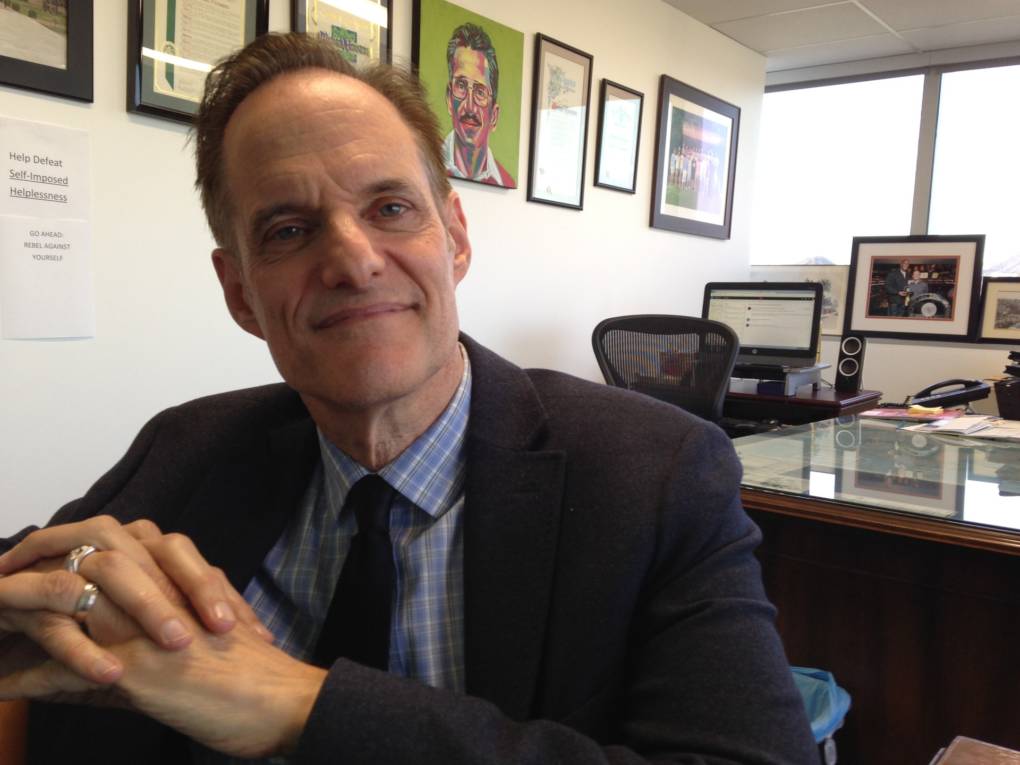
"caption": "Michael Weinstein, CEO of the AIDS Healthcare Foundation.",
"description": null,
"title": "RS21759_IMG_1973-qut",
"credit": "April Dembosky/KQED",
"status": "inherit",
"isLoading": false,
"fetchFailed": false
},
"news_11741559": {
"type": "attachments",
"id": "news_11741559",
"meta": {
"index": "attachments_1716263798",
"site": "news",
"id": "11741559",
"found": true
},
"parent": 11741498,
"imgSizes": {
"twentyfourteen-full-width": {
"file": "https://ww2.kqed.org/app/uploads/sites/10/2019/04/JoanMortenson-1038x576.jpg",
"width": 1038,
"mimeType": "image/jpeg",
"height": 576
},
"thumbnail": {
"file": "https://ww2.kqed.org/app/uploads/sites/10/2019/04/JoanMortenson-160x120.jpg",
"width": 160,
"mimeType": "image/jpeg",
"height": 120
},
"post-thumbnail": {
"file": "https://ww2.kqed.org/app/uploads/sites/10/2019/04/JoanMortenson-672x372.jpg",
"width": 672,
"mimeType": "image/jpeg",
"height": 372
},
"kqedFullSize": {
"file": "https://ww2.kqed.org/app/uploads/sites/10/2019/04/JoanMortenson.jpg",
"width": 1920,
"height": 1440
},
"large": {
"file": "https://ww2.kqed.org/app/uploads/sites/10/2019/04/JoanMortenson-1020x765.jpg",
"width": 1020,
"mimeType": "image/jpeg",
"height": 765
},
"complete_open_graph": {
"file": "https://ww2.kqed.org/app/uploads/sites/10/2019/04/JoanMortenson-1200x900.jpg",
"width": 1200,
"mimeType": "image/jpeg",
"height": 900
},
"full-width": {
"file": "https://ww2.kqed.org/app/uploads/sites/10/2019/04/JoanMortenson-1920x1440.jpg",
"width": 1920,
"mimeType": "image/jpeg",
"height": 1440
},
"medium": {
"file": "https://ww2.kqed.org/app/uploads/sites/10/2019/04/JoanMortenson-800x600.jpg",
"width": 800,
"mimeType": "image/jpeg",
"height": 600
}
},
"publishDate": 1555708474,
"modified": 1555789603,
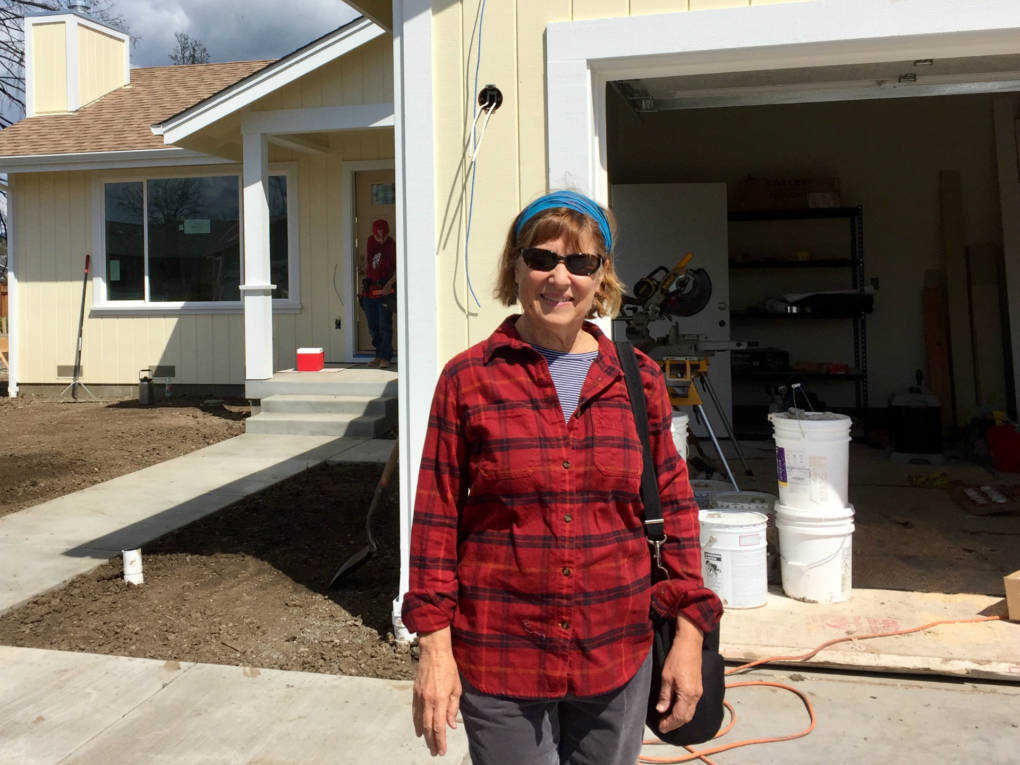
"caption": "Joan Mortens0n lost her home in Coffey Park during the 2017 Tubbs Fire. She's rebuilding her house and expects to move back in May.",
"description": null,
"title": "JoanMortenson",
"credit": "Adia White/KQED",
"status": "inherit",
"isLoading": false,
"fetchFailed": false
},
"news_11572756": {
"type": "attachments",
"id": "news_11572756",
"meta": {
"index": "attachments_1716263798",
"site": "news",
"id": "11572756",
"found": true
},
"parent": 0,
"imgSizes": {
"small": {
"file": "https://ww2.kqed.org/app/uploads/sites/10/2017/07/tcr_archive_background-520x195.jpg",
"width": 520,
"mimeType": "image/jpeg",
"height": 195
},
"twentyfourteen-full-width": {
"file": "https://ww2.kqed.org/app/uploads/sites/10/2017/07/tcr_archive_background-1038x450.jpg",
"width": 1038,
"mimeType": "image/jpeg",
"height": 450
},
"thumbnail": {
"file": "https://ww2.kqed.org/app/uploads/sites/10/2017/07/tcr_archive_background-160x60.jpg",
"width": 160,
"mimeType": "image/jpeg",
"height": 60
},
"fd-sm": {
"file": "https://ww2.kqed.org/app/uploads/sites/10/2017/07/tcr_archive_background-960x360.jpg",
"width": 960,
"mimeType": "image/jpeg",
"height": 360
},
"post-thumbnail": {
"file": "https://ww2.kqed.org/app/uploads/sites/10/2017/07/tcr_archive_background-672x372.jpg",
"width": 672,
"mimeType": "image/jpeg",
"height": 372
},
"xsmall": {
"file": "https://ww2.kqed.org/app/uploads/sites/10/2017/07/tcr_archive_background-375x141.jpg",
"width": 375,
"mimeType": "image/jpeg",
"height": 141
},
"kqedFullSize": {
"file": "https://ww2.kqed.org/app/uploads/sites/10/2017/07/tcr_archive_background.jpg",
"width": 1200,
"height": 450
},
"large": {
"file": "https://ww2.kqed.org/app/uploads/sites/10/2017/07/tcr_archive_background-1020x383.jpg",
"width": 1020,
"mimeType": "image/jpeg",
"height": 383
},
"xlarge": {
"file": "https://ww2.kqed.org/app/uploads/sites/10/2017/07/tcr_archive_background-1180x443.jpg",
"width": 1180,
"mimeType": "image/jpeg",
"height": 443
},
"guest-author-50": {
"file": "https://ww2.kqed.org/app/uploads/sites/10/2017/07/tcr_archive_background-50x50.jpg",
"width": 50,
"mimeType": "image/jpeg",
"height": 50
},
"guest-author-96": {
"file": "https://ww2.kqed.org/app/uploads/sites/10/2017/07/tcr_archive_background-96x96.jpg",
"width": 96,
"mimeType": "image/jpeg",
"height": 96
},
"medium": {
"file": "https://ww2.kqed.org/app/uploads/sites/10/2017/07/tcr_archive_background-800x300.jpg",
"width": 800,
"mimeType": "image/jpeg",
"height": 300
},
"guest-author-64": {
"file": "https://ww2.kqed.org/app/uploads/sites/10/2017/07/tcr_archive_background-64x64.jpg",
"width": 64,
"mimeType": "image/jpeg",
"height": 64
},
"guest-author-32": {
"file": "https://ww2.kqed.org/app/uploads/sites/10/2017/07/tcr_archive_background-32x32.jpg",
"width": 32,
"mimeType": "image/jpeg",
"height": 32
},
"fd-med": {
"file": "https://ww2.kqed.org/app/uploads/sites/10/2017/07/tcr_archive_background-1180x443.jpg",
"width": 1180,
"mimeType": "image/jpeg",
"height": 443
},
"detail": {
"file": "https://ww2.kqed.org/app/uploads/sites/10/2017/07/tcr_archive_background-150x150.jpg",
"width": 150,
"mimeType": "image/jpeg",
"height": 150
},
"guest-author-128": {
"file": "https://ww2.kqed.org/app/uploads/sites/10/2017/07/tcr_archive_background-128x128.jpg",
"width": 128,
"mimeType": "image/jpeg",
"height": 128
},
"xxsmall": {
"file": "https://ww2.kqed.org/app/uploads/sites/10/2017/07/tcr_archive_background-240x90.jpg",
"width": 240,
"mimeType": "image/jpeg",
"height": 90
}
},
"publishDate": 1500316142,
"modified": 1500316142,
"caption": null,
"description": null,
"title": "tcr_archive_background",
"credit": null,
"status": "inherit",
"isLoading": false,
"fetchFailed": false
},
"news_11741225": {
"type": "attachments",
"id": "news_11741225",
"meta": {
"index": "attachments_1716263798",
"site": "news",
"id": "11741225",
"found": true
},
"parent": 11741220,
"imgSizes": {
"twentyfourteen-full-width": {
"file": "https://ww2.kqed.org/app/uploads/sites/10/2019/04/sacramento-house-1000x576.jpg",
"width": 1000,
"mimeType": "image/jpeg",
"height": 576
},
"thumbnail": {
"file": "https://ww2.kqed.org/app/uploads/sites/10/2019/04/sacramento-house-160x120.jpg",
"width": 160,
"mimeType": "image/jpeg",
"height": 120
},
"post-thumbnail": {
"file": "https://ww2.kqed.org/app/uploads/sites/10/2019/04/sacramento-house-672x372.jpg",
"width": 672,
"mimeType": "image/jpeg",
"height": 372
},
"kqedFullSize": {
"file": "https://ww2.kqed.org/app/uploads/sites/10/2019/04/sacramento-house.jpg",
"width": 1000,
"height": 750
},
"medium": {
"file": "https://ww2.kqed.org/app/uploads/sites/10/2019/04/sacramento-house-800x600.jpg",
"width": 800,
"mimeType": "image/jpeg",
"height": 600
}
},
"publishDate": 1555611002,
"modified": 1555611052,
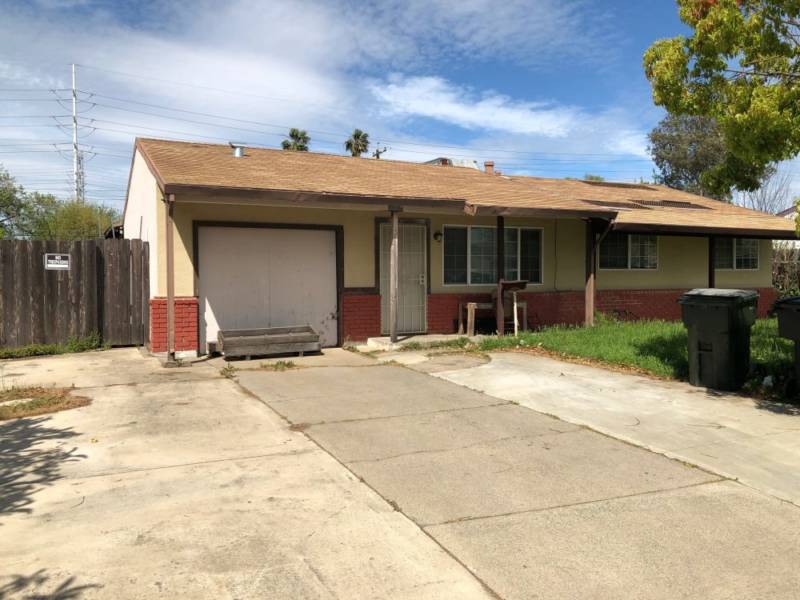
"caption": " A Sacramento property owned by Assembly Speaker Anthony Rendon's wife. Rendon, who state documents show derives income from rental properties, has nonetheless supported some tenants' rights legislation.",
"description": null,
"title": "sacramento-house",
"credit": "Matt Levin/CALmatters ",
"status": "inherit",
"isLoading": false,
"fetchFailed": false
},
"news_11739992": {
"type": "attachments",
"id": "news_11739992",
"meta": {
"index": "attachments_1716263798",
"site": "news",
"id": "11739992",
"found": true
},
"parent": 11739421,
"imgSizes": {
"apple_news_ca_landscape_5_5": {
"file": "https://ww2.kqed.org/app/uploads/sites/10/2019/04/RS36515_DSC_2298-qut-1044x783.jpg",
"width": 1044,
"mimeType": "image/jpeg",
"height": 783
},
"apple_news_ca_square_4_0": {
"file": "https://ww2.kqed.org/app/uploads/sites/10/2019/04/RS36515_DSC_2298-qut-470x470.jpg",
"width": 470,
"mimeType": "image/jpeg",
"height": 470
},
"twentyfourteen-full-width": {
"file": "https://ww2.kqed.org/app/uploads/sites/10/2019/04/RS36515_DSC_2298-qut-1038x576.jpg",
"width": 1038,
"mimeType": "image/jpeg",
"height": 576
},
"thumbnail": {
"file": "https://ww2.kqed.org/app/uploads/sites/10/2019/04/RS36515_DSC_2298-qut-160x106.jpg",
"width": 160,
"mimeType": "image/jpeg",
"height": 106
},
"post-thumbnail": {
"file": "https://ww2.kqed.org/app/uploads/sites/10/2019/04/RS36515_DSC_2298-qut-672x372.jpg",
"width": 672,
"mimeType": "image/jpeg",
"height": 372
},
"kqedFullSize": {
"file": "https://ww2.kqed.org/app/uploads/sites/10/2019/04/RS36515_DSC_2298-qut.jpg",
"width": 1920,
"height": 1272
},
"apple_news_ca_landscape_4_7": {
"file": "https://ww2.kqed.org/app/uploads/sites/10/2019/04/RS36515_DSC_2298-qut-632x474.jpg",
"width": 632,
"mimeType": "image/jpeg",
"height": 474
},
"large": {
"file": "https://ww2.kqed.org/app/uploads/sites/10/2019/04/RS36515_DSC_2298-qut-1020x676.jpg",
"width": 1020,
"mimeType": "image/jpeg",
"height": 676
},
"complete_open_graph": {
"file": "https://ww2.kqed.org/app/uploads/sites/10/2019/04/RS36515_DSC_2298-qut-1200x795.jpg",
"width": 1200,
"mimeType": "image/jpeg",
"height": 795
},
"apple_news_ca_landscape_4_0": {
"file": "https://ww2.kqed.org/app/uploads/sites/10/2019/04/RS36515_DSC_2298-qut-536x402.jpg",
"width": 536,
"mimeType": "image/jpeg",
"height": 402
},
"apple_news_ca_portrait_12_9": {
"file": "https://ww2.kqed.org/app/uploads/sites/10/2019/04/RS36515_DSC_2298-qut-1122x1272.jpg",
"width": 1122,
"mimeType": "image/jpeg",
"height": 1272
},
"medium": {
"file": "https://ww2.kqed.org/app/uploads/sites/10/2019/04/RS36515_DSC_2298-qut-800x530.jpg",
"width": 800,
"mimeType": "image/jpeg",
"height": 530
},
"apple_news_ca_portrait_4_0": {
"file": "https://ww2.kqed.org/app/uploads/sites/10/2019/04/RS36515_DSC_2298-qut-354x472.jpg",
"width": 354,
"mimeType": "image/jpeg",
"height": 472
},
"apple_news_ca_portrait_9_7": {
"file": "https://ww2.kqed.org/app/uploads/sites/10/2019/04/RS36515_DSC_2298-qut-840x1120.jpg",
"width": 840,
"mimeType": "image/jpeg",
"height": 1120
},
"apple_news_ca_landscape_12_9": {
"file": "https://ww2.kqed.org/app/uploads/sites/10/2019/04/RS36515_DSC_2298-qut-1832x1272.jpg",
"width": 1832,
"mimeType": "image/jpeg",
"height": 1272
},
"apple_news_ca_square_9_7": {
"file": "https://ww2.kqed.org/app/uploads/sites/10/2019/04/RS36515_DSC_2298-qut-1104x1104.jpg",
"width": 1104,
"mimeType": "image/jpeg",
"height": 1104
},
"apple_news_ca_portrait_4_7": {
"file": "https://ww2.kqed.org/app/uploads/sites/10/2019/04/RS36515_DSC_2298-qut-414x552.jpg",
"width": 414,
"mimeType": "image/jpeg",
"height": 552
},
"apple_news_ca_square_12_9": {
"file": "https://ww2.kqed.org/app/uploads/sites/10/2019/04/RS36515_DSC_2298-qut-1472x1272.jpg",
"width": 1472,
"mimeType": "image/jpeg",
"height": 1272
},
"apple_news_ca_portrait_5_5": {
"file": "https://ww2.kqed.org/app/uploads/sites/10/2019/04/RS36515_DSC_2298-qut-687x916.jpg",
"width": 687,
"mimeType": "image/jpeg",
"height": 916
},
"full-width": {
"file": "https://ww2.kqed.org/app/uploads/sites/10/2019/04/RS36515_DSC_2298-qut-1920x1272.jpg",
"width": 1920,
"mimeType": "image/jpeg",
"height": 1272
},
"apple_news_ca_square_4_7": {
"file": "https://ww2.kqed.org/app/uploads/sites/10/2019/04/RS36515_DSC_2298-qut-550x550.jpg",
"width": 550,
"mimeType": "image/jpeg",
"height": 550
},
"apple_news_ca_landscape_9_7": {
"file": "https://ww2.kqed.org/app/uploads/sites/10/2019/04/RS36515_DSC_2298-qut-1376x1032.jpg",
"width": 1376,
"mimeType": "image/jpeg",
"height": 1032
},
"apple_news_ca_square_5_5": {
"file": "https://ww2.kqed.org/app/uploads/sites/10/2019/04/RS36515_DSC_2298-qut-912x912.jpg",
"width": 912,
"mimeType": "image/jpeg",
"height": 912
}
},
"publishDate": 1555110266,
"modified": 1555110412,
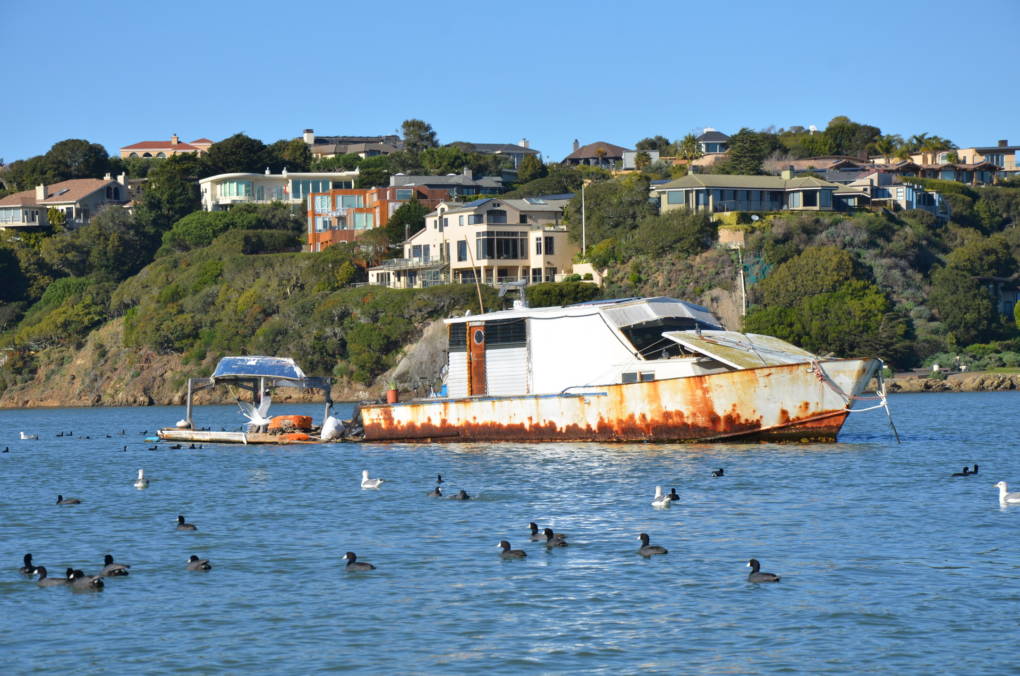
"caption": "An anchor-out sits in Richardson Bay in Marin County. At last count, there were 235 boats anchored in the bay.",
"description": "An anchor-out sits in Richardson Bay in Marin County. At last count, there were 235 boats anchored in the bay.",
"title": "RS36515_DSC_2298-qut",
"credit": "Ryan Levi/KQED",
"status": "inherit",
"isLoading": false,
"fetchFailed": false
},
"news_11740993": {
"type": "attachments",
"id": "news_11740993",
"meta": {
"index": "attachments_1716263798",
"site": "news",
"id": "11740993",
"found": true
},
"parent": 11740850,
"imgSizes": {
"twentyfourteen-full-width": {
"file": "https://ww2.kqed.org/app/uploads/sites/10/2019/04/8542830216_62723eddd6_k-e1555543536171-1038x576.jpg",
"width": 1038,
"mimeType": "image/jpeg",
"height": 576
},
"thumbnail": {
"file": "https://ww2.kqed.org/app/uploads/sites/10/2019/04/8542830216_62723eddd6_k-e1555543536171-160x100.jpg",
"width": 160,
"mimeType": "image/jpeg",
"height": 100
},
"post-thumbnail": {
"file": "https://ww2.kqed.org/app/uploads/sites/10/2019/04/8542830216_62723eddd6_k-e1555543536171-672x372.jpg",
"width": 672,
"mimeType": "image/jpeg",
"height": 372
},
"kqedFullSize": {
"file": "https://ww2.kqed.org/app/uploads/sites/10/2019/04/8542830216_62723eddd6_k-e1555543536171.jpg",
"width": 1699,
"height": 1059
},
"large": {
"file": "https://ww2.kqed.org/app/uploads/sites/10/2019/04/8542830216_62723eddd6_k-e1555543536171-1020x636.jpg",
"width": 1020,
"mimeType": "image/jpeg",
"height": 636
},
"complete_open_graph": {
"file": "https://ww2.kqed.org/app/uploads/sites/10/2019/04/8542830216_62723eddd6_k-e1555543536171-1200x748.jpg",
"width": 1200,
"mimeType": "image/jpeg",
"height": 748
},
"full-width": {
"file": "https://ww2.kqed.org/app/uploads/sites/10/2019/04/8542830216_62723eddd6_k-1920x1272.jpg",
"width": 1920,
"mimeType": "image/jpeg",
"height": 1272
},
"medium": {
"file": "https://ww2.kqed.org/app/uploads/sites/10/2019/04/8542830216_62723eddd6_k-e1555543536171-800x499.jpg",
"width": 800,
"mimeType": "image/jpeg",
"height": 499
}
},
"publishDate": 1555540815,
"modified": 1555542241,
"caption": "The Cow Palace Arena and Event Center, a 68-acre site in Daly City, will no longer host gun shows after this year. ",
"description": "The Cow Palace Arena and Event Center, a 68-acre site in Daly City, will no longer host gun shows after this year. ",
"title": "8542830216_62723eddd6_k",
"credit": "\u003ca href=\"https://www.flickr.com/photos/ari/8542830216/\">Steve Rhodes/Flickr\u003c/a>",
"status": "inherit",
"isLoading": false,
"fetchFailed": false
},
"news_11740782": {
"type": "attachments",
"id": "news_11740782",
"meta": {
"index": "attachments_1716263798",
"site": "news",
"id": "11740782",
"found": true
},
"parent": 11740749,
"imgSizes": {
"apple_news_ca_landscape_5_5": {
"file": "https://ww2.kqed.org/app/uploads/sites/10/2019/04/richmond-camp-clearance3-1-1044x783.jpg",
"width": 1044,
"mimeType": "image/jpeg",
"height": 783
},
"apple_news_ca_square_4_0": {
"file": "https://ww2.kqed.org/app/uploads/sites/10/2019/04/richmond-camp-clearance3-1-470x470.jpg",
"width": 470,
"mimeType": "image/jpeg",
"height": 470
},
"twentyfourteen-full-width": {
"file": "https://ww2.kqed.org/app/uploads/sites/10/2019/04/richmond-camp-clearance3-1-1038x576.jpg",
"width": 1038,
"mimeType": "image/jpeg",
"height": 576
},
"thumbnail": {
"file": "https://ww2.kqed.org/app/uploads/sites/10/2019/04/richmond-camp-clearance3-1-160x120.jpg",
"width": 160,
"mimeType": "image/jpeg",
"height": 120
},
"post-thumbnail": {
"file": "https://ww2.kqed.org/app/uploads/sites/10/2019/04/richmond-camp-clearance3-1-672x372.jpg",
"width": 672,
"mimeType": "image/jpeg",
"height": 372
},
"kqedFullSize": {
"file": "https://ww2.kqed.org/app/uploads/sites/10/2019/04/richmond-camp-clearance3-1.jpg",
"width": 1920,
"height": 1440
},
"apple_news_ca_landscape_4_7": {
"file": "https://ww2.kqed.org/app/uploads/sites/10/2019/04/richmond-camp-clearance3-1-632x474.jpg",
"width": 632,
"mimeType": "image/jpeg",
"height": 474
},
"large": {
"file": "https://ww2.kqed.org/app/uploads/sites/10/2019/04/richmond-camp-clearance3-1-1020x765.jpg",
"width": 1020,
"mimeType": "image/jpeg",
"height": 765
},
"complete_open_graph": {
"file": "https://ww2.kqed.org/app/uploads/sites/10/2019/04/richmond-camp-clearance3-1-1200x900.jpg",
"width": 1200,
"mimeType": "image/jpeg",
"height": 900
},
"apple_news_ca_landscape_4_0": {
"file": "https://ww2.kqed.org/app/uploads/sites/10/2019/04/richmond-camp-clearance3-1-536x402.jpg",
"width": 536,
"mimeType": "image/jpeg",
"height": 402
},
"apple_news_ca_portrait_12_9": {
"file": "https://ww2.kqed.org/app/uploads/sites/10/2019/04/richmond-camp-clearance3-1-1122x1440.jpg",
"width": 1122,
"mimeType": "image/jpeg",
"height": 1440
},
"medium": {
"file": "https://ww2.kqed.org/app/uploads/sites/10/2019/04/richmond-camp-clearance3-1-800x600.jpg",
"width": 800,
"mimeType": "image/jpeg",
"height": 600
},
"apple_news_ca_portrait_4_0": {
"file": "https://ww2.kqed.org/app/uploads/sites/10/2019/04/richmond-camp-clearance3-1-354x472.jpg",
"width": 354,
"mimeType": "image/jpeg",
"height": 472
},
"apple_news_ca_portrait_9_7": {
"file": "https://ww2.kqed.org/app/uploads/sites/10/2019/04/richmond-camp-clearance3-1-840x1120.jpg",
"width": 840,
"mimeType": "image/jpeg",
"height": 1120
},
"apple_news_ca_landscape_12_9": {
"file": "https://ww2.kqed.org/app/uploads/sites/10/2019/04/richmond-camp-clearance3-1-1832x1374.jpg",
"width": 1832,
"mimeType": "image/jpeg",
"height": 1374
},
"apple_news_ca_square_9_7": {
"file": "https://ww2.kqed.org/app/uploads/sites/10/2019/04/richmond-camp-clearance3-1-1104x1104.jpg",
"width": 1104,
"mimeType": "image/jpeg",
"height": 1104
},
"apple_news_ca_portrait_4_7": {
"file": "https://ww2.kqed.org/app/uploads/sites/10/2019/04/richmond-camp-clearance3-1-414x552.jpg",
"width": 414,
"mimeType": "image/jpeg",
"height": 552
},
"apple_news_ca_square_12_9": {
"file": "https://ww2.kqed.org/app/uploads/sites/10/2019/04/richmond-camp-clearance3-1-1472x1440.jpg",
"width": 1472,
"mimeType": "image/jpeg",
"height": 1440
},
"apple_news_ca_portrait_5_5": {
"file": "https://ww2.kqed.org/app/uploads/sites/10/2019/04/richmond-camp-clearance3-1-687x916.jpg",
"width": 687,
"mimeType": "image/jpeg",
"height": 916
},
"full-width": {
"file": "https://ww2.kqed.org/app/uploads/sites/10/2019/04/richmond-camp-clearance3-1-1920x1440.jpg",
"width": 1920,
"mimeType": "image/jpeg",
"height": 1440
},
"apple_news_ca_square_4_7": {
"file": "https://ww2.kqed.org/app/uploads/sites/10/2019/04/richmond-camp-clearance3-1-550x550.jpg",
"width": 550,
"mimeType": "image/jpeg",
"height": 550
},
"apple_news_ca_landscape_9_7": {
"file": "https://ww2.kqed.org/app/uploads/sites/10/2019/04/richmond-camp-clearance3-1-1376x1032.jpg",
"width": 1376,
"mimeType": "image/jpeg",
"height": 1032
},
"apple_news_ca_square_5_5": {
"file": "https://ww2.kqed.org/app/uploads/sites/10/2019/04/richmond-camp-clearance3-1-912x912.jpg",
"width": 912,
"mimeType": "image/jpeg",
"height": 912
}
},
"publishDate": 1555524087,
"modified": 1555524332,
"caption": "Cella Jones leaves her spot in the Richmond encampment on April 16, 2019, with her belongings in a blue recycling bin.",
"description": "Cella Jones leaves her spot in the Richmond encampment on April 16, 2019, with her belongings in a blue recycling bin.",
"title": "richmond-camp-clearance3",
"credit": "Kate Wolffe/KQED",
"status": "inherit",
"isLoading": false,
"fetchFailed": false
},
"news_11740603": {
"type": "attachments",
"id": "news_11740603",
"meta": {
"index": "attachments_1716263798",
"site": "news",
"id": "11740603",
"found": true
},
"parent": 11740509,
"imgSizes": {
"apple_news_ca_portrait_9_7": {
"file": "https://ww2.kqed.org/app/uploads/sites/10/2019/04/Staffhousing-840x388.png",
"width": 840,
"mimeType": "image/png",
"height": 388
},
"apple_news_ca_square_4_0": {
"file": "https://ww2.kqed.org/app/uploads/sites/10/2019/04/Staffhousing-470x388.png",
"width": 470,
"mimeType": "image/png",
"height": 388
},
"thumbnail": {
"file": "https://ww2.kqed.org/app/uploads/sites/10/2019/04/Staffhousing-160x69.png",
"width": 160,
"mimeType": "image/png",
"height": 69
},
"post-thumbnail": {
"file": "https://ww2.kqed.org/app/uploads/sites/10/2019/04/Staffhousing-672x372.png",
"width": 672,
"mimeType": "image/png",
"height": 372
},
"kqedFullSize": {
"file": "https://ww2.kqed.org/app/uploads/sites/10/2019/04/Staffhousing.png",
"width": 900,
"height": 388
},
"apple_news_ca_landscape_4_7": {
"file": "https://ww2.kqed.org/app/uploads/sites/10/2019/04/Staffhousing-632x388.png",
"width": 632,
"mimeType": "image/png",
"height": 388
},
"apple_news_ca_portrait_4_7": {
"file": "https://ww2.kqed.org/app/uploads/sites/10/2019/04/Staffhousing-414x388.png",
"width": 414,
"mimeType": "image/png",
"height": 388
},
"apple_news_ca_portrait_5_5": {
"file": "https://ww2.kqed.org/app/uploads/sites/10/2019/04/Staffhousing-687x388.png",
"width": 687,
"mimeType": "image/png",
"height": 388
},
"apple_news_ca_square_4_7": {
"file": "https://ww2.kqed.org/app/uploads/sites/10/2019/04/Staffhousing-550x388.png",
"width": 550,
"mimeType": "image/png",
"height": 388
},
"apple_news_ca_landscape_4_0": {
"file": "https://ww2.kqed.org/app/uploads/sites/10/2019/04/Staffhousing-536x388.png",
"width": 536,
"mimeType": "image/png",
"height": 388
},
"medium": {
"file": "https://ww2.kqed.org/app/uploads/sites/10/2019/04/Staffhousing-800x345.png",
"width": 800,
"mimeType": "image/png",
"height": 345
},
"apple_news_ca_portrait_4_0": {
"file": "https://ww2.kqed.org/app/uploads/sites/10/2019/04/Staffhousing-354x388.png",
"width": 354,
"mimeType": "image/png",
"height": 388
}
},
"publishDate": 1555455104,
"modified": 1555467684,
"caption": "A rendering of the new building in Mountain View for teachers and school staff, which will have studio apartments as well as one and two bedrooms.",
"description": "A rendering of the new building in Mountain View for teachers and school staff, which will have studio apartments as well as one and two bedrooms.",
"title": "Staffhousing",
"credit": "Courtesy of Mountain View Whisman School District",
"status": "inherit",
"isLoading": false,
"fetchFailed": false
},
"news_11740554": {
"type": "attachments",
"id": "news_11740554",
"meta": {
"index": "attachments_1716263798",
"site": "news",
"id": "11740554",
"found": true
},
"parent": 11740551,
"imgSizes": {
"apple_news_ca_landscape_5_5": {
"file": "https://ww2.kqed.org/app/uploads/sites/10/2019/04/image-from-ios-c28efabf821a669060dea77453fcfbf2b6ce5473-1-1044x783.jpg",
"width": 1044,
"mimeType": "image/jpeg",
"height": 783
},
"apple_news_ca_square_4_0": {
"file": "https://ww2.kqed.org/app/uploads/sites/10/2019/04/image-from-ios-c28efabf821a669060dea77453fcfbf2b6ce5473-1-470x470.jpg",
"width": 470,
"mimeType": "image/jpeg",
"height": 470
},
"twentyfourteen-full-width": {
"file": "https://ww2.kqed.org/app/uploads/sites/10/2019/04/image-from-ios-c28efabf821a669060dea77453fcfbf2b6ce5473-1-1038x576.jpg",
"width": 1038,
"mimeType": "image/jpeg",
"height": 576
},
"thumbnail": {
"file": "https://ww2.kqed.org/app/uploads/sites/10/2019/04/image-from-ios-c28efabf821a669060dea77453fcfbf2b6ce5473-1-160x120.jpg",
"width": 160,
"mimeType": "image/jpeg",
"height": 120
},
"post-thumbnail": {
"file": "https://ww2.kqed.org/app/uploads/sites/10/2019/04/image-from-ios-c28efabf821a669060dea77453fcfbf2b6ce5473-1-672x372.jpg",
"width": 672,
"mimeType": "image/jpeg",
"height": 372
},
"kqedFullSize": {
"file": "https://ww2.kqed.org/app/uploads/sites/10/2019/04/image-from-ios-c28efabf821a669060dea77453fcfbf2b6ce5473-1-e1555441996250.jpg",
"width": 1920,
"height": 1440
},
"apple_news_ca_landscape_4_7": {
"file": "https://ww2.kqed.org/app/uploads/sites/10/2019/04/image-from-ios-c28efabf821a669060dea77453fcfbf2b6ce5473-1-632x474.jpg",
"width": 632,
"mimeType": "image/jpeg",
"height": 474
},
"large": {
"file": "https://ww2.kqed.org/app/uploads/sites/10/2019/04/image-from-ios-c28efabf821a669060dea77453fcfbf2b6ce5473-1-1020x765.jpg",
"width": 1020,
"mimeType": "image/jpeg",
"height": 765
},
"complete_open_graph": {
"file": "https://ww2.kqed.org/app/uploads/sites/10/2019/04/image-from-ios-c28efabf821a669060dea77453fcfbf2b6ce5473-1-1200x900.jpg",
"width": 1200,
"mimeType": "image/jpeg",
"height": 900
},
"apple_news_ca_landscape_4_0": {
"file": "https://ww2.kqed.org/app/uploads/sites/10/2019/04/image-from-ios-c28efabf821a669060dea77453fcfbf2b6ce5473-1-536x402.jpg",
"width": 536,
"mimeType": "image/jpeg",
"height": 402
},
"apple_news_ca_portrait_12_9": {
"file": "https://ww2.kqed.org/app/uploads/sites/10/2019/04/image-from-ios-c28efabf821a669060dea77453fcfbf2b6ce5473-1-1122x1496.jpg",
"width": 1122,
"mimeType": "image/jpeg",
"height": 1496
},
"medium": {
"file": "https://ww2.kqed.org/app/uploads/sites/10/2019/04/image-from-ios-c28efabf821a669060dea77453fcfbf2b6ce5473-1-800x600.jpg",
"width": 800,
"mimeType": "image/jpeg",
"height": 600
},
"apple_news_ca_portrait_4_0": {
"file": "https://ww2.kqed.org/app/uploads/sites/10/2019/04/image-from-ios-c28efabf821a669060dea77453fcfbf2b6ce5473-1-354x472.jpg",
"width": 354,
"mimeType": "image/jpeg",
"height": 472
},
"apple_news_ca_portrait_9_7": {
"file": "https://ww2.kqed.org/app/uploads/sites/10/2019/04/image-from-ios-c28efabf821a669060dea77453fcfbf2b6ce5473-1-840x1120.jpg",
"width": 840,
"mimeType": "image/jpeg",
"height": 1120
},
"apple_news_ca_landscape_12_9": {
"file": "https://ww2.kqed.org/app/uploads/sites/10/2019/04/image-from-ios-c28efabf821a669060dea77453fcfbf2b6ce5473-1-1832x1374.jpg",
"width": 1832,
"mimeType": "image/jpeg",
"height": 1374
},
"apple_news_ca_square_9_7": {
"file": "https://ww2.kqed.org/app/uploads/sites/10/2019/04/image-from-ios-c28efabf821a669060dea77453fcfbf2b6ce5473-1-1104x1104.jpg",
"width": 1104,
"mimeType": "image/jpeg",
"height": 1104
},
"apple_news_ca_portrait_4_7": {
"file": "https://ww2.kqed.org/app/uploads/sites/10/2019/04/image-from-ios-c28efabf821a669060dea77453fcfbf2b6ce5473-1-414x552.jpg",
"width": 414,
"mimeType": "image/jpeg",
"height": 552
},
"apple_news_ca_square_12_9": {
"file": "https://ww2.kqed.org/app/uploads/sites/10/2019/04/image-from-ios-c28efabf821a669060dea77453fcfbf2b6ce5473-1-1472x1472.jpg",
"width": 1472,
"mimeType": "image/jpeg",
"height": 1472
},
"apple_news_ca_portrait_5_5": {
"file": "https://ww2.kqed.org/app/uploads/sites/10/2019/04/image-from-ios-c28efabf821a669060dea77453fcfbf2b6ce5473-1-687x916.jpg",
"width": 687,
"mimeType": "image/jpeg",
"height": 916
},
"full-width": {
"file": "https://ww2.kqed.org/app/uploads/sites/10/2019/04/image-from-ios-c28efabf821a669060dea77453fcfbf2b6ce5473-1-1920x1440.jpg",
"width": 1920,
"mimeType": "image/jpeg",
"height": 1440
},
"apple_news_ca_square_4_7": {
"file": "https://ww2.kqed.org/app/uploads/sites/10/2019/04/image-from-ios-c28efabf821a669060dea77453fcfbf2b6ce5473-1-550x550.jpg",
"width": 550,
"mimeType": "image/jpeg",
"height": 550
},
"apple_news_ca_landscape_9_7": {
"file": "https://ww2.kqed.org/app/uploads/sites/10/2019/04/image-from-ios-c28efabf821a669060dea77453fcfbf2b6ce5473-1-1376x1032.jpg",
"width": 1376,
"mimeType": "image/jpeg",
"height": 1032
},
"apple_news_ca_square_5_5": {
"file": "https://ww2.kqed.org/app/uploads/sites/10/2019/04/image-from-ios-c28efabf821a669060dea77453fcfbf2b6ce5473-1-912x912.jpg",
"width": 912,
"mimeType": "image/jpeg",
"height": 912
}
},
"publishDate": 1555440898,
"modified": 1555442480,
"caption": "Pat Zinn’s home survived the Camp Fire. The 79-year-old moved back a few months ago despite warnings that the water supply could be contaminated.",
"description": "Pat Zinn’s home survived the Camp Fire. The 79-year-old moved back a few months ago despite warnings that the water supply could be contaminated. She says her goldfish survived the fire and are still thriving in the water coming through the tap.",
"title": "Pat Zinn's home survived the Camp Fire. She moved back in a few months ago despite warnings that the water supply could be contaminated. She says her goldfish survived the fire and are still thriving in the water coming through the taps.",
"credit": "Kirk Siegler/NPR",
"status": "inherit",
"isLoading": false,
"fetchFailed": false
},
"news_11740472": {
"type": "attachments",
"id": "news_11740472",
"meta": {
"index": "attachments_1716263798",
"site": "news",
"id": "11740472",
"found": true
},
"parent": 11740443,
"imgSizes": {
"apple_news_ca_landscape_5_5": {
"file": "https://ww2.kqed.org/app/uploads/sites/10/2019/04/navigation-center-20190415-1044x783.jpg",
"width": 1044,
"mimeType": "image/jpeg",
"height": 783
},
"apple_news_ca_square_4_0": {
"file": "https://ww2.kqed.org/app/uploads/sites/10/2019/04/navigation-center-20190415-470x470.jpg",
"width": 470,
"mimeType": "image/jpeg",
"height": 470
},
"twentyfourteen-full-width": {
"file": "https://ww2.kqed.org/app/uploads/sites/10/2019/04/navigation-center-20190415-1038x576.jpg",
"width": 1038,
"mimeType": "image/jpeg",
"height": 576
},
"thumbnail": {
"file": "https://ww2.kqed.org/app/uploads/sites/10/2019/04/navigation-center-20190415-160x107.jpg",
"width": 160,
"mimeType": "image/jpeg",
"height": 107
},
"post-thumbnail": {
"file": "https://ww2.kqed.org/app/uploads/sites/10/2019/04/navigation-center-20190415-672x372.jpg",
"width": 672,
"mimeType": "image/jpeg",
"height": 372
},
"kqedFullSize": {
"file": "https://ww2.kqed.org/app/uploads/sites/10/2019/04/navigation-center-20190415.jpg",
"width": 1920,
"height": 1280
},
"apple_news_ca_landscape_4_7": {
"file": "https://ww2.kqed.org/app/uploads/sites/10/2019/04/navigation-center-20190415-632x474.jpg",
"width": 632,
"mimeType": "image/jpeg",
"height": 474
},
"large": {
"file": "https://ww2.kqed.org/app/uploads/sites/10/2019/04/navigation-center-20190415-1020x680.jpg",
"width": 1020,
"mimeType": "image/jpeg",
"height": 680
},
"complete_open_graph": {
"file": "https://ww2.kqed.org/app/uploads/sites/10/2019/04/navigation-center-20190415-1200x800.jpg",
"width": 1200,
"mimeType": "image/jpeg",
"height": 800
},
"apple_news_ca_landscape_4_0": {
"file": "https://ww2.kqed.org/app/uploads/sites/10/2019/04/navigation-center-20190415-536x402.jpg",
"width": 536,
"mimeType": "image/jpeg",
"height": 402
},
"apple_news_ca_portrait_12_9": {
"file": "https://ww2.kqed.org/app/uploads/sites/10/2019/04/navigation-center-20190415-1122x1280.jpg",
"width": 1122,
"mimeType": "image/jpeg",
"height": 1280
},
"medium": {
"file": "https://ww2.kqed.org/app/uploads/sites/10/2019/04/navigation-center-20190415-800x533.jpg",
"width": 800,
"mimeType": "image/jpeg",
"height": 533
},
"apple_news_ca_portrait_4_0": {
"file": "https://ww2.kqed.org/app/uploads/sites/10/2019/04/navigation-center-20190415-354x472.jpg",
"width": 354,
"mimeType": "image/jpeg",
"height": 472
},
"apple_news_ca_portrait_9_7": {
"file": "https://ww2.kqed.org/app/uploads/sites/10/2019/04/navigation-center-20190415-840x1120.jpg",
"width": 840,
"mimeType": "image/jpeg",
"height": 1120
},
"apple_news_ca_landscape_12_9": {
"file": "https://ww2.kqed.org/app/uploads/sites/10/2019/04/navigation-center-20190415-1832x1280.jpg",
"width": 1832,
"mimeType": "image/jpeg",
"height": 1280
},
"apple_news_ca_square_9_7": {
"file": "https://ww2.kqed.org/app/uploads/sites/10/2019/04/navigation-center-20190415-1104x1104.jpg",
"width": 1104,
"mimeType": "image/jpeg",
"height": 1104
},
"apple_news_ca_portrait_4_7": {
"file": "https://ww2.kqed.org/app/uploads/sites/10/2019/04/navigation-center-20190415-414x552.jpg",
"width": 414,
"mimeType": "image/jpeg",
"height": 552
},
"apple_news_ca_square_12_9": {
"file": "https://ww2.kqed.org/app/uploads/sites/10/2019/04/navigation-center-20190415-1472x1280.jpg",
"width": 1472,
"mimeType": "image/jpeg",
"height": 1280
},
"apple_news_ca_portrait_5_5": {
"file": "https://ww2.kqed.org/app/uploads/sites/10/2019/04/navigation-center-20190415-687x916.jpg",
"width": 687,
"mimeType": "image/jpeg",
"height": 916
},
"full-width": {
"file": "https://ww2.kqed.org/app/uploads/sites/10/2019/04/navigation-center-20190415-1920x1280.jpg",
"width": 1920,
"mimeType": "image/jpeg",
"height": 1280
},
"apple_news_ca_square_4_7": {
"file": "https://ww2.kqed.org/app/uploads/sites/10/2019/04/navigation-center-20190415-550x550.jpg",
"width": 550,
"mimeType": "image/jpeg",
"height": 550
},
"apple_news_ca_landscape_9_7": {
"file": "https://ww2.kqed.org/app/uploads/sites/10/2019/04/navigation-center-20190415-1376x1032.jpg",
"width": 1376,
"mimeType": "image/jpeg",
"height": 1032
},
"apple_news_ca_square_5_5": {
"file": "https://ww2.kqed.org/app/uploads/sites/10/2019/04/navigation-center-20190415-912x912.jpg",
"width": 912,
"mimeType": "image/jpeg",
"height": 912
}
},
"publishDate": 1555421889,
"modified": 1562862101,
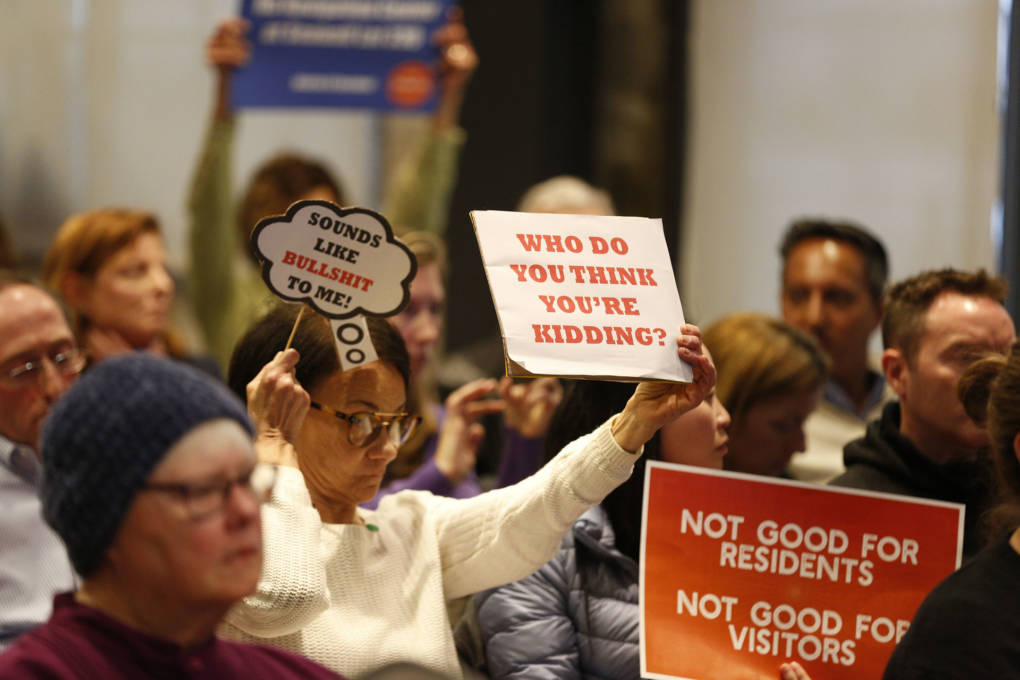
"caption": "South Beach, Rincon Hill and Mission Bay residents who oppose the proposed Embarcadero navigation center demonstrate at a neighborhood association meeting with city officials on April 15, 2019.",
"description": "South Beach, Rincon and Mission Bay community members hold signs at a meeting their neighborhood association held with city ffficials at the Port Of San Francisco, Bayside Conference Room, Pier 1 on April 15, 2019.",
"title": "navigation-center-20190415",
"credit": "Stephanie Lister/KQED",
"status": "inherit",
"isLoading": false,
"fetchFailed": false
},
"news_11740391": {
"type": "attachments",
"id": "news_11740391",
"meta": {
"index": "attachments_1716263798",
"site": "news",
"id": "11740391",
"found": true
},
"parent": 11740368,
"imgSizes": {
"apple_news_ca_landscape_5_5": {
"file": "https://ww2.kqed.org/app/uploads/sites/10/2019/04/backyards_041519_final-1044x783.jpg",
"width": 1044,
"mimeType": "image/jpeg",
"height": 783
},
"apple_news_ca_square_4_0": {
"file": "https://ww2.kqed.org/app/uploads/sites/10/2019/04/backyards_041519_final-470x470.jpg",
"width": 470,
"mimeType": "image/jpeg",
"height": 470
},
"twentyfourteen-full-width": {
"file": "https://ww2.kqed.org/app/uploads/sites/10/2019/04/backyards_041519_final-1038x576.jpg",
"width": 1038,
"mimeType": "image/jpeg",
"height": 576
},
"thumbnail": {
"file": "https://ww2.kqed.org/app/uploads/sites/10/2019/04/backyards_041519_final-160x109.jpg",
"width": 160,
"mimeType": "image/jpeg",
"height": 109
},
"post-thumbnail": {
"file": "https://ww2.kqed.org/app/uploads/sites/10/2019/04/backyards_041519_final-672x372.jpg",
"width": 672,
"mimeType": "image/jpeg",
"height": 372
},
"kqedFullSize": {
"file": "https://ww2.kqed.org/app/uploads/sites/10/2019/04/backyards_041519_final.jpg",
"width": 1920,
"height": 1302
},
"apple_news_ca_landscape_4_7": {
"file": "https://ww2.kqed.org/app/uploads/sites/10/2019/04/backyards_041519_final-632x474.jpg",
"width": 632,
"mimeType": "image/jpeg",
"height": 474
},
"large": {
"file": "https://ww2.kqed.org/app/uploads/sites/10/2019/04/backyards_041519_final-1020x692.jpg",
"width": 1020,
"mimeType": "image/jpeg",
"height": 692
},
"complete_open_graph": {
"file": "https://ww2.kqed.org/app/uploads/sites/10/2019/04/backyards_041519_final-1200x814.jpg",
"width": 1200,
"mimeType": "image/jpeg",
"height": 814
},
"apple_news_ca_landscape_4_0": {
"file": "https://ww2.kqed.org/app/uploads/sites/10/2019/04/backyards_041519_final-536x402.jpg",
"width": 536,
"mimeType": "image/jpeg",
"height": 402
},
"apple_news_ca_portrait_12_9": {
"file": "https://ww2.kqed.org/app/uploads/sites/10/2019/04/backyards_041519_final-1122x1302.jpg",
"width": 1122,
"mimeType": "image/jpeg",
"height": 1302
},
"medium": {
"file": "https://ww2.kqed.org/app/uploads/sites/10/2019/04/backyards_041519_final-800x543.jpg",
"width": 800,
"mimeType": "image/jpeg",
"height": 543
},
"apple_news_ca_portrait_4_0": {
"file": "https://ww2.kqed.org/app/uploads/sites/10/2019/04/backyards_041519_final-354x472.jpg",
"width": 354,
"mimeType": "image/jpeg",
"height": 472
},
"apple_news_ca_portrait_9_7": {
"file": "https://ww2.kqed.org/app/uploads/sites/10/2019/04/backyards_041519_final-840x1120.jpg",
"width": 840,
"mimeType": "image/jpeg",
"height": 1120
},
"apple_news_ca_landscape_12_9": {
"file": "https://ww2.kqed.org/app/uploads/sites/10/2019/04/backyards_041519_final-1832x1302.jpg",
"width": 1832,
"mimeType": "image/jpeg",
"height": 1302
},
"apple_news_ca_square_9_7": {
"file": "https://ww2.kqed.org/app/uploads/sites/10/2019/04/backyards_041519_final-1104x1104.jpg",
"width": 1104,
"mimeType": "image/jpeg",
"height": 1104
},
"apple_news_ca_portrait_4_7": {
"file": "https://ww2.kqed.org/app/uploads/sites/10/2019/04/backyards_041519_final-414x552.jpg",
"width": 414,
"mimeType": "image/jpeg",
"height": 552
},
"apple_news_ca_square_12_9": {
"file": "https://ww2.kqed.org/app/uploads/sites/10/2019/04/backyards_041519_final-1472x1302.jpg",
"width": 1472,
"mimeType": "image/jpeg",
"height": 1302
},
"apple_news_ca_portrait_5_5": {
"file": "https://ww2.kqed.org/app/uploads/sites/10/2019/04/backyards_041519_final-687x916.jpg",
"width": 687,
"mimeType": "image/jpeg",
"height": 916
},
"full-width": {
"file": "https://ww2.kqed.org/app/uploads/sites/10/2019/04/backyards_041519_final-1920x1302.jpg",
"width": 1920,
"mimeType": "image/jpeg",
"height": 1302
},
"apple_news_ca_square_4_7": {
"file": "https://ww2.kqed.org/app/uploads/sites/10/2019/04/backyards_041519_final-550x550.jpg",
"width": 550,
"mimeType": "image/jpeg",
"height": 550
},
"apple_news_ca_landscape_9_7": {
"file": "https://ww2.kqed.org/app/uploads/sites/10/2019/04/backyards_041519_final-1376x1032.jpg",
"width": 1376,
"mimeType": "image/jpeg",
"height": 1032
},
"apple_news_ca_square_5_5": {
"file": "https://ww2.kqed.org/app/uploads/sites/10/2019/04/backyards_041519_final-912x912.jpg",
"width": 912,
"mimeType": "image/jpeg",
"height": 912
}
},
"publishDate": 1555364875,
"modified": 1555364892,
"caption": null,
"description": null,
"title": "backyards_041519_final",
"credit": null,
"status": "inherit",
"isLoading": false,
"fetchFailed": false
},
"news_11737938": {
"type": "attachments",
"id": "news_11737938",
"meta": {
"index": "attachments_1716263798",
"site": "news",
"id": "11737938",
"found": true
},
"parent": 11737778,
"imgSizes": {
"post-thumbnail": {
"file": "https://ww2.kqed.org/app/uploads/sites/10/2019/04/Hate-Has-No-Home-Signs-Homeless-672x372.jpg",
"width": 672,
"mimeType": "image/jpeg",
"height": 372
},
"kqedFullSize": {
"file": "https://ww2.kqed.org/app/uploads/sites/10/2019/04/Hate-Has-No-Home-Signs-Homeless.jpg",
"width": 1920,
"height": 1280
},
"guest-author-50": {
"file": "https://ww2.kqed.org/app/uploads/sites/10/2019/04/Hate-Has-No-Home-Signs-Homeless-50x50.jpg",
"width": 50,
"mimeType": "image/jpeg",
"height": 50
},
"guest-author-96": {
"file": "https://ww2.kqed.org/app/uploads/sites/10/2019/04/Hate-Has-No-Home-Signs-Homeless-96x96.jpg",
"width": 96,
"mimeType": "image/jpeg",
"height": 96
},
"apple_news_ca_portrait_12_9": {
"file": "https://ww2.kqed.org/app/uploads/sites/10/2019/04/Hate-Has-No-Home-Signs-Homeless-1122x1280.jpg",
"width": 1122,
"mimeType": "image/jpeg",
"height": 1280
},
"medium": {
"file": "https://ww2.kqed.org/app/uploads/sites/10/2019/04/Hate-Has-No-Home-Signs-Homeless-800x533.jpg",
"width": 800,
"mimeType": "image/jpeg",
"height": 533
},
"guest-author-32": {
"file": "https://ww2.kqed.org/app/uploads/sites/10/2019/04/Hate-Has-No-Home-Signs-Homeless-32x32.jpg",
"width": 32,
"mimeType": "image/jpeg",
"height": 32
},
"apple_news_ca_portrait_9_7": {
"file": "https://ww2.kqed.org/app/uploads/sites/10/2019/04/Hate-Has-No-Home-Signs-Homeless-840x1120.jpg",
"width": 840,
"mimeType": "image/jpeg",
"height": 1120
},
"apple_news_ca_square_9_7": {
"file": "https://ww2.kqed.org/app/uploads/sites/10/2019/04/Hate-Has-No-Home-Signs-Homeless-1104x1104.jpg",
"width": 1104,
"mimeType": "image/jpeg",
"height": 1104
},
"apple_news_ca_portrait_4_7": {
"file": "https://ww2.kqed.org/app/uploads/sites/10/2019/04/Hate-Has-No-Home-Signs-Homeless-414x552.jpg",
"width": 414,
"mimeType": "image/jpeg",
"height": 552
},
"apple_news_ca_square_12_9": {
"file": "https://ww2.kqed.org/app/uploads/sites/10/2019/04/Hate-Has-No-Home-Signs-Homeless-1472x1280.jpg",
"width": 1472,
"mimeType": "image/jpeg",
"height": 1280
},
"apple_news_ca_portrait_5_5": {
"file": "https://ww2.kqed.org/app/uploads/sites/10/2019/04/Hate-Has-No-Home-Signs-Homeless-687x916.jpg",
"width": 687,
"mimeType": "image/jpeg",
"height": 916
},
"apple_news_ca_square_4_7": {
"file": "https://ww2.kqed.org/app/uploads/sites/10/2019/04/Hate-Has-No-Home-Signs-Homeless-550x550.jpg",
"width": 550,
"mimeType": "image/jpeg",
"height": 550
},
"apple_news_ca_square_5_5": {
"file": "https://ww2.kqed.org/app/uploads/sites/10/2019/04/Hate-Has-No-Home-Signs-Homeless-912x912.jpg",
"width": 912,
"mimeType": "image/jpeg",
"height": 912
},
"apple_news_ca_landscape_5_5": {
"file": "https://ww2.kqed.org/app/uploads/sites/10/2019/04/Hate-Has-No-Home-Signs-Homeless-1044x783.jpg",
"width": 1044,
"mimeType": "image/jpeg",
"height": 783
},
"apple_news_ca_square_4_0": {
"file": "https://ww2.kqed.org/app/uploads/sites/10/2019/04/Hate-Has-No-Home-Signs-Homeless-470x470.jpg",
"width": 470,
"mimeType": "image/jpeg",
"height": 470
},
"twentyfourteen-full-width": {
"file": "https://ww2.kqed.org/app/uploads/sites/10/2019/04/Hate-Has-No-Home-Signs-Homeless-1038x576.jpg",
"width": 1038,
"mimeType": "image/jpeg",
"height": 576
},
"thumbnail": {
"file": "https://ww2.kqed.org/app/uploads/sites/10/2019/04/Hate-Has-No-Home-Signs-Homeless-160x107.jpg",
"width": 160,
"mimeType": "image/jpeg",
"height": 107
},
"apple_news_ca_landscape_4_7": {
"file": "https://ww2.kqed.org/app/uploads/sites/10/2019/04/Hate-Has-No-Home-Signs-Homeless-632x474.jpg",
"width": 632,
"mimeType": "image/jpeg",
"height": 474
},
"large": {
"file": "https://ww2.kqed.org/app/uploads/sites/10/2019/04/Hate-Has-No-Home-Signs-Homeless-1020x680.jpg",
"width": 1020,
"mimeType": "image/jpeg",
"height": 680
},
"complete_open_graph": {
"file": "https://ww2.kqed.org/app/uploads/sites/10/2019/04/Hate-Has-No-Home-Signs-Homeless-1200x800.jpg",
"width": 1200,
"mimeType": "image/jpeg",
"height": 800
},
"apple_news_ca_landscape_4_0": {
"file": "https://ww2.kqed.org/app/uploads/sites/10/2019/04/Hate-Has-No-Home-Signs-Homeless-536x402.jpg",
"width": 536,
"mimeType": "image/jpeg",
"height": 402
},
"guest-author-64": {
"file": "https://ww2.kqed.org/app/uploads/sites/10/2019/04/Hate-Has-No-Home-Signs-Homeless-64x64.jpg",
"width": 64,
"mimeType": "image/jpeg",
"height": 64
},
"apple_news_ca_portrait_4_0": {
"file": "https://ww2.kqed.org/app/uploads/sites/10/2019/04/Hate-Has-No-Home-Signs-Homeless-354x472.jpg",
"width": 354,
"mimeType": "image/jpeg",
"height": 472
},
"apple_news_ca_landscape_12_9": {
"file": "https://ww2.kqed.org/app/uploads/sites/10/2019/04/Hate-Has-No-Home-Signs-Homeless-1832x1280.jpg",
"width": 1832,
"mimeType": "image/jpeg",
"height": 1280
},
"full-width": {
"file": "https://ww2.kqed.org/app/uploads/sites/10/2019/04/Hate-Has-No-Home-Signs-Homeless-1920x1280.jpg",
"width": 1920,
"mimeType": "image/jpeg",
"height": 1280
},
"guest-author-128": {
"file": "https://ww2.kqed.org/app/uploads/sites/10/2019/04/Hate-Has-No-Home-Signs-Homeless-128x128.jpg",
"width": 128,
"mimeType": "image/jpeg",
"height": 128
},
"apple_news_ca_landscape_9_7": {
"file": "https://ww2.kqed.org/app/uploads/sites/10/2019/04/Hate-Has-No-Home-Signs-Homeless-1376x1032.jpg",
"width": 1376,
"mimeType": "image/jpeg",
"height": 1032
}
},
"publishDate": 1554410960,
"modified": 1554411085,
"caption": "Attendees in support of the homeless navigation center hold 'Hate Has No Home Here' signs and cheer for San Francisco Mayor London Breed at a community meeting on April 3, 2019.",
"description": "Attendees in support of the homeless navigation center hold 'Hate Has No Home Here' signs and cheer for San Francisco Mayor London Breed at a community meeting on April 3, 2019.",
"title": "Hate-Has-No-Home-Signs-Homeless",
"credit": "Stephanie Lister/KQED",
"status": "inherit",
"isLoading": false,
"fetchFailed": false
}
},
"audioPlayerReducer": {
"postId": "stream_live",
"isPaused": true,
"isPlaying": false,
"pfsActive": false,
"pledgeModalIsOpen": true,
"playerDrawerIsOpen": false,
"liveAudioPlayStartedAt": 0,
"liveAudioPlayContext": ""
},
"authorsReducer": {
"byline_news_11741498": {
"type": "authors",
"id": "byline_news_11741498",
"meta": {
"override": true
},
"slug": "byline_news_11741498",
"name": "Adia White",
"isLoading": false
},
"byline_news_11741220": {
"type": "authors",
"id": "byline_news_11741220",
"meta": {
"override": true
},
"slug": "byline_news_11741220",
"name": "\u003cstrong>\u003ca href=\"https://calmatters.org/articles/author/matt-levin/\">Matt Levin\u003c/a> and \u003ca href=\"https://calmatters.org/articles/author/elizabeth-castillo/\">Elizabeth Castillo\u003c/a>\u003cbr />\u003ca href=\"https://calmatters.org/\">CALmatters\u003c/a>\u003c/strong>",
"isLoading": false
},
"byline_news_11740551": {
"type": "authors",
"id": "byline_news_11740551",
"meta": {
"override": true
},
"slug": "byline_news_11740551",
"name": "Kirk Siegler",
"isLoading": false
},
"gmarzorati": {
"type": "authors",
"id": "227",
"meta": {
"index": "authors_1716337520",
"id": "227",
"found": true
},
"name": "Guy Marzorati",
"firstName": "Guy",
"lastName": "Marzorati",
"slug": "gmarzorati",
"email": "gmarzorati@KQED.org",
"display_author_email": true,
"staff_mastheads": [
"news"
],
"title": "Correspondent",
"bio": "Guy Marzorati is a correspondent on KQED's California Politics and Government Desk, based in San Jose. A graduate of Santa Clara University, Guy joined KQED in 2013. He reports on state and local politics and produces KQED's digital voter guide.",
"avatar": "https://secure.gravatar.com/avatar/e7038b8dbfd55b104369b76b1cd0b9de?s=600&d=blank&r=g",
"twitter": "guymarzorati",
"facebook": null,
"instagram": null,
"linkedin": null,
"sites": [
{
"site": "",
"roles": [
"editor"
]
},
{
"site": "news",
"roles": [
"editor"
]
},
{
"site": "science",
"roles": [
"editor"
]
},
{
"site": "forum",
"roles": [
"editor"
]
},
{
"site": "elections",
"roles": [
"editor"
]
},
{
"site": "liveblog",
"roles": [
"editor"
]
}
],
"headData": {
"title": "Guy Marzorati | KQED",
"description": "Correspondent",
"ogImgSrc": "https://secure.gravatar.com/avatar/e7038b8dbfd55b104369b76b1cd0b9de?s=600&d=blank&r=g",
"twImgSrc": "https://secure.gravatar.com/avatar/e7038b8dbfd55b104369b76b1cd0b9de?s=600&d=blank&r=g"
},
"isLoading": false,
"link": "/author/gmarzorati"
},
"kqed": {
"type": "authors",
"id": "236",
"meta": {
"index": "authors_1716337520",
"id": "236",
"found": true
},
"name": "KQED News Staff",
"firstName": "KQED News Staff",
"lastName": null,
"slug": "kqed",
"email": "faq@kqed.org",
"display_author_email": false,
"staff_mastheads": [],
"title": null,
"bio": null,
"avatar": "https://secure.gravatar.com/avatar/ef0e801a68c4c54afa9180db14084167?s=600&d=blank&r=g",
"twitter": null,
"facebook": null,
"instagram": null,
"linkedin": null,
"sites": [
{
"site": "arts",
"roles": [
"contributor"
]
},
{
"site": "news",
"roles": [
"editor"
]
},
{
"site": "futureofyou",
"roles": [
"author"
]
}
],
"headData": {
"title": "KQED News Staff | KQED",
"description": null,
"ogImgSrc": "https://secure.gravatar.com/avatar/ef0e801a68c4c54afa9180db14084167?s=600&d=blank&r=g",
"twImgSrc": "https://secure.gravatar.com/avatar/ef0e801a68c4c54afa9180db14084167?s=600&d=blank&r=g"
},
"isLoading": false,
"link": "/author/kqed"
},
"matthewgreen": {
"type": "authors",
"id": "1263",
"meta": {
"index": "authors_1716337520",
"id": "1263",
"found": true
},
"name": "Matthew Green",
"firstName": "Matthew",
"lastName": "Green",
"slug": "matthewgreen",
"email": "mgreen@kqed.org",
"display_author_email": false,
"staff_mastheads": [],
"title": "KQED Editor/Reporter",
"bio": "Matthew Green is a digital media producer for KQED News. He previously produced \u003ca href=\"http://www.kqed.org/lowdown\">The Lowdown\u003c/a>, KQED’s multimedia news education blog. Matthew's written for numerous Bay Area publications, including the Oakland Tribune and San Francisco Chronicle. He also taught journalism classes at Fremont High School in East Oakland.\r\n\r\nEmail: mgreen@kqed.org; Twitter: @MGreenKQED",
"avatar": "https://secure.gravatar.com/avatar/3bf498d1267ca02c8494f33d8cfc575e?s=600&d=blank&r=g",
"twitter": "MGreenKQED",
"facebook": null,
"instagram": null,
"linkedin": null,
"sites": [
{
"site": "news",
"roles": []
},
{
"site": "lowdown",
"roles": []
},
{
"site": "science",
"roles": []
},
{
"site": "education",
"roles": []
},
{
"site": "quest",
"roles": []
},
{
"site": "liveblog",
"roles": []
}
],
"headData": {
"title": "Matthew Green | KQED",
"description": "KQED Editor/Reporter",
"ogImgSrc": "https://secure.gravatar.com/avatar/3bf498d1267ca02c8494f33d8cfc575e?s=600&d=blank&r=g",
"twImgSrc": "https://secure.gravatar.com/avatar/3bf498d1267ca02c8494f33d8cfc575e?s=600&d=blank&r=g"
},
"isLoading": false,
"link": "/author/matthewgreen"
},
"markfiore": {
"type": "authors",
"id": "3236",
"meta": {
"index": "authors_1716337520",
"id": "3236",
"found": true
},
"name": "Mark Fiore",
"firstName": "Mark",
"lastName": "Fiore",
"slug": "markfiore",
"email": "mark@markfiore.com",
"display_author_email": false,
"staff_mastheads": [
"news"
],
"title": "KQED News Cartoonist",
"bio": "\u003ca href=\"http://www.MarkFiore.com\">MarkFiore.com\u003c/a> | \u003ca href=\"https://twitter.com/markfiore\">Follow on Twitter\u003c/a> | \u003ca href=\"https://www.facebook.com/pages/Mark-Fiore-Animated-Political-Cartoons/94451707396?ref=bookmarks\">Facebook\u003c/a> | \u003ca href=\"mailto:mark@markfiore.com\">email\u003c/a>\r\n\r\nPulitzer Prize-winner, Mark Fiore, who the Wall Street Journal has called “the undisputed guru of the form,” creates animated political cartoons in San Francisco, where his work has been featured regularly on the San Francisco Chronicle’s web site, SFGate.com. His work has appeared on Newsweek.com, Slate.com, CBSNews.com, MotherJones.com, DailyKos.com and NPR’s web site. Fiore’s political animation has appeared on CNN, Frontline, Bill Moyers Journal, Salon.com and cable and broadcast outlets across the globe.\r\n\r\nBeginning his professional life by drawing traditional political cartoons for newspapers, Fiore’s work appeared in publications ranging from the Washington Post to the Los Angeles Times. In the late 1990s, he began to experiment with animating political cartoons and, after a short stint at the San Jose Mercury News as their staff cartoonist, Fiore devoted all his energies to animation.\r\nGrowing up in California, Fiore also spent a good portion of his life in the backwoods of Idaho. It was this combination that shaped him politically. Mark majored in political science at Colorado College, where, in a perfect send-off for a cartoonist, he received his diploma in 1991 as commencement speaker Dick Cheney smiled approvingly.\r\nMark Fiore was awarded the Pulitzer Prize for political cartooning in 2010, a Robert F. Kennedy Journalism Award in 2004 and has twice received an Online Journalism Award for commentary from the Online News Association (2002, 2008). Fiore has received two awards for his work in new media from the National Cartoonists Society (2001, 2002), and in 2006 received The James Madison Freedom of Information Award from The Society of Professional Journalists.",
"avatar": "https://secure.gravatar.com/avatar/fc4e2a612b15b67bad0c6f0e1db4ca9b?s=600&d=blank&r=g",
"twitter": "MarkFiore",
"facebook": null,
"instagram": "https://www.instagram.com/markfiore/?hl=en",
"linkedin": null,
"sites": [
{
"site": "arts",
"roles": [
"contributor"
]
},
{
"site": "news",
"roles": [
"editor"
]
},
{
"site": "futureofyou",
"roles": [
"editor"
]
},
{
"site": "science",
"roles": [
"editor"
]
}
],
"headData": {
"title": "Mark Fiore | KQED",
"description": "KQED News Cartoonist",
"ogImgSrc": "https://secure.gravatar.com/avatar/fc4e2a612b15b67bad0c6f0e1db4ca9b?s=600&d=blank&r=g",
"twImgSrc": "https://secure.gravatar.com/avatar/fc4e2a612b15b67bad0c6f0e1db4ca9b?s=600&d=blank&r=g"
},
"isLoading": false,
"link": "/author/markfiore"
},
"dkatayama": {
"type": "authors",
"id": "7240",
"meta": {
"index": "authors_1716337520",
"id": "7240",
"found": true
},
"name": "Devin Katayama",
"firstName": "Devin",
"lastName": "Katayama",
"slug": "dkatayama",
"email": "dkatayama@kqed.org",
"display_author_email": true,
"staff_mastheads": [
"news"
],
"title": "Editor of Talent and Development",
"bio": "Devin Katayama is former Editor of Talent and Development for KQED. He supported our internship program and on-call staff by looking for equitable opportunities to improve the newsroom.\r\n\r\nHe previously hosted The Bay and American Suburb podcasts from KQED News. Prior to returning to the Bay Area in 2015, Devin was the education reporter for WFPL in Louisville and worked as a producer with radio stations in Chicago and Portland, OR. His work has appeared on NPR’s \u003cem>Morning Edition, All Things Considered, The Takeaway\u003c/em> and \u003cem>Here and Now.\u003c/em>\r\n\r\nDevin earned his MA in Journalism from Columbia College Chicago, where he was a Follett Fellow and the recipient of the 2011 Studs Terkel Community Media Workshop Scholarship for his story on Chicago's homeless youth. He won WBUR's 2014 Daniel Schorr award and a regional RTNDA Edward R. Murrow Award for his documentary \"At Risk\" that looked at issues facing some of Louisville's students. Devin has also received numerous local awards from the Associated Press and the Society of Professional Journalists.",
"avatar": "https://secure.gravatar.com/avatar/d0d2978a31002fb2de107921a8e18405?s=600&d=blank&r=g",
"twitter": "RadioDevin",
"facebook": null,
"instagram": null,
"linkedin": null,
"sites": [
{
"site": "arts",
"roles": []
},
{
"site": "news",
"roles": [
"author"
]
},
{
"site": "stateofhealth",
"roles": [
"author"
]
},
{
"site": "forum",
"roles": [
"editor"
]
},
{
"site": "perspectives",
"roles": [
"editor"
]
}
],
"headData": {
"title": "Devin Katayama | KQED",
"description": "Editor of Talent and Development",
"ogImgSrc": "https://secure.gravatar.com/avatar/d0d2978a31002fb2de107921a8e18405?s=600&d=blank&r=g",
"twImgSrc": "https://secure.gravatar.com/avatar/d0d2978a31002fb2de107921a8e18405?s=600&d=blank&r=g"
},
"isLoading": false,
"link": "/author/dkatayama"
},
"rlevi": {
"type": "authors",
"id": "11260",
"meta": {
"index": "authors_1716337520",
"id": "11260",
"found": true
},
"name": "Ryan Levi",
"firstName": "Ryan",
"lastName": "Levi",
"slug": "rlevi",
"email": "rlevi@KQED.org",
"display_author_email": false,
"staff_mastheads": [],
"title": "KQED Contributor",
"bio": "Ryan Levi was a reporter and podcast producer at KQED News from 2016-2019. He worked on \u003ca href=\"https://www.kqed.org/news/series/baycurious\">Bay Curious\u003c/a>, \u003ca href=\"https://www.kqed.org/news/tag/the-bay/\">The Bay, \u003c/a>and \u003ca href=\"https://podcasts.apple.com/us/podcast/the-california-report-magazine/id1314750545\">The California Report Magazine\u003c/a>, as well as hosting and producing the weekly \u003ca href=\"https://www.kqed.org/news/program/qedup/\">Q'ed Up podcast. \u003c/a>He also helped inaugurate KQED's weekend news coverage in 2017 as one of two original digital producers. Ryan holds degrees in multimedia journalism and Spanish from the University of Missouri.",
"avatar": "https://secure.gravatar.com/avatar/4cb2ddd028ac8807d1adf09609c5555d?s=600&d=blank&r=g",
"twitter": "ryan_levi",
"facebook": null,
"instagram": null,
"linkedin": null,
"sites": [
{
"site": "arts",
"roles": [
"editor"
]
},
{
"site": "news",
"roles": [
"subscriber"
]
},
{
"site": "stateofhealth",
"roles": [
"editor"
]
},
{
"site": "science",
"roles": [
"editor"
]
},
{
"site": "forum",
"roles": [
"administrator"
]
},
{
"site": "perspectives",
"roles": [
"administrator"
]
}
],
"headData": {
"title": "Ryan Levi | KQED",
"description": "KQED Contributor",
"ogImgSrc": "https://secure.gravatar.com/avatar/4cb2ddd028ac8807d1adf09609c5555d?s=600&d=blank&r=g",
"twImgSrc": "https://secure.gravatar.com/avatar/4cb2ddd028ac8807d1adf09609c5555d?s=600&d=blank&r=g"
},
"isLoading": false,
"link": "/author/rlevi"
},
"cchamplin": {
"type": "authors",
"id": "11408",
"meta": {
"index": "authors_1716337520",
"id": "11408",
"found": true
},
"name": "Caroline Champlin",
"firstName": null,
"lastName": null,
"slug": "cchamplin",
"email": "cchamplin@kqed.org",
"display_author_email": false,
"staff_mastheads": [],
"title": null,
"bio": null,
"avatar": "https://secure.gravatar.com/avatar/78d8654d3fedda8393a51d63c1042215?s=600&d=blank&r=g",
"twitter": null,
"facebook": null,
"instagram": null,
"linkedin": null,
"sites": [
{
"site": "news",
"roles": [
"author",
"edit_others_posts"
]
}
],
"headData": {
"title": "Caroline Champlin | KQED",
"description": null,
"ogImgSrc": "https://secure.gravatar.com/avatar/78d8654d3fedda8393a51d63c1042215?s=600&d=blank&r=g",
"twImgSrc": "https://secure.gravatar.com/avatar/78d8654d3fedda8393a51d63c1042215?s=600&d=blank&r=g"
},
"isLoading": false,
"link": "/author/cchamplin"
},
"akrigbaum": {
"type": "authors",
"id": "11510",
"meta": {
"index": "authors_1716337520",
"id": "11510",
"found": true
},
"name": "Ashleyanne Krigbaum",
"firstName": "Ashleyanne",
"lastName": "Krigbaum",
"slug": "akrigbaum",
"email": "akrigbaum@kqed.org",
"display_author_email": false,
"staff_mastheads": [
"news"
],
"title": "Producer, Rightnowish",
"bio": "Ashleyanne Krigbaum is the producer of \u003cem>\u003ca href=\"http://kqed.org/rightnowish\">Rightnowish\u003c/a>\u003c/em>. \u003cem> \u003c/em>She has also made podcasts for Noise Pop, Salon, and award-winning audio tours for SFMOMA, Smithsonian, and the de Young Museum. From 2015 to 2018, she was an announcer and local host of NPR's\u003cem> All Things Considered\u003c/em> at KALW. When she's not making podcasts, she's DJing vinyl at dance parties around the Bay Area.",
"avatar": "https://secure.gravatar.com/avatar/b2293d2c51dd71bb43202016faa0892d?s=600&d=blank&r=g",
"twitter": "wambamash",
"facebook": null,
"instagram": null,
"linkedin": null,
"sites": [
{
"site": "arts",
"roles": [
"subscriber"
]
},
{
"site": "news",
"roles": [
"editor"
]
}
],
"headData": {
"title": "Ashleyanne Krigbaum | KQED",
"description": "Producer, Rightnowish",
"ogImgSrc": "https://secure.gravatar.com/avatar/b2293d2c51dd71bb43202016faa0892d?s=600&d=blank&r=g",
"twImgSrc": "https://secure.gravatar.com/avatar/b2293d2c51dd71bb43202016faa0892d?s=600&d=blank&r=g"
},
"isLoading": false,
"link": "/author/akrigbaum"
},
"katewolffe": {
"type": "authors",
"id": "11523",
"meta": {
"index": "authors_1716337520",
"id": "11523",
"found": true
},
"name": "Kate Wolffe",
"firstName": "Kate",
"lastName": "Wolffe",
"slug": "katewolffe",
"email": "kwolffe@kqed.org",
"display_author_email": true,
"staff_mastheads": [
"news"
],
"title": "KQED Reporter + Weekend Host",
"bio": "Kate Wolffe reports on local Bay Area happenings for KQED, and hosts the news on weekend afternoons. She joined KQED in 2018 as an intern on the Forum team, before moving to cover topics ranging from politics to criminal justice to homelessness. A Bay Area native and UC Berkeley graduate, Kate loves to discover new corners of the region.",
"avatar": "https://secure.gravatar.com/avatar/22455f14db824a03ee252f73052fe939?s=600&d=blank&r=g",
"twitter": "katewolffe",
"facebook": null,
"instagram": null,
"linkedin": null,
"sites": [
{
"site": "arts",
"roles": [
"editor"
]
},
{
"site": "news",
"roles": [
"author",
"edit_others_posts"
]
},
{
"site": "forum",
"roles": [
"editor"
]
}
],
"headData": {
"title": "Kate Wolffe | KQED",
"description": "KQED Reporter + Weekend Host",
"ogImgSrc": "https://secure.gravatar.com/avatar/22455f14db824a03ee252f73052fe939?s=600&d=blank&r=g",
"twImgSrc": "https://secure.gravatar.com/avatar/22455f14db824a03ee252f73052fe939?s=600&d=blank&r=g"
},
"isLoading": false,
"link": "/author/katewolffe"
},
"smamidanna": {
"type": "authors",
"id": "11581",
"meta": {
"index": "authors_1716337520",
"id": "11581",
"found": true
},
"name": "Sruti Mamidanna",
"firstName": "Sruti",
"lastName": "Mamidanna",
"slug": "smamidanna",
"email": "smamidanna@kqed.org",
"display_author_email": false,
"staff_mastheads": [],
"title": null,
"bio": null,
"avatar": "https://secure.gravatar.com/avatar/b6365bcdef7e2060671a7124aa076048?s=600&d=blank&r=g",
"twitter": null,
"facebook": null,
"instagram": null,
"linkedin": null,
"sites": [
{
"site": "news",
"roles": [
"author"
]
}
],
"headData": {
"title": "Sruti Mamidanna | KQED",
"description": null,
"ogImgSrc": "https://secure.gravatar.com/avatar/b6365bcdef7e2060671a7124aa076048?s=600&d=blank&r=g",
"twImgSrc": "https://secure.gravatar.com/avatar/b6365bcdef7e2060671a7124aa076048?s=600&d=blank&r=g"
},
"isLoading": false,
"link": "/author/smamidanna"
},
"slister": {
"type": "authors",
"id": "11582",
"meta": {
"index": "authors_1716337520",
"id": "11582",
"found": true
},
"name": "Stephanie Lister",
"firstName": "Stephanie",
"lastName": "Lister",
"slug": "slister",
"email": "slister@kqed.org",
"display_author_email": false,
"staff_mastheads": [],
"title": "KQED Contributor",
"bio": null,
"avatar": "https://secure.gravatar.com/avatar/5393644d68259d7bd1c83bcfc9725ca5?s=600&d=blank&r=g",
"twitter": null,
"facebook": null,
"instagram": null,
"linkedin": null,
"sites": [
{
"site": "news",
"roles": [
"subscriber"
]
}
],
"headData": {
"title": "Stephanie Lister | KQED",
"description": "KQED Contributor",
"ogImgSrc": "https://secure.gravatar.com/avatar/5393644d68259d7bd1c83bcfc9725ca5?s=600&d=blank&r=g",
"twImgSrc": "https://secure.gravatar.com/avatar/5393644d68259d7bd1c83bcfc9725ca5?s=600&d=blank&r=g"
},
"isLoading": false,
"link": "/author/slister"
},
"zschiffer": {
"type": "authors",
"id": "11588",
"meta": {
"index": "authors_1716337520",
"id": "11588",
"found": true
},
"name": "Zoe Schiffer",
"firstName": "Zoe",
"lastName": "Schiffer",
"slug": "zschiffer",
"email": "zschiffer@KQED.org",
"display_author_email": false,
"staff_mastheads": [],
"title": null,
"bio": "Zoe Schiffer works at KQED's Silicon Valley Bureau, reporting on tech and culture. Previously, she freelanced for Vox's Racked, The Bold Italic, SF Gate, and SF Evergreen. She holds a B.A. in Political Science from UC Berkeley, and is working on a graduate degree in Journalism from Stanford. Outside of work you can find her reading, writing poetry, and running around Lake Merritt. Twitter: @ZoeSchiffer",
"avatar": "https://secure.gravatar.com/avatar/bbb1270a17cf7dbab05a089151407d8f?s=600&d=blank&r=g",
"twitter": "@ZoeSchiffer",
"facebook": null,
"instagram": null,
"linkedin": null,
"sites": [
{
"site": "news",
"roles": [
"author"
]
}
],
"headData": {
"title": "Zoe Schiffer | KQED",
"description": null,
"ogImgSrc": "https://secure.gravatar.com/avatar/bbb1270a17cf7dbab05a089151407d8f?s=600&d=blank&r=g",
"twImgSrc": "https://secure.gravatar.com/avatar/bbb1270a17cf7dbab05a089151407d8f?s=600&d=blank&r=g"
},
"isLoading": false,
"link": "/author/zschiffer"
}
},
"pagesReducer": {
"news_category_housing": {
"type": "terms",
"id": "news_6266",
"meta": {
"index": "terms_1716263798",
"site": "news",
"id": "6266",
"score": 11.039955
},
"featImg": null,
"name": "Housing",
"description": null,
"taxonomy": "category",
"headData": {
"twImgId": null,
"twTitle": null,
"ogTitle": null,
"ogImgId": null,
"twDescription": null,
"description": null,
"title": "Housing Archives | KQED News",
"ogDescription": null
},
"ttid": 6290,
"slug": "housing",
"isLoading": false,
"title": "Housing",
"pageMeta": {
"site": "news",
"WpPageTemplate": "page-topic-editorial",
"currentPage": 104
},
"blocks": [
{
"blockName": "kqed/post-list",
"attrs": {
"layout": "cardArticle2",
"query": "posts/news?category=housing",
"seeMore": false,
"paginated": true,
"page": 104
}
},
{
"blockName": "kqed/ad"
}
]
}
},
"pfsSessionReducer": {},
"postsReducer": {
"stream_live": {
"type": "live",
"id": "stream_live",
"audioUrl": "https://streams.kqed.org/kqedradio",
"title": "Live Stream",
"excerpt": "Live Stream information currently unavailable.",
"link": "/radio",
"featImg": "",
"label": {
"name": "KQED Live",
"link": "/"
}
},
"stream_kqedNewscast": {
"type": "posts",
"id": "stream_kqedNewscast",
"audioUrl": "https://www.kqed.org/.stream/anon/radio/RDnews/newscast.mp3?_=1",
"title": "KQED Newscast",
"featImg": "",
"label": {
"name": "88.5 FM",
"link": "/"
}
},
"news_11741896": {
"type": "posts",
"id": "news_11741896",
"meta": {
"index": "posts_1716263798",
"site": "news",
"id": "11741896",
"score": null,
"sort": [
1555980305000
]
},
"parent": 0,
"labelTerm": {
"site": "news",
"term": 72
},
"blocks": [],
"publishDate": 1555980305,
"format": "audio",
"disqusTitle": "Racially Charged Ad Puts L.A. AIDS Group Back in Middle of Housing Debates",
"title": "Racially Charged Ad Puts L.A. AIDS Group Back in Middle of Housing Debates",
"headTitle": "The California Report | KQED News",
"content": "\u003cp>The Los Angeles-based AIDS Healthcare Foundation, one of the biggest players in California ballot politics over the last few years, has taken center stage in the state's most controversial housing policy debates.\u003c/p>\n\u003cp>The organization is reviving a push to expand rent control in California and is also leading the attack against a bill to increase housing density in the state. In the process, the foundation and its controversial president, Michael Weinstein, have been met with renewed criticism over its goals and tactics — including accusations that they're stoking racial divisions in their advocacy.\u003c/p>\n\u003cp>[pullquote size='small' align='right' citation='State Sen. Scott Wiener']'For someone to take advantage of a very real lingering anger and fear about what happened is just unconscionable.'[/pullquote]\u003c/p>\n\u003cp>Weinstein's \u003ca href=\"https://www.kqed.org/news/11148362/from-maverick-aids-activist-to-porn-police-the-man-behind-proposition-60\" target=\"_blank\" rel=\"noopener\">organization\u003c/a> bills itself as the largest provider of AIDS medical care in the country, through pharmacies and clinics in 15 states, while also owning and operating hundreds of rental units. In recent years, it has invested millions into local and state ballot measures, impacting everything from rental prices to condoms in adult films.\u003c/p>\n\u003cp>On Monday, the foundation said it will be pursuing a ballot measure to allow cities and counties to expand rent control, months after a similar measure it backed was soundly defeated on the ballot.\u003c/p>\n\u003cp>[ad fullwidth]\u003c/p>\n\u003cp>\"Among the 17 million renters in California, the suffering is unabated,\" said Weinstein.\u003c/p>\n\u003cp>Last year, the foundation spent $23 million in support of Proposition 10, the measure it sponsored to repeal the Costa-Hawkins Rental Housing Act. The initiative was \u003ca href=\"https://www.kqed.org/news/11702293/early-results-show-rent-control-measure-trailing-at-polls\" target=\"_blank\" rel=\"noopener\">rejected by 59% of the voters\u003c/a>.\u003c/p>\n\u003cp>Costa-Hawkins largely blocks California cities from expanding rent control to newer buildings, and bans rent caps on single-family homes and condominiums. It also allows landlords to boost the rent to market rate once a tenant moves out, known as vacancy decontrol.\u003c/p>\n\u003cp>The new initiative would allow cities and counties to pursue a more constrained expansion of rent caps. New buildings would be exempt from rent control for 15 years, and landlords could still raise rents up to 15% when a tenant leaves a unit. Landlords who own two or fewer units would be exempt from any local expansion of rent control.\u003c/p>\n\u003cp>Critics of rent control expansion argue the initiative will discourage developers from building more units of housing.\u003c/p>\n\u003cp>\"Weinstein certainly remains obsessed with bankrolling these policies that eat away at affordable housing for working families,\" said Debra Carlton, spokeswoman at the California Apartment Association. \"We argue that like Prop. 10, Weinstein’s new initiative would destroy middle class housing.\"\u003c/p>\n\u003cp>The announcement of the rent control ballot measure comes days before \u003ca href=\"https://www.kqed.org/news/11732880/state-lawmakers-renew-push-for-rent-control-expansion\" target=\"_blank\" rel=\"noopener\">similar legislation\u003c/a> faces its first hearing at the state capitol.\u003c/p>\n\u003cp>“We’re concerned about legislative inaction,\" Weinstein said. \"The odds are against the legislature passing the limited rent control bill that is coming up shortly.”\u003c/p>\n\u003cp>Minutes after Weinstein presented his ballot measure proposal, State Sen. Scott Wiener (D-San Francisco) held a press conference in San Francisco denouncing attacks that the AIDS Healthcare Foundation made against his proposal to increase housing density in California.\u003c/p>\n\u003cp>Senate Bill 50 \u003ca href=\"https://www.kqed.org/news/11737353/bill-pushing-construction-of-higher-density-housing-moves-forward-in-state-legislature\" target=\"_blank\" rel=\"noopener\">would require that cities\u003c/a> allow four- or five-story apartment buildings near transit stops and job hubs.\u003c/p>\n\u003cp>[pullquote size='small' align='right' citation='Michael Weinstein, AIDS Healthcare Foundation president']'Among the 17 million renters in California, the suffering is unabated.'[/pullquote]\u003c/p>\n\u003cp>According to Federal Communications Commission records, the AIDS Healthcare Foundation spent nearly $90,000 on a local ad buy to oppose the bill, with a commercial airing on San Francisco cable stations that uses comments made by African-American writer and activist James Baldwin from a 1963 interview.\u003c/p>\n\u003cp>\"San Francisco is engaging in something called urban renewal, which means moving the Negroes out, it means Negro removal,\" Baldwin says in the ad, which is also being distributed in a mailer.\u003c/p>\n\u003cfigure id=\"attachment_11742048\" class=\"wp-caption alignnone\" style=\"max-width: 298px\">\u003cimg class=\"wp-image-11742048 \" src=\"https://ww2.kqed.org/news/wp-content/uploads/sites/10/2019/04/baldwin-mailer-e1555981048238-800x1067.jpg\" alt=\"\" width=\"298\" height=\"397\" srcset=\"https://ww2.kqed.org/app/uploads/sites/10/2019/04/baldwin-mailer-e1555981048238-800x1067.jpg 800w, https://ww2.kqed.org/app/uploads/sites/10/2019/04/baldwin-mailer-e1555981048238-160x213.jpg 160w, https://ww2.kqed.org/app/uploads/sites/10/2019/04/baldwin-mailer-e1555981048238-1020x1360.jpg 1020w, https://ww2.kqed.org/app/uploads/sites/10/2019/04/baldwin-mailer-e1555981048238-900x1200.jpg 900w, https://ww2.kqed.org/app/uploads/sites/10/2019/04/baldwin-mailer-e1555981048238.jpg 1536w\" sizes=\"(max-width: 298px) 100vw, 298px\">\u003cfigcaption class=\"wp-caption-text\">A mailer from the AIDS Healthcare Foundation, opposing Senate Bill 50. \u003ccite>(Guy Marzorati/KQED)\u003c/cite>\u003c/figcaption>\u003c/figure>\n\u003cp>Baldwin's quote is referencing redevelopment in San Francisco's Fillmore district, which displaced thousands of residents of the historically African-American neighborhood in the 1960s and 70s.\u003c/p>\n\u003cp>Weinstein said Senate Bill 50 should require developers to include more affordable housing in their taller developments and that his organization \"stands by the mailer 100%.\"\u003c/p>\n\u003cp>[aside tag='affordable-housing' label='The Affordable Housing Crisis in California']\u003c/p>\n\u003cp>Wiener said his legislation would keep in place San Francisco's existing requirement for the inclusion of affordable housing, while restricting development on any site occupied by renters in the previous seven years. It would also exempt certain Bay Area neighborhoods at risk of gentrification from the bill's requirements for five years.\u003c/p>\n\u003cp>\"For someone to take advantage of a very real lingering anger and fear about what happened is just unconscionable,\" Wiener said.\u003c/p>\n\u003cp>A \u003ca href=\"http://www.urbandisplacement.org/sites/default/files/images/sb50_udp_mapcraft_policybrief.pdf\" target=\"_blank\" rel=\"noopener\">recent study\u003c/a> by the Urban Displacement Project at UC Berkeley found that the legislation has the potential to drastically increase the amount of affordable housing built in the Bay Area, but also that many areas at risk of gentrification do not qualify for delayed implementation under the bill.\u003c/p>\n\u003cp>Wiener has promised amendments to the legislation before its next hearing on Wednesday in the Senate Governance and Finance committee, and his office said they expect to further define the \"sensitive communities\" in the bill.\u003c/p>\n\u003cp>The controversial nature of the Baldwin ad reignited a long-simmering feud between Wiener and Weinstein. In 2014, the AIDS Healthcare Foundation filed a lawsuit against Wiener over a failed bid to open a pharmacy in San Francisco's Castro neighborhood. In the years since, the two have sparred over condoms in adult films and PrEP, an anti-HIV medication that Weinstein opposes.\u003c/p>\n\u003cp>On Monday, Weinstein defended his confrontational tactics, saying his opponents are trying to \"whip up emotions\" and change the subject from arguments over policy.\u003c/p>\n\u003cp>Weinstein's critics, however, said his controversial tactics get in the way of the work he is trying to do.\u003c/p>\n\u003cp>\"You wonder if it would have been more beneficial for the patients he wants to help by spending money on providing affordable housing instead of all of these games that he plays,\" said Carlson, of the apartment association.\u003c/p>\n\u003cp>\u003c/p>\n\u003cp>\u003cem>KQED's Sara Hossaini contributed to this report. \u003c/em>\u003c/p>\n\n",
"disqusIdentifier": "11741896 https://ww2.kqed.org/news/?p=11741896",
"disqusUrl": "https://ww2.kqed.org/news/2019/04/22/racially-charged-ad-puts-l-a-aids-group-back-in-middle-of-housing-debates/",
"stats": {
"hasVideo": false,
"hasChartOrMap": false,
"hasAudio": false,
"hasPolis": false,
"wordCount": 1035,
"hasGoogleForm": false,
"hasGallery": false,
"hasHearkenModule": false,
"iframeSrcs": [],
"paragraphCount": 32
},
"modified": 1556052015,
"excerpt": "The AIDS Healthcare Foundation is trying to expand rent control in California, while also leading the attack against a bill to increase housing density. In the process, the group and its controversial leader have been met with renewed criticism over its goals and tactics.",
"headData": {
"twImgId": "",
"twTitle": "",
"ogTitle": "",
"ogImgId": "",
"twDescription": "",
"description": "The AIDS Healthcare Foundation is trying to expand rent control in California, while also leading the attack against a bill to increase housing density. In the process, the group and its controversial leader have been met with renewed criticism over its goals and tactics.",
"title": "Racially Charged Ad Puts L.A. AIDS Group Back in Middle of Housing Debates | KQED",
"ogDescription": "",
"schema": {
"@context": "https://schema.org",
"@type": "NewsArticle",
"headline": "Racially Charged Ad Puts L.A. AIDS Group Back in Middle of Housing Debates",
"datePublished": "2019-04-22T17:45:05-07:00",
"dateModified": "2019-04-23T13:40:15-07:00",
"image": "https://cdn.kqed.org/wp-content/uploads/2020/02/KQED-OG-Image@1x.png",
"isAccessibleForFree": "True",
"publisher": {
"@type": "NewsMediaOrganization",
"@id": "https://www.kqed.org/#organization",
"name": "KQED",
"logo": "https://cdn.kqed.org/wp-content/uploads/2020/02/KQED-OG-Image@1x.png",
"url": "https://www.kqed.org",
"sameAs": [
"https://www.facebook.com/KQED",
"https://twitter.com/KQED",
"https://www.instagram.com/kqed/",
"https://www.tiktok.com/@kqedofficial",
"https://www.linkedin.com/company/kqed",
"https://www.youtube.com/channel/UCeC0IOo7i1P_61zVUWbJ4nw"
]
}
}
},
"guestAuthors": [],
"slug": "racially-charged-ad-puts-l-a-aids-group-back-in-middle-of-housing-debates",
"status": "publish",
"audioUrl": "https://www.kqed.org/.stream/anon/radio/tcr/2019/04/MarzoratiRaciallyChargedAdTCRAM190423.mp3",
"audioTrackLength": 231,
"path": "/news/11741896/racially-charged-ad-puts-l-a-aids-group-back-in-middle-of-housing-debates",
"audioDuration": 86000,
"parsedContent": [
{
"type": "contentString",
"content": "\u003cdiv class=\"post-body\">\u003cp>\u003cp>The Los Angeles-based AIDS Healthcare Foundation, one of the biggest players in California ballot politics over the last few years, has taken center stage in the state's most controversial housing policy debates.\u003c/p>\n\u003cp>The organization is reviving a push to expand rent control in California and is also leading the attack against a bill to increase housing density in the state. In the process, the foundation and its controversial president, Michael Weinstein, have been met with renewed criticism over its goals and tactics — including accusations that they're stoking racial divisions in their advocacy.\u003c/p>\n\u003cp>\u003c/p>\u003c/div>",
"attributes": {
"named": {},
"numeric": []
}
},
{
"type": "component",
"content": "'For someone to take advantage of a very real lingering anger and fear about what happened is just unconscionable.'",
"name": "pullquote",
"attributes": {
"named": {
"size": "small",
"align": "right",
"citation": "State Sen. Scott Wiener",
"label": ""
},
"numeric": []
}
},
{
"type": "contentString",
"content": "\u003cdiv class=\"post-body\">\u003cp>\u003c/p>\n\u003cp>Weinstein's \u003ca href=\"https://www.kqed.org/news/11148362/from-maverick-aids-activist-to-porn-police-the-man-behind-proposition-60\" target=\"_blank\" rel=\"noopener\">organization\u003c/a> bills itself as the largest provider of AIDS medical care in the country, through pharmacies and clinics in 15 states, while also owning and operating hundreds of rental units. In recent years, it has invested millions into local and state ballot measures, impacting everything from rental prices to condoms in adult films.\u003c/p>\n\u003cp>On Monday, the foundation said it will be pursuing a ballot measure to allow cities and counties to expand rent control, months after a similar measure it backed was soundly defeated on the ballot.\u003c/p>\n\u003cp>\u003c/p>\u003c/div>",
"attributes": {
"named": {},
"numeric": []
}
},
{
"type": "component",
"content": "",
"name": "ad",
"attributes": {
"named": {
"label": "fullwidth"
},
"numeric": [
"fullwidth"
]
}
},
{
"type": "contentString",
"content": "\u003cdiv class=\"post-body\">\u003cp>\u003c/p>\n\u003cp>\"Among the 17 million renters in California, the suffering is unabated,\" said Weinstein.\u003c/p>\n\u003cp>Last year, the foundation spent $23 million in support of Proposition 10, the measure it sponsored to repeal the Costa-Hawkins Rental Housing Act. The initiative was \u003ca href=\"https://www.kqed.org/news/11702293/early-results-show-rent-control-measure-trailing-at-polls\" target=\"_blank\" rel=\"noopener\">rejected by 59% of the voters\u003c/a>.\u003c/p>\n\u003cp>Costa-Hawkins largely blocks California cities from expanding rent control to newer buildings, and bans rent caps on single-family homes and condominiums. It also allows landlords to boost the rent to market rate once a tenant moves out, known as vacancy decontrol.\u003c/p>\n\u003cp>The new initiative would allow cities and counties to pursue a more constrained expansion of rent caps. New buildings would be exempt from rent control for 15 years, and landlords could still raise rents up to 15% when a tenant leaves a unit. Landlords who own two or fewer units would be exempt from any local expansion of rent control.\u003c/p>\n\u003cp>Critics of rent control expansion argue the initiative will discourage developers from building more units of housing.\u003c/p>\n\u003cp>\"Weinstein certainly remains obsessed with bankrolling these policies that eat away at affordable housing for working families,\" said Debra Carlton, spokeswoman at the California Apartment Association. \"We argue that like Prop. 10, Weinstein’s new initiative would destroy middle class housing.\"\u003c/p>\n\u003cp>The announcement of the rent control ballot measure comes days before \u003ca href=\"https://www.kqed.org/news/11732880/state-lawmakers-renew-push-for-rent-control-expansion\" target=\"_blank\" rel=\"noopener\">similar legislation\u003c/a> faces its first hearing at the state capitol.\u003c/p>\n\u003cp>“We’re concerned about legislative inaction,\" Weinstein said. \"The odds are against the legislature passing the limited rent control bill that is coming up shortly.”\u003c/p>\n\u003cp>Minutes after Weinstein presented his ballot measure proposal, State Sen. Scott Wiener (D-San Francisco) held a press conference in San Francisco denouncing attacks that the AIDS Healthcare Foundation made against his proposal to increase housing density in California.\u003c/p>\n\u003cp>Senate Bill 50 \u003ca href=\"https://www.kqed.org/news/11737353/bill-pushing-construction-of-higher-density-housing-moves-forward-in-state-legislature\" target=\"_blank\" rel=\"noopener\">would require that cities\u003c/a> allow four- or five-story apartment buildings near transit stops and job hubs.\u003c/p>\n\u003cp>\u003c/p>\u003c/div>",
"attributes": {
"named": {},
"numeric": []
}
},
{
"type": "component",
"content": "'Among the 17 million renters in California, the suffering is unabated.'",
"name": "pullquote",
"attributes": {
"named": {
"size": "small",
"align": "right",
"citation": "Michael Weinstein, AIDS Healthcare Foundation president",
"label": ""
},
"numeric": []
}
},
{
"type": "contentString",
"content": "\u003cdiv class=\"post-body\">\u003cp>\u003c/p>\n\u003cp>According to Federal Communications Commission records, the AIDS Healthcare Foundation spent nearly $90,000 on a local ad buy to oppose the bill, with a commercial airing on San Francisco cable stations that uses comments made by African-American writer and activist James Baldwin from a 1963 interview.\u003c/p>\n\u003cp>\"San Francisco is engaging in something called urban renewal, which means moving the Negroes out, it means Negro removal,\" Baldwin says in the ad, which is also being distributed in a mailer.\u003c/p>\n\u003cfigure id=\"attachment_11742048\" class=\"wp-caption alignnone\" style=\"max-width: 298px\">\u003cimg class=\"wp-image-11742048 \" src=\"https://ww2.kqed.org/news/wp-content/uploads/sites/10/2019/04/baldwin-mailer-e1555981048238-800x1067.jpg\" alt=\"\" width=\"298\" height=\"397\" srcset=\"https://ww2.kqed.org/app/uploads/sites/10/2019/04/baldwin-mailer-e1555981048238-800x1067.jpg 800w, https://ww2.kqed.org/app/uploads/sites/10/2019/04/baldwin-mailer-e1555981048238-160x213.jpg 160w, https://ww2.kqed.org/app/uploads/sites/10/2019/04/baldwin-mailer-e1555981048238-1020x1360.jpg 1020w, https://ww2.kqed.org/app/uploads/sites/10/2019/04/baldwin-mailer-e1555981048238-900x1200.jpg 900w, https://ww2.kqed.org/app/uploads/sites/10/2019/04/baldwin-mailer-e1555981048238.jpg 1536w\" sizes=\"(max-width: 298px) 100vw, 298px\">\u003cfigcaption class=\"wp-caption-text\">A mailer from the AIDS Healthcare Foundation, opposing Senate Bill 50. \u003ccite>(Guy Marzorati/KQED)\u003c/cite>\u003c/figcaption>\u003c/figure>\n\u003cp>Baldwin's quote is referencing redevelopment in San Francisco's Fillmore district, which displaced thousands of residents of the historically African-American neighborhood in the 1960s and 70s.\u003c/p>\n\u003cp>Weinstein said Senate Bill 50 should require developers to include more affordable housing in their taller developments and that his organization \"stands by the mailer 100%.\"\u003c/p>\n\u003cp>\u003c/p>\u003c/div>",
"attributes": {
"named": {},
"numeric": []
}
},
{
"type": "component",
"content": "",
"name": "aside",
"attributes": {
"named": {
"tag": "affordable-housing",
"label": "The Affordable Housing Crisis in California "
},
"numeric": []
}
},
{
"type": "contentString",
"content": "\u003cdiv class=\"post-body\">\u003cp>\u003c/p>\n\u003cp>Wiener said his legislation would keep in place San Francisco's existing requirement for the inclusion of affordable housing, while restricting development on any site occupied by renters in the previous seven years. It would also exempt certain Bay Area neighborhoods at risk of gentrification from the bill's requirements for five years.\u003c/p>\n\u003cp>\"For someone to take advantage of a very real lingering anger and fear about what happened is just unconscionable,\" Wiener said.\u003c/p>\n\u003cp>A \u003ca href=\"http://www.urbandisplacement.org/sites/default/files/images/sb50_udp_mapcraft_policybrief.pdf\" target=\"_blank\" rel=\"noopener\">recent study\u003c/a> by the Urban Displacement Project at UC Berkeley found that the legislation has the potential to drastically increase the amount of affordable housing built in the Bay Area, but also that many areas at risk of gentrification do not qualify for delayed implementation under the bill.\u003c/p>\n\u003cp>Wiener has promised amendments to the legislation before its next hearing on Wednesday in the Senate Governance and Finance committee, and his office said they expect to further define the \"sensitive communities\" in the bill.\u003c/p>\n\u003cp>The controversial nature of the Baldwin ad reignited a long-simmering feud between Wiener and Weinstein. In 2014, the AIDS Healthcare Foundation filed a lawsuit against Wiener over a failed bid to open a pharmacy in San Francisco's Castro neighborhood. In the years since, the two have sparred over condoms in adult films and PrEP, an anti-HIV medication that Weinstein opposes.\u003c/p>\n\u003cp>On Monday, Weinstein defended his confrontational tactics, saying his opponents are trying to \"whip up emotions\" and change the subject from arguments over policy.\u003c/p>\n\u003cp>Weinstein's critics, however, said his controversial tactics get in the way of the work he is trying to do.\u003c/p>\n\u003cp>\"You wonder if it would have been more beneficial for the patients he wants to help by spending money on providing affordable housing instead of all of these games that he plays,\" said Carlson, of the apartment association.\u003c/p>\n\u003cp>\u003c/p>\n\u003cp>\u003cem>KQED's Sara Hossaini contributed to this report. \u003c/em>\u003c/p>\n\n\u003c/div>\u003c/p>",
"attributes": {
"named": {},
"numeric": []
}
}
],
"link": "/news/11741896/racially-charged-ad-puts-l-a-aids-group-back-in-middle-of-housing-debates",
"authors": [
"227"
],
"programs": [
"news_72"
],
"categories": [
"news_6266",
"news_8",
"news_13"
],
"tags": [
"news_3921",
"news_23547",
"news_1775",
"news_17968",
"news_24601"
],
"featImg": "news_11741997",
"label": "news_72"
},
"news_11741498": {
"type": "posts",
"id": "news_11741498",
"meta": {
"index": "posts_1716263798",
"site": "news",
"id": "11741498",
"score": null,
"sort": [
1555777833000
]
},
"guestAuthors": [],
"slug": "a-third-of-homes-lost-in-2017-tubbs-fire-now-under-construction",
"title": "A Third of Homes Lost in 2017 Tubbs Fire Now Being Rebuilt",
"publishDate": 1555777833,
"format": "audio",
"headTitle": "A Third of Homes Lost in 2017 Tubbs Fire Now Being Rebuilt | KQED",
"labelTerm": {
"term": 72,
"site": "news"
},
"content": "\u003cp>In 2017, the \u003ca href=\"https://www.pressdemocrat.com/multimedia/7567543-181/santa-rosas-tubbs-fire-spread\">Tubbs Fire\u003c/a> razed several thousand homes in Santa Rosa. One of the neighborhoods hardest hit was Coffey Park. Now, waves of families are returning home.\u003c/p>\n\u003cp>Joan Mortenson will be able to move back to her house in May. Right now, her entire street is a construction zone, the houses at various stages in the process. Her brand new kitchen windows look out onto a charred redwood tree and the houses the next block over. On that street, most of the houses were spared. \u003c/p>\n\u003caside class=\"pullquote alignright\">‘It really meant a lot to me in terms of my independence and I loved this house’\u003ccite>Coffey Park resident Joan Mortenson\u003c/cite>\u003c/aside>\n\u003cp>Mortenson says her house almost made it through the fire but that’s as much as she wants to say about that night. The rest is too painful. She bought it after she got divorced, and it was the first she ever owned.\u003c/p>\n\u003cp>“It really meant a lot to me in terms of my independence, and I loved this house,” she said.\u003c/p>\n\u003cp>Mortenson always knew she would rebuild. There was just the question of \u003cem>how\u003c/em>. At first, she thought she wanted an exact copy of the house she lost. In the end, she decided to change a few things. There are more windows now, an added laundry room, and it’s a cheery yellow instead of gray.\u003c/p>\n\u003cfigure id=\"attachment_11741562\" class=\"wp-caption center\" style=\"max-width: 1920px\">\u003cimg loading=\"lazy\" decoding=\"async\" src=\"https://ww2.kqed.org/news/wp-content/uploads/sites/10/2019/04/Jim-and-Joy-Neal.jpg\" alt=\"\" width=\"1920\" height=\"1440\" class=\"size-full wp-image-11741562\" srcset=\"https://cdn.kqed.org/wp-content/uploads/sites/10/2019/04/Jim-and-Joy-Neal.jpg 1920w, https://cdn.kqed.org/wp-content/uploads/sites/10/2019/04/Jim-and-Joy-Neal-160x120.jpg 160w, https://cdn.kqed.org/wp-content/uploads/sites/10/2019/04/Jim-and-Joy-Neal-800x600.jpg 800w, https://cdn.kqed.org/wp-content/uploads/sites/10/2019/04/Jim-and-Joy-Neal-1020x765.jpg 1020w, https://cdn.kqed.org/wp-content/uploads/sites/10/2019/04/Jim-and-Joy-Neal-1200x900.jpg 1200w\" sizes=\"(max-width: 1920px) 100vw, 1920px\">\u003cfigcaption class=\"wp-caption-text\">Jim and Joy Neal sit at their dining room table. They rebuilt their home in Coffey Park and moved in this past February.\u003cbr> \u003ccite>(Adia White/KQED)\u003c/cite>\u003c/figcaption>\u003c/figure>\n\u003cp>Jim and Joy Neal live less than a mile from Mortenson. They moved back into their new home on Feb. 13. The move-in date was a Valentine’s day present for Joy. They were offered a good amount of money for the property and Jim says he was tempted to sell at first.\u003c/p>\n\u003cp>“I just don’t like the idea that the fire might have burned me out. … I want to say I came back and I came back better than I was,” Jim Neal said. “That’s kind of a matter of personal pride in not giving up.”\u003c/p>\n\u003caside class=\"pullquote alignleft\">‘I just don’t like the idea that the fire might have burned me out. … I want to say I came back and I came back better than I was.’\u003ccite>Coffey Park resident Jim Neal\u003c/cite>\u003c/aside>\n\u003cp>\u003ca href=\"http://www.dof.ca.gov/Forecasting/Demographics/Estimates/E-2/documents/PressReleaseJul2018.pdf\">State data\u003c/a> shows over 2,000 people left Sonoma County between 2017 and 2018, largely due to the wildfires. The county lost more people that year than any other county in the state. The Neals’ neighbors moved to Arizona not long after the fires, and their lot is overgrown with weeds. But Neal says he and his wife are now much closer with the neighbors who did decide to rebuild.\u003c/p>\n\u003cp>“We lost everything in 30 minutes. That’s a tremendously emotional experience,” Jim Neal said. “We’d come here and just break down and cry and we all did that.”\u003c/p>\n\u003cp>Of the 3,000 homes in Santa Rosa destroyed in the Tubbs Fire, the city says about 1,000 are currently under construction and around 250 have been finished.\u003c/p>\n\u003cp>[ad fullwidth]\u003c/p>\n\u003cp>\u003c/p>\n",
"blocks": [],
"excerpt": "\"I want to say I came back and I came back better than I was. That’s kind of a matter of personal pride in not giving up.” -- Jim Neal. ",
"status": "publish",
"parent": 0,
"modified": 1722635651,
"stats": {
"hasAudio": false,
"hasVideo": false,
"hasChartOrMap": false,
"iframeSrcs": [],
"hasGoogleForm": false,
"hasGallery": false,
"hasHearkenModule": false,
"hasPolis": false,
"paragraphCount": 12,
"wordCount": 542
},
"headData": {
"title": "A Third of Homes Lost in 2017 Tubbs Fire Now Being Rebuilt | KQED",
"description": ""I want to say I came back and I came back better than I was. That’s kind of a matter of personal pride in not giving up.” -- Jim Neal. ",
"ogTitle": "",
"ogDescription": "",
"ogImgId": "",
"twTitle": "",
"twDescription": "",
"twImgId": "",
"schema": {
"@context": "https://schema.org",
"@type": "NewsArticle",
"headline": "A Third of Homes Lost in 2017 Tubbs Fire Now Being Rebuilt",
"datePublished": "2019-04-20T09:30:33-07:00",
"dateModified": "2024-08-02T14:54:11-07:00",
"image": "https://cdn.kqed.org/wp-content/uploads/2020/02/KQED-OG-Image@1x.png",
"isAccessibleForFree": "True",
"publisher": {
"@type": "NewsMediaOrganization",
"@id": "https://www.kqed.org/#organization",
"name": "KQED",
"logo": "https://cdn.kqed.org/wp-content/uploads/2020/02/KQED-OG-Image@1x.png",
"url": "https://www.kqed.org",
"sameAs": [
"https://www.facebook.com/KQED",
"https://twitter.com/KQED",
"https://www.instagram.com/kqed/",
"https://www.tiktok.com/@kqedofficial",
"https://www.linkedin.com/company/kqed",
"https://www.youtube.com/channel/UCeC0IOo7i1P_61zVUWbJ4nw"
]
}
}
},
"audioUrl": "https://www.kqed.org/.stream/anon/radio/tcr/2019/04/WhiteSantaRosaRebuild.mp3",
"sticky": false,
"nprByline": "Adia White",
"audioTrackLength": 189,
"path": "/news/11741498/a-third-of-homes-lost-in-2017-tubbs-fire-now-under-construction",
"parsedContent": [
{
"type": "contentString",
"content": "\u003cdiv class=\"post-body\">\u003cp>\u003cp>In 2017, the \u003ca href=\"https://www.pressdemocrat.com/multimedia/7567543-181/santa-rosas-tubbs-fire-spread\">Tubbs Fire\u003c/a> razed several thousand homes in Santa Rosa. One of the neighborhoods hardest hit was Coffey Park. Now, waves of families are returning home.\u003c/p>\n\u003cp>Joan Mortenson will be able to move back to her house in May. Right now, her entire street is a construction zone, the houses at various stages in the process. Her brand new kitchen windows look out onto a charred redwood tree and the houses the next block over. On that street, most of the houses were spared. \u003c/p>\n\u003caside class=\"pullquote alignright\">‘It really meant a lot to me in terms of my independence and I loved this house’\u003ccite>Coffey Park resident Joan Mortenson\u003c/cite>\u003c/aside>\n\u003cp>Mortenson says her house almost made it through the fire but that’s as much as she wants to say about that night. The rest is too painful. She bought it after she got divorced, and it was the first she ever owned.\u003c/p>\n\u003cp>“It really meant a lot to me in terms of my independence, and I loved this house,” she said.\u003c/p>\n\u003cp>Mortenson always knew she would rebuild. There was just the question of \u003cem>how\u003c/em>. At first, she thought she wanted an exact copy of the house she lost. In the end, she decided to change a few things. There are more windows now, an added laundry room, and it’s a cheery yellow instead of gray.\u003c/p>\n\u003cfigure id=\"attachment_11741562\" class=\"wp-caption center\" style=\"max-width: 1920px\">\u003cimg loading=\"lazy\" decoding=\"async\" src=\"https://ww2.kqed.org/news/wp-content/uploads/sites/10/2019/04/Jim-and-Joy-Neal.jpg\" alt=\"\" width=\"1920\" height=\"1440\" class=\"size-full wp-image-11741562\" srcset=\"https://cdn.kqed.org/wp-content/uploads/sites/10/2019/04/Jim-and-Joy-Neal.jpg 1920w, https://cdn.kqed.org/wp-content/uploads/sites/10/2019/04/Jim-and-Joy-Neal-160x120.jpg 160w, https://cdn.kqed.org/wp-content/uploads/sites/10/2019/04/Jim-and-Joy-Neal-800x600.jpg 800w, https://cdn.kqed.org/wp-content/uploads/sites/10/2019/04/Jim-and-Joy-Neal-1020x765.jpg 1020w, https://cdn.kqed.org/wp-content/uploads/sites/10/2019/04/Jim-and-Joy-Neal-1200x900.jpg 1200w\" sizes=\"(max-width: 1920px) 100vw, 1920px\">\u003cfigcaption class=\"wp-caption-text\">Jim and Joy Neal sit at their dining room table. They rebuilt their home in Coffey Park and moved in this past February.\u003cbr> \u003ccite>(Adia White/KQED)\u003c/cite>\u003c/figcaption>\u003c/figure>\n\u003cp>Jim and Joy Neal live less than a mile from Mortenson. They moved back into their new home on Feb. 13. The move-in date was a Valentine’s day present for Joy. They were offered a good amount of money for the property and Jim says he was tempted to sell at first.\u003c/p>\n\u003cp>“I just don’t like the idea that the fire might have burned me out. … I want to say I came back and I came back better than I was,” Jim Neal said. “That’s kind of a matter of personal pride in not giving up.”\u003c/p>\n\u003caside class=\"pullquote alignleft\">‘I just don’t like the idea that the fire might have burned me out. … I want to say I came back and I came back better than I was.’\u003ccite>Coffey Park resident Jim Neal\u003c/cite>\u003c/aside>\n\u003cp>\u003ca href=\"http://www.dof.ca.gov/Forecasting/Demographics/Estimates/E-2/documents/PressReleaseJul2018.pdf\">State data\u003c/a> shows over 2,000 people left Sonoma County between 2017 and 2018, largely due to the wildfires. The county lost more people that year than any other county in the state. The Neals’ neighbors moved to Arizona not long after the fires, and their lot is overgrown with weeds. But Neal says he and his wife are now much closer with the neighbors who did decide to rebuild.\u003c/p>\n\u003cp>“We lost everything in 30 minutes. That’s a tremendously emotional experience,” Jim Neal said. “We’d come here and just break down and cry and we all did that.”\u003c/p>\n\u003cp>Of the 3,000 homes in Santa Rosa destroyed in the Tubbs Fire, the city says about 1,000 are currently under construction and around 250 have been finished.\u003c/p>\n\u003cp>\u003c/p>\u003c/div>",
"attributes": {
"named": {},
"numeric": []
}
},
{
"type": "component",
"content": "",
"name": "ad",
"attributes": {
"named": {
"label": "fullwidth"
},
"numeric": [
"fullwidth"
]
}
},
{
"type": "contentString",
"content": "\u003cdiv class=\"post-body\">\u003cp>\u003c/p>\n\u003cp>\u003c/p>\n\u003c/div>\u003c/p>",
"attributes": {
"named": {},
"numeric": []
}
}
],
"link": "/news/11741498/a-third-of-homes-lost-in-2017-tubbs-fire-now-under-construction",
"authors": [
"byline_news_11741498"
],
"programs": [
"news_72"
],
"categories": [
"news_1758",
"news_19906",
"news_6266",
"news_8"
],
"tags": [
"news_474",
"news_21760",
"news_4463"
],
"featImg": "news_11741559",
"label": "news_72"
},
"news_11741429": {
"type": "posts",
"id": "news_11741429",
"meta": {
"index": "posts_1716263798",
"site": "news",
"id": "11741429",
"score": null,
"sort": [
1555683249000
]
},
"parent": 0,
"labelTerm": {},
"blocks": [],
"publishDate": 1555683249,
"format": "audio",
"disqusTitle": "Customers Wanted: Paradise is Open for Business",
"title": "Customers Wanted: Paradise is Open for Business",
"headTitle": "KQED News",
"content": "\u003ch2>Paradise Struggles to Adjust to New Reality\u003c/h2>\n\u003cp>Many of the businesses along Paradise's main commercial strip were spared by November's deadly Camp Fire. They’ve been reopening for months, but are having trouble adjusting to a drastically different customer base.\u003cbr>\n\u003cem>Reporter: Sonja Hutson KQED \u003c/em>\u003c/p>\n\u003ch2>Butte County Homeless Count Delayed\u003c/h2>\n\u003cp>California's county homeless counts are done in January. But with Butte County still recovering from the Camp Fire, the count has been delayed.\u003cbr>\n\u003cem>Reporter: Michelle Wiley KQED \u003c/em>\u003c/p>\n\u003ch2>California's Sanctuary State Laws Upheld by Federal Court\u003c/h2>\n\u003cp>The 9th Circuit Court of Appeals in San Francisco upheld nearly all of California's sanctuary laws that could clear the way for more protections for undocumented immigrants in the state.\u003cbr>\n\u003cem>Reporter: Julie Small KQED \u003c/em>\u003c/p>\n\u003ch2>Technology's Shadow Workforce\u003c/h2>\n\u003cp>This week, we've been hearing stories from white collar contract workers in Silicon Valley's tech industry. They said they feel like second class citizens. So what do the companies have to say?\u003cbr>\n\u003cem>Reporter: Sam Harnett KQED\u003c/em>\u003c/p>\n\u003ch2>UCLA Women's Gymnastics Team Bid Farewell to Katelyn Ohashi\u003c/h2>\n\u003cp>The UCLA women’s gymnastics team will compete for its 8th NCAA championship title. The National Collegiate Athletic Association finals will be a farewell performance for social media darling Katelyn Ohashi. At the Pac 12 competition in January, her Michael Jackson dance routine earned her a perfect score and went viral on social media.\u003cbr>\n\u003cem>Reporter: Christal Smith\u003c/em>\u003c/p>\n\u003cp>[ad fullwidth]\u003c/p>\n\u003cp>\u003c/p>\n\u003cp> \u003c/p>\n\n",
"disqusIdentifier": "11741429 https://ww2.kqed.org/news/?p=11741429",
"disqusUrl": "https://ww2.kqed.org/news/2019/04/19/customers-wanted-paradise-is-open-for-business/",
"stats": {
"hasVideo": false,
"hasChartOrMap": false,
"hasAudio": false,
"hasPolis": false,
"wordCount": 238,
"hasGoogleForm": false,
"hasGallery": false,
"hasHearkenModule": false,
"iframeSrcs": [],
"paragraphCount": 7
},
"modified": 1555696995,
"excerpt": null,
"headData": {
"twImgId": "",
"twTitle": "",
"ogTitle": "",
"ogImgId": "",
"twDescription": "",
"description": "Paradise Struggles to Adjust to New Reality Many of the businesses along Paradise's main commercial strip were spared by November's deadly Camp Fire. They’ve been reopening for months, but are having trouble adjusting to a drastically different customer base. Reporter: Sonja Hutson KQED Butte County Homeless Count Delayed California's county homeless counts are done in",
"title": "Customers Wanted: Paradise is Open for Business | KQED",
"ogDescription": "",
"schema": {
"@context": "https://schema.org",
"@type": "NewsArticle",
"headline": "Customers Wanted: Paradise is Open for Business",
"datePublished": "2019-04-19T07:14:09-07:00",
"dateModified": "2019-04-19T11:03:15-07:00",
"image": "https://cdn.kqed.org/wp-content/uploads/2020/02/KQED-OG-Image@1x.png",
"isAccessibleForFree": "True",
"publisher": {
"@type": "NewsMediaOrganization",
"@id": "https://www.kqed.org/#organization",
"name": "KQED",
"logo": "https://cdn.kqed.org/wp-content/uploads/2020/02/KQED-OG-Image@1x.png",
"url": "https://www.kqed.org",
"sameAs": [
"https://www.facebook.com/KQED",
"https://twitter.com/KQED",
"https://www.instagram.com/kqed/",
"https://www.tiktok.com/@kqedofficial",
"https://www.linkedin.com/company/kqed",
"https://www.youtube.com/channel/UCeC0IOo7i1P_61zVUWbJ4nw"
]
}
}
},
"guestAuthors": [],
"slug": "customers-wanted-paradise-is-open-for-business",
"status": "publish",
"sourceUrl": "https://www.kqed.org/news/program/the-california-report",
"audioUrl": "https://www.kqed.org/.stream/anon/radio/tcr/2019/04/419TCRAMPodcast.mp3",
"audioTrackLength": 463,
"source": "Morning Report",
"path": "/news/11741429/customers-wanted-paradise-is-open-for-business",
"audioDuration": 803000,
"parsedContent": [
{
"type": "contentString",
"content": "\u003cdiv class=\"post-body\">\u003cp>\u003ch2>Paradise Struggles to Adjust to New Reality\u003c/h2>\n\u003cp>Many of the businesses along Paradise's main commercial strip were spared by November's deadly Camp Fire. They’ve been reopening for months, but are having trouble adjusting to a drastically different customer base.\u003cbr>\n\u003cem>Reporter: Sonja Hutson KQED \u003c/em>\u003c/p>\n\u003ch2>Butte County Homeless Count Delayed\u003c/h2>\n\u003cp>California's county homeless counts are done in January. But with Butte County still recovering from the Camp Fire, the count has been delayed.\u003cbr>\n\u003cem>Reporter: Michelle Wiley KQED \u003c/em>\u003c/p>\n\u003ch2>California's Sanctuary State Laws Upheld by Federal Court\u003c/h2>\n\u003cp>The 9th Circuit Court of Appeals in San Francisco upheld nearly all of California's sanctuary laws that could clear the way for more protections for undocumented immigrants in the state.\u003cbr>\n\u003cem>Reporter: Julie Small KQED \u003c/em>\u003c/p>\n\u003ch2>Technology's Shadow Workforce\u003c/h2>\n\u003cp>This week, we've been hearing stories from white collar contract workers in Silicon Valley's tech industry. They said they feel like second class citizens. So what do the companies have to say?\u003cbr>\n\u003cem>Reporter: Sam Harnett KQED\u003c/em>\u003c/p>\n\u003ch2>UCLA Women's Gymnastics Team Bid Farewell to Katelyn Ohashi\u003c/h2>\n\u003cp>The UCLA women’s gymnastics team will compete for its 8th NCAA championship title. The National Collegiate Athletic Association finals will be a farewell performance for social media darling Katelyn Ohashi. At the Pac 12 competition in January, her Michael Jackson dance routine earned her a perfect score and went viral on social media.\u003cbr>\n\u003cem>Reporter: Christal Smith\u003c/em>\u003c/p>\n\u003cp>\u003c/p>\u003c/div>",
"attributes": {
"named": {},
"numeric": []
}
},
{
"type": "component",
"content": "",
"name": "ad",
"attributes": {
"named": {
"label": "fullwidth"
},
"numeric": [
"fullwidth"
]
}
},
{
"type": "contentString",
"content": "\u003cdiv class=\"post-body\">\u003cp>\u003c/p>\n\u003cp>\u003c/p>\n\u003cp> \u003c/p>\n\n\u003c/div>\u003c/p>",
"attributes": {
"named": {},
"numeric": []
}
}
],
"link": "/news/11741429/customers-wanted-paradise-is-open-for-business",
"authors": [
"236"
],
"categories": [
"news_19906",
"news_6266"
],
"tags": [
"news_21998",
"news_21268"
],
"featImg": "news_11572756",
"label": "source_news_11741429"
},
"news_11741220": {
"type": "posts",
"id": "news_11741220",
"meta": {
"index": "posts_1716263798",
"site": "news",
"id": "11741220",
"score": null,
"sort": [
1555614473000
]
},
"parent": 0,
"labelTerm": {},
"blocks": [],
"publishDate": 1555614473,
"format": "standard",
"disqusTitle": "Lawmakers and Landlords: More Than a Quarter of California Legislators Are Both",
"title": "Lawmakers and Landlords: More Than a Quarter of California Legislators Are Both",
"headTitle": "CALmatters | KQED News",
"content": "\u003cp>In a quiet neighborhood on the outskirts of south Sacramento, the property looks like any other on the block: a single-story house that could use a new paint job, a large front yard that could use a little tidying, a chain-link fence surrounding the lot.\u003c/p>\n\u003cp>The tenants inside have no complaints — they have a good relationship with the property manager, and broken things get fixed on time. But like millions of renters in this increasingly costly state, they say that if their landlord raised the rent, they couldn’t afford to stay.\u003c/p>\n\u003cp>State law doesn’t do much to protect against such a scenario. Because they rent a single-family home, they wouldn’t benefit from rent control even if Sacramento votes to adopt it \u003ca href=\"https://www.sacbee.com/latest-news/article219885625.html\" rel=\"noopener\" target=\"_blank\">next year\u003c/a>. They could be evicted without being given a specific reason why.\u003c/p>\n\u003cp>The tenants — who declined to be identified for this story — were unaware their monthly rent checks were going to the wife of a man with significant sway over whether those state laws will change this year: state Assembly Speaker Anthony Rendon. A Democrat from Los Angeles, Rendon and his wife collect rental income from four properties: three single-family homes in Sacramento and a condominium in downtown L.A.\u003c/p>\n\u003cp>Rendon declined to be interviewed for this story. A spokesman wrote via email that Rendon “is aware of the cost pressure that many tenants face and has voted for a host of tenants’ protection bills that have been before him in the Assembly.” He emphasized that the speaker’s wife owned three of the rental properties well before marrying Rendon.\u003c/p>\n\u003cp>[ad fullwidth]\u003c/p>\n\u003cp>He’s not the only lawmaker to double as a landlord. A \u003ca href=\"https://calmatters.org/articles/california-legislature-lawmakers-who-are-landlords/#interactive\" rel=\"noopener\" target=\"_blank\">CALmatters analysis\u003c/a> of state-required financial disclosure documents reveals that at least 30 lawmakers — more than 25 percent of the Legislature — own one or more properties that generate income from tenants. Six sit on one of the Legislature’s housing committees. Many are renting out multiple homes, receiving at a minimum tens of thousands of dollars a year in rent checks.\u003c/p>\n\u003cfigure id=\"attachment_11741226\" class=\"wp-caption alignright\" style=\"max-width: 450px\">\u003cimg src=\"https://ww2.kqed.org/news/wp-content/uploads/sites/10/2019/04/IMG-4907-450x600.jpg\" alt=\"Lobby of a Los Angeles condominium building housing a unit being rented out by Assembly Speaker Anthony Rendon.\" width=\"450\" height=\"600\" class=\"size-full wp-image-11741226\" srcset=\"https://ww2.kqed.org/app/uploads/sites/10/2019/04/IMG-4907-450x600.jpg 450w, https://ww2.kqed.org/app/uploads/sites/10/2019/04/IMG-4907-450x600-160x213.jpg 160w\" sizes=\"(max-width: 450px) 100vw, 450px\">\u003cfigcaption class=\"wp-caption-text\">Lobby of a Los Angeles condominium building housing a unit being rented out by Assembly Speaker Anthony Rendon. \u003ccite>(Julie Cart/CALmatters)\u003c/cite>\u003c/figcaption>\u003c/figure>\n\u003cp>While comprehensive data on legislator living arrangements is hard to obtain, CALmatters could locate only one lawmaker who did not own a home: Assemblyman Todd Gloria, Democrat from San Diego. (\u003ca href=\"https://calmatters.org/articles/author/matt-levin/\" rel=\"noopener\" target=\"_blank\">Email us if we missed one\u003c/a>, and check out our updated “California legislators: Just like you?” interactive below this story to find out if the lawmakers representing you are landlords.)\u003c/p>\n\u003cp>Over the past three years, bills to \u003ca href=\"https://calmatters.org/articles/gimme-shelter-podcast-rent-control-died-capitol-assemblyman-david-chiu/\" rel=\"noopener\" target=\"_blank\">expand rent control\u003c/a>, require \u003ca href=\"http://leginfo.legislature.ca.gov/faces/billVotesClient.xhtml?bill_id=201720180AB2925\" rel=\"noopener\" target=\"_blank\">“just cause” evictions\u003c/a> and provide other tenant protections have failed to make it out of the Capitol. Tenant advocacy groups say that while the influence of the landlord and developer lobby is their biggest obstacle in convincing lawmakers to support their legislation, the fact that so many lawmakers are landlords themselves probably doesn’t help.\u003c/p>\n\u003cp>“In a very real sense, they’d be taking money out of their own pockets,” said Elliot Stevenson of the Sacramento Tenants Union, an advocacy group for Sacramento renters.\u003c/p>\n\u003ch2>Where the “mom and pop landlord” narrative resonates\u003c/h2>\n\u003cp>Debra Carlton, a spokeswoman for the California Apartment Association, a prominent landlord interest group, said legislators who are are also landlords aren’t necessarily biased against tenant legislation.\u003c/p>\n\u003cp>“I don’t know if it’s anything different than a legislator who has a tax benefit from owning a home,” said Carlton. “I think they just better understand what the issues are.”\u003c/p>\n\u003cp>Carlton’s group opposes a suite of pro-tenant legislation — bills that a group of progressive lawmakers say will help California renters struggling to afford to stay in their homes. A \u003ca href=\"http://leginfo.legislature.ca.gov/faces/billNavClient.xhtml?bill_id=201920200AB1482\" rel=\"noopener\" target=\"_blank\">bill\u003c/a> from Assemblyman David Chiu, Democrat from San Francisco, would impose a \u003ca href=\"https://calmatters.org/articles/rent-control-cap-california-housing-gouging/\" rel=\"noopener\" target=\"_blank\">“rent-gouging” cap\u003c/a> on allowable rent increases. \u003ca href=\"http://leginfo.legislature.ca.gov/faces/billNavClient.xhtml?bill_id=201920200AB36\" rel=\"noopener\" target=\"_blank\">Another\u003c/a> from Assemblyman Richard Bloom, Democrat from Santa Monica, would allow cities to apply rent control to single-family homes and apartments built after 1995.\u003c/p>\n\u003cp>Assemblyman Rob Bonta, Democrat from Alameda, has reintroduced a \u003ca href=\"http://leginfo.legislature.ca.gov/faces/billNavClient.xhtml?bill_id=201920200AB1481\" rel=\"noopener\" target=\"_blank\">bill\u003c/a> that would require landlords to give tenants a “just cause” for terminating their lease. Supporters say “just cause” protections prevent arbitrary and discriminatory evictions while preventing landlords from circumventing local rent control protections.\u003c/p>\n\u003cp>Last year, that bill received only 16 votes in the Democrat-controlled Assembly — it needed 41 to pass. Bonta said he had conversations with fellow lawmakers who would cite their own personal experience as landlords in explaining their reluctance to vote for the bill.\u003c/p>\n\u003cp>“We’re all shaped by experiences,” Bonta said. “If they had a really bad experience with someone who really shouldn’t be a tenant because of all the things they were doing, violating the lease ... that could color their view.”\u003c/p>\n\u003cfigure id=\"attachment_11741228\" class=\"wp-caption alignleft\" style=\"max-width: 600px\">\u003cimg src=\"https://ww2.kqed.org/news/wp-content/uploads/sites/10/2019/04/IMG_0245-600x450.jpg\" alt=\"State lawmakers own properties across California that generate income—including this Sacramento house rented out by Democratic Assemblyman Kevin McCarty of Sacramento.\" width=\"600\" height=\"450\" class=\"size-full wp-image-11741228\" srcset=\"https://ww2.kqed.org/app/uploads/sites/10/2019/04/IMG_0245-600x450.jpg 600w, https://ww2.kqed.org/app/uploads/sites/10/2019/04/IMG_0245-600x450-160x120.jpg 160w\" sizes=\"(max-width: 600px) 100vw, 600px\">\u003cfigcaption class=\"wp-caption-text\">State lawmakers own properties across California that generate income — including this Sacramento house rented out by Democratic Assemblyman Kevin McCarty of Sacramento. \u003ccite>(Matt Levin/CALmatters)\u003c/cite>\u003c/figcaption>\u003c/figure>\n\u003cp>But Bonta, who himself rents a unit in Alameda to a family member, stresses that just because some legislators are landlords doesn’t mean they won’t support sensible tenant protections, and that being a landlord helps them understand the particularities of the law. Plus, most lawmakers were tenants at some point in their lives.\u003c/p>\n\u003cp>Speaker Rendon voted for Bonta’s bill last year, and Bonta calls Rendon a staunch supporter of tenant rights.\u003c/p>\n\u003cp>But he also says that if the Legislature was more tipped toward renters than landlords, his bill probably would have stood a better chance at passing.\u003c/p>\n\u003cp>“Well, if (the Legislature were) 100 percent currently renters, I probably would have got more than 16 votes,” Bonta said.\u003c/p>\n\u003cp>Tenant advocates say that lawmakers who are also small landlords may be more easily swayed by the opponents’ narrative.\u003c/p>\n\u003cp>“The opposition is spinning this narrative to make it look like tenant protections would go after the poor, small mom-and-pop owner just trying to get by,” said Shanti Singh of Tenants Together, a statewide coalition of tenant advocates. “And I think when those legislators are small mom-and-pop landlords themselves, that probably resonates with them.”\u003c/p>\n\u003ch2>The missing renters’ voice\u003c/h2>\n\u003cp>Bonta says more than anything else, the lack of a powerful statewide renters’ advocacy group is what keeps tenant protections from getting through the Legislature. Lawmakers are reluctant to touch controversial topics such as rent control, especially because renters are disproportionately less likely to vote than homeowners.\u003c/p>\n\u003cp>Many lawmakers with districts far from the Capitol rent properties in Sacramento but own in their home districts. Aside from Gloria, no legislator or staffer interviewed by CALmatters could point to a lawmaker who rents without owning a home somewhere.\u003c/p>\n\u003cp>\u003c!-- iframe plugin v.4.3 wordpress.org/plugins/iframe/ -->\u003cbr>\n\u003ciframe src=\"https://e.infogram.com/97630762-fa94-473f-a943-df67502a73ee?src=embed\" title=\"Leg Landlords\" width=\"650\" height=\"858\" scrolling=\"no\" frameborder=\"0\" style=\"border:none;\" allowfullscreen=\"allowfullscreen\" class=\"iframe-class\">\u003c/iframe>\u003c/p>\n\u003cp>Assemblyman Ian Calderon, a Democrat from Whittier, was a renter his first few years in office before buying a home in his district three years ago. Calderon said he was self-conscious of not owning a home when running for his seat.\u003c/p>\n\u003cp>“I was always worried I might be judged negatively because I was a renter and not a homeowner,” said Calderon. “People tend to feel that you aren’t invested in your community if you were a renter and not a homeowner.”\u003c/p>\n\u003cp>But Calderon cautions that he never felt out of place while serving in the Legislature. And he abstained from voting on Bonta’s tenant protection bill last year.\u003c/p>\n\u003cp>“I don’t know if I would go so far as to say (renters) are not adequately represented,” he said.\u003c/p>\n\u003cp>Singh of Tenants Together pointed out that not all landlords are problematic, and that simultaneously being a lawmaker and a landlord doesn’t have to be a conflict of interest.\u003c/p>\n\u003cp>“We’re not trying to say everyone is evil by being a landlord,” she said.\u003c/p>\n\u003cp>\u003cem>\u003ca href=\"https://calmatters.org/\" rel=\"noopener\" target=\"_blank\">CALmatters.org\u003c/a> is a nonprofit, nonpartisan media venture explaining California policies and politics.\u003c/em>\u003c/p>\n\u003cp>[ad floatright]\u003c/p>\n\u003cp>\u003c!-- iframe plugin v.4.3 wordpress.org/plugins/iframe/ -->\u003cbr>\n\u003ciframe src=\"https://projects.calmatters.org/2019/california-legislators-like-you/cm_embed.html\" width=\"100%\" height=\"3200\" frameborder=\"0\" scrolling=\"no\" class=\"iframe-class\">\u003c/iframe>\u003c/p>\n\n",
"disqusIdentifier": "11741220 https://ww2.kqed.org/news/?p=11741220",
"disqusUrl": "https://ww2.kqed.org/news/2019/04/18/lawmakers-and-landlords-more-than-a-quarter-of-california-legislators-are-both/",
"stats": {
"hasVideo": false,
"hasChartOrMap": false,
"hasAudio": false,
"hasPolis": false,
"wordCount": 1367,
"hasGoogleForm": false,
"hasGallery": false,
"hasHearkenModule": false,
"iframeSrcs": [],
"paragraphCount": 34
},
"modified": 1555614473,
"excerpt": "A CALmatters analysis reveals that at least 30 lawmakers — more than a quarter of the California Legislature — own at least one property that generates rental income.",
"headData": {
"twImgId": "",
"twTitle": "",
"ogTitle": "",
"ogImgId": "",
"twDescription": "",
"description": "A CALmatters analysis reveals that at least 30 lawmakers — more than a quarter of the California Legislature — own at least one property that generates rental income.",
"title": "Lawmakers and Landlords: More Than a Quarter of California Legislators Are Both | KQED",
"ogDescription": "",
"schema": {
"@context": "https://schema.org",
"@type": "NewsArticle",
"headline": "Lawmakers and Landlords: More Than a Quarter of California Legislators Are Both",
"datePublished": "2019-04-18T12:07:53-07:00",
"dateModified": "2019-04-18T12:07:53-07:00",
"image": "https://cdn.kqed.org/wp-content/uploads/2020/02/KQED-OG-Image@1x.png",
"isAccessibleForFree": "True",
"publisher": {
"@type": "NewsMediaOrganization",
"@id": "https://www.kqed.org/#organization",
"name": "KQED",
"logo": "https://cdn.kqed.org/wp-content/uploads/2020/02/KQED-OG-Image@1x.png",
"url": "https://www.kqed.org",
"sameAs": [
"https://www.facebook.com/KQED",
"https://twitter.com/KQED",
"https://www.instagram.com/kqed/",
"https://www.tiktok.com/@kqedofficial",
"https://www.linkedin.com/company/kqed",
"https://www.youtube.com/channel/UCeC0IOo7i1P_61zVUWbJ4nw"
]
}
}
},
"guestAuthors": [],
"slug": "lawmakers-and-landlords-more-than-a-quarter-of-california-legislators-are-both",
"status": "publish",
"sourceUrl": "https://calmatters.org/",
"nprByline": "\u003cstrong>\u003ca href=\"https://calmatters.org/articles/author/matt-levin/\">Matt Levin\u003c/a> and \u003ca href=\"https://calmatters.org/articles/author/elizabeth-castillo/\">Elizabeth Castillo\u003c/a>\u003cbr />\u003ca href=\"https://calmatters.org/\">CALmatters\u003c/a>\u003c/strong>",
"source": "CALmatters",
"path": "/news/11741220/lawmakers-and-landlords-more-than-a-quarter-of-california-legislators-are-both",
"audioTrackLength": null,
"parsedContent": [
{
"type": "contentString",
"content": "\u003cdiv class=\"post-body\">\u003cp>\u003cp>In a quiet neighborhood on the outskirts of south Sacramento, the property looks like any other on the block: a single-story house that could use a new paint job, a large front yard that could use a little tidying, a chain-link fence surrounding the lot.\u003c/p>\n\u003cp>The tenants inside have no complaints — they have a good relationship with the property manager, and broken things get fixed on time. But like millions of renters in this increasingly costly state, they say that if their landlord raised the rent, they couldn’t afford to stay.\u003c/p>\n\u003cp>State law doesn’t do much to protect against such a scenario. Because they rent a single-family home, they wouldn’t benefit from rent control even if Sacramento votes to adopt it \u003ca href=\"https://www.sacbee.com/latest-news/article219885625.html\" rel=\"noopener\" target=\"_blank\">next year\u003c/a>. They could be evicted without being given a specific reason why.\u003c/p>\n\u003cp>The tenants — who declined to be identified for this story — were unaware their monthly rent checks were going to the wife of a man with significant sway over whether those state laws will change this year: state Assembly Speaker Anthony Rendon. A Democrat from Los Angeles, Rendon and his wife collect rental income from four properties: three single-family homes in Sacramento and a condominium in downtown L.A.\u003c/p>\n\u003cp>Rendon declined to be interviewed for this story. A spokesman wrote via email that Rendon “is aware of the cost pressure that many tenants face and has voted for a host of tenants’ protection bills that have been before him in the Assembly.” He emphasized that the speaker’s wife owned three of the rental properties well before marrying Rendon.\u003c/p>\n\u003cp>\u003c/p>\u003c/div>",
"attributes": {
"named": {},
"numeric": []
}
},
{
"type": "component",
"content": "",
"name": "ad",
"attributes": {
"named": {
"label": "fullwidth"
},
"numeric": [
"fullwidth"
]
}
},
{
"type": "contentString",
"content": "\u003cdiv class=\"post-body\">\u003cp>\u003c/p>\n\u003cp>He’s not the only lawmaker to double as a landlord. A \u003ca href=\"https://calmatters.org/articles/california-legislature-lawmakers-who-are-landlords/#interactive\" rel=\"noopener\" target=\"_blank\">CALmatters analysis\u003c/a> of state-required financial disclosure documents reveals that at least 30 lawmakers — more than 25 percent of the Legislature — own one or more properties that generate income from tenants. Six sit on one of the Legislature’s housing committees. Many are renting out multiple homes, receiving at a minimum tens of thousands of dollars a year in rent checks.\u003c/p>\n\u003cfigure id=\"attachment_11741226\" class=\"wp-caption alignright\" style=\"max-width: 450px\">\u003cimg src=\"https://ww2.kqed.org/news/wp-content/uploads/sites/10/2019/04/IMG-4907-450x600.jpg\" alt=\"Lobby of a Los Angeles condominium building housing a unit being rented out by Assembly Speaker Anthony Rendon.\" width=\"450\" height=\"600\" class=\"size-full wp-image-11741226\" srcset=\"https://ww2.kqed.org/app/uploads/sites/10/2019/04/IMG-4907-450x600.jpg 450w, https://ww2.kqed.org/app/uploads/sites/10/2019/04/IMG-4907-450x600-160x213.jpg 160w\" sizes=\"(max-width: 450px) 100vw, 450px\">\u003cfigcaption class=\"wp-caption-text\">Lobby of a Los Angeles condominium building housing a unit being rented out by Assembly Speaker Anthony Rendon. \u003ccite>(Julie Cart/CALmatters)\u003c/cite>\u003c/figcaption>\u003c/figure>\n\u003cp>While comprehensive data on legislator living arrangements is hard to obtain, CALmatters could locate only one lawmaker who did not own a home: Assemblyman Todd Gloria, Democrat from San Diego. (\u003ca href=\"https://calmatters.org/articles/author/matt-levin/\" rel=\"noopener\" target=\"_blank\">Email us if we missed one\u003c/a>, and check out our updated “California legislators: Just like you?” interactive below this story to find out if the lawmakers representing you are landlords.)\u003c/p>\n\u003cp>Over the past three years, bills to \u003ca href=\"https://calmatters.org/articles/gimme-shelter-podcast-rent-control-died-capitol-assemblyman-david-chiu/\" rel=\"noopener\" target=\"_blank\">expand rent control\u003c/a>, require \u003ca href=\"http://leginfo.legislature.ca.gov/faces/billVotesClient.xhtml?bill_id=201720180AB2925\" rel=\"noopener\" target=\"_blank\">“just cause” evictions\u003c/a> and provide other tenant protections have failed to make it out of the Capitol. Tenant advocacy groups say that while the influence of the landlord and developer lobby is their biggest obstacle in convincing lawmakers to support their legislation, the fact that so many lawmakers are landlords themselves probably doesn’t help.\u003c/p>\n\u003cp>“In a very real sense, they’d be taking money out of their own pockets,” said Elliot Stevenson of the Sacramento Tenants Union, an advocacy group for Sacramento renters.\u003c/p>\n\u003ch2>Where the “mom and pop landlord” narrative resonates\u003c/h2>\n\u003cp>Debra Carlton, a spokeswoman for the California Apartment Association, a prominent landlord interest group, said legislators who are are also landlords aren’t necessarily biased against tenant legislation.\u003c/p>\n\u003cp>“I don’t know if it’s anything different than a legislator who has a tax benefit from owning a home,” said Carlton. “I think they just better understand what the issues are.”\u003c/p>\n\u003cp>Carlton’s group opposes a suite of pro-tenant legislation — bills that a group of progressive lawmakers say will help California renters struggling to afford to stay in their homes. A \u003ca href=\"http://leginfo.legislature.ca.gov/faces/billNavClient.xhtml?bill_id=201920200AB1482\" rel=\"noopener\" target=\"_blank\">bill\u003c/a> from Assemblyman David Chiu, Democrat from San Francisco, would impose a \u003ca href=\"https://calmatters.org/articles/rent-control-cap-california-housing-gouging/\" rel=\"noopener\" target=\"_blank\">“rent-gouging” cap\u003c/a> on allowable rent increases. \u003ca href=\"http://leginfo.legislature.ca.gov/faces/billNavClient.xhtml?bill_id=201920200AB36\" rel=\"noopener\" target=\"_blank\">Another\u003c/a> from Assemblyman Richard Bloom, Democrat from Santa Monica, would allow cities to apply rent control to single-family homes and apartments built after 1995.\u003c/p>\n\u003cp>Assemblyman Rob Bonta, Democrat from Alameda, has reintroduced a \u003ca href=\"http://leginfo.legislature.ca.gov/faces/billNavClient.xhtml?bill_id=201920200AB1481\" rel=\"noopener\" target=\"_blank\">bill\u003c/a> that would require landlords to give tenants a “just cause” for terminating their lease. Supporters say “just cause” protections prevent arbitrary and discriminatory evictions while preventing landlords from circumventing local rent control protections.\u003c/p>\n\u003cp>Last year, that bill received only 16 votes in the Democrat-controlled Assembly — it needed 41 to pass. Bonta said he had conversations with fellow lawmakers who would cite their own personal experience as landlords in explaining their reluctance to vote for the bill.\u003c/p>\n\u003cp>“We’re all shaped by experiences,” Bonta said. “If they had a really bad experience with someone who really shouldn’t be a tenant because of all the things they were doing, violating the lease ... that could color their view.”\u003c/p>\n\u003cfigure id=\"attachment_11741228\" class=\"wp-caption alignleft\" style=\"max-width: 600px\">\u003cimg src=\"https://ww2.kqed.org/news/wp-content/uploads/sites/10/2019/04/IMG_0245-600x450.jpg\" alt=\"State lawmakers own properties across California that generate income—including this Sacramento house rented out by Democratic Assemblyman Kevin McCarty of Sacramento.\" width=\"600\" height=\"450\" class=\"size-full wp-image-11741228\" srcset=\"https://ww2.kqed.org/app/uploads/sites/10/2019/04/IMG_0245-600x450.jpg 600w, https://ww2.kqed.org/app/uploads/sites/10/2019/04/IMG_0245-600x450-160x120.jpg 160w\" sizes=\"(max-width: 600px) 100vw, 600px\">\u003cfigcaption class=\"wp-caption-text\">State lawmakers own properties across California that generate income — including this Sacramento house rented out by Democratic Assemblyman Kevin McCarty of Sacramento. \u003ccite>(Matt Levin/CALmatters)\u003c/cite>\u003c/figcaption>\u003c/figure>\n\u003cp>But Bonta, who himself rents a unit in Alameda to a family member, stresses that just because some legislators are landlords doesn’t mean they won’t support sensible tenant protections, and that being a landlord helps them understand the particularities of the law. Plus, most lawmakers were tenants at some point in their lives.\u003c/p>\n\u003cp>Speaker Rendon voted for Bonta’s bill last year, and Bonta calls Rendon a staunch supporter of tenant rights.\u003c/p>\n\u003cp>But he also says that if the Legislature was more tipped toward renters than landlords, his bill probably would have stood a better chance at passing.\u003c/p>\n\u003cp>“Well, if (the Legislature were) 100 percent currently renters, I probably would have got more than 16 votes,” Bonta said.\u003c/p>\n\u003cp>Tenant advocates say that lawmakers who are also small landlords may be more easily swayed by the opponents’ narrative.\u003c/p>\n\u003cp>“The opposition is spinning this narrative to make it look like tenant protections would go after the poor, small mom-and-pop owner just trying to get by,” said Shanti Singh of Tenants Together, a statewide coalition of tenant advocates. “And I think when those legislators are small mom-and-pop landlords themselves, that probably resonates with them.”\u003c/p>\n\u003ch2>The missing renters’ voice\u003c/h2>\n\u003cp>Bonta says more than anything else, the lack of a powerful statewide renters’ advocacy group is what keeps tenant protections from getting through the Legislature. Lawmakers are reluctant to touch controversial topics such as rent control, especially because renters are disproportionately less likely to vote than homeowners.\u003c/p>\n\u003cp>Many lawmakers with districts far from the Capitol rent properties in Sacramento but own in their home districts. Aside from Gloria, no legislator or staffer interviewed by CALmatters could point to a lawmaker who rents without owning a home somewhere.\u003c/p>\n\u003cp>\u003c!-- iframe plugin v.4.3 wordpress.org/plugins/iframe/ -->\u003cbr>\n\u003ciframe src=\"https://e.infogram.com/97630762-fa94-473f-a943-df67502a73ee?src=embed\" title=\"Leg Landlords\" width=\"650\" height=\"858\" scrolling=\"no\" frameborder=\"0\" style=\"border:none;\" allowfullscreen=\"allowfullscreen\" class=\"iframe-class\">\u003c/iframe>\u003c/p>\n\u003cp>Assemblyman Ian Calderon, a Democrat from Whittier, was a renter his first few years in office before buying a home in his district three years ago. Calderon said he was self-conscious of not owning a home when running for his seat.\u003c/p>\n\u003cp>“I was always worried I might be judged negatively because I was a renter and not a homeowner,” said Calderon. “People tend to feel that you aren’t invested in your community if you were a renter and not a homeowner.”\u003c/p>\n\u003cp>But Calderon cautions that he never felt out of place while serving in the Legislature. And he abstained from voting on Bonta’s tenant protection bill last year.\u003c/p>\n\u003cp>“I don’t know if I would go so far as to say (renters) are not adequately represented,” he said.\u003c/p>\n\u003cp>Singh of Tenants Together pointed out that not all landlords are problematic, and that simultaneously being a lawmaker and a landlord doesn’t have to be a conflict of interest.\u003c/p>\n\u003cp>“We’re not trying to say everyone is evil by being a landlord,” she said.\u003c/p>\n\u003cp>\u003cem>\u003ca href=\"https://calmatters.org/\" rel=\"noopener\" target=\"_blank\">CALmatters.org\u003c/a> is a nonprofit, nonpartisan media venture explaining California policies and politics.\u003c/em>\u003c/p>\n\u003cp>\u003c/p>\u003c/div>",
"attributes": {
"named": {},
"numeric": []
}
},
{
"type": "component",
"content": "",
"name": "ad",
"attributes": {
"named": {
"label": "floatright"
},
"numeric": [
"floatright"
]
}
},
{
"type": "contentString",
"content": "\u003cdiv class=\"post-body\">\u003cp>\u003c/p>\n\u003cp>\u003c!-- iframe plugin v.4.3 wordpress.org/plugins/iframe/ -->\u003cbr>\n\u003ciframe src=\"https://projects.calmatters.org/2019/california-legislators-like-you/cm_embed.html\" width=\"100%\" height=\"3200\" frameborder=\"0\" scrolling=\"no\" class=\"iframe-class\">\u003c/iframe>\u003c/p>\n\n\u003c/div>\u003c/p>",
"attributes": {
"named": {},
"numeric": []
}
}
],
"link": "/news/11741220/lawmakers-and-landlords-more-than-a-quarter-of-california-legislators-are-both",
"authors": [
"byline_news_11741220"
],
"categories": [
"news_6266",
"news_6188",
"news_8"
],
"tags": [
"news_1852"
],
"affiliates": [
"news_18481"
],
"featImg": "news_11741225",
"label": "source_news_11741220"
},
"news_11739421": {
"type": "posts",
"id": "news_11739421",
"meta": {
"index": "posts_1716263798",
"site": "news",
"id": "11739421",
"score": null,
"sort": [
1555581651000
]
},
"guestAuthors": [],
"slug": "from-arks-to-anchor-outs-the-history-of-waterfront-living-on-richardson-bay",
"title": "From Arks to Anchor-Outs: The History of Waterfront Living on Richardson Bay",
"publishDate": 1555581651,
"format": "standard",
"headTitle": "From Arks to Anchor-Outs: The History of Waterfront Living on Richardson Bay | KQED",
"labelTerm": {},
"content": "\u003cp>In a region dealing with an immense housing crisis, it’s not surprising that some people have turned to the water to find an affordable place to live.\u003c/p>\n\u003cp>“Anchor-outs,” people who live mostly rent-free on boats anchored offshore, can be found in several parts of San Francisco Bay. The most well-known are in Richardson Bay, a shallow estuary that borders the Marin County towns of Sausalito, Tiburon, Mill Valley and Belvedere.\u003c/p>\n\u003cp>[baycuriouspodcastinfo]\u003c/p>\n\u003cp>“It’s a hot topic,” said Polly Chandler, who can see the boats from her home in Tiburon.\u003c/p>\n\u003cp>The anchor-outs have been a point of tension for decades. Dropping anchor and living on a boat in the bay is technically against state law, but enforcement — which is left to local governments and agencies — has always been spotty.\u003c/p>\n\u003cp>Chandler asked \u003ca href=\"https://www.kqed.org/news/series/baycurious\" target=\"_blank\" rel=\"noopener\">Bay Curious\u003c/a>, “How did we end up with so many boats getting anchored out there?”\u003cbr>\n[ad fullwidth]\u003c/p>\n\u003ch2>All Aboard the Arks\u003c/h2>\n\u003cfigure id=\"attachment_11740018\" class=\"wp-caption alignright\" style=\"max-width: 800px\">\u003cimg loading=\"lazy\" decoding=\"async\" class=\"size-medium wp-image-11740018\" src=\"https://ww2.kqed.org/news/wp-content/uploads/sites/10/2019/04/The_San_Francisco_Call_Sun__Sep_17__1899_-2-1-800x1084.jpg\" alt=\"A full-page spread in the Sept. 17, 1899, edition of the San Francisco Call highlights a celebration on the waters of Belvedere, one of the homes of the late-19th century ark scene.\" width=\"800\" height=\"1084\" srcset=\"https://cdn.kqed.org/wp-content/uploads/sites/10/2019/04/The_San_Francisco_Call_Sun__Sep_17__1899_-2-1-800x1084.jpg 800w, https://cdn.kqed.org/wp-content/uploads/sites/10/2019/04/The_San_Francisco_Call_Sun__Sep_17__1899_-2-1-160x217.jpg 160w, https://cdn.kqed.org/wp-content/uploads/sites/10/2019/04/The_San_Francisco_Call_Sun__Sep_17__1899_-2-1-1020x1382.jpg 1020w, https://cdn.kqed.org/wp-content/uploads/sites/10/2019/04/The_San_Francisco_Call_Sun__Sep_17__1899_-2-1-885x1200.jpg 885w, https://cdn.kqed.org/wp-content/uploads/sites/10/2019/04/The_San_Francisco_Call_Sun__Sep_17__1899_-2-1-1920x2602.jpg 1920w, https://cdn.kqed.org/wp-content/uploads/sites/10/2019/04/The_San_Francisco_Call_Sun__Sep_17__1899_-2-1.jpg 1511w\" sizes=\"(max-width: 800px) 100vw, 800px\">\u003cfigcaption class=\"wp-caption-text\">A full-page spread in the Sept. 17, 1899, edition of the San Francisco Call highlights a celebration on the waters of Belvedere, one of the homes of the late-19th century ark scene. \u003ccite>(Newspapers.com)\u003c/cite>\u003c/figcaption>\u003c/figure>\n\u003cp>Starting in the 1880s, rich San Franciscans built houseboats on the waters around Belvedere and Tiburon to use as weekend retreats and summer homes. They referred to their boats as “arks,” which featured arched roofs, decks at either end and French doors at the bow.\u003c/p>\n\u003cp>A thriving social scene grew up around these Victorian arks. There was swimming, boating and parties — and boardwalks were built to connect the boats to land.\u003c/p>\n\u003cp>The earthquake and fires of 1906 turned some of these pleasure arks into full-time homes after their owners’ homes in San Francisco were destroyed. Over the next 30 years, most of the arks moved in from the open waters. They were either moored to shore or transported onto land to become traditional homes.\u003c/p>\n\u003ch2>World War II Sparks a New Era of Waterfront Living\u003c/h2>\n\u003cp>During World War II, the Sausalito waterfront was transformed into a shipyard known as Marinship. At its peak, Marinship employed 20,000 workers pumping out vessels for the war effort.\u003c/p>\n\u003cp>“And when the war was over, the Bechtel Corporation, which had been running the shipyard, just abandoned it,” said Larry Clinton, former president of the Sausalito Historical Society.\u003c/p>\n\u003cp>A former shipyard worker, Don Arques, acquired much of the land and excess Marinship materials, and began offering them to returning soldiers and free-spirited artists who were looking for cheap housing.\u003c/p>\n\u003cfigure id=\"attachment_11740575\" class=\"wp-caption alignright\" style=\"max-width: 628px\">\u003cimg loading=\"lazy\" decoding=\"async\" class=\"size-full wp-image-11740575\" src=\"https://ww2.kqed.org/news/wp-content/uploads/sites/10/2019/04/1976.268.Marinship.jpg\" alt=\"The Marinship shipyard along the Sausalito waterfront in 1943. After the war, a local shipyard worker acquired much of the land and excess materials and gave them to returning soldiers and free spirits to live on.\" width=\"628\" height=\"480\" srcset=\"https://cdn.kqed.org/wp-content/uploads/sites/10/2019/04/1976.268.Marinship.jpg 628w, https://cdn.kqed.org/wp-content/uploads/sites/10/2019/04/1976.268.Marinship-160x122.jpg 160w\" sizes=\"(max-width: 628px) 100vw, 628px\">\u003cfigcaption class=\"wp-caption-text\">The Marinship shipyard along the Sausalito waterfront in 1943. After the war, a local shipyard worker acquired much of the land and excess materials, and gave them to returning soldiers and free spirits to live on. \u003ccite>(Sausalito Historical Society)\u003c/cite>\u003c/figcaption>\u003c/figure>\n\u003cp>“(Arques) allowed them to grab a leftover lifeboat, build a little superstructure on it, pull it onshore and live aboard it for free,” Clinton said. “So that became the genesis of this community.”\u003c/p>\n\u003cp>Over the next several decades, the community would flourish, growing into an anarchistic and passionate collective that helped shape Sausalito’s image as an artist’s paradise. Beatniks and bohemians like Allen Ginsberg and Shel Silverstein found refuge on the water, which was filled with eclectic vessels ranging from the barely buoyant to floating works of art.\u003c/p>\n\u003cp>“There were many, many very weird boats, sloppy homemade things, piles of junk,” said Jeff Costello, who moved to the water from the East Coast as a musician in the 1970s. “There was a little thing called the Donald Duck boat, which was a 22-foot metal lifeboat with a cabin on it and two front windows, and made to look like Donald Duck.”\u003c/p>\n\u003cp>Most of the boats at this time were tied up along shore — and like Haight-Ashbury across the bridge in San Francisco, drugs, sex and rock ‘n’ roll fueled a raucous party scene on the water. But also like the hippies in the Haight, the party wasn’t allowed to go on uninterrupted.\u003c/p>\n\u003cfigure id=\"attachment_11739994\" class=\"wp-caption aligncenter\" style=\"max-width: 800px\">\u003cimg loading=\"lazy\" decoding=\"async\" class=\"wp-image-11739994 size-medium\" src=\"https://ww2.kqed.org/news/wp-content/uploads/sites/10/2019/04/RS36522_DSC_2290-qut-800x530.jpg\" alt=\"Many of the houseboats in Sausalito in the 1960s and 1970s were works of art, like this one, known as 'The Owl,' that is still docked there. Others were barely buoyant scrap heaps. \" width=\"800\" height=\"530\" srcset=\"https://cdn.kqed.org/wp-content/uploads/sites/10/2019/04/RS36522_DSC_2290-qut-800x530.jpg 800w, https://cdn.kqed.org/wp-content/uploads/sites/10/2019/04/RS36522_DSC_2290-qut-160x106.jpg 160w, https://cdn.kqed.org/wp-content/uploads/sites/10/2019/04/RS36522_DSC_2290-qut-1020x676.jpg 1020w, https://cdn.kqed.org/wp-content/uploads/sites/10/2019/04/RS36522_DSC_2290-qut-1200x795.jpg 1200w, https://cdn.kqed.org/wp-content/uploads/sites/10/2019/04/RS36522_DSC_2290-qut.jpg 1920w\" sizes=\"(max-width: 800px) 100vw, 800px\">\u003cfigcaption class=\"wp-caption-text\">Many of the houseboats in Sausalito in the 1960s and 1970s were works of art, like this one, known as ‘The Owl,’ which is still docked there. Others were barely buoyant scrap heaps. \u003ccite>(Ryan Levi/KQED)\u003c/cite>\u003c/figcaption>\u003c/figure>\n\u003ch2>The Houseboat Wars\u003c/h2>\n\u003cp>As early as the 1950s, officials tried to curtail and clean up the water dwellers, focusing on the houseboats’ lack of sewage hookups and an old Sausalito plan to build a canal system to try and get rid of the boats.\u003c/p>\n\u003cp>Decades of legal battles, heated committee hearings and physical skirmishes between police and boaters followed.\u003c/p>\n\u003cp>Things got really serious on June 7, 1971, when Marin County sheriff’s deputies pulled their guns on one resident who refused to give up his boat, which they had a court order to remove. For the next decade, officials and boat owners continued to spar in what has come to be known as the \u003ca href=\"https://www.theava.com/archives/23500\" target=\"_blank\" rel=\"noopener\">Houseboat Wars\u003c/a>.\u003c/p>\n\u003cp>In the late ’70s, a detente of sorts was reached, after the building of five permanent marinas where “floating homes” could permanently dock and get linked to utilities and sewage. Yet some saw this as gentrification of the waterfront, and some of the boats made the move to open water to become anchor-outs.\u003c/p>\n\u003ch2>Anchor-Outs\u003c/h2>\n\u003cp>https://www.youtube.com/watch?v=DBlUnKzdEME\u003c/p>\n\u003cp>While the Houseboat Wars raged along shore, Greg Baker and the other early anchor-outs mostly avoided the drama.\u003c/p>\n\u003cp>“The government didn’t know we existed,” he said. “Nobody had the slightest idea we were living on our boats out here.”\u003c/p>\n\u003cp>When Baker first dropped anchor in Richardson Bay in 1963, he said there were around 20 boats anchored out. “I think I lived on an old metal lifeboat with a canvas over it,” he said.\u003c/p>\n\u003cp>Even after the building of the marinas in the late ’70s, which drove more people out to the open waters, Baker said there were still fewer than 100 anchor-outs. That changed about a decade ago, when numbers started to grow.\u003c/p>\n\u003cp>Around this time, other anchorages in the Bay Area closed or clamped down on live-aboards, leaving Richardson Bay as one of the few places where people could live freely on the water. It was also the height of the Great Recession — as it became harder to afford a place to live in the Bay Area, a rent-free life on the water became an even more attractive option.[aside postID='news_11535091' label='A Cartoonists Look at Life as an Anchor-Out']\u003c/p>\n\u003cp>By 2016, there were 235 anchor-outs in Richardson Bay, according to the Richardson’s Bay Regional Agency (RBRA), a cooperative agency serving Belvedere, Tiburon, Mill Valley, Marin County and, until 2017, Sausalito.\u003c/p>\n\u003cp>Baker said many of the newcomers didn’t come with a lot of marine knowledge, leading to more calls to police about domestic violence, drug use and drownings. There were also environmental concerns about the boats’ impact on the bay’s \u003ca href=\"http://ca.audubon.org/news/tangled-web-issues-complicates-effort-protect-richardson-bays-eelgrass\" target=\"_blank\" rel=\"noopener\">eelgrass population\u003c/a>.\u003c/p>\n\u003cp>In 2017, Sausalito passed a law saying the city could impound any vessel left in its waters for more than 72 hours. But city leaders say the top priority of the new law is getting rid of the many boats anchored \u003cem>without\u003c/em> anyone living on them, boats that are either abandoned or being used as storage.\u003c/p>\n\u003cp>“It’s not our intention to ever force folks who are living on their boats to leave our waters,” said Sausalito City Councilwoman Joan Cox. “But as people do leave, we intend not to have them replaced by other people.”\u003c/p>\n\u003ch2>The Future of Anchor-Outs\u003c/h2>\n\u003cfigure id=\"attachment_11739993\" class=\"wp-caption aligncenter\" style=\"max-width: 800px\">\u003cimg loading=\"lazy\" decoding=\"async\" class=\"size-medium wp-image-11739993\" src=\"https://ww2.kqed.org/news/wp-content/uploads/sites/10/2019/04/RS36504_DSC_2381-qut-800x530.jpg\" alt=\"Greg Baker has had several boats since he first became an anchor-out on Richardson Bay in 1963. His current boat is anchored behind him.\" width=\"800\" height=\"530\" srcset=\"https://cdn.kqed.org/wp-content/uploads/sites/10/2019/04/RS36504_DSC_2381-qut-800x530.jpg 800w, https://cdn.kqed.org/wp-content/uploads/sites/10/2019/04/RS36504_DSC_2381-qut-160x106.jpg 160w, https://cdn.kqed.org/wp-content/uploads/sites/10/2019/04/RS36504_DSC_2381-qut-1020x676.jpg 1020w, https://cdn.kqed.org/wp-content/uploads/sites/10/2019/04/RS36504_DSC_2381-qut-1200x795.jpg 1200w, https://cdn.kqed.org/wp-content/uploads/sites/10/2019/04/RS36504_DSC_2381-qut.jpg 1920w\" sizes=\"(max-width: 800px) 100vw, 800px\">\u003cfigcaption class=\"wp-caption-text\">Greg Baker has had several boats since he first became an anchor-out on Richardson Bay in 1963. His current boat is anchored behind him. \u003ccite>(Ryan Levi/KQED)\u003c/cite>\u003c/figcaption>\u003c/figure>\n\u003cp>Cox says Sausalito has reduced the number of boats in its waters from more than 70 a few years ago to just 27 at last count. Earlier this week, the City Council agreed to move forward with a pilot program that would pay for eight anchor-outs to dock at one of the city’s marinas for six months and get connected to social services.\u003c/p>\n\u003cp>“There are anchor-outs who, if simply given the opportunity to bring their boat from the water to a slip, will not have to spend all of their time surviving on the water,” Cox said. “They’ll be able to go out and seek job opportunities, get on their feet again and move their lives forward.”\u003c/p>\n\u003cp>The RBRA is looking at the feasibility of setting up a permanent mooring field that would allow permitted anchor-outs to stay in the bay while being as ecologically friendly as possible.\u003c/p>\n\u003cp>Baker said he understands why some people are upset about the current state of the anchor-outs. He’s part of a \u003ca href=\"http://anchoredout.org/AnchoredOut/RBSAA.html\" target=\"_blank\" rel=\"noopener\">group of live-aboards\u003c/a> who have committed to having their anchors inspected to make sure the boats don’t get blown away, registering their boats with the U.S. Coast Guard, having a reliable way to dispose of sewage and keeping their decks clear.\u003c/p>\n\u003cp>“We are trying to keep people safe,” he said.\u003c/p>\n\u003cp>But he also makes it clear that he doesn’t plan on leaving the water anytime soon.\u003c/p>\n\u003cp>“It’s home, and I wouldn’t want to live anywhere else,” he said. “They’ll have to take me away in handcuffs.”\u003c/p>\n\u003cp>[baycuriousquestion]\u003c/p>\n\u003cp>[ad floatright]\u003c/p>\n",
"blocks": [],
"excerpt": "Anchor-outs have made headlines in recent years, but people have been living on the water in Marin County since the state's early days.",
"status": "publish",
"parent": 0,
"modified": 1721110687,
"stats": {
"hasAudio": false,
"hasVideo": true,
"hasChartOrMap": false,
"iframeSrcs": [],
"hasGoogleForm": false,
"hasGallery": false,
"hasHearkenModule": true,
"hasPolis": false,
"paragraphCount": 38,
"wordCount": 1626
},
"headData": {
"title": "From Arks to Anchor-Outs: The History of Waterfront Living on Richardson Bay | KQED",
"description": "Anchor-outs have made headlines in recent years, but people have been living on the water in Marin County since the state's early days.",
"ogTitle": "",
"ogDescription": "",
"ogImgId": "",
"twTitle": "",
"twDescription": "",
"twImgId": "",
"schema": {
"@context": "https://schema.org",
"@type": "NewsArticle",
"headline": "From Arks to Anchor-Outs: The History of Waterfront Living on Richardson Bay",
"datePublished": "2019-04-18T03:00:51-07:00",
"dateModified": "2024-07-15T23:18:07-07:00",
"image": "https://cdn.kqed.org/wp-content/uploads/2020/02/KQED-OG-Image@1x.png",
"isAccessibleForFree": "True",
"publisher": {
"@type": "NewsMediaOrganization",
"@id": "https://www.kqed.org/#organization",
"name": "KQED",
"logo": "https://cdn.kqed.org/wp-content/uploads/2020/02/KQED-OG-Image@1x.png",
"url": "https://www.kqed.org",
"sameAs": [
"https://www.facebook.com/KQED",
"https://twitter.com/KQED",
"https://www.instagram.com/kqed/",
"https://www.tiktok.com/@kqedofficial",
"https://www.linkedin.com/company/kqed",
"https://www.youtube.com/channel/UCeC0IOo7i1P_61zVUWbJ4nw"
]
}
}
},
"source": "Bay Curious",
"sourceUrl": "https://www.kqed.org/news/series/baycurious",
"audioUrl": "https://www.kqed.org/.stream/anon/radio/new-bay-curious/2019/04/AnchorOuts.mp3",
"sticky": false,
"audioTrackLength": 651,
"path": "/news/11739421/from-arks-to-anchor-outs-the-history-of-waterfront-living-on-richardson-bay",
"parsedContent": [
{
"type": "contentString",
"content": "\u003cdiv class=\"post-body\">\u003cp>\u003cp>In a region dealing with an immense housing crisis, it’s not surprising that some people have turned to the water to find an affordable place to live.\u003c/p>\n\u003cp>“Anchor-outs,” people who live mostly rent-free on boats anchored offshore, can be found in several parts of San Francisco Bay. The most well-known are in Richardson Bay, a shallow estuary that borders the Marin County towns of Sausalito, Tiburon, Mill Valley and Belvedere.\u003c/p>\n\u003cp>\u003c/p>\u003cp>\u003caside class=\"alignleft utils-parseShortcode-shortcodes-__bayCuriousPodcastShortcode__bayCurious\">\u003cimg src=https://cdn.kqed.org/wp-content/uploads/2023/02/bayCuriousLogo.png alt=\"Bay Curious Podcast\" loading=\"lazy\" />\n \u003ca href=\"/news/series/baycurious\">Bay Curious\u003c/a> is a podcast that answers your questions about the Bay Area.\n Subscribe on \u003ca href=\"https://itunes.apple.com/us/podcast/bay-curious/id1172473406\" target=\"_blank\" rel=\"noopener noreferrer\">Apple Podcasts\u003c/a>,\n \u003ca href=\"http://www.npr.org/podcasts/500557090/bay-curious\" target=\"_blank\" rel=\"noopener noreferrer\">NPR One\u003c/a> or your favorite podcast platform.\u003c/aside>\u003c/p>\u003cp>\u003c/p>\n\u003cp>“It’s a hot topic,” said Polly Chandler, who can see the boats from her home in Tiburon.\u003c/p>\n\u003cp>The anchor-outs have been a point of tension for decades. Dropping anchor and living on a boat in the bay is technically against state law, but enforcement — which is left to local governments and agencies — has always been spotty.\u003c/p>\n\u003cp>Chandler asked \u003ca href=\"https://www.kqed.org/news/series/baycurious\" target=\"_blank\" rel=\"noopener\">Bay Curious\u003c/a>, “How did we end up with so many boats getting anchored out there?”\u003cbr>\n\u003c/p>\u003c/div>",
"attributes": {
"named": {},
"numeric": []
}
},
{
"type": "component",
"content": "",
"name": "ad",
"attributes": {
"named": {
"label": "fullwidth"
},
"numeric": [
"fullwidth"
]
}
},
{
"type": "contentString",
"content": "\u003cdiv class=\"post-body\">\u003cp>\u003c/p>\n\u003ch2>All Aboard the Arks\u003c/h2>\n\u003cfigure id=\"attachment_11740018\" class=\"wp-caption alignright\" style=\"max-width: 800px\">\u003cimg loading=\"lazy\" decoding=\"async\" class=\"size-medium wp-image-11740018\" src=\"https://ww2.kqed.org/news/wp-content/uploads/sites/10/2019/04/The_San_Francisco_Call_Sun__Sep_17__1899_-2-1-800x1084.jpg\" alt=\"A full-page spread in the Sept. 17, 1899, edition of the San Francisco Call highlights a celebration on the waters of Belvedere, one of the homes of the late-19th century ark scene.\" width=\"800\" height=\"1084\" srcset=\"https://cdn.kqed.org/wp-content/uploads/sites/10/2019/04/The_San_Francisco_Call_Sun__Sep_17__1899_-2-1-800x1084.jpg 800w, https://cdn.kqed.org/wp-content/uploads/sites/10/2019/04/The_San_Francisco_Call_Sun__Sep_17__1899_-2-1-160x217.jpg 160w, https://cdn.kqed.org/wp-content/uploads/sites/10/2019/04/The_San_Francisco_Call_Sun__Sep_17__1899_-2-1-1020x1382.jpg 1020w, https://cdn.kqed.org/wp-content/uploads/sites/10/2019/04/The_San_Francisco_Call_Sun__Sep_17__1899_-2-1-885x1200.jpg 885w, https://cdn.kqed.org/wp-content/uploads/sites/10/2019/04/The_San_Francisco_Call_Sun__Sep_17__1899_-2-1-1920x2602.jpg 1920w, https://cdn.kqed.org/wp-content/uploads/sites/10/2019/04/The_San_Francisco_Call_Sun__Sep_17__1899_-2-1.jpg 1511w\" sizes=\"(max-width: 800px) 100vw, 800px\">\u003cfigcaption class=\"wp-caption-text\">A full-page spread in the Sept. 17, 1899, edition of the San Francisco Call highlights a celebration on the waters of Belvedere, one of the homes of the late-19th century ark scene. \u003ccite>(Newspapers.com)\u003c/cite>\u003c/figcaption>\u003c/figure>\n\u003cp>Starting in the 1880s, rich San Franciscans built houseboats on the waters around Belvedere and Tiburon to use as weekend retreats and summer homes. They referred to their boats as “arks,” which featured arched roofs, decks at either end and French doors at the bow.\u003c/p>\n\u003cp>A thriving social scene grew up around these Victorian arks. There was swimming, boating and parties — and boardwalks were built to connect the boats to land.\u003c/p>\n\u003cp>The earthquake and fires of 1906 turned some of these pleasure arks into full-time homes after their owners’ homes in San Francisco were destroyed. Over the next 30 years, most of the arks moved in from the open waters. They were either moored to shore or transported onto land to become traditional homes.\u003c/p>\n\u003ch2>World War II Sparks a New Era of Waterfront Living\u003c/h2>\n\u003cp>During World War II, the Sausalito waterfront was transformed into a shipyard known as Marinship. At its peak, Marinship employed 20,000 workers pumping out vessels for the war effort.\u003c/p>\n\u003cp>“And when the war was over, the Bechtel Corporation, which had been running the shipyard, just abandoned it,” said Larry Clinton, former president of the Sausalito Historical Society.\u003c/p>\n\u003cp>A former shipyard worker, Don Arques, acquired much of the land and excess Marinship materials, and began offering them to returning soldiers and free-spirited artists who were looking for cheap housing.\u003c/p>\n\u003cfigure id=\"attachment_11740575\" class=\"wp-caption alignright\" style=\"max-width: 628px\">\u003cimg loading=\"lazy\" decoding=\"async\" class=\"size-full wp-image-11740575\" src=\"https://ww2.kqed.org/news/wp-content/uploads/sites/10/2019/04/1976.268.Marinship.jpg\" alt=\"The Marinship shipyard along the Sausalito waterfront in 1943. After the war, a local shipyard worker acquired much of the land and excess materials and gave them to returning soldiers and free spirits to live on.\" width=\"628\" height=\"480\" srcset=\"https://cdn.kqed.org/wp-content/uploads/sites/10/2019/04/1976.268.Marinship.jpg 628w, https://cdn.kqed.org/wp-content/uploads/sites/10/2019/04/1976.268.Marinship-160x122.jpg 160w\" sizes=\"(max-width: 628px) 100vw, 628px\">\u003cfigcaption class=\"wp-caption-text\">The Marinship shipyard along the Sausalito waterfront in 1943. After the war, a local shipyard worker acquired much of the land and excess materials, and gave them to returning soldiers and free spirits to live on. \u003ccite>(Sausalito Historical Society)\u003c/cite>\u003c/figcaption>\u003c/figure>\n\u003cp>“(Arques) allowed them to grab a leftover lifeboat, build a little superstructure on it, pull it onshore and live aboard it for free,” Clinton said. “So that became the genesis of this community.”\u003c/p>\n\u003cp>Over the next several decades, the community would flourish, growing into an anarchistic and passionate collective that helped shape Sausalito’s image as an artist’s paradise. Beatniks and bohemians like Allen Ginsberg and Shel Silverstein found refuge on the water, which was filled with eclectic vessels ranging from the barely buoyant to floating works of art.\u003c/p>\n\u003cp>“There were many, many very weird boats, sloppy homemade things, piles of junk,” said Jeff Costello, who moved to the water from the East Coast as a musician in the 1970s. “There was a little thing called the Donald Duck boat, which was a 22-foot metal lifeboat with a cabin on it and two front windows, and made to look like Donald Duck.”\u003c/p>\n\u003cp>Most of the boats at this time were tied up along shore — and like Haight-Ashbury across the bridge in San Francisco, drugs, sex and rock ‘n’ roll fueled a raucous party scene on the water. But also like the hippies in the Haight, the party wasn’t allowed to go on uninterrupted.\u003c/p>\n\u003cfigure id=\"attachment_11739994\" class=\"wp-caption aligncenter\" style=\"max-width: 800px\">\u003cimg loading=\"lazy\" decoding=\"async\" class=\"wp-image-11739994 size-medium\" src=\"https://ww2.kqed.org/news/wp-content/uploads/sites/10/2019/04/RS36522_DSC_2290-qut-800x530.jpg\" alt=\"Many of the houseboats in Sausalito in the 1960s and 1970s were works of art, like this one, known as 'The Owl,' that is still docked there. Others were barely buoyant scrap heaps. \" width=\"800\" height=\"530\" srcset=\"https://cdn.kqed.org/wp-content/uploads/sites/10/2019/04/RS36522_DSC_2290-qut-800x530.jpg 800w, https://cdn.kqed.org/wp-content/uploads/sites/10/2019/04/RS36522_DSC_2290-qut-160x106.jpg 160w, https://cdn.kqed.org/wp-content/uploads/sites/10/2019/04/RS36522_DSC_2290-qut-1020x676.jpg 1020w, https://cdn.kqed.org/wp-content/uploads/sites/10/2019/04/RS36522_DSC_2290-qut-1200x795.jpg 1200w, https://cdn.kqed.org/wp-content/uploads/sites/10/2019/04/RS36522_DSC_2290-qut.jpg 1920w\" sizes=\"(max-width: 800px) 100vw, 800px\">\u003cfigcaption class=\"wp-caption-text\">Many of the houseboats in Sausalito in the 1960s and 1970s were works of art, like this one, known as ‘The Owl,’ which is still docked there. Others were barely buoyant scrap heaps. \u003ccite>(Ryan Levi/KQED)\u003c/cite>\u003c/figcaption>\u003c/figure>\n\u003ch2>The Houseboat Wars\u003c/h2>\n\u003cp>As early as the 1950s, officials tried to curtail and clean up the water dwellers, focusing on the houseboats’ lack of sewage hookups and an old Sausalito plan to build a canal system to try and get rid of the boats.\u003c/p>\n\u003cp>Decades of legal battles, heated committee hearings and physical skirmishes between police and boaters followed.\u003c/p>\n\u003cp>Things got really serious on June 7, 1971, when Marin County sheriff’s deputies pulled their guns on one resident who refused to give up his boat, which they had a court order to remove. For the next decade, officials and boat owners continued to spar in what has come to be known as the \u003ca href=\"https://www.theava.com/archives/23500\" target=\"_blank\" rel=\"noopener\">Houseboat Wars\u003c/a>.\u003c/p>\n\u003cp>In the late ’70s, a detente of sorts was reached, after the building of five permanent marinas where “floating homes” could permanently dock and get linked to utilities and sewage. Yet some saw this as gentrification of the waterfront, and some of the boats made the move to open water to become anchor-outs.\u003c/p>\n\u003ch2>Anchor-Outs\u003c/h2>\u003c/p>\u003cp>\u003cspan class='utils-parseShortcode-shortcodes-__youtubeShortcode__embedYoutube'>\n \u003cspan class='utils-parseShortcode-shortcodes-__youtubeShortcode__embedYoutubeInside'>\n \u003ciframe\n loading='lazy'\n class='utils-parseShortcode-shortcodes-__youtubeShortcode__youtubePlayer'\n type='text/html'\n src='//www.youtube.com/embed/DBlUnKzdEME'\n title='//www.youtube.com/embed/DBlUnKzdEME'\n allowfullscreen='true'\n style='border:0;'>\u003c/iframe>\n \u003c/span>\n \u003c/span>\u003c/p>\u003cp>\u003cp>While the Houseboat Wars raged along shore, Greg Baker and the other early anchor-outs mostly avoided the drama.\u003c/p>\n\u003cp>“The government didn’t know we existed,” he said. “Nobody had the slightest idea we were living on our boats out here.”\u003c/p>\n\u003cp>When Baker first dropped anchor in Richardson Bay in 1963, he said there were around 20 boats anchored out. “I think I lived on an old metal lifeboat with a canvas over it,” he said.\u003c/p>\n\u003cp>Even after the building of the marinas in the late ’70s, which drove more people out to the open waters, Baker said there were still fewer than 100 anchor-outs. That changed about a decade ago, when numbers started to grow.\u003c/p>\n\u003cp>Around this time, other anchorages in the Bay Area closed or clamped down on live-aboards, leaving Richardson Bay as one of the few places where people could live freely on the water. It was also the height of the Great Recession — as it became harder to afford a place to live in the Bay Area, a rent-free life on the water became an even more attractive option.\u003c/p>\u003c/div>",
"attributes": {
"named": {},
"numeric": []
}
},
{
"type": "component",
"content": "",
"name": "aside",
"attributes": {
"named": {
"postid": "news_11535091",
"label": "A Cartoonists Look at Life as an Anchor-Out "
},
"numeric": []
}
},
{
"type": "contentString",
"content": "\u003cdiv class=\"post-body\">\u003cp>\u003c/p>\n\u003cp>By 2016, there were 235 anchor-outs in Richardson Bay, according to the Richardson’s Bay Regional Agency (RBRA), a cooperative agency serving Belvedere, Tiburon, Mill Valley, Marin County and, until 2017, Sausalito.\u003c/p>\n\u003cp>Baker said many of the newcomers didn’t come with a lot of marine knowledge, leading to more calls to police about domestic violence, drug use and drownings. There were also environmental concerns about the boats’ impact on the bay’s \u003ca href=\"http://ca.audubon.org/news/tangled-web-issues-complicates-effort-protect-richardson-bays-eelgrass\" target=\"_blank\" rel=\"noopener\">eelgrass population\u003c/a>.\u003c/p>\n\u003cp>In 2017, Sausalito passed a law saying the city could impound any vessel left in its waters for more than 72 hours. But city leaders say the top priority of the new law is getting rid of the many boats anchored \u003cem>without\u003c/em> anyone living on them, boats that are either abandoned or being used as storage.\u003c/p>\n\u003cp>“It’s not our intention to ever force folks who are living on their boats to leave our waters,” said Sausalito City Councilwoman Joan Cox. “But as people do leave, we intend not to have them replaced by other people.”\u003c/p>\n\u003ch2>The Future of Anchor-Outs\u003c/h2>\n\u003cfigure id=\"attachment_11739993\" class=\"wp-caption aligncenter\" style=\"max-width: 800px\">\u003cimg loading=\"lazy\" decoding=\"async\" class=\"size-medium wp-image-11739993\" src=\"https://ww2.kqed.org/news/wp-content/uploads/sites/10/2019/04/RS36504_DSC_2381-qut-800x530.jpg\" alt=\"Greg Baker has had several boats since he first became an anchor-out on Richardson Bay in 1963. His current boat is anchored behind him.\" width=\"800\" height=\"530\" srcset=\"https://cdn.kqed.org/wp-content/uploads/sites/10/2019/04/RS36504_DSC_2381-qut-800x530.jpg 800w, https://cdn.kqed.org/wp-content/uploads/sites/10/2019/04/RS36504_DSC_2381-qut-160x106.jpg 160w, https://cdn.kqed.org/wp-content/uploads/sites/10/2019/04/RS36504_DSC_2381-qut-1020x676.jpg 1020w, https://cdn.kqed.org/wp-content/uploads/sites/10/2019/04/RS36504_DSC_2381-qut-1200x795.jpg 1200w, https://cdn.kqed.org/wp-content/uploads/sites/10/2019/04/RS36504_DSC_2381-qut.jpg 1920w\" sizes=\"(max-width: 800px) 100vw, 800px\">\u003cfigcaption class=\"wp-caption-text\">Greg Baker has had several boats since he first became an anchor-out on Richardson Bay in 1963. His current boat is anchored behind him. \u003ccite>(Ryan Levi/KQED)\u003c/cite>\u003c/figcaption>\u003c/figure>\n\u003cp>Cox says Sausalito has reduced the number of boats in its waters from more than 70 a few years ago to just 27 at last count. Earlier this week, the City Council agreed to move forward with a pilot program that would pay for eight anchor-outs to dock at one of the city’s marinas for six months and get connected to social services.\u003c/p>\n\u003cp>“There are anchor-outs who, if simply given the opportunity to bring their boat from the water to a slip, will not have to spend all of their time surviving on the water,” Cox said. “They’ll be able to go out and seek job opportunities, get on their feet again and move their lives forward.”\u003c/p>\n\u003cp>The RBRA is looking at the feasibility of setting up a permanent mooring field that would allow permitted anchor-outs to stay in the bay while being as ecologically friendly as possible.\u003c/p>\n\u003cp>Baker said he understands why some people are upset about the current state of the anchor-outs. He’s part of a \u003ca href=\"http://anchoredout.org/AnchoredOut/RBSAA.html\" target=\"_blank\" rel=\"noopener\">group of live-aboards\u003c/a> who have committed to having their anchors inspected to make sure the boats don’t get blown away, registering their boats with the U.S. Coast Guard, having a reliable way to dispose of sewage and keeping their decks clear.\u003c/p>\n\u003cp>“We are trying to keep people safe,” he said.\u003c/p>\n\u003cp>But he also makes it clear that he doesn’t plan on leaving the water anytime soon.\u003c/p>\n\u003cp>“It’s home, and I wouldn’t want to live anywhere else,” he said. “They’ll have to take me away in handcuffs.”\u003c/p>\n\u003cp>\u003c/p>\u003c/div>",
"attributes": {
"named": {},
"numeric": []
}
},
{
"type": "component",
"content": "",
"name": "baycuriousquestion",
"attributes": {
"named": {
"label": ""
},
"numeric": []
}
},
{
"type": "contentString",
"content": "\u003cdiv class=\"post-body\">\u003cp>\u003c/p>\n\u003cp>\u003c/p>\u003c/div>",
"attributes": {
"named": {},
"numeric": []
}
},
{
"type": "component",
"content": "",
"name": "ad",
"attributes": {
"named": {
"label": "floatright"
},
"numeric": [
"floatright"
]
}
},
{
"type": "contentString",
"content": "\u003cdiv class=\"post-body\">\u003cp>\u003c/p>\n\u003c/div>\u003c/p>",
"attributes": {
"named": {},
"numeric": []
}
}
],
"link": "/news/11739421/from-arks-to-anchor-outs-the-history-of-waterfront-living-on-richardson-bay",
"authors": [
"11260"
],
"programs": [
"news_72",
"news_33523"
],
"series": [
"news_17986"
],
"categories": [
"news_223",
"news_6266",
"news_8",
"news_33520",
"news_13"
],
"tags": [
"news_18426",
"news_24374",
"news_655"
],
"featImg": "news_11739992",
"label": "source_news_11739421"
},
"news_11740850": {
"type": "posts",
"id": "news_11740850",
"meta": {
"index": "posts_1716263798",
"site": "news",
"id": "11740850",
"score": null,
"sort": [
1555543221000
]
},
"guestAuthors": [],
"slug": "cow-palace-board-votes-to-ban-gun-shows-but-still-faces-states-threat-of-disbandment",
"title": "Cow Palace Board Votes to Ban Gun Shows, But Still Faces State's Threat of Disbandment",
"publishDate": 1555543221,
"format": "audio",
"headTitle": "Cow Palace Board Votes to Ban Gun Shows, But Still Faces State’s Threat of Disbandment | KQED",
"labelTerm": {
"site": "news"
},
"content": "\u003cp>Succumbing to public pressure, the governing board of the Cow Palace in Daly City voted unanimously on Tuesday to ban gun shows at the state-owned arena by the end of 2019.\u003c/p>\n\u003cp>[aside label=\"Related Coverage\" tag=\"cow-palace\"]\u003c/p>\n\u003cp>The move, however, was not enough to convince state Sen. Scott Wiener, D-San Francisco, to pull legislation that would transfer oversight of the Daly City facility from state to local control. The board only moved to end gun shows because of the threat of disbanding it, said Victor Ruiz-Cornejo, a spokesman for Wiener.\u003c/p>\n\u003cp>The board’s decision comes after years of efforts by Bay Area leaders to ban gun sales at the facility, including a succession of state bills dating back to 2007, all of which were ultimately vetoed by former governors Arnold Schwarzenegger and Jerry Brown.\u003c/p>\n\u003cp>Gun-control groups ramped up their protests against the site’s gun shows after the February 2018 mass shooting at a Marjory Stoneman Douglas High School in Parkland, Florida that killed 14 students and three staffers.\u003c/p>\n\u003cp>“This is a battle that’s been brewing for over two decades,” San Mateo County Supervisor David Canepa said on Tuesday. “The communities surrounding the Cow Palace earned a big victory today. … The state should not profit off the sales of guns and now it no longer will at the Cow Palace.”\u003c/p>\n\u003cp>The board also voted to move forward with a retail and housing project on the 68-acre property.\u003c/p>\n\u003cp>The Cow Palace first opened in 1941 and was primarily used for agricultural-related expositions. Over the decades, the site has hosted everything from rock concerts and flower shows to gun expositions. There have already been \u003ca href=\"https://www.crossroadsgunshows.com/wp-content/uploads/2019/03/Calendar-2019.pdf\">two gun shows\u003c/a> at the arena this year, with three more scheduled. All of them are operated by Crossroads of the West, a Utah-based gun show event manager, whose contract with the facility expires at the end of 2019.\u003c/p>\n\u003cp>“We are of course disappointed that the board voted to not renew our contracts for 2020, especially considering the fact that we have been doing shows there for more than 30 years with no negative incidents … zero,” Crossroads owner Rob Templeton said in an email to KQED.\u003c/p>\n\u003cp>Templeton stressed that his shows observe all local and federal regulations and have maintained strong relationships with local and state law enforcement agencies.\u003c/p>\n\u003cp>“Unfortunately, those who have never been to a gun show and know nothing about them have pressured the board to vote against something that they don’t like,” he said.\u003c/p>\n\u003cp>[ad fullwidth]\u003c/p>\n\u003cp>\u003ca href=\"https://leginfo.legislature.ca.gov/faces/billNavClient.xhtml?bill_id=201920200SB281\">Senate Bill 281\u003c/a>, introduced by Wiener in February on the one-year anniversary of the Parkland shooting, would bar gun shows at the Cow Palace and transfer control from the site’s \u003ca href=\"https://www.cowpalace.com/p/about-us/board\">board of directors\u003c/a> to a newly created agency composed of San Francisco and San Mateo County officials.\u003c/p>\n\u003cp>True to its name, the Cow Palace is currently operated by the state Department of Food and Agriculture and governed by its appointed board, placing it under state jurisdiction as opposed to city or county control.\u003c/p>\n\u003cp>Wiener’s legislation, which was co-authored by Assemblyman Phil Ting, a fellow San Francisco Democrat, would allow the new agency to redevelop the 68-acre property for housing and commercial space, with the option of keeping the event space operational.\u003c/p>\n\u003cp>“The Cow Palace is not living in the modern era,” \u003ca href=\"https://www.kqed.org/news/11726106/lawmaker-again-looks-to-ban-gun-shows-at-cow-palace-with-eyes-toward-a-new-mixed-use-development\" target=\"_blank\" rel=\"noopener\">Wiener said in February\u003c/a>, after introducing the bill. “It’s ignoring the pleas by the local community to end the gun shows.”\u003c/p>\n\u003cp>Wiener said it’s high time to develop housing on the sprawling site, which includes a cavernous structure with sprawling parking lots that’s close to a Caltrain station and bus service and happens to be located “directly south of one of the tightest housing markets in the world.”\u003c/p>\n\u003cp>Ruiz-Cornejo, Wiener’s spokesman, said he’s confident Gov. Gavin Newsom will be more receptive to the bill, which will be heard in committee later this month, than his predecessors were. The legislation will be heard by the Senate Public Safety Committee on April 23.\u003c/p>\n\u003cp>\u003cem>Additional reporting was provided by KQED’s Guy Marzorati and Bay City News Service.\u003c/em>\u003c/p>\n\u003cp>\u003c/p>\n",
"blocks": [],
"excerpt": "The decision by the facility's governing board of directors comes after mounting public pressure to end gun sales amid a looming threat by state legislators to transfer control of the site to a local authority.",
"status": "publish",
"parent": 0,
"modified": 1721116566,
"stats": {
"hasAudio": false,
"hasVideo": false,
"hasChartOrMap": false,
"iframeSrcs": [],
"hasGoogleForm": false,
"hasGallery": false,
"hasHearkenModule": false,
"hasPolis": false,
"paragraphCount": 20,
"wordCount": 720
},
"headData": {
"title": "Cow Palace Board Votes to Ban Gun Shows, But Still Faces State's Threat of Disbandment | KQED",
"description": "The decision by the facility's governing board of directors comes after mounting public pressure to end gun sales amid a looming threat by state legislators to transfer control of the site to a local authority.",
"ogTitle": "",
"ogDescription": "",
"ogImgId": "",
"twTitle": "",
"twDescription": "",
"twImgId": "",
"schema": {
"@context": "https://schema.org",
"@type": "NewsArticle",
"headline": "Cow Palace Board Votes to Ban Gun Shows, But Still Faces State's Threat of Disbandment",
"datePublished": "2019-04-17T16:20:21-07:00",
"dateModified": "2024-07-16T00:56:06-07:00",
"image": "https://cdn.kqed.org/wp-content/uploads/2020/02/KQED-OG-Image@1x.png",
"isAccessibleForFree": "True",
"publisher": {
"@type": "NewsMediaOrganization",
"@id": "https://www.kqed.org/#organization",
"name": "KQED",
"logo": "https://cdn.kqed.org/wp-content/uploads/2020/02/KQED-OG-Image@1x.png",
"url": "https://www.kqed.org",
"sameAs": [
"https://www.facebook.com/KQED",
"https://twitter.com/KQED",
"https://www.instagram.com/kqed/",
"https://www.tiktok.com/@kqedofficial",
"https://www.linkedin.com/company/kqed",
"https://www.youtube.com/channel/UCeC0IOo7i1P_61zVUWbJ4nw"
]
}
}
},
"audioUrl": "https://www.kqed.org/.stream/anon/radio/RDnews/2019/04/HelmickCowPalaceGunShows.mp3",
"sticky": false,
"path": "/news/11740850/cow-palace-board-votes-to-ban-gun-shows-but-still-faces-states-threat-of-disbandment",
"audioTrackLength": null,
"parsedContent": [
{
"type": "contentString",
"content": "\u003cdiv class=\"post-body\">\u003cp>\u003cp>Succumbing to public pressure, the governing board of the Cow Palace in Daly City voted unanimously on Tuesday to ban gun shows at the state-owned arena by the end of 2019.\u003c/p>\n\u003cp>\u003c/p>\u003c/div>",
"attributes": {
"named": {},
"numeric": []
}
},
{
"type": "component",
"content": "",
"name": "aside",
"attributes": {
"named": {
"label": "Related Coverage ",
"tag": "cow-palace"
},
"numeric": []
}
},
{
"type": "contentString",
"content": "\u003cdiv class=\"post-body\">\u003cp>\u003c/p>\n\u003cp>The move, however, was not enough to convince state Sen. Scott Wiener, D-San Francisco, to pull legislation that would transfer oversight of the Daly City facility from state to local control. The board only moved to end gun shows because of the threat of disbanding it, said Victor Ruiz-Cornejo, a spokesman for Wiener.\u003c/p>\n\u003cp>The board’s decision comes after years of efforts by Bay Area leaders to ban gun sales at the facility, including a succession of state bills dating back to 2007, all of which were ultimately vetoed by former governors Arnold Schwarzenegger and Jerry Brown.\u003c/p>\n\u003cp>Gun-control groups ramped up their protests against the site’s gun shows after the February 2018 mass shooting at a Marjory Stoneman Douglas High School in Parkland, Florida that killed 14 students and three staffers.\u003c/p>\n\u003cp>“This is a battle that’s been brewing for over two decades,” San Mateo County Supervisor David Canepa said on Tuesday. “The communities surrounding the Cow Palace earned a big victory today. … The state should not profit off the sales of guns and now it no longer will at the Cow Palace.”\u003c/p>\n\u003cp>The board also voted to move forward with a retail and housing project on the 68-acre property.\u003c/p>\n\u003cp>The Cow Palace first opened in 1941 and was primarily used for agricultural-related expositions. Over the decades, the site has hosted everything from rock concerts and flower shows to gun expositions. There have already been \u003ca href=\"https://www.crossroadsgunshows.com/wp-content/uploads/2019/03/Calendar-2019.pdf\">two gun shows\u003c/a> at the arena this year, with three more scheduled. All of them are operated by Crossroads of the West, a Utah-based gun show event manager, whose contract with the facility expires at the end of 2019.\u003c/p>\n\u003cp>“We are of course disappointed that the board voted to not renew our contracts for 2020, especially considering the fact that we have been doing shows there for more than 30 years with no negative incidents … zero,” Crossroads owner Rob Templeton said in an email to KQED.\u003c/p>\n\u003cp>Templeton stressed that his shows observe all local and federal regulations and have maintained strong relationships with local and state law enforcement agencies.\u003c/p>\n\u003cp>“Unfortunately, those who have never been to a gun show and know nothing about them have pressured the board to vote against something that they don’t like,” he said.\u003c/p>\n\u003cp>\u003c/p>\u003c/div>",
"attributes": {
"named": {},
"numeric": []
}
},
{
"type": "component",
"content": "",
"name": "ad",
"attributes": {
"named": {
"label": "fullwidth"
},
"numeric": [
"fullwidth"
]
}
},
{
"type": "contentString",
"content": "\u003cdiv class=\"post-body\">\u003cp>\u003c/p>\n\u003cp>\u003ca href=\"https://leginfo.legislature.ca.gov/faces/billNavClient.xhtml?bill_id=201920200SB281\">Senate Bill 281\u003c/a>, introduced by Wiener in February on the one-year anniversary of the Parkland shooting, would bar gun shows at the Cow Palace and transfer control from the site’s \u003ca href=\"https://www.cowpalace.com/p/about-us/board\">board of directors\u003c/a> to a newly created agency composed of San Francisco and San Mateo County officials.\u003c/p>\n\u003cp>True to its name, the Cow Palace is currently operated by the state Department of Food and Agriculture and governed by its appointed board, placing it under state jurisdiction as opposed to city or county control.\u003c/p>\n\u003cp>Wiener’s legislation, which was co-authored by Assemblyman Phil Ting, a fellow San Francisco Democrat, would allow the new agency to redevelop the 68-acre property for housing and commercial space, with the option of keeping the event space operational.\u003c/p>\n\u003cp>“The Cow Palace is not living in the modern era,” \u003ca href=\"https://www.kqed.org/news/11726106/lawmaker-again-looks-to-ban-gun-shows-at-cow-palace-with-eyes-toward-a-new-mixed-use-development\" target=\"_blank\" rel=\"noopener\">Wiener said in February\u003c/a>, after introducing the bill. “It’s ignoring the pleas by the local community to end the gun shows.”\u003c/p>\n\u003cp>Wiener said it’s high time to develop housing on the sprawling site, which includes a cavernous structure with sprawling parking lots that’s close to a Caltrain station and bus service and happens to be located “directly south of one of the tightest housing markets in the world.”\u003c/p>\n\u003cp>Ruiz-Cornejo, Wiener’s spokesman, said he’s confident Gov. Gavin Newsom will be more receptive to the bill, which will be heard in committee later this month, than his predecessors were. The legislation will be heard by the Senate Public Safety Committee on April 23.\u003c/p>\n\u003cp>\u003cem>Additional reporting was provided by KQED’s Guy Marzorati and Bay City News Service.\u003c/em>\u003c/p>\n\u003cp>\u003c/p>\n\u003c/div>\u003c/p>",
"attributes": {
"named": {},
"numeric": []
}
}
],
"link": "/news/11740850/cow-palace-board-votes-to-ban-gun-shows-but-still-faces-states-threat-of-disbandment",
"authors": [
"1263"
],
"categories": [
"news_6266",
"news_6188",
"news_8",
"news_13"
],
"tags": [
"news_22044",
"news_19542",
"news_2795",
"news_1103",
"news_20720",
"news_1217"
],
"featImg": "news_11740993",
"label": "news"
},
"news_11740749": {
"type": "posts",
"id": "news_11740749",
"meta": {
"index": "posts_1716263798",
"site": "news",
"id": "11740749",
"score": null,
"sort": [
1555536991000
]
},
"parent": 0,
"labelTerm": {
"site": "news"
},
"blocks": [],
"publishDate": 1555536991,
"format": "audio",
"disqusTitle": "Richmond Homeless on the Move Again After City Clears Large Tent Encampment",
"title": "Richmond Homeless on the Move Again After City Clears Large Tent Encampment",
"headTitle": "KQED News",
"content": "\u003cp>Cella Jones had left for only a few hours Tuesday morning, but when she returned to her tent -- which had been covered with a blue tarp to keep out the rain -- she found it cut open and her box spring, mattress and water had been moved outside. Homeless outreach staff had been waiting for her to return, but an \"abatement\" crew had been given the go-ahead to begin clearing one of Richmond’s largest homeless encampments.\u003c/p>\n\u003cp>Although she returned a few minutes after they began, she was too late.\u003c/p>\n\u003cp>[aside postID='news_11730960' label='More Coverage From KQED']\u003c/p>\n\u003cp>Jones’ other belongings were visible, laid bare in her splayed-out tent — a pile of clothing, folders with documents, shoes, dry foods and some dishes. She packed up what she wanted to take while the work crews watched, with loud, beeping bulldozers ready to sweep through when she was done. One member of the crew gave her an empty blue recycling bin to hold what she wanted to keep. She packed her essentials and rolled the bin down the street, leaving the destroyed tent and pile of clothing behind.\u003c/p>\n\u003cp>Within 30 minutes, the spot where she’d lived for the last year had been cleared, covered by mulch, and landscaping boulders were being placed, intended to keep people like Jones from returning, as she had three times before.\u003c/p>\n\u003cp>Jones, a lifelong Richmond resident who has been camping since her car was impounded in 2014, had been living at the site at 22nd Street and Carlson Boulevard for nearly a year. About 30 to 60 people had lived at the encampment. Jones said it had worked well for her because it was next to resources at the Greater Richmond Interfaith Program, or GRIP.\u003c/p>\n\u003cp>“I’ve been here, close to the facilities, so I can maintain my health and self-worth,” said Jones, who went to GRIP daily for food and to use the bathroom, telephone and laundry facilities, and to collect mail. She said she has tried to get into shelters, but they were often full and can be restrictive. When she left the encampment, she had nowhere to go.\u003c/p>\n\u003cfigure id=\"attachment_11740804\" class=\"wp-caption aligncenter\" style=\"max-width: 800px\">\u003cimg class=\"size-medium wp-image-11740804\" src=\"https://ww2.kqed.org/news/wp-content/uploads/sites/10/2019/04/richmond-camp-clearing5-800x600.jpg\" alt=\"Cella Jones leaves her spot in the Richmond encampment on April 16, 2019, with her belongings in a blue recycling bin.\" width=\"800\" height=\"600\">\u003cfigcaption class=\"wp-caption-text\">Cella Jones leaves her spot in the Richmond encampment on April 16, 2019, with her belongings in a blue recycling bin. \u003ccite>(Kate Wolffe/KQED)\u003c/cite>\u003c/figcaption>\u003c/figure>\n\u003cp>People began setting up tents at the central Richmond site in early 2018. The tents flanked a wide transportation corridor situated near BART and Amtrak lines.\u003c/p>\n\u003cp>Tim Higares, director of Richmond’s Department of Infrastructure and Maintenance Operations, said the encampment had become a public health and safety risk and a drain on city resources. He said crews had to come multiple times a week to clear sometimes hazardous debris and a growing vermin issue in the area.\u003c/p>\n\u003cp>“Everyone understands that this is a health and safety hazard,\" Higares said. \"We’re doing this not only for the general public health. We’re doing it for (the homeless residents’) health and safety, too.\"\u003c/p>\n\u003cp>However, residents and homeless groups say a local shelter shortage and the wider Bay Area housing crisis have made it tough for them to find permanent homes. The camp had grown from about a dozen people since September during the city’s most recent attempt to clear it.\u003c/p>\n\u003cp>https://twitter.com/katewolffe/status/1118206545513160704\u003c/p>\n\u003cp>“We wish we had the ability to house our homeless population, but just like our neighboring cities — Berkeley, Oakland — everyone is dealing with this crisis,” Higares said in an interview with KQED last month.\u003c/p>\n\u003cp>Johnny Valdepena, who is seeking shelter for himself, as well as his wife and child, said he believes Richmond has invested less in their homeless population than surrounding cities.\u003c/p>\n\u003cp>“If (CORE) takes us right now to a shelter. They say they’re going to get us in, but that’s what they told us the last time ... and you see where I’m at,” Valdepena said.\u003c/p>\n\u003cp>Other residents agreed that help was limited. Deshawn Brown had been living at the site for 10 months, and said he’d been approached by CORE, Contra Costa County’s Coordinated Outreach, Referral and Engagement team, a few times before.\u003c/p>\n\u003cp>He said the interactions were limited.\u003c/p>\n\u003cp>“Would you like to go to a shelter? You answer yes, and they’ll put you on a waiting list or something like that. ... You answer no and it’s just no, you know?” Brown said.\u003c/p>\n\u003cp>The encampment was originally scheduled to be cleared in mid-March, but was postponed because the Greater Richmond Interfaith Program was working on opening up a new warming center nearby. That warming center has 30 beds and is a place for homeless people who are referred by CORE to spend the night, have a meal and get warm.\u003c/p>\n\u003cfigure id=\"attachment_11740794\" class=\"wp-caption aligncenter\" style=\"max-width: 800px\">\u003cimg class=\"size-medium wp-image-11740794\" src=\"https://ww2.kqed.org/news/wp-content/uploads/sites/10/2019/04/richmond-camp-clear4-800x600.jpg\" alt=\"Mulch is spread over the site of the former Richmond homeless encampment on April 16, 2019.\" width=\"800\" height=\"600\" srcset=\"https://ww2.kqed.org/app/uploads/sites/10/2019/04/richmond-camp-clear4-800x600.jpg 800w, https://ww2.kqed.org/app/uploads/sites/10/2019/04/richmond-camp-clear4-160x120.jpg 160w, https://ww2.kqed.org/app/uploads/sites/10/2019/04/richmond-camp-clear4-1020x765.jpg 1020w, https://ww2.kqed.org/app/uploads/sites/10/2019/04/richmond-camp-clear4-1200x900.jpg 1200w, https://ww2.kqed.org/app/uploads/sites/10/2019/04/richmond-camp-clear4.jpg 1920w, https://ww2.kqed.org/app/uploads/sites/10/2019/04/richmond-camp-clear4-1832x1374.jpg 1832w, https://ww2.kqed.org/app/uploads/sites/10/2019/04/richmond-camp-clear4-1376x1032.jpg 1376w, https://ww2.kqed.org/app/uploads/sites/10/2019/04/richmond-camp-clear4-1044x783.jpg 1044w, https://ww2.kqed.org/app/uploads/sites/10/2019/04/richmond-camp-clear4-632x474.jpg 632w, https://ww2.kqed.org/app/uploads/sites/10/2019/04/richmond-camp-clear4-536x402.jpg 536w\" sizes=\"(max-width: 800px) 100vw, 800px\">\u003cfigcaption class=\"wp-caption-text\">Mulch is spread over the site of the former Richmond homeless encampment on April 16, 2019. \u003ccite>(Kate Wolffe/KQED)\u003c/cite>\u003c/figcaption>\u003c/figure>\n\u003cp>Something that city officials and residents of the camp agree on is that Contra Costa County doesn’t have enough resources to help the homeless in the area.\u003c/p>\n\u003cp>Richmond Mayor Tom Butt, who was at the clearing of the camp, said, “(Are) there enough resources for people in Contra Costa County? The answer’s clearly no.”\u003c/p>\n\u003cp>He maintained, however, that there were enough resources to help the people being moved during the encampment clearing.\u003c/p>\n\u003cp>Kathleen Sullivan, executive director of GRIP, said the organization is strained enough just to offer the services it currently does and struggles with how to handle its caseload.\u003c/p>\n\u003cp>The nearest shelter option is the Bay Area Rescue Mission in Richmond, which had no available beds for women and children and only three for men as of Wednesday.\u003c/p>\n\u003cp>It is legal in California to sleep on the street if no other option is available. Richmond also has a local ordinance that allows people to camp on streets and in public places if there are no shelter beds available.\u003c/p>\n\u003cp>According to Mayor Butt, local groups and the county have provided occupants of the Richmond encampment with services, and they will continue to do so now that the camp is cleared.\u003c/p>\n\u003cp>“They had it all in one place and could fix it, but they chose not to fix it and let the situation arise. And now they’re going to have us all over the city, and it’s going to make more of a ruckus and more of a problem,” Valdepena said.\u003c/p>\n\u003cp>[ad fullwidth]\u003c/p>\n\u003cp>[ad floatright]\u003c/p>\n",
"disqusIdentifier": "11740749 https://ww2.kqed.org/news/?p=11740749",
"disqusUrl": "https://ww2.kqed.org/news/2019/04/17/richmond-homeless-on-the-move-again-after-city-clears-large-tent-encampment/",
"stats": {
"hasVideo": false,
"hasChartOrMap": false,
"hasAudio": false,
"hasPolis": false,
"wordCount": 1101,
"hasGoogleForm": false,
"hasGallery": false,
"hasHearkenModule": false,
"iframeSrcs": [],
"paragraphCount": 28
},
"modified": 1555536991,
"excerpt": "Richmond officials said the encampment had become a public health and safety risk and a drain on city resources.",
"headData": {
"twImgId": "",
"twTitle": "",
"ogTitle": "",
"ogImgId": "",
"twDescription": "",
"description": "Richmond officials said the encampment had become a public health and safety risk and a drain on city resources.",
"title": "Richmond Homeless on the Move Again After City Clears Large Tent Encampment | KQED",
"ogDescription": "",
"schema": {
"@context": "https://schema.org",
"@type": "NewsArticle",
"headline": "Richmond Homeless on the Move Again After City Clears Large Tent Encampment",
"datePublished": "2019-04-17T14:36:31-07:00",
"dateModified": "2019-04-17T14:36:31-07:00",
"image": "https://cdn.kqed.org/wp-content/uploads/2020/02/KQED-OG-Image@1x.png",
"isAccessibleForFree": "True",
"publisher": {
"@type": "NewsMediaOrganization",
"@id": "https://www.kqed.org/#organization",
"name": "KQED",
"logo": "https://cdn.kqed.org/wp-content/uploads/2020/02/KQED-OG-Image@1x.png",
"url": "https://www.kqed.org",
"sameAs": [
"https://www.facebook.com/KQED",
"https://twitter.com/KQED",
"https://www.instagram.com/kqed/",
"https://www.tiktok.com/@kqedofficial",
"https://www.linkedin.com/company/kqed",
"https://www.youtube.com/channel/UCeC0IOo7i1P_61zVUWbJ4nw"
]
}
}
},
"guestAuthors": [],
"slug": "richmond-homeless-on-the-move-again-after-city-clears-large-tent-encampment",
"status": "publish",
"audioUrl": "https://www.kqed.org/.stream/anon/radio/RDnews/2019/04/WolffeRichmondEncampmentClearing.mp3",
"audioTrackLength": 98,
"path": "/news/11740749/richmond-homeless-on-the-move-again-after-city-clears-large-tent-encampment",
"audioDuration": 98000,
"parsedContent": [
{
"type": "contentString",
"content": "\u003cdiv class=\"post-body\">\u003cp>\u003cp>Cella Jones had left for only a few hours Tuesday morning, but when she returned to her tent -- which had been covered with a blue tarp to keep out the rain -- she found it cut open and her box spring, mattress and water had been moved outside. Homeless outreach staff had been waiting for her to return, but an \"abatement\" crew had been given the go-ahead to begin clearing one of Richmond’s largest homeless encampments.\u003c/p>\n\u003cp>Although she returned a few minutes after they began, she was too late.\u003c/p>\n\u003cp>\u003c/p>\u003c/div>",
"attributes": {
"named": {},
"numeric": []
}
},
{
"type": "component",
"content": "",
"name": "aside",
"attributes": {
"named": {
"postid": "news_11730960",
"label": "More Coverage From KQED "
},
"numeric": []
}
},
{
"type": "contentString",
"content": "\u003cdiv class=\"post-body\">\u003cp>\u003c/p>\n\u003cp>Jones’ other belongings were visible, laid bare in her splayed-out tent — a pile of clothing, folders with documents, shoes, dry foods and some dishes. She packed up what she wanted to take while the work crews watched, with loud, beeping bulldozers ready to sweep through when she was done. One member of the crew gave her an empty blue recycling bin to hold what she wanted to keep. She packed her essentials and rolled the bin down the street, leaving the destroyed tent and pile of clothing behind.\u003c/p>\n\u003cp>Within 30 minutes, the spot where she’d lived for the last year had been cleared, covered by mulch, and landscaping boulders were being placed, intended to keep people like Jones from returning, as she had three times before.\u003c/p>\n\u003cp>Jones, a lifelong Richmond resident who has been camping since her car was impounded in 2014, had been living at the site at 22nd Street and Carlson Boulevard for nearly a year. About 30 to 60 people had lived at the encampment. Jones said it had worked well for her because it was next to resources at the Greater Richmond Interfaith Program, or GRIP.\u003c/p>\n\u003cp>“I’ve been here, close to the facilities, so I can maintain my health and self-worth,” said Jones, who went to GRIP daily for food and to use the bathroom, telephone and laundry facilities, and to collect mail. She said she has tried to get into shelters, but they were often full and can be restrictive. When she left the encampment, she had nowhere to go.\u003c/p>\n\u003cfigure id=\"attachment_11740804\" class=\"wp-caption aligncenter\" style=\"max-width: 800px\">\u003cimg class=\"size-medium wp-image-11740804\" src=\"https://ww2.kqed.org/news/wp-content/uploads/sites/10/2019/04/richmond-camp-clearing5-800x600.jpg\" alt=\"Cella Jones leaves her spot in the Richmond encampment on April 16, 2019, with her belongings in a blue recycling bin.\" width=\"800\" height=\"600\">\u003cfigcaption class=\"wp-caption-text\">Cella Jones leaves her spot in the Richmond encampment on April 16, 2019, with her belongings in a blue recycling bin. \u003ccite>(Kate Wolffe/KQED)\u003c/cite>\u003c/figcaption>\u003c/figure>\n\u003cp>People began setting up tents at the central Richmond site in early 2018. The tents flanked a wide transportation corridor situated near BART and Amtrak lines.\u003c/p>\n\u003cp>Tim Higares, director of Richmond’s Department of Infrastructure and Maintenance Operations, said the encampment had become a public health and safety risk and a drain on city resources. He said crews had to come multiple times a week to clear sometimes hazardous debris and a growing vermin issue in the area.\u003c/p>\n\u003cp>“Everyone understands that this is a health and safety hazard,\" Higares said. \"We’re doing this not only for the general public health. We’re doing it for (the homeless residents’) health and safety, too.\"\u003c/p>\n\u003cp>However, residents and homeless groups say a local shelter shortage and the wider Bay Area housing crisis have made it tough for them to find permanent homes. The camp had grown from about a dozen people since September during the city’s most recent attempt to clear it.\u003c/p>\u003c/p>\u003c/div>",
"attributes": {
"named": {},
"numeric": []
}
},
{
"type": "component",
"content": "",
"name": "singleTwitterStatus",
"attributes": {
"named": {
"id": "1118206545513160704"
},
"numeric": []
}
},
{
"type": "contentString",
"content": "\u003cdiv class=\"post-body\">\u003cp>\n\u003cp>“We wish we had the ability to house our homeless population, but just like our neighboring cities — Berkeley, Oakland — everyone is dealing with this crisis,” Higares said in an interview with KQED last month.\u003c/p>\n\u003cp>Johnny Valdepena, who is seeking shelter for himself, as well as his wife and child, said he believes Richmond has invested less in their homeless population than surrounding cities.\u003c/p>\n\u003cp>“If (CORE) takes us right now to a shelter. They say they’re going to get us in, but that’s what they told us the last time ... and you see where I’m at,” Valdepena said.\u003c/p>\n\u003cp>Other residents agreed that help was limited. Deshawn Brown had been living at the site for 10 months, and said he’d been approached by CORE, Contra Costa County’s Coordinated Outreach, Referral and Engagement team, a few times before.\u003c/p>\n\u003cp>He said the interactions were limited.\u003c/p>\n\u003cp>“Would you like to go to a shelter? You answer yes, and they’ll put you on a waiting list or something like that. ... You answer no and it’s just no, you know?” Brown said.\u003c/p>\n\u003cp>The encampment was originally scheduled to be cleared in mid-March, but was postponed because the Greater Richmond Interfaith Program was working on opening up a new warming center nearby. That warming center has 30 beds and is a place for homeless people who are referred by CORE to spend the night, have a meal and get warm.\u003c/p>\n\u003cfigure id=\"attachment_11740794\" class=\"wp-caption aligncenter\" style=\"max-width: 800px\">\u003cimg class=\"size-medium wp-image-11740794\" src=\"https://ww2.kqed.org/news/wp-content/uploads/sites/10/2019/04/richmond-camp-clear4-800x600.jpg\" alt=\"Mulch is spread over the site of the former Richmond homeless encampment on April 16, 2019.\" width=\"800\" height=\"600\" srcset=\"https://ww2.kqed.org/app/uploads/sites/10/2019/04/richmond-camp-clear4-800x600.jpg 800w, https://ww2.kqed.org/app/uploads/sites/10/2019/04/richmond-camp-clear4-160x120.jpg 160w, https://ww2.kqed.org/app/uploads/sites/10/2019/04/richmond-camp-clear4-1020x765.jpg 1020w, https://ww2.kqed.org/app/uploads/sites/10/2019/04/richmond-camp-clear4-1200x900.jpg 1200w, https://ww2.kqed.org/app/uploads/sites/10/2019/04/richmond-camp-clear4.jpg 1920w, https://ww2.kqed.org/app/uploads/sites/10/2019/04/richmond-camp-clear4-1832x1374.jpg 1832w, https://ww2.kqed.org/app/uploads/sites/10/2019/04/richmond-camp-clear4-1376x1032.jpg 1376w, https://ww2.kqed.org/app/uploads/sites/10/2019/04/richmond-camp-clear4-1044x783.jpg 1044w, https://ww2.kqed.org/app/uploads/sites/10/2019/04/richmond-camp-clear4-632x474.jpg 632w, https://ww2.kqed.org/app/uploads/sites/10/2019/04/richmond-camp-clear4-536x402.jpg 536w\" sizes=\"(max-width: 800px) 100vw, 800px\">\u003cfigcaption class=\"wp-caption-text\">Mulch is spread over the site of the former Richmond homeless encampment on April 16, 2019. \u003ccite>(Kate Wolffe/KQED)\u003c/cite>\u003c/figcaption>\u003c/figure>\n\u003cp>Something that city officials and residents of the camp agree on is that Contra Costa County doesn’t have enough resources to help the homeless in the area.\u003c/p>\n\u003cp>Richmond Mayor Tom Butt, who was at the clearing of the camp, said, “(Are) there enough resources for people in Contra Costa County? The answer’s clearly no.”\u003c/p>\n\u003cp>He maintained, however, that there were enough resources to help the people being moved during the encampment clearing.\u003c/p>\n\u003cp>Kathleen Sullivan, executive director of GRIP, said the organization is strained enough just to offer the services it currently does and struggles with how to handle its caseload.\u003c/p>\n\u003cp>The nearest shelter option is the Bay Area Rescue Mission in Richmond, which had no available beds for women and children and only three for men as of Wednesday.\u003c/p>\n\u003cp>It is legal in California to sleep on the street if no other option is available. Richmond also has a local ordinance that allows people to camp on streets and in public places if there are no shelter beds available.\u003c/p>\n\u003cp>According to Mayor Butt, local groups and the county have provided occupants of the Richmond encampment with services, and they will continue to do so now that the camp is cleared.\u003c/p>\n\u003cp>“They had it all in one place and could fix it, but they chose not to fix it and let the situation arise. And now they’re going to have us all over the city, and it’s going to make more of a ruckus and more of a problem,” Valdepena said.\u003c/p>\n\u003cp>\u003c/p>\u003c/div>",
"attributes": {
"named": {},
"numeric": []
}
},
{
"type": "component",
"content": "",
"name": "ad",
"attributes": {
"named": {
"label": "fullwidth"
},
"numeric": [
"fullwidth"
]
}
},
{
"type": "contentString",
"content": "\u003cdiv class=\"post-body\">\u003cp>\u003c/p>\n\u003cp>\u003c/p>\u003c/div>",
"attributes": {
"named": {},
"numeric": []
}
},
{
"type": "component",
"content": "",
"name": "ad",
"attributes": {
"named": {
"label": "floatright"
},
"numeric": [
"floatright"
]
}
},
{
"type": "contentString",
"content": "\u003cdiv class=\"post-body\">\u003cp>\u003c/p>\n\u003c/div>\u003c/p>",
"attributes": {
"named": {},
"numeric": []
}
}
],
"link": "/news/11740749/richmond-homeless-on-the-move-again-after-city-clears-large-tent-encampment",
"authors": [
"11523"
],
"categories": [
"news_6266",
"news_8"
],
"tags": [
"news_4020",
"news_579"
],
"featImg": "news_11740782",
"label": "news"
},
"news_11740509": {
"type": "posts",
"id": "news_11740509",
"meta": {
"index": "posts_1716263798",
"site": "news",
"id": "11740509",
"score": null,
"sort": [
1555484500000
]
},
"guestAuthors": [],
"slug": "desperate-to-retain-teachers-silicon-valley-school-district-plans-to-subsidize-housing",
"title": "Desperate to Retain Teachers, Silicon Valley School District Plans to Subsidize Housing",
"publishDate": 1555484500,
"format": "standard",
"headTitle": "Desperate to Retain Teachers, Silicon Valley School District Plans to Subsidize Housing | KQED",
"labelTerm": {
"site": "news"
},
"content": "\u003cp>The real estate market in California is so competitive that few of the people needed to anchor communities, like firefighters and school teachers, can afford to live near where they work. That’s especially true in the Bay Area, where a school district in Mountain View recently announced a creative plan to help keep teachers around.\u003c/p>\n\u003cp>The estimated $56 million plan, approved in late March by the \u003ca href=\"https://www.mvwsd.org\" target=\"_blank\" rel=\"noopener\">Whisman school district\u003c/a> board, involves buying\u003ca href=\"https://www.mvwsd.org/about/communications/news___events/m_v_w_s_d_forges_partnership_for_staff_housing\"> a 144-unit apartment building\u003c/a> to be built in the South Bay city for teachers and education staff. The decision comes after the school district reinstated health benefits and raised teacher salaries by as much as 28% over the past five years, but couldn’t stop teachers from leaving.\u003c/p>\n\u003cp>“We’ve had probably four or five resignations this year because they can’t afford to buy a home,” said school district Superintendent Ayindé Rudolph.\u003c/p>\n\u003cp>The raises also meant some teachers living in low-income housing no longer qualified as low-income and had to move.\u003c/p>\n\u003cp>“Teachers and other education professionals typically make too much money to qualify for traditional affordable housing,” said Mitch Mankin of \u003ca href=\"https://siliconvalleyathome.org/\">Silicon Valley at Home\u003c/a>, an affordable housing advocacy group. “But they also make too little to afford market rate housing prices in our crazy Bay Area housing market.”\u003c/p>\n\u003cp>[ad fullwidth]\u003c/p>\n\u003cp>The plan is unique in that rather than building teacher housing on school property or housing them in school-owned accommodations, \u003ca href=\"https://www.nytimes.com/2019/01/04/us/teachers-priced-out-tech-hubs.html\">like in Santa Clara County\u003c/a>\u003cstrong>,\u003c/strong> the district is buying a building from developer \u003ca href=\"https://fortbay.com/about/\">Fortbay\u003c/a>.\u003c/p>\n\u003cp>The plan is to offer studios and one- to two-bedroom apartments. While the price of each unit will change based on income, it will all be subsidized by the district. Teachers who make $64,000 — the starting salary for teachers in Mountain View — can expect to pay about $1,500.\u003c/p>\n\u003cp>Today, Whisman teachers make ends meet by living together or commuting from hours away.\u003c/p>\n\u003cp>Zoe Sharp and Natalie LaRosa, elementary school teachers in the area, live with three other women who work in education.\u003c/p>\n\u003cp>“It feels sort of what college was like,” Sharp said.\u003c/p>\n\u003cp>[aside tag='housing-crisis' label='The Bay Area Housing Crisis']\u003c/p>\n\u003cp>Margaret Abe-Koga, Mountain View’s vice mayor, said she believes tech companies also have a responsibility to step in to pay for teacher housing.\u003c/p>\n\u003cp>“I’m really looking for the tech community to participate because they know we have a housing shortage and a lot of that is caused by their employees,” she said. “I’m hoping that they will contribute and participate because it’s the right thing to do.”\u003c/p>\n\u003cp>Facebook has already stepped up — in a way. The tech giant subsidizes about 22 homes near its Menlo Park headquarters for teachers.\u003c/p>\n\u003cp>“I think we all have an obligation to be part of the solution,” said school district Superintendent Rudolph. “We have a moral obligation to make sure that the people in our country who sacrifice making the top dollar to serve our kids, to serve our public, that we should do everything within our power to make sure that they can have a decent wage to live.”\u003c/p>\n\u003cp>\u003c/p>\n\u003cp>The subsidized housing will be built as part of a larger project at an existing apartment complex. The plan is expected to pass a Mountain View City Council vote scheduled for May.\u003c/p>\n\n",
"blocks": [],
"excerpt": "The real estate crisis in California is so competitive that few of the people needed to anchor communities, like firefighters and school teachers, can afford to live near where they work. Mountain View is trying to change that.",
"status": "publish",
"parent": 0,
"modified": 1729028919,
"stats": {
"hasAudio": false,
"hasVideo": false,
"hasChartOrMap": false,
"iframeSrcs": [],
"hasGoogleForm": false,
"hasGallery": false,
"hasHearkenModule": false,
"hasPolis": false,
"paragraphCount": 18,
"wordCount": 580
},
"headData": {
"title": "Desperate to Retain Teachers, Silicon Valley School District Plans to Subsidize Housing | KQED",
"description": "The real estate crisis in California is so competitive that few of the people needed to anchor communities, like firefighters and school teachers, can afford to live near where they work. Mountain View is trying to change that.",
"ogTitle": "",
"ogDescription": "",
"ogImgId": "",
"twTitle": "",
"twDescription": "",
"twImgId": "",
"schema": {
"@context": "https://schema.org",
"@type": "NewsArticle",
"headline": "Desperate to Retain Teachers, Silicon Valley School District Plans to Subsidize Housing",
"datePublished": "2019-04-17T00:01:40-07:00",
"dateModified": "2024-10-15T14:48:39-07:00",
"image": "https://cdn.kqed.org/wp-content/uploads/2020/02/KQED-OG-Image@1x.png",
"isAccessibleForFree": "True",
"publisher": {
"@type": "NewsMediaOrganization",
"@id": "https://www.kqed.org/#organization",
"name": "KQED",
"logo": "https://cdn.kqed.org/wp-content/uploads/2020/02/KQED-OG-Image@1x.png",
"url": "https://www.kqed.org",
"sameAs": [
"https://www.facebook.com/KQED",
"https://twitter.com/KQED",
"https://www.instagram.com/kqed/",
"https://www.tiktok.com/@kqedofficial",
"https://www.linkedin.com/company/kqed",
"https://www.youtube.com/channel/UCeC0IOo7i1P_61zVUWbJ4nw"
]
}
}
},
"audioUrl": "https://www.kqed.org/.stream/anon/radio/RDnews/2019/04/SchifferTeacherHousing.mp3",
"sticky": false,
"audioTrackLength": 145,
"path": "/news/11740509/desperate-to-retain-teachers-silicon-valley-school-district-plans-to-subsidize-housing",
"parsedContent": [
{
"type": "contentString",
"content": "\u003cdiv class=\"post-body\">\u003cp>\u003cp>The real estate market in California is so competitive that few of the people needed to anchor communities, like firefighters and school teachers, can afford to live near where they work. That’s especially true in the Bay Area, where a school district in Mountain View recently announced a creative plan to help keep teachers around.\u003c/p>\n\u003cp>The estimated $56 million plan, approved in late March by the \u003ca href=\"https://www.mvwsd.org\" target=\"_blank\" rel=\"noopener\">Whisman school district\u003c/a> board, involves buying\u003ca href=\"https://www.mvwsd.org/about/communications/news___events/m_v_w_s_d_forges_partnership_for_staff_housing\"> a 144-unit apartment building\u003c/a> to be built in the South Bay city for teachers and education staff. The decision comes after the school district reinstated health benefits and raised teacher salaries by as much as 28% over the past five years, but couldn’t stop teachers from leaving.\u003c/p>\n\u003cp>“We’ve had probably four or five resignations this year because they can’t afford to buy a home,” said school district Superintendent Ayindé Rudolph.\u003c/p>\n\u003cp>The raises also meant some teachers living in low-income housing no longer qualified as low-income and had to move.\u003c/p>\n\u003cp>“Teachers and other education professionals typically make too much money to qualify for traditional affordable housing,” said Mitch Mankin of \u003ca href=\"https://siliconvalleyathome.org/\">Silicon Valley at Home\u003c/a>, an affordable housing advocacy group. “But they also make too little to afford market rate housing prices in our crazy Bay Area housing market.”\u003c/p>\n\u003cp>\u003c/p>\u003c/div>",
"attributes": {
"named": {},
"numeric": []
}
},
{
"type": "component",
"content": "",
"name": "ad",
"attributes": {
"named": {
"label": "fullwidth"
},
"numeric": [
"fullwidth"
]
}
},
{
"type": "contentString",
"content": "\u003cdiv class=\"post-body\">\u003cp>\u003c/p>\n\u003cp>The plan is unique in that rather than building teacher housing on school property or housing them in school-owned accommodations, \u003ca href=\"https://www.nytimes.com/2019/01/04/us/teachers-priced-out-tech-hubs.html\">like in Santa Clara County\u003c/a>\u003cstrong>,\u003c/strong> the district is buying a building from developer \u003ca href=\"https://fortbay.com/about/\">Fortbay\u003c/a>.\u003c/p>\n\u003cp>The plan is to offer studios and one- to two-bedroom apartments. While the price of each unit will change based on income, it will all be subsidized by the district. Teachers who make $64,000 — the starting salary for teachers in Mountain View — can expect to pay about $1,500.\u003c/p>\n\u003cp>Today, Whisman teachers make ends meet by living together or commuting from hours away.\u003c/p>\n\u003cp>Zoe Sharp and Natalie LaRosa, elementary school teachers in the area, live with three other women who work in education.\u003c/p>\n\u003cp>“It feels sort of what college was like,” Sharp said.\u003c/p>\n\u003cp>\u003c/p>\u003c/div>",
"attributes": {
"named": {},
"numeric": []
}
},
{
"type": "component",
"content": "",
"name": "aside",
"attributes": {
"named": {
"tag": "housing-crisis",
"label": "The Bay Area Housing Crisis "
},
"numeric": []
}
},
{
"type": "contentString",
"content": "\u003cdiv class=\"post-body\">\u003cp>\u003c/p>\n\u003cp>Margaret Abe-Koga, Mountain View’s vice mayor, said she believes tech companies also have a responsibility to step in to pay for teacher housing.\u003c/p>\n\u003cp>“I’m really looking for the tech community to participate because they know we have a housing shortage and a lot of that is caused by their employees,” she said. “I’m hoping that they will contribute and participate because it’s the right thing to do.”\u003c/p>\n\u003cp>Facebook has already stepped up — in a way. The tech giant subsidizes about 22 homes near its Menlo Park headquarters for teachers.\u003c/p>\n\u003cp>“I think we all have an obligation to be part of the solution,” said school district Superintendent Rudolph. “We have a moral obligation to make sure that the people in our country who sacrifice making the top dollar to serve our kids, to serve our public, that we should do everything within our power to make sure that they can have a decent wage to live.”\u003c/p>\n\u003cp>\u003c/p>\n\u003cp>The subsidized housing will be built as part of a larger project at an existing apartment complex. The plan is expected to pass a Mountain View City Council vote scheduled for May.\u003c/p>\n\n\u003c/div>\u003c/p>",
"attributes": {
"named": {},
"numeric": []
}
}
],
"link": "/news/11740509/desperate-to-retain-teachers-silicon-valley-school-district-plans-to-subsidize-housing",
"authors": [
"11588"
],
"categories": [
"news_18540",
"news_6266",
"news_8",
"news_248"
],
"tags": [
"news_3921",
"news_1775",
"news_638",
"news_1631",
"news_17041"
],
"featImg": "news_11740603",
"label": "news"
},
"news_11740551": {
"type": "posts",
"id": "news_11740551",
"meta": {
"index": "posts_1716263798",
"site": "news",
"id": "11740551",
"score": null,
"sort": [
1555442625000
]
},
"guestAuthors": [],
"slug": "despite-contaminated-water-paradise-residents-are-moving-back",
"title": "Despite Warnings of Contaminated Water, Some Paradise Residents Are Moving Back",
"publishDate": 1555442625,
"format": "standard",
"headTitle": "Despite Warnings of Contaminated Water, Some Paradise Residents Are Moving Back | KQED",
"labelTerm": {},
"content": "\u003cp>Six months after the deadliest and most destructive wildfire in California history, the town of Paradise remains a disaster zone. Only 6 percent of the debris from last November’s Camp Fire has been hauled away. Burned-out skeletons of cars, piles of toxic rubble and blackened old-growth pine trees can still be seen everywhere.\u003c/p>\n\u003cp>[aside label=\"Related Stories\" tag=\"paradise\"]\u003c/p>\n\u003cp>Before the wildfire, the population of Paradise was about 26,000. Today, it’s in the hundreds.\u003c/p>\n\u003cp>The extent of the latest crisis unfolding in Paradise is yet unknown: The deadly fire may also have contaminated up to 173 miles of pipeline in the town’s water system with cancer-causing benzene and other volatile organic compounds, or VOCs. Preliminary results have shown contamination in about a third of the lines tested, though only about 2 percent of the entire system has been sampled.\u003c/p>\n\u003cp>Still, the water crisis is just the latest setback that has called into question whether the town is ready to reopen.\u003c/p>\n\u003cp>And some have had no choice but to move back.\u003c/p>\n\u003cp>“As soon as the house was cleaned, our insurance company told us that we had to come home,” says Paradise resident Kyla Awalt.\u003c/p>\n\u003cp>Awalt’s home off Bille Road is the only one still eerily standing in the rubble of what used to be her neighborhood. Her family had planned to move back, eventually. In January, though, they were notified that their “additional living expenses” had run out. But there was still no potable water in town then, nor is there today.\u003c/p>\n\u003cp>They considered selling. But how do you put a home on the market if it doesn’t have any water?\u003c/p>\n\u003cp>“You can’t,” Awalt says. “That’s part of the inspection process.”\u003c/p>\n\u003cp>So they bought a huge water tank, out of pocket, for $6,500. It’s sitting beneath the shade of an old walnut tree along the fence line of her property. On the other side of the fence is the rubble of what used to be her neighbor’s home. There are piles of debris and a couple of mangled, burnt lawn mowers waiting to be hauled away.\u003c/p>\n\u003cp>The Awalts spend $250 to fill the water tank every few weeks. It’s expensive, but it offers peace of mind.\u003c/p>\n\u003cp>“It’s kind of up to the homeowner,” Awalt says. “It’s on them to figure it out.”\u003c/p>\n\u003cp>Before the Camp Fire, Paradise was known as a bedroom community as well as an affordable haven for retirees. Much of the population tended to skew lower income, and the idea that they’re now being left to fend for themselves is alarming to experts like Andrew Whelton.\u003c/p>\n\u003cp>“That’s not protecting public health,” says Whelton, a civil engineer who built his career advising the U.S. military on how to restore water infrastructure after disasters. “That’s not what we’re supposed to be doing with a population that has gone under trauma like this; we’re supposed to help them.”\u003c/p>\n\u003cp>Whelton, now at Purdue University, has recently been consulting with the town’s primary water supplier, the Paradise Irrigation District. The utility is trying to pinpoint the source of the contamination, whether it’s from burnt plastic pipes and meters or from the toxic waste from burnt structures that was flushed into the town’s water pipes. Much of the town’s housing stock was older and didn’t have back-flow protection.\u003c/p>\n\u003cp>“The scale of the recovery effort and the testing that’s needed in my experience here will be unprecedented,” Whelton says.\u003c/p>\n\u003cp>It’s likely unprecedented, but it’s also a warning to other cities in high-risk wildfire zones.\u003c/p>\n\u003cp>The district’s manager, Kevin Phillips, says his staff is overwhelmed.\u003c/p>\n\u003cp>“There is no playbook for a wildfire that destroys a town and you have a depressurization of a system that creates contamination,” Phillips says.\u003c/p>\n\u003cp>There are 10,500 service lines in the district’s system, which was built in the 1950s and already had a reputation of being outdated and haphazardly designed. Phillips says the plan is to prioritize testing in neighborhoods where homes are still standing and to shut down and isolate the contaminated places.\u003c/p>\n\u003cp>The system will take years to fix. The testing alone could take more than two years.\u003c/p>\n\u003cp>“We feel like we are under the microscope of the nation right now, that we are going to be the reason why the town doesn’t rebuild. … If there’s no water, there’s no town,” Phillips says.\u003c/p>\n\u003cp>But Phillips says they won’t do anything hastily that would jeopardize public health. As more people try to move back, the utility hopes to buy and deliver tanks with potable water — a program that will hopefully begin later this month. But no one knows yet who will pay for that.\u003c/p>\n\u003cp>Whelton worries that means folks living here will continue to be exposed to yet unknown risks.\u003c/p>\n\u003cfigure id=\"attachment_11740560\" class=\"wp-caption alignnone\" style=\"max-width: 1600px\">\u003ca href=\"https://ww2.kqed.org/news/wp-content/uploads/sites/10/2019/04/image-from-ios-1-_wide-82709c7e83ee2caeab6037da94ec88628604786e-s1600-c85.jpg\">\u003cimg loading=\"lazy\" decoding=\"async\" class=\"size-full wp-image-11740560\" src=\"https://ww2.kqed.org/news/wp-content/uploads/sites/10/2019/04/image-from-ios-1-_wide-82709c7e83ee2caeab6037da94ec88628604786e-s1600-c85.jpg\" alt=\"\" width=\"1600\" height=\"899\" srcset=\"https://cdn.kqed.org/wp-content/uploads/sites/10/2019/04/image-from-ios-1-_wide-82709c7e83ee2caeab6037da94ec88628604786e-s1600-c85.jpg 1600w, https://cdn.kqed.org/wp-content/uploads/sites/10/2019/04/image-from-ios-1-_wide-82709c7e83ee2caeab6037da94ec88628604786e-s1600-c85-160x90.jpg 160w, https://cdn.kqed.org/wp-content/uploads/sites/10/2019/04/image-from-ios-1-_wide-82709c7e83ee2caeab6037da94ec88628604786e-s1600-c85-800x450.jpg 800w, https://cdn.kqed.org/wp-content/uploads/sites/10/2019/04/image-from-ios-1-_wide-82709c7e83ee2caeab6037da94ec88628604786e-s1600-c85-1020x573.jpg 1020w, https://cdn.kqed.org/wp-content/uploads/sites/10/2019/04/image-from-ios-1-_wide-82709c7e83ee2caeab6037da94ec88628604786e-s1600-c85-1200x674.jpg 1200w\" sizes=\"(max-width: 1600px) 100vw, 1600px\">\u003c/a>\u003cfigcaption class=\"wp-caption-text\">Paradise Irrigation District manager Kevin Phillips shows a sample of the town’s water pipes, which were frequently woven between underground root systems that were likely burned during the fire. \u003ccite>(Kirk Siegler/NPR)\u003c/cite>\u003c/figcaption>\u003c/figure>\n\u003cp>“In a disaster of this scale, that is one of the takeaways here,” he says. “In the absence of any credible authority providing help to a population, they will do what it takes to survive.”\u003c/p>\n\u003cp>For now, there are strict warnings that people moving back in should not drink or even boil the water, let alone use it for any household activity unless it has been tested. Whelton says some residents are buying water filtration systems that aren’t proven to be safe enough to handle the high VOC readings, or they’re relying on a single-point-in-time test for contaminants.\u003c/p>\n\u003cp>Pat Zinn, 79, whose home of four decades was spared, got her water tested three months ago. It showed the all clear.\u003c/p>\n\u003cp>“They did say it could change so I should have it retested, but it’s $100 every time you have it tested, so I guess I’m gambling,” Zinn says.\u003c/p>\n\u003cp>[ad fullwidth]\u003c/p>\n\u003cp>Zinn is drinking bottled water, but she’s using tap water for most everything else.\u003c/p>\n\u003cp>“Something’s going to get me one of these days anyway,” Zinn says. “So I’m not really that concerned about it.”\u003c/p>\n\u003cp>She chuckles as she tries to make light of the latest setback in front of her town’s recovery. She’s mostly concerned about Paradise’s survival, which she says hinges on its water crisis being solved.\u003c/p>\n\u003cp>“That’s the big thing,” she says. “If we don’t have that taken care of the town is going to die.”\u003c/p>\n\u003cdiv class=\"fullattribution\">Copyright 2019 NPR. To see more, visit https://www.npr.org.\u003cimg decoding=\"async\" src=\"https://www.google-analytics.com/__utm.gif?utmac=UA-5828686-4&utmdt=Paradise%2C+Calif.%2C+Water+Is+Contaminated+But+Residents+Are+Moving+Back+Anyway&utme=8(APIKey)9(MDAxOTAwOTE4MDEyMTkxMDAzNjczZDljZA004)\">\u003c/div>\n\u003cp>[ad floatright]\u003c/p>\n",
"blocks": [],
"excerpt": "Despite public health warnings about benzene contamination in the town's water supply, some Paradise residents say they have no choice but to return.",
"status": "publish",
"parent": 0,
"modified": 1722632657,
"stats": {
"hasAudio": false,
"hasVideo": false,
"hasChartOrMap": false,
"iframeSrcs": [],
"hasGoogleForm": false,
"hasGallery": false,
"hasHearkenModule": false,
"hasPolis": false,
"paragraphCount": 35,
"wordCount": 1201
},
"headData": {
"title": "Despite Warnings of Contaminated Water, Some Paradise Residents Are Moving Back | KQED",
"description": "Despite public health warnings about benzene contamination in the town's water supply, some Paradise residents say they have no choice but to return.",
"ogTitle": "",
"ogDescription": "",
"ogImgId": "",
"twTitle": "",
"twDescription": "",
"twImgId": "",
"schema": {
"@context": "https://schema.org",
"@type": "NewsArticle",
"headline": "Despite Warnings of Contaminated Water, Some Paradise Residents Are Moving Back",
"datePublished": "2019-04-16T12:23:45-07:00",
"dateModified": "2024-08-02T14:04:17-07:00",
"image": "https://cdn.kqed.org/wp-content/uploads/2020/02/KQED-OG-Image@1x.png",
"isAccessibleForFree": "True",
"publisher": {
"@type": "NewsMediaOrganization",
"@id": "https://www.kqed.org/#organization",
"name": "KQED",
"logo": "https://cdn.kqed.org/wp-content/uploads/2020/02/KQED-OG-Image@1x.png",
"url": "https://www.kqed.org",
"sameAs": [
"https://www.facebook.com/KQED",
"https://twitter.com/KQED",
"https://www.instagram.com/kqed/",
"https://www.tiktok.com/@kqedofficial",
"https://www.linkedin.com/company/kqed",
"https://www.youtube.com/channel/UCeC0IOo7i1P_61zVUWbJ4nw"
]
}
}
},
"source": "NPR",
"sourceUrl": "https://www.npr.org",
"sticky": false,
"nprImageCredit": "Kirk Siegler",
"nprByline": "Kirk Siegler",
"nprImageAgency": "NPR",
"nprStoryId": "713430751",
"nprApiLink": "http://api.npr.org/query?id=713430751&apiKey=MDAxOTAwOTE4MDEyMTkxMDAzNjczZDljZA004",
"nprHtmlLink": "https://www.npr.org/2019/04/16/713430751/paradise-calif-water-is-contaminated-but-residents-are-moving-back-anyway?ft=nprml&f=713430751",
"nprRetrievedStory": "1",
"nprPubDate": "Tue, 16 Apr 2019 12:49:00 -0400",
"nprStoryDate": "Tue, 16 Apr 2019 11:36:35 -0400",
"nprLastModifiedDate": "Tue, 16 Apr 2019 12:49:48 -0400",
"path": "/news/11740551/despite-contaminated-water-paradise-residents-are-moving-back",
"audioTrackLength": null,
"parsedContent": [
{
"type": "contentString",
"content": "\u003cdiv class=\"post-body\">\u003cp>\u003cp>Six months after the deadliest and most destructive wildfire in California history, the town of Paradise remains a disaster zone. Only 6 percent of the debris from last November’s Camp Fire has been hauled away. Burned-out skeletons of cars, piles of toxic rubble and blackened old-growth pine trees can still be seen everywhere.\u003c/p>\n\u003cp>\u003c/p>\u003c/div>",
"attributes": {
"named": {},
"numeric": []
}
},
{
"type": "component",
"content": "",
"name": "aside",
"attributes": {
"named": {
"label": "Related Stories ",
"tag": "paradise"
},
"numeric": []
}
},
{
"type": "contentString",
"content": "\u003cdiv class=\"post-body\">\u003cp>\u003c/p>\n\u003cp>Before the wildfire, the population of Paradise was about 26,000. Today, it’s in the hundreds.\u003c/p>\n\u003cp>The extent of the latest crisis unfolding in Paradise is yet unknown: The deadly fire may also have contaminated up to 173 miles of pipeline in the town’s water system with cancer-causing benzene and other volatile organic compounds, or VOCs. Preliminary results have shown contamination in about a third of the lines tested, though only about 2 percent of the entire system has been sampled.\u003c/p>\n\u003cp>Still, the water crisis is just the latest setback that has called into question whether the town is ready to reopen.\u003c/p>\n\u003cp>And some have had no choice but to move back.\u003c/p>\n\u003cp>“As soon as the house was cleaned, our insurance company told us that we had to come home,” says Paradise resident Kyla Awalt.\u003c/p>\n\u003cp>Awalt’s home off Bille Road is the only one still eerily standing in the rubble of what used to be her neighborhood. Her family had planned to move back, eventually. In January, though, they were notified that their “additional living expenses” had run out. But there was still no potable water in town then, nor is there today.\u003c/p>\n\u003cp>They considered selling. But how do you put a home on the market if it doesn’t have any water?\u003c/p>\n\u003cp>“You can’t,” Awalt says. “That’s part of the inspection process.”\u003c/p>\n\u003cp>So they bought a huge water tank, out of pocket, for $6,500. It’s sitting beneath the shade of an old walnut tree along the fence line of her property. On the other side of the fence is the rubble of what used to be her neighbor’s home. There are piles of debris and a couple of mangled, burnt lawn mowers waiting to be hauled away.\u003c/p>\n\u003cp>The Awalts spend $250 to fill the water tank every few weeks. It’s expensive, but it offers peace of mind.\u003c/p>\n\u003cp>“It’s kind of up to the homeowner,” Awalt says. “It’s on them to figure it out.”\u003c/p>\n\u003cp>Before the Camp Fire, Paradise was known as a bedroom community as well as an affordable haven for retirees. Much of the population tended to skew lower income, and the idea that they’re now being left to fend for themselves is alarming to experts like Andrew Whelton.\u003c/p>\n\u003cp>“That’s not protecting public health,” says Whelton, a civil engineer who built his career advising the U.S. military on how to restore water infrastructure after disasters. “That’s not what we’re supposed to be doing with a population that has gone under trauma like this; we’re supposed to help them.”\u003c/p>\n\u003cp>Whelton, now at Purdue University, has recently been consulting with the town’s primary water supplier, the Paradise Irrigation District. The utility is trying to pinpoint the source of the contamination, whether it’s from burnt plastic pipes and meters or from the toxic waste from burnt structures that was flushed into the town’s water pipes. Much of the town’s housing stock was older and didn’t have back-flow protection.\u003c/p>\n\u003cp>“The scale of the recovery effort and the testing that’s needed in my experience here will be unprecedented,” Whelton says.\u003c/p>\n\u003cp>It’s likely unprecedented, but it’s also a warning to other cities in high-risk wildfire zones.\u003c/p>\n\u003cp>The district’s manager, Kevin Phillips, says his staff is overwhelmed.\u003c/p>\n\u003cp>“There is no playbook for a wildfire that destroys a town and you have a depressurization of a system that creates contamination,” Phillips says.\u003c/p>\n\u003cp>There are 10,500 service lines in the district’s system, which was built in the 1950s and already had a reputation of being outdated and haphazardly designed. Phillips says the plan is to prioritize testing in neighborhoods where homes are still standing and to shut down and isolate the contaminated places.\u003c/p>\n\u003cp>The system will take years to fix. The testing alone could take more than two years.\u003c/p>\n\u003cp>“We feel like we are under the microscope of the nation right now, that we are going to be the reason why the town doesn’t rebuild. … If there’s no water, there’s no town,” Phillips says.\u003c/p>\n\u003cp>But Phillips says they won’t do anything hastily that would jeopardize public health. As more people try to move back, the utility hopes to buy and deliver tanks with potable water — a program that will hopefully begin later this month. But no one knows yet who will pay for that.\u003c/p>\n\u003cp>Whelton worries that means folks living here will continue to be exposed to yet unknown risks.\u003c/p>\n\u003cfigure id=\"attachment_11740560\" class=\"wp-caption alignnone\" style=\"max-width: 1600px\">\u003ca href=\"https://ww2.kqed.org/news/wp-content/uploads/sites/10/2019/04/image-from-ios-1-_wide-82709c7e83ee2caeab6037da94ec88628604786e-s1600-c85.jpg\">\u003cimg loading=\"lazy\" decoding=\"async\" class=\"size-full wp-image-11740560\" src=\"https://ww2.kqed.org/news/wp-content/uploads/sites/10/2019/04/image-from-ios-1-_wide-82709c7e83ee2caeab6037da94ec88628604786e-s1600-c85.jpg\" alt=\"\" width=\"1600\" height=\"899\" srcset=\"https://cdn.kqed.org/wp-content/uploads/sites/10/2019/04/image-from-ios-1-_wide-82709c7e83ee2caeab6037da94ec88628604786e-s1600-c85.jpg 1600w, https://cdn.kqed.org/wp-content/uploads/sites/10/2019/04/image-from-ios-1-_wide-82709c7e83ee2caeab6037da94ec88628604786e-s1600-c85-160x90.jpg 160w, https://cdn.kqed.org/wp-content/uploads/sites/10/2019/04/image-from-ios-1-_wide-82709c7e83ee2caeab6037da94ec88628604786e-s1600-c85-800x450.jpg 800w, https://cdn.kqed.org/wp-content/uploads/sites/10/2019/04/image-from-ios-1-_wide-82709c7e83ee2caeab6037da94ec88628604786e-s1600-c85-1020x573.jpg 1020w, https://cdn.kqed.org/wp-content/uploads/sites/10/2019/04/image-from-ios-1-_wide-82709c7e83ee2caeab6037da94ec88628604786e-s1600-c85-1200x674.jpg 1200w\" sizes=\"(max-width: 1600px) 100vw, 1600px\">\u003c/a>\u003cfigcaption class=\"wp-caption-text\">Paradise Irrigation District manager Kevin Phillips shows a sample of the town’s water pipes, which were frequently woven between underground root systems that were likely burned during the fire. \u003ccite>(Kirk Siegler/NPR)\u003c/cite>\u003c/figcaption>\u003c/figure>\n\u003cp>“In a disaster of this scale, that is one of the takeaways here,” he says. “In the absence of any credible authority providing help to a population, they will do what it takes to survive.”\u003c/p>\n\u003cp>For now, there are strict warnings that people moving back in should not drink or even boil the water, let alone use it for any household activity unless it has been tested. Whelton says some residents are buying water filtration systems that aren’t proven to be safe enough to handle the high VOC readings, or they’re relying on a single-point-in-time test for contaminants.\u003c/p>\n\u003cp>Pat Zinn, 79, whose home of four decades was spared, got her water tested three months ago. It showed the all clear.\u003c/p>\n\u003cp>“They did say it could change so I should have it retested, but it’s $100 every time you have it tested, so I guess I’m gambling,” Zinn says.\u003c/p>\n\u003cp>\u003c/p>\u003c/div>",
"attributes": {
"named": {},
"numeric": []
}
},
{
"type": "component",
"content": "",
"name": "ad",
"attributes": {
"named": {
"label": "fullwidth"
},
"numeric": [
"fullwidth"
]
}
},
{
"type": "contentString",
"content": "\u003cdiv class=\"post-body\">\u003cp>\u003c/p>\n\u003cp>Zinn is drinking bottled water, but she’s using tap water for most everything else.\u003c/p>\n\u003cp>“Something’s going to get me one of these days anyway,” Zinn says. “So I’m not really that concerned about it.”\u003c/p>\n\u003cp>She chuckles as she tries to make light of the latest setback in front of her town’s recovery. She’s mostly concerned about Paradise’s survival, which she says hinges on its water crisis being solved.\u003c/p>\n\u003cp>“That’s the big thing,” she says. “If we don’t have that taken care of the town is going to die.”\u003c/p>\n\u003cdiv class=\"fullattribution\">Copyright 2019 NPR. To see more, visit https://www.npr.org.\u003cimg decoding=\"async\" src=\"https://www.google-analytics.com/__utm.gif?utmac=UA-5828686-4&utmdt=Paradise%2C+Calif.%2C+Water+Is+Contaminated+But+Residents+Are+Moving+Back+Anyway&utme=8(APIKey)9(MDAxOTAwOTE4MDEyMTkxMDAzNjczZDljZA004)\">\u003c/div>\n\u003cp>\u003c/p>\u003c/div>",
"attributes": {
"named": {},
"numeric": []
}
},
{
"type": "component",
"content": "",
"name": "ad",
"attributes": {
"named": {
"label": "floatright"
},
"numeric": [
"floatright"
]
}
},
{
"type": "contentString",
"content": "\u003cdiv class=\"post-body\">\u003cp>\u003c/p>\n\u003c/div>\u003c/p>",
"attributes": {
"named": {},
"numeric": []
}
}
],
"link": "/news/11740551/despite-contaminated-water-paradise-residents-are-moving-back",
"authors": [
"byline_news_11740551"
],
"programs": [
"news_72"
],
"categories": [
"news_19906",
"news_24114",
"news_457",
"news_6266",
"news_8"
],
"tags": [
"news_24483",
"news_22753",
"news_19960",
"news_4463"
],
"affiliates": [
"news_253"
],
"featImg": "news_11740554",
"label": "source_news_11740551"
},
"news_11740443": {
"type": "posts",
"id": "news_11740443",
"meta": {
"index": "posts_1716263798",
"site": "news",
"id": "11740443",
"score": null,
"sort": [
1555440951000
]
},
"guestAuthors": [],
"slug": "san-francisco-officials-propose-scaled-back-embarcadero-homeless-center-with-increased-police-patrols",
"title": "San Francisco Officials Propose Scaled-Back Embarcadero Homeless Center With Increased Police Patrols",
"publishDate": 1555440951,
"format": "audio",
"headTitle": "San Francisco Officials Propose Scaled-Back Embarcadero Homeless Center With Increased Police Patrols | KQED",
"labelTerm": {
"site": "news"
},
"content": "\u003cp>San Francisco officials presented an updated plan at a community meeting Monday night to address concerns about a proposed Embarcadero navigation center for the homeless, an issue that has become a lightning rod among local residents.\u003c/p>\n\u003cp>[aside postID='news_11737778' label='More Coverage From KQED']\u003c/p>\n\u003cp>In pressing their case for the multiservice homeless shelter, city officials offered a compromise of sorts, in an effort to appease residents from the South Beach, Rincon Hill and Mission Bay neighborhoods, who have ardently opposed the plan. Officials suggested initially scaling back the proposed facility to 130 beds, consistent with the size of other navigation centers, and then gradually ramping up to 200 beds over six months.\u003c/p>\n\u003cp>They also proposed incorporating more community feedback into the facility’s design and ensuring committed police patrols in the area to allay concerns about it transforming the tourist-heavy neighborhood into a dirty, crime-ridden place.\u003c/p>\n\u003cp>“Loitering and encampments are the main problems around other navigation centers,”Jeff Kositsky, director of the San Francisco Department of Homelessness and Supportive Housing, told meeting attendees. “It has been intermittent and has been addressed as quickly as possible. SFPD will provide an extra level of security not available at other centers.”\u003c/p>\n\u003cp>Kositsky stressed that Dogpatch residents have been very happy with the navigation center in their neighborhood and have even asked the city to extend its lease for an additional three years. That detail, though, did little to assuage opponents, who quickly countered that the more industrial Dogpatch neighborhood was innately more conducive to hosting such a facility.\u003c/p>\n\u003cfigure id=\"attachment_11740498\" class=\"wp-caption alignnone\" style=\"max-width: 800px\">\u003cimg loading=\"lazy\" decoding=\"async\" class=\"wp-image-11740498 size-medium\" src=\"https://ww2.kqed.org/news/wp-content/uploads/sites/10/2019/04/navigation-center-20190415a-800x533.jpg\" alt=\"\" width=\"800\" height=\"533\" srcset=\"https://cdn.kqed.org/wp-content/uploads/sites/10/2019/04/navigation-center-20190415a-800x533.jpg 800w, https://cdn.kqed.org/wp-content/uploads/sites/10/2019/04/navigation-center-20190415a-160x107.jpg 160w, https://cdn.kqed.org/wp-content/uploads/sites/10/2019/04/navigation-center-20190415a-1020x680.jpg 1020w, https://cdn.kqed.org/wp-content/uploads/sites/10/2019/04/navigation-center-20190415a-1200x800.jpg 1200w, https://cdn.kqed.org/wp-content/uploads/sites/10/2019/04/navigation-center-20190415a.jpg 1920w\" sizes=\"auto, (max-width: 800px) 100vw, 800px\">\u003cfigcaption class=\"wp-caption-text\">Local resident Bruce Goldetsky asks meeting attendees on April 15, 2019, to raise their hands if they are “still very concerned” about the proposed Embarcadero Navigation center in their neighborhood. A majority of the people in attendance raised their hands. \u003ccite>(Stephanie Lister/KQED)\u003c/cite>\u003c/figcaption>\u003c/figure>\n\u003cp>Kositsky also said a lease with the Port of San Francisco, which owns the 2.3-acre parcel, would last only for two years with a two-year renewal option. At his suggestion that the community might support extending the facility’s operation, attendees laughed and one woman posited, “That’s a joke right? Because we’re not comfortable with it being built in the first place.”\u003c/p>\n\u003cp>Opponents of the proposal made up the vast majority of the roughly 100 people who attended the meeting.\u003c/p>\n\u003cp>The Embarcadero \u003ca href=\"http://hsh.sfgov.org/services/emergencyshelter/safe-navigation-centers/\" target=\"_blank\" rel=\"noopener\">SAFE Navigation Center\u003c/a> would be built in the shadow of the Bay Bridge on the site of Seawall Lot 330, a 2.3-acre parking lot across from Piers 30-32.\u003c/p>\n\u003cp>During a similar meeting earlier this month, San Francisco Mayor London Breed \u003ca href=\"https://www.kqed.org/news/11737778/london-breed-booed-at-heated-meeting-on-proposed-embarcadero-homeless-center\" target=\"_blank\" rel=\"noopener\">appeared unexpectedly and was promptly booed by opponents.\u003c/a>\u003c/p>\n\u003cp>Although first proposed in early March by Breed, controversy over the center erupted only a few weeks ago after a group of neighborhood residents \u003ca href=\"https://www.gofundme.com/safe-embarcadero-for-all\" target=\"_blank\" rel=\"noopener\">started an online fundraiser\u003c/a> to potentially challenge the plan in court.\u003c/p>\n\u003cp>That, in turn, provoked \u003ca href=\"https://www.gofundme.com/safer-embarcadero-for-all\" target=\"_blank\" rel=\"noopener\">a dueling fundraiser\u003c/a> among supporters of the proposal, one that quickly eclipsed its rival and has now raised more than $175,000, including major contributions from several high-profile tech CEOs.\u003c/p>\n\u003cfigure id=\"attachment_11740473\" class=\"wp-caption aligncenter\" style=\"max-width: 800px\">\u003cimg loading=\"lazy\" decoding=\"async\" class=\"wp-image-11740473 size-medium\" src=\"https://ww2.kqed.org/news/wp-content/uploads/sites/10/2019/04/RS36575__M6A0069-qut-800x533.jpg\" alt=\"District 6 Supervisor Matt Haney listens to the grievances of his constituents at the SAFE Embarcadero navigation center community meeting on April 15, 2019.\" width=\"800\" height=\"533\" srcset=\"https://cdn.kqed.org/wp-content/uploads/sites/10/2019/04/RS36575__M6A0069-qut-800x533.jpg 800w, https://cdn.kqed.org/wp-content/uploads/sites/10/2019/04/RS36575__M6A0069-qut-160x107.jpg 160w, https://cdn.kqed.org/wp-content/uploads/sites/10/2019/04/RS36575__M6A0069-qut-1020x680.jpg 1020w, https://cdn.kqed.org/wp-content/uploads/sites/10/2019/04/RS36575__M6A0069-qut-1200x800.jpg 1200w, https://cdn.kqed.org/wp-content/uploads/sites/10/2019/04/RS36575__M6A0069-qut.jpg 1920w\" sizes=\"auto, (max-width: 800px) 100vw, 800px\">\u003cfigcaption class=\"wp-caption-text\">District 6 Supervisor Matt Haney listens to the grievances of his constituents at the Embarcadero SAFE Navigation Center community meeting on April 15, 2019. \u003ccite>(Stephanie Lister/KQED)\u003c/cite>\u003c/figcaption>\u003c/figure>\n\u003cp>The two fundraisers underscore just how divided San Franciscans are on the issue of homelessness and how best to address it. And that makes new legislation, to be introduced Tuesday by San Francisco District 6 Supervisor Matt Haney, all the more controversial.\u003c/p>\n\u003cp>Haney’s legislation \u003ca href=\"https://www.sfchronicle.com/politics/article/Forget-the-excuses-new-proposal-requires-13760947.php\" target=\"_blank\" rel=\"noopener\">would require\u003c/a> every district in the city that doesn’t currently have a navigation center to open one within 30 months.\u003c/p>\n\u003cp>“Everyone in San Francisco knows that homelessness is a citywide crisis,” he told KQED before Monday’s meeting. “We have a solution — navigation centers — which have been around now for about five years and have shown that they can be effective in helping us solve this challenge.”\u003c/p>\n\u003cp>Haney said he supports the proposed Embarcadero facility, which would be located in his district, despite staunch objections from some of his constituents.\u003c/p>\n\u003cp>Diane Deue, who has been a South Beach resident since 2002, said she was disappointed with both Breed and Haney.\u003c/p>\n\u003cp>“He needs to put his feet down and say no more in District 6 until you get one [navigation center] in every other district,” Deue said. “Because I just feel like he’s placating us in working with the mayor and just saying, ‘Well after this law gets passed then we’ll go to the other districts.’ No, we have to put our foot down now and say equal distribution.”\u003c/p>\n\u003cp>San Francisco \u003ca href=\"http://hsh.sfgov.org/services/emergencyshelter/navigation-centers/\">currently operates six navigation centers\u003c/a> but, Haney notes, they’re located in only three city districts, and conspicuously absent in a number of neighborhoods with large homeless populations.\u003c/p>\n\u003cdiv>The five-member Port Commission is tentatively scheduled to vote at its April 23 meeting on whether to lease the land to the city, even though Haney requested that the decision be postponed to allow more time for community members to discuss the issue further, his staff said. There are no additional community meetings scheduled before then.\u003c/div>\n\u003cdiv>\u003c/div>\n\u003cp>“I actually think that it’s more sustainable to have a distribution of these centers and that we’ll be able to meet neighborhood homelessness in a more effective way,” he added. “We have a shared responsibility. … Our city is looking to us to put forward a bold plan that really reflects the situation in our communities, and I think that’s what we’re doing here.”\u003c/p>\n\u003cp>\u003cem>KQED’s Tiffany Camhi and Don Clyde contributed to this report.\u003c/em>\u003c/p>\n\u003cp>[ad fullwidth]\u003c/p>\n\u003cp>\u003c/p>\n",
"blocks": [],
"excerpt": "San Francisco Supervisor Matt Haney, who represents District 6, also plans to introduce a measure Tuesday that would require a navigation center in every district in the city.",
"status": "publish",
"parent": 0,
"modified": 1740517512,
"stats": {
"hasAudio": false,
"hasVideo": false,
"hasChartOrMap": false,
"iframeSrcs": [],
"hasGoogleForm": false,
"hasGallery": false,
"hasHearkenModule": false,
"hasPolis": false,
"paragraphCount": 23,
"wordCount": 974
},
"headData": {
"title": "San Francisco Officials Propose Scaled-Back Embarcadero Homeless Center With Increased Police Patrols | KQED",
"description": "San Francisco Supervisor Matt Haney, who represents District 6, also plans to introduce a measure Tuesday that would require a navigation center in every district in the city.",
"ogTitle": "",
"ogDescription": "",
"ogImgId": "",
"twTitle": "",
"twDescription": "",
"twImgId": "",
"schema": {
"@context": "https://schema.org",
"@type": "NewsArticle",
"headline": "San Francisco Officials Propose Scaled-Back Embarcadero Homeless Center With Increased Police Patrols",
"datePublished": "2019-04-16T11:55:51-07:00",
"dateModified": "2025-02-25T13:05:12-08:00",
"image": "https://cdn.kqed.org/wp-content/uploads/2020/02/KQED-OG-Image@1x.png",
"isAccessibleForFree": "True",
"publisher": {
"@type": "NewsMediaOrganization",
"@id": "https://www.kqed.org/#organization",
"name": "KQED",
"logo": "https://cdn.kqed.org/wp-content/uploads/2020/02/KQED-OG-Image@1x.png",
"url": "https://www.kqed.org",
"sameAs": [
"https://www.facebook.com/KQED",
"https://twitter.com/KQED",
"https://www.instagram.com/kqed/",
"https://www.tiktok.com/@kqedofficial",
"https://www.linkedin.com/company/kqed",
"https://www.youtube.com/channel/UCeC0IOo7i1P_61zVUWbJ4nw"
]
}
}
},
"audioUrl": "https://www.kqed.org/.stream/anon/radio/RDnews/2019/04/Haney2wayNavCenter.mp3",
"sticky": false,
"audioTrackLength": 93,
"path": "/news/11740443/san-francisco-officials-propose-scaled-back-embarcadero-homeless-center-with-increased-police-patrols",
"audioDuration": 196000,
"parsedContent": [
{
"type": "contentString",
"content": "\u003cdiv class=\"post-body\">\u003cp>\u003cp>San Francisco officials presented an updated plan at a community meeting Monday night to address concerns about a proposed Embarcadero navigation center for the homeless, an issue that has become a lightning rod among local residents.\u003c/p>\n\u003cp>\u003c/p>\u003c/div>",
"attributes": {
"named": {},
"numeric": []
}
},
{
"type": "component",
"content": "",
"name": "aside",
"attributes": {
"named": {
"postid": "news_11737778",
"label": "More Coverage From KQED "
},
"numeric": []
}
},
{
"type": "contentString",
"content": "\u003cdiv class=\"post-body\">\u003cp>\u003c/p>\n\u003cp>In pressing their case for the multiservice homeless shelter, city officials offered a compromise of sorts, in an effort to appease residents from the South Beach, Rincon Hill and Mission Bay neighborhoods, who have ardently opposed the plan. Officials suggested initially scaling back the proposed facility to 130 beds, consistent with the size of other navigation centers, and then gradually ramping up to 200 beds over six months.\u003c/p>\n\u003cp>They also proposed incorporating more community feedback into the facility’s design and ensuring committed police patrols in the area to allay concerns about it transforming the tourist-heavy neighborhood into a dirty, crime-ridden place.\u003c/p>\n\u003cp>“Loitering and encampments are the main problems around other navigation centers,”Jeff Kositsky, director of the San Francisco Department of Homelessness and Supportive Housing, told meeting attendees. “It has been intermittent and has been addressed as quickly as possible. SFPD will provide an extra level of security not available at other centers.”\u003c/p>\n\u003cp>Kositsky stressed that Dogpatch residents have been very happy with the navigation center in their neighborhood and have even asked the city to extend its lease for an additional three years. That detail, though, did little to assuage opponents, who quickly countered that the more industrial Dogpatch neighborhood was innately more conducive to hosting such a facility.\u003c/p>\n\u003cfigure id=\"attachment_11740498\" class=\"wp-caption alignnone\" style=\"max-width: 800px\">\u003cimg loading=\"lazy\" decoding=\"async\" class=\"wp-image-11740498 size-medium\" src=\"https://ww2.kqed.org/news/wp-content/uploads/sites/10/2019/04/navigation-center-20190415a-800x533.jpg\" alt=\"\" width=\"800\" height=\"533\" srcset=\"https://cdn.kqed.org/wp-content/uploads/sites/10/2019/04/navigation-center-20190415a-800x533.jpg 800w, https://cdn.kqed.org/wp-content/uploads/sites/10/2019/04/navigation-center-20190415a-160x107.jpg 160w, https://cdn.kqed.org/wp-content/uploads/sites/10/2019/04/navigation-center-20190415a-1020x680.jpg 1020w, https://cdn.kqed.org/wp-content/uploads/sites/10/2019/04/navigation-center-20190415a-1200x800.jpg 1200w, https://cdn.kqed.org/wp-content/uploads/sites/10/2019/04/navigation-center-20190415a.jpg 1920w\" sizes=\"auto, (max-width: 800px) 100vw, 800px\">\u003cfigcaption class=\"wp-caption-text\">Local resident Bruce Goldetsky asks meeting attendees on April 15, 2019, to raise their hands if they are “still very concerned” about the proposed Embarcadero Navigation center in their neighborhood. A majority of the people in attendance raised their hands. \u003ccite>(Stephanie Lister/KQED)\u003c/cite>\u003c/figcaption>\u003c/figure>\n\u003cp>Kositsky also said a lease with the Port of San Francisco, which owns the 2.3-acre parcel, would last only for two years with a two-year renewal option. At his suggestion that the community might support extending the facility’s operation, attendees laughed and one woman posited, “That’s a joke right? Because we’re not comfortable with it being built in the first place.”\u003c/p>\n\u003cp>Opponents of the proposal made up the vast majority of the roughly 100 people who attended the meeting.\u003c/p>\n\u003cp>The Embarcadero \u003ca href=\"http://hsh.sfgov.org/services/emergencyshelter/safe-navigation-centers/\" target=\"_blank\" rel=\"noopener\">SAFE Navigation Center\u003c/a> would be built in the shadow of the Bay Bridge on the site of Seawall Lot 330, a 2.3-acre parking lot across from Piers 30-32.\u003c/p>\n\u003cp>During a similar meeting earlier this month, San Francisco Mayor London Breed \u003ca href=\"https://www.kqed.org/news/11737778/london-breed-booed-at-heated-meeting-on-proposed-embarcadero-homeless-center\" target=\"_blank\" rel=\"noopener\">appeared unexpectedly and was promptly booed by opponents.\u003c/a>\u003c/p>\n\u003cp>Although first proposed in early March by Breed, controversy over the center erupted only a few weeks ago after a group of neighborhood residents \u003ca href=\"https://www.gofundme.com/safe-embarcadero-for-all\" target=\"_blank\" rel=\"noopener\">started an online fundraiser\u003c/a> to potentially challenge the plan in court.\u003c/p>\n\u003cp>That, in turn, provoked \u003ca href=\"https://www.gofundme.com/safer-embarcadero-for-all\" target=\"_blank\" rel=\"noopener\">a dueling fundraiser\u003c/a> among supporters of the proposal, one that quickly eclipsed its rival and has now raised more than $175,000, including major contributions from several high-profile tech CEOs.\u003c/p>\n\u003cfigure id=\"attachment_11740473\" class=\"wp-caption aligncenter\" style=\"max-width: 800px\">\u003cimg loading=\"lazy\" decoding=\"async\" class=\"wp-image-11740473 size-medium\" src=\"https://ww2.kqed.org/news/wp-content/uploads/sites/10/2019/04/RS36575__M6A0069-qut-800x533.jpg\" alt=\"District 6 Supervisor Matt Haney listens to the grievances of his constituents at the SAFE Embarcadero navigation center community meeting on April 15, 2019.\" width=\"800\" height=\"533\" srcset=\"https://cdn.kqed.org/wp-content/uploads/sites/10/2019/04/RS36575__M6A0069-qut-800x533.jpg 800w, https://cdn.kqed.org/wp-content/uploads/sites/10/2019/04/RS36575__M6A0069-qut-160x107.jpg 160w, https://cdn.kqed.org/wp-content/uploads/sites/10/2019/04/RS36575__M6A0069-qut-1020x680.jpg 1020w, https://cdn.kqed.org/wp-content/uploads/sites/10/2019/04/RS36575__M6A0069-qut-1200x800.jpg 1200w, https://cdn.kqed.org/wp-content/uploads/sites/10/2019/04/RS36575__M6A0069-qut.jpg 1920w\" sizes=\"auto, (max-width: 800px) 100vw, 800px\">\u003cfigcaption class=\"wp-caption-text\">District 6 Supervisor Matt Haney listens to the grievances of his constituents at the Embarcadero SAFE Navigation Center community meeting on April 15, 2019. \u003ccite>(Stephanie Lister/KQED)\u003c/cite>\u003c/figcaption>\u003c/figure>\n\u003cp>The two fundraisers underscore just how divided San Franciscans are on the issue of homelessness and how best to address it. And that makes new legislation, to be introduced Tuesday by San Francisco District 6 Supervisor Matt Haney, all the more controversial.\u003c/p>\n\u003cp>Haney’s legislation \u003ca href=\"https://www.sfchronicle.com/politics/article/Forget-the-excuses-new-proposal-requires-13760947.php\" target=\"_blank\" rel=\"noopener\">would require\u003c/a> every district in the city that doesn’t currently have a navigation center to open one within 30 months.\u003c/p>\n\u003cp>“Everyone in San Francisco knows that homelessness is a citywide crisis,” he told KQED before Monday’s meeting. “We have a solution — navigation centers — which have been around now for about five years and have shown that they can be effective in helping us solve this challenge.”\u003c/p>\n\u003cp>Haney said he supports the proposed Embarcadero facility, which would be located in his district, despite staunch objections from some of his constituents.\u003c/p>\n\u003cp>Diane Deue, who has been a South Beach resident since 2002, said she was disappointed with both Breed and Haney.\u003c/p>\n\u003cp>“He needs to put his feet down and say no more in District 6 until you get one [navigation center] in every other district,” Deue said. “Because I just feel like he’s placating us in working with the mayor and just saying, ‘Well after this law gets passed then we’ll go to the other districts.’ No, we have to put our foot down now and say equal distribution.”\u003c/p>\n\u003cp>San Francisco \u003ca href=\"http://hsh.sfgov.org/services/emergencyshelter/navigation-centers/\">currently operates six navigation centers\u003c/a> but, Haney notes, they’re located in only three city districts, and conspicuously absent in a number of neighborhoods with large homeless populations.\u003c/p>\n\u003cdiv>The five-member Port Commission is tentatively scheduled to vote at its April 23 meeting on whether to lease the land to the city, even though Haney requested that the decision be postponed to allow more time for community members to discuss the issue further, his staff said. There are no additional community meetings scheduled before then.\u003c/div>\n\u003cdiv>\u003c/div>\n\u003cp>“I actually think that it’s more sustainable to have a distribution of these centers and that we’ll be able to meet neighborhood homelessness in a more effective way,” he added. “We have a shared responsibility. … Our city is looking to us to put forward a bold plan that really reflects the situation in our communities, and I think that’s what we’re doing here.”\u003c/p>\n\u003cp>\u003cem>KQED’s Tiffany Camhi and Don Clyde contributed to this report.\u003c/em>\u003c/p>\n\u003cp>\u003c/p>\u003c/div>",
"attributes": {
"named": {},
"numeric": []
}
},
{
"type": "component",
"content": "",
"name": "ad",
"attributes": {
"named": {
"label": "fullwidth"
},
"numeric": [
"fullwidth"
]
}
},
{
"type": "contentString",
"content": "\u003cdiv class=\"post-body\">\u003cp>\u003c/p>\n\u003cp>\u003c/p>\n\u003c/div>\u003c/p>",
"attributes": {
"named": {},
"numeric": []
}
}
],
"link": "/news/11740443/san-francisco-officials-propose-scaled-back-embarcadero-homeless-center-with-increased-police-patrols",
"authors": [
"1263",
"11581",
"11582"
],
"categories": [
"news_6266",
"news_8",
"news_13"
],
"tags": [
"news_3921",
"news_2674",
"news_19542",
"news_4020",
"news_21358",
"news_25468",
"news_18229",
"news_38"
],
"featImg": "news_11740472",
"label": "news"
},
"news_11740368": {
"type": "posts",
"id": "news_11740368",
"meta": {
"index": "posts_1716263798",
"site": "news",
"id": "11740368",
"score": null,
"sort": [
1555365358000
]
},
"guestAuthors": [],
"slug": "navigating-homelessness-on-san-franciscos-waterfront",
"title": "Navigating Homelessness on San Francisco's Waterfront",
"publishDate": 1555365358,
"format": "standard",
"headTitle": "Navigating Homelessness on San Francisco’s Waterfront | KQED",
"labelTerm": {
"term": 18515,
"site": "news"
},
"content": "\u003cp>If the recent community meeting about the 225-bed Embarcadero navigation center is any indication, \u003ca href=\"http://bit.ly/fiorebaynavigation\" target=\"_blank\" rel=\"noopener\">Monday’s public meeting\u003c/a> could be contentious.\u003c/p>\n\u003cp>If you missed your chance to weigh in last time, the meeting has been rescheduled for \u003ca href=\"http://hsh.sfgov.org/services/emergencyshelter/safe-navigation-centers/\" target=\"_blank\" rel=\"noopener\">Monday night at 6 p.m.\u003c/a> at Pier 1’s Bayside Conference Room.\u003c/p>\n\u003cp>A UC Berkeley study showed no additional effects on crime around San Francisco’s existing navigation centers.\u003c/p>\n\u003cp>Homelessness did not appear in San Francisco because of navigation centers, so it seems to me it’s too late to argue about backyards — and that it’s a perfect time to help the homeless people already living along the city’s waterfront.\u003c/p>\n\u003cp>[ad fullwidth]\u003c/p>\u003cp>\u003c/p>\n",
"blocks": [],
"excerpt": "If the recent community meeting about the 225-bed Embarcadero navigation center is any indication, tonight's public meeting could be contentious.",
"status": "publish",
"parent": 0,
"modified": 1740517518,
"stats": {
"hasAudio": false,
"hasVideo": false,
"hasChartOrMap": false,
"iframeSrcs": [],
"hasGoogleForm": false,
"hasGallery": false,
"hasHearkenModule": false,
"hasPolis": false,
"paragraphCount": 6,
"wordCount": 120
},
"headData": {
"title": "Navigating Homelessness on San Francisco's Waterfront | KQED",
"description": "If the recent community meeting about the 225-bed Embarcadero navigation center is any indication, tonight's public meeting could be contentious.",
"ogTitle": "",
"ogDescription": "",
"ogImgId": "",
"twTitle": "",
"twDescription": "",
"twImgId": "",
"schema": {
"@context": "https://schema.org",
"@type": "NewsArticle",
"headline": "Navigating Homelessness on San Francisco's Waterfront",
"datePublished": "2019-04-15T14:55:58-07:00",
"dateModified": "2025-02-25T13:05:18-08:00",
"image": "https://cdn.kqed.org/wp-content/uploads/2020/02/KQED-OG-Image@1x.png",
"isAccessibleForFree": "True",
"publisher": {
"@type": "NewsMediaOrganization",
"@id": "https://www.kqed.org/#organization",
"name": "KQED",
"logo": "https://cdn.kqed.org/wp-content/uploads/2020/02/KQED-OG-Image@1x.png",
"url": "https://www.kqed.org",
"sameAs": [
"https://www.facebook.com/KQED",
"https://twitter.com/KQED",
"https://www.instagram.com/kqed/",
"https://www.tiktok.com/@kqedofficial",
"https://www.linkedin.com/company/kqed",
"https://www.youtube.com/channel/UCeC0IOo7i1P_61zVUWbJ4nw"
]
}
}
},
"sticky": false,
"path": "/news/11740368/navigating-homelessness-on-san-franciscos-waterfront",
"audioTrackLength": null,
"parsedContent": [
{
"type": "contentString",
"content": "\u003cdiv class=\"post-body\">\u003cp>\u003cp>If the recent community meeting about the 225-bed Embarcadero navigation center is any indication, \u003ca href=\"http://bit.ly/fiorebaynavigation\" target=\"_blank\" rel=\"noopener\">Monday’s public meeting\u003c/a> could be contentious.\u003c/p>\n\u003cp>If you missed your chance to weigh in last time, the meeting has been rescheduled for \u003ca href=\"http://hsh.sfgov.org/services/emergencyshelter/safe-navigation-centers/\" target=\"_blank\" rel=\"noopener\">Monday night at 6 p.m.\u003c/a> at Pier 1’s Bayside Conference Room.\u003c/p>\n\u003cp>A UC Berkeley study showed no additional effects on crime around San Francisco’s existing navigation centers.\u003c/p>\n\u003cp>Homelessness did not appear in San Francisco because of navigation centers, so it seems to me it’s too late to argue about backyards — and that it’s a perfect time to help the homeless people already living along the city’s waterfront.\u003c/p>\n\u003cp>\u003c/p>\u003c/div>",
"attributes": {
"named": {},
"numeric": []
}
},
{
"type": "component",
"content": "",
"name": "ad",
"attributes": {
"named": {
"label": "fullwidth"
},
"numeric": [
"fullwidth"
]
}
},
{
"type": "contentString",
"content": "\u003cdiv class=\"post-body\">\u003cp>\u003c/p>\u003cp>\u003c/p>\n\u003c/div>\u003c/p>",
"attributes": {
"named": {},
"numeric": []
}
}
],
"link": "/news/11740368/navigating-homelessness-on-san-franciscos-waterfront",
"authors": [
"3236"
],
"series": [
"news_18515"
],
"categories": [
"news_1758",
"news_457",
"news_6266",
"news_8",
"news_13"
],
"tags": [
"news_2674",
"news_4020",
"news_20949",
"news_18229"
],
"featImg": "news_11740391",
"label": "news_18515"
},
"news_11740247": {
"type": "posts",
"id": "news_11740247",
"meta": {
"index": "posts_1716263798",
"site": "news",
"id": "11740247",
"score": null,
"sort": [
1555322418000
]
},
"guestAuthors": [],
"slug": "the-fight-over-building-a-homeless-navigation-center-on-san-franciscos-embarcadero",
"title": "The Fight Over Building a Homeless Navigation Center on San Francisco's Embarcadero",
"publishDate": 1555322418,
"format": "audio",
"headTitle": "The Fight Over Building a Homeless Navigation Center on San Francisco’s Embarcadero | KQED",
"labelTerm": {},
"content": "\u003cp>Neighbors of San Francisco’s Embarcadero waterfront community were fired up when the city proposed building a 225-bed navigation center for the homeless. First, competing Go Fund Me pages were set up to raise money for litigating the matter. Then, Mayor London Breed was shouted down at a meeting about the shelter. This week, the city will host another such community meeting, but are people willing to compromise to find a solution?\u003c/p>\n\u003cp>Guest: \u003ca href=\"https://twitter.com/champlin_c?lang=en\">Caroline Champlin\u003c/a>, KQED reporter\u003c/p>\n\u003cp>Subscribe to T\u003cem>he Bay\u003c/em> on \u003ca href=\"https://podcasts.apple.com/us/podcast/the-bay/id1350043452?mt=2\">Apple Podcasts\u003c/a>, \u003ca href=\"https://open.spotify.com/show/4BIKBKIujizLHlIlBNaAqQ?si=V4Fhc8aPSTaCIh5UMGX5rA\">Spotify\u003c/a>, \u003ca href=\"https://www.stitcher.com/podcast/kqed/the-bay\">Stitcher\u003c/a> or \u003ca href=\"https://radiopublic.com/the-bay-Wa2Jpb\">Radio Public\u003c/a>.\u003c/p>\n\u003cp>[ad fullwidth]\u003c/p>\u003cp>\u003c/p>\n",
"blocks": [],
"excerpt": null,
"status": "publish",
"parent": 0,
"modified": 1725926309,
"stats": {
"hasAudio": false,
"hasVideo": false,
"hasChartOrMap": false,
"iframeSrcs": [],
"hasGoogleForm": false,
"hasGallery": false,
"hasHearkenModule": false,
"hasPolis": false,
"paragraphCount": 5,
"wordCount": 94
},
"headData": {
"title": "The Fight Over Building a Homeless Navigation Center on San Francisco's Embarcadero | KQED",
"description": "Neighbors of San Francisco’s Embarcadero waterfront community were fired up when the city proposed building a 225-bed navigation center for the homeless. First, competing Go Fund Me pages were set up to raise money for litigating the matter. Then, Mayor London Breed was shouted down at a meeting about the shelter. This week, the city will host another such community meeting, but are people willing to compromise to find a solution? Guest: Caroline Champlin, KQED reporter Subscribe to The Bay on Apple Podcasts, Spotify, Stitcher or Radio Public.",
"ogTitle": "",
"ogDescription": "",
"ogImgId": "",
"twTitle": "",
"twDescription": "",
"twImgId": "",
"schema": {
"@context": "https://schema.org",
"@type": "NewsArticle",
"headline": "The Fight Over Building a Homeless Navigation Center on San Francisco's Embarcadero",
"datePublished": "2019-04-15T03:00:18-07:00",
"dateModified": "2024-09-09T16:58:29-07:00",
"image": "https://cdn.kqed.org/wp-content/uploads/2020/02/KQED-OG-Image@1x.png",
"isAccessibleForFree": "True",
"publisher": {
"@type": "NewsMediaOrganization",
"@id": "https://www.kqed.org/#organization",
"name": "KQED",
"logo": "https://cdn.kqed.org/wp-content/uploads/2020/02/KQED-OG-Image@1x.png",
"url": "https://www.kqed.org",
"sameAs": [
"https://www.facebook.com/KQED",
"https://twitter.com/KQED",
"https://www.instagram.com/kqed/",
"https://www.tiktok.com/@kqedofficial",
"https://www.linkedin.com/company/kqed",
"https://www.youtube.com/channel/UCeC0IOo7i1P_61zVUWbJ4nw"
]
}
}
},
"source": "The Bay",
"sourceUrl": "https://www.kqed.org/news/tag/the-bay",
"audioUrl": "https://www.kqed.org/.stream/anon/radio/thebay/2019/04/EmbarcaderoNavigationCenterMIX1MASTER1.mp3",
"sticky": false,
"audioTrackLength": 700,
"path": "/news/11740247/the-fight-over-building-a-homeless-navigation-center-on-san-franciscos-embarcadero",
"audioDuration": 705000,
"parsedContent": [
{
"type": "contentString",
"content": "\u003cdiv class=\"post-body\">\u003cp>\u003cp>Neighbors of San Francisco’s Embarcadero waterfront community were fired up when the city proposed building a 225-bed navigation center for the homeless. First, competing Go Fund Me pages were set up to raise money for litigating the matter. Then, Mayor London Breed was shouted down at a meeting about the shelter. This week, the city will host another such community meeting, but are people willing to compromise to find a solution?\u003c/p>\n\u003cp>Guest: \u003ca href=\"https://twitter.com/champlin_c?lang=en\">Caroline Champlin\u003c/a>, KQED reporter\u003c/p>\n\u003cp>Subscribe to T\u003cem>he Bay\u003c/em> on \u003ca href=\"https://podcasts.apple.com/us/podcast/the-bay/id1350043452?mt=2\">Apple Podcasts\u003c/a>, \u003ca href=\"https://open.spotify.com/show/4BIKBKIujizLHlIlBNaAqQ?si=V4Fhc8aPSTaCIh5UMGX5rA\">Spotify\u003c/a>, \u003ca href=\"https://www.stitcher.com/podcast/kqed/the-bay\">Stitcher\u003c/a> or \u003ca href=\"https://radiopublic.com/the-bay-Wa2Jpb\">Radio Public\u003c/a>.\u003c/p>\n\u003cp>\u003c/p>\u003c/div>",
"attributes": {
"named": {},
"numeric": []
}
},
{
"type": "component",
"content": "",
"name": "ad",
"attributes": {
"named": {
"label": "fullwidth"
},
"numeric": [
"fullwidth"
]
}
},
{
"type": "contentString",
"content": "\u003cdiv class=\"post-body\">\u003cp>\u003c/p>\u003cp>\u003c/p>\n\u003c/div>\u003c/p>",
"attributes": {
"named": {},
"numeric": []
}
}
],
"link": "/news/11740247/the-fight-over-building-a-homeless-navigation-center-on-san-franciscos-embarcadero",
"authors": [
"11408",
"11510",
"7240"
],
"programs": [
"news_28779"
],
"categories": [
"news_6266",
"news_8",
"news_33520"
],
"tags": [
"news_4020",
"news_22598"
],
"featImg": "news_11737938",
"label": "source_news_11740247"
}
},
"podcastsReducer": {
"isFetching": false,
"fetchFailed": false,
"hasFetched": false,
"podcasts": {}
},
"radioProgramsReducer": {
"isFetching": false,
"fetchFailed": false,
"hasFetched": false,
"radioPrograms": {}
},
"radioSearchSegmentsReducer": {},
"programsReducer": {
"all-things-considered": {
"id": "all-things-considered",
"title": "All Things Considered",
"info": "Every weekday, \u003cem>All Things Considered\u003c/em> hosts Robert Siegel, Audie Cornish, Ari Shapiro, and Kelly McEvers present the program's trademark mix of news, interviews, commentaries, reviews, and offbeat features. Michel Martin hosts on the weekends.",
"airtime": "MON-FRI 1pm-2pm, 4:30pm-6:30pm\u003cbr />SAT-SUN 5pm-6pm",
"imageSrc": "https://cdn.kqed.org/wp-content/uploads/2024/04/All-Things-Considered-Podcast-Tile-360x360-1.jpg",
"officialWebsiteLink": "https://www.npr.org/programs/all-things-considered/",
"meta": {
"site": "news",
"source": "npr"
},
"link": "/radio/program/all-things-considered"
},
"american-suburb-podcast": {
"id": "american-suburb-podcast",
"title": "American Suburb: The Podcast",
"tagline": "The flip side of gentrification, told through one town",
"info": "Gentrification is changing cities across America, forcing people from neighborhoods they have long called home. Call them the displaced. Now those priced out of the Bay Area are looking for a better life in an unlikely place. American Suburb follows this migration to one California town along the Delta, 45 miles from San Francisco. But is this once sleepy suburb ready for them?",
"imageSrc": "https://cdn.kqed.org/wp-content/uploads/2024/04/American-Suburb-Podcast-Tile-703x703-1.jpg",
"officialWebsiteLink": "/news/series/american-suburb-podcast",
"meta": {
"site": "news",
"source": "kqed",
"order": 19
},
"link": "/news/series/american-suburb-podcast/",
"subscribe": {
"npr": "https://rpb3r.app.goo.gl/RBrW",
"apple": "https://itunes.apple.com/WebObjects/MZStore.woa/wa/viewPodcast?mt=2&id=1287748328",
"tuneIn": "https://tunein.com/radio/American-Suburb-p1086805/",
"rss": "https://ww2.kqed.org/news/series/american-suburb-podcast/feed/podcast",
"google": "https://podcasts.google.com/feed/aHR0cHM6Ly9mZWVkcy5tZWdhcGhvbmUuZm0vS1FJTkMzMDExODgxNjA5"
}
},
"baycurious": {
"id": "baycurious",
"title": "Bay Curious",
"tagline": "Exploring the Bay Area, one question at a time",
"info": "KQED’s new podcast, Bay Curious, gets to the bottom of the mysteries — both profound and peculiar — that give the Bay Area its unique identity. And we’ll do it with your help! You ask the questions. You decide what Bay Curious investigates. And you join us on the journey to find the answers.",
"imageSrc": "https://cdn.kqed.org/wp-content/uploads/2024/04/Bay-Curious-Podcast-Tile-703x703-1.jpg",
"imageAlt": "KQED Bay Curious",
"officialWebsiteLink": "/news/series/baycurious",
"meta": {
"site": "news",
"source": "kqed",
"order": 3
},
"link": "/podcasts/baycurious",
"subscribe": {
"apple": "https://podcasts.apple.com/us/podcast/bay-curious/id1172473406",
"npr": "https://www.npr.org/podcasts/500557090/bay-curious",
"rss": "https://ww2.kqed.org/news/category/bay-curious-podcast/feed/podcast",
"amazon": "https://music.amazon.com/podcasts/9a90d476-aa04-455d-9a4c-0871ed6216d4/bay-curious",
"stitcher": "https://www.stitcher.com/podcast/kqed/bay-curious",
"spotify": "https://open.spotify.com/show/6O76IdmhixfijmhTZLIJ8k"
}
},
"bbc-world-service": {
"id": "bbc-world-service",
"title": "BBC World Service",
"info": "The day's top stories from BBC News compiled twice daily in the week, once at weekends.",
"airtime": "MON-FRI 9pm-10pm, TUE-FRI 1am-2am",
"imageSrc": "https://cdn.kqed.org/wp-content/uploads/2024/04/BBC-World-Service-Podcast-Tile-360x360-1.jpg",
"officialWebsiteLink": "https://www.bbc.co.uk/sounds/play/live:bbc_world_service",
"meta": {
"site": "news",
"source": "BBC World Service"
},
"link": "/radio/program/bbc-world-service",
"subscribe": {
"apple": "https://itunes.apple.com/us/podcast/global-news-podcast/id135067274?mt=2",
"tuneIn": "https://tunein.com/radio/BBC-World-Service-p455581/",
"rss": "https://podcasts.files.bbci.co.uk/p02nq0gn.rss"
}
},
"californiareport": {
"id": "californiareport",
"title": "The California Report",
"tagline": "California, day by day",
"info": "KQED’s statewide radio news program providing daily coverage of issues, trends and public policy decisions.",
"imageSrc": "https://cdn.kqed.org/wp-content/uploads/2024/04/The-California-Report-Podcast-Tile-703x703-1.jpg",
"imageAlt": "KQED The California Report",
"officialWebsiteLink": "/californiareport",
"meta": {
"site": "news",
"source": "kqed",
"order": 8
},
"link": "/californiareport",
"subscribe": {
"apple": "https://podcasts.apple.com/us/podcast/kqeds-the-california-report/id79681292",
"amazon": "https://music.amazon.com/podcasts/26099305-72af-4542-9dde-ac1807fe36d5/kqed-s-the-california-report",
"npr": "https://www.npr.org/podcasts/432285393/the-california-report",
"stitcher": "https://www.stitcher.com/podcast/kqedfm-kqeds-the-california-report-podcast-8838",
"rss": "https://ww2.kqed.org/news/tag/tcram/feed/podcast"
}
},
"californiareportmagazine": {
"id": "californiareportmagazine",
"title": "The California Report Magazine",
"tagline": "Your state, your stories",
"info": "Every week, The California Report Magazine takes you on a road trip for the ears: to visit the places and meet the people who make California unique. The in-depth storytelling podcast from the California Report.",
"airtime": "FRI 4:30pm-5pm, 6:30pm-7pm, 11pm-11:30pm",
"imageSrc": "https://cdn.kqed.org/wp-content/uploads/2024/04/The-California-Report-Magazine-Podcast-Tile-703x703-1.jpg",
"imageAlt": "KQED The California Report Magazine",
"officialWebsiteLink": "/californiareportmagazine",
"meta": {
"site": "news",
"source": "kqed",
"order": 10
},
"link": "/californiareportmagazine",
"subscribe": {
"apple": "https://podcasts.apple.com/us/podcast/the-california-report-magazine/id1314750545",
"google": "https://podcasts.google.com/feed/aHR0cHM6Ly9mZWVkcy5tZWdhcGhvbmUuZm0vS1FJTkM3NjkwNjk1OTAz",
"npr": "https://www.npr.org/podcasts/564733126/the-california-report-magazine",
"stitcher": "https://www.stitcher.com/podcast/kqed/the-california-report-magazine",
"rss": "https://ww2.kqed.org/news/tag/tcrmag/feed/podcast"
}
},
"city-arts": {
"id": "city-arts",
"title": "City Arts & Lectures",
"info": "A one-hour radio program to hear celebrated writers, artists and thinkers address contemporary ideas and values, often discussing the creative process. Please note: tapes or transcripts are not available",
"imageSrc": "https://ww2.kqed.org/radio/wp-content/uploads/sites/50/2018/05/cityartsandlecture-300x300.jpg",
"officialWebsiteLink": "https://www.cityarts.net/",
"airtime": "SUN 1pm-2pm, TUE 10pm, WED 1am",
"meta": {
"site": "news",
"source": "City Arts & Lectures"
},
"link": "https://www.cityarts.net",
"subscribe": {
"tuneIn": "https://tunein.com/radio/City-Arts-and-Lectures-p692/",
"rss": "https://www.cityarts.net/feed/"
}
},
"closealltabs": {
"id": "closealltabs",
"title": "Close All Tabs",
"tagline": "Your irreverent guide to the trends redefining our world",
"info": "Close All Tabs breaks down how digital culture shapes our world through thoughtful insights and irreverent humor.",
"imageSrc": "https://cdn.kqed.org/wp-content/uploads/2025/02/CAT_2_Tile-scaled.jpg",
"imageAlt": "KQED Close All Tabs",
"officialWebsiteLink": "/podcasts/closealltabs",
"meta": {
"site": "news",
"source": "kqed",
"order": 1
},
"link": "/podcasts/closealltabs",
"subscribe": {
"apple": "https://podcasts.apple.com/us/podcast/close-all-tabs/id214663465",
"rss": "https://feeds.megaphone.fm/KQINC6993880386",
"amazon": "https://music.amazon.com/podcasts/92d9d4ac-67a3-4eed-b10a-fb45d45b1ef2/close-all-tabs",
"spotify": "https://open.spotify.com/show/6LAJFHnGK1pYXYzv6SIol6?si=deb0cae19813417c"
}
},
"code-switch-life-kit": {
"id": "code-switch-life-kit",
"title": "Code Switch / Life Kit",
"info": "\u003cem>Code Switch\u003c/em>, which listeners will hear in the first part of the hour, has fearless and much-needed conversations about race. Hosted by journalists of color, the show tackles the subject of race head-on, exploring how it impacts every part of society — from politics and pop culture to history, sports and more.\u003cbr />\u003cbr />\u003cem>Life Kit\u003c/em>, which will be in the second part of the hour, guides you through spaces and feelings no one prepares you for — from finances to mental health, from workplace microaggressions to imposter syndrome, from relationships to parenting. The show features experts with real world experience and shares their knowledge. Because everyone needs a little help being human.\u003cbr />\u003cbr />\u003ca href=\"https://www.npr.org/podcasts/510312/codeswitch\">\u003cem>Code Switch\u003c/em> offical site and podcast\u003c/a>\u003cbr />\u003ca href=\"https://www.npr.org/lifekit\">\u003cem>Life Kit\u003c/em> offical site and podcast\u003c/a>\u003cbr />",
"airtime": "SUN 9pm-10pm",
"imageSrc": "https://cdn.kqed.org/wp-content/uploads/2024/04/Code-Switch-Life-Kit-Podcast-Tile-360x360-1.jpg",
"meta": {
"site": "radio",
"source": "npr"
},
"link": "/radio/program/code-switch-life-kit",
"subscribe": {
"apple": "https://podcasts.apple.com/podcast/1112190608?mt=2&at=11l79Y&ct=nprdirectory",
"google": "https://podcasts.google.com/feed/aHR0cHM6Ly93d3cubnByLm9yZy9yc3MvcG9kY2FzdC5waHA_aWQ9NTEwMzEy",
"spotify": "https://open.spotify.com/show/3bExJ9JQpkwNhoHvaIIuyV",
"rss": "https://feeds.npr.org/510312/podcast.xml"
}
},
"commonwealth-club": {
"id": "commonwealth-club",
"title": "Commonwealth Club of California Podcast",
"info": "The Commonwealth Club of California is the nation's oldest and largest public affairs forum. As a non-partisan forum, The Club brings to the public airwaves diverse viewpoints on important topics. The Club's weekly radio broadcast - the oldest in the U.S., dating back to 1924 - is carried across the nation on public radio stations and is now podcasting. Our website archive features audio of our recent programs, as well as selected speeches from our long and distinguished history. This podcast feed is usually updated twice a week and is always un-edited.",
"airtime": "THU 10pm, FRI 1am",
"imageSrc": "https://cdn.kqed.org/wp-content/uploads/2024/04/Commonwealth-Club-Podcast-Tile-360x360-1.jpg",
"officialWebsiteLink": "https://www.commonwealthclub.org/podcasts",
"meta": {
"site": "news",
"source": "Commonwealth Club of California"
},
"link": "/radio/program/commonwealth-club",
"subscribe": {
"apple": "https://itunes.apple.com/us/podcast/commonwealth-club-of-california-podcast/id976334034?mt=2",
"google": "https://podcasts.google.com/feed/aHR0cDovL3d3dy5jb21tb253ZWFsdGhjbHViLm9yZy9hdWRpby9wb2RjYXN0L3dlZWtseS54bWw",
"tuneIn": "https://tunein.com/radio/Commonwealth-Club-of-California-p1060/"
}
},
"forum": {
"id": "forum",
"title": "Forum",
"tagline": "The conversation starts here",
"info": "KQED’s live call-in program discussing local, state, national and international issues, as well as in-depth interviews.",
"airtime": "MON-FRI 9am-11am, 10pm-11pm",
"imageSrc": "https://cdn.kqed.org/wp-content/uploads/2024/04/Forum-Podcast-Tile-703x703-1.jpg",
"imageAlt": "KQED Forum with Mina Kim and Alexis Madrigal",
"officialWebsiteLink": "/forum",
"meta": {
"site": "news",
"source": "kqed",
"order": 9
},
"link": "/forum",
"subscribe": {
"apple": "https://podcasts.apple.com/us/podcast/kqeds-forum/id73329719",
"google": "https://podcasts.google.com/feed/aHR0cHM6Ly9mZWVkcy5tZWdhcGhvbmUuZm0vS1FJTkM5NTU3MzgxNjMz",
"npr": "https://www.npr.org/podcasts/432307980/forum",
"stitcher": "https://www.stitcher.com/podcast/kqedfm-kqeds-forum-podcast",
"rss": "https://feeds.megaphone.fm/KQINC9557381633"
}
},
"freakonomics-radio": {
"id": "freakonomics-radio",
"title": "Freakonomics Radio",
"info": "Freakonomics Radio is a one-hour award-winning podcast and public-radio project hosted by Stephen Dubner, with co-author Steve Levitt as a regular guest. It is produced in partnership with WNYC.",
"imageSrc": "https://ww2.kqed.org/news/wp-content/uploads/sites/10/2018/05/freakonomicsRadio.png",
"officialWebsiteLink": "http://freakonomics.com/",
"airtime": "SUN 1am-2am, SAT 3pm-4pm",
"meta": {
"site": "radio",
"source": "WNYC"
},
"link": "/radio/program/freakonomics-radio",
"subscribe": {
"npr": "https://rpb3r.app.goo.gl/4s8b",
"apple": "https://itunes.apple.com/us/podcast/freakonomics-radio/id354668519",
"tuneIn": "https://tunein.com/podcasts/WNYC-Podcasts/Freakonomics-Radio-p272293/",
"rss": "https://feeds.feedburner.com/freakonomicsradio"
}
},
"fresh-air": {
"id": "fresh-air",
"title": "Fresh Air",
"info": "Hosted by Terry Gross, \u003cem>Fresh Air from WHYY\u003c/em> is the Peabody Award-winning weekday magazine of contemporary arts and issues. One of public radio's most popular programs, Fresh Air features intimate conversations with today's biggest luminaries.",
"airtime": "MON-FRI 7pm-8pm",
"imageSrc": "https://cdn.kqed.org/wp-content/uploads/2024/04/Fresh-Air-Podcast-Tile-360x360-1.jpg",
"officialWebsiteLink": "https://www.npr.org/programs/fresh-air/",
"meta": {
"site": "radio",
"source": "npr"
},
"link": "/radio/program/fresh-air",
"subscribe": {
"npr": "https://rpb3r.app.goo.gl/4s8b",
"apple": "https://itunes.apple.com/WebObjects/MZStore.woa/wa/viewPodcast?s=143441&mt=2&id=214089682&at=11l79Y&ct=nprdirectory",
"tuneIn": "https://tunein.com/radio/Fresh-Air-p17/",
"rss": "https://feeds.npr.org/381444908/podcast.xml"
}
},
"here-and-now": {
"id": "here-and-now",
"title": "Here & Now",
"info": "A live production of NPR and WBUR Boston, in collaboration with stations across the country, Here & Now reflects the fluid world of news as it's happening in the middle of the day, with timely, in-depth news, interviews and conversation. Hosted by Robin Young, Jeremy Hobson and Tonya Mosley.",
"airtime": "MON-THU 11am-12pm",
"imageSrc": "https://cdn.kqed.org/wp-content/uploads/2024/04/Here-And-Now-Podcast-Tile-360x360-1.jpg",
"officialWebsiteLink": "http://www.wbur.org/hereandnow",
"meta": {
"site": "news",
"source": "npr"
},
"link": "/radio/program/here-and-now",
"subsdcribe": {
"apple": "https://itunes.apple.com/WebObjects/MZStore.woa/wa/viewPodcast?mt=2&id=426698661",
"tuneIn": "https://tunein.com/radio/Here--Now-p211/",
"rss": "https://feeds.npr.org/510051/podcast.xml"
}
},
"hidden-brain": {
"id": "hidden-brain",
"title": "Hidden Brain",
"info": "Shankar Vedantam uses science and storytelling to reveal the unconscious patterns that drive human behavior, shape our choices and direct our relationships.",
"imageSrc": "https://ww2.kqed.org/radio/wp-content/uploads/sites/50/2018/05/hiddenbrain.jpg",
"officialWebsiteLink": "https://www.npr.org/series/423302056/hidden-brain",
"airtime": "SUN 7pm-8pm",
"meta": {
"site": "news",
"source": "NPR"
},
"link": "/radio/program/hidden-brain",
"subscribe": {
"apple": "https://itunes.apple.com/us/podcast/hidden-brain/id1028908750?mt=2",
"tuneIn": "https://tunein.com/podcasts/Science-Podcasts/Hidden-Brain-p787503/",
"rss": "https://feeds.npr.org/510308/podcast.xml"
}
},
"how-i-built-this": {
"id": "how-i-built-this",
"title": "How I Built This with Guy Raz",
"info": "Guy Raz dives into the stories behind some of the world's best known companies. How I Built This weaves a narrative journey about innovators, entrepreneurs and idealists—and the movements they built.",
"imageSrc": "https://ww2.kqed.org/news/wp-content/uploads/sites/10/2018/05/howIBuiltThis.png",
"officialWebsiteLink": "https://www.npr.org/podcasts/510313/how-i-built-this",
"airtime": "SUN 7:30pm-8pm",
"meta": {
"site": "news",
"source": "npr"
},
"link": "/radio/program/how-i-built-this",
"subscribe": {
"npr": "https://rpb3r.app.goo.gl/3zxy",
"apple": "https://itunes.apple.com/us/podcast/how-i-built-this-with-guy-raz/id1150510297?mt=2",
"tuneIn": "https://tunein.com/podcasts/Arts--Culture-Podcasts/How-I-Built-This-p910896/",
"rss": "https://feeds.npr.org/510313/podcast.xml"
}
},
"hyphenacion": {
"id": "hyphenacion",
"title": "Hyphenación",
"tagline": "Where conversation and cultura meet",
"info": "What kind of no sabo word is Hyphenación? For us, it’s about living within a hyphenation. Like being a third-gen Mexican-American from the Texas border now living that Bay Area Chicano life. Like Xorje! Each week we bring together a couple of hyphenated Latinos to talk all about personal life choices: family, careers, relationships, belonging … everything is on the table. ",
"imageSrc": "https://cdn.kqed.org/wp-content/uploads/2025/03/Hyphenacion_FinalAssets_PodcastTile.png",
"imageAlt": "KQED Hyphenación",
"officialWebsiteLink": "/podcasts/hyphenacion",
"meta": {
"site": "news",
"source": "kqed",
"order": 15
},
"link": "/podcasts/hyphenacion",
"subscribe": {
"apple": "https://podcasts.apple.com/us/podcast/hyphenaci%C3%B3n/id1191591838",
"spotify": "https://open.spotify.com/show/2p3Fifq96nw9BPcmFdIq0o?si=39209f7b25774f38",
"youtube": "https://www.youtube.com/c/kqedarts",
"amazon": "https://music.amazon.com/podcasts/6c3dd23c-93fb-4aab-97ba-1725fa6315f1/hyphenaci%C3%B3n",
"rss": "https://feeds.megaphone.fm/KQINC2275451163"
}
},
"jerrybrown": {
"id": "jerrybrown",
"title": "The Political Mind of Jerry Brown",
"tagline": "Lessons from a lifetime in politics",
"info": "The Political Mind of Jerry Brown brings listeners the wisdom of the former Governor, Mayor, and presidential candidate. Scott Shafer interviewed Brown for more than 40 hours, covering the former governor's life and half-century in the political game – and Brown has some lessons he'd like to share. ",
"imageSrc": "https://cdn.kqed.org/wp-content/uploads/2024/04/The-Political-Mind-of-Jerry-Brown-Podcast-Tile-703x703-1.jpg",
"imageAlt": "KQED The Political Mind of Jerry Brown",
"officialWebsiteLink": "/podcasts/jerrybrown",
"meta": {
"site": "news",
"source": "kqed",
"order": 18
},
"link": "/podcasts/jerrybrown",
"subscribe": {
"npr": "https://www.npr.org/podcasts/790253322/the-political-mind-of-jerry-brown",
"apple": "https://itunes.apple.com/us/podcast/id1492194549",
"rss": "https://ww2.kqed.org/news/series/jerrybrown/feed/podcast/",
"tuneIn": "http://tun.in/pjGcK",
"stitcher": "https://www.stitcher.com/podcast/kqed/the-political-mind-of-jerry-brown",
"spotify": "https://open.spotify.com/show/54C1dmuyFyKMFttY6X2j6r?si=K8SgRCoISNK6ZbjpXrX5-w",
"amazon": "https://music.amazon.com/podcasts/44420f75-3b0e-4301-ab3b-16da6b09e543/the-political-mind-of-jerry-brown"
}
},
"latino-usa": {
"id": "latino-usa",
"title": "Latino USA",
"airtime": "MON 1am-2am, SUN 6pm-7pm",
"info": "Latino USA, the radio journal of news and culture, is the only national, English-language radio program produced from a Latino perspective.",
"imageSrc": "https://ww2.kqed.org/radio/wp-content/uploads/sites/50/2018/04/latinoUsa.jpg",
"officialWebsiteLink": "http://latinousa.org/",
"meta": {
"site": "news",
"source": "npr"
},
"link": "/radio/program/latino-usa",
"subscribe": {
"npr": "https://rpb3r.app.goo.gl/xtTd",
"apple": "https://itunes.apple.com/WebObjects/MZStore.woa/wa/viewPodcast?s=143441&mt=2&id=79681317&at=11l79Y&ct=nprdirectory",
"tuneIn": "https://tunein.com/radio/Latino-USA-p621/",
"rss": "https://feeds.npr.org/510016/podcast.xml"
}
},
"marketplace": {
"id": "marketplace",
"title": "Marketplace",
"info": "Our flagship program, helmed by Kai Ryssdal, examines what the day in money delivered, through stories, conversations, newsworthy numbers and more. Updated Monday through Friday at about 3:30 p.m. PT.",
"airtime": "MON-FRI 4pm-4:30pm, MON-WED 6:30pm-7pm",
"imageSrc": "https://cdn.kqed.org/wp-content/uploads/2024/04/Marketplace-Podcast-Tile-360x360-1.jpg",
"officialWebsiteLink": "https://www.marketplace.org/",
"meta": {
"site": "news",
"source": "American Public Media"
},
"link": "/radio/program/marketplace",
"subscribe": {
"apple": "https://itunes.apple.com/WebObjects/MZStore.woa/wa/viewPodcast?s=143441&mt=2&id=201853034&at=11l79Y&ct=nprdirectory",
"tuneIn": "https://tunein.com/radio/APM-Marketplace-p88/",
"rss": "https://feeds.publicradio.org/public_feeds/marketplace-pm/rss/rss"
}
},
"masters-of-scale": {
"id": "masters-of-scale",
"title": "Masters of Scale",
"info": "Masters of Scale is an original podcast in which LinkedIn co-founder and Greylock Partner Reid Hoffman sets out to describe and prove theories that explain how great entrepreneurs take their companies from zero to a gazillion in ingenious fashion.",
"airtime": "Every other Wednesday June 12 through October 16 at 8pm (repeats Thursdays at 2am)",
"imageSrc": "https://cdn.kqed.org/wp-content/uploads/2024/04/Masters-of-Scale-Podcast-Tile-360x360-1.jpg",
"officialWebsiteLink": "https://mastersofscale.com/",
"meta": {
"site": "radio",
"source": "WaitWhat"
},
"link": "/radio/program/masters-of-scale",
"subscribe": {
"apple": "http://mastersofscale.app.link/",
"rss": "https://rss.art19.com/masters-of-scale"
}
},
"mindshift": {
"id": "mindshift",
"title": "MindShift",
"tagline": "A podcast about the future of learning and how we raise our kids",
"info": "The MindShift podcast explores the innovations in education that are shaping how kids learn. Hosts Ki Sung and Katrina Schwartz introduce listeners to educators, researchers, parents and students who are developing effective ways to improve how kids learn. We cover topics like how fed-up administrators are developing surprising tactics to deal with classroom disruptions; how listening to podcasts are helping kids develop reading skills; the consequences of overparenting; and why interdisciplinary learning can engage students on all ends of the traditional achievement spectrum. This podcast is part of the MindShift education site, a division of KQED News. KQED is an NPR/PBS member station based in San Francisco. You can also visit the MindShift website for episodes and supplemental blog posts or tweet us \u003ca href=\"https://twitter.com/MindShiftKQED\">@MindShiftKQED\u003c/a> or visit us at \u003ca href=\"/mindshift\">MindShift.KQED.org\u003c/a>",
"imageSrc": "https://cdn.kqed.org/wp-content/uploads/2024/04/Mindshift-Podcast-Tile-703x703-1.jpg",
"imageAlt": "KQED MindShift: How We Will Learn",
"officialWebsiteLink": "/mindshift/",
"meta": {
"site": "news",
"source": "kqed",
"order": 12
},
"link": "/podcasts/mindshift",
"subscribe": {
"apple": "https://podcasts.apple.com/us/podcast/mindshift-podcast/id1078765985",
"google": "https://podcasts.google.com/feed/aHR0cHM6Ly9mZWVkcy5tZWdhcGhvbmUuZm0vS1FJTkM1NzY0NjAwNDI5",
"npr": "https://www.npr.org/podcasts/464615685/mind-shift-podcast",
"stitcher": "https://www.stitcher.com/podcast/kqed/stories-teachers-share",
"spotify": "https://open.spotify.com/show/0MxSpNYZKNprFLCl7eEtyx"
}
},
"morning-edition": {
"id": "morning-edition",
"title": "Morning Edition",
"info": "\u003cem>Morning Edition\u003c/em> takes listeners around the country and the world with multi-faceted stories and commentaries every weekday. Hosts Steve Inskeep, David Greene and Rachel Martin bring you the latest breaking news and features to prepare you for the day.",
"airtime": "MON-FRI 3am-9am",
"imageSrc": "https://cdn.kqed.org/wp-content/uploads/2024/04/Morning-Edition-Podcast-Tile-360x360-1.jpg",
"officialWebsiteLink": "https://www.npr.org/programs/morning-edition/",
"meta": {
"site": "news",
"source": "npr"
},
"link": "/radio/program/morning-edition"
},
"onourwatch": {
"id": "onourwatch",
"title": "On Our Watch",
"tagline": "Deeply-reported investigative journalism",
"info": "For decades, the process for how police police themselves has been inconsistent – if not opaque. In some states, like California, these proceedings were completely hidden. After a new police transparency law unsealed scores of internal affairs files, our reporters set out to examine these cases and the shadow world of police discipline. On Our Watch brings listeners into the rooms where officers are questioned and witnesses are interrogated to find out who this system is really protecting. Is it the officers, or the public they've sworn to serve?",
"imageSrc": "https://cdn.kqed.org/wp-content/uploads/2024/04/On-Our-Watch-Podcast-Tile-703x703-1.jpg",
"imageAlt": "On Our Watch from NPR and KQED",
"officialWebsiteLink": "/podcasts/onourwatch",
"meta": {
"site": "news",
"source": "kqed",
"order": 11
},
"link": "/podcasts/onourwatch",
"subscribe": {
"apple": "https://podcasts.apple.com/podcast/id1567098962",
"google": "https://podcasts.google.com/feed/aHR0cHM6Ly9mZWVkcy5ucHIub3JnLzUxMDM2MC9wb2RjYXN0LnhtbD9zYz1nb29nbGVwb2RjYXN0cw",
"npr": "https://rpb3r.app.goo.gl/onourwatch",
"spotify": "https://open.spotify.com/show/0OLWoyizopu6tY1XiuX70x",
"tuneIn": "https://tunein.com/radio/On-Our-Watch-p1436229/",
"stitcher": "https://www.stitcher.com/show/on-our-watch",
"rss": "https://feeds.npr.org/510360/podcast.xml"
}
},
"on-the-media": {
"id": "on-the-media",
"title": "On The Media",
"info": "Our weekly podcast explores how the media 'sausage' is made, casts an incisive eye on fluctuations in the marketplace of ideas, and examines threats to the freedom of information and expression in America and abroad. For one hour a week, the show tries to lift the veil from the process of \"making media,\" especially news media, because it's through that lens that we see the world and the world sees us",
"airtime": "SUN 2pm-3pm, MON 12am-1am",
"imageSrc": "https://ww2.kqed.org/radio/wp-content/uploads/sites/50/2018/04/onTheMedia.png",
"officialWebsiteLink": "https://www.wnycstudios.org/shows/otm",
"meta": {
"site": "news",
"source": "wnyc"
},
"link": "/radio/program/on-the-media",
"subscribe": {
"apple": "https://itunes.apple.com/us/podcast/on-the-media/id73330715?mt=2",
"tuneIn": "https://tunein.com/radio/On-the-Media-p69/",
"rss": "http://feeds.wnyc.org/onthemedia"
}
},
"pbs-newshour": {
"id": "pbs-newshour",
"title": "PBS NewsHour",
"info": "Analysis, background reports and updates from the PBS NewsHour putting today's news in context.",
"airtime": "MON-FRI 3pm-4pm",
"imageSrc": "https://cdn.kqed.org/wp-content/uploads/2024/04/PBS-News-Hour-Podcast-Tile-360x360-1.jpg",
"officialWebsiteLink": "https://www.pbs.org/newshour/",
"meta": {
"site": "news",
"source": "pbs"
},
"link": "/radio/program/pbs-newshour",
"subscribe": {
"apple": "https://itunes.apple.com/us/podcast/pbs-newshour-full-show/id394432287?mt=2",
"tuneIn": "https://tunein.com/radio/PBS-NewsHour---Full-Show-p425698/",
"rss": "https://www.pbs.org/newshour/feeds/rss/podcasts/show"
}
},
"perspectives": {
"id": "perspectives",
"title": "Perspectives",
"tagline": "KQED's series of daily listener commentaries since 1991",
"info": "KQED's series of daily listener commentaries since 1991.",
"imageSrc": "https://cdn.kqed.org/wp-content/uploads/2025/01/Perspectives_Tile_Final.jpg",
"imageAlt": "KQED Perspectives",
"officialWebsiteLink": "/perspectives/",
"meta": {
"site": "radio",
"source": "kqed",
"order": 14
},
"link": "/perspectives",
"subscribe": {
"apple": "https://podcasts.apple.com/us/podcast/id73801135",
"npr": "https://www.npr.org/podcasts/432309616/perspectives",
"rss": "https://ww2.kqed.org/perspectives/category/perspectives/feed/",
"google": "https://podcasts.google.com/feed/aHR0cHM6Ly93dzIua3FlZC5vcmcvcGVyc3BlY3RpdmVzL2NhdGVnb3J5L3BlcnNwZWN0aXZlcy9mZWVkLw"
}
},
"planet-money": {
"id": "planet-money",
"title": "Planet Money",
"info": "The economy explained. Imagine you could call up a friend and say, Meet me at the bar and tell me what's going on with the economy. Now imagine that's actually a fun evening.",
"airtime": "SUN 3pm-4pm",
"imageSrc": "https://ww2.kqed.org/radio/wp-content/uploads/sites/50/2018/04/planetmoney.jpg",
"officialWebsiteLink": "https://www.npr.org/sections/money/",
"meta": {
"site": "news",
"source": "npr"
},
"link": "/radio/program/planet-money",
"subscribe": {
"npr": "https://rpb3r.app.goo.gl/M4f5",
"apple": "https://itunes.apple.com/us/podcast/planet-money/id290783428?mt=2",
"tuneIn": "https://tunein.com/podcasts/Business--Economics-Podcasts/Planet-Money-p164680/",
"rss": "https://feeds.npr.org/510289/podcast.xml"
}
},
"politicalbreakdown": {
"id": "politicalbreakdown",
"title": "Political Breakdown",
"tagline": "Politics from a personal perspective",
"info": "Political Breakdown is a new series that explores the political intersection of California and the nation. Each week hosts Scott Shafer and Marisa Lagos are joined with a new special guest to unpack politics -- with personality — and offer an insider’s glimpse at how politics happens.",
"airtime": "THU 6:30pm-7pm",
"imageSrc": "https://cdn.kqed.org/wp-content/uploads/2024/04/Political-Breakdown-2024-Podcast-Tile-703x703-1.jpg",
"imageAlt": "KQED Political Breakdown",
"officialWebsiteLink": "/podcasts/politicalbreakdown",
"meta": {
"site": "radio",
"source": "kqed",
"order": 5
},
"link": "/podcasts/politicalbreakdown",
"subscribe": {
"apple": "https://podcasts.apple.com/us/podcast/political-breakdown/id1327641087",
"amazon": "https://music.amazon.com/podcasts/e0c2d153-ad36-4c8d-901d-f1da6a724824/political-breakdown",
"npr": "https://www.npr.org/podcasts/572155894/political-breakdown",
"stitcher": "https://www.stitcher.com/podcast/kqed/political-breakdown",
"spotify": "https://open.spotify.com/show/07RVyIjIdk2WDuVehvBMoN",
"rss": "https://ww2.kqed.org/news/tag/political-breakdown/feed/podcast"
}
},
"possible": {
"id": "possible",
"title": "Possible",
"info": "Possible is hosted by entrepreneur Reid Hoffman and writer Aria Finger. Together in Possible, Hoffman and Finger lead enlightening discussions about building a brighter collective future. The show features interviews with visionary guests like Trevor Noah, Sam Altman and Janette Sadik-Khan. Possible paints an optimistic portrait of the world we can create through science, policy, business, art and our shared humanity. It asks: What if everything goes right for once? How can we get there? Each episode also includes a short fiction story generated by advanced AI GPT-4, serving as a thought-provoking springboard to speculate how humanity could leverage technology for good.",
"airtime": "SUN 2pm",
"imageSrc": "https://cdn.kqed.org/wp-content/uploads/2024/04/Possible-Podcast-Tile-360x360-1.jpg",
"officialWebsiteLink": "https://www.possible.fm/",
"meta": {
"site": "news",
"source": "Possible"
},
"link": "/radio/program/possible",
"subscribe": {
"apple": "https://podcasts.apple.com/us/podcast/possible/id1677184070",
"spotify": "https://open.spotify.com/show/730YpdUSNlMyPQwNnyjp4k"
}
},
"pri-the-world": {
"id": "pri-the-world",
"title": "PRI's The World: Latest Edition",
"info": "Each weekday, host Marco Werman and his team of producers bring you the world's most interesting stories in an hour of radio that reminds us just how small our planet really is.",
"airtime": "MON-FRI 2pm-3pm",
"imageSrc": "https://cdn.kqed.org/wp-content/uploads/2024/04/The-World-Podcast-Tile-360x360-1.jpg",
"officialWebsiteLink": "https://www.pri.org/programs/the-world",
"meta": {
"site": "news",
"source": "PRI"
},
"link": "/radio/program/pri-the-world",
"subscribe": {
"apple": "https://itunes.apple.com/us/podcast/pris-the-world-latest-edition/id278196007?mt=2",
"tuneIn": "https://tunein.com/podcasts/News--Politics-Podcasts/PRIs-The-World-p24/",
"rss": "http://feeds.feedburner.com/pri/theworld"
}
},
"radiolab": {
"id": "radiolab",
"title": "Radiolab",
"info": "A two-time Peabody Award-winner, Radiolab is an investigation told through sounds and stories, and centered around one big idea. In the Radiolab world, information sounds like music and science and culture collide. Hosted by Jad Abumrad and Robert Krulwich, the show is designed for listeners who demand skepticism, but appreciate wonder. WNYC Studios is the producer of other leading podcasts including Freakonomics Radio, Death, Sex & Money, On the Media and many more.",
"airtime": "SUN 12am-1am, SAT 2pm-3pm",
"imageSrc": "https://ww2.kqed.org/radio/wp-content/uploads/sites/50/2018/04/radiolab1400.png",
"officialWebsiteLink": "https://www.wnycstudios.org/shows/radiolab/",
"meta": {
"site": "science",
"source": "WNYC"
},
"link": "/radio/program/radiolab",
"subscribe": {
"apple": "https://itunes.apple.com/us/podcast/radiolab/id152249110?mt=2",
"tuneIn": "https://tunein.com/radio/RadioLab-p68032/",
"rss": "https://feeds.wnyc.org/radiolab"
}
},
"reveal": {
"id": "reveal",
"title": "Reveal",
"info": "Created by The Center for Investigative Reporting and PRX, Reveal is public radios first one-hour weekly radio show and podcast dedicated to investigative reporting. Credible, fact based and without a partisan agenda, Reveal combines the power and artistry of driveway moment storytelling with data-rich reporting on critically important issues. The result is stories that inform and inspire, arming our listeners with information to right injustices, hold the powerful accountable and improve lives.Reveal is hosted by Al Letson and showcases the award-winning work of CIR and newsrooms large and small across the nation. In a radio and podcast market crowded with choices, Reveal focuses on important and often surprising stories that illuminate the world for our listeners.",
"airtime": "SAT 4pm-5pm",
"imageSrc": "https://ww2.kqed.org/radio/wp-content/uploads/sites/50/2018/04/reveal300px.png",
"officialWebsiteLink": "https://www.revealnews.org/episodes/",
"meta": {
"site": "news",
"source": "npr"
},
"link": "/radio/program/reveal",
"subscribe": {
"apple": "https://itunes.apple.com/us/podcast/reveal/id886009669",
"tuneIn": "https://tunein.com/radio/Reveal-p679597/",
"rss": "http://feeds.revealradio.org/revealpodcast"
}
},
"rightnowish": {
"id": "rightnowish",
"title": "Rightnowish",
"tagline": "Art is where you find it",
"info": "Rightnowish digs into life in the Bay Area right now… ish. Journalist Pendarvis Harshaw takes us to galleries painted on the sides of liquor stores in West Oakland. We'll dance in warehouses in the Bayview, make smoothies with kids in South Berkeley, and listen to classical music in a 1984 Cutlass Supreme in Richmond. Every week, Pen talks to movers and shakers about how the Bay Area shapes what they create, and how they shape the place we call home.",
"imageSrc": "https://cdn.kqed.org/wp-content/uploads/2024/04/Rightnowish-Podcast-Tile-500x500-1.jpg",
"imageAlt": "KQED Rightnowish with Pendarvis Harshaw",
"officialWebsiteLink": "/podcasts/rightnowish",
"meta": {
"site": "arts",
"source": "kqed",
"order": 16
},
"link": "/podcasts/rightnowish",
"subscribe": {
"npr": "https://www.npr.org/podcasts/721590300/rightnowish",
"rss": "https://ww2.kqed.org/arts/programs/rightnowish/feed/podcast",
"apple": "https://podcasts.apple.com/us/podcast/rightnowish/id1482187648",
"stitcher": "https://www.stitcher.com/podcast/kqed/rightnowish",
"google": "https://podcasts.google.com/feed/aHR0cHM6Ly9mZWVkcy5tZWdhcGhvbmUuZm0vS1FJTkMxMjU5MTY3NDc4",
"spotify": "https://open.spotify.com/show/7kEJuafTzTVan7B78ttz1I"
}
},
"science-friday": {
"id": "science-friday",
"title": "Science Friday",
"info": "Science Friday is a weekly science talk show, broadcast live over public radio stations nationwide. Each week, the show focuses on science topics that are in the news and tries to bring an educated, balanced discussion to bear on the scientific issues at hand. Panels of expert guests join host Ira Flatow, a veteran science journalist, to discuss science and to take questions from listeners during the call-in portion of the program.",
"airtime": "FRI 11am-1pm",
"imageSrc": "https://cdn.kqed.org/wp-content/uploads/2024/04/Science-Friday-Podcast-Tile-360x360-1.jpg",
"officialWebsiteLink": "https://www.wnycstudios.org/shows/science-friday",
"meta": {
"site": "news",
"source": "npr"
},
"link": "/radio/program/science-friday",
"subscribe": {
"apple": "https://itunes.apple.com/WebObjects/MZStore.woa/wa/viewPodcast?s=143441&mt=2&id=73329284&at=11l79Y&ct=nprdirectory",
"tuneIn": "https://tunein.com/radio/Science-Friday-p394/",
"rss": "http://feeds.wnyc.org/science-friday"
}
},
"snap-judgment": {
"id": "snap-judgment",
"title": "Snap Judgment",
"tagline": "Real stories with killer beats",
"info": "The Snap Judgment radio show and podcast mixes real stories with killer beats to produce cinematic, dramatic radio. Snap's musical brand of storytelling dares listeners to see the world through the eyes of another. This is storytelling... with a BEAT!! Snap first aired on public radio stations nationwide in July 2010. Today, Snap Judgment airs on over 450 public radio stations and is brought to the airwaves by KQED & PRX.",
"airtime": "SAT 1pm-2pm, 9pm-10pm",
"imageSrc": "https://cdn.kqed.org/wp-content/uploads/2024/05/Snap-Judgment-Podcast-Tile-703x703-1.jpg",
"imageAlt": "KQED Snap Judgment",
"officialWebsiteLink": "https://snapjudgment.org",
"meta": {
"site": "arts",
"source": "kqed",
"order": 4
},
"link": "https://snapjudgment.org",
"subscribe": {
"apple": "https://podcasts.apple.com/us/podcast/snap-judgment/id283657561",
"npr": "https://www.npr.org/podcasts/449018144/snap-judgment",
"stitcher": "https://www.pandora.com/podcast/snap-judgment/PC:241?source=stitcher-sunset",
"spotify": "https://open.spotify.com/show/3Cct7ZWmxHNAtLgBTqjC5v",
"rss": "https://snap.feed.snapjudgment.org/"
}
},
"soldout": {
"id": "soldout",
"title": "SOLD OUT: Rethinking Housing in America",
"tagline": "A new future for housing",
"info": "Sold Out: Rethinking Housing in America",
"imageSrc": "https://cdn.kqed.org/wp-content/uploads/2024/04/Sold-Out-Podcast-Tile-703x703-1.jpg",
"imageAlt": "KQED Sold Out: Rethinking Housing in America",
"officialWebsiteLink": "/podcasts/soldout",
"meta": {
"site": "news",
"source": "kqed",
"order": 13
},
"link": "/podcasts/soldout",
"subscribe": {
"npr": "https://www.npr.org/podcasts/911586047/s-o-l-d-o-u-t-a-new-future-for-housing",
"apple": "https://podcasts.apple.com/us/podcast/introducing-sold-out-rethinking-housing-in-america/id1531354937",
"rss": "https://feeds.megaphone.fm/soldout",
"spotify": "https://open.spotify.com/show/38dTBSk2ISFoPiyYNoKn1X",
"stitcher": "https://www.stitcher.com/podcast/kqed/sold-out-rethinking-housing-in-america",
"tunein": "https://tunein.com/radio/SOLD-OUT-Rethinking-Housing-in-America-p1365871/"
}
},
"spooked": {
"id": "spooked",
"title": "Spooked",
"tagline": "True-life supernatural stories",
"info": "",
"imageSrc": "https://cdn.kqed.org/wp-content/uploads/2024/10/Spooked-Podcast-Tile-703x703-1.jpg",
"imageAlt": "KQED Spooked",
"officialWebsiteLink": "https://spookedpodcast.org/",
"meta": {
"site": "news",
"source": "kqed",
"order": 7
},
"link": "https://spookedpodcast.org/",
"subscribe": {
"apple": "https://podcasts.apple.com/us/podcast/spooked/id1279361017",
"npr": "https://www.npr.org/podcasts/549547848/snap-judgment-presents-spooked",
"spotify": "https://open.spotify.com/show/76571Rfl3m7PLJQZKQIGCT",
"rss": "https://feeds.simplecast.com/TBotaapn"
}
},
"tech-nation": {
"id": "tech-nation",
"title": "Tech Nation Radio Podcast",
"info": "Tech Nation is a weekly public radio program, hosted by Dr. Moira Gunn. Founded in 1993, it has grown from a simple interview show to a multi-faceted production, featuring conversations with noted technology and science leaders, and a weekly science and technology-related commentary.",
"airtime": "FRI 10pm",
"imageSrc": "https://cdn.kqed.org/wp-content/uploads/2024/04/Tech-Nation-Radio-Podcast-Tile-360x360-1.jpg",
"officialWebsiteLink": "http://technation.podomatic.com/",
"meta": {
"site": "science",
"source": "Tech Nation Media"
},
"link": "/radio/program/tech-nation",
"subscribe": {
"rss": "https://technation.podomatic.com/rss2.xml"
}
},
"ted-radio-hour": {
"id": "ted-radio-hour",
"title": "TED Radio Hour",
"info": "The TED Radio Hour is a journey through fascinating ideas, astonishing inventions, fresh approaches to old problems, and new ways to think and create.",
"airtime": "SUN 3pm-4pm, SAT 10pm-11pm",
"imageSrc": "https://ww2.kqed.org/radio/wp-content/uploads/sites/50/2018/04/tedRadioHour.jpg",
"officialWebsiteLink": "https://www.npr.org/programs/ted-radio-hour/?showDate=2018-06-22",
"meta": {
"site": "news",
"source": "npr"
},
"link": "/radio/program/ted-radio-hour",
"subscribe": {
"npr": "https://rpb3r.app.goo.gl/8vsS",
"apple": "https://itunes.apple.com/WebObjects/MZStore.woa/wa/viewPodcast?s=143441&mt=2&id=523121474&at=11l79Y&ct=nprdirectory",
"tuneIn": "https://tunein.com/radio/TED-Radio-Hour-p418021/",
"rss": "https://feeds.npr.org/510298/podcast.xml"
}
},
"thebay": {
"id": "thebay",
"title": "The Bay",
"tagline": "Local news to keep you rooted",
"info": "Host Devin Katayama walks you through the biggest story of the day with reporters and newsmakers.",
"imageSrc": "https://cdn.kqed.org/wp-content/uploads/2024/04/The-Bay-Podcast-Tile-703x703-1.jpg",
"imageAlt": "KQED The Bay",
"officialWebsiteLink": "/podcasts/thebay",
"meta": {
"site": "radio",
"source": "kqed",
"order": 2
},
"link": "/podcasts/thebay",
"subscribe": {
"apple": "https://podcasts.apple.com/us/podcast/the-bay/id1350043452",
"amazon": "https://music.amazon.com/podcasts/d800ea4c-7a2c-42f2-b861-edaf78a5db0b/the-bay",
"npr": "https://www.npr.org/podcasts/586725995/the-bay",
"stitcher": "https://www.stitcher.com/podcast/kqed/the-bay",
"spotify": "https://open.spotify.com/show/4BIKBKIujizLHlIlBNaAqQ",
"rss": "https://feeds.megaphone.fm/KQINC8259786327"
}
},
"thelatest": {
"id": "thelatest",
"title": "The Latest",
"tagline": "Trusted local news in real time",
"info": "",
"imageSrc": "https://cdn.kqed.org/wp-content/uploads/2025/05/The-Latest-2025-Podcast-Tile-703x703-1.jpg",
"imageAlt": "KQED The Latest",
"officialWebsiteLink": "/thelatest",
"meta": {
"site": "news",
"source": "kqed",
"order": 6
},
"link": "/thelatest",
"subscribe": {
"apple": "https://podcasts.apple.com/us/podcast/the-latest-from-kqed/id1197721799",
"npr": "https://www.npr.org/podcasts/1257949365/the-latest-from-k-q-e-d",
"spotify": "https://open.spotify.com/show/5KIIXMgM9GTi5AepwOYvIZ?si=bd3053fec7244dba",
"rss": "https://feeds.megaphone.fm/KQINC9137121918"
}
},
"theleap": {
"id": "theleap",
"title": "The Leap",
"tagline": "What if you closed your eyes, and jumped?",
"info": "Stories about people making dramatic, risky changes, told by award-winning public radio reporter Judy Campbell.",
"imageSrc": "https://cdn.kqed.org/wp-content/uploads/2024/04/The-Leap-Podcast-Tile-703x703-1.jpg",
"imageAlt": "KQED The Leap",
"officialWebsiteLink": "/podcasts/theleap",
"meta": {
"site": "news",
"source": "kqed",
"order": 17
},
"link": "/podcasts/theleap",
"subscribe": {
"apple": "https://podcasts.apple.com/us/podcast/the-leap/id1046668171",
"npr": "https://www.npr.org/podcasts/447248267/the-leap",
"stitcher": "https://www.stitcher.com/podcast/kqed/the-leap",
"spotify": "https://open.spotify.com/show/3sSlVHHzU0ytLwuGs1SD1U",
"rss": "https://ww2.kqed.org/news/programs/the-leap/feed/podcast"
}
},
"the-moth-radio-hour": {
"id": "the-moth-radio-hour",
"title": "The Moth Radio Hour",
"info": "Since its launch in 1997, The Moth has presented thousands of true stories, told live and without notes, to standing-room-only crowds worldwide. Moth storytellers stand alone, under a spotlight, with only a microphone and a roomful of strangers. The storyteller and the audience embark on a high-wire act of shared experience which is both terrifying and exhilarating. Since 2008, The Moth podcast has featured many of our favorite stories told live on Moth stages around the country. For information on all of our programs and live events, visit themoth.org.",
"airtime": "SAT 8pm-9pm and SUN 11am-12pm",
"imageSrc": "https://ww2.kqed.org/radio/wp-content/uploads/sites/50/2018/04/theMoth.jpg",
"officialWebsiteLink": "https://themoth.org/",
"meta": {
"site": "arts",
"source": "prx"
},
"link": "/radio/program/the-moth-radio-hour",
"subscribe": {
"apple": "https://itunes.apple.com/us/podcast/the-moth-podcast/id275699983?mt=2",
"tuneIn": "https://tunein.com/radio/The-Moth-p273888/",
"rss": "http://feeds.themoth.org/themothpodcast"
}
},
"the-new-yorker-radio-hour": {
"id": "the-new-yorker-radio-hour",
"title": "The New Yorker Radio Hour",
"info": "The New Yorker Radio Hour is a weekly program presented by the magazine's editor, David Remnick, and produced by WNYC Studios and The New Yorker. Each episode features a diverse mix of interviews, profiles, storytelling, and an occasional burst of humor inspired by the magazine, and shaped by its writers, artists, and editors. This isn't a radio version of a magazine, but something all its own, reflecting the rich possibilities of audio storytelling and conversation. Theme music for the show was composed and performed by Merrill Garbus of tUnE-YArDs.",
"airtime": "SAT 10am-11am",
"imageSrc": "https://cdn.kqed.org/wp-content/uploads/2024/04/The-New-Yorker-Podcast-Tile-360x360-1.jpg",
"officialWebsiteLink": "https://www.wnycstudios.org/shows/tnyradiohour",
"meta": {
"site": "arts",
"source": "WNYC"
},
"link": "/radio/program/the-new-yorker-radio-hour",
"subscribe": {
"apple": "https://itunes.apple.com/us/podcast/id1050430296",
"tuneIn": "https://tunein.com/podcasts/WNYC-Podcasts/New-Yorker-Radio-Hour-p803804/",
"rss": "https://feeds.feedburner.com/newyorkerradiohour"
}
},
"the-sam-sanders-show": {
"id": "the-sam-sanders-show",
"title": "The Sam Sanders Show",
"info": "One of public radio's most dynamic voices, Sam Sanders helped launch The NPR Politics Podcast and hosted NPR's hit show It's Been A Minute. Now, the award-winning host returns with something brand new, The Sam Sanders Show. Every week, Sam Sanders and friends dig into the culture that shapes our lives: what's driving the biggest trends, how artists really think, and even the memes you can't stop scrolling past. Sam is beloved for his way of unpacking the world and bringing you up close to fresh currents and engaging conversations. The Sam Sanders Show is smart, funny and always a good time.",
"airtime": "FRI 12-1pm AND SAT 11am-12pm",
"imageSrc": "https://cdn.kqed.org/wp-content/uploads/2025/11/The-Sam-Sanders-Show-Podcast-Tile-400x400-1.jpg",
"officialWebsiteLink": "https://www.kcrw.com/shows/the-sam-sanders-show/latest",
"meta": {
"site": "arts",
"source": "KCRW"
},
"link": "https://www.kcrw.com/shows/the-sam-sanders-show/latest",
"subscribe": {
"rss": "https://feed.cdnstream1.com/zjb/feed/download/ac/28/59/ac28594c-e1d0-4231-8728-61865cdc80e8.xml"
}
},
"the-splendid-table": {
"id": "the-splendid-table",
"title": "The Splendid Table",
"info": "\u003cem>The Splendid Table\u003c/em> hosts our nation's conversations about cooking, sustainability and food culture.",
"imageSrc": "https://cdn.kqed.org/wp-content/uploads/2024/04/The-Splendid-Table-Podcast-Tile-360x360-1.jpg",
"officialWebsiteLink": "https://www.splendidtable.org/",
"airtime": "SUN 10-11 pm",
"meta": {
"site": "radio",
"source": "npr"
},
"link": "/radio/program/the-splendid-table"
},
"this-american-life": {
"id": "this-american-life",
"title": "This American Life",
"info": "This American Life is a weekly public radio show, heard by 2.2 million people on more than 500 stations. Another 2.5 million people download the weekly podcast. It is hosted by Ira Glass, produced in collaboration with Chicago Public Media, delivered to stations by PRX The Public Radio Exchange, and has won all of the major broadcasting awards.",
"airtime": "SAT 12pm-1pm, 7pm-8pm",
"imageSrc": "https://ww2.kqed.org/radio/wp-content/uploads/sites/50/2018/04/thisAmericanLife.png",
"officialWebsiteLink": "https://www.thisamericanlife.org/",
"meta": {
"site": "news",
"source": "wbez"
},
"link": "/radio/program/this-american-life",
"subscribe": {
"apple": "https://itunes.apple.com/WebObjects/MZStore.woa/wa/viewPodcast?s=143441&mt=2&id=201671138&at=11l79Y&ct=nprdirectory",
"rss": "https://www.thisamericanlife.org/podcast/rss.xml"
}
},
"tinydeskradio": {
"id": "tinydeskradio",
"title": "Tiny Desk Radio",
"info": "We're bringing the best of Tiny Desk to the airwaves, only on public radio.",
"airtime": "SUN 8pm and SAT 9pm",
"imageSrc": "https://cdn.kqed.org/wp-content/uploads/2025/04/300x300-For-Member-Station-Logo-Tiny-Desk-Radio-@2x.png",
"officialWebsiteLink": "https://www.npr.org/series/g-s1-52030/tiny-desk-radio",
"meta": {
"site": "news",
"source": "npr"
},
"link": "/radio/program/tinydeskradio",
"subscribe": {
"rss": "https://feeds.npr.org/g-s1-52030/rss.xml"
}
},
"wait-wait-dont-tell-me": {
"id": "wait-wait-dont-tell-me",
"title": "Wait Wait... Don't Tell Me!",
"info": "Peter Sagal and Bill Kurtis host the weekly NPR News quiz show alongside some of the best and brightest news and entertainment personalities.",
"airtime": "SUN 10am-11am, SAT 11am-12pm, SAT 6pm-7pm",
"imageSrc": "https://cdn.kqed.org/wp-content/uploads/2024/04/Wait-Wait-Podcast-Tile-300x300-1.jpg",
"officialWebsiteLink": "https://www.npr.org/programs/wait-wait-dont-tell-me/",
"meta": {
"site": "news",
"source": "npr"
},
"link": "/radio/program/wait-wait-dont-tell-me",
"subscribe": {
"npr": "https://rpb3r.app.goo.gl/Xogv",
"apple": "https://itunes.apple.com/WebObjects/MZStore.woa/wa/viewPodcast?s=143441&mt=2&id=121493804&at=11l79Y&ct=nprdirectory",
"tuneIn": "https://tunein.com/radio/Wait-Wait-Dont-Tell-Me-p46/",
"rss": "https://feeds.npr.org/344098539/podcast.xml"
}
},
"weekend-edition-saturday": {
"id": "weekend-edition-saturday",
"title": "Weekend Edition Saturday",
"info": "Weekend Edition Saturday wraps up the week's news and offers a mix of analysis and features on a wide range of topics, including arts, sports, entertainment, and human interest stories. The two-hour program is hosted by NPR's Peabody Award-winning Scott Simon.",
"airtime": "SAT 5am-10am",
"imageSrc": "https://cdn.kqed.org/wp-content/uploads/2024/04/Weekend-Edition-Podcast-Tile-360x360-1.jpg",
"officialWebsiteLink": "https://www.npr.org/programs/weekend-edition-saturday/",
"meta": {
"site": "news",
"source": "npr"
},
"link": "/radio/program/weekend-edition-saturday"
},
"weekend-edition-sunday": {
"id": "weekend-edition-sunday",
"title": "Weekend Edition Sunday",
"info": "Weekend Edition Sunday features interviews with newsmakers, artists, scientists, politicians, musicians, writers, theologians and historians. The program has covered news events from Nelson Mandela's 1990 release from a South African prison to the capture of Saddam Hussein.",
"airtime": "SUN 5am-10am",
"imageSrc": "https://cdn.kqed.org/wp-content/uploads/2024/04/Weekend-Edition-Podcast-Tile-360x360-1.jpg",
"officialWebsiteLink": "https://www.npr.org/programs/weekend-edition-sunday/",
"meta": {
"site": "news",
"source": "npr"
},
"link": "/radio/program/weekend-edition-sunday"
}
},
"racesReducer": {},
"racesGenElectionReducer": {},
"racesGenElection2026Reducer": {},
"racesGenElection2026PresidentialReducer": {},
"radioSchedulesReducer": {},
"listsReducer": {
"posts/news?category=housing": {
"isFetching": false,
"latestQuery": {
"from": 1236,
"size": 12
},
"vitalsOnly": false,
"totalRequested": 12,
"isLoading": false,
"isLoadingMore": true,
"total": {
"value": 2340,
"relation": "eq"
},
"items": [
"news_11741896",
"news_11741498",
"news_11741429",
"news_11741220",
"news_11739421",
"news_11740850",
"news_11740749",
"news_11740509",
"news_11740551",
"news_11740443",
"news_11740368",
"news_11740247"
],
"complete": true
}
},
"recallGuideReducer": {
"intros": {},
"policy": {},
"candidates": {}
},
"savedArticleReducer": {
"articles": [],
"status": {}
},
"newslettersReducer": {
"isFetching": false,
"fetchFailed": false,
"hasFetched": false,
"newsletters": {},
"isSubscribing": false,
"isUnsubscribing": false,
"subscribedNewsletters": {}
},
"termsReducer": {
"about": {
"name": "About",
"type": "terms",
"id": "about",
"slug": "about",
"link": "/about",
"taxonomy": "site"
},
"arts": {
"name": "Arts & Culture",
"grouping": [
"arts",
"pop",
"trulyca"
],
"description": "KQED Arts provides daily in-depth coverage of the Bay Area's music, art, film, performing arts, literature and arts news, as well as cultural commentary and criticism.",
"type": "terms",
"id": "arts",
"slug": "arts",
"link": "/arts",
"taxonomy": "site"
},
"artschool": {
"name": "Art School",
"parent": "arts",
"type": "terms",
"id": "artschool",
"slug": "artschool",
"link": "/artschool",
"taxonomy": "site"
},
"bayareabites": {
"name": "KQED food",
"grouping": [
"food",
"bayareabites",
"checkplease"
],
"parent": "food",
"type": "terms",
"id": "bayareabites",
"slug": "bayareabites",
"link": "/food",
"taxonomy": "site"
},
"bayareahiphop": {
"name": "Bay Area Hiphop",
"type": "terms",
"id": "bayareahiphop",
"slug": "bayareahiphop",
"link": "/bayareahiphop",
"taxonomy": "site"
},
"campaign21": {
"name": "Campaign 21",
"type": "terms",
"id": "campaign21",
"slug": "campaign21",
"link": "/campaign21",
"taxonomy": "site"
},
"careers": {
"name": "Careers",
"type": "terms",
"id": "careers",
"slug": "careers",
"link": "/careers",
"taxonomy": "site"
},
"checkplease": {
"name": "KQED food",
"grouping": [
"food",
"bayareabites",
"checkplease"
],
"parent": "food",
"type": "terms",
"id": "checkplease",
"slug": "checkplease",
"link": "/food",
"taxonomy": "site"
},
"education": {
"name": "Education",
"grouping": [
"education"
],
"type": "terms",
"id": "education",
"slug": "education",
"link": "/education",
"taxonomy": "site"
},
"elections": {
"name": "Elections",
"type": "terms",
"id": "elections",
"slug": "elections",
"link": "/elections",
"taxonomy": "site"
},
"events": {
"name": "Events",
"type": "terms",
"id": "events",
"slug": "events",
"link": "/events",
"taxonomy": "site"
},
"event": {
"name": "Event",
"alias": "events",
"type": "terms",
"id": "event",
"slug": "event",
"link": "/event",
"taxonomy": "site"
},
"filmschoolshorts": {
"name": "Film School Shorts",
"type": "terms",
"id": "filmschoolshorts",
"slug": "filmschoolshorts",
"link": "/filmschoolshorts",
"taxonomy": "site"
},
"food": {
"name": "KQED food",
"grouping": [
"food",
"bayareabites",
"checkplease"
],
"type": "terms",
"id": "food",
"slug": "food",
"link": "/food",
"taxonomy": "site"
},
"forum": {
"name": "Forum",
"relatedContentQuery": "posts/forum?",
"parent": "news",
"type": "terms",
"id": "forum",
"slug": "forum",
"link": "/forum",
"taxonomy": "site"
},
"futureofyou": {
"name": "Future of You",
"grouping": [
"science",
"futureofyou"
],
"parent": "science",
"type": "terms",
"id": "futureofyou",
"slug": "futureofyou",
"link": "/futureofyou",
"taxonomy": "site"
},
"jpepinheart": {
"name": "KQED food",
"relatedContentQuery": "posts/food,bayareabites,checkplease",
"parent": "food",
"type": "terms",
"id": "jpepinheart",
"slug": "jpepinheart",
"link": "/food",
"taxonomy": "site"
},
"liveblog": {
"name": "Live Blog",
"type": "terms",
"id": "liveblog",
"slug": "liveblog",
"link": "/liveblog",
"taxonomy": "site"
},
"livetv": {
"name": "Live TV",
"parent": "tv",
"type": "terms",
"id": "livetv",
"slug": "livetv",
"link": "/livetv",
"taxonomy": "site"
},
"lowdown": {
"name": "The Lowdown",
"relatedContentQuery": "posts/lowdown?",
"parent": "news",
"type": "terms",
"id": "lowdown",
"slug": "lowdown",
"link": "/lowdown",
"taxonomy": "site"
},
"mindshift": {
"name": "Mindshift",
"parent": "news",
"description": "MindShift explores the future of education by highlighting the innovative – and sometimes counterintuitive – ways educators and parents are helping all children succeed.",
"type": "terms",
"id": "mindshift",
"slug": "mindshift",
"link": "/mindshift",
"taxonomy": "site"
},
"news": {
"name": "News",
"grouping": [
"news",
"forum"
],
"type": "terms",
"id": "news",
"slug": "news",
"link": "/news",
"taxonomy": "site"
},
"newsletters": {
"name": "newsletters",
"type": "terms",
"id": "newsletters",
"slug": "newsletters",
"link": "/newsletters",
"taxonomy": "site"
},
"perspectives": {
"name": "Perspectives",
"parent": "radio",
"type": "terms",
"id": "perspectives",
"slug": "perspectives",
"link": "/perspectives",
"taxonomy": "site"
},
"podcasts": {
"name": "Podcasts",
"type": "terms",
"id": "podcasts",
"slug": "podcasts",
"link": "/podcasts",
"taxonomy": "site"
},
"pop": {
"name": "Pop",
"parent": "arts",
"type": "terms",
"id": "pop",
"slug": "pop",
"link": "/pop",
"taxonomy": "site"
},
"pressroom": {
"name": "Pressroom",
"type": "terms",
"id": "pressroom",
"slug": "pressroom",
"link": "/pressroom",
"taxonomy": "site"
},
"quest": {
"name": "Quest",
"parent": "science",
"type": "terms",
"id": "quest",
"slug": "quest",
"link": "/quest",
"taxonomy": "site"
},
"radio": {
"name": "Radio",
"grouping": [
"forum",
"perspectives"
],
"description": "Listen to KQED Public Radio – home of Forum and The California Report – on 88.5 FM in San Francisco, 89.3 FM in Sacramento, 88.3 FM in Santa Rosa and 88.1 FM in Martinez.",
"type": "terms",
"id": "radio",
"slug": "radio",
"link": "/radio",
"taxonomy": "site"
},
"root": {
"name": "KQED",
"image": "https://ww2.kqed.org/app/uploads/2020/02/KQED-OG-Image@1x.png",
"imageWidth": 1200,
"imageHeight": 630,
"headData": {
"title": "KQED | News, Radio, Podcasts, TV | Public Media for Northern California",
"description": "KQED provides public radio, television, and independent reporting on issues that matter to the Bay Area. We’re the NPR and PBS member station for Northern California."
},
"type": "terms",
"id": "root",
"slug": "root",
"link": "/root",
"taxonomy": "site"
},
"science": {
"name": "Science",
"grouping": [
"science",
"futureofyou"
],
"description": "KQED Science brings you award-winning science and environment coverage from the Bay Area and beyond.",
"type": "terms",
"id": "science",
"slug": "science",
"link": "/science",
"taxonomy": "site"
},
"stateofhealth": {
"name": "State of Health",
"parent": "science",
"type": "terms",
"id": "stateofhealth",
"slug": "stateofhealth",
"link": "/stateofhealth",
"taxonomy": "site"
},
"support": {
"name": "Support",
"type": "terms",
"id": "support",
"slug": "support",
"link": "/support",
"taxonomy": "site"
},
"thedolist": {
"name": "The Do List",
"parent": "arts",
"type": "terms",
"id": "thedolist",
"slug": "thedolist",
"link": "/thedolist",
"taxonomy": "site"
},
"trulyca": {
"name": "Truly CA",
"grouping": [
"arts",
"pop",
"trulyca"
],
"parent": "arts",
"type": "terms",
"id": "trulyca",
"slug": "trulyca",
"link": "/trulyca",
"taxonomy": "site"
},
"tv": {
"name": "TV",
"type": "terms",
"id": "tv",
"slug": "tv",
"link": "/tv",
"taxonomy": "site"
},
"voterguide": {
"name": "Voter Guide",
"parent": "elections",
"alias": "elections",
"type": "terms",
"id": "voterguide",
"slug": "voterguide",
"link": "/voterguide",
"taxonomy": "site"
},
"guiaelectoral": {
"name": "Guia Electoral",
"parent": "elections",
"alias": "elections",
"type": "terms",
"id": "guiaelectoral",
"slug": "guiaelectoral",
"link": "/guiaelectoral",
"taxonomy": "site"
},
"news_category_housing": {
"isLoading": true
},
"news_6266": {
"type": "terms",
"id": "news_6266",
"meta": {
"index": "terms_1716263798",
"site": "news",
"id": "6266",
"found": true
},
"relationships": {},
"featImg": null,
"name": "Housing",
"description": null,
"taxonomy": "category",
"headData": {
"twImgId": null,
"twTitle": null,
"ogTitle": null,
"ogImgId": null,
"twDescription": null,
"description": null,
"title": "Housing Archives | KQED News",
"ogDescription": null
},
"ttid": 6290,
"slug": "housing",
"isLoading": false,
"link": "/news/category/housing"
},
"source_news_11741429": {
"type": "terms",
"id": "source_news_11741429",
"meta": {
"override": true
},
"name": "Morning Report",
"link": "https://www.kqed.org/news/program/the-california-report",
"isLoading": false
},
"source_news_11741220": {
"type": "terms",
"id": "source_news_11741220",
"meta": {
"override": true
},
"name": "CALmatters",
"link": "https://calmatters.org/",
"isLoading": false
},
"source_news_11739421": {
"type": "terms",
"id": "source_news_11739421",
"meta": {
"override": true
},
"name": "Bay Curious",
"link": "https://www.kqed.org/news/series/baycurious",
"isLoading": false
},
"source_news_11740551": {
"type": "terms",
"id": "source_news_11740551",
"meta": {
"override": true
},
"name": "NPR",
"link": "https://www.npr.org",
"isLoading": false
},
"source_news_11740247": {
"type": "terms",
"id": "source_news_11740247",
"meta": {
"override": true
},
"name": "The Bay",
"link": "https://www.kqed.org/news/tag/the-bay",
"isLoading": false
},
"news_72": {
"type": "terms",
"id": "news_72",
"meta": {
"index": "terms_1716263798",
"site": "news",
"id": "72",
"found": true
},
"relationships": {},
"featImg": "https://ww2.kqed.org/app/uploads/sites/10/2014/10/TCR-2-Logo-Web-Banners-03.png",
"name": "The California Report",
"description": null,
"taxonomy": "program",
"headData": {
"twImgId": null,
"twTitle": null,
"ogTitle": null,
"ogImgId": null,
"twDescription": null,
"description": null,
"title": "The California Report Archives | KQED News",
"ogDescription": null
},
"ttid": 6969,
"slug": "the-california-report",
"isLoading": false,
"link": "/news/program/the-california-report"
},
"news_8": {
"type": "terms",
"id": "news_8",
"meta": {
"index": "terms_1716263798",
"site": "news",
"id": "8",
"found": true
},
"relationships": {},
"featImg": null,
"name": "News",
"description": null,
"taxonomy": "category",
"headData": {
"twImgId": null,
"twTitle": null,
"ogTitle": null,
"ogImgId": null,
"twDescription": null,
"description": null,
"title": "News Archives | KQED News",
"ogDescription": null
},
"ttid": 8,
"slug": "news",
"isLoading": false,
"link": "/news/category/news"
},
"news_13": {
"type": "terms",
"id": "news_13",
"meta": {
"index": "terms_1716263798",
"site": "news",
"id": "13",
"found": true
},
"relationships": {},
"name": "Politics",
"slug": "politics",
"taxonomy": "category",
"description": null,
"featImg": null,
"headData": {
"title": "Politics | KQED News",
"description": null,
"ogTitle": null,
"ogDescription": null,
"ogImgId": null,
"twTitle": null,
"twDescription": null,
"twImgId": null
},
"ttid": 13,
"isLoading": false,
"link": "/news/category/politics"
},
"news_3921": {
"type": "terms",
"id": "news_3921",
"meta": {
"index": "terms_1716263798",
"site": "news",
"id": "3921",
"found": true
},
"relationships": {},
"featImg": null,
"name": "affordable housing",
"description": null,
"taxonomy": "tag",
"headData": {
"twImgId": null,
"twTitle": null,
"ogTitle": null,
"ogImgId": null,
"twDescription": null,
"description": null,
"title": "affordable housing Archives | KQED News",
"ogDescription": null
},
"ttid": 3940,
"slug": "affordable-housing",
"isLoading": false,
"link": "/news/tag/affordable-housing"
},
"news_23547": {
"type": "terms",
"id": "news_23547",
"meta": {
"index": "terms_1716263798",
"site": "news",
"id": "23547",
"found": true
},
"relationships": {},
"featImg": null,
"name": "Costa-Hawkins Rental Housing Act",
"description": null,
"taxonomy": "tag",
"headData": {
"twImgId": null,
"twTitle": null,
"ogTitle": null,
"ogImgId": null,
"twDescription": null,
"description": null,
"title": "Costa-Hawkins Rental Housing Act Archives | KQED News",
"ogDescription": null
},
"ttid": 23564,
"slug": "costa-hawkins-rental-housing-act",
"isLoading": false,
"link": "/news/tag/costa-hawkins-rental-housing-act"
},
"news_1775": {
"type": "terms",
"id": "news_1775",
"meta": {
"index": "terms_1716263798",
"site": "news",
"id": "1775",
"found": true
},
"relationships": {},
"featImg": null,
"name": "housing",
"description": null,
"taxonomy": "tag",
"headData": {
"twImgId": null,
"twTitle": null,
"ogTitle": null,
"ogImgId": null,
"twDescription": null,
"description": null,
"title": "housing Archives | KQED News",
"ogDescription": null
},
"ttid": 1790,
"slug": "housing",
"isLoading": false,
"link": "/news/tag/housing"
},
"news_17968": {
"type": "terms",
"id": "news_17968",
"meta": {
"index": "terms_1716263798",
"site": "news",
"id": "17968",
"found": true
},
"relationships": {},
"name": "Politics",
"slug": "politics",
"taxonomy": "tag",
"description": null,
"featImg": null,
"headData": {
"title": "Politics | KQED News",
"description": null,
"ogTitle": null,
"ogDescription": null,
"ogImgId": null,
"twTitle": null,
"twDescription": null,
"twImgId": null
},
"ttid": 18002,
"isLoading": false,
"link": "/news/tag/politics"
},
"news_24601": {
"type": "terms",
"id": "news_24601",
"meta": {
"index": "terms_1716263798",
"site": "news",
"id": "24601",
"found": true
},
"relationships": {},
"featImg": null,
"name": "SB 50",
"description": null,
"taxonomy": "tag",
"headData": {
"twImgId": null,
"twTitle": null,
"ogTitle": null,
"ogImgId": null,
"twDescription": null,
"description": null,
"title": "SB 50 Archives | KQED News",
"ogDescription": null
},
"ttid": 24618,
"slug": "sb-50",
"isLoading": false,
"link": "/news/tag/sb-50"
},
"news_1758": {
"type": "terms",
"id": "news_1758",
"meta": {
"index": "terms_1716263798",
"site": "news",
"id": "1758",
"found": true
},
"relationships": {},
"featImg": null,
"name": "Economy",
"description": null,
"taxonomy": "category",
"headData": {
"twImgId": null,
"twTitle": null,
"ogTitle": null,
"ogImgId": null,
"twDescription": null,
"description": "Full coverage of the economy",
"title": "Economy Archives | KQED News",
"ogDescription": null
},
"ttid": 2648,
"slug": "economy",
"isLoading": false,
"link": "/news/category/economy"
},
"news_19906": {
"type": "terms",
"id": "news_19906",
"meta": {
"index": "terms_1716263798",
"site": "news",
"id": "19906",
"found": true
},
"relationships": {},
"featImg": null,
"name": "Environment",
"description": null,
"taxonomy": "category",
"headData": {
"twImgId": null,
"twTitle": null,
"ogTitle": null,
"ogImgId": null,
"twDescription": null,
"description": null,
"title": "Environment Archives | KQED News",
"ogDescription": null
},
"ttid": 19923,
"slug": "environment",
"isLoading": false,
"link": "/news/category/environment"
},
"news_474": {
"type": "terms",
"id": "news_474",
"meta": {
"index": "terms_1716263798",
"site": "news",
"id": "474",
"found": true
},
"relationships": {},
"featImg": null,
"name": "Santa Rosa",
"description": null,
"taxonomy": "tag",
"headData": {
"twImgId": null,
"twTitle": null,
"ogTitle": null,
"ogImgId": null,
"twDescription": null,
"description": null,
"title": "Santa Rosa Archives | KQED News",
"ogDescription": null
},
"ttid": 483,
"slug": "santa-rosa",
"isLoading": false,
"link": "/news/tag/santa-rosa"
},
"news_21760": {
"type": "terms",
"id": "news_21760",
"meta": {
"index": "terms_1716263798",
"site": "news",
"id": "21760",
"found": true
},
"relationships": {},
"featImg": null,
"name": "Tubbs Fire",
"description": null,
"taxonomy": "tag",
"headData": {
"twImgId": null,
"twTitle": null,
"ogTitle": null,
"ogImgId": null,
"twDescription": null,
"description": null,
"title": "Tubbs Fire Archives | KQED News",
"ogDescription": null
},
"ttid": 21777,
"slug": "tubbs-fire",
"isLoading": false,
"link": "/news/tag/tubbs-fire"
},
"news_4463": {
"type": "terms",
"id": "news_4463",
"meta": {
"index": "terms_1716263798",
"site": "news",
"id": "4463",
"found": true
},
"relationships": {},
"featImg": null,
"name": "wildfires",
"description": null,
"taxonomy": "tag",
"headData": {
"twImgId": null,
"twTitle": null,
"ogTitle": null,
"ogImgId": null,
"twDescription": null,
"description": null,
"title": "wildfires Archives | KQED News",
"ogDescription": null
},
"ttid": 4482,
"slug": "wildfires",
"isLoading": false,
"link": "/news/tag/wildfires"
},
"news_21998": {
"type": "terms",
"id": "news_21998",
"meta": {
"index": "terms_1716263798",
"site": "news",
"id": "21998",
"found": true
},
"relationships": {},
"featImg": null,
"name": "TCRAM",
"description": null,
"taxonomy": "tag",
"headData": {
"twImgId": null,
"twTitle": null,
"ogTitle": null,
"ogImgId": null,
"twDescription": null,
"description": null,
"title": "TCRAM Archives | KQED News",
"ogDescription": null
},
"ttid": 22015,
"slug": "tcram",
"isLoading": false,
"link": "/news/tag/tcram"
},
"news_21268": {
"type": "terms",
"id": "news_21268",
"meta": {
"index": "terms_1716263798",
"site": "news",
"id": "21268",
"found": true
},
"relationships": {},
"featImg": null,
"name": "tcrarchive",
"description": null,
"taxonomy": "tag",
"headData": {
"twImgId": null,
"twTitle": null,
"ogTitle": null,
"ogImgId": null,
"twDescription": null,
"description": null,
"title": "tcrarchive Archives | KQED News",
"ogDescription": null
},
"ttid": 21285,
"slug": "tcrarchive",
"isLoading": false,
"link": "/news/tag/tcrarchive"
},
"news_6188": {
"type": "terms",
"id": "news_6188",
"meta": {
"index": "terms_1716263798",
"site": "news",
"id": "6188",
"found": true
},
"relationships": {},
"featImg": null,
"name": "Law and Justice",
"description": null,
"taxonomy": "category",
"headData": {
"twImgId": null,
"twTitle": null,
"ogTitle": null,
"ogImgId": null,
"twDescription": null,
"description": null,
"title": "Law and Justice Archives | KQED News",
"ogDescription": null
},
"ttid": 6212,
"slug": "law-and-justice",
"isLoading": false,
"link": "/news/category/law-and-justice"
},
"news_1852": {
"type": "terms",
"id": "news_1852",
"meta": {
"index": "terms_1716263798",
"site": "news",
"id": "1852",
"found": true
},
"relationships": {},
"featImg": null,
"name": "legislature",
"description": null,
"taxonomy": "tag",
"headData": {
"twImgId": null,
"twTitle": null,
"ogTitle": null,
"ogImgId": null,
"twDescription": null,
"description": null,
"title": "legislature Archives | KQED News",
"ogDescription": null
},
"ttid": 1867,
"slug": "legislature",
"isLoading": false,
"link": "/news/tag/legislature"
},
"news_18481": {
"type": "terms",
"id": "news_18481",
"meta": {
"index": "terms_1716263798",
"site": "news",
"id": "18481",
"found": true
},
"relationships": {},
"featImg": null,
"name": "CALmatters",
"description": null,
"taxonomy": "affiliate",
"headData": {
"twImgId": null,
"twTitle": null,
"ogTitle": null,
"ogImgId": null,
"twDescription": null,
"description": null,
"title": "CALmatters Archives | KQED Arts",
"ogDescription": null
},
"ttid": 18515,
"slug": "calmatters",
"isLoading": false,
"link": "/news/affiliate/calmatters"
},
"news_33523": {
"type": "terms",
"id": "news_33523",
"meta": {
"index": "terms_1716263798",
"site": "news",
"id": "33523",
"found": true
},
"relationships": {},
"featImg": null,
"name": "Bay Curious",
"description": null,
"taxonomy": "program",
"headData": {
"twImgId": null,
"twTitle": null,
"ogTitle": null,
"ogImgId": null,
"twDescription": null,
"description": null,
"title": "Bay Curious Archives | KQED News",
"ogDescription": null
},
"ttid": 33540,
"slug": "bay-curious",
"isLoading": false,
"link": "/news/program/bay-curious"
},
"news_17986": {
"type": "terms",
"id": "news_17986",
"meta": {
"index": "terms_1716263798",
"site": "news",
"id": "17986",
"found": true
},
"relationships": {},
"featImg": "https://ww2.kqed.org/app/uploads/sites/10/2016/11/BayCuriousLogoFinal01-e1493662037229.png",
"name": "Bay Curious",
"description": "\u003ch2>A podcast exploring the Bay Area one question at a time\u003c/h2>\r\n\r\n\u003caside>\r\n\u003cdiv style=\"width: 100%; padding-right: 20px;\">\r\n\r\nKQED’s \u003cstrong>Bay Curious\u003c/strong> gets to the bottom of the mysteries — both profound and peculiar — that give the Bay Area its unique identity. And we’ll do it with your help! You ask the questions. You decide what Bay Curious investigates. And you join us on the journey to find the answers.\r\n\u003cbr />\r\n\u003cspan class=\"alignleft\">\u003ca href=\"https://itunes.apple.com/us/podcast/id1172473406\">\u003cimg width=\"75px\" src=\"https://ww2.kqed.org/news/wp-content/uploads/sites/10/2016/11/DownloadOniTunes_100x100.png\">\u003c/a> \u003ca href=\"https://goo.gl/app/playmusic?ibi=com.google.PlayMusic&isi=691797987&ius=googleplaymusic&link=https://play.google.com/music/m/Ipi2mc5aqfen4nr2daayiziiyuy?t%3DBay_Curious\">\u003cimg width=\"75px\" src=\"https://ww2.kqed.org/news/wp-content/uploads/sites/10/2016/11/Google_Play_100x100.png\">\u003c/a>\u003c/span>\u003c/div>\r\n\u003c/aside> \r\n\u003ch2>What's your question?\u003c/h2>\r\n\u003cdiv id=\"huxq6\" class=\"curiosity-module\" data-pym-src=\"//modules.wearehearken.com/kqed/curiosity_modules/133\">\u003c/div>\r\n\u003cscript src=\"//assets.wearehearken.com/production/thirdparty/p.m.js\">\u003c/script>\r\n\u003ch2>Bay Curious monthly newsletter\u003c/h2>\r\nWe're launching it soon! \u003ca href=\"https://docs.google.com/forms/d/e/1FAIpQLSdEtzbyNbSQkRHCCAkKhoGiAl3Bd0zWxhk0ZseJ1KH_o_ZDjQ/viewform\" target=\"_blank\">Sign up\u003c/a> so you don't miss it when it drops.\r\n",
"taxonomy": "series",
"headData": {
"twImgId": null,
"twTitle": null,
"ogTitle": null,
"ogImgId": null,
"twDescription": null,
"description": "A podcast exploring the Bay Area one question at a time KQED’s Bay Curious gets to the bottom of the mysteries — both profound and peculiar — that give the Bay Area its unique identity. And we’ll do it with your help! You ask the questions. You decide what Bay Curious investigates. And you join us on the journey to find the answers. What's your question? Bay Curious monthly newsletter We're launching it soon! Sign up so you don't miss it when it drops.",
"title": "Bay Curious Archives | KQED News",
"ogDescription": null
},
"ttid": 18020,
"slug": "baycurious",
"isLoading": false,
"link": "/news/series/baycurious"
},
"news_223": {
"type": "terms",
"id": "news_223",
"meta": {
"index": "terms_1716263798",
"site": "news",
"id": "223",
"found": true
},
"relationships": {},
"featImg": null,
"name": "Arts and Culture",
"description": null,
"taxonomy": "category",
"headData": {
"twImgId": null,
"twTitle": null,
"ogTitle": null,
"ogImgId": null,
"twDescription": null,
"description": null,
"title": "Arts and Culture Archives | KQED News",
"ogDescription": null
},
"ttid": 231,
"slug": "arts-and-culture",
"isLoading": false,
"link": "/news/category/arts-and-culture"
},
"news_33520": {
"type": "terms",
"id": "news_33520",
"meta": {
"index": "terms_1716263798",
"site": "news",
"id": "33520",
"found": true
},
"relationships": {},
"featImg": null,
"name": "Podcast",
"description": null,
"taxonomy": "category",
"headData": {
"twImgId": null,
"twTitle": null,
"ogTitle": null,
"ogImgId": null,
"twDescription": null,
"description": null,
"title": "Podcast Archives | KQED News",
"ogDescription": null
},
"ttid": 33537,
"slug": "podcast",
"isLoading": false,
"link": "/news/category/podcast"
},
"news_18426": {
"type": "terms",
"id": "news_18426",
"meta": {
"index": "terms_1716263798",
"site": "news",
"id": "18426",
"found": true
},
"relationships": {},
"featImg": null,
"name": "Bay Curious",
"description": null,
"taxonomy": "tag",
"headData": {
"twImgId": null,
"twTitle": null,
"ogTitle": null,
"ogImgId": null,
"twDescription": null,
"description": null,
"title": "Bay Curious Archives | KQED News",
"ogDescription": null
},
"ttid": 18460,
"slug": "bay-curious",
"isLoading": false,
"link": "/news/tag/bay-curious"
},
"news_24374": {
"type": "terms",
"id": "news_24374",
"meta": {
"index": "terms_1716263798",
"site": "news",
"id": "24374",
"found": true
},
"relationships": {},
"featImg": null,
"name": "Bay Curious featured",
"description": null,
"taxonomy": "tag",
"headData": {
"twImgId": null,
"twTitle": null,
"ogTitle": null,
"ogImgId": null,
"twDescription": null,
"description": null,
"title": "Bay Curious featured Archives | KQED News",
"ogDescription": null
},
"ttid": 24391,
"slug": "bay-curious-featured",
"isLoading": false,
"link": "/news/tag/bay-curious-featured"
},
"news_655": {
"type": "terms",
"id": "news_655",
"meta": {
"index": "terms_1716263798",
"site": "news",
"id": "655",
"found": true
},
"relationships": {},
"featImg": null,
"name": "Sausalito",
"description": null,
"taxonomy": "tag",
"headData": {
"twImgId": null,
"twTitle": null,
"ogTitle": null,
"ogImgId": null,
"twDescription": null,
"description": null,
"title": "Sausalito Archives | KQED News",
"ogDescription": null
},
"ttid": 664,
"slug": "sausalito",
"isLoading": false,
"link": "/news/tag/sausalito"
},
"news_22044": {
"type": "terms",
"id": "news_22044",
"meta": {
"index": "terms_1716263798",
"site": "news",
"id": "22044",
"found": true
},
"relationships": {},
"featImg": null,
"name": "Cow Palace",
"description": null,
"taxonomy": "tag",
"headData": {
"twImgId": null,
"twTitle": null,
"ogTitle": null,
"ogImgId": null,
"twDescription": null,
"description": null,
"title": "Cow Palace Archives | KQED News",
"ogDescription": null
},
"ttid": 22061,
"slug": "cow-palace",
"isLoading": false,
"link": "/news/tag/cow-palace"
},
"news_19542": {
"type": "terms",
"id": "news_19542",
"meta": {
"index": "terms_1716263798",
"site": "news",
"id": "19542",
"found": true
},
"relationships": {},
"featImg": null,
"name": "featured",
"description": null,
"taxonomy": "tag",
"headData": {
"twImgId": null,
"twTitle": null,
"ogTitle": null,
"ogImgId": null,
"twDescription": null,
"description": null,
"title": "featured Archives | KQED News",
"ogDescription": null
},
"ttid": 19559,
"slug": "featured",
"isLoading": false,
"link": "/news/tag/featured"
},
"news_2795": {
"type": "terms",
"id": "news_2795",
"meta": {
"index": "terms_1716263798",
"site": "news",
"id": "2795",
"found": true
},
"relationships": {},
"featImg": null,
"name": "gun control",
"description": null,
"taxonomy": "tag",
"headData": {
"twImgId": null,
"twTitle": null,
"ogTitle": null,
"ogImgId": null,
"twDescription": null,
"description": null,
"title": "gun control Archives | KQED News",
"ogDescription": null
},
"ttid": 2813,
"slug": "gun-control",
"isLoading": false,
"link": "/news/tag/gun-control"
},
"news_1103": {
"type": "terms",
"id": "news_1103",
"meta": {
"index": "terms_1716263798",
"site": "news",
"id": "1103",
"found": true
},
"relationships": {},
"featImg": null,
"name": "guns",
"description": null,
"taxonomy": "tag",
"headData": {
"twImgId": null,
"twTitle": null,
"ogTitle": null,
"ogImgId": null,
"twDescription": null,
"description": null,
"title": "guns Archives | KQED News",
"ogDescription": null
},
"ttid": 1114,
"slug": "guns",
"isLoading": false,
"link": "/news/tag/guns"
},
"news_20720": {
"type": "terms",
"id": "news_20720",
"meta": {
"index": "terms_1716263798",
"site": "news",
"id": "20720",
"found": true
},
"relationships": {},
"featImg": null,
"name": "Phil Ting",
"description": null,
"taxonomy": "tag",
"headData": {
"twImgId": null,
"twTitle": null,
"ogTitle": null,
"ogImgId": null,
"twDescription": null,
"description": null,
"title": "Phil Ting Archives | KQED News",
"ogDescription": null
},
"ttid": 20737,
"slug": "phil-ting",
"isLoading": false,
"link": "/news/tag/phil-ting"
},
"news_1217": {
"type": "terms",
"id": "news_1217",
"meta": {
"index": "terms_1716263798",
"site": "news",
"id": "1217",
"found": true
},
"relationships": {},
"featImg": null,
"name": "Scott Wiener",
"description": null,
"taxonomy": "tag",
"headData": {
"twImgId": null,
"twTitle": null,
"ogTitle": null,
"ogImgId": null,
"twDescription": null,
"description": null,
"title": "Scott Wiener Archives | KQED News",
"ogDescription": null
},
"ttid": 1229,
"slug": "scott-wiener",
"isLoading": false,
"link": "/news/tag/scott-wiener"
},
"news_4020": {
"type": "terms",
"id": "news_4020",
"meta": {
"index": "terms_1716263798",
"site": "news",
"id": "4020",
"found": true
},
"relationships": {},
"name": "Homelessness",
"slug": "homelessness",
"taxonomy": "tag",
"description": null,
"featImg": null,
"headData": {
"title": "Homelessness | KQED News",
"description": null,
"ogTitle": null,
"ogDescription": null,
"ogImgId": null,
"twTitle": null,
"twDescription": null,
"twImgId": null,
"metaRobotsNoIndex": "index"
},
"ttid": 4039,
"isLoading": false,
"link": "/news/tag/homelessness"
},
"news_579": {
"type": "terms",
"id": "news_579",
"meta": {
"index": "terms_1716263798",
"site": "news",
"id": "579",
"found": true
},
"relationships": {},
"featImg": null,
"name": "Richmond",
"description": null,
"taxonomy": "tag",
"headData": {
"twImgId": null,
"twTitle": null,
"ogTitle": null,
"ogImgId": null,
"twDescription": null,
"description": null,
"title": "Richmond Archives | KQED News",
"ogDescription": null
},
"ttid": 2717,
"slug": "richmond",
"isLoading": false,
"link": "/news/tag/richmond"
},
"news_18540": {
"type": "terms",
"id": "news_18540",
"meta": {
"index": "terms_1716263798",
"site": "news",
"id": "18540",
"found": true
},
"relationships": {},
"featImg": null,
"name": "Education",
"description": null,
"taxonomy": "category",
"headData": {
"twImgId": null,
"twTitle": null,
"ogTitle": null,
"ogImgId": null,
"twDescription": null,
"description": null,
"title": "Education Archives | KQED News",
"ogDescription": null
},
"ttid": 2595,
"slug": "education",
"isLoading": false,
"link": "/news/category/education"
},
"news_248": {
"type": "terms",
"id": "news_248",
"meta": {
"index": "terms_1716263798",
"site": "news",
"id": "248",
"found": true
},
"relationships": {},
"featImg": null,
"name": "Technology",
"description": null,
"taxonomy": "category",
"headData": {
"twImgId": null,
"twTitle": null,
"ogTitle": null,
"ogImgId": null,
"twDescription": null,
"description": null,
"title": "Technology Archives | KQED News",
"ogDescription": null
},
"ttid": 256,
"slug": "technology",
"isLoading": false,
"link": "/news/category/technology"
},
"news_638": {
"type": "terms",
"id": "news_638",
"meta": {
"index": "terms_1716263798",
"site": "news",
"id": "638",
"found": true
},
"relationships": {},
"featImg": null,
"name": "Mountain View",
"description": null,
"taxonomy": "tag",
"headData": {
"twImgId": null,
"twTitle": null,
"ogTitle": null,
"ogImgId": null,
"twDescription": null,
"description": null,
"title": "Mountain View Archives | KQED News",
"ogDescription": null
},
"ttid": 647,
"slug": "mountain-view",
"isLoading": false,
"link": "/news/tag/mountain-view"
},
"news_1631": {
"type": "terms",
"id": "news_1631",
"meta": {
"index": "terms_1716263798",
"site": "news",
"id": "1631",
"found": true
},
"relationships": {},
"name": "Technology",
"slug": "technology",
"taxonomy": "tag",
"description": null,
"featImg": null,
"headData": {
"title": "Technology | KQED News",
"description": null,
"ogTitle": null,
"ogDescription": null,
"ogImgId": null,
"twTitle": null,
"twDescription": null,
"twImgId": null
},
"ttid": 1643,
"isLoading": false,
"link": "/news/tag/technology"
},
"news_17041": {
"type": "terms",
"id": "news_17041",
"meta": {
"index": "terms_1716263798",
"site": "news",
"id": "17041",
"found": true
},
"relationships": {},
"featImg": null,
"name": "the-california-report-featured",
"description": null,
"taxonomy": "tag",
"headData": {
"twImgId": null,
"twTitle": null,
"ogTitle": null,
"ogImgId": null,
"twDescription": null,
"description": null,
"title": "the-california-report-featured Archives | KQED News",
"ogDescription": null
},
"ttid": 17067,
"slug": "the-california-report-featured",
"isLoading": false,
"link": "/news/tag/the-california-report-featured"
},
"news_24114": {
"type": "terms",
"id": "news_24114",
"meta": {
"index": "terms_1716263798",
"site": "news",
"id": "24114",
"found": true
},
"relationships": {},
"featImg": null,
"name": "Food",
"description": null,
"taxonomy": "category",
"headData": {
"twImgId": null,
"twTitle": null,
"ogTitle": null,
"ogImgId": null,
"twDescription": null,
"description": null,
"title": "Food Archives | KQED News",
"ogDescription": null
},
"ttid": 24131,
"slug": "food",
"isLoading": false,
"link": "/news/category/food"
},
"news_457": {
"type": "terms",
"id": "news_457",
"meta": {
"index": "terms_1716263798",
"site": "news",
"id": "457",
"found": true
},
"relationships": {},
"featImg": null,
"name": "Health",
"description": null,
"taxonomy": "category",
"headData": {
"twImgId": null,
"twTitle": null,
"ogTitle": null,
"ogImgId": null,
"twDescription": null,
"description": null,
"title": "Health Archives | KQED News",
"ogDescription": null
},
"ttid": 16998,
"slug": "health",
"isLoading": false,
"link": "/news/category/health"
},
"news_24483": {
"type": "terms",
"id": "news_24483",
"meta": {
"index": "terms_1716263798",
"site": "news",
"id": "24483",
"found": true
},
"relationships": {},
"featImg": null,
"name": "Camp Fire",
"description": null,
"taxonomy": "tag",
"headData": {
"twImgId": null,
"twTitle": null,
"ogTitle": null,
"ogImgId": null,
"twDescription": null,
"description": null,
"title": "Camp Fire Archives | KQED News",
"ogDescription": null
},
"ttid": 24500,
"slug": "camp-fire",
"isLoading": false,
"link": "/news/tag/camp-fire"
},
"news_22753": {
"type": "terms",
"id": "news_22753",
"meta": {
"index": "terms_1716263798",
"site": "news",
"id": "22753",
"found": true
},
"relationships": {},
"featImg": null,
"name": "Paradise",
"description": null,
"taxonomy": "tag",
"headData": {
"twImgId": null,
"twTitle": null,
"ogTitle": null,
"ogImgId": null,
"twDescription": null,
"description": null,
"title": "Paradise Archives | KQED News",
"ogDescription": null
},
"ttid": 22770,
"slug": "paradise",
"isLoading": false,
"link": "/news/tag/paradise"
},
"news_19960": {
"type": "terms",
"id": "news_19960",
"meta": {
"index": "terms_1716263798",
"site": "news",
"id": "19960",
"found": true
},
"relationships": {},
"featImg": null,
"name": "public health",
"description": null,
"taxonomy": "tag",
"headData": {
"twImgId": null,
"twTitle": null,
"ogTitle": null,
"ogImgId": null,
"twDescription": null,
"description": null,
"title": "public health Archives | KQED News",
"ogDescription": null
},
"ttid": 19977,
"slug": "public-health",
"isLoading": false,
"link": "/news/tag/public-health"
},
"news_253": {
"type": "terms",
"id": "news_253",
"meta": {
"index": "terms_1716263798",
"site": "news",
"id": "253",
"found": true
},
"relationships": {},
"featImg": null,
"name": "NPR",
"description": null,
"taxonomy": "affiliate",
"headData": {
"twImgId": null,
"twTitle": null,
"ogTitle": null,
"ogImgId": null,
"twDescription": null,
"description": "KQED is the NPR station for the Bay Area, providing award-winning news, programming, and community engagement.",
"title": "NPR Archives - Get the Latest News and Reports from California | KQED",
"ogDescription": null
},
"ttid": 7083,
"slug": "npr",
"isLoading": false,
"link": "/news/affiliate/npr"
},
"news_2674": {
"type": "terms",
"id": "news_2674",
"meta": {
"index": "terms_1716263798",
"site": "news",
"id": "2674",
"found": true
},
"relationships": {},
"featImg": null,
"name": "Embarcadero",
"description": null,
"taxonomy": "tag",
"headData": {
"twImgId": null,
"twTitle": null,
"ogTitle": null,
"ogImgId": null,
"twDescription": null,
"description": null,
"title": "Embarcadero Archives | KQED News",
"ogDescription": null
},
"ttid": 2691,
"slug": "embarcadero",
"isLoading": false,
"link": "/news/tag/embarcadero"
},
"news_21358": {
"type": "terms",
"id": "news_21358",
"meta": {
"index": "terms_1716263798",
"site": "news",
"id": "21358",
"found": true
},
"relationships": {},
"featImg": null,
"name": "housing crisis",
"description": null,
"taxonomy": "tag",
"headData": {
"twImgId": null,
"twTitle": null,
"ogTitle": null,
"ogImgId": null,
"twDescription": null,
"description": null,
"title": "housing crisis Archives | KQED News",
"ogDescription": null
},
"ttid": 21375,
"slug": "housing-crisis",
"isLoading": false,
"link": "/news/tag/housing-crisis"
},
"news_25468": {
"type": "terms",
"id": "news_25468",
"meta": {
"index": "terms_1716263798",
"site": "news",
"id": "25468",
"found": true
},
"relationships": {},
"featImg": null,
"name": "Matt Haney",
"description": null,
"taxonomy": "tag",
"headData": {
"twImgId": null,
"twTitle": null,
"ogTitle": null,
"ogImgId": null,
"twDescription": null,
"description": null,
"title": "Matt Haney Archives | KQED News",
"ogDescription": null
},
"ttid": 25485,
"slug": "matt-haney",
"isLoading": false,
"link": "/news/tag/matt-haney"
},
"news_18229": {
"type": "terms",
"id": "news_18229",
"meta": {
"index": "terms_1716263798",
"site": "news",
"id": "18229",
"found": true
},
"relationships": {},
"featImg": null,
"name": "Navigation Center",
"description": null,
"taxonomy": "tag",
"headData": {
"twImgId": null,
"twTitle": null,
"ogTitle": null,
"ogImgId": null,
"twDescription": null,
"description": null,
"title": "Navigation Center Archives | KQED News",
"ogDescription": null
},
"ttid": 18263,
"slug": "navigation-center",
"isLoading": false,
"link": "/news/tag/navigation-center"
},
"news_38": {
"type": "terms",
"id": "news_38",
"meta": {
"index": "terms_1716263798",
"site": "news",
"id": "38",
"found": true
},
"relationships": {},
"featImg": null,
"name": "San Francisco",
"description": null,
"taxonomy": "tag",
"headData": {
"twImgId": null,
"twTitle": null,
"ogTitle": null,
"ogImgId": null,
"twDescription": null,
"description": null,
"title": "San Francisco Archives | KQED News",
"ogDescription": null
},
"ttid": 58,
"slug": "san-francisco",
"isLoading": false,
"link": "/news/tag/san-francisco"
},
"news_18515": {
"type": "terms",
"id": "news_18515",
"meta": {
"index": "terms_1716263798",
"site": "news",
"id": "18515",
"found": true
},
"relationships": {},
"featImg": "https://ww2.kqed.org/app/uploads/sites/10/2015/09/DrawnBayHeader.jpg",
"name": "Mark Fiore: Drawn to the Bay",
"description": "\"Mark Fiore: Drawn to the Bay\" is a look at the Bay Area through the eyes of a longtime local cartoonist. Sometimes current, sometimes quirky, always interesting and engaging, you can find Drawn to the Bay here and on KQED’s Facebook, Twitter and Instagram feeds Monday through Friday. Mark Fiore is a Pulitzer Prize-winning political animator and cartoonist who hatched in California before the Intertubes were even invented.\r\n",
"taxonomy": "series",
"headData": {
"twImgId": null,
"twTitle": null,
"ogTitle": null,
"ogImgId": null,
"twDescription": null,
"description": "\"Mark Fiore: Drawn to the Bay\" is a look at the Bay Area through the eyes of a longtime local cartoonist. Sometimes current, sometimes quirky, always interesting and engaging, you can find Drawn to the Bay here and on KQED’s Facebook, Twitter and Instagram feeds Monday through Friday. Mark Fiore is a Pulitzer Prize-winning political animator and cartoonist who hatched in California before the Intertubes were even invented.",
"title": "Mark Fiore: Drawn to the Bay Archives | KQED News",
"ogDescription": null
},
"ttid": 18549,
"slug": "mark-fiore-drawn-to-the-bay",
"isLoading": false,
"link": "/news/series/mark-fiore-drawn-to-the-bay"
},
"news_20949": {
"type": "terms",
"id": "news_20949",
"meta": {
"index": "terms_1716263798",
"site": "news",
"id": "20949",
"found": true
},
"relationships": {},
"featImg": null,
"name": "mark-fiore-drawn-to-the-bay-featured",
"description": null,
"taxonomy": "tag",
"headData": {
"twImgId": null,
"twTitle": null,
"ogTitle": null,
"ogImgId": null,
"twDescription": null,
"description": null,
"title": "mark-fiore-drawn-to-the-bay-featured Archives | KQED News",
"ogDescription": null
},
"ttid": 20966,
"slug": "mark-fiore-drawn-to-the-bay-featured",
"isLoading": false,
"link": "/news/tag/mark-fiore-drawn-to-the-bay-featured"
},
"news_28779": {
"type": "terms",
"id": "news_28779",
"meta": {
"index": "terms_1716263798",
"site": "news",
"id": "28779",
"found": true
},
"relationships": {},
"featImg": null,
"name": "The Bay",
"description": null,
"taxonomy": "program",
"headData": {
"twImgId": null,
"twTitle": null,
"ogTitle": null,
"ogImgId": null,
"twDescription": null,
"description": "The Bay is a daily news and culture program from KQED that covers the latest headlines, trends, and stories that matter to the Bay Area.",
"title": "The Bay Area Archives | KQED",
"ogDescription": null
},
"ttid": 28796,
"slug": "the-bay",
"isLoading": false,
"link": "/news/program/the-bay"
},
"news_22598": {
"type": "terms",
"id": "news_22598",
"meta": {
"index": "terms_1716263798",
"site": "news",
"id": "22598",
"found": true
},
"relationships": {},
"featImg": null,
"name": "The Bay",
"description": "\u003cimg class=\"alignnone size-medium wp-image-11638190\" src=\"https://ww2.kqed.org/news/wp-content/uploads/sites/10/2018/02/TheBay_1200x6301.png\" alt=\"\" />\r\n\u003cbr/>\r\n\r\nEvery good story starts local. So that’s where we start. \u003ci>The Bay\u003c/i> is storytelling for daily news. KQED host Devin Katayama talks with reporters to help us make sense of what’s happening in the Bay Area. One story. One conversation. One idea.\r\n\r\n\u003cstrong>Subscribe to The Bay:\u003c/strong>\r\n\r\n\u003ca href=\"https://itunes.apple.com/us/podcast/the-bay/id1350043452?mt=2\">\u003cimg src=\"https://ww2.kqed.org/news/wp-content/uploads/sites/10/2018/01/Listen_on_Apple_Podcasts_sRGB_US-e1515635079510.png\" />\u003c/a>",
"taxonomy": "tag",
"headData": {
"twImgId": null,
"twTitle": null,
"ogTitle": null,
"ogImgId": null,
"twDescription": null,
"description": "Every good story starts local. So that’s where we start. The Bay is storytelling for daily news. KQED host Devin Katayama talks with reporters to help us make sense of what’s happening in the Bay Area. One story. One conversation. One idea. Subscribe to The Bay:",
"title": "The Bay Archives | KQED News",
"ogDescription": null
},
"ttid": 22615,
"slug": "the-bay",
"isLoading": false,
"link": "/news/tag/the-bay"
}
},
"userPermissionsReducer": {
"wpLoggedIn": false
},
"eventsReducer": {},
"fssReducer": {},
"tvDailyScheduleReducer": {},
"tvWeeklyScheduleReducer": {},
"tvPrimetimeScheduleReducer": {},
"tvMonthlyScheduleReducer": {},
"userAccountReducer": {
"user": {
"email": null,
"emailStatus": "EMAIL_UNVALIDATED",
"loggedStatus": "LOGGED_OUT",
"loggingChecked": false,
"articles": [],
"firstName": null,
"lastName": null,
"phoneNumber": null,
"fetchingMembership": false,
"membershipError": false,
"memberships": [
{
"id": null,
"startDate": null,
"firstName": null,
"lastName": null,
"familyNumber": null,
"memberNumber": null,
"memberSince": null,
"expirationDate": null,
"pfsEligible": false,
"isSustaining": false,
"membershipLevel": "Prospect",
"membershipStatus": "Non Member",
"lastGiftDate": null,
"renewalDate": null,
"lastDonationAmount": null
}
]
},
"authModal": {
"isOpen": false,
"view": "LANDING_VIEW"
},
"error": null
},
"youthMediaReducer": {},
"checkPleaseReducer": {
"filterData": {
"region": {
"key": "Restaurant Region",
"filters": [
"Any Region"
]
},
"cuisine": {
"key": "Restaurant Cuisine",
"filters": [
"Any Cuisine"
]
}
},
"restaurantDataById": {},
"restaurantIdsSorted": [],
"error": null
},
"userAgentReducer": {
"userAgent": "Mozilla/5.0 AppleWebKit/537.36 (KHTML, like Gecko; compatible; ClaudeBot/1.0; +claudebot@anthropic.com)",
"isBot": true
},
"requestOutcomesReducer": {
"notFound": []
}
}