window.__IS_SSR__=true
window.__INITIAL_STATE__={
"attachmentsReducer": {
"audio_0": {
"type": "attachments",
"id": "audio_0",
"imgSizes": {
"kqedFullSize": {
"file": "https://ww2.kqed.org/news/wp-content/themes/KQED-unified/img/audio_bgs/background0.jpg"
}
}
},
"audio_1": {
"type": "attachments",
"id": "audio_1",
"imgSizes": {
"kqedFullSize": {
"file": "https://ww2.kqed.org/news/wp-content/themes/KQED-unified/img/audio_bgs/background1.jpg"
}
}
},
"audio_2": {
"type": "attachments",
"id": "audio_2",
"imgSizes": {
"kqedFullSize": {
"file": "https://ww2.kqed.org/news/wp-content/themes/KQED-unified/img/audio_bgs/background2.jpg"
}
}
},
"audio_3": {
"type": "attachments",
"id": "audio_3",
"imgSizes": {
"kqedFullSize": {
"file": "https://ww2.kqed.org/news/wp-content/themes/KQED-unified/img/audio_bgs/background3.jpg"
}
}
},
"audio_4": {
"type": "attachments",
"id": "audio_4",
"imgSizes": {
"kqedFullSize": {
"file": "https://ww2.kqed.org/news/wp-content/themes/KQED-unified/img/audio_bgs/background4.jpg"
}
}
},
"placeholder": {
"type": "attachments",
"id": "placeholder",
"imgSizes": {
"thumbnail": {
"file": "https://cdn.kqed.org/wp-content/uploads/2024/12/KQED-Default-Image-816638274-2000x1333-1-160x107.jpg",
"width": 160,
"height": 107,
"mimeType": "image/jpeg"
},
"medium": {
"file": "https://cdn.kqed.org/wp-content/uploads/2024/12/KQED-Default-Image-816638274-2000x1333-1-800x533.jpg",
"width": 800,
"height": 533,
"mimeType": "image/jpeg"
},
"medium_large": {
"file": "https://cdn.kqed.org/wp-content/uploads/2024/12/KQED-Default-Image-816638274-2000x1333-1-768x512.jpg",
"width": 768,
"height": 512,
"mimeType": "image/jpeg"
},
"large": {
"file": "https://cdn.kqed.org/wp-content/uploads/2024/12/KQED-Default-Image-816638274-2000x1333-1-1020x680.jpg",
"width": 1020,
"height": 680,
"mimeType": "image/jpeg"
},
"1536x1536": {
"file": "https://cdn.kqed.org/wp-content/uploads/2024/12/KQED-Default-Image-816638274-2000x1333-1-1536x1024.jpg",
"width": 1536,
"height": 1024,
"mimeType": "image/jpeg"
},
"fd-lrg": {
"file": "https://cdn.kqed.org/wp-content/uploads/2024/12/KQED-Default-Image-816638274-2000x1333-1-1536x1024.jpg",
"width": 1536,
"height": 1024,
"mimeType": "image/jpeg"
},
"fd-med": {
"file": "https://cdn.kqed.org/wp-content/uploads/2024/12/KQED-Default-Image-816638274-2000x1333-1-1020x680.jpg",
"width": 1020,
"height": 680,
"mimeType": "image/jpeg"
},
"fd-sm": {
"file": "https://cdn.kqed.org/wp-content/uploads/2024/12/KQED-Default-Image-816638274-2000x1333-1-800x533.jpg",
"width": 800,
"height": 533,
"mimeType": "image/jpeg"
},
"post-thumbnail": {
"file": "https://cdn.kqed.org/wp-content/uploads/2024/12/KQED-Default-Image-816638274-2000x1333-1-672x372.jpg",
"width": 672,
"height": 372,
"mimeType": "image/jpeg"
},
"twentyfourteen-full-width": {
"file": "https://cdn.kqed.org/wp-content/uploads/2024/12/KQED-Default-Image-816638274-2000x1333-1-1038x576.jpg",
"width": 1038,
"height": 576,
"mimeType": "image/jpeg"
},
"xxsmall": {
"file": "https://cdn.kqed.org/wp-content/uploads/2024/12/KQED-Default-Image-816638274-2000x1333-1-160x107.jpg",
"width": 160,
"height": 107,
"mimeType": "image/jpeg"
},
"xsmall": {
"file": "https://cdn.kqed.org/wp-content/uploads/2024/12/KQED-Default-Image-816638274-2000x1333-1-672x372.jpg",
"width": 672,
"height": 372,
"mimeType": "image/jpeg"
},
"small": {
"file": "https://cdn.kqed.org/wp-content/uploads/2024/12/KQED-Default-Image-816638274-2000x1333-1-672x372.jpg",
"width": 672,
"height": 372,
"mimeType": "image/jpeg"
},
"xlarge": {
"file": "https://cdn.kqed.org/wp-content/uploads/2024/12/KQED-Default-Image-816638274-2000x1333-1-1020x680.jpg",
"width": 1020,
"height": 680,
"mimeType": "image/jpeg"
},
"full-width": {
"file": "https://cdn.kqed.org/wp-content/uploads/2024/12/KQED-Default-Image-816638274-2000x1333-1-1920x1280.jpg",
"width": 1920,
"height": 1280,
"mimeType": "image/jpeg"
},
"guest-author-32": {
"file": "https://cdn.kqed.org/wp-content/uploads/2025/01/KQED-Default-Image-816638274-1333x1333-1-160x160.jpg",
"width": 32,
"height": 32,
"mimeType": "image/jpeg"
},
"guest-author-50": {
"file": "https://cdn.kqed.org/wp-content/uploads/2025/01/KQED-Default-Image-816638274-1333x1333-1-160x160.jpg",
"width": 50,
"height": 50,
"mimeType": "image/jpeg"
},
"guest-author-64": {
"file": "https://cdn.kqed.org/wp-content/uploads/2025/01/KQED-Default-Image-816638274-1333x1333-1-160x160.jpg",
"width": 64,
"height": 64,
"mimeType": "image/jpeg"
},
"guest-author-96": {
"file": "https://cdn.kqed.org/wp-content/uploads/2025/01/KQED-Default-Image-816638274-1333x1333-1-160x160.jpg",
"width": 96,
"height": 96,
"mimeType": "image/jpeg"
},
"guest-author-128": {
"file": "https://cdn.kqed.org/wp-content/uploads/2025/01/KQED-Default-Image-816638274-1333x1333-1-160x160.jpg",
"width": 128,
"height": 128,
"mimeType": "image/jpeg"
},
"detail": {
"file": "https://cdn.kqed.org/wp-content/uploads/2025/01/KQED-Default-Image-816638274-1333x1333-1-160x160.jpg",
"width": 160,
"height": 160,
"mimeType": "image/jpeg"
},
"kqedFullSize": {
"file": "https://cdn.kqed.org/wp-content/uploads/2024/12/KQED-Default-Image-816638274-2000x1333-1.jpg",
"width": 2000,
"height": 1333
}
}
},
"news_11737485": {
"type": "attachments",
"id": "news_11737485",
"meta": {
"index": "attachments_1716263798",
"site": "news",
"id": "11737485",
"found": true
},
"parent": 11737333,
"imgSizes": {
"post-thumbnail": {
"file": "https://ww2.kqed.org/app/uploads/sites/10/2019/04/ghost-ship-trial-672x372.jpg",
"width": 672,
"mimeType": "image/jpeg",
"height": 372
},
"kqedFullSize": {
"file": "https://ww2.kqed.org/app/uploads/sites/10/2019/04/ghost-ship-trial.jpg",
"width": 1920,
"height": 1280
},
"guest-author-50": {
"file": "https://ww2.kqed.org/app/uploads/sites/10/2019/04/ghost-ship-trial-50x50.jpg",
"width": 50,
"mimeType": "image/jpeg",
"height": 50
},
"guest-author-96": {
"file": "https://ww2.kqed.org/app/uploads/sites/10/2019/04/ghost-ship-trial-96x96.jpg",
"width": 96,
"mimeType": "image/jpeg",
"height": 96
},
"apple_news_ca_portrait_12_9": {
"file": "https://ww2.kqed.org/app/uploads/sites/10/2019/04/ghost-ship-trial-1122x1280.jpg",
"width": 1122,
"mimeType": "image/jpeg",
"height": 1280
},
"medium": {
"file": "https://ww2.kqed.org/app/uploads/sites/10/2019/04/ghost-ship-trial-800x533.jpg",
"width": 800,
"mimeType": "image/jpeg",
"height": 533
},
"guest-author-32": {
"file": "https://ww2.kqed.org/app/uploads/sites/10/2019/04/ghost-ship-trial-32x32.jpg",
"width": 32,
"mimeType": "image/jpeg",
"height": 32
},
"apple_news_ca_portrait_9_7": {
"file": "https://ww2.kqed.org/app/uploads/sites/10/2019/04/ghost-ship-trial-840x1120.jpg",
"width": 840,
"mimeType": "image/jpeg",
"height": 1120
},
"apple_news_ca_square_9_7": {
"file": "https://ww2.kqed.org/app/uploads/sites/10/2019/04/ghost-ship-trial-1104x1104.jpg",
"width": 1104,
"mimeType": "image/jpeg",
"height": 1104
},
"apple_news_ca_portrait_4_7": {
"file": "https://ww2.kqed.org/app/uploads/sites/10/2019/04/ghost-ship-trial-414x552.jpg",
"width": 414,
"mimeType": "image/jpeg",
"height": 552
},
"apple_news_ca_square_12_9": {
"file": "https://ww2.kqed.org/app/uploads/sites/10/2019/04/ghost-ship-trial-1472x1280.jpg",
"width": 1472,
"mimeType": "image/jpeg",
"height": 1280
},
"apple_news_ca_portrait_5_5": {
"file": "https://ww2.kqed.org/app/uploads/sites/10/2019/04/ghost-ship-trial-687x916.jpg",
"width": 687,
"mimeType": "image/jpeg",
"height": 916
},
"apple_news_ca_square_4_7": {
"file": "https://ww2.kqed.org/app/uploads/sites/10/2019/04/ghost-ship-trial-550x550.jpg",
"width": 550,
"mimeType": "image/jpeg",
"height": 550
},
"apple_news_ca_square_5_5": {
"file": "https://ww2.kqed.org/app/uploads/sites/10/2019/04/ghost-ship-trial-912x912.jpg",
"width": 912,
"mimeType": "image/jpeg",
"height": 912
},
"apple_news_ca_landscape_5_5": {
"file": "https://ww2.kqed.org/app/uploads/sites/10/2019/04/ghost-ship-trial-1044x783.jpg",
"width": 1044,
"mimeType": "image/jpeg",
"height": 783
},
"apple_news_ca_square_4_0": {
"file": "https://ww2.kqed.org/app/uploads/sites/10/2019/04/ghost-ship-trial-470x470.jpg",
"width": 470,
"mimeType": "image/jpeg",
"height": 470
},
"twentyfourteen-full-width": {
"file": "https://ww2.kqed.org/app/uploads/sites/10/2019/04/ghost-ship-trial-1038x576.jpg",
"width": 1038,
"mimeType": "image/jpeg",
"height": 576
},
"thumbnail": {
"file": "https://ww2.kqed.org/app/uploads/sites/10/2019/04/ghost-ship-trial-160x107.jpg",
"width": 160,
"mimeType": "image/jpeg",
"height": 107
},
"apple_news_ca_landscape_4_7": {
"file": "https://ww2.kqed.org/app/uploads/sites/10/2019/04/ghost-ship-trial-632x474.jpg",
"width": 632,
"mimeType": "image/jpeg",
"height": 474
},
"large": {
"file": "https://ww2.kqed.org/app/uploads/sites/10/2019/04/ghost-ship-trial-1020x680.jpg",
"width": 1020,
"mimeType": "image/jpeg",
"height": 680
},
"complete_open_graph": {
"file": "https://ww2.kqed.org/app/uploads/sites/10/2019/04/ghost-ship-trial-1200x800.jpg",
"width": 1200,
"mimeType": "image/jpeg",
"height": 800
},
"apple_news_ca_landscape_4_0": {
"file": "https://ww2.kqed.org/app/uploads/sites/10/2019/04/ghost-ship-trial-536x402.jpg",
"width": 536,
"mimeType": "image/jpeg",
"height": 402
},
"guest-author-64": {
"file": "https://ww2.kqed.org/app/uploads/sites/10/2019/04/ghost-ship-trial-64x64.jpg",
"width": 64,
"mimeType": "image/jpeg",
"height": 64
},
"apple_news_ca_portrait_4_0": {
"file": "https://ww2.kqed.org/app/uploads/sites/10/2019/04/ghost-ship-trial-354x472.jpg",
"width": 354,
"mimeType": "image/jpeg",
"height": 472
},
"apple_news_ca_landscape_12_9": {
"file": "https://ww2.kqed.org/app/uploads/sites/10/2019/04/ghost-ship-trial-1832x1280.jpg",
"width": 1832,
"mimeType": "image/jpeg",
"height": 1280
},
"full-width": {
"file": "https://ww2.kqed.org/app/uploads/sites/10/2019/04/ghost-ship-trial-1920x1280.jpg",
"width": 1920,
"mimeType": "image/jpeg",
"height": 1280
},
"guest-author-128": {
"file": "https://ww2.kqed.org/app/uploads/sites/10/2019/04/ghost-ship-trial-128x128.jpg",
"width": 128,
"mimeType": "image/jpeg",
"height": 128
},
"apple_news_ca_landscape_9_7": {
"file": "https://ww2.kqed.org/app/uploads/sites/10/2019/04/ghost-ship-trial-1376x1032.jpg",
"width": 1376,
"mimeType": "image/jpeg",
"height": 1032
}
},
"publishDate": 1554257830,
"modified": 1557936056,
"caption": "The Alameda County Superior Courthouse on April 2, 2019.",
"description": "The Alameda County Superior Courthouse on April 2, 2019.",
"title": "ghost-ship-trial",
"credit": "Stephanie Lister/KQED",
"status": "inherit",
"isLoading": false,
"fetchFailed": false
},
"news_11745965": {
"type": "attachments",
"id": "news_11745965",
"meta": {
"index": "attachments_1716263798",
"site": "news",
"id": "11745965",
"found": true
},
"parent": 11742614,
"imgSizes": {
"apple_news_ca_landscape_5_5": {
"file": "https://ww2.kqed.org/app/uploads/sites/10/2019/04/IMG_20160922_094943885-1920x1081-1044x783.jpg",
"width": 1044,
"mimeType": "image/jpeg",
"height": 783
},
"apple_news_ca_square_4_0": {
"file": "https://ww2.kqed.org/app/uploads/sites/10/2019/04/IMG_20160922_094943885-1920x1081-470x470.jpg",
"width": 470,
"mimeType": "image/jpeg",
"height": 470
},
"twentyfourteen-full-width": {
"file": "https://ww2.kqed.org/app/uploads/sites/10/2019/04/IMG_20160922_094943885-1920x1081-1038x576.jpg",
"width": 1038,
"mimeType": "image/jpeg",
"height": 576
},
"thumbnail": {
"file": "https://ww2.kqed.org/app/uploads/sites/10/2019/04/IMG_20160922_094943885-1920x1081-160x90.jpg",
"width": 160,
"mimeType": "image/jpeg",
"height": 90
},
"post-thumbnail": {
"file": "https://ww2.kqed.org/app/uploads/sites/10/2019/04/IMG_20160922_094943885-1920x1081-672x372.jpg",
"width": 672,
"mimeType": "image/jpeg",
"height": 372
},
"kqedFullSize": {
"file": "https://ww2.kqed.org/app/uploads/sites/10/2019/04/IMG_20160922_094943885-1920x1081.jpg",
"width": 1920,
"height": 1081
},
"apple_news_ca_landscape_4_7": {
"file": "https://ww2.kqed.org/app/uploads/sites/10/2019/04/IMG_20160922_094943885-1920x1081-632x474.jpg",
"width": 632,
"mimeType": "image/jpeg",
"height": 474
},
"large": {
"file": "https://ww2.kqed.org/app/uploads/sites/10/2019/04/IMG_20160922_094943885-1920x1081-1020x574.jpg",
"width": 1020,
"mimeType": "image/jpeg",
"height": 574
},
"complete_open_graph": {
"file": "https://ww2.kqed.org/app/uploads/sites/10/2019/04/IMG_20160922_094943885-1920x1081-1200x676.jpg",
"width": 1200,
"mimeType": "image/jpeg",
"height": 676
},
"apple_news_ca_landscape_4_0": {
"file": "https://ww2.kqed.org/app/uploads/sites/10/2019/04/IMG_20160922_094943885-1920x1081-536x402.jpg",
"width": 536,
"mimeType": "image/jpeg",
"height": 402
},
"apple_news_ca_portrait_12_9": {
"file": "https://ww2.kqed.org/app/uploads/sites/10/2019/04/IMG_20160922_094943885-1920x1081-1122x1081.jpg",
"width": 1122,
"mimeType": "image/jpeg",
"height": 1081
},
"medium": {
"file": "https://ww2.kqed.org/app/uploads/sites/10/2019/04/IMG_20160922_094943885-1920x1081-800x450.jpg",
"width": 800,
"mimeType": "image/jpeg",
"height": 450
},
"apple_news_ca_portrait_4_0": {
"file": "https://ww2.kqed.org/app/uploads/sites/10/2019/04/IMG_20160922_094943885-1920x1081-354x472.jpg",
"width": 354,
"mimeType": "image/jpeg",
"height": 472
},
"apple_news_ca_portrait_9_7": {
"file": "https://ww2.kqed.org/app/uploads/sites/10/2019/04/IMG_20160922_094943885-1920x1081-840x1081.jpg",
"width": 840,
"mimeType": "image/jpeg",
"height": 1081
},
"apple_news_ca_landscape_12_9": {
"file": "https://ww2.kqed.org/app/uploads/sites/10/2019/04/IMG_20160922_094943885-1920x1081-1832x1081.jpg",
"width": 1832,
"mimeType": "image/jpeg",
"height": 1081
},
"apple_news_ca_square_9_7": {
"file": "https://ww2.kqed.org/app/uploads/sites/10/2019/04/IMG_20160922_094943885-1920x1081-1104x1081.jpg",
"width": 1104,
"mimeType": "image/jpeg",
"height": 1081
},
"apple_news_ca_portrait_4_7": {
"file": "https://ww2.kqed.org/app/uploads/sites/10/2019/04/IMG_20160922_094943885-1920x1081-414x552.jpg",
"width": 414,
"mimeType": "image/jpeg",
"height": 552
},
"apple_news_ca_square_12_9": {
"file": "https://ww2.kqed.org/app/uploads/sites/10/2019/04/IMG_20160922_094943885-1920x1081-1472x1081.jpg",
"width": 1472,
"mimeType": "image/jpeg",
"height": 1081
},
"apple_news_ca_portrait_5_5": {
"file": "https://ww2.kqed.org/app/uploads/sites/10/2019/04/IMG_20160922_094943885-1920x1081-687x916.jpg",
"width": 687,
"mimeType": "image/jpeg",
"height": 916
},
"full-width": {
"file": "https://ww2.kqed.org/app/uploads/sites/10/2019/04/IMG_20160922_094943885-1920x1081-1920x1081.jpg",
"width": 1920,
"mimeType": "image/jpeg",
"height": 1081
},
"apple_news_ca_square_4_7": {
"file": "https://ww2.kqed.org/app/uploads/sites/10/2019/04/IMG_20160922_094943885-1920x1081-550x550.jpg",
"width": 550,
"mimeType": "image/jpeg",
"height": 550
},
"apple_news_ca_landscape_9_7": {
"file": "https://ww2.kqed.org/app/uploads/sites/10/2019/04/IMG_20160922_094943885-1920x1081-1376x1032.jpg",
"width": 1376,
"mimeType": "image/jpeg",
"height": 1032
},
"apple_news_ca_square_5_5": {
"file": "https://ww2.kqed.org/app/uploads/sites/10/2019/04/IMG_20160922_094943885-1920x1081-912x912.jpg",
"width": 912,
"mimeType": "image/jpeg",
"height": 912
}
},
"publishDate": 1557351405,
"modified": 1557354034,
"caption": "Franklin Hickman, 71, a resident of the Willie B. Kennedy Apartments, where he moved in 2016 after being homeless for nearly five years.",
"description": null,
"title": "IMG_20160922_094943885-1920x1081",
"credit": "Matt Beagle/KQED",
"status": "inherit",
"isLoading": false,
"fetchFailed": false
},
"news_11745767": {
"type": "attachments",
"id": "news_11745767",
"meta": {
"index": "attachments_1716263798",
"site": "news",
"id": "11745767",
"found": true
},
"parent": 11745754,
"imgSizes": {
"apple_news_ca_landscape_5_5": {
"file": "https://ww2.kqed.org/app/uploads/sites/10/2019/05/ipo_050719_final-1044x783.jpg",
"width": 1044,
"mimeType": "image/jpeg",
"height": 783
},
"apple_news_ca_square_4_0": {
"file": "https://ww2.kqed.org/app/uploads/sites/10/2019/05/ipo_050719_final-470x470.jpg",
"width": 470,
"mimeType": "image/jpeg",
"height": 470
},
"twentyfourteen-full-width": {
"file": "https://ww2.kqed.org/app/uploads/sites/10/2019/05/ipo_050719_final-1038x576.jpg",
"width": 1038,
"mimeType": "image/jpeg",
"height": 576
},
"thumbnail": {
"file": "https://ww2.kqed.org/app/uploads/sites/10/2019/05/ipo_050719_final-160x114.jpg",
"width": 160,
"mimeType": "image/jpeg",
"height": 114
},
"post-thumbnail": {
"file": "https://ww2.kqed.org/app/uploads/sites/10/2019/05/ipo_050719_final-672x372.jpg",
"width": 672,
"mimeType": "image/jpeg",
"height": 372
},
"kqedFullSize": {
"file": "https://ww2.kqed.org/app/uploads/sites/10/2019/05/ipo_050719_final.jpg",
"width": 1921,
"height": 1372
},
"apple_news_ca_landscape_4_7": {
"file": "https://ww2.kqed.org/app/uploads/sites/10/2019/05/ipo_050719_final-632x474.jpg",
"width": 632,
"mimeType": "image/jpeg",
"height": 474
},
"large": {
"file": "https://ww2.kqed.org/app/uploads/sites/10/2019/05/ipo_050719_final-1020x728.jpg",
"width": 1020,
"mimeType": "image/jpeg",
"height": 728
},
"complete_open_graph": {
"file": "https://ww2.kqed.org/app/uploads/sites/10/2019/05/ipo_050719_final-1200x857.jpg",
"width": 1200,
"mimeType": "image/jpeg",
"height": 857
},
"apple_news_ca_landscape_4_0": {
"file": "https://ww2.kqed.org/app/uploads/sites/10/2019/05/ipo_050719_final-536x402.jpg",
"width": 536,
"mimeType": "image/jpeg",
"height": 402
},
"apple_news_ca_portrait_12_9": {
"file": "https://ww2.kqed.org/app/uploads/sites/10/2019/05/ipo_050719_final-1122x1372.jpg",
"width": 1122,
"mimeType": "image/jpeg",
"height": 1372
},
"medium": {
"file": "https://ww2.kqed.org/app/uploads/sites/10/2019/05/ipo_050719_final-800x571.jpg",
"width": 800,
"mimeType": "image/jpeg",
"height": 571
},
"apple_news_ca_portrait_4_0": {
"file": "https://ww2.kqed.org/app/uploads/sites/10/2019/05/ipo_050719_final-354x472.jpg",
"width": 354,
"mimeType": "image/jpeg",
"height": 472
},
"apple_news_ca_portrait_9_7": {
"file": "https://ww2.kqed.org/app/uploads/sites/10/2019/05/ipo_050719_final-840x1120.jpg",
"width": 840,
"mimeType": "image/jpeg",
"height": 1120
},
"apple_news_ca_landscape_12_9": {
"file": "https://ww2.kqed.org/app/uploads/sites/10/2019/05/ipo_050719_final-1832x1372.jpg",
"width": 1832,
"mimeType": "image/jpeg",
"height": 1372
},
"apple_news_ca_square_9_7": {
"file": "https://ww2.kqed.org/app/uploads/sites/10/2019/05/ipo_050719_final-1104x1104.jpg",
"width": 1104,
"mimeType": "image/jpeg",
"height": 1104
},
"apple_news_ca_portrait_4_7": {
"file": "https://ww2.kqed.org/app/uploads/sites/10/2019/05/ipo_050719_final-414x552.jpg",
"width": 414,
"mimeType": "image/jpeg",
"height": 552
},
"apple_news_ca_square_12_9": {
"file": "https://ww2.kqed.org/app/uploads/sites/10/2019/05/ipo_050719_final-1472x1372.jpg",
"width": 1472,
"mimeType": "image/jpeg",
"height": 1372
},
"apple_news_ca_portrait_5_5": {
"file": "https://ww2.kqed.org/app/uploads/sites/10/2019/05/ipo_050719_final-687x916.jpg",
"width": 687,
"mimeType": "image/jpeg",
"height": 916
},
"full-width": {
"file": "https://ww2.kqed.org/app/uploads/sites/10/2019/05/ipo_050719_final-1920x1371.jpg",
"width": 1920,
"mimeType": "image/jpeg",
"height": 1371
},
"apple_news_ca_square_4_7": {
"file": "https://ww2.kqed.org/app/uploads/sites/10/2019/05/ipo_050719_final-550x550.jpg",
"width": 550,
"mimeType": "image/jpeg",
"height": 550
},
"apple_news_ca_landscape_9_7": {
"file": "https://ww2.kqed.org/app/uploads/sites/10/2019/05/ipo_050719_final-1376x1032.jpg",
"width": 1376,
"mimeType": "image/jpeg",
"height": 1032
},
"apple_news_ca_square_5_5": {
"file": "https://ww2.kqed.org/app/uploads/sites/10/2019/05/ipo_050719_final-912x912.jpg",
"width": 912,
"mimeType": "image/jpeg",
"height": 912
}
},
"publishDate": 1557268572,
"modified": 1557268596,
"caption": null,
"description": null,
"title": "ipo_050719_final",
"credit": null,
"status": "inherit",
"isLoading": false,
"fetchFailed": false
},
"news_11156764": {
"type": "attachments",
"id": "news_11156764",
"meta": {
"index": "attachments_1716263798",
"site": "news",
"id": "11156764",
"found": true
},
"parent": 11156678,
"imgSizes": {
"small": {
"file": "https://ww2.kqed.org/app/uploads/sites/10/2016/11/Bingo-520x293.jpg",
"width": 520,
"mimeType": "image/jpeg",
"height": 293
},
"twentyfourteen-full-width": {
"file": "https://ww2.kqed.org/app/uploads/sites/10/2016/11/Bingo-1038x576.jpg",
"width": 1038,
"mimeType": "image/jpeg",
"height": 576
},
"thumbnail": {
"file": "https://ww2.kqed.org/app/uploads/sites/10/2016/11/Bingo-160x90.jpg",
"width": 160,
"mimeType": "image/jpeg",
"height": 90
},
"fd-sm": {
"file": "https://ww2.kqed.org/app/uploads/sites/10/2016/11/Bingo-960x540.jpg",
"width": 960,
"mimeType": "image/jpeg",
"height": 540
},
"post-thumbnail": {
"file": "https://ww2.kqed.org/app/uploads/sites/10/2016/11/Bingo-672x372.jpg",
"width": 672,
"mimeType": "image/jpeg",
"height": 372
},
"xsmall": {
"file": "https://ww2.kqed.org/app/uploads/sites/10/2016/11/Bingo-375x211.jpg",
"width": 375,
"mimeType": "image/jpeg",
"height": 211
},
"kqedFullSize": {
"file": "https://ww2.kqed.org/app/uploads/sites/10/2016/11/Bingo.jpg",
"width": 1920,
"height": 1080
},
"large": {
"file": "https://ww2.kqed.org/app/uploads/sites/10/2016/11/Bingo-1020x574.jpg",
"width": 1020,
"mimeType": "image/jpeg",
"height": 574
},
"xlarge": {
"file": "https://ww2.kqed.org/app/uploads/sites/10/2016/11/Bingo-1180x664.jpg",
"width": 1180,
"mimeType": "image/jpeg",
"height": 664
},
"guest-author-50": {
"file": "https://ww2.kqed.org/app/uploads/sites/10/2016/11/Bingo-50x50.jpg",
"width": 50,
"mimeType": "image/jpeg",
"height": 50
},
"guest-author-96": {
"file": "https://ww2.kqed.org/app/uploads/sites/10/2016/11/Bingo-96x96.jpg",
"width": 96,
"mimeType": "image/jpeg",
"height": 96
},
"medium": {
"file": "https://ww2.kqed.org/app/uploads/sites/10/2016/11/Bingo-800x450.jpg",
"width": 800,
"mimeType": "image/jpeg",
"height": 450
},
"guest-author-64": {
"file": "https://ww2.kqed.org/app/uploads/sites/10/2016/11/Bingo-64x64.jpg",
"width": 64,
"mimeType": "image/jpeg",
"height": 64
},
"guest-author-32": {
"file": "https://ww2.kqed.org/app/uploads/sites/10/2016/11/Bingo-32x32.jpg",
"width": 32,
"mimeType": "image/jpeg",
"height": 32
},
"jmtc-small-thumb": {
"file": "https://ww2.kqed.org/app/uploads/sites/10/2016/11/Bingo-280x150.jpg",
"width": 280,
"mimeType": "image/jpeg",
"height": 150
},
"fd-lrg": {
"file": "https://ww2.kqed.org/app/uploads/sites/10/2016/11/Bingo-1920x1080.jpg",
"width": 1920,
"mimeType": "image/jpeg",
"height": 1080
},
"fd-med": {
"file": "https://ww2.kqed.org/app/uploads/sites/10/2016/11/Bingo-1180x664.jpg",
"width": 1180,
"mimeType": "image/jpeg",
"height": 664
},
"full-width": {
"file": "https://ww2.kqed.org/app/uploads/sites/10/2016/11/Bingo-1920x1080.jpg",
"width": 1920,
"mimeType": "image/jpeg",
"height": 1080
},
"detail": {
"file": "https://ww2.kqed.org/app/uploads/sites/10/2016/11/Bingo-150x150.jpg",
"width": 150,
"mimeType": "image/jpeg",
"height": 150
},
"guest-author-128": {
"file": "https://ww2.kqed.org/app/uploads/sites/10/2016/11/Bingo-128x128.jpg",
"width": 128,
"mimeType": "image/jpeg",
"height": 128
},
"xxsmall": {
"file": "https://ww2.kqed.org/app/uploads/sites/10/2016/11/Bingo-240x135.jpg",
"width": 240,
"mimeType": "image/jpeg",
"height": 135
}
},
"publishDate": 1478121357,
"modified": 1478121388,
"caption": "Seniors play bingo at the Neil Orchard Senior Activities Center in Sacramento.",
"description": "Seniors play bingo at the Neil Orchard Senior Activities Center in Sacramento.",
"title": "bingo",
"credit": "Katie Orr/KQED",
"status": "inherit",
"isLoading": false,
"fetchFailed": false
},
"news_11726321": {
"type": "attachments",
"id": "news_11726321",
"meta": {
"index": "attachments_1716263798",
"site": "news",
"id": "11726321",
"found": true
},
"parent": 11726287,
"imgSizes": {
"twentyfourteen-full-width": {
"file": "https://ww2.kqed.org/app/uploads/sites/10/2019/02/GettyImages-1058495780-1038x576.jpg",
"width": 1038,
"mimeType": "image/jpeg",
"height": 576
},
"thumbnail": {
"file": "https://ww2.kqed.org/app/uploads/sites/10/2019/02/GettyImages-1058495780-160x105.jpg",
"width": 160,
"mimeType": "image/jpeg",
"height": 105
},
"post-thumbnail": {
"file": "https://ww2.kqed.org/app/uploads/sites/10/2019/02/GettyImages-1058495780-672x372.jpg",
"width": 672,
"mimeType": "image/jpeg",
"height": 372
},
"kqedFullSize": {
"file": "https://ww2.kqed.org/app/uploads/sites/10/2019/02/GettyImages-1058495780-e1550177751962.jpg",
"width": 1920,
"height": 1265
},
"large": {
"file": "https://ww2.kqed.org/app/uploads/sites/10/2019/02/GettyImages-1058495780-1020x672.jpg",
"width": 1020,
"mimeType": "image/jpeg",
"height": 672
},
"complete_open_graph": {
"file": "https://ww2.kqed.org/app/uploads/sites/10/2019/02/GettyImages-1058495780-1200x791.jpg",
"width": 1200,
"mimeType": "image/jpeg",
"height": 791
},
"guest-author-50": {
"file": "https://ww2.kqed.org/app/uploads/sites/10/2019/02/GettyImages-1058495780-50x50.jpg",
"width": 50,
"mimeType": "image/jpeg",
"height": 50
},
"guest-author-96": {
"file": "https://ww2.kqed.org/app/uploads/sites/10/2019/02/GettyImages-1058495780-96x96.jpg",
"width": 96,
"mimeType": "image/jpeg",
"height": 96
},
"medium": {
"file": "https://ww2.kqed.org/app/uploads/sites/10/2019/02/GettyImages-1058495780-800x527.jpg",
"width": 800,
"mimeType": "image/jpeg",
"height": 527
},
"guest-author-64": {
"file": "https://ww2.kqed.org/app/uploads/sites/10/2019/02/GettyImages-1058495780-64x64.jpg",
"width": 64,
"mimeType": "image/jpeg",
"height": 64
},
"guest-author-32": {
"file": "https://ww2.kqed.org/app/uploads/sites/10/2019/02/GettyImages-1058495780-32x32.jpg",
"width": 32,
"mimeType": "image/jpeg",
"height": 32
},
"full-width": {
"file": "https://ww2.kqed.org/app/uploads/sites/10/2019/02/GettyImages-1058495780-1920x1265.jpg",
"width": 1920,
"mimeType": "image/jpeg",
"height": 1265
},
"detail": {
"file": "https://ww2.kqed.org/app/uploads/sites/10/2019/02/GettyImages-1058495780-150x150.jpg",
"width": 150,
"mimeType": "image/jpeg",
"height": 150
},
"guest-author-128": {
"file": "https://ww2.kqed.org/app/uploads/sites/10/2019/02/GettyImages-1058495780-128x128.jpg",
"width": 128,
"mimeType": "image/jpeg",
"height": 128
}
},
"publishDate": 1550177710,
"modified": 1550177746,
"caption": "Gavin Newsom speaking after being elected Governor in Nov. 2018.",
"description": "Gavin Newsom speaking after being elected Governor in Nov. 2018.",
"title": "Democratic Gubernatorial Candidate Gavin Newsom Holds Election Night Event In LA",
"credit": "Kevork Djansezian/Getty Images",
"status": "inherit",
"isLoading": false,
"fetchFailed": false
},
"news_11741363": {
"type": "attachments",
"id": "news_11741363",
"meta": {
"index": "attachments_1716263798",
"site": "news",
"id": "11741363",
"found": true
},
"parent": 11741275,
"imgSizes": {
"twentyfourteen-full-width": {
"file": "https://ww2.kqed.org/app/uploads/sites/10/2019/04/32599654071_46b8ececc0_k-1038x576.jpg",
"width": 1038,
"mimeType": "image/jpeg",
"height": 576
},
"thumbnail": {
"file": "https://ww2.kqed.org/app/uploads/sites/10/2019/04/32599654071_46b8ececc0_k-160x107.jpg",
"width": 160,
"mimeType": "image/jpeg",
"height": 107
},
"post-thumbnail": {
"file": "https://ww2.kqed.org/app/uploads/sites/10/2019/04/32599654071_46b8ececc0_k-672x372.jpg",
"width": 672,
"mimeType": "image/jpeg",
"height": 372
},
"kqedFullSize": {
"file": "https://ww2.kqed.org/app/uploads/sites/10/2019/04/32599654071_46b8ececc0_k-e1555629765577.jpg",
"width": 1920,
"height": 1280
},
"large": {
"file": "https://ww2.kqed.org/app/uploads/sites/10/2019/04/32599654071_46b8ececc0_k-1020x680.jpg",
"width": 1020,
"mimeType": "image/jpeg",
"height": 680
},
"complete_open_graph": {
"file": "https://ww2.kqed.org/app/uploads/sites/10/2019/04/32599654071_46b8ececc0_k-1200x800.jpg",
"width": 1200,
"mimeType": "image/jpeg",
"height": 800
},
"full-width": {
"file": "https://ww2.kqed.org/app/uploads/sites/10/2019/04/32599654071_46b8ececc0_k-1920x1280.jpg",
"width": 1920,
"mimeType": "image/jpeg",
"height": 1280
},
"medium": {
"file": "https://ww2.kqed.org/app/uploads/sites/10/2019/04/32599654071_46b8ececc0_k-800x533.jpg",
"width": 800,
"mimeType": "image/jpeg",
"height": 533
}
},
"publishDate": 1555629605,
"modified": 1556914559,
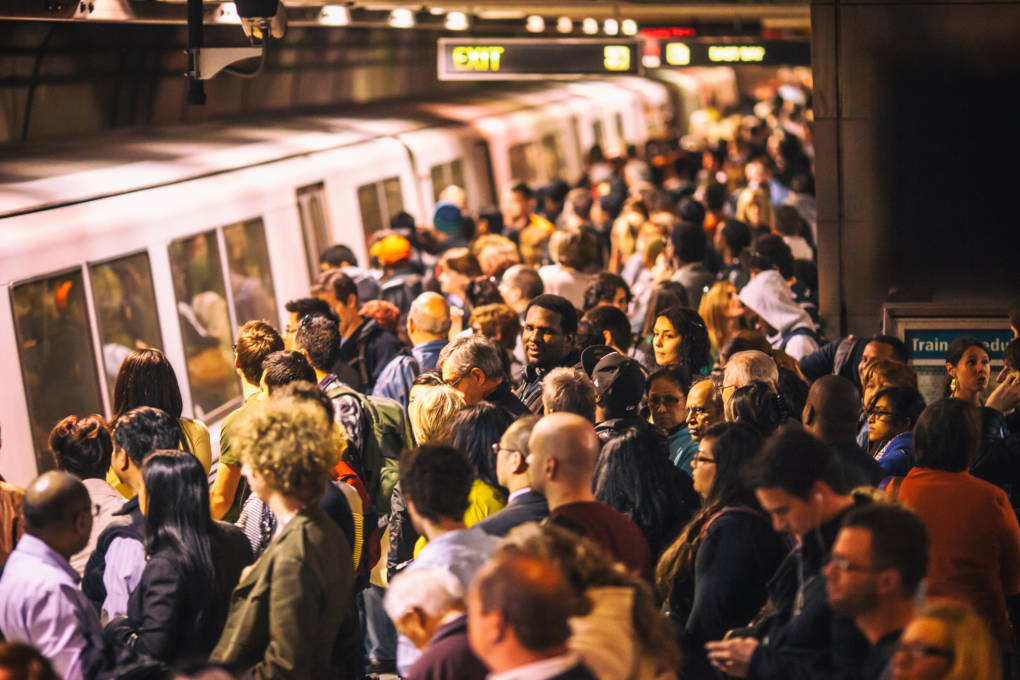
"caption": "Commuters attempt to pack into an eastbound BART train during evening rush hour in San Francisco. ",
"description": "Commuters attempt to pack into an eastbound BART train during evening rush hour in San Francisco. ",
"title": "BART-rush-hour",
"credit": "\u003ca href=\"https://www.flickr.com/photos/thomashawk/32599654071/in/photolist-ievr9Q-UikTrV-UWLfuo-VkmRCk-UfgwzG-6sgnsy-by2ZvD-VtpEVE-VhnFSf-b6cTPZ-UikTs6-UikRpi-UikVh8-oJAFU3-VhnFNN-E2D1d8-REHKpe-VtpEN5-aPawo4-VkmTk8-bjEUYs-oJATXt-jHAp8R-fss2FJ-fscJHi-aPauX4-MCiqaw-W7fTDs-pPzdSy-gBkBVq-9Xgedx-VkmTq8-YqEYpw-oZ4pZA-aPawkc-ck8ZjL-qBUqyB-a6CPxJ-orTuV8-dLFKPN-fCkHnk-ehpdkh-kvsQmM-8TJ1WJ-f3z6n9-oAbBzX-gmMX9J-i2wGNg-fydZN3-bjF81u\">Thomas Hawk/Flickr\u003c/a>",
"status": "inherit",
"isLoading": false,
"fetchFailed": false
},
"news_11744313": {
"type": "attachments",
"id": "news_11744313",
"meta": {
"index": "attachments_1716263798",
"site": "news",
"id": "11744313",
"found": true
},
"parent": 11744301,
"imgSizes": {
"twentyfourteen-full-width": {
"file": "https://ww2.kqed.org/app/uploads/sites/10/2019/05/GettyImages-454356956-1038x576.jpg",
"width": 1038,
"mimeType": "image/jpeg",
"height": 576
},
"thumbnail": {
"file": "https://ww2.kqed.org/app/uploads/sites/10/2019/05/GettyImages-454356956-160x108.jpg",
"width": 160,
"mimeType": "image/jpeg",
"height": 108
},
"post-thumbnail": {
"file": "https://ww2.kqed.org/app/uploads/sites/10/2019/05/GettyImages-454356956-672x372.jpg",
"width": 672,
"mimeType": "image/jpeg",
"height": 372
},
"kqedFullSize": {
"file": "https://ww2.kqed.org/app/uploads/sites/10/2019/05/GettyImages-454356956-e1556747757989.jpg",
"width": 1920,
"height": 1298
},
"large": {
"file": "https://ww2.kqed.org/app/uploads/sites/10/2019/05/GettyImages-454356956-1020x690.jpg",
"width": 1020,
"mimeType": "image/jpeg",
"height": 690
},
"complete_open_graph": {
"file": "https://ww2.kqed.org/app/uploads/sites/10/2019/05/GettyImages-454356956-1200x812.jpg",
"width": 1200,
"mimeType": "image/jpeg",
"height": 812
},
"full-width": {
"file": "https://ww2.kqed.org/app/uploads/sites/10/2019/05/GettyImages-454356956-1920x1299.jpg",
"width": 1920,
"mimeType": "image/jpeg",
"height": 1299
},
"medium": {
"file": "https://ww2.kqed.org/app/uploads/sites/10/2019/05/GettyImages-454356956-800x541.jpg",
"width": 800,
"mimeType": "image/jpeg",
"height": 541
}
},
"publishDate": 1556747691,
"modified": 1576250929,
"caption": null,
"description": null,
"title": "US-LIFESTYLE-TRAFFIC-LABOR DAY",
"credit": "Mark Ralston/AFP/Getty Images)",
"status": "inherit",
"isLoading": false,
"fetchFailed": false
},
"news_11744216": {
"type": "attachments",
"id": "news_11744216",
"meta": {
"index": "attachments_1716263798",
"site": "news",
"id": "11744216",
"found": true
},
"parent": 11744204,
"imgSizes": {
"twentyfourteen-full-width": {
"file": "https://ww2.kqed.org/app/uploads/sites/10/2019/05/Empty-California-Assembly-Chambers-1038x576.jpg",
"width": 1038,
"mimeType": "image/jpeg",
"height": 576
},
"thumbnail": {
"file": "https://ww2.kqed.org/app/uploads/sites/10/2019/05/Empty-California-Assembly-Chambers-160x107.jpg",
"width": 160,
"mimeType": "image/jpeg",
"height": 107
},
"post-thumbnail": {
"file": "https://ww2.kqed.org/app/uploads/sites/10/2019/05/Empty-California-Assembly-Chambers-672x372.jpg",
"width": 672,
"mimeType": "image/jpeg",
"height": 372
},
"kqedFullSize": {
"file": "https://ww2.kqed.org/app/uploads/sites/10/2019/05/Empty-California-Assembly-Chambers.jpg",
"width": 1280,
"height": 853
},
"large": {
"file": "https://ww2.kqed.org/app/uploads/sites/10/2019/05/Empty-California-Assembly-Chambers-1020x680.jpg",
"width": 1020,
"mimeType": "image/jpeg",
"height": 680
},
"complete_open_graph": {
"file": "https://ww2.kqed.org/app/uploads/sites/10/2019/05/Empty-California-Assembly-Chambers-1200x800.jpg",
"width": 1200,
"mimeType": "image/jpeg",
"height": 800
},
"medium": {
"file": "https://ww2.kqed.org/app/uploads/sites/10/2019/05/Empty-California-Assembly-Chambers-800x533.jpg",
"width": 800,
"mimeType": "image/jpeg",
"height": 533
}
},
"publishDate": 1556736952,
"modified": 1557859744,
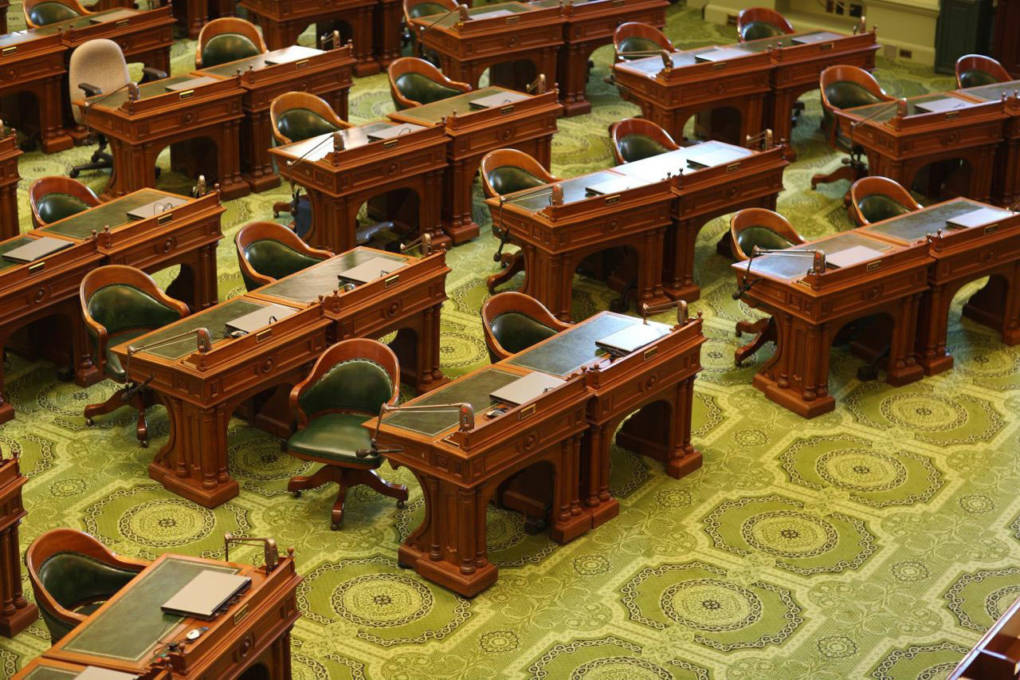
"caption": "The empty chamber of the California Assembly.",
"description": null,
"title": "Empty-California-Assembly-Chambers",
"credit": "Wikimedia Commons",
"status": "inherit",
"isLoading": false,
"fetchFailed": false
},
"news_10467228": {
"type": "attachments",
"id": "news_10467228",
"meta": {
"index": "attachments_1716263798",
"site": "news",
"id": "10467228",
"found": true
},
"parent": 10467145,
"imgSizes": {
"twentyfourteen-full-width": {
"file": "https://ww2.kqed.org/app/uploads/sites/10/2015/03/457215846-1038x576.jpg",
"width": 1038,
"mimeType": "image/jpeg",
"height": 576
},
"thumbnail": {
"file": "https://ww2.kqed.org/app/uploads/sites/10/2015/03/457215846-400x264.jpg",
"width": 400,
"mimeType": "image/jpeg",
"height": 264
},
"fd-sm": {
"file": "https://ww2.kqed.org/app/uploads/sites/10/2015/03/457215846-320x211.jpg",
"width": 320,
"mimeType": "image/jpeg",
"height": 211
},
"post-thumbnail": {
"file": "https://ww2.kqed.org/app/uploads/sites/10/2015/03/457215846-672x372.jpg",
"width": 672,
"mimeType": "image/jpeg",
"height": 372
},
"kqedFullSize": {
"file": "https://ww2.kqed.org/app/uploads/sites/10/2015/03/457215846.jpg",
"width": 3000,
"height": 1980
},
"large": {
"file": "https://ww2.kqed.org/app/uploads/sites/10/2015/03/457215846-1440x950.jpg",
"width": 1440,
"mimeType": "image/jpeg",
"height": 950
},
"guest-author-96": {
"file": "https://ww2.kqed.org/app/uploads/sites/10/2015/03/457215846-96x96.jpg",
"width": 96,
"mimeType": "image/jpeg",
"height": 96
},
"medium": {
"file": "https://ww2.kqed.org/app/uploads/sites/10/2015/03/457215846-800x528.jpg",
"width": 800,
"mimeType": "image/jpeg",
"height": 528
},
"guest-author-64": {
"file": "https://ww2.kqed.org/app/uploads/sites/10/2015/03/457215846-64x64.jpg",
"width": 64,
"mimeType": "image/jpeg",
"height": 64
},
"guest-author-32": {
"file": "https://ww2.kqed.org/app/uploads/sites/10/2015/03/457215846-32x32.jpg",
"width": 32,
"mimeType": "image/jpeg",
"height": 32
},
"fd-lrg": {
"file": "https://ww2.kqed.org/app/uploads/sites/10/2015/03/457215846-1180x779.jpg",
"width": 1180,
"mimeType": "image/jpeg",
"height": 779
},
"fd-med": {
"file": "https://ww2.kqed.org/app/uploads/sites/10/2015/03/457215846-768x507.jpg",
"width": 768,
"mimeType": "image/jpeg",
"height": 507
},
"detail": {
"file": "https://ww2.kqed.org/app/uploads/sites/10/2015/03/457215846-75x75.jpg",
"width": 75,
"mimeType": "image/jpeg",
"height": 75
},
"guest-author-128": {
"file": "https://ww2.kqed.org/app/uploads/sites/10/2015/03/457215846-128x128.jpg",
"width": 128,
"mimeType": "image/jpeg",
"height": 128
}
},
"publishDate": 1427415324,
"modified": 1556737881,
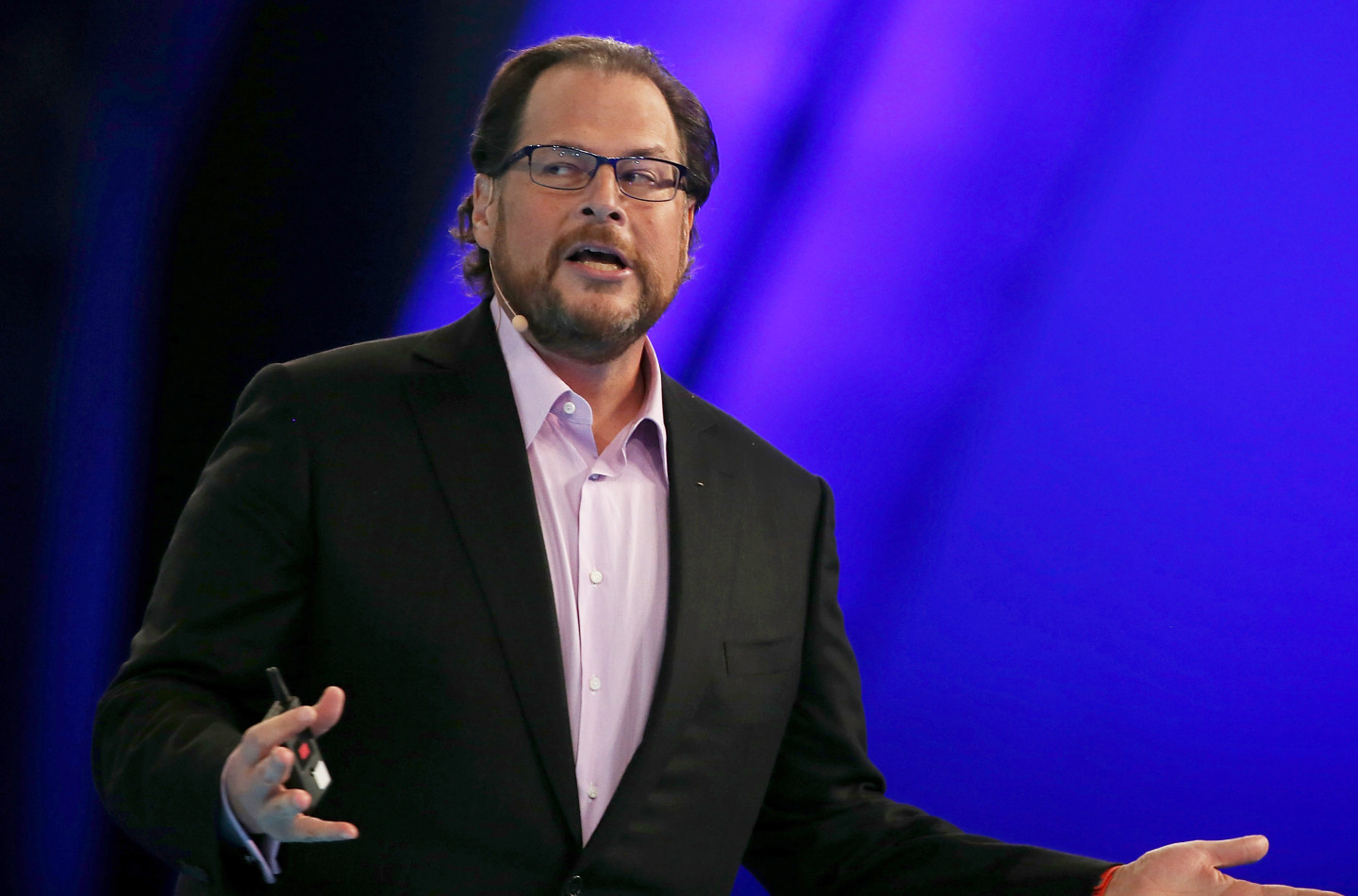
"caption": "Salesforce CEO Marc Benioff delivers a keynote address during the 2014 DreamForce conference on Oct. 14, 2014, in San Francisco.",
"description": "Salesforce CEO Marc Benioff delivers a keynote address during the 2014 DreamForce conference on Oct. 14, 2014, in San Francisco.",
"title": "Marc Benioff-Salesforce.com",
"credit": "Justin Sullivan/Getty Images",
"status": "inherit",
"isLoading": false,
"fetchFailed": false
},
"news_11712713": {
"type": "attachments",
"id": "news_11712713",
"meta": {
"index": "attachments_1716263798",
"site": "news",
"id": "11712713",
"found": true
},
"parent": 11711689,
"imgSizes": {
"twentyfourteen-full-width": {
"file": "https://ww2.kqed.org/app/uploads/sites/10/2018/12/RS9650_9303339141_3f3db8e6d2_o-e1544831315188-1038x576.jpg",
"width": 1038,
"mimeType": "image/jpeg",
"height": 576
},
"thumbnail": {
"file": "https://ww2.kqed.org/app/uploads/sites/10/2018/12/RS9650_9303339141_3f3db8e6d2_o-e1544831315188-160x107.jpg",
"width": 160,
"mimeType": "image/jpeg",
"height": 107
},
"post-thumbnail": {
"file": "https://ww2.kqed.org/app/uploads/sites/10/2018/12/RS9650_9303339141_3f3db8e6d2_o-e1544831315188-672x372.jpg",
"width": 672,
"mimeType": "image/jpeg",
"height": 372
},
"kqedFullSize": {
"file": "https://ww2.kqed.org/app/uploads/sites/10/2018/12/RS9650_9303339141_3f3db8e6d2_o-e1544831315188.jpg",
"width": 1920,
"height": 1280
},
"large": {
"file": "https://ww2.kqed.org/app/uploads/sites/10/2018/12/RS9650_9303339141_3f3db8e6d2_o-e1544831315188-1020x680.jpg",
"width": 1020,
"mimeType": "image/jpeg",
"height": 680
},
"complete_open_graph": {
"file": "https://ww2.kqed.org/app/uploads/sites/10/2018/12/RS9650_9303339141_3f3db8e6d2_o-e1544831315188-1200x800.jpg",
"width": 1200,
"mimeType": "image/jpeg",
"height": 800
},
"guest-author-50": {
"file": "https://ww2.kqed.org/app/uploads/sites/10/2018/12/RS9650_9303339141_3f3db8e6d2_o-e1544831315188-50x50.jpg",
"width": 50,
"mimeType": "image/jpeg",
"height": 50
},
"guest-author-96": {
"file": "https://ww2.kqed.org/app/uploads/sites/10/2018/12/RS9650_9303339141_3f3db8e6d2_o-e1544831315188-96x96.jpg",
"width": 96,
"mimeType": "image/jpeg",
"height": 96
},
"medium": {
"file": "https://ww2.kqed.org/app/uploads/sites/10/2018/12/RS9650_9303339141_3f3db8e6d2_o-e1544831315188-800x533.jpg",
"width": 800,
"mimeType": "image/jpeg",
"height": 533
},
"guest-author-64": {
"file": "https://ww2.kqed.org/app/uploads/sites/10/2018/12/RS9650_9303339141_3f3db8e6d2_o-e1544831315188-64x64.jpg",
"width": 64,
"mimeType": "image/jpeg",
"height": 64
},
"guest-author-32": {
"file": "https://ww2.kqed.org/app/uploads/sites/10/2018/12/RS9650_9303339141_3f3db8e6d2_o-e1544831315188-32x32.jpg",
"width": 32,
"mimeType": "image/jpeg",
"height": 32
},
"full-width": {
"file": "https://ww2.kqed.org/app/uploads/sites/10/2018/12/RS9650_9303339141_3f3db8e6d2_o-e1544831315188-1920x1280.jpg",
"width": 1920,
"mimeType": "image/jpeg",
"height": 1280
},
"detail": {
"file": "https://ww2.kqed.org/app/uploads/sites/10/2018/12/RS9650_9303339141_3f3db8e6d2_o-e1544831315188-150x150.jpg",
"width": 150,
"mimeType": "image/jpeg",
"height": 150
},
"guest-author-128": {
"file": "https://ww2.kqed.org/app/uploads/sites/10/2018/12/RS9650_9303339141_3f3db8e6d2_o-e1544831315188-128x128.jpg",
"width": 128,
"mimeType": "image/jpeg",
"height": 128
}
},
"publishDate": 1544827034,
"modified": 1544831306,
"caption": "Oakland, and the Bay Area in general, is one of the areas hit hardest by California's housing shortage.",
"description": "Oakland, and the Bay Area in general, is one of the areas hit hardest by California's housing shortage.",
"title": "RS9650_9303339141_3f3db8e6d2_o",
"credit": "Justin Sullivan/Getty Images",
"status": "inherit",
"isLoading": false,
"fetchFailed": false
},
"news_11737489": {
"type": "attachments",
"id": "news_11737489",
"meta": {
"index": "attachments_1716263798",
"site": "news",
"id": "11737489",
"found": true
},
"title": "ghost-ship-trial-2",
"publishDate": 1554258114,
"status": "inherit",
"parent": 11737333,
"modified": 1740008073,
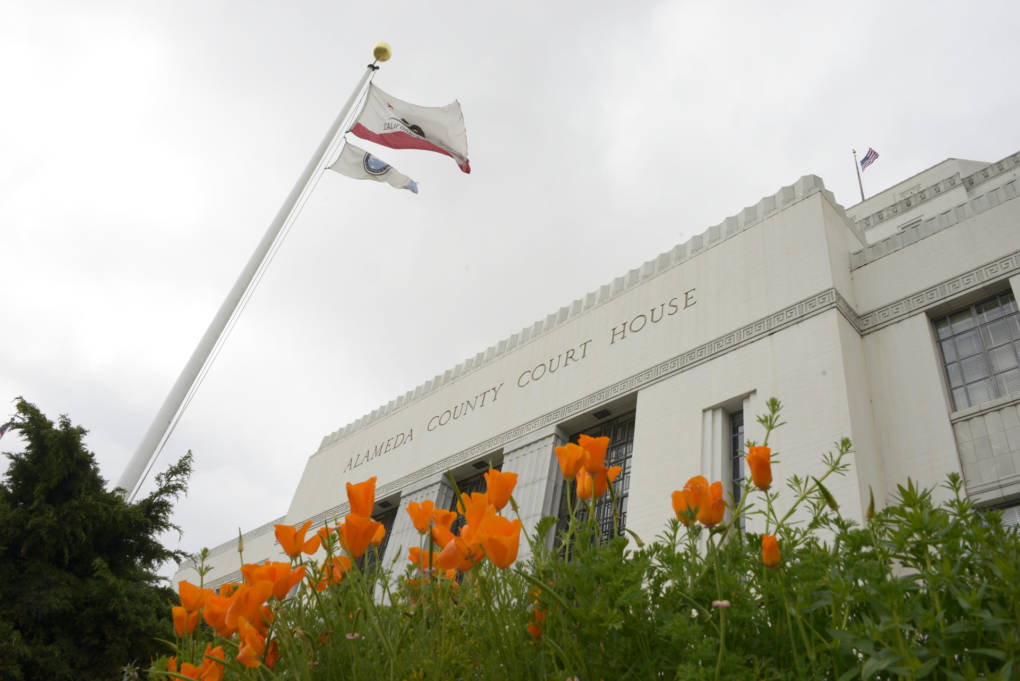
"caption": "The Alameda County Superior Courthouse in Oakland, seen on April 2, 2019.",
"credit": "Stephanie Lister/KQED",
"altTag": "The Alameda County Superior Courthouse, pictured on April 2, 2019.",
"description": "The Alameda County Superior Courthouse, pictured on April 2, 2019.",
"imgSizes": {
"thumbnail": {
"file": "https://cdn.kqed.org/wp-content/uploads/sites/10/2019/04/ghost-ship-trial-2-160x107.jpg",
"width": 160,
"height": 107,
"mimeType": "image/jpeg"
},
"medium": {
"file": "https://cdn.kqed.org/wp-content/uploads/sites/10/2019/04/ghost-ship-trial-2-800x534.jpg",
"width": 800,
"height": 534,
"mimeType": "image/jpeg"
},
"large": {
"file": "https://cdn.kqed.org/wp-content/uploads/sites/10/2019/04/ghost-ship-trial-2-1020x681.jpg",
"width": 1020,
"height": 681,
"mimeType": "image/jpeg"
},
"complete_open_graph": {
"file": "https://cdn.kqed.org/wp-content/uploads/sites/10/2019/04/ghost-ship-trial-2-1200x801.jpg",
"width": 1200,
"height": 801,
"mimeType": "image/jpeg"
},
"post-thumbnail": {
"file": "https://cdn.kqed.org/wp-content/uploads/sites/10/2019/04/ghost-ship-trial-2-672x372.jpg",
"width": 672,
"height": 372,
"mimeType": "image/jpeg"
},
"twentyfourteen-full-width": {
"file": "https://cdn.kqed.org/wp-content/uploads/sites/10/2019/04/ghost-ship-trial-2-1038x576.jpg",
"width": 1038,
"height": 576,
"mimeType": "image/jpeg"
},
"full-width": {
"file": "https://cdn.kqed.org/wp-content/uploads/sites/10/2019/04/ghost-ship-trial-2-1920x1281.jpg",
"width": 1920,
"height": 1281,
"mimeType": "image/jpeg"
},
"guest-author-32": {
"file": "https://cdn.kqed.org/wp-content/uploads/sites/10/2019/04/ghost-ship-trial-2-32x32.jpg",
"width": 32,
"height": 32,
"mimeType": "image/jpeg"
},
"guest-author-50": {
"file": "https://cdn.kqed.org/wp-content/uploads/sites/10/2019/04/ghost-ship-trial-2-50x50.jpg",
"width": 50,
"height": 50,
"mimeType": "image/jpeg"
},
"guest-author-64": {
"file": "https://cdn.kqed.org/wp-content/uploads/sites/10/2019/04/ghost-ship-trial-2-64x64.jpg",
"width": 64,
"height": 64,
"mimeType": "image/jpeg"
},
"guest-author-96": {
"file": "https://cdn.kqed.org/wp-content/uploads/sites/10/2019/04/ghost-ship-trial-2-96x96.jpg",
"width": 96,
"height": 96,
"mimeType": "image/jpeg"
},
"guest-author-128": {
"file": "https://cdn.kqed.org/wp-content/uploads/sites/10/2019/04/ghost-ship-trial-2-128x128.jpg",
"width": 128,
"height": 128,
"mimeType": "image/jpeg"
},
"apple_news_ca_landscape_12_9": {
"file": "https://cdn.kqed.org/wp-content/uploads/sites/10/2019/04/ghost-ship-trial-2-1832x1281.jpg",
"width": 1832,
"height": 1281,
"mimeType": "image/jpeg"
},
"apple_news_ca_landscape_9_7": {
"file": "https://cdn.kqed.org/wp-content/uploads/sites/10/2019/04/ghost-ship-trial-2-1376x1032.jpg",
"width": 1376,
"height": 1032,
"mimeType": "image/jpeg"
},
"apple_news_ca_landscape_5_5": {
"file": "https://cdn.kqed.org/wp-content/uploads/sites/10/2019/04/ghost-ship-trial-2-1044x783.jpg",
"width": 1044,
"height": 783,
"mimeType": "image/jpeg"
},
"apple_news_ca_landscape_4_7": {
"file": "https://cdn.kqed.org/wp-content/uploads/sites/10/2019/04/ghost-ship-trial-2-632x474.jpg",
"width": 632,
"height": 474,
"mimeType": "image/jpeg"
},
"apple_news_ca_landscape_4_0": {
"file": "https://cdn.kqed.org/wp-content/uploads/sites/10/2019/04/ghost-ship-trial-2-536x402.jpg",
"width": 536,
"height": 402,
"mimeType": "image/jpeg"
},
"apple_news_ca_portrait_12_9": {
"file": "https://cdn.kqed.org/wp-content/uploads/sites/10/2019/04/ghost-ship-trial-2-1122x1281.jpg",
"width": 1122,
"height": 1281,
"mimeType": "image/jpeg"
},
"apple_news_ca_portrait_9_7": {
"file": "https://cdn.kqed.org/wp-content/uploads/sites/10/2019/04/ghost-ship-trial-2-840x1120.jpg",
"width": 840,
"height": 1120,
"mimeType": "image/jpeg"
},
"apple_news_ca_portrait_5_5": {
"file": "https://cdn.kqed.org/wp-content/uploads/sites/10/2019/04/ghost-ship-trial-2-687x916.jpg",
"width": 687,
"height": 916,
"mimeType": "image/jpeg"
},
"apple_news_ca_portrait_4_7": {
"file": "https://cdn.kqed.org/wp-content/uploads/sites/10/2019/04/ghost-ship-trial-2-414x552.jpg",
"width": 414,
"height": 552,
"mimeType": "image/jpeg"
},
"apple_news_ca_portrait_4_0": {
"file": "https://cdn.kqed.org/wp-content/uploads/sites/10/2019/04/ghost-ship-trial-2-354x472.jpg",
"width": 354,
"height": 472,
"mimeType": "image/jpeg"
},
"apple_news_ca_square_12_9": {
"file": "https://cdn.kqed.org/wp-content/uploads/sites/10/2019/04/ghost-ship-trial-2-1472x1281.jpg",
"width": 1472,
"height": 1281,
"mimeType": "image/jpeg"
},
"apple_news_ca_square_9_7": {
"file": "https://cdn.kqed.org/wp-content/uploads/sites/10/2019/04/ghost-ship-trial-2-1104x1104.jpg",
"width": 1104,
"height": 1104,
"mimeType": "image/jpeg"
},
"apple_news_ca_square_5_5": {
"file": "https://cdn.kqed.org/wp-content/uploads/sites/10/2019/04/ghost-ship-trial-2-912x912.jpg",
"width": 912,
"height": 912,
"mimeType": "image/jpeg"
},
"apple_news_ca_square_4_7": {
"file": "https://cdn.kqed.org/wp-content/uploads/sites/10/2019/04/ghost-ship-trial-2-550x550.jpg",
"width": 550,
"height": 550,
"mimeType": "image/jpeg"
},
"apple_news_ca_square_4_0": {
"file": "https://cdn.kqed.org/wp-content/uploads/sites/10/2019/04/ghost-ship-trial-2-470x470.jpg",
"width": 470,
"height": 470,
"mimeType": "image/jpeg"
},
"kqedFullSize": {
"file": "https://cdn.kqed.org/wp-content/uploads/sites/10/2019/04/ghost-ship-trial-2.jpg",
"width": 1920,
"height": 1281
}
},
"isLoading": false,
"fetchFailed": false
},
"news_11743671": {
"type": "attachments",
"id": "news_11743671",
"meta": {
"index": "attachments_1716263798",
"site": "news",
"id": "11743671",
"found": true
},
"parent": 11743670,
"imgSizes": {
"twentyfourteen-full-width": {
"file": "https://ww2.kqed.org/app/uploads/sites/10/2019/04/chris-keys_wide-f402ff6b6d1f3b62d5add5d170b0a17a43277954-1038x576.jpg",
"width": 1038,
"mimeType": "image/jpeg",
"height": 576
},
"thumbnail": {
"file": "https://ww2.kqed.org/app/uploads/sites/10/2019/04/chris-keys_wide-f402ff6b6d1f3b62d5add5d170b0a17a43277954-160x90.jpg",
"width": 160,
"mimeType": "image/jpeg",
"height": 90
},
"post-thumbnail": {
"file": "https://ww2.kqed.org/app/uploads/sites/10/2019/04/chris-keys_wide-f402ff6b6d1f3b62d5add5d170b0a17a43277954-672x372.jpg",
"width": 672,
"mimeType": "image/jpeg",
"height": 372
},
"kqedFullSize": {
"file": "https://ww2.kqed.org/app/uploads/sites/10/2019/04/chris-keys_wide-f402ff6b6d1f3b62d5add5d170b0a17a43277954.jpg",
"width": 1970,
"height": 1108
},
"large": {
"file": "https://ww2.kqed.org/app/uploads/sites/10/2019/04/chris-keys_wide-f402ff6b6d1f3b62d5add5d170b0a17a43277954-1020x574.jpg",
"width": 1020,
"mimeType": "image/jpeg",
"height": 574
},
"complete_open_graph": {
"file": "https://ww2.kqed.org/app/uploads/sites/10/2019/04/chris-keys_wide-f402ff6b6d1f3b62d5add5d170b0a17a43277954-1200x675.jpg",
"width": 1200,
"mimeType": "image/jpeg",
"height": 675
},
"full-width": {
"file": "https://ww2.kqed.org/app/uploads/sites/10/2019/04/chris-keys_wide-f402ff6b6d1f3b62d5add5d170b0a17a43277954-1920x1080.jpg",
"width": 1920,
"mimeType": "image/jpeg",
"height": 1080
},
"medium": {
"file": "https://ww2.kqed.org/app/uploads/sites/10/2019/04/chris-keys_wide-f402ff6b6d1f3b62d5add5d170b0a17a43277954-800x450.jpg",
"width": 800,
"mimeType": "image/jpeg",
"height": 450
}
},
"publishDate": 1556568566,
"modified": 1556568666,
"caption": "Chris Keys inside his Santa Rosa home that is still under construction. Keys says his family may run out of the insurance benefit that covers living expenses before their new home is ready to move into.",
"description": "Chris Keys inside his Santa Rosa, Calif., home that is still under construction. Keys says his family may run out of the insurance benefit that covers living expenses before their new home is ready to move into.",
"title": "Chris Keys inside his Santa Rosa, Calif., home that is still under construction. Keys says his family may run out of the insurance benefit that covers living expenses before their new home is ready to move into.",
"credit": "Pauline Bartolone/Capital Public Radio",
"status": "inherit",
"isLoading": false,
"fetchFailed": false
}
},
"audioPlayerReducer": {
"postId": "stream_live",
"isPaused": true,
"isPlaying": false,
"pfsActive": false,
"pledgeModalIsOpen": true,
"playerDrawerIsOpen": false,
"liveAudioPlayStartedAt": 0,
"liveAudioPlayContext": ""
},
"authorsReducer": {
"byline_news_11745655": {
"type": "authors",
"id": "byline_news_11745655",
"meta": {
"override": true
},
"slug": "byline_news_11745655",
"name": "Matt Levin",
"isLoading": false
},
"byline_news_11744301": {
"type": "authors",
"id": "byline_news_11744301",
"meta": {
"override": true
},
"slug": "byline_news_11744301",
"name": "Adam Beam and Janie Har, Associated Press",
"isLoading": false
},
"byline_news_11744204": {
"type": "authors",
"id": "byline_news_11744204",
"meta": {
"override": true
},
"slug": "byline_news_11744204",
"name": "\u003ca href=\"https://calmatters.org/articles/author/laurel-rosenhall/\">Laurel Rosenhall\u003c/a>\u003cbr>\u003ca href=\"https://calmatters.org/\">CALmatters\u003c/a>",
"isLoading": false
},
"byline_news_11744229": {
"type": "authors",
"id": "byline_news_11744229",
"meta": {
"override": true
},
"slug": "byline_news_11744229",
"name": "\u003cstrong>Associated Press\u003c/strong>",
"isLoading": false
},
"byline_news_11743670": {
"type": "authors",
"id": "byline_news_11743670",
"meta": {
"override": true
},
"slug": "byline_news_11743670",
"name": "Pauline Bartolone",
"isLoading": false
},
"dclyde": {
"type": "authors",
"id": "104",
"meta": {
"index": "authors_1716337520",
"id": "104",
"found": true
},
"name": "Don Clyde",
"firstName": "Don",
"lastName": "Clyde",
"slug": "dclyde",
"email": "dclyde@kqed.org",
"display_author_email": false,
"staff_mastheads": [],
"title": "KQED Contributor",
"bio": "Don Clyde is an online producer, reporter and copy editor for KQED News. Before venturing into journalism, he worked as a medical device engineer and scientist for nearly a decade after earning a degree in physics from UC Berkeley. He loves travel, reading, living in Oakland, and most importantly, a good walk. Email him at dclyde@kqed.org or follow him @clydedon.",
"avatar": "https://secure.gravatar.com/avatar/decd3e640c3eedbd0a574275aebb2d19?s=600&d=blank&r=g",
"twitter": "clydedon",
"facebook": null,
"instagram": null,
"linkedin": null,
"sites": [
{
"site": "artschool",
"roles": [
"editor"
]
},
{
"site": "news",
"roles": [
"administrator"
]
},
{
"site": "futureofyou",
"roles": [
"editor"
]
},
{
"site": "about",
"roles": [
"editor"
]
},
{
"site": "mindshift",
"roles": [
"contributor"
]
},
{
"site": "bayareabites",
"roles": [
"contributor"
]
},
{
"site": "lowdown",
"roles": [
"editor"
]
},
{
"site": "stateofhealth",
"roles": [
"administrator"
]
},
{
"site": "spark",
"roles": [
"administrator"
]
},
{
"site": "trulyca",
"roles": [
"administrator"
]
},
{
"site": "imagemakers",
"roles": [
"administrator"
]
},
{
"site": "science",
"roles": []
},
{
"site": "education",
"roles": [
"editor"
]
},
{
"site": "quest",
"roles": [
"subscriber"
]
},
{
"site": "checkplease",
"roles": [
"subscriber"
]
},
{
"site": "forum",
"roles": [
"editor"
]
},
{
"site": "perspectives",
"roles": [
"editor"
]
}
],
"headData": {
"title": "Don Clyde | KQED",
"description": "KQED Contributor",
"ogImgSrc": "https://secure.gravatar.com/avatar/decd3e640c3eedbd0a574275aebb2d19?s=600&d=blank&r=g",
"twImgSrc": "https://secure.gravatar.com/avatar/decd3e640c3eedbd0a574275aebb2d19?s=600&d=blank&r=g"
},
"isLoading": false,
"link": "/author/dclyde"
},
"gmarzorati": {
"type": "authors",
"id": "227",
"meta": {
"index": "authors_1716337520",
"id": "227",
"found": true
},
"name": "Guy Marzorati",
"firstName": "Guy",
"lastName": "Marzorati",
"slug": "gmarzorati",
"email": "gmarzorati@KQED.org",
"display_author_email": true,
"staff_mastheads": [
"news"
],
"title": "Correspondent",
"bio": "Guy Marzorati is a correspondent on KQED's California Politics and Government Desk, based in San Jose. A graduate of Santa Clara University, Guy joined KQED in 2013. He reports on state and local politics and produces KQED's digital voter guide.",
"avatar": "https://secure.gravatar.com/avatar/e7038b8dbfd55b104369b76b1cd0b9de?s=600&d=blank&r=g",
"twitter": "guymarzorati",
"facebook": null,
"instagram": null,
"linkedin": null,
"sites": [
{
"site": "",
"roles": [
"editor"
]
},
{
"site": "news",
"roles": [
"editor"
]
},
{
"site": "science",
"roles": [
"editor"
]
},
{
"site": "forum",
"roles": [
"editor"
]
},
{
"site": "elections",
"roles": [
"editor"
]
},
{
"site": "liveblog",
"roles": [
"editor"
]
}
],
"headData": {
"title": "Guy Marzorati | KQED",
"description": "Correspondent",
"ogImgSrc": "https://secure.gravatar.com/avatar/e7038b8dbfd55b104369b76b1cd0b9de?s=600&d=blank&r=g",
"twImgSrc": "https://secure.gravatar.com/avatar/e7038b8dbfd55b104369b76b1cd0b9de?s=600&d=blank&r=g"
},
"isLoading": false,
"link": "/author/gmarzorati"
},
"markfiore": {
"type": "authors",
"id": "3236",
"meta": {
"index": "authors_1716337520",
"id": "3236",
"found": true
},
"name": "Mark Fiore",
"firstName": "Mark",
"lastName": "Fiore",
"slug": "markfiore",
"email": "mark@markfiore.com",
"display_author_email": false,
"staff_mastheads": [
"news"
],
"title": "KQED News Cartoonist",
"bio": "\u003ca href=\"http://www.MarkFiore.com\">MarkFiore.com\u003c/a> | \u003ca href=\"https://twitter.com/markfiore\">Follow on Twitter\u003c/a> | \u003ca href=\"https://www.facebook.com/pages/Mark-Fiore-Animated-Political-Cartoons/94451707396?ref=bookmarks\">Facebook\u003c/a> | \u003ca href=\"mailto:mark@markfiore.com\">email\u003c/a>\r\n\r\nPulitzer Prize-winner, Mark Fiore, who the Wall Street Journal has called “the undisputed guru of the form,” creates animated political cartoons in San Francisco, where his work has been featured regularly on the San Francisco Chronicle’s web site, SFGate.com. His work has appeared on Newsweek.com, Slate.com, CBSNews.com, MotherJones.com, DailyKos.com and NPR’s web site. Fiore’s political animation has appeared on CNN, Frontline, Bill Moyers Journal, Salon.com and cable and broadcast outlets across the globe.\r\n\r\nBeginning his professional life by drawing traditional political cartoons for newspapers, Fiore’s work appeared in publications ranging from the Washington Post to the Los Angeles Times. In the late 1990s, he began to experiment with animating political cartoons and, after a short stint at the San Jose Mercury News as their staff cartoonist, Fiore devoted all his energies to animation.\r\nGrowing up in California, Fiore also spent a good portion of his life in the backwoods of Idaho. It was this combination that shaped him politically. Mark majored in political science at Colorado College, where, in a perfect send-off for a cartoonist, he received his diploma in 1991 as commencement speaker Dick Cheney smiled approvingly.\r\nMark Fiore was awarded the Pulitzer Prize for political cartooning in 2010, a Robert F. Kennedy Journalism Award in 2004 and has twice received an Online Journalism Award for commentary from the Online News Association (2002, 2008). Fiore has received two awards for his work in new media from the National Cartoonists Society (2001, 2002), and in 2006 received The James Madison Freedom of Information Award from The Society of Professional Journalists.",
"avatar": "https://secure.gravatar.com/avatar/fc4e2a612b15b67bad0c6f0e1db4ca9b?s=600&d=blank&r=g",
"twitter": "MarkFiore",
"facebook": null,
"instagram": "https://www.instagram.com/markfiore/?hl=en",
"linkedin": null,
"sites": [
{
"site": "arts",
"roles": [
"contributor"
]
},
{
"site": "news",
"roles": [
"editor"
]
},
{
"site": "futureofyou",
"roles": [
"editor"
]
},
{
"site": "science",
"roles": [
"editor"
]
}
],
"headData": {
"title": "Mark Fiore | KQED",
"description": "KQED News Cartoonist",
"ogImgSrc": "https://secure.gravatar.com/avatar/fc4e2a612b15b67bad0c6f0e1db4ca9b?s=600&d=blank&r=g",
"twImgSrc": "https://secure.gravatar.com/avatar/fc4e2a612b15b67bad0c6f0e1db4ca9b?s=600&d=blank&r=g"
},
"isLoading": false,
"link": "/author/markfiore"
},
"carlysevern": {
"type": "authors",
"id": "3243",
"meta": {
"index": "authors_1716337520",
"id": "3243",
"found": true
},
"name": "Carly Severn",
"firstName": "Carly",
"lastName": "Severn",
"slug": "carlysevern",
"email": "csevern@kqed.org",
"display_author_email": false,
"staff_mastheads": [
"news"
],
"title": "Senior Editor, Audience News ",
"bio": "Carly is KQED's Senior Editor of Audience News on the Digital News team, and has reported for the California Report Magazine, Bay Curious and KQED Arts. She's formerly the host of \u003ca href=\"http://ww2.kqed.org/pop/category/the-cooler/\" rel=\"noopener noreferrer\">The Cooler\u003c/a> podcast.",
"avatar": "https://secure.gravatar.com/avatar/54037bf5c128fe678f0ef26cec97a93f2e7f220a22d7285703328f12c42c1b1d?s=600&d=blank&r=g",
"twitter": "teacupinthebay",
"bluesky": null,
"facebook": null,
"instagram": null,
"linkedin": null,
"sites": [
{
"site": "",
"roles": [
"editor"
]
},
{
"site": "arts",
"roles": [
"editor"
]
},
{
"site": "news",
"roles": [
"administrator"
]
},
{
"site": "pop",
"roles": [
"editor"
]
},
{
"site": "futureofyou",
"roles": [
"editor"
]
},
{
"site": "about",
"roles": [
"administrator"
]
},
{
"site": "mindshift",
"roles": [
"editor"
]
},
{
"site": "bayareabites",
"roles": [
"editor"
]
},
{
"site": "stateofhealth",
"roles": [
"editor"
]
},
{
"site": "science",
"roles": [
"editor"
]
},
{
"site": "food",
"roles": [
"contributor"
]
},
{
"site": "forum",
"roles": [
"editor"
]
},
{
"site": "perspectives",
"roles": [
"administrator"
]
},
{
"site": "liveblog",
"roles": [
"editor"
]
}
],
"headData": {
"title": "Carly Severn | KQED",
"description": "Senior Editor, Audience News ",
"ogImgSrc": "https://secure.gravatar.com/avatar/54037bf5c128fe678f0ef26cec97a93f2e7f220a22d7285703328f12c42c1b1d?s=600&d=blank&r=g",
"twImgSrc": "https://secure.gravatar.com/avatar/54037bf5c128fe678f0ef26cec97a93f2e7f220a22d7285703328f12c42c1b1d?s=600&d=blank&r=g"
},
"isLoading": false,
"link": "/author/carlysevern"
},
"dkatayama": {
"type": "authors",
"id": "7240",
"meta": {
"index": "authors_1716337520",
"id": "7240",
"found": true
},
"name": "Devin Katayama",
"firstName": "Devin",
"lastName": "Katayama",
"slug": "dkatayama",
"email": "dkatayama@kqed.org",
"display_author_email": true,
"staff_mastheads": [
"news"
],
"title": "Editor of Talent and Development",
"bio": "Devin Katayama is former Editor of Talent and Development for KQED. He supported our internship program and on-call staff by looking for equitable opportunities to improve the newsroom.\r\n\r\nHe previously hosted The Bay and American Suburb podcasts from KQED News. Prior to returning to the Bay Area in 2015, Devin was the education reporter for WFPL in Louisville and worked as a producer with radio stations in Chicago and Portland, OR. His work has appeared on NPR’s \u003cem>Morning Edition, All Things Considered, The Takeaway\u003c/em> and \u003cem>Here and Now.\u003c/em>\r\n\r\nDevin earned his MA in Journalism from Columbia College Chicago, where he was a Follett Fellow and the recipient of the 2011 Studs Terkel Community Media Workshop Scholarship for his story on Chicago's homeless youth. He won WBUR's 2014 Daniel Schorr award and a regional RTNDA Edward R. Murrow Award for his documentary \"At Risk\" that looked at issues facing some of Louisville's students. Devin has also received numerous local awards from the Associated Press and the Society of Professional Journalists.",
"avatar": "https://secure.gravatar.com/avatar/d0d2978a31002fb2de107921a8e18405?s=600&d=blank&r=g",
"twitter": "RadioDevin",
"facebook": null,
"instagram": null,
"linkedin": null,
"sites": [
{
"site": "arts",
"roles": []
},
{
"site": "news",
"roles": [
"author"
]
},
{
"site": "stateofhealth",
"roles": [
"author"
]
},
{
"site": "forum",
"roles": [
"editor"
]
},
{
"site": "perspectives",
"roles": [
"editor"
]
}
],
"headData": {
"title": "Devin Katayama | KQED",
"description": "Editor of Talent and Development",
"ogImgSrc": "https://secure.gravatar.com/avatar/d0d2978a31002fb2de107921a8e18405?s=600&d=blank&r=g",
"twImgSrc": "https://secure.gravatar.com/avatar/d0d2978a31002fb2de107921a8e18405?s=600&d=blank&r=g"
},
"isLoading": false,
"link": "/author/dkatayama"
},
"ecruzguevarra": {
"type": "authors",
"id": "8654",
"meta": {
"index": "authors_1716337520",
"id": "8654",
"found": true
},
"name": "Ericka Cruz Guevarra",
"firstName": "Ericka",
"lastName": "Cruz Guevarra",
"slug": "ecruzguevarra",
"email": "ecruzguevarra@kqed.org",
"display_author_email": true,
"staff_mastheads": [
"news"
],
"title": "Producer, The Bay Podcast",
"bio": "Ericka Cruz Guevarra is host of \u003ca href=\"https://www.kqed.org/podcasts/thebay\">\u003cem>The Bay\u003c/em>\u003c/a> podcast at KQED. Before host, she was the show’s producer. Her work in that capacity includes a three-part reported series on policing in Vallejo, which won a 2020 excellence in journalism award from the Society of Professional Journalists. Ericka has worked as a breaking news reporter at Oregon Public Broadcasting, helped produce the Code Switch podcast, and was KQED’s inaugural Raul Ramirez Diversity Fund intern. She’s also an alumna of NPR’s Next Generation Radio program. Send her an email if you have strong feelings about whether Fairfield and Suisun City are the Bay. Ericka is represented by SAG-AFTRA.",
"avatar": "https://secure.gravatar.com/avatar/accefc1de4bafc7e234b69bcb9b6f6536c130fd84709bc3069ef11a78787e1bb?s=600&d=blank&r=g",
"twitter": "NotoriousECG",
"bluesky": null,
"facebook": null,
"instagram": null,
"linkedin": null,
"sites": [
{
"site": "arts",
"roles": [
"subscriber"
]
},
{
"site": "news",
"roles": [
"editor",
"manage_categories"
]
},
{
"site": "futureofyou",
"roles": [
"subscriber"
]
},
{
"site": "stateofhealth",
"roles": [
"subscriber"
]
},
{
"site": "science",
"roles": [
"editor"
]
},
{
"site": "forum",
"roles": [
"subscriber"
]
}
],
"headData": {
"title": "Ericka Cruz Guevarra | KQED",
"description": "Producer, The Bay Podcast",
"ogImgSrc": "https://secure.gravatar.com/avatar/accefc1de4bafc7e234b69bcb9b6f6536c130fd84709bc3069ef11a78787e1bb?s=600&d=blank&r=g",
"twImgSrc": "https://secure.gravatar.com/avatar/accefc1de4bafc7e234b69bcb9b6f6536c130fd84709bc3069ef11a78787e1bb?s=600&d=blank&r=g"
},
"isLoading": false,
"link": "/author/ecruzguevarra"
},
"slefebvre": {
"type": "authors",
"id": "11091",
"meta": {
"index": "authors_1716337520",
"id": "11091",
"found": true
},
"name": "Sam Lefebvre",
"firstName": "Sam",
"lastName": "Lefebvre",
"slug": "slefebvre",
"email": "sdlefebvre@gmail.com",
"display_author_email": false,
"staff_mastheads": [],
"title": "KQED Contributor",
"bio": "Sam Lefebvre is an award-winning reporter at KQED Arts. He has worked as an editor and columnist at the \u003cem>East Bay Express\u003c/em>, \u003cem>SF Weekly \u003c/em>and Impose Magazine, and his journalism and criticism has appeared in \u003cem>The New York Times\u003c/em>, the Guardian and Pitchfork.",
"avatar": "https://secure.gravatar.com/avatar/49d39b42930b77fb13784ddd9fa63fe780666b71bf289368509dba576b64e69b?s=600&d=blank&r=g",
"twitter": "Lefebvre_Sam",
"bluesky": null,
"facebook": null,
"instagram": null,
"linkedin": null,
"sites": [
{
"site": "arts",
"roles": [
"subscriber"
]
},
{
"site": "news",
"roles": [
"author"
]
}
],
"headData": {
"title": "Sam Lefebvre | KQED",
"description": "KQED Contributor",
"ogImgSrc": "https://secure.gravatar.com/avatar/49d39b42930b77fb13784ddd9fa63fe780666b71bf289368509dba576b64e69b?s=600&d=blank&r=g",
"twImgSrc": "https://secure.gravatar.com/avatar/49d39b42930b77fb13784ddd9fa63fe780666b71bf289368509dba576b64e69b?s=600&d=blank&r=g"
},
"isLoading": false,
"link": "/author/slefebvre"
},
"mmedina": {
"type": "authors",
"id": "11528",
"meta": {
"index": "authors_1716337520",
"id": "11528",
"found": true
},
"name": "Marisol Medina-Cadena",
"firstName": "Marisol",
"lastName": "Medina-Cadena",
"slug": "mmedina",
"email": "mmedina@KQED.org",
"display_author_email": true,
"staff_mastheads": [],
"title": "Producer, Rightnowish Podcast",
"bio": "Marisol Medina-Cadena is a radio reporter and podcast producer. Before working at KQED, she produced for PBS member station, KCET, in Los Angeles. In 2017, Marisol won an Emmy Award for her work on the televised documentary, \u003cem>City Rising\u003c/em>, examining California's affordable housing crisis and the historical roots of gentrification.",
"avatar": "https://secure.gravatar.com/avatar/6c3db46a1cabb5e1fe9a365b5f4e681e?s=600&d=blank&r=g",
"twitter": "marisolreports",
"facebook": null,
"instagram": null,
"linkedin": null,
"sites": [
{
"site": "arts",
"roles": []
},
{
"site": "news",
"roles": [
"edit_others_posts"
]
}
],
"headData": {
"title": "Marisol Medina-Cadena | KQED",
"description": "Producer, Rightnowish Podcast",
"ogImgSrc": "https://secure.gravatar.com/avatar/6c3db46a1cabb5e1fe9a365b5f4e681e?s=600&d=blank&r=g",
"twImgSrc": "https://secure.gravatar.com/avatar/6c3db46a1cabb5e1fe9a365b5f4e681e?s=600&d=blank&r=g"
},
"isLoading": false,
"link": "/author/mmedina"
},
"asturla": {
"type": "authors",
"id": "11579",
"meta": {
"index": "authors_1716337520",
"id": "11579",
"found": true
},
"name": "Anna Sturla",
"firstName": "Anna",
"lastName": "Sturla",
"slug": "asturla",
"email": "asturla@kqed.org",
"display_author_email": false,
"staff_mastheads": [],
"title": null,
"bio": null,
"avatar": "https://secure.gravatar.com/avatar/1bbbc85ec9fedd41f03425dfd59aabc9?s=600&d=blank&r=g",
"twitter": "https://twitter.com/anna_sturla?lang=en",
"facebook": null,
"instagram": null,
"linkedin": null,
"sites": [
{
"site": "news",
"roles": [
"author"
]
}
],
"headData": {
"title": "Anna Sturla | KQED",
"description": null,
"ogImgSrc": "https://secure.gravatar.com/avatar/1bbbc85ec9fedd41f03425dfd59aabc9?s=600&d=blank&r=g",
"twImgSrc": "https://secure.gravatar.com/avatar/1bbbc85ec9fedd41f03425dfd59aabc9?s=600&d=blank&r=g"
},
"isLoading": false,
"link": "/author/asturla"
}
},
"pagesReducer": {
"news_category_housing": {
"type": "terms",
"id": "news_6266",
"meta": {
"index": "terms_1716263798",
"site": "news",
"id": "6266",
"score": 11.039913
},
"featImg": null,
"name": "Housing",
"description": null,
"taxonomy": "category",
"headData": {
"twImgId": null,
"twTitle": null,
"ogTitle": null,
"ogImgId": null,
"twDescription": null,
"description": null,
"title": "Housing Archives | KQED News",
"ogDescription": null
},
"ttid": 6290,
"slug": "housing",
"isLoading": false,
"title": "Housing",
"pageMeta": {
"site": "news",
"WpPageTemplate": "page-topic-editorial",
"currentPage": 102
},
"blocks": [
{
"blockName": "kqed/post-list",
"attrs": {
"layout": "cardArticle2",
"query": "posts/news?category=housing",
"seeMore": false,
"paginated": true,
"page": 102
}
},
{
"blockName": "kqed/ad"
}
]
}
},
"pfsSessionReducer": {},
"postsReducer": {
"stream_live": {
"type": "live",
"id": "stream_live",
"audioUrl": "https://streams.kqed.org/kqedradio",
"title": "Live Stream",
"excerpt": "Live Stream information currently unavailable.",
"link": "/radio",
"featImg": "",
"label": {
"name": "KQED Live",
"link": "/"
}
},
"stream_kqedNewscast": {
"type": "posts",
"id": "stream_kqedNewscast",
"audioUrl": "https://www.kqed.org/.stream/anon/radio/RDnews/newscast.mp3?_=1",
"title": "KQED Newscast",
"featImg": "",
"label": {
"name": "88.5 FM",
"link": "/"
}
},
"news_11746053": {
"type": "posts",
"id": "news_11746053",
"meta": {
"index": "posts_1716263798",
"site": "news",
"id": "11746053",
"score": null,
"sort": [
1557371312000
]
},
"parent": 0,
"labelTerm": {
"site": "news",
"term": 72
},
"blocks": [],
"publishDate": 1557371312,
"format": "standard",
"disqusTitle": "Ghost Ship Trial: Testimony Explores Who is Responsible for Fire Code Compliance",
"title": "Ghost Ship Trial: Testimony Explores Who is Responsible for Fire Code Compliance",
"headTitle": "The California Report | KQED News",
"content": "\u003cp>A senior fire official testified Wednesday in the Ghost Ship trial that whoever changes a building's use is responsible for compliance with safety codes intended to save lives in the event of a blaze. \u003c/p>\n\u003cp>Cesar Avila, former assistant fire marshal with the City of Oakland, described the differing safety standards for buildings designated assembly, residential and storage, and explained how a change of use can trigger more stringent requirements. \u003c/p>\n\u003cp>[aside tag='ghost-ship-trial' label='More Ghost Ship Trial Coverage']\u003c/p>\n\u003cp>\"Sometimes we refer to the [fire] code as being written in blood and ashes,\" he said.\u003c/p>\n\u003cp>The highly technical testimony led to a question from Alameda County prosecutor Casey Bates about who shoulders the responsibility for code compliance. Avila responded that whoever changes the use, whether tenant or landlord, is required to make improvements reflecting relevant safety standards. \u003c/p>\n\u003cp>Avila appeared in court on the third day of witness testimony in the criminal trial stemming from the 2016 Ghost Ship warehouse fire that killed 36. Master tenant Derick Almena and Max Harris, who's been described as second in command or creative director, each face 36 counts of involuntary manslaughter. \u003c/p>\n\u003cp>Bates has previously argued that Almena and Harris converted the Fruitvale district warehouse into an unpermitted residence and music venue with willful disregard for fire safety, while the defendants' attorneys have attempted to shift blame to city officials for ignoring dangerous conditions. \u003c/p>\n\u003cp>The defense attorneys have also said the fire broke out not because of code deficiencies, but because of a band of arsonists in dark clothing, alluding to a conflict between the warehouse and a neighbor.\u003c/p>\n\u003cp>[ad fullwidth]\u003c/p>\n\u003cp>Avila said buildings designated multi-unit residential require illuminated exit signs and two means of escape, and that an exit leading to a lot surrounded by a fence with a locked gate doesn't qualify. Assembly and residential buildings also require integrated fire suppression and alarm systems, he said. \u003c/p>\n\u003cp>He also said it's \"absolutely not\" permissible to have indoor recreational-vehicles used residentially. \"A mobile home or RV is not a room,\" he said. \"You could have fuel, fumes [and] propane tanks attached to the RV. ... You could have oil in the car that could help fire spread.\" \u003c/p>\n\u003cp>During cross-examination, Harris' defense attorney Curtis Briggs stressed that his client moved in to Ghost Ship after the bulk of the interior construction. Briggs asked Avila if Harris had access to the city database indicating the permitted use of the building, and the witness said no. \u003c/p>\n\u003cp>In an unusual exchange, Briggs also called Avila's attention to the courtroom's lack of fire sprinklers and exit signs, asking how trial-goers would know how to escape in the event of a fire. Avila responded that because buildings such as the courthouse predate modern fire codes, different standards apply. \u003c/p>\n\u003cp>During cross-examination by Almena's attorney Tony Serra, Avila said he found no records of the Ghost Ship warehouse being inspected prior to the fire. \u003c/p>\n\u003cp>In the afternoon, the prosecution called Jennifer Turner to the witness stand. Turner said she rented a space in Ghost Ship for fewer than two months in late 2014 after responding to a Craigslist advertisement for housing in a \"psychedelic pirate ship.\"\u003c/p>\n\u003cp>During a tour of the space, Turner said Almena and another tenant \"explicitly\" told her to publicly describe Ghost Ship as a 24-hour artists' studio with public access, not a residence. Turner is expected to continue testifying that she moved out because of safety concerns.\u003c/p>\n\u003cp>Serra told reporters that he'll show the building owners, the Ng family, knew about the change of use, and emphasized that ultimately the jury must decide who had responsibility for safety at Ghost Ship.\u003c/p>\n\u003cp>\"You watch, we're going to raise reasonable doubt that it was arson,\" Serra added. \"All the fire codes in the world aren't going to take into account what you have to do when there's an arson.\" \u003c/p>\n\u003cp>The jury also heard testimony Wednesday from Judy Melinek, a forensic pathologist who conducted autopsies on eight Ghost Ship fire victims and determined they died of smoke inhalation. \u003c/p>\n\u003cp>\u003c/p>\n",
"disqusIdentifier": "11746053 https://ww2.kqed.org/news/?p=11746053",
"disqusUrl": "https://ww2.kqed.org/news/2019/05/08/ghost-ship-trial-fire-official-testifies-about-code-compliance-responsibilities/",
"stats": {
"hasVideo": false,
"hasChartOrMap": false,
"hasAudio": false,
"hasPolis": false,
"wordCount": 683,
"hasGoogleForm": false,
"hasGallery": false,
"hasHearkenModule": false,
"iframeSrcs": [],
"paragraphCount": 20
},
"modified": 1557416557,
"excerpt": "A former Ghost Ship tenant also said she was instructed not to say the warehouse was used residentially.",
"headData": {
"twImgId": "",
"twTitle": "",
"ogTitle": "",
"ogImgId": "",
"twDescription": "",
"description": "A former Ghost Ship tenant also said she was instructed not to say the warehouse was used residentially.",
"title": "Ghost Ship Trial: Testimony Explores Who is Responsible for Fire Code Compliance | KQED",
"ogDescription": "",
"schema": {
"@context": "https://schema.org",
"@type": "NewsArticle",
"headline": "Ghost Ship Trial: Testimony Explores Who is Responsible for Fire Code Compliance",
"datePublished": "2019-05-08T20:08:32-07:00",
"dateModified": "2019-05-09T08:42:37-07:00",
"image": "https://cdn.kqed.org/wp-content/uploads/2020/02/KQED-OG-Image@1x.png",
"isAccessibleForFree": "True",
"publisher": {
"@type": "NewsMediaOrganization",
"@id": "https://www.kqed.org/#organization",
"name": "KQED",
"logo": "https://cdn.kqed.org/wp-content/uploads/2020/02/KQED-OG-Image@1x.png",
"url": "https://www.kqed.org",
"sameAs": [
"https://www.facebook.com/KQED",
"https://twitter.com/KQED",
"https://www.instagram.com/kqed/",
"https://www.tiktok.com/@kqedofficial",
"https://www.linkedin.com/company/kqed",
"https://www.youtube.com/channel/UCeC0IOo7i1P_61zVUWbJ4nw"
]
}
}
},
"guestAuthors": [],
"slug": "ghost-ship-trial-fire-official-testifies-about-code-compliance-responsibilities",
"status": "publish",
"path": "/news/11746053/ghost-ship-trial-fire-official-testifies-about-code-compliance-responsibilities",
"audioTrackLength": null,
"parsedContent": [
{
"type": "contentString",
"content": "\u003cdiv class=\"post-body\">\u003cp>\u003cp>A senior fire official testified Wednesday in the Ghost Ship trial that whoever changes a building's use is responsible for compliance with safety codes intended to save lives in the event of a blaze. \u003c/p>\n\u003cp>Cesar Avila, former assistant fire marshal with the City of Oakland, described the differing safety standards for buildings designated assembly, residential and storage, and explained how a change of use can trigger more stringent requirements. \u003c/p>\n\u003cp>\u003c/p>\u003c/div>",
"attributes": {
"named": {},
"numeric": []
}
},
{
"type": "component",
"content": "",
"name": "aside",
"attributes": {
"named": {
"tag": "ghost-ship-trial",
"label": "More Ghost Ship Trial Coverage "
},
"numeric": []
}
},
{
"type": "contentString",
"content": "\u003cdiv class=\"post-body\">\u003cp>\u003c/p>\n\u003cp>\"Sometimes we refer to the [fire] code as being written in blood and ashes,\" he said.\u003c/p>\n\u003cp>The highly technical testimony led to a question from Alameda County prosecutor Casey Bates about who shoulders the responsibility for code compliance. Avila responded that whoever changes the use, whether tenant or landlord, is required to make improvements reflecting relevant safety standards. \u003c/p>\n\u003cp>Avila appeared in court on the third day of witness testimony in the criminal trial stemming from the 2016 Ghost Ship warehouse fire that killed 36. Master tenant Derick Almena and Max Harris, who's been described as second in command or creative director, each face 36 counts of involuntary manslaughter. \u003c/p>\n\u003cp>Bates has previously argued that Almena and Harris converted the Fruitvale district warehouse into an unpermitted residence and music venue with willful disregard for fire safety, while the defendants' attorneys have attempted to shift blame to city officials for ignoring dangerous conditions. \u003c/p>\n\u003cp>The defense attorneys have also said the fire broke out not because of code deficiencies, but because of a band of arsonists in dark clothing, alluding to a conflict between the warehouse and a neighbor.\u003c/p>\n\u003cp>\u003c/p>\u003c/div>",
"attributes": {
"named": {},
"numeric": []
}
},
{
"type": "component",
"content": "",
"name": "ad",
"attributes": {
"named": {
"label": "fullwidth"
},
"numeric": [
"fullwidth"
]
}
},
{
"type": "contentString",
"content": "\u003cdiv class=\"post-body\">\u003cp>\u003c/p>\n\u003cp>Avila said buildings designated multi-unit residential require illuminated exit signs and two means of escape, and that an exit leading to a lot surrounded by a fence with a locked gate doesn't qualify. Assembly and residential buildings also require integrated fire suppression and alarm systems, he said. \u003c/p>\n\u003cp>He also said it's \"absolutely not\" permissible to have indoor recreational-vehicles used residentially. \"A mobile home or RV is not a room,\" he said. \"You could have fuel, fumes [and] propane tanks attached to the RV. ... You could have oil in the car that could help fire spread.\" \u003c/p>\n\u003cp>During cross-examination, Harris' defense attorney Curtis Briggs stressed that his client moved in to Ghost Ship after the bulk of the interior construction. Briggs asked Avila if Harris had access to the city database indicating the permitted use of the building, and the witness said no. \u003c/p>\n\u003cp>In an unusual exchange, Briggs also called Avila's attention to the courtroom's lack of fire sprinklers and exit signs, asking how trial-goers would know how to escape in the event of a fire. Avila responded that because buildings such as the courthouse predate modern fire codes, different standards apply. \u003c/p>\n\u003cp>During cross-examination by Almena's attorney Tony Serra, Avila said he found no records of the Ghost Ship warehouse being inspected prior to the fire. \u003c/p>\n\u003cp>In the afternoon, the prosecution called Jennifer Turner to the witness stand. Turner said she rented a space in Ghost Ship for fewer than two months in late 2014 after responding to a Craigslist advertisement for housing in a \"psychedelic pirate ship.\"\u003c/p>\n\u003cp>During a tour of the space, Turner said Almena and another tenant \"explicitly\" told her to publicly describe Ghost Ship as a 24-hour artists' studio with public access, not a residence. Turner is expected to continue testifying that she moved out because of safety concerns.\u003c/p>\n\u003cp>Serra told reporters that he'll show the building owners, the Ng family, knew about the change of use, and emphasized that ultimately the jury must decide who had responsibility for safety at Ghost Ship.\u003c/p>\n\u003cp>\"You watch, we're going to raise reasonable doubt that it was arson,\" Serra added. \"All the fire codes in the world aren't going to take into account what you have to do when there's an arson.\" \u003c/p>\n\u003cp>The jury also heard testimony Wednesday from Judy Melinek, a forensic pathologist who conducted autopsies on eight Ghost Ship fire victims and determined they died of smoke inhalation. \u003c/p>\n\u003cp>\u003c/p>\n\u003c/div>\u003c/p>",
"attributes": {
"named": {},
"numeric": []
}
}
],
"link": "/news/11746053/ghost-ship-trial-fire-official-testifies-about-code-compliance-responsibilities",
"authors": [
"11091"
],
"programs": [
"news_72"
],
"categories": [
"news_223",
"news_6266",
"news_6188",
"news_8"
],
"tags": [
"news_21915",
"news_19542",
"news_20258",
"news_25388",
"news_21354",
"news_17996",
"news_18"
],
"featImg": "news_11737485",
"label": "news_72"
},
"news_11742614": {
"type": "posts",
"id": "news_11742614",
"meta": {
"index": "posts_1716263798",
"site": "news",
"id": "11742614",
"score": null,
"sort": [
1557356035000
]
},
"parent": 0,
"labelTerm": {
"site": "news"
},
"blocks": [],
"publishDate": 1557356035,
"format": "standard",
"disqusTitle": "S.F. Supervisors Announce Plans for $500 Million Affordable Housing Bond",
"title": "S.F. Supervisors Announce Plans for $500 Million Affordable Housing Bond",
"headTitle": "KQED News",
"content": "\u003cp>San Francisco officials unveiled an ambitious spending plan for a proposed $500 million affordable housing bond they hope to put on the ballot in November.\u003c/p>\n\u003cp>[aside label=\"related\" tag=\"affordable-housing\"]\u003c/p>\n\u003cp>Close to half of the funding — $210 million — would jump-start construction of new low-income housing, with much of the remaining amount geared toward building more affordable units for seniors and restoring the city’s stock of dilapidated public housing facilities.\u003c/p>\n\u003cp>In all, the bond could fund the construction of 2,000 units of affordable housing in the city over the next four years, according to Mayor London Breed and Norman Yee, president of the San Francisco Board of Supervisors, who formally introduced the proposal to the board on Tuesday.\u003c/p>\n\u003cp>Co-sponsored by Supervisors Vallie Brown, Ahsha Safaí, Catherine Stefani and Shamann Walton, the proposal still needs the support of at least three additional board members to qualify for the November 2019 ballot. It would then require a two-thirds majority of voters.\u003c/p>\n\u003cp>“We're not doing business as usual in this city,” said Breed, who announced the proposal at the Willie B. Kennedy Apartments, an affordable senior housing development. “We're changing how we do affordable housing in San Francisco.”\u003c/p>\n\u003cp>Breed, who grew up in public housing just blocks from City Hall, emphasized that the funds would be used to support a range of affordable housing options, benefiting both low- and middle-income residents.\u003c/p>\n\u003cp>“As someone who unfortunately had to live in some of the most terrible conditions for over 20 years of my life, I will always make sure that the residents of public housing are prioritized,” she said, adding, “We [also] can't forget our middle-income residents.”\u003c/p>\n\u003cp>Breed and Yee co-chaired a working group of community leaders, housing activists and developers to determine how the bond would be spent. The board has until July to amend the proposal, and could opt to change the total amount at stake.\u003c/p>\n\u003cp>Here’s how the funds would be allocated based on the current proposal:\u003c/p>\n\u003cul>\n\u003cli style=\"list-style-type: none\">\n\u003cul>\n\u003cli>$210 million to “finish the construction, acquisition, and rehabilitation of low-income housing” serving residents earning 80% or below the Area Median Income (AMI) — which was $94,7000 in 2018, according to the Mayor’s Office of Housing and Community Development)\u003c/li>\n\u003cli>$150 million “to repair and rebuild distressed public housing and its underlying infrastructure\"\u003c/li>\n\u003cli>$90 million to build new affordable rental units for seniors\u003c/li>\n\u003cli>$30 million to acquire and rehabilitate existing rental housing that’s at risk of losing its affordable status\u003c/li>\n\u003cli>$20 million for “new affordable housing opportunities” for educators and middle-income residents earning 80% to 175% of AMI, through down-payment assistance loans and the purchase of building or land for new construction\u003c/li>\n\u003c/ul>\n\u003c/li>\n\u003c/ul>\n\u003cp>The $500 million bond is the \u003ca href=\"https://www.sfchronicle.com/bayarea/article/SF-Mayor-Breed-wants-to-use-public-land-to-build-13790002.php\" target=\"_blank\" rel=\"noopener\">latest in Breed’s trifecta\u003c/a> of affordable housing proposals she want to put before voters in November.\u003c/p>\n\u003cp>Another initiative, which Breed announced last month and can place on the ballot with just her signature, would rezone hundreds of public parcels — with the exception of public parks — to dramatically expand the amount of land in the city available for construction of 100% affordable and teacher housing.\u003c/p>\n\u003cp>Breed also introduced a new charter amendment to speed up construction of 100% affordable and teacher housing projects by exempting them from the often lengthy public appeals and discretionary review process, in which neighborhood groups can challenge previously approved proposals, sometimes stalling development for years. The amendment needs the support of at least three additional supervisors to qualify for the ballot.\u003c/p>\n\u003cp>“I’m out here because I’m trying to cut down on the time that it takes to get a project like that done,” Breed said last month. “Get them built, and get them built now.”\u003c/p>\n\u003cp>[ad fullwidth]\u003c/p>\n\u003cp>\u003c/p>\n",
"disqusIdentifier": "11742614 https://ww2.kqed.org/news/?p=11742614",
"disqusUrl": "https://ww2.kqed.org/news/2019/05/08/s-f-supervisors-announce-plans-for-500-million-affordable-housing-bond/",
"stats": {
"hasVideo": false,
"hasChartOrMap": false,
"hasAudio": false,
"hasPolis": false,
"wordCount": 655,
"hasGoogleForm": false,
"hasGallery": false,
"hasHearkenModule": false,
"iframeSrcs": [],
"paragraphCount": 16
},
"modified": 1557358167,
"excerpt": "The $500 million bond is the latest in Breed’s trifecta of affordable housing proposals she wants to put before voters in November.\r\n",
"headData": {
"twImgId": "",
"twTitle": "",
"ogTitle": "",
"ogImgId": "",
"twDescription": "",
"description": "The $500 million bond is the latest in Breed’s trifecta of affordable housing proposals she wants to put before voters in November.\r\n",
"title": "S.F. Supervisors Announce Plans for $500 Million Affordable Housing Bond | KQED",
"ogDescription": "",
"schema": {
"@context": "https://schema.org",
"@type": "NewsArticle",
"headline": "S.F. Supervisors Announce Plans for $500 Million Affordable Housing Bond",
"datePublished": "2019-05-08T15:53:55-07:00",
"dateModified": "2019-05-08T16:29:27-07:00",
"image": "https://cdn.kqed.org/wp-content/uploads/2020/02/KQED-OG-Image@1x.png",
"isAccessibleForFree": "True",
"publisher": {
"@type": "NewsMediaOrganization",
"@id": "https://www.kqed.org/#organization",
"name": "KQED",
"logo": "https://cdn.kqed.org/wp-content/uploads/2020/02/KQED-OG-Image@1x.png",
"url": "https://www.kqed.org",
"sameAs": [
"https://www.facebook.com/KQED",
"https://twitter.com/KQED",
"https://www.instagram.com/kqed/",
"https://www.tiktok.com/@kqedofficial",
"https://www.linkedin.com/company/kqed",
"https://www.youtube.com/channel/UCeC0IOo7i1P_61zVUWbJ4nw"
]
}
}
},
"guestAuthors": [],
"slug": "s-f-supervisors-announce-plans-for-500-million-affordable-housing-bond",
"status": "publish",
"audioUrl": "https://www.kqed.org/.stream/anon/radio/RDnews/2019/05/MedinaSFHousingBond.mp3",
"audioTrackLength": 37,
"path": "/news/11742614/s-f-supervisors-announce-plans-for-500-million-affordable-housing-bond",
"parsedContent": [
{
"type": "contentString",
"content": "\u003cdiv class=\"post-body\">\u003cp>\u003cp>San Francisco officials unveiled an ambitious spending plan for a proposed $500 million affordable housing bond they hope to put on the ballot in November.\u003c/p>\n\u003cp>\u003c/p>\u003c/div>",
"attributes": {
"named": {},
"numeric": []
}
},
{
"type": "component",
"content": "",
"name": "aside",
"attributes": {
"named": {
"label": "related ",
"tag": "affordable-housing"
},
"numeric": []
}
},
{
"type": "contentString",
"content": "\u003cdiv class=\"post-body\">\u003cp>\u003c/p>\n\u003cp>Close to half of the funding — $210 million — would jump-start construction of new low-income housing, with much of the remaining amount geared toward building more affordable units for seniors and restoring the city’s stock of dilapidated public housing facilities.\u003c/p>\n\u003cp>In all, the bond could fund the construction of 2,000 units of affordable housing in the city over the next four years, according to Mayor London Breed and Norman Yee, president of the San Francisco Board of Supervisors, who formally introduced the proposal to the board on Tuesday.\u003c/p>\n\u003cp>Co-sponsored by Supervisors Vallie Brown, Ahsha Safaí, Catherine Stefani and Shamann Walton, the proposal still needs the support of at least three additional board members to qualify for the November 2019 ballot. It would then require a two-thirds majority of voters.\u003c/p>\n\u003cp>“We're not doing business as usual in this city,” said Breed, who announced the proposal at the Willie B. Kennedy Apartments, an affordable senior housing development. “We're changing how we do affordable housing in San Francisco.”\u003c/p>\n\u003cp>Breed, who grew up in public housing just blocks from City Hall, emphasized that the funds would be used to support a range of affordable housing options, benefiting both low- and middle-income residents.\u003c/p>\n\u003cp>“As someone who unfortunately had to live in some of the most terrible conditions for over 20 years of my life, I will always make sure that the residents of public housing are prioritized,” she said, adding, “We [also] can't forget our middle-income residents.”\u003c/p>\n\u003cp>Breed and Yee co-chaired a working group of community leaders, housing activists and developers to determine how the bond would be spent. The board has until July to amend the proposal, and could opt to change the total amount at stake.\u003c/p>\n\u003cp>Here’s how the funds would be allocated based on the current proposal:\u003c/p>\n\u003cul>\n\u003cli style=\"list-style-type: none\">\n\u003cul>\n\u003cli>$210 million to “finish the construction, acquisition, and rehabilitation of low-income housing” serving residents earning 80% or below the Area Median Income (AMI) — which was $94,7000 in 2018, according to the Mayor’s Office of Housing and Community Development)\u003c/li>\n\u003cli>$150 million “to repair and rebuild distressed public housing and its underlying infrastructure\"\u003c/li>\n\u003cli>$90 million to build new affordable rental units for seniors\u003c/li>\n\u003cli>$30 million to acquire and rehabilitate existing rental housing that’s at risk of losing its affordable status\u003c/li>\n\u003cli>$20 million for “new affordable housing opportunities” for educators and middle-income residents earning 80% to 175% of AMI, through down-payment assistance loans and the purchase of building or land for new construction\u003c/li>\n\u003c/ul>\n\u003c/li>\n\u003c/ul>\n\u003cp>The $500 million bond is the \u003ca href=\"https://www.sfchronicle.com/bayarea/article/SF-Mayor-Breed-wants-to-use-public-land-to-build-13790002.php\" target=\"_blank\" rel=\"noopener\">latest in Breed’s trifecta\u003c/a> of affordable housing proposals she want to put before voters in November.\u003c/p>\n\u003cp>Another initiative, which Breed announced last month and can place on the ballot with just her signature, would rezone hundreds of public parcels — with the exception of public parks — to dramatically expand the amount of land in the city available for construction of 100% affordable and teacher housing.\u003c/p>\n\u003cp>Breed also introduced a new charter amendment to speed up construction of 100% affordable and teacher housing projects by exempting them from the often lengthy public appeals and discretionary review process, in which neighborhood groups can challenge previously approved proposals, sometimes stalling development for years. The amendment needs the support of at least three additional supervisors to qualify for the ballot.\u003c/p>\n\u003cp>“I’m out here because I’m trying to cut down on the time that it takes to get a project like that done,” Breed said last month. “Get them built, and get them built now.”\u003c/p>\n\u003cp>\u003c/p>\u003c/div>",
"attributes": {
"named": {},
"numeric": []
}
},
{
"type": "component",
"content": "",
"name": "ad",
"attributes": {
"named": {
"label": "fullwidth"
},
"numeric": [
"fullwidth"
]
}
},
{
"type": "contentString",
"content": "\u003cdiv class=\"post-body\">\u003cp>\u003c/p>\n\u003cp>\u003c/p>\n\u003c/div>\u003c/p>",
"attributes": {
"named": {},
"numeric": []
}
}
],
"link": "/news/11742614/s-f-supervisors-announce-plans-for-500-million-affordable-housing-bond",
"authors": [
"11528",
"11579"
],
"categories": [
"news_6266",
"news_8",
"news_13"
],
"tags": [
"news_3921",
"news_6931",
"news_196"
],
"featImg": "news_11745965",
"label": "news"
},
"news_11745754": {
"type": "posts",
"id": "news_11745754",
"meta": {
"index": "posts_1716263798",
"site": "news",
"id": "11745754",
"score": null,
"sort": [
1557269627000
]
},
"guestAuthors": [],
"slug": "buckle-up-for-the-ipos",
"title": "Buckle Up for the IPOs",
"publishDate": 1557269627,
"format": "standard",
"headTitle": "Buckle Up for the IPOs | KQED",
"labelTerm": {
"term": 18515,
"site": "news"
},
"content": "\u003cp>Millionaires and billionaires, anyone?\u003c/p>\n\u003cp>Bay Area \u003ca href=\"https://www.nytimes.com/2019/03/07/style/uber-ipo-san-francisco-rich.html\" target=\"_blank\" rel=\"noopener\">housing\u003c/a> and state tax revenues may be \u003ca href=\"http://bit.ly/fioreipotaxes\" target=\"_blank\" rel=\"noopener\">in for a wild ride\u003c/a> as at least six companies valued at over $1 billion are set to go public.\u003c/p>\n\u003cp>The number-crunchers estimate Uber will be valued at around $91 billion, making it one of the most gigantic initial public offerings in technology.\u003c/p>\n\u003cp>Meanwhile, state officials say they are about to rake in the largest haul of capital gains taxes the state has ever seen, even before any IPO windfalls are figured in.\u003c/p>\n\u003cp>Even though what goes up can \u003cem>definitely\u003c/em> come down, it seems a little different from the days of \u003ca href=\"https://www.marketwatch.com/story/sock-puppet-kills-petscom\" target=\"_blank\" rel=\"noopener\">sock puppet IPOs\u003c/a>.\u003c/p>\n\u003cp>[ad fullwidth]\u003c/p>\u003cp>\u003c/p>\n",
"blocks": [],
"excerpt": "Millionaires and billionaires, anyone? Housing and tax revenues may be in for a wild ride as at least six companies valued at over $1 billion are set to go public.",
"status": "publish",
"parent": 0,
"modified": 1729028872,
"stats": {
"hasAudio": false,
"hasVideo": false,
"hasChartOrMap": false,
"iframeSrcs": [],
"hasGoogleForm": false,
"hasGallery": false,
"hasHearkenModule": false,
"hasPolis": false,
"paragraphCount": 7,
"wordCount": 111
},
"headData": {
"title": "Buckle Up for the IPOs | KQED",
"description": "Millionaires and billionaires, anyone? Housing and tax revenues may be in for a wild ride as at least six companies valued at over $1 billion are set to go public.",
"ogTitle": "",
"ogDescription": "",
"ogImgId": "",
"twTitle": "",
"twDescription": "",
"twImgId": "",
"schema": {
"@context": "https://schema.org",
"@type": "NewsArticle",
"headline": "Buckle Up for the IPOs",
"datePublished": "2019-05-07T15:53:47-07:00",
"dateModified": "2024-10-15T14:47:52-07:00",
"image": "https://cdn.kqed.org/wp-content/uploads/2020/02/KQED-OG-Image@1x.png",
"isAccessibleForFree": "True",
"publisher": {
"@type": "NewsMediaOrganization",
"@id": "https://www.kqed.org/#organization",
"name": "KQED",
"logo": "https://cdn.kqed.org/wp-content/uploads/2020/02/KQED-OG-Image@1x.png",
"url": "https://www.kqed.org",
"sameAs": [
"https://www.facebook.com/KQED",
"https://twitter.com/KQED",
"https://www.instagram.com/kqed/",
"https://www.tiktok.com/@kqedofficial",
"https://www.linkedin.com/company/kqed",
"https://www.youtube.com/channel/UCeC0IOo7i1P_61zVUWbJ4nw"
]
}
}
},
"sticky": false,
"path": "/news/11745754/buckle-up-for-the-ipos",
"audioTrackLength": null,
"parsedContent": [
{
"type": "contentString",
"content": "\u003cdiv class=\"post-body\">\u003cp>\u003cp>Millionaires and billionaires, anyone?\u003c/p>\n\u003cp>Bay Area \u003ca href=\"https://www.nytimes.com/2019/03/07/style/uber-ipo-san-francisco-rich.html\" target=\"_blank\" rel=\"noopener\">housing\u003c/a> and state tax revenues may be \u003ca href=\"http://bit.ly/fioreipotaxes\" target=\"_blank\" rel=\"noopener\">in for a wild ride\u003c/a> as at least six companies valued at over $1 billion are set to go public.\u003c/p>\n\u003cp>The number-crunchers estimate Uber will be valued at around $91 billion, making it one of the most gigantic initial public offerings in technology.\u003c/p>\n\u003cp>Meanwhile, state officials say they are about to rake in the largest haul of capital gains taxes the state has ever seen, even before any IPO windfalls are figured in.\u003c/p>\n\u003cp>Even though what goes up can \u003cem>definitely\u003c/em> come down, it seems a little different from the days of \u003ca href=\"https://www.marketwatch.com/story/sock-puppet-kills-petscom\" target=\"_blank\" rel=\"noopener\">sock puppet IPOs\u003c/a>.\u003c/p>\n\u003cp>\u003c/p>\u003c/div>",
"attributes": {
"named": {},
"numeric": []
}
},
{
"type": "component",
"content": "",
"name": "ad",
"attributes": {
"named": {
"label": "fullwidth"
},
"numeric": [
"fullwidth"
]
}
},
{
"type": "contentString",
"content": "\u003cdiv class=\"post-body\">\u003cp>\u003c/p>\u003cp>\u003c/p>\n\u003c/div>\u003c/p>",
"attributes": {
"named": {},
"numeric": []
}
}
],
"link": "/news/11745754/buckle-up-for-the-ipos",
"authors": [
"3236"
],
"series": [
"news_18515"
],
"categories": [
"news_1758",
"news_6266",
"news_8",
"news_13",
"news_248"
],
"tags": [
"news_1632",
"news_20949",
"news_1631",
"news_4523"
],
"featImg": "news_11745767",
"label": "news_18515"
},
"news_11745655": {
"type": "posts",
"id": "news_11745655",
"meta": {
"index": "posts_1716263798",
"site": "news",
"id": "11745655",
"score": null,
"sort": [
1557259365000
]
},
"parent": 0,
"labelTerm": {
"site": "news",
"term": 18481
},
"blocks": [],
"publishDate": 1557259365,
"format": "standard",
"disqusTitle": "Parents in My Backyard",
"title": "Parents in My Backyard",
"headTitle": "CALmatters | KQED News",
"content": "\u003cp>If you’ve been following California’s housing crisis, you’ve probably heard of NIMBY, or, \"Not In My Backyard.\" And you might have heard of YIMBY, or, “Yes In My Backyard.\"\u003c/p>\n\u003cp>This morning, we've got another one to add to your housing vocabulary, PIMBY. That's \"Parents In My Backyard.\"\u003c/p>\n\u003cp>More and more California seniors are turning to Accessory Dwelling Units, or ADU's, as they age.\u003c/p>\n\u003cp>As part of our \u003ca href=\"https://grayingcalifornia.org/\" target=\"_blank\" rel=\"noopener\">Graying California\u003c/a> series, Matt Levin of CALmatters brings us this profile.\u003c/p>\n\u003cp>[ad fullwidth]\u003c/p>\u003cp>\u003c/p>\n",
"disqusIdentifier": "11745655 https://ww2.kqed.org/news/?p=11745655",
"disqusUrl": "https://ww2.kqed.org/news/2019/05/07/parents-in-my-backyard/",
"stats": {
"hasVideo": false,
"hasChartOrMap": false,
"hasAudio": false,
"hasPolis": false,
"wordCount": 90,
"hasGoogleForm": false,
"hasGallery": false,
"hasHearkenModule": false,
"iframeSrcs": [],
"paragraphCount": 6
},
"modified": 1557259390,
"excerpt": "More and more California seniors are turning to Accessory Dwelling Units, or ADU's, as they age.",
"headData": {
"twImgId": "",
"twTitle": "",
"ogTitle": "",
"ogImgId": "",
"twDescription": "",
"description": "More and more California seniors are turning to Accessory Dwelling Units, or ADU's, as they age.",
"title": "Parents in My Backyard | KQED",
"ogDescription": "",
"schema": {
"@context": "https://schema.org",
"@type": "NewsArticle",
"headline": "Parents in My Backyard",
"datePublished": "2019-05-07T13:02:45-07:00",
"dateModified": "2019-05-07T13:03:10-07:00",
"image": "https://cdn.kqed.org/wp-content/uploads/2020/02/KQED-OG-Image@1x.png",
"isAccessibleForFree": "True",
"publisher": {
"@type": "NewsMediaOrganization",
"@id": "https://www.kqed.org/#organization",
"name": "KQED",
"logo": "https://cdn.kqed.org/wp-content/uploads/2020/02/KQED-OG-Image@1x.png",
"url": "https://www.kqed.org",
"sameAs": [
"https://www.facebook.com/KQED",
"https://twitter.com/KQED",
"https://www.instagram.com/kqed/",
"https://www.tiktok.com/@kqedofficial",
"https://www.linkedin.com/company/kqed",
"https://www.youtube.com/channel/UCeC0IOo7i1P_61zVUWbJ4nw"
]
}
}
},
"guestAuthors": [],
"slug": "parents-in-my-backyard",
"status": "publish",
"audioUrl": "https://www.kqed.org/.stream/anon/radio/tcr/2019/05/LevinCADreamPIMBY.mp3",
"nprByline": "Matt Levin",
"audioTrackLength": 224,
"path": "/news/11745655/parents-in-my-backyard",
"audioDuration": 223000,
"parsedContent": [
{
"type": "contentString",
"content": "\u003cdiv class=\"post-body\">\u003cp>\u003cp>If you’ve been following California’s housing crisis, you’ve probably heard of NIMBY, or, \"Not In My Backyard.\" And you might have heard of YIMBY, or, “Yes In My Backyard.\"\u003c/p>\n\u003cp>This morning, we've got another one to add to your housing vocabulary, PIMBY. That's \"Parents In My Backyard.\"\u003c/p>\n\u003cp>More and more California seniors are turning to Accessory Dwelling Units, or ADU's, as they age.\u003c/p>\n\u003cp>As part of our \u003ca href=\"https://grayingcalifornia.org/\" target=\"_blank\" rel=\"noopener\">Graying California\u003c/a> series, Matt Levin of CALmatters brings us this profile.\u003c/p>\n\u003cp>\u003c/p>\u003c/div>",
"attributes": {
"named": {},
"numeric": []
}
},
{
"type": "component",
"content": "",
"name": "ad",
"attributes": {
"named": {
"label": "fullwidth"
},
"numeric": [
"fullwidth"
]
}
},
{
"type": "contentString",
"content": "\u003cdiv class=\"post-body\">\u003cp>\u003c/p>\u003cp>\u003c/p>\n\u003c/div>\u003c/p>",
"attributes": {
"named": {},
"numeric": []
}
}
],
"link": "/news/11745655/parents-in-my-backyard",
"authors": [
"byline_news_11745655"
],
"categories": [
"news_6266"
],
"affiliates": [
"news_18481"
],
"featImg": "news_11156764",
"label": "news_18481"
},
"news_11745293": {
"type": "posts",
"id": "news_11745293",
"meta": {
"index": "posts_1716263798",
"site": "news",
"id": "11745293",
"score": null,
"sort": [
1557166198000
]
},
"parent": 0,
"labelTerm": {
"site": "news"
},
"blocks": [],
"publishDate": 1557166198,
"format": "standard",
"disqusTitle": "Where Does Governor Newsom Stand on Housing Legislation?",
"title": "Where Does Governor Newsom Stand on Housing Legislation?",
"headTitle": "KQED News",
"content": "\u003cp>We’ve heard a lot in recent weeks about controversial housing proposals in the state legislature -- bills to mandate more dense construction and others to help California tenants. We find out where Governor Gavin Newsom stands on these proposals.\u003c/p>\n\u003cp>[ad fullwidth]\u003c/p>\u003cp>\u003c/p>\n",
"disqusIdentifier": "11745293 https://ww2.kqed.org/news/?p=11745293",
"disqusUrl": "https://ww2.kqed.org/news/2019/05/06/where-does-governor-newsom-stand-on-housing-legislation/",
"stats": {
"hasVideo": false,
"hasChartOrMap": false,
"hasAudio": false,
"hasPolis": false,
"wordCount": 42,
"hasGoogleForm": false,
"hasGallery": false,
"hasHearkenModule": false,
"iframeSrcs": [],
"paragraphCount": 3
},
"modified": 1557166198,
"excerpt": "We’ve heard a lot in recent weeks about controversial housing proposals in the state legislature -- bills to mandate more dense construction and others to help California tenants. We find out where Governor Gavin Newsom stands on these proposals.",
"headData": {
"twImgId": "",
"twTitle": "",
"ogTitle": "",
"ogImgId": "",
"twDescription": "",
"description": "We’ve heard a lot in recent weeks about controversial housing proposals in the state legislature -- bills to mandate more dense construction and others to help California tenants. We find out where Governor Gavin Newsom stands on these proposals.",
"title": "Where Does Governor Newsom Stand on Housing Legislation? | KQED",
"ogDescription": "",
"schema": {
"@context": "https://schema.org",
"@type": "NewsArticle",
"headline": "Where Does Governor Newsom Stand on Housing Legislation?",
"datePublished": "2019-05-06T11:09:58-07:00",
"dateModified": "2019-05-06T11:09:58-07:00",
"image": "https://cdn.kqed.org/wp-content/uploads/2020/02/KQED-OG-Image@1x.png",
"isAccessibleForFree": "True",
"publisher": {
"@type": "NewsMediaOrganization",
"@id": "https://www.kqed.org/#organization",
"name": "KQED",
"logo": "https://cdn.kqed.org/wp-content/uploads/2020/02/KQED-OG-Image@1x.png",
"url": "https://www.kqed.org",
"sameAs": [
"https://www.facebook.com/KQED",
"https://twitter.com/KQED",
"https://www.instagram.com/kqed/",
"https://www.tiktok.com/@kqedofficial",
"https://www.linkedin.com/company/kqed",
"https://www.youtube.com/channel/UCeC0IOo7i1P_61zVUWbJ4nw"
]
}
}
},
"guestAuthors": [],
"slug": "where-does-governor-newsom-stand-on-housing-legislation",
"status": "publish",
"audioUrl": "https://www.kqed.org/.stream/anon/radio/tcr/2019/05/MarzoratiWileyHousingBills.mp3",
"audioTrackLength": 122,
"path": "/news/11745293/where-does-governor-newsom-stand-on-housing-legislation",
"audioDuration": 122000,
"parsedContent": [
{
"type": "contentString",
"content": "\u003cdiv class=\"post-body\">\u003cp>\u003cp>We’ve heard a lot in recent weeks about controversial housing proposals in the state legislature -- bills to mandate more dense construction and others to help California tenants. We find out where Governor Gavin Newsom stands on these proposals.\u003c/p>\n\u003cp>\u003c/p>\u003c/div>",
"attributes": {
"named": {},
"numeric": []
}
},
{
"type": "component",
"content": "",
"name": "ad",
"attributes": {
"named": {
"label": "fullwidth"
},
"numeric": [
"fullwidth"
]
}
},
{
"type": "contentString",
"content": "\u003cdiv class=\"post-body\">\u003cp>\u003c/p>\u003cp>\u003c/p>\n\u003c/div>\u003c/p>",
"attributes": {
"named": {},
"numeric": []
}
}
],
"link": "/news/11745293/where-does-governor-newsom-stand-on-housing-legislation",
"authors": [
"227"
],
"categories": [
"news_6266"
],
"featImg": "news_11726321",
"label": "news"
},
"news_11744654": {
"type": "posts",
"id": "news_11744654",
"meta": {
"index": "posts_1716263798",
"site": "news",
"id": "11744654",
"score": null,
"sort": [
1556926355000
]
},
"guestAuthors": [],
"slug": "how-do-people-afford-to-live-in-the-bay-area-we-asked-you-answered",
"title": "How Do People Afford to Live in the Bay Area? We Asked, You Answered",
"publishDate": 1556926355,
"format": "standard",
"headTitle": "How Do People Afford to Live in the Bay Area? We Asked, You Answered | KQED",
"labelTerm": {},
"content": "\u003cp>Eating leftovers from the Google cafeteria. Not having kids. Adult roommates.\u003c/p>\n\u003cp>These are just a few of the responses that came pouring in after we told you about how unaffordable the Bay Area has become since 2012. In an episode of \u003ca href=\"https://www.kqed.org/news/11744054/where-can-you-live-in-the-bay-area-thats-affordable\">The Bay podcast\u003c/a> this week, we spoke with reporter Katy Murphy, from the Bay Area News Group team that\u003cstrong> \u003c/strong>\u003ca href=\"https://extras.mercurynews.com/pricewepay/\">analyzed rent and mortgage data\u003c/a> over time. The responses were sobering, but so compelling — and recognizable — that we couldn’t stop reading.\u003c/p>\n\u003cfigure id=\"attachment_11744908\" class=\"wp-caption alignnone\" style=\"max-width: 1440px\">\u003cimg loading=\"lazy\" decoding=\"async\" class=\"size-full wp-image-11744908\" src=\"https://ww2.kqed.org/news/wp-content/uploads/sites/10/2019/05/RS13989_87856673-qut-2.jpg\" alt=\"\" width=\"1440\" height=\"960\" srcset=\"https://cdn.kqed.org/wp-content/uploads/sites/10/2019/05/RS13989_87856673-qut-2.jpg 1440w, https://cdn.kqed.org/wp-content/uploads/sites/10/2019/05/RS13989_87856673-qut-2-160x107.jpg 160w, https://cdn.kqed.org/wp-content/uploads/sites/10/2019/05/RS13989_87856673-qut-2-800x533.jpg 800w, https://cdn.kqed.org/wp-content/uploads/sites/10/2019/05/RS13989_87856673-qut-2-1020x680.jpg 1020w, https://cdn.kqed.org/wp-content/uploads/sites/10/2019/05/RS13989_87856673-qut-2-1200x800.jpg 1200w\" sizes=\"(max-width: 1440px) 100vw, 1440px\">\u003cfigcaption class=\"wp-caption-text\">Traffic in San Francisco \u003ccite>(Justin Sullivan/Getty )\u003c/cite>\u003c/figcaption>\u003c/figure>\n\u003cp>Here are some common themes in what you told us (we’ve left commenter names anonymous.)\u003c/p>\n\u003ch3>\u003cstrong>You’re Putting Off Things You Want to Do\u003c/strong>\u003c/h3>\n\u003cp>“I don’t go out to lunch or dinner. I don’t pay to visit family elsewhere. I don’t take vacation that requires travel.”\u003c/p>\n\u003cp>“I can’t have kids. I can’t afford them.”\u003c/p>\n\u003cp>[ad fullwidth]\u003c/p>\n\u003cp>“If I had to live off my salary only, it would be a stretch. My husband and I are putting off retirement because living off retirement funds won’t cut it.”\u003c/p>\n\u003cp>“Working a job I wish I could quit but pays fairly well, so I am stuck.”\u003c/p>\n\u003cfigure id=\"attachment_11744907\" class=\"wp-caption alignnone\" style=\"max-width: 1600px\">\u003cimg loading=\"lazy\" decoding=\"async\" class=\"wp-image-11744907 size-full\" src=\"https://ww2.kqed.org/news/wp-content/uploads/sites/10/2019/05/RS2446_100929-043.jpg\" alt=\"The skyline of downtown Oakland\" width=\"1600\" height=\"1200\" srcset=\"https://cdn.kqed.org/wp-content/uploads/sites/10/2019/05/RS2446_100929-043.jpg 1600w, https://cdn.kqed.org/wp-content/uploads/sites/10/2019/05/RS2446_100929-043-160x120.jpg 160w, https://cdn.kqed.org/wp-content/uploads/sites/10/2019/05/RS2446_100929-043-800x600.jpg 800w, https://cdn.kqed.org/wp-content/uploads/sites/10/2019/05/RS2446_100929-043-1020x765.jpg 1020w, https://cdn.kqed.org/wp-content/uploads/sites/10/2019/05/RS2446_100929-043-1200x900.jpg 1200w\" sizes=\"(max-width: 1600px) 100vw, 1600px\">\u003cfigcaption class=\"wp-caption-text\">The skyline of downtown Oakland \u003ccite>(Craig Miller/ Climate Watch)\u003c/cite>\u003c/figcaption>\u003c/figure>\n\u003ch3>\u003cstrong>You’re Feeling the Strain Like Crazy\u003c/strong>\u003c/h3>\n\u003cp>\u003cspan style=\"font-weight: 400\">“Teacher here, and about 60% of my coworkers have a wealthier partner that allows them to stay in SF. It makes for an interesting dynamic and a fair number of those relationships/marriages are absolutely toxic because of the financial reality.”\u003c/span>\u003c/p>\n\u003cp>\u003cspan style=\"font-weight: 400\">“I work full time with three part time jobs, I’ve decided I can’t afford the luxury of children, a car, or eating out, I mean, I barely eat. I don’t go to the dentist or the doctor when I should. I don’t own new shoes.”\u003c/span>\u003c/p>\n\u003cp>“My boyfriend who works at Google basically brings home food and snacks so I can eat.”\u003c/p>\n\u003cp>“The real sacrifice is feeling trapped…there are no options.”\u003c/p>\n\u003cfigure id=\"attachment_11744905\" class=\"wp-caption alignnone\" style=\"max-width: 1920px\">\u003cimg loading=\"lazy\" decoding=\"async\" class=\"wp-image-11744905 size-full\" src=\"https://ww2.kqed.org/news/wp-content/uploads/sites/10/2019/05/RS7013_alt_246.jpg\" alt=\"Many respondents said they're resigned to long commutes in order to continue living in the Bay Area.\" width=\"1920\" height=\"1440\" srcset=\"https://cdn.kqed.org/wp-content/uploads/sites/10/2019/05/RS7013_alt_246.jpg 1920w, https://cdn.kqed.org/wp-content/uploads/sites/10/2019/05/RS7013_alt_246-160x120.jpg 160w, https://cdn.kqed.org/wp-content/uploads/sites/10/2019/05/RS7013_alt_246-800x600.jpg 800w, https://cdn.kqed.org/wp-content/uploads/sites/10/2019/05/RS7013_alt_246-1020x765.jpg 1020w, https://cdn.kqed.org/wp-content/uploads/sites/10/2019/05/RS7013_alt_246-1200x900.jpg 1200w\" sizes=\"(max-width: 1920px) 100vw, 1920px\">\u003cfigcaption class=\"wp-caption-text\">Many respondents said they’re resigned to long commutes in order to continue living in the Bay Area. \u003ccite>(Justin Sullivan/Getty)\u003c/cite>\u003c/figcaption>\u003c/figure>\n\u003ch3>\u003cstrong>Many of You Don’t See Things Changing Soon\u003c/strong>\u003c/h3>\n\u003cp>“I always say that in order to ever consider living in the bay again, I’d have to win the lottery.”\u003c/p>\n\u003cp>\u003cspan style=\"font-weight: 400\">“There’s 49 other states and thousands of other cities that will undoubtedly have the same jobs that are here.”\u003c/span>\u003c/p>\n\u003cp>\u003cspan style=\"font-weight: 400\">“I love the Bay and always will, but a small part of me hopes it collapses on itself. Maybe something better can be built from the remains, and this time we don’t let rich folks and real estate investors ruin it for the working class.”\u003c/span>\u003c/p>\n\u003cp>\u003c/p>\n\u003cp>\u003cem>Subscribe to \u003ca href=\"https://www.kqed.org/news/tag/the-bay\">The Bay\u003c/a> on any of your favorite podcast apps to hear more local news stories like this on your smartphone. New episodes are released on Monday, Wednesday and Friday at 3 a.m. Find The Bay on \u003ca href=\"https://podcasts.apple.com/us/podcast/the-bay/id1350043452?mt=2\">Apple Podcasts\u003c/a>, \u003ca href=\"https://open.spotify.com/show/4BIKBKIujizLHlIlBNaAqQ\">Spotify\u003c/a>, \u003ca href=\"https://www.stitcher.com/podcast/kqed/the-bay\">Stitcher\u003c/a>, NPR One, or via \u003ca href=\"https://www.amazon.com/KQED-The-Bay-Flash-Briefing/dp/B07H6YYV23\">Alexa\u003c/a>. \u003c/em>\u003c/p>\n\n",
"blocks": [],
"excerpt": "Tales of the shortcuts and sacrifices some make to stay in the legendarily unaffordable Bay Area.",
"status": "publish",
"parent": 0,
"modified": 1725923105,
"stats": {
"hasAudio": false,
"hasVideo": false,
"hasChartOrMap": false,
"iframeSrcs": [],
"hasGoogleForm": false,
"hasGallery": false,
"hasHearkenModule": false,
"hasPolis": false,
"paragraphCount": 17,
"wordCount": 545
},
"headData": {
"title": "How Do People Afford to Live in the Bay Area? We Asked, You Answered | KQED",
"description": "Tales of the shortcuts and sacrifices some make to stay in the legendarily unaffordable Bay Area.",
"ogTitle": "",
"ogDescription": "",
"ogImgId": "",
"twTitle": "",
"twDescription": "",
"twImgId": "",
"schema": {
"@context": "https://schema.org",
"@type": "NewsArticle",
"headline": "How Do People Afford to Live in the Bay Area? We Asked, You Answered",
"datePublished": "2019-05-03T16:32:35-07:00",
"dateModified": "2024-09-09T16:05:05-07:00",
"image": "https://cdn.kqed.org/wp-content/uploads/2020/02/KQED-OG-Image@1x.png",
"isAccessibleForFree": "True",
"publisher": {
"@type": "NewsMediaOrganization",
"@id": "https://www.kqed.org/#organization",
"name": "KQED",
"logo": "https://cdn.kqed.org/wp-content/uploads/2020/02/KQED-OG-Image@1x.png",
"url": "https://www.kqed.org",
"sameAs": [
"https://www.facebook.com/KQED",
"https://twitter.com/KQED",
"https://www.instagram.com/kqed/",
"https://www.tiktok.com/@kqedofficial",
"https://www.linkedin.com/company/kqed",
"https://www.youtube.com/channel/UCeC0IOo7i1P_61zVUWbJ4nw"
]
}
}
},
"source": "The Bay",
"sourceUrl": "https://www.kqed.org/news/tag/the-bay",
"sticky": false,
"path": "/news/11744654/how-do-people-afford-to-live-in-the-bay-area-we-asked-you-answered",
"audioTrackLength": null,
"parsedContent": [
{
"type": "contentString",
"content": "\u003cdiv class=\"post-body\">\u003cp>\u003cp>Eating leftovers from the Google cafeteria. Not having kids. Adult roommates.\u003c/p>\n\u003cp>These are just a few of the responses that came pouring in after we told you about how unaffordable the Bay Area has become since 2012. In an episode of \u003ca href=\"https://www.kqed.org/news/11744054/where-can-you-live-in-the-bay-area-thats-affordable\">The Bay podcast\u003c/a> this week, we spoke with reporter Katy Murphy, from the Bay Area News Group team that\u003cstrong> \u003c/strong>\u003ca href=\"https://extras.mercurynews.com/pricewepay/\">analyzed rent and mortgage data\u003c/a> over time. The responses were sobering, but so compelling — and recognizable — that we couldn’t stop reading.\u003c/p>\n\u003cfigure id=\"attachment_11744908\" class=\"wp-caption alignnone\" style=\"max-width: 1440px\">\u003cimg loading=\"lazy\" decoding=\"async\" class=\"size-full wp-image-11744908\" src=\"https://ww2.kqed.org/news/wp-content/uploads/sites/10/2019/05/RS13989_87856673-qut-2.jpg\" alt=\"\" width=\"1440\" height=\"960\" srcset=\"https://cdn.kqed.org/wp-content/uploads/sites/10/2019/05/RS13989_87856673-qut-2.jpg 1440w, https://cdn.kqed.org/wp-content/uploads/sites/10/2019/05/RS13989_87856673-qut-2-160x107.jpg 160w, https://cdn.kqed.org/wp-content/uploads/sites/10/2019/05/RS13989_87856673-qut-2-800x533.jpg 800w, https://cdn.kqed.org/wp-content/uploads/sites/10/2019/05/RS13989_87856673-qut-2-1020x680.jpg 1020w, https://cdn.kqed.org/wp-content/uploads/sites/10/2019/05/RS13989_87856673-qut-2-1200x800.jpg 1200w\" sizes=\"(max-width: 1440px) 100vw, 1440px\">\u003cfigcaption class=\"wp-caption-text\">Traffic in San Francisco \u003ccite>(Justin Sullivan/Getty )\u003c/cite>\u003c/figcaption>\u003c/figure>\n\u003cp>Here are some common themes in what you told us (we’ve left commenter names anonymous.)\u003c/p>\n\u003ch3>\u003cstrong>You’re Putting Off Things You Want to Do\u003c/strong>\u003c/h3>\n\u003cp>“I don’t go out to lunch or dinner. I don’t pay to visit family elsewhere. I don’t take vacation that requires travel.”\u003c/p>\n\u003cp>“I can’t have kids. I can’t afford them.”\u003c/p>\n\u003cp>\u003c/p>\u003c/div>",
"attributes": {
"named": {},
"numeric": []
}
},
{
"type": "component",
"content": "",
"name": "ad",
"attributes": {
"named": {
"label": "fullwidth"
},
"numeric": [
"fullwidth"
]
}
},
{
"type": "contentString",
"content": "\u003cdiv class=\"post-body\">\u003cp>\u003c/p>\n\u003cp>“If I had to live off my salary only, it would be a stretch. My husband and I are putting off retirement because living off retirement funds won’t cut it.”\u003c/p>\n\u003cp>“Working a job I wish I could quit but pays fairly well, so I am stuck.”\u003c/p>\n\u003cfigure id=\"attachment_11744907\" class=\"wp-caption alignnone\" style=\"max-width: 1600px\">\u003cimg loading=\"lazy\" decoding=\"async\" class=\"wp-image-11744907 size-full\" src=\"https://ww2.kqed.org/news/wp-content/uploads/sites/10/2019/05/RS2446_100929-043.jpg\" alt=\"The skyline of downtown Oakland\" width=\"1600\" height=\"1200\" srcset=\"https://cdn.kqed.org/wp-content/uploads/sites/10/2019/05/RS2446_100929-043.jpg 1600w, https://cdn.kqed.org/wp-content/uploads/sites/10/2019/05/RS2446_100929-043-160x120.jpg 160w, https://cdn.kqed.org/wp-content/uploads/sites/10/2019/05/RS2446_100929-043-800x600.jpg 800w, https://cdn.kqed.org/wp-content/uploads/sites/10/2019/05/RS2446_100929-043-1020x765.jpg 1020w, https://cdn.kqed.org/wp-content/uploads/sites/10/2019/05/RS2446_100929-043-1200x900.jpg 1200w\" sizes=\"(max-width: 1600px) 100vw, 1600px\">\u003cfigcaption class=\"wp-caption-text\">The skyline of downtown Oakland \u003ccite>(Craig Miller/ Climate Watch)\u003c/cite>\u003c/figcaption>\u003c/figure>\n\u003ch3>\u003cstrong>You’re Feeling the Strain Like Crazy\u003c/strong>\u003c/h3>\n\u003cp>\u003cspan style=\"font-weight: 400\">“Teacher here, and about 60% of my coworkers have a wealthier partner that allows them to stay in SF. It makes for an interesting dynamic and a fair number of those relationships/marriages are absolutely toxic because of the financial reality.”\u003c/span>\u003c/p>\n\u003cp>\u003cspan style=\"font-weight: 400\">“I work full time with three part time jobs, I’ve decided I can’t afford the luxury of children, a car, or eating out, I mean, I barely eat. I don’t go to the dentist or the doctor when I should. I don’t own new shoes.”\u003c/span>\u003c/p>\n\u003cp>“My boyfriend who works at Google basically brings home food and snacks so I can eat.”\u003c/p>\n\u003cp>“The real sacrifice is feeling trapped…there are no options.”\u003c/p>\n\u003cfigure id=\"attachment_11744905\" class=\"wp-caption alignnone\" style=\"max-width: 1920px\">\u003cimg loading=\"lazy\" decoding=\"async\" class=\"wp-image-11744905 size-full\" src=\"https://ww2.kqed.org/news/wp-content/uploads/sites/10/2019/05/RS7013_alt_246.jpg\" alt=\"Many respondents said they're resigned to long commutes in order to continue living in the Bay Area.\" width=\"1920\" height=\"1440\" srcset=\"https://cdn.kqed.org/wp-content/uploads/sites/10/2019/05/RS7013_alt_246.jpg 1920w, https://cdn.kqed.org/wp-content/uploads/sites/10/2019/05/RS7013_alt_246-160x120.jpg 160w, https://cdn.kqed.org/wp-content/uploads/sites/10/2019/05/RS7013_alt_246-800x600.jpg 800w, https://cdn.kqed.org/wp-content/uploads/sites/10/2019/05/RS7013_alt_246-1020x765.jpg 1020w, https://cdn.kqed.org/wp-content/uploads/sites/10/2019/05/RS7013_alt_246-1200x900.jpg 1200w\" sizes=\"(max-width: 1920px) 100vw, 1920px\">\u003cfigcaption class=\"wp-caption-text\">Many respondents said they’re resigned to long commutes in order to continue living in the Bay Area. \u003ccite>(Justin Sullivan/Getty)\u003c/cite>\u003c/figcaption>\u003c/figure>\n\u003ch3>\u003cstrong>Many of You Don’t See Things Changing Soon\u003c/strong>\u003c/h3>\n\u003cp>“I always say that in order to ever consider living in the bay again, I’d have to win the lottery.”\u003c/p>\n\u003cp>\u003cspan style=\"font-weight: 400\">“There’s 49 other states and thousands of other cities that will undoubtedly have the same jobs that are here.”\u003c/span>\u003c/p>\n\u003cp>\u003cspan style=\"font-weight: 400\">“I love the Bay and always will, but a small part of me hopes it collapses on itself. Maybe something better can be built from the remains, and this time we don’t let rich folks and real estate investors ruin it for the working class.”\u003c/span>\u003c/p>\n\u003cp>\u003c/p>\n\u003cp>\u003cem>Subscribe to \u003ca href=\"https://www.kqed.org/news/tag/the-bay\">The Bay\u003c/a> on any of your favorite podcast apps to hear more local news stories like this on your smartphone. New episodes are released on Monday, Wednesday and Friday at 3 a.m. Find The Bay on \u003ca href=\"https://podcasts.apple.com/us/podcast/the-bay/id1350043452?mt=2\">Apple Podcasts\u003c/a>, \u003ca href=\"https://open.spotify.com/show/4BIKBKIujizLHlIlBNaAqQ\">Spotify\u003c/a>, \u003ca href=\"https://www.stitcher.com/podcast/kqed/the-bay\">Stitcher\u003c/a>, NPR One, or via \u003ca href=\"https://www.amazon.com/KQED-The-Bay-Flash-Briefing/dp/B07H6YYV23\">Alexa\u003c/a>. \u003c/em>\u003c/p>\n\n\u003c/div>\u003c/p>",
"attributes": {
"named": {},
"numeric": []
}
}
],
"link": "/news/11744654/how-do-people-afford-to-live-in-the-bay-area-we-asked-you-answered",
"authors": [
"7240",
"3243"
],
"categories": [
"news_6266",
"news_8"
],
"tags": [
"news_3921",
"news_24805",
"news_17768",
"news_1775",
"news_20967"
],
"featImg": "news_11741363",
"label": "source_news_11744654"
},
"news_11744301": {
"type": "posts",
"id": "news_11744301",
"meta": {
"index": "posts_1716263798",
"site": "news",
"id": "11744301",
"score": null,
"sort": [
1556749759000
]
},
"parent": 0,
"labelTerm": {
"site": "news",
"term": 72
},
"blocks": [],
"publishDate": 1556749759,
"format": "standard",
"title": "California Inches Toward 40 Million People, But Growth Rate Slows",
"headTitle": "California Inches Toward 40 Million People, But Growth Rate Slows | KQED",
"content": "\u003cp>California had the slowest recorded growth rate in its history last year as the country’s most populous state was hit by a slowdown in immigration and a sharp decline in births.\u003c/p>\n\u003cp>[aside label=\"Related stories\" tag=\"demographics\"]\u003c/p>\n\u003cp>\u003ca href=\"http://www.dof.ca.gov/Forecasting/Demographics/Estimates/e-1/documents/E-1_2019PressRelease.pdf\" target=\"_blank\" rel=\"noopener\">Estimates released Wednesday\u003c/a> show California had 39.9 million people as of Jan. 1, adding nearly 187,000 people for a growth rate of less than half a percent — the lowest since 1900, when the state began keeping tabs. And while thousands lost their homes after last year’s deadly wildfire in the northern part of the state, initial estimates show most people shuffled to cities closest to the blaze.\u003c/p>\n\u003cp>California’s population has been creeping toward 40 million people, viewed as a milestone for a state that began as a frontier outpost and now boasts the world’s fifth-largest economy. While the state will surely reach that peak, officials on Wednesday noted the latest estimates should temper expectations for robust growth as the number of births decline and the number of deaths rise due to an aging baby boomer population. Meanwhile, immigration from Mexico and Central America has also slowed.\u003c/p>\n\u003cp>“We see that as a process of maturity,” said Ethan Sharygin, a demographer with the California Department of Finance.\u003c/p>\n\u003cp>The population of Los Angeles, the country’s second-largest city, saw little change, with a population of just over 4 million people.\u003c/p>\n\u003cp>Chico, in Butte County, added more than 19,000 people, a whopping 20% increase. But that was prompted by tragedy, as the nearby town of Paradise lost 83% of its population after the most destructive wildfire in state history.\u003c/p>\n\u003cp>“In a single word, it’s been overwhelming,” said Mark Orme, Chico’s city manager, of the overnight population growth.\u003c/p>\n\u003cp>The college town, home to California State University-Chico, has been affected broadly, including increases in toilet flushes and volume of trash. Orme also said traffic collisions are up 24%. Traffic is up about 25% on average and as high as 77% in some places, he said.\u003c/p>\n\u003cp>“In Chico, the quality of life, one aspect of that is you don’t have to wait in traffic,” Orme said.\u003c/p>\n\u003cp>The fire destroyed more than 14,600 housing units. But Sharygin said most of those people stayed in California. Only about 400 left the state, according to initial estimates.\u003c/p>\n\u003cp>“People were just reacting immediately to the loss of a home and finding a short-term solution,” he said. “I don’t think we can make any claims right now about what happens in the first quarter of this year.”\u003c/p>\n\u003cp>In all, California lost nearly 24,000 units of housing in 2018, largely due to wildfires. At the same time, roughly 77,000 new housing units were built throughout the state, amounting to more than 4.2 million total units, a 0.6% increase.\u003c/p>\n\u003cp>Despite the slowdown, California remains by far the country’s most populous state. Texas at No. 2 is still shy of 30 million people.\u003c/p>\n\u003cp>The San Francisco Bay Area is the state’s fastest-growing region. A \u003ca href=\"https://www.census.gov/data/datasets/time-series/demo/popest/2010s-state-total.html\" target=\"_blank\" rel=\"noopener\">separate recent analysis by the U.S. Census Bureau\u003c/a> shows that the population of the nine-county region grew by over 600,000 between 2010 and 2018— a nearly 8.5% increase, or about 1% growth per year — outpacing the growth rate in any other part of California.\u003c/p>\n\u003cp>\u003c!-- iframe plugin v.4.3 wordpress.org/plugins/iframe/ -->\u003cbr>\n\u003ciframe loading=\"lazy\" width=\"100%\" height=\"700\" frameborder=\"0\" src=\"https://mgreen.carto.com/builder/2212b0f1-c875-4fa7-afba-f523b0bd7fa6/embed\" scrolling=\"yes\" class=\"iframe-class\">\u003c/iframe>\u003c/p>\n\u003cp>State officials said Wednesday they expected the state’s birthrate to decline, but they were surprised by how much: More than 18,000 fewer births than the previous year. Tina Daley, chief of California’s Demographic Research Unit, noted teen pregnancy rates are declining and, in general, people are waiting longer to have children.\u003c/p>\n\u003cp>What has most surprised researchers, Sharygin said, is that fewer people are coming to California from other countries, especially neighboring Mexico, where birthrates are higher. Now, he said, more people are coming from places like China, where birthrates are lower.\u003c/p>\n\u003cp>The new population estimates come as the state is preparing for the 2020 national census, an important headcount used to distribute federal tax dollars and determine congressional representation. State officials are concerned that many Hispanics won’t be counted if the Trump administration succeeds in placing a citizenship question on the census form.\u003c/p>\n\u003cp>California has the largest Hispanic population in the country with more than 15 million people, according to the U.S. Census Bureau. State Attorney General Xavier Becerra has filed a lawsuit seeking to block the question.\u003c/p>\n\u003cp>State officials expect California to continue to grow, predicting the state’s population could top 50 million by 2055, but they also predict it will join the ranks of Japan and other European countries, where deaths outnumber births.\u003cbr>\n[ad fullwidth]\u003c/p>\n\u003cp>\u003c/p>\n",
"stats": {
"hasVideo": false,
"hasChartOrMap": true,
"hasAudio": false,
"hasPolis": false,
"wordCount": 807,
"hasGoogleForm": false,
"hasGallery": false,
"hasHearkenModule": false,
"iframeSrcs": [
"https://mgreen.carto.com/builder/2212b0f1-c875-4fa7-afba-f523b0bd7fa6/embed"
],
"paragraphCount": 22
},
"modified": 1556753369,
"excerpt": "Despite the slowdown, California remains by far the country's most populous state. Texas at No. 2 is still shy of 30 million people.",
"headData": {
"twImgId": "",
"twTitle": "",
"ogTitle": "",
"ogImgId": "",
"twDescription": "",
"description": "Despite the slowdown, California remains by far the country's most populous state. Texas at No. 2 is still shy of 30 million people.",
"title": "California Inches Toward 40 Million People, But Growth Rate Slows | KQED",
"ogDescription": "",
"schema": {
"@context": "https://schema.org",
"@type": "NewsArticle",
"headline": "California Inches Toward 40 Million People, But Growth Rate Slows",
"datePublished": "2019-05-01T15:29:19-07:00",
"dateModified": "2019-05-01T16:29:29-07:00",
"image": "https://cdn.kqed.org/wp-content/uploads/2020/02/KQED-OG-Image@1x.png",
"isAccessibleForFree": "True",
"publisher": {
"@type": "NewsMediaOrganization",
"@id": "https://www.kqed.org/#organization",
"name": "KQED",
"logo": "https://cdn.kqed.org/wp-content/uploads/2020/02/KQED-OG-Image@1x.png",
"url": "https://www.kqed.org",
"sameAs": [
"https://www.facebook.com/KQED",
"https://twitter.com/KQED",
"https://www.instagram.com/kqed/",
"https://www.tiktok.com/@kqedofficial",
"https://www.linkedin.com/company/kqed",
"https://www.youtube.com/channel/UCeC0IOo7i1P_61zVUWbJ4nw"
]
}
}
},
"guestAuthors": [],
"slug": "california-inches-toward-40-million-people-but-growth-rate-slows",
"status": "publish",
"nprByline": "Adam Beam and Janie Har, Associated Press",
"path": "/news/11744301/california-inches-toward-40-million-people-but-growth-rate-slows",
"audioTrackLength": null,
"parsedContent": [
{
"type": "contentString",
"content": "\u003cdiv class=\"post-body\">\u003cp>\u003cp>California had the slowest recorded growth rate in its history last year as the country’s most populous state was hit by a slowdown in immigration and a sharp decline in births.\u003c/p>\n\u003cp>\u003c/p>\u003c/div>",
"attributes": {
"named": {},
"numeric": []
}
},
{
"type": "component",
"content": "",
"name": "aside",
"attributes": {
"named": {
"label": "Related stories ",
"tag": "demographics"
},
"numeric": []
}
},
{
"type": "contentString",
"content": "\u003cdiv class=\"post-body\">\u003cp>\u003c/p>\n\u003cp>\u003ca href=\"http://www.dof.ca.gov/Forecasting/Demographics/Estimates/e-1/documents/E-1_2019PressRelease.pdf\" target=\"_blank\" rel=\"noopener\">Estimates released Wednesday\u003c/a> show California had 39.9 million people as of Jan. 1, adding nearly 187,000 people for a growth rate of less than half a percent — the lowest since 1900, when the state began keeping tabs. And while thousands lost their homes after last year’s deadly wildfire in the northern part of the state, initial estimates show most people shuffled to cities closest to the blaze.\u003c/p>\n\u003cp>California’s population has been creeping toward 40 million people, viewed as a milestone for a state that began as a frontier outpost and now boasts the world’s fifth-largest economy. While the state will surely reach that peak, officials on Wednesday noted the latest estimates should temper expectations for robust growth as the number of births decline and the number of deaths rise due to an aging baby boomer population. Meanwhile, immigration from Mexico and Central America has also slowed.\u003c/p>\n\u003cp>“We see that as a process of maturity,” said Ethan Sharygin, a demographer with the California Department of Finance.\u003c/p>\n\u003cp>The population of Los Angeles, the country’s second-largest city, saw little change, with a population of just over 4 million people.\u003c/p>\n\u003cp>Chico, in Butte County, added more than 19,000 people, a whopping 20% increase. But that was prompted by tragedy, as the nearby town of Paradise lost 83% of its population after the most destructive wildfire in state history.\u003c/p>\n\u003cp>“In a single word, it’s been overwhelming,” said Mark Orme, Chico’s city manager, of the overnight population growth.\u003c/p>\n\u003cp>The college town, home to California State University-Chico, has been affected broadly, including increases in toilet flushes and volume of trash. Orme also said traffic collisions are up 24%. Traffic is up about 25% on average and as high as 77% in some places, he said.\u003c/p>\n\u003cp>“In Chico, the quality of life, one aspect of that is you don’t have to wait in traffic,” Orme said.\u003c/p>\n\u003cp>The fire destroyed more than 14,600 housing units. But Sharygin said most of those people stayed in California. Only about 400 left the state, according to initial estimates.\u003c/p>\n\u003cp>“People were just reacting immediately to the loss of a home and finding a short-term solution,” he said. “I don’t think we can make any claims right now about what happens in the first quarter of this year.”\u003c/p>\n\u003cp>In all, California lost nearly 24,000 units of housing in 2018, largely due to wildfires. At the same time, roughly 77,000 new housing units were built throughout the state, amounting to more than 4.2 million total units, a 0.6% increase.\u003c/p>\n\u003cp>Despite the slowdown, California remains by far the country’s most populous state. Texas at No. 2 is still shy of 30 million people.\u003c/p>\n\u003cp>The San Francisco Bay Area is the state’s fastest-growing region. A \u003ca href=\"https://www.census.gov/data/datasets/time-series/demo/popest/2010s-state-total.html\" target=\"_blank\" rel=\"noopener\">separate recent analysis by the U.S. Census Bureau\u003c/a> shows that the population of the nine-county region grew by over 600,000 between 2010 and 2018— a nearly 8.5% increase, or about 1% growth per year — outpacing the growth rate in any other part of California.\u003c/p>\n\u003cp>\u003c!-- iframe plugin v.4.3 wordpress.org/plugins/iframe/ -->\u003cbr>\n\u003ciframe loading=\"lazy\" width=\"100%\" height=\"700\" frameborder=\"0\" src=\"https://mgreen.carto.com/builder/2212b0f1-c875-4fa7-afba-f523b0bd7fa6/embed\" scrolling=\"yes\" class=\"iframe-class\">\u003c/iframe>\u003c/p>\n\u003cp>State officials said Wednesday they expected the state’s birthrate to decline, but they were surprised by how much: More than 18,000 fewer births than the previous year. Tina Daley, chief of California’s Demographic Research Unit, noted teen pregnancy rates are declining and, in general, people are waiting longer to have children.\u003c/p>\n\u003cp>What has most surprised researchers, Sharygin said, is that fewer people are coming to California from other countries, especially neighboring Mexico, where birthrates are higher. Now, he said, more people are coming from places like China, where birthrates are lower.\u003c/p>\n\u003cp>The new population estimates come as the state is preparing for the 2020 national census, an important headcount used to distribute federal tax dollars and determine congressional representation. State officials are concerned that many Hispanics won’t be counted if the Trump administration succeeds in placing a citizenship question on the census form.\u003c/p>\n\u003cp>California has the largest Hispanic population in the country with more than 15 million people, according to the U.S. Census Bureau. State Attorney General Xavier Becerra has filed a lawsuit seeking to block the question.\u003c/p>\n\u003cp>State officials expect California to continue to grow, predicting the state’s population could top 50 million by 2055, but they also predict it will join the ranks of Japan and other European countries, where deaths outnumber births.\u003cbr>\n\u003c/p>\u003c/div>",
"attributes": {
"named": {},
"numeric": []
}
},
{
"type": "component",
"content": "",
"name": "ad",
"attributes": {
"named": {
"label": "fullwidth"
},
"numeric": [
"fullwidth"
]
}
},
{
"type": "contentString",
"content": "\u003cdiv class=\"post-body\">\u003cp>\u003c/p>\n\u003cp>\u003c/p>\n\u003c/div>\u003c/p>",
"attributes": {
"named": {},
"numeric": []
}
}
],
"link": "/news/11744301/california-inches-toward-40-million-people-but-growth-rate-slows",
"authors": [
"byline_news_11744301"
],
"programs": [
"news_72"
],
"categories": [
"news_6266",
"news_8"
],
"tags": [
"news_22665"
],
"featImg": "news_11744313",
"label": "news_72"
},
"news_11744204": {
"type": "posts",
"id": "news_11744204",
"meta": {
"index": "posts_1716263798",
"site": "news",
"id": "11744204",
"score": null,
"sort": [
1556743940000
]
},
"parent": 0,
"labelTerm": {},
"blocks": [],
"publishDate": 1556743940,
"format": "image",
"disqusTitle": "How Powerful Lawmakers Are Killing California Bills — Without a Peep",
"title": "How Powerful Lawmakers Are Killing California Bills — Without a Peep",
"headTitle": "The California Report | KQED News",
"content": "\u003cp>Gun control, school spending, curbs on greenhouse gases: With Democrats holding more power at the Capitol than they’ve had since the 19th century, California’s legislative pipeline is full this year with big, blue-state ideas.\u003c/p>\n\u003cp>In theory, no Democrat’s bill should be left behind. But that’s not what’s happening, and the reason is roiling both sides of the aisle in Sacramento.\u003c/p>\n\u003cp>The complaint? Democrats who lead legislative committees are using a powerful tool to kill bills before they even get a vote.\u003c/p>\n\u003cp>The tool? Simply doing nothing.\u003c/p>\n\u003cp>[pullquote size=\"medium\" align=”right” citation=\"GOP Assemblywoman Melissa Melendez\"]'When you don’t allow that bill to be heard then you don’t even have the discussion. The opportunity for a healthy debate is taken away.'[/pullquote]\u003c/p>\n\u003cp>Under a rule the California Assembly put in place at the start of the current session, committee chairs can decide whether to bring a bill assigned to their committee up for consideration. As key deadlines came and went this month for bills to move out of committee, chairs used the new power to quash bills by just not scheduling them for a public hearing.\u003c/p>\n\u003cp>No hearing, no debate, no vote.\u003c/p>\n\u003cp>Democrats — who hold all the chairmanships because of their party’s mega-majority in the Legislature — flexed their muscle not only to bury GOP legislation, but also to silently sideline bills by fellow Democrats that might be embarrassing to publicly vote down.\u003c/p>\n\u003cp>Among the victims?\u003c/p>\n\u003cul>\n\u003cli>Democratic legislation to alter the formula for funding public schools to devote more money to low-achieving students (a complex plan that stresses racial inequities)\u003c/li>\n\u003cli>A bill to develop a strategy to phase out sales of gas-powered cars in favor of cleaner vehicles (guaranteed to create conflicts for Democrats whose constituents work in the oil industry)\u003c/li>\n\u003cli>A potentially divisive proposal requiring that gun owners lock up their weapons when they leave home\u003c/li>\n\u003c/ul>\n\u003cp>“I was very frustrated,” said Assemblywoman Laura Friedman, a Democrat from Glendale whose \u003ca href=\"https://calmatters.org/articles/commentary/safe-gun-storage/\">bill on gun storage\u003c/a> was shelved without a hearing.\u003c/p>\n\u003cp>“The committee is there to discuss areas of policy. If the chair has concerns about the policy, it’s my opinion that having it discussed in committee is the right approach.”\u003c/p>\n\u003cp>It’s the latest sign that Democrats’ growing majority in Sacramento \u003ca href=\"https://calmatters.org/articles/blog/dem-domination-california-legislature-is-turning-many-shades-of-blue/\">doesn’t necessarily mean more unity\u003c/a>. Democrats now hold about three-quarters of the Legislature’s seats — a margin that gives the party the potential for great power, but also makes it vulnerable to fracture under the weight of its ideological, geographic and socio-economic diversity.\u003c/p>\n\u003cp>[ad fullwidth]\u003c/p>\n\u003cp>Refusing to set a hearing for a bill isn’t the only way Dems are quietly killing Democratic legislation. Several progressive bills stalled this month because their authors knew they would fail in committee and so opted not to bring them up for a vote. They included measures to expand \u003ca href=\"https://calmatters.org/articles/blog/rent-gouging-bill-advances-california-not-tighter-rent-control/\">rent control\u003c/a>, broaden \u003ca href=\"https://calmatters.org/articles/newsletters/flood-fire-california-pge-snowpack-data-privacy/\">data privacy\u003c/a> protections and ban super-sized servings of \u003ca href=\"https://www.sfchronicle.com/politics/article/No-Big-Gulp-ban-in-California-this-year-SF-13754080.php\">soda\u003c/a>.\u003c/p>\n\u003cp>But lawmakers have long had the face-saving authority to pull their own bill if they could tell it wasn’t going to pass. The change this year is in the Assembly, where members are grappling with the committee chairs’ new authority to not hear a bill. (The state Senate did not enact a similar rule change this year. Its custom has been to let chairs decide whether to set hearings.)\u003c/p>\n\u003cp>The lower house adopted new rules when the legislative session began, explicitly giving committee chairs the power to choose whether to hear legislation. Previously, committees generally heard all bills if the author wanted them heard, and it was unusual for a chair not to extend that courtesy.\u003c/p>\n\u003cp>The Assembly’s move to clarify that chairs can decide whether to set a hearing is in keeping with Speaker Anthony Rendon’s long-stated philosophy that committee chairs should have more power.\u003c/p>\n\u003cfigure id=\"attachment_11654449\" class=\"wp-caption aligncenter\" style=\"max-width: 800px\">\u003cimg src=\"https://ww2.kqed.org/news/wp-content/uploads/sites/10/2018/03/Rendon-1-800x539.jpg\" alt=\"Assembly Speaker Anthony Rendon, right, calls the Assembly to order before the State of the State address at the State Capitol in Sacramento on Jan. 25, 2018.\" width=\"800\" height=\"539\" class=\"size-medium wp-image-11654449\" srcset=\"https://ww2.kqed.org/app/uploads/sites/10/2018/03/Rendon-1-800x539.jpg 800w, https://ww2.kqed.org/app/uploads/sites/10/2018/03/Rendon-1-160x108.jpg 160w, https://ww2.kqed.org/app/uploads/sites/10/2018/03/Rendon-1-1020x687.jpg 1020w, https://ww2.kqed.org/app/uploads/sites/10/2018/03/Rendon-1-960x647.jpg 960w, https://ww2.kqed.org/app/uploads/sites/10/2018/03/Rendon-1-240x162.jpg 240w, https://ww2.kqed.org/app/uploads/sites/10/2018/03/Rendon-1-375x253.jpg 375w, https://ww2.kqed.org/app/uploads/sites/10/2018/03/Rendon-1-520x350.jpg 520w, https://ww2.kqed.org/app/uploads/sites/10/2018/03/Rendon-1.jpg 1164w\" sizes=\"(max-width: 800px) 100vw, 800px\">\u003cfigcaption class=\"wp-caption-text\">Assembly Speaker Anthony Rendon, right, calls the Assembly to order before the State of the State address at the State Capitol in Sacramento on Jan. 25, 2018. \u003ccite>(Max Whittaker/CALmatters)\u003c/cite>\u003c/figcaption>\u003c/figure>\n\u003cp>Assembly Republicans quickly jumped on the change as something that could doom their bills, and voted against the rule.\u003c/p>\n\u003cp>“Chairmen under these new rules would have the power to essentially kill a bill by denying it a hearing,” GOP Assemblyman Jay Obernolte said in December as the Assembly voted on the new rules. “And they would be able to do this… without a vote of the members of that committee and without any testimony from the public. That is a violation not only of the longstanding practice of this chamber, but also of the principles of democracy itself.”\u003c/p>\n\u003cp>Democratic Assemblyman Reggie Jones-Sawyer, who chairs the public safety committee that held Friedman’s gun storage bill, said that by not hearing it he’s giving supporters more time to resolve problems and bring it back next year. He wouldn’t say why he objected to the gun storage policy, though his \u003ca href=\"http://leginfo.legislature.ca.gov/faces/billAnalysisClient.xhtml?bill_id=201920200AB276\">committee’s analysis\u003c/a> says it could conflict with local ordinances.\u003c/p>\n\u003cp>\"I want to see if we can come together and make the bill much better so it’s not a contentious bill and we can get it through,\" Jones-Sawyer said. \"I’m trying to make sure the committee as a whole doesn’t kill the bill.\"\u003c/p>\n\u003cp>[aside postID=news_11741220,news_11717433 label='More from CALmatters']\u003c/p>\n\u003cp>Democratic Assemblywoman Shirley Weber said that in her more than six years in the Legislature — during which she’s carried plenty of controversial legislation — this month was the first time a committee chair has refused to hear one of her bills. Her legislation to \u003ca href=\"http://leginfo.legislature.ca.gov/faces/billTextClient.xhtml?bill_id=201920200AB575\">change the formula\u003c/a> for funding public schools so that more money would be devoted to student groups that post the lowest test scores was one of several measures related to the funding formula that were not heard in the education committee.\u003c/p>\n\u003cp>“Generally even if the chair opposes a bill they will set the bill for a hearing, and then people can vote it up or down,” Weber said.\u003c/p>\n\u003cp>The new way, she said, amounts to “a one-person decision.”\u003c/p>\n\u003cp>It’s striking a nerve across the political spectrum, from a Sierra Club lobbyist who’s angry that a \u003ca href=\"https://calmatters.org/articles/commentary/oil-influence/\">clean-cars bill\u003c/a> wasn’t heard, to a conservative Republican who’s fuming because her campus \u003ca href=\"http://leginfo.legislature.ca.gov/faces/billNavClient.xhtml?bill_id=201920200AB1358\">free-speech bill\u003c/a> — making it harder for colleges to restrict who can speak at campus events — wasn’t brought up for a vote.\u003c/p>\n\u003cp>“When you don’t allow that bill to be heard then you don’t even have the discussion,” said GOP Assemblywoman Melissa Melendez. “The opportunity for a healthy debate is taken away.”\u003c/p>\n\u003cp>\u003ca href=\"http://calmatters.org/\">\u003cem>CALmatters.org\u003c/em>\u003c/a>\u003cem> is a nonprofit, nonpartisan media venture explaining California policies and politics.\u003c/em>\u003c/p>\n\u003cp>[ad floatright]\u003c/p>\n",
"disqusIdentifier": "11744204 https://ww2.kqed.org/news/?p=11744204",
"disqusUrl": "https://ww2.kqed.org/news/2019/05/01/how-powerful-lawmakers-are-killing-california-bills-without-a-peep/",
"stats": {
"hasVideo": false,
"hasChartOrMap": false,
"hasAudio": false,
"hasPolis": false,
"wordCount": 1192,
"hasGoogleForm": false,
"hasGallery": false,
"hasHearkenModule": false,
"iframeSrcs": [],
"paragraphCount": 29
},
"modified": 1556744126,
"excerpt": "Democrats hold more power in Sacramento than they’ve had since the 19th century. In theory, no Democrat’s bill should get left behind. But that’s not what’s happening, and the reason is roiling both sides of the aisle.",
"headData": {
"twImgId": "",
"twTitle": "",
"ogTitle": "",
"ogImgId": "",
"twDescription": "",
"description": "Democrats hold more power in Sacramento than they’ve had since the 19th century. In theory, no Democrat’s bill should get left behind. But that’s not what’s happening, and the reason is roiling both sides of the aisle.",
"title": "How Powerful Lawmakers Are Killing California Bills — Without a Peep | KQED",
"ogDescription": "",
"schema": {
"@context": "https://schema.org",
"@type": "NewsArticle",
"headline": "How Powerful Lawmakers Are Killing California Bills — Without a Peep",
"datePublished": "2019-05-01T13:52:20-07:00",
"dateModified": "2019-05-01T13:55:26-07:00",
"image": "https://cdn.kqed.org/wp-content/uploads/2020/02/KQED-OG-Image@1x.png",
"isAccessibleForFree": "True",
"publisher": {
"@type": "NewsMediaOrganization",
"@id": "https://www.kqed.org/#organization",
"name": "KQED",
"logo": "https://cdn.kqed.org/wp-content/uploads/2020/02/KQED-OG-Image@1x.png",
"url": "https://www.kqed.org",
"sameAs": [
"https://www.facebook.com/KQED",
"https://twitter.com/KQED",
"https://www.instagram.com/kqed/",
"https://www.tiktok.com/@kqedofficial",
"https://www.linkedin.com/company/kqed",
"https://www.youtube.com/channel/UCeC0IOo7i1P_61zVUWbJ4nw"
]
}
}
},
"guestAuthors": [],
"slug": "how-powerful-lawmakers-are-killing-california-bills-without-a-peep",
"status": "publish",
"sourceUrl": "https://calmatters.org/",
"nprByline": "\u003ca href=\"https://calmatters.org/articles/author/laurel-rosenhall/\">Laurel Rosenhall\u003c/a>\u003cbr>\u003ca href=\"https://calmatters.org/\">CALmatters\u003c/a>",
"source": "CALmatters",
"path": "/news/11744204/how-powerful-lawmakers-are-killing-california-bills-without-a-peep",
"audioTrackLength": null,
"parsedContent": [
{
"type": "contentString",
"content": "\u003cdiv class=\"post-body\">\u003cp>\u003cp>Gun control, school spending, curbs on greenhouse gases: With Democrats holding more power at the Capitol than they’ve had since the 19th century, California’s legislative pipeline is full this year with big, blue-state ideas.\u003c/p>\n\u003cp>In theory, no Democrat’s bill should be left behind. But that’s not what’s happening, and the reason is roiling both sides of the aisle in Sacramento.\u003c/p>\n\u003cp>The complaint? Democrats who lead legislative committees are using a powerful tool to kill bills before they even get a vote.\u003c/p>\n\u003cp>The tool? Simply doing nothing.\u003c/p>\n\u003cp>\u003c/p>\u003c/div>",
"attributes": {
"named": {},
"numeric": []
}
},
{
"type": "component",
"content": "'When you don’t allow that bill to be heard then you don’t even have the discussion. The opportunity for a healthy debate is taken away.'",
"name": "pullquote",
"attributes": {
"named": {
"size": "medium",
"align": "”right”",
"citation": "GOP Assemblywoman Melissa Melendez",
"label": ""
},
"numeric": []
}
},
{
"type": "contentString",
"content": "\u003cdiv class=\"post-body\">\u003cp>\u003c/p>\n\u003cp>Under a rule the California Assembly put in place at the start of the current session, committee chairs can decide whether to bring a bill assigned to their committee up for consideration. As key deadlines came and went this month for bills to move out of committee, chairs used the new power to quash bills by just not scheduling them for a public hearing.\u003c/p>\n\u003cp>No hearing, no debate, no vote.\u003c/p>\n\u003cp>Democrats — who hold all the chairmanships because of their party’s mega-majority in the Legislature — flexed their muscle not only to bury GOP legislation, but also to silently sideline bills by fellow Democrats that might be embarrassing to publicly vote down.\u003c/p>\n\u003cp>Among the victims?\u003c/p>\n\u003cul>\n\u003cli>Democratic legislation to alter the formula for funding public schools to devote more money to low-achieving students (a complex plan that stresses racial inequities)\u003c/li>\n\u003cli>A bill to develop a strategy to phase out sales of gas-powered cars in favor of cleaner vehicles (guaranteed to create conflicts for Democrats whose constituents work in the oil industry)\u003c/li>\n\u003cli>A potentially divisive proposal requiring that gun owners lock up their weapons when they leave home\u003c/li>\n\u003c/ul>\n\u003cp>“I was very frustrated,” said Assemblywoman Laura Friedman, a Democrat from Glendale whose \u003ca href=\"https://calmatters.org/articles/commentary/safe-gun-storage/\">bill on gun storage\u003c/a> was shelved without a hearing.\u003c/p>\n\u003cp>“The committee is there to discuss areas of policy. If the chair has concerns about the policy, it’s my opinion that having it discussed in committee is the right approach.”\u003c/p>\n\u003cp>It’s the latest sign that Democrats’ growing majority in Sacramento \u003ca href=\"https://calmatters.org/articles/blog/dem-domination-california-legislature-is-turning-many-shades-of-blue/\">doesn’t necessarily mean more unity\u003c/a>. Democrats now hold about three-quarters of the Legislature’s seats — a margin that gives the party the potential for great power, but also makes it vulnerable to fracture under the weight of its ideological, geographic and socio-economic diversity.\u003c/p>\n\u003cp>\u003c/p>\u003c/div>",
"attributes": {
"named": {},
"numeric": []
}
},
{
"type": "component",
"content": "",
"name": "ad",
"attributes": {
"named": {
"label": "fullwidth"
},
"numeric": [
"fullwidth"
]
}
},
{
"type": "contentString",
"content": "\u003cdiv class=\"post-body\">\u003cp>\u003c/p>\n\u003cp>Refusing to set a hearing for a bill isn’t the only way Dems are quietly killing Democratic legislation. Several progressive bills stalled this month because their authors knew they would fail in committee and so opted not to bring them up for a vote. They included measures to expand \u003ca href=\"https://calmatters.org/articles/blog/rent-gouging-bill-advances-california-not-tighter-rent-control/\">rent control\u003c/a>, broaden \u003ca href=\"https://calmatters.org/articles/newsletters/flood-fire-california-pge-snowpack-data-privacy/\">data privacy\u003c/a> protections and ban super-sized servings of \u003ca href=\"https://www.sfchronicle.com/politics/article/No-Big-Gulp-ban-in-California-this-year-SF-13754080.php\">soda\u003c/a>.\u003c/p>\n\u003cp>But lawmakers have long had the face-saving authority to pull their own bill if they could tell it wasn’t going to pass. The change this year is in the Assembly, where members are grappling with the committee chairs’ new authority to not hear a bill. (The state Senate did not enact a similar rule change this year. Its custom has been to let chairs decide whether to set hearings.)\u003c/p>\n\u003cp>The lower house adopted new rules when the legislative session began, explicitly giving committee chairs the power to choose whether to hear legislation. Previously, committees generally heard all bills if the author wanted them heard, and it was unusual for a chair not to extend that courtesy.\u003c/p>\n\u003cp>The Assembly’s move to clarify that chairs can decide whether to set a hearing is in keeping with Speaker Anthony Rendon’s long-stated philosophy that committee chairs should have more power.\u003c/p>\n\u003cfigure id=\"attachment_11654449\" class=\"wp-caption aligncenter\" style=\"max-width: 800px\">\u003cimg src=\"https://ww2.kqed.org/news/wp-content/uploads/sites/10/2018/03/Rendon-1-800x539.jpg\" alt=\"Assembly Speaker Anthony Rendon, right, calls the Assembly to order before the State of the State address at the State Capitol in Sacramento on Jan. 25, 2018.\" width=\"800\" height=\"539\" class=\"size-medium wp-image-11654449\" srcset=\"https://ww2.kqed.org/app/uploads/sites/10/2018/03/Rendon-1-800x539.jpg 800w, https://ww2.kqed.org/app/uploads/sites/10/2018/03/Rendon-1-160x108.jpg 160w, https://ww2.kqed.org/app/uploads/sites/10/2018/03/Rendon-1-1020x687.jpg 1020w, https://ww2.kqed.org/app/uploads/sites/10/2018/03/Rendon-1-960x647.jpg 960w, https://ww2.kqed.org/app/uploads/sites/10/2018/03/Rendon-1-240x162.jpg 240w, https://ww2.kqed.org/app/uploads/sites/10/2018/03/Rendon-1-375x253.jpg 375w, https://ww2.kqed.org/app/uploads/sites/10/2018/03/Rendon-1-520x350.jpg 520w, https://ww2.kqed.org/app/uploads/sites/10/2018/03/Rendon-1.jpg 1164w\" sizes=\"(max-width: 800px) 100vw, 800px\">\u003cfigcaption class=\"wp-caption-text\">Assembly Speaker Anthony Rendon, right, calls the Assembly to order before the State of the State address at the State Capitol in Sacramento on Jan. 25, 2018. \u003ccite>(Max Whittaker/CALmatters)\u003c/cite>\u003c/figcaption>\u003c/figure>\n\u003cp>Assembly Republicans quickly jumped on the change as something that could doom their bills, and voted against the rule.\u003c/p>\n\u003cp>“Chairmen under these new rules would have the power to essentially kill a bill by denying it a hearing,” GOP Assemblyman Jay Obernolte said in December as the Assembly voted on the new rules. “And they would be able to do this… without a vote of the members of that committee and without any testimony from the public. That is a violation not only of the longstanding practice of this chamber, but also of the principles of democracy itself.”\u003c/p>\n\u003cp>Democratic Assemblyman Reggie Jones-Sawyer, who chairs the public safety committee that held Friedman’s gun storage bill, said that by not hearing it he’s giving supporters more time to resolve problems and bring it back next year. He wouldn’t say why he objected to the gun storage policy, though his \u003ca href=\"http://leginfo.legislature.ca.gov/faces/billAnalysisClient.xhtml?bill_id=201920200AB276\">committee’s analysis\u003c/a> says it could conflict with local ordinances.\u003c/p>\n\u003cp>\"I want to see if we can come together and make the bill much better so it’s not a contentious bill and we can get it through,\" Jones-Sawyer said. \"I’m trying to make sure the committee as a whole doesn’t kill the bill.\"\u003c/p>\n\u003cp>\u003c/p>\u003c/div>",
"attributes": {
"named": {},
"numeric": []
}
},
{
"type": "component",
"content": "",
"name": "aside",
"attributes": {
"named": {
"postid": "news_11741220,news_11717433",
"label": "More from CALmatters "
},
"numeric": []
}
},
{
"type": "contentString",
"content": "\u003cdiv class=\"post-body\">\u003cp>\u003c/p>\n\u003cp>Democratic Assemblywoman Shirley Weber said that in her more than six years in the Legislature — during which she’s carried plenty of controversial legislation — this month was the first time a committee chair has refused to hear one of her bills. Her legislation to \u003ca href=\"http://leginfo.legislature.ca.gov/faces/billTextClient.xhtml?bill_id=201920200AB575\">change the formula\u003c/a> for funding public schools so that more money would be devoted to student groups that post the lowest test scores was one of several measures related to the funding formula that were not heard in the education committee.\u003c/p>\n\u003cp>“Generally even if the chair opposes a bill they will set the bill for a hearing, and then people can vote it up or down,” Weber said.\u003c/p>\n\u003cp>The new way, she said, amounts to “a one-person decision.”\u003c/p>\n\u003cp>It’s striking a nerve across the political spectrum, from a Sierra Club lobbyist who’s angry that a \u003ca href=\"https://calmatters.org/articles/commentary/oil-influence/\">clean-cars bill\u003c/a> wasn’t heard, to a conservative Republican who’s fuming because her campus \u003ca href=\"http://leginfo.legislature.ca.gov/faces/billNavClient.xhtml?bill_id=201920200AB1358\">free-speech bill\u003c/a> — making it harder for colleges to restrict who can speak at campus events — wasn’t brought up for a vote.\u003c/p>\n\u003cp>“When you don’t allow that bill to be heard then you don’t even have the discussion,” said GOP Assemblywoman Melissa Melendez. “The opportunity for a healthy debate is taken away.”\u003c/p>\n\u003cp>\u003ca href=\"http://calmatters.org/\">\u003cem>CALmatters.org\u003c/em>\u003c/a>\u003cem> is a nonprofit, nonpartisan media venture explaining California policies and politics.\u003c/em>\u003c/p>\n\u003cp>\u003c/p>\u003c/div>",
"attributes": {
"named": {},
"numeric": []
}
},
{
"type": "component",
"content": "",
"name": "ad",
"attributes": {
"named": {
"label": "floatright"
},
"numeric": [
"floatright"
]
}
},
{
"type": "contentString",
"content": "\u003cdiv class=\"post-body\">\u003cp>\u003c/p>\n\u003c/div>\u003c/p>",
"attributes": {
"named": {},
"numeric": []
}
}
],
"link": "/news/11744204/how-powerful-lawmakers-are-killing-california-bills-without-a-peep",
"authors": [
"byline_news_11744204"
],
"programs": [
"news_72"
],
"categories": [
"news_457",
"news_6266",
"news_6188",
"news_8",
"news_13"
],
"tags": [
"news_19113",
"news_913",
"news_17041"
],
"affiliates": [
"news_18481"
],
"featImg": "news_11744216",
"label": "source_news_11744204"
},
"news_11744229": {
"type": "posts",
"id": "news_11744229",
"meta": {
"index": "posts_1716263798",
"site": "news",
"id": "11744229",
"score": null,
"sort": [
1556738865000
]
},
"guestAuthors": [],
"slug": "salesforce-ceo-marc-benioff-gives-30-million-to-ucsf-to-study-homelessness",
"title": "Salesforce CEO Marc Benioff Gives $30 Million to UCSF to Study Homelessness",
"publishDate": 1556738865,
"format": "standard",
"headTitle": "Salesforce CEO Marc Benioff Gives $30 Million to UCSF to Study Homelessness | KQED",
"labelTerm": {
"site": "news"
},
"content": "\u003cp>A San Francisco billionaire is donating $30 million to the University of California, San Francisco, to research root causes of homelessness and potential solutions.\u003c/p>\n\u003cp>Salesforce CEO Marc Benioff, a San Francisco native, has embraced homelessness as a philanthropic cause, pumping millions into a 2018 city measure to tax wealthy companies to pay for homeless services.\u003c/p>\n\u003cp>[pullquote size='small' align='right' citation='Marc Benioff']‘The world needs a North Star for truth on homelessness.’[/pullquote]\u003c/p>\n\u003cp>The five-year initiative funded by Benioff and his wife, Lynne, will conduct academic research, provide testimony and fact sheets, and train people who have been homeless as expert speakers. The UCSF Benioff Homelessness and Housing Initiative will be part of the UCSF Center for Vulnerable Populations, led by Dr. Margot Kushel.\u003c/p>\n\u003cp>The $30 million contribution is the largest-ever private donation to fund homelessness research, Salesforce said.\u003c/p>\n\u003cp>[ad fullwidth]\u003c/p>\n\u003cp>[aside tag='homelessness' label='More Coverage of Homelessness in the Bay Area']\u003c/p>\n\u003cp>“The world needs a North Star for truth on homelessness,” Benioff said in a statement. The initiative “will be that North Star, providing the latest research, data and evidence-based solutions to ensure we’re investing in programs that will help solve the homelessness crisis.”\u003c/p>\n\u003cp>Some San Francisco residents are frustrated with technology companies like Salesforce, a cloud-based software business, saying they contribute to inequality with high-paying jobs that drive up housing prices.\u003c/p>\n\u003cp>More than 4,000 people sleep on the streets every night in the city, where the median price of a two-bedroom home is $1.3 million. A family of four earning $117,400 a year is considered low income in San Francisco.\u003c/p>\n\u003cp>Benioff approached the university because he wants officials spending tax money to make decisions with the best data available, Kushel said. The plan is for researchers to analyze the data and provide neutral, trusted analysis.\u003c/p>\n\u003cp>[pullquote size='small' align='right' citation='Dr. Margot Kushel of UCSF']‘The problem is so big that we don’t think it’s going to be solved by tweaking programs.’[/pullquote]\u003c/p>\n\u003cp>“The problem is so big that we don’t think it’s going to be solved by tweaking programs. We actually think that we need a re-direction of our policies,” Kushel said. “This will give us the money to really plan and be sure that what we’re doing is the right thing.”\u003c/p>\n\u003cp>The initiative will have the ability to help a city, for example, decide whether and how to implement an alcohol management program, study the results of it and then broadly share the information.\u003c/p>\n\u003cp>“We want to be a rapid response team to really help the public,” Kushel said. “This is democratizing data. This is meant to get the data out there.”\u003c/p>\n\u003cp>\u003c/p>\n\u003cp>\u003cem>KQED’s Laura Klivans contributed to this report.\u003c/em>\u003c/p>\n\n",
"blocks": [],
"excerpt": "Salesforce CEO Marc Benioff, a San Francisco native, has embraced homelessness as a philanthropic cause, pumping millions into a 2018 city measure to tax wealthy companies to pay for homeless services.",
"status": "publish",
"parent": 0,
"modified": 1740517500,
"stats": {
"hasAudio": false,
"hasVideo": false,
"hasChartOrMap": false,
"iframeSrcs": [],
"hasGoogleForm": false,
"hasGallery": false,
"hasHearkenModule": false,
"hasPolis": false,
"paragraphCount": 17,
"wordCount": 487
},
"headData": {
"title": "Salesforce CEO Marc Benioff Gives $30 Million to UCSF to Study Homelessness | KQED",
"description": "Salesforce CEO Marc Benioff, a San Francisco native, has embraced homelessness as a philanthropic cause, pumping millions into a 2018 city measure to tax wealthy companies to pay for homeless services.",
"ogTitle": "",
"ogDescription": "",
"ogImgId": "",
"twTitle": "",
"twDescription": "",
"twImgId": "",
"schema": {
"@context": "https://schema.org",
"@type": "NewsArticle",
"headline": "Salesforce CEO Marc Benioff Gives $30 Million to UCSF to Study Homelessness",
"datePublished": "2019-05-01T12:27:45-07:00",
"dateModified": "2025-02-25T13:05:00-08:00",
"image": "https://cdn.kqed.org/wp-content/uploads/2020/02/KQED-OG-Image@1x.png",
"isAccessibleForFree": "True",
"publisher": {
"@type": "NewsMediaOrganization",
"@id": "https://www.kqed.org/#organization",
"name": "KQED",
"logo": "https://cdn.kqed.org/wp-content/uploads/2020/02/KQED-OG-Image@1x.png",
"url": "https://www.kqed.org",
"sameAs": [
"https://www.facebook.com/KQED",
"https://twitter.com/KQED",
"https://www.instagram.com/kqed/",
"https://www.tiktok.com/@kqedofficial",
"https://www.linkedin.com/company/kqed",
"https://www.youtube.com/channel/UCeC0IOo7i1P_61zVUWbJ4nw"
]
}
}
},
"audioUrl": "https://www.kqed.org/.stream/anon/radio/RDnews/2019/05/KlivansBenioffDonation.mp3",
"sticky": false,
"nprByline": "\u003cstrong>Associated Press\u003c/strong>",
"audioTrackLength": 58,
"path": "/news/11744229/salesforce-ceo-marc-benioff-gives-30-million-to-ucsf-to-study-homelessness",
"audioDuration": 58000,
"parsedContent": [
{
"type": "contentString",
"content": "\u003cdiv class=\"post-body\">\u003cp>\u003cp>A San Francisco billionaire is donating $30 million to the University of California, San Francisco, to research root causes of homelessness and potential solutions.\u003c/p>\n\u003cp>Salesforce CEO Marc Benioff, a San Francisco native, has embraced homelessness as a philanthropic cause, pumping millions into a 2018 city measure to tax wealthy companies to pay for homeless services.\u003c/p>\n\u003cp>\u003c/p>\u003c/div>",
"attributes": {
"named": {},
"numeric": []
}
},
{
"type": "component",
"content": "‘The world needs a North Star for truth on homelessness.’",
"name": "pullquote",
"attributes": {
"named": {
"size": "small",
"align": "right",
"citation": "Marc Benioff",
"label": ""
},
"numeric": []
}
},
{
"type": "contentString",
"content": "\u003cdiv class=\"post-body\">\u003cp>\u003c/p>\n\u003cp>The five-year initiative funded by Benioff and his wife, Lynne, will conduct academic research, provide testimony and fact sheets, and train people who have been homeless as expert speakers. The UCSF Benioff Homelessness and Housing Initiative will be part of the UCSF Center for Vulnerable Populations, led by Dr. Margot Kushel.\u003c/p>\n\u003cp>The $30 million contribution is the largest-ever private donation to fund homelessness research, Salesforce said.\u003c/p>\n\u003cp>\u003c/p>\u003c/div>",
"attributes": {
"named": {},
"numeric": []
}
},
{
"type": "component",
"content": "",
"name": "ad",
"attributes": {
"named": {
"label": "fullwidth"
},
"numeric": [
"fullwidth"
]
}
},
{
"type": "contentString",
"content": "\u003cdiv class=\"post-body\">\u003cp>\u003c/p>\n\u003cp>\u003c/p>\u003c/div>",
"attributes": {
"named": {},
"numeric": []
}
},
{
"type": "component",
"content": "",
"name": "aside",
"attributes": {
"named": {
"tag": "homelessness",
"label": "More Coverage of Homelessness in the Bay Area "
},
"numeric": []
}
},
{
"type": "contentString",
"content": "\u003cdiv class=\"post-body\">\u003cp>\u003c/p>\n\u003cp>“The world needs a North Star for truth on homelessness,” Benioff said in a statement. The initiative “will be that North Star, providing the latest research, data and evidence-based solutions to ensure we’re investing in programs that will help solve the homelessness crisis.”\u003c/p>\n\u003cp>Some San Francisco residents are frustrated with technology companies like Salesforce, a cloud-based software business, saying they contribute to inequality with high-paying jobs that drive up housing prices.\u003c/p>\n\u003cp>More than 4,000 people sleep on the streets every night in the city, where the median price of a two-bedroom home is $1.3 million. A family of four earning $117,400 a year is considered low income in San Francisco.\u003c/p>\n\u003cp>Benioff approached the university because he wants officials spending tax money to make decisions with the best data available, Kushel said. The plan is for researchers to analyze the data and provide neutral, trusted analysis.\u003c/p>\n\u003cp>\u003c/p>\u003c/div>",
"attributes": {
"named": {},
"numeric": []
}
},
{
"type": "component",
"content": "‘The problem is so big that we don’t think it’s going to be solved by tweaking programs.’",
"name": "pullquote",
"attributes": {
"named": {
"size": "small",
"align": "right",
"citation": "Dr. Margot Kushel of UCSF",
"label": ""
},
"numeric": []
}
},
{
"type": "contentString",
"content": "\u003cdiv class=\"post-body\">\u003cp>\u003c/p>\n\u003cp>“The problem is so big that we don’t think it’s going to be solved by tweaking programs. We actually think that we need a re-direction of our policies,” Kushel said. “This will give us the money to really plan and be sure that what we’re doing is the right thing.”\u003c/p>\n\u003cp>The initiative will have the ability to help a city, for example, decide whether and how to implement an alcohol management program, study the results of it and then broadly share the information.\u003c/p>\n\u003cp>“We want to be a rapid response team to really help the public,” Kushel said. “This is democratizing data. This is meant to get the data out there.”\u003c/p>\n\u003cp>\u003c/p>\n\u003cp>\u003cem>KQED’s Laura Klivans contributed to this report.\u003c/em>\u003c/p>\n\n\u003c/div>\u003c/p>",
"attributes": {
"named": {},
"numeric": []
}
}
],
"link": "/news/11744229/salesforce-ceo-marc-benioff-gives-30-million-to-ucsf-to-study-homelessness",
"authors": [
"byline_news_11744229"
],
"categories": [
"news_457",
"news_6266",
"news_8",
"news_13"
],
"tags": [
"news_4020",
"news_17897",
"news_5150",
"news_922"
],
"featImg": "news_10467228",
"label": "news"
},
"news_11744054": {
"type": "posts",
"id": "news_11744054",
"meta": {
"index": "posts_1716263798",
"site": "news",
"id": "11744054",
"score": null,
"sort": [
1556704821000
]
},
"parent": 0,
"labelTerm": {},
"blocks": [],
"publishDate": 1556704821,
"format": "audio",
"title": "Basically, Nothing in the Bay Area is Affordable to Someone Making $64,000",
"headTitle": "Basically, Nothing in the Bay Area is Affordable to Someone Making $64,000 | KQED",
"content": "\u003cp>We all know it’s expensive to live in the Bay Area. But just how unaffordable is it? Reporters with the \u003cem>Mercury News\u003c/em> and the \u003cem>East Bay Times\u003c/em> looked at how high rents and mortgages have climbed since 2012, and it will blow your mind. People making $100,000 can afford to live in just 28 percent of Bay Area neighborhoods. And if you’re making less than $64,000, you basically have no options.\u003c/p>\n\u003cp>Guest: \u003ca href=\"https://twitter.com/katymurphy?ref_src=twsrc%5Egoogle%7Ctwcamp%5Eserp%7Ctwgr%5Eauthor\">Katy Murphy\u003c/a>, Bay Area News Group government reporter\u003c/p>\n\u003cp>\u003cstrong>What findings surprised her the most:\u003c/strong>\u003c/p>\n\u003cp>“There was nowhere last year where you could afford the median rent for an apartment on anything less than $64,000 a year… Even if you had two people working minimum wage jobs that paid $15 an hour – which is the minimum wage in some places – you still would not make enough to afford the median rent for an apartment anywhere in the 10 county Bay Area.”\u003c/p>\n\u003cfigure id=\"attachment_11744217\" class=\"wp-caption alignnone\" style=\"max-width: 1920px\">\u003cimg decoding=\"async\" loading=\"lazy\" class=\"size-full wp-image-11744217\" src=\"https://ww2.kqed.org/news/wp-content/uploads/sites/10/2019/05/RS17219_GettyImages-452873424-qut-2-1.jpg\" alt=\"\" width=\"1920\" height=\"1279\" srcset=\"https://ww2.kqed.org/app/uploads/sites/10/2019/05/RS17219_GettyImages-452873424-qut-2-1.jpg 1920w, https://ww2.kqed.org/app/uploads/sites/10/2019/05/RS17219_GettyImages-452873424-qut-2-1-160x107.jpg 160w, https://ww2.kqed.org/app/uploads/sites/10/2019/05/RS17219_GettyImages-452873424-qut-2-1-800x533.jpg 800w, https://ww2.kqed.org/app/uploads/sites/10/2019/05/RS17219_GettyImages-452873424-qut-2-1-1020x679.jpg 1020w, https://ww2.kqed.org/app/uploads/sites/10/2019/05/RS17219_GettyImages-452873424-qut-2-1-1200x799.jpg 1200w\" sizes=\"(max-width: 1920px) 100vw, 1920px\">\u003cfigcaption class=\"wp-caption-text\">Houses line a street in the Mission District of San Francisco. \u003ccite>(Sean Gallup/Getty Images)\u003c/cite>\u003c/figcaption>\u003c/figure>\n\u003cp> \u003c/p>\n\u003cp>[ad fullwidth]\u003c/p>\n\u003cp>\u003cstrong>How things have changed since 2012, when house prices had dropped post-recession:\u003c/strong>\u003c/p>\n\u003cp>“If you’re making $100,000 in today’s wages back in 2012, you could afford to live in 70 percent of the zip codes in the Bay Area, if you are a renter… If you look at Redwood City where, in 2012 you could afford a mortgage payment on a home there on less than $90,000. And now, or as of last year, you would have needed over $200,000 to be able to afford, basically the same home… that’s down payment aside. That’s just the mortgage payment.”\u003c/p>\n\u003cp>\u003cstrong>How this is playing out around the Bay Area:\u003c/strong>\u003c/p>\n\u003cp>“We had 13 zip codes in Oakland that we looked at… the cheapest place to rent in Oakland was about $2,400 a month last year. Oakland is one of the places that have seen the biggest run ups in rents.”\u003c/p>\n\u003cfigure id=\"attachment_11744207\" class=\"wp-caption alignnone\" style=\"max-width: 1440px\">\u003cimg decoding=\"async\" loading=\"lazy\" class=\"size-full wp-image-11744207\" src=\"https://ww2.kqed.org/news/wp-content/uploads/sites/10/2019/05/RS13910_20150105_boomtown_rwc_jt-9-qut.jpg\" alt=\"\" width=\"1440\" height=\"961\" srcset=\"https://ww2.kqed.org/app/uploads/sites/10/2019/05/RS13910_20150105_boomtown_rwc_jt-9-qut.jpg 1440w, https://ww2.kqed.org/app/uploads/sites/10/2019/05/RS13910_20150105_boomtown_rwc_jt-9-qut-160x107.jpg 160w, https://ww2.kqed.org/app/uploads/sites/10/2019/05/RS13910_20150105_boomtown_rwc_jt-9-qut-800x534.jpg 800w, https://ww2.kqed.org/app/uploads/sites/10/2019/05/RS13910_20150105_boomtown_rwc_jt-9-qut-1020x681.jpg 1020w, https://ww2.kqed.org/app/uploads/sites/10/2019/05/RS13910_20150105_boomtown_rwc_jt-9-qut-1200x801.jpg 1200w\" sizes=\"(max-width: 1440px) 100vw, 1440px\">\u003cfigcaption class=\"wp-caption-text\">Traffic in Redwood City, where the income needed to afford a mortgage payment on a home has risen from $90,000 per year in 2012 to over $200,000 in 2018. \u003ccite>(James Tensuan/KQED)\u003c/cite>\u003c/figcaption>\u003c/figure>\n\u003cp>\u003cstrong>On how this affects families in particular:\u003c/strong>\u003c/p>\n\u003cp>“I was also thinking about: well, what about single parents? You know, I mean it’s almost like these numbers have gotten so high that you need two incomes… to be able to buy anything. So what happens to people who have children, but also just have one income?”\u003c/p>\n\u003cp>\u003cstrong>To read Katy’s \u003ca href=\"https://extras.mercurynews.com/pricewepay/\">The Price We Pay\u003c/a> report and to see the map and affordability calculator, \u003ca href=\"https://extras.mercurynews.com/pricewepay/calculator/calculator.html\">click here.\u003c/a>\u003c/strong>\u003c/p>\n\u003cp>\u003c/p>\n\u003cp>\u003cem>Subscribe to The Bay on any of your favorite podcast apps to hear more local news stories like this on your smartphone. Find The Bay on \u003ca href=\"https://podcasts.apple.com/us/podcast/the-bay/id1350043452?mt=2\">Apple Podcasts\u003c/a>, \u003ca href=\"https://open.spotify.com/show/4BIKBKIujizLHlIlBNaAqQ\">Spotify\u003c/a>, \u003ca href=\"https://www.stitcher.com/podcast/kqed/the-bay\">Stitcher\u003c/a>, NPR One, or via \u003ca href=\"https://www.amazon.com/KQED-The-Bay-Flash-Briefing/dp/B07H6YYV23\">Alexa\u003c/a>. \u003c/em>\u003c/p>\n\n",
"stats": {
"hasVideo": false,
"hasChartOrMap": false,
"hasAudio": false,
"hasPolis": false,
"wordCount": 499,
"hasGoogleForm": false,
"hasGallery": false,
"hasHearkenModule": false,
"iframeSrcs": [],
"paragraphCount": 14
},
"modified": 1700699396,
"excerpt": null,
"headData": {
"twImgId": "",
"twTitle": "",
"ogTitle": "",
"ogImgId": "",
"twDescription": "",
"description": "We all know it's expensive to live in the Bay Area. But just how unaffordable is it? Reporters with the Mercury News and the East Bay Times looked at how high rents and mortgages have climbed since 2012, and it will blow your mind. People making $100,000 can afford to live in just 28 percent",
"title": "Basically, Nothing in the Bay Area is Affordable to Someone Making $64,000 | KQED",
"ogDescription": "",
"schema": {
"@context": "https://schema.org",
"@type": "NewsArticle",
"headline": "Basically, Nothing in the Bay Area is Affordable to Someone Making $64,000",
"datePublished": "2019-05-01T03:00:21-07:00",
"dateModified": "2023-11-22T16:29:56-08:00",
"image": "https://cdn.kqed.org/wp-content/uploads/2020/02/KQED-OG-Image@1x.png",
"isAccessibleForFree": "True",
"publisher": {
"@type": "NewsMediaOrganization",
"@id": "https://www.kqed.org/#organization",
"name": "KQED",
"logo": "https://cdn.kqed.org/wp-content/uploads/2020/02/KQED-OG-Image@1x.png",
"url": "https://www.kqed.org",
"sameAs": [
"https://www.facebook.com/KQED",
"https://twitter.com/KQED",
"https://www.instagram.com/kqed/",
"https://www.tiktok.com/@kqedofficial",
"https://www.linkedin.com/company/kqed",
"https://www.youtube.com/channel/UCeC0IOo7i1P_61zVUWbJ4nw"
]
}
}
},
"guestAuthors": [],
"slug": "where-can-you-live-in-the-bay-area-thats-affordable",
"status": "publish",
"sourceUrl": "https://www.kqed.org/news/tag/the-bay/",
"audioUrl": "https://www.kqed.org/.stream/anon/radio/thebay/2019/04/HousingZipcode1.mp3",
"audioTrackLength": 703,
"source": "The Bay",
"path": "/news/11744054/where-can-you-live-in-the-bay-area-thats-affordable",
"audioDuration": 706000,
"parsedContent": [
{
"type": "contentString",
"content": "\u003cdiv class=\"post-body\">\u003cp>\u003cp>We all know it’s expensive to live in the Bay Area. But just how unaffordable is it? Reporters with the \u003cem>Mercury News\u003c/em> and the \u003cem>East Bay Times\u003c/em> looked at how high rents and mortgages have climbed since 2012, and it will blow your mind. People making $100,000 can afford to live in just 28 percent of Bay Area neighborhoods. And if you’re making less than $64,000, you basically have no options.\u003c/p>\n\u003cp>Guest: \u003ca href=\"https://twitter.com/katymurphy?ref_src=twsrc%5Egoogle%7Ctwcamp%5Eserp%7Ctwgr%5Eauthor\">Katy Murphy\u003c/a>, Bay Area News Group government reporter\u003c/p>\n\u003cp>\u003cstrong>What findings surprised her the most:\u003c/strong>\u003c/p>\n\u003cp>“There was nowhere last year where you could afford the median rent for an apartment on anything less than $64,000 a year… Even if you had two people working minimum wage jobs that paid $15 an hour – which is the minimum wage in some places – you still would not make enough to afford the median rent for an apartment anywhere in the 10 county Bay Area.”\u003c/p>\n\u003cfigure id=\"attachment_11744217\" class=\"wp-caption alignnone\" style=\"max-width: 1920px\">\u003cimg decoding=\"async\" loading=\"lazy\" class=\"size-full wp-image-11744217\" src=\"https://ww2.kqed.org/news/wp-content/uploads/sites/10/2019/05/RS17219_GettyImages-452873424-qut-2-1.jpg\" alt=\"\" width=\"1920\" height=\"1279\" srcset=\"https://ww2.kqed.org/app/uploads/sites/10/2019/05/RS17219_GettyImages-452873424-qut-2-1.jpg 1920w, https://ww2.kqed.org/app/uploads/sites/10/2019/05/RS17219_GettyImages-452873424-qut-2-1-160x107.jpg 160w, https://ww2.kqed.org/app/uploads/sites/10/2019/05/RS17219_GettyImages-452873424-qut-2-1-800x533.jpg 800w, https://ww2.kqed.org/app/uploads/sites/10/2019/05/RS17219_GettyImages-452873424-qut-2-1-1020x679.jpg 1020w, https://ww2.kqed.org/app/uploads/sites/10/2019/05/RS17219_GettyImages-452873424-qut-2-1-1200x799.jpg 1200w\" sizes=\"(max-width: 1920px) 100vw, 1920px\">\u003cfigcaption class=\"wp-caption-text\">Houses line a street in the Mission District of San Francisco. \u003ccite>(Sean Gallup/Getty Images)\u003c/cite>\u003c/figcaption>\u003c/figure>\n\u003cp> \u003c/p>\n\u003cp>\u003c/p>\u003c/div>",
"attributes": {
"named": {},
"numeric": []
}
},
{
"type": "component",
"content": "",
"name": "ad",
"attributes": {
"named": {
"label": "fullwidth"
},
"numeric": [
"fullwidth"
]
}
},
{
"type": "contentString",
"content": "\u003cdiv class=\"post-body\">\u003cp>\u003c/p>\n\u003cp>\u003cstrong>How things have changed since 2012, when house prices had dropped post-recession:\u003c/strong>\u003c/p>\n\u003cp>“If you’re making $100,000 in today’s wages back in 2012, you could afford to live in 70 percent of the zip codes in the Bay Area, if you are a renter… If you look at Redwood City where, in 2012 you could afford a mortgage payment on a home there on less than $90,000. And now, or as of last year, you would have needed over $200,000 to be able to afford, basically the same home… that’s down payment aside. That’s just the mortgage payment.”\u003c/p>\n\u003cp>\u003cstrong>How this is playing out around the Bay Area:\u003c/strong>\u003c/p>\n\u003cp>“We had 13 zip codes in Oakland that we looked at… the cheapest place to rent in Oakland was about $2,400 a month last year. Oakland is one of the places that have seen the biggest run ups in rents.”\u003c/p>\n\u003cfigure id=\"attachment_11744207\" class=\"wp-caption alignnone\" style=\"max-width: 1440px\">\u003cimg decoding=\"async\" loading=\"lazy\" class=\"size-full wp-image-11744207\" src=\"https://ww2.kqed.org/news/wp-content/uploads/sites/10/2019/05/RS13910_20150105_boomtown_rwc_jt-9-qut.jpg\" alt=\"\" width=\"1440\" height=\"961\" srcset=\"https://ww2.kqed.org/app/uploads/sites/10/2019/05/RS13910_20150105_boomtown_rwc_jt-9-qut.jpg 1440w, https://ww2.kqed.org/app/uploads/sites/10/2019/05/RS13910_20150105_boomtown_rwc_jt-9-qut-160x107.jpg 160w, https://ww2.kqed.org/app/uploads/sites/10/2019/05/RS13910_20150105_boomtown_rwc_jt-9-qut-800x534.jpg 800w, https://ww2.kqed.org/app/uploads/sites/10/2019/05/RS13910_20150105_boomtown_rwc_jt-9-qut-1020x681.jpg 1020w, https://ww2.kqed.org/app/uploads/sites/10/2019/05/RS13910_20150105_boomtown_rwc_jt-9-qut-1200x801.jpg 1200w\" sizes=\"(max-width: 1440px) 100vw, 1440px\">\u003cfigcaption class=\"wp-caption-text\">Traffic in Redwood City, where the income needed to afford a mortgage payment on a home has risen from $90,000 per year in 2012 to over $200,000 in 2018. \u003ccite>(James Tensuan/KQED)\u003c/cite>\u003c/figcaption>\u003c/figure>\n\u003cp>\u003cstrong>On how this affects families in particular:\u003c/strong>\u003c/p>\n\u003cp>“I was also thinking about: well, what about single parents? You know, I mean it’s almost like these numbers have gotten so high that you need two incomes… to be able to buy anything. So what happens to people who have children, but also just have one income?”\u003c/p>\n\u003cp>\u003cstrong>To read Katy’s \u003ca href=\"https://extras.mercurynews.com/pricewepay/\">The Price We Pay\u003c/a> report and to see the map and affordability calculator, \u003ca href=\"https://extras.mercurynews.com/pricewepay/calculator/calculator.html\">click here.\u003c/a>\u003c/strong>\u003c/p>\n\u003cp>\u003c/p>\n\u003cp>\u003cem>Subscribe to The Bay on any of your favorite podcast apps to hear more local news stories like this on your smartphone. Find The Bay on \u003ca href=\"https://podcasts.apple.com/us/podcast/the-bay/id1350043452?mt=2\">Apple Podcasts\u003c/a>, \u003ca href=\"https://open.spotify.com/show/4BIKBKIujizLHlIlBNaAqQ\">Spotify\u003c/a>, \u003ca href=\"https://www.stitcher.com/podcast/kqed/the-bay\">Stitcher\u003c/a>, NPR One, or via \u003ca href=\"https://www.amazon.com/KQED-The-Bay-Flash-Briefing/dp/B07H6YYV23\">Alexa\u003c/a>. \u003c/em>\u003c/p>\n\n\u003c/div>\u003c/p>",
"attributes": {
"named": {},
"numeric": []
}
}
],
"link": "/news/11744054/where-can-you-live-in-the-bay-area-thats-affordable",
"authors": [
"7240",
"8654"
],
"programs": [
"news_28779"
],
"categories": [
"news_1758",
"news_6266",
"news_8",
"news_33520"
],
"tags": [
"news_19542",
"news_22598"
],
"featImg": "news_11712713",
"label": "source_news_11744054"
},
"news_11743472": {
"type": "posts",
"id": "news_11743472",
"meta": {
"index": "posts_1716263798",
"site": "news",
"id": "11743472",
"score": null,
"sort": [
1556573987000
]
},
"parent": 0,
"labelTerm": {
"site": "news",
"term": 72
},
"blocks": [],
"publishDate": 1556573987,
"format": "audio",
"disqusTitle": "Ghost Ship Trial: 29 Months After Deadly Fire, Opening Statements Set to Begin",
"title": "Ghost Ship Trial: 29 Months After Deadly Fire, Opening Statements Set to Begin",
"headTitle": "The California Report | KQED News",
"content": "\u003cp>The long-awaited opening statements in the trial of two men facing dozens of counts of involuntary manslaughter in the December 2016 Ghost Ship warehouse fire are expected to be held on Tuesday and Wednesday.\u003c/p>\n\u003cp>The warehouse, illegally converted into a living and event space, caught fire on Dec. 2, 2016, during an electronic music party, killing 35 concertgoers and one resident.\u003c/p>\n\u003cp>The two defendants, Derick Almena and Max Harris, each face 36 counts of involuntary manslaughter. If convicted, they could be sentenced to decades in prison.\u003c/p>\n\u003cp>Let’s take a look at the trial so far, and some of the key events that led up to it.\u003c/p>\n\u003ch2>The Prosecution, Defense and Criminal Trial\u003c/h2>\n\u003cp>The preliminary rounds of the criminal trial began April 2, and started with defense and prosecution arguments over what language may be used in the trial.\u003c/p>\n\u003cp>[aside tag='ghost-ship-trial' label='More Coverage of the Ghost Ship Trial']\u003c/p>\n\u003cp>Alameda County prosecutors argued that the defense should be \u003ca href=\"https://www.kqed.org/news/11737333/ghost-ship-trial-begins-opening-statements-expected-at-end-of-month\" target=\"_blank\" rel=\"noopener\">barred from using such terms\u003c/a> as “cover-up” and “scapegoat.” Prosecutors allege that Almena, the Ghost Ship's master tenant, and Harris, often described as his \"second in command,\" had created a fire trap in the building, filling it with recreational vehicles, pianos and other items, blocking exits and failing to take adequate safety precautions before allowing people in.\u003c/p>\n\u003cp>The defense, however, has argued that Almena and Harris are taking the rap for those who should be held responsible, including property owner Chor Ng and her son and daughter, Kai and Eva Ng. Defense attorneys also point to a series of apparent failures by Oakland fire, police and building inspectors, among other government officials, who could have intervened to shut down the Ghost Ship or to force the owners to bring it up to code.\u003c/p>\n\u003cp>The defense also argued that prosecutors should be \u003ca href=\"https://www.kqed.org/news/11737648/ghost-ship-trial-arguments-over-metaphors-anti-semitic-jokes-jury-site-visit\" target=\"_blank\" rel=\"noopener\">barred from using terms\u003c/a> such as “fire trap,” “tinderbox” and “death trap” to describe the state of the Ghost Ship before it caught fire. Defense attorney Tony Serra, who represents Almena, called the terms argumentative and could unfairly sway a jury against his client. Curtis Briggs, who represents Harris, argued that such terms would never be used by experts.\u003c/p>\n\u003cp>Prosecutors called the terms necessary to describe the state of the warehouse before the blaze.\u003c/p>\n\u003cp>Alameda County Superior Court Judge Trina Thompson ruled that the terms mentioned — cover-up, scapegoat, fire box and death trap, along with similar metaphors — would be restricted during opening statements, but allowed during testimony subject to objections.\u003c/p>\n\u003cp>[ad fullwidth]\u003c/p>\n\u003cp>Kai and Eva Ng appeared in court on April 4 to attend a hearing to determine whether certain evidence would be admissible regarding the warehouse. Both Ngs \u003ca href=\"https://www.kqed.org/news/11737853/son-daughter-of-ghost-ship-owner-refuse-to-answer-questions-in-court\" target=\"_blank\" rel=\"noopener\">refused to answer questions\u003c/a> from the prosecution or defense, invoking their Fifth Amendment right against self-incrimination.\u003c/p>\n\u003cp>On April 11, Judge Thompson quashed a defense subpoena for Oakland Mayor Libby Schaaf to testify, finding attorneys had failed to show she had personal knowledge of conditions in the warehouse prior to the fire.\u003c/p>\n\u003cp>The remainder of the month was largely taken up with jury selection, during which \u003ca href=\"https://www.sfgate.com/news/bayarea/article/320-Potential-Jurors-In-Ghost-Ship-Trial-Have-13757005.php\" target=\"_blank\" rel=\"noopener\">about 480 potential jurors filled out questionnaires\u003c/a>.\u003c/p>\n\u003cp>If the trial remains on schedule, testimony would begin next week. The trial could last for months.\u003c/p>\n\u003ch2>A Plea Deal Rejected\u003c/h2>\n\u003cp>Last Aug. 10, Alameda County Superior Court Judge James Cramer \u003ca href=\"https://www.kqed.org/news/11686316/judge-rejects-plea-deals-in-deadly-oakland-warehouse-fire\" target=\"_blank\" rel=\"noopener\">rejected a plea agreement\u003c/a> that called for Almena to be sentenced to nine years in prison and Harris to six years.\u003c/p>\n\u003cp>Cramer said he was declining to approve the agreement, which had been negotiated under the supervision of another judge, because he felt Almena had not acknowledged his responsibility or shown remorse for the fatal blaze. He pointed to a 30-page letter Almena had submitted to probation officers prior to sentencing in which Cramer said Almena cast himself as a \"victim and a witness.\"\u003c/p>\n\u003cp>In rejecting the deal — a decision that led to the case going to trial — Cramer cautioned victims' families that they may not get the answers they're seeking.\u003c/p>\n\u003cp>\"Each of you is suffering immeasurably. A trial won't solve that,\" he said. \"Those of you who want a trial to prove that the city or the Fire Department or the landlord is just as guilty as these two men are, you're not going to get that trial.\"\u003c/p>\n\u003cp>Victims' families have alleged in lawsuits that several Oakland city agencies failed in their duty to inspect the warehouse building or follow up on complaints about the premises. The lawsuits also claim PG&E failed to properly monitor, inspect and repair electrical equipment that provided power to the building. Warehouse owner Chor Ng is also a defendant in the civil cases.\u003c/p>\n\u003cp>\u003cem>This story includes reporting from The Associated Press.\u003c/em>\u003c/p>\n\u003cp>\u003c/p>\n",
"disqusIdentifier": "11743472 https://ww2.kqed.org/news/?p=11743472",
"disqusUrl": "https://ww2.kqed.org/news/2019/04/29/ghost-ship-trial-29-months-after-deadly-fire-opening-statements-set-to-begin/",
"stats": {
"hasVideo": false,
"hasChartOrMap": false,
"hasAudio": false,
"hasPolis": false,
"wordCount": 797,
"hasGoogleForm": false,
"hasGallery": false,
"hasHearkenModule": false,
"iframeSrcs": [],
"paragraphCount": 23
},
"modified": 1556681031,
"excerpt": "Opening statements from the prosecution and defense are slated to begin on Tuesday and Wednesday. Testimony could start on May 6.",
"headData": {
"twImgId": "",
"twTitle": "",
"ogTitle": "",
"ogImgId": "",
"twDescription": "",
"description": "Opening statements from the prosecution and defense are slated to begin on Tuesday and Wednesday. Testimony could start on May 6.",
"title": "Ghost Ship Trial: 29 Months After Deadly Fire, Opening Statements Set to Begin | KQED",
"ogDescription": "",
"schema": {
"@context": "https://schema.org",
"@type": "NewsArticle",
"headline": "Ghost Ship Trial: 29 Months After Deadly Fire, Opening Statements Set to Begin",
"datePublished": "2019-04-29T14:39:47-07:00",
"dateModified": "2019-04-30T20:23:51-07:00",
"image": "https://cdn.kqed.org/wp-content/uploads/2020/02/KQED-OG-Image@1x.png",
"isAccessibleForFree": "True",
"publisher": {
"@type": "NewsMediaOrganization",
"@id": "https://www.kqed.org/#organization",
"name": "KQED",
"logo": "https://cdn.kqed.org/wp-content/uploads/2020/02/KQED-OG-Image@1x.png",
"url": "https://www.kqed.org",
"sameAs": [
"https://www.facebook.com/KQED",
"https://twitter.com/KQED",
"https://www.instagram.com/kqed/",
"https://www.tiktok.com/@kqedofficial",
"https://www.linkedin.com/company/kqed",
"https://www.youtube.com/channel/UCeC0IOo7i1P_61zVUWbJ4nw"
]
}
}
},
"guestAuthors": [],
"slug": "ghost-ship-trial-29-months-after-deadly-fire-opening-statements-set-to-begin",
"status": "publish",
"audioUrl": "https://www.kqed.org/.stream/anon/radio/RDnews/2019/04/VeltmanGhostShipPreview.mp3",
"path": "/news/11743472/ghost-ship-trial-29-months-after-deadly-fire-opening-statements-set-to-begin",
"audioTrackLength": null,
"parsedContent": [
{
"type": "contentString",
"content": "\u003cdiv class=\"post-body\">\u003cp>\u003cp>The long-awaited opening statements in the trial of two men facing dozens of counts of involuntary manslaughter in the December 2016 Ghost Ship warehouse fire are expected to be held on Tuesday and Wednesday.\u003c/p>\n\u003cp>The warehouse, illegally converted into a living and event space, caught fire on Dec. 2, 2016, during an electronic music party, killing 35 concertgoers and one resident.\u003c/p>\n\u003cp>The two defendants, Derick Almena and Max Harris, each face 36 counts of involuntary manslaughter. If convicted, they could be sentenced to decades in prison.\u003c/p>\n\u003cp>Let’s take a look at the trial so far, and some of the key events that led up to it.\u003c/p>\n\u003ch2>The Prosecution, Defense and Criminal Trial\u003c/h2>\n\u003cp>The preliminary rounds of the criminal trial began April 2, and started with defense and prosecution arguments over what language may be used in the trial.\u003c/p>\n\u003cp>\u003c/p>\u003c/div>",
"attributes": {
"named": {},
"numeric": []
}
},
{
"type": "component",
"content": "",
"name": "aside",
"attributes": {
"named": {
"tag": "ghost-ship-trial",
"label": "More Coverage of the Ghost Ship Trial "
},
"numeric": []
}
},
{
"type": "contentString",
"content": "\u003cdiv class=\"post-body\">\u003cp>\u003c/p>\n\u003cp>Alameda County prosecutors argued that the defense should be \u003ca href=\"https://www.kqed.org/news/11737333/ghost-ship-trial-begins-opening-statements-expected-at-end-of-month\" target=\"_blank\" rel=\"noopener\">barred from using such terms\u003c/a> as “cover-up” and “scapegoat.” Prosecutors allege that Almena, the Ghost Ship's master tenant, and Harris, often described as his \"second in command,\" had created a fire trap in the building, filling it with recreational vehicles, pianos and other items, blocking exits and failing to take adequate safety precautions before allowing people in.\u003c/p>\n\u003cp>The defense, however, has argued that Almena and Harris are taking the rap for those who should be held responsible, including property owner Chor Ng and her son and daughter, Kai and Eva Ng. Defense attorneys also point to a series of apparent failures by Oakland fire, police and building inspectors, among other government officials, who could have intervened to shut down the Ghost Ship or to force the owners to bring it up to code.\u003c/p>\n\u003cp>The defense also argued that prosecutors should be \u003ca href=\"https://www.kqed.org/news/11737648/ghost-ship-trial-arguments-over-metaphors-anti-semitic-jokes-jury-site-visit\" target=\"_blank\" rel=\"noopener\">barred from using terms\u003c/a> such as “fire trap,” “tinderbox” and “death trap” to describe the state of the Ghost Ship before it caught fire. Defense attorney Tony Serra, who represents Almena, called the terms argumentative and could unfairly sway a jury against his client. Curtis Briggs, who represents Harris, argued that such terms would never be used by experts.\u003c/p>\n\u003cp>Prosecutors called the terms necessary to describe the state of the warehouse before the blaze.\u003c/p>\n\u003cp>Alameda County Superior Court Judge Trina Thompson ruled that the terms mentioned — cover-up, scapegoat, fire box and death trap, along with similar metaphors — would be restricted during opening statements, but allowed during testimony subject to objections.\u003c/p>\n\u003cp>\u003c/p>\u003c/div>",
"attributes": {
"named": {},
"numeric": []
}
},
{
"type": "component",
"content": "",
"name": "ad",
"attributes": {
"named": {
"label": "fullwidth"
},
"numeric": [
"fullwidth"
]
}
},
{
"type": "contentString",
"content": "\u003cdiv class=\"post-body\">\u003cp>\u003c/p>\n\u003cp>Kai and Eva Ng appeared in court on April 4 to attend a hearing to determine whether certain evidence would be admissible regarding the warehouse. Both Ngs \u003ca href=\"https://www.kqed.org/news/11737853/son-daughter-of-ghost-ship-owner-refuse-to-answer-questions-in-court\" target=\"_blank\" rel=\"noopener\">refused to answer questions\u003c/a> from the prosecution or defense, invoking their Fifth Amendment right against self-incrimination.\u003c/p>\n\u003cp>On April 11, Judge Thompson quashed a defense subpoena for Oakland Mayor Libby Schaaf to testify, finding attorneys had failed to show she had personal knowledge of conditions in the warehouse prior to the fire.\u003c/p>\n\u003cp>The remainder of the month was largely taken up with jury selection, during which \u003ca href=\"https://www.sfgate.com/news/bayarea/article/320-Potential-Jurors-In-Ghost-Ship-Trial-Have-13757005.php\" target=\"_blank\" rel=\"noopener\">about 480 potential jurors filled out questionnaires\u003c/a>.\u003c/p>\n\u003cp>If the trial remains on schedule, testimony would begin next week. The trial could last for months.\u003c/p>\n\u003ch2>A Plea Deal Rejected\u003c/h2>\n\u003cp>Last Aug. 10, Alameda County Superior Court Judge James Cramer \u003ca href=\"https://www.kqed.org/news/11686316/judge-rejects-plea-deals-in-deadly-oakland-warehouse-fire\" target=\"_blank\" rel=\"noopener\">rejected a plea agreement\u003c/a> that called for Almena to be sentenced to nine years in prison and Harris to six years.\u003c/p>\n\u003cp>Cramer said he was declining to approve the agreement, which had been negotiated under the supervision of another judge, because he felt Almena had not acknowledged his responsibility or shown remorse for the fatal blaze. He pointed to a 30-page letter Almena had submitted to probation officers prior to sentencing in which Cramer said Almena cast himself as a \"victim and a witness.\"\u003c/p>\n\u003cp>In rejecting the deal — a decision that led to the case going to trial — Cramer cautioned victims' families that they may not get the answers they're seeking.\u003c/p>\n\u003cp>\"Each of you is suffering immeasurably. A trial won't solve that,\" he said. \"Those of you who want a trial to prove that the city or the Fire Department or the landlord is just as guilty as these two men are, you're not going to get that trial.\"\u003c/p>\n\u003cp>Victims' families have alleged in lawsuits that several Oakland city agencies failed in their duty to inspect the warehouse building or follow up on complaints about the premises. The lawsuits also claim PG&E failed to properly monitor, inspect and repair electrical equipment that provided power to the building. Warehouse owner Chor Ng is also a defendant in the civil cases.\u003c/p>\n\u003cp>\u003cem>This story includes reporting from The Associated Press.\u003c/em>\u003c/p>\n\u003cp>\u003c/p>\n\u003c/div>\u003c/p>",
"attributes": {
"named": {},
"numeric": []
}
}
],
"link": "/news/11743472/ghost-ship-trial-29-months-after-deadly-fire-opening-statements-set-to-begin",
"authors": [
"104"
],
"programs": [
"news_72"
],
"categories": [
"news_223",
"news_6266",
"news_6188",
"news_8"
],
"tags": [
"news_21915",
"news_19542",
"news_20259",
"news_25388",
"news_21354",
"news_18"
],
"featImg": "news_11737489",
"label": "news_72"
},
"news_11743670": {
"type": "posts",
"id": "news_11743670",
"meta": {
"index": "posts_1716263798",
"site": "news",
"id": "11743670",
"score": null,
"sort": [
1556569969000
]
},
"guestAuthors": [],
"slug": "insurance-coverage-drying-up-as-california-wildfire-recovery-drags-on",
"title": "Insurance Coverage Drying Up as California Wildfire Recovery Drags On",
"publishDate": 1556569969,
"format": "standard",
"headTitle": "Insurance Coverage Drying Up as California Wildfire Recovery Drags On | KQED",
"labelTerm": {},
"content": "\u003cp>After the Tubbs Fire reduced their Santa Rosa home to ash in October 2017, Chris Keys and his wife said deciding to rebuild was easy.\u003c/p>\n\u003cp>[aside label=\"related\" tag=\"california-wildfires\"]\u003c/p>\n\u003cp>But a year and a half after the fire, the road to normalcy has proved longer and more painful than anticipated, even for families with pretty good insurance. Construction and bureaucratic delays have added up, and in July the five-member family expects to run out of insurance coverage that helps pay for living expenses.\u003c/p>\n\u003cp>Chris says they won’t be able to afford both their mortgage and the $3,500 rent on their temporary home in Petaluma, north of San Francisco. At that point they’ll have to move into an RV, he says, but not everyone can fit.\u003c/p>\n\u003cp>“We’re going to have to split the family apart. I mean, there’s no way we can get around that,” he says. “Our 19-year-old will have to go to his grandmother’s. Sara might have to stay at a hotel a couple of nights a week so that she gets adequate sleep. And that leaves me with the kids.”\u003c/p>\n\u003cp>[ad fullwidth]\u003c/p>\n\u003cp>Californians who recently lost their homes to deadly wildfires are going through an exhausting recovery. They wait months for property cleanup. They suffer bureaucratic delays, fight insurance companies and compete for workers to build their new homes. And now survivors like the Keys are worried that they’ll run out of the insurance coverage that pays for their rental home during the lengthy rebuilding process.\u003c/p>\n\u003cp>Builders, consumer advocates and insurance experts say they’re starting to hear more stories about families who will soon run out of the insurance coverage that keeps them financially afloat while their home is rebuilt.\u003c/p>\n\u003cp>Insurers typically cover two years of living expenses, or a finite dollar amount, while homes are being rebuilt, insurance experts say. But with California’s pricey housing and a construction bottleneck after fires, that financial cushion can disappear quickly.\u003c/p>\n\u003cp>“The process takes so long because of the number of homes that were lost,” says Keith Woods, CEO of the North Coast Builders Exchange, which represents the construction industry in Santa Rosa and nearby counties.\u003c/p>\n\u003cp>Woods says that by the end of 2019, less than one-third of the 5,300 homes destroyed by the Tubbs Fire will have been fully rebuilt — although many more will be under construction.\u003c/p>\n\u003cp>Woods says the prolonged construction process will be worse in far northern communities like Paradise.\u003c/p>\n\u003cp>“When you have a limited number of contractors and workers up there for construction even before the fires, they’ve got a real uphill climb,” Woods says.\u003c/p>\n\u003cp>“The rebuild of that area will have to be the most creative building project in California history” because of the monumental challenges to reconstructing a town that was almost wiped off the map, he says.\u003c/p>\n\u003cp>Mark Sektnan, a vice president at the American Property Casualty Insurance Association, says families rebuilding after last year’s Camp Fire or other deadly wildfires should plan to carefully manage their insurance benefits over a long period of time so they don’t come up short during their recovery.\u003c/p>\n\u003cp>“Within a building process, which is by its very nature uncertain, one should always be judicious and try to anticipate unforeseen delays,” says Sektnan.\u003c/p>\n\u003cp>California lawmakers recently \u003ca href=\"http://leginfo.legislature.ca.gov/faces/billNavClient.xhtml?bill_id=201720180SB894\">passed legislation\u003c/a> to help fire victims collect benefits for longer, but that applies only to disasters beginning this year. Sektnan says homeowners can try to negotiate with their insurer to extend the timeline of coverage if they’re running up against a deadline.\u003c/p>\n\u003cp>More conversations are underway to figure out how to pay for fire recovery in the future, says Amy Bach, executive director of the consumer advocacy group United Policyholders, but there are no solutions yet.\u003c/p>\n\u003cp>“We have a big problem in this state … given that insurers have a decreasing appetite for covering wildfire risk in California, and utilities are pushing back and saying we don’t want to be that source either,” Bach says.\u003c/p>\n\u003cp>Meanwhile, moving again won’t be easy on the Keys. Their 6-year-old son, who has autism, has developed new fears. Sara and Chris, who both have full-time jobs, have severe insomnia.\u003c/p>\n\u003cp>The Keys had no luck trying to get their insurer to cover their rent for longer. Their new house likely won’t be done until fall, Chris says.\u003c/p>\n\u003cp>\u003c/p>\n\u003cp>The family is trying to see the silver lining. When their house is done, their son with autism will have his own wing of the house, in case he’s still with them when he grows up.\u003c/p>\n\u003cdiv class=\"fullattribution\">Copyright 2019 Capital Public Radio. To see more, visit \u003ca href=\"http://www.capradio.org\">Capital Public Radio\u003c/a>.\u003cimg decoding=\"async\" src=\"https://www.google-analytics.com/__utm.gif?utmac=UA-5828686-4&utmdt=Insurance+Coverage+Drying+Up+As+California+Wildfire+Recovery+Drags+On&utme=8(APIKey)9(MDAxOTAwOTE4MDEyMTkxMDAzNjczZDljZA004)\">\u003c/div>\n\n",
"blocks": [],
"excerpt": "Chris Keys worries his family will run out of the insurance coverage that's paying for their rental home as they rebuild. 'We're going to have to split the family apart,' he says.",
"status": "publish",
"parent": 0,
"modified": 1722634385,
"stats": {
"hasAudio": false,
"hasVideo": false,
"hasChartOrMap": false,
"iframeSrcs": [],
"hasGoogleForm": false,
"hasGallery": false,
"hasHearkenModule": false,
"hasPolis": false,
"paragraphCount": 23,
"wordCount": 815
},
"headData": {
"title": "Insurance Coverage Drying Up as California Wildfire Recovery Drags On | KQED",
"description": "Chris Keys worries his family will run out of the insurance coverage that's paying for their rental home as they rebuild. 'We're going to have to split the family apart,' he says.",
"ogTitle": "",
"ogDescription": "",
"ogImgId": "",
"twTitle": "",
"twDescription": "",
"twImgId": "",
"schema": {
"@context": "https://schema.org",
"@type": "NewsArticle",
"headline": "Insurance Coverage Drying Up as California Wildfire Recovery Drags On",
"datePublished": "2019-04-29T13:32:49-07:00",
"dateModified": "2024-08-02T14:33:05-07:00",
"image": "https://cdn.kqed.org/wp-content/uploads/2020/02/KQED-OG-Image@1x.png",
"isAccessibleForFree": "True",
"publisher": {
"@type": "NewsMediaOrganization",
"@id": "https://www.kqed.org/#organization",
"name": "KQED",
"logo": "https://cdn.kqed.org/wp-content/uploads/2020/02/KQED-OG-Image@1x.png",
"url": "https://www.kqed.org",
"sameAs": [
"https://www.facebook.com/KQED",
"https://twitter.com/KQED",
"https://www.instagram.com/kqed/",
"https://www.tiktok.com/@kqedofficial",
"https://www.linkedin.com/company/kqed",
"https://www.youtube.com/channel/UCeC0IOo7i1P_61zVUWbJ4nw"
]
}
}
},
"source": "NPR",
"sourceUrl": "https://www.npr.org/",
"sticky": false,
"nprImageCredit": "Pauline Bartolone",
"nprByline": "Pauline Bartolone",
"nprImageAgency": "Capital Public Radio",
"nprStoryId": "718056407",
"nprApiLink": "http://api.npr.org/query?id=718056407&apiKey=MDAxOTAwOTE4MDEyMTkxMDAzNjczZDljZA004",
"nprHtmlLink": "https://www.npr.org/2019/04/29/718056407/insurance-coverage-drying-up-as-california-wildfire-recovery-drags-on?ft=nprml&f=718056407",
"nprRetrievedStory": "1",
"nprPubDate": "Mon, 29 Apr 2019 13:58:00 -0400",
"nprStoryDate": "Mon, 29 Apr 2019 12:19:33 -0400",
"nprLastModifiedDate": "Mon, 29 Apr 2019 13:58:13 -0400",
"nprAudio": "https://ondemand.npr.org/anon.npr-mp3/npr/me/2019/04/20190429_me_as_post_california_wildfire_recovery_efforts_drag_on_resources_run_low.mp3?orgId=285&topicId=1003&d=226&story=718056407&ft=nprml&f=718056407",
"nprAudioM3u": "http://api.npr.org/m3u/1718210149-306fed.m3u?orgId=285&topicId=1003&d=226&story=718056407&ft=nprml&f=718056407",
"audioTrackLength": 227,
"path": "/news/11743670/insurance-coverage-drying-up-as-california-wildfire-recovery-drags-on",
"audioUrl": "https://ondemand.npr.org/anon.npr-mp3/npr/me/2019/04/20190429_me_as_post_california_wildfire_recovery_efforts_drag_on_resources_run_low.mp3?orgId=285&topicId=1003&d=226&story=718056407&ft=nprml&f=718056407",
"parsedContent": [
{
"type": "contentString",
"content": "\u003cdiv class=\"post-body\">\u003cp>\u003cp>After the Tubbs Fire reduced their Santa Rosa home to ash in October 2017, Chris Keys and his wife said deciding to rebuild was easy.\u003c/p>\n\u003cp>\u003c/p>\u003c/div>",
"attributes": {
"named": {},
"numeric": []
}
},
{
"type": "component",
"content": "",
"name": "aside",
"attributes": {
"named": {
"label": "related ",
"tag": "california-wildfires"
},
"numeric": []
}
},
{
"type": "contentString",
"content": "\u003cdiv class=\"post-body\">\u003cp>\u003c/p>\n\u003cp>But a year and a half after the fire, the road to normalcy has proved longer and more painful than anticipated, even for families with pretty good insurance. Construction and bureaucratic delays have added up, and in July the five-member family expects to run out of insurance coverage that helps pay for living expenses.\u003c/p>\n\u003cp>Chris says they won’t be able to afford both their mortgage and the $3,500 rent on their temporary home in Petaluma, north of San Francisco. At that point they’ll have to move into an RV, he says, but not everyone can fit.\u003c/p>\n\u003cp>“We’re going to have to split the family apart. I mean, there’s no way we can get around that,” he says. “Our 19-year-old will have to go to his grandmother’s. Sara might have to stay at a hotel a couple of nights a week so that she gets adequate sleep. And that leaves me with the kids.”\u003c/p>\n\u003cp>\u003c/p>\u003c/div>",
"attributes": {
"named": {},
"numeric": []
}
},
{
"type": "component",
"content": "",
"name": "ad",
"attributes": {
"named": {
"label": "fullwidth"
},
"numeric": [
"fullwidth"
]
}
},
{
"type": "contentString",
"content": "\u003cdiv class=\"post-body\">\u003cp>\u003c/p>\n\u003cp>Californians who recently lost their homes to deadly wildfires are going through an exhausting recovery. They wait months for property cleanup. They suffer bureaucratic delays, fight insurance companies and compete for workers to build their new homes. And now survivors like the Keys are worried that they’ll run out of the insurance coverage that pays for their rental home during the lengthy rebuilding process.\u003c/p>\n\u003cp>Builders, consumer advocates and insurance experts say they’re starting to hear more stories about families who will soon run out of the insurance coverage that keeps them financially afloat while their home is rebuilt.\u003c/p>\n\u003cp>Insurers typically cover two years of living expenses, or a finite dollar amount, while homes are being rebuilt, insurance experts say. But with California’s pricey housing and a construction bottleneck after fires, that financial cushion can disappear quickly.\u003c/p>\n\u003cp>“The process takes so long because of the number of homes that were lost,” says Keith Woods, CEO of the North Coast Builders Exchange, which represents the construction industry in Santa Rosa and nearby counties.\u003c/p>\n\u003cp>Woods says that by the end of 2019, less than one-third of the 5,300 homes destroyed by the Tubbs Fire will have been fully rebuilt — although many more will be under construction.\u003c/p>\n\u003cp>Woods says the prolonged construction process will be worse in far northern communities like Paradise.\u003c/p>\n\u003cp>“When you have a limited number of contractors and workers up there for construction even before the fires, they’ve got a real uphill climb,” Woods says.\u003c/p>\n\u003cp>“The rebuild of that area will have to be the most creative building project in California history” because of the monumental challenges to reconstructing a town that was almost wiped off the map, he says.\u003c/p>\n\u003cp>Mark Sektnan, a vice president at the American Property Casualty Insurance Association, says families rebuilding after last year’s Camp Fire or other deadly wildfires should plan to carefully manage their insurance benefits over a long period of time so they don’t come up short during their recovery.\u003c/p>\n\u003cp>“Within a building process, which is by its very nature uncertain, one should always be judicious and try to anticipate unforeseen delays,” says Sektnan.\u003c/p>\n\u003cp>California lawmakers recently \u003ca href=\"http://leginfo.legislature.ca.gov/faces/billNavClient.xhtml?bill_id=201720180SB894\">passed legislation\u003c/a> to help fire victims collect benefits for longer, but that applies only to disasters beginning this year. Sektnan says homeowners can try to negotiate with their insurer to extend the timeline of coverage if they’re running up against a deadline.\u003c/p>\n\u003cp>More conversations are underway to figure out how to pay for fire recovery in the future, says Amy Bach, executive director of the consumer advocacy group United Policyholders, but there are no solutions yet.\u003c/p>\n\u003cp>“We have a big problem in this state … given that insurers have a decreasing appetite for covering wildfire risk in California, and utilities are pushing back and saying we don’t want to be that source either,” Bach says.\u003c/p>\n\u003cp>Meanwhile, moving again won’t be easy on the Keys. Their 6-year-old son, who has autism, has developed new fears. Sara and Chris, who both have full-time jobs, have severe insomnia.\u003c/p>\n\u003cp>The Keys had no luck trying to get their insurer to cover their rent for longer. Their new house likely won’t be done until fall, Chris says.\u003c/p>\n\u003cp>\u003c/p>\n\u003cp>The family is trying to see the silver lining. When their house is done, their son with autism will have his own wing of the house, in case he’s still with them when he grows up.\u003c/p>\n\u003cdiv class=\"fullattribution\">Copyright 2019 Capital Public Radio. To see more, visit \u003ca href=\"http://www.capradio.org\">Capital Public Radio\u003c/a>.\u003cimg decoding=\"async\" src=\"https://www.google-analytics.com/__utm.gif?utmac=UA-5828686-4&utmdt=Insurance+Coverage+Drying+Up+As+California+Wildfire+Recovery+Drags+On&utme=8(APIKey)9(MDAxOTAwOTE4MDEyMTkxMDAzNjczZDljZA004)\">\u003c/div>\n\n\u003c/div>\u003c/p>",
"attributes": {
"named": {},
"numeric": []
}
}
],
"link": "/news/11743670/insurance-coverage-drying-up-as-california-wildfire-recovery-drags-on",
"authors": [
"byline_news_11743670"
],
"programs": [
"news_72"
],
"categories": [
"news_6266",
"news_8"
],
"tags": [
"news_18159",
"news_4463"
],
"featImg": "news_11743671",
"label": "source_news_11743670"
}
},
"podcastsReducer": {
"isFetching": false,
"fetchFailed": false,
"hasFetched": false,
"podcasts": {}
},
"radioProgramsReducer": {
"isFetching": false,
"fetchFailed": false,
"hasFetched": false,
"radioPrograms": {}
},
"radioSearchSegmentsReducer": {},
"programsReducer": {
"all-things-considered": {
"id": "all-things-considered",
"title": "All Things Considered",
"info": "Every weekday, \u003cem>All Things Considered\u003c/em> hosts Robert Siegel, Audie Cornish, Ari Shapiro, and Kelly McEvers present the program's trademark mix of news, interviews, commentaries, reviews, and offbeat features. Michel Martin hosts on the weekends.",
"airtime": "MON-FRI 1pm-2pm, 4:30pm-6:30pm\u003cbr />SAT-SUN 5pm-6pm",
"imageSrc": "https://cdn.kqed.org/wp-content/uploads/2024/04/All-Things-Considered-Podcast-Tile-360x360-1.jpg",
"officialWebsiteLink": "https://www.npr.org/programs/all-things-considered/",
"meta": {
"site": "news",
"source": "npr"
},
"link": "/radio/program/all-things-considered"
},
"american-suburb-podcast": {
"id": "american-suburb-podcast",
"title": "American Suburb: The Podcast",
"tagline": "The flip side of gentrification, told through one town",
"info": "Gentrification is changing cities across America, forcing people from neighborhoods they have long called home. Call them the displaced. Now those priced out of the Bay Area are looking for a better life in an unlikely place. American Suburb follows this migration to one California town along the Delta, 45 miles from San Francisco. But is this once sleepy suburb ready for them?",
"imageSrc": "https://cdn.kqed.org/wp-content/uploads/2024/04/American-Suburb-Podcast-Tile-703x703-1.jpg",
"officialWebsiteLink": "/news/series/american-suburb-podcast",
"meta": {
"site": "news",
"source": "kqed",
"order": 19
},
"link": "/news/series/american-suburb-podcast/",
"subscribe": {
"npr": "https://rpb3r.app.goo.gl/RBrW",
"apple": "https://itunes.apple.com/WebObjects/MZStore.woa/wa/viewPodcast?mt=2&id=1287748328",
"tuneIn": "https://tunein.com/radio/American-Suburb-p1086805/",
"rss": "https://ww2.kqed.org/news/series/american-suburb-podcast/feed/podcast",
"google": "https://podcasts.google.com/feed/aHR0cHM6Ly9mZWVkcy5tZWdhcGhvbmUuZm0vS1FJTkMzMDExODgxNjA5"
}
},
"baycurious": {
"id": "baycurious",
"title": "Bay Curious",
"tagline": "Exploring the Bay Area, one question at a time",
"info": "KQED’s new podcast, Bay Curious, gets to the bottom of the mysteries — both profound and peculiar — that give the Bay Area its unique identity. And we’ll do it with your help! You ask the questions. You decide what Bay Curious investigates. And you join us on the journey to find the answers.",
"imageSrc": "https://cdn.kqed.org/wp-content/uploads/2024/04/Bay-Curious-Podcast-Tile-703x703-1.jpg",
"imageAlt": "KQED Bay Curious",
"officialWebsiteLink": "/news/series/baycurious",
"meta": {
"site": "news",
"source": "kqed",
"order": 3
},
"link": "/podcasts/baycurious",
"subscribe": {
"apple": "https://podcasts.apple.com/us/podcast/bay-curious/id1172473406",
"npr": "https://www.npr.org/podcasts/500557090/bay-curious",
"rss": "https://ww2.kqed.org/news/category/bay-curious-podcast/feed/podcast",
"amazon": "https://music.amazon.com/podcasts/9a90d476-aa04-455d-9a4c-0871ed6216d4/bay-curious",
"stitcher": "https://www.stitcher.com/podcast/kqed/bay-curious",
"spotify": "https://open.spotify.com/show/6O76IdmhixfijmhTZLIJ8k"
}
},
"bbc-world-service": {
"id": "bbc-world-service",
"title": "BBC World Service",
"info": "The day's top stories from BBC News compiled twice daily in the week, once at weekends.",
"airtime": "MON-FRI 9pm-10pm, TUE-FRI 1am-2am",
"imageSrc": "https://cdn.kqed.org/wp-content/uploads/2024/04/BBC-World-Service-Podcast-Tile-360x360-1.jpg",
"officialWebsiteLink": "https://www.bbc.co.uk/sounds/play/live:bbc_world_service",
"meta": {
"site": "news",
"source": "BBC World Service"
},
"link": "/radio/program/bbc-world-service",
"subscribe": {
"apple": "https://itunes.apple.com/us/podcast/global-news-podcast/id135067274?mt=2",
"tuneIn": "https://tunein.com/radio/BBC-World-Service-p455581/",
"rss": "https://podcasts.files.bbci.co.uk/p02nq0gn.rss"
}
},
"californiareport": {
"id": "californiareport",
"title": "The California Report",
"tagline": "California, day by day",
"info": "KQED’s statewide radio news program providing daily coverage of issues, trends and public policy decisions.",
"imageSrc": "https://cdn.kqed.org/wp-content/uploads/2024/04/The-California-Report-Podcast-Tile-703x703-1.jpg",
"imageAlt": "KQED The California Report",
"officialWebsiteLink": "/californiareport",
"meta": {
"site": "news",
"source": "kqed",
"order": 8
},
"link": "/californiareport",
"subscribe": {
"apple": "https://podcasts.apple.com/us/podcast/kqeds-the-california-report/id79681292",
"amazon": "https://music.amazon.com/podcasts/26099305-72af-4542-9dde-ac1807fe36d5/kqed-s-the-california-report",
"npr": "https://www.npr.org/podcasts/432285393/the-california-report",
"stitcher": "https://www.stitcher.com/podcast/kqedfm-kqeds-the-california-report-podcast-8838",
"rss": "https://ww2.kqed.org/news/tag/tcram/feed/podcast"
}
},
"californiareportmagazine": {
"id": "californiareportmagazine",
"title": "The California Report Magazine",
"tagline": "Your state, your stories",
"info": "Every week, The California Report Magazine takes you on a road trip for the ears: to visit the places and meet the people who make California unique. The in-depth storytelling podcast from the California Report.",
"airtime": "FRI 4:30pm-5pm, 6:30pm-7pm, 11pm-11:30pm",
"imageSrc": "https://cdn.kqed.org/wp-content/uploads/2024/04/The-California-Report-Magazine-Podcast-Tile-703x703-1.jpg",
"imageAlt": "KQED The California Report Magazine",
"officialWebsiteLink": "/californiareportmagazine",
"meta": {
"site": "news",
"source": "kqed",
"order": 10
},
"link": "/californiareportmagazine",
"subscribe": {
"apple": "https://podcasts.apple.com/us/podcast/the-california-report-magazine/id1314750545",
"google": "https://podcasts.google.com/feed/aHR0cHM6Ly9mZWVkcy5tZWdhcGhvbmUuZm0vS1FJTkM3NjkwNjk1OTAz",
"npr": "https://www.npr.org/podcasts/564733126/the-california-report-magazine",
"stitcher": "https://www.stitcher.com/podcast/kqed/the-california-report-magazine",
"rss": "https://ww2.kqed.org/news/tag/tcrmag/feed/podcast"
}
},
"city-arts": {
"id": "city-arts",
"title": "City Arts & Lectures",
"info": "A one-hour radio program to hear celebrated writers, artists and thinkers address contemporary ideas and values, often discussing the creative process. Please note: tapes or transcripts are not available",
"imageSrc": "https://ww2.kqed.org/radio/wp-content/uploads/sites/50/2018/05/cityartsandlecture-300x300.jpg",
"officialWebsiteLink": "https://www.cityarts.net/",
"airtime": "SUN 1pm-2pm, TUE 10pm, WED 1am",
"meta": {
"site": "news",
"source": "City Arts & Lectures"
},
"link": "https://www.cityarts.net",
"subscribe": {
"tuneIn": "https://tunein.com/radio/City-Arts-and-Lectures-p692/",
"rss": "https://www.cityarts.net/feed/"
}
},
"closealltabs": {
"id": "closealltabs",
"title": "Close All Tabs",
"tagline": "Your irreverent guide to the trends redefining our world",
"info": "Close All Tabs breaks down how digital culture shapes our world through thoughtful insights and irreverent humor.",
"imageSrc": "https://cdn.kqed.org/wp-content/uploads/2025/02/CAT_2_Tile-scaled.jpg",
"imageAlt": "KQED Close All Tabs",
"officialWebsiteLink": "/podcasts/closealltabs",
"meta": {
"site": "news",
"source": "kqed",
"order": 1
},
"link": "/podcasts/closealltabs",
"subscribe": {
"apple": "https://podcasts.apple.com/us/podcast/close-all-tabs/id214663465",
"rss": "https://feeds.megaphone.fm/KQINC6993880386",
"amazon": "https://music.amazon.com/podcasts/92d9d4ac-67a3-4eed-b10a-fb45d45b1ef2/close-all-tabs",
"spotify": "https://open.spotify.com/show/6LAJFHnGK1pYXYzv6SIol6?si=deb0cae19813417c"
}
},
"code-switch-life-kit": {
"id": "code-switch-life-kit",
"title": "Code Switch / Life Kit",
"info": "\u003cem>Code Switch\u003c/em>, which listeners will hear in the first part of the hour, has fearless and much-needed conversations about race. Hosted by journalists of color, the show tackles the subject of race head-on, exploring how it impacts every part of society — from politics and pop culture to history, sports and more.\u003cbr />\u003cbr />\u003cem>Life Kit\u003c/em>, which will be in the second part of the hour, guides you through spaces and feelings no one prepares you for — from finances to mental health, from workplace microaggressions to imposter syndrome, from relationships to parenting. The show features experts with real world experience and shares their knowledge. Because everyone needs a little help being human.\u003cbr />\u003cbr />\u003ca href=\"https://www.npr.org/podcasts/510312/codeswitch\">\u003cem>Code Switch\u003c/em> offical site and podcast\u003c/a>\u003cbr />\u003ca href=\"https://www.npr.org/lifekit\">\u003cem>Life Kit\u003c/em> offical site and podcast\u003c/a>\u003cbr />",
"airtime": "SUN 9pm-10pm",
"imageSrc": "https://cdn.kqed.org/wp-content/uploads/2024/04/Code-Switch-Life-Kit-Podcast-Tile-360x360-1.jpg",
"meta": {
"site": "radio",
"source": "npr"
},
"link": "/radio/program/code-switch-life-kit",
"subscribe": {
"apple": "https://podcasts.apple.com/podcast/1112190608?mt=2&at=11l79Y&ct=nprdirectory",
"google": "https://podcasts.google.com/feed/aHR0cHM6Ly93d3cubnByLm9yZy9yc3MvcG9kY2FzdC5waHA_aWQ9NTEwMzEy",
"spotify": "https://open.spotify.com/show/3bExJ9JQpkwNhoHvaIIuyV",
"rss": "https://feeds.npr.org/510312/podcast.xml"
}
},
"commonwealth-club": {
"id": "commonwealth-club",
"title": "Commonwealth Club of California Podcast",
"info": "The Commonwealth Club of California is the nation's oldest and largest public affairs forum. As a non-partisan forum, The Club brings to the public airwaves diverse viewpoints on important topics. The Club's weekly radio broadcast - the oldest in the U.S., dating back to 1924 - is carried across the nation on public radio stations and is now podcasting. Our website archive features audio of our recent programs, as well as selected speeches from our long and distinguished history. This podcast feed is usually updated twice a week and is always un-edited.",
"airtime": "THU 10pm, FRI 1am",
"imageSrc": "https://cdn.kqed.org/wp-content/uploads/2024/04/Commonwealth-Club-Podcast-Tile-360x360-1.jpg",
"officialWebsiteLink": "https://www.commonwealthclub.org/podcasts",
"meta": {
"site": "news",
"source": "Commonwealth Club of California"
},
"link": "/radio/program/commonwealth-club",
"subscribe": {
"apple": "https://itunes.apple.com/us/podcast/commonwealth-club-of-california-podcast/id976334034?mt=2",
"google": "https://podcasts.google.com/feed/aHR0cDovL3d3dy5jb21tb253ZWFsdGhjbHViLm9yZy9hdWRpby9wb2RjYXN0L3dlZWtseS54bWw",
"tuneIn": "https://tunein.com/radio/Commonwealth-Club-of-California-p1060/"
}
},
"forum": {
"id": "forum",
"title": "Forum",
"tagline": "The conversation starts here",
"info": "KQED’s live call-in program discussing local, state, national and international issues, as well as in-depth interviews.",
"airtime": "MON-FRI 9am-11am, 10pm-11pm",
"imageSrc": "https://cdn.kqed.org/wp-content/uploads/2024/04/Forum-Podcast-Tile-703x703-1.jpg",
"imageAlt": "KQED Forum with Mina Kim and Alexis Madrigal",
"officialWebsiteLink": "/forum",
"meta": {
"site": "news",
"source": "kqed",
"order": 9
},
"link": "/forum",
"subscribe": {
"apple": "https://podcasts.apple.com/us/podcast/kqeds-forum/id73329719",
"google": "https://podcasts.google.com/feed/aHR0cHM6Ly9mZWVkcy5tZWdhcGhvbmUuZm0vS1FJTkM5NTU3MzgxNjMz",
"npr": "https://www.npr.org/podcasts/432307980/forum",
"stitcher": "https://www.stitcher.com/podcast/kqedfm-kqeds-forum-podcast",
"rss": "https://feeds.megaphone.fm/KQINC9557381633"
}
},
"freakonomics-radio": {
"id": "freakonomics-radio",
"title": "Freakonomics Radio",
"info": "Freakonomics Radio is a one-hour award-winning podcast and public-radio project hosted by Stephen Dubner, with co-author Steve Levitt as a regular guest. It is produced in partnership with WNYC.",
"imageSrc": "https://ww2.kqed.org/news/wp-content/uploads/sites/10/2018/05/freakonomicsRadio.png",
"officialWebsiteLink": "http://freakonomics.com/",
"airtime": "SUN 1am-2am, SAT 3pm-4pm",
"meta": {
"site": "radio",
"source": "WNYC"
},
"link": "/radio/program/freakonomics-radio",
"subscribe": {
"npr": "https://rpb3r.app.goo.gl/4s8b",
"apple": "https://itunes.apple.com/us/podcast/freakonomics-radio/id354668519",
"tuneIn": "https://tunein.com/podcasts/WNYC-Podcasts/Freakonomics-Radio-p272293/",
"rss": "https://feeds.feedburner.com/freakonomicsradio"
}
},
"fresh-air": {
"id": "fresh-air",
"title": "Fresh Air",
"info": "Hosted by Terry Gross, \u003cem>Fresh Air from WHYY\u003c/em> is the Peabody Award-winning weekday magazine of contemporary arts and issues. One of public radio's most popular programs, Fresh Air features intimate conversations with today's biggest luminaries.",
"airtime": "MON-FRI 7pm-8pm",
"imageSrc": "https://cdn.kqed.org/wp-content/uploads/2024/04/Fresh-Air-Podcast-Tile-360x360-1.jpg",
"officialWebsiteLink": "https://www.npr.org/programs/fresh-air/",
"meta": {
"site": "radio",
"source": "npr"
},
"link": "/radio/program/fresh-air",
"subscribe": {
"npr": "https://rpb3r.app.goo.gl/4s8b",
"apple": "https://itunes.apple.com/WebObjects/MZStore.woa/wa/viewPodcast?s=143441&mt=2&id=214089682&at=11l79Y&ct=nprdirectory",
"tuneIn": "https://tunein.com/radio/Fresh-Air-p17/",
"rss": "https://feeds.npr.org/381444908/podcast.xml"
}
},
"here-and-now": {
"id": "here-and-now",
"title": "Here & Now",
"info": "A live production of NPR and WBUR Boston, in collaboration with stations across the country, Here & Now reflects the fluid world of news as it's happening in the middle of the day, with timely, in-depth news, interviews and conversation. Hosted by Robin Young, Jeremy Hobson and Tonya Mosley.",
"airtime": "MON-THU 11am-12pm",
"imageSrc": "https://cdn.kqed.org/wp-content/uploads/2024/04/Here-And-Now-Podcast-Tile-360x360-1.jpg",
"officialWebsiteLink": "http://www.wbur.org/hereandnow",
"meta": {
"site": "news",
"source": "npr"
},
"link": "/radio/program/here-and-now",
"subsdcribe": {
"apple": "https://itunes.apple.com/WebObjects/MZStore.woa/wa/viewPodcast?mt=2&id=426698661",
"tuneIn": "https://tunein.com/radio/Here--Now-p211/",
"rss": "https://feeds.npr.org/510051/podcast.xml"
}
},
"hidden-brain": {
"id": "hidden-brain",
"title": "Hidden Brain",
"info": "Shankar Vedantam uses science and storytelling to reveal the unconscious patterns that drive human behavior, shape our choices and direct our relationships.",
"imageSrc": "https://ww2.kqed.org/radio/wp-content/uploads/sites/50/2018/05/hiddenbrain.jpg",
"officialWebsiteLink": "https://www.npr.org/series/423302056/hidden-brain",
"airtime": "SUN 7pm-8pm",
"meta": {
"site": "news",
"source": "NPR"
},
"link": "/radio/program/hidden-brain",
"subscribe": {
"apple": "https://itunes.apple.com/us/podcast/hidden-brain/id1028908750?mt=2",
"tuneIn": "https://tunein.com/podcasts/Science-Podcasts/Hidden-Brain-p787503/",
"rss": "https://feeds.npr.org/510308/podcast.xml"
}
},
"how-i-built-this": {
"id": "how-i-built-this",
"title": "How I Built This with Guy Raz",
"info": "Guy Raz dives into the stories behind some of the world's best known companies. How I Built This weaves a narrative journey about innovators, entrepreneurs and idealists—and the movements they built.",
"imageSrc": "https://ww2.kqed.org/news/wp-content/uploads/sites/10/2018/05/howIBuiltThis.png",
"officialWebsiteLink": "https://www.npr.org/podcasts/510313/how-i-built-this",
"airtime": "SUN 7:30pm-8pm",
"meta": {
"site": "news",
"source": "npr"
},
"link": "/radio/program/how-i-built-this",
"subscribe": {
"npr": "https://rpb3r.app.goo.gl/3zxy",
"apple": "https://itunes.apple.com/us/podcast/how-i-built-this-with-guy-raz/id1150510297?mt=2",
"tuneIn": "https://tunein.com/podcasts/Arts--Culture-Podcasts/How-I-Built-This-p910896/",
"rss": "https://feeds.npr.org/510313/podcast.xml"
}
},
"hyphenacion": {
"id": "hyphenacion",
"title": "Hyphenación",
"tagline": "Where conversation and cultura meet",
"info": "What kind of no sabo word is Hyphenación? For us, it’s about living within a hyphenation. Like being a third-gen Mexican-American from the Texas border now living that Bay Area Chicano life. Like Xorje! Each week we bring together a couple of hyphenated Latinos to talk all about personal life choices: family, careers, relationships, belonging … everything is on the table. ",
"imageSrc": "https://cdn.kqed.org/wp-content/uploads/2025/03/Hyphenacion_FinalAssets_PodcastTile.png",
"imageAlt": "KQED Hyphenación",
"officialWebsiteLink": "/podcasts/hyphenacion",
"meta": {
"site": "news",
"source": "kqed",
"order": 15
},
"link": "/podcasts/hyphenacion",
"subscribe": {
"apple": "https://podcasts.apple.com/us/podcast/hyphenaci%C3%B3n/id1191591838",
"spotify": "https://open.spotify.com/show/2p3Fifq96nw9BPcmFdIq0o?si=39209f7b25774f38",
"youtube": "https://www.youtube.com/c/kqedarts",
"amazon": "https://music.amazon.com/podcasts/6c3dd23c-93fb-4aab-97ba-1725fa6315f1/hyphenaci%C3%B3n",
"rss": "https://feeds.megaphone.fm/KQINC2275451163"
}
},
"jerrybrown": {
"id": "jerrybrown",
"title": "The Political Mind of Jerry Brown",
"tagline": "Lessons from a lifetime in politics",
"info": "The Political Mind of Jerry Brown brings listeners the wisdom of the former Governor, Mayor, and presidential candidate. Scott Shafer interviewed Brown for more than 40 hours, covering the former governor's life and half-century in the political game – and Brown has some lessons he'd like to share. ",
"imageSrc": "https://cdn.kqed.org/wp-content/uploads/2024/04/The-Political-Mind-of-Jerry-Brown-Podcast-Tile-703x703-1.jpg",
"imageAlt": "KQED The Political Mind of Jerry Brown",
"officialWebsiteLink": "/podcasts/jerrybrown",
"meta": {
"site": "news",
"source": "kqed",
"order": 18
},
"link": "/podcasts/jerrybrown",
"subscribe": {
"npr": "https://www.npr.org/podcasts/790253322/the-political-mind-of-jerry-brown",
"apple": "https://itunes.apple.com/us/podcast/id1492194549",
"rss": "https://ww2.kqed.org/news/series/jerrybrown/feed/podcast/",
"tuneIn": "http://tun.in/pjGcK",
"stitcher": "https://www.stitcher.com/podcast/kqed/the-political-mind-of-jerry-brown",
"spotify": "https://open.spotify.com/show/54C1dmuyFyKMFttY6X2j6r?si=K8SgRCoISNK6ZbjpXrX5-w",
"amazon": "https://music.amazon.com/podcasts/44420f75-3b0e-4301-ab3b-16da6b09e543/the-political-mind-of-jerry-brown"
}
},
"latino-usa": {
"id": "latino-usa",
"title": "Latino USA",
"airtime": "MON 1am-2am, SUN 6pm-7pm",
"info": "Latino USA, the radio journal of news and culture, is the only national, English-language radio program produced from a Latino perspective.",
"imageSrc": "https://ww2.kqed.org/radio/wp-content/uploads/sites/50/2018/04/latinoUsa.jpg",
"officialWebsiteLink": "http://latinousa.org/",
"meta": {
"site": "news",
"source": "npr"
},
"link": "/radio/program/latino-usa",
"subscribe": {
"npr": "https://rpb3r.app.goo.gl/xtTd",
"apple": "https://itunes.apple.com/WebObjects/MZStore.woa/wa/viewPodcast?s=143441&mt=2&id=79681317&at=11l79Y&ct=nprdirectory",
"tuneIn": "https://tunein.com/radio/Latino-USA-p621/",
"rss": "https://feeds.npr.org/510016/podcast.xml"
}
},
"marketplace": {
"id": "marketplace",
"title": "Marketplace",
"info": "Our flagship program, helmed by Kai Ryssdal, examines what the day in money delivered, through stories, conversations, newsworthy numbers and more. Updated Monday through Friday at about 3:30 p.m. PT.",
"airtime": "MON-FRI 4pm-4:30pm, MON-WED 6:30pm-7pm",
"imageSrc": "https://cdn.kqed.org/wp-content/uploads/2024/04/Marketplace-Podcast-Tile-360x360-1.jpg",
"officialWebsiteLink": "https://www.marketplace.org/",
"meta": {
"site": "news",
"source": "American Public Media"
},
"link": "/radio/program/marketplace",
"subscribe": {
"apple": "https://itunes.apple.com/WebObjects/MZStore.woa/wa/viewPodcast?s=143441&mt=2&id=201853034&at=11l79Y&ct=nprdirectory",
"tuneIn": "https://tunein.com/radio/APM-Marketplace-p88/",
"rss": "https://feeds.publicradio.org/public_feeds/marketplace-pm/rss/rss"
}
},
"masters-of-scale": {
"id": "masters-of-scale",
"title": "Masters of Scale",
"info": "Masters of Scale is an original podcast in which LinkedIn co-founder and Greylock Partner Reid Hoffman sets out to describe and prove theories that explain how great entrepreneurs take their companies from zero to a gazillion in ingenious fashion.",
"airtime": "Every other Wednesday June 12 through October 16 at 8pm (repeats Thursdays at 2am)",
"imageSrc": "https://cdn.kqed.org/wp-content/uploads/2024/04/Masters-of-Scale-Podcast-Tile-360x360-1.jpg",
"officialWebsiteLink": "https://mastersofscale.com/",
"meta": {
"site": "radio",
"source": "WaitWhat"
},
"link": "/radio/program/masters-of-scale",
"subscribe": {
"apple": "http://mastersofscale.app.link/",
"rss": "https://rss.art19.com/masters-of-scale"
}
},
"mindshift": {
"id": "mindshift",
"title": "MindShift",
"tagline": "A podcast about the future of learning and how we raise our kids",
"info": "The MindShift podcast explores the innovations in education that are shaping how kids learn. Hosts Ki Sung and Katrina Schwartz introduce listeners to educators, researchers, parents and students who are developing effective ways to improve how kids learn. We cover topics like how fed-up administrators are developing surprising tactics to deal with classroom disruptions; how listening to podcasts are helping kids develop reading skills; the consequences of overparenting; and why interdisciplinary learning can engage students on all ends of the traditional achievement spectrum. This podcast is part of the MindShift education site, a division of KQED News. KQED is an NPR/PBS member station based in San Francisco. You can also visit the MindShift website for episodes and supplemental blog posts or tweet us \u003ca href=\"https://twitter.com/MindShiftKQED\">@MindShiftKQED\u003c/a> or visit us at \u003ca href=\"/mindshift\">MindShift.KQED.org\u003c/a>",
"imageSrc": "https://cdn.kqed.org/wp-content/uploads/2024/04/Mindshift-Podcast-Tile-703x703-1.jpg",
"imageAlt": "KQED MindShift: How We Will Learn",
"officialWebsiteLink": "/mindshift/",
"meta": {
"site": "news",
"source": "kqed",
"order": 12
},
"link": "/podcasts/mindshift",
"subscribe": {
"apple": "https://podcasts.apple.com/us/podcast/mindshift-podcast/id1078765985",
"google": "https://podcasts.google.com/feed/aHR0cHM6Ly9mZWVkcy5tZWdhcGhvbmUuZm0vS1FJTkM1NzY0NjAwNDI5",
"npr": "https://www.npr.org/podcasts/464615685/mind-shift-podcast",
"stitcher": "https://www.stitcher.com/podcast/kqed/stories-teachers-share",
"spotify": "https://open.spotify.com/show/0MxSpNYZKNprFLCl7eEtyx"
}
},
"morning-edition": {
"id": "morning-edition",
"title": "Morning Edition",
"info": "\u003cem>Morning Edition\u003c/em> takes listeners around the country and the world with multi-faceted stories and commentaries every weekday. Hosts Steve Inskeep, David Greene and Rachel Martin bring you the latest breaking news and features to prepare you for the day.",
"airtime": "MON-FRI 3am-9am",
"imageSrc": "https://cdn.kqed.org/wp-content/uploads/2024/04/Morning-Edition-Podcast-Tile-360x360-1.jpg",
"officialWebsiteLink": "https://www.npr.org/programs/morning-edition/",
"meta": {
"site": "news",
"source": "npr"
},
"link": "/radio/program/morning-edition"
},
"onourwatch": {
"id": "onourwatch",
"title": "On Our Watch",
"tagline": "Deeply-reported investigative journalism",
"info": "For decades, the process for how police police themselves has been inconsistent – if not opaque. In some states, like California, these proceedings were completely hidden. After a new police transparency law unsealed scores of internal affairs files, our reporters set out to examine these cases and the shadow world of police discipline. On Our Watch brings listeners into the rooms where officers are questioned and witnesses are interrogated to find out who this system is really protecting. Is it the officers, or the public they've sworn to serve?",
"imageSrc": "https://cdn.kqed.org/wp-content/uploads/2024/04/On-Our-Watch-Podcast-Tile-703x703-1.jpg",
"imageAlt": "On Our Watch from NPR and KQED",
"officialWebsiteLink": "/podcasts/onourwatch",
"meta": {
"site": "news",
"source": "kqed",
"order": 11
},
"link": "/podcasts/onourwatch",
"subscribe": {
"apple": "https://podcasts.apple.com/podcast/id1567098962",
"google": "https://podcasts.google.com/feed/aHR0cHM6Ly9mZWVkcy5ucHIub3JnLzUxMDM2MC9wb2RjYXN0LnhtbD9zYz1nb29nbGVwb2RjYXN0cw",
"npr": "https://rpb3r.app.goo.gl/onourwatch",
"spotify": "https://open.spotify.com/show/0OLWoyizopu6tY1XiuX70x",
"tuneIn": "https://tunein.com/radio/On-Our-Watch-p1436229/",
"stitcher": "https://www.stitcher.com/show/on-our-watch",
"rss": "https://feeds.npr.org/510360/podcast.xml"
}
},
"on-the-media": {
"id": "on-the-media",
"title": "On The Media",
"info": "Our weekly podcast explores how the media 'sausage' is made, casts an incisive eye on fluctuations in the marketplace of ideas, and examines threats to the freedom of information and expression in America and abroad. For one hour a week, the show tries to lift the veil from the process of \"making media,\" especially news media, because it's through that lens that we see the world and the world sees us",
"airtime": "SUN 2pm-3pm, MON 12am-1am",
"imageSrc": "https://ww2.kqed.org/radio/wp-content/uploads/sites/50/2018/04/onTheMedia.png",
"officialWebsiteLink": "https://www.wnycstudios.org/shows/otm",
"meta": {
"site": "news",
"source": "wnyc"
},
"link": "/radio/program/on-the-media",
"subscribe": {
"apple": "https://itunes.apple.com/us/podcast/on-the-media/id73330715?mt=2",
"tuneIn": "https://tunein.com/radio/On-the-Media-p69/",
"rss": "http://feeds.wnyc.org/onthemedia"
}
},
"pbs-newshour": {
"id": "pbs-newshour",
"title": "PBS NewsHour",
"info": "Analysis, background reports and updates from the PBS NewsHour putting today's news in context.",
"airtime": "MON-FRI 3pm-4pm",
"imageSrc": "https://cdn.kqed.org/wp-content/uploads/2024/04/PBS-News-Hour-Podcast-Tile-360x360-1.jpg",
"officialWebsiteLink": "https://www.pbs.org/newshour/",
"meta": {
"site": "news",
"source": "pbs"
},
"link": "/radio/program/pbs-newshour",
"subscribe": {
"apple": "https://itunes.apple.com/us/podcast/pbs-newshour-full-show/id394432287?mt=2",
"tuneIn": "https://tunein.com/radio/PBS-NewsHour---Full-Show-p425698/",
"rss": "https://www.pbs.org/newshour/feeds/rss/podcasts/show"
}
},
"perspectives": {
"id": "perspectives",
"title": "Perspectives",
"tagline": "KQED's series of daily listener commentaries since 1991",
"info": "KQED's series of daily listener commentaries since 1991.",
"imageSrc": "https://cdn.kqed.org/wp-content/uploads/2025/01/Perspectives_Tile_Final.jpg",
"imageAlt": "KQED Perspectives",
"officialWebsiteLink": "/perspectives/",
"meta": {
"site": "radio",
"source": "kqed",
"order": 14
},
"link": "/perspectives",
"subscribe": {
"apple": "https://podcasts.apple.com/us/podcast/id73801135",
"npr": "https://www.npr.org/podcasts/432309616/perspectives",
"rss": "https://ww2.kqed.org/perspectives/category/perspectives/feed/",
"google": "https://podcasts.google.com/feed/aHR0cHM6Ly93dzIua3FlZC5vcmcvcGVyc3BlY3RpdmVzL2NhdGVnb3J5L3BlcnNwZWN0aXZlcy9mZWVkLw"
}
},
"planet-money": {
"id": "planet-money",
"title": "Planet Money",
"info": "The economy explained. Imagine you could call up a friend and say, Meet me at the bar and tell me what's going on with the economy. Now imagine that's actually a fun evening.",
"airtime": "SUN 3pm-4pm",
"imageSrc": "https://ww2.kqed.org/radio/wp-content/uploads/sites/50/2018/04/planetmoney.jpg",
"officialWebsiteLink": "https://www.npr.org/sections/money/",
"meta": {
"site": "news",
"source": "npr"
},
"link": "/radio/program/planet-money",
"subscribe": {
"npr": "https://rpb3r.app.goo.gl/M4f5",
"apple": "https://itunes.apple.com/us/podcast/planet-money/id290783428?mt=2",
"tuneIn": "https://tunein.com/podcasts/Business--Economics-Podcasts/Planet-Money-p164680/",
"rss": "https://feeds.npr.org/510289/podcast.xml"
}
},
"politicalbreakdown": {
"id": "politicalbreakdown",
"title": "Political Breakdown",
"tagline": "Politics from a personal perspective",
"info": "Political Breakdown is a new series that explores the political intersection of California and the nation. Each week hosts Scott Shafer and Marisa Lagos are joined with a new special guest to unpack politics -- with personality — and offer an insider’s glimpse at how politics happens.",
"airtime": "THU 6:30pm-7pm",
"imageSrc": "https://cdn.kqed.org/wp-content/uploads/2024/04/Political-Breakdown-2024-Podcast-Tile-703x703-1.jpg",
"imageAlt": "KQED Political Breakdown",
"officialWebsiteLink": "/podcasts/politicalbreakdown",
"meta": {
"site": "radio",
"source": "kqed",
"order": 5
},
"link": "/podcasts/politicalbreakdown",
"subscribe": {
"apple": "https://podcasts.apple.com/us/podcast/political-breakdown/id1327641087",
"amazon": "https://music.amazon.com/podcasts/e0c2d153-ad36-4c8d-901d-f1da6a724824/political-breakdown",
"npr": "https://www.npr.org/podcasts/572155894/political-breakdown",
"stitcher": "https://www.stitcher.com/podcast/kqed/political-breakdown",
"spotify": "https://open.spotify.com/show/07RVyIjIdk2WDuVehvBMoN",
"rss": "https://ww2.kqed.org/news/tag/political-breakdown/feed/podcast"
}
},
"possible": {
"id": "possible",
"title": "Possible",
"info": "Possible is hosted by entrepreneur Reid Hoffman and writer Aria Finger. Together in Possible, Hoffman and Finger lead enlightening discussions about building a brighter collective future. The show features interviews with visionary guests like Trevor Noah, Sam Altman and Janette Sadik-Khan. Possible paints an optimistic portrait of the world we can create through science, policy, business, art and our shared humanity. It asks: What if everything goes right for once? How can we get there? Each episode also includes a short fiction story generated by advanced AI GPT-4, serving as a thought-provoking springboard to speculate how humanity could leverage technology for good.",
"airtime": "SUN 2pm",
"imageSrc": "https://cdn.kqed.org/wp-content/uploads/2024/04/Possible-Podcast-Tile-360x360-1.jpg",
"officialWebsiteLink": "https://www.possible.fm/",
"meta": {
"site": "news",
"source": "Possible"
},
"link": "/radio/program/possible",
"subscribe": {
"apple": "https://podcasts.apple.com/us/podcast/possible/id1677184070",
"spotify": "https://open.spotify.com/show/730YpdUSNlMyPQwNnyjp4k"
}
},
"pri-the-world": {
"id": "pri-the-world",
"title": "PRI's The World: Latest Edition",
"info": "Each weekday, host Marco Werman and his team of producers bring you the world's most interesting stories in an hour of radio that reminds us just how small our planet really is.",
"airtime": "MON-FRI 2pm-3pm",
"imageSrc": "https://cdn.kqed.org/wp-content/uploads/2024/04/The-World-Podcast-Tile-360x360-1.jpg",
"officialWebsiteLink": "https://www.pri.org/programs/the-world",
"meta": {
"site": "news",
"source": "PRI"
},
"link": "/radio/program/pri-the-world",
"subscribe": {
"apple": "https://itunes.apple.com/us/podcast/pris-the-world-latest-edition/id278196007?mt=2",
"tuneIn": "https://tunein.com/podcasts/News--Politics-Podcasts/PRIs-The-World-p24/",
"rss": "http://feeds.feedburner.com/pri/theworld"
}
},
"radiolab": {
"id": "radiolab",
"title": "Radiolab",
"info": "A two-time Peabody Award-winner, Radiolab is an investigation told through sounds and stories, and centered around one big idea. In the Radiolab world, information sounds like music and science and culture collide. Hosted by Jad Abumrad and Robert Krulwich, the show is designed for listeners who demand skepticism, but appreciate wonder. WNYC Studios is the producer of other leading podcasts including Freakonomics Radio, Death, Sex & Money, On the Media and many more.",
"airtime": "SUN 12am-1am, SAT 2pm-3pm",
"imageSrc": "https://ww2.kqed.org/radio/wp-content/uploads/sites/50/2018/04/radiolab1400.png",
"officialWebsiteLink": "https://www.wnycstudios.org/shows/radiolab/",
"meta": {
"site": "science",
"source": "WNYC"
},
"link": "/radio/program/radiolab",
"subscribe": {
"apple": "https://itunes.apple.com/us/podcast/radiolab/id152249110?mt=2",
"tuneIn": "https://tunein.com/radio/RadioLab-p68032/",
"rss": "https://feeds.wnyc.org/radiolab"
}
},
"reveal": {
"id": "reveal",
"title": "Reveal",
"info": "Created by The Center for Investigative Reporting and PRX, Reveal is public radios first one-hour weekly radio show and podcast dedicated to investigative reporting. Credible, fact based and without a partisan agenda, Reveal combines the power and artistry of driveway moment storytelling with data-rich reporting on critically important issues. The result is stories that inform and inspire, arming our listeners with information to right injustices, hold the powerful accountable and improve lives.Reveal is hosted by Al Letson and showcases the award-winning work of CIR and newsrooms large and small across the nation. In a radio and podcast market crowded with choices, Reveal focuses on important and often surprising stories that illuminate the world for our listeners.",
"airtime": "SAT 4pm-5pm",
"imageSrc": "https://ww2.kqed.org/radio/wp-content/uploads/sites/50/2018/04/reveal300px.png",
"officialWebsiteLink": "https://www.revealnews.org/episodes/",
"meta": {
"site": "news",
"source": "npr"
},
"link": "/radio/program/reveal",
"subscribe": {
"apple": "https://itunes.apple.com/us/podcast/reveal/id886009669",
"tuneIn": "https://tunein.com/radio/Reveal-p679597/",
"rss": "http://feeds.revealradio.org/revealpodcast"
}
},
"rightnowish": {
"id": "rightnowish",
"title": "Rightnowish",
"tagline": "Art is where you find it",
"info": "Rightnowish digs into life in the Bay Area right now… ish. Journalist Pendarvis Harshaw takes us to galleries painted on the sides of liquor stores in West Oakland. We'll dance in warehouses in the Bayview, make smoothies with kids in South Berkeley, and listen to classical music in a 1984 Cutlass Supreme in Richmond. Every week, Pen talks to movers and shakers about how the Bay Area shapes what they create, and how they shape the place we call home.",
"imageSrc": "https://cdn.kqed.org/wp-content/uploads/2024/04/Rightnowish-Podcast-Tile-500x500-1.jpg",
"imageAlt": "KQED Rightnowish with Pendarvis Harshaw",
"officialWebsiteLink": "/podcasts/rightnowish",
"meta": {
"site": "arts",
"source": "kqed",
"order": 16
},
"link": "/podcasts/rightnowish",
"subscribe": {
"npr": "https://www.npr.org/podcasts/721590300/rightnowish",
"rss": "https://ww2.kqed.org/arts/programs/rightnowish/feed/podcast",
"apple": "https://podcasts.apple.com/us/podcast/rightnowish/id1482187648",
"stitcher": "https://www.stitcher.com/podcast/kqed/rightnowish",
"google": "https://podcasts.google.com/feed/aHR0cHM6Ly9mZWVkcy5tZWdhcGhvbmUuZm0vS1FJTkMxMjU5MTY3NDc4",
"spotify": "https://open.spotify.com/show/7kEJuafTzTVan7B78ttz1I"
}
},
"science-friday": {
"id": "science-friday",
"title": "Science Friday",
"info": "Science Friday is a weekly science talk show, broadcast live over public radio stations nationwide. Each week, the show focuses on science topics that are in the news and tries to bring an educated, balanced discussion to bear on the scientific issues at hand. Panels of expert guests join host Ira Flatow, a veteran science journalist, to discuss science and to take questions from listeners during the call-in portion of the program.",
"airtime": "FRI 11am-1pm",
"imageSrc": "https://cdn.kqed.org/wp-content/uploads/2024/04/Science-Friday-Podcast-Tile-360x360-1.jpg",
"officialWebsiteLink": "https://www.wnycstudios.org/shows/science-friday",
"meta": {
"site": "news",
"source": "npr"
},
"link": "/radio/program/science-friday",
"subscribe": {
"apple": "https://itunes.apple.com/WebObjects/MZStore.woa/wa/viewPodcast?s=143441&mt=2&id=73329284&at=11l79Y&ct=nprdirectory",
"tuneIn": "https://tunein.com/radio/Science-Friday-p394/",
"rss": "http://feeds.wnyc.org/science-friday"
}
},
"snap-judgment": {
"id": "snap-judgment",
"title": "Snap Judgment",
"tagline": "Real stories with killer beats",
"info": "The Snap Judgment radio show and podcast mixes real stories with killer beats to produce cinematic, dramatic radio. Snap's musical brand of storytelling dares listeners to see the world through the eyes of another. This is storytelling... with a BEAT!! Snap first aired on public radio stations nationwide in July 2010. Today, Snap Judgment airs on over 450 public radio stations and is brought to the airwaves by KQED & PRX.",
"airtime": "SAT 1pm-2pm, 9pm-10pm",
"imageSrc": "https://cdn.kqed.org/wp-content/uploads/2024/05/Snap-Judgment-Podcast-Tile-703x703-1.jpg",
"imageAlt": "KQED Snap Judgment",
"officialWebsiteLink": "https://snapjudgment.org",
"meta": {
"site": "arts",
"source": "kqed",
"order": 4
},
"link": "https://snapjudgment.org",
"subscribe": {
"apple": "https://podcasts.apple.com/us/podcast/snap-judgment/id283657561",
"npr": "https://www.npr.org/podcasts/449018144/snap-judgment",
"stitcher": "https://www.pandora.com/podcast/snap-judgment/PC:241?source=stitcher-sunset",
"spotify": "https://open.spotify.com/show/3Cct7ZWmxHNAtLgBTqjC5v",
"rss": "https://snap.feed.snapjudgment.org/"
}
},
"soldout": {
"id": "soldout",
"title": "SOLD OUT: Rethinking Housing in America",
"tagline": "A new future for housing",
"info": "Sold Out: Rethinking Housing in America",
"imageSrc": "https://cdn.kqed.org/wp-content/uploads/2024/04/Sold-Out-Podcast-Tile-703x703-1.jpg",
"imageAlt": "KQED Sold Out: Rethinking Housing in America",
"officialWebsiteLink": "/podcasts/soldout",
"meta": {
"site": "news",
"source": "kqed",
"order": 13
},
"link": "/podcasts/soldout",
"subscribe": {
"npr": "https://www.npr.org/podcasts/911586047/s-o-l-d-o-u-t-a-new-future-for-housing",
"apple": "https://podcasts.apple.com/us/podcast/introducing-sold-out-rethinking-housing-in-america/id1531354937",
"rss": "https://feeds.megaphone.fm/soldout",
"spotify": "https://open.spotify.com/show/38dTBSk2ISFoPiyYNoKn1X",
"stitcher": "https://www.stitcher.com/podcast/kqed/sold-out-rethinking-housing-in-america",
"tunein": "https://tunein.com/radio/SOLD-OUT-Rethinking-Housing-in-America-p1365871/"
}
},
"spooked": {
"id": "spooked",
"title": "Spooked",
"tagline": "True-life supernatural stories",
"info": "",
"imageSrc": "https://cdn.kqed.org/wp-content/uploads/2024/10/Spooked-Podcast-Tile-703x703-1.jpg",
"imageAlt": "KQED Spooked",
"officialWebsiteLink": "https://spookedpodcast.org/",
"meta": {
"site": "news",
"source": "kqed",
"order": 7
},
"link": "https://spookedpodcast.org/",
"subscribe": {
"apple": "https://podcasts.apple.com/us/podcast/spooked/id1279361017",
"npr": "https://www.npr.org/podcasts/549547848/snap-judgment-presents-spooked",
"spotify": "https://open.spotify.com/show/76571Rfl3m7PLJQZKQIGCT",
"rss": "https://feeds.simplecast.com/TBotaapn"
}
},
"tech-nation": {
"id": "tech-nation",
"title": "Tech Nation Radio Podcast",
"info": "Tech Nation is a weekly public radio program, hosted by Dr. Moira Gunn. Founded in 1993, it has grown from a simple interview show to a multi-faceted production, featuring conversations with noted technology and science leaders, and a weekly science and technology-related commentary.",
"airtime": "FRI 10pm",
"imageSrc": "https://cdn.kqed.org/wp-content/uploads/2024/04/Tech-Nation-Radio-Podcast-Tile-360x360-1.jpg",
"officialWebsiteLink": "http://technation.podomatic.com/",
"meta": {
"site": "science",
"source": "Tech Nation Media"
},
"link": "/radio/program/tech-nation",
"subscribe": {
"rss": "https://technation.podomatic.com/rss2.xml"
}
},
"ted-radio-hour": {
"id": "ted-radio-hour",
"title": "TED Radio Hour",
"info": "The TED Radio Hour is a journey through fascinating ideas, astonishing inventions, fresh approaches to old problems, and new ways to think and create.",
"airtime": "SUN 3pm-4pm, SAT 10pm-11pm",
"imageSrc": "https://ww2.kqed.org/radio/wp-content/uploads/sites/50/2018/04/tedRadioHour.jpg",
"officialWebsiteLink": "https://www.npr.org/programs/ted-radio-hour/?showDate=2018-06-22",
"meta": {
"site": "news",
"source": "npr"
},
"link": "/radio/program/ted-radio-hour",
"subscribe": {
"npr": "https://rpb3r.app.goo.gl/8vsS",
"apple": "https://itunes.apple.com/WebObjects/MZStore.woa/wa/viewPodcast?s=143441&mt=2&id=523121474&at=11l79Y&ct=nprdirectory",
"tuneIn": "https://tunein.com/radio/TED-Radio-Hour-p418021/",
"rss": "https://feeds.npr.org/510298/podcast.xml"
}
},
"thebay": {
"id": "thebay",
"title": "The Bay",
"tagline": "Local news to keep you rooted",
"info": "Host Devin Katayama walks you through the biggest story of the day with reporters and newsmakers.",
"imageSrc": "https://cdn.kqed.org/wp-content/uploads/2024/04/The-Bay-Podcast-Tile-703x703-1.jpg",
"imageAlt": "KQED The Bay",
"officialWebsiteLink": "/podcasts/thebay",
"meta": {
"site": "radio",
"source": "kqed",
"order": 2
},
"link": "/podcasts/thebay",
"subscribe": {
"apple": "https://podcasts.apple.com/us/podcast/the-bay/id1350043452",
"amazon": "https://music.amazon.com/podcasts/d800ea4c-7a2c-42f2-b861-edaf78a5db0b/the-bay",
"npr": "https://www.npr.org/podcasts/586725995/the-bay",
"stitcher": "https://www.stitcher.com/podcast/kqed/the-bay",
"spotify": "https://open.spotify.com/show/4BIKBKIujizLHlIlBNaAqQ",
"rss": "https://feeds.megaphone.fm/KQINC8259786327"
}
},
"thelatest": {
"id": "thelatest",
"title": "The Latest",
"tagline": "Trusted local news in real time",
"info": "",
"imageSrc": "https://cdn.kqed.org/wp-content/uploads/2025/05/The-Latest-2025-Podcast-Tile-703x703-1.jpg",
"imageAlt": "KQED The Latest",
"officialWebsiteLink": "/thelatest",
"meta": {
"site": "news",
"source": "kqed",
"order": 6
},
"link": "/thelatest",
"subscribe": {
"apple": "https://podcasts.apple.com/us/podcast/the-latest-from-kqed/id1197721799",
"npr": "https://www.npr.org/podcasts/1257949365/the-latest-from-k-q-e-d",
"spotify": "https://open.spotify.com/show/5KIIXMgM9GTi5AepwOYvIZ?si=bd3053fec7244dba",
"rss": "https://feeds.megaphone.fm/KQINC9137121918"
}
},
"theleap": {
"id": "theleap",
"title": "The Leap",
"tagline": "What if you closed your eyes, and jumped?",
"info": "Stories about people making dramatic, risky changes, told by award-winning public radio reporter Judy Campbell.",
"imageSrc": "https://cdn.kqed.org/wp-content/uploads/2024/04/The-Leap-Podcast-Tile-703x703-1.jpg",
"imageAlt": "KQED The Leap",
"officialWebsiteLink": "/podcasts/theleap",
"meta": {
"site": "news",
"source": "kqed",
"order": 17
},
"link": "/podcasts/theleap",
"subscribe": {
"apple": "https://podcasts.apple.com/us/podcast/the-leap/id1046668171",
"npr": "https://www.npr.org/podcasts/447248267/the-leap",
"stitcher": "https://www.stitcher.com/podcast/kqed/the-leap",
"spotify": "https://open.spotify.com/show/3sSlVHHzU0ytLwuGs1SD1U",
"rss": "https://ww2.kqed.org/news/programs/the-leap/feed/podcast"
}
},
"the-moth-radio-hour": {
"id": "the-moth-radio-hour",
"title": "The Moth Radio Hour",
"info": "Since its launch in 1997, The Moth has presented thousands of true stories, told live and without notes, to standing-room-only crowds worldwide. Moth storytellers stand alone, under a spotlight, with only a microphone and a roomful of strangers. The storyteller and the audience embark on a high-wire act of shared experience which is both terrifying and exhilarating. Since 2008, The Moth podcast has featured many of our favorite stories told live on Moth stages around the country. For information on all of our programs and live events, visit themoth.org.",
"airtime": "SAT 8pm-9pm and SUN 11am-12pm",
"imageSrc": "https://ww2.kqed.org/radio/wp-content/uploads/sites/50/2018/04/theMoth.jpg",
"officialWebsiteLink": "https://themoth.org/",
"meta": {
"site": "arts",
"source": "prx"
},
"link": "/radio/program/the-moth-radio-hour",
"subscribe": {
"apple": "https://itunes.apple.com/us/podcast/the-moth-podcast/id275699983?mt=2",
"tuneIn": "https://tunein.com/radio/The-Moth-p273888/",
"rss": "http://feeds.themoth.org/themothpodcast"
}
},
"the-new-yorker-radio-hour": {
"id": "the-new-yorker-radio-hour",
"title": "The New Yorker Radio Hour",
"info": "The New Yorker Radio Hour is a weekly program presented by the magazine's editor, David Remnick, and produced by WNYC Studios and The New Yorker. Each episode features a diverse mix of interviews, profiles, storytelling, and an occasional burst of humor inspired by the magazine, and shaped by its writers, artists, and editors. This isn't a radio version of a magazine, but something all its own, reflecting the rich possibilities of audio storytelling and conversation. Theme music for the show was composed and performed by Merrill Garbus of tUnE-YArDs.",
"airtime": "SAT 10am-11am",
"imageSrc": "https://cdn.kqed.org/wp-content/uploads/2024/04/The-New-Yorker-Podcast-Tile-360x360-1.jpg",
"officialWebsiteLink": "https://www.wnycstudios.org/shows/tnyradiohour",
"meta": {
"site": "arts",
"source": "WNYC"
},
"link": "/radio/program/the-new-yorker-radio-hour",
"subscribe": {
"apple": "https://itunes.apple.com/us/podcast/id1050430296",
"tuneIn": "https://tunein.com/podcasts/WNYC-Podcasts/New-Yorker-Radio-Hour-p803804/",
"rss": "https://feeds.feedburner.com/newyorkerradiohour"
}
},
"the-sam-sanders-show": {
"id": "the-sam-sanders-show",
"title": "The Sam Sanders Show",
"info": "One of public radio's most dynamic voices, Sam Sanders helped launch The NPR Politics Podcast and hosted NPR's hit show It's Been A Minute. Now, the award-winning host returns with something brand new, The Sam Sanders Show. Every week, Sam Sanders and friends dig into the culture that shapes our lives: what's driving the biggest trends, how artists really think, and even the memes you can't stop scrolling past. Sam is beloved for his way of unpacking the world and bringing you up close to fresh currents and engaging conversations. The Sam Sanders Show is smart, funny and always a good time.",
"airtime": "FRI 12-1pm AND SAT 11am-12pm",
"imageSrc": "https://cdn.kqed.org/wp-content/uploads/2025/11/The-Sam-Sanders-Show-Podcast-Tile-400x400-1.jpg",
"officialWebsiteLink": "https://www.kcrw.com/shows/the-sam-sanders-show/latest",
"meta": {
"site": "arts",
"source": "KCRW"
},
"link": "https://www.kcrw.com/shows/the-sam-sanders-show/latest",
"subscribe": {
"rss": "https://feed.cdnstream1.com/zjb/feed/download/ac/28/59/ac28594c-e1d0-4231-8728-61865cdc80e8.xml"
}
},
"the-splendid-table": {
"id": "the-splendid-table",
"title": "The Splendid Table",
"info": "\u003cem>The Splendid Table\u003c/em> hosts our nation's conversations about cooking, sustainability and food culture.",
"imageSrc": "https://cdn.kqed.org/wp-content/uploads/2024/04/The-Splendid-Table-Podcast-Tile-360x360-1.jpg",
"officialWebsiteLink": "https://www.splendidtable.org/",
"airtime": "SUN 10-11 pm",
"meta": {
"site": "radio",
"source": "npr"
},
"link": "/radio/program/the-splendid-table"
},
"this-american-life": {
"id": "this-american-life",
"title": "This American Life",
"info": "This American Life is a weekly public radio show, heard by 2.2 million people on more than 500 stations. Another 2.5 million people download the weekly podcast. It is hosted by Ira Glass, produced in collaboration with Chicago Public Media, delivered to stations by PRX The Public Radio Exchange, and has won all of the major broadcasting awards.",
"airtime": "SAT 12pm-1pm, 7pm-8pm",
"imageSrc": "https://ww2.kqed.org/radio/wp-content/uploads/sites/50/2018/04/thisAmericanLife.png",
"officialWebsiteLink": "https://www.thisamericanlife.org/",
"meta": {
"site": "news",
"source": "wbez"
},
"link": "/radio/program/this-american-life",
"subscribe": {
"apple": "https://itunes.apple.com/WebObjects/MZStore.woa/wa/viewPodcast?s=143441&mt=2&id=201671138&at=11l79Y&ct=nprdirectory",
"rss": "https://www.thisamericanlife.org/podcast/rss.xml"
}
},
"tinydeskradio": {
"id": "tinydeskradio",
"title": "Tiny Desk Radio",
"info": "We're bringing the best of Tiny Desk to the airwaves, only on public radio.",
"airtime": "SUN 8pm and SAT 9pm",
"imageSrc": "https://cdn.kqed.org/wp-content/uploads/2025/04/300x300-For-Member-Station-Logo-Tiny-Desk-Radio-@2x.png",
"officialWebsiteLink": "https://www.npr.org/series/g-s1-52030/tiny-desk-radio",
"meta": {
"site": "news",
"source": "npr"
},
"link": "/radio/program/tinydeskradio",
"subscribe": {
"rss": "https://feeds.npr.org/g-s1-52030/rss.xml"
}
},
"wait-wait-dont-tell-me": {
"id": "wait-wait-dont-tell-me",
"title": "Wait Wait... Don't Tell Me!",
"info": "Peter Sagal and Bill Kurtis host the weekly NPR News quiz show alongside some of the best and brightest news and entertainment personalities.",
"airtime": "SUN 10am-11am, SAT 11am-12pm, SAT 6pm-7pm",
"imageSrc": "https://cdn.kqed.org/wp-content/uploads/2024/04/Wait-Wait-Podcast-Tile-300x300-1.jpg",
"officialWebsiteLink": "https://www.npr.org/programs/wait-wait-dont-tell-me/",
"meta": {
"site": "news",
"source": "npr"
},
"link": "/radio/program/wait-wait-dont-tell-me",
"subscribe": {
"npr": "https://rpb3r.app.goo.gl/Xogv",
"apple": "https://itunes.apple.com/WebObjects/MZStore.woa/wa/viewPodcast?s=143441&mt=2&id=121493804&at=11l79Y&ct=nprdirectory",
"tuneIn": "https://tunein.com/radio/Wait-Wait-Dont-Tell-Me-p46/",
"rss": "https://feeds.npr.org/344098539/podcast.xml"
}
},
"weekend-edition-saturday": {
"id": "weekend-edition-saturday",
"title": "Weekend Edition Saturday",
"info": "Weekend Edition Saturday wraps up the week's news and offers a mix of analysis and features on a wide range of topics, including arts, sports, entertainment, and human interest stories. The two-hour program is hosted by NPR's Peabody Award-winning Scott Simon.",
"airtime": "SAT 5am-10am",
"imageSrc": "https://cdn.kqed.org/wp-content/uploads/2024/04/Weekend-Edition-Podcast-Tile-360x360-1.jpg",
"officialWebsiteLink": "https://www.npr.org/programs/weekend-edition-saturday/",
"meta": {
"site": "news",
"source": "npr"
},
"link": "/radio/program/weekend-edition-saturday"
},
"weekend-edition-sunday": {
"id": "weekend-edition-sunday",
"title": "Weekend Edition Sunday",
"info": "Weekend Edition Sunday features interviews with newsmakers, artists, scientists, politicians, musicians, writers, theologians and historians. The program has covered news events from Nelson Mandela's 1990 release from a South African prison to the capture of Saddam Hussein.",
"airtime": "SUN 5am-10am",
"imageSrc": "https://cdn.kqed.org/wp-content/uploads/2024/04/Weekend-Edition-Podcast-Tile-360x360-1.jpg",
"officialWebsiteLink": "https://www.npr.org/programs/weekend-edition-sunday/",
"meta": {
"site": "news",
"source": "npr"
},
"link": "/radio/program/weekend-edition-sunday"
}
},
"racesReducer": {},
"racesGenElectionReducer": {},
"racesGenElection2026Reducer": {},
"racesGenElection2026PresidentialReducer": {},
"radioSchedulesReducer": {},
"listsReducer": {
"posts/news?category=housing": {
"isFetching": false,
"latestQuery": {
"from": 1212,
"size": 12
},
"vitalsOnly": false,
"totalRequested": 12,
"isLoading": false,
"isLoadingMore": true,
"total": {
"value": 2340,
"relation": "eq"
},
"items": [
"news_11746053",
"news_11742614",
"news_11745754",
"news_11745655",
"news_11745293",
"news_11744654",
"news_11744301",
"news_11744204",
"news_11744229",
"news_11744054",
"news_11743472",
"news_11743670"
],
"complete": true
}
},
"recallGuideReducer": {
"intros": {},
"policy": {},
"candidates": {}
},
"savedArticleReducer": {
"articles": [],
"status": {}
},
"newslettersReducer": {
"isFetching": false,
"fetchFailed": false,
"hasFetched": false,
"newsletters": {},
"isSubscribing": false,
"isUnsubscribing": false,
"subscribedNewsletters": {}
},
"termsReducer": {
"about": {
"name": "About",
"type": "terms",
"id": "about",
"slug": "about",
"link": "/about",
"taxonomy": "site"
},
"arts": {
"name": "Arts & Culture",
"grouping": [
"arts",
"pop",
"trulyca"
],
"description": "KQED Arts provides daily in-depth coverage of the Bay Area's music, art, film, performing arts, literature and arts news, as well as cultural commentary and criticism.",
"type": "terms",
"id": "arts",
"slug": "arts",
"link": "/arts",
"taxonomy": "site"
},
"artschool": {
"name": "Art School",
"parent": "arts",
"type": "terms",
"id": "artschool",
"slug": "artschool",
"link": "/artschool",
"taxonomy": "site"
},
"bayareabites": {
"name": "KQED food",
"grouping": [
"food",
"bayareabites",
"checkplease"
],
"parent": "food",
"type": "terms",
"id": "bayareabites",
"slug": "bayareabites",
"link": "/food",
"taxonomy": "site"
},
"bayareahiphop": {
"name": "Bay Area Hiphop",
"type": "terms",
"id": "bayareahiphop",
"slug": "bayareahiphop",
"link": "/bayareahiphop",
"taxonomy": "site"
},
"campaign21": {
"name": "Campaign 21",
"type": "terms",
"id": "campaign21",
"slug": "campaign21",
"link": "/campaign21",
"taxonomy": "site"
},
"careers": {
"name": "Careers",
"type": "terms",
"id": "careers",
"slug": "careers",
"link": "/careers",
"taxonomy": "site"
},
"checkplease": {
"name": "KQED food",
"grouping": [
"food",
"bayareabites",
"checkplease"
],
"parent": "food",
"type": "terms",
"id": "checkplease",
"slug": "checkplease",
"link": "/food",
"taxonomy": "site"
},
"education": {
"name": "Education",
"grouping": [
"education"
],
"type": "terms",
"id": "education",
"slug": "education",
"link": "/education",
"taxonomy": "site"
},
"elections": {
"name": "Elections",
"type": "terms",
"id": "elections",
"slug": "elections",
"link": "/elections",
"taxonomy": "site"
},
"events": {
"name": "Events",
"type": "terms",
"id": "events",
"slug": "events",
"link": "/events",
"taxonomy": "site"
},
"event": {
"name": "Event",
"alias": "events",
"type": "terms",
"id": "event",
"slug": "event",
"link": "/event",
"taxonomy": "site"
},
"filmschoolshorts": {
"name": "Film School Shorts",
"type": "terms",
"id": "filmschoolshorts",
"slug": "filmschoolshorts",
"link": "/filmschoolshorts",
"taxonomy": "site"
},
"food": {
"name": "KQED food",
"grouping": [
"food",
"bayareabites",
"checkplease"
],
"type": "terms",
"id": "food",
"slug": "food",
"link": "/food",
"taxonomy": "site"
},
"forum": {
"name": "Forum",
"relatedContentQuery": "posts/forum?",
"parent": "news",
"type": "terms",
"id": "forum",
"slug": "forum",
"link": "/forum",
"taxonomy": "site"
},
"futureofyou": {
"name": "Future of You",
"grouping": [
"science",
"futureofyou"
],
"parent": "science",
"type": "terms",
"id": "futureofyou",
"slug": "futureofyou",
"link": "/futureofyou",
"taxonomy": "site"
},
"jpepinheart": {
"name": "KQED food",
"relatedContentQuery": "posts/food,bayareabites,checkplease",
"parent": "food",
"type": "terms",
"id": "jpepinheart",
"slug": "jpepinheart",
"link": "/food",
"taxonomy": "site"
},
"liveblog": {
"name": "Live Blog",
"type": "terms",
"id": "liveblog",
"slug": "liveblog",
"link": "/liveblog",
"taxonomy": "site"
},
"livetv": {
"name": "Live TV",
"parent": "tv",
"type": "terms",
"id": "livetv",
"slug": "livetv",
"link": "/livetv",
"taxonomy": "site"
},
"lowdown": {
"name": "The Lowdown",
"relatedContentQuery": "posts/lowdown?",
"parent": "news",
"type": "terms",
"id": "lowdown",
"slug": "lowdown",
"link": "/lowdown",
"taxonomy": "site"
},
"mindshift": {
"name": "Mindshift",
"parent": "news",
"description": "MindShift explores the future of education by highlighting the innovative – and sometimes counterintuitive – ways educators and parents are helping all children succeed.",
"type": "terms",
"id": "mindshift",
"slug": "mindshift",
"link": "/mindshift",
"taxonomy": "site"
},
"news": {
"name": "News",
"grouping": [
"news",
"forum"
],
"type": "terms",
"id": "news",
"slug": "news",
"link": "/news",
"taxonomy": "site"
},
"newsletters": {
"name": "newsletters",
"type": "terms",
"id": "newsletters",
"slug": "newsletters",
"link": "/newsletters",
"taxonomy": "site"
},
"perspectives": {
"name": "Perspectives",
"parent": "radio",
"type": "terms",
"id": "perspectives",
"slug": "perspectives",
"link": "/perspectives",
"taxonomy": "site"
},
"podcasts": {
"name": "Podcasts",
"type": "terms",
"id": "podcasts",
"slug": "podcasts",
"link": "/podcasts",
"taxonomy": "site"
},
"pop": {
"name": "Pop",
"parent": "arts",
"type": "terms",
"id": "pop",
"slug": "pop",
"link": "/pop",
"taxonomy": "site"
},
"pressroom": {
"name": "Pressroom",
"type": "terms",
"id": "pressroom",
"slug": "pressroom",
"link": "/pressroom",
"taxonomy": "site"
},
"quest": {
"name": "Quest",
"parent": "science",
"type": "terms",
"id": "quest",
"slug": "quest",
"link": "/quest",
"taxonomy": "site"
},
"radio": {
"name": "Radio",
"grouping": [
"forum",
"perspectives"
],
"description": "Listen to KQED Public Radio – home of Forum and The California Report – on 88.5 FM in San Francisco, 89.3 FM in Sacramento, 88.3 FM in Santa Rosa and 88.1 FM in Martinez.",
"type": "terms",
"id": "radio",
"slug": "radio",
"link": "/radio",
"taxonomy": "site"
},
"root": {
"name": "KQED",
"image": "https://ww2.kqed.org/app/uploads/2020/02/KQED-OG-Image@1x.png",
"imageWidth": 1200,
"imageHeight": 630,
"headData": {
"title": "KQED | News, Radio, Podcasts, TV | Public Media for Northern California",
"description": "KQED provides public radio, television, and independent reporting on issues that matter to the Bay Area. We’re the NPR and PBS member station for Northern California."
},
"type": "terms",
"id": "root",
"slug": "root",
"link": "/root",
"taxonomy": "site"
},
"science": {
"name": "Science",
"grouping": [
"science",
"futureofyou"
],
"description": "KQED Science brings you award-winning science and environment coverage from the Bay Area and beyond.",
"type": "terms",
"id": "science",
"slug": "science",
"link": "/science",
"taxonomy": "site"
},
"stateofhealth": {
"name": "State of Health",
"parent": "science",
"type": "terms",
"id": "stateofhealth",
"slug": "stateofhealth",
"link": "/stateofhealth",
"taxonomy": "site"
},
"support": {
"name": "Support",
"type": "terms",
"id": "support",
"slug": "support",
"link": "/support",
"taxonomy": "site"
},
"thedolist": {
"name": "The Do List",
"parent": "arts",
"type": "terms",
"id": "thedolist",
"slug": "thedolist",
"link": "/thedolist",
"taxonomy": "site"
},
"trulyca": {
"name": "Truly CA",
"grouping": [
"arts",
"pop",
"trulyca"
],
"parent": "arts",
"type": "terms",
"id": "trulyca",
"slug": "trulyca",
"link": "/trulyca",
"taxonomy": "site"
},
"tv": {
"name": "TV",
"type": "terms",
"id": "tv",
"slug": "tv",
"link": "/tv",
"taxonomy": "site"
},
"voterguide": {
"name": "Voter Guide",
"parent": "elections",
"alias": "elections",
"type": "terms",
"id": "voterguide",
"slug": "voterguide",
"link": "/voterguide",
"taxonomy": "site"
},
"guiaelectoral": {
"name": "Guia Electoral",
"parent": "elections",
"alias": "elections",
"type": "terms",
"id": "guiaelectoral",
"slug": "guiaelectoral",
"link": "/guiaelectoral",
"taxonomy": "site"
},
"news_category_housing": {
"isLoading": true
},
"news_6266": {
"type": "terms",
"id": "news_6266",
"meta": {
"index": "terms_1716263798",
"site": "news",
"id": "6266",
"found": true
},
"relationships": {},
"featImg": null,
"name": "Housing",
"description": null,
"taxonomy": "category",
"headData": {
"twImgId": null,
"twTitle": null,
"ogTitle": null,
"ogImgId": null,
"twDescription": null,
"description": null,
"title": "Housing Archives | KQED News",
"ogDescription": null
},
"ttid": 6290,
"slug": "housing",
"isLoading": false,
"link": "/news/category/housing"
},
"source_news_11744654": {
"type": "terms",
"id": "source_news_11744654",
"meta": {
"override": true
},
"name": "The Bay",
"link": "https://www.kqed.org/news/tag/the-bay",
"isLoading": false
},
"source_news_11744204": {
"type": "terms",
"id": "source_news_11744204",
"meta": {
"override": true
},
"name": "CALmatters",
"link": "https://calmatters.org/",
"isLoading": false
},
"source_news_11744054": {
"type": "terms",
"id": "source_news_11744054",
"meta": {
"override": true
},
"name": "The Bay",
"link": "https://www.kqed.org/news/tag/the-bay/",
"isLoading": false
},
"source_news_11743670": {
"type": "terms",
"id": "source_news_11743670",
"meta": {
"override": true
},
"name": "NPR",
"link": "https://www.npr.org/",
"isLoading": false
},
"news_72": {
"type": "terms",
"id": "news_72",
"meta": {
"index": "terms_1716263798",
"site": "news",
"id": "72",
"found": true
},
"relationships": {},
"featImg": "https://ww2.kqed.org/app/uploads/sites/10/2014/10/TCR-2-Logo-Web-Banners-03.png",
"name": "The California Report",
"description": null,
"taxonomy": "program",
"headData": {
"twImgId": null,
"twTitle": null,
"ogTitle": null,
"ogImgId": null,
"twDescription": null,
"description": null,
"title": "The California Report Archives | KQED News",
"ogDescription": null
},
"ttid": 6969,
"slug": "the-california-report",
"isLoading": false,
"link": "/news/program/the-california-report"
},
"news_223": {
"type": "terms",
"id": "news_223",
"meta": {
"index": "terms_1716263798",
"site": "news",
"id": "223",
"found": true
},
"relationships": {},
"featImg": null,
"name": "Arts and Culture",
"description": null,
"taxonomy": "category",
"headData": {
"twImgId": null,
"twTitle": null,
"ogTitle": null,
"ogImgId": null,
"twDescription": null,
"description": null,
"title": "Arts and Culture Archives | KQED News",
"ogDescription": null
},
"ttid": 231,
"slug": "arts-and-culture",
"isLoading": false,
"link": "/news/category/arts-and-culture"
},
"news_6188": {
"type": "terms",
"id": "news_6188",
"meta": {
"index": "terms_1716263798",
"site": "news",
"id": "6188",
"found": true
},
"relationships": {},
"featImg": null,
"name": "Law and Justice",
"description": null,
"taxonomy": "category",
"headData": {
"twImgId": null,
"twTitle": null,
"ogTitle": null,
"ogImgId": null,
"twDescription": null,
"description": null,
"title": "Law and Justice Archives | KQED News",
"ogDescription": null
},
"ttid": 6212,
"slug": "law-and-justice",
"isLoading": false,
"link": "/news/category/law-and-justice"
},
"news_8": {
"type": "terms",
"id": "news_8",
"meta": {
"index": "terms_1716263798",
"site": "news",
"id": "8",
"found": true
},
"relationships": {},
"featImg": null,
"name": "News",
"description": null,
"taxonomy": "category",
"headData": {
"twImgId": null,
"twTitle": null,
"ogTitle": null,
"ogImgId": null,
"twDescription": null,
"description": null,
"title": "News Archives | KQED News",
"ogDescription": null
},
"ttid": 8,
"slug": "news",
"isLoading": false,
"link": "/news/category/news"
},
"news_21915": {
"type": "terms",
"id": "news_21915",
"meta": {
"index": "terms_1716263798",
"site": "news",
"id": "21915",
"found": true
},
"relationships": {},
"featImg": null,
"name": "Derick Almena",
"description": null,
"taxonomy": "tag",
"headData": {
"twImgId": null,
"twTitle": null,
"ogTitle": null,
"ogImgId": null,
"twDescription": null,
"description": null,
"title": "Derick Almena Archives | KQED News",
"ogDescription": null
},
"ttid": 21932,
"slug": "derick-almena",
"isLoading": false,
"link": "/news/tag/derick-almena"
},
"news_19542": {
"type": "terms",
"id": "news_19542",
"meta": {
"index": "terms_1716263798",
"site": "news",
"id": "19542",
"found": true
},
"relationships": {},
"featImg": null,
"name": "featured",
"description": null,
"taxonomy": "tag",
"headData": {
"twImgId": null,
"twTitle": null,
"ogTitle": null,
"ogImgId": null,
"twDescription": null,
"description": null,
"title": "featured Archives | KQED News",
"ogDescription": null
},
"ttid": 19559,
"slug": "featured",
"isLoading": false,
"link": "/news/tag/featured"
},
"news_20258": {
"type": "terms",
"id": "news_20258",
"meta": {
"index": "terms_1716263798",
"site": "news",
"id": "20258",
"found": true
},
"relationships": {},
"featImg": null,
"name": "Ghost Ship Fire",
"description": null,
"taxonomy": "tag",
"headData": {
"twImgId": null,
"twTitle": null,
"ogTitle": null,
"ogImgId": null,
"twDescription": null,
"description": null,
"title": "Ghost Ship Fire Archives | KQED News",
"ogDescription": null
},
"ttid": 20275,
"slug": "ghost-ship-fire",
"isLoading": false,
"link": "/news/tag/ghost-ship-fire"
},
"news_25388": {
"type": "terms",
"id": "news_25388",
"meta": {
"index": "terms_1716263798",
"site": "news",
"id": "25388",
"found": true
},
"relationships": {},
"featImg": null,
"name": "Ghost Ship Trial",
"description": null,
"taxonomy": "tag",
"headData": {
"twImgId": null,
"twTitle": null,
"ogTitle": null,
"ogImgId": null,
"twDescription": null,
"description": null,
"title": "Ghost Ship Trial Archives | KQED News",
"ogDescription": null
},
"ttid": 25405,
"slug": "ghost-ship-trial",
"isLoading": false,
"link": "/news/tag/ghost-ship-trial"
},
"news_21354": {
"type": "terms",
"id": "news_21354",
"meta": {
"index": "terms_1716263798",
"site": "news",
"id": "21354",
"found": true
},
"relationships": {},
"featImg": null,
"name": "Max Harris",
"description": null,
"taxonomy": "tag",
"headData": {
"twImgId": null,
"twTitle": null,
"ogTitle": null,
"ogImgId": null,
"twDescription": null,
"description": null,
"title": "Max Harris Archives | KQED News",
"ogDescription": null
},
"ttid": 21371,
"slug": "max-harris",
"isLoading": false,
"link": "/news/tag/max-harris"
},
"news_17996": {
"type": "terms",
"id": "news_17996",
"meta": {
"index": "terms_1716263798",
"site": "news",
"id": "17996",
"found": true
},
"relationships": {},
"featImg": null,
"name": "News",
"description": null,
"taxonomy": "tag",
"headData": {
"twImgId": null,
"twTitle": null,
"ogTitle": null,
"ogImgId": null,
"twDescription": null,
"description": null,
"title": "News Archives | KQED News",
"ogDescription": null
},
"ttid": 18030,
"slug": "news",
"isLoading": false,
"link": "/news/tag/news"
},
"news_13": {
"type": "terms",
"id": "news_13",
"meta": {
"index": "terms_1716263798",
"site": "news",
"id": "13",
"found": true
},
"relationships": {},
"name": "Politics",
"slug": "politics",
"taxonomy": "category",
"description": null,
"featImg": null,
"headData": {
"title": "Politics | KQED News",
"description": null,
"ogTitle": null,
"ogDescription": null,
"ogImgId": null,
"twTitle": null,
"twDescription": null,
"twImgId": null
},
"ttid": 13,
"isLoading": false,
"link": "/news/category/politics"
},
"news_3921": {
"type": "terms",
"id": "news_3921",
"meta": {
"index": "terms_1716263798",
"site": "news",
"id": "3921",
"found": true
},
"relationships": {},
"featImg": null,
"name": "affordable housing",
"description": null,
"taxonomy": "tag",
"headData": {
"twImgId": null,
"twTitle": null,
"ogTitle": null,
"ogImgId": null,
"twDescription": null,
"description": null,
"title": "affordable housing Archives | KQED News",
"ogDescription": null
},
"ttid": 3940,
"slug": "affordable-housing",
"isLoading": false,
"link": "/news/tag/affordable-housing"
},
"news_6931": {
"type": "terms",
"id": "news_6931",
"meta": {
"index": "terms_1716263798",
"site": "news",
"id": "6931",
"found": true
},
"relationships": {},
"featImg": null,
"name": "London Breed",
"description": null,
"taxonomy": "tag",
"headData": {
"twImgId": null,
"twTitle": null,
"ogTitle": null,
"ogImgId": null,
"twDescription": null,
"description": null,
"title": "London Breed Archives | KQED News",
"ogDescription": null
},
"ttid": 6955,
"slug": "london-breed",
"isLoading": false,
"link": "/news/tag/london-breed"
},
"news_196": {
"type": "terms",
"id": "news_196",
"meta": {
"index": "terms_1716263798",
"site": "news",
"id": "196",
"found": true
},
"relationships": {},
"featImg": null,
"name": "San Francisco Board of Supervisors",
"description": null,
"taxonomy": "tag",
"headData": {
"twImgId": null,
"twTitle": null,
"ogTitle": null,
"ogImgId": null,
"twDescription": null,
"description": null,
"title": "San Francisco Board of Supervisors Archives | KQED News",
"ogDescription": null
},
"ttid": 204,
"slug": "san-francisco-board-of-supervisors",
"isLoading": false,
"link": "/news/tag/san-francisco-board-of-supervisors"
},
"news_18515": {
"type": "terms",
"id": "news_18515",
"meta": {
"index": "terms_1716263798",
"site": "news",
"id": "18515",
"found": true
},
"relationships": {},
"featImg": "https://ww2.kqed.org/app/uploads/sites/10/2015/09/DrawnBayHeader.jpg",
"name": "Mark Fiore: Drawn to the Bay",
"description": "\"Mark Fiore: Drawn to the Bay\" is a look at the Bay Area through the eyes of a longtime local cartoonist. Sometimes current, sometimes quirky, always interesting and engaging, you can find Drawn to the Bay here and on KQED’s Facebook, Twitter and Instagram feeds Monday through Friday. Mark Fiore is a Pulitzer Prize-winning political animator and cartoonist who hatched in California before the Intertubes were even invented.\r\n",
"taxonomy": "series",
"headData": {
"twImgId": null,
"twTitle": null,
"ogTitle": null,
"ogImgId": null,
"twDescription": null,
"description": "\"Mark Fiore: Drawn to the Bay\" is a look at the Bay Area through the eyes of a longtime local cartoonist. Sometimes current, sometimes quirky, always interesting and engaging, you can find Drawn to the Bay here and on KQED’s Facebook, Twitter and Instagram feeds Monday through Friday. Mark Fiore is a Pulitzer Prize-winning political animator and cartoonist who hatched in California before the Intertubes were even invented.",
"title": "Mark Fiore: Drawn to the Bay Archives | KQED News",
"ogDescription": null
},
"ttid": 18549,
"slug": "mark-fiore-drawn-to-the-bay",
"isLoading": false,
"link": "/news/series/mark-fiore-drawn-to-the-bay"
},
"news_1758": {
"type": "terms",
"id": "news_1758",
"meta": {
"index": "terms_1716263798",
"site": "news",
"id": "1758",
"found": true
},
"relationships": {},
"featImg": null,
"name": "Economy",
"description": null,
"taxonomy": "category",
"headData": {
"twImgId": null,
"twTitle": null,
"ogTitle": null,
"ogImgId": null,
"twDescription": null,
"description": "Full coverage of the economy",
"title": "Economy Archives | KQED News",
"ogDescription": null
},
"ttid": 2648,
"slug": "economy",
"isLoading": false,
"link": "/news/category/economy"
},
"news_248": {
"type": "terms",
"id": "news_248",
"meta": {
"index": "terms_1716263798",
"site": "news",
"id": "248",
"found": true
},
"relationships": {},
"featImg": null,
"name": "Technology",
"description": null,
"taxonomy": "category",
"headData": {
"twImgId": null,
"twTitle": null,
"ogTitle": null,
"ogImgId": null,
"twDescription": null,
"description": null,
"title": "Technology Archives | KQED News",
"ogDescription": null
},
"ttid": 256,
"slug": "technology",
"isLoading": false,
"link": "/news/category/technology"
},
"news_1632": {
"type": "terms",
"id": "news_1632",
"meta": {
"index": "terms_1716263798",
"site": "news",
"id": "1632",
"found": true
},
"relationships": {},
"featImg": null,
"name": "IPO",
"description": null,
"taxonomy": "tag",
"headData": {
"twImgId": null,
"twTitle": null,
"ogTitle": null,
"ogImgId": null,
"twDescription": null,
"description": null,
"title": "IPO Archives | KQED News",
"ogDescription": null
},
"ttid": 1644,
"slug": "ipo",
"isLoading": false,
"link": "/news/tag/ipo"
},
"news_20949": {
"type": "terms",
"id": "news_20949",
"meta": {
"index": "terms_1716263798",
"site": "news",
"id": "20949",
"found": true
},
"relationships": {},
"featImg": null,
"name": "mark-fiore-drawn-to-the-bay-featured",
"description": null,
"taxonomy": "tag",
"headData": {
"twImgId": null,
"twTitle": null,
"ogTitle": null,
"ogImgId": null,
"twDescription": null,
"description": null,
"title": "mark-fiore-drawn-to-the-bay-featured Archives | KQED News",
"ogDescription": null
},
"ttid": 20966,
"slug": "mark-fiore-drawn-to-the-bay-featured",
"isLoading": false,
"link": "/news/tag/mark-fiore-drawn-to-the-bay-featured"
},
"news_1631": {
"type": "terms",
"id": "news_1631",
"meta": {
"index": "terms_1716263798",
"site": "news",
"id": "1631",
"found": true
},
"relationships": {},
"name": "Technology",
"slug": "technology",
"taxonomy": "tag",
"description": null,
"featImg": null,
"headData": {
"title": "Technology | KQED News",
"description": null,
"ogTitle": null,
"ogDescription": null,
"ogImgId": null,
"twTitle": null,
"twDescription": null,
"twImgId": null
},
"ttid": 1643,
"isLoading": false,
"link": "/news/tag/technology"
},
"news_4523": {
"type": "terms",
"id": "news_4523",
"meta": {
"index": "terms_1716263798",
"site": "news",
"id": "4523",
"found": true
},
"relationships": {},
"featImg": null,
"name": "Uber",
"description": null,
"taxonomy": "tag",
"headData": {
"twImgId": null,
"twTitle": null,
"ogTitle": null,
"ogImgId": null,
"twDescription": null,
"description": null,
"title": "Uber Archives | KQED News",
"ogDescription": null
},
"ttid": 4542,
"slug": "uber",
"isLoading": false,
"link": "/news/tag/uber"
},
"news_18481": {
"type": "terms",
"id": "news_18481",
"meta": {
"index": "terms_1716263798",
"site": "news",
"id": "18481",
"found": true
},
"relationships": {},
"featImg": null,
"name": "CALmatters",
"description": null,
"taxonomy": "affiliate",
"headData": {
"twImgId": null,
"twTitle": null,
"ogTitle": null,
"ogImgId": null,
"twDescription": null,
"description": null,
"title": "CALmatters Archives | KQED Arts",
"ogDescription": null
},
"ttid": 18515,
"slug": "calmatters",
"isLoading": false,
"link": "/news/affiliate/calmatters"
},
"news_24805": {
"type": "terms",
"id": "news_24805",
"meta": {
"index": "terms_1716263798",
"site": "news",
"id": "24805",
"found": true
},
"relationships": {},
"featImg": null,
"name": "affordable housing crisis",
"description": null,
"taxonomy": "tag",
"headData": {
"twImgId": null,
"twTitle": null,
"ogTitle": null,
"ogImgId": null,
"twDescription": null,
"description": null,
"title": "affordable housing crisis Archives | KQED News",
"ogDescription": null
},
"ttid": 24822,
"slug": "affordable-housing-crisis",
"isLoading": false,
"link": "/news/tag/affordable-housing-crisis"
},
"news_17768": {
"type": "terms",
"id": "news_17768",
"meta": {
"index": "terms_1716263798",
"site": "news",
"id": "17768",
"found": true
},
"relationships": {},
"featImg": null,
"name": "commuting",
"description": null,
"taxonomy": "tag",
"headData": {
"twImgId": null,
"twTitle": null,
"ogTitle": null,
"ogImgId": null,
"twDescription": null,
"description": null,
"title": "commuting Archives | KQED News",
"ogDescription": null
},
"ttid": 17802,
"slug": "commuting",
"isLoading": false,
"link": "/news/tag/commuting"
},
"news_1775": {
"type": "terms",
"id": "news_1775",
"meta": {
"index": "terms_1716263798",
"site": "news",
"id": "1775",
"found": true
},
"relationships": {},
"featImg": null,
"name": "housing",
"description": null,
"taxonomy": "tag",
"headData": {
"twImgId": null,
"twTitle": null,
"ogTitle": null,
"ogImgId": null,
"twDescription": null,
"description": null,
"title": "housing Archives | KQED News",
"ogDescription": null
},
"ttid": 1790,
"slug": "housing",
"isLoading": false,
"link": "/news/tag/housing"
},
"news_20967": {
"type": "terms",
"id": "news_20967",
"meta": {
"index": "terms_1716263798",
"site": "news",
"id": "20967",
"found": true
},
"relationships": {},
"featImg": null,
"name": "Rent",
"description": null,
"taxonomy": "tag",
"headData": {
"twImgId": null,
"twTitle": null,
"ogTitle": null,
"ogImgId": null,
"twDescription": null,
"description": null,
"title": "Rent Archives | KQED News",
"ogDescription": null
},
"ttid": 20984,
"slug": "rent",
"isLoading": false,
"link": "/news/tag/rent"
},
"news_22665": {
"type": "terms",
"id": "news_22665",
"meta": {
"index": "terms_1716263798",
"site": "news",
"id": "22665",
"found": true
},
"relationships": {},
"featImg": null,
"name": "Demographics",
"description": null,
"taxonomy": "tag",
"headData": {
"twImgId": null,
"twTitle": null,
"ogTitle": null,
"ogImgId": null,
"twDescription": null,
"description": null,
"title": "Demographics Archives | KQED News",
"ogDescription": null
},
"ttid": 22682,
"slug": "demographics",
"isLoading": false,
"link": "/news/tag/demographics"
},
"news_457": {
"type": "terms",
"id": "news_457",
"meta": {
"index": "terms_1716263798",
"site": "news",
"id": "457",
"found": true
},
"relationships": {},
"featImg": null,
"name": "Health",
"description": null,
"taxonomy": "category",
"headData": {
"twImgId": null,
"twTitle": null,
"ogTitle": null,
"ogImgId": null,
"twDescription": null,
"description": null,
"title": "Health Archives | KQED News",
"ogDescription": null
},
"ttid": 16998,
"slug": "health",
"isLoading": false,
"link": "/news/category/health"
},
"news_19113": {
"type": "terms",
"id": "news_19113",
"meta": {
"index": "terms_1716263798",
"site": "news",
"id": "19113",
"found": true
},
"relationships": {},
"featImg": null,
"name": "assembly",
"description": null,
"taxonomy": "tag",
"headData": {
"twImgId": null,
"twTitle": null,
"ogTitle": null,
"ogImgId": null,
"twDescription": null,
"description": null,
"title": "assembly Archives | KQED News",
"ogDescription": null
},
"ttid": 19130,
"slug": "assembly",
"isLoading": false,
"link": "/news/tag/assembly"
},
"news_913": {
"type": "terms",
"id": "news_913",
"meta": {
"index": "terms_1716263798",
"site": "news",
"id": "913",
"found": true
},
"relationships": {},
"featImg": null,
"name": "California Assembly",
"description": null,
"taxonomy": "tag",
"headData": {
"twImgId": null,
"twTitle": null,
"ogTitle": null,
"ogImgId": null,
"twDescription": null,
"description": null,
"title": "California Assembly Archives | KQED News",
"ogDescription": null
},
"ttid": 923,
"slug": "california-assembly",
"isLoading": false,
"link": "/news/tag/california-assembly"
},
"news_17041": {
"type": "terms",
"id": "news_17041",
"meta": {
"index": "terms_1716263798",
"site": "news",
"id": "17041",
"found": true
},
"relationships": {},
"featImg": null,
"name": "the-california-report-featured",
"description": null,
"taxonomy": "tag",
"headData": {
"twImgId": null,
"twTitle": null,
"ogTitle": null,
"ogImgId": null,
"twDescription": null,
"description": null,
"title": "the-california-report-featured Archives | KQED News",
"ogDescription": null
},
"ttid": 17067,
"slug": "the-california-report-featured",
"isLoading": false,
"link": "/news/tag/the-california-report-featured"
},
"news_4020": {
"type": "terms",
"id": "news_4020",
"meta": {
"index": "terms_1716263798",
"site": "news",
"id": "4020",
"found": true
},
"relationships": {},
"name": "Homelessness",
"slug": "homelessness",
"taxonomy": "tag",
"description": null,
"featImg": null,
"headData": {
"title": "Homelessness | KQED News",
"description": null,
"ogTitle": null,
"ogDescription": null,
"ogImgId": null,
"twTitle": null,
"twDescription": null,
"twImgId": null,
"metaRobotsNoIndex": "index"
},
"ttid": 4039,
"isLoading": false,
"link": "/news/tag/homelessness"
},
"news_17897": {
"type": "terms",
"id": "news_17897",
"meta": {
"index": "terms_1716263798",
"site": "news",
"id": "17897",
"found": true
},
"relationships": {},
"featImg": null,
"name": "Marc Benioff",
"description": null,
"taxonomy": "tag",
"headData": {
"twImgId": null,
"twTitle": null,
"ogTitle": null,
"ogImgId": null,
"twDescription": null,
"description": null,
"title": "Marc Benioff Archives | KQED News",
"ogDescription": null
},
"ttid": 17931,
"slug": "marc-benioff",
"isLoading": false,
"link": "/news/tag/marc-benioff"
},
"news_5150": {
"type": "terms",
"id": "news_5150",
"meta": {
"index": "terms_1716263798",
"site": "news",
"id": "5150",
"found": true
},
"relationships": {},
"featImg": null,
"name": "Salesforce",
"description": null,
"taxonomy": "tag",
"headData": {
"twImgId": null,
"twTitle": null,
"ogTitle": null,
"ogImgId": null,
"twDescription": null,
"description": null,
"title": "Salesforce Archives | KQED News",
"ogDescription": null
},
"ttid": 5171,
"slug": "salesforce",
"isLoading": false,
"link": "/news/tag/salesforce"
},
"news_922": {
"type": "terms",
"id": "news_922",
"meta": {
"index": "terms_1716263798",
"site": "news",
"id": "922",
"found": true
},
"relationships": {},
"featImg": null,
"name": "ucsf",
"description": null,
"taxonomy": "tag",
"headData": {
"twImgId": null,
"twTitle": null,
"ogTitle": null,
"ogImgId": null,
"twDescription": null,
"description": null,
"title": "ucsf Archives | KQED News",
"ogDescription": null
},
"ttid": 932,
"slug": "ucsf",
"isLoading": false,
"link": "/news/tag/ucsf"
},
"news_28779": {
"type": "terms",
"id": "news_28779",
"meta": {
"index": "terms_1716263798",
"site": "news",
"id": "28779",
"found": true
},
"relationships": {},
"featImg": null,
"name": "The Bay",
"description": null,
"taxonomy": "program",
"headData": {
"twImgId": null,
"twTitle": null,
"ogTitle": null,
"ogImgId": null,
"twDescription": null,
"description": "The Bay is a daily news and culture program from KQED that covers the latest headlines, trends, and stories that matter to the Bay Area.",
"title": "The Bay Area Archives | KQED",
"ogDescription": null
},
"ttid": 28796,
"slug": "the-bay",
"isLoading": false,
"link": "/news/program/the-bay"
},
"news_33520": {
"type": "terms",
"id": "news_33520",
"meta": {
"index": "terms_1716263798",
"site": "news",
"id": "33520",
"found": true
},
"relationships": {},
"featImg": null,
"name": "Podcast",
"description": null,
"taxonomy": "category",
"headData": {
"twImgId": null,
"twTitle": null,
"ogTitle": null,
"ogImgId": null,
"twDescription": null,
"description": null,
"title": "Podcast Archives | KQED News",
"ogDescription": null
},
"ttid": 33537,
"slug": "podcast",
"isLoading": false,
"link": "/news/category/podcast"
},
"news_22598": {
"type": "terms",
"id": "news_22598",
"meta": {
"index": "terms_1716263798",
"site": "news",
"id": "22598",
"found": true
},
"relationships": {},
"featImg": null,
"name": "The Bay",
"description": "\u003cimg class=\"alignnone size-medium wp-image-11638190\" src=\"https://ww2.kqed.org/news/wp-content/uploads/sites/10/2018/02/TheBay_1200x6301.png\" alt=\"\" />\r\n\u003cbr/>\r\n\r\nEvery good story starts local. So that’s where we start. \u003ci>The Bay\u003c/i> is storytelling for daily news. KQED host Devin Katayama talks with reporters to help us make sense of what’s happening in the Bay Area. One story. One conversation. One idea.\r\n\r\n\u003cstrong>Subscribe to The Bay:\u003c/strong>\r\n\r\n\u003ca href=\"https://itunes.apple.com/us/podcast/the-bay/id1350043452?mt=2\">\u003cimg src=\"https://ww2.kqed.org/news/wp-content/uploads/sites/10/2018/01/Listen_on_Apple_Podcasts_sRGB_US-e1515635079510.png\" />\u003c/a>",
"taxonomy": "tag",
"headData": {
"twImgId": null,
"twTitle": null,
"ogTitle": null,
"ogImgId": null,
"twDescription": null,
"description": "Every good story starts local. So that’s where we start. The Bay is storytelling for daily news. KQED host Devin Katayama talks with reporters to help us make sense of what’s happening in the Bay Area. One story. One conversation. One idea. Subscribe to The Bay:",
"title": "The Bay Archives | KQED News",
"ogDescription": null
},
"ttid": 22615,
"slug": "the-bay",
"isLoading": false,
"link": "/news/tag/the-bay"
},
"news_20259": {
"type": "terms",
"id": "news_20259",
"meta": {
"index": "terms_1716263798",
"site": "news",
"id": "20259",
"found": true
},
"relationships": {},
"featImg": null,
"name": "Ghost Ship",
"description": null,
"taxonomy": "tag",
"headData": {
"twImgId": null,
"twTitle": null,
"ogTitle": null,
"ogImgId": null,
"twDescription": null,
"description": null,
"title": "Ghost Ship Archives | KQED News",
"ogDescription": null
},
"ttid": 20276,
"slug": "ghost-ship",
"isLoading": false,
"link": "/news/tag/ghost-ship"
},
"news_18159": {
"type": "terms",
"id": "news_18159",
"meta": {
"index": "terms_1716263798",
"site": "news",
"id": "18159",
"found": true
},
"relationships": {},
"featImg": null,
"name": "insurance",
"description": null,
"taxonomy": "tag",
"headData": {
"twImgId": null,
"twTitle": null,
"ogTitle": null,
"ogImgId": null,
"twDescription": null,
"description": null,
"title": "insurance Archives | KQED News",
"ogDescription": null
},
"ttid": 18193,
"slug": "insurance",
"isLoading": false,
"link": "/news/tag/insurance"
},
"news_4463": {
"type": "terms",
"id": "news_4463",
"meta": {
"index": "terms_1716263798",
"site": "news",
"id": "4463",
"found": true
},
"relationships": {},
"featImg": null,
"name": "wildfires",
"description": null,
"taxonomy": "tag",
"headData": {
"twImgId": null,
"twTitle": null,
"ogTitle": null,
"ogImgId": null,
"twDescription": null,
"description": null,
"title": "wildfires Archives | KQED News",
"ogDescription": null
},
"ttid": 4482,
"slug": "wildfires",
"isLoading": false,
"link": "/news/tag/wildfires"
}
},
"userPermissionsReducer": {
"wpLoggedIn": false
},
"eventsReducer": {},
"fssReducer": {},
"tvDailyScheduleReducer": {},
"tvWeeklyScheduleReducer": {},
"tvPrimetimeScheduleReducer": {},
"tvMonthlyScheduleReducer": {},
"userAccountReducer": {
"user": {
"email": null,
"emailStatus": "EMAIL_UNVALIDATED",
"loggedStatus": "LOGGED_OUT",
"loggingChecked": false,
"articles": [],
"firstName": null,
"lastName": null,
"phoneNumber": null,
"fetchingMembership": false,
"membershipError": false,
"memberships": [
{
"id": null,
"startDate": null,
"firstName": null,
"lastName": null,
"familyNumber": null,
"memberNumber": null,
"memberSince": null,
"expirationDate": null,
"pfsEligible": false,
"isSustaining": false,
"membershipLevel": "Prospect",
"membershipStatus": "Non Member",
"lastGiftDate": null,
"renewalDate": null,
"lastDonationAmount": null
}
]
},
"authModal": {
"isOpen": false,
"view": "LANDING_VIEW"
},
"error": null
},
"youthMediaReducer": {},
"checkPleaseReducer": {
"filterData": {
"region": {
"key": "Restaurant Region",
"filters": [
"Any Region"
]
},
"cuisine": {
"key": "Restaurant Cuisine",
"filters": [
"Any Cuisine"
]
}
},
"restaurantDataById": {},
"restaurantIdsSorted": [],
"error": null
},
"userAgentReducer": {
"userAgent": "Mozilla/5.0 AppleWebKit/537.36 (KHTML, like Gecko; compatible; ClaudeBot/1.0; +claudebot@anthropic.com)",
"isBot": true
},
"requestOutcomesReducer": {
"notFound": []
}
}