window.__IS_SSR__=true
window.__INITIAL_STATE__={
"attachmentsReducer": {
"audio_0": {
"type": "attachments",
"id": "audio_0",
"imgSizes": {
"kqedFullSize": {
"file": "https://ww2.kqed.org/news/wp-content/themes/KQED-unified/img/audio_bgs/background0.jpg"
}
}
},
"audio_1": {
"type": "attachments",
"id": "audio_1",
"imgSizes": {
"kqedFullSize": {
"file": "https://ww2.kqed.org/news/wp-content/themes/KQED-unified/img/audio_bgs/background1.jpg"
}
}
},
"audio_2": {
"type": "attachments",
"id": "audio_2",
"imgSizes": {
"kqedFullSize": {
"file": "https://ww2.kqed.org/news/wp-content/themes/KQED-unified/img/audio_bgs/background2.jpg"
}
}
},
"audio_3": {
"type": "attachments",
"id": "audio_3",
"imgSizes": {
"kqedFullSize": {
"file": "https://ww2.kqed.org/news/wp-content/themes/KQED-unified/img/audio_bgs/background3.jpg"
}
}
},
"audio_4": {
"type": "attachments",
"id": "audio_4",
"imgSizes": {
"kqedFullSize": {
"file": "https://ww2.kqed.org/news/wp-content/themes/KQED-unified/img/audio_bgs/background4.jpg"
}
}
},
"placeholder": {
"type": "attachments",
"id": "placeholder",
"imgSizes": {
"thumbnail": {
"file": "https://cdn.kqed.org/wp-content/uploads/2024/12/KQED-Default-Image-816638274-2000x1333-1-160x107.jpg",
"width": 160,
"height": 107,
"mimeType": "image/jpeg"
},
"medium": {
"file": "https://cdn.kqed.org/wp-content/uploads/2024/12/KQED-Default-Image-816638274-2000x1333-1-800x533.jpg",
"width": 800,
"height": 533,
"mimeType": "image/jpeg"
},
"medium_large": {
"file": "https://cdn.kqed.org/wp-content/uploads/2024/12/KQED-Default-Image-816638274-2000x1333-1-768x512.jpg",
"width": 768,
"height": 512,
"mimeType": "image/jpeg"
},
"large": {
"file": "https://cdn.kqed.org/wp-content/uploads/2024/12/KQED-Default-Image-816638274-2000x1333-1-1020x680.jpg",
"width": 1020,
"height": 680,
"mimeType": "image/jpeg"
},
"1536x1536": {
"file": "https://cdn.kqed.org/wp-content/uploads/2024/12/KQED-Default-Image-816638274-2000x1333-1-1536x1024.jpg",
"width": 1536,
"height": 1024,
"mimeType": "image/jpeg"
},
"fd-lrg": {
"file": "https://cdn.kqed.org/wp-content/uploads/2024/12/KQED-Default-Image-816638274-2000x1333-1-1536x1024.jpg",
"width": 1536,
"height": 1024,
"mimeType": "image/jpeg"
},
"fd-med": {
"file": "https://cdn.kqed.org/wp-content/uploads/2024/12/KQED-Default-Image-816638274-2000x1333-1-1020x680.jpg",
"width": 1020,
"height": 680,
"mimeType": "image/jpeg"
},
"fd-sm": {
"file": "https://cdn.kqed.org/wp-content/uploads/2024/12/KQED-Default-Image-816638274-2000x1333-1-800x533.jpg",
"width": 800,
"height": 533,
"mimeType": "image/jpeg"
},
"post-thumbnail": {
"file": "https://cdn.kqed.org/wp-content/uploads/2024/12/KQED-Default-Image-816638274-2000x1333-1-672x372.jpg",
"width": 672,
"height": 372,
"mimeType": "image/jpeg"
},
"twentyfourteen-full-width": {
"file": "https://cdn.kqed.org/wp-content/uploads/2024/12/KQED-Default-Image-816638274-2000x1333-1-1038x576.jpg",
"width": 1038,
"height": 576,
"mimeType": "image/jpeg"
},
"xxsmall": {
"file": "https://cdn.kqed.org/wp-content/uploads/2024/12/KQED-Default-Image-816638274-2000x1333-1-160x107.jpg",
"width": 160,
"height": 107,
"mimeType": "image/jpeg"
},
"xsmall": {
"file": "https://cdn.kqed.org/wp-content/uploads/2024/12/KQED-Default-Image-816638274-2000x1333-1-672x372.jpg",
"width": 672,
"height": 372,
"mimeType": "image/jpeg"
},
"small": {
"file": "https://cdn.kqed.org/wp-content/uploads/2024/12/KQED-Default-Image-816638274-2000x1333-1-672x372.jpg",
"width": 672,
"height": 372,
"mimeType": "image/jpeg"
},
"xlarge": {
"file": "https://cdn.kqed.org/wp-content/uploads/2024/12/KQED-Default-Image-816638274-2000x1333-1-1020x680.jpg",
"width": 1020,
"height": 680,
"mimeType": "image/jpeg"
},
"full-width": {
"file": "https://cdn.kqed.org/wp-content/uploads/2024/12/KQED-Default-Image-816638274-2000x1333-1-1920x1280.jpg",
"width": 1920,
"height": 1280,
"mimeType": "image/jpeg"
},
"guest-author-32": {
"file": "https://cdn.kqed.org/wp-content/uploads/2025/01/KQED-Default-Image-816638274-1333x1333-1-160x160.jpg",
"width": 32,
"height": 32,
"mimeType": "image/jpeg"
},
"guest-author-50": {
"file": "https://cdn.kqed.org/wp-content/uploads/2025/01/KQED-Default-Image-816638274-1333x1333-1-160x160.jpg",
"width": 50,
"height": 50,
"mimeType": "image/jpeg"
},
"guest-author-64": {
"file": "https://cdn.kqed.org/wp-content/uploads/2025/01/KQED-Default-Image-816638274-1333x1333-1-160x160.jpg",
"width": 64,
"height": 64,
"mimeType": "image/jpeg"
},
"guest-author-96": {
"file": "https://cdn.kqed.org/wp-content/uploads/2025/01/KQED-Default-Image-816638274-1333x1333-1-160x160.jpg",
"width": 96,
"height": 96,
"mimeType": "image/jpeg"
},
"guest-author-128": {
"file": "https://cdn.kqed.org/wp-content/uploads/2025/01/KQED-Default-Image-816638274-1333x1333-1-160x160.jpg",
"width": 128,
"height": 128,
"mimeType": "image/jpeg"
},
"detail": {
"file": "https://cdn.kqed.org/wp-content/uploads/2025/01/KQED-Default-Image-816638274-1333x1333-1-160x160.jpg",
"width": 160,
"height": 160,
"mimeType": "image/jpeg"
},
"kqedFullSize": {
"file": "https://cdn.kqed.org/wp-content/uploads/2024/12/KQED-Default-Image-816638274-2000x1333-1.jpg",
"width": 2000,
"height": 1333
}
}
},
"news_12085296": {
"type": "attachments",
"id": "news_12085296",
"meta": {
"index": "attachments_1716263798",
"site": "news",
"id": "12085296",
"found": true
},
"title": "US-ENTERTAINMENT-CELEBRITY-FILM-GALA",
"publishDate": 1779916959,
"status": "inherit",
"parent": 12084967,
"modified": 1779917000,
"caption": "Ariana Grande arrives for the 4th Annual Academy Museum Gala at the Academy Museum of Motion Pictures in Los Angeles, Oct. 19, 2024. This will mark Grande’s first tour since 2019.",
"credit": "VALERIE MACON/AFP via Getty Images",
"altTag": null,
"description": null,
"imgSizes": {
"thumbnail": {
"file": "https://cdn.kqed.org/wp-content/uploads/sites/10/2026/05/GettyImages-2178721058-160x107.jpg",
"width": 160,
"height": 107,
"mimeType": "image/jpeg"
},
"1536x1536": {
"file": "https://cdn.kqed.org/wp-content/uploads/sites/10/2026/05/GettyImages-2178721058-1536x1024.jpg",
"width": 1536,
"height": 1024,
"mimeType": "image/jpeg"
},
"post-thumbnail": {
"file": "https://cdn.kqed.org/wp-content/uploads/sites/10/2026/05/GettyImages-2178721058-672x372.jpg",
"width": 672,
"height": 372,
"mimeType": "image/jpeg"
},
"twentyfourteen-full-width": {
"file": "https://cdn.kqed.org/wp-content/uploads/sites/10/2026/05/GettyImages-2178721058-1038x576.jpg",
"width": 1038,
"height": 576,
"mimeType": "image/jpeg"
},
"npr-cds-wide": {
"file": "https://cdn.kqed.org/wp-content/uploads/sites/10/2026/05/GettyImages-2178721058-1200x675.jpg",
"width": 1200,
"height": 675,
"mimeType": "image/jpeg"
},
"npr-cds-square": {
"file": "https://cdn.kqed.org/wp-content/uploads/sites/10/2026/05/GettyImages-2178721058-600x600.jpg",
"width": 600,
"height": 600,
"mimeType": "image/jpeg"
},
"kqedFullSize": {
"file": "https://cdn.kqed.org/wp-content/uploads/sites/10/2026/05/GettyImages-2178721058.jpg",
"width": 1980,
"height": 1320
}
},
"isLoading": false,
"fetchFailed": false
},
"news_12084952": {
"type": "attachments",
"id": "news_12084952",
"meta": {
"index": "attachments_1716263798",
"site": "news",
"id": "12084952",
"found": true
},
"title": "260522-SF City FC vs. Davis Legacy-AC-11-KQED",
"publishDate": 1779469387,
"status": "inherit",
"parent": 0,
"modified": 1779469420,
"caption": "A young fan joins chants in support of the San Francisco City Football Club during their game against Davis Legacy Soccer Club at Kezar Stadium on May 17. 2026.",
"credit": "Aryk Copley for KQED",
"altTag": null,
"description": null,
"imgSizes": {
"thumbnail": {
"file": "https://cdn.kqed.org/wp-content/uploads/sites/10/2026/05/260522-SF-City-FC-vs.-Davis-Legacy-AC-11-KQED-160x107.jpg",
"width": 160,
"height": 107,
"mimeType": "image/jpeg"
},
"1536x1536": {
"file": "https://cdn.kqed.org/wp-content/uploads/sites/10/2026/05/260522-SF-City-FC-vs.-Davis-Legacy-AC-11-KQED-1536x1024.jpg",
"width": 1536,
"height": 1024,
"mimeType": "image/jpeg"
},
"post-thumbnail": {
"file": "https://cdn.kqed.org/wp-content/uploads/sites/10/2026/05/260522-SF-City-FC-vs.-Davis-Legacy-AC-11-KQED-672x372.jpg",
"width": 672,
"height": 372,
"mimeType": "image/jpeg"
},
"twentyfourteen-full-width": {
"file": "https://cdn.kqed.org/wp-content/uploads/sites/10/2026/05/260522-SF-City-FC-vs.-Davis-Legacy-AC-11-KQED-1038x576.jpg",
"width": 1038,
"height": 576,
"mimeType": "image/jpeg"
},
"npr-cds-wide": {
"file": "https://cdn.kqed.org/wp-content/uploads/sites/10/2026/05/260522-SF-City-FC-vs.-Davis-Legacy-AC-11-KQED-1200x675.jpg",
"width": 1200,
"height": 675,
"mimeType": "image/jpeg"
},
"npr-cds-square": {
"file": "https://cdn.kqed.org/wp-content/uploads/sites/10/2026/05/260522-SF-City-FC-vs.-Davis-Legacy-AC-11-KQED-600x600.jpg",
"width": 600,
"height": 600,
"mimeType": "image/jpeg"
},
"kqedFullSize": {
"file": "https://cdn.kqed.org/wp-content/uploads/sites/10/2026/05/260522-SF-City-FC-vs.-Davis-Legacy-AC-11-KQED.jpg",
"width": 2000,
"height": 1333
}
},
"isLoading": false,
"fetchFailed": false
},
"news_12084764": {
"type": "attachments",
"id": "news_12084764",
"meta": {
"index": "attachments_1716263798",
"site": "news",
"id": "12084764",
"found": true
},
"title": "IMG_1522",
"publishDate": 1779397447,
"status": "inherit",
"parent": 12084761,
"modified": 1779397507,
"caption": "Living in the Bay Area means spending more on everything from childcare to groceries to housing — leaving younger residents wondering if it’s possible to retire here. ",
"credit": "Anna Vignet/KQED",
"altTag": null,
"description": null,
"imgSizes": {
"medium": {
"file": "https://cdn.kqed.org/wp-content/uploads/sites/10/2026/05/IMG_1522-2000x1500.jpg",
"width": 2000,
"height": 1500,
"mimeType": "image/jpeg"
},
"large": {
"file": "https://cdn.kqed.org/wp-content/uploads/sites/10/2026/05/IMG_1522-2000x1500.jpg",
"width": 2000,
"height": 1500,
"mimeType": "image/jpeg"
},
"thumbnail": {
"file": "https://cdn.kqed.org/wp-content/uploads/sites/10/2026/05/IMG_1522-160x120.jpg",
"width": 160,
"height": 120,
"mimeType": "image/jpeg"
},
"1536x1536": {
"file": "https://cdn.kqed.org/wp-content/uploads/sites/10/2026/05/IMG_1522-1536x1152.jpg",
"width": 1536,
"height": 1152,
"mimeType": "image/jpeg"
},
"2048x2048": {
"file": "https://cdn.kqed.org/wp-content/uploads/sites/10/2026/05/IMG_1522-2048x1536.jpg",
"width": 2048,
"height": 1536,
"mimeType": "image/jpeg"
},
"post-thumbnail": {
"file": "https://cdn.kqed.org/wp-content/uploads/sites/10/2026/05/IMG_1522-672x372.jpg",
"width": 672,
"height": 372,
"mimeType": "image/jpeg"
},
"twentyfourteen-full-width": {
"file": "https://cdn.kqed.org/wp-content/uploads/sites/10/2026/05/IMG_1522-1038x576.jpg",
"width": 1038,
"height": 576,
"mimeType": "image/jpeg"
},
"full-width": {
"file": "https://cdn.kqed.org/wp-content/uploads/sites/10/2026/05/IMG_1522-2000x1500.jpg",
"width": 2000,
"height": 1500,
"mimeType": "image/jpeg"
},
"npr-cds-wide": {
"file": "https://cdn.kqed.org/wp-content/uploads/sites/10/2026/05/IMG_1522-1200x675.jpg",
"width": 1200,
"height": 675,
"mimeType": "image/jpeg"
},
"npr-cds-square": {
"file": "https://cdn.kqed.org/wp-content/uploads/sites/10/2026/05/IMG_1522-600x600.jpg",
"width": 600,
"height": 600,
"mimeType": "image/jpeg"
},
"kqedFullSize": {
"file": "https://cdn.kqed.org/wp-content/uploads/sites/10/2026/05/IMG_1522.jpg",
"width": 2560,
"height": 1920
}
},
"isLoading": false,
"fetchFailed": false
},
"news_12085008": {
"type": "attachments",
"id": "news_12085008",
"meta": {
"index": "attachments_1716263798",
"site": "news",
"id": "12085008",
"found": true
},
"title": "LEDE 2014-02-24_PD_NU_ScenerySkiers_0001",
"publishDate": 1779474684,
"status": "inherit",
"parent": 12084907,
"modified": 1779478528,
"caption": "Skiers at Niseko, an Alterra partner resort in Sapporo, Japan, enjoy a powder day.",
"credit": "Courtesy of Alterra Mountain Company",
"altTag": null,
"description": null,
"imgSizes": {
"thumbnail": {
"file": "https://cdn.kqed.org/wp-content/uploads/sites/10/2026/05/LEDE-2014-02-24_PD_NU_ScenerySkiers_0001-160x103.jpg",
"width": 160,
"height": 103,
"mimeType": "image/jpeg"
},
"1536x1536": {
"file": "https://cdn.kqed.org/wp-content/uploads/sites/10/2026/05/LEDE-2014-02-24_PD_NU_ScenerySkiers_0001-1536x986.jpg",
"width": 1536,
"height": 986,
"mimeType": "image/jpeg"
},
"post-thumbnail": {
"file": "https://cdn.kqed.org/wp-content/uploads/sites/10/2026/05/LEDE-2014-02-24_PD_NU_ScenerySkiers_0001-672x372.jpg",
"width": 672,
"height": 372,
"mimeType": "image/jpeg"
},
"twentyfourteen-full-width": {
"file": "https://cdn.kqed.org/wp-content/uploads/sites/10/2026/05/LEDE-2014-02-24_PD_NU_ScenerySkiers_0001-1038x576.jpg",
"width": 1038,
"height": 576,
"mimeType": "image/jpeg"
},
"npr-cds-wide": {
"file": "https://cdn.kqed.org/wp-content/uploads/sites/10/2026/05/LEDE-2014-02-24_PD_NU_ScenerySkiers_0001-1200x675.jpg",
"width": 1200,
"height": 675,
"mimeType": "image/jpeg"
},
"npr-cds-square": {
"file": "https://cdn.kqed.org/wp-content/uploads/sites/10/2026/05/LEDE-2014-02-24_PD_NU_ScenerySkiers_0001-600x600.jpg",
"width": 600,
"height": 600,
"mimeType": "image/jpeg"
},
"kqedFullSize": {
"file": "https://cdn.kqed.org/wp-content/uploads/sites/10/2026/05/LEDE-2014-02-24_PD_NU_ScenerySkiers_0001.jpg",
"width": 2000,
"height": 1284
}
},
"isLoading": false,
"fetchFailed": false
},
"news_12084638": {
"type": "attachments",
"id": "news_12084638",
"meta": {
"index": "attachments_1716263798",
"site": "news",
"id": "12084638",
"found": true
},
"title": "003_KQED_SanFrancisco_Election2020_TanyaYule_10092020_qed",
"publishDate": 1779383026,
"status": "inherit",
"parent": 12084631,
"modified": 1779383050,
"caption": "Tanya Yule looks over a voting guide at her home in San Francisco on Oct. 9, 2020.",
"credit": "Beth LaBerge/KQED",
"altTag": null,
"description": null,
"imgSizes": {
"thumbnail": {
"file": "https://cdn.kqed.org/wp-content/uploads/sites/10/2026/05/003_KQED_SanFrancisco_Election2020_TanyaYule_10092020_qed-160x107.jpg",
"width": 160,
"height": 107,
"mimeType": "image/jpeg"
},
"1536x1536": {
"file": "https://cdn.kqed.org/wp-content/uploads/sites/10/2026/05/003_KQED_SanFrancisco_Election2020_TanyaYule_10092020_qed-1536x1024.jpg",
"width": 1536,
"height": 1024,
"mimeType": "image/jpeg"
},
"post-thumbnail": {
"file": "https://cdn.kqed.org/wp-content/uploads/sites/10/2026/05/003_KQED_SanFrancisco_Election2020_TanyaYule_10092020_qed-672x372.jpg",
"width": 672,
"height": 372,
"mimeType": "image/jpeg"
},
"twentyfourteen-full-width": {
"file": "https://cdn.kqed.org/wp-content/uploads/sites/10/2026/05/003_KQED_SanFrancisco_Election2020_TanyaYule_10092020_qed-1038x576.jpg",
"width": 1038,
"height": 576,
"mimeType": "image/jpeg"
},
"npr-cds-wide": {
"file": "https://cdn.kqed.org/wp-content/uploads/sites/10/2026/05/003_KQED_SanFrancisco_Election2020_TanyaYule_10092020_qed-1200x675.jpg",
"width": 1200,
"height": 675,
"mimeType": "image/jpeg"
},
"npr-cds-square": {
"file": "https://cdn.kqed.org/wp-content/uploads/sites/10/2026/05/003_KQED_SanFrancisco_Election2020_TanyaYule_10092020_qed-600x600.jpg",
"width": 600,
"height": 600,
"mimeType": "image/jpeg"
},
"kqedFullSize": {
"file": "https://cdn.kqed.org/wp-content/uploads/sites/10/2026/05/003_KQED_SanFrancisco_Election2020_TanyaYule_10092020_qed.jpg",
"width": 1999,
"height": 1333
}
},
"isLoading": false,
"fetchFailed": false
},
"news_11987839": {
"type": "attachments",
"id": "news_11987839",
"meta": {
"index": "attachments_1716263798",
"site": "news",
"id": "11987839",
"found": true
},
"title": "240526-CarnavalParade-33-BL",
"publishDate": 1716767600,
"status": "inherit",
"parent": 12083056,
"modified": 1778611986,
"caption": "Cathedral City High School Ballet Folklórico performs during the Carnaval Grand Parade in San Francisco's Mission District on May 26, 2024.",
"credit": "Beth LaBerge/KQED",
"altTag": "Several women dressed in colorful clothing dance and walk down the street during a parade.",
"description": null,
"imgSizes": {
"medium": {
"file": "https://cdn.kqed.org/wp-content/uploads/sites/10/2024/05/240526-CarnavalParade-33-BL-800x533.jpg",
"width": 800,
"height": 533,
"mimeType": "image/jpeg"
},
"large": {
"file": "https://cdn.kqed.org/wp-content/uploads/sites/10/2024/05/240526-CarnavalParade-33-BL-1020x680.jpg",
"width": 1020,
"height": 680,
"mimeType": "image/jpeg"
},
"thumbnail": {
"file": "https://cdn.kqed.org/wp-content/uploads/sites/10/2024/05/240526-CarnavalParade-33-BL-160x107.jpg",
"width": 160,
"height": 107,
"mimeType": "image/jpeg"
},
"1536x1536": {
"file": "https://cdn.kqed.org/wp-content/uploads/sites/10/2024/05/240526-CarnavalParade-33-BL-1536x1024.jpg",
"width": 1536,
"height": 1024,
"mimeType": "image/jpeg"
},
"post-thumbnail": {
"file": "https://cdn.kqed.org/wp-content/uploads/sites/10/2024/05/240526-CarnavalParade-33-BL-672x372.jpg",
"width": 672,
"height": 372,
"mimeType": "image/jpeg"
},
"twentyfourteen-full-width": {
"file": "https://cdn.kqed.org/wp-content/uploads/sites/10/2024/05/240526-CarnavalParade-33-BL-1038x576.jpg",
"width": 1038,
"height": 576,
"mimeType": "image/jpeg"
},
"full-width": {
"file": "https://cdn.kqed.org/wp-content/uploads/sites/10/2024/05/240526-CarnavalParade-33-BL-1920x1280.jpg",
"width": 1920,
"height": 1280,
"mimeType": "image/jpeg"
},
"kqedFullSize": {
"file": "https://cdn.kqed.org/wp-content/uploads/sites/10/2024/05/240526-CarnavalParade-33-BL.jpg",
"width": 2000,
"height": 1333
}
},
"isLoading": false,
"fetchFailed": false
},
"news_12084247": {
"type": "attachments",
"id": "news_12084247",
"meta": {
"index": "attachments_1716263798",
"site": "news",
"id": "12084247",
"found": true
},
"title": "FIFA World Cup 2026 Venues - Bay Area Stadium",
"publishDate": 1779209690,
"status": "inherit",
"parent": 12084228,
"modified": 1779209712,
"caption": "A general view of Levi's Stadium, which for the 2026 FIFA World Cup will be called San Francisco Bay Area Stadium, on April 14, 2026, in San Francisco, California. The stadium will host six matches for the 2026 FIFA World Cup. ",
"credit": "Ezra Shaw/Getty Images",
"altTag": null,
"description": null,
"imgSizes": {
"thumbnail": {
"file": "https://cdn.kqed.org/wp-content/uploads/sites/10/2026/05/GettyImages-2271403567-160x107.jpg",
"width": 160,
"height": 107,
"mimeType": "image/jpeg"
},
"1536x1536": {
"file": "https://cdn.kqed.org/wp-content/uploads/sites/10/2026/05/GettyImages-2271403567-1536x1024.jpg",
"width": 1536,
"height": 1024,
"mimeType": "image/jpeg"
},
"post-thumbnail": {
"file": "https://cdn.kqed.org/wp-content/uploads/sites/10/2026/05/GettyImages-2271403567-672x372.jpg",
"width": 672,
"height": 372,
"mimeType": "image/jpeg"
},
"twentyfourteen-full-width": {
"file": "https://cdn.kqed.org/wp-content/uploads/sites/10/2026/05/GettyImages-2271403567-1038x576.jpg",
"width": 1038,
"height": 576,
"mimeType": "image/jpeg"
},
"npr-cds-wide": {
"file": "https://cdn.kqed.org/wp-content/uploads/sites/10/2026/05/GettyImages-2271403567-1200x675.jpg",
"width": 1200,
"height": 675,
"mimeType": "image/jpeg"
},
"npr-cds-square": {
"file": "https://cdn.kqed.org/wp-content/uploads/sites/10/2026/05/GettyImages-2271403567-600x600.jpg",
"width": 600,
"height": 600,
"mimeType": "image/jpeg"
},
"kqedFullSize": {
"file": "https://cdn.kqed.org/wp-content/uploads/sites/10/2026/05/GettyImages-2271403567.jpg",
"width": 1980,
"height": 1320
}
},
"isLoading": false,
"fetchFailed": false
},
"news_12066124": {
"type": "attachments",
"id": "news_12066124",
"meta": {
"index": "attachments_1716263798",
"site": "news",
"id": "12066124",
"found": true
},
"title": "Young woman shopping vegetables in supermarket",
"publishDate": 1764878539,
"status": "inherit",
"parent": 12066120,
"modified": 1779134143,
"caption": "A cropped photo of a female hand carrying a shopping basket while choosing vegetables at a supermarket. Grocery shopping concept.",
"credit": "Oscar Wong/Getty Images",
"altTag": null,
"description": null,
"imgSizes": {
"thumbnail": {
"file": "https://cdn.kqed.org/wp-content/uploads/sites/10/2025/12/CalFreshGetty-160x107.jpg",
"width": 160,
"height": 107,
"mimeType": "image/jpeg"
},
"1536x1536": {
"file": "https://cdn.kqed.org/wp-content/uploads/sites/10/2025/12/CalFreshGetty-1536x1024.jpg",
"width": 1536,
"height": 1024,
"mimeType": "image/jpeg"
},
"post-thumbnail": {
"file": "https://cdn.kqed.org/wp-content/uploads/sites/10/2025/12/CalFreshGetty-672x372.jpg",
"width": 672,
"height": 372,
"mimeType": "image/jpeg"
},
"twentyfourteen-full-width": {
"file": "https://cdn.kqed.org/wp-content/uploads/sites/10/2025/12/CalFreshGetty-1038x576.jpg",
"width": 1038,
"height": 576,
"mimeType": "image/jpeg"
},
"npr-cds-wide": {
"file": "https://cdn.kqed.org/wp-content/uploads/sites/10/2025/12/CalFreshGetty-1200x675.jpg",
"width": 1200,
"height": 675,
"mimeType": "image/jpeg"
},
"kqedFullSize": {
"file": "https://cdn.kqed.org/wp-content/uploads/sites/10/2025/12/CalFreshGetty.jpg",
"width": 2000,
"height": 1333
}
},
"isLoading": false,
"fetchFailed": false
},
"news_11890060": {
"type": "attachments",
"id": "news_11890060",
"meta": {
"index": "attachments_1716263798",
"site": "news",
"id": "11890060",
"found": true
},
"title": "US-POLITICS-IMMIGRATION-COURT",
"publishDate": 1632779004,
"status": "inherit",
"parent": 11890039,
"modified": 1779125894,
"caption": "People hold signs during a rally in support of the Supreme Court's ruling in favor of the Deferred Action for Childhood Arrivals (DACA) program in San Diego, California, June 18, 2020.",
"credit": "Sandy Huffaker/AFP via Getty Images",
"altTag": "Protesters hold signs saying, \"We are here to stay!\" \"Black Lives Matter\" and \"Education, Not Deportation.\"",
"description": "People hold signs during a rally in support of the Supreme Court's ruling in favor of the Deferred Action for Childhood Arrivals (DACA) program, in San Diego, California June 18, 2020.",
"imgSizes": {
"medium": {
"file": "https://cdn.kqed.org/wp-content/uploads/sites/10/2021/09/GettyImages-1221069312-800x534.jpg",
"width": 800,
"height": 534,
"mimeType": "image/jpeg"
},
"large": {
"file": "https://cdn.kqed.org/wp-content/uploads/sites/10/2021/09/GettyImages-1221069312-1020x680.jpg",
"width": 1020,
"height": 680,
"mimeType": "image/jpeg"
},
"thumbnail": {
"file": "https://cdn.kqed.org/wp-content/uploads/sites/10/2021/09/GettyImages-1221069312-160x107.jpg",
"width": 160,
"height": 107,
"mimeType": "image/jpeg"
},
"1536x1536": {
"file": "https://cdn.kqed.org/wp-content/uploads/sites/10/2021/09/GettyImages-1221069312-1536x1025.jpg",
"width": 1536,
"height": 1025,
"mimeType": "image/jpeg"
},
"2048x2048": {
"file": "https://cdn.kqed.org/wp-content/uploads/sites/10/2021/09/GettyImages-1221069312-2048x1366.jpg",
"width": 2048,
"height": 1366,
"mimeType": "image/jpeg"
},
"post-thumbnail": {
"file": "https://cdn.kqed.org/wp-content/uploads/sites/10/2021/09/GettyImages-1221069312-672x372.jpg",
"width": 672,
"height": 372,
"mimeType": "image/jpeg"
},
"twentyfourteen-full-width": {
"file": "https://cdn.kqed.org/wp-content/uploads/sites/10/2021/09/GettyImages-1221069312-1038x576.jpg",
"width": 1038,
"height": 576,
"mimeType": "image/jpeg"
},
"full-width": {
"file": "https://cdn.kqed.org/wp-content/uploads/sites/10/2021/09/GettyImages-1221069312-1920x1281.jpg",
"width": 1920,
"height": 1281,
"mimeType": "image/jpeg"
},
"kqedFullSize": {
"file": "https://cdn.kqed.org/wp-content/uploads/sites/10/2021/09/GettyImages-1221069312-scaled-e1740595603543.jpg",
"width": 2000,
"height": 1334
}
},
"isLoading": false,
"fetchFailed": false
},
"news_12083700": {
"type": "attachments",
"id": "news_12083700",
"meta": {
"index": "attachments_1716263798",
"site": "news",
"id": "12083700",
"found": true
},
"title": "Young woman in forest putting up tent",
"publishDate": 1778788627,
"status": "inherit",
"parent": 12083697,
"modified": 1778794560,
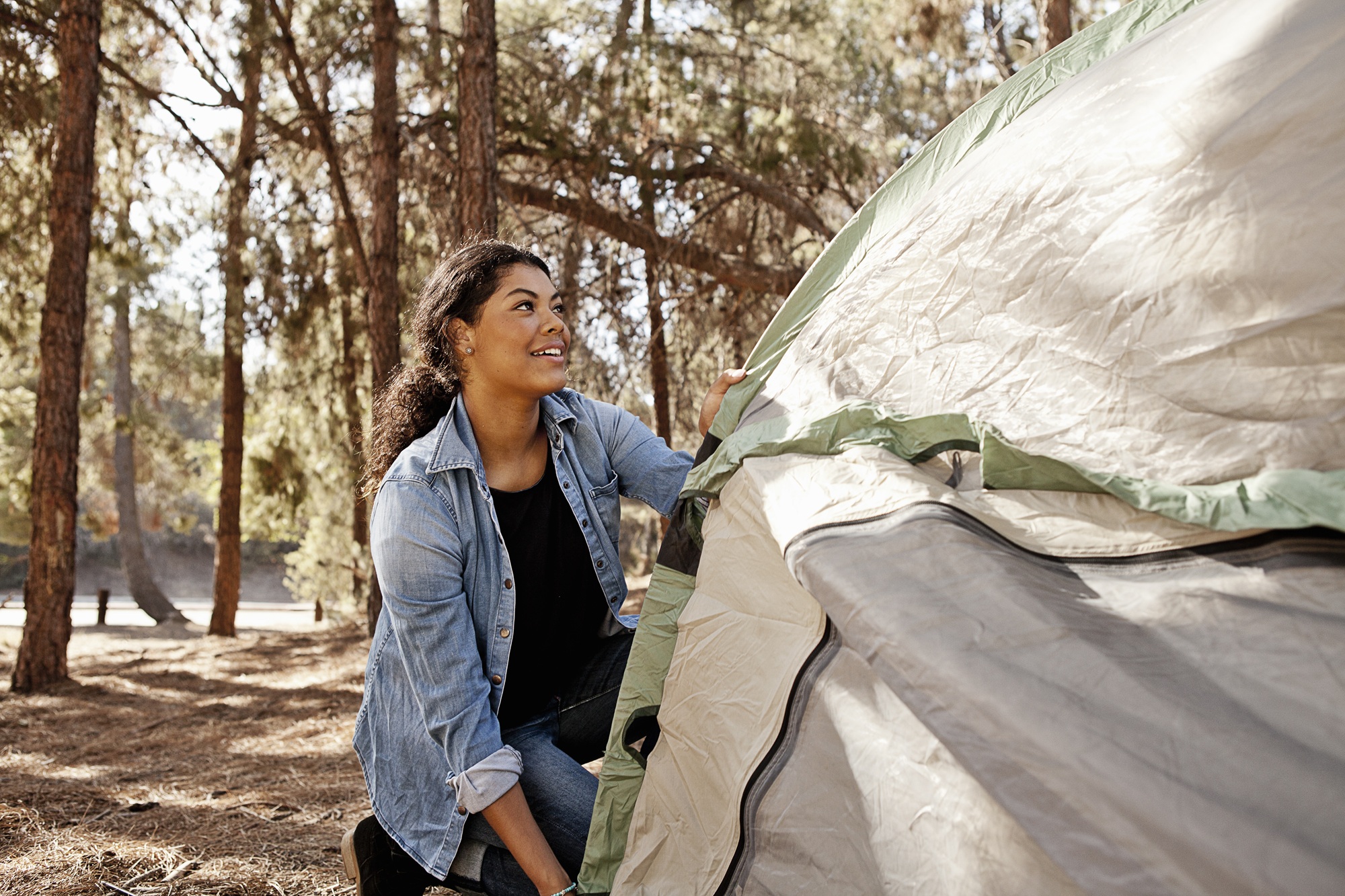
"caption": "A stock photo of a young woman in the forest putting up a tent.",
"credit": "Jacob Rushing/Getty Images",
"altTag": null,
"description": null,
"imgSizes": {
"thumbnail": {
"file": "https://cdn.kqed.org/wp-content/uploads/sites/10/2026/05/CampingGetty1-160x107.jpg",
"width": 160,
"height": 107,
"mimeType": "image/jpeg"
},
"1536x1536": {
"file": "https://cdn.kqed.org/wp-content/uploads/sites/10/2026/05/CampingGetty1-1536x1024.jpg",
"width": 1536,
"height": 1024,
"mimeType": "image/jpeg"
},
"post-thumbnail": {
"file": "https://cdn.kqed.org/wp-content/uploads/sites/10/2026/05/CampingGetty1-672x372.jpg",
"width": 672,
"height": 372,
"mimeType": "image/jpeg"
},
"twentyfourteen-full-width": {
"file": "https://cdn.kqed.org/wp-content/uploads/sites/10/2026/05/CampingGetty1-1038x576.jpg",
"width": 1038,
"height": 576,
"mimeType": "image/jpeg"
},
"npr-cds-wide": {
"file": "https://cdn.kqed.org/wp-content/uploads/sites/10/2026/05/CampingGetty1-1200x675.jpg",
"width": 1200,
"height": 675,
"mimeType": "image/jpeg"
},
"npr-cds-square": {
"file": "https://cdn.kqed.org/wp-content/uploads/sites/10/2026/05/CampingGetty1-600x600.jpg",
"width": 600,
"height": 600,
"mimeType": "image/jpeg"
},
"kqedFullSize": {
"file": "https://cdn.kqed.org/wp-content/uploads/sites/10/2026/05/CampingGetty1.jpg",
"width": 2000,
"height": 1333
}
},
"isLoading": false,
"fetchFailed": false
},
"news_12083964": {
"type": "attachments",
"id": "news_12083964",
"meta": {
"index": "attachments_1716263798",
"site": "news",
"id": "12083964",
"found": true
},
"title": "Rep. Eric Swalwell addresses the press event in Hayward on Mar. 9, 2026.",
"publishDate": 1778874929,
"status": "inherit",
"parent": 12083627,
"modified": 1778884113,
"caption": "Rep. Eric Swalwell addresses the press event in Hayward on March 9, 2026.",
"credit": "Martin do Nascimento/KQED",
"altTag": null,
"description": null,
"imgSizes": {
"thumbnail": {
"file": "https://cdn.kqed.org/wp-content/uploads/sites/10/2026/05/260309-DEAF-DEPORTEE-MD-05_qed-160x107.jpg",
"width": 160,
"height": 107,
"mimeType": "image/jpeg"
},
"1536x1536": {
"file": "https://cdn.kqed.org/wp-content/uploads/sites/10/2026/05/260309-DEAF-DEPORTEE-MD-05_qed-1536x1024.jpg",
"width": 1536,
"height": 1024,
"mimeType": "image/jpeg"
},
"post-thumbnail": {
"file": "https://cdn.kqed.org/wp-content/uploads/sites/10/2026/05/260309-DEAF-DEPORTEE-MD-05_qed-672x372.jpg",
"width": 672,
"height": 372,
"mimeType": "image/jpeg"
},
"twentyfourteen-full-width": {
"file": "https://cdn.kqed.org/wp-content/uploads/sites/10/2026/05/260309-DEAF-DEPORTEE-MD-05_qed-1038x576.jpg",
"width": 1038,
"height": 576,
"mimeType": "image/jpeg"
},
"npr-cds-wide": {
"file": "https://cdn.kqed.org/wp-content/uploads/sites/10/2026/05/260309-DEAF-DEPORTEE-MD-05_qed-1200x675.jpg",
"width": 1200,
"height": 675,
"mimeType": "image/jpeg"
},
"npr-cds-square": {
"file": "https://cdn.kqed.org/wp-content/uploads/sites/10/2026/05/260309-DEAF-DEPORTEE-MD-05_qed-600x600.jpg",
"width": 600,
"height": 600,
"mimeType": "image/jpeg"
},
"kqedFullSize": {
"file": "https://cdn.kqed.org/wp-content/uploads/sites/10/2026/05/260309-DEAF-DEPORTEE-MD-05_qed.jpg",
"width": 1999,
"height": 1333
}
},
"isLoading": false,
"fetchFailed": false
},
"news_12081064": {
"type": "attachments",
"id": "news_12081064",
"meta": {
"index": "attachments_1716263798",
"site": "news",
"id": "12081064",
"found": true
},
"title": "FTP_9P3A3319_1_qed",
"publishDate": 1776915743,
"status": "inherit",
"parent": 12082059,
"modified": 1778868137,
"caption": "Matt Mahan, Democratic gubernatorial candidate for California, from left, Xavier Becerra, Democratic gubernatorial candidate for California, Chad Bianco, Republican gubernatorial candidate for California, Steve Hilton, Republican gubernatorial candidate for California, Tom Steyer, Democratic gubernatorial candidate for California, and Katie Porter, Democratic gubernatorial candidate for California, during a gubernatorial debate at KRON Studios in San Francisco, California, on April 22, 2026. California will hold its primary election on June 2, where the top two finishers advance to the general election in November regardless of party affiliation. ",
"credit": "Jason Henry/Nexstar/Bloomberg",
"altTag": null,
"description": null,
"imgSizes": {
"thumbnail": {
"file": "https://cdn.kqed.org/wp-content/uploads/sites/10/2026/04/FTP_9P3A3319_1_qed-160x107.jpg",
"width": 160,
"height": 107,
"mimeType": "image/jpeg"
},
"1536x1536": {
"file": "https://cdn.kqed.org/wp-content/uploads/sites/10/2026/04/FTP_9P3A3319_1_qed-1536x1024.jpg",
"width": 1536,
"height": 1024,
"mimeType": "image/jpeg"
},
"post-thumbnail": {
"file": "https://cdn.kqed.org/wp-content/uploads/sites/10/2026/04/FTP_9P3A3319_1_qed-672x372.jpg",
"width": 672,
"height": 372,
"mimeType": "image/jpeg"
},
"twentyfourteen-full-width": {
"file": "https://cdn.kqed.org/wp-content/uploads/sites/10/2026/04/FTP_9P3A3319_1_qed-1038x576.jpg",
"width": 1038,
"height": 576,
"mimeType": "image/jpeg"
},
"npr-cds-wide": {
"file": "https://cdn.kqed.org/wp-content/uploads/sites/10/2026/04/FTP_9P3A3319_1_qed-1200x675.jpg",
"width": 1200,
"height": 675,
"mimeType": "image/jpeg"
},
"npr-cds-square": {
"file": "https://cdn.kqed.org/wp-content/uploads/sites/10/2026/04/FTP_9P3A3319_1_qed-600x600.jpg",
"width": 600,
"height": 600,
"mimeType": "image/jpeg"
},
"kqedFullSize": {
"file": "https://cdn.kqed.org/wp-content/uploads/sites/10/2026/04/FTP_9P3A3319_1_qed.jpg",
"width": 1999,
"height": 1333
}
},
"isLoading": false,
"fetchFailed": false
}
},
"audioPlayerReducer": {
"postId": "stream_live",
"isPaused": true,
"isPlaying": false,
"pfsActive": false,
"pledgeModalIsOpen": true,
"playerDrawerIsOpen": false,
"liveAudioPlayStartedAt": 0,
"liveAudioPlayContext": ""
},
"authorsReducer": {
"gmarzorati": {
"type": "authors",
"id": "227",
"meta": {
"index": "authors_1716337520",
"id": "227",
"found": true
},
"name": "Guy Marzorati",
"firstName": "Guy",
"lastName": "Marzorati",
"slug": "gmarzorati",
"email": "gmarzorati@KQED.org",
"display_author_email": true,
"staff_mastheads": [
"news"
],
"title": "Correspondent",
"bio": "Guy Marzorati is a correspondent on KQED's California Politics and Government Desk, based in San Jose. A graduate of Santa Clara University, Guy joined KQED in 2013. He reports on state and local politics and produces KQED's digital voter guide.",
"avatar": "https://secure.gravatar.com/avatar/e7038b8dbfd55b104369b76b1cd0b9de?s=600&d=blank&r=g",
"twitter": "guymarzorati",
"facebook": null,
"instagram": null,
"linkedin": null,
"sites": [
{
"site": "",
"roles": [
"editor"
]
},
{
"site": "news",
"roles": [
"editor"
]
},
{
"site": "science",
"roles": [
"editor"
]
},
{
"site": "forum",
"roles": [
"editor"
]
},
{
"site": "elections",
"roles": [
"editor"
]
},
{
"site": "liveblog",
"roles": [
"editor"
]
}
],
"headData": {
"title": "Guy Marzorati | KQED",
"description": "Correspondent",
"ogImgSrc": "https://secure.gravatar.com/avatar/e7038b8dbfd55b104369b76b1cd0b9de?s=600&d=blank&r=g",
"twImgSrc": "https://secure.gravatar.com/avatar/e7038b8dbfd55b104369b76b1cd0b9de?s=600&d=blank&r=g"
},
"isLoading": false,
"link": "/author/gmarzorati"
},
"carlysevern": {
"type": "authors",
"id": "3243",
"meta": {
"index": "authors_1716337520",
"id": "3243",
"found": true
},
"name": "Carly Severn",
"firstName": "Carly",
"lastName": "Severn",
"slug": "carlysevern",
"email": "csevern@kqed.org",
"display_author_email": false,
"staff_mastheads": [
"news"
],
"title": "Senior Editor, Audience News ",
"bio": "Carly is KQED's Senior Editor of Audience News on the Digital News team, and has reported for the California Report Magazine, Bay Curious and KQED Arts. She's formerly the host of \u003ca href=\"http://ww2.kqed.org/pop/category/the-cooler/\" rel=\"noopener noreferrer\">The Cooler\u003c/a> podcast.",
"avatar": "https://secure.gravatar.com/avatar/54037bf5c128fe678f0ef26cec97a93f2e7f220a22d7285703328f12c42c1b1d?s=600&d=blank&r=g",
"twitter": "teacupinthebay",
"bluesky": null,
"facebook": null,
"instagram": null,
"linkedin": null,
"sites": [
{
"site": "",
"roles": [
"editor"
]
},
{
"site": "arts",
"roles": [
"editor"
]
},
{
"site": "news",
"roles": [
"administrator"
]
},
{
"site": "pop",
"roles": [
"editor"
]
},
{
"site": "futureofyou",
"roles": [
"editor"
]
},
{
"site": "about",
"roles": [
"administrator"
]
},
{
"site": "mindshift",
"roles": [
"editor"
]
},
{
"site": "bayareabites",
"roles": [
"editor"
]
},
{
"site": "stateofhealth",
"roles": [
"editor"
]
},
{
"site": "science",
"roles": [
"editor"
]
},
{
"site": "food",
"roles": [
"contributor"
]
},
{
"site": "forum",
"roles": [
"editor"
]
},
{
"site": "perspectives",
"roles": [
"administrator"
]
},
{
"site": "liveblog",
"roles": [
"editor"
]
}
],
"headData": {
"title": "Carly Severn | KQED",
"description": "Senior Editor, Audience News ",
"ogImgSrc": "https://secure.gravatar.com/avatar/54037bf5c128fe678f0ef26cec97a93f2e7f220a22d7285703328f12c42c1b1d?s=600&d=blank&r=g",
"twImgSrc": "https://secure.gravatar.com/avatar/54037bf5c128fe678f0ef26cec97a93f2e7f220a22d7285703328f12c42c1b1d?s=600&d=blank&r=g"
},
"isLoading": false,
"link": "/author/carlysevern"
},
"ccabreralomeli": {
"type": "authors",
"id": "11708",
"meta": {
"index": "authors_1716337520",
"id": "11708",
"found": true
},
"name": "Carlos Cabrera-Lomelí",
"firstName": "Carlos",
"lastName": "Cabrera-Lomelí",
"slug": "ccabreralomeli",
"email": "ccabreralomeli@KQED.org",
"display_author_email": true,
"staff_mastheads": [
"news"
],
"title": "Community Reporter",
"bio": "Carlos Cabrera-Lomelí is a community reporter with KQED's digital engagement team. He also reports and co-produces for KQED's bilingual news hub KQED en Español. He grew up in San Francisco's Mission District and has previously worked with Univision, 48 Hills and REFORMA in Mexico City.",
"avatar": "https://secure.gravatar.com/avatar/c309be9665e484f887b818c89e273ecc673004f426f36b24d00a4d813a2e0518?s=600&d=blank&r=g",
"twitter": "@LomeliCabrera",
"bluesky": null,
"facebook": null,
"instagram": null,
"linkedin": null,
"sites": [
{
"site": "arts",
"roles": [
"editor"
]
},
{
"site": "news",
"roles": [
"editor"
]
},
{
"site": "about",
"roles": [
"editor"
]
},
{
"site": "science",
"roles": [
"editor"
]
},
{
"site": "perspectives",
"roles": [
"editor"
]
},
{
"site": "elections",
"roles": [
"editor"
]
},
{
"site": "liveblog",
"roles": [
"contributor"
]
}
],
"headData": {
"title": "Carlos Cabrera-Lomelí | KQED",
"description": "Community Reporter",
"ogImgSrc": "https://secure.gravatar.com/avatar/c309be9665e484f887b818c89e273ecc673004f426f36b24d00a4d813a2e0518?s=600&d=blank&r=g",
"twImgSrc": "https://secure.gravatar.com/avatar/c309be9665e484f887b818c89e273ecc673004f426f36b24d00a4d813a2e0518?s=600&d=blank&r=g"
},
"isLoading": false,
"link": "/author/ccabreralomeli"
},
"ibloom": {
"type": "authors",
"id": "11805",
"meta": {
"index": "authors_1716337520",
"id": "11805",
"found": true
},
"name": "Izzy Bloom",
"firstName": "Izzy",
"lastName": "Bloom",
"slug": "ibloom",
"email": "ibloom@kqed.org",
"display_author_email": false,
"staff_mastheads": [],
"title": "KQED Reporter & Producer",
"bio": "Izzy is a reporter and producer on KQED's California Politics & Government Desk. She joined the desk in 2024 to produce Political Breakdown, covering local and national elections and attending the RNC and DNC in Milwaukee and Chicago. \r\n\r\nBefore that, Izzy was a producer on The California Report and reported long-form stories for The California Report Magazine. She was a finalist for the Third Coast/Richard H. Driehaus Foundation Competition and was awarded for her reporting on indigenous land back by the Society of Professional Journalists. Izzy received her master's in journalism from the University of California, Berkeley.",
"avatar": "https://secure.gravatar.com/avatar/cc4d272ca430783ee1a8efac470a6b1e0fdd082c3beb61da019801d0ff751c8c?s=600&d=blank&r=g",
"twitter": null,
"bluesky": null,
"facebook": null,
"instagram": null,
"linkedin": null,
"sites": [
{
"site": "news",
"roles": [
"editor"
]
},
{
"site": "perspectives",
"roles": [
"editor"
]
}
],
"headData": {
"title": "Izzy Bloom | KQED",
"description": "KQED Reporter & Producer",
"ogImgSrc": "https://secure.gravatar.com/avatar/cc4d272ca430783ee1a8efac470a6b1e0fdd082c3beb61da019801d0ff751c8c?s=600&d=blank&r=g",
"twImgSrc": "https://secure.gravatar.com/avatar/cc4d272ca430783ee1a8efac470a6b1e0fdd082c3beb61da019801d0ff751c8c?s=600&d=blank&r=g"
},
"isLoading": false,
"link": "/author/ibloom"
},
"nkhan": {
"type": "authors",
"id": "11867",
"meta": {
"index": "authors_1716337520",
"id": "11867",
"found": true
},
"name": "Nisa Khan",
"firstName": "Nisa",
"lastName": "Khan",
"slug": "nkhan",
"email": "nkhan@kqed.org",
"display_author_email": false,
"staff_mastheads": [],
"title": "KQED Contributor",
"bio": "Nisa Khan is a reporter for KQED's Audience News Desk. She was formerly a data reporter at Michigan Radio. She earned a Bachelor of Science in Information from the University of Michigan and a Master of Arts in Communication from Stanford University.",
"avatar": "https://secure.gravatar.com/avatar/8720459eef081ff64582b3506b124d58523e80e120704a0cbd9892533c914991?s=600&d=blank&r=g",
"twitter": "mnisakhan",
"bluesky": null,
"facebook": null,
"instagram": null,
"linkedin": null,
"sites": [
{
"site": "arts",
"roles": [
"editor"
]
},
{
"site": "news",
"roles": [
"editor"
]
},
{
"site": "science",
"roles": [
"editor",
"author"
]
},
{
"site": "forum",
"roles": [
"editor"
]
},
{
"site": "liveblog",
"roles": [
"contributor"
]
}
],
"headData": {
"title": "Nisa Khan | KQED",
"description": "KQED Contributor",
"ogImgSrc": "https://secure.gravatar.com/avatar/8720459eef081ff64582b3506b124d58523e80e120704a0cbd9892533c914991?s=600&d=blank&r=g",
"twImgSrc": "https://secure.gravatar.com/avatar/8720459eef081ff64582b3506b124d58523e80e120704a0cbd9892533c914991?s=600&d=blank&r=g"
},
"isLoading": false,
"link": "/author/nkhan"
},
"sarahwright": {
"type": "authors",
"id": "11956",
"meta": {
"index": "authors_1716337520",
"id": "11956",
"found": true
},
"name": "Sarah Wright",
"firstName": "Sarah",
"lastName": "Wright",
"slug": "sarahwright",
"email": "swright@kqed.org",
"display_author_email": true,
"staff_mastheads": [],
"title": "Outdoors Engagement Reporter",
"bio": "Sarah Wright is KQED's Outdoors Engagement Reporter. Originally from Lake Tahoe, she completed a thru-hike of the Pacific Crest Trail in 2019 and was a U.S. Fulbright Program grantee to Argentina in 2023. Her journalism has appeared in The Guardian, The San Francisco Standard, The Palo Alto Weekly and the Half Moon Bay Review.",
"avatar": "https://secure.gravatar.com/avatar/c161a3d6441865cba25e6db4fa561099ad665799e9432e34da2b84d7e371524c?s=600&d=blank&r=g",
"twitter": null,
"bluesky": null,
"facebook": null,
"instagram": null,
"linkedin": null,
"sites": [
{
"site": "arts",
"roles": [
"editor"
]
},
{
"site": "news",
"roles": [
"editor"
]
},
{
"site": "science",
"roles": [
"contributor",
"author"
]
},
{
"site": "forum",
"roles": [
"editor"
]
}
],
"headData": {
"title": "Sarah Wright | KQED",
"description": "Outdoors Engagement Reporter",
"ogImgSrc": "https://secure.gravatar.com/avatar/c161a3d6441865cba25e6db4fa561099ad665799e9432e34da2b84d7e371524c?s=600&d=blank&r=g",
"twImgSrc": "https://secure.gravatar.com/avatar/c161a3d6441865cba25e6db4fa561099ad665799e9432e34da2b84d7e371524c?s=600&d=blank&r=g"
},
"isLoading": false,
"link": "/author/sarahwright"
}
},
"pagesReducer": {
"news_category_guides-and-explainers": {
"type": "terms",
"id": "news_34168",
"meta": {
"index": "terms_1716263798",
"site": "news",
"id": "34168",
"score": 14.406069
},
"name": "Guides and Explainers",
"slug": "guides-and-explainers",
"taxonomy": "category",
"description": null,
"featImg": null,
"headData": {
"title": "Guides and Explainers Archives | KQED News",
"description": null,
"ogTitle": null,
"ogDescription": null,
"ogImgId": null,
"twTitle": null,
"twDescription": null,
"twImgId": null
},
"ttid": 34185,
"isLoading": false,
"title": "Guides and Explainers",
"pageMeta": {
"site": "news",
"WpPageTemplate": "page-topic-editorial",
"currentPage": 8
},
"blocks": [
{
"blockName": "kqed/post-list",
"attrs": {
"layout": "cardArticle2",
"query": "posts/news?category=guides-and-explainers",
"seeMore": false,
"paginated": true,
"page": 8
}
},
{
"blockName": "kqed/ad"
}
]
}
},
"pfsSessionReducer": {},
"postsReducer": {
"stream_live": {
"type": "live",
"id": "stream_live",
"audioUrl": "https://streams.kqed.org/kqedradio",
"title": "Live Stream",
"excerpt": "Live Stream information currently unavailable.",
"link": "/radio",
"featImg": "",
"label": {
"name": "KQED Live",
"link": "/"
}
},
"stream_kqedNewscast": {
"type": "posts",
"id": "stream_kqedNewscast",
"audioUrl": "https://www.kqed.org/.stream/anon/radio/RDnews/newscast.mp3?_=1",
"title": "KQED Newscast",
"featImg": "",
"label": {
"name": "88.5 FM",
"link": "/"
}
},
"news_12084967": {
"type": "posts",
"id": "news_12084967",
"meta": {
"index": "posts_1716263798",
"site": "news",
"id": "12084967",
"score": null,
"sort": [
1779917943000
]
},
"guestAuthors": [],
"slug": "ariana-grande-oakland-arena-eternal-sunshine-tickets-bag-policy-parking-coliseum-bart",
"title": "Seeing Ariana Grande at Oakland Arena? From Bag Policy to Parking, What to Know",
"publishDate": 1779917943,
"format": "standard",
"headTitle": "Seeing Ariana Grande at Oakland Arena? From Bag Policy to Parking, What to Know | KQED",
"labelTerm": {
"site": "news"
},
"content": "\u003cp>With \u003ca href=\"https://www.youtube.com/watch?v=JsUnsCcvqIA\">the era of Glinda the Good\u003c/a> wrapped up, pop star Ariana Grande is embarking on her Eternal Sunshine Tour — and she’s kicking it off right here in the Bay Area.\u003c/p>\n\u003cp>The tour, which comes to Oakland Arena over three nights on June 6, 9 and 10, will focus on the 2024 album Eternal Sunshine, featuring songs like “we can’t be friends (wait for your love)” and “yes, and?”\u003c/p>\n\u003cp>Since this will mark Grande’s first tour since 2019, anticipation from Arianators is high. If you’re planning on attending the Eternal Sunshine Tour in Oakland, you may be looking for a game plan for parking at the venue — or just getting in and out of the crowded, hectic stadium as painlessly as possible.\u003c/p>\n\u003cp>[ad fullwidth]\u003c/p>\n\u003cp>Keep reading for our at-a-glance information on parking options, bag policy, public transit and more for Ariana Grande’s Oakland dates.\u003c/p>\n\u003cp>(And if this is your first show at Oakland Arena, be sure not to confuse it with the Oakland-Alameda County Coliseum next door — the big difference being that the \u003cem>arena \u003c/em>is indoors while the coliseum is outdoors.)\u003c/p>\n\u003cp>\u003cstrong>Jump straight to:\u003c/strong>\u003c/p>\n\u003cul>\n\u003cli>\u003cstrong>\u003ca href=\"#WhatsthebagpolicyatOaklandArena\"> What’s the bag policy at Oakland Arena?\u003c/a>\u003c/strong>\u003c/li>\n\u003cli>\u003cstrong>\u003ca href=\"#IsthereparkingatOaklandArenafortheArianaGrandeshows\"> Is there parking at Oakland Arena for the Ariana Grande shows?\u003c/a>\u003c/strong>\u003c/li>\n\u003cli>\u003cstrong>\u003ca href=\"#CanIstillgetticketsfortheEternalSunshinetourinOakland\"> Can I still get tickets for the Eternal Sunshine tour in Oakland?\u003c/a>\u003c/strong>\u003c/li>\n\u003c/ul>\n\u003cfigure id=\"attachment_12085299\" class=\"wp-caption aligncenter\" style=\"max-width: 1980px\">\u003cimg loading=\"lazy\" decoding=\"async\" class=\"size-full wp-image-12085299\" src=\"https://cdn.kqed.org/wp-content/uploads/sites/10/2026/05/GettyImages-2208208140.jpg\" alt=\"\" width=\"1980\" height=\"1414\" srcset=\"https://cdn.kqed.org/wp-content/uploads/sites/10/2026/05/GettyImages-2208208140.jpg 1980w, https://cdn.kqed.org/wp-content/uploads/sites/10/2026/05/GettyImages-2208208140-160x114.jpg 160w, https://cdn.kqed.org/wp-content/uploads/sites/10/2026/05/GettyImages-2208208140-1536x1097.jpg 1536w\" sizes=\"auto, (max-width: 1980px) 100vw, 1980px\">\u003cfigcaption class=\"wp-caption-text\">Ariana Grande, left, and Cynthia Erivo promote the upcoming film “Wicked: For Good” at the Universal Pictures and Focus Features presentation during CinemaCon, the official convention of Cinema United, at The Colosseum at Caesars Palace on April 2, 2025, in Las Vegas, Nevada. \u003ccite>(Ethan Miller/Getty Images)\u003c/cite>\u003c/figcaption>\u003c/figure>\n\u003ch2>What time are the Ariana Grande shows at Oakland Arena?\u003c/h2>\n\u003cp>On Saturday, June 6, Tuesday, June 9 and Wednesday, June 10, the Eternal Sunshine show will start at 8 p.m. each night.\u003c/p>\n\u003cp>According to Oakland Arena, for \u003ca href=\"https://www.theoaklandarena.com/oakland-a-z\">“most shows,”\u003c/a> their doors open one hour prior to the scheduled performance time.\u003c/p>\n\u003cp>Since this will be the first stop of the Eternal Sunshine Tour, no confirmed setlists are yet available online. (See it as a great opportunity for Bay Area Arianators to break the news!)\u003c/p>\n\u003ch2>\u003ca id=\"WhatsthebagpolicyatOaklandArena\">\u003c/a>What’s the Oakland Arena bag policy for the Ariana Grande shows?\u003c/h2>\n\u003cp>A big thing to know: Bag check is not available at Oakland Arena, so you should plan accordingly.\u003c/p>\n\u003cp>\u003cspan style=\"font-weight: 400\">For the Ariana Grande shows, there will be a clear bag policy. That means “this tour will operate under a clear-bag-only policy for all ticketed attendees,” according to \u003c/span>\u003ca href=\"https://www.theoaklandarena.com/oakland-a-z\">\u003cspan style=\"font-weight: 400\">Oakland Arena’s website\u003c/span>\u003c/a>\u003cspan style=\"font-weight: 400\">. Bags – even ones under 14″ x 14″ x 6″ that are \u003c/span>\u003ci>\u003cspan style=\"font-weight: 400\">usually\u003c/span>\u003c/i>\u003cspan style=\"font-weight: 400\"> allowed inside – should be left at home.\u003c/span>\u003c/p>\n\u003cp>\u003cspan style=\"font-weight: 400\">“Guests are strongly encouraged to arrive with only essential items,” the website reads under the Bagpacks, Bags and Purses section. “Approved bags must be clear plastic, vinyl, or PVC and must be easily searchable upon entry. Small clutches or wallets may be permitted, subject to venue policy and security screening.”\u003c/span>\u003c/p>\n\u003cp>\u003cspan style=\"font-weight: 400\">Medical bags and child-care bags may be permitted after a security check.\u003c/span>\u003c/p>\n\u003cp>Other items \u003ca href=\"https://www.theoaklandarena.com/prohibited-items\">you cannot bring into the Eternal Sunshine show\u003c/a> — so you shouldn’t bring them to the arena — include:\u003c/p>\n\u003cul>\n\u003cli>Outside food or beverage (as well as hard-sided containers like a thermos)\u003c/li>\n\u003cli>Coolers\u003c/li>\n\u003cli>Any type of backpack\u003c/li>\n\u003cli>Weapons or sharp objects\u003c/li>\n\u003cli>Bats and clubs\u003c/li>\n\u003cli>Selfie sticks and tripods\u003c/li>\n\u003cli>Strollers\u003c/li>\n\u003cli>Portable chairs\u003c/li>\n\u003cli>Seat cushions\u003c/li>\n\u003cli>Large banners or flags\u003c/li>\n\u003c/ul>\n\u003cp>\u003ca href=\"https://www.kqed.org/news/11959799/how-to-avoid-a-car-break-in-bay-area\">Be careful if you’re choosing to stash anything in your vehicle\u003c/a> during the show, as break-ins are unfortunately common around the Bay Area. Don’t leave anything on display in your car, especially electronics like laptops — even if you think they’re hidden from view.[aside postID=news_12080384 hero='https://cdn.kqed.org/wp-content/uploads/sites/10/2026/05/260510-VALKYRIESHOMEOPENER-29-BL-KQED.jpg']\u003c/p>\n\u003cp>Items that are permitted into Oakland Arena but still may be subjected to a search:\u003c/p>\n\u003cul>\n\u003cli>Empty soft plastic bottles\u003c/li>\n\u003cli>Binoculars and their cases\u003c/li>\n\u003cli>Still cameras with lenses shorter than 3 inches.\u003c/li>\n\u003c/ul>\n\u003ch2>\u003ca id=\"IsthereparkingatOaklandArenafortheArianaGrandeshows\">\u003c/a>What should I know about parking at and near Oakland Arena?\u003c/h2>\n\u003cp>As of publication, you can still buy tickets to parking spots at Oakland Arena on Ticketmaster for \u003ca href=\"https://www.ticketmaster.com/prepaid-parking-pass-only-ariana-grande-oakland-california-06-06-2026/event/1C0063250C3C89B9\">June 6\u003c/a>, \u003ca href=\"https://www.ticketmaster.com/prepaid-parking-pass-only-ariana-grande-oakland-california-06-09-2026/event/1C0063250C3F89BD\">9\u003c/a> and \u003ca href=\"https://www.ticketmaster.com/event/1C0063250CC989F0\">10\u003c/a>. Prices range from around $48 to $170+.\u003c/p>\n\u003cp>You may be able to find a more affordable parking space on \u003ca href=\"https://spothero.com/search?kind=event&id=1188274&view=dl\">a website like Spot Hero,\u003c/a> which locates available spaces near the venue.\u003c/p>\n\u003cp>(If you end up using this option, be sure to map out your route and make sure you aren’t \u003cem>too\u003c/em> far away from the venue – and wear comfy footwear!)\u003c/p>\n\u003ch2>How to take public transportation to the Eternal Sunshine concert\u003c/h2>\n\u003cp>Public transit schedules can always be subject to change. Check the timings for your route on the day of the show itself, and be sure of your very last service home.\u003c/p>\n\u003cp>The Oakland Arena is located near \u003ca href=\"https://www.bart.gov/\">BART\u003c/a>, the \u003ca href=\"https://www.amtrak.com/stations/okj\">Capitol Corridor Amtrak train\u003c/a>, and \u003ca href=\"http://www.actransit.org/\">AC Transit\u003c/a>. If you are taking the BART or Amtrak, you’ll get off at \u003ca href=\"https://www.theoaklandarena.com/public-transportation\">Coliseum Station and cross the ramp to the arena\u003c/a> — \u003ca href=\"https://www.capitolcorridor.org/stations/oakland-coliseum/\">around a six-minute walk\u003c/a>.\u003c/p>\n\u003cfigure id=\"attachment_11425097\" class=\"wp-caption aligncenter\" style=\"max-width: 1920px\">\u003cimg loading=\"lazy\" decoding=\"async\" class=\"size-full wp-image-11425097\" src=\"https://cdn.kqed.org/wp-content/uploads/sites/10/2017/04/BartColiseum.jpg\" alt=\"A BART train at Oakland's Coliseum station, where 40 to 60 youths took over a train car and robbed and beat passengers.\" width=\"1920\" height=\"1224\" srcset=\"https://cdn.kqed.org/wp-content/uploads/sites/10/2017/04/BartColiseum.jpg 1920w, https://cdn.kqed.org/wp-content/uploads/sites/10/2017/04/BartColiseum-160x102.jpg 160w, https://cdn.kqed.org/wp-content/uploads/sites/10/2017/04/BartColiseum-800x510.jpg 800w, https://cdn.kqed.org/wp-content/uploads/sites/10/2017/04/BartColiseum-1020x650.jpg 1020w, https://cdn.kqed.org/wp-content/uploads/sites/10/2017/04/BartColiseum-1180x752.jpg 1180w, https://cdn.kqed.org/wp-content/uploads/sites/10/2017/04/BartColiseum-960x612.jpg 960w, https://cdn.kqed.org/wp-content/uploads/sites/10/2017/04/BartColiseum-240x153.jpg 240w, https://cdn.kqed.org/wp-content/uploads/sites/10/2017/04/BartColiseum-375x239.jpg 375w, https://cdn.kqed.org/wp-content/uploads/sites/10/2017/04/BartColiseum-520x332.jpg 520w\" sizes=\"auto, (max-width: 1920px) 100vw, 1920px\">\u003cfigcaption class=\"wp-caption-text\">A BART train at Oakland’s Coliseum station, where 40 to 60 youths took over a train car and robbed and beat passengers. \u003ccite>(Paul Sullivan/Flickr)\u003c/cite>\u003c/figcaption>\u003c/figure>\n\u003cp>For some of these transportation options, you can use \u003ca href=\"https://www.kqed.org/news/12052690/bart-fares-2025-credit-card-clipper-tap-and-ride-contactless\">a Clipper Card, a credit or debit card or Apple/Google Pay to tap on and off these services\u003c/a>.\u003c/p>\n\u003cp>If you are taking \u003ca href=\"https://www.theoaklandarena.com/plan/getting-here\">an Uber or Lyft\u003c/a> to or from the event, you will need to be \u003ca href=\"https://www.theoaklandarena.com/plan/getting-here\">picked up at Baldwin Gate\u003c/a>. Baldwin Gate opens two hours before the event starts. Be aware that there will likely be a surge charge around this time due to the crowds.\u003c/p>\n\u003ch2>What should I know about accessibility at Oakland Arena?\u003c/h2>\n\u003cp>Oakland Arena has \u003ca href=\"https://www.theoaklandarena.com/accessibility\">an online guide to its accessibility services\u003c/a>. You can call 510-569-2121 or email customerservice@coliseum.com for information or requests.\u003c/p>\n\u003cp>Highlights are:\u003c/p>\n\u003cul>\n\u003cli>Assisted Listening Devices are available in the First Aid Section 106\u003c/li>\n\u003cli>Elevators are available at the west side, near Section 114, and the east side, near Section 101\u003c/li>\n\u003cli>Escalators are available at the west side, near Section 115, and the east side, near Section 128\u003c/li>\n\u003cli>ADA parking is available, \u003ca href=\"https://www.theoaklandarena.com/accessibility\">located at the front of the parking lots closest to Oakland Arena.\u003c/a>\u003c/li>\n\u003c/ul>\n\u003ch2>How do I know if I’ve got a good seat at the Eternal Sunshine show?\u003c/h2>\n\u003cp>If you are anxious about anything obscuring your sight of the stage or how you want to get to your seat fast, you can check it out on \u003ca href=\"https://www.theoaklandarena.com/seating-charts\">Oakland Arena’s website\u003c/a> or \u003ca href=\"https://aviewfrommyseat.com/venue/Oakland+Arena/\">A View From My Seat\u003c/a>.\u003c/p>\n\u003ch2>\u003ca id=\"CanIstillgetticketsfortheEternalSunshinetourinOakland\">\u003c/a>Can I still get a ticket for the Eternal Sunshine tour at Oakland Arena?\u003c/h2>\n\u003cp>As of publication, tickets to Ariana Grande’s shows on June \u003ca href=\"https://www.ticketmaster.com/ariana-grande-the-eternal-sunshine-tour-oakland-california-06-06-2026/event/1C00631913D14AD8\">6\u003c/a>, \u003ca href=\"https://www.ticketmaster.com/ariana-grande-the-eternal-sunshine-tour-oakland-california-06-09-2026/event/1C00631A8FC31891\">9\u003c/a> and \u003ca href=\"https://www.ticketmaster.com/ariana-grande-the-eternal-sunshine-tour-oakland-california-06-10-2026/event/1C00632490B77E47\">10\u003c/a> in Oakland are still available on Ticketmaster.\u003c/p>\n\u003cp>But be warned: prices are at the higher end. The cost of one ticket for the Saturday night show ranges from \u003ca href=\"https://www.ticketmaster.com/ariana-grande-the-eternal-sunshine-tour-oakland-california-06-06-2026/event/1C00631913D14AD8\">around $600 to over $2,284\u003c/a>.\u003c/p>\n\u003cp>Many of these tickets are \u003ca href=\"https://legal.ticketmaster.com/resale-purchase-policy/\">Verified Resale Tickets \u003c/a>– meaning tickets being resold by others through the Ticketmaster website.\u003c/p>\n\u003cfigure id=\"attachment_12085301\" class=\"wp-caption aligncenter\" style=\"max-width: 1980px\">\u003cimg loading=\"lazy\" decoding=\"async\" class=\"size-full wp-image-12085301\" src=\"https://cdn.kqed.org/wp-content/uploads/sites/10/2026/05/GettyImages-2264385459.jpg\" alt=\"\" width=\"1980\" height=\"1320\" srcset=\"https://cdn.kqed.org/wp-content/uploads/sites/10/2026/05/GettyImages-2264385459.jpg 1980w, https://cdn.kqed.org/wp-content/uploads/sites/10/2026/05/GettyImages-2264385459-160x107.jpg 160w, https://cdn.kqed.org/wp-content/uploads/sites/10/2026/05/GettyImages-2264385459-1536x1024.jpg 1536w\" sizes=\"auto, (max-width: 1980px) 100vw, 1980px\">\u003cfigcaption class=\"wp-caption-text\">The Ticketmaster logo is displayed on a smartphone screen in this photo illustration in Brussels, Belgium, on March 5, 2026. \u003ccite>(Jonathan Raa/NurPhoto via Getty Images)\u003c/cite>\u003c/figcaption>\u003c/figure>\n\u003cp>You could try \u003cem>other\u003c/em> \u003ca href=\"https://www.stubhub.com/ariana-grande-oakland-tickets-6-10-2026/event/159362861?quantity=2\">resale vendors like StubHub\u003c/a>, but stay cautious about online resales, especially with social media ticket trades. The \u003ca href=\"https://abc7news.com/taylor-swift-scams-concert-tickets-better-business-bureau/13474055/\">Better Business Bureau issued a warning\u003c/a> about resale scams during Taylor Swift’s 2023 Eras Tour, with many people discovering after sending the money through apps like Venmo or Zelle that these “tickets” never existed.\u003c/p>\n\u003cp>Check out the person’s profile and their past posting history to see if it seems real. And if you do choose to buy a resale, \u003ca href=\"https://web.archive.org/web/20230728200939/https:/www.bbb.org/article/scams/28902-bbb-scam-alert-spot-the-scam-before-paying-big-bucks-for-taylor-swift-tickets\">use your credit card\u003c/a>, the BBB says. This at least provides some protection for you if the deal was fake.\u003c/p>\n\u003cp>If you are getting a resale from a friend, \u003ca href=\"https://web.archive.org/web/20230728200939/https:/www.bbb.org/article/scams/28902-bbb-scam-alert-spot-the-scam-before-paying-big-bucks-for-taylor-swift-tickets\">make sure you call\u003c/a> them directly — to make sure someone isn’t impersonating them online.\u003c/p>\n\u003cp>[ad floatright]\u003c/p>\n",
"blocks": [],
"excerpt": "In June, Ariana Grande will kick off her first tour since 2019 with three nights at Oakland Arena. Here’s what you need to know about attending.",
"status": "publish",
"parent": 0,
"modified": 1779983403,
"stats": {
"hasAudio": false,
"hasVideo": false,
"hasChartOrMap": false,
"iframeSrcs": [],
"hasGoogleForm": false,
"hasGallery": false,
"hasHearkenModule": false,
"hasPolis": false,
"paragraphCount": 34,
"wordCount": 1375
},
"headData": {
"title": "Seeing Ariana Grande at Oakland Arena? From Bag Policy to Parking, What to Know | KQED",
"description": "In June, Ariana Grande will kick off her first tour since 2019 with three nights at Oakland Arena. Here’s what you need to know about attending.",
"ogTitle": "",
"ogDescription": "",
"ogImgId": "",
"twTitle": "",
"twDescription": "",
"twImgId": "",
"schema": {
"@context": "https://schema.org",
"@type": "NewsArticle",
"headline": "Seeing Ariana Grande at Oakland Arena? From Bag Policy to Parking, What to Know",
"datePublished": "2026-05-27T14:39:03-07:00",
"dateModified": "2026-05-28T08:50:03-07:00",
"image": "https://cdn.kqed.org/wp-content/uploads/2020/02/KQED-OG-Image@1x.png",
"isAccessibleForFree": "True",
"publisher": {
"@type": "NewsMediaOrganization",
"@id": "https://www.kqed.org/#organization",
"name": "KQED",
"logo": "https://cdn.kqed.org/wp-content/uploads/2020/02/KQED-OG-Image@1x.png",
"url": "https://www.kqed.org",
"sameAs": [
"https://www.facebook.com/KQED",
"https://twitter.com/KQED",
"https://www.instagram.com/kqed/",
"https://www.tiktok.com/@kqedofficial",
"https://www.linkedin.com/company/kqed",
"https://www.youtube.com/channel/UCeC0IOo7i1P_61zVUWbJ4nw"
]
}
}
},
"primaryCategory": {
"termId": 34168,
"slug": "guides-and-explainers",
"name": "Guides and Explainers"
},
"sticky": false,
"nprStoryId": "kqed-12084967",
"templateType": "standard",
"featuredImageType": "standard",
"excludeFromSiteSearch": "Include",
"articleAge": "0",
"path": "/news/12084967/ariana-grande-oakland-arena-eternal-sunshine-tickets-bag-policy-parking-coliseum-bart",
"audioTrackLength": null,
"parsedContent": [
{
"type": "contentString",
"content": "\u003cdiv class=\"post-body\">\u003cp>\u003cp>With \u003ca href=\"https://www.youtube.com/watch?v=JsUnsCcvqIA\">the era of Glinda the Good\u003c/a> wrapped up, pop star Ariana Grande is embarking on her Eternal Sunshine Tour — and she’s kicking it off right here in the Bay Area.\u003c/p>\n\u003cp>The tour, which comes to Oakland Arena over three nights on June 6, 9 and 10, will focus on the 2024 album Eternal Sunshine, featuring songs like “we can’t be friends (wait for your love)” and “yes, and?”\u003c/p>\n\u003cp>Since this will mark Grande’s first tour since 2019, anticipation from Arianators is high. If you’re planning on attending the Eternal Sunshine Tour in Oakland, you may be looking for a game plan for parking at the venue — or just getting in and out of the crowded, hectic stadium as painlessly as possible.\u003c/p>\n\u003cp>\u003c/p>\u003c/div>",
"attributes": {
"named": {},
"numeric": []
}
},
{
"type": "component",
"content": "",
"name": "ad",
"attributes": {
"named": {
"label": "fullwidth"
},
"numeric": [
"fullwidth"
]
}
},
{
"type": "contentString",
"content": "\u003cdiv class=\"post-body\">\u003cp>\u003c/p>\n\u003cp>Keep reading for our at-a-glance information on parking options, bag policy, public transit and more for Ariana Grande’s Oakland dates.\u003c/p>\n\u003cp>(And if this is your first show at Oakland Arena, be sure not to confuse it with the Oakland-Alameda County Coliseum next door — the big difference being that the \u003cem>arena \u003c/em>is indoors while the coliseum is outdoors.)\u003c/p>\n\u003cp>\u003cstrong>Jump straight to:\u003c/strong>\u003c/p>\n\u003cul>\n\u003cli>\u003cstrong>\u003ca href=\"#WhatsthebagpolicyatOaklandArena\"> What’s the bag policy at Oakland Arena?\u003c/a>\u003c/strong>\u003c/li>\n\u003cli>\u003cstrong>\u003ca href=\"#IsthereparkingatOaklandArenafortheArianaGrandeshows\"> Is there parking at Oakland Arena for the Ariana Grande shows?\u003c/a>\u003c/strong>\u003c/li>\n\u003cli>\u003cstrong>\u003ca href=\"#CanIstillgetticketsfortheEternalSunshinetourinOakland\"> Can I still get tickets for the Eternal Sunshine tour in Oakland?\u003c/a>\u003c/strong>\u003c/li>\n\u003c/ul>\n\u003cfigure id=\"attachment_12085299\" class=\"wp-caption aligncenter\" style=\"max-width: 1980px\">\u003cimg loading=\"lazy\" decoding=\"async\" class=\"size-full wp-image-12085299\" src=\"https://cdn.kqed.org/wp-content/uploads/sites/10/2026/05/GettyImages-2208208140.jpg\" alt=\"\" width=\"1980\" height=\"1414\" srcset=\"https://cdn.kqed.org/wp-content/uploads/sites/10/2026/05/GettyImages-2208208140.jpg 1980w, https://cdn.kqed.org/wp-content/uploads/sites/10/2026/05/GettyImages-2208208140-160x114.jpg 160w, https://cdn.kqed.org/wp-content/uploads/sites/10/2026/05/GettyImages-2208208140-1536x1097.jpg 1536w\" sizes=\"auto, (max-width: 1980px) 100vw, 1980px\">\u003cfigcaption class=\"wp-caption-text\">Ariana Grande, left, and Cynthia Erivo promote the upcoming film “Wicked: For Good” at the Universal Pictures and Focus Features presentation during CinemaCon, the official convention of Cinema United, at The Colosseum at Caesars Palace on April 2, 2025, in Las Vegas, Nevada. \u003ccite>(Ethan Miller/Getty Images)\u003c/cite>\u003c/figcaption>\u003c/figure>\n\u003ch2>What time are the Ariana Grande shows at Oakland Arena?\u003c/h2>\n\u003cp>On Saturday, June 6, Tuesday, June 9 and Wednesday, June 10, the Eternal Sunshine show will start at 8 p.m. each night.\u003c/p>\n\u003cp>According to Oakland Arena, for \u003ca href=\"https://www.theoaklandarena.com/oakland-a-z\">“most shows,”\u003c/a> their doors open one hour prior to the scheduled performance time.\u003c/p>\n\u003cp>Since this will be the first stop of the Eternal Sunshine Tour, no confirmed setlists are yet available online. (See it as a great opportunity for Bay Area Arianators to break the news!)\u003c/p>\n\u003ch2>\u003ca id=\"WhatsthebagpolicyatOaklandArena\">\u003c/a>What’s the Oakland Arena bag policy for the Ariana Grande shows?\u003c/h2>\n\u003cp>A big thing to know: Bag check is not available at Oakland Arena, so you should plan accordingly.\u003c/p>\n\u003cp>\u003cspan style=\"font-weight: 400\">For the Ariana Grande shows, there will be a clear bag policy. That means “this tour will operate under a clear-bag-only policy for all ticketed attendees,” according to \u003c/span>\u003ca href=\"https://www.theoaklandarena.com/oakland-a-z\">\u003cspan style=\"font-weight: 400\">Oakland Arena’s website\u003c/span>\u003c/a>\u003cspan style=\"font-weight: 400\">. Bags – even ones under 14″ x 14″ x 6″ that are \u003c/span>\u003ci>\u003cspan style=\"font-weight: 400\">usually\u003c/span>\u003c/i>\u003cspan style=\"font-weight: 400\"> allowed inside – should be left at home.\u003c/span>\u003c/p>\n\u003cp>\u003cspan style=\"font-weight: 400\">“Guests are strongly encouraged to arrive with only essential items,” the website reads under the Bagpacks, Bags and Purses section. “Approved bags must be clear plastic, vinyl, or PVC and must be easily searchable upon entry. Small clutches or wallets may be permitted, subject to venue policy and security screening.”\u003c/span>\u003c/p>\n\u003cp>\u003cspan style=\"font-weight: 400\">Medical bags and child-care bags may be permitted after a security check.\u003c/span>\u003c/p>\n\u003cp>Other items \u003ca href=\"https://www.theoaklandarena.com/prohibited-items\">you cannot bring into the Eternal Sunshine show\u003c/a> — so you shouldn’t bring them to the arena — include:\u003c/p>\n\u003cul>\n\u003cli>Outside food or beverage (as well as hard-sided containers like a thermos)\u003c/li>\n\u003cli>Coolers\u003c/li>\n\u003cli>Any type of backpack\u003c/li>\n\u003cli>Weapons or sharp objects\u003c/li>\n\u003cli>Bats and clubs\u003c/li>\n\u003cli>Selfie sticks and tripods\u003c/li>\n\u003cli>Strollers\u003c/li>\n\u003cli>Portable chairs\u003c/li>\n\u003cli>Seat cushions\u003c/li>\n\u003cli>Large banners or flags\u003c/li>\n\u003c/ul>\n\u003cp>\u003ca href=\"https://www.kqed.org/news/11959799/how-to-avoid-a-car-break-in-bay-area\">Be careful if you’re choosing to stash anything in your vehicle\u003c/a> during the show, as break-ins are unfortunately common around the Bay Area. Don’t leave anything on display in your car, especially electronics like laptops — even if you think they’re hidden from view.\u003c/p>\u003c/div>",
"attributes": {
"named": {},
"numeric": []
}
},
{
"type": "component",
"content": "",
"name": "aside",
"attributes": {
"named": {
"postid": "news_12080384",
"hero": "https://cdn.kqed.org/wp-content/uploads/sites/10/2026/05/260510-VALKYRIESHOMEOPENER-29-BL-KQED.jpg",
"label": ""
},
"numeric": []
}
},
{
"type": "contentString",
"content": "\u003cdiv class=\"post-body\">\u003cp>\u003c/p>\n\u003cp>Items that are permitted into Oakland Arena but still may be subjected to a search:\u003c/p>\n\u003cul>\n\u003cli>Empty soft plastic bottles\u003c/li>\n\u003cli>Binoculars and their cases\u003c/li>\n\u003cli>Still cameras with lenses shorter than 3 inches.\u003c/li>\n\u003c/ul>\n\u003ch2>\u003ca id=\"IsthereparkingatOaklandArenafortheArianaGrandeshows\">\u003c/a>What should I know about parking at and near Oakland Arena?\u003c/h2>\n\u003cp>As of publication, you can still buy tickets to parking spots at Oakland Arena on Ticketmaster for \u003ca href=\"https://www.ticketmaster.com/prepaid-parking-pass-only-ariana-grande-oakland-california-06-06-2026/event/1C0063250C3C89B9\">June 6\u003c/a>, \u003ca href=\"https://www.ticketmaster.com/prepaid-parking-pass-only-ariana-grande-oakland-california-06-09-2026/event/1C0063250C3F89BD\">9\u003c/a> and \u003ca href=\"https://www.ticketmaster.com/event/1C0063250CC989F0\">10\u003c/a>. Prices range from around $48 to $170+.\u003c/p>\n\u003cp>You may be able to find a more affordable parking space on \u003ca href=\"https://spothero.com/search?kind=event&id=1188274&view=dl\">a website like Spot Hero,\u003c/a> which locates available spaces near the venue.\u003c/p>\n\u003cp>(If you end up using this option, be sure to map out your route and make sure you aren’t \u003cem>too\u003c/em> far away from the venue – and wear comfy footwear!)\u003c/p>\n\u003ch2>How to take public transportation to the Eternal Sunshine concert\u003c/h2>\n\u003cp>Public transit schedules can always be subject to change. Check the timings for your route on the day of the show itself, and be sure of your very last service home.\u003c/p>\n\u003cp>The Oakland Arena is located near \u003ca href=\"https://www.bart.gov/\">BART\u003c/a>, the \u003ca href=\"https://www.amtrak.com/stations/okj\">Capitol Corridor Amtrak train\u003c/a>, and \u003ca href=\"http://www.actransit.org/\">AC Transit\u003c/a>. If you are taking the BART or Amtrak, you’ll get off at \u003ca href=\"https://www.theoaklandarena.com/public-transportation\">Coliseum Station and cross the ramp to the arena\u003c/a> — \u003ca href=\"https://www.capitolcorridor.org/stations/oakland-coliseum/\">around a six-minute walk\u003c/a>.\u003c/p>\n\u003cfigure id=\"attachment_11425097\" class=\"wp-caption aligncenter\" style=\"max-width: 1920px\">\u003cimg loading=\"lazy\" decoding=\"async\" class=\"size-full wp-image-11425097\" src=\"https://cdn.kqed.org/wp-content/uploads/sites/10/2017/04/BartColiseum.jpg\" alt=\"A BART train at Oakland's Coliseum station, where 40 to 60 youths took over a train car and robbed and beat passengers.\" width=\"1920\" height=\"1224\" srcset=\"https://cdn.kqed.org/wp-content/uploads/sites/10/2017/04/BartColiseum.jpg 1920w, https://cdn.kqed.org/wp-content/uploads/sites/10/2017/04/BartColiseum-160x102.jpg 160w, https://cdn.kqed.org/wp-content/uploads/sites/10/2017/04/BartColiseum-800x510.jpg 800w, https://cdn.kqed.org/wp-content/uploads/sites/10/2017/04/BartColiseum-1020x650.jpg 1020w, https://cdn.kqed.org/wp-content/uploads/sites/10/2017/04/BartColiseum-1180x752.jpg 1180w, https://cdn.kqed.org/wp-content/uploads/sites/10/2017/04/BartColiseum-960x612.jpg 960w, https://cdn.kqed.org/wp-content/uploads/sites/10/2017/04/BartColiseum-240x153.jpg 240w, https://cdn.kqed.org/wp-content/uploads/sites/10/2017/04/BartColiseum-375x239.jpg 375w, https://cdn.kqed.org/wp-content/uploads/sites/10/2017/04/BartColiseum-520x332.jpg 520w\" sizes=\"auto, (max-width: 1920px) 100vw, 1920px\">\u003cfigcaption class=\"wp-caption-text\">A BART train at Oakland’s Coliseum station, where 40 to 60 youths took over a train car and robbed and beat passengers. \u003ccite>(Paul Sullivan/Flickr)\u003c/cite>\u003c/figcaption>\u003c/figure>\n\u003cp>For some of these transportation options, you can use \u003ca href=\"https://www.kqed.org/news/12052690/bart-fares-2025-credit-card-clipper-tap-and-ride-contactless\">a Clipper Card, a credit or debit card or Apple/Google Pay to tap on and off these services\u003c/a>.\u003c/p>\n\u003cp>If you are taking \u003ca href=\"https://www.theoaklandarena.com/plan/getting-here\">an Uber or Lyft\u003c/a> to or from the event, you will need to be \u003ca href=\"https://www.theoaklandarena.com/plan/getting-here\">picked up at Baldwin Gate\u003c/a>. Baldwin Gate opens two hours before the event starts. Be aware that there will likely be a surge charge around this time due to the crowds.\u003c/p>\n\u003ch2>What should I know about accessibility at Oakland Arena?\u003c/h2>\n\u003cp>Oakland Arena has \u003ca href=\"https://www.theoaklandarena.com/accessibility\">an online guide to its accessibility services\u003c/a>. You can call 510-569-2121 or email customerservice@coliseum.com for information or requests.\u003c/p>\n\u003cp>Highlights are:\u003c/p>\n\u003cul>\n\u003cli>Assisted Listening Devices are available in the First Aid Section 106\u003c/li>\n\u003cli>Elevators are available at the west side, near Section 114, and the east side, near Section 101\u003c/li>\n\u003cli>Escalators are available at the west side, near Section 115, and the east side, near Section 128\u003c/li>\n\u003cli>ADA parking is available, \u003ca href=\"https://www.theoaklandarena.com/accessibility\">located at the front of the parking lots closest to Oakland Arena.\u003c/a>\u003c/li>\n\u003c/ul>\n\u003ch2>How do I know if I’ve got a good seat at the Eternal Sunshine show?\u003c/h2>\n\u003cp>If you are anxious about anything obscuring your sight of the stage or how you want to get to your seat fast, you can check it out on \u003ca href=\"https://www.theoaklandarena.com/seating-charts\">Oakland Arena’s website\u003c/a> or \u003ca href=\"https://aviewfrommyseat.com/venue/Oakland+Arena/\">A View From My Seat\u003c/a>.\u003c/p>\n\u003ch2>\u003ca id=\"CanIstillgetticketsfortheEternalSunshinetourinOakland\">\u003c/a>Can I still get a ticket for the Eternal Sunshine tour at Oakland Arena?\u003c/h2>\n\u003cp>As of publication, tickets to Ariana Grande’s shows on June \u003ca href=\"https://www.ticketmaster.com/ariana-grande-the-eternal-sunshine-tour-oakland-california-06-06-2026/event/1C00631913D14AD8\">6\u003c/a>, \u003ca href=\"https://www.ticketmaster.com/ariana-grande-the-eternal-sunshine-tour-oakland-california-06-09-2026/event/1C00631A8FC31891\">9\u003c/a> and \u003ca href=\"https://www.ticketmaster.com/ariana-grande-the-eternal-sunshine-tour-oakland-california-06-10-2026/event/1C00632490B77E47\">10\u003c/a> in Oakland are still available on Ticketmaster.\u003c/p>\n\u003cp>But be warned: prices are at the higher end. The cost of one ticket for the Saturday night show ranges from \u003ca href=\"https://www.ticketmaster.com/ariana-grande-the-eternal-sunshine-tour-oakland-california-06-06-2026/event/1C00631913D14AD8\">around $600 to over $2,284\u003c/a>.\u003c/p>\n\u003cp>Many of these tickets are \u003ca href=\"https://legal.ticketmaster.com/resale-purchase-policy/\">Verified Resale Tickets \u003c/a>– meaning tickets being resold by others through the Ticketmaster website.\u003c/p>\n\u003cfigure id=\"attachment_12085301\" class=\"wp-caption aligncenter\" style=\"max-width: 1980px\">\u003cimg loading=\"lazy\" decoding=\"async\" class=\"size-full wp-image-12085301\" src=\"https://cdn.kqed.org/wp-content/uploads/sites/10/2026/05/GettyImages-2264385459.jpg\" alt=\"\" width=\"1980\" height=\"1320\" srcset=\"https://cdn.kqed.org/wp-content/uploads/sites/10/2026/05/GettyImages-2264385459.jpg 1980w, https://cdn.kqed.org/wp-content/uploads/sites/10/2026/05/GettyImages-2264385459-160x107.jpg 160w, https://cdn.kqed.org/wp-content/uploads/sites/10/2026/05/GettyImages-2264385459-1536x1024.jpg 1536w\" sizes=\"auto, (max-width: 1980px) 100vw, 1980px\">\u003cfigcaption class=\"wp-caption-text\">The Ticketmaster logo is displayed on a smartphone screen in this photo illustration in Brussels, Belgium, on March 5, 2026. \u003ccite>(Jonathan Raa/NurPhoto via Getty Images)\u003c/cite>\u003c/figcaption>\u003c/figure>\n\u003cp>You could try \u003cem>other\u003c/em> \u003ca href=\"https://www.stubhub.com/ariana-grande-oakland-tickets-6-10-2026/event/159362861?quantity=2\">resale vendors like StubHub\u003c/a>, but stay cautious about online resales, especially with social media ticket trades. The \u003ca href=\"https://abc7news.com/taylor-swift-scams-concert-tickets-better-business-bureau/13474055/\">Better Business Bureau issued a warning\u003c/a> about resale scams during Taylor Swift’s 2023 Eras Tour, with many people discovering after sending the money through apps like Venmo or Zelle that these “tickets” never existed.\u003c/p>\n\u003cp>Check out the person’s profile and their past posting history to see if it seems real. And if you do choose to buy a resale, \u003ca href=\"https://web.archive.org/web/20230728200939/https:/www.bbb.org/article/scams/28902-bbb-scam-alert-spot-the-scam-before-paying-big-bucks-for-taylor-swift-tickets\">use your credit card\u003c/a>, the BBB says. This at least provides some protection for you if the deal was fake.\u003c/p>\n\u003cp>If you are getting a resale from a friend, \u003ca href=\"https://web.archive.org/web/20230728200939/https:/www.bbb.org/article/scams/28902-bbb-scam-alert-spot-the-scam-before-paying-big-bucks-for-taylor-swift-tickets\">make sure you call\u003c/a> them directly — to make sure someone isn’t impersonating them online.\u003c/p>\n\u003cp>\u003c/p>\u003c/div>",
"attributes": {
"named": {},
"numeric": []
}
},
{
"type": "component",
"content": "",
"name": "ad",
"attributes": {
"named": {
"label": "floatright"
},
"numeric": [
"floatright"
]
}
},
{
"type": "contentString",
"content": "\u003cdiv class=\"post-body\">\u003cp>\u003c/p>\n\u003c/div>\u003c/p>",
"attributes": {
"named": {},
"numeric": []
}
}
],
"link": "/news/12084967/ariana-grande-oakland-arena-eternal-sunshine-tickets-bag-policy-parking-coliseum-bart",
"authors": [
"11867"
],
"categories": [
"news_34168",
"news_28250",
"news_8"
],
"tags": [
"news_32707",
"news_34081",
"news_35888",
"news_1425",
"news_34054"
],
"featImg": "news_12085296",
"label": "news"
},
"news_12084932": {
"type": "posts",
"id": "news_12084932",
"meta": {
"index": "posts_1716263798",
"site": "news",
"id": "12084932",
"score": null,
"sort": [
1779890404000
]
},
"guestAuthors": [],
"slug": "as-the-bay-area-prepares-for-world-cup-a-san-francisco-team-looks-for-a-way-forward",
"title": "As the Bay Area Prepares for World Cup, a San Francisco Team Looks for a Way Forward",
"publishDate": 1779890404,
"format": "standard",
"headTitle": "As the Bay Area Prepares for World Cup, a San Francisco Team Looks for a Way Forward | KQED",
"labelTerm": {
"site": "news"
},
"content": "\u003cp>Warm sunny days in \u003ca href=\"https://www.kqed.org/news/tag/san-francisco\">San Francisco\u003c/a> can be hard to come by in May. But the city’s historic Kezar Stadium basked in a rare stretch of afternoon sunshine on a recent Sunday as hundreds of soccer fans sat down ahead of the match between San Francisco City FC and Davis Legacy.\u003c/p>\n\u003cp>The stands filled up with yellow and black, the colors of home team San Francisco City FC, which plays in the semi-professional men’s USL League Two. Even before the referee blew the whistle for kickoff, fans waved flags and scarves emblazoned with the message “fierro y oro” — “iron and gold” in Spanish — alluding to the motto on \u003ca href=\"https://commons.wikimedia.org/wiki/File:Flag_of_San_Francisco,_California.svg\">San Francisco’s official flag\u003c/a>.\u003c/p>\n\u003cp>Others wore jerseys from \u003ca href=\"https://www.kqed.org/arts/13952578/san-francisco-soccer-team-city-fc-muni-hollis-callas-collaboration\">previous seasons\u003c/a> that featured \u003ca href=\"https://www.kqed.org/news/11185731/where-did-the-wild-parrots-of-san-francisco-come-from\">the wild parrots\u003c/a> that fly all over the city, in a full-color design. One fan even came with a handmade replica of Sutro Tower crowning the top of her head.\u003c/p>\n\u003cp>[ad fullwidth]\u003c/p>\n\u003cp>Indeed, for many SF City fans, rooting for their team means embodying the spirit of San Francisco itself.\u003c/p>\n\u003cp>“SF City is grassroots. It’s DIY,” said Ozzy Palacio, a fan who also helps run \u003ca href=\"https://www.canva.com/design/DAG1WWBv4EI/YRSpNQX7YJMw9KAxqjXlkg/view\">a zine for club members\u003c/a>. They were surrounded by the loudest group of fans in the stadium. Drums beat nonstop, kids and adults alike started chants and banners identified the team’s supporter groups — \u003ca href=\"https://www.instagram.com/northsiderssfcityfc\">Northsiders\u003c/a>, \u003ca href=\"https://www.instagram.com/kezarunionsf/\">Kezar Union\u003c/a>, \u003ca href=\"https://www.instagram.com/faultlineoffenders/\">Faultline Offenders\u003c/a>, \u003ca href=\"https://www.instagram.com/the_yofc/\">YOFC\u003c/a> — each with their own identity and history, but rallying under the banner of \u003ca href=\"https://www.instagram.com/labahiadefrisco/\">Bahía de Frisco\u003c/a>.\u003c/p>\n\u003cp>Many fans have team memberships, which give them the right to vote on almost every major decision. Similar to what professional teams in Germany do, SF City runs on a \u003ca href=\"https://www.dw.com/en/the-501-rule-in-german-football-what-you-need-to-know/a-72952820\">50+1 ownership model\u003c/a>, where club members hold a majority of team shares.\u003c/p>\n\u003cfigure id=\"attachment_12084946\" class=\"wp-caption aligncenter\" style=\"max-width: 2000px\">\u003cimg loading=\"lazy\" decoding=\"async\" class=\"size-full wp-image-12084946\" src=\"https://cdn.kqed.org/wp-content/uploads/sites/10/2026/05/260522-SF-City-FC-vs.-Davis-Legacy-AC-05-KQED.jpg\" alt=\"\" width=\"2000\" height=\"1333\" srcset=\"https://cdn.kqed.org/wp-content/uploads/sites/10/2026/05/260522-SF-City-FC-vs.-Davis-Legacy-AC-05-KQED.jpg 2000w, https://cdn.kqed.org/wp-content/uploads/sites/10/2026/05/260522-SF-City-FC-vs.-Davis-Legacy-AC-05-KQED-160x107.jpg 160w, https://cdn.kqed.org/wp-content/uploads/sites/10/2026/05/260522-SF-City-FC-vs.-Davis-Legacy-AC-05-KQED-1536x1024.jpg 1536w\" sizes=\"auto, (max-width: 2000px) 100vw, 2000px\">\u003cfigcaption class=\"wp-caption-text\">Players from the San Francisco City Football Club face off with the opposing Davis Legacy Soccer Club during a game at Kezar Stadium on May 17. 2026. \u003ccite>(Aryk Copley for KQED)\u003c/cite>\u003c/figcaption>\u003c/figure>\n\u003cp>“Choosing SF City was never a question for me,” Palacio said. A fourth-generation Bay Area resident, they grew up surrounded by lovers of the beautiful game. Palacio’s father played for the Oakland Stompers, and they themselves played soccer for more than a decade before becoming SF City fans.\u003c/p>\n\u003cp>“There’s so much love here,” Palacio said. “It’s sharing beers and giving somebody a scarf to borrow that doesn’t have one —and teaching somebody what offside means.”\u003c/p>\n\u003cp>Thunderous cheers cut off Palacio. Forward Kai Oppenheim scored the team’s first goal before the third minute of the match. Boosted by this momentum, SF City went on to win 3-0.\u003c/p>\n\u003cp>But the fantastic home opener was also a bittersweet reminder for the team that this will be its last full season based at Kezar Stadium: the first home of the San Francisco 49ers on the southeast corner of Golden Gate Park.\u003c/p>\n\u003cp>Next year, an entirely new team funded by private investors and backed by city officials will take over, leaving SF City without a home field.\u003c/p>\n\u003cp>For many SF City supporters, the change is evidence that soccer in the Bay Area is becoming more beholden to financial and political interests — something they say is also happening on a global stage ahead of the 2026 FIFA Men’s World Cup. And unlike other teams in the region, SF City is not promoting the tournament, which includes \u003ca href=\"https://www.kqed.org/news/12083101/world-cup-2026-bay-area-games-where-is-fifa-world-cup-santa-clara-levis-stadium-tickets-fan-zone-watch-parties\">six matches at Levi’s Stadium\u003c/a> in Santa Clara.\u003c/p>\n\u003cp>Instead, fans say that supporting existing local soccer teams will help keep the sport accessible for all.\u003c/p>\n\u003ch2>Take me home to Kezar Stadium?\u003c/h2>\n\u003cp>Kezar Stadium stands as a survivor of San Francisco’s sporting past, a physical link to the eras of the now-demolished Candlestick Park and Seals Stadium.\u003c/p>\n\u003cp>Opened in 1925, it has hosted the city’s high school football championship game — \u003ca href=\"https://www.sfgate.com/sports/article/Turkey-Bowl-a-San-Francisco-football-tradition-3209449.php\">the legendary Turkey Bowl\u003c/a> — for almost a century, along with dozens of different professional and amateur teams over the decades. And SF City fans relish being part of this history.\u003c/p>\n\u003cp>“Muni bus, take me home … to the place I belong,’ supporters sang throughout the match against Davis Legacy to the tune of John Denver’s “Take Me Home, Country Roads”: “Kezar Stadium, San Francisco, take me home … Muni bus.”\u003c/p>\n\u003cfigure id=\"attachment_12084951\" class=\"wp-caption alignnone\" style=\"max-width: 2000px\">\u003cimg loading=\"lazy\" decoding=\"async\" class=\"size-full wp-image-12084951\" src=\"https://cdn.kqed.org/wp-content/uploads/sites/10/2026/05/260522-SF-City-FC-vs.-Davis-Legacy-AC-10-KQED.jpg\" alt=\"\" width=\"2000\" height=\"1333\" srcset=\"https://cdn.kqed.org/wp-content/uploads/sites/10/2026/05/260522-SF-City-FC-vs.-Davis-Legacy-AC-10-KQED.jpg 2000w, https://cdn.kqed.org/wp-content/uploads/sites/10/2026/05/260522-SF-City-FC-vs.-Davis-Legacy-AC-10-KQED-160x107.jpg 160w, https://cdn.kqed.org/wp-content/uploads/sites/10/2026/05/260522-SF-City-FC-vs.-Davis-Legacy-AC-10-KQED-1536x1024.jpg 1536w\" sizes=\"auto, (max-width: 2000px) 100vw, 2000px\">\u003cfigcaption class=\"wp-caption-text\">Fans of the San Francisco City Football Club rise and cheer as they score their second goal against the Davis City Legacy Soccer Club during their game at Kezar Stadium on May 17. 2026. \u003ccite>(Aryk Copley for KQED)\u003c/cite>\u003c/figcaption>\u003c/figure>\n\u003cp>While SF City has called Kezar Stadium home for the past decade, it’s part of a long line of soccer teams that have used the space as a launching pad to grow the sport’s popularity — in a city where baseball and American football usually dominate.\u003c/p>\n\u003cp>Next year, the field will welcome Golden City FC, which will play in the MLS Next Pro league. (In the United States soccer league system, this is \u003ca href=\"https://ussoccerparent.com/wp-content/smush-webp/2025/05/Screenshot-2025-05-08-at-11.57.32%E2%80%AFAM.png.webp\">one rung “above”\u003c/a> the USL League Two, which is where SF City plays.)\u003c/p>\n\u003cp>San Francisco Mayor Daniel Lurie himself broke the news of Golden City FC’s arrival last year through \u003ca href=\"https://www.instagram.com/reel/DJb3KiHxwKh/\">a social media video\u003c/a>. The new team, Lurie said, would invest in renovating the historic stadium. “It’s going to make Kezar even better.[aside postID=news_12084228 hero='https://cdn.kqed.org/wp-content/uploads/sites/10/2026/05/GettyImages-2271403567.jpg']This is good news for San Francisco,” he insisted. In a \u003ca href=\"https://www.sf.gov/news-mayor-lurie-marks-new-era-for-san-francisco-sports-announces-plan-for-new-professional-soccer-team\">press release\u003c/a>, the Mayor’s office called it “a landmark public-private partnership” that would also help boost local businesses.\u003c/p>\n\u003cp>City officials soon after negotiated a permit agreement with Golden City FC ownership — which the Board of Supervisors \u003ca href=\"https://sfgov.legistar.com/LegislationDetail.aspx?ID=7402091&GUID=B4E96FD9-99E0-4453-A17E-592AC77F0357&Options=&Search=\">approved unanimously\u003c/a> — giving the team the right to use the stadium for all regular season home games and playoff matches. In return, Golden City FC is expected to invest $10 million in upgrades, with over half going to renovating the field turf, and some spent on improving the seating areas and scoreboard.\u003c/p>\n\u003cp>But questions have dogged Golden City FC since Lurie’s announcement. The San Francisco Standard \u003ca href=\"https://sfstandard.com/2025/05/16/san-francisco-nonprofit-daniel-lurie-tipping-point-ethics/\">reported\u003c/a> a few days later that one of the team’s co-owners is a longtime donor to Tipping Point — a nonprofit founded by Lurie, which raised some ethical concerns about potential conflicts of interest.\u003c/p>\n\u003cp>And most recently, SFGATE \u003ca href=\"https://www.sfgate.com/sports/article/mystery-sf-soccer-team-22243133.php\">looked into\u003c/a> whether the team will actually be able to meet the city’s Sept. 30, 2027, deadline to complete 50% of the required stadium improvements and play their first match by that same date.\u003c/p>\n\u003cp>The team is on track to start work on the field in December after the end of the high school football season, said Tamara Aparton, deputy director of communications for the city’s Recreation and Park Department. “It’s a little tricky because there are windows they can work in,” she said. “There haven’t been any changes to the schedule.”\u003c/p>\n\u003cfigure id=\"attachment_12084948\" class=\"wp-caption aligncenter\" style=\"max-width: 2000px\">\u003cimg loading=\"lazy\" decoding=\"async\" class=\"size-full wp-image-12084948\" src=\"https://cdn.kqed.org/wp-content/uploads/sites/10/2026/05/260522-SF-City-FC-vs.-Davis-Legacy-AC-07-KQED.jpg\" alt=\"\" width=\"2000\" height=\"1333\" srcset=\"https://cdn.kqed.org/wp-content/uploads/sites/10/2026/05/260522-SF-City-FC-vs.-Davis-Legacy-AC-07-KQED.jpg 2000w, https://cdn.kqed.org/wp-content/uploads/sites/10/2026/05/260522-SF-City-FC-vs.-Davis-Legacy-AC-07-KQED-160x107.jpg 160w, https://cdn.kqed.org/wp-content/uploads/sites/10/2026/05/260522-SF-City-FC-vs.-Davis-Legacy-AC-07-KQED-1536x1024.jpg 1536w\" sizes=\"auto, (max-width: 2000px) 100vw, 2000px\">\u003cfigcaption class=\"wp-caption-text\">Ozzy Palacio holds up a sweatshirt supporting the San Francisco City Football Club at Kezar Stadium on May 17. 2026. \u003ccite>(Aryk Copley for KQED)\u003c/cite>\u003c/figcaption>\u003c/figure>\n\u003cp>Golden City FC also confirmed to KQED that the team is on track to start improvements in December and aims to compete in the 2027 MLS Next Pro season.\u003c/p>\n\u003cp>In the meantime, the team has kept its online presence minimal. Its \u003ca href=\"https://goldencityfootballclub.org/\">website\u003c/a> only shows the team’s initials and contact information, while its \u003ca href=\"https://www.instagram.com/gcfc_sf/\">Instagram account\u003c/a> had not posted anything by late May.\u003c/p>\n\u003cp>“We’re really quiet, and it’s very intentional,” a team spokesperson told KQED. “We’ve been working behind the scenes on go-to-market strategies … But to be fair, we won’t hit the on button until probably sometime late first quarter [of 2027].”\u003c/p>\n\u003ch2>‘Why this is our home’\u003c/h2>\n\u003cp>As Golden City FC establishes itself at Kezar Stadium next year, SF City will get a lot less playing time on the field. Team leadership said next season may include only one game at Kezar Stadium — down from four this current season. Cox Stadium at San Francisco State University will host most of SF City’s home games next season, but details are still being finalized.\u003c/p>\n\u003cp>Players will adapt to this change to keep giving their best, SF City head coach Berdi Merdanov said. “I like to think that we’re here to expand our territory. Cox Stadium is new territory,” he said, adding that he’s very optimistic about the team’s athletic potential. As of this story’s publishing, the team remains undefeated and is leading its division.\u003c/p>\n\u003cfigure id=\"attachment_12084944\" class=\"wp-caption aligncenter\" style=\"max-width: 2000px\">\u003cimg loading=\"lazy\" decoding=\"async\" class=\"size-full wp-image-12084944\" src=\"https://cdn.kqed.org/wp-content/uploads/sites/10/2026/05/260522-SF-City-FC-vs.-Davis-Legacy-AC-03-KQED.jpg\" alt=\"\" width=\"2000\" height=\"1333\" srcset=\"https://cdn.kqed.org/wp-content/uploads/sites/10/2026/05/260522-SF-City-FC-vs.-Davis-Legacy-AC-03-KQED.jpg 2000w, https://cdn.kqed.org/wp-content/uploads/sites/10/2026/05/260522-SF-City-FC-vs.-Davis-Legacy-AC-03-KQED-160x107.jpg 160w, https://cdn.kqed.org/wp-content/uploads/sites/10/2026/05/260522-SF-City-FC-vs.-Davis-Legacy-AC-03-KQED-1536x1024.jpg 1536w\" sizes=\"auto, (max-width: 2000px) 100vw, 2000px\">\u003cfigcaption class=\"wp-caption-text\">Daniel Diaz records footage for his upcoming documentary on the San Francisco City Football Club at Kezar Stadium on May 17. 2026. \u003ccite>(Aryk Copley for KQED)\u003c/cite>\u003c/figcaption>\u003c/figure>\n\u003cp>“Home is home in San Francisco,” Merdanov said.\u003c/p>\n\u003cp>Fans like Palacio say they’ll stick with the team when it moves to new turf. But there’s also some uncertainty from losing a space that’s so beloved by supporters, they added. “The uncertainty comes from not knowing where we’re going to play,” they said. “If our team and everybody’s going to be able to get there. Because it’s a point of access at the end of the day.”\u003c/p>\n\u003cp>Others see SF City’s move away from Kezar as an outright injustice. “This is very clearly the community club, the San Francisco club,” said fan Asa Vaziri, who throughout the 90-minute game did not stop waving the team’s massive banner above his head. “We’re kind of just being kicked out by money.”\u003c/p>\n\u003cp>“I strongly believe football should be accessible,” he explained, adding that teams like SF City provide affordable opportunities to watch a live soccer game in a time when more visible soccer tournaments, like the World Cup, are out of reach for those who cannot afford ticket prices.\u003c/p>\n\u003cp>“I think [FIFA] has proven it’s more about profits,” he said. “It’s just so blatant this year that I really have no desire to partake. I’m glad that SF City offers something else.”\u003c/p>\n\u003cfigure id=\"attachment_12084947\" class=\"wp-caption aligncenter\" style=\"max-width: 2000px\">\u003cimg loading=\"lazy\" decoding=\"async\" class=\"size-full wp-image-12084947\" src=\"https://cdn.kqed.org/wp-content/uploads/sites/10/2026/05/260522-SF-City-FC-vs.-Davis-Legacy-AC-06-KQED.jpg\" alt=\"\" width=\"2000\" height=\"1333\" srcset=\"https://cdn.kqed.org/wp-content/uploads/sites/10/2026/05/260522-SF-City-FC-vs.-Davis-Legacy-AC-06-KQED.jpg 2000w, https://cdn.kqed.org/wp-content/uploads/sites/10/2026/05/260522-SF-City-FC-vs.-Davis-Legacy-AC-06-KQED-160x107.jpg 160w, https://cdn.kqed.org/wp-content/uploads/sites/10/2026/05/260522-SF-City-FC-vs.-Davis-Legacy-AC-06-KQED-1536x1024.jpg 1536w\" sizes=\"auto, (max-width: 2000px) 100vw, 2000px\">\u003cfigcaption class=\"wp-caption-text\">Shelley Estelle sports a prop hat designed after Sutro Tower during a soccer game at Kezar Stadium on May 17. 2026. \u003ccite>(Aryk Copley for KQED)\u003c/cite>\u003c/figcaption>\u003c/figure>\n\u003cp>FIFA has frustrated many soccer lovers over how it has managed the 2026 World Cup, which starts June 11 in Mexico City. Levi’s Stadium in Santa Clara will host five group stage matches and one from the knockout phase of the competition.\u003c/p>\n\u003cp>Gianni Infantino, who heads the sport’s governing body, \u003ca href=\"https://www.theguardian.com/football/2026/jan/18/embarrassment-fifa-donald-trump-peace-prize\">was criticized\u003c/a> for mixing sports with politics when he awarded President Donald Trump the inaugural FIFA Peace Prize last year.\u003c/p>\n\u003cp>As for the price of game tickets, he’s said that demand has been unpredictable and that \u003ca href=\"https://www.bbc.com/sport/football/articles/cn4d41p7v2zo\">revenues go to support\u003c/a> soccer programs around the world.\u003c/p>\n\u003cp>Most recently, California state officials have \u003ca href=\"https://www.kqed.org/news/12084228/dont-fall-for-world-cup-ticket-scams-in-california\">begun an investigation\u003c/a> of FIFA’s ticketing system following reports from ticketholders who say they were assigned seats in a different category than what was advertised when they bought their tickets.\u003c/p>\n\u003cp>During the 2022 World Cup held in Qatar, SF City announced it would not participate in any events related to that tournament, citing the host country’s history of labor rights violations and criminalization of homosexuality.\u003c/p>\n\u003cp>“We are totally vocally anti-fascist,” team board member Pete Bogdis told KQED earlier this year. “The club doesn’t like the way the World Cup has turned into a giant ‘sportswashing’ machine.”\u003c/p>\n\u003cp>Professional teams like the \u003ca href=\"https://www.sjearthquakes.com/news/san-jose-earthquakes-the-san-jose-sports-authority-and-bay-area-host-committee-to-transform-san-pedro-square-market-into-official-soccer-celebration-venue-this-summer\">San Jose Earthquakes\u003c/a> and \u003ca href=\"https://bayfc.com/articles/bay-fc-in-the-community-2026-fifa-mens-world-cup-events/\">Bay FC\u003c/a> are helping organize watch parties for the tournament. SF City, on the other hand, is not promoting any of the matches.\u003c/p>\n\u003cfigure id=\"attachment_12084945\" class=\"wp-caption aligncenter\" style=\"max-width: 2000px\">\u003cimg loading=\"lazy\" decoding=\"async\" class=\"size-full wp-image-12084945\" src=\"https://cdn.kqed.org/wp-content/uploads/sites/10/2026/05/260522-SF-City-FC-vs.-Davis-Legacy-AC-04-KQED.jpg\" alt=\"\" width=\"2000\" height=\"1333\" srcset=\"https://cdn.kqed.org/wp-content/uploads/sites/10/2026/05/260522-SF-City-FC-vs.-Davis-Legacy-AC-04-KQED.jpg 2000w, https://cdn.kqed.org/wp-content/uploads/sites/10/2026/05/260522-SF-City-FC-vs.-Davis-Legacy-AC-04-KQED-160x107.jpg 160w, https://cdn.kqed.org/wp-content/uploads/sites/10/2026/05/260522-SF-City-FC-vs.-Davis-Legacy-AC-04-KQED-1536x1024.jpg 1536w\" sizes=\"auto, (max-width: 2000px) 100vw, 2000px\">\u003cfigcaption class=\"wp-caption-text\">Arthur Roberts hangs on the spectator railing during a tense first few minutes of the San Francisco City Football Club vs. Davis Legacy Soccer Club game at Kezar Stadium on May 17. 2026. \u003ccite>(Aryk Copley for KQED)\u003c/cite>\u003c/figcaption>\u003c/figure>\n\u003cp>“If you want to pay thousands of dollars to watch a game outside the city, you’re happy to go watch FIFA,” team board member Isaiah Cornejo said. “If you want to spend $8-$12 to come join a community and watch a good sport inside the city, come to an SF City game.”\u003c/p>\n\u003cp>For fan and filmmaker Daniel Diaz, the fight to keep soccer accessible is both global — at the World Cup level — and local — making sure a smaller, supporter-owned team can keep playing close to its fans. Winning their home opener is a victory in that fight, too, he said.\u003c/p>\n\u003cp>“Laying claim to our home, packing out the stadium, a lot of familiar faces, singing familiar songs and joined by a whole crew of new people,” he said. “That energy shows why this is our home and why we’ll follow our club wherever.”\u003c/p>\n\u003cp>[ad floatright]\u003c/p>\n",
"blocks": [],
"excerpt": "San Francisco City FC fans worry that local soccer is becoming increasingly driven by politics and financial motives. As the team plays its last full season at Kezar Stadium, fans are also cutting ties to the 2026 FIFA World Cup a few weeks before the Bay Area hosts games.",
"status": "publish",
"parent": 0,
"modified": 1781117106,
"stats": {
"hasAudio": false,
"hasVideo": false,
"hasChartOrMap": false,
"iframeSrcs": [],
"hasGoogleForm": false,
"hasGallery": false,
"hasHearkenModule": false,
"hasPolis": false,
"paragraphCount": 45,
"wordCount": 2238
},
"headData": {
"title": "As the Bay Area Prepares for World Cup, a San Francisco Team Looks for a Way Forward | KQED",
"description": "San Francisco City FC fans worry that local soccer is becoming increasingly driven by politics and financial motives. As the team plays its last full season at Kezar Stadium, fans are also cutting ties to the 2026 FIFA World Cup a few weeks before the Bay Area hosts games.",
"ogTitle": "",
"ogDescription": "",
"ogImgId": "",
"twTitle": "",
"twDescription": "",
"twImgId": "",
"schema": {
"@context": "https://schema.org",
"@type": "NewsArticle",
"headline": "As the Bay Area Prepares for World Cup, a San Francisco Team Looks for a Way Forward",
"datePublished": "2026-05-27T07:00:04-07:00",
"dateModified": "2026-06-10T11:45:06-07:00",
"image": "https://cdn.kqed.org/wp-content/uploads/2020/02/KQED-OG-Image@1x.png",
"isAccessibleForFree": "True",
"publisher": {
"@type": "NewsMediaOrganization",
"@id": "https://www.kqed.org/#organization",
"name": "KQED",
"logo": "https://cdn.kqed.org/wp-content/uploads/2020/02/KQED-OG-Image@1x.png",
"url": "https://www.kqed.org",
"sameAs": [
"https://www.facebook.com/KQED",
"https://twitter.com/KQED",
"https://www.instagram.com/kqed/",
"https://www.tiktok.com/@kqedofficial",
"https://www.linkedin.com/company/kqed",
"https://www.youtube.com/channel/UCeC0IOo7i1P_61zVUWbJ4nw"
]
}
}
},
"primaryCategory": {
"termId": 10,
"slug": "sports",
"name": "Sports"
},
"audioUrl": "https://traffic.omny.fm/d/clips/0af137ef-751e-4b19-a055-aaef00d2d578/ffca7e9f-6831-41c5-bcaf-aaef00f5a073/39c961e5-0dd6-4428-8ef4-b465011e1909/audio.mp3",
"sticky": false,
"nprStoryId": "kqed-12084932",
"templateType": "standard",
"featuredImageType": "standard",
"excludeFromSiteSearch": "Include",
"articleAge": "0",
"path": "/news/12084932/as-the-bay-area-prepares-for-world-cup-a-san-francisco-team-looks-for-a-way-forward",
"audioTrackLength": null,
"parsedContent": [
{
"type": "contentString",
"content": "\u003cdiv class=\"post-body\">\u003cp>\u003cp>Warm sunny days in \u003ca href=\"https://www.kqed.org/news/tag/san-francisco\">San Francisco\u003c/a> can be hard to come by in May. But the city’s historic Kezar Stadium basked in a rare stretch of afternoon sunshine on a recent Sunday as hundreds of soccer fans sat down ahead of the match between San Francisco City FC and Davis Legacy.\u003c/p>\n\u003cp>The stands filled up with yellow and black, the colors of home team San Francisco City FC, which plays in the semi-professional men’s USL League Two. Even before the referee blew the whistle for kickoff, fans waved flags and scarves emblazoned with the message “fierro y oro” — “iron and gold” in Spanish — alluding to the motto on \u003ca href=\"https://commons.wikimedia.org/wiki/File:Flag_of_San_Francisco,_California.svg\">San Francisco’s official flag\u003c/a>.\u003c/p>\n\u003cp>Others wore jerseys from \u003ca href=\"https://www.kqed.org/arts/13952578/san-francisco-soccer-team-city-fc-muni-hollis-callas-collaboration\">previous seasons\u003c/a> that featured \u003ca href=\"https://www.kqed.org/news/11185731/where-did-the-wild-parrots-of-san-francisco-come-from\">the wild parrots\u003c/a> that fly all over the city, in a full-color design. One fan even came with a handmade replica of Sutro Tower crowning the top of her head.\u003c/p>\n\u003cp>\u003c/p>\u003c/div>",
"attributes": {
"named": {},
"numeric": []
}
},
{
"type": "component",
"content": "",
"name": "ad",
"attributes": {
"named": {
"label": "fullwidth"
},
"numeric": [
"fullwidth"
]
}
},
{
"type": "contentString",
"content": "\u003cdiv class=\"post-body\">\u003cp>\u003c/p>\n\u003cp>Indeed, for many SF City fans, rooting for their team means embodying the spirit of San Francisco itself.\u003c/p>\n\u003cp>“SF City is grassroots. It’s DIY,” said Ozzy Palacio, a fan who also helps run \u003ca href=\"https://www.canva.com/design/DAG1WWBv4EI/YRSpNQX7YJMw9KAxqjXlkg/view\">a zine for club members\u003c/a>. They were surrounded by the loudest group of fans in the stadium. Drums beat nonstop, kids and adults alike started chants and banners identified the team’s supporter groups — \u003ca href=\"https://www.instagram.com/northsiderssfcityfc\">Northsiders\u003c/a>, \u003ca href=\"https://www.instagram.com/kezarunionsf/\">Kezar Union\u003c/a>, \u003ca href=\"https://www.instagram.com/faultlineoffenders/\">Faultline Offenders\u003c/a>, \u003ca href=\"https://www.instagram.com/the_yofc/\">YOFC\u003c/a> — each with their own identity and history, but rallying under the banner of \u003ca href=\"https://www.instagram.com/labahiadefrisco/\">Bahía de Frisco\u003c/a>.\u003c/p>\n\u003cp>Many fans have team memberships, which give them the right to vote on almost every major decision. Similar to what professional teams in Germany do, SF City runs on a \u003ca href=\"https://www.dw.com/en/the-501-rule-in-german-football-what-you-need-to-know/a-72952820\">50+1 ownership model\u003c/a>, where club members hold a majority of team shares.\u003c/p>\n\u003cfigure id=\"attachment_12084946\" class=\"wp-caption aligncenter\" style=\"max-width: 2000px\">\u003cimg loading=\"lazy\" decoding=\"async\" class=\"size-full wp-image-12084946\" src=\"https://cdn.kqed.org/wp-content/uploads/sites/10/2026/05/260522-SF-City-FC-vs.-Davis-Legacy-AC-05-KQED.jpg\" alt=\"\" width=\"2000\" height=\"1333\" srcset=\"https://cdn.kqed.org/wp-content/uploads/sites/10/2026/05/260522-SF-City-FC-vs.-Davis-Legacy-AC-05-KQED.jpg 2000w, https://cdn.kqed.org/wp-content/uploads/sites/10/2026/05/260522-SF-City-FC-vs.-Davis-Legacy-AC-05-KQED-160x107.jpg 160w, https://cdn.kqed.org/wp-content/uploads/sites/10/2026/05/260522-SF-City-FC-vs.-Davis-Legacy-AC-05-KQED-1536x1024.jpg 1536w\" sizes=\"auto, (max-width: 2000px) 100vw, 2000px\">\u003cfigcaption class=\"wp-caption-text\">Players from the San Francisco City Football Club face off with the opposing Davis Legacy Soccer Club during a game at Kezar Stadium on May 17. 2026. \u003ccite>(Aryk Copley for KQED)\u003c/cite>\u003c/figcaption>\u003c/figure>\n\u003cp>“Choosing SF City was never a question for me,” Palacio said. A fourth-generation Bay Area resident, they grew up surrounded by lovers of the beautiful game. Palacio’s father played for the Oakland Stompers, and they themselves played soccer for more than a decade before becoming SF City fans.\u003c/p>\n\u003cp>“There’s so much love here,” Palacio said. “It’s sharing beers and giving somebody a scarf to borrow that doesn’t have one —and teaching somebody what offside means.”\u003c/p>\n\u003cp>Thunderous cheers cut off Palacio. Forward Kai Oppenheim scored the team’s first goal before the third minute of the match. Boosted by this momentum, SF City went on to win 3-0.\u003c/p>\n\u003cp>But the fantastic home opener was also a bittersweet reminder for the team that this will be its last full season based at Kezar Stadium: the first home of the San Francisco 49ers on the southeast corner of Golden Gate Park.\u003c/p>\n\u003cp>Next year, an entirely new team funded by private investors and backed by city officials will take over, leaving SF City without a home field.\u003c/p>\n\u003cp>For many SF City supporters, the change is evidence that soccer in the Bay Area is becoming more beholden to financial and political interests — something they say is also happening on a global stage ahead of the 2026 FIFA Men’s World Cup. And unlike other teams in the region, SF City is not promoting the tournament, which includes \u003ca href=\"https://www.kqed.org/news/12083101/world-cup-2026-bay-area-games-where-is-fifa-world-cup-santa-clara-levis-stadium-tickets-fan-zone-watch-parties\">six matches at Levi’s Stadium\u003c/a> in Santa Clara.\u003c/p>\n\u003cp>Instead, fans say that supporting existing local soccer teams will help keep the sport accessible for all.\u003c/p>\n\u003ch2>Take me home to Kezar Stadium?\u003c/h2>\n\u003cp>Kezar Stadium stands as a survivor of San Francisco’s sporting past, a physical link to the eras of the now-demolished Candlestick Park and Seals Stadium.\u003c/p>\n\u003cp>Opened in 1925, it has hosted the city’s high school football championship game — \u003ca href=\"https://www.sfgate.com/sports/article/Turkey-Bowl-a-San-Francisco-football-tradition-3209449.php\">the legendary Turkey Bowl\u003c/a> — for almost a century, along with dozens of different professional and amateur teams over the decades. And SF City fans relish being part of this history.\u003c/p>\n\u003cp>“Muni bus, take me home … to the place I belong,’ supporters sang throughout the match against Davis Legacy to the tune of John Denver’s “Take Me Home, Country Roads”: “Kezar Stadium, San Francisco, take me home … Muni bus.”\u003c/p>\n\u003cfigure id=\"attachment_12084951\" class=\"wp-caption alignnone\" style=\"max-width: 2000px\">\u003cimg loading=\"lazy\" decoding=\"async\" class=\"size-full wp-image-12084951\" src=\"https://cdn.kqed.org/wp-content/uploads/sites/10/2026/05/260522-SF-City-FC-vs.-Davis-Legacy-AC-10-KQED.jpg\" alt=\"\" width=\"2000\" height=\"1333\" srcset=\"https://cdn.kqed.org/wp-content/uploads/sites/10/2026/05/260522-SF-City-FC-vs.-Davis-Legacy-AC-10-KQED.jpg 2000w, https://cdn.kqed.org/wp-content/uploads/sites/10/2026/05/260522-SF-City-FC-vs.-Davis-Legacy-AC-10-KQED-160x107.jpg 160w, https://cdn.kqed.org/wp-content/uploads/sites/10/2026/05/260522-SF-City-FC-vs.-Davis-Legacy-AC-10-KQED-1536x1024.jpg 1536w\" sizes=\"auto, (max-width: 2000px) 100vw, 2000px\">\u003cfigcaption class=\"wp-caption-text\">Fans of the San Francisco City Football Club rise and cheer as they score their second goal against the Davis City Legacy Soccer Club during their game at Kezar Stadium on May 17. 2026. \u003ccite>(Aryk Copley for KQED)\u003c/cite>\u003c/figcaption>\u003c/figure>\n\u003cp>While SF City has called Kezar Stadium home for the past decade, it’s part of a long line of soccer teams that have used the space as a launching pad to grow the sport’s popularity — in a city where baseball and American football usually dominate.\u003c/p>\n\u003cp>Next year, the field will welcome Golden City FC, which will play in the MLS Next Pro league. (In the United States soccer league system, this is \u003ca href=\"https://ussoccerparent.com/wp-content/smush-webp/2025/05/Screenshot-2025-05-08-at-11.57.32%E2%80%AFAM.png.webp\">one rung “above”\u003c/a> the USL League Two, which is where SF City plays.)\u003c/p>\n\u003cp>San Francisco Mayor Daniel Lurie himself broke the news of Golden City FC’s arrival last year through \u003ca href=\"https://www.instagram.com/reel/DJb3KiHxwKh/\">a social media video\u003c/a>. The new team, Lurie said, would invest in renovating the historic stadium. “It’s going to make Kezar even better.\u003c/p>\u003c/div>",
"attributes": {
"named": {},
"numeric": []
}
},
{
"type": "component",
"content": "",
"name": "aside",
"attributes": {
"named": {
"postid": "news_12084228",
"hero": "https://cdn.kqed.org/wp-content/uploads/sites/10/2026/05/GettyImages-2271403567.jpg",
"label": ""
},
"numeric": []
}
},
{
"type": "contentString",
"content": "\u003cdiv class=\"post-body\">\u003cp>This is good news for San Francisco,” he insisted. In a \u003ca href=\"https://www.sf.gov/news-mayor-lurie-marks-new-era-for-san-francisco-sports-announces-plan-for-new-professional-soccer-team\">press release\u003c/a>, the Mayor’s office called it “a landmark public-private partnership” that would also help boost local businesses.\u003c/p>\n\u003cp>City officials soon after negotiated a permit agreement with Golden City FC ownership — which the Board of Supervisors \u003ca href=\"https://sfgov.legistar.com/LegislationDetail.aspx?ID=7402091&GUID=B4E96FD9-99E0-4453-A17E-592AC77F0357&Options=&Search=\">approved unanimously\u003c/a> — giving the team the right to use the stadium for all regular season home games and playoff matches. In return, Golden City FC is expected to invest $10 million in upgrades, with over half going to renovating the field turf, and some spent on improving the seating areas and scoreboard.\u003c/p>\n\u003cp>But questions have dogged Golden City FC since Lurie’s announcement. The San Francisco Standard \u003ca href=\"https://sfstandard.com/2025/05/16/san-francisco-nonprofit-daniel-lurie-tipping-point-ethics/\">reported\u003c/a> a few days later that one of the team’s co-owners is a longtime donor to Tipping Point — a nonprofit founded by Lurie, which raised some ethical concerns about potential conflicts of interest.\u003c/p>\n\u003cp>And most recently, SFGATE \u003ca href=\"https://www.sfgate.com/sports/article/mystery-sf-soccer-team-22243133.php\">looked into\u003c/a> whether the team will actually be able to meet the city’s Sept. 30, 2027, deadline to complete 50% of the required stadium improvements and play their first match by that same date.\u003c/p>\n\u003cp>The team is on track to start work on the field in December after the end of the high school football season, said Tamara Aparton, deputy director of communications for the city’s Recreation and Park Department. “It’s a little tricky because there are windows they can work in,” she said. “There haven’t been any changes to the schedule.”\u003c/p>\n\u003cfigure id=\"attachment_12084948\" class=\"wp-caption aligncenter\" style=\"max-width: 2000px\">\u003cimg loading=\"lazy\" decoding=\"async\" class=\"size-full wp-image-12084948\" src=\"https://cdn.kqed.org/wp-content/uploads/sites/10/2026/05/260522-SF-City-FC-vs.-Davis-Legacy-AC-07-KQED.jpg\" alt=\"\" width=\"2000\" height=\"1333\" srcset=\"https://cdn.kqed.org/wp-content/uploads/sites/10/2026/05/260522-SF-City-FC-vs.-Davis-Legacy-AC-07-KQED.jpg 2000w, https://cdn.kqed.org/wp-content/uploads/sites/10/2026/05/260522-SF-City-FC-vs.-Davis-Legacy-AC-07-KQED-160x107.jpg 160w, https://cdn.kqed.org/wp-content/uploads/sites/10/2026/05/260522-SF-City-FC-vs.-Davis-Legacy-AC-07-KQED-1536x1024.jpg 1536w\" sizes=\"auto, (max-width: 2000px) 100vw, 2000px\">\u003cfigcaption class=\"wp-caption-text\">Ozzy Palacio holds up a sweatshirt supporting the San Francisco City Football Club at Kezar Stadium on May 17. 2026. \u003ccite>(Aryk Copley for KQED)\u003c/cite>\u003c/figcaption>\u003c/figure>\n\u003cp>Golden City FC also confirmed to KQED that the team is on track to start improvements in December and aims to compete in the 2027 MLS Next Pro season.\u003c/p>\n\u003cp>In the meantime, the team has kept its online presence minimal. Its \u003ca href=\"https://goldencityfootballclub.org/\">website\u003c/a> only shows the team’s initials and contact information, while its \u003ca href=\"https://www.instagram.com/gcfc_sf/\">Instagram account\u003c/a> had not posted anything by late May.\u003c/p>\n\u003cp>“We’re really quiet, and it’s very intentional,” a team spokesperson told KQED. “We’ve been working behind the scenes on go-to-market strategies … But to be fair, we won’t hit the on button until probably sometime late first quarter [of 2027].”\u003c/p>\n\u003ch2>‘Why this is our home’\u003c/h2>\n\u003cp>As Golden City FC establishes itself at Kezar Stadium next year, SF City will get a lot less playing time on the field. Team leadership said next season may include only one game at Kezar Stadium — down from four this current season. Cox Stadium at San Francisco State University will host most of SF City’s home games next season, but details are still being finalized.\u003c/p>\n\u003cp>Players will adapt to this change to keep giving their best, SF City head coach Berdi Merdanov said. “I like to think that we’re here to expand our territory. Cox Stadium is new territory,” he said, adding that he’s very optimistic about the team’s athletic potential. As of this story’s publishing, the team remains undefeated and is leading its division.\u003c/p>\n\u003cfigure id=\"attachment_12084944\" class=\"wp-caption aligncenter\" style=\"max-width: 2000px\">\u003cimg loading=\"lazy\" decoding=\"async\" class=\"size-full wp-image-12084944\" src=\"https://cdn.kqed.org/wp-content/uploads/sites/10/2026/05/260522-SF-City-FC-vs.-Davis-Legacy-AC-03-KQED.jpg\" alt=\"\" width=\"2000\" height=\"1333\" srcset=\"https://cdn.kqed.org/wp-content/uploads/sites/10/2026/05/260522-SF-City-FC-vs.-Davis-Legacy-AC-03-KQED.jpg 2000w, https://cdn.kqed.org/wp-content/uploads/sites/10/2026/05/260522-SF-City-FC-vs.-Davis-Legacy-AC-03-KQED-160x107.jpg 160w, https://cdn.kqed.org/wp-content/uploads/sites/10/2026/05/260522-SF-City-FC-vs.-Davis-Legacy-AC-03-KQED-1536x1024.jpg 1536w\" sizes=\"auto, (max-width: 2000px) 100vw, 2000px\">\u003cfigcaption class=\"wp-caption-text\">Daniel Diaz records footage for his upcoming documentary on the San Francisco City Football Club at Kezar Stadium on May 17. 2026. \u003ccite>(Aryk Copley for KQED)\u003c/cite>\u003c/figcaption>\u003c/figure>\n\u003cp>“Home is home in San Francisco,” Merdanov said.\u003c/p>\n\u003cp>Fans like Palacio say they’ll stick with the team when it moves to new turf. But there’s also some uncertainty from losing a space that’s so beloved by supporters, they added. “The uncertainty comes from not knowing where we’re going to play,” they said. “If our team and everybody’s going to be able to get there. Because it’s a point of access at the end of the day.”\u003c/p>\n\u003cp>Others see SF City’s move away from Kezar as an outright injustice. “This is very clearly the community club, the San Francisco club,” said fan Asa Vaziri, who throughout the 90-minute game did not stop waving the team’s massive banner above his head. “We’re kind of just being kicked out by money.”\u003c/p>\n\u003cp>“I strongly believe football should be accessible,” he explained, adding that teams like SF City provide affordable opportunities to watch a live soccer game in a time when more visible soccer tournaments, like the World Cup, are out of reach for those who cannot afford ticket prices.\u003c/p>\n\u003cp>“I think [FIFA] has proven it’s more about profits,” he said. “It’s just so blatant this year that I really have no desire to partake. I’m glad that SF City offers something else.”\u003c/p>\n\u003cfigure id=\"attachment_12084947\" class=\"wp-caption aligncenter\" style=\"max-width: 2000px\">\u003cimg loading=\"lazy\" decoding=\"async\" class=\"size-full wp-image-12084947\" src=\"https://cdn.kqed.org/wp-content/uploads/sites/10/2026/05/260522-SF-City-FC-vs.-Davis-Legacy-AC-06-KQED.jpg\" alt=\"\" width=\"2000\" height=\"1333\" srcset=\"https://cdn.kqed.org/wp-content/uploads/sites/10/2026/05/260522-SF-City-FC-vs.-Davis-Legacy-AC-06-KQED.jpg 2000w, https://cdn.kqed.org/wp-content/uploads/sites/10/2026/05/260522-SF-City-FC-vs.-Davis-Legacy-AC-06-KQED-160x107.jpg 160w, https://cdn.kqed.org/wp-content/uploads/sites/10/2026/05/260522-SF-City-FC-vs.-Davis-Legacy-AC-06-KQED-1536x1024.jpg 1536w\" sizes=\"auto, (max-width: 2000px) 100vw, 2000px\">\u003cfigcaption class=\"wp-caption-text\">Shelley Estelle sports a prop hat designed after Sutro Tower during a soccer game at Kezar Stadium on May 17. 2026. \u003ccite>(Aryk Copley for KQED)\u003c/cite>\u003c/figcaption>\u003c/figure>\n\u003cp>FIFA has frustrated many soccer lovers over how it has managed the 2026 World Cup, which starts June 11 in Mexico City. Levi’s Stadium in Santa Clara will host five group stage matches and one from the knockout phase of the competition.\u003c/p>\n\u003cp>Gianni Infantino, who heads the sport’s governing body, \u003ca href=\"https://www.theguardian.com/football/2026/jan/18/embarrassment-fifa-donald-trump-peace-prize\">was criticized\u003c/a> for mixing sports with politics when he awarded President Donald Trump the inaugural FIFA Peace Prize last year.\u003c/p>\n\u003cp>As for the price of game tickets, he’s said that demand has been unpredictable and that \u003ca href=\"https://www.bbc.com/sport/football/articles/cn4d41p7v2zo\">revenues go to support\u003c/a> soccer programs around the world.\u003c/p>\n\u003cp>Most recently, California state officials have \u003ca href=\"https://www.kqed.org/news/12084228/dont-fall-for-world-cup-ticket-scams-in-california\">begun an investigation\u003c/a> of FIFA’s ticketing system following reports from ticketholders who say they were assigned seats in a different category than what was advertised when they bought their tickets.\u003c/p>\n\u003cp>During the 2022 World Cup held in Qatar, SF City announced it would not participate in any events related to that tournament, citing the host country’s history of labor rights violations and criminalization of homosexuality.\u003c/p>\n\u003cp>“We are totally vocally anti-fascist,” team board member Pete Bogdis told KQED earlier this year. “The club doesn’t like the way the World Cup has turned into a giant ‘sportswashing’ machine.”\u003c/p>\n\u003cp>Professional teams like the \u003ca href=\"https://www.sjearthquakes.com/news/san-jose-earthquakes-the-san-jose-sports-authority-and-bay-area-host-committee-to-transform-san-pedro-square-market-into-official-soccer-celebration-venue-this-summer\">San Jose Earthquakes\u003c/a> and \u003ca href=\"https://bayfc.com/articles/bay-fc-in-the-community-2026-fifa-mens-world-cup-events/\">Bay FC\u003c/a> are helping organize watch parties for the tournament. SF City, on the other hand, is not promoting any of the matches.\u003c/p>\n\u003cfigure id=\"attachment_12084945\" class=\"wp-caption aligncenter\" style=\"max-width: 2000px\">\u003cimg loading=\"lazy\" decoding=\"async\" class=\"size-full wp-image-12084945\" src=\"https://cdn.kqed.org/wp-content/uploads/sites/10/2026/05/260522-SF-City-FC-vs.-Davis-Legacy-AC-04-KQED.jpg\" alt=\"\" width=\"2000\" height=\"1333\" srcset=\"https://cdn.kqed.org/wp-content/uploads/sites/10/2026/05/260522-SF-City-FC-vs.-Davis-Legacy-AC-04-KQED.jpg 2000w, https://cdn.kqed.org/wp-content/uploads/sites/10/2026/05/260522-SF-City-FC-vs.-Davis-Legacy-AC-04-KQED-160x107.jpg 160w, https://cdn.kqed.org/wp-content/uploads/sites/10/2026/05/260522-SF-City-FC-vs.-Davis-Legacy-AC-04-KQED-1536x1024.jpg 1536w\" sizes=\"auto, (max-width: 2000px) 100vw, 2000px\">\u003cfigcaption class=\"wp-caption-text\">Arthur Roberts hangs on the spectator railing during a tense first few minutes of the San Francisco City Football Club vs. Davis Legacy Soccer Club game at Kezar Stadium on May 17. 2026. \u003ccite>(Aryk Copley for KQED)\u003c/cite>\u003c/figcaption>\u003c/figure>\n\u003cp>“If you want to pay thousands of dollars to watch a game outside the city, you’re happy to go watch FIFA,” team board member Isaiah Cornejo said. “If you want to spend $8-$12 to come join a community and watch a good sport inside the city, come to an SF City game.”\u003c/p>\n\u003cp>For fan and filmmaker Daniel Diaz, the fight to keep soccer accessible is both global — at the World Cup level — and local — making sure a smaller, supporter-owned team can keep playing close to its fans. Winning their home opener is a victory in that fight, too, he said.\u003c/p>\n\u003cp>“Laying claim to our home, packing out the stadium, a lot of familiar faces, singing familiar songs and joined by a whole crew of new people,” he said. “That energy shows why this is our home and why we’ll follow our club wherever.”\u003c/p>\n\u003cp>\u003c/p>\u003c/div>",
"attributes": {
"named": {},
"numeric": []
}
},
{
"type": "component",
"content": "",
"name": "ad",
"attributes": {
"named": {
"label": "floatright"
},
"numeric": [
"floatright"
]
}
},
{
"type": "contentString",
"content": "\u003cdiv class=\"post-body\">\u003cp>\u003c/p>\n\u003c/div>\u003c/p>",
"attributes": {
"named": {},
"numeric": []
}
}
],
"link": "/news/12084932/as-the-bay-area-prepares-for-world-cup-a-san-francisco-team-looks-for-a-way-forward",
"authors": [
"11708"
],
"categories": [
"news_34168",
"news_8",
"news_10"
],
"tags": [
"news_32707",
"news_32793",
"news_35888",
"news_36837",
"news_38",
"news_6464"
],
"featImg": "news_12084952",
"label": "news"
},
"news_12084761": {
"type": "posts",
"id": "news_12084761",
"meta": {
"index": "posts_1716263798",
"site": "news",
"id": "12084761",
"score": null,
"sort": [
1779804008000
]
},
"guestAuthors": [],
"slug": "retiring-savings-retirement-planning-california-bay-area",
"title": "Didn’t Save Enough for Retirement? Here’s How to Afford Aging in the Bay Area",
"publishDate": 1779804008,
"format": "standard",
"headTitle": "Didn’t Save Enough for Retirement? Here’s How to Afford Aging in the Bay Area | KQED",
"labelTerm": {
"site": "news"
},
"content": "\u003cp>\u003cem>This story is part of \u003c/em>\u003ca href=\"https://www.kqed.org/affordability\">\u003cem>How We Get By\u003c/em>\u003c/a>\u003cem>, a KQED series exploring how people are coping with rising costs in the Bay Area and California. Find the \u003c/em>\u003ca href=\"https://www.kqed.org/affordability\">\u003cem>full series here\u003c/em>\u003c/a>\u003cem>.\u003c/em>\u003c/p>\n\u003cp>At 74, Teresa Chan is still working.\u003c/p>\n\u003cp>When she started thinking about retirement about a decade ago, Chan realized that financially, she still didn’t feel ready to live without a regular income. “I did not prepare,” she said. “I had no money. If I had money, I would have bought a home, but that was not possible.”\u003c/p>\n\u003cp>For more than 30 years, Chan has worked in various administrative jobs in San Francisco — most recently in a remote data entry role. Through it all, paying rent and healthcare — for her family, as well as herself— were always her biggest expenses.\u003c/p>\n\u003cp>“I had nothing to save after paying my bills,” she said, even with her Social Security benefits, which she began receiving at 66 after she reached full retirement age.\u003c/p>\n\u003cp>[ad fullwidth]\u003c/p>\n\u003cp>Last year, Chan moved from San Francisco to an apartment in Contra Costa County to save on housing costs. And she doesn’t plan to ever stop working. It’s her best way to support herself and hopefully save enough to one day visit her mother — who is now in her 90s — in Hong Kong, she said.\u003c/p>\n\u003cp>“While I can still have the job, then I want to work,” Chan said, although she said that she wishes she had another option. “Maybe I’ll quit if I win the lottery.”\u003c/p>\n\u003cfigure id=\"attachment_11953002\" class=\"wp-caption aligncenter\" style=\"max-width: 2000px\">\u003cimg loading=\"lazy\" decoding=\"async\" class=\"size-full wp-image-11953002\" src=\"https://cdn.kqed.org/wp-content/uploads/sites/10/2023/06/RS66300_230613-SFMarinFoodPantry-11-BL-KQED.jpg\" alt=\"A woman with white hair and a warm coat picks through a huge box of ears of corn in a paved outdoor area where lots of other people are also circulating.\" width=\"2000\" height=\"1333\" srcset=\"https://cdn.kqed.org/wp-content/uploads/sites/10/2023/06/RS66300_230613-SFMarinFoodPantry-11-BL-KQED.jpg 2000w, https://cdn.kqed.org/wp-content/uploads/sites/10/2023/06/RS66300_230613-SFMarinFoodPantry-11-BL-KQED-800x533.jpg 800w, https://cdn.kqed.org/wp-content/uploads/sites/10/2023/06/RS66300_230613-SFMarinFoodPantry-11-BL-KQED-1020x680.jpg 1020w, https://cdn.kqed.org/wp-content/uploads/sites/10/2023/06/RS66300_230613-SFMarinFoodPantry-11-BL-KQED-160x107.jpg 160w, https://cdn.kqed.org/wp-content/uploads/sites/10/2023/06/RS66300_230613-SFMarinFoodPantry-11-BL-KQED-1536x1024.jpg 1536w, https://cdn.kqed.org/wp-content/uploads/sites/10/2023/06/RS66300_230613-SFMarinFoodPantry-11-BL-KQED-1920x1280.jpg 1920w\" sizes=\"auto, (max-width: 2000px) 100vw, 2000px\">\u003cfigcaption class=\"wp-caption-text\">Volunteers distribute food items at a San Francisco-Marin Food Bank pop-up pantry in the Richmond District of San Francisco on June 13, 2023. \u003ccite>(Beth LaBerge/KQED)\u003c/cite>\u003c/figcaption>\u003c/figure>\n\u003cp>Chan is not alone. According to federal data from the \u003ca href=\"https://www.gao.gov/financial-security-older-americans\">Government Accountability Office\u003c/a> (GAO), about half of households nationwide with a worker aged 55 or older had no retirement savings. And like her, more seniors are \u003ca href=\"https://www.gao.gov/blog/older-americans-are-working-longer-how-do-we-support-them\">staying in the workforce longer\u003c/a>, downsizing and depending more than ever on family and social services to meet essential needs.\u003c/p>\n\u003cp>But if you’re already approaching your 60s and don’t have much saved, what options are available for potentially changing that?\u003c/p>\n\u003cp>KQED reached out to financial advisers and groups that serve seniors to better understand what older adults with fewer savings in the Bay Area are doing to make retirement possible.\u003c/p>\n\u003ch2>In the Bay Area, inequalities before and after retirement\u003c/h2>\n\u003cp>Planning for retirement is even more difficult for low-income older adults — \u003ca href=\"https://www.gao.gov/assets/gao-23-105342.pdf\">only 15%\u003c/a> of this group report having anything saved at all.\u003c/p>\n\u003cp>The GAO also found that \u003ca href=\"https://www.gao.gov/assets/gao-23-105342.pdf\">lower-income workers are effectively shut out\u003c/a> from workplace retirement accounts, such as 401(k)s. By contrast, higher earners consistently have greater access to these kinds of accounts and usually receive larger employer contributions.\u003c/p>\n\u003cp>And the Bay Area’s high cost of living makes preparing for retirement even more complicated, said Vanessa Merlano Sittauer, director of Santa Clara County’s Department of Aging and Adult Services. “We need to talk about retirement [in] the greater context of what it’s like to live in a place like the Bay Area,” she said.\u003c/p>\n\u003cfigure id=\"attachment_11986980\" class=\"wp-caption aligncenter\" style=\"max-width: 1920px\">\u003cimg loading=\"lazy\" decoding=\"async\" class=\"wp-image-11986980 size-full\" src=\"https://cdn.kqed.org/wp-content/uploads/sites/10/2024/05/PXL_20240520_185856861_qut.jpg\" alt=\"\" width=\"1920\" height=\"1446\" srcset=\"https://cdn.kqed.org/wp-content/uploads/sites/10/2024/05/PXL_20240520_185856861_qut.jpg 1920w, https://cdn.kqed.org/wp-content/uploads/sites/10/2024/05/PXL_20240520_185856861_qut-800x603.jpg 800w, https://cdn.kqed.org/wp-content/uploads/sites/10/2024/05/PXL_20240520_185856861_qut-1020x768.jpg 1020w, https://cdn.kqed.org/wp-content/uploads/sites/10/2024/05/PXL_20240520_185856861_qut-160x121.jpg 160w, https://cdn.kqed.org/wp-content/uploads/sites/10/2024/05/PXL_20240520_185856861_qut-1536x1157.jpg 1536w\" sizes=\"auto, (max-width: 1920px) 100vw, 1920px\">\u003cfigcaption class=\"wp-caption-text\">People gathered at a rally on May 20, 2024, in support of a San Francisco proposal to expand funding for affordable housing for seniors and others with low incomes. \u003ccite>(Joe Fitzgerald Rodriguez/KQED)\u003c/cite>\u003c/figcaption>\u003c/figure>\n\u003cp>Sittauer points to data from the research publication \u003ca href=\"https://jointventure.org/images/stories/pdf/index2026-jvsv.pdf\">Silicon Valley Index\u003c/a> that shows that more that 40% of renters ages 18-64 across the South Bay and the Peninsula are severely rent burdened — meaning that at least half of their monthly income pays housing costs. For residents older than 65, that number climbs to 67%.\u003c/p>\n\u003cp>But if living in the Bay Area means spending more on housing — along with \u003ca href=\"https://www.kqed.org/news/12075761/when-child-care-costs-half-a-paycheck-bay-area-parents-must-choose-kids-or-career\">childcare\u003c/a>, \u003ca href=\"https://www.kqed.org/news/12081471/driving-in-the-bay-area-is-essential-for-many-its-only-gotten-more-expensive\">transportation\u003c/a>, \u003ca href=\"https://www.kqed.org/news/12082251/after-the-one-big-beautiful-bill-free-clinics-are-stepping-up\">healthcare\u003c/a> and almost everything else — younger people \u003ca href=\"https://www.reddit.com/r/AskSF/comments/1t5or0s/retirement_in_sf_as_a_lifelong_renter_whats_the\">are asking\u003c/a> if it’s even \u003cem>possible \u003c/em>to retire here when not much is left over at the end of every month.\u003c/p>\n\u003ch2>What does retirement planning with less time look like?\u003c/h2>\n\u003cp>Starting to plan for retirement in your 50s can feel overwhelming, said Matt Gellene, head of Specialized Consumer Client Solutions for Bank of America. “But the first and most important step is to be honest about your full financial picture,” he said.\u003c/p>\n\u003cp>“Take a full inventory: what you have saved, what you owe, what you expect from Social Security, and what you want retirement to look like,” he said.\u003c/p>\n\u003ch2>Plan out your spending — and debt payments\u003c/h2>\n\u003cp>Think carefully about the debt you have \u003cem>now\u003c/em>, Gellene said. “High-interest debt can erode retirement readiness faster than many people realize,” he said. “Paying down that debt in the years before retirement reduces the monthly income you’ll need to cover fixed costs once you stop working.”\u003c/p>\n\u003cp>Even setting a realistic monthly budget now that limits lifestyle expenses can help down the road. Many Bay Area public libraries offer \u003ca href=\"https://advisersgiveback.org/sf-library/\">free workshops with financial advisers\u003c/a> who can help you figure out what you can start cutting back on now.\u003c/p>\n\u003cfigure id=\"attachment_11946480\" class=\"wp-caption aligncenter\" style=\"max-width: 2000px\">\u003cimg loading=\"lazy\" decoding=\"async\" class=\"wp-image-11946480 size-full\" src=\"https://cdn.kqed.org/wp-content/uploads/sites/10/2023/04/GettyImages-1400799758-scaled-e1779405949186.jpg\" alt=\"A woman sits at her kitchen table and sifts through documents, looking concerned. Next to her is her opened laptop.\" width=\"2000\" height=\"1334\">\u003cfigcaption class=\"wp-caption-text\">According to federal data from the Government Accountability Office (GAO), about half of households nationwide with a worker aged 55 or older had no retirement savings. \u003ccite>(MoMo Productions/Getty Images)\u003c/cite>\u003c/figcaption>\u003c/figure>\n\u003cp>United Way Bay Area, known by many in the region for its\u003ca href=\"https://www.kqed.org/news/11909786/how-to-find-free-tax-help-near-you-and-prepare-everything-you-need-for-your-appointment\"> free tax filing services\u003c/a>, also runs a network of free financial coaching centers known as \u003ca href=\"https://uwba.org/what-we-do/sparkpoint-program/\">SparkPoint\u003c/a>.\u003c/p>\n\u003cp>There are centers in San Francisco, Alameda, Contra Costa, San Mateo and Marin counties, where financial coaches can help with making plans to achieve long-term goals like reducing debt and growing savings.\u003c/p>\n\u003ch2>Know your options if you need to continue working\u003c/h2>\n\u003cp>Seniors who feel they are not ready to leave the workforce but are looking for a job with more flexibility can also contact \u003ca href=\"https://www.selfhelpelderly.org/\">Self-Help for the Elderly\u003c/a>, a nonprofit organization that provides seniors in San Francisco, Santa Clara and San Mateo counties with housing, food and other social services.\u003c/p>\n\u003cp>“We train older workers as home health aides, housekeepers and restaurant workers,” CEO Anni Chung said. Seniors who are trained as housekeepers, for example, can work a few hours a week for several different clients. Multiple trainings for \u003ca href=\"https://www.selfhelpelderly.org/our-services/employment-services/job-placements-and-employment-training\">this older worker program\u003c/a> are held throughout the year.\u003c/p>\n\u003ch2>Remember healthcare costs\u003c/h2>\n\u003cp>Another huge retirement expense to consider is healthcare costs. Seniors with Medicare may still have to pay monthly premiums and deductibles, depending on what coverage plan they sign up for. Medicare Part A, which does not charge monthly premiums and covers major hospital bills, \u003ca href=\"https://www.cms.gov/newsroom/fact-sheets/2026-medicare-parts-b-premiums-deductibles\">still comes with deductibles\u003c/a> that beneficiaries pay if they are admitted to the hospital.\u003c/p>\n\u003cp>Other Medicare options can cover additional medical expenses, like lab tests and medication, but those plans come with monthly premiums. And researchers have found that out-of-pocket healthcare expenses increase significantly \u003ca href=\"https://pmc.ncbi.nlm.nih.gov/articles/PMC3614143/\">for Medicare recipients\u003c/a> in the last years of life, and most individuals are considered \u003ca href=\"https://jamanetwork.com/journals/jama/fullarticle/2686318\">high-need, high-cost patients\u003c/a> prior to death.\u003c/p>\n\u003cfigure id=\"attachment_12058933\" class=\"wp-caption aligncenter\" style=\"max-width: 1829px\">\u003cimg loading=\"lazy\" decoding=\"async\" class=\"wp-image-12058933 size-full\" src=\"https://cdn.kqed.org/wp-content/uploads/sites/10/2025/10/125841436_qed.jpg\" alt=\"\" width=\"1829\" height=\"1333\" srcset=\"https://cdn.kqed.org/wp-content/uploads/sites/10/2025/10/125841436_qed.jpg 1829w, https://cdn.kqed.org/wp-content/uploads/sites/10/2025/10/125841436_qed-160x117.jpg 160w, https://cdn.kqed.org/wp-content/uploads/sites/10/2025/10/125841436_qed-1536x1119.jpg 1536w\" sizes=\"auto, (max-width: 1829px) 100vw, 1829px\">\u003cfigcaption class=\"wp-caption-text\">Protestors carry signs as they demonstrate against proposed cuts to Medi-Cal and Medicare outside San Francisco city hall on Sept. 21, 2011, in San Francisco, California. \u003ccite>(Justin Sullivan/Getty Images)\u003c/cite>\u003c/figcaption>\u003c/figure>\n\u003cp>You can start preparing for medical expenses now with a health savings account, or HSA. This kind of savings account “offers what we call triple tax savings,” said Gellene from Bank of America. “Your money goes in pre-tax, it can grow tax-free if you invest it and you can withdraw it tax-free for qualified medical expenses.”\u003c/p>\n\u003cp>And if you can save a little more in the next few years, there may still be some options to make what you have grow. If you have one, Gellene recommends maxing out your 401(k) — that is, contributing as much as the IRS allows you to — especially if your employer offers a match.\u003c/p>\n\u003cp>“That’s essentially free money, and you don’t want to leave any of it on the table,” he said.\u003c/p>\n\u003ch2>Think about where you’ll live\u003c/h2>\n\u003cp>At a recent \u003ca href=\"https://www.instagram.com/p/DWlMAlHFX9N/\">affordable housing fair\u003c/a> in San Francisco, several seniors had the same question for Anni Chung, from Self-Help for the Elderly. “Either their spouse or other family members have passed away, and they can’t keep up with the rent just on their own.”\u003c/p>\n\u003cp>When the biggest expense is housing, Chung and her team help seniors apply for affordable housing via \u003ca href=\"https://housing.sfgov.org/\">San Francisco’s Dahlia portal\u003c/a>, where eligible residents can enter different lotteries for affordable apartments or studios. The available units listed can sometimes be smaller than where seniors lived when they had a full-time job, Chung said.[aside postID=news_12082251 hero='https://cdn.kqed.org/wp-content/uploads/sites/10/2026/04/033126Free-Clinics-Brentwood_GH_012_qed.jpg']Some financial advisers shared with KQED that often, clients are able to bring their living expenses way down when they plan for retirement far from California. The state consistently ranks as one of the most expensive places for long-term care services. For example, the \u003ca href=\"https://assets.carescout.com/x/5c90319b6a/298701.pdf\">median monthly price\u003c/a> for a private room in a nursing home in California is about $15,000 — compared to roughly $10,000 in Ohio and $7,600 in Texas.\u003c/p>\n\u003cp>Another option for some seniors is moving in with their adult children. In many circumstances, this is an ideal arrangement for all parties. “They take care of each other, and it’s one big happy family,” Chung said. But even in these cases, she said it’s important to set up clear expectations about living together — especially if a family is already living in a smaller Bay Area apartment.\u003c/p>\n\u003cp>And even if actual cohabitation isn’t on the table, it’s still important to maintain family connections and support, Chung said. “If living with family is complicated, then the seniors would rather have their own place but still have a good relationship with the family,” she said.\u003c/p>\n\u003cp>If someone has little savings in the bank but was able to buy a home earlier in their life, they can also look into home-sharing programs like \u003ca href=\"https://frontporch.net/live/home-match/#request-info\">Home Match\u003c/a>. This program in San Francisco, Alameda, Contra Costa and Marin counties connects homeowners with folks looking to rent a room or an accessory dwelling unit on their property.\u003c/p>\n\u003cp>As they figure out next steps, Bay Area seniors should remember they can consult — and lean on — groups like Self-Help for the Elderly, Chung said. “We need our seniors. We don’t want to see them have to move,” she said.\u003c/p>\n\u003cp>“They worked hard here. They should enjoy their golden years here.”\u003c/p>\n\u003cp>[ad floatright]\u003c/p>\n",
"blocks": [],
"excerpt": "Many older adults in the region are working longer, moving to smaller homes in cheaper places and depending more than ever on social services.",
"status": "publish",
"parent": 0,
"modified": 1780601112,
"stats": {
"hasAudio": false,
"hasVideo": false,
"hasChartOrMap": false,
"iframeSrcs": [],
"hasGoogleForm": false,
"hasGallery": false,
"hasHearkenModule": false,
"hasPolis": false,
"paragraphCount": 37,
"wordCount": 1807
},
"headData": {
"title": "Didn’t Save Enough for Retirement? Here’s How to Afford Aging in the Bay Area | KQED",
"description": "Many older adults in the region are working longer, moving to smaller homes in cheaper places and depending more than ever on social services.",
"ogTitle": "",
"ogDescription": "",
"ogImgId": "",
"twTitle": "",
"twDescription": "",
"twImgId": "",
"schema": {
"@context": "https://schema.org",
"@type": "NewsArticle",
"headline": "Didn’t Save Enough for Retirement? Here’s How to Afford Aging in the Bay Area",
"datePublished": "2026-05-26T07:00:08-07:00",
"dateModified": "2026-06-04T12:25:12-07:00",
"image": "https://cdn.kqed.org/wp-content/uploads/2020/02/KQED-OG-Image@1x.png",
"isAccessibleForFree": "True",
"publisher": {
"@type": "NewsMediaOrganization",
"@id": "https://www.kqed.org/#organization",
"name": "KQED",
"logo": "https://cdn.kqed.org/wp-content/uploads/2020/02/KQED-OG-Image@1x.png",
"url": "https://www.kqed.org",
"sameAs": [
"https://www.facebook.com/KQED",
"https://twitter.com/KQED",
"https://www.instagram.com/kqed/",
"https://www.tiktok.com/@kqedofficial",
"https://www.linkedin.com/company/kqed",
"https://www.youtube.com/channel/UCeC0IOo7i1P_61zVUWbJ4nw"
]
}
}
},
"primaryCategory": {
"termId": 34168,
"slug": "guides-and-explainers",
"name": "Guides and Explainers"
},
"sticky": false,
"nprStoryId": "kqed-12084761",
"templateType": "standard",
"featuredImageType": "standard",
"excludeFromSiteSearch": "Include",
"articleAge": "0",
"path": "/news/12084761/retiring-savings-retirement-planning-california-bay-area",
"audioTrackLength": null,
"parsedContent": [
{
"type": "contentString",
"content": "\u003cdiv class=\"post-body\">\u003cp>\u003cp>\u003cem>This story is part of \u003c/em>\u003ca href=\"https://www.kqed.org/affordability\">\u003cem>How We Get By\u003c/em>\u003c/a>\u003cem>, a KQED series exploring how people are coping with rising costs in the Bay Area and California. Find the \u003c/em>\u003ca href=\"https://www.kqed.org/affordability\">\u003cem>full series here\u003c/em>\u003c/a>\u003cem>.\u003c/em>\u003c/p>\n\u003cp>At 74, Teresa Chan is still working.\u003c/p>\n\u003cp>When she started thinking about retirement about a decade ago, Chan realized that financially, she still didn’t feel ready to live without a regular income. “I did not prepare,” she said. “I had no money. If I had money, I would have bought a home, but that was not possible.”\u003c/p>\n\u003cp>For more than 30 years, Chan has worked in various administrative jobs in San Francisco — most recently in a remote data entry role. Through it all, paying rent and healthcare — for her family, as well as herself— were always her biggest expenses.\u003c/p>\n\u003cp>“I had nothing to save after paying my bills,” she said, even with her Social Security benefits, which she began receiving at 66 after she reached full retirement age.\u003c/p>\n\u003cp>\u003c/p>\u003c/div>",
"attributes": {
"named": {},
"numeric": []
}
},
{
"type": "component",
"content": "",
"name": "ad",
"attributes": {
"named": {
"label": "fullwidth"
},
"numeric": [
"fullwidth"
]
}
},
{
"type": "contentString",
"content": "\u003cdiv class=\"post-body\">\u003cp>\u003c/p>\n\u003cp>Last year, Chan moved from San Francisco to an apartment in Contra Costa County to save on housing costs. And she doesn’t plan to ever stop working. It’s her best way to support herself and hopefully save enough to one day visit her mother — who is now in her 90s — in Hong Kong, she said.\u003c/p>\n\u003cp>“While I can still have the job, then I want to work,” Chan said, although she said that she wishes she had another option. “Maybe I’ll quit if I win the lottery.”\u003c/p>\n\u003cfigure id=\"attachment_11953002\" class=\"wp-caption aligncenter\" style=\"max-width: 2000px\">\u003cimg loading=\"lazy\" decoding=\"async\" class=\"size-full wp-image-11953002\" src=\"https://cdn.kqed.org/wp-content/uploads/sites/10/2023/06/RS66300_230613-SFMarinFoodPantry-11-BL-KQED.jpg\" alt=\"A woman with white hair and a warm coat picks through a huge box of ears of corn in a paved outdoor area where lots of other people are also circulating.\" width=\"2000\" height=\"1333\" srcset=\"https://cdn.kqed.org/wp-content/uploads/sites/10/2023/06/RS66300_230613-SFMarinFoodPantry-11-BL-KQED.jpg 2000w, https://cdn.kqed.org/wp-content/uploads/sites/10/2023/06/RS66300_230613-SFMarinFoodPantry-11-BL-KQED-800x533.jpg 800w, https://cdn.kqed.org/wp-content/uploads/sites/10/2023/06/RS66300_230613-SFMarinFoodPantry-11-BL-KQED-1020x680.jpg 1020w, https://cdn.kqed.org/wp-content/uploads/sites/10/2023/06/RS66300_230613-SFMarinFoodPantry-11-BL-KQED-160x107.jpg 160w, https://cdn.kqed.org/wp-content/uploads/sites/10/2023/06/RS66300_230613-SFMarinFoodPantry-11-BL-KQED-1536x1024.jpg 1536w, https://cdn.kqed.org/wp-content/uploads/sites/10/2023/06/RS66300_230613-SFMarinFoodPantry-11-BL-KQED-1920x1280.jpg 1920w\" sizes=\"auto, (max-width: 2000px) 100vw, 2000px\">\u003cfigcaption class=\"wp-caption-text\">Volunteers distribute food items at a San Francisco-Marin Food Bank pop-up pantry in the Richmond District of San Francisco on June 13, 2023. \u003ccite>(Beth LaBerge/KQED)\u003c/cite>\u003c/figcaption>\u003c/figure>\n\u003cp>Chan is not alone. According to federal data from the \u003ca href=\"https://www.gao.gov/financial-security-older-americans\">Government Accountability Office\u003c/a> (GAO), about half of households nationwide with a worker aged 55 or older had no retirement savings. And like her, more seniors are \u003ca href=\"https://www.gao.gov/blog/older-americans-are-working-longer-how-do-we-support-them\">staying in the workforce longer\u003c/a>, downsizing and depending more than ever on family and social services to meet essential needs.\u003c/p>\n\u003cp>But if you’re already approaching your 60s and don’t have much saved, what options are available for potentially changing that?\u003c/p>\n\u003cp>KQED reached out to financial advisers and groups that serve seniors to better understand what older adults with fewer savings in the Bay Area are doing to make retirement possible.\u003c/p>\n\u003ch2>In the Bay Area, inequalities before and after retirement\u003c/h2>\n\u003cp>Planning for retirement is even more difficult for low-income older adults — \u003ca href=\"https://www.gao.gov/assets/gao-23-105342.pdf\">only 15%\u003c/a> of this group report having anything saved at all.\u003c/p>\n\u003cp>The GAO also found that \u003ca href=\"https://www.gao.gov/assets/gao-23-105342.pdf\">lower-income workers are effectively shut out\u003c/a> from workplace retirement accounts, such as 401(k)s. By contrast, higher earners consistently have greater access to these kinds of accounts and usually receive larger employer contributions.\u003c/p>\n\u003cp>And the Bay Area’s high cost of living makes preparing for retirement even more complicated, said Vanessa Merlano Sittauer, director of Santa Clara County’s Department of Aging and Adult Services. “We need to talk about retirement [in] the greater context of what it’s like to live in a place like the Bay Area,” she said.\u003c/p>\n\u003cfigure id=\"attachment_11986980\" class=\"wp-caption aligncenter\" style=\"max-width: 1920px\">\u003cimg loading=\"lazy\" decoding=\"async\" class=\"wp-image-11986980 size-full\" src=\"https://cdn.kqed.org/wp-content/uploads/sites/10/2024/05/PXL_20240520_185856861_qut.jpg\" alt=\"\" width=\"1920\" height=\"1446\" srcset=\"https://cdn.kqed.org/wp-content/uploads/sites/10/2024/05/PXL_20240520_185856861_qut.jpg 1920w, https://cdn.kqed.org/wp-content/uploads/sites/10/2024/05/PXL_20240520_185856861_qut-800x603.jpg 800w, https://cdn.kqed.org/wp-content/uploads/sites/10/2024/05/PXL_20240520_185856861_qut-1020x768.jpg 1020w, https://cdn.kqed.org/wp-content/uploads/sites/10/2024/05/PXL_20240520_185856861_qut-160x121.jpg 160w, https://cdn.kqed.org/wp-content/uploads/sites/10/2024/05/PXL_20240520_185856861_qut-1536x1157.jpg 1536w\" sizes=\"auto, (max-width: 1920px) 100vw, 1920px\">\u003cfigcaption class=\"wp-caption-text\">People gathered at a rally on May 20, 2024, in support of a San Francisco proposal to expand funding for affordable housing for seniors and others with low incomes. \u003ccite>(Joe Fitzgerald Rodriguez/KQED)\u003c/cite>\u003c/figcaption>\u003c/figure>\n\u003cp>Sittauer points to data from the research publication \u003ca href=\"https://jointventure.org/images/stories/pdf/index2026-jvsv.pdf\">Silicon Valley Index\u003c/a> that shows that more that 40% of renters ages 18-64 across the South Bay and the Peninsula are severely rent burdened — meaning that at least half of their monthly income pays housing costs. For residents older than 65, that number climbs to 67%.\u003c/p>\n\u003cp>But if living in the Bay Area means spending more on housing — along with \u003ca href=\"https://www.kqed.org/news/12075761/when-child-care-costs-half-a-paycheck-bay-area-parents-must-choose-kids-or-career\">childcare\u003c/a>, \u003ca href=\"https://www.kqed.org/news/12081471/driving-in-the-bay-area-is-essential-for-many-its-only-gotten-more-expensive\">transportation\u003c/a>, \u003ca href=\"https://www.kqed.org/news/12082251/after-the-one-big-beautiful-bill-free-clinics-are-stepping-up\">healthcare\u003c/a> and almost everything else — younger people \u003ca href=\"https://www.reddit.com/r/AskSF/comments/1t5or0s/retirement_in_sf_as_a_lifelong_renter_whats_the\">are asking\u003c/a> if it’s even \u003cem>possible \u003c/em>to retire here when not much is left over at the end of every month.\u003c/p>\n\u003ch2>What does retirement planning with less time look like?\u003c/h2>\n\u003cp>Starting to plan for retirement in your 50s can feel overwhelming, said Matt Gellene, head of Specialized Consumer Client Solutions for Bank of America. “But the first and most important step is to be honest about your full financial picture,” he said.\u003c/p>\n\u003cp>“Take a full inventory: what you have saved, what you owe, what you expect from Social Security, and what you want retirement to look like,” he said.\u003c/p>\n\u003ch2>Plan out your spending — and debt payments\u003c/h2>\n\u003cp>Think carefully about the debt you have \u003cem>now\u003c/em>, Gellene said. “High-interest debt can erode retirement readiness faster than many people realize,” he said. “Paying down that debt in the years before retirement reduces the monthly income you’ll need to cover fixed costs once you stop working.”\u003c/p>\n\u003cp>Even setting a realistic monthly budget now that limits lifestyle expenses can help down the road. Many Bay Area public libraries offer \u003ca href=\"https://advisersgiveback.org/sf-library/\">free workshops with financial advisers\u003c/a> who can help you figure out what you can start cutting back on now.\u003c/p>\n\u003cfigure id=\"attachment_11946480\" class=\"wp-caption aligncenter\" style=\"max-width: 2000px\">\u003cimg loading=\"lazy\" decoding=\"async\" class=\"wp-image-11946480 size-full\" src=\"https://cdn.kqed.org/wp-content/uploads/sites/10/2023/04/GettyImages-1400799758-scaled-e1779405949186.jpg\" alt=\"A woman sits at her kitchen table and sifts through documents, looking concerned. Next to her is her opened laptop.\" width=\"2000\" height=\"1334\">\u003cfigcaption class=\"wp-caption-text\">According to federal data from the Government Accountability Office (GAO), about half of households nationwide with a worker aged 55 or older had no retirement savings. \u003ccite>(MoMo Productions/Getty Images)\u003c/cite>\u003c/figcaption>\u003c/figure>\n\u003cp>United Way Bay Area, known by many in the region for its\u003ca href=\"https://www.kqed.org/news/11909786/how-to-find-free-tax-help-near-you-and-prepare-everything-you-need-for-your-appointment\"> free tax filing services\u003c/a>, also runs a network of free financial coaching centers known as \u003ca href=\"https://uwba.org/what-we-do/sparkpoint-program/\">SparkPoint\u003c/a>.\u003c/p>\n\u003cp>There are centers in San Francisco, Alameda, Contra Costa, San Mateo and Marin counties, where financial coaches can help with making plans to achieve long-term goals like reducing debt and growing savings.\u003c/p>\n\u003ch2>Know your options if you need to continue working\u003c/h2>\n\u003cp>Seniors who feel they are not ready to leave the workforce but are looking for a job with more flexibility can also contact \u003ca href=\"https://www.selfhelpelderly.org/\">Self-Help for the Elderly\u003c/a>, a nonprofit organization that provides seniors in San Francisco, Santa Clara and San Mateo counties with housing, food and other social services.\u003c/p>\n\u003cp>“We train older workers as home health aides, housekeepers and restaurant workers,” CEO Anni Chung said. Seniors who are trained as housekeepers, for example, can work a few hours a week for several different clients. Multiple trainings for \u003ca href=\"https://www.selfhelpelderly.org/our-services/employment-services/job-placements-and-employment-training\">this older worker program\u003c/a> are held throughout the year.\u003c/p>\n\u003ch2>Remember healthcare costs\u003c/h2>\n\u003cp>Another huge retirement expense to consider is healthcare costs. Seniors with Medicare may still have to pay monthly premiums and deductibles, depending on what coverage plan they sign up for. Medicare Part A, which does not charge monthly premiums and covers major hospital bills, \u003ca href=\"https://www.cms.gov/newsroom/fact-sheets/2026-medicare-parts-b-premiums-deductibles\">still comes with deductibles\u003c/a> that beneficiaries pay if they are admitted to the hospital.\u003c/p>\n\u003cp>Other Medicare options can cover additional medical expenses, like lab tests and medication, but those plans come with monthly premiums. And researchers have found that out-of-pocket healthcare expenses increase significantly \u003ca href=\"https://pmc.ncbi.nlm.nih.gov/articles/PMC3614143/\">for Medicare recipients\u003c/a> in the last years of life, and most individuals are considered \u003ca href=\"https://jamanetwork.com/journals/jama/fullarticle/2686318\">high-need, high-cost patients\u003c/a> prior to death.\u003c/p>\n\u003cfigure id=\"attachment_12058933\" class=\"wp-caption aligncenter\" style=\"max-width: 1829px\">\u003cimg loading=\"lazy\" decoding=\"async\" class=\"wp-image-12058933 size-full\" src=\"https://cdn.kqed.org/wp-content/uploads/sites/10/2025/10/125841436_qed.jpg\" alt=\"\" width=\"1829\" height=\"1333\" srcset=\"https://cdn.kqed.org/wp-content/uploads/sites/10/2025/10/125841436_qed.jpg 1829w, https://cdn.kqed.org/wp-content/uploads/sites/10/2025/10/125841436_qed-160x117.jpg 160w, https://cdn.kqed.org/wp-content/uploads/sites/10/2025/10/125841436_qed-1536x1119.jpg 1536w\" sizes=\"auto, (max-width: 1829px) 100vw, 1829px\">\u003cfigcaption class=\"wp-caption-text\">Protestors carry signs as they demonstrate against proposed cuts to Medi-Cal and Medicare outside San Francisco city hall on Sept. 21, 2011, in San Francisco, California. \u003ccite>(Justin Sullivan/Getty Images)\u003c/cite>\u003c/figcaption>\u003c/figure>\n\u003cp>You can start preparing for medical expenses now with a health savings account, or HSA. This kind of savings account “offers what we call triple tax savings,” said Gellene from Bank of America. “Your money goes in pre-tax, it can grow tax-free if you invest it and you can withdraw it tax-free for qualified medical expenses.”\u003c/p>\n\u003cp>And if you can save a little more in the next few years, there may still be some options to make what you have grow. If you have one, Gellene recommends maxing out your 401(k) — that is, contributing as much as the IRS allows you to — especially if your employer offers a match.\u003c/p>\n\u003cp>“That’s essentially free money, and you don’t want to leave any of it on the table,” he said.\u003c/p>\n\u003ch2>Think about where you’ll live\u003c/h2>\n\u003cp>At a recent \u003ca href=\"https://www.instagram.com/p/DWlMAlHFX9N/\">affordable housing fair\u003c/a> in San Francisco, several seniors had the same question for Anni Chung, from Self-Help for the Elderly. “Either their spouse or other family members have passed away, and they can’t keep up with the rent just on their own.”\u003c/p>\n\u003cp>When the biggest expense is housing, Chung and her team help seniors apply for affordable housing via \u003ca href=\"https://housing.sfgov.org/\">San Francisco’s Dahlia portal\u003c/a>, where eligible residents can enter different lotteries for affordable apartments or studios. The available units listed can sometimes be smaller than where seniors lived when they had a full-time job, Chung said.\u003c/p>\u003c/div>",
"attributes": {
"named": {},
"numeric": []
}
},
{
"type": "component",
"content": "",
"name": "aside",
"attributes": {
"named": {
"postid": "news_12082251",
"hero": "https://cdn.kqed.org/wp-content/uploads/sites/10/2026/04/033126Free-Clinics-Brentwood_GH_012_qed.jpg",
"label": ""
},
"numeric": []
}
},
{
"type": "contentString",
"content": "\u003cdiv class=\"post-body\">\u003cp>Some financial advisers shared with KQED that often, clients are able to bring their living expenses way down when they plan for retirement far from California. The state consistently ranks as one of the most expensive places for long-term care services. For example, the \u003ca href=\"https://assets.carescout.com/x/5c90319b6a/298701.pdf\">median monthly price\u003c/a> for a private room in a nursing home in California is about $15,000 — compared to roughly $10,000 in Ohio and $7,600 in Texas.\u003c/p>\n\u003cp>Another option for some seniors is moving in with their adult children. In many circumstances, this is an ideal arrangement for all parties. “They take care of each other, and it’s one big happy family,” Chung said. But even in these cases, she said it’s important to set up clear expectations about living together — especially if a family is already living in a smaller Bay Area apartment.\u003c/p>\n\u003cp>And even if actual cohabitation isn’t on the table, it’s still important to maintain family connections and support, Chung said. “If living with family is complicated, then the seniors would rather have their own place but still have a good relationship with the family,” she said.\u003c/p>\n\u003cp>If someone has little savings in the bank but was able to buy a home earlier in their life, they can also look into home-sharing programs like \u003ca href=\"https://frontporch.net/live/home-match/#request-info\">Home Match\u003c/a>. This program in San Francisco, Alameda, Contra Costa and Marin counties connects homeowners with folks looking to rent a room or an accessory dwelling unit on their property.\u003c/p>\n\u003cp>As they figure out next steps, Bay Area seniors should remember they can consult — and lean on — groups like Self-Help for the Elderly, Chung said. “We need our seniors. We don’t want to see them have to move,” she said.\u003c/p>\n\u003cp>“They worked hard here. They should enjoy their golden years here.”\u003c/p>\n\u003cp>\u003c/p>\u003c/div>",
"attributes": {
"named": {},
"numeric": []
}
},
{
"type": "component",
"content": "",
"name": "ad",
"attributes": {
"named": {
"label": "floatright"
},
"numeric": [
"floatright"
]
}
},
{
"type": "contentString",
"content": "\u003cdiv class=\"post-body\">\u003cp>\u003c/p>\n\u003c/div>\u003c/p>",
"attributes": {
"named": {},
"numeric": []
}
}
],
"link": "/news/12084761/retiring-savings-retirement-planning-california-bay-area",
"authors": [
"11708"
],
"categories": [
"news_1758",
"news_34168",
"news_8"
],
"tags": [
"news_26598",
"news_32707",
"news_18538",
"news_3651",
"news_18545",
"news_35888",
"news_27626",
"news_35118",
"news_3735"
],
"featImg": "news_12084764",
"label": "news"
},
"news_12084907": {
"type": "posts",
"id": "news_12084907",
"meta": {
"index": "posts_1716263798",
"site": "news",
"id": "12084907",
"score": null,
"sort": [
1779475809000
]
},
"guestAuthors": [],
"slug": "sfo-sapporo-flights-skiing-japan-cheaper-costs-tahoe-ski-passes-rusutsu-niseko",
"title": "SFO Will Begin Nonstop Flights for Japan Skiing This Winter. What Could It Mean for Tahoe?",
"publishDate": 1779475809,
"format": "standard",
"headTitle": "SFO Will Begin Nonstop Flights for Japan Skiing This Winter. What Could It Mean for Tahoe? | KQED",
"labelTerm": {
"site": "news"
},
"content": "\u003cp>This winter, \u003ca href=\"https://www.united.com/en/us/newsroom/announcements/cision-125464\">San Francisco International Airport will begin offering nonstop flights to Sapporo\u003c/a>, the capital city of Hokkaido in Japan, which is also a prime skiing destination — with the new route running three times a week.\u003c/p>\n\u003cp>These direct United Airlines flights to Japan’s northernmost island are part of the airline’s move to offer more flights nationwide to Sapporo during the winter. Currently, travelers wanting to reach the city’s ski resorts typically fly into Tokyo first before making their way north by air or train.\u003c/p>\n\u003cp>The flights may make what is \u003ca href=\"https://www.nytimes.com/2024/06/07/world/asia/japan-mount-fuji-kyoto-tourism.html\">already an increasingly popular\u003c/a> winter ski destination even more attractive. They’ve also been announced at a time when many Bay Area skiers are already making plans for this coming winter by mulling which, if any, \u003ca href=\"https://www.epicpass.com/passes/epic-pass.aspx?CMPID=PPC&adname=NTL_CONS_EP_EPICP_PROSG_RegionStudent_BD&gad_source=1&gad_campaignid=22264120545&gbraid=0AAAAADQhkiC9xGt3kFhwV7wX9gKfwAXJL&gclid=CjwKCAjw2rrQBhBuEiwAarLWHf8T55VAKvANLeQ9SgoK7fKTcIWPrhzObLZ62jySenoF5YiNlWn7OhoC3jIQAvD_BwE\">annual ski passes to buy\u003c/a>.\u003c/p>\n\u003cp>[ad fullwidth]\u003c/p>\n\u003cp>Winter sports enthusiasts have long complained that \u003ca href=\"https://www.travelandleisure.com/is-it-cheaper-to-ski-in-europe-than-in-the-us-11880026\">in many instances\u003c/a>, it’s cheaper to fly abroad to ski than to take a trip to American resorts.\u003c/p>\n\u003cp>Still, these SFO-Sapporo flights — which last 11 hours each way — are not exactly cheap. Right now, \u003ca href=\"https://www.united.com/en-us/flights-from-san-francisco-to-sapporo\">they’re listed at around $1,500 for a January 2027 round trip\u003c/a>.\u003c/p>\n\u003cp>But once in Japan, the skiing, accommodations, rentals and other daily costs are \u003ca href=\"https://www.skimag.com/ski-resort-life/how-i-skied-japan-on-a-budget/\">much lower\u003c/a> than in most other ski destinations. So much so that U.S. travelers already mulling an international vacation this winter might just consider bringing along their skis and making a trip out of it, said Christine Savage, co-founder of \u003ca href=\"https://www.btbounds.com/\">Beyond the Boundaries\u003c/a>, a women-oriented snowboard camp and tour company.\u003c/p>\n\u003cfigure id=\"attachment_12085011\" class=\"wp-caption aligncenter\" style=\"max-width: 2000px\">\u003cimg loading=\"lazy\" decoding=\"async\" class=\"size-full wp-image-12085011\" src=\"https://cdn.kqed.org/wp-content/uploads/sites/10/2026/05/KristaHolden_2026_JapanBTB-135.jpg\" alt=\"\" width=\"2000\" height=\"1333\" srcset=\"https://cdn.kqed.org/wp-content/uploads/sites/10/2026/05/KristaHolden_2026_JapanBTB-135.jpg 2000w, https://cdn.kqed.org/wp-content/uploads/sites/10/2026/05/KristaHolden_2026_JapanBTB-135-160x107.jpg 160w, https://cdn.kqed.org/wp-content/uploads/sites/10/2026/05/KristaHolden_2026_JapanBTB-135-1536x1024.jpg 1536w\" sizes=\"auto, (max-width: 2000px) 100vw, 2000px\">\u003cfigcaption class=\"wp-caption-text\">Participants on a Beyond the Boundaries trip enjoy snowboarding in Sapporo, Japan. \u003ccite>(Courtesy of Krista Holden)\u003c/cite>\u003c/figcaption>\u003c/figure>\n\u003cp>“If Japan isn’t on your bucket list, it’s just because you haven’t looked into it enough yet,” Savage said.\u003c/p>\n\u003cp>Savage said she’s excited to hear about the new flights — both for herself and for the tour groups she leads to \u003ca href=\"https://www.btbounds.com/japan-8-day-trip-north-island\">Sapporo every winter.\u003c/a>\u003c/p>\n\u003cp>Not only does she hope more frequent, direct flights will mean easier access to Hokkaido and “more simplified, more smooth” travel — with the nonstop route potentially reducing headaches like delays and lost luggage — there are major bonuses to going all the way to Sapporo to ski, Savage said.\u003c/p>\n\u003ch2>Why U.S. skiers might choose Japan\u003c/h2>\n\u003cp>For one, the snow is fantastic in Japan — something to which this author can attest. During my own winter ski trip to Rusutsu in January, courtesy of a $500 round trip budget flight on \u003ca href=\"https://www.zipair.net/en\">ZIPAIR\u003c/a>, it snowed more than a foot each day I was on the mountain.\u003c/p>\n\u003cp>While “nowhere is guaranteed” to have snow, and Savage said she’s had “lackluster” snow years even in Japan, \u003ca href=\"https://www.data.jma.go.jp/stats/etrn/view/monthly_s3_en.php?block_no=47412&view=14\">the city of Sapporo\u003c/a> itself gets around 13 feet of snow each year, with higher-elevation mountains nearby getting \u003ca href=\"https://www.burton.com/blogs/the-burton-blog/burtons-official-guide-to-snowboarding-Rusutsu/\">closer to 40 feet per year\u003c/a>.\u003c/p>\n\u003cp>That’s compared to Tahoe’s \u003ca href=\"https://www.palisadestahoe.com/mountain-information/snowfall-tracker\">average annual snowfall of around 30 feet\u003c/a> at its resorts — and the fact that \u003ca href=\"https://www.kqed.org/news/12077367/tahoe-ski-resorts-closing-dates-2026-heavenly-palisades-homewood-closed-weather-snow-forecast-storms\">particularly dismal\u003c/a> snow seasons, like this year’s, are not uncommon here.\u003c/p>\n\u003cfigure id=\"attachment_12085010\" class=\"wp-caption aligncenter\" style=\"max-width: 2000px\">\u003cimg loading=\"lazy\" decoding=\"async\" class=\"size-full wp-image-12085010\" src=\"https://cdn.kqed.org/wp-content/uploads/sites/10/2026/05/KristaHolden_2026_JapanBTB-147.jpg\" alt=\"\" width=\"2000\" height=\"1333\" srcset=\"https://cdn.kqed.org/wp-content/uploads/sites/10/2026/05/KristaHolden_2026_JapanBTB-147.jpg 2000w, https://cdn.kqed.org/wp-content/uploads/sites/10/2026/05/KristaHolden_2026_JapanBTB-147-160x107.jpg 160w, https://cdn.kqed.org/wp-content/uploads/sites/10/2026/05/KristaHolden_2026_JapanBTB-147-1536x1024.jpg 1536w\" sizes=\"auto, (max-width: 2000px) 100vw, 2000px\">\u003cfigcaption class=\"wp-caption-text\">Participants on a Beyond the Boundaries trip enjoy snowboarding in Sapporo, Japan. \u003ccite>(Courtesy of Krista Holden)\u003c/cite>\u003c/figcaption>\u003c/figure>\n\u003cp>“In general, Japan tends to be fairly reliable,” Savage said. “The snow quality is incredible. I feel really grateful to get to ride it.”\u003c/p>\n\u003cp>Then there’s the lower cost of skiing in Japan. Day rates for lift tickets at major resorts like Niseko and Rusutsu can be extremely low — rates around $50 per day — \u003ca href=\"https://www.travelandleisure.com/is-it-cheaper-to-ski-in-japan-or-the-us-11894156\">as opposed to hundreds of dollars for walk-up tickets at major U.S. resorts\u003c/a>.\u003c/p>\n\u003cp>Gear rentals, too, can be hundreds of dollars lower in Japan than in Tahoe or other U.S. ski destinations.[aside postID=news_12064955 hero='https://cdn.kqed.org/wp-content/uploads/sites/10/2025/11/Sugar-Bowl-2-johnjackson3_2-5-2025_ME.png']This broad difference in price has held true despite \u003ca href=\"https://www.asahi.com/ajw/articles/16314799\">price increases\u003c/a> across Japanese resorts in the last couple of years, as the \u003ca href=\"https://www.japantimes.co.jp/news/2026/03/27/japan/japan-overtourism-measures/\">country tries to mitigate overtourism\u003c/a>. Savage said she expects to see prices continue to rise for people traveling into Japan from abroad to ski (some ski resorts, like Niseko,\u003ca href=\"https://locals.hirafu-hanazono.com/public/landing/en/shop.html\"> offer discounts for area residents\u003c/a>).\u003c/p>\n\u003cp>For San Ramon resident Scott Yin, skiing in Japan is a way to get more bang for his buck. He started skiing when he was living in China in 2021, and said that compared to a ski vacation in Tahoe, the experience of skiing in Japan is as good, if not better, and sometimes around half the price.\u003c/p>\n\u003cp>For one thing, he noted the range of resorts and ski towns in Sapporo, meaning fewer crowds, lots of family-friendly options and less of a need to book far in advance. Yin has found that Sapporo lift lines are shorter, parking is easier and the food — particularly the affordable prices and high quality — is a big draw.\u003c/p>\n\u003cp>Yin doesn’t have an Ikon or Epic Pass, so it’s cheapest for him to get lift tickets directly from the resorts and hotels he stays at for individual trips.\u003c/p>\n\u003cp>“Tahoe is kind of the go-to, but we didn’t go this season because it was so expensive and there was no good date for us,” he said. “Compared to Sapporo, where there’s way more choice.”\u003c/p>\n\u003ch2>What could this mean for Tahoe?\u003c/h2>\n\u003cp>The announcement of United’s direct Sapporo flights comes at a time when the cost of skiing in Tahoe has \u003ca href=\"https://www.tahoedailytribune.com/news/prices-for-the-epic-pass-hit-new-highs-for-2026-2027-season-despite-discount-for-next-generation/\">reached an all-time high.\u003c/a> That’s sent many people in the Bay Area \u003ca href=\"https://www.kqed.org/news/12064955/is-it-possible-to-ski-tahoe-without-spending-a-fortune\">looking for cheaper alternatives, like smaller, local mountains or independent pass options.\u003c/a>\u003c/p>\n\u003cp>But it’s also driving some to head abroad for their ski trips. Tim Pham founded SnowPals, a platform that connects Bay Area skiers and snow enthusiasts who want to share rides, ski leases or days out on the mountain — and his forum’s community was abuzz at the news of the direct SFO-Sapporo flights, he said.\u003c/p>\n\u003cp>“People are very excited, and they’re looking to do it,” he said. “Especially if the snow is lacking [in Tahoe].”\u003c/p>\n\u003cfigure id=\"attachment_12078062\" class=\"wp-caption aligncenter\" style=\"max-width: 2000px\">\u003cimg loading=\"lazy\" decoding=\"async\" class=\"size-full wp-image-12078062\" src=\"https://cdn.kqed.org/wp-content/uploads/sites/10/2026/03/TahoeGetty1.jpg\" alt=\"\" width=\"2000\" height=\"1333\" srcset=\"https://cdn.kqed.org/wp-content/uploads/sites/10/2026/03/TahoeGetty1.jpg 2000w, https://cdn.kqed.org/wp-content/uploads/sites/10/2026/03/TahoeGetty1-160x107.jpg 160w, https://cdn.kqed.org/wp-content/uploads/sites/10/2026/03/TahoeGetty1-1536x1024.jpg 1536w\" sizes=\"auto, (max-width: 2000px) 100vw, 2000px\">\u003cfigcaption class=\"wp-caption-text\">People carry skis as they walk toward a resort on March 21, 2023, in South Lake Tahoe, California. \u003ccite>(Justin Sullivan/Getty Images)\u003c/cite>\u003c/figcaption>\u003c/figure>\n\u003cp>Pham chalked the excitement up mostly to these conditions: This year’s poor snow in Tahoe was a real disappointment, he said. What’s more, many are worried next year might bring a “\u003ca href=\"https://www.kqed.org/news/12083376/an-incoming-super-el-nino-may-bring-california-a-wet-hot-winter\">Super El Niño\u003c/a>”: repeating warm, wet conditions that don’t bode well for mountain sports.\u003c/p>\n\u003cp>“But what can you do, right? Now there’s an option where you can hop on a plane, and you can be skiing dry powder in Japan,” he said.\u003c/p>\n\u003cp>For some of the higher-income skiers in the Bay Area, that direct flight will feel worth the high price, Pham said. Especially since there’s even a red-eye option that can see a traveler get onto the mountain straightaway the next day, in time for a half-day of skiing.\u003c/p>\n\u003cp>And it’s not just Japan, Pham said — he’s also seeing international travel to ski destinations like Chile and Europe rising in popularity among online communities like his.\u003c/p>\n\u003cp>But while some people might outright replace their once-yearly Tahoe trip with a ski vacation abroad, Pham said, the entry-level costs inherent in skiing and snowboarding mean that there’ll always be others who’ll just do both.\u003c/p>\n\u003cfigure id=\"attachment_12085012\" class=\"wp-caption aligncenter\" style=\"max-width: 2000px\">\u003cimg loading=\"lazy\" decoding=\"async\" class=\"size-full wp-image-12085012\" src=\"https://cdn.kqed.org/wp-content/uploads/sites/10/2026/05/2015-02-25_PD_NU_SkiingPowder_0004.jpg\" alt=\"\" width=\"2000\" height=\"1125\" srcset=\"https://cdn.kqed.org/wp-content/uploads/sites/10/2026/05/2015-02-25_PD_NU_SkiingPowder_0004.jpg 2000w, https://cdn.kqed.org/wp-content/uploads/sites/10/2026/05/2015-02-25_PD_NU_SkiingPowder_0004-160x90.jpg 160w, https://cdn.kqed.org/wp-content/uploads/sites/10/2026/05/2015-02-25_PD_NU_SkiingPowder_0004-1536x864.jpg 1536w, https://cdn.kqed.org/wp-content/uploads/sites/10/2026/05/2015-02-25_PD_NU_SkiingPowder_0004-1200x675.jpg 1200w\" sizes=\"auto, (max-width: 2000px) 100vw, 2000px\">\u003cfigcaption class=\"wp-caption-text\">A skier at Niseko, an Alterra partner resort in Sapporo, Japan. \u003ccite>(Courtesy of Alterra Mountain Company)\u003c/cite>\u003c/figcaption>\u003c/figure>\n\u003cp>“It’s an expensive sport. It’s not cheap,” he said. “So if people have the means, they are always planning trips.”\u003c/p>\n\u003cp>And even as day rates and Tahoe pass prices continue to climb, Pham doubts the rise in international skiing will dent annual pass sales, either. Both the Ikon and Epic Passes have destinations in Sapporo and all over the world.\u003c/p>\n\u003cp>There are, in fact, two destinations on the Epic Pass in Japan — Hakuba Valley, a few hours by train from Tokyo, and Rusutsu Resort, just two hours from Sapporo — which allows passholders a total of 10 days of skiing in Japan each season.\u003c/p>\n\u003cp>“With Sapporo serving as a major gateway to Rusutsu, expanded flight options from SFO to Sapporo make access even more seamless,” Carly Mangan, spokesperson for Vail Resorts, told KQED. Heavenly, Northstar and Kirkwood resorts in Tahoe are all operated by Vail.\u003c/p>\n\u003cp>For Savage, an Ikon Pass holder, it’s a major selling point of the pass itself.[aside postID=news_12066608 hero='https://cdn.kqed.org/wp-content/uploads/sites/10/2025/12/251209-SNOWY-TAHOE-CS-KQED.jpg']“It makes my Ikon Pass more worthwhile having those Japan days that I know I’ll use,” she said.\u003c/p>\n\u003cp>That’s exactly the marketing message being promoted by Alterra Mountain Company, which sells the Ikon Pass and has nine partner resorts in the country, Ikon spokesperson Kristin Rust said.\u003c/p>\n\u003cp>“The Ikon Pass is mostly rooted in aspiration,” she said. “We look at our destinations at really the tipping point of why you would choose Ikon Pass.”\u003c/p>\n\u003cp>United’s upcoming SFO-Sapporo flights are “a huge adjacent perk for us,” she said. “The more access and the easier access, the more skiers are going to get on a plane and go.”\u003c/p>\n\u003cp>As for whether or not skiers might see international destinations as equally expensive — or even cheaper — alternatives, it’s all about the trade-offs, Rust said.\u003c/p>\n\u003cp>“It all depends on what you want in a trip,” she said. “You gotta look at exchange rates, you gotta look at fuel rates when it comes to driving or flying.\u003c/p>\n\u003cp>“But oftentimes that can be the case — and so why not go explore the culture of Japan?” Rust said.\u003c/p>\n\u003cp>Still, not everyone is convinced it’s really worth it to go all the way to Japan \u003cem>just \u003c/em>to ski — including Yin.\u003c/p>\n\u003cfigure id=\"attachment_12063307\" class=\"wp-caption aligncenter\" style=\"max-width: 2000px\">\u003cimg loading=\"lazy\" decoding=\"async\" class=\"size-full wp-image-12063307\" src=\"https://cdn.kqed.org/wp-content/uploads/sites/10/2025/11/GETTYIMAGES-2244764792-KQED.jpg\" alt=\"\" width=\"2000\" height=\"1332\" srcset=\"https://cdn.kqed.org/wp-content/uploads/sites/10/2025/11/GETTYIMAGES-2244764792-KQED.jpg 2000w, https://cdn.kqed.org/wp-content/uploads/sites/10/2025/11/GETTYIMAGES-2244764792-KQED-160x107.jpg 160w, https://cdn.kqed.org/wp-content/uploads/sites/10/2025/11/GETTYIMAGES-2244764792-KQED-1536x1023.jpg 1536w\" sizes=\"auto, (max-width: 2000px) 100vw, 2000px\">\u003cfigcaption class=\"wp-caption-text\">A United Airlines plane takes off from the San Francisco International Airport (SFO) in San Francisco on Nov. 5, 2025. \u003ccite>(Tayfun Coskun/Anadolu via Getty Images)\u003c/cite>\u003c/figcaption>\u003c/figure>\n\u003cp>Even if he does travel all the way to Japan just to ski, he said, he isn’t likely to shell out to fly direct even with the new United routes.\u003c/p>\n\u003cp>“I’m not going to spend that much money just for the flight ticket,” Yin said. Given local airports like SFO already offer direct flights to Tokyo, “I’d rather just fly to Tokyo or anywhere that’s cheaper.”\u003c/p>\n\u003cp>\u003ca href=\"https://www.msn.com/en-us/travel/news/japan-tourism-is-booming-as-travellers-look-beyond-tokyo-and-kyoto/ar-AA1Yu3zb?apiversion=v2&domshim=1&noservercache=1&noservertelemetry=1&batchservertelemetry=1&renderwebcomponents=1&wcseo=1\">Sapporo’s increasing popularity\u003c/a>, he said, may have more to do with the rising popularity of Japan as a tourist destination in general. And more likely, many people already planning a multi-week international vacation may find it worthwhile to tack on some skiing while they’re there.\u003c/p>\n\u003cp>Savage and her tour clients have the same mentality, she said.\u003c/p>\n\u003cp>“I think for a lot of folks, it’s easy to be like, ‘Well, if I’m already spending this extreme amount of money, why not spend it and go see somewhere I’ve never been?’” Savage said.\u003c/p>\n\u003cp>[ad floatright]\u003c/p>\n",
"blocks": [],
"excerpt": "New direct flights from SFO to Sapporo could make skiing in Japan even more popular. What to know — and how it could impact Tahoe.",
"status": "publish",
"parent": 0,
"modified": 1779480686,
"stats": {
"hasAudio": false,
"hasVideo": false,
"hasChartOrMap": false,
"iframeSrcs": [],
"hasGoogleForm": false,
"hasGallery": false,
"hasHearkenModule": false,
"hasPolis": false,
"paragraphCount": 46,
"wordCount": 1947
},
"headData": {
"title": "SFO Will Begin Nonstop Flights for Japan Skiing This Winter. What Could It Mean for Tahoe? | KQED",
"description": "New direct flights from SFO to Sapporo could make skiing in Japan even more popular. What to know — and how it could impact Tahoe.",
"ogTitle": "",
"ogDescription": "",
"ogImgId": "",
"twTitle": "",
"twDescription": "",
"twImgId": "",
"schema": {
"@context": "https://schema.org",
"@type": "NewsArticle",
"headline": "SFO Will Begin Nonstop Flights for Japan Skiing This Winter. What Could It Mean for Tahoe?",
"datePublished": "2026-05-22T11:50:09-07:00",
"dateModified": "2026-05-22T13:11:26-07:00",
"image": "https://cdn.kqed.org/wp-content/uploads/2020/02/KQED-OG-Image@1x.png",
"isAccessibleForFree": "True",
"publisher": {
"@type": "NewsMediaOrganization",
"@id": "https://www.kqed.org/#organization",
"name": "KQED",
"logo": "https://cdn.kqed.org/wp-content/uploads/2020/02/KQED-OG-Image@1x.png",
"url": "https://www.kqed.org",
"sameAs": [
"https://www.facebook.com/KQED",
"https://twitter.com/KQED",
"https://www.instagram.com/kqed/",
"https://www.tiktok.com/@kqedofficial",
"https://www.linkedin.com/company/kqed",
"https://www.youtube.com/channel/UCeC0IOo7i1P_61zVUWbJ4nw"
]
}
}
},
"primaryCategory": {
"termId": 34168,
"slug": "guides-and-explainers",
"name": "Guides and Explainers"
},
"sticky": false,
"nprStoryId": "kqed-12084907",
"templateType": "standard",
"featuredImageType": "standard",
"excludeFromSiteSearch": "Include",
"articleAge": "0",
"path": "/news/12084907/sfo-sapporo-flights-skiing-japan-cheaper-costs-tahoe-ski-passes-rusutsu-niseko",
"audioTrackLength": null,
"parsedContent": [
{
"type": "contentString",
"content": "\u003cdiv class=\"post-body\">\u003cp>\u003cp>This winter, \u003ca href=\"https://www.united.com/en/us/newsroom/announcements/cision-125464\">San Francisco International Airport will begin offering nonstop flights to Sapporo\u003c/a>, the capital city of Hokkaido in Japan, which is also a prime skiing destination — with the new route running three times a week.\u003c/p>\n\u003cp>These direct United Airlines flights to Japan’s northernmost island are part of the airline’s move to offer more flights nationwide to Sapporo during the winter. Currently, travelers wanting to reach the city’s ski resorts typically fly into Tokyo first before making their way north by air or train.\u003c/p>\n\u003cp>The flights may make what is \u003ca href=\"https://www.nytimes.com/2024/06/07/world/asia/japan-mount-fuji-kyoto-tourism.html\">already an increasingly popular\u003c/a> winter ski destination even more attractive. They’ve also been announced at a time when many Bay Area skiers are already making plans for this coming winter by mulling which, if any, \u003ca href=\"https://www.epicpass.com/passes/epic-pass.aspx?CMPID=PPC&adname=NTL_CONS_EP_EPICP_PROSG_RegionStudent_BD&gad_source=1&gad_campaignid=22264120545&gbraid=0AAAAADQhkiC9xGt3kFhwV7wX9gKfwAXJL&gclid=CjwKCAjw2rrQBhBuEiwAarLWHf8T55VAKvANLeQ9SgoK7fKTcIWPrhzObLZ62jySenoF5YiNlWn7OhoC3jIQAvD_BwE\">annual ski passes to buy\u003c/a>.\u003c/p>\n\u003cp>\u003c/p>\u003c/div>",
"attributes": {
"named": {},
"numeric": []
}
},
{
"type": "component",
"content": "",
"name": "ad",
"attributes": {
"named": {
"label": "fullwidth"
},
"numeric": [
"fullwidth"
]
}
},
{
"type": "contentString",
"content": "\u003cdiv class=\"post-body\">\u003cp>\u003c/p>\n\u003cp>Winter sports enthusiasts have long complained that \u003ca href=\"https://www.travelandleisure.com/is-it-cheaper-to-ski-in-europe-than-in-the-us-11880026\">in many instances\u003c/a>, it’s cheaper to fly abroad to ski than to take a trip to American resorts.\u003c/p>\n\u003cp>Still, these SFO-Sapporo flights — which last 11 hours each way — are not exactly cheap. Right now, \u003ca href=\"https://www.united.com/en-us/flights-from-san-francisco-to-sapporo\">they’re listed at around $1,500 for a January 2027 round trip\u003c/a>.\u003c/p>\n\u003cp>But once in Japan, the skiing, accommodations, rentals and other daily costs are \u003ca href=\"https://www.skimag.com/ski-resort-life/how-i-skied-japan-on-a-budget/\">much lower\u003c/a> than in most other ski destinations. So much so that U.S. travelers already mulling an international vacation this winter might just consider bringing along their skis and making a trip out of it, said Christine Savage, co-founder of \u003ca href=\"https://www.btbounds.com/\">Beyond the Boundaries\u003c/a>, a women-oriented snowboard camp and tour company.\u003c/p>\n\u003cfigure id=\"attachment_12085011\" class=\"wp-caption aligncenter\" style=\"max-width: 2000px\">\u003cimg loading=\"lazy\" decoding=\"async\" class=\"size-full wp-image-12085011\" src=\"https://cdn.kqed.org/wp-content/uploads/sites/10/2026/05/KristaHolden_2026_JapanBTB-135.jpg\" alt=\"\" width=\"2000\" height=\"1333\" srcset=\"https://cdn.kqed.org/wp-content/uploads/sites/10/2026/05/KristaHolden_2026_JapanBTB-135.jpg 2000w, https://cdn.kqed.org/wp-content/uploads/sites/10/2026/05/KristaHolden_2026_JapanBTB-135-160x107.jpg 160w, https://cdn.kqed.org/wp-content/uploads/sites/10/2026/05/KristaHolden_2026_JapanBTB-135-1536x1024.jpg 1536w\" sizes=\"auto, (max-width: 2000px) 100vw, 2000px\">\u003cfigcaption class=\"wp-caption-text\">Participants on a Beyond the Boundaries trip enjoy snowboarding in Sapporo, Japan. \u003ccite>(Courtesy of Krista Holden)\u003c/cite>\u003c/figcaption>\u003c/figure>\n\u003cp>“If Japan isn’t on your bucket list, it’s just because you haven’t looked into it enough yet,” Savage said.\u003c/p>\n\u003cp>Savage said she’s excited to hear about the new flights — both for herself and for the tour groups she leads to \u003ca href=\"https://www.btbounds.com/japan-8-day-trip-north-island\">Sapporo every winter.\u003c/a>\u003c/p>\n\u003cp>Not only does she hope more frequent, direct flights will mean easier access to Hokkaido and “more simplified, more smooth” travel — with the nonstop route potentially reducing headaches like delays and lost luggage — there are major bonuses to going all the way to Sapporo to ski, Savage said.\u003c/p>\n\u003ch2>Why U.S. skiers might choose Japan\u003c/h2>\n\u003cp>For one, the snow is fantastic in Japan — something to which this author can attest. During my own winter ski trip to Rusutsu in January, courtesy of a $500 round trip budget flight on \u003ca href=\"https://www.zipair.net/en\">ZIPAIR\u003c/a>, it snowed more than a foot each day I was on the mountain.\u003c/p>\n\u003cp>While “nowhere is guaranteed” to have snow, and Savage said she’s had “lackluster” snow years even in Japan, \u003ca href=\"https://www.data.jma.go.jp/stats/etrn/view/monthly_s3_en.php?block_no=47412&view=14\">the city of Sapporo\u003c/a> itself gets around 13 feet of snow each year, with higher-elevation mountains nearby getting \u003ca href=\"https://www.burton.com/blogs/the-burton-blog/burtons-official-guide-to-snowboarding-Rusutsu/\">closer to 40 feet per year\u003c/a>.\u003c/p>\n\u003cp>That’s compared to Tahoe’s \u003ca href=\"https://www.palisadestahoe.com/mountain-information/snowfall-tracker\">average annual snowfall of around 30 feet\u003c/a> at its resorts — and the fact that \u003ca href=\"https://www.kqed.org/news/12077367/tahoe-ski-resorts-closing-dates-2026-heavenly-palisades-homewood-closed-weather-snow-forecast-storms\">particularly dismal\u003c/a> snow seasons, like this year’s, are not uncommon here.\u003c/p>\n\u003cfigure id=\"attachment_12085010\" class=\"wp-caption aligncenter\" style=\"max-width: 2000px\">\u003cimg loading=\"lazy\" decoding=\"async\" class=\"size-full wp-image-12085010\" src=\"https://cdn.kqed.org/wp-content/uploads/sites/10/2026/05/KristaHolden_2026_JapanBTB-147.jpg\" alt=\"\" width=\"2000\" height=\"1333\" srcset=\"https://cdn.kqed.org/wp-content/uploads/sites/10/2026/05/KristaHolden_2026_JapanBTB-147.jpg 2000w, https://cdn.kqed.org/wp-content/uploads/sites/10/2026/05/KristaHolden_2026_JapanBTB-147-160x107.jpg 160w, https://cdn.kqed.org/wp-content/uploads/sites/10/2026/05/KristaHolden_2026_JapanBTB-147-1536x1024.jpg 1536w\" sizes=\"auto, (max-width: 2000px) 100vw, 2000px\">\u003cfigcaption class=\"wp-caption-text\">Participants on a Beyond the Boundaries trip enjoy snowboarding in Sapporo, Japan. \u003ccite>(Courtesy of Krista Holden)\u003c/cite>\u003c/figcaption>\u003c/figure>\n\u003cp>“In general, Japan tends to be fairly reliable,” Savage said. “The snow quality is incredible. I feel really grateful to get to ride it.”\u003c/p>\n\u003cp>Then there’s the lower cost of skiing in Japan. Day rates for lift tickets at major resorts like Niseko and Rusutsu can be extremely low — rates around $50 per day — \u003ca href=\"https://www.travelandleisure.com/is-it-cheaper-to-ski-in-japan-or-the-us-11894156\">as opposed to hundreds of dollars for walk-up tickets at major U.S. resorts\u003c/a>.\u003c/p>\n\u003cp>Gear rentals, too, can be hundreds of dollars lower in Japan than in Tahoe or other U.S. ski destinations.\u003c/p>\u003c/div>",
"attributes": {
"named": {},
"numeric": []
}
},
{
"type": "component",
"content": "",
"name": "aside",
"attributes": {
"named": {
"postid": "news_12064955",
"hero": "https://cdn.kqed.org/wp-content/uploads/sites/10/2025/11/Sugar-Bowl-2-johnjackson3_2-5-2025_ME.png",
"label": ""
},
"numeric": []
}
},
{
"type": "contentString",
"content": "\u003cdiv class=\"post-body\">\u003cp>This broad difference in price has held true despite \u003ca href=\"https://www.asahi.com/ajw/articles/16314799\">price increases\u003c/a> across Japanese resorts in the last couple of years, as the \u003ca href=\"https://www.japantimes.co.jp/news/2026/03/27/japan/japan-overtourism-measures/\">country tries to mitigate overtourism\u003c/a>. Savage said she expects to see prices continue to rise for people traveling into Japan from abroad to ski (some ski resorts, like Niseko,\u003ca href=\"https://locals.hirafu-hanazono.com/public/landing/en/shop.html\"> offer discounts for area residents\u003c/a>).\u003c/p>\n\u003cp>For San Ramon resident Scott Yin, skiing in Japan is a way to get more bang for his buck. He started skiing when he was living in China in 2021, and said that compared to a ski vacation in Tahoe, the experience of skiing in Japan is as good, if not better, and sometimes around half the price.\u003c/p>\n\u003cp>For one thing, he noted the range of resorts and ski towns in Sapporo, meaning fewer crowds, lots of family-friendly options and less of a need to book far in advance. Yin has found that Sapporo lift lines are shorter, parking is easier and the food — particularly the affordable prices and high quality — is a big draw.\u003c/p>\n\u003cp>Yin doesn’t have an Ikon or Epic Pass, so it’s cheapest for him to get lift tickets directly from the resorts and hotels he stays at for individual trips.\u003c/p>\n\u003cp>“Tahoe is kind of the go-to, but we didn’t go this season because it was so expensive and there was no good date for us,” he said. “Compared to Sapporo, where there’s way more choice.”\u003c/p>\n\u003ch2>What could this mean for Tahoe?\u003c/h2>\n\u003cp>The announcement of United’s direct Sapporo flights comes at a time when the cost of skiing in Tahoe has \u003ca href=\"https://www.tahoedailytribune.com/news/prices-for-the-epic-pass-hit-new-highs-for-2026-2027-season-despite-discount-for-next-generation/\">reached an all-time high.\u003c/a> That’s sent many people in the Bay Area \u003ca href=\"https://www.kqed.org/news/12064955/is-it-possible-to-ski-tahoe-without-spending-a-fortune\">looking for cheaper alternatives, like smaller, local mountains or independent pass options.\u003c/a>\u003c/p>\n\u003cp>But it’s also driving some to head abroad for their ski trips. Tim Pham founded SnowPals, a platform that connects Bay Area skiers and snow enthusiasts who want to share rides, ski leases or days out on the mountain — and his forum’s community was abuzz at the news of the direct SFO-Sapporo flights, he said.\u003c/p>\n\u003cp>“People are very excited, and they’re looking to do it,” he said. “Especially if the snow is lacking [in Tahoe].”\u003c/p>\n\u003cfigure id=\"attachment_12078062\" class=\"wp-caption aligncenter\" style=\"max-width: 2000px\">\u003cimg loading=\"lazy\" decoding=\"async\" class=\"size-full wp-image-12078062\" src=\"https://cdn.kqed.org/wp-content/uploads/sites/10/2026/03/TahoeGetty1.jpg\" alt=\"\" width=\"2000\" height=\"1333\" srcset=\"https://cdn.kqed.org/wp-content/uploads/sites/10/2026/03/TahoeGetty1.jpg 2000w, https://cdn.kqed.org/wp-content/uploads/sites/10/2026/03/TahoeGetty1-160x107.jpg 160w, https://cdn.kqed.org/wp-content/uploads/sites/10/2026/03/TahoeGetty1-1536x1024.jpg 1536w\" sizes=\"auto, (max-width: 2000px) 100vw, 2000px\">\u003cfigcaption class=\"wp-caption-text\">People carry skis as they walk toward a resort on March 21, 2023, in South Lake Tahoe, California. \u003ccite>(Justin Sullivan/Getty Images)\u003c/cite>\u003c/figcaption>\u003c/figure>\n\u003cp>Pham chalked the excitement up mostly to these conditions: This year’s poor snow in Tahoe was a real disappointment, he said. What’s more, many are worried next year might bring a “\u003ca href=\"https://www.kqed.org/news/12083376/an-incoming-super-el-nino-may-bring-california-a-wet-hot-winter\">Super El Niño\u003c/a>”: repeating warm, wet conditions that don’t bode well for mountain sports.\u003c/p>\n\u003cp>“But what can you do, right? Now there’s an option where you can hop on a plane, and you can be skiing dry powder in Japan,” he said.\u003c/p>\n\u003cp>For some of the higher-income skiers in the Bay Area, that direct flight will feel worth the high price, Pham said. Especially since there’s even a red-eye option that can see a traveler get onto the mountain straightaway the next day, in time for a half-day of skiing.\u003c/p>\n\u003cp>And it’s not just Japan, Pham said — he’s also seeing international travel to ski destinations like Chile and Europe rising in popularity among online communities like his.\u003c/p>\n\u003cp>But while some people might outright replace their once-yearly Tahoe trip with a ski vacation abroad, Pham said, the entry-level costs inherent in skiing and snowboarding mean that there’ll always be others who’ll just do both.\u003c/p>\n\u003cfigure id=\"attachment_12085012\" class=\"wp-caption aligncenter\" style=\"max-width: 2000px\">\u003cimg loading=\"lazy\" decoding=\"async\" class=\"size-full wp-image-12085012\" src=\"https://cdn.kqed.org/wp-content/uploads/sites/10/2026/05/2015-02-25_PD_NU_SkiingPowder_0004.jpg\" alt=\"\" width=\"2000\" height=\"1125\" srcset=\"https://cdn.kqed.org/wp-content/uploads/sites/10/2026/05/2015-02-25_PD_NU_SkiingPowder_0004.jpg 2000w, https://cdn.kqed.org/wp-content/uploads/sites/10/2026/05/2015-02-25_PD_NU_SkiingPowder_0004-160x90.jpg 160w, https://cdn.kqed.org/wp-content/uploads/sites/10/2026/05/2015-02-25_PD_NU_SkiingPowder_0004-1536x864.jpg 1536w, https://cdn.kqed.org/wp-content/uploads/sites/10/2026/05/2015-02-25_PD_NU_SkiingPowder_0004-1200x675.jpg 1200w\" sizes=\"auto, (max-width: 2000px) 100vw, 2000px\">\u003cfigcaption class=\"wp-caption-text\">A skier at Niseko, an Alterra partner resort in Sapporo, Japan. \u003ccite>(Courtesy of Alterra Mountain Company)\u003c/cite>\u003c/figcaption>\u003c/figure>\n\u003cp>“It’s an expensive sport. It’s not cheap,” he said. “So if people have the means, they are always planning trips.”\u003c/p>\n\u003cp>And even as day rates and Tahoe pass prices continue to climb, Pham doubts the rise in international skiing will dent annual pass sales, either. Both the Ikon and Epic Passes have destinations in Sapporo and all over the world.\u003c/p>\n\u003cp>There are, in fact, two destinations on the Epic Pass in Japan — Hakuba Valley, a few hours by train from Tokyo, and Rusutsu Resort, just two hours from Sapporo — which allows passholders a total of 10 days of skiing in Japan each season.\u003c/p>\n\u003cp>“With Sapporo serving as a major gateway to Rusutsu, expanded flight options from SFO to Sapporo make access even more seamless,” Carly Mangan, spokesperson for Vail Resorts, told KQED. Heavenly, Northstar and Kirkwood resorts in Tahoe are all operated by Vail.\u003c/p>\n\u003cp>For Savage, an Ikon Pass holder, it’s a major selling point of the pass itself.\u003c/p>\u003c/div>",
"attributes": {
"named": {},
"numeric": []
}
},
{
"type": "component",
"content": "",
"name": "aside",
"attributes": {
"named": {
"postid": "news_12066608",
"hero": "https://cdn.kqed.org/wp-content/uploads/sites/10/2025/12/251209-SNOWY-TAHOE-CS-KQED.jpg",
"label": ""
},
"numeric": []
}
},
{
"type": "contentString",
"content": "\u003cdiv class=\"post-body\">\u003cp>“It makes my Ikon Pass more worthwhile having those Japan days that I know I’ll use,” she said.\u003c/p>\n\u003cp>That’s exactly the marketing message being promoted by Alterra Mountain Company, which sells the Ikon Pass and has nine partner resorts in the country, Ikon spokesperson Kristin Rust said.\u003c/p>\n\u003cp>“The Ikon Pass is mostly rooted in aspiration,” she said. “We look at our destinations at really the tipping point of why you would choose Ikon Pass.”\u003c/p>\n\u003cp>United’s upcoming SFO-Sapporo flights are “a huge adjacent perk for us,” she said. “The more access and the easier access, the more skiers are going to get on a plane and go.”\u003c/p>\n\u003cp>As for whether or not skiers might see international destinations as equally expensive — or even cheaper — alternatives, it’s all about the trade-offs, Rust said.\u003c/p>\n\u003cp>“It all depends on what you want in a trip,” she said. “You gotta look at exchange rates, you gotta look at fuel rates when it comes to driving or flying.\u003c/p>\n\u003cp>“But oftentimes that can be the case — and so why not go explore the culture of Japan?” Rust said.\u003c/p>\n\u003cp>Still, not everyone is convinced it’s really worth it to go all the way to Japan \u003cem>just \u003c/em>to ski — including Yin.\u003c/p>\n\u003cfigure id=\"attachment_12063307\" class=\"wp-caption aligncenter\" style=\"max-width: 2000px\">\u003cimg loading=\"lazy\" decoding=\"async\" class=\"size-full wp-image-12063307\" src=\"https://cdn.kqed.org/wp-content/uploads/sites/10/2025/11/GETTYIMAGES-2244764792-KQED.jpg\" alt=\"\" width=\"2000\" height=\"1332\" srcset=\"https://cdn.kqed.org/wp-content/uploads/sites/10/2025/11/GETTYIMAGES-2244764792-KQED.jpg 2000w, https://cdn.kqed.org/wp-content/uploads/sites/10/2025/11/GETTYIMAGES-2244764792-KQED-160x107.jpg 160w, https://cdn.kqed.org/wp-content/uploads/sites/10/2025/11/GETTYIMAGES-2244764792-KQED-1536x1023.jpg 1536w\" sizes=\"auto, (max-width: 2000px) 100vw, 2000px\">\u003cfigcaption class=\"wp-caption-text\">A United Airlines plane takes off from the San Francisco International Airport (SFO) in San Francisco on Nov. 5, 2025. \u003ccite>(Tayfun Coskun/Anadolu via Getty Images)\u003c/cite>\u003c/figcaption>\u003c/figure>\n\u003cp>Even if he does travel all the way to Japan just to ski, he said, he isn’t likely to shell out to fly direct even with the new United routes.\u003c/p>\n\u003cp>“I’m not going to spend that much money just for the flight ticket,” Yin said. Given local airports like SFO already offer direct flights to Tokyo, “I’d rather just fly to Tokyo or anywhere that’s cheaper.”\u003c/p>\n\u003cp>\u003ca href=\"https://www.msn.com/en-us/travel/news/japan-tourism-is-booming-as-travellers-look-beyond-tokyo-and-kyoto/ar-AA1Yu3zb?apiversion=v2&domshim=1&noservercache=1&noservertelemetry=1&batchservertelemetry=1&renderwebcomponents=1&wcseo=1\">Sapporo’s increasing popularity\u003c/a>, he said, may have more to do with the rising popularity of Japan as a tourist destination in general. And more likely, many people already planning a multi-week international vacation may find it worthwhile to tack on some skiing while they’re there.\u003c/p>\n\u003cp>Savage and her tour clients have the same mentality, she said.\u003c/p>\n\u003cp>“I think for a lot of folks, it’s easy to be like, ‘Well, if I’m already spending this extreme amount of money, why not spend it and go see somewhere I’ve never been?’” Savage said.\u003c/p>\n\u003cp>\u003c/p>\u003c/div>",
"attributes": {
"named": {},
"numeric": []
}
},
{
"type": "component",
"content": "",
"name": "ad",
"attributes": {
"named": {
"label": "floatright"
},
"numeric": [
"floatright"
]
}
},
{
"type": "contentString",
"content": "\u003cdiv class=\"post-body\">\u003cp>\u003c/p>\n\u003c/div>\u003c/p>",
"attributes": {
"named": {},
"numeric": []
}
}
],
"link": "/news/12084907/sfo-sapporo-flights-skiing-japan-cheaper-costs-tahoe-ski-passes-rusutsu-niseko",
"authors": [
"11956"
],
"categories": [
"news_34168",
"news_28250",
"news_8",
"news_1397"
],
"tags": [
"news_20281",
"news_32707",
"news_35888",
"news_27626",
"news_1011",
"news_2767",
"news_451",
"news_1855"
],
"featImg": "news_12085008",
"label": "news"
},
"news_12084631": {
"type": "posts",
"id": "news_12084631",
"meta": {
"index": "posts_1716263798",
"site": "news",
"id": "12084631",
"score": null,
"sort": [
1779447632000
]
},
"guestAuthors": [],
"slug": "wheres-my-ballot-primary-california-2026-need-replacement-election-ballot-vote-for-governor",
"title": "My Ballot Never Showed Up. How Can I Still Vote in the 2026 California Primary?",
"publishDate": 1779447632,
"format": "standard",
"headTitle": "My Ballot Never Showed Up. How Can I Still Vote in the 2026 California Primary? | KQED",
"labelTerm": {
"site": "news"
},
"content": "\u003cp>Election Day — your last day to\u003ca href=\"https://www.kqed.org/voterguide/california\"> vote\u003c/a> — is less than two weeks away, on Tuesday, June 2. And every registered California voter will receive a mail-in ballot.\u003c/p>\n\u003cp>But what if your ballot still hasn’t shown up yet?\u003c/p>\n\u003cp>The deadline for Bay Area counties to start mailing out their ballots was May 4, so if you’re registered to vote, your ballot should have shown up by now.\u003c/p>\n\u003cp>[ad fullwidth]\u003c/p>\n\u003cp>But don’t worry: You have time — and several options — to fix things and make sure you get to cast your vote by the time polls close at 8 p.m. on June 2.\u003c/p>\n\u003cp>Looking for information about what’s on your ballot instead?\u003ca href=\"https://www.kqed.org/voterguide\"> Take a look at KQED’s Voter Guide\u003c/a>, including information about \u003ca href=\"https://www.kqed.org/voterguide/california/governor\">California’s governor race. \u003c/a>\u003c/p>\n\u003cp>And if you’ve made a mistake on your ballot, we also have a guide to\u003ca href=\"https://www.kqed.org/news/12082075/california-primary-elections-2026-faq-governors-race-vote-ballot-signature-how-to-correct-mistake\"> how to address different kinds of ballot — and signature — goofs.\u003c/a>\u003c/p>\n\u003cul>\n\u003cli>\u003cstrong>Jump straight to: \u003ca href=\"#Whatsthequickestwaytogetareplacementballot\">What’s the quickest way to get a replacement ballot?\u003c/a>\u003c/strong>\u003c/li>\n\u003c/ul>\n\u003ch2>First, check if your voter registration is correct — and if your ballot was actually sent out\u003c/h2>\n\u003cp>\u003ca href=\"https://voterstatus.sos.ca.gov/\">Input your details on the Secretary of State’s voter status page\u003c/a> to check your registration status.\u003c/p>\n\u003cp>This site will show whether you’re correctly registered to vote and to which address. It should also show whether your ballot was mailed out.\u003ca href=\"https://www.kqed.org/news/12058837/election-2025-am-i-registered-to-vote-check-voter-registration-prop-50\"> Read our guide to making sure you’re correctly registered to vote.\u003c/a>\u003c/p>\n\u003cp>You can also use \u003ca href=\"https://california.ballottrax.net/voter/\">the Where’s My Ballot? Tool\u003c/a> to check whether your ballot has been sent.\u003c/p>\n\u003cp>Finding out if your voter registration is correct will help you determine next steps in getting your ballot:\u003c/p>\n\u003cp>\u003cstrong>If your ballot was sent to the wrong address\u003c/strong>\u003c/p>\n\u003cp>If it turns out your ballot was missing because your voter registration wasn’t updated, don’t feel bad — people move all the time and forget to update their registrations accordingly.\u003c/p>\n\u003cp>The deadline to update your voter registration online using\u003ca href=\"https://voterstatus.sos.ca.gov/\"> the secretary of state’s voter status page\u003c/a> was May 18. But if you missed that date, you can still\u003ca href=\"https://www.kqed.org/news/12058837/election-2025-am-i-registered-to-vote-check-voter-registration-prop-50\"> reregister with your new address in person through Same Day Registration (also called “conditional registration”). \u003c/a>You can do this in person right up until when polls close on 8 p.m. on Election Day, June 2.\u003c/p>\n\u003cfigure id=\"attachment_12084656\" class=\"wp-caption aligncenter\" style=\"max-width: 2000px\">\u003cimg loading=\"lazy\" decoding=\"async\" class=\"size-full wp-image-12084656\" src=\"https://cdn.kqed.org/wp-content/uploads/sites/10/2026/05/004_KQED_SanFrancisco_Election2020_MailinBallot_10122020_qed.jpg\" alt=\"\" width=\"2000\" height=\"1333\" srcset=\"https://cdn.kqed.org/wp-content/uploads/sites/10/2026/05/004_KQED_SanFrancisco_Election2020_MailinBallot_10122020_qed.jpg 2000w, https://cdn.kqed.org/wp-content/uploads/sites/10/2026/05/004_KQED_SanFrancisco_Election2020_MailinBallot_10122020_qed-160x107.jpg 160w, https://cdn.kqed.org/wp-content/uploads/sites/10/2026/05/004_KQED_SanFrancisco_Election2020_MailinBallot_10122020_qed-1536x1024.jpg 1536w\" sizes=\"auto, (max-width: 2000px) 100vw, 2000px\">\u003cfigcaption class=\"wp-caption-text\">A San Francisco official mail-in ballot for the Nov. 3, 2020, election. \u003ccite>(Beth LaBerge/KQED)\u003c/cite>\u003c/figcaption>\u003c/figure>\n\u003cp>You can reregister to vote at\u003ca href=\"https://www.kqed.org/news/12058837/election-2025-am-i-registered-to-vote-check-voter-registration-prop-50\"> your county elections office during business hours\u003c/a>, which is now open for early voting. You can also ask for Same Day Registration at an open voting location near you. \u003ca href=\"https://www.sos.ca.gov/elections/upcoming-elections/primary-election-june-2-2026\">The first vote centers open \u003c/a>May 23 in certain counties, with more early voting locations opening May 30.\u003c/p>\n\u003cp>When you do this, your county will cancel the ballot that went to your old address and give you a new one to vote with.\u003c/p>\n\u003cp>\u003ca href=\"https://www.kqed.org/news/12082074/california-primary-2026-dropbox-near-me-san-francisco-bay-area-find-my-polling-place-election-day-voter-guide\">Read more about registering (or reregistering) to vote in person.\u003c/a>\u003c/p>\n\u003cp>\u003cstrong>\u003ca id=\"Whatsthequickestwaytogetareplacementballot\">\u003c/a>If your voter registration address was correct, but your ballot never showed up\u003c/strong>\u003c/p>\n\u003cp>If it’s more than six days before Election Day, you can just\u003ca href=\"https://www.sos.ca.gov/elections/voting-resources/county-elections-offices\"> call your county elections office \u003c/a>and ask them to send a new ballot. Scroll to the bottom of this story to find your Bay Area county elections office.\u003c/p>\n\u003cp>Your county elections office won’t mail you a ballot six days or less before Election Day because it can’t be sure the ballot will reach you in time. So, if you’re trying to get a ballot in the immediate run-up to Election Day, go to your county elections office in person and request one at the counter.\u003c/p>\n\u003cfigure id=\"attachment_11978435\" class=\"wp-caption aligncenter\" style=\"max-width: 1990px\">\u003cimg loading=\"lazy\" decoding=\"async\" class=\"wp-image-11978435 size-full\" src=\"https://cdn.kqed.org/wp-content/uploads/sites/10/2024/03/GETTYIMAGES-2053492564-KQED-e1729796821581.jpg\" alt=\"\" width=\"1990\" height=\"1333\" srcset=\"https://cdn.kqed.org/wp-content/uploads/sites/10/2024/03/GETTYIMAGES-2053492564-KQED-e1729796821581.jpg 1990w, https://cdn.kqed.org/wp-content/uploads/sites/10/2024/03/GETTYIMAGES-2053492564-KQED-e1729796821581-800x536.jpg 800w, https://cdn.kqed.org/wp-content/uploads/sites/10/2024/03/GETTYIMAGES-2053492564-KQED-e1729796821581-1020x683.jpg 1020w, https://cdn.kqed.org/wp-content/uploads/sites/10/2024/03/GETTYIMAGES-2053492564-KQED-e1729796821581-160x107.jpg 160w, https://cdn.kqed.org/wp-content/uploads/sites/10/2024/03/GETTYIMAGES-2053492564-KQED-e1729796821581-1536x1029.jpg 1536w, https://cdn.kqed.org/wp-content/uploads/sites/10/2024/03/GETTYIMAGES-2053492564-KQED-e1729796821581-1920x1286.jpg 1920w\" sizes=\"auto, (max-width: 1990px) 100vw, 1990px\">\u003cfigcaption class=\"wp-caption-text\">‘I Voted’ stickers at the ready atop a table at the Allen Temple Voting Center on March 5, 2024, in Oakland. \u003ccite>(Philip Pacheco/Getty Images)\u003c/cite>\u003c/figcaption>\u003c/figure>\n\u003cp>Your county elections office is also already open for early voting through Election Day, so you could also go there and vote in person at the same time.\u003ca href=\"https://caearlyvoting.sos.ca.gov/\"> More early voting locations will be opening throughout May.\u003c/a>\u003c/p>\n\u003cp>And remember, if you’re \u003cem>not\u003c/em> actually registered to vote or need to reregister to update details like your address or your legal name, you always have the option of\u003ca href=\"https://www.sos.ca.gov/elections/voter-registration/same-day-reg\"> Same Day Registration\u003c/a> at an open voting location, where you can then fill out and submit your ballot, too.\u003c/p>\n\u003cp>\u003cstrong>If your ballot showed up, but it has your former name on it\u003c/strong>\u003c/p>\n\u003cp>If you’ve legally changed your name since you last voted in California, you’ll need to reregister to vote with your current (new) name.[aside postID=news_12082074 hero='https://cdn.kqed.org/wp-content/uploads/sites/10/2026/05/007_Oakland_ItzelDiazandFamily_09092021_qed.jpg']The deadline to update your voter registration online using\u003ca href=\"https://voterstatus.sos.ca.gov/\"> the Secretary of State’s voter status page\u003c/a> was May 18, and if you missed that date, you’ll need to\u003ca href=\"https://www.kqed.org/news/12083100/am-i-registered-to-vote-california-primary-2026-voting-for-governor-check-voter-registration\"> reregister with your new address in person through Same Day Registration (also called “conditional registration”).\u003c/a> You can do this in person right up until polls close at 8 p.m. on Election Day.\u003c/p>\n\u003cp>You can reregister to vote at\u003ca href=\"https://www.kqed.org/news/12058837/election-2025-am-i-registered-to-vote-check-voter-registration-prop-50\"> your county elections office during business hours\u003c/a>, which is now open for early voting. You can also ask for Same Day Registration at an open voting location near you when many early voting locations open around the Bay Area on May 23.\u003ca href=\"https://www.kqed.org/news/12082074/california-primary-2026-dropbox-near-me-san-francisco-bay-area-find-my-polling-place-election-day-voter-guide\"> Read more about how to find your closest voting location.\u003c/a>\u003c/p>\n\u003cp>When you do this, your county will cancel the ballot that went to your old address and give you a new one to vote with.\u003c/p>\n\u003cp>\u003ca href=\"https://www.kqed.org/news/12082074/california-primary-2026-dropbox-near-me-san-francisco-bay-area-find-my-polling-place-election-day-voter-guide\">Read more about registering (or reregistering) to vote in person.\u003c/a>\u003c/p>\n\u003ch2>\u003cstrong>How to contact your county directly about voting\u003c/strong>\u003c/h2>\n\u003cp>Across the Bay Area, elections officials are encouraging voters to reach out — early — with any questions or concerns. Here’s the contact information for your county:\u003c/p>\n\u003cul>\n\u003cli>\u003ca href=\"https://acvote.alamedacountyca.gov/index\">\u003cstrong>Alameda\u003c/strong>\u003c/a>: For information about voting by mail, registration and polling place lookup, call 510-267-8683.\u003c/li>\n\u003c/ul>\n\u003cul>\n\u003cli>\u003ca href=\"https://www.contracostavote.gov/elections/\">\u003cstrong>Contra Costa\u003c/strong>\u003c/a>: Call 925-335-7800 or email voter.services@vote.cccounty.us.\u003c/li>\n\u003c/ul>\n\u003cul>\n\u003cli>\u003ca href=\"https://www.marincounty.org/depts/rv\">\u003cstrong>Marin\u003c/strong>\u003c/a>: Call 415-473-6456 or go to the Marin County elections webpage to\u003ca href=\"https://www.marincounty.org/depts/rv/contact-us\"> send a form email\u003c/a>.\u003c/li>\n\u003c/ul>\n\u003cul>\n\u003cli>\u003ca href=\"https://www.countyofnapa.org/396/Elections\">\u003cstrong>Napa\u003c/strong>\u003c/a>: Call 707-253-4321 or email the elections office at elections@countyofnapa.org.\u003c/li>\n\u003c/ul>\n\u003cul>\n\u003cli>\u003ca href=\"https://sfelections.sfgov.org/\">\u003cstrong>San Francisco\u003c/strong>\u003c/a>: Call 415-554-4375 or email sfvote@sfgov.org.\u003c/li>\n\u003c/ul>\n\u003cul>\n\u003cli>\u003ca href=\"https://www.smcacre.org/elections\">\u003cstrong>San Mateo\u003c/strong>\u003c/a>: Call 888-762-8683 or email registrar@smcacre.org.\u003c/li>\n\u003c/ul>\n\u003cul>\n\u003cli>\u003ca href=\"https://www.sccgov.org/sites/rov/Pages/Registrar-of-Voters.aspx\">\u003cstrong>Santa Clara\u003c/strong>\u003c/a>: Call toll-free at 866-430-VOTE (8683) or email registrar@rov.sccgov.org.\u003c/li>\n\u003c/ul>\n\u003cul>\n\u003cli>\u003ca href=\"https://www.solanocounty.com/depts/rov/default.asp\">\u003cstrong>Solano\u003c/strong>\u003c/a>\u003cstrong>: \u003c/strong>Call 707-784-6675 or 888-933-VOTE (8683). You can also email elections@solanocounty.com.\u003c/li>\n\u003cli>\u003ca href=\"https://sonomacounty.ca.gov/CRA/Registrar-of-Voters/\">\u003cstrong>Sonoma\u003c/strong>\u003c/a>: Call 707-565-6800 or toll-free at 800-750-8683.\u003c/li>\n\u003c/ul>\n\u003cp>The state also has a full list of \u003ca href=\"https://www.sos.ca.gov/elections/voting-resources/county-elections-offices/\">every county elections office in California\u003c/a>.\u003c/p>\n\u003cp>[ad floatright]\u003c/p>\n",
"blocks": [],
"excerpt": "If your election ballot never showed up, here’s how registered voters can get a new one ahead of Election Day on June 2.",
"status": "publish",
"parent": 0,
"modified": 1779466412,
"stats": {
"hasAudio": false,
"hasVideo": false,
"hasChartOrMap": false,
"iframeSrcs": [],
"hasGoogleForm": false,
"hasGallery": false,
"hasHearkenModule": false,
"hasPolis": false,
"paragraphCount": 30,
"wordCount": 1144
},
"headData": {
"title": "My Ballot Never Showed Up. How Can I Still Vote in the 2026 California Primary? | KQED",
"description": "If your election ballot never showed up, here’s how registered voters can get a new one ahead of Election Day on June 2.",
"ogTitle": "",
"ogDescription": "",
"ogImgId": "",
"twTitle": "",
"twDescription": "",
"twImgId": "",
"schema": {
"@context": "https://schema.org",
"@type": "NewsArticle",
"headline": "My Ballot Never Showed Up. How Can I Still Vote in the 2026 California Primary?",
"datePublished": "2026-05-22T04:00:32-07:00",
"dateModified": "2026-05-22T09:13:32-07:00",
"image": "https://cdn.kqed.org/wp-content/uploads/2020/02/KQED-OG-Image@1x.png",
"isAccessibleForFree": "True",
"publisher": {
"@type": "NewsMediaOrganization",
"@id": "https://www.kqed.org/#organization",
"name": "KQED",
"logo": "https://cdn.kqed.org/wp-content/uploads/2020/02/KQED-OG-Image@1x.png",
"url": "https://www.kqed.org",
"sameAs": [
"https://www.facebook.com/KQED",
"https://twitter.com/KQED",
"https://www.instagram.com/kqed/",
"https://www.tiktok.com/@kqedofficial",
"https://www.linkedin.com/company/kqed",
"https://www.youtube.com/channel/UCeC0IOo7i1P_61zVUWbJ4nw"
]
}
}
},
"primaryCategory": {
"termId": 34168,
"slug": "guides-and-explainers",
"name": "Guides and Explainers"
},
"sticky": false,
"nprStoryId": "kqed-12084631",
"templateType": "standard",
"featuredImageType": "standard",
"excludeFromSiteSearch": "Include",
"articleAge": "0",
"path": "/news/12084631/wheres-my-ballot-primary-california-2026-need-replacement-election-ballot-vote-for-governor",
"audioTrackLength": null,
"parsedContent": [
{
"type": "contentString",
"content": "\u003cdiv class=\"post-body\">\u003cp>\u003cp>Election Day — your last day to\u003ca href=\"https://www.kqed.org/voterguide/california\"> vote\u003c/a> — is less than two weeks away, on Tuesday, June 2. And every registered California voter will receive a mail-in ballot.\u003c/p>\n\u003cp>But what if your ballot still hasn’t shown up yet?\u003c/p>\n\u003cp>The deadline for Bay Area counties to start mailing out their ballots was May 4, so if you’re registered to vote, your ballot should have shown up by now.\u003c/p>\n\u003cp>\u003c/p>\u003c/div>",
"attributes": {
"named": {},
"numeric": []
}
},
{
"type": "component",
"content": "",
"name": "ad",
"attributes": {
"named": {
"label": "fullwidth"
},
"numeric": [
"fullwidth"
]
}
},
{
"type": "contentString",
"content": "\u003cdiv class=\"post-body\">\u003cp>\u003c/p>\n\u003cp>But don’t worry: You have time — and several options — to fix things and make sure you get to cast your vote by the time polls close at 8 p.m. on June 2.\u003c/p>\n\u003cp>Looking for information about what’s on your ballot instead?\u003ca href=\"https://www.kqed.org/voterguide\"> Take a look at KQED’s Voter Guide\u003c/a>, including information about \u003ca href=\"https://www.kqed.org/voterguide/california/governor\">California’s governor race. \u003c/a>\u003c/p>\n\u003cp>And if you’ve made a mistake on your ballot, we also have a guide to\u003ca href=\"https://www.kqed.org/news/12082075/california-primary-elections-2026-faq-governors-race-vote-ballot-signature-how-to-correct-mistake\"> how to address different kinds of ballot — and signature — goofs.\u003c/a>\u003c/p>\n\u003cul>\n\u003cli>\u003cstrong>Jump straight to: \u003ca href=\"#Whatsthequickestwaytogetareplacementballot\">What’s the quickest way to get a replacement ballot?\u003c/a>\u003c/strong>\u003c/li>\n\u003c/ul>\n\u003ch2>First, check if your voter registration is correct — and if your ballot was actually sent out\u003c/h2>\n\u003cp>\u003ca href=\"https://voterstatus.sos.ca.gov/\">Input your details on the Secretary of State’s voter status page\u003c/a> to check your registration status.\u003c/p>\n\u003cp>This site will show whether you’re correctly registered to vote and to which address. It should also show whether your ballot was mailed out.\u003ca href=\"https://www.kqed.org/news/12058837/election-2025-am-i-registered-to-vote-check-voter-registration-prop-50\"> Read our guide to making sure you’re correctly registered to vote.\u003c/a>\u003c/p>\n\u003cp>You can also use \u003ca href=\"https://california.ballottrax.net/voter/\">the Where’s My Ballot? Tool\u003c/a> to check whether your ballot has been sent.\u003c/p>\n\u003cp>Finding out if your voter registration is correct will help you determine next steps in getting your ballot:\u003c/p>\n\u003cp>\u003cstrong>If your ballot was sent to the wrong address\u003c/strong>\u003c/p>\n\u003cp>If it turns out your ballot was missing because your voter registration wasn’t updated, don’t feel bad — people move all the time and forget to update their registrations accordingly.\u003c/p>\n\u003cp>The deadline to update your voter registration online using\u003ca href=\"https://voterstatus.sos.ca.gov/\"> the secretary of state’s voter status page\u003c/a> was May 18. But if you missed that date, you can still\u003ca href=\"https://www.kqed.org/news/12058837/election-2025-am-i-registered-to-vote-check-voter-registration-prop-50\"> reregister with your new address in person through Same Day Registration (also called “conditional registration”). \u003c/a>You can do this in person right up until when polls close on 8 p.m. on Election Day, June 2.\u003c/p>\n\u003cfigure id=\"attachment_12084656\" class=\"wp-caption aligncenter\" style=\"max-width: 2000px\">\u003cimg loading=\"lazy\" decoding=\"async\" class=\"size-full wp-image-12084656\" src=\"https://cdn.kqed.org/wp-content/uploads/sites/10/2026/05/004_KQED_SanFrancisco_Election2020_MailinBallot_10122020_qed.jpg\" alt=\"\" width=\"2000\" height=\"1333\" srcset=\"https://cdn.kqed.org/wp-content/uploads/sites/10/2026/05/004_KQED_SanFrancisco_Election2020_MailinBallot_10122020_qed.jpg 2000w, https://cdn.kqed.org/wp-content/uploads/sites/10/2026/05/004_KQED_SanFrancisco_Election2020_MailinBallot_10122020_qed-160x107.jpg 160w, https://cdn.kqed.org/wp-content/uploads/sites/10/2026/05/004_KQED_SanFrancisco_Election2020_MailinBallot_10122020_qed-1536x1024.jpg 1536w\" sizes=\"auto, (max-width: 2000px) 100vw, 2000px\">\u003cfigcaption class=\"wp-caption-text\">A San Francisco official mail-in ballot for the Nov. 3, 2020, election. \u003ccite>(Beth LaBerge/KQED)\u003c/cite>\u003c/figcaption>\u003c/figure>\n\u003cp>You can reregister to vote at\u003ca href=\"https://www.kqed.org/news/12058837/election-2025-am-i-registered-to-vote-check-voter-registration-prop-50\"> your county elections office during business hours\u003c/a>, which is now open for early voting. You can also ask for Same Day Registration at an open voting location near you. \u003ca href=\"https://www.sos.ca.gov/elections/upcoming-elections/primary-election-june-2-2026\">The first vote centers open \u003c/a>May 23 in certain counties, with more early voting locations opening May 30.\u003c/p>\n\u003cp>When you do this, your county will cancel the ballot that went to your old address and give you a new one to vote with.\u003c/p>\n\u003cp>\u003ca href=\"https://www.kqed.org/news/12082074/california-primary-2026-dropbox-near-me-san-francisco-bay-area-find-my-polling-place-election-day-voter-guide\">Read more about registering (or reregistering) to vote in person.\u003c/a>\u003c/p>\n\u003cp>\u003cstrong>\u003ca id=\"Whatsthequickestwaytogetareplacementballot\">\u003c/a>If your voter registration address was correct, but your ballot never showed up\u003c/strong>\u003c/p>\n\u003cp>If it’s more than six days before Election Day, you can just\u003ca href=\"https://www.sos.ca.gov/elections/voting-resources/county-elections-offices\"> call your county elections office \u003c/a>and ask them to send a new ballot. Scroll to the bottom of this story to find your Bay Area county elections office.\u003c/p>\n\u003cp>Your county elections office won’t mail you a ballot six days or less before Election Day because it can’t be sure the ballot will reach you in time. So, if you’re trying to get a ballot in the immediate run-up to Election Day, go to your county elections office in person and request one at the counter.\u003c/p>\n\u003cfigure id=\"attachment_11978435\" class=\"wp-caption aligncenter\" style=\"max-width: 1990px\">\u003cimg loading=\"lazy\" decoding=\"async\" class=\"wp-image-11978435 size-full\" src=\"https://cdn.kqed.org/wp-content/uploads/sites/10/2024/03/GETTYIMAGES-2053492564-KQED-e1729796821581.jpg\" alt=\"\" width=\"1990\" height=\"1333\" srcset=\"https://cdn.kqed.org/wp-content/uploads/sites/10/2024/03/GETTYIMAGES-2053492564-KQED-e1729796821581.jpg 1990w, https://cdn.kqed.org/wp-content/uploads/sites/10/2024/03/GETTYIMAGES-2053492564-KQED-e1729796821581-800x536.jpg 800w, https://cdn.kqed.org/wp-content/uploads/sites/10/2024/03/GETTYIMAGES-2053492564-KQED-e1729796821581-1020x683.jpg 1020w, https://cdn.kqed.org/wp-content/uploads/sites/10/2024/03/GETTYIMAGES-2053492564-KQED-e1729796821581-160x107.jpg 160w, https://cdn.kqed.org/wp-content/uploads/sites/10/2024/03/GETTYIMAGES-2053492564-KQED-e1729796821581-1536x1029.jpg 1536w, https://cdn.kqed.org/wp-content/uploads/sites/10/2024/03/GETTYIMAGES-2053492564-KQED-e1729796821581-1920x1286.jpg 1920w\" sizes=\"auto, (max-width: 1990px) 100vw, 1990px\">\u003cfigcaption class=\"wp-caption-text\">‘I Voted’ stickers at the ready atop a table at the Allen Temple Voting Center on March 5, 2024, in Oakland. \u003ccite>(Philip Pacheco/Getty Images)\u003c/cite>\u003c/figcaption>\u003c/figure>\n\u003cp>Your county elections office is also already open for early voting through Election Day, so you could also go there and vote in person at the same time.\u003ca href=\"https://caearlyvoting.sos.ca.gov/\"> More early voting locations will be opening throughout May.\u003c/a>\u003c/p>\n\u003cp>And remember, if you’re \u003cem>not\u003c/em> actually registered to vote or need to reregister to update details like your address or your legal name, you always have the option of\u003ca href=\"https://www.sos.ca.gov/elections/voter-registration/same-day-reg\"> Same Day Registration\u003c/a> at an open voting location, where you can then fill out and submit your ballot, too.\u003c/p>\n\u003cp>\u003cstrong>If your ballot showed up, but it has your former name on it\u003c/strong>\u003c/p>\n\u003cp>If you’ve legally changed your name since you last voted in California, you’ll need to reregister to vote with your current (new) name.\u003c/p>\u003c/div>",
"attributes": {
"named": {},
"numeric": []
}
},
{
"type": "component",
"content": "",
"name": "aside",
"attributes": {
"named": {
"postid": "news_12082074",
"hero": "https://cdn.kqed.org/wp-content/uploads/sites/10/2026/05/007_Oakland_ItzelDiazandFamily_09092021_qed.jpg",
"label": ""
},
"numeric": []
}
},
{
"type": "contentString",
"content": "\u003cdiv class=\"post-body\">\u003cp>The deadline to update your voter registration online using\u003ca href=\"https://voterstatus.sos.ca.gov/\"> the Secretary of State’s voter status page\u003c/a> was May 18, and if you missed that date, you’ll need to\u003ca href=\"https://www.kqed.org/news/12083100/am-i-registered-to-vote-california-primary-2026-voting-for-governor-check-voter-registration\"> reregister with your new address in person through Same Day Registration (also called “conditional registration”).\u003c/a> You can do this in person right up until polls close at 8 p.m. on Election Day.\u003c/p>\n\u003cp>You can reregister to vote at\u003ca href=\"https://www.kqed.org/news/12058837/election-2025-am-i-registered-to-vote-check-voter-registration-prop-50\"> your county elections office during business hours\u003c/a>, which is now open for early voting. You can also ask for Same Day Registration at an open voting location near you when many early voting locations open around the Bay Area on May 23.\u003ca href=\"https://www.kqed.org/news/12082074/california-primary-2026-dropbox-near-me-san-francisco-bay-area-find-my-polling-place-election-day-voter-guide\"> Read more about how to find your closest voting location.\u003c/a>\u003c/p>\n\u003cp>When you do this, your county will cancel the ballot that went to your old address and give you a new one to vote with.\u003c/p>\n\u003cp>\u003ca href=\"https://www.kqed.org/news/12082074/california-primary-2026-dropbox-near-me-san-francisco-bay-area-find-my-polling-place-election-day-voter-guide\">Read more about registering (or reregistering) to vote in person.\u003c/a>\u003c/p>\n\u003ch2>\u003cstrong>How to contact your county directly about voting\u003c/strong>\u003c/h2>\n\u003cp>Across the Bay Area, elections officials are encouraging voters to reach out — early — with any questions or concerns. Here’s the contact information for your county:\u003c/p>\n\u003cul>\n\u003cli>\u003ca href=\"https://acvote.alamedacountyca.gov/index\">\u003cstrong>Alameda\u003c/strong>\u003c/a>: For information about voting by mail, registration and polling place lookup, call 510-267-8683.\u003c/li>\n\u003c/ul>\n\u003cul>\n\u003cli>\u003ca href=\"https://www.contracostavote.gov/elections/\">\u003cstrong>Contra Costa\u003c/strong>\u003c/a>: Call 925-335-7800 or email voter.services@vote.cccounty.us.\u003c/li>\n\u003c/ul>\n\u003cul>\n\u003cli>\u003ca href=\"https://www.marincounty.org/depts/rv\">\u003cstrong>Marin\u003c/strong>\u003c/a>: Call 415-473-6456 or go to the Marin County elections webpage to\u003ca href=\"https://www.marincounty.org/depts/rv/contact-us\"> send a form email\u003c/a>.\u003c/li>\n\u003c/ul>\n\u003cul>\n\u003cli>\u003ca href=\"https://www.countyofnapa.org/396/Elections\">\u003cstrong>Napa\u003c/strong>\u003c/a>: Call 707-253-4321 or email the elections office at elections@countyofnapa.org.\u003c/li>\n\u003c/ul>\n\u003cul>\n\u003cli>\u003ca href=\"https://sfelections.sfgov.org/\">\u003cstrong>San Francisco\u003c/strong>\u003c/a>: Call 415-554-4375 or email sfvote@sfgov.org.\u003c/li>\n\u003c/ul>\n\u003cul>\n\u003cli>\u003ca href=\"https://www.smcacre.org/elections\">\u003cstrong>San Mateo\u003c/strong>\u003c/a>: Call 888-762-8683 or email registrar@smcacre.org.\u003c/li>\n\u003c/ul>\n\u003cul>\n\u003cli>\u003ca href=\"https://www.sccgov.org/sites/rov/Pages/Registrar-of-Voters.aspx\">\u003cstrong>Santa Clara\u003c/strong>\u003c/a>: Call toll-free at 866-430-VOTE (8683) or email registrar@rov.sccgov.org.\u003c/li>\n\u003c/ul>\n\u003cul>\n\u003cli>\u003ca href=\"https://www.solanocounty.com/depts/rov/default.asp\">\u003cstrong>Solano\u003c/strong>\u003c/a>\u003cstrong>: \u003c/strong>Call 707-784-6675 or 888-933-VOTE (8683). You can also email elections@solanocounty.com.\u003c/li>\n\u003cli>\u003ca href=\"https://sonomacounty.ca.gov/CRA/Registrar-of-Voters/\">\u003cstrong>Sonoma\u003c/strong>\u003c/a>: Call 707-565-6800 or toll-free at 800-750-8683.\u003c/li>\n\u003c/ul>\n\u003cp>The state also has a full list of \u003ca href=\"https://www.sos.ca.gov/elections/voting-resources/county-elections-offices/\">every county elections office in California\u003c/a>.\u003c/p>\n\u003cp>\u003c/p>\u003c/div>",
"attributes": {
"named": {},
"numeric": []
}
},
{
"type": "component",
"content": "",
"name": "ad",
"attributes": {
"named": {
"label": "floatright"
},
"numeric": [
"floatright"
]
}
},
{
"type": "contentString",
"content": "\u003cdiv class=\"post-body\">\u003cp>\u003c/p>\n\u003c/div>\u003c/p>",
"attributes": {
"named": {},
"numeric": []
}
}
],
"link": "/news/12084631/wheres-my-ballot-primary-california-2026-need-replacement-election-ballot-vote-for-governor",
"authors": [
"3243",
"227"
],
"categories": [
"news_31795",
"news_34168",
"news_8",
"news_13"
],
"tags": [
"news_32707",
"news_1386",
"news_18538",
"news_6317",
"news_36336",
"news_28639",
"news_35888",
"news_27626",
"news_34377",
"news_28404",
"news_17968",
"news_2027"
],
"featImg": "news_12084638",
"label": "news"
},
"news_12083297": {
"type": "posts",
"id": "news_12083297",
"meta": {
"index": "posts_1716263798",
"site": "news",
"id": "12083297",
"score": null,
"sort": [
1779382109000
]
},
"guestAuthors": [],
"slug": "carnaval-san-francisco-2026-parade-route-map-parking-headliners-mi-banda-el-mexicano-world-cup-muni-street-closures",
"title": "Carnaval San Francisco 2026: From Parade Route to Parking, What to Know This Weekend",
"publishDate": 1779382109,
"format": "standard",
"headTitle": "Carnaval San Francisco 2026: From Parade Route to Parking, What to Know This Weekend | KQED",
"labelTerm": {
"site": "news"
},
"content": "\u003cp>This weekend, \u003ca href=\"https://www.kqed.org/news/tag/carnaval\">Carnaval San Francisco\u003c/a> will take over the streets of San Francisco’s Mission District, bringing a flurry of colors, feathers and sequins — moving to the beats of samba, regional mexicano and reggaeton.\u003c/p>\n\u003cp>This community celebration, now in its 48th year, will fall on Memorial Day weekend: Saturday, May 23 and Sunday, May 24.\u003c/p>\n\u003cp>With \u003ca href=\"https://carnavalsanfrancisco.org/festival/\">a two-day festival\u003c/a> featuring headliner Mi Banda el Mexicano de Casimiro on Saturday and the \u003ca href=\"https://carnavalsanfrancisco.org/parade/\">Grand Parade\u003c/a> on Sunday, made up of over 70 different contingents, Carnaval is one of San Francisco’s most emblematic celebrations – and it’s all completely free.\u003c/p>\n\u003cp>[ad fullwidth]\u003c/p>\n\u003cp>\u003cstrong>Jump straight to:\u003c/strong>\u003c/p>\n\u003cul>\n\u003cli>\u003cstrong>\u003ca href=\"#WhattimedoesCarnavalSanFranciscostartonMemorialDayweekend\">What time does Carnaval San Francisco start on Memorial Day weekend?\u003c/a>\u003c/strong>\u003c/li>\n\u003cli>\u003cstrong>\u003ca href=\"#MAPWherecanIwatchtheCarnavalSanFranciscoparade\">MAP: Where can I watch the Carnaval San Francisco parade?\u003c/a>\u003c/strong>\u003c/li>\n\u003cli>\u003cstrong>\u003ca href=\"#WherecanIfindparkingatCarnavalSanFrancisco\">Where can I find parking at Carnaval San Francisco?\u003c/a>\u003c/strong>\u003c/li>\n\u003c/ul>\n\u003cp>Never seen the Grand Parade before? Picture Mission Street not full of the usual commuter traffic and Muni buses — but instead brimming with beautifully decorated floats accompanied by thousands of dancers and musicians representing the many cultures of Latin America and the Caribbean.\u003c/p>\n\u003cfigure id=\"attachment_11987833\" class=\"wp-caption aligncenter\" style=\"max-width: 2000px\">\u003cimg loading=\"lazy\" decoding=\"async\" class=\"size-full wp-image-11987833\" src=\"https://cdn.kqed.org/wp-content/uploads/sites/10/2024/05/240526-CarnavalParade-08-BL.jpg\" alt=\"A woman dressed in a colorful costume walks during a parade.\" width=\"2000\" height=\"1333\" srcset=\"https://cdn.kqed.org/wp-content/uploads/sites/10/2024/05/240526-CarnavalParade-08-BL.jpg 2000w, https://cdn.kqed.org/wp-content/uploads/sites/10/2024/05/240526-CarnavalParade-08-BL-800x533.jpg 800w, https://cdn.kqed.org/wp-content/uploads/sites/10/2024/05/240526-CarnavalParade-08-BL-1020x680.jpg 1020w, https://cdn.kqed.org/wp-content/uploads/sites/10/2024/05/240526-CarnavalParade-08-BL-160x107.jpg 160w, https://cdn.kqed.org/wp-content/uploads/sites/10/2024/05/240526-CarnavalParade-08-BL-1536x1024.jpg 1536w, https://cdn.kqed.org/wp-content/uploads/sites/10/2024/05/240526-CarnavalParade-08-BL-1920x1280.jpg 1920w\" sizes=\"auto, (max-width: 2000px) 100vw, 2000px\">\u003cfigcaption class=\"wp-caption-text\">A performer in the Carnaval Grand Parade in San Francisco’s Mission District on May 26, 2024. \u003ccite>(Beth LaBerge/KQED)\u003c/cite>\u003c/figcaption>\u003c/figure>\n\u003cp>And that’s just Sunday. With over 3,000 dancers, musicians and artists sharing their work throughout the entire weekend, it’s hard to run out of things to do at Carnaval.\u003c/p>\n\u003cp>Keep reading for all the information you need to make the most of Carnaval 2026 this weekend.\u003c/p>\n\u003ch2>Carnaval 2026: Bringing soccer back to the people\u003c/h2>\n\u003cp>Back in 1979, Carnaval was first held in SF’s Precita Park as part of an effort by artists and organizers to pay homage to the historic Carnaval celebrations across Latin America and the Caribbean — while giving a platform for local musicians and dancers to come together and pass on their traditions.\u003c/p>\n\u003cp>Decades later, this community celebration has now grown to include over twenty blocks of the Mission District, making it one of the biggest celebrations of its kind on the West Coast.\u003c/p>\n\u003cfigure id=\"attachment_12044957\" class=\"wp-caption aligncenter\" style=\"max-width: 2000px\">\u003cimg loading=\"lazy\" decoding=\"async\" class=\"size-full wp-image-12044957\" src=\"https://cdn.kqed.org/wp-content/uploads/sites/10/2025/06/SJEarthquakesGetty.jpg\" alt=\"\" width=\"2000\" height=\"1333\" srcset=\"https://cdn.kqed.org/wp-content/uploads/sites/10/2025/06/SJEarthquakesGetty.jpg 2000w, https://cdn.kqed.org/wp-content/uploads/sites/10/2025/06/SJEarthquakesGetty-160x107.jpg 160w, https://cdn.kqed.org/wp-content/uploads/sites/10/2025/06/SJEarthquakesGetty-1536x1024.jpg 1536w\" sizes=\"auto, (max-width: 2000px) 100vw, 2000px\">\u003cfigcaption class=\"wp-caption-text\">Nick Lima #24 of San José Earthquakes with the ball tackled by Jayden Reid #99 of St. Louis City SC during the second half of an MLS game between St. Louis City SC and San José Earthquakes at Energizer Park on May 31, 2025, in St Louis, Missouri. \u003ccite>(Bill Barrett/ISI Photos/Getty Images)\u003c/cite>\u003c/figcaption>\u003c/figure>\n\u003cp>This year, Carnaval is embracing soccer as its theme, Executive Director Rodrigo Durán said. “Soccer is deeply ingrained in Latin American culture,” he said. “This is the people we serve. These are the people that we dance with. The World Cup coming to the Bay really meant a lot for the many people involved in Carnaval.”\u003c/p>\n\u003cp>As the Bay Area prepares to host \u003ca href=\"https://www.kqed.org/news/12083101/world-cup-2026-bay-area-games-where-is-fifa-world-cup-santa-clara-levis-stadium-tickets-fan-zone-watch-parties\">six World Cup games this summer\u003c/a>, Durán said that community events like Carnaval help keep soccer accessible to all. “You don’t need an expensive ticket to come to Carnaval, because it’s 100% free,” he said, adding that event organizers have partnered up with \u003ca href=\"https://www.kqed.org/news/12076503/mens-world-cup-soccer-san-francisco-bay-area-tickets-matches-santa-clara-levis-stadium\">local teams\u003c/a> like Bay FC, the Oakland Roots and San Francisco City FC to host scrimmages, giveaways and soccer workshops all weekend long.\u003c/p>\n\u003cp>“Come play soccer, come see wonderful players, or reconnect yourself with that wonderful game of soccer,” he said. “We want this to be the cup of the people — la copa del pueblo.”\u003c/p>\n\u003ch2>\u003ca id=\"WhattimedoesCarnavalSanFranciscostartonMemorialDayweekend\">\u003c/a>Where is Carnaval San Francisco, and what’s the schedule?\u003c/h2>\n\u003cp>Carnaval has two main components: the festival and Sunday’s Grand Parade.\u003c/p>\n\u003cp>The festival happens on Saturday and Sunday: on both days, gates open at 11 a.m. and festivities wrap up by 6 p.m.\u003c/p>\n\u003cp>The festival will take place on Harrison Street, from 16th to 24th streets. Hundreds of artisans and food vendors fill up this space, with DJs playing at block parties on 18th, 20th and 21st streets.\u003c/p>\n\u003cfigure id=\"attachment_11987825\" class=\"wp-caption aligncenter\" style=\"max-width: 2000px\">\u003cimg loading=\"lazy\" decoding=\"async\" class=\"size-full wp-image-11987825\" src=\"https://cdn.kqed.org/wp-content/uploads/sites/10/2024/05/240526-CarnavalParade-18-BL.jpg\" alt=\"A man and woman dance in white clothing and colorful dresses in the street.\" width=\"2000\" height=\"1333\" srcset=\"https://cdn.kqed.org/wp-content/uploads/sites/10/2024/05/240526-CarnavalParade-18-BL.jpg 2000w, https://cdn.kqed.org/wp-content/uploads/sites/10/2024/05/240526-CarnavalParade-18-BL-800x533.jpg 800w, https://cdn.kqed.org/wp-content/uploads/sites/10/2024/05/240526-CarnavalParade-18-BL-1020x680.jpg 1020w, https://cdn.kqed.org/wp-content/uploads/sites/10/2024/05/240526-CarnavalParade-18-BL-160x107.jpg 160w, https://cdn.kqed.org/wp-content/uploads/sites/10/2024/05/240526-CarnavalParade-18-BL-1536x1024.jpg 1536w, https://cdn.kqed.org/wp-content/uploads/sites/10/2024/05/240526-CarnavalParade-18-BL-1920x1280.jpg 1920w\" sizes=\"auto, (max-width: 2000px) 100vw, 2000px\">\u003cfigcaption class=\"wp-caption-text\">Members of the group Mi Tierra Colombiana practice before the Carnaval Grand Parade in San Francisco’s Mission District on May 26, 2024. \u003ccite>(Beth LaBerge/KQED)\u003c/cite>\u003c/figcaption>\u003c/figure>\n\u003cp>Four stages will be set up throughout Harrison Street, featuring performances from headliner Mi Banda el Mexicano de Casimiro.\u003c/p>\n\u003cp>Led by Casimiro Zamudio, the band — whose signature sound blends traditional banda percussion with elements of electronic music — became a household name for many families in the 90s with hits like “Feliz Feliz,” “La Bota” and “No Bailes de Caballito.” If you’ve been to a quinceañera and this band comes on, that means you \u003cem>got \u003c/em>to go dance.\u003c/p>\n\u003cp>Dozens of other live performances are scheduled throughout the neighborhood on both days, including a tribute to the \u003ca href=\"https://www.kqed.org/arts/13986089/dr-loco-dies-jose-cuellar-chicano-scholar-bandleader-san-francisco\">late Bay Area rock icon and academic\u003c/a> José Cuéllar, also known as Dr. Loco: saxophonist, accordionist and vocalist of Dr. Loco’s Rockin’ Jalapeño Band. [aside postID=news_12083056 hero='https://cdn.kqed.org/wp-content/uploads/sites/10/2026/05/260511-KONDAMAY-03-BL-KQED.jpg']\u003ca href=\"https://carnavalsanfrancisco.org/festival/\">Check out the full Carnaval 2026 festival lineup.\u003c/a>\u003c/p>\n\u003cp>Perhaps the biggest addition to this year’s festival is the area entirely dedicated to soccer on Harrison between 19th and 20th streets, where \u003ca href=\"https://www.kqed.org/news/12076503/mens-world-cup-soccer-san-francisco-bay-area-tickets-matches-santa-clara-levis-stadium\">local soccer teams\u003c/a> will host scrimmages and giveaways throughout the weekend.\u003c/p>\n\u003cp>You can even \u003ca href=\"https://carnavalsanfrancisco.org/festival/#soccer-arena\">sign up ahead of time\u003c/a> to request a specific time for you and your team to play (3 vs. 3 and 5 vs. 5 options available). La Plaza del Fútbol — as organizers have named the space — is open to all genders and skill levels.\u003c/p>\n\u003cp>Throughout the weekend, \u003ca href=\"https://carnavalsanfrancisco.org/festival/\">there will also be four different block parties\u003c/a>, each with live DJs hitting different musical styles.\u003c/p>\n\u003cp>One of those block parties — Colores de Amor on 19th and Harrison streets — will feature drag performances on Sunday by \u003ca href=\"https://www.instagram.com/per_sia/\">Per Sia\u003c/a> and \u003ca href=\"https://www.instagram.com/sweetestmilksf/\">Dulce De Leche\u003c/a>, along with DJ sets from \u003ca href=\"https://www.instagram.com/djbrownangel/\">Brown Angel\u003c/a>.\u003c/p>\n\u003ch2>Where are the entrances to the Carnaval 2026 festival?\u003c/h2>\n\u003cp>You’ll find free entrances (and exits) on every street from 16th to 24th streets, located at:\u003c/p>\n\u003cul>\n\u003cli>16th and Harrison\u003c/li>\n\u003cli>17th and Alabama\u003c/li>\n\u003cli>18th and Folsom\u003c/li>\n\u003cli>19th and Alabama\u003c/li>\n\u003cli>20th and Folsom\u003c/li>\n\u003cli>20th and Alabama\u003c/li>\n\u003cli>21st and Folsom\u003c/li>\n\u003cli>23rd and Folsom\u003c/li>\n\u003cli>23rd and Alabama\u003c/li>\n\u003cli>24th and Harrison.\u003c/li>\n\u003c/ul>\n\u003cp>Visitors cannot bring \u003ca href=\"https://carnavalsanfrancisco.org/faq/#festival\">outside alcoholic beverages\u003c/a> into the festival space. Alcohol is available for purchase inside the festival, but only in specific enclosed areas requiring visitors to provide identification for access. Pets are also not permitted in the festival space — except if they’re service animals.\u003c/p>\n\u003cp>Remember: Security staff will be present at each entrance to check bags.\u003c/p>\n\u003ch2>\u003ca id=\"MAPWherecanIwatchtheCarnavalSanFranciscoparade\">\u003c/a>When does the Carnaval Grand Parade start, and what’s the parade route?\u003c/h2>\n\u003cp>The Carnaval Grand Parade takes place on Sunday. Starting at 10 a.m., the parade features dozens of floats and hundreds of dancers moving through the entire neighborhood.\u003c/p>\n\u003cp>The Carnaval parade route begins at Bryant and 24th streets, then moves through 24th Street, takes a right on Mission Street, stays on that street all the way to 15th Street, and wraps up at Harrison and 15th streets.\u003c/p>\n\u003cp>The dancers and musicians in the parade perform nonstop the whole way, which is a particularly impressive feat when you consider that some of the most elaborate outfits can weigh up to 40 pounds.\u003c/p>\n\u003cp>On top of that, there’s a contest element — as contingents, or comparsas, compete against each other in multiple categories. Judges will rank each comparsa on originality, choreography and production design.\u003c/p>\n\u003cfigure id=\"attachment_12083325\" class=\"wp-caption alignleft\" style=\"max-width: 547px\">\u003cimg loading=\"lazy\" decoding=\"async\" class=\"size-full wp-image-12083325\" src=\"https://cdn.kqed.org/wp-content/uploads/sites/10/2026/05/ParadeMap_2026-1.jpg\" alt=\"\" width=\"547\" height=\"708\" srcset=\"https://cdn.kqed.org/wp-content/uploads/sites/10/2026/05/ParadeMap_2026-1.jpg 547w, https://cdn.kqed.org/wp-content/uploads/sites/10/2026/05/ParadeMap_2026-1-160x207.jpg 160w\" sizes=\"auto, (max-width: 547px) 100vw, 547px\">\u003cfigcaption class=\"wp-caption-text\">The Grand Parade and festival map for the 2026 Carnaval San Francisco \u003ccite>(Carnaval San Francisco)\u003c/cite>\u003c/figcaption>\u003c/figure>\n\u003cp>If you can’t make it exactly at the 10 a.m. parade start time, don’t worry: The parade goes on for hours before finally wrapping up at 2 p.m.\u003c/p>\n\u003cp>Can’t make it in person at all? \u003ca href=\"https://www.cbsnews.com/sanfrancisco/live/\">KPIX will be streaming the parade online.\u003c/a>\u003c/p>\n\u003ch2>A few things to look for at the Carnaval San Francisco Grand Parade\u003c/h2>\n\u003cp>What makes San Francisco’s Carnaval distinct from other Carnaval celebrations you may see in Rio de Janeiro or Barranquilla is that it embraces the multiple traditions and histories of California’s Latin American and Caribbean diasporas.\u003c/p>\n\u003cp>One tradition that San Francisco has carried on for decades: a few weeks before Carnaval weekend, community members choose a new King and Queen of Carnaval. This year, Chris Cornelious and Mizzy Ng will wear the crowns during the parade.\u003c/p>\n\u003cp>The 70 different comparsas that make up this year’s parade include long-standing groups like Flavaz of D’ Caribbean, who’ve won multiple Carnaval categories year after year with high-energy choreography representing the music of Trinidad and Tobago.\u003c/p>\n\u003cp>You can also spot the contingent from Tradición Peruana Cultural Center — one of the oldest community-led groups nationwide dedicated to Peruvian culture, which, despite losing its San Francisco home \u003ca href=\"https://missionlocal.org/2026/01/sf-peruvian-cultural-center-closes/\">earlier this year\u003c/a>, has continued to work with public schools to promote Peruvian dance and drumming.\u003c/p>\n\u003cp>And while you dance to the music, make sure to pay close attention to what the performers are wearing. Many comparsas start preparing their parade outfits months in advance.\u003c/p>\n\u003cp>For example, dancers with Carnaval Putleco, a comparsa which \u003ca href=\"https://www.kqed.org/news/11987673/carnaval-putleco-brings-a-oaxacan-festival-of-colors-to-the-bay-area\">honors the culture of Putla, Oaxaca,\u003c/a> by dancing with tiliches: incredibly colorful and elaborate full-body suits made by hand with hundreds of ribbons, shells and beads.\u003c/p>\n\u003cp>\u003ca href=\"https://carnavalsanfrancisco.org/parade/\">See the full list of participating comparsas at Carnaval San Francisco.\u003c/a>\u003c/p>\n\u003ch2>If the Carnaval San Francisco Grand Parade is free, can I just show up?\u003c/h2>\n\u003cp>Yes: no tickets or registration are required for the Carnaval parade — or the festival itself. Just show up anywhere along the parade route and enjoy the show.\u003c/p>\n\u003cp>However, if you want a unique vantage point, \u003ca href=\"https://givebutter.com/2026GrandstandSeating\">you can purchase special Grand Stand seats for the Carnaval parade\u003c/a>.\u003c/p>\n\u003cfigure id=\"attachment_11987820\" class=\"wp-caption aligncenter\" style=\"max-width: 2000px\">\u003cimg loading=\"lazy\" decoding=\"async\" class=\"size-full wp-image-11987820\" src=\"https://cdn.kqed.org/wp-content/uploads/sites/10/2024/05/240526-CarnavalParade-22-BL.jpg\" alt=\"Several people dressed in decorative attire walk down the street during a parade.\" width=\"2000\" height=\"1333\" srcset=\"https://cdn.kqed.org/wp-content/uploads/sites/10/2024/05/240526-CarnavalParade-22-BL.jpg 2000w, https://cdn.kqed.org/wp-content/uploads/sites/10/2024/05/240526-CarnavalParade-22-BL-800x533.jpg 800w, https://cdn.kqed.org/wp-content/uploads/sites/10/2024/05/240526-CarnavalParade-22-BL-1020x680.jpg 1020w, https://cdn.kqed.org/wp-content/uploads/sites/10/2024/05/240526-CarnavalParade-22-BL-160x107.jpg 160w, https://cdn.kqed.org/wp-content/uploads/sites/10/2024/05/240526-CarnavalParade-22-BL-1536x1024.jpg 1536w, https://cdn.kqed.org/wp-content/uploads/sites/10/2024/05/240526-CarnavalParade-22-BL-1920x1280.jpg 1920w\" sizes=\"auto, (max-width: 2000px) 100vw, 2000px\">\u003cfigcaption class=\"wp-caption-text\">Amando Herrera Villa wears a tiliche handmade by his wife, Martha Cortés Rojas, with beads and ayoyote shells, during the Carnaval Grand Parade in San Francisco’s Mission District. Herrera Villa is part of the Oaxacan group Carnaval Putleco. \u003ccite>(Beth LaBerge/KQED)\u003c/cite>\u003c/figcaption>\u003c/figure>\n\u003cp>These elevated bleachers, located along Mission Street between 22nd and 23rd streets, are next to the judges’ tables, where each contingent will pause and perform for an extra amount of time. Keep in mind that Grand Stand tickets will only be available before the parade and will not be sold day of.\u003c/p>\n\u003cp>There are no truly bad spots from which to watch the parade, but if you post up at 24th Street, you’ll be much closer to the performers — albeit a bit more cramped with foot traffic. If you’re on Mission Street, you’ll definitely have a lot more room to move around.\u003c/p>\n\u003ch2>Who’s headlining this year at Carnaval San Francisco?\u003c/h2>\n\u003cp>Over 50 musicians, DJs and dance groups will perform throughout the weekend across the four stages and five block parties located throughout Harrison Street.\u003c/p>\n\u003cp>This year’s headliner is Mi Banda el Mexicano de Casimiro — and getting the band to Carnaval is a dream come true, Durán said. When organizers made the announcement last month on social media, hundreds of fans quickly posted how excited they were about the group coming to the festival.\u003c/p>\n\u003cp>Even if you don’t know the group’s music just yet, stick around and watch how fans dance. Many of Banda El Mexicano’s greatest hits helped the \u003ca href=\"https://www.dazeddigital.com/art-photography/article/61840/1/quebradita-los-angeles-subculture-vaquero-cowboy-dance-james-pearson-howes-photo\">quebradita genre\u003c/a> of Mexican regional music reach wider audiences on both sides of the border throughout the 90s. And since dancing quebradita is an acrobatic feat, expect high kicks, flips in the air and backbends from within the crowd — all in one song.\u003c/p>\n\u003cp>\u003ca href=\"https://carnavalsanfrancisco.org/festival/\">See the full list of performers at Carnaval San Francisco.\u003c/a>\u003c/p>\n\u003ch2>Is Carnaval San Francisco family-friendly?\u003c/h2>\n\u003cp>Yes: For many Bay Area families, going to Carnaval with the kids, teens and grandparents is a decades-long tradition.\u003c/p>\n\u003cp>In the festival space, organizers have set up a Kids Zone at Harrison and 18th Street where families can paint, dance and play drums. Families are also welcome to join the different activities scheduled at La Plaza del Fútbol.\u003c/p>\n\u003cfigure id=\"attachment_11987821\" class=\"wp-caption aligncenter\" style=\"max-width: 2000px\">\u003cimg loading=\"lazy\" decoding=\"async\" class=\"size-full wp-image-11987821\" src=\"https://cdn.kqed.org/wp-content/uploads/sites/10/2024/05/240526-CarnavalParade-23-BL.jpg\" alt=\"Several people dressed in decorative attire walk down the street during a parade.\" width=\"2000\" height=\"1333\" srcset=\"https://cdn.kqed.org/wp-content/uploads/sites/10/2024/05/240526-CarnavalParade-23-BL.jpg 2000w, https://cdn.kqed.org/wp-content/uploads/sites/10/2024/05/240526-CarnavalParade-23-BL-800x533.jpg 800w, https://cdn.kqed.org/wp-content/uploads/sites/10/2024/05/240526-CarnavalParade-23-BL-1020x680.jpg 1020w, https://cdn.kqed.org/wp-content/uploads/sites/10/2024/05/240526-CarnavalParade-23-BL-160x107.jpg 160w, https://cdn.kqed.org/wp-content/uploads/sites/10/2024/05/240526-CarnavalParade-23-BL-1536x1024.jpg 1536w, https://cdn.kqed.org/wp-content/uploads/sites/10/2024/05/240526-CarnavalParade-23-BL-1920x1280.jpg 1920w\" sizes=\"auto, (max-width: 2000px) 100vw, 2000px\">\u003cfigcaption class=\"wp-caption-text\">Groups from Oaxaca dance on Mission Street during the Carnaval Grand Parade in San Francisco’s Mission District on May 26, 2024. \u003ccite>(Beth LaBerge/KQED)\u003c/cite>\u003c/figcaption>\u003c/figure>\n\u003cp>You’ll also find an area set up for skateboarding on 23rd and Harrison, next to a health and wellness pavilion offering testing for both COVID-19 and blood pressure.\u003c/p>\n\u003cp>Event staff will be present at several points throughout the festival, including an information booth on 19th and Harrison.\u003c/p>\n\u003ch2>\u003ca id=\"WherecanIfindparkingatCarnavalSanFrancisco\">\u003c/a>How do I get to Carnaval San Francisco? What about parking?\u003c/h2>\n\u003cp>If you’re planning to drive into the Mission during Carnaval weekend, it’s not going to be easy.\u003c/p>\n\u003cp>The areas surrounding Harrison Street, from 16th to 24th streets, will be closed off to cars the whole weekend, which means a huge amount of the neighborhood’s parking spots will be off-limits. Even residents will have to move their cars to make way for the festival, so there’ll be a lot of competition for the few remaining spots left.\u003c/p>\n\u003cp>“Driving in is not the best idea,” said Durán, who recommends that attendees instead use public transit to get to the celebrations.\u003c/p>\n\u003cfigure id=\"attachment_11987822\" class=\"wp-caption aligncenter\" style=\"max-width: 2000px\">\u003cimg loading=\"lazy\" decoding=\"async\" class=\"size-full wp-image-11987822\" src=\"https://cdn.kqed.org/wp-content/uploads/sites/10/2024/05/240526-CarnavalParade-26-BL.jpg\" alt=\"Several people dance on the sidewalk during a parade.\" width=\"2000\" height=\"1333\" srcset=\"https://cdn.kqed.org/wp-content/uploads/sites/10/2024/05/240526-CarnavalParade-26-BL.jpg 2000w, https://cdn.kqed.org/wp-content/uploads/sites/10/2024/05/240526-CarnavalParade-26-BL-800x533.jpg 800w, https://cdn.kqed.org/wp-content/uploads/sites/10/2024/05/240526-CarnavalParade-26-BL-1020x680.jpg 1020w, https://cdn.kqed.org/wp-content/uploads/sites/10/2024/05/240526-CarnavalParade-26-BL-160x107.jpg 160w, https://cdn.kqed.org/wp-content/uploads/sites/10/2024/05/240526-CarnavalParade-26-BL-1536x1024.jpg 1536w, https://cdn.kqed.org/wp-content/uploads/sites/10/2024/05/240526-CarnavalParade-26-BL-1920x1280.jpg 1920w\" sizes=\"auto, (max-width: 2000px) 100vw, 2000px\">\u003cfigcaption class=\"wp-caption-text\">Spectators dance during the Carnaval Grand Parade in San Francisco’s Mission District on May 26, 2024. \u003ccite>(Beth LaBerge/KQED)\u003c/cite>\u003c/figcaption>\u003c/figure>\n\u003cp>But if you do need to drive, he suggested looking for a spot to the west of Harrison Street (past Valencia Street) as the streets on the eastern half of the Mission District will see the most competition for parking.\u003c/p>\n\u003cp>On Sunday, all cars parked along the Grand Parade route will have to move, including Mission Street from 24th Street to 15th Street, chunks of 24th and 15th streets as well, and sections of Bryant Street.\u003c/p>\n\u003cp>If you live on any of the streets that’ll be taken over by Carnaval this weekend and need to move your car in or out of your garage, look for a Carnaval staff member so they can escort your vehicle through the emergency access lanes.\u003c/p>\n\u003ch2>Taking public transit to Carnaval San Francisco\u003c/h2>\n\u003cp>BART will continue operating with a weekday schedule at both 16th and 24th Mission stations.\u003c/p>\n\u003cp>On Saturday, you can ride the 22, 33, 55 and 48 Muni bus routes, which will pass near the festival entrances, and the 9, 12, 14, 14R and 49 bus lines can drop you off a few blocks away. Prepare for your trip on Muni \u003ca href=\"https://www.sfmta.com/trip-planner\">using SFMTA’s online planning tool\u003c/a>.\u003c/p>\n\u003cfigure id=\"attachment_11911716\" class=\"wp-caption aligncenter\" style=\"max-width: 1920px\">\u003cimg loading=\"lazy\" decoding=\"async\" class=\"size-full wp-image-11911716\" src=\"https://cdn.kqed.org/wp-content/uploads/sites/10/2022/04/RS42256_030_KQED_SanFrancisco_Mission_03202020_9678-qut.jpg\" alt=\"\" width=\"1920\" height=\"1280\" srcset=\"https://cdn.kqed.org/wp-content/uploads/sites/10/2022/04/RS42256_030_KQED_SanFrancisco_Mission_03202020_9678-qut.jpg 1920w, https://cdn.kqed.org/wp-content/uploads/sites/10/2022/04/RS42256_030_KQED_SanFrancisco_Mission_03202020_9678-qut-800x533.jpg 800w, https://cdn.kqed.org/wp-content/uploads/sites/10/2022/04/RS42256_030_KQED_SanFrancisco_Mission_03202020_9678-qut-1020x680.jpg 1020w, https://cdn.kqed.org/wp-content/uploads/sites/10/2022/04/RS42256_030_KQED_SanFrancisco_Mission_03202020_9678-qut-160x107.jpg 160w, https://cdn.kqed.org/wp-content/uploads/sites/10/2022/04/RS42256_030_KQED_SanFrancisco_Mission_03202020_9678-qut-1536x1024.jpg 1536w\" sizes=\"auto, (max-width: 1920px) 100vw, 1920px\">\u003cfigcaption class=\"wp-caption-text\">A bank of BART turnstiles at 24th Street Station. \u003ccite>(Beth LaBerge/KQED)\u003c/cite>\u003c/figcaption>\u003c/figure>\n\u003cp>SFMTA officials confirmed with KQED that the complete list of Muni service affected by the festival and parade will be available a few days ahead of Carnaval.\u003c/p>\n\u003cp>If you want to avoid congestion caused by all the changes to Muni service, your best bet would be to take BART to either 16th or 24th Mission BART stations.\u003c/p>\n\u003cp>Prepare for your trip on BART \u003ca href=\"https://www.bart.gov/planner\">using the agency’s online planning tool\u003c/a>.\u003c/p>\n\u003cp>[ad floatright]\u003c/p>\n",
"blocks": [],
"excerpt": "The Mission District’s biggest party is almost here. Where to park, how to watch the parade, who’s headlining and what family activities are available.\r\n",
"status": "publish",
"parent": 0,
"modified": 1779382062,
"stats": {
"hasAudio": false,
"hasVideo": false,
"hasChartOrMap": false,
"iframeSrcs": [],
"hasGoogleForm": false,
"hasGallery": false,
"hasHearkenModule": false,
"hasPolis": false,
"paragraphCount": 63,
"wordCount": 2551
},
"headData": {
"title": "Carnaval San Francisco 2026: From Parade Route to Parking, What to Know This Weekend | KQED",
"description": "The Mission District’s biggest party is almost here. Where to park, how to watch the parade, who’s headlining and what family activities are available.\r\n",
"ogTitle": "",
"ogDescription": "",
"ogImgId": "",
"twTitle": "",
"twDescription": "",
"twImgId": "",
"schema": {
"@context": "https://schema.org",
"@type": "NewsArticle",
"headline": "Carnaval San Francisco 2026: From Parade Route to Parking, What to Know This Weekend",
"datePublished": "2026-05-21T09:48:29-07:00",
"dateModified": "2026-05-21T09:47:42-07:00",
"image": "https://cdn.kqed.org/wp-content/uploads/2020/02/KQED-OG-Image@1x.png",
"isAccessibleForFree": "True",
"publisher": {
"@type": "NewsMediaOrganization",
"@id": "https://www.kqed.org/#organization",
"name": "KQED",
"logo": "https://cdn.kqed.org/wp-content/uploads/2020/02/KQED-OG-Image@1x.png",
"url": "https://www.kqed.org",
"sameAs": [
"https://www.facebook.com/KQED",
"https://twitter.com/KQED",
"https://www.instagram.com/kqed/",
"https://www.tiktok.com/@kqedofficial",
"https://www.linkedin.com/company/kqed",
"https://www.youtube.com/channel/UCeC0IOo7i1P_61zVUWbJ4nw"
]
}
}
},
"primaryCategory": {
"termId": 34168,
"slug": "guides-and-explainers",
"name": "Guides and Explainers"
},
"sticky": false,
"nprStoryId": "kqed-12083297",
"templateType": "standard",
"featuredImageType": "standard",
"excludeFromSiteSearch": "Include",
"articleAge": "0",
"path": "/news/12083297/carnaval-san-francisco-2026-parade-route-map-parking-headliners-mi-banda-el-mexicano-world-cup-muni-street-closures",
"audioTrackLength": null,
"parsedContent": [
{
"type": "contentString",
"content": "\u003cdiv class=\"post-body\">\u003cp>\u003cp>This weekend, \u003ca href=\"https://www.kqed.org/news/tag/carnaval\">Carnaval San Francisco\u003c/a> will take over the streets of San Francisco’s Mission District, bringing a flurry of colors, feathers and sequins — moving to the beats of samba, regional mexicano and reggaeton.\u003c/p>\n\u003cp>This community celebration, now in its 48th year, will fall on Memorial Day weekend: Saturday, May 23 and Sunday, May 24.\u003c/p>\n\u003cp>With \u003ca href=\"https://carnavalsanfrancisco.org/festival/\">a two-day festival\u003c/a> featuring headliner Mi Banda el Mexicano de Casimiro on Saturday and the \u003ca href=\"https://carnavalsanfrancisco.org/parade/\">Grand Parade\u003c/a> on Sunday, made up of over 70 different contingents, Carnaval is one of San Francisco’s most emblematic celebrations – and it’s all completely free.\u003c/p>\n\u003cp>\u003c/p>\u003c/div>",
"attributes": {
"named": {},
"numeric": []
}
},
{
"type": "component",
"content": "",
"name": "ad",
"attributes": {
"named": {
"label": "fullwidth"
},
"numeric": [
"fullwidth"
]
}
},
{
"type": "contentString",
"content": "\u003cdiv class=\"post-body\">\u003cp>\u003c/p>\n\u003cp>\u003cstrong>Jump straight to:\u003c/strong>\u003c/p>\n\u003cul>\n\u003cli>\u003cstrong>\u003ca href=\"#WhattimedoesCarnavalSanFranciscostartonMemorialDayweekend\">What time does Carnaval San Francisco start on Memorial Day weekend?\u003c/a>\u003c/strong>\u003c/li>\n\u003cli>\u003cstrong>\u003ca href=\"#MAPWherecanIwatchtheCarnavalSanFranciscoparade\">MAP: Where can I watch the Carnaval San Francisco parade?\u003c/a>\u003c/strong>\u003c/li>\n\u003cli>\u003cstrong>\u003ca href=\"#WherecanIfindparkingatCarnavalSanFrancisco\">Where can I find parking at Carnaval San Francisco?\u003c/a>\u003c/strong>\u003c/li>\n\u003c/ul>\n\u003cp>Never seen the Grand Parade before? Picture Mission Street not full of the usual commuter traffic and Muni buses — but instead brimming with beautifully decorated floats accompanied by thousands of dancers and musicians representing the many cultures of Latin America and the Caribbean.\u003c/p>\n\u003cfigure id=\"attachment_11987833\" class=\"wp-caption aligncenter\" style=\"max-width: 2000px\">\u003cimg loading=\"lazy\" decoding=\"async\" class=\"size-full wp-image-11987833\" src=\"https://cdn.kqed.org/wp-content/uploads/sites/10/2024/05/240526-CarnavalParade-08-BL.jpg\" alt=\"A woman dressed in a colorful costume walks during a parade.\" width=\"2000\" height=\"1333\" srcset=\"https://cdn.kqed.org/wp-content/uploads/sites/10/2024/05/240526-CarnavalParade-08-BL.jpg 2000w, https://cdn.kqed.org/wp-content/uploads/sites/10/2024/05/240526-CarnavalParade-08-BL-800x533.jpg 800w, https://cdn.kqed.org/wp-content/uploads/sites/10/2024/05/240526-CarnavalParade-08-BL-1020x680.jpg 1020w, https://cdn.kqed.org/wp-content/uploads/sites/10/2024/05/240526-CarnavalParade-08-BL-160x107.jpg 160w, https://cdn.kqed.org/wp-content/uploads/sites/10/2024/05/240526-CarnavalParade-08-BL-1536x1024.jpg 1536w, https://cdn.kqed.org/wp-content/uploads/sites/10/2024/05/240526-CarnavalParade-08-BL-1920x1280.jpg 1920w\" sizes=\"auto, (max-width: 2000px) 100vw, 2000px\">\u003cfigcaption class=\"wp-caption-text\">A performer in the Carnaval Grand Parade in San Francisco’s Mission District on May 26, 2024. \u003ccite>(Beth LaBerge/KQED)\u003c/cite>\u003c/figcaption>\u003c/figure>\n\u003cp>And that’s just Sunday. With over 3,000 dancers, musicians and artists sharing their work throughout the entire weekend, it’s hard to run out of things to do at Carnaval.\u003c/p>\n\u003cp>Keep reading for all the information you need to make the most of Carnaval 2026 this weekend.\u003c/p>\n\u003ch2>Carnaval 2026: Bringing soccer back to the people\u003c/h2>\n\u003cp>Back in 1979, Carnaval was first held in SF’s Precita Park as part of an effort by artists and organizers to pay homage to the historic Carnaval celebrations across Latin America and the Caribbean — while giving a platform for local musicians and dancers to come together and pass on their traditions.\u003c/p>\n\u003cp>Decades later, this community celebration has now grown to include over twenty blocks of the Mission District, making it one of the biggest celebrations of its kind on the West Coast.\u003c/p>\n\u003cfigure id=\"attachment_12044957\" class=\"wp-caption aligncenter\" style=\"max-width: 2000px\">\u003cimg loading=\"lazy\" decoding=\"async\" class=\"size-full wp-image-12044957\" src=\"https://cdn.kqed.org/wp-content/uploads/sites/10/2025/06/SJEarthquakesGetty.jpg\" alt=\"\" width=\"2000\" height=\"1333\" srcset=\"https://cdn.kqed.org/wp-content/uploads/sites/10/2025/06/SJEarthquakesGetty.jpg 2000w, https://cdn.kqed.org/wp-content/uploads/sites/10/2025/06/SJEarthquakesGetty-160x107.jpg 160w, https://cdn.kqed.org/wp-content/uploads/sites/10/2025/06/SJEarthquakesGetty-1536x1024.jpg 1536w\" sizes=\"auto, (max-width: 2000px) 100vw, 2000px\">\u003cfigcaption class=\"wp-caption-text\">Nick Lima #24 of San José Earthquakes with the ball tackled by Jayden Reid #99 of St. Louis City SC during the second half of an MLS game between St. Louis City SC and San José Earthquakes at Energizer Park on May 31, 2025, in St Louis, Missouri. \u003ccite>(Bill Barrett/ISI Photos/Getty Images)\u003c/cite>\u003c/figcaption>\u003c/figure>\n\u003cp>This year, Carnaval is embracing soccer as its theme, Executive Director Rodrigo Durán said. “Soccer is deeply ingrained in Latin American culture,” he said. “This is the people we serve. These are the people that we dance with. The World Cup coming to the Bay really meant a lot for the many people involved in Carnaval.”\u003c/p>\n\u003cp>As the Bay Area prepares to host \u003ca href=\"https://www.kqed.org/news/12083101/world-cup-2026-bay-area-games-where-is-fifa-world-cup-santa-clara-levis-stadium-tickets-fan-zone-watch-parties\">six World Cup games this summer\u003c/a>, Durán said that community events like Carnaval help keep soccer accessible to all. “You don’t need an expensive ticket to come to Carnaval, because it’s 100% free,” he said, adding that event organizers have partnered up with \u003ca href=\"https://www.kqed.org/news/12076503/mens-world-cup-soccer-san-francisco-bay-area-tickets-matches-santa-clara-levis-stadium\">local teams\u003c/a> like Bay FC, the Oakland Roots and San Francisco City FC to host scrimmages, giveaways and soccer workshops all weekend long.\u003c/p>\n\u003cp>“Come play soccer, come see wonderful players, or reconnect yourself with that wonderful game of soccer,” he said. “We want this to be the cup of the people — la copa del pueblo.”\u003c/p>\n\u003ch2>\u003ca id=\"WhattimedoesCarnavalSanFranciscostartonMemorialDayweekend\">\u003c/a>Where is Carnaval San Francisco, and what’s the schedule?\u003c/h2>\n\u003cp>Carnaval has two main components: the festival and Sunday’s Grand Parade.\u003c/p>\n\u003cp>The festival happens on Saturday and Sunday: on both days, gates open at 11 a.m. and festivities wrap up by 6 p.m.\u003c/p>\n\u003cp>The festival will take place on Harrison Street, from 16th to 24th streets. Hundreds of artisans and food vendors fill up this space, with DJs playing at block parties on 18th, 20th and 21st streets.\u003c/p>\n\u003cfigure id=\"attachment_11987825\" class=\"wp-caption aligncenter\" style=\"max-width: 2000px\">\u003cimg loading=\"lazy\" decoding=\"async\" class=\"size-full wp-image-11987825\" src=\"https://cdn.kqed.org/wp-content/uploads/sites/10/2024/05/240526-CarnavalParade-18-BL.jpg\" alt=\"A man and woman dance in white clothing and colorful dresses in the street.\" width=\"2000\" height=\"1333\" srcset=\"https://cdn.kqed.org/wp-content/uploads/sites/10/2024/05/240526-CarnavalParade-18-BL.jpg 2000w, https://cdn.kqed.org/wp-content/uploads/sites/10/2024/05/240526-CarnavalParade-18-BL-800x533.jpg 800w, https://cdn.kqed.org/wp-content/uploads/sites/10/2024/05/240526-CarnavalParade-18-BL-1020x680.jpg 1020w, https://cdn.kqed.org/wp-content/uploads/sites/10/2024/05/240526-CarnavalParade-18-BL-160x107.jpg 160w, https://cdn.kqed.org/wp-content/uploads/sites/10/2024/05/240526-CarnavalParade-18-BL-1536x1024.jpg 1536w, https://cdn.kqed.org/wp-content/uploads/sites/10/2024/05/240526-CarnavalParade-18-BL-1920x1280.jpg 1920w\" sizes=\"auto, (max-width: 2000px) 100vw, 2000px\">\u003cfigcaption class=\"wp-caption-text\">Members of the group Mi Tierra Colombiana practice before the Carnaval Grand Parade in San Francisco’s Mission District on May 26, 2024. \u003ccite>(Beth LaBerge/KQED)\u003c/cite>\u003c/figcaption>\u003c/figure>\n\u003cp>Four stages will be set up throughout Harrison Street, featuring performances from headliner Mi Banda el Mexicano de Casimiro.\u003c/p>\n\u003cp>Led by Casimiro Zamudio, the band — whose signature sound blends traditional banda percussion with elements of electronic music — became a household name for many families in the 90s with hits like “Feliz Feliz,” “La Bota” and “No Bailes de Caballito.” If you’ve been to a quinceañera and this band comes on, that means you \u003cem>got \u003c/em>to go dance.\u003c/p>\n\u003cp>Dozens of other live performances are scheduled throughout the neighborhood on both days, including a tribute to the \u003ca href=\"https://www.kqed.org/arts/13986089/dr-loco-dies-jose-cuellar-chicano-scholar-bandleader-san-francisco\">late Bay Area rock icon and academic\u003c/a> José Cuéllar, also known as Dr. Loco: saxophonist, accordionist and vocalist of Dr. Loco’s Rockin’ Jalapeño Band. \u003c/p>\u003c/div>",
"attributes": {
"named": {},
"numeric": []
}
},
{
"type": "component",
"content": "",
"name": "aside",
"attributes": {
"named": {
"postid": "news_12083056",
"hero": "https://cdn.kqed.org/wp-content/uploads/sites/10/2026/05/260511-KONDAMAY-03-BL-KQED.jpg",
"label": ""
},
"numeric": []
}
},
{
"type": "contentString",
"content": "\u003cdiv class=\"post-body\">\u003cp>\u003ca href=\"https://carnavalsanfrancisco.org/festival/\">Check out the full Carnaval 2026 festival lineup.\u003c/a>\u003c/p>\n\u003cp>Perhaps the biggest addition to this year’s festival is the area entirely dedicated to soccer on Harrison between 19th and 20th streets, where \u003ca href=\"https://www.kqed.org/news/12076503/mens-world-cup-soccer-san-francisco-bay-area-tickets-matches-santa-clara-levis-stadium\">local soccer teams\u003c/a> will host scrimmages and giveaways throughout the weekend.\u003c/p>\n\u003cp>You can even \u003ca href=\"https://carnavalsanfrancisco.org/festival/#soccer-arena\">sign up ahead of time\u003c/a> to request a specific time for you and your team to play (3 vs. 3 and 5 vs. 5 options available). La Plaza del Fútbol — as organizers have named the space — is open to all genders and skill levels.\u003c/p>\n\u003cp>Throughout the weekend, \u003ca href=\"https://carnavalsanfrancisco.org/festival/\">there will also be four different block parties\u003c/a>, each with live DJs hitting different musical styles.\u003c/p>\n\u003cp>One of those block parties — Colores de Amor on 19th and Harrison streets — will feature drag performances on Sunday by \u003ca href=\"https://www.instagram.com/per_sia/\">Per Sia\u003c/a> and \u003ca href=\"https://www.instagram.com/sweetestmilksf/\">Dulce De Leche\u003c/a>, along with DJ sets from \u003ca href=\"https://www.instagram.com/djbrownangel/\">Brown Angel\u003c/a>.\u003c/p>\n\u003ch2>Where are the entrances to the Carnaval 2026 festival?\u003c/h2>\n\u003cp>You’ll find free entrances (and exits) on every street from 16th to 24th streets, located at:\u003c/p>\n\u003cul>\n\u003cli>16th and Harrison\u003c/li>\n\u003cli>17th and Alabama\u003c/li>\n\u003cli>18th and Folsom\u003c/li>\n\u003cli>19th and Alabama\u003c/li>\n\u003cli>20th and Folsom\u003c/li>\n\u003cli>20th and Alabama\u003c/li>\n\u003cli>21st and Folsom\u003c/li>\n\u003cli>23rd and Folsom\u003c/li>\n\u003cli>23rd and Alabama\u003c/li>\n\u003cli>24th and Harrison.\u003c/li>\n\u003c/ul>\n\u003cp>Visitors cannot bring \u003ca href=\"https://carnavalsanfrancisco.org/faq/#festival\">outside alcoholic beverages\u003c/a> into the festival space. Alcohol is available for purchase inside the festival, but only in specific enclosed areas requiring visitors to provide identification for access. Pets are also not permitted in the festival space — except if they’re service animals.\u003c/p>\n\u003cp>Remember: Security staff will be present at each entrance to check bags.\u003c/p>\n\u003ch2>\u003ca id=\"MAPWherecanIwatchtheCarnavalSanFranciscoparade\">\u003c/a>When does the Carnaval Grand Parade start, and what’s the parade route?\u003c/h2>\n\u003cp>The Carnaval Grand Parade takes place on Sunday. Starting at 10 a.m., the parade features dozens of floats and hundreds of dancers moving through the entire neighborhood.\u003c/p>\n\u003cp>The Carnaval parade route begins at Bryant and 24th streets, then moves through 24th Street, takes a right on Mission Street, stays on that street all the way to 15th Street, and wraps up at Harrison and 15th streets.\u003c/p>\n\u003cp>The dancers and musicians in the parade perform nonstop the whole way, which is a particularly impressive feat when you consider that some of the most elaborate outfits can weigh up to 40 pounds.\u003c/p>\n\u003cp>On top of that, there’s a contest element — as contingents, or comparsas, compete against each other in multiple categories. Judges will rank each comparsa on originality, choreography and production design.\u003c/p>\n\u003cfigure id=\"attachment_12083325\" class=\"wp-caption alignleft\" style=\"max-width: 547px\">\u003cimg loading=\"lazy\" decoding=\"async\" class=\"size-full wp-image-12083325\" src=\"https://cdn.kqed.org/wp-content/uploads/sites/10/2026/05/ParadeMap_2026-1.jpg\" alt=\"\" width=\"547\" height=\"708\" srcset=\"https://cdn.kqed.org/wp-content/uploads/sites/10/2026/05/ParadeMap_2026-1.jpg 547w, https://cdn.kqed.org/wp-content/uploads/sites/10/2026/05/ParadeMap_2026-1-160x207.jpg 160w\" sizes=\"auto, (max-width: 547px) 100vw, 547px\">\u003cfigcaption class=\"wp-caption-text\">The Grand Parade and festival map for the 2026 Carnaval San Francisco \u003ccite>(Carnaval San Francisco)\u003c/cite>\u003c/figcaption>\u003c/figure>\n\u003cp>If you can’t make it exactly at the 10 a.m. parade start time, don’t worry: The parade goes on for hours before finally wrapping up at 2 p.m.\u003c/p>\n\u003cp>Can’t make it in person at all? \u003ca href=\"https://www.cbsnews.com/sanfrancisco/live/\">KPIX will be streaming the parade online.\u003c/a>\u003c/p>\n\u003ch2>A few things to look for at the Carnaval San Francisco Grand Parade\u003c/h2>\n\u003cp>What makes San Francisco’s Carnaval distinct from other Carnaval celebrations you may see in Rio de Janeiro or Barranquilla is that it embraces the multiple traditions and histories of California’s Latin American and Caribbean diasporas.\u003c/p>\n\u003cp>One tradition that San Francisco has carried on for decades: a few weeks before Carnaval weekend, community members choose a new King and Queen of Carnaval. This year, Chris Cornelious and Mizzy Ng will wear the crowns during the parade.\u003c/p>\n\u003cp>The 70 different comparsas that make up this year’s parade include long-standing groups like Flavaz of D’ Caribbean, who’ve won multiple Carnaval categories year after year with high-energy choreography representing the music of Trinidad and Tobago.\u003c/p>\n\u003cp>You can also spot the contingent from Tradición Peruana Cultural Center — one of the oldest community-led groups nationwide dedicated to Peruvian culture, which, despite losing its San Francisco home \u003ca href=\"https://missionlocal.org/2026/01/sf-peruvian-cultural-center-closes/\">earlier this year\u003c/a>, has continued to work with public schools to promote Peruvian dance and drumming.\u003c/p>\n\u003cp>And while you dance to the music, make sure to pay close attention to what the performers are wearing. Many comparsas start preparing their parade outfits months in advance.\u003c/p>\n\u003cp>For example, dancers with Carnaval Putleco, a comparsa which \u003ca href=\"https://www.kqed.org/news/11987673/carnaval-putleco-brings-a-oaxacan-festival-of-colors-to-the-bay-area\">honors the culture of Putla, Oaxaca,\u003c/a> by dancing with tiliches: incredibly colorful and elaborate full-body suits made by hand with hundreds of ribbons, shells and beads.\u003c/p>\n\u003cp>\u003ca href=\"https://carnavalsanfrancisco.org/parade/\">See the full list of participating comparsas at Carnaval San Francisco.\u003c/a>\u003c/p>\n\u003ch2>If the Carnaval San Francisco Grand Parade is free, can I just show up?\u003c/h2>\n\u003cp>Yes: no tickets or registration are required for the Carnaval parade — or the festival itself. Just show up anywhere along the parade route and enjoy the show.\u003c/p>\n\u003cp>However, if you want a unique vantage point, \u003ca href=\"https://givebutter.com/2026GrandstandSeating\">you can purchase special Grand Stand seats for the Carnaval parade\u003c/a>.\u003c/p>\n\u003cfigure id=\"attachment_11987820\" class=\"wp-caption aligncenter\" style=\"max-width: 2000px\">\u003cimg loading=\"lazy\" decoding=\"async\" class=\"size-full wp-image-11987820\" src=\"https://cdn.kqed.org/wp-content/uploads/sites/10/2024/05/240526-CarnavalParade-22-BL.jpg\" alt=\"Several people dressed in decorative attire walk down the street during a parade.\" width=\"2000\" height=\"1333\" srcset=\"https://cdn.kqed.org/wp-content/uploads/sites/10/2024/05/240526-CarnavalParade-22-BL.jpg 2000w, https://cdn.kqed.org/wp-content/uploads/sites/10/2024/05/240526-CarnavalParade-22-BL-800x533.jpg 800w, https://cdn.kqed.org/wp-content/uploads/sites/10/2024/05/240526-CarnavalParade-22-BL-1020x680.jpg 1020w, https://cdn.kqed.org/wp-content/uploads/sites/10/2024/05/240526-CarnavalParade-22-BL-160x107.jpg 160w, https://cdn.kqed.org/wp-content/uploads/sites/10/2024/05/240526-CarnavalParade-22-BL-1536x1024.jpg 1536w, https://cdn.kqed.org/wp-content/uploads/sites/10/2024/05/240526-CarnavalParade-22-BL-1920x1280.jpg 1920w\" sizes=\"auto, (max-width: 2000px) 100vw, 2000px\">\u003cfigcaption class=\"wp-caption-text\">Amando Herrera Villa wears a tiliche handmade by his wife, Martha Cortés Rojas, with beads and ayoyote shells, during the Carnaval Grand Parade in San Francisco’s Mission District. Herrera Villa is part of the Oaxacan group Carnaval Putleco. \u003ccite>(Beth LaBerge/KQED)\u003c/cite>\u003c/figcaption>\u003c/figure>\n\u003cp>These elevated bleachers, located along Mission Street between 22nd and 23rd streets, are next to the judges’ tables, where each contingent will pause and perform for an extra amount of time. Keep in mind that Grand Stand tickets will only be available before the parade and will not be sold day of.\u003c/p>\n\u003cp>There are no truly bad spots from which to watch the parade, but if you post up at 24th Street, you’ll be much closer to the performers — albeit a bit more cramped with foot traffic. If you’re on Mission Street, you’ll definitely have a lot more room to move around.\u003c/p>\n\u003ch2>Who’s headlining this year at Carnaval San Francisco?\u003c/h2>\n\u003cp>Over 50 musicians, DJs and dance groups will perform throughout the weekend across the four stages and five block parties located throughout Harrison Street.\u003c/p>\n\u003cp>This year’s headliner is Mi Banda el Mexicano de Casimiro — and getting the band to Carnaval is a dream come true, Durán said. When organizers made the announcement last month on social media, hundreds of fans quickly posted how excited they were about the group coming to the festival.\u003c/p>\n\u003cp>Even if you don’t know the group’s music just yet, stick around and watch how fans dance. Many of Banda El Mexicano’s greatest hits helped the \u003ca href=\"https://www.dazeddigital.com/art-photography/article/61840/1/quebradita-los-angeles-subculture-vaquero-cowboy-dance-james-pearson-howes-photo\">quebradita genre\u003c/a> of Mexican regional music reach wider audiences on both sides of the border throughout the 90s. And since dancing quebradita is an acrobatic feat, expect high kicks, flips in the air and backbends from within the crowd — all in one song.\u003c/p>\n\u003cp>\u003ca href=\"https://carnavalsanfrancisco.org/festival/\">See the full list of performers at Carnaval San Francisco.\u003c/a>\u003c/p>\n\u003ch2>Is Carnaval San Francisco family-friendly?\u003c/h2>\n\u003cp>Yes: For many Bay Area families, going to Carnaval with the kids, teens and grandparents is a decades-long tradition.\u003c/p>\n\u003cp>In the festival space, organizers have set up a Kids Zone at Harrison and 18th Street where families can paint, dance and play drums. Families are also welcome to join the different activities scheduled at La Plaza del Fútbol.\u003c/p>\n\u003cfigure id=\"attachment_11987821\" class=\"wp-caption aligncenter\" style=\"max-width: 2000px\">\u003cimg loading=\"lazy\" decoding=\"async\" class=\"size-full wp-image-11987821\" src=\"https://cdn.kqed.org/wp-content/uploads/sites/10/2024/05/240526-CarnavalParade-23-BL.jpg\" alt=\"Several people dressed in decorative attire walk down the street during a parade.\" width=\"2000\" height=\"1333\" srcset=\"https://cdn.kqed.org/wp-content/uploads/sites/10/2024/05/240526-CarnavalParade-23-BL.jpg 2000w, https://cdn.kqed.org/wp-content/uploads/sites/10/2024/05/240526-CarnavalParade-23-BL-800x533.jpg 800w, https://cdn.kqed.org/wp-content/uploads/sites/10/2024/05/240526-CarnavalParade-23-BL-1020x680.jpg 1020w, https://cdn.kqed.org/wp-content/uploads/sites/10/2024/05/240526-CarnavalParade-23-BL-160x107.jpg 160w, https://cdn.kqed.org/wp-content/uploads/sites/10/2024/05/240526-CarnavalParade-23-BL-1536x1024.jpg 1536w, https://cdn.kqed.org/wp-content/uploads/sites/10/2024/05/240526-CarnavalParade-23-BL-1920x1280.jpg 1920w\" sizes=\"auto, (max-width: 2000px) 100vw, 2000px\">\u003cfigcaption class=\"wp-caption-text\">Groups from Oaxaca dance on Mission Street during the Carnaval Grand Parade in San Francisco’s Mission District on May 26, 2024. \u003ccite>(Beth LaBerge/KQED)\u003c/cite>\u003c/figcaption>\u003c/figure>\n\u003cp>You’ll also find an area set up for skateboarding on 23rd and Harrison, next to a health and wellness pavilion offering testing for both COVID-19 and blood pressure.\u003c/p>\n\u003cp>Event staff will be present at several points throughout the festival, including an information booth on 19th and Harrison.\u003c/p>\n\u003ch2>\u003ca id=\"WherecanIfindparkingatCarnavalSanFrancisco\">\u003c/a>How do I get to Carnaval San Francisco? What about parking?\u003c/h2>\n\u003cp>If you’re planning to drive into the Mission during Carnaval weekend, it’s not going to be easy.\u003c/p>\n\u003cp>The areas surrounding Harrison Street, from 16th to 24th streets, will be closed off to cars the whole weekend, which means a huge amount of the neighborhood’s parking spots will be off-limits. Even residents will have to move their cars to make way for the festival, so there’ll be a lot of competition for the few remaining spots left.\u003c/p>\n\u003cp>“Driving in is not the best idea,” said Durán, who recommends that attendees instead use public transit to get to the celebrations.\u003c/p>\n\u003cfigure id=\"attachment_11987822\" class=\"wp-caption aligncenter\" style=\"max-width: 2000px\">\u003cimg loading=\"lazy\" decoding=\"async\" class=\"size-full wp-image-11987822\" src=\"https://cdn.kqed.org/wp-content/uploads/sites/10/2024/05/240526-CarnavalParade-26-BL.jpg\" alt=\"Several people dance on the sidewalk during a parade.\" width=\"2000\" height=\"1333\" srcset=\"https://cdn.kqed.org/wp-content/uploads/sites/10/2024/05/240526-CarnavalParade-26-BL.jpg 2000w, https://cdn.kqed.org/wp-content/uploads/sites/10/2024/05/240526-CarnavalParade-26-BL-800x533.jpg 800w, https://cdn.kqed.org/wp-content/uploads/sites/10/2024/05/240526-CarnavalParade-26-BL-1020x680.jpg 1020w, https://cdn.kqed.org/wp-content/uploads/sites/10/2024/05/240526-CarnavalParade-26-BL-160x107.jpg 160w, https://cdn.kqed.org/wp-content/uploads/sites/10/2024/05/240526-CarnavalParade-26-BL-1536x1024.jpg 1536w, https://cdn.kqed.org/wp-content/uploads/sites/10/2024/05/240526-CarnavalParade-26-BL-1920x1280.jpg 1920w\" sizes=\"auto, (max-width: 2000px) 100vw, 2000px\">\u003cfigcaption class=\"wp-caption-text\">Spectators dance during the Carnaval Grand Parade in San Francisco’s Mission District on May 26, 2024. \u003ccite>(Beth LaBerge/KQED)\u003c/cite>\u003c/figcaption>\u003c/figure>\n\u003cp>But if you do need to drive, he suggested looking for a spot to the west of Harrison Street (past Valencia Street) as the streets on the eastern half of the Mission District will see the most competition for parking.\u003c/p>\n\u003cp>On Sunday, all cars parked along the Grand Parade route will have to move, including Mission Street from 24th Street to 15th Street, chunks of 24th and 15th streets as well, and sections of Bryant Street.\u003c/p>\n\u003cp>If you live on any of the streets that’ll be taken over by Carnaval this weekend and need to move your car in or out of your garage, look for a Carnaval staff member so they can escort your vehicle through the emergency access lanes.\u003c/p>\n\u003ch2>Taking public transit to Carnaval San Francisco\u003c/h2>\n\u003cp>BART will continue operating with a weekday schedule at both 16th and 24th Mission stations.\u003c/p>\n\u003cp>On Saturday, you can ride the 22, 33, 55 and 48 Muni bus routes, which will pass near the festival entrances, and the 9, 12, 14, 14R and 49 bus lines can drop you off a few blocks away. Prepare for your trip on Muni \u003ca href=\"https://www.sfmta.com/trip-planner\">using SFMTA’s online planning tool\u003c/a>.\u003c/p>\n\u003cfigure id=\"attachment_11911716\" class=\"wp-caption aligncenter\" style=\"max-width: 1920px\">\u003cimg loading=\"lazy\" decoding=\"async\" class=\"size-full wp-image-11911716\" src=\"https://cdn.kqed.org/wp-content/uploads/sites/10/2022/04/RS42256_030_KQED_SanFrancisco_Mission_03202020_9678-qut.jpg\" alt=\"\" width=\"1920\" height=\"1280\" srcset=\"https://cdn.kqed.org/wp-content/uploads/sites/10/2022/04/RS42256_030_KQED_SanFrancisco_Mission_03202020_9678-qut.jpg 1920w, https://cdn.kqed.org/wp-content/uploads/sites/10/2022/04/RS42256_030_KQED_SanFrancisco_Mission_03202020_9678-qut-800x533.jpg 800w, https://cdn.kqed.org/wp-content/uploads/sites/10/2022/04/RS42256_030_KQED_SanFrancisco_Mission_03202020_9678-qut-1020x680.jpg 1020w, https://cdn.kqed.org/wp-content/uploads/sites/10/2022/04/RS42256_030_KQED_SanFrancisco_Mission_03202020_9678-qut-160x107.jpg 160w, https://cdn.kqed.org/wp-content/uploads/sites/10/2022/04/RS42256_030_KQED_SanFrancisco_Mission_03202020_9678-qut-1536x1024.jpg 1536w\" sizes=\"auto, (max-width: 1920px) 100vw, 1920px\">\u003cfigcaption class=\"wp-caption-text\">A bank of BART turnstiles at 24th Street Station. \u003ccite>(Beth LaBerge/KQED)\u003c/cite>\u003c/figcaption>\u003c/figure>\n\u003cp>SFMTA officials confirmed with KQED that the complete list of Muni service affected by the festival and parade will be available a few days ahead of Carnaval.\u003c/p>\n\u003cp>If you want to avoid congestion caused by all the changes to Muni service, your best bet would be to take BART to either 16th or 24th Mission BART stations.\u003c/p>\n\u003cp>Prepare for your trip on BART \u003ca href=\"https://www.bart.gov/planner\">using the agency’s online planning tool\u003c/a>.\u003c/p>\n\u003cp>\u003c/p>\u003c/div>",
"attributes": {
"named": {},
"numeric": []
}
},
{
"type": "component",
"content": "",
"name": "ad",
"attributes": {
"named": {
"label": "floatright"
},
"numeric": [
"floatright"
]
}
},
{
"type": "contentString",
"content": "\u003cdiv class=\"post-body\">\u003cp>\u003c/p>\n\u003c/div>\u003c/p>",
"attributes": {
"named": {},
"numeric": []
}
}
],
"link": "/news/12083297/carnaval-san-francisco-2026-parade-route-map-parking-headliners-mi-banda-el-mexicano-world-cup-muni-street-closures",
"authors": [
"11708"
],
"categories": [
"news_223",
"news_34168",
"news_28250",
"news_8"
],
"tags": [
"news_32707",
"news_1500",
"news_33972",
"news_34081",
"news_35888",
"news_25409",
"news_5270"
],
"featImg": "news_11987839",
"label": "news"
},
"news_12084228": {
"type": "posts",
"id": "news_12084228",
"meta": {
"index": "posts_1716263798",
"site": "news",
"id": "12084228",
"score": null,
"sort": [
1779217234000
]
},
"guestAuthors": [],
"slug": "dont-fall-for-world-cup-ticket-scams-in-california",
"title": "Don’t Fall for World Cup Ticket Scams in California",
"publishDate": 1779217234,
"format": "standard",
"headTitle": "Don’t Fall for World Cup Ticket Scams in California | KQED",
"labelTerm": {
"site": "news"
},
"content": "\u003cp>With less than a month before the 2026 FIFA Men’s \u003ca href=\"https://www.kqed.org/news/tag/world-cup\">World Cup\u003c/a> kicks off, soccer fans are scrambling to grab the last remaining tickets.\u003c/p>\n\u003cp>At the time of publication, there are still some tickets available for the \u003ca href=\"https://www.kqed.org/news/12083101/world-cup-2026-bay-area-games-where-is-fifa-world-cup-santa-clara-levis-stadium-tickets-fan-zone-watch-parties\">six World Cup games\u003c/a> hosted at Levi’s Stadium in Santa Clara.\u003c/p>\n\u003cp>But while the Bay Area hasn’t yet experienced the kind of ticket frenzy seen in \u003ca href=\"https://www.wsj.com/sports/soccer/colombia-portugal-world-cup-6c1f318b\">other World Cup host cities\u003c/a>, prices are still out of reach for many fans — raising concerns about how fans looking for a bargain could fall prey to scams falsely promising far cheaper tickets.\u003c/p>\n\u003cp>[ad fullwidth]\u003c/p>\n\u003cp>And most recently, the World Cup’s own governing body, FIFA, has drawn scrutiny from California state officials over \u003ca href=\"https://www.cbsnews.com/texas/news/fifa-world-cup-fans-seat-category-changes-ticket-complaints/\">changes to its ticketing system\u003c/a> — following reports from ticketholders who say they have been assigned seats in a different category than advertised when they bought their tickets through FIFA’s own online portal.\u003c/p>\n\u003cp>“We have laws in California against misleading or deceptive business practices,” said state Attorney General Rob Bonta, who sent \u003ca href=\"https://oag.ca.gov/system/files/attachments/press-docs/Letter%20to%20FIFA_.pdf\">a letter\u003c/a> to FIFA last week requesting a list of ticket buyers who were assigned seats in a lower category than what they purchased. “We want to learn more from FIFA in order to assess whether what was done was lawful or not.”\u003c/p>\n\u003cp>Bonta also expressed concern that sky-high prices could deter people from buying a ticket through FIFA’s official website or other verified vendors. Passionate soccer fans, he said, “may go into a site that isn’t as reliable and maybe they get taken advantage of.”\u003c/p>\n\u003cfigure id=\"attachment_12076519\" class=\"wp-caption aligncenter\" style=\"max-width: 1980px\">\u003cimg loading=\"lazy\" decoding=\"async\" class=\"size-full wp-image-12076519\" src=\"https://cdn.kqed.org/wp-content/uploads/sites/10/2026/03/GettyImages-2259411504.jpg\" alt=\"\" width=\"1980\" height=\"1321\" srcset=\"https://cdn.kqed.org/wp-content/uploads/sites/10/2026/03/GettyImages-2259411504.jpg 1980w, https://cdn.kqed.org/wp-content/uploads/sites/10/2026/03/GettyImages-2259411504-160x107.jpg 160w, https://cdn.kqed.org/wp-content/uploads/sites/10/2026/03/GettyImages-2259411504-1536x1025.jpg 1536w\" sizes=\"auto, (max-width: 1980px) 100vw, 1980px\">\u003cfigcaption class=\"wp-caption-text\">An Adidas FIFA World Cup soccer ball is seen on a FIFA x NFL chair in the Media Center ahead of Super Bowl LX on Feb. 4, 2026, at the Moscone Center in San Francisco. \u003ccite>(Matthew Huang via Getty Images)\u003c/cite>\u003c/figcaption>\u003c/figure>\n\u003cp>So how can \u003cem>you \u003c/em>spot a scam when buying a World Cup ticket, or just make sure you get what you pay for?\u003c/p>\n\u003cp>Keep reading to learn what officials recommend about buying World Cup tickets online and what to do if you already bought a ticket on the official FIFA site but feel that the seat you were assigned does not match what you originally paid for.\u003c/p>\n\u003cp>And rest assured: there are still plenty of ways to \u003ca href=\"https://www.kqed.org/news/12083101/world-cup-2026-bay-area-games-where-is-fifa-world-cup-santa-clara-levis-stadium-tickets-fan-zone-watch-parties\">watch the World Cup in the Bay Area\u003c/a> for free — or for a fraction of the cost of a Levi’s Stadium ticket, real or fake.\u003c/p>\n\u003cp>\u003cstrong>Jump straight to:\u003c/strong>\u003c/p>\n\u003cul>\n\u003cli>\u003cstrong>\u003ca href=\"#IthinkIgotscammedforaWorldCupticketWhatcanIdo\">I think I got scammed for a World Cup ticket. What can I do?\u003c/a>\u003c/strong>\u003c/li>\n\u003cli>\u003cstrong>\u003ca href=\"#IboughtaticketofftheFIFAwebsitebutIthinkmyseatingisnotwhatIpaidfor\"> I bought a ticket off the FIFA website, but I think my seating is not what I paid for.\u003c/a>\u003c/strong>\u003c/li>\n\u003c/ul>\n\u003ch2>Remember, if something’s too good to be true …\u003c/h2>\n\u003cp>First off: If you’re feeling confused over what a World Cup ticket actually costs, that’s understandable, Santa Clara County Assistant District Attorney James Gibbons-Shapiro said.\u003c/p>\n\u003cp>For this World Cup, FIFA adopted \u003ca href=\"https://www.nytimes.com/athletic/7166874/2026/04/02/fifa-dynamic-pricing-2026-world-cup-tickets/\">a pricing system\u003c/a> known as “dynamic pricing,” where the cost of a seat changes based on current demand for that specific game.\u003c/p>\n\u003cfigure id=\"attachment_12084233\" class=\"wp-caption aligncenter\" style=\"max-width: 1980px\">\u003cimg loading=\"lazy\" decoding=\"async\" class=\"size-full wp-image-12084233\" src=\"https://cdn.kqed.org/wp-content/uploads/sites/10/2026/05/worldcup5192026.jpg\" alt=\"\" width=\"1980\" height=\"1321\" srcset=\"https://cdn.kqed.org/wp-content/uploads/sites/10/2026/05/worldcup5192026.jpg 1980w, https://cdn.kqed.org/wp-content/uploads/sites/10/2026/05/worldcup5192026-160x107.jpg 160w, https://cdn.kqed.org/wp-content/uploads/sites/10/2026/05/worldcup5192026-1536x1025.jpg 1536w\" sizes=\"auto, (max-width: 1980px) 100vw, 1980px\">\u003cfigcaption class=\"wp-caption-text\">The 2026 FIFA World Cup winner’s trophy is seen on stage at the 2026 World Cup halftime show announcement during the Global Citizen and FIFA World Cup panel at the Global Citizen NOW event in New York City on May 14, 2026. \u003ccite>(Charly Triballeau / AFP via Getty Images)\u003c/cite>\u003c/figcaption>\u003c/figure>\n\u003cp>“That has made some think that a [deal] that’s too good to be true actually \u003cstrong>is \u003c/strong>a true deal, because they don’t know what the set price for a ticket is,” Gibbons-Shapiro said. “Actually, those too-good-to-be-true deals are not true.”\u003c/p>\n\u003cp>While FIFA’s official ticket portal — along with official resale sites like StubHub, SeatGeek, TicketMaster and SuiteHop — may show much higher prices, at least these platforms are verified, Gibbons-Shapiro said.\u003c/p>\n\u003cp>But once you make contact with a seller, make sure you make the purchase \u003cem>on \u003c/em>the website through which you contacted this person — and not on another platform.[aside postID=news_12083101 hero='https://cdn.kqed.org/wp-content/uploads/sites/10/2026/05/GettyImages-2233765237.jpg']Scammers often promise you “a better deal” if you make the payment using instant payment sites like Zelle, Venmo and Cash App. But fraudsters aren’t trying to save you money with this suggestion: They’re trying to make it easier for \u003cem>themselves\u003c/em> to keep your money.\u003c/p>\n\u003cp>Talking to strangers on a resale or payments site that’s not verified puts you at greater risk of getting ripped off, Gibbons-Shapiro said. “The criminal is simply looking for someone desperate enough to go to the World Cup that they’re willing to send a lot of money right away to a total stranger,” he said.\u003c/p>\n\u003cp>In other words, he said: “It’s not that the country that you are supporting is going to lose — it’s going to be you that loses.”\u003c/p>\n\u003ch2>How do I know if the World Cup tickets I’m being offered are real?\u003c/h2>\n\u003cp>Scammers have become incredibly good at printing fake tickets that look highly realistic, Gibbons-Shapiro said. So much so, he said, that when sports fans ask him for advice on how to spot a fake ticket, he tells them that he doesn’t \u003cem>have \u003c/em>any tips that reliably work — that’s how identical the scam tickets can physically appear.\u003c/p>\n\u003cp>The real pro tip here, Gibbons-Shapiro said, is “don’t go to the stadium to try to buy a ticket there.”\u003c/p>\n\u003cp>“Because the great likelihood is that you’re buying a fake ticket,” he said. “You’re not gonna be able to get in, and you’re going to lose all your money.”\u003c/p>\n\u003cp>Scalpers are actually not permitted on stadium grounds — and reselling tickets near the stadium is \u003ca href=\"https://codes.findlaw.com/ca/penal-code/pen-sect-346/#:~:text=Any%20person%20who%2C%20without%20the,is%20guilty%20of%20a%20misdemeanor.\">a misdemeanor\u003c/a> crime in California.\u003c/p>\n\u003cp>That’s why it’s important to buy your ticket on a third-party ticket resale site that will deliver the ticket directly to you.\u003c/p>\n\u003cfigure id=\"attachment_12084234\" class=\"wp-caption aligncenter\" style=\"max-width: 1980px\">\u003cimg loading=\"lazy\" decoding=\"async\" class=\"size-full wp-image-12084234\" src=\"https://cdn.kqed.org/wp-content/uploads/sites/10/2026/05/GettyImages-2276449211.jpg\" alt=\"\" width=\"1980\" height=\"1320\" srcset=\"https://cdn.kqed.org/wp-content/uploads/sites/10/2026/05/GettyImages-2276449211.jpg 1980w, https://cdn.kqed.org/wp-content/uploads/sites/10/2026/05/GettyImages-2276449211-160x107.jpg 160w, https://cdn.kqed.org/wp-content/uploads/sites/10/2026/05/GettyImages-2276449211-1536x1024.jpg 1536w\" sizes=\"auto, (max-width: 1980px) 100vw, 1980px\">\u003cfigcaption class=\"wp-caption-text\">Footballs and jerseys are displayed during the opening day of the official 2026 FIFA World Cup merchandising store in Miami Beach, Florida, on May 18, 2026. \u003ccite>(Chandan Khanna/AFP via Getty Images)\u003c/cite>\u003c/figcaption>\u003c/figure>\n\u003cp>Platforms like WhatsApp or Facebook Marketplace usually will not verify if what’s being offered is what’s actually sold.\u003c/p>\n\u003cp>And even if you’re using reliable third-party sites like SeatGeek or TicketMaster, check the reseller’s refund policy to see whether they offer a guarantee regarding the authenticity and timely arrival of the tickets.\u003c/p>\n\u003ch2>\u003ca id=\"IthinkIgotscammedforaWorldCupticketWhatcanIdo\">\u003c/a>I just got scammed buying a fake World Cup ticket. What can I do?\u003c/h2>\n\u003cp>First of all, make sure to document all your communication with the person who promised to sell you a ticket — and take screenshots of those messages in case they attempt to delete anything from their end of the conversation.\u003c/p>\n\u003cp>\u003cstrong>If you were scammed online or over the phone:\u003c/strong>\u003c/p>\n\u003cp>You can then report the situation to your local police department, as the city where you live is defined as where the crime took place.\u003c/p>\n\u003cp>\u003cstrong>If you bought the fake ticket in person from a scalper: \u003c/strong>\u003c/p>\n\u003cp>Contact the police department of the city where the transaction took place. “If that happened right outside the stadium, that would be Santa Clara Police Department,” Gibbons-Shapiro said.\u003c/p>\n\u003cp>You can also file a complaint with the \u003ca href=\"https://oag.ca.gov/contact/consumer-complaint-against-business-or-company\">California Attorney General’s office\u003c/a> or the \u003ca href=\"https://www.bbb.org/file-a-complaint\">Better Business Bureau\u003c/a>.\u003c/p>\n\u003cp>Gibbons-Shapiro said his office is ready to prosecute anyone who tricks others into buying fake World Cup tickets, adding that he would consider that to be a felony.\u003c/p>\n\u003cp>“We have robust teams for consumer protection and theft enforcement,” he said. “We’re going to prosecute the scammers.”\u003c/p>\n\u003ch2>\u003ca id=\"IboughtaticketofftheFIFAwebsitebutIthinkmyseatingisnotwhatIpaidfor\">\u003c/a>I bought a ticket on the FIFA website, and I think I got seated in a different place than what I paid for.\u003c/h2>\n\u003cp>If you bought your ticket from the online FIFA purchasing portal during the initial sales phase last October, Attorney General Bonta recommends that you keep a record of everything from that purchase. This could include, he said, “images of the map they were shown and the original receipt for the ticket that they purchased and what it says, and the existing ticket that they have.”\u003c/p>\n\u003cp>You can also \u003ca href=\"https://oag.ca.gov/contact/consumer-complaint-against-business-or-company\">contact Bonta’s office\u003c/a> to share your experience.\u003c/p>\n\u003cp>Bonta told KQED his office is still investigating what happened during this initial ticketing phase and hopes that FIFA provides the information he has requested by the May 29 deadline. “And if they don’t, we can ratchet up the level of severity here,” he said.\u003c/p>\n\u003cfigure id=\"attachment_12017252\" class=\"wp-caption aligncenter\" style=\"max-width: 2000px\">\u003cimg loading=\"lazy\" decoding=\"async\" class=\"size-full wp-image-12017252\" src=\"https://cdn.kqed.org/wp-content/uploads/sites/10/2024/12/RobBontaSFAP.jpg\" alt=\"\" width=\"2000\" height=\"1333\" srcset=\"https://cdn.kqed.org/wp-content/uploads/sites/10/2024/12/RobBontaSFAP.jpg 2000w, https://cdn.kqed.org/wp-content/uploads/sites/10/2024/12/RobBontaSFAP-800x533.jpg 800w, https://cdn.kqed.org/wp-content/uploads/sites/10/2024/12/RobBontaSFAP-1020x680.jpg 1020w, https://cdn.kqed.org/wp-content/uploads/sites/10/2024/12/RobBontaSFAP-160x107.jpg 160w, https://cdn.kqed.org/wp-content/uploads/sites/10/2024/12/RobBontaSFAP-1536x1024.jpg 1536w, https://cdn.kqed.org/wp-content/uploads/sites/10/2024/12/RobBontaSFAP-1920x1280.jpg 1920w\" sizes=\"auto, (max-width: 2000px) 100vw, 2000px\">\u003cfigcaption class=\"wp-caption-text\">California Attorney General Rob Bonta speaks at a news conference in front of the Golden Gate Bridge in San Francisco on Thursday, Nov. 7, 2024. \u003ccite>(Terry Chea/AP Photo)\u003c/cite>\u003c/figcaption>\u003c/figure>\n\u003cp>“It’s not something that we want to do, but we always have an ability to send civil investigative demands or subpoenas,” Bonta said.\u003c/p>\n\u003cp>FIFA did not respond to a request for comment from KQED. However, the organization has told \u003ca href=\"https://www.goal.com/en-us/lists/fifa-responds-to-world-cup-ticket-map-concerns-but-questions-remain/blt85dd14bcb45a2f39\">other media outlets\u003c/a> that the initial maps consumers saw last year were meant to “provide guidance rather than the exact seat layout,” and seating arrangements could be subject to change — as happened when the organization introduced new seating categories in later phases of ticket sales.\u003c/p>\n\u003cp>But that could potentially be in violation of California law, Bonta said.\u003c/p>\n\u003cp>“The law in California is that businesses and organizations cannot justify misleading practices by pointing to the fine print or other terms that an everyday reasonable consumer would not have seen or understood,” he said. “If you’re told something, then you’re entitled to rely on the representation and to trust what you were told.”\u003c/p>\n\u003cp>The attorney general’s office could seek some civil penalty if its investigation concludes that the rights of California consumers were indeed violated, Bonta said. “Then we could help those individuals get the ticket that they actually purchased, not the one that they received after they were misled.”\u003c/p>\n\u003cp>But the investigation is still ongoing, he said.\u003c/p>\n\u003cp>[ad floatright]\u003c/p>\n",
"blocks": [],
"excerpt": "Sky-high prices for some matches and ongoing controversy over FIFA’s seating practices may push some fans to buy their tickets from unverified vendors. Officials are warning that doing so could increase scams.",
"status": "publish",
"parent": 0,
"modified": 1779818441,
"stats": {
"hasAudio": false,
"hasVideo": false,
"hasChartOrMap": false,
"iframeSrcs": [],
"hasGoogleForm": false,
"hasGallery": false,
"hasHearkenModule": false,
"hasPolis": false,
"paragraphCount": 43,
"wordCount": 1748
},
"headData": {
"title": "Don’t Fall for World Cup Ticket Scams in California | KQED",
"description": "Sky-high prices for some matches and ongoing controversy over FIFA’s seating practices may push some fans to buy their tickets from unverified vendors. Officials are warning that doing so could increase scams.",
"ogTitle": "",
"ogDescription": "",
"ogImgId": "",
"twTitle": "",
"twDescription": "",
"twImgId": "",
"schema": {
"@context": "https://schema.org",
"@type": "NewsArticle",
"headline": "Don’t Fall for World Cup Ticket Scams in California",
"datePublished": "2026-05-19T12:00:34-07:00",
"dateModified": "2026-05-26T11:00:41-07:00",
"image": "https://cdn.kqed.org/wp-content/uploads/2020/02/KQED-OG-Image@1x.png",
"isAccessibleForFree": "True",
"publisher": {
"@type": "NewsMediaOrganization",
"@id": "https://www.kqed.org/#organization",
"name": "KQED",
"logo": "https://cdn.kqed.org/wp-content/uploads/2020/02/KQED-OG-Image@1x.png",
"url": "https://www.kqed.org",
"sameAs": [
"https://www.facebook.com/KQED",
"https://twitter.com/KQED",
"https://www.instagram.com/kqed/",
"https://www.tiktok.com/@kqedofficial",
"https://www.linkedin.com/company/kqed",
"https://www.youtube.com/channel/UCeC0IOo7i1P_61zVUWbJ4nw"
]
}
}
},
"primaryCategory": {
"termId": 10,
"slug": "sports",
"name": "Sports"
},
"audioUrl": "https://traffic.omny.fm/d/clips/0af137ef-751e-4b19-a055-aaef00d2d578/ffca7e9f-6831-41c5-bcaf-aaef00f5a073/1adf8fc3-bddb-45c4-820a-b4560113db90/audio.mp3",
"sticky": false,
"nprStoryId": "kqed-12084228",
"templateType": "standard",
"featuredImageType": "standard",
"excludeFromSiteSearch": "Include",
"articleAge": "0",
"path": "/news/12084228/dont-fall-for-world-cup-ticket-scams-in-california",
"audioTrackLength": null,
"parsedContent": [
{
"type": "contentString",
"content": "\u003cdiv class=\"post-body\">\u003cp>\u003cp>With less than a month before the 2026 FIFA Men’s \u003ca href=\"https://www.kqed.org/news/tag/world-cup\">World Cup\u003c/a> kicks off, soccer fans are scrambling to grab the last remaining tickets.\u003c/p>\n\u003cp>At the time of publication, there are still some tickets available for the \u003ca href=\"https://www.kqed.org/news/12083101/world-cup-2026-bay-area-games-where-is-fifa-world-cup-santa-clara-levis-stadium-tickets-fan-zone-watch-parties\">six World Cup games\u003c/a> hosted at Levi’s Stadium in Santa Clara.\u003c/p>\n\u003cp>But while the Bay Area hasn’t yet experienced the kind of ticket frenzy seen in \u003ca href=\"https://www.wsj.com/sports/soccer/colombia-portugal-world-cup-6c1f318b\">other World Cup host cities\u003c/a>, prices are still out of reach for many fans — raising concerns about how fans looking for a bargain could fall prey to scams falsely promising far cheaper tickets.\u003c/p>\n\u003cp>\u003c/p>\u003c/div>",
"attributes": {
"named": {},
"numeric": []
}
},
{
"type": "component",
"content": "",
"name": "ad",
"attributes": {
"named": {
"label": "fullwidth"
},
"numeric": [
"fullwidth"
]
}
},
{
"type": "contentString",
"content": "\u003cdiv class=\"post-body\">\u003cp>\u003c/p>\n\u003cp>And most recently, the World Cup’s own governing body, FIFA, has drawn scrutiny from California state officials over \u003ca href=\"https://www.cbsnews.com/texas/news/fifa-world-cup-fans-seat-category-changes-ticket-complaints/\">changes to its ticketing system\u003c/a> — following reports from ticketholders who say they have been assigned seats in a different category than advertised when they bought their tickets through FIFA’s own online portal.\u003c/p>\n\u003cp>“We have laws in California against misleading or deceptive business practices,” said state Attorney General Rob Bonta, who sent \u003ca href=\"https://oag.ca.gov/system/files/attachments/press-docs/Letter%20to%20FIFA_.pdf\">a letter\u003c/a> to FIFA last week requesting a list of ticket buyers who were assigned seats in a lower category than what they purchased. “We want to learn more from FIFA in order to assess whether what was done was lawful or not.”\u003c/p>\n\u003cp>Bonta also expressed concern that sky-high prices could deter people from buying a ticket through FIFA’s official website or other verified vendors. Passionate soccer fans, he said, “may go into a site that isn’t as reliable and maybe they get taken advantage of.”\u003c/p>\n\u003cfigure id=\"attachment_12076519\" class=\"wp-caption aligncenter\" style=\"max-width: 1980px\">\u003cimg loading=\"lazy\" decoding=\"async\" class=\"size-full wp-image-12076519\" src=\"https://cdn.kqed.org/wp-content/uploads/sites/10/2026/03/GettyImages-2259411504.jpg\" alt=\"\" width=\"1980\" height=\"1321\" srcset=\"https://cdn.kqed.org/wp-content/uploads/sites/10/2026/03/GettyImages-2259411504.jpg 1980w, https://cdn.kqed.org/wp-content/uploads/sites/10/2026/03/GettyImages-2259411504-160x107.jpg 160w, https://cdn.kqed.org/wp-content/uploads/sites/10/2026/03/GettyImages-2259411504-1536x1025.jpg 1536w\" sizes=\"auto, (max-width: 1980px) 100vw, 1980px\">\u003cfigcaption class=\"wp-caption-text\">An Adidas FIFA World Cup soccer ball is seen on a FIFA x NFL chair in the Media Center ahead of Super Bowl LX on Feb. 4, 2026, at the Moscone Center in San Francisco. \u003ccite>(Matthew Huang via Getty Images)\u003c/cite>\u003c/figcaption>\u003c/figure>\n\u003cp>So how can \u003cem>you \u003c/em>spot a scam when buying a World Cup ticket, or just make sure you get what you pay for?\u003c/p>\n\u003cp>Keep reading to learn what officials recommend about buying World Cup tickets online and what to do if you already bought a ticket on the official FIFA site but feel that the seat you were assigned does not match what you originally paid for.\u003c/p>\n\u003cp>And rest assured: there are still plenty of ways to \u003ca href=\"https://www.kqed.org/news/12083101/world-cup-2026-bay-area-games-where-is-fifa-world-cup-santa-clara-levis-stadium-tickets-fan-zone-watch-parties\">watch the World Cup in the Bay Area\u003c/a> for free — or for a fraction of the cost of a Levi’s Stadium ticket, real or fake.\u003c/p>\n\u003cp>\u003cstrong>Jump straight to:\u003c/strong>\u003c/p>\n\u003cul>\n\u003cli>\u003cstrong>\u003ca href=\"#IthinkIgotscammedforaWorldCupticketWhatcanIdo\">I think I got scammed for a World Cup ticket. What can I do?\u003c/a>\u003c/strong>\u003c/li>\n\u003cli>\u003cstrong>\u003ca href=\"#IboughtaticketofftheFIFAwebsitebutIthinkmyseatingisnotwhatIpaidfor\"> I bought a ticket off the FIFA website, but I think my seating is not what I paid for.\u003c/a>\u003c/strong>\u003c/li>\n\u003c/ul>\n\u003ch2>Remember, if something’s too good to be true …\u003c/h2>\n\u003cp>First off: If you’re feeling confused over what a World Cup ticket actually costs, that’s understandable, Santa Clara County Assistant District Attorney James Gibbons-Shapiro said.\u003c/p>\n\u003cp>For this World Cup, FIFA adopted \u003ca href=\"https://www.nytimes.com/athletic/7166874/2026/04/02/fifa-dynamic-pricing-2026-world-cup-tickets/\">a pricing system\u003c/a> known as “dynamic pricing,” where the cost of a seat changes based on current demand for that specific game.\u003c/p>\n\u003cfigure id=\"attachment_12084233\" class=\"wp-caption aligncenter\" style=\"max-width: 1980px\">\u003cimg loading=\"lazy\" decoding=\"async\" class=\"size-full wp-image-12084233\" src=\"https://cdn.kqed.org/wp-content/uploads/sites/10/2026/05/worldcup5192026.jpg\" alt=\"\" width=\"1980\" height=\"1321\" srcset=\"https://cdn.kqed.org/wp-content/uploads/sites/10/2026/05/worldcup5192026.jpg 1980w, https://cdn.kqed.org/wp-content/uploads/sites/10/2026/05/worldcup5192026-160x107.jpg 160w, https://cdn.kqed.org/wp-content/uploads/sites/10/2026/05/worldcup5192026-1536x1025.jpg 1536w\" sizes=\"auto, (max-width: 1980px) 100vw, 1980px\">\u003cfigcaption class=\"wp-caption-text\">The 2026 FIFA World Cup winner’s trophy is seen on stage at the 2026 World Cup halftime show announcement during the Global Citizen and FIFA World Cup panel at the Global Citizen NOW event in New York City on May 14, 2026. \u003ccite>(Charly Triballeau / AFP via Getty Images)\u003c/cite>\u003c/figcaption>\u003c/figure>\n\u003cp>“That has made some think that a [deal] that’s too good to be true actually \u003cstrong>is \u003c/strong>a true deal, because they don’t know what the set price for a ticket is,” Gibbons-Shapiro said. “Actually, those too-good-to-be-true deals are not true.”\u003c/p>\n\u003cp>While FIFA’s official ticket portal — along with official resale sites like StubHub, SeatGeek, TicketMaster and SuiteHop — may show much higher prices, at least these platforms are verified, Gibbons-Shapiro said.\u003c/p>\n\u003cp>But once you make contact with a seller, make sure you make the purchase \u003cem>on \u003c/em>the website through which you contacted this person — and not on another platform.\u003c/p>\u003c/div>",
"attributes": {
"named": {},
"numeric": []
}
},
{
"type": "component",
"content": "",
"name": "aside",
"attributes": {
"named": {
"postid": "news_12083101",
"hero": "https://cdn.kqed.org/wp-content/uploads/sites/10/2026/05/GettyImages-2233765237.jpg",
"label": ""
},
"numeric": []
}
},
{
"type": "contentString",
"content": "\u003cdiv class=\"post-body\">\u003cp>Scammers often promise you “a better deal” if you make the payment using instant payment sites like Zelle, Venmo and Cash App. But fraudsters aren’t trying to save you money with this suggestion: They’re trying to make it easier for \u003cem>themselves\u003c/em> to keep your money.\u003c/p>\n\u003cp>Talking to strangers on a resale or payments site that’s not verified puts you at greater risk of getting ripped off, Gibbons-Shapiro said. “The criminal is simply looking for someone desperate enough to go to the World Cup that they’re willing to send a lot of money right away to a total stranger,” he said.\u003c/p>\n\u003cp>In other words, he said: “It’s not that the country that you are supporting is going to lose — it’s going to be you that loses.”\u003c/p>\n\u003ch2>How do I know if the World Cup tickets I’m being offered are real?\u003c/h2>\n\u003cp>Scammers have become incredibly good at printing fake tickets that look highly realistic, Gibbons-Shapiro said. So much so, he said, that when sports fans ask him for advice on how to spot a fake ticket, he tells them that he doesn’t \u003cem>have \u003c/em>any tips that reliably work — that’s how identical the scam tickets can physically appear.\u003c/p>\n\u003cp>The real pro tip here, Gibbons-Shapiro said, is “don’t go to the stadium to try to buy a ticket there.”\u003c/p>\n\u003cp>“Because the great likelihood is that you’re buying a fake ticket,” he said. “You’re not gonna be able to get in, and you’re going to lose all your money.”\u003c/p>\n\u003cp>Scalpers are actually not permitted on stadium grounds — and reselling tickets near the stadium is \u003ca href=\"https://codes.findlaw.com/ca/penal-code/pen-sect-346/#:~:text=Any%20person%20who%2C%20without%20the,is%20guilty%20of%20a%20misdemeanor.\">a misdemeanor\u003c/a> crime in California.\u003c/p>\n\u003cp>That’s why it’s important to buy your ticket on a third-party ticket resale site that will deliver the ticket directly to you.\u003c/p>\n\u003cfigure id=\"attachment_12084234\" class=\"wp-caption aligncenter\" style=\"max-width: 1980px\">\u003cimg loading=\"lazy\" decoding=\"async\" class=\"size-full wp-image-12084234\" src=\"https://cdn.kqed.org/wp-content/uploads/sites/10/2026/05/GettyImages-2276449211.jpg\" alt=\"\" width=\"1980\" height=\"1320\" srcset=\"https://cdn.kqed.org/wp-content/uploads/sites/10/2026/05/GettyImages-2276449211.jpg 1980w, https://cdn.kqed.org/wp-content/uploads/sites/10/2026/05/GettyImages-2276449211-160x107.jpg 160w, https://cdn.kqed.org/wp-content/uploads/sites/10/2026/05/GettyImages-2276449211-1536x1024.jpg 1536w\" sizes=\"auto, (max-width: 1980px) 100vw, 1980px\">\u003cfigcaption class=\"wp-caption-text\">Footballs and jerseys are displayed during the opening day of the official 2026 FIFA World Cup merchandising store in Miami Beach, Florida, on May 18, 2026. \u003ccite>(Chandan Khanna/AFP via Getty Images)\u003c/cite>\u003c/figcaption>\u003c/figure>\n\u003cp>Platforms like WhatsApp or Facebook Marketplace usually will not verify if what’s being offered is what’s actually sold.\u003c/p>\n\u003cp>And even if you’re using reliable third-party sites like SeatGeek or TicketMaster, check the reseller’s refund policy to see whether they offer a guarantee regarding the authenticity and timely arrival of the tickets.\u003c/p>\n\u003ch2>\u003ca id=\"IthinkIgotscammedforaWorldCupticketWhatcanIdo\">\u003c/a>I just got scammed buying a fake World Cup ticket. What can I do?\u003c/h2>\n\u003cp>First of all, make sure to document all your communication with the person who promised to sell you a ticket — and take screenshots of those messages in case they attempt to delete anything from their end of the conversation.\u003c/p>\n\u003cp>\u003cstrong>If you were scammed online or over the phone:\u003c/strong>\u003c/p>\n\u003cp>You can then report the situation to your local police department, as the city where you live is defined as where the crime took place.\u003c/p>\n\u003cp>\u003cstrong>If you bought the fake ticket in person from a scalper: \u003c/strong>\u003c/p>\n\u003cp>Contact the police department of the city where the transaction took place. “If that happened right outside the stadium, that would be Santa Clara Police Department,” Gibbons-Shapiro said.\u003c/p>\n\u003cp>You can also file a complaint with the \u003ca href=\"https://oag.ca.gov/contact/consumer-complaint-against-business-or-company\">California Attorney General’s office\u003c/a> or the \u003ca href=\"https://www.bbb.org/file-a-complaint\">Better Business Bureau\u003c/a>.\u003c/p>\n\u003cp>Gibbons-Shapiro said his office is ready to prosecute anyone who tricks others into buying fake World Cup tickets, adding that he would consider that to be a felony.\u003c/p>\n\u003cp>“We have robust teams for consumer protection and theft enforcement,” he said. “We’re going to prosecute the scammers.”\u003c/p>\n\u003ch2>\u003ca id=\"IboughtaticketofftheFIFAwebsitebutIthinkmyseatingisnotwhatIpaidfor\">\u003c/a>I bought a ticket on the FIFA website, and I think I got seated in a different place than what I paid for.\u003c/h2>\n\u003cp>If you bought your ticket from the online FIFA purchasing portal during the initial sales phase last October, Attorney General Bonta recommends that you keep a record of everything from that purchase. This could include, he said, “images of the map they were shown and the original receipt for the ticket that they purchased and what it says, and the existing ticket that they have.”\u003c/p>\n\u003cp>You can also \u003ca href=\"https://oag.ca.gov/contact/consumer-complaint-against-business-or-company\">contact Bonta’s office\u003c/a> to share your experience.\u003c/p>\n\u003cp>Bonta told KQED his office is still investigating what happened during this initial ticketing phase and hopes that FIFA provides the information he has requested by the May 29 deadline. “And if they don’t, we can ratchet up the level of severity here,” he said.\u003c/p>\n\u003cfigure id=\"attachment_12017252\" class=\"wp-caption aligncenter\" style=\"max-width: 2000px\">\u003cimg loading=\"lazy\" decoding=\"async\" class=\"size-full wp-image-12017252\" src=\"https://cdn.kqed.org/wp-content/uploads/sites/10/2024/12/RobBontaSFAP.jpg\" alt=\"\" width=\"2000\" height=\"1333\" srcset=\"https://cdn.kqed.org/wp-content/uploads/sites/10/2024/12/RobBontaSFAP.jpg 2000w, https://cdn.kqed.org/wp-content/uploads/sites/10/2024/12/RobBontaSFAP-800x533.jpg 800w, https://cdn.kqed.org/wp-content/uploads/sites/10/2024/12/RobBontaSFAP-1020x680.jpg 1020w, https://cdn.kqed.org/wp-content/uploads/sites/10/2024/12/RobBontaSFAP-160x107.jpg 160w, https://cdn.kqed.org/wp-content/uploads/sites/10/2024/12/RobBontaSFAP-1536x1024.jpg 1536w, https://cdn.kqed.org/wp-content/uploads/sites/10/2024/12/RobBontaSFAP-1920x1280.jpg 1920w\" sizes=\"auto, (max-width: 2000px) 100vw, 2000px\">\u003cfigcaption class=\"wp-caption-text\">California Attorney General Rob Bonta speaks at a news conference in front of the Golden Gate Bridge in San Francisco on Thursday, Nov. 7, 2024. \u003ccite>(Terry Chea/AP Photo)\u003c/cite>\u003c/figcaption>\u003c/figure>\n\u003cp>“It’s not something that we want to do, but we always have an ability to send civil investigative demands or subpoenas,” Bonta said.\u003c/p>\n\u003cp>FIFA did not respond to a request for comment from KQED. However, the organization has told \u003ca href=\"https://www.goal.com/en-us/lists/fifa-responds-to-world-cup-ticket-map-concerns-but-questions-remain/blt85dd14bcb45a2f39\">other media outlets\u003c/a> that the initial maps consumers saw last year were meant to “provide guidance rather than the exact seat layout,” and seating arrangements could be subject to change — as happened when the organization introduced new seating categories in later phases of ticket sales.\u003c/p>\n\u003cp>But that could potentially be in violation of California law, Bonta said.\u003c/p>\n\u003cp>“The law in California is that businesses and organizations cannot justify misleading practices by pointing to the fine print or other terms that an everyday reasonable consumer would not have seen or understood,” he said. “If you’re told something, then you’re entitled to rely on the representation and to trust what you were told.”\u003c/p>\n\u003cp>The attorney general’s office could seek some civil penalty if its investigation concludes that the rights of California consumers were indeed violated, Bonta said. “Then we could help those individuals get the ticket that they actually purchased, not the one that they received after they were misled.”\u003c/p>\n\u003cp>But the investigation is still ongoing, he said.\u003c/p>\n\u003cp>\u003c/p>\u003c/div>",
"attributes": {
"named": {},
"numeric": []
}
},
{
"type": "component",
"content": "",
"name": "ad",
"attributes": {
"named": {
"label": "floatright"
},
"numeric": [
"floatright"
]
}
},
{
"type": "contentString",
"content": "\u003cdiv class=\"post-body\">\u003cp>\u003c/p>\n\u003c/div>\u003c/p>",
"attributes": {
"named": {},
"numeric": []
}
}
],
"link": "/news/12084228/dont-fall-for-world-cup-ticket-scams-in-california",
"authors": [
"11708"
],
"categories": [
"news_31795",
"news_34168",
"news_8",
"news_10"
],
"tags": [
"news_32707",
"news_35888",
"news_36837",
"news_5379",
"news_3674",
"news_4308",
"news_4047",
"news_6464"
],
"featImg": "news_12084247",
"label": "news"
},
"news_12083922": {
"type": "posts",
"id": "news_12083922",
"meta": {
"index": "posts_1716263798",
"site": "news",
"id": "12083922",
"score": null,
"sort": [
1779199210000
]
},
"guestAuthors": [],
"slug": "calfresh-snap-new-work-requirements-rules-2026-hr1-eligibility-who-is-exempt-food-stamps",
"title": "On CalFresh? What to Know About New June 1 Work Requirements",
"publishDate": 1779199210,
"format": "standard",
"headTitle": "On CalFresh? What to Know About New June 1 Work Requirements | KQED",
"labelTerm": {
"site": "news"
},
"content": "\u003cp>For the first time since the COVID-19 pandemic began, California will begin enforcing new and expanded federal guidelines that require some CalFresh recipients to \u003ca href=\"https://www.sfhsa.org/services/jobs/keep-benefits\">work 20 hours a week, or an average of 80 hours a month\u003c/a> — with a stark reduction in food benefits for those who don’t fulfill the requirements.\u003c/p>\n\u003cp>Approximately \u003ca href=\"https://lao.ca.gov/Publications/Report/5126\">5.5 million people\u003c/a> use CalFresh in California. And since 2020, California, like several other states, has exempted its residents from the federal government’s longstanding (and \u003ca href=\"https://frac.org/blog/history-shows-congress-should-end-snap-time-limits\">contentious) “time limit” policy\u003c/a>, which mandates that any Supplemental Nutrition Assistance Program (SNAP) recipients who don’t meet federal work requirements can only receive three months of food benefits in three years.\u003c/p>\n\u003cp>[ad fullwidth]\u003c/p>\n\u003cp>But now, due to H.R. 1 — \u003ca href=\"https://www.kqed.org/forum/2010101910533/what-the-big-beautiful-bill-means-for-california\">the so-called “One Big Beautiful Bill\u003c/a>” authored by President Donald Trump’s administration — California’s ability to waive work requirements for the entire state has been limited to only seven counties, none of them in the Bay Area.\u003c/p>\n\u003cp>The work requirements also now apply nationally to a wider range of people, including people up to 64 years old and parents with children 14 and older.\u003c/p>\n\u003cp>Using data from \u003ca href=\"https://www.kqed.org/news/12083881/heres-what-newsoms-revised-budget-means-for-education-in-california\">Gov. Gavin Newsom’s revised state budget\u003c/a> released in May, the California Department of Social Services estimates that 2.6 million Californians will be subject to these work requirements starting June 1 — and that as many as 562,000 CalFresh users could ultimately lose access to their food benefits after the new time limit rules are put in place.\u003c/p>\n\u003cul>\n\u003cli>\u003cstrong>Jump to: \u003ca href=\"#ImonCalFreshWhatdoIneedtoknowaboutthenewworkrequirements\"> I’m on CalFresh. What do I need to know about the new work requirements?\u003c/a>\u003c/strong>\u003c/li>\n\u003c/ul>\n\u003cfigure id=\"attachment_12073668\" class=\"wp-caption aligncenter\" style=\"max-width: 2000px\">\u003cimg loading=\"lazy\" decoding=\"async\" class=\"size-full wp-image-12073668\" src=\"https://cdn.kqed.org/wp-content/uploads/sites/10/2026/02/RamadanGetty.jpg\" alt=\"\" width=\"2000\" height=\"1333\" srcset=\"https://cdn.kqed.org/wp-content/uploads/sites/10/2026/02/RamadanGetty.jpg 2000w, https://cdn.kqed.org/wp-content/uploads/sites/10/2026/02/RamadanGetty-160x107.jpg 160w, https://cdn.kqed.org/wp-content/uploads/sites/10/2026/02/RamadanGetty-1536x1024.jpg 1536w\" sizes=\"auto, (max-width: 2000px) 100vw, 2000px\">\u003cfigcaption class=\"wp-caption-text\">Close-up shot of hands holding food. \u003ccite>(Tashdique Mehtaj Ahmed/Getty Images)\u003c/cite>\u003c/figcaption>\u003c/figure>\n\u003cp>“The changes that go into effect on June 1 make several unprecedented changes to this policy, which was already incredibly cruel, and decades of research have shown that it’s ineffectual,” said Andrew Cheyne, managing director at the County Welfare Directors Association.\u003c/p>\n\u003cp>The state has already started rolling out directives from the Trump administration that have impacted eligibility for CalFresh. For example, in April, California began to enforce a requirement that barred \u003ca href=\"https://www.kqed.org/news/12078168/april-1-snap-food-stamps-cal-fresh-eligibility-change-2026-immigrants-refugees-asylum-seekers-recertify-where-to-find-food-bank\">some humanitarian immigrants from signing up for food benefits\u003c/a>.\u003c/p>\n\u003cp>Advocates like Cheyne have expressed alarm about the barriers to food access that are being increased by these directives — additional “burdens for recipients who are experiencing poverty-related hunger,” he said.\u003c/p>\n\u003cp>“We’re seeing in other states’ data just devastating drops in the SNAP caseload,” he said. “Not because people are ineligible. Not because they are getting good jobs with good wages. But because of the inability to navigate the red tape that Congress enacted in H.R. 1.”\u003c/p>\n\u003cp>Cheyne warned that without significant investment in county workers to support residents through these changes, \u003ca href=\"https://www.cdss.ca.gov/Portals/9/Additional-Resources/Fiscal-and-Financial-Information/LOcal-Assistance-Estimates/2026-27/Revisions/2026-may-revision-estimate-methodologies.pdf\">hundreds of thousands of recipients could lose access to CalFresh\u003c/a> after the H.R. 1 updates.\u003c/p>\n\u003ch2>The coming impact of CalFresh changes in June\u003c/h2>\n\u003cp>California’s SNAP changes in June will not apply to everyone. And some people, like those who are pregnant, may be exempt from the work hours guidelines.\u003c/p>\n\u003cp>Trent Rhorer, executive director of the San Francisco Human Services Agency, said 112,000 people in the city receive CalFresh benefits. He estimated these new work requirements may apply to 18% of them: about 19,300 people.\u003c/p>\n\u003cfigure id=\"attachment_12078496\" class=\"wp-caption aligncenter\" style=\"max-width: 2000px\">\u003cimg loading=\"lazy\" decoding=\"async\" class=\"size-full wp-image-12078496\" src=\"https://cdn.kqed.org/wp-content/uploads/sites/10/2026/04/GroceriesAP.jpg\" alt=\"\" width=\"2000\" height=\"1333\" srcset=\"https://cdn.kqed.org/wp-content/uploads/sites/10/2026/04/GroceriesAP.jpg 2000w, https://cdn.kqed.org/wp-content/uploads/sites/10/2026/04/GroceriesAP-160x107.jpg 160w, https://cdn.kqed.org/wp-content/uploads/sites/10/2026/04/GroceriesAP-1536x1024.jpg 1536w\" sizes=\"auto, (max-width: 2000px) 100vw, 2000px\">\u003cfigcaption class=\"wp-caption-text\">A California SNAP benefits shopper pushes a cart through a supermarket in Bellflower, California, on Feb. 13, 2023. \u003ccite>(Allison Dinner/AP Photo)\u003c/cite>\u003c/figcaption>\u003c/figure>\n\u003cp>Rhorer said his office is aiming to reach out to SNAP users who might be impacted through community organizations, to provide them more information about the changes in eligibility and “make this requirement as easy as possible to fulfill for CalFresh recipients.”\u003c/p>\n\u003cp>“Safety net supports, such as food or healthcare, should be provided to low-income people unconditionally,” he said. “There shouldn’t be additional bureaucratic hoops to jump through. There shouldn’t be work requirements ascribed to services that we provide that meet basic human needs.”\u003c/p>\n\u003cp>But what \u003cem>are \u003c/em>these new CalFresh work requirements — and who will be most affected starting in June?\u003c/p>\n\u003cp>Keep reading for what we know. KQED also has \u003ca href=\"https://www.kqed.org/news/12078168/april-1-snap-food-stamps-cal-fresh-eligibility-change-2026-immigrants-refugees-asylum-seekers-recertify-where-to-find-food-bank\">an FAQ on the restrictions announced in April\u003c/a>, which barred some humanitarian immigrants from receiving CalFresh benefits, and a thorough \u003ca href=\"https://www.kqed.org/news/12061440/calfresh-snap-ebt-shutdown-find-food-banks-near-me-san-francisco-bay-area-alameda-oakland-contra-costa-newsom-national-guard\">guide on using food banks or food pantries\u003c/a> near you.\u003c/p>\n\u003cp>You can also jump straight to:\u003c/p>\n\u003cul>\n\u003cli>\u003cstrong>\u003ca href=\"#HowcanIfulfillthenewworkrequirements\">How can I fulfill the new work requirements?\u003c/a>\u003c/strong>\u003c/li>\n\u003cli>\u003cstrong>\u003ca href=\"#Whowillbeexemptfromworkrequirements\">Who will be exempt from work requirements?\u003c/a>\u003c/strong>\u003c/li>\n\u003c/ul>\n\u003ch2>\u003ca id=\"ImonCalFreshWhatdoIneedtoknowaboutthenewworkrequirements\">\u003c/a>What are the new CalFresh work requirements, and who will be affected?\u003c/h2>\n\u003cp>The major change: Starting June 1, CalFresh recipients between the ages of 18 and 64 who do \u003cem>not\u003c/em> live with a child under the age of 14 are required to fulfill a certain number of work hours.\u003c/p>\n\u003cp>(Nationally, the age threshold for federal SNAP work requirements was previously 55. Parents or caregivers with a child age 17 or younger were also exempt.)\u003c/p>\n\u003cfigure id=\"attachment_12064446\" class=\"wp-caption aligncenter\" style=\"max-width: 2000px\">\u003cimg loading=\"lazy\" decoding=\"async\" class=\"size-full wp-image-12064446\" src=\"https://cdn.kqed.org/wp-content/uploads/sites/10/2025/11/251113-SNAPDELAYSFEATURE00936_TV-KQED.jpg\" alt=\"\" width=\"2000\" height=\"1333\" srcset=\"https://cdn.kqed.org/wp-content/uploads/sites/10/2025/11/251113-SNAPDELAYSFEATURE00936_TV-KQED.jpg 2000w, https://cdn.kqed.org/wp-content/uploads/sites/10/2025/11/251113-SNAPDELAYSFEATURE00936_TV-KQED-160x107.jpg 160w, https://cdn.kqed.org/wp-content/uploads/sites/10/2025/11/251113-SNAPDELAYSFEATURE00936_TV-KQED-1536x1024.jpg 1536w\" sizes=\"auto, (max-width: 2000px) 100vw, 2000px\">\u003cfigcaption class=\"wp-caption-text\">Shopping carts are parked around the Alameda Food Bank on Nov. 14, 2025. \u003ccite>(Tâm Vũ/KQED)\u003c/cite>\u003c/figcaption>\u003c/figure>\n\u003cp>CalFresh recipients who are subject to work requirements must complete 20 hours of work-related activities a week, or an average of 80 hours a month.\u003c/p>\n\u003cp>If you’re not exempt (see below) and you’re not working or participating in the eligible work activities outlined below, you can only receive CalFresh benefits for three months out of 36 months, i.e., three years.\u003c/p>\n\u003cp>An important detail on timing: The eligibility guidelines will first apply to \u003cem>new\u003c/em> CalFresh applicants starting June 1. Current SNAP recipients in California will only be subject to these rules once they recertify their benefits, said Rhorer.\u003c/p>\n\u003cp>What if you’re \u003cem>applying \u003c/em>for CalFresh before June 1? “Applications that are submitted now are applied under the current rules,” Cheyne said.\u003c/p>\n\u003cp>This means that if you’re one of the people eligible for the CalFresh work requirements starting June 1, applying for SNAP before that date would mean you’d receive a year of food benefits \u003cem>without \u003c/em>being subject to the work rules, before you eventually recertify. (For most people, \u003ca href=\"https://www.sfhsa.org/services/food/calfresh/keep-calfresh\">recertifying is an annual process\u003c/a>.)\u003c/p>\n\u003ch2>\u003ca id=\"HowcanIfulfillthenewworkrequirements\">\u003c/a>How do I fulfill the new CalFresh work requirements?\u003c/h2>\n\u003cp>According to \u003ca href=\"https://www.sfhsa.org/services/jobs/keep-benefits\">the San Francisco HSA’s website\u003c/a>, work-related activities that satisfy these requirements include:\u003c/p>\n\u003cul>\n\u003cli>Working at a job\u003c/li>\n\u003cli>Volunteering or doing community service\u003c/li>\n\u003cli>Participating in a job training or employment program (in San Francisco, this could be through SFHSA)\u003c/li>\n\u003cli>Enrolled in school less than half-time or in a training program (which in San Francisco could include City College classes like GED or English as a second language, according to Rhorer).\u003c/li>\n\u003c/ul>\n\u003cp>On its website, \u003ca href=\"https://www.sfhsa.org/services/jobs/keep-benefits\">SFHSA said\u003c/a> that the “work activities also need to be documented and can be combined from different activities for a total of 80 hours per month.”\u003c/p>\n\u003cp>There are some positions — like a job at a nonprofit — where recipients can work \u003cem>fewer\u003c/em> than 80 hours per month.\u003c/p>\n\u003cfigure id=\"attachment_12064448\" class=\"wp-caption aligncenter\" style=\"max-width: 2000px\">\u003cimg loading=\"lazy\" decoding=\"async\" class=\"size-full wp-image-12064448\" src=\"https://cdn.kqed.org/wp-content/uploads/sites/10/2025/11/251113-SNAPDELAYSFEATURE01284_TV-KQED.jpg\" alt=\"\" width=\"2000\" height=\"1333\" srcset=\"https://cdn.kqed.org/wp-content/uploads/sites/10/2025/11/251113-SNAPDELAYSFEATURE01284_TV-KQED.jpg 2000w, https://cdn.kqed.org/wp-content/uploads/sites/10/2025/11/251113-SNAPDELAYSFEATURE01284_TV-KQED-160x107.jpg 160w, https://cdn.kqed.org/wp-content/uploads/sites/10/2025/11/251113-SNAPDELAYSFEATURE01284_TV-KQED-1536x1024.jpg 1536w\" sizes=\"auto, (max-width: 2000px) 100vw, 2000px\">\u003cfigcaption class=\"wp-caption-text\">A person stands across advertisements for CalFresh as she holds her groceries from the Alameda Food Bank at the 12th Street BART Station in Oakland on Nov. 14, 2025. \u003ccite>(Tâm Vũ/KQED)\u003c/cite>\u003c/figcaption>\u003c/figure>\n\u003cp>However, a CalFresh recipient would need to check with \u003ca href=\"https://calfresh.dss.ca.gov/food/officelocator/\">their Benefits Program\u003c/a> to see if they still qualify with these reduced work hours. A list of county offices can be found on \u003ca href=\"https://calfresh.dss.ca.gov/food/officelocator/\">an interactive map on CalFresh’s website\u003c/a>, and you can also call CalFresh at 1-877-847-3663.\u003c/p>\n\u003cp>If you’re on CalFresh, your county may have opportunities or referrals for work or job training. For example, San Francisco is “expanding available community work slots for our CalFresh clients,” according to Rhorer, and has \u003ca href=\"https://www.sfhsa.org/services/jobs/jobsnow\">a JobsNOW! Program to connect recipients to workplaces\u003c/a>.\u003c/p>\n\u003cp>San Francisco is partnering with community-based organizations to provide employment training for CalFresh users — from resume preparation to home healthcare for seniors — and pinpointing job opportunities in sectors that are hiring, like tech, construction, hospitality and home care.\u003c/p>\n\u003cp>The city is also developing “a community works program, which is really a way for nonprofit organizations to get volunteers who are on CalFresh to go ahead and work in their nonprofit agencies,” Rhorer said.\u003c/p>\n\u003ch2>\u003ca id=\"Whowillbeexemptfromworkrequirements\">\u003c/a>Which CalFresh recipients are exempt from work requirements?\u003c/h2>\n\u003cp>CalFresh recipients should \u003ca href=\"https://calfresh.dss.ca.gov/food/officelocator/\">check with the Benefits Program\u003c/a> to make sure the exceptions apply to them, but broadly, exemptions from the federal government include:\u003c/p>\n\u003cul>\n\u003cli>Being younger than 18\u003c/li>\n\u003cli>Being older than 64\u003c/li>\n\u003cli>Pregnancy\u003c/li>\n\u003cli>Having a \u003ca href=\"https://www.sfhsa.org/services/jobs/keep-benefits\">“physical or mental health condition that prevents you from working”\u003c/a>\u003c/li>\n\u003cli>Receiving other benefits, like unemployment insurance or Supplemental Security Income\u003c/li>\n\u003cli>In a substance use disorder program\u003c/li>\n\u003cli>Caregiving for a person with a disability\u003c/li>\n\u003cli>Member of a federally recognized tribe\u003c/li>\n\u003cli>Participating in a program like CalWORKS\u003c/li>\n\u003cli>Going to school at least part-time (and adhering to student eligibility requirements).\u003c/li>\n\u003c/ul>\n\u003cp>Veterans, some people experiencing homelessness and\u003ca href=\"https://imprintnews.org/top-stories/california-lawmakers-looking-to-avoid-foster-youth-going-hungry/274537\"> former foster youth\u003c/a> were previously also \u003ca href=\"https://www.cafoodbanks.org/what-we-do/policy/calfresh-changes-hr1/#work\">exempt \u003c/a>from federal work requirements to access SNAP, but may be newly subject to these rules starting June 1.[aside postID=news_12078168 hero='https://cdn.kqed.org/wp-content/uploads/sites/10/2025/10/251031-SFMARINFOODBANK-11-BL-KQED.jpg']\u003c/p>\n\u003ch2>What about those California counties that are still exempt from CalFresh work requirements?\u003c/h2>\n\u003cp>Both states and Congress have worked to waive benefit limits related to work requirements in times of economic distress, including the Great Recession of 2008 and the COVID-19 pandemic.\u003c/p>\n\u003cp>And before the Trump administration’s H.R.1 bill, \u003ca href=\"https://frac.org/blog/qa-how-does-the-new-snap-time-limits-policy-affect-you-what-states-and-families-need-to-know\">some states, including California, were able to get waivers\u003c/a> exempting some or all SNAP recipients from work requirements due to an insufficient number of job opportunities.\u003c/p>\n\u003cp>These waivers are now restricted to California counties with \u003ca href=\"https://frac.org/blog/qa-how-does-the-new-snap-time-limits-policy-affect-you-what-states-and-families-need-to-know\">an unemployment rate of 10% and greater\u003c/a> — which only applies to “very few areas,” Cheyne said. None of them is in the nine-county Bay Area.\u003c/p>\n\u003cp>Until Oct. 31 this year, SNAP recipients in these California counties will remain exempt from work requirements:\u003c/p>\n\u003cul>\n\u003cli>Alpine\u003c/li>\n\u003cli>Colusa\u003c/li>\n\u003cli>Imperial\u003c/li>\n\u003cli>Merced\u003c/li>\n\u003cli>Monterey\u003c/li>\n\u003cli>Plumas\u003c/li>\n\u003cli>Tulare.\u003c/li>\n\u003c/ul>\n\u003ch2>Where can CalFresh recipients go for more information or support?\u003c/h2>\n\u003cp>Cheyne reminded current CalFresh users that these new work requirements won’t apply to them until they recertify their SNAP benefits.\u003c/p>\n\u003cp>Once their case is up for renewal, people should look for information from their county on how to continue their food benefits. A list of county offices can be found on \u003ca href=\"https://calfresh.dss.ca.gov/food/officelocator/\">an interactive map on CalFresh’s website\u003c/a>. You can also call CalFresh at 1-877-847-3663.\u003c/p>\n\u003cp>But Cheyne warned CalFresh users that county workers likely see a higher volume of cases and paperwork, which could impact their ability to serve SNAP recipients like this.\u003c/p>\n\u003cfigure id=\"attachment_12078659\" class=\"wp-caption aligncenter\" style=\"max-width: 1999px\">\u003cimg loading=\"lazy\" decoding=\"async\" class=\"size-full wp-image-12078659\" src=\"https://cdn.kqed.org/wp-content/uploads/sites/10/2026/04/251031-SFMarinFoodBank-21-BL_qed.jpg\" alt=\"\" width=\"1999\" height=\"1333\" srcset=\"https://cdn.kqed.org/wp-content/uploads/sites/10/2026/04/251031-SFMarinFoodBank-21-BL_qed.jpg 1999w, https://cdn.kqed.org/wp-content/uploads/sites/10/2026/04/251031-SFMarinFoodBank-21-BL_qed-160x107.jpg 160w, https://cdn.kqed.org/wp-content/uploads/sites/10/2026/04/251031-SFMarinFoodBank-21-BL_qed-1536x1024.jpg 1536w\" sizes=\"auto, (max-width: 1999px) 100vw, 1999px\">\u003cfigcaption class=\"wp-caption-text\">Volunteers sort fresh produce into boxes at the San Francisco‑Marin Food Bank warehouse in San Francisco. \u003ccite>(Beth LaBerge/KQED)\u003c/cite>\u003c/figcaption>\u003c/figure>\n\u003cp>He recommended that CalFresh users call their usual SNAP office when the time for recertification is coming up. Because of California’s yearslong waiver on work requirements, “this is going to be new for everyone, all of the recipients and all of the workers,” he said.\u003c/p>\n\u003cp>Cheyne pointed to \u003ca href=\"https://www.bostonglobe.com/2026/05/01/metro/snap-benefits-lost-calls-disconnected/\">Massachusetts\u003c/a>, which has already implemented the new eligibility guidelines and has seen “a dramatic drop-off in eligible households … families who are trying to get through, who need assistance.”\u003c/p>\n\u003cp>“But the workers are simply overwhelmed by the volume of workload and can’t keep up with the cases.”\u003c/p>\n\u003cp>[ad floatright]\u003c/p>\n",
"blocks": [],
"excerpt": "Starting in June, California will start enforcing new federal guidelines that require some SNAP recipients to work 20 hours a week — or see their food benefits cut. Here’s what you need to know.",
"status": "publish",
"parent": 0,
"modified": 1780416873,
"stats": {
"hasAudio": false,
"hasVideo": false,
"hasChartOrMap": false,
"iframeSrcs": [],
"hasGoogleForm": false,
"hasGallery": false,
"hasHearkenModule": false,
"hasPolis": false,
"paragraphCount": 45,
"wordCount": 1925
},
"headData": {
"title": "On CalFresh? What to Know About New June 1 Work Requirements | KQED",
"description": "Starting in June, California will start enforcing new federal guidelines that require some SNAP recipients to work 20 hours a week — or see their food benefits cut. Here’s what you need to know.",
"ogTitle": "",
"ogDescription": "",
"ogImgId": "",
"twTitle": "",
"twDescription": "",
"twImgId": "",
"schema": {
"@context": "https://schema.org",
"@type": "NewsArticle",
"headline": "On CalFresh? What to Know About New June 1 Work Requirements",
"datePublished": "2026-05-19T07:00:10-07:00",
"dateModified": "2026-06-02T09:14:33-07:00",
"image": "https://cdn.kqed.org/wp-content/uploads/2020/02/KQED-OG-Image@1x.png",
"isAccessibleForFree": "True",
"publisher": {
"@type": "NewsMediaOrganization",
"@id": "https://www.kqed.org/#organization",
"name": "KQED",
"logo": "https://cdn.kqed.org/wp-content/uploads/2020/02/KQED-OG-Image@1x.png",
"url": "https://www.kqed.org",
"sameAs": [
"https://www.facebook.com/KQED",
"https://twitter.com/KQED",
"https://www.instagram.com/kqed/",
"https://www.tiktok.com/@kqedofficial",
"https://www.linkedin.com/company/kqed",
"https://www.youtube.com/channel/UCeC0IOo7i1P_61zVUWbJ4nw"
]
}
}
},
"primaryCategory": {
"termId": 34168,
"slug": "guides-and-explainers",
"name": "Guides and Explainers"
},
"audioUrl": "https://traffic.omny.fm/d/clips/0af137ef-751e-4b19-a055-aaef00d2d578/ffca7e9f-6831-41c5-bcaf-aaef00f5a073/70c89ce9-e4c1-4867-bac9-b45c01102405/audio.mp3",
"sticky": false,
"nprStoryId": "kqed-12083922",
"templateType": "standard",
"featuredImageType": "standard",
"excludeFromSiteSearch": "Include",
"articleAge": "0",
"path": "/news/12083922/calfresh-snap-new-work-requirements-rules-2026-hr1-eligibility-who-is-exempt-food-stamps",
"audioTrackLength": null,
"parsedContent": [
{
"type": "contentString",
"content": "\u003cdiv class=\"post-body\">\u003cp>\u003cp>For the first time since the COVID-19 pandemic began, California will begin enforcing new and expanded federal guidelines that require some CalFresh recipients to \u003ca href=\"https://www.sfhsa.org/services/jobs/keep-benefits\">work 20 hours a week, or an average of 80 hours a month\u003c/a> — with a stark reduction in food benefits for those who don’t fulfill the requirements.\u003c/p>\n\u003cp>Approximately \u003ca href=\"https://lao.ca.gov/Publications/Report/5126\">5.5 million people\u003c/a> use CalFresh in California. And since 2020, California, like several other states, has exempted its residents from the federal government’s longstanding (and \u003ca href=\"https://frac.org/blog/history-shows-congress-should-end-snap-time-limits\">contentious) “time limit” policy\u003c/a>, which mandates that any Supplemental Nutrition Assistance Program (SNAP) recipients who don’t meet federal work requirements can only receive three months of food benefits in three years.\u003c/p>\n\u003cp>\u003c/p>\u003c/div>",
"attributes": {
"named": {},
"numeric": []
}
},
{
"type": "component",
"content": "",
"name": "ad",
"attributes": {
"named": {
"label": "fullwidth"
},
"numeric": [
"fullwidth"
]
}
},
{
"type": "contentString",
"content": "\u003cdiv class=\"post-body\">\u003cp>\u003c/p>\n\u003cp>But now, due to H.R. 1 — \u003ca href=\"https://www.kqed.org/forum/2010101910533/what-the-big-beautiful-bill-means-for-california\">the so-called “One Big Beautiful Bill\u003c/a>” authored by President Donald Trump’s administration — California’s ability to waive work requirements for the entire state has been limited to only seven counties, none of them in the Bay Area.\u003c/p>\n\u003cp>The work requirements also now apply nationally to a wider range of people, including people up to 64 years old and parents with children 14 and older.\u003c/p>\n\u003cp>Using data from \u003ca href=\"https://www.kqed.org/news/12083881/heres-what-newsoms-revised-budget-means-for-education-in-california\">Gov. Gavin Newsom’s revised state budget\u003c/a> released in May, the California Department of Social Services estimates that 2.6 million Californians will be subject to these work requirements starting June 1 — and that as many as 562,000 CalFresh users could ultimately lose access to their food benefits after the new time limit rules are put in place.\u003c/p>\n\u003cul>\n\u003cli>\u003cstrong>Jump to: \u003ca href=\"#ImonCalFreshWhatdoIneedtoknowaboutthenewworkrequirements\"> I’m on CalFresh. What do I need to know about the new work requirements?\u003c/a>\u003c/strong>\u003c/li>\n\u003c/ul>\n\u003cfigure id=\"attachment_12073668\" class=\"wp-caption aligncenter\" style=\"max-width: 2000px\">\u003cimg loading=\"lazy\" decoding=\"async\" class=\"size-full wp-image-12073668\" src=\"https://cdn.kqed.org/wp-content/uploads/sites/10/2026/02/RamadanGetty.jpg\" alt=\"\" width=\"2000\" height=\"1333\" srcset=\"https://cdn.kqed.org/wp-content/uploads/sites/10/2026/02/RamadanGetty.jpg 2000w, https://cdn.kqed.org/wp-content/uploads/sites/10/2026/02/RamadanGetty-160x107.jpg 160w, https://cdn.kqed.org/wp-content/uploads/sites/10/2026/02/RamadanGetty-1536x1024.jpg 1536w\" sizes=\"auto, (max-width: 2000px) 100vw, 2000px\">\u003cfigcaption class=\"wp-caption-text\">Close-up shot of hands holding food. \u003ccite>(Tashdique Mehtaj Ahmed/Getty Images)\u003c/cite>\u003c/figcaption>\u003c/figure>\n\u003cp>“The changes that go into effect on June 1 make several unprecedented changes to this policy, which was already incredibly cruel, and decades of research have shown that it’s ineffectual,” said Andrew Cheyne, managing director at the County Welfare Directors Association.\u003c/p>\n\u003cp>The state has already started rolling out directives from the Trump administration that have impacted eligibility for CalFresh. For example, in April, California began to enforce a requirement that barred \u003ca href=\"https://www.kqed.org/news/12078168/april-1-snap-food-stamps-cal-fresh-eligibility-change-2026-immigrants-refugees-asylum-seekers-recertify-where-to-find-food-bank\">some humanitarian immigrants from signing up for food benefits\u003c/a>.\u003c/p>\n\u003cp>Advocates like Cheyne have expressed alarm about the barriers to food access that are being increased by these directives — additional “burdens for recipients who are experiencing poverty-related hunger,” he said.\u003c/p>\n\u003cp>“We’re seeing in other states’ data just devastating drops in the SNAP caseload,” he said. “Not because people are ineligible. Not because they are getting good jobs with good wages. But because of the inability to navigate the red tape that Congress enacted in H.R. 1.”\u003c/p>\n\u003cp>Cheyne warned that without significant investment in county workers to support residents through these changes, \u003ca href=\"https://www.cdss.ca.gov/Portals/9/Additional-Resources/Fiscal-and-Financial-Information/LOcal-Assistance-Estimates/2026-27/Revisions/2026-may-revision-estimate-methodologies.pdf\">hundreds of thousands of recipients could lose access to CalFresh\u003c/a> after the H.R. 1 updates.\u003c/p>\n\u003ch2>The coming impact of CalFresh changes in June\u003c/h2>\n\u003cp>California’s SNAP changes in June will not apply to everyone. And some people, like those who are pregnant, may be exempt from the work hours guidelines.\u003c/p>\n\u003cp>Trent Rhorer, executive director of the San Francisco Human Services Agency, said 112,000 people in the city receive CalFresh benefits. He estimated these new work requirements may apply to 18% of them: about 19,300 people.\u003c/p>\n\u003cfigure id=\"attachment_12078496\" class=\"wp-caption aligncenter\" style=\"max-width: 2000px\">\u003cimg loading=\"lazy\" decoding=\"async\" class=\"size-full wp-image-12078496\" src=\"https://cdn.kqed.org/wp-content/uploads/sites/10/2026/04/GroceriesAP.jpg\" alt=\"\" width=\"2000\" height=\"1333\" srcset=\"https://cdn.kqed.org/wp-content/uploads/sites/10/2026/04/GroceriesAP.jpg 2000w, https://cdn.kqed.org/wp-content/uploads/sites/10/2026/04/GroceriesAP-160x107.jpg 160w, https://cdn.kqed.org/wp-content/uploads/sites/10/2026/04/GroceriesAP-1536x1024.jpg 1536w\" sizes=\"auto, (max-width: 2000px) 100vw, 2000px\">\u003cfigcaption class=\"wp-caption-text\">A California SNAP benefits shopper pushes a cart through a supermarket in Bellflower, California, on Feb. 13, 2023. \u003ccite>(Allison Dinner/AP Photo)\u003c/cite>\u003c/figcaption>\u003c/figure>\n\u003cp>Rhorer said his office is aiming to reach out to SNAP users who might be impacted through community organizations, to provide them more information about the changes in eligibility and “make this requirement as easy as possible to fulfill for CalFresh recipients.”\u003c/p>\n\u003cp>“Safety net supports, such as food or healthcare, should be provided to low-income people unconditionally,” he said. “There shouldn’t be additional bureaucratic hoops to jump through. There shouldn’t be work requirements ascribed to services that we provide that meet basic human needs.”\u003c/p>\n\u003cp>But what \u003cem>are \u003c/em>these new CalFresh work requirements — and who will be most affected starting in June?\u003c/p>\n\u003cp>Keep reading for what we know. KQED also has \u003ca href=\"https://www.kqed.org/news/12078168/april-1-snap-food-stamps-cal-fresh-eligibility-change-2026-immigrants-refugees-asylum-seekers-recertify-where-to-find-food-bank\">an FAQ on the restrictions announced in April\u003c/a>, which barred some humanitarian immigrants from receiving CalFresh benefits, and a thorough \u003ca href=\"https://www.kqed.org/news/12061440/calfresh-snap-ebt-shutdown-find-food-banks-near-me-san-francisco-bay-area-alameda-oakland-contra-costa-newsom-national-guard\">guide on using food banks or food pantries\u003c/a> near you.\u003c/p>\n\u003cp>You can also jump straight to:\u003c/p>\n\u003cul>\n\u003cli>\u003cstrong>\u003ca href=\"#HowcanIfulfillthenewworkrequirements\">How can I fulfill the new work requirements?\u003c/a>\u003c/strong>\u003c/li>\n\u003cli>\u003cstrong>\u003ca href=\"#Whowillbeexemptfromworkrequirements\">Who will be exempt from work requirements?\u003c/a>\u003c/strong>\u003c/li>\n\u003c/ul>\n\u003ch2>\u003ca id=\"ImonCalFreshWhatdoIneedtoknowaboutthenewworkrequirements\">\u003c/a>What are the new CalFresh work requirements, and who will be affected?\u003c/h2>\n\u003cp>The major change: Starting June 1, CalFresh recipients between the ages of 18 and 64 who do \u003cem>not\u003c/em> live with a child under the age of 14 are required to fulfill a certain number of work hours.\u003c/p>\n\u003cp>(Nationally, the age threshold for federal SNAP work requirements was previously 55. Parents or caregivers with a child age 17 or younger were also exempt.)\u003c/p>\n\u003cfigure id=\"attachment_12064446\" class=\"wp-caption aligncenter\" style=\"max-width: 2000px\">\u003cimg loading=\"lazy\" decoding=\"async\" class=\"size-full wp-image-12064446\" src=\"https://cdn.kqed.org/wp-content/uploads/sites/10/2025/11/251113-SNAPDELAYSFEATURE00936_TV-KQED.jpg\" alt=\"\" width=\"2000\" height=\"1333\" srcset=\"https://cdn.kqed.org/wp-content/uploads/sites/10/2025/11/251113-SNAPDELAYSFEATURE00936_TV-KQED.jpg 2000w, https://cdn.kqed.org/wp-content/uploads/sites/10/2025/11/251113-SNAPDELAYSFEATURE00936_TV-KQED-160x107.jpg 160w, https://cdn.kqed.org/wp-content/uploads/sites/10/2025/11/251113-SNAPDELAYSFEATURE00936_TV-KQED-1536x1024.jpg 1536w\" sizes=\"auto, (max-width: 2000px) 100vw, 2000px\">\u003cfigcaption class=\"wp-caption-text\">Shopping carts are parked around the Alameda Food Bank on Nov. 14, 2025. \u003ccite>(Tâm Vũ/KQED)\u003c/cite>\u003c/figcaption>\u003c/figure>\n\u003cp>CalFresh recipients who are subject to work requirements must complete 20 hours of work-related activities a week, or an average of 80 hours a month.\u003c/p>\n\u003cp>If you’re not exempt (see below) and you’re not working or participating in the eligible work activities outlined below, you can only receive CalFresh benefits for three months out of 36 months, i.e., three years.\u003c/p>\n\u003cp>An important detail on timing: The eligibility guidelines will first apply to \u003cem>new\u003c/em> CalFresh applicants starting June 1. Current SNAP recipients in California will only be subject to these rules once they recertify their benefits, said Rhorer.\u003c/p>\n\u003cp>What if you’re \u003cem>applying \u003c/em>for CalFresh before June 1? “Applications that are submitted now are applied under the current rules,” Cheyne said.\u003c/p>\n\u003cp>This means that if you’re one of the people eligible for the CalFresh work requirements starting June 1, applying for SNAP before that date would mean you’d receive a year of food benefits \u003cem>without \u003c/em>being subject to the work rules, before you eventually recertify. (For most people, \u003ca href=\"https://www.sfhsa.org/services/food/calfresh/keep-calfresh\">recertifying is an annual process\u003c/a>.)\u003c/p>\n\u003ch2>\u003ca id=\"HowcanIfulfillthenewworkrequirements\">\u003c/a>How do I fulfill the new CalFresh work requirements?\u003c/h2>\n\u003cp>According to \u003ca href=\"https://www.sfhsa.org/services/jobs/keep-benefits\">the San Francisco HSA’s website\u003c/a>, work-related activities that satisfy these requirements include:\u003c/p>\n\u003cul>\n\u003cli>Working at a job\u003c/li>\n\u003cli>Volunteering or doing community service\u003c/li>\n\u003cli>Participating in a job training or employment program (in San Francisco, this could be through SFHSA)\u003c/li>\n\u003cli>Enrolled in school less than half-time or in a training program (which in San Francisco could include City College classes like GED or English as a second language, according to Rhorer).\u003c/li>\n\u003c/ul>\n\u003cp>On its website, \u003ca href=\"https://www.sfhsa.org/services/jobs/keep-benefits\">SFHSA said\u003c/a> that the “work activities also need to be documented and can be combined from different activities for a total of 80 hours per month.”\u003c/p>\n\u003cp>There are some positions — like a job at a nonprofit — where recipients can work \u003cem>fewer\u003c/em> than 80 hours per month.\u003c/p>\n\u003cfigure id=\"attachment_12064448\" class=\"wp-caption aligncenter\" style=\"max-width: 2000px\">\u003cimg loading=\"lazy\" decoding=\"async\" class=\"size-full wp-image-12064448\" src=\"https://cdn.kqed.org/wp-content/uploads/sites/10/2025/11/251113-SNAPDELAYSFEATURE01284_TV-KQED.jpg\" alt=\"\" width=\"2000\" height=\"1333\" srcset=\"https://cdn.kqed.org/wp-content/uploads/sites/10/2025/11/251113-SNAPDELAYSFEATURE01284_TV-KQED.jpg 2000w, https://cdn.kqed.org/wp-content/uploads/sites/10/2025/11/251113-SNAPDELAYSFEATURE01284_TV-KQED-160x107.jpg 160w, https://cdn.kqed.org/wp-content/uploads/sites/10/2025/11/251113-SNAPDELAYSFEATURE01284_TV-KQED-1536x1024.jpg 1536w\" sizes=\"auto, (max-width: 2000px) 100vw, 2000px\">\u003cfigcaption class=\"wp-caption-text\">A person stands across advertisements for CalFresh as she holds her groceries from the Alameda Food Bank at the 12th Street BART Station in Oakland on Nov. 14, 2025. \u003ccite>(Tâm Vũ/KQED)\u003c/cite>\u003c/figcaption>\u003c/figure>\n\u003cp>However, a CalFresh recipient would need to check with \u003ca href=\"https://calfresh.dss.ca.gov/food/officelocator/\">their Benefits Program\u003c/a> to see if they still qualify with these reduced work hours. A list of county offices can be found on \u003ca href=\"https://calfresh.dss.ca.gov/food/officelocator/\">an interactive map on CalFresh’s website\u003c/a>, and you can also call CalFresh at 1-877-847-3663.\u003c/p>\n\u003cp>If you’re on CalFresh, your county may have opportunities or referrals for work or job training. For example, San Francisco is “expanding available community work slots for our CalFresh clients,” according to Rhorer, and has \u003ca href=\"https://www.sfhsa.org/services/jobs/jobsnow\">a JobsNOW! Program to connect recipients to workplaces\u003c/a>.\u003c/p>\n\u003cp>San Francisco is partnering with community-based organizations to provide employment training for CalFresh users — from resume preparation to home healthcare for seniors — and pinpointing job opportunities in sectors that are hiring, like tech, construction, hospitality and home care.\u003c/p>\n\u003cp>The city is also developing “a community works program, which is really a way for nonprofit organizations to get volunteers who are on CalFresh to go ahead and work in their nonprofit agencies,” Rhorer said.\u003c/p>\n\u003ch2>\u003ca id=\"Whowillbeexemptfromworkrequirements\">\u003c/a>Which CalFresh recipients are exempt from work requirements?\u003c/h2>\n\u003cp>CalFresh recipients should \u003ca href=\"https://calfresh.dss.ca.gov/food/officelocator/\">check with the Benefits Program\u003c/a> to make sure the exceptions apply to them, but broadly, exemptions from the federal government include:\u003c/p>\n\u003cul>\n\u003cli>Being younger than 18\u003c/li>\n\u003cli>Being older than 64\u003c/li>\n\u003cli>Pregnancy\u003c/li>\n\u003cli>Having a \u003ca href=\"https://www.sfhsa.org/services/jobs/keep-benefits\">“physical or mental health condition that prevents you from working”\u003c/a>\u003c/li>\n\u003cli>Receiving other benefits, like unemployment insurance or Supplemental Security Income\u003c/li>\n\u003cli>In a substance use disorder program\u003c/li>\n\u003cli>Caregiving for a person with a disability\u003c/li>\n\u003cli>Member of a federally recognized tribe\u003c/li>\n\u003cli>Participating in a program like CalWORKS\u003c/li>\n\u003cli>Going to school at least part-time (and adhering to student eligibility requirements).\u003c/li>\n\u003c/ul>\n\u003cp>Veterans, some people experiencing homelessness and\u003ca href=\"https://imprintnews.org/top-stories/california-lawmakers-looking-to-avoid-foster-youth-going-hungry/274537\"> former foster youth\u003c/a> were previously also \u003ca href=\"https://www.cafoodbanks.org/what-we-do/policy/calfresh-changes-hr1/#work\">exempt \u003c/a>from federal work requirements to access SNAP, but may be newly subject to these rules starting June 1.\u003c/p>\u003c/div>",
"attributes": {
"named": {},
"numeric": []
}
},
{
"type": "component",
"content": "",
"name": "aside",
"attributes": {
"named": {
"postid": "news_12078168",
"hero": "https://cdn.kqed.org/wp-content/uploads/sites/10/2025/10/251031-SFMARINFOODBANK-11-BL-KQED.jpg",
"label": ""
},
"numeric": []
}
},
{
"type": "contentString",
"content": "\u003cdiv class=\"post-body\">\u003cp>\u003c/p>\n\u003ch2>What about those California counties that are still exempt from CalFresh work requirements?\u003c/h2>\n\u003cp>Both states and Congress have worked to waive benefit limits related to work requirements in times of economic distress, including the Great Recession of 2008 and the COVID-19 pandemic.\u003c/p>\n\u003cp>And before the Trump administration’s H.R.1 bill, \u003ca href=\"https://frac.org/blog/qa-how-does-the-new-snap-time-limits-policy-affect-you-what-states-and-families-need-to-know\">some states, including California, were able to get waivers\u003c/a> exempting some or all SNAP recipients from work requirements due to an insufficient number of job opportunities.\u003c/p>\n\u003cp>These waivers are now restricted to California counties with \u003ca href=\"https://frac.org/blog/qa-how-does-the-new-snap-time-limits-policy-affect-you-what-states-and-families-need-to-know\">an unemployment rate of 10% and greater\u003c/a> — which only applies to “very few areas,” Cheyne said. None of them is in the nine-county Bay Area.\u003c/p>\n\u003cp>Until Oct. 31 this year, SNAP recipients in these California counties will remain exempt from work requirements:\u003c/p>\n\u003cul>\n\u003cli>Alpine\u003c/li>\n\u003cli>Colusa\u003c/li>\n\u003cli>Imperial\u003c/li>\n\u003cli>Merced\u003c/li>\n\u003cli>Monterey\u003c/li>\n\u003cli>Plumas\u003c/li>\n\u003cli>Tulare.\u003c/li>\n\u003c/ul>\n\u003ch2>Where can CalFresh recipients go for more information or support?\u003c/h2>\n\u003cp>Cheyne reminded current CalFresh users that these new work requirements won’t apply to them until they recertify their SNAP benefits.\u003c/p>\n\u003cp>Once their case is up for renewal, people should look for information from their county on how to continue their food benefits. A list of county offices can be found on \u003ca href=\"https://calfresh.dss.ca.gov/food/officelocator/\">an interactive map on CalFresh’s website\u003c/a>. You can also call CalFresh at 1-877-847-3663.\u003c/p>\n\u003cp>But Cheyne warned CalFresh users that county workers likely see a higher volume of cases and paperwork, which could impact their ability to serve SNAP recipients like this.\u003c/p>\n\u003cfigure id=\"attachment_12078659\" class=\"wp-caption aligncenter\" style=\"max-width: 1999px\">\u003cimg loading=\"lazy\" decoding=\"async\" class=\"size-full wp-image-12078659\" src=\"https://cdn.kqed.org/wp-content/uploads/sites/10/2026/04/251031-SFMarinFoodBank-21-BL_qed.jpg\" alt=\"\" width=\"1999\" height=\"1333\" srcset=\"https://cdn.kqed.org/wp-content/uploads/sites/10/2026/04/251031-SFMarinFoodBank-21-BL_qed.jpg 1999w, https://cdn.kqed.org/wp-content/uploads/sites/10/2026/04/251031-SFMarinFoodBank-21-BL_qed-160x107.jpg 160w, https://cdn.kqed.org/wp-content/uploads/sites/10/2026/04/251031-SFMarinFoodBank-21-BL_qed-1536x1024.jpg 1536w\" sizes=\"auto, (max-width: 1999px) 100vw, 1999px\">\u003cfigcaption class=\"wp-caption-text\">Volunteers sort fresh produce into boxes at the San Francisco‑Marin Food Bank warehouse in San Francisco. \u003ccite>(Beth LaBerge/KQED)\u003c/cite>\u003c/figcaption>\u003c/figure>\n\u003cp>He recommended that CalFresh users call their usual SNAP office when the time for recertification is coming up. Because of California’s yearslong waiver on work requirements, “this is going to be new for everyone, all of the recipients and all of the workers,” he said.\u003c/p>\n\u003cp>Cheyne pointed to \u003ca href=\"https://www.bostonglobe.com/2026/05/01/metro/snap-benefits-lost-calls-disconnected/\">Massachusetts\u003c/a>, which has already implemented the new eligibility guidelines and has seen “a dramatic drop-off in eligible households … families who are trying to get through, who need assistance.”\u003c/p>\n\u003cp>“But the workers are simply overwhelmed by the volume of workload and can’t keep up with the cases.”\u003c/p>\n\u003cp>\u003c/p>\u003c/div>",
"attributes": {
"named": {},
"numeric": []
}
},
{
"type": "component",
"content": "",
"name": "ad",
"attributes": {
"named": {
"label": "floatright"
},
"numeric": [
"floatright"
]
}
},
{
"type": "contentString",
"content": "\u003cdiv class=\"post-body\">\u003cp>\u003c/p>\n\u003c/div>\u003c/p>",
"attributes": {
"named": {},
"numeric": []
}
}
],
"link": "/news/12083922/calfresh-snap-new-work-requirements-rules-2026-hr1-eligibility-who-is-exempt-food-stamps",
"authors": [
"11867"
],
"categories": [
"news_24114",
"news_34168",
"news_34551",
"news_8"
],
"tags": [
"news_32707",
"news_36078",
"news_22578",
"news_18545",
"news_35888",
"news_333",
"news_21602",
"news_19904"
],
"featImg": "news_12066124",
"label": "news"
},
"news_12083915": {
"type": "posts",
"id": "news_12083915",
"meta": {
"index": "posts_1716263798",
"site": "news",
"id": "12083915",
"score": null,
"sort": [
1779188456000
]
},
"guestAuthors": [],
"slug": "amid-immigration-crackdown-officials-worry-about-decline-in-california-dream-act-applications",
"title": "Amid Immigration Crackdown, Officials Worry About Decline in California Dream Act Applications",
"publishDate": 1779188456,
"format": "standard",
"headTitle": "Amid Immigration Crackdown, Officials Worry About Decline in California Dream Act Applications | KQED",
"labelTerm": {
"site": "news"
},
"content": "\u003cp>California’s higher education officials say they are seeing a “troubling and sustained decline” in completion rates of the \u003ca href=\"https://www.kqed.org/news/12066920/what-should-mixed-status-students-know-about-fafsa-this-year\">California Dream Act Application\u003c/a> (CADAA), a state-based program that provides financial assistance to immigrant students without permanent legal status and students from mixed-status families.\u003c/p>\n\u003cp>The trend, said Niki Kangas, spokesperson for the California Student Aid Commission (CSAC), suggests “that undocumented students and mixed-status families are weighing if it’s safe to apply for financial aid and go to college.”\u003c/p>\n\u003cp>“When students have to weigh their financial and educational futures against the safety of their families, we’re facing a college access crisis that further deepens inequities for immigrant-origin families,” she said during a May 7 news briefing.\u003c/p>\n\u003cp>[ad fullwidth]\u003c/p>\n\u003cp>CADAA is different from the federal financial aid application, also known as FAFSA. Students without legal status cannot apply for FAFSA, but students from mixed-status families can as long as they themselves have documentation.\u003c/p>\n\u003cp>However, concerns that filling out the FAFSA can put family members at risk of deportation have been \u003ca href=\"https://calmatters.org/education/2025/07/financial-aid-immigration-deportation-fears/\">plaguing students\u003c/a> during President Donald Trump’s \u003ca href=\"https://www.kqed.org/immigration\">immigration crackdown\u003c/a> — which includes a \u003ca href=\"https://www.courthousenews.com/dc-circuit-signals-irs-data-deal-with-ice-likely-unlawful/\">contentious agreement between the Internal Revenue Service and U.S. Immigration and Customs Enforcement\u003c/a> to share information and the \u003ca href=\"https://www.kqed.org/news/12081737/a-betrayal-california-to-share-data-on-immigrant-drivers-nationally\">recent release of driver’s license data\u003c/a>.\u003c/p>\n\u003cfigure id=\"attachment_12049112\" class=\"wp-caption aligncenter\" style=\"max-width: 2000px\">\u003cimg loading=\"lazy\" decoding=\"async\" class=\"size-full wp-image-12049112\" src=\"https://cdn.kqed.org/wp-content/uploads/sites/10/2025/07/101423_Collge-Info-Berkeley_JY-CM-20-copy.jpg\" alt=\"\" width=\"2000\" height=\"1333\" srcset=\"https://cdn.kqed.org/wp-content/uploads/sites/10/2025/07/101423_Collge-Info-Berkeley_JY-CM-20-copy.jpg 2000w, https://cdn.kqed.org/wp-content/uploads/sites/10/2025/07/101423_Collge-Info-Berkeley_JY-CM-20-copy-160x107.jpg 160w, https://cdn.kqed.org/wp-content/uploads/sites/10/2025/07/101423_Collge-Info-Berkeley_JY-CM-20-copy-1536x1024.jpg 1536w\" sizes=\"auto, (max-width: 2000px) 100vw, 2000px\">\u003cfigcaption class=\"wp-caption-text\">FAFSA fact sheets at College Information Day at UC Berkeley in Berkeley on Oct. 14, 2023. \u003ccite>(Juliana Yamada for CalMatters)\u003c/cite>\u003c/figcaption>\u003c/figure>\n\u003cp>“There are really talented students here in the state of California that want the opportunity to go to college,” said Esther Mejia, a first-generation student working on her master’s degree at the University of California, Riverside. “But right now, given everything that’s happening in our political climate, they have to really struggle and bargain with the idea of going to college versus protecting their families.”\u003c/p>\n\u003cp>However, Kangas insisted that “CADAA is safe. College is still possible. And California is not walking away from immigrant students.”\u003c/p>\n\u003cp>Keep reading to see what CSAC has learned about application rates and the guidance higher education officials are providing to students. Please note that this article is not legal advice, and it is best to consult with an expert before making any decisions.\u003c/p>\n\u003ch2>What do the numbers say?\u003c/h2>\n\u003cp>According to data from CSAC, the state is home to 3.3 million students from mixed-status families, which Kangas said is “not a marginal population.”\u003c/p>\n\u003cp>“This is a core part of California’s student population and workforce future,” she said.\u003c/p>\n\u003cp>During the last FAFSA cycle, 36,816 high school first-time applicants from mixed-status families completed the FAFSA.\u003c/p>\n\u003cfigure id=\"attachment_11987761\" class=\"wp-caption aligncenter\" style=\"max-width: 1920px\">\u003cimg loading=\"lazy\" decoding=\"async\" class=\"size-full wp-image-11987761\" src=\"https://cdn.kqed.org/wp-content/uploads/sites/10/2024/05/image-6.png\" alt=\"\" width=\"1920\" height=\"1241\" srcset=\"https://cdn.kqed.org/wp-content/uploads/sites/10/2024/05/image-6.png 1920w, https://cdn.kqed.org/wp-content/uploads/sites/10/2024/05/image-6-800x517.png 800w, https://cdn.kqed.org/wp-content/uploads/sites/10/2024/05/image-6-1020x659.png 1020w, https://cdn.kqed.org/wp-content/uploads/sites/10/2024/05/image-6-160x103.png 160w, https://cdn.kqed.org/wp-content/uploads/sites/10/2024/05/image-6-1536x993.png 1536w\" sizes=\"auto, (max-width: 1920px) 100vw, 1920px\">\u003cfigcaption class=\"wp-caption-text\">Less than half of California high school seniors completed the Free Application for Federal Student Aid — or FAFSA — form in 2024. \u003ccite>(Anna Vignet/KQED)\u003c/cite>\u003c/figcaption>\u003c/figure>\n\u003cp>That number declined by 3,000 students, or around 8%, this cycle as of early April.\u003c/p>\n\u003cp>Last year, 1,557 high school first-time applicants from mixed-status families completed the CADAA application.\u003c/p>\n\u003cp>As of early April, only 910 students completed the application — almost a 42% decrease.\u003c/p>\n\u003cp>“That is not a small fluctuation,” Kangas said.[aside postID=news_12083600 hero='https://cdn.kqed.org/wp-content/uploads/sites/10/2026/05/260514-GILROY-ICE-ADE-02-KQED.jpg']“Each one of these numbers represents a student who is a U.S. Citizen and is eligible for federal aid as well as state aid.”\u003c/p>\n\u003cp>Kangas worries there is a risk of losing “an entire generation of students, not because they lack talent,” but because of concerns that providing information could expose loved ones to immigration enforcement.\u003c/p>\n\u003cp>“California has spent years telling students that college is the pathway to opportunity,” Kangas said.\u003c/p>\n\u003cp>“That message now collides with another reality: fear. Fear that applying for aid could expose a loved one to harm, and fear that the systems designed to support them may not be able to protect them.”\u003c/p>\n\u003ch2>What are the protections around the California Dream Act Application?\u003c/h2>\n\u003cp>According to \u003ca href=\"https://dream.csac.ca.gov/landing\">the CADAA website\u003c/a>, the California Student Aid Commission “has not now, or in the past, shared any information which would indicate a student’s immigration status, either documented or undocumented.”\u003c/p>\n\u003cp>CSAC also references the \u003ca href=\"https://www.cde.ca.gov/ds/ed/dataprivacyferpa.asp\">Family Educational Rights and Privacy Act\u003c/a>, a federal law that aims to protect the privacy of student education records.\u003c/p>\n\u003cp>\u003ca href=\"https://leginfo.legislature.ca.gov/faces/billNavClient.xhtml?bill_id=201720180SB54\">SB 54\u003c/a> and \u003ca href=\"https://calmatters.digitaldemocracy.org/bills/ca_201720180ab21\">AB 21\u003c/a> are laws that require CSAC to “refrain from disclosing any personal information or discussing legal status,” Kangas said. She added that CSAC anonymizes student data.\u003c/p>\n\u003cfigure id=\"attachment_11653430\" class=\"wp-caption aligncenter\" style=\"max-width: 1920px\">\u003cimg loading=\"lazy\" decoding=\"async\" class=\"size-full wp-image-11653430\" src=\"https://cdn.kqed.org/wp-content/uploads/sites/10/2018/03/RS8759_ucberkeley20140213-e1520025988253.jpg\" alt=\"Undocumented students can’t get federal financial aid, but the California Dream Act opened the door to state financial aid starting in 2012–13. Since then, application numbers have increased yearly — until this one.\" width=\"1920\" height=\"1279\">\u003cfigcaption class=\"wp-caption-text\">Students walk through Sather Gate on the UC Berkeley campus. \u003ccite>(Justin Sullivan/Getty Images)\u003c/cite>\u003c/figcaption>\u003c/figure>\n\u003cp>Nikki Majidi, vice president of legislative affairs for the Cal State Student Association, also showed support for \u003ca href=\"https://leginfo.legislature.ca.gov/faces/billTextClient.xhtml?bill_id=202520260SB323\">SB 323\u003c/a>, a bill that would require \u003ca href=\"https://leginfo.legislature.ca.gov/faces/billTextClient.xhtml?bill_id=202520260SB323\">“California’s public and private colleges and universities to promote the California Dream Act application.”\u003c/a>\u003c/p>\n\u003cp>“It’s not just about making the application process more efficient. It’s about promoting equity,” Majidi said.\u003c/p>\n\u003cp>CSAC’s executive director, Dr. Daisy Gonzales, also supports providing funds to protect student data, an issue that recently surfaced after \u003ca href=\"https://www.kqed.org/news/12083265/canvas-hack-instructure-agrees-to-ransom-deal-in-exchange-for-stolen-data\">a Canvas hack impacted students across the country\u003c/a>.\u003c/p>\n\u003cp>She said in a statement on Thursday that “the necessary technology infrastructure, including a backup server that supports data recovery in the event of a cyberattack, is not sustainably funded in the current version of the 2026-27 May Revise budget.”\u003c/p>\n\u003ch2>What advice do advocates have for mixed-status families around federal financial aid?\u003c/h2>\n\u003cp>Ultimately, there isn’t one simple answer for a student and their family, said Catherine Marroquín, senior director at \u003ca href=\"https://www.missiongraduates.org/\">Mission Graduates\u003c/a>, a San Francisco-based organization that helps immigrant and low-income students go to college.\u003c/p>\n\u003cp>“It really just comes down to individually talking to families and figuring out what they feel the most secure doing,” she said \u003ca href=\"https://www.kqed.org/news/12066920/what-should-mixed-status-students-know-about-fafsa-this-year\">in 2025\u003c/a>. She recommends families decide how much of their own information they are willing to share with state and federal agencies — and identify what they have already shared in the past.\u003c/p>\n\u003cp>“If a student was born here, their parents are undocumented, but the parents have done taxes before or have an ITIN number, then the IRS already has their information,” Marroquín said.\u003c/p>\n\u003cfigure id=\"attachment_12077669\" class=\"wp-caption aligncenter\" style=\"max-width: 2000px\">\u003cimg loading=\"lazy\" decoding=\"async\" class=\"size-full wp-image-12077669\" src=\"https://cdn.kqed.org/wp-content/uploads/sites/10/2026/03/IRSGetty.jpg\" alt=\"\" width=\"2000\" height=\"1335\" srcset=\"https://cdn.kqed.org/wp-content/uploads/sites/10/2026/03/IRSGetty.jpg 2000w, https://cdn.kqed.org/wp-content/uploads/sites/10/2026/03/IRSGetty-160x107.jpg 160w, https://cdn.kqed.org/wp-content/uploads/sites/10/2026/03/IRSGetty-1536x1025.jpg 1536w\" sizes=\"auto, (max-width: 2000px) 100vw, 2000px\">\u003cfigcaption class=\"wp-caption-text\">Outside of the IRS office building in Holtsville, New York, on Oct. 7, 2025. \u003ccite>(James Carbone/Newsday RM via Getty Images)\u003c/cite>\u003c/figcaption>\u003c/figure>\n\u003cp>If families have never filed taxes or requested an \u003ca href=\"https://www.irs.gov/tin/itin/individual-taxpayer-identification-number-itin\">Individual Taxpayer Identification Number\u003c/a>, they may choose to skip FAFSA and avoid any interaction with the federal system for now.\u003c/p>\n\u003cp>It’s still possible to receive financial aid for college by only completing CADAA and not FAFSA, but students may need to put in extra work and look for private scholarships to make up for the loss in federal financial aid. In fact, Mission Graduates is even “encouraging students to also apply for private schools, just because their funding can be more generous,” she said.\u003c/p>\n\u003cp>Some students could also go to institutions that offer free tuition to eligible students — like \u003ca href=\"https://www.ccsf.edu/free-city\">City College of San Francisco\u003c/a> — and transfer in the future if federal policy changes. In all this uncertainty, Marroquín said that programs like hers want to emphasize “power, not panic.”\u003c/p>\n\u003cp>“How do we prepare our families?” she said. “For them to feel safe [with] their kids going to college and the college choices they’re making … this is all part of the universe of concerns that the families are having right now with this administration.”\u003c/p>\n\u003ch2>Where can mixed-status families find more information or support?\u003c/h2>\n\u003cp>Marroquín recommended consulting a spreadsheet of aid available to\u003ca href=\"https://docs.google.com/spreadsheets/d/1EDEaggHiMvXk1Vdg-34T_Njwgfw9GzXzaklS_mgP0LE/edit?gid=0#gid=0\"> mixed-status and families\u003c/a> without legal status created by the Northern California College Promise Coalition.\u003c/p>\n\u003cp>The group Immigration Rising also has \u003ca href=\"https://immigrantsrising.org/resource/list-of-scholarships-and-fellowships/\">a list of scholarships and fellowships\u003c/a> that don’t require proof of U.S. citizenship.\u003c/p>\n\u003cp>Other places you can find support include:\u003c/p>\n\u003cul>\n\u003cli>\u003ca href=\"https://firstgenempower.org/advising-students-ca\">First Gen Empower\u003c/a>\u003c/li>\n\u003cli>\u003ca href=\"https://www.ncan.org/news/713255/Updated-FAFSA-Guidance-for-Mixed-Status-Families.htm\">National College Attainment Network\u003c/a>\u003c/li>\n\u003cli>\u003ca href=\"https://www.csac.ca.gov/cadaa-msf\">California Student Aid Commission’s guidance\u003c/a> for mixed-status families\u003c/li>\n\u003cli>\u003ca href=\"https://contigoed.org/blog/supportingmixedstatusfamilies\">ContingoEd\u003c/a>\u003c/li>\n\u003cli>\u003ca href=\"https://immigrantsrising.org/resources?_sft_topics=higher-education\">Immigrants Rising\u003c/a>\u003c/li>\n\u003cli>\u003ca href=\"https://www.missiongraduates.org/\">Mission Graduates\u003c/a>\u003c/li>\n\u003c/ul>\n\u003cp>[ad floatright]\u003c/p>\n",
"blocks": [],
"excerpt": "Fewer high school students from mixed-immigration status families are completing financial aid applications.",
"status": "publish",
"parent": 0,
"modified": 1779217979,
"stats": {
"hasAudio": false,
"hasVideo": false,
"hasChartOrMap": false,
"iframeSrcs": [],
"hasGoogleForm": false,
"hasGallery": false,
"hasHearkenModule": false,
"hasPolis": false,
"paragraphCount": 37,
"wordCount": 1380
},
"headData": {
"title": "Amid Immigration Crackdown, Officials Worry About Decline in California Dream Act Applications | KQED",
"description": "Fewer high school students from mixed-immigration status families are completing financial aid applications.",
"ogTitle": "",
"ogDescription": "",
"ogImgId": "",
"twTitle": "",
"twDescription": "",
"twImgId": "",
"schema": {
"@context": "https://schema.org",
"@type": "NewsArticle",
"headline": "Amid Immigration Crackdown, Officials Worry About Decline in California Dream Act Applications",
"datePublished": "2026-05-19T04:00:56-07:00",
"dateModified": "2026-05-19T12:12:59-07:00",
"image": "https://cdn.kqed.org/wp-content/uploads/2020/02/KQED-OG-Image@1x.png",
"isAccessibleForFree": "True",
"publisher": {
"@type": "NewsMediaOrganization",
"@id": "https://www.kqed.org/#organization",
"name": "KQED",
"logo": "https://cdn.kqed.org/wp-content/uploads/2020/02/KQED-OG-Image@1x.png",
"url": "https://www.kqed.org",
"sameAs": [
"https://www.facebook.com/KQED",
"https://twitter.com/KQED",
"https://www.instagram.com/kqed/",
"https://www.tiktok.com/@kqedofficial",
"https://www.linkedin.com/company/kqed",
"https://www.youtube.com/channel/UCeC0IOo7i1P_61zVUWbJ4nw"
]
}
}
},
"primaryCategory": {
"termId": 34168,
"slug": "guides-and-explainers",
"name": "Guides and Explainers"
},
"sticky": false,
"nprStoryId": "kqed-12083915",
"templateType": "standard",
"featuredImageType": "standard",
"excludeFromSiteSearch": "Include",
"articleAge": "0",
"path": "/news/12083915/amid-immigration-crackdown-officials-worry-about-decline-in-california-dream-act-applications",
"audioTrackLength": null,
"parsedContent": [
{
"type": "contentString",
"content": "\u003cdiv class=\"post-body\">\u003cp>\u003cp>California’s higher education officials say they are seeing a “troubling and sustained decline” in completion rates of the \u003ca href=\"https://www.kqed.org/news/12066920/what-should-mixed-status-students-know-about-fafsa-this-year\">California Dream Act Application\u003c/a> (CADAA), a state-based program that provides financial assistance to immigrant students without permanent legal status and students from mixed-status families.\u003c/p>\n\u003cp>The trend, said Niki Kangas, spokesperson for the California Student Aid Commission (CSAC), suggests “that undocumented students and mixed-status families are weighing if it’s safe to apply for financial aid and go to college.”\u003c/p>\n\u003cp>“When students have to weigh their financial and educational futures against the safety of their families, we’re facing a college access crisis that further deepens inequities for immigrant-origin families,” she said during a May 7 news briefing.\u003c/p>\n\u003cp>\u003c/p>\u003c/div>",
"attributes": {
"named": {},
"numeric": []
}
},
{
"type": "component",
"content": "",
"name": "ad",
"attributes": {
"named": {
"label": "fullwidth"
},
"numeric": [
"fullwidth"
]
}
},
{
"type": "contentString",
"content": "\u003cdiv class=\"post-body\">\u003cp>\u003c/p>\n\u003cp>CADAA is different from the federal financial aid application, also known as FAFSA. Students without legal status cannot apply for FAFSA, but students from mixed-status families can as long as they themselves have documentation.\u003c/p>\n\u003cp>However, concerns that filling out the FAFSA can put family members at risk of deportation have been \u003ca href=\"https://calmatters.org/education/2025/07/financial-aid-immigration-deportation-fears/\">plaguing students\u003c/a> during President Donald Trump’s \u003ca href=\"https://www.kqed.org/immigration\">immigration crackdown\u003c/a> — which includes a \u003ca href=\"https://www.courthousenews.com/dc-circuit-signals-irs-data-deal-with-ice-likely-unlawful/\">contentious agreement between the Internal Revenue Service and U.S. Immigration and Customs Enforcement\u003c/a> to share information and the \u003ca href=\"https://www.kqed.org/news/12081737/a-betrayal-california-to-share-data-on-immigrant-drivers-nationally\">recent release of driver’s license data\u003c/a>.\u003c/p>\n\u003cfigure id=\"attachment_12049112\" class=\"wp-caption aligncenter\" style=\"max-width: 2000px\">\u003cimg loading=\"lazy\" decoding=\"async\" class=\"size-full wp-image-12049112\" src=\"https://cdn.kqed.org/wp-content/uploads/sites/10/2025/07/101423_Collge-Info-Berkeley_JY-CM-20-copy.jpg\" alt=\"\" width=\"2000\" height=\"1333\" srcset=\"https://cdn.kqed.org/wp-content/uploads/sites/10/2025/07/101423_Collge-Info-Berkeley_JY-CM-20-copy.jpg 2000w, https://cdn.kqed.org/wp-content/uploads/sites/10/2025/07/101423_Collge-Info-Berkeley_JY-CM-20-copy-160x107.jpg 160w, https://cdn.kqed.org/wp-content/uploads/sites/10/2025/07/101423_Collge-Info-Berkeley_JY-CM-20-copy-1536x1024.jpg 1536w\" sizes=\"auto, (max-width: 2000px) 100vw, 2000px\">\u003cfigcaption class=\"wp-caption-text\">FAFSA fact sheets at College Information Day at UC Berkeley in Berkeley on Oct. 14, 2023. \u003ccite>(Juliana Yamada for CalMatters)\u003c/cite>\u003c/figcaption>\u003c/figure>\n\u003cp>“There are really talented students here in the state of California that want the opportunity to go to college,” said Esther Mejia, a first-generation student working on her master’s degree at the University of California, Riverside. “But right now, given everything that’s happening in our political climate, they have to really struggle and bargain with the idea of going to college versus protecting their families.”\u003c/p>\n\u003cp>However, Kangas insisted that “CADAA is safe. College is still possible. And California is not walking away from immigrant students.”\u003c/p>\n\u003cp>Keep reading to see what CSAC has learned about application rates and the guidance higher education officials are providing to students. Please note that this article is not legal advice, and it is best to consult with an expert before making any decisions.\u003c/p>\n\u003ch2>What do the numbers say?\u003c/h2>\n\u003cp>According to data from CSAC, the state is home to 3.3 million students from mixed-status families, which Kangas said is “not a marginal population.”\u003c/p>\n\u003cp>“This is a core part of California’s student population and workforce future,” she said.\u003c/p>\n\u003cp>During the last FAFSA cycle, 36,816 high school first-time applicants from mixed-status families completed the FAFSA.\u003c/p>\n\u003cfigure id=\"attachment_11987761\" class=\"wp-caption aligncenter\" style=\"max-width: 1920px\">\u003cimg loading=\"lazy\" decoding=\"async\" class=\"size-full wp-image-11987761\" src=\"https://cdn.kqed.org/wp-content/uploads/sites/10/2024/05/image-6.png\" alt=\"\" width=\"1920\" height=\"1241\" srcset=\"https://cdn.kqed.org/wp-content/uploads/sites/10/2024/05/image-6.png 1920w, https://cdn.kqed.org/wp-content/uploads/sites/10/2024/05/image-6-800x517.png 800w, https://cdn.kqed.org/wp-content/uploads/sites/10/2024/05/image-6-1020x659.png 1020w, https://cdn.kqed.org/wp-content/uploads/sites/10/2024/05/image-6-160x103.png 160w, https://cdn.kqed.org/wp-content/uploads/sites/10/2024/05/image-6-1536x993.png 1536w\" sizes=\"auto, (max-width: 1920px) 100vw, 1920px\">\u003cfigcaption class=\"wp-caption-text\">Less than half of California high school seniors completed the Free Application for Federal Student Aid — or FAFSA — form in 2024. \u003ccite>(Anna Vignet/KQED)\u003c/cite>\u003c/figcaption>\u003c/figure>\n\u003cp>That number declined by 3,000 students, or around 8%, this cycle as of early April.\u003c/p>\n\u003cp>Last year, 1,557 high school first-time applicants from mixed-status families completed the CADAA application.\u003c/p>\n\u003cp>As of early April, only 910 students completed the application — almost a 42% decrease.\u003c/p>\n\u003cp>“That is not a small fluctuation,” Kangas said.\u003c/p>\u003c/div>",
"attributes": {
"named": {},
"numeric": []
}
},
{
"type": "component",
"content": "",
"name": "aside",
"attributes": {
"named": {
"postid": "news_12083600",
"hero": "https://cdn.kqed.org/wp-content/uploads/sites/10/2026/05/260514-GILROY-ICE-ADE-02-KQED.jpg",
"label": ""
},
"numeric": []
}
},
{
"type": "contentString",
"content": "\u003cdiv class=\"post-body\">\u003cp>“Each one of these numbers represents a student who is a U.S. Citizen and is eligible for federal aid as well as state aid.”\u003c/p>\n\u003cp>Kangas worries there is a risk of losing “an entire generation of students, not because they lack talent,” but because of concerns that providing information could expose loved ones to immigration enforcement.\u003c/p>\n\u003cp>“California has spent years telling students that college is the pathway to opportunity,” Kangas said.\u003c/p>\n\u003cp>“That message now collides with another reality: fear. Fear that applying for aid could expose a loved one to harm, and fear that the systems designed to support them may not be able to protect them.”\u003c/p>\n\u003ch2>What are the protections around the California Dream Act Application?\u003c/h2>\n\u003cp>According to \u003ca href=\"https://dream.csac.ca.gov/landing\">the CADAA website\u003c/a>, the California Student Aid Commission “has not now, or in the past, shared any information which would indicate a student’s immigration status, either documented or undocumented.”\u003c/p>\n\u003cp>CSAC also references the \u003ca href=\"https://www.cde.ca.gov/ds/ed/dataprivacyferpa.asp\">Family Educational Rights and Privacy Act\u003c/a>, a federal law that aims to protect the privacy of student education records.\u003c/p>\n\u003cp>\u003ca href=\"https://leginfo.legislature.ca.gov/faces/billNavClient.xhtml?bill_id=201720180SB54\">SB 54\u003c/a> and \u003ca href=\"https://calmatters.digitaldemocracy.org/bills/ca_201720180ab21\">AB 21\u003c/a> are laws that require CSAC to “refrain from disclosing any personal information or discussing legal status,” Kangas said. She added that CSAC anonymizes student data.\u003c/p>\n\u003cfigure id=\"attachment_11653430\" class=\"wp-caption aligncenter\" style=\"max-width: 1920px\">\u003cimg loading=\"lazy\" decoding=\"async\" class=\"size-full wp-image-11653430\" src=\"https://cdn.kqed.org/wp-content/uploads/sites/10/2018/03/RS8759_ucberkeley20140213-e1520025988253.jpg\" alt=\"Undocumented students can’t get federal financial aid, but the California Dream Act opened the door to state financial aid starting in 2012–13. Since then, application numbers have increased yearly — until this one.\" width=\"1920\" height=\"1279\">\u003cfigcaption class=\"wp-caption-text\">Students walk through Sather Gate on the UC Berkeley campus. \u003ccite>(Justin Sullivan/Getty Images)\u003c/cite>\u003c/figcaption>\u003c/figure>\n\u003cp>Nikki Majidi, vice president of legislative affairs for the Cal State Student Association, also showed support for \u003ca href=\"https://leginfo.legislature.ca.gov/faces/billTextClient.xhtml?bill_id=202520260SB323\">SB 323\u003c/a>, a bill that would require \u003ca href=\"https://leginfo.legislature.ca.gov/faces/billTextClient.xhtml?bill_id=202520260SB323\">“California’s public and private colleges and universities to promote the California Dream Act application.”\u003c/a>\u003c/p>\n\u003cp>“It’s not just about making the application process more efficient. It’s about promoting equity,” Majidi said.\u003c/p>\n\u003cp>CSAC’s executive director, Dr. Daisy Gonzales, also supports providing funds to protect student data, an issue that recently surfaced after \u003ca href=\"https://www.kqed.org/news/12083265/canvas-hack-instructure-agrees-to-ransom-deal-in-exchange-for-stolen-data\">a Canvas hack impacted students across the country\u003c/a>.\u003c/p>\n\u003cp>She said in a statement on Thursday that “the necessary technology infrastructure, including a backup server that supports data recovery in the event of a cyberattack, is not sustainably funded in the current version of the 2026-27 May Revise budget.”\u003c/p>\n\u003ch2>What advice do advocates have for mixed-status families around federal financial aid?\u003c/h2>\n\u003cp>Ultimately, there isn’t one simple answer for a student and their family, said Catherine Marroquín, senior director at \u003ca href=\"https://www.missiongraduates.org/\">Mission Graduates\u003c/a>, a San Francisco-based organization that helps immigrant and low-income students go to college.\u003c/p>\n\u003cp>“It really just comes down to individually talking to families and figuring out what they feel the most secure doing,” she said \u003ca href=\"https://www.kqed.org/news/12066920/what-should-mixed-status-students-know-about-fafsa-this-year\">in 2025\u003c/a>. She recommends families decide how much of their own information they are willing to share with state and federal agencies — and identify what they have already shared in the past.\u003c/p>\n\u003cp>“If a student was born here, their parents are undocumented, but the parents have done taxes before or have an ITIN number, then the IRS already has their information,” Marroquín said.\u003c/p>\n\u003cfigure id=\"attachment_12077669\" class=\"wp-caption aligncenter\" style=\"max-width: 2000px\">\u003cimg loading=\"lazy\" decoding=\"async\" class=\"size-full wp-image-12077669\" src=\"https://cdn.kqed.org/wp-content/uploads/sites/10/2026/03/IRSGetty.jpg\" alt=\"\" width=\"2000\" height=\"1335\" srcset=\"https://cdn.kqed.org/wp-content/uploads/sites/10/2026/03/IRSGetty.jpg 2000w, https://cdn.kqed.org/wp-content/uploads/sites/10/2026/03/IRSGetty-160x107.jpg 160w, https://cdn.kqed.org/wp-content/uploads/sites/10/2026/03/IRSGetty-1536x1025.jpg 1536w\" sizes=\"auto, (max-width: 2000px) 100vw, 2000px\">\u003cfigcaption class=\"wp-caption-text\">Outside of the IRS office building in Holtsville, New York, on Oct. 7, 2025. \u003ccite>(James Carbone/Newsday RM via Getty Images)\u003c/cite>\u003c/figcaption>\u003c/figure>\n\u003cp>If families have never filed taxes or requested an \u003ca href=\"https://www.irs.gov/tin/itin/individual-taxpayer-identification-number-itin\">Individual Taxpayer Identification Number\u003c/a>, they may choose to skip FAFSA and avoid any interaction with the federal system for now.\u003c/p>\n\u003cp>It’s still possible to receive financial aid for college by only completing CADAA and not FAFSA, but students may need to put in extra work and look for private scholarships to make up for the loss in federal financial aid. In fact, Mission Graduates is even “encouraging students to also apply for private schools, just because their funding can be more generous,” she said.\u003c/p>\n\u003cp>Some students could also go to institutions that offer free tuition to eligible students — like \u003ca href=\"https://www.ccsf.edu/free-city\">City College of San Francisco\u003c/a> — and transfer in the future if federal policy changes. In all this uncertainty, Marroquín said that programs like hers want to emphasize “power, not panic.”\u003c/p>\n\u003cp>“How do we prepare our families?” she said. “For them to feel safe [with] their kids going to college and the college choices they’re making … this is all part of the universe of concerns that the families are having right now with this administration.”\u003c/p>\n\u003ch2>Where can mixed-status families find more information or support?\u003c/h2>\n\u003cp>Marroquín recommended consulting a spreadsheet of aid available to\u003ca href=\"https://docs.google.com/spreadsheets/d/1EDEaggHiMvXk1Vdg-34T_Njwgfw9GzXzaklS_mgP0LE/edit?gid=0#gid=0\"> mixed-status and families\u003c/a> without legal status created by the Northern California College Promise Coalition.\u003c/p>\n\u003cp>The group Immigration Rising also has \u003ca href=\"https://immigrantsrising.org/resource/list-of-scholarships-and-fellowships/\">a list of scholarships and fellowships\u003c/a> that don’t require proof of U.S. citizenship.\u003c/p>\n\u003cp>Other places you can find support include:\u003c/p>\n\u003cul>\n\u003cli>\u003ca href=\"https://firstgenempower.org/advising-students-ca\">First Gen Empower\u003c/a>\u003c/li>\n\u003cli>\u003ca href=\"https://www.ncan.org/news/713255/Updated-FAFSA-Guidance-for-Mixed-Status-Families.htm\">National College Attainment Network\u003c/a>\u003c/li>\n\u003cli>\u003ca href=\"https://www.csac.ca.gov/cadaa-msf\">California Student Aid Commission’s guidance\u003c/a> for mixed-status families\u003c/li>\n\u003cli>\u003ca href=\"https://contigoed.org/blog/supportingmixedstatusfamilies\">ContingoEd\u003c/a>\u003c/li>\n\u003cli>\u003ca href=\"https://immigrantsrising.org/resources?_sft_topics=higher-education\">Immigrants Rising\u003c/a>\u003c/li>\n\u003cli>\u003ca href=\"https://www.missiongraduates.org/\">Mission Graduates\u003c/a>\u003c/li>\n\u003c/ul>\n\u003cp>\u003c/p>\u003c/div>",
"attributes": {
"named": {},
"numeric": []
}
},
{
"type": "component",
"content": "",
"name": "ad",
"attributes": {
"named": {
"label": "floatright"
},
"numeric": [
"floatright"
]
}
},
{
"type": "contentString",
"content": "\u003cdiv class=\"post-body\">\u003cp>\u003c/p>\n\u003c/div>\u003c/p>",
"attributes": {
"named": {},
"numeric": []
}
}
],
"link": "/news/12083915/amid-immigration-crackdown-officials-worry-about-decline-in-california-dream-act-applications",
"authors": [
"11867",
"11708"
],
"categories": [
"news_18540",
"news_34168",
"news_1169",
"news_8"
],
"tags": [
"news_32707",
"news_1350",
"news_20013",
"news_35888",
"news_22697",
"news_25305"
],
"featImg": "news_11890060",
"label": "news"
},
"news_12083697": {
"type": "posts",
"id": "news_12083697",
"meta": {
"index": "posts_1716263798",
"site": "news",
"id": "12083697",
"score": null,
"sort": [
1779102050000
]
},
"guestAuthors": [],
"slug": "how-to-find-dispersed-camping-california-near-san-francisco-bay-area-free-campsites-public-lands-national-forests-blm",
"title": "Dispersed Camping 101: How to Find Free Campsites Near the Bay Area",
"publishDate": 1779102050,
"format": "standard",
"headTitle": "Dispersed Camping 101: How to Find Free Campsites Near the Bay Area | KQED",
"labelTerm": {
"site": "news"
},
"content": "\u003cp>It’s a problem familiar to many Californians: You love camping — especially \u003ca href=\"https://www.kqed.org/news/12082396/cheap-camping-near-bay-area-checklist-gear-cookware-tent-rental-sleeping-bag-pad\">how low-cost it can be\u003c/a> — but \u003ca href=\"https://www.kqed.org/news/11973183/want-to-go-camping-near-the-bay-area-this-summer-make-your-reservations-now\">reservations for the campsites you want\u003c/a> are never available. And when you \u003cem>do \u003c/em>strike it lucky, rather than feeling you’re “getting away from it all,” you instead find yourself surrounded by crowds of fellow campers in fully-booked campgrounds.\u003c/p>\n\u003cp>You might have heard of “dispersed camping” as an alternative to reserving a traditional campground site: When campers find a spot, they can drive right up to — usually for free — outside of a developed campground, where there aren’t any facilities or services.\u003c/p>\n\u003cp>But even if you’re curious and willing to do a little work to find these spots, it can be hard to know where to begin with making dispersed camping work for you. That’s why we’ve compiled this guide to getting started near the Bay Area.\u003c/p>\n\u003cp>[ad fullwidth]\u003c/p>\n\u003ch2>Everything you need to know about dispersed camping\u003c/h2>\n\u003cp>When it comes to dispersed camping, “even with 40 million people in the state, you can absolutely find locations where you won’t see a neighbor around you — if you know where to look,” said Ben Easley, founder of \u003ca href=\"https://www.overlandtrailguides.com/\">Overland Trail Guides\u003c/a>.\u003c/p>\n\u003cp>Easley’s company provides information about traveling “overland” all over the country, he said, with guides that have detailed driving routes to get you into the wilderness.\u003c/p>\n\u003cp>“Everybody’s heard about safaris in Africa,” he said. “It’s that same kind of vehicle-assisted adventure where the vehicle is the tool to do extensive backcountry exploration.”\u003c/p>\n\u003cfigure id=\"attachment_11953871\" class=\"wp-caption aligncenter\" style=\"max-width: 1920px\">\u003cimg loading=\"lazy\" decoding=\"async\" class=\"size-full wp-image-11953871\" src=\"https://cdn.kqed.org/wp-content/uploads/sites/10/2023/06/RS66535_GettyImages-523679818-1-qut.jpg\" alt=\"A view of two yellow tents in a forest of tall redwood treats, in low light\" width=\"1920\" height=\"1291\" srcset=\"https://cdn.kqed.org/wp-content/uploads/sites/10/2023/06/RS66535_GettyImages-523679818-1-qut.jpg 1920w, https://cdn.kqed.org/wp-content/uploads/sites/10/2023/06/RS66535_GettyImages-523679818-1-qut-800x538.jpg 800w, https://cdn.kqed.org/wp-content/uploads/sites/10/2023/06/RS66535_GettyImages-523679818-1-qut-1020x686.jpg 1020w, https://cdn.kqed.org/wp-content/uploads/sites/10/2023/06/RS66535_GettyImages-523679818-1-qut-160x108.jpg 160w, https://cdn.kqed.org/wp-content/uploads/sites/10/2023/06/RS66535_GettyImages-523679818-1-qut-1536x1033.jpg 1536w\" sizes=\"auto, (max-width: 1920px) 100vw, 1920px\">\u003cfigcaption class=\"wp-caption-text\">Struggling to find a campsite in California? We have tips. \u003ccite>(Robert Holmes/Getty)\u003c/cite>\u003c/figcaption>\u003c/figure>\n\u003cp>Overland Trail Guides offers paid downloadable guides with GPS waypoints and suggestions for remote camping spots across the U.S. But as Easley notes, anyone wanting to get into dispersed camping closer to home can also put their trip together using a wealth of information available online — often for free.\u003c/p>\n\u003cp>The fact of the matter is this, he said: Dispersed camping may sound intimidating, but if you’re a regular camper, you probably already have most of the skills and gear you need, and it’s easy to get started.\u003c/p>\n\u003cp>So read on for what you need to know before you go on your first dispersed camping adventure, or jump straight to:\u003c/p>\n\u003cul>\n\u003cli>\u003cstrong>\u003ca href=\"#Howtoactuallyfindaplacetodispersedcamplegally\">How to actually find a place to dispersed camp legally\u003c/a>\u003c/strong>\u003c/li>\n\u003cli>\u003cstrong>\u003ca href=\"#RecommendedspotsfordispersedcampingneartheBayArea\">Recommended spots for dispersed camping near the Bay Area\u003c/a>\u003c/strong>\u003c/li>\n\u003cli>\u003cstrong>\u003ca href=\"#Whatextracampingequipmentyoumightneedtobring\">What extra camping equipment you might need to bring\u003c/a>\u003c/strong>\u003c/li>\n\u003c/ul>\n\u003ch2>What dispersed camping actually is (and why people do it)\u003c/h2>\n\u003cp>Dispersed camping is practically the same as regular camping, but it’s outside of a developed (and typically reservable) campground. In the United States, it means you can camp on most federal land — like \u003ca href=\"https://www.fs.usda.gov/r05/recreation/dispersed-camping\">U.S. Forest Service\u003c/a> or \u003ca href=\"https://www.blm.gov/programs/recreation/camping\">Bureau of Land Management\u003c/a> lands — for free.\u003c/p>\n\u003cp>There is a catch: Because you’re camping outside of a campground, there typically aren’t any real facilities nearby — so no bathrooms, sinks, or potable water at all, in many cases. And there may not be cell phone service, either. That means you’re more or less on your own.\u003c/p>\n\u003cfigure id=\"attachment_12083718\" class=\"wp-caption aligncenter\" style=\"max-width: 2000px\">\u003cimg loading=\"lazy\" decoding=\"async\" class=\"size-full wp-image-12083718\" src=\"https://cdn.kqed.org/wp-content/uploads/sites/10/2026/05/DispersedCamping.jpg\" alt=\"\" width=\"2000\" height=\"1333\" srcset=\"https://cdn.kqed.org/wp-content/uploads/sites/10/2026/05/DispersedCamping.jpg 2000w, https://cdn.kqed.org/wp-content/uploads/sites/10/2026/05/DispersedCamping-160x107.jpg 160w, https://cdn.kqed.org/wp-content/uploads/sites/10/2026/05/DispersedCamping-1536x1024.jpg 1536w\" sizes=\"auto, (max-width: 2000px) 100vw, 2000px\">\u003cfigcaption class=\"wp-caption-text\">A Subaru Forester at a dispersed camping or boondocking site next to Link Lake on May 21, 2018. \u003ccite>(Donald Gruener/Getty Images)\u003c/cite>\u003c/figcaption>\u003c/figure>\n\u003cp>Easley grew up exploring Marin County’s vast network of trails, and said his “love of exploring and wondering what’s around the corner never really died.”\u003c/p>\n\u003cp>But he didn’t really get into dispersed camping until his 40s, when he felt the pull of getting into nature grow even stronger.\u003c/p>\n\u003cp>“I had a friend that was into off-roading, had a built-out Tacoma, and I was, like, ‘Wait, so you mean rather than going on foot or my mountain bike, I could easily reach all these awesome places that I’ve seen photos of that I read about that I wanted to go to?’”[aside postID=news_11920867 hero='https://ww2.kqed.org/app/uploads/sites/10/2022/07/RS57480_Photo-by-Todd-Trapani-Pexels-qut-1020x681.jpg']Since the COVID-19 pandemic in particular, Easley said he’s seen an explosion in popularity of dispersed camping, with more and more people attracted by the lack of reservations amid \u003ca href=\"https://www.kqed.org/news/11973183/want-to-go-camping-near-the-bay-area-this-summer-make-your-reservations-now\">an often hyper-competitive booking environment online\u003c/a> and the fact that these sites are very often free. (That popularity doesn’t mean dispersed sites are all filled up all the time, though — more on that below.)\u003c/p>\n\u003cp>And like other dispersed campers, he too is drawn to it for the quieter, more rugged experience it can offer.\u003c/p>\n\u003cp>“There’s still some amazing campgrounds out there, don’t get me wrong,” he said. “But I think once you get turned on to dispersed camping, you can make better educated decisions on where to camp that are gonna meet your criteria.”\u003c/p>\n\u003cp>Here’s another catch about dispersed camping: If you live in San Francisco or the greater Bay Area, “you’re probably gonna have to do a little bit of driving,” Easley said.\u003c/p>\n\u003cp>That’s because the Forest Service or BLM land where dispersed camping is typically allowed tends to be in more remote areas.\u003c/p>\n\u003cp>So if you like the idea of being more remote, don’t mind a more rustic site (and bringing your own water) and are prepared to do a little research to find a potentially free campsite, dispersed camping could be for you.\u003c/p>\n\u003cp>As for how to actually try it …\u003c/p>\n\u003ch2>\u003ca id=\"Howtoactuallyfindaplacetodispersedcamplegally\">\u003c/a>How to find a place to dispersed camp\u003c/h2>\n\u003cp>\u003cstrong>First, decide (roughly) on the region you want to visit:\u003c/strong>\u003c/p>\n\u003cp>If you’re not sure where you want to go, start exploring online to zone in on an area of federal land you could visit.\u003c/p>\n\u003cp>A big thing you’re looking for: Which \u003cem>agency \u003c/em>manages the land you’d like to dispersed camp on, whether that’s the Forest Service or BLM.\u003c/p>\n\u003cp>From online forums to YouTube channels to guidebooks, there are tons of resources out there on the wealth of federal land here in Northern California, and all it has to offer.\u003c/p>\n\u003cfigure id=\"attachment_12083721\" class=\"wp-caption aligncenter\" style=\"max-width: 2000px\">\u003cimg loading=\"lazy\" decoding=\"async\" class=\"size-full wp-image-12083721\" src=\"https://cdn.kqed.org/wp-content/uploads/sites/10/2026/05/DisperseCamping2.jpg\" alt=\"\" width=\"2000\" height=\"1333\" srcset=\"https://cdn.kqed.org/wp-content/uploads/sites/10/2026/05/DisperseCamping2.jpg 2000w, https://cdn.kqed.org/wp-content/uploads/sites/10/2026/05/DisperseCamping2-160x107.jpg 160w, https://cdn.kqed.org/wp-content/uploads/sites/10/2026/05/DisperseCamping2-1536x1024.jpg 1536w\" sizes=\"auto, (max-width: 2000px) 100vw, 2000px\">\u003cfigcaption class=\"wp-caption-text\">The desert landscape from inside a tent on a beautiful, clear day. \u003ccite>(Nisian Hughes/Getty Images)\u003c/cite>\u003c/figcaption>\u003c/figure>\n\u003cp>You could try:\u003c/p>\n\u003cul>\n\u003cli>Backcountry discussion forums like on \u003ca href=\"https://www.reddit.com/r/overlanding/\">Reddit\u003c/a>, \u003ca href=\"https://www.overlandbound.com/forums/\">OverlandBound\u003c/a> and \u003ca href=\"https://www.facebook.com/groups/overlandusa/\">various other social media groups\u003c/a> (a tip: If you aren’t finding anything specific enough on these forums, try joining hiking or camping groups for the region you’re hoping to go to and pose your questions directly there.)\u003c/li>\n\u003cli>YouTube channels like \u003ca href=\"https://www.youtube.com/c/DispersedCamperMan\">Dispersed Camper Man,\u003c/a> \u003ca href=\"https://www.youtube.com/c/DirtLifestyle\">Dirt Lifestyle\u003c/a>, and \u003ca href=\"https://www.youtube.com/independenceoverland\">Independence Overland\u003c/a>, which discuss all the gear, planning and adventuring of overlanding\u003c/li>\n\u003cli>Guidebooks like \u003ca href=\"https://www.amazon.com/Overlanding-101-Vehicle-Based-Adventure-Overland/dp/150722365X?psc=1&tag=admarketus-20&ref=pd_sl_b32206bd6332e19ada22aaad74845269301a3bd5c03907f4adf5b036\">Overlanding 101\u003c/a> or \u003ca href=\"https://www.amazon.com/Camp-Free-Dispersed-Boondocking-Americas/dp/0999904000\">Camp for Free\u003c/a> — these are often freely available at your local library.\u003c/li>\n\u003c/ul>\n\u003cp>You’ll find there are lots of people online willing to share their wisdom about dispersed camping: \u003ca href=\"http://reddit.com/r/camping/comments/1mikir5/how_to_find_dispersed_camping_in_13_screenshots/\">both on how to find sites\u003c/a> and what to do from there. Just remember to make sure the dispersed sites you’re looking at aren’t \u003ca href=\"https://www.kqed.org/news/12040242/start-backpacking-trails-bay-area-near-me-permits\">backpacking camping spots \u003c/a>way out in the wilderness that you can’t drive up to.\u003c/p>\n\u003cp>Once you’ve decided where you want to go generally, there are tools and apps — some free, some paid — you can use to find out what’s public, private and who owns what and where specifically you might find legal places to camp.\u003c/p>\n\u003cp>\u003cstrong>Paid apps to find dispersed camping sites:\u003c/strong>\u003c/p>\n\u003cp>Remember, you can always try out more than one of the apps with their free trials before committing. Premium apps like this can be especially helpful for discovering new places to camp or getting into the nitty-gritty for backcountry travel.\u003c/p>\n\u003cul>\n\u003cli>\u003ca href=\"https://www.onxmaps.com/backcountry/app?&utm_source=google&utm_medium=cpc&utm_campaign=PERF_BC_US_NATION_GoogleAC_WEB_ACQ_ALL_PMAX&gad_source=1&gad_campaignid=22944513032&gbraid=0AAAAABs4zQ7eUWu6VhSDIucuAPQxipiTv&gclid=CjwKCAjwzevPBhBaEiwAplAxvtrUi0-hjRXWx8_fMLMZ8wuR8DZ22skpwgMcZD0UjJalLJAh3RERmhoCpGsQAvD_BwE\">OnX:\u003c/a> This one is paid (typically $100 a year for full membership, but often goes on sale) and allows navigation with overlays that show public and private land — plus offline maps, road conditions information and other layers for fire and avalanche information.\u003c/li>\n\u003cli>\u003ca href=\"https://www.gaiagps.com/\">Gaia GPS:\u003c/a> This app is most useful if you’re looking for detailed and comprehensive maps with information like topography, fire history and avalanche terrain. A premium subscription is $90 per year.\u003c/li>\n\u003cli>\u003ca href=\"https://www.trailsoffroad.com/?20569156697=&utm_term=trails+offroad&utm_campaign=&utm_source=adwords&utm_medium=ppc&hsa_grp=156596443151&hsa_ad=674509711914&hsa_src=g&hsa_tgt=kwd-518119310564&hsa_kw=trails+offroad&hsa_mt=b&hsa_net=adwords&hsa_ver=3&gad_source=1&gad_campaignid=20569156697&gbraid=0AAAAADiX962Z5nyf8bb4Qz4qlVKITRXU1&gclid=CjwKCAjwzevPBhBaEiwAplAxvmZBozGteZZZ0gCR9CBlI4qVaWxwk3CfK1syeqJ8n8Aa5kM-fwfluhoCoZ8QAvD_BwE\">Trails Offroad\u003c/a>: Mostly useful for road reports, this app is $40 per year.\u003c/li>\n\u003cli>\u003ca href=\"https://thedyrt.com/\">The Dyrt\u003c/a>: Also a good resource for finding ideas for dispersed camping, The Dyrt is $60 per year.\u003c/li>\n\u003cli>\u003ca href=\"https://www.overlandtrailguides.com/\">Overland Trail Guides\u003c/a>: This is Easley’s site, which offers curated routes and downloadable map files to go with them starting at $45 per year.\u003c/li>\n\u003c/ul>\n\u003cfigure id=\"attachment_12078378\" class=\"wp-caption aligncenter\" style=\"max-width: 2000px\">\u003cimg loading=\"lazy\" decoding=\"async\" class=\"size-full wp-image-12078378\" src=\"https://cdn.kqed.org/wp-content/uploads/sites/10/2026/04/031626_PinnaclesForTheDay-_GH_034_qed.jpg\" alt=\"\" width=\"2000\" height=\"1333\" srcset=\"https://cdn.kqed.org/wp-content/uploads/sites/10/2026/04/031626_PinnaclesForTheDay-_GH_034_qed.jpg 2000w, https://cdn.kqed.org/wp-content/uploads/sites/10/2026/04/031626_PinnaclesForTheDay-_GH_034_qed-160x107.jpg 160w, https://cdn.kqed.org/wp-content/uploads/sites/10/2026/04/031626_PinnaclesForTheDay-_GH_034_qed-1536x1024.jpg 1536w\" sizes=\"auto, (max-width: 2000px) 100vw, 2000px\">\u003cfigcaption class=\"wp-caption-text\">Wildflowers bloom in the foreground along the Condor Gulch Trail, with the park’s rocky spires rising in the distance at Pinnacles National Park on March 16, 2026. \u003ccite>(Gustavo Hernandez/KQED)\u003c/cite>\u003c/figcaption>\u003c/figure>\n\u003cp>\u003cstrong>Free apps to find dispersed campsites:\u003c/strong>\u003c/p>\n\u003cul>\n\u003cli>\u003ca href=\"https://caltopo.com/\">CalTopo\u003c/a>: Its 3D mapping and recent satellite imagery are a draw to this app, as is its offline feature to help you find dispersed sites. You can also build limited routes in its free version, but the more you pay, the more offline features and layers you get.\u003c/li>\n\u003cli>\u003ca href=\"https://store.avenza.com/?srsltid=AfmBOor5HiflWDg2zDvpYKQsFE8rhhCmgXsvYMtYkdutGl634QGHT4wc\">Avenza Maps\u003c/a>: A repository of downloadable maps, most of them free — although \u003ca href=\"https://www.reddit.com/r/Thruhiking/comments/1tak0wc/avenza_enshittified_sigh/\">Reddit users warn\u003c/a> many of their free features may be going away soon.\u003c/li>\n\u003cli>\u003ca href=\"https://apps.apple.com/us/app/ioverlander/id1486556203\">iOverlander\u003c/a>: Free and crowdsourced information on free campsites, including reviews and information about cell service and other tips from people who have been to the site.\u003c/li>\n\u003cli>\u003ca href=\"http://freecampsites.net\">Freecampsites.net\u003c/a>: Similar to iOverlander, this is a free repository of user-submitted campsites with a 5-star rating system.\u003c/li>\n\u003cli>\u003ca href=\"https://apps.apple.com/us/app/us-public-lands/id723185418\">U.S. Public Lands App:\u003c/a> OK, this one’s not actually \u003cem>free \u003c/em>— but it is only $4, with tons of information about public lands and who is in charge of what, in one place.\u003c/li>\n\u003c/ul>\n\u003cp>Remember: you don’t need these apps, paid or otherwise, to actually \u003cem>do \u003c/em>your dispersed camping. In fact, many people get into dispersed camping in the first place out of pure curiosity, simply by driving down a dirt road near their neighborhood or on vacation and finding an empty space to camp.\u003c/p>\n\u003cp>The main key is to figure out the land manager for where you want to go — at which point you can go to \u003cem>their \u003c/em>website to find all the information you need.\u003c/p>\n\u003cfigure id=\"attachment_12083723\" class=\"wp-caption aligncenter\" style=\"max-width: 2000px\">\u003cimg loading=\"lazy\" decoding=\"async\" class=\"size-full wp-image-12083723\" src=\"https://cdn.kqed.org/wp-content/uploads/sites/10/2026/05/DisperseCamping3.jpg\" alt=\"\" width=\"2000\" height=\"1333\" srcset=\"https://cdn.kqed.org/wp-content/uploads/sites/10/2026/05/DisperseCamping3.jpg 2000w, https://cdn.kqed.org/wp-content/uploads/sites/10/2026/05/DisperseCamping3-160x107.jpg 160w, https://cdn.kqed.org/wp-content/uploads/sites/10/2026/05/DisperseCamping3-1536x1024.jpg 1536w\" sizes=\"auto, (max-width: 2000px) 100vw, 2000px\">\u003cfigcaption class=\"wp-caption-text\">Views at the dispersed campgrounds in the California Sierra Nevada at sunrise. \u003ccite>(Adam Mustafa/Getty Images)\u003c/cite>\u003c/figcaption>\u003c/figure>\n\u003cp>\u003cstrong>For dispersed camping on Forest Service land:\u003c/strong>\u003c/p>\n\u003cp>You’ll find general information on dispersed camping on U.S. Forest Service land in Northern California online \u003ca href=\"https://www.fs.usda.gov/r05/recreation/dispersed-camping\">here\u003c/a>.\u003c/p>\n\u003cp>From there, \u003ca href=\"https://www.fs.usda.gov/r05/offices\">you can look up the local district office\u003c/a> and a \u003ca href=\"https://www.fs.usda.gov/r05/data-tools/interactive-maps/mvum-finder\">Motor Vehicle Use Map\u003c/a> that shows the road systems available to get you where you’re going. \u003ca href=\"https://www.fs.usda.gov/r05/plumas\">Check the website for the forest you’re visiting\u003c/a> for information on closures, fire restrictions and information on camping.\u003c/p>\n\u003cp>\u003cstrong>For dispersed camping on BLM land:\u003c/strong>\u003c/p>\n\u003cp>\u003ca href=\"https://www.blm.gov/programs/recreation/recreation-activities/california\">The BLM California homepage\u003c/a> has a wealth of information, where \u003ca href=\"https://www.blm.gov/programs/national-conservation-lands/california/california-coastal\">you can find regional pages\u003c/a> that have detailed maps, safety information and local regulations and closures.\u003c/p>\n\u003cp>And if you get confused or simply want advice, your best bet is to give the district office of either the Forest Service or BLM a call, Easley said.\u003c/p>\n\u003cp>“You’d be amazed how much information you can simply get by just picking up a phone,” he said. “And sometimes the people that you talk to will tell you their secret spots to go check out as well.”\u003c/p>\n\u003cp>\u003cstrong>Can I just use ChatGPT or other AI to find dispersed camping?\u003c/strong>\u003c/p>\n\u003cp>Easley cautioned against taking information only directly from AI tools without double-checking it, as there are many different regulations across different forests, and they can have unique rules.\u003c/p>\n\u003cp>“It’s so easy to just punch something in there, but they hallucinate,” he said. “Always go to the source.”\u003c/p>\n\u003ch2>Do I need to pay or get a permit to dispersed camp?\u003c/h2>\n\u003cp>Dispersed camping is almost always free. There are some exceptions, though: With the post-COVID spike in national park visitation, some parks that used to allow dispersed camping anywhere no longer do — and now have designated dispersed spots to concentrate campers in one area and leave the rest of the wilderness alone.\u003c/p>\n\u003cp>Others require permits to enter the wilderness at all. Even so, these permits and fees are typically low, around $10.\u003c/p>\n\u003cfigure id=\"attachment_12052372\" class=\"wp-caption aligncenter\" style=\"max-width: 2000px\">\u003cimg loading=\"lazy\" decoding=\"async\" class=\"wp-image-12052372 size-full\" src=\"https://cdn.kqed.org/wp-content/uploads/sites/10/2025/08/campfire-photo-sarah-wright-e1755279648823.jpg\" alt=\"\" width=\"2000\" height=\"1500\">\u003cfigcaption class=\"wp-caption-text\">If you plan to bring firewood for a campfire, be sure to check your state and campsite’s fire regulations. \u003ccite>(Sarah Wright/KQED)\u003c/cite>\u003c/figcaption>\u003c/figure>\n\u003cp>And everyone who is planning to camp and use a stove, make a campfire or use other cooking equipment needs to have an up-to-date \u003ca href=\"https://permit.preventwildfiresca.org/\">California campfire permit\u003c/a>, which is free and available online.\u003c/p>\n\u003cp>That’s why it’s so important to do your research ahead of time — checking the regional websites or calling the local ranger station — so you know all the regulations in effect and what to expect, Easley said.\u003c/p>\n\u003cp>Just don’t overstay your welcome on a longer trip: Two weeks is the usual limit for staying in a dispersed campsite.\u003c/p>\n\u003ch2>How can I be sure my dispersed campsite is legal — and safe?\u003c/h2>\n\u003cp>Before you head out, make a phone call to the local land manager, pop onto their website and double-check your app, guidebook or map with public lands layers to make sure the spot you’ve chosen is actually on public land. But in Easley’s experience, “if somebody has private property, they’re absolutely going to let you know.”\u003c/p>\n\u003cp>“If you encounter a gate that’s locked and says ‘private property,’ don’t go through it,” he said.\u003c/p>\n\u003cp>It \u003cem>can \u003c/em>sometimes get confusing, Easley said: For example, the road itself will be public while the land around it is private. That’s why it’s good practice to have a backup option or two (also, in case someone is already in your spot — more on that later).\u003c/p>\n\u003cfigure id=\"attachment_11920961\" class=\"wp-caption aligncenter\" style=\"max-width: 1920px\">\u003cimg loading=\"lazy\" decoding=\"async\" class=\"size-full wp-image-11920961\" src=\"https://cdn.kqed.org/wp-content/uploads/sites/10/2022/07/RS57479_pexels-anastassiya-golovko-8659561-qut.jpg\" alt=\"A forest scene with thin trees reaching into the sky, photographed from inside a yellow-orange tent.\" width=\"1920\" height=\"1280\" srcset=\"https://cdn.kqed.org/wp-content/uploads/sites/10/2022/07/RS57479_pexels-anastassiya-golovko-8659561-qut.jpg 1920w, https://cdn.kqed.org/wp-content/uploads/sites/10/2022/07/RS57479_pexels-anastassiya-golovko-8659561-qut-800x533.jpg 800w, https://cdn.kqed.org/wp-content/uploads/sites/10/2022/07/RS57479_pexels-anastassiya-golovko-8659561-qut-1020x680.jpg 1020w, https://cdn.kqed.org/wp-content/uploads/sites/10/2022/07/RS57479_pexels-anastassiya-golovko-8659561-qut-160x107.jpg 160w, https://cdn.kqed.org/wp-content/uploads/sites/10/2022/07/RS57479_pexels-anastassiya-golovko-8659561-qut-1536x1024.jpg 1536w\" sizes=\"auto, (max-width: 1920px) 100vw, 1920px\">\u003cfigcaption class=\"wp-caption-text\">Dispersed camping is a great way to stay in California’s national forests, and it’s free. \u003ccite>(Anastassiya Golovko/Pexels)\u003c/cite>\u003c/figcaption>\u003c/figure>\n\u003cp>But in general, look for signs and don’t assume you’re on federal land just because it’s remote. “Just because you’re on a dirt road does not mean you can just pull over anywhere and set up camp,” he said. “If you’re unsure, I would just say don’t go through.”\u003c/p>\n\u003cp>When you arrive at what you believe to be a dispersed camping spot, look for signs someone has used that site before, such as a fire ring or pit, flattened ground and tire tracks.\u003c/p>\n\u003cp>Be extra cautious if dispersed camping alone. You may be a confident, experienced camper when staying in developed campgrounds, but remote dispersed camping carries a few more risks, Easley said.\u003c/p>\n\u003cp>“I think if you’re going solo, the risk-taking decision needs to be a lot more risk-averse,” he said. “You don’t want to put yourself in a situation where you’re getting stuck.”\u003c/p>\n\u003cp>People go out into the wilderness to do all sorts of weird stuff, he said, but Easley’s rule of thumb is this: “If you feel uncomfortable and absolutely if you’re feeling safe, you should get up and move.” Listen to your gut.\u003c/p>\n\u003ch2>\u003ca id=\"Whatextracampingequipmentyoumightneedtobring\">\u003c/a>What to bring dispersed camping\u003c/h2>\n\u003cp>If you’re used to camping at a developed campsite, dispersed camping is not so different.\u003c/p>\n\u003cp>Bring all the usual things — a shelter, sleeping bag, sleeping pad, and enough food for however long you’re spending in the wilderness.\u003c/p>\n\u003cfigure id=\"attachment_11988415\" class=\"wp-caption aligncenter\" style=\"max-width: 1920px\">\u003cimg loading=\"lazy\" decoding=\"async\" class=\"size-full wp-image-11988415\" src=\"https://cdn.kqed.org/wp-content/uploads/sites/10/2024/05/BigSurCamping.jpg\" alt=\"\" width=\"1920\" height=\"1282\" srcset=\"https://cdn.kqed.org/wp-content/uploads/sites/10/2024/05/BigSurCamping.jpg 1920w, https://cdn.kqed.org/wp-content/uploads/sites/10/2024/05/BigSurCamping-800x534.jpg 800w, https://cdn.kqed.org/wp-content/uploads/sites/10/2024/05/BigSurCamping-1020x681.jpg 1020w, https://cdn.kqed.org/wp-content/uploads/sites/10/2024/05/BigSurCamping-160x107.jpg 160w, https://cdn.kqed.org/wp-content/uploads/sites/10/2024/05/BigSurCamping-1536x1026.jpg 1536w\" sizes=\"auto, (max-width: 1920px) 100vw, 1920px\">\u003cfigcaption class=\"wp-caption-text\">Planning a quick Big Sur camping getaway? Stick to the northern options closer to the Bay Area. Choose from public and private campgrounds or dispersed wilderness camping. \u003ccite>(Cavan Images/Getty Images)\u003c/cite>\u003c/figcaption>\u003c/figure>\n\u003cp>But because of the lack of services, there \u003cem>are \u003c/em>some extras you’ll need to remember:\u003c/p>\n\u003cp>\u003cstrong>Water\u003c/strong>\u003c/p>\n\u003cp>Dispersed campsites won’t have a spigot, so you need to be prepared. Either bring all the water you’ll need (plus some extra just in case) or plan to \u003ca href=\"https://www.rei.com/learn/expert-advice/water-treatment-howto.html\">camp next to a water source that you can filter\u003c/a>. Double-check that any water source you’re relying on isn’t seasonal or contaminated in any way.\u003c/p>\n\u003cp>\u003cstrong>Firewood\u003c/strong>\u003c/p>\n\u003cp>Be sure to check if you’re \u003ca href=\"https://www.blm.gov/programs/fire/regional-info/california/fire-restrictions\">allowed to build a campfire\u003c/a> in the first place. Then, check if you’re allowed to collect firewood at your site, or if there are any regulations around bringing wood into the area. Because of disease-spreading beetles, many wilderness areas \u003ca href=\"https://www.dontmovefirewood.org/map/california/\">prohibit you from bringing your own firewood\u003c/a>. If you’re allowed to collect wood onsite, only collect dead wood that’s on the ground.\u003c/p>\n\u003cp>\u003cstrong>Tools to put your fire out\u003c/strong>\u003c/p>\n\u003cp>This includes \u003ca href=\"https://www.blm.gov/programs/fire/regional-info/california/fire-restrictions\">enough water to smother the fire and a shovel\u003c/a> to stir it until it’s fully out. Unlike at a developed campsite, there won’t be a camp host or ranger around to make sure all fires are fully out, so it’s on you.\u003c/p>\n\u003cp>\u003cstrong>Extra food \u003c/strong>\u003c/p>\n\u003cp>Because you might be truly out on your own, Easley said he always brings extra nonperishable food, “whether that’s chili in a can, beans in a can, stuff that isn’t gonna go bad in five days,” he said. “And I kind of have a surplus of that stuff that I just carry with me, and it always stays in my food bins.”\u003c/p>\n\u003cfigure id=\"attachment_12079262\" class=\"wp-caption aligncenter\" style=\"max-width: 2000px\">\u003cimg loading=\"lazy\" decoding=\"async\" class=\"wp-image-12079262 size-full\" src=\"https://cdn.kqed.org/wp-content/uploads/sites/10/2026/04/040526CheapCamping_GH_018_qed.jpg\" alt=\"\" width=\"2000\" height=\"1333\" srcset=\"https://cdn.kqed.org/wp-content/uploads/sites/10/2026/04/040526CheapCamping_GH_018_qed.jpg 2000w, https://cdn.kqed.org/wp-content/uploads/sites/10/2026/04/040526CheapCamping_GH_018_qed-160x107.jpg 160w, https://cdn.kqed.org/wp-content/uploads/sites/10/2026/04/040526CheapCamping_GH_018_qed-1536x1024.jpg 1536w\" sizes=\"auto, (max-width: 2000px) 100vw, 2000px\">\u003cfigcaption class=\"wp-caption-text\">Used and borrowed coolers hold food at a campsite at Anthony Chabot Family Campground on April 5, 2026, in Castro Valley, California. \u003ccite>(Gustavo Hernandez/KQED)\u003c/cite>\u003c/figcaption>\u003c/figure>\n\u003cp>\u003cstrong>Emergency devices\u003c/strong>\u003c/p>\n\u003cp>You might be dispersed camping in a place with zero cellphone signal. \u003ca href=\"https://www.outsideonline.com/outdoor-adventure/exploration-survival/satellite-messaging-iphone-backcountry/\">Many iPhones have satellite messaging now, \u003c/a>but if yours doesn’t (\u003ca href=\"https://support.apple.com/en-us/120930\">because it’s older than the iPhone 14\u003c/a>) or if you’re worried about being completely out of cell service and alone, \u003ca href=\"https://www.rei.com/learn/expert-advice/personal-locator-beacons.html\">consider bringing a satellite messaging device.\u003c/a>\u003c/p>\n\u003cp>\u003cstrong>A trash receptacle\u003c/strong>\u003c/p>\n\u003cp>There won’t be anywhere to dump your waste while you’re dispersed camping, so don’t forget to bring something to put your trash in. In some wilderness areas, that might also include your human waste. Make sure you know local regulations ahead of time and, if required by the land manager, come prepared with \u003ca href=\"https://lnt.org/disposing-of-waste-properly-wag-bags/\">W.A.G. bags\u003c/a>: Waste Alleviation and Gelling bags, which are smell-proof ziplocks that you \u003ca href=\"https://thetrek.co/how-to-poop-in-a-wag-bag-the-wilderness-hygiene-guide-you-never-knew-you-needed/\">poop in\u003c/a> in highly impacted wilderness areas (and which rangers will often provide if you ask).\u003c/p>\n\u003cp>\u003cstrong>The right vehicle\u003c/strong>\u003c/p>\n\u003cp>Most dispersed campsites are located off paved roads, so be sure to look up road conditions ahead of time and bring a car that can handle a few bumps and potholes. Be aware that if it’s rained recently, roads might be muddy or impassable. Have a plan B or C if your spot isn’t reachable, and always be prepared to turn around if it gets too dicey.\u003c/p>\n\u003cp>\u003cstrong>Food storage \u003c/strong>\u003c/p>\n\u003cp>In some forests, your vehicle might be enough to keep food away from animals. In other places, you might have to bring \u003ca href=\"https://www.rei.com/learn/expert-advice/bear-resistant-canisters.html\">specific bear-safe food storage\u003c/a>. Be sure to check beforehand.\u003c/p>\n\u003cp>In general, remember to \u003ca href=\"https://lnt.org/why/7-principles/\">Leave No Trace.\u003c/a> That means:\u003c/p>\n\u003cul>\n\u003cli>Planning ahead\u003c/li>\n\u003cli>Camping where others have before to minimize disturbance\u003c/li>\n\u003cli>Packing out your trash and burying your waste, if allowed, at least 200 feet away from water\u003c/li>\n\u003cli>Not collecting anything from nature that you shouldn’t\u003c/li>\n\u003cli>Putting out your fire fully and safely\u003c/li>\n\u003cli>Respecting wildlife\u003c/li>\n\u003cli>And respecting other people\u003c/li>\n\u003c/ul>\n\u003cp>And because you might be really out there when dispersed camping, don’t forget to tell someone where you’re going and when you plan to be back, Easley said.\u003c/p>\n\u003ch2>What to do if you arrive at a dispersed campsite but other people are already there\u003c/h2>\n\u003cp>First-timers should know: There is an important etiquette to dispersed camping, Easley said, and “it’s easy to break if you’re not familiar with it.”\u003c/p>\n\u003cp>If you’re arriving at your chosen campsite and someone is already there, slow down and pull over on the side of the road. Don’t pull into the campsite itself.[aside postID=news_12044161 hero='https://cdn.kqed.org/wp-content/uploads/sites/10/2025/06/inntown-3-2000x1333.jpg']“Leave some room,” he said. “You want to be friendly, you want to wave.”\u003c/p>\n\u003cp>Easley advised that you get out of your car, approach the campers and talk if you’d like, he said — to try to find out if there’s another spot nearby you can camp at.\u003c/p>\n\u003cp>“When there’s other room around you, the expectation is that you should respect that somebody got to that site before you,” he said, “and you should try to find somewhere else.”\u003c/p>\n\u003cp>That’s why it’s always good to have a few backup campsite options if your first choice is already taken. Once all the sites are full at more popular destinations or during peak visitor times, then sharing of sites may start to happen, Easley said.\u003c/p>\n\u003cp>And if you ever feel uncomfortable or unwelcome, again: listen to your gut. “If you pick up on signals that you’re not welcome there, I would just leave,” Easley said.\u003c/p>\n\u003ch2>Finally … embrace the dispersed camping adventure\u003c/h2>\n\u003cp>Being prepared and cautious enough to dispersed camp beyond the likes of famous national parks or developed campgrounds is well worth the effort, Easley insists. With so much land and so many options, you can truly personalize your camping experience — whether you want to be next to a river, have excellent views or be as far away from other people as possible.\u003c/p>\n\u003cp>“It’s not that Yosemite and Sequoia National Park aren’t awesome,” he said.\u003c/p>\n\u003cp>“There’s still some amazing campgrounds out there, don’t get me wrong. But I think once you get turned on to dispersed camping, you can make better-educated decisions on where to camp that are gonna meet your criteria.”\u003c/p>\n\u003ch2>\u003ca id=\"RecommendedspotsfordispersedcampingneartheBayArea\">\u003c/a>Areas with dispersed camping within a few hours’ drive of the Bay Area\u003c/h2>\n\u003cp>While it’s not technically dispersed camping, for first-timers, Easley especially \u003ca href=\"https://www.fire.ca.gov/what-we-do/natural-resource-management/demonstration-state-forests/jackson-demonstration-state-forest\">recommends Jackson Demonstration State Forest \u003c/a>in Mendocino County.\u003c/p>\n\u003cp>Managed by CalFire, all these first-come, first-served campsites are spread apart and have outhouses — although not potable water — so it’s a great transition option for people curious about dispersed camping who’ve been nervous to take the leap until now, he said.\u003c/p>\n\u003cp>Or, try these federal lands within a few hours of the Bay Area:\u003c/p>\n\u003cul>\n\u003cli>\u003ca href=\"https://www.fs.usda.gov/r05/mendocino\">Mendocino National Forest\u003c/a>\u003c/li>\n\u003cli>\u003ca href=\"https://www.blm.gov/visit/knoxville-management-area\">Knoxville Management Area\u003c/a>\u003c/li>\n\u003cli>\u003ca href=\"https://www.fs.usda.gov/r05/tahoe\">Tahoe National Forest\u003c/a>\u003c/li>\n\u003cli>\u003ca href=\"https://www.fs.usda.gov/r05/plumas\">Plumas National Forest\u003c/a>\u003c/li>\n\u003cli>\u003ca href=\"https://www.fs.usda.gov/r05/eldorado\">Eldorado National Forest\u003c/a>\u003c/li>\n\u003cli>\u003ca href=\"https://www.fs.usda.gov/r05/stanislaus\">Stanislaus National Forest \u003c/a>\u003c/li>\n\u003cli>\u003ca href=\"https://www.fs.usda.gov/r05/lospadres\">Los Padres National Forest\u003c/a>\u003c/li>\n\u003cli>\u003ca href=\"https://www.fs.usda.gov/r05/sierra\">Sierra National Forest\u003c/a>\u003c/li>\n\u003c/ul>\n\u003cp>\u003cem>KQED’s \u003c/em>\u003ca href=\"https://www.kqed.org/author/smohamad\">\u003cem>Sarah Mohamad\u003c/em>\u003c/a>\u003cem> contributed reporting to this guide.\u003c/em>\u003c/p>\n\u003cp>[ad floatright]\u003c/p>\n",
"blocks": [],
"excerpt": "Tempted by dispersed camping in the wilderness but don’t know how to find free, legal drive-up sites — or what to bring? Here’s what to know.",
"status": "publish",
"parent": 0,
"modified": 1779208326,
"stats": {
"hasAudio": false,
"hasVideo": false,
"hasChartOrMap": false,
"iframeSrcs": [],
"hasGoogleForm": false,
"hasGallery": false,
"hasHearkenModule": false,
"hasPolis": false,
"paragraphCount": 91,
"wordCount": 3895
},
"headData": {
"title": "Dispersed Camping 101: How to Find Free Campsites Near the Bay Area | KQED",
"description": "Tempted by dispersed camping in the wilderness but don’t know how to find free, legal drive-up sites — or what to bring? Here’s what to know.",
"ogTitle": "",
"ogDescription": "",
"ogImgId": "",
"twTitle": "",
"twDescription": "",
"twImgId": "",
"schema": {
"@context": "https://schema.org",
"@type": "NewsArticle",
"headline": "Dispersed Camping 101: How to Find Free Campsites Near the Bay Area",
"datePublished": "2026-05-18T04:00:50-07:00",
"dateModified": "2026-05-19T09:32:06-07:00",
"image": "https://cdn.kqed.org/wp-content/uploads/2020/02/KQED-OG-Image@1x.png",
"isAccessibleForFree": "True",
"publisher": {
"@type": "NewsMediaOrganization",
"@id": "https://www.kqed.org/#organization",
"name": "KQED",
"logo": "https://cdn.kqed.org/wp-content/uploads/2020/02/KQED-OG-Image@1x.png",
"url": "https://www.kqed.org",
"sameAs": [
"https://www.facebook.com/KQED",
"https://twitter.com/KQED",
"https://www.instagram.com/kqed/",
"https://www.tiktok.com/@kqedofficial",
"https://www.linkedin.com/company/kqed",
"https://www.youtube.com/channel/UCeC0IOo7i1P_61zVUWbJ4nw"
]
}
}
},
"primaryCategory": {
"termId": 34168,
"slug": "guides-and-explainers",
"name": "Guides and Explainers"
},
"sticky": false,
"nprStoryId": "kqed-12083697",
"templateType": "standard",
"featuredImageType": "standard",
"excludeFromSiteSearch": "Include",
"articleAge": "0",
"path": "/news/12083697/how-to-find-dispersed-camping-california-near-san-francisco-bay-area-free-campsites-public-lands-national-forests-blm",
"audioTrackLength": null,
"parsedContent": [
{
"type": "contentString",
"content": "\u003cdiv class=\"post-body\">\u003cp>\u003cp>It’s a problem familiar to many Californians: You love camping — especially \u003ca href=\"https://www.kqed.org/news/12082396/cheap-camping-near-bay-area-checklist-gear-cookware-tent-rental-sleeping-bag-pad\">how low-cost it can be\u003c/a> — but \u003ca href=\"https://www.kqed.org/news/11973183/want-to-go-camping-near-the-bay-area-this-summer-make-your-reservations-now\">reservations for the campsites you want\u003c/a> are never available. And when you \u003cem>do \u003c/em>strike it lucky, rather than feeling you’re “getting away from it all,” you instead find yourself surrounded by crowds of fellow campers in fully-booked campgrounds.\u003c/p>\n\u003cp>You might have heard of “dispersed camping” as an alternative to reserving a traditional campground site: When campers find a spot, they can drive right up to — usually for free — outside of a developed campground, where there aren’t any facilities or services.\u003c/p>\n\u003cp>But even if you’re curious and willing to do a little work to find these spots, it can be hard to know where to begin with making dispersed camping work for you. That’s why we’ve compiled this guide to getting started near the Bay Area.\u003c/p>\n\u003cp>\u003c/p>\u003c/div>",
"attributes": {
"named": {},
"numeric": []
}
},
{
"type": "component",
"content": "",
"name": "ad",
"attributes": {
"named": {
"label": "fullwidth"
},
"numeric": [
"fullwidth"
]
}
},
{
"type": "contentString",
"content": "\u003cdiv class=\"post-body\">\u003cp>\u003c/p>\n\u003ch2>Everything you need to know about dispersed camping\u003c/h2>\n\u003cp>When it comes to dispersed camping, “even with 40 million people in the state, you can absolutely find locations where you won’t see a neighbor around you — if you know where to look,” said Ben Easley, founder of \u003ca href=\"https://www.overlandtrailguides.com/\">Overland Trail Guides\u003c/a>.\u003c/p>\n\u003cp>Easley’s company provides information about traveling “overland” all over the country, he said, with guides that have detailed driving routes to get you into the wilderness.\u003c/p>\n\u003cp>“Everybody’s heard about safaris in Africa,” he said. “It’s that same kind of vehicle-assisted adventure where the vehicle is the tool to do extensive backcountry exploration.”\u003c/p>\n\u003cfigure id=\"attachment_11953871\" class=\"wp-caption aligncenter\" style=\"max-width: 1920px\">\u003cimg loading=\"lazy\" decoding=\"async\" class=\"size-full wp-image-11953871\" src=\"https://cdn.kqed.org/wp-content/uploads/sites/10/2023/06/RS66535_GettyImages-523679818-1-qut.jpg\" alt=\"A view of two yellow tents in a forest of tall redwood treats, in low light\" width=\"1920\" height=\"1291\" srcset=\"https://cdn.kqed.org/wp-content/uploads/sites/10/2023/06/RS66535_GettyImages-523679818-1-qut.jpg 1920w, https://cdn.kqed.org/wp-content/uploads/sites/10/2023/06/RS66535_GettyImages-523679818-1-qut-800x538.jpg 800w, https://cdn.kqed.org/wp-content/uploads/sites/10/2023/06/RS66535_GettyImages-523679818-1-qut-1020x686.jpg 1020w, https://cdn.kqed.org/wp-content/uploads/sites/10/2023/06/RS66535_GettyImages-523679818-1-qut-160x108.jpg 160w, https://cdn.kqed.org/wp-content/uploads/sites/10/2023/06/RS66535_GettyImages-523679818-1-qut-1536x1033.jpg 1536w\" sizes=\"auto, (max-width: 1920px) 100vw, 1920px\">\u003cfigcaption class=\"wp-caption-text\">Struggling to find a campsite in California? We have tips. \u003ccite>(Robert Holmes/Getty)\u003c/cite>\u003c/figcaption>\u003c/figure>\n\u003cp>Overland Trail Guides offers paid downloadable guides with GPS waypoints and suggestions for remote camping spots across the U.S. But as Easley notes, anyone wanting to get into dispersed camping closer to home can also put their trip together using a wealth of information available online — often for free.\u003c/p>\n\u003cp>The fact of the matter is this, he said: Dispersed camping may sound intimidating, but if you’re a regular camper, you probably already have most of the skills and gear you need, and it’s easy to get started.\u003c/p>\n\u003cp>So read on for what you need to know before you go on your first dispersed camping adventure, or jump straight to:\u003c/p>\n\u003cul>\n\u003cli>\u003cstrong>\u003ca href=\"#Howtoactuallyfindaplacetodispersedcamplegally\">How to actually find a place to dispersed camp legally\u003c/a>\u003c/strong>\u003c/li>\n\u003cli>\u003cstrong>\u003ca href=\"#RecommendedspotsfordispersedcampingneartheBayArea\">Recommended spots for dispersed camping near the Bay Area\u003c/a>\u003c/strong>\u003c/li>\n\u003cli>\u003cstrong>\u003ca href=\"#Whatextracampingequipmentyoumightneedtobring\">What extra camping equipment you might need to bring\u003c/a>\u003c/strong>\u003c/li>\n\u003c/ul>\n\u003ch2>What dispersed camping actually is (and why people do it)\u003c/h2>\n\u003cp>Dispersed camping is practically the same as regular camping, but it’s outside of a developed (and typically reservable) campground. In the United States, it means you can camp on most federal land — like \u003ca href=\"https://www.fs.usda.gov/r05/recreation/dispersed-camping\">U.S. Forest Service\u003c/a> or \u003ca href=\"https://www.blm.gov/programs/recreation/camping\">Bureau of Land Management\u003c/a> lands — for free.\u003c/p>\n\u003cp>There is a catch: Because you’re camping outside of a campground, there typically aren’t any real facilities nearby — so no bathrooms, sinks, or potable water at all, in many cases. And there may not be cell phone service, either. That means you’re more or less on your own.\u003c/p>\n\u003cfigure id=\"attachment_12083718\" class=\"wp-caption aligncenter\" style=\"max-width: 2000px\">\u003cimg loading=\"lazy\" decoding=\"async\" class=\"size-full wp-image-12083718\" src=\"https://cdn.kqed.org/wp-content/uploads/sites/10/2026/05/DispersedCamping.jpg\" alt=\"\" width=\"2000\" height=\"1333\" srcset=\"https://cdn.kqed.org/wp-content/uploads/sites/10/2026/05/DispersedCamping.jpg 2000w, https://cdn.kqed.org/wp-content/uploads/sites/10/2026/05/DispersedCamping-160x107.jpg 160w, https://cdn.kqed.org/wp-content/uploads/sites/10/2026/05/DispersedCamping-1536x1024.jpg 1536w\" sizes=\"auto, (max-width: 2000px) 100vw, 2000px\">\u003cfigcaption class=\"wp-caption-text\">A Subaru Forester at a dispersed camping or boondocking site next to Link Lake on May 21, 2018. \u003ccite>(Donald Gruener/Getty Images)\u003c/cite>\u003c/figcaption>\u003c/figure>\n\u003cp>Easley grew up exploring Marin County’s vast network of trails, and said his “love of exploring and wondering what’s around the corner never really died.”\u003c/p>\n\u003cp>But he didn’t really get into dispersed camping until his 40s, when he felt the pull of getting into nature grow even stronger.\u003c/p>\n\u003cp>“I had a friend that was into off-roading, had a built-out Tacoma, and I was, like, ‘Wait, so you mean rather than going on foot or my mountain bike, I could easily reach all these awesome places that I’ve seen photos of that I read about that I wanted to go to?’”\u003c/p>\u003c/div>",
"attributes": {
"named": {},
"numeric": []
}
},
{
"type": "component",
"content": "",
"name": "aside",
"attributes": {
"named": {
"postid": "news_11920867",
"hero": "https://ww2.kqed.org/app/uploads/sites/10/2022/07/RS57480_Photo-by-Todd-Trapani-Pexels-qut-1020x681.jpg",
"label": ""
},
"numeric": []
}
},
{
"type": "contentString",
"content": "\u003cdiv class=\"post-body\">\u003cp>Since the COVID-19 pandemic in particular, Easley said he’s seen an explosion in popularity of dispersed camping, with more and more people attracted by the lack of reservations amid \u003ca href=\"https://www.kqed.org/news/11973183/want-to-go-camping-near-the-bay-area-this-summer-make-your-reservations-now\">an often hyper-competitive booking environment online\u003c/a> and the fact that these sites are very often free. (That popularity doesn’t mean dispersed sites are all filled up all the time, though — more on that below.)\u003c/p>\n\u003cp>And like other dispersed campers, he too is drawn to it for the quieter, more rugged experience it can offer.\u003c/p>\n\u003cp>“There’s still some amazing campgrounds out there, don’t get me wrong,” he said. “But I think once you get turned on to dispersed camping, you can make better educated decisions on where to camp that are gonna meet your criteria.”\u003c/p>\n\u003cp>Here’s another catch about dispersed camping: If you live in San Francisco or the greater Bay Area, “you’re probably gonna have to do a little bit of driving,” Easley said.\u003c/p>\n\u003cp>That’s because the Forest Service or BLM land where dispersed camping is typically allowed tends to be in more remote areas.\u003c/p>\n\u003cp>So if you like the idea of being more remote, don’t mind a more rustic site (and bringing your own water) and are prepared to do a little research to find a potentially free campsite, dispersed camping could be for you.\u003c/p>\n\u003cp>As for how to actually try it …\u003c/p>\n\u003ch2>\u003ca id=\"Howtoactuallyfindaplacetodispersedcamplegally\">\u003c/a>How to find a place to dispersed camp\u003c/h2>\n\u003cp>\u003cstrong>First, decide (roughly) on the region you want to visit:\u003c/strong>\u003c/p>\n\u003cp>If you’re not sure where you want to go, start exploring online to zone in on an area of federal land you could visit.\u003c/p>\n\u003cp>A big thing you’re looking for: Which \u003cem>agency \u003c/em>manages the land you’d like to dispersed camp on, whether that’s the Forest Service or BLM.\u003c/p>\n\u003cp>From online forums to YouTube channels to guidebooks, there are tons of resources out there on the wealth of federal land here in Northern California, and all it has to offer.\u003c/p>\n\u003cfigure id=\"attachment_12083721\" class=\"wp-caption aligncenter\" style=\"max-width: 2000px\">\u003cimg loading=\"lazy\" decoding=\"async\" class=\"size-full wp-image-12083721\" src=\"https://cdn.kqed.org/wp-content/uploads/sites/10/2026/05/DisperseCamping2.jpg\" alt=\"\" width=\"2000\" height=\"1333\" srcset=\"https://cdn.kqed.org/wp-content/uploads/sites/10/2026/05/DisperseCamping2.jpg 2000w, https://cdn.kqed.org/wp-content/uploads/sites/10/2026/05/DisperseCamping2-160x107.jpg 160w, https://cdn.kqed.org/wp-content/uploads/sites/10/2026/05/DisperseCamping2-1536x1024.jpg 1536w\" sizes=\"auto, (max-width: 2000px) 100vw, 2000px\">\u003cfigcaption class=\"wp-caption-text\">The desert landscape from inside a tent on a beautiful, clear day. \u003ccite>(Nisian Hughes/Getty Images)\u003c/cite>\u003c/figcaption>\u003c/figure>\n\u003cp>You could try:\u003c/p>\n\u003cul>\n\u003cli>Backcountry discussion forums like on \u003ca href=\"https://www.reddit.com/r/overlanding/\">Reddit\u003c/a>, \u003ca href=\"https://www.overlandbound.com/forums/\">OverlandBound\u003c/a> and \u003ca href=\"https://www.facebook.com/groups/overlandusa/\">various other social media groups\u003c/a> (a tip: If you aren’t finding anything specific enough on these forums, try joining hiking or camping groups for the region you’re hoping to go to and pose your questions directly there.)\u003c/li>\n\u003cli>YouTube channels like \u003ca href=\"https://www.youtube.com/c/DispersedCamperMan\">Dispersed Camper Man,\u003c/a> \u003ca href=\"https://www.youtube.com/c/DirtLifestyle\">Dirt Lifestyle\u003c/a>, and \u003ca href=\"https://www.youtube.com/independenceoverland\">Independence Overland\u003c/a>, which discuss all the gear, planning and adventuring of overlanding\u003c/li>\n\u003cli>Guidebooks like \u003ca href=\"https://www.amazon.com/Overlanding-101-Vehicle-Based-Adventure-Overland/dp/150722365X?psc=1&tag=admarketus-20&ref=pd_sl_b32206bd6332e19ada22aaad74845269301a3bd5c03907f4adf5b036\">Overlanding 101\u003c/a> or \u003ca href=\"https://www.amazon.com/Camp-Free-Dispersed-Boondocking-Americas/dp/0999904000\">Camp for Free\u003c/a> — these are often freely available at your local library.\u003c/li>\n\u003c/ul>\n\u003cp>You’ll find there are lots of people online willing to share their wisdom about dispersed camping: \u003ca href=\"http://reddit.com/r/camping/comments/1mikir5/how_to_find_dispersed_camping_in_13_screenshots/\">both on how to find sites\u003c/a> and what to do from there. Just remember to make sure the dispersed sites you’re looking at aren’t \u003ca href=\"https://www.kqed.org/news/12040242/start-backpacking-trails-bay-area-near-me-permits\">backpacking camping spots \u003c/a>way out in the wilderness that you can’t drive up to.\u003c/p>\n\u003cp>Once you’ve decided where you want to go generally, there are tools and apps — some free, some paid — you can use to find out what’s public, private and who owns what and where specifically you might find legal places to camp.\u003c/p>\n\u003cp>\u003cstrong>Paid apps to find dispersed camping sites:\u003c/strong>\u003c/p>\n\u003cp>Remember, you can always try out more than one of the apps with their free trials before committing. Premium apps like this can be especially helpful for discovering new places to camp or getting into the nitty-gritty for backcountry travel.\u003c/p>\n\u003cul>\n\u003cli>\u003ca href=\"https://www.onxmaps.com/backcountry/app?&utm_source=google&utm_medium=cpc&utm_campaign=PERF_BC_US_NATION_GoogleAC_WEB_ACQ_ALL_PMAX&gad_source=1&gad_campaignid=22944513032&gbraid=0AAAAABs4zQ7eUWu6VhSDIucuAPQxipiTv&gclid=CjwKCAjwzevPBhBaEiwAplAxvtrUi0-hjRXWx8_fMLMZ8wuR8DZ22skpwgMcZD0UjJalLJAh3RERmhoCpGsQAvD_BwE\">OnX:\u003c/a> This one is paid (typically $100 a year for full membership, but often goes on sale) and allows navigation with overlays that show public and private land — plus offline maps, road conditions information and other layers for fire and avalanche information.\u003c/li>\n\u003cli>\u003ca href=\"https://www.gaiagps.com/\">Gaia GPS:\u003c/a> This app is most useful if you’re looking for detailed and comprehensive maps with information like topography, fire history and avalanche terrain. A premium subscription is $90 per year.\u003c/li>\n\u003cli>\u003ca href=\"https://www.trailsoffroad.com/?20569156697=&utm_term=trails+offroad&utm_campaign=&utm_source=adwords&utm_medium=ppc&hsa_grp=156596443151&hsa_ad=674509711914&hsa_src=g&hsa_tgt=kwd-518119310564&hsa_kw=trails+offroad&hsa_mt=b&hsa_net=adwords&hsa_ver=3&gad_source=1&gad_campaignid=20569156697&gbraid=0AAAAADiX962Z5nyf8bb4Qz4qlVKITRXU1&gclid=CjwKCAjwzevPBhBaEiwAplAxvmZBozGteZZZ0gCR9CBlI4qVaWxwk3CfK1syeqJ8n8Aa5kM-fwfluhoCoZ8QAvD_BwE\">Trails Offroad\u003c/a>: Mostly useful for road reports, this app is $40 per year.\u003c/li>\n\u003cli>\u003ca href=\"https://thedyrt.com/\">The Dyrt\u003c/a>: Also a good resource for finding ideas for dispersed camping, The Dyrt is $60 per year.\u003c/li>\n\u003cli>\u003ca href=\"https://www.overlandtrailguides.com/\">Overland Trail Guides\u003c/a>: This is Easley’s site, which offers curated routes and downloadable map files to go with them starting at $45 per year.\u003c/li>\n\u003c/ul>\n\u003cfigure id=\"attachment_12078378\" class=\"wp-caption aligncenter\" style=\"max-width: 2000px\">\u003cimg loading=\"lazy\" decoding=\"async\" class=\"size-full wp-image-12078378\" src=\"https://cdn.kqed.org/wp-content/uploads/sites/10/2026/04/031626_PinnaclesForTheDay-_GH_034_qed.jpg\" alt=\"\" width=\"2000\" height=\"1333\" srcset=\"https://cdn.kqed.org/wp-content/uploads/sites/10/2026/04/031626_PinnaclesForTheDay-_GH_034_qed.jpg 2000w, https://cdn.kqed.org/wp-content/uploads/sites/10/2026/04/031626_PinnaclesForTheDay-_GH_034_qed-160x107.jpg 160w, https://cdn.kqed.org/wp-content/uploads/sites/10/2026/04/031626_PinnaclesForTheDay-_GH_034_qed-1536x1024.jpg 1536w\" sizes=\"auto, (max-width: 2000px) 100vw, 2000px\">\u003cfigcaption class=\"wp-caption-text\">Wildflowers bloom in the foreground along the Condor Gulch Trail, with the park’s rocky spires rising in the distance at Pinnacles National Park on March 16, 2026. \u003ccite>(Gustavo Hernandez/KQED)\u003c/cite>\u003c/figcaption>\u003c/figure>\n\u003cp>\u003cstrong>Free apps to find dispersed campsites:\u003c/strong>\u003c/p>\n\u003cul>\n\u003cli>\u003ca href=\"https://caltopo.com/\">CalTopo\u003c/a>: Its 3D mapping and recent satellite imagery are a draw to this app, as is its offline feature to help you find dispersed sites. You can also build limited routes in its free version, but the more you pay, the more offline features and layers you get.\u003c/li>\n\u003cli>\u003ca href=\"https://store.avenza.com/?srsltid=AfmBOor5HiflWDg2zDvpYKQsFE8rhhCmgXsvYMtYkdutGl634QGHT4wc\">Avenza Maps\u003c/a>: A repository of downloadable maps, most of them free — although \u003ca href=\"https://www.reddit.com/r/Thruhiking/comments/1tak0wc/avenza_enshittified_sigh/\">Reddit users warn\u003c/a> many of their free features may be going away soon.\u003c/li>\n\u003cli>\u003ca href=\"https://apps.apple.com/us/app/ioverlander/id1486556203\">iOverlander\u003c/a>: Free and crowdsourced information on free campsites, including reviews and information about cell service and other tips from people who have been to the site.\u003c/li>\n\u003cli>\u003ca href=\"http://freecampsites.net\">Freecampsites.net\u003c/a>: Similar to iOverlander, this is a free repository of user-submitted campsites with a 5-star rating system.\u003c/li>\n\u003cli>\u003ca href=\"https://apps.apple.com/us/app/us-public-lands/id723185418\">U.S. Public Lands App:\u003c/a> OK, this one’s not actually \u003cem>free \u003c/em>— but it is only $4, with tons of information about public lands and who is in charge of what, in one place.\u003c/li>\n\u003c/ul>\n\u003cp>Remember: you don’t need these apps, paid or otherwise, to actually \u003cem>do \u003c/em>your dispersed camping. In fact, many people get into dispersed camping in the first place out of pure curiosity, simply by driving down a dirt road near their neighborhood or on vacation and finding an empty space to camp.\u003c/p>\n\u003cp>The main key is to figure out the land manager for where you want to go — at which point you can go to \u003cem>their \u003c/em>website to find all the information you need.\u003c/p>\n\u003cfigure id=\"attachment_12083723\" class=\"wp-caption aligncenter\" style=\"max-width: 2000px\">\u003cimg loading=\"lazy\" decoding=\"async\" class=\"size-full wp-image-12083723\" src=\"https://cdn.kqed.org/wp-content/uploads/sites/10/2026/05/DisperseCamping3.jpg\" alt=\"\" width=\"2000\" height=\"1333\" srcset=\"https://cdn.kqed.org/wp-content/uploads/sites/10/2026/05/DisperseCamping3.jpg 2000w, https://cdn.kqed.org/wp-content/uploads/sites/10/2026/05/DisperseCamping3-160x107.jpg 160w, https://cdn.kqed.org/wp-content/uploads/sites/10/2026/05/DisperseCamping3-1536x1024.jpg 1536w\" sizes=\"auto, (max-width: 2000px) 100vw, 2000px\">\u003cfigcaption class=\"wp-caption-text\">Views at the dispersed campgrounds in the California Sierra Nevada at sunrise. \u003ccite>(Adam Mustafa/Getty Images)\u003c/cite>\u003c/figcaption>\u003c/figure>\n\u003cp>\u003cstrong>For dispersed camping on Forest Service land:\u003c/strong>\u003c/p>\n\u003cp>You’ll find general information on dispersed camping on U.S. Forest Service land in Northern California online \u003ca href=\"https://www.fs.usda.gov/r05/recreation/dispersed-camping\">here\u003c/a>.\u003c/p>\n\u003cp>From there, \u003ca href=\"https://www.fs.usda.gov/r05/offices\">you can look up the local district office\u003c/a> and a \u003ca href=\"https://www.fs.usda.gov/r05/data-tools/interactive-maps/mvum-finder\">Motor Vehicle Use Map\u003c/a> that shows the road systems available to get you where you’re going. \u003ca href=\"https://www.fs.usda.gov/r05/plumas\">Check the website for the forest you’re visiting\u003c/a> for information on closures, fire restrictions and information on camping.\u003c/p>\n\u003cp>\u003cstrong>For dispersed camping on BLM land:\u003c/strong>\u003c/p>\n\u003cp>\u003ca href=\"https://www.blm.gov/programs/recreation/recreation-activities/california\">The BLM California homepage\u003c/a> has a wealth of information, where \u003ca href=\"https://www.blm.gov/programs/national-conservation-lands/california/california-coastal\">you can find regional pages\u003c/a> that have detailed maps, safety information and local regulations and closures.\u003c/p>\n\u003cp>And if you get confused or simply want advice, your best bet is to give the district office of either the Forest Service or BLM a call, Easley said.\u003c/p>\n\u003cp>“You’d be amazed how much information you can simply get by just picking up a phone,” he said. “And sometimes the people that you talk to will tell you their secret spots to go check out as well.”\u003c/p>\n\u003cp>\u003cstrong>Can I just use ChatGPT or other AI to find dispersed camping?\u003c/strong>\u003c/p>\n\u003cp>Easley cautioned against taking information only directly from AI tools without double-checking it, as there are many different regulations across different forests, and they can have unique rules.\u003c/p>\n\u003cp>“It’s so easy to just punch something in there, but they hallucinate,” he said. “Always go to the source.”\u003c/p>\n\u003ch2>Do I need to pay or get a permit to dispersed camp?\u003c/h2>\n\u003cp>Dispersed camping is almost always free. There are some exceptions, though: With the post-COVID spike in national park visitation, some parks that used to allow dispersed camping anywhere no longer do — and now have designated dispersed spots to concentrate campers in one area and leave the rest of the wilderness alone.\u003c/p>\n\u003cp>Others require permits to enter the wilderness at all. Even so, these permits and fees are typically low, around $10.\u003c/p>\n\u003cfigure id=\"attachment_12052372\" class=\"wp-caption aligncenter\" style=\"max-width: 2000px\">\u003cimg loading=\"lazy\" decoding=\"async\" class=\"wp-image-12052372 size-full\" src=\"https://cdn.kqed.org/wp-content/uploads/sites/10/2025/08/campfire-photo-sarah-wright-e1755279648823.jpg\" alt=\"\" width=\"2000\" height=\"1500\">\u003cfigcaption class=\"wp-caption-text\">If you plan to bring firewood for a campfire, be sure to check your state and campsite’s fire regulations. \u003ccite>(Sarah Wright/KQED)\u003c/cite>\u003c/figcaption>\u003c/figure>\n\u003cp>And everyone who is planning to camp and use a stove, make a campfire or use other cooking equipment needs to have an up-to-date \u003ca href=\"https://permit.preventwildfiresca.org/\">California campfire permit\u003c/a>, which is free and available online.\u003c/p>\n\u003cp>That’s why it’s so important to do your research ahead of time — checking the regional websites or calling the local ranger station — so you know all the regulations in effect and what to expect, Easley said.\u003c/p>\n\u003cp>Just don’t overstay your welcome on a longer trip: Two weeks is the usual limit for staying in a dispersed campsite.\u003c/p>\n\u003ch2>How can I be sure my dispersed campsite is legal — and safe?\u003c/h2>\n\u003cp>Before you head out, make a phone call to the local land manager, pop onto their website and double-check your app, guidebook or map with public lands layers to make sure the spot you’ve chosen is actually on public land. But in Easley’s experience, “if somebody has private property, they’re absolutely going to let you know.”\u003c/p>\n\u003cp>“If you encounter a gate that’s locked and says ‘private property,’ don’t go through it,” he said.\u003c/p>\n\u003cp>It \u003cem>can \u003c/em>sometimes get confusing, Easley said: For example, the road itself will be public while the land around it is private. That’s why it’s good practice to have a backup option or two (also, in case someone is already in your spot — more on that later).\u003c/p>\n\u003cfigure id=\"attachment_11920961\" class=\"wp-caption aligncenter\" style=\"max-width: 1920px\">\u003cimg loading=\"lazy\" decoding=\"async\" class=\"size-full wp-image-11920961\" src=\"https://cdn.kqed.org/wp-content/uploads/sites/10/2022/07/RS57479_pexels-anastassiya-golovko-8659561-qut.jpg\" alt=\"A forest scene with thin trees reaching into the sky, photographed from inside a yellow-orange tent.\" width=\"1920\" height=\"1280\" srcset=\"https://cdn.kqed.org/wp-content/uploads/sites/10/2022/07/RS57479_pexels-anastassiya-golovko-8659561-qut.jpg 1920w, https://cdn.kqed.org/wp-content/uploads/sites/10/2022/07/RS57479_pexels-anastassiya-golovko-8659561-qut-800x533.jpg 800w, https://cdn.kqed.org/wp-content/uploads/sites/10/2022/07/RS57479_pexels-anastassiya-golovko-8659561-qut-1020x680.jpg 1020w, https://cdn.kqed.org/wp-content/uploads/sites/10/2022/07/RS57479_pexels-anastassiya-golovko-8659561-qut-160x107.jpg 160w, https://cdn.kqed.org/wp-content/uploads/sites/10/2022/07/RS57479_pexels-anastassiya-golovko-8659561-qut-1536x1024.jpg 1536w\" sizes=\"auto, (max-width: 1920px) 100vw, 1920px\">\u003cfigcaption class=\"wp-caption-text\">Dispersed camping is a great way to stay in California’s national forests, and it’s free. \u003ccite>(Anastassiya Golovko/Pexels)\u003c/cite>\u003c/figcaption>\u003c/figure>\n\u003cp>But in general, look for signs and don’t assume you’re on federal land just because it’s remote. “Just because you’re on a dirt road does not mean you can just pull over anywhere and set up camp,” he said. “If you’re unsure, I would just say don’t go through.”\u003c/p>\n\u003cp>When you arrive at what you believe to be a dispersed camping spot, look for signs someone has used that site before, such as a fire ring or pit, flattened ground and tire tracks.\u003c/p>\n\u003cp>Be extra cautious if dispersed camping alone. You may be a confident, experienced camper when staying in developed campgrounds, but remote dispersed camping carries a few more risks, Easley said.\u003c/p>\n\u003cp>“I think if you’re going solo, the risk-taking decision needs to be a lot more risk-averse,” he said. “You don’t want to put yourself in a situation where you’re getting stuck.”\u003c/p>\n\u003cp>People go out into the wilderness to do all sorts of weird stuff, he said, but Easley’s rule of thumb is this: “If you feel uncomfortable and absolutely if you’re feeling safe, you should get up and move.” Listen to your gut.\u003c/p>\n\u003ch2>\u003ca id=\"Whatextracampingequipmentyoumightneedtobring\">\u003c/a>What to bring dispersed camping\u003c/h2>\n\u003cp>If you’re used to camping at a developed campsite, dispersed camping is not so different.\u003c/p>\n\u003cp>Bring all the usual things — a shelter, sleeping bag, sleeping pad, and enough food for however long you’re spending in the wilderness.\u003c/p>\n\u003cfigure id=\"attachment_11988415\" class=\"wp-caption aligncenter\" style=\"max-width: 1920px\">\u003cimg loading=\"lazy\" decoding=\"async\" class=\"size-full wp-image-11988415\" src=\"https://cdn.kqed.org/wp-content/uploads/sites/10/2024/05/BigSurCamping.jpg\" alt=\"\" width=\"1920\" height=\"1282\" srcset=\"https://cdn.kqed.org/wp-content/uploads/sites/10/2024/05/BigSurCamping.jpg 1920w, https://cdn.kqed.org/wp-content/uploads/sites/10/2024/05/BigSurCamping-800x534.jpg 800w, https://cdn.kqed.org/wp-content/uploads/sites/10/2024/05/BigSurCamping-1020x681.jpg 1020w, https://cdn.kqed.org/wp-content/uploads/sites/10/2024/05/BigSurCamping-160x107.jpg 160w, https://cdn.kqed.org/wp-content/uploads/sites/10/2024/05/BigSurCamping-1536x1026.jpg 1536w\" sizes=\"auto, (max-width: 1920px) 100vw, 1920px\">\u003cfigcaption class=\"wp-caption-text\">Planning a quick Big Sur camping getaway? Stick to the northern options closer to the Bay Area. Choose from public and private campgrounds or dispersed wilderness camping. \u003ccite>(Cavan Images/Getty Images)\u003c/cite>\u003c/figcaption>\u003c/figure>\n\u003cp>But because of the lack of services, there \u003cem>are \u003c/em>some extras you’ll need to remember:\u003c/p>\n\u003cp>\u003cstrong>Water\u003c/strong>\u003c/p>\n\u003cp>Dispersed campsites won’t have a spigot, so you need to be prepared. Either bring all the water you’ll need (plus some extra just in case) or plan to \u003ca href=\"https://www.rei.com/learn/expert-advice/water-treatment-howto.html\">camp next to a water source that you can filter\u003c/a>. Double-check that any water source you’re relying on isn’t seasonal or contaminated in any way.\u003c/p>\n\u003cp>\u003cstrong>Firewood\u003c/strong>\u003c/p>\n\u003cp>Be sure to check if you’re \u003ca href=\"https://www.blm.gov/programs/fire/regional-info/california/fire-restrictions\">allowed to build a campfire\u003c/a> in the first place. Then, check if you’re allowed to collect firewood at your site, or if there are any regulations around bringing wood into the area. Because of disease-spreading beetles, many wilderness areas \u003ca href=\"https://www.dontmovefirewood.org/map/california/\">prohibit you from bringing your own firewood\u003c/a>. If you’re allowed to collect wood onsite, only collect dead wood that’s on the ground.\u003c/p>\n\u003cp>\u003cstrong>Tools to put your fire out\u003c/strong>\u003c/p>\n\u003cp>This includes \u003ca href=\"https://www.blm.gov/programs/fire/regional-info/california/fire-restrictions\">enough water to smother the fire and a shovel\u003c/a> to stir it until it’s fully out. Unlike at a developed campsite, there won’t be a camp host or ranger around to make sure all fires are fully out, so it’s on you.\u003c/p>\n\u003cp>\u003cstrong>Extra food \u003c/strong>\u003c/p>\n\u003cp>Because you might be truly out on your own, Easley said he always brings extra nonperishable food, “whether that’s chili in a can, beans in a can, stuff that isn’t gonna go bad in five days,” he said. “And I kind of have a surplus of that stuff that I just carry with me, and it always stays in my food bins.”\u003c/p>\n\u003cfigure id=\"attachment_12079262\" class=\"wp-caption aligncenter\" style=\"max-width: 2000px\">\u003cimg loading=\"lazy\" decoding=\"async\" class=\"wp-image-12079262 size-full\" src=\"https://cdn.kqed.org/wp-content/uploads/sites/10/2026/04/040526CheapCamping_GH_018_qed.jpg\" alt=\"\" width=\"2000\" height=\"1333\" srcset=\"https://cdn.kqed.org/wp-content/uploads/sites/10/2026/04/040526CheapCamping_GH_018_qed.jpg 2000w, https://cdn.kqed.org/wp-content/uploads/sites/10/2026/04/040526CheapCamping_GH_018_qed-160x107.jpg 160w, https://cdn.kqed.org/wp-content/uploads/sites/10/2026/04/040526CheapCamping_GH_018_qed-1536x1024.jpg 1536w\" sizes=\"auto, (max-width: 2000px) 100vw, 2000px\">\u003cfigcaption class=\"wp-caption-text\">Used and borrowed coolers hold food at a campsite at Anthony Chabot Family Campground on April 5, 2026, in Castro Valley, California. \u003ccite>(Gustavo Hernandez/KQED)\u003c/cite>\u003c/figcaption>\u003c/figure>\n\u003cp>\u003cstrong>Emergency devices\u003c/strong>\u003c/p>\n\u003cp>You might be dispersed camping in a place with zero cellphone signal. \u003ca href=\"https://www.outsideonline.com/outdoor-adventure/exploration-survival/satellite-messaging-iphone-backcountry/\">Many iPhones have satellite messaging now, \u003c/a>but if yours doesn’t (\u003ca href=\"https://support.apple.com/en-us/120930\">because it’s older than the iPhone 14\u003c/a>) or if you’re worried about being completely out of cell service and alone, \u003ca href=\"https://www.rei.com/learn/expert-advice/personal-locator-beacons.html\">consider bringing a satellite messaging device.\u003c/a>\u003c/p>\n\u003cp>\u003cstrong>A trash receptacle\u003c/strong>\u003c/p>\n\u003cp>There won’t be anywhere to dump your waste while you’re dispersed camping, so don’t forget to bring something to put your trash in. In some wilderness areas, that might also include your human waste. Make sure you know local regulations ahead of time and, if required by the land manager, come prepared with \u003ca href=\"https://lnt.org/disposing-of-waste-properly-wag-bags/\">W.A.G. bags\u003c/a>: Waste Alleviation and Gelling bags, which are smell-proof ziplocks that you \u003ca href=\"https://thetrek.co/how-to-poop-in-a-wag-bag-the-wilderness-hygiene-guide-you-never-knew-you-needed/\">poop in\u003c/a> in highly impacted wilderness areas (and which rangers will often provide if you ask).\u003c/p>\n\u003cp>\u003cstrong>The right vehicle\u003c/strong>\u003c/p>\n\u003cp>Most dispersed campsites are located off paved roads, so be sure to look up road conditions ahead of time and bring a car that can handle a few bumps and potholes. Be aware that if it’s rained recently, roads might be muddy or impassable. Have a plan B or C if your spot isn’t reachable, and always be prepared to turn around if it gets too dicey.\u003c/p>\n\u003cp>\u003cstrong>Food storage \u003c/strong>\u003c/p>\n\u003cp>In some forests, your vehicle might be enough to keep food away from animals. In other places, you might have to bring \u003ca href=\"https://www.rei.com/learn/expert-advice/bear-resistant-canisters.html\">specific bear-safe food storage\u003c/a>. Be sure to check beforehand.\u003c/p>\n\u003cp>In general, remember to \u003ca href=\"https://lnt.org/why/7-principles/\">Leave No Trace.\u003c/a> That means:\u003c/p>\n\u003cul>\n\u003cli>Planning ahead\u003c/li>\n\u003cli>Camping where others have before to minimize disturbance\u003c/li>\n\u003cli>Packing out your trash and burying your waste, if allowed, at least 200 feet away from water\u003c/li>\n\u003cli>Not collecting anything from nature that you shouldn’t\u003c/li>\n\u003cli>Putting out your fire fully and safely\u003c/li>\n\u003cli>Respecting wildlife\u003c/li>\n\u003cli>And respecting other people\u003c/li>\n\u003c/ul>\n\u003cp>And because you might be really out there when dispersed camping, don’t forget to tell someone where you’re going and when you plan to be back, Easley said.\u003c/p>\n\u003ch2>What to do if you arrive at a dispersed campsite but other people are already there\u003c/h2>\n\u003cp>First-timers should know: There is an important etiquette to dispersed camping, Easley said, and “it’s easy to break if you’re not familiar with it.”\u003c/p>\n\u003cp>If you’re arriving at your chosen campsite and someone is already there, slow down and pull over on the side of the road. Don’t pull into the campsite itself.\u003c/p>\u003c/div>",
"attributes": {
"named": {},
"numeric": []
}
},
{
"type": "component",
"content": "",
"name": "aside",
"attributes": {
"named": {
"postid": "news_12044161",
"hero": "https://cdn.kqed.org/wp-content/uploads/sites/10/2025/06/inntown-3-2000x1333.jpg",
"label": ""
},
"numeric": []
}
},
{
"type": "contentString",
"content": "\u003cdiv class=\"post-body\">\u003cp>“Leave some room,” he said. “You want to be friendly, you want to wave.”\u003c/p>\n\u003cp>Easley advised that you get out of your car, approach the campers and talk if you’d like, he said — to try to find out if there’s another spot nearby you can camp at.\u003c/p>\n\u003cp>“When there’s other room around you, the expectation is that you should respect that somebody got to that site before you,” he said, “and you should try to find somewhere else.”\u003c/p>\n\u003cp>That’s why it’s always good to have a few backup campsite options if your first choice is already taken. Once all the sites are full at more popular destinations or during peak visitor times, then sharing of sites may start to happen, Easley said.\u003c/p>\n\u003cp>And if you ever feel uncomfortable or unwelcome, again: listen to your gut. “If you pick up on signals that you’re not welcome there, I would just leave,” Easley said.\u003c/p>\n\u003ch2>Finally … embrace the dispersed camping adventure\u003c/h2>\n\u003cp>Being prepared and cautious enough to dispersed camp beyond the likes of famous national parks or developed campgrounds is well worth the effort, Easley insists. With so much land and so many options, you can truly personalize your camping experience — whether you want to be next to a river, have excellent views or be as far away from other people as possible.\u003c/p>\n\u003cp>“It’s not that Yosemite and Sequoia National Park aren’t awesome,” he said.\u003c/p>\n\u003cp>“There’s still some amazing campgrounds out there, don’t get me wrong. But I think once you get turned on to dispersed camping, you can make better-educated decisions on where to camp that are gonna meet your criteria.”\u003c/p>\n\u003ch2>\u003ca id=\"RecommendedspotsfordispersedcampingneartheBayArea\">\u003c/a>Areas with dispersed camping within a few hours’ drive of the Bay Area\u003c/h2>\n\u003cp>While it’s not technically dispersed camping, for first-timers, Easley especially \u003ca href=\"https://www.fire.ca.gov/what-we-do/natural-resource-management/demonstration-state-forests/jackson-demonstration-state-forest\">recommends Jackson Demonstration State Forest \u003c/a>in Mendocino County.\u003c/p>\n\u003cp>Managed by CalFire, all these first-come, first-served campsites are spread apart and have outhouses — although not potable water — so it’s a great transition option for people curious about dispersed camping who’ve been nervous to take the leap until now, he said.\u003c/p>\n\u003cp>Or, try these federal lands within a few hours of the Bay Area:\u003c/p>\n\u003cul>\n\u003cli>\u003ca href=\"https://www.fs.usda.gov/r05/mendocino\">Mendocino National Forest\u003c/a>\u003c/li>\n\u003cli>\u003ca href=\"https://www.blm.gov/visit/knoxville-management-area\">Knoxville Management Area\u003c/a>\u003c/li>\n\u003cli>\u003ca href=\"https://www.fs.usda.gov/r05/tahoe\">Tahoe National Forest\u003c/a>\u003c/li>\n\u003cli>\u003ca href=\"https://www.fs.usda.gov/r05/plumas\">Plumas National Forest\u003c/a>\u003c/li>\n\u003cli>\u003ca href=\"https://www.fs.usda.gov/r05/eldorado\">Eldorado National Forest\u003c/a>\u003c/li>\n\u003cli>\u003ca href=\"https://www.fs.usda.gov/r05/stanislaus\">Stanislaus National Forest \u003c/a>\u003c/li>\n\u003cli>\u003ca href=\"https://www.fs.usda.gov/r05/lospadres\">Los Padres National Forest\u003c/a>\u003c/li>\n\u003cli>\u003ca href=\"https://www.fs.usda.gov/r05/sierra\">Sierra National Forest\u003c/a>\u003c/li>\n\u003c/ul>\n\u003cp>\u003cem>KQED’s \u003c/em>\u003ca href=\"https://www.kqed.org/author/smohamad\">\u003cem>Sarah Mohamad\u003c/em>\u003c/a>\u003cem> contributed reporting to this guide.\u003c/em>\u003c/p>\n\u003cp>\u003c/p>\u003c/div>",
"attributes": {
"named": {},
"numeric": []
}
},
{
"type": "component",
"content": "",
"name": "ad",
"attributes": {
"named": {
"label": "floatright"
},
"numeric": [
"floatright"
]
}
},
{
"type": "contentString",
"content": "\u003cdiv class=\"post-body\">\u003cp>\u003c/p>\n\u003c/div>\u003c/p>",
"attributes": {
"named": {},
"numeric": []
}
}
],
"link": "/news/12083697/how-to-find-dispersed-camping-california-near-san-francisco-bay-area-free-campsites-public-lands-national-forests-blm",
"authors": [
"11956"
],
"categories": [
"news_31795",
"news_34168"
],
"tags": [
"news_32707",
"news_18538",
"news_35888",
"news_27626",
"news_36379",
"news_1855"
],
"featImg": "news_12083700",
"label": "news"
},
"news_12083627": {
"type": "posts",
"id": "news_12083627",
"meta": {
"index": "posts_1716263798",
"site": "news",
"id": "12083627",
"score": null,
"sort": [
1778940056000
]
},
"guestAuthors": [],
"slug": "eric-swalwell-special-election-california-governor-two-ballots-14th-district",
"title": "Why Are Some East Bay Voters Receiving 2 Election Ballots?",
"publishDate": 1778940056,
"format": "standard",
"headTitle": "Why Are Some East Bay Voters Receiving 2 Election Ballots? | KQED",
"labelTerm": {
"site": "news"
},
"content": "\u003cp>Every registered voter in \u003ca href=\"https://www.kqed.org/news/tag/california\">California\u003c/a> should by now have received their ballot for the state’s June 2 primary election.\u003c/p>\n\u003cp>But why are voters in the East Bay cities of Fremont, Hayward, Livermore and Pleasanton about to receive \u003cem>another \u003c/em>ballot in their mailbox?\u003c/p>\n\u003cp>It’s because the sudden resignation of former Rep. Eric Swalwell \u003ca href=\"https://www.kqed.org/news/12079746/rep-eric-swalwell-says-he-is-resigning-from-congress-amid-sexual-assault-allegations\">following sexual assault allegations\u003c/a> created a vacancy in California’s 14th Congressional District, where these voters live. A special primary election to fill that seat will be held on June 16, just two weeks after California’s regularly scheduled primary.\u003c/p>\n\u003cp>[ad fullwidth]\u003c/p>\n\u003cp>But as a result of California’s monthlong window of early voting, there will be two weeks of overlap between voting in the primary election and special election — meaning thousands of voters in this district might be juggling two different ballots during that time.\u003c/p>\n\u003cp>Here’s a guide to help East Bay voters sort through the unexpected election wrinkle.\u003c/p>\n\u003cp>Jump straight to:\u003c/p>\n\u003cul>\n\u003cli>\u003cstrong>\u003ca href=\"#WhoisrunninginthespecialelectiontoreplaceSwalwell\">Who is running in the special election to replace Swalwell? \u003c/a>\u003c/strong>\u003c/li>\n\u003cli>\u003cstrong>\u003ca href=\"#IfSwalwellwasmyrepresentativehowcanIcastmyballot\">If Swalwell was my representative, how can I cast my ballot?\u003c/a>\u003c/strong>\u003c/li>\n\u003c/ul>\n\u003ch2>Why is there a special election for Congress in the 14th District?\u003c/h2>\n\u003cp>Swalwell decided last year to run for governor instead of seeking another term in Congress. A crowded field of candidates jumped into the primary to succeed him in representing the 14th District — with the top two finishers in the June 2 primary, regardless of party, advancing to the November general election.\u003c/p>\n\u003cp>But on April 10, Swalwell was accused of sexual assault by a former staff member in reports published by the\u003cem> San Francisco Chronicle\u003c/em> and CNN. Since then, more women have come forward with sexual assault and misconduct allegations, which Swalwell has denied.\u003c/p>\n\u003cfigure id=\"attachment_12078891\" class=\"wp-caption aligncenter\" style=\"max-width: 2000px\">\u003cimg loading=\"lazy\" decoding=\"async\" class=\"size-full wp-image-12078891\" src=\"https://cdn.kqed.org/wp-content/uploads/sites/10/2026/04/260406-ERIC-SWALWELL-ON-PB-MD-03-KQED.jpg\" alt=\"\" width=\"2000\" height=\"1334\" srcset=\"https://cdn.kqed.org/wp-content/uploads/sites/10/2026/04/260406-ERIC-SWALWELL-ON-PB-MD-03-KQED.jpg 2000w, https://cdn.kqed.org/wp-content/uploads/sites/10/2026/04/260406-ERIC-SWALWELL-ON-PB-MD-03-KQED-160x107.jpg 160w, https://cdn.kqed.org/wp-content/uploads/sites/10/2026/04/260406-ERIC-SWALWELL-ON-PB-MD-03-KQED-1536x1025.jpg 1536w\" sizes=\"auto, (max-width: 2000px) 100vw, 2000px\">\u003cfigcaption class=\"wp-caption-text\">Eric Swalwell is interviewed on Political Breakdown by Marisa Lagos and Scott Shafer at KQED in San Francisco on April 6, 2026. \u003ccite>(Martin do Nascimento/KQED)\u003c/cite>\u003c/figcaption>\u003c/figure>\n\u003cp>On April 12, Swalwell \u003ca href=\"https://www.kqed.org/news/12079583\">suspended\u003c/a> his campaign for governor. A day later, he announced he was \u003ca href=\"https://www.kqed.org/news/12079746/rep-eric-swalwell-says-he-is-resigning-from-congress-amid-sexual-assault-allegations\">resigning\u003c/a> from Congress — a position he’d have otherwise continued to serve in for the rest of the year.\u003c/p>\n\u003cp>Swalwell’s departure leaves a vacancy in a district that includes Castro Valley, Hayward, Livermore, Pleasanton and Union City, and parts of Dublin, Fremont, and San Leandro.\u003c/p>\n\u003cp>On April 14, Gov. Gavin Newsom \u003ca href=\"https://www.gov.ca.gov/wp-content/uploads/2026/04/2026.04-Special-Election-Proclamation-CA-District-14-SIGNED-1.pdf\">called\u003c/a> a special election to fill the seat as soon as possible during the few months between Swalwell’s resignation and when his East Bay seat would change hands.\u003c/p>\n\u003ch2>Why isn’t this special election being held \u003cem>with \u003c/em>the June primary?\u003c/h2>\n\u003cp>First off, combining the special election vote with the June 2 primary would not have been legal.\u003c/p>\n\u003cp>But with an election already underway to succeed Swalwell, Newsom could have chosen to leave the seat open until January.\u003c/p>\n\u003cfigure id=\"attachment_12075788\" class=\"wp-caption aligncenter\" style=\"max-width: 2000px\">\u003cimg loading=\"lazy\" decoding=\"async\" class=\"wp-image-12075788 size-full\" src=\"https://cdn.kqed.org/wp-content/uploads/sites/10/2026/03/260309-DEAF-DEPORTEE-MD-04-KQED.jpg\" alt=\"\" width=\"2000\" height=\"1334\" srcset=\"https://cdn.kqed.org/wp-content/uploads/sites/10/2026/03/260309-DEAF-DEPORTEE-MD-04-KQED.jpg 2000w, https://cdn.kqed.org/wp-content/uploads/sites/10/2026/03/260309-DEAF-DEPORTEE-MD-04-KQED-160x107.jpg 160w, https://cdn.kqed.org/wp-content/uploads/sites/10/2026/03/260309-DEAF-DEPORTEE-MD-04-KQED-1536x1025.jpg 1536w\" sizes=\"auto, (max-width: 2000px) 100vw, 2000px\">\u003cfigcaption class=\"wp-caption-text\">Former Rep. Eric Swalwell addresses the press in Hayward on March 9, 2026. \u003ccite>(Martin do Nascimento/KQED)\u003c/cite>\u003c/figcaption>\u003c/figure>\n\u003cp>Instead, he called the special election within hours of Swalwell’s resignation and scheduled it for Aug. 18, the earliest date allowed under state law, which requires at least 126 days between the governor’s proclamation and an election.\u003c/p>\n\u003cp>But this vote to replace Swalwell in the 14th District first needed a \u003cem>primary \u003c/em>election. And since California election rules require a primary to be held nine Tuesdays before the special election, this has resulted in the June 16 primary special election date.\u003c/p>\n\u003cp>With control of the House of Representatives separated by just a handful of votes, Newsom moved quickly to get a representative in the safely Democratic 14th District. For comparison, when Republican Rep. \u003ca href=\"https://www.kqed.org/news/12068742/northern-california-republican-congressman-doug-lamalfa-dies-at-65\">Doug LaMalfa died in January\u003c/a>, Newsom waited 10 days before calling a special election.\u003c/p>\n\u003ch2>\u003ca id=\"WhoisrunninginthespecialelectiontoreplaceSwalwell\">\u003c/a>Who is running in the special election to replace Swalwell in his East Bay congressional district?\u003c/h2>\n\u003cp>Eleven candidates are on the special election ballot. State Sen. Aisha Wahab, former BART Director Melissa Hernandez and educator Rakhi Israni are the most notable Democrats in the race.\u003c/p>\n\u003cp>Also on the ballot: Democrats Alisha Cordes, a business administrator, administrative law judge Sheriene Ridenour and businessman Jot Thiara.\u003c/p>\n\u003cp>The Republicans running are real estate investor Wendy Huang, florist Dena Maldonado, businessman Tom Wong and educator Jack Wu. Victor Zevallos, a financial business strategist, is running as an independent.[aside label=\"From the 2026 Voter Guide\" link1='https://www.kqed.org/voterguide/alameda,Alameda County: Your Voter Guide to Navigate the Candidates and Issues on Your Ballot' hero=https://cdn.kqed.org/wp-content/uploads/sites/80/2026/04/Aside-Voter-Guide-2026-Local-Elections-Alameda-County-1200x1200@2x.png]\u003c/p>\n\u003ch2>\u003cstrong>What about the ‘regular’ June 2 primary election that was already planned to fill Swalwell’s seat as of January?\u003c/strong>\u003c/h2>\n\u003cp>Hernandez, Huang, Israni, Maldonado and Wahab are also running in a field of nine candidates seeking a full term on the June 2 state primary ballot. Essentially, they want to not only fill Swalwell’s seat in January, but also to start earlier, thanks to the special election.\u003c/p>\n\u003cp>Other candidates are only running in the regularly scheduled June 2 primary. You can learn more about the field, their supporters and where they stand on key issues in the \u003ca href=\"https://www.kqed.org/voterguide/alameda/congress-14th-district\">KQED Primary Voter Guide.\u003c/a>\u003c/p>\n\u003cp>The June 2 primary will take place under \u003ca href=\"https://www.kqed.org/news/12064834/how-prop-50-just-rewrote-californias-2026-congressional-map\">new congressional district lines approved by California voters last year through Proposition 50\u003c/a>, while the special election will take place under the current district lines.\u003c/p>\n\u003cp>The differences are subtle: the current district includes all of Castro Valley, while the new district splits the city and takes in a greater number of voters from Dublin.\u003c/p>\n\u003cp>So not all East Bay voters who receive a special election ballot — to decide who’ll fill Swalwell’s seat for several months in 2026 — will get to vote on his long-term replacement.\u003c/p>\n\u003ch2>\u003ca id=\"IfSwalwellwasmyrepresentativehowcanIcastmyballot\">\u003c/a>Swalwell was my representative. How can I cast my ballot in the special election?\u003c/h2>\n\u003cp>All voters in the 14th District under the current lines will receive a special election ballot in the mail beginning on May 18.\u003c/p>\n\u003cp>Voters can \u003ca href=\"https://www.kqed.org/news/12082074/california-primary-2026-dropbox-near-me-san-francisco-bay-area-find-my-polling-place-election-day-voter-guide\">return or cast their ballots at the same drop boxes and voting locations\u003c/a> already open for the June 2 primary.\u003c/p>\n\u003cp>On June 3, the day after the primary, 28 drop boxes will remain open around the 14th Congressional District for the area’s voters to use, according to Cynthia Cornejo, Alameda County’s interim registrar of voters.\u003c/p>\n\u003cp>Additional vote centers for the special election will open their doors on June 6.\u003c/p>\n\u003cp>\u003ca href=\"https://www.kqed.org/news/12082075/california-primary-elections-2026-faq-governors-race-vote-ballot-signature-how-to-correct-mistake\">\u003cstrong>\u003cem>Read more about tips for filling out your vote-by-mail ballot, including how to correct a mistake. \u003c/em>\u003c/strong>\u003c/a>\u003c/p>\n\u003ch2>When does the winner of the special election take office?\u003c/h2>\n\u003cp>If one candidate receives a majority of the votes in the June 16 election, they win the election outright and head to Washington to be sworn into Congress.\u003c/p>\n\u003cfigure id=\"attachment_12062766\" class=\"wp-caption aligncenter\" style=\"max-width: 2000px\">\u003cimg loading=\"lazy\" decoding=\"async\" class=\"wp-image-12062766 size-full\" src=\"https://cdn.kqed.org/wp-content/uploads/sites/10/2025/11/GettyImages-2244994619-scaled-e1778879389849.jpg\" alt=\"\" width=\"2000\" height=\"1327\">\u003cfigcaption class=\"wp-caption-text\">A voter drops his ballot in a drop box inside of San Francisco City Hall on Nov. 4, 2025 in San Francisco, California. \u003ccite>(Justin Sullivan/Getty Images)\u003c/cite>\u003c/figcaption>\u003c/figure>\n\u003cp>But if no candidate receives a majority, the top two finishers advance to a runoff on Aug. 18. Ballots for that runoff would be mailed out to voters in mid-July. The winner of that race will be sworn in with just a couple of months to serve until the term ends in January.\u003c/p>\n\u003cp>The June 16 special election will cost Alameda County approximately $6 million, Cornejo said. If the race heads to a runoff in August, the county would be on the hook for another $6 million in election costs.\u003c/p>\n\u003ch2>Is Swalwell still running for governor?\u003c/h2>\n\u003cp>Swalwell’s name is still on the June 2 primary ballot for governor, even though he has suspended his campaign and disappeared from public view.\u003c/p>\n\u003cp>Swalwell’s exit from the governor’s race came after the deadline for candidates to remove their names from the ballot.\u003c/p>\n\u003cp>As a result, the disgraced former Congress member remains one of the 61 names on the ballot for California’s top job.\u003c/p>\n\u003cp>[ad floatright]\u003c/p>\n",
"blocks": [],
"excerpt": "A June 16 special election for Congress in the 14th District was scheduled after former Rep. Eric Swalwell resigned from office. ",
"status": "publish",
"parent": 0,
"modified": 1779378973,
"stats": {
"hasAudio": false,
"hasVideo": false,
"hasChartOrMap": false,
"iframeSrcs": [],
"hasGoogleForm": false,
"hasGallery": false,
"hasHearkenModule": false,
"hasPolis": false,
"paragraphCount": 37,
"wordCount": 1334
},
"headData": {
"title": "Why Are Some East Bay Voters Receiving 2 Election Ballots? | KQED",
"description": "A June 16 special election for Congress in the 14th District was scheduled after former Rep. Eric Swalwell resigned from office. ",
"ogTitle": "",
"ogDescription": "",
"ogImgId": "",
"twTitle": "",
"twDescription": "",
"twImgId": "",
"schema": {
"@context": "https://schema.org",
"@type": "NewsArticle",
"headline": "Why Are Some East Bay Voters Receiving 2 Election Ballots?",
"datePublished": "2026-05-16T07:00:56-07:00",
"dateModified": "2026-05-21T08:56:13-07:00",
"image": "https://cdn.kqed.org/wp-content/uploads/2020/02/KQED-OG-Image@1x.png",
"isAccessibleForFree": "True",
"publisher": {
"@type": "NewsMediaOrganization",
"@id": "https://www.kqed.org/#organization",
"name": "KQED",
"logo": "https://cdn.kqed.org/wp-content/uploads/2020/02/KQED-OG-Image@1x.png",
"url": "https://www.kqed.org",
"sameAs": [
"https://www.facebook.com/KQED",
"https://twitter.com/KQED",
"https://www.instagram.com/kqed/",
"https://www.tiktok.com/@kqedofficial",
"https://www.linkedin.com/company/kqed",
"https://www.youtube.com/channel/UCeC0IOo7i1P_61zVUWbJ4nw"
]
}
}
},
"primaryCategory": {
"termId": 34168,
"slug": "guides-and-explainers",
"name": "Guides and Explainers"
},
"sticky": false,
"nprStoryId": "kqed-12083627",
"templateType": "standard",
"featuredImageType": "standard",
"excludeFromSiteSearch": "Include",
"articleAge": "0",
"path": "/news/12083627/eric-swalwell-special-election-california-governor-two-ballots-14th-district",
"audioTrackLength": null,
"parsedContent": [
{
"type": "contentString",
"content": "\u003cdiv class=\"post-body\">\u003cp>\u003cp>Every registered voter in \u003ca href=\"https://www.kqed.org/news/tag/california\">California\u003c/a> should by now have received their ballot for the state’s June 2 primary election.\u003c/p>\n\u003cp>But why are voters in the East Bay cities of Fremont, Hayward, Livermore and Pleasanton about to receive \u003cem>another \u003c/em>ballot in their mailbox?\u003c/p>\n\u003cp>It’s because the sudden resignation of former Rep. Eric Swalwell \u003ca href=\"https://www.kqed.org/news/12079746/rep-eric-swalwell-says-he-is-resigning-from-congress-amid-sexual-assault-allegations\">following sexual assault allegations\u003c/a> created a vacancy in California’s 14th Congressional District, where these voters live. A special primary election to fill that seat will be held on June 16, just two weeks after California’s regularly scheduled primary.\u003c/p>\n\u003cp>\u003c/p>\u003c/div>",
"attributes": {
"named": {},
"numeric": []
}
},
{
"type": "component",
"content": "",
"name": "ad",
"attributes": {
"named": {
"label": "fullwidth"
},
"numeric": [
"fullwidth"
]
}
},
{
"type": "contentString",
"content": "\u003cdiv class=\"post-body\">\u003cp>\u003c/p>\n\u003cp>But as a result of California’s monthlong window of early voting, there will be two weeks of overlap between voting in the primary election and special election — meaning thousands of voters in this district might be juggling two different ballots during that time.\u003c/p>\n\u003cp>Here’s a guide to help East Bay voters sort through the unexpected election wrinkle.\u003c/p>\n\u003cp>Jump straight to:\u003c/p>\n\u003cul>\n\u003cli>\u003cstrong>\u003ca href=\"#WhoisrunninginthespecialelectiontoreplaceSwalwell\">Who is running in the special election to replace Swalwell? \u003c/a>\u003c/strong>\u003c/li>\n\u003cli>\u003cstrong>\u003ca href=\"#IfSwalwellwasmyrepresentativehowcanIcastmyballot\">If Swalwell was my representative, how can I cast my ballot?\u003c/a>\u003c/strong>\u003c/li>\n\u003c/ul>\n\u003ch2>Why is there a special election for Congress in the 14th District?\u003c/h2>\n\u003cp>Swalwell decided last year to run for governor instead of seeking another term in Congress. A crowded field of candidates jumped into the primary to succeed him in representing the 14th District — with the top two finishers in the June 2 primary, regardless of party, advancing to the November general election.\u003c/p>\n\u003cp>But on April 10, Swalwell was accused of sexual assault by a former staff member in reports published by the\u003cem> San Francisco Chronicle\u003c/em> and CNN. Since then, more women have come forward with sexual assault and misconduct allegations, which Swalwell has denied.\u003c/p>\n\u003cfigure id=\"attachment_12078891\" class=\"wp-caption aligncenter\" style=\"max-width: 2000px\">\u003cimg loading=\"lazy\" decoding=\"async\" class=\"size-full wp-image-12078891\" src=\"https://cdn.kqed.org/wp-content/uploads/sites/10/2026/04/260406-ERIC-SWALWELL-ON-PB-MD-03-KQED.jpg\" alt=\"\" width=\"2000\" height=\"1334\" srcset=\"https://cdn.kqed.org/wp-content/uploads/sites/10/2026/04/260406-ERIC-SWALWELL-ON-PB-MD-03-KQED.jpg 2000w, https://cdn.kqed.org/wp-content/uploads/sites/10/2026/04/260406-ERIC-SWALWELL-ON-PB-MD-03-KQED-160x107.jpg 160w, https://cdn.kqed.org/wp-content/uploads/sites/10/2026/04/260406-ERIC-SWALWELL-ON-PB-MD-03-KQED-1536x1025.jpg 1536w\" sizes=\"auto, (max-width: 2000px) 100vw, 2000px\">\u003cfigcaption class=\"wp-caption-text\">Eric Swalwell is interviewed on Political Breakdown by Marisa Lagos and Scott Shafer at KQED in San Francisco on April 6, 2026. \u003ccite>(Martin do Nascimento/KQED)\u003c/cite>\u003c/figcaption>\u003c/figure>\n\u003cp>On April 12, Swalwell \u003ca href=\"https://www.kqed.org/news/12079583\">suspended\u003c/a> his campaign for governor. A day later, he announced he was \u003ca href=\"https://www.kqed.org/news/12079746/rep-eric-swalwell-says-he-is-resigning-from-congress-amid-sexual-assault-allegations\">resigning\u003c/a> from Congress — a position he’d have otherwise continued to serve in for the rest of the year.\u003c/p>\n\u003cp>Swalwell’s departure leaves a vacancy in a district that includes Castro Valley, Hayward, Livermore, Pleasanton and Union City, and parts of Dublin, Fremont, and San Leandro.\u003c/p>\n\u003cp>On April 14, Gov. Gavin Newsom \u003ca href=\"https://www.gov.ca.gov/wp-content/uploads/2026/04/2026.04-Special-Election-Proclamation-CA-District-14-SIGNED-1.pdf\">called\u003c/a> a special election to fill the seat as soon as possible during the few months between Swalwell’s resignation and when his East Bay seat would change hands.\u003c/p>\n\u003ch2>Why isn’t this special election being held \u003cem>with \u003c/em>the June primary?\u003c/h2>\n\u003cp>First off, combining the special election vote with the June 2 primary would not have been legal.\u003c/p>\n\u003cp>But with an election already underway to succeed Swalwell, Newsom could have chosen to leave the seat open until January.\u003c/p>\n\u003cfigure id=\"attachment_12075788\" class=\"wp-caption aligncenter\" style=\"max-width: 2000px\">\u003cimg loading=\"lazy\" decoding=\"async\" class=\"wp-image-12075788 size-full\" src=\"https://cdn.kqed.org/wp-content/uploads/sites/10/2026/03/260309-DEAF-DEPORTEE-MD-04-KQED.jpg\" alt=\"\" width=\"2000\" height=\"1334\" srcset=\"https://cdn.kqed.org/wp-content/uploads/sites/10/2026/03/260309-DEAF-DEPORTEE-MD-04-KQED.jpg 2000w, https://cdn.kqed.org/wp-content/uploads/sites/10/2026/03/260309-DEAF-DEPORTEE-MD-04-KQED-160x107.jpg 160w, https://cdn.kqed.org/wp-content/uploads/sites/10/2026/03/260309-DEAF-DEPORTEE-MD-04-KQED-1536x1025.jpg 1536w\" sizes=\"auto, (max-width: 2000px) 100vw, 2000px\">\u003cfigcaption class=\"wp-caption-text\">Former Rep. Eric Swalwell addresses the press in Hayward on March 9, 2026. \u003ccite>(Martin do Nascimento/KQED)\u003c/cite>\u003c/figcaption>\u003c/figure>\n\u003cp>Instead, he called the special election within hours of Swalwell’s resignation and scheduled it for Aug. 18, the earliest date allowed under state law, which requires at least 126 days between the governor’s proclamation and an election.\u003c/p>\n\u003cp>But this vote to replace Swalwell in the 14th District first needed a \u003cem>primary \u003c/em>election. And since California election rules require a primary to be held nine Tuesdays before the special election, this has resulted in the June 16 primary special election date.\u003c/p>\n\u003cp>With control of the House of Representatives separated by just a handful of votes, Newsom moved quickly to get a representative in the safely Democratic 14th District. For comparison, when Republican Rep. \u003ca href=\"https://www.kqed.org/news/12068742/northern-california-republican-congressman-doug-lamalfa-dies-at-65\">Doug LaMalfa died in January\u003c/a>, Newsom waited 10 days before calling a special election.\u003c/p>\n\u003ch2>\u003ca id=\"WhoisrunninginthespecialelectiontoreplaceSwalwell\">\u003c/a>Who is running in the special election to replace Swalwell in his East Bay congressional district?\u003c/h2>\n\u003cp>Eleven candidates are on the special election ballot. State Sen. Aisha Wahab, former BART Director Melissa Hernandez and educator Rakhi Israni are the most notable Democrats in the race.\u003c/p>\n\u003cp>Also on the ballot: Democrats Alisha Cordes, a business administrator, administrative law judge Sheriene Ridenour and businessman Jot Thiara.\u003c/p>\n\u003cp>The Republicans running are real estate investor Wendy Huang, florist Dena Maldonado, businessman Tom Wong and educator Jack Wu. Victor Zevallos, a financial business strategist, is running as an independent.\u003c/p>\u003c/div>",
"attributes": {
"named": {},
"numeric": []
}
},
{
"type": "component",
"content": "",
"name": "aside",
"attributes": {
"named": {
"label": "From the 2026 Voter Guide ",
"link1": "https://www.kqed.org/voterguide/alameda,Alameda County: Your Voter Guide to Navigate the Candidates and Issues on Your Ballot",
"hero": "https://cdn.kqed.org/wp-content/uploads/sites/80/2026/04/Aside-Voter-Guide-2026-Local-Elections-Alameda-County-1200x1200@2x.png"
},
"numeric": []
}
},
{
"type": "contentString",
"content": "\u003cdiv class=\"post-body\">\u003cp>\u003c/p>\n\u003ch2>\u003cstrong>What about the ‘regular’ June 2 primary election that was already planned to fill Swalwell’s seat as of January?\u003c/strong>\u003c/h2>\n\u003cp>Hernandez, Huang, Israni, Maldonado and Wahab are also running in a field of nine candidates seeking a full term on the June 2 state primary ballot. Essentially, they want to not only fill Swalwell’s seat in January, but also to start earlier, thanks to the special election.\u003c/p>\n\u003cp>Other candidates are only running in the regularly scheduled June 2 primary. You can learn more about the field, their supporters and where they stand on key issues in the \u003ca href=\"https://www.kqed.org/voterguide/alameda/congress-14th-district\">KQED Primary Voter Guide.\u003c/a>\u003c/p>\n\u003cp>The June 2 primary will take place under \u003ca href=\"https://www.kqed.org/news/12064834/how-prop-50-just-rewrote-californias-2026-congressional-map\">new congressional district lines approved by California voters last year through Proposition 50\u003c/a>, while the special election will take place under the current district lines.\u003c/p>\n\u003cp>The differences are subtle: the current district includes all of Castro Valley, while the new district splits the city and takes in a greater number of voters from Dublin.\u003c/p>\n\u003cp>So not all East Bay voters who receive a special election ballot — to decide who’ll fill Swalwell’s seat for several months in 2026 — will get to vote on his long-term replacement.\u003c/p>\n\u003ch2>\u003ca id=\"IfSwalwellwasmyrepresentativehowcanIcastmyballot\">\u003c/a>Swalwell was my representative. How can I cast my ballot in the special election?\u003c/h2>\n\u003cp>All voters in the 14th District under the current lines will receive a special election ballot in the mail beginning on May 18.\u003c/p>\n\u003cp>Voters can \u003ca href=\"https://www.kqed.org/news/12082074/california-primary-2026-dropbox-near-me-san-francisco-bay-area-find-my-polling-place-election-day-voter-guide\">return or cast their ballots at the same drop boxes and voting locations\u003c/a> already open for the June 2 primary.\u003c/p>\n\u003cp>On June 3, the day after the primary, 28 drop boxes will remain open around the 14th Congressional District for the area’s voters to use, according to Cynthia Cornejo, Alameda County’s interim registrar of voters.\u003c/p>\n\u003cp>Additional vote centers for the special election will open their doors on June 6.\u003c/p>\n\u003cp>\u003ca href=\"https://www.kqed.org/news/12082075/california-primary-elections-2026-faq-governors-race-vote-ballot-signature-how-to-correct-mistake\">\u003cstrong>\u003cem>Read more about tips for filling out your vote-by-mail ballot, including how to correct a mistake. \u003c/em>\u003c/strong>\u003c/a>\u003c/p>\n\u003ch2>When does the winner of the special election take office?\u003c/h2>\n\u003cp>If one candidate receives a majority of the votes in the June 16 election, they win the election outright and head to Washington to be sworn into Congress.\u003c/p>\n\u003cfigure id=\"attachment_12062766\" class=\"wp-caption aligncenter\" style=\"max-width: 2000px\">\u003cimg loading=\"lazy\" decoding=\"async\" class=\"wp-image-12062766 size-full\" src=\"https://cdn.kqed.org/wp-content/uploads/sites/10/2025/11/GettyImages-2244994619-scaled-e1778879389849.jpg\" alt=\"\" width=\"2000\" height=\"1327\">\u003cfigcaption class=\"wp-caption-text\">A voter drops his ballot in a drop box inside of San Francisco City Hall on Nov. 4, 2025 in San Francisco, California. \u003ccite>(Justin Sullivan/Getty Images)\u003c/cite>\u003c/figcaption>\u003c/figure>\n\u003cp>But if no candidate receives a majority, the top two finishers advance to a runoff on Aug. 18. Ballots for that runoff would be mailed out to voters in mid-July. The winner of that race will be sworn in with just a couple of months to serve until the term ends in January.\u003c/p>\n\u003cp>The June 16 special election will cost Alameda County approximately $6 million, Cornejo said. If the race heads to a runoff in August, the county would be on the hook for another $6 million in election costs.\u003c/p>\n\u003ch2>Is Swalwell still running for governor?\u003c/h2>\n\u003cp>Swalwell’s name is still on the June 2 primary ballot for governor, even though he has suspended his campaign and disappeared from public view.\u003c/p>\n\u003cp>Swalwell’s exit from the governor’s race came after the deadline for candidates to remove their names from the ballot.\u003c/p>\n\u003cp>As a result, the disgraced former Congress member remains one of the 61 names on the ballot for California’s top job.\u003c/p>\n\u003cp>\u003c/p>\u003c/div>",
"attributes": {
"named": {},
"numeric": []
}
},
{
"type": "component",
"content": "",
"name": "ad",
"attributes": {
"named": {
"label": "floatright"
},
"numeric": [
"floatright"
]
}
},
{
"type": "contentString",
"content": "\u003cdiv class=\"post-body\">\u003cp>\u003c/p>\n\u003c/div>\u003c/p>",
"attributes": {
"named": {},
"numeric": []
}
}
],
"link": "/news/12083627/eric-swalwell-special-election-california-governor-two-ballots-14th-district",
"authors": [
"227"
],
"categories": [
"news_31795",
"news_34168",
"news_28250",
"news_8",
"news_13"
],
"tags": [
"news_24191",
"news_32707",
"news_18538",
"news_5012",
"news_3543",
"news_18352",
"news_36336",
"news_28639",
"news_20910",
"news_35888",
"news_66",
"news_804",
"news_22503",
"news_17968",
"news_23276",
"news_36045"
],
"featImg": "news_12083964",
"label": "news"
},
"news_12083839": {
"type": "posts",
"id": "news_12083839",
"meta": {
"index": "posts_1716263798",
"site": "news",
"id": "12083839",
"score": null,
"sort": [
1778868834000
]
},
"guestAuthors": [],
"slug": "what-is-californias-jungle-primary-and-why-does-it-matter-so-much-for-the-governors-race",
"title": "What Is California's ‘Jungle Primary’ — and Why Does It Matter so Much for the Governor’s Race?",
"publishDate": 1778868834,
"format": "standard",
"headTitle": "What Is California’s ‘Jungle Primary’ — and Why Does It Matter so Much for the Governor’s Race? | KQED",
"labelTerm": {
"site": "news"
},
"content": "\u003cp>In California’s upcoming \u003ca href=\"https://www.kqed.org/voterguide\">June primary election\u003c/a>, you’ll have the opportunity to cast your ballot for any of the candidates for governor, regardless of which party you’re registered with. The top two vote-getters advance to the general election.\u003c/p>\n\u003cp>Known as a “jungle primary,” this system is different from how most states handle their primary elections.\u003c/p>\n\u003cp>This year,\u003ca href=\"https://www.kqed.org/news/12075174/democratic-candidates-for-california-governor-defy-pressure-to-end-campaigns\"> Democrats raised the alarm\u003c/a> that two Republican gubernatorial candidates may move to the general election, locking out Democrats despite outnumbering Republican registered voters almost two to one. That’s because the crowded field of Democratic candidates threatens to split the party’s vote. Until recently, multiple polls have shown the two Republicans, former Fox News host Steve Hilton and Riverside County Sheriff Chad Bianco, polling at the top of the race.\u003c/p>\n\u003cp>[ad fullwidth]\u003c/p>\n\u003cp>Driven in part by these concerns, critics of the top-two primary have now filed a ballot initiative that would repeal this system and return California to party-based primaries, potentially as early as 2030.\u003c/p>\n\u003cp>But how does this top-two arrangement work? Why does California do things this way? And what are the chances of voters choosing between two GOP candidates for governor in November?\u003c/p>\n\u003ch2>How does California’s top-two primary system work?\u003c/h2>\n\u003cp>In a traditional closed primary, such as in presidential races, voters can only choose among candidates from their own party: That is, say, registered Democrats could only vote for Democratic candidates.\u003c/p>\n\u003cp>But in a top-two primary, all candidates from all parties appear on a single ballot open to any registered voter. The two candidates with the most votes in that primary then move on to the general election, even if they’re from the same party.\u003c/p>\n\u003cfigure id=\"attachment_12070752\" class=\"wp-caption aligncenter\" style=\"max-width: 2000px\">\u003cimg loading=\"lazy\" decoding=\"async\" class=\"size-full wp-image-12070752\" src=\"https://cdn.kqed.org/wp-content/uploads/sites/10/2026/01/GettyImages-2255038550-scaled-e1775501165458.jpg\" alt=\"\" width=\"2000\" height=\"1586\">\u003cfigcaption class=\"wp-caption-text\">Candidates for California’s next governor listen to a question from a union worker during the 2026 Gubernatorial Candidate Forum in Los Angeles on Jan. 10, 2026. \u003ccite>(Christina House/Los Angeles Times via Getty Images)\u003c/cite>\u003c/figcaption>\u003c/figure>\n\u003cp>Kim Alexander, president and founder of the California Voter Foundation, said this is an even bigger concern for third parties in the state.\u003c/p>\n\u003cp>“One of the unfortunate byproducts” of California’s jungle primary system, Alexander said, is how “it’s really shut out a lot of minor parties from the general election and they run the risk of being kicked off the ballot altogether.”\u003c/p>\n\u003cp>“Because if you don’t have candidates appearing on ballots at a certain pace, then you can’t remain an official party,” she said.\u003c/p>\n\u003ch2>Does this really mean Californians might not get a Republican vs. Democrat race for governor in November?\u003c/h2>\n\u003cp>That’s correct: Under the top-two primary system, the November contest could be an intraparty fight.\u003c/p>\n\u003cp>That scenario has worried many California Democrats. With seven top Democrats crowding the field, there’s a risk of fracturing their party’s vote. Meanwhile, if enough Republican voters back both Hilton and Bianco to push them both into the top two, California could be locked into an all-Republican general election for governor.\u003c/p>\n\u003cfigure id=\"attachment_12081068\" class=\"wp-caption aligncenter\" style=\"max-width: 1999px\">\u003cimg loading=\"lazy\" decoding=\"async\" class=\"size-full wp-image-12081068\" src=\"https://cdn.kqed.org/wp-content/uploads/sites/10/2026/04/FTP_9P3A3287_1_qed.jpg\" alt=\"\" width=\"1999\" height=\"1333\" srcset=\"https://cdn.kqed.org/wp-content/uploads/sites/10/2026/04/FTP_9P3A3287_1_qed.jpg 1999w, https://cdn.kqed.org/wp-content/uploads/sites/10/2026/04/FTP_9P3A3287_1_qed-160x107.jpg 160w, https://cdn.kqed.org/wp-content/uploads/sites/10/2026/04/FTP_9P3A3287_1_qed-1536x1024.jpg 1536w\" sizes=\"auto, (max-width: 1999px) 100vw, 1999px\">\u003cfigcaption class=\"wp-caption-text\">Steve Hilton, Republican gubernatorial candidate for California, left, and Tom Steyer, Democratic gubernatorial candidate for California, fist-bump prior to a gubernatorial debate at KRON Studios in San Francisco, California, on April 22, 2026. California will hold its primary election on June 2, where the top two finishers advance to the general election in November regardless of party affiliation. \u003ccite>(Jason Henry/Nexstar via Bloomberg)\u003c/cite>\u003c/figcaption>\u003c/figure>\n\u003cp>In March, state Democratic Party Chair Rusty Hicks urged politicians in his party to take a hard look at the viability of their campaigns and drop out before the filing deadline.\u003c/p>\n\u003cp>“California’s leadership on the world stage is significantly harder if a Democrat is not elected as our next Governor,” Hicks wrote in an \u003ca href=\"https://cadem.org/open-letter-to-the-democratic-candidates-for-governor/\">open letter\u003c/a>.\u003c/p>\n\u003cp>None of the contenders heeded his plea.\u003c/p>\n\u003cfigure id=\"attachment_12071100\" class=\"wp-caption aligncenter\" style=\"max-width: 2000px\">\u003cimg loading=\"lazy\" decoding=\"async\" class=\"size-full wp-image-12071100\" src=\"https://cdn.kqed.org/wp-content/uploads/sites/10/2026/01/260226-GOVRACEFORUM-04-BL-KQED.jpg\" alt=\"\" width=\"2000\" height=\"1333\" srcset=\"https://cdn.kqed.org/wp-content/uploads/sites/10/2026/01/260226-GOVRACEFORUM-04-BL-KQED.jpg 2000w, https://cdn.kqed.org/wp-content/uploads/sites/10/2026/01/260226-GOVRACEFORUM-04-BL-KQED-160x107.jpg 160w, https://cdn.kqed.org/wp-content/uploads/sites/10/2026/01/260226-GOVRACEFORUM-04-BL-KQED-1536x1024.jpg 1536w\" sizes=\"auto, (max-width: 2000px) 100vw, 2000px\">\u003cfigcaption class=\"wp-caption-text\">Former U.S. Secretary of Health and Human Services Xavier Becerra speaks during a gubernatorial candidate forum at the UCSF Mission Bay campus in San Francisco on Jan. 26, 2026. \u003ccite>(Beth LaBerge/KQED)\u003c/cite>\u003c/figcaption>\u003c/figure>\n\u003cp>However, the likelihood of Republicans shutting Democrats out of the November election \u003cem>has \u003c/em>decreased since President Donald \u003ca href=\"https://www.kqed.org/news/12078793/trump-endorses-steve-hilton-for-california-governor-giving-gop-a-front-runner\">Trump endorsed Hilton\u003c/a> in April. A clear front-runner could unify Republican voters behind Hilton and open the door for a Democrat to claim the second spot in the runoff.\u003c/p>\n\u003cp>Plus, the most \u003ca href=\"https://emersoncollegepolling.com/california-2026-poll-becerra-continues-to-surge-steyer-and-hilton-compete-for-second-spot/\">recent Emerson poll\u003c/a> now shows former Health and Human Services Secretary Xavier Becerra in the lead with 19% of likely voters for the first time in the race. Hilton and Democrat Tom Steyer are tied for second with 17%.\u003c/p>\n\u003cp>Becerra’s surge came after former East Bay Rep. Eric Swalwell — who was regarded as a front-runner for the gubernatorial primary — \u003ca href=\"https://www.kqed.org/news/12079583/eric-swalwell-ends-california-governor-campaign-after-sexual-assault-allegations\">exited the race \u003c/a>last month amid sexual assault and misconduct allegations.\u003c/p>\n\u003ch2>Why does California have this top-two system?\u003c/h2>\n\u003cp>Historically, California required a two-thirds vote in the Legislature to pass the state budget instead of a simple majority vote.[aside label=\"From the 2026 Voter Guide\" link1='https://www.kqed.org/voterguide/governor,Learn about the California Governor Election' hero=https://cdn.kqed.org/wp-content/uploads/sites/80/2026/04/Aside-California-Governor-2026-Primary-Election-1200x1200@2x.png]In 2009, Democrats needed to court Republican votes to pass the state budget. Then-state Sen. Abel Maldonado, a Republican, agreed to vote yes — but only if the Legislature put a measure on the ballot to create the top-two primary system.\u003c/p>\n\u003cp>Voters approved that measure, \u003ca href=\"https://lao.ca.gov/ballot/2010/14_06_2010.aspx\">Proposition 14\u003c/a>, in 2010, amending the state constitution.\u003c/p>\n\u003cp>Then-Gov. Arnold Schwarzenegger backed the measure as a way to transform state politics, forcing candidates to appeal to voters across party lines and ultimately boost more moderate politicians.\u003c/p>\n\u003cp>“He liked to talk about living in a post-partisan political climate,” Alexander said. “He liked the idea of candidates having to appeal to more voters than just voters of their own party, and to face competition.”\u003c/p>\n\u003cp>The system was also designed to give more influence to California’s \u003ca href=\"https://elections.cdn.sos.ca.gov/ror/60day-primary-2026/historical-reg-stats.pdf\">no party preference\u003c/a> voters, who make up 23% of registered voters in the state, just behind Republicans at 25%.\u003c/p>\n\u003ch2>Which political offices in California are decided using this system?\u003c/h2>\n\u003cp>The top-two primary applies to \u003ca href=\"https://www.sos.ca.gov/elections/primary-elections-california\">“voter-nominated”\u003c/a> offices: governor and other statewide positions like lieutenant governor, attorney general, secretary of state, state treasurer, state controller, insurance commissioner and state board of equalization members.\u003c/p>\n\u003cp>It also covers state Senate and Assembly seats and U.S. congressional offices.\u003c/p>\n\u003cp>The jungle primary system does not apply to presidential elections, local and nonpartisan offices such as city council, school boards, judges, district attorneys or the superintendent of public instruction.\u003c/p>\n\u003ch2>Which other states use this system?\u003c/h2>\n\u003cp>Washington state was the first to adopt a top-two primary for congressional and state-level elections in 2004, but not for governor.[aside postID=news_12082926 hero='https://cdn.kqed.org/wp-content/uploads/sites/10/2026/03/260326-KATIE-PORTER-ON-PB-MD-03-KQED.jpg']Unlike California, Washington allows write-in candidates in the general election — a safety valve for scenarios where one party is locked out.\u003c/p>\n\u003cp>A handful of other states use variations of the system. Nebraska’s legislature is nonpartisan, so it uses a top-two primary for state legislative races.\u003c/p>\n\u003cp>Louisiana uses a majority-vote system for statewide executive offices, state legislative seats and local offices. If a candidate receives a majority of the vote in the primary, they win outright. If not, there is a second round of voting with the top two vote-getters in November.\u003c/p>\n\u003cp>Alaska adopted a top-four primary in 2020 for state executive, state legislative and congressional races. An effort to \u003ca href=\"https://ballotpedia.org/Alaska_Ballot_Measure_2,_Repeal_Top-Four_Ranked-Choice_Voting_Initiative_(2024)\">repeal\u003c/a> the state’s top-four primaries was narrowly defeated by voters in 2024 but will be on the \u003ca href=\"https://ballotpedia.org/Alaska_Repeal_Top-Four_Ranked-Choice_Voting_Initiative_(2026)\">ballot again\u003c/a> this year.\u003c/p>\n\u003ch2>If I’m a ‘no party preference’ voter, can I even vote in the California primary?\u003c/h2>\n\u003cp>Yes: Any registered voter, including those with no party preference, can vote for any candidate in voter-nominated races like the governor’s contest.\u003c/p>\n\u003cp>The top-two primary system draws no distinction based on a voter’s party registration.\u003c/p>\n\u003ch2>Are there any efforts to get rid of California’s jungle primary?\u003c/h2>\n\u003cp>Driven in part by concerns that Democrats could be locked out of this year’s governor’s race, a new ballot initiative seeks to repeal California’s top-two primary system.\u003c/p>\n\u003cp>Democratic strategist Steven Maviglio \u003ca href=\"https://oag.ca.gov/system/files/initiatives/pdfs/26-0004%20%28%26quot%3BUndo%20the%20Top-Two%26quot%3B%29.pdf\">filed the initiative\u003c/a>, called “Undo the Top Two,” with the attorney general on May 8.\u003c/p>\n\u003cfigure id=\"attachment_12079476\" class=\"wp-caption aligncenter\" style=\"max-width: 2000px\">\u003cimg loading=\"lazy\" decoding=\"async\" class=\"size-full wp-image-12079476\" src=\"https://cdn.kqed.org/wp-content/uploads/sites/10/2026/04/260226-GovRaceForum-49-BL_qed.jpg\" alt=\"\" width=\"2000\" height=\"1333\" srcset=\"https://cdn.kqed.org/wp-content/uploads/sites/10/2026/04/260226-GovRaceForum-49-BL_qed.jpg 2000w, https://cdn.kqed.org/wp-content/uploads/sites/10/2026/04/260226-GovRaceForum-49-BL_qed-160x107.jpg 160w, https://cdn.kqed.org/wp-content/uploads/sites/10/2026/04/260226-GovRaceForum-49-BL_qed-1536x1024.jpg 1536w\" sizes=\"auto, (max-width: 2000px) 100vw, 2000px\">\u003cfigcaption class=\"wp-caption-text\">A state gubernatorial candidate forum at the UCSF Mission Bay campus in San Francisco on Jan. 26, 2026. The Urban League of the Bay Area hosted the forum. \u003ccite>(Beth LaBerge/KQED)\u003c/cite>\u003c/figcaption>\u003c/figure>\n\u003cp>He called the jungle primary a “failed experiment.”\u003c/p>\n\u003cp>“The prospect of having to vote for a candidate who’s not from your party in November has really woken up a lot of voters in the state about the dangers of the top-two primary,” Maviglio said. “The chance that a Democrat would have to choose between Chad Bianco or Steve Hilton is sending a chill up the spine of a lot of Democrats.”\u003c/p>\n\u003cp>However, even if successful, Maviglio’s initiative won’t impact the 2026 election — since he hopes to place the measure on the 2028 ballot, with any changes taking effect no earlier than the 2030 elections.\u003c/p>\n\u003cp>[ad floatright]\u003c/p>\n",
"blocks": [],
"excerpt": "The top-two primary means that, despite Democrats’ voter registration advantage in the state, California could have an all-Republican governor’s race in November.",
"status": "publish",
"parent": 0,
"modified": 1780422510,
"stats": {
"hasAudio": false,
"hasVideo": false,
"hasChartOrMap": false,
"iframeSrcs": [],
"hasGoogleForm": false,
"hasGallery": false,
"hasHearkenModule": false,
"hasPolis": false,
"paragraphCount": 39,
"wordCount": 1596
},
"headData": {
"title": "What Is California's ‘Jungle Primary’ — and Why Does It Matter so Much for the Governor’s Race? | KQED",
"description": "The top-two primary means that, despite Democrats’ voter registration advantage in the state, California could have an all-Republican governor’s race in November.",
"ogTitle": "",
"ogDescription": "",
"ogImgId": "",
"twTitle": "",
"twDescription": "",
"twImgId": "",
"schema": {
"@context": "https://schema.org",
"@type": "NewsArticle",
"headline": "What Is California's ‘Jungle Primary’ — and Why Does It Matter so Much for the Governor’s Race?",
"datePublished": "2026-05-15T11:13:54-07:00",
"dateModified": "2026-06-02T10:48:30-07:00",
"image": "https://cdn.kqed.org/wp-content/uploads/2020/02/KQED-OG-Image@1x.png",
"isAccessibleForFree": "True",
"publisher": {
"@type": "NewsMediaOrganization",
"@id": "https://www.kqed.org/#organization",
"name": "KQED",
"logo": "https://cdn.kqed.org/wp-content/uploads/2020/02/KQED-OG-Image@1x.png",
"url": "https://www.kqed.org",
"sameAs": [
"https://www.facebook.com/KQED",
"https://twitter.com/KQED",
"https://www.instagram.com/kqed/",
"https://www.tiktok.com/@kqedofficial",
"https://www.linkedin.com/company/kqed",
"https://www.youtube.com/channel/UCeC0IOo7i1P_61zVUWbJ4nw"
]
}
}
},
"primaryCategory": {
"termId": 34168,
"slug": "guides-and-explainers",
"name": "Guides and Explainers"
},
"audioUrl": "https://traffic.omny.fm/d/clips/0af137ef-751e-4b19-a055-aaef00d2d578/ffca7e9f-6831-41c5-bcaf-aaef00f5a073/ac0935ee-10a0-4c21-b779-b45d01175dd2/audio.mp3",
"sticky": false,
"nprStoryId": "kqed-12083839",
"templateType": "standard",
"featuredImageType": "standard",
"excludeFromSiteSearch": "Include",
"articleAge": "0",
"path": "/news/12083839/what-is-californias-jungle-primary-and-why-does-it-matter-so-much-for-the-governors-race",
"audioTrackLength": null,
"parsedContent": [
{
"type": "contentString",
"content": "\u003cdiv class=\"post-body\">\u003cp>\u003cp>In California’s upcoming \u003ca href=\"https://www.kqed.org/voterguide\">June primary election\u003c/a>, you’ll have the opportunity to cast your ballot for any of the candidates for governor, regardless of which party you’re registered with. The top two vote-getters advance to the general election.\u003c/p>\n\u003cp>Known as a “jungle primary,” this system is different from how most states handle their primary elections.\u003c/p>\n\u003cp>This year,\u003ca href=\"https://www.kqed.org/news/12075174/democratic-candidates-for-california-governor-defy-pressure-to-end-campaigns\"> Democrats raised the alarm\u003c/a> that two Republican gubernatorial candidates may move to the general election, locking out Democrats despite outnumbering Republican registered voters almost two to one. That’s because the crowded field of Democratic candidates threatens to split the party’s vote. Until recently, multiple polls have shown the two Republicans, former Fox News host Steve Hilton and Riverside County Sheriff Chad Bianco, polling at the top of the race.\u003c/p>\n\u003cp>\u003c/p>\u003c/div>",
"attributes": {
"named": {},
"numeric": []
}
},
{
"type": "component",
"content": "",
"name": "ad",
"attributes": {
"named": {
"label": "fullwidth"
},
"numeric": [
"fullwidth"
]
}
},
{
"type": "contentString",
"content": "\u003cdiv class=\"post-body\">\u003cp>\u003c/p>\n\u003cp>Driven in part by these concerns, critics of the top-two primary have now filed a ballot initiative that would repeal this system and return California to party-based primaries, potentially as early as 2030.\u003c/p>\n\u003cp>But how does this top-two arrangement work? Why does California do things this way? And what are the chances of voters choosing between two GOP candidates for governor in November?\u003c/p>\n\u003ch2>How does California’s top-two primary system work?\u003c/h2>\n\u003cp>In a traditional closed primary, such as in presidential races, voters can only choose among candidates from their own party: That is, say, registered Democrats could only vote for Democratic candidates.\u003c/p>\n\u003cp>But in a top-two primary, all candidates from all parties appear on a single ballot open to any registered voter. The two candidates with the most votes in that primary then move on to the general election, even if they’re from the same party.\u003c/p>\n\u003cfigure id=\"attachment_12070752\" class=\"wp-caption aligncenter\" style=\"max-width: 2000px\">\u003cimg loading=\"lazy\" decoding=\"async\" class=\"size-full wp-image-12070752\" src=\"https://cdn.kqed.org/wp-content/uploads/sites/10/2026/01/GettyImages-2255038550-scaled-e1775501165458.jpg\" alt=\"\" width=\"2000\" height=\"1586\">\u003cfigcaption class=\"wp-caption-text\">Candidates for California’s next governor listen to a question from a union worker during the 2026 Gubernatorial Candidate Forum in Los Angeles on Jan. 10, 2026. \u003ccite>(Christina House/Los Angeles Times via Getty Images)\u003c/cite>\u003c/figcaption>\u003c/figure>\n\u003cp>Kim Alexander, president and founder of the California Voter Foundation, said this is an even bigger concern for third parties in the state.\u003c/p>\n\u003cp>“One of the unfortunate byproducts” of California’s jungle primary system, Alexander said, is how “it’s really shut out a lot of minor parties from the general election and they run the risk of being kicked off the ballot altogether.”\u003c/p>\n\u003cp>“Because if you don’t have candidates appearing on ballots at a certain pace, then you can’t remain an official party,” she said.\u003c/p>\n\u003ch2>Does this really mean Californians might not get a Republican vs. Democrat race for governor in November?\u003c/h2>\n\u003cp>That’s correct: Under the top-two primary system, the November contest could be an intraparty fight.\u003c/p>\n\u003cp>That scenario has worried many California Democrats. With seven top Democrats crowding the field, there’s a risk of fracturing their party’s vote. Meanwhile, if enough Republican voters back both Hilton and Bianco to push them both into the top two, California could be locked into an all-Republican general election for governor.\u003c/p>\n\u003cfigure id=\"attachment_12081068\" class=\"wp-caption aligncenter\" style=\"max-width: 1999px\">\u003cimg loading=\"lazy\" decoding=\"async\" class=\"size-full wp-image-12081068\" src=\"https://cdn.kqed.org/wp-content/uploads/sites/10/2026/04/FTP_9P3A3287_1_qed.jpg\" alt=\"\" width=\"1999\" height=\"1333\" srcset=\"https://cdn.kqed.org/wp-content/uploads/sites/10/2026/04/FTP_9P3A3287_1_qed.jpg 1999w, https://cdn.kqed.org/wp-content/uploads/sites/10/2026/04/FTP_9P3A3287_1_qed-160x107.jpg 160w, https://cdn.kqed.org/wp-content/uploads/sites/10/2026/04/FTP_9P3A3287_1_qed-1536x1024.jpg 1536w\" sizes=\"auto, (max-width: 1999px) 100vw, 1999px\">\u003cfigcaption class=\"wp-caption-text\">Steve Hilton, Republican gubernatorial candidate for California, left, and Tom Steyer, Democratic gubernatorial candidate for California, fist-bump prior to a gubernatorial debate at KRON Studios in San Francisco, California, on April 22, 2026. California will hold its primary election on June 2, where the top two finishers advance to the general election in November regardless of party affiliation. \u003ccite>(Jason Henry/Nexstar via Bloomberg)\u003c/cite>\u003c/figcaption>\u003c/figure>\n\u003cp>In March, state Democratic Party Chair Rusty Hicks urged politicians in his party to take a hard look at the viability of their campaigns and drop out before the filing deadline.\u003c/p>\n\u003cp>“California’s leadership on the world stage is significantly harder if a Democrat is not elected as our next Governor,” Hicks wrote in an \u003ca href=\"https://cadem.org/open-letter-to-the-democratic-candidates-for-governor/\">open letter\u003c/a>.\u003c/p>\n\u003cp>None of the contenders heeded his plea.\u003c/p>\n\u003cfigure id=\"attachment_12071100\" class=\"wp-caption aligncenter\" style=\"max-width: 2000px\">\u003cimg loading=\"lazy\" decoding=\"async\" class=\"size-full wp-image-12071100\" src=\"https://cdn.kqed.org/wp-content/uploads/sites/10/2026/01/260226-GOVRACEFORUM-04-BL-KQED.jpg\" alt=\"\" width=\"2000\" height=\"1333\" srcset=\"https://cdn.kqed.org/wp-content/uploads/sites/10/2026/01/260226-GOVRACEFORUM-04-BL-KQED.jpg 2000w, https://cdn.kqed.org/wp-content/uploads/sites/10/2026/01/260226-GOVRACEFORUM-04-BL-KQED-160x107.jpg 160w, https://cdn.kqed.org/wp-content/uploads/sites/10/2026/01/260226-GOVRACEFORUM-04-BL-KQED-1536x1024.jpg 1536w\" sizes=\"auto, (max-width: 2000px) 100vw, 2000px\">\u003cfigcaption class=\"wp-caption-text\">Former U.S. Secretary of Health and Human Services Xavier Becerra speaks during a gubernatorial candidate forum at the UCSF Mission Bay campus in San Francisco on Jan. 26, 2026. \u003ccite>(Beth LaBerge/KQED)\u003c/cite>\u003c/figcaption>\u003c/figure>\n\u003cp>However, the likelihood of Republicans shutting Democrats out of the November election \u003cem>has \u003c/em>decreased since President Donald \u003ca href=\"https://www.kqed.org/news/12078793/trump-endorses-steve-hilton-for-california-governor-giving-gop-a-front-runner\">Trump endorsed Hilton\u003c/a> in April. A clear front-runner could unify Republican voters behind Hilton and open the door for a Democrat to claim the second spot in the runoff.\u003c/p>\n\u003cp>Plus, the most \u003ca href=\"https://emersoncollegepolling.com/california-2026-poll-becerra-continues-to-surge-steyer-and-hilton-compete-for-second-spot/\">recent Emerson poll\u003c/a> now shows former Health and Human Services Secretary Xavier Becerra in the lead with 19% of likely voters for the first time in the race. Hilton and Democrat Tom Steyer are tied for second with 17%.\u003c/p>\n\u003cp>Becerra’s surge came after former East Bay Rep. Eric Swalwell — who was regarded as a front-runner for the gubernatorial primary — \u003ca href=\"https://www.kqed.org/news/12079583/eric-swalwell-ends-california-governor-campaign-after-sexual-assault-allegations\">exited the race \u003c/a>last month amid sexual assault and misconduct allegations.\u003c/p>\n\u003ch2>Why does California have this top-two system?\u003c/h2>\n\u003cp>Historically, California required a two-thirds vote in the Legislature to pass the state budget instead of a simple majority vote.\u003c/p>\u003c/div>",
"attributes": {
"named": {},
"numeric": []
}
},
{
"type": "component",
"content": "",
"name": "aside",
"attributes": {
"named": {
"label": "From the 2026 Voter Guide ",
"link1": "https://www.kqed.org/voterguide/governor,Learn about the California Governor Election",
"hero": "https://cdn.kqed.org/wp-content/uploads/sites/80/2026/04/Aside-California-Governor-2026-Primary-Election-1200x1200@2x.png"
},
"numeric": []
}
},
{
"type": "contentString",
"content": "\u003cdiv class=\"post-body\">\u003cp>In 2009, Democrats needed to court Republican votes to pass the state budget. Then-state Sen. Abel Maldonado, a Republican, agreed to vote yes — but only if the Legislature put a measure on the ballot to create the top-two primary system.\u003c/p>\n\u003cp>Voters approved that measure, \u003ca href=\"https://lao.ca.gov/ballot/2010/14_06_2010.aspx\">Proposition 14\u003c/a>, in 2010, amending the state constitution.\u003c/p>\n\u003cp>Then-Gov. Arnold Schwarzenegger backed the measure as a way to transform state politics, forcing candidates to appeal to voters across party lines and ultimately boost more moderate politicians.\u003c/p>\n\u003cp>“He liked to talk about living in a post-partisan political climate,” Alexander said. “He liked the idea of candidates having to appeal to more voters than just voters of their own party, and to face competition.”\u003c/p>\n\u003cp>The system was also designed to give more influence to California’s \u003ca href=\"https://elections.cdn.sos.ca.gov/ror/60day-primary-2026/historical-reg-stats.pdf\">no party preference\u003c/a> voters, who make up 23% of registered voters in the state, just behind Republicans at 25%.\u003c/p>\n\u003ch2>Which political offices in California are decided using this system?\u003c/h2>\n\u003cp>The top-two primary applies to \u003ca href=\"https://www.sos.ca.gov/elections/primary-elections-california\">“voter-nominated”\u003c/a> offices: governor and other statewide positions like lieutenant governor, attorney general, secretary of state, state treasurer, state controller, insurance commissioner and state board of equalization members.\u003c/p>\n\u003cp>It also covers state Senate and Assembly seats and U.S. congressional offices.\u003c/p>\n\u003cp>The jungle primary system does not apply to presidential elections, local and nonpartisan offices such as city council, school boards, judges, district attorneys or the superintendent of public instruction.\u003c/p>\n\u003ch2>Which other states use this system?\u003c/h2>\n\u003cp>Washington state was the first to adopt a top-two primary for congressional and state-level elections in 2004, but not for governor.\u003c/p>\u003c/div>",
"attributes": {
"named": {},
"numeric": []
}
},
{
"type": "component",
"content": "",
"name": "aside",
"attributes": {
"named": {
"postid": "news_12082926",
"hero": "https://cdn.kqed.org/wp-content/uploads/sites/10/2026/03/260326-KATIE-PORTER-ON-PB-MD-03-KQED.jpg",
"label": ""
},
"numeric": []
}
},
{
"type": "contentString",
"content": "\u003cdiv class=\"post-body\">\u003cp>Unlike California, Washington allows write-in candidates in the general election — a safety valve for scenarios where one party is locked out.\u003c/p>\n\u003cp>A handful of other states use variations of the system. Nebraska’s legislature is nonpartisan, so it uses a top-two primary for state legislative races.\u003c/p>\n\u003cp>Louisiana uses a majority-vote system for statewide executive offices, state legislative seats and local offices. If a candidate receives a majority of the vote in the primary, they win outright. If not, there is a second round of voting with the top two vote-getters in November.\u003c/p>\n\u003cp>Alaska adopted a top-four primary in 2020 for state executive, state legislative and congressional races. An effort to \u003ca href=\"https://ballotpedia.org/Alaska_Ballot_Measure_2,_Repeal_Top-Four_Ranked-Choice_Voting_Initiative_(2024)\">repeal\u003c/a> the state’s top-four primaries was narrowly defeated by voters in 2024 but will be on the \u003ca href=\"https://ballotpedia.org/Alaska_Repeal_Top-Four_Ranked-Choice_Voting_Initiative_(2026)\">ballot again\u003c/a> this year.\u003c/p>\n\u003ch2>If I’m a ‘no party preference’ voter, can I even vote in the California primary?\u003c/h2>\n\u003cp>Yes: Any registered voter, including those with no party preference, can vote for any candidate in voter-nominated races like the governor’s contest.\u003c/p>\n\u003cp>The top-two primary system draws no distinction based on a voter’s party registration.\u003c/p>\n\u003ch2>Are there any efforts to get rid of California’s jungle primary?\u003c/h2>\n\u003cp>Driven in part by concerns that Democrats could be locked out of this year’s governor’s race, a new ballot initiative seeks to repeal California’s top-two primary system.\u003c/p>\n\u003cp>Democratic strategist Steven Maviglio \u003ca href=\"https://oag.ca.gov/system/files/initiatives/pdfs/26-0004%20%28%26quot%3BUndo%20the%20Top-Two%26quot%3B%29.pdf\">filed the initiative\u003c/a>, called “Undo the Top Two,” with the attorney general on May 8.\u003c/p>\n\u003cfigure id=\"attachment_12079476\" class=\"wp-caption aligncenter\" style=\"max-width: 2000px\">\u003cimg loading=\"lazy\" decoding=\"async\" class=\"size-full wp-image-12079476\" src=\"https://cdn.kqed.org/wp-content/uploads/sites/10/2026/04/260226-GovRaceForum-49-BL_qed.jpg\" alt=\"\" width=\"2000\" height=\"1333\" srcset=\"https://cdn.kqed.org/wp-content/uploads/sites/10/2026/04/260226-GovRaceForum-49-BL_qed.jpg 2000w, https://cdn.kqed.org/wp-content/uploads/sites/10/2026/04/260226-GovRaceForum-49-BL_qed-160x107.jpg 160w, https://cdn.kqed.org/wp-content/uploads/sites/10/2026/04/260226-GovRaceForum-49-BL_qed-1536x1024.jpg 1536w\" sizes=\"auto, (max-width: 2000px) 100vw, 2000px\">\u003cfigcaption class=\"wp-caption-text\">A state gubernatorial candidate forum at the UCSF Mission Bay campus in San Francisco on Jan. 26, 2026. The Urban League of the Bay Area hosted the forum. \u003ccite>(Beth LaBerge/KQED)\u003c/cite>\u003c/figcaption>\u003c/figure>\n\u003cp>He called the jungle primary a “failed experiment.”\u003c/p>\n\u003cp>“The prospect of having to vote for a candidate who’s not from your party in November has really woken up a lot of voters in the state about the dangers of the top-two primary,” Maviglio said. “The chance that a Democrat would have to choose between Chad Bianco or Steve Hilton is sending a chill up the spine of a lot of Democrats.”\u003c/p>\n\u003cp>However, even if successful, Maviglio’s initiative won’t impact the 2026 election — since he hopes to place the measure on the 2028 ballot, with any changes taking effect no earlier than the 2030 elections.\u003c/p>\n\u003cp>\u003c/p>\u003c/div>",
"attributes": {
"named": {},
"numeric": []
}
},
{
"type": "component",
"content": "",
"name": "ad",
"attributes": {
"named": {
"label": "floatright"
},
"numeric": [
"floatright"
]
}
},
{
"type": "contentString",
"content": "\u003cdiv class=\"post-body\">\u003cp>\u003c/p>\n\u003c/div>\u003c/p>",
"attributes": {
"named": {},
"numeric": []
}
}
],
"link": "/news/12083839/what-is-californias-jungle-primary-and-why-does-it-matter-so-much-for-the-governors-race",
"authors": [
"11805"
],
"categories": [
"news_31795",
"news_34168",
"news_8",
"news_13"
],
"tags": [
"news_35700",
"news_32707",
"news_18538",
"news_6317",
"news_35040",
"news_36046",
"news_36336",
"news_28639",
"news_20910",
"news_35888",
"news_27626",
"news_34377",
"news_36335",
"news_24206",
"news_31197",
"news_17968",
"news_35821",
"news_19930",
"news_2027",
"news_20378"
],
"featImg": "news_12081064",
"label": "news"
}
},
"podcastsReducer": {
"isFetching": false,
"fetchFailed": false,
"hasFetched": false,
"podcasts": {}
},
"radioProgramsReducer": {
"isFetching": false,
"fetchFailed": false,
"hasFetched": false,
"radioPrograms": {}
},
"radioSearchSegmentsReducer": {},
"programsReducer": {
"all-things-considered": {
"id": "all-things-considered",
"title": "All Things Considered",
"info": "Every weekday, \u003cem>All Things Considered\u003c/em> hosts Robert Siegel, Audie Cornish, Ari Shapiro, and Kelly McEvers present the program's trademark mix of news, interviews, commentaries, reviews, and offbeat features. Michel Martin hosts on the weekends.",
"airtime": "MON-FRI 1pm-2pm, 4:30pm-6:30pm\u003cbr />SAT-SUN 5pm-6pm",
"imageSrc": "https://cdn.kqed.org/wp-content/uploads/2024/04/All-Things-Considered-Podcast-Tile-360x360-1.jpg",
"officialWebsiteLink": "https://www.npr.org/programs/all-things-considered/",
"meta": {
"site": "news",
"source": "npr"
},
"link": "/radio/program/all-things-considered"
},
"american-suburb-podcast": {
"id": "american-suburb-podcast",
"title": "American Suburb: The Podcast",
"tagline": "The flip side of gentrification, told through one town",
"info": "Gentrification is changing cities across America, forcing people from neighborhoods they have long called home. Call them the displaced. Now those priced out of the Bay Area are looking for a better life in an unlikely place. American Suburb follows this migration to one California town along the Delta, 45 miles from San Francisco. But is this once sleepy suburb ready for them?",
"imageSrc": "https://cdn.kqed.org/wp-content/uploads/2024/04/American-Suburb-Podcast-Tile-703x703-1.jpg",
"officialWebsiteLink": "/news/series/american-suburb-podcast",
"meta": {
"site": "news",
"source": "kqed",
"order": 19
},
"link": "/news/series/american-suburb-podcast/",
"subscribe": {
"npr": "https://rpb3r.app.goo.gl/RBrW",
"apple": "https://itunes.apple.com/WebObjects/MZStore.woa/wa/viewPodcast?mt=2&id=1287748328",
"tuneIn": "https://tunein.com/radio/American-Suburb-p1086805/",
"rss": "https://ww2.kqed.org/news/series/american-suburb-podcast/feed/podcast",
"google": "https://podcasts.google.com/feed/aHR0cHM6Ly9mZWVkcy5tZWdhcGhvbmUuZm0vS1FJTkMzMDExODgxNjA5"
}
},
"baycurious": {
"id": "baycurious",
"title": "Bay Curious",
"tagline": "Exploring the Bay Area, one question at a time",
"info": "KQED’s new podcast, Bay Curious, gets to the bottom of the mysteries — both profound and peculiar — that give the Bay Area its unique identity. And we’ll do it with your help! You ask the questions. You decide what Bay Curious investigates. And you join us on the journey to find the answers.",
"imageSrc": "https://cdn.kqed.org/wp-content/uploads/2024/04/Bay-Curious-Podcast-Tile-703x703-1.jpg",
"imageAlt": "KQED Bay Curious",
"officialWebsiteLink": "/news/series/baycurious",
"meta": {
"site": "news",
"source": "kqed",
"order": 3
},
"link": "/podcasts/baycurious",
"subscribe": {
"apple": "https://podcasts.apple.com/us/podcast/bay-curious/id1172473406",
"npr": "https://www.npr.org/podcasts/500557090/bay-curious",
"rss": "https://ww2.kqed.org/news/category/bay-curious-podcast/feed/podcast",
"amazon": "https://music.amazon.com/podcasts/9a90d476-aa04-455d-9a4c-0871ed6216d4/bay-curious",
"stitcher": "https://www.stitcher.com/podcast/kqed/bay-curious",
"spotify": "https://open.spotify.com/show/6O76IdmhixfijmhTZLIJ8k"
}
},
"bbc-world-service": {
"id": "bbc-world-service",
"title": "BBC World Service",
"info": "The day's top stories from BBC News compiled twice daily in the week, once at weekends.",
"airtime": "MON-FRI 9pm-10pm, TUE-FRI 1am-2am",
"imageSrc": "https://cdn.kqed.org/wp-content/uploads/2024/04/BBC-World-Service-Podcast-Tile-360x360-1.jpg",
"officialWebsiteLink": "https://www.bbc.co.uk/sounds/play/live:bbc_world_service",
"meta": {
"site": "news",
"source": "BBC World Service"
},
"link": "/radio/program/bbc-world-service",
"subscribe": {
"apple": "https://itunes.apple.com/us/podcast/global-news-podcast/id135067274?mt=2",
"tuneIn": "https://tunein.com/radio/BBC-World-Service-p455581/",
"rss": "https://podcasts.files.bbci.co.uk/p02nq0gn.rss"
}
},
"californiareport": {
"id": "californiareport",
"title": "The California Report",
"tagline": "California, day by day",
"info": "KQED’s statewide radio news program providing daily coverage of issues, trends and public policy decisions.",
"imageSrc": "https://cdn.kqed.org/wp-content/uploads/2024/04/The-California-Report-Podcast-Tile-703x703-1.jpg",
"imageAlt": "KQED The California Report",
"officialWebsiteLink": "/californiareport",
"meta": {
"site": "news",
"source": "kqed",
"order": 8
},
"link": "/californiareport",
"subscribe": {
"apple": "https://podcasts.apple.com/us/podcast/kqeds-the-california-report/id79681292",
"amazon": "https://music.amazon.com/podcasts/26099305-72af-4542-9dde-ac1807fe36d5/kqed-s-the-california-report",
"npr": "https://www.npr.org/podcasts/432285393/the-california-report",
"stitcher": "https://www.stitcher.com/podcast/kqedfm-kqeds-the-california-report-podcast-8838",
"rss": "https://ww2.kqed.org/news/tag/tcram/feed/podcast"
}
},
"californiareportmagazine": {
"id": "californiareportmagazine",
"title": "The California Report Magazine",
"tagline": "Your state, your stories",
"info": "Every week, The California Report Magazine takes you on a road trip for the ears: to visit the places and meet the people who make California unique. The in-depth storytelling podcast from the California Report.",
"airtime": "FRI 4:30pm-5pm, 6:30pm-7pm, 11pm-11:30pm",
"imageSrc": "https://cdn.kqed.org/wp-content/uploads/2024/04/The-California-Report-Magazine-Podcast-Tile-703x703-1.jpg",
"imageAlt": "KQED The California Report Magazine",
"officialWebsiteLink": "/californiareportmagazine",
"meta": {
"site": "news",
"source": "kqed",
"order": 10
},
"link": "/californiareportmagazine",
"subscribe": {
"apple": "https://podcasts.apple.com/us/podcast/the-california-report-magazine/id1314750545",
"google": "https://podcasts.google.com/feed/aHR0cHM6Ly9mZWVkcy5tZWdhcGhvbmUuZm0vS1FJTkM3NjkwNjk1OTAz",
"npr": "https://www.npr.org/podcasts/564733126/the-california-report-magazine",
"stitcher": "https://www.stitcher.com/podcast/kqed/the-california-report-magazine",
"rss": "https://ww2.kqed.org/news/tag/tcrmag/feed/podcast"
}
},
"city-arts": {
"id": "city-arts",
"title": "City Arts & Lectures",
"info": "A one-hour radio program to hear celebrated writers, artists and thinkers address contemporary ideas and values, often discussing the creative process. Please note: tapes or transcripts are not available",
"imageSrc": "https://ww2.kqed.org/radio/wp-content/uploads/sites/50/2018/05/cityartsandlecture-300x300.jpg",
"officialWebsiteLink": "https://www.cityarts.net/",
"airtime": "SUN 1pm-2pm, TUE 10pm, WED 1am",
"meta": {
"site": "news",
"source": "City Arts & Lectures"
},
"link": "https://www.cityarts.net",
"subscribe": {
"tuneIn": "https://tunein.com/radio/City-Arts-and-Lectures-p692/",
"rss": "https://www.cityarts.net/feed/"
}
},
"closealltabs": {
"id": "closealltabs",
"title": "Close All Tabs",
"tagline": "Your irreverent guide to the trends redefining our world",
"info": "Close All Tabs breaks down how digital culture shapes our world through thoughtful insights and irreverent humor.",
"imageSrc": "https://cdn.kqed.org/wp-content/uploads/2025/02/CAT_2_Tile-scaled.jpg",
"imageAlt": "KQED Close All Tabs",
"officialWebsiteLink": "/podcasts/closealltabs",
"meta": {
"site": "news",
"source": "kqed",
"order": 1
},
"link": "/podcasts/closealltabs",
"subscribe": {
"apple": "https://podcasts.apple.com/us/podcast/close-all-tabs/id214663465",
"rss": "https://feeds.megaphone.fm/KQINC6993880386",
"amazon": "https://music.amazon.com/podcasts/92d9d4ac-67a3-4eed-b10a-fb45d45b1ef2/close-all-tabs",
"spotify": "https://open.spotify.com/show/6LAJFHnGK1pYXYzv6SIol6?si=deb0cae19813417c"
}
},
"code-switch-life-kit": {
"id": "code-switch-life-kit",
"title": "Code Switch / Life Kit",
"info": "\u003cem>Code Switch\u003c/em>, which listeners will hear in the first part of the hour, has fearless and much-needed conversations about race. Hosted by journalists of color, the show tackles the subject of race head-on, exploring how it impacts every part of society — from politics and pop culture to history, sports and more.\u003cbr />\u003cbr />\u003cem>Life Kit\u003c/em>, which will be in the second part of the hour, guides you through spaces and feelings no one prepares you for — from finances to mental health, from workplace microaggressions to imposter syndrome, from relationships to parenting. The show features experts with real world experience and shares their knowledge. Because everyone needs a little help being human.\u003cbr />\u003cbr />\u003ca href=\"https://www.npr.org/podcasts/510312/codeswitch\">\u003cem>Code Switch\u003c/em> offical site and podcast\u003c/a>\u003cbr />\u003ca href=\"https://www.npr.org/lifekit\">\u003cem>Life Kit\u003c/em> offical site and podcast\u003c/a>\u003cbr />",
"airtime": "SUN 9pm-10pm",
"imageSrc": "https://cdn.kqed.org/wp-content/uploads/2024/04/Code-Switch-Life-Kit-Podcast-Tile-360x360-1.jpg",
"meta": {
"site": "radio",
"source": "npr"
},
"link": "/radio/program/code-switch-life-kit",
"subscribe": {
"apple": "https://podcasts.apple.com/podcast/1112190608?mt=2&at=11l79Y&ct=nprdirectory",
"google": "https://podcasts.google.com/feed/aHR0cHM6Ly93d3cubnByLm9yZy9yc3MvcG9kY2FzdC5waHA_aWQ9NTEwMzEy",
"spotify": "https://open.spotify.com/show/3bExJ9JQpkwNhoHvaIIuyV",
"rss": "https://feeds.npr.org/510312/podcast.xml"
}
},
"commonwealth-club": {
"id": "commonwealth-club",
"title": "Commonwealth Club of California Podcast",
"info": "The Commonwealth Club of California is the nation's oldest and largest public affairs forum. As a non-partisan forum, The Club brings to the public airwaves diverse viewpoints on important topics. The Club's weekly radio broadcast - the oldest in the U.S., dating back to 1924 - is carried across the nation on public radio stations and is now podcasting. Our website archive features audio of our recent programs, as well as selected speeches from our long and distinguished history. This podcast feed is usually updated twice a week and is always un-edited.",
"airtime": "THU 10pm, FRI 1am",
"imageSrc": "https://cdn.kqed.org/wp-content/uploads/2024/04/Commonwealth-Club-Podcast-Tile-360x360-1.jpg",
"officialWebsiteLink": "https://www.commonwealthclub.org/podcasts",
"meta": {
"site": "news",
"source": "Commonwealth Club of California"
},
"link": "/radio/program/commonwealth-club",
"subscribe": {
"apple": "https://itunes.apple.com/us/podcast/commonwealth-club-of-california-podcast/id976334034?mt=2",
"google": "https://podcasts.google.com/feed/aHR0cDovL3d3dy5jb21tb253ZWFsdGhjbHViLm9yZy9hdWRpby9wb2RjYXN0L3dlZWtseS54bWw",
"tuneIn": "https://tunein.com/radio/Commonwealth-Club-of-California-p1060/"
}
},
"forum": {
"id": "forum",
"title": "Forum",
"tagline": "The conversation starts here",
"info": "KQED’s live call-in program discussing local, state, national and international issues, as well as in-depth interviews.",
"airtime": "MON-FRI 9am-11am, 10pm-11pm",
"imageSrc": "https://cdn.kqed.org/wp-content/uploads/2024/04/Forum-Podcast-Tile-703x703-1.jpg",
"imageAlt": "KQED Forum with Mina Kim and Alexis Madrigal",
"officialWebsiteLink": "/forum",
"meta": {
"site": "news",
"source": "kqed",
"order": 9
},
"link": "/forum",
"subscribe": {
"apple": "https://podcasts.apple.com/us/podcast/kqeds-forum/id73329719",
"google": "https://podcasts.google.com/feed/aHR0cHM6Ly9mZWVkcy5tZWdhcGhvbmUuZm0vS1FJTkM5NTU3MzgxNjMz",
"npr": "https://www.npr.org/podcasts/432307980/forum",
"stitcher": "https://www.stitcher.com/podcast/kqedfm-kqeds-forum-podcast",
"rss": "https://feeds.megaphone.fm/KQINC9557381633"
}
},
"freakonomics-radio": {
"id": "freakonomics-radio",
"title": "Freakonomics Radio",
"info": "Freakonomics Radio is a one-hour award-winning podcast and public-radio project hosted by Stephen Dubner, with co-author Steve Levitt as a regular guest. It is produced in partnership with WNYC.",
"imageSrc": "https://ww2.kqed.org/news/wp-content/uploads/sites/10/2018/05/freakonomicsRadio.png",
"officialWebsiteLink": "http://freakonomics.com/",
"airtime": "SUN 1am-2am, SAT 3pm-4pm",
"meta": {
"site": "radio",
"source": "WNYC"
},
"link": "/radio/program/freakonomics-radio",
"subscribe": {
"npr": "https://rpb3r.app.goo.gl/4s8b",
"apple": "https://itunes.apple.com/us/podcast/freakonomics-radio/id354668519",
"tuneIn": "https://tunein.com/podcasts/WNYC-Podcasts/Freakonomics-Radio-p272293/",
"rss": "https://feeds.feedburner.com/freakonomicsradio"
}
},
"fresh-air": {
"id": "fresh-air",
"title": "Fresh Air",
"info": "Hosted by Terry Gross, \u003cem>Fresh Air from WHYY\u003c/em> is the Peabody Award-winning weekday magazine of contemporary arts and issues. One of public radio's most popular programs, Fresh Air features intimate conversations with today's biggest luminaries.",
"airtime": "MON-FRI 7pm-8pm",
"imageSrc": "https://cdn.kqed.org/wp-content/uploads/2024/04/Fresh-Air-Podcast-Tile-360x360-1.jpg",
"officialWebsiteLink": "https://www.npr.org/programs/fresh-air/",
"meta": {
"site": "radio",
"source": "npr"
},
"link": "/radio/program/fresh-air",
"subscribe": {
"npr": "https://rpb3r.app.goo.gl/4s8b",
"apple": "https://itunes.apple.com/WebObjects/MZStore.woa/wa/viewPodcast?s=143441&mt=2&id=214089682&at=11l79Y&ct=nprdirectory",
"tuneIn": "https://tunein.com/radio/Fresh-Air-p17/",
"rss": "https://feeds.npr.org/381444908/podcast.xml"
}
},
"here-and-now": {
"id": "here-and-now",
"title": "Here & Now",
"info": "A live production of NPR and WBUR Boston, in collaboration with stations across the country, Here & Now reflects the fluid world of news as it's happening in the middle of the day, with timely, in-depth news, interviews and conversation. Hosted by Robin Young, Jeremy Hobson and Tonya Mosley.",
"airtime": "MON-THU 11am-12pm",
"imageSrc": "https://cdn.kqed.org/wp-content/uploads/2024/04/Here-And-Now-Podcast-Tile-360x360-1.jpg",
"officialWebsiteLink": "http://www.wbur.org/hereandnow",
"meta": {
"site": "news",
"source": "npr"
},
"link": "/radio/program/here-and-now",
"subsdcribe": {
"apple": "https://itunes.apple.com/WebObjects/MZStore.woa/wa/viewPodcast?mt=2&id=426698661",
"tuneIn": "https://tunein.com/radio/Here--Now-p211/",
"rss": "https://feeds.npr.org/510051/podcast.xml"
}
},
"hidden-brain": {
"id": "hidden-brain",
"title": "Hidden Brain",
"info": "Shankar Vedantam uses science and storytelling to reveal the unconscious patterns that drive human behavior, shape our choices and direct our relationships.",
"imageSrc": "https://ww2.kqed.org/radio/wp-content/uploads/sites/50/2018/05/hiddenbrain.jpg",
"officialWebsiteLink": "https://www.npr.org/series/423302056/hidden-brain",
"airtime": "SUN 7pm-8pm",
"meta": {
"site": "news",
"source": "NPR"
},
"link": "/radio/program/hidden-brain",
"subscribe": {
"apple": "https://itunes.apple.com/us/podcast/hidden-brain/id1028908750?mt=2",
"tuneIn": "https://tunein.com/podcasts/Science-Podcasts/Hidden-Brain-p787503/",
"rss": "https://feeds.npr.org/510308/podcast.xml"
}
},
"how-i-built-this": {
"id": "how-i-built-this",
"title": "How I Built This with Guy Raz",
"info": "Guy Raz dives into the stories behind some of the world's best known companies. How I Built This weaves a narrative journey about innovators, entrepreneurs and idealists—and the movements they built.",
"imageSrc": "https://ww2.kqed.org/news/wp-content/uploads/sites/10/2018/05/howIBuiltThis.png",
"officialWebsiteLink": "https://www.npr.org/podcasts/510313/how-i-built-this",
"airtime": "SUN 7:30pm-8pm",
"meta": {
"site": "news",
"source": "npr"
},
"link": "/radio/program/how-i-built-this",
"subscribe": {
"npr": "https://rpb3r.app.goo.gl/3zxy",
"apple": "https://itunes.apple.com/us/podcast/how-i-built-this-with-guy-raz/id1150510297?mt=2",
"tuneIn": "https://tunein.com/podcasts/Arts--Culture-Podcasts/How-I-Built-This-p910896/",
"rss": "https://feeds.npr.org/510313/podcast.xml"
}
},
"hyphenacion": {
"id": "hyphenacion",
"title": "Hyphenación",
"tagline": "Where conversation and cultura meet",
"info": "What kind of no sabo word is Hyphenación? For us, it’s about living within a hyphenation. Like being a third-gen Mexican-American from the Texas border now living that Bay Area Chicano life. Like Xorje! Each week we bring together a couple of hyphenated Latinos to talk all about personal life choices: family, careers, relationships, belonging … everything is on the table. ",
"imageSrc": "https://cdn.kqed.org/wp-content/uploads/2025/03/Hyphenacion_FinalAssets_PodcastTile.png",
"imageAlt": "KQED Hyphenación",
"officialWebsiteLink": "/podcasts/hyphenacion",
"meta": {
"site": "news",
"source": "kqed",
"order": 15
},
"link": "/podcasts/hyphenacion",
"subscribe": {
"apple": "https://podcasts.apple.com/us/podcast/hyphenaci%C3%B3n/id1191591838",
"spotify": "https://open.spotify.com/show/2p3Fifq96nw9BPcmFdIq0o?si=39209f7b25774f38",
"youtube": "https://www.youtube.com/c/kqedarts",
"amazon": "https://music.amazon.com/podcasts/6c3dd23c-93fb-4aab-97ba-1725fa6315f1/hyphenaci%C3%B3n",
"rss": "https://feeds.megaphone.fm/KQINC2275451163"
}
},
"jerrybrown": {
"id": "jerrybrown",
"title": "The Political Mind of Jerry Brown",
"tagline": "Lessons from a lifetime in politics",
"info": "The Political Mind of Jerry Brown brings listeners the wisdom of the former Governor, Mayor, and presidential candidate. Scott Shafer interviewed Brown for more than 40 hours, covering the former governor's life and half-century in the political game – and Brown has some lessons he'd like to share. ",
"imageSrc": "https://cdn.kqed.org/wp-content/uploads/2024/04/The-Political-Mind-of-Jerry-Brown-Podcast-Tile-703x703-1.jpg",
"imageAlt": "KQED The Political Mind of Jerry Brown",
"officialWebsiteLink": "/podcasts/jerrybrown",
"meta": {
"site": "news",
"source": "kqed",
"order": 18
},
"link": "/podcasts/jerrybrown",
"subscribe": {
"npr": "https://www.npr.org/podcasts/790253322/the-political-mind-of-jerry-brown",
"apple": "https://itunes.apple.com/us/podcast/id1492194549",
"rss": "https://ww2.kqed.org/news/series/jerrybrown/feed/podcast/",
"tuneIn": "http://tun.in/pjGcK",
"stitcher": "https://www.stitcher.com/podcast/kqed/the-political-mind-of-jerry-brown",
"spotify": "https://open.spotify.com/show/54C1dmuyFyKMFttY6X2j6r?si=K8SgRCoISNK6ZbjpXrX5-w",
"amazon": "https://music.amazon.com/podcasts/44420f75-3b0e-4301-ab3b-16da6b09e543/the-political-mind-of-jerry-brown"
}
},
"latino-usa": {
"id": "latino-usa",
"title": "Latino USA",
"airtime": "MON 1am-2am, SUN 6pm-7pm",
"info": "Latino USA, the radio journal of news and culture, is the only national, English-language radio program produced from a Latino perspective.",
"imageSrc": "https://ww2.kqed.org/radio/wp-content/uploads/sites/50/2018/04/latinoUsa.jpg",
"officialWebsiteLink": "http://latinousa.org/",
"meta": {
"site": "news",
"source": "npr"
},
"link": "/radio/program/latino-usa",
"subscribe": {
"npr": "https://rpb3r.app.goo.gl/xtTd",
"apple": "https://itunes.apple.com/WebObjects/MZStore.woa/wa/viewPodcast?s=143441&mt=2&id=79681317&at=11l79Y&ct=nprdirectory",
"tuneIn": "https://tunein.com/radio/Latino-USA-p621/",
"rss": "https://feeds.npr.org/510016/podcast.xml"
}
},
"marketplace": {
"id": "marketplace",
"title": "Marketplace",
"info": "Our flagship program, helmed by Kai Ryssdal, examines what the day in money delivered, through stories, conversations, newsworthy numbers and more. Updated Monday through Friday at about 3:30 p.m. PT.",
"airtime": "MON-FRI 4pm-4:30pm, MON-WED 6:30pm-7pm",
"imageSrc": "https://cdn.kqed.org/wp-content/uploads/2024/04/Marketplace-Podcast-Tile-360x360-1.jpg",
"officialWebsiteLink": "https://www.marketplace.org/",
"meta": {
"site": "news",
"source": "American Public Media"
},
"link": "/radio/program/marketplace",
"subscribe": {
"apple": "https://itunes.apple.com/WebObjects/MZStore.woa/wa/viewPodcast?s=143441&mt=2&id=201853034&at=11l79Y&ct=nprdirectory",
"tuneIn": "https://tunein.com/radio/APM-Marketplace-p88/",
"rss": "https://feeds.publicradio.org/public_feeds/marketplace-pm/rss/rss"
}
},
"masters-of-scale": {
"id": "masters-of-scale",
"title": "Masters of Scale",
"info": "Masters of Scale is an original podcast in which LinkedIn co-founder and Greylock Partner Reid Hoffman sets out to describe and prove theories that explain how great entrepreneurs take their companies from zero to a gazillion in ingenious fashion.",
"airtime": "Every other Wednesday June 12 through October 16 at 8pm (repeats Thursdays at 2am)",
"imageSrc": "https://cdn.kqed.org/wp-content/uploads/2024/04/Masters-of-Scale-Podcast-Tile-360x360-1.jpg",
"officialWebsiteLink": "https://mastersofscale.com/",
"meta": {
"site": "radio",
"source": "WaitWhat"
},
"link": "/radio/program/masters-of-scale",
"subscribe": {
"apple": "http://mastersofscale.app.link/",
"rss": "https://rss.art19.com/masters-of-scale"
}
},
"mindshift": {
"id": "mindshift",
"title": "MindShift",
"tagline": "A podcast about the future of learning and how we raise our kids",
"info": "The MindShift podcast explores the innovations in education that are shaping how kids learn. Hosts Ki Sung and Katrina Schwartz introduce listeners to educators, researchers, parents and students who are developing effective ways to improve how kids learn. We cover topics like how fed-up administrators are developing surprising tactics to deal with classroom disruptions; how listening to podcasts are helping kids develop reading skills; the consequences of overparenting; and why interdisciplinary learning can engage students on all ends of the traditional achievement spectrum. This podcast is part of the MindShift education site, a division of KQED News. KQED is an NPR/PBS member station based in San Francisco. You can also visit the MindShift website for episodes and supplemental blog posts or tweet us \u003ca href=\"https://twitter.com/MindShiftKQED\">@MindShiftKQED\u003c/a> or visit us at \u003ca href=\"/mindshift\">MindShift.KQED.org\u003c/a>",
"imageSrc": "https://cdn.kqed.org/wp-content/uploads/2024/04/Mindshift-Podcast-Tile-703x703-1.jpg",
"imageAlt": "KQED MindShift: How We Will Learn",
"officialWebsiteLink": "/mindshift/",
"meta": {
"site": "news",
"source": "kqed",
"order": 12
},
"link": "/podcasts/mindshift",
"subscribe": {
"apple": "https://podcasts.apple.com/us/podcast/mindshift-podcast/id1078765985",
"google": "https://podcasts.google.com/feed/aHR0cHM6Ly9mZWVkcy5tZWdhcGhvbmUuZm0vS1FJTkM1NzY0NjAwNDI5",
"npr": "https://www.npr.org/podcasts/464615685/mind-shift-podcast",
"stitcher": "https://www.stitcher.com/podcast/kqed/stories-teachers-share",
"spotify": "https://open.spotify.com/show/0MxSpNYZKNprFLCl7eEtyx"
}
},
"morning-edition": {
"id": "morning-edition",
"title": "Morning Edition",
"info": "\u003cem>Morning Edition\u003c/em> takes listeners around the country and the world with multi-faceted stories and commentaries every weekday. Hosts Steve Inskeep, David Greene and Rachel Martin bring you the latest breaking news and features to prepare you for the day.",
"airtime": "MON-FRI 3am-9am",
"imageSrc": "https://cdn.kqed.org/wp-content/uploads/2024/04/Morning-Edition-Podcast-Tile-360x360-1.jpg",
"officialWebsiteLink": "https://www.npr.org/programs/morning-edition/",
"meta": {
"site": "news",
"source": "npr"
},
"link": "/radio/program/morning-edition"
},
"onourwatch": {
"id": "onourwatch",
"title": "On Our Watch",
"tagline": "Deeply-reported investigative journalism",
"info": "For decades, the process for how police police themselves has been inconsistent – if not opaque. In some states, like California, these proceedings were completely hidden. After a new police transparency law unsealed scores of internal affairs files, our reporters set out to examine these cases and the shadow world of police discipline. On Our Watch brings listeners into the rooms where officers are questioned and witnesses are interrogated to find out who this system is really protecting. Is it the officers, or the public they've sworn to serve?",
"imageSrc": "https://cdn.kqed.org/wp-content/uploads/2024/04/On-Our-Watch-Podcast-Tile-703x703-1.jpg",
"imageAlt": "On Our Watch from NPR and KQED",
"officialWebsiteLink": "/podcasts/onourwatch",
"meta": {
"site": "news",
"source": "kqed",
"order": 11
},
"link": "/podcasts/onourwatch",
"subscribe": {
"apple": "https://podcasts.apple.com/podcast/id1567098962",
"google": "https://podcasts.google.com/feed/aHR0cHM6Ly9mZWVkcy5ucHIub3JnLzUxMDM2MC9wb2RjYXN0LnhtbD9zYz1nb29nbGVwb2RjYXN0cw",
"npr": "https://rpb3r.app.goo.gl/onourwatch",
"spotify": "https://open.spotify.com/show/0OLWoyizopu6tY1XiuX70x",
"tuneIn": "https://tunein.com/radio/On-Our-Watch-p1436229/",
"stitcher": "https://www.stitcher.com/show/on-our-watch",
"rss": "https://feeds.npr.org/510360/podcast.xml"
}
},
"on-the-media": {
"id": "on-the-media",
"title": "On The Media",
"info": "Our weekly podcast explores how the media 'sausage' is made, casts an incisive eye on fluctuations in the marketplace of ideas, and examines threats to the freedom of information and expression in America and abroad. For one hour a week, the show tries to lift the veil from the process of \"making media,\" especially news media, because it's through that lens that we see the world and the world sees us",
"airtime": "SUN 2pm-3pm, MON 12am-1am",
"imageSrc": "https://ww2.kqed.org/radio/wp-content/uploads/sites/50/2018/04/onTheMedia.png",
"officialWebsiteLink": "https://www.wnycstudios.org/shows/otm",
"meta": {
"site": "news",
"source": "wnyc"
},
"link": "/radio/program/on-the-media",
"subscribe": {
"apple": "https://itunes.apple.com/us/podcast/on-the-media/id73330715?mt=2",
"tuneIn": "https://tunein.com/radio/On-the-Media-p69/",
"rss": "http://feeds.wnyc.org/onthemedia"
}
},
"pbs-newshour": {
"id": "pbs-newshour",
"title": "PBS NewsHour",
"info": "Analysis, background reports and updates from the PBS NewsHour putting today's news in context.",
"airtime": "MON-FRI 3pm-4pm",
"imageSrc": "https://cdn.kqed.org/wp-content/uploads/2024/04/PBS-News-Hour-Podcast-Tile-360x360-1.jpg",
"officialWebsiteLink": "https://www.pbs.org/newshour/",
"meta": {
"site": "news",
"source": "pbs"
},
"link": "/radio/program/pbs-newshour",
"subscribe": {
"apple": "https://itunes.apple.com/us/podcast/pbs-newshour-full-show/id394432287?mt=2",
"tuneIn": "https://tunein.com/radio/PBS-NewsHour---Full-Show-p425698/",
"rss": "https://www.pbs.org/newshour/feeds/rss/podcasts/show"
}
},
"perspectives": {
"id": "perspectives",
"title": "Perspectives",
"tagline": "KQED's series of daily listener commentaries since 1991",
"info": "KQED's series of daily listener commentaries since 1991.",
"imageSrc": "https://cdn.kqed.org/wp-content/uploads/2025/01/Perspectives_Tile_Final.jpg",
"imageAlt": "KQED Perspectives",
"officialWebsiteLink": "/perspectives/",
"meta": {
"site": "radio",
"source": "kqed",
"order": 14
},
"link": "/perspectives",
"subscribe": {
"apple": "https://podcasts.apple.com/us/podcast/id73801135",
"npr": "https://www.npr.org/podcasts/432309616/perspectives",
"rss": "https://ww2.kqed.org/perspectives/category/perspectives/feed/",
"google": "https://podcasts.google.com/feed/aHR0cHM6Ly93dzIua3FlZC5vcmcvcGVyc3BlY3RpdmVzL2NhdGVnb3J5L3BlcnNwZWN0aXZlcy9mZWVkLw"
}
},
"planet-money": {
"id": "planet-money",
"title": "Planet Money",
"info": "The economy explained. Imagine you could call up a friend and say, Meet me at the bar and tell me what's going on with the economy. Now imagine that's actually a fun evening.",
"airtime": "SUN 3pm-4pm",
"imageSrc": "https://ww2.kqed.org/radio/wp-content/uploads/sites/50/2018/04/planetmoney.jpg",
"officialWebsiteLink": "https://www.npr.org/sections/money/",
"meta": {
"site": "news",
"source": "npr"
},
"link": "/radio/program/planet-money",
"subscribe": {
"npr": "https://rpb3r.app.goo.gl/M4f5",
"apple": "https://itunes.apple.com/us/podcast/planet-money/id290783428?mt=2",
"tuneIn": "https://tunein.com/podcasts/Business--Economics-Podcasts/Planet-Money-p164680/",
"rss": "https://feeds.npr.org/510289/podcast.xml"
}
},
"politicalbreakdown": {
"id": "politicalbreakdown",
"title": "Political Breakdown",
"tagline": "Politics from a personal perspective",
"info": "Political Breakdown is a new series that explores the political intersection of California and the nation. Each week hosts Scott Shafer and Marisa Lagos are joined with a new special guest to unpack politics -- with personality — and offer an insider’s glimpse at how politics happens.",
"airtime": "THU 6:30pm-7pm",
"imageSrc": "https://cdn.kqed.org/wp-content/uploads/2024/04/Political-Breakdown-2024-Podcast-Tile-703x703-1.jpg",
"imageAlt": "KQED Political Breakdown",
"officialWebsiteLink": "/podcasts/politicalbreakdown",
"meta": {
"site": "radio",
"source": "kqed",
"order": 5
},
"link": "/podcasts/politicalbreakdown",
"subscribe": {
"apple": "https://podcasts.apple.com/us/podcast/political-breakdown/id1327641087",
"amazon": "https://music.amazon.com/podcasts/e0c2d153-ad36-4c8d-901d-f1da6a724824/political-breakdown",
"npr": "https://www.npr.org/podcasts/572155894/political-breakdown",
"stitcher": "https://www.stitcher.com/podcast/kqed/political-breakdown",
"spotify": "https://open.spotify.com/show/07RVyIjIdk2WDuVehvBMoN",
"rss": "https://ww2.kqed.org/news/tag/political-breakdown/feed/podcast"
}
},
"possible": {
"id": "possible",
"title": "Possible",
"info": "Possible is hosted by entrepreneur Reid Hoffman and writer Aria Finger. Together in Possible, Hoffman and Finger lead enlightening discussions about building a brighter collective future. The show features interviews with visionary guests like Trevor Noah, Sam Altman and Janette Sadik-Khan. Possible paints an optimistic portrait of the world we can create through science, policy, business, art and our shared humanity. It asks: What if everything goes right for once? How can we get there? Each episode also includes a short fiction story generated by advanced AI GPT-4, serving as a thought-provoking springboard to speculate how humanity could leverage technology for good.",
"airtime": "SUN 2pm",
"imageSrc": "https://cdn.kqed.org/wp-content/uploads/2024/04/Possible-Podcast-Tile-360x360-1.jpg",
"officialWebsiteLink": "https://www.possible.fm/",
"meta": {
"site": "news",
"source": "Possible"
},
"link": "/radio/program/possible",
"subscribe": {
"apple": "https://podcasts.apple.com/us/podcast/possible/id1677184070",
"spotify": "https://open.spotify.com/show/730YpdUSNlMyPQwNnyjp4k"
}
},
"pri-the-world": {
"id": "pri-the-world",
"title": "PRI's The World: Latest Edition",
"info": "Each weekday, host Marco Werman and his team of producers bring you the world's most interesting stories in an hour of radio that reminds us just how small our planet really is.",
"airtime": "MON-FRI 2pm-3pm",
"imageSrc": "https://cdn.kqed.org/wp-content/uploads/2024/04/The-World-Podcast-Tile-360x360-1.jpg",
"officialWebsiteLink": "https://www.pri.org/programs/the-world",
"meta": {
"site": "news",
"source": "PRI"
},
"link": "/radio/program/pri-the-world",
"subscribe": {
"apple": "https://itunes.apple.com/us/podcast/pris-the-world-latest-edition/id278196007?mt=2",
"tuneIn": "https://tunein.com/podcasts/News--Politics-Podcasts/PRIs-The-World-p24/",
"rss": "http://feeds.feedburner.com/pri/theworld"
}
},
"radiolab": {
"id": "radiolab",
"title": "Radiolab",
"info": "A two-time Peabody Award-winner, Radiolab is an investigation told through sounds and stories, and centered around one big idea. In the Radiolab world, information sounds like music and science and culture collide. Hosted by Jad Abumrad and Robert Krulwich, the show is designed for listeners who demand skepticism, but appreciate wonder. WNYC Studios is the producer of other leading podcasts including Freakonomics Radio, Death, Sex & Money, On the Media and many more.",
"airtime": "SUN 12am-1am, SAT 2pm-3pm",
"imageSrc": "https://ww2.kqed.org/radio/wp-content/uploads/sites/50/2018/04/radiolab1400.png",
"officialWebsiteLink": "https://www.wnycstudios.org/shows/radiolab/",
"meta": {
"site": "science",
"source": "WNYC"
},
"link": "/radio/program/radiolab",
"subscribe": {
"apple": "https://itunes.apple.com/us/podcast/radiolab/id152249110?mt=2",
"tuneIn": "https://tunein.com/radio/RadioLab-p68032/",
"rss": "https://feeds.wnyc.org/radiolab"
}
},
"reveal": {
"id": "reveal",
"title": "Reveal",
"info": "Created by The Center for Investigative Reporting and PRX, Reveal is public radios first one-hour weekly radio show and podcast dedicated to investigative reporting. Credible, fact based and without a partisan agenda, Reveal combines the power and artistry of driveway moment storytelling with data-rich reporting on critically important issues. The result is stories that inform and inspire, arming our listeners with information to right injustices, hold the powerful accountable and improve lives.Reveal is hosted by Al Letson and showcases the award-winning work of CIR and newsrooms large and small across the nation. In a radio and podcast market crowded with choices, Reveal focuses on important and often surprising stories that illuminate the world for our listeners.",
"airtime": "SAT 4pm-5pm",
"imageSrc": "https://ww2.kqed.org/radio/wp-content/uploads/sites/50/2018/04/reveal300px.png",
"officialWebsiteLink": "https://www.revealnews.org/episodes/",
"meta": {
"site": "news",
"source": "npr"
},
"link": "/radio/program/reveal",
"subscribe": {
"apple": "https://itunes.apple.com/us/podcast/reveal/id886009669",
"tuneIn": "https://tunein.com/radio/Reveal-p679597/",
"rss": "http://feeds.revealradio.org/revealpodcast"
}
},
"rightnowish": {
"id": "rightnowish",
"title": "Rightnowish",
"tagline": "Art is where you find it",
"info": "Rightnowish digs into life in the Bay Area right now… ish. Journalist Pendarvis Harshaw takes us to galleries painted on the sides of liquor stores in West Oakland. We'll dance in warehouses in the Bayview, make smoothies with kids in South Berkeley, and listen to classical music in a 1984 Cutlass Supreme in Richmond. Every week, Pen talks to movers and shakers about how the Bay Area shapes what they create, and how they shape the place we call home.",
"imageSrc": "https://cdn.kqed.org/wp-content/uploads/2024/04/Rightnowish-Podcast-Tile-500x500-1.jpg",
"imageAlt": "KQED Rightnowish with Pendarvis Harshaw",
"officialWebsiteLink": "/podcasts/rightnowish",
"meta": {
"site": "arts",
"source": "kqed",
"order": 16
},
"link": "/podcasts/rightnowish",
"subscribe": {
"npr": "https://www.npr.org/podcasts/721590300/rightnowish",
"rss": "https://ww2.kqed.org/arts/programs/rightnowish/feed/podcast",
"apple": "https://podcasts.apple.com/us/podcast/rightnowish/id1482187648",
"stitcher": "https://www.stitcher.com/podcast/kqed/rightnowish",
"google": "https://podcasts.google.com/feed/aHR0cHM6Ly9mZWVkcy5tZWdhcGhvbmUuZm0vS1FJTkMxMjU5MTY3NDc4",
"spotify": "https://open.spotify.com/show/7kEJuafTzTVan7B78ttz1I"
}
},
"science-friday": {
"id": "science-friday",
"title": "Science Friday",
"info": "Science Friday is a weekly science talk show, broadcast live over public radio stations nationwide. Each week, the show focuses on science topics that are in the news and tries to bring an educated, balanced discussion to bear on the scientific issues at hand. Panels of expert guests join host Ira Flatow, a veteran science journalist, to discuss science and to take questions from listeners during the call-in portion of the program.",
"airtime": "FRI 11am-1pm",
"imageSrc": "https://cdn.kqed.org/wp-content/uploads/2024/04/Science-Friday-Podcast-Tile-360x360-1.jpg",
"officialWebsiteLink": "https://www.wnycstudios.org/shows/science-friday",
"meta": {
"site": "news",
"source": "npr"
},
"link": "/radio/program/science-friday",
"subscribe": {
"apple": "https://itunes.apple.com/WebObjects/MZStore.woa/wa/viewPodcast?s=143441&mt=2&id=73329284&at=11l79Y&ct=nprdirectory",
"tuneIn": "https://tunein.com/radio/Science-Friday-p394/",
"rss": "http://feeds.wnyc.org/science-friday"
}
},
"snap-judgment": {
"id": "snap-judgment",
"title": "Snap Judgment",
"tagline": "Real stories with killer beats",
"info": "The Snap Judgment radio show and podcast mixes real stories with killer beats to produce cinematic, dramatic radio. Snap's musical brand of storytelling dares listeners to see the world through the eyes of another. This is storytelling... with a BEAT!! Snap first aired on public radio stations nationwide in July 2010. Today, Snap Judgment airs on over 450 public radio stations and is brought to the airwaves by KQED & PRX.",
"airtime": "SAT 1pm-2pm, 9pm-10pm",
"imageSrc": "https://cdn.kqed.org/wp-content/uploads/2024/05/Snap-Judgment-Podcast-Tile-703x703-1.jpg",
"imageAlt": "KQED Snap Judgment",
"officialWebsiteLink": "https://snapjudgment.org",
"meta": {
"site": "arts",
"source": "kqed",
"order": 4
},
"link": "https://snapjudgment.org",
"subscribe": {
"apple": "https://podcasts.apple.com/us/podcast/snap-judgment/id283657561",
"npr": "https://www.npr.org/podcasts/449018144/snap-judgment",
"stitcher": "https://www.pandora.com/podcast/snap-judgment/PC:241?source=stitcher-sunset",
"spotify": "https://open.spotify.com/show/3Cct7ZWmxHNAtLgBTqjC5v",
"rss": "https://snap.feed.snapjudgment.org/"
}
},
"soldout": {
"id": "soldout",
"title": "SOLD OUT: Rethinking Housing in America",
"tagline": "A new future for housing",
"info": "Sold Out: Rethinking Housing in America",
"imageSrc": "https://cdn.kqed.org/wp-content/uploads/2024/04/Sold-Out-Podcast-Tile-703x703-1.jpg",
"imageAlt": "KQED Sold Out: Rethinking Housing in America",
"officialWebsiteLink": "/podcasts/soldout",
"meta": {
"site": "news",
"source": "kqed",
"order": 13
},
"link": "/podcasts/soldout",
"subscribe": {
"npr": "https://www.npr.org/podcasts/911586047/s-o-l-d-o-u-t-a-new-future-for-housing",
"apple": "https://podcasts.apple.com/us/podcast/introducing-sold-out-rethinking-housing-in-america/id1531354937",
"rss": "https://feeds.megaphone.fm/soldout",
"spotify": "https://open.spotify.com/show/38dTBSk2ISFoPiyYNoKn1X",
"stitcher": "https://www.stitcher.com/podcast/kqed/sold-out-rethinking-housing-in-america",
"tunein": "https://tunein.com/radio/SOLD-OUT-Rethinking-Housing-in-America-p1365871/"
}
},
"spooked": {
"id": "spooked",
"title": "Spooked",
"tagline": "True-life supernatural stories",
"info": "",
"imageSrc": "https://cdn.kqed.org/wp-content/uploads/2024/10/Spooked-Podcast-Tile-703x703-1.jpg",
"imageAlt": "KQED Spooked",
"officialWebsiteLink": "https://spookedpodcast.org/",
"meta": {
"site": "news",
"source": "kqed",
"order": 7
},
"link": "https://spookedpodcast.org/",
"subscribe": {
"apple": "https://podcasts.apple.com/us/podcast/spooked/id1279361017",
"npr": "https://www.npr.org/podcasts/549547848/snap-judgment-presents-spooked",
"spotify": "https://open.spotify.com/show/76571Rfl3m7PLJQZKQIGCT",
"rss": "https://feeds.simplecast.com/TBotaapn"
}
},
"tech-nation": {
"id": "tech-nation",
"title": "Tech Nation Radio Podcast",
"info": "Tech Nation is a weekly public radio program, hosted by Dr. Moira Gunn. Founded in 1993, it has grown from a simple interview show to a multi-faceted production, featuring conversations with noted technology and science leaders, and a weekly science and technology-related commentary.",
"airtime": "FRI 10pm",
"imageSrc": "https://cdn.kqed.org/wp-content/uploads/2024/04/Tech-Nation-Radio-Podcast-Tile-360x360-1.jpg",
"officialWebsiteLink": "http://technation.podomatic.com/",
"meta": {
"site": "science",
"source": "Tech Nation Media"
},
"link": "/radio/program/tech-nation",
"subscribe": {
"rss": "https://technation.podomatic.com/rss2.xml"
}
},
"ted-radio-hour": {
"id": "ted-radio-hour",
"title": "TED Radio Hour",
"info": "The TED Radio Hour is a journey through fascinating ideas, astonishing inventions, fresh approaches to old problems, and new ways to think and create.",
"airtime": "SUN 3pm-4pm, SAT 10pm-11pm",
"imageSrc": "https://ww2.kqed.org/radio/wp-content/uploads/sites/50/2018/04/tedRadioHour.jpg",
"officialWebsiteLink": "https://www.npr.org/programs/ted-radio-hour/?showDate=2018-06-22",
"meta": {
"site": "news",
"source": "npr"
},
"link": "/radio/program/ted-radio-hour",
"subscribe": {
"npr": "https://rpb3r.app.goo.gl/8vsS",
"apple": "https://itunes.apple.com/WebObjects/MZStore.woa/wa/viewPodcast?s=143441&mt=2&id=523121474&at=11l79Y&ct=nprdirectory",
"tuneIn": "https://tunein.com/radio/TED-Radio-Hour-p418021/",
"rss": "https://feeds.npr.org/510298/podcast.xml"
}
},
"thebay": {
"id": "thebay",
"title": "The Bay",
"tagline": "Local news to keep you rooted",
"info": "Host Devin Katayama walks you through the biggest story of the day with reporters and newsmakers.",
"imageSrc": "https://cdn.kqed.org/wp-content/uploads/2024/04/The-Bay-Podcast-Tile-703x703-1.jpg",
"imageAlt": "KQED The Bay",
"officialWebsiteLink": "/podcasts/thebay",
"meta": {
"site": "radio",
"source": "kqed",
"order": 2
},
"link": "/podcasts/thebay",
"subscribe": {
"apple": "https://podcasts.apple.com/us/podcast/the-bay/id1350043452",
"amazon": "https://music.amazon.com/podcasts/d800ea4c-7a2c-42f2-b861-edaf78a5db0b/the-bay",
"npr": "https://www.npr.org/podcasts/586725995/the-bay",
"stitcher": "https://www.stitcher.com/podcast/kqed/the-bay",
"spotify": "https://open.spotify.com/show/4BIKBKIujizLHlIlBNaAqQ",
"rss": "https://feeds.megaphone.fm/KQINC8259786327"
}
},
"thelatest": {
"id": "thelatest",
"title": "The Latest",
"tagline": "Trusted local news in real time",
"info": "",
"imageSrc": "https://cdn.kqed.org/wp-content/uploads/2025/05/The-Latest-2025-Podcast-Tile-703x703-1.jpg",
"imageAlt": "KQED The Latest",
"officialWebsiteLink": "/thelatest",
"meta": {
"site": "news",
"source": "kqed",
"order": 6
},
"link": "/thelatest",
"subscribe": {
"apple": "https://podcasts.apple.com/us/podcast/the-latest-from-kqed/id1197721799",
"npr": "https://www.npr.org/podcasts/1257949365/the-latest-from-k-q-e-d",
"spotify": "https://open.spotify.com/show/5KIIXMgM9GTi5AepwOYvIZ?si=bd3053fec7244dba",
"rss": "https://feeds.megaphone.fm/KQINC9137121918"
}
},
"theleap": {
"id": "theleap",
"title": "The Leap",
"tagline": "What if you closed your eyes, and jumped?",
"info": "Stories about people making dramatic, risky changes, told by award-winning public radio reporter Judy Campbell.",
"imageSrc": "https://cdn.kqed.org/wp-content/uploads/2024/04/The-Leap-Podcast-Tile-703x703-1.jpg",
"imageAlt": "KQED The Leap",
"officialWebsiteLink": "/podcasts/theleap",
"meta": {
"site": "news",
"source": "kqed",
"order": 17
},
"link": "/podcasts/theleap",
"subscribe": {
"apple": "https://podcasts.apple.com/us/podcast/the-leap/id1046668171",
"npr": "https://www.npr.org/podcasts/447248267/the-leap",
"stitcher": "https://www.stitcher.com/podcast/kqed/the-leap",
"spotify": "https://open.spotify.com/show/3sSlVHHzU0ytLwuGs1SD1U",
"rss": "https://ww2.kqed.org/news/programs/the-leap/feed/podcast"
}
},
"the-moth-radio-hour": {
"id": "the-moth-radio-hour",
"title": "The Moth Radio Hour",
"info": "Since its launch in 1997, The Moth has presented thousands of true stories, told live and without notes, to standing-room-only crowds worldwide. Moth storytellers stand alone, under a spotlight, with only a microphone and a roomful of strangers. The storyteller and the audience embark on a high-wire act of shared experience which is both terrifying and exhilarating. Since 2008, The Moth podcast has featured many of our favorite stories told live on Moth stages around the country. For information on all of our programs and live events, visit themoth.org.",
"airtime": "SAT 8pm-9pm and SUN 11am-12pm",
"imageSrc": "https://ww2.kqed.org/radio/wp-content/uploads/sites/50/2018/04/theMoth.jpg",
"officialWebsiteLink": "https://themoth.org/",
"meta": {
"site": "arts",
"source": "prx"
},
"link": "/radio/program/the-moth-radio-hour",
"subscribe": {
"apple": "https://itunes.apple.com/us/podcast/the-moth-podcast/id275699983?mt=2",
"tuneIn": "https://tunein.com/radio/The-Moth-p273888/",
"rss": "http://feeds.themoth.org/themothpodcast"
}
},
"the-new-yorker-radio-hour": {
"id": "the-new-yorker-radio-hour",
"title": "The New Yorker Radio Hour",
"info": "The New Yorker Radio Hour is a weekly program presented by the magazine's editor, David Remnick, and produced by WNYC Studios and The New Yorker. Each episode features a diverse mix of interviews, profiles, storytelling, and an occasional burst of humor inspired by the magazine, and shaped by its writers, artists, and editors. This isn't a radio version of a magazine, but something all its own, reflecting the rich possibilities of audio storytelling and conversation. Theme music for the show was composed and performed by Merrill Garbus of tUnE-YArDs.",
"airtime": "SAT 10am-11am",
"imageSrc": "https://cdn.kqed.org/wp-content/uploads/2024/04/The-New-Yorker-Podcast-Tile-360x360-1.jpg",
"officialWebsiteLink": "https://www.wnycstudios.org/shows/tnyradiohour",
"meta": {
"site": "arts",
"source": "WNYC"
},
"link": "/radio/program/the-new-yorker-radio-hour",
"subscribe": {
"apple": "https://itunes.apple.com/us/podcast/id1050430296",
"tuneIn": "https://tunein.com/podcasts/WNYC-Podcasts/New-Yorker-Radio-Hour-p803804/",
"rss": "https://feeds.feedburner.com/newyorkerradiohour"
}
},
"the-sam-sanders-show": {
"id": "the-sam-sanders-show",
"title": "The Sam Sanders Show",
"info": "One of public radio's most dynamic voices, Sam Sanders helped launch The NPR Politics Podcast and hosted NPR's hit show It's Been A Minute. Now, the award-winning host returns with something brand new, The Sam Sanders Show. Every week, Sam Sanders and friends dig into the culture that shapes our lives: what's driving the biggest trends, how artists really think, and even the memes you can't stop scrolling past. Sam is beloved for his way of unpacking the world and bringing you up close to fresh currents and engaging conversations. The Sam Sanders Show is smart, funny and always a good time.",
"airtime": "FRI 12-1pm AND SAT 11am-12pm",
"imageSrc": "https://cdn.kqed.org/wp-content/uploads/2025/11/The-Sam-Sanders-Show-Podcast-Tile-400x400-1.jpg",
"officialWebsiteLink": "https://www.kcrw.com/shows/the-sam-sanders-show/latest",
"meta": {
"site": "arts",
"source": "KCRW"
},
"link": "https://www.kcrw.com/shows/the-sam-sanders-show/latest",
"subscribe": {
"rss": "https://feed.cdnstream1.com/zjb/feed/download/ac/28/59/ac28594c-e1d0-4231-8728-61865cdc80e8.xml"
}
},
"the-splendid-table": {
"id": "the-splendid-table",
"title": "The Splendid Table",
"info": "\u003cem>The Splendid Table\u003c/em> hosts our nation's conversations about cooking, sustainability and food culture.",
"imageSrc": "https://cdn.kqed.org/wp-content/uploads/2024/04/The-Splendid-Table-Podcast-Tile-360x360-1.jpg",
"officialWebsiteLink": "https://www.splendidtable.org/",
"airtime": "SUN 10-11 pm",
"meta": {
"site": "radio",
"source": "npr"
},
"link": "/radio/program/the-splendid-table"
},
"this-american-life": {
"id": "this-american-life",
"title": "This American Life",
"info": "This American Life is a weekly public radio show, heard by 2.2 million people on more than 500 stations. Another 2.5 million people download the weekly podcast. It is hosted by Ira Glass, produced in collaboration with Chicago Public Media, delivered to stations by PRX The Public Radio Exchange, and has won all of the major broadcasting awards.",
"airtime": "SAT 12pm-1pm, 7pm-8pm",
"imageSrc": "https://ww2.kqed.org/radio/wp-content/uploads/sites/50/2018/04/thisAmericanLife.png",
"officialWebsiteLink": "https://www.thisamericanlife.org/",
"meta": {
"site": "news",
"source": "wbez"
},
"link": "/radio/program/this-american-life",
"subscribe": {
"apple": "https://itunes.apple.com/WebObjects/MZStore.woa/wa/viewPodcast?s=143441&mt=2&id=201671138&at=11l79Y&ct=nprdirectory",
"rss": "https://www.thisamericanlife.org/podcast/rss.xml"
}
},
"tinydeskradio": {
"id": "tinydeskradio",
"title": "Tiny Desk Radio",
"info": "We're bringing the best of Tiny Desk to the airwaves, only on public radio.",
"airtime": "SUN 8pm and SAT 9pm",
"imageSrc": "https://cdn.kqed.org/wp-content/uploads/2025/04/300x300-For-Member-Station-Logo-Tiny-Desk-Radio-@2x.png",
"officialWebsiteLink": "https://www.npr.org/series/g-s1-52030/tiny-desk-radio",
"meta": {
"site": "news",
"source": "npr"
},
"link": "/radio/program/tinydeskradio",
"subscribe": {
"rss": "https://feeds.npr.org/g-s1-52030/rss.xml"
}
},
"wait-wait-dont-tell-me": {
"id": "wait-wait-dont-tell-me",
"title": "Wait Wait... Don't Tell Me!",
"info": "Peter Sagal and Bill Kurtis host the weekly NPR News quiz show alongside some of the best and brightest news and entertainment personalities.",
"airtime": "SUN 10am-11am, SAT 11am-12pm, SAT 6pm-7pm",
"imageSrc": "https://cdn.kqed.org/wp-content/uploads/2024/04/Wait-Wait-Podcast-Tile-300x300-1.jpg",
"officialWebsiteLink": "https://www.npr.org/programs/wait-wait-dont-tell-me/",
"meta": {
"site": "news",
"source": "npr"
},
"link": "/radio/program/wait-wait-dont-tell-me",
"subscribe": {
"npr": "https://rpb3r.app.goo.gl/Xogv",
"apple": "https://itunes.apple.com/WebObjects/MZStore.woa/wa/viewPodcast?s=143441&mt=2&id=121493804&at=11l79Y&ct=nprdirectory",
"tuneIn": "https://tunein.com/radio/Wait-Wait-Dont-Tell-Me-p46/",
"rss": "https://feeds.npr.org/344098539/podcast.xml"
}
},
"weekend-edition-saturday": {
"id": "weekend-edition-saturday",
"title": "Weekend Edition Saturday",
"info": "Weekend Edition Saturday wraps up the week's news and offers a mix of analysis and features on a wide range of topics, including arts, sports, entertainment, and human interest stories. The two-hour program is hosted by NPR's Peabody Award-winning Scott Simon.",
"airtime": "SAT 5am-10am",
"imageSrc": "https://cdn.kqed.org/wp-content/uploads/2024/04/Weekend-Edition-Podcast-Tile-360x360-1.jpg",
"officialWebsiteLink": "https://www.npr.org/programs/weekend-edition-saturday/",
"meta": {
"site": "news",
"source": "npr"
},
"link": "/radio/program/weekend-edition-saturday"
},
"weekend-edition-sunday": {
"id": "weekend-edition-sunday",
"title": "Weekend Edition Sunday",
"info": "Weekend Edition Sunday features interviews with newsmakers, artists, scientists, politicians, musicians, writers, theologians and historians. The program has covered news events from Nelson Mandela's 1990 release from a South African prison to the capture of Saddam Hussein.",
"airtime": "SUN 5am-10am",
"imageSrc": "https://cdn.kqed.org/wp-content/uploads/2024/04/Weekend-Edition-Podcast-Tile-360x360-1.jpg",
"officialWebsiteLink": "https://www.npr.org/programs/weekend-edition-sunday/",
"meta": {
"site": "news",
"source": "npr"
},
"link": "/radio/program/weekend-edition-sunday"
}
},
"racesReducer": {},
"racesGenElectionReducer": {},
"racesGenElection2026Reducer": {},
"radioSchedulesReducer": {},
"listsReducer": {
"posts/news?category=guides-and-explainers": {
"isFetching": false,
"latestQuery": {
"from": 84,
"size": 12
},
"vitalsOnly": false,
"totalRequested": 12,
"isLoading": false,
"isLoadingMore": true,
"total": {
"value": 439,
"relation": "eq"
},
"items": [
"news_12084967",
"news_12084932",
"news_12084761",
"news_12084907",
"news_12084631",
"news_12083297",
"news_12084228",
"news_12083922",
"news_12083915",
"news_12083697",
"news_12083627",
"news_12083839"
],
"complete": true
}
},
"recallGuideReducer": {
"intros": {},
"policy": {},
"candidates": {}
},
"savedArticleReducer": {
"articles": [],
"status": {}
},
"newslettersReducer": {
"isFetching": false,
"fetchFailed": false,
"hasFetched": false,
"newsletters": {},
"isSubscribing": false,
"isUnsubscribing": false,
"subscribedNewsletters": {}
},
"termsReducer": {
"about": {
"name": "About",
"type": "terms",
"id": "about",
"slug": "about",
"link": "/about",
"taxonomy": "site"
},
"arts": {
"name": "Arts & Culture",
"grouping": [
"arts",
"pop",
"trulyca"
],
"description": "KQED Arts provides daily in-depth coverage of the Bay Area's music, art, film, performing arts, literature and arts news, as well as cultural commentary and criticism.",
"type": "terms",
"id": "arts",
"slug": "arts",
"link": "/arts",
"taxonomy": "site"
},
"artschool": {
"name": "Art School",
"parent": "arts",
"type": "terms",
"id": "artschool",
"slug": "artschool",
"link": "/artschool",
"taxonomy": "site"
},
"bayareabites": {
"name": "KQED food",
"grouping": [
"food",
"bayareabites",
"checkplease"
],
"parent": "food",
"type": "terms",
"id": "bayareabites",
"slug": "bayareabites",
"link": "/food",
"taxonomy": "site"
},
"bayareahiphop": {
"name": "Bay Area Hiphop",
"type": "terms",
"id": "bayareahiphop",
"slug": "bayareahiphop",
"link": "/bayareahiphop",
"taxonomy": "site"
},
"campaign21": {
"name": "Campaign 21",
"type": "terms",
"id": "campaign21",
"slug": "campaign21",
"link": "/campaign21",
"taxonomy": "site"
},
"careers": {
"name": "Careers",
"type": "terms",
"id": "careers",
"slug": "careers",
"link": "/careers",
"taxonomy": "site"
},
"checkplease": {
"name": "KQED food",
"grouping": [
"food",
"bayareabites",
"checkplease"
],
"parent": "food",
"type": "terms",
"id": "checkplease",
"slug": "checkplease",
"link": "/food",
"taxonomy": "site"
},
"education": {
"name": "Education",
"grouping": [
"education"
],
"type": "terms",
"id": "education",
"slug": "education",
"link": "/education",
"taxonomy": "site"
},
"elections": {
"name": "Elections",
"type": "terms",
"id": "elections",
"slug": "elections",
"link": "/elections",
"taxonomy": "site"
},
"events": {
"name": "Events",
"type": "terms",
"id": "events",
"slug": "events",
"link": "/events",
"taxonomy": "site"
},
"event": {
"name": "Event",
"alias": "events",
"type": "terms",
"id": "event",
"slug": "event",
"link": "/event",
"taxonomy": "site"
},
"filmschoolshorts": {
"name": "Film School Shorts",
"type": "terms",
"id": "filmschoolshorts",
"slug": "filmschoolshorts",
"link": "/filmschoolshorts",
"taxonomy": "site"
},
"food": {
"name": "KQED food",
"grouping": [
"food",
"bayareabites",
"checkplease"
],
"type": "terms",
"id": "food",
"slug": "food",
"link": "/food",
"taxonomy": "site"
},
"forum": {
"name": "Forum",
"relatedContentQuery": "posts/forum?",
"parent": "news",
"type": "terms",
"id": "forum",
"slug": "forum",
"link": "/forum",
"taxonomy": "site"
},
"futureofyou": {
"name": "Future of You",
"grouping": [
"science",
"futureofyou"
],
"parent": "science",
"type": "terms",
"id": "futureofyou",
"slug": "futureofyou",
"link": "/futureofyou",
"taxonomy": "site"
},
"jpepinheart": {
"name": "KQED food",
"relatedContentQuery": "posts/food,bayareabites,checkplease",
"parent": "food",
"type": "terms",
"id": "jpepinheart",
"slug": "jpepinheart",
"link": "/food",
"taxonomy": "site"
},
"liveblog": {
"name": "Live Blog",
"type": "terms",
"id": "liveblog",
"slug": "liveblog",
"link": "/liveblog",
"taxonomy": "site"
},
"livetv": {
"name": "Live TV",
"parent": "tv",
"type": "terms",
"id": "livetv",
"slug": "livetv",
"link": "/livetv",
"taxonomy": "site"
},
"lowdown": {
"name": "The Lowdown",
"relatedContentQuery": "posts/lowdown?",
"parent": "news",
"type": "terms",
"id": "lowdown",
"slug": "lowdown",
"link": "/lowdown",
"taxonomy": "site"
},
"mindshift": {
"name": "Mindshift",
"parent": "news",
"description": "MindShift explores the future of education by highlighting the innovative – and sometimes counterintuitive – ways educators and parents are helping all children succeed.",
"type": "terms",
"id": "mindshift",
"slug": "mindshift",
"link": "/mindshift",
"taxonomy": "site"
},
"news": {
"name": "News",
"grouping": [
"news",
"forum"
],
"type": "terms",
"id": "news",
"slug": "news",
"link": "/news",
"taxonomy": "site"
},
"newsletters": {
"name": "newsletters",
"type": "terms",
"id": "newsletters",
"slug": "newsletters",
"link": "/newsletters",
"taxonomy": "site"
},
"perspectives": {
"name": "Perspectives",
"parent": "radio",
"type": "terms",
"id": "perspectives",
"slug": "perspectives",
"link": "/perspectives",
"taxonomy": "site"
},
"podcasts": {
"name": "Podcasts",
"type": "terms",
"id": "podcasts",
"slug": "podcasts",
"link": "/podcasts",
"taxonomy": "site"
},
"pop": {
"name": "Pop",
"parent": "arts",
"type": "terms",
"id": "pop",
"slug": "pop",
"link": "/pop",
"taxonomy": "site"
},
"pressroom": {
"name": "Pressroom",
"type": "terms",
"id": "pressroom",
"slug": "pressroom",
"link": "/pressroom",
"taxonomy": "site"
},
"quest": {
"name": "Quest",
"parent": "science",
"type": "terms",
"id": "quest",
"slug": "quest",
"link": "/quest",
"taxonomy": "site"
},
"radio": {
"name": "Radio",
"grouping": [
"forum",
"perspectives"
],
"description": "Listen to KQED Public Radio – home of Forum and The California Report – on 88.5 FM in San Francisco, 89.3 FM in Sacramento, 88.3 FM in Santa Rosa and 88.1 FM in Martinez.",
"type": "terms",
"id": "radio",
"slug": "radio",
"link": "/radio",
"taxonomy": "site"
},
"root": {
"name": "KQED",
"image": "https://ww2.kqed.org/app/uploads/2020/02/KQED-OG-Image@1x.png",
"imageWidth": 1200,
"imageHeight": 630,
"headData": {
"title": "KQED | News, Radio, Podcasts, TV | Public Media for Northern California",
"description": "KQED provides public radio, television, and independent reporting on issues that matter to the Bay Area. We’re the NPR and PBS member station for Northern California."
},
"type": "terms",
"id": "root",
"slug": "root",
"link": "/root",
"taxonomy": "site"
},
"science": {
"name": "Science",
"grouping": [
"science",
"futureofyou"
],
"description": "KQED Science brings you award-winning science and environment coverage from the Bay Area and beyond.",
"type": "terms",
"id": "science",
"slug": "science",
"link": "/science",
"taxonomy": "site"
},
"stateofhealth": {
"name": "State of Health",
"parent": "science",
"type": "terms",
"id": "stateofhealth",
"slug": "stateofhealth",
"link": "/stateofhealth",
"taxonomy": "site"
},
"support": {
"name": "Support",
"type": "terms",
"id": "support",
"slug": "support",
"link": "/support",
"taxonomy": "site"
},
"thedolist": {
"name": "The Do List",
"parent": "arts",
"type": "terms",
"id": "thedolist",
"slug": "thedolist",
"link": "/thedolist",
"taxonomy": "site"
},
"trulyca": {
"name": "Truly CA",
"grouping": [
"arts",
"pop",
"trulyca"
],
"parent": "arts",
"type": "terms",
"id": "trulyca",
"slug": "trulyca",
"link": "/trulyca",
"taxonomy": "site"
},
"tv": {
"name": "TV",
"type": "terms",
"id": "tv",
"slug": "tv",
"link": "/tv",
"taxonomy": "site"
},
"voterguide": {
"name": "Voter Guide",
"parent": "elections",
"alias": "elections",
"type": "terms",
"id": "voterguide",
"slug": "voterguide",
"link": "/voterguide",
"taxonomy": "site"
},
"guiaelectoral": {
"name": "Guia Electoral",
"parent": "elections",
"alias": "elections",
"type": "terms",
"id": "guiaelectoral",
"slug": "guiaelectoral",
"link": "/guiaelectoral",
"taxonomy": "site"
},
"news_category_guides-and-explainers": {
"isLoading": true
},
"news_34168": {
"type": "terms",
"id": "news_34168",
"meta": {
"index": "terms_1716263798",
"site": "news",
"id": "34168",
"found": true
},
"relationships": {},
"name": "Guides and Explainers",
"slug": "guides-and-explainers",
"taxonomy": "category",
"description": null,
"featImg": null,
"headData": {
"title": "Guides and Explainers Archives | KQED News",
"description": null,
"ogTitle": null,
"ogDescription": null,
"ogImgId": null,
"twTitle": null,
"twDescription": null,
"twImgId": null
},
"ttid": 34185,
"isLoading": false,
"link": "/news/category/guides-and-explainers"
},
"news_28250": {
"type": "terms",
"id": "news_28250",
"meta": {
"index": "terms_1716263798",
"site": "news",
"id": "28250",
"found": true
},
"relationships": {},
"featImg": null,
"name": "Local",
"description": null,
"taxonomy": "category",
"headData": {
"twImgId": null,
"twTitle": null,
"ogTitle": null,
"ogImgId": null,
"twDescription": null,
"description": null,
"title": "Local Archives | KQED News",
"ogDescription": null
},
"ttid": 28267,
"slug": "local",
"isLoading": false,
"link": "/news/category/local"
},
"news_8": {
"type": "terms",
"id": "news_8",
"meta": {
"index": "terms_1716263798",
"site": "news",
"id": "8",
"found": true
},
"relationships": {},
"featImg": null,
"name": "News",
"description": null,
"taxonomy": "category",
"headData": {
"twImgId": null,
"twTitle": null,
"ogTitle": null,
"ogImgId": null,
"twDescription": null,
"description": null,
"title": "News Archives | KQED News",
"ogDescription": null
},
"ttid": 8,
"slug": "news",
"isLoading": false,
"link": "/news/category/news"
},
"news_32707": {
"type": "terms",
"id": "news_32707",
"meta": {
"index": "terms_1716263798",
"site": "news",
"id": "32707",
"found": true
},
"relationships": {},
"featImg": null,
"name": "audience-news",
"description": null,
"taxonomy": "tag",
"headData": {
"twImgId": null,
"twTitle": null,
"ogTitle": null,
"ogImgId": null,
"twDescription": null,
"description": null,
"title": "audience-news Archives | KQED News",
"ogDescription": null
},
"ttid": 32724,
"slug": "audience-news",
"isLoading": false,
"link": "/news/tag/audience-news"
},
"news_34081": {
"type": "terms",
"id": "news_34081",
"meta": {
"index": "terms_1716263798",
"site": "news",
"id": "34081",
"found": true
},
"relationships": {},
"featImg": null,
"name": "events",
"description": null,
"taxonomy": "tag",
"headData": {
"twImgId": null,
"twTitle": null,
"ogTitle": null,
"ogImgId": null,
"twDescription": null,
"description": null,
"title": "events Archives | KQED News",
"ogDescription": null
},
"ttid": 34098,
"slug": "events",
"isLoading": false,
"link": "/news/tag/events"
},
"news_35888": {
"type": "terms",
"id": "news_35888",
"meta": {
"index": "terms_1716263798",
"site": "news",
"id": "35888",
"found": true
},
"relationships": {},
"name": "featured-audience-news",
"slug": "featured-audience-news",
"taxonomy": "tag",
"description": null,
"featImg": null,
"headData": {
"title": "featured-audience-news | KQED News",
"description": null,
"ogTitle": null,
"ogDescription": null,
"ogImgId": null,
"twTitle": null,
"twDescription": null,
"twImgId": null
},
"ttid": 35905,
"isLoading": false,
"link": "/news/tag/featured-audience-news"
},
"news_1425": {
"type": "terms",
"id": "news_1425",
"meta": {
"index": "terms_1716263798",
"site": "news",
"id": "1425",
"found": true
},
"relationships": {},
"featImg": null,
"name": "music",
"description": null,
"taxonomy": "tag",
"headData": {
"twImgId": null,
"twTitle": null,
"ogTitle": null,
"ogImgId": null,
"twDescription": null,
"description": null,
"title": "music Archives | KQED News",
"ogDescription": null
},
"ttid": 1437,
"slug": "music",
"isLoading": false,
"link": "/news/tag/music"
},
"news_34054": {
"type": "terms",
"id": "news_34054",
"meta": {
"index": "terms_1716263798",
"site": "news",
"id": "34054",
"found": true
},
"relationships": {},
"featImg": null,
"name": "oakland",
"description": null,
"taxonomy": "tag",
"headData": {
"twImgId": null,
"twTitle": null,
"ogTitle": null,
"ogImgId": null,
"twDescription": null,
"description": null,
"title": "oakland Archives | KQED News",
"ogDescription": null
},
"ttid": 34071,
"slug": "oakland",
"isLoading": false,
"link": "/news/tag/oakland"
},
"news_33749": {
"type": "terms",
"id": "news_33749",
"meta": {
"index": "terms_1716263798",
"site": "news",
"id": "33749",
"found": true
},
"relationships": {},
"featImg": null,
"name": "Entertainment",
"description": null,
"taxonomy": "interest",
"headData": {
"twImgId": null,
"twTitle": null,
"ogTitle": null,
"ogImgId": null,
"twDescription": null,
"description": null,
"title": "Entertainment Archives | KQED News",
"ogDescription": null
},
"ttid": 33766,
"slug": "entertainment",
"isLoading": false,
"link": "/news/interest/entertainment"
},
"news_33730": {
"type": "terms",
"id": "news_33730",
"meta": {
"index": "terms_1716263798",
"site": "news",
"id": "33730",
"found": true
},
"relationships": {},
"featImg": null,
"name": "Oakland",
"description": null,
"taxonomy": "interest",
"headData": {
"twImgId": null,
"twTitle": null,
"ogTitle": null,
"ogImgId": null,
"twDescription": null,
"description": null,
"title": "Oakland Archives | KQED News",
"ogDescription": null
},
"ttid": 33747,
"slug": "oakland",
"isLoading": false,
"link": "/news/interest/oakland"
},
"news_10": {
"type": "terms",
"id": "news_10",
"meta": {
"index": "terms_1716263798",
"site": "news",
"id": "10",
"found": true
},
"relationships": {},
"featImg": null,
"name": "Sports",
"description": null,
"taxonomy": "category",
"headData": {
"twImgId": null,
"twTitle": null,
"ogTitle": null,
"ogImgId": null,
"twDescription": null,
"description": null,
"title": "Sports Archives | KQED News",
"ogDescription": null
},
"ttid": 10,
"slug": "sports",
"isLoading": false,
"link": "/news/category/sports"
},
"news_32793": {
"type": "terms",
"id": "news_32793",
"meta": {
"index": "terms_1716263798",
"site": "news",
"id": "32793",
"found": true
},
"relationships": {},
"featImg": null,
"name": "Bay Area soccer",
"description": null,
"taxonomy": "tag",
"headData": {
"twImgId": null,
"twTitle": null,
"ogTitle": null,
"ogImgId": null,
"twDescription": null,
"description": null,
"title": "Bay Area soccer Archives | KQED News",
"ogDescription": null
},
"ttid": 32810,
"slug": "bay-area-soccer",
"isLoading": false,
"link": "/news/tag/bay-area-soccer"
},
"news_36837": {
"type": "terms",
"id": "news_36837",
"meta": {
"index": "terms_1716263798",
"site": "news",
"id": "36837",
"found": true
},
"relationships": {},
"name": "FIFA",
"slug": "fifa",
"taxonomy": "tag",
"description": null,
"featImg": null,
"headData": {
"title": "FIFA | KQED News",
"description": null,
"ogTitle": null,
"ogDescription": null,
"ogImgId": null,
"twTitle": null,
"twDescription": null,
"twImgId": null
},
"ttid": 36854,
"isLoading": false,
"link": "/news/tag/fifa"
},
"news_38": {
"type": "terms",
"id": "news_38",
"meta": {
"index": "terms_1716263798",
"site": "news",
"id": "38",
"found": true
},
"relationships": {},
"featImg": null,
"name": "San Francisco",
"description": null,
"taxonomy": "tag",
"headData": {
"twImgId": null,
"twTitle": null,
"ogTitle": null,
"ogImgId": null,
"twDescription": null,
"description": null,
"title": "San Francisco Archives | KQED News",
"ogDescription": null
},
"ttid": 58,
"slug": "san-francisco",
"isLoading": false,
"link": "/news/tag/san-francisco"
},
"news_6464": {
"type": "terms",
"id": "news_6464",
"meta": {
"index": "terms_1716263798",
"site": "news",
"id": "6464",
"found": true
},
"relationships": {},
"featImg": null,
"name": "World Cup",
"description": null,
"taxonomy": "tag",
"headData": {
"twImgId": null,
"twTitle": null,
"ogTitle": null,
"ogImgId": null,
"twDescription": null,
"description": null,
"title": "World Cup Archives | KQED News",
"ogDescription": null
},
"ttid": 6488,
"slug": "world-cup",
"isLoading": false,
"link": "/news/tag/world-cup"
},
"news_33738": {
"type": "terms",
"id": "news_33738",
"meta": {
"index": "terms_1716263798",
"site": "news",
"id": "33738",
"found": true
},
"relationships": {},
"featImg": null,
"name": "California",
"description": null,
"taxonomy": "interest",
"headData": {
"twImgId": null,
"twTitle": null,
"ogTitle": null,
"ogImgId": null,
"twDescription": null,
"description": null,
"title": "California Archives | KQED News",
"ogDescription": null
},
"ttid": 33755,
"slug": "california",
"isLoading": false,
"link": "/news/interest/california"
},
"news_1758": {
"type": "terms",
"id": "news_1758",
"meta": {
"index": "terms_1716263798",
"site": "news",
"id": "1758",
"found": true
},
"relationships": {},
"featImg": null,
"name": "Economy",
"description": null,
"taxonomy": "category",
"headData": {
"twImgId": null,
"twTitle": null,
"ogTitle": null,
"ogImgId": null,
"twDescription": null,
"description": "Full coverage of the economy",
"title": "Economy Archives | KQED News",
"ogDescription": null
},
"ttid": 2648,
"slug": "economy",
"isLoading": false,
"link": "/news/category/economy"
},
"news_26598": {
"type": "terms",
"id": "news_26598",
"meta": {
"index": "terms_1716263798",
"site": "news",
"id": "26598",
"found": true
},
"relationships": {},
"name": "affordability",
"slug": "affordability",
"taxonomy": "tag",
"description": null,
"featImg": null,
"headData": {
"title": "affordability | KQED News",
"description": null,
"ogTitle": null,
"ogDescription": null,
"ogImgId": null,
"twTitle": null,
"twDescription": null,
"twImgId": null,
"metaRobotsNoIndex": "noindex"
},
"ttid": 26615,
"isLoading": false,
"link": "/news/tag/affordability"
},
"news_18538": {
"type": "terms",
"id": "news_18538",
"meta": {
"index": "terms_1716263798",
"site": "news",
"id": "18538",
"found": true
},
"relationships": {},
"featImg": null,
"name": "California",
"description": null,
"taxonomy": "tag",
"headData": {
"twImgId": null,
"twTitle": null,
"ogTitle": null,
"ogImgId": null,
"twDescription": null,
"description": null,
"title": "California Archives | KQED News",
"ogDescription": null
},
"ttid": 31,
"slug": "california",
"isLoading": false,
"link": "/news/tag/california"
},
"news_3651": {
"type": "terms",
"id": "news_3651",
"meta": {
"index": "terms_1716263798",
"site": "news",
"id": "3651",
"found": true
},
"relationships": {},
"featImg": null,
"name": "California economy",
"description": null,
"taxonomy": "tag",
"headData": {
"twImgId": null,
"twTitle": null,
"ogTitle": null,
"ogImgId": null,
"twDescription": null,
"description": null,
"title": "California economy Archives | KQED News",
"ogDescription": null
},
"ttid": 3669,
"slug": "california-economy",
"isLoading": false,
"link": "/news/tag/california-economy"
},
"news_18545": {
"type": "terms",
"id": "news_18545",
"meta": {
"index": "terms_1716263798",
"site": "news",
"id": "18545",
"found": true
},
"relationships": {},
"featImg": null,
"name": "Economy",
"description": null,
"taxonomy": "tag",
"headData": {
"twImgId": null,
"twTitle": null,
"ogTitle": null,
"ogImgId": null,
"twDescription": null,
"description": null,
"title": "Economy Archives | KQED News",
"ogDescription": null
},
"ttid": 1771,
"slug": "economy",
"isLoading": false,
"link": "/news/tag/economy"
},
"news_27626": {
"type": "terms",
"id": "news_27626",
"meta": {
"index": "terms_1716263798",
"site": "news",
"id": "27626",
"found": true
},
"relationships": {},
"featImg": null,
"name": "featured-news",
"description": null,
"taxonomy": "tag",
"headData": {
"twImgId": null,
"twTitle": null,
"ogTitle": null,
"ogImgId": null,
"twDescription": null,
"description": null,
"title": "featured-news Archives | KQED News",
"ogDescription": null
},
"ttid": 27643,
"slug": "featured-news",
"isLoading": false,
"link": "/news/tag/featured-news"
},
"news_35118": {
"type": "terms",
"id": "news_35118",
"meta": {
"index": "terms_1716263798",
"site": "news",
"id": "35118",
"found": true
},
"relationships": {},
"name": "health care",
"slug": "health-care",
"taxonomy": "tag",
"description": null,
"featImg": null,
"headData": {
"title": "health care | KQED News",
"description": null,
"ogTitle": null,
"ogDescription": null,
"ogImgId": null,
"twTitle": null,
"twDescription": null,
"twImgId": null
},
"ttid": 35135,
"isLoading": false,
"link": "/news/tag/health-care"
},
"news_3735": {
"type": "terms",
"id": "news_3735",
"meta": {
"index": "terms_1716263798",
"site": "news",
"id": "3735",
"found": true
},
"relationships": {},
"featImg": null,
"name": "retirement",
"description": null,
"taxonomy": "tag",
"headData": {
"twImgId": null,
"twTitle": null,
"ogTitle": null,
"ogImgId": null,
"twDescription": null,
"description": null,
"title": "retirement Archives | KQED News",
"ogDescription": null
},
"ttid": 3753,
"slug": "retirement",
"isLoading": false,
"link": "/news/tag/retirement"
},
"news_33733": {
"type": "terms",
"id": "news_33733",
"meta": {
"index": "terms_1716263798",
"site": "news",
"id": "33733",
"found": true
},
"relationships": {},
"featImg": null,
"name": "News",
"description": null,
"taxonomy": "interest",
"headData": {
"twImgId": null,
"twTitle": null,
"ogTitle": null,
"ogImgId": null,
"twDescription": null,
"description": null,
"title": "News Archives | KQED News",
"ogDescription": null
},
"ttid": 33750,
"slug": "news",
"isLoading": false,
"link": "/news/interest/news"
},
"news_1397": {
"type": "terms",
"id": "news_1397",
"meta": {
"index": "terms_1716263798",
"site": "news",
"id": "1397",
"found": true
},
"relationships": {},
"featImg": null,
"name": "Transportation",
"description": null,
"taxonomy": "category",
"headData": {
"twImgId": null,
"twTitle": null,
"ogTitle": null,
"ogImgId": null,
"twDescription": null,
"description": null,
"title": "Transportation Archives | KQED News",
"ogDescription": null
},
"ttid": 1409,
"slug": "transportation",
"isLoading": false,
"link": "/news/category/transportation"
},
"news_20281": {
"type": "terms",
"id": "news_20281",
"meta": {
"index": "terms_1716263798",
"site": "news",
"id": "20281",
"found": true
},
"relationships": {},
"featImg": null,
"name": "air travel",
"description": null,
"taxonomy": "tag",
"headData": {
"twImgId": null,
"twTitle": null,
"ogTitle": null,
"ogImgId": null,
"twDescription": null,
"description": null,
"title": "air travel Archives | KQED News",
"ogDescription": null
},
"ttid": 20298,
"slug": "air-travel",
"isLoading": false,
"link": "/news/tag/air-travel"
},
"news_1011": {
"type": "terms",
"id": "news_1011",
"meta": {
"index": "terms_1716263798",
"site": "news",
"id": "1011",
"found": true
},
"relationships": {},
"featImg": null,
"name": "japan",
"description": null,
"taxonomy": "tag",
"headData": {
"twImgId": null,
"twTitle": null,
"ogTitle": null,
"ogImgId": null,
"twDescription": null,
"description": null,
"title": "japan Archives | KQED News",
"ogDescription": null
},
"ttid": 1021,
"slug": "japan",
"isLoading": false,
"link": "/news/tag/japan"
},
"news_2767": {
"type": "terms",
"id": "news_2767",
"meta": {
"index": "terms_1716263798",
"site": "news",
"id": "2767",
"found": true
},
"relationships": {},
"featImg": null,
"name": "San Francisco international Airport",
"description": null,
"taxonomy": "tag",
"headData": {
"twImgId": null,
"twTitle": null,
"ogTitle": null,
"ogImgId": null,
"twDescription": null,
"description": null,
"title": "San Francisco international Airport Archives | KQED News",
"ogDescription": null
},
"ttid": 2785,
"slug": "san-francisco-international-airport",
"isLoading": false,
"link": "/news/tag/san-francisco-international-airport"
},
"news_451": {
"type": "terms",
"id": "news_451",
"meta": {
"index": "terms_1716263798",
"site": "news",
"id": "451",
"found": true
},
"relationships": {},
"featImg": null,
"name": "SFO",
"description": null,
"taxonomy": "tag",
"headData": {
"twImgId": null,
"twTitle": null,
"ogTitle": null,
"ogImgId": null,
"twDescription": null,
"description": null,
"title": "SFO Archives | KQED News",
"ogDescription": null
},
"ttid": 460,
"slug": "sfo",
"isLoading": false,
"link": "/news/tag/sfo"
},
"news_1855": {
"type": "terms",
"id": "news_1855",
"meta": {
"index": "terms_1716263798",
"site": "news",
"id": "1855",
"found": true
},
"relationships": {},
"featImg": null,
"name": "travel",
"description": null,
"taxonomy": "tag",
"headData": {
"twImgId": null,
"twTitle": null,
"ogTitle": null,
"ogImgId": null,
"twDescription": null,
"description": null,
"title": "travel Archives | KQED News",
"ogDescription": null
},
"ttid": 1870,
"slug": "travel",
"isLoading": false,
"link": "/news/tag/travel"
},
"news_33729": {
"type": "terms",
"id": "news_33729",
"meta": {
"index": "terms_1716263798",
"site": "news",
"id": "33729",
"found": true
},
"relationships": {},
"featImg": null,
"name": "San Francisco",
"description": null,
"taxonomy": "interest",
"headData": {
"twImgId": null,
"twTitle": null,
"ogTitle": null,
"ogImgId": null,
"twDescription": null,
"description": null,
"title": "San Francisco Archives | KQED News",
"ogDescription": null
},
"ttid": 33746,
"slug": "san-francisco",
"isLoading": false,
"link": "/news/interest/san-francisco"
},
"news_31795": {
"type": "terms",
"id": "news_31795",
"meta": {
"index": "terms_1716263798",
"site": "news",
"id": "31795",
"found": true
},
"relationships": {},
"featImg": null,
"name": "California",
"description": null,
"taxonomy": "category",
"headData": {
"twImgId": null,
"twTitle": null,
"ogTitle": null,
"ogImgId": null,
"twDescription": null,
"description": null,
"title": "California Archives | KQED News",
"ogDescription": null
},
"ttid": 31812,
"slug": "california",
"isLoading": false,
"link": "/news/category/california"
},
"news_13": {
"type": "terms",
"id": "news_13",
"meta": {
"index": "terms_1716263798",
"site": "news",
"id": "13",
"found": true
},
"relationships": {},
"name": "Politics",
"slug": "politics",
"taxonomy": "category",
"description": null,
"featImg": null,
"headData": {
"title": "Politics | KQED News",
"description": null,
"ogTitle": null,
"ogDescription": null,
"ogImgId": null,
"twTitle": null,
"twDescription": null,
"twImgId": null
},
"ttid": 13,
"isLoading": false,
"link": "/news/category/politics"
},
"news_1386": {
"type": "terms",
"id": "news_1386",
"meta": {
"index": "terms_1716263798",
"site": "news",
"id": "1386",
"found": true
},
"relationships": {},
"featImg": null,
"name": "Bay Area",
"description": null,
"taxonomy": "tag",
"headData": {
"twImgId": null,
"twTitle": null,
"ogTitle": null,
"ogImgId": null,
"twDescription": null,
"description": null,
"title": "Bay Area Archives | KQED News",
"ogDescription": null
},
"ttid": 1398,
"slug": "bay-area",
"isLoading": false,
"link": "/news/tag/bay-area"
},
"news_6317": {
"type": "terms",
"id": "news_6317",
"meta": {
"index": "terms_1716263798",
"site": "news",
"id": "6317",
"found": true
},
"relationships": {},
"featImg": null,
"name": "California primary",
"description": null,
"taxonomy": "tag",
"headData": {
"twImgId": null,
"twTitle": null,
"ogTitle": null,
"ogImgId": null,
"twDescription": null,
"description": null,
"title": "California primary Archives | KQED News",
"ogDescription": null
},
"ttid": 6341,
"slug": "california-primary",
"isLoading": false,
"link": "/news/tag/california-primary"
},
"news_36336": {
"type": "terms",
"id": "news_36336",
"meta": {
"index": "terms_1716263798",
"site": "news",
"id": "36336",
"found": true
},
"relationships": {},
"name": "Election 2026",
"slug": "election-2026",
"taxonomy": "tag",
"description": null,
"featImg": null,
"headData": {
"title": "Election 2026 | KQED News",
"description": null,
"ogTitle": null,
"ogDescription": null,
"ogImgId": null,
"twTitle": null,
"twDescription": null,
"twImgId": null
},
"ttid": 36353,
"isLoading": false,
"link": "/news/tag/election-2026"
},
"news_28639": {
"type": "terms",
"id": "news_28639",
"meta": {
"index": "terms_1716263798",
"site": "news",
"id": "28639",
"found": true
},
"relationships": {},
"featImg": null,
"name": "Election Explainers",
"description": null,
"taxonomy": "tag",
"headData": {
"twImgId": null,
"twTitle": null,
"ogTitle": null,
"ogImgId": null,
"twDescription": null,
"description": null,
"title": "Election Explainers Archives | KQED News",
"ogDescription": null
},
"ttid": 28656,
"slug": "election-explainers",
"isLoading": false,
"link": "/news/tag/election-explainers"
},
"news_34377": {
"type": "terms",
"id": "news_34377",
"meta": {
"index": "terms_1716263798",
"site": "news",
"id": "34377",
"found": true
},
"relationships": {},
"name": "featured-politics",
"slug": "featured-politics",
"taxonomy": "tag",
"description": null,
"featImg": null,
"headData": {
"title": "featured-politics Archives | KQED News",
"description": null,
"ogTitle": null,
"ogDescription": null,
"ogImgId": null,
"twTitle": null,
"twDescription": null,
"twImgId": null
},
"ttid": 34394,
"isLoading": false,
"link": "/news/tag/featured-politics"
},
"news_28404": {
"type": "terms",
"id": "news_28404",
"meta": {
"index": "terms_1716263798",
"site": "news",
"id": "28404",
"found": true
},
"relationships": {},
"featImg": null,
"name": "mail-in ballots",
"description": null,
"taxonomy": "tag",
"headData": {
"twImgId": null,
"twTitle": null,
"ogTitle": null,
"ogImgId": null,
"twDescription": null,
"description": null,
"title": "mail-in ballots Archives | KQED News",
"ogDescription": null
},
"ttid": 28421,
"slug": "mail-in-ballots",
"isLoading": false,
"link": "/news/tag/mail-in-ballots"
},
"news_17968": {
"type": "terms",
"id": "news_17968",
"meta": {
"index": "terms_1716263798",
"site": "news",
"id": "17968",
"found": true
},
"relationships": {},
"name": "Politics",
"slug": "politics",
"taxonomy": "tag",
"description": null,
"featImg": null,
"headData": {
"title": "Politics | KQED News",
"description": null,
"ogTitle": null,
"ogDescription": null,
"ogImgId": null,
"twTitle": null,
"twDescription": null,
"twImgId": null
},
"ttid": 18002,
"isLoading": false,
"link": "/news/tag/politics"
},
"news_2027": {
"type": "terms",
"id": "news_2027",
"meta": {
"index": "terms_1716263798",
"site": "news",
"id": "2027",
"found": true
},
"relationships": {},
"featImg": null,
"name": "voting",
"description": null,
"taxonomy": "tag",
"headData": {
"twImgId": null,
"twTitle": null,
"ogTitle": null,
"ogImgId": null,
"twDescription": null,
"description": null,
"title": "voting Archives | KQED News",
"ogDescription": null
},
"ttid": 2042,
"slug": "voting",
"isLoading": false,
"link": "/news/tag/voting"
},
"news_33734": {
"type": "terms",
"id": "news_33734",
"meta": {
"index": "terms_1716263798",
"site": "news",
"id": "33734",
"found": true
},
"relationships": {},
"featImg": null,
"name": "Local Politics",
"description": null,
"taxonomy": "interest",
"headData": {
"twImgId": null,
"twTitle": null,
"ogTitle": null,
"ogImgId": null,
"twDescription": null,
"description": null,
"title": "Local Politics Archives | KQED News",
"ogDescription": null
},
"ttid": 33751,
"slug": "local-politics",
"isLoading": false,
"link": "/news/interest/local-politics"
},
"news_223": {
"type": "terms",
"id": "news_223",
"meta": {
"index": "terms_1716263798",
"site": "news",
"id": "223",
"found": true
},
"relationships": {},
"featImg": null,
"name": "Arts and Culture",
"description": null,
"taxonomy": "category",
"headData": {
"twImgId": null,
"twTitle": null,
"ogTitle": null,
"ogImgId": null,
"twDescription": null,
"description": null,
"title": "Arts and Culture Archives | KQED News",
"ogDescription": null
},
"ttid": 231,
"slug": "arts-and-culture",
"isLoading": false,
"link": "/news/category/arts-and-culture"
},
"news_1500": {
"type": "terms",
"id": "news_1500",
"meta": {
"index": "terms_1716263798",
"site": "news",
"id": "1500",
"found": true
},
"relationships": {},
"featImg": null,
"name": "Carnaval",
"description": null,
"taxonomy": "tag",
"headData": {
"twImgId": null,
"twTitle": null,
"ogTitle": null,
"ogImgId": null,
"twDescription": null,
"description": null,
"title": "Carnaval Archives | KQED News",
"ogDescription": null
},
"ttid": 1512,
"slug": "carnaval",
"isLoading": false,
"link": "/news/tag/carnaval"
},
"news_33972": {
"type": "terms",
"id": "news_33972",
"meta": {
"index": "terms_1716263798",
"site": "news",
"id": "33972",
"found": true
},
"relationships": {},
"name": "dancing",
"slug": "dancing",
"taxonomy": "tag",
"description": null,
"featImg": null,
"headData": {
"title": "dancing | KQED News",
"description": null,
"ogTitle": null,
"ogDescription": null,
"ogImgId": null,
"twTitle": null,
"twDescription": null,
"twImgId": null,
"metaRobotsNoIndex": "noindex"
},
"ttid": 33989,
"isLoading": false,
"link": "/news/tag/dancing"
},
"news_25409": {
"type": "terms",
"id": "news_25409",
"meta": {
"index": "terms_1716263798",
"site": "news",
"id": "25409",
"found": true
},
"relationships": {},
"featImg": null,
"name": "Latinx",
"description": null,
"taxonomy": "tag",
"headData": {
"twImgId": null,
"twTitle": null,
"ogTitle": null,
"ogImgId": null,
"twDescription": null,
"description": null,
"title": "Latinx Archives | KQED News",
"ogDescription": null
},
"ttid": 25426,
"slug": "latinx",
"isLoading": false,
"link": "/news/tag/latinx"
},
"news_5270": {
"type": "terms",
"id": "news_5270",
"meta": {
"index": "terms_1716263798",
"site": "news",
"id": "5270",
"found": true
},
"relationships": {},
"featImg": null,
"name": "Mission District",
"description": null,
"taxonomy": "tag",
"headData": {
"twImgId": null,
"twTitle": null,
"ogTitle": null,
"ogImgId": null,
"twDescription": null,
"description": null,
"title": "Mission District Archives | KQED News",
"ogDescription": null
},
"ttid": 5292,
"slug": "mission-district",
"isLoading": false,
"link": "/news/tag/mission-district"
},
"news_33736": {
"type": "terms",
"id": "news_33736",
"meta": {
"index": "terms_1716263798",
"site": "news",
"id": "33736",
"found": true
},
"relationships": {},
"featImg": null,
"name": "Arts and Culture",
"description": null,
"taxonomy": "interest",
"headData": {
"twImgId": null,
"twTitle": null,
"ogTitle": null,
"ogImgId": null,
"twDescription": null,
"description": null,
"title": "Arts and Culture Archives | KQED News",
"ogDescription": null
},
"ttid": 33753,
"slug": "arts-and-culture",
"isLoading": false,
"link": "/news/interest/arts-and-culture"
},
"news_33740": {
"type": "terms",
"id": "news_33740",
"meta": {
"index": "terms_1716263798",
"site": "news",
"id": "33740",
"found": true
},
"relationships": {},
"featImg": null,
"name": "Events",
"description": null,
"taxonomy": "interest",
"headData": {
"twImgId": null,
"twTitle": null,
"ogTitle": null,
"ogImgId": null,
"twDescription": null,
"description": null,
"title": "Events Archives | KQED News",
"ogDescription": null
},
"ttid": 33757,
"slug": "events",
"isLoading": false,
"link": "/news/interest/events"
},
"news_5379": {
"type": "terms",
"id": "news_5379",
"meta": {
"index": "terms_1716263798",
"site": "news",
"id": "5379",
"found": true
},
"relationships": {},
"featImg": null,
"name": "Levi's Stadium",
"description": null,
"taxonomy": "tag",
"headData": {
"twImgId": null,
"twTitle": null,
"ogTitle": null,
"ogImgId": null,
"twDescription": null,
"description": null,
"title": "Levi's Stadium Archives | KQED News",
"ogDescription": null
},
"ttid": 5402,
"slug": "levis-stadium",
"isLoading": false,
"link": "/news/tag/levis-stadium"
},
"news_3674": {
"type": "terms",
"id": "news_3674",
"meta": {
"index": "terms_1716263798",
"site": "news",
"id": "3674",
"found": true
},
"relationships": {},
"featImg": null,
"name": "Rob Bonta",
"description": null,
"taxonomy": "tag",
"headData": {
"twImgId": null,
"twTitle": null,
"ogTitle": null,
"ogImgId": null,
"twDescription": null,
"description": null,
"title": "Rob Bonta Archives | KQED News",
"ogDescription": null
},
"ttid": 3692,
"slug": "rob-bonta",
"isLoading": false,
"link": "/news/tag/rob-bonta"
},
"news_4308": {
"type": "terms",
"id": "news_4308",
"meta": {
"index": "terms_1716263798",
"site": "news",
"id": "4308",
"found": true
},
"relationships": {},
"featImg": null,
"name": "scam",
"description": null,
"taxonomy": "tag",
"headData": {
"twImgId": null,
"twTitle": null,
"ogTitle": null,
"ogImgId": null,
"twDescription": null,
"description": null,
"title": "scam Archives | KQED News",
"ogDescription": null
},
"ttid": 4327,
"slug": "scam",
"isLoading": false,
"link": "/news/tag/scam"
},
"news_4047": {
"type": "terms",
"id": "news_4047",
"meta": {
"index": "terms_1716263798",
"site": "news",
"id": "4047",
"found": true
},
"relationships": {},
"featImg": null,
"name": "ticket sales",
"description": null,
"taxonomy": "tag",
"headData": {
"twImgId": null,
"twTitle": null,
"ogTitle": null,
"ogImgId": null,
"twDescription": null,
"description": null,
"title": "ticket sales Archives | KQED News",
"ogDescription": null
},
"ttid": 4066,
"slug": "ticket-sales",
"isLoading": false,
"link": "/news/tag/ticket-sales"
},
"news_33731": {
"type": "terms",
"id": "news_33731",
"meta": {
"index": "terms_1716263798",
"site": "news",
"id": "33731",
"found": true
},
"relationships": {},
"featImg": null,
"name": "South Bay",
"description": null,
"taxonomy": "interest",
"headData": {
"twImgId": null,
"twTitle": null,
"ogTitle": null,
"ogImgId": null,
"twDescription": null,
"description": null,
"title": "South Bay Archives | KQED News",
"ogDescription": null
},
"ttid": 33748,
"slug": "south-bay",
"isLoading": false,
"link": "/news/interest/south-bay"
},
"news_24114": {
"type": "terms",
"id": "news_24114",
"meta": {
"index": "terms_1716263798",
"site": "news",
"id": "24114",
"found": true
},
"relationships": {},
"featImg": null,
"name": "Food",
"description": null,
"taxonomy": "category",
"headData": {
"twImgId": null,
"twTitle": null,
"ogTitle": null,
"ogImgId": null,
"twDescription": null,
"description": null,
"title": "Food Archives | KQED News",
"ogDescription": null
},
"ttid": 24131,
"slug": "food",
"isLoading": false,
"link": "/news/category/food"
},
"news_34551": {
"type": "terms",
"id": "news_34551",
"meta": {
"index": "terms_1716263798",
"site": "news",
"id": "34551",
"found": true
},
"relationships": {},
"name": "Labor",
"slug": "labor",
"taxonomy": "category",
"description": "We examine worker safety, workplace regulation, employment trends and union organizing.",
"featImg": null,
"headData": {
"title": "Labor | KQED News",
"description": "We examine worker safety, workplace regulation, employment trends and union organizing.",
"ogTitle": null,
"ogDescription": null,
"ogImgId": null,
"twTitle": null,
"twDescription": null,
"twImgId": null
},
"ttid": 34568,
"isLoading": false,
"link": "/news/category/labor"
},
"news_36078": {
"type": "terms",
"id": "news_36078",
"meta": {
"index": "terms_1716263798",
"site": "news",
"id": "36078",
"found": true
},
"relationships": {},
"name": "Big Beautiful Bill",
"slug": "big-beautiful-bill",
"taxonomy": "tag",
"description": null,
"featImg": null,
"headData": {
"title": "Big Beautiful Bill | KQED News",
"description": null,
"ogTitle": null,
"ogDescription": null,
"ogImgId": null,
"twTitle": null,
"twDescription": null,
"twImgId": null
},
"ttid": 36095,
"isLoading": false,
"link": "/news/tag/big-beautiful-bill"
},
"news_22578": {
"type": "terms",
"id": "news_22578",
"meta": {
"index": "terms_1716263798",
"site": "news",
"id": "22578",
"found": true
},
"relationships": {},
"featImg": null,
"name": "CalFresh",
"description": null,
"taxonomy": "tag",
"headData": {
"twImgId": null,
"twTitle": null,
"ogTitle": null,
"ogImgId": null,
"twDescription": null,
"description": null,
"title": "CalFresh Archives | KQED News",
"ogDescription": null
},
"ttid": 22595,
"slug": "calfresh",
"isLoading": false,
"link": "/news/tag/calfresh"
},
"news_333": {
"type": "terms",
"id": "news_333",
"meta": {
"index": "terms_1716263798",
"site": "news",
"id": "333",
"found": true
},
"relationships": {},
"featImg": null,
"name": "Food",
"description": null,
"taxonomy": "tag",
"headData": {
"twImgId": null,
"twTitle": null,
"ogTitle": null,
"ogImgId": null,
"twDescription": null,
"description": null,
"title": "Food Archives | KQED News",
"ogDescription": null
},
"ttid": 341,
"slug": "food",
"isLoading": false,
"link": "/news/tag/food"
},
"news_21602": {
"type": "terms",
"id": "news_21602",
"meta": {
"index": "terms_1716263798",
"site": "news",
"id": "21602",
"found": true
},
"relationships": {},
"featImg": null,
"name": "food insecurity",
"description": null,
"taxonomy": "tag",
"headData": {
"twImgId": null,
"twTitle": null,
"ogTitle": null,
"ogImgId": null,
"twDescription": null,
"description": null,
"title": "food insecurity Archives | KQED News",
"ogDescription": null
},
"ttid": 21619,
"slug": "food-insecurity",
"isLoading": false,
"link": "/news/tag/food-insecurity"
},
"news_19904": {
"type": "terms",
"id": "news_19904",
"meta": {
"index": "terms_1716263798",
"site": "news",
"id": "19904",
"found": true
},
"relationships": {},
"name": "Labor",
"slug": "labor",
"taxonomy": "tag",
"description": null,
"featImg": null,
"headData": {
"title": "Labor | KQED News",
"description": null,
"ogTitle": null,
"ogDescription": null,
"ogImgId": null,
"twTitle": null,
"twDescription": null,
"twImgId": null
},
"ttid": 19921,
"isLoading": false,
"link": "/news/tag/labor"
},
"news_33747": {
"type": "terms",
"id": "news_33747",
"meta": {
"index": "terms_1716263798",
"site": "news",
"id": "33747",
"found": true
},
"relationships": {},
"featImg": null,
"name": "Health",
"description": null,
"taxonomy": "interest",
"headData": {
"twImgId": null,
"twTitle": null,
"ogTitle": null,
"ogImgId": null,
"twDescription": null,
"description": null,
"title": "Health Archives | KQED News",
"ogDescription": null
},
"ttid": 33764,
"slug": "health",
"isLoading": false,
"link": "/news/interest/health"
},
"news_18540": {
"type": "terms",
"id": "news_18540",
"meta": {
"index": "terms_1716263798",
"site": "news",
"id": "18540",
"found": true
},
"relationships": {},
"featImg": null,
"name": "Education",
"description": null,
"taxonomy": "category",
"headData": {
"twImgId": null,
"twTitle": null,
"ogTitle": null,
"ogImgId": null,
"twDescription": null,
"description": null,
"title": "Education Archives | KQED News",
"ogDescription": null
},
"ttid": 2595,
"slug": "education",
"isLoading": false,
"link": "/news/category/education"
},
"news_1169": {
"type": "terms",
"id": "news_1169",
"meta": {
"index": "terms_1716263798",
"site": "news",
"id": "1169",
"found": true
},
"relationships": {},
"featImg": null,
"name": "Immigration",
"description": null,
"taxonomy": "category",
"headData": {
"twImgId": null,
"twTitle": null,
"ogTitle": null,
"ogImgId": null,
"twDescription": null,
"description": null,
"title": "Immigration Archives | KQED News",
"ogDescription": null
},
"ttid": 1180,
"slug": "immigration",
"isLoading": false,
"link": "/news/category/immigration"
},
"news_1350": {
"type": "terms",
"id": "news_1350",
"meta": {
"index": "terms_1716263798",
"site": "news",
"id": "1350",
"found": true
},
"relationships": {},
"featImg": null,
"name": "California Dream Act",
"description": null,
"taxonomy": "tag",
"headData": {
"twImgId": null,
"twTitle": null,
"ogTitle": null,
"ogImgId": null,
"twDescription": null,
"description": null,
"title": "California Dream Act Archives | KQED News",
"ogDescription": null
},
"ttid": 1362,
"slug": "california-dream-act",
"isLoading": false,
"link": "/news/tag/california-dream-act"
},
"news_20013": {
"type": "terms",
"id": "news_20013",
"meta": {
"index": "terms_1716263798",
"site": "news",
"id": "20013",
"found": true
},
"relationships": {},
"featImg": null,
"name": "education",
"description": null,
"taxonomy": "tag",
"headData": {
"twImgId": null,
"twTitle": null,
"ogTitle": null,
"ogImgId": null,
"twDescription": null,
"description": null,
"title": "education Archives | KQED News",
"ogDescription": null
},
"ttid": 20030,
"slug": "education",
"isLoading": false,
"link": "/news/tag/education"
},
"news_22697": {
"type": "terms",
"id": "news_22697",
"meta": {
"index": "terms_1716263798",
"site": "news",
"id": "22697",
"found": true
},
"relationships": {},
"featImg": null,
"name": "financial aid",
"description": null,
"taxonomy": "tag",
"headData": {
"twImgId": null,
"twTitle": null,
"ogTitle": null,
"ogImgId": null,
"twDescription": null,
"description": null,
"title": "financial aid Archives | KQED News",
"ogDescription": null
},
"ttid": 22714,
"slug": "financial-aid",
"isLoading": false,
"link": "/news/tag/financial-aid"
},
"news_25305": {
"type": "terms",
"id": "news_25305",
"meta": {
"index": "terms_1716263798",
"site": "news",
"id": "25305",
"found": true
},
"relationships": {},
"featImg": null,
"name": "undocumented immigrant",
"description": null,
"taxonomy": "tag",
"headData": {
"twImgId": null,
"twTitle": null,
"ogTitle": null,
"ogImgId": null,
"twDescription": null,
"description": null,
"title": "undocumented immigrant Archives | KQED News",
"ogDescription": null
},
"ttid": 25322,
"slug": "undocumented-immigrant",
"isLoading": false,
"link": "/news/tag/undocumented-immigrant"
},
"news_33748": {
"type": "terms",
"id": "news_33748",
"meta": {
"index": "terms_1716263798",
"site": "news",
"id": "33748",
"found": true
},
"relationships": {},
"featImg": null,
"name": "Immigration",
"description": null,
"taxonomy": "interest",
"headData": {
"twImgId": null,
"twTitle": null,
"ogTitle": null,
"ogImgId": null,
"twDescription": null,
"description": null,
"title": "Immigration Archives | KQED News",
"ogDescription": null
},
"ttid": 33765,
"slug": "immigration",
"isLoading": false,
"link": "/news/interest/immigration"
},
"news_36379": {
"type": "terms",
"id": "news_36379",
"meta": {
"index": "terms_1716263798",
"site": "news",
"id": "36379",
"found": true
},
"relationships": {},
"name": "outdoors",
"slug": "outdoors",
"taxonomy": "tag",
"description": null,
"featImg": null,
"headData": {
"title": "outdoors | KQED News",
"description": null,
"ogTitle": null,
"ogDescription": null,
"ogImgId": null,
"twTitle": null,
"twDescription": null,
"twImgId": null
},
"ttid": 36396,
"isLoading": false,
"link": "/news/tag/outdoors"
},
"news_24191": {
"type": "terms",
"id": "news_24191",
"meta": {
"index": "terms_1716263798",
"site": "news",
"id": "24191",
"found": true
},
"relationships": {},
"name": "Aisha Wahab",
"slug": "aisha-wahab",
"taxonomy": "tag",
"description": null,
"featImg": null,
"headData": {
"title": "Aisha Wahab | KQED News",
"description": null,
"ogTitle": null,
"ogDescription": null,
"ogImgId": null,
"twTitle": null,
"twDescription": null,
"twImgId": null,
"metaRobotsNoIndex": "noindex"
},
"ttid": 24208,
"isLoading": false,
"link": "/news/tag/aisha-wahab"
},
"news_5012": {
"type": "terms",
"id": "news_5012",
"meta": {
"index": "terms_1716263798",
"site": "news",
"id": "5012",
"found": true
},
"relationships": {},
"name": "Castro Valley",
"slug": "castro-valley",
"taxonomy": "tag",
"description": null,
"featImg": null,
"headData": {
"title": "Castro Valley | KQED News",
"description": null,
"ogTitle": null,
"ogDescription": null,
"ogImgId": null,
"twTitle": null,
"twDescription": null,
"twImgId": null,
"metaRobotsNoIndex": "noindex"
},
"ttid": 5031,
"isLoading": false,
"link": "/news/tag/castro-valley"
},
"news_3543": {
"type": "terms",
"id": "news_3543",
"meta": {
"index": "terms_1716263798",
"site": "news",
"id": "3543",
"found": true
},
"relationships": {},
"featImg": null,
"name": "Dublin",
"description": null,
"taxonomy": "tag",
"headData": {
"twImgId": null,
"twTitle": null,
"ogTitle": null,
"ogImgId": null,
"twDescription": null,
"description": null,
"title": "Dublin Archives | KQED News",
"ogDescription": null
},
"ttid": 3561,
"slug": "dublin",
"isLoading": false,
"link": "/news/tag/dublin"
},
"news_18352": {
"type": "terms",
"id": "news_18352",
"meta": {
"index": "terms_1716263798",
"site": "news",
"id": "18352",
"found": true
},
"relationships": {},
"featImg": null,
"name": "East Bay",
"description": null,
"taxonomy": "tag",
"headData": {
"twImgId": null,
"twTitle": null,
"ogTitle": null,
"ogImgId": null,
"twDescription": null,
"description": null,
"title": "East Bay Archives | KQED News",
"ogDescription": null
},
"ttid": 18386,
"slug": "east-bay",
"isLoading": false,
"link": "/news/tag/east-bay"
},
"news_20910": {
"type": "terms",
"id": "news_20910",
"meta": {
"index": "terms_1716263798",
"site": "news",
"id": "20910",
"found": true
},
"relationships": {},
"featImg": null,
"name": "Eric Swalwell",
"description": null,
"taxonomy": "tag",
"headData": {
"twImgId": null,
"twTitle": null,
"ogTitle": null,
"ogImgId": null,
"twDescription": null,
"description": null,
"title": "Eric Swalwell Archives | KQED News",
"ogDescription": null
},
"ttid": 20927,
"slug": "eric-swalwell",
"isLoading": false,
"link": "/news/tag/eric-swalwell"
},
"news_66": {
"type": "terms",
"id": "news_66",
"meta": {
"index": "terms_1716263798",
"site": "news",
"id": "66",
"found": true
},
"relationships": {},
"featImg": null,
"name": "Fremont",
"description": null,
"taxonomy": "tag",
"headData": {
"twImgId": null,
"twTitle": null,
"ogTitle": null,
"ogImgId": null,
"twDescription": null,
"description": null,
"title": "Fremont Archives | KQED News",
"ogDescription": null
},
"ttid": 67,
"slug": "fremont",
"isLoading": false,
"link": "/news/tag/fremont"
},
"news_804": {
"type": "terms",
"id": "news_804",
"meta": {
"index": "terms_1716263798",
"site": "news",
"id": "804",
"found": true
},
"relationships": {},
"featImg": null,
"name": "Livermore",
"description": null,
"taxonomy": "tag",
"headData": {
"twImgId": null,
"twTitle": null,
"ogTitle": null,
"ogImgId": null,
"twDescription": null,
"description": null,
"title": "Livermore Archives | KQED News",
"ogDescription": null
},
"ttid": 814,
"slug": "livermore",
"isLoading": false,
"link": "/news/tag/livermore"
},
"news_22503": {
"type": "terms",
"id": "news_22503",
"meta": {
"index": "terms_1716263798",
"site": "news",
"id": "22503",
"found": true
},
"relationships": {},
"name": "Pleasanton",
"slug": "pleasanton",
"taxonomy": "tag",
"description": null,
"featImg": null,
"headData": {
"title": "Pleasanton | KQED News",
"description": null,
"ogTitle": null,
"ogDescription": null,
"ogImgId": null,
"twTitle": null,
"twDescription": null,
"twImgId": null,
"metaRobotsNoIndex": "noindex"
},
"ttid": 22520,
"isLoading": false,
"link": "/news/tag/pleasanton"
},
"news_23276": {
"type": "terms",
"id": "news_23276",
"meta": {
"index": "terms_1716263798",
"site": "news",
"id": "23276",
"found": true
},
"relationships": {},
"featImg": null,
"name": "San Leandro",
"description": null,
"taxonomy": "tag",
"headData": {
"twImgId": null,
"twTitle": null,
"ogTitle": null,
"ogImgId": null,
"twDescription": null,
"description": null,
"title": "San Leandro Archives | KQED News",
"ogDescription": null
},
"ttid": 23293,
"slug": "san-leandro",
"isLoading": false,
"link": "/news/tag/san-leandro"
},
"news_36045": {
"type": "terms",
"id": "news_36045",
"meta": {
"index": "terms_1716263798",
"site": "news",
"id": "36045",
"found": true
},
"relationships": {},
"name": "Special Election",
"slug": "special-election",
"taxonomy": "tag",
"description": null,
"featImg": null,
"headData": {
"title": "Special Election | KQED News",
"description": null,
"ogTitle": null,
"ogDescription": null,
"ogImgId": null,
"twTitle": null,
"twDescription": null,
"twImgId": null
},
"ttid": 36062,
"isLoading": false,
"link": "/news/tag/special-election"
},
"news_35700": {
"type": "terms",
"id": "news_35700",
"meta": {
"index": "terms_1716263798",
"site": "news",
"id": "35700",
"found": true
},
"relationships": {},
"name": "2026 governor's race",
"slug": "2026-governors-race",
"taxonomy": "tag",
"description": null,
"featImg": null,
"headData": {
"title": "2026 governor's race | KQED News",
"description": null,
"ogTitle": null,
"ogDescription": null,
"ogImgId": null,
"twTitle": null,
"twDescription": null,
"twImgId": null
},
"ttid": 35717,
"isLoading": false,
"link": "/news/tag/2026-governors-race"
},
"news_35040": {
"type": "terms",
"id": "news_35040",
"meta": {
"index": "terms_1716263798",
"site": "news",
"id": "35040",
"found": true
},
"relationships": {},
"name": "chad bianco",
"slug": "chad-bianco",
"taxonomy": "tag",
"description": null,
"featImg": null,
"headData": {
"title": "chad bianco | KQED News",
"description": null,
"ogTitle": null,
"ogDescription": null,
"ogImgId": null,
"twTitle": null,
"twDescription": null,
"twImgId": null
},
"ttid": 35057,
"isLoading": false,
"link": "/news/tag/chad-bianco"
},
"news_36046": {
"type": "terms",
"id": "news_36046",
"meta": {
"index": "terms_1716263798",
"site": "news",
"id": "36046",
"found": true
},
"relationships": {},
"name": "election",
"slug": "election",
"taxonomy": "tag",
"description": null,
"featImg": null,
"headData": {
"title": "election | KQED News",
"description": null,
"ogTitle": null,
"ogDescription": null,
"ogImgId": null,
"twTitle": null,
"twDescription": null,
"twImgId": null
},
"ttid": 36063,
"isLoading": false,
"link": "/news/tag/election"
},
"news_36335": {
"type": "terms",
"id": "news_36335",
"meta": {
"index": "terms_1716263798",
"site": "news",
"id": "36335",
"found": true
},
"relationships": {},
"name": "Governor 2026",
"slug": "governor-2026",
"taxonomy": "tag",
"description": null,
"featImg": null,
"headData": {
"title": "Governor 2026 | KQED News",
"description": null,
"ogTitle": null,
"ogDescription": null,
"ogImgId": null,
"twTitle": null,
"twDescription": null,
"twImgId": null
},
"ttid": 36352,
"isLoading": false,
"link": "/news/tag/governor-2026"
},
"news_24206": {
"type": "terms",
"id": "news_24206",
"meta": {
"index": "terms_1716263798",
"site": "news",
"id": "24206",
"found": true
},
"relationships": {},
"featImg": null,
"name": "Katie Porter",
"description": null,
"taxonomy": "tag",
"headData": {
"twImgId": null,
"twTitle": null,
"ogTitle": null,
"ogImgId": null,
"twDescription": null,
"description": null,
"title": "Katie Porter Archives | KQED News",
"ogDescription": null
},
"ttid": 24223,
"slug": "katie-porter",
"isLoading": false,
"link": "/news/tag/katie-porter"
},
"news_31197": {
"type": "terms",
"id": "news_31197",
"meta": {
"index": "terms_1716263798",
"site": "news",
"id": "31197",
"found": true
},
"relationships": {},
"name": "Matt Mahan",
"slug": "matt-mahan",
"taxonomy": "tag",
"description": null,
"featImg": null,
"headData": {
"title": "Matt Mahan | KQED News",
"description": null,
"ogTitle": null,
"ogDescription": null,
"ogImgId": null,
"twTitle": null,
"twDescription": null,
"twImgId": null
},
"ttid": 31214,
"isLoading": false,
"link": "/news/tag/matt-mahan"
},
"news_35821": {
"type": "terms",
"id": "news_35821",
"meta": {
"index": "terms_1716263798",
"site": "news",
"id": "35821",
"found": true
},
"relationships": {},
"name": "Steve Hilton",
"slug": "steve-hilton",
"taxonomy": "tag",
"description": null,
"featImg": null,
"headData": {
"title": "Steve Hilton | KQED News",
"description": null,
"ogTitle": null,
"ogDescription": null,
"ogImgId": null,
"twTitle": null,
"twDescription": null,
"twImgId": null
},
"ttid": 35838,
"isLoading": false,
"link": "/news/tag/steve-hilton"
},
"news_19930": {
"type": "terms",
"id": "news_19930",
"meta": {
"index": "terms_1716263798",
"site": "news",
"id": "19930",
"found": true
},
"relationships": {},
"featImg": null,
"name": "Tom Steyer",
"description": null,
"taxonomy": "tag",
"headData": {
"twImgId": null,
"twTitle": null,
"ogTitle": null,
"ogImgId": null,
"twDescription": null,
"description": null,
"title": "Tom Steyer Archives | KQED News",
"ogDescription": null
},
"ttid": 19947,
"slug": "tom-steyer",
"isLoading": false,
"link": "/news/tag/tom-steyer"
},
"news_20378": {
"type": "terms",
"id": "news_20378",
"meta": {
"index": "terms_1716263798",
"site": "news",
"id": "20378",
"found": true
},
"relationships": {},
"featImg": null,
"name": "Xavier Becerra",
"description": null,
"taxonomy": "tag",
"headData": {
"twImgId": null,
"twTitle": null,
"ogTitle": null,
"ogImgId": null,
"twDescription": null,
"description": null,
"title": "Xavier Becerra Archives | KQED News",
"ogDescription": null
},
"ttid": 20395,
"slug": "xavier-becerra",
"isLoading": false,
"link": "/news/tag/xavier-becerra"
}
},
"userPermissionsReducer": {
"wpLoggedIn": false
},
"eventsReducer": {},
"fssReducer": {},
"tvDailyScheduleReducer": {},
"tvWeeklyScheduleReducer": {},
"tvPrimetimeScheduleReducer": {},
"tvMonthlyScheduleReducer": {},
"userAccountReducer": {
"user": {
"email": null,
"emailStatus": "EMAIL_UNVALIDATED",
"loggedStatus": "LOGGED_OUT",
"loggingChecked": false,
"articles": [],
"firstName": null,
"lastName": null,
"phoneNumber": null,
"fetchingMembership": false,
"membershipError": false,
"memberships": [
{
"id": null,
"startDate": null,
"firstName": null,
"lastName": null,
"familyNumber": null,
"memberNumber": null,
"memberSince": null,
"expirationDate": null,
"pfsEligible": false,
"isSustaining": false,
"membershipLevel": "Prospect",
"membershipStatus": "Non Member",
"lastGiftDate": null,
"renewalDate": null,
"lastDonationAmount": null
}
]
},
"authModal": {
"isOpen": false,
"view": "LANDING_VIEW"
},
"error": null
},
"youthMediaReducer": {},
"checkPleaseReducer": {
"filterData": {
"region": {
"key": "Restaurant Region",
"filters": [
"Any Region"
]
},
"cuisine": {
"key": "Restaurant Cuisine",
"filters": [
"Any Cuisine"
]
}
},
"restaurantDataById": {},
"restaurantIdsSorted": [],
"error": null
},
"userAgentReducer": {
"userAgent": "Mozilla/5.0 AppleWebKit/537.36 (KHTML, like Gecko; compatible; ClaudeBot/1.0; +claudebot@anthropic.com)",
"isBot": true
},
"requestOutcomesReducer": {
"notFound": []
}
}