window.__IS_SSR__=true
window.__INITIAL_STATE__={
"attachmentsReducer": {
"audio_0": {
"type": "attachments",
"id": "audio_0",
"imgSizes": {
"kqedFullSize": {
"file": "https://ww2.kqed.org/news/wp-content/themes/KQED-unified/img/audio_bgs/background0.jpg"
}
}
},
"audio_1": {
"type": "attachments",
"id": "audio_1",
"imgSizes": {
"kqedFullSize": {
"file": "https://ww2.kqed.org/news/wp-content/themes/KQED-unified/img/audio_bgs/background1.jpg"
}
}
},
"audio_2": {
"type": "attachments",
"id": "audio_2",
"imgSizes": {
"kqedFullSize": {
"file": "https://ww2.kqed.org/news/wp-content/themes/KQED-unified/img/audio_bgs/background2.jpg"
}
}
},
"audio_3": {
"type": "attachments",
"id": "audio_3",
"imgSizes": {
"kqedFullSize": {
"file": "https://ww2.kqed.org/news/wp-content/themes/KQED-unified/img/audio_bgs/background3.jpg"
}
}
},
"audio_4": {
"type": "attachments",
"id": "audio_4",
"imgSizes": {
"kqedFullSize": {
"file": "https://ww2.kqed.org/news/wp-content/themes/KQED-unified/img/audio_bgs/background4.jpg"
}
}
},
"placeholder": {
"type": "attachments",
"id": "placeholder",
"imgSizes": {
"thumbnail": {
"file": "https://cdn.kqed.org/wp-content/uploads/2024/12/KQED-Default-Image-816638274-2000x1333-1-160x107.jpg",
"width": 160,
"height": 107,
"mimeType": "image/jpeg"
},
"medium": {
"file": "https://cdn.kqed.org/wp-content/uploads/2024/12/KQED-Default-Image-816638274-2000x1333-1-800x533.jpg",
"width": 800,
"height": 533,
"mimeType": "image/jpeg"
},
"medium_large": {
"file": "https://cdn.kqed.org/wp-content/uploads/2024/12/KQED-Default-Image-816638274-2000x1333-1-768x512.jpg",
"width": 768,
"height": 512,
"mimeType": "image/jpeg"
},
"large": {
"file": "https://cdn.kqed.org/wp-content/uploads/2024/12/KQED-Default-Image-816638274-2000x1333-1-1020x680.jpg",
"width": 1020,
"height": 680,
"mimeType": "image/jpeg"
},
"1536x1536": {
"file": "https://cdn.kqed.org/wp-content/uploads/2024/12/KQED-Default-Image-816638274-2000x1333-1-1536x1024.jpg",
"width": 1536,
"height": 1024,
"mimeType": "image/jpeg"
},
"fd-lrg": {
"file": "https://cdn.kqed.org/wp-content/uploads/2024/12/KQED-Default-Image-816638274-2000x1333-1-1536x1024.jpg",
"width": 1536,
"height": 1024,
"mimeType": "image/jpeg"
},
"fd-med": {
"file": "https://cdn.kqed.org/wp-content/uploads/2024/12/KQED-Default-Image-816638274-2000x1333-1-1020x680.jpg",
"width": 1020,
"height": 680,
"mimeType": "image/jpeg"
},
"fd-sm": {
"file": "https://cdn.kqed.org/wp-content/uploads/2024/12/KQED-Default-Image-816638274-2000x1333-1-800x533.jpg",
"width": 800,
"height": 533,
"mimeType": "image/jpeg"
},
"post-thumbnail": {
"file": "https://cdn.kqed.org/wp-content/uploads/2024/12/KQED-Default-Image-816638274-2000x1333-1-672x372.jpg",
"width": 672,
"height": 372,
"mimeType": "image/jpeg"
},
"twentyfourteen-full-width": {
"file": "https://cdn.kqed.org/wp-content/uploads/2024/12/KQED-Default-Image-816638274-2000x1333-1-1038x576.jpg",
"width": 1038,
"height": 576,
"mimeType": "image/jpeg"
},
"xxsmall": {
"file": "https://cdn.kqed.org/wp-content/uploads/2024/12/KQED-Default-Image-816638274-2000x1333-1-160x107.jpg",
"width": 160,
"height": 107,
"mimeType": "image/jpeg"
},
"xsmall": {
"file": "https://cdn.kqed.org/wp-content/uploads/2024/12/KQED-Default-Image-816638274-2000x1333-1-672x372.jpg",
"width": 672,
"height": 372,
"mimeType": "image/jpeg"
},
"small": {
"file": "https://cdn.kqed.org/wp-content/uploads/2024/12/KQED-Default-Image-816638274-2000x1333-1-672x372.jpg",
"width": 672,
"height": 372,
"mimeType": "image/jpeg"
},
"xlarge": {
"file": "https://cdn.kqed.org/wp-content/uploads/2024/12/KQED-Default-Image-816638274-2000x1333-1-1020x680.jpg",
"width": 1020,
"height": 680,
"mimeType": "image/jpeg"
},
"full-width": {
"file": "https://cdn.kqed.org/wp-content/uploads/2024/12/KQED-Default-Image-816638274-2000x1333-1-1920x1280.jpg",
"width": 1920,
"height": 1280,
"mimeType": "image/jpeg"
},
"guest-author-32": {
"file": "https://cdn.kqed.org/wp-content/uploads/2025/01/KQED-Default-Image-816638274-1333x1333-1-160x160.jpg",
"width": 32,
"height": 32,
"mimeType": "image/jpeg"
},
"guest-author-50": {
"file": "https://cdn.kqed.org/wp-content/uploads/2025/01/KQED-Default-Image-816638274-1333x1333-1-160x160.jpg",
"width": 50,
"height": 50,
"mimeType": "image/jpeg"
},
"guest-author-64": {
"file": "https://cdn.kqed.org/wp-content/uploads/2025/01/KQED-Default-Image-816638274-1333x1333-1-160x160.jpg",
"width": 64,
"height": 64,
"mimeType": "image/jpeg"
},
"guest-author-96": {
"file": "https://cdn.kqed.org/wp-content/uploads/2025/01/KQED-Default-Image-816638274-1333x1333-1-160x160.jpg",
"width": 96,
"height": 96,
"mimeType": "image/jpeg"
},
"guest-author-128": {
"file": "https://cdn.kqed.org/wp-content/uploads/2025/01/KQED-Default-Image-816638274-1333x1333-1-160x160.jpg",
"width": 128,
"height": 128,
"mimeType": "image/jpeg"
},
"detail": {
"file": "https://cdn.kqed.org/wp-content/uploads/2025/01/KQED-Default-Image-816638274-1333x1333-1-160x160.jpg",
"width": 160,
"height": 160,
"mimeType": "image/jpeg"
},
"kqedFullSize": {
"file": "https://cdn.kqed.org/wp-content/uploads/2024/12/KQED-Default-Image-816638274-2000x1333-1.jpg",
"width": 2000,
"height": 1333
}
}
},
"science_20696": {
"type": "attachments",
"id": "science_20696",
"meta": {
"index": "attachments_1716263798",
"site": "science",
"id": "20696",
"found": true
},
"parent": 20683,
"imgSizes": {
"kqedFullSize": {
"file": "https://ww2.kqed.org/app/uploads/sites/35/2014/08/monolayer_7078_crop.jpg",
"width": 640,
"height": 360
}
},
"publishDate": 1408399455,
"modified": 1408399455,
"caption": "monolayer (Daniel Potter)",
"description": null,
"title": "monolayer_7078_crop",
"credit": null,
"status": "inherit",
"isLoading": false,
"fetchFailed": false
},
"science_20641": {
"type": "attachments",
"id": "science_20641",
"meta": {
"index": "attachments_1716263798",
"site": "science",
"id": "20641",
"found": true
},
"parent": 20636,
"imgSizes": {
"kqedFullSize": {
"file": "https://ww2.kqed.org/app/uploads/sites/35/2014/08/seedling1.jpg",
"width": 1280,
"height": 720
}
},
"publishDate": 1408137653,
"modified": 1408137653,
"caption": "A pine tree seedling emerges in a burned area of the Stanislaus National Forest. (Lauren Sommer/KQED)",
"description": null,
"title": "seedling",
"credit": null,
"status": "inherit",
"isLoading": false,
"fetchFailed": false
},
"science_20614": {
"type": "attachments",
"id": "science_20614",
"meta": {
"index": "attachments_1716263798",
"site": "science",
"id": "20614",
"found": true
},
"parent": 20544,
"imgSizes": {
"kqedFullSize": {
"file": "https://ww2.kqed.org/app/uploads/sites/35/2014/08/5264550029_a664d91bab_z.jpg",
"width": 640,
"height": 427
}
},
"publishDate": 1408056515,
"modified": 1408056515,
"caption": "The waxy surface on the agave helps it retain water. ( John Loo/Flickr)\n",
"description": "The waxy surface on the agave helps it retain water. ( John Loo/Flickr)",
"title": "5264550029_a664d91bab_z",
"credit": null,
"status": "inherit",
"isLoading": false,
"fetchFailed": false
},
"news_130130": {
"type": "attachments",
"id": "news_130130",
"meta": {
"index": "attachments_1716263798",
"site": "news",
"id": "130130",
"found": true
},
"parent": 130123,
"imgSizes": {
"kqedFullSize": {
"file": "https://ww2.kqed.org/app/uploads/sites/10/2014/03/6821006088_79416592ca_o.jpg",
"width": 1130,
"height": 1153
}
},
"publishDate": 1395442596,
"modified": 1515802729,
"caption": "Spawning chinook salmon arriving at the Feather River hatchery in Oroville. ",
"description": "Spawning chinook salmon arriving at the Feather River hatchery in Oroville. (KQED/Dan Brekke)",
"title": "Salmon-Oroville",
"credit": "KQED/Dan Brekke",
"status": "inherit",
"isLoading": false,
"fetchFailed": false
},
"news_144742": {
"type": "attachments",
"id": "news_144742",
"meta": {
"index": "attachments_1716263798",
"site": "news",
"id": "144742",
"found": true
},
"parent": 144741,
"imgSizes": {
"kqedFullSize": {
"file": "https://ww2.kqed.org/app/uploads/sites/10/2014/08/brownwaterbond.jpg",
"width": 1296,
"height": 968
}
},
"publishDate": 1407996917,
"modified": 1407996917,
"caption": "Gov. Jerry Brown signs a $7.5 billion water bond Wednesday night. (Ben Adler/Capital Public Radio)",
"description": "Gov. Jerry Brown signs a $7.5 billion water bond Wednesday night. (Ben Adler/Capital Public Radio)",
"title": "brownwaterbond",
"credit": null,
"status": "inherit",
"isLoading": false,
"fetchFailed": false
},
"science_20533": {
"type": "attachments",
"id": "science_20533",
"meta": {
"index": "attachments_1716263798",
"site": "science",
"id": "20533",
"found": true
},
"parent": 20515,
"imgSizes": {
"kqedFullSize": {
"file": "https://ww2.kqed.org/app/uploads/sites/35/2014/08/crop_1945.jpg",
"width": 640,
"height": 360
}
},
"publishDate": 1407893188,
"modified": 1407893188,
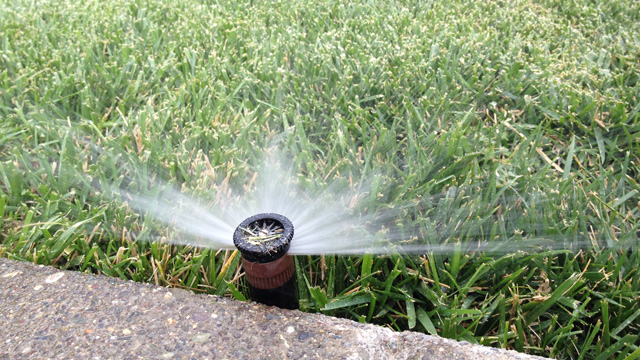
"caption": "Water agencies say they're cracking down on outside watering -- but enforcement is murky. (Craig Miller)",
"description": null,
"title": "crop_1945",
"credit": null,
"status": "inherit",
"isLoading": false,
"fetchFailed": false
},
"science_20497": {
"type": "attachments",
"id": "science_20497",
"meta": {
"index": "attachments_1716263798",
"site": "science",
"id": "20497",
"found": true
},
"parent": 20492,
"imgSizes": {
"kqedFullSize": {
"file": "https://ww2.kqed.org/app/uploads/sites/35/2014/08/Amy-Martins-Beach1-e1407798481926.jpg",
"width": 1209,
"height": 681
}
},
"publishDate": 1407798424,
"modified": 1407798424,
"caption": null,
"description": null,
"title": "Amy Martins Beach",
"credit": null,
"status": "inherit",
"isLoading": false,
"fetchFailed": false
},
"news_144468": {
"type": "attachments",
"id": "news_144468",
"meta": {
"index": "attachments_1716263798",
"site": "news",
"id": "144468",
"found": true
},
"parent": 144464,
"imgSizes": {
"kqedFullSize": {
"file": "https://ww2.kqed.org/app/uploads/sites/10/2014/08/berkeley-leds.jpg",
"width": 720,
"height": 540
}
},
"publishDate": 1407781516,
"modified": 1521477915,
"caption": "Contractors replaced old streetlights last week with new LED fixtures in North Berkeley. ",
"description": "Contractors replaced old streetlights last week with new LED fixtures in North Berkeley. (Mary Flaherty/Berkeleyside)",
"title": "Berkeley-Streetlights",
"credit": "(Mary Flaherty/Berkeleyside)",
"status": "inherit",
"isLoading": false,
"fetchFailed": false
},
"news_144085": {
"type": "attachments",
"id": "news_144085",
"meta": {
"index": "attachments_1716263798",
"site": "news",
"id": "144085",
"found": true
},
"parent": 143062,
"imgSizes": {
"kqedFullSize": {
"file": "https://ww2.kqed.org/app/uploads/sites/10/2014/08/Lassen-National-Forest.jpg",
"width": 640,
"height": 427
}
},
"publishDate": 1407371731,
"modified": 1407371731,
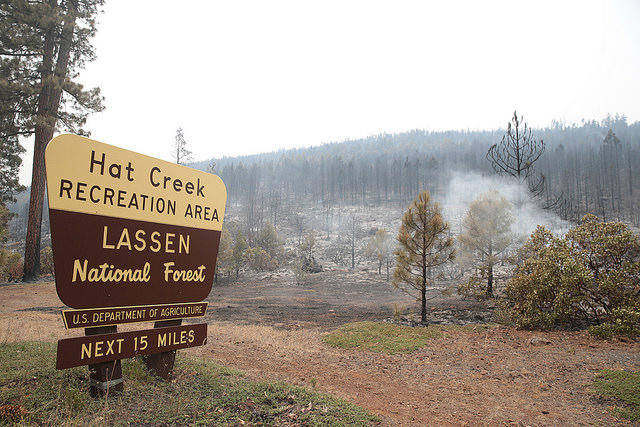
"caption": "The Lassen National Forest has been hit hard by wildfires. (Photo courtesy of Cal OES)",
"description": "The Lassen National Forest has been hit hard by wildfires. (Photo courtesy of Cal OES)",
"title": "Lassen National Forest",
"credit": null,
"status": "inherit",
"isLoading": false,
"fetchFailed": false
},
"news_144153": {
"type": "attachments",
"id": "news_144153",
"meta": {
"index": "attachments_1716263798",
"site": "news",
"id": "144153",
"found": true
},
"parent": 144148,
"imgSizes": {
"kqedFullSize": {
"file": "https://ww2.kqed.org/app/uploads/sites/10/2014/08/177649093.jpg",
"width": 3000,
"height": 2001
}
},
"publishDate": 1407443440,
"modified": 1407443440,
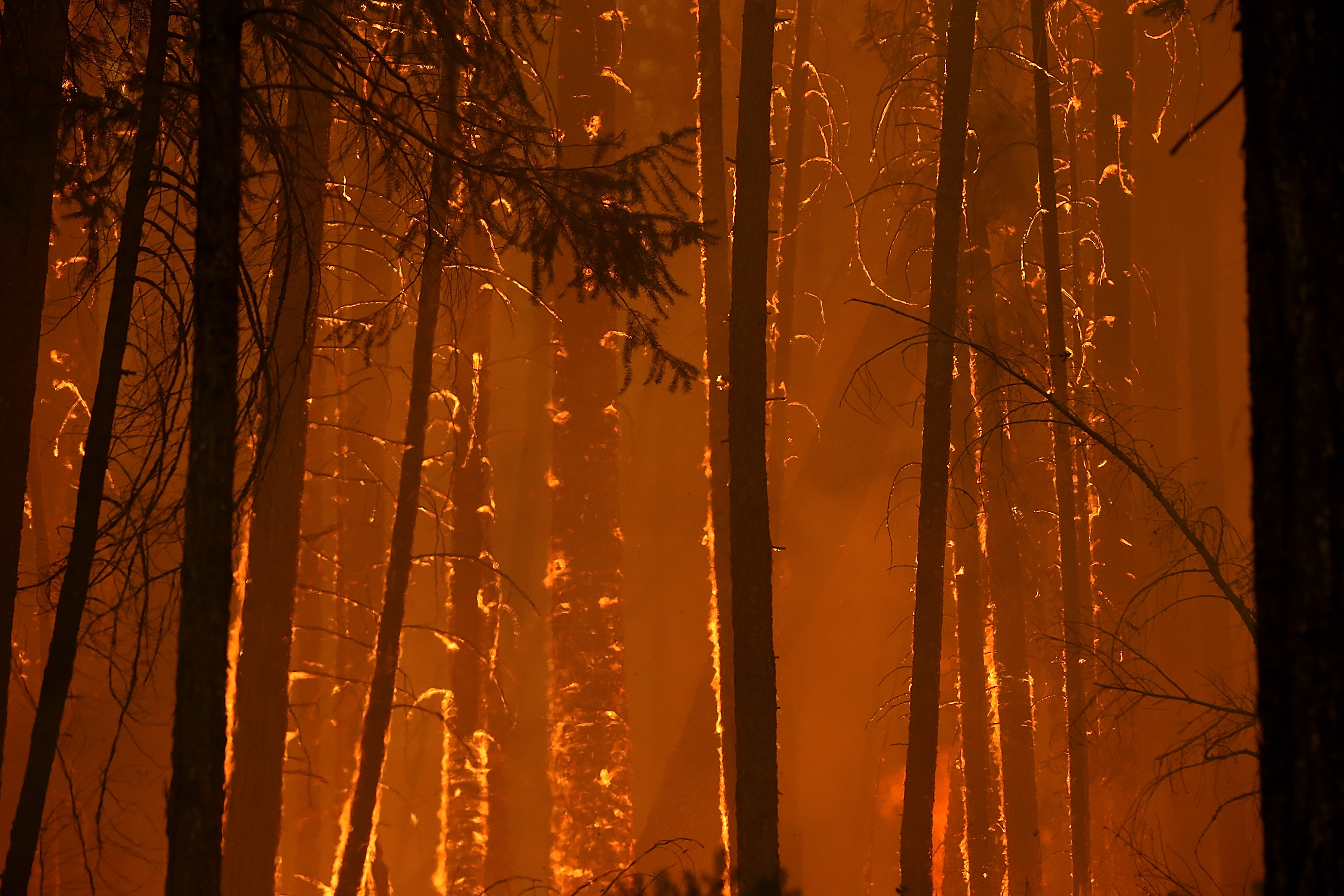
"caption": "Flames from Rim Fire consume trees on Aug. 25, 2013 near Groveland, California. (Justin Sullivan/Getty Images)\n",
"description": "GROVELAND, CA - AUGUST 25: Firefighters douse a spot fire as they battle the Rim Fire on August 25, 2013 near Groveland, California. The Rim Fire continues to burn out of control and threatens 4,500 homes outside of Yosemite National Park. Over 2,000 firefighters are battling the blaze that has entered a section of Yosemite National Park and is currently 7 percent contained. (Photo by Justin Sullivan/Getty Images)",
"title": "Rim Fire Continues To Burn Near Yosemite National Park",
"credit": null,
"status": "inherit",
"isLoading": false,
"fetchFailed": false
},
"science_20423": {
"type": "attachments",
"id": "science_20423",
"meta": {
"index": "attachments_1716263798",
"site": "science",
"id": "20423",
"found": true
},
"parent": 20401,
"imgSizes": {
"kqedFullSize": {
"file": "https://ww2.kqed.org/app/uploads/sites/35/2014/08/RS9144_476374685-hpf.jpg",
"width": 640,
"height": 360
}
},
"publishDate": 1407375057,
"modified": 1407375057,
"caption": "Prices at the pump are widely expected to go up early next year. ",
"description": "Prices at the pump are widely expected to go up early next year. ",
"title": "RS9144_476374685-hpf",
"credit": null,
"status": "inherit",
"isLoading": false,
"fetchFailed": false
},
"science_20412": {
"type": "attachments",
"id": "science_20412",
"meta": {
"index": "attachments_1716263798",
"site": "science",
"id": "20412",
"found": true
},
"parent": 20389,
"imgSizes": {
"kqedFullSize": {
"file": "https://ww2.kqed.org/app/uploads/sites/35/2014/08/sanluisfeatured-e1407371722900.jpg",
"width": 640,
"height": 360
}
},
"publishDate": 1407371669,
"modified": 1407371669,
"caption": "Low water levels at San Luis Reservoir in February. (Josh Cassidy/KQED)",
"description": "Low water levels at San Luis Reservoir in February. (Josh Cassidy/KQED)",
"title": "sanluisfeatured",
"credit": null,
"status": "inherit",
"isLoading": false,
"fetchFailed": false
}
},
"audioPlayerReducer": {
"postId": "stream_live",
"isPaused": true,
"isPlaying": false,
"pfsActive": false,
"pledgeModalIsOpen": true,
"playerDrawerIsOpen": false,
"liveAudioPlayStartedAt": 0,
"liveAudioPlayContext": ""
},
"authorsReducer": {
"cmiller": {
"type": "authors",
"id": "221",
"meta": {
"index": "authors_1716337520",
"id": "221",
"found": true
},
"name": "Craig Miller",
"firstName": "Craig",
"lastName": "Miller",
"slug": "cmiller",
"email": "craig@voxterra.net",
"display_author_email": false,
"staff_mastheads": [
"science"
],
"title": "Editor Emeritus, Science",
"bio": "Craig is a former KQED Science editor, specializing in weather, climate, water & energy issues, with a little seismology thrown in just to shake things up. Prior to that, he launched and led the station's award-winning multimedia project, Climate Watch. Craig is also an accomplished writer/producer of television documentaries, with a focus on natural resource issues.",
"avatar": "https://secure.gravatar.com/avatar/b91661df645e001a9cafe0861fa685f9?s=600&d=blank&r=g",
"twitter": "voxterra",
"facebook": null,
"instagram": null,
"linkedin": null,
"sites": [
{
"site": "news",
"roles": [
"author"
]
},
{
"site": "futureofyou",
"roles": [
"editor"
]
},
{
"site": "stateofhealth",
"roles": [
"author"
]
},
{
"site": "science",
"roles": [
"editor"
]
},
{
"site": "quest",
"roles": [
"editor"
]
}
],
"headData": {
"title": "Craig Miller | KQED",
"description": "Editor Emeritus, Science",
"ogImgSrc": "https://secure.gravatar.com/avatar/b91661df645e001a9cafe0861fa685f9?s=600&d=blank&r=g",
"twImgSrc": "https://secure.gravatar.com/avatar/b91661df645e001a9cafe0861fa685f9?s=600&d=blank&r=g"
},
"isLoading": false,
"link": "/author/cmiller"
},
"danbrekke": {
"type": "authors",
"id": "222",
"meta": {
"index": "authors_1716337520",
"id": "222",
"found": true
},
"name": "Dan Brekke",
"firstName": "Dan",
"lastName": "Brekke",
"slug": "danbrekke",
"email": "dbrekke@kqed.org",
"display_author_email": true,
"staff_mastheads": [
"news",
"science"
],
"title": "KQED Editor and Reporter",
"bio": "Dan Brekke is a reporter and editor for KQED News, responsible for coverage of topics ranging from California water issues to the Bay Area's transportation challenges. In a newsroom career that began in Chicago in 1972, Dan has worked for \u003cem>The San Francisco Examiner,\u003c/em> Wired and TechTV and has been published in The New York Times, The New York Times Magazine, Business 2.0, Salon and elsewhere.\r\n\r\nSince joining KQED in 2007, Dan has reported, edited and produced both radio and online features and breaking news pieces. He has shared as both editor and reporter in four Society of Professional Journalists Norcal Excellence in Journalism awards and one Edward R. Murrow regional award. He was chosen for a spring 2017 residency at the Mesa Refuge to advance his research on California salmon.\r\n\r\nEmail Dan at: \u003ca href=\"mailto:dbrekke@kqed.org\">dbrekke@kqed.org\u003c/a>\r\n\r\n\u003cstrong>Twitter:\u003c/strong> \u003ca href=\"https://twitter.com/danbrekke\" rel=\"noopener noreferrer\">twitter.com/danbrekke\u003c/a>\r\n\u003cstrong>Facebook:\u003c/strong> \u003ca href=\"https://www.facebook.com/danbrekke\" rel=\"noopener noreferrer\">www.facebook.com/danbrekke\u003c/a>\r\n\u003cstrong>LinkedIn:\u003c/strong> \u003ca href=\"https://www.linkedin.com/in/danbrekke\" rel=\"noopener noreferrer\">www.linkedin.com/in/danbrekke\u003c/a>",
"avatar": "https://secure.gravatar.com/avatar/8f1f0d2a978fb3b23426c922c7e2af558fa36905b49c4ce76a97dc3c72d27226?s=600&d=mm&r=g",
"twitter": "danbrekke",
"bluesky": null,
"facebook": null,
"instagram": "https://www.instagram.com/dan.brekke/",
"linkedin": "https://www.linkedin.com/in/danbrekke/",
"sites": [
{
"site": "news",
"roles": [
"administrator",
"create_posts"
]
},
{
"site": "stateofhealth",
"roles": [
"editor"
]
},
{
"site": "science",
"roles": [
"editor"
]
},
{
"site": "quest",
"roles": [
"contributor"
]
},
{
"site": "food",
"roles": [
"contributor"
]
},
{
"site": "forum",
"roles": [
"contributor"
]
},
{
"site": "elections",
"roles": [
"editor"
]
},
{
"site": "liveblog",
"roles": [
"editor"
]
}
],
"headData": {
"title": "Dan Brekke | KQED",
"description": "KQED Editor and Reporter",
"ogImgSrc": "https://secure.gravatar.com/avatar/8f1f0d2a978fb3b23426c922c7e2af558fa36905b49c4ce76a97dc3c72d27226?s=600&d=mm&r=g",
"twImgSrc": "https://secure.gravatar.com/avatar/8f1f0d2a978fb3b23426c922c7e2af558fa36905b49c4ce76a97dc3c72d27226?s=600&d=mm&r=g"
},
"isLoading": false,
"link": "/author/danbrekke"
},
"kqednewsstaffandwires": {
"type": "authors",
"id": "237",
"meta": {
"index": "authors_1716337520",
"id": "237",
"found": true
},
"name": "KQED News Staff and Wires",
"firstName": "KQED News Staff and Wires",
"lastName": null,
"slug": "kqednewsstaffandwires",
"email": "onlinenewsstaff@kqed.org",
"display_author_email": false,
"staff_mastheads": [],
"title": null,
"bio": null,
"avatar": "https://secure.gravatar.com/avatar/72295af8ebbfbd19a4948f5271285664?s=600&d=blank&r=g",
"twitter": null,
"facebook": null,
"instagram": null,
"linkedin": null,
"sites": [
{
"site": "arts",
"roles": [
"contributor"
]
},
{
"site": "news",
"roles": [
"contributor"
]
},
{
"site": "lowdown",
"roles": [
"author"
]
},
{
"site": "stateofhealth",
"roles": [
"contributor"
]
},
{
"site": "food",
"roles": [
"author"
]
}
],
"headData": {
"title": "KQED News Staff and Wires | KQED",
"description": null,
"ogImgSrc": "https://secure.gravatar.com/avatar/72295af8ebbfbd19a4948f5271285664?s=600&d=blank&r=g",
"twImgSrc": "https://secure.gravatar.com/avatar/72295af8ebbfbd19a4948f5271285664?s=600&d=blank&r=g"
},
"isLoading": false,
"link": "/author/kqednewsstaffandwires"
},
"laurensommer": {
"type": "authors",
"id": "239",
"meta": {
"index": "authors_1716337520",
"id": "239",
"found": true
},
"name": "Lauren Sommer",
"firstName": "Lauren",
"lastName": "Sommer",
"slug": "laurensommer",
"email": "lsommer@kqed.org",
"display_author_email": false,
"staff_mastheads": [],
"title": "KQED Contributor",
"bio": "Lauren is a radio reporter formerly covering environment, water, and energy for KQED Science. As part of her day job, she has scaled Sierra Nevada peaks, run from charging elephant seals, and desperately tried to get her sea legs - all in pursuit of good radio. Her work has appeared on Marketplace, Living on Earth, Science Friday and NPR's Morning Edition and All Things Considered. You can find her on Twitter at \u003ca href=\"https://twitter.com/lesommer\">@lesommer\u003c/a>.",
"avatar": "https://secure.gravatar.com/avatar/33aa3772bb86c6ad45b8aca6a238bbdf?s=600&d=blank&r=g",
"twitter": null,
"facebook": null,
"instagram": null,
"linkedin": null,
"sites": [
{
"site": "news",
"roles": [
"author"
]
},
{
"site": "science",
"roles": [
"editor",
"manage_content_types",
"manage_taxonomies"
]
},
{
"site": "quest",
"roles": [
"editor"
]
}
],
"headData": {
"title": "Lauren Sommer | KQED",
"description": "KQED Contributor",
"ogImgSrc": "https://secure.gravatar.com/avatar/33aa3772bb86c6ad45b8aca6a238bbdf?s=600&d=blank&r=g",
"twImgSrc": "https://secure.gravatar.com/avatar/33aa3772bb86c6ad45b8aca6a238bbdf?s=600&d=blank&r=g"
},
"isLoading": false,
"link": "/author/laurensommer"
},
"patyollin": {
"type": "authors",
"id": "247",
"meta": {
"index": "authors_1716337520",
"id": "247",
"found": true
},
"name": "Patricia Yollin",
"firstName": "Patricia",
"lastName": "Yollin",
"slug": "patyollin",
"email": "pyollin@kqed.org",
"display_author_email": false,
"staff_mastheads": [],
"title": "KQED Contributor",
"bio": "Pat Yollin has written about lots of stuff, including organ transplants, wayward penguins at the San Francisco Zoo, the comeback of the cream puff, New York on the fifth anniversary of 9/11, a Slow Food gathering in Italy, and the microcredit movement in Northern California. Among her favorite stories: an interview with George Lucas at Skywalker Ranch that broke the story about his plan to build a cultural museum, and a pirate Trader Joe's operation in Vancouver that prompted the grocery chain to sue -- and lose. She joined KQED in 2013 and was previously a reporter and editor at the San Francisco Chronicle, the Hearst-owned San Francisco Examiner and the Hayward Daily Review.",
"avatar": "https://secure.gravatar.com/avatar/0a18ac41a263665c04b25b2c7d6b817c?s=600&d=blank&r=g",
"twitter": null,
"facebook": null,
"instagram": null,
"linkedin": null,
"sites": [
{
"site": "arts",
"roles": [
"subscriber"
]
},
{
"site": "news",
"roles": [
"subscriber"
]
},
{
"site": "futureofyou",
"roles": [
"editor"
]
},
{
"site": "lowdown",
"roles": [
"editor"
]
},
{
"site": "stateofhealth",
"roles": [
"editor"
]
}
],
"headData": {
"title": "Patricia Yollin | KQED",
"description": "KQED Contributor",
"ogImgSrc": "https://secure.gravatar.com/avatar/0a18ac41a263665c04b25b2c7d6b817c?s=600&d=blank&r=g",
"twImgSrc": "https://secure.gravatar.com/avatar/0a18ac41a263665c04b25b2c7d6b817c?s=600&d=blank&r=g"
},
"isLoading": false,
"link": "/author/patyollin"
},
"sdetrow": {
"type": "authors",
"id": "256",
"meta": {
"index": "authors_1716337520",
"id": "256",
"found": true
},
"name": "Scott Detrow",
"firstName": "Scott",
"lastName": "Detrow",
"slug": "sdetrow",
"email": "sdetrow@kqed.org",
"display_author_email": false,
"staff_mastheads": [],
"title": null,
"bio": "Sacramento bureau chief Scott Detrow covers state government, politics and policy for KQED News and its statewide news program, The California Report.",
"avatar": "https://secure.gravatar.com/avatar/3271d0c151ba26452e3417f5ac251c30?s=600&d=blank&r=g",
"twitter": null,
"facebook": null,
"instagram": null,
"linkedin": null,
"sites": [
{
"site": "news",
"roles": [
"subscriber"
]
},
{
"site": "science",
"roles": [
"subscriber"
]
}
],
"headData": {
"title": "Scott Detrow | KQED",
"description": null,
"ogImgSrc": "https://secure.gravatar.com/avatar/3271d0c151ba26452e3417f5ac251c30?s=600&d=blank&r=g",
"twImgSrc": "https://secure.gravatar.com/avatar/3271d0c151ba26452e3417f5ac251c30?s=600&d=blank&r=g"
},
"isLoading": false,
"link": "/author/sdetrow"
},
"kqedscience": {
"type": "authors",
"id": "6387",
"meta": {
"index": "authors_1716337520",
"id": "6387",
"found": true
},
"name": "KQED Science",
"firstName": "KQED",
"lastName": "Science",
"slug": "kqedscience",
"email": "kqedscience@gmail.com",
"display_author_email": false,
"staff_mastheads": [],
"title": null,
"bio": "KQED Science brings you award-winning science and environment coverage from the Bay Area and beyond by the flagship Northern California PBS and NPR affiliate.",
"avatar": "https://secure.gravatar.com/avatar/5a295ff49cf82a8c0f30937d3f788b2f?s=600&d=blank&r=g",
"twitter": null,
"facebook": null,
"instagram": null,
"linkedin": null,
"sites": [
{
"site": "science",
"roles": [
"contributor"
]
},
{
"site": "quest",
"roles": [
"editor"
]
},
{
"site": "food",
"roles": [
"contributor"
]
}
],
"headData": {
"title": "KQED Science | KQED",
"description": null,
"ogImgSrc": "https://secure.gravatar.com/avatar/5a295ff49cf82a8c0f30937d3f788b2f?s=600&d=blank&r=g",
"twImgSrc": "https://secure.gravatar.com/avatar/5a295ff49cf82a8c0f30937d3f788b2f?s=600&d=blank&r=g"
},
"isLoading": false,
"link": "/author/kqedscience"
},
"sfrancisbongue": {
"type": "authors",
"id": "6564",
"meta": {
"index": "authors_1716337520",
"id": "6564",
"found": true
},
"name": "Silvia Francis",
"firstName": "Silvia",
"lastName": "Francis",
"slug": "sfrancisbongue",
"email": "sfrancisbongue@KQED.org",
"display_author_email": false,
"staff_mastheads": [],
"title": null,
"bio": "Silvia Francis is an intern at KQED Science and a senior at Denison University where she studies biology and cinema. She was drawn to KQED by her interests in science communication and multimedia.",
"avatar": "https://secure.gravatar.com/avatar/190f8c7ebf1f03859aa6ccb24d709fe6?s=600&d=blank&r=g",
"twitter": null,
"facebook": null,
"instagram": null,
"linkedin": null,
"sites": [
{
"site": "science",
"roles": [
"editor"
]
}
],
"headData": {
"title": "Silvia Francis | KQED",
"description": null,
"ogImgSrc": "https://secure.gravatar.com/avatar/190f8c7ebf1f03859aa6ccb24d709fe6?s=600&d=blank&r=g",
"twImgSrc": "https://secure.gravatar.com/avatar/190f8c7ebf1f03859aa6ccb24d709fe6?s=600&d=blank&r=g"
},
"isLoading": false,
"link": "/author/sfrancisbongue"
}
},
"pagesReducer": {
"news_category_environment": {
"type": "terms",
"id": "news_19906",
"meta": {
"index": "terms_1716263798",
"site": "news",
"id": "19906",
"score": 12.137385
},
"featImg": null,
"name": "Environment",
"description": null,
"taxonomy": "category",
"headData": {
"twImgId": null,
"twTitle": null,
"ogTitle": null,
"ogImgId": null,
"twDescription": null,
"description": null,
"title": "Environment Archives | KQED News",
"ogDescription": null
},
"ttid": 19923,
"slug": "environment",
"isLoading": false,
"title": "Environment",
"pageMeta": {
"site": "news",
"WpPageTemplate": "page-topic-editorial",
"currentPage": 259
},
"blocks": [
{
"blockName": "kqed/post-list",
"attrs": {
"layout": "cardArticle2",
"query": "posts/news?category=environment",
"seeMore": false,
"paginated": true,
"page": 259
}
},
{
"blockName": "kqed/ad"
}
]
}
},
"pfsSessionReducer": {},
"postsReducer": {
"stream_live": {
"type": "live",
"id": "stream_live",
"audioUrl": "https://streams.kqed.org/kqedradio",
"title": "Live Stream",
"excerpt": "Live Stream information currently unavailable.",
"link": "/radio",
"featImg": "",
"label": {
"name": "KQED Live",
"link": "/"
}
},
"stream_kqedNewscast": {
"type": "posts",
"id": "stream_kqedNewscast",
"audioUrl": "https://www.kqed.org/.stream/anon/radio/RDnews/newscast.mp3?_=1",
"title": "KQED Newscast",
"featImg": "",
"label": {
"name": "88.5 FM",
"link": "/"
}
},
"science_20683": {
"type": "posts",
"id": "science_20683",
"meta": {
"index": "posts_1716263798",
"site": "science",
"id": "20683",
"score": null,
"sort": [
1408518076000
]
},
"parent": 0,
"labelTerm": {
"site": "science",
"term": 1151
},
"blocks": [],
"publishDate": 1408518076,
"format": "aside",
"title": "Drought-Stricken California Town Struggles to Keep the Water Flowing",
"headTitle": "Drought-Stricken California Town Struggles to Keep the Water Flowing | KQED",
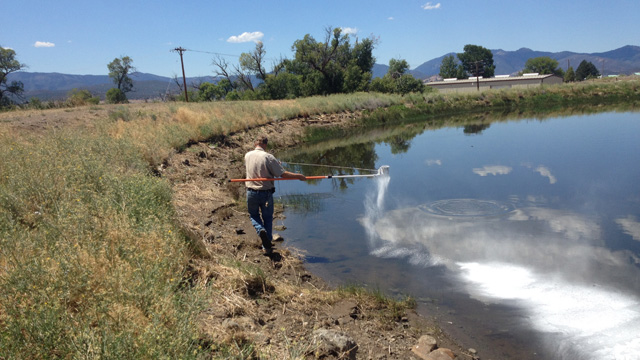
"content": "\u003cp>\u003cstrong>By Daniel Potter\u003c/strong>\u003c/p>\n\u003cp>\u003c!-- iframe plugin v.4.3 wordpress.org/plugins/iframe/ -->\u003cbr>\n\u003ciframe loading=\"lazy\" width=\"100%\" height=\"20\" scrolling=\"no\" frameborder=\"no\" src=\"https://w.soundcloud.com/player/?url=https%3A//api.soundcloud.com/tracks/164002580&color=ff5500&inverse=false&auto_play=false&show_user=true\" class=\"iframe-class\">\u003c/iframe>\u003c/p>\n\u003cfigure id=\"attachment_20695\" class=\"wp-caption aligncenter\" style=\"max-width: 640px\">\u003ca href=\"http://ww2.kqed.org/science/wp-content/uploads/sites/35/2014/08/LkShastina_7064_crop.jpg\">\u003cimg loading=\"lazy\" decoding=\"async\" class=\"size-full wp-image-20695\" src=\"http://ww2.kqed.org/science/wp-content/uploads/sites/35/2014/08/LkShastina_7064_crop.jpg\" alt=\"Lake Shastina (Daniel Potter)\" width=\"640\" height=\"360\">\u003c/a>\u003cfigcaption class=\"wp-caption-text\">The city of Montague relies heavily on Lake Shastina, down 90 percent from normal this summer. (Daniel Potter/KQED)\u003c/figcaption>\u003c/figure>\n\u003cp>All summer, Montague has been a town in trouble. The city sits half an hour south of the Oregon border, in a rugged \u003ca title=\"Wiki - Montague\" href=\"http://en.wikipedia.org/wiki/Montague,_California\">patch of Northern California\u003c/a> that offers little refuge from the scorching sun. For water, the roughly 1,500 people who live here depend on snow melting from the slopes of \u003ca title=\"Wiki - Mt. Shasta\" href=\"http://en.wikipedia.org/wiki/Mount_Shasta\">Mount Shasta\u003c/a>, about 20 miles to the south. But the snowpack this past winter was, by all accounts, pitiful.\u003c/p>\n\u003cp>Standing on a hill near the edge of town at 8:30 in the morning, before the sun and the temperatures have had much time to climb, Chris Tyhurst looks toward the mountain and says, “I think I see two little spots of snow, about a square foot each.” Tyhurst, who has blue eyes and the calm demeanor of a recreational pilot, is joking, but in his nearly four decades as Montague’s water manager, he says this summer has been the toughest.\u003c/p>\n\u003cp>The city has been \u003ca title=\"Montague - drought page\" href=\"http://ci.montague.ca.us/drought.html\">forced to cut water use\u003c/a> drastically. Tyhurst says folks are using roughly one-third the amount they normally would this time of year. Nearly every lawn in town has turned a crispy blond, except for those belonging to a handful of residents who have their own wells. The city has imposed a monthly limit of 5,000 gallons per home, with fines for running over that. More than a hundred households have gone over the limit this summer. It’s hard not to, a sympathetic official tells me, if you have three kids at home. The worst offenders got letters from the Montague City Council.\u003c/p>\n\u003cp>[ad fullwidth]\u003c/p>\n\u003cp>\u003cstrong>Avoiding the ‘Nightmare Scenario’\u003c/strong>\u003c/p>\n\u003cp>The “nightmare scenario,” as Tyhurst puts it, would be having to truck in water just to keep Montague’s water system pressurized, at an expense of hundreds of thousands of dollars. Tyhurst figures that would take a procession of some 30 trucks a day, each hauling 3,500 of gallons of water, rumbling from dawn to dusk every half-hour through the normally quiet neighborhood — a place where deer are a routine sight. Any scheduling hiccup could lead to trucks jamming the narrow unpaved road that leads to the town’s reservoir, which resembles a farm pond, complete with fish and turtles.\u003c/p>\n\u003cp>To keep from resorting to the water convoys, Tyhurst says he’s willing to try just about anything, including a measure that’s rarely been tried in California. It’s a fine, white powder Tyhurst has taken to sprinkling over the three-acre reservoir every few days, using a flour sifter on the end of a long pole. The powder readily dissolves and spreads across the surface, forming what’s called a “monolayer” between the water and the air, aimed at slowing evaporation to buy the town’s water supply a few extra days or weeks.\u003c/p>\n\u003cfigure id=\"attachment_20696\" class=\"wp-caption aligncenter\" style=\"max-width: 640px\">\u003ca href=\"http://ww2.kqed.org/science/wp-content/uploads/sites/35/2014/08/monolayer_7078_crop.jpg\">\u003cimg loading=\"lazy\" decoding=\"async\" class=\"wp-image-20696 size-full\" src=\"http://ww2.kqed.org/science/wp-content/uploads/sites/35/2014/08/monolayer_7078_crop.jpg\" alt=\"monolayer (Daniel Potter)\" width=\"640\" height=\"360\">\u003c/a>\u003cfigcaption class=\"wp-caption-text\">Using a modified flour sifter, Tyhurst sprinkles a powder across Montague’s small reservoir. The product, made from palm oil and hydrated lime, spreads to form a ‘monolayer’ across the surface, slowing evaporation and saving precious water for the town. (Daniel Potter/KQED)\u003c/figcaption>\u003c/figure>\n\u003cp>This particular product, called WaterSavr, is made of hydrated lime, which is often used to treat water supplies, along with palm oil. Officials are also \u003ca title=\"Texas Trib - post\" href=\"http://www.texastribune.org/2014/07/30/four-guys-and-boat-tackle-texas-sized-water-proble/\">trying it out in drought-stricken Texas\u003c/a>. Noting the product’s been approved for use by the National Sanitation Foundation, Tyhurst says so far no one’s complained about it to him, “But we didn’t really broadcast that we were starting to use it,” he adds. “We generally don’t with any of our treatment stuff. It’s NSF approved, and that’s all the health department looks at, so we’re good to go.”\u003c/p>\n\u003cp>\u003cstrong>‘Definitely Real Life’\u003c/strong>\u003c/p>\n\u003cp>At the town butcher shop, 26-year old Douglas Hamblin says he hears talk from ranchers of having to cash out their chips if the weather doesn’t start cooperating, and soon.\u003c/p>\n\u003cfigure id=\"attachment_20727\" class=\"wp-caption aligncenter\" style=\"max-width: 640px\">\u003ca href=\"http://ww2.kqed.org/science/wp-content/uploads/sites/35/2014/08/Shop_7094.jpg\">\u003cimg loading=\"lazy\" decoding=\"async\" class=\"size-full wp-image-20727\" src=\"http://ww2.kqed.org/science/wp-content/uploads/sites/35/2014/08/Shop_7094.jpg\" alt='Hamblin is leaving town to do the shop laundry. Without water, he says, \"life gets hectic pretty quickly.\" (Daniel Potter)' width=\"640\" height=\"360\">\u003c/a>\u003cfigcaption class=\"wp-caption-text\">Douglas Hamblin says the family butcher shop has had to adjust to Montague’s severe water restrictions. Without water, he says, ‘Life gets hectic pretty quick.’ (Daniel Potter/KQED)\u003c/figcaption>\u003c/figure>\n\u003cp>“It’s definitely real life,” he says. “It’s definitely water, and everybody needs water.” Without it, he says, “life gets hectic pretty quick.”\u003c/p>\n\u003cp>Hamblin has a tattoo of Jesus Christ on his arm, and big holes through his earlobes from the thick gauges he used to wear. Hamblin’s family only moved to Montague and started running the shop a couple years ago. While it’s equipped with a washing machine for aprons and rags, Hamblin says they haven’t been using it, because of the town’s limit on water use. Instead, his mother drives miles to another town each week to do laundry.\u003c/p>\n\u003cp>[contextly_sidebar id=”63SthEwF9YOCDP2kSbK7R7ZtZFCiKpCF”]\u003c/p>\n\u003cp>A new dad, Hamblin is quick to point out there are many people in the world with bigger problems than dead lawns, but says, “It’s kind of a bummer, you know. You have a six-month-old son, you want a little bit of a yard. You look like a jerk if you go ‘Okay, well, if I go over the 5,000 gallon-a-month limit I’ll just pay for it.’”\u003c/p>\n\u003cp>It’s a close-knit community, he explains: “Of course it’s frowned upon, because everybody has to look out for each other up here.”\u003c/p>\n\u003cp>\u003cstrong>Banking on a Pipeline\u003c/strong>\u003c/p>\n\u003cp>Near the base of Mount Shasta sits \u003ca title=\"Wiki - Shastina\" href=\"http://en.wikipedia.org/wiki/Shastina\">Lake Shastina\u003c/a>, which in good years can hold more than 30,000 acre-feet of water. (An acre foot is about 325,000 gallons, or just enough water to cover an acre one foot deep.) This year, Tyhurst says, the lake started well below 10,000 acre feet, with little in the way of snow on the mountain to help refill it. By late July, parts of the lake seemed to be missing — a blue patch on a map might just turn out to be an empty green field. In one spot, a sign next to a dry, rocky slope advised against swimming or fishing. The lake, or what remained of it, looked to be something of a hike down the hill.\u003c/p>\n\u003cp>Water travels to Montague in what Tyhurst calls “deliveries.” Every few weeks, some 200 acre-feet are released into a 26-mile canal that was constructed with farm irrigation in mind. The unlined ditch is poorly suited to water conservation. Much of it is bare earth, which gulps down a lot of the water long before it reaches the town, to say nothing of what evaporates in transit.\u003c/p>\n\u003cfigure id=\"attachment_20698\" class=\"wp-caption aligncenter\" style=\"max-width: 640px\">\u003ca href=\"http://ww2.kqed.org/science/wp-content/uploads/sites/35/2014/08/Pipeline_7044_crop.jpg\">\u003cimg loading=\"lazy\" decoding=\"async\" class=\"size-full wp-image-20698\" src=\"http://ww2.kqed.org/science/wp-content/uploads/sites/35/2014/08/Pipeline_7044_crop.jpg\" alt=\"Workers lower a segment of the new, more efficient pipeline next to where they’re carving a miles-long trench from the Shasta River to Montague’s reservoir. (Daniel Potter)\" width=\"640\" height=\"360\">\u003c/a>\u003cfigcaption class=\"wp-caption-text\">Workers lower a new segment of pipeline near where they’re carving a miles-long trench from the Shasta River to Montague’s reservoir. (Daniel Potter/KQED)\u003c/figcaption>\u003c/figure>\n\u003cp>As an alternative, this summer Montague has hustled to finish an emergency pipeline, essentially a straw that stretches a few miles from the \u003ca title=\"CalTrout - Shasta River\" href=\"http://caltrout.org/regions/mount-shasta-region/shasta-river/\">Shasta River\u003c/a> to the town’s reservoir. Tyhurst says normally such a project, which is costing over a million drought emergency dollars from the State Water Board, would’ve taken years to win approval from the numerous government agencies involved. Tyhurst credits the governor’s January declaration of a drought emergency with helping slice through all that.\u003c/p>\n\u003cp>Even so, construction itself hasn’t been easy. The morning I visited, a giant yellow machine was devouring underbrush like a hungry dinosaur to clear a path for the pipeline’s trench. But before the pipe could be buried, its specifications required it to cool, Tyhurst says. “I think the specs call for 70 degrees…and with a hundred degrees during the day, you just cook out here.”\u003c/p>\n\u003cp>[ad floatright]\u003c/p>\n\u003cp>Even when the pipeline is ready, Montague officials told me, the town’s water woes won’t be completely over. Everyone’s hopes are riding on a wet winter.\u003c/p>\n\n",
"stats": {
"hasVideo": false,
"hasChartOrMap": false,
"hasAudio": true,
"hasPolis": false,
"wordCount": 1397,
"hasGoogleForm": false,
"hasGallery": false,
"hasHearkenModule": false,
"iframeSrcs": [],
"paragraphCount": 24
},
"modified": 1704933123,
"excerpt": "From heavy machinery to hand-held flour sifters, this town is pulling out all the stops to save its water.",
"headData": {
"twImgId": "",
"twTitle": "",
"ogTitle": "",
"ogImgId": "",
"twDescription": "",
"description": "From heavy machinery to hand-held flour sifters, this town is pulling out all the stops to save its water.",
"title": "Drought-Stricken California Town Struggles to Keep the Water Flowing | KQED",
"ogDescription": "",
"schema": {
"@context": "https://schema.org",
"@type": "Article",
"headline": "Drought-Stricken California Town Struggles to Keep the Water Flowing",
"datePublished": "2014-08-20T00:01:16-07:00",
"dateModified": "2024-01-10T16:32:03-08:00",
"image": "https://cdn.kqed.org/wp-content/uploads/2020/02/KQED-OG-Image@1x.png"
}
},
"guestAuthors": [],
"slug": "drought-stricken-california-town-struggles-to-keep-the-water-flowing",
"status": "publish",
"sticky": false,
"path": "/science/20683/drought-stricken-california-town-struggles-to-keep-the-water-flowing",
"audioTrackLength": null,
"parsedContent": [
{
"type": "contentString",
"content": "\u003cdiv class=\"post-body\">\u003cp>\u003cp>\u003cstrong>By Daniel Potter\u003c/strong>\u003c/p>\n\u003cp>\u003c!-- iframe plugin v.4.3 wordpress.org/plugins/iframe/ -->\u003cbr>\n\u003ciframe loading=\"lazy\" width=\"100%\" height=\"20\" scrolling=\"no\" frameborder=\"no\" src=\"https://w.soundcloud.com/player/?url=https%3A//api.soundcloud.com/tracks/164002580&color=ff5500&inverse=false&auto_play=false&show_user=true\" class=\"iframe-class\">\u003c/iframe>\u003c/p>\n\u003cfigure id=\"attachment_20695\" class=\"wp-caption aligncenter\" style=\"max-width: 640px\">\u003ca href=\"http://ww2.kqed.org/science/wp-content/uploads/sites/35/2014/08/LkShastina_7064_crop.jpg\">\u003cimg loading=\"lazy\" decoding=\"async\" class=\"size-full wp-image-20695\" src=\"http://ww2.kqed.org/science/wp-content/uploads/sites/35/2014/08/LkShastina_7064_crop.jpg\" alt=\"Lake Shastina (Daniel Potter)\" width=\"640\" height=\"360\">\u003c/a>\u003cfigcaption class=\"wp-caption-text\">The city of Montague relies heavily on Lake Shastina, down 90 percent from normal this summer. (Daniel Potter/KQED)\u003c/figcaption>\u003c/figure>\n\u003cp>All summer, Montague has been a town in trouble. The city sits half an hour south of the Oregon border, in a rugged \u003ca title=\"Wiki - Montague\" href=\"http://en.wikipedia.org/wiki/Montague,_California\">patch of Northern California\u003c/a> that offers little refuge from the scorching sun. For water, the roughly 1,500 people who live here depend on snow melting from the slopes of \u003ca title=\"Wiki - Mt. Shasta\" href=\"http://en.wikipedia.org/wiki/Mount_Shasta\">Mount Shasta\u003c/a>, about 20 miles to the south. But the snowpack this past winter was, by all accounts, pitiful.\u003c/p>\n\u003cp>Standing on a hill near the edge of town at 8:30 in the morning, before the sun and the temperatures have had much time to climb, Chris Tyhurst looks toward the mountain and says, “I think I see two little spots of snow, about a square foot each.” Tyhurst, who has blue eyes and the calm demeanor of a recreational pilot, is joking, but in his nearly four decades as Montague’s water manager, he says this summer has been the toughest.\u003c/p>\n\u003cp>The city has been \u003ca title=\"Montague - drought page\" href=\"http://ci.montague.ca.us/drought.html\">forced to cut water use\u003c/a> drastically. Tyhurst says folks are using roughly one-third the amount they normally would this time of year. Nearly every lawn in town has turned a crispy blond, except for those belonging to a handful of residents who have their own wells. The city has imposed a monthly limit of 5,000 gallons per home, with fines for running over that. More than a hundred households have gone over the limit this summer. It’s hard not to, a sympathetic official tells me, if you have three kids at home. The worst offenders got letters from the Montague City Council.\u003c/p>\n\u003cp>\u003c/p>\u003c/div>",
"attributes": {
"named": {},
"numeric": []
}
},
{
"type": "component",
"content": "",
"name": "ad",
"attributes": {
"named": {
"label": "fullwidth"
},
"numeric": [
"fullwidth"
]
}
},
{
"type": "contentString",
"content": "\u003cdiv class=\"post-body\">\u003cp>\u003c/p>\n\u003cp>\u003cstrong>Avoiding the ‘Nightmare Scenario’\u003c/strong>\u003c/p>\n\u003cp>The “nightmare scenario,” as Tyhurst puts it, would be having to truck in water just to keep Montague’s water system pressurized, at an expense of hundreds of thousands of dollars. Tyhurst figures that would take a procession of some 30 trucks a day, each hauling 3,500 of gallons of water, rumbling from dawn to dusk every half-hour through the normally quiet neighborhood — a place where deer are a routine sight. Any scheduling hiccup could lead to trucks jamming the narrow unpaved road that leads to the town’s reservoir, which resembles a farm pond, complete with fish and turtles.\u003c/p>\n\u003cp>To keep from resorting to the water convoys, Tyhurst says he’s willing to try just about anything, including a measure that’s rarely been tried in California. It’s a fine, white powder Tyhurst has taken to sprinkling over the three-acre reservoir every few days, using a flour sifter on the end of a long pole. The powder readily dissolves and spreads across the surface, forming what’s called a “monolayer” between the water and the air, aimed at slowing evaporation to buy the town’s water supply a few extra days or weeks.\u003c/p>\n\u003cfigure id=\"attachment_20696\" class=\"wp-caption aligncenter\" style=\"max-width: 640px\">\u003ca href=\"http://ww2.kqed.org/science/wp-content/uploads/sites/35/2014/08/monolayer_7078_crop.jpg\">\u003cimg loading=\"lazy\" decoding=\"async\" class=\"wp-image-20696 size-full\" src=\"http://ww2.kqed.org/science/wp-content/uploads/sites/35/2014/08/monolayer_7078_crop.jpg\" alt=\"monolayer (Daniel Potter)\" width=\"640\" height=\"360\">\u003c/a>\u003cfigcaption class=\"wp-caption-text\">Using a modified flour sifter, Tyhurst sprinkles a powder across Montague’s small reservoir. The product, made from palm oil and hydrated lime, spreads to form a ‘monolayer’ across the surface, slowing evaporation and saving precious water for the town. (Daniel Potter/KQED)\u003c/figcaption>\u003c/figure>\n\u003cp>This particular product, called WaterSavr, is made of hydrated lime, which is often used to treat water supplies, along with palm oil. Officials are also \u003ca title=\"Texas Trib - post\" href=\"http://www.texastribune.org/2014/07/30/four-guys-and-boat-tackle-texas-sized-water-proble/\">trying it out in drought-stricken Texas\u003c/a>. Noting the product’s been approved for use by the National Sanitation Foundation, Tyhurst says so far no one’s complained about it to him, “But we didn’t really broadcast that we were starting to use it,” he adds. “We generally don’t with any of our treatment stuff. It’s NSF approved, and that’s all the health department looks at, so we’re good to go.”\u003c/p>\n\u003cp>\u003cstrong>‘Definitely Real Life’\u003c/strong>\u003c/p>\n\u003cp>At the town butcher shop, 26-year old Douglas Hamblin says he hears talk from ranchers of having to cash out their chips if the weather doesn’t start cooperating, and soon.\u003c/p>\n\u003cfigure id=\"attachment_20727\" class=\"wp-caption aligncenter\" style=\"max-width: 640px\">\u003ca href=\"http://ww2.kqed.org/science/wp-content/uploads/sites/35/2014/08/Shop_7094.jpg\">\u003cimg loading=\"lazy\" decoding=\"async\" class=\"size-full wp-image-20727\" src=\"http://ww2.kqed.org/science/wp-content/uploads/sites/35/2014/08/Shop_7094.jpg\" alt='Hamblin is leaving town to do the shop laundry. Without water, he says, \"life gets hectic pretty quickly.\" (Daniel Potter)' width=\"640\" height=\"360\">\u003c/a>\u003cfigcaption class=\"wp-caption-text\">Douglas Hamblin says the family butcher shop has had to adjust to Montague’s severe water restrictions. Without water, he says, ‘Life gets hectic pretty quick.’ (Daniel Potter/KQED)\u003c/figcaption>\u003c/figure>\n\u003cp>“It’s definitely real life,” he says. “It’s definitely water, and everybody needs water.” Without it, he says, “life gets hectic pretty quick.”\u003c/p>\n\u003cp>Hamblin has a tattoo of Jesus Christ on his arm, and big holes through his earlobes from the thick gauges he used to wear. Hamblin’s family only moved to Montague and started running the shop a couple years ago. While it’s equipped with a washing machine for aprons and rags, Hamblin says they haven’t been using it, because of the town’s limit on water use. Instead, his mother drives miles to another town each week to do laundry.\u003c/p>\n\u003cp>\u003c/p>\u003cp>\u003c/p>\u003cp>\u003c/p>\n\u003cp>A new dad, Hamblin is quick to point out there are many people in the world with bigger problems than dead lawns, but says, “It’s kind of a bummer, you know. You have a six-month-old son, you want a little bit of a yard. You look like a jerk if you go ‘Okay, well, if I go over the 5,000 gallon-a-month limit I’ll just pay for it.’”\u003c/p>\n\u003cp>It’s a close-knit community, he explains: “Of course it’s frowned upon, because everybody has to look out for each other up here.”\u003c/p>\n\u003cp>\u003cstrong>Banking on a Pipeline\u003c/strong>\u003c/p>\n\u003cp>Near the base of Mount Shasta sits \u003ca title=\"Wiki - Shastina\" href=\"http://en.wikipedia.org/wiki/Shastina\">Lake Shastina\u003c/a>, which in good years can hold more than 30,000 acre-feet of water. (An acre foot is about 325,000 gallons, or just enough water to cover an acre one foot deep.) This year, Tyhurst says, the lake started well below 10,000 acre feet, with little in the way of snow on the mountain to help refill it. By late July, parts of the lake seemed to be missing — a blue patch on a map might just turn out to be an empty green field. In one spot, a sign next to a dry, rocky slope advised against swimming or fishing. The lake, or what remained of it, looked to be something of a hike down the hill.\u003c/p>\n\u003cp>Water travels to Montague in what Tyhurst calls “deliveries.” Every few weeks, some 200 acre-feet are released into a 26-mile canal that was constructed with farm irrigation in mind. The unlined ditch is poorly suited to water conservation. Much of it is bare earth, which gulps down a lot of the water long before it reaches the town, to say nothing of what evaporates in transit.\u003c/p>\n\u003cfigure id=\"attachment_20698\" class=\"wp-caption aligncenter\" style=\"max-width: 640px\">\u003ca href=\"http://ww2.kqed.org/science/wp-content/uploads/sites/35/2014/08/Pipeline_7044_crop.jpg\">\u003cimg loading=\"lazy\" decoding=\"async\" class=\"size-full wp-image-20698\" src=\"http://ww2.kqed.org/science/wp-content/uploads/sites/35/2014/08/Pipeline_7044_crop.jpg\" alt=\"Workers lower a segment of the new, more efficient pipeline next to where they’re carving a miles-long trench from the Shasta River to Montague’s reservoir. (Daniel Potter)\" width=\"640\" height=\"360\">\u003c/a>\u003cfigcaption class=\"wp-caption-text\">Workers lower a new segment of pipeline near where they’re carving a miles-long trench from the Shasta River to Montague’s reservoir. (Daniel Potter/KQED)\u003c/figcaption>\u003c/figure>\n\u003cp>As an alternative, this summer Montague has hustled to finish an emergency pipeline, essentially a straw that stretches a few miles from the \u003ca title=\"CalTrout - Shasta River\" href=\"http://caltrout.org/regions/mount-shasta-region/shasta-river/\">Shasta River\u003c/a> to the town’s reservoir. Tyhurst says normally such a project, which is costing over a million drought emergency dollars from the State Water Board, would’ve taken years to win approval from the numerous government agencies involved. Tyhurst credits the governor’s January declaration of a drought emergency with helping slice through all that.\u003c/p>\n\u003cp>Even so, construction itself hasn’t been easy. The morning I visited, a giant yellow machine was devouring underbrush like a hungry dinosaur to clear a path for the pipeline’s trench. But before the pipe could be buried, its specifications required it to cool, Tyhurst says. “I think the specs call for 70 degrees…and with a hundred degrees during the day, you just cook out here.”\u003c/p>\n\u003cp>\u003c/p>\u003c/div>",
"attributes": {
"named": {},
"numeric": []
}
},
{
"type": "component",
"content": "",
"name": "ad",
"attributes": {
"named": {
"label": "floatright"
},
"numeric": [
"floatright"
]
}
},
{
"type": "contentString",
"content": "\u003cdiv class=\"post-body\">\u003cp>\u003c/p>\n\u003cp>Even when the pipeline is ready, Montague officials told me, the town’s water woes won’t be completely over. Everyone’s hopes are riding on a wet winter.\u003c/p>\n\n\u003c/div>\u003c/p>",
"attributes": {
"named": {},
"numeric": []
}
}
],
"link": "/science/20683/drought-stricken-california-town-struggles-to-keep-the-water-flowing",
"authors": [
"6387"
],
"series": [
"science_1151"
],
"categories": [
"science_31",
"science_89",
"science_40",
"science_43",
"science_98"
],
"tags": [
"science_572",
"science_64"
],
"featImg": "science_20696",
"label": "science_1151"
},
"science_20636": {
"type": "posts",
"id": "science_20636",
"meta": {
"index": "posts_1716263798",
"site": "science",
"id": "20636",
"score": null,
"sort": [
1408345314000
]
},
"parent": 0,
"labelTerm": {
"site": "science"
},
"blocks": [],
"publishDate": 1408345314,
"format": "aside",
"title": "A Year After Rim Fire, Debate Sparks Over Replanting Trees",
"headTitle": "A Year After Rim Fire, Debate Sparks Over Replanting Trees | KQED",
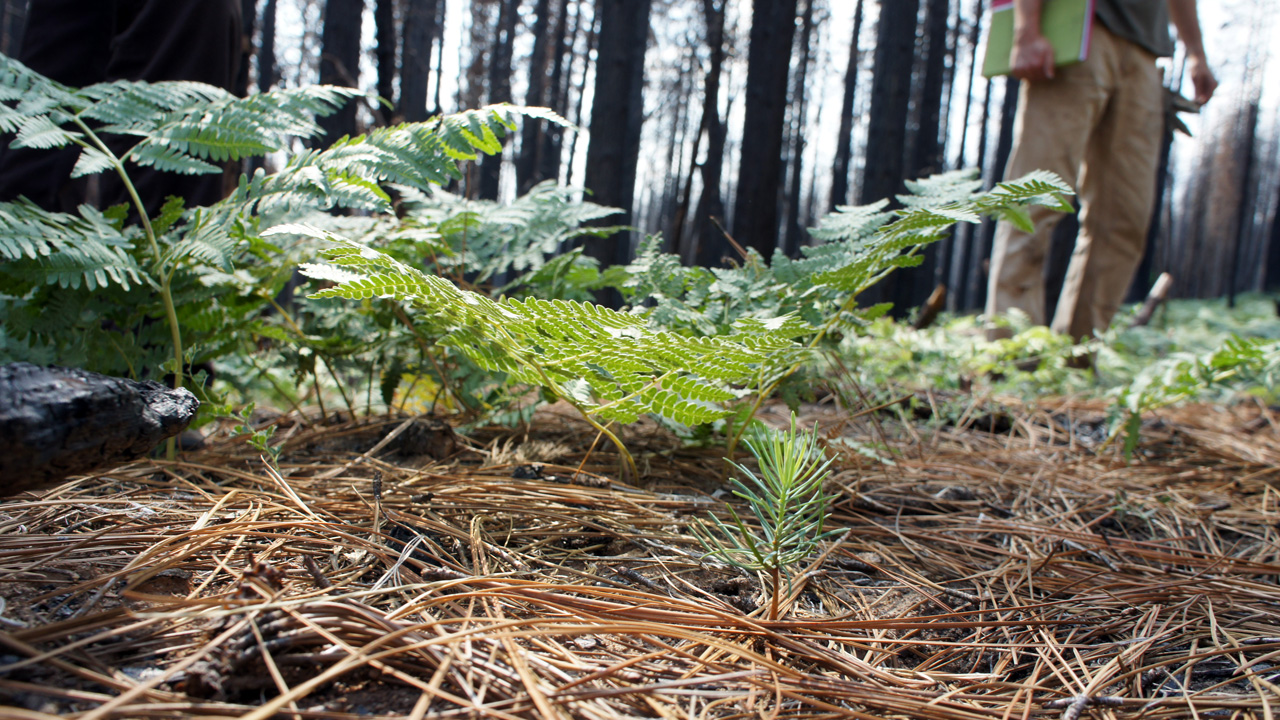
"content": "\u003cdiv class=\"audio-wrap\">\n\u003ch2>Listen:\u003c/h2>\n\u003cp>http://www.kqed.org/.stream/anon/radio/science/2014/08/20140818science.mp3\u003c/p>\n\u003c/div>\n\u003cfigure id=\"attachment_20640\" class=\"wp-caption aligncenter\" style=\"max-width: 1280px\">\u003ca href=\"http://ww2.kqed.org/science/wp-content/uploads/sites/35/2014/08/seedling.jpg\">\u003cimg loading=\"lazy\" decoding=\"async\" class=\"size-full wp-image-20640\" src=\"http://ww2.kqed.org/science/wp-content/uploads/sites/35/2014/08/seedling.jpg\" alt=\"A pine tree seedling emerges in a burned area of the Stanislaus National Forest. (Lauren Sommer/KQED)\" width=\"1280\" height=\"720\">\u003c/a>\u003cfigcaption class=\"wp-caption-text\">A pine tree seedling emerges in a burned area of the Stanislaus National Forest. (Lauren Sommer/KQED)\u003c/figcaption>\u003c/figure>\n\u003cp>One year after the record-breaking Rim Fire began in the Sierra Nevada, signs of recovery are appearing. Green ferns and small seedlings dot the forest floor.\u003c/p>\n\u003cp>But with a full recovery expected to take a century or more, forest officials are working on plans to speed it along by planting new trees. Reforestation is common after large fires in the West, but some scientists say it’s time to rethink how forests are replanted.\u003c/p>\n\u003cp>The Rim Fire is the largest wildfire ever recorded in the Sierra Nevada. Fed by high winds and bone-dry conditions, it consumed 257,000 acres – an area nine times the size of San Francisco. A hunter recently pleaded not guilty to charges that he started it with an illegal campfire.\u003c/p>\n\u003cp>Thousands of acres were severely burned, with trees and vegetation wiped out in about 40 percent of the burned area.\u003c/p>\n\u003cp>“The trees in this area have definitely torched out,” says Eric Knapp, a research ecologist with the Forest Service, walking around a burned patch of the Stanislaus National Forest. “You can see the bark char going pretty much all the way up the tree.”\u003c/p>\n\u003cp>[ad fullwidth]\u003c/p>\n\u003cp>\u003c!-- iframe plugin v.4.3 wordpress.org/plugins/iframe/ -->\u003cbr>\n\u003ciframe loading=\"lazy\" src=\"http://projects1.kqed.org/imageslider/rimfireslideshow.html\" width=\"640\" height=\"445\" frameborder=\"no\" scrolling=\"no\" class=\"iframe-class\">\u003c/iframe>\u003c/p>\n\u003cp>Shrubs and ferns have been able to come back quickly in many places, thanks in part to California’s historic drought. Without big winter storms to create soil erosion, plants were able to take hold.\u003c/p>\n\u003cp>“It’s remarkable even in one year what can come back,” Knapp says.\u003c/p>\n\u003cp>Pine tree seedlings are harder to find. Knapp finally spots a three-inch pine tree.\u003c/p>\n\u003cp>“The seed source is probably…” he says, looking around for where it came from. “There was green forest over there at least a hundred yards away. But nice thing about these pine seedlings is the seeds have these little wings on them so they get up into the wind.”\u003c/p>\n\u003cp>That’s how this kind of mixed-conifer forest regrows in the Sierra Nevada, he says. Green trees on the edges of a burn send their seeds into dead areas.\u003c/p>\n\u003cp>“All the plants and trees can recolonize from the edge, but if your edge is too far away, that becomes more challenging,” he says.\u003c/p>\n\u003cp>That’s the problem in the Rim Fire, he says. There are huge patches of dead trees and seeds can only travel so far, either by the wind or animals. The largest dead patch is more than 60,000 acres.\u003c/p>\n\u003cfigure id=\"attachment_20667\" class=\"wp-caption aligncenter\" style=\"max-width: 640px\">\u003cimg loading=\"lazy\" decoding=\"async\" class=\"wp-image-20667 size-full\" src=\"http://ww2.kqed.org/science/wp-content/uploads/sites/35/2014/08/Rimfiregraphic-e1408148390108.jpeg\" alt=\"(David Pierce/KQED)\" width=\"640\" height=\"816\">\u003cfigcaption class=\"wp-caption-text\">(David Pierce/KQED)\u003c/figcaption>\u003c/figure>\n\u003cp>“We estimate it could take centuries – a couple centuries – to really get that back in because there’s no seed source,” says the Forest Service’s Maria Benech.\u003c/p>\n\u003cp>The Forest Service is working on a Rim Fire recovery plan that includes reforestation, which could begin in a year and half.\u003c/p>\n\u003cp>“It’s all done by hand, so it’s all hand-planted,” she says. “Just little tiny guys that are four, five inches tall.”\u003c/p>\n\u003cp>The seedlings are usually planted densely, 10 feet apart. Reforestation has been done this way in the West for decades, but planting trees in the Sierra Nevada is no guarantee of success.\u003c/p>\n\u003cp>After fires in 1987, the Forest Service replanted some of the forest, in what’s known as the “Penny Pines” tree plantation. A good part of the plantation was killed by the Rim Fire.\u003c/p>\n\u003cp>“These were fairly young, 20-25 year old stands,” Benech says. “They had branching all the way to the ground – a lot of interlocking branches.”\u003c/p>\n\u003cp>The fire moved easily through the dense foliage.\u003c/p>\n\u003cp>“People have criticized how close we planted trees,” she says. “But the idea all along was to come in, year seven, year ten, and thin those out.”\u003c/p>\n\u003cfigure id=\"attachment_20689\" class=\"wp-caption alignright\" style=\"max-width: 640px\">\u003ca href=\"http://ww2.kqed.org/science/wp-content/uploads/sites/35/2014/08/DSC01475.jpg\">\u003cimg loading=\"lazy\" decoding=\"async\" src=\"http://ww2.kqed.org/science/wp-content/uploads/sites/35/2014/08/DSC01475.jpg\" alt=\"Ferns and brush return to the forest floor in the Stanislaus National Forest. (Lauren Sommer/KQED)\" width=\"640\" height=\"380\" class=\"size-full wp-image-20689\">\u003c/a>\u003cfigcaption class=\"wp-caption-text\">Ferns and brush return to the forest floor in the Stanislaus National Forest. (Lauren Sommer/KQED)\u003c/figcaption>\u003c/figure>\n\u003cp>But it takes funding to selectively cut trees and create spaces in the forest. The Forest Service had made plans to do it, but hadn’t gotten the resources yet. Without that, the replanted trees went from restoration to liability.\u003c/p>\n\u003cp>“Plantations are really prone to burning up,” says Malcolm North, a research scientist with the Forest Service and an affiliate professor at UC Davis.\u003c/p>\n\u003cp>North says there may be a better way to replant trees after wildfires. Researchers have learned a lot about how Sierra Nevada forests once looked, before Smokey Bear and decades of fire suppression.\u003c/p>\n\u003cp>“What we now know is that we eventually want to produce trees that have kind of a clumped and open – a group-y, gap-y type structure,” he says. “That’s the pattern we find time and time again in these forests.”\u003c/p>\n\u003cp>Trees could be planted in a way that mimics that natural pattern – in clumps instead of rows. That could make them more resilient to future fires, North says.\u003c/p>\n\u003cp>\u003c/p>\n\u003cp>A team of scientists and environmental groups has been meeting to work on that idea. There’s still a lot to learn about how do that type of restoration. But that’s the silver lining of the Rim Fire, North says. With such a high profile fire comes the opportunity to learn from it.\u003c/p>\n\n",
"stats": {
"hasVideo": false,
"hasChartOrMap": true,
"hasAudio": true,
"hasPolis": false,
"wordCount": 923,
"hasGoogleForm": false,
"hasGallery": false,
"hasHearkenModule": false,
"iframeSrcs": [
"http://projects1.kqed.org/imageslider/rimfireslideshow.html"
],
"paragraphCount": 29
},
"modified": 1704933129,
"excerpt": "Reforestation is common after large fires in the West, but some scientists say it’s time to rethink how forests are replanted.",
"headData": {
"twImgId": "",
"twTitle": "",
"ogTitle": "",
"ogImgId": "",
"twDescription": "",
"description": "Reforestation is common after large fires in the West, but some scientists say it’s time to rethink how forests are replanted.",
"title": "A Year After Rim Fire, Debate Sparks Over Replanting Trees | KQED",
"ogDescription": "",
"schema": {
"@context": "https://schema.org",
"@type": "Article",
"headline": "A Year After Rim Fire, Debate Sparks Over Replanting Trees",
"datePublished": "2014-08-18T00:01:54-07:00",
"dateModified": "2024-01-10T16:32:09-08:00",
"image": "https://cdn.kqed.org/wp-content/uploads/2020/02/KQED-OG-Image@1x.png"
}
},
"guestAuthors": [],
"slug": "a-year-after-rim-fire-debate-sparks-over-replanting-trees",
"status": "publish",
"audioUrl": "http://www.kqed.org/.stream/anon/radio/science/2014/08/20140818science.mp3",
"sticky": false,
"path": "/science/20636/a-year-after-rim-fire-debate-sparks-over-replanting-trees",
"audioTrackLength": null,
"parsedContent": [
{
"type": "contentString",
"content": "\u003cdiv class=\"post-body\">\u003cp>\u003cdiv class=\"audio-wrap\">\n\u003ch2>Listen:\u003c/h2>\u003c/p>\u003c/div>",
"attributes": {
"named": {},
"numeric": []
}
},
{
"type": "component",
"content": "",
"name": "audioLink",
"attributes": {
"named": {
"src": "http://www.kqed.org/.stream/anon/radio/science/2014/08/20140818science.mp3"
},
"numeric": []
}
},
{
"type": "contentString",
"content": "\u003cdiv class=\"post-body\">\u003cp>\u003c/div>\n\u003cfigure id=\"attachment_20640\" class=\"wp-caption aligncenter\" style=\"max-width: 1280px\">\u003ca href=\"http://ww2.kqed.org/science/wp-content/uploads/sites/35/2014/08/seedling.jpg\">\u003cimg loading=\"lazy\" decoding=\"async\" class=\"size-full wp-image-20640\" src=\"http://ww2.kqed.org/science/wp-content/uploads/sites/35/2014/08/seedling.jpg\" alt=\"A pine tree seedling emerges in a burned area of the Stanislaus National Forest. (Lauren Sommer/KQED)\" width=\"1280\" height=\"720\">\u003c/a>\u003cfigcaption class=\"wp-caption-text\">A pine tree seedling emerges in a burned area of the Stanislaus National Forest. (Lauren Sommer/KQED)\u003c/figcaption>\u003c/figure>\n\u003cp>One year after the record-breaking Rim Fire began in the Sierra Nevada, signs of recovery are appearing. Green ferns and small seedlings dot the forest floor.\u003c/p>\n\u003cp>But with a full recovery expected to take a century or more, forest officials are working on plans to speed it along by planting new trees. Reforestation is common after large fires in the West, but some scientists say it’s time to rethink how forests are replanted.\u003c/p>\n\u003cp>The Rim Fire is the largest wildfire ever recorded in the Sierra Nevada. Fed by high winds and bone-dry conditions, it consumed 257,000 acres – an area nine times the size of San Francisco. A hunter recently pleaded not guilty to charges that he started it with an illegal campfire.\u003c/p>\n\u003cp>Thousands of acres were severely burned, with trees and vegetation wiped out in about 40 percent of the burned area.\u003c/p>\n\u003cp>“The trees in this area have definitely torched out,” says Eric Knapp, a research ecologist with the Forest Service, walking around a burned patch of the Stanislaus National Forest. “You can see the bark char going pretty much all the way up the tree.”\u003c/p>\n\u003cp>\u003c/p>\u003c/div>",
"attributes": {
"named": {},
"numeric": []
}
},
{
"type": "component",
"content": "",
"name": "ad",
"attributes": {
"named": {
"label": "fullwidth"
},
"numeric": [
"fullwidth"
]
}
},
{
"type": "contentString",
"content": "\u003cdiv class=\"post-body\">\u003cp>\u003c/p>\n\u003cp>\u003c!-- iframe plugin v.4.3 wordpress.org/plugins/iframe/ -->\u003cbr>\n\u003ciframe loading=\"lazy\" src=\"http://projects1.kqed.org/imageslider/rimfireslideshow.html\" width=\"640\" height=\"445\" frameborder=\"no\" scrolling=\"no\" class=\"iframe-class\">\u003c/iframe>\u003c/p>\n\u003cp>Shrubs and ferns have been able to come back quickly in many places, thanks in part to California’s historic drought. Without big winter storms to create soil erosion, plants were able to take hold.\u003c/p>\n\u003cp>“It’s remarkable even in one year what can come back,” Knapp says.\u003c/p>\n\u003cp>Pine tree seedlings are harder to find. Knapp finally spots a three-inch pine tree.\u003c/p>\n\u003cp>“The seed source is probably…” he says, looking around for where it came from. “There was green forest over there at least a hundred yards away. But nice thing about these pine seedlings is the seeds have these little wings on them so they get up into the wind.”\u003c/p>\n\u003cp>That’s how this kind of mixed-conifer forest regrows in the Sierra Nevada, he says. Green trees on the edges of a burn send their seeds into dead areas.\u003c/p>\n\u003cp>“All the plants and trees can recolonize from the edge, but if your edge is too far away, that becomes more challenging,” he says.\u003c/p>\n\u003cp>That’s the problem in the Rim Fire, he says. There are huge patches of dead trees and seeds can only travel so far, either by the wind or animals. The largest dead patch is more than 60,000 acres.\u003c/p>\n\u003cfigure id=\"attachment_20667\" class=\"wp-caption aligncenter\" style=\"max-width: 640px\">\u003cimg loading=\"lazy\" decoding=\"async\" class=\"wp-image-20667 size-full\" src=\"http://ww2.kqed.org/science/wp-content/uploads/sites/35/2014/08/Rimfiregraphic-e1408148390108.jpeg\" alt=\"(David Pierce/KQED)\" width=\"640\" height=\"816\">\u003cfigcaption class=\"wp-caption-text\">(David Pierce/KQED)\u003c/figcaption>\u003c/figure>\n\u003cp>“We estimate it could take centuries – a couple centuries – to really get that back in because there’s no seed source,” says the Forest Service’s Maria Benech.\u003c/p>\n\u003cp>The Forest Service is working on a Rim Fire recovery plan that includes reforestation, which could begin in a year and half.\u003c/p>\n\u003cp>“It’s all done by hand, so it’s all hand-planted,” she says. “Just little tiny guys that are four, five inches tall.”\u003c/p>\n\u003cp>The seedlings are usually planted densely, 10 feet apart. Reforestation has been done this way in the West for decades, but planting trees in the Sierra Nevada is no guarantee of success.\u003c/p>\n\u003cp>After fires in 1987, the Forest Service replanted some of the forest, in what’s known as the “Penny Pines” tree plantation. A good part of the plantation was killed by the Rim Fire.\u003c/p>\n\u003cp>“These were fairly young, 20-25 year old stands,” Benech says. “They had branching all the way to the ground – a lot of interlocking branches.”\u003c/p>\n\u003cp>The fire moved easily through the dense foliage.\u003c/p>\n\u003cp>“People have criticized how close we planted trees,” she says. “But the idea all along was to come in, year seven, year ten, and thin those out.”\u003c/p>\n\u003cfigure id=\"attachment_20689\" class=\"wp-caption alignright\" style=\"max-width: 640px\">\u003ca href=\"http://ww2.kqed.org/science/wp-content/uploads/sites/35/2014/08/DSC01475.jpg\">\u003cimg loading=\"lazy\" decoding=\"async\" src=\"http://ww2.kqed.org/science/wp-content/uploads/sites/35/2014/08/DSC01475.jpg\" alt=\"Ferns and brush return to the forest floor in the Stanislaus National Forest. (Lauren Sommer/KQED)\" width=\"640\" height=\"380\" class=\"size-full wp-image-20689\">\u003c/a>\u003cfigcaption class=\"wp-caption-text\">Ferns and brush return to the forest floor in the Stanislaus National Forest. (Lauren Sommer/KQED)\u003c/figcaption>\u003c/figure>\n\u003cp>But it takes funding to selectively cut trees and create spaces in the forest. The Forest Service had made plans to do it, but hadn’t gotten the resources yet. Without that, the replanted trees went from restoration to liability.\u003c/p>\n\u003cp>“Plantations are really prone to burning up,” says Malcolm North, a research scientist with the Forest Service and an affiliate professor at UC Davis.\u003c/p>\n\u003cp>North says there may be a better way to replant trees after wildfires. Researchers have learned a lot about how Sierra Nevada forests once looked, before Smokey Bear and decades of fire suppression.\u003c/p>\n\u003cp>“What we now know is that we eventually want to produce trees that have kind of a clumped and open – a group-y, gap-y type structure,” he says. “That’s the pattern we find time and time again in these forests.”\u003c/p>\n\u003cp>Trees could be planted in a way that mimics that natural pattern – in clumps instead of rows. That could make them more resilient to future fires, North says.\u003c/p>\n\u003cp>\u003c/p>\n\u003cp>A team of scientists and environmental groups has been meeting to work on that idea. There’s still a lot to learn about how do that type of restoration. But that’s the silver lining of the Rim Fire, North says. With such a high profile fire comes the opportunity to learn from it.\u003c/p>\n\n\u003c/div>\u003c/p>",
"attributes": {
"named": {},
"numeric": []
}
}
],
"link": "/science/20636/a-year-after-rim-fire-debate-sparks-over-replanting-trees",
"authors": [
"239"
],
"categories": [
"science_46",
"science_35",
"science_40",
"science_43"
],
"tags": [
"science_762",
"science_763",
"science_64",
"science_670",
"science_607",
"science_787",
"science_113"
],
"featImg": "science_20641",
"label": "science"
},
"science_20544": {
"type": "posts",
"id": "science_20544",
"meta": {
"index": "posts_1716263798",
"site": "science",
"id": "20544",
"score": null,
"sort": [
1408140519000
]
},
"parent": 0,
"labelTerm": {
"site": "science",
"term": 1151
},
"blocks": [],
"publishDate": 1408140519,
"format": "aside",
"title": "Gardening in the Drought: What Makes a Plant 'Drought-Tolerant'",
"headTitle": "Gardening in the Drought: What Makes a Plant ‘Drought-Tolerant’ | KQED",
"content": "\u003cp>\u003cstrong>By Kathy Shield\u003cbr>\nIntern, \u003cem>Forum\u003c/em>\u003c/strong>\u003c/p>\n\u003cp>California’s historic drought has lots of gardeners searching for drought-tolerant plants. But what, exactly, makes a plant \u003ca href=\"http://www.laspilitas.com/garden/drought.html\">drought-tolerant\u003c/a>? The term is a “catch-all to describe using plants that use less water,” \u003ca href=\"http://www.floragrubb.com/idx/index.php\">Flora Grubb\u003c/a>, the owner of a San Francisco garden store, explained on \u003ca href=\"http://www.kqed.org/a/forum/R201408121000\">\u003cem>Forum\u003c/em>\u003c/a>.\u003c/p>\n\u003cp>Falling into that “catch-all” category are plants that have evolved different physiological strategies to survive the dry times in California.\u003c/p>\n\u003cp>When it comes to drought-tolerant plants for your yard, \u003ca href=\"http://www.sunset.com/\">Sunset’s\u003c/a> garden editor Kathleen Brenzel has one recommendation: “The best thing you can do is \u003ca href=\"http://plantfinder.sunset.com/plant-home.jsp;jsessionid=3EC5F4B5E3240618C5FABA4A831CEF4C\">choose appropriate plant\u003c/a>s for your region.”\u003c/p>\n\u003cp>\u003cstrong>Tiny Hairs\u003c/strong>\u003c/p>\n\u003cfigure id=\"attachment_20610\" class=\"wp-caption aligncenter\" style=\"max-width: 640px\">\u003ca href=\"http://ww2.kqed.org/science/wp-content/uploads/sites/35/2014/08/6958026122_cfe6e3759a_z.jpg\">\u003cimg loading=\"lazy\" decoding=\"async\" class=\"wp-image-20610 size-full\" src=\"http://ww2.kqed.org/science/wp-content/uploads/sites/35/2014/08/6958026122_cfe6e3759a_z.jpg\" alt=\"Twinberry honeysuckle has tiny hairs that help it collect water. (docentjoyce/Flickr)\" width=\"640\" height=\"472\">\u003c/a>\u003cfigcaption class=\"wp-caption-text\">Twinberry honeysuckle has tiny hairs that help it collect water. (\u003ca href=\"https://www.flickr.com/photos/docentjoyce/6958026122/in/photolist-5xQfjo-5mWLNt-55Qsz8-87AmdP-gM4ErC-gM4Fo9-acrzCY-bARGKC-nGYZxE-59tqoB-mgyNWX-o3zric-o3LCQ1-5nYjsS-6gAsWQ-SA43Q-SA43s-bWb9Yz-oyfvVD-owhSDQ-74DkMK-cPLrJm-fnLoEX-fqAtLi-fqArwe-fqAwwM-fqAsxa-fqAvfB-fqQFnW-o4GsS5-8488om-cBXuiG-k4pjZ2-5b5NBt-c9XARG-eYcFL2-eYcEUH-eYp4WJ-6tPjJy-6tKbn6-bWGy1L-6KnyoW-9vGCk7-542jV8-546yU9-546z43-9vDzxi-bUgumM-cbCH9o-6PcoSB/\">docentjoyce/Flickr\u003c/a>)\u003c/figcaption>\u003c/figure>\n\u003cp>Some \u003ca href=\"http://www.perennialresource.com/articles/518_Drought-Tolerant-Perennials.aspx\">drought-tolerant plant\u003c/a>s use trichomes, or tiny hairs, to grab water and hold onto it. These hairs reduce air flow over the leaves of the plant, reducing evaporation. Plants that are native to foggy coastal regions use trichomes to pull water from the air. Some plants can get half of all their water this way. Trichomes cover the flowers and leaves of Twinberry honeysuckle (\u003cem>Lonicera involucrata\u003c/em>), which grows along the coastline from Alaska all the way to Mexico.\u003c/p>\n\u003cp>[ad fullwidth]\u003c/p>\n\u003cp>\u003cstrong>Waxy Surfaces \u003c/strong>\u003c/p>\n\u003cfigure id=\"attachment_20614\" class=\"wp-caption aligncenter\" style=\"max-width: 640px\">\u003ca href=\"http://ww2.kqed.org/science/wp-content/uploads/sites/35/2014/08/5264550029_a664d91bab_z.jpg\">\u003cimg loading=\"lazy\" decoding=\"async\" class=\"wp-image-20614 size-full\" src=\"http://ww2.kqed.org/science/wp-content/uploads/sites/35/2014/08/5264550029_a664d91bab_z.jpg\" alt=\"The waxy surface on the agave helps it retain water. (John Loo/Flickr)\" width=\"640\" height=\"427\">\u003c/a>\u003cfigcaption class=\"wp-caption-text\">The waxy surface on the agave helps it retain water. (\u003ca href=\"https://www.flickr.com/photos/johnloo/5264550029/in/photolist-92dciX-8oS3xS-7EfwYV-aCos9K-duBWcU-aTNC8B-95D7Yg-j8bGVV-7UV7vZ-bFRJPV-7amnyK-a5752R-ko6yV-5Yf4Pd-igtoX-s8Hjj-59zrjS-9J3QQn-7QVZiZ-7Apfg1-m4WEmr-4p5f9h-6oFobe-9PkBBR-6TdDN-7ApdLQ-7SSg7Q-c7Wh6C-nXtd7e-9quDR5-9LMmt5-dmkKDV-bniM9Z-apBS5g-koak1-99PibR-uUMUb-apzjNG-m3wkKe-9xbmtc-dvZZhx-dq8Rpi-cTmEFA-qmtkh-dSL4La-bCfWFW-4uP9Kd-cTmDpA-ajNErQ-9uEv2K\">John Loo/Flickr\u003c/a>)\u003c/figcaption>\u003c/figure>\n\u003cp>All plants have a thin waxy cuticle, but many drought-tolerant plants grow thick coatings as a barrier against the environment. Plants in limited water environments develop these coatings to help retain water by limiting transpiration. Agave plants, such as the Southern Californian desert agave (A\u003cem>gave deserti\u003c/em>), have thick waxy layers on their leaves, which insulate the plant from the hot desert sun.\u003c/p>\n\u003cp>\u003cstrong>Lateral Roots\u003c/strong>\u003c/p>\n\u003cfigure id=\"attachment_20616\" class=\"wp-caption aligncenter\" style=\"max-width: 458px\">\u003ca href=\"http://ww2.kqed.org/science/wp-content/uploads/sites/35/2014/08/1471016030_32d912cf8d_z.jpg\">\u003cimg loading=\"lazy\" decoding=\"async\" class=\"wp-image-20616 size-full\" src=\"http://ww2.kqed.org/science/wp-content/uploads/sites/35/2014/08/1471016030_32d912cf8d_z.jpg\" alt=\"The California oak's roots extend far and wide. (Josh Mazgelis/Flickr)\" width=\"458\" height=\"640\">\u003c/a>\u003cfigcaption class=\"wp-caption-text\">The California oak’s roots extend far and wide. (\u003ca href=\"https://www.flickr.com/photos/joshmaz/1471016030/in/photolist-3eZkPm-2avEto-n7vJwK-7LHm1M-dXewFc-6fJhek-ovtSFg-ovYFg4\">Josh Mazgelis/Flickr\u003c/a>)\u003c/figcaption>\u003c/figure>\n\u003cp>Plants native to different regions have evolved different root structures. In general, trees grow a single, wide tap root deep into the ground, which gives the tree dependable moisture. In regions with dry summers, trees also grow lateral root systems along the surface, which give the tree stability and the majority of the moisture and the nutrients it needs. The \u003ca href=\"http://www.californiaoaks.org/ExtAssets/CareOfCAsNativeOaks.pdf\">California oak tree (\u003cem>Quercus agrifolia\u003c/em>)\u003c/a> has a root system that extends as far as 90 feet beyond its branches, adapted to wet winters and long, dry summers throughout the state.\u003c/p>\n\u003cp>\u003cstrong>Water Storage\u003c/strong>\u003c/p>\n\u003cfigure id=\"attachment_20617\" class=\"wp-caption aligncenter\" style=\"max-width: 640px\">\u003ca href=\"http://ww2.kqed.org/science/wp-content/uploads/sites/35/2014/08/8542281037_c954fb85d3_z.jpg\">\u003cimg loading=\"lazy\" decoding=\"async\" class=\"wp-image-20617 size-full\" src=\"http://ww2.kqed.org/science/wp-content/uploads/sites/35/2014/08/8542281037_c954fb85d3_z.jpg\" alt=\"Succulents can store water in their leaves to hold them over during dry periods. (FarOutFlora/Flickr)\" width=\"640\" height=\"640\">\u003c/a>\u003cfigcaption class=\"wp-caption-text\">Succulents can store water in their leaves to hold them over during dry periods. (\u003ca href=\"https://www.flickr.com/photos/faroutflora/8542281037/in/photolist-e1Rqxx-czfPLA-hhMai-czfPTJ-bdBzyF-hiKPA-hhMDd-bdTr52-7sk74A-hhLZH-9Tagpf-9T7ttv-4VMRLL-7sjZ7b-hhNe9-a5kxtr-fKZCKt-fKZDia-2PRa3-9BvbTV-bnCQzN-7mnPqf-9AQQTS-4RyJb2-nohsJ-nohun-nohwS-8Q4r5h-9L3Qh4-9L6BPU-hiL8K-a5Vmkh-c1W3Dm-eMgz4S-a5SvqP-6qVugo-7YiyMU-hiKW5-hhMZu-hhMwF-hhMqM-ax8roL-ib72AR-nQMGFU-8Q4F1G-c1W1qj-mXPBMF-mXPCQH-8Fs1yQ-cymg8C/\">FarOutFlora/Flickr\u003c/a>)\u003c/figcaption>\u003c/figure>\n\u003cp>\u003ca href=\"http://www.desertmuseum.org/programs/succulents_definition.php\">Succulents\u003c/a> are particularly drought-tolerant. They contain tissue capable of storing water, so they can survive for short periods without water. They often have thick, fleshy leaves, like spiral aloe (\u003cem>Aloe polyphylla\u003c/em>) a non-native plant that does well in regions with variable water supply, including the Bay Area. Some succulents can also store water in their stems and roots, including certain bulbs.\u003c/p>\n\u003cp>For tips on creating a drought-friendly garden, listen to the full \u003cem>\u003ca href=\"http://www.kqed.org/a/forum/R201408121000\">Forum\u003c/a>\u003c/em> episode:\u003c/p>\n\u003cp>\u003c!-- iframe plugin v.4.3 wordpress.org/plugins/iframe/ -->\u003cbr>\n\u003ciframe loading=\"lazy\" src=\"https://w.soundcloud.com/player/?url=https%3A//api.soundcloud.com/tracks/162865882&color=ff5500&auto_play=false&hide_related=false&show_comments=true&show_user=true&show_reposts=false\" width=\"100%\" height=\"166\" frameborder=\"no\" scrolling=\"no\" class=\"iframe-class\">\u003c/iframe>\u003c/p>\n\u003cp> \u003c/p>\n\u003cp>\u003c/p>\n\u003cp> \u003c/p>\n\n",
"stats": {
"hasVideo": false,
"hasChartOrMap": false,
"hasAudio": true,
"hasPolis": false,
"wordCount": 499,
"hasGoogleForm": false,
"hasGallery": false,
"hasHearkenModule": false,
"iframeSrcs": [],
"paragraphCount": 16
},
"modified": 1704933132,
"excerpt": "Plants have evolved all sorts of ways to survive the dry times in California.",
"headData": {
"twImgId": "",
"twTitle": "",
"ogTitle": "",
"ogImgId": "",
"twDescription": "",
"description": "Plants have evolved all sorts of ways to survive the dry times in California.",
"title": "Gardening in the Drought: What Makes a Plant 'Drought-Tolerant' | KQED",
"ogDescription": "",
"schema": {
"@context": "https://schema.org",
"@type": "Article",
"headline": "Gardening in the Drought: What Makes a Plant 'Drought-Tolerant'",
"datePublished": "2014-08-15T15:08:39-07:00",
"dateModified": "2024-01-10T16:32:12-08:00",
"image": "https://cdn.kqed.org/wp-content/uploads/2020/02/KQED-OG-Image@1x.png"
}
},
"guestAuthors": [],
"slug": "gardening-in-the-drought-what-makes-a-plant-drought-tolerant",
"status": "publish",
"sticky": false,
"path": "/science/20544/gardening-in-the-drought-what-makes-a-plant-drought-tolerant",
"audioTrackLength": null,
"parsedContent": [
{
"type": "contentString",
"content": "\u003cdiv class=\"post-body\">\u003cp>\u003cp>\u003cstrong>By Kathy Shield\u003cbr>\nIntern, \u003cem>Forum\u003c/em>\u003c/strong>\u003c/p>\n\u003cp>California’s historic drought has lots of gardeners searching for drought-tolerant plants. But what, exactly, makes a plant \u003ca href=\"http://www.laspilitas.com/garden/drought.html\">drought-tolerant\u003c/a>? The term is a “catch-all to describe using plants that use less water,” \u003ca href=\"http://www.floragrubb.com/idx/index.php\">Flora Grubb\u003c/a>, the owner of a San Francisco garden store, explained on \u003ca href=\"http://www.kqed.org/a/forum/R201408121000\">\u003cem>Forum\u003c/em>\u003c/a>.\u003c/p>\n\u003cp>Falling into that “catch-all” category are plants that have evolved different physiological strategies to survive the dry times in California.\u003c/p>\n\u003cp>When it comes to drought-tolerant plants for your yard, \u003ca href=\"http://www.sunset.com/\">Sunset’s\u003c/a> garden editor Kathleen Brenzel has one recommendation: “The best thing you can do is \u003ca href=\"http://plantfinder.sunset.com/plant-home.jsp;jsessionid=3EC5F4B5E3240618C5FABA4A831CEF4C\">choose appropriate plant\u003c/a>s for your region.”\u003c/p>\n\u003cp>\u003cstrong>Tiny Hairs\u003c/strong>\u003c/p>\n\u003cfigure id=\"attachment_20610\" class=\"wp-caption aligncenter\" style=\"max-width: 640px\">\u003ca href=\"http://ww2.kqed.org/science/wp-content/uploads/sites/35/2014/08/6958026122_cfe6e3759a_z.jpg\">\u003cimg loading=\"lazy\" decoding=\"async\" class=\"wp-image-20610 size-full\" src=\"http://ww2.kqed.org/science/wp-content/uploads/sites/35/2014/08/6958026122_cfe6e3759a_z.jpg\" alt=\"Twinberry honeysuckle has tiny hairs that help it collect water. (docentjoyce/Flickr)\" width=\"640\" height=\"472\">\u003c/a>\u003cfigcaption class=\"wp-caption-text\">Twinberry honeysuckle has tiny hairs that help it collect water. (\u003ca href=\"https://www.flickr.com/photos/docentjoyce/6958026122/in/photolist-5xQfjo-5mWLNt-55Qsz8-87AmdP-gM4ErC-gM4Fo9-acrzCY-bARGKC-nGYZxE-59tqoB-mgyNWX-o3zric-o3LCQ1-5nYjsS-6gAsWQ-SA43Q-SA43s-bWb9Yz-oyfvVD-owhSDQ-74DkMK-cPLrJm-fnLoEX-fqAtLi-fqArwe-fqAwwM-fqAsxa-fqAvfB-fqQFnW-o4GsS5-8488om-cBXuiG-k4pjZ2-5b5NBt-c9XARG-eYcFL2-eYcEUH-eYp4WJ-6tPjJy-6tKbn6-bWGy1L-6KnyoW-9vGCk7-542jV8-546yU9-546z43-9vDzxi-bUgumM-cbCH9o-6PcoSB/\">docentjoyce/Flickr\u003c/a>)\u003c/figcaption>\u003c/figure>\n\u003cp>Some \u003ca href=\"http://www.perennialresource.com/articles/518_Drought-Tolerant-Perennials.aspx\">drought-tolerant plant\u003c/a>s use trichomes, or tiny hairs, to grab water and hold onto it. These hairs reduce air flow over the leaves of the plant, reducing evaporation. Plants that are native to foggy coastal regions use trichomes to pull water from the air. Some plants can get half of all their water this way. Trichomes cover the flowers and leaves of Twinberry honeysuckle (\u003cem>Lonicera involucrata\u003c/em>), which grows along the coastline from Alaska all the way to Mexico.\u003c/p>\n\u003cp>\u003c/p>\u003c/div>",
"attributes": {
"named": {},
"numeric": []
}
},
{
"type": "component",
"content": "",
"name": "ad",
"attributes": {
"named": {
"label": "fullwidth"
},
"numeric": [
"fullwidth"
]
}
},
{
"type": "contentString",
"content": "\u003cdiv class=\"post-body\">\u003cp>\u003c/p>\n\u003cp>\u003cstrong>Waxy Surfaces \u003c/strong>\u003c/p>\n\u003cfigure id=\"attachment_20614\" class=\"wp-caption aligncenter\" style=\"max-width: 640px\">\u003ca href=\"http://ww2.kqed.org/science/wp-content/uploads/sites/35/2014/08/5264550029_a664d91bab_z.jpg\">\u003cimg loading=\"lazy\" decoding=\"async\" class=\"wp-image-20614 size-full\" src=\"http://ww2.kqed.org/science/wp-content/uploads/sites/35/2014/08/5264550029_a664d91bab_z.jpg\" alt=\"The waxy surface on the agave helps it retain water. (John Loo/Flickr)\" width=\"640\" height=\"427\">\u003c/a>\u003cfigcaption class=\"wp-caption-text\">The waxy surface on the agave helps it retain water. (\u003ca href=\"https://www.flickr.com/photos/johnloo/5264550029/in/photolist-92dciX-8oS3xS-7EfwYV-aCos9K-duBWcU-aTNC8B-95D7Yg-j8bGVV-7UV7vZ-bFRJPV-7amnyK-a5752R-ko6yV-5Yf4Pd-igtoX-s8Hjj-59zrjS-9J3QQn-7QVZiZ-7Apfg1-m4WEmr-4p5f9h-6oFobe-9PkBBR-6TdDN-7ApdLQ-7SSg7Q-c7Wh6C-nXtd7e-9quDR5-9LMmt5-dmkKDV-bniM9Z-apBS5g-koak1-99PibR-uUMUb-apzjNG-m3wkKe-9xbmtc-dvZZhx-dq8Rpi-cTmEFA-qmtkh-dSL4La-bCfWFW-4uP9Kd-cTmDpA-ajNErQ-9uEv2K\">John Loo/Flickr\u003c/a>)\u003c/figcaption>\u003c/figure>\n\u003cp>All plants have a thin waxy cuticle, but many drought-tolerant plants grow thick coatings as a barrier against the environment. Plants in limited water environments develop these coatings to help retain water by limiting transpiration. Agave plants, such as the Southern Californian desert agave (A\u003cem>gave deserti\u003c/em>), have thick waxy layers on their leaves, which insulate the plant from the hot desert sun.\u003c/p>\n\u003cp>\u003cstrong>Lateral Roots\u003c/strong>\u003c/p>\n\u003cfigure id=\"attachment_20616\" class=\"wp-caption aligncenter\" style=\"max-width: 458px\">\u003ca href=\"http://ww2.kqed.org/science/wp-content/uploads/sites/35/2014/08/1471016030_32d912cf8d_z.jpg\">\u003cimg loading=\"lazy\" decoding=\"async\" class=\"wp-image-20616 size-full\" src=\"http://ww2.kqed.org/science/wp-content/uploads/sites/35/2014/08/1471016030_32d912cf8d_z.jpg\" alt=\"The California oak's roots extend far and wide. (Josh Mazgelis/Flickr)\" width=\"458\" height=\"640\">\u003c/a>\u003cfigcaption class=\"wp-caption-text\">The California oak’s roots extend far and wide. (\u003ca href=\"https://www.flickr.com/photos/joshmaz/1471016030/in/photolist-3eZkPm-2avEto-n7vJwK-7LHm1M-dXewFc-6fJhek-ovtSFg-ovYFg4\">Josh Mazgelis/Flickr\u003c/a>)\u003c/figcaption>\u003c/figure>\n\u003cp>Plants native to different regions have evolved different root structures. In general, trees grow a single, wide tap root deep into the ground, which gives the tree dependable moisture. In regions with dry summers, trees also grow lateral root systems along the surface, which give the tree stability and the majority of the moisture and the nutrients it needs. The \u003ca href=\"http://www.californiaoaks.org/ExtAssets/CareOfCAsNativeOaks.pdf\">California oak tree (\u003cem>Quercus agrifolia\u003c/em>)\u003c/a> has a root system that extends as far as 90 feet beyond its branches, adapted to wet winters and long, dry summers throughout the state.\u003c/p>\n\u003cp>\u003cstrong>Water Storage\u003c/strong>\u003c/p>\n\u003cfigure id=\"attachment_20617\" class=\"wp-caption aligncenter\" style=\"max-width: 640px\">\u003ca href=\"http://ww2.kqed.org/science/wp-content/uploads/sites/35/2014/08/8542281037_c954fb85d3_z.jpg\">\u003cimg loading=\"lazy\" decoding=\"async\" class=\"wp-image-20617 size-full\" src=\"http://ww2.kqed.org/science/wp-content/uploads/sites/35/2014/08/8542281037_c954fb85d3_z.jpg\" alt=\"Succulents can store water in their leaves to hold them over during dry periods. (FarOutFlora/Flickr)\" width=\"640\" height=\"640\">\u003c/a>\u003cfigcaption class=\"wp-caption-text\">Succulents can store water in their leaves to hold them over during dry periods. (\u003ca href=\"https://www.flickr.com/photos/faroutflora/8542281037/in/photolist-e1Rqxx-czfPLA-hhMai-czfPTJ-bdBzyF-hiKPA-hhMDd-bdTr52-7sk74A-hhLZH-9Tagpf-9T7ttv-4VMRLL-7sjZ7b-hhNe9-a5kxtr-fKZCKt-fKZDia-2PRa3-9BvbTV-bnCQzN-7mnPqf-9AQQTS-4RyJb2-nohsJ-nohun-nohwS-8Q4r5h-9L3Qh4-9L6BPU-hiL8K-a5Vmkh-c1W3Dm-eMgz4S-a5SvqP-6qVugo-7YiyMU-hiKW5-hhMZu-hhMwF-hhMqM-ax8roL-ib72AR-nQMGFU-8Q4F1G-c1W1qj-mXPBMF-mXPCQH-8Fs1yQ-cymg8C/\">FarOutFlora/Flickr\u003c/a>)\u003c/figcaption>\u003c/figure>\n\u003cp>\u003ca href=\"http://www.desertmuseum.org/programs/succulents_definition.php\">Succulents\u003c/a> are particularly drought-tolerant. They contain tissue capable of storing water, so they can survive for short periods without water. They often have thick, fleshy leaves, like spiral aloe (\u003cem>Aloe polyphylla\u003c/em>) a non-native plant that does well in regions with variable water supply, including the Bay Area. Some succulents can also store water in their stems and roots, including certain bulbs.\u003c/p>\n\u003cp>For tips on creating a drought-friendly garden, listen to the full \u003cem>\u003ca href=\"http://www.kqed.org/a/forum/R201408121000\">Forum\u003c/a>\u003c/em> episode:\u003c/p>\n\u003cp>\u003c!-- iframe plugin v.4.3 wordpress.org/plugins/iframe/ -->\u003cbr>\n\u003ciframe loading=\"lazy\" src=\"https://w.soundcloud.com/player/?url=https%3A//api.soundcloud.com/tracks/162865882&color=ff5500&auto_play=false&hide_related=false&show_comments=true&show_user=true&show_reposts=false\" width=\"100%\" height=\"166\" frameborder=\"no\" scrolling=\"no\" class=\"iframe-class\">\u003c/iframe>\u003c/p>\n\u003cp> \u003c/p>\n\u003cp>\u003c/p>\n\u003cp> \u003c/p>\n\n\u003c/div>\u003c/p>",
"attributes": {
"named": {},
"numeric": []
}
}
],
"link": "/science/20544/gardening-in-the-drought-what-makes-a-plant-drought-tolerant",
"authors": [
"6387"
],
"series": [
"science_1151"
],
"categories": [
"science_35",
"science_40",
"science_98"
],
"tags": [
"science_572"
],
"featImg": "science_20614",
"label": "science_1151"
},
"news_144819": {
"type": "posts",
"id": "news_144819",
"meta": {
"index": "posts_1716263798",
"site": "news",
"id": "144819",
"score": null,
"sort": [
1408118968000
]
},
"parent": 0,
"labelTerm": {
"site": "news",
"term": 6944
},
"blocks": [],
"publishDate": 1408118968,
"format": "aside",
"disqusTitle": "Video: The Salmon Cannon — Our Next Brainstorm for Weary Fish",
"title": "Video: The Salmon Cannon — Our Next Brainstorm for Weary Fish",
"headTitle": "News Fix | KQED News",
"content": "\u003cp>[youtube http://www.youtube.com/watch?v=wSBS2F9VXaE&w=640&h=360]\u003c/p>\n\u003cp>If you're a member of the noble genus Oncorhynchus -- generally speaking, the Pacific salmon -- you gotta wonder what those land-dwelling Homo sapiens will come up with next.\u003c/p>\n\u003cp>We two-legged land dwellers have treated the native salmonids -- chinook, coho, steelhead and others -- to a series of fun challenges. We've filled their spawning and rearing streams with millions of tons of mud, not to mention the trash and poisons of all sorts we've dumped in the water. We've gotten rid of most of the forests that made the streams habitable. We've dammed the rivers, drying up some altogether, because we need the water.\u003c/p>\n\u003cp>And then we have the gall to say how important and how tasty those salmon are as we hunt down their dwindling numbers. Since we feel that way, we've come up with all sorts of ways to fix things for the salmon.\u003c/p>\n\u003cp>To make up for the fact we've taken over most of their old habitat, we've set up hatcheries so that we can continue to produce commercial quantities of the fish. Since dams are in the way of migrating salmon, or because our rivers are occasionally not fit for them to swim in, or because of the way we've set up the plumbing in our delta waterways, we pump them by the millions into trucks and give them a ride out to the ocean.\u003c/p>\n\u003cp>[ad fullwidth]\u003c/p>\n\u003cp>When it comes to this fish, we are generous to a fault, and all those salmon have got to be thankful. But we're not done yet.\u003c/p>\n\u003cp>Take a look at the video up there. A company in Washington state has come up with what some folks are calling \u003ca href=\"http://www.theverge.com/2014/8/11/5983681/whooshh-innovations-wants-to-whooshh-your-fish-to-safety\" target=\"_blank\">a salmon cannon\u003c/a>. It is actually kind of cool looking — a system of pumps and tubing that can suck a big salmon in one end and shoot it out the other. The firm that invented the system, \u003ca href=\"http://whooshh.com/\" target=\"_blank\">Whooshh Innovations\u003c/a>, is trying it out as a way of moving fish \u003ca href=\"http://www.yakimaherald.com/news/2216380-8/yakamas-testing-suction-tubes-to-transport-salmon\" target=\"_blank\">to trucks headed for a Washington hatchery\u003c/a>, but it thinks it could be used to shoot fish over some large dams, too — the video includes a demonstration of a couple of salmon getting propelled up a tube that rises 100 vertical feet (then getting snagged out of the air by a guy with a big net).\u003c/p>\n\u003cp>\u003c/p>\n\u003cp>So who knows? The fish cannon might be the next big thing in our never-ending campaign to help the salmon. And we humans have got to think those fish will be having fun.\u003c/p>\n\n",
"disqusIdentifier": "144819 http://ww2.kqed.org/news/?p=144819",
"disqusUrl": "https://ww2.kqed.org/news/2014/08/15/video-the-salmon-cannon-our-next-brainstorm-for-weary-fish/",
"stats": {
"hasVideo": true,
"hasChartOrMap": false,
"hasAudio": false,
"hasPolis": false,
"wordCount": 443,
"hasGoogleForm": false,
"hasGallery": false,
"hasHearkenModule": false,
"iframeSrcs": [],
"paragraphCount": 10
},
"modified": 1408139247,
"excerpt": "Washington state firm comes up with a way to fire big fish gently over obstacles like dams. ",
"headData": {
"twImgId": "",
"twTitle": "",
"ogTitle": "",
"ogImgId": "",
"twDescription": "",
"description": "Washington state firm comes up with a way to fire big fish gently over obstacles like dams. ",
"title": "Video: The Salmon Cannon — Our Next Brainstorm for Weary Fish | KQED",
"ogDescription": "",
"schema": {
"@context": "https://schema.org",
"@type": "NewsArticle",
"headline": "Video: The Salmon Cannon — Our Next Brainstorm for Weary Fish",
"datePublished": "2014-08-15T09:09:28-07:00",
"dateModified": "2014-08-15T14:47:27-07:00",
"image": "https://cdn.kqed.org/wp-content/uploads/2020/02/KQED-OG-Image@1x.png",
"isAccessibleForFree": "True",
"publisher": {
"@type": "NewsMediaOrganization",
"@id": "https://www.kqed.org/#organization",
"name": "KQED",
"logo": "https://cdn.kqed.org/wp-content/uploads/2020/02/KQED-OG-Image@1x.png",
"url": "https://www.kqed.org",
"sameAs": [
"https://www.facebook.com/KQED",
"https://twitter.com/KQED",
"https://www.instagram.com/kqed/",
"https://www.tiktok.com/@kqedofficial",
"https://www.linkedin.com/company/kqed",
"https://www.youtube.com/channel/UCeC0IOo7i1P_61zVUWbJ4nw"
]
}
}
},
"guestAuthors": [],
"slug": "video-the-salmon-cannon-our-next-brainstorm-for-weary-fish",
"status": "publish",
"customPermalink": "2014/08/15/salmon-cannon-whooshh-innovations/",
"path": "/news/144819/video-the-salmon-cannon-our-next-brainstorm-for-weary-fish",
"audioTrackLength": null,
"parsedContent": [
{
"type": "contentString",
"content": "\u003cdiv class=\"post-body\">\u003cp>\u003cp>\u003c/p>\u003cp>\u003cspan class='utils-parseShortcode-shortcodes-__youtubeShortcode__embedYoutube'>\n \u003cspan class='utils-parseShortcode-shortcodes-__youtubeShortcode__embedYoutubeInside'>\n \u003ciframe\n loading='lazy'\n class='utils-parseShortcode-shortcodes-__youtubeShortcode__youtubePlayer'\n type='text/html'\n src='//www.youtube.com/embed/wSBS2F9VXaE'\n title='//www.youtube.com/embed/wSBS2F9VXaE'\n allowfullscreen='true'\n style='border:0;'>\u003c/iframe>\n \u003c/span>\n \u003c/span>\u003c/p>\u003cp>\u003c/p>\n\u003cp>If you're a member of the noble genus Oncorhynchus -- generally speaking, the Pacific salmon -- you gotta wonder what those land-dwelling Homo sapiens will come up with next.\u003c/p>\n\u003cp>We two-legged land dwellers have treated the native salmonids -- chinook, coho, steelhead and others -- to a series of fun challenges. We've filled their spawning and rearing streams with millions of tons of mud, not to mention the trash and poisons of all sorts we've dumped in the water. We've gotten rid of most of the forests that made the streams habitable. We've dammed the rivers, drying up some altogether, because we need the water.\u003c/p>\n\u003cp>And then we have the gall to say how important and how tasty those salmon are as we hunt down their dwindling numbers. Since we feel that way, we've come up with all sorts of ways to fix things for the salmon.\u003c/p>\n\u003cp>To make up for the fact we've taken over most of their old habitat, we've set up hatcheries so that we can continue to produce commercial quantities of the fish. Since dams are in the way of migrating salmon, or because our rivers are occasionally not fit for them to swim in, or because of the way we've set up the plumbing in our delta waterways, we pump them by the millions into trucks and give them a ride out to the ocean.\u003c/p>\n\u003cp>\u003c/p>\u003c/div>",
"attributes": {
"named": {},
"numeric": []
}
},
{
"type": "component",
"content": "",
"name": "ad",
"attributes": {
"named": {
"label": "fullwidth"
},
"numeric": [
"fullwidth"
]
}
},
{
"type": "contentString",
"content": "\u003cdiv class=\"post-body\">\u003cp>\u003c/p>\n\u003cp>When it comes to this fish, we are generous to a fault, and all those salmon have got to be thankful. But we're not done yet.\u003c/p>\n\u003cp>Take a look at the video up there. A company in Washington state has come up with what some folks are calling \u003ca href=\"http://www.theverge.com/2014/8/11/5983681/whooshh-innovations-wants-to-whooshh-your-fish-to-safety\" target=\"_blank\">a salmon cannon\u003c/a>. It is actually kind of cool looking — a system of pumps and tubing that can suck a big salmon in one end and shoot it out the other. The firm that invented the system, \u003ca href=\"http://whooshh.com/\" target=\"_blank\">Whooshh Innovations\u003c/a>, is trying it out as a way of moving fish \u003ca href=\"http://www.yakimaherald.com/news/2216380-8/yakamas-testing-suction-tubes-to-transport-salmon\" target=\"_blank\">to trucks headed for a Washington hatchery\u003c/a>, but it thinks it could be used to shoot fish over some large dams, too — the video includes a demonstration of a couple of salmon getting propelled up a tube that rises 100 vertical feet (then getting snagged out of the air by a guy with a big net).\u003c/p>\n\u003cp>\u003c/p>\n\u003cp>So who knows? The fish cannon might be the next big thing in our never-ending campaign to help the salmon. And we humans have got to think those fish will be having fun.\u003c/p>\n\n\u003c/div>\u003c/p>",
"attributes": {
"named": {},
"numeric": []
}
}
],
"link": "/news/144819/video-the-salmon-cannon-our-next-brainstorm-for-weary-fish",
"authors": [
"222"
],
"programs": [
"news_6944"
],
"categories": [
"news_19906",
"news_356"
],
"tags": [
"news_3531",
"news_483",
"news_6797"
],
"featImg": "news_130130",
"label": "news_6944"
},
"news_144741": {
"type": "posts",
"id": "news_144741",
"meta": {
"index": "posts_1716263798",
"site": "news",
"id": "144741",
"score": null,
"sort": [
1408007301000
]
},
"parent": 0,
"labelTerm": {
"site": "news",
"term": 6944
},
"blocks": [],
"publishDate": 1408007301,
"format": "aside",
"disqusTitle": "Water Bond Heads to November Ballot as Proposition 1",
"title": "Water Bond Heads to November Ballot as Proposition 1",
"headTitle": "California Election Watch 2014 | News Fix | KQED News",
"content": "\u003cfigure id=\"attachment_144742\" class=\"wp-caption aligncenter\" style=\"max-width: 640px\">\u003cimg class=\"size-medium wp-image-144742\" src=\"http://ww2.kqed.org/news/wp-content/uploads/sites/10/2014/08/brownwaterbond-640x478.jpg\" alt=\"Governor Jerry Brown signs a $7.5 billion water bond Wednesday night. (Ben Adler / Capital Public Radio)\" width=\"640\" height=\"478\">\u003cfigcaption class=\"wp-caption-text\">Gov. Jerry Brown signs a $7.5 billion water bond Wednesday night. (Ben Adler / Capital Public Radio)\u003c/figcaption>\u003c/figure>\n\u003cp>A plan to spend $7.5 billion on water projects across California is on its way to the November ballot.\u003c/p>\n\u003cp>The water bond measure -- officially the \"\u003ca href=\"http://leginfo.legislature.ca.gov/faces/billNavClient.xhtml?bill_id=201320140AB1471\" target=\"_blank\" rel=\"noopener\">Water Quality, Supply, and Infrastructure Improvement Act of 2014\u003c/a>\" -- passed both houses with near-unanimous support Wednesday night.\u003c/p>\n\u003cp>The signing ceremony Gov. Jerry Brown held immediately after the vote was the kind of sight that has become an endangered species in politics these days: a bipartisan celebration of a major legislative package.\u003c/p>\n\u003cp>“We’ve got a real water bond,” Brown said. “And we’ve got Democrats and Republicans that are more unified than I’ve ever seen – probably in my life.”\u003c/p>\n\u003cp>\u003cstrong>Fight Over Storage Spending\u003c/strong>\u003c/p>\n\u003cp>[ad fullwidth]\u003c/p>\n\u003cp>But that bipartisan spirit had been late to arrive to the bond negotiations. The measure needed two-thirds support in each house to pass, which means Republicans had a rare moment of leverage. And they drove a hard bargain, demanding that $3 billion go to new reservoirs and other water storage projects.\u003c/p>\n\u003cp>Brown had kept the bond debate at arm’s length for most of the year. His public comments on the issue were vague at best. The governor did make one thing clear, though: He thought an $11 billion water bond approved by the Legislature and Gov. Arnold Schwarzenegger in 2009 and scheduled for this fall's ballot was simply too large. \u003ca href=\"http://ww2.kqed.org/news/2014/08/05/brown-wades-into-water-bond-debate/\">The governor rolled out his alternative last week\u003c/a>: a $6 billion plan that would spend $2 billion on storage projects.\u003c/p>\n\u003cp>Republicans said that was too low. They got Brown and Democratic leaders to increase that total to $2.5 billion by Wednesday morning. But the GOP held firm, and ultimately got Democrats to agree to $2.7 billion on storage spending. State Sen. Andy Vidak, R-Hanford, said that should be enough to build two new reservoirs.\u003c/p>\n\u003cp>“The storage is still 90 percent of what we had before,” he said after the vote. “And that’s very important. And hopefully it’s just enough to get both projects done.”\u003c/p>\n\u003cp>\u003cstrong>'There’s No Better Time'\u003c/strong>\u003c/p>\n\u003cp>The bond would spend about $90 million on habitat restoration projects in the Sacramento-San Joaquin Delta. That’s much less than provided in other versions of the bond. Opponents of Brown’s plan to build two water tunnels in the Delta had worried a big investment there could pave the way for the tunnels’ eventual approval.\u003c/p>\n\u003cp>Leaders are confident voters will approve the bond, which will appear on the ballot as Proposition 1. For one thing, it’s billions of dollars smaller than the 2009 version that has now been removed from the ballot. And as Senate President pro Tem Darrell Steinberg pointed out, California’s historic drought has everyone paying attention.\u003c/p>\n\u003cp>\u003c/p>\n\u003cp>“There’s no better time,” he said. “And there’s certainly no time to say, ‘Let’s do this another time.’ The time is now.”\u003c/p>\n\n",
"disqusIdentifier": "144741 http://ww2.kqed.org/news/?p=144741",
"disqusUrl": "https://ww2.kqed.org/news/2014/08/14/water-bond-heads-to-november-ballot-as-proposition-1/",
"stats": {
"hasVideo": false,
"hasChartOrMap": false,
"hasAudio": false,
"hasPolis": false,
"wordCount": 527,
"hasGoogleForm": false,
"hasGallery": false,
"hasHearkenModule": false,
"iframeSrcs": [],
"paragraphCount": 15
},
"modified": 1539382615,
"excerpt": "A rare bipartisan agreement delivers $7.5 billion bond measure to pay for new dams and other water needs.",
"headData": {
"twImgId": "",
"twTitle": "",
"ogTitle": "",
"ogImgId": "",
"twDescription": "",
"description": "A rare bipartisan agreement delivers $7.5 billion bond measure to pay for new dams and other water needs.",
"title": "Water Bond Heads to November Ballot as Proposition 1 | KQED",
"ogDescription": "",
"schema": {
"@context": "https://schema.org",
"@type": "NewsArticle",
"headline": "Water Bond Heads to November Ballot as Proposition 1",
"datePublished": "2014-08-14T02:08:21-07:00",
"dateModified": "2018-10-12T15:16:55-07:00",
"image": "https://cdn.kqed.org/wp-content/uploads/2020/02/KQED-OG-Image@1x.png",
"isAccessibleForFree": "True",
"publisher": {
"@type": "NewsMediaOrganization",
"@id": "https://www.kqed.org/#organization",
"name": "KQED",
"logo": "https://cdn.kqed.org/wp-content/uploads/2020/02/KQED-OG-Image@1x.png",
"url": "https://www.kqed.org",
"sameAs": [
"https://www.facebook.com/KQED",
"https://twitter.com/KQED",
"https://www.instagram.com/kqed/",
"https://www.tiktok.com/@kqedofficial",
"https://www.linkedin.com/company/kqed",
"https://www.youtube.com/channel/UCeC0IOo7i1P_61zVUWbJ4nw"
]
}
}
},
"guestAuthors": [],
"slug": "water-bond-heads-to-november-ballot-as-proposition-1",
"status": "publish",
"customPermalink": "2014/08/14/california-water-bond-proposition-1/",
"path": "/news/144741/water-bond-heads-to-november-ballot-as-proposition-1",
"audioTrackLength": null,
"parsedContent": [
{
"type": "contentString",
"content": "\u003cdiv class=\"post-body\">\u003cp>\u003cfigure id=\"attachment_144742\" class=\"wp-caption aligncenter\" style=\"max-width: 640px\">\u003cimg class=\"size-medium wp-image-144742\" src=\"http://ww2.kqed.org/news/wp-content/uploads/sites/10/2014/08/brownwaterbond-640x478.jpg\" alt=\"Governor Jerry Brown signs a $7.5 billion water bond Wednesday night. (Ben Adler / Capital Public Radio)\" width=\"640\" height=\"478\">\u003cfigcaption class=\"wp-caption-text\">Gov. Jerry Brown signs a $7.5 billion water bond Wednesday night. (Ben Adler / Capital Public Radio)\u003c/figcaption>\u003c/figure>\n\u003cp>A plan to spend $7.5 billion on water projects across California is on its way to the November ballot.\u003c/p>\n\u003cp>The water bond measure -- officially the \"\u003ca href=\"http://leginfo.legislature.ca.gov/faces/billNavClient.xhtml?bill_id=201320140AB1471\" target=\"_blank\" rel=\"noopener\">Water Quality, Supply, and Infrastructure Improvement Act of 2014\u003c/a>\" -- passed both houses with near-unanimous support Wednesday night.\u003c/p>\n\u003cp>The signing ceremony Gov. Jerry Brown held immediately after the vote was the kind of sight that has become an endangered species in politics these days: a bipartisan celebration of a major legislative package.\u003c/p>\n\u003cp>“We’ve got a real water bond,” Brown said. “And we’ve got Democrats and Republicans that are more unified than I’ve ever seen – probably in my life.”\u003c/p>\n\u003cp>\u003cstrong>Fight Over Storage Spending\u003c/strong>\u003c/p>\n\u003cp>\u003c/p>\u003c/div>",
"attributes": {
"named": {},
"numeric": []
}
},
{
"type": "component",
"content": "",
"name": "ad",
"attributes": {
"named": {
"label": "fullwidth"
},
"numeric": [
"fullwidth"
]
}
},
{
"type": "contentString",
"content": "\u003cdiv class=\"post-body\">\u003cp>\u003c/p>\n\u003cp>But that bipartisan spirit had been late to arrive to the bond negotiations. The measure needed two-thirds support in each house to pass, which means Republicans had a rare moment of leverage. And they drove a hard bargain, demanding that $3 billion go to new reservoirs and other water storage projects.\u003c/p>\n\u003cp>Brown had kept the bond debate at arm’s length for most of the year. His public comments on the issue were vague at best. The governor did make one thing clear, though: He thought an $11 billion water bond approved by the Legislature and Gov. Arnold Schwarzenegger in 2009 and scheduled for this fall's ballot was simply too large. \u003ca href=\"http://ww2.kqed.org/news/2014/08/05/brown-wades-into-water-bond-debate/\">The governor rolled out his alternative last week\u003c/a>: a $6 billion plan that would spend $2 billion on storage projects.\u003c/p>\n\u003cp>Republicans said that was too low. They got Brown and Democratic leaders to increase that total to $2.5 billion by Wednesday morning. But the GOP held firm, and ultimately got Democrats to agree to $2.7 billion on storage spending. State Sen. Andy Vidak, R-Hanford, said that should be enough to build two new reservoirs.\u003c/p>\n\u003cp>“The storage is still 90 percent of what we had before,” he said after the vote. “And that’s very important. And hopefully it’s just enough to get both projects done.”\u003c/p>\n\u003cp>\u003cstrong>'There’s No Better Time'\u003c/strong>\u003c/p>\n\u003cp>The bond would spend about $90 million on habitat restoration projects in the Sacramento-San Joaquin Delta. That’s much less than provided in other versions of the bond. Opponents of Brown’s plan to build two water tunnels in the Delta had worried a big investment there could pave the way for the tunnels’ eventual approval.\u003c/p>\n\u003cp>Leaders are confident voters will approve the bond, which will appear on the ballot as Proposition 1. For one thing, it’s billions of dollars smaller than the 2009 version that has now been removed from the ballot. And as Senate President pro Tem Darrell Steinberg pointed out, California’s historic drought has everyone paying attention.\u003c/p>\n\u003cp>\u003c/p>\n\u003cp>“There’s no better time,” he said. “And there’s certainly no time to say, ‘Let’s do this another time.’ The time is now.”\u003c/p>\n\n\u003c/div>\u003c/p>",
"attributes": {
"named": {},
"numeric": []
}
}
],
"link": "/news/144741/water-bond-heads-to-november-ballot-as-proposition-1",
"authors": [
"256"
],
"programs": [
"news_6944"
],
"series": [
"news_6304"
],
"categories": [
"news_19906",
"news_356"
],
"tags": [
"news_17601",
"news_6765",
"news_483",
"news_2692"
],
"featImg": "news_144742",
"label": "news_6944"
},
"science_20515": {
"type": "posts",
"id": "science_20515",
"meta": {
"index": "posts_1716263798",
"site": "science",
"id": "20515",
"score": null,
"sort": [
1407894805000
]
},
"parent": 0,
"labelTerm": {
"site": "science",
"term": 1151
},
"blocks": [],
"publishDate": 1407894805,
"format": "aside",
"title": "Water Restrictions: Meaning of 'Mandatory' Depends on Where You Live",
"headTitle": "Water Restrictions: Meaning of ‘Mandatory’ Depends on Where You Live | KQED",
"content": "\u003cp>\u003cfigure id=\"attachment_20533\" class=\"wp-caption aligncenter\" style=\"max-width: 640px\">\u003ca href=\"http://ww2.kqed.org/science/wp-content/uploads/sites/35/2014/08/crop_1945.jpg\">\u003cimg loading=\"lazy\" decoding=\"async\" class=\"size-full wp-image-20533\" src=\"http://ww2.kqed.org/science/wp-content/uploads/sites/35/2014/08/crop_1945.jpg\" alt=\"Water agencies say they're cracking down on outside watering -- but enforcement is murky. (Craig Miller)\" width=\"640\" height=\"360\">\u003c/a>\u003cfigcaption class=\"wp-caption-text\">Water agencies say they’re cracking down on outside watering — but enforcement is murky. (Craig Miller)\u003c/figcaption>\u003c/figure>\n\u003c/p>\n\u003cp>Two of the Bay Area’s highest-profile water agencies enacted their versions of “mandatory” water restrictions on Tuesday.\u003c/p>\n\u003cp>Customers of the \u003ca title=\"SFPUC - main\" href=\"http://www.sfwater.org/\">San Francisco Public Utilities Commission\u003c/a> are facing an edict to cut outdoor water use by 10 percent. But as a practical matter, the order applies mainly to the Commission’s 1,600 customers with separate metered water accounts for landscape irrigation — golf courses, parks and the like. Those customers who fail to comply could see their water rates doubled. SFPUC General Manager Harlan Kelly called it, “a small, but important step.”\u003c/p>\n\u003cp>San Francisco’s water cops \u003ca title=\"SFPUC - 311\" href=\"http://www.sfwater.org/index.aspx?page=130\">will rely on whistleblowers\u003c/a> for broader enforcement. Customers with three \u003ca title=\"SFPUC - water violations\" href=\"http://sf311.org/index.aspx?page=811\">reported violations\u003c/a> could be fined $100 per day, but in general, SFPUC “will be focusing on education and training, not policing and fining,” according to a Commission news release.\u003c/p>\n\u003cp>Spokesman Tyrone Jue says that after a slow start, SFPUC customers (in San Francisco and three other Bay Area counties) have tripled their water savings since late June and are on track to attain an overall 10 percent reduction benchmark by Labor Day. The latest restrictions don’t take effect until mid-September.\u003c/p>\n\u003cp>[ad fullwidth]\u003c/p>\n\u003cp>\u003caside class=\"pullquote alignleft\">‘We’re more of the carrot versus a stick type of agency.’\u003ccite>Andrea Pook, EBMUD\u003c/cite>\u003c/aside>\n\u003c/p>\n\u003cp>Meanwhile the 1.3 million customers of the East Bay Municipal Utilities District have \u003ca title=\"EBMUD - restrix\" href=\"https://www.ebmud.com/about/news/releases/2014/08/12/mandatory-outdoor-watering-restrictions-effect-for-ebmud-residents-an\">their own new set of mandatory water restrictions\u003c/a>. Actually they’re the same voluntary rules that the District already had in place, but are now deemed mandatory under its newly declared “water shortage emergency.” But officials at EBMUD don’t plan to impose fines on water wasters.\u003c/p>\n\u003cp>“We’re more of the carrot versus a stick type of agency,” says EBMUD spokeswoman Andrea Pook. She says residents are encouraged to call the District and report wasteful watering when they see it. On average, EBMUD customers use 40 percent of their water outdoors. When customers are fingered for profligate watering, Pook says her agency’s approach is to, “talk with the people first,” followed by a letter.\u003c/p>\n\u003cp>“Certainly we do have the right to put a flow restrictor on or even shut someone’s water off if they are a flagrant water abuser.”\u003c/p>\n\u003cp>Pook says EBMUD customers as a group have already surpassed the 10 percent savings goal that the District has asked for previously and for now, that’s enough. Pook says that EBMUD water supplies are in better shape than many, so from her agency’s standpoint, “We’re not looking at Year 4 of drought, we are in Year 1 of drought. We feel like we’re doing our homework to plan ahead, but you never know.”\u003c/p>\n\u003cp>East Bay MUD’s mandatory water rules echo the recently issued state guidelines:\u003c/p>\n\u003cul>\n\u003cli>Limit watering of outdoor landscapes to two times per week maximum.\u003c/li>\n\u003cli>Prevent excess runoff when watering their landscapes.\u003c/li>\n\u003cli>Use only hoses with shutoff nozzles to wash vehicles.\u003c/li>\n\u003cli>Use a broom or air blower, not water, to clean hard surfaces such as driveways and sidewalks, except as needed for health and safety purposes.\u003c/li>\n\u003cli>Turn off any fountain or decorative water feature unless the water is recirculated.\u003c/li>\n\u003c/ul>\n\u003cp>\u003c/p>\n\u003cp>\u003c!-- iframe plugin v.4.3 wordpress.org/plugins/iframe/ -->\u003cbr>\n\u003ciframe loading=\"lazy\" width=\"100%\" height=\"166\" scrolling=\"no\" frameborder=\"no\" src=\"https://w.soundcloud.com/player/?url=https%3A//api.soundcloud.com/tracks/163193810&color=ff5500&auto_play=false&hide_related=false&show_comments=true&show_user=true&show_reposts=false\" class=\"iframe-class\">\u003c/iframe>\u003c/p>\n\n",
"stats": {
"hasVideo": false,
"hasChartOrMap": false,
"hasAudio": true,
"hasPolis": false,
"wordCount": 571,
"hasGoogleForm": false,
"hasGallery": false,
"hasHearkenModule": false,
"iframeSrcs": [],
"paragraphCount": 14
},
"modified": 1704933145,
"excerpt": "Enforcement strategies are all over the map, literally and figuratively.",
"headData": {
"twImgId": "",
"twTitle": "",
"ogTitle": "",
"ogImgId": "",
"twDescription": "",
"description": "Enforcement strategies are all over the map, literally and figuratively.",
"title": "Water Restrictions: Meaning of 'Mandatory' Depends on Where You Live | KQED",
"ogDescription": "",
"schema": {
"@context": "https://schema.org",
"@type": "Article",
"headline": "Water Restrictions: Meaning of 'Mandatory' Depends on Where You Live",
"datePublished": "2014-08-12T18:53:25-07:00",
"dateModified": "2024-01-10T16:32:25-08:00",
"image": "https://cdn.kqed.org/wp-content/uploads/2020/02/KQED-OG-Image@1x.png"
}
},
"guestAuthors": [],
"slug": "water-restrictions-meaning-of-mandatory-depends-on-where-you-live",
"status": "publish",
"sticky": false,
"path": "/science/20515/water-restrictions-meaning-of-mandatory-depends-on-where-you-live",
"audioTrackLength": null,
"parsedContent": [
{
"type": "contentString",
"content": "\u003cdiv class=\"post-body\">\u003cp>\u003cp>\u003cfigure id=\"attachment_20533\" class=\"wp-caption aligncenter\" style=\"max-width: 640px\">\u003ca href=\"http://ww2.kqed.org/science/wp-content/uploads/sites/35/2014/08/crop_1945.jpg\">\u003cimg loading=\"lazy\" decoding=\"async\" class=\"size-full wp-image-20533\" src=\"http://ww2.kqed.org/science/wp-content/uploads/sites/35/2014/08/crop_1945.jpg\" alt=\"Water agencies say they're cracking down on outside watering -- but enforcement is murky. (Craig Miller)\" width=\"640\" height=\"360\">\u003c/a>\u003cfigcaption class=\"wp-caption-text\">Water agencies say they’re cracking down on outside watering — but enforcement is murky. (Craig Miller)\u003c/figcaption>\u003c/figure>\n\u003c/p>\n\u003cp>Two of the Bay Area’s highest-profile water agencies enacted their versions of “mandatory” water restrictions on Tuesday.\u003c/p>\n\u003cp>Customers of the \u003ca title=\"SFPUC - main\" href=\"http://www.sfwater.org/\">San Francisco Public Utilities Commission\u003c/a> are facing an edict to cut outdoor water use by 10 percent. But as a practical matter, the order applies mainly to the Commission’s 1,600 customers with separate metered water accounts for landscape irrigation — golf courses, parks and the like. Those customers who fail to comply could see their water rates doubled. SFPUC General Manager Harlan Kelly called it, “a small, but important step.”\u003c/p>\n\u003cp>San Francisco’s water cops \u003ca title=\"SFPUC - 311\" href=\"http://www.sfwater.org/index.aspx?page=130\">will rely on whistleblowers\u003c/a> for broader enforcement. Customers with three \u003ca title=\"SFPUC - water violations\" href=\"http://sf311.org/index.aspx?page=811\">reported violations\u003c/a> could be fined $100 per day, but in general, SFPUC “will be focusing on education and training, not policing and fining,” according to a Commission news release.\u003c/p>\n\u003cp>Spokesman Tyrone Jue says that after a slow start, SFPUC customers (in San Francisco and three other Bay Area counties) have tripled their water savings since late June and are on track to attain an overall 10 percent reduction benchmark by Labor Day. The latest restrictions don’t take effect until mid-September.\u003c/p>\n\u003cp>\u003c/p>\u003c/div>",
"attributes": {
"named": {},
"numeric": []
}
},
{
"type": "component",
"content": "",
"name": "ad",
"attributes": {
"named": {
"label": "fullwidth"
},
"numeric": [
"fullwidth"
]
}
},
{
"type": "contentString",
"content": "\u003cdiv class=\"post-body\">\u003cp>\u003c/p>\n\u003cp>\u003caside class=\"pullquote alignleft\">‘We’re more of the carrot versus a stick type of agency.’\u003ccite>Andrea Pook, EBMUD\u003c/cite>\u003c/aside>\n\u003c/p>\n\u003cp>Meanwhile the 1.3 million customers of the East Bay Municipal Utilities District have \u003ca title=\"EBMUD - restrix\" href=\"https://www.ebmud.com/about/news/releases/2014/08/12/mandatory-outdoor-watering-restrictions-effect-for-ebmud-residents-an\">their own new set of mandatory water restrictions\u003c/a>. Actually they’re the same voluntary rules that the District already had in place, but are now deemed mandatory under its newly declared “water shortage emergency.” But officials at EBMUD don’t plan to impose fines on water wasters.\u003c/p>\n\u003cp>“We’re more of the carrot versus a stick type of agency,” says EBMUD spokeswoman Andrea Pook. She says residents are encouraged to call the District and report wasteful watering when they see it. On average, EBMUD customers use 40 percent of their water outdoors. When customers are fingered for profligate watering, Pook says her agency’s approach is to, “talk with the people first,” followed by a letter.\u003c/p>\n\u003cp>“Certainly we do have the right to put a flow restrictor on or even shut someone’s water off if they are a flagrant water abuser.”\u003c/p>\n\u003cp>Pook says EBMUD customers as a group have already surpassed the 10 percent savings goal that the District has asked for previously and for now, that’s enough. Pook says that EBMUD water supplies are in better shape than many, so from her agency’s standpoint, “We’re not looking at Year 4 of drought, we are in Year 1 of drought. We feel like we’re doing our homework to plan ahead, but you never know.”\u003c/p>\n\u003cp>East Bay MUD’s mandatory water rules echo the recently issued state guidelines:\u003c/p>\n\u003cul>\n\u003cli>Limit watering of outdoor landscapes to two times per week maximum.\u003c/li>\n\u003cli>Prevent excess runoff when watering their landscapes.\u003c/li>\n\u003cli>Use only hoses with shutoff nozzles to wash vehicles.\u003c/li>\n\u003cli>Use a broom or air blower, not water, to clean hard surfaces such as driveways and sidewalks, except as needed for health and safety purposes.\u003c/li>\n\u003cli>Turn off any fountain or decorative water feature unless the water is recirculated.\u003c/li>\n\u003c/ul>\n\u003cp>\u003c/p>\n\u003cp>\u003c!-- iframe plugin v.4.3 wordpress.org/plugins/iframe/ -->\u003cbr>\n\u003ciframe loading=\"lazy\" width=\"100%\" height=\"166\" scrolling=\"no\" frameborder=\"no\" src=\"https://w.soundcloud.com/player/?url=https%3A//api.soundcloud.com/tracks/163193810&color=ff5500&auto_play=false&hide_related=false&show_comments=true&show_user=true&show_reposts=false\" class=\"iframe-class\">\u003c/iframe>\u003c/p>\n\n\u003c/div>\u003c/p>",
"attributes": {
"named": {},
"numeric": []
}
}
],
"link": "/science/20515/water-restrictions-meaning-of-mandatory-depends-on-where-you-live",
"authors": [
"221"
],
"series": [
"science_1151"
],
"categories": [
"science_40",
"science_98"
],
"tags": [
"science_572",
"science_64",
"science_201"
],
"featImg": "science_20533",
"label": "science_1151"
},
"science_20492": {
"type": "posts",
"id": "science_20492",
"meta": {
"index": "posts_1716263798",
"site": "science",
"id": "20492",
"score": null,
"sort": [
1407803224000
]
},
"parent": 0,
"labelTerm": {
"site": "science"
},
"blocks": [],
"publishDate": 1407803224,
"format": "aside",
"title": "Been to Martins Beach? The California Coastal Commission Wants to Hear From You",
"headTitle": "Been to Martins Beach? The California Coastal Commission Wants to Hear From You | KQED",
"content": "\u003cfigure id=\"attachment_20494\" class=\"wp-caption alignnone\" style=\"max-width: 1280px\">\u003ca href=\"http://ww2.kqed.org/science/wp-content/uploads/sites/35/2014/08/Amy-Martins-Beach-e1407798836227.jpg\">\u003cimg loading=\"lazy\" decoding=\"async\" class=\"wp-image-20494 size-full\" src=\"http://ww2.kqed.org/science/wp-content/uploads/sites/35/2014/08/Amy-Martins-Beach-e1407798836227.jpg\" alt=\"Amy Martins Beach\" width=\"1280\" height=\"720\">\u003c/a>\u003cfigcaption class=\"wp-caption-text\">Martins Beach is located off the Pacific Coast Highway, about 5 minutes south of Half Moon Bay. (Amy Standen/KQED)\u003c/figcaption>\u003c/figure>\n\u003cp>The California Coastal Commission is asking people who have visited Martins Beach to complete a survey about their experiences. The commission, which is responsible for protecting public access along California’s coast, will use survey responses to document historic public use of the beach, known as “prescriptive use.”\u003c/p>\n\u003cp>The San Mateo County beach had been open to the public for almost a century. The previous owners let visitors pay a parking fee to visit it.\u003c/p>\n\u003cp style=\"text-align: left\">\n\u003caside class=\"pullquote alignleft\">‘Martins Beach has a very long and obvious history of significant public use.’\u003ccite>— Charles Lester, California Coastal Commission\u003c/cite>\u003c/aside>\n\u003c/p>\n\u003cp>Then in 2008, Silicon Valley billionaire Vinod Kohsla purchased the property. Since then, Martins Beach Road — the only access road to the surfers’ paradise — has been closed.\u003c/p>\n\u003cp>The goal of the survey is to establish the nature and extent of public use of the property before Khosla bought it.\u003c/p>\n\u003cp>[ad fullwidth]\u003c/p>\n\u003cp>“Martins Beach has a very long and obvious history of significant public use,” said Charles Lester, executive director of the Coastal Commission.\u003c/p>\n\u003cp>If the commission can show that the public has been using the land for at least five years, Lester says if might help re-establish public access.\u003c/p>\n\u003cp>“Under the \u003ca href=\"http://www.coastal.ca.gov/ccatc.html#linkedcoastalact\">Coastal Act\u003c/a> public access to and along the shoreline is supposed to be protected,” said Lester. The commission has been working with Kohsla and his lawyers to restore public access to the beach.\u003c/p>\n\u003cp>The advocacy groups \u003ca href=\"http://www.surfrider.org/\">Surfrider\u003c/a> and Friends of Martins Beach are also pushing for public access to the beach. Both have sued to re-open the beach.\u003c/p>\n\u003cp>The survey gives the public an opportunity to share their past experiences at Martins Beach. Survey respondents reported using the beach for smelt fishing, an annual “Pumpkin Picnic,” surfing and other family gatherings. Several reported that their families had been visiting Martins Beach for three generations.\u003c/p>\n\u003cp>Bernie Leal, of Fremont, expressed concern about the Beach being closed in a personal statement attached to the survey. “Future generations- my grandkids – will not enjoy Martins beach, where my parents had their first dates (1920’s) and [where] my wife and I had our very first date in 1951 and where many family memories were made”\u003c/p>\n\u003cp>\u003c/p>\n\u003cp>There’s a link to the survey at \u003ca href=\"http://www.coastal.ca.gov\">www.coastal.ca.gov\u003c/a>.\u003c/p>\n\n",
"stats": {
"hasVideo": false,
"hasChartOrMap": false,
"hasAudio": false,
"hasPolis": false,
"wordCount": 411,
"hasGoogleForm": false,
"hasGallery": false,
"hasHearkenModule": false,
"iframeSrcs": [],
"paragraphCount": 13
},
"modified": 1704933152,
"excerpt": "The popular San Mateo County beach was open to the public for almost a century. Then in 2008, a Silicon Valley billionaire bought the property and closed the only road leading to the beach. ",
"headData": {
"twImgId": "",
"twTitle": "",
"ogTitle": "",
"ogImgId": "",
"twDescription": "",
"description": "The popular San Mateo County beach was open to the public for almost a century. Then in 2008, a Silicon Valley billionaire bought the property and closed the only road leading to the beach. ",
"title": "Been to Martins Beach? The California Coastal Commission Wants to Hear From You | KQED",
"ogDescription": "",
"schema": {
"@context": "https://schema.org",
"@type": "Article",
"headline": "Been to Martins Beach? The California Coastal Commission Wants to Hear From You",
"datePublished": "2014-08-11T17:27:04-07:00",
"dateModified": "2024-01-10T16:32:32-08:00",
"image": "https://cdn.kqed.org/wp-content/uploads/2020/02/KQED-OG-Image@1x.png"
}
},
"guestAuthors": [],
"slug": "been-to-martins-beach-the-california-coastal-commission-wants-to-hear-from-you",
"status": "publish",
"sticky": false,
"path": "/science/20492/been-to-martins-beach-the-california-coastal-commission-wants-to-hear-from-you",
"audioTrackLength": null,
"parsedContent": [
{
"type": "contentString",
"content": "\u003cdiv class=\"post-body\">\u003cp>\u003cfigure id=\"attachment_20494\" class=\"wp-caption alignnone\" style=\"max-width: 1280px\">\u003ca href=\"http://ww2.kqed.org/science/wp-content/uploads/sites/35/2014/08/Amy-Martins-Beach-e1407798836227.jpg\">\u003cimg loading=\"lazy\" decoding=\"async\" class=\"wp-image-20494 size-full\" src=\"http://ww2.kqed.org/science/wp-content/uploads/sites/35/2014/08/Amy-Martins-Beach-e1407798836227.jpg\" alt=\"Amy Martins Beach\" width=\"1280\" height=\"720\">\u003c/a>\u003cfigcaption class=\"wp-caption-text\">Martins Beach is located off the Pacific Coast Highway, about 5 minutes south of Half Moon Bay. (Amy Standen/KQED)\u003c/figcaption>\u003c/figure>\n\u003cp>The California Coastal Commission is asking people who have visited Martins Beach to complete a survey about their experiences. The commission, which is responsible for protecting public access along California’s coast, will use survey responses to document historic public use of the beach, known as “prescriptive use.”\u003c/p>\n\u003cp>The San Mateo County beach had been open to the public for almost a century. The previous owners let visitors pay a parking fee to visit it.\u003c/p>\n\u003cp style=\"text-align: left\">\n\u003caside class=\"pullquote alignleft\">‘Martins Beach has a very long and obvious history of significant public use.’\u003ccite>— Charles Lester, California Coastal Commission\u003c/cite>\u003c/aside>\n\u003c/p>\n\u003cp>Then in 2008, Silicon Valley billionaire Vinod Kohsla purchased the property. Since then, Martins Beach Road — the only access road to the surfers’ paradise — has been closed.\u003c/p>\n\u003cp>The goal of the survey is to establish the nature and extent of public use of the property before Khosla bought it.\u003c/p>\n\u003cp>\u003c/p>\u003c/div>",
"attributes": {
"named": {},
"numeric": []
}
},
{
"type": "component",
"content": "",
"name": "ad",
"attributes": {
"named": {
"label": "fullwidth"
},
"numeric": [
"fullwidth"
]
}
},
{
"type": "contentString",
"content": "\u003cdiv class=\"post-body\">\u003cp>\u003c/p>\n\u003cp>“Martins Beach has a very long and obvious history of significant public use,” said Charles Lester, executive director of the Coastal Commission.\u003c/p>\n\u003cp>If the commission can show that the public has been using the land for at least five years, Lester says if might help re-establish public access.\u003c/p>\n\u003cp>“Under the \u003ca href=\"http://www.coastal.ca.gov/ccatc.html#linkedcoastalact\">Coastal Act\u003c/a> public access to and along the shoreline is supposed to be protected,” said Lester. The commission has been working with Kohsla and his lawyers to restore public access to the beach.\u003c/p>\n\u003cp>The advocacy groups \u003ca href=\"http://www.surfrider.org/\">Surfrider\u003c/a> and Friends of Martins Beach are also pushing for public access to the beach. Both have sued to re-open the beach.\u003c/p>\n\u003cp>The survey gives the public an opportunity to share their past experiences at Martins Beach. Survey respondents reported using the beach for smelt fishing, an annual “Pumpkin Picnic,” surfing and other family gatherings. Several reported that their families had been visiting Martins Beach for three generations.\u003c/p>\n\u003cp>Bernie Leal, of Fremont, expressed concern about the Beach being closed in a personal statement attached to the survey. “Future generations- my grandkids – will not enjoy Martins beach, where my parents had their first dates (1920’s) and [where] my wife and I had our very first date in 1951 and where many family memories were made”\u003c/p>\n\u003cp>\u003c/p>\n\u003cp>There’s a link to the survey at \u003ca href=\"http://www.coastal.ca.gov\">www.coastal.ca.gov\u003c/a>.\u003c/p>\n\n\u003c/div>\u003c/p>",
"attributes": {
"named": {},
"numeric": []
}
}
],
"link": "/science/20492/been-to-martins-beach-the-california-coastal-commission-wants-to-hear-from-you",
"authors": [
"6564"
],
"categories": [
"science_35",
"science_40"
],
"tags": [
"science_1602",
"science_1159"
],
"featImg": "science_20497",
"label": "science"
},
"news_144464": {
"type": "posts",
"id": "news_144464",
"meta": {
"index": "posts_1716263798",
"site": "news",
"id": "144464",
"score": null,
"sort": [
1407785517000
]
},
"guestAuthors": [],
"slug": "berkeleys-new-led-streetlights-not-going-gentle-into-the-night",
"title": "Berkeley's New LED Streetlights Not Going Gentle Into the Night",
"publishDate": 1407785517,
"format": "aside",
"headTitle": "Berkeley’s New LED Streetlights Not Going Gentle Into the Night | KQED",
"labelTerm": {
"term": 6944,
"site": "news"
},
"content": "\u003cp>\u003cstrong>By \u003ca href=\"http://www.berkeleyside.com/author/drew/\" target=\"_blank\" rel=\"noopener\">Drew Jaffe\u003c/a>\u003cbr>\n\u003ca href=\"http://www.berkeleyside.com/\" target=\"_blank\" rel=\"noopener\">Berkeleyside\u003c/a>\u003c/strong>\u003c/p>\n\u003cfigure id=\"attachment_144468\" class=\"wp-caption alignright\" style=\"max-width: 640px\">\u003ca href=\"http://ww2.kqed.org/news/wp-content/uploads/sites/10/2014/08/berkeley-leds.jpg\">\u003cimg loading=\"lazy\" decoding=\"async\" class=\"size-medium wp-image-144468\" src=\"http://ww2.kqed.org/news/wp-content/uploads/sites/10/2014/08/berkeley-leds-640x480.jpg\" alt=\"Contractors replaced old streetlights last week with new LED fixtures in North Berkeley. (Mary Flaherty/Berkeleyside)\" width=\"640\" height=\"480\">\u003c/a>\u003cfigcaption class=\"wp-caption-text\">Contractors replaced old streetlights last week with new LED fixtures in North Berkeley. (Mary Flaherty/Berkeleyside) \u003ccite>((Mary Flaherty/Berkeleyside))\u003c/cite>\u003c/figcaption>\u003c/figure>\n\u003cp>The city of Berkeley’s project to convert thousands of old streetlights to LEDs is well underway, and the changes have not gone unnoticed.\u003c/p>\n\u003cp>Last fall, the Berkeley City Council voted to allow the city manager to seek a $3.5 million loan from the state to swap out its old high-pressure sodium and metal halide lamps with light-emitting diode fixtures. Better light quality, improved energy efficiency and reduced greenhouse gas emissions were among the project’s main goals.\u003c/p>\n\u003cp>The city began its investigation into the possibility of LED streetlights in 2012 with a council referral to the Public Works and Energy commissions. In 2012 and 2013, more than 100 streetlights were replaced with LED lights at the Berkeley Marina and along Telegraph Avenue. This year, the city plans to finish the job, and is slated to replace all 8,000 of its old streetlights with LEDs.\u003c/p>\n\u003caside class=\"pullquote alignleft\">‘No care is taken to shield emission onto and into houses, living spaces and sleeping rooms with these ultra high output fixtures.’\u003ccite>— Robert Remikert,\u003cbr>\nUnhappy with Berkeley LEDs\u003c/cite>\u003c/aside>\n\u003cp>So far, roughly 25 percent of the lights have been replaced, according to city spokesman Matthai Chakko. The new bulbs use 65 percent to 85 percent less energy than the old high-pressure sodium lights and should last 15 to 17 years, Chakko said. The old lights required replacement every few years.\u003c/p>\n\u003cp>[ad fullwidth]\u003c/p>\n\u003cp>The project began in June, and Chakko said the city has received about 40 comments on the new lights so far. Most have been positive.\u003c/p>\n\u003cp>“Many like the lights, particularly since it gives truer light that covers more area,” Chakko said. “It’s better for pedestrian safety at night.”\u003c/p>\n\u003cp>But not everyone has been pleased with the conversion. (Check the \u003ca href=\"http://www.berkeleyside.com/2014/08/06/berkeley-residents-weigh-in-on-new-led-streetlights/\" target=\"_blank\" rel=\"noopener\">comments section on the original Berkeleyside version of this story\u003c/a> for a sampling of some of the most pointed pro and con comments.)\u003c/p>\n\u003cp>Ten comments came to the city from people who were concerned with the brightness, Chakko said. Some community members expressed a preference to walk in dimmer light. But whereas most cities that put up LED lights get about four complaints per light, he said, Berkeley has received closer to two.\u003c/p>\n\u003cp>Residents have also taken to social media to discuss the replacements. While many have expressed enthusiasm about the energy savings, others have said they aren’t thrilled about the intensity of the LEDs.\u003c/p>\n\u003cp>“I hate these new lights. So bright they hurt,” wrote Gina on Twitter in July.\u003c/p>\n\u003cp>“Chiming in on the dislike side. Way too bright,” added a user named symbiotic.\u003c/p>\n\u003cp>Victoria Wesson, who lives in North Berkeley near Martin Luther King Jr. Way and Cedar Street, said only one light near her house has been changed to an LED, but that it already has made a noticeable impact. She said she will need to hang blackout curtains to reduce the glare.\u003c/p>\n\u003cp>“The hue of the light is blue/white and [the] intensity of the light is hugely different,” she said. “The one light that’s been changed is at the front of our house. This light is bright enough to light our living room and we look at it head-on from our bedroom window.”\u003c/p>\n\u003cp>One Berkeleyside commenter expressed similar sentiments about the brightness earlier this week.\u003c/p>\n\u003cp>“NO care is taken to shield emission onto and into houses, living spaces and sleeping rooms with these ultra high output fixtures,” said architect Robert Remikert. “I’m all for efficiency, but accompanied by sensitive design, or careful fixture selection.”\u003c/p>\n\u003cp>Berkeley resident Phillip Price said he is also supportive of the project, but feels many Berkeley neighborhoods were already light enough. He also said he fears that excessive artificial light could disrupt animal sleep and feeding cycles.\u003c/p>\n\u003cp>“Plus, I would like to be able to see a few stars,” he said.\u003c/p>\n\u003cp>Others were more enthusiastic about the prospect of having brighter streets.\u003c/p>\n\u003cp>“Our neighborhood was upgraded this week. The white light is much more pleasant then the ugly old, orange sodium streetlights,” wrote Stefan Lasiewski on Twitter.\u003c/p>\n\u003cp>Replied Teresa Gonzalez: “We got ours this week, what a difference!!”\u003c/p>\n\u003caside class=\"pullquote alignleft\">‘The white light is much more pleasant then the ugly old, orange sodium streetlights.’\u003ccite>— Stefan Lasiewski,\u003cbr>\nPro-LED Berkeley resident\u003c/cite>\u003c/aside>\n\u003cp>Meryl Siegal, who lives in West Berkeley, said her streets get so dark at night that walking becomes impractical and can make her feel unsafe. Siegal said she is excited about the new lights and hopes they come to her neighborhood.\u003c/p>\n\u003cp>“One of the reasons I chose where I live is because of the walkability, I love walking. But if I go to San Francisco and come home at, say, 9 p.m., it was so dark walking down my street that I didn’t know what to do,” Siegal said. “People should be able to walk home from the BART station if they live within a quarter of the mile.”\u003c/p>\n\u003cp>Her neighbors have high fences, so no light from their yards spills onto the sidewalk, and streetlights only light the road for cars. In the winter, she said people would wait at her local bus stop with flashlights so buses would see them.\u003c/p>\n\u003cp>She did say, however, she would have liked for the city to have asked for more input about the project from residents.\u003c/p>\n\u003cp>In response to concerns, Chakko said the city will address complaints individually.\u003c/p>\n\u003cp>The new technology will save the city of Berkeley about $400,000 annually, Chakko said. The city said previously that it cost more than $600,000 to power the city’s streetlights each year. Regarding funding for the project, the city expects to save more money than it will spend on loan repayment due to better energy efficiency along with PG&E incentives.\u003c/p>\n\u003cp>According to a staff report from October, the old lights generated more than 1,000 metric tons of carbon dioxide emissions each year, which accounted for 13 percent of the city’s emissions. The LED conversion could reduce overall municipal emissions by 6.5 percent, according to the staff report.\u003c/p>\n\u003cp>[ad floatright]\u003c/p>\n\u003cp>\u003cem>KQED News Associate Berkeleyside is an independently owned news website based in Berkeley, Calif. \u003ca href=\"http://berkeleyside.us2.list-manage.com/subscribe?u=4851428a10883a05193b1dd6c&id=aad4b5ee64\" target=\"_blank\" rel=\"noopener\">Click here\u003c/a> if you would you like to receive the latest Berkeley news in your inbox once a day for free with Berkeleyside’s Daily Briefing email.\u003c/em>\u003c/p>\n\n",
"blocks": [],
"excerpt": "Some residents like efficient new lighting, but critics complain the fixtures are too bright. ",
"status": "publish",
"parent": 0,
"modified": 1721150154,
"stats": {
"hasAudio": false,
"hasVideo": false,
"hasChartOrMap": false,
"iframeSrcs": [],
"hasGoogleForm": false,
"hasGallery": false,
"hasHearkenModule": false,
"hasPolis": false,
"paragraphCount": 31,
"wordCount": 1111
},
"headData": {
"title": "Berkeley's New LED Streetlights Not Going Gentle Into the Night | KQED",
"description": "Some residents like efficient new lighting, but critics complain the fixtures are too bright. ",
"ogTitle": "",
"ogDescription": "",
"ogImgId": "",
"twTitle": "",
"twDescription": "",
"twImgId": "",
"schema": {
"@context": "https://schema.org",
"@type": "NewsArticle",
"headline": "Berkeley's New LED Streetlights Not Going Gentle Into the Night",
"datePublished": "2014-08-11T12:31:57-07:00",
"dateModified": "2024-07-16T10:15:54-07:00",
"image": "https://cdn.kqed.org/wp-content/uploads/2020/02/KQED-OG-Image@1x.png",
"isAccessibleForFree": "True",
"publisher": {
"@type": "NewsMediaOrganization",
"@id": "https://www.kqed.org/#organization",
"name": "KQED",
"logo": "https://cdn.kqed.org/wp-content/uploads/2020/02/KQED-OG-Image@1x.png",
"url": "https://www.kqed.org",
"sameAs": [
"https://www.facebook.com/KQED",
"https://twitter.com/KQED",
"https://www.instagram.com/kqed/",
"https://www.tiktok.com/@kqedofficial",
"https://www.linkedin.com/company/kqed",
"https://www.youtube.com/channel/UCeC0IOo7i1P_61zVUWbJ4nw"
]
}
}
},
"sticky": false,
"customPermalink": "2014/08/11/berkeley-led-streetlight-complaints-berkeleyside/",
"path": "/news/144464/berkeleys-new-led-streetlights-not-going-gentle-into-the-night",
"audioTrackLength": null,
"parsedContent": [
{
"type": "contentString",
"content": "\u003cdiv class=\"post-body\">\u003cp>\u003cp>\u003cstrong>By \u003ca href=\"http://www.berkeleyside.com/author/drew/\" target=\"_blank\" rel=\"noopener\">Drew Jaffe\u003c/a>\u003cbr>\n\u003ca href=\"http://www.berkeleyside.com/\" target=\"_blank\" rel=\"noopener\">Berkeleyside\u003c/a>\u003c/strong>\u003c/p>\n\u003cfigure id=\"attachment_144468\" class=\"wp-caption alignright\" style=\"max-width: 640px\">\u003ca href=\"http://ww2.kqed.org/news/wp-content/uploads/sites/10/2014/08/berkeley-leds.jpg\">\u003cimg loading=\"lazy\" decoding=\"async\" class=\"size-medium wp-image-144468\" src=\"http://ww2.kqed.org/news/wp-content/uploads/sites/10/2014/08/berkeley-leds-640x480.jpg\" alt=\"Contractors replaced old streetlights last week with new LED fixtures in North Berkeley. (Mary Flaherty/Berkeleyside)\" width=\"640\" height=\"480\">\u003c/a>\u003cfigcaption class=\"wp-caption-text\">Contractors replaced old streetlights last week with new LED fixtures in North Berkeley. (Mary Flaherty/Berkeleyside) \u003ccite>((Mary Flaherty/Berkeleyside))\u003c/cite>\u003c/figcaption>\u003c/figure>\n\u003cp>The city of Berkeley’s project to convert thousands of old streetlights to LEDs is well underway, and the changes have not gone unnoticed.\u003c/p>\n\u003cp>Last fall, the Berkeley City Council voted to allow the city manager to seek a $3.5 million loan from the state to swap out its old high-pressure sodium and metal halide lamps with light-emitting diode fixtures. Better light quality, improved energy efficiency and reduced greenhouse gas emissions were among the project’s main goals.\u003c/p>\n\u003cp>The city began its investigation into the possibility of LED streetlights in 2012 with a council referral to the Public Works and Energy commissions. In 2012 and 2013, more than 100 streetlights were replaced with LED lights at the Berkeley Marina and along Telegraph Avenue. This year, the city plans to finish the job, and is slated to replace all 8,000 of its old streetlights with LEDs.\u003c/p>\n\u003caside class=\"pullquote alignleft\">‘No care is taken to shield emission onto and into houses, living spaces and sleeping rooms with these ultra high output fixtures.’\u003ccite>— Robert Remikert,\u003cbr>\nUnhappy with Berkeley LEDs\u003c/cite>\u003c/aside>\n\u003cp>So far, roughly 25 percent of the lights have been replaced, according to city spokesman Matthai Chakko. The new bulbs use 65 percent to 85 percent less energy than the old high-pressure sodium lights and should last 15 to 17 years, Chakko said. The old lights required replacement every few years.\u003c/p>\n\u003cp>\u003c/p>\u003c/div>",
"attributes": {
"named": {},
"numeric": []
}
},
{
"type": "component",
"content": "",
"name": "ad",
"attributes": {
"named": {
"label": "fullwidth"
},
"numeric": [
"fullwidth"
]
}
},
{
"type": "contentString",
"content": "\u003cdiv class=\"post-body\">\u003cp>\u003c/p>\n\u003cp>The project began in June, and Chakko said the city has received about 40 comments on the new lights so far. Most have been positive.\u003c/p>\n\u003cp>“Many like the lights, particularly since it gives truer light that covers more area,” Chakko said. “It’s better for pedestrian safety at night.”\u003c/p>\n\u003cp>But not everyone has been pleased with the conversion. (Check the \u003ca href=\"http://www.berkeleyside.com/2014/08/06/berkeley-residents-weigh-in-on-new-led-streetlights/\" target=\"_blank\" rel=\"noopener\">comments section on the original Berkeleyside version of this story\u003c/a> for a sampling of some of the most pointed pro and con comments.)\u003c/p>\n\u003cp>Ten comments came to the city from people who were concerned with the brightness, Chakko said. Some community members expressed a preference to walk in dimmer light. But whereas most cities that put up LED lights get about four complaints per light, he said, Berkeley has received closer to two.\u003c/p>\n\u003cp>Residents have also taken to social media to discuss the replacements. While many have expressed enthusiasm about the energy savings, others have said they aren’t thrilled about the intensity of the LEDs.\u003c/p>\n\u003cp>“I hate these new lights. So bright they hurt,” wrote Gina on Twitter in July.\u003c/p>\n\u003cp>“Chiming in on the dislike side. Way too bright,” added a user named symbiotic.\u003c/p>\n\u003cp>Victoria Wesson, who lives in North Berkeley near Martin Luther King Jr. Way and Cedar Street, said only one light near her house has been changed to an LED, but that it already has made a noticeable impact. She said she will need to hang blackout curtains to reduce the glare.\u003c/p>\n\u003cp>“The hue of the light is blue/white and [the] intensity of the light is hugely different,” she said. “The one light that’s been changed is at the front of our house. This light is bright enough to light our living room and we look at it head-on from our bedroom window.”\u003c/p>\n\u003cp>One Berkeleyside commenter expressed similar sentiments about the brightness earlier this week.\u003c/p>\n\u003cp>“NO care is taken to shield emission onto and into houses, living spaces and sleeping rooms with these ultra high output fixtures,” said architect Robert Remikert. “I’m all for efficiency, but accompanied by sensitive design, or careful fixture selection.”\u003c/p>\n\u003cp>Berkeley resident Phillip Price said he is also supportive of the project, but feels many Berkeley neighborhoods were already light enough. He also said he fears that excessive artificial light could disrupt animal sleep and feeding cycles.\u003c/p>\n\u003cp>“Plus, I would like to be able to see a few stars,” he said.\u003c/p>\n\u003cp>Others were more enthusiastic about the prospect of having brighter streets.\u003c/p>\n\u003cp>“Our neighborhood was upgraded this week. The white light is much more pleasant then the ugly old, orange sodium streetlights,” wrote Stefan Lasiewski on Twitter.\u003c/p>\n\u003cp>Replied Teresa Gonzalez: “We got ours this week, what a difference!!”\u003c/p>\n\u003caside class=\"pullquote alignleft\">‘The white light is much more pleasant then the ugly old, orange sodium streetlights.’\u003ccite>— Stefan Lasiewski,\u003cbr>\nPro-LED Berkeley resident\u003c/cite>\u003c/aside>\n\u003cp>Meryl Siegal, who lives in West Berkeley, said her streets get so dark at night that walking becomes impractical and can make her feel unsafe. Siegal said she is excited about the new lights and hopes they come to her neighborhood.\u003c/p>\n\u003cp>“One of the reasons I chose where I live is because of the walkability, I love walking. But if I go to San Francisco and come home at, say, 9 p.m., it was so dark walking down my street that I didn’t know what to do,” Siegal said. “People should be able to walk home from the BART station if they live within a quarter of the mile.”\u003c/p>\n\u003cp>Her neighbors have high fences, so no light from their yards spills onto the sidewalk, and streetlights only light the road for cars. In the winter, she said people would wait at her local bus stop with flashlights so buses would see them.\u003c/p>\n\u003cp>She did say, however, she would have liked for the city to have asked for more input about the project from residents.\u003c/p>\n\u003cp>In response to concerns, Chakko said the city will address complaints individually.\u003c/p>\n\u003cp>The new technology will save the city of Berkeley about $400,000 annually, Chakko said. The city said previously that it cost more than $600,000 to power the city’s streetlights each year. Regarding funding for the project, the city expects to save more money than it will spend on loan repayment due to better energy efficiency along with PG&E incentives.\u003c/p>\n\u003cp>According to a staff report from October, the old lights generated more than 1,000 metric tons of carbon dioxide emissions each year, which accounted for 13 percent of the city’s emissions. The LED conversion could reduce overall municipal emissions by 6.5 percent, according to the staff report.\u003c/p>\n\u003cp>\u003c/p>\u003c/div>",
"attributes": {
"named": {},
"numeric": []
}
},
{
"type": "component",
"content": "",
"name": "ad",
"attributes": {
"named": {
"label": "floatright"
},
"numeric": [
"floatright"
]
}
},
{
"type": "contentString",
"content": "\u003cdiv class=\"post-body\">\u003cp>\u003c/p>\n\u003cp>\u003cem>KQED News Associate Berkeleyside is an independently owned news website based in Berkeley, Calif. \u003ca href=\"http://berkeleyside.us2.list-manage.com/subscribe?u=4851428a10883a05193b1dd6c&id=aad4b5ee64\" target=\"_blank\" rel=\"noopener\">Click here\u003c/a> if you would you like to receive the latest Berkeley news in your inbox once a day for free with Berkeleyside’s Daily Briefing email.\u003c/em>\u003c/p>\n\n\u003c/div>\u003c/p>",
"attributes": {
"named": {},
"numeric": []
}
}
],
"link": "/news/144464/berkeleys-new-led-streetlights-not-going-gentle-into-the-night",
"authors": [
"237"
],
"programs": [
"news_6944"
],
"categories": [
"news_19906",
"news_8"
],
"tags": [
"news_129",
"news_6752"
],
"featImg": "news_144468",
"label": "news_6944"
},
"news_143062": {
"type": "posts",
"id": "news_143062",
"meta": {
"index": "posts_1716263798",
"site": "news",
"id": "143062",
"score": null,
"sort": [
1407458447000
]
},
"guestAuthors": [],
"slug": "cal-fire-gains-ground-on-mother-lode-blaze-2nd-fire-burns-near-yosemite",
"title": "California Fire Update: Relief Comes With Progress on All Fronts",
"publishDate": 1407458447,
"format": "aside",
"headTitle": "California Fire Update: Relief Comes With Progress on All Fronts | KQED",
"labelTerm": {
"term": 6944,
"site": "news"
},
"content": "\u003cfigure id=\"attachment_144085\" class=\"wp-caption aligncenter\" style=\"max-width: 640px\">\u003ca href=\"http://ww2.kqed.org/news/wp-content/uploads/sites/10/2014/08/Lassen-National-Forest.jpg\">\u003cimg loading=\"lazy\" decoding=\"async\" class=\"size-full wp-image-144085\" src=\"http://ww2.kqed.org/news/wp-content/uploads/sites/10/2014/08/Lassen-National-Forest.jpg\" alt=\"The Lassen National Forest has been hit hard by wildfires. (Photo courtesy of Cal OES)\" width=\"640\" height=\"427\">\u003c/a>\u003cfigcaption class=\"wp-caption-text\">The Lassen National Forest has been hit hard by wildfires. (Photo courtesy of Cal OES)\u003c/figcaption>\u003c/figure>\n\u003cp>\u003cstrong>Update, 4:15 p.m. Thursday:\u003c/strong> The wildfires raging in Northern California have settled down, thanks to a big shift in the weather, which has brought rain and moisture, and a huge infusion of firefighting personnel and equipment. As a result, KQED will no longer be adding to its running “California Fire Update” post.\u003c/p>\n\u003cp>Anyone who wants to keep informed on the status of these fires can check \u003ca href=\"http://www.fire.ca.gov/\" target=\"_blank\" rel=\"noopener\">Cal Fire\u003c/a>, the website of the state Department of Forestry and Fire Protection, and \u003ca href=\"http://inciweb.nwcg.gov/state/5/\" target=\"_blank\" rel=\"noopener\">InciWeb\u003c/a>, the incident information system of the U.S. Forest Service.\u003c/p>\n\u003cp>Also, be sure to check out some of the work KQED has done on the fires, including a story and video on \u003ca href=\"http://blogs.kqed.org/science/2014/08/01/californias-smokejumpers-fight-the-hardest-to-reach-wildfires/\" target=\"_blank\" rel=\"noopener\">smokejumpers, \u003c/a>NASA’s satellite \u003ca href=\"http://ww2.kqed.org/news/2014/08/01/california-fires-nasa-satellite-view\" target=\"_blank\" rel=\"noopener\">images\u003c/a> of the fires and a \u003ca href=\"http://blogs.kqed.org/lowdown/2014/05/17/interactive-wildfire-map\" target=\"_blank\" rel=\"noopener\">real-time California wildfire tracker.\u003c/a>\u003c/p>\n\u003cp>\u003cstrong>Update, 5:40 p.m. Wednesday:\u003c/strong> The Shasta County town of Burney, which was being menaced by the Eiler Fire, can now relax. The wildfire is 35 percent contained. So far, it has consumed 31,085 acres.\u003c/p>\n\u003cp>Shasta County’s other large blaze, the Bald Fire, is 68 percent contained and has burned 39,926 acres. As Cal Fire described it: “Fire behavior minimal overnight with wet airmass bringing higher humidities and lower temperatures.”\u003c/p>\n\u003cp>[ad fullwidth]\u003c/p>\n\u003cp>Meanwhile, Molly Samuel of KQED reports that 240 California National Guard soldiers are training to work on the ground fighting wildfires.\u003c/p>\n\u003cp>“They’re going through a week of pretty intensive instruction by Cal Fire to work as hand crews,” said Capt. Kara Seipmann. The guard pitches in almost every summer, she said, but the last time troops were called up to help out on the ground was in 2007.\u003c/p>\n\u003cp>The National Guard troops will clear brush ahead of a fire and mop up hot spots. The Guard has also sent helicopters and airplanes to aid in firefighting efforts. Seipmann said it’s too early in the weeklong training to know what fires the troops would be sent to.\u003c/p>\n\u003cp>“It’s going to depend on the disposition of the fire and the weather and the ability of state agencies to fight it without us,” she said.\u003c/p>\n\u003cp>The U.S. Forest Service will soon have to tap into programs designed to prevent wildfires so that it can meet the expenses of fighting this summer’s round of fires.\u003c/p>\n\u003cp>\u003cstrong>Here’s a good fire roundup from the Associated Press:\u003c/strong>\u003c/p>\n\u003cp>Wildfires, like earthquakes, are a frightening fact of life in California, just more predictable. So as thousands of firefighters made progress in taming more than a dozen blazes that have pockmarked the northern half of the state, fire officials and anxious residents of drought-afflicted rural communities breathed a shallow sigh of relief they knew might not last long.\u003c/p>\n\u003cp>Light rain and an infusion of personnel and equipment from as far away as San Diego allowed fire crews to continue gaining momentum Wednesday on a pair of wildfires that exploded over the weekend in a national forest filled with moisture-starved fallen trees and have burned more than 110 square miles, officials said. The two fires burning about 7 miles apart in Shasta and Lassen counties were among nine major wildfires that erupted in a 24-hour period last week, most sparked by lightning.\u003c/p>\n\u003cp>Firefighters “are a finite resource, and we hit all the fires that we can as quickly as we can and we are successful most of the time keeping the fires at less than 10 acres,” said U.S. Forest Service spokesman Jim Mackensen. “When you get that many fires in remote locations and they all hit at once, we ran out of folks essentially, so they got bigger and we had to play catch-up a little bit.”\u003c/p>\n\u003cp>Eight homes, a historic post office and a restaurant were lost in the smaller of the two fires that started in Lassen National Forest and threatened Burney, a town of about 3,000 people in Shasta County. An evacuation advisory for Burney was lifted on Tuesday, and about 2,000 or so people in nearby communities who were under mandatory evacuation orders were allowed to return home, California Department of Forestry and Fire Protection spokesman Tom Piranio said.\u003c/p>\n\u003cp>“Firefighters continue to make great progress in strengthening containment lines and mopping up hot spots around the perimeter,” he said.\u003c/p>\n\u003cp>The spread of the second blaze had also slowed enough that people living in its path who had been evacuated since Friday night were allowed to return home on Tuesday afternoon.\u003c/p>\n\u003cp>Cooler temperatures and scattered showers also helped firefighters hold the line on four fires that have torched 51 square miles of wilderness and range and prompted evacuations in the state’s farthest reaches, including one that started in Oregon.\u003c/p>\n\u003cp>The precipitation was a mixed blessing, however, since thunderstorms forecast for Northern California and Southern Oregon could bring winds that would exacerbate existing fires and lightning that could cause new ones. And after Wednesday, the regions were expected to heat up again through next week. In Washington, two large fires grew amid warnings of strong winds and low relative humidity on Tuesday.\u003c/p>\n\u003cp>“We are not out of the woods yet,” Mark Ghilarducci, director of the California Office of Emergency Services, said after surveying the Shasta and Lassen fires from a helicopter on Tuesday.\u003c/p>\n\u003cp>Officials in California, Oregon and Washington have been warning the public about a heightened danger for summer wildfires because of unusually dry conditions and above normal temperatures, so the latest flurry did not come as a surprise. In Northern California, air and ground fire crews have been staffed at peak levels and on high alert since the spring, so when the weekend blazes broke out, “we just threw everything we could at them,” Ghilarducci said.\u003c/p>\n\u003cp>“I have to tell you, it could have been a heck of a lot worse,” he added. “If we were in more populated areas, there would have been greater losses.”\u003c/p>\n\u003cp>The drought made it harder for aerial fire crews to secure water to douse the flames of the last few days, fire officials said.\u003c/p>\n\u003cp>The National Interagency Fire Center in Boise, Idaho said Tuesday that there have been fewer wildfires than usual across the nation so far this year and they have burned a combined area that is less than half the size of the 10-year average. In the West, however, it’s a different story.\u003c/p>\n\u003cp>In Oregon and Washington, the number of fires is running 15 percent above average and they have consumed nearly three times as much land.\u003c/p>\n\u003cp>The number of wildfires in Northern California is at 123 percent of average, but the amount of acreage left blackened is almost half of the decade average since many of the blazes have been small.\u003c/p>\n\u003cp>In Southern California, where the worst fires typically come with the fall Santa Ana winds, the number of fires has been just under average and the number of acres burned two-thirds below average.\u003c/p>\n\u003cp>The fire center predicted this month that given the record dry fuels on forest floors and no significant rain in the forecast, the potential for significant fires will remain high in California, Oregon and Washington though at least September. But drought, or the absence of it, is only one of the factors that drives destructive fires, spokesman Mike Ferris said.\u003c/p>\n\u003cp>“The stage is set for large, intense wildfires in many areas due to long-term factors, such as climate change, hazardous fuel buildups, insect and disease outbreaks, invasive species infestations, and drought,” Ferris said. “When short-term weather conditions come into play — such as above-average temperatures, low relative humidities, high winds, and lightning, we can expect to see extreme fire behavior.”\u003c/p>\n\u003cp>The \u003ca href=\"http://www.redding.com/news/fires/fire-camp-to-fight-eiler-bald-fires-dwarfs-many-towns-its-set-to-protect_91091490\" target=\"_blank\" rel=\"noopener\">Record Searchlight in Redding\u003c/a> says the fire camps set up to fight the Bald and Eiler fires are a major presence:\u003c/p>\n\u003cblockquote>\u003cp>The number of firefighters combating the Bald and Eiler fires burning in eastern Shasta County has grown to dwarf the populations of many of the towns they’re assigned to protect.\u003c/p>\n\u003cp>About 2,000 firefighters are currently living at the Intermountain Fairgrounds in McArthur, a small town along Highway 299 near the Modoc County line with a population of just 338 residents, according to 2010 Census data.\u003c/p>\u003c/blockquote>\n\u003cp>Here’s the latest on other major fires still burning on Wednesday:\u003c/p>\n\u003cul>\n\u003cli>\u003ca href=\"http://cdfdata.fire.ca.gov/incidents/incidents_details_info?incident_id=1014\" target=\"_blank\" rel=\"noopener\">\u003cstrong>Day Fire (Modoc County):\u003c/strong>\u003c/a> Burning north of the Eiler and Bald fires, has burned about 13,047 acres and is 75 percent contained.\u003c/li>\n\u003cli>\u003ca href=\"http://inciweb.nwcg.gov/incident/4036/\" target=\"_blank\" rel=\"noopener\">\u003cstrong>Beaver Fire (Siskiyou County)\u003c/strong>:\u003c/a>Burning west of Interstate 5, just south of the Oregon border and about 20 miles northwest of Yreka. Rapidly growing fire has burned just over 15,230 acres, prompting evacuation advisories. It’s still only 5 percent contained.\u003c/li>\n\u003cli>\u003ca href=\"http://inciweb.nwcg.gov/incident/article/4035/22998/\" target=\"_blank\" rel=\"noopener\">\u003cstrong>The July Complex (Siskiyou County)\u003c/strong>\u003c/a>: A group of fires burning in mountainous terrain about 40 miles west of Mount Shasta. The fires have burned a total of 8,144 acres and are 13 percent contained.\u003c/li>\n\u003cli>\u003ca href=\"http://inciweb.nwcg.gov/incident/4038/\" target=\"_blank\" rel=\"noopener\">\u003cstrong>Little Deer Fire (Siskiyou County)\u003c/strong>:\u003c/a> Burning northeast of Weed along U.S. 97. The fire has consumed 5,279 acres and is 77 percent contained.\u003c/li>\n\u003cli>\u003ca href=\"http://cdfdata.fire.ca.gov/incidents/incidents_details_info?incident_id=1015\" target=\"_blank\" rel=\"noopener\">\u003cstrong>The Lodge Lightning Complex (Mendocino County)\u003c/strong>\u003c/a>: Burning northwest of Laytonville. Has consumed about 4,000 acres with 20 percent containment.\u003c/li>\n\u003cli>\u003ca href=\"http://inciweb.nwcg.gov/incident/4012/\" target=\"_blank\" rel=\"noopener\">\u003cstrong>El Portal Fire\u003c/strong>\u003c/a>, in Yosemite National Park, is holding steady at 4,689 acres. It’s fully contained, and fire crews are being released to respond to other incidents\u003c/li>\n\u003cli>\u003ca href=\"http://inciweb.nwcg.gov/incident/4013/\" target=\"_blank\" rel=\"noopener\">\u003cstrong>French Fire\u003c/strong>,\u003c/a> in Sierra National Forest on the upper San Joaquin River, has burned 13,835 acres and is reported 60 percent contained. Officials say the fire was caused by an abandoned campfire and are \u003ca href=\"http://inciweb.nwcg.gov/incident/article/4013/22939/\" target=\"_blank\" rel=\"noopener\">seeking the public’s help\u003c/a> in finding the persons responsible.\u003c/li>\n\u003c/ul>\n\u003cp>\u003cstrong>Other fire-related news from the Associated Press:\u003c/strong>\u003c/p>\n\u003cp>Agriculture Secretary Tom Vilsack said Tuesday that about $400 million to $500 million in projects will have to be put on hold in what has become a routine exercise toward the end of the fiscal year. He predicted that the money set aside strictly for firefighting will run out by the end of August.\u003c/p>\n\u003cp>“When we begin to run out of money we have to dip into the very programs that will reduce the risk of these fires over time,” Vilsack said in a telephone interview with AP.\u003c/p>\n\u003cp>Some 30 large fires are working their way through federal and state forests in California, Oregon, Washington and Idaho. With lawmakers back home for the August recess and the public’s attention focused on those efforts, Vilsack is lobbying for the administration’s request for an additional $615 million to fight wildfires this fiscal year and next.\u003c/p>\n\u003cp>Lawmakers from both parties generally agree the current funding model is broken. They say it’s self-defeating to curtail activities designed to prevent forest fires, such as thinning overgrown forests and clearing underbrush, to cover the full costs of fighting blazes that have become more destructive over the past decade. But there is disagreement about how to fix the problem.\u003c/p>\n\u003cp>The administration and some lawmakers have called for tapping the government’s fund for battling natural disasters such as hurricanes and tornadoes to pay for the most devastating forest fires. They say the change would not impact the government’s response to other types of disasters.\u003c/p>\n\u003cp>The House Budget Committee, led by Rep. Paul Ryan, has said it would be better to work within existing spending caps to fully fund both the firefighting efforts and prevention work.\u003c/p>\n\u003cp>That would mean finding savings through other the Department of Agriculture and Interior programs. House Republicans also argue that a bill they passed last year requiring greater timber harvesting on federal lands could help reduce the amount of money needed for fire prevention efforts. The administration opposed that bill saying it undermined several laws and rules established to protect the environment.\u003c/p>\n\u003cp>House Democrats overwhelmingly support efforts to treat the worst wildfires like other natural disasters. Vilsack said it’s important to put the most devastating wildfires on a par with other natural disasters. “And that’s what a forest fire started by lightning most definitely is,” Vilsack said.\u003c/p>\n\u003cp>He is also making the case that diverting money to fight forest fires isn’t just a problem for the Western states. He said it forces officials to scale back forestry projects in every state.\u003c/p>\n\u003cp>Over the past two years, the Forest Service has transferred about $950 million from other accounts to battle fires, and over the past 12 years, the amount transferred totals about $3.2 billion.\u003c/p>\n\u003cp>\u003cstrong>Update, Tuesday 2 p.m.:\u003c/strong>\u003c/p>\n\u003cp>[youtube http://www.youtube.com/watch?v=FQYwzFNVB_U&w=640&h=360]\u003cstrong>Update, 1 p.m. Tuesday: \u003c/strong>There’s good news overall on most of the state’s various fire fronts, thanks to light rain and increased humidity, although the threat of thunderstorms could complicate things.\u003c/p>\n\u003cp>The \u003ca href=\"http://inciweb.nwcg.gov/incident/4037/\" target=\"_blank\" rel=\"noopener\">Eiler Fire \u003c/a>in Shasta County is now 20 percent contained and has burned 28,600 acres, according to the U.S. Forest Service. The conflagration, 4 miles south of the town of Burney, is likely to be contained by Aug. 20, fire officials say. Now 1,171 firefighters are battling the blaze.\u003c/p>\n\u003cp>Cal Fire reports that the \u003ca href=\"http://inciweb.nwcg.gov/incident/4022/\" target=\"_blank\" rel=\"noopener\">Bald Fire\u003c/a>, also in Shasta County, is 30 percent contained and has consumed 39,850 acres.\u003c/p>\n\u003cp>It burned less actively into the night and spread mostly to the south. Although the cooler and wetter weather is calming things down, there’s a chance of thunderstorms, which could bring winds and instability.\u003c/p>\n\u003cp>Fire officials don’t expect containment until Aug. 17. The Bald Fire began on July 30. There are 949 fire personnel fighting the blaze.\u003c/p>\n\u003cp>Here’s the latest on other major fires still burning on Tuesday:\u003c/p>\n\u003cul>\n\u003cli>\u003ca href=\"http://inciweb.nwcg.gov/incident/4034/\" target=\"_blank\" rel=\"noopener\">\u003cstrong>Oregon Gulch (Siskiyou County)\u003c/strong>\u003c/a>: Burning on the California-Oregon border east of Interstate 5 and about 20 miles southeast of Ashland. The fire has burned roughly 36,723 acres and is 30 percent contained.\u003c/li>\n\u003cli>\u003ca href=\"http://cdfdata.fire.ca.gov/incidents/incidents_details_info?incident_id=1014\" target=\"_blank\" rel=\"noopener\">\u003cstrong>Day Fire (Modoc County):\u003c/strong>\u003c/a> Burning north of the Eiler and Bald fires, has burned about 13,047 acres and is 65 percent contained.\u003c/li>\n\u003cli>\u003ca href=\"http://inciweb.nwcg.gov/incident/4036/\" target=\"_blank\" rel=\"noopener\">\u003cstrong>Beaver Fire (Siskiyou County)\u003c/strong>: \u003c/a> Burning west of Interstate 5, just south of the Oregon border and about 20 miles northwest of Yreka. Rapidly growing fire has burned just over 11,488 acres, prompting evacuation advisories. It’s still only 2 percent contained.\u003c/li>\n\u003cli>\u003ca href=\"http://inciweb.nwcg.gov/incident/article/4035/22998/\" target=\"_blank\" rel=\"noopener\">\u003cstrong>The July Complex (Siskiyou County)\u003c/strong>\u003c/a>: A group of fires burning in mountainous terrain about 40 miles west of Mount Shasta. The fires have burned a total of 6,897 acres and are uncontained.\u003c/li>\n\u003cli>\u003ca href=\"http://inciweb.nwcg.gov/incident/4038/\" target=\"_blank\" rel=\"noopener\">\u003cstrong>Little Deer Fire (Siskiyou County)\u003c/strong>:\u003c/a> Burning northeast of Weed along U.S. 97. The fire has consumed 5,279 acres and is 60 percent contained.\u003c/li>\n\u003cli>\u003ca href=\"http://cdfdata.fire.ca.gov/incidents/incidents_details_info?incident_id=1015\" target=\"_blank\" rel=\"noopener\">\u003cstrong>The Lodge Lightning Complex (Mendocino County)\u003c/strong>\u003c/a>: Burning northwest of Laytonville. Has consumed about 3,527 acres with 15 percent containment.\u003c/li>\n\u003cli>\u003ca href=\"http://inciweb.nwcg.gov/incident/4012/\" target=\"_blank\" rel=\"noopener\">\u003cstrong>El Portal Fire\u003c/strong>\u003c/a>, in Yosemite National Park, is holding steady at 4,689 acres. It’s fully contained, and fire crews are being released to respond to other incidents\u003c/li>\n\u003cli>\u003ca href=\"http://inciweb.nwcg.gov/incident/4013/\" target=\"_blank\" rel=\"noopener\">\u003cstrong>French Fire\u003c/strong>,\u003c/a> in Sierra National Forest on the upper San Joaquin River, has burned 13,717 acres and is reported 40 percent contained. Officials say the fire was caused by an abandoned campfire and are \u003ca href=\"http://inciweb.nwcg.gov/incident/article/4013/22939/\" target=\"_blank\" rel=\"noopener\">seeking the public’s help\u003c/a> in finding the persons responsible.\u003c/li>\n\u003c/ul>\n\u003cp>\u003cstrong>Update, 10:30 p.m. Monday: \u003c/strong> We’ve updated the post to reflect latest reported statistics (below) from federal and state fire agencies.\u003c/p>\n\u003cp>\u003cstrong>Update, 4:50 p.m. Monday: \u003c/strong>There are a couple of major shifts affecting the series of big fires that sprang up in Northern California late last week. As we reported this morning, the weather is better for firefighting: overcast, cooler, moister with a chance of rain. There’s also been a major influx of firefighting help, especially on the Eiler and Bald fires burning in what some locals call the “intermountain” region northeast of Redding.\u003c/p>\n\u003cp>[contextly_sidebar id=”VIxNsOwpN1nSMW83gzFn23PE9MRGrt1I”]\u003c/p>\n\u003cp>Sunday, a total of fewer than 1,000 personnel were fighting the two fires. \u003ca href=\"http://inciweb.nwcg.gov/incident/4022/\" target=\"_blank\" rel=\"noopener\">The Bald Fire\u003c/a> grew to a shade under 40,000 acres — about 30 percent larger than the city of San Francisco — and was reported just 5 percent contained Sunday evening. \u003ca href=\"http://inciweb.nwcg.gov/incident/4037/\" target=\"_blank\" rel=\"noopener\">The Eiler Fire\u003c/a>, at just under 26,000 acres, had made a weekend run for the town of Burney and was reported completely uncontained.\u003c/p>\n\u003cp>With crews rushing to the area from around the state, including engine companies from San Francisco and Marin counties, the force fighting the two fires Monday totals more than 2,100, with about 1,170 on the Eiler Fire and 950 on the Bald Fire (as reported late Monday night). Containment on the Bald Fire had grown from 5 percent to 20 percent; the Eiler Fire officially remains at 0 percent contained.\u003c/p>\n\u003cp>Those incidents are just two among half a dozen fires of 10,000 acres or more burning around the state (a week ago, there were no fires of that magnitude in California) and numerous smaller fires in challenging, remote terrain.\u003c/p>\n\u003cp>Jim Mackensen, the U.S. Forest Service public information officer working the Eiler and Bald fires, said from the Shasta County town of McArthur on Monday that one of the main challenges facing fire managers now is finding crews to respond.\u003c/p>\n\u003cp>“We are at in Northern California what we call Preparedness Level Five, which is our highest level of preparedness,” Mackensen said. “We are bringing in resources from all over the country, flying in hand crews, having engines drive out. We’re trying to catch up, but it’s a major campaign right now.”\u003c/p>\n\u003cp>Fire managers briefing firefighting crew leaders Monday morning in McArthur said that some progress had been made in bulldozing new fire lines and setting backfires to prevent the Eiler Fire from continuing its run north to Burney, a town of about 3,500. Nevertheless, they said, the fire still has a very high potential to grow.\u003c/p>\n\u003cp>That’s in part because of the impact of the state’s prolonged drought, which has left even living vegetation ready to burn and turned dead brush and wood on forest floors into tinder just awaiting a spark.\u003c/p>\n\u003cp>“It’s bad. The fuels are very, very dry,” Mackensen said. “The analogy I try to put in people’s mind is that we measure fuel moisture — how much moisture is in these dead fuels on the forest floor. When you go to your Home Depot lumberyard, your two-by-fours and four-by-fours come from the sawmill at about 9 percent water volume in it. The fuels on the forest floor in most of this area now has a water volume of anywhere from 3 to 6 percent. So the fuels you find lying around on the forest floor are drier than what you’d find in a lumberyard, so it really does not take a lot to get started.”\u003c/p>\n\u003cp>And that brings us back to the weather. Monday’s cooler, overcast conditions come with the threat of thunderstorms. The upside to that: a somewhat small chance of wetting rains that could make help firefighters. The downside: the potential for winds that can supercharge fires and dry lightning that could spark new blazes.\u003c/p>\n\u003cp>Other major fires burning \u003cstrong>Monday:\u003c/strong>\u003c/p>\n\u003cul>\n\u003cli>\u003ca href=\"http://inciweb.nwcg.gov/incident/4034/\" target=\"_blank\" rel=\"noopener\">\u003cstrong>Oregon Gulch (Siskiyou County)\u003c/strong>\u003c/a>: Burning on the California-Oregon border east of Interstate 5 and about 20 miles southeast of Ashland. The fire has burned roughly 36,500 acres, including 9,500 in California, and is 20 percent contained.\u003c/li>\n\u003cli>\u003ca href=\"http://cdfdata.fire.ca.gov/incidents/incidents_details_info?incident_id=1014\" target=\"_blank\" rel=\"noopener\">\u003cstrong>Day Fire (Modoc County):\u003c/strong>\u003c/a> Burning north of the Eiler and Bald fires, has burned about 13,000 acres and is 60 percent contained.\u003c/li>\n\u003cli>\u003ca href=\"http://inciweb.nwcg.gov/incident/4036/\" target=\"_blank\" rel=\"noopener\">\u003cstrong>Beaver Fire (Siskiyou County)\u003c/strong>: \u003c/a> Burning west of Interstate 5, just south of the Oregon border and about 20 miles northwest of Yreka. Rapidly growing fire has burned just over 11,000 acres. It’s 2 percent contained.\u003c/li>\n\u003cli>\u003ca href=\"http://inciweb.nwcg.gov/incident/article/4035/22998/\" target=\"_blank\" rel=\"noopener\">\u003cstrong>The July Complex (Siskiyou County)\u003c/strong>\u003c/a>: A group of fires burning in mountainous terrain about 40 miles west of Mount Shasta. The fires have burned a total of 6,900 acres and are uncontained.\u003c/li>\n\u003cli>\u003ca href=\"http://inciweb.nwcg.gov/incident/4038/\" target=\"_blank\" rel=\"noopener\">\u003cstrong>Little Deer Fire (Siskiyou County)\u003c/strong>:\u003c/a> Burning northeast of Weed along U.S. 97. The fire has consumed 5,279 acres and is 54 percent contained.\u003c/li>\n\u003cli>\u003ca href=\"http://cdfdata.fire.ca.gov/incidents/incidents_details_info?incident_id=1015\" target=\"_blank\" rel=\"noopener\">\u003cstrong>The Lodge Lightning Complex (Mendocino County)\u003c/strong>\u003c/a>: Burning northwest of Laytonville. Has consumed about 3,527 acres with 15 percent containment.\u003c/li>\n\u003cli>\u003ca href=\"http://inciweb.nwcg.gov/incident/4012/\" target=\"_blank\" rel=\"noopener\">\u003cstrong>El Portal Fire\u003c/strong>\u003c/a>, in Yosemite National Park, is holding steady at 4,689 acres. It’s reported to be 96 percent contained, and fire crews are being released to respond to other incidents\u003c/li>\n\u003cli>\u003ca href=\"http://inciweb.nwcg.gov/incident/4013/\" target=\"_blank\" rel=\"noopener\">\u003cstrong>French Fire\u003c/strong>,\u003c/a> in Sierra National Forest on the upper San Joaquin River, has burned 13,267 acres and is reported 40 percent contained. Officials say the fire was caused by an abandoned campfire and are \u003ca href=\"http://inciweb.nwcg.gov/incident/article/4013/22939/\" target=\"_blank\" rel=\"noopener\">seeking the public’s help\u003c/a> in finding the persons responsible.\u003c/li>\n\u003c/ul>\n\u003cp>\u003cstrong>Update, Monday 8:25 a.m.:\u003c/strong> We’re still waiting for updated acreage numbers on the major fires burning in Shasta, Siskiyou and Modoc counties, but cooler, moister, overcast weather looks like it will give firefighters a bit of a break.\u003c/p>\n\u003cp>But while temperatures are expected to stay in the low to mid-80s throughout much of the region, with lighter winds and higher humidity than over the weekend, the National Weather Service has issued \u003ca href=\"http://forecast.weather.gov/wwamap/wwatxtget.php?cwa=sto&wwa=red%20flag%20warning\" target=\"_blank\" rel=\"noopener\">red-flag warnings\u003c/a> because of the threat of thunderstorms beginning later this morning. Although scattered rain is forecast, too, the danger posed by the storms is dry lightning — the culprit in the big fires that started across the northern part of California late last week and have blown up into major conflagrations.\u003c/p>\n\u003cp>We’ll update specific fires later, but here are a couple of other links for Monday morning fire information:\u003c/p>\n\u003cp>\u003cstrong>Inciweb:\u003c/strong> \u003ca href=\"http://inciweb.nwcg.gov/state/5/\" target=\"_blank\" rel=\"noopener\">List of California fires in federal jurisdiction\u003c/a>\u003cbr>\n\u003cstrong>Cal Fire: \u003c/strong>\u003ca href=\"http://cdfdata.fire.ca.gov/incidents/incidents_current\" target=\"_blank\" rel=\"noopener\">List of all current incidents\u003c/a> (mostly state jurisdiction)\u003c/p>\n\u003cp>You can find our earlier fire coverage of the past week’s here:\u003c/p>\n\u003cp>\u003ca href=\"http://ww2.kqed.org/news/2014/08/03/cal-fire-gains-ground-on-mother-lode-blaze-2nd-fire-burns-near-yosemite/\" target=\"_blank\" rel=\"noopener\">California Fire Update: Big North State Fires Continue to Spread\u003c/a>\u003c/p>\n\u003cp>[ad floatright]\u003c/p>\n\u003cp>\u003cem>KQED’s Ted Goldberg contributed to this post. \u003c/em>\u003c/p>\n\n",
"blocks": [],
"excerpt": "Light rain and an infusion of personnel and equipment help fire crews continue to gain momentum",
"status": "publish",
"parent": 0,
"modified": 1721107508,
"stats": {
"hasAudio": false,
"hasVideo": true,
"hasChartOrMap": false,
"iframeSrcs": [],
"hasGoogleForm": false,
"hasGallery": false,
"hasHearkenModule": false,
"hasPolis": false,
"paragraphCount": 73,
"wordCount": 3739
},
"headData": {
"title": "California Fire Update: Relief Comes With Progress on All Fronts | KQED",
"description": "Light rain and an infusion of personnel and equipment help fire crews continue to gain momentum",
"ogTitle": "",
"ogDescription": "",
"ogImgId": "",
"twTitle": "",
"twDescription": "",
"twImgId": "",
"schema": {
"@context": "https://schema.org",
"@type": "NewsArticle",
"headline": "California Fire Update: Relief Comes With Progress on All Fronts",
"datePublished": "2014-08-07T17:40:47-07:00",
"dateModified": "2024-07-15T22:25:08-07:00",
"image": "https://cdn.kqed.org/wp-content/uploads/2020/02/KQED-OG-Image@1x.png",
"isAccessibleForFree": "True",
"publisher": {
"@type": "NewsMediaOrganization",
"@id": "https://www.kqed.org/#organization",
"name": "KQED",
"logo": "https://cdn.kqed.org/wp-content/uploads/2020/02/KQED-OG-Image@1x.png",
"url": "https://www.kqed.org",
"sameAs": [
"https://www.facebook.com/KQED",
"https://twitter.com/KQED",
"https://www.instagram.com/kqed/",
"https://www.tiktok.com/@kqedofficial",
"https://www.linkedin.com/company/kqed",
"https://www.youtube.com/channel/UCeC0IOo7i1P_61zVUWbJ4nw"
]
}
}
},
"sticky": false,
"customPermalink": "2014/08/04/cal-fire-gains-ground-on-mother-lode-blaze-2nd-fire-burns-near-yosemite/",
"path": "/news/143062/cal-fire-gains-ground-on-mother-lode-blaze-2nd-fire-burns-near-yosemite",
"audioTrackLength": null,
"parsedContent": [
{
"type": "contentString",
"content": "\u003cdiv class=\"post-body\">\u003cp>\u003cfigure id=\"attachment_144085\" class=\"wp-caption aligncenter\" style=\"max-width: 640px\">\u003ca href=\"http://ww2.kqed.org/news/wp-content/uploads/sites/10/2014/08/Lassen-National-Forest.jpg\">\u003cimg loading=\"lazy\" decoding=\"async\" class=\"size-full wp-image-144085\" src=\"http://ww2.kqed.org/news/wp-content/uploads/sites/10/2014/08/Lassen-National-Forest.jpg\" alt=\"The Lassen National Forest has been hit hard by wildfires. (Photo courtesy of Cal OES)\" width=\"640\" height=\"427\">\u003c/a>\u003cfigcaption class=\"wp-caption-text\">The Lassen National Forest has been hit hard by wildfires. (Photo courtesy of Cal OES)\u003c/figcaption>\u003c/figure>\n\u003cp>\u003cstrong>Update, 4:15 p.m. Thursday:\u003c/strong> The wildfires raging in Northern California have settled down, thanks to a big shift in the weather, which has brought rain and moisture, and a huge infusion of firefighting personnel and equipment. As a result, KQED will no longer be adding to its running “California Fire Update” post.\u003c/p>\n\u003cp>Anyone who wants to keep informed on the status of these fires can check \u003ca href=\"http://www.fire.ca.gov/\" target=\"_blank\" rel=\"noopener\">Cal Fire\u003c/a>, the website of the state Department of Forestry and Fire Protection, and \u003ca href=\"http://inciweb.nwcg.gov/state/5/\" target=\"_blank\" rel=\"noopener\">InciWeb\u003c/a>, the incident information system of the U.S. Forest Service.\u003c/p>\n\u003cp>Also, be sure to check out some of the work KQED has done on the fires, including a story and video on \u003ca href=\"http://blogs.kqed.org/science/2014/08/01/californias-smokejumpers-fight-the-hardest-to-reach-wildfires/\" target=\"_blank\" rel=\"noopener\">smokejumpers, \u003c/a>NASA’s satellite \u003ca href=\"http://ww2.kqed.org/news/2014/08/01/california-fires-nasa-satellite-view\" target=\"_blank\" rel=\"noopener\">images\u003c/a> of the fires and a \u003ca href=\"http://blogs.kqed.org/lowdown/2014/05/17/interactive-wildfire-map\" target=\"_blank\" rel=\"noopener\">real-time California wildfire tracker.\u003c/a>\u003c/p>\n\u003cp>\u003cstrong>Update, 5:40 p.m. Wednesday:\u003c/strong> The Shasta County town of Burney, which was being menaced by the Eiler Fire, can now relax. The wildfire is 35 percent contained. So far, it has consumed 31,085 acres.\u003c/p>\n\u003cp>Shasta County’s other large blaze, the Bald Fire, is 68 percent contained and has burned 39,926 acres. As Cal Fire described it: “Fire behavior minimal overnight with wet airmass bringing higher humidities and lower temperatures.”\u003c/p>\n\u003cp>\u003c/p>\u003c/div>",
"attributes": {
"named": {},
"numeric": []
}
},
{
"type": "component",
"content": "",
"name": "ad",
"attributes": {
"named": {
"label": "fullwidth"
},
"numeric": [
"fullwidth"
]
}
},
{
"type": "contentString",
"content": "\u003cdiv class=\"post-body\">\u003cp>\u003c/p>\n\u003cp>Meanwhile, Molly Samuel of KQED reports that 240 California National Guard soldiers are training to work on the ground fighting wildfires.\u003c/p>\n\u003cp>“They’re going through a week of pretty intensive instruction by Cal Fire to work as hand crews,” said Capt. Kara Seipmann. The guard pitches in almost every summer, she said, but the last time troops were called up to help out on the ground was in 2007.\u003c/p>\n\u003cp>The National Guard troops will clear brush ahead of a fire and mop up hot spots. The Guard has also sent helicopters and airplanes to aid in firefighting efforts. Seipmann said it’s too early in the weeklong training to know what fires the troops would be sent to.\u003c/p>\n\u003cp>“It’s going to depend on the disposition of the fire and the weather and the ability of state agencies to fight it without us,” she said.\u003c/p>\n\u003cp>The U.S. Forest Service will soon have to tap into programs designed to prevent wildfires so that it can meet the expenses of fighting this summer’s round of fires.\u003c/p>\n\u003cp>\u003cstrong>Here’s a good fire roundup from the Associated Press:\u003c/strong>\u003c/p>\n\u003cp>Wildfires, like earthquakes, are a frightening fact of life in California, just more predictable. So as thousands of firefighters made progress in taming more than a dozen blazes that have pockmarked the northern half of the state, fire officials and anxious residents of drought-afflicted rural communities breathed a shallow sigh of relief they knew might not last long.\u003c/p>\n\u003cp>Light rain and an infusion of personnel and equipment from as far away as San Diego allowed fire crews to continue gaining momentum Wednesday on a pair of wildfires that exploded over the weekend in a national forest filled with moisture-starved fallen trees and have burned more than 110 square miles, officials said. The two fires burning about 7 miles apart in Shasta and Lassen counties were among nine major wildfires that erupted in a 24-hour period last week, most sparked by lightning.\u003c/p>\n\u003cp>Firefighters “are a finite resource, and we hit all the fires that we can as quickly as we can and we are successful most of the time keeping the fires at less than 10 acres,” said U.S. Forest Service spokesman Jim Mackensen. “When you get that many fires in remote locations and they all hit at once, we ran out of folks essentially, so they got bigger and we had to play catch-up a little bit.”\u003c/p>\n\u003cp>Eight homes, a historic post office and a restaurant were lost in the smaller of the two fires that started in Lassen National Forest and threatened Burney, a town of about 3,000 people in Shasta County. An evacuation advisory for Burney was lifted on Tuesday, and about 2,000 or so people in nearby communities who were under mandatory evacuation orders were allowed to return home, California Department of Forestry and Fire Protection spokesman Tom Piranio said.\u003c/p>\n\u003cp>“Firefighters continue to make great progress in strengthening containment lines and mopping up hot spots around the perimeter,” he said.\u003c/p>\n\u003cp>The spread of the second blaze had also slowed enough that people living in its path who had been evacuated since Friday night were allowed to return home on Tuesday afternoon.\u003c/p>\n\u003cp>Cooler temperatures and scattered showers also helped firefighters hold the line on four fires that have torched 51 square miles of wilderness and range and prompted evacuations in the state’s farthest reaches, including one that started in Oregon.\u003c/p>\n\u003cp>The precipitation was a mixed blessing, however, since thunderstorms forecast for Northern California and Southern Oregon could bring winds that would exacerbate existing fires and lightning that could cause new ones. And after Wednesday, the regions were expected to heat up again through next week. In Washington, two large fires grew amid warnings of strong winds and low relative humidity on Tuesday.\u003c/p>\n\u003cp>“We are not out of the woods yet,” Mark Ghilarducci, director of the California Office of Emergency Services, said after surveying the Shasta and Lassen fires from a helicopter on Tuesday.\u003c/p>\n\u003cp>Officials in California, Oregon and Washington have been warning the public about a heightened danger for summer wildfires because of unusually dry conditions and above normal temperatures, so the latest flurry did not come as a surprise. In Northern California, air and ground fire crews have been staffed at peak levels and on high alert since the spring, so when the weekend blazes broke out, “we just threw everything we could at them,” Ghilarducci said.\u003c/p>\n\u003cp>“I have to tell you, it could have been a heck of a lot worse,” he added. “If we were in more populated areas, there would have been greater losses.”\u003c/p>\n\u003cp>The drought made it harder for aerial fire crews to secure water to douse the flames of the last few days, fire officials said.\u003c/p>\n\u003cp>The National Interagency Fire Center in Boise, Idaho said Tuesday that there have been fewer wildfires than usual across the nation so far this year and they have burned a combined area that is less than half the size of the 10-year average. In the West, however, it’s a different story.\u003c/p>\n\u003cp>In Oregon and Washington, the number of fires is running 15 percent above average and they have consumed nearly three times as much land.\u003c/p>\n\u003cp>The number of wildfires in Northern California is at 123 percent of average, but the amount of acreage left blackened is almost half of the decade average since many of the blazes have been small.\u003c/p>\n\u003cp>In Southern California, where the worst fires typically come with the fall Santa Ana winds, the number of fires has been just under average and the number of acres burned two-thirds below average.\u003c/p>\n\u003cp>The fire center predicted this month that given the record dry fuels on forest floors and no significant rain in the forecast, the potential for significant fires will remain high in California, Oregon and Washington though at least September. But drought, or the absence of it, is only one of the factors that drives destructive fires, spokesman Mike Ferris said.\u003c/p>\n\u003cp>“The stage is set for large, intense wildfires in many areas due to long-term factors, such as climate change, hazardous fuel buildups, insect and disease outbreaks, invasive species infestations, and drought,” Ferris said. “When short-term weather conditions come into play — such as above-average temperatures, low relative humidities, high winds, and lightning, we can expect to see extreme fire behavior.”\u003c/p>\n\u003cp>The \u003ca href=\"http://www.redding.com/news/fires/fire-camp-to-fight-eiler-bald-fires-dwarfs-many-towns-its-set-to-protect_91091490\" target=\"_blank\" rel=\"noopener\">Record Searchlight in Redding\u003c/a> says the fire camps set up to fight the Bald and Eiler fires are a major presence:\u003c/p>\n\u003cblockquote>\u003cp>The number of firefighters combating the Bald and Eiler fires burning in eastern Shasta County has grown to dwarf the populations of many of the towns they’re assigned to protect.\u003c/p>\n\u003cp>About 2,000 firefighters are currently living at the Intermountain Fairgrounds in McArthur, a small town along Highway 299 near the Modoc County line with a population of just 338 residents, according to 2010 Census data.\u003c/p>\u003c/blockquote>\n\u003cp>Here’s the latest on other major fires still burning on Wednesday:\u003c/p>\n\u003cul>\n\u003cli>\u003ca href=\"http://cdfdata.fire.ca.gov/incidents/incidents_details_info?incident_id=1014\" target=\"_blank\" rel=\"noopener\">\u003cstrong>Day Fire (Modoc County):\u003c/strong>\u003c/a> Burning north of the Eiler and Bald fires, has burned about 13,047 acres and is 75 percent contained.\u003c/li>\n\u003cli>\u003ca href=\"http://inciweb.nwcg.gov/incident/4036/\" target=\"_blank\" rel=\"noopener\">\u003cstrong>Beaver Fire (Siskiyou County)\u003c/strong>:\u003c/a>Burning west of Interstate 5, just south of the Oregon border and about 20 miles northwest of Yreka. Rapidly growing fire has burned just over 15,230 acres, prompting evacuation advisories. It’s still only 5 percent contained.\u003c/li>\n\u003cli>\u003ca href=\"http://inciweb.nwcg.gov/incident/article/4035/22998/\" target=\"_blank\" rel=\"noopener\">\u003cstrong>The July Complex (Siskiyou County)\u003c/strong>\u003c/a>: A group of fires burning in mountainous terrain about 40 miles west of Mount Shasta. The fires have burned a total of 8,144 acres and are 13 percent contained.\u003c/li>\n\u003cli>\u003ca href=\"http://inciweb.nwcg.gov/incident/4038/\" target=\"_blank\" rel=\"noopener\">\u003cstrong>Little Deer Fire (Siskiyou County)\u003c/strong>:\u003c/a> Burning northeast of Weed along U.S. 97. The fire has consumed 5,279 acres and is 77 percent contained.\u003c/li>\n\u003cli>\u003ca href=\"http://cdfdata.fire.ca.gov/incidents/incidents_details_info?incident_id=1015\" target=\"_blank\" rel=\"noopener\">\u003cstrong>The Lodge Lightning Complex (Mendocino County)\u003c/strong>\u003c/a>: Burning northwest of Laytonville. Has consumed about 4,000 acres with 20 percent containment.\u003c/li>\n\u003cli>\u003ca href=\"http://inciweb.nwcg.gov/incident/4012/\" target=\"_blank\" rel=\"noopener\">\u003cstrong>El Portal Fire\u003c/strong>\u003c/a>, in Yosemite National Park, is holding steady at 4,689 acres. It’s fully contained, and fire crews are being released to respond to other incidents\u003c/li>\n\u003cli>\u003ca href=\"http://inciweb.nwcg.gov/incident/4013/\" target=\"_blank\" rel=\"noopener\">\u003cstrong>French Fire\u003c/strong>,\u003c/a> in Sierra National Forest on the upper San Joaquin River, has burned 13,835 acres and is reported 60 percent contained. Officials say the fire was caused by an abandoned campfire and are \u003ca href=\"http://inciweb.nwcg.gov/incident/article/4013/22939/\" target=\"_blank\" rel=\"noopener\">seeking the public’s help\u003c/a> in finding the persons responsible.\u003c/li>\n\u003c/ul>\n\u003cp>\u003cstrong>Other fire-related news from the Associated Press:\u003c/strong>\u003c/p>\n\u003cp>Agriculture Secretary Tom Vilsack said Tuesday that about $400 million to $500 million in projects will have to be put on hold in what has become a routine exercise toward the end of the fiscal year. He predicted that the money set aside strictly for firefighting will run out by the end of August.\u003c/p>\n\u003cp>“When we begin to run out of money we have to dip into the very programs that will reduce the risk of these fires over time,” Vilsack said in a telephone interview with AP.\u003c/p>\n\u003cp>Some 30 large fires are working their way through federal and state forests in California, Oregon, Washington and Idaho. With lawmakers back home for the August recess and the public’s attention focused on those efforts, Vilsack is lobbying for the administration’s request for an additional $615 million to fight wildfires this fiscal year and next.\u003c/p>\n\u003cp>Lawmakers from both parties generally agree the current funding model is broken. They say it’s self-defeating to curtail activities designed to prevent forest fires, such as thinning overgrown forests and clearing underbrush, to cover the full costs of fighting blazes that have become more destructive over the past decade. But there is disagreement about how to fix the problem.\u003c/p>\n\u003cp>The administration and some lawmakers have called for tapping the government’s fund for battling natural disasters such as hurricanes and tornadoes to pay for the most devastating forest fires. They say the change would not impact the government’s response to other types of disasters.\u003c/p>\n\u003cp>The House Budget Committee, led by Rep. Paul Ryan, has said it would be better to work within existing spending caps to fully fund both the firefighting efforts and prevention work.\u003c/p>\n\u003cp>That would mean finding savings through other the Department of Agriculture and Interior programs. House Republicans also argue that a bill they passed last year requiring greater timber harvesting on federal lands could help reduce the amount of money needed for fire prevention efforts. The administration opposed that bill saying it undermined several laws and rules established to protect the environment.\u003c/p>\n\u003cp>House Democrats overwhelmingly support efforts to treat the worst wildfires like other natural disasters. Vilsack said it’s important to put the most devastating wildfires on a par with other natural disasters. “And that’s what a forest fire started by lightning most definitely is,” Vilsack said.\u003c/p>\n\u003cp>He is also making the case that diverting money to fight forest fires isn’t just a problem for the Western states. He said it forces officials to scale back forestry projects in every state.\u003c/p>\n\u003cp>Over the past two years, the Forest Service has transferred about $950 million from other accounts to battle fires, and over the past 12 years, the amount transferred totals about $3.2 billion.\u003c/p>\n\u003cp>\u003cstrong>Update, Tuesday 2 p.m.:\u003c/strong>\u003c/p>\n\u003cp>\u003c/p>\u003cp>\u003cspan class='utils-parseShortcode-shortcodes-__youtubeShortcode__embedYoutube'>\n \u003cspan class='utils-parseShortcode-shortcodes-__youtubeShortcode__embedYoutubeInside'>\n \u003ciframe\n loading='lazy'\n class='utils-parseShortcode-shortcodes-__youtubeShortcode__youtubePlayer'\n type='text/html'\n src='//www.youtube.com/embed/FQYwzFNVB_U'\n title='//www.youtube.com/embed/FQYwzFNVB_U'\n allowfullscreen='true'\n style='border:0;'>\u003c/iframe>\n \u003c/span>\n \u003c/span>\u003c/p>\u003cp>\u003cstrong>Update, 1 p.m. Tuesday: \u003c/strong>There’s good news overall on most of the state’s various fire fronts, thanks to light rain and increased humidity, although the threat of thunderstorms could complicate things.\u003c/p>\n\u003cp>The \u003ca href=\"http://inciweb.nwcg.gov/incident/4037/\" target=\"_blank\" rel=\"noopener\">Eiler Fire \u003c/a>in Shasta County is now 20 percent contained and has burned 28,600 acres, according to the U.S. Forest Service. The conflagration, 4 miles south of the town of Burney, is likely to be contained by Aug. 20, fire officials say. Now 1,171 firefighters are battling the blaze.\u003c/p>\n\u003cp>Cal Fire reports that the \u003ca href=\"http://inciweb.nwcg.gov/incident/4022/\" target=\"_blank\" rel=\"noopener\">Bald Fire\u003c/a>, also in Shasta County, is 30 percent contained and has consumed 39,850 acres.\u003c/p>\n\u003cp>It burned less actively into the night and spread mostly to the south. Although the cooler and wetter weather is calming things down, there’s a chance of thunderstorms, which could bring winds and instability.\u003c/p>\n\u003cp>Fire officials don’t expect containment until Aug. 17. The Bald Fire began on July 30. There are 949 fire personnel fighting the blaze.\u003c/p>\n\u003cp>Here’s the latest on other major fires still burning on Tuesday:\u003c/p>\n\u003cul>\n\u003cli>\u003ca href=\"http://inciweb.nwcg.gov/incident/4034/\" target=\"_blank\" rel=\"noopener\">\u003cstrong>Oregon Gulch (Siskiyou County)\u003c/strong>\u003c/a>: Burning on the California-Oregon border east of Interstate 5 and about 20 miles southeast of Ashland. The fire has burned roughly 36,723 acres and is 30 percent contained.\u003c/li>\n\u003cli>\u003ca href=\"http://cdfdata.fire.ca.gov/incidents/incidents_details_info?incident_id=1014\" target=\"_blank\" rel=\"noopener\">\u003cstrong>Day Fire (Modoc County):\u003c/strong>\u003c/a> Burning north of the Eiler and Bald fires, has burned about 13,047 acres and is 65 percent contained.\u003c/li>\n\u003cli>\u003ca href=\"http://inciweb.nwcg.gov/incident/4036/\" target=\"_blank\" rel=\"noopener\">\u003cstrong>Beaver Fire (Siskiyou County)\u003c/strong>: \u003c/a> Burning west of Interstate 5, just south of the Oregon border and about 20 miles northwest of Yreka. Rapidly growing fire has burned just over 11,488 acres, prompting evacuation advisories. It’s still only 2 percent contained.\u003c/li>\n\u003cli>\u003ca href=\"http://inciweb.nwcg.gov/incident/article/4035/22998/\" target=\"_blank\" rel=\"noopener\">\u003cstrong>The July Complex (Siskiyou County)\u003c/strong>\u003c/a>: A group of fires burning in mountainous terrain about 40 miles west of Mount Shasta. The fires have burned a total of 6,897 acres and are uncontained.\u003c/li>\n\u003cli>\u003ca href=\"http://inciweb.nwcg.gov/incident/4038/\" target=\"_blank\" rel=\"noopener\">\u003cstrong>Little Deer Fire (Siskiyou County)\u003c/strong>:\u003c/a> Burning northeast of Weed along U.S. 97. The fire has consumed 5,279 acres and is 60 percent contained.\u003c/li>\n\u003cli>\u003ca href=\"http://cdfdata.fire.ca.gov/incidents/incidents_details_info?incident_id=1015\" target=\"_blank\" rel=\"noopener\">\u003cstrong>The Lodge Lightning Complex (Mendocino County)\u003c/strong>\u003c/a>: Burning northwest of Laytonville. Has consumed about 3,527 acres with 15 percent containment.\u003c/li>\n\u003cli>\u003ca href=\"http://inciweb.nwcg.gov/incident/4012/\" target=\"_blank\" rel=\"noopener\">\u003cstrong>El Portal Fire\u003c/strong>\u003c/a>, in Yosemite National Park, is holding steady at 4,689 acres. It’s fully contained, and fire crews are being released to respond to other incidents\u003c/li>\n\u003cli>\u003ca href=\"http://inciweb.nwcg.gov/incident/4013/\" target=\"_blank\" rel=\"noopener\">\u003cstrong>French Fire\u003c/strong>,\u003c/a> in Sierra National Forest on the upper San Joaquin River, has burned 13,717 acres and is reported 40 percent contained. Officials say the fire was caused by an abandoned campfire and are \u003ca href=\"http://inciweb.nwcg.gov/incident/article/4013/22939/\" target=\"_blank\" rel=\"noopener\">seeking the public’s help\u003c/a> in finding the persons responsible.\u003c/li>\n\u003c/ul>\n\u003cp>\u003cstrong>Update, 10:30 p.m. Monday: \u003c/strong> We’ve updated the post to reflect latest reported statistics (below) from federal and state fire agencies.\u003c/p>\n\u003cp>\u003cstrong>Update, 4:50 p.m. Monday: \u003c/strong>There are a couple of major shifts affecting the series of big fires that sprang up in Northern California late last week. As we reported this morning, the weather is better for firefighting: overcast, cooler, moister with a chance of rain. There’s also been a major influx of firefighting help, especially on the Eiler and Bald fires burning in what some locals call the “intermountain” region northeast of Redding.\u003c/p>\n\u003cp>\u003c/p>\u003cp>\u003c/p>\u003cp>\u003c/p>\n\u003cp>Sunday, a total of fewer than 1,000 personnel were fighting the two fires. \u003ca href=\"http://inciweb.nwcg.gov/incident/4022/\" target=\"_blank\" rel=\"noopener\">The Bald Fire\u003c/a> grew to a shade under 40,000 acres — about 30 percent larger than the city of San Francisco — and was reported just 5 percent contained Sunday evening. \u003ca href=\"http://inciweb.nwcg.gov/incident/4037/\" target=\"_blank\" rel=\"noopener\">The Eiler Fire\u003c/a>, at just under 26,000 acres, had made a weekend run for the town of Burney and was reported completely uncontained.\u003c/p>\n\u003cp>With crews rushing to the area from around the state, including engine companies from San Francisco and Marin counties, the force fighting the two fires Monday totals more than 2,100, with about 1,170 on the Eiler Fire and 950 on the Bald Fire (as reported late Monday night). Containment on the Bald Fire had grown from 5 percent to 20 percent; the Eiler Fire officially remains at 0 percent contained.\u003c/p>\n\u003cp>Those incidents are just two among half a dozen fires of 10,000 acres or more burning around the state (a week ago, there were no fires of that magnitude in California) and numerous smaller fires in challenging, remote terrain.\u003c/p>\n\u003cp>Jim Mackensen, the U.S. Forest Service public information officer working the Eiler and Bald fires, said from the Shasta County town of McArthur on Monday that one of the main challenges facing fire managers now is finding crews to respond.\u003c/p>\n\u003cp>“We are at in Northern California what we call Preparedness Level Five, which is our highest level of preparedness,” Mackensen said. “We are bringing in resources from all over the country, flying in hand crews, having engines drive out. We’re trying to catch up, but it’s a major campaign right now.”\u003c/p>\n\u003cp>Fire managers briefing firefighting crew leaders Monday morning in McArthur said that some progress had been made in bulldozing new fire lines and setting backfires to prevent the Eiler Fire from continuing its run north to Burney, a town of about 3,500. Nevertheless, they said, the fire still has a very high potential to grow.\u003c/p>\n\u003cp>That’s in part because of the impact of the state’s prolonged drought, which has left even living vegetation ready to burn and turned dead brush and wood on forest floors into tinder just awaiting a spark.\u003c/p>\n\u003cp>“It’s bad. The fuels are very, very dry,” Mackensen said. “The analogy I try to put in people’s mind is that we measure fuel moisture — how much moisture is in these dead fuels on the forest floor. When you go to your Home Depot lumberyard, your two-by-fours and four-by-fours come from the sawmill at about 9 percent water volume in it. The fuels on the forest floor in most of this area now has a water volume of anywhere from 3 to 6 percent. So the fuels you find lying around on the forest floor are drier than what you’d find in a lumberyard, so it really does not take a lot to get started.”\u003c/p>\n\u003cp>And that brings us back to the weather. Monday’s cooler, overcast conditions come with the threat of thunderstorms. The upside to that: a somewhat small chance of wetting rains that could make help firefighters. The downside: the potential for winds that can supercharge fires and dry lightning that could spark new blazes.\u003c/p>\n\u003cp>Other major fires burning \u003cstrong>Monday:\u003c/strong>\u003c/p>\n\u003cul>\n\u003cli>\u003ca href=\"http://inciweb.nwcg.gov/incident/4034/\" target=\"_blank\" rel=\"noopener\">\u003cstrong>Oregon Gulch (Siskiyou County)\u003c/strong>\u003c/a>: Burning on the California-Oregon border east of Interstate 5 and about 20 miles southeast of Ashland. The fire has burned roughly 36,500 acres, including 9,500 in California, and is 20 percent contained.\u003c/li>\n\u003cli>\u003ca href=\"http://cdfdata.fire.ca.gov/incidents/incidents_details_info?incident_id=1014\" target=\"_blank\" rel=\"noopener\">\u003cstrong>Day Fire (Modoc County):\u003c/strong>\u003c/a> Burning north of the Eiler and Bald fires, has burned about 13,000 acres and is 60 percent contained.\u003c/li>\n\u003cli>\u003ca href=\"http://inciweb.nwcg.gov/incident/4036/\" target=\"_blank\" rel=\"noopener\">\u003cstrong>Beaver Fire (Siskiyou County)\u003c/strong>: \u003c/a> Burning west of Interstate 5, just south of the Oregon border and about 20 miles northwest of Yreka. Rapidly growing fire has burned just over 11,000 acres. It’s 2 percent contained.\u003c/li>\n\u003cli>\u003ca href=\"http://inciweb.nwcg.gov/incident/article/4035/22998/\" target=\"_blank\" rel=\"noopener\">\u003cstrong>The July Complex (Siskiyou County)\u003c/strong>\u003c/a>: A group of fires burning in mountainous terrain about 40 miles west of Mount Shasta. The fires have burned a total of 6,900 acres and are uncontained.\u003c/li>\n\u003cli>\u003ca href=\"http://inciweb.nwcg.gov/incident/4038/\" target=\"_blank\" rel=\"noopener\">\u003cstrong>Little Deer Fire (Siskiyou County)\u003c/strong>:\u003c/a> Burning northeast of Weed along U.S. 97. The fire has consumed 5,279 acres and is 54 percent contained.\u003c/li>\n\u003cli>\u003ca href=\"http://cdfdata.fire.ca.gov/incidents/incidents_details_info?incident_id=1015\" target=\"_blank\" rel=\"noopener\">\u003cstrong>The Lodge Lightning Complex (Mendocino County)\u003c/strong>\u003c/a>: Burning northwest of Laytonville. Has consumed about 3,527 acres with 15 percent containment.\u003c/li>\n\u003cli>\u003ca href=\"http://inciweb.nwcg.gov/incident/4012/\" target=\"_blank\" rel=\"noopener\">\u003cstrong>El Portal Fire\u003c/strong>\u003c/a>, in Yosemite National Park, is holding steady at 4,689 acres. It’s reported to be 96 percent contained, and fire crews are being released to respond to other incidents\u003c/li>\n\u003cli>\u003ca href=\"http://inciweb.nwcg.gov/incident/4013/\" target=\"_blank\" rel=\"noopener\">\u003cstrong>French Fire\u003c/strong>,\u003c/a> in Sierra National Forest on the upper San Joaquin River, has burned 13,267 acres and is reported 40 percent contained. Officials say the fire was caused by an abandoned campfire and are \u003ca href=\"http://inciweb.nwcg.gov/incident/article/4013/22939/\" target=\"_blank\" rel=\"noopener\">seeking the public’s help\u003c/a> in finding the persons responsible.\u003c/li>\n\u003c/ul>\n\u003cp>\u003cstrong>Update, Monday 8:25 a.m.:\u003c/strong> We’re still waiting for updated acreage numbers on the major fires burning in Shasta, Siskiyou and Modoc counties, but cooler, moister, overcast weather looks like it will give firefighters a bit of a break.\u003c/p>\n\u003cp>But while temperatures are expected to stay in the low to mid-80s throughout much of the region, with lighter winds and higher humidity than over the weekend, the National Weather Service has issued \u003ca href=\"http://forecast.weather.gov/wwamap/wwatxtget.php?cwa=sto&wwa=red%20flag%20warning\" target=\"_blank\" rel=\"noopener\">red-flag warnings\u003c/a> because of the threat of thunderstorms beginning later this morning. Although scattered rain is forecast, too, the danger posed by the storms is dry lightning — the culprit in the big fires that started across the northern part of California late last week and have blown up into major conflagrations.\u003c/p>\n\u003cp>We’ll update specific fires later, but here are a couple of other links for Monday morning fire information:\u003c/p>\n\u003cp>\u003cstrong>Inciweb:\u003c/strong> \u003ca href=\"http://inciweb.nwcg.gov/state/5/\" target=\"_blank\" rel=\"noopener\">List of California fires in federal jurisdiction\u003c/a>\u003cbr>\n\u003cstrong>Cal Fire: \u003c/strong>\u003ca href=\"http://cdfdata.fire.ca.gov/incidents/incidents_current\" target=\"_blank\" rel=\"noopener\">List of all current incidents\u003c/a> (mostly state jurisdiction)\u003c/p>\n\u003cp>You can find our earlier fire coverage of the past week’s here:\u003c/p>\n\u003cp>\u003ca href=\"http://ww2.kqed.org/news/2014/08/03/cal-fire-gains-ground-on-mother-lode-blaze-2nd-fire-burns-near-yosemite/\" target=\"_blank\" rel=\"noopener\">California Fire Update: Big North State Fires Continue to Spread\u003c/a>\u003c/p>\n\u003cp>\u003c/p>\u003c/div>",
"attributes": {
"named": {},
"numeric": []
}
},
{
"type": "component",
"content": "",
"name": "ad",
"attributes": {
"named": {
"label": "floatright"
},
"numeric": [
"floatright"
]
}
},
{
"type": "contentString",
"content": "\u003cdiv class=\"post-body\">\u003cp>\u003c/p>\n\u003cp>\u003cem>KQED’s Ted Goldberg contributed to this post. \u003c/em>\u003c/p>\n\n\u003c/div>\u003c/p>",
"attributes": {
"named": {},
"numeric": []
}
}
],
"link": "/news/143062/cal-fire-gains-ground-on-mother-lode-blaze-2nd-fire-burns-near-yosemite",
"authors": [
"247",
"222",
"237"
],
"programs": [
"news_6944"
],
"categories": [
"news_19906",
"news_356"
],
"tags": [
"news_6725",
"news_6383",
"news_6726",
"news_17601",
"news_6724",
"news_6727",
"news_6723"
],
"featImg": "news_144085",
"label": "news_6944"
},
"news_144148": {
"type": "posts",
"id": "news_144148",
"meta": {
"index": "posts_1716263798",
"site": "news",
"id": "144148",
"score": null,
"sort": [
1407443970000
]
},
"parent": 0,
"labelTerm": {
"site": "news",
"term": 6944
},
"blocks": [],
"publishDate": 1407443970,
"format": "aside",
"disqusTitle": "Tuolumne County Resident Indicted for Starting Rim Fire in Yosemite",
"title": "Tuolumne County Resident Indicted for Starting Rim Fire in Yosemite",
"headTitle": "News Fix | KQED News",
"content": "\u003cfigure id=\"attachment_144153\" class=\"wp-caption aligncenter\" style=\"max-width: 640px\">\u003ca href=\"http://ww2.kqed.org/news/wp-content/uploads/sites/10/2014/08/177649093.jpg\">\u003cimg class=\"size-medium wp-image-144153\" src=\"http://ww2.kqed.org/news/wp-content/uploads/sites/10/2014/08/177649093-640x426.jpg\" alt=\"Flames from Rim Fire consume trees on Aug. 25, 2013 near Groveland, California. (Justin Sullivan/Getty Images)\" width=\"640\" height=\"426\">\u003c/a>\u003cfigcaption class=\"wp-caption-text\">Flames from Rim Fire consume trees on Aug. 25, 2013 near Groveland, California. (Justin Sullivan/Getty Images)\u003c/figcaption>\u003c/figure>\n\u003cp>A 32-year-old man from the Tuolumne County town of Columbia has been charged by a federal grand jury with starting the devastating \u003ca href=\"http://ww2.kqed.org/news/2013/10/22/rim-fire-before-after-pictures\" target=\"_blank\">Rim Fire. \u003c/a>Federal prosecutors say that Keith Matthew Emerald faces a four-count indictment.\u003c/p>\n\u003cp>The August 2013 conflagration -- the third largest in California history -- lasted for nine weeks and burned more than 250,000 acres, including large section of Yosemite National Park and the Stanislaus National Forest. It was the biggest fire ever in the Sierra Nevada Mountains.\u003c/p>\n\u003cp>According to the \u003ca href=\"#indictment\">indictment\u003c/a>, Emerald kindled a fire on Aug. 17, 2013 in the Stanislaus National Forest and let it spread beyond his control, despite temporary fire restrictions that banned fires. He is also charged with lying to a federal agent by saying he did not start the fire.\u003c/p>\n\u003cp>Court documents indicate that Emerald was rescued by helicopter from the Clavey River canyon part of the Stanislaus National Forest -- near the place where the Rim Fire originated -- about an hour after the fire was reported. According to a press release, \"Emerald was carrying bow hunting equipment with him and advised authorities that he had been on a solo hunting trip.\"\u003c/p>\n\u003cp>U.S. Attorney Benjamin B. Wagner, who announced the indictment jointly with U.S. Forest Service Pacific Southwest Regional Forester Randy Moore, stated: “The Rim Fire was one of the largest in California history and caused tremendous economic and environmental harm. While those harms cannot be undone, today we have brought criminal charges relating to the cause of that fire. I want to commend the Forest Service agents for their diligent and extensive investigation.”\u003c/p>\n\u003cp>[ad fullwidth]\u003c/p>\n\u003cp>Moore added: “The impacts of the Rim Fire on our public lands will continue for years to come. This devastating fire caused risk to firefighters, citizens and private property, and over $125 million were spent in fire suppression costs on this beautiful and popular landscape. We’re still dealing with hazardous trees and erosion.”\u003c/p>\n\u003cfigure id=\"attachment_144203\" class=\"wp-caption aligncenter\" style=\"max-width: 501px\">\u003ca href=\"http://ww2.kqed.org/news/wp-content/uploads/sites/10/2014/08/Rim-fire-graphic.jpg\">\u003cimg src=\"http://ww2.kqed.org/news/wp-content/uploads/sites/10/2014/08/Rim-fire-graphic-501x640.jpg\" alt=\"RIm Fire Graphic (David Pierce/KQED)\" width=\"501\" height=\"640\" class=\"size-medium wp-image-144203\">\u003c/a>\u003cfigcaption class=\"wp-caption-text\">RIm Fire Graphic (David Pierce/KQED)\u003c/figcaption>\u003c/figure>\n\u003cp>Emerald, who is expected to appear in federal court in Fresno soon, could face a $250,000 fine and a maximum statutory penalty of five years in prison if he's convicted of setting timber afire or for false statements made to a government agency. The two other counts involve leaving a fire unattended and violating a fire restriction order. Each count has a maximum penalty of six months in prison and a $5,000 fine.\u003c/p>\n\u003cp>A sentence would be at the discretion of the court.\u003c/p>\n\u003cp>Scott Harris, U.S. Forest Service special agent in charge of the Pacific Southwest Region, said: “The cooperative work of the criminal investigators from the U.S. Forest Service, Tuolumne County District Attorney's Office, and prosecutors from the U.S. Attorney's Office that led to the indictment is commendable. Through this investigative partnership and support from the community, we have discovered the origin, cause and identified a suspect for the massive Rim Fire.”\u003c/p>\n\u003cp>\u003c/p>\n\u003cp>\u003ca id=\"indictment\">\u003c/a>Read the indictment\u003cbr>\n\u003ciframe id=\"doc_28814\" class=\"scribd_iframe_embed\" src=\"//www.scribd.com/embeds/236171927/content?start_page=1&view_mode=scroll&access_key=key-EMjd1hwNoZFndMPuiMS1&show_recommendations=false\" width=\"640\" height=\"853\" frameborder=\"0\" scrolling=\"no\">\u003c/iframe>\u003c/p>\n\n",
"disqusIdentifier": "144148 http://ww2.kqed.org/news/?p=144148",
"disqusUrl": "https://ww2.kqed.org/news/2014/08/07/tuolumne-county-resident-indicted-for-starting-rim-fire-in-yosemite/",
"stats": {
"hasVideo": false,
"hasChartOrMap": false,
"hasAudio": false,
"hasPolis": false,
"wordCount": 517,
"hasGoogleForm": false,
"hasGallery": false,
"hasHearkenModule": false,
"iframeSrcs": [],
"paragraphCount": 12
},
"modified": 1407452892,
"excerpt": "Suspect, 32, had been rescued by helicopter near origin of blaze about an hour after it was reported.",
"headData": {
"twImgId": "",
"twTitle": "",
"ogTitle": "",
"ogImgId": "",
"twDescription": "",
"description": "Suspect, 32, had been rescued by helicopter near origin of blaze about an hour after it was reported.",
"title": "Tuolumne County Resident Indicted for Starting Rim Fire in Yosemite | KQED",
"ogDescription": "",
"schema": {
"@context": "https://schema.org",
"@type": "NewsArticle",
"headline": "Tuolumne County Resident Indicted for Starting Rim Fire in Yosemite",
"datePublished": "2014-08-07T13:39:30-07:00",
"dateModified": "2014-08-07T16:08:12-07:00",
"image": "https://cdn.kqed.org/wp-content/uploads/2020/02/KQED-OG-Image@1x.png",
"isAccessibleForFree": "True",
"publisher": {
"@type": "NewsMediaOrganization",
"@id": "https://www.kqed.org/#organization",
"name": "KQED",
"logo": "https://cdn.kqed.org/wp-content/uploads/2020/02/KQED-OG-Image@1x.png",
"url": "https://www.kqed.org",
"sameAs": [
"https://www.facebook.com/KQED",
"https://twitter.com/KQED",
"https://www.instagram.com/kqed/",
"https://www.tiktok.com/@kqedofficial",
"https://www.linkedin.com/company/kqed",
"https://www.youtube.com/channel/UCeC0IOo7i1P_61zVUWbJ4nw"
]
}
}
},
"guestAuthors": [],
"slug": "tuolumne-county-resident-indicted-for-starting-rim-fire-in-yosemite",
"status": "publish",
"path": "/news/144148/tuolumne-county-resident-indicted-for-starting-rim-fire-in-yosemite",
"audioTrackLength": null,
"parsedContent": [
{
"type": "contentString",
"content": "\u003cdiv class=\"post-body\">\u003cp>\u003cfigure id=\"attachment_144153\" class=\"wp-caption aligncenter\" style=\"max-width: 640px\">\u003ca href=\"http://ww2.kqed.org/news/wp-content/uploads/sites/10/2014/08/177649093.jpg\">\u003cimg class=\"size-medium wp-image-144153\" src=\"http://ww2.kqed.org/news/wp-content/uploads/sites/10/2014/08/177649093-640x426.jpg\" alt=\"Flames from Rim Fire consume trees on Aug. 25, 2013 near Groveland, California. (Justin Sullivan/Getty Images)\" width=\"640\" height=\"426\">\u003c/a>\u003cfigcaption class=\"wp-caption-text\">Flames from Rim Fire consume trees on Aug. 25, 2013 near Groveland, California. (Justin Sullivan/Getty Images)\u003c/figcaption>\u003c/figure>\n\u003cp>A 32-year-old man from the Tuolumne County town of Columbia has been charged by a federal grand jury with starting the devastating \u003ca href=\"http://ww2.kqed.org/news/2013/10/22/rim-fire-before-after-pictures\" target=\"_blank\">Rim Fire. \u003c/a>Federal prosecutors say that Keith Matthew Emerald faces a four-count indictment.\u003c/p>\n\u003cp>The August 2013 conflagration -- the third largest in California history -- lasted for nine weeks and burned more than 250,000 acres, including large section of Yosemite National Park and the Stanislaus National Forest. It was the biggest fire ever in the Sierra Nevada Mountains.\u003c/p>\n\u003cp>According to the \u003ca href=\"#indictment\">indictment\u003c/a>, Emerald kindled a fire on Aug. 17, 2013 in the Stanislaus National Forest and let it spread beyond his control, despite temporary fire restrictions that banned fires. He is also charged with lying to a federal agent by saying he did not start the fire.\u003c/p>\n\u003cp>Court documents indicate that Emerald was rescued by helicopter from the Clavey River canyon part of the Stanislaus National Forest -- near the place where the Rim Fire originated -- about an hour after the fire was reported. According to a press release, \"Emerald was carrying bow hunting equipment with him and advised authorities that he had been on a solo hunting trip.\"\u003c/p>\n\u003cp>U.S. Attorney Benjamin B. Wagner, who announced the indictment jointly with U.S. Forest Service Pacific Southwest Regional Forester Randy Moore, stated: “The Rim Fire was one of the largest in California history and caused tremendous economic and environmental harm. While those harms cannot be undone, today we have brought criminal charges relating to the cause of that fire. I want to commend the Forest Service agents for their diligent and extensive investigation.”\u003c/p>\n\u003cp>\u003c/p>\u003c/div>",
"attributes": {
"named": {},
"numeric": []
}
},
{
"type": "component",
"content": "",
"name": "ad",
"attributes": {
"named": {
"label": "fullwidth"
},
"numeric": [
"fullwidth"
]
}
},
{
"type": "contentString",
"content": "\u003cdiv class=\"post-body\">\u003cp>\u003c/p>\n\u003cp>Moore added: “The impacts of the Rim Fire on our public lands will continue for years to come. This devastating fire caused risk to firefighters, citizens and private property, and over $125 million were spent in fire suppression costs on this beautiful and popular landscape. We’re still dealing with hazardous trees and erosion.”\u003c/p>\n\u003cfigure id=\"attachment_144203\" class=\"wp-caption aligncenter\" style=\"max-width: 501px\">\u003ca href=\"http://ww2.kqed.org/news/wp-content/uploads/sites/10/2014/08/Rim-fire-graphic.jpg\">\u003cimg src=\"http://ww2.kqed.org/news/wp-content/uploads/sites/10/2014/08/Rim-fire-graphic-501x640.jpg\" alt=\"RIm Fire Graphic (David Pierce/KQED)\" width=\"501\" height=\"640\" class=\"size-medium wp-image-144203\">\u003c/a>\u003cfigcaption class=\"wp-caption-text\">RIm Fire Graphic (David Pierce/KQED)\u003c/figcaption>\u003c/figure>\n\u003cp>Emerald, who is expected to appear in federal court in Fresno soon, could face a $250,000 fine and a maximum statutory penalty of five years in prison if he's convicted of setting timber afire or for false statements made to a government agency. The two other counts involve leaving a fire unattended and violating a fire restriction order. Each count has a maximum penalty of six months in prison and a $5,000 fine.\u003c/p>\n\u003cp>A sentence would be at the discretion of the court.\u003c/p>\n\u003cp>Scott Harris, U.S. Forest Service special agent in charge of the Pacific Southwest Region, said: “The cooperative work of the criminal investigators from the U.S. Forest Service, Tuolumne County District Attorney's Office, and prosecutors from the U.S. Attorney's Office that led to the indictment is commendable. Through this investigative partnership and support from the community, we have discovered the origin, cause and identified a suspect for the massive Rim Fire.”\u003c/p>\n\u003cp>\u003c/p>\n\u003cp>\u003ca id=\"indictment\">\u003c/a>Read the indictment\u003cbr>\n\u003ciframe id=\"doc_28814\" class=\"scribd_iframe_embed\" src=\"//www.scribd.com/embeds/236171927/content?start_page=1&view_mode=scroll&access_key=key-EMjd1hwNoZFndMPuiMS1&show_recommendations=false\" width=\"640\" height=\"853\" frameborder=\"0\" scrolling=\"no\">\u003c/iframe>\u003c/p>\n\n\u003c/div>\u003c/p>",
"attributes": {
"named": {},
"numeric": []
}
}
],
"link": "/news/144148/tuolumne-county-resident-indicted-for-starting-rim-fire-in-yosemite",
"authors": [
"247"
],
"programs": [
"news_6944"
],
"categories": [
"news_19906",
"news_8",
"news_356"
],
"tags": [
"news_6745",
"news_4745"
],
"featImg": "news_144153",
"label": "news_6944"
},
"science_20401": {
"type": "posts",
"id": "science_20401",
"meta": {
"index": "posts_1716263798",
"site": "science",
"id": "20401",
"score": null,
"sort": [
1407423644000
]
},
"parent": 0,
"labelTerm": {
"site": "science"
},
"blocks": [],
"publishDate": 1407423644,
"format": "aside",
"title": "Cap-and-Trade Faces First Major Political Test",
"headTitle": "Cap-and-Trade Faces First Major Political Test | KQED",
"content": "\u003cp>\n\u003c!-- iframe plugin v.4.3 wordpress.org/plugins/iframe/ -->\u003cbr>\n\u003ciframe loading=\"lazy\" src=\"https://w.soundcloud.com/player/?url=https%3A//api.soundcloud.com/tracks/162143268&color=ff5500&inverse=false&auto_play=false&show_user=true\" width=\"100%\" height=\"20\" frameborder=\"no\" scrolling=\"no\" class=\"iframe-class\">\u003c/iframe>\n\u003c/p>\n\u003cp>\u003cfigure id=\"attachment_20423\" class=\"wp-caption aligncenter\" style=\"max-width: 640px\">\u003ca href=\"http://ww2.kqed.org/science/wp-content/uploads/sites/35/2014/08/RS9144_476374685-hpf.jpg\">\u003cimg loading=\"lazy\" decoding=\"async\" class=\"size-full wp-image-20423\" src=\"http://ww2.kqed.org/science/wp-content/uploads/sites/35/2014/08/RS9144_476374685-hpf.jpg\" alt=\"Prices at the pump are widely expected to go up early next year. \" width=\"640\" height=\"360\">\u003c/a>\u003cfigcaption class=\"wp-caption-text\">Prices at the pump are widely expected to go up early next year.\u003c/figcaption>\u003c/figure>\n\u003c/p>\n\u003cp>California’s cap-and-trade system expands next year. And while the program has already discreetly impacted energy prices, consumers will likely get their first direct glimpse at cap and trade’s effect on markets when it’s applied to transportation fuels.\u003c/p>\n\u003cp>That fact has many politicians nervous, including a group of Democrats who are urging Governor Jerry Brown to hit the breaks on cap and trade.\u003c/p>\n\u003cp>\u003cstrong>‘What The Hell Is Going On?’\u003c/strong>\u003c/p>\n\u003cp>[ad fullwidth]\u003c/p>\n\u003cp>There’s no day-to-day cost that smacks you right in the face quite like gasoline. You fill your car up, and you stare straight at the price as it climbs higher and higher. So it’s no surprise that when a recent poll asked whether Californians would keep supporting the state’s cap-and-trade system, even if its new phase leads to higher gas prices, \u003ca href=\"http://www.ppic.org/main/blog_detail.asp?i=1566\">support suddenly tanked by nearly 40 points.\u003c/a>\u003c/p>\n\u003cp>Democratic political consultant Garry South doubts many people really understand what the program does. “I think it’s just so far out of the typical person’s viewfinder that the impact of this is not going to be known until gasoline prices actually start occurring,” he said, “and people say, ‘Hey what the hell’s going on here?’”\u003c/p>\n\u003cp>What’s going on is, in fact, \u003ca href=\"http://science.kqed.org/quest/audio/cap-and-trade-101-how-californias-carbon-market-works/\">a kind of stock market for pollution\u003c/a>. Companies buy and sell the right to emit carbon dioxide and other greenhouse gasses. Right now, the system covers industrial sources like power plants. And the direct consumer impact has been blunted a bit by rebates and other breaks for power utilities.\u003c/p>\n\u003cp>Next year, cap-and-trade expands to cover transportation fuels. Oil companies will be charged that assessment up front, and then pass the cost along to consumers. State officials say that could lead to a price spike of as much as 30 cents a gallon, though most experts think it will actually be around 10 cents. “The actual price increase will depend on a wide variety of economic, technological and regulatory factors that are difficult to predict,”\u003ca href=\"http://www.lao.ca.gov/Letters/2014/Perea-Gasoline-Cap-and-Trade-080414.pdf\"> the Legislative Analyst’s Office noted this week.\u003c/a>\u003c/p>\n\u003cp>Either way, Republicans and business groups have latched on to the potential price increase, which they’re calling a “hidden gas tax.”\u003c/p>\n\u003cp>\u003cstrong>Democratic Pushback\u003c/strong>\u003c/p>\n\u003cp>But even some cap-and-trade supporters are having doubts. “I represent a district in southern Fresno County that is very poor,” explained Assemblyman Henry Perea, a Democrat. “My constituents are going to be hurt a lot more than constituents in other parts of the state where the economy’s stronger, and people are making a lot more money.”\u003c/p>\n\u003cp>Perea is leading the effort to delay cap-and-trade’s expansion to transportation fuels. Fifteen other Democrats are supporting a slow-down. Perea said the push is about the economy, not the environment. He’s framing the debate as Valley Vs. Coast, Rich Vs. Poor, pointing out the geographic divide between the lawmakers supporting a slowdown, and those pushing to stay the course.\u003c/p>\n\u003cp>A three-year delay, he said, would allow policymakers to ask some questions. “How do we meet the goals of AB 32, how do we reduce greenhouse gasses and how do we do that in a meaningful way through fuels, and not have a large economic impact on everyday people who are struggling to make ends meet?”\u003c/p>\n\u003cp>\u003cstrong>‘Higher Prices Discourage Demand’\u003c/strong>\u003c/p>\n\u003cp>That may be hard to do, though, since the entire point of cap-and-trade is to make carbon emissions more expensive. That’s not the sort of thing politicians say in front of crowds. But Senate President Pro Tem Darrell Steinberg did just that during an unusually blunt speech earlier this year. “It may not be popular to say, but that’s necessary. Higher prices discourage demand,” he told the Sacramento Press Club. “If carbon pricing doesn’t sting, at least a little bit, we won’t change our habits.”\u003c/p>\n\u003cp>Not exactly a populist argument. But the push to delay the cap-and-trade expansion may still come up short. That’s due mostly to a lack of political muscle.\u003c/p>\n\u003cp>First, there’s the simple fact that gas prices won’t be affected until January, long after the state’s election.\u003c/p>\n\u003cp>The second factor is more powerful: cap-and-trade’s biggest cheerleader is the popular, well-funded Governor Jerry Brown. “This is a path that must be pursued today, the next decade, the next hundred years,” Brown said at a climate change conference in May.\u003c/p>\n\u003cp>Brown hasn’t directly weighed in on the push to delay cap-and-trade’s expansion to transportation fuels. But the chair of California’s Air Resources Board, appointed by Brown, has warned the delay would be “a major set-back” to the program, pointing out transportation fuels are responsible for “almost 40 percent” of California’s greenhouse gas emissions.\u003c/p>\n\u003cp>Still, political consultant Garry South argued Brown may have a tough time convincing Democrats to keep backing a program that’s costing voters money. “I equate this to Obamacare,” he said. “This is another fairly massive change in government policy to affect a real problem that people are concerned about, but that is going to have some impact on people’s daily lives. And that always has the potential for a revolt taking place.”\u003c/p>\n\u003cp>Brown has acknowledged cap-and-trade and other climate change efforts can be a tough sell. “This is really a complex set of pressures that are not easy to talk about in a sound bite, a bumper sticker, or a one-liner,” he said in May. “It is something that is yet to fully capture the public imagination,”\u003c/p>\n\u003cp>\u003c/p>\n\u003cp>But like it or not, politicians live in the world of one-liners and bumper stickers. Hearing voters say, “Your program costs me money” is a powerful motivator for politicians. And Brown may have to spend a lot of political capital keeping jittery Democrats in line, if predictions about the price at the pump come true.\u003c/p>\n\n",
"stats": {
"hasVideo": false,
"hasChartOrMap": false,
"hasAudio": true,
"hasPolis": false,
"wordCount": 1083,
"hasGoogleForm": false,
"hasGallery": false,
"hasHearkenModule": false,
"iframeSrcs": [],
"paragraphCount": 25
},
"modified": 1704933164,
"excerpt": "A group of Democrats wants to delay the planned expansion of California's cap-and-trade system. They're worried about the impact of higher gas prices.",
"headData": {
"twImgId": "",
"twTitle": "",
"ogTitle": "",
"ogImgId": "",
"twDescription": "",
"description": "A group of Democrats wants to delay the planned expansion of California's cap-and-trade system. They're worried about the impact of higher gas prices.",
"title": "Cap-and-Trade Faces First Major Political Test | KQED",
"ogDescription": "",
"schema": {
"@context": "https://schema.org",
"@type": "Article",
"headline": "Cap-and-Trade Faces First Major Political Test",
"datePublished": "2014-08-07T08:00:44-07:00",
"dateModified": "2024-01-10T16:32:44-08:00",
"image": "https://cdn.kqed.org/wp-content/uploads/2020/02/KQED-OG-Image@1x.png"
}
},
"guestAuthors": [],
"slug": "cap-and-trade-faces-first-major-political-test",
"status": "publish",
"sticky": false,
"path": "/science/20401/cap-and-trade-faces-first-major-political-test",
"audioTrackLength": null,
"parsedContent": [
{
"type": "contentString",
"content": "\u003cdiv class=\"post-body\">\u003cp>\u003cp>\n\u003c!-- iframe plugin v.4.3 wordpress.org/plugins/iframe/ -->\u003cbr>\n\u003ciframe loading=\"lazy\" src=\"https://w.soundcloud.com/player/?url=https%3A//api.soundcloud.com/tracks/162143268&color=ff5500&inverse=false&auto_play=false&show_user=true\" width=\"100%\" height=\"20\" frameborder=\"no\" scrolling=\"no\" class=\"iframe-class\">\u003c/iframe>\n\u003c/p>\n\u003cp>\u003cfigure id=\"attachment_20423\" class=\"wp-caption aligncenter\" style=\"max-width: 640px\">\u003ca href=\"http://ww2.kqed.org/science/wp-content/uploads/sites/35/2014/08/RS9144_476374685-hpf.jpg\">\u003cimg loading=\"lazy\" decoding=\"async\" class=\"size-full wp-image-20423\" src=\"http://ww2.kqed.org/science/wp-content/uploads/sites/35/2014/08/RS9144_476374685-hpf.jpg\" alt=\"Prices at the pump are widely expected to go up early next year. \" width=\"640\" height=\"360\">\u003c/a>\u003cfigcaption class=\"wp-caption-text\">Prices at the pump are widely expected to go up early next year.\u003c/figcaption>\u003c/figure>\n\u003c/p>\n\u003cp>California’s cap-and-trade system expands next year. And while the program has already discreetly impacted energy prices, consumers will likely get their first direct glimpse at cap and trade’s effect on markets when it’s applied to transportation fuels.\u003c/p>\n\u003cp>That fact has many politicians nervous, including a group of Democrats who are urging Governor Jerry Brown to hit the breaks on cap and trade.\u003c/p>\n\u003cp>\u003cstrong>‘What The Hell Is Going On?’\u003c/strong>\u003c/p>\n\u003cp>\u003c/p>\u003c/div>",
"attributes": {
"named": {},
"numeric": []
}
},
{
"type": "component",
"content": "",
"name": "ad",
"attributes": {
"named": {
"label": "fullwidth"
},
"numeric": [
"fullwidth"
]
}
},
{
"type": "contentString",
"content": "\u003cdiv class=\"post-body\">\u003cp>\u003c/p>\n\u003cp>There’s no day-to-day cost that smacks you right in the face quite like gasoline. You fill your car up, and you stare straight at the price as it climbs higher and higher. So it’s no surprise that when a recent poll asked whether Californians would keep supporting the state’s cap-and-trade system, even if its new phase leads to higher gas prices, \u003ca href=\"http://www.ppic.org/main/blog_detail.asp?i=1566\">support suddenly tanked by nearly 40 points.\u003c/a>\u003c/p>\n\u003cp>Democratic political consultant Garry South doubts many people really understand what the program does. “I think it’s just so far out of the typical person’s viewfinder that the impact of this is not going to be known until gasoline prices actually start occurring,” he said, “and people say, ‘Hey what the hell’s going on here?’”\u003c/p>\n\u003cp>What’s going on is, in fact, \u003ca href=\"http://science.kqed.org/quest/audio/cap-and-trade-101-how-californias-carbon-market-works/\">a kind of stock market for pollution\u003c/a>. Companies buy and sell the right to emit carbon dioxide and other greenhouse gasses. Right now, the system covers industrial sources like power plants. And the direct consumer impact has been blunted a bit by rebates and other breaks for power utilities.\u003c/p>\n\u003cp>Next year, cap-and-trade expands to cover transportation fuels. Oil companies will be charged that assessment up front, and then pass the cost along to consumers. State officials say that could lead to a price spike of as much as 30 cents a gallon, though most experts think it will actually be around 10 cents. “The actual price increase will depend on a wide variety of economic, technological and regulatory factors that are difficult to predict,”\u003ca href=\"http://www.lao.ca.gov/Letters/2014/Perea-Gasoline-Cap-and-Trade-080414.pdf\"> the Legislative Analyst’s Office noted this week.\u003c/a>\u003c/p>\n\u003cp>Either way, Republicans and business groups have latched on to the potential price increase, which they’re calling a “hidden gas tax.”\u003c/p>\n\u003cp>\u003cstrong>Democratic Pushback\u003c/strong>\u003c/p>\n\u003cp>But even some cap-and-trade supporters are having doubts. “I represent a district in southern Fresno County that is very poor,” explained Assemblyman Henry Perea, a Democrat. “My constituents are going to be hurt a lot more than constituents in other parts of the state where the economy’s stronger, and people are making a lot more money.”\u003c/p>\n\u003cp>Perea is leading the effort to delay cap-and-trade’s expansion to transportation fuels. Fifteen other Democrats are supporting a slow-down. Perea said the push is about the economy, not the environment. He’s framing the debate as Valley Vs. Coast, Rich Vs. Poor, pointing out the geographic divide between the lawmakers supporting a slowdown, and those pushing to stay the course.\u003c/p>\n\u003cp>A three-year delay, he said, would allow policymakers to ask some questions. “How do we meet the goals of AB 32, how do we reduce greenhouse gasses and how do we do that in a meaningful way through fuels, and not have a large economic impact on everyday people who are struggling to make ends meet?”\u003c/p>\n\u003cp>\u003cstrong>‘Higher Prices Discourage Demand’\u003c/strong>\u003c/p>\n\u003cp>That may be hard to do, though, since the entire point of cap-and-trade is to make carbon emissions more expensive. That’s not the sort of thing politicians say in front of crowds. But Senate President Pro Tem Darrell Steinberg did just that during an unusually blunt speech earlier this year. “It may not be popular to say, but that’s necessary. Higher prices discourage demand,” he told the Sacramento Press Club. “If carbon pricing doesn’t sting, at least a little bit, we won’t change our habits.”\u003c/p>\n\u003cp>Not exactly a populist argument. But the push to delay the cap-and-trade expansion may still come up short. That’s due mostly to a lack of political muscle.\u003c/p>\n\u003cp>First, there’s the simple fact that gas prices won’t be affected until January, long after the state’s election.\u003c/p>\n\u003cp>The second factor is more powerful: cap-and-trade’s biggest cheerleader is the popular, well-funded Governor Jerry Brown. “This is a path that must be pursued today, the next decade, the next hundred years,” Brown said at a climate change conference in May.\u003c/p>\n\u003cp>Brown hasn’t directly weighed in on the push to delay cap-and-trade’s expansion to transportation fuels. But the chair of California’s Air Resources Board, appointed by Brown, has warned the delay would be “a major set-back” to the program, pointing out transportation fuels are responsible for “almost 40 percent” of California’s greenhouse gas emissions.\u003c/p>\n\u003cp>Still, political consultant Garry South argued Brown may have a tough time convincing Democrats to keep backing a program that’s costing voters money. “I equate this to Obamacare,” he said. “This is another fairly massive change in government policy to affect a real problem that people are concerned about, but that is going to have some impact on people’s daily lives. And that always has the potential for a revolt taking place.”\u003c/p>\n\u003cp>Brown has acknowledged cap-and-trade and other climate change efforts can be a tough sell. “This is really a complex set of pressures that are not easy to talk about in a sound bite, a bumper sticker, or a one-liner,” he said in May. “It is something that is yet to fully capture the public imagination,”\u003c/p>\n\u003cp>\u003c/p>\n\u003cp>But like it or not, politicians live in the world of one-liners and bumper stickers. Hearing voters say, “Your program costs me money” is a powerful motivator for politicians. And Brown may have to spend a lot of political capital keeping jittery Democrats in line, if predictions about the price at the pump come true.\u003c/p>\n\n\u003c/div>\u003c/p>",
"attributes": {
"named": {},
"numeric": []
}
}
],
"link": "/science/20401/cap-and-trade-faces-first-major-political-test",
"authors": [
"256"
],
"categories": [
"science_31",
"science_40"
],
"tags": [
"science_5178",
"science_121",
"science_101"
],
"featImg": "science_20423",
"label": "science"
},
"science_20389": {
"type": "posts",
"id": "science_20389",
"meta": {
"index": "posts_1716263798",
"site": "science",
"id": "20389",
"score": null,
"sort": [
1407416430000
]
},
"parent": 0,
"labelTerm": {
"site": "science",
"term": 1151
},
"blocks": [],
"publishDate": 1407416430,
"format": "aside",
"title": "El Niño Fizzle: No Relief Likely for California Drought",
"headTitle": "El Niño Fizzle: No Relief Likely for California Drought | KQED",
"content": "\u003cp>All that talk you’ve been hearing about El Niño coming to wash California out of its three-year drought: fahgettaboudit.\u003c/p>\n\u003cp>Federal \u003ca title=\"NOAA - CPC - ENSO\" href=\"http://www.elnino.noaa.gov/\">scientists now say\u003c/a> the odds of those peculiar ocean conditions often associated with wet winters here have diminished substantially, and there’s now about a 65 percent chance of El Niño by late fall-early winter, right when we’d be hoping for rain and snow to return. As recently as a month ago, modelers at NOAA’s Climate Prediction Center had those odds pegged closer to 80 percent.\u003c/p>\n\u003caside class=\"pullquote alignleft\">‘It’s a flop.’\u003ccite>— Bill Patzert, NASA\u003c/cite>\u003c/aside>\n\u003cp>More important is the anticipated strength of the pattern, which NOAA forecasters now characterize as “weak.” That means that surface waters in the eastern Pacific aren’t warming up as much as expected.\u003c/p>\n\u003cp>NASA climatologist Bill Patzert says he would “take it down another notch or two,” even from that.\u003c/p>\n\u003cp>“It’s a flop,” says Patzert, who watches ocean and atmospheric patterns from NASA’s Jet Propulsion Lab in Pasadena.\u003c/p>\n\u003cp>[ad fullwidth]\u003c/p>\n\u003cp>\u003c!-- iframe plugin v.4.3 wordpress.org/plugins/iframe/ -->\u003cbr>\n\u003ciframe loading=\"lazy\" src=\"http://projects1.kqed.org/rimfire/elninoslider.html\" width=\"630\" height=\"540\" frameborder=\"0\" scrolling=\"yes\" class=\"iframe-class\">\u003c/iframe>\u003c/p>\n\u003cp>\u003cem>The images above show warming (red) waters in the Pacific that indicate El Nino. Use the slider in the center to move back and forth between images and note how much the warming has dissipated in recent months. (NASA/JPL)\u003c/em>\u003c/p>\n\u003cp>Forecasters had been more optimistic last spring, when they saw what looked like the potential for a big honkin’ El Niño, just in time for the rainy season. Typically it’s only stronger El Niños that exert enough influence on the atmosphere to produce heavy rains in California, and those are relatively rare events.\u003c/p>\n\u003cp>“That El Niño that was really coming on like gangbusters in the spring has virtually disappeared at this point,” says Patzert. “Unless we see a miraculous resurgence, any hope for an El Niño soaking this winter is pretty much in the rear-view mirror.”\u003c/p>\n\u003cp>Patzert calls this a “classic false start” for El Niño, which he says is not that unusual.\u003c/p>\n\u003cp>The key, he says, is the strong trade winds that blow from the Americas toward Asia, piling up warm water toward the western side of the Pacific. When those winds abate, that warmer surface water starts sloshing back toward us.\u003c/p>\n\u003cp>“Unfortunately as summer showed up, those trade winds had a resurgence, and whatever we had in terms of warm water in the central and eastern Pacific had disappeared.”\u003c/p>\n\u003cp>That doesn’t necessarily mean a fourth dry winter. Patzert says other forces could work in our favor; the stubborn ridge of high pressure that parked along California’s coast last winter and forced the usual Pacific storms to detour north, could just as easily give way this year. If it does, says Patzert, “We could have one wet, cold storm after another making its way down the length of California, and that would certainly be sweet.”\u003c/p>\n\u003cp>\u003c/p>\n\u003cp>El Niño is technically one phase of what scientists call the El Niño Southern Oscillation. It’s opposite is known as La Niña, characterized by colder surface temperatures and drier times in California. Forecasters see very little likelihood of La Niña conditions in the foreseeable future.\u003c/p>\n\n",
"stats": {
"hasVideo": false,
"hasChartOrMap": true,
"hasAudio": false,
"hasPolis": false,
"wordCount": 574,
"hasGoogleForm": false,
"hasGallery": false,
"hasHearkenModule": false,
"iframeSrcs": [
"http://projects1.kqed.org/rimfire/elninoslider.html"
],
"paragraphCount": 16
},
"modified": 1704933169,
"excerpt": "Odds of a strong pattern of warm Pacific waters forming in time to bring winter rains are diminishing.",
"headData": {
"twImgId": "",
"twTitle": "",
"ogTitle": "",
"ogImgId": "",
"twDescription": "",
"description": "Odds of a strong pattern of warm Pacific waters forming in time to bring winter rains are diminishing.",
"title": "El Niño Fizzle: No Relief Likely for California Drought | KQED",
"ogDescription": "",
"schema": {
"@context": "https://schema.org",
"@type": "Article",
"headline": "El Niño Fizzle: No Relief Likely for California Drought",
"datePublished": "2014-08-07T06:00:30-07:00",
"dateModified": "2024-01-10T16:32:49-08:00",
"image": "https://cdn.kqed.org/wp-content/uploads/2020/02/KQED-OG-Image@1x.png"
}
},
"guestAuthors": [],
"slug": "el-nino-fizzle-no-relief-likely-for-california-drought",
"status": "publish",
"sticky": false,
"path": "/science/20389/el-nino-fizzle-no-relief-likely-for-california-drought",
"audioTrackLength": null,
"parsedContent": [
{
"type": "contentString",
"content": "\u003cdiv class=\"post-body\">\u003cp>\u003cp>All that talk you’ve been hearing about El Niño coming to wash California out of its three-year drought: fahgettaboudit.\u003c/p>\n\u003cp>Federal \u003ca title=\"NOAA - CPC - ENSO\" href=\"http://www.elnino.noaa.gov/\">scientists now say\u003c/a> the odds of those peculiar ocean conditions often associated with wet winters here have diminished substantially, and there’s now about a 65 percent chance of El Niño by late fall-early winter, right when we’d be hoping for rain and snow to return. As recently as a month ago, modelers at NOAA’s Climate Prediction Center had those odds pegged closer to 80 percent.\u003c/p>\n\u003caside class=\"pullquote alignleft\">‘It’s a flop.’\u003ccite>— Bill Patzert, NASA\u003c/cite>\u003c/aside>\n\u003cp>More important is the anticipated strength of the pattern, which NOAA forecasters now characterize as “weak.” That means that surface waters in the eastern Pacific aren’t warming up as much as expected.\u003c/p>\n\u003cp>NASA climatologist Bill Patzert says he would “take it down another notch or two,” even from that.\u003c/p>\n\u003cp>“It’s a flop,” says Patzert, who watches ocean and atmospheric patterns from NASA’s Jet Propulsion Lab in Pasadena.\u003c/p>\n\u003cp>\u003c/p>\u003c/div>",
"attributes": {
"named": {},
"numeric": []
}
},
{
"type": "component",
"content": "",
"name": "ad",
"attributes": {
"named": {
"label": "fullwidth"
},
"numeric": [
"fullwidth"
]
}
},
{
"type": "contentString",
"content": "\u003cdiv class=\"post-body\">\u003cp>\u003c/p>\n\u003cp>\u003c!-- iframe plugin v.4.3 wordpress.org/plugins/iframe/ -->\u003cbr>\n\u003ciframe loading=\"lazy\" src=\"http://projects1.kqed.org/rimfire/elninoslider.html\" width=\"630\" height=\"540\" frameborder=\"0\" scrolling=\"yes\" class=\"iframe-class\">\u003c/iframe>\u003c/p>\n\u003cp>\u003cem>The images above show warming (red) waters in the Pacific that indicate El Nino. Use the slider in the center to move back and forth between images and note how much the warming has dissipated in recent months. (NASA/JPL)\u003c/em>\u003c/p>\n\u003cp>Forecasters had been more optimistic last spring, when they saw what looked like the potential for a big honkin’ El Niño, just in time for the rainy season. Typically it’s only stronger El Niños that exert enough influence on the atmosphere to produce heavy rains in California, and those are relatively rare events.\u003c/p>\n\u003cp>“That El Niño that was really coming on like gangbusters in the spring has virtually disappeared at this point,” says Patzert. “Unless we see a miraculous resurgence, any hope for an El Niño soaking this winter is pretty much in the rear-view mirror.”\u003c/p>\n\u003cp>Patzert calls this a “classic false start” for El Niño, which he says is not that unusual.\u003c/p>\n\u003cp>The key, he says, is the strong trade winds that blow from the Americas toward Asia, piling up warm water toward the western side of the Pacific. When those winds abate, that warmer surface water starts sloshing back toward us.\u003c/p>\n\u003cp>“Unfortunately as summer showed up, those trade winds had a resurgence, and whatever we had in terms of warm water in the central and eastern Pacific had disappeared.”\u003c/p>\n\u003cp>That doesn’t necessarily mean a fourth dry winter. Patzert says other forces could work in our favor; the stubborn ridge of high pressure that parked along California’s coast last winter and forced the usual Pacific storms to detour north, could just as easily give way this year. If it does, says Patzert, “We could have one wet, cold storm after another making its way down the length of California, and that would certainly be sweet.”\u003c/p>\n\u003cp>\u003c/p>\n\u003cp>El Niño is technically one phase of what scientists call the El Niño Southern Oscillation. It’s opposite is known as La Niña, characterized by colder surface temperatures and drier times in California. Forecasters see very little likelihood of La Niña conditions in the foreseeable future.\u003c/p>\n\n\u003c/div>\u003c/p>",
"attributes": {
"named": {},
"numeric": []
}
}
],
"link": "/science/20389/el-nino-fizzle-no-relief-likely-for-california-drought",
"authors": [
"221"
],
"series": [
"science_1151"
],
"categories": [
"science_31",
"science_40",
"science_42",
"science_98"
],
"tags": [
"science_371",
"science_64",
"science_1004",
"science_365"
],
"featImg": "science_20412",
"label": "science_1151"
}
},
"podcastsReducer": {
"isFetching": false,
"fetchFailed": false,
"hasFetched": false,
"podcasts": {}
},
"radioProgramsReducer": {
"isFetching": false,
"fetchFailed": false,
"hasFetched": false,
"radioPrograms": {}
},
"radioSearchSegmentsReducer": {},
"programsReducer": {
"all-things-considered": {
"id": "all-things-considered",
"title": "All Things Considered",
"info": "Every weekday, \u003cem>All Things Considered\u003c/em> hosts Robert Siegel, Audie Cornish, Ari Shapiro, and Kelly McEvers present the program's trademark mix of news, interviews, commentaries, reviews, and offbeat features. Michel Martin hosts on the weekends.",
"airtime": "MON-FRI 1pm-2pm, 4:30pm-6:30pm\u003cbr />SAT-SUN 5pm-6pm",
"imageSrc": "https://cdn.kqed.org/wp-content/uploads/2024/04/All-Things-Considered-Podcast-Tile-360x360-1.jpg",
"officialWebsiteLink": "https://www.npr.org/programs/all-things-considered/",
"meta": {
"site": "news",
"source": "npr"
},
"link": "/radio/program/all-things-considered"
},
"american-suburb-podcast": {
"id": "american-suburb-podcast",
"title": "American Suburb: The Podcast",
"tagline": "The flip side of gentrification, told through one town",
"info": "Gentrification is changing cities across America, forcing people from neighborhoods they have long called home. Call them the displaced. Now those priced out of the Bay Area are looking for a better life in an unlikely place. American Suburb follows this migration to one California town along the Delta, 45 miles from San Francisco. But is this once sleepy suburb ready for them?",
"imageSrc": "https://cdn.kqed.org/wp-content/uploads/2024/04/American-Suburb-Podcast-Tile-703x703-1.jpg",
"officialWebsiteLink": "/news/series/american-suburb-podcast",
"meta": {
"site": "news",
"source": "kqed",
"order": 19
},
"link": "/news/series/american-suburb-podcast/",
"subscribe": {
"npr": "https://rpb3r.app.goo.gl/RBrW",
"apple": "https://itunes.apple.com/WebObjects/MZStore.woa/wa/viewPodcast?mt=2&id=1287748328",
"tuneIn": "https://tunein.com/radio/American-Suburb-p1086805/",
"rss": "https://ww2.kqed.org/news/series/american-suburb-podcast/feed/podcast",
"google": "https://podcasts.google.com/feed/aHR0cHM6Ly9mZWVkcy5tZWdhcGhvbmUuZm0vS1FJTkMzMDExODgxNjA5"
}
},
"baycurious": {
"id": "baycurious",
"title": "Bay Curious",
"tagline": "Exploring the Bay Area, one question at a time",
"info": "KQED’s new podcast, Bay Curious, gets to the bottom of the mysteries — both profound and peculiar — that give the Bay Area its unique identity. And we’ll do it with your help! You ask the questions. You decide what Bay Curious investigates. And you join us on the journey to find the answers.",
"imageSrc": "https://cdn.kqed.org/wp-content/uploads/2024/04/Bay-Curious-Podcast-Tile-703x703-1.jpg",
"imageAlt": "KQED Bay Curious",
"officialWebsiteLink": "/news/series/baycurious",
"meta": {
"site": "news",
"source": "kqed",
"order": 3
},
"link": "/podcasts/baycurious",
"subscribe": {
"apple": "https://podcasts.apple.com/us/podcast/bay-curious/id1172473406",
"npr": "https://www.npr.org/podcasts/500557090/bay-curious",
"rss": "https://ww2.kqed.org/news/category/bay-curious-podcast/feed/podcast",
"amazon": "https://music.amazon.com/podcasts/9a90d476-aa04-455d-9a4c-0871ed6216d4/bay-curious",
"stitcher": "https://www.stitcher.com/podcast/kqed/bay-curious",
"spotify": "https://open.spotify.com/show/6O76IdmhixfijmhTZLIJ8k"
}
},
"bbc-world-service": {
"id": "bbc-world-service",
"title": "BBC World Service",
"info": "The day's top stories from BBC News compiled twice daily in the week, once at weekends.",
"airtime": "MON-FRI 9pm-10pm, TUE-FRI 1am-2am",
"imageSrc": "https://cdn.kqed.org/wp-content/uploads/2024/04/BBC-World-Service-Podcast-Tile-360x360-1.jpg",
"officialWebsiteLink": "https://www.bbc.co.uk/sounds/play/live:bbc_world_service",
"meta": {
"site": "news",
"source": "BBC World Service"
},
"link": "/radio/program/bbc-world-service",
"subscribe": {
"apple": "https://itunes.apple.com/us/podcast/global-news-podcast/id135067274?mt=2",
"tuneIn": "https://tunein.com/radio/BBC-World-Service-p455581/",
"rss": "https://podcasts.files.bbci.co.uk/p02nq0gn.rss"
}
},
"californiareport": {
"id": "californiareport",
"title": "The California Report",
"tagline": "California, day by day",
"info": "KQED’s statewide radio news program providing daily coverage of issues, trends and public policy decisions.",
"imageSrc": "https://cdn.kqed.org/wp-content/uploads/2024/04/The-California-Report-Podcast-Tile-703x703-1.jpg",
"imageAlt": "KQED The California Report",
"officialWebsiteLink": "/californiareport",
"meta": {
"site": "news",
"source": "kqed",
"order": 8
},
"link": "/californiareport",
"subscribe": {
"apple": "https://podcasts.apple.com/us/podcast/kqeds-the-california-report/id79681292",
"amazon": "https://music.amazon.com/podcasts/26099305-72af-4542-9dde-ac1807fe36d5/kqed-s-the-california-report",
"npr": "https://www.npr.org/podcasts/432285393/the-california-report",
"stitcher": "https://www.stitcher.com/podcast/kqedfm-kqeds-the-california-report-podcast-8838",
"rss": "https://ww2.kqed.org/news/tag/tcram/feed/podcast"
}
},
"californiareportmagazine": {
"id": "californiareportmagazine",
"title": "The California Report Magazine",
"tagline": "Your state, your stories",
"info": "Every week, The California Report Magazine takes you on a road trip for the ears: to visit the places and meet the people who make California unique. The in-depth storytelling podcast from the California Report.",
"airtime": "FRI 4:30pm-5pm, 6:30pm-7pm, 11pm-11:30pm",
"imageSrc": "https://cdn.kqed.org/wp-content/uploads/2024/04/The-California-Report-Magazine-Podcast-Tile-703x703-1.jpg",
"imageAlt": "KQED The California Report Magazine",
"officialWebsiteLink": "/californiareportmagazine",
"meta": {
"site": "news",
"source": "kqed",
"order": 10
},
"link": "/californiareportmagazine",
"subscribe": {
"apple": "https://podcasts.apple.com/us/podcast/the-california-report-magazine/id1314750545",
"google": "https://podcasts.google.com/feed/aHR0cHM6Ly9mZWVkcy5tZWdhcGhvbmUuZm0vS1FJTkM3NjkwNjk1OTAz",
"npr": "https://www.npr.org/podcasts/564733126/the-california-report-magazine",
"stitcher": "https://www.stitcher.com/podcast/kqed/the-california-report-magazine",
"rss": "https://ww2.kqed.org/news/tag/tcrmag/feed/podcast"
}
},
"city-arts": {
"id": "city-arts",
"title": "City Arts & Lectures",
"info": "A one-hour radio program to hear celebrated writers, artists and thinkers address contemporary ideas and values, often discussing the creative process. Please note: tapes or transcripts are not available",
"imageSrc": "https://ww2.kqed.org/radio/wp-content/uploads/sites/50/2018/05/cityartsandlecture-300x300.jpg",
"officialWebsiteLink": "https://www.cityarts.net/",
"airtime": "SUN 1pm-2pm, TUE 10pm, WED 1am",
"meta": {
"site": "news",
"source": "City Arts & Lectures"
},
"link": "https://www.cityarts.net",
"subscribe": {
"tuneIn": "https://tunein.com/radio/City-Arts-and-Lectures-p692/",
"rss": "https://www.cityarts.net/feed/"
}
},
"closealltabs": {
"id": "closealltabs",
"title": "Close All Tabs",
"tagline": "Your irreverent guide to the trends redefining our world",
"info": "Close All Tabs breaks down how digital culture shapes our world through thoughtful insights and irreverent humor.",
"imageSrc": "https://cdn.kqed.org/wp-content/uploads/2025/02/CAT_2_Tile-scaled.jpg",
"imageAlt": "KQED Close All Tabs",
"officialWebsiteLink": "/podcasts/closealltabs",
"meta": {
"site": "news",
"source": "kqed",
"order": 1
},
"link": "/podcasts/closealltabs",
"subscribe": {
"apple": "https://podcasts.apple.com/us/podcast/close-all-tabs/id214663465",
"rss": "https://feeds.megaphone.fm/KQINC6993880386",
"amazon": "https://music.amazon.com/podcasts/92d9d4ac-67a3-4eed-b10a-fb45d45b1ef2/close-all-tabs",
"spotify": "https://open.spotify.com/show/6LAJFHnGK1pYXYzv6SIol6?si=deb0cae19813417c"
}
},
"code-switch-life-kit": {
"id": "code-switch-life-kit",
"title": "Code Switch / Life Kit",
"info": "\u003cem>Code Switch\u003c/em>, which listeners will hear in the first part of the hour, has fearless and much-needed conversations about race. Hosted by journalists of color, the show tackles the subject of race head-on, exploring how it impacts every part of society — from politics and pop culture to history, sports and more.\u003cbr />\u003cbr />\u003cem>Life Kit\u003c/em>, which will be in the second part of the hour, guides you through spaces and feelings no one prepares you for — from finances to mental health, from workplace microaggressions to imposter syndrome, from relationships to parenting. The show features experts with real world experience and shares their knowledge. Because everyone needs a little help being human.\u003cbr />\u003cbr />\u003ca href=\"https://www.npr.org/podcasts/510312/codeswitch\">\u003cem>Code Switch\u003c/em> offical site and podcast\u003c/a>\u003cbr />\u003ca href=\"https://www.npr.org/lifekit\">\u003cem>Life Kit\u003c/em> offical site and podcast\u003c/a>\u003cbr />",
"airtime": "SUN 9pm-10pm",
"imageSrc": "https://cdn.kqed.org/wp-content/uploads/2024/04/Code-Switch-Life-Kit-Podcast-Tile-360x360-1.jpg",
"meta": {
"site": "radio",
"source": "npr"
},
"link": "/radio/program/code-switch-life-kit",
"subscribe": {
"apple": "https://podcasts.apple.com/podcast/1112190608?mt=2&at=11l79Y&ct=nprdirectory",
"google": "https://podcasts.google.com/feed/aHR0cHM6Ly93d3cubnByLm9yZy9yc3MvcG9kY2FzdC5waHA_aWQ9NTEwMzEy",
"spotify": "https://open.spotify.com/show/3bExJ9JQpkwNhoHvaIIuyV",
"rss": "https://feeds.npr.org/510312/podcast.xml"
}
},
"commonwealth-club": {
"id": "commonwealth-club",
"title": "Commonwealth Club of California Podcast",
"info": "The Commonwealth Club of California is the nation's oldest and largest public affairs forum. As a non-partisan forum, The Club brings to the public airwaves diverse viewpoints on important topics. The Club's weekly radio broadcast - the oldest in the U.S., dating back to 1924 - is carried across the nation on public radio stations and is now podcasting. Our website archive features audio of our recent programs, as well as selected speeches from our long and distinguished history. This podcast feed is usually updated twice a week and is always un-edited.",
"airtime": "THU 10pm, FRI 1am",
"imageSrc": "https://cdn.kqed.org/wp-content/uploads/2024/04/Commonwealth-Club-Podcast-Tile-360x360-1.jpg",
"officialWebsiteLink": "https://www.commonwealthclub.org/podcasts",
"meta": {
"site": "news",
"source": "Commonwealth Club of California"
},
"link": "/radio/program/commonwealth-club",
"subscribe": {
"apple": "https://itunes.apple.com/us/podcast/commonwealth-club-of-california-podcast/id976334034?mt=2",
"google": "https://podcasts.google.com/feed/aHR0cDovL3d3dy5jb21tb253ZWFsdGhjbHViLm9yZy9hdWRpby9wb2RjYXN0L3dlZWtseS54bWw",
"tuneIn": "https://tunein.com/radio/Commonwealth-Club-of-California-p1060/"
}
},
"forum": {
"id": "forum",
"title": "Forum",
"tagline": "The conversation starts here",
"info": "KQED’s live call-in program discussing local, state, national and international issues, as well as in-depth interviews.",
"airtime": "MON-FRI 9am-11am, 10pm-11pm",
"imageSrc": "https://cdn.kqed.org/wp-content/uploads/2024/04/Forum-Podcast-Tile-703x703-1.jpg",
"imageAlt": "KQED Forum with Mina Kim and Alexis Madrigal",
"officialWebsiteLink": "/forum",
"meta": {
"site": "news",
"source": "kqed",
"order": 9
},
"link": "/forum",
"subscribe": {
"apple": "https://podcasts.apple.com/us/podcast/kqeds-forum/id73329719",
"google": "https://podcasts.google.com/feed/aHR0cHM6Ly9mZWVkcy5tZWdhcGhvbmUuZm0vS1FJTkM5NTU3MzgxNjMz",
"npr": "https://www.npr.org/podcasts/432307980/forum",
"stitcher": "https://www.stitcher.com/podcast/kqedfm-kqeds-forum-podcast",
"rss": "https://feeds.megaphone.fm/KQINC9557381633"
}
},
"freakonomics-radio": {
"id": "freakonomics-radio",
"title": "Freakonomics Radio",
"info": "Freakonomics Radio is a one-hour award-winning podcast and public-radio project hosted by Stephen Dubner, with co-author Steve Levitt as a regular guest. It is produced in partnership with WNYC.",
"imageSrc": "https://ww2.kqed.org/news/wp-content/uploads/sites/10/2018/05/freakonomicsRadio.png",
"officialWebsiteLink": "http://freakonomics.com/",
"airtime": "SUN 1am-2am, SAT 3pm-4pm",
"meta": {
"site": "radio",
"source": "WNYC"
},
"link": "/radio/program/freakonomics-radio",
"subscribe": {
"npr": "https://rpb3r.app.goo.gl/4s8b",
"apple": "https://itunes.apple.com/us/podcast/freakonomics-radio/id354668519",
"tuneIn": "https://tunein.com/podcasts/WNYC-Podcasts/Freakonomics-Radio-p272293/",
"rss": "https://feeds.feedburner.com/freakonomicsradio"
}
},
"fresh-air": {
"id": "fresh-air",
"title": "Fresh Air",
"info": "Hosted by Terry Gross, \u003cem>Fresh Air from WHYY\u003c/em> is the Peabody Award-winning weekday magazine of contemporary arts and issues. One of public radio's most popular programs, Fresh Air features intimate conversations with today's biggest luminaries.",
"airtime": "MON-FRI 7pm-8pm",
"imageSrc": "https://cdn.kqed.org/wp-content/uploads/2024/04/Fresh-Air-Podcast-Tile-360x360-1.jpg",
"officialWebsiteLink": "https://www.npr.org/programs/fresh-air/",
"meta": {
"site": "radio",
"source": "npr"
},
"link": "/radio/program/fresh-air",
"subscribe": {
"npr": "https://rpb3r.app.goo.gl/4s8b",
"apple": "https://itunes.apple.com/WebObjects/MZStore.woa/wa/viewPodcast?s=143441&mt=2&id=214089682&at=11l79Y&ct=nprdirectory",
"tuneIn": "https://tunein.com/radio/Fresh-Air-p17/",
"rss": "https://feeds.npr.org/381444908/podcast.xml"
}
},
"here-and-now": {
"id": "here-and-now",
"title": "Here & Now",
"info": "A live production of NPR and WBUR Boston, in collaboration with stations across the country, Here & Now reflects the fluid world of news as it's happening in the middle of the day, with timely, in-depth news, interviews and conversation. Hosted by Robin Young, Jeremy Hobson and Tonya Mosley.",
"airtime": "MON-THU 11am-12pm",
"imageSrc": "https://cdn.kqed.org/wp-content/uploads/2024/04/Here-And-Now-Podcast-Tile-360x360-1.jpg",
"officialWebsiteLink": "http://www.wbur.org/hereandnow",
"meta": {
"site": "news",
"source": "npr"
},
"link": "/radio/program/here-and-now",
"subsdcribe": {
"apple": "https://itunes.apple.com/WebObjects/MZStore.woa/wa/viewPodcast?mt=2&id=426698661",
"tuneIn": "https://tunein.com/radio/Here--Now-p211/",
"rss": "https://feeds.npr.org/510051/podcast.xml"
}
},
"hidden-brain": {
"id": "hidden-brain",
"title": "Hidden Brain",
"info": "Shankar Vedantam uses science and storytelling to reveal the unconscious patterns that drive human behavior, shape our choices and direct our relationships.",
"imageSrc": "https://ww2.kqed.org/radio/wp-content/uploads/sites/50/2018/05/hiddenbrain.jpg",
"officialWebsiteLink": "https://www.npr.org/series/423302056/hidden-brain",
"airtime": "SUN 7pm-8pm",
"meta": {
"site": "news",
"source": "NPR"
},
"link": "/radio/program/hidden-brain",
"subscribe": {
"apple": "https://itunes.apple.com/us/podcast/hidden-brain/id1028908750?mt=2",
"tuneIn": "https://tunein.com/podcasts/Science-Podcasts/Hidden-Brain-p787503/",
"rss": "https://feeds.npr.org/510308/podcast.xml"
}
},
"how-i-built-this": {
"id": "how-i-built-this",
"title": "How I Built This with Guy Raz",
"info": "Guy Raz dives into the stories behind some of the world's best known companies. How I Built This weaves a narrative journey about innovators, entrepreneurs and idealists—and the movements they built.",
"imageSrc": "https://ww2.kqed.org/news/wp-content/uploads/sites/10/2018/05/howIBuiltThis.png",
"officialWebsiteLink": "https://www.npr.org/podcasts/510313/how-i-built-this",
"airtime": "SUN 7:30pm-8pm",
"meta": {
"site": "news",
"source": "npr"
},
"link": "/radio/program/how-i-built-this",
"subscribe": {
"npr": "https://rpb3r.app.goo.gl/3zxy",
"apple": "https://itunes.apple.com/us/podcast/how-i-built-this-with-guy-raz/id1150510297?mt=2",
"tuneIn": "https://tunein.com/podcasts/Arts--Culture-Podcasts/How-I-Built-This-p910896/",
"rss": "https://feeds.npr.org/510313/podcast.xml"
}
},
"hyphenacion": {
"id": "hyphenacion",
"title": "Hyphenación",
"tagline": "Where conversation and cultura meet",
"info": "What kind of no sabo word is Hyphenación? For us, it’s about living within a hyphenation. Like being a third-gen Mexican-American from the Texas border now living that Bay Area Chicano life. Like Xorje! Each week we bring together a couple of hyphenated Latinos to talk all about personal life choices: family, careers, relationships, belonging … everything is on the table. ",
"imageSrc": "https://cdn.kqed.org/wp-content/uploads/2025/03/Hyphenacion_FinalAssets_PodcastTile.png",
"imageAlt": "KQED Hyphenación",
"officialWebsiteLink": "/podcasts/hyphenacion",
"meta": {
"site": "news",
"source": "kqed",
"order": 15
},
"link": "/podcasts/hyphenacion",
"subscribe": {
"apple": "https://podcasts.apple.com/us/podcast/hyphenaci%C3%B3n/id1191591838",
"spotify": "https://open.spotify.com/show/2p3Fifq96nw9BPcmFdIq0o?si=39209f7b25774f38",
"youtube": "https://www.youtube.com/c/kqedarts",
"amazon": "https://music.amazon.com/podcasts/6c3dd23c-93fb-4aab-97ba-1725fa6315f1/hyphenaci%C3%B3n",
"rss": "https://feeds.megaphone.fm/KQINC2275451163"
}
},
"jerrybrown": {
"id": "jerrybrown",
"title": "The Political Mind of Jerry Brown",
"tagline": "Lessons from a lifetime in politics",
"info": "The Political Mind of Jerry Brown brings listeners the wisdom of the former Governor, Mayor, and presidential candidate. Scott Shafer interviewed Brown for more than 40 hours, covering the former governor's life and half-century in the political game – and Brown has some lessons he'd like to share. ",
"imageSrc": "https://cdn.kqed.org/wp-content/uploads/2024/04/The-Political-Mind-of-Jerry-Brown-Podcast-Tile-703x703-1.jpg",
"imageAlt": "KQED The Political Mind of Jerry Brown",
"officialWebsiteLink": "/podcasts/jerrybrown",
"meta": {
"site": "news",
"source": "kqed",
"order": 18
},
"link": "/podcasts/jerrybrown",
"subscribe": {
"npr": "https://www.npr.org/podcasts/790253322/the-political-mind-of-jerry-brown",
"apple": "https://itunes.apple.com/us/podcast/id1492194549",
"rss": "https://ww2.kqed.org/news/series/jerrybrown/feed/podcast/",
"tuneIn": "http://tun.in/pjGcK",
"stitcher": "https://www.stitcher.com/podcast/kqed/the-political-mind-of-jerry-brown",
"spotify": "https://open.spotify.com/show/54C1dmuyFyKMFttY6X2j6r?si=K8SgRCoISNK6ZbjpXrX5-w",
"amazon": "https://music.amazon.com/podcasts/44420f75-3b0e-4301-ab3b-16da6b09e543/the-political-mind-of-jerry-brown"
}
},
"latino-usa": {
"id": "latino-usa",
"title": "Latino USA",
"airtime": "MON 1am-2am, SUN 6pm-7pm",
"info": "Latino USA, the radio journal of news and culture, is the only national, English-language radio program produced from a Latino perspective.",
"imageSrc": "https://ww2.kqed.org/radio/wp-content/uploads/sites/50/2018/04/latinoUsa.jpg",
"officialWebsiteLink": "http://latinousa.org/",
"meta": {
"site": "news",
"source": "npr"
},
"link": "/radio/program/latino-usa",
"subscribe": {
"npr": "https://rpb3r.app.goo.gl/xtTd",
"apple": "https://itunes.apple.com/WebObjects/MZStore.woa/wa/viewPodcast?s=143441&mt=2&id=79681317&at=11l79Y&ct=nprdirectory",
"tuneIn": "https://tunein.com/radio/Latino-USA-p621/",
"rss": "https://feeds.npr.org/510016/podcast.xml"
}
},
"marketplace": {
"id": "marketplace",
"title": "Marketplace",
"info": "Our flagship program, helmed by Kai Ryssdal, examines what the day in money delivered, through stories, conversations, newsworthy numbers and more. Updated Monday through Friday at about 3:30 p.m. PT.",
"airtime": "MON-FRI 4pm-4:30pm, MON-WED 6:30pm-7pm",
"imageSrc": "https://cdn.kqed.org/wp-content/uploads/2024/04/Marketplace-Podcast-Tile-360x360-1.jpg",
"officialWebsiteLink": "https://www.marketplace.org/",
"meta": {
"site": "news",
"source": "American Public Media"
},
"link": "/radio/program/marketplace",
"subscribe": {
"apple": "https://itunes.apple.com/WebObjects/MZStore.woa/wa/viewPodcast?s=143441&mt=2&id=201853034&at=11l79Y&ct=nprdirectory",
"tuneIn": "https://tunein.com/radio/APM-Marketplace-p88/",
"rss": "https://feeds.publicradio.org/public_feeds/marketplace-pm/rss/rss"
}
},
"masters-of-scale": {
"id": "masters-of-scale",
"title": "Masters of Scale",
"info": "Masters of Scale is an original podcast in which LinkedIn co-founder and Greylock Partner Reid Hoffman sets out to describe and prove theories that explain how great entrepreneurs take their companies from zero to a gazillion in ingenious fashion.",
"airtime": "Every other Wednesday June 12 through October 16 at 8pm (repeats Thursdays at 2am)",
"imageSrc": "https://cdn.kqed.org/wp-content/uploads/2024/04/Masters-of-Scale-Podcast-Tile-360x360-1.jpg",
"officialWebsiteLink": "https://mastersofscale.com/",
"meta": {
"site": "radio",
"source": "WaitWhat"
},
"link": "/radio/program/masters-of-scale",
"subscribe": {
"apple": "http://mastersofscale.app.link/",
"rss": "https://rss.art19.com/masters-of-scale"
}
},
"mindshift": {
"id": "mindshift",
"title": "MindShift",
"tagline": "A podcast about the future of learning and how we raise our kids",
"info": "The MindShift podcast explores the innovations in education that are shaping how kids learn. Hosts Ki Sung and Katrina Schwartz introduce listeners to educators, researchers, parents and students who are developing effective ways to improve how kids learn. We cover topics like how fed-up administrators are developing surprising tactics to deal with classroom disruptions; how listening to podcasts are helping kids develop reading skills; the consequences of overparenting; and why interdisciplinary learning can engage students on all ends of the traditional achievement spectrum. This podcast is part of the MindShift education site, a division of KQED News. KQED is an NPR/PBS member station based in San Francisco. You can also visit the MindShift website for episodes and supplemental blog posts or tweet us \u003ca href=\"https://twitter.com/MindShiftKQED\">@MindShiftKQED\u003c/a> or visit us at \u003ca href=\"/mindshift\">MindShift.KQED.org\u003c/a>",
"imageSrc": "https://cdn.kqed.org/wp-content/uploads/2024/04/Mindshift-Podcast-Tile-703x703-1.jpg",
"imageAlt": "KQED MindShift: How We Will Learn",
"officialWebsiteLink": "/mindshift/",
"meta": {
"site": "news",
"source": "kqed",
"order": 12
},
"link": "/podcasts/mindshift",
"subscribe": {
"apple": "https://podcasts.apple.com/us/podcast/mindshift-podcast/id1078765985",
"google": "https://podcasts.google.com/feed/aHR0cHM6Ly9mZWVkcy5tZWdhcGhvbmUuZm0vS1FJTkM1NzY0NjAwNDI5",
"npr": "https://www.npr.org/podcasts/464615685/mind-shift-podcast",
"stitcher": "https://www.stitcher.com/podcast/kqed/stories-teachers-share",
"spotify": "https://open.spotify.com/show/0MxSpNYZKNprFLCl7eEtyx"
}
},
"morning-edition": {
"id": "morning-edition",
"title": "Morning Edition",
"info": "\u003cem>Morning Edition\u003c/em> takes listeners around the country and the world with multi-faceted stories and commentaries every weekday. Hosts Steve Inskeep, David Greene and Rachel Martin bring you the latest breaking news and features to prepare you for the day.",
"airtime": "MON-FRI 3am-9am",
"imageSrc": "https://cdn.kqed.org/wp-content/uploads/2024/04/Morning-Edition-Podcast-Tile-360x360-1.jpg",
"officialWebsiteLink": "https://www.npr.org/programs/morning-edition/",
"meta": {
"site": "news",
"source": "npr"
},
"link": "/radio/program/morning-edition"
},
"onourwatch": {
"id": "onourwatch",
"title": "On Our Watch",
"tagline": "Deeply-reported investigative journalism",
"info": "For decades, the process for how police police themselves has been inconsistent – if not opaque. In some states, like California, these proceedings were completely hidden. After a new police transparency law unsealed scores of internal affairs files, our reporters set out to examine these cases and the shadow world of police discipline. On Our Watch brings listeners into the rooms where officers are questioned and witnesses are interrogated to find out who this system is really protecting. Is it the officers, or the public they've sworn to serve?",
"imageSrc": "https://cdn.kqed.org/wp-content/uploads/2024/04/On-Our-Watch-Podcast-Tile-703x703-1.jpg",
"imageAlt": "On Our Watch from NPR and KQED",
"officialWebsiteLink": "/podcasts/onourwatch",
"meta": {
"site": "news",
"source": "kqed",
"order": 11
},
"link": "/podcasts/onourwatch",
"subscribe": {
"apple": "https://podcasts.apple.com/podcast/id1567098962",
"google": "https://podcasts.google.com/feed/aHR0cHM6Ly9mZWVkcy5ucHIub3JnLzUxMDM2MC9wb2RjYXN0LnhtbD9zYz1nb29nbGVwb2RjYXN0cw",
"npr": "https://rpb3r.app.goo.gl/onourwatch",
"spotify": "https://open.spotify.com/show/0OLWoyizopu6tY1XiuX70x",
"tuneIn": "https://tunein.com/radio/On-Our-Watch-p1436229/",
"stitcher": "https://www.stitcher.com/show/on-our-watch",
"rss": "https://feeds.npr.org/510360/podcast.xml"
}
},
"on-the-media": {
"id": "on-the-media",
"title": "On The Media",
"info": "Our weekly podcast explores how the media 'sausage' is made, casts an incisive eye on fluctuations in the marketplace of ideas, and examines threats to the freedom of information and expression in America and abroad. For one hour a week, the show tries to lift the veil from the process of \"making media,\" especially news media, because it's through that lens that we see the world and the world sees us",
"airtime": "SUN 2pm-3pm, MON 12am-1am",
"imageSrc": "https://ww2.kqed.org/radio/wp-content/uploads/sites/50/2018/04/onTheMedia.png",
"officialWebsiteLink": "https://www.wnycstudios.org/shows/otm",
"meta": {
"site": "news",
"source": "wnyc"
},
"link": "/radio/program/on-the-media",
"subscribe": {
"apple": "https://itunes.apple.com/us/podcast/on-the-media/id73330715?mt=2",
"tuneIn": "https://tunein.com/radio/On-the-Media-p69/",
"rss": "http://feeds.wnyc.org/onthemedia"
}
},
"pbs-newshour": {
"id": "pbs-newshour",
"title": "PBS NewsHour",
"info": "Analysis, background reports and updates from the PBS NewsHour putting today's news in context.",
"airtime": "MON-FRI 3pm-4pm",
"imageSrc": "https://cdn.kqed.org/wp-content/uploads/2024/04/PBS-News-Hour-Podcast-Tile-360x360-1.jpg",
"officialWebsiteLink": "https://www.pbs.org/newshour/",
"meta": {
"site": "news",
"source": "pbs"
},
"link": "/radio/program/pbs-newshour",
"subscribe": {
"apple": "https://itunes.apple.com/us/podcast/pbs-newshour-full-show/id394432287?mt=2",
"tuneIn": "https://tunein.com/radio/PBS-NewsHour---Full-Show-p425698/",
"rss": "https://www.pbs.org/newshour/feeds/rss/podcasts/show"
}
},
"perspectives": {
"id": "perspectives",
"title": "Perspectives",
"tagline": "KQED's series of daily listener commentaries since 1991",
"info": "KQED's series of daily listener commentaries since 1991.",
"imageSrc": "https://cdn.kqed.org/wp-content/uploads/2025/01/Perspectives_Tile_Final.jpg",
"imageAlt": "KQED Perspectives",
"officialWebsiteLink": "/perspectives/",
"meta": {
"site": "radio",
"source": "kqed",
"order": 14
},
"link": "/perspectives",
"subscribe": {
"apple": "https://podcasts.apple.com/us/podcast/id73801135",
"npr": "https://www.npr.org/podcasts/432309616/perspectives",
"rss": "https://ww2.kqed.org/perspectives/category/perspectives/feed/",
"google": "https://podcasts.google.com/feed/aHR0cHM6Ly93dzIua3FlZC5vcmcvcGVyc3BlY3RpdmVzL2NhdGVnb3J5L3BlcnNwZWN0aXZlcy9mZWVkLw"
}
},
"planet-money": {
"id": "planet-money",
"title": "Planet Money",
"info": "The economy explained. Imagine you could call up a friend and say, Meet me at the bar and tell me what's going on with the economy. Now imagine that's actually a fun evening.",
"airtime": "SUN 3pm-4pm",
"imageSrc": "https://ww2.kqed.org/radio/wp-content/uploads/sites/50/2018/04/planetmoney.jpg",
"officialWebsiteLink": "https://www.npr.org/sections/money/",
"meta": {
"site": "news",
"source": "npr"
},
"link": "/radio/program/planet-money",
"subscribe": {
"npr": "https://rpb3r.app.goo.gl/M4f5",
"apple": "https://itunes.apple.com/us/podcast/planet-money/id290783428?mt=2",
"tuneIn": "https://tunein.com/podcasts/Business--Economics-Podcasts/Planet-Money-p164680/",
"rss": "https://feeds.npr.org/510289/podcast.xml"
}
},
"politicalbreakdown": {
"id": "politicalbreakdown",
"title": "Political Breakdown",
"tagline": "Politics from a personal perspective",
"info": "Political Breakdown is a new series that explores the political intersection of California and the nation. Each week hosts Scott Shafer and Marisa Lagos are joined with a new special guest to unpack politics -- with personality — and offer an insider’s glimpse at how politics happens.",
"airtime": "THU 6:30pm-7pm",
"imageSrc": "https://cdn.kqed.org/wp-content/uploads/2024/04/Political-Breakdown-2024-Podcast-Tile-703x703-1.jpg",
"imageAlt": "KQED Political Breakdown",
"officialWebsiteLink": "/podcasts/politicalbreakdown",
"meta": {
"site": "radio",
"source": "kqed",
"order": 5
},
"link": "/podcasts/politicalbreakdown",
"subscribe": {
"apple": "https://podcasts.apple.com/us/podcast/political-breakdown/id1327641087",
"amazon": "https://music.amazon.com/podcasts/e0c2d153-ad36-4c8d-901d-f1da6a724824/political-breakdown",
"npr": "https://www.npr.org/podcasts/572155894/political-breakdown",
"stitcher": "https://www.stitcher.com/podcast/kqed/political-breakdown",
"spotify": "https://open.spotify.com/show/07RVyIjIdk2WDuVehvBMoN",
"rss": "https://ww2.kqed.org/news/tag/political-breakdown/feed/podcast"
}
},
"possible": {
"id": "possible",
"title": "Possible",
"info": "Possible is hosted by entrepreneur Reid Hoffman and writer Aria Finger. Together in Possible, Hoffman and Finger lead enlightening discussions about building a brighter collective future. The show features interviews with visionary guests like Trevor Noah, Sam Altman and Janette Sadik-Khan. Possible paints an optimistic portrait of the world we can create through science, policy, business, art and our shared humanity. It asks: What if everything goes right for once? How can we get there? Each episode also includes a short fiction story generated by advanced AI GPT-4, serving as a thought-provoking springboard to speculate how humanity could leverage technology for good.",
"airtime": "SUN 2pm",
"imageSrc": "https://cdn.kqed.org/wp-content/uploads/2024/04/Possible-Podcast-Tile-360x360-1.jpg",
"officialWebsiteLink": "https://www.possible.fm/",
"meta": {
"site": "news",
"source": "Possible"
},
"link": "/radio/program/possible",
"subscribe": {
"apple": "https://podcasts.apple.com/us/podcast/possible/id1677184070",
"spotify": "https://open.spotify.com/show/730YpdUSNlMyPQwNnyjp4k"
}
},
"pri-the-world": {
"id": "pri-the-world",
"title": "PRI's The World: Latest Edition",
"info": "Each weekday, host Marco Werman and his team of producers bring you the world's most interesting stories in an hour of radio that reminds us just how small our planet really is.",
"airtime": "MON-FRI 2pm-3pm",
"imageSrc": "https://cdn.kqed.org/wp-content/uploads/2024/04/The-World-Podcast-Tile-360x360-1.jpg",
"officialWebsiteLink": "https://www.pri.org/programs/the-world",
"meta": {
"site": "news",
"source": "PRI"
},
"link": "/radio/program/pri-the-world",
"subscribe": {
"apple": "https://itunes.apple.com/us/podcast/pris-the-world-latest-edition/id278196007?mt=2",
"tuneIn": "https://tunein.com/podcasts/News--Politics-Podcasts/PRIs-The-World-p24/",
"rss": "http://feeds.feedburner.com/pri/theworld"
}
},
"radiolab": {
"id": "radiolab",
"title": "Radiolab",
"info": "A two-time Peabody Award-winner, Radiolab is an investigation told through sounds and stories, and centered around one big idea. In the Radiolab world, information sounds like music and science and culture collide. Hosted by Jad Abumrad and Robert Krulwich, the show is designed for listeners who demand skepticism, but appreciate wonder. WNYC Studios is the producer of other leading podcasts including Freakonomics Radio, Death, Sex & Money, On the Media and many more.",
"airtime": "SUN 12am-1am, SAT 2pm-3pm",
"imageSrc": "https://ww2.kqed.org/radio/wp-content/uploads/sites/50/2018/04/radiolab1400.png",
"officialWebsiteLink": "https://www.wnycstudios.org/shows/radiolab/",
"meta": {
"site": "science",
"source": "WNYC"
},
"link": "/radio/program/radiolab",
"subscribe": {
"apple": "https://itunes.apple.com/us/podcast/radiolab/id152249110?mt=2",
"tuneIn": "https://tunein.com/radio/RadioLab-p68032/",
"rss": "https://feeds.wnyc.org/radiolab"
}
},
"reveal": {
"id": "reveal",
"title": "Reveal",
"info": "Created by The Center for Investigative Reporting and PRX, Reveal is public radios first one-hour weekly radio show and podcast dedicated to investigative reporting. Credible, fact based and without a partisan agenda, Reveal combines the power and artistry of driveway moment storytelling with data-rich reporting on critically important issues. The result is stories that inform and inspire, arming our listeners with information to right injustices, hold the powerful accountable and improve lives.Reveal is hosted by Al Letson and showcases the award-winning work of CIR and newsrooms large and small across the nation. In a radio and podcast market crowded with choices, Reveal focuses on important and often surprising stories that illuminate the world for our listeners.",
"airtime": "SAT 4pm-5pm",
"imageSrc": "https://ww2.kqed.org/radio/wp-content/uploads/sites/50/2018/04/reveal300px.png",
"officialWebsiteLink": "https://www.revealnews.org/episodes/",
"meta": {
"site": "news",
"source": "npr"
},
"link": "/radio/program/reveal",
"subscribe": {
"apple": "https://itunes.apple.com/us/podcast/reveal/id886009669",
"tuneIn": "https://tunein.com/radio/Reveal-p679597/",
"rss": "http://feeds.revealradio.org/revealpodcast"
}
},
"rightnowish": {
"id": "rightnowish",
"title": "Rightnowish",
"tagline": "Art is where you find it",
"info": "Rightnowish digs into life in the Bay Area right now… ish. Journalist Pendarvis Harshaw takes us to galleries painted on the sides of liquor stores in West Oakland. We'll dance in warehouses in the Bayview, make smoothies with kids in South Berkeley, and listen to classical music in a 1984 Cutlass Supreme in Richmond. Every week, Pen talks to movers and shakers about how the Bay Area shapes what they create, and how they shape the place we call home.",
"imageSrc": "https://cdn.kqed.org/wp-content/uploads/2024/04/Rightnowish-Podcast-Tile-500x500-1.jpg",
"imageAlt": "KQED Rightnowish with Pendarvis Harshaw",
"officialWebsiteLink": "/podcasts/rightnowish",
"meta": {
"site": "arts",
"source": "kqed",
"order": 16
},
"link": "/podcasts/rightnowish",
"subscribe": {
"npr": "https://www.npr.org/podcasts/721590300/rightnowish",
"rss": "https://ww2.kqed.org/arts/programs/rightnowish/feed/podcast",
"apple": "https://podcasts.apple.com/us/podcast/rightnowish/id1482187648",
"stitcher": "https://www.stitcher.com/podcast/kqed/rightnowish",
"google": "https://podcasts.google.com/feed/aHR0cHM6Ly9mZWVkcy5tZWdhcGhvbmUuZm0vS1FJTkMxMjU5MTY3NDc4",
"spotify": "https://open.spotify.com/show/7kEJuafTzTVan7B78ttz1I"
}
},
"science-friday": {
"id": "science-friday",
"title": "Science Friday",
"info": "Science Friday is a weekly science talk show, broadcast live over public radio stations nationwide. Each week, the show focuses on science topics that are in the news and tries to bring an educated, balanced discussion to bear on the scientific issues at hand. Panels of expert guests join host Ira Flatow, a veteran science journalist, to discuss science and to take questions from listeners during the call-in portion of the program.",
"airtime": "FRI 11am-1pm",
"imageSrc": "https://cdn.kqed.org/wp-content/uploads/2024/04/Science-Friday-Podcast-Tile-360x360-1.jpg",
"officialWebsiteLink": "https://www.wnycstudios.org/shows/science-friday",
"meta": {
"site": "news",
"source": "npr"
},
"link": "/radio/program/science-friday",
"subscribe": {
"apple": "https://itunes.apple.com/WebObjects/MZStore.woa/wa/viewPodcast?s=143441&mt=2&id=73329284&at=11l79Y&ct=nprdirectory",
"tuneIn": "https://tunein.com/radio/Science-Friday-p394/",
"rss": "http://feeds.wnyc.org/science-friday"
}
},
"snap-judgment": {
"id": "snap-judgment",
"title": "Snap Judgment",
"tagline": "Real stories with killer beats",
"info": "The Snap Judgment radio show and podcast mixes real stories with killer beats to produce cinematic, dramatic radio. Snap's musical brand of storytelling dares listeners to see the world through the eyes of another. This is storytelling... with a BEAT!! Snap first aired on public radio stations nationwide in July 2010. Today, Snap Judgment airs on over 450 public radio stations and is brought to the airwaves by KQED & PRX.",
"airtime": "SAT 1pm-2pm, 9pm-10pm",
"imageSrc": "https://cdn.kqed.org/wp-content/uploads/2024/05/Snap-Judgment-Podcast-Tile-703x703-1.jpg",
"imageAlt": "KQED Snap Judgment",
"officialWebsiteLink": "https://snapjudgment.org",
"meta": {
"site": "arts",
"source": "kqed",
"order": 4
},
"link": "https://snapjudgment.org",
"subscribe": {
"apple": "https://podcasts.apple.com/us/podcast/snap-judgment/id283657561",
"npr": "https://www.npr.org/podcasts/449018144/snap-judgment",
"stitcher": "https://www.pandora.com/podcast/snap-judgment/PC:241?source=stitcher-sunset",
"spotify": "https://open.spotify.com/show/3Cct7ZWmxHNAtLgBTqjC5v",
"rss": "https://snap.feed.snapjudgment.org/"
}
},
"soldout": {
"id": "soldout",
"title": "SOLD OUT: Rethinking Housing in America",
"tagline": "A new future for housing",
"info": "Sold Out: Rethinking Housing in America",
"imageSrc": "https://cdn.kqed.org/wp-content/uploads/2024/04/Sold-Out-Podcast-Tile-703x703-1.jpg",
"imageAlt": "KQED Sold Out: Rethinking Housing in America",
"officialWebsiteLink": "/podcasts/soldout",
"meta": {
"site": "news",
"source": "kqed",
"order": 13
},
"link": "/podcasts/soldout",
"subscribe": {
"npr": "https://www.npr.org/podcasts/911586047/s-o-l-d-o-u-t-a-new-future-for-housing",
"apple": "https://podcasts.apple.com/us/podcast/introducing-sold-out-rethinking-housing-in-america/id1531354937",
"rss": "https://feeds.megaphone.fm/soldout",
"spotify": "https://open.spotify.com/show/38dTBSk2ISFoPiyYNoKn1X",
"stitcher": "https://www.stitcher.com/podcast/kqed/sold-out-rethinking-housing-in-america",
"tunein": "https://tunein.com/radio/SOLD-OUT-Rethinking-Housing-in-America-p1365871/"
}
},
"spooked": {
"id": "spooked",
"title": "Spooked",
"tagline": "True-life supernatural stories",
"info": "",
"imageSrc": "https://cdn.kqed.org/wp-content/uploads/2024/10/Spooked-Podcast-Tile-703x703-1.jpg",
"imageAlt": "KQED Spooked",
"officialWebsiteLink": "https://spookedpodcast.org/",
"meta": {
"site": "news",
"source": "kqed",
"order": 7
},
"link": "https://spookedpodcast.org/",
"subscribe": {
"apple": "https://podcasts.apple.com/us/podcast/spooked/id1279361017",
"npr": "https://www.npr.org/podcasts/549547848/snap-judgment-presents-spooked",
"spotify": "https://open.spotify.com/show/76571Rfl3m7PLJQZKQIGCT",
"rss": "https://feeds.simplecast.com/TBotaapn"
}
},
"tech-nation": {
"id": "tech-nation",
"title": "Tech Nation Radio Podcast",
"info": "Tech Nation is a weekly public radio program, hosted by Dr. Moira Gunn. Founded in 1993, it has grown from a simple interview show to a multi-faceted production, featuring conversations with noted technology and science leaders, and a weekly science and technology-related commentary.",
"airtime": "FRI 10pm",
"imageSrc": "https://cdn.kqed.org/wp-content/uploads/2024/04/Tech-Nation-Radio-Podcast-Tile-360x360-1.jpg",
"officialWebsiteLink": "http://technation.podomatic.com/",
"meta": {
"site": "science",
"source": "Tech Nation Media"
},
"link": "/radio/program/tech-nation",
"subscribe": {
"rss": "https://technation.podomatic.com/rss2.xml"
}
},
"ted-radio-hour": {
"id": "ted-radio-hour",
"title": "TED Radio Hour",
"info": "The TED Radio Hour is a journey through fascinating ideas, astonishing inventions, fresh approaches to old problems, and new ways to think and create.",
"airtime": "SUN 3pm-4pm, SAT 10pm-11pm",
"imageSrc": "https://ww2.kqed.org/radio/wp-content/uploads/sites/50/2018/04/tedRadioHour.jpg",
"officialWebsiteLink": "https://www.npr.org/programs/ted-radio-hour/?showDate=2018-06-22",
"meta": {
"site": "news",
"source": "npr"
},
"link": "/radio/program/ted-radio-hour",
"subscribe": {
"npr": "https://rpb3r.app.goo.gl/8vsS",
"apple": "https://itunes.apple.com/WebObjects/MZStore.woa/wa/viewPodcast?s=143441&mt=2&id=523121474&at=11l79Y&ct=nprdirectory",
"tuneIn": "https://tunein.com/radio/TED-Radio-Hour-p418021/",
"rss": "https://feeds.npr.org/510298/podcast.xml"
}
},
"thebay": {
"id": "thebay",
"title": "The Bay",
"tagline": "Local news to keep you rooted",
"info": "Host Devin Katayama walks you through the biggest story of the day with reporters and newsmakers.",
"imageSrc": "https://cdn.kqed.org/wp-content/uploads/2024/04/The-Bay-Podcast-Tile-703x703-1.jpg",
"imageAlt": "KQED The Bay",
"officialWebsiteLink": "/podcasts/thebay",
"meta": {
"site": "radio",
"source": "kqed",
"order": 2
},
"link": "/podcasts/thebay",
"subscribe": {
"apple": "https://podcasts.apple.com/us/podcast/the-bay/id1350043452",
"amazon": "https://music.amazon.com/podcasts/d800ea4c-7a2c-42f2-b861-edaf78a5db0b/the-bay",
"npr": "https://www.npr.org/podcasts/586725995/the-bay",
"stitcher": "https://www.stitcher.com/podcast/kqed/the-bay",
"spotify": "https://open.spotify.com/show/4BIKBKIujizLHlIlBNaAqQ",
"rss": "https://feeds.megaphone.fm/KQINC8259786327"
}
},
"thelatest": {
"id": "thelatest",
"title": "The Latest",
"tagline": "Trusted local news in real time",
"info": "",
"imageSrc": "https://cdn.kqed.org/wp-content/uploads/2025/05/The-Latest-2025-Podcast-Tile-703x703-1.jpg",
"imageAlt": "KQED The Latest",
"officialWebsiteLink": "/thelatest",
"meta": {
"site": "news",
"source": "kqed",
"order": 6
},
"link": "/thelatest",
"subscribe": {
"apple": "https://podcasts.apple.com/us/podcast/the-latest-from-kqed/id1197721799",
"npr": "https://www.npr.org/podcasts/1257949365/the-latest-from-k-q-e-d",
"spotify": "https://open.spotify.com/show/5KIIXMgM9GTi5AepwOYvIZ?si=bd3053fec7244dba",
"rss": "https://feeds.megaphone.fm/KQINC9137121918"
}
},
"theleap": {
"id": "theleap",
"title": "The Leap",
"tagline": "What if you closed your eyes, and jumped?",
"info": "Stories about people making dramatic, risky changes, told by award-winning public radio reporter Judy Campbell.",
"imageSrc": "https://cdn.kqed.org/wp-content/uploads/2024/04/The-Leap-Podcast-Tile-703x703-1.jpg",
"imageAlt": "KQED The Leap",
"officialWebsiteLink": "/podcasts/theleap",
"meta": {
"site": "news",
"source": "kqed",
"order": 17
},
"link": "/podcasts/theleap",
"subscribe": {
"apple": "https://podcasts.apple.com/us/podcast/the-leap/id1046668171",
"npr": "https://www.npr.org/podcasts/447248267/the-leap",
"stitcher": "https://www.stitcher.com/podcast/kqed/the-leap",
"spotify": "https://open.spotify.com/show/3sSlVHHzU0ytLwuGs1SD1U",
"rss": "https://ww2.kqed.org/news/programs/the-leap/feed/podcast"
}
},
"the-moth-radio-hour": {
"id": "the-moth-radio-hour",
"title": "The Moth Radio Hour",
"info": "Since its launch in 1997, The Moth has presented thousands of true stories, told live and without notes, to standing-room-only crowds worldwide. Moth storytellers stand alone, under a spotlight, with only a microphone and a roomful of strangers. The storyteller and the audience embark on a high-wire act of shared experience which is both terrifying and exhilarating. Since 2008, The Moth podcast has featured many of our favorite stories told live on Moth stages around the country. For information on all of our programs and live events, visit themoth.org.",
"airtime": "SAT 8pm-9pm and SUN 11am-12pm",
"imageSrc": "https://ww2.kqed.org/radio/wp-content/uploads/sites/50/2018/04/theMoth.jpg",
"officialWebsiteLink": "https://themoth.org/",
"meta": {
"site": "arts",
"source": "prx"
},
"link": "/radio/program/the-moth-radio-hour",
"subscribe": {
"apple": "https://itunes.apple.com/us/podcast/the-moth-podcast/id275699983?mt=2",
"tuneIn": "https://tunein.com/radio/The-Moth-p273888/",
"rss": "http://feeds.themoth.org/themothpodcast"
}
},
"the-new-yorker-radio-hour": {
"id": "the-new-yorker-radio-hour",
"title": "The New Yorker Radio Hour",
"info": "The New Yorker Radio Hour is a weekly program presented by the magazine's editor, David Remnick, and produced by WNYC Studios and The New Yorker. Each episode features a diverse mix of interviews, profiles, storytelling, and an occasional burst of humor inspired by the magazine, and shaped by its writers, artists, and editors. This isn't a radio version of a magazine, but something all its own, reflecting the rich possibilities of audio storytelling and conversation. Theme music for the show was composed and performed by Merrill Garbus of tUnE-YArDs.",
"airtime": "SAT 10am-11am",
"imageSrc": "https://cdn.kqed.org/wp-content/uploads/2024/04/The-New-Yorker-Podcast-Tile-360x360-1.jpg",
"officialWebsiteLink": "https://www.wnycstudios.org/shows/tnyradiohour",
"meta": {
"site": "arts",
"source": "WNYC"
},
"link": "/radio/program/the-new-yorker-radio-hour",
"subscribe": {
"apple": "https://itunes.apple.com/us/podcast/id1050430296",
"tuneIn": "https://tunein.com/podcasts/WNYC-Podcasts/New-Yorker-Radio-Hour-p803804/",
"rss": "https://feeds.feedburner.com/newyorkerradiohour"
}
},
"the-sam-sanders-show": {
"id": "the-sam-sanders-show",
"title": "The Sam Sanders Show",
"info": "One of public radio's most dynamic voices, Sam Sanders helped launch The NPR Politics Podcast and hosted NPR's hit show It's Been A Minute. Now, the award-winning host returns with something brand new, The Sam Sanders Show. Every week, Sam Sanders and friends dig into the culture that shapes our lives: what's driving the biggest trends, how artists really think, and even the memes you can't stop scrolling past. Sam is beloved for his way of unpacking the world and bringing you up close to fresh currents and engaging conversations. The Sam Sanders Show is smart, funny and always a good time.",
"airtime": "FRI 12-1pm AND SAT 11am-12pm",
"imageSrc": "https://cdn.kqed.org/wp-content/uploads/2025/11/The-Sam-Sanders-Show-Podcast-Tile-400x400-1.jpg",
"officialWebsiteLink": "https://www.kcrw.com/shows/the-sam-sanders-show/latest",
"meta": {
"site": "arts",
"source": "KCRW"
},
"link": "https://www.kcrw.com/shows/the-sam-sanders-show/latest",
"subscribe": {
"rss": "https://feed.cdnstream1.com/zjb/feed/download/ac/28/59/ac28594c-e1d0-4231-8728-61865cdc80e8.xml"
}
},
"the-splendid-table": {
"id": "the-splendid-table",
"title": "The Splendid Table",
"info": "\u003cem>The Splendid Table\u003c/em> hosts our nation's conversations about cooking, sustainability and food culture.",
"imageSrc": "https://cdn.kqed.org/wp-content/uploads/2024/04/The-Splendid-Table-Podcast-Tile-360x360-1.jpg",
"officialWebsiteLink": "https://www.splendidtable.org/",
"airtime": "SUN 10-11 pm",
"meta": {
"site": "radio",
"source": "npr"
},
"link": "/radio/program/the-splendid-table"
},
"this-american-life": {
"id": "this-american-life",
"title": "This American Life",
"info": "This American Life is a weekly public radio show, heard by 2.2 million people on more than 500 stations. Another 2.5 million people download the weekly podcast. It is hosted by Ira Glass, produced in collaboration with Chicago Public Media, delivered to stations by PRX The Public Radio Exchange, and has won all of the major broadcasting awards.",
"airtime": "SAT 12pm-1pm, 7pm-8pm",
"imageSrc": "https://ww2.kqed.org/radio/wp-content/uploads/sites/50/2018/04/thisAmericanLife.png",
"officialWebsiteLink": "https://www.thisamericanlife.org/",
"meta": {
"site": "news",
"source": "wbez"
},
"link": "/radio/program/this-american-life",
"subscribe": {
"apple": "https://itunes.apple.com/WebObjects/MZStore.woa/wa/viewPodcast?s=143441&mt=2&id=201671138&at=11l79Y&ct=nprdirectory",
"rss": "https://www.thisamericanlife.org/podcast/rss.xml"
}
},
"tinydeskradio": {
"id": "tinydeskradio",
"title": "Tiny Desk Radio",
"info": "We're bringing the best of Tiny Desk to the airwaves, only on public radio.",
"airtime": "SUN 8pm and SAT 9pm",
"imageSrc": "https://cdn.kqed.org/wp-content/uploads/2025/04/300x300-For-Member-Station-Logo-Tiny-Desk-Radio-@2x.png",
"officialWebsiteLink": "https://www.npr.org/series/g-s1-52030/tiny-desk-radio",
"meta": {
"site": "news",
"source": "npr"
},
"link": "/radio/program/tinydeskradio",
"subscribe": {
"rss": "https://feeds.npr.org/g-s1-52030/rss.xml"
}
},
"wait-wait-dont-tell-me": {
"id": "wait-wait-dont-tell-me",
"title": "Wait Wait... Don't Tell Me!",
"info": "Peter Sagal and Bill Kurtis host the weekly NPR News quiz show alongside some of the best and brightest news and entertainment personalities.",
"airtime": "SUN 10am-11am, SAT 11am-12pm, SAT 6pm-7pm",
"imageSrc": "https://cdn.kqed.org/wp-content/uploads/2024/04/Wait-Wait-Podcast-Tile-300x300-1.jpg",
"officialWebsiteLink": "https://www.npr.org/programs/wait-wait-dont-tell-me/",
"meta": {
"site": "news",
"source": "npr"
},
"link": "/radio/program/wait-wait-dont-tell-me",
"subscribe": {
"npr": "https://rpb3r.app.goo.gl/Xogv",
"apple": "https://itunes.apple.com/WebObjects/MZStore.woa/wa/viewPodcast?s=143441&mt=2&id=121493804&at=11l79Y&ct=nprdirectory",
"tuneIn": "https://tunein.com/radio/Wait-Wait-Dont-Tell-Me-p46/",
"rss": "https://feeds.npr.org/344098539/podcast.xml"
}
},
"weekend-edition-saturday": {
"id": "weekend-edition-saturday",
"title": "Weekend Edition Saturday",
"info": "Weekend Edition Saturday wraps up the week's news and offers a mix of analysis and features on a wide range of topics, including arts, sports, entertainment, and human interest stories. The two-hour program is hosted by NPR's Peabody Award-winning Scott Simon.",
"airtime": "SAT 5am-10am",
"imageSrc": "https://cdn.kqed.org/wp-content/uploads/2024/04/Weekend-Edition-Podcast-Tile-360x360-1.jpg",
"officialWebsiteLink": "https://www.npr.org/programs/weekend-edition-saturday/",
"meta": {
"site": "news",
"source": "npr"
},
"link": "/radio/program/weekend-edition-saturday"
},
"weekend-edition-sunday": {
"id": "weekend-edition-sunday",
"title": "Weekend Edition Sunday",
"info": "Weekend Edition Sunday features interviews with newsmakers, artists, scientists, politicians, musicians, writers, theologians and historians. The program has covered news events from Nelson Mandela's 1990 release from a South African prison to the capture of Saddam Hussein.",
"airtime": "SUN 5am-10am",
"imageSrc": "https://cdn.kqed.org/wp-content/uploads/2024/04/Weekend-Edition-Podcast-Tile-360x360-1.jpg",
"officialWebsiteLink": "https://www.npr.org/programs/weekend-edition-sunday/",
"meta": {
"site": "news",
"source": "npr"
},
"link": "/radio/program/weekend-edition-sunday"
}
},
"racesReducer": {},
"racesGenElectionReducer": {},
"racesGenElection2026Reducer": {},
"radioSchedulesReducer": {},
"listsReducer": {
"posts/news?category=environment": {
"isFetching": false,
"latestQuery": {
"from": 3096,
"size": 12
},
"vitalsOnly": false,
"totalRequested": 12,
"isLoading": false,
"isLoadingMore": true,
"total": {
"value": 3976,
"relation": "eq"
},
"items": [
"science_20683",
"science_20636",
"science_20544",
"news_144819",
"news_144741",
"science_20515",
"science_20492",
"news_144464",
"news_143062",
"news_144148",
"science_20401",
"science_20389"
],
"complete": true
}
},
"recallGuideReducer": {
"intros": {},
"policy": {},
"candidates": {}
},
"savedArticleReducer": {
"articles": [],
"status": {}
},
"newslettersReducer": {
"isFetching": false,
"fetchFailed": false,
"hasFetched": false,
"newsletters": {},
"isSubscribing": false,
"isUnsubscribing": false,
"subscribedNewsletters": {}
},
"termsReducer": {
"about": {
"name": "About",
"type": "terms",
"id": "about",
"slug": "about",
"link": "/about",
"taxonomy": "site"
},
"arts": {
"name": "Arts & Culture",
"grouping": [
"arts",
"pop",
"trulyca"
],
"description": "KQED Arts provides daily in-depth coverage of the Bay Area's music, art, film, performing arts, literature and arts news, as well as cultural commentary and criticism.",
"type": "terms",
"id": "arts",
"slug": "arts",
"link": "/arts",
"taxonomy": "site"
},
"artschool": {
"name": "Art School",
"parent": "arts",
"type": "terms",
"id": "artschool",
"slug": "artschool",
"link": "/artschool",
"taxonomy": "site"
},
"bayareabites": {
"name": "KQED food",
"grouping": [
"food",
"bayareabites",
"checkplease"
],
"parent": "food",
"type": "terms",
"id": "bayareabites",
"slug": "bayareabites",
"link": "/food",
"taxonomy": "site"
},
"bayareahiphop": {
"name": "Bay Area Hiphop",
"type": "terms",
"id": "bayareahiphop",
"slug": "bayareahiphop",
"link": "/bayareahiphop",
"taxonomy": "site"
},
"campaign21": {
"name": "Campaign 21",
"type": "terms",
"id": "campaign21",
"slug": "campaign21",
"link": "/campaign21",
"taxonomy": "site"
},
"careers": {
"name": "Careers",
"type": "terms",
"id": "careers",
"slug": "careers",
"link": "/careers",
"taxonomy": "site"
},
"checkplease": {
"name": "KQED food",
"grouping": [
"food",
"bayareabites",
"checkplease"
],
"parent": "food",
"type": "terms",
"id": "checkplease",
"slug": "checkplease",
"link": "/food",
"taxonomy": "site"
},
"education": {
"name": "Education",
"grouping": [
"education"
],
"type": "terms",
"id": "education",
"slug": "education",
"link": "/education",
"taxonomy": "site"
},
"elections": {
"name": "Elections",
"type": "terms",
"id": "elections",
"slug": "elections",
"link": "/elections",
"taxonomy": "site"
},
"events": {
"name": "Events",
"type": "terms",
"id": "events",
"slug": "events",
"link": "/events",
"taxonomy": "site"
},
"event": {
"name": "Event",
"alias": "events",
"type": "terms",
"id": "event",
"slug": "event",
"link": "/event",
"taxonomy": "site"
},
"filmschoolshorts": {
"name": "Film School Shorts",
"type": "terms",
"id": "filmschoolshorts",
"slug": "filmschoolshorts",
"link": "/filmschoolshorts",
"taxonomy": "site"
},
"food": {
"name": "KQED food",
"grouping": [
"food",
"bayareabites",
"checkplease"
],
"type": "terms",
"id": "food",
"slug": "food",
"link": "/food",
"taxonomy": "site"
},
"forum": {
"name": "Forum",
"relatedContentQuery": "posts/forum?",
"parent": "news",
"type": "terms",
"id": "forum",
"slug": "forum",
"link": "/forum",
"taxonomy": "site"
},
"futureofyou": {
"name": "Future of You",
"grouping": [
"science",
"futureofyou"
],
"parent": "science",
"type": "terms",
"id": "futureofyou",
"slug": "futureofyou",
"link": "/futureofyou",
"taxonomy": "site"
},
"jpepinheart": {
"name": "KQED food",
"relatedContentQuery": "posts/food,bayareabites,checkplease",
"parent": "food",
"type": "terms",
"id": "jpepinheart",
"slug": "jpepinheart",
"link": "/food",
"taxonomy": "site"
},
"liveblog": {
"name": "Live Blog",
"type": "terms",
"id": "liveblog",
"slug": "liveblog",
"link": "/liveblog",
"taxonomy": "site"
},
"livetv": {
"name": "Live TV",
"parent": "tv",
"type": "terms",
"id": "livetv",
"slug": "livetv",
"link": "/livetv",
"taxonomy": "site"
},
"lowdown": {
"name": "The Lowdown",
"relatedContentQuery": "posts/lowdown?",
"parent": "news",
"type": "terms",
"id": "lowdown",
"slug": "lowdown",
"link": "/lowdown",
"taxonomy": "site"
},
"mindshift": {
"name": "Mindshift",
"parent": "news",
"description": "MindShift explores the future of education by highlighting the innovative – and sometimes counterintuitive – ways educators and parents are helping all children succeed.",
"type": "terms",
"id": "mindshift",
"slug": "mindshift",
"link": "/mindshift",
"taxonomy": "site"
},
"news": {
"name": "News",
"grouping": [
"news",
"forum"
],
"type": "terms",
"id": "news",
"slug": "news",
"link": "/news",
"taxonomy": "site"
},
"newsletters": {
"name": "newsletters",
"type": "terms",
"id": "newsletters",
"slug": "newsletters",
"link": "/newsletters",
"taxonomy": "site"
},
"perspectives": {
"name": "Perspectives",
"parent": "radio",
"type": "terms",
"id": "perspectives",
"slug": "perspectives",
"link": "/perspectives",
"taxonomy": "site"
},
"podcasts": {
"name": "Podcasts",
"type": "terms",
"id": "podcasts",
"slug": "podcasts",
"link": "/podcasts",
"taxonomy": "site"
},
"pop": {
"name": "Pop",
"parent": "arts",
"type": "terms",
"id": "pop",
"slug": "pop",
"link": "/pop",
"taxonomy": "site"
},
"pressroom": {
"name": "Pressroom",
"type": "terms",
"id": "pressroom",
"slug": "pressroom",
"link": "/pressroom",
"taxonomy": "site"
},
"quest": {
"name": "Quest",
"parent": "science",
"type": "terms",
"id": "quest",
"slug": "quest",
"link": "/quest",
"taxonomy": "site"
},
"radio": {
"name": "Radio",
"grouping": [
"forum",
"perspectives"
],
"description": "Listen to KQED Public Radio – home of Forum and The California Report – on 88.5 FM in San Francisco, 89.3 FM in Sacramento, 88.3 FM in Santa Rosa and 88.1 FM in Martinez.",
"type": "terms",
"id": "radio",
"slug": "radio",
"link": "/radio",
"taxonomy": "site"
},
"root": {
"name": "KQED",
"image": "https://ww2.kqed.org/app/uploads/2020/02/KQED-OG-Image@1x.png",
"imageWidth": 1200,
"imageHeight": 630,
"headData": {
"title": "KQED | News, Radio, Podcasts, TV | Public Media for Northern California",
"description": "KQED provides public radio, television, and independent reporting on issues that matter to the Bay Area. We’re the NPR and PBS member station for Northern California."
},
"type": "terms",
"id": "root",
"slug": "root",
"link": "/root",
"taxonomy": "site"
},
"science": {
"name": "Science",
"grouping": [
"science",
"futureofyou"
],
"description": "KQED Science brings you award-winning science and environment coverage from the Bay Area and beyond.",
"type": "terms",
"id": "science",
"slug": "science",
"link": "/science",
"taxonomy": "site"
},
"stateofhealth": {
"name": "State of Health",
"parent": "science",
"type": "terms",
"id": "stateofhealth",
"slug": "stateofhealth",
"link": "/stateofhealth",
"taxonomy": "site"
},
"support": {
"name": "Support",
"type": "terms",
"id": "support",
"slug": "support",
"link": "/support",
"taxonomy": "site"
},
"thedolist": {
"name": "The Do List",
"parent": "arts",
"type": "terms",
"id": "thedolist",
"slug": "thedolist",
"link": "/thedolist",
"taxonomy": "site"
},
"trulyca": {
"name": "Truly CA",
"grouping": [
"arts",
"pop",
"trulyca"
],
"parent": "arts",
"type": "terms",
"id": "trulyca",
"slug": "trulyca",
"link": "/trulyca",
"taxonomy": "site"
},
"tv": {
"name": "TV",
"type": "terms",
"id": "tv",
"slug": "tv",
"link": "/tv",
"taxonomy": "site"
},
"voterguide": {
"name": "Voter Guide",
"parent": "elections",
"alias": "elections",
"type": "terms",
"id": "voterguide",
"slug": "voterguide",
"link": "/voterguide",
"taxonomy": "site"
},
"guiaelectoral": {
"name": "Guia Electoral",
"parent": "elections",
"alias": "elections",
"type": "terms",
"id": "guiaelectoral",
"slug": "guiaelectoral",
"link": "/guiaelectoral",
"taxonomy": "site"
},
"news_category_environment": {
"isLoading": true
},
"news_19906": {
"type": "terms",
"id": "news_19906",
"meta": {
"index": "terms_1716263798",
"site": "news",
"id": "19906",
"found": true
},
"relationships": {},
"featImg": null,
"name": "Environment",
"description": null,
"taxonomy": "category",
"headData": {
"twImgId": null,
"twTitle": null,
"ogTitle": null,
"ogImgId": null,
"twDescription": null,
"description": null,
"title": "Environment Archives | KQED News",
"ogDescription": null
},
"ttid": 19923,
"slug": "environment",
"isLoading": false,
"link": "/news/category/environment"
},
"science_1151": {
"type": "terms",
"id": "science_1151",
"meta": {
"index": "terms_1716263798",
"site": "science",
"id": "1151",
"found": true
},
"relationships": {},
"featImg": null,
"name": "Drought Watch",
"description": "\u003cem>What California's reservoirs look like right now (From KQED's \u003ca href=\"http://ww2.kqed.org/lowdown/\">The Lowdown\u003c/a>)\u003c/em>\r\n\r\n[iframe src=\"http://kroodsma.com/KQED/water-supply-master/public/map.html\" width=\"640\" height=\"720\" frameborder=\"0\" scrolling=\"no\"]\r\n\r\n\u003cem>We’re collecting all of our California drought coverage here, starting with the current state of the drought, then providing the \u003ca href=\"#background\">background\u003c/a> and rounding up \u003ca href=\"#river\">all the stories\u003c/a> we’ve produced.\u003c/em>\r\n\r\n\u003cstrong>Relief at Last\r\n\u003c/strong>\r\n\r\nIn early April, after more than five years of the most withering drought on record, California Governor Jerry Brown finally lifted the emergency drought order he issued in January of 2014. By that time, the record-setting winter of 2016-17 had removed all doubt that the drought was over, though concerns over depleted groundwater levels still remain. According to the \u003ca href=\"http://droughtmonitor.unl.edu/\" target=\"_blank\">U.S. Drought Monitor\u003c/a>, less than 10 percent of California remains in “moderate drought” — compared to nearly 100 percent of the state a year ago.\r\n\r\n[http_redir]",
"taxonomy": "series",
"headData": {
"twImgId": null,
"twTitle": null,
"ogTitle": null,
"ogImgId": null,
"twDescription": null,
"description": "What California's reservoirs look like right now (From KQED's The Lowdown) [iframe src=\"http://kroodsma.com/KQED/water-supply-master/public/map.html\" width=\"640\" height=\"720\" frameborder=\"0\" scrolling=\"no\"] We’re collecting all of our California drought coverage here, starting with the current state of the drought, then providing the background and rounding up all the stories we’ve produced. Relief at Last In early April, after more than five years of the most withering drought on record, California Governor Jerry Brown finally lifted the emergency drought order he issued in January of 2014. By that time, the record-setting winter of 2016-17 had removed all doubt that the drought was over, though concerns over depleted groundwater levels still remain. According to the U.S. Drought Monitor, less than 10 percent of California remains in “moderate drought” — compared to nearly 100 percent of the state a year ago. [http_redir]",
"title": "Drought Watch Archives | KQED Science",
"ogDescription": null
},
"ttid": 1160,
"slug": "california-drought-watch",
"isLoading": false,
"link": "/science/series/california-drought-watch"
},
"science_31": {
"type": "terms",
"id": "science_31",
"meta": {
"index": "terms_1716263798",
"site": "science",
"id": "31",
"found": true
},
"relationships": {},
"featImg": null,
"name": "Climate",
"description": null,
"taxonomy": "category",
"headData": {
"twImgId": null,
"twTitle": null,
"ogTitle": null,
"ogImgId": null,
"twDescription": null,
"description": null,
"title": "Climate Archives | KQED Science",
"ogDescription": null
},
"ttid": 33,
"slug": "climate",
"isLoading": false,
"link": "/science/category/climate"
},
"science_89": {
"type": "terms",
"id": "science_89",
"meta": {
"index": "terms_1716263798",
"site": "science",
"id": "89",
"found": true
},
"relationships": {},
"featImg": null,
"name": "Engineering",
"description": null,
"taxonomy": "category",
"headData": {
"twImgId": null,
"twTitle": null,
"ogTitle": null,
"ogImgId": null,
"twDescription": null,
"description": null,
"title": "Engineering Archives | KQED Science",
"ogDescription": null
},
"ttid": 92,
"slug": "engineering",
"isLoading": false,
"link": "/science/category/engineering"
},
"science_40": {
"type": "terms",
"id": "science_40",
"meta": {
"index": "terms_1716263798",
"site": "science",
"id": "40",
"found": true
},
"relationships": {},
"featImg": null,
"name": "News",
"description": null,
"taxonomy": "category",
"headData": {
"twImgId": null,
"twTitle": null,
"ogTitle": null,
"ogImgId": null,
"twDescription": null,
"description": null,
"title": "News Archives | KQED Science",
"ogDescription": null
},
"ttid": 42,
"slug": "news",
"isLoading": false,
"link": "/science/category/news"
},
"science_43": {
"type": "terms",
"id": "science_43",
"meta": {
"index": "terms_1716263798",
"site": "science",
"id": "43",
"found": true
},
"relationships": {},
"featImg": null,
"name": "Radio",
"description": null,
"taxonomy": "category",
"headData": {
"twImgId": null,
"twTitle": null,
"ogTitle": null,
"ogImgId": null,
"twDescription": null,
"description": null,
"title": "Radio Archives | KQED Science",
"ogDescription": null
},
"ttid": 45,
"slug": "radio",
"isLoading": false,
"link": "/science/category/radio"
},
"science_98": {
"type": "terms",
"id": "science_98",
"meta": {
"index": "terms_1716263798",
"site": "science",
"id": "98",
"found": true
},
"relationships": {},
"featImg": null,
"name": "Water",
"description": null,
"taxonomy": "category",
"headData": {
"twImgId": null,
"twTitle": null,
"ogTitle": null,
"ogImgId": null,
"twDescription": null,
"description": null,
"title": "Water Archives | KQED Science",
"ogDescription": null
},
"ttid": 102,
"slug": "water",
"isLoading": false,
"link": "/science/category/water"
},
"science_572": {
"type": "terms",
"id": "science_572",
"meta": {
"index": "terms_1716263798",
"site": "science",
"id": "572",
"found": true
},
"relationships": {},
"featImg": null,
"name": "drought",
"description": null,
"taxonomy": "tag",
"headData": {
"twImgId": null,
"twTitle": null,
"ogTitle": null,
"ogImgId": null,
"twDescription": null,
"description": null,
"title": "drought Archives | KQED Science",
"ogDescription": null
},
"ttid": 578,
"slug": "drought",
"isLoading": false,
"link": "/science/tag/drought"
},
"science_64": {
"type": "terms",
"id": "science_64",
"meta": {
"index": "terms_1716263798",
"site": "science",
"id": "64",
"found": true
},
"relationships": {},
"featImg": null,
"name": "full-image",
"description": null,
"taxonomy": "tag",
"headData": {
"twImgId": null,
"twTitle": null,
"ogTitle": null,
"ogImgId": null,
"twDescription": null,
"description": null,
"title": "full-image Archives | KQED Science",
"ogDescription": null
},
"ttid": 67,
"slug": "full-image",
"isLoading": false,
"link": "/science/tag/full-image"
},
"science_46": {
"type": "terms",
"id": "science_46",
"meta": {
"index": "terms_1716263798",
"site": "science",
"id": "46",
"found": true
},
"relationships": {},
"featImg": null,
"name": "Audio",
"description": null,
"taxonomy": "category",
"headData": {
"twImgId": null,
"twTitle": null,
"ogTitle": null,
"ogImgId": null,
"twDescription": null,
"description": null,
"title": "Audio Archives | KQED Science",
"ogDescription": null
},
"ttid": 48,
"slug": "audio",
"isLoading": false,
"link": "/science/category/audio"
},
"science_35": {
"type": "terms",
"id": "science_35",
"meta": {
"index": "terms_1716263798",
"site": "science",
"id": "35",
"found": true
},
"relationships": {},
"featImg": null,
"name": "Environment",
"description": null,
"taxonomy": "category",
"headData": {
"twImgId": null,
"twTitle": null,
"ogTitle": null,
"ogImgId": null,
"twDescription": null,
"description": null,
"title": "Environment Archives | KQED Science",
"ogDescription": null
},
"ttid": 37,
"slug": "environment",
"isLoading": false,
"link": "/science/category/environment"
},
"science_762": {
"type": "terms",
"id": "science_762",
"meta": {
"index": "terms_1716263798",
"site": "science",
"id": "762",
"found": true
},
"relationships": {},
"featImg": null,
"name": "forest",
"description": null,
"taxonomy": "tag",
"headData": {
"twImgId": null,
"twTitle": null,
"ogTitle": null,
"ogImgId": null,
"twDescription": null,
"description": null,
"title": "forest Archives | KQED Science",
"ogDescription": null
},
"ttid": 769,
"slug": "forest",
"isLoading": false,
"link": "/science/tag/forest"
},
"science_763": {
"type": "terms",
"id": "science_763",
"meta": {
"index": "terms_1716263798",
"site": "science",
"id": "763",
"found": true
},
"relationships": {},
"featImg": null,
"name": "forest service",
"description": null,
"taxonomy": "tag",
"headData": {
"twImgId": null,
"twTitle": null,
"ogTitle": null,
"ogImgId": null,
"twDescription": null,
"description": null,
"title": "forest service Archives | KQED Science",
"ogDescription": null
},
"ttid": 770,
"slug": "forest-service",
"isLoading": false,
"link": "/science/tag/forest-service"
},
"science_670": {
"type": "terms",
"id": "science_670",
"meta": {
"index": "terms_1716263798",
"site": "science",
"id": "670",
"found": true
},
"relationships": {},
"featImg": null,
"name": "restoration",
"description": null,
"taxonomy": "tag",
"headData": {
"twImgId": null,
"twTitle": null,
"ogTitle": null,
"ogImgId": null,
"twDescription": null,
"description": null,
"title": "restoration Archives | KQED Science",
"ogDescription": null
},
"ttid": 676,
"slug": "restoration",
"isLoading": false,
"link": "/science/tag/restoration"
},
"science_607": {
"type": "terms",
"id": "science_607",
"meta": {
"index": "terms_1716263798",
"site": "science",
"id": "607",
"found": true
},
"relationships": {},
"featImg": null,
"name": "Rim Fire",
"description": null,
"taxonomy": "tag",
"headData": {
"twImgId": null,
"twTitle": null,
"ogTitle": null,
"ogImgId": null,
"twDescription": null,
"description": null,
"title": "Rim Fire Archives | KQED Science",
"ogDescription": null
},
"ttid": 613,
"slug": "rim-fire",
"isLoading": false,
"link": "/science/tag/rim-fire"
},
"science_787": {
"type": "terms",
"id": "science_787",
"meta": {
"index": "terms_1716263798",
"site": "science",
"id": "787",
"found": true
},
"relationships": {},
"featImg": null,
"name": "trees",
"description": null,
"taxonomy": "tag",
"headData": {
"twImgId": null,
"twTitle": null,
"ogTitle": null,
"ogImgId": null,
"twDescription": null,
"description": null,
"title": "trees Archives | KQED Science",
"ogDescription": null
},
"ttid": 794,
"slug": "trees",
"isLoading": false,
"link": "/science/tag/trees"
},
"science_113": {
"type": "terms",
"id": "science_113",
"meta": {
"index": "terms_1716263798",
"site": "science",
"id": "113",
"found": true
},
"relationships": {},
"featImg": null,
"name": "wildfire",
"description": null,
"taxonomy": "tag",
"headData": {
"twImgId": null,
"twTitle": null,
"ogTitle": null,
"ogImgId": null,
"twDescription": null,
"description": null,
"title": "wildfire Archives | KQED Science",
"ogDescription": null
},
"ttid": 117,
"slug": "wildfire",
"isLoading": false,
"link": "/science/tag/wildfire"
},
"news_6944": {
"type": "terms",
"id": "news_6944",
"meta": {
"index": "terms_1716263798",
"site": "news",
"id": "6944",
"found": true
},
"relationships": {},
"featImg": "https://ww2.kqed.org/app/uploads/sites/10/2014/10/News-Fix-Logo-Web-Banners-04.png",
"name": "News Fix",
"description": null,
"taxonomy": "program",
"headData": {
"twImgId": null,
"twTitle": null,
"ogTitle": null,
"ogImgId": null,
"twDescription": null,
"description": "The News Fix is a daily news podcast from KQED that breaks down the latest headlines and provides in-depth analysis of the stories that matter to the Bay Area.",
"title": "News Fix - Daily Dose of Bay Area News | KQED",
"ogDescription": null
},
"ttid": 6968,
"slug": "news-fix",
"isLoading": false,
"link": "/news/program/news-fix"
},
"news_356": {
"type": "terms",
"id": "news_356",
"meta": {
"index": "terms_1716263798",
"site": "news",
"id": "356",
"found": true
},
"relationships": {},
"featImg": null,
"name": "Science",
"description": null,
"taxonomy": "category",
"headData": {
"twImgId": null,
"twTitle": null,
"ogTitle": null,
"ogImgId": null,
"twDescription": null,
"description": null,
"title": "Science Archives | KQED News",
"ogDescription": null
},
"ttid": 364,
"slug": "science",
"isLoading": false,
"link": "/news/category/science"
},
"news_3531": {
"type": "terms",
"id": "news_3531",
"meta": {
"index": "terms_1716263798",
"site": "news",
"id": "3531",
"found": true
},
"relationships": {},
"featImg": null,
"name": "salmon",
"description": null,
"taxonomy": "tag",
"headData": {
"twImgId": null,
"twTitle": null,
"ogTitle": null,
"ogImgId": null,
"twDescription": null,
"description": null,
"title": "salmon Archives | KQED News",
"ogDescription": null
},
"ttid": 3549,
"slug": "salmon",
"isLoading": false,
"link": "/news/tag/salmon"
},
"news_483": {
"type": "terms",
"id": "news_483",
"meta": {
"index": "terms_1716263798",
"site": "news",
"id": "483",
"found": true
},
"relationships": {},
"featImg": null,
"name": "water",
"description": null,
"taxonomy": "tag",
"headData": {
"twImgId": null,
"twTitle": null,
"ogTitle": null,
"ogImgId": null,
"twDescription": null,
"description": null,
"title": "water Archives | KQED News",
"ogDescription": null
},
"ttid": 492,
"slug": "water-2",
"isLoading": false,
"link": "/news/tag/water-2"
},
"news_6797": {
"type": "terms",
"id": "news_6797",
"meta": {
"index": "terms_1716263798",
"site": "news",
"id": "6797",
"found": true
},
"relationships": {},
"featImg": null,
"name": "Whooshh Innovations",
"description": null,
"taxonomy": "tag",
"headData": {
"twImgId": null,
"twTitle": null,
"ogTitle": null,
"ogImgId": null,
"twDescription": null,
"description": null,
"title": "Whooshh Innovations Archives | KQED News",
"ogDescription": null
},
"ttid": 6821,
"slug": "whooshh-innovations",
"isLoading": false,
"link": "/news/tag/whooshh-innovations"
},
"news_6304": {
"type": "terms",
"id": "news_6304",
"meta": {
"index": "terms_1716263798",
"site": "news",
"id": "6304",
"found": true
},
"relationships": {},
"featImg": null,
"name": "California Election Watch 2014",
"description": "\u003cstyle>\r\n.column-left{ float: left; width: 33%; }\r\n.column-right{ float: right; width: 33%; }\r\n.column-center{ display: inline-block; width: 33%; }\r\n.archive-title{display:none;}\r\n@media screen and (max-width: 680px) {\r\n.column-left, .column-right, .column-center { float: none; width: auto; }\r\n}\r\n\u003c/style>\r\n\u003cimg class=\"aligncenter size-medium wp-image-10343791\" src=\"http://u.s.kqed.net/2014/10/14/cewseries.png\" alt=\"\" width=\"500px\" />\r\n\u003cdiv class=\"column-left\">\r\n\u003ch3>Get The Latest\u003c/h3>\r\n\u003cul>\r\n\u003cli>\u003ca href=\"https://twitter.com/kqednews\" target=\"_blank\">Follow @KQEDNews\u003c/a>\u003c/li>\r\n\u003c/ul>\r\n\u003ch3>Propositions\u003c/h3>\r\n\u003cul>\r\n\u003cli>\u003ca href=\"http://ww2.kqed.org/news/tag/proposition-1/\" target=\"_blank\">Prop 1\u003c/a>\u003c/li>\r\n\u003cli>\u003ca href=\"http://ww2.kqed.org/news/tag/proposition-2/\" target=\"_blank\">Prop 2\u003c/a>\u003c/li>\r\n\u003cli>\u003ca href=\"http://ww2.kqed.org/news/tag/proposition-45/\" target=\"_blank\">Prop 45\u003c/a>\u003c/li>\r\n\u003cli>\u003ca href=\"http://ww2.kqed.org/news/tag/proposition-46/\" target=\"_blank\">Prop 46\u003c/a>\u003c/li>\r\n\u003cli>\u003ca href=\"http://ww2.kqed.org/news/tag/proposition-47/\" target=\"_blank\">Prop 47\u003c/a>\u003c/li>\r\n\u003cli>\u003ca href=\"http://ww2.kqed.org/news/tag/proposition-48/\" target=\"_blank\">Prop 48\u003c/a>\u003c/li>\r\n\u003c/ul>\r\n\u003c/div>\r\n\u003cdiv class=\"column-center\">\r\n\u003ch3>Statewide Races\u003c/h3>\r\n\u003cul>\r\n\u003cli>\u003ca href=\"http://ww2.kqed.org/news/tag/governor/\" target=\"_blank\">Governor\u003c/a>\u003c/li>\r\n\u003cli>\u003ca href=\"http://ww2.kqed.org/news/tag/lieutenant-governor/\" target=\"_blank\">Lieutenant Governor\u003c/a>\u003c/li>\r\n\u003cli>\u003ca href=\"http://ww2.kqed.org/news/tag/attorney-general/\" target=\"_blank\">Attorney General\u003c/a>\u003c/li>\r\n\u003cli>\u003ca href=\"http://ww2.kqed.org/news/tag/secretary-of-state\" target=\"_blank\">Secretary of State\u003c/a>\u003c/li>\r\n\u003cli>\u003ca href=\"http://ww2.kqed.org/news/tag/controller\" target=\"_blank\">Controller\u003c/a>\u003c/li>\r\n\u003cli>\u003ca href=\"http://ww2.kqed.org/news/tag/treasurer\" target=\"_blank\">Treasurer\u003c/a>\u003c/li>\r\n\u003cli>\u003ca href=\"http://ww2.kqed.org/news/tag/insurance-commissioner\" target=\"_blank\">Insurance Commissioner\u003c/a>\u003c/li>\r\n\u003cli>\u003ca href=\"http://ww2.kqed.org/news/tag/Superintendent-of-Public-Instruction\" target=\"_blank\">Superintendent of Public Instruction\u003c/a>\u003c/li>\r\n\u003c/ul>\r\n\u003c/div>\r\n\u003cdiv class=\"column-right\">\r\n\u003ch3>Local Measures & Races\u003c/h3>\r\n\u003cul>\r\n\u003cli>\u003ca href=\"http://ww2.kqed.org/news/tag/soda-tax\" target=\"_blank\">Soda Tax\u003c/a>\u003c/li>\r\n\u003cli>\u003ca href=\"http://ww2.kqed.org/news/tag/17th-congressional-district\" target=\"_blank\">Congressional District 17\u003c/a>\u003c/li>\r\n\u003cli>\u003ca href=\"http://ww2.kqed.org/news/tag/district-17\" target=\"_blank\">Assembly District 17\u003c/a>\u003c/li>\r\n\u003cli>\u003ca href=\"http://ww2.kqed.org/news/tag/oakland-mayor\" target=\"_blank\">Oakland Mayoral\u003c/a>\u003c/li>\r\n\u003cli>\u003ca href=\"http://ww2.kqed.org/news/tag/san-jose-mayor\" target=\"_blank\">San Jose Mayoral\u003c/a>\u003c/li>\r\n\u003c/ul>\r\n\u003ch3>Guides\u003c/h3>\r\n\u003cul>\r\n\u003cli>\u003ca href=\"http://ww2.kqed.org/news/2014/10/03/california-watch-2014-election-guide\" target=\"_blank\">KQED Election Guide\u003c/a>\u003c/li>\r\n\u003cbr />\r\n\u003c/ul>\r\n\u003c/div>\r\n\u003ch2>Latest Coverage\u003c/h2>",
"taxonomy": "series",
"headData": {
"twImgId": null,
"twTitle": null,
"ogTitle": null,
"ogImgId": null,
"twDescription": null,
"description": "Get The Latest Follow @KQEDNews Propositions Prop 1 Prop 2 Prop 45 Prop 46 Prop 47 Prop 48 Statewide Races Governor Lieutenant Governor Attorney General Secretary of State Controller Treasurer Insurance Commissioner Superintendent of Public Instruction Local Measures & Races Soda Tax Congressional District 17 Assembly District 17 Oakland Mayoral San Jose Mayoral Guides KQED Election Guide Latest Coverage",
"title": "California Election Watch 2014 Archives | KQED News",
"ogDescription": null
},
"ttid": 6328,
"slug": "election-watch-2014",
"isLoading": false,
"link": "/news/series/election-watch-2014"
},
"news_17601": {
"type": "terms",
"id": "news_17601",
"meta": {
"index": "terms_1716263798",
"site": "news",
"id": "17601",
"found": true
},
"relationships": {},
"featImg": null,
"name": "Drought",
"description": null,
"taxonomy": "tag",
"headData": {
"twImgId": null,
"twTitle": null,
"ogTitle": null,
"ogImgId": null,
"twDescription": null,
"description": null,
"title": "Drought Archives | KQED News",
"ogDescription": null
},
"ttid": 17635,
"slug": "drought",
"isLoading": false,
"link": "/news/tag/drought"
},
"news_2692": {
"type": "terms",
"id": "news_2692",
"meta": {
"index": "terms_1716263798",
"site": "news",
"id": "2692",
"found": true
},
"relationships": {},
"featImg": null,
"name": "water bond",
"description": null,
"taxonomy": "tag",
"headData": {
"twImgId": null,
"twTitle": null,
"ogTitle": null,
"ogImgId": null,
"twDescription": null,
"description": null,
"title": "water bond Archives | KQED News",
"ogDescription": null
},
"ttid": 2709,
"slug": "water-bond",
"isLoading": false,
"link": "/news/tag/water-bond"
},
"science_201": {
"type": "terms",
"id": "science_201",
"meta": {
"index": "terms_1716263798",
"site": "science",
"id": "201",
"found": true
},
"relationships": {},
"featImg": null,
"name": "water",
"description": null,
"taxonomy": "tag",
"headData": {
"twImgId": null,
"twTitle": null,
"ogTitle": null,
"ogImgId": null,
"twDescription": null,
"description": null,
"title": "water Archives | KQED Science",
"ogDescription": null
},
"ttid": 205,
"slug": "water-2",
"isLoading": false,
"link": "/science/tag/water-2"
},
"science_1602": {
"type": "terms",
"id": "science_1602",
"meta": {
"index": "terms_1716263798",
"site": "science",
"id": "1602",
"found": true
},
"relationships": {},
"featImg": null,
"name": "beach",
"description": null,
"taxonomy": "tag",
"headData": {
"twImgId": null,
"twTitle": null,
"ogTitle": null,
"ogImgId": null,
"twDescription": null,
"description": null,
"title": "beach Archives | KQED Science",
"ogDescription": null
},
"ttid": 1611,
"slug": "beach",
"isLoading": false,
"link": "/science/tag/beach"
},
"science_1159": {
"type": "terms",
"id": "science_1159",
"meta": {
"index": "terms_1716263798",
"site": "science",
"id": "1159",
"found": true
},
"relationships": {},
"featImg": null,
"name": "martins beach",
"description": null,
"taxonomy": "tag",
"headData": {
"twImgId": null,
"twTitle": null,
"ogTitle": null,
"ogImgId": null,
"twDescription": null,
"description": null,
"title": "martins beach Archives | KQED Science",
"ogDescription": null
},
"ttid": 1168,
"slug": "martins-beach",
"isLoading": false,
"link": "/science/tag/martins-beach"
},
"news_8": {
"type": "terms",
"id": "news_8",
"meta": {
"index": "terms_1716263798",
"site": "news",
"id": "8",
"found": true
},
"relationships": {},
"featImg": null,
"name": "News",
"description": null,
"taxonomy": "category",
"headData": {
"twImgId": null,
"twTitle": null,
"ogTitle": null,
"ogImgId": null,
"twDescription": null,
"description": null,
"title": "News Archives | KQED News",
"ogDescription": null
},
"ttid": 8,
"slug": "news",
"isLoading": false,
"link": "/news/category/news"
},
"news_129": {
"type": "terms",
"id": "news_129",
"meta": {
"index": "terms_1716263798",
"site": "news",
"id": "129",
"found": true
},
"relationships": {},
"featImg": null,
"name": "Berkeley",
"description": null,
"taxonomy": "tag",
"headData": {
"twImgId": null,
"twTitle": null,
"ogTitle": null,
"ogImgId": null,
"twDescription": null,
"description": null,
"title": "Berkeley Archives | KQED News",
"ogDescription": null
},
"ttid": 133,
"slug": "berkeley",
"isLoading": false,
"link": "/news/tag/berkeley"
},
"news_6752": {
"type": "terms",
"id": "news_6752",
"meta": {
"index": "terms_1716263798",
"site": "news",
"id": "6752",
"found": true
},
"relationships": {},
"name": "streetlights",
"slug": "streetlights",
"taxonomy": "tag",
"description": null,
"featImg": null,
"headData": {
"title": "streetlights | KQED News",
"description": null,
"ogTitle": null,
"ogDescription": null,
"ogImgId": null,
"twTitle": null,
"twDescription": null,
"twImgId": null,
"metaRobotsNoIndex": "noindex"
},
"ttid": 6776,
"isLoading": false,
"link": "/news/tag/streetlights"
},
"news_6725": {
"type": "terms",
"id": "news_6725",
"meta": {
"index": "terms_1716263798",
"site": "news",
"id": "6725",
"found": true
},
"relationships": {},
"name": "Bald Fire",
"slug": "bald-fire",
"taxonomy": "tag",
"description": null,
"featImg": null,
"headData": {
"title": "Bald Fire | KQED News",
"description": null,
"ogTitle": null,
"ogDescription": null,
"ogImgId": null,
"twTitle": null,
"twDescription": null,
"twImgId": null,
"metaRobotsNoIndex": "noindex"
},
"ttid": 6749,
"isLoading": false,
"link": "/news/tag/bald-fire"
},
"news_6383": {
"type": "terms",
"id": "news_6383",
"meta": {
"index": "terms_1716263798",
"site": "news",
"id": "6383",
"found": true
},
"relationships": {},
"featImg": null,
"name": "Cal Fire",
"description": null,
"taxonomy": "tag",
"headData": {
"twImgId": null,
"twTitle": null,
"ogTitle": null,
"ogImgId": null,
"twDescription": null,
"description": null,
"title": "Cal Fire Archives | KQED News",
"ogDescription": null
},
"ttid": 6407,
"slug": "cal-fire",
"isLoading": false,
"link": "/news/tag/cal-fire"
},
"news_6726": {
"type": "terms",
"id": "news_6726",
"meta": {
"index": "terms_1716263798",
"site": "news",
"id": "6726",
"found": true
},
"relationships": {},
"featImg": null,
"name": "Day Fire",
"description": null,
"taxonomy": "tag",
"headData": {
"twImgId": null,
"twTitle": null,
"ogTitle": null,
"ogImgId": null,
"twDescription": null,
"description": null,
"title": "Day Fire Archives | KQED News",
"ogDescription": null
},
"ttid": 6750,
"slug": "day-fire",
"isLoading": false,
"link": "/news/tag/day-fire"
},
"news_6724": {
"type": "terms",
"id": "news_6724",
"meta": {
"index": "terms_1716263798",
"site": "news",
"id": "6724",
"found": true
},
"relationships": {},
"name": "Eiler Fire",
"slug": "eiler-fire",
"taxonomy": "tag",
"description": null,
"featImg": null,
"headData": {
"title": "Eiler Fire | KQED News",
"description": null,
"ogTitle": null,
"ogDescription": null,
"ogImgId": null,
"twTitle": null,
"twDescription": null,
"twImgId": null,
"metaRobotsNoIndex": "noindex"
},
"ttid": 6748,
"isLoading": false,
"link": "/news/tag/eiler-fire"
},
"news_6727": {
"type": "terms",
"id": "news_6727",
"meta": {
"index": "terms_1716263798",
"site": "news",
"id": "6727",
"found": true
},
"relationships": {},
"name": "French Fire",
"slug": "french-fire",
"taxonomy": "tag",
"description": null,
"featImg": null,
"headData": {
"title": "French Fire | KQED News",
"description": null,
"ogTitle": null,
"ogDescription": null,
"ogImgId": null,
"twTitle": null,
"twDescription": null,
"twImgId": null,
"metaRobotsNoIndex": "noindex"
},
"ttid": 6751,
"isLoading": false,
"link": "/news/tag/french-fire"
},
"news_6723": {
"type": "terms",
"id": "news_6723",
"meta": {
"index": "terms_1716263798",
"site": "news",
"id": "6723",
"found": true
},
"relationships": {},
"name": "Plymouth",
"slug": "plymouth",
"taxonomy": "tag",
"description": null,
"featImg": null,
"headData": {
"title": "Plymouth | KQED News",
"description": null,
"ogTitle": null,
"ogDescription": null,
"ogImgId": null,
"twTitle": null,
"twDescription": null,
"twImgId": null,
"metaRobotsNoIndex": "noindex"
},
"ttid": 6747,
"isLoading": false,
"link": "/news/tag/plymouth"
},
"news_6745": {
"type": "terms",
"id": "news_6745",
"meta": {
"index": "terms_1716263798",
"site": "news",
"id": "6745",
"found": true
},
"relationships": {},
"featImg": null,
"name": "Indictment in Rim Fire",
"description": null,
"taxonomy": "tag",
"headData": {
"twImgId": null,
"twTitle": null,
"ogTitle": null,
"ogImgId": null,
"twDescription": null,
"description": null,
"title": "Indictment in Rim Fire Archives | KQED News",
"ogDescription": null
},
"ttid": 6769,
"slug": "indictment-in-rim-fire",
"isLoading": false,
"link": "/news/tag/indictment-in-rim-fire"
},
"news_4745": {
"type": "terms",
"id": "news_4745",
"meta": {
"index": "terms_1716263798",
"site": "news",
"id": "4745",
"found": true
},
"relationships": {},
"featImg": null,
"name": "Rim Fire",
"description": null,
"taxonomy": "tag",
"headData": {
"twImgId": null,
"twTitle": null,
"ogTitle": null,
"ogImgId": null,
"twDescription": null,
"description": null,
"title": "Rim Fire Archives | KQED News",
"ogDescription": null
},
"ttid": 4764,
"slug": "rim-fire",
"isLoading": false,
"link": "/news/tag/rim-fire"
},
"science_5178": {
"type": "terms",
"id": "science_5178",
"meta": {
"index": "terms_1716263798",
"site": "science",
"id": "5178",
"found": true
},
"relationships": {},
"featImg": null,
"name": "California",
"description": null,
"taxonomy": "tag",
"headData": {
"twImgId": null,
"twTitle": null,
"ogTitle": null,
"ogImgId": null,
"twDescription": null,
"description": null,
"title": "California Archives | KQED Science",
"ogDescription": null
},
"ttid": 5178,
"slug": "california",
"isLoading": false,
"link": "/science/tag/california"
},
"science_121": {
"type": "terms",
"id": "science_121",
"meta": {
"index": "terms_1716263798",
"site": "science",
"id": "121",
"found": true
},
"relationships": {},
"featImg": null,
"name": "cap and trade",
"description": null,
"taxonomy": "tag",
"headData": {
"twImgId": null,
"twTitle": null,
"ogTitle": null,
"ogImgId": null,
"twDescription": null,
"description": null,
"title": "cap and trade Archives | KQED Science",
"ogDescription": null
},
"ttid": 125,
"slug": "cap-and-trade",
"isLoading": false,
"link": "/science/tag/cap-and-trade"
},
"science_101": {
"type": "terms",
"id": "science_101",
"meta": {
"index": "terms_1716263798",
"site": "science",
"id": "101",
"found": true
},
"relationships": {},
"featImg": null,
"name": "Jerry Brown",
"description": null,
"taxonomy": "tag",
"headData": {
"twImgId": null,
"twTitle": null,
"ogTitle": null,
"ogImgId": null,
"twDescription": null,
"description": null,
"title": "Jerry Brown Archives | KQED Science",
"ogDescription": null
},
"ttid": 105,
"slug": "jerry-brown",
"isLoading": false,
"link": "/science/tag/jerry-brown"
},
"science_42": {
"type": "terms",
"id": "science_42",
"meta": {
"index": "terms_1716263798",
"site": "science",
"id": "42",
"found": true
},
"relationships": {},
"featImg": null,
"name": "Physics",
"description": null,
"taxonomy": "category",
"headData": {
"twImgId": null,
"twTitle": null,
"ogTitle": null,
"ogImgId": null,
"twDescription": null,
"description": null,
"title": "Physics Archives | KQED Science",
"ogDescription": null
},
"ttid": 44,
"slug": "physics",
"isLoading": false,
"link": "/science/category/physics"
},
"science_371": {
"type": "terms",
"id": "science_371",
"meta": {
"index": "terms_1716263798",
"site": "science",
"id": "371",
"found": true
},
"relationships": {},
"featImg": null,
"name": "el nino",
"description": null,
"taxonomy": "tag",
"headData": {
"twImgId": null,
"twTitle": null,
"ogTitle": null,
"ogImgId": null,
"twDescription": null,
"description": null,
"title": "el nino Archives | KQED Science",
"ogDescription": null
},
"ttid": 377,
"slug": "el-nino",
"isLoading": false,
"link": "/science/tag/el-nino"
},
"science_1004": {
"type": "terms",
"id": "science_1004",
"meta": {
"index": "terms_1716263798",
"site": "science",
"id": "1004",
"found": true
},
"relationships": {},
"featImg": null,
"name": "precipitation",
"description": null,
"taxonomy": "tag",
"headData": {
"twImgId": null,
"twTitle": null,
"ogTitle": null,
"ogImgId": null,
"twDescription": null,
"description": null,
"title": "precipitation Archives | KQED Science",
"ogDescription": null
},
"ttid": 1012,
"slug": "precipitation",
"isLoading": false,
"link": "/science/tag/precipitation"
},
"science_365": {
"type": "terms",
"id": "science_365",
"meta": {
"index": "terms_1716263798",
"site": "science",
"id": "365",
"found": true
},
"relationships": {},
"featImg": null,
"name": "weather",
"description": null,
"taxonomy": "tag",
"headData": {
"twImgId": null,
"twTitle": null,
"ogTitle": null,
"ogImgId": null,
"twDescription": null,
"description": null,
"title": "weather Archives | KQED Science",
"ogDescription": null
},
"ttid": 371,
"slug": "weather",
"isLoading": false,
"link": "/science/tag/weather"
}
},
"userPermissionsReducer": {
"wpLoggedIn": false
},
"eventsReducer": {},
"fssReducer": {},
"tvDailyScheduleReducer": {},
"tvWeeklyScheduleReducer": {},
"tvPrimetimeScheduleReducer": {},
"tvMonthlyScheduleReducer": {},
"userAccountReducer": {
"user": {
"email": null,
"emailStatus": "EMAIL_UNVALIDATED",
"loggedStatus": "LOGGED_OUT",
"loggingChecked": false,
"articles": [],
"firstName": null,
"lastName": null,
"phoneNumber": null,
"fetchingMembership": false,
"membershipError": false,
"memberships": [
{
"id": null,
"startDate": null,
"firstName": null,
"lastName": null,
"familyNumber": null,
"memberNumber": null,
"memberSince": null,
"expirationDate": null,
"pfsEligible": false,
"isSustaining": false,
"membershipLevel": "Prospect",
"membershipStatus": "Non Member",
"lastGiftDate": null,
"renewalDate": null,
"lastDonationAmount": null
}
]
},
"authModal": {
"isOpen": false,
"view": "LANDING_VIEW"
},
"error": null
},
"youthMediaReducer": {},
"checkPleaseReducer": {
"filterData": {
"region": {
"key": "Restaurant Region",
"filters": [
"Any Region"
]
},
"cuisine": {
"key": "Restaurant Cuisine",
"filters": [
"Any Cuisine"
]
}
},
"restaurantDataById": {},
"restaurantIdsSorted": [],
"error": null
},
"userAgentReducer": {
"userAgent": "Mozilla/5.0 AppleWebKit/537.36 (KHTML, like Gecko; compatible; ClaudeBot/1.0; +claudebot@anthropic.com)",
"isBot": true
},
"requestOutcomesReducer": {
"notFound": []
}
}