window.__IS_SSR__=true
window.__INITIAL_STATE__={
"attachmentsReducer": {
"audio_0": {
"type": "attachments",
"id": "audio_0",
"imgSizes": {
"kqedFullSize": {
"file": "https://ww2.kqed.org/news/wp-content/themes/KQED-unified/img/audio_bgs/background0.jpg"
}
}
},
"audio_1": {
"type": "attachments",
"id": "audio_1",
"imgSizes": {
"kqedFullSize": {
"file": "https://ww2.kqed.org/news/wp-content/themes/KQED-unified/img/audio_bgs/background1.jpg"
}
}
},
"audio_2": {
"type": "attachments",
"id": "audio_2",
"imgSizes": {
"kqedFullSize": {
"file": "https://ww2.kqed.org/news/wp-content/themes/KQED-unified/img/audio_bgs/background2.jpg"
}
}
},
"audio_3": {
"type": "attachments",
"id": "audio_3",
"imgSizes": {
"kqedFullSize": {
"file": "https://ww2.kqed.org/news/wp-content/themes/KQED-unified/img/audio_bgs/background3.jpg"
}
}
},
"audio_4": {
"type": "attachments",
"id": "audio_4",
"imgSizes": {
"kqedFullSize": {
"file": "https://ww2.kqed.org/news/wp-content/themes/KQED-unified/img/audio_bgs/background4.jpg"
}
}
},
"placeholder": {
"type": "attachments",
"id": "placeholder",
"imgSizes": {
"thumbnail": {
"file": "https://cdn.kqed.org/wp-content/uploads/2024/12/KQED-Default-Image-816638274-2000x1333-1-160x107.jpg",
"width": 160,
"height": 107,
"mimeType": "image/jpeg"
},
"medium": {
"file": "https://cdn.kqed.org/wp-content/uploads/2024/12/KQED-Default-Image-816638274-2000x1333-1-800x533.jpg",
"width": 800,
"height": 533,
"mimeType": "image/jpeg"
},
"medium_large": {
"file": "https://cdn.kqed.org/wp-content/uploads/2024/12/KQED-Default-Image-816638274-2000x1333-1-768x512.jpg",
"width": 768,
"height": 512,
"mimeType": "image/jpeg"
},
"large": {
"file": "https://cdn.kqed.org/wp-content/uploads/2024/12/KQED-Default-Image-816638274-2000x1333-1-1020x680.jpg",
"width": 1020,
"height": 680,
"mimeType": "image/jpeg"
},
"1536x1536": {
"file": "https://cdn.kqed.org/wp-content/uploads/2024/12/KQED-Default-Image-816638274-2000x1333-1-1536x1024.jpg",
"width": 1536,
"height": 1024,
"mimeType": "image/jpeg"
},
"fd-lrg": {
"file": "https://cdn.kqed.org/wp-content/uploads/2024/12/KQED-Default-Image-816638274-2000x1333-1-1536x1024.jpg",
"width": 1536,
"height": 1024,
"mimeType": "image/jpeg"
},
"fd-med": {
"file": "https://cdn.kqed.org/wp-content/uploads/2024/12/KQED-Default-Image-816638274-2000x1333-1-1020x680.jpg",
"width": 1020,
"height": 680,
"mimeType": "image/jpeg"
},
"fd-sm": {
"file": "https://cdn.kqed.org/wp-content/uploads/2024/12/KQED-Default-Image-816638274-2000x1333-1-800x533.jpg",
"width": 800,
"height": 533,
"mimeType": "image/jpeg"
},
"post-thumbnail": {
"file": "https://cdn.kqed.org/wp-content/uploads/2024/12/KQED-Default-Image-816638274-2000x1333-1-672x372.jpg",
"width": 672,
"height": 372,
"mimeType": "image/jpeg"
},
"twentyfourteen-full-width": {
"file": "https://cdn.kqed.org/wp-content/uploads/2024/12/KQED-Default-Image-816638274-2000x1333-1-1038x576.jpg",
"width": 1038,
"height": 576,
"mimeType": "image/jpeg"
},
"xxsmall": {
"file": "https://cdn.kqed.org/wp-content/uploads/2024/12/KQED-Default-Image-816638274-2000x1333-1-160x107.jpg",
"width": 160,
"height": 107,
"mimeType": "image/jpeg"
},
"xsmall": {
"file": "https://cdn.kqed.org/wp-content/uploads/2024/12/KQED-Default-Image-816638274-2000x1333-1-672x372.jpg",
"width": 672,
"height": 372,
"mimeType": "image/jpeg"
},
"small": {
"file": "https://cdn.kqed.org/wp-content/uploads/2024/12/KQED-Default-Image-816638274-2000x1333-1-672x372.jpg",
"width": 672,
"height": 372,
"mimeType": "image/jpeg"
},
"xlarge": {
"file": "https://cdn.kqed.org/wp-content/uploads/2024/12/KQED-Default-Image-816638274-2000x1333-1-1020x680.jpg",
"width": 1020,
"height": 680,
"mimeType": "image/jpeg"
},
"full-width": {
"file": "https://cdn.kqed.org/wp-content/uploads/2024/12/KQED-Default-Image-816638274-2000x1333-1-1920x1280.jpg",
"width": 1920,
"height": 1280,
"mimeType": "image/jpeg"
},
"guest-author-32": {
"file": "https://cdn.kqed.org/wp-content/uploads/2025/01/KQED-Default-Image-816638274-1333x1333-1-160x160.jpg",
"width": 32,
"height": 32,
"mimeType": "image/jpeg"
},
"guest-author-50": {
"file": "https://cdn.kqed.org/wp-content/uploads/2025/01/KQED-Default-Image-816638274-1333x1333-1-160x160.jpg",
"width": 50,
"height": 50,
"mimeType": "image/jpeg"
},
"guest-author-64": {
"file": "https://cdn.kqed.org/wp-content/uploads/2025/01/KQED-Default-Image-816638274-1333x1333-1-160x160.jpg",
"width": 64,
"height": 64,
"mimeType": "image/jpeg"
},
"guest-author-96": {
"file": "https://cdn.kqed.org/wp-content/uploads/2025/01/KQED-Default-Image-816638274-1333x1333-1-160x160.jpg",
"width": 96,
"height": 96,
"mimeType": "image/jpeg"
},
"guest-author-128": {
"file": "https://cdn.kqed.org/wp-content/uploads/2025/01/KQED-Default-Image-816638274-1333x1333-1-160x160.jpg",
"width": 128,
"height": 128,
"mimeType": "image/jpeg"
},
"detail": {
"file": "https://cdn.kqed.org/wp-content/uploads/2025/01/KQED-Default-Image-816638274-1333x1333-1-160x160.jpg",
"width": 160,
"height": 160,
"mimeType": "image/jpeg"
},
"kqedFullSize": {
"file": "https://cdn.kqed.org/wp-content/uploads/2024/12/KQED-Default-Image-816638274-2000x1333-1.jpg",
"width": 2000,
"height": 1333
}
}
},
"news_12008775": {
"type": "attachments",
"id": "news_12008775",
"meta": {
"index": "attachments_1716263798",
"site": "news",
"id": "12008775",
"found": true
},
"title": "241009-OAKLAND YOUTH VOTE-MD-01-KQED",
"publishDate": 1728508954,
"status": "inherit",
"parent": 0,
"modified": 1728509043,
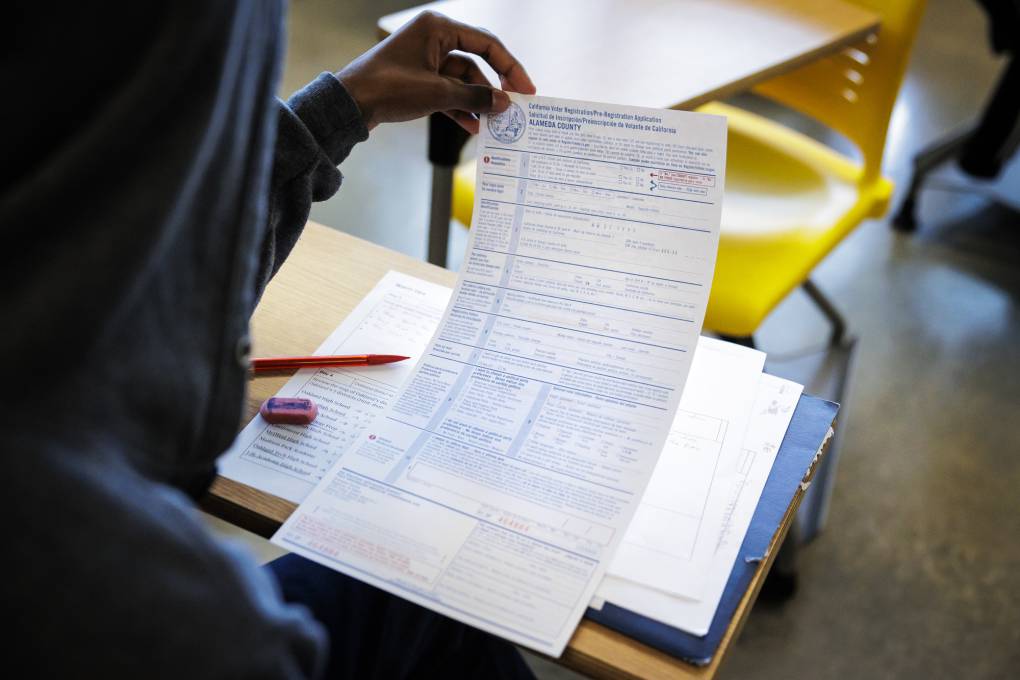
"caption": "A student in Isabel Toscano's class looks over a voter registration form at Oakland High School in Oakland on Oct. 9, 2024.",
"credit": "Martin do Nascimento/KQED",
"altTag": null,
"description": null,
"imgSizes": {
"medium": {
"file": "https://cdn.kqed.org/wp-content/uploads/sites/10/2024/10/241009-OAKLAND-YOUTH-VOTE-MD-01-KQED-800x533.jpg",
"width": 800,
"height": 533,
"mimeType": "image/jpeg"
},
"large": {
"file": "https://cdn.kqed.org/wp-content/uploads/sites/10/2024/10/241009-OAKLAND-YOUTH-VOTE-MD-01-KQED-1020x680.jpg",
"width": 1020,
"height": 680,
"mimeType": "image/jpeg"
},
"thumbnail": {
"file": "https://cdn.kqed.org/wp-content/uploads/sites/10/2024/10/241009-OAKLAND-YOUTH-VOTE-MD-01-KQED-160x107.jpg",
"width": 160,
"height": 107,
"mimeType": "image/jpeg"
},
"1536x1536": {
"file": "https://cdn.kqed.org/wp-content/uploads/sites/10/2024/10/241009-OAKLAND-YOUTH-VOTE-MD-01-KQED-1536x1024.jpg",
"width": 1536,
"height": 1024,
"mimeType": "image/jpeg"
},
"post-thumbnail": {
"file": "https://cdn.kqed.org/wp-content/uploads/sites/10/2024/10/241009-OAKLAND-YOUTH-VOTE-MD-01-KQED-672x372.jpg",
"width": 672,
"height": 372,
"mimeType": "image/jpeg"
},
"twentyfourteen-full-width": {
"file": "https://cdn.kqed.org/wp-content/uploads/sites/10/2024/10/241009-OAKLAND-YOUTH-VOTE-MD-01-KQED-1038x576.jpg",
"width": 1038,
"height": 576,
"mimeType": "image/jpeg"
},
"full-width": {
"file": "https://cdn.kqed.org/wp-content/uploads/sites/10/2024/10/241009-OAKLAND-YOUTH-VOTE-MD-01-KQED-1920x1280.jpg",
"width": 1920,
"height": 1280,
"mimeType": "image/jpeg"
},
"kqedFullSize": {
"file": "https://cdn.kqed.org/wp-content/uploads/sites/10/2024/10/241009-OAKLAND-YOUTH-VOTE-MD-01-KQED.jpg",
"width": 2000,
"height": 1333
}
},
"isLoading": false,
"fetchFailed": false
},
"news_12011588": {
"type": "attachments",
"id": "news_12011588",
"meta": {
"index": "attachments_1716263798",
"site": "news",
"id": "12011588",
"found": true
},
"title": "241029-OAKLANDSCHOLARSHIPSTUDENTS-17-BL-KQED",
"publishDate": 1730242132,
"status": "inherit",
"parent": 0,
"modified": 1730242192,
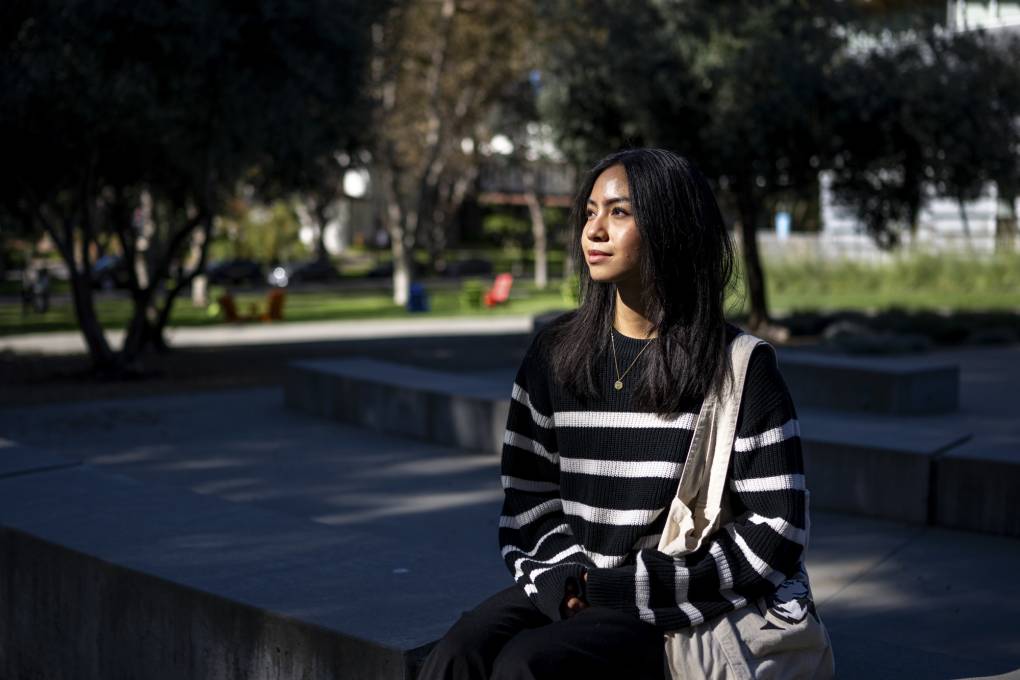
"caption": "Student Angela Vergara sits on the Northeastern University campus in Oakland on Oct. 29, 2024. Vergara received an Oakland Opportunity Scholarship to attend the university through Upward Bound, a federally funded program that helps first-generation college students from underrepresented communities.",
"credit": "Beth LaBerge/KQED",
"altTag": null,
"description": null,
"imgSizes": {
"medium": {
"file": "https://cdn.kqed.org/wp-content/uploads/sites/10/2024/10/241029-OAKLANDSCHOLARSHIPSTUDENTS-17-BL-KQED-800x533.jpg",
"width": 800,
"height": 533,
"mimeType": "image/jpeg"
},
"large": {
"file": "https://cdn.kqed.org/wp-content/uploads/sites/10/2024/10/241029-OAKLANDSCHOLARSHIPSTUDENTS-17-BL-KQED-1020x680.jpg",
"width": 1020,
"height": 680,
"mimeType": "image/jpeg"
},
"thumbnail": {
"file": "https://cdn.kqed.org/wp-content/uploads/sites/10/2024/10/241029-OAKLANDSCHOLARSHIPSTUDENTS-17-BL-KQED-160x107.jpg",
"width": 160,
"height": 107,
"mimeType": "image/jpeg"
},
"1536x1536": {
"file": "https://cdn.kqed.org/wp-content/uploads/sites/10/2024/10/241029-OAKLANDSCHOLARSHIPSTUDENTS-17-BL-KQED-1536x1024.jpg",
"width": 1536,
"height": 1024,
"mimeType": "image/jpeg"
},
"post-thumbnail": {
"file": "https://cdn.kqed.org/wp-content/uploads/sites/10/2024/10/241029-OAKLANDSCHOLARSHIPSTUDENTS-17-BL-KQED-672x372.jpg",
"width": 672,
"height": 372,
"mimeType": "image/jpeg"
},
"twentyfourteen-full-width": {
"file": "https://cdn.kqed.org/wp-content/uploads/sites/10/2024/10/241029-OAKLANDSCHOLARSHIPSTUDENTS-17-BL-KQED-1038x576.jpg",
"width": 1038,
"height": 576,
"mimeType": "image/jpeg"
},
"full-width": {
"file": "https://cdn.kqed.org/wp-content/uploads/sites/10/2024/10/241029-OAKLANDSCHOLARSHIPSTUDENTS-17-BL-KQED-1920x1280.jpg",
"width": 1920,
"height": 1280,
"mimeType": "image/jpeg"
},
"kqedFullSize": {
"file": "https://cdn.kqed.org/wp-content/uploads/sites/10/2024/10/241029-OAKLANDSCHOLARSHIPSTUDENTS-17-BL-KQED.jpg",
"width": 2000,
"height": 1333
}
},
"isLoading": false,
"fetchFailed": false
},
"news_11948331": {
"type": "attachments",
"id": "news_11948331",
"meta": {
"index": "attachments_1716263798",
"site": "news",
"id": "11948331",
"found": true
},
"title": "RS55916_058_KQED_OaklandTeacherStrike_04292022-qut",
"publishDate": 1683062568,
"status": "inherit",
"parent": 11948320,
"modified": 1772216225,
"caption": "Oakland teachers and students listen to speakers during a rally as part of a one-day walkout on April 29, 2022, to protest the Oakland Unified School District's planned closures. Teachers represented by the Oakland Education Association may go on strike once again on Thursday.",
"credit": "Beth LaBerge/KQED",
"altTag": "An older Black man stands outside at a rally, with a sign hanging from his neck that says: 'Fund Public Schools.'",
"description": null,
"imgSizes": {
"medium": {
"file": "https://cdn.kqed.org/wp-content/uploads/sites/10/2023/05/RS55916_058_KQED_OaklandTeacherStrike_04292022-qut-800x533.jpg",
"width": 800,
"height": 533,
"mimeType": "image/jpeg"
},
"large": {
"file": "https://cdn.kqed.org/wp-content/uploads/sites/10/2023/05/RS55916_058_KQED_OaklandTeacherStrike_04292022-qut-1020x680.jpg",
"width": 1020,
"height": 680,
"mimeType": "image/jpeg"
},
"thumbnail": {
"file": "https://cdn.kqed.org/wp-content/uploads/sites/10/2023/05/RS55916_058_KQED_OaklandTeacherStrike_04292022-qut-160x107.jpg",
"width": 160,
"height": 107,
"mimeType": "image/jpeg"
},
"1536x1536": {
"file": "https://cdn.kqed.org/wp-content/uploads/sites/10/2023/05/RS55916_058_KQED_OaklandTeacherStrike_04292022-qut-1536x1024.jpg",
"width": 1536,
"height": 1024,
"mimeType": "image/jpeg"
},
"post-thumbnail": {
"file": "https://cdn.kqed.org/wp-content/uploads/sites/10/2023/05/RS55916_058_KQED_OaklandTeacherStrike_04292022-qut-672x372.jpg",
"width": 672,
"height": 372,
"mimeType": "image/jpeg"
},
"twentyfourteen-full-width": {
"file": "https://cdn.kqed.org/wp-content/uploads/sites/10/2023/05/RS55916_058_KQED_OaklandTeacherStrike_04292022-qut-1038x576.jpg",
"width": 1038,
"height": 576,
"mimeType": "image/jpeg"
},
"kqedFullSize": {
"file": "https://cdn.kqed.org/wp-content/uploads/sites/10/2023/05/RS55916_058_KQED_OaklandTeacherStrike_04292022-qut.jpg",
"width": 1920,
"height": 1280
}
},
"isLoading": false,
"fetchFailed": false
},
"news_12011653": {
"type": "attachments",
"id": "news_12011653",
"meta": {
"index": "attachments_1716263798",
"site": "news",
"id": "12011653",
"found": true
},
"title": "DSCF6760_qed",
"publishDate": 1730309385,
"status": "inherit",
"parent": 12011642,
"modified": 1730309435,
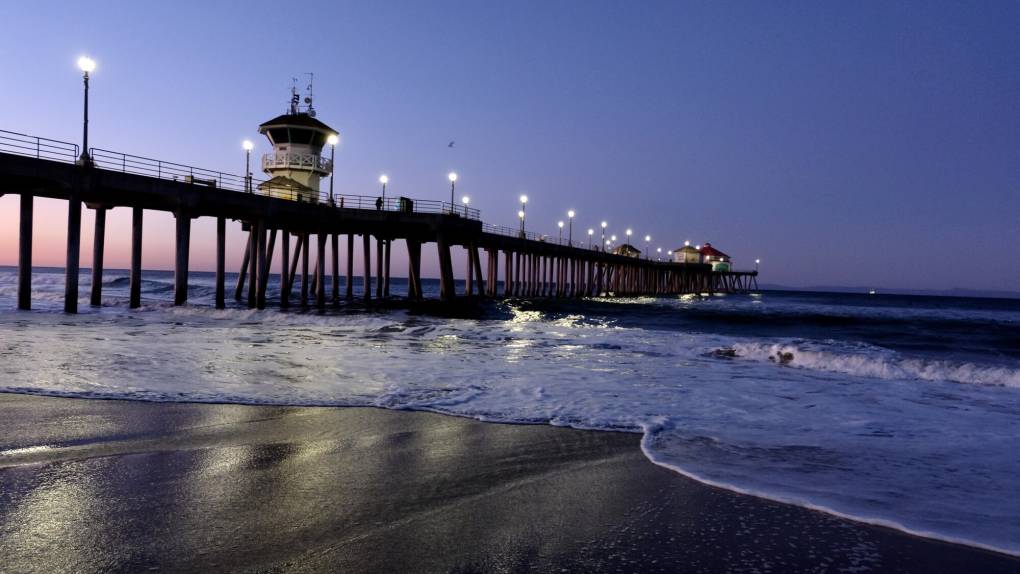
"caption": "Huntington Beach Pier at dawn. (Saul Gonzalez/KQED)",
"credit": null,
"altTag": null,
"description": null,
"imgSizes": {
"medium": {
"file": "https://cdn.kqed.org/wp-content/uploads/sites/10/2024/10/DSCF6760_qed-800x450.jpg",
"width": 800,
"height": 450,
"mimeType": "image/jpeg"
},
"large": {
"file": "https://cdn.kqed.org/wp-content/uploads/sites/10/2024/10/DSCF6760_qed-1020x574.jpg",
"width": 1020,
"height": 574,
"mimeType": "image/jpeg"
},
"thumbnail": {
"file": "https://cdn.kqed.org/wp-content/uploads/sites/10/2024/10/DSCF6760_qed-160x90.jpg",
"width": 160,
"height": 90,
"mimeType": "image/jpeg"
},
"1536x1536": {
"file": "https://cdn.kqed.org/wp-content/uploads/sites/10/2024/10/DSCF6760_qed-1536x864.jpg",
"width": 1536,
"height": 864,
"mimeType": "image/jpeg"
},
"post-thumbnail": {
"file": "https://cdn.kqed.org/wp-content/uploads/sites/10/2024/10/DSCF6760_qed-672x372.jpg",
"width": 672,
"height": 372,
"mimeType": "image/jpeg"
},
"twentyfourteen-full-width": {
"file": "https://cdn.kqed.org/wp-content/uploads/sites/10/2024/10/DSCF6760_qed-1038x576.jpg",
"width": 1038,
"height": 576,
"mimeType": "image/jpeg"
},
"full-width": {
"file": "https://cdn.kqed.org/wp-content/uploads/sites/10/2024/10/DSCF6760_qed-1920x1080.jpg",
"width": 1920,
"height": 1080,
"mimeType": "image/jpeg"
},
"kqedFullSize": {
"file": "https://cdn.kqed.org/wp-content/uploads/sites/10/2024/10/DSCF6760_qed.jpg",
"width": 2000,
"height": 1125
}
},
"isLoading": false,
"fetchFailed": false
},
"news_12008445": {
"type": "attachments",
"id": "news_12008445",
"meta": {
"index": "attachments_1716263798",
"site": "news",
"id": "12008445",
"found": true
},
"title": "20240930_CEQACHILDCARE_GC-45-KQED",
"publishDate": 1728408278,
"status": "inherit",
"parent": 0,
"modified": 1728408351,
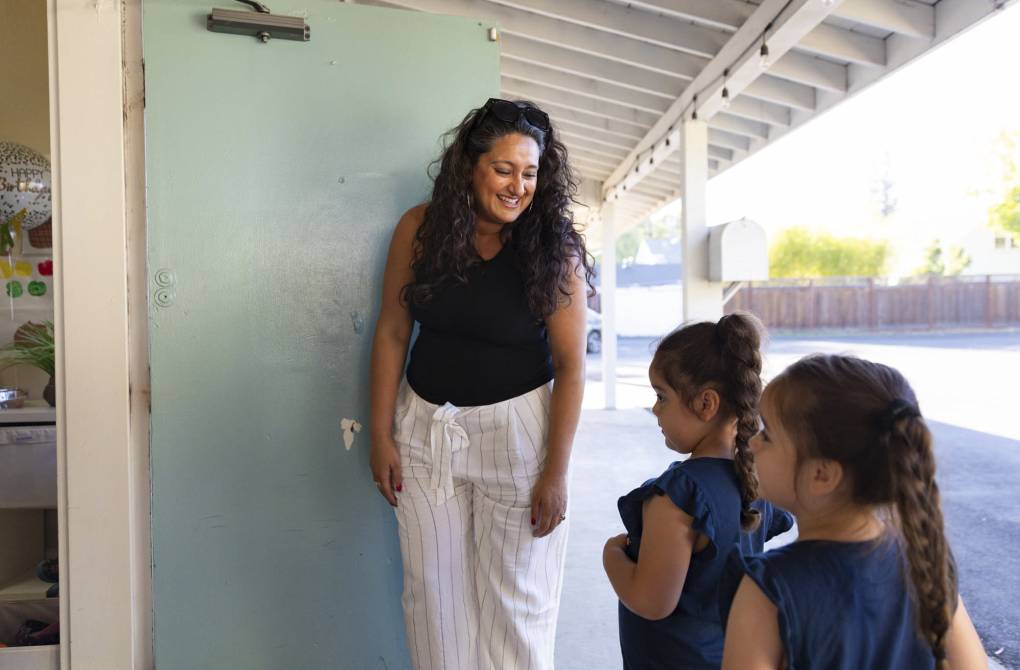
"caption": "Milli Pintacsi, Founder of Le Petit Elephant Nursery and Preschool, smiles as she says goodbye to students getting picked up, on September 30, 2024.",
"credit": "Gina Castro/KQED",
"altTag": null,
"description": null,
"imgSizes": {
"medium": {
"file": "https://cdn.kqed.org/wp-content/uploads/sites/10/2024/10/20240930_CEQACHILDCARE_GC-45-KQED-800x526.jpg",
"width": 800,
"height": 526,
"mimeType": "image/jpeg"
},
"large": {
"file": "https://cdn.kqed.org/wp-content/uploads/sites/10/2024/10/20240930_CEQACHILDCARE_GC-45-KQED-1020x670.jpg",
"width": 1020,
"height": 670,
"mimeType": "image/jpeg"
},
"thumbnail": {
"file": "https://cdn.kqed.org/wp-content/uploads/sites/10/2024/10/20240930_CEQACHILDCARE_GC-45-KQED-160x105.jpg",
"width": 160,
"height": 105,
"mimeType": "image/jpeg"
},
"1536x1536": {
"file": "https://cdn.kqed.org/wp-content/uploads/sites/10/2024/10/20240930_CEQACHILDCARE_GC-45-KQED-1536x1009.jpg",
"width": 1536,
"height": 1009,
"mimeType": "image/jpeg"
},
"post-thumbnail": {
"file": "https://cdn.kqed.org/wp-content/uploads/sites/10/2024/10/20240930_CEQACHILDCARE_GC-45-KQED-672x372.jpg",
"width": 672,
"height": 372,
"mimeType": "image/jpeg"
},
"twentyfourteen-full-width": {
"file": "https://cdn.kqed.org/wp-content/uploads/sites/10/2024/10/20240930_CEQACHILDCARE_GC-45-KQED-1038x576.jpg",
"width": 1038,
"height": 576,
"mimeType": "image/jpeg"
},
"full-width": {
"file": "https://cdn.kqed.org/wp-content/uploads/sites/10/2024/10/20240930_CEQACHILDCARE_GC-45-KQED-1920x1261.jpg",
"width": 1920,
"height": 1261,
"mimeType": "image/jpeg"
},
"kqedFullSize": {
"file": "https://cdn.kqed.org/wp-content/uploads/sites/10/2024/10/20240930_CEQACHILDCARE_GC-45-KQED.jpg",
"width": 2000,
"height": 1314
}
},
"isLoading": false,
"fetchFailed": false
},
"news_12010829": {
"type": "attachments",
"id": "news_12010829",
"meta": {
"index": "attachments_1716263798",
"site": "news",
"id": "12010829",
"found": true
},
"title": "241023-SFUSDSUPERINTENDENT-12-BL-KQED",
"publishDate": 1729719379,
"status": "inherit",
"parent": 0,
"modified": 1730234813,
"caption": "Katie Dorset teaches a class at Yick Wo Alternative Elementary School in San Francisco on Oct. 23, 2024, when new Superintendent Maria Su visited the campus.",
"credit": "Beth LaBerge/KQED",
"altTag": null,
"description": null,
"imgSizes": {
"medium": {
"file": "https://cdn.kqed.org/wp-content/uploads/sites/10/2024/10/241023-SFUSDSUPERINTENDENT-12-BL-KQED-800x533.jpg",
"width": 800,
"height": 533,
"mimeType": "image/jpeg"
},
"large": {
"file": "https://cdn.kqed.org/wp-content/uploads/sites/10/2024/10/241023-SFUSDSUPERINTENDENT-12-BL-KQED-1020x680.jpg",
"width": 1020,
"height": 680,
"mimeType": "image/jpeg"
},
"thumbnail": {
"file": "https://cdn.kqed.org/wp-content/uploads/sites/10/2024/10/241023-SFUSDSUPERINTENDENT-12-BL-KQED-160x107.jpg",
"width": 160,
"height": 107,
"mimeType": "image/jpeg"
},
"1536x1536": {
"file": "https://cdn.kqed.org/wp-content/uploads/sites/10/2024/10/241023-SFUSDSUPERINTENDENT-12-BL-KQED-1536x1024.jpg",
"width": 1536,
"height": 1024,
"mimeType": "image/jpeg"
},
"post-thumbnail": {
"file": "https://cdn.kqed.org/wp-content/uploads/sites/10/2024/10/241023-SFUSDSUPERINTENDENT-12-BL-KQED-672x372.jpg",
"width": 672,
"height": 372,
"mimeType": "image/jpeg"
},
"twentyfourteen-full-width": {
"file": "https://cdn.kqed.org/wp-content/uploads/sites/10/2024/10/241023-SFUSDSUPERINTENDENT-12-BL-KQED-1038x576.jpg",
"width": 1038,
"height": 576,
"mimeType": "image/jpeg"
},
"full-width": {
"file": "https://cdn.kqed.org/wp-content/uploads/sites/10/2024/10/241023-SFUSDSUPERINTENDENT-12-BL-KQED-1920x1280.jpg",
"width": 1920,
"height": 1280,
"mimeType": "image/jpeg"
},
"kqedFullSize": {
"file": "https://cdn.kqed.org/wp-content/uploads/sites/10/2024/10/241023-SFUSDSUPERINTENDENT-12-BL-KQED.jpg",
"width": 2000,
"height": 1333
}
},
"isLoading": false,
"fetchFailed": false
},
"news_12010730": {
"type": "attachments",
"id": "news_12010730",
"meta": {
"index": "attachments_1716263798",
"site": "news",
"id": "12010730",
"found": true
},
"title": "20241022_SCHOOLDISTRICTHOUSING_GC-10-KQED",
"publishDate": 1729710279,
"status": "inherit",
"parent": 0,
"modified": 1729882204,
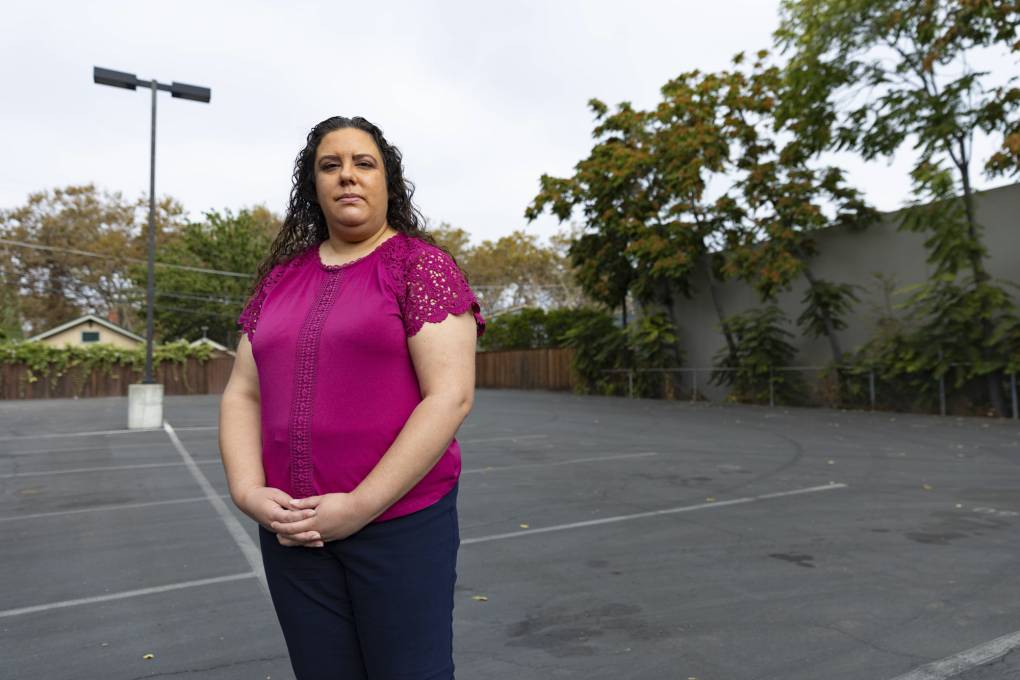
"caption": "Renata Sanchez, president of the San José Teachers Association, poses for a photo at an employee parking lot, the proposed site for educator housing, in San José on Oct. 22.",
"credit": "Gina Castro/KQED",
"altTag": null,
"description": null,
"imgSizes": {
"medium": {
"file": "https://cdn.kqed.org/wp-content/uploads/sites/10/2024/10/20241022_SCHOOLDISTRICTHOUSING_GC-10-KQED-800x533.jpg",
"width": 800,
"height": 533,
"mimeType": "image/jpeg"
},
"large": {
"file": "https://cdn.kqed.org/wp-content/uploads/sites/10/2024/10/20241022_SCHOOLDISTRICTHOUSING_GC-10-KQED-1020x680.jpg",
"width": 1020,
"height": 680,
"mimeType": "image/jpeg"
},
"thumbnail": {
"file": "https://cdn.kqed.org/wp-content/uploads/sites/10/2024/10/20241022_SCHOOLDISTRICTHOUSING_GC-10-KQED-160x107.jpg",
"width": 160,
"height": 107,
"mimeType": "image/jpeg"
},
"1536x1536": {
"file": "https://cdn.kqed.org/wp-content/uploads/sites/10/2024/10/20241022_SCHOOLDISTRICTHOUSING_GC-10-KQED-1536x1024.jpg",
"width": 1536,
"height": 1024,
"mimeType": "image/jpeg"
},
"post-thumbnail": {
"file": "https://cdn.kqed.org/wp-content/uploads/sites/10/2024/10/20241022_SCHOOLDISTRICTHOUSING_GC-10-KQED-672x372.jpg",
"width": 672,
"height": 372,
"mimeType": "image/jpeg"
},
"twentyfourteen-full-width": {
"file": "https://cdn.kqed.org/wp-content/uploads/sites/10/2024/10/20241022_SCHOOLDISTRICTHOUSING_GC-10-KQED-1038x576.jpg",
"width": 1038,
"height": 576,
"mimeType": "image/jpeg"
},
"full-width": {
"file": "https://cdn.kqed.org/wp-content/uploads/sites/10/2024/10/20241022_SCHOOLDISTRICTHOUSING_GC-10-KQED-1920x1280.jpg",
"width": 1920,
"height": 1280,
"mimeType": "image/jpeg"
},
"kqedFullSize": {
"file": "https://cdn.kqed.org/wp-content/uploads/sites/10/2024/10/20241022_SCHOOLDISTRICTHOUSING_GC-10-KQED.jpg",
"width": 2000,
"height": 1333
}
},
"isLoading": false,
"fetchFailed": false
},
"news_12011244": {
"type": "attachments",
"id": "news_12011244",
"meta": {
"index": "attachments_1716263798",
"site": "news",
"id": "12011244",
"found": true
},
"title": "241025-ASTRONAUTJOSEHERNANDEZ-10-BL-KQED",
"publishDate": 1729893636,
"status": "inherit",
"parent": 0,
"modified": 1729893726,
"caption": "Former NASA astronaut José Hernández greets students as he arrives at Alpha: José Hernández School in San José on Oct. 25, 2024, during a backpack and book giveaway event.",
"credit": "Beth LaBerge/KQED",
"altTag": null,
"description": null,
"imgSizes": {
"medium": {
"file": "https://cdn.kqed.org/wp-content/uploads/sites/10/2024/10/241025-ASTRONAUTJOSEHERNANDEZ-10-BL-KQED-800x533.jpg",
"width": 800,
"height": 533,
"mimeType": "image/jpeg"
},
"large": {
"file": "https://cdn.kqed.org/wp-content/uploads/sites/10/2024/10/241025-ASTRONAUTJOSEHERNANDEZ-10-BL-KQED-1020x680.jpg",
"width": 1020,
"height": 680,
"mimeType": "image/jpeg"
},
"thumbnail": {
"file": "https://cdn.kqed.org/wp-content/uploads/sites/10/2024/10/241025-ASTRONAUTJOSEHERNANDEZ-10-BL-KQED-160x107.jpg",
"width": 160,
"height": 107,
"mimeType": "image/jpeg"
},
"1536x1536": {
"file": "https://cdn.kqed.org/wp-content/uploads/sites/10/2024/10/241025-ASTRONAUTJOSEHERNANDEZ-10-BL-KQED-1536x1024.jpg",
"width": 1536,
"height": 1024,
"mimeType": "image/jpeg"
},
"post-thumbnail": {
"file": "https://cdn.kqed.org/wp-content/uploads/sites/10/2024/10/241025-ASTRONAUTJOSEHERNANDEZ-10-BL-KQED-672x372.jpg",
"width": 672,
"height": 372,
"mimeType": "image/jpeg"
},
"twentyfourteen-full-width": {
"file": "https://cdn.kqed.org/wp-content/uploads/sites/10/2024/10/241025-ASTRONAUTJOSEHERNANDEZ-10-BL-KQED-1038x576.jpg",
"width": 1038,
"height": 576,
"mimeType": "image/jpeg"
},
"full-width": {
"file": "https://cdn.kqed.org/wp-content/uploads/sites/10/2024/10/241025-ASTRONAUTJOSEHERNANDEZ-10-BL-KQED-1920x1280.jpg",
"width": 1920,
"height": 1280,
"mimeType": "image/jpeg"
},
"kqedFullSize": {
"file": "https://cdn.kqed.org/wp-content/uploads/sites/10/2024/10/241025-ASTRONAUTJOSEHERNANDEZ-10-BL-KQED.jpg",
"width": 2000,
"height": 1333
}
},
"isLoading": false,
"fetchFailed": false
},
"news_12010831": {
"type": "attachments",
"id": "news_12010831",
"meta": {
"index": "attachments_1716263798",
"site": "news",
"id": "12010831",
"found": true
},
"title": "241023-SFUSDSUPERINTENDENT-49-BL-KQED",
"publishDate": 1729719392,
"status": "inherit",
"parent": 12036914,
"modified": 1745271484,
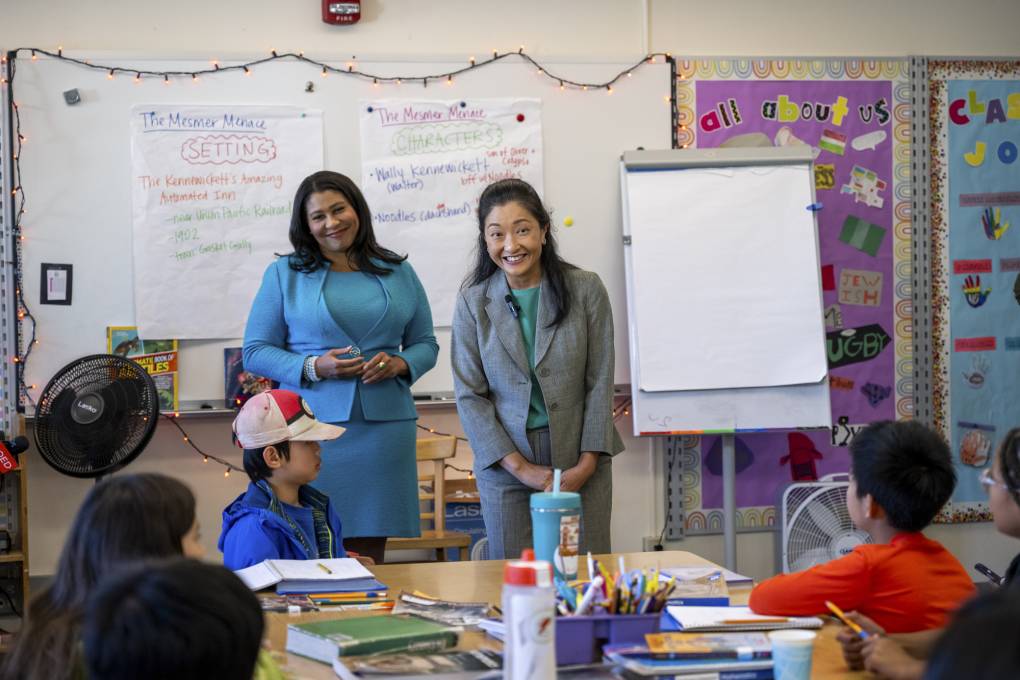
"caption": "Mayor London Breed and Superintendent Maria Su speak with students at Yick Wo Alternative Elementary School in San Francisco on Oct. 23, 2024.",
"credit": "Beth LaBerge/KQED",
"altTag": null,
"description": null,
"imgSizes": {
"medium": {
"file": "https://cdn.kqed.org/wp-content/uploads/sites/10/2024/10/241023-SFUSDSUPERINTENDENT-49-BL-KQED-800x533.jpg",
"width": 800,
"height": 533,
"mimeType": "image/jpeg"
},
"large": {
"file": "https://cdn.kqed.org/wp-content/uploads/sites/10/2024/10/241023-SFUSDSUPERINTENDENT-49-BL-KQED-1020x680.jpg",
"width": 1020,
"height": 680,
"mimeType": "image/jpeg"
},
"thumbnail": {
"file": "https://cdn.kqed.org/wp-content/uploads/sites/10/2024/10/241023-SFUSDSUPERINTENDENT-49-BL-KQED-160x107.jpg",
"width": 160,
"height": 107,
"mimeType": "image/jpeg"
},
"1536x1536": {
"file": "https://cdn.kqed.org/wp-content/uploads/sites/10/2024/10/241023-SFUSDSUPERINTENDENT-49-BL-KQED-1536x1024.jpg",
"width": 1536,
"height": 1024,
"mimeType": "image/jpeg"
},
"post-thumbnail": {
"file": "https://cdn.kqed.org/wp-content/uploads/sites/10/2024/10/241023-SFUSDSUPERINTENDENT-49-BL-KQED-672x372.jpg",
"width": 672,
"height": 372,
"mimeType": "image/jpeg"
},
"twentyfourteen-full-width": {
"file": "https://cdn.kqed.org/wp-content/uploads/sites/10/2024/10/241023-SFUSDSUPERINTENDENT-49-BL-KQED-1038x576.jpg",
"width": 1038,
"height": 576,
"mimeType": "image/jpeg"
},
"full-width": {
"file": "https://cdn.kqed.org/wp-content/uploads/sites/10/2024/10/241023-SFUSDSUPERINTENDENT-49-BL-KQED-1920x1280.jpg",
"width": 1920,
"height": 1280,
"mimeType": "image/jpeg"
},
"kqedFullSize": {
"file": "https://cdn.kqed.org/wp-content/uploads/sites/10/2024/10/241023-SFUSDSUPERINTENDENT-49-BL-KQED.jpg",
"width": 2000,
"height": 1333
}
},
"isLoading": false,
"fetchFailed": false
},
"news_12010291": {
"type": "attachments",
"id": "news_12010291",
"meta": {
"index": "attachments_1716263798",
"site": "news",
"id": "12010291",
"found": true
},
"title": "AOL BUILD Speaker Series: \"The Stanford Prison Experiment\"",
"publishDate": 1729364140,
"status": "inherit",
"parent": 12010289,
"modified": 1729364686,
"caption": "Dr. Philip Zimbardo speaks about 'The Stanford Prison Experiment' at AOL Studios In New York on July 14, 2015 in New York City. ",
"credit": "Dave Kotinsky/Getty Images",
"altTag": null,
"description": null,
"imgSizes": {
"medium": {
"file": "https://cdn.kqed.org/wp-content/uploads/sites/10/2024/10/GettyImages-480683358-800x533.jpg",
"width": 800,
"height": 533,
"mimeType": "image/jpeg"
},
"large": {
"file": "https://cdn.kqed.org/wp-content/uploads/sites/10/2024/10/GettyImages-480683358-1020x679.jpg",
"width": 1020,
"height": 679,
"mimeType": "image/jpeg"
},
"thumbnail": {
"file": "https://cdn.kqed.org/wp-content/uploads/sites/10/2024/10/GettyImages-480683358-160x107.jpg",
"width": 160,
"height": 107,
"mimeType": "image/jpeg"
},
"post-thumbnail": {
"file": "https://cdn.kqed.org/wp-content/uploads/sites/10/2024/10/GettyImages-480683358-672x372.jpg",
"width": 672,
"height": 372,
"mimeType": "image/jpeg"
},
"twentyfourteen-full-width": {
"file": "https://cdn.kqed.org/wp-content/uploads/sites/10/2024/10/GettyImages-480683358-1024x576.jpg",
"width": 1024,
"height": 576,
"mimeType": "image/jpeg"
},
"kqedFullSize": {
"file": "https://cdn.kqed.org/wp-content/uploads/sites/10/2024/10/GettyImages-480683358.jpg",
"width": 1024,
"height": 682
}
},
"isLoading": false,
"fetchFailed": false
},
"news_12008835": {
"type": "attachments",
"id": "news_12008835",
"meta": {
"index": "attachments_1716263798",
"site": "news",
"id": "12008835",
"found": true
},
"title": "241009-SFUSDCLOSURESMARCH-29-BL-KQED",
"publishDate": 1728517176,
"status": "inherit",
"parent": 0,
"modified": 1729271470,
"caption": "Teachers, K–5 students and families of Harvey Milk Civil Rights Academy rally at Harvey Milk Plaza in the Castro neighborhood of San Francisco on Oct. 9, 2024, to protest against the potential closure of the school.",
"credit": "Beth LaBerge/KQED",
"altTag": null,
"description": null,
"imgSizes": {
"medium": {
"file": "https://cdn.kqed.org/wp-content/uploads/sites/10/2024/10/241009-SFUSDCLOSURESMARCH-29-BL-KQED-800x533.jpg",
"width": 800,
"height": 533,
"mimeType": "image/jpeg"
},
"large": {
"file": "https://cdn.kqed.org/wp-content/uploads/sites/10/2024/10/241009-SFUSDCLOSURESMARCH-29-BL-KQED-1020x680.jpg",
"width": 1020,
"height": 680,
"mimeType": "image/jpeg"
},
"thumbnail": {
"file": "https://cdn.kqed.org/wp-content/uploads/sites/10/2024/10/241009-SFUSDCLOSURESMARCH-29-BL-KQED-160x107.jpg",
"width": 160,
"height": 107,
"mimeType": "image/jpeg"
},
"1536x1536": {
"file": "https://cdn.kqed.org/wp-content/uploads/sites/10/2024/10/241009-SFUSDCLOSURESMARCH-29-BL-KQED-1536x1024.jpg",
"width": 1536,
"height": 1024,
"mimeType": "image/jpeg"
},
"post-thumbnail": {
"file": "https://cdn.kqed.org/wp-content/uploads/sites/10/2024/10/241009-SFUSDCLOSURESMARCH-29-BL-KQED-672x372.jpg",
"width": 672,
"height": 372,
"mimeType": "image/jpeg"
},
"twentyfourteen-full-width": {
"file": "https://cdn.kqed.org/wp-content/uploads/sites/10/2024/10/241009-SFUSDCLOSURESMARCH-29-BL-KQED-1038x576.jpg",
"width": 1038,
"height": 576,
"mimeType": "image/jpeg"
},
"full-width": {
"file": "https://cdn.kqed.org/wp-content/uploads/sites/10/2024/10/241009-SFUSDCLOSURESMARCH-29-BL-KQED-1920x1280.jpg",
"width": 1920,
"height": 1280,
"mimeType": "image/jpeg"
},
"kqedFullSize": {
"file": "https://cdn.kqed.org/wp-content/uploads/sites/10/2024/10/241009-SFUSDCLOSURESMARCH-29-BL-KQED.jpg",
"width": 2000,
"height": 1333
}
},
"isLoading": false,
"fetchFailed": false
},
"news_11988311": {
"type": "attachments",
"id": "news_11988311",
"meta": {
"index": "attachments_1716263798",
"site": "news",
"id": "11988311",
"found": true
},
"title": "20240524_MobileHeadStart-39_qut",
"publishDate": 1717105710,
"status": "inherit",
"parent": 12058787,
"modified": 1759777991,
"caption": "Children play at Lincoln Square Park in Oakland on May 24 during an event featuring the city's new mobile Head Start classroom. ",
"credit": "Gina Castro/KQED",
"altTag": "Several young children play with toys on tables on a court outside.",
"description": null,
"imgSizes": {
"medium": {
"file": "https://cdn.kqed.org/wp-content/uploads/sites/10/2024/05/20240524_MobileHeadStart-39_qut-800x533.jpg",
"width": 800,
"height": 533,
"mimeType": "image/jpeg"
},
"large": {
"file": "https://cdn.kqed.org/wp-content/uploads/sites/10/2024/05/20240524_MobileHeadStart-39_qut-1020x680.jpg",
"width": 1020,
"height": 680,
"mimeType": "image/jpeg"
},
"thumbnail": {
"file": "https://cdn.kqed.org/wp-content/uploads/sites/10/2024/05/20240524_MobileHeadStart-39_qut-160x107.jpg",
"width": 160,
"height": 107,
"mimeType": "image/jpeg"
},
"1536x1536": {
"file": "https://cdn.kqed.org/wp-content/uploads/sites/10/2024/05/20240524_MobileHeadStart-39_qut-1536x1024.jpg",
"width": 1536,
"height": 1024,
"mimeType": "image/jpeg"
},
"post-thumbnail": {
"file": "https://cdn.kqed.org/wp-content/uploads/sites/10/2024/05/20240524_MobileHeadStart-39_qut-672x372.jpg",
"width": 672,
"height": 372,
"mimeType": "image/jpeg"
},
"twentyfourteen-full-width": {
"file": "https://cdn.kqed.org/wp-content/uploads/sites/10/2024/05/20240524_MobileHeadStart-39_qut-1038x576.jpg",
"width": 1038,
"height": 576,
"mimeType": "image/jpeg"
},
"kqedFullSize": {
"file": "https://cdn.kqed.org/wp-content/uploads/sites/10/2024/05/20240524_MobileHeadStart-39_qut.jpg",
"width": 1920,
"height": 1280
}
},
"isLoading": false,
"fetchFailed": false
}
},
"audioPlayerReducer": {
"postId": "stream_live",
"isPaused": true,
"isPlaying": false,
"pfsActive": false,
"pledgeModalIsOpen": true,
"playerDrawerIsOpen": false,
"liveAudioPlayStartedAt": 0,
"liveAudioPlayContext": ""
},
"authorsReducer": {
"byline_news_12010289": {
"type": "authors",
"id": "byline_news_12010289",
"meta": {
"override": true
},
"slug": "byline_news_12010289",
"name": "The Associated Press",
"isLoading": false
},
"gmarzorati": {
"type": "authors",
"id": "227",
"meta": {
"index": "authors_1716337520",
"id": "227",
"found": true
},
"name": "Guy Marzorati",
"firstName": "Guy",
"lastName": "Marzorati",
"slug": "gmarzorati",
"email": "gmarzorati@KQED.org",
"display_author_email": true,
"staff_mastheads": [
"news"
],
"title": "Correspondent",
"bio": "Guy Marzorati is a correspondent on KQED's California Politics and Government Desk, based in San Jose. A graduate of Santa Clara University, Guy joined KQED in 2013. He reports on state and local politics and produces KQED's digital voter guide.",
"avatar": "https://secure.gravatar.com/avatar/e7038b8dbfd55b104369b76b1cd0b9de?s=600&d=blank&r=g",
"twitter": "guymarzorati",
"facebook": null,
"instagram": null,
"linkedin": null,
"sites": [
{
"site": "",
"roles": [
"editor"
]
},
{
"site": "news",
"roles": [
"editor"
]
},
{
"site": "science",
"roles": [
"editor"
]
},
{
"site": "forum",
"roles": [
"editor"
]
},
{
"site": "elections",
"roles": [
"editor"
]
},
{
"site": "liveblog",
"roles": [
"editor"
]
}
],
"headData": {
"title": "Guy Marzorati | KQED",
"description": "Correspondent",
"ogImgSrc": "https://secure.gravatar.com/avatar/e7038b8dbfd55b104369b76b1cd0b9de?s=600&d=blank&r=g",
"twImgSrc": "https://secure.gravatar.com/avatar/e7038b8dbfd55b104369b76b1cd0b9de?s=600&d=blank&r=g"
},
"isLoading": false,
"link": "/author/gmarzorati"
},
"abandlamudi": {
"type": "authors",
"id": "11672",
"meta": {
"index": "authors_1716337520",
"id": "11672",
"found": true
},
"name": "Adhiti Bandlamudi",
"firstName": "Adhiti",
"lastName": "Bandlamudi",
"slug": "abandlamudi",
"email": "abandlamudi@kqed.org",
"display_author_email": false,
"staff_mastheads": [
"news"
],
"title": "KQED Housing Reporter",
"bio": "Adhiti Bandlamudi reports for KQED's Housing desk. She focuses on how housing gets built across the Bay Area. Before joining KQED in 2020, she reported for WUNC in Durham, North Carolina, WABE in Atlanta, Georgia and Capital Public Radio in Sacramento. In 2017, she was awarded a Kroc Fellowship at NPR where she reported on everything from sprinkles to the Golden State Killer's arrest. When she's not reporting, she's baking new recipes in her kitchen or watching movies with friends and family. She's originally from Georgia and has strong opinions about Great British Bake Off.",
"avatar": "https://secure.gravatar.com/avatar/868129c8b257bb99a3500e2c86a65400?s=600&d=mm&r=g",
"twitter": "oddity_adhiti",
"facebook": null,
"instagram": null,
"linkedin": null,
"sites": [
{
"site": "arts",
"roles": [
"author"
]
},
{
"site": "news",
"roles": [
"editor"
]
},
{
"site": "liveblog",
"roles": [
"author"
]
}
],
"headData": {
"title": "Adhiti Bandlamudi | KQED",
"description": "KQED Housing Reporter",
"ogImgSrc": "https://secure.gravatar.com/avatar/868129c8b257bb99a3500e2c86a65400?s=600&d=mm&r=g",
"twImgSrc": "https://secure.gravatar.com/avatar/868129c8b257bb99a3500e2c86a65400?s=600&d=mm&r=g"
},
"isLoading": false,
"link": "/author/abandlamudi"
},
"ccabreralomeli": {
"type": "authors",
"id": "11708",
"meta": {
"index": "authors_1716337520",
"id": "11708",
"found": true
},
"name": "Carlos Cabrera-Lomelí",
"firstName": "Carlos",
"lastName": "Cabrera-Lomelí",
"slug": "ccabreralomeli",
"email": "ccabreralomeli@KQED.org",
"display_author_email": true,
"staff_mastheads": [
"news"
],
"title": "Community Reporter",
"bio": "Carlos Cabrera-Lomelí is a community reporter with KQED's digital engagement team. He also reports and co-produces for KQED's bilingual news hub KQED en Español. He grew up in San Francisco's Mission District and has previously worked with Univision, 48 Hills and REFORMA in Mexico City.",
"avatar": "https://secure.gravatar.com/avatar/c309be9665e484f887b818c89e273ecc673004f426f36b24d00a4d813a2e0518?s=600&d=blank&r=g",
"twitter": "@LomeliCabrera",
"bluesky": null,
"facebook": null,
"instagram": null,
"linkedin": null,
"sites": [
{
"site": "arts",
"roles": [
"editor"
]
},
{
"site": "news",
"roles": [
"editor"
]
},
{
"site": "about",
"roles": [
"editor"
]
},
{
"site": "science",
"roles": [
"editor"
]
},
{
"site": "perspectives",
"roles": [
"editor"
]
},
{
"site": "elections",
"roles": [
"editor"
]
},
{
"site": "liveblog",
"roles": [
"contributor"
]
}
],
"headData": {
"title": "Carlos Cabrera-Lomelí | KQED",
"description": "Community Reporter",
"ogImgSrc": "https://secure.gravatar.com/avatar/c309be9665e484f887b818c89e273ecc673004f426f36b24d00a4d813a2e0518?s=600&d=blank&r=g",
"twImgSrc": "https://secure.gravatar.com/avatar/c309be9665e484f887b818c89e273ecc673004f426f36b24d00a4d813a2e0518?s=600&d=blank&r=g"
},
"isLoading": false,
"link": "/author/ccabreralomeli"
},
"afinney": {
"type": "authors",
"id": "11772",
"meta": {
"index": "authors_1716337520",
"id": "11772",
"found": true
},
"name": "Annelise Finney",
"firstName": "Annelise",
"lastName": "Finney",
"slug": "afinney",
"email": "afinney@kqed.org",
"display_author_email": false,
"staff_mastheads": [],
"title": "Reporter",
"bio": "Annelise reports on reparations in California and East Bay politics. She co-produced the Sunday Music Drop, a limited-term radio series featuring Bay Area musicians that aired between Sept 2022 and Oct 2024. She joined KQED in 2021 as a general assignment reporter and is an alumna of KALW's Audio Academy. She was born and raised in the East Bay. She is currently away from KQED completing a year-long reporting project in Berlin, Germany as a Alexander Von Humboldt German Chancellor Fellow.",
"avatar": "https://secure.gravatar.com/avatar/b439010ea6540bec1060ee74b3c94314480991106a4a84e774fe5a0fd6605878?s=600&d=mm&r=g",
"twitter": null,
"bluesky": null,
"facebook": null,
"instagram": null,
"linkedin": null,
"sites": [
{
"site": "news",
"roles": [
"subscriber"
]
},
{
"site": "liveblog",
"roles": [
"subscriber"
]
}
],
"headData": {
"title": "Annelise Finney | KQED",
"description": "Reporter",
"ogImgSrc": "https://secure.gravatar.com/avatar/b439010ea6540bec1060ee74b3c94314480991106a4a84e774fe5a0fd6605878?s=600&d=mm&r=g",
"twImgSrc": "https://secure.gravatar.com/avatar/b439010ea6540bec1060ee74b3c94314480991106a4a84e774fe5a0fd6605878?s=600&d=mm&r=g"
},
"isLoading": false,
"link": "/author/afinney"
},
"daisynguyen": {
"type": "authors",
"id": "11829",
"meta": {
"index": "authors_1716337520",
"id": "11829",
"found": true
},
"name": "Daisy Nguyen",
"firstName": "Daisy",
"lastName": "Nguyen",
"slug": "daisynguyen",
"email": "daisynguyen@kqed.org",
"display_author_email": true,
"staff_mastheads": [
"news"
],
"title": "KQED Contributor",
"bio": "I have covered early childhood education and child care for KQED since 2022. I focus on policies aimed at increasing access to early care and education and how they shape individual lives. I've been a journalist for more than two decades, with most of that time devoted to covering breaking news throughout California for The Associated Press. I grew up in San Francisco and studied at UC Davis and Columbia University's Graduate School of Journalism. I live in Oakland with my husband and two kids.",
"avatar": "https://secure.gravatar.com/avatar/2da2127c27f7143b53ebd419800fd55f?s=600&d=blank&r=g",
"twitter": null,
"facebook": null,
"instagram": null,
"linkedin": "https://www.linkedin.com/in/daisynguyen/",
"sites": [
{
"site": "news",
"roles": [
"author"
]
},
{
"site": "liveblog",
"roles": [
"author"
]
}
],
"headData": {
"title": "Daisy Nguyen | KQED",
"description": "KQED Contributor",
"ogImgSrc": "https://secure.gravatar.com/avatar/2da2127c27f7143b53ebd419800fd55f?s=600&d=blank&r=g",
"twImgSrc": "https://secure.gravatar.com/avatar/2da2127c27f7143b53ebd419800fd55f?s=600&d=blank&r=g"
},
"isLoading": false,
"link": "/author/daisynguyen"
},
"kdebenedetti": {
"type": "authors",
"id": "11913",
"meta": {
"index": "authors_1716337520",
"id": "11913",
"found": true
},
"name": "Katie DeBenedetti",
"firstName": "Katie",
"lastName": "DeBenedetti",
"slug": "kdebenedetti",
"email": "kdebenedetti@kqed.org",
"display_author_email": false,
"staff_mastheads": [
"news",
"science"
],
"title": "KQED Contributor",
"bio": "Katie DeBenedetti is a digital reporter covering daily news for the Express Desk. Prior to joining KQED as a culture reporting intern in January 2024, she covered education and city government for the Napa Valley Register.",
"avatar": "https://secure.gravatar.com/avatar/6e31073cb8f7e4214ab03f42771d0f45?s=600&d=blank&r=g",
"twitter": null,
"facebook": null,
"instagram": null,
"linkedin": null,
"sites": [
{
"site": "news",
"roles": [
"author"
]
},
{
"site": "science",
"roles": [
"author"
]
},
{
"site": "liveblog",
"roles": [
"author"
]
}
],
"headData": {
"title": "Katie DeBenedetti | KQED",
"description": "KQED Contributor",
"ogImgSrc": "https://secure.gravatar.com/avatar/6e31073cb8f7e4214ab03f42771d0f45?s=600&d=blank&r=g",
"twImgSrc": "https://secure.gravatar.com/avatar/6e31073cb8f7e4214ab03f42771d0f45?s=600&d=blank&r=g"
},
"isLoading": false,
"link": "/author/kdebenedetti"
}
},
"pagesReducer": {
"news_category_education": {
"type": "terms",
"id": "news_18540",
"meta": {
"index": "terms_1716263798",
"site": "news",
"id": "18540",
"score": 10.973179
},
"featImg": null,
"name": "Education",
"description": null,
"taxonomy": "category",
"headData": {
"twImgId": null,
"twTitle": null,
"ogTitle": null,
"ogImgId": null,
"twDescription": null,
"description": null,
"title": "Education Archives | KQED News",
"ogDescription": null
},
"ttid": 2595,
"slug": "education",
"isLoading": false,
"title": "Education",
"pageMeta": {
"site": "news",
"WpPageTemplate": "page-topic-editorial",
"currentPage": 38
},
"blocks": [
{
"blockName": "kqed/post-list",
"attrs": {
"layout": "cardArticle2",
"query": "posts/news?category=education",
"seeMore": false,
"paginated": true,
"page": 38
}
},
{
"blockName": "kqed/ad"
}
]
}
},
"pfsSessionReducer": {},
"postsReducer": {
"stream_live": {
"type": "live",
"id": "stream_live",
"audioUrl": "https://streams.kqed.org/kqedradio",
"title": "Live Stream",
"excerpt": "Live Stream information currently unavailable.",
"link": "/radio",
"featImg": "",
"label": {
"name": "KQED Live",
"link": "/"
}
},
"stream_kqedNewscast": {
"type": "posts",
"id": "stream_kqedNewscast",
"audioUrl": "https://www.kqed.org/.stream/anon/radio/RDnews/newscast.mp3?_=1",
"title": "KQED Newscast",
"featImg": "",
"label": {
"name": "88.5 FM",
"link": "/"
}
},
"news_12012537": {
"type": "posts",
"id": "news_12012537",
"meta": {
"index": "posts_1716263798",
"site": "news",
"id": "12012537",
"score": null,
"sort": [
1730820634000
]
},
"guestAuthors": [],
"slug": "young-people-in-oakland-and-berkeley-are-casting-ballots-for-the-first-time-heres-what-it-looks-like",
"title": "'They Will Be Lifelong Voters': Oakland and Berkeley Youth Get Ready to Vote for the First Time",
"publishDate": 1730820634,
"format": "standard",
"headTitle": "‘They Will Be Lifelong Voters’: Oakland and Berkeley Youth Get Ready to Vote for the First Time | KQED",
"labelTerm": {
"site": "news"
},
"content": "\u003cp>For Oakland High School senior Soliyana Dawit, one thing is clear: To get her vote, a school board candidate needs to have deep ties to Oakland schools.\u003c/p>\n\u003cp>“Someone who knows how schooling in Oakland is,” Dawit said on a gray October morning in her U.S. Government class. “Someone who’s gone to school here and knows what the problems are and understands it at a personal level.”\u003c/p>\n\u003cp>A first for California, Dawit is one of an estimated 3,500 \u003ca href=\"https://www.kqed.org/news/12002068/in-oakland-and-berkeley-16-and-17-year-olds-can-now-vote-for-school-board\">16- and 17-year-olds in Oakland now able to cast a vote in local school board races\u003c/a>. Teens in Berkeley will also be voting in school board elections for the first time this November. The city overwhelmingly passed youth voting in 2016, and Oakland followed suit in 2020. Delays in the county registrar’s office to implement the new system postponed the first vote until this year.\u003c/p>\n\u003cfigure id=\"attachment_12008778\" class=\"wp-caption aligncenter\" style=\"max-width: 2000px\">\u003cimg loading=\"lazy\" decoding=\"async\" class=\"size-full wp-image-12008778\" src=\"https://cdn.kqed.org/wp-content/uploads/sites/10/2024/10/241009-OAKLAND-YOUTH-VOTE-MD-04-KQED.jpg\" alt=\"\" width=\"2000\" height=\"1333\" srcset=\"https://cdn.kqed.org/wp-content/uploads/sites/10/2024/10/241009-OAKLAND-YOUTH-VOTE-MD-04-KQED.jpg 2000w, https://cdn.kqed.org/wp-content/uploads/sites/10/2024/10/241009-OAKLAND-YOUTH-VOTE-MD-04-KQED-800x533.jpg 800w, https://cdn.kqed.org/wp-content/uploads/sites/10/2024/10/241009-OAKLAND-YOUTH-VOTE-MD-04-KQED-1020x680.jpg 1020w, https://cdn.kqed.org/wp-content/uploads/sites/10/2024/10/241009-OAKLAND-YOUTH-VOTE-MD-04-KQED-160x107.jpg 160w, https://cdn.kqed.org/wp-content/uploads/sites/10/2024/10/241009-OAKLAND-YOUTH-VOTE-MD-04-KQED-1536x1024.jpg 1536w, https://cdn.kqed.org/wp-content/uploads/sites/10/2024/10/241009-OAKLAND-YOUTH-VOTE-MD-04-KQED-1920x1280.jpg 1920w\" sizes=\"auto, (max-width: 2000px) 100vw, 2000px\">\u003cfigcaption class=\"wp-caption-text\">Soliyana Dawit and other students raise their hands in Isabel Toscano’s class at Oakland High School in Oakland on Oct. 9, 2024. \u003ccite>(Martin do Nascimento/KQED)\u003c/cite>\u003c/figcaption>\u003c/figure>\n\u003cp>Across the U.S., some smaller cities in Vermont, Maryland and New Jersey already allow youth voting in some local elections, but Oakland is the largest American city to give young people this right.\u003c/p>\n\u003cp>As the results come in from the Nov. 5 election, we’ll see how many young people in Oakland took advantage of this new power and what impact that had on four school board seats up for grabs.\u003c/p>\n\u003cp>Leading up to the election, an alliance of organizations forming the Oakland Youth Vote Coalition created \u003ca href=\"https://www.oaklandyouthvote.org/civic-engagement-curriculum/\">a curriculum for teachers\u003c/a> to help prepare young Oaklanders to vote.\u003c/p>\n\u003cp>[ad fullwidth]\u003c/p>\n\u003cp>During KQED’s recent visit to Oakland High School, Dawit’s teacher, Isabel Toscano, was using the curriculum to help students fill out voter registration forms and familiarize them with Oakland’s school board candidates.\u003c/p>\n\u003cp>Toscano, who grew up in the Fremont suburbs and came of age in the 1970s, wished voting had been a part of her high school experience.\u003c/p>\n\u003cp>“I think if I would have gotten a lesson like this, I think I would have been a stronger activist,” Toscano said. “It’s exciting to see young people are registering now and getting that habit of not just registering but hopefully voting. They will be lifelong voters.”\u003c/p>\n\u003cp>\u003cimg loading=\"lazy\" decoding=\"async\" class=\"aligncenter size-full wp-image-12008777\" src=\"https://cdn.kqed.org/wp-content/uploads/sites/10/2024/10/241009-OAKLAND-YOUTH-VOTE-MD-03-KQED.jpg\" alt=\"\" width=\"2000\" height=\"1333\" srcset=\"https://cdn.kqed.org/wp-content/uploads/sites/10/2024/10/241009-OAKLAND-YOUTH-VOTE-MD-03-KQED.jpg 2000w, https://cdn.kqed.org/wp-content/uploads/sites/10/2024/10/241009-OAKLAND-YOUTH-VOTE-MD-03-KQED-800x533.jpg 800w, https://cdn.kqed.org/wp-content/uploads/sites/10/2024/10/241009-OAKLAND-YOUTH-VOTE-MD-03-KQED-1020x680.jpg 1020w, https://cdn.kqed.org/wp-content/uploads/sites/10/2024/10/241009-OAKLAND-YOUTH-VOTE-MD-03-KQED-160x107.jpg 160w, https://cdn.kqed.org/wp-content/uploads/sites/10/2024/10/241009-OAKLAND-YOUTH-VOTE-MD-03-KQED-1536x1024.jpg 1536w, https://cdn.kqed.org/wp-content/uploads/sites/10/2024/10/241009-OAKLAND-YOUTH-VOTE-MD-03-KQED-1920x1280.jpg 1920w\" sizes=\"auto, (max-width: 2000px) 100vw, 2000px\">\u003c/p>\n\u003cfigure id=\"attachment_12012536\" class=\"wp-caption aligncenter\" style=\"max-width: 2500px\">\u003cimg loading=\"lazy\" decoding=\"async\" class=\"size-full wp-image-12012536\" src=\"https://cdn.kqed.org/wp-content/uploads/sites/10/2024/11/Copy-of-KQED-side-by-side-downpage-image-4.jpg\" alt=\"\" width=\"2500\" height=\"833\" srcset=\"https://cdn.kqed.org/wp-content/uploads/sites/10/2024/11/Copy-of-KQED-side-by-side-downpage-image-4.jpg 2500w, https://cdn.kqed.org/wp-content/uploads/sites/10/2024/11/Copy-of-KQED-side-by-side-downpage-image-4-800x267.jpg 800w, https://cdn.kqed.org/wp-content/uploads/sites/10/2024/11/Copy-of-KQED-side-by-side-downpage-image-4-1020x340.jpg 1020w, https://cdn.kqed.org/wp-content/uploads/sites/10/2024/11/Copy-of-KQED-side-by-side-downpage-image-4-160x53.jpg 160w, https://cdn.kqed.org/wp-content/uploads/sites/10/2024/11/Copy-of-KQED-side-by-side-downpage-image-4-1536x512.jpg 1536w, https://cdn.kqed.org/wp-content/uploads/sites/10/2024/11/Copy-of-KQED-side-by-side-downpage-image-4-2048x682.jpg 2048w, https://cdn.kqed.org/wp-content/uploads/sites/10/2024/11/Copy-of-KQED-side-by-side-downpage-image-4-1920x640.jpg 1920w\" sizes=\"auto, (max-width: 2500px) 100vw, 2500px\">\u003cfigcaption class=\"wp-caption-text\">Isabel Toscano teaches (top) at Oakland High School in Oakland on Oct. 9, 2024. She brings candidate promotional material to the classroom (bottom left) and shows students how to fill out a voter registration form (bottom right). \u003ccite>(Martin do Nascimento/KQED)\u003c/cite>\u003c/figcaption>\u003c/figure>\n\u003cp>A recent study from \u003ca href=\"https://uccs.ucdavis.edu/sites/g/files/dgvnsk12071/files/inline-files/White%20Paper%202024%20FINAL.pdf\">the University of California, Los Angeles,\u003c/a> found it’s easier to initiate voting habits in high schoolers before barriers such as work and moving to new places separate them from civic institutions. Another\u003ca href=\"https://alexandercoppock.com/coppock_green_2016.pdf\"> 2016 study\u003c/a> found that people who start voting regularly early in life are more likely to vote consistently throughout their lives.\u003c/p>\n\u003cp>These findings help explain why more jurisdictions are granting voting rights to minors. Oakland’s youth vote is part of a trend across Bay Area cities that have recently voted on or are considering legislation to give young people more say in how their schools — and, in some cases, cities — work. In \u003ca href=\"https://www.politico.com/news/2024/08/12/california-teens-voting-rights-00173719\">Albany\u003c/a>, residents will vote on whether to give 16- and 17-year-olds the right to vote in all municipal races.\u003c/p>\n\u003cp>In San Francisco, voters rejected a law similar to the one under consideration in Albany in 2016 and in 2020, though the measure saw growing support. Youth organizers \u003ca href=\"https://www.cbsnews.com/sanfrancisco/news/sf-youth-3rd-attempt-lower-voting-age-16-years-old-city-elections/\">are now pushing to bring the issue back\u003c/a> to voters for a third vote.\u003c/p>\n\u003cfigure id=\"attachment_12008785\" class=\"wp-caption aligncenter\" style=\"max-width: 2000px\">\u003cimg loading=\"lazy\" decoding=\"async\" class=\"size-full wp-image-12008785\" src=\"https://cdn.kqed.org/wp-content/uploads/sites/10/2024/10/241009-OAKLAND-YOUTH-VOTE-MD-11-KQED.jpg\" alt=\"\" width=\"2000\" height=\"1333\" srcset=\"https://cdn.kqed.org/wp-content/uploads/sites/10/2024/10/241009-OAKLAND-YOUTH-VOTE-MD-11-KQED.jpg 2000w, https://cdn.kqed.org/wp-content/uploads/sites/10/2024/10/241009-OAKLAND-YOUTH-VOTE-MD-11-KQED-800x533.jpg 800w, https://cdn.kqed.org/wp-content/uploads/sites/10/2024/10/241009-OAKLAND-YOUTH-VOTE-MD-11-KQED-1020x680.jpg 1020w, https://cdn.kqed.org/wp-content/uploads/sites/10/2024/10/241009-OAKLAND-YOUTH-VOTE-MD-11-KQED-160x107.jpg 160w, https://cdn.kqed.org/wp-content/uploads/sites/10/2024/10/241009-OAKLAND-YOUTH-VOTE-MD-11-KQED-1536x1024.jpg 1536w, https://cdn.kqed.org/wp-content/uploads/sites/10/2024/10/241009-OAKLAND-YOUTH-VOTE-MD-11-KQED-1920x1280.jpg 1920w\" sizes=\"auto, (max-width: 2000px) 100vw, 2000px\">\u003cfigcaption class=\"wp-caption-text\">Students on campus at Oakland High School in Oakland on Oct. 9, 2024. \u003ccite>(Martin do Nascimento/KQED)\u003c/cite>\u003c/figcaption>\u003c/figure>\n\u003cp>At Oakland High School, seniors Ojiugo Egeonu and Chiagozim Chima are part of a group of student organizers drumming up enthusiasm about the election on campus. They put up youth vote posters in the school’s hallways, presented in classrooms, posted on the school’s social media channels and tabled in the cafeteria at lunch.\u003c/p>\n\u003cp>“I feel like there’s still a long way to go,” Egeonu said. “Now people know what it is, but they’re still asking questions, like, ‘Who are the candidates? What district do I live in?’ And they know the basics. They need to go further in depth.”\u003c/p>\n\u003cp>Chima said talking with her peers about what changes they want at Oakland schools and explaining what the school board does and doesn’t have power over can help motivate the students to engage with candidates and fill out their ballots.\u003c/p>\n\u003cp>The top issues she wants to see addressed are bathroom cleanliness and teacher retention.\u003c/p>\n\u003cp>“One of our AP teachers quit in the middle of Thanksgiving break, and she made us write a 10-page paper that she never graded,” Chima said. “Then we had no World History teacher until like January, which I was like, ‘So what’s the point of having a teacher if the school year is almost over?’” She added that she has asthma and students smoking in the bathrooms sometimes makes it hard to breathe after using the restroom.\u003c/p>\n\u003cfigure id=\"attachment_12012544\" class=\"wp-caption aligncenter\" style=\"max-width: 2500px\">\u003cimg loading=\"lazy\" decoding=\"async\" class=\"size-full wp-image-12012544\" src=\"https://cdn.kqed.org/wp-content/uploads/sites/10/2024/11/Copy-of-KQED-side-by-side-downpage-image-3.jpg\" alt=\"\" width=\"2500\" height=\"833\" srcset=\"https://cdn.kqed.org/wp-content/uploads/sites/10/2024/11/Copy-of-KQED-side-by-side-downpage-image-3.jpg 2500w, https://cdn.kqed.org/wp-content/uploads/sites/10/2024/11/Copy-of-KQED-side-by-side-downpage-image-3-800x267.jpg 800w, https://cdn.kqed.org/wp-content/uploads/sites/10/2024/11/Copy-of-KQED-side-by-side-downpage-image-3-1020x340.jpg 1020w, https://cdn.kqed.org/wp-content/uploads/sites/10/2024/11/Copy-of-KQED-side-by-side-downpage-image-3-160x53.jpg 160w, https://cdn.kqed.org/wp-content/uploads/sites/10/2024/11/Copy-of-KQED-side-by-side-downpage-image-3-1536x512.jpg 1536w, https://cdn.kqed.org/wp-content/uploads/sites/10/2024/11/Copy-of-KQED-side-by-side-downpage-image-3-2048x682.jpg 2048w, https://cdn.kqed.org/wp-content/uploads/sites/10/2024/11/Copy-of-KQED-side-by-side-downpage-image-3-1920x640.jpg 1920w\" sizes=\"auto, (max-width: 2500px) 100vw, 2500px\">\u003cfigcaption class=\"wp-caption-text\">Ojiugo Egeonu (left) at Oakland High School in Oakland on Oct. 9, 2024, and Chiagozin Chima (right). \u003ccite>(Martin do Nascimento/KQED)\u003c/cite>\u003c/figcaption>\u003c/figure>\n\u003cp>The push for the youth vote in Oakland started in 2019. Oakland Unified School District was facing budget cuts and students were fighting to save foster student caseworker positions and restorative justice and AAPI student support programs. Despite student protests, cuts to those services and programs were made anyway.\u003c/p>\n\u003cp>UC Berkeley sophomore Natalie Gallegos Chavez was a student in OUSD at the time and helped kick off the fight for youth voting in the aftermath.\u003c/p>\n\u003cp>At a press conference organized by the Oakland Youth Vote Coalition on Oct. 16, Chavez reflected on why students wanted this right.\u003c/p>\n\u003cp>“We initiated this movement because we observed our school board directors making decisions without adequately considering student perspectives,” Chavez said from the steps of the Rene C. Davidson Courthouse by Oakland’s Lake Merritt. “We were losing valuable programs and witnessing our school board directors make decisions that weren’t in the interest of our students.”\u003c/p>\n\u003cfigure id=\"attachment_12012276\" class=\"wp-caption aligncenter\" style=\"max-width: 2000px\">\u003cimg loading=\"lazy\" decoding=\"async\" class=\"size-full wp-image-12012276\" src=\"https://cdn.kqed.org/wp-content/uploads/sites/10/2024/11/IMG_2084-KQED.jpg\" alt=\"\" width=\"2000\" height=\"1333\" srcset=\"https://cdn.kqed.org/wp-content/uploads/sites/10/2024/11/IMG_2084-KQED.jpg 2000w, https://cdn.kqed.org/wp-content/uploads/sites/10/2024/11/IMG_2084-KQED-800x533.jpg 800w, https://cdn.kqed.org/wp-content/uploads/sites/10/2024/11/IMG_2084-KQED-1020x680.jpg 1020w, https://cdn.kqed.org/wp-content/uploads/sites/10/2024/11/IMG_2084-KQED-160x107.jpg 160w, https://cdn.kqed.org/wp-content/uploads/sites/10/2024/11/IMG_2084-KQED-1536x1024.jpg 1536w, https://cdn.kqed.org/wp-content/uploads/sites/10/2024/11/IMG_2084-KQED-1920x1280.jpg 1920w\" sizes=\"auto, (max-width: 2000px) 100vw, 2000px\">\u003cfigcaption class=\"wp-caption-text\">Maximus Simmons, a student representative on the Oakland Board of Education, asked his peers what it felt like to be a part of history at a youth-led press conference at the Rene C. Davidson Courthouse on Oct. 16, 2024. \u003ccite>(Annelise Finney/KQED)\u003c/cite>\u003c/figcaption>\u003c/figure>\n\u003cp>Chavez was there along with a handful of other students to mark the moment and cheer on students dropping their completed ballots in an Alameda County ballot drop box.\u003c/p>\n\u003cp>As of Monday, Oakland Youth Vote Coalition said they registered more than 1,000 16- and 17-year-olds to vote in Tuesday’s election.\u003c/p>\n\u003cp>Maximus Simmons, a junior at Oakland High and one of two nonvoting student representatives on OUSD’s Board of Education, said this election marks a real change for student power in Oakland.\u003c/p>\n\u003cp>“This is a seat at the table,” Simmons said to the students assembled around him and the gaggle of journalists looking up at him from the courthouse’s stone steps. “We’re not at the kiddie table anymore.”\u003c/p>\n\u003cfigure id=\"attachment_12012277\" class=\"wp-caption aligncenter\" style=\"max-width: 2000px\">\u003cimg loading=\"lazy\" decoding=\"async\" class=\"size-full wp-image-12012277\" src=\"https://cdn.kqed.org/wp-content/uploads/sites/10/2024/11/IMG_2094-KQED.jpg\" alt=\"\" width=\"2000\" height=\"1333\" srcset=\"https://cdn.kqed.org/wp-content/uploads/sites/10/2024/11/IMG_2094-KQED.jpg 2000w, https://cdn.kqed.org/wp-content/uploads/sites/10/2024/11/IMG_2094-KQED-800x533.jpg 800w, https://cdn.kqed.org/wp-content/uploads/sites/10/2024/11/IMG_2094-KQED-1020x680.jpg 1020w, https://cdn.kqed.org/wp-content/uploads/sites/10/2024/11/IMG_2094-KQED-160x107.jpg 160w, https://cdn.kqed.org/wp-content/uploads/sites/10/2024/11/IMG_2094-KQED-1536x1024.jpg 1536w, https://cdn.kqed.org/wp-content/uploads/sites/10/2024/11/IMG_2094-KQED-1920x1280.jpg 1920w\" sizes=\"auto, (max-width: 2000px) 100vw, 2000px\">\u003cfigcaption class=\"wp-caption-text\">Castlemont High School senior Tommy Lemasney celebrates submitting his ballot at the Rene C. Davidson courthouse in Oakland on Oct. 16, 2024. \u003ccite>(Annelise Finney/KQED)\u003c/cite>\u003c/figcaption>\u003c/figure>\n\u003cp>Student votes, he said, are “not just a recommendation to old leaders, but a way to make sure that our input actually counts and matters.”\u003c/p>\n\u003cp>This year’s vote is just the beginning, he added. “We’re not gonna stop until everything, and I mean everything, we know we deserve and we know will help us thrive in schools becomes a reality.”\u003c/p>\n\u003cp>[ad floatright]\u003c/p>\n",
"blocks": [],
"excerpt": "Oakland and Berkeley teens are making history as the first 16- and 17-year-old California youth to vote in school board elections this November. KQED visited one Oakland classroom getting ready for today’s election to take you behind the scenes of the city’s first youth vote.",
"status": "publish",
"parent": 0,
"modified": 1738869823,
"stats": {
"hasAudio": false,
"hasVideo": false,
"hasChartOrMap": false,
"iframeSrcs": [],
"hasGoogleForm": false,
"hasGallery": false,
"hasHearkenModule": false,
"hasPolis": false,
"paragraphCount": 30,
"wordCount": 1341
},
"headData": {
"title": "'They Will Be Lifelong Voters': Oakland and Berkeley Youth Get Ready to Vote for the First Time | KQED",
"description": "Oakland and Berkeley teens are making history as the first 16- and 17-year-old California youth to vote in school board elections this November. KQED visited one Oakland classroom getting ready for today’s election to take you behind the scenes of the city’s first youth vote.",
"ogTitle": "",
"ogDescription": "",
"ogImgId": "",
"twTitle": "",
"twDescription": "",
"twImgId": "",
"schema": {
"@context": "https://schema.org",
"@type": "NewsArticle",
"headline": "'They Will Be Lifelong Voters': Oakland and Berkeley Youth Get Ready to Vote for the First Time",
"datePublished": "2024-11-05T07:30:34-08:00",
"dateModified": "2025-02-06T11:23:43-08:00",
"image": "https://cdn.kqed.org/wp-content/uploads/2020/02/KQED-OG-Image@1x.png",
"isAccessibleForFree": "True",
"publisher": {
"@type": "NewsMediaOrganization",
"@id": "https://www.kqed.org/#organization",
"name": "KQED",
"logo": "https://cdn.kqed.org/wp-content/uploads/2020/02/KQED-OG-Image@1x.png",
"url": "https://www.kqed.org",
"sameAs": [
"https://www.facebook.com/KQED",
"https://twitter.com/KQED",
"https://www.instagram.com/kqed/",
"https://www.tiktok.com/@kqedofficial",
"https://www.linkedin.com/company/kqed",
"https://www.youtube.com/channel/UCeC0IOo7i1P_61zVUWbJ4nw"
]
}
}
},
"audioUrl": "https://traffic.omny.fm/d/clips/0af137ef-751e-4b19-a055-aaef00d2d578/ffca7e9f-6831-4[…]f-aaef00f5a073/b5490dfe-a9f7-425a-a4b8-b21400f058d6/audio.mp3",
"sticky": false,
"nprStoryId": "kqed-12012537",
"excludeFromSiteSearch": "Include",
"articleAge": "0",
"path": "/news/12012537/young-people-in-oakland-and-berkeley-are-casting-ballots-for-the-first-time-heres-what-it-looks-like",
"audioTrackLength": null,
"parsedContent": [
{
"type": "contentString",
"content": "\u003cdiv class=\"post-body\">\u003cp>\u003cp>For Oakland High School senior Soliyana Dawit, one thing is clear: To get her vote, a school board candidate needs to have deep ties to Oakland schools.\u003c/p>\n\u003cp>“Someone who knows how schooling in Oakland is,” Dawit said on a gray October morning in her U.S. Government class. “Someone who’s gone to school here and knows what the problems are and understands it at a personal level.”\u003c/p>\n\u003cp>A first for California, Dawit is one of an estimated 3,500 \u003ca href=\"https://www.kqed.org/news/12002068/in-oakland-and-berkeley-16-and-17-year-olds-can-now-vote-for-school-board\">16- and 17-year-olds in Oakland now able to cast a vote in local school board races\u003c/a>. Teens in Berkeley will also be voting in school board elections for the first time this November. The city overwhelmingly passed youth voting in 2016, and Oakland followed suit in 2020. Delays in the county registrar’s office to implement the new system postponed the first vote until this year.\u003c/p>\n\u003cfigure id=\"attachment_12008778\" class=\"wp-caption aligncenter\" style=\"max-width: 2000px\">\u003cimg loading=\"lazy\" decoding=\"async\" class=\"size-full wp-image-12008778\" src=\"https://cdn.kqed.org/wp-content/uploads/sites/10/2024/10/241009-OAKLAND-YOUTH-VOTE-MD-04-KQED.jpg\" alt=\"\" width=\"2000\" height=\"1333\" srcset=\"https://cdn.kqed.org/wp-content/uploads/sites/10/2024/10/241009-OAKLAND-YOUTH-VOTE-MD-04-KQED.jpg 2000w, https://cdn.kqed.org/wp-content/uploads/sites/10/2024/10/241009-OAKLAND-YOUTH-VOTE-MD-04-KQED-800x533.jpg 800w, https://cdn.kqed.org/wp-content/uploads/sites/10/2024/10/241009-OAKLAND-YOUTH-VOTE-MD-04-KQED-1020x680.jpg 1020w, https://cdn.kqed.org/wp-content/uploads/sites/10/2024/10/241009-OAKLAND-YOUTH-VOTE-MD-04-KQED-160x107.jpg 160w, https://cdn.kqed.org/wp-content/uploads/sites/10/2024/10/241009-OAKLAND-YOUTH-VOTE-MD-04-KQED-1536x1024.jpg 1536w, https://cdn.kqed.org/wp-content/uploads/sites/10/2024/10/241009-OAKLAND-YOUTH-VOTE-MD-04-KQED-1920x1280.jpg 1920w\" sizes=\"auto, (max-width: 2000px) 100vw, 2000px\">\u003cfigcaption class=\"wp-caption-text\">Soliyana Dawit and other students raise their hands in Isabel Toscano’s class at Oakland High School in Oakland on Oct. 9, 2024. \u003ccite>(Martin do Nascimento/KQED)\u003c/cite>\u003c/figcaption>\u003c/figure>\n\u003cp>Across the U.S., some smaller cities in Vermont, Maryland and New Jersey already allow youth voting in some local elections, but Oakland is the largest American city to give young people this right.\u003c/p>\n\u003cp>As the results come in from the Nov. 5 election, we’ll see how many young people in Oakland took advantage of this new power and what impact that had on four school board seats up for grabs.\u003c/p>\n\u003cp>Leading up to the election, an alliance of organizations forming the Oakland Youth Vote Coalition created \u003ca href=\"https://www.oaklandyouthvote.org/civic-engagement-curriculum/\">a curriculum for teachers\u003c/a> to help prepare young Oaklanders to vote.\u003c/p>\n\u003cp>\u003c/p>\u003c/div>",
"attributes": {
"named": {},
"numeric": []
}
},
{
"type": "component",
"content": "",
"name": "ad",
"attributes": {
"named": {
"label": "fullwidth"
},
"numeric": [
"fullwidth"
]
}
},
{
"type": "contentString",
"content": "\u003cdiv class=\"post-body\">\u003cp>\u003c/p>\n\u003cp>During KQED’s recent visit to Oakland High School, Dawit’s teacher, Isabel Toscano, was using the curriculum to help students fill out voter registration forms and familiarize them with Oakland’s school board candidates.\u003c/p>\n\u003cp>Toscano, who grew up in the Fremont suburbs and came of age in the 1970s, wished voting had been a part of her high school experience.\u003c/p>\n\u003cp>“I think if I would have gotten a lesson like this, I think I would have been a stronger activist,” Toscano said. “It’s exciting to see young people are registering now and getting that habit of not just registering but hopefully voting. They will be lifelong voters.”\u003c/p>\n\u003cp>\u003cimg loading=\"lazy\" decoding=\"async\" class=\"aligncenter size-full wp-image-12008777\" src=\"https://cdn.kqed.org/wp-content/uploads/sites/10/2024/10/241009-OAKLAND-YOUTH-VOTE-MD-03-KQED.jpg\" alt=\"\" width=\"2000\" height=\"1333\" srcset=\"https://cdn.kqed.org/wp-content/uploads/sites/10/2024/10/241009-OAKLAND-YOUTH-VOTE-MD-03-KQED.jpg 2000w, https://cdn.kqed.org/wp-content/uploads/sites/10/2024/10/241009-OAKLAND-YOUTH-VOTE-MD-03-KQED-800x533.jpg 800w, https://cdn.kqed.org/wp-content/uploads/sites/10/2024/10/241009-OAKLAND-YOUTH-VOTE-MD-03-KQED-1020x680.jpg 1020w, https://cdn.kqed.org/wp-content/uploads/sites/10/2024/10/241009-OAKLAND-YOUTH-VOTE-MD-03-KQED-160x107.jpg 160w, https://cdn.kqed.org/wp-content/uploads/sites/10/2024/10/241009-OAKLAND-YOUTH-VOTE-MD-03-KQED-1536x1024.jpg 1536w, https://cdn.kqed.org/wp-content/uploads/sites/10/2024/10/241009-OAKLAND-YOUTH-VOTE-MD-03-KQED-1920x1280.jpg 1920w\" sizes=\"auto, (max-width: 2000px) 100vw, 2000px\">\u003c/p>\n\u003cfigure id=\"attachment_12012536\" class=\"wp-caption aligncenter\" style=\"max-width: 2500px\">\u003cimg loading=\"lazy\" decoding=\"async\" class=\"size-full wp-image-12012536\" src=\"https://cdn.kqed.org/wp-content/uploads/sites/10/2024/11/Copy-of-KQED-side-by-side-downpage-image-4.jpg\" alt=\"\" width=\"2500\" height=\"833\" srcset=\"https://cdn.kqed.org/wp-content/uploads/sites/10/2024/11/Copy-of-KQED-side-by-side-downpage-image-4.jpg 2500w, https://cdn.kqed.org/wp-content/uploads/sites/10/2024/11/Copy-of-KQED-side-by-side-downpage-image-4-800x267.jpg 800w, https://cdn.kqed.org/wp-content/uploads/sites/10/2024/11/Copy-of-KQED-side-by-side-downpage-image-4-1020x340.jpg 1020w, https://cdn.kqed.org/wp-content/uploads/sites/10/2024/11/Copy-of-KQED-side-by-side-downpage-image-4-160x53.jpg 160w, https://cdn.kqed.org/wp-content/uploads/sites/10/2024/11/Copy-of-KQED-side-by-side-downpage-image-4-1536x512.jpg 1536w, https://cdn.kqed.org/wp-content/uploads/sites/10/2024/11/Copy-of-KQED-side-by-side-downpage-image-4-2048x682.jpg 2048w, https://cdn.kqed.org/wp-content/uploads/sites/10/2024/11/Copy-of-KQED-side-by-side-downpage-image-4-1920x640.jpg 1920w\" sizes=\"auto, (max-width: 2500px) 100vw, 2500px\">\u003cfigcaption class=\"wp-caption-text\">Isabel Toscano teaches (top) at Oakland High School in Oakland on Oct. 9, 2024. She brings candidate promotional material to the classroom (bottom left) and shows students how to fill out a voter registration form (bottom right). \u003ccite>(Martin do Nascimento/KQED)\u003c/cite>\u003c/figcaption>\u003c/figure>\n\u003cp>A recent study from \u003ca href=\"https://uccs.ucdavis.edu/sites/g/files/dgvnsk12071/files/inline-files/White%20Paper%202024%20FINAL.pdf\">the University of California, Los Angeles,\u003c/a> found it’s easier to initiate voting habits in high schoolers before barriers such as work and moving to new places separate them from civic institutions. Another\u003ca href=\"https://alexandercoppock.com/coppock_green_2016.pdf\"> 2016 study\u003c/a> found that people who start voting regularly early in life are more likely to vote consistently throughout their lives.\u003c/p>\n\u003cp>These findings help explain why more jurisdictions are granting voting rights to minors. Oakland’s youth vote is part of a trend across Bay Area cities that have recently voted on or are considering legislation to give young people more say in how their schools — and, in some cases, cities — work. In \u003ca href=\"https://www.politico.com/news/2024/08/12/california-teens-voting-rights-00173719\">Albany\u003c/a>, residents will vote on whether to give 16- and 17-year-olds the right to vote in all municipal races.\u003c/p>\n\u003cp>In San Francisco, voters rejected a law similar to the one under consideration in Albany in 2016 and in 2020, though the measure saw growing support. Youth organizers \u003ca href=\"https://www.cbsnews.com/sanfrancisco/news/sf-youth-3rd-attempt-lower-voting-age-16-years-old-city-elections/\">are now pushing to bring the issue back\u003c/a> to voters for a third vote.\u003c/p>\n\u003cfigure id=\"attachment_12008785\" class=\"wp-caption aligncenter\" style=\"max-width: 2000px\">\u003cimg loading=\"lazy\" decoding=\"async\" class=\"size-full wp-image-12008785\" src=\"https://cdn.kqed.org/wp-content/uploads/sites/10/2024/10/241009-OAKLAND-YOUTH-VOTE-MD-11-KQED.jpg\" alt=\"\" width=\"2000\" height=\"1333\" srcset=\"https://cdn.kqed.org/wp-content/uploads/sites/10/2024/10/241009-OAKLAND-YOUTH-VOTE-MD-11-KQED.jpg 2000w, https://cdn.kqed.org/wp-content/uploads/sites/10/2024/10/241009-OAKLAND-YOUTH-VOTE-MD-11-KQED-800x533.jpg 800w, https://cdn.kqed.org/wp-content/uploads/sites/10/2024/10/241009-OAKLAND-YOUTH-VOTE-MD-11-KQED-1020x680.jpg 1020w, https://cdn.kqed.org/wp-content/uploads/sites/10/2024/10/241009-OAKLAND-YOUTH-VOTE-MD-11-KQED-160x107.jpg 160w, https://cdn.kqed.org/wp-content/uploads/sites/10/2024/10/241009-OAKLAND-YOUTH-VOTE-MD-11-KQED-1536x1024.jpg 1536w, https://cdn.kqed.org/wp-content/uploads/sites/10/2024/10/241009-OAKLAND-YOUTH-VOTE-MD-11-KQED-1920x1280.jpg 1920w\" sizes=\"auto, (max-width: 2000px) 100vw, 2000px\">\u003cfigcaption class=\"wp-caption-text\">Students on campus at Oakland High School in Oakland on Oct. 9, 2024. \u003ccite>(Martin do Nascimento/KQED)\u003c/cite>\u003c/figcaption>\u003c/figure>\n\u003cp>At Oakland High School, seniors Ojiugo Egeonu and Chiagozim Chima are part of a group of student organizers drumming up enthusiasm about the election on campus. They put up youth vote posters in the school’s hallways, presented in classrooms, posted on the school’s social media channels and tabled in the cafeteria at lunch.\u003c/p>\n\u003cp>“I feel like there’s still a long way to go,” Egeonu said. “Now people know what it is, but they’re still asking questions, like, ‘Who are the candidates? What district do I live in?’ And they know the basics. They need to go further in depth.”\u003c/p>\n\u003cp>Chima said talking with her peers about what changes they want at Oakland schools and explaining what the school board does and doesn’t have power over can help motivate the students to engage with candidates and fill out their ballots.\u003c/p>\n\u003cp>The top issues she wants to see addressed are bathroom cleanliness and teacher retention.\u003c/p>\n\u003cp>“One of our AP teachers quit in the middle of Thanksgiving break, and she made us write a 10-page paper that she never graded,” Chima said. “Then we had no World History teacher until like January, which I was like, ‘So what’s the point of having a teacher if the school year is almost over?’” She added that she has asthma and students smoking in the bathrooms sometimes makes it hard to breathe after using the restroom.\u003c/p>\n\u003cfigure id=\"attachment_12012544\" class=\"wp-caption aligncenter\" style=\"max-width: 2500px\">\u003cimg loading=\"lazy\" decoding=\"async\" class=\"size-full wp-image-12012544\" src=\"https://cdn.kqed.org/wp-content/uploads/sites/10/2024/11/Copy-of-KQED-side-by-side-downpage-image-3.jpg\" alt=\"\" width=\"2500\" height=\"833\" srcset=\"https://cdn.kqed.org/wp-content/uploads/sites/10/2024/11/Copy-of-KQED-side-by-side-downpage-image-3.jpg 2500w, https://cdn.kqed.org/wp-content/uploads/sites/10/2024/11/Copy-of-KQED-side-by-side-downpage-image-3-800x267.jpg 800w, https://cdn.kqed.org/wp-content/uploads/sites/10/2024/11/Copy-of-KQED-side-by-side-downpage-image-3-1020x340.jpg 1020w, https://cdn.kqed.org/wp-content/uploads/sites/10/2024/11/Copy-of-KQED-side-by-side-downpage-image-3-160x53.jpg 160w, https://cdn.kqed.org/wp-content/uploads/sites/10/2024/11/Copy-of-KQED-side-by-side-downpage-image-3-1536x512.jpg 1536w, https://cdn.kqed.org/wp-content/uploads/sites/10/2024/11/Copy-of-KQED-side-by-side-downpage-image-3-2048x682.jpg 2048w, https://cdn.kqed.org/wp-content/uploads/sites/10/2024/11/Copy-of-KQED-side-by-side-downpage-image-3-1920x640.jpg 1920w\" sizes=\"auto, (max-width: 2500px) 100vw, 2500px\">\u003cfigcaption class=\"wp-caption-text\">Ojiugo Egeonu (left) at Oakland High School in Oakland on Oct. 9, 2024, and Chiagozin Chima (right). \u003ccite>(Martin do Nascimento/KQED)\u003c/cite>\u003c/figcaption>\u003c/figure>\n\u003cp>The push for the youth vote in Oakland started in 2019. Oakland Unified School District was facing budget cuts and students were fighting to save foster student caseworker positions and restorative justice and AAPI student support programs. Despite student protests, cuts to those services and programs were made anyway.\u003c/p>\n\u003cp>UC Berkeley sophomore Natalie Gallegos Chavez was a student in OUSD at the time and helped kick off the fight for youth voting in the aftermath.\u003c/p>\n\u003cp>At a press conference organized by the Oakland Youth Vote Coalition on Oct. 16, Chavez reflected on why students wanted this right.\u003c/p>\n\u003cp>“We initiated this movement because we observed our school board directors making decisions without adequately considering student perspectives,” Chavez said from the steps of the Rene C. Davidson Courthouse by Oakland’s Lake Merritt. “We were losing valuable programs and witnessing our school board directors make decisions that weren’t in the interest of our students.”\u003c/p>\n\u003cfigure id=\"attachment_12012276\" class=\"wp-caption aligncenter\" style=\"max-width: 2000px\">\u003cimg loading=\"lazy\" decoding=\"async\" class=\"size-full wp-image-12012276\" src=\"https://cdn.kqed.org/wp-content/uploads/sites/10/2024/11/IMG_2084-KQED.jpg\" alt=\"\" width=\"2000\" height=\"1333\" srcset=\"https://cdn.kqed.org/wp-content/uploads/sites/10/2024/11/IMG_2084-KQED.jpg 2000w, https://cdn.kqed.org/wp-content/uploads/sites/10/2024/11/IMG_2084-KQED-800x533.jpg 800w, https://cdn.kqed.org/wp-content/uploads/sites/10/2024/11/IMG_2084-KQED-1020x680.jpg 1020w, https://cdn.kqed.org/wp-content/uploads/sites/10/2024/11/IMG_2084-KQED-160x107.jpg 160w, https://cdn.kqed.org/wp-content/uploads/sites/10/2024/11/IMG_2084-KQED-1536x1024.jpg 1536w, https://cdn.kqed.org/wp-content/uploads/sites/10/2024/11/IMG_2084-KQED-1920x1280.jpg 1920w\" sizes=\"auto, (max-width: 2000px) 100vw, 2000px\">\u003cfigcaption class=\"wp-caption-text\">Maximus Simmons, a student representative on the Oakland Board of Education, asked his peers what it felt like to be a part of history at a youth-led press conference at the Rene C. Davidson Courthouse on Oct. 16, 2024. \u003ccite>(Annelise Finney/KQED)\u003c/cite>\u003c/figcaption>\u003c/figure>\n\u003cp>Chavez was there along with a handful of other students to mark the moment and cheer on students dropping their completed ballots in an Alameda County ballot drop box.\u003c/p>\n\u003cp>As of Monday, Oakland Youth Vote Coalition said they registered more than 1,000 16- and 17-year-olds to vote in Tuesday’s election.\u003c/p>\n\u003cp>Maximus Simmons, a junior at Oakland High and one of two nonvoting student representatives on OUSD’s Board of Education, said this election marks a real change for student power in Oakland.\u003c/p>\n\u003cp>“This is a seat at the table,” Simmons said to the students assembled around him and the gaggle of journalists looking up at him from the courthouse’s stone steps. “We’re not at the kiddie table anymore.”\u003c/p>\n\u003cfigure id=\"attachment_12012277\" class=\"wp-caption aligncenter\" style=\"max-width: 2000px\">\u003cimg loading=\"lazy\" decoding=\"async\" class=\"size-full wp-image-12012277\" src=\"https://cdn.kqed.org/wp-content/uploads/sites/10/2024/11/IMG_2094-KQED.jpg\" alt=\"\" width=\"2000\" height=\"1333\" srcset=\"https://cdn.kqed.org/wp-content/uploads/sites/10/2024/11/IMG_2094-KQED.jpg 2000w, https://cdn.kqed.org/wp-content/uploads/sites/10/2024/11/IMG_2094-KQED-800x533.jpg 800w, https://cdn.kqed.org/wp-content/uploads/sites/10/2024/11/IMG_2094-KQED-1020x680.jpg 1020w, https://cdn.kqed.org/wp-content/uploads/sites/10/2024/11/IMG_2094-KQED-160x107.jpg 160w, https://cdn.kqed.org/wp-content/uploads/sites/10/2024/11/IMG_2094-KQED-1536x1024.jpg 1536w, https://cdn.kqed.org/wp-content/uploads/sites/10/2024/11/IMG_2094-KQED-1920x1280.jpg 1920w\" sizes=\"auto, (max-width: 2000px) 100vw, 2000px\">\u003cfigcaption class=\"wp-caption-text\">Castlemont High School senior Tommy Lemasney celebrates submitting his ballot at the Rene C. Davidson courthouse in Oakland on Oct. 16, 2024. \u003ccite>(Annelise Finney/KQED)\u003c/cite>\u003c/figcaption>\u003c/figure>\n\u003cp>Student votes, he said, are “not just a recommendation to old leaders, but a way to make sure that our input actually counts and matters.”\u003c/p>\n\u003cp>This year’s vote is just the beginning, he added. “We’re not gonna stop until everything, and I mean everything, we know we deserve and we know will help us thrive in schools becomes a reality.”\u003c/p>\n\u003cp>\u003c/p>\u003c/div>",
"attributes": {
"named": {},
"numeric": []
}
},
{
"type": "component",
"content": "",
"name": "ad",
"attributes": {
"named": {
"label": "floatright"
},
"numeric": [
"floatright"
]
}
},
{
"type": "contentString",
"content": "\u003cdiv class=\"post-body\">\u003cp>\u003c/p>\n\u003c/div>\u003c/p>",
"attributes": {
"named": {},
"numeric": []
}
}
],
"link": "/news/12012537/young-people-in-oakland-and-berkeley-are-casting-ballots-for-the-first-time-heres-what-it-looks-like",
"authors": [
"11772"
],
"categories": [
"news_18540",
"news_8",
"news_13",
"news_27832"
],
"tags": [
"news_32839",
"news_34377",
"news_34054",
"news_1826",
"news_17968",
"news_3457",
"news_34464"
],
"featImg": "news_12008775",
"label": "news"
},
"news_12011539": {
"type": "posts",
"id": "news_12011539",
"meta": {
"index": "posts_1716263798",
"site": "news",
"id": "12011539",
"score": null,
"sort": [
1730471451000
]
},
"guestAuthors": [],
"slug": "many-oakland-students-dont-go-to-college-this-new-scholarship-gives-some-a-chance",
"title": "Many Oakland Students Don’t Go to College. This New Scholarship Gives Some a Chance",
"publishDate": 1730471451,
"format": "standard",
"headTitle": "Many Oakland Students Don’t Go to College. This New Scholarship Gives Some a Chance | KQED",
"labelTerm": {
"site": "news"
},
"content": "\u003cp>It’s been about a year since Angela Vergara anxiously opened an email in her Oakland Tech guidance counselor’s office that would change her life.\u003c/p>\n\u003cp>She was venting to her counselor about the stress of waiting for college decisions when the message from Northeastern University Oakland arrived in her inbox — she had gotten into a new partner program between the university and \u003ca href=\"https://www.kqed.org/news/tag/oakland-unified-school-district\">Oakland Unified School District\u003c/a> offering admission and funding for four years of college.\u003c/p>\n\u003cp>“I cried when I saw it. I had to take a lap around the school; I could not believe it,” Vergara said this week, walking past her dorm room and the grassy, secluded campus’ mental health center. “I called my mom right away, like, ‘Mom, you won’t believe it,’ and she also cried — we all cried. It was just a really, really amazing opportunity.”\u003c/p>\n\u003cp>[ad fullwidth]\u003c/p>\n\u003cp>Vergara, who moved to Oakland from the Philippines in middle school, is one of seven OUSD students who started at Northeastern’s Bay Area campus this fall through the Oakland Opportunity Scholarship Program. They are the first class to enroll in the scholarship program since Northeastern University opened on the former site of Mills College in 2022 after the two merged.\u003c/p>\n\u003cp>Vergara applied to many schools, but she was considering going to a community college for two years to lessen the financial burden on her parents, who are already putting her two sisters — all of them first-generation college students — through school.\u003c/p>\n\u003cp>Through the Oakland Opportunity Scholarship Program, she will be able to graduate without debt or straining her parents’ finances. Students — who must qualify for a Pell Grant, which is awarded to students with \u003ca href=\"https://studentaid.gov/understand-aid/types/grants/pell\">great financial need\u003c/a> — receive free tuition, room and board for four years of education, which comes out to more than $340,000 each, according to OUSD spokesperson John Sasaki.\u003c/p>\n\u003cfigure id=\"attachment_12011589\" class=\"wp-caption aligncenter\" style=\"max-width: 2000px\">\u003cimg loading=\"lazy\" decoding=\"async\" class=\"size-full wp-image-12011589\" src=\"https://cdn.kqed.org/wp-content/uploads/sites/10/2024/10/241029-OAKLANDSCHOLARSHIPSTUDENTS-26-BL-KQED.jpg\" alt=\"\" width=\"2000\" height=\"1333\" srcset=\"https://cdn.kqed.org/wp-content/uploads/sites/10/2024/10/241029-OAKLANDSCHOLARSHIPSTUDENTS-26-BL-KQED.jpg 2000w, https://cdn.kqed.org/wp-content/uploads/sites/10/2024/10/241029-OAKLANDSCHOLARSHIPSTUDENTS-26-BL-KQED-800x533.jpg 800w, https://cdn.kqed.org/wp-content/uploads/sites/10/2024/10/241029-OAKLANDSCHOLARSHIPSTUDENTS-26-BL-KQED-1020x680.jpg 1020w, https://cdn.kqed.org/wp-content/uploads/sites/10/2024/10/241029-OAKLANDSCHOLARSHIPSTUDENTS-26-BL-KQED-160x107.jpg 160w, https://cdn.kqed.org/wp-content/uploads/sites/10/2024/10/241029-OAKLANDSCHOLARSHIPSTUDENTS-26-BL-KQED-1536x1024.jpg 1536w, https://cdn.kqed.org/wp-content/uploads/sites/10/2024/10/241029-OAKLANDSCHOLARSHIPSTUDENTS-26-BL-KQED-1920x1280.jpg 1920w\" sizes=\"(max-width: 2000px) 100vw, 2000px\">\u003cfigcaption class=\"wp-caption-text\">The campus of Northeastern University, formerly Mills College, on Oct. 29, 2024. \u003ccite>(Beth LaBerge/KQED)\u003c/cite>\u003c/figcaption>\u003c/figure>\n\u003cp>The program is an extension of a similar one on Northeastern University’s Boston campus. Officials hope to expand the Oakland program from seven to 10 students in future years.\u003c/p>\n\u003cp>“It seemed natural when we came to Oakland to bring that kind of program here, where we’re equally invested in growing and supporting the greater Oakland community,” Northeastern Oakland Dean Daniel Sachs told KQED. “One of those ways, of course, is by supporting the youth and the students in the public school system.”\u003c/p>\n\u003cp>Oakland public schools have had more than their share of problems. Amid steadily declining enrollment, the district faces a huge budget deficit that could lead to a proposal to \u003ca href=\"https://www.kqed.org/news/12011731/oakland-school-closures-are-back-on-the-table-less-than-2-years-after-plan-was-axed\">shutter some campuses\u003c/a>, and a persistent lead contamination issue plaguing many of its schools is likely to \u003ca href=\"https://www.kqed.org/news/12007326/lead-problems-in-oakland-schools-drinking-water-could-cost-over-50-million-to-fix\">cost tens of millions of dollars to fix\u003c/a>.\u003c/p>\n\u003cp>Many students who come up through the embattled Oakland school district don’t end up in college.\u003c/p>\n\u003cp>In 2020, only about 44% of OUSD graduates enrolled in a four-year university or community college. That’s far below the 72% of Bay Area graduates who went to college that year, according to the Public Policy Institute of California.\u003c/p>\n\u003cp>[aside postID=news_12011731 hero='https://cdn.kqed.org/wp-content/uploads/sites/10/2022/04/GettyImages-1382772776.jpg']\u003c/p>\n\u003cp>Last year’s figures showed improvement, with about 35% of OUSD’s graduating seniors enrolling in four-year universities and 20% more in two-year programs, but Oakland is still behind the curve.\u003c/p>\n\u003cp>A scholarship model like the Oakland Opportunity program, though, helps students not only get into college but earn a degree, said Tolani Britton, a professor at UC Berkeley’s School of Education.\u003c/p>\n\u003cp>“Part of what the research tells us is that it’s not simply that students need more information to get to and through college. They need wraparound services,” she said. “Students are actually guaranteed housing, food, tuition and fees so that they can put their energies in many ways towards succeeding in that environment as opposed to trying to figure out how they stay there.”\u003c/p>\n\u003cp>The scholarship students applied through the general Northeastern application and selected the Oakland campus as their top choice for their first year. Most were nominated by a counselor or another staff member at their high school.\u003c/p>\n\u003cp>After the OUSD students complete their first year in Oakland, they can choose to stay in the Bay Area or transfer to any of Northeastern’s 13 campuses in three countries.\u003c/p>\n\u003cp>If more local students attend college close to home and potentially join the workforce there after they graduate, it benefits the whole community economically, Britton said. But whether they stay in the area or not, it can also affect future generations of students.\u003c/p>\n\u003cp>“In addition to the resources you’re bringing after you graduate to your family, there’s also, I absolutely believe, a role model factor, particularly if you’re still local,” Britton said. “You may have that younger cousin who didn’t necessarily see four-year college as a possibility. That younger cousin then sees you graduate and the opportunity that you had. It means something about what is possible.”\u003c/p>\n\u003cfigure id=\"attachment_12011587\" class=\"wp-caption aligncenter\" style=\"max-width: 2000px\">\u003cimg loading=\"lazy\" decoding=\"async\" class=\"size-full wp-image-12011587\" src=\"https://cdn.kqed.org/wp-content/uploads/sites/10/2024/10/241029-OAKLANDSCHOLARSHIPSTUDENTS-12-BL-KQED.jpg\" alt=\"\" width=\"2000\" height=\"1333\" srcset=\"https://cdn.kqed.org/wp-content/uploads/sites/10/2024/10/241029-OAKLANDSCHOLARSHIPSTUDENTS-12-BL-KQED.jpg 2000w, https://cdn.kqed.org/wp-content/uploads/sites/10/2024/10/241029-OAKLANDSCHOLARSHIPSTUDENTS-12-BL-KQED-800x533.jpg 800w, https://cdn.kqed.org/wp-content/uploads/sites/10/2024/10/241029-OAKLANDSCHOLARSHIPSTUDENTS-12-BL-KQED-1020x680.jpg 1020w, https://cdn.kqed.org/wp-content/uploads/sites/10/2024/10/241029-OAKLANDSCHOLARSHIPSTUDENTS-12-BL-KQED-160x107.jpg 160w, https://cdn.kqed.org/wp-content/uploads/sites/10/2024/10/241029-OAKLANDSCHOLARSHIPSTUDENTS-12-BL-KQED-1536x1024.jpg 1536w, https://cdn.kqed.org/wp-content/uploads/sites/10/2024/10/241029-OAKLANDSCHOLARSHIPSTUDENTS-12-BL-KQED-1920x1280.jpg 1920w\" sizes=\"(max-width: 2000px) 100vw, 2000px\">\u003cfigcaption class=\"wp-caption-text\">Angela Vergara is one of seven OUSD students who started at Northeastern’s Bay Area campus this fall through the Oakland Opportunity Scholarship Program. \u003ccite>(Beth LaBerge/KQED)\u003c/cite>\u003c/figcaption>\u003c/figure>\n\u003cp>Vergara, who is studying politics, philosophy and economics, plans to transfer to Boston next fall.\u003c/p>\n\u003cp>“I’m definitely making the most out of my opportunity,” she said. “My plan is [that] after this year, I’m going to transition to Boston and then hopefully London and as many campuses as I can.”\u003c/p>\n\u003cp>She’s most excited about the opportunity to do one of Northeastern’s cooperative education programs, which connect students with semester-long, full-time work experiences. Vergara isn’t 100% sure what she wants to pursue after graduation, but she said she hopes to explore law during her co-op semester.\u003c/p>\n\u003cp>“The campus is in the heart of Boston, which opens you up to so many opportunities,” she said. “There’s lots of law firms there that [Northeastern] has connections with.”\u003c/p>\n\u003cp>While she’s in Oakland, though, she’s already taking full advantage of the school’s resources. She’s a part of the campus’ Trailblazer Program, which connects first-generation students before they begin their first year and provides them with additional advising and monthly meetings to learn about campus resources.[aside postID=news_12007326 hero='https://cdn.kqed.org/wp-content/uploads/sites/10/2024/08/240827-OUSD-LEAD-FOLO-MD-03-KQED.jpg']\u003c/p>\n\u003cp>Vergara took a school-sponsored trip to Lake Tahoe this fall and has joined clubs on campus, like the Women’s Interdisciplinary Society of Entrepreneurship, whose tech networking event she was headed to with her roommate Tuesday afternoon. Then, she was rushing over to economics office hours and studying for midterms later in the week.\u003c/p>\n\u003cp>She said navigating the first few weeks of freshman year has been challenging but exciting.\u003c/p>\n\u003cp>“At first, it was overwhelming because I’m new to campus; I didn’t know anything,” she said. “But I just remember we’re all in the same boat.”\u003c/p>\n\u003cp>[ad floatright]\u003c/p>\n",
"blocks": [],
"excerpt": "A partnership between the Oakland Unified School District and Northeastern University Oakland has its first class of students attending college tuition-free this fall.",
"status": "publish",
"parent": 0,
"modified": 1730501617,
"stats": {
"hasAudio": false,
"hasVideo": false,
"hasChartOrMap": false,
"iframeSrcs": [],
"hasGoogleForm": false,
"hasGallery": false,
"hasHearkenModule": false,
"hasPolis": false,
"paragraphCount": 29,
"wordCount": 1251
},
"headData": {
"title": "Many Oakland Students Don’t Go to College. This New Scholarship Gives Some a Chance | KQED",
"description": "A partnership between the Oakland Unified School District and Northeastern University Oakland has its first class of students attending college tuition-free this fall.",
"ogTitle": "",
"ogDescription": "",
"ogImgId": "",
"twTitle": "",
"twDescription": "",
"twImgId": "",
"schema": {
"@context": "https://schema.org",
"@type": "NewsArticle",
"headline": "Many Oakland Students Don’t Go to College. This New Scholarship Gives Some a Chance",
"datePublished": "2024-11-01T07:30:51-07:00",
"dateModified": "2024-11-01T15:53:37-07:00",
"image": "https://cdn.kqed.org/wp-content/uploads/2020/02/KQED-OG-Image@1x.png",
"isAccessibleForFree": "True",
"publisher": {
"@type": "NewsMediaOrganization",
"@id": "https://www.kqed.org/#organization",
"name": "KQED",
"logo": "https://cdn.kqed.org/wp-content/uploads/2020/02/KQED-OG-Image@1x.png",
"url": "https://www.kqed.org",
"sameAs": [
"https://www.facebook.com/KQED",
"https://twitter.com/KQED",
"https://www.instagram.com/kqed/",
"https://www.tiktok.com/@kqedofficial",
"https://www.linkedin.com/company/kqed",
"https://www.youtube.com/channel/UCeC0IOo7i1P_61zVUWbJ4nw"
]
}
}
},
"sticky": false,
"nprStoryId": "kqed-12011539",
"excludeFromSiteSearch": "Include",
"articleAge": "0",
"path": "/news/12011539/many-oakland-students-dont-go-to-college-this-new-scholarship-gives-some-a-chance",
"audioTrackLength": null,
"parsedContent": [
{
"type": "contentString",
"content": "\u003cdiv class=\"post-body\">\u003cp>\u003cp>It’s been about a year since Angela Vergara anxiously opened an email in her Oakland Tech guidance counselor’s office that would change her life.\u003c/p>\n\u003cp>She was venting to her counselor about the stress of waiting for college decisions when the message from Northeastern University Oakland arrived in her inbox — she had gotten into a new partner program between the university and \u003ca href=\"https://www.kqed.org/news/tag/oakland-unified-school-district\">Oakland Unified School District\u003c/a> offering admission and funding for four years of college.\u003c/p>\n\u003cp>“I cried when I saw it. I had to take a lap around the school; I could not believe it,” Vergara said this week, walking past her dorm room and the grassy, secluded campus’ mental health center. “I called my mom right away, like, ‘Mom, you won’t believe it,’ and she also cried — we all cried. It was just a really, really amazing opportunity.”\u003c/p>\n\u003cp>\u003c/p>\u003c/div>",
"attributes": {
"named": {},
"numeric": []
}
},
{
"type": "component",
"content": "",
"name": "ad",
"attributes": {
"named": {
"label": "fullwidth"
},
"numeric": [
"fullwidth"
]
}
},
{
"type": "contentString",
"content": "\u003cdiv class=\"post-body\">\u003cp>\u003c/p>\n\u003cp>Vergara, who moved to Oakland from the Philippines in middle school, is one of seven OUSD students who started at Northeastern’s Bay Area campus this fall through the Oakland Opportunity Scholarship Program. They are the first class to enroll in the scholarship program since Northeastern University opened on the former site of Mills College in 2022 after the two merged.\u003c/p>\n\u003cp>Vergara applied to many schools, but she was considering going to a community college for two years to lessen the financial burden on her parents, who are already putting her two sisters — all of them first-generation college students — through school.\u003c/p>\n\u003cp>Through the Oakland Opportunity Scholarship Program, she will be able to graduate without debt or straining her parents’ finances. Students — who must qualify for a Pell Grant, which is awarded to students with \u003ca href=\"https://studentaid.gov/understand-aid/types/grants/pell\">great financial need\u003c/a> — receive free tuition, room and board for four years of education, which comes out to more than $340,000 each, according to OUSD spokesperson John Sasaki.\u003c/p>\n\u003cfigure id=\"attachment_12011589\" class=\"wp-caption aligncenter\" style=\"max-width: 2000px\">\u003cimg loading=\"lazy\" decoding=\"async\" class=\"size-full wp-image-12011589\" src=\"https://cdn.kqed.org/wp-content/uploads/sites/10/2024/10/241029-OAKLANDSCHOLARSHIPSTUDENTS-26-BL-KQED.jpg\" alt=\"\" width=\"2000\" height=\"1333\" srcset=\"https://cdn.kqed.org/wp-content/uploads/sites/10/2024/10/241029-OAKLANDSCHOLARSHIPSTUDENTS-26-BL-KQED.jpg 2000w, https://cdn.kqed.org/wp-content/uploads/sites/10/2024/10/241029-OAKLANDSCHOLARSHIPSTUDENTS-26-BL-KQED-800x533.jpg 800w, https://cdn.kqed.org/wp-content/uploads/sites/10/2024/10/241029-OAKLANDSCHOLARSHIPSTUDENTS-26-BL-KQED-1020x680.jpg 1020w, https://cdn.kqed.org/wp-content/uploads/sites/10/2024/10/241029-OAKLANDSCHOLARSHIPSTUDENTS-26-BL-KQED-160x107.jpg 160w, https://cdn.kqed.org/wp-content/uploads/sites/10/2024/10/241029-OAKLANDSCHOLARSHIPSTUDENTS-26-BL-KQED-1536x1024.jpg 1536w, https://cdn.kqed.org/wp-content/uploads/sites/10/2024/10/241029-OAKLANDSCHOLARSHIPSTUDENTS-26-BL-KQED-1920x1280.jpg 1920w\" sizes=\"(max-width: 2000px) 100vw, 2000px\">\u003cfigcaption class=\"wp-caption-text\">The campus of Northeastern University, formerly Mills College, on Oct. 29, 2024. \u003ccite>(Beth LaBerge/KQED)\u003c/cite>\u003c/figcaption>\u003c/figure>\n\u003cp>The program is an extension of a similar one on Northeastern University’s Boston campus. Officials hope to expand the Oakland program from seven to 10 students in future years.\u003c/p>\n\u003cp>“It seemed natural when we came to Oakland to bring that kind of program here, where we’re equally invested in growing and supporting the greater Oakland community,” Northeastern Oakland Dean Daniel Sachs told KQED. “One of those ways, of course, is by supporting the youth and the students in the public school system.”\u003c/p>\n\u003cp>Oakland public schools have had more than their share of problems. Amid steadily declining enrollment, the district faces a huge budget deficit that could lead to a proposal to \u003ca href=\"https://www.kqed.org/news/12011731/oakland-school-closures-are-back-on-the-table-less-than-2-years-after-plan-was-axed\">shutter some campuses\u003c/a>, and a persistent lead contamination issue plaguing many of its schools is likely to \u003ca href=\"https://www.kqed.org/news/12007326/lead-problems-in-oakland-schools-drinking-water-could-cost-over-50-million-to-fix\">cost tens of millions of dollars to fix\u003c/a>.\u003c/p>\n\u003cp>Many students who come up through the embattled Oakland school district don’t end up in college.\u003c/p>\n\u003cp>In 2020, only about 44% of OUSD graduates enrolled in a four-year university or community college. That’s far below the 72% of Bay Area graduates who went to college that year, according to the Public Policy Institute of California.\u003c/p>\n\u003cp>\u003c/p>\u003c/div>",
"attributes": {
"named": {},
"numeric": []
}
},
{
"type": "component",
"content": "",
"name": "aside",
"attributes": {
"named": {
"postid": "news_12011731",
"hero": "https://cdn.kqed.org/wp-content/uploads/sites/10/2022/04/GettyImages-1382772776.jpg",
"label": ""
},
"numeric": []
}
},
{
"type": "contentString",
"content": "\u003cdiv class=\"post-body\">\u003cp>\u003c/p>\n\u003cp>Last year’s figures showed improvement, with about 35% of OUSD’s graduating seniors enrolling in four-year universities and 20% more in two-year programs, but Oakland is still behind the curve.\u003c/p>\n\u003cp>A scholarship model like the Oakland Opportunity program, though, helps students not only get into college but earn a degree, said Tolani Britton, a professor at UC Berkeley’s School of Education.\u003c/p>\n\u003cp>“Part of what the research tells us is that it’s not simply that students need more information to get to and through college. They need wraparound services,” she said. “Students are actually guaranteed housing, food, tuition and fees so that they can put their energies in many ways towards succeeding in that environment as opposed to trying to figure out how they stay there.”\u003c/p>\n\u003cp>The scholarship students applied through the general Northeastern application and selected the Oakland campus as their top choice for their first year. Most were nominated by a counselor or another staff member at their high school.\u003c/p>\n\u003cp>After the OUSD students complete their first year in Oakland, they can choose to stay in the Bay Area or transfer to any of Northeastern’s 13 campuses in three countries.\u003c/p>\n\u003cp>If more local students attend college close to home and potentially join the workforce there after they graduate, it benefits the whole community economically, Britton said. But whether they stay in the area or not, it can also affect future generations of students.\u003c/p>\n\u003cp>“In addition to the resources you’re bringing after you graduate to your family, there’s also, I absolutely believe, a role model factor, particularly if you’re still local,” Britton said. “You may have that younger cousin who didn’t necessarily see four-year college as a possibility. That younger cousin then sees you graduate and the opportunity that you had. It means something about what is possible.”\u003c/p>\n\u003cfigure id=\"attachment_12011587\" class=\"wp-caption aligncenter\" style=\"max-width: 2000px\">\u003cimg loading=\"lazy\" decoding=\"async\" class=\"size-full wp-image-12011587\" src=\"https://cdn.kqed.org/wp-content/uploads/sites/10/2024/10/241029-OAKLANDSCHOLARSHIPSTUDENTS-12-BL-KQED.jpg\" alt=\"\" width=\"2000\" height=\"1333\" srcset=\"https://cdn.kqed.org/wp-content/uploads/sites/10/2024/10/241029-OAKLANDSCHOLARSHIPSTUDENTS-12-BL-KQED.jpg 2000w, https://cdn.kqed.org/wp-content/uploads/sites/10/2024/10/241029-OAKLANDSCHOLARSHIPSTUDENTS-12-BL-KQED-800x533.jpg 800w, https://cdn.kqed.org/wp-content/uploads/sites/10/2024/10/241029-OAKLANDSCHOLARSHIPSTUDENTS-12-BL-KQED-1020x680.jpg 1020w, https://cdn.kqed.org/wp-content/uploads/sites/10/2024/10/241029-OAKLANDSCHOLARSHIPSTUDENTS-12-BL-KQED-160x107.jpg 160w, https://cdn.kqed.org/wp-content/uploads/sites/10/2024/10/241029-OAKLANDSCHOLARSHIPSTUDENTS-12-BL-KQED-1536x1024.jpg 1536w, https://cdn.kqed.org/wp-content/uploads/sites/10/2024/10/241029-OAKLANDSCHOLARSHIPSTUDENTS-12-BL-KQED-1920x1280.jpg 1920w\" sizes=\"(max-width: 2000px) 100vw, 2000px\">\u003cfigcaption class=\"wp-caption-text\">Angela Vergara is one of seven OUSD students who started at Northeastern’s Bay Area campus this fall through the Oakland Opportunity Scholarship Program. \u003ccite>(Beth LaBerge/KQED)\u003c/cite>\u003c/figcaption>\u003c/figure>\n\u003cp>Vergara, who is studying politics, philosophy and economics, plans to transfer to Boston next fall.\u003c/p>\n\u003cp>“I’m definitely making the most out of my opportunity,” she said. “My plan is [that] after this year, I’m going to transition to Boston and then hopefully London and as many campuses as I can.”\u003c/p>\n\u003cp>She’s most excited about the opportunity to do one of Northeastern’s cooperative education programs, which connect students with semester-long, full-time work experiences. Vergara isn’t 100% sure what she wants to pursue after graduation, but she said she hopes to explore law during her co-op semester.\u003c/p>\n\u003cp>“The campus is in the heart of Boston, which opens you up to so many opportunities,” she said. “There’s lots of law firms there that [Northeastern] has connections with.”\u003c/p>\n\u003cp>While she’s in Oakland, though, she’s already taking full advantage of the school’s resources. She’s a part of the campus’ Trailblazer Program, which connects first-generation students before they begin their first year and provides them with additional advising and monthly meetings to learn about campus resources.\u003c/p>\u003c/div>",
"attributes": {
"named": {},
"numeric": []
}
},
{
"type": "component",
"content": "",
"name": "aside",
"attributes": {
"named": {
"postid": "news_12007326",
"hero": "https://cdn.kqed.org/wp-content/uploads/sites/10/2024/08/240827-OUSD-LEAD-FOLO-MD-03-KQED.jpg",
"label": ""
},
"numeric": []
}
},
{
"type": "contentString",
"content": "\u003cdiv class=\"post-body\">\u003cp>\u003c/p>\n\u003cp>Vergara took a school-sponsored trip to Lake Tahoe this fall and has joined clubs on campus, like the Women’s Interdisciplinary Society of Entrepreneurship, whose tech networking event she was headed to with her roommate Tuesday afternoon. Then, she was rushing over to economics office hours and studying for midterms later in the week.\u003c/p>\n\u003cp>She said navigating the first few weeks of freshman year has been challenging but exciting.\u003c/p>\n\u003cp>“At first, it was overwhelming because I’m new to campus; I didn’t know anything,” she said. “But I just remember we’re all in the same boat.”\u003c/p>\n\u003cp>\u003c/p>\u003c/div>",
"attributes": {
"named": {},
"numeric": []
}
},
{
"type": "component",
"content": "",
"name": "ad",
"attributes": {
"named": {
"label": "floatright"
},
"numeric": [
"floatright"
]
}
},
{
"type": "contentString",
"content": "\u003cdiv class=\"post-body\">\u003cp>\u003c/p>\n\u003c/div>\u003c/p>",
"attributes": {
"named": {},
"numeric": []
}
}
],
"link": "/news/12011539/many-oakland-students-dont-go-to-college-this-new-scholarship-gives-some-a-chance",
"authors": [
"11913"
],
"categories": [
"news_31795",
"news_18540",
"news_19906",
"news_28250",
"news_8"
],
"tags": [
"news_20013",
"news_27626",
"news_34054",
"news_1826",
"news_3366"
],
"featImg": "news_12011588",
"label": "news"
},
"news_12011731": {
"type": "posts",
"id": "news_12011731",
"meta": {
"index": "posts_1716263798",
"site": "news",
"id": "12011731",
"score": null,
"sort": [
1730323265000
]
},
"guestAuthors": [],
"slug": "oakland-school-closures-are-back-on-the-table-less-than-2-years-after-plan-was-axed",
"title": "Oakland School Closures Are Back on the Table, Less Than 2 Years After Plan Was Axed",
"publishDate": 1730323265,
"format": "standard",
"headTitle": "Oakland School Closures Are Back on the Table, Less Than 2 Years After Plan Was Axed | KQED",
"labelTerm": {
"site": "news"
},
"content": "\u003cp>\u003cem>Updated 11 a.m. Thursday\u003c/em>\u003c/p>\n\u003cp>The \u003ca href=\"https://www.kqed.org/news/tag/oakland-unified-school-district\">Oakland Unified School District\u003c/a> could soon consider a list of schools to close or merge, less than two years after a controversial plan to do so was \u003ca href=\"https://www.kqed.org/news/11937906/oakland-school-board-halts-controversial-closure-plan-sparing-5-elementary-schools\">overturned by the school board\u003c/a>.\u003c/p>\n\u003cp>School board president Sam Davis said he expects board members to be briefed next week on the superintendent’s proposal to close the district’s $174 million budget deficit, which could include plans to close or merge school sites.\u003c/p>\n\u003cp>Like in San Francisco, where a similar plan to shutter schools \u003ca href=\"https://www.kqed.org/news/12011347/sf-schools-wont-close-yet-but-the-city-still-has-questions-about-huge-budget-cuts\">was recently paused\u003c/a>, Oakland has grappled with declining public school enrollment, leading to less funds for the district.\u003c/p>\n\u003cp>“Our only option is to cut costs, and so this is part of a very big package and the goal is not to strip every school of all the resources and shutter a whole bunch,” Davis said. “It’s about having better-resourced campuses, but in order to have better-resourced campuses and not be spread too thin, we have to have fewer of them.”\u003c/p>\n\u003cp>[ad fullwidth]\u003c/p>\n\u003cp>A first reading of “recommended school changes” is expected on Nov. 13, and a vote on the list could come as soon as Dec. 11, Davis said in last week’s Board of Education meeting.\u003c/p>\n\u003cp>Not all of the district directors believe a closure list will make it to the board. Director Mike Hutchinson said he was confident that Superintendent Kyla Johnson-Trammell would not bring forward a plan this year that includes school consolidations, apart from the possible mergers of five pairs of schools that already share campuses.\u003c/p>\n\u003cp>“Anything beyond that should not be coming forward,” he told KQED. “We have not done the work as a district yet to produce any plans further than that.”\u003c/p>\n\u003cp>OUSD spokesperson John Sasaki said district staffers plan to bring several cost reduction options to the board in November, which will likely include plans to decrease the number of school sites. The specifics are still being decided, he said. \u003c/p>\n\u003cp>“Almost 85% of our funds go to pay teachers, school staff, and all support staff across the district,” Sasaki said via email. “Because so much of the budget is dedicated to people, there are limited other options for closing the gap, which is one reason this situation is so challenging.”\u003c/p>\n\u003cp>The possibility of closing schools isn’t new for Oakland Unified. In 2021, a plan to close 11 campuses \u003ca href=\"https://www.kqed.org/news/11905982/how-dare-you-oakland-school-closure-decision-inspires-new-opposition-efforts\">spurred a hunger strike\u003c/a> and led to outrage from many parents and educators, who believed it would have disproportionately affected low-income and \u003ca href=\"https://www.kqed.org/news/11942006/reversal-of-oakland-school-closures-renews-hope-of-reparations-for-black-students\">underrepresented student\u003c/a>s. The plan was approved in February 2022 but overturned by a newly elected school board — led by then-President Hutchinson — in January 2023. Davis and Board Director Clifford Thompson voted against rescinding the closures.\u003c/p>\n\u003cp>The district ended up closing two schools, merging one and eliminating middle-school grades at another.\u003c/p>\n\u003cp>OUSD’s budget challenges are also ongoing. The district was taken over by the state in 2003, though it is expected to regain full local control in two years.\u003c/p>\n\u003cp>District officials have said it needs to “reduce its footprint” because it has far fewer students than it used to.\u003c/p>\n\u003cp>Enrollment has been declining in Oakland schools since 2002 when the district had more than 50,000 students. It now has just over 34,000, and earlier this month, the district projected it could lose 20% of its students between 2022 and 2032.\u003c/p>\n\u003cp>[aside postID=news_12007326 hero='https://cdn.kqed.org/wp-content/uploads/sites/10/2024/08/240827-OUSD-LEAD-FOLO-MD-03-KQED.jpg']\u003c/p>\n\u003cp>In February, the board approved a budget-balancing resolution, which called for the development of possible cuts as well as “restructuring schools” in alignment with a new state law that requires districts facing financial challenges to perform an equity impact analysis before proposing any possible closures.\u003c/p>\n\u003cp>Davis said this analysis was requested by the board in June and is still underway.\u003c/p>\n\u003cp>“The very first time it was on our agenda was actually my first meeting as president [at the start of the year],” he told KQED. “It’s been something we’ve been talking about all year long.”\u003c/p>\n\u003cp>The district currently has 77 school sites. Though an analysis geared only toward efficiency suggested the district should only operate 46, Davis said the true number that OUSD should maintain, considering equity and other factors, likely falls somewhere in the middle.\u003c/p>\n\u003cp>Addressing the budget this year and reducing the number of schools OUSD operates could allow the board to focus more on curriculum and other educational advancements, Davis said.\u003c/p>\n\u003cp>“As a board member, I feel like our board meetings are budget, budget, budget, austerity, austerity, austerity,” he said. “At some point, that’s not what any of us got elected to [and] want to do. We want to be able to talk about the future and planning for the future and student outcomes and instructional strategies. Until we get past this, we’re not going to be able to do that.”\u003c/p>\n\u003cp>\u003c/p>\n\u003cp>\u003cem>KQED’s \u003ca href=\"https://www.kqed.org/author/shossaini\">Sara Hossaini\u003c/a> contributed to this report\u003c/em>.\u003c/p>\n\n",
"blocks": [],
"excerpt": "The Oakland Unified School District is facing a $174 million budget deficit, and the plan to address it could include closing or merging school sites.",
"status": "publish",
"parent": 0,
"modified": 1730399441,
"stats": {
"hasAudio": false,
"hasVideo": false,
"hasChartOrMap": false,
"iframeSrcs": [],
"hasGoogleForm": false,
"hasGallery": false,
"hasHearkenModule": false,
"hasPolis": false,
"paragraphCount": 25,
"wordCount": 874
},
"headData": {
"title": "Oakland School Closures Are Back on the Table, Less Than 2 Years After Plan Was Axed | KQED",
"description": "The Oakland Unified School District is facing a $174 million budget deficit, and the plan to address it could include closing or merging school sites.",
"ogTitle": "",
"ogDescription": "",
"ogImgId": "",
"twTitle": "",
"twDescription": "",
"twImgId": "",
"schema": {
"@context": "https://schema.org",
"@type": "NewsArticle",
"headline": "Oakland School Closures Are Back on the Table, Less Than 2 Years After Plan Was Axed",
"datePublished": "2024-10-30T14:21:05-07:00",
"dateModified": "2024-10-31T11:30:41-07:00",
"image": "https://cdn.kqed.org/wp-content/uploads/2020/02/KQED-OG-Image@1x.png",
"isAccessibleForFree": "True",
"publisher": {
"@type": "NewsMediaOrganization",
"@id": "https://www.kqed.org/#organization",
"name": "KQED",
"logo": "https://cdn.kqed.org/wp-content/uploads/2020/02/KQED-OG-Image@1x.png",
"url": "https://www.kqed.org",
"sameAs": [
"https://www.facebook.com/KQED",
"https://twitter.com/KQED",
"https://www.instagram.com/kqed/",
"https://www.tiktok.com/@kqedofficial",
"https://www.linkedin.com/company/kqed",
"https://www.youtube.com/channel/UCeC0IOo7i1P_61zVUWbJ4nw"
]
}
}
},
"sticky": false,
"nprStoryId": "kqed-12011731",
"excludeFromSiteSearch": "Include",
"articleAge": "0",
"path": "/news/12011731/oakland-school-closures-are-back-on-the-table-less-than-2-years-after-plan-was-axed",
"audioTrackLength": null,
"parsedContent": [
{
"type": "contentString",
"content": "\u003cdiv class=\"post-body\">\u003cp>\u003cp>\u003cem>Updated 11 a.m. Thursday\u003c/em>\u003c/p>\n\u003cp>The \u003ca href=\"https://www.kqed.org/news/tag/oakland-unified-school-district\">Oakland Unified School District\u003c/a> could soon consider a list of schools to close or merge, less than two years after a controversial plan to do so was \u003ca href=\"https://www.kqed.org/news/11937906/oakland-school-board-halts-controversial-closure-plan-sparing-5-elementary-schools\">overturned by the school board\u003c/a>.\u003c/p>\n\u003cp>School board president Sam Davis said he expects board members to be briefed next week on the superintendent’s proposal to close the district’s $174 million budget deficit, which could include plans to close or merge school sites.\u003c/p>\n\u003cp>Like in San Francisco, where a similar plan to shutter schools \u003ca href=\"https://www.kqed.org/news/12011347/sf-schools-wont-close-yet-but-the-city-still-has-questions-about-huge-budget-cuts\">was recently paused\u003c/a>, Oakland has grappled with declining public school enrollment, leading to less funds for the district.\u003c/p>\n\u003cp>“Our only option is to cut costs, and so this is part of a very big package and the goal is not to strip every school of all the resources and shutter a whole bunch,” Davis said. “It’s about having better-resourced campuses, but in order to have better-resourced campuses and not be spread too thin, we have to have fewer of them.”\u003c/p>\n\u003cp>\u003c/p>\u003c/div>",
"attributes": {
"named": {},
"numeric": []
}
},
{
"type": "component",
"content": "",
"name": "ad",
"attributes": {
"named": {
"label": "fullwidth"
},
"numeric": [
"fullwidth"
]
}
},
{
"type": "contentString",
"content": "\u003cdiv class=\"post-body\">\u003cp>\u003c/p>\n\u003cp>A first reading of “recommended school changes” is expected on Nov. 13, and a vote on the list could come as soon as Dec. 11, Davis said in last week’s Board of Education meeting.\u003c/p>\n\u003cp>Not all of the district directors believe a closure list will make it to the board. Director Mike Hutchinson said he was confident that Superintendent Kyla Johnson-Trammell would not bring forward a plan this year that includes school consolidations, apart from the possible mergers of five pairs of schools that already share campuses.\u003c/p>\n\u003cp>“Anything beyond that should not be coming forward,” he told KQED. “We have not done the work as a district yet to produce any plans further than that.”\u003c/p>\n\u003cp>OUSD spokesperson John Sasaki said district staffers plan to bring several cost reduction options to the board in November, which will likely include plans to decrease the number of school sites. The specifics are still being decided, he said. \u003c/p>\n\u003cp>“Almost 85% of our funds go to pay teachers, school staff, and all support staff across the district,” Sasaki said via email. “Because so much of the budget is dedicated to people, there are limited other options for closing the gap, which is one reason this situation is so challenging.”\u003c/p>\n\u003cp>The possibility of closing schools isn’t new for Oakland Unified. In 2021, a plan to close 11 campuses \u003ca href=\"https://www.kqed.org/news/11905982/how-dare-you-oakland-school-closure-decision-inspires-new-opposition-efforts\">spurred a hunger strike\u003c/a> and led to outrage from many parents and educators, who believed it would have disproportionately affected low-income and \u003ca href=\"https://www.kqed.org/news/11942006/reversal-of-oakland-school-closures-renews-hope-of-reparations-for-black-students\">underrepresented student\u003c/a>s. The plan was approved in February 2022 but overturned by a newly elected school board — led by then-President Hutchinson — in January 2023. Davis and Board Director Clifford Thompson voted against rescinding the closures.\u003c/p>\n\u003cp>The district ended up closing two schools, merging one and eliminating middle-school grades at another.\u003c/p>\n\u003cp>OUSD’s budget challenges are also ongoing. The district was taken over by the state in 2003, though it is expected to regain full local control in two years.\u003c/p>\n\u003cp>District officials have said it needs to “reduce its footprint” because it has far fewer students than it used to.\u003c/p>\n\u003cp>Enrollment has been declining in Oakland schools since 2002 when the district had more than 50,000 students. It now has just over 34,000, and earlier this month, the district projected it could lose 20% of its students between 2022 and 2032.\u003c/p>\n\u003cp>\u003c/p>\u003c/div>",
"attributes": {
"named": {},
"numeric": []
}
},
{
"type": "component",
"content": "",
"name": "aside",
"attributes": {
"named": {
"postid": "news_12007326",
"hero": "https://cdn.kqed.org/wp-content/uploads/sites/10/2024/08/240827-OUSD-LEAD-FOLO-MD-03-KQED.jpg",
"label": ""
},
"numeric": []
}
},
{
"type": "contentString",
"content": "\u003cdiv class=\"post-body\">\u003cp>\u003c/p>\n\u003cp>In February, the board approved a budget-balancing resolution, which called for the development of possible cuts as well as “restructuring schools” in alignment with a new state law that requires districts facing financial challenges to perform an equity impact analysis before proposing any possible closures.\u003c/p>\n\u003cp>Davis said this analysis was requested by the board in June and is still underway.\u003c/p>\n\u003cp>“The very first time it was on our agenda was actually my first meeting as president [at the start of the year],” he told KQED. “It’s been something we’ve been talking about all year long.”\u003c/p>\n\u003cp>The district currently has 77 school sites. Though an analysis geared only toward efficiency suggested the district should only operate 46, Davis said the true number that OUSD should maintain, considering equity and other factors, likely falls somewhere in the middle.\u003c/p>\n\u003cp>Addressing the budget this year and reducing the number of schools OUSD operates could allow the board to focus more on curriculum and other educational advancements, Davis said.\u003c/p>\n\u003cp>“As a board member, I feel like our board meetings are budget, budget, budget, austerity, austerity, austerity,” he said. “At some point, that’s not what any of us got elected to [and] want to do. We want to be able to talk about the future and planning for the future and student outcomes and instructional strategies. Until we get past this, we’re not going to be able to do that.”\u003c/p>\n\u003cp>\u003c/p>\n\u003cp>\u003cem>KQED’s \u003ca href=\"https://www.kqed.org/author/shossaini\">Sara Hossaini\u003c/a> contributed to this report\u003c/em>.\u003c/p>\n\n\u003c/div>\u003c/p>",
"attributes": {
"named": {},
"numeric": []
}
}
],
"link": "/news/12011731/oakland-school-closures-are-back-on-the-table-less-than-2-years-after-plan-was-axed",
"authors": [
"11913"
],
"categories": [
"news_31795",
"news_18540",
"news_28250",
"news_8"
],
"tags": [
"news_20013",
"news_27626",
"news_1826",
"news_3366",
"news_24524"
],
"featImg": "news_11948331",
"label": "news"
},
"news_12011642": {
"type": "posts",
"id": "news_12011642",
"meta": {
"index": "posts_1716263798",
"site": "news",
"id": "12011642",
"score": null,
"sort": [
1730316253000
]
},
"guestAuthors": [],
"slug": "how-the-diploma-divide-is-reshaping-politics-in-a-key-california-house-race",
"title": "In Orange County, a Divided District Reflects a Divided Country",
"publishDate": 1730316253,
"format": "standard",
"headTitle": "In Orange County, a Divided District Reflects a Divided Country | KQED",
"labelTerm": {
"site": "news"
},
"content": "\u003cp>[dropcap]O[/dropcap]n a Sunday evening in early October, dozens of people mingled in a backyard overlooking a canyon in the posh Turtle Rock neighborhood of Irvine for a local Democratic club fundraiser.\u003c/p>\n\u003cp>Irvine is the largest city in the 47th Congressional District, one of the \u003ca href=\"https://www.npr.org/2024/10/23/nx-s1-5155122/which-party-controls-the-house-could-be-determined-by-deeply-blue-california\">House swing seats in California that could decide control of Congress in November\u003c/a>. But on this balmy evening, conversation over wine and hors d’oeuvres drifted to the topic of the district’s second-largest city, just up the 405: Huntington Beach.\u003c/p>\n\u003cp>One local school board member told of a recent trip to a Huntington Beach pickleball court, where she was alarmed to find a vendor selling Make America Great Again hats. Democratic elected officials warned those gathered of the conservative policies gaining traction in Huntington Beach: flag bans, voter ID law and lawsuits over transgender identity.\u003c/p>\n\u003cp>“We’re lucky to live in Irvine, where we don’t have the craziness,” Dave Min, the Democrat \u003ca href=\"https://www.kqed.org/news/12009870/dave-min-scott-baugh-vie-for-competitive-orange-county-house-seat\">running for Congress in the 47th District\u003c/a>, told the crowd.\u003c/p>\n\u003cp>[ad fullwidth]\u003c/p>\n\u003cp>While Democrats and Republicans are evenly registered in the 47th District, \u003ca href=\"https://www.kqed.org/news/12008793/how-the-diploma-divide-is-shaping-a-toss-up-house-race-in-orange-county\">a stark political divide exists between its two largest cities\u003c/a>. In the 2022 election, incumbent Democrat Katie Porter carried Irvine by a margin of 63% to 37% on her way to victory over Republican Scott Baugh, a former state legislator. But in Huntington Beach, Baugh won 55% to 45%.\u003c/p>\n\u003cp>To win the district this year, Min and Baugh will need to find a way to bridge the gap — or increase their margins in the polarized communities.\u003c/p>\n\u003cp>[aside label=\"2024 California Voter Guide\" link1='https://www.kqed.org/voterguide,Learn everything you need to cast an informed ballot for the 2024 general election' hero=https://cdn.kqed.org/wp-content/uploads/sites/80/2024/09/Aside-California-Voter-Guide-2024-General-Election-1200x1200-1.png]\u003c/p>\n\u003cp>Irvine, like Orange County as a whole, has moved leftward since the emergence of Donald Trump as the Republican Party’s standard bearer — reflecting suburban opposition to the former president and the GOP’s rightward move on issues like abortion. Huntington Beach appears to be moving in the opposite direction: the city is a hub for conservative activism and local voters have recently backed conservative councilmembers and ballot measures.\u003c/p>\n\u003ch2>‘This tale of two cities’\u003c/h2>\n\u003cp>The split between the two cities could be explained by a gap in educational attainment, which Jon Gould, dean of the School of Social Ecology at the University of California, Irvine, called the most important demarcation in OC politics. Over 72% of Irvine residents hold college degrees, compared to around 44% in Huntington Beach.\u003c/p>\n\u003cp>“What we’re seeing happening here in Orange County is the real divide of left to right, Democrat to Republican, is college education versus non-college education,” said Gould, who heads the UC Irvine poll.\u003c/p>\n\u003cp>The so-called “diploma divide” has helped shift Orange County from a GOP stronghold to a political battleground.\u003c/p>\n\u003cp>“It used to be that the college-educated would typically be more Republican,” Gould added. “What we’re seeing right now in the Trump era is the college-educated are much more strongly Democratic.”\u003c/p>\n\u003cp>Polling conducted by Gould shows the education trend beginning to extend across racial and ethnic groups in a county where just 37% of residents are white. A UC Irvine poll of county voters in April found support for President Joe Biden’s reelection stood at 41% with both white and non-white voters without a college degree. Meanwhile, support for Biden among white and non-white voters with a diploma stood at 55% and 54%, respectively.\u003c/p>\n\u003cp>“We’re seeing this diploma divide actually overtake, in many instances, race and ethnicity as driving behavior,” said Mike Madrid, a longtime California political consultant.\u003c/p>\n\u003cp>This education gap, along with divergent trends in population growth and housing policy, has left Irvine and Huntington Beach at loggerheads: two communities embodying a larger divide in national politics.\u003c/p>\n\u003cp>“That’s why you’ve got this tale of two cities,” said Tammy Kim, an Irvine city council member.\u003c/p>\n\u003ch2>With growth, Irvine moves to the left\u003c/h2>\n\u003cp>Irvine’s story is one of rapid growth. A master-planned community built on the Irvine Company Ranch, the city wasn’t officially incorporated until 1971. Since 1990, the city’s population has nearly tripled as city leaders have approved ambitious developments to house new residents, including many arriving from Asia.\u003c/p>\n\u003cp>“We are building the most, not in terms of just market priced homes, but we are actually the regional leader in affordable housing,” said Kim, a native of Korea who is running to be Irvine’s next mayor.\u003c/p>\n\u003cp>“As we are growing, we’re growing to be more diverse and more progressive,” Kim added. “We have the largest Persian community anywhere in Orange County. We have the largest Chinese, Taiwanese, Korean communities here in Irvine.”\u003c/p>\n\u003cp>\u003ca href=\"https://www.latimes.com/homeless-housing/story/2024-08-16/the-nations-hottest-housing-market-irvine\">According to the \u003cem>Los Angeles Times\u003c/em>\u003c/a>, Irvine has added more residents than any other California city in the past three years.\u003c/p>\n\u003cp>One of those new arrivals is Ren Kondo, who moved from Austin this summer to a house just down the street from the Turtle Rock fundraiser.\u003c/p>\n\u003cp>“I chose Irvine because I think Irvine is a very advanced and chill community for Asians,” said Kondo, who met the hosts of the Democratic gathering at his own housewarming party the week before.\u003c/p>\n\u003cp>According to Kim, what unites Irvine’s diverse residents is their shared emphasis on education.\u003c/p>\n\u003cp>“We have very highly educated people that make their way to Irvine,” she added. “They choose to have their home in Irvine, and they come here because of the education system so their children can also have access to the best education system.”\u003c/p>\n\u003cfigure id=\"attachment_12011656\" class=\"wp-caption alignnone\" style=\"max-width: 800px\">\u003cimg loading=\"lazy\" decoding=\"async\" class=\"wp-image-12011656 size-medium\" src=\"https://cdn.kqed.org/wp-content/uploads/sites/10/2024/10/GettyImages-1058414852-800x532.jpg\" alt=\"\" width=\"800\" height=\"532\" srcset=\"https://cdn.kqed.org/wp-content/uploads/sites/10/2024/10/GettyImages-1058414852-800x532.jpg 800w, https://cdn.kqed.org/wp-content/uploads/sites/10/2024/10/GettyImages-1058414852-1020x679.jpg 1020w, https://cdn.kqed.org/wp-content/uploads/sites/10/2024/10/GettyImages-1058414852-160x106.jpg 160w, https://cdn.kqed.org/wp-content/uploads/sites/10/2024/10/GettyImages-1058414852-1536x1022.jpg 1536w, https://cdn.kqed.org/wp-content/uploads/sites/10/2024/10/GettyImages-1058414852-1920x1278.jpg 1920w, https://cdn.kqed.org/wp-content/uploads/sites/10/2024/10/GettyImages-1058414852.jpg 2000w\" sizes=\"auto, (max-width: 800px) 100vw, 800px\">\u003cfigcaption class=\"wp-caption-text\">Students wait in line to cast their ballot at a polling station on the campus of the University of California, Irvine, on Nov. 6, 2018, in Irvine, California, on Election Day. (Robyn Beck/Getty Contributor)\u003c/figcaption>\u003c/figure>\n\u003cp>UC Irvine is the political heart of the congressional district for Democrats. Both Porter and Min were UC Irvine professors before launching campaigns for office. And Democratic success in the area can often hinge on whether candidates are able to drive a large enough turnout among student voters on campus.\u003c/p>\n\u003cp>“Irvine is this hot spot of youth voters who are really, really passionate about politics,” said Khushi Patel, activism director for the Orange County Young Democrats. “A lot of the voter percentage here is Democratic, so it’s really important that we’re making sure not only that everyone is registered to vote, but they’re educated on where to vote and also how to vote and all the issues.”\u003c/p>\n\u003cp>Republicans see Huntington Beach as their counterweight to Irvine in the 47th District.\u003c/p>\n\u003cp>“Our goal is to offset the votes that go against Scott Baugh in Irvine, that we make sure we win dramatically here in Huntington Beach to get him across the finish line,” said Tony Strickland, a Huntington Beach city councilmember.\u003c/p>\n\u003ch2>A working-class beach community\u003c/h2>\n\u003cp>Before Huntington Beach was Surf City, it was Oil City.\u003c/p>\n\u003cp>A century ago, oil derricks lined the coastline and drew workers from petroleum states like Texas and Oklahoma.\u003c/p>\n\u003cp>The city’s working-class roots are still visible, from the oil drilling platforms on the horizon to the city’s high school mascot: the Oilers.\u003c/p>\n\u003cp>“It’s definitely a working-class community,” Strickland said. “It’s different than any other beach community, especially here in Orange County. It’s not Newport Beach. It’s not overwhelmingly wealthy.”\u003c/p>\n\u003cp>[aside label=\"Related Stories\" postID=\"news_12009870,news_12008793\"]\u003c/p>\n\u003cp>Huntington Beach was once one of the fastest-growing cities in California. In the 1960s, it expanded from 11,492 to 115,962 residents after the city annexed surrounding farmland and greenlit housing projects in seaside wetlands.\u003c/p>\n\u003cp>Mike Ali arrived in town in the late ’60s. He came with “a few thousand dollars and a ‘65 Impala and a young wife,” and for years has run a beachside concession stand.\u003c/p>\n\u003cp>“When I moved to Huntington Beach, 95% of the population were middle-class working white people,” Ali said. “A lot of the people who came down here and bought houses in the ‘60s and the ‘70s are dying or selling their home, and [they] go somewhere else, and the kids take over.”\u003c/p>\n\u003cp>While more recent population growth has brought racial diversity to cities like Irvine, white residents still make up a majority in Huntington Beach.\u003c/p>\n\u003cp>As Huntington Beach’s population growth has leveled off, city leaders have vehemently resisted efforts to plan for new housing. That has resulted in a series of legal clashes with Gov. Gavin Newsom, \u003ca href=\"https://www.kqed.org/news/11943154/they-asked-for-this-california-sues-huntington-beach-for-flouting-laws-meant-to-ease-housing-crisis\">who has called the city “Exhibit A” among municipalities\u003c/a> failing to address housing affordability.\u003c/p>\n\u003cp>“It’s almost like a small town where people know each other, they watch for each other, there’s Neighborhood Watch,” Strickland said. “And even though we have 200,000 people, it has a suburban coastal community and kind of a neighborhood feel, unlike Irvine, which is…a lot of high-rise, high-density apartment buildings.”\u003c/p>\n\u003ch2>A hub for conservative activism\u003c/h2>\n\u003cp>Decades ago, Huntington Beach developed a reputation for right-wing extremism. A 1993\u003cem> Los Angeles Times\u003c/em> \u003ca href=\"https://www.latimes.com/archives/la-xpm-1993-07-25-me-16750-story.html\">headline asked whether\u003c/a> it was the “Skinhead Capital of the County” and described the city as a gathering place for groups of white supremacists. Just last month, a man accused of leading a white supremacist group in the city pled guilty to a charge of inciting a riot during a political rally in the city in 2017.\u003c/p>\n\u003cp>Many locals point to the pandemic as an inflection point for its role as a hub for conservative activism. The Huntington Beach waterfront and pier became a gathering spot for protests against beach and business closures and curfews that often doubled as rallies in support of Trump.\u003c/p>\n\u003cfigure id=\"attachment_12011663\" class=\"wp-caption alignnone\" style=\"max-width: 800px\">\u003cimg loading=\"lazy\" decoding=\"async\" class=\"wp-image-12011663 size-medium\" src=\"https://cdn.kqed.org/wp-content/uploads/sites/10/2024/10/GettyImages-1229732397-800x534.jpg\" alt=\"\" width=\"800\" height=\"534\" srcset=\"https://cdn.kqed.org/wp-content/uploads/sites/10/2024/10/GettyImages-1229732397-800x534.jpg 800w, https://cdn.kqed.org/wp-content/uploads/sites/10/2024/10/GettyImages-1229732397-1020x680.jpg 1020w, https://cdn.kqed.org/wp-content/uploads/sites/10/2024/10/GettyImages-1229732397-160x107.jpg 160w, https://cdn.kqed.org/wp-content/uploads/sites/10/2024/10/GettyImages-1229732397-1536x1025.jpg 1536w, https://cdn.kqed.org/wp-content/uploads/sites/10/2024/10/GettyImages-1229732397-1920x1281.jpg 1920w, https://cdn.kqed.org/wp-content/uploads/sites/10/2024/10/GettyImages-1229732397.jpg 2000w\" sizes=\"auto, (max-width: 800px) 100vw, 800px\">\u003cfigcaption class=\"wp-caption-text\">Huntington Beach, California, Saturday, Nov. 21, 2020. As COVID-19 cases reached record numbers in the U.S. and California, hundreds gathered at the pier and Pacific Coast Highway to protest a State-mandated curfew of 10 p.m. (Robert Gauthier/ Los Angeles Times via Getty Images)\u003c/figcaption>\u003c/figure>\n\u003cp>“As opposed to, say, Newport Beach, where the Republicans there are what we would have previously called the ‘business Republicans’ or the ‘country club Republicans,’ there is a larger percentage of the Republicans in Huntington Beach who would be the Trump true believers who want to own the libs, who want to focus on particular social issues,” Gould said.\u003c/p>\n\u003cp>Cecilia Garcia joined the protests in Huntington Beach after losing her job as a cook during the pandemic.\u003c/p>\n\u003cp>After four months of waiting for the restaurant to reopen, she gathered her savings and started something new: a Trump merchandise stand with homemade hats and T-shirts.\u003c/p>\n\u003cp>Her stand now is a fixture at local rallies and Republican meetings — where she sells shirts like “MAGA Fight Club,” “Felon and Hillbilly 2024,” and her favorite, which depicts the biblical angel Gabriel draped over Trump during this year’s assassination attempt in Butler, Pennsylvania.\u003c/p>\n\u003cp>“My values are family, marriage between a woman and a man, having kids, no abortion,” she said. “And I believe in God, so [Trump] represents everything that I believe.”\u003c/p>\n\u003cp>That spirit of MAGA activism has infused the Huntington Beach city council. In 2022, conservatives won a majority on the local board and made headlines for laws \u003ca href=\"https://laist.com/news/health/covid-mandate-ban\">banning local vaccine and mask requirements\u003c/a> — and more recently a \u003ca href=\"https://laist.com/news/education/huntington-beach-sues-the-state-over-parental-notification-ban\">“notification” ordinance requiring city staff to alert parents\u003c/a> about a child’s sexual orientation, gender identity or gender expression.\u003c/p>\n\u003ch2>Competing for the 47th District\u003c/h2>\n\u003cp>Many local Democrats believe the rightward swing in Huntington Beach is more fleeting than the consolidation of liberal strength in Irvine. They point to the close divide on the Huntington Beach city council (split four to three in favor of conservatives) and the Republican turnout edge in the 2022 midterms.\u003c/p>\n\u003cp>But Strickland is confident the council majority has the backing of Surf City residents. After all, when proposals to restrict flags such as the Pride flag from city buildings and enact a local requirement for voter ID were put before voters in March, they both were approved.\u003c/p>\n\u003cp>“When people said we were out of step with our city, we put it to the vote,” Strickland said. “And overwhelmingly, the flag ordinance passed, I believe, by 14%. And even after all the money and everything was spent on the other side, voter ID passed by, I think, a healthy 7%.”\u003c/p>\n\u003cp>Madrid predicts the diploma divide between communities like Irvine and Huntington Beach will continue to push cultural issues to the forefront of political campaigns, intensifying fights over changing gender and identity norms that “Democrats, in large part because of a function of the college education, are more comfortable with.”\u003c/p>\n\u003cp>In 2024 and beyond, Madrid said he is watching to see if these education dividing lines begin to chip away at the longstanding ethnic, partisan loyalties that have defined politics in the county.\u003c/p>\n\u003cp>“This becomes the existential battle that you’re seeing in the 47th District or Orange County more broadly,” Madrid said. “And the country.”\u003c/p>\n\u003cp>[ad floatright]\u003c/p>\n",
"blocks": [],
"excerpt": "With control of the House at stake, California’s 47th Congressional District has become a battleground for the national partisan divide. Shifting demographics and a gap in college education levels are reshaping the Orange County electorate.",
"status": "publish",
"parent": 0,
"modified": 1737657676,
"stats": {
"hasAudio": false,
"hasVideo": false,
"hasChartOrMap": false,
"iframeSrcs": [],
"hasGoogleForm": false,
"hasGallery": false,
"hasHearkenModule": false,
"hasPolis": false,
"paragraphCount": 55,
"wordCount": 2288
},
"headData": {
"title": "In Orange County, a Divided District Reflects a Divided Country | KQED",
"description": "With control of the House at stake, California’s 47th Congressional District has become a battleground for the national partisan divide. Shifting demographics and a gap in college education levels are reshaping the Orange County electorate.",
"ogTitle": "",
"ogDescription": "",
"ogImgId": "",
"twTitle": "",
"twDescription": "",
"twImgId": "",
"schema": {
"@context": "https://schema.org",
"@type": "NewsArticle",
"headline": "In Orange County, a Divided District Reflects a Divided Country",
"datePublished": "2024-10-30T12:24:13-07:00",
"dateModified": "2025-01-23T10:41:16-08:00",
"image": "https://cdn.kqed.org/wp-content/uploads/2020/02/KQED-OG-Image@1x.png",
"isAccessibleForFree": "True",
"publisher": {
"@type": "NewsMediaOrganization",
"@id": "https://www.kqed.org/#organization",
"name": "KQED",
"logo": "https://cdn.kqed.org/wp-content/uploads/2020/02/KQED-OG-Image@1x.png",
"url": "https://www.kqed.org",
"sameAs": [
"https://www.facebook.com/KQED",
"https://twitter.com/KQED",
"https://www.instagram.com/kqed/",
"https://www.tiktok.com/@kqedofficial",
"https://www.linkedin.com/company/kqed",
"https://www.youtube.com/channel/UCeC0IOo7i1P_61zVUWbJ4nw"
]
}
}
},
"audioUrl": "https://traffic.omny.fm/d/clips/0af137ef-751e-4b19-a055-aaef00d2d578/ffca7e9f-6831-41c5-bcaf-aaef00f5a073/9ec33cd6-5ce2-4488-ade2-b21201071df4/audio.mp3",
"sticky": false,
"nprStoryId": "kqed-12011642",
"excludeFromSiteSearch": "Include",
"articleAge": "0",
"path": "/news/12011642/how-the-diploma-divide-is-reshaping-politics-in-a-key-california-house-race",
"audioTrackLength": null,
"parsedContent": [
{
"type": "contentString",
"content": "\u003cdiv class=\"post-body\">\u003cp>\u003cp>\u003c/p>\u003cp>\u003cspan class=\"utils-parseShortcode-shortcodes-__dropcapShortcode__dropcap\">O\u003c/span>\u003c/p>\u003cp>n a Sunday evening in early October, dozens of people mingled in a backyard overlooking a canyon in the posh Turtle Rock neighborhood of Irvine for a local Democratic club fundraiser.\u003c/p>\n\u003cp>Irvine is the largest city in the 47th Congressional District, one of the \u003ca href=\"https://www.npr.org/2024/10/23/nx-s1-5155122/which-party-controls-the-house-could-be-determined-by-deeply-blue-california\">House swing seats in California that could decide control of Congress in November\u003c/a>. But on this balmy evening, conversation over wine and hors d’oeuvres drifted to the topic of the district’s second-largest city, just up the 405: Huntington Beach.\u003c/p>\n\u003cp>One local school board member told of a recent trip to a Huntington Beach pickleball court, where she was alarmed to find a vendor selling Make America Great Again hats. Democratic elected officials warned those gathered of the conservative policies gaining traction in Huntington Beach: flag bans, voter ID law and lawsuits over transgender identity.\u003c/p>\n\u003cp>“We’re lucky to live in Irvine, where we don’t have the craziness,” Dave Min, the Democrat \u003ca href=\"https://www.kqed.org/news/12009870/dave-min-scott-baugh-vie-for-competitive-orange-county-house-seat\">running for Congress in the 47th District\u003c/a>, told the crowd.\u003c/p>\n\u003cp>\u003c/p>\u003c/div>",
"attributes": {
"named": {},
"numeric": []
}
},
{
"type": "component",
"content": "",
"name": "ad",
"attributes": {
"named": {
"label": "fullwidth"
},
"numeric": [
"fullwidth"
]
}
},
{
"type": "contentString",
"content": "\u003cdiv class=\"post-body\">\u003cp>\u003c/p>\n\u003cp>While Democrats and Republicans are evenly registered in the 47th District, \u003ca href=\"https://www.kqed.org/news/12008793/how-the-diploma-divide-is-shaping-a-toss-up-house-race-in-orange-county\">a stark political divide exists between its two largest cities\u003c/a>. In the 2022 election, incumbent Democrat Katie Porter carried Irvine by a margin of 63% to 37% on her way to victory over Republican Scott Baugh, a former state legislator. But in Huntington Beach, Baugh won 55% to 45%.\u003c/p>\n\u003cp>To win the district this year, Min and Baugh will need to find a way to bridge the gap — or increase their margins in the polarized communities.\u003c/p>\n\u003cp>\u003c/p>\u003c/div>",
"attributes": {
"named": {},
"numeric": []
}
},
{
"type": "component",
"content": "",
"name": "aside",
"attributes": {
"named": {
"label": "2024 California Voter Guide ",
"link1": "https://www.kqed.org/voterguide,Learn everything you need to cast an informed ballot for the 2024 general election",
"hero": "https://cdn.kqed.org/wp-content/uploads/sites/80/2024/09/Aside-California-Voter-Guide-2024-General-Election-1200x1200-1.png"
},
"numeric": []
}
},
{
"type": "contentString",
"content": "\u003cdiv class=\"post-body\">\u003cp>\u003c/p>\n\u003cp>Irvine, like Orange County as a whole, has moved leftward since the emergence of Donald Trump as the Republican Party’s standard bearer — reflecting suburban opposition to the former president and the GOP’s rightward move on issues like abortion. Huntington Beach appears to be moving in the opposite direction: the city is a hub for conservative activism and local voters have recently backed conservative councilmembers and ballot measures.\u003c/p>\n\u003ch2>‘This tale of two cities’\u003c/h2>\n\u003cp>The split between the two cities could be explained by a gap in educational attainment, which Jon Gould, dean of the School of Social Ecology at the University of California, Irvine, called the most important demarcation in OC politics. Over 72% of Irvine residents hold college degrees, compared to around 44% in Huntington Beach.\u003c/p>\n\u003cp>“What we’re seeing happening here in Orange County is the real divide of left to right, Democrat to Republican, is college education versus non-college education,” said Gould, who heads the UC Irvine poll.\u003c/p>\n\u003cp>The so-called “diploma divide” has helped shift Orange County from a GOP stronghold to a political battleground.\u003c/p>\n\u003cp>“It used to be that the college-educated would typically be more Republican,” Gould added. “What we’re seeing right now in the Trump era is the college-educated are much more strongly Democratic.”\u003c/p>\n\u003cp>Polling conducted by Gould shows the education trend beginning to extend across racial and ethnic groups in a county where just 37% of residents are white. A UC Irvine poll of county voters in April found support for President Joe Biden’s reelection stood at 41% with both white and non-white voters without a college degree. Meanwhile, support for Biden among white and non-white voters with a diploma stood at 55% and 54%, respectively.\u003c/p>\n\u003cp>“We’re seeing this diploma divide actually overtake, in many instances, race and ethnicity as driving behavior,” said Mike Madrid, a longtime California political consultant.\u003c/p>\n\u003cp>This education gap, along with divergent trends in population growth and housing policy, has left Irvine and Huntington Beach at loggerheads: two communities embodying a larger divide in national politics.\u003c/p>\n\u003cp>“That’s why you’ve got this tale of two cities,” said Tammy Kim, an Irvine city council member.\u003c/p>\n\u003ch2>With growth, Irvine moves to the left\u003c/h2>\n\u003cp>Irvine’s story is one of rapid growth. A master-planned community built on the Irvine Company Ranch, the city wasn’t officially incorporated until 1971. Since 1990, the city’s population has nearly tripled as city leaders have approved ambitious developments to house new residents, including many arriving from Asia.\u003c/p>\n\u003cp>“We are building the most, not in terms of just market priced homes, but we are actually the regional leader in affordable housing,” said Kim, a native of Korea who is running to be Irvine’s next mayor.\u003c/p>\n\u003cp>“As we are growing, we’re growing to be more diverse and more progressive,” Kim added. “We have the largest Persian community anywhere in Orange County. We have the largest Chinese, Taiwanese, Korean communities here in Irvine.”\u003c/p>\n\u003cp>\u003ca href=\"https://www.latimes.com/homeless-housing/story/2024-08-16/the-nations-hottest-housing-market-irvine\">According to the \u003cem>Los Angeles Times\u003c/em>\u003c/a>, Irvine has added more residents than any other California city in the past three years.\u003c/p>\n\u003cp>One of those new arrivals is Ren Kondo, who moved from Austin this summer to a house just down the street from the Turtle Rock fundraiser.\u003c/p>\n\u003cp>“I chose Irvine because I think Irvine is a very advanced and chill community for Asians,” said Kondo, who met the hosts of the Democratic gathering at his own housewarming party the week before.\u003c/p>\n\u003cp>According to Kim, what unites Irvine’s diverse residents is their shared emphasis on education.\u003c/p>\n\u003cp>“We have very highly educated people that make their way to Irvine,” she added. “They choose to have their home in Irvine, and they come here because of the education system so their children can also have access to the best education system.”\u003c/p>\n\u003cfigure id=\"attachment_12011656\" class=\"wp-caption alignnone\" style=\"max-width: 800px\">\u003cimg loading=\"lazy\" decoding=\"async\" class=\"wp-image-12011656 size-medium\" src=\"https://cdn.kqed.org/wp-content/uploads/sites/10/2024/10/GettyImages-1058414852-800x532.jpg\" alt=\"\" width=\"800\" height=\"532\" srcset=\"https://cdn.kqed.org/wp-content/uploads/sites/10/2024/10/GettyImages-1058414852-800x532.jpg 800w, https://cdn.kqed.org/wp-content/uploads/sites/10/2024/10/GettyImages-1058414852-1020x679.jpg 1020w, https://cdn.kqed.org/wp-content/uploads/sites/10/2024/10/GettyImages-1058414852-160x106.jpg 160w, https://cdn.kqed.org/wp-content/uploads/sites/10/2024/10/GettyImages-1058414852-1536x1022.jpg 1536w, https://cdn.kqed.org/wp-content/uploads/sites/10/2024/10/GettyImages-1058414852-1920x1278.jpg 1920w, https://cdn.kqed.org/wp-content/uploads/sites/10/2024/10/GettyImages-1058414852.jpg 2000w\" sizes=\"auto, (max-width: 800px) 100vw, 800px\">\u003cfigcaption class=\"wp-caption-text\">Students wait in line to cast their ballot at a polling station on the campus of the University of California, Irvine, on Nov. 6, 2018, in Irvine, California, on Election Day. (Robyn Beck/Getty Contributor)\u003c/figcaption>\u003c/figure>\n\u003cp>UC Irvine is the political heart of the congressional district for Democrats. Both Porter and Min were UC Irvine professors before launching campaigns for office. And Democratic success in the area can often hinge on whether candidates are able to drive a large enough turnout among student voters on campus.\u003c/p>\n\u003cp>“Irvine is this hot spot of youth voters who are really, really passionate about politics,” said Khushi Patel, activism director for the Orange County Young Democrats. “A lot of the voter percentage here is Democratic, so it’s really important that we’re making sure not only that everyone is registered to vote, but they’re educated on where to vote and also how to vote and all the issues.”\u003c/p>\n\u003cp>Republicans see Huntington Beach as their counterweight to Irvine in the 47th District.\u003c/p>\n\u003cp>“Our goal is to offset the votes that go against Scott Baugh in Irvine, that we make sure we win dramatically here in Huntington Beach to get him across the finish line,” said Tony Strickland, a Huntington Beach city councilmember.\u003c/p>\n\u003ch2>A working-class beach community\u003c/h2>\n\u003cp>Before Huntington Beach was Surf City, it was Oil City.\u003c/p>\n\u003cp>A century ago, oil derricks lined the coastline and drew workers from petroleum states like Texas and Oklahoma.\u003c/p>\n\u003cp>The city’s working-class roots are still visible, from the oil drilling platforms on the horizon to the city’s high school mascot: the Oilers.\u003c/p>\n\u003cp>“It’s definitely a working-class community,” Strickland said. “It’s different than any other beach community, especially here in Orange County. It’s not Newport Beach. It’s not overwhelmingly wealthy.”\u003c/p>\n\u003cp>\u003c/p>\u003c/div>",
"attributes": {
"named": {},
"numeric": []
}
},
{
"type": "component",
"content": "",
"name": "aside",
"attributes": {
"named": {
"label": "Related Stories ",
"postid": "news_12009870,news_12008793"
},
"numeric": []
}
},
{
"type": "contentString",
"content": "\u003cdiv class=\"post-body\">\u003cp>\u003c/p>\n\u003cp>Huntington Beach was once one of the fastest-growing cities in California. In the 1960s, it expanded from 11,492 to 115,962 residents after the city annexed surrounding farmland and greenlit housing projects in seaside wetlands.\u003c/p>\n\u003cp>Mike Ali arrived in town in the late ’60s. He came with “a few thousand dollars and a ‘65 Impala and a young wife,” and for years has run a beachside concession stand.\u003c/p>\n\u003cp>“When I moved to Huntington Beach, 95% of the population were middle-class working white people,” Ali said. “A lot of the people who came down here and bought houses in the ‘60s and the ‘70s are dying or selling their home, and [they] go somewhere else, and the kids take over.”\u003c/p>\n\u003cp>While more recent population growth has brought racial diversity to cities like Irvine, white residents still make up a majority in Huntington Beach.\u003c/p>\n\u003cp>As Huntington Beach’s population growth has leveled off, city leaders have vehemently resisted efforts to plan for new housing. That has resulted in a series of legal clashes with Gov. Gavin Newsom, \u003ca href=\"https://www.kqed.org/news/11943154/they-asked-for-this-california-sues-huntington-beach-for-flouting-laws-meant-to-ease-housing-crisis\">who has called the city “Exhibit A” among municipalities\u003c/a> failing to address housing affordability.\u003c/p>\n\u003cp>“It’s almost like a small town where people know each other, they watch for each other, there’s Neighborhood Watch,” Strickland said. “And even though we have 200,000 people, it has a suburban coastal community and kind of a neighborhood feel, unlike Irvine, which is…a lot of high-rise, high-density apartment buildings.”\u003c/p>\n\u003ch2>A hub for conservative activism\u003c/h2>\n\u003cp>Decades ago, Huntington Beach developed a reputation for right-wing extremism. A 1993\u003cem> Los Angeles Times\u003c/em> \u003ca href=\"https://www.latimes.com/archives/la-xpm-1993-07-25-me-16750-story.html\">headline asked whether\u003c/a> it was the “Skinhead Capital of the County” and described the city as a gathering place for groups of white supremacists. Just last month, a man accused of leading a white supremacist group in the city pled guilty to a charge of inciting a riot during a political rally in the city in 2017.\u003c/p>\n\u003cp>Many locals point to the pandemic as an inflection point for its role as a hub for conservative activism. The Huntington Beach waterfront and pier became a gathering spot for protests against beach and business closures and curfews that often doubled as rallies in support of Trump.\u003c/p>\n\u003cfigure id=\"attachment_12011663\" class=\"wp-caption alignnone\" style=\"max-width: 800px\">\u003cimg loading=\"lazy\" decoding=\"async\" class=\"wp-image-12011663 size-medium\" src=\"https://cdn.kqed.org/wp-content/uploads/sites/10/2024/10/GettyImages-1229732397-800x534.jpg\" alt=\"\" width=\"800\" height=\"534\" srcset=\"https://cdn.kqed.org/wp-content/uploads/sites/10/2024/10/GettyImages-1229732397-800x534.jpg 800w, https://cdn.kqed.org/wp-content/uploads/sites/10/2024/10/GettyImages-1229732397-1020x680.jpg 1020w, https://cdn.kqed.org/wp-content/uploads/sites/10/2024/10/GettyImages-1229732397-160x107.jpg 160w, https://cdn.kqed.org/wp-content/uploads/sites/10/2024/10/GettyImages-1229732397-1536x1025.jpg 1536w, https://cdn.kqed.org/wp-content/uploads/sites/10/2024/10/GettyImages-1229732397-1920x1281.jpg 1920w, https://cdn.kqed.org/wp-content/uploads/sites/10/2024/10/GettyImages-1229732397.jpg 2000w\" sizes=\"auto, (max-width: 800px) 100vw, 800px\">\u003cfigcaption class=\"wp-caption-text\">Huntington Beach, California, Saturday, Nov. 21, 2020. As COVID-19 cases reached record numbers in the U.S. and California, hundreds gathered at the pier and Pacific Coast Highway to protest a State-mandated curfew of 10 p.m. (Robert Gauthier/ Los Angeles Times via Getty Images)\u003c/figcaption>\u003c/figure>\n\u003cp>“As opposed to, say, Newport Beach, where the Republicans there are what we would have previously called the ‘business Republicans’ or the ‘country club Republicans,’ there is a larger percentage of the Republicans in Huntington Beach who would be the Trump true believers who want to own the libs, who want to focus on particular social issues,” Gould said.\u003c/p>\n\u003cp>Cecilia Garcia joined the protests in Huntington Beach after losing her job as a cook during the pandemic.\u003c/p>\n\u003cp>After four months of waiting for the restaurant to reopen, she gathered her savings and started something new: a Trump merchandise stand with homemade hats and T-shirts.\u003c/p>\n\u003cp>Her stand now is a fixture at local rallies and Republican meetings — where she sells shirts like “MAGA Fight Club,” “Felon and Hillbilly 2024,” and her favorite, which depicts the biblical angel Gabriel draped over Trump during this year’s assassination attempt in Butler, Pennsylvania.\u003c/p>\n\u003cp>“My values are family, marriage between a woman and a man, having kids, no abortion,” she said. “And I believe in God, so [Trump] represents everything that I believe.”\u003c/p>\n\u003cp>That spirit of MAGA activism has infused the Huntington Beach city council. In 2022, conservatives won a majority on the local board and made headlines for laws \u003ca href=\"https://laist.com/news/health/covid-mandate-ban\">banning local vaccine and mask requirements\u003c/a> — and more recently a \u003ca href=\"https://laist.com/news/education/huntington-beach-sues-the-state-over-parental-notification-ban\">“notification” ordinance requiring city staff to alert parents\u003c/a> about a child’s sexual orientation, gender identity or gender expression.\u003c/p>\n\u003ch2>Competing for the 47th District\u003c/h2>\n\u003cp>Many local Democrats believe the rightward swing in Huntington Beach is more fleeting than the consolidation of liberal strength in Irvine. They point to the close divide on the Huntington Beach city council (split four to three in favor of conservatives) and the Republican turnout edge in the 2022 midterms.\u003c/p>\n\u003cp>But Strickland is confident the council majority has the backing of Surf City residents. After all, when proposals to restrict flags such as the Pride flag from city buildings and enact a local requirement for voter ID were put before voters in March, they both were approved.\u003c/p>\n\u003cp>“When people said we were out of step with our city, we put it to the vote,” Strickland said. “And overwhelmingly, the flag ordinance passed, I believe, by 14%. And even after all the money and everything was spent on the other side, voter ID passed by, I think, a healthy 7%.”\u003c/p>\n\u003cp>Madrid predicts the diploma divide between communities like Irvine and Huntington Beach will continue to push cultural issues to the forefront of political campaigns, intensifying fights over changing gender and identity norms that “Democrats, in large part because of a function of the college education, are more comfortable with.”\u003c/p>\n\u003cp>In 2024 and beyond, Madrid said he is watching to see if these education dividing lines begin to chip away at the longstanding ethnic, partisan loyalties that have defined politics in the county.\u003c/p>\n\u003cp>“This becomes the existential battle that you’re seeing in the 47th District or Orange County more broadly,” Madrid said. “And the country.”\u003c/p>\n\u003cp>\u003c/p>\u003c/div>",
"attributes": {
"named": {},
"numeric": []
}
},
{
"type": "component",
"content": "",
"name": "ad",
"attributes": {
"named": {
"label": "floatright"
},
"numeric": [
"floatright"
]
}
},
{
"type": "contentString",
"content": "\u003cdiv class=\"post-body\">\u003cp>\u003c/p>\n\u003c/div>\u003c/p>",
"attributes": {
"named": {},
"numeric": []
}
}
],
"link": "/news/12011642/how-the-diploma-divide-is-reshaping-politics-in-a-key-california-house-race",
"authors": [
"227"
],
"categories": [
"news_31795",
"news_18540",
"news_8",
"news_13"
],
"tags": [
"news_34629",
"news_32839",
"news_27626",
"news_34377",
"news_24221",
"news_18371",
"news_17968"
],
"featImg": "news_12011653",
"label": "news"
},
"news_12011579": {
"type": "posts",
"id": "news_12011579",
"meta": {
"index": "posts_1716263798",
"site": "news",
"id": "12011579",
"score": null,
"sort": [
1730286100000
]
},
"guestAuthors": [],
"slug": "lawsuit-from-napa-neighbors-could-block-much-needed-child-care-expansion",
"title": "Lawsuit From Napa Neighbors Could Block Much-Needed Child Care Expansion",
"publishDate": 1730286100,
"format": "standard",
"headTitle": "Lawsuit From Napa Neighbors Could Block Much-Needed Child Care Expansion | KQED",
"labelTerm": {
"site": "news"
},
"content": "\u003cp>[dropcap]F[/dropcap]or every 10 babies in Napa County, there’s \u003ca href=\"https://crcnapa.org/child-care-expansion-report/\">just one licensed infant care slot\u003c/a>. The demand for day care is so high that parents get on waitlists as soon as they’re pregnant.\u003c/p>\n\u003cp>Brenae Royal found that out the hard way when she went back to work as a vineyard operations manager two months after giving birth to her son, King. She needed to oversee an event, and her partner couldn’t afford to take time off his job as chef of a hotel restaurant. So she brought her baby to work.\u003c/p>\n\u003cp>“We were warned that finding child care could be challenging, but I just didn’t give it the weight it deserved,” Royal said. “I had no idea it was to that degree.”\u003c/p>\n\u003cp>During the harvest season, Royal paid a nanny $30 an hour to care for King while she worked long hours to oversee the grape picking. However, the nanny eventually left for a higher-paying job as a night nurse, leaving the couple to juggle work and caregiving until they found an opening at Le Petit Elephant, the largest nursery and preschool in Napa County.\u003c/p>\n\u003cp>Le Petit Elephant’s owner, Milli Pintacsi, has a plan to move into a bigger facility and double her capacity, allowing her to serve more families like Royal’s, but a lawsuit from neighbors is threatening the expansion. The story playing out in this small Napa neighborhood highlights just how difficult it is to tackle the child care shortage that is putting the squeeze on families across the country.\u003c/p>\n\u003cp>[ad fullwidth]\u003c/p>\n\u003cp>Le Petit Elephant cares for 128 children out of a former Christian school in a densely packed neighborhood of apartment buildings, businesses and homes. The lease for this property will end in December 2025. Last year, Pintacsi was awarded $2.8 million in federal and state grants, meant to help the child care industry recover from the pandemic, to move into a bigger, more permanent space.\u003c/p>\n\u003cp>Pintacsi found a vacant church in Alta Heights, a hillside neighborhood of single-family homes, and outbid a few developers to buy it.\u003c/p>\n\u003cp>“It’s a property that is perfect for this,” she said.\u003c/p>\n\u003cp>The 20,000-square-foot church has a large parking lot, a lawn that could become a play yard and 18 rooms that could be converted into infant- and toddler-care rooms.\u003c/p>\n\u003cfigure id=\"attachment_12008438\" class=\"wp-caption alignnone\" style=\"max-width: 800px\">\u003cimg loading=\"lazy\" decoding=\"async\" class=\"size-medium wp-image-12008438\" src=\"https://cdn.kqed.org/wp-content/uploads/sites/10/2024/10/20240930_CEQACHILDCARE_GC-10-KQED-800x533.jpg\" alt=\"\" width=\"800\" height=\"533\" srcset=\"https://cdn.kqed.org/wp-content/uploads/sites/10/2024/10/20240930_CEQACHILDCARE_GC-10-KQED-800x533.jpg 800w, https://cdn.kqed.org/wp-content/uploads/sites/10/2024/10/20240930_CEQACHILDCARE_GC-10-KQED-1020x680.jpg 1020w, https://cdn.kqed.org/wp-content/uploads/sites/10/2024/10/20240930_CEQACHILDCARE_GC-10-KQED-160x107.jpg 160w, https://cdn.kqed.org/wp-content/uploads/sites/10/2024/10/20240930_CEQACHILDCARE_GC-10-KQED-1536x1024.jpg 1536w, https://cdn.kqed.org/wp-content/uploads/sites/10/2024/10/20240930_CEQACHILDCARE_GC-10-KQED-1920x1280.jpg 1920w, https://cdn.kqed.org/wp-content/uploads/sites/10/2024/10/20240930_CEQACHILDCARE_GC-10-KQED.jpg 2000w\" sizes=\"(max-width: 800px) 100vw, 800px\">\u003cfigcaption class=\"wp-caption-text\">15 Chapel Hill Dr., the site of a city-approved proposal to convert a Mormon church to the town’s largest childcare center in Napa on September 30, 2024. \u003ccite>(Gina Castro/KQED)\u003c/cite>\u003c/figcaption>\u003c/figure>\n\u003cp>The church also has a multipurpose room, complete with a basketball court, stage and kitchen. Pintacsi wants to rent it out for after-school care, day camps, birthday parties, puppet shows and other kid-oriented activities. The revenue would help cover child care costs for some families who receive financial aid and provide a livable wage for their teachers.\u003c/p>\n\u003cp>“We would be able to have things for families to do in Napa, and we’d be able to raise money for more scholarships and teachers to be paid better so they can afford to live in Napa,” she said.\u003c/p>\n\u003cp>However, longtime residents of Alta Heights oppose the project, saying that having such a big day care with multiple uses would increase noise and traffic, which may affect evacuations during a wildfire. They packed a planning commission meeting to voice their concerns, and after the panel approved the project, they appealed the decision to the city council.\u003c/p>\n\u003cp>At the council meeting, they waved signs that said, “Safety First Alta Heights.”\u003c/p>\n\u003cp>Supporters of the preschool waved their own signs that declared: “Babies Over NIMBYS.”\u003c/p>\n\u003cp>The council rejected their appeal in May after finding that it wouldn’t significantly impact traffic and placing a limit on the types and size of events that would be allowed in the multipurpose room.\u003c/p>\n\u003cfigure id=\"attachment_12008440\" class=\"wp-caption alignnone\" style=\"max-width: 800px\">\u003cimg loading=\"lazy\" decoding=\"async\" class=\"size-medium wp-image-12008440\" src=\"https://cdn.kqed.org/wp-content/uploads/sites/10/2024/10/20240930_CEQACHILDCARE_GC-26-KQED-800x533.jpg\" alt=\"\" width=\"800\" height=\"533\" srcset=\"https://cdn.kqed.org/wp-content/uploads/sites/10/2024/10/20240930_CEQACHILDCARE_GC-26-KQED-800x533.jpg 800w, https://cdn.kqed.org/wp-content/uploads/sites/10/2024/10/20240930_CEQACHILDCARE_GC-26-KQED-1020x680.jpg 1020w, https://cdn.kqed.org/wp-content/uploads/sites/10/2024/10/20240930_CEQACHILDCARE_GC-26-KQED-160x107.jpg 160w, https://cdn.kqed.org/wp-content/uploads/sites/10/2024/10/20240930_CEQACHILDCARE_GC-26-KQED-1536x1024.jpg 1536w, https://cdn.kqed.org/wp-content/uploads/sites/10/2024/10/20240930_CEQACHILDCARE_GC-26-KQED-1920x1280.jpg 1920w, https://cdn.kqed.org/wp-content/uploads/sites/10/2024/10/20240930_CEQACHILDCARE_GC-26-KQED.jpg 2000w\" sizes=\"(max-width: 800px) 100vw, 800px\">\u003cfigcaption class=\"wp-caption-text\">Milli Pintacsi, Founder of Le Petit Elephant Nursery and Preschool, shows KQED reporter Daisy Nguyen a blueprint for 15 Chapel Hill Dr. in Napa on September 30, 2024. \u003ccite>(Gina Castro/KQED)\u003c/cite>\u003c/figcaption>\u003c/figure>\n\u003cp>However, the project has been held up since three neighbors filed a lawsuit under the California Environmental Quality Act, or CEQA, demanding the city rescind approval of the project until a more thorough environmental impact review is conducted.\u003c/p>\n\u003cp>The plaintiffs declined to be interviewed, citing ongoing settlement talks and being the target of disparaging remarks. They were singled out in a website created by a group of parents who are supporters of both Le Petit Elephant and It Takes A Village, a nonprofit group raising funds for the preschool.\u003c/p>\n\u003cp>Lawmakers established CEQA in 1970 to better protect the environment from development. But in recent years, the statute has drawn criticism as it’s been used as a tool to block housing and infrastructure projects. Developers are often compelled to do costly environmental impact studies, scale back their projects or face long delays, said Chris Elmendorf, a land use and housing expert at UC Davis School of Law.\u003c/p>\n\u003cp>“If you’ve got the ability to force a delay of a couple of years at an expense of a couple hundred thousand dollars onto a project, you have a lot of leverage to negotiate for any kind of side arrangement that you’d like,” Elmendorf said.\u003c/p>\n\u003cp>[aside label='Related Coverage' tag='early-childhood-education-and-care']\u003c/p>\n\u003cp>He cited a lawsuit that delayed the construction of a much-needed \u003ca href=\"https://www.kqed.org/news/11989237/uc-berkeley-can-start-building-on-peoples-park-california-supreme-court-rules\">student housing project at UC Berkeley\u003c/a> for three years and ignited a fierce debate over CEQA. Two neighborhood groups sought to argue under the environmental law that noise generated by future student residents would be a form of pollution and demanded that the university study the impacts on neighbors.\u003c/p>\n\u003cp>Pintacsi hopes to reach a deal so she can begin renovating the classrooms. Already, the legal fees have drained her financial aid fund, and she’s running out of time to renovate the classrooms or find another facility before her lease ends.\u003c/p>\n\u003cp>She said the church is the best option she found in her yearslong search for a suitable and affordable site for her preschool.\u003c/p>\n\u003cp>“There are no buildings that I can just jump to if this neighborhood doesn’t accept us,” she said.\u003c/p>\n\u003cp>It’s not easy to find a facility in a high-rent and well-developed city like Napa that meets zoning and licensing requirements for child care, said Daniel Sanchez, who’s in charge of Napa County’s distribution of federal pandemic aid to child care providers.\u003c/p>\n\u003cp>“There’s not a huge amount of buildings turning over or going for sale, much less a huge amount of appropriate buildings that could be used for child care,” Sanchez said.\u003c/p>\n\u003cp>Nick Burton, a small business consultant who helped Pintacsi look for another site for Le Petit Elephant, said the only other viable location was near two cannabis businesses.\u003c/p>\n\u003cp>Infant care is sorely lacking in the county because it’s not financially viable: providers have to meet tougher requirements than they do for toddler care, including a ratio of one adult for every four babies and a limit of four infants per home-based day care.\u003c/p>\n\u003cfigure id=\"attachment_12008443\" class=\"wp-caption alignnone\" style=\"max-width: 800px\">\u003cimg loading=\"lazy\" decoding=\"async\" class=\"size-medium wp-image-12008443\" src=\"https://cdn.kqed.org/wp-content/uploads/sites/10/2024/10/20240930_CEQACHILDCARE_GC-41-KQED-800x533.jpg\" alt=\"\" width=\"800\" height=\"533\" srcset=\"https://cdn.kqed.org/wp-content/uploads/sites/10/2024/10/20240930_CEQACHILDCARE_GC-41-KQED-800x533.jpg 800w, https://cdn.kqed.org/wp-content/uploads/sites/10/2024/10/20240930_CEQACHILDCARE_GC-41-KQED-1020x680.jpg 1020w, https://cdn.kqed.org/wp-content/uploads/sites/10/2024/10/20240930_CEQACHILDCARE_GC-41-KQED-160x107.jpg 160w, https://cdn.kqed.org/wp-content/uploads/sites/10/2024/10/20240930_CEQACHILDCARE_GC-41-KQED-1536x1024.jpg 1536w, https://cdn.kqed.org/wp-content/uploads/sites/10/2024/10/20240930_CEQACHILDCARE_GC-41-KQED-1920x1280.jpg 1920w, https://cdn.kqed.org/wp-content/uploads/sites/10/2024/10/20240930_CEQACHILDCARE_GC-41-KQED.jpg 2000w\" sizes=\"(max-width: 800px) 100vw, 800px\">\u003cfigcaption class=\"wp-caption-text\">Milli Pintacsi, Founder of Le Petit Elephant Nursery and Preschool, wipes an infant’s nose at the school in Napa on September 30, 2024. \u003ccite>(Gina Castro/KQED)\u003c/cite>\u003c/figcaption>\u003c/figure>\n\u003cp>Sanchez cited a 2022 study of the region’s child care market, which found that providers also had a hard time hiring and retaining workers. Their median salaries of $20 to $25 per hour weren’t enough to cover Napa’s high cost of living.\u003c/p>\n\u003cp>“Those are some of the reasons why larger [child care] chains won’t come here,” Sanchez said.\u003c/p>\n\u003cp>The study also found that after-hours child care was also badly needed for hospitality and restaurant employees who work night or weekend shifts.\u003c/p>\n\u003cp>Royal said the full-time child care her son receives from Le Petit Elephant amounts to 25% of her salary, but she couldn’t do without it because she doesn’t have relatives close by to help her. If the preschool closes, she said she may have to move out of the region and leave behind her career in the wine industry.\u003c/p>\n\u003cp>“Napa would not be Napa without the labor and the livelihoods of people who need child care,” she said. “We are raising the next generation of citizens that are going to be growing up in Napa, and Milli’s school is providing this amazing foundation [for children] who are going to contribute positively when they become young adults. And you need that to sustain a community.”\u003c/p>\n\u003cp>[ad floatright]\u003c/p>\n\u003cp>\u003cem>Correction: A previous version of this story incorrectly stated the total amount of the government grants awarded to Pintacsi, and the group behind the website that singled out plaintiffs in the lawsuit. The story has been updated.\u003c/em>\u003c/p>\n\n",
"blocks": [],
"excerpt": "Napa County has just one day care spot for every ten babies who need it. The shortage is putting pressure on working parents who help drive the local economy. ",
"status": "publish",
"parent": 0,
"modified": 1730335120,
"stats": {
"hasAudio": false,
"hasVideo": false,
"hasChartOrMap": false,
"iframeSrcs": [],
"hasGoogleForm": false,
"hasGallery": false,
"hasHearkenModule": false,
"hasPolis": false,
"paragraphCount": 36,
"wordCount": 1520
},
"headData": {
"title": "Lawsuit From Napa Neighbors Could Block Much-Needed Child Care Expansion | KQED",
"description": "Napa County has just one day care spot for every ten babies who need it. The shortage is putting pressure on working parents who help drive the local economy. ",
"ogTitle": "",
"ogDescription": "",
"ogImgId": "",
"twTitle": "",
"twDescription": "",
"twImgId": "",
"schema": {
"@context": "https://schema.org",
"@type": "NewsArticle",
"headline": "Lawsuit From Napa Neighbors Could Block Much-Needed Child Care Expansion",
"datePublished": "2024-10-30T04:01:40-07:00",
"dateModified": "2024-10-30T17:38:40-07:00",
"image": "https://cdn.kqed.org/wp-content/uploads/2020/02/KQED-OG-Image@1x.png",
"isAccessibleForFree": "True",
"publisher": {
"@type": "NewsMediaOrganization",
"@id": "https://www.kqed.org/#organization",
"name": "KQED",
"logo": "https://cdn.kqed.org/wp-content/uploads/2020/02/KQED-OG-Image@1x.png",
"url": "https://www.kqed.org",
"sameAs": [
"https://www.facebook.com/KQED",
"https://twitter.com/KQED",
"https://www.instagram.com/kqed/",
"https://www.tiktok.com/@kqedofficial",
"https://www.linkedin.com/company/kqed",
"https://www.youtube.com/channel/UCeC0IOo7i1P_61zVUWbJ4nw"
]
}
}
},
"audioUrl": "https://traffic.omny.fm/d/clips/0af137ef-751e-4b19-a055-aaef00d2d578/ffca7e9f-6831-41c5-bcaf-aaef00f5a073/a2aa52f3-5498-47d1-95df-b219010b6f0f/audio.mp3",
"sticky": false,
"nprStoryId": "kqed-12011579",
"excludeFromSiteSearch": "Include",
"articleAge": "0",
"path": "/news/12011579/lawsuit-from-napa-neighbors-could-block-much-needed-child-care-expansion",
"audioTrackLength": null,
"parsedContent": [
{
"type": "contentString",
"content": "\u003cdiv class=\"post-body\">\u003cp>\u003cp>\u003c/p>\u003cp>\u003cspan class=\"utils-parseShortcode-shortcodes-__dropcapShortcode__dropcap\">F\u003c/span>\u003c/p>\u003cp>or every 10 babies in Napa County, there’s \u003ca href=\"https://crcnapa.org/child-care-expansion-report/\">just one licensed infant care slot\u003c/a>. The demand for day care is so high that parents get on waitlists as soon as they’re pregnant.\u003c/p>\n\u003cp>Brenae Royal found that out the hard way when she went back to work as a vineyard operations manager two months after giving birth to her son, King. She needed to oversee an event, and her partner couldn’t afford to take time off his job as chef of a hotel restaurant. So she brought her baby to work.\u003c/p>\n\u003cp>“We were warned that finding child care could be challenging, but I just didn’t give it the weight it deserved,” Royal said. “I had no idea it was to that degree.”\u003c/p>\n\u003cp>During the harvest season, Royal paid a nanny $30 an hour to care for King while she worked long hours to oversee the grape picking. However, the nanny eventually left for a higher-paying job as a night nurse, leaving the couple to juggle work and caregiving until they found an opening at Le Petit Elephant, the largest nursery and preschool in Napa County.\u003c/p>\n\u003cp>Le Petit Elephant’s owner, Milli Pintacsi, has a plan to move into a bigger facility and double her capacity, allowing her to serve more families like Royal’s, but a lawsuit from neighbors is threatening the expansion. The story playing out in this small Napa neighborhood highlights just how difficult it is to tackle the child care shortage that is putting the squeeze on families across the country.\u003c/p>\n\u003cp>\u003c/p>\u003c/div>",
"attributes": {
"named": {},
"numeric": []
}
},
{
"type": "component",
"content": "",
"name": "ad",
"attributes": {
"named": {
"label": "fullwidth"
},
"numeric": [
"fullwidth"
]
}
},
{
"type": "contentString",
"content": "\u003cdiv class=\"post-body\">\u003cp>\u003c/p>\n\u003cp>Le Petit Elephant cares for 128 children out of a former Christian school in a densely packed neighborhood of apartment buildings, businesses and homes. The lease for this property will end in December 2025. Last year, Pintacsi was awarded $2.8 million in federal and state grants, meant to help the child care industry recover from the pandemic, to move into a bigger, more permanent space.\u003c/p>\n\u003cp>Pintacsi found a vacant church in Alta Heights, a hillside neighborhood of single-family homes, and outbid a few developers to buy it.\u003c/p>\n\u003cp>“It’s a property that is perfect for this,” she said.\u003c/p>\n\u003cp>The 20,000-square-foot church has a large parking lot, a lawn that could become a play yard and 18 rooms that could be converted into infant- and toddler-care rooms.\u003c/p>\n\u003cfigure id=\"attachment_12008438\" class=\"wp-caption alignnone\" style=\"max-width: 800px\">\u003cimg loading=\"lazy\" decoding=\"async\" class=\"size-medium wp-image-12008438\" src=\"https://cdn.kqed.org/wp-content/uploads/sites/10/2024/10/20240930_CEQACHILDCARE_GC-10-KQED-800x533.jpg\" alt=\"\" width=\"800\" height=\"533\" srcset=\"https://cdn.kqed.org/wp-content/uploads/sites/10/2024/10/20240930_CEQACHILDCARE_GC-10-KQED-800x533.jpg 800w, https://cdn.kqed.org/wp-content/uploads/sites/10/2024/10/20240930_CEQACHILDCARE_GC-10-KQED-1020x680.jpg 1020w, https://cdn.kqed.org/wp-content/uploads/sites/10/2024/10/20240930_CEQACHILDCARE_GC-10-KQED-160x107.jpg 160w, https://cdn.kqed.org/wp-content/uploads/sites/10/2024/10/20240930_CEQACHILDCARE_GC-10-KQED-1536x1024.jpg 1536w, https://cdn.kqed.org/wp-content/uploads/sites/10/2024/10/20240930_CEQACHILDCARE_GC-10-KQED-1920x1280.jpg 1920w, https://cdn.kqed.org/wp-content/uploads/sites/10/2024/10/20240930_CEQACHILDCARE_GC-10-KQED.jpg 2000w\" sizes=\"(max-width: 800px) 100vw, 800px\">\u003cfigcaption class=\"wp-caption-text\">15 Chapel Hill Dr., the site of a city-approved proposal to convert a Mormon church to the town’s largest childcare center in Napa on September 30, 2024. \u003ccite>(Gina Castro/KQED)\u003c/cite>\u003c/figcaption>\u003c/figure>\n\u003cp>The church also has a multipurpose room, complete with a basketball court, stage and kitchen. Pintacsi wants to rent it out for after-school care, day camps, birthday parties, puppet shows and other kid-oriented activities. The revenue would help cover child care costs for some families who receive financial aid and provide a livable wage for their teachers.\u003c/p>\n\u003cp>“We would be able to have things for families to do in Napa, and we’d be able to raise money for more scholarships and teachers to be paid better so they can afford to live in Napa,” she said.\u003c/p>\n\u003cp>However, longtime residents of Alta Heights oppose the project, saying that having such a big day care with multiple uses would increase noise and traffic, which may affect evacuations during a wildfire. They packed a planning commission meeting to voice their concerns, and after the panel approved the project, they appealed the decision to the city council.\u003c/p>\n\u003cp>At the council meeting, they waved signs that said, “Safety First Alta Heights.”\u003c/p>\n\u003cp>Supporters of the preschool waved their own signs that declared: “Babies Over NIMBYS.”\u003c/p>\n\u003cp>The council rejected their appeal in May after finding that it wouldn’t significantly impact traffic and placing a limit on the types and size of events that would be allowed in the multipurpose room.\u003c/p>\n\u003cfigure id=\"attachment_12008440\" class=\"wp-caption alignnone\" style=\"max-width: 800px\">\u003cimg loading=\"lazy\" decoding=\"async\" class=\"size-medium wp-image-12008440\" src=\"https://cdn.kqed.org/wp-content/uploads/sites/10/2024/10/20240930_CEQACHILDCARE_GC-26-KQED-800x533.jpg\" alt=\"\" width=\"800\" height=\"533\" srcset=\"https://cdn.kqed.org/wp-content/uploads/sites/10/2024/10/20240930_CEQACHILDCARE_GC-26-KQED-800x533.jpg 800w, https://cdn.kqed.org/wp-content/uploads/sites/10/2024/10/20240930_CEQACHILDCARE_GC-26-KQED-1020x680.jpg 1020w, https://cdn.kqed.org/wp-content/uploads/sites/10/2024/10/20240930_CEQACHILDCARE_GC-26-KQED-160x107.jpg 160w, https://cdn.kqed.org/wp-content/uploads/sites/10/2024/10/20240930_CEQACHILDCARE_GC-26-KQED-1536x1024.jpg 1536w, https://cdn.kqed.org/wp-content/uploads/sites/10/2024/10/20240930_CEQACHILDCARE_GC-26-KQED-1920x1280.jpg 1920w, https://cdn.kqed.org/wp-content/uploads/sites/10/2024/10/20240930_CEQACHILDCARE_GC-26-KQED.jpg 2000w\" sizes=\"(max-width: 800px) 100vw, 800px\">\u003cfigcaption class=\"wp-caption-text\">Milli Pintacsi, Founder of Le Petit Elephant Nursery and Preschool, shows KQED reporter Daisy Nguyen a blueprint for 15 Chapel Hill Dr. in Napa on September 30, 2024. \u003ccite>(Gina Castro/KQED)\u003c/cite>\u003c/figcaption>\u003c/figure>\n\u003cp>However, the project has been held up since three neighbors filed a lawsuit under the California Environmental Quality Act, or CEQA, demanding the city rescind approval of the project until a more thorough environmental impact review is conducted.\u003c/p>\n\u003cp>The plaintiffs declined to be interviewed, citing ongoing settlement talks and being the target of disparaging remarks. They were singled out in a website created by a group of parents who are supporters of both Le Petit Elephant and It Takes A Village, a nonprofit group raising funds for the preschool.\u003c/p>\n\u003cp>Lawmakers established CEQA in 1970 to better protect the environment from development. But in recent years, the statute has drawn criticism as it’s been used as a tool to block housing and infrastructure projects. Developers are often compelled to do costly environmental impact studies, scale back their projects or face long delays, said Chris Elmendorf, a land use and housing expert at UC Davis School of Law.\u003c/p>\n\u003cp>“If you’ve got the ability to force a delay of a couple of years at an expense of a couple hundred thousand dollars onto a project, you have a lot of leverage to negotiate for any kind of side arrangement that you’d like,” Elmendorf said.\u003c/p>\n\u003cp>\u003c/p>\u003c/div>",
"attributes": {
"named": {},
"numeric": []
}
},
{
"type": "component",
"content": "",
"name": "aside",
"attributes": {
"named": {
"label": "Related Coverage ",
"tag": "early-childhood-education-and-care"
},
"numeric": []
}
},
{
"type": "contentString",
"content": "\u003cdiv class=\"post-body\">\u003cp>\u003c/p>\n\u003cp>He cited a lawsuit that delayed the construction of a much-needed \u003ca href=\"https://www.kqed.org/news/11989237/uc-berkeley-can-start-building-on-peoples-park-california-supreme-court-rules\">student housing project at UC Berkeley\u003c/a> for three years and ignited a fierce debate over CEQA. Two neighborhood groups sought to argue under the environmental law that noise generated by future student residents would be a form of pollution and demanded that the university study the impacts on neighbors.\u003c/p>\n\u003cp>Pintacsi hopes to reach a deal so she can begin renovating the classrooms. Already, the legal fees have drained her financial aid fund, and she’s running out of time to renovate the classrooms or find another facility before her lease ends.\u003c/p>\n\u003cp>She said the church is the best option she found in her yearslong search for a suitable and affordable site for her preschool.\u003c/p>\n\u003cp>“There are no buildings that I can just jump to if this neighborhood doesn’t accept us,” she said.\u003c/p>\n\u003cp>It’s not easy to find a facility in a high-rent and well-developed city like Napa that meets zoning and licensing requirements for child care, said Daniel Sanchez, who’s in charge of Napa County’s distribution of federal pandemic aid to child care providers.\u003c/p>\n\u003cp>“There’s not a huge amount of buildings turning over or going for sale, much less a huge amount of appropriate buildings that could be used for child care,” Sanchez said.\u003c/p>\n\u003cp>Nick Burton, a small business consultant who helped Pintacsi look for another site for Le Petit Elephant, said the only other viable location was near two cannabis businesses.\u003c/p>\n\u003cp>Infant care is sorely lacking in the county because it’s not financially viable: providers have to meet tougher requirements than they do for toddler care, including a ratio of one adult for every four babies and a limit of four infants per home-based day care.\u003c/p>\n\u003cfigure id=\"attachment_12008443\" class=\"wp-caption alignnone\" style=\"max-width: 800px\">\u003cimg loading=\"lazy\" decoding=\"async\" class=\"size-medium wp-image-12008443\" src=\"https://cdn.kqed.org/wp-content/uploads/sites/10/2024/10/20240930_CEQACHILDCARE_GC-41-KQED-800x533.jpg\" alt=\"\" width=\"800\" height=\"533\" srcset=\"https://cdn.kqed.org/wp-content/uploads/sites/10/2024/10/20240930_CEQACHILDCARE_GC-41-KQED-800x533.jpg 800w, https://cdn.kqed.org/wp-content/uploads/sites/10/2024/10/20240930_CEQACHILDCARE_GC-41-KQED-1020x680.jpg 1020w, https://cdn.kqed.org/wp-content/uploads/sites/10/2024/10/20240930_CEQACHILDCARE_GC-41-KQED-160x107.jpg 160w, https://cdn.kqed.org/wp-content/uploads/sites/10/2024/10/20240930_CEQACHILDCARE_GC-41-KQED-1536x1024.jpg 1536w, https://cdn.kqed.org/wp-content/uploads/sites/10/2024/10/20240930_CEQACHILDCARE_GC-41-KQED-1920x1280.jpg 1920w, https://cdn.kqed.org/wp-content/uploads/sites/10/2024/10/20240930_CEQACHILDCARE_GC-41-KQED.jpg 2000w\" sizes=\"(max-width: 800px) 100vw, 800px\">\u003cfigcaption class=\"wp-caption-text\">Milli Pintacsi, Founder of Le Petit Elephant Nursery and Preschool, wipes an infant’s nose at the school in Napa on September 30, 2024. \u003ccite>(Gina Castro/KQED)\u003c/cite>\u003c/figcaption>\u003c/figure>\n\u003cp>Sanchez cited a 2022 study of the region’s child care market, which found that providers also had a hard time hiring and retaining workers. Their median salaries of $20 to $25 per hour weren’t enough to cover Napa’s high cost of living.\u003c/p>\n\u003cp>“Those are some of the reasons why larger [child care] chains won’t come here,” Sanchez said.\u003c/p>\n\u003cp>The study also found that after-hours child care was also badly needed for hospitality and restaurant employees who work night or weekend shifts.\u003c/p>\n\u003cp>Royal said the full-time child care her son receives from Le Petit Elephant amounts to 25% of her salary, but she couldn’t do without it because she doesn’t have relatives close by to help her. If the preschool closes, she said she may have to move out of the region and leave behind her career in the wine industry.\u003c/p>\n\u003cp>“Napa would not be Napa without the labor and the livelihoods of people who need child care,” she said. “We are raising the next generation of citizens that are going to be growing up in Napa, and Milli’s school is providing this amazing foundation [for children] who are going to contribute positively when they become young adults. And you need that to sustain a community.”\u003c/p>\n\u003cp>\u003c/p>\u003c/div>",
"attributes": {
"named": {},
"numeric": []
}
},
{
"type": "component",
"content": "",
"name": "ad",
"attributes": {
"named": {
"label": "floatright"
},
"numeric": [
"floatright"
]
}
},
{
"type": "contentString",
"content": "\u003cdiv class=\"post-body\">\u003cp>\u003c/p>\n\u003cp>\u003cem>Correction: A previous version of this story incorrectly stated the total amount of the government grants awarded to Pintacsi, and the group behind the website that singled out plaintiffs in the lawsuit. The story has been updated.\u003c/em>\u003c/p>\n\n\u003c/div>\u003c/p>",
"attributes": {
"named": {},
"numeric": []
}
}
],
"link": "/news/12011579/lawsuit-from-napa-neighbors-could-block-much-needed-child-care-expansion",
"authors": [
"11829"
],
"categories": [
"news_31795",
"news_18540",
"news_6266",
"news_28250",
"news_8"
],
"tags": [
"news_4248",
"news_32102",
"news_27626"
],
"featImg": "news_12008445",
"label": "news"
},
"news_12011347": {
"type": "posts",
"id": "news_12011347",
"meta": {
"index": "posts_1716263798",
"site": "news",
"id": "12011347",
"score": null,
"sort": [
1730234840000
]
},
"guestAuthors": [],
"slug": "sf-schools-wont-close-yet-but-the-city-still-has-questions-about-huge-budget-cuts",
"title": "SF Schools Won’t Close Yet, But the City Still Has Questions About Huge Budget Cuts",
"publishDate": 1730234840,
"format": "standard",
"headTitle": "SF Schools Won’t Close Yet, But the City Still Has Questions About Huge Budget Cuts | KQED",
"labelTerm": {
"site": "news"
},
"content": "\u003cp>\u003cem>Updated 10:35 a.m. Wednesday\u003c/em>\u003c/p>\n\u003cp>San Francisco’s \u003ca href=\"https://www.kqed.org/news/12010687/sfs-new-school-superintendent-is-on-the-job-little-about-it-is-business-as-usual\">new superintendent of schools\u003c/a> appeared before the Board of Supervisors for the first time in her new role Tuesday evening at a hearing on the district’s paused school closure plan.\u003c/p>\n\u003cp>Superintendent Maria Su was appointed by the school board last week, promising to end months of chaos in the \u003ca href=\"https://www.kqed.org/news/tag/san-francisco-unified-school-district\">San Francisco Unified School District\u003c/a> that led to the resignation of her predecessor, Matt Wayne, \u003ca href=\"https://www.kqed.org/news/12010008/sf-schools-crisis-is-spiraling-with-top-official-to-resign-heres-all-thats-happened\">and an indefinite pause\u003c/a> on the district’s school closure plans. The supervisors, who have become increasingly involved with the district’s functions this fall, requested the hearing to learn how staff could still be affected by the closures.\u003c/p>\n\u003cp>Cassondra Curiel, president of United Educators San Francisco, said educators were left out of the loop on the closure plan, and called on Su to include them in future discussions about possible consolidations — and significant budget cuts expected in December.\u003c/p>\n\u003cp>“We need our families to know this information from the source,” Curiel said at the hearing. “We’re often the first point of contact around any information, and when we did not have it [about school closures], we couldn’t answer for what was going to happen.”\u003c/p>\n\u003cp>[ad fullwidth]\u003c/p>\n\u003cp>Since taking the helm, Su has said that her first priority will be \u003ca href=\"https://www.kqed.org/news/12006395/sf-school-district-should-focus-on-budget-before-deciding-on-campus-closures-breed-says\">closing a $113 million deficit\u003c/a> by the end of the year to avoid a state takeover.\u003c/p>\n\u003cp>Curiel said that the shelved closure plan revealed that the district is likely planning to do that partially through staffing cuts.\u003c/p>\n\u003cp>“There is no indication from us that the plan to make deep cuts is paused,” Curiel said. “We know that the district’s plans for making cuts to balance its budget have been in the works for months, and we finally got a glimpse into that when they published their [school closure] proposal. And while the proposal wasn’t determined or voted on, how else are they going to make those cuts?”\u003c/p>\n\u003cp>State-appointed fiscal advisors from the California Department of Education have had veto power over the district’s budget decisions since May after SFUSD’s interim budget received a negative certification in March.\u003c/p>\n\u003cp>Meredith Dodson, the president of the San Francisco Parent Coalition, said in September that the state has already indicated that there aren’t any “easy cuts left” for the district to make and that any money-saving efforts they carry out will have a considerable impact on schools.\u003c/p>\n\u003cp>The district’s \u003ca href=\"https://go.boarddocs.com/ca/sfusd/Board.nsf/files/D6KSLH732809/%24file/Exhibit%20A_Modified_Fiscal%20Stabilization%20Plan%2C%2025-26_26-27%20summary_20240625.pdf\">fiscal stabilization plan\u003c/a>, which was released under Wayne’s leadership in June, projected cuts of more than 600 full-time equivalent teacher and staff positions in the next two school years.\u003c/p>\n\u003cp>Before the school closures were called off, Wayne had been saying in meetings with affected campus communities that the budget cuts the district planned to make would leave the school sites under-resourced if they were not reduced.\u003c/p>\n\u003cp>Multiple schools might have to share a librarian, or a counselor might have to service multiple campuses and not be onsite every day of the week. It’s unclear if all of the teachers at the school sites that could have merged were going to move with their students to the new school.\u003c/p>\n\u003cp>Curiel said that the district was vague when asked about how it planned to move entire school communities onto the site of another school and how many classrooms or classes per grade level the merged schools would have.\u003c/p>\n\u003cp>She said the proposal clarified that the district “was proposing to move schools not to set up an either-or situation. They were proposing to merge schools while in the context of further cuts.”\u003c/p>\n\u003cp>[aside postID=news_12010687 hero='https://cdn.kqed.org/wp-content/uploads/sites/10/2024/10/241023-SFUSDSUPERINTENDENT-49-BL-KQED-1020x680.jpg']\u003c/p>\n\u003cp>“We have done extensive research into how much resources [SFUSD] invests into positions that are far from schools, far from students,” Curiel said. “We would like to see the proof that they’ve made as much cuts as they can as far from students as they can without hindering the district’s ability to function.”\u003c/p>\n\u003cp>Board of Education Commissioner Alida Fisher apologized for the chaos of the past few months, saying that the district was focused on rebuilding community trust and addressing operational issues.\u003c/p>\n\u003cp>“The way that this process was rolled out without community engagement, without our labor partners…. I do feel the need to apologize for the harm that is done,” she said.\u003c/p>\n\u003cp>The teachers union has called for reductions to come from central office staff positions and expenses before educators. There are currently more than 50 vacant student-facing positions throughout the district, according to Curiel.\u003c/p>\n\u003cp>She hopes that the hearing on Tuesday helps to reveal a “cycle” of reacting instead of planning on the part of the district and to get answers to some of the questions about the resource alignment initiative that she said the district has not been clear about.\u003c/p>\n\u003cp>At the end of last year, the district “said they were going to make cuts to our workforce, and then they found they needed them, and so they brought them back,” Curiel said. “This cycle of wishy-washy-ness provides an environment that is difficult for people to want to remain in…. That’s all, to us, pointing back to a lack of planning and a cycle of reactive behaviors that serve only to harm itself and harm our students.”\u003c/p>\n\u003cp>\u003c/p>\n",
"blocks": [],
"excerpt": "San Francisco’s new superintendent of schools is expected to speak to the Board of Supervisors about the district’s paused school closure plan and how staff could be affected.",
"status": "publish",
"parent": 0,
"modified": 1730309903,
"stats": {
"hasAudio": false,
"hasVideo": false,
"hasChartOrMap": false,
"iframeSrcs": [],
"hasGoogleForm": false,
"hasGallery": false,
"hasHearkenModule": false,
"hasPolis": false,
"paragraphCount": 24,
"wordCount": 944
},
"headData": {
"title": "SF Schools Won’t Close Yet, But the City Still Has Questions About Huge Budget Cuts | KQED",
"description": "San Francisco’s new superintendent of schools is expected to speak to the Board of Supervisors about the district’s paused school closure plan and how staff could be affected.",
"ogTitle": "",
"ogDescription": "",
"ogImgId": "",
"twTitle": "",
"twDescription": "",
"twImgId": "",
"schema": {
"@context": "https://schema.org",
"@type": "NewsArticle",
"headline": "SF Schools Won’t Close Yet, But the City Still Has Questions About Huge Budget Cuts",
"datePublished": "2024-10-29T13:47:20-07:00",
"dateModified": "2024-10-30T10:38:23-07:00",
"image": "https://cdn.kqed.org/wp-content/uploads/2020/02/KQED-OG-Image@1x.png",
"isAccessibleForFree": "True",
"publisher": {
"@type": "NewsMediaOrganization",
"@id": "https://www.kqed.org/#organization",
"name": "KQED",
"logo": "https://cdn.kqed.org/wp-content/uploads/2020/02/KQED-OG-Image@1x.png",
"url": "https://www.kqed.org",
"sameAs": [
"https://www.facebook.com/KQED",
"https://twitter.com/KQED",
"https://www.instagram.com/kqed/",
"https://www.tiktok.com/@kqedofficial",
"https://www.linkedin.com/company/kqed",
"https://www.youtube.com/channel/UCeC0IOo7i1P_61zVUWbJ4nw"
]
}
}
},
"sticky": false,
"nprStoryId": "kqed-12011347",
"excludeFromSiteSearch": "Include",
"articleAge": "0",
"path": "/news/12011347/sf-schools-wont-close-yet-but-the-city-still-has-questions-about-huge-budget-cuts",
"audioTrackLength": null,
"parsedContent": [
{
"type": "contentString",
"content": "\u003cdiv class=\"post-body\">\u003cp>\u003cp>\u003cem>Updated 10:35 a.m. Wednesday\u003c/em>\u003c/p>\n\u003cp>San Francisco’s \u003ca href=\"https://www.kqed.org/news/12010687/sfs-new-school-superintendent-is-on-the-job-little-about-it-is-business-as-usual\">new superintendent of schools\u003c/a> appeared before the Board of Supervisors for the first time in her new role Tuesday evening at a hearing on the district’s paused school closure plan.\u003c/p>\n\u003cp>Superintendent Maria Su was appointed by the school board last week, promising to end months of chaos in the \u003ca href=\"https://www.kqed.org/news/tag/san-francisco-unified-school-district\">San Francisco Unified School District\u003c/a> that led to the resignation of her predecessor, Matt Wayne, \u003ca href=\"https://www.kqed.org/news/12010008/sf-schools-crisis-is-spiraling-with-top-official-to-resign-heres-all-thats-happened\">and an indefinite pause\u003c/a> on the district’s school closure plans. The supervisors, who have become increasingly involved with the district’s functions this fall, requested the hearing to learn how staff could still be affected by the closures.\u003c/p>\n\u003cp>Cassondra Curiel, president of United Educators San Francisco, said educators were left out of the loop on the closure plan, and called on Su to include them in future discussions about possible consolidations — and significant budget cuts expected in December.\u003c/p>\n\u003cp>“We need our families to know this information from the source,” Curiel said at the hearing. “We’re often the first point of contact around any information, and when we did not have it [about school closures], we couldn’t answer for what was going to happen.”\u003c/p>\n\u003cp>\u003c/p>\u003c/div>",
"attributes": {
"named": {},
"numeric": []
}
},
{
"type": "component",
"content": "",
"name": "ad",
"attributes": {
"named": {
"label": "fullwidth"
},
"numeric": [
"fullwidth"
]
}
},
{
"type": "contentString",
"content": "\u003cdiv class=\"post-body\">\u003cp>\u003c/p>\n\u003cp>Since taking the helm, Su has said that her first priority will be \u003ca href=\"https://www.kqed.org/news/12006395/sf-school-district-should-focus-on-budget-before-deciding-on-campus-closures-breed-says\">closing a $113 million deficit\u003c/a> by the end of the year to avoid a state takeover.\u003c/p>\n\u003cp>Curiel said that the shelved closure plan revealed that the district is likely planning to do that partially through staffing cuts.\u003c/p>\n\u003cp>“There is no indication from us that the plan to make deep cuts is paused,” Curiel said. “We know that the district’s plans for making cuts to balance its budget have been in the works for months, and we finally got a glimpse into that when they published their [school closure] proposal. And while the proposal wasn’t determined or voted on, how else are they going to make those cuts?”\u003c/p>\n\u003cp>State-appointed fiscal advisors from the California Department of Education have had veto power over the district’s budget decisions since May after SFUSD’s interim budget received a negative certification in March.\u003c/p>\n\u003cp>Meredith Dodson, the president of the San Francisco Parent Coalition, said in September that the state has already indicated that there aren’t any “easy cuts left” for the district to make and that any money-saving efforts they carry out will have a considerable impact on schools.\u003c/p>\n\u003cp>The district’s \u003ca href=\"https://go.boarddocs.com/ca/sfusd/Board.nsf/files/D6KSLH732809/%24file/Exhibit%20A_Modified_Fiscal%20Stabilization%20Plan%2C%2025-26_26-27%20summary_20240625.pdf\">fiscal stabilization plan\u003c/a>, which was released under Wayne’s leadership in June, projected cuts of more than 600 full-time equivalent teacher and staff positions in the next two school years.\u003c/p>\n\u003cp>Before the school closures were called off, Wayne had been saying in meetings with affected campus communities that the budget cuts the district planned to make would leave the school sites under-resourced if they were not reduced.\u003c/p>\n\u003cp>Multiple schools might have to share a librarian, or a counselor might have to service multiple campuses and not be onsite every day of the week. It’s unclear if all of the teachers at the school sites that could have merged were going to move with their students to the new school.\u003c/p>\n\u003cp>Curiel said that the district was vague when asked about how it planned to move entire school communities onto the site of another school and how many classrooms or classes per grade level the merged schools would have.\u003c/p>\n\u003cp>She said the proposal clarified that the district “was proposing to move schools not to set up an either-or situation. They were proposing to merge schools while in the context of further cuts.”\u003c/p>\n\u003cp>\u003c/p>\u003c/div>",
"attributes": {
"named": {},
"numeric": []
}
},
{
"type": "component",
"content": "",
"name": "aside",
"attributes": {
"named": {
"postid": "news_12010687",
"hero": "https://cdn.kqed.org/wp-content/uploads/sites/10/2024/10/241023-SFUSDSUPERINTENDENT-49-BL-KQED-1020x680.jpg",
"label": ""
},
"numeric": []
}
},
{
"type": "contentString",
"content": "\u003cdiv class=\"post-body\">\u003cp>\u003c/p>\n\u003cp>“We have done extensive research into how much resources [SFUSD] invests into positions that are far from schools, far from students,” Curiel said. “We would like to see the proof that they’ve made as much cuts as they can as far from students as they can without hindering the district’s ability to function.”\u003c/p>\n\u003cp>Board of Education Commissioner Alida Fisher apologized for the chaos of the past few months, saying that the district was focused on rebuilding community trust and addressing operational issues.\u003c/p>\n\u003cp>“The way that this process was rolled out without community engagement, without our labor partners…. I do feel the need to apologize for the harm that is done,” she said.\u003c/p>\n\u003cp>The teachers union has called for reductions to come from central office staff positions and expenses before educators. There are currently more than 50 vacant student-facing positions throughout the district, according to Curiel.\u003c/p>\n\u003cp>She hopes that the hearing on Tuesday helps to reveal a “cycle” of reacting instead of planning on the part of the district and to get answers to some of the questions about the resource alignment initiative that she said the district has not been clear about.\u003c/p>\n\u003cp>At the end of last year, the district “said they were going to make cuts to our workforce, and then they found they needed them, and so they brought them back,” Curiel said. “This cycle of wishy-washy-ness provides an environment that is difficult for people to want to remain in…. That’s all, to us, pointing back to a lack of planning and a cycle of reactive behaviors that serve only to harm itself and harm our students.”\u003c/p>\n\u003cp>\u003c/p>\n\u003c/div>\u003c/p>",
"attributes": {
"named": {},
"numeric": []
}
}
],
"link": "/news/12011347/sf-schools-wont-close-yet-but-the-city-still-has-questions-about-huge-budget-cuts",
"authors": [
"11913"
],
"categories": [
"news_18540",
"news_28250",
"news_8"
],
"tags": [
"news_20013",
"news_27626",
"news_6931",
"news_38",
"news_3946",
"news_2998",
"news_1290"
],
"featImg": "news_12010829",
"label": "news"
},
"news_12011125": {
"type": "posts",
"id": "news_12011125",
"meta": {
"index": "posts_1716263798",
"site": "news",
"id": "12011125",
"score": null,
"sort": [
1730113328000
]
},
"guestAuthors": [],
"slug": "these-2-bay-area-school-bonds-could-help-build-teacher-housing",
"title": "These 2 Bay Area School Bonds Could Help Build Teacher Housing",
"publishDate": 1730113328,
"format": "standard",
"headTitle": "These 2 Bay Area School Bonds Could Help Build Teacher Housing | KQED",
"labelTerm": {
"site": "news"
},
"content": "\u003cp>For \u003ca href=\"https://www.npr.org/sections/ed/2016/03/24/470710747/more-teachers-cant-afford-to-live-where-they-teach\">years\u003c/a>, Bay Area teachers have said one of their biggest concerns is finding affordable housing close to where they work. For some teachers, the fact that their salaries \u003ca href=\"https://www.edweek.org/teaching-learning/better-pay-would-keep-teachers-from-quitting-but-theres-more-to-it/2022/07\">can’t keep up with the increased cost of living\u003c/a> has some considering leaving the profession altogether.\u003c/p>\n\u003cp>Now, more school districts across California are taking matters into their own hands by getting into the business of building housing for their teachers and staff on empty parking lots, unused office buildings and other excess land. And, in the Bay Area, two districts are turning to bond measures to help pay for it.\u003c/p>\n\u003cp>Those two bonds — \u003ca href=\"https://www.kqed.org/voterguide/santaclara/measures#measure-r\">Measure R in Santa Clara County\u003c/a> and \u003ca href=\"https://www.kqed.org/voterguide/sanmateo/measures#measure-k\">Measure K in San Mateo County\u003c/a> — would raise $1.15 billion and $153 million, respectively, to pay for upgrades to school district facilities. Both measures include building affordable housing for teachers and staff in their descriptions for what the bond could fund.\u003c/p>\n\u003cp>[ad fullwidth]\u003c/p>\n\u003cp>The measures come as state leaders ask voters to consider a \u003ca href=\"https://www.kqed.org/voterguide/california/proposition-2\">$10 billion bond measure\u003c/a> to upgrade school facilities across California. And, as state leaders are faced with a lofty goal to plan for 2.5 million new homes statewide by 2030, \u003ca href=\"https://www.kqed.org/news/11997949/california-schools-keep-losing-teachers-the-state-wants-to-help-build-homes-for-them\">they are encouraging school districts to be more proactive\u003c/a> about building housing for their staff.\u003c/p>\n\u003cp>In San Mateo County, a group of parents and teachers at the Cabrillo Unified School District saw other school districts develop housing for their employees and were inspired to campaign to get Measure K on the ballot. If approved by voters, most of the $153 million will be used to fix classrooms, according to members of the board. Some of the money can also be used to construct educator housing.\u003c/p>\n\u003cp>San José Unified School District’s Measure R anticipates dedicating approximately $283 million of the total $1.15 billion bond to build housing for staff.\u003c/p>\n\u003cfigure id=\"attachment_12010731\" class=\"wp-caption aligncenter\" style=\"max-width: 2000px\">\u003cimg loading=\"lazy\" decoding=\"async\" class=\"size-full wp-image-12010731\" src=\"https://cdn.kqed.org/wp-content/uploads/sites/10/2024/10/20241022_SCHOOLDISTRICTHOUSING_GC-12-KQED.jpg\" alt=\"\" width=\"2000\" height=\"1333\" srcset=\"https://cdn.kqed.org/wp-content/uploads/sites/10/2024/10/20241022_SCHOOLDISTRICTHOUSING_GC-12-KQED.jpg 2000w, https://cdn.kqed.org/wp-content/uploads/sites/10/2024/10/20241022_SCHOOLDISTRICTHOUSING_GC-12-KQED-800x533.jpg 800w, https://cdn.kqed.org/wp-content/uploads/sites/10/2024/10/20241022_SCHOOLDISTRICTHOUSING_GC-12-KQED-1020x680.jpg 1020w, https://cdn.kqed.org/wp-content/uploads/sites/10/2024/10/20241022_SCHOOLDISTRICTHOUSING_GC-12-KQED-160x107.jpg 160w, https://cdn.kqed.org/wp-content/uploads/sites/10/2024/10/20241022_SCHOOLDISTRICTHOUSING_GC-12-KQED-1536x1024.jpg 1536w, https://cdn.kqed.org/wp-content/uploads/sites/10/2024/10/20241022_SCHOOLDISTRICTHOUSING_GC-12-KQED-1920x1280.jpg 1920w\" sizes=\"(max-width: 2000px) 100vw, 2000px\">\u003cfigcaption class=\"wp-caption-text\">A brochure supporting Measure R In San José. \u003ccite>(Gina Castro/KQED)\u003c/cite>\u003c/figcaption>\u003c/figure>\n\u003cp>Renata Sanchez, president of the San José Teachers Union, said the district has seen employee vacancy rates rise, especially among instructional associates, the staff who support special education teachers, and who are often paid less than teachers. She said the bond could help keep those associates from leaving the district.\u003c/p>\n\u003cp>“Nobody here wants to be in the business of developing land for housing,” Sanchez said. “We just feel that we’re cornered into it. We have to do something because nobody else is.”\u003c/p>\n\u003cp>However, opponents of local bond measures say school districts should focus on educating their students, and that bond measures are often proposed too lightly, without thought to how they will impact future residents who have to pay back the debt.\u003c/p>\n\u003cp>“Anybody who owns a home is going to pay more for that home every year,” said Mark Hinkle, president of the Silicon Valley Taxpayers Association, which is opposed to both measures R and K. “And even if you’re a renter, guess where the landlord gets the money to pay these taxes?”\u003c/p>\n\u003cp>[aside label=\"2024 Bay Area Voter Guide\" link1='https://www.kqed.org/voterguide/bayarea,Learn about every single race and measure across the nine Bay Area counties' hero=https://cdn.kqed.org/wp-content/uploads/sites/80/2024/02/Aside-Bay-Area-Voter-Guide-2024-Primary-Election-1200x1200-1.png]\u003c/p>\n\u003cp>So far, only a handful of school districts across the state have successfully completed construction on new workforce housing. Santa Clara Unified School District was the first district to build housing for its staff, according to the California School Board Association. The apartment complex, \u003ca href=\"https://www.santaclarausd.org/about-us/departments/facility-development-and-planning/teacher-housing-foundation\">named Casa Del Maestro\u003c/a>, opened in 2002 and has 70 one- and two-bedroom apartments.\u003c/p>\n\u003cp>This summer, the \u003ca href=\"https://www.kqed.org/news/11997949/california-schools-keep-losing-teachers-the-state-wants-to-help-build-homes-for-them\">Department of Education announced an initiative\u003c/a> to help schools navigate the muddy waters of housing development.\u003c/p>\n\u003cp>In August, the California School Board Association hosted a summit with school district staff, affordable housing advocates and researchers to look into how schools can more effectively build housing. According to Scott Roark, a spokesperson for the Department of Education, more than 150 districts across the state are now in “some stage of developing housing on district property.”\u003c/p>\n\u003cp>Troy Flint, a spokesperson for the California School Board Association, said districts are well-positioned to develop housing because they already own the land. And he argued such projects tend to have a shorter timeline than traditional affordable housing projects.\u003c/p>\n\u003cp>“The land or the buildings that the school districts own — that is under their control, and they have a lot of autonomy,” he said. “You can get from concept to people moving into housing in as little as five years.”\u003c/p>\n\u003cp>Sanchez and others in the San José Unified School District have concrete plans for where they would build the new housing if their bond passes.\u003c/p>\n\u003cp>One project would turn an empty parking lot into 75 studio and one-bedroom apartments with parking underground. Another would move a magnet school to a larger campus and use the existing land to build approximately 120 apartments and townhomes. Their third site would build educator housing on what is currently a special education school.\u003c/p>\n\u003cfigure id=\"attachment_12010729\" class=\"wp-caption aligncenter\" style=\"max-width: 2000px\">\u003cimg loading=\"lazy\" decoding=\"async\" class=\"size-full wp-image-12010729\" src=\"https://cdn.kqed.org/wp-content/uploads/sites/10/2024/10/20241022_SCHOOLDISTRICTHOUSING_GC-4-KQED.jpg\" alt=\"\" width=\"2000\" height=\"1333\" srcset=\"https://cdn.kqed.org/wp-content/uploads/sites/10/2024/10/20241022_SCHOOLDISTRICTHOUSING_GC-4-KQED.jpg 2000w, https://cdn.kqed.org/wp-content/uploads/sites/10/2024/10/20241022_SCHOOLDISTRICTHOUSING_GC-4-KQED-800x533.jpg 800w, https://cdn.kqed.org/wp-content/uploads/sites/10/2024/10/20241022_SCHOOLDISTRICTHOUSING_GC-4-KQED-1020x680.jpg 1020w, https://cdn.kqed.org/wp-content/uploads/sites/10/2024/10/20241022_SCHOOLDISTRICTHOUSING_GC-4-KQED-160x107.jpg 160w, https://cdn.kqed.org/wp-content/uploads/sites/10/2024/10/20241022_SCHOOLDISTRICTHOUSING_GC-4-KQED-1536x1024.jpg 1536w, https://cdn.kqed.org/wp-content/uploads/sites/10/2024/10/20241022_SCHOOLDISTRICTHOUSING_GC-4-KQED-1920x1280.jpg 1920w\" sizes=\"(max-width: 2000px) 100vw, 2000px\">\u003cfigcaption class=\"wp-caption-text\">The proposed site for educator housing on Lenzen Avenue, currently used as an employee parking lot for the San José Unified School District in San José. If approved, the project would create 75 studio and one-bedroom units. \u003ccite>(Gina Castro/KQED)\u003c/cite>\u003c/figcaption>\u003c/figure>\n\u003cp>The biggest project would transform an open field on a technical education campus into an estimated 300 two-bedroom apartments and townhomes. Sanchez said funds from Measure R could fund two of the smaller projects or the one with 300 units.\u003c/p>\n\u003cp>But even if the bond measures are approved, the projects will have to go through each city’s complicated and often costly permitting process.\u003c/p>\n\u003cp>And, in Half Moon Bay, the proposed housing has already caused consternation amongst neighbors who worry the new development could be “out of character” with the existing homes. Mike Alifano, a Half Moon Bay resident and member of previous school bond oversight committees, said this is the district’s first bond measure to mention teacher housing.\u003c/p>\n\u003cp>“We’re a community that doesn’t like a lot of change, and it’s because we want to keep this look and feel of the way things are right now,” he said. “There were other areas [the district] was looking at in different communities, and we had a bit of pushback in those communities.”\u003c/p>\n\u003cp>Sanchez said there have been plans to develop teacher housing in San José since 2020, but once the pandemic hit, the district had to put the projects on hold. But she said she didn’t want to wait any longer.\u003c/p>\n\u003cp>“We are losing teachers across the state, but in this area, at an alarming rate,” she said. “Our kids will suffer if we don’t do something soon.”\u003c/p>\n\u003cp>\u003cem>What housing questions do you have for KQED? \u003ca href=\"https://docs.google.com/forms/d/e/1FAIpQLSfZ-ZKtuSHdeWqxooQwfEcr-oiOpdpJcf2RLZInU7aqjjQlRQ/viewform?embedded=true\">Let us know\u003c/a>:\u003c/em>\u003cbr>\nhttps://docs.google.com/forms/d/e/1FAIpQLSfZ-ZKtuSHdeWqxooQwfEcr-oiOpdpJcf2RLZInU7aqjjQlRQ/viewform?embedded=true\u003c/p>\n\u003cp>[ad floatright]\u003c/p>\n",
"blocks": [],
"excerpt": "Two Bay Area school districts are proposing bond measures that would fund teacher housing. However, developing housing is tough work, especially for schools that are fighting for funding.",
"status": "publish",
"parent": 0,
"modified": 1730307277,
"stats": {
"hasAudio": false,
"hasVideo": false,
"hasChartOrMap": false,
"iframeSrcs": [],
"hasGoogleForm": false,
"hasGallery": false,
"hasHearkenModule": false,
"hasPolis": false,
"paragraphCount": 27,
"wordCount": 1194
},
"headData": {
"title": "These 2 Bay Area School Bonds Could Help Build Teacher Housing | KQED",
"description": "Two Bay Area school districts are proposing bond measures that would fund teacher housing. However, developing housing is tough work, especially for schools that are fighting for funding.",
"ogTitle": "",
"ogDescription": "",
"ogImgId": "",
"twTitle": "",
"twDescription": "",
"twImgId": "",
"schema": {
"@context": "https://schema.org",
"@type": "NewsArticle",
"headline": "These 2 Bay Area School Bonds Could Help Build Teacher Housing",
"datePublished": "2024-10-28T04:02:08-07:00",
"dateModified": "2024-10-30T09:54:37-07:00",
"image": "https://cdn.kqed.org/wp-content/uploads/2020/02/KQED-OG-Image@1x.png",
"isAccessibleForFree": "True",
"publisher": {
"@type": "NewsMediaOrganization",
"@id": "https://www.kqed.org/#organization",
"name": "KQED",
"logo": "https://cdn.kqed.org/wp-content/uploads/2020/02/KQED-OG-Image@1x.png",
"url": "https://www.kqed.org",
"sameAs": [
"https://www.facebook.com/KQED",
"https://twitter.com/KQED",
"https://www.instagram.com/kqed/",
"https://www.tiktok.com/@kqedofficial",
"https://www.linkedin.com/company/kqed",
"https://www.youtube.com/channel/UCeC0IOo7i1P_61zVUWbJ4nw"
]
}
}
},
"audioUrl": "https://traffic.omny.fm/d/clips/0af137ef-751e-4b19-a055-aaef00d2d578/ffca7e9f-6831-41c5-bcaf-aaef00f5a073/afb813d5-d0b7-4286-b82d-b218010ebe7e/audio.mp3",
"sticky": false,
"nprStoryId": "kqed-12011125",
"excludeFromSiteSearch": "Include",
"articleAge": "0",
"path": "/news/12011125/these-2-bay-area-school-bonds-could-help-build-teacher-housing",
"audioTrackLength": null,
"parsedContent": [
{
"type": "contentString",
"content": "\u003cdiv class=\"post-body\">\u003cp>\u003cp>For \u003ca href=\"https://www.npr.org/sections/ed/2016/03/24/470710747/more-teachers-cant-afford-to-live-where-they-teach\">years\u003c/a>, Bay Area teachers have said one of their biggest concerns is finding affordable housing close to where they work. For some teachers, the fact that their salaries \u003ca href=\"https://www.edweek.org/teaching-learning/better-pay-would-keep-teachers-from-quitting-but-theres-more-to-it/2022/07\">can’t keep up with the increased cost of living\u003c/a> has some considering leaving the profession altogether.\u003c/p>\n\u003cp>Now, more school districts across California are taking matters into their own hands by getting into the business of building housing for their teachers and staff on empty parking lots, unused office buildings and other excess land. And, in the Bay Area, two districts are turning to bond measures to help pay for it.\u003c/p>\n\u003cp>Those two bonds — \u003ca href=\"https://www.kqed.org/voterguide/santaclara/measures#measure-r\">Measure R in Santa Clara County\u003c/a> and \u003ca href=\"https://www.kqed.org/voterguide/sanmateo/measures#measure-k\">Measure K in San Mateo County\u003c/a> — would raise $1.15 billion and $153 million, respectively, to pay for upgrades to school district facilities. Both measures include building affordable housing for teachers and staff in their descriptions for what the bond could fund.\u003c/p>\n\u003cp>\u003c/p>\u003c/div>",
"attributes": {
"named": {},
"numeric": []
}
},
{
"type": "component",
"content": "",
"name": "ad",
"attributes": {
"named": {
"label": "fullwidth"
},
"numeric": [
"fullwidth"
]
}
},
{
"type": "contentString",
"content": "\u003cdiv class=\"post-body\">\u003cp>\u003c/p>\n\u003cp>The measures come as state leaders ask voters to consider a \u003ca href=\"https://www.kqed.org/voterguide/california/proposition-2\">$10 billion bond measure\u003c/a> to upgrade school facilities across California. And, as state leaders are faced with a lofty goal to plan for 2.5 million new homes statewide by 2030, \u003ca href=\"https://www.kqed.org/news/11997949/california-schools-keep-losing-teachers-the-state-wants-to-help-build-homes-for-them\">they are encouraging school districts to be more proactive\u003c/a> about building housing for their staff.\u003c/p>\n\u003cp>In San Mateo County, a group of parents and teachers at the Cabrillo Unified School District saw other school districts develop housing for their employees and were inspired to campaign to get Measure K on the ballot. If approved by voters, most of the $153 million will be used to fix classrooms, according to members of the board. Some of the money can also be used to construct educator housing.\u003c/p>\n\u003cp>San José Unified School District’s Measure R anticipates dedicating approximately $283 million of the total $1.15 billion bond to build housing for staff.\u003c/p>\n\u003cfigure id=\"attachment_12010731\" class=\"wp-caption aligncenter\" style=\"max-width: 2000px\">\u003cimg loading=\"lazy\" decoding=\"async\" class=\"size-full wp-image-12010731\" src=\"https://cdn.kqed.org/wp-content/uploads/sites/10/2024/10/20241022_SCHOOLDISTRICTHOUSING_GC-12-KQED.jpg\" alt=\"\" width=\"2000\" height=\"1333\" srcset=\"https://cdn.kqed.org/wp-content/uploads/sites/10/2024/10/20241022_SCHOOLDISTRICTHOUSING_GC-12-KQED.jpg 2000w, https://cdn.kqed.org/wp-content/uploads/sites/10/2024/10/20241022_SCHOOLDISTRICTHOUSING_GC-12-KQED-800x533.jpg 800w, https://cdn.kqed.org/wp-content/uploads/sites/10/2024/10/20241022_SCHOOLDISTRICTHOUSING_GC-12-KQED-1020x680.jpg 1020w, https://cdn.kqed.org/wp-content/uploads/sites/10/2024/10/20241022_SCHOOLDISTRICTHOUSING_GC-12-KQED-160x107.jpg 160w, https://cdn.kqed.org/wp-content/uploads/sites/10/2024/10/20241022_SCHOOLDISTRICTHOUSING_GC-12-KQED-1536x1024.jpg 1536w, https://cdn.kqed.org/wp-content/uploads/sites/10/2024/10/20241022_SCHOOLDISTRICTHOUSING_GC-12-KQED-1920x1280.jpg 1920w\" sizes=\"(max-width: 2000px) 100vw, 2000px\">\u003cfigcaption class=\"wp-caption-text\">A brochure supporting Measure R In San José. \u003ccite>(Gina Castro/KQED)\u003c/cite>\u003c/figcaption>\u003c/figure>\n\u003cp>Renata Sanchez, president of the San José Teachers Union, said the district has seen employee vacancy rates rise, especially among instructional associates, the staff who support special education teachers, and who are often paid less than teachers. She said the bond could help keep those associates from leaving the district.\u003c/p>\n\u003cp>“Nobody here wants to be in the business of developing land for housing,” Sanchez said. “We just feel that we’re cornered into it. We have to do something because nobody else is.”\u003c/p>\n\u003cp>However, opponents of local bond measures say school districts should focus on educating their students, and that bond measures are often proposed too lightly, without thought to how they will impact future residents who have to pay back the debt.\u003c/p>\n\u003cp>“Anybody who owns a home is going to pay more for that home every year,” said Mark Hinkle, president of the Silicon Valley Taxpayers Association, which is opposed to both measures R and K. “And even if you’re a renter, guess where the landlord gets the money to pay these taxes?”\u003c/p>\n\u003cp>\u003c/p>\u003c/div>",
"attributes": {
"named": {},
"numeric": []
}
},
{
"type": "component",
"content": "",
"name": "aside",
"attributes": {
"named": {
"label": "2024 Bay Area Voter Guide ",
"link1": "https://www.kqed.org/voterguide/bayarea,Learn about every single race and measure across the nine Bay Area counties",
"hero": "https://cdn.kqed.org/wp-content/uploads/sites/80/2024/02/Aside-Bay-Area-Voter-Guide-2024-Primary-Election-1200x1200-1.png"
},
"numeric": []
}
},
{
"type": "contentString",
"content": "\u003cdiv class=\"post-body\">\u003cp>\u003c/p>\n\u003cp>So far, only a handful of school districts across the state have successfully completed construction on new workforce housing. Santa Clara Unified School District was the first district to build housing for its staff, according to the California School Board Association. The apartment complex, \u003ca href=\"https://www.santaclarausd.org/about-us/departments/facility-development-and-planning/teacher-housing-foundation\">named Casa Del Maestro\u003c/a>, opened in 2002 and has 70 one- and two-bedroom apartments.\u003c/p>\n\u003cp>This summer, the \u003ca href=\"https://www.kqed.org/news/11997949/california-schools-keep-losing-teachers-the-state-wants-to-help-build-homes-for-them\">Department of Education announced an initiative\u003c/a> to help schools navigate the muddy waters of housing development.\u003c/p>\n\u003cp>In August, the California School Board Association hosted a summit with school district staff, affordable housing advocates and researchers to look into how schools can more effectively build housing. According to Scott Roark, a spokesperson for the Department of Education, more than 150 districts across the state are now in “some stage of developing housing on district property.”\u003c/p>\n\u003cp>Troy Flint, a spokesperson for the California School Board Association, said districts are well-positioned to develop housing because they already own the land. And he argued such projects tend to have a shorter timeline than traditional affordable housing projects.\u003c/p>\n\u003cp>“The land or the buildings that the school districts own — that is under their control, and they have a lot of autonomy,” he said. “You can get from concept to people moving into housing in as little as five years.”\u003c/p>\n\u003cp>Sanchez and others in the San José Unified School District have concrete plans for where they would build the new housing if their bond passes.\u003c/p>\n\u003cp>One project would turn an empty parking lot into 75 studio and one-bedroom apartments with parking underground. Another would move a magnet school to a larger campus and use the existing land to build approximately 120 apartments and townhomes. Their third site would build educator housing on what is currently a special education school.\u003c/p>\n\u003cfigure id=\"attachment_12010729\" class=\"wp-caption aligncenter\" style=\"max-width: 2000px\">\u003cimg loading=\"lazy\" decoding=\"async\" class=\"size-full wp-image-12010729\" src=\"https://cdn.kqed.org/wp-content/uploads/sites/10/2024/10/20241022_SCHOOLDISTRICTHOUSING_GC-4-KQED.jpg\" alt=\"\" width=\"2000\" height=\"1333\" srcset=\"https://cdn.kqed.org/wp-content/uploads/sites/10/2024/10/20241022_SCHOOLDISTRICTHOUSING_GC-4-KQED.jpg 2000w, https://cdn.kqed.org/wp-content/uploads/sites/10/2024/10/20241022_SCHOOLDISTRICTHOUSING_GC-4-KQED-800x533.jpg 800w, https://cdn.kqed.org/wp-content/uploads/sites/10/2024/10/20241022_SCHOOLDISTRICTHOUSING_GC-4-KQED-1020x680.jpg 1020w, https://cdn.kqed.org/wp-content/uploads/sites/10/2024/10/20241022_SCHOOLDISTRICTHOUSING_GC-4-KQED-160x107.jpg 160w, https://cdn.kqed.org/wp-content/uploads/sites/10/2024/10/20241022_SCHOOLDISTRICTHOUSING_GC-4-KQED-1536x1024.jpg 1536w, https://cdn.kqed.org/wp-content/uploads/sites/10/2024/10/20241022_SCHOOLDISTRICTHOUSING_GC-4-KQED-1920x1280.jpg 1920w\" sizes=\"(max-width: 2000px) 100vw, 2000px\">\u003cfigcaption class=\"wp-caption-text\">The proposed site for educator housing on Lenzen Avenue, currently used as an employee parking lot for the San José Unified School District in San José. If approved, the project would create 75 studio and one-bedroom units. \u003ccite>(Gina Castro/KQED)\u003c/cite>\u003c/figcaption>\u003c/figure>\n\u003cp>The biggest project would transform an open field on a technical education campus into an estimated 300 two-bedroom apartments and townhomes. Sanchez said funds from Measure R could fund two of the smaller projects or the one with 300 units.\u003c/p>\n\u003cp>But even if the bond measures are approved, the projects will have to go through each city’s complicated and often costly permitting process.\u003c/p>\n\u003cp>And, in Half Moon Bay, the proposed housing has already caused consternation amongst neighbors who worry the new development could be “out of character” with the existing homes. Mike Alifano, a Half Moon Bay resident and member of previous school bond oversight committees, said this is the district’s first bond measure to mention teacher housing.\u003c/p>\n\u003cp>“We’re a community that doesn’t like a lot of change, and it’s because we want to keep this look and feel of the way things are right now,” he said. “There were other areas [the district] was looking at in different communities, and we had a bit of pushback in those communities.”\u003c/p>\n\u003cp>Sanchez said there have been plans to develop teacher housing in San José since 2020, but once the pandemic hit, the district had to put the projects on hold. But she said she didn’t want to wait any longer.\u003c/p>\n\u003cp>“We are losing teachers across the state, but in this area, at an alarming rate,” she said. “Our kids will suffer if we don’t do something soon.”\u003c/p>\n\u003cp>\u003cem>What housing questions do you have for KQED? \u003ca href=\"https://docs.google.com/forms/d/e/1FAIpQLSfZ-ZKtuSHdeWqxooQwfEcr-oiOpdpJcf2RLZInU7aqjjQlRQ/viewform?embedded=true\">Let us know\u003c/a>:\u003c/em>\u003cbr>\u003c/p>\u003cp>\u003cdiv class='utils-parseShortcode-shortcodes-__shortcodes__shortcodeWrapper'>\n \u003ciframe\n src='https://docs.google.com/forms/d/e/1FAIpQLSfZ-ZKtuSHdeWqxooQwfEcr-oiOpdpJcf2RLZInU7aqjjQlRQ/viewform?embedded=true?embedded=true'\n title='https://docs.google.com/forms/d/e/1FAIpQLSfZ-ZKtuSHdeWqxooQwfEcr-oiOpdpJcf2RLZInU7aqjjQlRQ/viewform?embedded=true'\n width='760' height='500'\n frameborder='0'\n marginheight='0' marginwidth='0'>\u003c/iframe>\u003c/div>\u003c/p>\u003cp>\u003cp>\u003c/p>\u003c/div>",
"attributes": {
"named": {},
"numeric": []
}
},
{
"type": "component",
"content": "",
"name": "ad",
"attributes": {
"named": {
"label": "floatright"
},
"numeric": [
"floatright"
]
}
},
{
"type": "contentString",
"content": "\u003cdiv class=\"post-body\">\u003cp>\u003c/p>\n\u003c/div>\u003c/p>",
"attributes": {
"named": {},
"numeric": []
}
}
],
"link": "/news/12011125/these-2-bay-area-school-bonds-could-help-build-teacher-housing",
"authors": [
"11672"
],
"categories": [
"news_18540",
"news_6266",
"news_28250",
"news_8",
"news_13"
],
"tags": [
"news_3921",
"news_20013",
"news_32839",
"news_27626",
"news_1775",
"news_18541",
"news_551",
"news_18188",
"news_21285"
],
"featImg": "news_12010730",
"label": "news"
},
"news_12011271": {
"type": "posts",
"id": "news_12011271",
"meta": {
"index": "posts_1716263798",
"site": "news",
"id": "12011271",
"score": null,
"sort": [
1729940414000
]
},
"guestAuthors": [],
"slug": "at-a-san-jose-school-a-cosmic-visit-from-astronaut-jose-hernandez",
"title": "At a San José School, a Cosmic Visit From Astronaut José Hernández",
"publishDate": 1729940414,
"format": "standard",
"headTitle": "At a San José School, a Cosmic Visit From Astronaut José Hernández | KQED",
"labelTerm": {
"site": "news"
},
"content": "\u003cp>On a sunny Friday morning in San José, students and teachers at Alpha: José Hernández School stream into their cafeteria. With smiles everywhere, the excitement is palpable: Students are about to meet the person that their school — a TK–8 public charter school in the city’s Eastside — is named for.\u003c/p>\n\u003cp>A few minutes later, wearing his blue NASA uniform, astronaut and engineer José Hernández walks in — immediately greeted by cheers. He walks over to a lunch table with students from all different grades.\u003c/p>\n\u003cp>“What grade are you guys in?” he asks. “Third!” “First!” “Fourth!” students shout back all at once.\u003c/p>\n\u003cp>“Who’s in fifth?” Hernández asks, and several hands shoot up.\u003c/p>\n\u003cp>“Ah, you know that’s when I decided to be an astronaut,” he replies.\u003c/p>\n\u003cfigure id=\"attachment_12011247\" class=\"wp-caption aligncenter\" style=\"max-width: 2000px\">\u003cimg loading=\"lazy\" decoding=\"async\" class=\"size-full wp-image-12011247\" src=\"https://cdn.kqed.org/wp-content/uploads/sites/10/2024/10/241025-ASTRONAUTJOSEHERNANDEZ-37-BL-KQED.jpg\" alt=\"\" width=\"2000\" height=\"1333\" srcset=\"https://cdn.kqed.org/wp-content/uploads/sites/10/2024/10/241025-ASTRONAUTJOSEHERNANDEZ-37-BL-KQED.jpg 2000w, https://cdn.kqed.org/wp-content/uploads/sites/10/2024/10/241025-ASTRONAUTJOSEHERNANDEZ-37-BL-KQED-800x533.jpg 800w, https://cdn.kqed.org/wp-content/uploads/sites/10/2024/10/241025-ASTRONAUTJOSEHERNANDEZ-37-BL-KQED-1020x680.jpg 1020w, https://cdn.kqed.org/wp-content/uploads/sites/10/2024/10/241025-ASTRONAUTJOSEHERNANDEZ-37-BL-KQED-160x107.jpg 160w, https://cdn.kqed.org/wp-content/uploads/sites/10/2024/10/241025-ASTRONAUTJOSEHERNANDEZ-37-BL-KQED-1536x1024.jpg 1536w, https://cdn.kqed.org/wp-content/uploads/sites/10/2024/10/241025-ASTRONAUTJOSEHERNANDEZ-37-BL-KQED-1920x1280.jpg 1920w\" sizes=\"(max-width: 2000px) 100vw, 2000px\">\u003cfigcaption class=\"wp-caption-text\">Former NASA astronaut José Hernández poses for a portrait at Alpha: José Hernández School in San José on Oct. 25, 2024, during a backpack and book giveaway event. \u003ccite>(Beth LaBerge/KQED)\u003c/cite>\u003c/figcaption>\u003c/figure>\n\u003ch2>\u003cstrong>‘Yo pienso que lo puedes lograr’\u003c/strong>\u003c/h2>\n\u003cp>In 2009, Hernández was a crew member on the \u003ca href=\"https://www.nasa.gov/mission/sts-128/\">STS-128 space shuttle Discovery mission\u003c/a>, which traveled to the International Space Station (ISS.) The mission, which lasted almost two weeks and covered a total of 5.7 million miles, brought crucial maintenance supplies and scientific equipment to the ISS.\u003c/p>\n\u003cp>Hernández’s journey to becoming an astronaut was not easy. He was born in the small agricultural community of French Camp in San Joaquin County to a family of Mexican migrant farmworkers — and during his childhood, his family traveled back and forth between California and Michoacan, Mexico, to follow the different growing seasons.\u003c/p>\n\u003cp>During the school year, Hernández worked in the fields alongside his parents, picking produce on the weekends and seven days a week during the summer. But his parents always emphasized the importance of education to better oneself, he told the students assembled \u003ca href=\"https://www.nbcbayarea.com/news/local/jose-hernandez-migrant-astronaut-alpha-middle-school-reach-stars/70966/\">at the school named after him\u003c/a>.\u003c/p>\n\u003cfigure id=\"attachment_12011245\" class=\"wp-caption aligncenter\" style=\"max-width: 2000px\">\u003cimg loading=\"lazy\" decoding=\"async\" class=\"size-full wp-image-12011245\" src=\"https://cdn.kqed.org/wp-content/uploads/sites/10/2024/10/241025-ASTRONAUTJOSEHERNANDEZ-17-BL-KQED.jpg\" alt=\"\" width=\"2000\" height=\"1333\" srcset=\"https://cdn.kqed.org/wp-content/uploads/sites/10/2024/10/241025-ASTRONAUTJOSEHERNANDEZ-17-BL-KQED.jpg 2000w, https://cdn.kqed.org/wp-content/uploads/sites/10/2024/10/241025-ASTRONAUTJOSEHERNANDEZ-17-BL-KQED-800x533.jpg 800w, https://cdn.kqed.org/wp-content/uploads/sites/10/2024/10/241025-ASTRONAUTJOSEHERNANDEZ-17-BL-KQED-1020x680.jpg 1020w, https://cdn.kqed.org/wp-content/uploads/sites/10/2024/10/241025-ASTRONAUTJOSEHERNANDEZ-17-BL-KQED-160x107.jpg 160w, https://cdn.kqed.org/wp-content/uploads/sites/10/2024/10/241025-ASTRONAUTJOSEHERNANDEZ-17-BL-KQED-1536x1024.jpg 1536w, https://cdn.kqed.org/wp-content/uploads/sites/10/2024/10/241025-ASTRONAUTJOSEHERNANDEZ-17-BL-KQED-1920x1280.jpg 1920w\" sizes=\"(max-width: 2000px) 100vw, 2000px\">\u003cfigcaption class=\"wp-caption-text\">Students listen to former NASA astronaut José Hernández speaks at Alpha: José Hernández School in San José on Oct. 25, 2024, during a backpack and book giveaway event. \u003ccite>(Beth LaBerge/KQED)\u003c/cite>\u003c/figcaption>\u003c/figure>\n\u003cp>“When I told [my father] that I wanted to be an astronaut, he did two things,” Hernández said. “The first thing he did was empower my dream. He said to me, ‘Yo pienso que lo puedes lograr’ — ‘I know you can do it.’”\u003c/p>\n\u003cp>The second thing Hernández’s father did, he said, was to give him tangible advice on how to achieve that dream. “He told me, ‘You know that effort you put out picking fruits and vegetables Saturdays and Sundays, seven days during the summer?’ … and he pointed to my books on the kitchen table, and he said, ‘You put that effort there.’”\u003c/p>\n\u003cp>[ad fullwidth]\u003c/p>\n\u003ch2>\u003cstrong>‘It’s actually a gift’\u003c/strong>\u003c/h2>\n\u003cp>Books — and his love of reading — accompanied Hernández as he moved first through college and then the complex process of applying and training to be an astronaut. And his visit on Friday to the school that bears his name also came with good news: Gordon Philanthropies, a nonprofit organization that works to provide free books to schools in underserved communities, is donating 6,700 books to the school, alongside Hernández’s own Reaching for the Stars Foundation.\u003c/p>\n\u003cfigure id=\"attachment_12011246\" class=\"wp-caption aligncenter\" style=\"max-width: 2000px\">\u003cimg loading=\"lazy\" decoding=\"async\" class=\"size-full wp-image-12011246\" src=\"https://cdn.kqed.org/wp-content/uploads/sites/10/2024/10/241025-ASTRONAUTJOSEHERNANDEZ-29-BL-KQED.jpg\" alt=\"\" width=\"2000\" height=\"1333\" srcset=\"https://cdn.kqed.org/wp-content/uploads/sites/10/2024/10/241025-ASTRONAUTJOSEHERNANDEZ-29-BL-KQED.jpg 2000w, https://cdn.kqed.org/wp-content/uploads/sites/10/2024/10/241025-ASTRONAUTJOSEHERNANDEZ-29-BL-KQED-800x533.jpg 800w, https://cdn.kqed.org/wp-content/uploads/sites/10/2024/10/241025-ASTRONAUTJOSEHERNANDEZ-29-BL-KQED-1020x680.jpg 1020w, https://cdn.kqed.org/wp-content/uploads/sites/10/2024/10/241025-ASTRONAUTJOSEHERNANDEZ-29-BL-KQED-160x107.jpg 160w, https://cdn.kqed.org/wp-content/uploads/sites/10/2024/10/241025-ASTRONAUTJOSEHERNANDEZ-29-BL-KQED-1536x1024.jpg 1536w, https://cdn.kqed.org/wp-content/uploads/sites/10/2024/10/241025-ASTRONAUTJOSEHERNANDEZ-29-BL-KQED-1920x1280.jpg 1920w\" sizes=\"(max-width: 2000px) 100vw, 2000px\">\u003cfigcaption class=\"wp-caption-text\">Former NASA astronaut José Hernández hands out backpacks to students at Alpha: José Hernández School in San José on Oct. 25, 2024, during a book giveaway event. \u003ccite>(Beth LaBerge/KQED)\u003c/cite>\u003c/figcaption>\u003c/figure>\n\u003cp>Many of the donated books are completely bilingual in English and Spanish so that students can take them home and read them together with their families. “En la casa hablábamos puro español — at home, we only spoke Spanish — and what helped me learn English era leer libros — reading books is what helped me learn English,” Hernández said.\u003c/p>\n\u003cp>The majority of students at the school come from Spanish-speaking families and are learning English as a second language, said Alpha: José Hernández School principal Julianna Parra. “We let students take books from our school … not all of our families live near a library, so that opportunity has been really important for our students,” she explained.\u003c/p>\n\u003cp>“We really want to make sure that our students and our families know that having a different primary language is not a bad thing. It’s actually a gift — a skill they can leverage,” Parra said. “Being able to provide books that come in both languages allows for our families to see that in action.”\u003c/p>\n\u003cfigure id=\"attachment_12011248\" class=\"wp-caption aligncenter\" style=\"max-width: 2000px\">\u003cimg loading=\"lazy\" decoding=\"async\" class=\"size-full wp-image-12011248\" src=\"https://cdn.kqed.org/wp-content/uploads/sites/10/2024/10/241025-ASTRONAUTJOSEHERNANDEZ-40-BL-KQED.jpg\" alt=\"\" width=\"2000\" height=\"1333\" srcset=\"https://cdn.kqed.org/wp-content/uploads/sites/10/2024/10/241025-ASTRONAUTJOSEHERNANDEZ-40-BL-KQED.jpg 2000w, https://cdn.kqed.org/wp-content/uploads/sites/10/2024/10/241025-ASTRONAUTJOSEHERNANDEZ-40-BL-KQED-800x533.jpg 800w, https://cdn.kqed.org/wp-content/uploads/sites/10/2024/10/241025-ASTRONAUTJOSEHERNANDEZ-40-BL-KQED-1020x680.jpg 1020w, https://cdn.kqed.org/wp-content/uploads/sites/10/2024/10/241025-ASTRONAUTJOSEHERNANDEZ-40-BL-KQED-160x107.jpg 160w, https://cdn.kqed.org/wp-content/uploads/sites/10/2024/10/241025-ASTRONAUTJOSEHERNANDEZ-40-BL-KQED-1536x1024.jpg 1536w, https://cdn.kqed.org/wp-content/uploads/sites/10/2024/10/241025-ASTRONAUTJOSEHERNANDEZ-40-BL-KQED-1920x1280.jpg 1920w\" sizes=\"(max-width: 2000px) 100vw, 2000px\">\u003cfigcaption class=\"wp-caption-text\">Former NASA astronaut José Hernández poses for photos with students at Alpha: José Hernández School in San José on Oct. 25, 2024, during a backpack and book giveaway event. \u003ccite>(Beth LaBerge/KQED)\u003c/cite>\u003c/figcaption>\u003c/figure>\n\u003cp>Reading in both English and the language spoken at home has been found \u003ca href=\"https://www.aft.org/sites/default/files/ae_fall2015goldenberg_wagner.pdf\">to help bilingual students retain and improve their home language\u003c/a> as they mature. According to \u003ca href=\"https://www.scopus.com/results/citedbyresults.uri?sort=plf-f&cite=2-s2.0-0001674036&src=s&imp=t&sid=e708f65c0daed7fa25e58b397450427c&sot=cite&sdt=a&sl=0&origin=inward&editSaveSearch=&txGid=f03603ba7f558fd52def372d5c6605bd\">decades of research within education\u003c/a>, students from homes where the primary language is not English tend to lose their fluency in that language over time if only English is prioritized at school, something known as “language attrition.”\u003c/p>\n\u003cp>And while not all students at Alpha: José Hernández School may not have the desire to follow in Hernández’s exact footsteps to become an astronaut, many of them still share his love of reading. After hearing Hernández speak, seventh grader Vernon Paul Pineda said that he especially loves reading true crime and thrillers — and when he grows up, he wants to become a photographer.\u003c/p>\n\u003cp>“I get really interested in what the book is talking about,” he said. “You just keep reading, and the book gets more interesting.”\u003c/p>\n\u003cp>\u003c/p>\n",
"blocks": [],
"excerpt": "NASA's first Latino astronaut talked with students about his humble beginnings and how he worked his way to achieving his childhood dream of becoming an astronaut.",
"status": "publish",
"parent": 0,
"modified": 1729903729,
"stats": {
"hasAudio": false,
"hasVideo": false,
"hasChartOrMap": false,
"iframeSrcs": [],
"hasGoogleForm": false,
"hasGallery": false,
"hasHearkenModule": false,
"hasPolis": false,
"paragraphCount": 19,
"wordCount": 1051
},
"headData": {
"title": "At a San José School, a Cosmic Visit From Astronaut José Hernández | KQED",
"description": "NASA's first Latino astronaut talked with students about his humble beginnings and how he worked his way to achieving his childhood dream of becoming an astronaut.",
"ogTitle": "",
"ogDescription": "",
"ogImgId": "",
"twTitle": "",
"twDescription": "",
"twImgId": "",
"schema": {
"@context": "https://schema.org",
"@type": "NewsArticle",
"headline": "At a San José School, a Cosmic Visit From Astronaut José Hernández",
"datePublished": "2024-10-26T04:00:14-07:00",
"dateModified": "2024-10-25T17:48:49-07:00",
"image": "https://cdn.kqed.org/wp-content/uploads/2020/02/KQED-OG-Image@1x.png",
"isAccessibleForFree": "True",
"publisher": {
"@type": "NewsMediaOrganization",
"@id": "https://www.kqed.org/#organization",
"name": "KQED",
"logo": "https://cdn.kqed.org/wp-content/uploads/2020/02/KQED-OG-Image@1x.png",
"url": "https://www.kqed.org",
"sameAs": [
"https://www.facebook.com/KQED",
"https://twitter.com/KQED",
"https://www.instagram.com/kqed/",
"https://www.tiktok.com/@kqedofficial",
"https://www.linkedin.com/company/kqed",
"https://www.youtube.com/channel/UCeC0IOo7i1P_61zVUWbJ4nw"
]
}
}
},
"sticky": false,
"excludeFromSiteSearch": "Include",
"articleAge": "0",
"path": "/news/12011271/at-a-san-jose-school-a-cosmic-visit-from-astronaut-jose-hernandez",
"audioTrackLength": null,
"parsedContent": [
{
"type": "contentString",
"content": "\u003cdiv class=\"post-body\">\u003cp>\u003cp>On a sunny Friday morning in San José, students and teachers at Alpha: José Hernández School stream into their cafeteria. With smiles everywhere, the excitement is palpable: Students are about to meet the person that their school — a TK–8 public charter school in the city’s Eastside — is named for.\u003c/p>\n\u003cp>A few minutes later, wearing his blue NASA uniform, astronaut and engineer José Hernández walks in — immediately greeted by cheers. He walks over to a lunch table with students from all different grades.\u003c/p>\n\u003cp>“What grade are you guys in?” he asks. “Third!” “First!” “Fourth!” students shout back all at once.\u003c/p>\n\u003cp>“Who’s in fifth?” Hernández asks, and several hands shoot up.\u003c/p>\n\u003cp>“Ah, you know that’s when I decided to be an astronaut,” he replies.\u003c/p>\n\u003cfigure id=\"attachment_12011247\" class=\"wp-caption aligncenter\" style=\"max-width: 2000px\">\u003cimg loading=\"lazy\" decoding=\"async\" class=\"size-full wp-image-12011247\" src=\"https://cdn.kqed.org/wp-content/uploads/sites/10/2024/10/241025-ASTRONAUTJOSEHERNANDEZ-37-BL-KQED.jpg\" alt=\"\" width=\"2000\" height=\"1333\" srcset=\"https://cdn.kqed.org/wp-content/uploads/sites/10/2024/10/241025-ASTRONAUTJOSEHERNANDEZ-37-BL-KQED.jpg 2000w, https://cdn.kqed.org/wp-content/uploads/sites/10/2024/10/241025-ASTRONAUTJOSEHERNANDEZ-37-BL-KQED-800x533.jpg 800w, https://cdn.kqed.org/wp-content/uploads/sites/10/2024/10/241025-ASTRONAUTJOSEHERNANDEZ-37-BL-KQED-1020x680.jpg 1020w, https://cdn.kqed.org/wp-content/uploads/sites/10/2024/10/241025-ASTRONAUTJOSEHERNANDEZ-37-BL-KQED-160x107.jpg 160w, https://cdn.kqed.org/wp-content/uploads/sites/10/2024/10/241025-ASTRONAUTJOSEHERNANDEZ-37-BL-KQED-1536x1024.jpg 1536w, https://cdn.kqed.org/wp-content/uploads/sites/10/2024/10/241025-ASTRONAUTJOSEHERNANDEZ-37-BL-KQED-1920x1280.jpg 1920w\" sizes=\"(max-width: 2000px) 100vw, 2000px\">\u003cfigcaption class=\"wp-caption-text\">Former NASA astronaut José Hernández poses for a portrait at Alpha: José Hernández School in San José on Oct. 25, 2024, during a backpack and book giveaway event. \u003ccite>(Beth LaBerge/KQED)\u003c/cite>\u003c/figcaption>\u003c/figure>\n\u003ch2>\u003cstrong>‘Yo pienso que lo puedes lograr’\u003c/strong>\u003c/h2>\n\u003cp>In 2009, Hernández was a crew member on the \u003ca href=\"https://www.nasa.gov/mission/sts-128/\">STS-128 space shuttle Discovery mission\u003c/a>, which traveled to the International Space Station (ISS.) The mission, which lasted almost two weeks and covered a total of 5.7 million miles, brought crucial maintenance supplies and scientific equipment to the ISS.\u003c/p>\n\u003cp>Hernández’s journey to becoming an astronaut was not easy. He was born in the small agricultural community of French Camp in San Joaquin County to a family of Mexican migrant farmworkers — and during his childhood, his family traveled back and forth between California and Michoacan, Mexico, to follow the different growing seasons.\u003c/p>\n\u003cp>During the school year, Hernández worked in the fields alongside his parents, picking produce on the weekends and seven days a week during the summer. But his parents always emphasized the importance of education to better oneself, he told the students assembled \u003ca href=\"https://www.nbcbayarea.com/news/local/jose-hernandez-migrant-astronaut-alpha-middle-school-reach-stars/70966/\">at the school named after him\u003c/a>.\u003c/p>\n\u003cfigure id=\"attachment_12011245\" class=\"wp-caption aligncenter\" style=\"max-width: 2000px\">\u003cimg loading=\"lazy\" decoding=\"async\" class=\"size-full wp-image-12011245\" src=\"https://cdn.kqed.org/wp-content/uploads/sites/10/2024/10/241025-ASTRONAUTJOSEHERNANDEZ-17-BL-KQED.jpg\" alt=\"\" width=\"2000\" height=\"1333\" srcset=\"https://cdn.kqed.org/wp-content/uploads/sites/10/2024/10/241025-ASTRONAUTJOSEHERNANDEZ-17-BL-KQED.jpg 2000w, https://cdn.kqed.org/wp-content/uploads/sites/10/2024/10/241025-ASTRONAUTJOSEHERNANDEZ-17-BL-KQED-800x533.jpg 800w, https://cdn.kqed.org/wp-content/uploads/sites/10/2024/10/241025-ASTRONAUTJOSEHERNANDEZ-17-BL-KQED-1020x680.jpg 1020w, https://cdn.kqed.org/wp-content/uploads/sites/10/2024/10/241025-ASTRONAUTJOSEHERNANDEZ-17-BL-KQED-160x107.jpg 160w, https://cdn.kqed.org/wp-content/uploads/sites/10/2024/10/241025-ASTRONAUTJOSEHERNANDEZ-17-BL-KQED-1536x1024.jpg 1536w, https://cdn.kqed.org/wp-content/uploads/sites/10/2024/10/241025-ASTRONAUTJOSEHERNANDEZ-17-BL-KQED-1920x1280.jpg 1920w\" sizes=\"(max-width: 2000px) 100vw, 2000px\">\u003cfigcaption class=\"wp-caption-text\">Students listen to former NASA astronaut José Hernández speaks at Alpha: José Hernández School in San José on Oct. 25, 2024, during a backpack and book giveaway event. \u003ccite>(Beth LaBerge/KQED)\u003c/cite>\u003c/figcaption>\u003c/figure>\n\u003cp>“When I told [my father] that I wanted to be an astronaut, he did two things,” Hernández said. “The first thing he did was empower my dream. He said to me, ‘Yo pienso que lo puedes lograr’ — ‘I know you can do it.’”\u003c/p>\n\u003cp>The second thing Hernández’s father did, he said, was to give him tangible advice on how to achieve that dream. “He told me, ‘You know that effort you put out picking fruits and vegetables Saturdays and Sundays, seven days during the summer?’ … and he pointed to my books on the kitchen table, and he said, ‘You put that effort there.’”\u003c/p>\n\u003cp>\u003c/p>\u003c/div>",
"attributes": {
"named": {},
"numeric": []
}
},
{
"type": "component",
"content": "",
"name": "ad",
"attributes": {
"named": {
"label": "fullwidth"
},
"numeric": [
"fullwidth"
]
}
},
{
"type": "contentString",
"content": "\u003cdiv class=\"post-body\">\u003cp>\u003c/p>\n\u003ch2>\u003cstrong>‘It’s actually a gift’\u003c/strong>\u003c/h2>\n\u003cp>Books — and his love of reading — accompanied Hernández as he moved first through college and then the complex process of applying and training to be an astronaut. And his visit on Friday to the school that bears his name also came with good news: Gordon Philanthropies, a nonprofit organization that works to provide free books to schools in underserved communities, is donating 6,700 books to the school, alongside Hernández’s own Reaching for the Stars Foundation.\u003c/p>\n\u003cfigure id=\"attachment_12011246\" class=\"wp-caption aligncenter\" style=\"max-width: 2000px\">\u003cimg loading=\"lazy\" decoding=\"async\" class=\"size-full wp-image-12011246\" src=\"https://cdn.kqed.org/wp-content/uploads/sites/10/2024/10/241025-ASTRONAUTJOSEHERNANDEZ-29-BL-KQED.jpg\" alt=\"\" width=\"2000\" height=\"1333\" srcset=\"https://cdn.kqed.org/wp-content/uploads/sites/10/2024/10/241025-ASTRONAUTJOSEHERNANDEZ-29-BL-KQED.jpg 2000w, https://cdn.kqed.org/wp-content/uploads/sites/10/2024/10/241025-ASTRONAUTJOSEHERNANDEZ-29-BL-KQED-800x533.jpg 800w, https://cdn.kqed.org/wp-content/uploads/sites/10/2024/10/241025-ASTRONAUTJOSEHERNANDEZ-29-BL-KQED-1020x680.jpg 1020w, https://cdn.kqed.org/wp-content/uploads/sites/10/2024/10/241025-ASTRONAUTJOSEHERNANDEZ-29-BL-KQED-160x107.jpg 160w, https://cdn.kqed.org/wp-content/uploads/sites/10/2024/10/241025-ASTRONAUTJOSEHERNANDEZ-29-BL-KQED-1536x1024.jpg 1536w, https://cdn.kqed.org/wp-content/uploads/sites/10/2024/10/241025-ASTRONAUTJOSEHERNANDEZ-29-BL-KQED-1920x1280.jpg 1920w\" sizes=\"(max-width: 2000px) 100vw, 2000px\">\u003cfigcaption class=\"wp-caption-text\">Former NASA astronaut José Hernández hands out backpacks to students at Alpha: José Hernández School in San José on Oct. 25, 2024, during a book giveaway event. \u003ccite>(Beth LaBerge/KQED)\u003c/cite>\u003c/figcaption>\u003c/figure>\n\u003cp>Many of the donated books are completely bilingual in English and Spanish so that students can take them home and read them together with their families. “En la casa hablábamos puro español — at home, we only spoke Spanish — and what helped me learn English era leer libros — reading books is what helped me learn English,” Hernández said.\u003c/p>\n\u003cp>The majority of students at the school come from Spanish-speaking families and are learning English as a second language, said Alpha: José Hernández School principal Julianna Parra. “We let students take books from our school … not all of our families live near a library, so that opportunity has been really important for our students,” she explained.\u003c/p>\n\u003cp>“We really want to make sure that our students and our families know that having a different primary language is not a bad thing. It’s actually a gift — a skill they can leverage,” Parra said. “Being able to provide books that come in both languages allows for our families to see that in action.”\u003c/p>\n\u003cfigure id=\"attachment_12011248\" class=\"wp-caption aligncenter\" style=\"max-width: 2000px\">\u003cimg loading=\"lazy\" decoding=\"async\" class=\"size-full wp-image-12011248\" src=\"https://cdn.kqed.org/wp-content/uploads/sites/10/2024/10/241025-ASTRONAUTJOSEHERNANDEZ-40-BL-KQED.jpg\" alt=\"\" width=\"2000\" height=\"1333\" srcset=\"https://cdn.kqed.org/wp-content/uploads/sites/10/2024/10/241025-ASTRONAUTJOSEHERNANDEZ-40-BL-KQED.jpg 2000w, https://cdn.kqed.org/wp-content/uploads/sites/10/2024/10/241025-ASTRONAUTJOSEHERNANDEZ-40-BL-KQED-800x533.jpg 800w, https://cdn.kqed.org/wp-content/uploads/sites/10/2024/10/241025-ASTRONAUTJOSEHERNANDEZ-40-BL-KQED-1020x680.jpg 1020w, https://cdn.kqed.org/wp-content/uploads/sites/10/2024/10/241025-ASTRONAUTJOSEHERNANDEZ-40-BL-KQED-160x107.jpg 160w, https://cdn.kqed.org/wp-content/uploads/sites/10/2024/10/241025-ASTRONAUTJOSEHERNANDEZ-40-BL-KQED-1536x1024.jpg 1536w, https://cdn.kqed.org/wp-content/uploads/sites/10/2024/10/241025-ASTRONAUTJOSEHERNANDEZ-40-BL-KQED-1920x1280.jpg 1920w\" sizes=\"(max-width: 2000px) 100vw, 2000px\">\u003cfigcaption class=\"wp-caption-text\">Former NASA astronaut José Hernández poses for photos with students at Alpha: José Hernández School in San José on Oct. 25, 2024, during a backpack and book giveaway event. \u003ccite>(Beth LaBerge/KQED)\u003c/cite>\u003c/figcaption>\u003c/figure>\n\u003cp>Reading in both English and the language spoken at home has been found \u003ca href=\"https://www.aft.org/sites/default/files/ae_fall2015goldenberg_wagner.pdf\">to help bilingual students retain and improve their home language\u003c/a> as they mature. According to \u003ca href=\"https://www.scopus.com/results/citedbyresults.uri?sort=plf-f&cite=2-s2.0-0001674036&src=s&imp=t&sid=e708f65c0daed7fa25e58b397450427c&sot=cite&sdt=a&sl=0&origin=inward&editSaveSearch=&txGid=f03603ba7f558fd52def372d5c6605bd\">decades of research within education\u003c/a>, students from homes where the primary language is not English tend to lose their fluency in that language over time if only English is prioritized at school, something known as “language attrition.”\u003c/p>\n\u003cp>And while not all students at Alpha: José Hernández School may not have the desire to follow in Hernández’s exact footsteps to become an astronaut, many of them still share his love of reading. After hearing Hernández speak, seventh grader Vernon Paul Pineda said that he especially loves reading true crime and thrillers — and when he grows up, he wants to become a photographer.\u003c/p>\n\u003cp>“I get really interested in what the book is talking about,” he said. “You just keep reading, and the book gets more interesting.”\u003c/p>\n\u003cp>\u003c/p>\n\u003c/div>\u003c/p>",
"attributes": {
"named": {},
"numeric": []
}
}
],
"link": "/news/12011271/at-a-san-jose-school-a-cosmic-visit-from-astronaut-jose-hernandez",
"authors": [
"11708"
],
"categories": [
"news_18540",
"news_8"
],
"tags": [
"news_32707",
"news_20013",
"news_27626",
"news_18541"
],
"featImg": "news_12011244",
"label": "news"
},
"news_12010687": {
"type": "posts",
"id": "news_12010687",
"meta": {
"index": "posts_1716263798",
"site": "news",
"id": "12010687",
"score": null,
"sort": [
1729722332000
]
},
"guestAuthors": [],
"slug": "sfs-new-school-superintendent-is-on-the-job-little-about-it-is-business-as-usual",
"title": "SF’s New School Superintendent Is on the Job. Little About It Is Business as Usual",
"publishDate": 1729722332,
"format": "standard",
"headTitle": "SF’s New School Superintendent Is on the Job. Little About It Is Business as Usual | KQED",
"labelTerm": {
"site": "news"
},
"content": "\u003cp>\u003ca href=\"https://www.kqed.org/news/tag/san-francisco\">San Francisco\u003c/a>’s new superintendent is officially on the job — and already fielding questions from some tough critics: grade school students.\u003c/p>\n\u003cp>Maria Su, who has been co-leading a team of city administrators sent to help stabilize the \u003ca href=\"https://www.kqed.org/news/tag/san-francisco-unified-school-district\">San Francisco Unified School District\u003c/a>, was appointed its new superintendent of schools on Tuesday night when the board approved her contract in a 6–1 vote. She joins at a tumultuous time for the district, which has paused its chaotic school closure process as it looks to close a massive budget deficit.\u003c/p>\n\u003cp>On Wednesday at Yick Wo Elementary School in North Beach, which was on the district’s list of schools that could have closed this spring, fourth- and fifth-graders gathered for a visit by the superintendent were pleased when Su, accompanied by Mayor London Breed, assured them school would remain open. But they also asked hard questions — like had Su been to their school before, and why were closures being considered in the first place?\u003c/p>\n\u003cp>[ad fullwidth]\u003c/p>\n\u003cp>The answers? No, and there are some financial troubles in the district.\u003c/p>\n\u003cp>“There were some people who were working for the school district who were looking at school closures as an option, but they didn’t have all the information to make an informed decision,” Breed told the class, likening it to solving a math equation without doing or showing your work.\u003c/p>\n\u003cfigure id=\"attachment_12010830\" class=\"wp-caption aligncenter\" style=\"max-width: 2000px\">\u003cimg loading=\"lazy\" decoding=\"async\" class=\"size-full wp-image-12010830\" src=\"https://cdn.kqed.org/wp-content/uploads/sites/10/2024/10/241023-SFUSDSUPERINTENDENT-13-BL-KQED.jpg\" alt=\"\" width=\"2000\" height=\"1333\" srcset=\"https://cdn.kqed.org/wp-content/uploads/sites/10/2024/10/241023-SFUSDSUPERINTENDENT-13-BL-KQED.jpg 2000w, https://cdn.kqed.org/wp-content/uploads/sites/10/2024/10/241023-SFUSDSUPERINTENDENT-13-BL-KQED-800x533.jpg 800w, https://cdn.kqed.org/wp-content/uploads/sites/10/2024/10/241023-SFUSDSUPERINTENDENT-13-BL-KQED-1020x680.jpg 1020w, https://cdn.kqed.org/wp-content/uploads/sites/10/2024/10/241023-SFUSDSUPERINTENDENT-13-BL-KQED-160x107.jpg 160w, https://cdn.kqed.org/wp-content/uploads/sites/10/2024/10/241023-SFUSDSUPERINTENDENT-13-BL-KQED-1536x1024.jpg 1536w, https://cdn.kqed.org/wp-content/uploads/sites/10/2024/10/241023-SFUSDSUPERINTENDENT-13-BL-KQED-1920x1280.jpg 1920w\" sizes=\"(max-width: 2000px) 100vw, 2000px\">\u003cfigcaption class=\"wp-caption-text\">Students listen to teacher Katie Dorset in their class at Yick Wo Alternative Elementary School in San Francisco on Oct. 23, 2024. \u003ccite>(Beth LaBerge/KQED)\u003c/cite>\u003c/figcaption>\u003c/figure>\n\u003cp>“One of the reasons why we pulled back on that plan is because we needed to have clear communication, and we needed to make sure we understood what was actually going on and what we need to do,” Breed said. “We’re not sure what we need to do until we get to the bottom of it and get to the facts.”\u003c/p>\n\u003cp>At Tuesday night’s school board meeting, only Commissioner Kevine Boggess voted against Su’s appointment, but many speakers raised concerns about the \u003ca href=\"https://www.kqed.org/news/12010008/sf-schools-crisis-is-spiraling-with-top-official-to-resign-heres-all-thats-happened\">quick timeline\u003c/a> of her selection and her lack of public education experience.\u003c/p>\n\u003cp>Su has headed the city’s Department of Children, Youth and Their Families for 19 years — and though she became the district’s chief officer on Tuesday, she’ll remain a city employee through an agreement between the city and district through June 2026. The city will also have the authority to fire or replace Su, breaking from the normal chain of command, in which the superintendent is responsible to the Board of Education.\u003c/p>\n\u003cp>Parents at the board meeting weren’t all pleased with the city’s heightened influence over San Francisco Unified’s matters.\u003c/p>\n\u003cfigure id=\"attachment_12010829\" class=\"wp-caption aligncenter\" style=\"max-width: 2000px\">\u003cimg loading=\"lazy\" decoding=\"async\" class=\"size-full wp-image-12010829\" src=\"https://cdn.kqed.org/wp-content/uploads/sites/10/2024/10/241023-SFUSDSUPERINTENDENT-12-BL-KQED.jpg\" alt=\"\" width=\"2000\" height=\"1333\" srcset=\"https://cdn.kqed.org/wp-content/uploads/sites/10/2024/10/241023-SFUSDSUPERINTENDENT-12-BL-KQED.jpg 2000w, https://cdn.kqed.org/wp-content/uploads/sites/10/2024/10/241023-SFUSDSUPERINTENDENT-12-BL-KQED-800x533.jpg 800w, https://cdn.kqed.org/wp-content/uploads/sites/10/2024/10/241023-SFUSDSUPERINTENDENT-12-BL-KQED-1020x680.jpg 1020w, https://cdn.kqed.org/wp-content/uploads/sites/10/2024/10/241023-SFUSDSUPERINTENDENT-12-BL-KQED-160x107.jpg 160w, https://cdn.kqed.org/wp-content/uploads/sites/10/2024/10/241023-SFUSDSUPERINTENDENT-12-BL-KQED-1536x1024.jpg 1536w, https://cdn.kqed.org/wp-content/uploads/sites/10/2024/10/241023-SFUSDSUPERINTENDENT-12-BL-KQED-1920x1280.jpg 1920w\" sizes=\"(max-width: 2000px) 100vw, 2000px\">\u003cfigcaption class=\"wp-caption-text\">Katie Dorset teaches a class at Yick Wo Alternative Elementary School in San Francisco on Oct. 23, 2024. \u003ccite>(Beth LaBerge/KQED)\u003c/cite>\u003c/figcaption>\u003c/figure>\n\u003cp>“When one of the mayor’s direct reports is appointed as superintendent two weeks before an election, this creates the appearance of and potential for favoritism, corruption and political patronage,” parent Noah Sloss said.\u003c/p>\n\u003cp>[aside postID=news_12010349 hero='https://cdn.kqed.org/wp-content/uploads/sites/10/2024/10/241021-SFUSD-BREED-STATE-PRESSER-MD-01-KQED-1-1020x680.jpg']\u003c/p>\n\u003cp>To appoint Su, the board also had to approve that she serve without the regular requirements of a teaching and administrative credential and five years of experience in California schools.\u003c/p>\n\u003cp>However, the board members, along with California’s state superintendent and local government leaders, have \u003ca href=\"https://www.kqed.org/news/12010349/sf-school-closures-halted-for-now-but-districts-new-leader-will-be-tested\">thrown their support\u003c/a> behind Su, saying she’s the kind of leader who will meet the district’s tough moment.\u003c/p>\n\u003cp>“What I can promise to the community, as well as to the school community here, is that I’m going to focus really hard to balance a budget, present a budget that makes sense, that is acceptable to the state of California so that we can continue to maintain and retain our local control,” Su said after the classroom visit.\u003c/p>\n\u003cfigure id=\"attachment_12010833\" class=\"wp-caption aligncenter\" style=\"max-width: 2000px\">\u003cimg loading=\"lazy\" decoding=\"async\" class=\"size-full wp-image-12010833\" src=\"https://cdn.kqed.org/wp-content/uploads/sites/10/2024/10/241023-SFUSDSUPERINTENDENT-56-BL-KQED.jpg\" alt=\"\" width=\"2000\" height=\"1333\" srcset=\"https://cdn.kqed.org/wp-content/uploads/sites/10/2024/10/241023-SFUSDSUPERINTENDENT-56-BL-KQED.jpg 2000w, https://cdn.kqed.org/wp-content/uploads/sites/10/2024/10/241023-SFUSDSUPERINTENDENT-56-BL-KQED-800x533.jpg 800w, https://cdn.kqed.org/wp-content/uploads/sites/10/2024/10/241023-SFUSDSUPERINTENDENT-56-BL-KQED-1020x680.jpg 1020w, https://cdn.kqed.org/wp-content/uploads/sites/10/2024/10/241023-SFUSDSUPERINTENDENT-56-BL-KQED-160x107.jpg 160w, https://cdn.kqed.org/wp-content/uploads/sites/10/2024/10/241023-SFUSDSUPERINTENDENT-56-BL-KQED-1536x1024.jpg 1536w, https://cdn.kqed.org/wp-content/uploads/sites/10/2024/10/241023-SFUSDSUPERINTENDENT-56-BL-KQED-1920x1280.jpg 1920w\" sizes=\"(max-width: 2000px) 100vw, 2000px\">\u003cfigcaption class=\"wp-caption-text\">Parent Hee Seung Kim, who goes by Caroline, poses for a portrait outside of Yick Wo Alternative Elementary School in San Francisco on Oct. 23, 2024. \u003ccite>(Beth LaBerge/KQED)\u003c/cite>\u003c/figcaption>\u003c/figure>\n\u003cp>She said she’s meeting with the district’s chief business officer on Wednesday and would be looking at the “gaps and deficiencies” in operational systems where changes could be made. Su will also be focused on “re-establishing a relationship” with California Department of Education fiscal advisors, who were assigned to the district in 2022 and given elevated veto power after SFUSD received a negative budget report in March.\u003c/p>\n\u003cp>Repairing relationships with school communities will also be a top priority.\u003c/p>\n\u003cp>“We need more clear communication,” Yick Wo parent Hee Seung Kim said while hanging a “Panda Pride” banner outside the school. “The composite score the last superintendent did was very unclear. If the new superintendent is willing to communicate with parents, that would be great so we can support.”\u003c/p>\n\u003cp>Whether schools could close or merge in the future — and what schools will look like next year after significant budget cuts — is still unclear.\u003c/p>\n\u003cp>\u003c/p>\n",
"blocks": [],
"excerpt": "San Francisco Superintendent Maria Su visited a North Beach elementary on her first day, following an accelerated appointment process and chaos over school closures.",
"status": "publish",
"parent": 0,
"modified": 1730143645,
"stats": {
"hasAudio": false,
"hasVideo": false,
"hasChartOrMap": false,
"iframeSrcs": [],
"hasGoogleForm": false,
"hasGallery": false,
"hasHearkenModule": false,
"hasPolis": false,
"paragraphCount": 20,
"wordCount": 880
},
"headData": {
"title": "SF’s New School Superintendent Is on the Job. Little About It Is Business as Usual | KQED",
"description": "San Francisco Superintendent Maria Su visited a North Beach elementary on her first day, following an accelerated appointment process and chaos over school closures.",
"ogTitle": "",
"ogDescription": "",
"ogImgId": "",
"twTitle": "",
"twDescription": "",
"twImgId": "",
"schema": {
"@context": "https://schema.org",
"@type": "NewsArticle",
"headline": "SF’s New School Superintendent Is on the Job. Little About It Is Business as Usual",
"datePublished": "2024-10-23T15:25:32-07:00",
"dateModified": "2024-10-28T12:27:25-07:00",
"image": "https://cdn.kqed.org/wp-content/uploads/2020/02/KQED-OG-Image@1x.png",
"isAccessibleForFree": "True",
"publisher": {
"@type": "NewsMediaOrganization",
"@id": "https://www.kqed.org/#organization",
"name": "KQED",
"logo": "https://cdn.kqed.org/wp-content/uploads/2020/02/KQED-OG-Image@1x.png",
"url": "https://www.kqed.org",
"sameAs": [
"https://www.facebook.com/KQED",
"https://twitter.com/KQED",
"https://www.instagram.com/kqed/",
"https://www.tiktok.com/@kqedofficial",
"https://www.linkedin.com/company/kqed",
"https://www.youtube.com/channel/UCeC0IOo7i1P_61zVUWbJ4nw"
]
}
}
},
"sticky": false,
"nprStoryId": "kqed-12010687",
"excludeFromSiteSearch": "Include",
"articleAge": "0",
"path": "/news/12010687/sfs-new-school-superintendent-is-on-the-job-little-about-it-is-business-as-usual",
"audioTrackLength": null,
"parsedContent": [
{
"type": "contentString",
"content": "\u003cdiv class=\"post-body\">\u003cp>\u003cp>\u003ca href=\"https://www.kqed.org/news/tag/san-francisco\">San Francisco\u003c/a>’s new superintendent is officially on the job — and already fielding questions from some tough critics: grade school students.\u003c/p>\n\u003cp>Maria Su, who has been co-leading a team of city administrators sent to help stabilize the \u003ca href=\"https://www.kqed.org/news/tag/san-francisco-unified-school-district\">San Francisco Unified School District\u003c/a>, was appointed its new superintendent of schools on Tuesday night when the board approved her contract in a 6–1 vote. She joins at a tumultuous time for the district, which has paused its chaotic school closure process as it looks to close a massive budget deficit.\u003c/p>\n\u003cp>On Wednesday at Yick Wo Elementary School in North Beach, which was on the district’s list of schools that could have closed this spring, fourth- and fifth-graders gathered for a visit by the superintendent were pleased when Su, accompanied by Mayor London Breed, assured them school would remain open. But they also asked hard questions — like had Su been to their school before, and why were closures being considered in the first place?\u003c/p>\n\u003cp>\u003c/p>\u003c/div>",
"attributes": {
"named": {},
"numeric": []
}
},
{
"type": "component",
"content": "",
"name": "ad",
"attributes": {
"named": {
"label": "fullwidth"
},
"numeric": [
"fullwidth"
]
}
},
{
"type": "contentString",
"content": "\u003cdiv class=\"post-body\">\u003cp>\u003c/p>\n\u003cp>The answers? No, and there are some financial troubles in the district.\u003c/p>\n\u003cp>“There were some people who were working for the school district who were looking at school closures as an option, but they didn’t have all the information to make an informed decision,” Breed told the class, likening it to solving a math equation without doing or showing your work.\u003c/p>\n\u003cfigure id=\"attachment_12010830\" class=\"wp-caption aligncenter\" style=\"max-width: 2000px\">\u003cimg loading=\"lazy\" decoding=\"async\" class=\"size-full wp-image-12010830\" src=\"https://cdn.kqed.org/wp-content/uploads/sites/10/2024/10/241023-SFUSDSUPERINTENDENT-13-BL-KQED.jpg\" alt=\"\" width=\"2000\" height=\"1333\" srcset=\"https://cdn.kqed.org/wp-content/uploads/sites/10/2024/10/241023-SFUSDSUPERINTENDENT-13-BL-KQED.jpg 2000w, https://cdn.kqed.org/wp-content/uploads/sites/10/2024/10/241023-SFUSDSUPERINTENDENT-13-BL-KQED-800x533.jpg 800w, https://cdn.kqed.org/wp-content/uploads/sites/10/2024/10/241023-SFUSDSUPERINTENDENT-13-BL-KQED-1020x680.jpg 1020w, https://cdn.kqed.org/wp-content/uploads/sites/10/2024/10/241023-SFUSDSUPERINTENDENT-13-BL-KQED-160x107.jpg 160w, https://cdn.kqed.org/wp-content/uploads/sites/10/2024/10/241023-SFUSDSUPERINTENDENT-13-BL-KQED-1536x1024.jpg 1536w, https://cdn.kqed.org/wp-content/uploads/sites/10/2024/10/241023-SFUSDSUPERINTENDENT-13-BL-KQED-1920x1280.jpg 1920w\" sizes=\"(max-width: 2000px) 100vw, 2000px\">\u003cfigcaption class=\"wp-caption-text\">Students listen to teacher Katie Dorset in their class at Yick Wo Alternative Elementary School in San Francisco on Oct. 23, 2024. \u003ccite>(Beth LaBerge/KQED)\u003c/cite>\u003c/figcaption>\u003c/figure>\n\u003cp>“One of the reasons why we pulled back on that plan is because we needed to have clear communication, and we needed to make sure we understood what was actually going on and what we need to do,” Breed said. “We’re not sure what we need to do until we get to the bottom of it and get to the facts.”\u003c/p>\n\u003cp>At Tuesday night’s school board meeting, only Commissioner Kevine Boggess voted against Su’s appointment, but many speakers raised concerns about the \u003ca href=\"https://www.kqed.org/news/12010008/sf-schools-crisis-is-spiraling-with-top-official-to-resign-heres-all-thats-happened\">quick timeline\u003c/a> of her selection and her lack of public education experience.\u003c/p>\n\u003cp>Su has headed the city’s Department of Children, Youth and Their Families for 19 years — and though she became the district’s chief officer on Tuesday, she’ll remain a city employee through an agreement between the city and district through June 2026. The city will also have the authority to fire or replace Su, breaking from the normal chain of command, in which the superintendent is responsible to the Board of Education.\u003c/p>\n\u003cp>Parents at the board meeting weren’t all pleased with the city’s heightened influence over San Francisco Unified’s matters.\u003c/p>\n\u003cfigure id=\"attachment_12010829\" class=\"wp-caption aligncenter\" style=\"max-width: 2000px\">\u003cimg loading=\"lazy\" decoding=\"async\" class=\"size-full wp-image-12010829\" src=\"https://cdn.kqed.org/wp-content/uploads/sites/10/2024/10/241023-SFUSDSUPERINTENDENT-12-BL-KQED.jpg\" alt=\"\" width=\"2000\" height=\"1333\" srcset=\"https://cdn.kqed.org/wp-content/uploads/sites/10/2024/10/241023-SFUSDSUPERINTENDENT-12-BL-KQED.jpg 2000w, https://cdn.kqed.org/wp-content/uploads/sites/10/2024/10/241023-SFUSDSUPERINTENDENT-12-BL-KQED-800x533.jpg 800w, https://cdn.kqed.org/wp-content/uploads/sites/10/2024/10/241023-SFUSDSUPERINTENDENT-12-BL-KQED-1020x680.jpg 1020w, https://cdn.kqed.org/wp-content/uploads/sites/10/2024/10/241023-SFUSDSUPERINTENDENT-12-BL-KQED-160x107.jpg 160w, https://cdn.kqed.org/wp-content/uploads/sites/10/2024/10/241023-SFUSDSUPERINTENDENT-12-BL-KQED-1536x1024.jpg 1536w, https://cdn.kqed.org/wp-content/uploads/sites/10/2024/10/241023-SFUSDSUPERINTENDENT-12-BL-KQED-1920x1280.jpg 1920w\" sizes=\"(max-width: 2000px) 100vw, 2000px\">\u003cfigcaption class=\"wp-caption-text\">Katie Dorset teaches a class at Yick Wo Alternative Elementary School in San Francisco on Oct. 23, 2024. \u003ccite>(Beth LaBerge/KQED)\u003c/cite>\u003c/figcaption>\u003c/figure>\n\u003cp>“When one of the mayor’s direct reports is appointed as superintendent two weeks before an election, this creates the appearance of and potential for favoritism, corruption and political patronage,” parent Noah Sloss said.\u003c/p>\n\u003cp>\u003c/p>\u003c/div>",
"attributes": {
"named": {},
"numeric": []
}
},
{
"type": "component",
"content": "",
"name": "aside",
"attributes": {
"named": {
"postid": "news_12010349",
"hero": "https://cdn.kqed.org/wp-content/uploads/sites/10/2024/10/241021-SFUSD-BREED-STATE-PRESSER-MD-01-KQED-1-1020x680.jpg",
"label": ""
},
"numeric": []
}
},
{
"type": "contentString",
"content": "\u003cdiv class=\"post-body\">\u003cp>\u003c/p>\n\u003cp>To appoint Su, the board also had to approve that she serve without the regular requirements of a teaching and administrative credential and five years of experience in California schools.\u003c/p>\n\u003cp>However, the board members, along with California’s state superintendent and local government leaders, have \u003ca href=\"https://www.kqed.org/news/12010349/sf-school-closures-halted-for-now-but-districts-new-leader-will-be-tested\">thrown their support\u003c/a> behind Su, saying she’s the kind of leader who will meet the district’s tough moment.\u003c/p>\n\u003cp>“What I can promise to the community, as well as to the school community here, is that I’m going to focus really hard to balance a budget, present a budget that makes sense, that is acceptable to the state of California so that we can continue to maintain and retain our local control,” Su said after the classroom visit.\u003c/p>\n\u003cfigure id=\"attachment_12010833\" class=\"wp-caption aligncenter\" style=\"max-width: 2000px\">\u003cimg loading=\"lazy\" decoding=\"async\" class=\"size-full wp-image-12010833\" src=\"https://cdn.kqed.org/wp-content/uploads/sites/10/2024/10/241023-SFUSDSUPERINTENDENT-56-BL-KQED.jpg\" alt=\"\" width=\"2000\" height=\"1333\" srcset=\"https://cdn.kqed.org/wp-content/uploads/sites/10/2024/10/241023-SFUSDSUPERINTENDENT-56-BL-KQED.jpg 2000w, https://cdn.kqed.org/wp-content/uploads/sites/10/2024/10/241023-SFUSDSUPERINTENDENT-56-BL-KQED-800x533.jpg 800w, https://cdn.kqed.org/wp-content/uploads/sites/10/2024/10/241023-SFUSDSUPERINTENDENT-56-BL-KQED-1020x680.jpg 1020w, https://cdn.kqed.org/wp-content/uploads/sites/10/2024/10/241023-SFUSDSUPERINTENDENT-56-BL-KQED-160x107.jpg 160w, https://cdn.kqed.org/wp-content/uploads/sites/10/2024/10/241023-SFUSDSUPERINTENDENT-56-BL-KQED-1536x1024.jpg 1536w, https://cdn.kqed.org/wp-content/uploads/sites/10/2024/10/241023-SFUSDSUPERINTENDENT-56-BL-KQED-1920x1280.jpg 1920w\" sizes=\"(max-width: 2000px) 100vw, 2000px\">\u003cfigcaption class=\"wp-caption-text\">Parent Hee Seung Kim, who goes by Caroline, poses for a portrait outside of Yick Wo Alternative Elementary School in San Francisco on Oct. 23, 2024. \u003ccite>(Beth LaBerge/KQED)\u003c/cite>\u003c/figcaption>\u003c/figure>\n\u003cp>She said she’s meeting with the district’s chief business officer on Wednesday and would be looking at the “gaps and deficiencies” in operational systems where changes could be made. Su will also be focused on “re-establishing a relationship” with California Department of Education fiscal advisors, who were assigned to the district in 2022 and given elevated veto power after SFUSD received a negative budget report in March.\u003c/p>\n\u003cp>Repairing relationships with school communities will also be a top priority.\u003c/p>\n\u003cp>“We need more clear communication,” Yick Wo parent Hee Seung Kim said while hanging a “Panda Pride” banner outside the school. “The composite score the last superintendent did was very unclear. If the new superintendent is willing to communicate with parents, that would be great so we can support.”\u003c/p>\n\u003cp>Whether schools could close or merge in the future — and what schools will look like next year after significant budget cuts — is still unclear.\u003c/p>\n\u003cp>\u003c/p>\n\u003c/div>\u003c/p>",
"attributes": {
"named": {},
"numeric": []
}
}
],
"link": "/news/12010687/sfs-new-school-superintendent-is-on-the-job-little-about-it-is-business-as-usual",
"authors": [
"11913"
],
"categories": [
"news_18540",
"news_8",
"news_13"
],
"tags": [
"news_20013",
"news_27626",
"news_34377",
"news_6931",
"news_1198",
"news_17968",
"news_38",
"news_3946",
"news_24524",
"news_1290"
],
"featImg": "news_12010831",
"label": "news"
},
"news_12010289": {
"type": "posts",
"id": "news_12010289",
"meta": {
"index": "posts_1716263798",
"site": "news",
"id": "12010289",
"score": null,
"sort": [
1729364711000
]
},
"guestAuthors": [],
"slug": "stanford-psychologist-behind-the-controversial-stanford-prison-experiment-dies-at-91",
"title": "Stanford Psychologist Behind the Controversial 'Stanford Prison Experiment' Dies at 91",
"publishDate": 1729364711,
"format": "standard",
"headTitle": "Stanford Psychologist Behind the Controversial ‘Stanford Prison Experiment’ Dies at 91 | KQED",
"labelTerm": {
"site": "news"
},
"content": "\u003cp>Philip G. Zimbardo, the psychologist behind the controversial “Stanford Prison Experiment” that was intended to examine the psychological experiences of imprisonment, has died. He was 91.\u003c/p>\n\u003cp>Stanford University announced Friday that Zimbardo died Oct. 14 at his home in San Francisco. A cause of death was not provided.\u003c/p>\n\u003cp>In the 1971 prison study, Zimbardo and a team of graduate students recruited college-aged males to spend two weeks in a mock prison in the basement of a building on the Stanford campus.\u003c/p>\n\u003cp>[ad fullwidth]\u003c/p>\n\u003cp>The study was ended after six days as the students playing guards became psychologically abusive and those playing prisoners became anxious, emotionally depressed and enraged, according to the Stanford statement.\u003c/p>\n\u003cp>Zimbardo was criticized for taking the role of superintendent — becoming an active participant in the study and no longer a neutral observer.\u003c/p>\n\u003cp>“The outcome of our study was shocking and unexpected,” Zimbardo would \u003ca href=\"https://www.gvsu.edu/cms4/asset/F51281F0-00AF-E25A-5BF632E8D4A243C7/stanford_prison_experiment.pdf\">later co-write (PDF)\u003c/a> with one of the graduate students who was part of the project.\u003c/p>\n\u003cp>The experiment is now used in psychology classes to study the psychology of evil and the ethics of psychological research with human subjects, Stanford said.\u003c/p>\n\u003cp>Zimbardo’s research also included persuasion, hypnosis, cults, shyness, time perspective, altruism and compassion, Stanford said.\u003c/p>\n\u003cp>Zimbardo is survived by his wife, Christina Maslach Zimbardo, three children and four grandchildren.\u003c/p>\n\u003cp>\u003c/p>\n",
"blocks": [],
"excerpt": "Stanford University said in a statement that Philip G. Zimbardo, the psychologist behind the controversial 1971 prison experiment, died Oct. 14 at his home in San Francisco. ",
"status": "publish",
"parent": 0,
"modified": 1738777989,
"stats": {
"hasAudio": false,
"hasVideo": false,
"hasChartOrMap": false,
"iframeSrcs": [],
"hasGoogleForm": false,
"hasGallery": false,
"hasHearkenModule": false,
"hasPolis": false,
"paragraphCount": 11,
"wordCount": 226
},
"headData": {
"title": "Stanford Psychologist Behind the Controversial 'Stanford Prison Experiment' Dies at 91 | KQED",
"description": "Stanford University said in a statement that Philip G. Zimbardo, the psychologist behind the controversial 1971 prison experiment, died Oct. 14 at his home in San Francisco. ",
"ogTitle": "",
"ogDescription": "",
"ogImgId": "",
"twTitle": "",
"twDescription": "",
"twImgId": "",
"schema": {
"@context": "https://schema.org",
"@type": "NewsArticle",
"headline": "Stanford Psychologist Behind the Controversial 'Stanford Prison Experiment' Dies at 91",
"datePublished": "2024-10-19T12:05:11-07:00",
"dateModified": "2025-02-05T09:53:09-08:00",
"image": "https://cdn.kqed.org/wp-content/uploads/2020/02/KQED-OG-Image@1x.png",
"isAccessibleForFree": "True",
"publisher": {
"@type": "NewsMediaOrganization",
"@id": "https://www.kqed.org/#organization",
"name": "KQED",
"logo": "https://cdn.kqed.org/wp-content/uploads/2020/02/KQED-OG-Image@1x.png",
"url": "https://www.kqed.org",
"sameAs": [
"https://www.facebook.com/KQED",
"https://twitter.com/KQED",
"https://www.instagram.com/kqed/",
"https://www.tiktok.com/@kqedofficial",
"https://www.linkedin.com/company/kqed",
"https://www.youtube.com/channel/UCeC0IOo7i1P_61zVUWbJ4nw"
]
}
}
},
"sticky": false,
"nprByline": "The Associated Press",
"nprStoryId": "kqed-12010289",
"excludeFromSiteSearch": "Include",
"showOnAuthorArchivePages": "No",
"articleAge": "0",
"path": "/news/12010289/stanford-psychologist-behind-the-controversial-stanford-prison-experiment-dies-at-91",
"audioTrackLength": null,
"parsedContent": [
{
"type": "contentString",
"content": "\u003cdiv class=\"post-body\">\u003cp>\u003cp>Philip G. Zimbardo, the psychologist behind the controversial “Stanford Prison Experiment” that was intended to examine the psychological experiences of imprisonment, has died. He was 91.\u003c/p>\n\u003cp>Stanford University announced Friday that Zimbardo died Oct. 14 at his home in San Francisco. A cause of death was not provided.\u003c/p>\n\u003cp>In the 1971 prison study, Zimbardo and a team of graduate students recruited college-aged males to spend two weeks in a mock prison in the basement of a building on the Stanford campus.\u003c/p>\n\u003cp>\u003c/p>\u003c/div>",
"attributes": {
"named": {},
"numeric": []
}
},
{
"type": "component",
"content": "",
"name": "ad",
"attributes": {
"named": {
"label": "fullwidth"
},
"numeric": [
"fullwidth"
]
}
},
{
"type": "contentString",
"content": "\u003cdiv class=\"post-body\">\u003cp>\u003c/p>\n\u003cp>The study was ended after six days as the students playing guards became psychologically abusive and those playing prisoners became anxious, emotionally depressed and enraged, according to the Stanford statement.\u003c/p>\n\u003cp>Zimbardo was criticized for taking the role of superintendent — becoming an active participant in the study and no longer a neutral observer.\u003c/p>\n\u003cp>“The outcome of our study was shocking and unexpected,” Zimbardo would \u003ca href=\"https://www.gvsu.edu/cms4/asset/F51281F0-00AF-E25A-5BF632E8D4A243C7/stanford_prison_experiment.pdf\">later co-write (PDF)\u003c/a> with one of the graduate students who was part of the project.\u003c/p>\n\u003cp>The experiment is now used in psychology classes to study the psychology of evil and the ethics of psychological research with human subjects, Stanford said.\u003c/p>\n\u003cp>Zimbardo’s research also included persuasion, hypnosis, cults, shyness, time perspective, altruism and compassion, Stanford said.\u003c/p>\n\u003cp>Zimbardo is survived by his wife, Christina Maslach Zimbardo, three children and four grandchildren.\u003c/p>\n\u003cp>\u003c/p>\n\u003c/div>\u003c/p>",
"attributes": {
"named": {},
"numeric": []
}
}
],
"link": "/news/12010289/stanford-psychologist-behind-the-controversial-stanford-prison-experiment-dies-at-91",
"authors": [
"byline_news_12010289"
],
"categories": [
"news_18540",
"news_8",
"news_356"
],
"tags": [
"news_1471",
"news_21423",
"news_178"
],
"featImg": "news_12010291",
"label": "news"
},
"news_12010008": {
"type": "posts",
"id": "news_12010008",
"meta": {
"index": "posts_1716263798",
"site": "news",
"id": "12010008",
"score": null,
"sort": [
1729305383000
]
},
"guestAuthors": [],
"slug": "sf-schools-crisis-is-spiraling-with-top-official-to-resign-heres-all-thats-happened",
"title": "Top SF Schools Official Resigns; Board Halts School Closures",
"publishDate": 1729305383,
"format": "standard",
"headTitle": "Top SF Schools Official Resigns; Board Halts School Closures | KQED",
"labelTerm": {
"site": "news"
},
"content": "\u003cp>\u003cem>Updated at 8:20 p.m. Oct. 18.\u003c/em>\u003c/p>\n\u003cp>San Francisco’s superintendent of schools resigned Friday after a botched school closure rollout, hiring fiasco and worsening budget crisis have spurred mounting questions about his ability to lead.\u003c/p>\n\u003cp>The Board of Education accepted Matt Wayne’s resignation at an emergency closed-door meeting Friday night. Wayne led \u003ca href=\"https://www.kqed.org/news/tag/sfusd\">San Francisco Unified School District\u003c/a> for less than two years, and had two years remaining in his contract.\u003c/p>\n\u003cp>Board of Education President Matt Alexander announced a new superintendent will be appointed next week, and school closures will be halted. On Tuesday, the board plans to appoint Maria Su, the co-leader of the rescue team Mayor London Breed appointed to aid the district earlier this month. Su has been the director of the Department of Children, Youth and Their Families since 2009, and previously worked in senior management roles at multiple nonprofits, including Vietnamese Youth Development Center in the Tenderloin.\u003c/p>\n\u003cp>The board plans to direct Su to stop the current school closure process, which Alexander said had gotten too rocky to continue at this time. He said the district’s primary focus will be cutting more than $110 million from the budget before mid-December in order to avoid a state takeover.\u003c/p>\n\u003cp>“The school merger and closure process has been chaotic,” Alexander said after the meeting. “We’ve heard that from families. We’ve heard that from educators. We’ve even heard that from school district staff. The board believes that we need a reset, and we’re going to ask Superintendent Maria Su to assess the situation and determine appropriate next steps.”\u003c/p>\n\u003cp>[ad fullwidth]\u003c/p>\n\u003cp>The move comes days after Breed \u003ca href=\"https://www.kqed.org/news/12009509/mayor-breed-demands-halt-sf-school-closures-citing-chaos-confusion\">called on the district to halt its school closure plan\u003c/a>, saying she had lost confidence in Wayne’s ability to carry it out — joining numerous elected officials and school board members who have questioned his capability to usher the district through the difficult year ahead.\u003c/p>\n\u003cp>The district has been\u003ca href=\"https://www.kqed.org/news/12000784/sf-teachers-students-face-uncertain-future-as-budget-crisis-threatens-closures\"> in turmoil\u003c/a> since before the school year began. It’s already under state oversight amid a massive budget shortfall, and it could face a full takeover if it can’t cut $113 million from an already tight spending plan by December. Chronic declining enrollment has left 14,000 empty seats across San Francisco campuses, and the district continues to deal with vacant positions as it recovers from a multi-year payroll fiasco that cost tens of millions of dollars and resulted in wrong and missed paychecks for staff.\u003c/p>\n\u003cp>\u003cspan style=\"margin: 0px;padding: 0px\">But questions about Wayne’s effectiveness began cropping up more frequently about a month ago when he announced the highly anticipated list of schools slated to close or merge after this academic year — part of a “resource alignment initiative” to cut down costs and decrease empty seats — would be \u003ca href=\"https://www.kqed.org/news/12004831/anxious-waiting-game-drags-on-as-sfusd-delays-list-of-school-closures\" target=\"_blank\" rel=\"noopener\">delayed\u003c/a>.\u003c/span>\u003c/p>\n\u003cp>Within the week, former school board president \u003ca href=\"https://www.kqed.org/news/12001593/sudden-shakeup-on-san-francisco-school-board-adds-another-challenge-for-district\">Lainie Motamedi\u003c/a> said that Wayne’s leadership failures were directly correlated with her abrupt decision to resign days after classes started, the board held its closed-door weekend meeting, and Breed sent in a rescue team of city administrators to aid the struggling district.\u003c/p>\n\u003cp>Since, Wayne has been blamed for failing to budget enough money for 252 special education workers, costing the district tens of millions of dollars. The eventual roll-out of the school closure list has not instilled confidence.\u003c/p>\n\u003cp>[aside postID=news_12008524 hero='https://cdn.kqed.org/wp-content/uploads/sites/10/2024/10/240916-UnionSFSchoolClosures-38-BL_qed-1020x680.jpg']\u003c/p>\n\u003cp>On a Friday earlier this month, \u003cem>Mission Local \u003c/em>reported that the list, already pushed back to October, could be delayed yet again — to after the November election. The district \u003ca href=\"https://www.kqed.org/news/12008286/is-san-franciscos-school-closure-list-delayed-again-district-offers-little-clarity\">didn’t offer much clarity\u003c/a> until the following week, when in a video message, Wayne said he would make an announcement naming schools that met the district’s criteria for closure but weren’t necessarily on the chopping block yet.\u003c/p>\n\u003cp>The\u003ca href=\"https://www.kqed.org/news/12008405/these-san-francisco-schools-could-close-list-isnt-final\"> list came out\u003c/a> the following day, Oct. 8, hours earlier than expected after \u003cspan style=\"margin: 0px;padding: 0px\">Mission Local obtained \u003cem>it\u003c/em>\u003c/span>. It included inaccurate “composite scores” — which SFUSD is using to rate schools on factors including equity, academic performance, school culture and effective use of resources to determine which should close — that had to be updated the same day. Wayne had to apologize after families across the entire district received messages that were supposed to be sent only to an affected school community. The list also included information about where students would transfer and which campuses would merge, leading to questions about whether it might, in fact, be the superintendent’s final recommendation, not just those that met the criteria for potential closure.\u003c/p>\n\u003cp>In the week since the announcement, \u003ca href=\"https://www.kqed.org/news/12008714/parents-sf-schools-named-for-closure-fight-keep-campuses-open\">parents\u003c/a>, politicians and some school board members have spoken out against the district’s mishandlings.\u003c/p>\n\u003cp>Supervisor Connie Chan and Board President Aaron Peskin called out the list’s \u003ca href=\"https://www.kqed.org/news/12008873/san-francisco-school-closures-will-hurt-chinese-immigrant-communities-city-leaders-say\">disproportionate impact on Asian students\u003c/a>. Every leading mayoral candidate, including Peskin, has indicated their opposition to Wayne’s plan, and Tuesday, Breed issued a statement calling for the closures process to be \u003ca href=\"https://www.kqed.org/news/12009509/mayor-breed-demands-halt-sf-school-closures-citing-chaos-confusion\">halted\u003c/a> amid the confusion, saying it was distracting from the crucial need to balance the budget by year’s end.\u003c/p>\n\u003cp>School Board President Matt Alexander told KQED on Tuesday that Breed had made “some valid points.”\u003c/p>\n\u003cp>“The Board of Education … [has] one employee, which is the superintendent, and so we’re monitoring it, holding him accountable and we understand that as a governance team, it’s our responsibility to ensure that we stabilize the situation and that we provide our students and our educators with the schools they deserve,” he said at the time.\u003c/p>\n\u003cp>It seems they plan to do just that on Friday when the board is expected to vote on whether to accept Wayne’s resignation. He still has two years remaining in his contract.\u003c/p>\n\u003cp>Presumably, the board will have to name an interim superintendent as the district now adds to its list of priorities the long process of hiring a new leader.\u003c/p>\n\u003cp>While Wayne appears to be taking the fall for the district’s missteps, Dodson said that he didn’t make all of these decisions alone.\u003c/p>\n\u003cp>“Several others who were involved during this time who contributed to some of the major problems over the last couple of weeks, including the Board of Education, were very involved in fiddling with the [school closures] plan before it was released,” she told KQED. “They were probably more heavily involved with the plan and the final touches on the plan than maybe a board of education should be.”\u003c/p>\n\u003cp>\u003cem>KQED’s Azul Dahlstrom-Eckman contributed to this report.\u003c/em>\u003c/p>\n\u003cp>[ad floatright]\u003c/p>\n",
"blocks": [],
"excerpt": "The Board of Education plans to appoint Maria Su, the co-leader of the rescue team Mayor London Breed appointed to aid the district earlier this month, as superintendent of schools on Tuesday.",
"status": "publish",
"parent": 0,
"modified": 1729309312,
"stats": {
"hasAudio": false,
"hasVideo": false,
"hasChartOrMap": false,
"iframeSrcs": [],
"hasGoogleForm": false,
"hasGallery": false,
"hasHearkenModule": false,
"hasPolis": false,
"paragraphCount": 25,
"wordCount": 1139
},
"headData": {
"title": "Top SF Schools Official Resigns; Board Halts School Closures | KQED",
"description": "The Board of Education plans to appoint Maria Su, the co-leader of the rescue team Mayor London Breed appointed to aid the district earlier this month, as superintendent of schools on Tuesday.",
"ogTitle": "",
"ogDescription": "",
"ogImgId": "",
"twTitle": "",
"twDescription": "",
"twImgId": "",
"schema": {
"@context": "https://schema.org",
"@type": "NewsArticle",
"headline": "Top SF Schools Official Resigns; Board Halts School Closures",
"datePublished": "2024-10-18T19:36:23-07:00",
"dateModified": "2024-10-18T20:41:52-07:00",
"image": "https://cdn.kqed.org/wp-content/uploads/2020/02/KQED-OG-Image@1x.png",
"isAccessibleForFree": "True",
"publisher": {
"@type": "NewsMediaOrganization",
"@id": "https://www.kqed.org/#organization",
"name": "KQED",
"logo": "https://cdn.kqed.org/wp-content/uploads/2020/02/KQED-OG-Image@1x.png",
"url": "https://www.kqed.org",
"sameAs": [
"https://www.facebook.com/KQED",
"https://twitter.com/KQED",
"https://www.instagram.com/kqed/",
"https://www.tiktok.com/@kqedofficial",
"https://www.linkedin.com/company/kqed",
"https://www.youtube.com/channel/UCeC0IOo7i1P_61zVUWbJ4nw"
]
}
}
},
"sticky": false,
"nprStoryId": "kqed-12010008",
"excludeFromSiteSearch": "Include",
"articleAge": "0",
"path": "/news/12010008/sf-schools-crisis-is-spiraling-with-top-official-to-resign-heres-all-thats-happened",
"audioTrackLength": null,
"parsedContent": [
{
"type": "contentString",
"content": "\u003cdiv class=\"post-body\">\u003cp>\u003cp>\u003cem>Updated at 8:20 p.m. Oct. 18.\u003c/em>\u003c/p>\n\u003cp>San Francisco’s superintendent of schools resigned Friday after a botched school closure rollout, hiring fiasco and worsening budget crisis have spurred mounting questions about his ability to lead.\u003c/p>\n\u003cp>The Board of Education accepted Matt Wayne’s resignation at an emergency closed-door meeting Friday night. Wayne led \u003ca href=\"https://www.kqed.org/news/tag/sfusd\">San Francisco Unified School District\u003c/a> for less than two years, and had two years remaining in his contract.\u003c/p>\n\u003cp>Board of Education President Matt Alexander announced a new superintendent will be appointed next week, and school closures will be halted. On Tuesday, the board plans to appoint Maria Su, the co-leader of the rescue team Mayor London Breed appointed to aid the district earlier this month. Su has been the director of the Department of Children, Youth and Their Families since 2009, and previously worked in senior management roles at multiple nonprofits, including Vietnamese Youth Development Center in the Tenderloin.\u003c/p>\n\u003cp>The board plans to direct Su to stop the current school closure process, which Alexander said had gotten too rocky to continue at this time. He said the district’s primary focus will be cutting more than $110 million from the budget before mid-December in order to avoid a state takeover.\u003c/p>\n\u003cp>“The school merger and closure process has been chaotic,” Alexander said after the meeting. “We’ve heard that from families. We’ve heard that from educators. We’ve even heard that from school district staff. The board believes that we need a reset, and we’re going to ask Superintendent Maria Su to assess the situation and determine appropriate next steps.”\u003c/p>\n\u003cp>\u003c/p>\u003c/div>",
"attributes": {
"named": {},
"numeric": []
}
},
{
"type": "component",
"content": "",
"name": "ad",
"attributes": {
"named": {
"label": "fullwidth"
},
"numeric": [
"fullwidth"
]
}
},
{
"type": "contentString",
"content": "\u003cdiv class=\"post-body\">\u003cp>\u003c/p>\n\u003cp>The move comes days after Breed \u003ca href=\"https://www.kqed.org/news/12009509/mayor-breed-demands-halt-sf-school-closures-citing-chaos-confusion\">called on the district to halt its school closure plan\u003c/a>, saying she had lost confidence in Wayne’s ability to carry it out — joining numerous elected officials and school board members who have questioned his capability to usher the district through the difficult year ahead.\u003c/p>\n\u003cp>The district has been\u003ca href=\"https://www.kqed.org/news/12000784/sf-teachers-students-face-uncertain-future-as-budget-crisis-threatens-closures\"> in turmoil\u003c/a> since before the school year began. It’s already under state oversight amid a massive budget shortfall, and it could face a full takeover if it can’t cut $113 million from an already tight spending plan by December. Chronic declining enrollment has left 14,000 empty seats across San Francisco campuses, and the district continues to deal with vacant positions as it recovers from a multi-year payroll fiasco that cost tens of millions of dollars and resulted in wrong and missed paychecks for staff.\u003c/p>\n\u003cp>\u003cspan style=\"margin: 0px;padding: 0px\">But questions about Wayne’s effectiveness began cropping up more frequently about a month ago when he announced the highly anticipated list of schools slated to close or merge after this academic year — part of a “resource alignment initiative” to cut down costs and decrease empty seats — would be \u003ca href=\"https://www.kqed.org/news/12004831/anxious-waiting-game-drags-on-as-sfusd-delays-list-of-school-closures\" target=\"_blank\" rel=\"noopener\">delayed\u003c/a>.\u003c/span>\u003c/p>\n\u003cp>Within the week, former school board president \u003ca href=\"https://www.kqed.org/news/12001593/sudden-shakeup-on-san-francisco-school-board-adds-another-challenge-for-district\">Lainie Motamedi\u003c/a> said that Wayne’s leadership failures were directly correlated with her abrupt decision to resign days after classes started, the board held its closed-door weekend meeting, and Breed sent in a rescue team of city administrators to aid the struggling district.\u003c/p>\n\u003cp>Since, Wayne has been blamed for failing to budget enough money for 252 special education workers, costing the district tens of millions of dollars. The eventual roll-out of the school closure list has not instilled confidence.\u003c/p>\n\u003cp>\u003c/p>\u003c/div>",
"attributes": {
"named": {},
"numeric": []
}
},
{
"type": "component",
"content": "",
"name": "aside",
"attributes": {
"named": {
"postid": "news_12008524",
"hero": "https://cdn.kqed.org/wp-content/uploads/sites/10/2024/10/240916-UnionSFSchoolClosures-38-BL_qed-1020x680.jpg",
"label": ""
},
"numeric": []
}
},
{
"type": "contentString",
"content": "\u003cdiv class=\"post-body\">\u003cp>\u003c/p>\n\u003cp>On a Friday earlier this month, \u003cem>Mission Local \u003c/em>reported that the list, already pushed back to October, could be delayed yet again — to after the November election. The district \u003ca href=\"https://www.kqed.org/news/12008286/is-san-franciscos-school-closure-list-delayed-again-district-offers-little-clarity\">didn’t offer much clarity\u003c/a> until the following week, when in a video message, Wayne said he would make an announcement naming schools that met the district’s criteria for closure but weren’t necessarily on the chopping block yet.\u003c/p>\n\u003cp>The\u003ca href=\"https://www.kqed.org/news/12008405/these-san-francisco-schools-could-close-list-isnt-final\"> list came out\u003c/a> the following day, Oct. 8, hours earlier than expected after \u003cspan style=\"margin: 0px;padding: 0px\">Mission Local obtained \u003cem>it\u003c/em>\u003c/span>. It included inaccurate “composite scores” — which SFUSD is using to rate schools on factors including equity, academic performance, school culture and effective use of resources to determine which should close — that had to be updated the same day. Wayne had to apologize after families across the entire district received messages that were supposed to be sent only to an affected school community. The list also included information about where students would transfer and which campuses would merge, leading to questions about whether it might, in fact, be the superintendent’s final recommendation, not just those that met the criteria for potential closure.\u003c/p>\n\u003cp>In the week since the announcement, \u003ca href=\"https://www.kqed.org/news/12008714/parents-sf-schools-named-for-closure-fight-keep-campuses-open\">parents\u003c/a>, politicians and some school board members have spoken out against the district’s mishandlings.\u003c/p>\n\u003cp>Supervisor Connie Chan and Board President Aaron Peskin called out the list’s \u003ca href=\"https://www.kqed.org/news/12008873/san-francisco-school-closures-will-hurt-chinese-immigrant-communities-city-leaders-say\">disproportionate impact on Asian students\u003c/a>. Every leading mayoral candidate, including Peskin, has indicated their opposition to Wayne’s plan, and Tuesday, Breed issued a statement calling for the closures process to be \u003ca href=\"https://www.kqed.org/news/12009509/mayor-breed-demands-halt-sf-school-closures-citing-chaos-confusion\">halted\u003c/a> amid the confusion, saying it was distracting from the crucial need to balance the budget by year’s end.\u003c/p>\n\u003cp>School Board President Matt Alexander told KQED on Tuesday that Breed had made “some valid points.”\u003c/p>\n\u003cp>“The Board of Education … [has] one employee, which is the superintendent, and so we’re monitoring it, holding him accountable and we understand that as a governance team, it’s our responsibility to ensure that we stabilize the situation and that we provide our students and our educators with the schools they deserve,” he said at the time.\u003c/p>\n\u003cp>It seems they plan to do just that on Friday when the board is expected to vote on whether to accept Wayne’s resignation. He still has two years remaining in his contract.\u003c/p>\n\u003cp>Presumably, the board will have to name an interim superintendent as the district now adds to its list of priorities the long process of hiring a new leader.\u003c/p>\n\u003cp>While Wayne appears to be taking the fall for the district’s missteps, Dodson said that he didn’t make all of these decisions alone.\u003c/p>\n\u003cp>“Several others who were involved during this time who contributed to some of the major problems over the last couple of weeks, including the Board of Education, were very involved in fiddling with the [school closures] plan before it was released,” she told KQED. “They were probably more heavily involved with the plan and the final touches on the plan than maybe a board of education should be.”\u003c/p>\n\u003cp>\u003cem>KQED’s Azul Dahlstrom-Eckman contributed to this report.\u003c/em>\u003c/p>\n\u003cp>\u003c/p>\u003c/div>",
"attributes": {
"named": {},
"numeric": []
}
},
{
"type": "component",
"content": "",
"name": "ad",
"attributes": {
"named": {
"label": "floatright"
},
"numeric": [
"floatright"
]
}
},
{
"type": "contentString",
"content": "\u003cdiv class=\"post-body\">\u003cp>\u003c/p>\n\u003c/div>\u003c/p>",
"attributes": {
"named": {},
"numeric": []
}
}
],
"link": "/news/12010008/sf-schools-crisis-is-spiraling-with-top-official-to-resign-heres-all-thats-happened",
"authors": [
"11913"
],
"categories": [
"news_31795",
"news_18540",
"news_8"
],
"tags": [
"news_20013",
"news_27626",
"news_38",
"news_3946",
"news_2998",
"news_1290"
],
"featImg": "news_12008835",
"label": "news"
},
"news_12009791": {
"type": "posts",
"id": "news_12009791",
"meta": {
"index": "posts_1716263798",
"site": "news",
"id": "12009791",
"score": null,
"sort": [
1729189842000
]
},
"guestAuthors": [],
"slug": "california-congressman-fights-to-protect-head-start-amid-project-2025-concerns",
"title": "California Congressman Fights to Protect Head Start Amid Project 2025 Concerns",
"publishDate": 1729189842,
"format": "standard",
"headTitle": "California Congressman Fights to Protect Head Start Amid Project 2025 Concerns | KQED",
"labelTerm": {
"site": "news"
},
"content": "\u003cp>Rep. John Garamendi is pushing to get more low-income Californians access to Head Start, and protect the program from getting potentially eliminated if Donald Trump wins the presidential race.\u003c/p>\n\u003cp>Garamendi introduced a bill last month that would change the eligibility requirement for Head Start, potentially opening up the early education program to 10,000 more California families. Children under age 5 currently qualify if their family’s income is at or below the federal poverty line, which is $20,440 for a single parent or $31,200 for a family of four.\u003c/p>\n\u003cp>“What are you supposed to do with that in California? You can’t, right?” asked Melanee Cottrill, executive director of Head Start California. Due to the state’s high cost of living, she said, thousands of families struggle even when their incomes are above the federal poverty line.\u003c/p>\n\u003cp>Garamendi’s bill would let families who qualify for WIC (the nutrition program for women, infants and children) and federal housing assistance – two programs that are not tied to the poverty line – become eligible for Head Start. For example, a single parent with an income of $37,814 is eligible for WIC.\u003c/p>\n\u003cp>Cottrill said the change would allow California to serve more children, even without spending any more money. Currently, the state serves 85,000 children but has a budget for 95,000.\u003c/p>\n\u003cp>[ad fullwidth]\u003c/p>\n\u003cp>She said the programs are under-enrolled for two reasons: families who don’t meet the income requirements and \u003ca href=\"https://www.kqed.org/news/11928111/teacher-shortages-force-dozens-of-california-preschools-to-close-classrooms\">a shortage of teachers\u003c/a>, which forces them to limit capacity.\u003c/p>\n\u003cp>“What we really love about this bill is that it gives us a broader pool of people that we can enroll in Head Start, but it doesn’t cost anything,” she said. “It’s just saying, okay, we’re going to change the eligibility a little bit so that in those really high-cost parts of the nation, particularly here, the eligibility requirements are a better reflection of the reality.”[aside postID=\"news_11992142,news_11967796,news_11965328\" label=\"Related Stories\"]\u003c/p>\n\u003cp>Garamendi, a Democrat whose congressional district includes parts of Contra Costa and Solano counties, said he’s trying to protect Head Start in case Donald Trump wins the election and goes through with the proposal laid out \u003ca href=\"https://static.project2025.org/2025_MandateForLeadership_FULL.pdf\">in Project 2025, a set of policy recommendations for the next Republican administration, to eliminate Head Start.\u003c/a> In the document, the conservative think tank The Heritage Foundation states that it’s against “universal day care,” and prefers giving money to parents so they can afford to stay home with a child or pay for “familial, in-home childcare.”\u003c/p>\n\u003cp>Garamendi said Trump could use the appropriations process to defund Head Start.\u003c/p>\n\u003cp>“He is dead set on doing it, the people he’s hiring they’re determined to do it,” Garamendi added. “So we have to use every tool we can think of [to take] defensive action.”\u003c/p>\n\u003cp>He said his legislation, which would need the approval of the House, the Senate and President Biden, is crafted to guarantee funding for the program.\u003c/p>\n\u003cp>\u003c/p>\n\u003cp>The bill “is seriously vetted across the nation with Head Start programs in virtually every state saying ‘yeah, expanded eligibility makes sense in our state,’” Garamendi said.\u003c/p>\n\n",
"blocks": [],
"excerpt": "Bay Area congressman John Garamendi is pushing to get more low-income Californians access to Head Start. His bill is a preemptive strike against Project 2025 and its proposal to eliminate the federal early education program.",
"status": "publish",
"parent": 0,
"modified": 1730332369,
"stats": {
"hasAudio": false,
"hasVideo": false,
"hasChartOrMap": false,
"iframeSrcs": [],
"hasGoogleForm": false,
"hasGallery": false,
"hasHearkenModule": false,
"hasPolis": false,
"paragraphCount": 14,
"wordCount": 559
},
"headData": {
"title": "California Congressman Fights to Protect Head Start Amid Project 2025 Concerns | KQED",
"description": "Bay Area congressman John Garamendi is pushing to get more low-income Californians access to Head Start. His bill is a preemptive strike against Project 2025 and its proposal to eliminate the federal early education program.",
"ogTitle": "",
"ogDescription": "",
"ogImgId": "",
"twTitle": "",
"twDescription": "",
"twImgId": "",
"schema": {
"@context": "https://schema.org",
"@type": "NewsArticle",
"headline": "California Congressman Fights to Protect Head Start Amid Project 2025 Concerns",
"datePublished": "2024-10-17T11:30:42-07:00",
"dateModified": "2024-10-30T16:52:49-07:00",
"image": "https://cdn.kqed.org/wp-content/uploads/2020/02/KQED-OG-Image@1x.png",
"isAccessibleForFree": "True",
"publisher": {
"@type": "NewsMediaOrganization",
"@id": "https://www.kqed.org/#organization",
"name": "KQED",
"logo": "https://cdn.kqed.org/wp-content/uploads/2020/02/KQED-OG-Image@1x.png",
"url": "https://www.kqed.org",
"sameAs": [
"https://www.facebook.com/KQED",
"https://twitter.com/KQED",
"https://www.instagram.com/kqed/",
"https://www.tiktok.com/@kqedofficial",
"https://www.linkedin.com/company/kqed",
"https://www.youtube.com/channel/UCeC0IOo7i1P_61zVUWbJ4nw"
]
}
}
},
"sticky": false,
"nprStoryId": "kqed-12009791",
"excludeFromSiteSearch": "Include",
"articleAge": "0",
"path": "/news/12009791/california-congressman-fights-to-protect-head-start-amid-project-2025-concerns",
"audioTrackLength": null,
"parsedContent": [
{
"type": "contentString",
"content": "\u003cdiv class=\"post-body\">\u003cp>\u003cp>Rep. John Garamendi is pushing to get more low-income Californians access to Head Start, and protect the program from getting potentially eliminated if Donald Trump wins the presidential race.\u003c/p>\n\u003cp>Garamendi introduced a bill last month that would change the eligibility requirement for Head Start, potentially opening up the early education program to 10,000 more California families. Children under age 5 currently qualify if their family’s income is at or below the federal poverty line, which is $20,440 for a single parent or $31,200 for a family of four.\u003c/p>\n\u003cp>“What are you supposed to do with that in California? You can’t, right?” asked Melanee Cottrill, executive director of Head Start California. Due to the state’s high cost of living, she said, thousands of families struggle even when their incomes are above the federal poverty line.\u003c/p>\n\u003cp>Garamendi’s bill would let families who qualify for WIC (the nutrition program for women, infants and children) and federal housing assistance – two programs that are not tied to the poverty line – become eligible for Head Start. For example, a single parent with an income of $37,814 is eligible for WIC.\u003c/p>\n\u003cp>Cottrill said the change would allow California to serve more children, even without spending any more money. Currently, the state serves 85,000 children but has a budget for 95,000.\u003c/p>\n\u003cp>\u003c/p>\u003c/div>",
"attributes": {
"named": {},
"numeric": []
}
},
{
"type": "component",
"content": "",
"name": "ad",
"attributes": {
"named": {
"label": "fullwidth"
},
"numeric": [
"fullwidth"
]
}
},
{
"type": "contentString",
"content": "\u003cdiv class=\"post-body\">\u003cp>\u003c/p>\n\u003cp>She said the programs are under-enrolled for two reasons: families who don’t meet the income requirements and \u003ca href=\"https://www.kqed.org/news/11928111/teacher-shortages-force-dozens-of-california-preschools-to-close-classrooms\">a shortage of teachers\u003c/a>, which forces them to limit capacity.\u003c/p>\n\u003cp>“What we really love about this bill is that it gives us a broader pool of people that we can enroll in Head Start, but it doesn’t cost anything,” she said. “It’s just saying, okay, we’re going to change the eligibility a little bit so that in those really high-cost parts of the nation, particularly here, the eligibility requirements are a better reflection of the reality.”\u003c/p>\u003c/div>",
"attributes": {
"named": {},
"numeric": []
}
},
{
"type": "component",
"content": "",
"name": "aside",
"attributes": {
"named": {
"postid": "news_11992142,news_11967796,news_11965328",
"label": "Related Stories "
},
"numeric": []
}
},
{
"type": "contentString",
"content": "\u003cdiv class=\"post-body\">\u003cp>\u003c/p>\n\u003cp>Garamendi, a Democrat whose congressional district includes parts of Contra Costa and Solano counties, said he’s trying to protect Head Start in case Donald Trump wins the election and goes through with the proposal laid out \u003ca href=\"https://static.project2025.org/2025_MandateForLeadership_FULL.pdf\">in Project 2025, a set of policy recommendations for the next Republican administration, to eliminate Head Start.\u003c/a> In the document, the conservative think tank The Heritage Foundation states that it’s against “universal day care,” and prefers giving money to parents so they can afford to stay home with a child or pay for “familial, in-home childcare.”\u003c/p>\n\u003cp>Garamendi said Trump could use the appropriations process to defund Head Start.\u003c/p>\n\u003cp>“He is dead set on doing it, the people he’s hiring they’re determined to do it,” Garamendi added. “So we have to use every tool we can think of [to take] defensive action.”\u003c/p>\n\u003cp>He said his legislation, which would need the approval of the House, the Senate and President Biden, is crafted to guarantee funding for the program.\u003c/p>\n\u003cp>\u003c/p>\n\u003cp>The bill “is seriously vetted across the nation with Head Start programs in virtually every state saying ‘yeah, expanded eligibility makes sense in our state,’” Garamendi said.\u003c/p>\n\n\u003c/div>\u003c/p>",
"attributes": {
"named": {},
"numeric": []
}
}
],
"link": "/news/12009791/california-congressman-fights-to-protect-head-start-amid-project-2025-concerns",
"authors": [
"11829"
],
"categories": [
"news_18540",
"news_8"
],
"tags": [
"news_32102",
"news_29460",
"news_33388",
"news_18434"
],
"featImg": "news_11988311",
"label": "news"
}
},
"podcastsReducer": {
"isFetching": false,
"fetchFailed": false,
"hasFetched": false,
"podcasts": {}
},
"radioProgramsReducer": {
"isFetching": false,
"fetchFailed": false,
"hasFetched": false,
"radioPrograms": {}
},
"radioSearchSegmentsReducer": {},
"programsReducer": {
"all-things-considered": {
"id": "all-things-considered",
"title": "All Things Considered",
"info": "Every weekday, \u003cem>All Things Considered\u003c/em> hosts Robert Siegel, Audie Cornish, Ari Shapiro, and Kelly McEvers present the program's trademark mix of news, interviews, commentaries, reviews, and offbeat features. Michel Martin hosts on the weekends.",
"airtime": "MON-FRI 1pm-2pm, 4:30pm-6:30pm\u003cbr />SAT-SUN 5pm-6pm",
"imageSrc": "https://cdn.kqed.org/wp-content/uploads/2024/04/All-Things-Considered-Podcast-Tile-360x360-1.jpg",
"officialWebsiteLink": "https://www.npr.org/programs/all-things-considered/",
"meta": {
"site": "news",
"source": "npr"
},
"link": "/radio/program/all-things-considered"
},
"american-suburb-podcast": {
"id": "american-suburb-podcast",
"title": "American Suburb: The Podcast",
"tagline": "The flip side of gentrification, told through one town",
"info": "Gentrification is changing cities across America, forcing people from neighborhoods they have long called home. Call them the displaced. Now those priced out of the Bay Area are looking for a better life in an unlikely place. American Suburb follows this migration to one California town along the Delta, 45 miles from San Francisco. But is this once sleepy suburb ready for them?",
"imageSrc": "https://cdn.kqed.org/wp-content/uploads/2024/04/American-Suburb-Podcast-Tile-703x703-1.jpg",
"officialWebsiteLink": "/news/series/american-suburb-podcast",
"meta": {
"site": "news",
"source": "kqed",
"order": 19
},
"link": "/news/series/american-suburb-podcast/",
"subscribe": {
"npr": "https://rpb3r.app.goo.gl/RBrW",
"apple": "https://itunes.apple.com/WebObjects/MZStore.woa/wa/viewPodcast?mt=2&id=1287748328",
"tuneIn": "https://tunein.com/radio/American-Suburb-p1086805/",
"rss": "https://ww2.kqed.org/news/series/american-suburb-podcast/feed/podcast",
"google": "https://podcasts.google.com/feed/aHR0cHM6Ly9mZWVkcy5tZWdhcGhvbmUuZm0vS1FJTkMzMDExODgxNjA5"
}
},
"baycurious": {
"id": "baycurious",
"title": "Bay Curious",
"tagline": "Exploring the Bay Area, one question at a time",
"info": "KQED’s new podcast, Bay Curious, gets to the bottom of the mysteries — both profound and peculiar — that give the Bay Area its unique identity. And we’ll do it with your help! You ask the questions. You decide what Bay Curious investigates. And you join us on the journey to find the answers.",
"imageSrc": "https://cdn.kqed.org/wp-content/uploads/2024/04/Bay-Curious-Podcast-Tile-703x703-1.jpg",
"imageAlt": "KQED Bay Curious",
"officialWebsiteLink": "/news/series/baycurious",
"meta": {
"site": "news",
"source": "kqed",
"order": 3
},
"link": "/podcasts/baycurious",
"subscribe": {
"apple": "https://podcasts.apple.com/us/podcast/bay-curious/id1172473406",
"npr": "https://www.npr.org/podcasts/500557090/bay-curious",
"rss": "https://ww2.kqed.org/news/category/bay-curious-podcast/feed/podcast",
"amazon": "https://music.amazon.com/podcasts/9a90d476-aa04-455d-9a4c-0871ed6216d4/bay-curious",
"stitcher": "https://www.stitcher.com/podcast/kqed/bay-curious",
"spotify": "https://open.spotify.com/show/6O76IdmhixfijmhTZLIJ8k"
}
},
"bbc-world-service": {
"id": "bbc-world-service",
"title": "BBC World Service",
"info": "The day's top stories from BBC News compiled twice daily in the week, once at weekends.",
"airtime": "MON-FRI 9pm-10pm, TUE-FRI 1am-2am",
"imageSrc": "https://cdn.kqed.org/wp-content/uploads/2024/04/BBC-World-Service-Podcast-Tile-360x360-1.jpg",
"officialWebsiteLink": "https://www.bbc.co.uk/sounds/play/live:bbc_world_service",
"meta": {
"site": "news",
"source": "BBC World Service"
},
"link": "/radio/program/bbc-world-service",
"subscribe": {
"apple": "https://itunes.apple.com/us/podcast/global-news-podcast/id135067274?mt=2",
"tuneIn": "https://tunein.com/radio/BBC-World-Service-p455581/",
"rss": "https://podcasts.files.bbci.co.uk/p02nq0gn.rss"
}
},
"californiareport": {
"id": "californiareport",
"title": "The California Report",
"tagline": "California, day by day",
"info": "KQED’s statewide radio news program providing daily coverage of issues, trends and public policy decisions.",
"imageSrc": "https://cdn.kqed.org/wp-content/uploads/2024/04/The-California-Report-Podcast-Tile-703x703-1.jpg",
"imageAlt": "KQED The California Report",
"officialWebsiteLink": "/californiareport",
"meta": {
"site": "news",
"source": "kqed",
"order": 8
},
"link": "/californiareport",
"subscribe": {
"apple": "https://podcasts.apple.com/us/podcast/kqeds-the-california-report/id79681292",
"amazon": "https://music.amazon.com/podcasts/26099305-72af-4542-9dde-ac1807fe36d5/kqed-s-the-california-report",
"npr": "https://www.npr.org/podcasts/432285393/the-california-report",
"stitcher": "https://www.stitcher.com/podcast/kqedfm-kqeds-the-california-report-podcast-8838",
"rss": "https://ww2.kqed.org/news/tag/tcram/feed/podcast"
}
},
"californiareportmagazine": {
"id": "californiareportmagazine",
"title": "The California Report Magazine",
"tagline": "Your state, your stories",
"info": "Every week, The California Report Magazine takes you on a road trip for the ears: to visit the places and meet the people who make California unique. The in-depth storytelling podcast from the California Report.",
"airtime": "FRI 4:30pm-5pm, 6:30pm-7pm, 11pm-11:30pm",
"imageSrc": "https://cdn.kqed.org/wp-content/uploads/2024/04/The-California-Report-Magazine-Podcast-Tile-703x703-1.jpg",
"imageAlt": "KQED The California Report Magazine",
"officialWebsiteLink": "/californiareportmagazine",
"meta": {
"site": "news",
"source": "kqed",
"order": 10
},
"link": "/californiareportmagazine",
"subscribe": {
"apple": "https://podcasts.apple.com/us/podcast/the-california-report-magazine/id1314750545",
"google": "https://podcasts.google.com/feed/aHR0cHM6Ly9mZWVkcy5tZWdhcGhvbmUuZm0vS1FJTkM3NjkwNjk1OTAz",
"npr": "https://www.npr.org/podcasts/564733126/the-california-report-magazine",
"stitcher": "https://www.stitcher.com/podcast/kqed/the-california-report-magazine",
"rss": "https://ww2.kqed.org/news/tag/tcrmag/feed/podcast"
}
},
"city-arts": {
"id": "city-arts",
"title": "City Arts & Lectures",
"info": "A one-hour radio program to hear celebrated writers, artists and thinkers address contemporary ideas and values, often discussing the creative process. Please note: tapes or transcripts are not available",
"imageSrc": "https://ww2.kqed.org/radio/wp-content/uploads/sites/50/2018/05/cityartsandlecture-300x300.jpg",
"officialWebsiteLink": "https://www.cityarts.net/",
"airtime": "SUN 1pm-2pm, TUE 10pm, WED 1am",
"meta": {
"site": "news",
"source": "City Arts & Lectures"
},
"link": "https://www.cityarts.net",
"subscribe": {
"tuneIn": "https://tunein.com/radio/City-Arts-and-Lectures-p692/",
"rss": "https://www.cityarts.net/feed/"
}
},
"closealltabs": {
"id": "closealltabs",
"title": "Close All Tabs",
"tagline": "Your irreverent guide to the trends redefining our world",
"info": "Close All Tabs breaks down how digital culture shapes our world through thoughtful insights and irreverent humor.",
"imageSrc": "https://cdn.kqed.org/wp-content/uploads/2025/02/CAT_2_Tile-scaled.jpg",
"imageAlt": "KQED Close All Tabs",
"officialWebsiteLink": "/podcasts/closealltabs",
"meta": {
"site": "news",
"source": "kqed",
"order": 1
},
"link": "/podcasts/closealltabs",
"subscribe": {
"apple": "https://podcasts.apple.com/us/podcast/close-all-tabs/id214663465",
"rss": "https://feeds.megaphone.fm/KQINC6993880386",
"amazon": "https://music.amazon.com/podcasts/92d9d4ac-67a3-4eed-b10a-fb45d45b1ef2/close-all-tabs",
"spotify": "https://open.spotify.com/show/6LAJFHnGK1pYXYzv6SIol6?si=deb0cae19813417c"
}
},
"code-switch-life-kit": {
"id": "code-switch-life-kit",
"title": "Code Switch / Life Kit",
"info": "\u003cem>Code Switch\u003c/em>, which listeners will hear in the first part of the hour, has fearless and much-needed conversations about race. Hosted by journalists of color, the show tackles the subject of race head-on, exploring how it impacts every part of society — from politics and pop culture to history, sports and more.\u003cbr />\u003cbr />\u003cem>Life Kit\u003c/em>, which will be in the second part of the hour, guides you through spaces and feelings no one prepares you for — from finances to mental health, from workplace microaggressions to imposter syndrome, from relationships to parenting. The show features experts with real world experience and shares their knowledge. Because everyone needs a little help being human.\u003cbr />\u003cbr />\u003ca href=\"https://www.npr.org/podcasts/510312/codeswitch\">\u003cem>Code Switch\u003c/em> offical site and podcast\u003c/a>\u003cbr />\u003ca href=\"https://www.npr.org/lifekit\">\u003cem>Life Kit\u003c/em> offical site and podcast\u003c/a>\u003cbr />",
"airtime": "SUN 9pm-10pm",
"imageSrc": "https://cdn.kqed.org/wp-content/uploads/2024/04/Code-Switch-Life-Kit-Podcast-Tile-360x360-1.jpg",
"meta": {
"site": "radio",
"source": "npr"
},
"link": "/radio/program/code-switch-life-kit",
"subscribe": {
"apple": "https://podcasts.apple.com/podcast/1112190608?mt=2&at=11l79Y&ct=nprdirectory",
"google": "https://podcasts.google.com/feed/aHR0cHM6Ly93d3cubnByLm9yZy9yc3MvcG9kY2FzdC5waHA_aWQ9NTEwMzEy",
"spotify": "https://open.spotify.com/show/3bExJ9JQpkwNhoHvaIIuyV",
"rss": "https://feeds.npr.org/510312/podcast.xml"
}
},
"commonwealth-club": {
"id": "commonwealth-club",
"title": "Commonwealth Club of California Podcast",
"info": "The Commonwealth Club of California is the nation's oldest and largest public affairs forum. As a non-partisan forum, The Club brings to the public airwaves diverse viewpoints on important topics. The Club's weekly radio broadcast - the oldest in the U.S., dating back to 1924 - is carried across the nation on public radio stations and is now podcasting. Our website archive features audio of our recent programs, as well as selected speeches from our long and distinguished history. This podcast feed is usually updated twice a week and is always un-edited.",
"airtime": "THU 10pm, FRI 1am",
"imageSrc": "https://cdn.kqed.org/wp-content/uploads/2024/04/Commonwealth-Club-Podcast-Tile-360x360-1.jpg",
"officialWebsiteLink": "https://www.commonwealthclub.org/podcasts",
"meta": {
"site": "news",
"source": "Commonwealth Club of California"
},
"link": "/radio/program/commonwealth-club",
"subscribe": {
"apple": "https://itunes.apple.com/us/podcast/commonwealth-club-of-california-podcast/id976334034?mt=2",
"google": "https://podcasts.google.com/feed/aHR0cDovL3d3dy5jb21tb253ZWFsdGhjbHViLm9yZy9hdWRpby9wb2RjYXN0L3dlZWtseS54bWw",
"tuneIn": "https://tunein.com/radio/Commonwealth-Club-of-California-p1060/"
}
},
"forum": {
"id": "forum",
"title": "Forum",
"tagline": "The conversation starts here",
"info": "KQED’s live call-in program discussing local, state, national and international issues, as well as in-depth interviews.",
"airtime": "MON-FRI 9am-11am, 10pm-11pm",
"imageSrc": "https://cdn.kqed.org/wp-content/uploads/2024/04/Forum-Podcast-Tile-703x703-1.jpg",
"imageAlt": "KQED Forum with Mina Kim and Alexis Madrigal",
"officialWebsiteLink": "/forum",
"meta": {
"site": "news",
"source": "kqed",
"order": 9
},
"link": "/forum",
"subscribe": {
"apple": "https://podcasts.apple.com/us/podcast/kqeds-forum/id73329719",
"google": "https://podcasts.google.com/feed/aHR0cHM6Ly9mZWVkcy5tZWdhcGhvbmUuZm0vS1FJTkM5NTU3MzgxNjMz",
"npr": "https://www.npr.org/podcasts/432307980/forum",
"stitcher": "https://www.stitcher.com/podcast/kqedfm-kqeds-forum-podcast",
"rss": "https://feeds.megaphone.fm/KQINC9557381633"
}
},
"freakonomics-radio": {
"id": "freakonomics-radio",
"title": "Freakonomics Radio",
"info": "Freakonomics Radio is a one-hour award-winning podcast and public-radio project hosted by Stephen Dubner, with co-author Steve Levitt as a regular guest. It is produced in partnership with WNYC.",
"imageSrc": "https://ww2.kqed.org/news/wp-content/uploads/sites/10/2018/05/freakonomicsRadio.png",
"officialWebsiteLink": "http://freakonomics.com/",
"airtime": "SUN 1am-2am, SAT 3pm-4pm",
"meta": {
"site": "radio",
"source": "WNYC"
},
"link": "/radio/program/freakonomics-radio",
"subscribe": {
"npr": "https://rpb3r.app.goo.gl/4s8b",
"apple": "https://itunes.apple.com/us/podcast/freakonomics-radio/id354668519",
"tuneIn": "https://tunein.com/podcasts/WNYC-Podcasts/Freakonomics-Radio-p272293/",
"rss": "https://feeds.feedburner.com/freakonomicsradio"
}
},
"fresh-air": {
"id": "fresh-air",
"title": "Fresh Air",
"info": "Hosted by Terry Gross, \u003cem>Fresh Air from WHYY\u003c/em> is the Peabody Award-winning weekday magazine of contemporary arts and issues. One of public radio's most popular programs, Fresh Air features intimate conversations with today's biggest luminaries.",
"airtime": "MON-FRI 7pm-8pm",
"imageSrc": "https://cdn.kqed.org/wp-content/uploads/2024/04/Fresh-Air-Podcast-Tile-360x360-1.jpg",
"officialWebsiteLink": "https://www.npr.org/programs/fresh-air/",
"meta": {
"site": "radio",
"source": "npr"
},
"link": "/radio/program/fresh-air",
"subscribe": {
"npr": "https://rpb3r.app.goo.gl/4s8b",
"apple": "https://itunes.apple.com/WebObjects/MZStore.woa/wa/viewPodcast?s=143441&mt=2&id=214089682&at=11l79Y&ct=nprdirectory",
"tuneIn": "https://tunein.com/radio/Fresh-Air-p17/",
"rss": "https://feeds.npr.org/381444908/podcast.xml"
}
},
"here-and-now": {
"id": "here-and-now",
"title": "Here & Now",
"info": "A live production of NPR and WBUR Boston, in collaboration with stations across the country, Here & Now reflects the fluid world of news as it's happening in the middle of the day, with timely, in-depth news, interviews and conversation. Hosted by Robin Young, Jeremy Hobson and Tonya Mosley.",
"airtime": "MON-THU 11am-12pm",
"imageSrc": "https://cdn.kqed.org/wp-content/uploads/2024/04/Here-And-Now-Podcast-Tile-360x360-1.jpg",
"officialWebsiteLink": "http://www.wbur.org/hereandnow",
"meta": {
"site": "news",
"source": "npr"
},
"link": "/radio/program/here-and-now",
"subsdcribe": {
"apple": "https://itunes.apple.com/WebObjects/MZStore.woa/wa/viewPodcast?mt=2&id=426698661",
"tuneIn": "https://tunein.com/radio/Here--Now-p211/",
"rss": "https://feeds.npr.org/510051/podcast.xml"
}
},
"hidden-brain": {
"id": "hidden-brain",
"title": "Hidden Brain",
"info": "Shankar Vedantam uses science and storytelling to reveal the unconscious patterns that drive human behavior, shape our choices and direct our relationships.",
"imageSrc": "https://ww2.kqed.org/radio/wp-content/uploads/sites/50/2018/05/hiddenbrain.jpg",
"officialWebsiteLink": "https://www.npr.org/series/423302056/hidden-brain",
"airtime": "SUN 7pm-8pm",
"meta": {
"site": "news",
"source": "NPR"
},
"link": "/radio/program/hidden-brain",
"subscribe": {
"apple": "https://itunes.apple.com/us/podcast/hidden-brain/id1028908750?mt=2",
"tuneIn": "https://tunein.com/podcasts/Science-Podcasts/Hidden-Brain-p787503/",
"rss": "https://feeds.npr.org/510308/podcast.xml"
}
},
"how-i-built-this": {
"id": "how-i-built-this",
"title": "How I Built This with Guy Raz",
"info": "Guy Raz dives into the stories behind some of the world's best known companies. How I Built This weaves a narrative journey about innovators, entrepreneurs and idealists—and the movements they built.",
"imageSrc": "https://ww2.kqed.org/news/wp-content/uploads/sites/10/2018/05/howIBuiltThis.png",
"officialWebsiteLink": "https://www.npr.org/podcasts/510313/how-i-built-this",
"airtime": "SUN 7:30pm-8pm",
"meta": {
"site": "news",
"source": "npr"
},
"link": "/radio/program/how-i-built-this",
"subscribe": {
"npr": "https://rpb3r.app.goo.gl/3zxy",
"apple": "https://itunes.apple.com/us/podcast/how-i-built-this-with-guy-raz/id1150510297?mt=2",
"tuneIn": "https://tunein.com/podcasts/Arts--Culture-Podcasts/How-I-Built-This-p910896/",
"rss": "https://feeds.npr.org/510313/podcast.xml"
}
},
"hyphenacion": {
"id": "hyphenacion",
"title": "Hyphenación",
"tagline": "Where conversation and cultura meet",
"info": "What kind of no sabo word is Hyphenación? For us, it’s about living within a hyphenation. Like being a third-gen Mexican-American from the Texas border now living that Bay Area Chicano life. Like Xorje! Each week we bring together a couple of hyphenated Latinos to talk all about personal life choices: family, careers, relationships, belonging … everything is on the table. ",
"imageSrc": "https://cdn.kqed.org/wp-content/uploads/2025/03/Hyphenacion_FinalAssets_PodcastTile.png",
"imageAlt": "KQED Hyphenación",
"officialWebsiteLink": "/podcasts/hyphenacion",
"meta": {
"site": "news",
"source": "kqed",
"order": 15
},
"link": "/podcasts/hyphenacion",
"subscribe": {
"apple": "https://podcasts.apple.com/us/podcast/hyphenaci%C3%B3n/id1191591838",
"spotify": "https://open.spotify.com/show/2p3Fifq96nw9BPcmFdIq0o?si=39209f7b25774f38",
"youtube": "https://www.youtube.com/c/kqedarts",
"amazon": "https://music.amazon.com/podcasts/6c3dd23c-93fb-4aab-97ba-1725fa6315f1/hyphenaci%C3%B3n",
"rss": "https://feeds.megaphone.fm/KQINC2275451163"
}
},
"jerrybrown": {
"id": "jerrybrown",
"title": "The Political Mind of Jerry Brown",
"tagline": "Lessons from a lifetime in politics",
"info": "The Political Mind of Jerry Brown brings listeners the wisdom of the former Governor, Mayor, and presidential candidate. Scott Shafer interviewed Brown for more than 40 hours, covering the former governor's life and half-century in the political game – and Brown has some lessons he'd like to share. ",
"imageSrc": "https://cdn.kqed.org/wp-content/uploads/2024/04/The-Political-Mind-of-Jerry-Brown-Podcast-Tile-703x703-1.jpg",
"imageAlt": "KQED The Political Mind of Jerry Brown",
"officialWebsiteLink": "/podcasts/jerrybrown",
"meta": {
"site": "news",
"source": "kqed",
"order": 18
},
"link": "/podcasts/jerrybrown",
"subscribe": {
"npr": "https://www.npr.org/podcasts/790253322/the-political-mind-of-jerry-brown",
"apple": "https://itunes.apple.com/us/podcast/id1492194549",
"rss": "https://ww2.kqed.org/news/series/jerrybrown/feed/podcast/",
"tuneIn": "http://tun.in/pjGcK",
"stitcher": "https://www.stitcher.com/podcast/kqed/the-political-mind-of-jerry-brown",
"spotify": "https://open.spotify.com/show/54C1dmuyFyKMFttY6X2j6r?si=K8SgRCoISNK6ZbjpXrX5-w",
"amazon": "https://music.amazon.com/podcasts/44420f75-3b0e-4301-ab3b-16da6b09e543/the-political-mind-of-jerry-brown"
}
},
"latino-usa": {
"id": "latino-usa",
"title": "Latino USA",
"airtime": "MON 1am-2am, SUN 6pm-7pm",
"info": "Latino USA, the radio journal of news and culture, is the only national, English-language radio program produced from a Latino perspective.",
"imageSrc": "https://ww2.kqed.org/radio/wp-content/uploads/sites/50/2018/04/latinoUsa.jpg",
"officialWebsiteLink": "http://latinousa.org/",
"meta": {
"site": "news",
"source": "npr"
},
"link": "/radio/program/latino-usa",
"subscribe": {
"npr": "https://rpb3r.app.goo.gl/xtTd",
"apple": "https://itunes.apple.com/WebObjects/MZStore.woa/wa/viewPodcast?s=143441&mt=2&id=79681317&at=11l79Y&ct=nprdirectory",
"tuneIn": "https://tunein.com/radio/Latino-USA-p621/",
"rss": "https://feeds.npr.org/510016/podcast.xml"
}
},
"marketplace": {
"id": "marketplace",
"title": "Marketplace",
"info": "Our flagship program, helmed by Kai Ryssdal, examines what the day in money delivered, through stories, conversations, newsworthy numbers and more. Updated Monday through Friday at about 3:30 p.m. PT.",
"airtime": "MON-FRI 4pm-4:30pm, MON-WED 6:30pm-7pm",
"imageSrc": "https://cdn.kqed.org/wp-content/uploads/2024/04/Marketplace-Podcast-Tile-360x360-1.jpg",
"officialWebsiteLink": "https://www.marketplace.org/",
"meta": {
"site": "news",
"source": "American Public Media"
},
"link": "/radio/program/marketplace",
"subscribe": {
"apple": "https://itunes.apple.com/WebObjects/MZStore.woa/wa/viewPodcast?s=143441&mt=2&id=201853034&at=11l79Y&ct=nprdirectory",
"tuneIn": "https://tunein.com/radio/APM-Marketplace-p88/",
"rss": "https://feeds.publicradio.org/public_feeds/marketplace-pm/rss/rss"
}
},
"masters-of-scale": {
"id": "masters-of-scale",
"title": "Masters of Scale",
"info": "Masters of Scale is an original podcast in which LinkedIn co-founder and Greylock Partner Reid Hoffman sets out to describe and prove theories that explain how great entrepreneurs take their companies from zero to a gazillion in ingenious fashion.",
"airtime": "Every other Wednesday June 12 through October 16 at 8pm (repeats Thursdays at 2am)",
"imageSrc": "https://cdn.kqed.org/wp-content/uploads/2024/04/Masters-of-Scale-Podcast-Tile-360x360-1.jpg",
"officialWebsiteLink": "https://mastersofscale.com/",
"meta": {
"site": "radio",
"source": "WaitWhat"
},
"link": "/radio/program/masters-of-scale",
"subscribe": {
"apple": "http://mastersofscale.app.link/",
"rss": "https://rss.art19.com/masters-of-scale"
}
},
"mindshift": {
"id": "mindshift",
"title": "MindShift",
"tagline": "A podcast about the future of learning and how we raise our kids",
"info": "The MindShift podcast explores the innovations in education that are shaping how kids learn. Hosts Ki Sung and Katrina Schwartz introduce listeners to educators, researchers, parents and students who are developing effective ways to improve how kids learn. We cover topics like how fed-up administrators are developing surprising tactics to deal with classroom disruptions; how listening to podcasts are helping kids develop reading skills; the consequences of overparenting; and why interdisciplinary learning can engage students on all ends of the traditional achievement spectrum. This podcast is part of the MindShift education site, a division of KQED News. KQED is an NPR/PBS member station based in San Francisco. You can also visit the MindShift website for episodes and supplemental blog posts or tweet us \u003ca href=\"https://twitter.com/MindShiftKQED\">@MindShiftKQED\u003c/a> or visit us at \u003ca href=\"/mindshift\">MindShift.KQED.org\u003c/a>",
"imageSrc": "https://cdn.kqed.org/wp-content/uploads/2024/04/Mindshift-Podcast-Tile-703x703-1.jpg",
"imageAlt": "KQED MindShift: How We Will Learn",
"officialWebsiteLink": "/mindshift/",
"meta": {
"site": "news",
"source": "kqed",
"order": 12
},
"link": "/podcasts/mindshift",
"subscribe": {
"apple": "https://podcasts.apple.com/us/podcast/mindshift-podcast/id1078765985",
"google": "https://podcasts.google.com/feed/aHR0cHM6Ly9mZWVkcy5tZWdhcGhvbmUuZm0vS1FJTkM1NzY0NjAwNDI5",
"npr": "https://www.npr.org/podcasts/464615685/mind-shift-podcast",
"stitcher": "https://www.stitcher.com/podcast/kqed/stories-teachers-share",
"spotify": "https://open.spotify.com/show/0MxSpNYZKNprFLCl7eEtyx"
}
},
"morning-edition": {
"id": "morning-edition",
"title": "Morning Edition",
"info": "\u003cem>Morning Edition\u003c/em> takes listeners around the country and the world with multi-faceted stories and commentaries every weekday. Hosts Steve Inskeep, David Greene and Rachel Martin bring you the latest breaking news and features to prepare you for the day.",
"airtime": "MON-FRI 3am-9am",
"imageSrc": "https://cdn.kqed.org/wp-content/uploads/2024/04/Morning-Edition-Podcast-Tile-360x360-1.jpg",
"officialWebsiteLink": "https://www.npr.org/programs/morning-edition/",
"meta": {
"site": "news",
"source": "npr"
},
"link": "/radio/program/morning-edition"
},
"onourwatch": {
"id": "onourwatch",
"title": "On Our Watch",
"tagline": "Deeply-reported investigative journalism",
"info": "For decades, the process for how police police themselves has been inconsistent – if not opaque. In some states, like California, these proceedings were completely hidden. After a new police transparency law unsealed scores of internal affairs files, our reporters set out to examine these cases and the shadow world of police discipline. On Our Watch brings listeners into the rooms where officers are questioned and witnesses are interrogated to find out who this system is really protecting. Is it the officers, or the public they've sworn to serve?",
"imageSrc": "https://cdn.kqed.org/wp-content/uploads/2024/04/On-Our-Watch-Podcast-Tile-703x703-1.jpg",
"imageAlt": "On Our Watch from NPR and KQED",
"officialWebsiteLink": "/podcasts/onourwatch",
"meta": {
"site": "news",
"source": "kqed",
"order": 11
},
"link": "/podcasts/onourwatch",
"subscribe": {
"apple": "https://podcasts.apple.com/podcast/id1567098962",
"google": "https://podcasts.google.com/feed/aHR0cHM6Ly9mZWVkcy5ucHIub3JnLzUxMDM2MC9wb2RjYXN0LnhtbD9zYz1nb29nbGVwb2RjYXN0cw",
"npr": "https://rpb3r.app.goo.gl/onourwatch",
"spotify": "https://open.spotify.com/show/0OLWoyizopu6tY1XiuX70x",
"tuneIn": "https://tunein.com/radio/On-Our-Watch-p1436229/",
"stitcher": "https://www.stitcher.com/show/on-our-watch",
"rss": "https://feeds.npr.org/510360/podcast.xml"
}
},
"on-the-media": {
"id": "on-the-media",
"title": "On The Media",
"info": "Our weekly podcast explores how the media 'sausage' is made, casts an incisive eye on fluctuations in the marketplace of ideas, and examines threats to the freedom of information and expression in America and abroad. For one hour a week, the show tries to lift the veil from the process of \"making media,\" especially news media, because it's through that lens that we see the world and the world sees us",
"airtime": "SUN 2pm-3pm, MON 12am-1am",
"imageSrc": "https://ww2.kqed.org/radio/wp-content/uploads/sites/50/2018/04/onTheMedia.png",
"officialWebsiteLink": "https://www.wnycstudios.org/shows/otm",
"meta": {
"site": "news",
"source": "wnyc"
},
"link": "/radio/program/on-the-media",
"subscribe": {
"apple": "https://itunes.apple.com/us/podcast/on-the-media/id73330715?mt=2",
"tuneIn": "https://tunein.com/radio/On-the-Media-p69/",
"rss": "http://feeds.wnyc.org/onthemedia"
}
},
"pbs-newshour": {
"id": "pbs-newshour",
"title": "PBS NewsHour",
"info": "Analysis, background reports and updates from the PBS NewsHour putting today's news in context.",
"airtime": "MON-FRI 3pm-4pm",
"imageSrc": "https://cdn.kqed.org/wp-content/uploads/2024/04/PBS-News-Hour-Podcast-Tile-360x360-1.jpg",
"officialWebsiteLink": "https://www.pbs.org/newshour/",
"meta": {
"site": "news",
"source": "pbs"
},
"link": "/radio/program/pbs-newshour",
"subscribe": {
"apple": "https://itunes.apple.com/us/podcast/pbs-newshour-full-show/id394432287?mt=2",
"tuneIn": "https://tunein.com/radio/PBS-NewsHour---Full-Show-p425698/",
"rss": "https://www.pbs.org/newshour/feeds/rss/podcasts/show"
}
},
"perspectives": {
"id": "perspectives",
"title": "Perspectives",
"tagline": "KQED's series of daily listener commentaries since 1991",
"info": "KQED's series of daily listener commentaries since 1991.",
"imageSrc": "https://cdn.kqed.org/wp-content/uploads/2025/01/Perspectives_Tile_Final.jpg",
"imageAlt": "KQED Perspectives",
"officialWebsiteLink": "/perspectives/",
"meta": {
"site": "radio",
"source": "kqed",
"order": 14
},
"link": "/perspectives",
"subscribe": {
"apple": "https://podcasts.apple.com/us/podcast/id73801135",
"npr": "https://www.npr.org/podcasts/432309616/perspectives",
"rss": "https://ww2.kqed.org/perspectives/category/perspectives/feed/",
"google": "https://podcasts.google.com/feed/aHR0cHM6Ly93dzIua3FlZC5vcmcvcGVyc3BlY3RpdmVzL2NhdGVnb3J5L3BlcnNwZWN0aXZlcy9mZWVkLw"
}
},
"planet-money": {
"id": "planet-money",
"title": "Planet Money",
"info": "The economy explained. Imagine you could call up a friend and say, Meet me at the bar and tell me what's going on with the economy. Now imagine that's actually a fun evening.",
"airtime": "SUN 3pm-4pm",
"imageSrc": "https://ww2.kqed.org/radio/wp-content/uploads/sites/50/2018/04/planetmoney.jpg",
"officialWebsiteLink": "https://www.npr.org/sections/money/",
"meta": {
"site": "news",
"source": "npr"
},
"link": "/radio/program/planet-money",
"subscribe": {
"npr": "https://rpb3r.app.goo.gl/M4f5",
"apple": "https://itunes.apple.com/us/podcast/planet-money/id290783428?mt=2",
"tuneIn": "https://tunein.com/podcasts/Business--Economics-Podcasts/Planet-Money-p164680/",
"rss": "https://feeds.npr.org/510289/podcast.xml"
}
},
"politicalbreakdown": {
"id": "politicalbreakdown",
"title": "Political Breakdown",
"tagline": "Politics from a personal perspective",
"info": "Political Breakdown is a new series that explores the political intersection of California and the nation. Each week hosts Scott Shafer and Marisa Lagos are joined with a new special guest to unpack politics -- with personality — and offer an insider’s glimpse at how politics happens.",
"airtime": "THU 6:30pm-7pm",
"imageSrc": "https://cdn.kqed.org/wp-content/uploads/2024/04/Political-Breakdown-2024-Podcast-Tile-703x703-1.jpg",
"imageAlt": "KQED Political Breakdown",
"officialWebsiteLink": "/podcasts/politicalbreakdown",
"meta": {
"site": "radio",
"source": "kqed",
"order": 5
},
"link": "/podcasts/politicalbreakdown",
"subscribe": {
"apple": "https://podcasts.apple.com/us/podcast/political-breakdown/id1327641087",
"amazon": "https://music.amazon.com/podcasts/e0c2d153-ad36-4c8d-901d-f1da6a724824/political-breakdown",
"npr": "https://www.npr.org/podcasts/572155894/political-breakdown",
"stitcher": "https://www.stitcher.com/podcast/kqed/political-breakdown",
"spotify": "https://open.spotify.com/show/07RVyIjIdk2WDuVehvBMoN",
"rss": "https://ww2.kqed.org/news/tag/political-breakdown/feed/podcast"
}
},
"possible": {
"id": "possible",
"title": "Possible",
"info": "Possible is hosted by entrepreneur Reid Hoffman and writer Aria Finger. Together in Possible, Hoffman and Finger lead enlightening discussions about building a brighter collective future. The show features interviews with visionary guests like Trevor Noah, Sam Altman and Janette Sadik-Khan. Possible paints an optimistic portrait of the world we can create through science, policy, business, art and our shared humanity. It asks: What if everything goes right for once? How can we get there? Each episode also includes a short fiction story generated by advanced AI GPT-4, serving as a thought-provoking springboard to speculate how humanity could leverage technology for good.",
"airtime": "SUN 2pm",
"imageSrc": "https://cdn.kqed.org/wp-content/uploads/2024/04/Possible-Podcast-Tile-360x360-1.jpg",
"officialWebsiteLink": "https://www.possible.fm/",
"meta": {
"site": "news",
"source": "Possible"
},
"link": "/radio/program/possible",
"subscribe": {
"apple": "https://podcasts.apple.com/us/podcast/possible/id1677184070",
"spotify": "https://open.spotify.com/show/730YpdUSNlMyPQwNnyjp4k"
}
},
"pri-the-world": {
"id": "pri-the-world",
"title": "PRI's The World: Latest Edition",
"info": "Each weekday, host Marco Werman and his team of producers bring you the world's most interesting stories in an hour of radio that reminds us just how small our planet really is.",
"airtime": "MON-FRI 2pm-3pm",
"imageSrc": "https://cdn.kqed.org/wp-content/uploads/2024/04/The-World-Podcast-Tile-360x360-1.jpg",
"officialWebsiteLink": "https://www.pri.org/programs/the-world",
"meta": {
"site": "news",
"source": "PRI"
},
"link": "/radio/program/pri-the-world",
"subscribe": {
"apple": "https://itunes.apple.com/us/podcast/pris-the-world-latest-edition/id278196007?mt=2",
"tuneIn": "https://tunein.com/podcasts/News--Politics-Podcasts/PRIs-The-World-p24/",
"rss": "http://feeds.feedburner.com/pri/theworld"
}
},
"radiolab": {
"id": "radiolab",
"title": "Radiolab",
"info": "A two-time Peabody Award-winner, Radiolab is an investigation told through sounds and stories, and centered around one big idea. In the Radiolab world, information sounds like music and science and culture collide. Hosted by Jad Abumrad and Robert Krulwich, the show is designed for listeners who demand skepticism, but appreciate wonder. WNYC Studios is the producer of other leading podcasts including Freakonomics Radio, Death, Sex & Money, On the Media and many more.",
"airtime": "SUN 12am-1am, SAT 2pm-3pm",
"imageSrc": "https://ww2.kqed.org/radio/wp-content/uploads/sites/50/2018/04/radiolab1400.png",
"officialWebsiteLink": "https://www.wnycstudios.org/shows/radiolab/",
"meta": {
"site": "science",
"source": "WNYC"
},
"link": "/radio/program/radiolab",
"subscribe": {
"apple": "https://itunes.apple.com/us/podcast/radiolab/id152249110?mt=2",
"tuneIn": "https://tunein.com/radio/RadioLab-p68032/",
"rss": "https://feeds.wnyc.org/radiolab"
}
},
"reveal": {
"id": "reveal",
"title": "Reveal",
"info": "Created by The Center for Investigative Reporting and PRX, Reveal is public radios first one-hour weekly radio show and podcast dedicated to investigative reporting. Credible, fact based and without a partisan agenda, Reveal combines the power and artistry of driveway moment storytelling with data-rich reporting on critically important issues. The result is stories that inform and inspire, arming our listeners with information to right injustices, hold the powerful accountable and improve lives.Reveal is hosted by Al Letson and showcases the award-winning work of CIR and newsrooms large and small across the nation. In a radio and podcast market crowded with choices, Reveal focuses on important and often surprising stories that illuminate the world for our listeners.",
"airtime": "SAT 4pm-5pm",
"imageSrc": "https://ww2.kqed.org/radio/wp-content/uploads/sites/50/2018/04/reveal300px.png",
"officialWebsiteLink": "https://www.revealnews.org/episodes/",
"meta": {
"site": "news",
"source": "npr"
},
"link": "/radio/program/reveal",
"subscribe": {
"apple": "https://itunes.apple.com/us/podcast/reveal/id886009669",
"tuneIn": "https://tunein.com/radio/Reveal-p679597/",
"rss": "http://feeds.revealradio.org/revealpodcast"
}
},
"rightnowish": {
"id": "rightnowish",
"title": "Rightnowish",
"tagline": "Art is where you find it",
"info": "Rightnowish digs into life in the Bay Area right now… ish. Journalist Pendarvis Harshaw takes us to galleries painted on the sides of liquor stores in West Oakland. We'll dance in warehouses in the Bayview, make smoothies with kids in South Berkeley, and listen to classical music in a 1984 Cutlass Supreme in Richmond. Every week, Pen talks to movers and shakers about how the Bay Area shapes what they create, and how they shape the place we call home.",
"imageSrc": "https://cdn.kqed.org/wp-content/uploads/2024/04/Rightnowish-Podcast-Tile-500x500-1.jpg",
"imageAlt": "KQED Rightnowish with Pendarvis Harshaw",
"officialWebsiteLink": "/podcasts/rightnowish",
"meta": {
"site": "arts",
"source": "kqed",
"order": 16
},
"link": "/podcasts/rightnowish",
"subscribe": {
"npr": "https://www.npr.org/podcasts/721590300/rightnowish",
"rss": "https://ww2.kqed.org/arts/programs/rightnowish/feed/podcast",
"apple": "https://podcasts.apple.com/us/podcast/rightnowish/id1482187648",
"stitcher": "https://www.stitcher.com/podcast/kqed/rightnowish",
"google": "https://podcasts.google.com/feed/aHR0cHM6Ly9mZWVkcy5tZWdhcGhvbmUuZm0vS1FJTkMxMjU5MTY3NDc4",
"spotify": "https://open.spotify.com/show/7kEJuafTzTVan7B78ttz1I"
}
},
"science-friday": {
"id": "science-friday",
"title": "Science Friday",
"info": "Science Friday is a weekly science talk show, broadcast live over public radio stations nationwide. Each week, the show focuses on science topics that are in the news and tries to bring an educated, balanced discussion to bear on the scientific issues at hand. Panels of expert guests join host Ira Flatow, a veteran science journalist, to discuss science and to take questions from listeners during the call-in portion of the program.",
"airtime": "FRI 11am-1pm",
"imageSrc": "https://cdn.kqed.org/wp-content/uploads/2024/04/Science-Friday-Podcast-Tile-360x360-1.jpg",
"officialWebsiteLink": "https://www.wnycstudios.org/shows/science-friday",
"meta": {
"site": "news",
"source": "npr"
},
"link": "/radio/program/science-friday",
"subscribe": {
"apple": "https://itunes.apple.com/WebObjects/MZStore.woa/wa/viewPodcast?s=143441&mt=2&id=73329284&at=11l79Y&ct=nprdirectory",
"tuneIn": "https://tunein.com/radio/Science-Friday-p394/",
"rss": "http://feeds.wnyc.org/science-friday"
}
},
"snap-judgment": {
"id": "snap-judgment",
"title": "Snap Judgment",
"tagline": "Real stories with killer beats",
"info": "The Snap Judgment radio show and podcast mixes real stories with killer beats to produce cinematic, dramatic radio. Snap's musical brand of storytelling dares listeners to see the world through the eyes of another. This is storytelling... with a BEAT!! Snap first aired on public radio stations nationwide in July 2010. Today, Snap Judgment airs on over 450 public radio stations and is brought to the airwaves by KQED & PRX.",
"airtime": "SAT 1pm-2pm, 9pm-10pm",
"imageSrc": "https://cdn.kqed.org/wp-content/uploads/2024/05/Snap-Judgment-Podcast-Tile-703x703-1.jpg",
"imageAlt": "KQED Snap Judgment",
"officialWebsiteLink": "https://snapjudgment.org",
"meta": {
"site": "arts",
"source": "kqed",
"order": 4
},
"link": "https://snapjudgment.org",
"subscribe": {
"apple": "https://podcasts.apple.com/us/podcast/snap-judgment/id283657561",
"npr": "https://www.npr.org/podcasts/449018144/snap-judgment",
"stitcher": "https://www.pandora.com/podcast/snap-judgment/PC:241?source=stitcher-sunset",
"spotify": "https://open.spotify.com/show/3Cct7ZWmxHNAtLgBTqjC5v",
"rss": "https://snap.feed.snapjudgment.org/"
}
},
"soldout": {
"id": "soldout",
"title": "SOLD OUT: Rethinking Housing in America",
"tagline": "A new future for housing",
"info": "Sold Out: Rethinking Housing in America",
"imageSrc": "https://cdn.kqed.org/wp-content/uploads/2024/04/Sold-Out-Podcast-Tile-703x703-1.jpg",
"imageAlt": "KQED Sold Out: Rethinking Housing in America",
"officialWebsiteLink": "/podcasts/soldout",
"meta": {
"site": "news",
"source": "kqed",
"order": 13
},
"link": "/podcasts/soldout",
"subscribe": {
"npr": "https://www.npr.org/podcasts/911586047/s-o-l-d-o-u-t-a-new-future-for-housing",
"apple": "https://podcasts.apple.com/us/podcast/introducing-sold-out-rethinking-housing-in-america/id1531354937",
"rss": "https://feeds.megaphone.fm/soldout",
"spotify": "https://open.spotify.com/show/38dTBSk2ISFoPiyYNoKn1X",
"stitcher": "https://www.stitcher.com/podcast/kqed/sold-out-rethinking-housing-in-america",
"tunein": "https://tunein.com/radio/SOLD-OUT-Rethinking-Housing-in-America-p1365871/"
}
},
"spooked": {
"id": "spooked",
"title": "Spooked",
"tagline": "True-life supernatural stories",
"info": "",
"imageSrc": "https://cdn.kqed.org/wp-content/uploads/2024/10/Spooked-Podcast-Tile-703x703-1.jpg",
"imageAlt": "KQED Spooked",
"officialWebsiteLink": "https://spookedpodcast.org/",
"meta": {
"site": "news",
"source": "kqed",
"order": 7
},
"link": "https://spookedpodcast.org/",
"subscribe": {
"apple": "https://podcasts.apple.com/us/podcast/spooked/id1279361017",
"npr": "https://www.npr.org/podcasts/549547848/snap-judgment-presents-spooked",
"spotify": "https://open.spotify.com/show/76571Rfl3m7PLJQZKQIGCT",
"rss": "https://feeds.simplecast.com/TBotaapn"
}
},
"tech-nation": {
"id": "tech-nation",
"title": "Tech Nation Radio Podcast",
"info": "Tech Nation is a weekly public radio program, hosted by Dr. Moira Gunn. Founded in 1993, it has grown from a simple interview show to a multi-faceted production, featuring conversations with noted technology and science leaders, and a weekly science and technology-related commentary.",
"airtime": "FRI 10pm",
"imageSrc": "https://cdn.kqed.org/wp-content/uploads/2024/04/Tech-Nation-Radio-Podcast-Tile-360x360-1.jpg",
"officialWebsiteLink": "http://technation.podomatic.com/",
"meta": {
"site": "science",
"source": "Tech Nation Media"
},
"link": "/radio/program/tech-nation",
"subscribe": {
"rss": "https://technation.podomatic.com/rss2.xml"
}
},
"ted-radio-hour": {
"id": "ted-radio-hour",
"title": "TED Radio Hour",
"info": "The TED Radio Hour is a journey through fascinating ideas, astonishing inventions, fresh approaches to old problems, and new ways to think and create.",
"airtime": "SUN 3pm-4pm, SAT 10pm-11pm",
"imageSrc": "https://ww2.kqed.org/radio/wp-content/uploads/sites/50/2018/04/tedRadioHour.jpg",
"officialWebsiteLink": "https://www.npr.org/programs/ted-radio-hour/?showDate=2018-06-22",
"meta": {
"site": "news",
"source": "npr"
},
"link": "/radio/program/ted-radio-hour",
"subscribe": {
"npr": "https://rpb3r.app.goo.gl/8vsS",
"apple": "https://itunes.apple.com/WebObjects/MZStore.woa/wa/viewPodcast?s=143441&mt=2&id=523121474&at=11l79Y&ct=nprdirectory",
"tuneIn": "https://tunein.com/radio/TED-Radio-Hour-p418021/",
"rss": "https://feeds.npr.org/510298/podcast.xml"
}
},
"thebay": {
"id": "thebay",
"title": "The Bay",
"tagline": "Local news to keep you rooted",
"info": "Host Devin Katayama walks you through the biggest story of the day with reporters and newsmakers.",
"imageSrc": "https://cdn.kqed.org/wp-content/uploads/2024/04/The-Bay-Podcast-Tile-703x703-1.jpg",
"imageAlt": "KQED The Bay",
"officialWebsiteLink": "/podcasts/thebay",
"meta": {
"site": "radio",
"source": "kqed",
"order": 2
},
"link": "/podcasts/thebay",
"subscribe": {
"apple": "https://podcasts.apple.com/us/podcast/the-bay/id1350043452",
"amazon": "https://music.amazon.com/podcasts/d800ea4c-7a2c-42f2-b861-edaf78a5db0b/the-bay",
"npr": "https://www.npr.org/podcasts/586725995/the-bay",
"stitcher": "https://www.stitcher.com/podcast/kqed/the-bay",
"spotify": "https://open.spotify.com/show/4BIKBKIujizLHlIlBNaAqQ",
"rss": "https://feeds.megaphone.fm/KQINC8259786327"
}
},
"thelatest": {
"id": "thelatest",
"title": "The Latest",
"tagline": "Trusted local news in real time",
"info": "",
"imageSrc": "https://cdn.kqed.org/wp-content/uploads/2025/05/The-Latest-2025-Podcast-Tile-703x703-1.jpg",
"imageAlt": "KQED The Latest",
"officialWebsiteLink": "/thelatest",
"meta": {
"site": "news",
"source": "kqed",
"order": 6
},
"link": "/thelatest",
"subscribe": {
"apple": "https://podcasts.apple.com/us/podcast/the-latest-from-kqed/id1197721799",
"npr": "https://www.npr.org/podcasts/1257949365/the-latest-from-k-q-e-d",
"spotify": "https://open.spotify.com/show/5KIIXMgM9GTi5AepwOYvIZ?si=bd3053fec7244dba",
"rss": "https://feeds.megaphone.fm/KQINC9137121918"
}
},
"theleap": {
"id": "theleap",
"title": "The Leap",
"tagline": "What if you closed your eyes, and jumped?",
"info": "Stories about people making dramatic, risky changes, told by award-winning public radio reporter Judy Campbell.",
"imageSrc": "https://cdn.kqed.org/wp-content/uploads/2024/04/The-Leap-Podcast-Tile-703x703-1.jpg",
"imageAlt": "KQED The Leap",
"officialWebsiteLink": "/podcasts/theleap",
"meta": {
"site": "news",
"source": "kqed",
"order": 17
},
"link": "/podcasts/theleap",
"subscribe": {
"apple": "https://podcasts.apple.com/us/podcast/the-leap/id1046668171",
"npr": "https://www.npr.org/podcasts/447248267/the-leap",
"stitcher": "https://www.stitcher.com/podcast/kqed/the-leap",
"spotify": "https://open.spotify.com/show/3sSlVHHzU0ytLwuGs1SD1U",
"rss": "https://ww2.kqed.org/news/programs/the-leap/feed/podcast"
}
},
"the-moth-radio-hour": {
"id": "the-moth-radio-hour",
"title": "The Moth Radio Hour",
"info": "Since its launch in 1997, The Moth has presented thousands of true stories, told live and without notes, to standing-room-only crowds worldwide. Moth storytellers stand alone, under a spotlight, with only a microphone and a roomful of strangers. The storyteller and the audience embark on a high-wire act of shared experience which is both terrifying and exhilarating. Since 2008, The Moth podcast has featured many of our favorite stories told live on Moth stages around the country. For information on all of our programs and live events, visit themoth.org.",
"airtime": "SAT 8pm-9pm and SUN 11am-12pm",
"imageSrc": "https://ww2.kqed.org/radio/wp-content/uploads/sites/50/2018/04/theMoth.jpg",
"officialWebsiteLink": "https://themoth.org/",
"meta": {
"site": "arts",
"source": "prx"
},
"link": "/radio/program/the-moth-radio-hour",
"subscribe": {
"apple": "https://itunes.apple.com/us/podcast/the-moth-podcast/id275699983?mt=2",
"tuneIn": "https://tunein.com/radio/The-Moth-p273888/",
"rss": "http://feeds.themoth.org/themothpodcast"
}
},
"the-new-yorker-radio-hour": {
"id": "the-new-yorker-radio-hour",
"title": "The New Yorker Radio Hour",
"info": "The New Yorker Radio Hour is a weekly program presented by the magazine's editor, David Remnick, and produced by WNYC Studios and The New Yorker. Each episode features a diverse mix of interviews, profiles, storytelling, and an occasional burst of humor inspired by the magazine, and shaped by its writers, artists, and editors. This isn't a radio version of a magazine, but something all its own, reflecting the rich possibilities of audio storytelling and conversation. Theme music for the show was composed and performed by Merrill Garbus of tUnE-YArDs.",
"airtime": "SAT 10am-11am",
"imageSrc": "https://cdn.kqed.org/wp-content/uploads/2024/04/The-New-Yorker-Podcast-Tile-360x360-1.jpg",
"officialWebsiteLink": "https://www.wnycstudios.org/shows/tnyradiohour",
"meta": {
"site": "arts",
"source": "WNYC"
},
"link": "/radio/program/the-new-yorker-radio-hour",
"subscribe": {
"apple": "https://itunes.apple.com/us/podcast/id1050430296",
"tuneIn": "https://tunein.com/podcasts/WNYC-Podcasts/New-Yorker-Radio-Hour-p803804/",
"rss": "https://feeds.feedburner.com/newyorkerradiohour"
}
},
"the-sam-sanders-show": {
"id": "the-sam-sanders-show",
"title": "The Sam Sanders Show",
"info": "One of public radio's most dynamic voices, Sam Sanders helped launch The NPR Politics Podcast and hosted NPR's hit show It's Been A Minute. Now, the award-winning host returns with something brand new, The Sam Sanders Show. Every week, Sam Sanders and friends dig into the culture that shapes our lives: what's driving the biggest trends, how artists really think, and even the memes you can't stop scrolling past. Sam is beloved for his way of unpacking the world and bringing you up close to fresh currents and engaging conversations. The Sam Sanders Show is smart, funny and always a good time.",
"airtime": "FRI 12-1pm AND SAT 11am-12pm",
"imageSrc": "https://cdn.kqed.org/wp-content/uploads/2025/11/The-Sam-Sanders-Show-Podcast-Tile-400x400-1.jpg",
"officialWebsiteLink": "https://www.kcrw.com/shows/the-sam-sanders-show/latest",
"meta": {
"site": "arts",
"source": "KCRW"
},
"link": "https://www.kcrw.com/shows/the-sam-sanders-show/latest",
"subscribe": {
"rss": "https://feed.cdnstream1.com/zjb/feed/download/ac/28/59/ac28594c-e1d0-4231-8728-61865cdc80e8.xml"
}
},
"the-splendid-table": {
"id": "the-splendid-table",
"title": "The Splendid Table",
"info": "\u003cem>The Splendid Table\u003c/em> hosts our nation's conversations about cooking, sustainability and food culture.",
"imageSrc": "https://cdn.kqed.org/wp-content/uploads/2024/04/The-Splendid-Table-Podcast-Tile-360x360-1.jpg",
"officialWebsiteLink": "https://www.splendidtable.org/",
"airtime": "SUN 10-11 pm",
"meta": {
"site": "radio",
"source": "npr"
},
"link": "/radio/program/the-splendid-table"
},
"this-american-life": {
"id": "this-american-life",
"title": "This American Life",
"info": "This American Life is a weekly public radio show, heard by 2.2 million people on more than 500 stations. Another 2.5 million people download the weekly podcast. It is hosted by Ira Glass, produced in collaboration with Chicago Public Media, delivered to stations by PRX The Public Radio Exchange, and has won all of the major broadcasting awards.",
"airtime": "SAT 12pm-1pm, 7pm-8pm",
"imageSrc": "https://ww2.kqed.org/radio/wp-content/uploads/sites/50/2018/04/thisAmericanLife.png",
"officialWebsiteLink": "https://www.thisamericanlife.org/",
"meta": {
"site": "news",
"source": "wbez"
},
"link": "/radio/program/this-american-life",
"subscribe": {
"apple": "https://itunes.apple.com/WebObjects/MZStore.woa/wa/viewPodcast?s=143441&mt=2&id=201671138&at=11l79Y&ct=nprdirectory",
"rss": "https://www.thisamericanlife.org/podcast/rss.xml"
}
},
"tinydeskradio": {
"id": "tinydeskradio",
"title": "Tiny Desk Radio",
"info": "We're bringing the best of Tiny Desk to the airwaves, only on public radio.",
"airtime": "SUN 8pm and SAT 9pm",
"imageSrc": "https://cdn.kqed.org/wp-content/uploads/2025/04/300x300-For-Member-Station-Logo-Tiny-Desk-Radio-@2x.png",
"officialWebsiteLink": "https://www.npr.org/series/g-s1-52030/tiny-desk-radio",
"meta": {
"site": "news",
"source": "npr"
},
"link": "/radio/program/tinydeskradio",
"subscribe": {
"rss": "https://feeds.npr.org/g-s1-52030/rss.xml"
}
},
"wait-wait-dont-tell-me": {
"id": "wait-wait-dont-tell-me",
"title": "Wait Wait... Don't Tell Me!",
"info": "Peter Sagal and Bill Kurtis host the weekly NPR News quiz show alongside some of the best and brightest news and entertainment personalities.",
"airtime": "SUN 10am-11am, SAT 11am-12pm, SAT 6pm-7pm",
"imageSrc": "https://cdn.kqed.org/wp-content/uploads/2024/04/Wait-Wait-Podcast-Tile-300x300-1.jpg",
"officialWebsiteLink": "https://www.npr.org/programs/wait-wait-dont-tell-me/",
"meta": {
"site": "news",
"source": "npr"
},
"link": "/radio/program/wait-wait-dont-tell-me",
"subscribe": {
"npr": "https://rpb3r.app.goo.gl/Xogv",
"apple": "https://itunes.apple.com/WebObjects/MZStore.woa/wa/viewPodcast?s=143441&mt=2&id=121493804&at=11l79Y&ct=nprdirectory",
"tuneIn": "https://tunein.com/radio/Wait-Wait-Dont-Tell-Me-p46/",
"rss": "https://feeds.npr.org/344098539/podcast.xml"
}
},
"weekend-edition-saturday": {
"id": "weekend-edition-saturday",
"title": "Weekend Edition Saturday",
"info": "Weekend Edition Saturday wraps up the week's news and offers a mix of analysis and features on a wide range of topics, including arts, sports, entertainment, and human interest stories. The two-hour program is hosted by NPR's Peabody Award-winning Scott Simon.",
"airtime": "SAT 5am-10am",
"imageSrc": "https://cdn.kqed.org/wp-content/uploads/2024/04/Weekend-Edition-Podcast-Tile-360x360-1.jpg",
"officialWebsiteLink": "https://www.npr.org/programs/weekend-edition-saturday/",
"meta": {
"site": "news",
"source": "npr"
},
"link": "/radio/program/weekend-edition-saturday"
},
"weekend-edition-sunday": {
"id": "weekend-edition-sunday",
"title": "Weekend Edition Sunday",
"info": "Weekend Edition Sunday features interviews with newsmakers, artists, scientists, politicians, musicians, writers, theologians and historians. The program has covered news events from Nelson Mandela's 1990 release from a South African prison to the capture of Saddam Hussein.",
"airtime": "SUN 5am-10am",
"imageSrc": "https://cdn.kqed.org/wp-content/uploads/2024/04/Weekend-Edition-Podcast-Tile-360x360-1.jpg",
"officialWebsiteLink": "https://www.npr.org/programs/weekend-edition-sunday/",
"meta": {
"site": "news",
"source": "npr"
},
"link": "/radio/program/weekend-edition-sunday"
}
},
"racesReducer": {},
"racesGenElectionReducer": {},
"racesGenElection2026Reducer": {},
"racesGenElection2026PresidentialReducer": {},
"radioSchedulesReducer": {},
"listsReducer": {
"posts/news?category=education": {
"isFetching": false,
"latestQuery": {
"from": 444,
"size": 12
},
"vitalsOnly": false,
"totalRequested": 12,
"isLoading": false,
"isLoadingMore": true,
"total": {
"value": 2621,
"relation": "eq"
},
"items": [
"news_12012537",
"news_12011539",
"news_12011731",
"news_12011642",
"news_12011579",
"news_12011347",
"news_12011125",
"news_12011271",
"news_12010687",
"news_12010289",
"news_12010008",
"news_12009791"
],
"complete": true
}
},
"recallGuideReducer": {
"intros": {},
"policy": {},
"candidates": {}
},
"savedArticleReducer": {
"articles": [],
"status": {}
},
"newslettersReducer": {
"isFetching": false,
"fetchFailed": false,
"hasFetched": false,
"newsletters": {},
"isSubscribing": false,
"isUnsubscribing": false,
"subscribedNewsletters": {}
},
"termsReducer": {
"about": {
"name": "About",
"type": "terms",
"id": "about",
"slug": "about",
"link": "/about",
"taxonomy": "site"
},
"arts": {
"name": "Arts & Culture",
"grouping": [
"arts",
"pop",
"trulyca"
],
"description": "KQED Arts provides daily in-depth coverage of the Bay Area's music, art, film, performing arts, literature and arts news, as well as cultural commentary and criticism.",
"type": "terms",
"id": "arts",
"slug": "arts",
"link": "/arts",
"taxonomy": "site"
},
"artschool": {
"name": "Art School",
"parent": "arts",
"type": "terms",
"id": "artschool",
"slug": "artschool",
"link": "/artschool",
"taxonomy": "site"
},
"bayareabites": {
"name": "KQED food",
"grouping": [
"food",
"bayareabites",
"checkplease"
],
"parent": "food",
"type": "terms",
"id": "bayareabites",
"slug": "bayareabites",
"link": "/food",
"taxonomy": "site"
},
"bayareahiphop": {
"name": "Bay Area Hiphop",
"type": "terms",
"id": "bayareahiphop",
"slug": "bayareahiphop",
"link": "/bayareahiphop",
"taxonomy": "site"
},
"campaign21": {
"name": "Campaign 21",
"type": "terms",
"id": "campaign21",
"slug": "campaign21",
"link": "/campaign21",
"taxonomy": "site"
},
"careers": {
"name": "Careers",
"type": "terms",
"id": "careers",
"slug": "careers",
"link": "/careers",
"taxonomy": "site"
},
"checkplease": {
"name": "KQED food",
"grouping": [
"food",
"bayareabites",
"checkplease"
],
"parent": "food",
"type": "terms",
"id": "checkplease",
"slug": "checkplease",
"link": "/food",
"taxonomy": "site"
},
"education": {
"name": "Education",
"grouping": [
"education"
],
"type": "terms",
"id": "education",
"slug": "education",
"link": "/education",
"taxonomy": "site"
},
"elections": {
"name": "Elections",
"type": "terms",
"id": "elections",
"slug": "elections",
"link": "/elections",
"taxonomy": "site"
},
"events": {
"name": "Events",
"type": "terms",
"id": "events",
"slug": "events",
"link": "/events",
"taxonomy": "site"
},
"event": {
"name": "Event",
"alias": "events",
"type": "terms",
"id": "event",
"slug": "event",
"link": "/event",
"taxonomy": "site"
},
"filmschoolshorts": {
"name": "Film School Shorts",
"type": "terms",
"id": "filmschoolshorts",
"slug": "filmschoolshorts",
"link": "/filmschoolshorts",
"taxonomy": "site"
},
"food": {
"name": "KQED food",
"grouping": [
"food",
"bayareabites",
"checkplease"
],
"type": "terms",
"id": "food",
"slug": "food",
"link": "/food",
"taxonomy": "site"
},
"forum": {
"name": "Forum",
"relatedContentQuery": "posts/forum?",
"parent": "news",
"type": "terms",
"id": "forum",
"slug": "forum",
"link": "/forum",
"taxonomy": "site"
},
"futureofyou": {
"name": "Future of You",
"grouping": [
"science",
"futureofyou"
],
"parent": "science",
"type": "terms",
"id": "futureofyou",
"slug": "futureofyou",
"link": "/futureofyou",
"taxonomy": "site"
},
"jpepinheart": {
"name": "KQED food",
"relatedContentQuery": "posts/food,bayareabites,checkplease",
"parent": "food",
"type": "terms",
"id": "jpepinheart",
"slug": "jpepinheart",
"link": "/food",
"taxonomy": "site"
},
"liveblog": {
"name": "Live Blog",
"type": "terms",
"id": "liveblog",
"slug": "liveblog",
"link": "/liveblog",
"taxonomy": "site"
},
"livetv": {
"name": "Live TV",
"parent": "tv",
"type": "terms",
"id": "livetv",
"slug": "livetv",
"link": "/livetv",
"taxonomy": "site"
},
"lowdown": {
"name": "The Lowdown",
"relatedContentQuery": "posts/lowdown?",
"parent": "news",
"type": "terms",
"id": "lowdown",
"slug": "lowdown",
"link": "/lowdown",
"taxonomy": "site"
},
"mindshift": {
"name": "Mindshift",
"parent": "news",
"description": "MindShift explores the future of education by highlighting the innovative – and sometimes counterintuitive – ways educators and parents are helping all children succeed.",
"type": "terms",
"id": "mindshift",
"slug": "mindshift",
"link": "/mindshift",
"taxonomy": "site"
},
"news": {
"name": "News",
"grouping": [
"news",
"forum"
],
"type": "terms",
"id": "news",
"slug": "news",
"link": "/news",
"taxonomy": "site"
},
"newsletters": {
"name": "newsletters",
"type": "terms",
"id": "newsletters",
"slug": "newsletters",
"link": "/newsletters",
"taxonomy": "site"
},
"perspectives": {
"name": "Perspectives",
"parent": "radio",
"type": "terms",
"id": "perspectives",
"slug": "perspectives",
"link": "/perspectives",
"taxonomy": "site"
},
"podcasts": {
"name": "Podcasts",
"type": "terms",
"id": "podcasts",
"slug": "podcasts",
"link": "/podcasts",
"taxonomy": "site"
},
"pop": {
"name": "Pop",
"parent": "arts",
"type": "terms",
"id": "pop",
"slug": "pop",
"link": "/pop",
"taxonomy": "site"
},
"pressroom": {
"name": "Pressroom",
"type": "terms",
"id": "pressroom",
"slug": "pressroom",
"link": "/pressroom",
"taxonomy": "site"
},
"quest": {
"name": "Quest",
"parent": "science",
"type": "terms",
"id": "quest",
"slug": "quest",
"link": "/quest",
"taxonomy": "site"
},
"radio": {
"name": "Radio",
"grouping": [
"forum",
"perspectives"
],
"description": "Listen to KQED Public Radio – home of Forum and The California Report – on 88.5 FM in San Francisco, 89.3 FM in Sacramento, 88.3 FM in Santa Rosa and 88.1 FM in Martinez.",
"type": "terms",
"id": "radio",
"slug": "radio",
"link": "/radio",
"taxonomy": "site"
},
"root": {
"name": "KQED",
"image": "https://ww2.kqed.org/app/uploads/2020/02/KQED-OG-Image@1x.png",
"imageWidth": 1200,
"imageHeight": 630,
"headData": {
"title": "KQED | News, Radio, Podcasts, TV | Public Media for Northern California",
"description": "KQED provides public radio, television, and independent reporting on issues that matter to the Bay Area. We’re the NPR and PBS member station for Northern California."
},
"type": "terms",
"id": "root",
"slug": "root",
"link": "/root",
"taxonomy": "site"
},
"science": {
"name": "Science",
"grouping": [
"science",
"futureofyou"
],
"description": "KQED Science brings you award-winning science and environment coverage from the Bay Area and beyond.",
"type": "terms",
"id": "science",
"slug": "science",
"link": "/science",
"taxonomy": "site"
},
"stateofhealth": {
"name": "State of Health",
"parent": "science",
"type": "terms",
"id": "stateofhealth",
"slug": "stateofhealth",
"link": "/stateofhealth",
"taxonomy": "site"
},
"support": {
"name": "Support",
"type": "terms",
"id": "support",
"slug": "support",
"link": "/support",
"taxonomy": "site"
},
"thedolist": {
"name": "The Do List",
"parent": "arts",
"type": "terms",
"id": "thedolist",
"slug": "thedolist",
"link": "/thedolist",
"taxonomy": "site"
},
"trulyca": {
"name": "Truly CA",
"grouping": [
"arts",
"pop",
"trulyca"
],
"parent": "arts",
"type": "terms",
"id": "trulyca",
"slug": "trulyca",
"link": "/trulyca",
"taxonomy": "site"
},
"tv": {
"name": "TV",
"type": "terms",
"id": "tv",
"slug": "tv",
"link": "/tv",
"taxonomy": "site"
},
"voterguide": {
"name": "Voter Guide",
"parent": "elections",
"alias": "elections",
"type": "terms",
"id": "voterguide",
"slug": "voterguide",
"link": "/voterguide",
"taxonomy": "site"
},
"guiaelectoral": {
"name": "Guia Electoral",
"parent": "elections",
"alias": "elections",
"type": "terms",
"id": "guiaelectoral",
"slug": "guiaelectoral",
"link": "/guiaelectoral",
"taxonomy": "site"
},
"news_category_education": {
"isLoading": true
},
"news_18540": {
"type": "terms",
"id": "news_18540",
"meta": {
"index": "terms_1716263798",
"site": "news",
"id": "18540",
"found": true
},
"relationships": {},
"featImg": null,
"name": "Education",
"description": null,
"taxonomy": "category",
"headData": {
"twImgId": null,
"twTitle": null,
"ogTitle": null,
"ogImgId": null,
"twDescription": null,
"description": null,
"title": "Education Archives | KQED News",
"ogDescription": null
},
"ttid": 2595,
"slug": "education",
"isLoading": false,
"link": "/news/category/education"
},
"news_8": {
"type": "terms",
"id": "news_8",
"meta": {
"index": "terms_1716263798",
"site": "news",
"id": "8",
"found": true
},
"relationships": {},
"featImg": null,
"name": "News",
"description": null,
"taxonomy": "category",
"headData": {
"twImgId": null,
"twTitle": null,
"ogTitle": null,
"ogImgId": null,
"twDescription": null,
"description": null,
"title": "News Archives | KQED News",
"ogDescription": null
},
"ttid": 8,
"slug": "news",
"isLoading": false,
"link": "/news/category/news"
},
"news_13": {
"type": "terms",
"id": "news_13",
"meta": {
"index": "terms_1716263798",
"site": "news",
"id": "13",
"found": true
},
"relationships": {},
"name": "Politics",
"slug": "politics",
"taxonomy": "category",
"description": null,
"featImg": null,
"headData": {
"title": "Politics | KQED News",
"description": null,
"ogTitle": null,
"ogDescription": null,
"ogImgId": null,
"twTitle": null,
"twDescription": null,
"twImgId": null
},
"ttid": 13,
"isLoading": false,
"link": "/news/category/politics"
},
"news_27832": {
"type": "terms",
"id": "news_27832",
"meta": {
"index": "terms_1716263798",
"site": "news",
"id": "27832",
"found": true
},
"relationships": {},
"featImg": null,
"name": "Youth Senior Year",
"description": null,
"taxonomy": "category",
"headData": {
"twImgId": null,
"twTitle": null,
"ogTitle": null,
"ogImgId": null,
"twDescription": null,
"description": null,
"title": "Youth Senior Year Archives | KQED News",
"ogDescription": null
},
"ttid": 27849,
"slug": "youth-senior-year",
"isLoading": false,
"link": "/news/category/youth-senior-year"
},
"news_32839": {
"type": "terms",
"id": "news_32839",
"meta": {
"index": "terms_1716263798",
"site": "news",
"id": "32839",
"found": true
},
"relationships": {},
"featImg": null,
"name": "Election 2024",
"description": null,
"taxonomy": "tag",
"headData": {
"twImgId": null,
"twTitle": null,
"ogTitle": null,
"ogImgId": null,
"twDescription": null,
"description": null,
"title": "Election 2024 Archives | KQED News",
"ogDescription": null
},
"ttid": 32856,
"slug": "election-2024",
"isLoading": false,
"link": "/news/tag/election-2024"
},
"news_34377": {
"type": "terms",
"id": "news_34377",
"meta": {
"index": "terms_1716263798",
"site": "news",
"id": "34377",
"found": true
},
"relationships": {},
"name": "featured-politics",
"slug": "featured-politics",
"taxonomy": "tag",
"description": null,
"featImg": null,
"headData": {
"title": "featured-politics Archives | KQED News",
"description": null,
"ogTitle": null,
"ogDescription": null,
"ogImgId": null,
"twTitle": null,
"twDescription": null,
"twImgId": null
},
"ttid": 34394,
"isLoading": false,
"link": "/news/tag/featured-politics"
},
"news_34054": {
"type": "terms",
"id": "news_34054",
"meta": {
"index": "terms_1716263798",
"site": "news",
"id": "34054",
"found": true
},
"relationships": {},
"featImg": null,
"name": "oakland",
"description": null,
"taxonomy": "tag",
"headData": {
"twImgId": null,
"twTitle": null,
"ogTitle": null,
"ogImgId": null,
"twDescription": null,
"description": null,
"title": "oakland Archives | KQED News",
"ogDescription": null
},
"ttid": 34071,
"slug": "oakland",
"isLoading": false,
"link": "/news/tag/oakland"
},
"news_1826": {
"type": "terms",
"id": "news_1826",
"meta": {
"index": "terms_1716263798",
"site": "news",
"id": "1826",
"found": true
},
"relationships": {},
"featImg": null,
"name": "Oakland Unified School District",
"description": null,
"taxonomy": "tag",
"headData": {
"twImgId": null,
"twTitle": null,
"ogTitle": null,
"ogImgId": null,
"twDescription": null,
"description": null,
"title": "Oakland Unified School District Archives | KQED News",
"ogDescription": null
},
"ttid": 1841,
"slug": "oakland-unified-school-district",
"isLoading": false,
"link": "/news/tag/oakland-unified-school-district"
},
"news_17968": {
"type": "terms",
"id": "news_17968",
"meta": {
"index": "terms_1716263798",
"site": "news",
"id": "17968",
"found": true
},
"relationships": {},
"name": "Politics",
"slug": "politics",
"taxonomy": "tag",
"description": null,
"featImg": null,
"headData": {
"title": "Politics | KQED News",
"description": null,
"ogTitle": null,
"ogDescription": null,
"ogImgId": null,
"twTitle": null,
"twDescription": null,
"twImgId": null
},
"ttid": 18002,
"isLoading": false,
"link": "/news/tag/politics"
},
"news_3457": {
"type": "terms",
"id": "news_3457",
"meta": {
"index": "terms_1716263798",
"site": "news",
"id": "3457",
"found": true
},
"relationships": {},
"name": "Students",
"slug": "students",
"taxonomy": "tag",
"description": null,
"featImg": null,
"headData": {
"title": "Students | KQED News",
"description": null,
"ogTitle": null,
"ogDescription": null,
"ogImgId": null,
"twTitle": null,
"twDescription": null,
"twImgId": null
},
"ttid": 3475,
"isLoading": false,
"link": "/news/tag/students"
},
"news_34464": {
"type": "terms",
"id": "news_34464",
"meta": {
"index": "terms_1716263798",
"site": "news",
"id": "34464",
"found": true
},
"relationships": {},
"name": "youth voting",
"slug": "youth-voting",
"taxonomy": "tag",
"description": null,
"featImg": null,
"headData": {
"title": "youth voting | KQED News",
"description": null,
"ogTitle": null,
"ogDescription": null,
"ogImgId": null,
"twTitle": null,
"twDescription": null,
"twImgId": null
},
"ttid": 34481,
"isLoading": false,
"link": "/news/tag/youth-voting"
},
"news_33746": {
"type": "terms",
"id": "news_33746",
"meta": {
"index": "terms_1716263798",
"site": "news",
"id": "33746",
"found": true
},
"relationships": {},
"featImg": null,
"name": "Education",
"description": null,
"taxonomy": "interest",
"headData": {
"twImgId": null,
"twTitle": null,
"ogTitle": null,
"ogImgId": null,
"twDescription": null,
"description": null,
"title": "Education Archives | KQED News",
"ogDescription": null
},
"ttid": 33763,
"slug": "education",
"isLoading": false,
"link": "/news/interest/education"
},
"news_33734": {
"type": "terms",
"id": "news_33734",
"meta": {
"index": "terms_1716263798",
"site": "news",
"id": "33734",
"found": true
},
"relationships": {},
"featImg": null,
"name": "Local Politics",
"description": null,
"taxonomy": "interest",
"headData": {
"twImgId": null,
"twTitle": null,
"ogTitle": null,
"ogImgId": null,
"twDescription": null,
"description": null,
"title": "Local Politics Archives | KQED News",
"ogDescription": null
},
"ttid": 33751,
"slug": "local-politics",
"isLoading": false,
"link": "/news/interest/local-politics"
},
"news_33733": {
"type": "terms",
"id": "news_33733",
"meta": {
"index": "terms_1716263798",
"site": "news",
"id": "33733",
"found": true
},
"relationships": {},
"featImg": null,
"name": "News",
"description": null,
"taxonomy": "interest",
"headData": {
"twImgId": null,
"twTitle": null,
"ogTitle": null,
"ogImgId": null,
"twDescription": null,
"description": null,
"title": "News Archives | KQED News",
"ogDescription": null
},
"ttid": 33750,
"slug": "news",
"isLoading": false,
"link": "/news/interest/news"
},
"news_33730": {
"type": "terms",
"id": "news_33730",
"meta": {
"index": "terms_1716263798",
"site": "news",
"id": "33730",
"found": true
},
"relationships": {},
"featImg": null,
"name": "Oakland",
"description": null,
"taxonomy": "interest",
"headData": {
"twImgId": null,
"twTitle": null,
"ogTitle": null,
"ogImgId": null,
"twDescription": null,
"description": null,
"title": "Oakland Archives | KQED News",
"ogDescription": null
},
"ttid": 33747,
"slug": "oakland",
"isLoading": false,
"link": "/news/interest/oakland"
},
"news_31795": {
"type": "terms",
"id": "news_31795",
"meta": {
"index": "terms_1716263798",
"site": "news",
"id": "31795",
"found": true
},
"relationships": {},
"featImg": null,
"name": "California",
"description": null,
"taxonomy": "category",
"headData": {
"twImgId": null,
"twTitle": null,
"ogTitle": null,
"ogImgId": null,
"twDescription": null,
"description": null,
"title": "California Archives | KQED News",
"ogDescription": null
},
"ttid": 31812,
"slug": "california",
"isLoading": false,
"link": "/news/category/california"
},
"news_19906": {
"type": "terms",
"id": "news_19906",
"meta": {
"index": "terms_1716263798",
"site": "news",
"id": "19906",
"found": true
},
"relationships": {},
"featImg": null,
"name": "Environment",
"description": null,
"taxonomy": "category",
"headData": {
"twImgId": null,
"twTitle": null,
"ogTitle": null,
"ogImgId": null,
"twDescription": null,
"description": null,
"title": "Environment Archives | KQED News",
"ogDescription": null
},
"ttid": 19923,
"slug": "environment",
"isLoading": false,
"link": "/news/category/environment"
},
"news_28250": {
"type": "terms",
"id": "news_28250",
"meta": {
"index": "terms_1716263798",
"site": "news",
"id": "28250",
"found": true
},
"relationships": {},
"featImg": null,
"name": "Local",
"description": null,
"taxonomy": "category",
"headData": {
"twImgId": null,
"twTitle": null,
"ogTitle": null,
"ogImgId": null,
"twDescription": null,
"description": null,
"title": "Local Archives | KQED News",
"ogDescription": null
},
"ttid": 28267,
"slug": "local",
"isLoading": false,
"link": "/news/category/local"
},
"news_20013": {
"type": "terms",
"id": "news_20013",
"meta": {
"index": "terms_1716263798",
"site": "news",
"id": "20013",
"found": true
},
"relationships": {},
"featImg": null,
"name": "education",
"description": null,
"taxonomy": "tag",
"headData": {
"twImgId": null,
"twTitle": null,
"ogTitle": null,
"ogImgId": null,
"twDescription": null,
"description": null,
"title": "education Archives | KQED News",
"ogDescription": null
},
"ttid": 20030,
"slug": "education",
"isLoading": false,
"link": "/news/tag/education"
},
"news_27626": {
"type": "terms",
"id": "news_27626",
"meta": {
"index": "terms_1716263798",
"site": "news",
"id": "27626",
"found": true
},
"relationships": {},
"featImg": null,
"name": "featured-news",
"description": null,
"taxonomy": "tag",
"headData": {
"twImgId": null,
"twTitle": null,
"ogTitle": null,
"ogImgId": null,
"twDescription": null,
"description": null,
"title": "featured-news Archives | KQED News",
"ogDescription": null
},
"ttid": 27643,
"slug": "featured-news",
"isLoading": false,
"link": "/news/tag/featured-news"
},
"news_3366": {
"type": "terms",
"id": "news_3366",
"meta": {
"index": "terms_1716263798",
"site": "news",
"id": "3366",
"found": true
},
"relationships": {},
"featImg": null,
"name": "OUSD",
"description": null,
"taxonomy": "tag",
"headData": {
"twImgId": null,
"twTitle": null,
"ogTitle": null,
"ogImgId": null,
"twDescription": null,
"description": null,
"title": "OUSD Archives | KQED News",
"ogDescription": null
},
"ttid": 3384,
"slug": "ousd",
"isLoading": false,
"link": "/news/tag/ousd"
},
"news_33738": {
"type": "terms",
"id": "news_33738",
"meta": {
"index": "terms_1716263798",
"site": "news",
"id": "33738",
"found": true
},
"relationships": {},
"featImg": null,
"name": "California",
"description": null,
"taxonomy": "interest",
"headData": {
"twImgId": null,
"twTitle": null,
"ogTitle": null,
"ogImgId": null,
"twDescription": null,
"description": null,
"title": "California Archives | KQED News",
"ogDescription": null
},
"ttid": 33755,
"slug": "california",
"isLoading": false,
"link": "/news/interest/california"
},
"news_33741": {
"type": "terms",
"id": "news_33741",
"meta": {
"index": "terms_1716263798",
"site": "news",
"id": "33741",
"found": true
},
"relationships": {},
"featImg": null,
"name": "East Bay",
"description": null,
"taxonomy": "interest",
"headData": {
"twImgId": null,
"twTitle": null,
"ogTitle": null,
"ogImgId": null,
"twDescription": null,
"description": null,
"title": "East Bay Archives | KQED News",
"ogDescription": null
},
"ttid": 33758,
"slug": "east-bay",
"isLoading": false,
"link": "/news/interest/east-bay"
},
"news_33747": {
"type": "terms",
"id": "news_33747",
"meta": {
"index": "terms_1716263798",
"site": "news",
"id": "33747",
"found": true
},
"relationships": {},
"featImg": null,
"name": "Health",
"description": null,
"taxonomy": "interest",
"headData": {
"twImgId": null,
"twTitle": null,
"ogTitle": null,
"ogImgId": null,
"twDescription": null,
"description": null,
"title": "Health Archives | KQED News",
"ogDescription": null
},
"ttid": 33764,
"slug": "health",
"isLoading": false,
"link": "/news/interest/health"
},
"news_24524": {
"type": "terms",
"id": "news_24524",
"meta": {
"index": "terms_1716263798",
"site": "news",
"id": "24524",
"found": true
},
"relationships": {},
"featImg": null,
"name": "school closures",
"description": null,
"taxonomy": "tag",
"headData": {
"twImgId": null,
"twTitle": null,
"ogTitle": null,
"ogImgId": null,
"twDescription": null,
"description": null,
"title": "school closures Archives | KQED News",
"ogDescription": null
},
"ttid": 24541,
"slug": "school-closures",
"isLoading": false,
"link": "/news/tag/school-closures"
},
"news_34629": {
"type": "terms",
"id": "news_34629",
"meta": {
"index": "terms_1716263798",
"site": "news",
"id": "34629",
"found": true
},
"relationships": {},
"name": "47th District",
"slug": "47th-district",
"taxonomy": "tag",
"description": null,
"featImg": null,
"headData": {
"title": "47th District | KQED News",
"description": null,
"ogTitle": null,
"ogDescription": null,
"ogImgId": null,
"twTitle": null,
"twDescription": null,
"twImgId": null,
"metaRobotsNoIndex": "noindex"
},
"ttid": 34646,
"isLoading": false,
"link": "/news/tag/47th-district"
},
"news_24221": {
"type": "terms",
"id": "news_24221",
"meta": {
"index": "terms_1716263798",
"site": "news",
"id": "24221",
"found": true
},
"relationships": {},
"featImg": null,
"name": "huntington beach",
"description": null,
"taxonomy": "tag",
"headData": {
"twImgId": null,
"twTitle": null,
"ogTitle": null,
"ogImgId": null,
"twDescription": null,
"description": null,
"title": "huntington beach Archives | KQED News",
"ogDescription": null
},
"ttid": 24238,
"slug": "huntington-beach",
"isLoading": false,
"link": "/news/tag/huntington-beach"
},
"news_18371": {
"type": "terms",
"id": "news_18371",
"meta": {
"index": "terms_1716263798",
"site": "news",
"id": "18371",
"found": true
},
"relationships": {},
"featImg": null,
"name": "orange county",
"description": null,
"taxonomy": "tag",
"headData": {
"twImgId": null,
"twTitle": null,
"ogTitle": null,
"ogImgId": null,
"twDescription": null,
"description": null,
"title": "orange county Archives | KQED News",
"ogDescription": null
},
"ttid": 18405,
"slug": "orange-county",
"isLoading": false,
"link": "/news/tag/orange-county"
},
"news_6266": {
"type": "terms",
"id": "news_6266",
"meta": {
"index": "terms_1716263798",
"site": "news",
"id": "6266",
"found": true
},
"relationships": {},
"featImg": null,
"name": "Housing",
"description": null,
"taxonomy": "category",
"headData": {
"twImgId": null,
"twTitle": null,
"ogTitle": null,
"ogImgId": null,
"twDescription": null,
"description": null,
"title": "Housing Archives | KQED News",
"ogDescription": null
},
"ttid": 6290,
"slug": "housing",
"isLoading": false,
"link": "/news/category/housing"
},
"news_4248": {
"type": "terms",
"id": "news_4248",
"meta": {
"index": "terms_1716263798",
"site": "news",
"id": "4248",
"found": true
},
"relationships": {},
"featImg": null,
"name": "ceqa",
"description": null,
"taxonomy": "tag",
"headData": {
"twImgId": null,
"twTitle": null,
"ogTitle": null,
"ogImgId": null,
"twDescription": null,
"description": null,
"title": "ceqa Archives | KQED News",
"ogDescription": null
},
"ttid": 4267,
"slug": "ceqa",
"isLoading": false,
"link": "/news/tag/ceqa"
},
"news_32102": {
"type": "terms",
"id": "news_32102",
"meta": {
"index": "terms_1716263798",
"site": "news",
"id": "32102",
"found": true
},
"relationships": {},
"featImg": null,
"name": "early childhood education and care",
"description": null,
"taxonomy": "tag",
"headData": {
"twImgId": null,
"twTitle": null,
"ogTitle": null,
"ogImgId": null,
"twDescription": null,
"description": null,
"title": "early childhood education and care Archives | KQED News",
"ogDescription": null
},
"ttid": 32119,
"slug": "early-childhood-education-and-care",
"isLoading": false,
"link": "/news/tag/early-childhood-education-and-care"
},
"news_33739": {
"type": "terms",
"id": "news_33739",
"meta": {
"index": "terms_1716263798",
"site": "news",
"id": "33739",
"found": true
},
"relationships": {},
"featImg": null,
"name": "Housing",
"description": null,
"taxonomy": "interest",
"headData": {
"twImgId": null,
"twTitle": null,
"ogTitle": null,
"ogImgId": null,
"twDescription": null,
"description": null,
"title": "Housing Archives | KQED News",
"ogDescription": null
},
"ttid": 33756,
"slug": "housing",
"isLoading": false,
"link": "/news/interest/housing"
},
"news_33743": {
"type": "terms",
"id": "news_33743",
"meta": {
"index": "terms_1716263798",
"site": "news",
"id": "33743",
"found": true
},
"relationships": {},
"featImg": null,
"name": "North Bay",
"description": null,
"taxonomy": "interest",
"headData": {
"twImgId": null,
"twTitle": null,
"ogTitle": null,
"ogImgId": null,
"twDescription": null,
"description": null,
"title": "North Bay Archives | KQED News",
"ogDescription": null
},
"ttid": 33760,
"slug": "north-bay",
"isLoading": false,
"link": "/news/interest/north-bay"
},
"news_6931": {
"type": "terms",
"id": "news_6931",
"meta": {
"index": "terms_1716263798",
"site": "news",
"id": "6931",
"found": true
},
"relationships": {},
"featImg": null,
"name": "London Breed",
"description": null,
"taxonomy": "tag",
"headData": {
"twImgId": null,
"twTitle": null,
"ogTitle": null,
"ogImgId": null,
"twDescription": null,
"description": null,
"title": "London Breed Archives | KQED News",
"ogDescription": null
},
"ttid": 6955,
"slug": "london-breed",
"isLoading": false,
"link": "/news/tag/london-breed"
},
"news_38": {
"type": "terms",
"id": "news_38",
"meta": {
"index": "terms_1716263798",
"site": "news",
"id": "38",
"found": true
},
"relationships": {},
"featImg": null,
"name": "San Francisco",
"description": null,
"taxonomy": "tag",
"headData": {
"twImgId": null,
"twTitle": null,
"ogTitle": null,
"ogImgId": null,
"twDescription": null,
"description": null,
"title": "San Francisco Archives | KQED News",
"ogDescription": null
},
"ttid": 58,
"slug": "san-francisco",
"isLoading": false,
"link": "/news/tag/san-francisco"
},
"news_3946": {
"type": "terms",
"id": "news_3946",
"meta": {
"index": "terms_1716263798",
"site": "news",
"id": "3946",
"found": true
},
"relationships": {},
"featImg": null,
"name": "San Francisco Unified School District",
"description": null,
"taxonomy": "tag",
"headData": {
"twImgId": null,
"twTitle": null,
"ogTitle": null,
"ogImgId": null,
"twDescription": null,
"description": null,
"title": "San Francisco Unified School District Archives | KQED News",
"ogDescription": null
},
"ttid": 3965,
"slug": "san-francisco-unified-school-district",
"isLoading": false,
"link": "/news/tag/san-francisco-unified-school-district"
},
"news_2998": {
"type": "terms",
"id": "news_2998",
"meta": {
"index": "terms_1716263798",
"site": "news",
"id": "2998",
"found": true
},
"relationships": {},
"featImg": null,
"name": "schools",
"description": null,
"taxonomy": "tag",
"headData": {
"twImgId": null,
"twTitle": null,
"ogTitle": null,
"ogImgId": null,
"twDescription": null,
"description": null,
"title": "schools Archives | KQED News",
"ogDescription": null
},
"ttid": 3016,
"slug": "schools",
"isLoading": false,
"link": "/news/tag/schools"
},
"news_1290": {
"type": "terms",
"id": "news_1290",
"meta": {
"index": "terms_1716263798",
"site": "news",
"id": "1290",
"found": true
},
"relationships": {},
"featImg": null,
"name": "SFUSD",
"description": null,
"taxonomy": "tag",
"headData": {
"twImgId": null,
"twTitle": null,
"ogTitle": null,
"ogImgId": null,
"twDescription": null,
"description": null,
"title": "SFUSD Archives | KQED News",
"ogDescription": null
},
"ttid": 1302,
"slug": "sfusd",
"isLoading": false,
"link": "/news/tag/sfusd"
},
"news_33729": {
"type": "terms",
"id": "news_33729",
"meta": {
"index": "terms_1716263798",
"site": "news",
"id": "33729",
"found": true
},
"relationships": {},
"featImg": null,
"name": "San Francisco",
"description": null,
"taxonomy": "interest",
"headData": {
"twImgId": null,
"twTitle": null,
"ogTitle": null,
"ogImgId": null,
"twDescription": null,
"description": null,
"title": "San Francisco Archives | KQED News",
"ogDescription": null
},
"ttid": 33746,
"slug": "san-francisco",
"isLoading": false,
"link": "/news/interest/san-francisco"
},
"news_3921": {
"type": "terms",
"id": "news_3921",
"meta": {
"index": "terms_1716263798",
"site": "news",
"id": "3921",
"found": true
},
"relationships": {},
"featImg": null,
"name": "affordable housing",
"description": null,
"taxonomy": "tag",
"headData": {
"twImgId": null,
"twTitle": null,
"ogTitle": null,
"ogImgId": null,
"twDescription": null,
"description": null,
"title": "affordable housing Archives | KQED News",
"ogDescription": null
},
"ttid": 3940,
"slug": "affordable-housing",
"isLoading": false,
"link": "/news/tag/affordable-housing"
},
"news_1775": {
"type": "terms",
"id": "news_1775",
"meta": {
"index": "terms_1716263798",
"site": "news",
"id": "1775",
"found": true
},
"relationships": {},
"featImg": null,
"name": "housing",
"description": null,
"taxonomy": "tag",
"headData": {
"twImgId": null,
"twTitle": null,
"ogTitle": null,
"ogImgId": null,
"twDescription": null,
"description": null,
"title": "housing Archives | KQED News",
"ogDescription": null
},
"ttid": 1790,
"slug": "housing",
"isLoading": false,
"link": "/news/tag/housing"
},
"news_18541": {
"type": "terms",
"id": "news_18541",
"meta": {
"index": "terms_1716263798",
"site": "news",
"id": "18541",
"found": true
},
"relationships": {},
"featImg": null,
"name": "San Jose",
"description": null,
"taxonomy": "tag",
"headData": {
"twImgId": null,
"twTitle": null,
"ogTitle": null,
"ogImgId": null,
"twDescription": null,
"description": null,
"title": "San Jose Archives | KQED News",
"ogDescription": null
},
"ttid": 91,
"slug": "san-jose",
"isLoading": false,
"link": "/news/tag/san-jose"
},
"news_551": {
"type": "terms",
"id": "news_551",
"meta": {
"index": "terms_1716263798",
"site": "news",
"id": "551",
"found": true
},
"relationships": {},
"featImg": null,
"name": "San Mateo County",
"description": null,
"taxonomy": "tag",
"headData": {
"twImgId": null,
"twTitle": null,
"ogTitle": null,
"ogImgId": null,
"twDescription": null,
"description": null,
"title": "San Mateo County Archives | KQED News",
"ogDescription": null
},
"ttid": 560,
"slug": "san-mateo-county",
"isLoading": false,
"link": "/news/tag/san-mateo-county"
},
"news_18188": {
"type": "terms",
"id": "news_18188",
"meta": {
"index": "terms_1716263798",
"site": "news",
"id": "18188",
"found": true
},
"relationships": {},
"featImg": null,
"name": "Santa Clara County",
"description": null,
"taxonomy": "tag",
"headData": {
"twImgId": null,
"twTitle": null,
"ogTitle": null,
"ogImgId": null,
"twDescription": null,
"description": null,
"title": "Santa Clara County Archives | KQED News",
"ogDescription": null
},
"ttid": 18222,
"slug": "santa-clara-county",
"isLoading": false,
"link": "/news/tag/santa-clara-county"
},
"news_21285": {
"type": "terms",
"id": "news_21285",
"meta": {
"index": "terms_1716263798",
"site": "news",
"id": "21285",
"found": true
},
"relationships": {},
"featImg": null,
"name": "South Bay",
"description": null,
"taxonomy": "tag",
"headData": {
"twImgId": null,
"twTitle": null,
"ogTitle": null,
"ogImgId": null,
"twDescription": null,
"description": null,
"title": "South Bay Archives | KQED News",
"ogDescription": null
},
"ttid": 21302,
"slug": "south-bay",
"isLoading": false,
"link": "/news/tag/south-bay"
},
"news_33731": {
"type": "terms",
"id": "news_33731",
"meta": {
"index": "terms_1716263798",
"site": "news",
"id": "33731",
"found": true
},
"relationships": {},
"featImg": null,
"name": "South Bay",
"description": null,
"taxonomy": "interest",
"headData": {
"twImgId": null,
"twTitle": null,
"ogTitle": null,
"ogImgId": null,
"twDescription": null,
"description": null,
"title": "South Bay Archives | KQED News",
"ogDescription": null
},
"ttid": 33748,
"slug": "south-bay",
"isLoading": false,
"link": "/news/interest/south-bay"
},
"news_32707": {
"type": "terms",
"id": "news_32707",
"meta": {
"index": "terms_1716263798",
"site": "news",
"id": "32707",
"found": true
},
"relationships": {},
"featImg": null,
"name": "audience-news",
"description": null,
"taxonomy": "tag",
"headData": {
"twImgId": null,
"twTitle": null,
"ogTitle": null,
"ogImgId": null,
"twDescription": null,
"description": null,
"title": "audience-news Archives | KQED News",
"ogDescription": null
},
"ttid": 32724,
"slug": "audience-news",
"isLoading": false,
"link": "/news/tag/audience-news"
},
"news_1198": {
"type": "terms",
"id": "news_1198",
"meta": {
"index": "terms_1716263798",
"site": "news",
"id": "1198",
"found": true
},
"relationships": {},
"featImg": null,
"name": "North Beach",
"description": null,
"taxonomy": "tag",
"headData": {
"twImgId": null,
"twTitle": null,
"ogTitle": null,
"ogImgId": null,
"twDescription": null,
"description": null,
"title": "North Beach Archives | KQED News",
"ogDescription": null
},
"ttid": 1210,
"slug": "north-beach",
"isLoading": false,
"link": "/news/tag/north-beach"
},
"news_356": {
"type": "terms",
"id": "news_356",
"meta": {
"index": "terms_1716263798",
"site": "news",
"id": "356",
"found": true
},
"relationships": {},
"featImg": null,
"name": "Science",
"description": null,
"taxonomy": "category",
"headData": {
"twImgId": null,
"twTitle": null,
"ogTitle": null,
"ogImgId": null,
"twDescription": null,
"description": null,
"title": "Science Archives | KQED News",
"ogDescription": null
},
"ttid": 364,
"slug": "science",
"isLoading": false,
"link": "/news/category/science"
},
"news_1471": {
"type": "terms",
"id": "news_1471",
"meta": {
"index": "terms_1716263798",
"site": "news",
"id": "1471",
"found": true
},
"relationships": {},
"featImg": null,
"name": "prisons",
"description": null,
"taxonomy": "tag",
"headData": {
"twImgId": null,
"twTitle": null,
"ogTitle": null,
"ogImgId": null,
"twDescription": null,
"description": null,
"title": "prisons Archives | KQED News",
"ogDescription": null
},
"ttid": 1483,
"slug": "prisons",
"isLoading": false,
"link": "/news/tag/prisons"
},
"news_21423": {
"type": "terms",
"id": "news_21423",
"meta": {
"index": "terms_1716263798",
"site": "news",
"id": "21423",
"found": true
},
"relationships": {},
"featImg": null,
"name": "psychology",
"description": null,
"taxonomy": "tag",
"headData": {
"twImgId": null,
"twTitle": null,
"ogTitle": null,
"ogImgId": null,
"twDescription": null,
"description": null,
"title": "psychology Archives | KQED News",
"ogDescription": null
},
"ttid": 21440,
"slug": "psychology",
"isLoading": false,
"link": "/news/tag/psychology"
},
"news_178": {
"type": "terms",
"id": "news_178",
"meta": {
"index": "terms_1716263798",
"site": "news",
"id": "178",
"found": true
},
"relationships": {},
"featImg": null,
"name": "Stanford",
"description": null,
"taxonomy": "tag",
"headData": {
"twImgId": null,
"twTitle": null,
"ogTitle": null,
"ogImgId": null,
"twDescription": null,
"description": null,
"title": "Stanford Archives | KQED News",
"ogDescription": null
},
"ttid": 185,
"slug": "stanford",
"isLoading": false,
"link": "/news/tag/stanford"
},
"news_33744": {
"type": "terms",
"id": "news_33744",
"meta": {
"index": "terms_1716263798",
"site": "news",
"id": "33744",
"found": true
},
"relationships": {},
"featImg": null,
"name": "Peninsula",
"description": null,
"taxonomy": "interest",
"headData": {
"twImgId": null,
"twTitle": null,
"ogTitle": null,
"ogImgId": null,
"twDescription": null,
"description": null,
"title": "Peninsula Archives | KQED News",
"ogDescription": null
},
"ttid": 33761,
"slug": "peninsula",
"isLoading": false,
"link": "/news/interest/peninsula"
},
"news_33737": {
"type": "terms",
"id": "news_33737",
"meta": {
"index": "terms_1716263798",
"site": "news",
"id": "33737",
"found": true
},
"relationships": {},
"featImg": null,
"name": "Science",
"description": null,
"taxonomy": "interest",
"headData": {
"twImgId": null,
"twTitle": null,
"ogTitle": null,
"ogImgId": null,
"twDescription": null,
"description": null,
"title": "Science Archives | KQED News",
"ogDescription": null
},
"ttid": 33754,
"slug": "science",
"isLoading": false,
"link": "/news/interest/science"
},
"news_29460": {
"type": "terms",
"id": "news_29460",
"meta": {
"index": "terms_1716263798",
"site": "news",
"id": "29460",
"found": true
},
"relationships": {},
"featImg": null,
"name": "early education",
"description": null,
"taxonomy": "tag",
"headData": {
"twImgId": null,
"twTitle": null,
"ogTitle": null,
"ogImgId": null,
"twDescription": null,
"description": null,
"title": "early education Archives | KQED News",
"ogDescription": null
},
"ttid": 29477,
"slug": "early-education",
"isLoading": false,
"link": "/news/tag/early-education"
},
"news_33388": {
"type": "terms",
"id": "news_33388",
"meta": {
"index": "terms_1716263798",
"site": "news",
"id": "33388",
"found": true
},
"relationships": {},
"featImg": null,
"name": "Head Start",
"description": null,
"taxonomy": "tag",
"headData": {
"twImgId": null,
"twTitle": null,
"ogTitle": null,
"ogImgId": null,
"twDescription": null,
"description": null,
"title": "Head Start Archives | KQED News",
"ogDescription": null
},
"ttid": 33405,
"slug": "head-start",
"isLoading": false,
"link": "/news/tag/head-start"
},
"news_18434": {
"type": "terms",
"id": "news_18434",
"meta": {
"index": "terms_1716263798",
"site": "news",
"id": "18434",
"found": true
},
"relationships": {},
"featImg": null,
"name": "teacher shortage",
"description": null,
"taxonomy": "tag",
"headData": {
"twImgId": null,
"twTitle": null,
"ogTitle": null,
"ogImgId": null,
"twDescription": null,
"description": null,
"title": "teacher shortage Archives | KQED News",
"ogDescription": null
},
"ttid": 18468,
"slug": "teacher-shortage",
"isLoading": false,
"link": "/news/tag/teacher-shortage"
}
},
"userPermissionsReducer": {
"wpLoggedIn": false
},
"eventsReducer": {},
"fssReducer": {},
"tvDailyScheduleReducer": {},
"tvWeeklyScheduleReducer": {},
"tvPrimetimeScheduleReducer": {},
"tvMonthlyScheduleReducer": {},
"userAccountReducer": {
"user": {
"email": null,
"emailStatus": "EMAIL_UNVALIDATED",
"loggedStatus": "LOGGED_OUT",
"loggingChecked": false,
"articles": [],
"firstName": null,
"lastName": null,
"phoneNumber": null,
"fetchingMembership": false,
"membershipError": false,
"memberships": [
{
"id": null,
"startDate": null,
"firstName": null,
"lastName": null,
"familyNumber": null,
"memberNumber": null,
"memberSince": null,
"expirationDate": null,
"pfsEligible": false,
"isSustaining": false,
"membershipLevel": "Prospect",
"membershipStatus": "Non Member",
"lastGiftDate": null,
"renewalDate": null,
"lastDonationAmount": null
}
]
},
"authModal": {
"isOpen": false,
"view": "LANDING_VIEW"
},
"error": null
},
"youthMediaReducer": {},
"checkPleaseReducer": {
"filterData": {
"region": {
"key": "Restaurant Region",
"filters": [
"Any Region"
]
},
"cuisine": {
"key": "Restaurant Cuisine",
"filters": [
"Any Cuisine"
]
}
},
"restaurantDataById": {},
"restaurantIdsSorted": [],
"error": null
},
"userAgentReducer": {
"userAgent": "Mozilla/5.0 AppleWebKit/537.36 (KHTML, like Gecko; compatible; ClaudeBot/1.0; +claudebot@anthropic.com)",
"isBot": true
},
"requestOutcomesReducer": {
"notFound": []
}
}