window.__IS_SSR__=true
window.__INITIAL_STATE__={
"attachmentsReducer": {
"audio_0": {
"type": "attachments",
"id": "audio_0",
"imgSizes": {
"kqedFullSize": {
"file": "https://ww2.kqed.org/news/wp-content/themes/KQED-unified/img/audio_bgs/background0.jpg"
}
}
},
"audio_1": {
"type": "attachments",
"id": "audio_1",
"imgSizes": {
"kqedFullSize": {
"file": "https://ww2.kqed.org/news/wp-content/themes/KQED-unified/img/audio_bgs/background1.jpg"
}
}
},
"audio_2": {
"type": "attachments",
"id": "audio_2",
"imgSizes": {
"kqedFullSize": {
"file": "https://ww2.kqed.org/news/wp-content/themes/KQED-unified/img/audio_bgs/background2.jpg"
}
}
},
"audio_3": {
"type": "attachments",
"id": "audio_3",
"imgSizes": {
"kqedFullSize": {
"file": "https://ww2.kqed.org/news/wp-content/themes/KQED-unified/img/audio_bgs/background3.jpg"
}
}
},
"audio_4": {
"type": "attachments",
"id": "audio_4",
"imgSizes": {
"kqedFullSize": {
"file": "https://ww2.kqed.org/news/wp-content/themes/KQED-unified/img/audio_bgs/background4.jpg"
}
}
},
"placeholder": {
"type": "attachments",
"id": "placeholder",
"imgSizes": {
"thumbnail": {
"file": "https://cdn.kqed.org/wp-content/uploads/2024/12/KQED-Default-Image-816638274-2000x1333-1-160x107.jpg",
"width": 160,
"height": 107,
"mimeType": "image/jpeg"
},
"medium": {
"file": "https://cdn.kqed.org/wp-content/uploads/2024/12/KQED-Default-Image-816638274-2000x1333-1-800x533.jpg",
"width": 800,
"height": 533,
"mimeType": "image/jpeg"
},
"medium_large": {
"file": "https://cdn.kqed.org/wp-content/uploads/2024/12/KQED-Default-Image-816638274-2000x1333-1-768x512.jpg",
"width": 768,
"height": 512,
"mimeType": "image/jpeg"
},
"large": {
"file": "https://cdn.kqed.org/wp-content/uploads/2024/12/KQED-Default-Image-816638274-2000x1333-1-1020x680.jpg",
"width": 1020,
"height": 680,
"mimeType": "image/jpeg"
},
"1536x1536": {
"file": "https://cdn.kqed.org/wp-content/uploads/2024/12/KQED-Default-Image-816638274-2000x1333-1-1536x1024.jpg",
"width": 1536,
"height": 1024,
"mimeType": "image/jpeg"
},
"fd-lrg": {
"file": "https://cdn.kqed.org/wp-content/uploads/2024/12/KQED-Default-Image-816638274-2000x1333-1-1536x1024.jpg",
"width": 1536,
"height": 1024,
"mimeType": "image/jpeg"
},
"fd-med": {
"file": "https://cdn.kqed.org/wp-content/uploads/2024/12/KQED-Default-Image-816638274-2000x1333-1-1020x680.jpg",
"width": 1020,
"height": 680,
"mimeType": "image/jpeg"
},
"fd-sm": {
"file": "https://cdn.kqed.org/wp-content/uploads/2024/12/KQED-Default-Image-816638274-2000x1333-1-800x533.jpg",
"width": 800,
"height": 533,
"mimeType": "image/jpeg"
},
"post-thumbnail": {
"file": "https://cdn.kqed.org/wp-content/uploads/2024/12/KQED-Default-Image-816638274-2000x1333-1-672x372.jpg",
"width": 672,
"height": 372,
"mimeType": "image/jpeg"
},
"twentyfourteen-full-width": {
"file": "https://cdn.kqed.org/wp-content/uploads/2024/12/KQED-Default-Image-816638274-2000x1333-1-1038x576.jpg",
"width": 1038,
"height": 576,
"mimeType": "image/jpeg"
},
"xxsmall": {
"file": "https://cdn.kqed.org/wp-content/uploads/2024/12/KQED-Default-Image-816638274-2000x1333-1-160x107.jpg",
"width": 160,
"height": 107,
"mimeType": "image/jpeg"
},
"xsmall": {
"file": "https://cdn.kqed.org/wp-content/uploads/2024/12/KQED-Default-Image-816638274-2000x1333-1-672x372.jpg",
"width": 672,
"height": 372,
"mimeType": "image/jpeg"
},
"small": {
"file": "https://cdn.kqed.org/wp-content/uploads/2024/12/KQED-Default-Image-816638274-2000x1333-1-672x372.jpg",
"width": 672,
"height": 372,
"mimeType": "image/jpeg"
},
"xlarge": {
"file": "https://cdn.kqed.org/wp-content/uploads/2024/12/KQED-Default-Image-816638274-2000x1333-1-1020x680.jpg",
"width": 1020,
"height": 680,
"mimeType": "image/jpeg"
},
"full-width": {
"file": "https://cdn.kqed.org/wp-content/uploads/2024/12/KQED-Default-Image-816638274-2000x1333-1-1920x1280.jpg",
"width": 1920,
"height": 1280,
"mimeType": "image/jpeg"
},
"guest-author-32": {
"file": "https://cdn.kqed.org/wp-content/uploads/2025/01/KQED-Default-Image-816638274-1333x1333-1-160x160.jpg",
"width": 32,
"height": 32,
"mimeType": "image/jpeg"
},
"guest-author-50": {
"file": "https://cdn.kqed.org/wp-content/uploads/2025/01/KQED-Default-Image-816638274-1333x1333-1-160x160.jpg",
"width": 50,
"height": 50,
"mimeType": "image/jpeg"
},
"guest-author-64": {
"file": "https://cdn.kqed.org/wp-content/uploads/2025/01/KQED-Default-Image-816638274-1333x1333-1-160x160.jpg",
"width": 64,
"height": 64,
"mimeType": "image/jpeg"
},
"guest-author-96": {
"file": "https://cdn.kqed.org/wp-content/uploads/2025/01/KQED-Default-Image-816638274-1333x1333-1-160x160.jpg",
"width": 96,
"height": 96,
"mimeType": "image/jpeg"
},
"guest-author-128": {
"file": "https://cdn.kqed.org/wp-content/uploads/2025/01/KQED-Default-Image-816638274-1333x1333-1-160x160.jpg",
"width": 128,
"height": 128,
"mimeType": "image/jpeg"
},
"detail": {
"file": "https://cdn.kqed.org/wp-content/uploads/2025/01/KQED-Default-Image-816638274-1333x1333-1-160x160.jpg",
"width": 160,
"height": 160,
"mimeType": "image/jpeg"
},
"kqedFullSize": {
"file": "https://cdn.kqed.org/wp-content/uploads/2024/12/KQED-Default-Image-816638274-2000x1333-1.jpg",
"width": 2000,
"height": 1333
}
}
},
"news_11297890": {
"type": "attachments",
"id": "news_11297890",
"meta": {
"index": "attachments_1716263798",
"site": "news",
"id": "11297890",
"found": true
},
"parent": 11296586,
"imgSizes": {
"small": {
"file": "https://ww2.kqed.org/app/uploads/sites/10/2017/02/AntiMiloProtest1920-520x347.jpg",
"width": 520,
"mimeType": "image/jpeg",
"height": 347
},
"twentyfourteen-full-width": {
"file": "https://ww2.kqed.org/app/uploads/sites/10/2017/02/AntiMiloProtest1920-1038x576.jpg",
"width": 1038,
"mimeType": "image/jpeg",
"height": 576
},
"thumbnail": {
"file": "https://ww2.kqed.org/app/uploads/sites/10/2017/02/AntiMiloProtest1920-160x107.jpg",
"width": 160,
"mimeType": "image/jpeg",
"height": 107
},
"fd-sm": {
"file": "https://ww2.kqed.org/app/uploads/sites/10/2017/02/AntiMiloProtest1920-960x640.jpg",
"width": 960,
"mimeType": "image/jpeg",
"height": 640
},
"post-thumbnail": {
"file": "https://ww2.kqed.org/app/uploads/sites/10/2017/02/AntiMiloProtest1920-672x372.jpg",
"width": 672,
"mimeType": "image/jpeg",
"height": 372
},
"xsmall": {
"file": "https://ww2.kqed.org/app/uploads/sites/10/2017/02/AntiMiloProtest1920-375x250.jpg",
"width": 375,
"mimeType": "image/jpeg",
"height": 250
},
"kqedFullSize": {
"file": "https://ww2.kqed.org/app/uploads/sites/10/2017/02/AntiMiloProtest1920.jpg",
"width": 1920,
"height": 1280
},
"large": {
"file": "https://ww2.kqed.org/app/uploads/sites/10/2017/02/AntiMiloProtest1920-1020x680.jpg",
"width": 1020,
"mimeType": "image/jpeg",
"height": 680
},
"xlarge": {
"file": "https://ww2.kqed.org/app/uploads/sites/10/2017/02/AntiMiloProtest1920-1180x787.jpg",
"width": 1180,
"mimeType": "image/jpeg",
"height": 787
},
"guest-author-50": {
"file": "https://ww2.kqed.org/app/uploads/sites/10/2017/02/AntiMiloProtest1920-50x50.jpg",
"width": 50,
"mimeType": "image/jpeg",
"height": 50
},
"guest-author-96": {
"file": "https://ww2.kqed.org/app/uploads/sites/10/2017/02/AntiMiloProtest1920-96x96.jpg",
"width": 96,
"mimeType": "image/jpeg",
"height": 96
},
"medium": {
"file": "https://ww2.kqed.org/app/uploads/sites/10/2017/02/AntiMiloProtest1920-800x533.jpg",
"width": 800,
"mimeType": "image/jpeg",
"height": 533
},
"guest-author-64": {
"file": "https://ww2.kqed.org/app/uploads/sites/10/2017/02/AntiMiloProtest1920-64x64.jpg",
"width": 64,
"mimeType": "image/jpeg",
"height": 64
},
"guest-author-32": {
"file": "https://ww2.kqed.org/app/uploads/sites/10/2017/02/AntiMiloProtest1920-32x32.jpg",
"width": 32,
"mimeType": "image/jpeg",
"height": 32
},
"jmtc-small-thumb": {
"file": "https://ww2.kqed.org/app/uploads/sites/10/2017/02/AntiMiloProtest1920-280x150.jpg",
"width": 280,
"mimeType": "image/jpeg",
"height": 150
},
"fd-lrg": {
"file": "https://ww2.kqed.org/app/uploads/sites/10/2017/02/AntiMiloProtest1920-1920x1280.jpg",
"width": 1920,
"mimeType": "image/jpeg",
"height": 1280
},
"fd-med": {
"file": "https://ww2.kqed.org/app/uploads/sites/10/2017/02/AntiMiloProtest1920-1180x787.jpg",
"width": 1180,
"mimeType": "image/jpeg",
"height": 787
},
"full-width": {
"file": "https://ww2.kqed.org/app/uploads/sites/10/2017/02/AntiMiloProtest1920-1920x1280.jpg",
"width": 1920,
"mimeType": "image/jpeg",
"height": 1280
},
"detail": {
"file": "https://ww2.kqed.org/app/uploads/sites/10/2017/02/AntiMiloProtest1920-150x150.jpg",
"width": 150,
"mimeType": "image/jpeg",
"height": 150
},
"guest-author-128": {
"file": "https://ww2.kqed.org/app/uploads/sites/10/2017/02/AntiMiloProtest1920-128x128.jpg",
"width": 128,
"mimeType": "image/jpeg",
"height": 128
},
"xxsmall": {
"file": "https://ww2.kqed.org/app/uploads/sites/10/2017/02/AntiMiloProtest1920-240x160.jpg",
"width": 240,
"mimeType": "image/jpeg",
"height": 160
}
},
"publishDate": 1486050717,
"modified": 1505245680,
"caption": "A fire burns on UC Berkeley's Sproul Plaza during protest against a scheduled appearance on Feb. 1, 2017 by conservative commentator Milo Yiannopolous. ",
"description": null,
"title": "AntiMiloProtest1920",
"credit": "Brittany Hosea-Small/UC Berkeley",
"status": "inherit",
"isLoading": false,
"fetchFailed": false
},
"news_11298013": {
"type": "attachments",
"id": "news_11298013",
"meta": {
"index": "attachments_1716263798",
"site": "news",
"id": "11298013",
"found": true
},
"parent": 11297949,
"imgSizes": {
"small": {
"file": "https://ww2.kqed.org/app/uploads/sites/10/2017/02/RS23986_170201_AntiMiloProtest_bhs07-qut-520x347.jpg",
"width": 520,
"mimeType": "image/jpeg",
"height": 347
},
"twentyfourteen-full-width": {
"file": "https://ww2.kqed.org/app/uploads/sites/10/2017/02/RS23986_170201_AntiMiloProtest_bhs07-qut-1038x576.jpg",
"width": 1038,
"mimeType": "image/jpeg",
"height": 576
},
"thumbnail": {
"file": "https://ww2.kqed.org/app/uploads/sites/10/2017/02/RS23986_170201_AntiMiloProtest_bhs07-qut-160x107.jpg",
"width": 160,
"mimeType": "image/jpeg",
"height": 107
},
"fd-sm": {
"file": "https://ww2.kqed.org/app/uploads/sites/10/2017/02/RS23986_170201_AntiMiloProtest_bhs07-qut-960x640.jpg",
"width": 960,
"mimeType": "image/jpeg",
"height": 640
},
"post-thumbnail": {
"file": "https://ww2.kqed.org/app/uploads/sites/10/2017/02/RS23986_170201_AntiMiloProtest_bhs07-qut-672x372.jpg",
"width": 672,
"mimeType": "image/jpeg",
"height": 372
},
"xsmall": {
"file": "https://ww2.kqed.org/app/uploads/sites/10/2017/02/RS23986_170201_AntiMiloProtest_bhs07-qut-375x250.jpg",
"width": 375,
"mimeType": "image/jpeg",
"height": 250
},
"kqedFullSize": {
"file": "https://ww2.kqed.org/app/uploads/sites/10/2017/02/RS23986_170201_AntiMiloProtest_bhs07-qut.jpg",
"width": 1920,
"height": 1280
},
"large": {
"file": "https://ww2.kqed.org/app/uploads/sites/10/2017/02/RS23986_170201_AntiMiloProtest_bhs07-qut-1020x680.jpg",
"width": 1020,
"mimeType": "image/jpeg",
"height": 680
},
"xlarge": {
"file": "https://ww2.kqed.org/app/uploads/sites/10/2017/02/RS23986_170201_AntiMiloProtest_bhs07-qut-1180x787.jpg",
"width": 1180,
"mimeType": "image/jpeg",
"height": 787
},
"guest-author-50": {
"file": "https://ww2.kqed.org/app/uploads/sites/10/2017/02/RS23986_170201_AntiMiloProtest_bhs07-qut-50x50.jpg",
"width": 50,
"mimeType": "image/jpeg",
"height": 50
},
"guest-author-96": {
"file": "https://ww2.kqed.org/app/uploads/sites/10/2017/02/RS23986_170201_AntiMiloProtest_bhs07-qut-96x96.jpg",
"width": 96,
"mimeType": "image/jpeg",
"height": 96
},
"medium": {
"file": "https://ww2.kqed.org/app/uploads/sites/10/2017/02/RS23986_170201_AntiMiloProtest_bhs07-qut-800x533.jpg",
"width": 800,
"mimeType": "image/jpeg",
"height": 533
},
"guest-author-64": {
"file": "https://ww2.kqed.org/app/uploads/sites/10/2017/02/RS23986_170201_AntiMiloProtest_bhs07-qut-64x64.jpg",
"width": 64,
"mimeType": "image/jpeg",
"height": 64
},
"guest-author-32": {
"file": "https://ww2.kqed.org/app/uploads/sites/10/2017/02/RS23986_170201_AntiMiloProtest_bhs07-qut-32x32.jpg",
"width": 32,
"mimeType": "image/jpeg",
"height": 32
},
"jmtc-small-thumb": {
"file": "https://ww2.kqed.org/app/uploads/sites/10/2017/02/RS23986_170201_AntiMiloProtest_bhs07-qut-280x150.jpg",
"width": 280,
"mimeType": "image/jpeg",
"height": 150
},
"fd-lrg": {
"file": "https://ww2.kqed.org/app/uploads/sites/10/2017/02/RS23986_170201_AntiMiloProtest_bhs07-qut-1920x1280.jpg",
"width": 1920,
"mimeType": "image/jpeg",
"height": 1280
},
"fd-med": {
"file": "https://ww2.kqed.org/app/uploads/sites/10/2017/02/RS23986_170201_AntiMiloProtest_bhs07-qut-1180x787.jpg",
"width": 1180,
"mimeType": "image/jpeg",
"height": 787
},
"full-width": {
"file": "https://ww2.kqed.org/app/uploads/sites/10/2017/02/RS23986_170201_AntiMiloProtest_bhs07-qut-1920x1280.jpg",
"width": 1920,
"mimeType": "image/jpeg",
"height": 1280
},
"detail": {
"file": "https://ww2.kqed.org/app/uploads/sites/10/2017/02/RS23986_170201_AntiMiloProtest_bhs07-qut-150x150.jpg",
"width": 150,
"mimeType": "image/jpeg",
"height": 150
},
"guest-author-128": {
"file": "https://ww2.kqed.org/app/uploads/sites/10/2017/02/RS23986_170201_AntiMiloProtest_bhs07-qut-128x128.jpg",
"width": 128,
"mimeType": "image/jpeg",
"height": 128
},
"xxsmall": {
"file": "https://ww2.kqed.org/app/uploads/sites/10/2017/02/RS23986_170201_AntiMiloProtest_bhs07-qut-240x160.jpg",
"width": 240,
"mimeType": "image/jpeg",
"height": 160
}
},
"publishDate": 1486054618,
"modified": 1486058328,
"caption": "A fire burns on UC Berkeley's Sproul Plaza during protest against an appearance by Breitbart News commentator Milo Yiannopolous. ",
"description": null,
"title": "UC Berkeley-Milo Yiannopolous",
"credit": "Brittany Hosea-Small/UC Berkeley",
"status": "inherit",
"isLoading": false,
"fetchFailed": false
},
"arts_12709109": {
"type": "attachments",
"id": "arts_12709109",
"meta": {
"index": "attachments_1716263798",
"site": "arts",
"id": "12709109",
"found": true
},
"parent": 12708718,
"imgSizes": {
"small": {
"file": "https://ww2.kqed.org/app/uploads/sites/2/2017/02/RS23970_Proverbs-22-v6-001-qut-520x293.jpg",
"width": 520,
"mimeType": "image/jpeg",
"height": 293
},
"twentyfourteen-full-width": {
"file": "https://ww2.kqed.org/app/uploads/sites/2/2017/02/RS23970_Proverbs-22-v6-001-qut-1038x576.jpg",
"width": 1038,
"mimeType": "image/jpeg",
"height": 576
},
"thumbnail": {
"file": "https://ww2.kqed.org/app/uploads/sites/2/2017/02/RS23970_Proverbs-22-v6-001-qut-160x90.jpg",
"width": 160,
"mimeType": "image/jpeg",
"height": 90
},
"fd-sm": {
"file": "https://ww2.kqed.org/app/uploads/sites/2/2017/02/RS23970_Proverbs-22-v6-001-qut-960x541.jpg",
"width": 960,
"mimeType": "image/jpeg",
"height": 541
},
"post-thumbnail": {
"file": "https://ww2.kqed.org/app/uploads/sites/2/2017/02/RS23970_Proverbs-22-v6-001-qut-672x372.jpg",
"width": 672,
"mimeType": "image/jpeg",
"height": 372
},
"xsmall": {
"file": "https://ww2.kqed.org/app/uploads/sites/2/2017/02/RS23970_Proverbs-22-v6-001-qut-375x211.jpg",
"width": 375,
"mimeType": "image/jpeg",
"height": 211
},
"kqedFullSize": {
"file": "https://ww2.kqed.org/app/uploads/sites/2/2017/02/RS23970_Proverbs-22-v6-001-qut.jpg",
"width": 1920,
"height": 1081
},
"large": {
"file": "https://ww2.kqed.org/app/uploads/sites/2/2017/02/RS23970_Proverbs-22-v6-001-qut-1020x574.jpg",
"width": 1020,
"mimeType": "image/jpeg",
"height": 574
},
"xlarge": {
"file": "https://ww2.kqed.org/app/uploads/sites/2/2017/02/RS23970_Proverbs-22-v6-001-qut-1180x664.jpg",
"width": 1180,
"mimeType": "image/jpeg",
"height": 664
},
"guest-author-50": {
"file": "https://ww2.kqed.org/app/uploads/sites/2/2017/02/RS23970_Proverbs-22-v6-001-qut-50x50.jpg",
"width": 50,
"mimeType": "image/jpeg",
"height": 50
},
"guest-author-96": {
"file": "https://ww2.kqed.org/app/uploads/sites/2/2017/02/RS23970_Proverbs-22-v6-001-qut-96x96.jpg",
"width": 96,
"mimeType": "image/jpeg",
"height": 96
},
"medium": {
"file": "https://ww2.kqed.org/app/uploads/sites/2/2017/02/RS23970_Proverbs-22-v6-001-qut-800x450.jpg",
"width": 800,
"mimeType": "image/jpeg",
"height": 450
},
"guest-author-64": {
"file": "https://ww2.kqed.org/app/uploads/sites/2/2017/02/RS23970_Proverbs-22-v6-001-qut-64x64.jpg",
"width": 64,
"mimeType": "image/jpeg",
"height": 64
},
"guest-author-32": {
"file": "https://ww2.kqed.org/app/uploads/sites/2/2017/02/RS23970_Proverbs-22-v6-001-qut-32x32.jpg",
"width": 32,
"mimeType": "image/jpeg",
"height": 32
},
"fd-lrg": {
"file": "https://ww2.kqed.org/app/uploads/sites/2/2017/02/RS23970_Proverbs-22-v6-001-qut-1920x1081.jpg",
"width": 1920,
"mimeType": "image/jpeg",
"height": 1081
},
"fd-med": {
"file": "https://ww2.kqed.org/app/uploads/sites/2/2017/02/RS23970_Proverbs-22-v6-001-qut-1180x664.jpg",
"width": 1180,
"mimeType": "image/jpeg",
"height": 664
},
"full-width": {
"file": "https://ww2.kqed.org/app/uploads/sites/2/2017/02/RS23970_Proverbs-22-v6-001-qut-1920x1081.jpg",
"width": 1920,
"mimeType": "image/jpeg",
"height": 1081
},
"detail": {
"file": "https://ww2.kqed.org/app/uploads/sites/2/2017/02/RS23970_Proverbs-22-v6-001-qut-150x150.jpg",
"width": 150,
"mimeType": "image/jpeg",
"height": 150
},
"medium_large": {
"file": "https://ww2.kqed.org/app/uploads/sites/2/2017/02/RS23970_Proverbs-22-v6-001-qut-768x432.jpg",
"width": 768,
"mimeType": "image/jpeg",
"height": 432
},
"guest-author-128": {
"file": "https://ww2.kqed.org/app/uploads/sites/2/2017/02/RS23970_Proverbs-22-v6-001-qut-128x128.jpg",
"width": 128,
"mimeType": "image/jpeg",
"height": 128
},
"xxsmall": {
"file": "https://ww2.kqed.org/app/uploads/sites/2/2017/02/RS23970_Proverbs-22-v6-001-qut-240x135.jpg",
"width": 240,
"mimeType": "image/jpeg",
"height": 135
}
},
"publishDate": 1485987918,
"modified": 1486762489,
"caption": "Detail of \"Proverbs 22 v6\" by San Francisco visual artist Mark Harris. This is one of 11 paintings initially up in the administrative offices of the East Side Union High School District for African American History Month. ",
"description": "Detail of \"Proverbs 22 v6\" by San Francisco visual artist Mark Harris. This is one 11 paintings initially up in the administrative offices of the East Side Union High School District for African American History Month. ",
"title": "RS23970_Proverbs 22 v6 -001-qut",
"credit": "Photo: Courtesy of Mark Harris",
"status": "inherit",
"isLoading": false,
"fetchFailed": false
},
"news_11297887": {
"type": "attachments",
"id": "news_11297887",
"meta": {
"index": "attachments_1716263798",
"site": "news",
"id": "11297887",
"found": true
},
"parent": 11296586,
"imgSizes": {
"small": {
"file": "https://ww2.kqed.org/app/uploads/sites/10/2017/02/milo-protest-1920-520x347.jpg",
"width": 520,
"mimeType": "image/jpeg",
"height": 347
},
"twentyfourteen-full-width": {
"file": "https://ww2.kqed.org/app/uploads/sites/10/2017/02/milo-protest-1920-1038x576.jpg",
"width": 1038,
"mimeType": "image/jpeg",
"height": 576
},
"thumbnail": {
"file": "https://ww2.kqed.org/app/uploads/sites/10/2017/02/milo-protest-1920-160x107.jpg",
"width": 160,
"mimeType": "image/jpeg",
"height": 107
},
"fd-sm": {
"file": "https://ww2.kqed.org/app/uploads/sites/10/2017/02/milo-protest-1920-960x640.jpg",
"width": 960,
"mimeType": "image/jpeg",
"height": 640
},
"post-thumbnail": {
"file": "https://ww2.kqed.org/app/uploads/sites/10/2017/02/milo-protest-1920-672x372.jpg",
"width": 672,
"mimeType": "image/jpeg",
"height": 372
},
"xsmall": {
"file": "https://ww2.kqed.org/app/uploads/sites/10/2017/02/milo-protest-1920-375x250.jpg",
"width": 375,
"mimeType": "image/jpeg",
"height": 250
},
"kqedFullSize": {
"file": "https://ww2.kqed.org/app/uploads/sites/10/2017/02/milo-protest-1920.jpg",
"width": 1920,
"height": 1280
},
"large": {
"file": "https://ww2.kqed.org/app/uploads/sites/10/2017/02/milo-protest-1920-1020x680.jpg",
"width": 1020,
"mimeType": "image/jpeg",
"height": 680
},
"xlarge": {
"file": "https://ww2.kqed.org/app/uploads/sites/10/2017/02/milo-protest-1920-1180x787.jpg",
"width": 1180,
"mimeType": "image/jpeg",
"height": 787
},
"guest-author-50": {
"file": "https://ww2.kqed.org/app/uploads/sites/10/2017/02/milo-protest-1920-50x50.jpg",
"width": 50,
"mimeType": "image/jpeg",
"height": 50
},
"guest-author-96": {
"file": "https://ww2.kqed.org/app/uploads/sites/10/2017/02/milo-protest-1920-96x96.jpg",
"width": 96,
"mimeType": "image/jpeg",
"height": 96
},
"medium": {
"file": "https://ww2.kqed.org/app/uploads/sites/10/2017/02/milo-protest-1920-800x533.jpg",
"width": 800,
"mimeType": "image/jpeg",
"height": 533
},
"guest-author-64": {
"file": "https://ww2.kqed.org/app/uploads/sites/10/2017/02/milo-protest-1920-64x64.jpg",
"width": 64,
"mimeType": "image/jpeg",
"height": 64
},
"guest-author-32": {
"file": "https://ww2.kqed.org/app/uploads/sites/10/2017/02/milo-protest-1920-32x32.jpg",
"width": 32,
"mimeType": "image/jpeg",
"height": 32
},
"jmtc-small-thumb": {
"file": "https://ww2.kqed.org/app/uploads/sites/10/2017/02/milo-protest-1920-280x150.jpg",
"width": 280,
"mimeType": "image/jpeg",
"height": 150
},
"fd-lrg": {
"file": "https://ww2.kqed.org/app/uploads/sites/10/2017/02/milo-protest-1920-1920x1280.jpg",
"width": 1920,
"mimeType": "image/jpeg",
"height": 1280
},
"fd-med": {
"file": "https://ww2.kqed.org/app/uploads/sites/10/2017/02/milo-protest-1920-1180x787.jpg",
"width": 1180,
"mimeType": "image/jpeg",
"height": 787
},
"full-width": {
"file": "https://ww2.kqed.org/app/uploads/sites/10/2017/02/milo-protest-1920-1920x1280.jpg",
"width": 1920,
"mimeType": "image/jpeg",
"height": 1280
},
"detail": {
"file": "https://ww2.kqed.org/app/uploads/sites/10/2017/02/milo-protest-1920-150x150.jpg",
"width": 150,
"mimeType": "image/jpeg",
"height": 150
},
"guest-author-128": {
"file": "https://ww2.kqed.org/app/uploads/sites/10/2017/02/milo-protest-1920-128x128.jpg",
"width": 128,
"mimeType": "image/jpeg",
"height": 128
},
"xxsmall": {
"file": "https://ww2.kqed.org/app/uploads/sites/10/2017/02/milo-protest-1920-240x160.jpg",
"width": 240,
"mimeType": "image/jpeg",
"height": 160
}
},
"publishDate": 1486049363,
"modified": 1506040982,
"caption": "Protesters toppled a mobile spotlight and set it on fire during a demonstration against the scheduled appearance of Milo Yiannopoulos at UC Berkeley on Feb. 1, 2017. The event was canceled after demonstrators removed police barricades and occupied Sproul Plaza.",
"description": "Protesters toppled a mobile spotlight and set it on fire during a demonstration against the scheduled appearance of Milo Yiannopoulos at UC Berkeley on Feb. 1, 2017. The event was canceled after demonstrators removed police barricades and occupied Sproul Plaza.",
"title": "milo-protest-1920",
"credit": "Bert Johnson/KQED",
"status": "inherit",
"isLoading": false,
"fetchFailed": false
},
"news_11230211": {
"type": "attachments",
"id": "news_11230211",
"meta": {
"index": "attachments_1716263798",
"site": "news",
"id": "11230211",
"found": true
},
"parent": 11230145,
"imgSizes": {
"small": {
"file": "https://ww2.kqed.org/app/uploads/sites/10/2016/12/161217_JonesFollowUp_bhs06-520x347.jpg",
"width": 520,
"mimeType": "image/jpeg",
"height": 347
},
"twentyfourteen-full-width": {
"file": "https://ww2.kqed.org/app/uploads/sites/10/2016/12/161217_JonesFollowUp_bhs06-1038x576.jpg",
"width": 1038,
"mimeType": "image/jpeg",
"height": 576
},
"thumbnail": {
"file": "https://ww2.kqed.org/app/uploads/sites/10/2016/12/161217_JonesFollowUp_bhs06-160x107.jpg",
"width": 160,
"mimeType": "image/jpeg",
"height": 107
},
"fd-sm": {
"file": "https://ww2.kqed.org/app/uploads/sites/10/2016/12/161217_JonesFollowUp_bhs06-960x640.jpg",
"width": 960,
"mimeType": "image/jpeg",
"height": 640
},
"post-thumbnail": {
"file": "https://ww2.kqed.org/app/uploads/sites/10/2016/12/161217_JonesFollowUp_bhs06-672x372.jpg",
"width": 672,
"mimeType": "image/jpeg",
"height": 372
},
"xsmall": {
"file": "https://ww2.kqed.org/app/uploads/sites/10/2016/12/161217_JonesFollowUp_bhs06-375x250.jpg",
"width": 375,
"mimeType": "image/jpeg",
"height": 250
},
"kqedFullSize": {
"file": "https://ww2.kqed.org/app/uploads/sites/10/2016/12/161217_JonesFollowUp_bhs06.jpg",
"width": 1920,
"height": 1280
},
"large": {
"file": "https://ww2.kqed.org/app/uploads/sites/10/2016/12/161217_JonesFollowUp_bhs06-1020x680.jpg",
"width": 1020,
"mimeType": "image/jpeg",
"height": 680
},
"xlarge": {
"file": "https://ww2.kqed.org/app/uploads/sites/10/2016/12/161217_JonesFollowUp_bhs06-1180x787.jpg",
"width": 1180,
"mimeType": "image/jpeg",
"height": 787
},
"guest-author-50": {
"file": "https://ww2.kqed.org/app/uploads/sites/10/2016/12/161217_JonesFollowUp_bhs06-50x50.jpg",
"width": 50,
"mimeType": "image/jpeg",
"height": 50
},
"guest-author-96": {
"file": "https://ww2.kqed.org/app/uploads/sites/10/2016/12/161217_JonesFollowUp_bhs06-96x96.jpg",
"width": 96,
"mimeType": "image/jpeg",
"height": 96
},
"medium": {
"file": "https://ww2.kqed.org/app/uploads/sites/10/2016/12/161217_JonesFollowUp_bhs06-800x533.jpg",
"width": 800,
"mimeType": "image/jpeg",
"height": 533
},
"guest-author-64": {
"file": "https://ww2.kqed.org/app/uploads/sites/10/2016/12/161217_JonesFollowUp_bhs06-64x64.jpg",
"width": 64,
"mimeType": "image/jpeg",
"height": 64
},
"guest-author-32": {
"file": "https://ww2.kqed.org/app/uploads/sites/10/2016/12/161217_JonesFollowUp_bhs06-32x32.jpg",
"width": 32,
"mimeType": "image/jpeg",
"height": 32
},
"jmtc-small-thumb": {
"file": "https://ww2.kqed.org/app/uploads/sites/10/2016/12/161217_JonesFollowUp_bhs06-280x150.jpg",
"width": 280,
"mimeType": "image/jpeg",
"height": 150
},
"fd-lrg": {
"file": "https://ww2.kqed.org/app/uploads/sites/10/2016/12/161217_JonesFollowUp_bhs06-1920x1280.jpg",
"width": 1920,
"mimeType": "image/jpeg",
"height": 1280
},
"fd-med": {
"file": "https://ww2.kqed.org/app/uploads/sites/10/2016/12/161217_JonesFollowUp_bhs06-1180x787.jpg",
"width": 1180,
"mimeType": "image/jpeg",
"height": 787
},
"full-width": {
"file": "https://ww2.kqed.org/app/uploads/sites/10/2016/12/161217_JonesFollowUp_bhs06-1920x1280.jpg",
"width": 1920,
"mimeType": "image/jpeg",
"height": 1280
},
"detail": {
"file": "https://ww2.kqed.org/app/uploads/sites/10/2016/12/161217_JonesFollowUp_bhs06-150x150.jpg",
"width": 150,
"mimeType": "image/jpeg",
"height": 150
},
"guest-author-128": {
"file": "https://ww2.kqed.org/app/uploads/sites/10/2016/12/161217_JonesFollowUp_bhs06-128x128.jpg",
"width": 128,
"mimeType": "image/jpeg",
"height": 128
},
"xxsmall": {
"file": "https://ww2.kqed.org/app/uploads/sites/10/2016/12/161217_JonesFollowUp_bhs06-240x160.jpg",
"width": 240,
"mimeType": "image/jpeg",
"height": 160
}
},
"publishDate": 1482300282,
"modified": 1482363439,
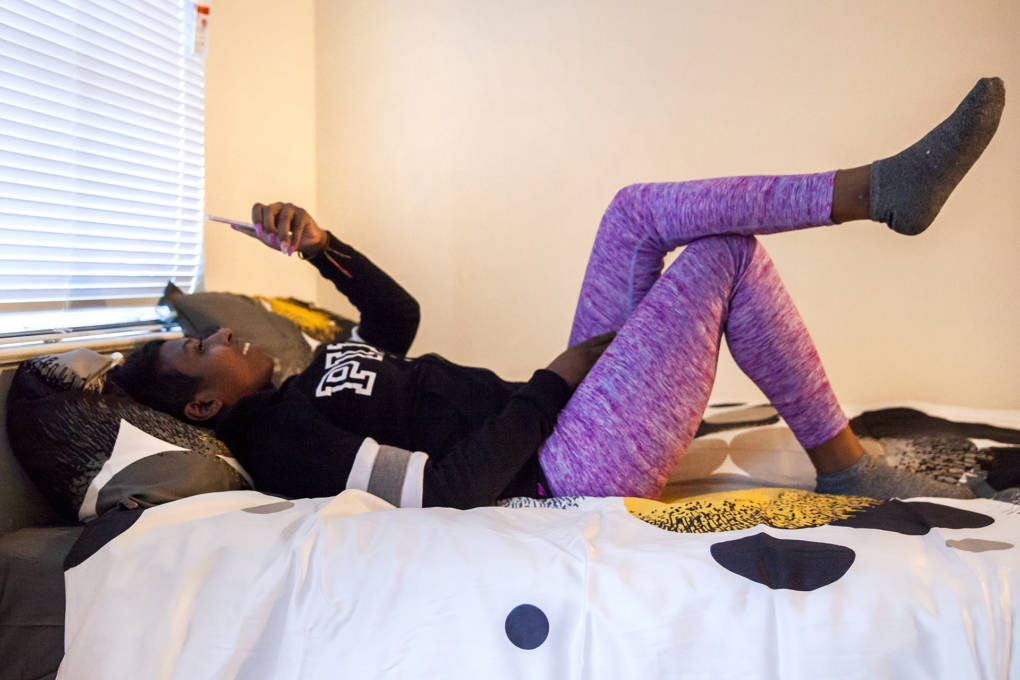
"caption": "Brittany Jones relaxes in her new bed after spending the day moving into her new apartment. Jones is excited to have her own bed to sleep in after spending so many nights on friends' floors or seats on BART.",
"description": "Brittany Jones relaxes in her new bed after spending the day moving into her new apartment. Jones is excited to have her own bed to sleep in after spending so many nights on friend’s floors or seats on Bart.",
"title": "161217_jonesfollowup_bhs06",
"credit": "Brittany Hosea-Small/KQED",
"status": "inherit",
"isLoading": false,
"fetchFailed": false
},
"news_11288078": {
"type": "attachments",
"id": "news_11288078",
"meta": {
"index": "attachments_1716263798",
"site": "news",
"id": "11288078",
"found": true
},
"parent": 11288076,
"imgSizes": {
"small": {
"file": "https://ww2.kqed.org/app/uploads/sites/10/2017/01/Napolitano-520x352.jpg",
"width": 520,
"mimeType": "image/jpeg",
"height": 352
},
"twentyfourteen-full-width": {
"file": "https://ww2.kqed.org/app/uploads/sites/10/2017/01/Napolitano-1038x576.jpg",
"width": 1038,
"mimeType": "image/jpeg",
"height": 576
},
"thumbnail": {
"file": "https://ww2.kqed.org/app/uploads/sites/10/2017/01/Napolitano-160x108.jpg",
"width": 160,
"mimeType": "image/jpeg",
"height": 108
},
"fd-sm": {
"file": "https://ww2.kqed.org/app/uploads/sites/10/2017/01/Napolitano-960x650.jpg",
"width": 960,
"mimeType": "image/jpeg",
"height": 650
},
"post-thumbnail": {
"file": "https://ww2.kqed.org/app/uploads/sites/10/2017/01/Napolitano-672x372.jpg",
"width": 672,
"mimeType": "image/jpeg",
"height": 372
},
"xsmall": {
"file": "https://ww2.kqed.org/app/uploads/sites/10/2017/01/Napolitano-375x254.jpg",
"width": 375,
"mimeType": "image/jpeg",
"height": 254
},
"kqedFullSize": {
"file": "https://ww2.kqed.org/app/uploads/sites/10/2017/01/Napolitano.jpg",
"width": 1920,
"height": 1300
},
"large": {
"file": "https://ww2.kqed.org/app/uploads/sites/10/2017/01/Napolitano-1020x691.jpg",
"width": 1020,
"mimeType": "image/jpeg",
"height": 691
},
"xlarge": {
"file": "https://ww2.kqed.org/app/uploads/sites/10/2017/01/Napolitano-1180x799.jpg",
"width": 1180,
"mimeType": "image/jpeg",
"height": 799
},
"guest-author-50": {
"file": "https://ww2.kqed.org/app/uploads/sites/10/2017/01/Napolitano-50x50.jpg",
"width": 50,
"mimeType": "image/jpeg",
"height": 50
},
"guest-author-96": {
"file": "https://ww2.kqed.org/app/uploads/sites/10/2017/01/Napolitano-96x96.jpg",
"width": 96,
"mimeType": "image/jpeg",
"height": 96
},
"medium": {
"file": "https://ww2.kqed.org/app/uploads/sites/10/2017/01/Napolitano-800x542.jpg",
"width": 800,
"mimeType": "image/jpeg",
"height": 542
},
"guest-author-64": {
"file": "https://ww2.kqed.org/app/uploads/sites/10/2017/01/Napolitano-64x64.jpg",
"width": 64,
"mimeType": "image/jpeg",
"height": 64
},
"guest-author-32": {
"file": "https://ww2.kqed.org/app/uploads/sites/10/2017/01/Napolitano-32x32.jpg",
"width": 32,
"mimeType": "image/jpeg",
"height": 32
},
"jmtc-small-thumb": {
"file": "https://ww2.kqed.org/app/uploads/sites/10/2017/01/Napolitano-280x150.jpg",
"width": 280,
"mimeType": "image/jpeg",
"height": 150
},
"fd-lrg": {
"file": "https://ww2.kqed.org/app/uploads/sites/10/2017/01/Napolitano-1920x1300.jpg",
"width": 1920,
"mimeType": "image/jpeg",
"height": 1300
},
"fd-med": {
"file": "https://ww2.kqed.org/app/uploads/sites/10/2017/01/Napolitano-1180x799.jpg",
"width": 1180,
"mimeType": "image/jpeg",
"height": 799
},
"full-width": {
"file": "https://ww2.kqed.org/app/uploads/sites/10/2017/01/Napolitano-1920x1300.jpg",
"width": 1920,
"mimeType": "image/jpeg",
"height": 1300
},
"detail": {
"file": "https://ww2.kqed.org/app/uploads/sites/10/2017/01/Napolitano-150x150.jpg",
"width": 150,
"mimeType": "image/jpeg",
"height": 150
},
"guest-author-128": {
"file": "https://ww2.kqed.org/app/uploads/sites/10/2017/01/Napolitano-128x128.jpg",
"width": 128,
"mimeType": "image/jpeg",
"height": 128
},
"xxsmall": {
"file": "https://ww2.kqed.org/app/uploads/sites/10/2017/01/Napolitano-240x163.jpg",
"width": 240,
"mimeType": "image/jpeg",
"height": 163
}
},
"publishDate": 1485481371,
"modified": 1485481488,
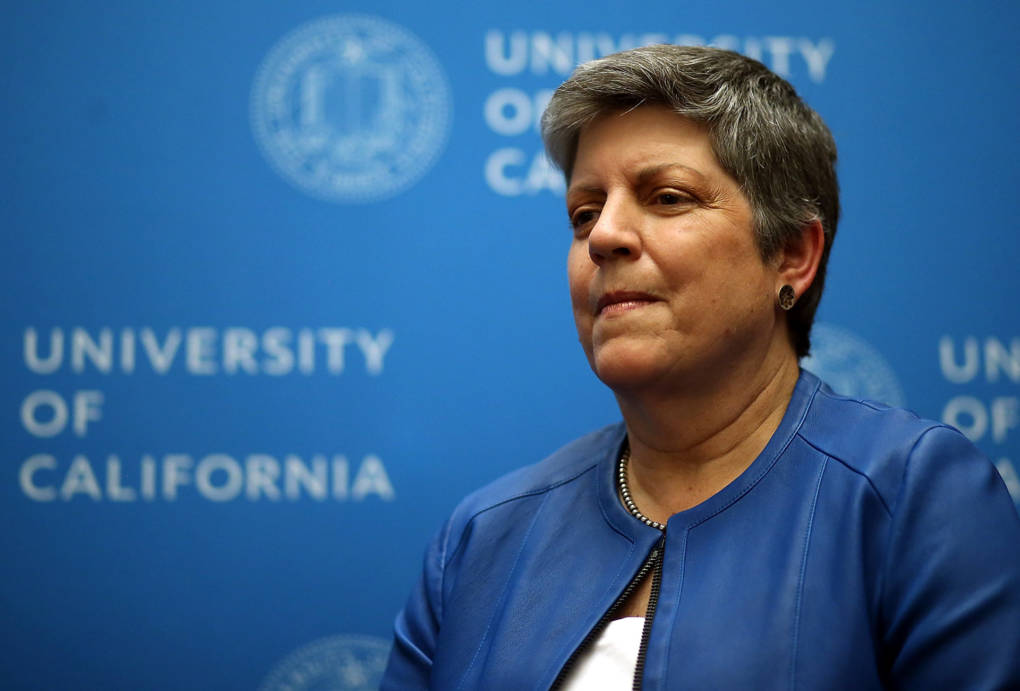
"caption": "University of California President Janet Napolitano, pictured in 2013.",
"description": "University of California President Janet Napolitano, pictured in 2013.",
"title": "Napolitano",
"credit": "Justin Sullivan/Getty Images",
"status": "inherit",
"isLoading": false,
"fetchFailed": false
},
"news_11220335": {
"type": "attachments",
"id": "news_11220335",
"meta": {
"index": "attachments_1716263798",
"site": "news",
"id": "11220335",
"found": true
},
"parent": 11219853,
"imgSizes": {
"small": {
"file": "https://ww2.kqed.org/app/uploads/sites/10/2016/12/ucsf-1920-520x347.jpg",
"width": 520,
"mimeType": "image/jpeg",
"height": 347
},
"twentyfourteen-full-width": {
"file": "https://ww2.kqed.org/app/uploads/sites/10/2016/12/ucsf-1920-1038x576.jpg",
"width": 1038,
"mimeType": "image/jpeg",
"height": 576
},
"thumbnail": {
"file": "https://ww2.kqed.org/app/uploads/sites/10/2016/12/ucsf-1920-160x107.jpg",
"width": 160,
"mimeType": "image/jpeg",
"height": 107
},
"fd-sm": {
"file": "https://ww2.kqed.org/app/uploads/sites/10/2016/12/ucsf-1920-960x640.jpg",
"width": 960,
"mimeType": "image/jpeg",
"height": 640
},
"post-thumbnail": {
"file": "https://ww2.kqed.org/app/uploads/sites/10/2016/12/ucsf-1920-672x372.jpg",
"width": 672,
"mimeType": "image/jpeg",
"height": 372
},
"xsmall": {
"file": "https://ww2.kqed.org/app/uploads/sites/10/2016/12/ucsf-1920-375x250.jpg",
"width": 375,
"mimeType": "image/jpeg",
"height": 250
},
"kqedFullSize": {
"file": "https://ww2.kqed.org/app/uploads/sites/10/2016/12/ucsf-1920.jpg",
"width": 1920,
"height": 1280
},
"large": {
"file": "https://ww2.kqed.org/app/uploads/sites/10/2016/12/ucsf-1920-1020x680.jpg",
"width": 1020,
"mimeType": "image/jpeg",
"height": 680
},
"xlarge": {
"file": "https://ww2.kqed.org/app/uploads/sites/10/2016/12/ucsf-1920-1180x787.jpg",
"width": 1180,
"mimeType": "image/jpeg",
"height": 787
},
"guest-author-50": {
"file": "https://ww2.kqed.org/app/uploads/sites/10/2016/12/ucsf-1920-50x50.jpg",
"width": 50,
"mimeType": "image/jpeg",
"height": 50
},
"guest-author-96": {
"file": "https://ww2.kqed.org/app/uploads/sites/10/2016/12/ucsf-1920-96x96.jpg",
"width": 96,
"mimeType": "image/jpeg",
"height": 96
},
"medium": {
"file": "https://ww2.kqed.org/app/uploads/sites/10/2016/12/ucsf-1920-800x533.jpg",
"width": 800,
"mimeType": "image/jpeg",
"height": 533
},
"guest-author-64": {
"file": "https://ww2.kqed.org/app/uploads/sites/10/2016/12/ucsf-1920-64x64.jpg",
"width": 64,
"mimeType": "image/jpeg",
"height": 64
},
"guest-author-32": {
"file": "https://ww2.kqed.org/app/uploads/sites/10/2016/12/ucsf-1920-32x32.jpg",
"width": 32,
"mimeType": "image/jpeg",
"height": 32
},
"jmtc-small-thumb": {
"file": "https://ww2.kqed.org/app/uploads/sites/10/2016/12/ucsf-1920-280x150.jpg",
"width": 280,
"mimeType": "image/jpeg",
"height": 150
},
"fd-lrg": {
"file": "https://ww2.kqed.org/app/uploads/sites/10/2016/12/ucsf-1920-1920x1280.jpg",
"width": 1920,
"mimeType": "image/jpeg",
"height": 1280
},
"fd-med": {
"file": "https://ww2.kqed.org/app/uploads/sites/10/2016/12/ucsf-1920-1180x787.jpg",
"width": 1180,
"mimeType": "image/jpeg",
"height": 787
},
"full-width": {
"file": "https://ww2.kqed.org/app/uploads/sites/10/2016/12/ucsf-1920-1920x1280.jpg",
"width": 1920,
"mimeType": "image/jpeg",
"height": 1280
},
"detail": {
"file": "https://ww2.kqed.org/app/uploads/sites/10/2016/12/ucsf-1920-150x150.jpg",
"width": 150,
"mimeType": "image/jpeg",
"height": 150
},
"guest-author-128": {
"file": "https://ww2.kqed.org/app/uploads/sites/10/2016/12/ucsf-1920-128x128.jpg",
"width": 128,
"mimeType": "image/jpeg",
"height": 128
},
"xxsmall": {
"file": "https://ww2.kqed.org/app/uploads/sites/10/2016/12/ucsf-1920-240x160.jpg",
"width": 240,
"mimeType": "image/jpeg",
"height": 160
}
},
"publishDate": 1481763069,
"modified": 1481763114,
"caption": "A view of UC San Francisco.",
"description": null,
"title": "ucsf-1920",
"credit": "Niall Kennedy/Flickr",
"status": "inherit",
"isLoading": false,
"fetchFailed": false
},
"science_1346445": {
"type": "attachments",
"id": "science_1346445",
"meta": {
"index": "attachments_1716263798",
"site": "science",
"id": "1346445",
"found": true
},
"parent": 1346437,
"imgSizes": {
"small": {
"file": "https://ww2.kqed.org/app/uploads/sites/35/2017/01/kids_KPCC_science-520x365.jpg",
"width": 520,
"mimeType": "image/jpeg",
"height": 365
},
"twentyfourteen-full-width": {
"file": "https://ww2.kqed.org/app/uploads/sites/35/2017/01/kids_KPCC_science-1024x576.jpg",
"width": 1024,
"mimeType": "image/jpeg",
"height": 576
},
"thumbnail": {
"file": "https://ww2.kqed.org/app/uploads/sites/35/2017/01/kids_KPCC_science-160x112.jpg",
"width": 160,
"mimeType": "image/jpeg",
"height": 112
},
"fd-sm": {
"file": "https://ww2.kqed.org/app/uploads/sites/35/2017/01/kids_KPCC_science-960x673.jpg",
"width": 960,
"mimeType": "image/jpeg",
"height": 673
},
"post-thumbnail": {
"file": "https://ww2.kqed.org/app/uploads/sites/35/2017/01/kids_KPCC_science-672x372.jpg",
"width": 672,
"mimeType": "image/jpeg",
"height": 372
},
"xsmall": {
"file": "https://ww2.kqed.org/app/uploads/sites/35/2017/01/kids_KPCC_science-375x263.jpg",
"width": 375,
"mimeType": "image/jpeg",
"height": 263
},
"kqedFullSize": {
"file": "https://ww2.kqed.org/app/uploads/sites/35/2017/01/kids_KPCC_science.jpg",
"width": 1024,
"height": 718
},
"large": {
"file": "https://ww2.kqed.org/app/uploads/sites/35/2017/01/kids_KPCC_science-1020x715.jpg",
"width": 1020,
"mimeType": "image/jpeg",
"height": 715
},
"guest-author-50": {
"file": "https://ww2.kqed.org/app/uploads/sites/35/2017/01/kids_KPCC_science-50x50.jpg",
"width": 50,
"mimeType": "image/jpeg",
"height": 50
},
"guest-author-96": {
"file": "https://ww2.kqed.org/app/uploads/sites/35/2017/01/kids_KPCC_science-96x96.jpg",
"width": 96,
"mimeType": "image/jpeg",
"height": 96
},
"medium": {
"file": "https://ww2.kqed.org/app/uploads/sites/35/2017/01/kids_KPCC_science-800x561.jpg",
"width": 800,
"mimeType": "image/jpeg",
"height": 561
},
"guest-author-64": {
"file": "https://ww2.kqed.org/app/uploads/sites/35/2017/01/kids_KPCC_science-64x64.jpg",
"width": 64,
"mimeType": "image/jpeg",
"height": 64
},
"guest-author-32": {
"file": "https://ww2.kqed.org/app/uploads/sites/35/2017/01/kids_KPCC_science-32x32.jpg",
"width": 32,
"mimeType": "image/jpeg",
"height": 32
},
"detail": {
"file": "https://ww2.kqed.org/app/uploads/sites/35/2017/01/kids_KPCC_science-150x150.jpg",
"width": 150,
"mimeType": "image/jpeg",
"height": 150
},
"medium_large": {
"file": "https://ww2.kqed.org/app/uploads/sites/35/2017/01/kids_KPCC_science-768x539.jpg",
"width": 768,
"mimeType": "image/jpeg",
"height": 539
},
"guest-author-128": {
"file": "https://ww2.kqed.org/app/uploads/sites/35/2017/01/kids_KPCC_science-128x128.jpg",
"width": 128,
"mimeType": "image/jpeg",
"height": 128
},
"xxsmall": {
"file": "https://ww2.kqed.org/app/uploads/sites/35/2017/01/kids_KPCC_science-240x168.jpg",
"width": 240,
"mimeType": "image/jpeg",
"height": 168
}
},
"publishDate": 1485202293,
"modified": 1485202337,
"caption": "Tina Jones, tests a water sample for nutrient levels as part of work in the Advanced Placement Environmental Science class at Godinez High School in Santa Ana, California. ",
"description": null,
"title": "kids_KPCC_science",
"credit": "Susanica Tam for KPCC",
"status": "inherit",
"isLoading": false,
"fetchFailed": false
},
"news_10416557": {
"type": "attachments",
"id": "news_10416557",
"meta": {
"index": "attachments_1716263798",
"site": "news",
"id": "10416557",
"found": true
},
"parent": 10416421,
"imgSizes": {
"twentyfourteen-full-width": {
"file": "https://ww2.kqed.org/app/uploads/sites/10/2015/01/napolitano-1038x576.jpg",
"width": 1038,
"mimeType": "image/jpeg",
"height": 576
},
"thumbnail": {
"file": "https://ww2.kqed.org/app/uploads/sites/10/2015/01/napolitano-400x267.jpg",
"width": 400,
"mimeType": "image/jpeg",
"height": 267
},
"post-thumbnail": {
"file": "https://ww2.kqed.org/app/uploads/sites/10/2015/01/napolitano-672x372.jpg",
"width": 672,
"mimeType": "image/jpeg",
"height": 372
},
"kqedFullSize": {
"file": "https://ww2.kqed.org/app/uploads/sites/10/2015/01/napolitano-e1422316539897.jpg",
"width": 1440,
"height": 960
},
"large": {
"file": "https://ww2.kqed.org/app/uploads/sites/10/2015/01/napolitano-1440x960.jpg",
"width": 1440,
"mimeType": "image/jpeg",
"height": 960
},
"guest-author-96": {
"file": "https://ww2.kqed.org/app/uploads/sites/10/2015/01/napolitano-96x96.jpg",
"width": 96,
"mimeType": "image/jpeg",
"height": 96
},
"medium": {
"file": "https://ww2.kqed.org/app/uploads/sites/10/2015/01/napolitano-800x533.jpg",
"width": 800,
"mimeType": "image/jpeg",
"height": 533
},
"guest-author-64": {
"file": "https://ww2.kqed.org/app/uploads/sites/10/2015/01/napolitano-64x64.jpg",
"width": 64,
"mimeType": "image/jpeg",
"height": 64
},
"detail": {
"file": "https://ww2.kqed.org/app/uploads/sites/10/2015/01/napolitano-75x75.jpg",
"width": 75,
"mimeType": "image/jpeg",
"height": 75
},
"guest-author-32": {
"file": "https://ww2.kqed.org/app/uploads/sites/10/2015/01/napolitano-32x32.jpg",
"width": 32,
"mimeType": "image/jpeg",
"height": 32
},
"guest-author-128": {
"file": "https://ww2.kqed.org/app/uploads/sites/10/2015/01/napolitano-128x128.jpg",
"width": 128,
"mimeType": "image/jpeg",
"height": 128
}
},
"publishDate": 1422316474,
"modified": 1426803391,
"caption": "University of California President Janet Napolitano in 2013. ",
"description": "University of California President Janet Napolitano in 2013. ",
"title": "Janet Napolitano-University of California",
"credit": "Deborah Svoboda/KQED",
"status": "inherit",
"isLoading": false,
"fetchFailed": false
},
"news_11211748": {
"type": "attachments",
"id": "news_11211748",
"meta": {
"index": "attachments_1716263798",
"site": "news",
"id": "11211748",
"found": true
},
"parent": 11209974,
"imgSizes": {
"small": {
"file": "https://ww2.kqed.org/app/uploads/sites/10/2016/12/homeless_students_final01-520x278.png",
"width": 520,
"mimeType": "image/png",
"height": 278
},
"twentyfourteen-full-width": {
"file": "https://ww2.kqed.org/app/uploads/sites/10/2016/12/homeless_students_final01-1038x576.png",
"width": 1038,
"mimeType": "image/png",
"height": 576
},
"thumbnail": {
"file": "https://ww2.kqed.org/app/uploads/sites/10/2016/12/homeless_students_final01-160x86.png",
"width": 160,
"mimeType": "image/png",
"height": 86
},
"fd-sm": {
"file": "https://ww2.kqed.org/app/uploads/sites/10/2016/12/homeless_students_final01-960x514.png",
"width": 960,
"mimeType": "image/png",
"height": 514
},
"post-thumbnail": {
"file": "https://ww2.kqed.org/app/uploads/sites/10/2016/12/homeless_students_final01-672x372.png",
"width": 672,
"mimeType": "image/png",
"height": 372
},
"xsmall": {
"file": "https://ww2.kqed.org/app/uploads/sites/10/2016/12/homeless_students_final01-375x201.png",
"width": 375,
"mimeType": "image/png",
"height": 201
},
"kqedFullSize": {
"file": "https://ww2.kqed.org/app/uploads/sites/10/2016/12/homeless_students_final01.png",
"width": 3195,
"height": 1710
},
"large": {
"file": "https://ww2.kqed.org/app/uploads/sites/10/2016/12/homeless_students_final01-1020x546.png",
"width": 1020,
"mimeType": "image/png",
"height": 546
},
"xlarge": {
"file": "https://ww2.kqed.org/app/uploads/sites/10/2016/12/homeless_students_final01-1180x632.png",
"width": 1180,
"mimeType": "image/png",
"height": 632
},
"guest-author-50": {
"file": "https://ww2.kqed.org/app/uploads/sites/10/2016/12/homeless_students_final01-50x50.png",
"width": 50,
"mimeType": "image/png",
"height": 50
},
"guest-author-96": {
"file": "https://ww2.kqed.org/app/uploads/sites/10/2016/12/homeless_students_final01-96x96.png",
"width": 96,
"mimeType": "image/png",
"height": 96
},
"medium": {
"file": "https://ww2.kqed.org/app/uploads/sites/10/2016/12/homeless_students_final01-800x428.png",
"width": 800,
"mimeType": "image/png",
"height": 428
},
"guest-author-64": {
"file": "https://ww2.kqed.org/app/uploads/sites/10/2016/12/homeless_students_final01-64x64.png",
"width": 64,
"mimeType": "image/png",
"height": 64
},
"guest-author-32": {
"file": "https://ww2.kqed.org/app/uploads/sites/10/2016/12/homeless_students_final01-32x32.png",
"width": 32,
"mimeType": "image/png",
"height": 32
},
"jmtc-small-thumb": {
"file": "https://ww2.kqed.org/app/uploads/sites/10/2016/12/homeless_students_final01-280x150.png",
"width": 280,
"mimeType": "image/png",
"height": 150
},
"fd-lrg": {
"file": "https://ww2.kqed.org/app/uploads/sites/10/2016/12/homeless_students_final01-1920x1028.png",
"width": 1920,
"mimeType": "image/png",
"height": 1028
},
"fd-med": {
"file": "https://ww2.kqed.org/app/uploads/sites/10/2016/12/homeless_students_final01-1180x632.png",
"width": 1180,
"mimeType": "image/png",
"height": 632
},
"full-width": {
"file": "https://ww2.kqed.org/app/uploads/sites/10/2016/12/homeless_students_final01-1920x1028.png",
"width": 1920,
"mimeType": "image/png",
"height": 1028
},
"detail": {
"file": "https://ww2.kqed.org/app/uploads/sites/10/2016/12/homeless_students_final01-150x150.png",
"width": 150,
"mimeType": "image/png",
"height": 150
},
"guest-author-128": {
"file": "https://ww2.kqed.org/app/uploads/sites/10/2016/12/homeless_students_final01-128x128.png",
"width": 128,
"mimeType": "image/png",
"height": 128
},
"xxsmall": {
"file": "https://ww2.kqed.org/app/uploads/sites/10/2016/12/homeless_students_final01-240x128.png",
"width": 240,
"mimeType": "image/png",
"height": 128
}
},
"publishDate": 1481249149,
"modified": 1481325378,
"caption": null,
"description": null,
"title": "homeless_students_final01",
"credit": "Mark Fiore/KQED",
"status": "inherit",
"isLoading": false,
"fetchFailed": false
},
"news_10406250": {
"type": "attachments",
"id": "news_10406250",
"meta": {
"index": "attachments_1716263798",
"site": "news",
"id": "10406250",
"found": true
},
"parent": 10406211,
"imgSizes": {
"twentyfourteen-full-width": {
"file": "https://ww2.kqed.org/app/uploads/sites/10/2015/01/RS8738_IMG_2473-1038x576.jpg",
"width": 1038,
"mimeType": "image/jpeg",
"height": 576
},
"thumbnail": {
"file": "https://ww2.kqed.org/app/uploads/sites/10/2015/01/RS8738_IMG_2473-400x266.jpg",
"width": 400,
"mimeType": "image/jpeg",
"height": 266
},
"post-thumbnail": {
"file": "https://ww2.kqed.org/app/uploads/sites/10/2015/01/RS8738_IMG_2473-672x372.jpg",
"width": 672,
"mimeType": "image/jpeg",
"height": 372
},
"kqedFullSize": {
"file": "https://ww2.kqed.org/app/uploads/sites/10/2015/01/RS8738_IMG_2473-e1484346112599.jpg",
"width": 1920,
"height": 1280
},
"large": {
"file": "https://ww2.kqed.org/app/uploads/sites/10/2015/01/RS8738_IMG_2473-1440x959.jpg",
"width": 1440,
"mimeType": "image/jpeg",
"height": 959
},
"guest-author-96": {
"file": "https://ww2.kqed.org/app/uploads/sites/10/2015/01/RS8738_IMG_2473-96x96.jpg",
"width": 96,
"mimeType": "image/jpeg",
"height": 96
},
"medium": {
"file": "https://ww2.kqed.org/app/uploads/sites/10/2015/01/RS8738_IMG_2473-800x533.jpg",
"width": 800,
"mimeType": "image/jpeg",
"height": 533
},
"guest-author-64": {
"file": "https://ww2.kqed.org/app/uploads/sites/10/2015/01/RS8738_IMG_2473-64x64.jpg",
"width": 64,
"mimeType": "image/jpeg",
"height": 64
},
"detail": {
"file": "https://ww2.kqed.org/app/uploads/sites/10/2015/01/RS8738_IMG_2473-75x75.jpg",
"width": 75,
"mimeType": "image/jpeg",
"height": 75
},
"guest-author-32": {
"file": "https://ww2.kqed.org/app/uploads/sites/10/2015/01/RS8738_IMG_2473-32x32.jpg",
"width": 32,
"mimeType": "image/jpeg",
"height": 32
},
"guest-author-128": {
"file": "https://ww2.kqed.org/app/uploads/sites/10/2015/01/RS8738_IMG_2473-128x128.jpg",
"width": 128,
"mimeType": "image/jpeg",
"height": 128
}
},
"publishDate": 1421274870,
"modified": 1421275006,
"caption": "A sign at City College's Ocean and Phelan campus.",
"description": null,
"title": "City College of San Francisco",
"credit": "Mark Andrew Boyer/KQED",
"status": "inherit",
"isLoading": false,
"fetchFailed": false
},
"news_11265283": {
"type": "attachments",
"id": "news_11265283",
"meta": {
"index": "attachments_1716263798",
"site": "news",
"id": "11265283",
"found": true
},
"parent": 11265281,
"imgSizes": {
"small": {
"file": "https://ww2.kqed.org/app/uploads/sites/10/2017/01/20161201-img_61811_slide-8536a7cce35dc0ac3fe1ddd8d52b60147a7e0c9d-520x347.jpg",
"width": 520,
"mimeType": "image/jpeg",
"height": 347
},
"twentyfourteen-full-width": {
"file": "https://ww2.kqed.org/app/uploads/sites/10/2017/01/20161201-img_61811_slide-8536a7cce35dc0ac3fe1ddd8d52b60147a7e0c9d-1038x576.jpg",
"width": 1038,
"mimeType": "image/jpeg",
"height": 576
},
"thumbnail": {
"file": "https://ww2.kqed.org/app/uploads/sites/10/2017/01/20161201-img_61811_slide-8536a7cce35dc0ac3fe1ddd8d52b60147a7e0c9d-160x107.jpg",
"width": 160,
"mimeType": "image/jpeg",
"height": 107
},
"fd-sm": {
"file": "https://ww2.kqed.org/app/uploads/sites/10/2017/01/20161201-img_61811_slide-8536a7cce35dc0ac3fe1ddd8d52b60147a7e0c9d-960x640.jpg",
"width": 960,
"mimeType": "image/jpeg",
"height": 640
},
"post-thumbnail": {
"file": "https://ww2.kqed.org/app/uploads/sites/10/2017/01/20161201-img_61811_slide-8536a7cce35dc0ac3fe1ddd8d52b60147a7e0c9d-672x372.jpg",
"width": 672,
"mimeType": "image/jpeg",
"height": 372
},
"xsmall": {
"file": "https://ww2.kqed.org/app/uploads/sites/10/2017/01/20161201-img_61811_slide-8536a7cce35dc0ac3fe1ddd8d52b60147a7e0c9d-375x250.jpg",
"width": 375,
"mimeType": "image/jpeg",
"height": 250
},
"kqedFullSize": {
"file": "https://ww2.kqed.org/app/uploads/sites/10/2017/01/20161201-img_61811_slide-8536a7cce35dc0ac3fe1ddd8d52b60147a7e0c9d.jpg",
"width": 2997,
"height": 1998
},
"large": {
"file": "https://ww2.kqed.org/app/uploads/sites/10/2017/01/20161201-img_61811_slide-8536a7cce35dc0ac3fe1ddd8d52b60147a7e0c9d-1020x680.jpg",
"width": 1020,
"mimeType": "image/jpeg",
"height": 680
},
"xlarge": {
"file": "https://ww2.kqed.org/app/uploads/sites/10/2017/01/20161201-img_61811_slide-8536a7cce35dc0ac3fe1ddd8d52b60147a7e0c9d-1180x787.jpg",
"width": 1180,
"mimeType": "image/jpeg",
"height": 787
},
"guest-author-50": {
"file": "https://ww2.kqed.org/app/uploads/sites/10/2017/01/20161201-img_61811_slide-8536a7cce35dc0ac3fe1ddd8d52b60147a7e0c9d-50x50.jpg",
"width": 50,
"mimeType": "image/jpeg",
"height": 50
},
"guest-author-96": {
"file": "https://ww2.kqed.org/app/uploads/sites/10/2017/01/20161201-img_61811_slide-8536a7cce35dc0ac3fe1ddd8d52b60147a7e0c9d-96x96.jpg",
"width": 96,
"mimeType": "image/jpeg",
"height": 96
},
"medium": {
"file": "https://ww2.kqed.org/app/uploads/sites/10/2017/01/20161201-img_61811_slide-8536a7cce35dc0ac3fe1ddd8d52b60147a7e0c9d-800x533.jpg",
"width": 800,
"mimeType": "image/jpeg",
"height": 533
},
"guest-author-64": {
"file": "https://ww2.kqed.org/app/uploads/sites/10/2017/01/20161201-img_61811_slide-8536a7cce35dc0ac3fe1ddd8d52b60147a7e0c9d-64x64.jpg",
"width": 64,
"mimeType": "image/jpeg",
"height": 64
},
"guest-author-32": {
"file": "https://ww2.kqed.org/app/uploads/sites/10/2017/01/20161201-img_61811_slide-8536a7cce35dc0ac3fe1ddd8d52b60147a7e0c9d-32x32.jpg",
"width": 32,
"mimeType": "image/jpeg",
"height": 32
},
"jmtc-small-thumb": {
"file": "https://ww2.kqed.org/app/uploads/sites/10/2017/01/20161201-img_61811_slide-8536a7cce35dc0ac3fe1ddd8d52b60147a7e0c9d-280x150.jpg",
"width": 280,
"mimeType": "image/jpeg",
"height": 150
},
"fd-lrg": {
"file": "https://ww2.kqed.org/app/uploads/sites/10/2017/01/20161201-img_61811_slide-8536a7cce35dc0ac3fe1ddd8d52b60147a7e0c9d-1920x1280.jpg",
"width": 1920,
"mimeType": "image/jpeg",
"height": 1280
},
"fd-med": {
"file": "https://ww2.kqed.org/app/uploads/sites/10/2017/01/20161201-img_61811_slide-8536a7cce35dc0ac3fe1ddd8d52b60147a7e0c9d-1180x787.jpg",
"width": 1180,
"mimeType": "image/jpeg",
"height": 787
},
"full-width": {
"file": "https://ww2.kqed.org/app/uploads/sites/10/2017/01/20161201-img_61811_slide-8536a7cce35dc0ac3fe1ddd8d52b60147a7e0c9d-1920x1280.jpg",
"width": 1920,
"mimeType": "image/jpeg",
"height": 1280
},
"detail": {
"file": "https://ww2.kqed.org/app/uploads/sites/10/2017/01/20161201-img_61811_slide-8536a7cce35dc0ac3fe1ddd8d52b60147a7e0c9d-150x150.jpg",
"width": 150,
"mimeType": "image/jpeg",
"height": 150
},
"guest-author-128": {
"file": "https://ww2.kqed.org/app/uploads/sites/10/2017/01/20161201-img_61811_slide-8536a7cce35dc0ac3fe1ddd8d52b60147a7e0c9d-128x128.jpg",
"width": 128,
"mimeType": "image/jpeg",
"height": 128
},
"xxsmall": {
"file": "https://ww2.kqed.org/app/uploads/sites/10/2017/01/20161201-img_61811_slide-8536a7cce35dc0ac3fe1ddd8d52b60147a7e0c9d-240x160.jpg",
"width": 240,
"mimeType": "image/jpeg",
"height": 160
}
},
"publishDate": 1484178617,
"modified": 1484178793,
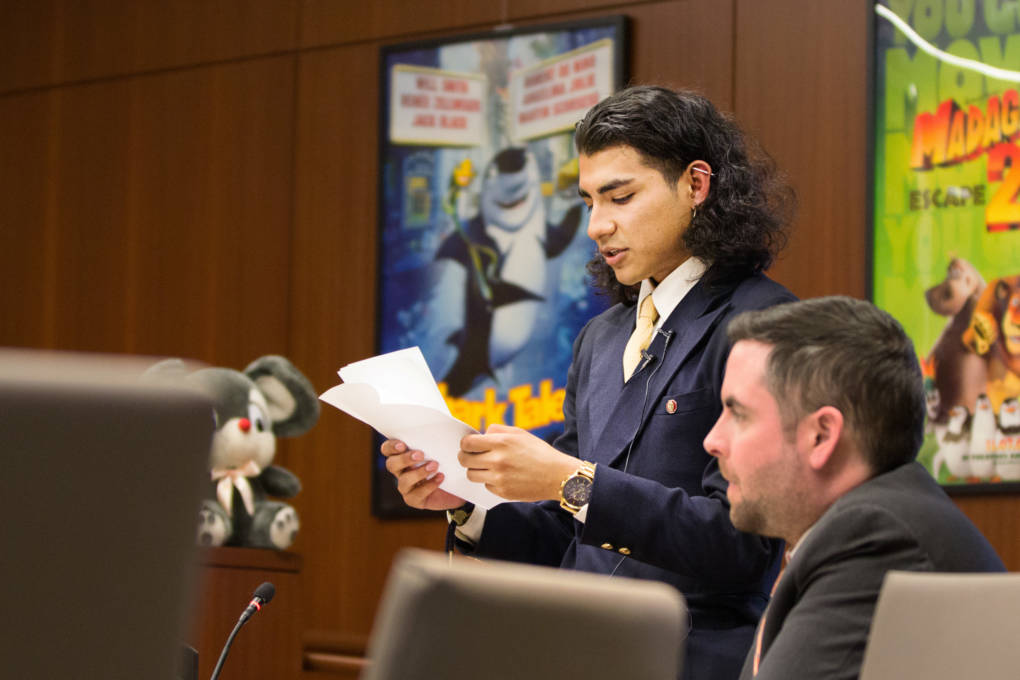
"caption": "Standing next to his lawyer, 21-year-old Noel Anaya, on his final day as a foster youth, reads a statement in Santa Clara County court explaining how he feels the foster care system failed him and his siblings.",
"description": "Standing next to his lawyer, 21-year-old Noel Anaya, on his final day as a foster youth, reads a statement in Santa Clara County court explaining how he feels the foster care system failed him and his siblings.",
"title": "Standing next to his lawyer, 21-year-old Noel Anaya, on his final day as a foster youth, reads a statement in Santa Clara County court explaining how he feels the foster care system failed him and his siblings.",
"credit": "Brett Myers/Youth Radio",
"status": "inherit",
"isLoading": false,
"fetchFailed": false
}
},
"audioPlayerReducer": {
"postId": "stream_live",
"isPaused": true,
"isPlaying": false,
"pfsActive": false,
"pledgeModalIsOpen": true,
"playerDrawerIsOpen": false,
"liveAudioPlayStartedAt": 0,
"liveAudioPlayContext": ""
},
"authorsReducer": {
"byline_news_11288076": {
"type": "authors",
"id": "byline_news_11288076",
"meta": {
"override": true
},
"slug": "byline_news_11288076",
"name": "Jocelyn Gecker \u003cbr> Associated Press ",
"isLoading": false
},
"byline_science_1346437": {
"type": "authors",
"id": "byline_science_1346437",
"meta": {
"override": true
},
"slug": "byline_science_1346437",
"name": "\u003ca href=\"http://www.scpr.org/about/people/staff/kyle-stokes\" target=\"_blank\">Kyle Stokes\u003c/br>KPCC\u003c/a>",
"isLoading": false
},
"byline_news_11273884": {
"type": "authors",
"id": "byline_news_11273884",
"meta": {
"override": true
},
"slug": "byline_news_11273884",
"name": "\u003cstrong>Kristin J. Bender\u003cbr>Associated Press\u003c/br/>\u003c/strong> ",
"isLoading": false
},
"byline_news_11265281": {
"type": "authors",
"id": "byline_news_11265281",
"meta": {
"override": true
},
"slug": "byline_news_11265281",
"name": "Noel Anaya",
"isLoading": false
},
"dclyde": {
"type": "authors",
"id": "104",
"meta": {
"index": "authors_1716337520",
"id": "104",
"found": true
},
"name": "Don Clyde",
"firstName": "Don",
"lastName": "Clyde",
"slug": "dclyde",
"email": "dclyde@kqed.org",
"display_author_email": false,
"staff_mastheads": [],
"title": "KQED Contributor",
"bio": "Don Clyde is an online producer, reporter and copy editor for KQED News. Before venturing into journalism, he worked as a medical device engineer and scientist for nearly a decade after earning a degree in physics from UC Berkeley. He loves travel, reading, living in Oakland, and most importantly, a good walk. Email him at dclyde@kqed.org or follow him @clydedon.",
"avatar": "https://secure.gravatar.com/avatar/decd3e640c3eedbd0a574275aebb2d19?s=600&d=blank&r=g",
"twitter": "clydedon",
"facebook": null,
"instagram": null,
"linkedin": null,
"sites": [
{
"site": "artschool",
"roles": [
"editor"
]
},
{
"site": "news",
"roles": [
"administrator"
]
},
{
"site": "futureofyou",
"roles": [
"editor"
]
},
{
"site": "about",
"roles": [
"editor"
]
},
{
"site": "mindshift",
"roles": [
"contributor"
]
},
{
"site": "bayareabites",
"roles": [
"contributor"
]
},
{
"site": "lowdown",
"roles": [
"editor"
]
},
{
"site": "stateofhealth",
"roles": [
"administrator"
]
},
{
"site": "spark",
"roles": [
"administrator"
]
},
{
"site": "trulyca",
"roles": [
"administrator"
]
},
{
"site": "imagemakers",
"roles": [
"administrator"
]
},
{
"site": "science",
"roles": []
},
{
"site": "education",
"roles": [
"editor"
]
},
{
"site": "quest",
"roles": [
"subscriber"
]
},
{
"site": "checkplease",
"roles": [
"subscriber"
]
},
{
"site": "forum",
"roles": [
"editor"
]
},
{
"site": "perspectives",
"roles": [
"editor"
]
}
],
"headData": {
"title": "Don Clyde | KQED",
"description": "KQED Contributor",
"ogImgSrc": "https://secure.gravatar.com/avatar/decd3e640c3eedbd0a574275aebb2d19?s=600&d=blank&r=g",
"twImgSrc": "https://secure.gravatar.com/avatar/decd3e640c3eedbd0a574275aebb2d19?s=600&d=blank&r=g"
},
"isLoading": false,
"link": "/author/dclyde"
},
"danbrekke": {
"type": "authors",
"id": "222",
"meta": {
"index": "authors_1716337520",
"id": "222",
"found": true
},
"name": "Dan Brekke",
"firstName": "Dan",
"lastName": "Brekke",
"slug": "danbrekke",
"email": "dbrekke@kqed.org",
"display_author_email": true,
"staff_mastheads": [
"news",
"science"
],
"title": "KQED Editor and Reporter",
"bio": "Dan Brekke is a reporter and editor for KQED News, responsible for coverage of topics ranging from California water issues to the Bay Area's transportation challenges. In a newsroom career that began in Chicago in 1972, Dan has worked for \u003cem>The San Francisco Examiner,\u003c/em> Wired and TechTV and has been published in The New York Times, The New York Times Magazine, Business 2.0, Salon and elsewhere.\r\n\r\nSince joining KQED in 2007, Dan has reported, edited and produced both radio and online features and breaking news pieces. He has shared as both editor and reporter in four Society of Professional Journalists Norcal Excellence in Journalism awards and one Edward R. Murrow regional award. He was chosen for a spring 2017 residency at the Mesa Refuge to advance his research on California salmon.\r\n\r\nEmail Dan at: \u003ca href=\"mailto:dbrekke@kqed.org\">dbrekke@kqed.org\u003c/a>\r\n\r\n\u003cstrong>Twitter:\u003c/strong> \u003ca href=\"https://twitter.com/danbrekke\" rel=\"noopener noreferrer\">twitter.com/danbrekke\u003c/a>\r\n\u003cstrong>Facebook:\u003c/strong> \u003ca href=\"https://www.facebook.com/danbrekke\" rel=\"noopener noreferrer\">www.facebook.com/danbrekke\u003c/a>\r\n\u003cstrong>LinkedIn:\u003c/strong> \u003ca href=\"https://www.linkedin.com/in/danbrekke\" rel=\"noopener noreferrer\">www.linkedin.com/in/danbrekke\u003c/a>",
"avatar": "https://secure.gravatar.com/avatar/8f1f0d2a978fb3b23426c922c7e2af558fa36905b49c4ce76a97dc3c72d27226?s=600&d=mm&r=g",
"twitter": "danbrekke",
"bluesky": null,
"facebook": null,
"instagram": "https://www.instagram.com/dan.brekke/",
"linkedin": "https://www.linkedin.com/in/danbrekke/",
"sites": [
{
"site": "news",
"roles": [
"administrator",
"create_posts"
]
},
{
"site": "stateofhealth",
"roles": [
"editor"
]
},
{
"site": "science",
"roles": [
"editor"
]
},
{
"site": "quest",
"roles": [
"contributor"
]
},
{
"site": "food",
"roles": [
"contributor"
]
},
{
"site": "forum",
"roles": [
"contributor"
]
},
{
"site": "elections",
"roles": [
"editor"
]
},
{
"site": "liveblog",
"roles": [
"editor"
]
}
],
"headData": {
"title": "Dan Brekke | KQED",
"description": "KQED Editor and Reporter",
"ogImgSrc": "https://secure.gravatar.com/avatar/8f1f0d2a978fb3b23426c922c7e2af558fa36905b49c4ce76a97dc3c72d27226?s=600&d=mm&r=g",
"twImgSrc": "https://secure.gravatar.com/avatar/8f1f0d2a978fb3b23426c922c7e2af558fa36905b49c4ce76a97dc3c72d27226?s=600&d=mm&r=g"
},
"isLoading": false,
"link": "/author/danbrekke"
},
"rachael-myrow": {
"type": "authors",
"id": "251",
"meta": {
"index": "authors_1716337520",
"id": "251",
"found": true
},
"name": "Rachael Myrow",
"firstName": "Rachael",
"lastName": "Myrow",
"slug": "rachael-myrow",
"email": "rmyrow@kqed.org",
"display_author_email": true,
"staff_mastheads": [
"news"
],
"title": "Senior Editor of KQED's Silicon Valley News Desk",
"bio": "• I write and edit stories about how Silicon Valley power and policies shape everyday life in California. I’m also passionate about making Bay Area history and culture more accessible to a broad public. • I’ve been a journalist for most of my life, starting in high school with The Franklin Press in Los Angeles, where I grew up. While earning my first degree in English at UC Berkeley, I got my start in public radio at KALX-FM. After completing a second degree in journalism at Cal, I landed my first professional job at Marketplace, then moved on to KPCC (now LAist), and then KQED, where I hosted The California Report for more than seven years. • My reporting has appeared on NPR, The World, WBUR’s \u003ci>Here & Now\u003c/i>, and the BBC. I also guest host for KQED’s \u003ci>Forum\u003c/i>, as well as the Commonwealth Club in San Francisco. • I speak periodically on media, democracy and technology issues, and do voiceover work for documentaries and educational video projects. • Outside of the studio, you'll find me hiking Bay Area trails and whipping up Insta-ready meals in my kitchen. • I do not accept gifts, money, or favors from anyone connected to my reporting, I don't pay people for information, and I do not support or donate to political causes. • I strive to treat the people I report on with fairness, honesty, and respect. I also recognize there are often multiple sides to a story and work to verify information through multiple sources and documentation. If I get something wrong, I correct it.",
"avatar": "https://secure.gravatar.com/avatar/3ed8a3c5f26025e4a805ba634cda8cd764906b97438a6d9ce216b044e340da4e?s=600&d=blank&r=g",
"twitter": "rachaelmyrow",
"bluesky": null,
"facebook": null,
"instagram": null,
"linkedin": "https://www.linkedin.com/in/rachaelmyrow/",
"sites": [
{
"site": "arts",
"roles": [
"administrator"
]
},
{
"site": "news",
"roles": [
"edit_others_posts",
"editor"
]
},
{
"site": "futureofyou",
"roles": [
"editor"
]
},
{
"site": "bayareabites",
"roles": [
"editor"
]
},
{
"site": "stateofhealth",
"roles": [
"editor"
]
},
{
"site": "science",
"roles": [
"editor"
]
},
{
"site": "food",
"roles": [
"editor"
]
},
{
"site": "forum",
"roles": [
"editor"
]
},
{
"site": "liveblog",
"roles": [
"author"
]
}
],
"headData": {
"title": "Rachael Myrow | KQED",
"description": "Senior Editor of KQED's Silicon Valley News Desk",
"ogImgSrc": "https://secure.gravatar.com/avatar/3ed8a3c5f26025e4a805ba634cda8cd764906b97438a6d9ce216b044e340da4e?s=600&d=blank&r=g",
"twImgSrc": "https://secure.gravatar.com/avatar/3ed8a3c5f26025e4a805ba634cda8cd764906b97438a6d9ce216b044e340da4e?s=600&d=blank&r=g"
},
"isLoading": false,
"link": "/author/rachael-myrow"
},
"samharnett": {
"type": "authors",
"id": "253",
"meta": {
"index": "authors_1716337520",
"id": "253",
"found": true
},
"name": "Sam Harnett",
"firstName": "Sam",
"lastName": "Harnett",
"slug": "samharnett",
"email": "samharnett@gmail.com",
"display_author_email": false,
"staff_mastheads": [],
"title": "KQED Contributor",
"bio": "Sam Harnett covered tech and work at KQED. He is the co-creator of \u003cem>\u003ca href=\"http://www.theworldaccordingtosound.org\">The World According to Sound\u003c/a>,\u003c/em> a 90-second podcast that features different sounds and the stories behind them.\r\n\r\nBefore coming to KQED, Sam worked as an independent reporter who contributed regularly to \u003cem>The California Report, Marketplace,\u003c/em> \u003cem>The World \u003c/em>and NPR.",
"avatar": "https://secure.gravatar.com/avatar/2538b972ac02f2b9546c7a6c59a0f3d0?s=600&d=blank&r=g",
"twitter": "Samwharnett",
"facebook": null,
"instagram": null,
"linkedin": null,
"sites": [
{
"site": "news",
"roles": [
"edit_others_posts",
"subscriber"
]
},
{
"site": "stateofhealth",
"roles": [
"author"
]
},
{
"site": "science",
"roles": [
"editor"
]
},
{
"site": "quest",
"roles": [
"subscriber"
]
}
],
"headData": {
"title": "Sam Harnett | KQED",
"description": "KQED Contributor",
"ogImgSrc": "https://secure.gravatar.com/avatar/2538b972ac02f2b9546c7a6c59a0f3d0?s=600&d=blank&r=g",
"twImgSrc": "https://secure.gravatar.com/avatar/2538b972ac02f2b9546c7a6c59a0f3d0?s=600&d=blank&r=g"
},
"isLoading": false,
"link": "/author/samharnett"
},
"tgoldberg": {
"type": "authors",
"id": "258",
"meta": {
"index": "authors_1716337520",
"id": "258",
"found": true
},
"name": "Ted Goldberg",
"firstName": "Ted",
"lastName": "Goldberg",
"slug": "tgoldberg",
"email": "tgoldberg@kqed.org",
"display_author_email": true,
"staff_mastheads": [
"news"
],
"title": "KQED Managing Editor, News and Newscasts",
"bio": "Ted Goldberg is Managing Editor of News and Newscasts at KQED. His main reporting beat is the Bay Area's oil refining industry.\r\n\r\nPrior to joining KQED in 2014, Ted worked at CBS News and WCBS AM in New York and Bay City News and KCBS Radio in San Francisco. He graduated from Oberlin College in Ohio in 1998.",
"avatar": "https://secure.gravatar.com/avatar/30ce2e4fe89135e104f89be2394d16225b9d36c121b5b3cb7651ce642978b96f?s=600&d=blank&r=g",
"twitter": "TedrickG",
"bluesky": null,
"facebook": null,
"instagram": null,
"linkedin": null,
"sites": [
{
"site": "news",
"roles": [
"editor"
]
},
{
"site": "science",
"roles": [
"editor"
]
}
],
"headData": {
"title": "Ted Goldberg | KQED",
"description": "KQED Managing Editor, News and Newscasts",
"ogImgSrc": "https://secure.gravatar.com/avatar/30ce2e4fe89135e104f89be2394d16225b9d36c121b5b3cb7651ce642978b96f?s=600&d=blank&r=g",
"twImgSrc": "https://secure.gravatar.com/avatar/30ce2e4fe89135e104f89be2394d16225b9d36c121b5b3cb7651ce642978b96f?s=600&d=blank&r=g"
},
"isLoading": false,
"link": "/author/tgoldberg"
},
"aemslie": {
"type": "authors",
"id": "3206",
"meta": {
"index": "authors_1716337520",
"id": "3206",
"found": true
},
"name": "Alex Emslie",
"firstName": "Alex",
"lastName": "Emslie",
"slug": "aemslie",
"email": "aemslie@kqed.org",
"display_author_email": true,
"staff_mastheads": [
"news"
],
"title": "KQED Senior Editor",
"bio": "Alex Emslie is senior editor of talent and development at KQED, where he manages dozens of early career journalists and oversees news department internships.\r\n\r\nHe is a former carpenter and proud graduate of City College of San Francisco and San Francisco State University, where he studied journalism and criminal justice before joining KQED in 2013.\r\n\r\nAlex produced investigative journalism focused on \u003ca href=\"https://www.kqed.org/news/11667594/the-trials-of-marvin-mutch-video\">criminal justice\u003c/a> and policing for most of a decade. He has broken major stories about \u003ca href=\"https://www.kqed.org/news/135682/amid-a-series-of-vallejo-police-shootings-one-officers-name-stands-out\">police use of deadly force\u003c/a>, \u003ca href=\"https://www.kqed.org/news/10454955/racist-texts-prompt-sfpd-internal-investigation\">officer misconduct\u003c/a> and \u003ca href=\"https://www.kqed.org/news/11712239/terrorist-or-troll-judge-to-weigh-whether-oakland-man-really-intended-to-attack-bay-area\">other\u003c/a> \u003ca href=\"https://www.kqed.org/news/11221414/hayward-paid-159000-to-husband-of-retired-police-chief-documents-show\">high\u003c/a>-\u003ca href=\"https://www.kqed.org/news/10622762/the-forgotten-tracking-two-homicides-in-san-francisco-public-housing\">profile\u003c/a> \u003ca href=\"https://www.kqed.org/news/11624516/federal-agency-promoted-ranger-just-months-after-his-gun-was-stolen-and-used-in-steinle-killing\">cases\u003c/a>. He co-founded the \u003ca href=\"https://projects.scpr.org/california-reporting-project/\">California Reporting Project\u003c/a> in 2019 to obtain and report on previously confidential police internal investigations. The effort produced well over 100 original stories and changed the course of multiple criminal cases.\r\n\r\nHis work has been recognized with numerous journalism awards, including a national Edward R. Murrow award for several years of \u003ca href=\"https://www.kqed.org/news/11688481/sfpd-officers-in-mario-woods-case-recount-shooting-in-newly-filed-depositions\">reporting\u003c/a> on the San Francisco Police shooting of Mario Woods. His \u003ca href=\"https://www.kqed.org/news/147854/half-of-those-killed-by-san-francisco-police-are-mentally-ill\">reporting\u003c/a> on police killings of people in psychiatric crisis was cited in amicus briefs before the U.S. Supreme Court.\r\n\r\nAlex now enjoys mentoring the next generation of journalists at KQED.",
"avatar": "https://secure.gravatar.com/avatar/e691e65209f20e9da202bd730ead5663?s=600&d=blank&r=g",
"twitter": "SFNewsReporter",
"facebook": null,
"instagram": null,
"linkedin": null,
"sites": [
{
"site": "arts",
"roles": [
"editor"
]
},
{
"site": "news",
"roles": [
"editor"
]
},
{
"site": "mindshift",
"roles": [
"editor"
]
},
{
"site": "stateofhealth",
"roles": [
"editor"
]
},
{
"site": "science",
"roles": [
"administrator"
]
}
],
"headData": {
"title": "Alex Emslie | KQED",
"description": "KQED Senior Editor",
"ogImgSrc": "https://secure.gravatar.com/avatar/e691e65209f20e9da202bd730ead5663?s=600&d=blank&r=g",
"twImgSrc": "https://secure.gravatar.com/avatar/e691e65209f20e9da202bd730ead5663?s=600&d=blank&r=g"
},
"isLoading": false,
"link": "/author/aemslie"
},
"lklivans": {
"type": "authors",
"id": "8648",
"meta": {
"index": "authors_1716337520",
"id": "8648",
"found": true
},
"name": "Laura Klivans",
"firstName": "Laura",
"lastName": "Klivans",
"slug": "lklivans",
"email": "lklivans@kqed.org",
"display_author_email": true,
"staff_mastheads": [
"news",
"science"
],
"title": "Reporter",
"bio": "Laura Klivans is an award-winning science reporter for KQED News, where she covers climate change with an eye on both groundbreaking progress and gaps in action. She is the former host of KQED's blockbuster video series about tiny, amazing animals, \u003cem>Deep Look\u003c/em>. Her work reaches national audiences through NPR, \u003cem>Here & Now, \u003c/em>PRI, and other major outlets. \r\n\r\nLaura’s won five Northern California Area Emmy Awards for Deep Look and First Place in the Greater Bay Area Journalism Awards for a podcast exploring how one Oakland neighborhood teamed up to reduce planet-heating pollution.\r\n\r\nBeyond her reporting, she hosts and moderates events. In the past, she taught audio storytelling at the UC Berkeley Graduate School of Journalism, led international education programs, worked with immigrants and refugees along the Thai-Burmese border, taught high schoolers sex ed, and was an actress. \r\n\r\nShe's a former UC Berkeley Human Rights Fellow, USC Center for Health Journalism's California Fellow and Coro Fellow in Public Affairs. Laura has a master’s in journalism from UC Berkeley, a master’s in education from Harvard, and an undergraduate degree from Northwestern University.\r\n\r\nShe loves trying to riddle the meaning out of vanity license plates.",
"avatar": "https://secure.gravatar.com/avatar/2d2ecd1550a494cc10ad4a503406965585902124739e775a9b3817eebf1d88be?s=600&d=blank&r=g",
"twitter": "lauraklivans",
"bluesky": null,
"facebook": null,
"instagram": null,
"linkedin": null,
"sites": [
{
"site": "news",
"roles": [
"editor"
]
},
{
"site": "stateofhealth",
"roles": [
"contributor",
"editor"
]
},
{
"site": "science",
"roles": [
"editor"
]
},
{
"site": "forum",
"roles": [
"editor"
]
}
],
"headData": {
"title": "Laura Klivans | KQED",
"description": "Reporter",
"ogImgSrc": "https://secure.gravatar.com/avatar/2d2ecd1550a494cc10ad4a503406965585902124739e775a9b3817eebf1d88be?s=600&d=blank&r=g",
"twImgSrc": "https://secure.gravatar.com/avatar/2d2ecd1550a494cc10ad4a503406965585902124739e775a9b3817eebf1d88be?s=600&d=blank&r=g"
},
"isLoading": false,
"link": "/author/lklivans"
},
"bhoseasmall": {
"type": "authors",
"id": "11256",
"meta": {
"index": "authors_1716337520",
"id": "11256",
"found": true
},
"name": "Brittany Hosea-Small",
"firstName": "Brittany",
"lastName": "Hosea-Small",
"slug": "bhoseasmall",
"email": "bhoseasmall@KQED.org",
"display_author_email": false,
"staff_mastheads": [],
"title": "KQED Contributor",
"bio": "Brittany Hosea-Small is a former KQED News visual journalism intern focusing on photography and videography. Brittany started her journalism career at UC Berkeley’s Graduate school of Journalism, where she is specializing in Photojournalism and will be graduating in May of 2017. Prior to coming to KQED Brittany worked as a photography intern for the San Francisco Chronicle where she covered news stories ranging from local bay area celebrations, to the arrival of President Barack Obama on Airforce One in San Francisco. Recently Brittany was awarded the 2016 Bob Schmidt Scholarship from the Sacramento Press Club. You can reach her by email at bhoseasmall@kqed.org or follow her on Instragram (@brittanykirstinphoto) and Twitter (@brittanykirstin).",
"avatar": "https://secure.gravatar.com/avatar/84f2bbcb9d027b6db40e86c761c8ff65?s=600&d=blank&r=g",
"twitter": "@BrittanyKirstin",
"facebook": null,
"instagram": null,
"linkedin": null,
"sites": [
{
"site": "news",
"roles": [
"subscriber"
]
}
],
"headData": {
"title": "Brittany Hosea-Small | KQED",
"description": "KQED Contributor",
"ogImgSrc": "https://secure.gravatar.com/avatar/84f2bbcb9d027b6db40e86c761c8ff65?s=600&d=blank&r=g",
"twImgSrc": "https://secure.gravatar.com/avatar/84f2bbcb9d027b6db40e86c761c8ff65?s=600&d=blank&r=g"
},
"isLoading": false,
"link": "/author/bhoseasmall"
}
},
"pagesReducer": {
"news_category_education": {
"type": "terms",
"id": "news_18540",
"meta": {
"index": "terms_1716263798",
"site": "news",
"id": "18540",
"score": 10.973179
},
"featImg": null,
"name": "Education",
"description": null,
"taxonomy": "category",
"headData": {
"twImgId": null,
"twTitle": null,
"ogTitle": null,
"ogImgId": null,
"twDescription": null,
"description": null,
"title": "Education Archives | KQED News",
"ogDescription": null
},
"ttid": 2595,
"slug": "education",
"isLoading": false,
"title": "Education",
"pageMeta": {
"site": "news",
"WpPageTemplate": "page-topic-editorial",
"currentPage": 151
},
"blocks": [
{
"blockName": "kqed/post-list",
"attrs": {
"layout": "cardArticle2",
"query": "posts/news?category=education",
"seeMore": false,
"paginated": true,
"page": 151
}
},
{
"blockName": "kqed/ad"
}
]
}
},
"pfsSessionReducer": {},
"postsReducer": {
"stream_live": {
"type": "live",
"id": "stream_live",
"audioUrl": "https://streams.kqed.org/kqedradio",
"title": "Live Stream",
"excerpt": "Live Stream information currently unavailable.",
"link": "/radio",
"featImg": "",
"label": {
"name": "KQED Live",
"link": "/"
}
},
"stream_kqedNewscast": {
"type": "posts",
"id": "stream_kqedNewscast",
"audioUrl": "https://www.kqed.org/.stream/anon/radio/RDnews/newscast.mp3?_=1",
"title": "KQED Newscast",
"featImg": "",
"label": {
"name": "88.5 FM",
"link": "/"
}
},
"news_11299675": {
"type": "posts",
"id": "news_11299675",
"meta": {
"index": "posts_1716263798",
"site": "news",
"id": "11299675",
"score": null,
"sort": [
1486168593000
]
},
"parent": 0,
"labelTerm": {
"site": "news",
"term": 72
},
"blocks": [],
"publishDate": 1486168593,
"format": "standard",
"disqusTitle": "Berkeley Mayor, UC Police Union Criticize Campus Planning for Yiannopoulos Event",
"title": "Berkeley Mayor, UC Police Union Criticize Campus Planning for Yiannopoulos Event",
"headTitle": "The California Report | KQED News",
"content": "\u003cp>\u003cstrong>Updated Feb. 6, 11:40 a.m.\u003c/strong>\u003c/p>\n\u003cp>UC Berkeley could have done a better job in preparing for the violent \u003ca href=\"https://ww2.kqed.org/news/2017/02/01/milo-yiannopoulos-event-at-uc-berkeley-canceled/\">protests \u003c/a>that led to the cancellation of an on-campus speech by Breitbart News commentator Milo Yiannopoulos Wednesday, according to Berkeley's mayor and the union that represents university police officers.\u003c/p>\n\u003cp>[contextly_sidebar id=\"l0OoWOeIaESZiBhBBjoKMHqlhWHOCqYg\"]\u003c/p>\n\u003cp>The protest against Yiannopoulos, the right-wing provocateur criticized for racist, misogynist, anti-transgender and white supremacist statements, caused about $100,000 in damage to campus property and led to the vandalism of more than a dozen businesses in downtown Berkeley and along Telegraph Avenue.\u003c/p>\n\u003cp>\"In the end, this was a decision that I didn't make, that the City Council didn't make. This was a decision of the university,\" Berkeley Mayor Jesse Arreguin said in an interview.\u003c/p>\n\u003cp>[ad fullwidth]\u003c/p>\n\u003cp>\"I think the university should have consulted with the city before they made the decision to invite this person to the campus,\" Arreguin said. \"There should have been some serious consideration about whether he should have been invited to begin with, given the fact that he's provoked a violent response on other campuses.\"\u003c/p>\n\u003cp>Campus officials say the university \u003ca href=\"http://news.berkeley.edu/2017/01/26/chancellor-statement-on-yiannopoulos/\" target=\"_blank\">did not invite Yiannopoulos and had no authority to prevent the Berkeley College Republicans\u003c/a>, who sponsored the event, from inviting the speaker.\u003c/p>\n\u003cp>UC Berkeley spokesman Dan Mogulof said police actions the night of the protest conformed to findings and recommendations from a report issued after protests on UC Berkeley and Davis campuses in 2011.\u003c/p>\n\u003cp>UC police were in touch with Berkeley city police about the event well before Wednesday night, Mogulof said.\u003c/p>\n\u003cp>The demonstrations involved more than a thousand protesters. Campus officials say police and the university could not have anticipated that some of them would \"invade\" the campus to shut down the Yiannopoulos event.\u003c/p>\n\u003cp>The campus police department has launched an investigation into Wednesday night's violence. UC Berkeley officials say about 150 masked individuals hurled Molotov cocktails, set fires and pushed barricades into windows.\u003c/p>\n\u003cp>Nine people were treated for injuries at Alta Bates Summit Medical Center over a two-day period, and three men were arrested in connection with the protest.\u003c/p>\n\u003cp>The union that represents UC police says there wasn't a good tactical plan in place beforehand.\u003c/p>\n\u003cp>\"They were unable to assist the citizens and the public that were out there that were defenseless against these rioters, who were actively engaging in breaking the law and attacking defenseless citizens,\" said John Bakhit, an attorney who represents the Federated University Police Officers Association.\u003c/p>\n\u003cp>Bakhit said in an interview that UC Berkeley police officers were ordered not to take any enforcement action against protesters who lit fires and threw rocks, bottles and fireworks at them. He said there weren't enough officers on hand at the start of the protests to make arrests and protect the public.\u003c/p>\n\u003cfigure id=\"attachment_11300024\" class=\"wp-caption aligncenter\" style=\"max-width: 800px\">\u003cimg class=\"size-medium wp-image-11300024\" src=\"https://ww2.kqed.org/news/wp-content/uploads/sites/10/2017/02/cal-protest-1920-800x533.jpg\" alt=\"Militant protesters used police barricades to break windows on the Martin Luther King, Jr. Student Union building during a demonstration against the scheduled appearance of Milo Yiannopoulos at UC Berkeley on Feb. 1, 2017.\" width=\"800\" height=\"533\" srcset=\"https://ww2.kqed.org/app/uploads/sites/10/2017/02/cal-protest-1920-800x533.jpg 800w, https://ww2.kqed.org/app/uploads/sites/10/2017/02/cal-protest-1920-160x107.jpg 160w, https://ww2.kqed.org/app/uploads/sites/10/2017/02/cal-protest-1920-1020x680.jpg 1020w, https://ww2.kqed.org/app/uploads/sites/10/2017/02/cal-protest-1920.jpg 1920w, https://ww2.kqed.org/app/uploads/sites/10/2017/02/cal-protest-1920-1180x787.jpg 1180w, https://ww2.kqed.org/app/uploads/sites/10/2017/02/cal-protest-1920-960x640.jpg 960w, https://ww2.kqed.org/app/uploads/sites/10/2017/02/cal-protest-1920-240x160.jpg 240w, https://ww2.kqed.org/app/uploads/sites/10/2017/02/cal-protest-1920-375x250.jpg 375w, https://ww2.kqed.org/app/uploads/sites/10/2017/02/cal-protest-1920-520x347.jpg 520w\" sizes=\"(max-width: 800px) 100vw, 800px\">\u003cfigcaption class=\"wp-caption-text\">Militant protesters used police barricades to break windows on the Martin Luther King, Jr. Student Union building during a demonstration against the scheduled appearance of Milo Yiannopoulos at UC Berkeley on Feb. 1, 2017. \u003ccite>(Bert Johnson/KQED)\u003c/cite>\u003c/figcaption>\u003c/figure>\n\u003cp>\"When these rioters saw that there was no action taken against them, it emboldened them into acting more aggressively,\" Bakhit said.\u003c/p>\n\u003cp>Campus officials would not comment on the union's criticism, but Mogulof said that civilian university staff does not interfere in law enforcement decisions.\u003c/p>\n\u003cp>Chancellor Nicholas Dirks and other campus officials have \u003ca href=\"http://news.berkeley.edu/2017/02/02/campus-condemns-violence-defends-free-speech/\" target=\"_blank\">condemned the actions of protesters who committed vandalism\u003c/a>.\u003c/p>\n\u003cp>\"The violence was an attack on our fundamental values, which are maintaining and nurturing open inquiry and an inclusive, civil society -- the bedrock of a genuinely democratic nation,\" Dirks said in a statement. \"We are now, and will remain in the future, committed to Free Speech not only as a vital component of our campus identity, but as essential to our educational mission.\"\u003c/p>\n\u003cp>Hours after the protest, President Donald Trump suggested possible cuts to \u003ca href=\"https://ww2.kqed.org/news/2017/02/02/after-violence-at-uc-berkeley-trump-suggests-ending-federal-funding/\" target=\"_blank\">federal funding for UC Berkeley\u003c/a> in a tweet that prompted sharp criticism from Rep. Barbara Lee, whose district includes Berkeley.\u003c/p>\n\u003cp>\u003c/p>\n\u003cp>\u003cem>KQED's Sukey Lewis and Devin Katayama contributed reporting to this story.\u003c/em>\u003c/p>\n\n",
"disqusIdentifier": "11299675 https://ww2.kqed.org/news/?p=11299675",
"disqusUrl": "https://ww2.kqed.org/news/2017/02/03/berkeley-mayor-uc-police-union-criticize-campus-over-plans-for-milo-yiannopolous-protest/",
"stats": {
"hasVideo": false,
"hasChartOrMap": false,
"hasAudio": false,
"hasPolis": false,
"wordCount": 683,
"hasGoogleForm": false,
"hasGallery": false,
"hasHearkenModule": false,
"iframeSrcs": [],
"paragraphCount": 23
},
"modified": 1486410347,
"excerpt": "The protest against Yiannopoulos caused around $100,000 in damage to campus property and led to the vandalism of more than a dozen businesses in downtown Berkeley and along Telegraph Avenue.",
"headData": {
"twImgId": "",
"twTitle": "",
"ogTitle": "",
"ogImgId": "",
"twDescription": "",
"description": "The protest against Yiannopoulos caused around $100,000 in damage to campus property and led to the vandalism of more than a dozen businesses in downtown Berkeley and along Telegraph Avenue.",
"title": "Berkeley Mayor, UC Police Union Criticize Campus Planning for Yiannopoulos Event | KQED",
"ogDescription": "",
"schema": {
"@context": "https://schema.org",
"@type": "NewsArticle",
"headline": "Berkeley Mayor, UC Police Union Criticize Campus Planning for Yiannopoulos Event",
"datePublished": "2017-02-03T16:36:33-08:00",
"dateModified": "2017-02-06T11:45:47-08:00",
"image": "https://cdn.kqed.org/wp-content/uploads/2020/02/KQED-OG-Image@1x.png",
"isAccessibleForFree": "True",
"publisher": {
"@type": "NewsMediaOrganization",
"@id": "https://www.kqed.org/#organization",
"name": "KQED",
"logo": "https://cdn.kqed.org/wp-content/uploads/2020/02/KQED-OG-Image@1x.png",
"url": "https://www.kqed.org",
"sameAs": [
"https://www.facebook.com/KQED",
"https://twitter.com/KQED",
"https://www.instagram.com/kqed/",
"https://www.tiktok.com/@kqedofficial",
"https://www.linkedin.com/company/kqed",
"https://www.youtube.com/channel/UCeC0IOo7i1P_61zVUWbJ4nw"
]
}
}
},
"guestAuthors": [],
"slug": "berkeley-mayor-uc-police-union-criticize-campus-over-plans-for-milo-yiannopolous-protest",
"status": "publish",
"path": "/news/11299675/berkeley-mayor-uc-police-union-criticize-campus-over-plans-for-milo-yiannopolous-protest",
"audioTrackLength": null,
"parsedContent": [
{
"type": "contentString",
"content": "\u003cdiv class=\"post-body\">\u003cp>\u003cp>\u003cstrong>Updated Feb. 6, 11:40 a.m.\u003c/strong>\u003c/p>\n\u003cp>UC Berkeley could have done a better job in preparing for the violent \u003ca href=\"https://ww2.kqed.org/news/2017/02/01/milo-yiannopoulos-event-at-uc-berkeley-canceled/\">protests \u003c/a>that led to the cancellation of an on-campus speech by Breitbart News commentator Milo Yiannopoulos Wednesday, according to Berkeley's mayor and the union that represents university police officers.\u003c/p>\n\u003cp>\u003c/p>\u003cp>\u003c/p>\u003cp>\u003c/p>\n\u003cp>The protest against Yiannopoulos, the right-wing provocateur criticized for racist, misogynist, anti-transgender and white supremacist statements, caused about $100,000 in damage to campus property and led to the vandalism of more than a dozen businesses in downtown Berkeley and along Telegraph Avenue.\u003c/p>\n\u003cp>\"In the end, this was a decision that I didn't make, that the City Council didn't make. This was a decision of the university,\" Berkeley Mayor Jesse Arreguin said in an interview.\u003c/p>\n\u003cp>\u003c/p>\u003c/div>",
"attributes": {
"named": {},
"numeric": []
}
},
{
"type": "component",
"content": "",
"name": "ad",
"attributes": {
"named": {
"label": "fullwidth"
},
"numeric": [
"fullwidth"
]
}
},
{
"type": "contentString",
"content": "\u003cdiv class=\"post-body\">\u003cp>\u003c/p>\n\u003cp>\"I think the university should have consulted with the city before they made the decision to invite this person to the campus,\" Arreguin said. \"There should have been some serious consideration about whether he should have been invited to begin with, given the fact that he's provoked a violent response on other campuses.\"\u003c/p>\n\u003cp>Campus officials say the university \u003ca href=\"http://news.berkeley.edu/2017/01/26/chancellor-statement-on-yiannopoulos/\" target=\"_blank\">did not invite Yiannopoulos and had no authority to prevent the Berkeley College Republicans\u003c/a>, who sponsored the event, from inviting the speaker.\u003c/p>\n\u003cp>UC Berkeley spokesman Dan Mogulof said police actions the night of the protest conformed to findings and recommendations from a report issued after protests on UC Berkeley and Davis campuses in 2011.\u003c/p>\n\u003cp>UC police were in touch with Berkeley city police about the event well before Wednesday night, Mogulof said.\u003c/p>\n\u003cp>The demonstrations involved more than a thousand protesters. Campus officials say police and the university could not have anticipated that some of them would \"invade\" the campus to shut down the Yiannopoulos event.\u003c/p>\n\u003cp>The campus police department has launched an investigation into Wednesday night's violence. UC Berkeley officials say about 150 masked individuals hurled Molotov cocktails, set fires and pushed barricades into windows.\u003c/p>\n\u003cp>Nine people were treated for injuries at Alta Bates Summit Medical Center over a two-day period, and three men were arrested in connection with the protest.\u003c/p>\n\u003cp>The union that represents UC police says there wasn't a good tactical plan in place beforehand.\u003c/p>\n\u003cp>\"They were unable to assist the citizens and the public that were out there that were defenseless against these rioters, who were actively engaging in breaking the law and attacking defenseless citizens,\" said John Bakhit, an attorney who represents the Federated University Police Officers Association.\u003c/p>\n\u003cp>Bakhit said in an interview that UC Berkeley police officers were ordered not to take any enforcement action against protesters who lit fires and threw rocks, bottles and fireworks at them. He said there weren't enough officers on hand at the start of the protests to make arrests and protect the public.\u003c/p>\n\u003cfigure id=\"attachment_11300024\" class=\"wp-caption aligncenter\" style=\"max-width: 800px\">\u003cimg class=\"size-medium wp-image-11300024\" src=\"https://ww2.kqed.org/news/wp-content/uploads/sites/10/2017/02/cal-protest-1920-800x533.jpg\" alt=\"Militant protesters used police barricades to break windows on the Martin Luther King, Jr. Student Union building during a demonstration against the scheduled appearance of Milo Yiannopoulos at UC Berkeley on Feb. 1, 2017.\" width=\"800\" height=\"533\" srcset=\"https://ww2.kqed.org/app/uploads/sites/10/2017/02/cal-protest-1920-800x533.jpg 800w, https://ww2.kqed.org/app/uploads/sites/10/2017/02/cal-protest-1920-160x107.jpg 160w, https://ww2.kqed.org/app/uploads/sites/10/2017/02/cal-protest-1920-1020x680.jpg 1020w, https://ww2.kqed.org/app/uploads/sites/10/2017/02/cal-protest-1920.jpg 1920w, https://ww2.kqed.org/app/uploads/sites/10/2017/02/cal-protest-1920-1180x787.jpg 1180w, https://ww2.kqed.org/app/uploads/sites/10/2017/02/cal-protest-1920-960x640.jpg 960w, https://ww2.kqed.org/app/uploads/sites/10/2017/02/cal-protest-1920-240x160.jpg 240w, https://ww2.kqed.org/app/uploads/sites/10/2017/02/cal-protest-1920-375x250.jpg 375w, https://ww2.kqed.org/app/uploads/sites/10/2017/02/cal-protest-1920-520x347.jpg 520w\" sizes=\"(max-width: 800px) 100vw, 800px\">\u003cfigcaption class=\"wp-caption-text\">Militant protesters used police barricades to break windows on the Martin Luther King, Jr. Student Union building during a demonstration against the scheduled appearance of Milo Yiannopoulos at UC Berkeley on Feb. 1, 2017. \u003ccite>(Bert Johnson/KQED)\u003c/cite>\u003c/figcaption>\u003c/figure>\n\u003cp>\"When these rioters saw that there was no action taken against them, it emboldened them into acting more aggressively,\" Bakhit said.\u003c/p>\n\u003cp>Campus officials would not comment on the union's criticism, but Mogulof said that civilian university staff does not interfere in law enforcement decisions.\u003c/p>\n\u003cp>Chancellor Nicholas Dirks and other campus officials have \u003ca href=\"http://news.berkeley.edu/2017/02/02/campus-condemns-violence-defends-free-speech/\" target=\"_blank\">condemned the actions of protesters who committed vandalism\u003c/a>.\u003c/p>\n\u003cp>\"The violence was an attack on our fundamental values, which are maintaining and nurturing open inquiry and an inclusive, civil society -- the bedrock of a genuinely democratic nation,\" Dirks said in a statement. \"We are now, and will remain in the future, committed to Free Speech not only as a vital component of our campus identity, but as essential to our educational mission.\"\u003c/p>\n\u003cp>Hours after the protest, President Donald Trump suggested possible cuts to \u003ca href=\"https://ww2.kqed.org/news/2017/02/02/after-violence-at-uc-berkeley-trump-suggests-ending-federal-funding/\" target=\"_blank\">federal funding for UC Berkeley\u003c/a> in a tweet that prompted sharp criticism from Rep. Barbara Lee, whose district includes Berkeley.\u003c/p>\n\u003cp>\u003c/p>\n\u003cp>\u003cem>KQED's Sukey Lewis and Devin Katayama contributed reporting to this story.\u003c/em>\u003c/p>\n\n\u003c/div>\u003c/p>",
"attributes": {
"named": {},
"numeric": []
}
}
],
"link": "/news/11299675/berkeley-mayor-uc-police-union-criticize-campus-over-plans-for-milo-yiannopolous-protest",
"authors": [
"258"
],
"programs": [
"news_6944",
"news_72"
],
"categories": [
"news_18540",
"news_6188",
"news_8",
"news_13"
],
"tags": [
"news_129",
"news_20479",
"news_1100"
],
"featImg": "news_11297890",
"label": "news_72"
},
"news_11297949": {
"type": "posts",
"id": "news_11297949",
"meta": {
"index": "posts_1716263798",
"site": "news",
"id": "11297949",
"score": null,
"sort": [
1486055086000
]
},
"parent": 0,
"labelTerm": {
"site": "news",
"term": 72
},
"blocks": [],
"publishDate": 1486055086,
"format": "standard",
"disqusTitle": "After Violence at UC Berkeley, Trump Suggests Ending Federal Funding",
"title": "After Violence at UC Berkeley, Trump Suggests Ending Federal Funding",
"headTitle": "The California Report | KQED News",
"content": "\u003cp>Hours after violence and vandalism on campus forced the cancellation of an appearance by Breitbart News commentator Milo Yiannopoulos at UC Berkeley, President Trump weighed in on the events:\u003c/p>\n\u003cp>https://twitter.com/realDonaldTrump/status/827112633224544256\u003c/p>\n\u003cp>Among the immediate reactions to the president's tweet-threat, a statement from Rep. Barbara Lee, whose district includes Berkeley:\u003c/p>\n\u003cp>https://twitter.com/RepBarbaraLee/status/827187557838491652\u003c/p>\n\u003cp>In \u003ca href=\"http://vcresearch.berkeley.edu/berkeley-research-numbers\">the 2015-16 academic year\u003c/a>, the campus received $370 million in federal funding for research. The campus is a leading center for research on energy, climate, computer and data sciences and economics, among many other fields.\u003c/p>\n\u003cp>[ad fullwidth]\u003c/p>\n\u003cp>The Berkeley College Republicans booked Yiannopolous, a self-proclaimed gay internet troll who refers to Trump as \"daddy\" and championed his candidacy. UC Berkeley officials, citing the First Amendment and campus tradition of free speech, allowed the event to go forward despite widespread criticism that Yiannopolous' commentary is frequently racist, misogynistic and anti-Muslim.\u003c/p>\n\u003cp>\u003c!-- iframe plugin v.4.3 wordpress.org/plugins/iframe/ -->\u003cbr>\n\u003ciframe src=\"https://www.npr.org/player/embed/513105012/513105015\" width=\"100%\" height=\"290\" frameborder=\"0\" scrolling=\"no\" title=\"NPR embedded audio player\" class=\"iframe-class\">\u003c/iframe>\u003c/p>\n\u003cp>A large crowd gathered in Sproul Plaza well in advance of Yiannopolous' 8 p.m. appearance at the Martin Luther King Jr. Student Union.\u003c/p>\n\u003cp>While most of the crowd appeared to be ready to protest in the same loud but peaceful vein seen the past two weekends -- for the Women's Marches in Oakland and San Francisco and the airport demonstrations opposing Trump's refugee and immigration order -- the crowd was also joined by smaller numbers of militants who came to the protest with fireworks, hammers and pepper spray.\u003c/p>\n\u003cp>[contextly_sidebar id=\"UsrNVKgyvh5EcySYKkgKslDzwl68bJZt\"]\u003c/p>\n\u003cp>In a statement issued after the Yiannopolous event was canceled, UC Berkeley officials blamed the violence on \"a group of about 150 masked agitators who came onto campus and interrupted an otherwise non-violent protest\":\u003c/p>\n\u003cblockquote>\u003cp>Fires that were deliberately set, one outside the campus Amazon outlet; Molotov cocktails that caused generator-powered spotlights to catch fire; commercial-grade fireworks thrown at police officers; barricades pushed into windows and skirmishes within the crowd were among the evening’s violent acts.\u003c/p>\n\u003cp>The masked agitators came to campus eastbound on Bancroft Way, and fire damage and other destruction to the Stiles Hall construction site, where a new residence hall is planned, was reported. The group entered campus and immediately began throwing rocks at officers. In an effort to avoid injuries to innocent members of the surrounding crowd who might have been caught in the middle, police officers exercised restraint and did not respond with force.\u003c/p>\n\u003cp>Agitators also attacked some members of the crowd who were rescued by police. UCPD reported no major injuries and about a half dozen minor injuries. Mutual aid officers from the city of Oakland and from Alameda County arrived at Berkeley around 7:45 p.m. to assist UCPD and Berkeley city police.\u003c/p>\u003c/blockquote>\n\u003cp>\u003c/p>\n\u003cp>The news site \u003ca href=\"http://www.berkeleyside.com/2017/02/01/helicopters-berkeley-milo-yiannopoulos-protest/\" target=\"_blank\">Berkeleyside reported\u003c/a> scattered damage to banks and other businesses near campus and downtown.\u003c/p>\n\n",
"disqusIdentifier": "11297949 https://ww2.kqed.org/news/?p=11297949",
"disqusUrl": "https://ww2.kqed.org/news/2017/02/02/after-violence-at-uc-berkeley-trump-suggests-ending-federal-funding/",
"stats": {
"hasVideo": false,
"hasChartOrMap": false,
"hasAudio": false,
"hasPolis": false,
"wordCount": 467,
"hasGoogleForm": false,
"hasGallery": false,
"hasHearkenModule": false,
"iframeSrcs": [],
"paragraphCount": 15
},
"modified": 1486086211,
"excerpt": "President's threat draws criticism from Rep. Barbara Lee -- who also condemns violence that erupted during protest against Breitbart News personality Milo Yiannopolous. ",
"headData": {
"twImgId": "",
"twTitle": "",
"ogTitle": "",
"ogImgId": "",
"twDescription": "",
"description": "President's threat draws criticism from Rep. Barbara Lee -- who also condemns violence that erupted during protest against Breitbart News personality Milo Yiannopolous. ",
"title": "After Violence at UC Berkeley, Trump Suggests Ending Federal Funding | KQED",
"ogDescription": "",
"schema": {
"@context": "https://schema.org",
"@type": "NewsArticle",
"headline": "After Violence at UC Berkeley, Trump Suggests Ending Federal Funding",
"datePublished": "2017-02-02T09:04:46-08:00",
"dateModified": "2017-02-02T17:43:31-08:00",
"image": "https://cdn.kqed.org/wp-content/uploads/2020/02/KQED-OG-Image@1x.png",
"isAccessibleForFree": "True",
"publisher": {
"@type": "NewsMediaOrganization",
"@id": "https://www.kqed.org/#organization",
"name": "KQED",
"logo": "https://cdn.kqed.org/wp-content/uploads/2020/02/KQED-OG-Image@1x.png",
"url": "https://www.kqed.org",
"sameAs": [
"https://www.facebook.com/KQED",
"https://twitter.com/KQED",
"https://www.instagram.com/kqed/",
"https://www.tiktok.com/@kqedofficial",
"https://www.linkedin.com/company/kqed",
"https://www.youtube.com/channel/UCeC0IOo7i1P_61zVUWbJ4nw"
]
}
}
},
"guestAuthors": [],
"slug": "after-violence-at-uc-berkeley-trump-suggests-ending-federal-funding",
"status": "publish",
"path": "/news/11297949/after-violence-at-uc-berkeley-trump-suggests-ending-federal-funding",
"audioTrackLength": null,
"parsedContent": [
{
"type": "contentString",
"content": "\u003cdiv class=\"post-body\">\u003cp>\u003cp>Hours after violence and vandalism on campus forced the cancellation of an appearance by Breitbart News commentator Milo Yiannopoulos at UC Berkeley, President Trump weighed in on the events:\u003c/p>\u003c/p>\u003c/div>",
"attributes": {
"named": {},
"numeric": []
}
},
{
"type": "component",
"content": "",
"name": "singleTwitterStatus",
"attributes": {
"named": {
"id": "827112633224544256"
},
"numeric": []
}
},
{
"type": "contentString",
"content": "\u003cdiv class=\"post-body\">\u003cp>\n\u003cp>Among the immediate reactions to the president's tweet-threat, a statement from Rep. Barbara Lee, whose district includes Berkeley:\u003c/p>\u003c/p>\u003c/div>",
"attributes": {
"named": {},
"numeric": []
}
},
{
"type": "component",
"content": "",
"name": "singleTwitterStatus",
"attributes": {
"named": {
"id": "827187557838491652"
},
"numeric": []
}
},
{
"type": "contentString",
"content": "\u003cdiv class=\"post-body\">\u003cp>\n\u003cp>In \u003ca href=\"http://vcresearch.berkeley.edu/berkeley-research-numbers\">the 2015-16 academic year\u003c/a>, the campus received $370 million in federal funding for research. The campus is a leading center for research on energy, climate, computer and data sciences and economics, among many other fields.\u003c/p>\n\u003cp>\u003c/p>\u003c/div>",
"attributes": {
"named": {},
"numeric": []
}
},
{
"type": "component",
"content": "",
"name": "ad",
"attributes": {
"named": {
"label": "fullwidth"
},
"numeric": [
"fullwidth"
]
}
},
{
"type": "contentString",
"content": "\u003cdiv class=\"post-body\">\u003cp>\u003c/p>\n\u003cp>The Berkeley College Republicans booked Yiannopolous, a self-proclaimed gay internet troll who refers to Trump as \"daddy\" and championed his candidacy. UC Berkeley officials, citing the First Amendment and campus tradition of free speech, allowed the event to go forward despite widespread criticism that Yiannopolous' commentary is frequently racist, misogynistic and anti-Muslim.\u003c/p>\n\u003cp>\u003c!-- iframe plugin v.4.3 wordpress.org/plugins/iframe/ -->\u003cbr>\n\u003ciframe src=\"https://www.npr.org/player/embed/513105012/513105015\" width=\"100%\" height=\"290\" frameborder=\"0\" scrolling=\"no\" title=\"NPR embedded audio player\" class=\"iframe-class\">\u003c/iframe>\u003c/p>\n\u003cp>A large crowd gathered in Sproul Plaza well in advance of Yiannopolous' 8 p.m. appearance at the Martin Luther King Jr. Student Union.\u003c/p>\n\u003cp>While most of the crowd appeared to be ready to protest in the same loud but peaceful vein seen the past two weekends -- for the Women's Marches in Oakland and San Francisco and the airport demonstrations opposing Trump's refugee and immigration order -- the crowd was also joined by smaller numbers of militants who came to the protest with fireworks, hammers and pepper spray.\u003c/p>\n\u003cp>\u003c/p>\u003cp>\u003c/p>\u003cp>\u003c/p>\n\u003cp>In a statement issued after the Yiannopolous event was canceled, UC Berkeley officials blamed the violence on \"a group of about 150 masked agitators who came onto campus and interrupted an otherwise non-violent protest\":\u003c/p>\n\u003cblockquote>\u003cp>Fires that were deliberately set, one outside the campus Amazon outlet; Molotov cocktails that caused generator-powered spotlights to catch fire; commercial-grade fireworks thrown at police officers; barricades pushed into windows and skirmishes within the crowd were among the evening’s violent acts.\u003c/p>\n\u003cp>The masked agitators came to campus eastbound on Bancroft Way, and fire damage and other destruction to the Stiles Hall construction site, where a new residence hall is planned, was reported. The group entered campus and immediately began throwing rocks at officers. In an effort to avoid injuries to innocent members of the surrounding crowd who might have been caught in the middle, police officers exercised restraint and did not respond with force.\u003c/p>\n\u003cp>Agitators also attacked some members of the crowd who were rescued by police. UCPD reported no major injuries and about a half dozen minor injuries. Mutual aid officers from the city of Oakland and from Alameda County arrived at Berkeley around 7:45 p.m. to assist UCPD and Berkeley city police.\u003c/p>\u003c/blockquote>\n\u003cp>\u003c/p>\n\u003cp>The news site \u003ca href=\"http://www.berkeleyside.com/2017/02/01/helicopters-berkeley-milo-yiannopoulos-protest/\" target=\"_blank\">Berkeleyside reported\u003c/a> scattered damage to banks and other businesses near campus and downtown.\u003c/p>\n\n\u003c/div>\u003c/p>",
"attributes": {
"named": {},
"numeric": []
}
}
],
"link": "/news/11297949/after-violence-at-uc-berkeley-trump-suggests-ending-federal-funding",
"authors": [
"222"
],
"programs": [
"news_6944",
"news_72"
],
"categories": [
"news_18540",
"news_8",
"news_13"
],
"tags": [
"news_1323",
"news_19542",
"news_17041",
"news_17597"
],
"featImg": "news_11298013",
"label": "news_72"
},
"arts_12708718": {
"type": "posts",
"id": "arts_12708718",
"meta": {
"index": "posts_1716263798",
"site": "arts",
"id": "12708718",
"score": null,
"sort": [
1485999160000
]
},
"guestAuthors": [],
"slug": "black-history-month-art-removed-after-parents-complain",
"title": "Black History Month Art Removed After Parents Complain",
"publishDate": 1485999160,
"format": "standard",
"headTitle": "Black History Month Art Removed After Parents Complain | KQED",
"labelTerm": {
"site": "arts"
},
"content": "\u003cp>The assignment seemed simple enough. Reverend Jeff Moore, president of the \u003ca href=\"http://www.sanjosenaacp.org/\" target=\"_blank\" rel=\"noopener\">San Jose/Silicon Valley Branch\u003c/a> of the NAACP, approached visual artist \u003ca href=\"http://www.markharrisstudiosf.com/\" target=\"_blank\" rel=\"noopener\">Mark Harris\u003c/a> and asked him to pull together a small collection of his artwork to show in the lobby of the administrative offices of the \u003ca href=\"http://www.esuhsd.org/\" target=\"_blank\" rel=\"noopener\">East Side Union High School District\u003c/a> in San Jose for Black History Month in February.\u003c/p>\n\u003cp>That’s exactly what Harris did, curating together 11 paintings, in consultation with Moore, who works at the district’s Independence High School as a counselor.\u003c/p>\n\u003cp>“I would say it’s agitprop,” says Harris of the selection of works, done in mixed media, collage, acrylic and egg tempera. “It’s definitely something thought-provoking. It’s not something you’re going to walk by and not have a second thought about.”\u003c/p>\n\u003cp>A few hours after the artist’s paintings went up on display, they were taken down. Harris heard the news about the removal second-hand from Moore.\u003c/p>\n\u003cp>“Some parents who’d come into the administration offices were offended by the work.” Moore also said the district superintendent, Chris Funk said a school district shouldn’t take a political stance, “which I think is ridiculous,” Harris says. “The fact that the superintendent was uncomfortable with the exhibit was disappointing also.”\u003c/p>\n\u003cfigure id=\"attachment_12709112\" class=\"wp-caption aligncenter\" style=\"max-width: 800px\">\u003cimg loading=\"lazy\" decoding=\"async\" class=\"size-medium wp-image-12709112\" src=\"https://ww2.kqed.org/arts/wp-content/uploads/sites/2/2017/02/RS23971_Den-of-Iniquity-001-qut-800x450.jpg\" alt=\"Detail of "Den of Iniquity" by San Francisco visual artist Mark Harris. "Whenever you tell a cultural group that they can't tell their own story, that's how things get whitewashed," Harris says.\" width=\"800\" height=\"450\" srcset=\"https://cdn.kqed.org/wp-content/uploads/sites/2/2017/02/RS23971_Den-of-Iniquity-001-qut-800x450.jpg 800w, https://cdn.kqed.org/wp-content/uploads/sites/2/2017/02/RS23971_Den-of-Iniquity-001-qut-160x90.jpg 160w, https://cdn.kqed.org/wp-content/uploads/sites/2/2017/02/RS23971_Den-of-Iniquity-001-qut-768x432.jpg 768w, https://cdn.kqed.org/wp-content/uploads/sites/2/2017/02/RS23971_Den-of-Iniquity-001-qut-1020x574.jpg 1020w, https://cdn.kqed.org/wp-content/uploads/sites/2/2017/02/RS23971_Den-of-Iniquity-001-qut.jpg 1920w, https://cdn.kqed.org/wp-content/uploads/sites/2/2017/02/RS23971_Den-of-Iniquity-001-qut-1180x664.jpg 1180w, https://cdn.kqed.org/wp-content/uploads/sites/2/2017/02/RS23971_Den-of-Iniquity-001-qut-960x540.jpg 960w, https://cdn.kqed.org/wp-content/uploads/sites/2/2017/02/RS23971_Den-of-Iniquity-001-qut-240x135.jpg 240w, https://cdn.kqed.org/wp-content/uploads/sites/2/2017/02/RS23971_Den-of-Iniquity-001-qut-375x211.jpg 375w, https://cdn.kqed.org/wp-content/uploads/sites/2/2017/02/RS23971_Den-of-Iniquity-001-qut-520x293.jpg 520w\" sizes=\"(max-width: 800px) 100vw, 800px\">\u003cfigcaption class=\"wp-caption-text\">Detail of “Den of Iniquity” by San Francisco visual artist Mark Harris. “Whenever you tell a cultural group that they can’t tell their own story, that’s how things get whitewashed,” Harris says. \u003ccite>(Photo: Courtesy of Mark Harris)\u003c/cite>\u003c/figcaption>\u003c/figure>\n\u003cp>Art has gone up on display to celebrate African American History Month at the offices for the past three years. Funk says that to date, there had been no concerns in part because the displays had been made up of historical artifacts like books, quilts, and representations of famous African Americans.\u003c/p>\n\u003cp>[ad fullwidth]\u003c/p>\n\u003cp>“I had no intention to embarrass or harm Mr. Harris,” Funk says. “He seems to be a very talented artist. I’m sorry he got caught up in a situation where Mr. Moore was not upfront about what his motives were and what his expectations were. I didn’t approve the art. I didn’t approve the artist. I didn’t have a chance to review the art beforehand. It was just — smack, hit you in the face — when you walked in. That’s why I took it down.”\u003c/p>\n\u003cp>Funk says there is a time and place for political expression, such as at the recent March on Washington or at last weekend’s airport protests. “But we’re not here to advocate one position or another as a public institution,” Funk says about his decision to remove Harris’ works. “I have Republicans and Democrats on my board, among my teachers.”\u003c/p>\n\u003cp>Moore says he did not intend to surprise Funk and his colleagues. He says he visited the offices to talk to the superintendent at one point before the exhibition went up, but that Funk was in a meeting when he arrived. Past displays, Moore says, have in fact included content that could be deemed as political, ranging, subject-wise, from African culture to figures like Frederick Douglass, Malcolm X and President Barack Obama.\u003c/p>\n\u003cp>Much of the material for those exhibitions was pulled from Moore’s own home, as well as the homes of other people involved with \u003ca href=\"http://www.esuhsd.org/Students--Parents/Student--Parent-Groups/African-American-Student-Advocates/\" target=\"_blank\" rel=\"noopener\">African American Student Advocates\u003c/a>, a district stakeholder group made up largely of adults.\u003c/p>\n\u003cp>“How many people were offended? How many people were upset?” Moore says. “White supremacy is a topic of conversation right now. I thought this was timely.”\u003c/p>\n\u003cfigure id=\"attachment_12709115\" class=\"wp-caption alignnone\" style=\"max-width: 800px\">\u003cimg loading=\"lazy\" decoding=\"async\" class=\"wp-image-12709115 size-medium\" src=\"https://ww2.kqed.org/arts/wp-content/uploads/sites/2/2017/02/RS23972_To-Be-Young-Gifted-and-Criminalized-qut-800x1016.jpg\" alt=\""To Be Young Gifted and Criminalized" by San Francisco visual artist Mark Harris, who also teaches. "I want to inspire students to use their voices and be involved in this new movement that's happening. It's their future. If I can inspire them to use their voices, that's me doing my job."\" width=\"800\" height=\"1016\" srcset=\"https://cdn.kqed.org/wp-content/uploads/sites/2/2017/02/RS23972_To-Be-Young-Gifted-and-Criminalized-qut-800x1016.jpg 800w, https://cdn.kqed.org/wp-content/uploads/sites/2/2017/02/RS23972_To-Be-Young-Gifted-and-Criminalized-qut-160x203.jpg 160w, https://cdn.kqed.org/wp-content/uploads/sites/2/2017/02/RS23972_To-Be-Young-Gifted-and-Criminalized-qut-768x975.jpg 768w, https://cdn.kqed.org/wp-content/uploads/sites/2/2017/02/RS23972_To-Be-Young-Gifted-and-Criminalized-qut-1020x1295.jpg 1020w, https://cdn.kqed.org/wp-content/uploads/sites/2/2017/02/RS23972_To-Be-Young-Gifted-and-Criminalized-qut-1920x2438.jpg 1920w, https://cdn.kqed.org/wp-content/uploads/sites/2/2017/02/RS23972_To-Be-Young-Gifted-and-Criminalized-qut-1180x1498.jpg 1180w, https://cdn.kqed.org/wp-content/uploads/sites/2/2017/02/RS23972_To-Be-Young-Gifted-and-Criminalized-qut-960x1219.jpg 960w, https://cdn.kqed.org/wp-content/uploads/sites/2/2017/02/RS23972_To-Be-Young-Gifted-and-Criminalized-qut-240x305.jpg 240w, https://cdn.kqed.org/wp-content/uploads/sites/2/2017/02/RS23972_To-Be-Young-Gifted-and-Criminalized-qut-375x476.jpg 375w, https://cdn.kqed.org/wp-content/uploads/sites/2/2017/02/RS23972_To-Be-Young-Gifted-and-Criminalized-qut-520x660.jpg 520w, https://cdn.kqed.org/wp-content/uploads/sites/2/2017/02/RS23972_To-Be-Young-Gifted-and-Criminalized-qut.jpg 1613w\" sizes=\"(max-width: 800px) 100vw, 800px\">\u003cfigcaption class=\"wp-caption-text\">“To Be Young Gifted and Criminalized” by San Francisco visual artist Mark Harris, who also teaches. “I want to inspire students to use their voices and be involved in this new movement that’s happening. It’s their future. If I can inspire them to use their voices, that’s me doing my job.” \u003ccite>(Photo: Courtesy of Mark Harris)\u003c/cite>\u003c/figcaption>\u003c/figure>\n\u003cp>Moore says the African American Student Advocates had a previously scheduled meeting Thursday night at which Harris was to speak about his art work at the administrative offices. Now, he will be talking about the fact it was taken down, and retrieving the paintings to bring them home.\u003c/p>\n\u003cp>“My artwork expresses the real visceral outrage that a lot of African Americans have about the violence we’re still subjected to in the 21st century,” Harris says. “For centuries, we have been told not to speak out about it. You don’t have to like it. It’s not only my history. This is American history.”\u003cstrong> \u003c/strong>\u003c/p>\n\u003cp>\u003c/p>\n\u003cp>\u003cimg loading=\"lazy\" decoding=\"async\" class=\"aligncenter size-full wp-image-12127869\" src=\"https://ww2.kqed.org/arts/wp-content/uploads/sites/2/2016/09/Q.Logo_.Break_.jpg\" alt=\"Q.Logo.Break\" width=\"800\" height=\"78\" srcset=\"https://cdn.kqed.org/wp-content/uploads/sites/2/2016/09/Q.Logo_.Break_.jpg 800w, https://cdn.kqed.org/wp-content/uploads/sites/2/2016/09/Q.Logo_.Break_-400x39.jpg 400w, https://cdn.kqed.org/wp-content/uploads/sites/2/2016/09/Q.Logo_.Break_-768x75.jpg 768w\" sizes=\"(max-width: 800px) 100vw, 800px\">\u003c/p>\n\n",
"blocks": [],
"excerpt": "Visual artist Mark Harris' political-themed paintings were removed from the walls of the administrative offices of the East Side Union High School District in San Jose on Wednesday.",
"status": "publish",
"parent": 0,
"modified": 1726785747,
"stats": {
"hasAudio": false,
"hasVideo": false,
"hasChartOrMap": false,
"iframeSrcs": [],
"hasGoogleForm": false,
"hasGallery": false,
"hasHearkenModule": false,
"hasPolis": false,
"paragraphCount": 16,
"wordCount": 828
},
"headData": {
"title": "Black History Month Art Removed After Parents Complain | KQED",
"description": "Visual artist Mark Harris' political-themed paintings were removed from the walls of the administrative offices of the East Side Union High School District in San Jose on Wednesday.",
"ogTitle": "",
"ogDescription": "",
"ogImgId": "",
"twTitle": "",
"twDescription": "",
"twImgId": "",
"schema": {
"@context": "https://schema.org",
"@type": "Article",
"headline": "Black History Month Art Removed After Parents Complain",
"datePublished": "2017-02-01T17:32:40-08:00",
"dateModified": "2024-09-19T15:42:27-07:00",
"image": "https://cdn.kqed.org/wp-content/uploads/2020/02/KQED-OG-Image@1x.png"
}
},
"sticky": false,
"path": "/arts/12708718/black-history-month-art-removed-after-parents-complain",
"audioTrackLength": null,
"parsedContent": [
{
"type": "contentString",
"content": "\u003cdiv class=\"post-body\">\u003cp>\u003cp>The assignment seemed simple enough. Reverend Jeff Moore, president of the \u003ca href=\"http://www.sanjosenaacp.org/\" target=\"_blank\" rel=\"noopener\">San Jose/Silicon Valley Branch\u003c/a> of the NAACP, approached visual artist \u003ca href=\"http://www.markharrisstudiosf.com/\" target=\"_blank\" rel=\"noopener\">Mark Harris\u003c/a> and asked him to pull together a small collection of his artwork to show in the lobby of the administrative offices of the \u003ca href=\"http://www.esuhsd.org/\" target=\"_blank\" rel=\"noopener\">East Side Union High School District\u003c/a> in San Jose for Black History Month in February.\u003c/p>\n\u003cp>That’s exactly what Harris did, curating together 11 paintings, in consultation with Moore, who works at the district’s Independence High School as a counselor.\u003c/p>\n\u003cp>“I would say it’s agitprop,” says Harris of the selection of works, done in mixed media, collage, acrylic and egg tempera. “It’s definitely something thought-provoking. It’s not something you’re going to walk by and not have a second thought about.”\u003c/p>\n\u003cp>A few hours after the artist’s paintings went up on display, they were taken down. Harris heard the news about the removal second-hand from Moore.\u003c/p>\n\u003cp>“Some parents who’d come into the administration offices were offended by the work.” Moore also said the district superintendent, Chris Funk said a school district shouldn’t take a political stance, “which I think is ridiculous,” Harris says. “The fact that the superintendent was uncomfortable with the exhibit was disappointing also.”\u003c/p>\n\u003cfigure id=\"attachment_12709112\" class=\"wp-caption aligncenter\" style=\"max-width: 800px\">\u003cimg loading=\"lazy\" decoding=\"async\" class=\"size-medium wp-image-12709112\" src=\"https://ww2.kqed.org/arts/wp-content/uploads/sites/2/2017/02/RS23971_Den-of-Iniquity-001-qut-800x450.jpg\" alt=\"Detail of "Den of Iniquity" by San Francisco visual artist Mark Harris. "Whenever you tell a cultural group that they can't tell their own story, that's how things get whitewashed," Harris says.\" width=\"800\" height=\"450\" srcset=\"https://cdn.kqed.org/wp-content/uploads/sites/2/2017/02/RS23971_Den-of-Iniquity-001-qut-800x450.jpg 800w, https://cdn.kqed.org/wp-content/uploads/sites/2/2017/02/RS23971_Den-of-Iniquity-001-qut-160x90.jpg 160w, https://cdn.kqed.org/wp-content/uploads/sites/2/2017/02/RS23971_Den-of-Iniquity-001-qut-768x432.jpg 768w, https://cdn.kqed.org/wp-content/uploads/sites/2/2017/02/RS23971_Den-of-Iniquity-001-qut-1020x574.jpg 1020w, https://cdn.kqed.org/wp-content/uploads/sites/2/2017/02/RS23971_Den-of-Iniquity-001-qut.jpg 1920w, https://cdn.kqed.org/wp-content/uploads/sites/2/2017/02/RS23971_Den-of-Iniquity-001-qut-1180x664.jpg 1180w, https://cdn.kqed.org/wp-content/uploads/sites/2/2017/02/RS23971_Den-of-Iniquity-001-qut-960x540.jpg 960w, https://cdn.kqed.org/wp-content/uploads/sites/2/2017/02/RS23971_Den-of-Iniquity-001-qut-240x135.jpg 240w, https://cdn.kqed.org/wp-content/uploads/sites/2/2017/02/RS23971_Den-of-Iniquity-001-qut-375x211.jpg 375w, https://cdn.kqed.org/wp-content/uploads/sites/2/2017/02/RS23971_Den-of-Iniquity-001-qut-520x293.jpg 520w\" sizes=\"(max-width: 800px) 100vw, 800px\">\u003cfigcaption class=\"wp-caption-text\">Detail of “Den of Iniquity” by San Francisco visual artist Mark Harris. “Whenever you tell a cultural group that they can’t tell their own story, that’s how things get whitewashed,” Harris says. \u003ccite>(Photo: Courtesy of Mark Harris)\u003c/cite>\u003c/figcaption>\u003c/figure>\n\u003cp>Art has gone up on display to celebrate African American History Month at the offices for the past three years. Funk says that to date, there had been no concerns in part because the displays had been made up of historical artifacts like books, quilts, and representations of famous African Americans.\u003c/p>\n\u003cp>\u003c/p>\u003c/div>",
"attributes": {
"named": {},
"numeric": []
}
},
{
"type": "component",
"content": "",
"name": "ad",
"attributes": {
"named": {
"label": "fullwidth"
},
"numeric": [
"fullwidth"
]
}
},
{
"type": "contentString",
"content": "\u003cdiv class=\"post-body\">\u003cp>\u003c/p>\n\u003cp>“I had no intention to embarrass or harm Mr. Harris,” Funk says. “He seems to be a very talented artist. I’m sorry he got caught up in a situation where Mr. Moore was not upfront about what his motives were and what his expectations were. I didn’t approve the art. I didn’t approve the artist. I didn’t have a chance to review the art beforehand. It was just — smack, hit you in the face — when you walked in. That’s why I took it down.”\u003c/p>\n\u003cp>Funk says there is a time and place for political expression, such as at the recent March on Washington or at last weekend’s airport protests. “But we’re not here to advocate one position or another as a public institution,” Funk says about his decision to remove Harris’ works. “I have Republicans and Democrats on my board, among my teachers.”\u003c/p>\n\u003cp>Moore says he did not intend to surprise Funk and his colleagues. He says he visited the offices to talk to the superintendent at one point before the exhibition went up, but that Funk was in a meeting when he arrived. Past displays, Moore says, have in fact included content that could be deemed as political, ranging, subject-wise, from African culture to figures like Frederick Douglass, Malcolm X and President Barack Obama.\u003c/p>\n\u003cp>Much of the material for those exhibitions was pulled from Moore’s own home, as well as the homes of other people involved with \u003ca href=\"http://www.esuhsd.org/Students--Parents/Student--Parent-Groups/African-American-Student-Advocates/\" target=\"_blank\" rel=\"noopener\">African American Student Advocates\u003c/a>, a district stakeholder group made up largely of adults.\u003c/p>\n\u003cp>“How many people were offended? How many people were upset?” Moore says. “White supremacy is a topic of conversation right now. I thought this was timely.”\u003c/p>\n\u003cfigure id=\"attachment_12709115\" class=\"wp-caption alignnone\" style=\"max-width: 800px\">\u003cimg loading=\"lazy\" decoding=\"async\" class=\"wp-image-12709115 size-medium\" src=\"https://ww2.kqed.org/arts/wp-content/uploads/sites/2/2017/02/RS23972_To-Be-Young-Gifted-and-Criminalized-qut-800x1016.jpg\" alt=\""To Be Young Gifted and Criminalized" by San Francisco visual artist Mark Harris, who also teaches. "I want to inspire students to use their voices and be involved in this new movement that's happening. It's their future. If I can inspire them to use their voices, that's me doing my job."\" width=\"800\" height=\"1016\" srcset=\"https://cdn.kqed.org/wp-content/uploads/sites/2/2017/02/RS23972_To-Be-Young-Gifted-and-Criminalized-qut-800x1016.jpg 800w, https://cdn.kqed.org/wp-content/uploads/sites/2/2017/02/RS23972_To-Be-Young-Gifted-and-Criminalized-qut-160x203.jpg 160w, https://cdn.kqed.org/wp-content/uploads/sites/2/2017/02/RS23972_To-Be-Young-Gifted-and-Criminalized-qut-768x975.jpg 768w, https://cdn.kqed.org/wp-content/uploads/sites/2/2017/02/RS23972_To-Be-Young-Gifted-and-Criminalized-qut-1020x1295.jpg 1020w, https://cdn.kqed.org/wp-content/uploads/sites/2/2017/02/RS23972_To-Be-Young-Gifted-and-Criminalized-qut-1920x2438.jpg 1920w, https://cdn.kqed.org/wp-content/uploads/sites/2/2017/02/RS23972_To-Be-Young-Gifted-and-Criminalized-qut-1180x1498.jpg 1180w, https://cdn.kqed.org/wp-content/uploads/sites/2/2017/02/RS23972_To-Be-Young-Gifted-and-Criminalized-qut-960x1219.jpg 960w, https://cdn.kqed.org/wp-content/uploads/sites/2/2017/02/RS23972_To-Be-Young-Gifted-and-Criminalized-qut-240x305.jpg 240w, https://cdn.kqed.org/wp-content/uploads/sites/2/2017/02/RS23972_To-Be-Young-Gifted-and-Criminalized-qut-375x476.jpg 375w, https://cdn.kqed.org/wp-content/uploads/sites/2/2017/02/RS23972_To-Be-Young-Gifted-and-Criminalized-qut-520x660.jpg 520w, https://cdn.kqed.org/wp-content/uploads/sites/2/2017/02/RS23972_To-Be-Young-Gifted-and-Criminalized-qut.jpg 1613w\" sizes=\"(max-width: 800px) 100vw, 800px\">\u003cfigcaption class=\"wp-caption-text\">“To Be Young Gifted and Criminalized” by San Francisco visual artist Mark Harris, who also teaches. “I want to inspire students to use their voices and be involved in this new movement that’s happening. It’s their future. If I can inspire them to use their voices, that’s me doing my job.” \u003ccite>(Photo: Courtesy of Mark Harris)\u003c/cite>\u003c/figcaption>\u003c/figure>\n\u003cp>Moore says the African American Student Advocates had a previously scheduled meeting Thursday night at which Harris was to speak about his art work at the administrative offices. Now, he will be talking about the fact it was taken down, and retrieving the paintings to bring them home.\u003c/p>\n\u003cp>“My artwork expresses the real visceral outrage that a lot of African Americans have about the violence we’re still subjected to in the 21st century,” Harris says. “For centuries, we have been told not to speak out about it. You don’t have to like it. It’s not only my history. This is American history.”\u003cstrong> \u003c/strong>\u003c/p>\n\u003cp>\u003c/p>\n\u003cp>\u003cimg loading=\"lazy\" decoding=\"async\" class=\"aligncenter size-full wp-image-12127869\" src=\"https://ww2.kqed.org/arts/wp-content/uploads/sites/2/2016/09/Q.Logo_.Break_.jpg\" alt=\"Q.Logo.Break\" width=\"800\" height=\"78\" srcset=\"https://cdn.kqed.org/wp-content/uploads/sites/2/2016/09/Q.Logo_.Break_.jpg 800w, https://cdn.kqed.org/wp-content/uploads/sites/2/2016/09/Q.Logo_.Break_-400x39.jpg 400w, https://cdn.kqed.org/wp-content/uploads/sites/2/2016/09/Q.Logo_.Break_-768x75.jpg 768w\" sizes=\"(max-width: 800px) 100vw, 800px\">\u003c/p>\n\n\u003c/div>\u003c/p>",
"attributes": {
"named": {},
"numeric": []
}
}
],
"link": "/arts/12708718/black-history-month-art-removed-after-parents-complain",
"authors": [
"251"
],
"categories": [
"arts_235",
"arts_70"
],
"tags": [
"arts_1448",
"arts_746",
"arts_596"
],
"featImg": "arts_12709109",
"label": "arts"
},
"news_11296586": {
"type": "posts",
"id": "news_11296586",
"meta": {
"index": "posts_1716263798",
"site": "news",
"id": "11296586",
"score": null,
"sort": [
1486002467000
]
},
"parent": 0,
"labelTerm": {
"site": "news",
"term": 72
},
"blocks": [],
"publishDate": 1486002467,
"format": "standard",
"disqusTitle": "Protest Forces Cancellation of Milo Yiannopoulos Event at UC Berkeley",
"title": "Protest Forces Cancellation of Milo Yiannopoulos Event at UC Berkeley",
"headTitle": "The California Report | KQED News",
"content": "\u003cp>\u003cem>Updated Thursday at 1:25 p.m.\u003c/em>\u003c/p>\n\u003cp>A speech on the campus of UC Berkeley by Breitbart News commentator Milo Yiannopoulos was canceled Wednesday, after violent protests erupted on campus, according to UC Berkeley police.\u003c/p>\n\u003cp>https://twitter.com/UCBerkeley/status/826977396255449089\u003c/p>\n\u003cp>https://twitter.com/UCPD_Cal/status/826977610827603968\u003c/p>\n\u003cp>Hundreds of demonstrators rallied at Sproul Plaza, the main square of the campus — protesting the planned 8 p.m. talk by Yiannopoulos, a conservative commentator criticized for his racist, misogynistic, anti-transgender, anti-Muslim and white supremacist statements.\u003c/p>\n\u003cp>[ad fullwidth]\u003c/p>\n\u003cp>[soundcloud url=\"https://api.soundcloud.com/tracks/305780979\" params=\"color=ff5500&auto_play=false&hide_related=false&show_comments=true&show_user=true&show_reposts=false\" width=\"100%\" height=\"166\" iframe=\"true\" /]\u003c/p>\n\u003cp>At about 6 p.m., some protesters threw smoke bombs and flares at the student union building where Yiannopoulos was supposed to speak. The violence was instigated by approximately 150 masked individuals, according to \u003ca href=\"http://news.berkeley.edu/2017/02/01/yiannopoulos-event-canceled/?utm_content=buffercc163&utm_medium=social&utm_source=twitter.com&utm_campaign=buffer\" target=\"_blank\">a UC Berkeley release\u003c/a>.\u003c/p>\n\u003cp>At least one member of the Berkeley College Republicans, who invited Yiannopoulos, was hit with a paint-filled pellet.\u003c/p>\n\u003cp>\"It's scary to be on this campus,\" said Mike Wright, of the campus Republican group. \"And the university has done nothing for us.\"\u003c/p>\n\u003cp>Many, like 40-year-old Pablo Gonzalez, showed up expressly to shut down the speech by Yiannopoulos.\u003c/p>\n\u003cp>\"There is no room for fascism, there is no room for racism, there is no room for white supremacy. It ends now. It ends today,\" Gonzalez said.\u003c/p>\n\u003cfigure id=\"attachment_11298092\" class=\"wp-caption aligncenter\" style=\"max-width: 800px\">\u003cimg class=\"size-medium wp-image-11298092\" src=\"https://ww2.kqed.org/news/wp-content/uploads/sites/10/2017/02/MiloYiannopoulos_protest_haze-800x533.jpg\" alt=\"A protester uses his phone during a demonstration against the scheduled appearance of Milo Yiannopoulos at UC Berkeley on February 1, 2017. Militant protestors set off fireworks, some aimed at police, and used fire extinguishers to create clouds of smoke.\" width=\"800\" height=\"533\" srcset=\"https://ww2.kqed.org/app/uploads/sites/10/2017/02/MiloYiannopoulos_protest_haze-800x533.jpg 800w, https://ww2.kqed.org/app/uploads/sites/10/2017/02/MiloYiannopoulos_protest_haze-160x107.jpg 160w, https://ww2.kqed.org/app/uploads/sites/10/2017/02/MiloYiannopoulos_protest_haze-1020x680.jpg 1020w, https://ww2.kqed.org/app/uploads/sites/10/2017/02/MiloYiannopoulos_protest_haze.jpg 1920w, https://ww2.kqed.org/app/uploads/sites/10/2017/02/MiloYiannopoulos_protest_haze-1180x787.jpg 1180w, https://ww2.kqed.org/app/uploads/sites/10/2017/02/MiloYiannopoulos_protest_haze-960x640.jpg 960w, https://ww2.kqed.org/app/uploads/sites/10/2017/02/MiloYiannopoulos_protest_haze-240x160.jpg 240w, https://ww2.kqed.org/app/uploads/sites/10/2017/02/MiloYiannopoulos_protest_haze-375x250.jpg 375w, https://ww2.kqed.org/app/uploads/sites/10/2017/02/MiloYiannopoulos_protest_haze-520x347.jpg 520w\" sizes=\"(max-width: 800px) 100vw, 800px\">\u003cfigcaption class=\"wp-caption-text\">A protester uses his phone during a demonstration against the scheduled appearance of Milo Yiannopoulos at UC Berkeley on Feb. 1, 2017. Militant protesters set off fireworks, some aimed at police, and used fire extinguishers to create clouds of smoke. \u003ccite>(Bert Johnson/KQED)\u003c/cite>\u003c/figcaption>\u003c/figure>\n\u003cp>San Jose resident Mario Diaz, who came to see Yiannopolous, says the protesters were shutting down free speech.\u003c/p>\n\u003cp>\"This is not OK,\" Diaz said. \"This is not the America my family immigrated to live in.\"\u003c/p>\n\u003cp>UC police announced at about 6:15 p.m. that Yiannopoulos had left the campus. Police then issued an order for protesters to disperse.\u003c/p>\n\u003cp>Police also asked people to stay away from Sproul Plaza as the protest continued.\u003c/p>\n\u003cp>Demonstrators continued to gather and rallied around a bonfire lit on Sproul Plaza. The UC Berkeley public affairs office said a generator-powered spotlight was set on fire by a Molotov cocktail. UCPD reported half a dozen treatable injuries among protesters.\u003c/p>\n\u003cp>https://twitter.com/SukeyLewis/status/826981116363943936\u003c/p>\n\u003cp>A group of marchers left campus after 8 p.m., heading south on Telegraph Avenue and then west on Durant Avenue. They moved north on Shattuck Avenue, where some smashed windows at the Bank of America, Chase Bank and Wells Fargo buildings just west of campus.\u003c/p>\n\u003cp>https://twitter.com/SukeyLewis/status/827022829690384384\u003c/p>\n\u003cp>https://twitter.com/SukeyLewis/status/827021322148384768\u003c/p>\n\u003cp>UC Berkeley spokesman Dan Mogulof said Thursday that three males were arrested, one Wednesday night for failure to disperse and two more on Thursday morning for attacking members of the Berkeley College Republicans, who were giving a press interview.\u003c/p>\n\u003cp>Before the scheduled event, demonstrators chanted: \"No hate, no fear, immigrants are welcome here.\"\u003c/p>\n\u003cp>Some carried signs saying, \"solidarity trumps hate\" and \"nobody's free until everybody is free.\"\u003c/p>\n\u003cp>Many faculty came to protest or just observe the demonstration.\u003c/p>\n\u003cp>\"I'm very glad that students and others have not been intimidated by the outcome of the election or the enormous intimidation tactics of the right, right now,\" said UC Berkeley political science professor Wendy Brown.\u003c/p>\n\u003cp>Yiannopoulos issued the following statement on Facebook after he was taken away from campus:\u003c/p>\n\u003cblockquote>\u003cp>I have been evacuated from the UC Berkeley campus after violent left-wing protestors tore down barricades, lit fires, threw rocks and Roman candles at the windows and breached the ground floor of the building. My team and I are safe. But the event has been cancelled. I'll let you know more when the facts become clear. One thing we do know for sure: the Left is absolutely terrified of free speech and will do literally anything to shut it down.\u003c/p>\u003c/blockquote>\n\u003cfigure id=\"attachment_11298091\" class=\"wp-caption aligncenter\" style=\"max-width: 800px\">\u003cimg class=\"size-medium wp-image-11298091\" src=\"https://ww2.kqed.org/news/wp-content/uploads/sites/10/2017/02/MiloYiannopoulos_police-1920-800x533.jpg\" alt=\"A campus police officer talks on his radio after protesters toppled a mobile spotlight and set it on fire during a demonstration against the scheduled appearance of Milo Yiannopoulos at UC Berkeley on Feb. 1, 2017.\" width=\"800\" height=\"533\" srcset=\"https://ww2.kqed.org/app/uploads/sites/10/2017/02/MiloYiannopoulos_police-1920-800x533.jpg 800w, https://ww2.kqed.org/app/uploads/sites/10/2017/02/MiloYiannopoulos_police-1920-160x107.jpg 160w, https://ww2.kqed.org/app/uploads/sites/10/2017/02/MiloYiannopoulos_police-1920-1020x680.jpg 1020w, https://ww2.kqed.org/app/uploads/sites/10/2017/02/MiloYiannopoulos_police-1920.jpg 1920w, https://ww2.kqed.org/app/uploads/sites/10/2017/02/MiloYiannopoulos_police-1920-1180x787.jpg 1180w, https://ww2.kqed.org/app/uploads/sites/10/2017/02/MiloYiannopoulos_police-1920-960x640.jpg 960w, https://ww2.kqed.org/app/uploads/sites/10/2017/02/MiloYiannopoulos_police-1920-240x160.jpg 240w, https://ww2.kqed.org/app/uploads/sites/10/2017/02/MiloYiannopoulos_police-1920-375x250.jpg 375w, https://ww2.kqed.org/app/uploads/sites/10/2017/02/MiloYiannopoulos_police-1920-520x347.jpg 520w\" sizes=\"(max-width: 800px) 100vw, 800px\">\u003cfigcaption class=\"wp-caption-text\">A UC Berkeley police officer talks on his radio after protesters toppled a mobile spotlight and set it on fire during a demonstration against the scheduled appearance of Milo Yiannopoulos at UC Berkeley on Feb. 1, 2017. \u003ccite>(Bert Johnson/KQED)\u003c/cite>\u003c/figcaption>\u003c/figure>\n\u003cp>Yiannopoulos, who is openly gay, was on the last leg of his \"\u003ca href=\"http://www.breitbart.com/milo/2016/07/06/milo-yiannopoulos-dangerous-faggot-tour-returns-campuses-fall/\" target=\"_blank\">The Dangerous Faggot Tour\u003c/a>,\" which was supposed to wrap up Thursday at UCLA. But that campus rescinded its invitation.\u003c/p>\n\u003cp>A man was shot during a protest of a Yiannopoulos event on Jan. 21 at the University of Washington in Seattle. And at UC Davis, the college Republicans group canceled a Yiannopoulos appearance there at the last minute on Jan. 13 after protests erupted on campus.\u003c/p>\n\u003cp>Yiannopoulos, a self-described internet troll, has been known to single out members in his audience for ridicule. UC Berkeley mathematics Professor Katrin Wehrheim told KQED's \u003cem>Forum\u003c/em> on Jan. 26 that Yiannopoulos incites violence and harassment.\u003c/p>\n\u003cp>\"I would like that speaker to be invited to be put on a podium and be forced to express his views without this cruel performance,\" Wehrheim said.\u003c/p>\n\u003cp>The Associated Press cited a few of Yiannopoulos' previous controversial appearances and statements:\u003c/p>\n\u003cblockquote>\u003cp>At the University of Delaware, Yiannopoulos referred to transgender people as \"mentally ill\" and encouraged his audience to mock them.\u003c/p>\n\u003cp>He has called Black Lives Matter a form of \"black supremacism.\" Twitter banned him in July, as it cracked down on racist abuse targeting \"Ghostbusters\" actress Leslie Jones.\u003c/p>\n\u003cp>At Western Carolina University he called feminism, \"a mean, vindictive, spiteful, nasty, man-hating philosophy.\"\u003c/p>\u003c/blockquote>\n\u003cp>Yiannopoulos rejects accusations he is racist or a white supremacist, saying his boyfriend is black and his humor is taken too literally in today's politically correct culture, according to the AP.\u003c/p>\n\u003cfigure id=\"attachment_11296946\" class=\"wp-caption alignright\" style=\"max-width: 800px\">\u003cimg class=\"wp-image-11296946 size-medium\" src=\"https://ww2.kqed.org/news/wp-content/uploads/sites/10/2018/02/milo-yiannopoulos-1920-800x533.jpg\" alt=\"Milo Yiannopoulosholds a press conference in June near the scene of the Pulse Nightclub in Orlando, Florida, where a gunman killed 49 people and wounded 53.\" width=\"800\" height=\"533\" srcset=\"https://ww2.kqed.org/app/uploads/sites/10/2018/02/milo-yiannopoulos-1920-800x533.jpg 800w, https://ww2.kqed.org/app/uploads/sites/10/2018/02/milo-yiannopoulos-1920-160x107.jpg 160w, https://ww2.kqed.org/app/uploads/sites/10/2018/02/milo-yiannopoulos-1920-1020x680.jpg 1020w, https://ww2.kqed.org/app/uploads/sites/10/2018/02/milo-yiannopoulos-1920.jpg 1920w, https://ww2.kqed.org/app/uploads/sites/10/2018/02/milo-yiannopoulos-1920-1180x787.jpg 1180w, https://ww2.kqed.org/app/uploads/sites/10/2018/02/milo-yiannopoulos-1920-960x640.jpg 960w, https://ww2.kqed.org/app/uploads/sites/10/2018/02/milo-yiannopoulos-1920-240x160.jpg 240w, https://ww2.kqed.org/app/uploads/sites/10/2018/02/milo-yiannopoulos-1920-375x250.jpg 375w, https://ww2.kqed.org/app/uploads/sites/10/2018/02/milo-yiannopoulos-1920-520x347.jpg 520w\" sizes=\"(max-width: 800px) 100vw, 800px\">\u003cfigcaption class=\"wp-caption-text\">Milo Yiannopoulos holds a press conference in June near the scene of Pulse Nightclub in Orlando, Florida, where a gunman killed 49 people and wounded 53. \u003ccite>(Drew Angerer/Getty Images)\u003c/cite>\u003c/figcaption>\u003c/figure>\n\u003cp>UC Berkeley administrators had received hundreds of letters and emails, and a signed letter from nearly 100 faculty members, to cancel the event.\u003c/p>\n\u003cp>Citing Berkeley as the home of the Free Speech Movement, Chancellor Nicholas Dirks affirmed Yiannopoulos' right to speak on campus in a \u003ca href=\"http://news.berkeley.edu/2017/01/26/chancellor-statement-on-yiannopoulos/\" target=\"_blank\">letter \u003c/a>dated Jan. 26.\u003c/p>\n\u003cp>While Dirks wrote that Cal was bound by the First Amendment to allow the appearance, his letter also described Yiannopoulos as a \"troll and provocateur\" who traffics in \"extremely hurtful and disturbing\" hate speech. From Dirks' letter:\u003c/p>\n\u003cblockquote>\u003cp>Mr. Yiannopoulos is not the first of his ilk to speak at Berkeley and he will not be the last. In our view, Mr. Yiannopoulos is a troll and provocateur who uses odious behavior in part to “entertain,” but also to deflect any serious engagement with ideas. He has been widely and rightly condemned for engaging in hate speech directed at a wide range of groups and individuals, as well as for disparaging and ridiculing individual audience members, particularly members of the LGBTQ community. Mr. Yiannopoulos’s opinions and behavior can elicit strong reactions and his attacks can be extremely hurtful and disturbing. Although we urge anyone who is concerned about being targeted by Mr. Yiannopoulos to consider whether there is any value in attending this event, we stand ready to provide resources and support to our community members who may be adversely affected by his words and actions on the stage (we will provide more detail about these resources in a subsequent message).\u003c/p>\n\u003cp>Since the announcement of Mr. Yiannopoulos’s visit, we have received many requests that we ban him from campus and cancel the event. Although we have responded to these requests directly, we would like to explain to the entire campus community why the event will be held as planned. First, from a legal perspective, the U.S. Constitution prohibits UC Berkeley, as a public institution, from banning expression based on its content or viewpoints, even when those viewpoints are hateful or discriminatory. Longstanding campus policy permits registered student organizations to invite speakers to campus and to make free use of meeting space in the Student Union for that purpose. As mentioned, the BCR is the host of this event, and therefore it is only they who have the authority to disinvite Mr. Yiannopoulos. Consistent with the dictates of the First Amendment as uniformly and decisively interpreted by the courts, the university cannot censor or prohibit events, or charge differential fees. Some have asked us whether attacks on individuals are also protected. In fact, critical statements and even the demeaning ridicule of individuals are largely protected by the Constitution; in this case, Yiannopoulos’s past words and deeds do not justify prior restraint on his freedom of expression or the cancellation of the event.\u003c/p>\u003c/blockquote>\n\u003cp>[ad floatright]\u003c/p>\n\u003cp>\u003cem>Bert Johnson, Sukey Lewis, Ana Tintocalis and The Associated Press contributed to this report.\u003c/em>\u003c/p>\n\n",
"disqusIdentifier": "11296586 https://ww2.kqed.org/news/?p=11296586",
"disqusUrl": "https://ww2.kqed.org/news/2017/02/01/milo-yiannopoulos-event-at-uc-berkeley-canceled/",
"stats": {
"hasVideo": false,
"hasChartOrMap": false,
"hasAudio": false,
"hasPolis": false,
"wordCount": 1489,
"hasGoogleForm": false,
"hasGallery": false,
"hasHearkenModule": false,
"iframeSrcs": [],
"paragraphCount": 39
},
"modified": 1486076624,
"excerpt": "The Breitbart News editor and right-wing commentator has been criticized for racist, misogynistic, anti-transgender, anti-Muslim and white supremacist statements.",
"headData": {
"twImgId": "",
"twTitle": "",
"ogTitle": "",
"ogImgId": "",
"twDescription": "",
"description": "The Breitbart News editor and right-wing commentator has been criticized for racist, misogynistic, anti-transgender, anti-Muslim and white supremacist statements.",
"title": "Protest Forces Cancellation of Milo Yiannopoulos Event at UC Berkeley | KQED",
"ogDescription": "",
"schema": {
"@context": "https://schema.org",
"@type": "NewsArticle",
"headline": "Protest Forces Cancellation of Milo Yiannopoulos Event at UC Berkeley",
"datePublished": "2017-02-01T18:27:47-08:00",
"dateModified": "2017-02-02T15:03:44-08:00",
"image": "https://cdn.kqed.org/wp-content/uploads/2020/02/KQED-OG-Image@1x.png",
"isAccessibleForFree": "True",
"publisher": {
"@type": "NewsMediaOrganization",
"@id": "https://www.kqed.org/#organization",
"name": "KQED",
"logo": "https://cdn.kqed.org/wp-content/uploads/2020/02/KQED-OG-Image@1x.png",
"url": "https://www.kqed.org",
"sameAs": [
"https://www.facebook.com/KQED",
"https://twitter.com/KQED",
"https://www.instagram.com/kqed/",
"https://www.tiktok.com/@kqedofficial",
"https://www.linkedin.com/company/kqed",
"https://www.youtube.com/channel/UCeC0IOo7i1P_61zVUWbJ4nw"
]
}
}
},
"guestAuthors": [],
"slug": "milo-yiannopoulos-event-at-uc-berkeley-canceled",
"status": "publish",
"path": "/news/11296586/milo-yiannopoulos-event-at-uc-berkeley-canceled",
"audioTrackLength": null,
"parsedContent": [
{
"type": "contentString",
"content": "\u003cdiv class=\"post-body\">\u003cp>\u003cp>\u003cem>Updated Thursday at 1:25 p.m.\u003c/em>\u003c/p>\n\u003cp>A speech on the campus of UC Berkeley by Breitbart News commentator Milo Yiannopoulos was canceled Wednesday, after violent protests erupted on campus, according to UC Berkeley police.\u003c/p>\u003c/p>\u003c/div>",
"attributes": {
"named": {},
"numeric": []
}
},
{
"type": "component",
"content": "",
"name": "singleTwitterStatus",
"attributes": {
"named": {
"id": "826977396255449089"
},
"numeric": []
}
},
{
"type": "contentString",
"content": "\u003cdiv class=\"post-body\">\u003cp>\u003c/p>\u003c/div>",
"attributes": {
"named": {},
"numeric": []
}
},
{
"type": "component",
"content": "",
"name": "singleTwitterStatus",
"attributes": {
"named": {
"id": "826977610827603968"
},
"numeric": []
}
},
{
"type": "contentString",
"content": "\u003cdiv class=\"post-body\">\u003cp>\n\u003cp>Hundreds of demonstrators rallied at Sproul Plaza, the main square of the campus — protesting the planned 8 p.m. talk by Yiannopoulos, a conservative commentator criticized for his racist, misogynistic, anti-transgender, anti-Muslim and white supremacist statements.\u003c/p>\n\u003cp>\u003c/p>\u003c/div>",
"attributes": {
"named": {},
"numeric": []
}
},
{
"type": "component",
"content": "",
"name": "ad",
"attributes": {
"named": {
"label": "fullwidth"
},
"numeric": [
"fullwidth"
]
}
},
{
"type": "contentString",
"content": "\u003cdiv class=\"post-body\">\u003cp>\u003c/p>\n\u003cp>\u003c/p>\u003cp>\u003cdiv class='utils-parseShortcode-shortcodes-__shortcodes__shortcodeWrapper'>\n \u003ciframe width='100%' height='166'\n scrolling='no' frameborder='no'\n src='https://w.soundcloud.com/player/?url=https://api.soundcloud.com/tracks/305780979&visual=true&color=ff5500&auto_play=false&hide_related=false&show_comments=true&show_user=true&show_reposts=false'\n title='https://api.soundcloud.com/tracks/305780979'>\n \u003c/iframe>\n \u003c/div>\u003c/p>\u003cp>\u003c/p>\n\u003cp>At about 6 p.m., some protesters threw smoke bombs and flares at the student union building where Yiannopoulos was supposed to speak. The violence was instigated by approximately 150 masked individuals, according to \u003ca href=\"http://news.berkeley.edu/2017/02/01/yiannopoulos-event-canceled/?utm_content=buffercc163&utm_medium=social&utm_source=twitter.com&utm_campaign=buffer\" target=\"_blank\">a UC Berkeley release\u003c/a>.\u003c/p>\n\u003cp>At least one member of the Berkeley College Republicans, who invited Yiannopoulos, was hit with a paint-filled pellet.\u003c/p>\n\u003cp>\"It's scary to be on this campus,\" said Mike Wright, of the campus Republican group. \"And the university has done nothing for us.\"\u003c/p>\n\u003cp>Many, like 40-year-old Pablo Gonzalez, showed up expressly to shut down the speech by Yiannopoulos.\u003c/p>\n\u003cp>\"There is no room for fascism, there is no room for racism, there is no room for white supremacy. It ends now. It ends today,\" Gonzalez said.\u003c/p>\n\u003cfigure id=\"attachment_11298092\" class=\"wp-caption aligncenter\" style=\"max-width: 800px\">\u003cimg class=\"size-medium wp-image-11298092\" src=\"https://ww2.kqed.org/news/wp-content/uploads/sites/10/2017/02/MiloYiannopoulos_protest_haze-800x533.jpg\" alt=\"A protester uses his phone during a demonstration against the scheduled appearance of Milo Yiannopoulos at UC Berkeley on February 1, 2017. Militant protestors set off fireworks, some aimed at police, and used fire extinguishers to create clouds of smoke.\" width=\"800\" height=\"533\" srcset=\"https://ww2.kqed.org/app/uploads/sites/10/2017/02/MiloYiannopoulos_protest_haze-800x533.jpg 800w, https://ww2.kqed.org/app/uploads/sites/10/2017/02/MiloYiannopoulos_protest_haze-160x107.jpg 160w, https://ww2.kqed.org/app/uploads/sites/10/2017/02/MiloYiannopoulos_protest_haze-1020x680.jpg 1020w, https://ww2.kqed.org/app/uploads/sites/10/2017/02/MiloYiannopoulos_protest_haze.jpg 1920w, https://ww2.kqed.org/app/uploads/sites/10/2017/02/MiloYiannopoulos_protest_haze-1180x787.jpg 1180w, https://ww2.kqed.org/app/uploads/sites/10/2017/02/MiloYiannopoulos_protest_haze-960x640.jpg 960w, https://ww2.kqed.org/app/uploads/sites/10/2017/02/MiloYiannopoulos_protest_haze-240x160.jpg 240w, https://ww2.kqed.org/app/uploads/sites/10/2017/02/MiloYiannopoulos_protest_haze-375x250.jpg 375w, https://ww2.kqed.org/app/uploads/sites/10/2017/02/MiloYiannopoulos_protest_haze-520x347.jpg 520w\" sizes=\"(max-width: 800px) 100vw, 800px\">\u003cfigcaption class=\"wp-caption-text\">A protester uses his phone during a demonstration against the scheduled appearance of Milo Yiannopoulos at UC Berkeley on Feb. 1, 2017. Militant protesters set off fireworks, some aimed at police, and used fire extinguishers to create clouds of smoke. \u003ccite>(Bert Johnson/KQED)\u003c/cite>\u003c/figcaption>\u003c/figure>\n\u003cp>San Jose resident Mario Diaz, who came to see Yiannopolous, says the protesters were shutting down free speech.\u003c/p>\n\u003cp>\"This is not OK,\" Diaz said. \"This is not the America my family immigrated to live in.\"\u003c/p>\n\u003cp>UC police announced at about 6:15 p.m. that Yiannopoulos had left the campus. Police then issued an order for protesters to disperse.\u003c/p>\n\u003cp>Police also asked people to stay away from Sproul Plaza as the protest continued.\u003c/p>\n\u003cp>Demonstrators continued to gather and rallied around a bonfire lit on Sproul Plaza. The UC Berkeley public affairs office said a generator-powered spotlight was set on fire by a Molotov cocktail. UCPD reported half a dozen treatable injuries among protesters.\u003c/p>\u003c/p>\u003c/div>",
"attributes": {
"named": {},
"numeric": []
}
},
{
"type": "component",
"content": "",
"name": "singleTwitterStatus",
"attributes": {
"named": {
"id": "826981116363943936"
},
"numeric": []
}
},
{
"type": "contentString",
"content": "\u003cdiv class=\"post-body\">\u003cp>\n\u003cp>A group of marchers left campus after 8 p.m., heading south on Telegraph Avenue and then west on Durant Avenue. They moved north on Shattuck Avenue, where some smashed windows at the Bank of America, Chase Bank and Wells Fargo buildings just west of campus.\u003c/p>\u003c/p>\u003c/div>",
"attributes": {
"named": {},
"numeric": []
}
},
{
"type": "component",
"content": "",
"name": "singleTwitterStatus",
"attributes": {
"named": {
"id": "827022829690384384"
},
"numeric": []
}
},
{
"type": "contentString",
"content": "\u003cdiv class=\"post-body\">\u003cp>\u003c/p>\u003c/div>",
"attributes": {
"named": {},
"numeric": []
}
},
{
"type": "component",
"content": "",
"name": "singleTwitterStatus",
"attributes": {
"named": {
"id": "827021322148384768"
},
"numeric": []
}
},
{
"type": "contentString",
"content": "\u003cdiv class=\"post-body\">\u003cp>\n\u003cp>UC Berkeley spokesman Dan Mogulof said Thursday that three males were arrested, one Wednesday night for failure to disperse and two more on Thursday morning for attacking members of the Berkeley College Republicans, who were giving a press interview.\u003c/p>\n\u003cp>Before the scheduled event, demonstrators chanted: \"No hate, no fear, immigrants are welcome here.\"\u003c/p>\n\u003cp>Some carried signs saying, \"solidarity trumps hate\" and \"nobody's free until everybody is free.\"\u003c/p>\n\u003cp>Many faculty came to protest or just observe the demonstration.\u003c/p>\n\u003cp>\"I'm very glad that students and others have not been intimidated by the outcome of the election or the enormous intimidation tactics of the right, right now,\" said UC Berkeley political science professor Wendy Brown.\u003c/p>\n\u003cp>Yiannopoulos issued the following statement on Facebook after he was taken away from campus:\u003c/p>\n\u003cblockquote>\u003cp>I have been evacuated from the UC Berkeley campus after violent left-wing protestors tore down barricades, lit fires, threw rocks and Roman candles at the windows and breached the ground floor of the building. My team and I are safe. But the event has been cancelled. I'll let you know more when the facts become clear. One thing we do know for sure: the Left is absolutely terrified of free speech and will do literally anything to shut it down.\u003c/p>\u003c/blockquote>\n\u003cfigure id=\"attachment_11298091\" class=\"wp-caption aligncenter\" style=\"max-width: 800px\">\u003cimg class=\"size-medium wp-image-11298091\" src=\"https://ww2.kqed.org/news/wp-content/uploads/sites/10/2017/02/MiloYiannopoulos_police-1920-800x533.jpg\" alt=\"A campus police officer talks on his radio after protesters toppled a mobile spotlight and set it on fire during a demonstration against the scheduled appearance of Milo Yiannopoulos at UC Berkeley on Feb. 1, 2017.\" width=\"800\" height=\"533\" srcset=\"https://ww2.kqed.org/app/uploads/sites/10/2017/02/MiloYiannopoulos_police-1920-800x533.jpg 800w, https://ww2.kqed.org/app/uploads/sites/10/2017/02/MiloYiannopoulos_police-1920-160x107.jpg 160w, https://ww2.kqed.org/app/uploads/sites/10/2017/02/MiloYiannopoulos_police-1920-1020x680.jpg 1020w, https://ww2.kqed.org/app/uploads/sites/10/2017/02/MiloYiannopoulos_police-1920.jpg 1920w, https://ww2.kqed.org/app/uploads/sites/10/2017/02/MiloYiannopoulos_police-1920-1180x787.jpg 1180w, https://ww2.kqed.org/app/uploads/sites/10/2017/02/MiloYiannopoulos_police-1920-960x640.jpg 960w, https://ww2.kqed.org/app/uploads/sites/10/2017/02/MiloYiannopoulos_police-1920-240x160.jpg 240w, https://ww2.kqed.org/app/uploads/sites/10/2017/02/MiloYiannopoulos_police-1920-375x250.jpg 375w, https://ww2.kqed.org/app/uploads/sites/10/2017/02/MiloYiannopoulos_police-1920-520x347.jpg 520w\" sizes=\"(max-width: 800px) 100vw, 800px\">\u003cfigcaption class=\"wp-caption-text\">A UC Berkeley police officer talks on his radio after protesters toppled a mobile spotlight and set it on fire during a demonstration against the scheduled appearance of Milo Yiannopoulos at UC Berkeley on Feb. 1, 2017. \u003ccite>(Bert Johnson/KQED)\u003c/cite>\u003c/figcaption>\u003c/figure>\n\u003cp>Yiannopoulos, who is openly gay, was on the last leg of his \"\u003ca href=\"http://www.breitbart.com/milo/2016/07/06/milo-yiannopoulos-dangerous-faggot-tour-returns-campuses-fall/\" target=\"_blank\">The Dangerous Faggot Tour\u003c/a>,\" which was supposed to wrap up Thursday at UCLA. But that campus rescinded its invitation.\u003c/p>\n\u003cp>A man was shot during a protest of a Yiannopoulos event on Jan. 21 at the University of Washington in Seattle. And at UC Davis, the college Republicans group canceled a Yiannopoulos appearance there at the last minute on Jan. 13 after protests erupted on campus.\u003c/p>\n\u003cp>Yiannopoulos, a self-described internet troll, has been known to single out members in his audience for ridicule. UC Berkeley mathematics Professor Katrin Wehrheim told KQED's \u003cem>Forum\u003c/em> on Jan. 26 that Yiannopoulos incites violence and harassment.\u003c/p>\n\u003cp>\"I would like that speaker to be invited to be put on a podium and be forced to express his views without this cruel performance,\" Wehrheim said.\u003c/p>\n\u003cp>The Associated Press cited a few of Yiannopoulos' previous controversial appearances and statements:\u003c/p>\n\u003cblockquote>\u003cp>At the University of Delaware, Yiannopoulos referred to transgender people as \"mentally ill\" and encouraged his audience to mock them.\u003c/p>\n\u003cp>He has called Black Lives Matter a form of \"black supremacism.\" Twitter banned him in July, as it cracked down on racist abuse targeting \"Ghostbusters\" actress Leslie Jones.\u003c/p>\n\u003cp>At Western Carolina University he called feminism, \"a mean, vindictive, spiteful, nasty, man-hating philosophy.\"\u003c/p>\u003c/blockquote>\n\u003cp>Yiannopoulos rejects accusations he is racist or a white supremacist, saying his boyfriend is black and his humor is taken too literally in today's politically correct culture, according to the AP.\u003c/p>\n\u003cfigure id=\"attachment_11296946\" class=\"wp-caption alignright\" style=\"max-width: 800px\">\u003cimg class=\"wp-image-11296946 size-medium\" src=\"https://ww2.kqed.org/news/wp-content/uploads/sites/10/2018/02/milo-yiannopoulos-1920-800x533.jpg\" alt=\"Milo Yiannopoulosholds a press conference in June near the scene of the Pulse Nightclub in Orlando, Florida, where a gunman killed 49 people and wounded 53.\" width=\"800\" height=\"533\" srcset=\"https://ww2.kqed.org/app/uploads/sites/10/2018/02/milo-yiannopoulos-1920-800x533.jpg 800w, https://ww2.kqed.org/app/uploads/sites/10/2018/02/milo-yiannopoulos-1920-160x107.jpg 160w, https://ww2.kqed.org/app/uploads/sites/10/2018/02/milo-yiannopoulos-1920-1020x680.jpg 1020w, https://ww2.kqed.org/app/uploads/sites/10/2018/02/milo-yiannopoulos-1920.jpg 1920w, https://ww2.kqed.org/app/uploads/sites/10/2018/02/milo-yiannopoulos-1920-1180x787.jpg 1180w, https://ww2.kqed.org/app/uploads/sites/10/2018/02/milo-yiannopoulos-1920-960x640.jpg 960w, https://ww2.kqed.org/app/uploads/sites/10/2018/02/milo-yiannopoulos-1920-240x160.jpg 240w, https://ww2.kqed.org/app/uploads/sites/10/2018/02/milo-yiannopoulos-1920-375x250.jpg 375w, https://ww2.kqed.org/app/uploads/sites/10/2018/02/milo-yiannopoulos-1920-520x347.jpg 520w\" sizes=\"(max-width: 800px) 100vw, 800px\">\u003cfigcaption class=\"wp-caption-text\">Milo Yiannopoulos holds a press conference in June near the scene of Pulse Nightclub in Orlando, Florida, where a gunman killed 49 people and wounded 53. \u003ccite>(Drew Angerer/Getty Images)\u003c/cite>\u003c/figcaption>\u003c/figure>\n\u003cp>UC Berkeley administrators had received hundreds of letters and emails, and a signed letter from nearly 100 faculty members, to cancel the event.\u003c/p>\n\u003cp>Citing Berkeley as the home of the Free Speech Movement, Chancellor Nicholas Dirks affirmed Yiannopoulos' right to speak on campus in a \u003ca href=\"http://news.berkeley.edu/2017/01/26/chancellor-statement-on-yiannopoulos/\" target=\"_blank\">letter \u003c/a>dated Jan. 26.\u003c/p>\n\u003cp>While Dirks wrote that Cal was bound by the First Amendment to allow the appearance, his letter also described Yiannopoulos as a \"troll and provocateur\" who traffics in \"extremely hurtful and disturbing\" hate speech. From Dirks' letter:\u003c/p>\n\u003cblockquote>\u003cp>Mr. Yiannopoulos is not the first of his ilk to speak at Berkeley and he will not be the last. In our view, Mr. Yiannopoulos is a troll and provocateur who uses odious behavior in part to “entertain,” but also to deflect any serious engagement with ideas. He has been widely and rightly condemned for engaging in hate speech directed at a wide range of groups and individuals, as well as for disparaging and ridiculing individual audience members, particularly members of the LGBTQ community. Mr. Yiannopoulos’s opinions and behavior can elicit strong reactions and his attacks can be extremely hurtful and disturbing. Although we urge anyone who is concerned about being targeted by Mr. Yiannopoulos to consider whether there is any value in attending this event, we stand ready to provide resources and support to our community members who may be adversely affected by his words and actions on the stage (we will provide more detail about these resources in a subsequent message).\u003c/p>\n\u003cp>Since the announcement of Mr. Yiannopoulos’s visit, we have received many requests that we ban him from campus and cancel the event. Although we have responded to these requests directly, we would like to explain to the entire campus community why the event will be held as planned. First, from a legal perspective, the U.S. Constitution prohibits UC Berkeley, as a public institution, from banning expression based on its content or viewpoints, even when those viewpoints are hateful or discriminatory. Longstanding campus policy permits registered student organizations to invite speakers to campus and to make free use of meeting space in the Student Union for that purpose. As mentioned, the BCR is the host of this event, and therefore it is only they who have the authority to disinvite Mr. Yiannopoulos. Consistent with the dictates of the First Amendment as uniformly and decisively interpreted by the courts, the university cannot censor or prohibit events, or charge differential fees. Some have asked us whether attacks on individuals are also protected. In fact, critical statements and even the demeaning ridicule of individuals are largely protected by the Constitution; in this case, Yiannopoulos’s past words and deeds do not justify prior restraint on his freedom of expression or the cancellation of the event.\u003c/p>\u003c/blockquote>\n\u003cp>\u003c/p>\u003c/div>",
"attributes": {
"named": {},
"numeric": []
}
},
{
"type": "component",
"content": "",
"name": "ad",
"attributes": {
"named": {
"label": "floatright"
},
"numeric": [
"floatright"
]
}
},
{
"type": "contentString",
"content": "\u003cdiv class=\"post-body\">\u003cp>\u003c/p>\n\u003cp>\u003cem>Bert Johnson, Sukey Lewis, Ana Tintocalis and The Associated Press contributed to this report.\u003c/em>\u003c/p>\n\n\u003c/div>\u003c/p>",
"attributes": {
"named": {},
"numeric": []
}
}
],
"link": "/news/11296586/milo-yiannopoulos-event-at-uc-berkeley-canceled",
"authors": [
"104"
],
"programs": [
"news_6944",
"news_72"
],
"categories": [
"news_18540",
"news_8",
"news_13"
],
"tags": [
"news_19542",
"news_20479",
"news_17597"
],
"featImg": "news_11297887",
"label": "news_72"
},
"news_11293708": {
"type": "posts",
"id": "news_11293708",
"meta": {
"index": "posts_1716263798",
"site": "news",
"id": "11293708",
"score": null,
"sort": [
1485819149000
]
},
"guestAuthors": [],
"slug": "leaving-homeless-u-behind-brittany-jones-gets-an-apartment-2",
"title": "Leaving 'Homeless U' Behind, Brittany Jones Gets an Apartment",
"publishDate": 1485819149,
"format": "standard",
"headTitle": "Leaving ‘Homeless U’ Behind, Brittany Jones Gets an Apartment | KQED",
"labelTerm": {
"term": 72,
"site": "news"
},
"content": "\u003cp>\u003cem>This article was originally published on Dec. 25, 2016.\u003c/em>\u003c/p>\n\u003cp>Two weeks ago Brittany Jones was homeless. Now she is safe and warm in an Oakland apartment, thanks to a KQED listener.\u003c/p>\n\u003cp>Brittany Jones is a student at Laney College and was homeless when KQED reporter Laura Klivans began talking with her as part of the series \u003ca href=\"https://ww2.kqed.org/news/2016/12/08/homelessu-a-college-students-life-without-shelter/\">Homeless U\u003c/a>, which explored the lives of three homeless college students, and the growing awareness of this previously invisible population.\u003c/p>\n\u003cp>I first met Jones in the early part of December when I began photographing her going about her days at school, visiting her storage unit and sleeping on BART. Even with the situation she was in, Jones always had a positive and motivated outlook. She could laugh at life and was determined to keep pushing herself to finish school.\u003c/p>\n\u003cp>https://youtu.be/6WFkcQgqhAY\u003c/p>\n\u003cp>[ad fullwidth]\u003c/p>\n\u003cp>Jones’ story was published as part of the Bay Area media collaboration \u003ca href=\"https://ww2.kqed.org/news/series/sf-homeless-project/\">#SFHomelessProject\u003c/a> on Dec. 7. After her story aired, KQED began receiving offers from listeners to provide rooms, storage spaces and anything else they thought might help Jones.\u003c/p>\n\u003cp>In a wonderful gesture of kindness, one listener went so far as to pay for an apartment for Jones. Her hope is that this will give Jones the opportunity to focus on her schooling and find a part-time job. Within a week, Jones was safely moved into her new Oakland apartment and is settling in for a wonderful holiday season.\u003c/p>\n\u003cp>\u003c/p>\n\u003cp>With the help of this kind gift, Jones continues to work toward her academic goals and has high hopes for her spring semester classes.\u003c/p>\n\u003cfigure id=\"attachment_11230146\" class=\"wp-caption aligncenter\" style=\"max-width: 800px\">\u003cimg loading=\"lazy\" decoding=\"async\" class=\"size-medium wp-image-11230146\" src=\"http://ww2.kqed.org/news/wp-content/uploads/sites/10/2016/12/161118_BrittanyJones_bhs01-800x533.jpg\" alt=\"Brittany Jones is a student at Laney College in Oakland. She hopes to major in business or social work. She's also homeless.\" width=\"800\" height=\"533\" srcset=\"https://cdn.kqed.org/wp-content/uploads/sites/10/2016/12/161118_BrittanyJones_bhs01-800x533.jpg 800w, https://cdn.kqed.org/wp-content/uploads/sites/10/2016/12/161118_BrittanyJones_bhs01-160x107.jpg 160w, https://cdn.kqed.org/wp-content/uploads/sites/10/2016/12/161118_BrittanyJones_bhs01-1020x680.jpg 1020w, https://cdn.kqed.org/wp-content/uploads/sites/10/2016/12/161118_BrittanyJones_bhs01.jpg 1920w, https://cdn.kqed.org/wp-content/uploads/sites/10/2016/12/161118_BrittanyJones_bhs01-1180x787.jpg 1180w, https://cdn.kqed.org/wp-content/uploads/sites/10/2016/12/161118_BrittanyJones_bhs01-960x640.jpg 960w, https://cdn.kqed.org/wp-content/uploads/sites/10/2016/12/161118_BrittanyJones_bhs01-240x160.jpg 240w, https://cdn.kqed.org/wp-content/uploads/sites/10/2016/12/161118_BrittanyJones_bhs01-375x250.jpg 375w, https://cdn.kqed.org/wp-content/uploads/sites/10/2016/12/161118_BrittanyJones_bhs01-520x347.jpg 520w\" sizes=\"auto, (max-width: 800px) 100vw, 800px\">\u003cfigcaption class=\"wp-caption-text\">Brittany Jones is a student at Laney College in Oakland. She hopes to major in business or social work. Until very recently, she was homeless. \u003ccite>(Brittany Hosea-Small/KQED)\u003c/cite>\u003c/figcaption>\u003c/figure>\n\u003cfigure id=\"attachment_11230208\" class=\"wp-caption aligncenter\" style=\"max-width: 800px\">\u003cimg loading=\"lazy\" decoding=\"async\" class=\"size-medium wp-image-11230208\" src=\"http://ww2.kqed.org/news/wp-content/uploads/sites/10/2016/12/161118_BrittanyJones_bhs09-800x533.jpg\" alt=\"Brittany Jones’ life is a fine dance of details and logistics: Will she have enough money for dinner tonight? Will she be able to sneak into the seat next to the hidden power outlet on BART to charge her phone? Will she find a free set of metal stairs so she can access her upper-level storage locker?\" width=\"800\" height=\"533\" srcset=\"https://cdn.kqed.org/wp-content/uploads/sites/10/2016/12/161118_BrittanyJones_bhs09-800x533.jpg 800w, https://cdn.kqed.org/wp-content/uploads/sites/10/2016/12/161118_BrittanyJones_bhs09-160x107.jpg 160w, https://cdn.kqed.org/wp-content/uploads/sites/10/2016/12/161118_BrittanyJones_bhs09-1020x680.jpg 1020w, https://cdn.kqed.org/wp-content/uploads/sites/10/2016/12/161118_BrittanyJones_bhs09.jpg 1920w, https://cdn.kqed.org/wp-content/uploads/sites/10/2016/12/161118_BrittanyJones_bhs09-1180x787.jpg 1180w, https://cdn.kqed.org/wp-content/uploads/sites/10/2016/12/161118_BrittanyJones_bhs09-960x640.jpg 960w, https://cdn.kqed.org/wp-content/uploads/sites/10/2016/12/161118_BrittanyJones_bhs09-240x160.jpg 240w, https://cdn.kqed.org/wp-content/uploads/sites/10/2016/12/161118_BrittanyJones_bhs09-375x250.jpg 375w, https://cdn.kqed.org/wp-content/uploads/sites/10/2016/12/161118_BrittanyJones_bhs09-520x347.jpg 520w\" sizes=\"auto, (max-width: 800px) 100vw, 800px\">\u003cfigcaption class=\"wp-caption-text\">Brittany Jones’ life on the streets was a fine dance of details and logistics: Would she have enough money for dinner? Would she be able to sneak into the seat next to the secret power outlet on BART to charge her phone? Would she find a free set of metal stairs so she can access her upper-level storage locker? \u003ccite>(Brittany Hosea-Small/KQED)\u003c/cite>\u003c/figcaption>\u003c/figure>\n\u003cfigure id=\"attachment_11230209\" class=\"wp-caption aligncenter\" style=\"max-width: 800px\">\u003cimg loading=\"lazy\" decoding=\"async\" class=\"wp-image-11230209 size-medium\" src=\"http://ww2.kqed.org/news/wp-content/uploads/sites/10/2016/12/161118_BrittanyJones_bhs14-800x533.jpg\" alt=\"Brittany Jones’ parents both passed away when she was a child. Since then, she’s bounced between foster homes and the houses of friends and relatives. She’s close to counselors at school and select friends and family members. Largely, though, she draws on inner strength. “I just try to be my own support system, be my own encouragement,” she says.\" width=\"800\" height=\"533\" srcset=\"https://cdn.kqed.org/wp-content/uploads/sites/10/2016/12/161118_BrittanyJones_bhs14-800x533.jpg 800w, https://cdn.kqed.org/wp-content/uploads/sites/10/2016/12/161118_BrittanyJones_bhs14-160x107.jpg 160w, https://cdn.kqed.org/wp-content/uploads/sites/10/2016/12/161118_BrittanyJones_bhs14-1020x680.jpg 1020w, https://cdn.kqed.org/wp-content/uploads/sites/10/2016/12/161118_BrittanyJones_bhs14.jpg 1920w, https://cdn.kqed.org/wp-content/uploads/sites/10/2016/12/161118_BrittanyJones_bhs14-1180x787.jpg 1180w, https://cdn.kqed.org/wp-content/uploads/sites/10/2016/12/161118_BrittanyJones_bhs14-960x640.jpg 960w, https://cdn.kqed.org/wp-content/uploads/sites/10/2016/12/161118_BrittanyJones_bhs14-240x160.jpg 240w, https://cdn.kqed.org/wp-content/uploads/sites/10/2016/12/161118_BrittanyJones_bhs14-375x250.jpg 375w, https://cdn.kqed.org/wp-content/uploads/sites/10/2016/12/161118_BrittanyJones_bhs14-520x347.jpg 520w\" sizes=\"auto, (max-width: 800px) 100vw, 800px\">\u003cfigcaption class=\"wp-caption-text\">Brittany Jones’ parents both passed away when she was a child. Since then, she’s bounced between foster homes and the houses of friends and relatives. She’s close to counselors at school and a few friends and family members. Largely, though, she draws on inner strength. ‘I just try to be my own support system, be my own encouragement,’ she says. \u003ccite>(Brittany Hosea-Small/KQED)\u003c/cite>\u003c/figcaption>\u003c/figure>\n\u003cfigure id=\"attachment_11230210\" class=\"wp-caption aligncenter\" style=\"max-width: 800px\">\u003cimg loading=\"lazy\" decoding=\"async\" class=\"size-medium wp-image-11230210\" src=\"http://ww2.kqed.org/news/wp-content/uploads/sites/10/2016/12/161129_BrittanyJones_bhs17-800x533.jpg\" alt=\"On BART, Brittany Jones rests in a familiar place on the train. On nights when she she couldn't find a couch or floor somewhere, she’ll stay awake in a 24-hour restaurant or ride San Francisco’s all-night buses before she boards the earliest BART train of the day, sleeping until the rush-hour crowd arrives.\" width=\"800\" height=\"533\" srcset=\"https://cdn.kqed.org/wp-content/uploads/sites/10/2016/12/161129_BrittanyJones_bhs17-800x533.jpg 800w, https://cdn.kqed.org/wp-content/uploads/sites/10/2016/12/161129_BrittanyJones_bhs17-160x107.jpg 160w, https://cdn.kqed.org/wp-content/uploads/sites/10/2016/12/161129_BrittanyJones_bhs17-1020x680.jpg 1020w, https://cdn.kqed.org/wp-content/uploads/sites/10/2016/12/161129_BrittanyJones_bhs17.jpg 1920w, https://cdn.kqed.org/wp-content/uploads/sites/10/2016/12/161129_BrittanyJones_bhs17-1180x787.jpg 1180w, https://cdn.kqed.org/wp-content/uploads/sites/10/2016/12/161129_BrittanyJones_bhs17-960x640.jpg 960w, https://cdn.kqed.org/wp-content/uploads/sites/10/2016/12/161129_BrittanyJones_bhs17-240x160.jpg 240w, https://cdn.kqed.org/wp-content/uploads/sites/10/2016/12/161129_BrittanyJones_bhs17-375x250.jpg 375w, https://cdn.kqed.org/wp-content/uploads/sites/10/2016/12/161129_BrittanyJones_bhs17-520x347.jpg 520w\" sizes=\"auto, (max-width: 800px) 100vw, 800px\">\u003cfigcaption class=\"wp-caption-text\">On BART, Brittany Jones takes a rest in a familiar place on the train. On nights when she couldn’t find a couch or floor somewhere, she would stay awake in a 24-hour restaurant or ride San Francisco’s all-night buses before she boards the earliest BART train of the day, sleeping until the rush-hour crowd arrives. \u003ccite>(Brittany Hosea-Small/KQED)\u003c/cite>\u003c/figcaption>\u003c/figure>\n\u003cfigure id=\"attachment_11230211\" class=\"wp-caption aligncenter\" style=\"max-width: 800px\">\u003cimg loading=\"lazy\" decoding=\"async\" class=\"wp-image-11230211 size-medium\" src=\"http://ww2.kqed.org/news/wp-content/uploads/sites/10/2016/12/161217_JonesFollowUp_bhs06-800x533.jpg\" alt=\"Brittany Jones relaxes in her new bed after spending the day moving into her new apartment. Jones is excited to have her own bed to sleep in after spending so many nights on friend’s floors or seats on Bart.\" width=\"800\" height=\"533\" srcset=\"https://cdn.kqed.org/wp-content/uploads/sites/10/2016/12/161217_JonesFollowUp_bhs06-800x533.jpg 800w, https://cdn.kqed.org/wp-content/uploads/sites/10/2016/12/161217_JonesFollowUp_bhs06-160x107.jpg 160w, https://cdn.kqed.org/wp-content/uploads/sites/10/2016/12/161217_JonesFollowUp_bhs06-1020x680.jpg 1020w, https://cdn.kqed.org/wp-content/uploads/sites/10/2016/12/161217_JonesFollowUp_bhs06.jpg 1920w, https://cdn.kqed.org/wp-content/uploads/sites/10/2016/12/161217_JonesFollowUp_bhs06-1180x787.jpg 1180w, https://cdn.kqed.org/wp-content/uploads/sites/10/2016/12/161217_JonesFollowUp_bhs06-960x640.jpg 960w, https://cdn.kqed.org/wp-content/uploads/sites/10/2016/12/161217_JonesFollowUp_bhs06-240x160.jpg 240w, https://cdn.kqed.org/wp-content/uploads/sites/10/2016/12/161217_JonesFollowUp_bhs06-375x250.jpg 375w, https://cdn.kqed.org/wp-content/uploads/sites/10/2016/12/161217_JonesFollowUp_bhs06-520x347.jpg 520w\" sizes=\"auto, (max-width: 800px) 100vw, 800px\">\u003cfigcaption class=\"wp-caption-text\">Brittany Jones relaxes in her new bed after spending Dec. 17 moving into her new apartment. Jones is excited to have her own bed to sleep in after spending so many nights on friends’ floors or seats on BART. \u003ccite>(Brittany Hosea-Small/KQED)\u003c/cite>\u003c/figcaption>\u003c/figure>\n\u003cfigure id=\"attachment_11230212\" class=\"wp-caption aligncenter\" style=\"max-width: 800px\">\u003cimg loading=\"lazy\" decoding=\"async\" class=\"size-medium wp-image-11230212\" src=\"http://ww2.kqed.org/news/wp-content/uploads/sites/10/2016/12/161217_JonesFollowUp_bhs04-800x533.jpg\" alt=\"Brittany Jones and her friend A’Dre’a Foster (left) work to put together a dining in Jones’ new apartment.\" width=\"800\" height=\"533\" srcset=\"https://cdn.kqed.org/wp-content/uploads/sites/10/2016/12/161217_JonesFollowUp_bhs04-800x533.jpg 800w, https://cdn.kqed.org/wp-content/uploads/sites/10/2016/12/161217_JonesFollowUp_bhs04-160x107.jpg 160w, https://cdn.kqed.org/wp-content/uploads/sites/10/2016/12/161217_JonesFollowUp_bhs04-1020x680.jpg 1020w, https://cdn.kqed.org/wp-content/uploads/sites/10/2016/12/161217_JonesFollowUp_bhs04.jpg 1920w, https://cdn.kqed.org/wp-content/uploads/sites/10/2016/12/161217_JonesFollowUp_bhs04-1180x787.jpg 1180w, https://cdn.kqed.org/wp-content/uploads/sites/10/2016/12/161217_JonesFollowUp_bhs04-960x640.jpg 960w, https://cdn.kqed.org/wp-content/uploads/sites/10/2016/12/161217_JonesFollowUp_bhs04-240x160.jpg 240w, https://cdn.kqed.org/wp-content/uploads/sites/10/2016/12/161217_JonesFollowUp_bhs04-375x250.jpg 375w, https://cdn.kqed.org/wp-content/uploads/sites/10/2016/12/161217_JonesFollowUp_bhs04-520x347.jpg 520w\" sizes=\"auto, (max-width: 800px) 100vw, 800px\">\u003cfigcaption class=\"wp-caption-text\">Brittany Jones and her friend A’Dre’a Foster (left) work to put together a dining room table in Jones’ new apartment. \u003ccite>(Brittany Hosea-Small/KQED)\u003c/cite>\u003c/figcaption>\u003c/figure>\n\u003cfigure id=\"attachment_11230214\" class=\"wp-caption aligncenter\" style=\"max-width: 800px\">\u003cimg loading=\"lazy\" decoding=\"async\" class=\"size-medium wp-image-11230214\" src=\"http://ww2.kqed.org/news/wp-content/uploads/sites/10/2016/12/161217_JonesFollowUp_bhs02-800x533.jpg\" alt=\"Brittany Jones begins unpacking cleaning supplies in her new apartment in Oakland.\" width=\"800\" height=\"533\" srcset=\"https://cdn.kqed.org/wp-content/uploads/sites/10/2016/12/161217_JonesFollowUp_bhs02-800x533.jpg 800w, https://cdn.kqed.org/wp-content/uploads/sites/10/2016/12/161217_JonesFollowUp_bhs02-160x107.jpg 160w, https://cdn.kqed.org/wp-content/uploads/sites/10/2016/12/161217_JonesFollowUp_bhs02-1020x680.jpg 1020w, https://cdn.kqed.org/wp-content/uploads/sites/10/2016/12/161217_JonesFollowUp_bhs02.jpg 1920w, https://cdn.kqed.org/wp-content/uploads/sites/10/2016/12/161217_JonesFollowUp_bhs02-1180x787.jpg 1180w, https://cdn.kqed.org/wp-content/uploads/sites/10/2016/12/161217_JonesFollowUp_bhs02-960x640.jpg 960w, https://cdn.kqed.org/wp-content/uploads/sites/10/2016/12/161217_JonesFollowUp_bhs02-240x160.jpg 240w, https://cdn.kqed.org/wp-content/uploads/sites/10/2016/12/161217_JonesFollowUp_bhs02-375x250.jpg 375w, https://cdn.kqed.org/wp-content/uploads/sites/10/2016/12/161217_JonesFollowUp_bhs02-520x347.jpg 520w\" sizes=\"auto, (max-width: 800px) 100vw, 800px\">\u003cfigcaption class=\"wp-caption-text\">Brittany Jones begins unpacking cleaning supplies in her new apartment. \u003ccite>(Brittany Hosea-Small/KQED)\u003c/cite>\u003c/figcaption>\u003c/figure>\n\u003cfigure id=\"attachment_11230215\" class=\"wp-caption aligncenter\" style=\"max-width: 800px\">\u003cimg loading=\"lazy\" decoding=\"async\" class=\"size-medium wp-image-11230215\" src=\"http://ww2.kqed.org/news/wp-content/uploads/sites/10/2016/12/161217_JonesFollowUp_bhs01-800x533.jpg\" alt=\"Brittany Jones starts putting away kitchen pans in her new apartment in Oakland.\" width=\"800\" height=\"533\" srcset=\"https://cdn.kqed.org/wp-content/uploads/sites/10/2016/12/161217_JonesFollowUp_bhs01-800x533.jpg 800w, https://cdn.kqed.org/wp-content/uploads/sites/10/2016/12/161217_JonesFollowUp_bhs01-160x107.jpg 160w, https://cdn.kqed.org/wp-content/uploads/sites/10/2016/12/161217_JonesFollowUp_bhs01-1020x680.jpg 1020w, https://cdn.kqed.org/wp-content/uploads/sites/10/2016/12/161217_JonesFollowUp_bhs01.jpg 1920w, https://cdn.kqed.org/wp-content/uploads/sites/10/2016/12/161217_JonesFollowUp_bhs01-1180x787.jpg 1180w, https://cdn.kqed.org/wp-content/uploads/sites/10/2016/12/161217_JonesFollowUp_bhs01-960x640.jpg 960w, https://cdn.kqed.org/wp-content/uploads/sites/10/2016/12/161217_JonesFollowUp_bhs01-240x160.jpg 240w, https://cdn.kqed.org/wp-content/uploads/sites/10/2016/12/161217_JonesFollowUp_bhs01-375x250.jpg 375w, https://cdn.kqed.org/wp-content/uploads/sites/10/2016/12/161217_JonesFollowUp_bhs01-520x347.jpg 520w\" sizes=\"auto, (max-width: 800px) 100vw, 800px\">\u003cfigcaption class=\"wp-caption-text\">Brittany Jones puts away kitchen pans in her new kitchen. \u003ccite>(Brittany Hosea-Small/KQED)\u003c/cite>\u003c/figcaption>\u003c/figure>\n\u003cfigure id=\"attachment_11230216\" class=\"wp-caption aligncenter\" style=\"max-width: 800px\">\u003cimg loading=\"lazy\" decoding=\"async\" class=\"size-medium wp-image-11230216\" src=\"http://ww2.kqed.org/news/wp-content/uploads/sites/10/2016/12/161217_JonesFollowUp_bhs05-800x533.jpg\" alt=\"Brittany Jones continues to smile as she talks about her new apartment with a friend. Jones has been smiling all day since she began moving into her new apartment first thing in the morning on Saturday, DBrittany Jones continues to smile as she talks about her new apartment with a friend. Jones has been smiling all day since she began moving into her new apartment first thing in the morning on Saturday.ecember 17, 2016.\" width=\"800\" height=\"533\" srcset=\"https://cdn.kqed.org/wp-content/uploads/sites/10/2016/12/161217_JonesFollowUp_bhs05-800x533.jpg 800w, https://cdn.kqed.org/wp-content/uploads/sites/10/2016/12/161217_JonesFollowUp_bhs05-160x107.jpg 160w, https://cdn.kqed.org/wp-content/uploads/sites/10/2016/12/161217_JonesFollowUp_bhs05-1020x680.jpg 1020w, https://cdn.kqed.org/wp-content/uploads/sites/10/2016/12/161217_JonesFollowUp_bhs05.jpg 1920w, https://cdn.kqed.org/wp-content/uploads/sites/10/2016/12/161217_JonesFollowUp_bhs05-1180x787.jpg 1180w, https://cdn.kqed.org/wp-content/uploads/sites/10/2016/12/161217_JonesFollowUp_bhs05-960x640.jpg 960w, https://cdn.kqed.org/wp-content/uploads/sites/10/2016/12/161217_JonesFollowUp_bhs05-240x160.jpg 240w, https://cdn.kqed.org/wp-content/uploads/sites/10/2016/12/161217_JonesFollowUp_bhs05-375x250.jpg 375w, https://cdn.kqed.org/wp-content/uploads/sites/10/2016/12/161217_JonesFollowUp_bhs05-520x347.jpg 520w\" sizes=\"auto, (max-width: 800px) 100vw, 800px\">\u003cfigcaption class=\"wp-caption-text\">Brittany Jones continues to smile as she talks about her new apartment with a friend. Jones has been smiling all day since she began moving into her apartment on Saturday morning, Dec. 17. \u003ccite>(Brittany Hosea-Small/KQED)\u003c/cite>\u003c/figcaption>\u003c/figure>\n\u003cfigure id=\"attachment_11230213\" class=\"wp-caption aligncenter\" style=\"max-width: 800px\">\u003cimg loading=\"lazy\" decoding=\"async\" class=\"size-medium wp-image-11230213\" src=\"http://ww2.kqed.org/news/wp-content/uploads/sites/10/2016/12/161217_JonesFollowUp_bhs03-800x533.jpg\" alt=\"Brand new keys hang in the lock of Brittany Jones’ new apartment.\" width=\"800\" height=\"533\" srcset=\"https://cdn.kqed.org/wp-content/uploads/sites/10/2016/12/161217_JonesFollowUp_bhs03-800x533.jpg 800w, https://cdn.kqed.org/wp-content/uploads/sites/10/2016/12/161217_JonesFollowUp_bhs03-160x107.jpg 160w, https://cdn.kqed.org/wp-content/uploads/sites/10/2016/12/161217_JonesFollowUp_bhs03-1020x680.jpg 1020w, https://cdn.kqed.org/wp-content/uploads/sites/10/2016/12/161217_JonesFollowUp_bhs03.jpg 1920w, https://cdn.kqed.org/wp-content/uploads/sites/10/2016/12/161217_JonesFollowUp_bhs03-1180x787.jpg 1180w, https://cdn.kqed.org/wp-content/uploads/sites/10/2016/12/161217_JonesFollowUp_bhs03-960x640.jpg 960w, https://cdn.kqed.org/wp-content/uploads/sites/10/2016/12/161217_JonesFollowUp_bhs03-240x160.jpg 240w, https://cdn.kqed.org/wp-content/uploads/sites/10/2016/12/161217_JonesFollowUp_bhs03-375x250.jpg 375w, https://cdn.kqed.org/wp-content/uploads/sites/10/2016/12/161217_JonesFollowUp_bhs03-520x347.jpg 520w\" sizes=\"auto, (max-width: 800px) 100vw, 800px\">\u003cfigcaption class=\"wp-caption-text\">Brand-new keys hang in the lock of Brittany Jones’ new home. \u003ccite>(Brittany Hosea-Small/KQED)\u003c/cite>\u003c/figcaption>\u003c/figure>\n\n",
"blocks": [],
"excerpt": "Thanks to a KQED listener, Laney College student now has a safe and warm place to live in Oakland.",
"status": "publish",
"parent": 0,
"modified": 1740529920,
"stats": {
"hasAudio": false,
"hasVideo": false,
"hasChartOrMap": false,
"iframeSrcs": [],
"hasGoogleForm": false,
"hasGallery": false,
"hasHearkenModule": false,
"hasPolis": false,
"paragraphCount": 9,
"wordCount": 654
},
"headData": {
"title": "Leaving 'Homeless U' Behind, Brittany Jones Gets an Apartment | KQED",
"description": "Thanks to a KQED listener, Laney College student now has a safe and warm place to live in Oakland.",
"ogTitle": "",
"ogDescription": "",
"ogImgId": "",
"twTitle": "",
"twDescription": "",
"twImgId": "",
"schema": {
"@context": "https://schema.org",
"@type": "NewsArticle",
"headline": "Leaving 'Homeless U' Behind, Brittany Jones Gets an Apartment",
"datePublished": "2017-01-30T15:32:29-08:00",
"dateModified": "2025-02-25T16:32:00-08:00",
"image": "https://cdn.kqed.org/wp-content/uploads/2020/02/KQED-OG-Image@1x.png",
"isAccessibleForFree": "True",
"publisher": {
"@type": "NewsMediaOrganization",
"@id": "https://www.kqed.org/#organization",
"name": "KQED",
"logo": "https://cdn.kqed.org/wp-content/uploads/2020/02/KQED-OG-Image@1x.png",
"url": "https://www.kqed.org",
"sameAs": [
"https://www.facebook.com/KQED",
"https://twitter.com/KQED",
"https://www.instagram.com/kqed/",
"https://www.tiktok.com/@kqedofficial",
"https://www.linkedin.com/company/kqed",
"https://www.youtube.com/channel/UCeC0IOo7i1P_61zVUWbJ4nw"
]
}
}
},
"sticky": false,
"path": "/news/11293708/leaving-homeless-u-behind-brittany-jones-gets-an-apartment-2",
"audioTrackLength": null,
"parsedContent": [
{
"type": "contentString",
"content": "\u003cdiv class=\"post-body\">\u003cp>\u003cp>\u003cem>This article was originally published on Dec. 25, 2016.\u003c/em>\u003c/p>\n\u003cp>Two weeks ago Brittany Jones was homeless. Now she is safe and warm in an Oakland apartment, thanks to a KQED listener.\u003c/p>\n\u003cp>Brittany Jones is a student at Laney College and was homeless when KQED reporter Laura Klivans began talking with her as part of the series \u003ca href=\"https://ww2.kqed.org/news/2016/12/08/homelessu-a-college-students-life-without-shelter/\">Homeless U\u003c/a>, which explored the lives of three homeless college students, and the growing awareness of this previously invisible population.\u003c/p>\n\u003cp>I first met Jones in the early part of December when I began photographing her going about her days at school, visiting her storage unit and sleeping on BART. Even with the situation she was in, Jones always had a positive and motivated outlook. She could laugh at life and was determined to keep pushing herself to finish school.\u003c/p>\u003c/p>\u003cp>\u003cspan class='utils-parseShortcode-shortcodes-__youtubeShortcode__embedYoutube'>\n \u003cspan class='utils-parseShortcode-shortcodes-__youtubeShortcode__embedYoutubeInside'>\n \u003ciframe\n loading='lazy'\n class='utils-parseShortcode-shortcodes-__youtubeShortcode__youtubePlayer'\n type='text/html'\n src='//www.youtube.com/embed/6WFkcQgqhAY'\n title='//www.youtube.com/embed/6WFkcQgqhAY'\n allowfullscreen='true'\n style='border:0;'>\u003c/iframe>\n \u003c/span>\n \u003c/span>\u003c/p>\u003cp>\u003cp>\u003c/p>\u003c/div>",
"attributes": {
"named": {},
"numeric": []
}
},
{
"type": "component",
"content": "",
"name": "ad",
"attributes": {
"named": {
"label": "fullwidth"
},
"numeric": [
"fullwidth"
]
}
},
{
"type": "contentString",
"content": "\u003cdiv class=\"post-body\">\u003cp>\u003c/p>\n\u003cp>Jones’ story was published as part of the Bay Area media collaboration \u003ca href=\"https://ww2.kqed.org/news/series/sf-homeless-project/\">#SFHomelessProject\u003c/a> on Dec. 7. After her story aired, KQED began receiving offers from listeners to provide rooms, storage spaces and anything else they thought might help Jones.\u003c/p>\n\u003cp>In a wonderful gesture of kindness, one listener went so far as to pay for an apartment for Jones. Her hope is that this will give Jones the opportunity to focus on her schooling and find a part-time job. Within a week, Jones was safely moved into her new Oakland apartment and is settling in for a wonderful holiday season.\u003c/p>\n\u003cp>\u003c/p>\n\u003cp>With the help of this kind gift, Jones continues to work toward her academic goals and has high hopes for her spring semester classes.\u003c/p>\n\u003cfigure id=\"attachment_11230146\" class=\"wp-caption aligncenter\" style=\"max-width: 800px\">\u003cimg loading=\"lazy\" decoding=\"async\" class=\"size-medium wp-image-11230146\" src=\"http://ww2.kqed.org/news/wp-content/uploads/sites/10/2016/12/161118_BrittanyJones_bhs01-800x533.jpg\" alt=\"Brittany Jones is a student at Laney College in Oakland. She hopes to major in business or social work. She's also homeless.\" width=\"800\" height=\"533\" srcset=\"https://cdn.kqed.org/wp-content/uploads/sites/10/2016/12/161118_BrittanyJones_bhs01-800x533.jpg 800w, https://cdn.kqed.org/wp-content/uploads/sites/10/2016/12/161118_BrittanyJones_bhs01-160x107.jpg 160w, https://cdn.kqed.org/wp-content/uploads/sites/10/2016/12/161118_BrittanyJones_bhs01-1020x680.jpg 1020w, https://cdn.kqed.org/wp-content/uploads/sites/10/2016/12/161118_BrittanyJones_bhs01.jpg 1920w, https://cdn.kqed.org/wp-content/uploads/sites/10/2016/12/161118_BrittanyJones_bhs01-1180x787.jpg 1180w, https://cdn.kqed.org/wp-content/uploads/sites/10/2016/12/161118_BrittanyJones_bhs01-960x640.jpg 960w, https://cdn.kqed.org/wp-content/uploads/sites/10/2016/12/161118_BrittanyJones_bhs01-240x160.jpg 240w, https://cdn.kqed.org/wp-content/uploads/sites/10/2016/12/161118_BrittanyJones_bhs01-375x250.jpg 375w, https://cdn.kqed.org/wp-content/uploads/sites/10/2016/12/161118_BrittanyJones_bhs01-520x347.jpg 520w\" sizes=\"auto, (max-width: 800px) 100vw, 800px\">\u003cfigcaption class=\"wp-caption-text\">Brittany Jones is a student at Laney College in Oakland. She hopes to major in business or social work. Until very recently, she was homeless. \u003ccite>(Brittany Hosea-Small/KQED)\u003c/cite>\u003c/figcaption>\u003c/figure>\n\u003cfigure id=\"attachment_11230208\" class=\"wp-caption aligncenter\" style=\"max-width: 800px\">\u003cimg loading=\"lazy\" decoding=\"async\" class=\"size-medium wp-image-11230208\" src=\"http://ww2.kqed.org/news/wp-content/uploads/sites/10/2016/12/161118_BrittanyJones_bhs09-800x533.jpg\" alt=\"Brittany Jones’ life is a fine dance of details and logistics: Will she have enough money for dinner tonight? Will she be able to sneak into the seat next to the hidden power outlet on BART to charge her phone? Will she find a free set of metal stairs so she can access her upper-level storage locker?\" width=\"800\" height=\"533\" srcset=\"https://cdn.kqed.org/wp-content/uploads/sites/10/2016/12/161118_BrittanyJones_bhs09-800x533.jpg 800w, https://cdn.kqed.org/wp-content/uploads/sites/10/2016/12/161118_BrittanyJones_bhs09-160x107.jpg 160w, https://cdn.kqed.org/wp-content/uploads/sites/10/2016/12/161118_BrittanyJones_bhs09-1020x680.jpg 1020w, https://cdn.kqed.org/wp-content/uploads/sites/10/2016/12/161118_BrittanyJones_bhs09.jpg 1920w, https://cdn.kqed.org/wp-content/uploads/sites/10/2016/12/161118_BrittanyJones_bhs09-1180x787.jpg 1180w, https://cdn.kqed.org/wp-content/uploads/sites/10/2016/12/161118_BrittanyJones_bhs09-960x640.jpg 960w, https://cdn.kqed.org/wp-content/uploads/sites/10/2016/12/161118_BrittanyJones_bhs09-240x160.jpg 240w, https://cdn.kqed.org/wp-content/uploads/sites/10/2016/12/161118_BrittanyJones_bhs09-375x250.jpg 375w, https://cdn.kqed.org/wp-content/uploads/sites/10/2016/12/161118_BrittanyJones_bhs09-520x347.jpg 520w\" sizes=\"auto, (max-width: 800px) 100vw, 800px\">\u003cfigcaption class=\"wp-caption-text\">Brittany Jones’ life on the streets was a fine dance of details and logistics: Would she have enough money for dinner? Would she be able to sneak into the seat next to the secret power outlet on BART to charge her phone? Would she find a free set of metal stairs so she can access her upper-level storage locker? \u003ccite>(Brittany Hosea-Small/KQED)\u003c/cite>\u003c/figcaption>\u003c/figure>\n\u003cfigure id=\"attachment_11230209\" class=\"wp-caption aligncenter\" style=\"max-width: 800px\">\u003cimg loading=\"lazy\" decoding=\"async\" class=\"wp-image-11230209 size-medium\" src=\"http://ww2.kqed.org/news/wp-content/uploads/sites/10/2016/12/161118_BrittanyJones_bhs14-800x533.jpg\" alt=\"Brittany Jones’ parents both passed away when she was a child. Since then, she’s bounced between foster homes and the houses of friends and relatives. She’s close to counselors at school and select friends and family members. Largely, though, she draws on inner strength. “I just try to be my own support system, be my own encouragement,” she says.\" width=\"800\" height=\"533\" srcset=\"https://cdn.kqed.org/wp-content/uploads/sites/10/2016/12/161118_BrittanyJones_bhs14-800x533.jpg 800w, https://cdn.kqed.org/wp-content/uploads/sites/10/2016/12/161118_BrittanyJones_bhs14-160x107.jpg 160w, https://cdn.kqed.org/wp-content/uploads/sites/10/2016/12/161118_BrittanyJones_bhs14-1020x680.jpg 1020w, https://cdn.kqed.org/wp-content/uploads/sites/10/2016/12/161118_BrittanyJones_bhs14.jpg 1920w, https://cdn.kqed.org/wp-content/uploads/sites/10/2016/12/161118_BrittanyJones_bhs14-1180x787.jpg 1180w, https://cdn.kqed.org/wp-content/uploads/sites/10/2016/12/161118_BrittanyJones_bhs14-960x640.jpg 960w, https://cdn.kqed.org/wp-content/uploads/sites/10/2016/12/161118_BrittanyJones_bhs14-240x160.jpg 240w, https://cdn.kqed.org/wp-content/uploads/sites/10/2016/12/161118_BrittanyJones_bhs14-375x250.jpg 375w, https://cdn.kqed.org/wp-content/uploads/sites/10/2016/12/161118_BrittanyJones_bhs14-520x347.jpg 520w\" sizes=\"auto, (max-width: 800px) 100vw, 800px\">\u003cfigcaption class=\"wp-caption-text\">Brittany Jones’ parents both passed away when she was a child. Since then, she’s bounced between foster homes and the houses of friends and relatives. She’s close to counselors at school and a few friends and family members. Largely, though, she draws on inner strength. ‘I just try to be my own support system, be my own encouragement,’ she says. \u003ccite>(Brittany Hosea-Small/KQED)\u003c/cite>\u003c/figcaption>\u003c/figure>\n\u003cfigure id=\"attachment_11230210\" class=\"wp-caption aligncenter\" style=\"max-width: 800px\">\u003cimg loading=\"lazy\" decoding=\"async\" class=\"size-medium wp-image-11230210\" src=\"http://ww2.kqed.org/news/wp-content/uploads/sites/10/2016/12/161129_BrittanyJones_bhs17-800x533.jpg\" alt=\"On BART, Brittany Jones rests in a familiar place on the train. On nights when she she couldn't find a couch or floor somewhere, she’ll stay awake in a 24-hour restaurant or ride San Francisco’s all-night buses before she boards the earliest BART train of the day, sleeping until the rush-hour crowd arrives.\" width=\"800\" height=\"533\" srcset=\"https://cdn.kqed.org/wp-content/uploads/sites/10/2016/12/161129_BrittanyJones_bhs17-800x533.jpg 800w, https://cdn.kqed.org/wp-content/uploads/sites/10/2016/12/161129_BrittanyJones_bhs17-160x107.jpg 160w, https://cdn.kqed.org/wp-content/uploads/sites/10/2016/12/161129_BrittanyJones_bhs17-1020x680.jpg 1020w, https://cdn.kqed.org/wp-content/uploads/sites/10/2016/12/161129_BrittanyJones_bhs17.jpg 1920w, https://cdn.kqed.org/wp-content/uploads/sites/10/2016/12/161129_BrittanyJones_bhs17-1180x787.jpg 1180w, https://cdn.kqed.org/wp-content/uploads/sites/10/2016/12/161129_BrittanyJones_bhs17-960x640.jpg 960w, https://cdn.kqed.org/wp-content/uploads/sites/10/2016/12/161129_BrittanyJones_bhs17-240x160.jpg 240w, https://cdn.kqed.org/wp-content/uploads/sites/10/2016/12/161129_BrittanyJones_bhs17-375x250.jpg 375w, https://cdn.kqed.org/wp-content/uploads/sites/10/2016/12/161129_BrittanyJones_bhs17-520x347.jpg 520w\" sizes=\"auto, (max-width: 800px) 100vw, 800px\">\u003cfigcaption class=\"wp-caption-text\">On BART, Brittany Jones takes a rest in a familiar place on the train. On nights when she couldn’t find a couch or floor somewhere, she would stay awake in a 24-hour restaurant or ride San Francisco’s all-night buses before she boards the earliest BART train of the day, sleeping until the rush-hour crowd arrives. \u003ccite>(Brittany Hosea-Small/KQED)\u003c/cite>\u003c/figcaption>\u003c/figure>\n\u003cfigure id=\"attachment_11230211\" class=\"wp-caption aligncenter\" style=\"max-width: 800px\">\u003cimg loading=\"lazy\" decoding=\"async\" class=\"wp-image-11230211 size-medium\" src=\"http://ww2.kqed.org/news/wp-content/uploads/sites/10/2016/12/161217_JonesFollowUp_bhs06-800x533.jpg\" alt=\"Brittany Jones relaxes in her new bed after spending the day moving into her new apartment. Jones is excited to have her own bed to sleep in after spending so many nights on friend’s floors or seats on Bart.\" width=\"800\" height=\"533\" srcset=\"https://cdn.kqed.org/wp-content/uploads/sites/10/2016/12/161217_JonesFollowUp_bhs06-800x533.jpg 800w, https://cdn.kqed.org/wp-content/uploads/sites/10/2016/12/161217_JonesFollowUp_bhs06-160x107.jpg 160w, https://cdn.kqed.org/wp-content/uploads/sites/10/2016/12/161217_JonesFollowUp_bhs06-1020x680.jpg 1020w, https://cdn.kqed.org/wp-content/uploads/sites/10/2016/12/161217_JonesFollowUp_bhs06.jpg 1920w, https://cdn.kqed.org/wp-content/uploads/sites/10/2016/12/161217_JonesFollowUp_bhs06-1180x787.jpg 1180w, https://cdn.kqed.org/wp-content/uploads/sites/10/2016/12/161217_JonesFollowUp_bhs06-960x640.jpg 960w, https://cdn.kqed.org/wp-content/uploads/sites/10/2016/12/161217_JonesFollowUp_bhs06-240x160.jpg 240w, https://cdn.kqed.org/wp-content/uploads/sites/10/2016/12/161217_JonesFollowUp_bhs06-375x250.jpg 375w, https://cdn.kqed.org/wp-content/uploads/sites/10/2016/12/161217_JonesFollowUp_bhs06-520x347.jpg 520w\" sizes=\"auto, (max-width: 800px) 100vw, 800px\">\u003cfigcaption class=\"wp-caption-text\">Brittany Jones relaxes in her new bed after spending Dec. 17 moving into her new apartment. Jones is excited to have her own bed to sleep in after spending so many nights on friends’ floors or seats on BART. \u003ccite>(Brittany Hosea-Small/KQED)\u003c/cite>\u003c/figcaption>\u003c/figure>\n\u003cfigure id=\"attachment_11230212\" class=\"wp-caption aligncenter\" style=\"max-width: 800px\">\u003cimg loading=\"lazy\" decoding=\"async\" class=\"size-medium wp-image-11230212\" src=\"http://ww2.kqed.org/news/wp-content/uploads/sites/10/2016/12/161217_JonesFollowUp_bhs04-800x533.jpg\" alt=\"Brittany Jones and her friend A’Dre’a Foster (left) work to put together a dining in Jones’ new apartment.\" width=\"800\" height=\"533\" srcset=\"https://cdn.kqed.org/wp-content/uploads/sites/10/2016/12/161217_JonesFollowUp_bhs04-800x533.jpg 800w, https://cdn.kqed.org/wp-content/uploads/sites/10/2016/12/161217_JonesFollowUp_bhs04-160x107.jpg 160w, https://cdn.kqed.org/wp-content/uploads/sites/10/2016/12/161217_JonesFollowUp_bhs04-1020x680.jpg 1020w, https://cdn.kqed.org/wp-content/uploads/sites/10/2016/12/161217_JonesFollowUp_bhs04.jpg 1920w, https://cdn.kqed.org/wp-content/uploads/sites/10/2016/12/161217_JonesFollowUp_bhs04-1180x787.jpg 1180w, https://cdn.kqed.org/wp-content/uploads/sites/10/2016/12/161217_JonesFollowUp_bhs04-960x640.jpg 960w, https://cdn.kqed.org/wp-content/uploads/sites/10/2016/12/161217_JonesFollowUp_bhs04-240x160.jpg 240w, https://cdn.kqed.org/wp-content/uploads/sites/10/2016/12/161217_JonesFollowUp_bhs04-375x250.jpg 375w, https://cdn.kqed.org/wp-content/uploads/sites/10/2016/12/161217_JonesFollowUp_bhs04-520x347.jpg 520w\" sizes=\"auto, (max-width: 800px) 100vw, 800px\">\u003cfigcaption class=\"wp-caption-text\">Brittany Jones and her friend A’Dre’a Foster (left) work to put together a dining room table in Jones’ new apartment. \u003ccite>(Brittany Hosea-Small/KQED)\u003c/cite>\u003c/figcaption>\u003c/figure>\n\u003cfigure id=\"attachment_11230214\" class=\"wp-caption aligncenter\" style=\"max-width: 800px\">\u003cimg loading=\"lazy\" decoding=\"async\" class=\"size-medium wp-image-11230214\" src=\"http://ww2.kqed.org/news/wp-content/uploads/sites/10/2016/12/161217_JonesFollowUp_bhs02-800x533.jpg\" alt=\"Brittany Jones begins unpacking cleaning supplies in her new apartment in Oakland.\" width=\"800\" height=\"533\" srcset=\"https://cdn.kqed.org/wp-content/uploads/sites/10/2016/12/161217_JonesFollowUp_bhs02-800x533.jpg 800w, https://cdn.kqed.org/wp-content/uploads/sites/10/2016/12/161217_JonesFollowUp_bhs02-160x107.jpg 160w, https://cdn.kqed.org/wp-content/uploads/sites/10/2016/12/161217_JonesFollowUp_bhs02-1020x680.jpg 1020w, https://cdn.kqed.org/wp-content/uploads/sites/10/2016/12/161217_JonesFollowUp_bhs02.jpg 1920w, https://cdn.kqed.org/wp-content/uploads/sites/10/2016/12/161217_JonesFollowUp_bhs02-1180x787.jpg 1180w, https://cdn.kqed.org/wp-content/uploads/sites/10/2016/12/161217_JonesFollowUp_bhs02-960x640.jpg 960w, https://cdn.kqed.org/wp-content/uploads/sites/10/2016/12/161217_JonesFollowUp_bhs02-240x160.jpg 240w, https://cdn.kqed.org/wp-content/uploads/sites/10/2016/12/161217_JonesFollowUp_bhs02-375x250.jpg 375w, https://cdn.kqed.org/wp-content/uploads/sites/10/2016/12/161217_JonesFollowUp_bhs02-520x347.jpg 520w\" sizes=\"auto, (max-width: 800px) 100vw, 800px\">\u003cfigcaption class=\"wp-caption-text\">Brittany Jones begins unpacking cleaning supplies in her new apartment. \u003ccite>(Brittany Hosea-Small/KQED)\u003c/cite>\u003c/figcaption>\u003c/figure>\n\u003cfigure id=\"attachment_11230215\" class=\"wp-caption aligncenter\" style=\"max-width: 800px\">\u003cimg loading=\"lazy\" decoding=\"async\" class=\"size-medium wp-image-11230215\" src=\"http://ww2.kqed.org/news/wp-content/uploads/sites/10/2016/12/161217_JonesFollowUp_bhs01-800x533.jpg\" alt=\"Brittany Jones starts putting away kitchen pans in her new apartment in Oakland.\" width=\"800\" height=\"533\" srcset=\"https://cdn.kqed.org/wp-content/uploads/sites/10/2016/12/161217_JonesFollowUp_bhs01-800x533.jpg 800w, https://cdn.kqed.org/wp-content/uploads/sites/10/2016/12/161217_JonesFollowUp_bhs01-160x107.jpg 160w, https://cdn.kqed.org/wp-content/uploads/sites/10/2016/12/161217_JonesFollowUp_bhs01-1020x680.jpg 1020w, https://cdn.kqed.org/wp-content/uploads/sites/10/2016/12/161217_JonesFollowUp_bhs01.jpg 1920w, https://cdn.kqed.org/wp-content/uploads/sites/10/2016/12/161217_JonesFollowUp_bhs01-1180x787.jpg 1180w, https://cdn.kqed.org/wp-content/uploads/sites/10/2016/12/161217_JonesFollowUp_bhs01-960x640.jpg 960w, https://cdn.kqed.org/wp-content/uploads/sites/10/2016/12/161217_JonesFollowUp_bhs01-240x160.jpg 240w, https://cdn.kqed.org/wp-content/uploads/sites/10/2016/12/161217_JonesFollowUp_bhs01-375x250.jpg 375w, https://cdn.kqed.org/wp-content/uploads/sites/10/2016/12/161217_JonesFollowUp_bhs01-520x347.jpg 520w\" sizes=\"auto, (max-width: 800px) 100vw, 800px\">\u003cfigcaption class=\"wp-caption-text\">Brittany Jones puts away kitchen pans in her new kitchen. \u003ccite>(Brittany Hosea-Small/KQED)\u003c/cite>\u003c/figcaption>\u003c/figure>\n\u003cfigure id=\"attachment_11230216\" class=\"wp-caption aligncenter\" style=\"max-width: 800px\">\u003cimg loading=\"lazy\" decoding=\"async\" class=\"size-medium wp-image-11230216\" src=\"http://ww2.kqed.org/news/wp-content/uploads/sites/10/2016/12/161217_JonesFollowUp_bhs05-800x533.jpg\" alt=\"Brittany Jones continues to smile as she talks about her new apartment with a friend. Jones has been smiling all day since she began moving into her new apartment first thing in the morning on Saturday, DBrittany Jones continues to smile as she talks about her new apartment with a friend. Jones has been smiling all day since she began moving into her new apartment first thing in the morning on Saturday.ecember 17, 2016.\" width=\"800\" height=\"533\" srcset=\"https://cdn.kqed.org/wp-content/uploads/sites/10/2016/12/161217_JonesFollowUp_bhs05-800x533.jpg 800w, https://cdn.kqed.org/wp-content/uploads/sites/10/2016/12/161217_JonesFollowUp_bhs05-160x107.jpg 160w, https://cdn.kqed.org/wp-content/uploads/sites/10/2016/12/161217_JonesFollowUp_bhs05-1020x680.jpg 1020w, https://cdn.kqed.org/wp-content/uploads/sites/10/2016/12/161217_JonesFollowUp_bhs05.jpg 1920w, https://cdn.kqed.org/wp-content/uploads/sites/10/2016/12/161217_JonesFollowUp_bhs05-1180x787.jpg 1180w, https://cdn.kqed.org/wp-content/uploads/sites/10/2016/12/161217_JonesFollowUp_bhs05-960x640.jpg 960w, https://cdn.kqed.org/wp-content/uploads/sites/10/2016/12/161217_JonesFollowUp_bhs05-240x160.jpg 240w, https://cdn.kqed.org/wp-content/uploads/sites/10/2016/12/161217_JonesFollowUp_bhs05-375x250.jpg 375w, https://cdn.kqed.org/wp-content/uploads/sites/10/2016/12/161217_JonesFollowUp_bhs05-520x347.jpg 520w\" sizes=\"auto, (max-width: 800px) 100vw, 800px\">\u003cfigcaption class=\"wp-caption-text\">Brittany Jones continues to smile as she talks about her new apartment with a friend. Jones has been smiling all day since she began moving into her apartment on Saturday morning, Dec. 17. \u003ccite>(Brittany Hosea-Small/KQED)\u003c/cite>\u003c/figcaption>\u003c/figure>\n\u003cfigure id=\"attachment_11230213\" class=\"wp-caption aligncenter\" style=\"max-width: 800px\">\u003cimg loading=\"lazy\" decoding=\"async\" class=\"size-medium wp-image-11230213\" src=\"http://ww2.kqed.org/news/wp-content/uploads/sites/10/2016/12/161217_JonesFollowUp_bhs03-800x533.jpg\" alt=\"Brand new keys hang in the lock of Brittany Jones’ new apartment.\" width=\"800\" height=\"533\" srcset=\"https://cdn.kqed.org/wp-content/uploads/sites/10/2016/12/161217_JonesFollowUp_bhs03-800x533.jpg 800w, https://cdn.kqed.org/wp-content/uploads/sites/10/2016/12/161217_JonesFollowUp_bhs03-160x107.jpg 160w, https://cdn.kqed.org/wp-content/uploads/sites/10/2016/12/161217_JonesFollowUp_bhs03-1020x680.jpg 1020w, https://cdn.kqed.org/wp-content/uploads/sites/10/2016/12/161217_JonesFollowUp_bhs03.jpg 1920w, https://cdn.kqed.org/wp-content/uploads/sites/10/2016/12/161217_JonesFollowUp_bhs03-1180x787.jpg 1180w, https://cdn.kqed.org/wp-content/uploads/sites/10/2016/12/161217_JonesFollowUp_bhs03-960x640.jpg 960w, https://cdn.kqed.org/wp-content/uploads/sites/10/2016/12/161217_JonesFollowUp_bhs03-240x160.jpg 240w, https://cdn.kqed.org/wp-content/uploads/sites/10/2016/12/161217_JonesFollowUp_bhs03-375x250.jpg 375w, https://cdn.kqed.org/wp-content/uploads/sites/10/2016/12/161217_JonesFollowUp_bhs03-520x347.jpg 520w\" sizes=\"auto, (max-width: 800px) 100vw, 800px\">\u003cfigcaption class=\"wp-caption-text\">Brand-new keys hang in the lock of Brittany Jones’ new home. \u003ccite>(Brittany Hosea-Small/KQED)\u003c/cite>\u003c/figcaption>\u003c/figure>\n\n\u003c/div>\u003c/p>",
"attributes": {
"named": {},
"numeric": []
}
}
],
"link": "/news/11293708/leaving-homeless-u-behind-brittany-jones-gets-an-apartment-2",
"authors": [
"11256"
],
"programs": [
"news_6944",
"news_72"
],
"series": [
"news_20295",
"news_19491"
],
"categories": [
"news_18540",
"news_6266",
"news_8",
"news_33520"
],
"tags": [
"news_4020"
],
"featImg": "news_11230211",
"label": "news_72"
},
"news_11288076": {
"type": "posts",
"id": "news_11288076",
"meta": {
"index": "posts_1716263798",
"site": "news",
"id": "11288076",
"score": null,
"sort": [
1485481982000
]
},
"parent": 0,
"labelTerm": {
"site": "news",
"term": 72
},
"blocks": [],
"publishDate": 1485481982,
"format": "standard",
"disqusTitle": "UC Regents Approve First Tuition Increase Since 2011",
"title": "UC Regents Approve First Tuition Increase Since 2011",
"headTitle": "The California Report | KQED News",
"content": "\u003cp>SAN FRANCISCO — The University of California on Thursday approved its first tuition increase since 2011, a move it says will fund more faculty and course offerings at a time of record high enrollment and less state support.\u003c/p>\n\u003cp>The 10-campus system's Board of Regents voted 16-4 to raise annual tuition by $282 — or 2.5 percent — and increase fees $54 for the 2017-18 school year.\u003c/p>\n\u003cp>It means the cost of tuition and fees for California residents, who who currently pay $12,294 a year, will increase to $12,630. Tuition has been frozen since 2011.\u003c/p>\n\u003cp>The vote came after months of lobbying by UC President Janet Napolitano who had called the increase modest and a necessity for maintaining the quality of the nation's largest public university system.\u003c/p>\n\u003cp>The university enrolled 7,400 more California undergraduates last fall than the previous year, marking the largest enrollment increase since World War II. It plans to add another 2,500 new students for the 2017-18 school year and 2,500 more the following academic year.\u003c/p>\n\u003cp>[ad fullwidth]\u003c/p>\n\u003cp>The increased revenue will be used to hire more faculty, expand course offerings, beef up tutoring and mental health services and provide more financial aid for undergraduates and fellowships for graduate students, Napolitano told the regents in remarks Wednesday.\u003c/p>\n\u003cp>Many students have vocally opposed an increase, saying higher tuition puts too much burden on students already struggling to pay for their educations. Several students made impassioned pleas to the regents on Thursday, during public comments ahead of the vote.\u003c/p>\n\u003cp>\"I truly understand why you're raising tuition, I know that the (student) population is increasing, but I also ask you to understand my perspective,\" said Ana Bucardo, 19, a freshman at UC Riverside and a first-generation college student. Aside from tuition and fees, students need to pay for rent, food and books. \"Raising tuition really does affect me, and other students. Even if it's 2 percent it really does make a difference.\"\u003c/p>\n\u003cfigure id=\"attachment_11288083\" class=\"wp-caption aligncenter\" style=\"max-width: 800px\">\u003cimg src=\"https://ww2.kqed.org/news/wp-content/uploads/sites/10/2017/01/Gav-800x450.jpg\" alt=\"Lt. Gov. Gavin Newsom voted against the tuition hike, saying that asking students for money lets Sacramento off the hook.\" width=\"800\" height=\"450\" class=\"size-medium wp-image-11288083\" srcset=\"https://ww2.kqed.org/app/uploads/sites/10/2017/01/Gav.jpg 800w, https://ww2.kqed.org/app/uploads/sites/10/2017/01/Gav-160x90.jpg 160w, https://ww2.kqed.org/app/uploads/sites/10/2017/01/Gav-240x135.jpg 240w, https://ww2.kqed.org/app/uploads/sites/10/2017/01/Gav-375x211.jpg 375w, https://ww2.kqed.org/app/uploads/sites/10/2017/01/Gav-520x293.jpg 520w\" sizes=\"(max-width: 800px) 100vw, 800px\">\u003cfigcaption class=\"wp-caption-text\">Lt. Gov. Gavin Newsom voted against the tuition hike, saying that asking students for money lets Sacramento off the hook. \u003ccite>(Justin Sullivan/Getty Images)\u003c/cite>\u003c/figcaption>\u003c/figure>\n\u003cp>Regent Charlene Zettel said she regrettably supported the increase but like many viewed it as a last resort.\u003c/p>\n\u003cp>\"Every single one of us in this room doesn't want to raise tuition for our students,\" Zettel said. \"It's very painful for all of us.\"\u003c/p>\n\u003cp>Lt. Gov. Gavin Newsom, who is also on the Board of Regents, voted against the proposal, saying that asking students for money lets Sacramento off the hook from investing more in public higher education.\u003c/p>\n\u003cp>\"It is not insignificant to a lot of folks that will be burdened by it,\" he said about the 2.5 percent increase.\u003c/p>\n\u003cp>Napolitano said the increase is structured in a way that means most students won't be affected by it. Financial aid will cover the increases for two-thirds of the system's California undergraduates, she said.\u003c/p>\n\u003cp>The UC campuses currently have 210,170 students, of which 84 percent are California residents. As part of its financial aid programs, in-state students who come from a family earning under $80,000 a year pay no tuition at all.\u003c/p>\n\u003cp>Most of the financial burden would fall on out-of-state students who currently pay $38,976 per year, more than triple the amount of their in-state peers. Their tuition and fees will increase by $1,688, bringing the new total for non-residents next year to $40,644.\u003c/p>\n\u003cp>\u003c/p>\n\u003cp>\u003cem>Associated Press writer Kristin J. Bender contributed to this report.\u003cbr>\n\u003c/em>\u003c/p>\n\n",
"disqusIdentifier": "11288076 https://ww2.kqed.org/news/?p=11288076",
"disqusUrl": "https://ww2.kqed.org/news/2017/01/26/uc-regents-approve-first-tuition-increase-since-2011/",
"stats": {
"hasVideo": false,
"hasChartOrMap": false,
"hasAudio": false,
"hasPolis": false,
"wordCount": 599,
"hasGoogleForm": false,
"hasGallery": false,
"hasHearkenModule": false,
"iframeSrcs": [],
"paragraphCount": 18
},
"modified": 1485482138,
"excerpt": "The UC Board of Regents voted 16-4 to raise annual tuition by or 2.5 percent, meaning the cost of tuition and fees for California residents will increase to $12,630.",
"headData": {
"twImgId": "",
"twTitle": "",
"ogTitle": "",
"ogImgId": "",
"twDescription": "",
"description": "The UC Board of Regents voted 16-4 to raise annual tuition by or 2.5 percent, meaning the cost of tuition and fees for California residents will increase to $12,630.",
"title": "UC Regents Approve First Tuition Increase Since 2011 | KQED",
"ogDescription": "",
"schema": {
"@context": "https://schema.org",
"@type": "NewsArticle",
"headline": "UC Regents Approve First Tuition Increase Since 2011",
"datePublished": "2017-01-26T17:53:02-08:00",
"dateModified": "2017-01-26T17:55:38-08:00",
"image": "https://cdn.kqed.org/wp-content/uploads/2020/02/KQED-OG-Image@1x.png",
"isAccessibleForFree": "True",
"publisher": {
"@type": "NewsMediaOrganization",
"@id": "https://www.kqed.org/#organization",
"name": "KQED",
"logo": "https://cdn.kqed.org/wp-content/uploads/2020/02/KQED-OG-Image@1x.png",
"url": "https://www.kqed.org",
"sameAs": [
"https://www.facebook.com/KQED",
"https://twitter.com/KQED",
"https://www.instagram.com/kqed/",
"https://www.tiktok.com/@kqedofficial",
"https://www.linkedin.com/company/kqed",
"https://www.youtube.com/channel/UCeC0IOo7i1P_61zVUWbJ4nw"
]
}
}
},
"guestAuthors": [],
"slug": "uc-regents-approve-first-tuition-increase-since-2011",
"status": "publish",
"nprByline": "Jocelyn Gecker \u003cbr> Associated Press ",
"path": "/news/11288076/uc-regents-approve-first-tuition-increase-since-2011",
"audioTrackLength": null,
"parsedContent": [
{
"type": "contentString",
"content": "\u003cdiv class=\"post-body\">\u003cp>\u003cp>SAN FRANCISCO — The University of California on Thursday approved its first tuition increase since 2011, a move it says will fund more faculty and course offerings at a time of record high enrollment and less state support.\u003c/p>\n\u003cp>The 10-campus system's Board of Regents voted 16-4 to raise annual tuition by $282 — or 2.5 percent — and increase fees $54 for the 2017-18 school year.\u003c/p>\n\u003cp>It means the cost of tuition and fees for California residents, who who currently pay $12,294 a year, will increase to $12,630. Tuition has been frozen since 2011.\u003c/p>\n\u003cp>The vote came after months of lobbying by UC President Janet Napolitano who had called the increase modest and a necessity for maintaining the quality of the nation's largest public university system.\u003c/p>\n\u003cp>The university enrolled 7,400 more California undergraduates last fall than the previous year, marking the largest enrollment increase since World War II. It plans to add another 2,500 new students for the 2017-18 school year and 2,500 more the following academic year.\u003c/p>\n\u003cp>\u003c/p>\u003c/div>",
"attributes": {
"named": {},
"numeric": []
}
},
{
"type": "component",
"content": "",
"name": "ad",
"attributes": {
"named": {
"label": "fullwidth"
},
"numeric": [
"fullwidth"
]
}
},
{
"type": "contentString",
"content": "\u003cdiv class=\"post-body\">\u003cp>\u003c/p>\n\u003cp>The increased revenue will be used to hire more faculty, expand course offerings, beef up tutoring and mental health services and provide more financial aid for undergraduates and fellowships for graduate students, Napolitano told the regents in remarks Wednesday.\u003c/p>\n\u003cp>Many students have vocally opposed an increase, saying higher tuition puts too much burden on students already struggling to pay for their educations. Several students made impassioned pleas to the regents on Thursday, during public comments ahead of the vote.\u003c/p>\n\u003cp>\"I truly understand why you're raising tuition, I know that the (student) population is increasing, but I also ask you to understand my perspective,\" said Ana Bucardo, 19, a freshman at UC Riverside and a first-generation college student. Aside from tuition and fees, students need to pay for rent, food and books. \"Raising tuition really does affect me, and other students. Even if it's 2 percent it really does make a difference.\"\u003c/p>\n\u003cfigure id=\"attachment_11288083\" class=\"wp-caption aligncenter\" style=\"max-width: 800px\">\u003cimg src=\"https://ww2.kqed.org/news/wp-content/uploads/sites/10/2017/01/Gav-800x450.jpg\" alt=\"Lt. Gov. Gavin Newsom voted against the tuition hike, saying that asking students for money lets Sacramento off the hook.\" width=\"800\" height=\"450\" class=\"size-medium wp-image-11288083\" srcset=\"https://ww2.kqed.org/app/uploads/sites/10/2017/01/Gav.jpg 800w, https://ww2.kqed.org/app/uploads/sites/10/2017/01/Gav-160x90.jpg 160w, https://ww2.kqed.org/app/uploads/sites/10/2017/01/Gav-240x135.jpg 240w, https://ww2.kqed.org/app/uploads/sites/10/2017/01/Gav-375x211.jpg 375w, https://ww2.kqed.org/app/uploads/sites/10/2017/01/Gav-520x293.jpg 520w\" sizes=\"(max-width: 800px) 100vw, 800px\">\u003cfigcaption class=\"wp-caption-text\">Lt. Gov. Gavin Newsom voted against the tuition hike, saying that asking students for money lets Sacramento off the hook. \u003ccite>(Justin Sullivan/Getty Images)\u003c/cite>\u003c/figcaption>\u003c/figure>\n\u003cp>Regent Charlene Zettel said she regrettably supported the increase but like many viewed it as a last resort.\u003c/p>\n\u003cp>\"Every single one of us in this room doesn't want to raise tuition for our students,\" Zettel said. \"It's very painful for all of us.\"\u003c/p>\n\u003cp>Lt. Gov. Gavin Newsom, who is also on the Board of Regents, voted against the proposal, saying that asking students for money lets Sacramento off the hook from investing more in public higher education.\u003c/p>\n\u003cp>\"It is not insignificant to a lot of folks that will be burdened by it,\" he said about the 2.5 percent increase.\u003c/p>\n\u003cp>Napolitano said the increase is structured in a way that means most students won't be affected by it. Financial aid will cover the increases for two-thirds of the system's California undergraduates, she said.\u003c/p>\n\u003cp>The UC campuses currently have 210,170 students, of which 84 percent are California residents. As part of its financial aid programs, in-state students who come from a family earning under $80,000 a year pay no tuition at all.\u003c/p>\n\u003cp>Most of the financial burden would fall on out-of-state students who currently pay $38,976 per year, more than triple the amount of their in-state peers. Their tuition and fees will increase by $1,688, bringing the new total for non-residents next year to $40,644.\u003c/p>\n\u003cp>\u003c/p>\n\u003cp>\u003cem>Associated Press writer Kristin J. Bender contributed to this report.\u003cbr>\n\u003c/em>\u003c/p>\n\n\u003c/div>\u003c/p>",
"attributes": {
"named": {},
"numeric": []
}
}
],
"link": "/news/11288076/uc-regents-approve-first-tuition-increase-since-2011",
"authors": [
"byline_news_11288076"
],
"programs": [
"news_6944",
"news_72"
],
"categories": [
"news_18540",
"news_8"
],
"tags": [
"news_17286",
"news_797",
"news_2100",
"news_206"
],
"featImg": "news_11288078",
"label": "news_72"
},
"news_11286563": {
"type": "posts",
"id": "news_11286563",
"meta": {
"index": "posts_1716263798",
"site": "news",
"id": "11286563",
"score": null,
"sort": [
1485474104000
]
},
"guestAuthors": [],
"slug": "another-lawmaker-asks-uc-president-to-halt-ucsf-layoffs",
"title": "Another Lawmaker Asks UC President to Halt UCSF Layoffs",
"publishDate": 1485474104,
"format": "standard",
"headTitle": "Another Lawmaker Asks UC President to Halt UCSF Layoffs | KQED",
"labelTerm": {
"term": 72,
"site": "news"
},
"content": "\u003cp>This time the letter came from Democratic Rep. Jared Huffman.\u003c/p>\n\u003cp>In his letter to UC President Janet Napolitano on Wednesday, Huffman of San Rafael denounced UCSF’s decision to send nearly 100 IT jobs to a multinational contractor overseas. IT employees at UCSF began training their replacements in October, and if Napolitano does not step in, several dozen of the IT workers will lose their jobs by the end of February. The employees had received layoff notices in July 2016.\u003c/p>\n\u003cp>[contextly_sidebar id=”6jOiXgMFR0BFdRWWv2H0418FHZcizQ2g”]\u003c/p>\n\u003cp>Lawmakers, academics and unions have sent almost a dozen letters to Napolitano criticizing the outsourcing. At the UC Regents meeting Thursday, UCSF employee Keith Pavlik read off the names of all the letter writers to board members, hoping to get their attention.\u003c/p>\n\u003cp>Those who have sent letters include UCSF’s Faculty Association, Sen. Dianne Feinstein and House Minority Leader Nancy Pelosi. But Napolitano has not budged on the issue. Her office has not yet responded to a request for comment.\u003c/p>\n\u003cp>[ad fullwidth]\u003c/p>\n\u003cp>Here are some of the letters sent to her office so far.\u003c/p>\n\u003cp>[scribd id=337641404 key=key-9WdX8YAx4bxyzaCchYzc mode=scroll]\u003c/p>\n\u003cp>[scribd id=337642212 key=key-nNkCG2ZX13sINYIHuY8m mode=scroll]\u003c/p>\n\u003cp>[scribd id=337642315 key=key-1a4MoVGdMuBNoPly3DpD mode=scroll]\u003c/p>\n\u003cp>[scribd id=337642429 key=key-pzmzi9OVBZVg77ab3J3K mode=scroll]\u003c/p>\n\u003cp>[scribd id=337642508 key=key-zpFByUwKOe410vPQEIhL mode=scroll]\u003c/p>\n\u003cp>[scribd id=337642611 key=key-Pp2tQBr5BTe2C7lJPNXx mode=scroll]\u003c/p>\n\u003cp>[scribd id=337646119 key=key-0kc5eZyJw9v91LWhKmw7 mode=scroll]\u003c/p>\n\u003cp>[scribd id=337646397 key=key-gFH5a5USrMEeHwLBICQg mode=scroll]\u003c/p>\n\u003cp>[scribd id=337642810 key=key-yT4wEUl8div9ItsTUAbt mode=scroll]\u003c/p>\n\u003cp>\u003c/p>\n\u003cp>[scribd id=337642941 key=key-AtrcVpvzOnmuRHoEqQWb mode=scroll]\u003c/p>\n\n",
"blocks": [],
"excerpt": "Democratic Rep. Jared Huffman of San Rafael denounces UCSF’s decision to send nearly 100 IT jobs to a multinational contractor overseas.",
"status": "publish",
"parent": 0,
"modified": 1721151649,
"stats": {
"hasAudio": false,
"hasVideo": false,
"hasChartOrMap": false,
"iframeSrcs": [],
"hasGoogleForm": false,
"hasGallery": false,
"hasHearkenModule": false,
"hasPolis": false,
"paragraphCount": 18,
"wordCount": 266
},
"headData": {
"title": "Another Lawmaker Asks UC President to Halt UCSF Layoffs | KQED",
"description": "Democratic Rep. Jared Huffman of San Rafael denounces UCSF’s decision to send nearly 100 IT jobs to a multinational contractor overseas.",
"ogTitle": "",
"ogDescription": "",
"ogImgId": "",
"twTitle": "",
"twDescription": "",
"twImgId": "",
"schema": {
"@context": "https://schema.org",
"@type": "NewsArticle",
"headline": "Another Lawmaker Asks UC President to Halt UCSF Layoffs",
"datePublished": "2017-01-26T15:41:44-08:00",
"dateModified": "2024-07-16T10:40:49-07:00",
"image": "https://cdn.kqed.org/wp-content/uploads/2020/02/KQED-OG-Image@1x.png",
"isAccessibleForFree": "True",
"publisher": {
"@type": "NewsMediaOrganization",
"@id": "https://www.kqed.org/#organization",
"name": "KQED",
"logo": "https://cdn.kqed.org/wp-content/uploads/2020/02/KQED-OG-Image@1x.png",
"url": "https://www.kqed.org",
"sameAs": [
"https://www.facebook.com/KQED",
"https://twitter.com/KQED",
"https://www.instagram.com/kqed/",
"https://www.tiktok.com/@kqedofficial",
"https://www.linkedin.com/company/kqed",
"https://www.youtube.com/channel/UCeC0IOo7i1P_61zVUWbJ4nw"
]
}
}
},
"sticky": false,
"path": "/news/11286563/another-lawmaker-asks-uc-president-to-halt-ucsf-layoffs",
"audioTrackLength": null,
"parsedContent": [
{
"type": "contentString",
"content": "\u003cdiv class=\"post-body\">\u003cp>\u003cp>This time the letter came from Democratic Rep. Jared Huffman.\u003c/p>\n\u003cp>In his letter to UC President Janet Napolitano on Wednesday, Huffman of San Rafael denounced UCSF’s decision to send nearly 100 IT jobs to a multinational contractor overseas. IT employees at UCSF began training their replacements in October, and if Napolitano does not step in, several dozen of the IT workers will lose their jobs by the end of February. The employees had received layoff notices in July 2016.\u003c/p>\n\u003cp>\u003c/p>\u003cp>\u003c/p>\u003cp>\u003c/p>\n\u003cp>Lawmakers, academics and unions have sent almost a dozen letters to Napolitano criticizing the outsourcing. At the UC Regents meeting Thursday, UCSF employee Keith Pavlik read off the names of all the letter writers to board members, hoping to get their attention.\u003c/p>\n\u003cp>Those who have sent letters include UCSF’s Faculty Association, Sen. Dianne Feinstein and House Minority Leader Nancy Pelosi. But Napolitano has not budged on the issue. Her office has not yet responded to a request for comment.\u003c/p>\n\u003cp>\u003c/p>\u003c/div>",
"attributes": {
"named": {},
"numeric": []
}
},
{
"type": "component",
"content": "",
"name": "ad",
"attributes": {
"named": {
"label": "fullwidth"
},
"numeric": [
"fullwidth"
]
}
},
{
"type": "contentString",
"content": "\u003cdiv class=\"post-body\">\u003cp>\u003c/p>\n\u003cp>Here are some of the letters sent to her office so far.\u003c/p>\n\u003cp>\u003c/p>\u003cp>\u003ciframe\n class=\"scribd_iframe_embed\"\n src=\"//www.scribd.com/embeds/337641404/content?start_page=1&view_mode=&access_key=key-9WdX8YAx4bxyzaCchYzc\"\n title=\"http://www.scribd.com/doc/337641404\"\n data-auto-height=\"true\" scrolling=\"no\" id=\"scribd_337641404\"\n width=\"100%\" height=\"500\" frameborder=\"0\">\u003c/iframe>\n \u003ca class=\"utils-parseShortcode-shortcodes-__scribdShortcode__scribd_footer\"\n href=\"http://www.scribd.com/doc/337641404\"\n target=\"_blank\" rel=\"noopener noreferrer\">View this document on Scribd\u003c/a>\u003c/p>\u003cp>\u003c/p>\n\u003cp>\u003c/p>\u003cp>\u003ciframe\n class=\"scribd_iframe_embed\"\n src=\"//www.scribd.com/embeds/337642212/content?start_page=1&view_mode=&access_key=key-nNkCG2ZX13sINYIHuY8m\"\n title=\"http://www.scribd.com/doc/337642212\"\n data-auto-height=\"true\" scrolling=\"no\" id=\"scribd_337642212\"\n width=\"100%\" height=\"500\" frameborder=\"0\">\u003c/iframe>\n \u003ca class=\"utils-parseShortcode-shortcodes-__scribdShortcode__scribd_footer\"\n href=\"http://www.scribd.com/doc/337642212\"\n target=\"_blank\" rel=\"noopener noreferrer\">View this document on Scribd\u003c/a>\u003c/p>\u003cp>\u003c/p>\n\u003cp>\u003c/p>\u003cp>\u003ciframe\n class=\"scribd_iframe_embed\"\n src=\"//www.scribd.com/embeds/337642315/content?start_page=1&view_mode=&access_key=key-1a4MoVGdMuBNoPly3DpD\"\n title=\"http://www.scribd.com/doc/337642315\"\n data-auto-height=\"true\" scrolling=\"no\" id=\"scribd_337642315\"\n width=\"100%\" height=\"500\" frameborder=\"0\">\u003c/iframe>\n \u003ca class=\"utils-parseShortcode-shortcodes-__scribdShortcode__scribd_footer\"\n href=\"http://www.scribd.com/doc/337642315\"\n target=\"_blank\" rel=\"noopener noreferrer\">View this document on Scribd\u003c/a>\u003c/p>\u003cp>\u003c/p>\n\u003cp>\u003c/p>\u003cp>\u003ciframe\n class=\"scribd_iframe_embed\"\n src=\"//www.scribd.com/embeds/337642429/content?start_page=1&view_mode=&access_key=key-pzmzi9OVBZVg77ab3J3K\"\n title=\"http://www.scribd.com/doc/337642429\"\n data-auto-height=\"true\" scrolling=\"no\" id=\"scribd_337642429\"\n width=\"100%\" height=\"500\" frameborder=\"0\">\u003c/iframe>\n \u003ca class=\"utils-parseShortcode-shortcodes-__scribdShortcode__scribd_footer\"\n href=\"http://www.scribd.com/doc/337642429\"\n target=\"_blank\" rel=\"noopener noreferrer\">View this document on Scribd\u003c/a>\u003c/p>\u003cp>\u003c/p>\n\u003cp>\u003c/p>\u003cp>\u003ciframe\n class=\"scribd_iframe_embed\"\n src=\"//www.scribd.com/embeds/337642508/content?start_page=1&view_mode=&access_key=key-zpFByUwKOe410vPQEIhL\"\n title=\"http://www.scribd.com/doc/337642508\"\n data-auto-height=\"true\" scrolling=\"no\" id=\"scribd_337642508\"\n width=\"100%\" height=\"500\" frameborder=\"0\">\u003c/iframe>\n \u003ca class=\"utils-parseShortcode-shortcodes-__scribdShortcode__scribd_footer\"\n href=\"http://www.scribd.com/doc/337642508\"\n target=\"_blank\" rel=\"noopener noreferrer\">View this document on Scribd\u003c/a>\u003c/p>\u003cp>\u003c/p>\n\u003cp>\u003c/p>\u003cp>\u003ciframe\n class=\"scribd_iframe_embed\"\n src=\"//www.scribd.com/embeds/337642611/content?start_page=1&view_mode=&access_key=key-Pp2tQBr5BTe2C7lJPNXx\"\n title=\"http://www.scribd.com/doc/337642611\"\n data-auto-height=\"true\" scrolling=\"no\" id=\"scribd_337642611\"\n width=\"100%\" height=\"500\" frameborder=\"0\">\u003c/iframe>\n \u003ca class=\"utils-parseShortcode-shortcodes-__scribdShortcode__scribd_footer\"\n href=\"http://www.scribd.com/doc/337642611\"\n target=\"_blank\" rel=\"noopener noreferrer\">View this document on Scribd\u003c/a>\u003c/p>\u003cp>\u003c/p>\n\u003cp>\u003c/p>\u003cp>\u003ciframe\n class=\"scribd_iframe_embed\"\n src=\"//www.scribd.com/embeds/337646119/content?start_page=1&view_mode=&access_key=key-0kc5eZyJw9v91LWhKmw7\"\n title=\"http://www.scribd.com/doc/337646119\"\n data-auto-height=\"true\" scrolling=\"no\" id=\"scribd_337646119\"\n width=\"100%\" height=\"500\" frameborder=\"0\">\u003c/iframe>\n \u003ca class=\"utils-parseShortcode-shortcodes-__scribdShortcode__scribd_footer\"\n href=\"http://www.scribd.com/doc/337646119\"\n target=\"_blank\" rel=\"noopener noreferrer\">View this document on Scribd\u003c/a>\u003c/p>\u003cp>\u003c/p>\n\u003cp>\u003c/p>\u003cp>\u003ciframe\n class=\"scribd_iframe_embed\"\n src=\"//www.scribd.com/embeds/337646397/content?start_page=1&view_mode=&access_key=key-gFH5a5USrMEeHwLBICQg\"\n title=\"http://www.scribd.com/doc/337646397\"\n data-auto-height=\"true\" scrolling=\"no\" id=\"scribd_337646397\"\n width=\"100%\" height=\"500\" frameborder=\"0\">\u003c/iframe>\n \u003ca class=\"utils-parseShortcode-shortcodes-__scribdShortcode__scribd_footer\"\n href=\"http://www.scribd.com/doc/337646397\"\n target=\"_blank\" rel=\"noopener noreferrer\">View this document on Scribd\u003c/a>\u003c/p>\u003cp>\u003c/p>\n\u003cp>\u003c/p>\u003cp>\u003ciframe\n class=\"scribd_iframe_embed\"\n src=\"//www.scribd.com/embeds/337642810/content?start_page=1&view_mode=&access_key=key-yT4wEUl8div9ItsTUAbt\"\n title=\"http://www.scribd.com/doc/337642810\"\n data-auto-height=\"true\" scrolling=\"no\" id=\"scribd_337642810\"\n width=\"100%\" height=\"500\" frameborder=\"0\">\u003c/iframe>\n \u003ca class=\"utils-parseShortcode-shortcodes-__scribdShortcode__scribd_footer\"\n href=\"http://www.scribd.com/doc/337642810\"\n target=\"_blank\" rel=\"noopener noreferrer\">View this document on Scribd\u003c/a>\u003c/p>\u003cp>\u003c/p>\n\u003cp>\u003c/p>\n\u003cp>\u003c/p>\u003cp>\u003ciframe\n class=\"scribd_iframe_embed\"\n src=\"//www.scribd.com/embeds/337642941/content?start_page=1&view_mode=&access_key=key-AtrcVpvzOnmuRHoEqQWb\"\n title=\"http://www.scribd.com/doc/337642941\"\n data-auto-height=\"true\" scrolling=\"no\" id=\"scribd_337642941\"\n width=\"100%\" height=\"500\" frameborder=\"0\">\u003c/iframe>\n \u003ca class=\"utils-parseShortcode-shortcodes-__scribdShortcode__scribd_footer\"\n href=\"http://www.scribd.com/doc/337642941\"\n target=\"_blank\" rel=\"noopener noreferrer\">View this document on Scribd\u003c/a>\u003c/p>\u003cp>\u003c/p>\n\n\u003c/div>\u003c/p>",
"attributes": {
"named": {},
"numeric": []
}
}
],
"link": "/news/11286563/another-lawmaker-asks-uc-president-to-halt-ucsf-layoffs",
"authors": [
"253"
],
"programs": [
"news_6944",
"news_72"
],
"categories": [
"news_18540",
"news_8",
"news_248"
],
"tags": [
"news_206"
],
"featImg": "news_11220335",
"label": "news_72"
},
"science_1346437": {
"type": "posts",
"id": "science_1346437",
"meta": {
"index": "posts_1716263798",
"site": "science",
"id": "1346437",
"score": null,
"sort": [
1485203621000
]
},
"parent": 0,
"labelTerm": {},
"blocks": [],
"publishDate": 1485203621,
"format": "standard",
"title": "Federal Government Won't OK California's New Science Test",
"headTitle": "Federal Government Won’t OK California’s New Science Test | KQED",
"content": "\u003cp>Before the Obama administration left office, California education officials had one final request: \u003ca href=\"http://www.scpr.org/news/2017/01/04/67676/standardized-science-standoff-california-feds-at-o/\">give us a pass from federal testing laws so we can begin giving students a new statewide science exam\u003c/a>.\u003c/p>\n\u003cp>Last week, a top Obama administration official at the U.S. Department of Education formally rejected that request, ruling that California Department of Education leaders will be breaking federal law if they move forward with their current plans to administer the new tests this spring — plans state officials still have no intentions of changing.\u003c/p>\n\u003cp>But it will be up to the Trump administration to determine whether California should face consequences for ignoring the ruling — such as potentially losing its federal schools funding — setting up a scenario that could reveal much about the next Secretary of Education’s approach.\u003c/p>\n\u003cp>Some background: California is in its first full year using the new \u003ca href=\"http://www.scpr.org/news/2016/08/01/63102/five-things-to-know-about-california-s-new-science/\">Next Generation Science Standards\u003c/a>, and state officials want to administer a new, online exam that matches those standards.\u003c/p>\n\u003cp>But the state’s transition plan calls for students to take a shortened, pilot version of the new test this spring, and in 2017-18, to take a “field test” of the new assessment. Federal officials are concerned that plans leaves the state without meaningful science test score data until 2018-19.\u003c/p>\n\u003cp>[ad fullwidth]\u003c/p>\n\u003cp>In a Jan. 18 letter to the California Department of Education, an Obama administration official \u003ca href=\"https://s3.amazonaws.com/s3.documentcloud.org/documents/3388042/US-Dept-of-Ed-Letter-Rejecting-Science-Test.pdf?AWSAccessKeyId=AKIAI5WMXH27O6KH3ALA&Expires=1484949034&Signature=DLhRlDykESpfcM9m9EmK89ZF7YE%3D\">wrote\u003c/a> the state “will not be able to determine whether student achievement in science is improving … or be able to maintain or enhance the level of transparency in reporting to parents and the public on student achievement in science” for the next two years.\u003c/p>\n\u003cp>The Obama official’s ruling means California would have to give students its old science tests in order to comply with federal laws. But state officials and the California Science Teachers Association have pointed out the old exams are based on an old standards, written in 1998, that no longer guide what California schools teach in science class.\u003c/p>\n\u003cp>“We were disappointed — but not surprised — by the denial of our waiver request,” wrote Peter Tira, a spokesman for the California Department of Education, in a statement.\u003c/p>\n\u003cp>“We will continue to move forward,” his statement continued, “in the best interests of the students of California, which includes piloting our online, computer-based science assessment in the spring based on Next Generation Science Standards. We have no intention of administering the old, paper-and-pencil science tests based on outdated science standards adopted in 1998.”\u003c/p>\n\u003cp>This isn’t the first standoff between California and the feds over a standardized test. In 2014, when the state wanted students to take only portions of a new math and reading test, U.S. Department of Education officials threatened to withhold \u003ca href=\"http://www.scpr.org/blogs/education/2014/03/07/16032/federal-officials-end-stand-off-green-light-califo/\">as much as $3 billion in federal funding\u003c/a>. Federal officials ultimately backed down and state officials moved ahead with their own plans.\u003c/p>\n\u003cp>The Jan. 18 letter to the state includes no explicit threat to cut funding over the science exams. The Obama administration official writing it — Ann Whalen, a senior advisor to then-Secretary of Education John King — noted state officials offered to “report raw scores” from next year’s statewide field test, but since “these offers … are not formally before me as part of CDE’s waiver request,” she could not formally rule on them.\u003c/p>\n\u003cp>Whalen’s letter does note federal officials would be “willing to review any new waiver request from a state.”\u003c/p>\n\u003cp>That request would likely land on the desk of a Trump administration official. Whalen’s letter noted she was acting in the capacity of the Assistant Secretary for Elementary and Secondary Education, a position for which President Donald Trump \u003ca href=\"https://www.washingtonpost.com/graphics/politics/trump-administration-appointee-tracker/database/?tid=ss_tw\">has not named a nominee\u003c/a>, according to \u003cem>The Washington Post\u003c/em> and Partnership for Public Service.\u003c/p>\n\u003cp>\u003c/p>\n\u003cp>Tira, in his statement, wrote California Department of Education officials “are going to review and explore all of our options at this point, which include working with the new administration on this issue.”\u003c/p>\n\n",
"stats": {
"hasVideo": false,
"hasChartOrMap": false,
"hasAudio": false,
"hasPolis": false,
"wordCount": 698,
"hasGoogleForm": false,
"hasGallery": false,
"hasHearkenModule": false,
"iframeSrcs": [],
"paragraphCount": 16
},
"modified": 1704929164,
"excerpt": "Before the Obama administration left office, California education officials had one final request: give us a pass from federal testing laws so we can begin giving students a new statewide science exam.",
"headData": {
"twImgId": "",
"twTitle": "",
"ogTitle": "",
"ogImgId": "",
"twDescription": "",
"description": "Before the Obama administration left office, California education officials had one final request: give us a pass from federal testing laws so we can begin giving students a new statewide science exam.",
"title": "Federal Government Won't OK California's New Science Test | KQED",
"ogDescription": "",
"schema": {
"@context": "https://schema.org",
"@type": "Article",
"headline": "Federal Government Won't OK California's New Science Test",
"datePublished": "2017-01-23T12:33:41-08:00",
"dateModified": "2024-01-10T15:26:04-08:00",
"image": "https://cdn.kqed.org/wp-content/uploads/2020/02/KQED-OG-Image@1x.png"
}
},
"guestAuthors": [],
"slug": "federal-government-wont-ok-californias-new-science-test",
"status": "publish",
"sourceUrl": "http://www.scpr.org/",
"nprByline": "\u003ca href=\"http://www.scpr.org/about/people/staff/kyle-stokes\" target=\"_blank\">Kyle Stokes\u003c/br>KPCC\u003c/a>",
"sticky": false,
"source": "KPCC",
"path": "/science/1346437/federal-government-wont-ok-californias-new-science-test",
"audioTrackLength": null,
"parsedContent": [
{
"type": "contentString",
"content": "\u003cdiv class=\"post-body\">\u003cp>\u003cp>Before the Obama administration left office, California education officials had one final request: \u003ca href=\"http://www.scpr.org/news/2017/01/04/67676/standardized-science-standoff-california-feds-at-o/\">give us a pass from federal testing laws so we can begin giving students a new statewide science exam\u003c/a>.\u003c/p>\n\u003cp>Last week, a top Obama administration official at the U.S. Department of Education formally rejected that request, ruling that California Department of Education leaders will be breaking federal law if they move forward with their current plans to administer the new tests this spring — plans state officials still have no intentions of changing.\u003c/p>\n\u003cp>But it will be up to the Trump administration to determine whether California should face consequences for ignoring the ruling — such as potentially losing its federal schools funding — setting up a scenario that could reveal much about the next Secretary of Education’s approach.\u003c/p>\n\u003cp>Some background: California is in its first full year using the new \u003ca href=\"http://www.scpr.org/news/2016/08/01/63102/five-things-to-know-about-california-s-new-science/\">Next Generation Science Standards\u003c/a>, and state officials want to administer a new, online exam that matches those standards.\u003c/p>\n\u003cp>But the state’s transition plan calls for students to take a shortened, pilot version of the new test this spring, and in 2017-18, to take a “field test” of the new assessment. Federal officials are concerned that plans leaves the state without meaningful science test score data until 2018-19.\u003c/p>\n\u003cp>\u003c/p>\u003c/div>",
"attributes": {
"named": {},
"numeric": []
}
},
{
"type": "component",
"content": "",
"name": "ad",
"attributes": {
"named": {
"label": "fullwidth"
},
"numeric": [
"fullwidth"
]
}
},
{
"type": "contentString",
"content": "\u003cdiv class=\"post-body\">\u003cp>\u003c/p>\n\u003cp>In a Jan. 18 letter to the California Department of Education, an Obama administration official \u003ca href=\"https://s3.amazonaws.com/s3.documentcloud.org/documents/3388042/US-Dept-of-Ed-Letter-Rejecting-Science-Test.pdf?AWSAccessKeyId=AKIAI5WMXH27O6KH3ALA&Expires=1484949034&Signature=DLhRlDykESpfcM9m9EmK89ZF7YE%3D\">wrote\u003c/a> the state “will not be able to determine whether student achievement in science is improving … or be able to maintain or enhance the level of transparency in reporting to parents and the public on student achievement in science” for the next two years.\u003c/p>\n\u003cp>The Obama official’s ruling means California would have to give students its old science tests in order to comply with federal laws. But state officials and the California Science Teachers Association have pointed out the old exams are based on an old standards, written in 1998, that no longer guide what California schools teach in science class.\u003c/p>\n\u003cp>“We were disappointed — but not surprised — by the denial of our waiver request,” wrote Peter Tira, a spokesman for the California Department of Education, in a statement.\u003c/p>\n\u003cp>“We will continue to move forward,” his statement continued, “in the best interests of the students of California, which includes piloting our online, computer-based science assessment in the spring based on Next Generation Science Standards. We have no intention of administering the old, paper-and-pencil science tests based on outdated science standards adopted in 1998.”\u003c/p>\n\u003cp>This isn’t the first standoff between California and the feds over a standardized test. In 2014, when the state wanted students to take only portions of a new math and reading test, U.S. Department of Education officials threatened to withhold \u003ca href=\"http://www.scpr.org/blogs/education/2014/03/07/16032/federal-officials-end-stand-off-green-light-califo/\">as much as $3 billion in federal funding\u003c/a>. Federal officials ultimately backed down and state officials moved ahead with their own plans.\u003c/p>\n\u003cp>The Jan. 18 letter to the state includes no explicit threat to cut funding over the science exams. The Obama administration official writing it — Ann Whalen, a senior advisor to then-Secretary of Education John King — noted state officials offered to “report raw scores” from next year’s statewide field test, but since “these offers … are not formally before me as part of CDE’s waiver request,” she could not formally rule on them.\u003c/p>\n\u003cp>Whalen’s letter does note federal officials would be “willing to review any new waiver request from a state.”\u003c/p>\n\u003cp>That request would likely land on the desk of a Trump administration official. Whalen’s letter noted she was acting in the capacity of the Assistant Secretary for Elementary and Secondary Education, a position for which President Donald Trump \u003ca href=\"https://www.washingtonpost.com/graphics/politics/trump-administration-appointee-tracker/database/?tid=ss_tw\">has not named a nominee\u003c/a>, according to \u003cem>The Washington Post\u003c/em> and Partnership for Public Service.\u003c/p>\n\u003cp>\u003c/p>\n\u003cp>Tira, in his statement, wrote California Department of Education officials “are going to review and explore all of our options at this point, which include working with the new administration on this issue.”\u003c/p>\n\n\u003c/div>\u003c/p>",
"attributes": {
"named": {},
"numeric": []
}
}
],
"link": "/science/1346437/federal-government-wont-ok-californias-new-science-test",
"authors": [
"byline_science_1346437"
],
"categories": [
"science_32",
"science_40"
],
"featImg": "science_1346445",
"label": "source_science_1346437"
},
"news_11273884": {
"type": "posts",
"id": "news_11273884",
"meta": {
"index": "posts_1716263798",
"site": "news",
"id": "11273884",
"score": null,
"sort": [
1484693882000
]
},
"parent": 0,
"labelTerm": {},
"blocks": [],
"publishDate": 1484693882,
"format": "standard",
"disqusTitle": "UC President Napolitano Hospitalized During Cancer Treatment",
"title": "UC President Napolitano Hospitalized During Cancer Treatment",
"headTitle": "The California Report | KQED News",
"content": "\u003cp>University of California President Janet Napolitano, a former U.S. Homeland Security secretary, has been undergoing cancer treatment for five months, the school system said Tuesday, a revelation that came to light only after she was hospitalized with complications.\u003c/p>\n\u003cp>The UC Office of the President said Napolitano, 59, was diagnosed last August but did not say what type of cancer she has or respond to inquiries seeking further details. Her condition was never made public and emerged only after a side effect from her medication sent her to the hospital Monday.\u003c/p>\n\u003cp>Her office said Napolitano has performed her duties at full capacity and is expected to be discharged in the next day or so. The president of the 10-campus system has kept the chairwoman of the UC Board of Regents informed throughout her treatment, which is nearly complete, the university said.\u003c/p>\n\u003cp>Napolitano, who previously was treated successfully for breast cancer, was a two-term Democratic governor of Arizona before joining President Barack Obama's Cabinet.\u003c/p>\n\u003cp>She served as secretary of the Department of Homeland Security from 2009 to 2013, as governor of Arizona from 2003 to 2009, as Arizona's attorney general from 1998 to 2003, and as U.S. attorney for Arizona from 1993 to 1997.\u003c/p>\n\u003cp>[ad fullwidth]\u003c/p>\n\u003cp>Napolitano now oversees the 10 UC campuses, five medical centers, three affiliated national laboratories, and a statewide agriculture and natural resources program.\u003c/p>\n\u003cp>In November 2004, Napolitano had surgery to remove her right ovary and an ovarian cyst, which was benign. She resumed a normal work schedule three days later.\u003c/p>\n\u003cp>Napolitano had her right breast removed in 2000 after being diagnosed with cancer.\u003c/p>\n\u003cp>\u003c/p>\n\u003cp>The University of California Office of the President released the following statement:\u003c/p>\n\u003cblockquote>\u003cp>UC President Janet Napolitano is currently undergoing treatment for cancer, which was diagnosed at the end of August of last year. The treatment is nearly complete. President Napolitano had a previous diagnosis of cancer that was successfully treated. She has kept the chair of the UC Board of Regents informed throughout the course of her current treatment.\u003c/p>\n\u003cp>During the course of this treatment, President Napolitano has consistently performed her wide range of duties at full capacity, without interruption or impact. Yesterday, however, she experienced side effects that required her to be hospitalized. According to her physicians, she is doing extremely well. They expect her to be discharged in the next day or so and back to her normal duties at full capacity very soon. While she is recuperating, UC’s senior leadership will continue to support President Napolitano in the management of the UC system and in advancing the University’s key priorities.\u003c/p>\u003c/blockquote>\n\n",
"disqusIdentifier": "11273884 http://ww2.kqed.org/news/?p=11273884",
"disqusUrl": "https://ww2.kqed.org/news/2017/01/17/uc-president-napolitano-hospitalized-during-cancer-treatment/",
"stats": {
"hasVideo": false,
"hasChartOrMap": false,
"hasAudio": false,
"hasPolis": false,
"wordCount": 439,
"hasGoogleForm": false,
"hasGallery": false,
"hasHearkenModule": false,
"iframeSrcs": [],
"paragraphCount": 13
},
"modified": 1484693882,
"excerpt": "The UC Office of the President said Napolitano, 59, was diagnosed last August but did not say what type of cancer she has or respond to inquiries seeking further details.",
"headData": {
"twImgId": "",
"twTitle": "",
"ogTitle": "",
"ogImgId": "",
"twDescription": "",
"description": "The UC Office of the President said Napolitano, 59, was diagnosed last August but did not say what type of cancer she has or respond to inquiries seeking further details.",
"title": "UC President Napolitano Hospitalized During Cancer Treatment | KQED",
"ogDescription": "",
"schema": {
"@context": "https://schema.org",
"@type": "NewsArticle",
"headline": "UC President Napolitano Hospitalized During Cancer Treatment",
"datePublished": "2017-01-17T14:58:02-08:00",
"dateModified": "2017-01-17T14:58:02-08:00",
"image": "https://cdn.kqed.org/wp-content/uploads/2020/02/KQED-OG-Image@1x.png",
"isAccessibleForFree": "True",
"publisher": {
"@type": "NewsMediaOrganization",
"@id": "https://www.kqed.org/#organization",
"name": "KQED",
"logo": "https://cdn.kqed.org/wp-content/uploads/2020/02/KQED-OG-Image@1x.png",
"url": "https://www.kqed.org",
"sameAs": [
"https://www.facebook.com/KQED",
"https://twitter.com/KQED",
"https://www.instagram.com/kqed/",
"https://www.tiktok.com/@kqedofficial",
"https://www.linkedin.com/company/kqed",
"https://www.youtube.com/channel/UCeC0IOo7i1P_61zVUWbJ4nw"
]
}
}
},
"guestAuthors": [],
"slug": "uc-president-napolitano-hospitalized-during-cancer-treatment",
"status": "publish",
"nprByline": "\u003cstrong>Kristin J. Bender\u003cbr>Associated Press\u003c/br/>\u003c/strong> ",
"source": "Associated Press",
"path": "/news/11273884/uc-president-napolitano-hospitalized-during-cancer-treatment",
"audioTrackLength": null,
"parsedContent": [
{
"type": "contentString",
"content": "\u003cdiv class=\"post-body\">\u003cp>\u003cp>University of California President Janet Napolitano, a former U.S. Homeland Security secretary, has been undergoing cancer treatment for five months, the school system said Tuesday, a revelation that came to light only after she was hospitalized with complications.\u003c/p>\n\u003cp>The UC Office of the President said Napolitano, 59, was diagnosed last August but did not say what type of cancer she has or respond to inquiries seeking further details. Her condition was never made public and emerged only after a side effect from her medication sent her to the hospital Monday.\u003c/p>\n\u003cp>Her office said Napolitano has performed her duties at full capacity and is expected to be discharged in the next day or so. The president of the 10-campus system has kept the chairwoman of the UC Board of Regents informed throughout her treatment, which is nearly complete, the university said.\u003c/p>\n\u003cp>Napolitano, who previously was treated successfully for breast cancer, was a two-term Democratic governor of Arizona before joining President Barack Obama's Cabinet.\u003c/p>\n\u003cp>She served as secretary of the Department of Homeland Security from 2009 to 2013, as governor of Arizona from 2003 to 2009, as Arizona's attorney general from 1998 to 2003, and as U.S. attorney for Arizona from 1993 to 1997.\u003c/p>\n\u003cp>\u003c/p>\u003c/div>",
"attributes": {
"named": {},
"numeric": []
}
},
{
"type": "component",
"content": "",
"name": "ad",
"attributes": {
"named": {
"label": "fullwidth"
},
"numeric": [
"fullwidth"
]
}
},
{
"type": "contentString",
"content": "\u003cdiv class=\"post-body\">\u003cp>\u003c/p>\n\u003cp>Napolitano now oversees the 10 UC campuses, five medical centers, three affiliated national laboratories, and a statewide agriculture and natural resources program.\u003c/p>\n\u003cp>In November 2004, Napolitano had surgery to remove her right ovary and an ovarian cyst, which was benign. She resumed a normal work schedule three days later.\u003c/p>\n\u003cp>Napolitano had her right breast removed in 2000 after being diagnosed with cancer.\u003c/p>\n\u003cp>\u003c/p>\n\u003cp>The University of California Office of the President released the following statement:\u003c/p>\n\u003cblockquote>\u003cp>UC President Janet Napolitano is currently undergoing treatment for cancer, which was diagnosed at the end of August of last year. The treatment is nearly complete. President Napolitano had a previous diagnosis of cancer that was successfully treated. She has kept the chair of the UC Board of Regents informed throughout the course of her current treatment.\u003c/p>\n\u003cp>During the course of this treatment, President Napolitano has consistently performed her wide range of duties at full capacity, without interruption or impact. Yesterday, however, she experienced side effects that required her to be hospitalized. According to her physicians, she is doing extremely well. They expect her to be discharged in the next day or so and back to her normal duties at full capacity very soon. While she is recuperating, UC’s senior leadership will continue to support President Napolitano in the management of the UC system and in advancing the University’s key priorities.\u003c/p>\u003c/blockquote>\n\n\u003c/div>\u003c/p>",
"attributes": {
"named": {},
"numeric": []
}
}
],
"link": "/news/11273884/uc-president-napolitano-hospitalized-during-cancer-treatment",
"authors": [
"byline_news_11273884"
],
"programs": [
"news_6944",
"news_72"
],
"categories": [
"news_18540",
"news_8"
],
"tags": [
"news_1790",
"news_206"
],
"featImg": "news_10416557",
"label": "source_news_11273884"
},
"news_11266946": {
"type": "posts",
"id": "news_11266946",
"meta": {
"index": "posts_1716263798",
"site": "news",
"id": "11266946",
"score": null,
"sort": [
1484431242000
]
},
"guestAuthors": [],
"slug": "homeless-u-how-you-can-help",
"title": "Homeless U: How You Can Help",
"publishDate": 1484431242,
"format": "standard",
"headTitle": "Homeless U: How You Can Help | KQED",
"labelTerm": {
"term": 72,
"site": "news"
},
"content": "\u003cp>In December, \u003cem>The California Report’s\u003c/em> weekly magazine \u003ca href=\"https://ww2.kqed.org/news/series/homelessu/\" target=\"_blank\" rel=\"noopener\">aired a radio, video, photo and text series\u003c/a> about homeless students attending college. We were awed by an outpouring of interest in helping those students and others in their situation.\u003c/p>\n\u003caside class=\"alignright\">\u003ca href=\"https://ww2.kqed.org/news/series/homelessu/\">\n\u003ch3>Homeless U: How Students Study and Survive on the Streets\u003c/h3>\n\u003cp>\u003c/p>\u003c/a>\u003ca href=\"https://ww2.kqed.org/news/series/homelessu/\">\u003cimg decoding=\"async\" src=\"https://ww2.kqed.org/news/wp-content/uploads/sites/10/2016/12/homelessU_final.png\">\u003c/a>\u003c/aside>\n\u003cp>One community member set up fundraising campaigns for two San Francisco Bay Area students interviewed for our stories. At least two students interviewed have received housing due to the generosity of KQED listeners. Also, listeners from \u003cem>The California Report’s\u003c/em> partner stations offered support to the new shelter for homeless students in Los Angeles featured in the story.\u003c/p>\n\u003cp>Below are organizations around California helping homeless youth if you’d like to support them:\u003c/p>\n\u003cp>\u003cstrong>\u003ca href=\"http://www.bruinshelter.org/\" target=\"_blank\" rel=\"noopener\">The Bruin Shelter\u003c/a>\u003cbr>\n\u003c/strong>\u003cbr>\n\u003cstrong>\u003ca href=\"http://www.takingittothestreetssf.org/\" target=\"_blank\" rel=\"noopener\">Taking It to the Streets\u003c/a>\u003cbr>\n\u003c/strong>\u003cbr>\n\u003cstrong>\u003ca href=\"https://atthecrossroads.org/\" target=\"_blank\" rel=\"noopener\">At the Crossroads\u003c/a>\u003cbr>\n\u003c/strong>\u003cbr>\n\u003cstrong>\u003ca href=\"http://covenanthousecalifornia.org/index-pg.php\" target=\"_blank\" rel=\"noopener\">Covenant House California\u003c/a>\u003cbr>\n\u003c/strong>\u003cbr>\n\u003cstrong>\u003ca href=\"http://beyondemancipation.org/\" target=\"_blank\" rel=\"noopener\">Beyond Emancipation\u003c/a>\u003cbr>\n\u003c/strong>\u003cbr>\n\u003cstrong>\u003ca href=\"http://larkinstreetyouth.org/\" target=\"_blank\" rel=\"noopener\">Larkin Street Youth Services\u003c/a>\u003cbr>\n\u003c/strong>\u003cbr>\nA member of the community also set up fundraising campaigns for some of the students mentioned in the story. If you’d like to donate, you can do so here.\u003c/p>\n\u003cp>\u003cstrong>\u003ca href=\"https://www.gofundme.com/ebony-is-a-homeless-college-student\" target=\"_blank\" rel=\"noopener\">Ebony Ortega’s GoFundMe Campaign\u003c/a>\u003cbr>\n\u003c/strong>\u003cbr>\n\u003cstrong>\u003ca href=\"https://www.gofundme.com/brittanya-homeless-college-student\" target=\"_blank\" rel=\"noopener\">Brittany Jones’ GoFundMe Campaign\u003c/a>\u003cbr>\n\u003c/strong>\u003cbr>\nLastly, if you have a room, supplies or furniture you’d like to donate directly to homeless students, you can email \u003ca href=\"mailto:newsservices@KQED.org\">newsservices@KQED.org\u003c/a> for further information.\u003c/p>\n\u003cp>[ad fullwidth]\u003c/p>\u003cp>\u003c/p>\n",
"blocks": [],
"excerpt": "We did a series about homeless college students. It has generated a huge outpouring of interest. ",
"status": "publish",
"parent": 0,
"modified": 1740529928,
"stats": {
"hasAudio": false,
"hasVideo": false,
"hasChartOrMap": false,
"iframeSrcs": [],
"hasGoogleForm": false,
"hasGallery": false,
"hasHearkenModule": false,
"hasPolis": false,
"paragraphCount": 8,
"wordCount": 219
},
"headData": {
"title": "Homeless U: How You Can Help | KQED",
"description": "We did a series about homeless college students. It has generated a huge outpouring of interest. ",
"ogTitle": "",
"ogDescription": "",
"ogImgId": "",
"twTitle": "",
"twDescription": "",
"twImgId": "",
"schema": {
"@context": "https://schema.org",
"@type": "NewsArticle",
"headline": "Homeless U: How You Can Help",
"datePublished": "2017-01-14T14:00:42-08:00",
"dateModified": "2025-02-25T16:32:08-08:00",
"image": "https://cdn.kqed.org/wp-content/uploads/2020/02/KQED-OG-Image@1x.png",
"isAccessibleForFree": "True",
"publisher": {
"@type": "NewsMediaOrganization",
"@id": "https://www.kqed.org/#organization",
"name": "KQED",
"logo": "https://cdn.kqed.org/wp-content/uploads/2020/02/KQED-OG-Image@1x.png",
"url": "https://www.kqed.org",
"sameAs": [
"https://www.facebook.com/KQED",
"https://twitter.com/KQED",
"https://www.instagram.com/kqed/",
"https://www.tiktok.com/@kqedofficial",
"https://www.linkedin.com/company/kqed",
"https://www.youtube.com/channel/UCeC0IOo7i1P_61zVUWbJ4nw"
]
}
}
},
"sticky": false,
"path": "/news/11266946/homeless-u-how-you-can-help",
"audioTrackLength": null,
"parsedContent": [
{
"type": "contentString",
"content": "\u003cdiv class=\"post-body\">\u003cp>\u003cp>In December, \u003cem>The California Report’s\u003c/em> weekly magazine \u003ca href=\"https://ww2.kqed.org/news/series/homelessu/\" target=\"_blank\" rel=\"noopener\">aired a radio, video, photo and text series\u003c/a> about homeless students attending college. We were awed by an outpouring of interest in helping those students and others in their situation.\u003c/p>\n\u003caside class=\"alignright\">\u003ca href=\"https://ww2.kqed.org/news/series/homelessu/\">\n\u003ch3>Homeless U: How Students Study and Survive on the Streets\u003c/h3>\n\u003cp>\u003c/p>\u003c/a>\u003ca href=\"https://ww2.kqed.org/news/series/homelessu/\">\u003cimg decoding=\"async\" src=\"https://ww2.kqed.org/news/wp-content/uploads/sites/10/2016/12/homelessU_final.png\">\u003c/a>\u003c/aside>\n\u003cp>One community member set up fundraising campaigns for two San Francisco Bay Area students interviewed for our stories. At least two students interviewed have received housing due to the generosity of KQED listeners. Also, listeners from \u003cem>The California Report’s\u003c/em> partner stations offered support to the new shelter for homeless students in Los Angeles featured in the story.\u003c/p>\n\u003cp>Below are organizations around California helping homeless youth if you’d like to support them:\u003c/p>\n\u003cp>\u003cstrong>\u003ca href=\"http://www.bruinshelter.org/\" target=\"_blank\" rel=\"noopener\">The Bruin Shelter\u003c/a>\u003cbr>\n\u003c/strong>\u003cbr>\n\u003cstrong>\u003ca href=\"http://www.takingittothestreetssf.org/\" target=\"_blank\" rel=\"noopener\">Taking It to the Streets\u003c/a>\u003cbr>\n\u003c/strong>\u003cbr>\n\u003cstrong>\u003ca href=\"https://atthecrossroads.org/\" target=\"_blank\" rel=\"noopener\">At the Crossroads\u003c/a>\u003cbr>\n\u003c/strong>\u003cbr>\n\u003cstrong>\u003ca href=\"http://covenanthousecalifornia.org/index-pg.php\" target=\"_blank\" rel=\"noopener\">Covenant House California\u003c/a>\u003cbr>\n\u003c/strong>\u003cbr>\n\u003cstrong>\u003ca href=\"http://beyondemancipation.org/\" target=\"_blank\" rel=\"noopener\">Beyond Emancipation\u003c/a>\u003cbr>\n\u003c/strong>\u003cbr>\n\u003cstrong>\u003ca href=\"http://larkinstreetyouth.org/\" target=\"_blank\" rel=\"noopener\">Larkin Street Youth Services\u003c/a>\u003cbr>\n\u003c/strong>\u003cbr>\nA member of the community also set up fundraising campaigns for some of the students mentioned in the story. If you’d like to donate, you can do so here.\u003c/p>\n\u003cp>\u003cstrong>\u003ca href=\"https://www.gofundme.com/ebony-is-a-homeless-college-student\" target=\"_blank\" rel=\"noopener\">Ebony Ortega’s GoFundMe Campaign\u003c/a>\u003cbr>\n\u003c/strong>\u003cbr>\n\u003cstrong>\u003ca href=\"https://www.gofundme.com/brittanya-homeless-college-student\" target=\"_blank\" rel=\"noopener\">Brittany Jones’ GoFundMe Campaign\u003c/a>\u003cbr>\n\u003c/strong>\u003cbr>\nLastly, if you have a room, supplies or furniture you’d like to donate directly to homeless students, you can email \u003ca href=\"mailto:newsservices@KQED.org\">newsservices@KQED.org\u003c/a> for further information.\u003c/p>\n\u003cp>\u003c/p>\u003c/div>",
"attributes": {
"named": {},
"numeric": []
}
},
{
"type": "component",
"content": "",
"name": "ad",
"attributes": {
"named": {
"label": "fullwidth"
},
"numeric": [
"fullwidth"
]
}
},
{
"type": "contentString",
"content": "\u003cdiv class=\"post-body\">\u003cp>\u003c/p>\u003cp>\u003c/p>\n\u003c/div>\u003c/p>",
"attributes": {
"named": {},
"numeric": []
}
}
],
"link": "/news/11266946/homeless-u-how-you-can-help",
"authors": [
"8648"
],
"programs": [
"news_72"
],
"series": [
"news_20295"
],
"categories": [
"news_18540",
"news_457",
"news_6266",
"news_8",
"news_33520"
],
"tags": [
"news_4020",
"news_17286"
],
"featImg": "news_11211748",
"label": "news_72"
},
"news_11268130": {
"type": "posts",
"id": "news_11268130",
"meta": {
"index": "posts_1716263798",
"site": "news",
"id": "11268130",
"score": null,
"sort": [
1484351485000
]
},
"parent": 0,
"labelTerm": {
"site": "news",
"term": 72
},
"blocks": [],
"publishDate": 1484351485,
"format": "standard",
"disqusTitle": "City College of San Francisco Wins Bid to Stay Accredited",
"title": "City College of San Francisco Wins Bid to Stay Accredited",
"headTitle": "The California Report | KQED News",
"content": "\u003cp>City College of San Francisco, one of the largest community colleges in the nation, won its bid on Friday to stay accredited, ending a years-long fight to stay open.\u003c/p>\n\u003cp>The school announced that the Accrediting Commission for Community and Junior Colleges has reaffirmed its accreditation for seven years.\u003c/p>\n\u003cp>\"My reaction is just real happiness for City College and our students,\" said Rafael Mandelman, president of the CCSF Board of Trustees. \"This is a tremendously great development. It means that we can focus on rebuilding. It means that we can focus our efforts on serving San Francisco better and offering classes that bring it more students. The accreditation crisis has been a tremendous strain on the college.\"\u003c/p>\n\u003cp>The commission had placed CCSF on its strongest \"show cause\" sanction in 2012, requiring the college to prove why it should remain open. The ACCJC, which formally revoked City College's accreditation in 2013, had focused much of its scrutiny on the school’s alleged administrative shortcomings and its financial condition.\u003c/p>\n\u003cp>\"This crisis did not need to happen,\" Mandelman said. \"In my view, City College in 2012 was an institution in need of reform, and it would have been completely appropriate for an accreditor to point out the areas in which City College was weak and needed to work. What was not acceptable was to threaten termination, and then a year later move forward with trying to terminate the college. And it didn’t make the process of fixing what was wrong with City College easier. I think the path that the ACCJC took in 2012 and 2013 actually made it harder to bring City College to a better place.\"\u003c/p>\n\u003cp>[ad fullwidth]\u003c/p>\n\u003cp>Mandelman said enrollment at CCSF has fallen dramatically -- from nearly 100,000 before the accreditation crisis began to about 65,000 now. He said the college faces a loss of approximately $35 million in state funding due to the decline in enrollment.\u003c/p>\n\u003cp>In August 2013, \u003ca href=\"https://ww2.kqed.org/news/2013/08/22/sf-city-attorney-sues-CCSF/\" target=\"_blank\">San Francisco City Attorney Dennis Herrera filed a lawsuit\u003c/a> against the ACCJC on the grounds that it improperly sanctioned the school. The lawsuit bought the college time, and it further postponed closure through a deal with the accrediting commission in 2015.\u003c/p>\n\u003cp>“City College is part of the fabric of San Francisco. It provides hope, community and opportunity to anyone who needs it,\" Herrera wrote in a press release. \"I’m happy we were able to do our part to help keep the school open, and I’m thrilled this vital institution will now be able to serve its students and our city for generations to come.\"\u003c/p>\n\u003cp>City College faculty union President Tim Killikelly said in a press release that the \"accreditation crisis at CCSF should never have occurred\" and \"the quality of its education was never in doubt.”\u003c/p>\n\u003cp>\"All of us at the college are so excited and relieved that the accreditation crisis is over,\" Killikelly said.\u003c/p>\n\u003cp>Recently elected City College Trustee Shanell Williams was a student at the school when the crisis landed in 2012, and she spent the past four years organizing and advocating to keep it open. She said regaining the school's fully accredited status is \"a dream come true,\" while acknowledging the difficult work ahead to rebuild enrollment.\u003c/p>\n\u003cp>A proposal for San Francisco to fund free tuition, currently under consideration in the city's budget, would go a long way toward that recovery, she said.\u003c/p>\n\u003cp>\"Moving forward locally, we’ll be able to regain thousands of students that we’ve lost over the years,\" Williams said. \"We have to make sure that free CCSF becomes a reality.\"\u003c/p>\n\u003cp>\u003c/p>\n\u003cp>\u003cem>Ted Goldberg of KQED News contributed to this report.\u003c/em>\u003c/p>\n\n",
"disqusIdentifier": "11268130 http://ww2.kqed.org/news/?p=11268130",
"disqusUrl": "https://ww2.kqed.org/news/2017/01/13/city-college-of-san-francisco-wins-bid-to-stay-accredited/",
"stats": {
"hasVideo": false,
"hasChartOrMap": false,
"hasAudio": false,
"hasPolis": false,
"wordCount": 613,
"hasGoogleForm": false,
"hasGallery": false,
"hasHearkenModule": false,
"iframeSrcs": [],
"paragraphCount": 16
},
"modified": 1484352767,
"excerpt": "The Accrediting Commission for Community and Junior Colleges has reaffirmed CCSF's accreditation for seven years.",
"headData": {
"twImgId": "",
"twTitle": "",
"ogTitle": "",
"ogImgId": "",
"twDescription": "",
"description": "The Accrediting Commission for Community and Junior Colleges has reaffirmed CCSF's accreditation for seven years.",
"title": "City College of San Francisco Wins Bid to Stay Accredited | KQED",
"ogDescription": "",
"schema": {
"@context": "https://schema.org",
"@type": "NewsArticle",
"headline": "City College of San Francisco Wins Bid to Stay Accredited",
"datePublished": "2017-01-13T15:51:25-08:00",
"dateModified": "2017-01-13T16:12:47-08:00",
"image": "https://cdn.kqed.org/wp-content/uploads/2020/02/KQED-OG-Image@1x.png",
"isAccessibleForFree": "True",
"publisher": {
"@type": "NewsMediaOrganization",
"@id": "https://www.kqed.org/#organization",
"name": "KQED",
"logo": "https://cdn.kqed.org/wp-content/uploads/2020/02/KQED-OG-Image@1x.png",
"url": "https://www.kqed.org",
"sameAs": [
"https://www.facebook.com/KQED",
"https://twitter.com/KQED",
"https://www.instagram.com/kqed/",
"https://www.tiktok.com/@kqedofficial",
"https://www.linkedin.com/company/kqed",
"https://www.youtube.com/channel/UCeC0IOo7i1P_61zVUWbJ4nw"
]
}
}
},
"guestAuthors": [],
"slug": "city-college-of-san-francisco-wins-bid-to-stay-accredited",
"status": "publish",
"path": "/news/11268130/city-college-of-san-francisco-wins-bid-to-stay-accredited",
"audioTrackLength": null,
"parsedContent": [
{
"type": "contentString",
"content": "\u003cdiv class=\"post-body\">\u003cp>\u003cp>City College of San Francisco, one of the largest community colleges in the nation, won its bid on Friday to stay accredited, ending a years-long fight to stay open.\u003c/p>\n\u003cp>The school announced that the Accrediting Commission for Community and Junior Colleges has reaffirmed its accreditation for seven years.\u003c/p>\n\u003cp>\"My reaction is just real happiness for City College and our students,\" said Rafael Mandelman, president of the CCSF Board of Trustees. \"This is a tremendously great development. It means that we can focus on rebuilding. It means that we can focus our efforts on serving San Francisco better and offering classes that bring it more students. The accreditation crisis has been a tremendous strain on the college.\"\u003c/p>\n\u003cp>The commission had placed CCSF on its strongest \"show cause\" sanction in 2012, requiring the college to prove why it should remain open. The ACCJC, which formally revoked City College's accreditation in 2013, had focused much of its scrutiny on the school’s alleged administrative shortcomings and its financial condition.\u003c/p>\n\u003cp>\"This crisis did not need to happen,\" Mandelman said. \"In my view, City College in 2012 was an institution in need of reform, and it would have been completely appropriate for an accreditor to point out the areas in which City College was weak and needed to work. What was not acceptable was to threaten termination, and then a year later move forward with trying to terminate the college. And it didn’t make the process of fixing what was wrong with City College easier. I think the path that the ACCJC took in 2012 and 2013 actually made it harder to bring City College to a better place.\"\u003c/p>\n\u003cp>\u003c/p>\u003c/div>",
"attributes": {
"named": {},
"numeric": []
}
},
{
"type": "component",
"content": "",
"name": "ad",
"attributes": {
"named": {
"label": "fullwidth"
},
"numeric": [
"fullwidth"
]
}
},
{
"type": "contentString",
"content": "\u003cdiv class=\"post-body\">\u003cp>\u003c/p>\n\u003cp>Mandelman said enrollment at CCSF has fallen dramatically -- from nearly 100,000 before the accreditation crisis began to about 65,000 now. He said the college faces a loss of approximately $35 million in state funding due to the decline in enrollment.\u003c/p>\n\u003cp>In August 2013, \u003ca href=\"https://ww2.kqed.org/news/2013/08/22/sf-city-attorney-sues-CCSF/\" target=\"_blank\">San Francisco City Attorney Dennis Herrera filed a lawsuit\u003c/a> against the ACCJC on the grounds that it improperly sanctioned the school. The lawsuit bought the college time, and it further postponed closure through a deal with the accrediting commission in 2015.\u003c/p>\n\u003cp>“City College is part of the fabric of San Francisco. It provides hope, community and opportunity to anyone who needs it,\" Herrera wrote in a press release. \"I’m happy we were able to do our part to help keep the school open, and I’m thrilled this vital institution will now be able to serve its students and our city for generations to come.\"\u003c/p>\n\u003cp>City College faculty union President Tim Killikelly said in a press release that the \"accreditation crisis at CCSF should never have occurred\" and \"the quality of its education was never in doubt.”\u003c/p>\n\u003cp>\"All of us at the college are so excited and relieved that the accreditation crisis is over,\" Killikelly said.\u003c/p>\n\u003cp>Recently elected City College Trustee Shanell Williams was a student at the school when the crisis landed in 2012, and she spent the past four years organizing and advocating to keep it open. She said regaining the school's fully accredited status is \"a dream come true,\" while acknowledging the difficult work ahead to rebuild enrollment.\u003c/p>\n\u003cp>A proposal for San Francisco to fund free tuition, currently under consideration in the city's budget, would go a long way toward that recovery, she said.\u003c/p>\n\u003cp>\"Moving forward locally, we’ll be able to regain thousands of students that we’ve lost over the years,\" Williams said. \"We have to make sure that free CCSF becomes a reality.\"\u003c/p>\n\u003cp>\u003c/p>\n\u003cp>\u003cem>Ted Goldberg of KQED News contributed to this report.\u003c/em>\u003c/p>\n\n\u003c/div>\u003c/p>",
"attributes": {
"named": {},
"numeric": []
}
}
],
"link": "/news/11268130/city-college-of-san-francisco-wins-bid-to-stay-accredited",
"authors": [
"104",
"3206"
],
"programs": [
"news_6944",
"news_72"
],
"categories": [
"news_18540",
"news_8"
],
"tags": [
"news_2863",
"news_19542"
],
"featImg": "news_10406250",
"label": "news_72"
},
"news_11265281": {
"type": "posts",
"id": "news_11265281",
"meta": {
"index": "posts_1716263798",
"site": "news",
"id": "11265281",
"score": null,
"sort": [
1484179895000
]
},
"parent": 0,
"labelTerm": {},
"blocks": [],
"publishDate": 1484179895,
"format": "standard",
"disqusTitle": "After 20 Years, California Man Leaves Foster Care on His Own Terms",
"title": "After 20 Years, California Man Leaves Foster Care on His Own Terms",
"headTitle": "The California Report | KQED News",
"content": "\u003cp>\u003cem>When Noel Anaya was just 1 year old, he and his five brothers and sisters were placed in the California foster care system. He has spent nearly all of his life in that system and has just turned 21. In California, that's the age when people in foster care \"age out\" of the system and lose the benefits the system provides. That process becomes official at a final court hearing. Anaya, along with Youth Radio, got rare permission to record the proceeding, where \u003c/em>\u003cem>he read a letter he wrote about his experience in the foster care system.\u003c/em>\u003c/p>\n\u003cp>[http_redir]\u003c/p>\n\u003cp>\u003c!-- iframe plugin v.4.3 wordpress.org/plugins/iframe/ -->\u003cbr>\n\u003ciframe src=\"https://www.npr.org/player/embed/508608745/509179603\" width=\"100%\" height=\"290\" frameborder=\"0\" scrolling=\"no\" title=\"NPR embedded audio player\" class=\"iframe-class\">\u003c/iframe>\u003c/p>\n\u003cp>Walking into court for my very last time as a foster youth, I feel like I'm getting a divorce from a system that I've been in a relationship with almost my entire life. It's bittersweet because I'm losing guaranteed stipends for food and housing, as well as access to my social workers and my lawyer. But on the other hand, I'm relieved to finally get away from a system that ultimately failed me on its biggest promise: that one day it would find me a family who would love me.\u003c/p>\n\u003cp>Little things, like when my judge Shawna Schwarz mispronounces my name, serve as a constant reminder that, \"Hey, I'm just a number.\" I often come away feeling powerless and anonymous in the foster care system.\u003c/p>\n\u003cp>[ad fullwidth]\u003c/p>\n\u003cp>\"Well, I'm reviewing my notes and it looks like the first time I got involved in your case was back in 2003,\" Schwarz says. \"You've been in the system a long time.\"\u003c/p>\n\u003cp>I don't have any pictures of my five siblings and me together as babies. Not a single one. Which makes \u003ca href=\"https://en.wikipedia.org/wiki/Throwback_Thursday\">Throwback Thursdays (#TBT)\u003c/a> a little challenging.\u003c/p>\n\u003cp>My biological parents weren't ready to be parents. My father was abusive. Eventually Child Protective Services got involved, and my siblings and I went into the foster care system.\u003c/p>\n\u003cp>We were separated and shuffled between foster homes, group homes, shelters, and for at least one of my siblings, incarceration. That's why it was really important to me to make a statement in court, going on the record about how the foster care system failed my siblings and me.\u003c/p>\n\u003cfigure id=\"attachment_11265282\" class=\"wp-caption aligncenter\" style=\"max-width: 800px\">\u003cimg class=\"wp-image-11265282 size-medium\" src=\"http://ww2.kqed.org/news/wp-content/uploads/sites/10/2017/01/20170105-scan0008-8d66978093072792b068ac2775cfede3f3f3957b-800x600.jpg\" alt=\"In one of the few photos Anaya has from his time in foster care, he's pictured at age 4 in the backyard of one of his many foster homes.\" width=\"800\" height=\"600\" srcset=\"https://ww2.kqed.org/app/uploads/sites/10/2017/01/20170105-scan0008-8d66978093072792b068ac2775cfede3f3f3957b-800x600.jpg 800w, https://ww2.kqed.org/app/uploads/sites/10/2017/01/20170105-scan0008-8d66978093072792b068ac2775cfede3f3f3957b-160x120.jpg 160w, https://ww2.kqed.org/app/uploads/sites/10/2017/01/20170105-scan0008-8d66978093072792b068ac2775cfede3f3f3957b-1020x765.jpg 1020w, https://ww2.kqed.org/app/uploads/sites/10/2017/01/20170105-scan0008-8d66978093072792b068ac2775cfede3f3f3957b-1180x885.jpg 1180w, https://ww2.kqed.org/app/uploads/sites/10/2017/01/20170105-scan0008-8d66978093072792b068ac2775cfede3f3f3957b-960x720.jpg 960w, https://ww2.kqed.org/app/uploads/sites/10/2017/01/20170105-scan0008-8d66978093072792b068ac2775cfede3f3f3957b-240x180.jpg 240w, https://ww2.kqed.org/app/uploads/sites/10/2017/01/20170105-scan0008-8d66978093072792b068ac2775cfede3f3f3957b-375x281.jpg 375w, https://ww2.kqed.org/app/uploads/sites/10/2017/01/20170105-scan0008-8d66978093072792b068ac2775cfede3f3f3957b-520x390.jpg 520w, https://ww2.kqed.org/app/uploads/sites/10/2017/01/20170105-scan0008-8d66978093072792b068ac2775cfede3f3f3957b.jpg 1448w\" sizes=\"(max-width: 800px) 100vw, 800px\">\u003cfigcaption class=\"wp-caption-text\">In one of the few photos Noel Anaya has from his time in foster care, he's pictured at age 4 in the backyard of one of his many foster homes. \u003ccite>(Courtesy of Noel Anaya)\u003c/cite>\u003c/figcaption>\u003c/figure>\n\u003cp>\"You have been pretty much one of our more successful young adults. Is there any advice you'd give us?\" Schwarz says.\u003c/p>\n\u003cp>I clear my throat.\u003c/p>\n\u003cblockquote>\u003cp>\u003cem>To whom it may concern. This is the year that I divorce you, your gray hands can no longer hurt me, your gray hands can never overpower me, your gray hands can never tell me that you love me because it's too late. ... \u003c/em>\u003c/p>\u003c/blockquote>\n\u003cp>I use \"gray hands\" to describe the foster care system, because it never felt warm or human. It's institutional. Opposite the sort of unconditional love I imagine that parents try to show their kids.\u003c/p>\n\u003cblockquote>\u003cp>\u003cem>Your gray hands just taught me how to survive in a world. We never learned how to love ourselves unconditionally. I've been with multiple foster families, I've been with multiple shelters. How does a person like me not end up with a family. ...\u003c/em>\u003c/p>\u003c/blockquote>\n\u003cp>In an ideal world, being a foster kid is supposed to be temporary. When it's stable and appropriate, the preference is to reunite kids with their parents or family members. Adoption is the next best option. I used to dream of it. Having a mom and dad, siblings to play with ... a dog. But when I hit 12, I realized that I was getting old. That adoption probably would never happen for me.\u003c/p>\n\u003cp>In the system, I constantly had new social workers, lawyers and case managers, which left me vulnerable. It wasn't until I got older that I realized one of the main causes for the turnover was because of low wages and overflowing caseloads. Even my lawyer is currently juggling 130 other clients.\u003c/p>\n\u003cblockquote>\u003cp>\u003cem>At 21 you happily kick us off to the curb and say good luck I wish you well, I wish you the best but don't come back because we can't take you in. I've seen too many of my people give up on the educational system. ... \u003c/em>\u003c/p>\u003c/blockquote>\n\u003cfigure id=\"attachment_11265284\" class=\"wp-caption aligncenter\" style=\"max-width: 800px\">\u003cimg class=\"size-medium wp-image-11265284\" src=\"http://ww2.kqed.org/news/wp-content/uploads/sites/10/2017/01/20161201-img_6135-63a3ed9f303cf11c839503060579e5c4df532f78-800x601.jpg\" alt=\"Noel Anaya outside of a courtroom at the Family Justice Center in San Jose, before appearing for his final hearing before aging out of the foster care system.\" width=\"800\" height=\"601\" srcset=\"https://ww2.kqed.org/app/uploads/sites/10/2017/01/20161201-img_6135-63a3ed9f303cf11c839503060579e5c4df532f78-800x601.jpg 800w, https://ww2.kqed.org/app/uploads/sites/10/2017/01/20161201-img_6135-63a3ed9f303cf11c839503060579e5c4df532f78-160x120.jpg 160w, https://ww2.kqed.org/app/uploads/sites/10/2017/01/20161201-img_6135-63a3ed9f303cf11c839503060579e5c4df532f78-1020x766.jpg 1020w, https://ww2.kqed.org/app/uploads/sites/10/2017/01/20161201-img_6135-63a3ed9f303cf11c839503060579e5c4df532f78-1920x1442.jpg 1920w, https://ww2.kqed.org/app/uploads/sites/10/2017/01/20161201-img_6135-63a3ed9f303cf11c839503060579e5c4df532f78-1180x886.jpg 1180w, https://ww2.kqed.org/app/uploads/sites/10/2017/01/20161201-img_6135-63a3ed9f303cf11c839503060579e5c4df532f78-960x721.jpg 960w, https://ww2.kqed.org/app/uploads/sites/10/2017/01/20161201-img_6135-63a3ed9f303cf11c839503060579e5c4df532f78-240x180.jpg 240w, https://ww2.kqed.org/app/uploads/sites/10/2017/01/20161201-img_6135-63a3ed9f303cf11c839503060579e5c4df532f78-375x282.jpg 375w, https://ww2.kqed.org/app/uploads/sites/10/2017/01/20161201-img_6135-63a3ed9f303cf11c839503060579e5c4df532f78-520x390.jpg 520w\" sizes=\"(max-width: 800px) 100vw, 800px\">\u003cfigcaption class=\"wp-caption-text\">Noel Anaya outside of a courtroom at the Family Justice Center in San Jose, before appearing for his final hearing before aging out of the foster care system. \u003ccite>(Brett Myers/Youth Radio)\u003c/cite>\u003c/figcaption>\u003c/figure>\n\u003cp>I had hoped to finish college by the time I aged out of foster care, but I'm still in my junior year. I'm committed to getting my bachelor's, despite the odds being terrible. According to the National Working Group on Foster Care and Education, only somewhere \u003ca href=\"http://cdn.fc2success.org/wp-content/uploads/2012/05/National-Fact-Sheet-on-the-Educational-Outcomes-of-Children-in-Foster-Care-Jan-2014.pdf\">between 2 and 9 percent \u003c/a>of former foster kids complete their college degree.\u003c/p>\n\u003cblockquote>\u003cp>\u003cem>I hope that you hear my words. And I hope that you listen to my signal of distress. I thank you for giving me closure. Thank you. \u003c/em>\u003c/p>\u003c/blockquote>\n\u003cp>As the judge reads her final orders closing out my case, I promise myself that I'll leave all the rage I feel about the foster care system inside the courtroom. That I won't carry that hate and frustration with me for the rest of my life.\u003c/p>\n\u003cp>There's one more thing I need before I leave the courtroom — for the judge to bring the gavel down on this chapter of my life.\u003c/p>\n\u003cp>\"Is that it?\" I ask. \"No hammer?\"\u003c/p>\n\u003cp>\"You want me to do the gavel?\" the judge says.\u003c/p>\n\u003cp>\"One time, please.\"\u003c/p>\n\u003cp>\"All right, I'll do the gavel,\" Schwarz says. \"You know we never do that in real life.\"\u003c/p>\n\u003cp>I felt goosebumps when the gavel slapped down on my judge's desk. Happy because I'm no longer cared for by a system that was never that good at actually caring for me. And I'm anxious, too, about what life might be like next.\u003c/p>\n\u003cp>\u003cem>This story was produced by \u003ca href=\"https://youthradio.org/\">Youth Radio\u003c/a>. You can learn about how children \u003ca href=\"https://youthradio.github.io/fostercare/\">journey through the foster care system\u003c/a> at their website.\u003c/em>\u003c/p>\n\u003cp>\u003c/p>\n\u003cp>Copyright 2017 NPR. To see more, visit \u003ca href=\"http://www.npr.org/\" target=\"_blank\">NPR.org\u003c/a>.\u003c/p>\n\n",
"disqusIdentifier": "11265281 http://ww2.kqed.org/news/?p=11265281",
"disqusUrl": "https://ww2.kqed.org/news/2017/01/11/after-20-years-california-man-leaves-foster-care-on-his-own-terms/",
"stats": {
"hasVideo": false,
"hasChartOrMap": false,
"hasAudio": false,
"hasPolis": false,
"wordCount": 1044,
"hasGoogleForm": false,
"hasGallery": false,
"hasHearkenModule": false,
"iframeSrcs": [],
"paragraphCount": 30
},
"modified": 1484185596,
"excerpt": "Noel Anaya entered foster care when he was a year old. He recently aged out of the system at 21, and used his court hearing finalizing the process to send a 'signal of distress.'",
"headData": {
"twImgId": "",
"twTitle": "",
"ogTitle": "",
"ogImgId": "",
"twDescription": "",
"description": "Noel Anaya entered foster care when he was a year old. He recently aged out of the system at 21, and used his court hearing finalizing the process to send a 'signal of distress.'",
"title": "After 20 Years, California Man Leaves Foster Care on His Own Terms | KQED",
"ogDescription": "",
"schema": {
"@context": "https://schema.org",
"@type": "NewsArticle",
"headline": "After 20 Years, California Man Leaves Foster Care on His Own Terms",
"datePublished": "2017-01-11T16:11:35-08:00",
"dateModified": "2017-01-11T17:46:36-08:00",
"image": "https://cdn.kqed.org/wp-content/uploads/2020/02/KQED-OG-Image@1x.png",
"isAccessibleForFree": "True",
"publisher": {
"@type": "NewsMediaOrganization",
"@id": "https://www.kqed.org/#organization",
"name": "KQED",
"logo": "https://cdn.kqed.org/wp-content/uploads/2020/02/KQED-OG-Image@1x.png",
"url": "https://www.kqed.org",
"sameAs": [
"https://www.facebook.com/KQED",
"https://twitter.com/KQED",
"https://www.instagram.com/kqed/",
"https://www.tiktok.com/@kqedofficial",
"https://www.linkedin.com/company/kqed",
"https://www.youtube.com/channel/UCeC0IOo7i1P_61zVUWbJ4nw"
]
}
}
},
"guestAuthors": [],
"slug": "after-20-years-california-man-leaves-foster-care-on-his-own-terms",
"status": "publish",
"nprApiLink": "http://api.npr.org/query?id=508608745&apiKey=MDAxOTAwOTE4MDEyMTkxMDAzNjczZDljZA004",
"nprStoryDate": "Wed, 11 Jan 2017 16:29:00 -0500",
"nprLastModifiedDate": "Wed, 11 Jan 2017 17:51:36 -0500",
"nprHtmlLink": "http://www.npr.org/2017/01/11/508608745/after-20-years-young-man-leaves-foster-care-on-his-own-terms?ft=nprml&f=508608745",
"nprAudio": "https://ondemand.npr.org/anon.npr-mp3/npr/atc/2017/01/20170111_atc_after_20_years_young_man_leaves_behind_the_gray_hands_of_foster_care.mp3?orgId=1&topicId=1091&aggIds=4692815&d=385&p=2&story=508608745&t=progseg&e=509029892&seg=18&ft=nprml&f=508608745",
"nprImageAgency": "Courtesy of Noel Anaya",
"source": "NPR",
"nprAudioM3u": "http://api.npr.org/m3u/1509179603-969030.m3u?orgId=1&topicId=1091&aggIds=4692815&d=385&p=2&story=508608745&t=progseg&e=509029892&seg=18&ft=nprml&f=508608745",
"nprStoryId": "508608745",
"sourceUrl": "http://www.npr.org/",
"nprByline": "Noel Anaya",
"nprRetrievedStory": "1",
"nprPubDate": "Wed, 11 Jan 2017 18:26:00 -0500",
"path": "/news/11265281/after-20-years-california-man-leaves-foster-care-on-his-own-terms",
"audioUrl": "https://ondemand.npr.org/anon.npr-mp3/npr/atc/2017/01/20170111_atc_after_20_years_young_man_leaves_behind_the_gray_hands_of_foster_care.mp3?orgId=1&topicId=1091&aggIds=4692815&d=385&p=2&story=508608745&t=progseg&e=509029892&seg=18&ft=nprml&f=508608745",
"audioTrackLength": null,
"parsedContent": [
{
"type": "contentString",
"content": "\u003cdiv class=\"post-body\">\u003cp>\u003cp>\u003cem>When Noel Anaya was just 1 year old, he and his five brothers and sisters were placed in the California foster care system. He has spent nearly all of his life in that system and has just turned 21. In California, that's the age when people in foster care \"age out\" of the system and lose the benefits the system provides. That process becomes official at a final court hearing. Anaya, along with Youth Radio, got rare permission to record the proceeding, where \u003c/em>\u003cem>he read a letter he wrote about his experience in the foster care system.\u003c/em>\u003c/p>\n\u003cp>[http_redir]\u003c/p>\n\u003cp>\u003c!-- iframe plugin v.4.3 wordpress.org/plugins/iframe/ -->\u003cbr>\n\u003ciframe src=\"https://www.npr.org/player/embed/508608745/509179603\" width=\"100%\" height=\"290\" frameborder=\"0\" scrolling=\"no\" title=\"NPR embedded audio player\" class=\"iframe-class\">\u003c/iframe>\u003c/p>\n\u003cp>Walking into court for my very last time as a foster youth, I feel like I'm getting a divorce from a system that I've been in a relationship with almost my entire life. It's bittersweet because I'm losing guaranteed stipends for food and housing, as well as access to my social workers and my lawyer. But on the other hand, I'm relieved to finally get away from a system that ultimately failed me on its biggest promise: that one day it would find me a family who would love me.\u003c/p>\n\u003cp>Little things, like when my judge Shawna Schwarz mispronounces my name, serve as a constant reminder that, \"Hey, I'm just a number.\" I often come away feeling powerless and anonymous in the foster care system.\u003c/p>\n\u003cp>\u003c/p>\u003c/div>",
"attributes": {
"named": {},
"numeric": []
}
},
{
"type": "component",
"content": "",
"name": "ad",
"attributes": {
"named": {
"label": "fullwidth"
},
"numeric": [
"fullwidth"
]
}
},
{
"type": "contentString",
"content": "\u003cdiv class=\"post-body\">\u003cp>\u003c/p>\n\u003cp>\"Well, I'm reviewing my notes and it looks like the first time I got involved in your case was back in 2003,\" Schwarz says. \"You've been in the system a long time.\"\u003c/p>\n\u003cp>I don't have any pictures of my five siblings and me together as babies. Not a single one. Which makes \u003ca href=\"https://en.wikipedia.org/wiki/Throwback_Thursday\">Throwback Thursdays (#TBT)\u003c/a> a little challenging.\u003c/p>\n\u003cp>My biological parents weren't ready to be parents. My father was abusive. Eventually Child Protective Services got involved, and my siblings and I went into the foster care system.\u003c/p>\n\u003cp>We were separated and shuffled between foster homes, group homes, shelters, and for at least one of my siblings, incarceration. That's why it was really important to me to make a statement in court, going on the record about how the foster care system failed my siblings and me.\u003c/p>\n\u003cfigure id=\"attachment_11265282\" class=\"wp-caption aligncenter\" style=\"max-width: 800px\">\u003cimg class=\"wp-image-11265282 size-medium\" src=\"http://ww2.kqed.org/news/wp-content/uploads/sites/10/2017/01/20170105-scan0008-8d66978093072792b068ac2775cfede3f3f3957b-800x600.jpg\" alt=\"In one of the few photos Anaya has from his time in foster care, he's pictured at age 4 in the backyard of one of his many foster homes.\" width=\"800\" height=\"600\" srcset=\"https://ww2.kqed.org/app/uploads/sites/10/2017/01/20170105-scan0008-8d66978093072792b068ac2775cfede3f3f3957b-800x600.jpg 800w, https://ww2.kqed.org/app/uploads/sites/10/2017/01/20170105-scan0008-8d66978093072792b068ac2775cfede3f3f3957b-160x120.jpg 160w, https://ww2.kqed.org/app/uploads/sites/10/2017/01/20170105-scan0008-8d66978093072792b068ac2775cfede3f3f3957b-1020x765.jpg 1020w, https://ww2.kqed.org/app/uploads/sites/10/2017/01/20170105-scan0008-8d66978093072792b068ac2775cfede3f3f3957b-1180x885.jpg 1180w, https://ww2.kqed.org/app/uploads/sites/10/2017/01/20170105-scan0008-8d66978093072792b068ac2775cfede3f3f3957b-960x720.jpg 960w, https://ww2.kqed.org/app/uploads/sites/10/2017/01/20170105-scan0008-8d66978093072792b068ac2775cfede3f3f3957b-240x180.jpg 240w, https://ww2.kqed.org/app/uploads/sites/10/2017/01/20170105-scan0008-8d66978093072792b068ac2775cfede3f3f3957b-375x281.jpg 375w, https://ww2.kqed.org/app/uploads/sites/10/2017/01/20170105-scan0008-8d66978093072792b068ac2775cfede3f3f3957b-520x390.jpg 520w, https://ww2.kqed.org/app/uploads/sites/10/2017/01/20170105-scan0008-8d66978093072792b068ac2775cfede3f3f3957b.jpg 1448w\" sizes=\"(max-width: 800px) 100vw, 800px\">\u003cfigcaption class=\"wp-caption-text\">In one of the few photos Noel Anaya has from his time in foster care, he's pictured at age 4 in the backyard of one of his many foster homes. \u003ccite>(Courtesy of Noel Anaya)\u003c/cite>\u003c/figcaption>\u003c/figure>\n\u003cp>\"You have been pretty much one of our more successful young adults. Is there any advice you'd give us?\" Schwarz says.\u003c/p>\n\u003cp>I clear my throat.\u003c/p>\n\u003cblockquote>\u003cp>\u003cem>To whom it may concern. This is the year that I divorce you, your gray hands can no longer hurt me, your gray hands can never overpower me, your gray hands can never tell me that you love me because it's too late. ... \u003c/em>\u003c/p>\u003c/blockquote>\n\u003cp>I use \"gray hands\" to describe the foster care system, because it never felt warm or human. It's institutional. Opposite the sort of unconditional love I imagine that parents try to show their kids.\u003c/p>\n\u003cblockquote>\u003cp>\u003cem>Your gray hands just taught me how to survive in a world. We never learned how to love ourselves unconditionally. I've been with multiple foster families, I've been with multiple shelters. How does a person like me not end up with a family. ...\u003c/em>\u003c/p>\u003c/blockquote>\n\u003cp>In an ideal world, being a foster kid is supposed to be temporary. When it's stable and appropriate, the preference is to reunite kids with their parents or family members. Adoption is the next best option. I used to dream of it. Having a mom and dad, siblings to play with ... a dog. But when I hit 12, I realized that I was getting old. That adoption probably would never happen for me.\u003c/p>\n\u003cp>In the system, I constantly had new social workers, lawyers and case managers, which left me vulnerable. It wasn't until I got older that I realized one of the main causes for the turnover was because of low wages and overflowing caseloads. Even my lawyer is currently juggling 130 other clients.\u003c/p>\n\u003cblockquote>\u003cp>\u003cem>At 21 you happily kick us off to the curb and say good luck I wish you well, I wish you the best but don't come back because we can't take you in. I've seen too many of my people give up on the educational system. ... \u003c/em>\u003c/p>\u003c/blockquote>\n\u003cfigure id=\"attachment_11265284\" class=\"wp-caption aligncenter\" style=\"max-width: 800px\">\u003cimg class=\"size-medium wp-image-11265284\" src=\"http://ww2.kqed.org/news/wp-content/uploads/sites/10/2017/01/20161201-img_6135-63a3ed9f303cf11c839503060579e5c4df532f78-800x601.jpg\" alt=\"Noel Anaya outside of a courtroom at the Family Justice Center in San Jose, before appearing for his final hearing before aging out of the foster care system.\" width=\"800\" height=\"601\" srcset=\"https://ww2.kqed.org/app/uploads/sites/10/2017/01/20161201-img_6135-63a3ed9f303cf11c839503060579e5c4df532f78-800x601.jpg 800w, https://ww2.kqed.org/app/uploads/sites/10/2017/01/20161201-img_6135-63a3ed9f303cf11c839503060579e5c4df532f78-160x120.jpg 160w, https://ww2.kqed.org/app/uploads/sites/10/2017/01/20161201-img_6135-63a3ed9f303cf11c839503060579e5c4df532f78-1020x766.jpg 1020w, https://ww2.kqed.org/app/uploads/sites/10/2017/01/20161201-img_6135-63a3ed9f303cf11c839503060579e5c4df532f78-1920x1442.jpg 1920w, https://ww2.kqed.org/app/uploads/sites/10/2017/01/20161201-img_6135-63a3ed9f303cf11c839503060579e5c4df532f78-1180x886.jpg 1180w, https://ww2.kqed.org/app/uploads/sites/10/2017/01/20161201-img_6135-63a3ed9f303cf11c839503060579e5c4df532f78-960x721.jpg 960w, https://ww2.kqed.org/app/uploads/sites/10/2017/01/20161201-img_6135-63a3ed9f303cf11c839503060579e5c4df532f78-240x180.jpg 240w, https://ww2.kqed.org/app/uploads/sites/10/2017/01/20161201-img_6135-63a3ed9f303cf11c839503060579e5c4df532f78-375x282.jpg 375w, https://ww2.kqed.org/app/uploads/sites/10/2017/01/20161201-img_6135-63a3ed9f303cf11c839503060579e5c4df532f78-520x390.jpg 520w\" sizes=\"(max-width: 800px) 100vw, 800px\">\u003cfigcaption class=\"wp-caption-text\">Noel Anaya outside of a courtroom at the Family Justice Center in San Jose, before appearing for his final hearing before aging out of the foster care system. \u003ccite>(Brett Myers/Youth Radio)\u003c/cite>\u003c/figcaption>\u003c/figure>\n\u003cp>I had hoped to finish college by the time I aged out of foster care, but I'm still in my junior year. I'm committed to getting my bachelor's, despite the odds being terrible. According to the National Working Group on Foster Care and Education, only somewhere \u003ca href=\"http://cdn.fc2success.org/wp-content/uploads/2012/05/National-Fact-Sheet-on-the-Educational-Outcomes-of-Children-in-Foster-Care-Jan-2014.pdf\">between 2 and 9 percent \u003c/a>of former foster kids complete their college degree.\u003c/p>\n\u003cblockquote>\u003cp>\u003cem>I hope that you hear my words. And I hope that you listen to my signal of distress. I thank you for giving me closure. Thank you. \u003c/em>\u003c/p>\u003c/blockquote>\n\u003cp>As the judge reads her final orders closing out my case, I promise myself that I'll leave all the rage I feel about the foster care system inside the courtroom. That I won't carry that hate and frustration with me for the rest of my life.\u003c/p>\n\u003cp>There's one more thing I need before I leave the courtroom — for the judge to bring the gavel down on this chapter of my life.\u003c/p>\n\u003cp>\"Is that it?\" I ask. \"No hammer?\"\u003c/p>\n\u003cp>\"You want me to do the gavel?\" the judge says.\u003c/p>\n\u003cp>\"One time, please.\"\u003c/p>\n\u003cp>\"All right, I'll do the gavel,\" Schwarz says. \"You know we never do that in real life.\"\u003c/p>\n\u003cp>I felt goosebumps when the gavel slapped down on my judge's desk. Happy because I'm no longer cared for by a system that was never that good at actually caring for me. And I'm anxious, too, about what life might be like next.\u003c/p>\n\u003cp>\u003cem>This story was produced by \u003ca href=\"https://youthradio.org/\">Youth Radio\u003c/a>. You can learn about how children \u003ca href=\"https://youthradio.github.io/fostercare/\">journey through the foster care system\u003c/a> at their website.\u003c/em>\u003c/p>\n\u003cp>\u003c/p>\n\u003cp>Copyright 2017 NPR. To see more, visit \u003ca href=\"http://www.npr.org/\" target=\"_blank\">NPR.org\u003c/a>.\u003c/p>\n\n\u003c/div>\u003c/p>",
"attributes": {
"named": {},
"numeric": []
}
}
],
"link": "/news/11265281/after-20-years-california-man-leaves-foster-care-on-his-own-terms",
"authors": [
"byline_news_11265281"
],
"programs": [
"news_6944",
"news_72"
],
"categories": [
"news_18540",
"news_457",
"news_8"
],
"tags": [
"news_4035",
"news_17286",
"news_376"
],
"affiliates": [
"news_253"
],
"featImg": "news_11265283",
"label": "source_news_11265281"
}
},
"podcastsReducer": {
"isFetching": false,
"fetchFailed": false,
"hasFetched": false,
"podcasts": {}
},
"radioProgramsReducer": {
"isFetching": false,
"fetchFailed": false,
"hasFetched": false,
"radioPrograms": {}
},
"radioSearchSegmentsReducer": {},
"programsReducer": {
"all-things-considered": {
"id": "all-things-considered",
"title": "All Things Considered",
"info": "Every weekday, \u003cem>All Things Considered\u003c/em> hosts Robert Siegel, Audie Cornish, Ari Shapiro, and Kelly McEvers present the program's trademark mix of news, interviews, commentaries, reviews, and offbeat features. Michel Martin hosts on the weekends.",
"airtime": "MON-FRI 1pm-2pm, 4:30pm-6:30pm\u003cbr />SAT-SUN 5pm-6pm",
"imageSrc": "https://cdn.kqed.org/wp-content/uploads/2024/04/All-Things-Considered-Podcast-Tile-360x360-1.jpg",
"officialWebsiteLink": "https://www.npr.org/programs/all-things-considered/",
"meta": {
"site": "news",
"source": "npr"
},
"link": "/radio/program/all-things-considered"
},
"american-suburb-podcast": {
"id": "american-suburb-podcast",
"title": "American Suburb: The Podcast",
"tagline": "The flip side of gentrification, told through one town",
"info": "Gentrification is changing cities across America, forcing people from neighborhoods they have long called home. Call them the displaced. Now those priced out of the Bay Area are looking for a better life in an unlikely place. American Suburb follows this migration to one California town along the Delta, 45 miles from San Francisco. But is this once sleepy suburb ready for them?",
"imageSrc": "https://cdn.kqed.org/wp-content/uploads/2024/04/American-Suburb-Podcast-Tile-703x703-1.jpg",
"officialWebsiteLink": "/news/series/american-suburb-podcast",
"meta": {
"site": "news",
"source": "kqed",
"order": 19
},
"link": "/news/series/american-suburb-podcast/",
"subscribe": {
"npr": "https://rpb3r.app.goo.gl/RBrW",
"apple": "https://itunes.apple.com/WebObjects/MZStore.woa/wa/viewPodcast?mt=2&id=1287748328",
"tuneIn": "https://tunein.com/radio/American-Suburb-p1086805/",
"rss": "https://ww2.kqed.org/news/series/american-suburb-podcast/feed/podcast",
"google": "https://podcasts.google.com/feed/aHR0cHM6Ly9mZWVkcy5tZWdhcGhvbmUuZm0vS1FJTkMzMDExODgxNjA5"
}
},
"baycurious": {
"id": "baycurious",
"title": "Bay Curious",
"tagline": "Exploring the Bay Area, one question at a time",
"info": "KQED’s new podcast, Bay Curious, gets to the bottom of the mysteries — both profound and peculiar — that give the Bay Area its unique identity. And we’ll do it with your help! You ask the questions. You decide what Bay Curious investigates. And you join us on the journey to find the answers.",
"imageSrc": "https://cdn.kqed.org/wp-content/uploads/2024/04/Bay-Curious-Podcast-Tile-703x703-1.jpg",
"imageAlt": "KQED Bay Curious",
"officialWebsiteLink": "/news/series/baycurious",
"meta": {
"site": "news",
"source": "kqed",
"order": 3
},
"link": "/podcasts/baycurious",
"subscribe": {
"apple": "https://podcasts.apple.com/us/podcast/bay-curious/id1172473406",
"npr": "https://www.npr.org/podcasts/500557090/bay-curious",
"rss": "https://ww2.kqed.org/news/category/bay-curious-podcast/feed/podcast",
"amazon": "https://music.amazon.com/podcasts/9a90d476-aa04-455d-9a4c-0871ed6216d4/bay-curious",
"stitcher": "https://www.stitcher.com/podcast/kqed/bay-curious",
"spotify": "https://open.spotify.com/show/6O76IdmhixfijmhTZLIJ8k"
}
},
"bbc-world-service": {
"id": "bbc-world-service",
"title": "BBC World Service",
"info": "The day's top stories from BBC News compiled twice daily in the week, once at weekends.",
"airtime": "MON-FRI 9pm-10pm, TUE-FRI 1am-2am",
"imageSrc": "https://cdn.kqed.org/wp-content/uploads/2024/04/BBC-World-Service-Podcast-Tile-360x360-1.jpg",
"officialWebsiteLink": "https://www.bbc.co.uk/sounds/play/live:bbc_world_service",
"meta": {
"site": "news",
"source": "BBC World Service"
},
"link": "/radio/program/bbc-world-service",
"subscribe": {
"apple": "https://itunes.apple.com/us/podcast/global-news-podcast/id135067274?mt=2",
"tuneIn": "https://tunein.com/radio/BBC-World-Service-p455581/",
"rss": "https://podcasts.files.bbci.co.uk/p02nq0gn.rss"
}
},
"californiareport": {
"id": "californiareport",
"title": "The California Report",
"tagline": "California, day by day",
"info": "KQED’s statewide radio news program providing daily coverage of issues, trends and public policy decisions.",
"imageSrc": "https://cdn.kqed.org/wp-content/uploads/2024/04/The-California-Report-Podcast-Tile-703x703-1.jpg",
"imageAlt": "KQED The California Report",
"officialWebsiteLink": "/californiareport",
"meta": {
"site": "news",
"source": "kqed",
"order": 8
},
"link": "/californiareport",
"subscribe": {
"apple": "https://podcasts.apple.com/us/podcast/kqeds-the-california-report/id79681292",
"amazon": "https://music.amazon.com/podcasts/26099305-72af-4542-9dde-ac1807fe36d5/kqed-s-the-california-report",
"npr": "https://www.npr.org/podcasts/432285393/the-california-report",
"stitcher": "https://www.stitcher.com/podcast/kqedfm-kqeds-the-california-report-podcast-8838",
"rss": "https://ww2.kqed.org/news/tag/tcram/feed/podcast"
}
},
"californiareportmagazine": {
"id": "californiareportmagazine",
"title": "The California Report Magazine",
"tagline": "Your state, your stories",
"info": "Every week, The California Report Magazine takes you on a road trip for the ears: to visit the places and meet the people who make California unique. The in-depth storytelling podcast from the California Report.",
"airtime": "FRI 4:30pm-5pm, 6:30pm-7pm, 11pm-11:30pm",
"imageSrc": "https://cdn.kqed.org/wp-content/uploads/2024/04/The-California-Report-Magazine-Podcast-Tile-703x703-1.jpg",
"imageAlt": "KQED The California Report Magazine",
"officialWebsiteLink": "/californiareportmagazine",
"meta": {
"site": "news",
"source": "kqed",
"order": 10
},
"link": "/californiareportmagazine",
"subscribe": {
"apple": "https://podcasts.apple.com/us/podcast/the-california-report-magazine/id1314750545",
"google": "https://podcasts.google.com/feed/aHR0cHM6Ly9mZWVkcy5tZWdhcGhvbmUuZm0vS1FJTkM3NjkwNjk1OTAz",
"npr": "https://www.npr.org/podcasts/564733126/the-california-report-magazine",
"stitcher": "https://www.stitcher.com/podcast/kqed/the-california-report-magazine",
"rss": "https://ww2.kqed.org/news/tag/tcrmag/feed/podcast"
}
},
"city-arts": {
"id": "city-arts",
"title": "City Arts & Lectures",
"info": "A one-hour radio program to hear celebrated writers, artists and thinkers address contemporary ideas and values, often discussing the creative process. Please note: tapes or transcripts are not available",
"imageSrc": "https://ww2.kqed.org/radio/wp-content/uploads/sites/50/2018/05/cityartsandlecture-300x300.jpg",
"officialWebsiteLink": "https://www.cityarts.net/",
"airtime": "SUN 1pm-2pm, TUE 10pm, WED 1am",
"meta": {
"site": "news",
"source": "City Arts & Lectures"
},
"link": "https://www.cityarts.net",
"subscribe": {
"tuneIn": "https://tunein.com/radio/City-Arts-and-Lectures-p692/",
"rss": "https://www.cityarts.net/feed/"
}
},
"closealltabs": {
"id": "closealltabs",
"title": "Close All Tabs",
"tagline": "Your irreverent guide to the trends redefining our world",
"info": "Close All Tabs breaks down how digital culture shapes our world through thoughtful insights and irreverent humor.",
"imageSrc": "https://cdn.kqed.org/wp-content/uploads/2025/02/CAT_2_Tile-scaled.jpg",
"imageAlt": "KQED Close All Tabs",
"officialWebsiteLink": "/podcasts/closealltabs",
"meta": {
"site": "news",
"source": "kqed",
"order": 1
},
"link": "/podcasts/closealltabs",
"subscribe": {
"apple": "https://podcasts.apple.com/us/podcast/close-all-tabs/id214663465",
"rss": "https://feeds.megaphone.fm/KQINC6993880386",
"amazon": "https://music.amazon.com/podcasts/92d9d4ac-67a3-4eed-b10a-fb45d45b1ef2/close-all-tabs",
"spotify": "https://open.spotify.com/show/6LAJFHnGK1pYXYzv6SIol6?si=deb0cae19813417c"
}
},
"code-switch-life-kit": {
"id": "code-switch-life-kit",
"title": "Code Switch / Life Kit",
"info": "\u003cem>Code Switch\u003c/em>, which listeners will hear in the first part of the hour, has fearless and much-needed conversations about race. Hosted by journalists of color, the show tackles the subject of race head-on, exploring how it impacts every part of society — from politics and pop culture to history, sports and more.\u003cbr />\u003cbr />\u003cem>Life Kit\u003c/em>, which will be in the second part of the hour, guides you through spaces and feelings no one prepares you for — from finances to mental health, from workplace microaggressions to imposter syndrome, from relationships to parenting. The show features experts with real world experience and shares their knowledge. Because everyone needs a little help being human.\u003cbr />\u003cbr />\u003ca href=\"https://www.npr.org/podcasts/510312/codeswitch\">\u003cem>Code Switch\u003c/em> offical site and podcast\u003c/a>\u003cbr />\u003ca href=\"https://www.npr.org/lifekit\">\u003cem>Life Kit\u003c/em> offical site and podcast\u003c/a>\u003cbr />",
"airtime": "SUN 9pm-10pm",
"imageSrc": "https://cdn.kqed.org/wp-content/uploads/2024/04/Code-Switch-Life-Kit-Podcast-Tile-360x360-1.jpg",
"meta": {
"site": "radio",
"source": "npr"
},
"link": "/radio/program/code-switch-life-kit",
"subscribe": {
"apple": "https://podcasts.apple.com/podcast/1112190608?mt=2&at=11l79Y&ct=nprdirectory",
"google": "https://podcasts.google.com/feed/aHR0cHM6Ly93d3cubnByLm9yZy9yc3MvcG9kY2FzdC5waHA_aWQ9NTEwMzEy",
"spotify": "https://open.spotify.com/show/3bExJ9JQpkwNhoHvaIIuyV",
"rss": "https://feeds.npr.org/510312/podcast.xml"
}
},
"commonwealth-club": {
"id": "commonwealth-club",
"title": "Commonwealth Club of California Podcast",
"info": "The Commonwealth Club of California is the nation's oldest and largest public affairs forum. As a non-partisan forum, The Club brings to the public airwaves diverse viewpoints on important topics. The Club's weekly radio broadcast - the oldest in the U.S., dating back to 1924 - is carried across the nation on public radio stations and is now podcasting. Our website archive features audio of our recent programs, as well as selected speeches from our long and distinguished history. This podcast feed is usually updated twice a week and is always un-edited.",
"airtime": "THU 10pm, FRI 1am",
"imageSrc": "https://cdn.kqed.org/wp-content/uploads/2024/04/Commonwealth-Club-Podcast-Tile-360x360-1.jpg",
"officialWebsiteLink": "https://www.commonwealthclub.org/podcasts",
"meta": {
"site": "news",
"source": "Commonwealth Club of California"
},
"link": "/radio/program/commonwealth-club",
"subscribe": {
"apple": "https://itunes.apple.com/us/podcast/commonwealth-club-of-california-podcast/id976334034?mt=2",
"google": "https://podcasts.google.com/feed/aHR0cDovL3d3dy5jb21tb253ZWFsdGhjbHViLm9yZy9hdWRpby9wb2RjYXN0L3dlZWtseS54bWw",
"tuneIn": "https://tunein.com/radio/Commonwealth-Club-of-California-p1060/"
}
},
"forum": {
"id": "forum",
"title": "Forum",
"tagline": "The conversation starts here",
"info": "KQED’s live call-in program discussing local, state, national and international issues, as well as in-depth interviews.",
"airtime": "MON-FRI 9am-11am, 10pm-11pm",
"imageSrc": "https://cdn.kqed.org/wp-content/uploads/2024/04/Forum-Podcast-Tile-703x703-1.jpg",
"imageAlt": "KQED Forum with Mina Kim and Alexis Madrigal",
"officialWebsiteLink": "/forum",
"meta": {
"site": "news",
"source": "kqed",
"order": 9
},
"link": "/forum",
"subscribe": {
"apple": "https://podcasts.apple.com/us/podcast/kqeds-forum/id73329719",
"google": "https://podcasts.google.com/feed/aHR0cHM6Ly9mZWVkcy5tZWdhcGhvbmUuZm0vS1FJTkM5NTU3MzgxNjMz",
"npr": "https://www.npr.org/podcasts/432307980/forum",
"stitcher": "https://www.stitcher.com/podcast/kqedfm-kqeds-forum-podcast",
"rss": "https://feeds.megaphone.fm/KQINC9557381633"
}
},
"freakonomics-radio": {
"id": "freakonomics-radio",
"title": "Freakonomics Radio",
"info": "Freakonomics Radio is a one-hour award-winning podcast and public-radio project hosted by Stephen Dubner, with co-author Steve Levitt as a regular guest. It is produced in partnership with WNYC.",
"imageSrc": "https://ww2.kqed.org/news/wp-content/uploads/sites/10/2018/05/freakonomicsRadio.png",
"officialWebsiteLink": "http://freakonomics.com/",
"airtime": "SUN 1am-2am, SAT 3pm-4pm",
"meta": {
"site": "radio",
"source": "WNYC"
},
"link": "/radio/program/freakonomics-radio",
"subscribe": {
"npr": "https://rpb3r.app.goo.gl/4s8b",
"apple": "https://itunes.apple.com/us/podcast/freakonomics-radio/id354668519",
"tuneIn": "https://tunein.com/podcasts/WNYC-Podcasts/Freakonomics-Radio-p272293/",
"rss": "https://feeds.feedburner.com/freakonomicsradio"
}
},
"fresh-air": {
"id": "fresh-air",
"title": "Fresh Air",
"info": "Hosted by Terry Gross, \u003cem>Fresh Air from WHYY\u003c/em> is the Peabody Award-winning weekday magazine of contemporary arts and issues. One of public radio's most popular programs, Fresh Air features intimate conversations with today's biggest luminaries.",
"airtime": "MON-FRI 7pm-8pm",
"imageSrc": "https://cdn.kqed.org/wp-content/uploads/2024/04/Fresh-Air-Podcast-Tile-360x360-1.jpg",
"officialWebsiteLink": "https://www.npr.org/programs/fresh-air/",
"meta": {
"site": "radio",
"source": "npr"
},
"link": "/radio/program/fresh-air",
"subscribe": {
"npr": "https://rpb3r.app.goo.gl/4s8b",
"apple": "https://itunes.apple.com/WebObjects/MZStore.woa/wa/viewPodcast?s=143441&mt=2&id=214089682&at=11l79Y&ct=nprdirectory",
"tuneIn": "https://tunein.com/radio/Fresh-Air-p17/",
"rss": "https://feeds.npr.org/381444908/podcast.xml"
}
},
"here-and-now": {
"id": "here-and-now",
"title": "Here & Now",
"info": "A live production of NPR and WBUR Boston, in collaboration with stations across the country, Here & Now reflects the fluid world of news as it's happening in the middle of the day, with timely, in-depth news, interviews and conversation. Hosted by Robin Young, Jeremy Hobson and Tonya Mosley.",
"airtime": "MON-THU 11am-12pm",
"imageSrc": "https://cdn.kqed.org/wp-content/uploads/2024/04/Here-And-Now-Podcast-Tile-360x360-1.jpg",
"officialWebsiteLink": "http://www.wbur.org/hereandnow",
"meta": {
"site": "news",
"source": "npr"
},
"link": "/radio/program/here-and-now",
"subsdcribe": {
"apple": "https://itunes.apple.com/WebObjects/MZStore.woa/wa/viewPodcast?mt=2&id=426698661",
"tuneIn": "https://tunein.com/radio/Here--Now-p211/",
"rss": "https://feeds.npr.org/510051/podcast.xml"
}
},
"hidden-brain": {
"id": "hidden-brain",
"title": "Hidden Brain",
"info": "Shankar Vedantam uses science and storytelling to reveal the unconscious patterns that drive human behavior, shape our choices and direct our relationships.",
"imageSrc": "https://ww2.kqed.org/radio/wp-content/uploads/sites/50/2018/05/hiddenbrain.jpg",
"officialWebsiteLink": "https://www.npr.org/series/423302056/hidden-brain",
"airtime": "SUN 7pm-8pm",
"meta": {
"site": "news",
"source": "NPR"
},
"link": "/radio/program/hidden-brain",
"subscribe": {
"apple": "https://itunes.apple.com/us/podcast/hidden-brain/id1028908750?mt=2",
"tuneIn": "https://tunein.com/podcasts/Science-Podcasts/Hidden-Brain-p787503/",
"rss": "https://feeds.npr.org/510308/podcast.xml"
}
},
"how-i-built-this": {
"id": "how-i-built-this",
"title": "How I Built This with Guy Raz",
"info": "Guy Raz dives into the stories behind some of the world's best known companies. How I Built This weaves a narrative journey about innovators, entrepreneurs and idealists—and the movements they built.",
"imageSrc": "https://ww2.kqed.org/news/wp-content/uploads/sites/10/2018/05/howIBuiltThis.png",
"officialWebsiteLink": "https://www.npr.org/podcasts/510313/how-i-built-this",
"airtime": "SUN 7:30pm-8pm",
"meta": {
"site": "news",
"source": "npr"
},
"link": "/radio/program/how-i-built-this",
"subscribe": {
"npr": "https://rpb3r.app.goo.gl/3zxy",
"apple": "https://itunes.apple.com/us/podcast/how-i-built-this-with-guy-raz/id1150510297?mt=2",
"tuneIn": "https://tunein.com/podcasts/Arts--Culture-Podcasts/How-I-Built-This-p910896/",
"rss": "https://feeds.npr.org/510313/podcast.xml"
}
},
"hyphenacion": {
"id": "hyphenacion",
"title": "Hyphenación",
"tagline": "Where conversation and cultura meet",
"info": "What kind of no sabo word is Hyphenación? For us, it’s about living within a hyphenation. Like being a third-gen Mexican-American from the Texas border now living that Bay Area Chicano life. Like Xorje! Each week we bring together a couple of hyphenated Latinos to talk all about personal life choices: family, careers, relationships, belonging … everything is on the table. ",
"imageSrc": "https://cdn.kqed.org/wp-content/uploads/2025/03/Hyphenacion_FinalAssets_PodcastTile.png",
"imageAlt": "KQED Hyphenación",
"officialWebsiteLink": "/podcasts/hyphenacion",
"meta": {
"site": "news",
"source": "kqed",
"order": 15
},
"link": "/podcasts/hyphenacion",
"subscribe": {
"apple": "https://podcasts.apple.com/us/podcast/hyphenaci%C3%B3n/id1191591838",
"spotify": "https://open.spotify.com/show/2p3Fifq96nw9BPcmFdIq0o?si=39209f7b25774f38",
"youtube": "https://www.youtube.com/c/kqedarts",
"amazon": "https://music.amazon.com/podcasts/6c3dd23c-93fb-4aab-97ba-1725fa6315f1/hyphenaci%C3%B3n",
"rss": "https://feeds.megaphone.fm/KQINC2275451163"
}
},
"jerrybrown": {
"id": "jerrybrown",
"title": "The Political Mind of Jerry Brown",
"tagline": "Lessons from a lifetime in politics",
"info": "The Political Mind of Jerry Brown brings listeners the wisdom of the former Governor, Mayor, and presidential candidate. Scott Shafer interviewed Brown for more than 40 hours, covering the former governor's life and half-century in the political game – and Brown has some lessons he'd like to share. ",
"imageSrc": "https://cdn.kqed.org/wp-content/uploads/2024/04/The-Political-Mind-of-Jerry-Brown-Podcast-Tile-703x703-1.jpg",
"imageAlt": "KQED The Political Mind of Jerry Brown",
"officialWebsiteLink": "/podcasts/jerrybrown",
"meta": {
"site": "news",
"source": "kqed",
"order": 18
},
"link": "/podcasts/jerrybrown",
"subscribe": {
"npr": "https://www.npr.org/podcasts/790253322/the-political-mind-of-jerry-brown",
"apple": "https://itunes.apple.com/us/podcast/id1492194549",
"rss": "https://ww2.kqed.org/news/series/jerrybrown/feed/podcast/",
"tuneIn": "http://tun.in/pjGcK",
"stitcher": "https://www.stitcher.com/podcast/kqed/the-political-mind-of-jerry-brown",
"spotify": "https://open.spotify.com/show/54C1dmuyFyKMFttY6X2j6r?si=K8SgRCoISNK6ZbjpXrX5-w",
"amazon": "https://music.amazon.com/podcasts/44420f75-3b0e-4301-ab3b-16da6b09e543/the-political-mind-of-jerry-brown"
}
},
"latino-usa": {
"id": "latino-usa",
"title": "Latino USA",
"airtime": "MON 1am-2am, SUN 6pm-7pm",
"info": "Latino USA, the radio journal of news and culture, is the only national, English-language radio program produced from a Latino perspective.",
"imageSrc": "https://ww2.kqed.org/radio/wp-content/uploads/sites/50/2018/04/latinoUsa.jpg",
"officialWebsiteLink": "http://latinousa.org/",
"meta": {
"site": "news",
"source": "npr"
},
"link": "/radio/program/latino-usa",
"subscribe": {
"npr": "https://rpb3r.app.goo.gl/xtTd",
"apple": "https://itunes.apple.com/WebObjects/MZStore.woa/wa/viewPodcast?s=143441&mt=2&id=79681317&at=11l79Y&ct=nprdirectory",
"tuneIn": "https://tunein.com/radio/Latino-USA-p621/",
"rss": "https://feeds.npr.org/510016/podcast.xml"
}
},
"marketplace": {
"id": "marketplace",
"title": "Marketplace",
"info": "Our flagship program, helmed by Kai Ryssdal, examines what the day in money delivered, through stories, conversations, newsworthy numbers and more. Updated Monday through Friday at about 3:30 p.m. PT.",
"airtime": "MON-FRI 4pm-4:30pm, MON-WED 6:30pm-7pm",
"imageSrc": "https://cdn.kqed.org/wp-content/uploads/2024/04/Marketplace-Podcast-Tile-360x360-1.jpg",
"officialWebsiteLink": "https://www.marketplace.org/",
"meta": {
"site": "news",
"source": "American Public Media"
},
"link": "/radio/program/marketplace",
"subscribe": {
"apple": "https://itunes.apple.com/WebObjects/MZStore.woa/wa/viewPodcast?s=143441&mt=2&id=201853034&at=11l79Y&ct=nprdirectory",
"tuneIn": "https://tunein.com/radio/APM-Marketplace-p88/",
"rss": "https://feeds.publicradio.org/public_feeds/marketplace-pm/rss/rss"
}
},
"masters-of-scale": {
"id": "masters-of-scale",
"title": "Masters of Scale",
"info": "Masters of Scale is an original podcast in which LinkedIn co-founder and Greylock Partner Reid Hoffman sets out to describe and prove theories that explain how great entrepreneurs take their companies from zero to a gazillion in ingenious fashion.",
"airtime": "Every other Wednesday June 12 through October 16 at 8pm (repeats Thursdays at 2am)",
"imageSrc": "https://cdn.kqed.org/wp-content/uploads/2024/04/Masters-of-Scale-Podcast-Tile-360x360-1.jpg",
"officialWebsiteLink": "https://mastersofscale.com/",
"meta": {
"site": "radio",
"source": "WaitWhat"
},
"link": "/radio/program/masters-of-scale",
"subscribe": {
"apple": "http://mastersofscale.app.link/",
"rss": "https://rss.art19.com/masters-of-scale"
}
},
"mindshift": {
"id": "mindshift",
"title": "MindShift",
"tagline": "A podcast about the future of learning and how we raise our kids",
"info": "The MindShift podcast explores the innovations in education that are shaping how kids learn. Hosts Ki Sung and Katrina Schwartz introduce listeners to educators, researchers, parents and students who are developing effective ways to improve how kids learn. We cover topics like how fed-up administrators are developing surprising tactics to deal with classroom disruptions; how listening to podcasts are helping kids develop reading skills; the consequences of overparenting; and why interdisciplinary learning can engage students on all ends of the traditional achievement spectrum. This podcast is part of the MindShift education site, a division of KQED News. KQED is an NPR/PBS member station based in San Francisco. You can also visit the MindShift website for episodes and supplemental blog posts or tweet us \u003ca href=\"https://twitter.com/MindShiftKQED\">@MindShiftKQED\u003c/a> or visit us at \u003ca href=\"/mindshift\">MindShift.KQED.org\u003c/a>",
"imageSrc": "https://cdn.kqed.org/wp-content/uploads/2024/04/Mindshift-Podcast-Tile-703x703-1.jpg",
"imageAlt": "KQED MindShift: How We Will Learn",
"officialWebsiteLink": "/mindshift/",
"meta": {
"site": "news",
"source": "kqed",
"order": 12
},
"link": "/podcasts/mindshift",
"subscribe": {
"apple": "https://podcasts.apple.com/us/podcast/mindshift-podcast/id1078765985",
"google": "https://podcasts.google.com/feed/aHR0cHM6Ly9mZWVkcy5tZWdhcGhvbmUuZm0vS1FJTkM1NzY0NjAwNDI5",
"npr": "https://www.npr.org/podcasts/464615685/mind-shift-podcast",
"stitcher": "https://www.stitcher.com/podcast/kqed/stories-teachers-share",
"spotify": "https://open.spotify.com/show/0MxSpNYZKNprFLCl7eEtyx"
}
},
"morning-edition": {
"id": "morning-edition",
"title": "Morning Edition",
"info": "\u003cem>Morning Edition\u003c/em> takes listeners around the country and the world with multi-faceted stories and commentaries every weekday. Hosts Steve Inskeep, David Greene and Rachel Martin bring you the latest breaking news and features to prepare you for the day.",
"airtime": "MON-FRI 3am-9am",
"imageSrc": "https://cdn.kqed.org/wp-content/uploads/2024/04/Morning-Edition-Podcast-Tile-360x360-1.jpg",
"officialWebsiteLink": "https://www.npr.org/programs/morning-edition/",
"meta": {
"site": "news",
"source": "npr"
},
"link": "/radio/program/morning-edition"
},
"onourwatch": {
"id": "onourwatch",
"title": "On Our Watch",
"tagline": "Deeply-reported investigative journalism",
"info": "For decades, the process for how police police themselves has been inconsistent – if not opaque. In some states, like California, these proceedings were completely hidden. After a new police transparency law unsealed scores of internal affairs files, our reporters set out to examine these cases and the shadow world of police discipline. On Our Watch brings listeners into the rooms where officers are questioned and witnesses are interrogated to find out who this system is really protecting. Is it the officers, or the public they've sworn to serve?",
"imageSrc": "https://cdn.kqed.org/wp-content/uploads/2024/04/On-Our-Watch-Podcast-Tile-703x703-1.jpg",
"imageAlt": "On Our Watch from NPR and KQED",
"officialWebsiteLink": "/podcasts/onourwatch",
"meta": {
"site": "news",
"source": "kqed",
"order": 11
},
"link": "/podcasts/onourwatch",
"subscribe": {
"apple": "https://podcasts.apple.com/podcast/id1567098962",
"google": "https://podcasts.google.com/feed/aHR0cHM6Ly9mZWVkcy5ucHIub3JnLzUxMDM2MC9wb2RjYXN0LnhtbD9zYz1nb29nbGVwb2RjYXN0cw",
"npr": "https://rpb3r.app.goo.gl/onourwatch",
"spotify": "https://open.spotify.com/show/0OLWoyizopu6tY1XiuX70x",
"tuneIn": "https://tunein.com/radio/On-Our-Watch-p1436229/",
"stitcher": "https://www.stitcher.com/show/on-our-watch",
"rss": "https://feeds.npr.org/510360/podcast.xml"
}
},
"on-the-media": {
"id": "on-the-media",
"title": "On The Media",
"info": "Our weekly podcast explores how the media 'sausage' is made, casts an incisive eye on fluctuations in the marketplace of ideas, and examines threats to the freedom of information and expression in America and abroad. For one hour a week, the show tries to lift the veil from the process of \"making media,\" especially news media, because it's through that lens that we see the world and the world sees us",
"airtime": "SUN 2pm-3pm, MON 12am-1am",
"imageSrc": "https://ww2.kqed.org/radio/wp-content/uploads/sites/50/2018/04/onTheMedia.png",
"officialWebsiteLink": "https://www.wnycstudios.org/shows/otm",
"meta": {
"site": "news",
"source": "wnyc"
},
"link": "/radio/program/on-the-media",
"subscribe": {
"apple": "https://itunes.apple.com/us/podcast/on-the-media/id73330715?mt=2",
"tuneIn": "https://tunein.com/radio/On-the-Media-p69/",
"rss": "http://feeds.wnyc.org/onthemedia"
}
},
"pbs-newshour": {
"id": "pbs-newshour",
"title": "PBS NewsHour",
"info": "Analysis, background reports and updates from the PBS NewsHour putting today's news in context.",
"airtime": "MON-FRI 3pm-4pm",
"imageSrc": "https://cdn.kqed.org/wp-content/uploads/2024/04/PBS-News-Hour-Podcast-Tile-360x360-1.jpg",
"officialWebsiteLink": "https://www.pbs.org/newshour/",
"meta": {
"site": "news",
"source": "pbs"
},
"link": "/radio/program/pbs-newshour",
"subscribe": {
"apple": "https://itunes.apple.com/us/podcast/pbs-newshour-full-show/id394432287?mt=2",
"tuneIn": "https://tunein.com/radio/PBS-NewsHour---Full-Show-p425698/",
"rss": "https://www.pbs.org/newshour/feeds/rss/podcasts/show"
}
},
"perspectives": {
"id": "perspectives",
"title": "Perspectives",
"tagline": "KQED's series of daily listener commentaries since 1991",
"info": "KQED's series of daily listener commentaries since 1991.",
"imageSrc": "https://cdn.kqed.org/wp-content/uploads/2025/01/Perspectives_Tile_Final.jpg",
"imageAlt": "KQED Perspectives",
"officialWebsiteLink": "/perspectives/",
"meta": {
"site": "radio",
"source": "kqed",
"order": 14
},
"link": "/perspectives",
"subscribe": {
"apple": "https://podcasts.apple.com/us/podcast/id73801135",
"npr": "https://www.npr.org/podcasts/432309616/perspectives",
"rss": "https://ww2.kqed.org/perspectives/category/perspectives/feed/",
"google": "https://podcasts.google.com/feed/aHR0cHM6Ly93dzIua3FlZC5vcmcvcGVyc3BlY3RpdmVzL2NhdGVnb3J5L3BlcnNwZWN0aXZlcy9mZWVkLw"
}
},
"planet-money": {
"id": "planet-money",
"title": "Planet Money",
"info": "The economy explained. Imagine you could call up a friend and say, Meet me at the bar and tell me what's going on with the economy. Now imagine that's actually a fun evening.",
"airtime": "SUN 3pm-4pm",
"imageSrc": "https://ww2.kqed.org/radio/wp-content/uploads/sites/50/2018/04/planetmoney.jpg",
"officialWebsiteLink": "https://www.npr.org/sections/money/",
"meta": {
"site": "news",
"source": "npr"
},
"link": "/radio/program/planet-money",
"subscribe": {
"npr": "https://rpb3r.app.goo.gl/M4f5",
"apple": "https://itunes.apple.com/us/podcast/planet-money/id290783428?mt=2",
"tuneIn": "https://tunein.com/podcasts/Business--Economics-Podcasts/Planet-Money-p164680/",
"rss": "https://feeds.npr.org/510289/podcast.xml"
}
},
"politicalbreakdown": {
"id": "politicalbreakdown",
"title": "Political Breakdown",
"tagline": "Politics from a personal perspective",
"info": "Political Breakdown is a new series that explores the political intersection of California and the nation. Each week hosts Scott Shafer and Marisa Lagos are joined with a new special guest to unpack politics -- with personality — and offer an insider’s glimpse at how politics happens.",
"airtime": "THU 6:30pm-7pm",
"imageSrc": "https://cdn.kqed.org/wp-content/uploads/2024/04/Political-Breakdown-2024-Podcast-Tile-703x703-1.jpg",
"imageAlt": "KQED Political Breakdown",
"officialWebsiteLink": "/podcasts/politicalbreakdown",
"meta": {
"site": "radio",
"source": "kqed",
"order": 5
},
"link": "/podcasts/politicalbreakdown",
"subscribe": {
"apple": "https://podcasts.apple.com/us/podcast/political-breakdown/id1327641087",
"amazon": "https://music.amazon.com/podcasts/e0c2d153-ad36-4c8d-901d-f1da6a724824/political-breakdown",
"npr": "https://www.npr.org/podcasts/572155894/political-breakdown",
"stitcher": "https://www.stitcher.com/podcast/kqed/political-breakdown",
"spotify": "https://open.spotify.com/show/07RVyIjIdk2WDuVehvBMoN",
"rss": "https://ww2.kqed.org/news/tag/political-breakdown/feed/podcast"
}
},
"possible": {
"id": "possible",
"title": "Possible",
"info": "Possible is hosted by entrepreneur Reid Hoffman and writer Aria Finger. Together in Possible, Hoffman and Finger lead enlightening discussions about building a brighter collective future. The show features interviews with visionary guests like Trevor Noah, Sam Altman and Janette Sadik-Khan. Possible paints an optimistic portrait of the world we can create through science, policy, business, art and our shared humanity. It asks: What if everything goes right for once? How can we get there? Each episode also includes a short fiction story generated by advanced AI GPT-4, serving as a thought-provoking springboard to speculate how humanity could leverage technology for good.",
"airtime": "SUN 2pm",
"imageSrc": "https://cdn.kqed.org/wp-content/uploads/2024/04/Possible-Podcast-Tile-360x360-1.jpg",
"officialWebsiteLink": "https://www.possible.fm/",
"meta": {
"site": "news",
"source": "Possible"
},
"link": "/radio/program/possible",
"subscribe": {
"apple": "https://podcasts.apple.com/us/podcast/possible/id1677184070",
"spotify": "https://open.spotify.com/show/730YpdUSNlMyPQwNnyjp4k"
}
},
"pri-the-world": {
"id": "pri-the-world",
"title": "PRI's The World: Latest Edition",
"info": "Each weekday, host Marco Werman and his team of producers bring you the world's most interesting stories in an hour of radio that reminds us just how small our planet really is.",
"airtime": "MON-FRI 2pm-3pm",
"imageSrc": "https://cdn.kqed.org/wp-content/uploads/2024/04/The-World-Podcast-Tile-360x360-1.jpg",
"officialWebsiteLink": "https://www.pri.org/programs/the-world",
"meta": {
"site": "news",
"source": "PRI"
},
"link": "/radio/program/pri-the-world",
"subscribe": {
"apple": "https://itunes.apple.com/us/podcast/pris-the-world-latest-edition/id278196007?mt=2",
"tuneIn": "https://tunein.com/podcasts/News--Politics-Podcasts/PRIs-The-World-p24/",
"rss": "http://feeds.feedburner.com/pri/theworld"
}
},
"radiolab": {
"id": "radiolab",
"title": "Radiolab",
"info": "A two-time Peabody Award-winner, Radiolab is an investigation told through sounds and stories, and centered around one big idea. In the Radiolab world, information sounds like music and science and culture collide. Hosted by Jad Abumrad and Robert Krulwich, the show is designed for listeners who demand skepticism, but appreciate wonder. WNYC Studios is the producer of other leading podcasts including Freakonomics Radio, Death, Sex & Money, On the Media and many more.",
"airtime": "SUN 12am-1am, SAT 2pm-3pm",
"imageSrc": "https://ww2.kqed.org/radio/wp-content/uploads/sites/50/2018/04/radiolab1400.png",
"officialWebsiteLink": "https://www.wnycstudios.org/shows/radiolab/",
"meta": {
"site": "science",
"source": "WNYC"
},
"link": "/radio/program/radiolab",
"subscribe": {
"apple": "https://itunes.apple.com/us/podcast/radiolab/id152249110?mt=2",
"tuneIn": "https://tunein.com/radio/RadioLab-p68032/",
"rss": "https://feeds.wnyc.org/radiolab"
}
},
"reveal": {
"id": "reveal",
"title": "Reveal",
"info": "Created by The Center for Investigative Reporting and PRX, Reveal is public radios first one-hour weekly radio show and podcast dedicated to investigative reporting. Credible, fact based and without a partisan agenda, Reveal combines the power and artistry of driveway moment storytelling with data-rich reporting on critically important issues. The result is stories that inform and inspire, arming our listeners with information to right injustices, hold the powerful accountable and improve lives.Reveal is hosted by Al Letson and showcases the award-winning work of CIR and newsrooms large and small across the nation. In a radio and podcast market crowded with choices, Reveal focuses on important and often surprising stories that illuminate the world for our listeners.",
"airtime": "SAT 4pm-5pm",
"imageSrc": "https://ww2.kqed.org/radio/wp-content/uploads/sites/50/2018/04/reveal300px.png",
"officialWebsiteLink": "https://www.revealnews.org/episodes/",
"meta": {
"site": "news",
"source": "npr"
},
"link": "/radio/program/reveal",
"subscribe": {
"apple": "https://itunes.apple.com/us/podcast/reveal/id886009669",
"tuneIn": "https://tunein.com/radio/Reveal-p679597/",
"rss": "http://feeds.revealradio.org/revealpodcast"
}
},
"rightnowish": {
"id": "rightnowish",
"title": "Rightnowish",
"tagline": "Art is where you find it",
"info": "Rightnowish digs into life in the Bay Area right now… ish. Journalist Pendarvis Harshaw takes us to galleries painted on the sides of liquor stores in West Oakland. We'll dance in warehouses in the Bayview, make smoothies with kids in South Berkeley, and listen to classical music in a 1984 Cutlass Supreme in Richmond. Every week, Pen talks to movers and shakers about how the Bay Area shapes what they create, and how they shape the place we call home.",
"imageSrc": "https://cdn.kqed.org/wp-content/uploads/2024/04/Rightnowish-Podcast-Tile-500x500-1.jpg",
"imageAlt": "KQED Rightnowish with Pendarvis Harshaw",
"officialWebsiteLink": "/podcasts/rightnowish",
"meta": {
"site": "arts",
"source": "kqed",
"order": 16
},
"link": "/podcasts/rightnowish",
"subscribe": {
"npr": "https://www.npr.org/podcasts/721590300/rightnowish",
"rss": "https://ww2.kqed.org/arts/programs/rightnowish/feed/podcast",
"apple": "https://podcasts.apple.com/us/podcast/rightnowish/id1482187648",
"stitcher": "https://www.stitcher.com/podcast/kqed/rightnowish",
"google": "https://podcasts.google.com/feed/aHR0cHM6Ly9mZWVkcy5tZWdhcGhvbmUuZm0vS1FJTkMxMjU5MTY3NDc4",
"spotify": "https://open.spotify.com/show/7kEJuafTzTVan7B78ttz1I"
}
},
"science-friday": {
"id": "science-friday",
"title": "Science Friday",
"info": "Science Friday is a weekly science talk show, broadcast live over public radio stations nationwide. Each week, the show focuses on science topics that are in the news and tries to bring an educated, balanced discussion to bear on the scientific issues at hand. Panels of expert guests join host Ira Flatow, a veteran science journalist, to discuss science and to take questions from listeners during the call-in portion of the program.",
"airtime": "FRI 11am-1pm",
"imageSrc": "https://cdn.kqed.org/wp-content/uploads/2024/04/Science-Friday-Podcast-Tile-360x360-1.jpg",
"officialWebsiteLink": "https://www.wnycstudios.org/shows/science-friday",
"meta": {
"site": "news",
"source": "npr"
},
"link": "/radio/program/science-friday",
"subscribe": {
"apple": "https://itunes.apple.com/WebObjects/MZStore.woa/wa/viewPodcast?s=143441&mt=2&id=73329284&at=11l79Y&ct=nprdirectory",
"tuneIn": "https://tunein.com/radio/Science-Friday-p394/",
"rss": "http://feeds.wnyc.org/science-friday"
}
},
"snap-judgment": {
"id": "snap-judgment",
"title": "Snap Judgment",
"tagline": "Real stories with killer beats",
"info": "The Snap Judgment radio show and podcast mixes real stories with killer beats to produce cinematic, dramatic radio. Snap's musical brand of storytelling dares listeners to see the world through the eyes of another. This is storytelling... with a BEAT!! Snap first aired on public radio stations nationwide in July 2010. Today, Snap Judgment airs on over 450 public radio stations and is brought to the airwaves by KQED & PRX.",
"airtime": "SAT 1pm-2pm, 9pm-10pm",
"imageSrc": "https://cdn.kqed.org/wp-content/uploads/2024/05/Snap-Judgment-Podcast-Tile-703x703-1.jpg",
"imageAlt": "KQED Snap Judgment",
"officialWebsiteLink": "https://snapjudgment.org",
"meta": {
"site": "arts",
"source": "kqed",
"order": 4
},
"link": "https://snapjudgment.org",
"subscribe": {
"apple": "https://podcasts.apple.com/us/podcast/snap-judgment/id283657561",
"npr": "https://www.npr.org/podcasts/449018144/snap-judgment",
"stitcher": "https://www.pandora.com/podcast/snap-judgment/PC:241?source=stitcher-sunset",
"spotify": "https://open.spotify.com/show/3Cct7ZWmxHNAtLgBTqjC5v",
"rss": "https://snap.feed.snapjudgment.org/"
}
},
"soldout": {
"id": "soldout",
"title": "SOLD OUT: Rethinking Housing in America",
"tagline": "A new future for housing",
"info": "Sold Out: Rethinking Housing in America",
"imageSrc": "https://cdn.kqed.org/wp-content/uploads/2024/04/Sold-Out-Podcast-Tile-703x703-1.jpg",
"imageAlt": "KQED Sold Out: Rethinking Housing in America",
"officialWebsiteLink": "/podcasts/soldout",
"meta": {
"site": "news",
"source": "kqed",
"order": 13
},
"link": "/podcasts/soldout",
"subscribe": {
"npr": "https://www.npr.org/podcasts/911586047/s-o-l-d-o-u-t-a-new-future-for-housing",
"apple": "https://podcasts.apple.com/us/podcast/introducing-sold-out-rethinking-housing-in-america/id1531354937",
"rss": "https://feeds.megaphone.fm/soldout",
"spotify": "https://open.spotify.com/show/38dTBSk2ISFoPiyYNoKn1X",
"stitcher": "https://www.stitcher.com/podcast/kqed/sold-out-rethinking-housing-in-america",
"tunein": "https://tunein.com/radio/SOLD-OUT-Rethinking-Housing-in-America-p1365871/"
}
},
"spooked": {
"id": "spooked",
"title": "Spooked",
"tagline": "True-life supernatural stories",
"info": "",
"imageSrc": "https://cdn.kqed.org/wp-content/uploads/2024/10/Spooked-Podcast-Tile-703x703-1.jpg",
"imageAlt": "KQED Spooked",
"officialWebsiteLink": "https://spookedpodcast.org/",
"meta": {
"site": "news",
"source": "kqed",
"order": 7
},
"link": "https://spookedpodcast.org/",
"subscribe": {
"apple": "https://podcasts.apple.com/us/podcast/spooked/id1279361017",
"npr": "https://www.npr.org/podcasts/549547848/snap-judgment-presents-spooked",
"spotify": "https://open.spotify.com/show/76571Rfl3m7PLJQZKQIGCT",
"rss": "https://feeds.simplecast.com/TBotaapn"
}
},
"tech-nation": {
"id": "tech-nation",
"title": "Tech Nation Radio Podcast",
"info": "Tech Nation is a weekly public radio program, hosted by Dr. Moira Gunn. Founded in 1993, it has grown from a simple interview show to a multi-faceted production, featuring conversations with noted technology and science leaders, and a weekly science and technology-related commentary.",
"airtime": "FRI 10pm",
"imageSrc": "https://cdn.kqed.org/wp-content/uploads/2024/04/Tech-Nation-Radio-Podcast-Tile-360x360-1.jpg",
"officialWebsiteLink": "http://technation.podomatic.com/",
"meta": {
"site": "science",
"source": "Tech Nation Media"
},
"link": "/radio/program/tech-nation",
"subscribe": {
"rss": "https://technation.podomatic.com/rss2.xml"
}
},
"ted-radio-hour": {
"id": "ted-radio-hour",
"title": "TED Radio Hour",
"info": "The TED Radio Hour is a journey through fascinating ideas, astonishing inventions, fresh approaches to old problems, and new ways to think and create.",
"airtime": "SUN 3pm-4pm, SAT 10pm-11pm",
"imageSrc": "https://ww2.kqed.org/radio/wp-content/uploads/sites/50/2018/04/tedRadioHour.jpg",
"officialWebsiteLink": "https://www.npr.org/programs/ted-radio-hour/?showDate=2018-06-22",
"meta": {
"site": "news",
"source": "npr"
},
"link": "/radio/program/ted-radio-hour",
"subscribe": {
"npr": "https://rpb3r.app.goo.gl/8vsS",
"apple": "https://itunes.apple.com/WebObjects/MZStore.woa/wa/viewPodcast?s=143441&mt=2&id=523121474&at=11l79Y&ct=nprdirectory",
"tuneIn": "https://tunein.com/radio/TED-Radio-Hour-p418021/",
"rss": "https://feeds.npr.org/510298/podcast.xml"
}
},
"thebay": {
"id": "thebay",
"title": "The Bay",
"tagline": "Local news to keep you rooted",
"info": "Host Devin Katayama walks you through the biggest story of the day with reporters and newsmakers.",
"imageSrc": "https://cdn.kqed.org/wp-content/uploads/2024/04/The-Bay-Podcast-Tile-703x703-1.jpg",
"imageAlt": "KQED The Bay",
"officialWebsiteLink": "/podcasts/thebay",
"meta": {
"site": "radio",
"source": "kqed",
"order": 2
},
"link": "/podcasts/thebay",
"subscribe": {
"apple": "https://podcasts.apple.com/us/podcast/the-bay/id1350043452",
"amazon": "https://music.amazon.com/podcasts/d800ea4c-7a2c-42f2-b861-edaf78a5db0b/the-bay",
"npr": "https://www.npr.org/podcasts/586725995/the-bay",
"stitcher": "https://www.stitcher.com/podcast/kqed/the-bay",
"spotify": "https://open.spotify.com/show/4BIKBKIujizLHlIlBNaAqQ",
"rss": "https://feeds.megaphone.fm/KQINC8259786327"
}
},
"thelatest": {
"id": "thelatest",
"title": "The Latest",
"tagline": "Trusted local news in real time",
"info": "",
"imageSrc": "https://cdn.kqed.org/wp-content/uploads/2025/05/The-Latest-2025-Podcast-Tile-703x703-1.jpg",
"imageAlt": "KQED The Latest",
"officialWebsiteLink": "/thelatest",
"meta": {
"site": "news",
"source": "kqed",
"order": 6
},
"link": "/thelatest",
"subscribe": {
"apple": "https://podcasts.apple.com/us/podcast/the-latest-from-kqed/id1197721799",
"npr": "https://www.npr.org/podcasts/1257949365/the-latest-from-k-q-e-d",
"spotify": "https://open.spotify.com/show/5KIIXMgM9GTi5AepwOYvIZ?si=bd3053fec7244dba",
"rss": "https://feeds.megaphone.fm/KQINC9137121918"
}
},
"theleap": {
"id": "theleap",
"title": "The Leap",
"tagline": "What if you closed your eyes, and jumped?",
"info": "Stories about people making dramatic, risky changes, told by award-winning public radio reporter Judy Campbell.",
"imageSrc": "https://cdn.kqed.org/wp-content/uploads/2024/04/The-Leap-Podcast-Tile-703x703-1.jpg",
"imageAlt": "KQED The Leap",
"officialWebsiteLink": "/podcasts/theleap",
"meta": {
"site": "news",
"source": "kqed",
"order": 17
},
"link": "/podcasts/theleap",
"subscribe": {
"apple": "https://podcasts.apple.com/us/podcast/the-leap/id1046668171",
"npr": "https://www.npr.org/podcasts/447248267/the-leap",
"stitcher": "https://www.stitcher.com/podcast/kqed/the-leap",
"spotify": "https://open.spotify.com/show/3sSlVHHzU0ytLwuGs1SD1U",
"rss": "https://ww2.kqed.org/news/programs/the-leap/feed/podcast"
}
},
"the-moth-radio-hour": {
"id": "the-moth-radio-hour",
"title": "The Moth Radio Hour",
"info": "Since its launch in 1997, The Moth has presented thousands of true stories, told live and without notes, to standing-room-only crowds worldwide. Moth storytellers stand alone, under a spotlight, with only a microphone and a roomful of strangers. The storyteller and the audience embark on a high-wire act of shared experience which is both terrifying and exhilarating. Since 2008, The Moth podcast has featured many of our favorite stories told live on Moth stages around the country. For information on all of our programs and live events, visit themoth.org.",
"airtime": "SAT 8pm-9pm and SUN 11am-12pm",
"imageSrc": "https://ww2.kqed.org/radio/wp-content/uploads/sites/50/2018/04/theMoth.jpg",
"officialWebsiteLink": "https://themoth.org/",
"meta": {
"site": "arts",
"source": "prx"
},
"link": "/radio/program/the-moth-radio-hour",
"subscribe": {
"apple": "https://itunes.apple.com/us/podcast/the-moth-podcast/id275699983?mt=2",
"tuneIn": "https://tunein.com/radio/The-Moth-p273888/",
"rss": "http://feeds.themoth.org/themothpodcast"
}
},
"the-new-yorker-radio-hour": {
"id": "the-new-yorker-radio-hour",
"title": "The New Yorker Radio Hour",
"info": "The New Yorker Radio Hour is a weekly program presented by the magazine's editor, David Remnick, and produced by WNYC Studios and The New Yorker. Each episode features a diverse mix of interviews, profiles, storytelling, and an occasional burst of humor inspired by the magazine, and shaped by its writers, artists, and editors. This isn't a radio version of a magazine, but something all its own, reflecting the rich possibilities of audio storytelling and conversation. Theme music for the show was composed and performed by Merrill Garbus of tUnE-YArDs.",
"airtime": "SAT 10am-11am",
"imageSrc": "https://cdn.kqed.org/wp-content/uploads/2024/04/The-New-Yorker-Podcast-Tile-360x360-1.jpg",
"officialWebsiteLink": "https://www.wnycstudios.org/shows/tnyradiohour",
"meta": {
"site": "arts",
"source": "WNYC"
},
"link": "/radio/program/the-new-yorker-radio-hour",
"subscribe": {
"apple": "https://itunes.apple.com/us/podcast/id1050430296",
"tuneIn": "https://tunein.com/podcasts/WNYC-Podcasts/New-Yorker-Radio-Hour-p803804/",
"rss": "https://feeds.feedburner.com/newyorkerradiohour"
}
},
"the-sam-sanders-show": {
"id": "the-sam-sanders-show",
"title": "The Sam Sanders Show",
"info": "One of public radio's most dynamic voices, Sam Sanders helped launch The NPR Politics Podcast and hosted NPR's hit show It's Been A Minute. Now, the award-winning host returns with something brand new, The Sam Sanders Show. Every week, Sam Sanders and friends dig into the culture that shapes our lives: what's driving the biggest trends, how artists really think, and even the memes you can't stop scrolling past. Sam is beloved for his way of unpacking the world and bringing you up close to fresh currents and engaging conversations. The Sam Sanders Show is smart, funny and always a good time.",
"airtime": "FRI 12-1pm AND SAT 11am-12pm",
"imageSrc": "https://cdn.kqed.org/wp-content/uploads/2025/11/The-Sam-Sanders-Show-Podcast-Tile-400x400-1.jpg",
"officialWebsiteLink": "https://www.kcrw.com/shows/the-sam-sanders-show/latest",
"meta": {
"site": "arts",
"source": "KCRW"
},
"link": "https://www.kcrw.com/shows/the-sam-sanders-show/latest",
"subscribe": {
"rss": "https://feed.cdnstream1.com/zjb/feed/download/ac/28/59/ac28594c-e1d0-4231-8728-61865cdc80e8.xml"
}
},
"the-splendid-table": {
"id": "the-splendid-table",
"title": "The Splendid Table",
"info": "\u003cem>The Splendid Table\u003c/em> hosts our nation's conversations about cooking, sustainability and food culture.",
"imageSrc": "https://cdn.kqed.org/wp-content/uploads/2024/04/The-Splendid-Table-Podcast-Tile-360x360-1.jpg",
"officialWebsiteLink": "https://www.splendidtable.org/",
"airtime": "SUN 10-11 pm",
"meta": {
"site": "radio",
"source": "npr"
},
"link": "/radio/program/the-splendid-table"
},
"this-american-life": {
"id": "this-american-life",
"title": "This American Life",
"info": "This American Life is a weekly public radio show, heard by 2.2 million people on more than 500 stations. Another 2.5 million people download the weekly podcast. It is hosted by Ira Glass, produced in collaboration with Chicago Public Media, delivered to stations by PRX The Public Radio Exchange, and has won all of the major broadcasting awards.",
"airtime": "SAT 12pm-1pm, 7pm-8pm",
"imageSrc": "https://ww2.kqed.org/radio/wp-content/uploads/sites/50/2018/04/thisAmericanLife.png",
"officialWebsiteLink": "https://www.thisamericanlife.org/",
"meta": {
"site": "news",
"source": "wbez"
},
"link": "/radio/program/this-american-life",
"subscribe": {
"apple": "https://itunes.apple.com/WebObjects/MZStore.woa/wa/viewPodcast?s=143441&mt=2&id=201671138&at=11l79Y&ct=nprdirectory",
"rss": "https://www.thisamericanlife.org/podcast/rss.xml"
}
},
"tinydeskradio": {
"id": "tinydeskradio",
"title": "Tiny Desk Radio",
"info": "We're bringing the best of Tiny Desk to the airwaves, only on public radio.",
"airtime": "SUN 8pm and SAT 9pm",
"imageSrc": "https://cdn.kqed.org/wp-content/uploads/2025/04/300x300-For-Member-Station-Logo-Tiny-Desk-Radio-@2x.png",
"officialWebsiteLink": "https://www.npr.org/series/g-s1-52030/tiny-desk-radio",
"meta": {
"site": "news",
"source": "npr"
},
"link": "/radio/program/tinydeskradio",
"subscribe": {
"rss": "https://feeds.npr.org/g-s1-52030/rss.xml"
}
},
"wait-wait-dont-tell-me": {
"id": "wait-wait-dont-tell-me",
"title": "Wait Wait... Don't Tell Me!",
"info": "Peter Sagal and Bill Kurtis host the weekly NPR News quiz show alongside some of the best and brightest news and entertainment personalities.",
"airtime": "SUN 10am-11am, SAT 11am-12pm, SAT 6pm-7pm",
"imageSrc": "https://cdn.kqed.org/wp-content/uploads/2024/04/Wait-Wait-Podcast-Tile-300x300-1.jpg",
"officialWebsiteLink": "https://www.npr.org/programs/wait-wait-dont-tell-me/",
"meta": {
"site": "news",
"source": "npr"
},
"link": "/radio/program/wait-wait-dont-tell-me",
"subscribe": {
"npr": "https://rpb3r.app.goo.gl/Xogv",
"apple": "https://itunes.apple.com/WebObjects/MZStore.woa/wa/viewPodcast?s=143441&mt=2&id=121493804&at=11l79Y&ct=nprdirectory",
"tuneIn": "https://tunein.com/radio/Wait-Wait-Dont-Tell-Me-p46/",
"rss": "https://feeds.npr.org/344098539/podcast.xml"
}
},
"weekend-edition-saturday": {
"id": "weekend-edition-saturday",
"title": "Weekend Edition Saturday",
"info": "Weekend Edition Saturday wraps up the week's news and offers a mix of analysis and features on a wide range of topics, including arts, sports, entertainment, and human interest stories. The two-hour program is hosted by NPR's Peabody Award-winning Scott Simon.",
"airtime": "SAT 5am-10am",
"imageSrc": "https://cdn.kqed.org/wp-content/uploads/2024/04/Weekend-Edition-Podcast-Tile-360x360-1.jpg",
"officialWebsiteLink": "https://www.npr.org/programs/weekend-edition-saturday/",
"meta": {
"site": "news",
"source": "npr"
},
"link": "/radio/program/weekend-edition-saturday"
},
"weekend-edition-sunday": {
"id": "weekend-edition-sunday",
"title": "Weekend Edition Sunday",
"info": "Weekend Edition Sunday features interviews with newsmakers, artists, scientists, politicians, musicians, writers, theologians and historians. The program has covered news events from Nelson Mandela's 1990 release from a South African prison to the capture of Saddam Hussein.",
"airtime": "SUN 5am-10am",
"imageSrc": "https://cdn.kqed.org/wp-content/uploads/2024/04/Weekend-Edition-Podcast-Tile-360x360-1.jpg",
"officialWebsiteLink": "https://www.npr.org/programs/weekend-edition-sunday/",
"meta": {
"site": "news",
"source": "npr"
},
"link": "/radio/program/weekend-edition-sunday"
}
},
"racesReducer": {},
"racesGenElectionReducer": {},
"racesGenElection2026Reducer": {},
"racesGenElection2026PresidentialReducer": {},
"radioSchedulesReducer": {},
"listsReducer": {
"posts/news?category=education": {
"isFetching": false,
"latestQuery": {
"from": 1800,
"size": 12
},
"vitalsOnly": false,
"totalRequested": 12,
"isLoading": false,
"isLoadingMore": true,
"total": {
"value": 2621,
"relation": "eq"
},
"items": [
"news_11299675",
"news_11297949",
"arts_12708718",
"news_11296586",
"news_11293708",
"news_11288076",
"news_11286563",
"science_1346437",
"news_11273884",
"news_11266946",
"news_11268130",
"news_11265281"
],
"complete": true
}
},
"recallGuideReducer": {
"intros": {},
"policy": {},
"candidates": {}
},
"savedArticleReducer": {
"articles": [],
"status": {}
},
"newslettersReducer": {
"isFetching": false,
"fetchFailed": false,
"hasFetched": false,
"newsletters": {},
"isSubscribing": false,
"isUnsubscribing": false,
"subscribedNewsletters": {}
},
"termsReducer": {
"about": {
"name": "About",
"type": "terms",
"id": "about",
"slug": "about",
"link": "/about",
"taxonomy": "site"
},
"arts": {
"name": "Arts & Culture",
"grouping": [
"arts",
"pop",
"trulyca"
],
"description": "KQED Arts provides daily in-depth coverage of the Bay Area's music, art, film, performing arts, literature and arts news, as well as cultural commentary and criticism.",
"type": "terms",
"id": "arts",
"slug": "arts",
"link": "/arts",
"taxonomy": "site"
},
"artschool": {
"name": "Art School",
"parent": "arts",
"type": "terms",
"id": "artschool",
"slug": "artschool",
"link": "/artschool",
"taxonomy": "site"
},
"bayareabites": {
"name": "KQED food",
"grouping": [
"food",
"bayareabites",
"checkplease"
],
"parent": "food",
"type": "terms",
"id": "bayareabites",
"slug": "bayareabites",
"link": "/food",
"taxonomy": "site"
},
"bayareahiphop": {
"name": "Bay Area Hiphop",
"type": "terms",
"id": "bayareahiphop",
"slug": "bayareahiphop",
"link": "/bayareahiphop",
"taxonomy": "site"
},
"campaign21": {
"name": "Campaign 21",
"type": "terms",
"id": "campaign21",
"slug": "campaign21",
"link": "/campaign21",
"taxonomy": "site"
},
"careers": {
"name": "Careers",
"type": "terms",
"id": "careers",
"slug": "careers",
"link": "/careers",
"taxonomy": "site"
},
"checkplease": {
"name": "KQED food",
"grouping": [
"food",
"bayareabites",
"checkplease"
],
"parent": "food",
"type": "terms",
"id": "checkplease",
"slug": "checkplease",
"link": "/food",
"taxonomy": "site"
},
"education": {
"name": "Education",
"grouping": [
"education"
],
"type": "terms",
"id": "education",
"slug": "education",
"link": "/education",
"taxonomy": "site"
},
"elections": {
"name": "Elections",
"type": "terms",
"id": "elections",
"slug": "elections",
"link": "/elections",
"taxonomy": "site"
},
"events": {
"name": "Events",
"type": "terms",
"id": "events",
"slug": "events",
"link": "/events",
"taxonomy": "site"
},
"event": {
"name": "Event",
"alias": "events",
"type": "terms",
"id": "event",
"slug": "event",
"link": "/event",
"taxonomy": "site"
},
"filmschoolshorts": {
"name": "Film School Shorts",
"type": "terms",
"id": "filmschoolshorts",
"slug": "filmschoolshorts",
"link": "/filmschoolshorts",
"taxonomy": "site"
},
"food": {
"name": "KQED food",
"grouping": [
"food",
"bayareabites",
"checkplease"
],
"type": "terms",
"id": "food",
"slug": "food",
"link": "/food",
"taxonomy": "site"
},
"forum": {
"name": "Forum",
"relatedContentQuery": "posts/forum?",
"parent": "news",
"type": "terms",
"id": "forum",
"slug": "forum",
"link": "/forum",
"taxonomy": "site"
},
"futureofyou": {
"name": "Future of You",
"grouping": [
"science",
"futureofyou"
],
"parent": "science",
"type": "terms",
"id": "futureofyou",
"slug": "futureofyou",
"link": "/futureofyou",
"taxonomy": "site"
},
"jpepinheart": {
"name": "KQED food",
"relatedContentQuery": "posts/food,bayareabites,checkplease",
"parent": "food",
"type": "terms",
"id": "jpepinheart",
"slug": "jpepinheart",
"link": "/food",
"taxonomy": "site"
},
"liveblog": {
"name": "Live Blog",
"type": "terms",
"id": "liveblog",
"slug": "liveblog",
"link": "/liveblog",
"taxonomy": "site"
},
"livetv": {
"name": "Live TV",
"parent": "tv",
"type": "terms",
"id": "livetv",
"slug": "livetv",
"link": "/livetv",
"taxonomy": "site"
},
"lowdown": {
"name": "The Lowdown",
"relatedContentQuery": "posts/lowdown?",
"parent": "news",
"type": "terms",
"id": "lowdown",
"slug": "lowdown",
"link": "/lowdown",
"taxonomy": "site"
},
"mindshift": {
"name": "Mindshift",
"parent": "news",
"description": "MindShift explores the future of education by highlighting the innovative – and sometimes counterintuitive – ways educators and parents are helping all children succeed.",
"type": "terms",
"id": "mindshift",
"slug": "mindshift",
"link": "/mindshift",
"taxonomy": "site"
},
"news": {
"name": "News",
"grouping": [
"news",
"forum"
],
"type": "terms",
"id": "news",
"slug": "news",
"link": "/news",
"taxonomy": "site"
},
"newsletters": {
"name": "newsletters",
"type": "terms",
"id": "newsletters",
"slug": "newsletters",
"link": "/newsletters",
"taxonomy": "site"
},
"perspectives": {
"name": "Perspectives",
"parent": "radio",
"type": "terms",
"id": "perspectives",
"slug": "perspectives",
"link": "/perspectives",
"taxonomy": "site"
},
"podcasts": {
"name": "Podcasts",
"type": "terms",
"id": "podcasts",
"slug": "podcasts",
"link": "/podcasts",
"taxonomy": "site"
},
"pop": {
"name": "Pop",
"parent": "arts",
"type": "terms",
"id": "pop",
"slug": "pop",
"link": "/pop",
"taxonomy": "site"
},
"pressroom": {
"name": "Pressroom",
"type": "terms",
"id": "pressroom",
"slug": "pressroom",
"link": "/pressroom",
"taxonomy": "site"
},
"quest": {
"name": "Quest",
"parent": "science",
"type": "terms",
"id": "quest",
"slug": "quest",
"link": "/quest",
"taxonomy": "site"
},
"radio": {
"name": "Radio",
"grouping": [
"forum",
"perspectives"
],
"description": "Listen to KQED Public Radio – home of Forum and The California Report – on 88.5 FM in San Francisco, 89.3 FM in Sacramento, 88.3 FM in Santa Rosa and 88.1 FM in Martinez.",
"type": "terms",
"id": "radio",
"slug": "radio",
"link": "/radio",
"taxonomy": "site"
},
"root": {
"name": "KQED",
"image": "https://ww2.kqed.org/app/uploads/2020/02/KQED-OG-Image@1x.png",
"imageWidth": 1200,
"imageHeight": 630,
"headData": {
"title": "KQED | News, Radio, Podcasts, TV | Public Media for Northern California",
"description": "KQED provides public radio, television, and independent reporting on issues that matter to the Bay Area. We’re the NPR and PBS member station for Northern California."
},
"type": "terms",
"id": "root",
"slug": "root",
"link": "/root",
"taxonomy": "site"
},
"science": {
"name": "Science",
"grouping": [
"science",
"futureofyou"
],
"description": "KQED Science brings you award-winning science and environment coverage from the Bay Area and beyond.",
"type": "terms",
"id": "science",
"slug": "science",
"link": "/science",
"taxonomy": "site"
},
"stateofhealth": {
"name": "State of Health",
"parent": "science",
"type": "terms",
"id": "stateofhealth",
"slug": "stateofhealth",
"link": "/stateofhealth",
"taxonomy": "site"
},
"support": {
"name": "Support",
"type": "terms",
"id": "support",
"slug": "support",
"link": "/support",
"taxonomy": "site"
},
"thedolist": {
"name": "The Do List",
"parent": "arts",
"type": "terms",
"id": "thedolist",
"slug": "thedolist",
"link": "/thedolist",
"taxonomy": "site"
},
"trulyca": {
"name": "Truly CA",
"grouping": [
"arts",
"pop",
"trulyca"
],
"parent": "arts",
"type": "terms",
"id": "trulyca",
"slug": "trulyca",
"link": "/trulyca",
"taxonomy": "site"
},
"tv": {
"name": "TV",
"type": "terms",
"id": "tv",
"slug": "tv",
"link": "/tv",
"taxonomy": "site"
},
"voterguide": {
"name": "Voter Guide",
"parent": "elections",
"alias": "elections",
"type": "terms",
"id": "voterguide",
"slug": "voterguide",
"link": "/voterguide",
"taxonomy": "site"
},
"guiaelectoral": {
"name": "Guia Electoral",
"parent": "elections",
"alias": "elections",
"type": "terms",
"id": "guiaelectoral",
"slug": "guiaelectoral",
"link": "/guiaelectoral",
"taxonomy": "site"
},
"news_category_education": {
"isLoading": true
},
"news_18540": {
"type": "terms",
"id": "news_18540",
"meta": {
"index": "terms_1716263798",
"site": "news",
"id": "18540",
"found": true
},
"relationships": {},
"featImg": null,
"name": "Education",
"description": null,
"taxonomy": "category",
"headData": {
"twImgId": null,
"twTitle": null,
"ogTitle": null,
"ogImgId": null,
"twDescription": null,
"description": null,
"title": "Education Archives | KQED News",
"ogDescription": null
},
"ttid": 2595,
"slug": "education",
"isLoading": false,
"link": "/news/category/education"
},
"source_science_1346437": {
"type": "terms",
"id": "source_science_1346437",
"meta": {
"override": true
},
"name": "KPCC",
"link": "http://www.scpr.org/",
"isLoading": false
},
"source_news_11273884": {
"type": "terms",
"id": "source_news_11273884",
"meta": {
"override": true
},
"name": "Associated Press",
"isLoading": false
},
"source_news_11265281": {
"type": "terms",
"id": "source_news_11265281",
"meta": {
"override": true
},
"name": "NPR",
"link": "http://www.npr.org/",
"isLoading": false
},
"news_6944": {
"type": "terms",
"id": "news_6944",
"meta": {
"index": "terms_1716263798",
"site": "news",
"id": "6944",
"found": true
},
"relationships": {},
"featImg": "https://ww2.kqed.org/app/uploads/sites/10/2014/10/News-Fix-Logo-Web-Banners-04.png",
"name": "News Fix",
"description": null,
"taxonomy": "program",
"headData": {
"twImgId": null,
"twTitle": null,
"ogTitle": null,
"ogImgId": null,
"twDescription": null,
"description": "The News Fix is a daily news podcast from KQED that breaks down the latest headlines and provides in-depth analysis of the stories that matter to the Bay Area.",
"title": "News Fix - Daily Dose of Bay Area News | KQED",
"ogDescription": null
},
"ttid": 6968,
"slug": "news-fix",
"isLoading": false,
"link": "/news/program/news-fix"
},
"news_72": {
"type": "terms",
"id": "news_72",
"meta": {
"index": "terms_1716263798",
"site": "news",
"id": "72",
"found": true
},
"relationships": {},
"featImg": "https://ww2.kqed.org/app/uploads/sites/10/2014/10/TCR-2-Logo-Web-Banners-03.png",
"name": "The California Report",
"description": null,
"taxonomy": "program",
"headData": {
"twImgId": null,
"twTitle": null,
"ogTitle": null,
"ogImgId": null,
"twDescription": null,
"description": null,
"title": "The California Report Archives | KQED News",
"ogDescription": null
},
"ttid": 6969,
"slug": "the-california-report",
"isLoading": false,
"link": "/news/program/the-california-report"
},
"news_6188": {
"type": "terms",
"id": "news_6188",
"meta": {
"index": "terms_1716263798",
"site": "news",
"id": "6188",
"found": true
},
"relationships": {},
"featImg": null,
"name": "Law and Justice",
"description": null,
"taxonomy": "category",
"headData": {
"twImgId": null,
"twTitle": null,
"ogTitle": null,
"ogImgId": null,
"twDescription": null,
"description": null,
"title": "Law and Justice Archives | KQED News",
"ogDescription": null
},
"ttid": 6212,
"slug": "law-and-justice",
"isLoading": false,
"link": "/news/category/law-and-justice"
},
"news_8": {
"type": "terms",
"id": "news_8",
"meta": {
"index": "terms_1716263798",
"site": "news",
"id": "8",
"found": true
},
"relationships": {},
"featImg": null,
"name": "News",
"description": null,
"taxonomy": "category",
"headData": {
"twImgId": null,
"twTitle": null,
"ogTitle": null,
"ogImgId": null,
"twDescription": null,
"description": null,
"title": "News Archives | KQED News",
"ogDescription": null
},
"ttid": 8,
"slug": "news",
"isLoading": false,
"link": "/news/category/news"
},
"news_13": {
"type": "terms",
"id": "news_13",
"meta": {
"index": "terms_1716263798",
"site": "news",
"id": "13",
"found": true
},
"relationships": {},
"name": "Politics",
"slug": "politics",
"taxonomy": "category",
"description": null,
"featImg": null,
"headData": {
"title": "Politics | KQED News",
"description": null,
"ogTitle": null,
"ogDescription": null,
"ogImgId": null,
"twTitle": null,
"twDescription": null,
"twImgId": null
},
"ttid": 13,
"isLoading": false,
"link": "/news/category/politics"
},
"news_129": {
"type": "terms",
"id": "news_129",
"meta": {
"index": "terms_1716263798",
"site": "news",
"id": "129",
"found": true
},
"relationships": {},
"featImg": null,
"name": "Berkeley",
"description": null,
"taxonomy": "tag",
"headData": {
"twImgId": null,
"twTitle": null,
"ogTitle": null,
"ogImgId": null,
"twDescription": null,
"description": null,
"title": "Berkeley Archives | KQED News",
"ogDescription": null
},
"ttid": 133,
"slug": "berkeley",
"isLoading": false,
"link": "/news/tag/berkeley"
},
"news_20479": {
"type": "terms",
"id": "news_20479",
"meta": {
"index": "terms_1716263798",
"site": "news",
"id": "20479",
"found": true
},
"relationships": {},
"featImg": null,
"name": "Milo Yiannopoulos",
"description": null,
"taxonomy": "tag",
"headData": {
"twImgId": null,
"twTitle": null,
"ogTitle": null,
"ogImgId": null,
"twDescription": null,
"description": null,
"title": "Milo Yiannopoulos Archives | KQED News",
"ogDescription": null
},
"ttid": 20496,
"slug": "milo-yiannopoulos",
"isLoading": false,
"link": "/news/tag/milo-yiannopoulos"
},
"news_1100": {
"type": "terms",
"id": "news_1100",
"meta": {
"index": "terms_1716263798",
"site": "news",
"id": "1100",
"found": true
},
"relationships": {},
"featImg": null,
"name": "protest",
"description": null,
"taxonomy": "tag",
"headData": {
"twImgId": null,
"twTitle": null,
"ogTitle": null,
"ogImgId": null,
"twDescription": null,
"description": null,
"title": "protest Archives | KQED News",
"ogDescription": null
},
"ttid": 1111,
"slug": "protest",
"isLoading": false,
"link": "/news/tag/protest"
},
"news_1323": {
"type": "terms",
"id": "news_1323",
"meta": {
"index": "terms_1716263798",
"site": "news",
"id": "1323",
"found": true
},
"relationships": {},
"featImg": null,
"name": "Donald Trump",
"description": null,
"taxonomy": "tag",
"headData": {
"twImgId": null,
"twTitle": null,
"ogTitle": null,
"ogImgId": null,
"twDescription": null,
"description": null,
"title": "Donald Trump Archives | KQED News",
"ogDescription": null
},
"ttid": 1335,
"slug": "donald-trump",
"isLoading": false,
"link": "/news/tag/donald-trump"
},
"news_19542": {
"type": "terms",
"id": "news_19542",
"meta": {
"index": "terms_1716263798",
"site": "news",
"id": "19542",
"found": true
},
"relationships": {},
"featImg": null,
"name": "featured",
"description": null,
"taxonomy": "tag",
"headData": {
"twImgId": null,
"twTitle": null,
"ogTitle": null,
"ogImgId": null,
"twDescription": null,
"description": null,
"title": "featured Archives | KQED News",
"ogDescription": null
},
"ttid": 19559,
"slug": "featured",
"isLoading": false,
"link": "/news/tag/featured"
},
"news_17041": {
"type": "terms",
"id": "news_17041",
"meta": {
"index": "terms_1716263798",
"site": "news",
"id": "17041",
"found": true
},
"relationships": {},
"featImg": null,
"name": "the-california-report-featured",
"description": null,
"taxonomy": "tag",
"headData": {
"twImgId": null,
"twTitle": null,
"ogTitle": null,
"ogImgId": null,
"twDescription": null,
"description": null,
"title": "the-california-report-featured Archives | KQED News",
"ogDescription": null
},
"ttid": 17067,
"slug": "the-california-report-featured",
"isLoading": false,
"link": "/news/tag/the-california-report-featured"
},
"news_17597": {
"type": "terms",
"id": "news_17597",
"meta": {
"index": "terms_1716263798",
"site": "news",
"id": "17597",
"found": true
},
"relationships": {},
"featImg": null,
"name": "UC Berkeley",
"description": null,
"taxonomy": "tag",
"headData": {
"twImgId": null,
"twTitle": null,
"ogTitle": null,
"ogImgId": null,
"twDescription": null,
"description": null,
"title": "UC Berkeley Archives | KQED News",
"ogDescription": null
},
"ttid": 17631,
"slug": "uc-berkeley",
"isLoading": false,
"link": "/news/tag/uc-berkeley"
},
"arts_235": {
"type": "terms",
"id": "arts_235",
"meta": {
"index": "terms_1716263798",
"site": "arts",
"id": "235",
"found": true
},
"relationships": {},
"featImg": null,
"name": "News",
"description": null,
"taxonomy": "category",
"headData": {
"twImgId": null,
"twTitle": null,
"ogTitle": null,
"ogImgId": null,
"twDescription": null,
"description": null,
"title": "News Archives | KQED Arts",
"ogDescription": null
},
"ttid": 236,
"slug": "news",
"isLoading": false,
"link": "/arts/category/news"
},
"arts_70": {
"type": "terms",
"id": "arts_70",
"meta": {
"index": "terms_1716263798",
"site": "arts",
"id": "70",
"found": true
},
"relationships": {},
"featImg": null,
"name": "Visual Arts",
"description": null,
"taxonomy": "category",
"headData": {
"twImgId": null,
"twTitle": null,
"ogTitle": null,
"ogImgId": null,
"twDescription": null,
"description": null,
"title": "Visual Arts Archives | KQED Arts",
"ogDescription": null
},
"ttid": 71,
"slug": "visualarts",
"isLoading": false,
"link": "/arts/category/visualarts"
},
"arts_1448": {
"type": "terms",
"id": "arts_1448",
"meta": {
"index": "terms_1716263798",
"site": "arts",
"id": "1448",
"found": true
},
"relationships": {},
"featImg": null,
"name": "art wire",
"description": null,
"taxonomy": "tag",
"headData": {
"twImgId": null,
"twTitle": null,
"ogTitle": null,
"ogImgId": null,
"twDescription": null,
"description": null,
"title": "art wire Archives | KQED Arts",
"ogDescription": null
},
"ttid": 1460,
"slug": "art-wire",
"isLoading": false,
"link": "/arts/tag/art-wire"
},
"arts_746": {
"type": "terms",
"id": "arts_746",
"meta": {
"index": "terms_1716263798",
"site": "arts",
"id": "746",
"found": true
},
"relationships": {},
"featImg": null,
"name": "news",
"description": null,
"taxonomy": "tag",
"headData": {
"twImgId": null,
"twTitle": null,
"ogTitle": null,
"ogImgId": null,
"twDescription": null,
"description": null,
"title": "news Archives | KQED Arts",
"ogDescription": null
},
"ttid": 764,
"slug": "news-2",
"isLoading": false,
"link": "/arts/tag/news-2"
},
"arts_596": {
"type": "terms",
"id": "arts_596",
"meta": {
"index": "terms_1716263798",
"site": "arts",
"id": "596",
"found": true
},
"relationships": {},
"featImg": null,
"name": "ntv",
"description": null,
"taxonomy": "tag",
"headData": {
"twImgId": null,
"twTitle": null,
"ogTitle": null,
"ogImgId": null,
"twDescription": null,
"description": null,
"title": "ntv Archives | KQED Arts",
"ogDescription": null
},
"ttid": 602,
"slug": "ntv",
"isLoading": false,
"link": "/arts/tag/ntv"
},
"news_20295": {
"type": "terms",
"id": "news_20295",
"meta": {
"index": "terms_1716263798",
"site": "news",
"id": "20295",
"found": true
},
"relationships": {},
"featImg": "https://ww2.kqed.org/app/uploads/sites/10/2016/12/homelessU_final.png",
"name": "Homeless U",
"description": "Homeless college students. We follow their stories, their struggles and the nascent solutions to helping out this frequently invisible part of the homeless population. Watch the videos, listen to the radio pieces and read their stories.",
"taxonomy": "series",
"headData": {
"twImgId": null,
"twTitle": null,
"ogTitle": null,
"ogImgId": null,
"twDescription": null,
"description": "Homeless college students. We follow their stories, their struggles and the nascent solutions to helping out this frequently invisible part of the homeless population. Watch the videos, listen to the radio pieces and read their stories.",
"title": "Homeless U Archives | KQED News",
"ogDescription": null
},
"ttid": 20312,
"slug": "homelessu",
"isLoading": false,
"link": "/news/series/homelessu"
},
"news_19491": {
"type": "terms",
"id": "news_19491",
"meta": {
"index": "terms_1716263798",
"site": "news",
"id": "19491",
"found": true
},
"relationships": {},
"featImg": "https://ww2.kqed.org/app/uploads/sites/10/2016/06/SFHomeless_long_Horizontal-02-e1467163328567.png",
"name": "SF Homeless Project",
"description": "Thousands of people are homeless in San Francisco, and even more throughout the Bay Area. Despite years of concern and millions of dollars of investment, the problem persists.\r\n\r\nWho are the people who live on the streets and on the edge of homelessness? Why have we failed to create lasting change? And are there solutions that offer hope for the future? \u003cstrong>As part of a collaboration with dozens of Bay Area news organizations, KQED is exploring these questions, and more.\u003c/strong>",
"taxonomy": "series",
"headData": {
"twImgId": null,
"twTitle": null,
"ogTitle": null,
"ogImgId": null,
"twDescription": null,
"description": "KQED's SF Homeless Project is an in-depth look at homelessness in SF. We explore the causes, the challenges, and the efforts being made to address this crisis.",
"title": "SF Homeless Project: Diving into Homelessness in SF | KQED",
"ogDescription": null
},
"ttid": 19508,
"slug": "sf-homeless-project",
"isLoading": false,
"link": "/news/series/sf-homeless-project"
},
"news_6266": {
"type": "terms",
"id": "news_6266",
"meta": {
"index": "terms_1716263798",
"site": "news",
"id": "6266",
"found": true
},
"relationships": {},
"featImg": null,
"name": "Housing",
"description": null,
"taxonomy": "category",
"headData": {
"twImgId": null,
"twTitle": null,
"ogTitle": null,
"ogImgId": null,
"twDescription": null,
"description": null,
"title": "Housing Archives | KQED News",
"ogDescription": null
},
"ttid": 6290,
"slug": "housing",
"isLoading": false,
"link": "/news/category/housing"
},
"news_33520": {
"type": "terms",
"id": "news_33520",
"meta": {
"index": "terms_1716263798",
"site": "news",
"id": "33520",
"found": true
},
"relationships": {},
"featImg": null,
"name": "Podcast",
"description": null,
"taxonomy": "category",
"headData": {
"twImgId": null,
"twTitle": null,
"ogTitle": null,
"ogImgId": null,
"twDescription": null,
"description": null,
"title": "Podcast Archives | KQED News",
"ogDescription": null
},
"ttid": 33537,
"slug": "podcast",
"isLoading": false,
"link": "/news/category/podcast"
},
"news_4020": {
"type": "terms",
"id": "news_4020",
"meta": {
"index": "terms_1716263798",
"site": "news",
"id": "4020",
"found": true
},
"relationships": {},
"name": "Homelessness",
"slug": "homelessness",
"taxonomy": "tag",
"description": null,
"featImg": null,
"headData": {
"title": "Homelessness | KQED News",
"description": null,
"ogTitle": null,
"ogDescription": null,
"ogImgId": null,
"twTitle": null,
"twDescription": null,
"twImgId": null,
"metaRobotsNoIndex": "index"
},
"ttid": 4039,
"isLoading": false,
"link": "/news/tag/homelessness"
},
"news_17286": {
"type": "terms",
"id": "news_17286",
"meta": {
"index": "terms_1716263798",
"site": "news",
"id": "17286",
"found": true
},
"relationships": {},
"featImg": null,
"name": "tcr",
"description": null,
"taxonomy": "tag",
"headData": {
"twImgId": null,
"twTitle": null,
"ogTitle": null,
"ogImgId": null,
"twDescription": null,
"description": null,
"title": "tcr Archives | KQED News",
"ogDescription": null
},
"ttid": 17318,
"slug": "tcr",
"isLoading": false,
"link": "/news/tag/tcr"
},
"news_797": {
"type": "terms",
"id": "news_797",
"meta": {
"index": "terms_1716263798",
"site": "news",
"id": "797",
"found": true
},
"relationships": {},
"featImg": null,
"name": "tuition",
"description": null,
"taxonomy": "tag",
"headData": {
"twImgId": null,
"twTitle": null,
"ogTitle": null,
"ogImgId": null,
"twDescription": null,
"description": null,
"title": "tuition Archives | KQED News",
"ogDescription": null
},
"ttid": 807,
"slug": "tuition",
"isLoading": false,
"link": "/news/tag/tuition"
},
"news_2100": {
"type": "terms",
"id": "news_2100",
"meta": {
"index": "terms_1716263798",
"site": "news",
"id": "2100",
"found": true
},
"relationships": {},
"featImg": null,
"name": "UC regents",
"description": null,
"taxonomy": "tag",
"headData": {
"twImgId": null,
"twTitle": null,
"ogTitle": null,
"ogImgId": null,
"twDescription": null,
"description": null,
"title": "UC regents Archives | KQED News",
"ogDescription": null
},
"ttid": 2115,
"slug": "uc-regents",
"isLoading": false,
"link": "/news/tag/uc-regents"
},
"news_206": {
"type": "terms",
"id": "news_206",
"meta": {
"index": "terms_1716263798",
"site": "news",
"id": "206",
"found": true
},
"relationships": {},
"featImg": null,
"name": "University of California",
"description": null,
"taxonomy": "tag",
"headData": {
"twImgId": null,
"twTitle": null,
"ogTitle": null,
"ogImgId": null,
"twDescription": null,
"description": null,
"title": "University of California Archives | KQED News",
"ogDescription": null
},
"ttid": 214,
"slug": "university-of-california",
"isLoading": false,
"link": "/news/tag/university-of-california"
},
"news_248": {
"type": "terms",
"id": "news_248",
"meta": {
"index": "terms_1716263798",
"site": "news",
"id": "248",
"found": true
},
"relationships": {},
"featImg": null,
"name": "Technology",
"description": null,
"taxonomy": "category",
"headData": {
"twImgId": null,
"twTitle": null,
"ogTitle": null,
"ogImgId": null,
"twDescription": null,
"description": null,
"title": "Technology Archives | KQED News",
"ogDescription": null
},
"ttid": 256,
"slug": "technology",
"isLoading": false,
"link": "/news/category/technology"
},
"science_32": {
"type": "terms",
"id": "science_32",
"meta": {
"index": "terms_1716263798",
"site": "science",
"id": "32",
"found": true
},
"relationships": {},
"featImg": null,
"name": "Education",
"description": null,
"taxonomy": "category",
"headData": {
"twImgId": null,
"twTitle": null,
"ogTitle": null,
"ogImgId": null,
"twDescription": null,
"description": null,
"title": "Education Archives | KQED Science",
"ogDescription": null
},
"ttid": 34,
"slug": "education",
"isLoading": false,
"link": "/science/category/education"
},
"science_40": {
"type": "terms",
"id": "science_40",
"meta": {
"index": "terms_1716263798",
"site": "science",
"id": "40",
"found": true
},
"relationships": {},
"featImg": null,
"name": "News",
"description": null,
"taxonomy": "category",
"headData": {
"twImgId": null,
"twTitle": null,
"ogTitle": null,
"ogImgId": null,
"twDescription": null,
"description": null,
"title": "News Archives | KQED Science",
"ogDescription": null
},
"ttid": 42,
"slug": "news",
"isLoading": false,
"link": "/science/category/news"
},
"news_1790": {
"type": "terms",
"id": "news_1790",
"meta": {
"index": "terms_1716263798",
"site": "news",
"id": "1790",
"found": true
},
"relationships": {},
"featImg": null,
"name": "Janet Napolitano",
"description": null,
"taxonomy": "tag",
"headData": {
"twImgId": null,
"twTitle": null,
"ogTitle": null,
"ogImgId": null,
"twDescription": null,
"description": null,
"title": "Janet Napolitano Archives | KQED News",
"ogDescription": null
},
"ttid": 1805,
"slug": "janet-napolitano",
"isLoading": false,
"link": "/news/tag/janet-napolitano"
},
"news_457": {
"type": "terms",
"id": "news_457",
"meta": {
"index": "terms_1716263798",
"site": "news",
"id": "457",
"found": true
},
"relationships": {},
"featImg": null,
"name": "Health",
"description": null,
"taxonomy": "category",
"headData": {
"twImgId": null,
"twTitle": null,
"ogTitle": null,
"ogImgId": null,
"twDescription": null,
"description": null,
"title": "Health Archives | KQED News",
"ogDescription": null
},
"ttid": 16998,
"slug": "health",
"isLoading": false,
"link": "/news/category/health"
},
"news_2863": {
"type": "terms",
"id": "news_2863",
"meta": {
"index": "terms_1716263798",
"site": "news",
"id": "2863",
"found": true
},
"relationships": {},
"featImg": null,
"name": "City College of San Francisco",
"description": null,
"taxonomy": "tag",
"headData": {
"twImgId": null,
"twTitle": null,
"ogTitle": null,
"ogImgId": null,
"twDescription": null,
"description": null,
"title": "City College of San Francisco Archives | KQED News",
"ogDescription": null
},
"ttid": 2881,
"slug": "city-college-of-san-francisco",
"isLoading": false,
"link": "/news/tag/city-college-of-san-francisco"
},
"news_4035": {
"type": "terms",
"id": "news_4035",
"meta": {
"index": "terms_1716263798",
"site": "news",
"id": "4035",
"found": true
},
"relationships": {},
"featImg": null,
"name": "foster care",
"description": null,
"taxonomy": "tag",
"headData": {
"twImgId": null,
"twTitle": null,
"ogTitle": null,
"ogImgId": null,
"twDescription": null,
"description": null,
"title": "foster care Archives | KQED News",
"ogDescription": null
},
"ttid": 4054,
"slug": "foster-care",
"isLoading": false,
"link": "/news/tag/foster-care"
},
"news_376": {
"type": "terms",
"id": "news_376",
"meta": {
"index": "terms_1716263798",
"site": "news",
"id": "376",
"found": true
},
"relationships": {},
"featImg": null,
"name": "Youth Radio",
"description": null,
"taxonomy": "tag",
"headData": {
"twImgId": null,
"twTitle": null,
"ogTitle": null,
"ogImgId": null,
"twDescription": null,
"description": null,
"title": "Youth Radio Archives | KQED News",
"ogDescription": null
},
"ttid": 384,
"slug": "youth-radio",
"isLoading": false,
"link": "/news/tag/youth-radio"
},
"news_253": {
"type": "terms",
"id": "news_253",
"meta": {
"index": "terms_1716263798",
"site": "news",
"id": "253",
"found": true
},
"relationships": {},
"featImg": null,
"name": "NPR",
"description": null,
"taxonomy": "affiliate",
"headData": {
"twImgId": null,
"twTitle": null,
"ogTitle": null,
"ogImgId": null,
"twDescription": null,
"description": "KQED is the NPR station for the Bay Area, providing award-winning news, programming, and community engagement.",
"title": "NPR Archives - Get the Latest News and Reports from California | KQED",
"ogDescription": null
},
"ttid": 7083,
"slug": "npr",
"isLoading": false,
"link": "/news/affiliate/npr"
}
},
"userPermissionsReducer": {
"wpLoggedIn": false
},
"eventsReducer": {},
"fssReducer": {},
"tvDailyScheduleReducer": {},
"tvWeeklyScheduleReducer": {},
"tvPrimetimeScheduleReducer": {},
"tvMonthlyScheduleReducer": {},
"userAccountReducer": {
"user": {
"email": null,
"emailStatus": "EMAIL_UNVALIDATED",
"loggedStatus": "LOGGED_OUT",
"loggingChecked": false,
"articles": [],
"firstName": null,
"lastName": null,
"phoneNumber": null,
"fetchingMembership": false,
"membershipError": false,
"memberships": [
{
"id": null,
"startDate": null,
"firstName": null,
"lastName": null,
"familyNumber": null,
"memberNumber": null,
"memberSince": null,
"expirationDate": null,
"pfsEligible": false,
"isSustaining": false,
"membershipLevel": "Prospect",
"membershipStatus": "Non Member",
"lastGiftDate": null,
"renewalDate": null,
"lastDonationAmount": null
}
]
},
"authModal": {
"isOpen": false,
"view": "LANDING_VIEW"
},
"error": null
},
"youthMediaReducer": {},
"checkPleaseReducer": {
"filterData": {
"region": {
"key": "Restaurant Region",
"filters": [
"Any Region"
]
},
"cuisine": {
"key": "Restaurant Cuisine",
"filters": [
"Any Cuisine"
]
}
},
"restaurantDataById": {},
"restaurantIdsSorted": [],
"error": null
},
"userAgentReducer": {
"userAgent": "Mozilla/5.0 AppleWebKit/537.36 (KHTML, like Gecko; compatible; ClaudeBot/1.0; +claudebot@anthropic.com)",
"isBot": true
},
"requestOutcomesReducer": {
"notFound": []
}
}