window.__IS_SSR__=true
window.__INITIAL_STATE__={
"attachmentsReducer": {
"audio_0": {
"type": "attachments",
"id": "audio_0",
"imgSizes": {
"kqedFullSize": {
"file": "https://ww2.kqed.org/news/wp-content/themes/KQED-unified/img/audio_bgs/background0.jpg"
}
}
},
"audio_1": {
"type": "attachments",
"id": "audio_1",
"imgSizes": {
"kqedFullSize": {
"file": "https://ww2.kqed.org/news/wp-content/themes/KQED-unified/img/audio_bgs/background1.jpg"
}
}
},
"audio_2": {
"type": "attachments",
"id": "audio_2",
"imgSizes": {
"kqedFullSize": {
"file": "https://ww2.kqed.org/news/wp-content/themes/KQED-unified/img/audio_bgs/background2.jpg"
}
}
},
"audio_3": {
"type": "attachments",
"id": "audio_3",
"imgSizes": {
"kqedFullSize": {
"file": "https://ww2.kqed.org/news/wp-content/themes/KQED-unified/img/audio_bgs/background3.jpg"
}
}
},
"audio_4": {
"type": "attachments",
"id": "audio_4",
"imgSizes": {
"kqedFullSize": {
"file": "https://ww2.kqed.org/news/wp-content/themes/KQED-unified/img/audio_bgs/background4.jpg"
}
}
},
"placeholder": {
"type": "attachments",
"id": "placeholder",
"imgSizes": {
"thumbnail": {
"file": "https://cdn.kqed.org/wp-content/uploads/2024/12/KQED-Default-Image-816638274-2000x1333-1-160x107.jpg",
"width": 160,
"height": 107,
"mimeType": "image/jpeg"
},
"medium": {
"file": "https://cdn.kqed.org/wp-content/uploads/2024/12/KQED-Default-Image-816638274-2000x1333-1-800x533.jpg",
"width": 800,
"height": 533,
"mimeType": "image/jpeg"
},
"medium_large": {
"file": "https://cdn.kqed.org/wp-content/uploads/2024/12/KQED-Default-Image-816638274-2000x1333-1-768x512.jpg",
"width": 768,
"height": 512,
"mimeType": "image/jpeg"
},
"large": {
"file": "https://cdn.kqed.org/wp-content/uploads/2024/12/KQED-Default-Image-816638274-2000x1333-1-1020x680.jpg",
"width": 1020,
"height": 680,
"mimeType": "image/jpeg"
},
"1536x1536": {
"file": "https://cdn.kqed.org/wp-content/uploads/2024/12/KQED-Default-Image-816638274-2000x1333-1-1536x1024.jpg",
"width": 1536,
"height": 1024,
"mimeType": "image/jpeg"
},
"fd-lrg": {
"file": "https://cdn.kqed.org/wp-content/uploads/2024/12/KQED-Default-Image-816638274-2000x1333-1-1536x1024.jpg",
"width": 1536,
"height": 1024,
"mimeType": "image/jpeg"
},
"fd-med": {
"file": "https://cdn.kqed.org/wp-content/uploads/2024/12/KQED-Default-Image-816638274-2000x1333-1-1020x680.jpg",
"width": 1020,
"height": 680,
"mimeType": "image/jpeg"
},
"fd-sm": {
"file": "https://cdn.kqed.org/wp-content/uploads/2024/12/KQED-Default-Image-816638274-2000x1333-1-800x533.jpg",
"width": 800,
"height": 533,
"mimeType": "image/jpeg"
},
"post-thumbnail": {
"file": "https://cdn.kqed.org/wp-content/uploads/2024/12/KQED-Default-Image-816638274-2000x1333-1-672x372.jpg",
"width": 672,
"height": 372,
"mimeType": "image/jpeg"
},
"twentyfourteen-full-width": {
"file": "https://cdn.kqed.org/wp-content/uploads/2024/12/KQED-Default-Image-816638274-2000x1333-1-1038x576.jpg",
"width": 1038,
"height": 576,
"mimeType": "image/jpeg"
},
"xxsmall": {
"file": "https://cdn.kqed.org/wp-content/uploads/2024/12/KQED-Default-Image-816638274-2000x1333-1-160x107.jpg",
"width": 160,
"height": 107,
"mimeType": "image/jpeg"
},
"xsmall": {
"file": "https://cdn.kqed.org/wp-content/uploads/2024/12/KQED-Default-Image-816638274-2000x1333-1-672x372.jpg",
"width": 672,
"height": 372,
"mimeType": "image/jpeg"
},
"small": {
"file": "https://cdn.kqed.org/wp-content/uploads/2024/12/KQED-Default-Image-816638274-2000x1333-1-672x372.jpg",
"width": 672,
"height": 372,
"mimeType": "image/jpeg"
},
"xlarge": {
"file": "https://cdn.kqed.org/wp-content/uploads/2024/12/KQED-Default-Image-816638274-2000x1333-1-1020x680.jpg",
"width": 1020,
"height": 680,
"mimeType": "image/jpeg"
},
"full-width": {
"file": "https://cdn.kqed.org/wp-content/uploads/2024/12/KQED-Default-Image-816638274-2000x1333-1-1920x1280.jpg",
"width": 1920,
"height": 1280,
"mimeType": "image/jpeg"
},
"guest-author-32": {
"file": "https://cdn.kqed.org/wp-content/uploads/2025/01/KQED-Default-Image-816638274-1333x1333-1-160x160.jpg",
"width": 32,
"height": 32,
"mimeType": "image/jpeg"
},
"guest-author-50": {
"file": "https://cdn.kqed.org/wp-content/uploads/2025/01/KQED-Default-Image-816638274-1333x1333-1-160x160.jpg",
"width": 50,
"height": 50,
"mimeType": "image/jpeg"
},
"guest-author-64": {
"file": "https://cdn.kqed.org/wp-content/uploads/2025/01/KQED-Default-Image-816638274-1333x1333-1-160x160.jpg",
"width": 64,
"height": 64,
"mimeType": "image/jpeg"
},
"guest-author-96": {
"file": "https://cdn.kqed.org/wp-content/uploads/2025/01/KQED-Default-Image-816638274-1333x1333-1-160x160.jpg",
"width": 96,
"height": 96,
"mimeType": "image/jpeg"
},
"guest-author-128": {
"file": "https://cdn.kqed.org/wp-content/uploads/2025/01/KQED-Default-Image-816638274-1333x1333-1-160x160.jpg",
"width": 128,
"height": 128,
"mimeType": "image/jpeg"
},
"detail": {
"file": "https://cdn.kqed.org/wp-content/uploads/2025/01/KQED-Default-Image-816638274-1333x1333-1-160x160.jpg",
"width": 160,
"height": 160,
"mimeType": "image/jpeg"
},
"kqedFullSize": {
"file": "https://cdn.kqed.org/wp-content/uploads/2024/12/KQED-Default-Image-816638274-2000x1333-1.jpg",
"width": 2000,
"height": 1333
}
}
},
"news_11263400": {
"type": "attachments",
"id": "news_11263400",
"meta": {
"index": "attachments_1716263798",
"site": "news",
"id": "11263400",
"found": true
},
"parent": 11263397,
"imgSizes": {
"small": {
"file": "https://ww2.kqed.org/app/uploads/sites/10/2017/01/RS17829_GettyImages-466890386-qut-520x346.jpg",
"width": 520,
"mimeType": "image/jpeg",
"height": 346
},
"twentyfourteen-full-width": {
"file": "https://ww2.kqed.org/app/uploads/sites/10/2017/01/RS17829_GettyImages-466890386-qut-1038x576.jpg",
"width": 1038,
"mimeType": "image/jpeg",
"height": 576
},
"thumbnail": {
"file": "https://ww2.kqed.org/app/uploads/sites/10/2017/01/RS17829_GettyImages-466890386-qut-160x107.jpg",
"width": 160,
"mimeType": "image/jpeg",
"height": 107
},
"fd-sm": {
"file": "https://ww2.kqed.org/app/uploads/sites/10/2017/01/RS17829_GettyImages-466890386-qut-960x640.jpg",
"width": 960,
"mimeType": "image/jpeg",
"height": 640
},
"post-thumbnail": {
"file": "https://ww2.kqed.org/app/uploads/sites/10/2017/01/RS17829_GettyImages-466890386-qut-672x372.jpg",
"width": 672,
"mimeType": "image/jpeg",
"height": 372
},
"xsmall": {
"file": "https://ww2.kqed.org/app/uploads/sites/10/2017/01/RS17829_GettyImages-466890386-qut-375x250.jpg",
"width": 375,
"mimeType": "image/jpeg",
"height": 250
},
"kqedFullSize": {
"file": "https://ww2.kqed.org/app/uploads/sites/10/2017/01/RS17829_GettyImages-466890386-qut.jpg",
"width": 1920,
"height": 1279
},
"large": {
"file": "https://ww2.kqed.org/app/uploads/sites/10/2017/01/RS17829_GettyImages-466890386-qut-1020x679.jpg",
"width": 1020,
"mimeType": "image/jpeg",
"height": 679
},
"xlarge": {
"file": "https://ww2.kqed.org/app/uploads/sites/10/2017/01/RS17829_GettyImages-466890386-qut-1180x786.jpg",
"width": 1180,
"mimeType": "image/jpeg",
"height": 786
},
"guest-author-50": {
"file": "https://ww2.kqed.org/app/uploads/sites/10/2017/01/RS17829_GettyImages-466890386-qut-50x50.jpg",
"width": 50,
"mimeType": "image/jpeg",
"height": 50
},
"guest-author-96": {
"file": "https://ww2.kqed.org/app/uploads/sites/10/2017/01/RS17829_GettyImages-466890386-qut-96x96.jpg",
"width": 96,
"mimeType": "image/jpeg",
"height": 96
},
"medium": {
"file": "https://ww2.kqed.org/app/uploads/sites/10/2017/01/RS17829_GettyImages-466890386-qut-800x533.jpg",
"width": 800,
"mimeType": "image/jpeg",
"height": 533
},
"guest-author-64": {
"file": "https://ww2.kqed.org/app/uploads/sites/10/2017/01/RS17829_GettyImages-466890386-qut-64x64.jpg",
"width": 64,
"mimeType": "image/jpeg",
"height": 64
},
"guest-author-32": {
"file": "https://ww2.kqed.org/app/uploads/sites/10/2017/01/RS17829_GettyImages-466890386-qut-32x32.jpg",
"width": 32,
"mimeType": "image/jpeg",
"height": 32
},
"jmtc-small-thumb": {
"file": "https://ww2.kqed.org/app/uploads/sites/10/2017/01/RS17829_GettyImages-466890386-qut-280x150.jpg",
"width": 280,
"mimeType": "image/jpeg",
"height": 150
},
"fd-lrg": {
"file": "https://ww2.kqed.org/app/uploads/sites/10/2017/01/RS17829_GettyImages-466890386-qut-1920x1279.jpg",
"width": 1920,
"mimeType": "image/jpeg",
"height": 1279
},
"fd-med": {
"file": "https://ww2.kqed.org/app/uploads/sites/10/2017/01/RS17829_GettyImages-466890386-qut-1180x786.jpg",
"width": 1180,
"mimeType": "image/jpeg",
"height": 786
},
"full-width": {
"file": "https://ww2.kqed.org/app/uploads/sites/10/2017/01/RS17829_GettyImages-466890386-qut-1920x1279.jpg",
"width": 1920,
"mimeType": "image/jpeg",
"height": 1279
},
"detail": {
"file": "https://ww2.kqed.org/app/uploads/sites/10/2017/01/RS17829_GettyImages-466890386-qut-150x150.jpg",
"width": 150,
"mimeType": "image/jpeg",
"height": 150
},
"guest-author-128": {
"file": "https://ww2.kqed.org/app/uploads/sites/10/2017/01/RS17829_GettyImages-466890386-qut-128x128.jpg",
"width": 128,
"mimeType": "image/jpeg",
"height": 128
},
"xxsmall": {
"file": "https://ww2.kqed.org/app/uploads/sites/10/2017/01/RS17829_GettyImages-466890386-qut-240x160.jpg",
"width": 240,
"mimeType": "image/jpeg",
"height": 160
}
},
"publishDate": 1484073991,
"modified": 1484095156,
"caption": "Gov. Jerry Brown says California is overdue for a recession.",
"description": null,
"title": "rs17829_gettyimages-466890386-qut",
"credit": "Justin Sullivan/Getty Images",
"status": "inherit",
"isLoading": false,
"fetchFailed": false
},
"news_11255433": {
"type": "attachments",
"id": "news_11255433",
"meta": {
"index": "attachments_1716263798",
"site": "news",
"id": "11255433",
"found": true
},
"parent": 11255431,
"imgSizes": {
"small": {
"file": "https://ww2.kqed.org/app/uploads/sites/10/2017/01/UCLABruin-520x354.jpg",
"width": 520,
"mimeType": "image/jpeg",
"height": 354
},
"twentyfourteen-full-width": {
"file": "https://ww2.kqed.org/app/uploads/sites/10/2017/01/UCLABruin-1038x576.jpg",
"width": 1038,
"mimeType": "image/jpeg",
"height": 576
},
"thumbnail": {
"file": "https://ww2.kqed.org/app/uploads/sites/10/2017/01/UCLABruin-160x109.jpg",
"width": 160,
"mimeType": "image/jpeg",
"height": 109
},
"fd-sm": {
"file": "https://ww2.kqed.org/app/uploads/sites/10/2017/01/UCLABruin-960x654.jpg",
"width": 960,
"mimeType": "image/jpeg",
"height": 654
},
"post-thumbnail": {
"file": "https://ww2.kqed.org/app/uploads/sites/10/2017/01/UCLABruin-672x372.jpg",
"width": 672,
"mimeType": "image/jpeg",
"height": 372
},
"xsmall": {
"file": "https://ww2.kqed.org/app/uploads/sites/10/2017/01/UCLABruin-375x255.jpg",
"width": 375,
"mimeType": "image/jpeg",
"height": 255
},
"kqedFullSize": {
"file": "https://ww2.kqed.org/app/uploads/sites/10/2017/01/UCLABruin.jpg",
"width": 1920,
"height": 1307
},
"large": {
"file": "https://ww2.kqed.org/app/uploads/sites/10/2017/01/UCLABruin-1020x694.jpg",
"width": 1020,
"mimeType": "image/jpeg",
"height": 694
},
"xlarge": {
"file": "https://ww2.kqed.org/app/uploads/sites/10/2017/01/UCLABruin-1180x803.jpg",
"width": 1180,
"mimeType": "image/jpeg",
"height": 803
},
"guest-author-50": {
"file": "https://ww2.kqed.org/app/uploads/sites/10/2017/01/UCLABruin-50x50.jpg",
"width": 50,
"mimeType": "image/jpeg",
"height": 50
},
"guest-author-96": {
"file": "https://ww2.kqed.org/app/uploads/sites/10/2017/01/UCLABruin-96x96.jpg",
"width": 96,
"mimeType": "image/jpeg",
"height": 96
},
"medium": {
"file": "https://ww2.kqed.org/app/uploads/sites/10/2017/01/UCLABruin-800x545.jpg",
"width": 800,
"mimeType": "image/jpeg",
"height": 545
},
"guest-author-64": {
"file": "https://ww2.kqed.org/app/uploads/sites/10/2017/01/UCLABruin-64x64.jpg",
"width": 64,
"mimeType": "image/jpeg",
"height": 64
},
"guest-author-32": {
"file": "https://ww2.kqed.org/app/uploads/sites/10/2017/01/UCLABruin-32x32.jpg",
"width": 32,
"mimeType": "image/jpeg",
"height": 32
},
"jmtc-small-thumb": {
"file": "https://ww2.kqed.org/app/uploads/sites/10/2017/01/UCLABruin-280x150.jpg",
"width": 280,
"mimeType": "image/jpeg",
"height": 150
},
"fd-lrg": {
"file": "https://ww2.kqed.org/app/uploads/sites/10/2017/01/UCLABruin-1920x1307.jpg",
"width": 1920,
"mimeType": "image/jpeg",
"height": 1307
},
"fd-med": {
"file": "https://ww2.kqed.org/app/uploads/sites/10/2017/01/UCLABruin-1180x803.jpg",
"width": 1180,
"mimeType": "image/jpeg",
"height": 803
},
"full-width": {
"file": "https://ww2.kqed.org/app/uploads/sites/10/2017/01/UCLABruin-1920x1307.jpg",
"width": 1920,
"mimeType": "image/jpeg",
"height": 1307
},
"detail": {
"file": "https://ww2.kqed.org/app/uploads/sites/10/2017/01/UCLABruin-150x150.jpg",
"width": 150,
"mimeType": "image/jpeg",
"height": 150
},
"guest-author-128": {
"file": "https://ww2.kqed.org/app/uploads/sites/10/2017/01/UCLABruin-128x128.jpg",
"width": 128,
"mimeType": "image/jpeg",
"height": 128
},
"xxsmall": {
"file": "https://ww2.kqed.org/app/uploads/sites/10/2017/01/UCLABruin-240x163.jpg",
"width": 240,
"mimeType": "image/jpeg",
"height": 163
}
},
"publishDate": 1483652331,
"modified": 1483652370,
"caption": "Students sit around the Bruin Bear statue during lunchtime on the UCLA campus.",
"description": "Students sit around the Bruin Bear statue during lunchtime on the UCLA campus.",
"title": "uclabruin",
"credit": "Kevork Djansezian/Getty Images",
"status": "inherit",
"isLoading": false,
"fetchFailed": false
},
"news_11253371": {
"type": "attachments",
"id": "news_11253371",
"meta": {
"index": "attachments_1716263798",
"site": "news",
"id": "11253371",
"found": true
},
"parent": 11253284,
"imgSizes": {
"small": {
"file": "https://ww2.kqed.org/app/uploads/sites/10/2017/01/RS23454_IMG_20161215_100522-qut-520x293.jpg",
"width": 520,
"mimeType": "image/jpeg",
"height": 293
},
"twentyfourteen-full-width": {
"file": "https://ww2.kqed.org/app/uploads/sites/10/2017/01/RS23454_IMG_20161215_100522-qut-1038x576.jpg",
"width": 1038,
"mimeType": "image/jpeg",
"height": 576
},
"thumbnail": {
"file": "https://ww2.kqed.org/app/uploads/sites/10/2017/01/RS23454_IMG_20161215_100522-qut-160x90.jpg",
"width": 160,
"mimeType": "image/jpeg",
"height": 90
},
"fd-sm": {
"file": "https://ww2.kqed.org/app/uploads/sites/10/2017/01/RS23454_IMG_20161215_100522-qut-960x540.jpg",
"width": 960,
"mimeType": "image/jpeg",
"height": 540
},
"post-thumbnail": {
"file": "https://ww2.kqed.org/app/uploads/sites/10/2017/01/RS23454_IMG_20161215_100522-qut-672x372.jpg",
"width": 672,
"mimeType": "image/jpeg",
"height": 372
},
"xsmall": {
"file": "https://ww2.kqed.org/app/uploads/sites/10/2017/01/RS23454_IMG_20161215_100522-qut-375x211.jpg",
"width": 375,
"mimeType": "image/jpeg",
"height": 211
},
"kqedFullSize": {
"file": "https://ww2.kqed.org/app/uploads/sites/10/2017/01/RS23454_IMG_20161215_100522-qut.jpg",
"width": 1920,
"height": 1080
},
"large": {
"file": "https://ww2.kqed.org/app/uploads/sites/10/2017/01/RS23454_IMG_20161215_100522-qut-1020x574.jpg",
"width": 1020,
"mimeType": "image/jpeg",
"height": 574
},
"xlarge": {
"file": "https://ww2.kqed.org/app/uploads/sites/10/2017/01/RS23454_IMG_20161215_100522-qut-1180x664.jpg",
"width": 1180,
"mimeType": "image/jpeg",
"height": 664
},
"guest-author-50": {
"file": "https://ww2.kqed.org/app/uploads/sites/10/2017/01/RS23454_IMG_20161215_100522-qut-50x50.jpg",
"width": 50,
"mimeType": "image/jpeg",
"height": 50
},
"guest-author-96": {
"file": "https://ww2.kqed.org/app/uploads/sites/10/2017/01/RS23454_IMG_20161215_100522-qut-96x96.jpg",
"width": 96,
"mimeType": "image/jpeg",
"height": 96
},
"medium": {
"file": "https://ww2.kqed.org/app/uploads/sites/10/2017/01/RS23454_IMG_20161215_100522-qut-800x450.jpg",
"width": 800,
"mimeType": "image/jpeg",
"height": 450
},
"guest-author-64": {
"file": "https://ww2.kqed.org/app/uploads/sites/10/2017/01/RS23454_IMG_20161215_100522-qut-64x64.jpg",
"width": 64,
"mimeType": "image/jpeg",
"height": 64
},
"guest-author-32": {
"file": "https://ww2.kqed.org/app/uploads/sites/10/2017/01/RS23454_IMG_20161215_100522-qut-32x32.jpg",
"width": 32,
"mimeType": "image/jpeg",
"height": 32
},
"jmtc-small-thumb": {
"file": "https://ww2.kqed.org/app/uploads/sites/10/2017/01/RS23454_IMG_20161215_100522-qut-280x150.jpg",
"width": 280,
"mimeType": "image/jpeg",
"height": 150
},
"fd-lrg": {
"file": "https://ww2.kqed.org/app/uploads/sites/10/2017/01/RS23454_IMG_20161215_100522-qut-1920x1080.jpg",
"width": 1920,
"mimeType": "image/jpeg",
"height": 1080
},
"fd-med": {
"file": "https://ww2.kqed.org/app/uploads/sites/10/2017/01/RS23454_IMG_20161215_100522-qut-1180x664.jpg",
"width": 1180,
"mimeType": "image/jpeg",
"height": 664
},
"full-width": {
"file": "https://ww2.kqed.org/app/uploads/sites/10/2017/01/RS23454_IMG_20161215_100522-qut-1920x1080.jpg",
"width": 1920,
"mimeType": "image/jpeg",
"height": 1080
},
"detail": {
"file": "https://ww2.kqed.org/app/uploads/sites/10/2017/01/RS23454_IMG_20161215_100522-qut-150x150.jpg",
"width": 150,
"mimeType": "image/jpeg",
"height": 150
},
"guest-author-128": {
"file": "https://ww2.kqed.org/app/uploads/sites/10/2017/01/RS23454_IMG_20161215_100522-qut-128x128.jpg",
"width": 128,
"mimeType": "image/jpeg",
"height": 128
},
"xxsmall": {
"file": "https://ww2.kqed.org/app/uploads/sites/10/2017/01/RS23454_IMG_20161215_100522-qut-240x135.jpg",
"width": 240,
"mimeType": "image/jpeg",
"height": 135
}
},
"publishDate": 1483555035,
"modified": 1483555164,
"caption": "Oakland Unified students speak at a board meeting calling for a strong sanctuary resolution.",
"description": null,
"title": "rs23454_img_20161215_100522-qut",
"credit": "Courtesy of Parents United for Public Schools",
"status": "inherit",
"isLoading": false,
"fetchFailed": false
},
"news_11242021": {
"type": "attachments",
"id": "news_11242021",
"meta": {
"index": "attachments_1716263798",
"site": "news",
"id": "11242021",
"found": true
},
"parent": 11242010,
"imgSizes": {
"small": {
"file": "https://ww2.kqed.org/app/uploads/sites/10/2016/12/aama-still-520x293.png",
"width": 520,
"mimeType": "image/png",
"height": 293
},
"twentyfourteen-full-width": {
"file": "https://ww2.kqed.org/app/uploads/sites/10/2016/12/aama-still-1038x576.png",
"width": 1038,
"mimeType": "image/png",
"height": 576
},
"thumbnail": {
"file": "https://ww2.kqed.org/app/uploads/sites/10/2016/12/aama-still-160x90.png",
"width": 160,
"mimeType": "image/png",
"height": 90
},
"fd-sm": {
"file": "https://ww2.kqed.org/app/uploads/sites/10/2016/12/aama-still-960x540.png",
"width": 960,
"mimeType": "image/png",
"height": 540
},
"post-thumbnail": {
"file": "https://ww2.kqed.org/app/uploads/sites/10/2016/12/aama-still-672x372.png",
"width": 672,
"mimeType": "image/png",
"height": 372
},
"xsmall": {
"file": "https://ww2.kqed.org/app/uploads/sites/10/2016/12/aama-still-375x211.png",
"width": 375,
"mimeType": "image/png",
"height": 211
},
"kqedFullSize": {
"file": "https://ww2.kqed.org/app/uploads/sites/10/2016/12/aama-still.png",
"width": 2560,
"height": 1440
},
"large": {
"file": "https://ww2.kqed.org/app/uploads/sites/10/2016/12/aama-still-1020x574.png",
"width": 1020,
"mimeType": "image/png",
"height": 574
},
"xlarge": {
"file": "https://ww2.kqed.org/app/uploads/sites/10/2016/12/aama-still-1180x664.png",
"width": 1180,
"mimeType": "image/png",
"height": 664
},
"guest-author-50": {
"file": "https://ww2.kqed.org/app/uploads/sites/10/2016/12/aama-still-50x50.png",
"width": 50,
"mimeType": "image/png",
"height": 50
},
"guest-author-96": {
"file": "https://ww2.kqed.org/app/uploads/sites/10/2016/12/aama-still-96x96.png",
"width": 96,
"mimeType": "image/png",
"height": 96
},
"medium": {
"file": "https://ww2.kqed.org/app/uploads/sites/10/2016/12/aama-still-800x450.png",
"width": 800,
"mimeType": "image/png",
"height": 450
},
"guest-author-64": {
"file": "https://ww2.kqed.org/app/uploads/sites/10/2016/12/aama-still-64x64.png",
"width": 64,
"mimeType": "image/png",
"height": 64
},
"guest-author-32": {
"file": "https://ww2.kqed.org/app/uploads/sites/10/2016/12/aama-still-32x32.png",
"width": 32,
"mimeType": "image/png",
"height": 32
},
"jmtc-small-thumb": {
"file": "https://ww2.kqed.org/app/uploads/sites/10/2016/12/aama-still-280x150.png",
"width": 280,
"mimeType": "image/png",
"height": 150
},
"fd-lrg": {
"file": "https://ww2.kqed.org/app/uploads/sites/10/2016/12/aama-still-1920x1080.png",
"width": 1920,
"mimeType": "image/png",
"height": 1080
},
"fd-med": {
"file": "https://ww2.kqed.org/app/uploads/sites/10/2016/12/aama-still-1180x664.png",
"width": 1180,
"mimeType": "image/png",
"height": 664
},
"full-width": {
"file": "https://ww2.kqed.org/app/uploads/sites/10/2016/12/aama-still-1920x1080.png",
"width": 1920,
"mimeType": "image/png",
"height": 1080
},
"detail": {
"file": "https://ww2.kqed.org/app/uploads/sites/10/2016/12/aama-still-150x150.png",
"width": 150,
"mimeType": "image/png",
"height": 150
},
"guest-author-128": {
"file": "https://ww2.kqed.org/app/uploads/sites/10/2016/12/aama-still-128x128.png",
"width": 128,
"mimeType": "image/png",
"height": 128
},
"xxsmall": {
"file": "https://ww2.kqed.org/app/uploads/sites/10/2016/12/aama-still-240x135.png",
"width": 240,
"mimeType": "image/png",
"height": 135
}
},
"publishDate": 1482964643,
"modified": 1483037093,
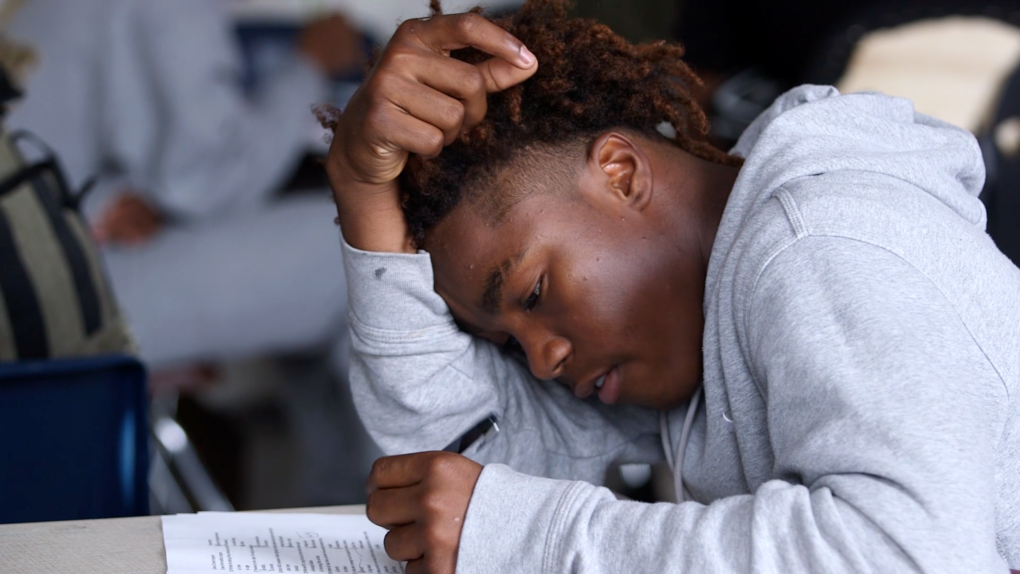
"caption": "A Mission High School student takes part in the African American Male Achievement program.",
"description": null,
"title": "aama-still",
"credit": "Nailah Morgan/KQED",
"status": "inherit",
"isLoading": false,
"fetchFailed": false
},
"news_11245227": {
"type": "attachments",
"id": "news_11245227",
"meta": {
"index": "attachments_1716263798",
"site": "news",
"id": "11245227",
"found": true
},
"parent": 11245103,
"imgSizes": {
"small": {
"file": "https://ww2.kqed.org/app/uploads/sites/10/2016/12/RS23450_GettyImages-539579628-qut-520x347.jpg",
"width": 520,
"mimeType": "image/jpeg",
"height": 347
},
"twentyfourteen-full-width": {
"file": "https://ww2.kqed.org/app/uploads/sites/10/2016/12/RS23450_GettyImages-539579628-qut-1038x576.jpg",
"width": 1038,
"mimeType": "image/jpeg",
"height": 576
},
"thumbnail": {
"file": "https://ww2.kqed.org/app/uploads/sites/10/2016/12/RS23450_GettyImages-539579628-qut-160x107.jpg",
"width": 160,
"mimeType": "image/jpeg",
"height": 107
},
"fd-sm": {
"file": "https://ww2.kqed.org/app/uploads/sites/10/2016/12/RS23450_GettyImages-539579628-qut-960x640.jpg",
"width": 960,
"mimeType": "image/jpeg",
"height": 640
},
"post-thumbnail": {
"file": "https://ww2.kqed.org/app/uploads/sites/10/2016/12/RS23450_GettyImages-539579628-qut-672x372.jpg",
"width": 672,
"mimeType": "image/jpeg",
"height": 372
},
"xsmall": {
"file": "https://ww2.kqed.org/app/uploads/sites/10/2016/12/RS23450_GettyImages-539579628-qut-375x250.jpg",
"width": 375,
"mimeType": "image/jpeg",
"height": 250
},
"kqedFullSize": {
"file": "https://ww2.kqed.org/app/uploads/sites/10/2016/12/RS23450_GettyImages-539579628-qut.jpg",
"width": 1920,
"height": 1280
},
"large": {
"file": "https://ww2.kqed.org/app/uploads/sites/10/2016/12/RS23450_GettyImages-539579628-qut-1020x680.jpg",
"width": 1020,
"mimeType": "image/jpeg",
"height": 680
},
"xlarge": {
"file": "https://ww2.kqed.org/app/uploads/sites/10/2016/12/RS23450_GettyImages-539579628-qut-1180x787.jpg",
"width": 1180,
"mimeType": "image/jpeg",
"height": 787
},
"guest-author-50": {
"file": "https://ww2.kqed.org/app/uploads/sites/10/2016/12/RS23450_GettyImages-539579628-qut-50x50.jpg",
"width": 50,
"mimeType": "image/jpeg",
"height": 50
},
"guest-author-96": {
"file": "https://ww2.kqed.org/app/uploads/sites/10/2016/12/RS23450_GettyImages-539579628-qut-96x96.jpg",
"width": 96,
"mimeType": "image/jpeg",
"height": 96
},
"medium": {
"file": "https://ww2.kqed.org/app/uploads/sites/10/2016/12/RS23450_GettyImages-539579628-qut-800x533.jpg",
"width": 800,
"mimeType": "image/jpeg",
"height": 533
},
"guest-author-64": {
"file": "https://ww2.kqed.org/app/uploads/sites/10/2016/12/RS23450_GettyImages-539579628-qut-64x64.jpg",
"width": 64,
"mimeType": "image/jpeg",
"height": 64
},
"guest-author-32": {
"file": "https://ww2.kqed.org/app/uploads/sites/10/2016/12/RS23450_GettyImages-539579628-qut-32x32.jpg",
"width": 32,
"mimeType": "image/jpeg",
"height": 32
},
"jmtc-small-thumb": {
"file": "https://ww2.kqed.org/app/uploads/sites/10/2016/12/RS23450_GettyImages-539579628-qut-280x150.jpg",
"width": 280,
"mimeType": "image/jpeg",
"height": 150
},
"fd-lrg": {
"file": "https://ww2.kqed.org/app/uploads/sites/10/2016/12/RS23450_GettyImages-539579628-qut-1920x1280.jpg",
"width": 1920,
"mimeType": "image/jpeg",
"height": 1280
},
"fd-med": {
"file": "https://ww2.kqed.org/app/uploads/sites/10/2016/12/RS23450_GettyImages-539579628-qut-1180x787.jpg",
"width": 1180,
"mimeType": "image/jpeg",
"height": 787
},
"full-width": {
"file": "https://ww2.kqed.org/app/uploads/sites/10/2016/12/RS23450_GettyImages-539579628-qut-1920x1280.jpg",
"width": 1920,
"mimeType": "image/jpeg",
"height": 1280
},
"detail": {
"file": "https://ww2.kqed.org/app/uploads/sites/10/2016/12/RS23450_GettyImages-539579628-qut-150x150.jpg",
"width": 150,
"mimeType": "image/jpeg",
"height": 150
},
"guest-author-128": {
"file": "https://ww2.kqed.org/app/uploads/sites/10/2016/12/RS23450_GettyImages-539579628-qut-128x128.jpg",
"width": 128,
"mimeType": "image/jpeg",
"height": 128
},
"xxsmall": {
"file": "https://ww2.kqed.org/app/uploads/sites/10/2016/12/RS23450_GettyImages-539579628-qut-240x160.jpg",
"width": 240,
"mimeType": "image/jpeg",
"height": 160
}
},
"publishDate": 1483131386,
"modified": 1483134738,
"caption": "Stanford students are protesting the university's handling of rape cases, alleging that the campus keeps secret the names of students found to be responsible for sexual assault and misconduct.",
"description": null,
"title": "rs23450_gettyimages-539579628-qut",
"credit": "Gabrielle Lurie/AFP/Getty Images",
"status": "inherit",
"isLoading": false,
"fetchFailed": false
},
"news_10965147": {
"type": "attachments",
"id": "news_10965147",
"meta": {
"index": "attachments_1716263798",
"site": "news",
"id": "10965147",
"found": true
},
"parent": 10962317,
"imgSizes": {
"twentyfourteen-full-width": {
"file": "https://ww2.kqed.org/app/uploads/sites/10/2017/05/YurianaAguilar-1038x576.jpg",
"width": 1038,
"mimeType": "image/jpeg",
"height": 576
},
"thumbnail": {
"file": "https://ww2.kqed.org/app/uploads/sites/10/2017/05/YurianaAguilar-400x274.jpg",
"width": 400,
"mimeType": "image/jpeg",
"height": 274
},
"fd-sm": {
"file": "https://ww2.kqed.org/app/uploads/sites/10/2017/05/YurianaAguilar-960x657.jpg",
"width": 960,
"mimeType": "image/jpeg",
"height": 657
},
"post-thumbnail": {
"file": "https://ww2.kqed.org/app/uploads/sites/10/2017/05/YurianaAguilar-672x372.jpg",
"width": 672,
"mimeType": "image/jpeg",
"height": 372
},
"kqedFullSize": {
"file": "https://ww2.kqed.org/app/uploads/sites/10/2017/05/YurianaAguilar.jpg",
"width": 1920,
"height": 1313
},
"large": {
"file": "https://ww2.kqed.org/app/uploads/sites/10/2017/05/YurianaAguilar-1920x1313.jpg",
"width": 1920,
"mimeType": "image/jpeg",
"height": 1313
},
"guest-author-50": {
"file": "https://ww2.kqed.org/app/uploads/sites/10/2017/05/YurianaAguilar-50x50.jpg",
"width": 50,
"mimeType": "image/jpeg",
"height": 50
},
"guest-author-96": {
"file": "https://ww2.kqed.org/app/uploads/sites/10/2017/05/YurianaAguilar-96x96.jpg",
"width": 96,
"mimeType": "image/jpeg",
"height": 96
},
"medium": {
"file": "https://ww2.kqed.org/app/uploads/sites/10/2017/05/YurianaAguilar-800x547.jpg",
"width": 800,
"mimeType": "image/jpeg",
"height": 547
},
"guest-author-64": {
"file": "https://ww2.kqed.org/app/uploads/sites/10/2017/05/YurianaAguilar-64x64.jpg",
"width": 64,
"mimeType": "image/jpeg",
"height": 64
},
"guest-author-32": {
"file": "https://ww2.kqed.org/app/uploads/sites/10/2017/05/YurianaAguilar-32x32.jpg",
"width": 32,
"mimeType": "image/jpeg",
"height": 32
},
"jmtc-small-thumb": {
"file": "https://ww2.kqed.org/app/uploads/sites/10/2017/05/YurianaAguilar-280x150.jpg",
"width": 280,
"mimeType": "image/jpeg",
"height": 150
},
"fd-lrg": {
"file": "https://ww2.kqed.org/app/uploads/sites/10/2017/05/YurianaAguilar-1920x1313.jpg",
"width": 1920,
"mimeType": "image/jpeg",
"height": 1313
},
"fd-med": {
"file": "https://ww2.kqed.org/app/uploads/sites/10/2017/05/YurianaAguilar-1180x807.jpg",
"width": 1180,
"mimeType": "image/jpeg",
"height": 807
},
"detail": {
"file": "https://ww2.kqed.org/app/uploads/sites/10/2017/05/YurianaAguilar-150x150.jpg",
"width": 150,
"mimeType": "image/jpeg",
"height": 150
},
"guest-author-128": {
"file": "https://ww2.kqed.org/app/uploads/sites/10/2017/05/YurianaAguilar-128x128.jpg",
"width": 128,
"mimeType": "image/jpeg",
"height": 128
}
},
"publishDate": 1464036691,
"modified": 1464036724,
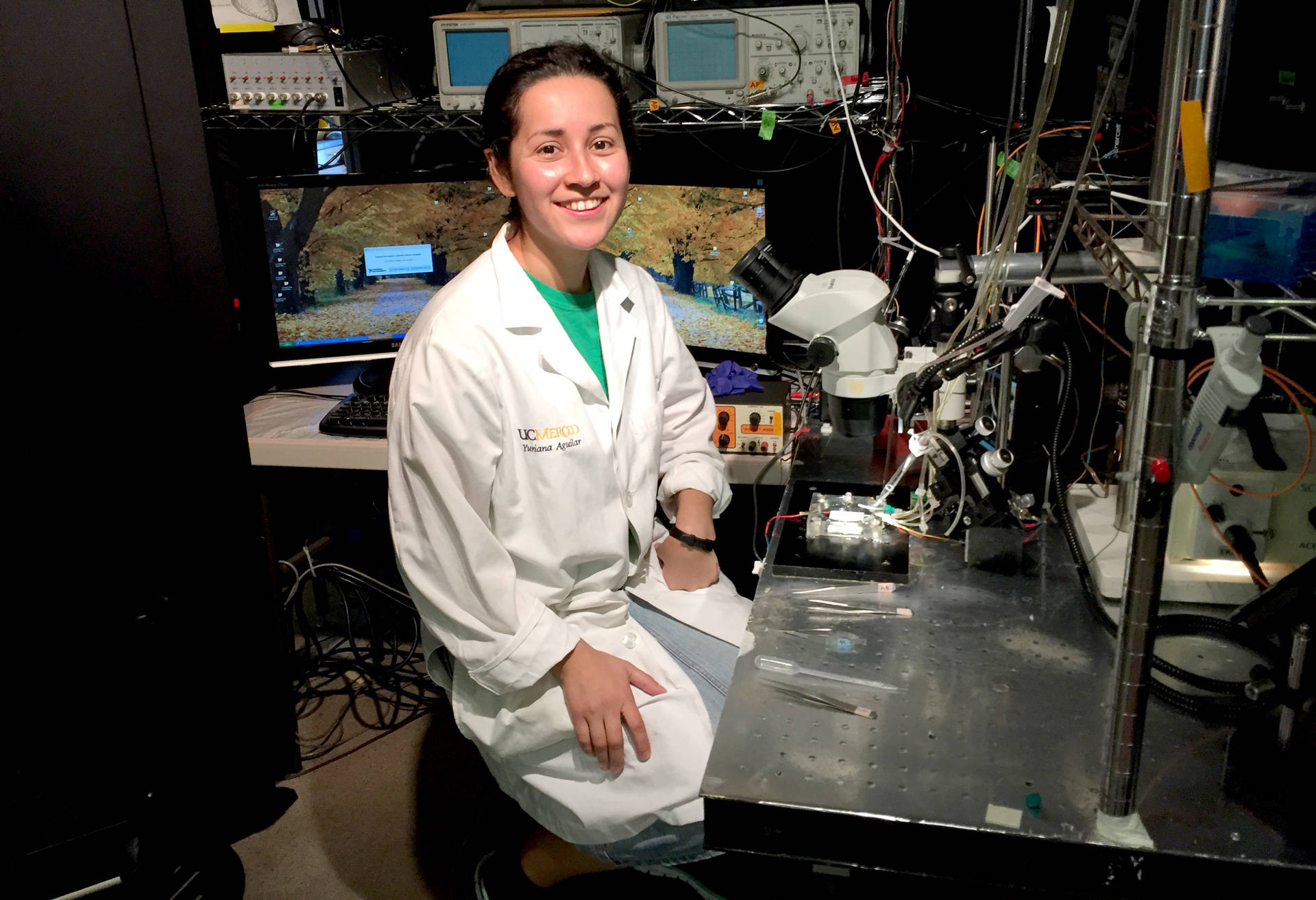
"caption": "Yuriana Aguilar sits at her microscope in a biomedical lab at UC Merced that studies sudden cardiac death.",
"description": "Yuriana Aguilar sits at her microscope in a biomedical lab at UC Merced that studies sudden cardiac death.",
"title": "YurianaAguilar",
"credit": "Sasha Khokha/KQED",
"status": "inherit",
"isLoading": false,
"fetchFailed": false
},
"news_11241864": {
"type": "attachments",
"id": "news_11241864",
"meta": {
"index": "attachments_1716263798",
"site": "news",
"id": "11241864",
"found": true
},
"parent": 11241861,
"imgSizes": {
"small": {
"file": "https://ww2.kqed.org/app/uploads/sites/10/2016/12/LAUSD-520x390.jpg",
"width": 520,
"mimeType": "image/jpeg",
"height": 390
},
"twentyfourteen-full-width": {
"file": "https://ww2.kqed.org/app/uploads/sites/10/2016/12/LAUSD-1038x576.jpg",
"width": 1038,
"mimeType": "image/jpeg",
"height": 576
},
"thumbnail": {
"file": "https://ww2.kqed.org/app/uploads/sites/10/2016/12/LAUSD-160x120.jpg",
"width": 160,
"mimeType": "image/jpeg",
"height": 120
},
"fd-sm": {
"file": "https://ww2.kqed.org/app/uploads/sites/10/2016/12/LAUSD-960x720.jpg",
"width": 960,
"mimeType": "image/jpeg",
"height": 720
},
"post-thumbnail": {
"file": "https://ww2.kqed.org/app/uploads/sites/10/2016/12/LAUSD-672x372.jpg",
"width": 672,
"mimeType": "image/jpeg",
"height": 372
},
"xsmall": {
"file": "https://ww2.kqed.org/app/uploads/sites/10/2016/12/LAUSD-375x281.jpg",
"width": 375,
"mimeType": "image/jpeg",
"height": 281
},
"kqedFullSize": {
"file": "https://ww2.kqed.org/app/uploads/sites/10/2016/12/LAUSD.jpg",
"width": 1920,
"height": 1440
},
"large": {
"file": "https://ww2.kqed.org/app/uploads/sites/10/2016/12/LAUSD-1020x765.jpg",
"width": 1020,
"mimeType": "image/jpeg",
"height": 765
},
"xlarge": {
"file": "https://ww2.kqed.org/app/uploads/sites/10/2016/12/LAUSD-1180x885.jpg",
"width": 1180,
"mimeType": "image/jpeg",
"height": 885
},
"guest-author-50": {
"file": "https://ww2.kqed.org/app/uploads/sites/10/2016/12/LAUSD-50x50.jpg",
"width": 50,
"mimeType": "image/jpeg",
"height": 50
},
"guest-author-96": {
"file": "https://ww2.kqed.org/app/uploads/sites/10/2016/12/LAUSD-96x96.jpg",
"width": 96,
"mimeType": "image/jpeg",
"height": 96
},
"medium": {
"file": "https://ww2.kqed.org/app/uploads/sites/10/2016/12/LAUSD-800x600.jpg",
"width": 800,
"mimeType": "image/jpeg",
"height": 600
},
"guest-author-64": {
"file": "https://ww2.kqed.org/app/uploads/sites/10/2016/12/LAUSD-64x64.jpg",
"width": 64,
"mimeType": "image/jpeg",
"height": 64
},
"guest-author-32": {
"file": "https://ww2.kqed.org/app/uploads/sites/10/2016/12/LAUSD-32x32.jpg",
"width": 32,
"mimeType": "image/jpeg",
"height": 32
},
"jmtc-small-thumb": {
"file": "https://ww2.kqed.org/app/uploads/sites/10/2016/12/LAUSD-280x150.jpg",
"width": 280,
"mimeType": "image/jpeg",
"height": 150
},
"fd-lrg": {
"file": "https://ww2.kqed.org/app/uploads/sites/10/2016/12/LAUSD-1920x1440.jpg",
"width": 1920,
"mimeType": "image/jpeg",
"height": 1440
},
"fd-med": {
"file": "https://ww2.kqed.org/app/uploads/sites/10/2016/12/LAUSD-1180x885.jpg",
"width": 1180,
"mimeType": "image/jpeg",
"height": 885
},
"full-width": {
"file": "https://ww2.kqed.org/app/uploads/sites/10/2016/12/LAUSD-1920x1440.jpg",
"width": 1920,
"mimeType": "image/jpeg",
"height": 1440
},
"detail": {
"file": "https://ww2.kqed.org/app/uploads/sites/10/2016/12/LAUSD-150x150.jpg",
"width": 150,
"mimeType": "image/jpeg",
"height": 150
},
"guest-author-128": {
"file": "https://ww2.kqed.org/app/uploads/sites/10/2016/12/LAUSD-128x128.jpg",
"width": 128,
"mimeType": "image/jpeg",
"height": 128
},
"xxsmall": {
"file": "https://ww2.kqed.org/app/uploads/sites/10/2016/12/LAUSD-240x180.jpg",
"width": 240,
"mimeType": "image/jpeg",
"height": 180
}
},
"publishDate": 1482955773,
"modified": 1482955813,
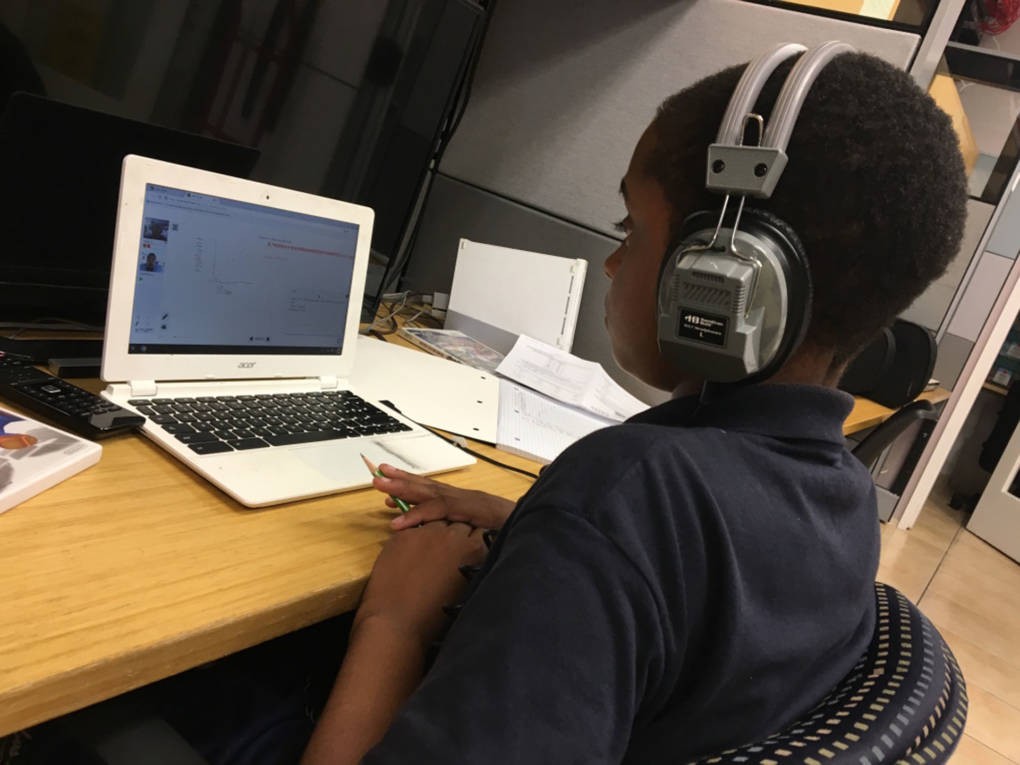
"caption": "\nA student works with an online tutor at the Skid Row storefront where School on Wheels — which provides academic support and school supplies to homeless kids — runs an after-school program. ",
"description": null,
"title": "lausd",
"credit": "Kyle Stokes/KPCC",
"status": "inherit",
"isLoading": false,
"fetchFailed": false
},
"news_11233186": {
"type": "attachments",
"id": "news_11233186",
"meta": {
"index": "attachments_1716263798",
"site": "news",
"id": "11233186",
"found": true
},
"parent": 11233119,
"imgSizes": {
"small": {
"file": "https://ww2.kqed.org/app/uploads/sites/10/2016/12/RS23436_GettyImages-180336946-qut-520x347.jpg",
"width": 520,
"mimeType": "image/jpeg",
"height": 347
},
"twentyfourteen-full-width": {
"file": "https://ww2.kqed.org/app/uploads/sites/10/2016/12/RS23436_GettyImages-180336946-qut-1038x576.jpg",
"width": 1038,
"mimeType": "image/jpeg",
"height": 576
},
"thumbnail": {
"file": "https://ww2.kqed.org/app/uploads/sites/10/2016/12/RS23436_GettyImages-180336946-qut-160x107.jpg",
"width": 160,
"mimeType": "image/jpeg",
"height": 107
},
"fd-sm": {
"file": "https://ww2.kqed.org/app/uploads/sites/10/2016/12/RS23436_GettyImages-180336946-qut-960x641.jpg",
"width": 960,
"mimeType": "image/jpeg",
"height": 641
},
"post-thumbnail": {
"file": "https://ww2.kqed.org/app/uploads/sites/10/2016/12/RS23436_GettyImages-180336946-qut-672x372.jpg",
"width": 672,
"mimeType": "image/jpeg",
"height": 372
},
"xsmall": {
"file": "https://ww2.kqed.org/app/uploads/sites/10/2016/12/RS23436_GettyImages-180336946-qut-375x250.jpg",
"width": 375,
"mimeType": "image/jpeg",
"height": 250
},
"kqedFullSize": {
"file": "https://ww2.kqed.org/app/uploads/sites/10/2016/12/RS23436_GettyImages-180336946-qut.jpg",
"width": 1920,
"height": 1281
},
"large": {
"file": "https://ww2.kqed.org/app/uploads/sites/10/2016/12/RS23436_GettyImages-180336946-qut-1020x681.jpg",
"width": 1020,
"mimeType": "image/jpeg",
"height": 681
},
"xlarge": {
"file": "https://ww2.kqed.org/app/uploads/sites/10/2016/12/RS23436_GettyImages-180336946-qut-1180x787.jpg",
"width": 1180,
"mimeType": "image/jpeg",
"height": 787
},
"guest-author-50": {
"file": "https://ww2.kqed.org/app/uploads/sites/10/2016/12/RS23436_GettyImages-180336946-qut-50x50.jpg",
"width": 50,
"mimeType": "image/jpeg",
"height": 50
},
"guest-author-96": {
"file": "https://ww2.kqed.org/app/uploads/sites/10/2016/12/RS23436_GettyImages-180336946-qut-96x96.jpg",
"width": 96,
"mimeType": "image/jpeg",
"height": 96
},
"medium": {
"file": "https://ww2.kqed.org/app/uploads/sites/10/2016/12/RS23436_GettyImages-180336946-qut-800x534.jpg",
"width": 800,
"mimeType": "image/jpeg",
"height": 534
},
"guest-author-64": {
"file": "https://ww2.kqed.org/app/uploads/sites/10/2016/12/RS23436_GettyImages-180336946-qut-64x64.jpg",
"width": 64,
"mimeType": "image/jpeg",
"height": 64
},
"guest-author-32": {
"file": "https://ww2.kqed.org/app/uploads/sites/10/2016/12/RS23436_GettyImages-180336946-qut-32x32.jpg",
"width": 32,
"mimeType": "image/jpeg",
"height": 32
},
"jmtc-small-thumb": {
"file": "https://ww2.kqed.org/app/uploads/sites/10/2016/12/RS23436_GettyImages-180336946-qut-280x150.jpg",
"width": 280,
"mimeType": "image/jpeg",
"height": 150
},
"fd-lrg": {
"file": "https://ww2.kqed.org/app/uploads/sites/10/2016/12/RS23436_GettyImages-180336946-qut-1920x1281.jpg",
"width": 1920,
"mimeType": "image/jpeg",
"height": 1281
},
"fd-med": {
"file": "https://ww2.kqed.org/app/uploads/sites/10/2016/12/RS23436_GettyImages-180336946-qut-1180x787.jpg",
"width": 1180,
"mimeType": "image/jpeg",
"height": 787
},
"full-width": {
"file": "https://ww2.kqed.org/app/uploads/sites/10/2016/12/RS23436_GettyImages-180336946-qut-1920x1281.jpg",
"width": 1920,
"mimeType": "image/jpeg",
"height": 1281
},
"detail": {
"file": "https://ww2.kqed.org/app/uploads/sites/10/2016/12/RS23436_GettyImages-180336946-qut-150x150.jpg",
"width": 150,
"mimeType": "image/jpeg",
"height": 150
},
"guest-author-128": {
"file": "https://ww2.kqed.org/app/uploads/sites/10/2016/12/RS23436_GettyImages-180336946-qut-128x128.jpg",
"width": 128,
"mimeType": "image/jpeg",
"height": 128
},
"xxsmall": {
"file": "https://ww2.kqed.org/app/uploads/sites/10/2016/12/RS23436_GettyImages-180336946-qut-240x160.jpg",
"width": 240,
"mimeType": "image/jpeg",
"height": 160
}
},
"publishDate": 1482451402,
"modified": 1482451880,
"caption": "A $120 million investment in Bay Area schools by Mark Zuckerberg has spawned a national teaching platform Facebook offers schools for free.",
"description": "A $120 million investment in Bay Area schools by Mark Zuckerberg has spawned a national teaching platform Facebook offers schools for free.",
"title": "rs23436_gettyimages-180336946-qut",
"credit": "Justin Sullivan/Getty Images",
"status": "inherit",
"isLoading": false,
"fetchFailed": false
},
"news_11230211": {
"type": "attachments",
"id": "news_11230211",
"meta": {
"index": "attachments_1716263798",
"site": "news",
"id": "11230211",
"found": true
},
"parent": 11230145,
"imgSizes": {
"small": {
"file": "https://ww2.kqed.org/app/uploads/sites/10/2016/12/161217_JonesFollowUp_bhs06-520x347.jpg",
"width": 520,
"mimeType": "image/jpeg",
"height": 347
},
"twentyfourteen-full-width": {
"file": "https://ww2.kqed.org/app/uploads/sites/10/2016/12/161217_JonesFollowUp_bhs06-1038x576.jpg",
"width": 1038,
"mimeType": "image/jpeg",
"height": 576
},
"thumbnail": {
"file": "https://ww2.kqed.org/app/uploads/sites/10/2016/12/161217_JonesFollowUp_bhs06-160x107.jpg",
"width": 160,
"mimeType": "image/jpeg",
"height": 107
},
"fd-sm": {
"file": "https://ww2.kqed.org/app/uploads/sites/10/2016/12/161217_JonesFollowUp_bhs06-960x640.jpg",
"width": 960,
"mimeType": "image/jpeg",
"height": 640
},
"post-thumbnail": {
"file": "https://ww2.kqed.org/app/uploads/sites/10/2016/12/161217_JonesFollowUp_bhs06-672x372.jpg",
"width": 672,
"mimeType": "image/jpeg",
"height": 372
},
"xsmall": {
"file": "https://ww2.kqed.org/app/uploads/sites/10/2016/12/161217_JonesFollowUp_bhs06-375x250.jpg",
"width": 375,
"mimeType": "image/jpeg",
"height": 250
},
"kqedFullSize": {
"file": "https://ww2.kqed.org/app/uploads/sites/10/2016/12/161217_JonesFollowUp_bhs06.jpg",
"width": 1920,
"height": 1280
},
"large": {
"file": "https://ww2.kqed.org/app/uploads/sites/10/2016/12/161217_JonesFollowUp_bhs06-1020x680.jpg",
"width": 1020,
"mimeType": "image/jpeg",
"height": 680
},
"xlarge": {
"file": "https://ww2.kqed.org/app/uploads/sites/10/2016/12/161217_JonesFollowUp_bhs06-1180x787.jpg",
"width": 1180,
"mimeType": "image/jpeg",
"height": 787
},
"guest-author-50": {
"file": "https://ww2.kqed.org/app/uploads/sites/10/2016/12/161217_JonesFollowUp_bhs06-50x50.jpg",
"width": 50,
"mimeType": "image/jpeg",
"height": 50
},
"guest-author-96": {
"file": "https://ww2.kqed.org/app/uploads/sites/10/2016/12/161217_JonesFollowUp_bhs06-96x96.jpg",
"width": 96,
"mimeType": "image/jpeg",
"height": 96
},
"medium": {
"file": "https://ww2.kqed.org/app/uploads/sites/10/2016/12/161217_JonesFollowUp_bhs06-800x533.jpg",
"width": 800,
"mimeType": "image/jpeg",
"height": 533
},
"guest-author-64": {
"file": "https://ww2.kqed.org/app/uploads/sites/10/2016/12/161217_JonesFollowUp_bhs06-64x64.jpg",
"width": 64,
"mimeType": "image/jpeg",
"height": 64
},
"guest-author-32": {
"file": "https://ww2.kqed.org/app/uploads/sites/10/2016/12/161217_JonesFollowUp_bhs06-32x32.jpg",
"width": 32,
"mimeType": "image/jpeg",
"height": 32
},
"jmtc-small-thumb": {
"file": "https://ww2.kqed.org/app/uploads/sites/10/2016/12/161217_JonesFollowUp_bhs06-280x150.jpg",
"width": 280,
"mimeType": "image/jpeg",
"height": 150
},
"fd-lrg": {
"file": "https://ww2.kqed.org/app/uploads/sites/10/2016/12/161217_JonesFollowUp_bhs06-1920x1280.jpg",
"width": 1920,
"mimeType": "image/jpeg",
"height": 1280
},
"fd-med": {
"file": "https://ww2.kqed.org/app/uploads/sites/10/2016/12/161217_JonesFollowUp_bhs06-1180x787.jpg",
"width": 1180,
"mimeType": "image/jpeg",
"height": 787
},
"full-width": {
"file": "https://ww2.kqed.org/app/uploads/sites/10/2016/12/161217_JonesFollowUp_bhs06-1920x1280.jpg",
"width": 1920,
"mimeType": "image/jpeg",
"height": 1280
},
"detail": {
"file": "https://ww2.kqed.org/app/uploads/sites/10/2016/12/161217_JonesFollowUp_bhs06-150x150.jpg",
"width": 150,
"mimeType": "image/jpeg",
"height": 150
},
"guest-author-128": {
"file": "https://ww2.kqed.org/app/uploads/sites/10/2016/12/161217_JonesFollowUp_bhs06-128x128.jpg",
"width": 128,
"mimeType": "image/jpeg",
"height": 128
},
"xxsmall": {
"file": "https://ww2.kqed.org/app/uploads/sites/10/2016/12/161217_JonesFollowUp_bhs06-240x160.jpg",
"width": 240,
"mimeType": "image/jpeg",
"height": 160
}
},
"publishDate": 1482300282,
"modified": 1482363439,
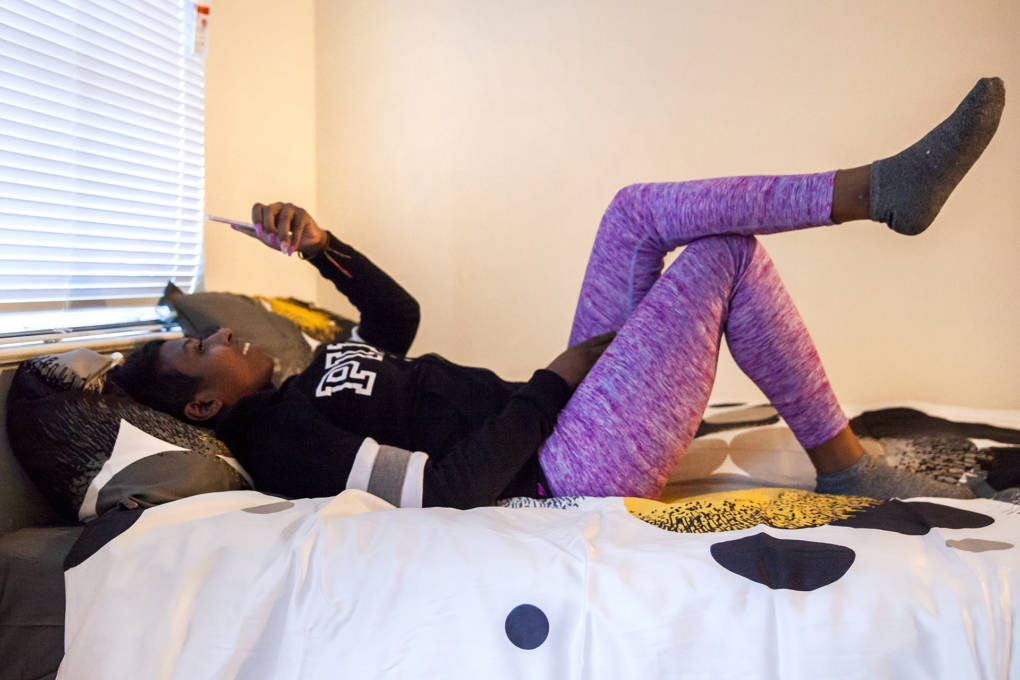
"caption": "Brittany Jones relaxes in her new bed after spending the day moving into her new apartment. Jones is excited to have her own bed to sleep in after spending so many nights on friends' floors or seats on BART.",
"description": "Brittany Jones relaxes in her new bed after spending the day moving into her new apartment. Jones is excited to have her own bed to sleep in after spending so many nights on friend’s floors or seats on Bart.",
"title": "161217_jonesfollowup_bhs06",
"credit": "Brittany Hosea-Small/KQED",
"status": "inherit",
"isLoading": false,
"fetchFailed": false
},
"news_11232866": {
"type": "attachments",
"id": "news_11232866",
"meta": {
"index": "attachments_1716263798",
"site": "news",
"id": "11232866",
"found": true
},
"parent": 11223069,
"imgSizes": {
"small": {
"file": "https://ww2.kqed.org/app/uploads/sites/10/2016/12/Happy_Holidays_5318408861-1-1-520x320.jpg",
"width": 520,
"mimeType": "image/jpeg",
"height": 320
},
"twentyfourteen-full-width": {
"file": "https://ww2.kqed.org/app/uploads/sites/10/2016/12/Happy_Holidays_5318408861-1-1-1038x576.jpg",
"width": 1038,
"mimeType": "image/jpeg",
"height": 576
},
"thumbnail": {
"file": "https://ww2.kqed.org/app/uploads/sites/10/2016/12/Happy_Holidays_5318408861-1-1-160x98.jpg",
"width": 160,
"mimeType": "image/jpeg",
"height": 98
},
"fd-sm": {
"file": "https://ww2.kqed.org/app/uploads/sites/10/2016/12/Happy_Holidays_5318408861-1-1-960x591.jpg",
"width": 960,
"mimeType": "image/jpeg",
"height": 591
},
"post-thumbnail": {
"file": "https://ww2.kqed.org/app/uploads/sites/10/2016/12/Happy_Holidays_5318408861-1-1-672x372.jpg",
"width": 672,
"mimeType": "image/jpeg",
"height": 372
},
"xsmall": {
"file": "https://ww2.kqed.org/app/uploads/sites/10/2016/12/Happy_Holidays_5318408861-1-1-375x231.jpg",
"width": 375,
"mimeType": "image/jpeg",
"height": 231
},
"kqedFullSize": {
"file": "https://ww2.kqed.org/app/uploads/sites/10/2016/12/Happy_Holidays_5318408861-1-1.jpg",
"width": 1920,
"height": 1181
},
"large": {
"file": "https://ww2.kqed.org/app/uploads/sites/10/2016/12/Happy_Holidays_5318408861-1-1-1020x627.jpg",
"width": 1020,
"mimeType": "image/jpeg",
"height": 627
},
"xlarge": {
"file": "https://ww2.kqed.org/app/uploads/sites/10/2016/12/Happy_Holidays_5318408861-1-1-1180x726.jpg",
"width": 1180,
"mimeType": "image/jpeg",
"height": 726
},
"guest-author-50": {
"file": "https://ww2.kqed.org/app/uploads/sites/10/2016/12/Happy_Holidays_5318408861-1-1-50x50.jpg",
"width": 50,
"mimeType": "image/jpeg",
"height": 50
},
"guest-author-96": {
"file": "https://ww2.kqed.org/app/uploads/sites/10/2016/12/Happy_Holidays_5318408861-1-1-96x96.jpg",
"width": 96,
"mimeType": "image/jpeg",
"height": 96
},
"medium": {
"file": "https://ww2.kqed.org/app/uploads/sites/10/2016/12/Happy_Holidays_5318408861-1-1-800x492.jpg",
"width": 800,
"mimeType": "image/jpeg",
"height": 492
},
"guest-author-64": {
"file": "https://ww2.kqed.org/app/uploads/sites/10/2016/12/Happy_Holidays_5318408861-1-1-64x64.jpg",
"width": 64,
"mimeType": "image/jpeg",
"height": 64
},
"guest-author-32": {
"file": "https://ww2.kqed.org/app/uploads/sites/10/2016/12/Happy_Holidays_5318408861-1-1-32x32.jpg",
"width": 32,
"mimeType": "image/jpeg",
"height": 32
},
"jmtc-small-thumb": {
"file": "https://ww2.kqed.org/app/uploads/sites/10/2016/12/Happy_Holidays_5318408861-1-1-280x150.jpg",
"width": 280,
"mimeType": "image/jpeg",
"height": 150
},
"fd-lrg": {
"file": "https://ww2.kqed.org/app/uploads/sites/10/2016/12/Happy_Holidays_5318408861-1-1-1920x1181.jpg",
"width": 1920,
"mimeType": "image/jpeg",
"height": 1181
},
"fd-med": {
"file": "https://ww2.kqed.org/app/uploads/sites/10/2016/12/Happy_Holidays_5318408861-1-1-1180x726.jpg",
"width": 1180,
"mimeType": "image/jpeg",
"height": 726
},
"full-width": {
"file": "https://ww2.kqed.org/app/uploads/sites/10/2016/12/Happy_Holidays_5318408861-1-1-1920x1181.jpg",
"width": 1920,
"mimeType": "image/jpeg",
"height": 1181
},
"detail": {
"file": "https://ww2.kqed.org/app/uploads/sites/10/2016/12/Happy_Holidays_5318408861-1-1-150x150.jpg",
"width": 150,
"mimeType": "image/jpeg",
"height": 150
},
"guest-author-128": {
"file": "https://ww2.kqed.org/app/uploads/sites/10/2016/12/Happy_Holidays_5318408861-1-1-128x128.jpg",
"width": 128,
"mimeType": "image/jpeg",
"height": 128
},
"xxsmall": {
"file": "https://ww2.kqed.org/app/uploads/sites/10/2016/12/Happy_Holidays_5318408861-1-1-240x148.jpg",
"width": 240,
"mimeType": "image/jpeg",
"height": 148
}
},
"publishDate": 1482438926,
"modified": 1482438938,
"caption": null,
"description": null,
"title": "happy_holidays_5318408861-1",
"credit": "Wikicommons",
"status": "inherit",
"isLoading": false,
"fetchFailed": false
},
"news_11232769": {
"type": "attachments",
"id": "news_11232769",
"meta": {
"index": "attachments_1716263798",
"site": "news",
"id": "11232769",
"found": true
},
"parent": 11228042,
"imgSizes": {
"small": {
"file": "https://ww2.kqed.org/app/uploads/sites/10/2016/12/homeless_families_final01-520x278.png",
"width": 520,
"mimeType": "image/png",
"height": 278
},
"twentyfourteen-full-width": {
"file": "https://ww2.kqed.org/app/uploads/sites/10/2016/12/homeless_families_final01-1038x576.png",
"width": 1038,
"mimeType": "image/png",
"height": 576
},
"thumbnail": {
"file": "https://ww2.kqed.org/app/uploads/sites/10/2016/12/homeless_families_final01-160x86.png",
"width": 160,
"mimeType": "image/png",
"height": 86
},
"fd-sm": {
"file": "https://ww2.kqed.org/app/uploads/sites/10/2016/12/homeless_families_final01-960x514.png",
"width": 960,
"mimeType": "image/png",
"height": 514
},
"post-thumbnail": {
"file": "https://ww2.kqed.org/app/uploads/sites/10/2016/12/homeless_families_final01-672x372.png",
"width": 672,
"mimeType": "image/png",
"height": 372
},
"xsmall": {
"file": "https://ww2.kqed.org/app/uploads/sites/10/2016/12/homeless_families_final01-375x201.png",
"width": 375,
"mimeType": "image/png",
"height": 201
},
"kqedFullSize": {
"file": "https://ww2.kqed.org/app/uploads/sites/10/2016/12/homeless_families_final01-e1482439406779.png",
"width": 1920,
"height": 1028
},
"large": {
"file": "https://ww2.kqed.org/app/uploads/sites/10/2016/12/homeless_families_final01-1020x546.png",
"width": 1020,
"mimeType": "image/png",
"height": 546
},
"xlarge": {
"file": "https://ww2.kqed.org/app/uploads/sites/10/2016/12/homeless_families_final01-1180x632.png",
"width": 1180,
"mimeType": "image/png",
"height": 632
},
"guest-author-50": {
"file": "https://ww2.kqed.org/app/uploads/sites/10/2016/12/homeless_families_final01-50x50.png",
"width": 50,
"mimeType": "image/png",
"height": 50
},
"guest-author-96": {
"file": "https://ww2.kqed.org/app/uploads/sites/10/2016/12/homeless_families_final01-96x96.png",
"width": 96,
"mimeType": "image/png",
"height": 96
},
"medium": {
"file": "https://ww2.kqed.org/app/uploads/sites/10/2016/12/homeless_families_final01-800x428.png",
"width": 800,
"mimeType": "image/png",
"height": 428
},
"guest-author-64": {
"file": "https://ww2.kqed.org/app/uploads/sites/10/2016/12/homeless_families_final01-64x64.png",
"width": 64,
"mimeType": "image/png",
"height": 64
},
"guest-author-32": {
"file": "https://ww2.kqed.org/app/uploads/sites/10/2016/12/homeless_families_final01-32x32.png",
"width": 32,
"mimeType": "image/png",
"height": 32
},
"jmtc-small-thumb": {
"file": "https://ww2.kqed.org/app/uploads/sites/10/2016/12/homeless_families_final01-280x150.png",
"width": 280,
"mimeType": "image/png",
"height": 150
},
"fd-lrg": {
"file": "https://ww2.kqed.org/app/uploads/sites/10/2016/12/homeless_families_final01-1920x1028.png",
"width": 1920,
"mimeType": "image/png",
"height": 1028
},
"fd-med": {
"file": "https://ww2.kqed.org/app/uploads/sites/10/2016/12/homeless_families_final01-1180x632.png",
"width": 1180,
"mimeType": "image/png",
"height": 632
},
"full-width": {
"file": "https://ww2.kqed.org/app/uploads/sites/10/2016/12/homeless_families_final01-1920x1028.png",
"width": 1920,
"mimeType": "image/png",
"height": 1028
},
"detail": {
"file": "https://ww2.kqed.org/app/uploads/sites/10/2016/12/homeless_families_final01-150x150.png",
"width": 150,
"mimeType": "image/png",
"height": 150
},
"guest-author-128": {
"file": "https://ww2.kqed.org/app/uploads/sites/10/2016/12/homeless_families_final01-128x128.png",
"width": 128,
"mimeType": "image/png",
"height": 128
},
"xxsmall": {
"file": "https://ww2.kqed.org/app/uploads/sites/10/2016/12/homeless_families_final01-240x128.png",
"width": 240,
"mimeType": "image/png",
"height": 128
}
},
"publishDate": 1482433471,
"modified": 1482445158,
"caption": "San Francisco Mayor Ed Lee promised to get homeless students and their families into permanent housing by 2020.",
"description": null,
"title": "homeless_families_final01",
"credit": "Mark Fiore/KQED News",
"status": "inherit",
"isLoading": false,
"fetchFailed": false
},
"news_11231136": {
"type": "attachments",
"id": "news_11231136",
"meta": {
"index": "attachments_1716263798",
"site": "news",
"id": "11231136",
"found": true
},
"parent": 11231129,
"imgSizes": {
"small": {
"file": "https://ww2.kqed.org/app/uploads/sites/10/2016/12/remedialclass2-520x341.jpg",
"width": 520,
"mimeType": "image/jpeg",
"height": 341
},
"twentyfourteen-full-width": {
"file": "https://ww2.kqed.org/app/uploads/sites/10/2016/12/remedialclass2-1038x576.jpg",
"width": 1038,
"mimeType": "image/jpeg",
"height": 576
},
"thumbnail": {
"file": "https://ww2.kqed.org/app/uploads/sites/10/2016/12/remedialclass2-160x105.jpg",
"width": 160,
"mimeType": "image/jpeg",
"height": 105
},
"fd-sm": {
"file": "https://ww2.kqed.org/app/uploads/sites/10/2016/12/remedialclass2-960x630.jpg",
"width": 960,
"mimeType": "image/jpeg",
"height": 630
},
"post-thumbnail": {
"file": "https://ww2.kqed.org/app/uploads/sites/10/2016/12/remedialclass2-672x372.jpg",
"width": 672,
"mimeType": "image/jpeg",
"height": 372
},
"xsmall": {
"file": "https://ww2.kqed.org/app/uploads/sites/10/2016/12/remedialclass2-375x246.jpg",
"width": 375,
"mimeType": "image/jpeg",
"height": 246
},
"kqedFullSize": {
"file": "https://ww2.kqed.org/app/uploads/sites/10/2016/12/remedialclass2.jpg",
"width": 1920,
"height": 1260
},
"large": {
"file": "https://ww2.kqed.org/app/uploads/sites/10/2016/12/remedialclass2-1020x669.jpg",
"width": 1020,
"mimeType": "image/jpeg",
"height": 669
},
"xlarge": {
"file": "https://ww2.kqed.org/app/uploads/sites/10/2016/12/remedialclass2-1180x774.jpg",
"width": 1180,
"mimeType": "image/jpeg",
"height": 774
},
"guest-author-50": {
"file": "https://ww2.kqed.org/app/uploads/sites/10/2016/12/remedialclass2-50x50.jpg",
"width": 50,
"mimeType": "image/jpeg",
"height": 50
},
"guest-author-96": {
"file": "https://ww2.kqed.org/app/uploads/sites/10/2016/12/remedialclass2-96x96.jpg",
"width": 96,
"mimeType": "image/jpeg",
"height": 96
},
"medium": {
"file": "https://ww2.kqed.org/app/uploads/sites/10/2016/12/remedialclass2-800x525.jpg",
"width": 800,
"mimeType": "image/jpeg",
"height": 525
},
"guest-author-64": {
"file": "https://ww2.kqed.org/app/uploads/sites/10/2016/12/remedialclass2-64x64.jpg",
"width": 64,
"mimeType": "image/jpeg",
"height": 64
},
"guest-author-32": {
"file": "https://ww2.kqed.org/app/uploads/sites/10/2016/12/remedialclass2-32x32.jpg",
"width": 32,
"mimeType": "image/jpeg",
"height": 32
},
"jmtc-small-thumb": {
"file": "https://ww2.kqed.org/app/uploads/sites/10/2016/12/remedialclass2-280x150.jpg",
"width": 280,
"mimeType": "image/jpeg",
"height": 150
},
"fd-lrg": {
"file": "https://ww2.kqed.org/app/uploads/sites/10/2016/12/remedialclass2-1920x1260.jpg",
"width": 1920,
"mimeType": "image/jpeg",
"height": 1260
},
"fd-med": {
"file": "https://ww2.kqed.org/app/uploads/sites/10/2016/12/remedialclass2-1180x774.jpg",
"width": 1180,
"mimeType": "image/jpeg",
"height": 774
},
"full-width": {
"file": "https://ww2.kqed.org/app/uploads/sites/10/2016/12/remedialclass2-1920x1260.jpg",
"width": 1920,
"mimeType": "image/jpeg",
"height": 1260
},
"detail": {
"file": "https://ww2.kqed.org/app/uploads/sites/10/2016/12/remedialclass2-150x150.jpg",
"width": 150,
"mimeType": "image/jpeg",
"height": 150
},
"guest-author-128": {
"file": "https://ww2.kqed.org/app/uploads/sites/10/2016/12/remedialclass2-128x128.jpg",
"width": 128,
"mimeType": "image/jpeg",
"height": 128
},
"xxsmall": {
"file": "https://ww2.kqed.org/app/uploads/sites/10/2016/12/remedialclass2-240x158.jpg",
"width": 240,
"mimeType": "image/jpeg",
"height": 158
}
},
"publishDate": 1482353037,
"modified": 1482361768,
"caption": "Elyse Gonzalez, center, discusses a reading with classmates in Leslie Tejada's English 100 class at West Los Angeles College in Los Angeles on Thursday, Nov. 3, 2016.",
"description": null,
"title": "remedialclass2",
"credit": "Susanica Tam/KPCC",
"status": "inherit",
"isLoading": false,
"fetchFailed": false
}
},
"audioPlayerReducer": {
"postId": "stream_live",
"isPaused": true,
"isPlaying": false,
"pfsActive": false,
"pledgeModalIsOpen": true,
"playerDrawerIsOpen": false,
"liveAudioPlayStartedAt": 0,
"liveAudioPlayContext": ""
},
"authorsReducer": {
"byline_news_11255431": {
"type": "authors",
"id": "byline_news_11255431",
"meta": {
"override": true
},
"slug": "byline_news_11255431",
"name": "Associated Press",
"isLoading": false
},
"byline_news_11242010": {
"type": "authors",
"id": "byline_news_11242010",
"meta": {
"override": true
},
"slug": "byline_news_11242010",
"name": "Nailah Morgan",
"isLoading": false
},
"byline_news_11241861": {
"type": "authors",
"id": "byline_news_11241861",
"meta": {
"override": true
},
"slug": "byline_news_11241861",
"name": "\u003cstrong>\u003ca href=\"http://www.scpr.org/about/people/staff/kyle-stokes\">Kyle Stokes\u003c/strong>\u003c/a>",
"isLoading": false
},
"byline_news_11233119": {
"type": "authors",
"id": "byline_news_11233119",
"meta": {
"override": true
},
"slug": "byline_news_11233119",
"name": "\u003cstrong>Sarah Tan\u003c/strong>",
"isLoading": false
},
"byline_news_11231129": {
"type": "authors",
"id": "byline_news_11231129",
"meta": {
"override": true
},
"slug": "byline_news_11231129",
"name": "\u003cstrong>\u003ca href=http://www.scpr.org/about/people/staff/adolfo-guzman-lopez>Adolfo Guzman-Lopez\u003c/a>\u003c/strong>",
"isLoading": false
},
"smartin": {
"type": "authors",
"id": "89",
"meta": {
"index": "authors_1716337520",
"id": "89",
"found": true
},
"name": "Stephanie Martin Taylor",
"firstName": "Stephanie Martin",
"lastName": "Taylor",
"slug": "smartin",
"email": "smartin@kqed.org",
"display_author_email": false,
"staff_mastheads": [],
"title": null,
"bio": "Stephanie Martin is a radio news reporter and anchor, and an occasional host of the \u003cem>KQED Newsroom \u003c/em>television program. While she currently focuses on housing and development issues, she has also reported on topics ranging from state and local politics to religion to arts and culture.\r\n\r\nPrior to joining KQED in 2005, Stephanie was an anchor and reporter for WFDD, the NPR affiliate in Winston-Salem, NC. She also spent several years as a television anchor, reporter and producer at various stations around the country.\r\n\r\nStephanie has received numerous awards for her reporting, including two National Headliner Awards, the Religion Newswriters Association's Best Radio Reporting Award and honors from the Associated Press and the Radio and Television Digital News Association. A series she produced from Iraq in 2005 earned a Best of Radio Award from the Society of Professional Journalists.\r\n\r\nStephanie received a graduate degree in Journalism from Columbia University. As an undergraduate at Colgate University, she worked and studied in Paris and Dijon, France, and spent a summer interning in the White House Press Office.\r\n\r\nStephanie grew up in Dallas, TX, and now lives with her husband in San Francisco.",
"avatar": "https://secure.gravatar.com/avatar/9fd3f8e9af01e14afde39822c19646e0?s=600&d=blank&r=g",
"twitter": "SMartinTaylor",
"facebook": null,
"instagram": null,
"linkedin": null,
"sites": [
{
"site": "arts",
"roles": [
"Contributor",
"subscriber"
]
},
{
"site": "news",
"roles": [
"subscriber"
]
},
{
"site": "stateofhealth",
"roles": [
"subscriber"
]
}
],
"headData": {
"title": "Stephanie Martin Taylor | KQED",
"description": null,
"ogImgSrc": "https://secure.gravatar.com/avatar/9fd3f8e9af01e14afde39822c19646e0?s=600&d=blank&r=g",
"twImgSrc": "https://secure.gravatar.com/avatar/9fd3f8e9af01e14afde39822c19646e0?s=600&d=blank&r=g"
},
"isLoading": false,
"link": "/author/smartin"
},
"lisapickoffwhite-2": {
"type": "authors",
"id": "199",
"meta": {
"index": "authors_1716337520",
"id": "199",
"found": true
},
"name": "Lisa Pickoff-White",
"firstName": "Lisa",
"lastName": "Pickoff-White",
"slug": "lisapickoffwhite-2",
"email": "lpickoffwhite@kqed.org",
"display_author_email": false,
"staff_mastheads": [
"news"
],
"title": "Data Journalist, Senior Producer",
"bio": "Lisa Pickoff-White is KQED's data reporter. Lisa specializes in simplifying complex topics and bringing them to life through compelling visuals, including photography and data visualizations. She previously has worked at the Center for Investigative Reporting and other national outlets. Her work has been honored with awards from the Online News Association, Investigative Reporters and Editors, the Society of Professional Journalists and SXSW Interactive. \u003cstrong> \u003c/strong>",
"avatar": "https://secure.gravatar.com/avatar/5513c5f3967df792aa65bee2501e84d6?s=600&d=blank&r=g",
"twitter": "pickoffwhite",
"facebook": null,
"instagram": null,
"linkedin": null,
"sites": [
{
"site": "",
"roles": [
"editor"
]
},
{
"site": "arts",
"roles": []
},
{
"site": "news",
"roles": [
"administrator"
]
},
{
"site": "about",
"roles": [
"editor"
]
},
{
"site": "stateofhealth",
"roles": [
"administrator"
]
},
{
"site": "science",
"roles": [
"editor"
]
},
{
"site": "quest",
"roles": [
"editor"
]
},
{
"site": "forum",
"roles": [
"editor"
]
}
],
"headData": {
"title": "Lisa Pickoff-White | KQED",
"description": "Data Journalist, Senior Producer",
"ogImgSrc": "https://secure.gravatar.com/avatar/5513c5f3967df792aa65bee2501e84d6?s=600&d=blank&r=g",
"twImgSrc": "https://secure.gravatar.com/avatar/5513c5f3967df792aa65bee2501e84d6?s=600&d=blank&r=g"
},
"isLoading": false,
"link": "/author/lisapickoffwhite-2"
},
"petejonshuler": {
"type": "authors",
"id": "248",
"meta": {
"index": "authors_1716337520",
"id": "248",
"found": true
},
"name": "Peter Jon Shuler",
"firstName": "Peter",
"lastName": "Jon Shuler",
"slug": "petejonshuler",
"email": "pshuler@kqed.org",
"display_author_email": false,
"staff_mastheads": [
"news"
],
"title": "KQED Contributor",
"bio": null,
"avatar": "https://secure.gravatar.com/avatar/4bcbeaf7cf49fec98284db283a33a47b?s=600&d=blank&r=g",
"twitter": null,
"facebook": null,
"instagram": null,
"linkedin": null,
"sites": [
{
"site": "news",
"roles": [
"contributor"
]
}
],
"headData": {
"title": "Peter Jon Shuler | KQED",
"description": "KQED Contributor",
"ogImgSrc": "https://secure.gravatar.com/avatar/4bcbeaf7cf49fec98284db283a33a47b?s=600&d=blank&r=g",
"twImgSrc": "https://secure.gravatar.com/avatar/4bcbeaf7cf49fec98284db283a33a47b?s=600&d=blank&r=g"
},
"isLoading": false,
"link": "/author/petejonshuler"
},
"sasha-khokha": {
"type": "authors",
"id": "254",
"meta": {
"index": "authors_1716337520",
"id": "254",
"found": true
},
"name": "Sasha Khokha",
"firstName": "Sasha",
"lastName": "Khokha",
"slug": "sasha-khokha",
"email": "skhokha@kqed.org",
"display_author_email": true,
"staff_mastheads": [
"news"
],
"title": "Host, The California Report Magazine",
"bio": "Sasha Khokha is the host of \u003cem>The California Report's \u003c/em> weekly magazine program, which takes listeners on sound-rich excursions to meet the people that make the Golden State unique -- through audio documentaries and long-form stories. As \u003cem>The California Report's\u003c/em> Central Valley Bureau Chief based in Fresno for nearly a dozen years, Sasha brought the lives and concerns of rural Californians to listeners around the state. Her reporting helped expose the hidden price immigrant women janitors and farmworkers may pay to keep their jobs: sexual assault at work. It inspired two new California laws to protect them from sexual harassment. She was a key member of the reporting team for the Frontline film \u003cem>Rape on the Night Shift, \u003c/em>which was nominated for two national Emmys. Sasha has also won a national Edward R. Murrow and a national PRNDI award for investigative reporting, as well as multiple prizes from the Society for Professional Journalists. Sasha is a proud alum of the UC Berkeley Graduate School of Journalism and Brown University and a member of the South Asian Journalists Association.",
"avatar": "https://secure.gravatar.com/avatar/e4b5e1541aaeea2aa356aa1fb2a68950?s=600&d=blank&r=g",
"twitter": "KQEDSashaKhokha",
"facebook": null,
"instagram": null,
"linkedin": null,
"sites": [
{
"site": "news",
"roles": [
"editor"
]
},
{
"site": "stateofhealth",
"roles": [
"author"
]
},
{
"site": "science",
"roles": [
"author"
]
},
{
"site": "quest",
"roles": [
"subscriber"
]
}
],
"headData": {
"title": "Sasha Khokha | KQED",
"description": "Host, The California Report Magazine",
"ogImgSrc": "https://secure.gravatar.com/avatar/e4b5e1541aaeea2aa356aa1fb2a68950?s=600&d=blank&r=g",
"twImgSrc": "https://secure.gravatar.com/avatar/e4b5e1541aaeea2aa356aa1fb2a68950?s=600&d=blank&r=g"
},
"isLoading": false,
"link": "/author/sasha-khokha"
},
"zstavely": {
"type": "authors",
"id": "3225",
"meta": {
"index": "authors_1716337520",
"id": "3225",
"found": true
},
"name": "Zaidee Stavely",
"firstName": "Zaidee",
"lastName": "Stavely",
"slug": "zstavely",
"email": "zstavely@gmail.com",
"display_author_email": false,
"staff_mastheads": [],
"title": "KQED Contributor",
"bio": "Zaidee Stavely is an award-winning reporter who writes about race, equity, immigration, and education.",
"avatar": "https://secure.gravatar.com/avatar/5154b3ee56a721c916ca429372ae629c?s=600&d=blank&r=g",
"twitter": null,
"facebook": null,
"instagram": null,
"linkedin": null,
"sites": [
{
"site": "news",
"roles": [
"subscriber"
]
},
{
"site": "mindshift",
"roles": [
"contributor"
]
}
],
"headData": {
"title": "Zaidee Stavely | KQED",
"description": "KQED Contributor",
"ogImgSrc": "https://secure.gravatar.com/avatar/5154b3ee56a721c916ca429372ae629c?s=600&d=blank&r=g",
"twImgSrc": "https://secure.gravatar.com/avatar/5154b3ee56a721c916ca429372ae629c?s=600&d=blank&r=g"
},
"isLoading": false,
"link": "/author/zstavely"
},
"mlagos": {
"type": "authors",
"id": "3239",
"meta": {
"index": "authors_1716337520",
"id": "3239",
"found": true
},
"name": "Marisa Lagos",
"firstName": "Marisa",
"lastName": "Lagos",
"slug": "mlagos",
"email": "mlagos@kqed.org",
"display_author_email": false,
"staff_mastheads": [
"news"
],
"title": "KQED Contributor",
"bio": "Marisa Lagos is a correspondent for KQED’s California Politics and Government Desk and co-hosts the award-winning show and podcast, Political Breakdown. At KQED, Lagos also conducts reporting, analysis and investigations into state, local and national politics for radio, TV, online and onstage. In 2022, she and co-host, Scott Shafer, moderated the only gubernatorial debate in California. In 2020, the \u003ci>Washington Post\u003c/i> named her one of the top political journalists in California; she was nominated for a Peabody and won several other awards for her work investigating the 2017 California wildfires. She has worked at the \u003ci>San Francisco Chronicle\u003c/i>, \u003ci>San Francisco Examiner\u003c/i> and \u003ci>Los Angeles Times\u003c/i>. A UC Santa Barbara graduate, she lives in San Francisco with her two sons and husband.",
"avatar": "https://secure.gravatar.com/avatar/a261a0d3696fc066871ef96b85b5e7d2?s=600&d=blank&r=g",
"twitter": "@mlagos",
"facebook": null,
"instagram": null,
"linkedin": null,
"sites": [
{
"site": "arts",
"roles": [
"author"
]
},
{
"site": "news",
"roles": [
"editor"
]
},
{
"site": "science",
"roles": [
"editor"
]
},
{
"site": "forum",
"roles": [
"author"
]
},
{
"site": "liveblog",
"roles": [
"author"
]
}
],
"headData": {
"title": "Marisa Lagos | KQED",
"description": "KQED Contributor",
"ogImgSrc": "https://secure.gravatar.com/avatar/a261a0d3696fc066871ef96b85b5e7d2?s=600&d=blank&r=g",
"twImgSrc": "https://secure.gravatar.com/avatar/a261a0d3696fc066871ef96b85b5e7d2?s=600&d=blank&r=g"
},
"isLoading": false,
"link": "/author/mlagos"
},
"korr": {
"type": "authors",
"id": "11200",
"meta": {
"index": "authors_1716337520",
"id": "11200",
"found": true
},
"name": "Katie Orr",
"firstName": "Katie",
"lastName": "Orr",
"slug": "korr",
"email": "korr@kqed.org",
"display_author_email": false,
"staff_mastheads": [],
"title": "KQED Contributor",
"bio": "Katie Orr was a Sacramento-based reporter for KQED's Politics and Government Desk, covering the state Capitol and a variety of issues including women in politics, voting and elections and legislation. Prior to joining KQED in 2016, Katie was state government reporter for Capital Public Radio in Sacramento. She's also worked for KPBS in San Diego, where she covered City Hall.\r\n\r\nKatie received her masters degree in political science from San Diego State University and holds a Bachelors degree in broadcast journalism from Arizona State University.\r\n\r\nIn 2015 Katie won a national Clarion Award for a series of stories she did on women in California politics. She's been honored by the Society for Professional Journalists and, in 2013, was named by \u003cem>The Washington Post\u003c/em> as one of the country's top state Capitol reporters. She's also reported for the award-winning documentary series \u003cem>The View from Here \u003c/em>and was part of the team that won national PRNDI and Gabriel Awards in 2015. She lives in Sacramento with her husband. Twitter: @1KatieOrr",
"avatar": "https://secure.gravatar.com/avatar/41a40b25845adc78f50808670860449e?s=600&d=blank&r=g",
"twitter": "1katieorr",
"facebook": null,
"instagram": null,
"linkedin": null,
"sites": [
{
"site": "news",
"roles": [
"subscriber"
]
},
{
"site": "stateofhealth",
"roles": [
"author"
]
},
{
"site": "forum",
"roles": [
"author"
]
}
],
"headData": {
"title": "Katie Orr | KQED",
"description": "KQED Contributor",
"ogImgSrc": "https://secure.gravatar.com/avatar/41a40b25845adc78f50808670860449e?s=600&d=blank&r=g",
"twImgSrc": "https://secure.gravatar.com/avatar/41a40b25845adc78f50808670860449e?s=600&d=blank&r=g"
},
"isLoading": false,
"link": "/author/korr"
},
"bhoseasmall": {
"type": "authors",
"id": "11256",
"meta": {
"index": "authors_1716337520",
"id": "11256",
"found": true
},
"name": "Brittany Hosea-Small",
"firstName": "Brittany",
"lastName": "Hosea-Small",
"slug": "bhoseasmall",
"email": "bhoseasmall@KQED.org",
"display_author_email": false,
"staff_mastheads": [],
"title": "KQED Contributor",
"bio": "Brittany Hosea-Small is a former KQED News visual journalism intern focusing on photography and videography. Brittany started her journalism career at UC Berkeley’s Graduate school of Journalism, where she is specializing in Photojournalism and will be graduating in May of 2017. Prior to coming to KQED Brittany worked as a photography intern for the San Francisco Chronicle where she covered news stories ranging from local bay area celebrations, to the arrival of President Barack Obama on Airforce One in San Francisco. Recently Brittany was awarded the 2016 Bob Schmidt Scholarship from the Sacramento Press Club. You can reach her by email at bhoseasmall@kqed.org or follow her on Instragram (@brittanykirstinphoto) and Twitter (@brittanykirstin).",
"avatar": "https://secure.gravatar.com/avatar/84f2bbcb9d027b6db40e86c761c8ff65?s=600&d=blank&r=g",
"twitter": "@BrittanyKirstin",
"facebook": null,
"instagram": null,
"linkedin": null,
"sites": [
{
"site": "news",
"roles": [
"subscriber"
]
}
],
"headData": {
"title": "Brittany Hosea-Small | KQED",
"description": "KQED Contributor",
"ogImgSrc": "https://secure.gravatar.com/avatar/84f2bbcb9d027b6db40e86c761c8ff65?s=600&d=blank&r=g",
"twImgSrc": "https://secure.gravatar.com/avatar/84f2bbcb9d027b6db40e86c761c8ff65?s=600&d=blank&r=g"
},
"isLoading": false,
"link": "/author/bhoseasmall"
}
},
"pagesReducer": {
"news_category_education": {
"type": "terms",
"id": "news_18540",
"meta": {
"index": "terms_1716263798",
"site": "news",
"id": "18540",
"score": 10.973221
},
"featImg": null,
"name": "Education",
"description": null,
"taxonomy": "category",
"headData": {
"twImgId": null,
"twTitle": null,
"ogTitle": null,
"ogImgId": null,
"twDescription": null,
"description": null,
"title": "Education Archives | KQED News",
"ogDescription": null
},
"ttid": 2595,
"slug": "education",
"isLoading": false,
"title": "Education",
"pageMeta": {
"site": "news",
"WpPageTemplate": "page-topic-editorial",
"currentPage": 152
},
"blocks": [
{
"blockName": "kqed/post-list",
"attrs": {
"layout": "cardArticle2",
"query": "posts/news?category=education",
"seeMore": false,
"paginated": true,
"page": 152
}
},
{
"blockName": "kqed/ad"
}
]
}
},
"pfsSessionReducer": {},
"postsReducer": {
"stream_live": {
"type": "live",
"id": "stream_live",
"audioUrl": "https://streams.kqed.org/kqedradio",
"title": "Live Stream",
"excerpt": "Live Stream information currently unavailable.",
"link": "/radio",
"featImg": "",
"label": {
"name": "KQED Live",
"link": "/"
}
},
"stream_kqedNewscast": {
"type": "posts",
"id": "stream_kqedNewscast",
"audioUrl": "https://www.kqed.org/.stream/anon/radio/RDnews/newscast.mp3?_=1",
"title": "KQED Newscast",
"featImg": "",
"label": {
"name": "88.5 FM",
"link": "/"
}
},
"news_11263397": {
"type": "posts",
"id": "news_11263397",
"meta": {
"index": "posts_1716263798",
"site": "news",
"id": "11263397",
"score": null,
"sort": [
1484076551000
]
},
"parent": 0,
"labelTerm": {
"site": "news",
"term": 72
},
"blocks": [],
"publishDate": 1484076551,
"format": "standard",
"disqusTitle": "Brown Unveils Austere Budget, Warns of Economic Downturn",
"title": "Brown Unveils Austere Budget, Warns of Economic Downturn",
"headTitle": "The California Report | KQED News",
"content": "\u003cp>SACRAMENTO -- Gov. Jerry Brown unveiled an austere spending plan for the fiscal year that will begin in July, returning to familiar rhetoric warning of an impending economic downturn and adding new notes of caution about how Republicans' dominance in Washington, D.C., could impact California's bottom line.\u003c/p>\n\u003cp>[soundcloud url=\"https://api.soundcloud.com/tracks/302085705\" params=\"color=ff5500&auto_play=false&hide_related=false&show_comments=true&show_user=true&show_reposts=false\" width=\"100%\" height=\"166\" iframe=\"true\" /]\u003c/p>\n\u003cp>Brown, announcing his budget Tuesday just 10 days before President-elect Donald Trump takes office, warned that this year could be the most difficult since 2012 as the \"surging tide of revenues we have enjoyed the past few years appear to have turned.\" He said the state has a $2 billion budget deficit -- far less than the $27 billion shortfall he inherited, but still important. Brown said that, in general, California's budget surpluses are far smaller than its deficits \"and that really is the challenge of California.\"\u003c/p>\n\u003cp>\"The trajectory of revenue growth is declining ... but is still growing,\" Brown said. \"So compared to many other places in the world ... California is still growing. We would have had a deficit if we hadn't engaged in cuts and the tax measures that were passed in the ballot.\"\u003c/p>\n\u003cfigure id=\"attachment_11263499\" class=\"wp-caption aligncenter\" style=\"max-width: 800px\">\u003cimg class=\"wp-image-11263499 size-medium\" src=\"http://ww2.kqed.org/news/wp-content/uploads/sites/10/2017/01/BudgetGraphic-800x862.jpg\" alt='The \"surging tide of revenues we have enjoyed the past few years appear to have turned,\" Gov. Brown said as he unveiled his new budget on Tuesday in Sacramento.' width=\"800\" height=\"862\" srcset=\"https://ww2.kqed.org/app/uploads/sites/10/2017/01/BudgetGraphic-800x862.jpg 800w, https://ww2.kqed.org/app/uploads/sites/10/2017/01/BudgetGraphic-160x172.jpg 160w, https://ww2.kqed.org/app/uploads/sites/10/2017/01/BudgetGraphic-1020x1099.jpg 1020w, https://ww2.kqed.org/app/uploads/sites/10/2017/01/BudgetGraphic.jpg 1920w, https://ww2.kqed.org/app/uploads/sites/10/2017/01/BudgetGraphic-1180x1271.jpg 1180w, https://ww2.kqed.org/app/uploads/sites/10/2017/01/BudgetGraphic-960x1034.jpg 960w, https://ww2.kqed.org/app/uploads/sites/10/2017/01/BudgetGraphic-240x259.jpg 240w, https://ww2.kqed.org/app/uploads/sites/10/2017/01/BudgetGraphic-375x404.jpg 375w, https://ww2.kqed.org/app/uploads/sites/10/2017/01/BudgetGraphic-520x560.jpg 520w\" sizes=\"(max-width: 800px) 100vw, 800px\">\u003cfigcaption class=\"wp-caption-text\">The 'surging tide of revenues we have enjoyed the past few years appear to have turned,' Gov. Brown said as he unveiled his new budget on Tuesday in Sacramento. \u003ccite>(Marisa Lagos/KQED)\u003c/cite>\u003c/figcaption>\u003c/figure>\n\u003cp>To deal with the declining revenues, Brown said he is proposing to roll back some planned spending increases to education and to eliminate a $400 million fund for affordable housing that was not spent last year.\u003c/p>\n\u003cp>[ad fullwidth]\u003c/p>\n\u003cp>Brown also wants to halt $300 million in spending on modernizing state office buildings. And, the governor said he will keep spending flat by pausing rate increases for child care and not allowing any new students to qualify for a higher education scholarship fund.\u003c/p>\n\u003cp>But the governor said he will protect what he called the Capitol's \"most important achievements\" under his watch -- education spending increases, an earned income tax credit for the working poor, a rising minimum wage and adding millions of Californians to the rolls of the insured. And he said he will again propose a transportation package that would add $43 billion over 10 years to help shore up roads, highways and bridges. It would be funded through new vehicle fees, an increase in the gas tax and an increase to the diesel excise tax.\u003c/p>\n\u003cp>[contextly_sidebar id=\"caCOvJvHD34SXS0CpFdcpXq2usWDsb9a\"]\u003c/p>\n\u003cp>On climate change -- one of Brown's signature issues -- the governor said he wants lawmakers to take up the state's cap-and-trade system and approve it by a two-thirds vote. The program has been in court after legal challenges that in part center around the fact that a majority, not a supermajority, of the Legislature authorized the program. Brown said that uncertainty is impacting its financial success.\u003c/p>\n\u003cp>\"It's a very important program that's part of our climate change strategy,\" he said, noting that with people hostile to climate change policies taking over the federal government, \"the whole world is looking to us. ... We ought to continue.\"\u003c/p>\n\u003cp>He said he is making no assumptions about what Congress and President-elect Trump will do -- particularly around health care -- but that he's not budgeting based on things that haven't yet occurred.\u003c/p>\n\u003cp>\"There are too many uncertainties that could put a massive hole in the budget,\" he said. \"This budget can move very quickly -- what I call riding the tide.\"\u003c/p>\n\u003cp>[contextly_sidebar id=\"tRtfzyVVZJm5TboxPPr0Smmh0UnOeqLB\"]\u003c/p>\n\u003cp>That could go the other way, he said -- revenues could increase in coming months.\u003c/p>\n\u003cp>The state's financial volatility, Brown said, is largely because of what the governor called the state's \"progressive\" tax structure that relies on capital gains taxes from its wealthiest residents.\u003c/p>\n\u003cp>\"California has the most progressive tax system in the U.S. -- but as a a corollary, we have one of the most unreliable revenue systems in the country and to manage it reliably requires prudence.\"\u003c/p>\n\u003cp>Brown said that's why he's pushed the state to save money in good years.\u003c/p>\n\u003cp>\"If you want a progressive tax system, you need a big rainy day fund,\" he said.\u003c/p>\n\u003cp>Republicans had a mixed reaction to Brown's budget proposal. Senate Minority Leader Jean Fuller (R-Bakersfield) said more money should be going to the state's reserve funds and toward paying down the state's pension liabilities.\u003c/p>\n\u003cp>\"But we agree with the governor that a spending decrease solution is far better than a tax increase solution at this time,\" she said.\u003c/p>\n\u003cp>Assemblyman Jay Obernolte, R-Hesperia, rejected the governor's plan to increase gas taxes to fund road and highway repairs. Legislative Democrats have made similar proposals.\u003c/p>\n\u003cp>\"We are already paying the highest gas taxes in the country,\" Obernolte said. \"And there are large sections of revenue that we can return to funding state road and highway construction that are not being so spent right now.\"\u003c/p>\n\u003cp>While Democratic lawmakers generally commended Brown's cautious approach, they pushed back on the lack of funding in some areas. Assembly Speaker Anthony Rendon (D- Los Angeles) criticized Brown's plan to phase out the Middle Class Scholarship Program.\u003c/p>\n\u003cp>\"We must work to keep college affordable for California students, and I will not support burdening them with higher fees and greater student debt — whether that's done by raising tuition or phasing out the Middle Class Scholarship,\" Rendon said in a statement. \"Ending the Middle Class Scholarship would increase the cost of a student’s four year education by up to $9,000 at CSU and up to $20,000 at UC.\"\u003c/p>\n\u003cp>The lack of new funding for affordable housing concerned Assemblyman David Chiu, D-San Francisco, who chairs the Assembly housing committee.\u003c/p>\n\u003cp>[ad floatright]\u003c/p>\n\u003cp>\"(Brown) repeated his position that the answer is to streamline housing approvals, and I share the perspective that many jurisdictions around our state are not doing enough to build homes for our residents, especially in areas where job growth is dramatically outpacing housing creation,\" Chiu said in a statement. \"But the market alone will never solve the housing crisis for struggling Californians.\"\u003c/p>\n\n",
"disqusIdentifier": "11263397 http://ww2.kqed.org/news/?p=11263397",
"disqusUrl": "https://ww2.kqed.org/news/2017/01/10/governor-jerry-brown-says-state-should-plan-for-rainy-budget-days/",
"stats": {
"hasVideo": false,
"hasChartOrMap": false,
"hasAudio": false,
"hasPolis": false,
"wordCount": 1063,
"hasGoogleForm": false,
"hasGallery": false,
"hasHearkenModule": false,
"iframeSrcs": [],
"paragraphCount": 28
},
"modified": 1484161349,
"excerpt": "Gov. Jerry Brown unveiled an austere spending plan for the next fiscal year on Tuesday, returning to familiar rhetoric warning of an impending economic downturn.",
"headData": {
"twImgId": "",
"twTitle": "",
"ogTitle": "",
"ogImgId": "",
"twDescription": "",
"description": "Gov. Jerry Brown unveiled an austere spending plan for the next fiscal year on Tuesday, returning to familiar rhetoric warning of an impending economic downturn.",
"title": "Brown Unveils Austere Budget, Warns of Economic Downturn | KQED",
"ogDescription": "",
"schema": {
"@context": "https://schema.org",
"@type": "NewsArticle",
"headline": "Brown Unveils Austere Budget, Warns of Economic Downturn",
"datePublished": "2017-01-10T11:29:11-08:00",
"dateModified": "2017-01-11T11:02:29-08:00",
"image": "https://cdn.kqed.org/wp-content/uploads/2020/02/KQED-OG-Image@1x.png",
"isAccessibleForFree": "True",
"publisher": {
"@type": "NewsMediaOrganization",
"@id": "https://www.kqed.org/#organization",
"name": "KQED",
"logo": "https://cdn.kqed.org/wp-content/uploads/2020/02/KQED-OG-Image@1x.png",
"url": "https://www.kqed.org",
"sameAs": [
"https://www.facebook.com/KQED",
"https://twitter.com/KQED",
"https://www.instagram.com/kqed/",
"https://www.tiktok.com/@kqedofficial",
"https://www.linkedin.com/company/kqed",
"https://www.youtube.com/channel/UCeC0IOo7i1P_61zVUWbJ4nw"
]
}
}
},
"guestAuthors": [],
"slug": "governor-jerry-brown-says-state-should-plan-for-rainy-budget-days",
"status": "publish",
"path": "/news/11263397/governor-jerry-brown-says-state-should-plan-for-rainy-budget-days",
"audioTrackLength": null,
"parsedContent": [
{
"type": "contentString",
"content": "\u003cdiv class=\"post-body\">\u003cp>\u003cp>SACRAMENTO -- Gov. Jerry Brown unveiled an austere spending plan for the fiscal year that will begin in July, returning to familiar rhetoric warning of an impending economic downturn and adding new notes of caution about how Republicans' dominance in Washington, D.C., could impact California's bottom line.\u003c/p>\n\u003cp>\u003c/p>\u003cp>\u003cdiv class='utils-parseShortcode-shortcodes-__shortcodes__shortcodeWrapper'>\n \u003ciframe width='100%' height='166'\n scrolling='no' frameborder='no'\n src='https://w.soundcloud.com/player/?url=https://api.soundcloud.com/tracks/302085705&visual=true&color=ff5500&auto_play=false&hide_related=false&show_comments=true&show_user=true&show_reposts=false'\n title='https://api.soundcloud.com/tracks/302085705'>\n \u003c/iframe>\n \u003c/div>\u003c/p>\u003cp>\u003c/p>\n\u003cp>Brown, announcing his budget Tuesday just 10 days before President-elect Donald Trump takes office, warned that this year could be the most difficult since 2012 as the \"surging tide of revenues we have enjoyed the past few years appear to have turned.\" He said the state has a $2 billion budget deficit -- far less than the $27 billion shortfall he inherited, but still important. Brown said that, in general, California's budget surpluses are far smaller than its deficits \"and that really is the challenge of California.\"\u003c/p>\n\u003cp>\"The trajectory of revenue growth is declining ... but is still growing,\" Brown said. \"So compared to many other places in the world ... California is still growing. We would have had a deficit if we hadn't engaged in cuts and the tax measures that were passed in the ballot.\"\u003c/p>\n\u003cfigure id=\"attachment_11263499\" class=\"wp-caption aligncenter\" style=\"max-width: 800px\">\u003cimg class=\"wp-image-11263499 size-medium\" src=\"http://ww2.kqed.org/news/wp-content/uploads/sites/10/2017/01/BudgetGraphic-800x862.jpg\" alt='The \"surging tide of revenues we have enjoyed the past few years appear to have turned,\" Gov. Brown said as he unveiled his new budget on Tuesday in Sacramento.' width=\"800\" height=\"862\" srcset=\"https://ww2.kqed.org/app/uploads/sites/10/2017/01/BudgetGraphic-800x862.jpg 800w, https://ww2.kqed.org/app/uploads/sites/10/2017/01/BudgetGraphic-160x172.jpg 160w, https://ww2.kqed.org/app/uploads/sites/10/2017/01/BudgetGraphic-1020x1099.jpg 1020w, https://ww2.kqed.org/app/uploads/sites/10/2017/01/BudgetGraphic.jpg 1920w, https://ww2.kqed.org/app/uploads/sites/10/2017/01/BudgetGraphic-1180x1271.jpg 1180w, https://ww2.kqed.org/app/uploads/sites/10/2017/01/BudgetGraphic-960x1034.jpg 960w, https://ww2.kqed.org/app/uploads/sites/10/2017/01/BudgetGraphic-240x259.jpg 240w, https://ww2.kqed.org/app/uploads/sites/10/2017/01/BudgetGraphic-375x404.jpg 375w, https://ww2.kqed.org/app/uploads/sites/10/2017/01/BudgetGraphic-520x560.jpg 520w\" sizes=\"(max-width: 800px) 100vw, 800px\">\u003cfigcaption class=\"wp-caption-text\">The 'surging tide of revenues we have enjoyed the past few years appear to have turned,' Gov. Brown said as he unveiled his new budget on Tuesday in Sacramento. \u003ccite>(Marisa Lagos/KQED)\u003c/cite>\u003c/figcaption>\u003c/figure>\n\u003cp>To deal with the declining revenues, Brown said he is proposing to roll back some planned spending increases to education and to eliminate a $400 million fund for affordable housing that was not spent last year.\u003c/p>\n\u003cp>\u003c/p>\u003c/div>",
"attributes": {
"named": {},
"numeric": []
}
},
{
"type": "component",
"content": "",
"name": "ad",
"attributes": {
"named": {
"label": "fullwidth"
},
"numeric": [
"fullwidth"
]
}
},
{
"type": "contentString",
"content": "\u003cdiv class=\"post-body\">\u003cp>\u003c/p>\n\u003cp>Brown also wants to halt $300 million in spending on modernizing state office buildings. And, the governor said he will keep spending flat by pausing rate increases for child care and not allowing any new students to qualify for a higher education scholarship fund.\u003c/p>\n\u003cp>But the governor said he will protect what he called the Capitol's \"most important achievements\" under his watch -- education spending increases, an earned income tax credit for the working poor, a rising minimum wage and adding millions of Californians to the rolls of the insured. And he said he will again propose a transportation package that would add $43 billion over 10 years to help shore up roads, highways and bridges. It would be funded through new vehicle fees, an increase in the gas tax and an increase to the diesel excise tax.\u003c/p>\n\u003cp>\u003c/p>\u003cp>\u003c/p>\u003cp>\u003c/p>\n\u003cp>On climate change -- one of Brown's signature issues -- the governor said he wants lawmakers to take up the state's cap-and-trade system and approve it by a two-thirds vote. The program has been in court after legal challenges that in part center around the fact that a majority, not a supermajority, of the Legislature authorized the program. Brown said that uncertainty is impacting its financial success.\u003c/p>\n\u003cp>\"It's a very important program that's part of our climate change strategy,\" he said, noting that with people hostile to climate change policies taking over the federal government, \"the whole world is looking to us. ... We ought to continue.\"\u003c/p>\n\u003cp>He said he is making no assumptions about what Congress and President-elect Trump will do -- particularly around health care -- but that he's not budgeting based on things that haven't yet occurred.\u003c/p>\n\u003cp>\"There are too many uncertainties that could put a massive hole in the budget,\" he said. \"This budget can move very quickly -- what I call riding the tide.\"\u003c/p>\n\u003cp>\u003c/p>\u003cp>\u003c/p>\u003cp>\u003c/p>\n\u003cp>That could go the other way, he said -- revenues could increase in coming months.\u003c/p>\n\u003cp>The state's financial volatility, Brown said, is largely because of what the governor called the state's \"progressive\" tax structure that relies on capital gains taxes from its wealthiest residents.\u003c/p>\n\u003cp>\"California has the most progressive tax system in the U.S. -- but as a a corollary, we have one of the most unreliable revenue systems in the country and to manage it reliably requires prudence.\"\u003c/p>\n\u003cp>Brown said that's why he's pushed the state to save money in good years.\u003c/p>\n\u003cp>\"If you want a progressive tax system, you need a big rainy day fund,\" he said.\u003c/p>\n\u003cp>Republicans had a mixed reaction to Brown's budget proposal. Senate Minority Leader Jean Fuller (R-Bakersfield) said more money should be going to the state's reserve funds and toward paying down the state's pension liabilities.\u003c/p>\n\u003cp>\"But we agree with the governor that a spending decrease solution is far better than a tax increase solution at this time,\" she said.\u003c/p>\n\u003cp>Assemblyman Jay Obernolte, R-Hesperia, rejected the governor's plan to increase gas taxes to fund road and highway repairs. Legislative Democrats have made similar proposals.\u003c/p>\n\u003cp>\"We are already paying the highest gas taxes in the country,\" Obernolte said. \"And there are large sections of revenue that we can return to funding state road and highway construction that are not being so spent right now.\"\u003c/p>\n\u003cp>While Democratic lawmakers generally commended Brown's cautious approach, they pushed back on the lack of funding in some areas. Assembly Speaker Anthony Rendon (D- Los Angeles) criticized Brown's plan to phase out the Middle Class Scholarship Program.\u003c/p>\n\u003cp>\"We must work to keep college affordable for California students, and I will not support burdening them with higher fees and greater student debt — whether that's done by raising tuition or phasing out the Middle Class Scholarship,\" Rendon said in a statement. \"Ending the Middle Class Scholarship would increase the cost of a student’s four year education by up to $9,000 at CSU and up to $20,000 at UC.\"\u003c/p>\n\u003cp>The lack of new funding for affordable housing concerned Assemblyman David Chiu, D-San Francisco, who chairs the Assembly housing committee.\u003c/p>\n\u003cp>\u003c/p>\u003c/div>",
"attributes": {
"named": {},
"numeric": []
}
},
{
"type": "component",
"content": "",
"name": "ad",
"attributes": {
"named": {
"label": "floatright"
},
"numeric": [
"floatright"
]
}
},
{
"type": "contentString",
"content": "\u003cdiv class=\"post-body\">\u003cp>\u003c/p>\n\u003cp>\"(Brown) repeated his position that the answer is to streamline housing approvals, and I share the perspective that many jurisdictions around our state are not doing enough to build homes for our residents, especially in areas where job growth is dramatically outpacing housing creation,\" Chiu said in a statement. \"But the market alone will never solve the housing crisis for struggling Californians.\"\u003c/p>\n\n\u003c/div>\u003c/p>",
"attributes": {
"named": {},
"numeric": []
}
}
],
"link": "/news/11263397/governor-jerry-brown-says-state-should-plan-for-rainy-budget-days",
"authors": [
"3239",
"11200"
],
"programs": [
"news_6944",
"news_72"
],
"categories": [
"news_1758",
"news_18540",
"news_19906",
"news_6266",
"news_1169",
"news_6188",
"news_13"
],
"tags": [
"news_30",
"news_70",
"news_17286",
"news_17041"
],
"featImg": "news_11263400",
"label": "news_72"
},
"news_11255431": {
"type": "posts",
"id": "news_11255431",
"meta": {
"index": "posts_1716263798",
"site": "news",
"id": "11255431",
"score": null,
"sort": [
1483652659000
]
},
"parent": 0,
"labelTerm": {
"site": "news",
"term": 72
},
"blocks": [],
"publishDate": 1483652659,
"format": "image",
"disqusTitle": "UC System Proposes First Tuition Increase in 6 Years",
"title": "UC System Proposes First Tuition Increase in 6 Years",
"headTitle": "The California Report | KQED News",
"content": "\u003cp>SAN FRANCISCO — Undergraduate students at the University of California may face a tuition increase for the first time in six years under a proposal to be considered by the university's Board of Regents this month.\u003c/p>\n\u003cp>UC officials unveiled the plan Wednesday, saying that proposed increases in tuition and fees represent a modest way to help pay for better mental health services, financial aid and faculty hiring after years of rising enrollment and declining state support.\u003c/p>\n\u003cp>In-state undergraduates currently pay $12,294 a year in tuition and fees. The proposal calls for a $282 increase in tuition and $54 increase in fees for undergraduates at nine campuses, bringing the new total for California residents to $12,630 for the 2017-18 school year.\u003c/p>\n\u003cp>UC spokeswoman Dianne Klein said financial aid would cover the increases for two-thirds of the system's California undergraduate students.\u003c/p>\n\u003cp>\"We've reached the point where it is critical that we make these investments in UC's academic excellence,\" Klein said in a statement posted on the system's website.\u003c/p>\n\u003cp>[ad fullwidth]\u003c/p>\n\u003cp>The money would be used to hire faculty, beef up tutoring and mental health services, and provide more financial aid for undergraduates and fellowships for graduate students, the university system said.\u003c/p>\n\u003cp>Critics said the tuition increase would put too much of a burden on students already struggling to finance their educations.\u003c/p>\n\u003cp>\u003c/p>\n\u003cp>The UC Board of Regents meets Jan. 25-26.\u003c/p>\n\n",
"disqusIdentifier": "11255431 http://ww2.kqed.org/news/?p=11255431",
"disqusUrl": "https://ww2.kqed.org/news/2017/01/05/uc-system-proposes-first-tuition-increase-in-6-years/",
"stats": {
"hasVideo": false,
"hasChartOrMap": false,
"hasAudio": false,
"hasPolis": false,
"wordCount": 238,
"hasGoogleForm": false,
"hasGallery": false,
"hasHearkenModule": false,
"iframeSrcs": [],
"paragraphCount": 10
},
"modified": 1483654892,
"excerpt": "The proposal from UC officials calls for a $282 increase in tuition and $54 increase in fees for undergraduates at nine campuses.",
"headData": {
"twImgId": "",
"twTitle": "",
"ogTitle": "",
"ogImgId": "",
"twDescription": "",
"description": "The proposal from UC officials calls for a $282 increase in tuition and $54 increase in fees for undergraduates at nine campuses.",
"title": "UC System Proposes First Tuition Increase in 6 Years | KQED",
"ogDescription": "",
"schema": {
"@context": "https://schema.org",
"@type": "NewsArticle",
"headline": "UC System Proposes First Tuition Increase in 6 Years",
"datePublished": "2017-01-05T13:44:19-08:00",
"dateModified": "2017-01-05T14:21:32-08:00",
"image": "https://cdn.kqed.org/wp-content/uploads/2020/02/KQED-OG-Image@1x.png",
"isAccessibleForFree": "True",
"publisher": {
"@type": "NewsMediaOrganization",
"@id": "https://www.kqed.org/#organization",
"name": "KQED",
"logo": "https://cdn.kqed.org/wp-content/uploads/2020/02/KQED-OG-Image@1x.png",
"url": "https://www.kqed.org",
"sameAs": [
"https://www.facebook.com/KQED",
"https://twitter.com/KQED",
"https://www.instagram.com/kqed/",
"https://www.tiktok.com/@kqedofficial",
"https://www.linkedin.com/company/kqed",
"https://www.youtube.com/channel/UCeC0IOo7i1P_61zVUWbJ4nw"
]
}
}
},
"guestAuthors": [],
"slug": "uc-system-proposes-first-tuition-increase-in-6-years",
"status": "publish",
"nprByline": "Associated Press",
"path": "/news/11255431/uc-system-proposes-first-tuition-increase-in-6-years",
"audioTrackLength": null,
"parsedContent": [
{
"type": "contentString",
"content": "\u003cdiv class=\"post-body\">\u003cp>\u003cp>SAN FRANCISCO — Undergraduate students at the University of California may face a tuition increase for the first time in six years under a proposal to be considered by the university's Board of Regents this month.\u003c/p>\n\u003cp>UC officials unveiled the plan Wednesday, saying that proposed increases in tuition and fees represent a modest way to help pay for better mental health services, financial aid and faculty hiring after years of rising enrollment and declining state support.\u003c/p>\n\u003cp>In-state undergraduates currently pay $12,294 a year in tuition and fees. The proposal calls for a $282 increase in tuition and $54 increase in fees for undergraduates at nine campuses, bringing the new total for California residents to $12,630 for the 2017-18 school year.\u003c/p>\n\u003cp>UC spokeswoman Dianne Klein said financial aid would cover the increases for two-thirds of the system's California undergraduate students.\u003c/p>\n\u003cp>\"We've reached the point where it is critical that we make these investments in UC's academic excellence,\" Klein said in a statement posted on the system's website.\u003c/p>\n\u003cp>\u003c/p>\u003c/div>",
"attributes": {
"named": {},
"numeric": []
}
},
{
"type": "component",
"content": "",
"name": "ad",
"attributes": {
"named": {
"label": "fullwidth"
},
"numeric": [
"fullwidth"
]
}
},
{
"type": "contentString",
"content": "\u003cdiv class=\"post-body\">\u003cp>\u003c/p>\n\u003cp>The money would be used to hire faculty, beef up tutoring and mental health services, and provide more financial aid for undergraduates and fellowships for graduate students, the university system said.\u003c/p>\n\u003cp>Critics said the tuition increase would put too much of a burden on students already struggling to finance their educations.\u003c/p>\n\u003cp>\u003c/p>\n\u003cp>The UC Board of Regents meets Jan. 25-26.\u003c/p>\n\n\u003c/div>\u003c/p>",
"attributes": {
"named": {},
"numeric": []
}
}
],
"link": "/news/11255431/uc-system-proposes-first-tuition-increase-in-6-years",
"authors": [
"byline_news_11255431"
],
"programs": [
"news_72"
],
"categories": [
"news_18540",
"news_8"
],
"tags": [
"news_17286",
"news_797",
"news_206"
],
"featImg": "news_11255433",
"label": "news_72"
},
"news_11253284": {
"type": "posts",
"id": "news_11253284",
"meta": {
"index": "posts_1716263798",
"site": "news",
"id": "11253284",
"score": null,
"sort": [
1483605915000
]
},
"parent": 0,
"labelTerm": {
"site": "news",
"term": 72
},
"blocks": [],
"publishDate": 1483605915,
"format": "standard",
"disqusTitle": "Pre-Inauguration, California Districts Declare Sanctuary Schools",
"title": "Pre-Inauguration, California Districts Declare Sanctuary Schools",
"headTitle": "The California Report | KQED News",
"content": "\u003cp>At their neighborhood park in Oakland, Marina Morales and her 5-year-old daughter, Ruby, look for water insects in the creek and then test the bells on a playground structure.\u003c/p>\n\u003cp>Ruby is a typical kindergartner: She’s curious about everything. After the election, Morales says her daughter had a lot of questions for her about whether President-elect Donald Trump could do anything to separate their family. Ruby was born here and is a U.S. citizen. But her mother is from Guatemala and has been living in California for nine years without immigration documents.\u003c/p>\n\u003cp>Morales says when she dropped her daughter off at school the day after the November election, it was clear a lot of families were worried, especially since the president-elect made promises to deport thousands of undocumented immigrants and ban some Muslims from entering the country.\u003c/p>\n\u003cp>\"The day after the election, at school, everyone was quiet,\" said Morales in Spanish. \"No one talked. Everyone was sad. And a lot of people didn’t go to school.\"\u003c/p>\n\u003cp>[soundcloud url=\"https://api.soundcloud.com/tracks/301052346\" params=\"auto_play=false&hide_related=false&show_comments=true&show_user=true&show_reposts=false&visual=true\" width=\"100%\" height=\"450\" iframe=\"true\" /]\u003c/p>\n\u003cp>\u003ca href=\"http://www.ousd.org/Page/14229\" target=\"_blank\">Oakland Unified Board of Education \u003c/a>member Shanthi Gonzales says that’s true.\u003c/p>\n\u003cp>[ad fullwidth]\u003c/p>\n\u003cp>\"Students did not come to school out of fear. And the students who did come to school were in tears. Teachers have reported to me that they had some of the most poignant conversations of their entire careers with students that day,\" Gonzales said.\u003c/p>\n\u003cp>Gonzales was one of two school board members who sponsored a resolution that Oakland public schools are sanctuaries for immigrant and Muslim families. School districts up and down California, including Los Angeles, San Francisco, and Sacramento, have passed similar resolutions declaring that they will do everything legally possible to protect families and students from immigration enforcement actions on their campuses.\u003c/p>\n\u003cp>\"If students don’t feel safe, they can’t learn,\" Gonzales said. \"This is what we felt we needed to do to make sure that our families got a clear message from us that our priority is not going to be on deportation and persecuting Muslim families. It would be on protecting them.\"\u003c/p>\n\u003cp>\u003ca href=\"https://www.ice.gov/\" target=\"_blank\">Immigration and Customs Enforcement\u003c/a> (ICE) officials said in a written statement that “concerns about possible ... ICE operations occurring on school property are unfounded\" and that their policy is not to carry out enforcement actions at schools or churches, unless there is an emergency, such as a risk to human life.\u003c/p>\n\u003cp>Oakland’s resolution says the district won’t release student information to federal officials unless they have to by law. And they will notify local legal aid groups if immigration authorities request to visit a school. In addition, the district reinforced an existing policy that requires school personnel to make every effort to notify parents and allow parents to be present if a student is questioned by law enforcement.\u003c/p>\n\u003caside class=\"pullquote alignright\">'This is what we felt we needed to do to make sure that our families got a clear message from us that our priority is not going to be on deportation.'\u003ccite>Oakland Unified Board of Education member Shanthi Gonzales\u003c/cite>\u003c/aside>\n\u003cp>The resolution also says that if the new administration repeals \u003ca href=\"https://www.uscis.gov/humanitarian/consideration-deferred-action-childhood-arrivals-daca\" target=\"_blank\">DACA\u003c/a>, President Obama’s executive action giving temporary work permits to young people who came to the U.S. as children, the district will work to help protect students and employees whose information has been collected.\u003c/p>\n\u003cp>Gonzales acknowledges there is some concern that the district could risk losing federal funding. President-elect Trump has said he would take federal money away from cities with sanctuary policies. He has not said whether he would do so with schools.\u003c/p>\n\u003cp>\"It’s possible, but it certainly seems that would be not only illegal but also politically un-savvy to take that step,\" said Sylvia Torres-Guillén, director of educational equity for the American Civil Liberties Union \u003ca href=\"https://www.acluca.org/\" target=\"_blank\">(ACLU) of California\u003c/a>. \"Certainly if there were efforts to do so, we would immediately look at any potential litigation to counter that.\"\u003c/p>\n\u003cp>Torres-Guillén points to a Supreme Court ruling that all children have the right to attend school, no matter their immigration status, and California law, which requires schools to be safe places free of discrimination or harassment for all students. In December, the ACLU sent \u003ca href=\"https://www.aclusocal.org/sites/default/files/field_documents/121216-final-all-supts-letter-post-election.pdf\" target=\"_blank\">a letter to all superintendents\u003c/a> in the state urging them to pass sanctuary resolutions and review their policies on sharing student information.\u003c/p>\n\u003cp>Oakland mom Marina Morales says the fact that families from many different backgrounds came out to support the resolution gave her some hope.\u003c/p>\n\u003cp>\u003c/p>\n\u003cp>\"We need our children to be safe and calm, because this affected them, too,\" said Morales. \"It gives me reassurance as a parent, and I can transmit that to my daughter, so it doesn’t affect her learning.\"\u003c/p>\n\n",
"disqusIdentifier": "11253284 http://ww2.kqed.org/news/?p=11253284",
"disqusUrl": "https://ww2.kqed.org/news/2017/01/05/pre-inauguration-california-districts-declare-sanctuary-schools/",
"stats": {
"hasVideo": false,
"hasChartOrMap": false,
"hasAudio": false,
"hasPolis": false,
"wordCount": 837,
"hasGoogleForm": false,
"hasGallery": false,
"hasHearkenModule": false,
"iframeSrcs": [],
"paragraphCount": 19
},
"modified": 1483664630,
"excerpt": "School districts up and down California have passed resolutions declaring they'll do everything legally possible to protect families and students from immigration enforcement actions on their campuses.",
"headData": {
"twImgId": "",
"twTitle": "",
"ogTitle": "",
"ogImgId": "",
"twDescription": "",
"description": "School districts up and down California have passed resolutions declaring they'll do everything legally possible to protect families and students from immigration enforcement actions on their campuses.",
"title": "Pre-Inauguration, California Districts Declare Sanctuary Schools | KQED",
"ogDescription": "",
"schema": {
"@context": "https://schema.org",
"@type": "NewsArticle",
"headline": "Pre-Inauguration, California Districts Declare Sanctuary Schools",
"datePublished": "2017-01-05T00:45:15-08:00",
"dateModified": "2017-01-05T17:03:50-08:00",
"image": "https://cdn.kqed.org/wp-content/uploads/2020/02/KQED-OG-Image@1x.png",
"isAccessibleForFree": "True",
"publisher": {
"@type": "NewsMediaOrganization",
"@id": "https://www.kqed.org/#organization",
"name": "KQED",
"logo": "https://cdn.kqed.org/wp-content/uploads/2020/02/KQED-OG-Image@1x.png",
"url": "https://www.kqed.org",
"sameAs": [
"https://www.facebook.com/KQED",
"https://twitter.com/KQED",
"https://www.instagram.com/kqed/",
"https://www.tiktok.com/@kqedofficial",
"https://www.linkedin.com/company/kqed",
"https://www.youtube.com/channel/UCeC0IOo7i1P_61zVUWbJ4nw"
]
}
}
},
"guestAuthors": [],
"slug": "pre-inauguration-california-districts-declare-sanctuary-schools",
"status": "publish",
"path": "/news/11253284/pre-inauguration-california-districts-declare-sanctuary-schools",
"audioTrackLength": null,
"parsedContent": [
{
"type": "contentString",
"content": "\u003cdiv class=\"post-body\">\u003cp>\u003cp>At their neighborhood park in Oakland, Marina Morales and her 5-year-old daughter, Ruby, look for water insects in the creek and then test the bells on a playground structure.\u003c/p>\n\u003cp>Ruby is a typical kindergartner: She’s curious about everything. After the election, Morales says her daughter had a lot of questions for her about whether President-elect Donald Trump could do anything to separate their family. Ruby was born here and is a U.S. citizen. But her mother is from Guatemala and has been living in California for nine years without immigration documents.\u003c/p>\n\u003cp>Morales says when she dropped her daughter off at school the day after the November election, it was clear a lot of families were worried, especially since the president-elect made promises to deport thousands of undocumented immigrants and ban some Muslims from entering the country.\u003c/p>\n\u003cp>\"The day after the election, at school, everyone was quiet,\" said Morales in Spanish. \"No one talked. Everyone was sad. And a lot of people didn’t go to school.\"\u003c/p>\n\u003cp>\u003c/p>\u003cp>\u003cdiv class='utils-parseShortcode-shortcodes-__shortcodes__shortcodeWrapper'>\n \u003ciframe width='100%' height='450'\n scrolling='no' frameborder='no'\n src='https://w.soundcloud.com/player/?url=https://api.soundcloud.com/tracks/301052346&visual=true&auto_play=false&hide_related=false&show_comments=true&show_user=true&show_reposts=false&visual=true'\n title='https://api.soundcloud.com/tracks/301052346'>\n \u003c/iframe>\n \u003c/div>\u003c/p>\u003cp>\u003c/p>\n\u003cp>\u003ca href=\"http://www.ousd.org/Page/14229\" target=\"_blank\">Oakland Unified Board of Education \u003c/a>member Shanthi Gonzales says that’s true.\u003c/p>\n\u003cp>\u003c/p>\u003c/div>",
"attributes": {
"named": {},
"numeric": []
}
},
{
"type": "component",
"content": "",
"name": "ad",
"attributes": {
"named": {
"label": "fullwidth"
},
"numeric": [
"fullwidth"
]
}
},
{
"type": "contentString",
"content": "\u003cdiv class=\"post-body\">\u003cp>\u003c/p>\n\u003cp>\"Students did not come to school out of fear. And the students who did come to school were in tears. Teachers have reported to me that they had some of the most poignant conversations of their entire careers with students that day,\" Gonzales said.\u003c/p>\n\u003cp>Gonzales was one of two school board members who sponsored a resolution that Oakland public schools are sanctuaries for immigrant and Muslim families. School districts up and down California, including Los Angeles, San Francisco, and Sacramento, have passed similar resolutions declaring that they will do everything legally possible to protect families and students from immigration enforcement actions on their campuses.\u003c/p>\n\u003cp>\"If students don’t feel safe, they can’t learn,\" Gonzales said. \"This is what we felt we needed to do to make sure that our families got a clear message from us that our priority is not going to be on deportation and persecuting Muslim families. It would be on protecting them.\"\u003c/p>\n\u003cp>\u003ca href=\"https://www.ice.gov/\" target=\"_blank\">Immigration and Customs Enforcement\u003c/a> (ICE) officials said in a written statement that “concerns about possible ... ICE operations occurring on school property are unfounded\" and that their policy is not to carry out enforcement actions at schools or churches, unless there is an emergency, such as a risk to human life.\u003c/p>\n\u003cp>Oakland’s resolution says the district won’t release student information to federal officials unless they have to by law. And they will notify local legal aid groups if immigration authorities request to visit a school. In addition, the district reinforced an existing policy that requires school personnel to make every effort to notify parents and allow parents to be present if a student is questioned by law enforcement.\u003c/p>\n\u003caside class=\"pullquote alignright\">'This is what we felt we needed to do to make sure that our families got a clear message from us that our priority is not going to be on deportation.'\u003ccite>Oakland Unified Board of Education member Shanthi Gonzales\u003c/cite>\u003c/aside>\n\u003cp>The resolution also says that if the new administration repeals \u003ca href=\"https://www.uscis.gov/humanitarian/consideration-deferred-action-childhood-arrivals-daca\" target=\"_blank\">DACA\u003c/a>, President Obama’s executive action giving temporary work permits to young people who came to the U.S. as children, the district will work to help protect students and employees whose information has been collected.\u003c/p>\n\u003cp>Gonzales acknowledges there is some concern that the district could risk losing federal funding. President-elect Trump has said he would take federal money away from cities with sanctuary policies. He has not said whether he would do so with schools.\u003c/p>\n\u003cp>\"It’s possible, but it certainly seems that would be not only illegal but also politically un-savvy to take that step,\" said Sylvia Torres-Guillén, director of educational equity for the American Civil Liberties Union \u003ca href=\"https://www.acluca.org/\" target=\"_blank\">(ACLU) of California\u003c/a>. \"Certainly if there were efforts to do so, we would immediately look at any potential litigation to counter that.\"\u003c/p>\n\u003cp>Torres-Guillén points to a Supreme Court ruling that all children have the right to attend school, no matter their immigration status, and California law, which requires schools to be safe places free of discrimination or harassment for all students. In December, the ACLU sent \u003ca href=\"https://www.aclusocal.org/sites/default/files/field_documents/121216-final-all-supts-letter-post-election.pdf\" target=\"_blank\">a letter to all superintendents\u003c/a> in the state urging them to pass sanctuary resolutions and review their policies on sharing student information.\u003c/p>\n\u003cp>Oakland mom Marina Morales says the fact that families from many different backgrounds came out to support the resolution gave her some hope.\u003c/p>\n\u003cp>\u003c/p>\n\u003cp>\"We need our children to be safe and calm, because this affected them, too,\" said Morales. \"It gives me reassurance as a parent, and I can transmit that to my daughter, so it doesn’t affect her learning.\"\u003c/p>\n\n\u003c/div>\u003c/p>",
"attributes": {
"named": {},
"numeric": []
}
}
],
"link": "/news/11253284/pre-inauguration-california-districts-declare-sanctuary-schools",
"authors": [
"3225"
],
"programs": [
"news_6944",
"news_72"
],
"categories": [
"news_18540",
"news_1169",
"news_8",
"news_13"
],
"tags": [
"news_20226",
"news_18775",
"news_17286",
"news_17041",
"news_244"
],
"featImg": "news_11253371",
"label": "news_72"
},
"news_11242010": {
"type": "posts",
"id": "news_11242010",
"meta": {
"index": "posts_1716263798",
"site": "news",
"id": "11242010",
"score": null,
"sort": [
1483286427000
]
},
"guestAuthors": [],
"slug": "program-aimed-at-african-american-males-comes-to-mission-high-school-in-s-f",
"title": "Program Aimed at African-American Males Comes to Mission High School in S.F.",
"publishDate": 1483286427,
"format": "video",
"headTitle": "Program Aimed at African-American Males Comes to Mission High School in S.F. | KQED",
"labelTerm": {
"term": 6944,
"site": "news"
},
"content": "\u003cp>Launched by the Oakland Unified School District in 2010, the African American Male Achievement program wrapped up its first semester at Mission High School in San Francisco this month.\u003c/p>\n\u003cp>According to the \u003ca href=\"http://www.ousd.org/Page/495\" target=\"_blank\" rel=\"noopener\">OUSD website\u003c/a>, the program’s stated goal is to “stop the epidemic failure of African American male students” and is designed to improve their academic and life outcomes. After several academic years in Oakland, the program expanded across the bay to San Francisco for the first time this fall.\u003c/p>\n\u003cp>Written on a whiteboard in a classroom at Mission High School, the first and only S.F. high school to launch the program, the objective is written simply: “Engage. Encourage. Empower.”\u003c/p>\n\u003cp>The program’s curriculum places an emphasis on African-American history that empowers young men. Through unconventional methods of teaching like chanting and music, students receive lessons on major civil rights leaders, such as Malcolm X and the Black Panther Party, and not on history lessons that focus on slavery or oppression of blacks.\u003c/p>\n\u003cp>“[Students can] finally come into a space they own. They can challenge the status quo,” said Jeremy Vasquez, a Mission High School teacher who leads the African American Male Achievement program there. “They’re able to come into [an academic environment] that is known to be institutionally racist and speak on it. ‘Like, we’re doing the slavery [topic] again? Again? I’ve heard this every single year I’ve been in school. Can we change the narrative?’ ”\u003c/p>\n\u003cfigure id=\"attachment_11242021\" class=\"wp-caption alignright\" style=\"max-width: 800px\">\u003cimg loading=\"lazy\" decoding=\"async\" class=\"size-medium wp-image-11242021\" src=\"http://ww2.kqed.org/news/wp-content/uploads/sites/10/2016/12/aama-still-800x450.png\" alt=\"A Mission High School student takes part in the African American Male Achievement program.\" width=\"800\" height=\"450\" srcset=\"https://cdn.kqed.org/wp-content/uploads/sites/10/2016/12/aama-still-800x450.png 800w, https://cdn.kqed.org/wp-content/uploads/sites/10/2016/12/aama-still-160x90.png 160w, https://cdn.kqed.org/wp-content/uploads/sites/10/2016/12/aama-still-1020x574.png 1020w, https://cdn.kqed.org/wp-content/uploads/sites/10/2016/12/aama-still-1920x1080.png 1920w, https://cdn.kqed.org/wp-content/uploads/sites/10/2016/12/aama-still-1180x664.png 1180w, https://cdn.kqed.org/wp-content/uploads/sites/10/2016/12/aama-still-960x540.png 960w, https://cdn.kqed.org/wp-content/uploads/sites/10/2016/12/aama-still-240x135.png 240w, https://cdn.kqed.org/wp-content/uploads/sites/10/2016/12/aama-still-375x211.png 375w, https://cdn.kqed.org/wp-content/uploads/sites/10/2016/12/aama-still-520x293.png 520w\" sizes=\"(max-width: 800px) 100vw, 800px\">\u003cfigcaption class=\"wp-caption-text\">A Mission High School student takes part in the African American Male Achievement program. \u003ccite>(Nailah Morgan/KQED)\u003c/cite>\u003c/figcaption>\u003c/figure>\n\u003cp>In addition to teaching African-American males about their cultural identity, the program encourages students to address each other using the term “king.” Vasquez says there has been backlash from certain Mission High School teachers who say the program is divisive, even crossing out the word “king” when students write it before their name on homework and tests.\u003c/p>\n\u003cp>[ad fullwidth]\u003c/p>\n\u003cp>“When [Mr. Vasquez] calls us kings, and keeps saying it and saying it, we start to believe it. We start to act like it and we become better people,” said Benjamin Knight, a 15-year-old Mission High School student.\u003c/p>\n\u003cp>Several students who finished the fall semester said their lives have been forever changed by the program. Students will continue the class during the spring semester.\u003c/p>\n\u003cp>“Jeremy teaches us real things, like what’s actually happening. But in other classes they don’t talk about it. They just go to a different topic. Professors talked about the election more than Black Lives Matter or someone being killed,” said Jamarion Speed, a 15-year-old Mission High School student.\u003c/p>\n\u003cp>“I truly believe that every community needs this program,” said Vasquez.\u003c/p>\n\u003cp>The project’s San Francisco pilot program also debuted in three middle schools this year: Willie L. Brown Jr., Martin Luther King Jr. and Visitacion Valley.\u003c/p>\n\u003cp>Also during the 2017 spring semester, Mission High School will launch its first \u003ca href=\"http://www.ousd.org/site/default.aspx?PageType=3&DomainID=7&ModuleInstanceID=19272&ViewID=6446EE88-D30C-497E-9316-3F8874B3E108&RenderLoc=0&FlexDataID=17138&PageID=13526\">African American Girls and Young Women Achievement program\u003c/a>.\u003c/p>\n\u003cp>\u003c/p>\n\u003cp>\u003cem>Correction: The program is an elective class that all male African American students are encouraged to take. It is not a mandatory requirement. \u003c/em>\u003c/p>\n\n",
"blocks": [],
"excerpt": "Launched by OUSD in 2010, the program completed its first semester in San Francisco this month.",
"status": "publish",
"parent": 0,
"modified": 1721102840,
"stats": {
"hasAudio": false,
"hasVideo": false,
"hasChartOrMap": false,
"iframeSrcs": [],
"hasGoogleForm": false,
"hasGallery": false,
"hasHearkenModule": false,
"hasPolis": false,
"paragraphCount": 15,
"wordCount": 555
},
"headData": {
"title": "Program Aimed at African-American Males Comes to Mission High School in S.F. | KQED",
"description": "Launched by OUSD in 2010, the program completed its first semester in San Francisco this month.",
"ogTitle": "",
"ogDescription": "",
"ogImgId": "",
"twTitle": "",
"twDescription": "",
"twImgId": "",
"schema": {
"@context": "https://schema.org",
"@type": "NewsArticle",
"headline": "Program Aimed at African-American Males Comes to Mission High School in S.F.",
"datePublished": "2017-01-01T08:00:27-08:00",
"dateModified": "2024-07-15T21:07:20-07:00",
"image": "https://cdn.kqed.org/wp-content/uploads/2020/02/KQED-OG-Image@1x.png",
"isAccessibleForFree": "True",
"publisher": {
"@type": "NewsMediaOrganization",
"@id": "https://www.kqed.org/#organization",
"name": "KQED",
"logo": "https://cdn.kqed.org/wp-content/uploads/2020/02/KQED-OG-Image@1x.png",
"url": "https://www.kqed.org",
"sameAs": [
"https://www.facebook.com/KQED",
"https://twitter.com/KQED",
"https://www.instagram.com/kqed/",
"https://www.tiktok.com/@kqedofficial",
"https://www.linkedin.com/company/kqed",
"https://www.youtube.com/channel/UCeC0IOo7i1P_61zVUWbJ4nw"
]
}
}
},
"videoEmbed": "https://youtu.be/ehCCsbs7y1I",
"sticky": false,
"nprByline": "Nailah Morgan",
"path": "/news/11242010/program-aimed-at-african-american-males-comes-to-mission-high-school-in-s-f",
"audioTrackLength": null,
"parsedContent": [
{
"type": "contentString",
"content": "\u003cdiv class=\"post-body\">\u003cp>\u003cp>Launched by the Oakland Unified School District in 2010, the African American Male Achievement program wrapped up its first semester at Mission High School in San Francisco this month.\u003c/p>\n\u003cp>According to the \u003ca href=\"http://www.ousd.org/Page/495\" target=\"_blank\" rel=\"noopener\">OUSD website\u003c/a>, the program’s stated goal is to “stop the epidemic failure of African American male students” and is designed to improve their academic and life outcomes. After several academic years in Oakland, the program expanded across the bay to San Francisco for the first time this fall.\u003c/p>\n\u003cp>Written on a whiteboard in a classroom at Mission High School, the first and only S.F. high school to launch the program, the objective is written simply: “Engage. Encourage. Empower.”\u003c/p>\n\u003cp>The program’s curriculum places an emphasis on African-American history that empowers young men. Through unconventional methods of teaching like chanting and music, students receive lessons on major civil rights leaders, such as Malcolm X and the Black Panther Party, and not on history lessons that focus on slavery or oppression of blacks.\u003c/p>\n\u003cp>“[Students can] finally come into a space they own. They can challenge the status quo,” said Jeremy Vasquez, a Mission High School teacher who leads the African American Male Achievement program there. “They’re able to come into [an academic environment] that is known to be institutionally racist and speak on it. ‘Like, we’re doing the slavery [topic] again? Again? I’ve heard this every single year I’ve been in school. Can we change the narrative?’ ”\u003c/p>\n\u003cfigure id=\"attachment_11242021\" class=\"wp-caption alignright\" style=\"max-width: 800px\">\u003cimg loading=\"lazy\" decoding=\"async\" class=\"size-medium wp-image-11242021\" src=\"http://ww2.kqed.org/news/wp-content/uploads/sites/10/2016/12/aama-still-800x450.png\" alt=\"A Mission High School student takes part in the African American Male Achievement program.\" width=\"800\" height=\"450\" srcset=\"https://cdn.kqed.org/wp-content/uploads/sites/10/2016/12/aama-still-800x450.png 800w, https://cdn.kqed.org/wp-content/uploads/sites/10/2016/12/aama-still-160x90.png 160w, https://cdn.kqed.org/wp-content/uploads/sites/10/2016/12/aama-still-1020x574.png 1020w, https://cdn.kqed.org/wp-content/uploads/sites/10/2016/12/aama-still-1920x1080.png 1920w, https://cdn.kqed.org/wp-content/uploads/sites/10/2016/12/aama-still-1180x664.png 1180w, https://cdn.kqed.org/wp-content/uploads/sites/10/2016/12/aama-still-960x540.png 960w, https://cdn.kqed.org/wp-content/uploads/sites/10/2016/12/aama-still-240x135.png 240w, https://cdn.kqed.org/wp-content/uploads/sites/10/2016/12/aama-still-375x211.png 375w, https://cdn.kqed.org/wp-content/uploads/sites/10/2016/12/aama-still-520x293.png 520w\" sizes=\"(max-width: 800px) 100vw, 800px\">\u003cfigcaption class=\"wp-caption-text\">A Mission High School student takes part in the African American Male Achievement program. \u003ccite>(Nailah Morgan/KQED)\u003c/cite>\u003c/figcaption>\u003c/figure>\n\u003cp>In addition to teaching African-American males about their cultural identity, the program encourages students to address each other using the term “king.” Vasquez says there has been backlash from certain Mission High School teachers who say the program is divisive, even crossing out the word “king” when students write it before their name on homework and tests.\u003c/p>\n\u003cp>\u003c/p>\u003c/div>",
"attributes": {
"named": {},
"numeric": []
}
},
{
"type": "component",
"content": "",
"name": "ad",
"attributes": {
"named": {
"label": "fullwidth"
},
"numeric": [
"fullwidth"
]
}
},
{
"type": "contentString",
"content": "\u003cdiv class=\"post-body\">\u003cp>\u003c/p>\n\u003cp>“When [Mr. Vasquez] calls us kings, and keeps saying it and saying it, we start to believe it. We start to act like it and we become better people,” said Benjamin Knight, a 15-year-old Mission High School student.\u003c/p>\n\u003cp>Several students who finished the fall semester said their lives have been forever changed by the program. Students will continue the class during the spring semester.\u003c/p>\n\u003cp>“Jeremy teaches us real things, like what’s actually happening. But in other classes they don’t talk about it. They just go to a different topic. Professors talked about the election more than Black Lives Matter or someone being killed,” said Jamarion Speed, a 15-year-old Mission High School student.\u003c/p>\n\u003cp>“I truly believe that every community needs this program,” said Vasquez.\u003c/p>\n\u003cp>The project’s San Francisco pilot program also debuted in three middle schools this year: Willie L. Brown Jr., Martin Luther King Jr. and Visitacion Valley.\u003c/p>\n\u003cp>Also during the 2017 spring semester, Mission High School will launch its first \u003ca href=\"http://www.ousd.org/site/default.aspx?PageType=3&DomainID=7&ModuleInstanceID=19272&ViewID=6446EE88-D30C-497E-9316-3F8874B3E108&RenderLoc=0&FlexDataID=17138&PageID=13526\">African American Girls and Young Women Achievement program\u003c/a>.\u003c/p>\n\u003cp>\u003c/p>\n\u003cp>\u003cem>Correction: The program is an elective class that all male African American students are encouraged to take. It is not a mandatory requirement. \u003c/em>\u003c/p>\n\n\u003c/div>\u003c/p>",
"attributes": {
"named": {},
"numeric": []
}
}
],
"link": "/news/11242010/program-aimed-at-african-american-males-comes-to-mission-high-school-in-s-f",
"authors": [
"byline_news_11242010"
],
"programs": [
"news_6944"
],
"categories": [
"news_18540",
"news_8"
],
"tags": [
"news_20013",
"news_150"
],
"featImg": "news_11242021",
"label": "news_6944"
},
"news_11245103": {
"type": "posts",
"id": "news_11245103",
"meta": {
"index": "posts_1716263798",
"site": "news",
"id": "11245103",
"score": null,
"sort": [
1483138236000
]
},
"parent": 0,
"labelTerm": {
"site": "news",
"term": 6944
},
"blocks": [],
"publishDate": 1483138236,
"format": "standard",
"disqusTitle": "Investigation Questions How Stanford Reviews Alleged Sexual Assaults",
"title": "Investigation Questions How Stanford Reviews Alleged Sexual Assaults",
"headTitle": "News Fix | KQED News",
"content": "\u003cp>A high-profile news report published this week has returned the national spotlight to frustrations over how sexual assaults on college campuses, in the Bay Area and nationwide, are handled by academic institutions.\u003c/p>\n\u003cp>The \u003ca href=\"http://www.nytimes.com/2016/12/29/sports/football/stanford-football-rape-accusation.html\" target=\"_blank\">New York Times'\u003c/a> new investigation released Thursday exposes a sexual assault charge on the campus of Stanford University and how multiple administrative panels left the accuser feeling abandoned.\u003c/p>\n\u003cp>National statistics show that is not an anomaly. More than one-in-five undergraduate women report being sexually assaulted during college, according to \u003ca href=\"https://www.bjs.gov/content/pub/pdf/ccsvsftr.pdf\" target=\"_blank\">a study\u003c/a> released by the Bureau of Justice Statistics in 2016. The majority of rape and sexual assault survivors said they were victimized by someone they knew. But the majority of those rapes or assaults go unreported. Only 7 percent of women who said they were raped reported the incident to a school official, according to the study.\u003c/p>\n\u003cp>Students are more likely to report sexual violence to their universities or colleges than to the police. But that's left institutions to strike a delicate balance between the legal right of the victim to have a safe campus, while maintaining a fair investigation for the accused.\u003c/p>\n\u003cp>In the \u003ca href=\"http://www.nytimes.com/2016/12/29/sports/football/stanford-football-rape-accusation.html\" target=\"_blank\">New York Times \u003c/a>report, a Stanford sophomore, who is now 22, revealed she went to the room of a football player during a frat party one night. She says he raped her. He says they had consensual sex.\u003c/p>\n\u003cblockquote>\u003cp>Seeking to avoid the trauma of a police investigation, the accuser turned to the university’s in-house disciplinary board, one of many on college campuses that adjudicate sexual assault cases, and it would decide whom to believe. If the panel had found that sexual assault had taken place, the man could have been expelled.\u003c/p>\n\u003cp>Both times, three of the five panelists — drawn from a pool of administrators, faculty members and students — concluded that the man, who remained on the football team throughout the case and is on the roster for a bowl game Friday, committed sexual assault.\u003c/p>\n\u003cp>At many schools, this simple majority vote would have been enough to find the accused responsible. But Stanford had set an uncommonly high bar, requiring at least a 4-1 decision.\u003c/p>\u003c/blockquote>\n\u003cp>This year, amid growing dissent over how it handles these kinds of cases, Stanford changed its procedure in a way that victims' rights advocates say favors the accused. It now requires a unanimous verdict from a three-member board.\u003c/p>\n\u003cp>[ad fullwidth]\u003c/p>\n\u003cp>That's unusual, Michele Dauber, a Stanford law professor and sexual assault survivor advocate, told KQED.\u003c/p>\n\u003cp>\"This makes Stanford a significant outlier among its peer schools\", she said. \"Only one other school has a three-person unanimous panel and that's Duke. The most commonly used form of the decision is a three-person panel and it's decided by a simple majority.\"\u003c/p>\n\u003cp>Stanford officials insisted that the unanimous panel is fair, \u003ca href=\"http://www.mercurynews.com/2016/12/29/stanfords-new-process-on-sex-assault-cases-is-criticized-as-perpetrator-friendly/\" target=\"_blank\">in an interview with the Mercury News\u003c/a>.\u003c/p>\n\u003cblockquote>\u003cp>“What Stanford supports overall is due process and we want to have a process that is fair and equitable for both the accuser and the accused,” Stanford spokeswoman Lisa Lapin said Thursday. She pointed out that under the review process, the panel uses a “preponderance of evidence” standard to decide a case, a lower legal bar than “beyond a reasonable doubt,” which is applied under U.S. law in criminal cases. So if lower threshold tends to favor the accuser, said Lapin, the unanimous vote essentially serves as a counterbalance.\u003c/p>\n\u003cp>“Our process,” said Lapin, “is designed so that it provides due process for both parties.” She said of 16 cases reported so far this year, six went to the three-member panel, with three of the accused found to be responsible while the other three were not.\u003c/p>\u003c/blockquote>\n\u003cp>But Dauber told KQED that she finds the requirement for a unanimous verdict \"inherently unfair.\" Under this system, the accused needs only one vote in their favor to win the \"case.\" Whereas, the accuser needs all three panelists to agree to prevail.\u003c/p>\n\u003cp>In the alleged assault investigated by the New York Times, although the majority of the panelists agreed that an assault had taken place, no action was taken. The panelists first met in June 2015.\u003c/p>\n\u003cp>The victim left Stanford and is deciding whether to return. The accused student remains enrolled at the university and is expected to be a member of the football team in the bowl game against North Carolina today.\u003c/p>\n\u003cp>\u003cstrong>Ongoing Title IX Investigations Into Stanford\u003c/strong>\u003c/p>\n\u003cp>The United States Education Department interprets Title IX, a 1972 federal law mandating access to higher education regardless of gender, as requiring universities to investigate alleged sexual assaults. Universities have broad latitude to decide how they will conduct such investigations and rulings, though.\u003c/p>\n\u003cp>Recently, under the Obama administration, the department has become more active in investigating and raising awareness about campus sexual assault. In 2011, the department's Office of Civil Rights urged administrators to use a preponderance of evidence, the legal standard in civil cases. This summer, the Office of Civil Rights was\u003ca href=\"https://ww2.kqed.org/news/2016/06/09/stanford-tops-federal-list-with-5-sexual-violence-investigations/\" target=\"_blank\"> investigating Stanford for the handling of five cases\u003c/a>.\u003c/p>\n\u003cp>While the government lists five cases, they reflect four different incidents. In one of the matters, both the complaining student and the responding student filed concerns with OCR, an OCR communications officer said.\u003c/p>\n\u003cp>To put the number of cases in context: The federal list includes 243 sexual violence cases at 192 postsecondary institutions as of June 1. Apart from Stanford, two other schools had four cases: Kansas State University and Saint Mary’s College of Maryland. Six other schools had three cases.\u003c/p>\n\u003cp>Stanford reported 39 sexual assaults on and around campus in 2015, compared to 21 in 2010, according to data reported to the federal government. However, it is possible more victims are coming forward more often, the Times notes.\u003c/p>\n\u003cp>University panels have adjudicated 22 sexual assault cases, finding in 13 that the accuser acted improperly since 2010. Only one student has been expelled for sexual assault, the Times reports.\u003c/p>\n\u003cp>Stanford's most high-profile sexual assault was tried off campus. On Jan. 17, 2015, Brock Turner, a star swimmer at Stanford, sexually assaulted an unconscious woman on campus. She called the police and pressed charges. Superior Court Judge Aaron Persky was widely criticized for imposing a six-month jail sentence rather than the six-year prison term that prosecutors had sought. Persky's short sentence -- along with his statement that \"a prison sentence would have a severe impact on [Turner]. I think he will not be a danger to others,\" and the victim's \u003ca href=\"https://www.buzzfeed.com/katiejmbaker/heres-the-powerful-letter-the-stanford-victim-read-to-her-ra?utm_term=.mtVlb92jw#.gmgroaGqA\" target=\"_blank\">powerful letter\u003c/a> to her attacker -- fueled \u003ca href=\"http://www.npr.org/sections/thetwo-way/2016/06/06/481010919/california-rape-case-sentence-sparks-outrage\" target=\"_blank\">a nationwide debate\u003c/a> on how sexual assaults are handled.\u003c/p>\n\u003cp>[ad floatright]\u003c/p>\n\u003cp>Turner was \u003ca href=\"https://ww2.kqed.org/news/2016/09/02/brock-turner-released-from-jail-after-three-months/\" target=\"_blank\">released after serving three months\u003c/a> of his term in a county jail. Last week a panel \u003ca href=\"https://ww2.kqed.org/news/2016/12/19/panel-finds-no-grounds-to-punish-judge-in-brock-turner-sex-assault-case/\" target=\"_blank\">found no grounds\u003c/a> to punish Persky for the sentence.\u003c/p>\n\n",
"disqusIdentifier": "11245103 http://ww2.kqed.org/news/?p=11245103",
"disqusUrl": "https://ww2.kqed.org/news/2016/12/30/investigation-questions-how-stanford-reviews-alleged-sexual-assaults/",
"stats": {
"hasVideo": false,
"hasChartOrMap": false,
"hasAudio": false,
"hasPolis": false,
"wordCount": 1146,
"hasGoogleForm": false,
"hasGallery": false,
"hasHearkenModule": false,
"iframeSrcs": [],
"paragraphCount": 28
},
"modified": 1483138236,
"excerpt": "Stanford University is coming under criticism for its new policies on how it investigates sexual assaults.",
"headData": {
"twImgId": "",
"twTitle": "",
"ogTitle": "",
"ogImgId": "",
"twDescription": "",
"description": "Stanford University is coming under criticism for its new policies on how it investigates sexual assaults.",
"title": "Investigation Questions How Stanford Reviews Alleged Sexual Assaults | KQED",
"ogDescription": "",
"schema": {
"@context": "https://schema.org",
"@type": "NewsArticle",
"headline": "Investigation Questions How Stanford Reviews Alleged Sexual Assaults",
"datePublished": "2016-12-30T14:50:36-08:00",
"dateModified": "2016-12-30T14:50:36-08:00",
"image": "https://cdn.kqed.org/wp-content/uploads/2020/02/KQED-OG-Image@1x.png",
"isAccessibleForFree": "True",
"publisher": {
"@type": "NewsMediaOrganization",
"@id": "https://www.kqed.org/#organization",
"name": "KQED",
"logo": "https://cdn.kqed.org/wp-content/uploads/2020/02/KQED-OG-Image@1x.png",
"url": "https://www.kqed.org",
"sameAs": [
"https://www.facebook.com/KQED",
"https://twitter.com/KQED",
"https://www.instagram.com/kqed/",
"https://www.tiktok.com/@kqedofficial",
"https://www.linkedin.com/company/kqed",
"https://www.youtube.com/channel/UCeC0IOo7i1P_61zVUWbJ4nw"
]
}
}
},
"guestAuthors": [],
"slug": "investigation-questions-how-stanford-reviews-alleged-sexual-assaults",
"status": "publish",
"path": "/news/11245103/investigation-questions-how-stanford-reviews-alleged-sexual-assaults",
"audioTrackLength": null,
"parsedContent": [
{
"type": "contentString",
"content": "\u003cdiv class=\"post-body\">\u003cp>\u003cp>A high-profile news report published this week has returned the national spotlight to frustrations over how sexual assaults on college campuses, in the Bay Area and nationwide, are handled by academic institutions.\u003c/p>\n\u003cp>The \u003ca href=\"http://www.nytimes.com/2016/12/29/sports/football/stanford-football-rape-accusation.html\" target=\"_blank\">New York Times'\u003c/a> new investigation released Thursday exposes a sexual assault charge on the campus of Stanford University and how multiple administrative panels left the accuser feeling abandoned.\u003c/p>\n\u003cp>National statistics show that is not an anomaly. More than one-in-five undergraduate women report being sexually assaulted during college, according to \u003ca href=\"https://www.bjs.gov/content/pub/pdf/ccsvsftr.pdf\" target=\"_blank\">a study\u003c/a> released by the Bureau of Justice Statistics in 2016. The majority of rape and sexual assault survivors said they were victimized by someone they knew. But the majority of those rapes or assaults go unreported. Only 7 percent of women who said they were raped reported the incident to a school official, according to the study.\u003c/p>\n\u003cp>Students are more likely to report sexual violence to their universities or colleges than to the police. But that's left institutions to strike a delicate balance between the legal right of the victim to have a safe campus, while maintaining a fair investigation for the accused.\u003c/p>\n\u003cp>In the \u003ca href=\"http://www.nytimes.com/2016/12/29/sports/football/stanford-football-rape-accusation.html\" target=\"_blank\">New York Times \u003c/a>report, a Stanford sophomore, who is now 22, revealed she went to the room of a football player during a frat party one night. She says he raped her. He says they had consensual sex.\u003c/p>\n\u003cblockquote>\u003cp>Seeking to avoid the trauma of a police investigation, the accuser turned to the university’s in-house disciplinary board, one of many on college campuses that adjudicate sexual assault cases, and it would decide whom to believe. If the panel had found that sexual assault had taken place, the man could have been expelled.\u003c/p>\n\u003cp>Both times, three of the five panelists — drawn from a pool of administrators, faculty members and students — concluded that the man, who remained on the football team throughout the case and is on the roster for a bowl game Friday, committed sexual assault.\u003c/p>\n\u003cp>At many schools, this simple majority vote would have been enough to find the accused responsible. But Stanford had set an uncommonly high bar, requiring at least a 4-1 decision.\u003c/p>\u003c/blockquote>\n\u003cp>This year, amid growing dissent over how it handles these kinds of cases, Stanford changed its procedure in a way that victims' rights advocates say favors the accused. It now requires a unanimous verdict from a three-member board.\u003c/p>\n\u003cp>\u003c/p>\u003c/div>",
"attributes": {
"named": {},
"numeric": []
}
},
{
"type": "component",
"content": "",
"name": "ad",
"attributes": {
"named": {
"label": "fullwidth"
},
"numeric": [
"fullwidth"
]
}
},
{
"type": "contentString",
"content": "\u003cdiv class=\"post-body\">\u003cp>\u003c/p>\n\u003cp>That's unusual, Michele Dauber, a Stanford law professor and sexual assault survivor advocate, told KQED.\u003c/p>\n\u003cp>\"This makes Stanford a significant outlier among its peer schools\", she said. \"Only one other school has a three-person unanimous panel and that's Duke. The most commonly used form of the decision is a three-person panel and it's decided by a simple majority.\"\u003c/p>\n\u003cp>Stanford officials insisted that the unanimous panel is fair, \u003ca href=\"http://www.mercurynews.com/2016/12/29/stanfords-new-process-on-sex-assault-cases-is-criticized-as-perpetrator-friendly/\" target=\"_blank\">in an interview with the Mercury News\u003c/a>.\u003c/p>\n\u003cblockquote>\u003cp>“What Stanford supports overall is due process and we want to have a process that is fair and equitable for both the accuser and the accused,” Stanford spokeswoman Lisa Lapin said Thursday. She pointed out that under the review process, the panel uses a “preponderance of evidence” standard to decide a case, a lower legal bar than “beyond a reasonable doubt,” which is applied under U.S. law in criminal cases. So if lower threshold tends to favor the accuser, said Lapin, the unanimous vote essentially serves as a counterbalance.\u003c/p>\n\u003cp>“Our process,” said Lapin, “is designed so that it provides due process for both parties.” She said of 16 cases reported so far this year, six went to the three-member panel, with three of the accused found to be responsible while the other three were not.\u003c/p>\u003c/blockquote>\n\u003cp>But Dauber told KQED that she finds the requirement for a unanimous verdict \"inherently unfair.\" Under this system, the accused needs only one vote in their favor to win the \"case.\" Whereas, the accuser needs all three panelists to agree to prevail.\u003c/p>\n\u003cp>In the alleged assault investigated by the New York Times, although the majority of the panelists agreed that an assault had taken place, no action was taken. The panelists first met in June 2015.\u003c/p>\n\u003cp>The victim left Stanford and is deciding whether to return. The accused student remains enrolled at the university and is expected to be a member of the football team in the bowl game against North Carolina today.\u003c/p>\n\u003cp>\u003cstrong>Ongoing Title IX Investigations Into Stanford\u003c/strong>\u003c/p>\n\u003cp>The United States Education Department interprets Title IX, a 1972 federal law mandating access to higher education regardless of gender, as requiring universities to investigate alleged sexual assaults. Universities have broad latitude to decide how they will conduct such investigations and rulings, though.\u003c/p>\n\u003cp>Recently, under the Obama administration, the department has become more active in investigating and raising awareness about campus sexual assault. In 2011, the department's Office of Civil Rights urged administrators to use a preponderance of evidence, the legal standard in civil cases. This summer, the Office of Civil Rights was\u003ca href=\"https://ww2.kqed.org/news/2016/06/09/stanford-tops-federal-list-with-5-sexual-violence-investigations/\" target=\"_blank\"> investigating Stanford for the handling of five cases\u003c/a>.\u003c/p>\n\u003cp>While the government lists five cases, they reflect four different incidents. In one of the matters, both the complaining student and the responding student filed concerns with OCR, an OCR communications officer said.\u003c/p>\n\u003cp>To put the number of cases in context: The federal list includes 243 sexual violence cases at 192 postsecondary institutions as of June 1. Apart from Stanford, two other schools had four cases: Kansas State University and Saint Mary’s College of Maryland. Six other schools had three cases.\u003c/p>\n\u003cp>Stanford reported 39 sexual assaults on and around campus in 2015, compared to 21 in 2010, according to data reported to the federal government. However, it is possible more victims are coming forward more often, the Times notes.\u003c/p>\n\u003cp>University panels have adjudicated 22 sexual assault cases, finding in 13 that the accuser acted improperly since 2010. Only one student has been expelled for sexual assault, the Times reports.\u003c/p>\n\u003cp>Stanford's most high-profile sexual assault was tried off campus. On Jan. 17, 2015, Brock Turner, a star swimmer at Stanford, sexually assaulted an unconscious woman on campus. She called the police and pressed charges. Superior Court Judge Aaron Persky was widely criticized for imposing a six-month jail sentence rather than the six-year prison term that prosecutors had sought. Persky's short sentence -- along with his statement that \"a prison sentence would have a severe impact on [Turner]. I think he will not be a danger to others,\" and the victim's \u003ca href=\"https://www.buzzfeed.com/katiejmbaker/heres-the-powerful-letter-the-stanford-victim-read-to-her-ra?utm_term=.mtVlb92jw#.gmgroaGqA\" target=\"_blank\">powerful letter\u003c/a> to her attacker -- fueled \u003ca href=\"http://www.npr.org/sections/thetwo-way/2016/06/06/481010919/california-rape-case-sentence-sparks-outrage\" target=\"_blank\">a nationwide debate\u003c/a> on how sexual assaults are handled.\u003c/p>\n\u003cp>\u003c/p>\u003c/div>",
"attributes": {
"named": {},
"numeric": []
}
},
{
"type": "component",
"content": "",
"name": "ad",
"attributes": {
"named": {
"label": "floatright"
},
"numeric": [
"floatright"
]
}
},
{
"type": "contentString",
"content": "\u003cdiv class=\"post-body\">\u003cp>\u003c/p>\n\u003cp>Turner was \u003ca href=\"https://ww2.kqed.org/news/2016/09/02/brock-turner-released-from-jail-after-three-months/\" target=\"_blank\">released after serving three months\u003c/a> of his term in a county jail. Last week a panel \u003ca href=\"https://ww2.kqed.org/news/2016/12/19/panel-finds-no-grounds-to-punish-judge-in-brock-turner-sex-assault-case/\" target=\"_blank\">found no grounds\u003c/a> to punish Persky for the sentence.\u003c/p>\n\n\u003c/div>\u003c/p>",
"attributes": {
"named": {},
"numeric": []
}
}
],
"link": "/news/11245103/investigation-questions-how-stanford-reviews-alleged-sexual-assaults",
"authors": [
"199",
"248"
],
"programs": [
"news_6944"
],
"categories": [
"news_18540",
"news_6188",
"news_8"
],
"tags": [
"news_4435",
"news_1527",
"news_178"
],
"featImg": "news_11245227",
"label": "news_6944"
},
"news_10962317": {
"type": "posts",
"id": "news_10962317",
"meta": {
"index": "posts_1716263798",
"site": "news",
"id": "10962317",
"score": null,
"sort": [
1483135233000
]
},
"parent": 0,
"labelTerm": {
"site": "news",
"term": 72
},
"blocks": [],
"publishDate": 1483135233,
"format": "image",
"disqusTitle": "Undocumented Ph.D. Makes History at UC Merced",
"title": "Undocumented Ph.D. Makes History at UC Merced",
"headTitle": "The California Report | KQED News",
"content": "\u003cp>\u003cem>This story was originally published on May 23, 2016.\u003c/em>\u003c/p>\n\u003cp>UPDATE: Since this story first aired, Yuriana Aguilar is now a postdoc in Chicago, continuing her cardiovascular research. She says she’s currently feeling very insecure about the fate of undocumented students like her once President-elect Trump takes office.\u003c/p>\n\u003cp>Have you ever seen a beating heart, pulsing on its own for hours, outside of the body? I got to see one last week, after it had been removed from a mouse.\u003c/p>\n\u003cp>“You can see that it’s still beating,” says 26-year-old Yuriana Aguilar, a newly minted Ph.D. in a white lab coat. “It’s a very impressive organ.”\u003c/p>\n\u003cp>Aguilar is injecting a special dye into the heart, so she can look at the electrical signaling going on in the membrane of each cell. She's a researcher in a biomedical lab at UC Merced, the University of California’s newest campus. She’s also the \u003ca href=\"http://www.ucmerced.edu/news/2016/undocumented-student-makes-history-phd\">first undocumented student\u003c/a> to get her doctorate at UC Merced.\u003c/p>\n\u003cp>[ad fullwidth]\u003c/p>\n\u003cp>[soundcloud url=\"https://api.soundcloud.com/tracks/265150534\" params=\"color=ff5500&auto_play=false&hide_related=false&show_comments=true&show_user=true&show_reposts=false\" width=\"100%\" height=\"166\" iframe=\"true\" /]\u003c/p>\n\u003cp>Aguilar is looking at mouse hearts to figure out what happens in the human heart just before sudden cardiac death, which kills hundreds of thousands of people each year.\u003c/p>\n\u003cp>Professor Ariel Escobar, who runs the lab, says Aguilar is the best student he’s ever taught.\u003c/p>\n\u003cp>\"She presented her work at the \u003ca href=\"http://www.biophysics.org/Meetings/AnnualMeeting/tabid/85/Default.aspx\">Biophysical Society\u003c/a> meeting. She was the only student in that session. They were all full professors and chairmen of departments, and her!” he exclaims. “She’s superb, superb!\"\u003c/p>\n\u003caside class=\"pullquote alignright\">DACA allowed Yuriana to get a temporary work permit. She has to renew it every two years, but has no path to permanent legal status.\u003c/aside>\n\u003cp>But Aguilar’s future is uncertain. She came to California from Mexico with her farmworker parents when she was 5. None of them have immigration papers.\u003c/p>\n\u003cp>\"Everybody has the American dream,\" Aguilar says. “They think, ‘We’re going to strive, we’re going to have our own homes, our own businesses.' My parents have not been better off economically. But they see the American dream fulfilling in me. That keeps me going.\"\u003c/p>\n\u003cp>Aguilar has worked her way through school picking watermelons, cleaning hotels and selling produce at flea markets.\u003c/p>\n\u003cp>\"There are fears. I fear that if I’m in the flea market, and they're doing deportations or something, nobody's going to care that I have a title,\" she says.\u003c/p>\n\u003cfigure id=\"attachment_10965233\" class=\"wp-caption aligncenter\" style=\"max-width: 800px\">\u003cimg class=\"wp-image-10965233 size-medium\" src=\"http://ww2.kqed.org/news/wp-content/uploads/sites/10/2017/05/AguilarsField-800x626.jpg\" alt=\"Yuriana Aguilar with her family in their squash field: (L-R) Arturo Aguilar, Yuriana and her daughter Victoria, Ana Torres, and Yuriana's husband, Ismael. Yuriana is the first undocumented student to graduate with a Ph.D. from UC Merced.\" width=\"800\" height=\"626\" srcset=\"https://ww2.kqed.org/app/uploads/sites/10/2017/05/AguilarsField-800x626.jpg 800w, https://ww2.kqed.org/app/uploads/sites/10/2017/05/AguilarsField-400x313.jpg 400w, https://ww2.kqed.org/app/uploads/sites/10/2017/05/AguilarsField.jpg 1920w, https://ww2.kqed.org/app/uploads/sites/10/2017/05/AguilarsField-1180x924.jpg 1180w, https://ww2.kqed.org/app/uploads/sites/10/2017/05/AguilarsField-960x752.jpg 960w\" sizes=\"(max-width: 800px) 100vw, 800px\">\u003cfigcaption class=\"wp-caption-text\">Yuriana Aguilar with her family in their squash field: (L-R) Arturo Aguilar, Yuriana and her daughter Victoria, Ana Torres, and Yuriana's husband, Ismael. Yuriana is the first undocumented student to graduate with a Ph.D. from UC Merced. \u003ccite>(Sasha Khokha/KQED)\u003c/cite>\u003c/figcaption>\u003c/figure>\n\u003cp>As an undergraduate, Aguilar wasn’t eligible for many grants and scholarships. Her parents sold enchiladas and vegetables to help pay her costs. Once she got her bachelor's degree, she was working as an unpaid volunteer in the lab when the Obama administration announced\u003ca href=\"https://www.uscis.gov/humanitarian/consideration-deferred-action-childhood-arrivals-daca\"> Deferred Action for Childhood Arrivals\u003c/a>, or DACA.\u003c/p>\n\u003cp>\"I remember, I was here in the lab when I was watching the news about DACA. I cried,\" she says. \"I was here with the heart, so that was very emotional. To see that I could actually do this, that it would allow me to continue to work here.\"\u003c/p>\n\u003cp>[contextly_sidebar id=\"FkEmmd0lIiGlNtVKdEhyXBRcNUlU76bk\"]\u003c/p>\n\u003cp>DACA allowed Aguilar to get a temporary work permit. She has to renew it every two years, but has no path to permanent legal status. Without that, she can't apply for a lot of government grants and fellowships. She also can't travel to visit the scientists she’s collaborated with in Brazil, Spain and Argentina.\u003c/p>\n\u003cp>\"When you don’t have papers, you are very limited. But science just doesn’t have borders. That's very impressive to me. They don’t exist because that would limit the advancement of technologies and how much progress we’re making in the field,\" Aguilar says.\u003c/p>\n\u003cp>An \u003ca href=\"http://www.mercedsunstar.com/news/local/education/uc-merced/article77336967.html\">article\u003c/a> about her in the local Merced Sun-Star newspaper prompted a number of readers to write in, saying she shouldn't be at the university taking the space of a U.S. citizen, or that she should be deported. I asked her how she felt about that.\u003c/p>\n\u003cp>\"You know, you get discouraged, but I am used to hearing those comments. There are shortages of researchers and physicians. Definitely, if somebody's more qualified, go for it,\" says Aguilar. \"We all compete for the same spots.\"\u003c/p>\n\u003caside class=\"alignright\">\n\u003ch3>Yuriana Explains Her Research With Mouse Hearts\u003c/h3>\n\u003cp>\u003c!-- iframe plugin v.4.3 wordpress.org/plugins/iframe/ -->\u003cbr>\n\u003ciframe width=\"560\" height=\"315\" src=\"https://www.youtube.com/embed/aKhlXw88wzI\" frameborder=\"0\" scrolling=\"yes\" class=\"iframe-class\">\u003c/iframe>\u003c/p>\n\u003c/aside>\n\u003cp>\"She hasn’t taken anybody’s spot. She earned that,\" says Alex Delgadillo, who runs a \u003ca href=\"http://undoc.ucmerced.edu/\">special office at UC Merced \u003c/a> to help undocumented students, and to train faculty and staff about how to assist them.\u003c/p>\n\u003cp>\"Yuriana came here as an undergraduate, distinguished herself at her high school, she continued and excelled, did research here,\" says Delgadillo. \"She was up against competitive candidates, and she distinguished herself in that regard, just like any competitive candidate has to meet the rigorous requirements of a UC.\"\u003c/p>\n\u003cp>Serving low-income immigrant students is core to UC Merced’s mission. About two-thirds of its students are the first in their family to go to college, and many are immigrants, like Aguilar. UC President Janet Napolitano recently\u003ca href=\"http://universityofcalifornia.edu/press-room/uc-president-napolitano-proposes-multi-year-support-undocumented-students\"> earmarked $8.4 million \u003c/a>to expand support for undocumented students across the UC system.\u003c/p>\n\u003cp>\u003cstrong>How Did Two Farmworkers Put Five Kids Through College?\u003c/strong>\u003c/p>\n\u003cp>After working at the lab, Aguilar drives with her husband and 1-year-old daughter, Victoria, to visit her parents on their farm in West Fresno. It’s right in the heart of one the\u003ca href=\"http://ww2.kqed.org/stateofhealth/2013/04/23/worried-about-pollution-where-you-live-check-how-your-zip-code-ranks/\"> most impoverished ZIP codes \u003c/a>in the state.\u003c/p>\n\u003cp>Her parents rent a plot of land to raise goats and grow squash and cucumbers they sell at markets in San Jose.\u003c/p>\n\u003cp>Yuriana's mother, Ana Torres, is a tough lady. She climbs a tall metal fence and leaps down into the goat pen to help a 3-day-old goat nurse on the mama goat she calls Bambi.\u003c/p>\n\u003cfigure id=\"attachment_10965237\" class=\"wp-caption aligncenter\" style=\"max-width: 800px\">\u003cimg class=\"size-medium wp-image-10965237\" src=\"http://ww2.kqed.org/news/wp-content/uploads/sites/10/2017/05/BabyGoats-800x528.jpg\" alt=\"Ana Torres shows off a baby goat to her daughter Yuriana and granddaughter Victoria.\" width=\"800\" height=\"528\" srcset=\"https://ww2.kqed.org/app/uploads/sites/10/2017/05/BabyGoats-800x528.jpg 800w, https://ww2.kqed.org/app/uploads/sites/10/2017/05/BabyGoats-400x264.jpg 400w, https://ww2.kqed.org/app/uploads/sites/10/2017/05/BabyGoats.jpg 1920w, https://ww2.kqed.org/app/uploads/sites/10/2017/05/BabyGoats-1180x779.jpg 1180w, https://ww2.kqed.org/app/uploads/sites/10/2017/05/BabyGoats-960x634.jpg 960w\" sizes=\"(max-width: 800px) 100vw, 800px\">\u003cfigcaption class=\"wp-caption-text\">Ana Torres shows off a baby goat to her daughter Yuriana and granddaughter Victoria. \u003ccite>(Sasha Khokha/KQED)\u003c/cite>\u003c/figcaption>\u003c/figure>\n\u003cp>\"I have to be tough,\" she tells me in Spanish. \"I raised five kids, and they’re all getting their degrees.\"\u003c/p>\n\u003cp>Tending the goats and picking zucchini has destroyed Torres' fancy manicure. She normally doesn't get her nails done, she tells me, but two of her children graduated this week -- Yuriana with her doctorate, and a son as a pilot.\u003c/p>\n\u003cp>I ask Torres and her husband, Arturo Aguilar, what their secret is. How did two farmworker parents who didn’t finish elementary school put five kids through college?\u003c/p>\n\u003cp>\"We'd talk to them a lot, tell them they're smart,\" says Arturo. \"And we would pay them $20 for every A and B they got. They had to pay us $25 or $30 if they got an F. We had to work harder to earn more money if they got A's, but it was worth it.\"\u003c/p>\n\u003cp>And if they didn't do a good job in school, they had to do longer shifts on the farm, picking spiny cactus. Ana and Arturo say they were tough on their kids, but loving, present, involved.\u003c/p>\n\u003cfigure id=\"attachment_10965240\" class=\"wp-caption alignright\" style=\"max-width: 800px\">\u003cimg class=\"wp-image-10965240 size-medium\" src=\"http://ww2.kqed.org/news/wp-content/uploads/sites/10/2017/05/AguilarsWSquash-800x888.jpg\" alt=\"Farmworkers Arturo Aguilar and Ana Torres have put their five children through college, including Yuriana, UC Merced's first undocumented Ph.D.\" width=\"800\" height=\"888\" srcset=\"https://ww2.kqed.org/app/uploads/sites/10/2017/05/AguilarsWSquash-800x888.jpg 800w, https://ww2.kqed.org/app/uploads/sites/10/2017/05/AguilarsWSquash-400x444.jpg 400w, https://ww2.kqed.org/app/uploads/sites/10/2017/05/AguilarsWSquash.jpg 1920w, https://ww2.kqed.org/app/uploads/sites/10/2017/05/AguilarsWSquash-1180x1310.jpg 1180w, https://ww2.kqed.org/app/uploads/sites/10/2017/05/AguilarsWSquash-960x1066.jpg 960w\" sizes=\"(max-width: 800px) 100vw, 800px\">\u003cfigcaption class=\"wp-caption-text\">Farmworkers Arturo Aguilar and Ana Torres have put their five children through college, including Yuriana, UC Merced's first undocumented Ph.D. \u003ccite>(Sasha Khokha/KQED)\u003c/cite>\u003c/figcaption>\u003c/figure>\n\u003cp>Arturo says a lot of immigrants come from Mexico wanting to buy fancy trucks or cars. \"But the best investment you can make is your children’s education,\" he says. \"A car or truck only stays new and shiny for a while. But a child’s education lasts their whole life.\"\u003c/p>\n\u003cp>Ana Torres starts to cry as she tells me how proud she is of her daughter getting her Ph.D. She walks over to hug her.\u003c/p>\n\u003cp>\"I am crying, but they're happy tears,\" says Torres. \"Before, I was crying tears of sadness. Especially when Yuriana would call me to tell me that people cared more about her documents than about her intelligence or her perseverance in getting ahead.\"\u003c/p>\n\u003cp>\"Thank you for believing in me,\" says Yuriana, \"even though there were so many obstacles in our way. I remember you always told me that no one can take away your education. The government may not give you papers, but they can’t take away your learning.\"\u003c/p>\n\u003cp>\"That's right,\" says Torres. \"I always told you that learning lasts you your whole life. It's the only inheritance you're going to get from us, and as long as we have feet to stand on and hands to work, we’re going to support you.\"\u003c/p>\n\u003cp>[ad floatright]\u003c/p>\n\u003cp>Yuriana Aguilar says she hopes to open her own medical research lab. She’s got faith that somehow she’ll find a path to citizenship. But even then, she won’t mind working in the fields sometimes -- or even buying a lot of land to farm someday. You have to do every job with dignity, she says, and with your heart.\u003c/p>\n\n",
"disqusIdentifier": "10962317 http://ww2.kqed.org/news/?p=10962317",
"disqusUrl": "https://ww2.kqed.org/news/2016/12/30/shes-good-at-picking-squash-and-researching-heart-failure/",
"stats": {
"hasVideo": true,
"hasChartOrMap": false,
"hasAudio": false,
"hasPolis": false,
"wordCount": 1568,
"hasGoogleForm": false,
"hasGallery": false,
"hasHearkenModule": false,
"iframeSrcs": [],
"paragraphCount": 41
},
"modified": 1483137661,
"excerpt": "Yuriana Aguilar worked her way through school picking watermelons, cleaning hotels and selling produce. Her research could help fight heart disease.",
"headData": {
"twImgId": "",
"twTitle": "",
"ogTitle": "",
"ogImgId": "",
"twDescription": "",
"description": "Yuriana Aguilar worked her way through school picking watermelons, cleaning hotels and selling produce. Her research could help fight heart disease.",
"title": "Undocumented Ph.D. Makes History at UC Merced | KQED",
"ogDescription": "",
"schema": {
"@context": "https://schema.org",
"@type": "NewsArticle",
"headline": "Undocumented Ph.D. Makes History at UC Merced",
"datePublished": "2016-12-30T14:00:33-08:00",
"dateModified": "2016-12-30T14:41:01-08:00",
"image": "https://cdn.kqed.org/wp-content/uploads/2020/02/KQED-OG-Image@1x.png",
"isAccessibleForFree": "True",
"publisher": {
"@type": "NewsMediaOrganization",
"@id": "https://www.kqed.org/#organization",
"name": "KQED",
"logo": "https://cdn.kqed.org/wp-content/uploads/2020/02/KQED-OG-Image@1x.png",
"url": "https://www.kqed.org",
"sameAs": [
"https://www.facebook.com/KQED",
"https://twitter.com/KQED",
"https://www.instagram.com/kqed/",
"https://www.tiktok.com/@kqedofficial",
"https://www.linkedin.com/company/kqed",
"https://www.youtube.com/channel/UCeC0IOo7i1P_61zVUWbJ4nw"
]
}
}
},
"guestAuthors": [],
"slug": "shes-good-at-picking-squash-and-researching-heart-failure",
"status": "publish",
"customPermalink": "2016/05/23/shes-good-at-picking-squash-and-researching-heart-failure/",
"nprStoryId": "479234404",
"path": "/news/10962317/shes-good-at-picking-squash-and-researching-heart-failure",
"audioTrackLength": null,
"parsedContent": [
{
"type": "contentString",
"content": "\u003cdiv class=\"post-body\">\u003cp>\u003cp>\u003cem>This story was originally published on May 23, 2016.\u003c/em>\u003c/p>\n\u003cp>UPDATE: Since this story first aired, Yuriana Aguilar is now a postdoc in Chicago, continuing her cardiovascular research. She says she’s currently feeling very insecure about the fate of undocumented students like her once President-elect Trump takes office.\u003c/p>\n\u003cp>Have you ever seen a beating heart, pulsing on its own for hours, outside of the body? I got to see one last week, after it had been removed from a mouse.\u003c/p>\n\u003cp>“You can see that it’s still beating,” says 26-year-old Yuriana Aguilar, a newly minted Ph.D. in a white lab coat. “It’s a very impressive organ.”\u003c/p>\n\u003cp>Aguilar is injecting a special dye into the heart, so she can look at the electrical signaling going on in the membrane of each cell. She's a researcher in a biomedical lab at UC Merced, the University of California’s newest campus. She’s also the \u003ca href=\"http://www.ucmerced.edu/news/2016/undocumented-student-makes-history-phd\">first undocumented student\u003c/a> to get her doctorate at UC Merced.\u003c/p>\n\u003cp>\u003c/p>\u003c/div>",
"attributes": {
"named": {},
"numeric": []
}
},
{
"type": "component",
"content": "",
"name": "ad",
"attributes": {
"named": {
"label": "fullwidth"
},
"numeric": [
"fullwidth"
]
}
},
{
"type": "contentString",
"content": "\u003cdiv class=\"post-body\">\u003cp>\u003c/p>\n\u003cp>\u003c/p>\u003cp>\u003cdiv class='utils-parseShortcode-shortcodes-__shortcodes__shortcodeWrapper'>\n \u003ciframe width='100%' height='166'\n scrolling='no' frameborder='no'\n src='https://w.soundcloud.com/player/?url=https://api.soundcloud.com/tracks/265150534&visual=true&color=ff5500&auto_play=false&hide_related=false&show_comments=true&show_user=true&show_reposts=false'\n title='https://api.soundcloud.com/tracks/265150534'>\n \u003c/iframe>\n \u003c/div>\u003c/p>\u003cp>\u003c/p>\n\u003cp>Aguilar is looking at mouse hearts to figure out what happens in the human heart just before sudden cardiac death, which kills hundreds of thousands of people each year.\u003c/p>\n\u003cp>Professor Ariel Escobar, who runs the lab, says Aguilar is the best student he’s ever taught.\u003c/p>\n\u003cp>\"She presented her work at the \u003ca href=\"http://www.biophysics.org/Meetings/AnnualMeeting/tabid/85/Default.aspx\">Biophysical Society\u003c/a> meeting. She was the only student in that session. They were all full professors and chairmen of departments, and her!” he exclaims. “She’s superb, superb!\"\u003c/p>\n\u003caside class=\"pullquote alignright\">DACA allowed Yuriana to get a temporary work permit. She has to renew it every two years, but has no path to permanent legal status.\u003c/aside>\n\u003cp>But Aguilar’s future is uncertain. She came to California from Mexico with her farmworker parents when she was 5. None of them have immigration papers.\u003c/p>\n\u003cp>\"Everybody has the American dream,\" Aguilar says. “They think, ‘We’re going to strive, we’re going to have our own homes, our own businesses.' My parents have not been better off economically. But they see the American dream fulfilling in me. That keeps me going.\"\u003c/p>\n\u003cp>Aguilar has worked her way through school picking watermelons, cleaning hotels and selling produce at flea markets.\u003c/p>\n\u003cp>\"There are fears. I fear that if I’m in the flea market, and they're doing deportations or something, nobody's going to care that I have a title,\" she says.\u003c/p>\n\u003cfigure id=\"attachment_10965233\" class=\"wp-caption aligncenter\" style=\"max-width: 800px\">\u003cimg class=\"wp-image-10965233 size-medium\" src=\"http://ww2.kqed.org/news/wp-content/uploads/sites/10/2017/05/AguilarsField-800x626.jpg\" alt=\"Yuriana Aguilar with her family in their squash field: (L-R) Arturo Aguilar, Yuriana and her daughter Victoria, Ana Torres, and Yuriana's husband, Ismael. Yuriana is the first undocumented student to graduate with a Ph.D. from UC Merced.\" width=\"800\" height=\"626\" srcset=\"https://ww2.kqed.org/app/uploads/sites/10/2017/05/AguilarsField-800x626.jpg 800w, https://ww2.kqed.org/app/uploads/sites/10/2017/05/AguilarsField-400x313.jpg 400w, https://ww2.kqed.org/app/uploads/sites/10/2017/05/AguilarsField.jpg 1920w, https://ww2.kqed.org/app/uploads/sites/10/2017/05/AguilarsField-1180x924.jpg 1180w, https://ww2.kqed.org/app/uploads/sites/10/2017/05/AguilarsField-960x752.jpg 960w\" sizes=\"(max-width: 800px) 100vw, 800px\">\u003cfigcaption class=\"wp-caption-text\">Yuriana Aguilar with her family in their squash field: (L-R) Arturo Aguilar, Yuriana and her daughter Victoria, Ana Torres, and Yuriana's husband, Ismael. Yuriana is the first undocumented student to graduate with a Ph.D. from UC Merced. \u003ccite>(Sasha Khokha/KQED)\u003c/cite>\u003c/figcaption>\u003c/figure>\n\u003cp>As an undergraduate, Aguilar wasn’t eligible for many grants and scholarships. Her parents sold enchiladas and vegetables to help pay her costs. Once she got her bachelor's degree, she was working as an unpaid volunteer in the lab when the Obama administration announced\u003ca href=\"https://www.uscis.gov/humanitarian/consideration-deferred-action-childhood-arrivals-daca\"> Deferred Action for Childhood Arrivals\u003c/a>, or DACA.\u003c/p>\n\u003cp>\"I remember, I was here in the lab when I was watching the news about DACA. I cried,\" she says. \"I was here with the heart, so that was very emotional. To see that I could actually do this, that it would allow me to continue to work here.\"\u003c/p>\n\u003cp>\u003c/p>\u003cp>\u003c/p>\u003cp>\u003c/p>\n\u003cp>DACA allowed Aguilar to get a temporary work permit. She has to renew it every two years, but has no path to permanent legal status. Without that, she can't apply for a lot of government grants and fellowships. She also can't travel to visit the scientists she’s collaborated with in Brazil, Spain and Argentina.\u003c/p>\n\u003cp>\"When you don’t have papers, you are very limited. But science just doesn’t have borders. That's very impressive to me. They don’t exist because that would limit the advancement of technologies and how much progress we’re making in the field,\" Aguilar says.\u003c/p>\n\u003cp>An \u003ca href=\"http://www.mercedsunstar.com/news/local/education/uc-merced/article77336967.html\">article\u003c/a> about her in the local Merced Sun-Star newspaper prompted a number of readers to write in, saying she shouldn't be at the university taking the space of a U.S. citizen, or that she should be deported. I asked her how she felt about that.\u003c/p>\n\u003cp>\"You know, you get discouraged, but I am used to hearing those comments. There are shortages of researchers and physicians. Definitely, if somebody's more qualified, go for it,\" says Aguilar. \"We all compete for the same spots.\"\u003c/p>\n\u003caside class=\"alignright\">\n\u003ch3>Yuriana Explains Her Research With Mouse Hearts\u003c/h3>\n\u003cp>\u003c!-- iframe plugin v.4.3 wordpress.org/plugins/iframe/ -->\u003cbr>\n\u003ciframe width=\"560\" height=\"315\" src=\"https://www.youtube.com/embed/aKhlXw88wzI\" frameborder=\"0\" scrolling=\"yes\" class=\"iframe-class\">\u003c/iframe>\u003c/p>\n\u003c/aside>\n\u003cp>\"She hasn’t taken anybody’s spot. She earned that,\" says Alex Delgadillo, who runs a \u003ca href=\"http://undoc.ucmerced.edu/\">special office at UC Merced \u003c/a> to help undocumented students, and to train faculty and staff about how to assist them.\u003c/p>\n\u003cp>\"Yuriana came here as an undergraduate, distinguished herself at her high school, she continued and excelled, did research here,\" says Delgadillo. \"She was up against competitive candidates, and she distinguished herself in that regard, just like any competitive candidate has to meet the rigorous requirements of a UC.\"\u003c/p>\n\u003cp>Serving low-income immigrant students is core to UC Merced’s mission. About two-thirds of its students are the first in their family to go to college, and many are immigrants, like Aguilar. UC President Janet Napolitano recently\u003ca href=\"http://universityofcalifornia.edu/press-room/uc-president-napolitano-proposes-multi-year-support-undocumented-students\"> earmarked $8.4 million \u003c/a>to expand support for undocumented students across the UC system.\u003c/p>\n\u003cp>\u003cstrong>How Did Two Farmworkers Put Five Kids Through College?\u003c/strong>\u003c/p>\n\u003cp>After working at the lab, Aguilar drives with her husband and 1-year-old daughter, Victoria, to visit her parents on their farm in West Fresno. It’s right in the heart of one the\u003ca href=\"http://ww2.kqed.org/stateofhealth/2013/04/23/worried-about-pollution-where-you-live-check-how-your-zip-code-ranks/\"> most impoverished ZIP codes \u003c/a>in the state.\u003c/p>\n\u003cp>Her parents rent a plot of land to raise goats and grow squash and cucumbers they sell at markets in San Jose.\u003c/p>\n\u003cp>Yuriana's mother, Ana Torres, is a tough lady. She climbs a tall metal fence and leaps down into the goat pen to help a 3-day-old goat nurse on the mama goat she calls Bambi.\u003c/p>\n\u003cfigure id=\"attachment_10965237\" class=\"wp-caption aligncenter\" style=\"max-width: 800px\">\u003cimg class=\"size-medium wp-image-10965237\" src=\"http://ww2.kqed.org/news/wp-content/uploads/sites/10/2017/05/BabyGoats-800x528.jpg\" alt=\"Ana Torres shows off a baby goat to her daughter Yuriana and granddaughter Victoria.\" width=\"800\" height=\"528\" srcset=\"https://ww2.kqed.org/app/uploads/sites/10/2017/05/BabyGoats-800x528.jpg 800w, https://ww2.kqed.org/app/uploads/sites/10/2017/05/BabyGoats-400x264.jpg 400w, https://ww2.kqed.org/app/uploads/sites/10/2017/05/BabyGoats.jpg 1920w, https://ww2.kqed.org/app/uploads/sites/10/2017/05/BabyGoats-1180x779.jpg 1180w, https://ww2.kqed.org/app/uploads/sites/10/2017/05/BabyGoats-960x634.jpg 960w\" sizes=\"(max-width: 800px) 100vw, 800px\">\u003cfigcaption class=\"wp-caption-text\">Ana Torres shows off a baby goat to her daughter Yuriana and granddaughter Victoria. \u003ccite>(Sasha Khokha/KQED)\u003c/cite>\u003c/figcaption>\u003c/figure>\n\u003cp>\"I have to be tough,\" she tells me in Spanish. \"I raised five kids, and they’re all getting their degrees.\"\u003c/p>\n\u003cp>Tending the goats and picking zucchini has destroyed Torres' fancy manicure. She normally doesn't get her nails done, she tells me, but two of her children graduated this week -- Yuriana with her doctorate, and a son as a pilot.\u003c/p>\n\u003cp>I ask Torres and her husband, Arturo Aguilar, what their secret is. How did two farmworker parents who didn’t finish elementary school put five kids through college?\u003c/p>\n\u003cp>\"We'd talk to them a lot, tell them they're smart,\" says Arturo. \"And we would pay them $20 for every A and B they got. They had to pay us $25 or $30 if they got an F. We had to work harder to earn more money if they got A's, but it was worth it.\"\u003c/p>\n\u003cp>And if they didn't do a good job in school, they had to do longer shifts on the farm, picking spiny cactus. Ana and Arturo say they were tough on their kids, but loving, present, involved.\u003c/p>\n\u003cfigure id=\"attachment_10965240\" class=\"wp-caption alignright\" style=\"max-width: 800px\">\u003cimg class=\"wp-image-10965240 size-medium\" src=\"http://ww2.kqed.org/news/wp-content/uploads/sites/10/2017/05/AguilarsWSquash-800x888.jpg\" alt=\"Farmworkers Arturo Aguilar and Ana Torres have put their five children through college, including Yuriana, UC Merced's first undocumented Ph.D.\" width=\"800\" height=\"888\" srcset=\"https://ww2.kqed.org/app/uploads/sites/10/2017/05/AguilarsWSquash-800x888.jpg 800w, https://ww2.kqed.org/app/uploads/sites/10/2017/05/AguilarsWSquash-400x444.jpg 400w, https://ww2.kqed.org/app/uploads/sites/10/2017/05/AguilarsWSquash.jpg 1920w, https://ww2.kqed.org/app/uploads/sites/10/2017/05/AguilarsWSquash-1180x1310.jpg 1180w, https://ww2.kqed.org/app/uploads/sites/10/2017/05/AguilarsWSquash-960x1066.jpg 960w\" sizes=\"(max-width: 800px) 100vw, 800px\">\u003cfigcaption class=\"wp-caption-text\">Farmworkers Arturo Aguilar and Ana Torres have put their five children through college, including Yuriana, UC Merced's first undocumented Ph.D. \u003ccite>(Sasha Khokha/KQED)\u003c/cite>\u003c/figcaption>\u003c/figure>\n\u003cp>Arturo says a lot of immigrants come from Mexico wanting to buy fancy trucks or cars. \"But the best investment you can make is your children’s education,\" he says. \"A car or truck only stays new and shiny for a while. But a child’s education lasts their whole life.\"\u003c/p>\n\u003cp>Ana Torres starts to cry as she tells me how proud she is of her daughter getting her Ph.D. She walks over to hug her.\u003c/p>\n\u003cp>\"I am crying, but they're happy tears,\" says Torres. \"Before, I was crying tears of sadness. Especially when Yuriana would call me to tell me that people cared more about her documents than about her intelligence or her perseverance in getting ahead.\"\u003c/p>\n\u003cp>\"Thank you for believing in me,\" says Yuriana, \"even though there were so many obstacles in our way. I remember you always told me that no one can take away your education. The government may not give you papers, but they can’t take away your learning.\"\u003c/p>\n\u003cp>\"That's right,\" says Torres. \"I always told you that learning lasts you your whole life. It's the only inheritance you're going to get from us, and as long as we have feet to stand on and hands to work, we’re going to support you.\"\u003c/p>\n\u003cp>\u003c/p>\u003c/div>",
"attributes": {
"named": {},
"numeric": []
}
},
{
"type": "component",
"content": "",
"name": "ad",
"attributes": {
"named": {
"label": "floatright"
},
"numeric": [
"floatright"
]
}
},
{
"type": "contentString",
"content": "\u003cdiv class=\"post-body\">\u003cp>\u003c/p>\n\u003cp>Yuriana Aguilar says she hopes to open her own medical research lab. She’s got faith that somehow she’ll find a path to citizenship. But even then, she won’t mind working in the fields sometimes -- or even buying a lot of land to farm someday. You have to do every job with dignity, she says, and with your heart.\u003c/p>\n\n\u003c/div>\u003c/p>",
"attributes": {
"named": {},
"numeric": []
}
}
],
"link": "/news/10962317/shes-good-at-picking-squash-and-researching-heart-failure",
"authors": [
"254"
],
"programs": [
"news_72"
],
"categories": [
"news_18540",
"news_1169",
"news_8",
"news_356"
],
"tags": [
"news_18269",
"news_17286",
"news_244"
],
"featImg": "news_10965147",
"label": "news_72"
},
"news_11241861": {
"type": "posts",
"id": "news_11241861",
"meta": {
"index": "posts_1716263798",
"site": "news",
"id": "11241861",
"score": null,
"sort": [
1482955833000
]
},
"parent": 0,
"labelTerm": {},
"blocks": [],
"publishDate": 1482955833,
"format": "standard",
"disqusTitle": "Los Angeles Unified Thinks It Has Found a Patch for Big Hole in Its Budget",
"title": "Los Angeles Unified Thinks It Has Found a Patch for Big Hole in Its Budget",
"headTitle": "The California Report | KQED News",
"content": "\u003cp>Los Angeles Unified School District officials have come up with a plan they hope will resolve a disagreement with activist groups — and state education officials — about \u003ca href=\"http://www.scpr.org/news/2016/06/15/61656/state-gives-la-unified-an-extra-year-to-account-fo/\">whether L.A. Unified spends enough money to help English learners, low-income students and foster kids\u003c/a>.\u003c/p>\n\u003cp>The dispute lives at the confluence of several thorny questions about California's new school funding formula, through which state lawmakers \u003ca href=\"http://www.lao.ca.gov/reports/2013/edu/lcff/lcff-072913.aspx\">promised to deliver more funding\u003c/a> to help K-12 schools educate these three vulnerable groups of students.\u003c/p>\n\u003cp>They also promised school districts more flexibility about how to spend that money — and some activists see the dispute at L.A. Unified as a test of how far that flexibility will stretch.\u003c/p>\n\u003cp>Last June, state officials \u003ca href=\"http://www.scpr.org/news/2016/06/06/61320/state-l-a-unified-shortchanging-funding-for-high-n/\">ruled\u003c/a> the district's $7.6 billion operating budget did not outline enough spending on programs \"targeted\" at low-income kids, foster children and English learners. District officials would have to find another $245 million to spend — or at least more clearly outline how L.A. Unified's current programs actually were serving these vulnerable kids.\u003c/p>\n\u003cp>[contextly_sidebar id=\"HMxE882hn2KcMmU00o1Ne4pB3Sw4Yr8Q\"]\u003c/p>\n\u003cp>But at a school board meeting earlier this month, district officials announced they have a plan to get that $245 million. Their initial plan calls for \"realign[ing]\" many existing L.A. Unified programs -- and would account for existing programs that district officials say have been \"newly redesigned\" — to better serve low-income, homeless or foster kids.\u003c/p>\n\u003cp>[ad fullwidth]\u003c/p>\n\u003cp>In a briefing to board members, L.A. Unified chief financial officer Megan Reilly noted implementing the plan will take more time, more work and board approval.\u003c/p>\n\u003cp>Though Reilly offered few specifics of what this \"realignment\" would involve, she said district officials \"have had discussions with the California Department of Education and they have given us explicit guidance on how to do this.\"\u003c/p>\n\u003cp>\"So we feel comfortable,\" she added, \"in our first step.\"\u003c/p>\n\u003cp>The activists who sought the state Department of Education's help are likely to be skeptical of L.A. Unified's solution. The Community Coalition of South L.A. \u003ca href=\"http://www.scpr.org/news/2016/06/06/61320/state-l-a-unified-shortchanging-funding-for-high-n/\">brought the complaint in the first place\u003c/a> because it felt the district was abusing the spirit, if not the letter, of the state's Local Control Funding Formula, or the LCFF.\u003c/p>\n\u003cp>The activists essentially accuse the district of using the influx of LCFF cash — intended to help low-income kids, foster children and English learners — to essentially backfill and cover its special education costs. Special education students are not one of the populations LCFF targets for more funding; the state funds special education through a separate law.\u003c/p>\n\u003cp>L.A. Unified argued that, practically speaking, there's significant overlap between the populations: 79 percent of the district's special education students are also low income, foster kids or English learners.\u003c/p>\n\u003cp>In June, state officials ruled L.A. Unified had not adequately justified why it included $450 million special education costs as benefiting English learners, low-income students and foster kids.\u003c/p>\n\u003cp>But while that ruling gave activists reason to celebrate, state officials didn't totally side with them either. \u003ca href=\"https://assets.documentcloud.org/documents/2861125/LAUSD-LCAP-Letter-june142016.pdf\">In a follow-up letter in June\u003c/a>, state schools superintendent Tom Torlakson clarified the district \"may be able to justify counting a significant portion of the $450 million or it may be able to identify … other expenditures\" that help LCFF's targeted groups.\u003c/p>\n\u003cp>Hence the \"realignment\" exercise district officials are undertaking.\u003c/p>\n\u003cp>UC Berkeley education professor Bruce Fuller said there are some reasons to hope L.A. Unified's plan to comply with the state's decision will actually improve the services available for low-income, homeless or foster kids. But he also worries parts of the plan hinge on an \"accounting trick.\"\u003c/p>\n\u003cp>\"How much is this new money going to the targeted kids,\" Fuller wondered in an interview earlier this month, \"versus how much is it just accounting shifts on money that was already being spent on these kids, but they discovered, ‘Oh, we should’ve added this to the [total] to begin with?’ \"\u003c/p>\n\u003cp>\"That,\" he added, \"is where this gets hazy fast.\"\u003c/p>\n\u003cp>But L.A. Unified attorney Gregory McNair said the financial report made public at the board's December meeting doesn't show the detail and depth involved in the district's efforts to find a solution.\u003c/p>\n\u003cp>\"What we’ve done,\" he said, \"is look at the program and said, ‘We’re going to change these programs so they are more directly targeted and refine them so the targeting is even more refined'\" to serve low-income students, English learners and foster kids.\u003c/p>\n\u003cp>\"This is absolutely not an accounting game,\" McNair added.\u003c/p>\n\u003cp>\u003c/p>\n\u003cp>In order to implement the solution, the district will have to change its Local Control Accountability Plan, a document required by state law that goes through a months-long review process involving outside stakeholders, leading up to a final vote of the school board in June 2017.\u003c/p>\n\n",
"disqusIdentifier": "11241861 http://ww2.kqed.org/news/?p=11241861",
"disqusUrl": "https://ww2.kqed.org/news/2016/12/28/los-angeles-unified-thinks-its-found-a-patch-for-big-hole-in-its-budget/",
"stats": {
"hasVideo": false,
"hasChartOrMap": false,
"hasAudio": false,
"hasPolis": false,
"wordCount": 821,
"hasGoogleForm": false,
"hasGallery": false,
"hasHearkenModule": false,
"iframeSrcs": [],
"paragraphCount": 24
},
"modified": 1482966144,
"excerpt": "The state wanted L.A. Unified to find another $245 million to spend on English learners, low-income students and foster children. LAUSD now has a plan to meet that demand.",
"headData": {
"twImgId": "",
"twTitle": "",
"ogTitle": "",
"ogImgId": "",
"twDescription": "",
"description": "The state wanted L.A. Unified to find another $245 million to spend on English learners, low-income students and foster children. LAUSD now has a plan to meet that demand.",
"title": "Los Angeles Unified Thinks It Has Found a Patch for Big Hole in Its Budget | KQED",
"ogDescription": "",
"schema": {
"@context": "https://schema.org",
"@type": "NewsArticle",
"headline": "Los Angeles Unified Thinks It Has Found a Patch for Big Hole in Its Budget",
"datePublished": "2016-12-28T12:10:33-08:00",
"dateModified": "2016-12-28T15:02:24-08:00",
"image": "https://cdn.kqed.org/wp-content/uploads/2020/02/KQED-OG-Image@1x.png",
"isAccessibleForFree": "True",
"publisher": {
"@type": "NewsMediaOrganization",
"@id": "https://www.kqed.org/#organization",
"name": "KQED",
"logo": "https://cdn.kqed.org/wp-content/uploads/2020/02/KQED-OG-Image@1x.png",
"url": "https://www.kqed.org",
"sameAs": [
"https://www.facebook.com/KQED",
"https://twitter.com/KQED",
"https://www.instagram.com/kqed/",
"https://www.tiktok.com/@kqedofficial",
"https://www.linkedin.com/company/kqed",
"https://www.youtube.com/channel/UCeC0IOo7i1P_61zVUWbJ4nw"
]
}
}
},
"guestAuthors": [],
"slug": "los-angeles-unified-thinks-its-found-a-patch-for-big-hole-in-its-budget",
"status": "publish",
"sourceUrl": "http://www.scpr.org/news/2016/12/27/67157/los-angeles-unified-thinks-it-s-found-a-patch-for/",
"nprByline": "\u003cstrong>\u003ca href=\"http://www.scpr.org/about/people/staff/kyle-stokes\">Kyle Stokes\u003c/strong>\u003c/a>",
"source": "KPCC",
"path": "/news/11241861/los-angeles-unified-thinks-its-found-a-patch-for-big-hole-in-its-budget",
"audioTrackLength": null,
"parsedContent": [
{
"type": "contentString",
"content": "\u003cdiv class=\"post-body\">\u003cp>\u003cp>Los Angeles Unified School District officials have come up with a plan they hope will resolve a disagreement with activist groups — and state education officials — about \u003ca href=\"http://www.scpr.org/news/2016/06/15/61656/state-gives-la-unified-an-extra-year-to-account-fo/\">whether L.A. Unified spends enough money to help English learners, low-income students and foster kids\u003c/a>.\u003c/p>\n\u003cp>The dispute lives at the confluence of several thorny questions about California's new school funding formula, through which state lawmakers \u003ca href=\"http://www.lao.ca.gov/reports/2013/edu/lcff/lcff-072913.aspx\">promised to deliver more funding\u003c/a> to help K-12 schools educate these three vulnerable groups of students.\u003c/p>\n\u003cp>They also promised school districts more flexibility about how to spend that money — and some activists see the dispute at L.A. Unified as a test of how far that flexibility will stretch.\u003c/p>\n\u003cp>Last June, state officials \u003ca href=\"http://www.scpr.org/news/2016/06/06/61320/state-l-a-unified-shortchanging-funding-for-high-n/\">ruled\u003c/a> the district's $7.6 billion operating budget did not outline enough spending on programs \"targeted\" at low-income kids, foster children and English learners. District officials would have to find another $245 million to spend — or at least more clearly outline how L.A. Unified's current programs actually were serving these vulnerable kids.\u003c/p>\n\u003cp>\u003c/p>\u003cp>\u003c/p>\u003cp>\u003c/p>\n\u003cp>But at a school board meeting earlier this month, district officials announced they have a plan to get that $245 million. Their initial plan calls for \"realign[ing]\" many existing L.A. Unified programs -- and would account for existing programs that district officials say have been \"newly redesigned\" — to better serve low-income, homeless or foster kids.\u003c/p>\n\u003cp>\u003c/p>\u003c/div>",
"attributes": {
"named": {},
"numeric": []
}
},
{
"type": "component",
"content": "",
"name": "ad",
"attributes": {
"named": {
"label": "fullwidth"
},
"numeric": [
"fullwidth"
]
}
},
{
"type": "contentString",
"content": "\u003cdiv class=\"post-body\">\u003cp>\u003c/p>\n\u003cp>In a briefing to board members, L.A. Unified chief financial officer Megan Reilly noted implementing the plan will take more time, more work and board approval.\u003c/p>\n\u003cp>Though Reilly offered few specifics of what this \"realignment\" would involve, she said district officials \"have had discussions with the California Department of Education and they have given us explicit guidance on how to do this.\"\u003c/p>\n\u003cp>\"So we feel comfortable,\" she added, \"in our first step.\"\u003c/p>\n\u003cp>The activists who sought the state Department of Education's help are likely to be skeptical of L.A. Unified's solution. The Community Coalition of South L.A. \u003ca href=\"http://www.scpr.org/news/2016/06/06/61320/state-l-a-unified-shortchanging-funding-for-high-n/\">brought the complaint in the first place\u003c/a> because it felt the district was abusing the spirit, if not the letter, of the state's Local Control Funding Formula, or the LCFF.\u003c/p>\n\u003cp>The activists essentially accuse the district of using the influx of LCFF cash — intended to help low-income kids, foster children and English learners — to essentially backfill and cover its special education costs. Special education students are not one of the populations LCFF targets for more funding; the state funds special education through a separate law.\u003c/p>\n\u003cp>L.A. Unified argued that, practically speaking, there's significant overlap between the populations: 79 percent of the district's special education students are also low income, foster kids or English learners.\u003c/p>\n\u003cp>In June, state officials ruled L.A. Unified had not adequately justified why it included $450 million special education costs as benefiting English learners, low-income students and foster kids.\u003c/p>\n\u003cp>But while that ruling gave activists reason to celebrate, state officials didn't totally side with them either. \u003ca href=\"https://assets.documentcloud.org/documents/2861125/LAUSD-LCAP-Letter-june142016.pdf\">In a follow-up letter in June\u003c/a>, state schools superintendent Tom Torlakson clarified the district \"may be able to justify counting a significant portion of the $450 million or it may be able to identify … other expenditures\" that help LCFF's targeted groups.\u003c/p>\n\u003cp>Hence the \"realignment\" exercise district officials are undertaking.\u003c/p>\n\u003cp>UC Berkeley education professor Bruce Fuller said there are some reasons to hope L.A. Unified's plan to comply with the state's decision will actually improve the services available for low-income, homeless or foster kids. But he also worries parts of the plan hinge on an \"accounting trick.\"\u003c/p>\n\u003cp>\"How much is this new money going to the targeted kids,\" Fuller wondered in an interview earlier this month, \"versus how much is it just accounting shifts on money that was already being spent on these kids, but they discovered, ‘Oh, we should’ve added this to the [total] to begin with?’ \"\u003c/p>\n\u003cp>\"That,\" he added, \"is where this gets hazy fast.\"\u003c/p>\n\u003cp>But L.A. Unified attorney Gregory McNair said the financial report made public at the board's December meeting doesn't show the detail and depth involved in the district's efforts to find a solution.\u003c/p>\n\u003cp>\"What we’ve done,\" he said, \"is look at the program and said, ‘We’re going to change these programs so they are more directly targeted and refine them so the targeting is even more refined'\" to serve low-income students, English learners and foster kids.\u003c/p>\n\u003cp>\"This is absolutely not an accounting game,\" McNair added.\u003c/p>\n\u003cp>\u003c/p>\n\u003cp>In order to implement the solution, the district will have to change its Local Control Accountability Plan, a document required by state law that goes through a months-long review process involving outside stakeholders, leading up to a final vote of the school board in June 2017.\u003c/p>\n\n\u003c/div>\u003c/p>",
"attributes": {
"named": {},
"numeric": []
}
}
],
"link": "/news/11241861/los-angeles-unified-thinks-its-found-a-patch-for-big-hole-in-its-budget",
"authors": [
"byline_news_11241861"
],
"programs": [
"news_72"
],
"categories": [
"news_18540",
"news_8"
],
"tags": [
"news_1759",
"news_17629",
"news_18969",
"news_17286"
],
"featImg": "news_11241864",
"label": "source_news_11241861"
},
"news_11233119": {
"type": "posts",
"id": "news_11233119",
"meta": {
"index": "posts_1716263798",
"site": "news",
"id": "11233119",
"score": null,
"sort": [
1482856255000
]
},
"parent": 0,
"labelTerm": {
"site": "news",
"term": 6944
},
"blocks": [],
"publishDate": 1482856255,
"format": "standard",
"disqusTitle": "Facebook Charter School Collaboration Draws Fans and Skeptics",
"title": "Facebook Charter School Collaboration Draws Fans and Skeptics",
"headTitle": "News Fix | KQED News",
"content": "\u003cp>Facebook CEO Mark Zuckerberg is three years into his second big investment in education reform, after his first investment of $100 million in Newark public schools was \u003ca href=\"http://www.nytimes.com/2015/08/27/business/dealbook/the-melting-of-mark-zuckerbergs-donation-to-newark-schools.html?_r=0\">widely criticized as being a waste of money\u003c/a>. He’s given $120 million to invest in Bay Area schools, but this time he’s choosing to work with programs already claiming success. One is a Bay Area-based network of charter schools called \u003ca href=\"http://summitps.org/schools/california\">Summit\u003c/a> that says it’s redefining how teachers teach.\u003c/p>\n\u003cp>Summit founder Diane Tavenner founded the first school in Redwood City in 2003 after spending 10 years as a teacher. After having grown up in a poor town near Lake Tahoe and seeing many of her classmates not graduate from high school, she wanted to create a school where students would be engaged in their learning and finish successfully.\u003c/p>\n\u003cp>Her idea was to create a program where students meet grade-level goals, but manage their own time and learn lessons to hit those goals -- basically taking tests and completing projects when they feel ready.\u003c/p>\n\u003cp>“Personalized learning, at its heart, is about a student owning and driving their own learning,\" Tavenner explains. \"And connecting their future to what they’re doing every day.\"\u003c/p>\n\u003cp>It was a fresh idea, but it started out with a low technology threshold to support it.\u003c/p>\n\u003cp>[ad fullwidth]\u003c/p>\n\u003cp>“Over the years we got better and technology got better. Those Word docs became PDFs and then Google Docs,\" she says.\u003c/p>\n\u003cp>At first, Summit teachers were personalizing learning the old-fashioned way -- using worksheets to keep track of students' progress.\u003c/p>\n\u003cp>As her charter network expanded from its single Redwood City location to more locations in California and Washington, they needed a better way to share data. In 2012, she hired an engineer to create a platform all her schools could use -- students, teachers and parents alike, from anywhere.\u003c/p>\n\u003cp>Then in 2014, lightning struck. Mark Zuckerberg showed up to tour a Summit school.\u003c/p>\n\u003cp>“Mark said to me, 'Can I meet your engineering team?' And I said ‘Oh, sure, here’s Sam,’ and he said, 'Just one?' \" Tavenner recalls. “And he said, ‘What you’re doing is really important, and I’d love to help you. What Facebook does well is engineering, so how about we give you some engineering support so you can make this better?’ ”\u003c/p>\n\u003cfigure id=\"attachment_11233195\" class=\"wp-caption aligncenter\" style=\"max-width: 800px\">\u003ca href=\"http://ww2.kqed.org/news/wp-content/uploads/sites/10/2016/12/IMG_1493-800x600.jpg\">\u003cimg class=\"size-medium wp-image-11233195\" src=\"http://ww2.kqed.org/news/wp-content/uploads/sites/10/2016/12/IMG_1493-800x600-800x600.jpg\" alt=\"Students mill about the atrium of Summit Prep in Redwood City.\" width=\"800\" height=\"600\" srcset=\"https://ww2.kqed.org/app/uploads/sites/10/2016/12/IMG_1493-800x600.jpg 800w, https://ww2.kqed.org/app/uploads/sites/10/2016/12/IMG_1493-800x600-160x120.jpg 160w, https://ww2.kqed.org/app/uploads/sites/10/2016/12/IMG_1493-800x600-240x180.jpg 240w, https://ww2.kqed.org/app/uploads/sites/10/2016/12/IMG_1493-800x600-375x281.jpg 375w, https://ww2.kqed.org/app/uploads/sites/10/2016/12/IMG_1493-800x600-520x390.jpg 520w\" sizes=\"(max-width: 800px) 100vw, 800px\">\u003c/a>\u003cfigcaption class=\"wp-caption-text\">Students mill about the atrium of Summit Prep in Redwood City. \u003ccite>(Sarah Tan/KQED)\u003c/cite>\u003c/figcaption>\u003c/figure>\n\u003cp>Zuckerberg put a team of engineers to work inside Summit. Today, the schools can process student data on the spot. Teachers get up-to-the-minute feedback about how quickly students are learning, and they can also talk directly to the engineers about how they’d like the program shaped to better meet their classroom needs.\u003c/p>\n\u003cp>\u003cstrong>In National Rollout, One Size Does Not Fit All\u003c/strong>\u003c/p>\n\u003cp>Today, more than 100 schools across the country use the Facebook-Summit platform free of cost. Oakland Urban Promise Academy is one of those schools.\u003c/p>\n\u003cp>Veteran Oakland teacher Lisa Hiltbrand said the program has given her more time to respond individually to students, but it hasn’t been without problems.\u003c/p>\n\u003cp>\"The majority of our students are second-language learners, and many of them are reading multiple years below grade level,” Hiltbrand says. “So we’ve had to do a lot of modification around that.”\u003c/p>\n\u003cp>For students, the program can take some getting used to. Edgar Anaya is a senior at a Summit school in Redwood City who has been working in Summit’s personalized learning setting for three years.\u003c/p>\n\u003cp>“In middle school, my teacher kind of told me what to do. There was always that guidance there. Transitioning to Summit, it was more on me to do my work,” Anaya says. \"I was falling behind, and it wasn’t really anyone’s fault but mine.”\u003c/p>\n\u003cp>He adds that he will definitely continue to use the skills he’s learned at Summit after he graduates.\u003c/p>\n\u003cp>“Next year, I’ll be a freshman in college, and I think it’s a great way to hold myself accountable, focus my learning on what I want,” he says.\u003c/p>\n\u003cp>Facebook isn’t the only company helping schools develop programs to connect parents, students and teachers. Companies like Blackboard and Khan Academy offer ways for students to learn online at their own pace, and also give teachers and parents a way to check in on a student’s progress. Some charge schools to use their platform; some don't.\u003c/p>\n\u003cp>\u003cstrong>Critics Worry About Student Data Mining\u003c/strong>\u003c/p>\n\u003cp>Michael Feldstein, an education technology consultant at MindWires Consulting, says the term “personalized learning\" is overhyped.\u003c/p>\n\u003cp>“The first thing you need to understand about the industry is 'personalized learning' is a marketing term,” he says.\u003c/p>\n\u003cp>He adds that although Facebook’s intentions with Summit seem well-meaning, the program does collect a lot of data about students.\u003c/p>\n\u003cp>“It’s important with any system like this to have a very clear, legally binding understanding of what will and will not happen with that data. And it’s even more important where the company’s motivation isn’t clear,” Feldstein says.\u003c/p>\n\u003cp>His business partner, Phil Hill, likewise cautions people against thinking of\u003ca href=\"https://www.summitlearning.org/\"> the Facebook-Summit platform\u003c/a>, or any personalized learning platform, as a silver bullet.\u003c/p>\n\u003cp>“Technology shows a lot of promise: real opportunity, real need,” Hill says of classrooms today. But the technology should serve the needs of excellent teachers. “This isn’t magic technology, it’s technology enabling teaching.”\u003c/p>\n\u003cp>\u003c/p>\n\u003cp>While both agree that they believe Facebook’s venture with Summit is philanthropic at the moment, they say it’s good to keep a healthy amount of skepticism as this new education platform is rolled out across the country.\u003c/p>\n\n",
"disqusIdentifier": "11233119 http://ww2.kqed.org/news/?p=11233119",
"disqusUrl": "https://ww2.kqed.org/news/2016/12/27/facebook-charter-school-collaboration-draws-fans-and-skeptics/",
"stats": {
"hasVideo": false,
"hasChartOrMap": false,
"hasAudio": false,
"hasPolis": false,
"wordCount": 1001,
"hasGoogleForm": false,
"hasGallery": false,
"hasHearkenModule": false,
"iframeSrcs": [],
"paragraphCount": 30
},
"modified": 1485469400,
"excerpt": "A $120 million investment in Bay Area schools by Mark Zuckerberg has spawned a national teaching platform that Facebook offers schools for free.",
"headData": {
"twImgId": "",
"twTitle": "",
"ogTitle": "",
"ogImgId": "",
"twDescription": "",
"description": "A $120 million investment in Bay Area schools by Mark Zuckerberg has spawned a national teaching platform that Facebook offers schools for free.",
"title": "Facebook Charter School Collaboration Draws Fans and Skeptics | KQED",
"ogDescription": "",
"schema": {
"@context": "https://schema.org",
"@type": "NewsArticle",
"headline": "Facebook Charter School Collaboration Draws Fans and Skeptics",
"datePublished": "2016-12-27T08:30:55-08:00",
"dateModified": "2017-01-26T14:23:20-08:00",
"image": "https://cdn.kqed.org/wp-content/uploads/2020/02/KQED-OG-Image@1x.png",
"isAccessibleForFree": "True",
"publisher": {
"@type": "NewsMediaOrganization",
"@id": "https://www.kqed.org/#organization",
"name": "KQED",
"logo": "https://cdn.kqed.org/wp-content/uploads/2020/02/KQED-OG-Image@1x.png",
"url": "https://www.kqed.org",
"sameAs": [
"https://www.facebook.com/KQED",
"https://twitter.com/KQED",
"https://www.instagram.com/kqed/",
"https://www.tiktok.com/@kqedofficial",
"https://www.linkedin.com/company/kqed",
"https://www.youtube.com/channel/UCeC0IOo7i1P_61zVUWbJ4nw"
]
}
}
},
"guestAuthors": [],
"slug": "facebook-charter-school-collaboration-draws-fans-and-skeptics",
"status": "publish",
"nprByline": "\u003cstrong>Sarah Tan\u003c/strong>",
"path": "/news/11233119/facebook-charter-school-collaboration-draws-fans-and-skeptics",
"audioTrackLength": null,
"parsedContent": [
{
"type": "contentString",
"content": "\u003cdiv class=\"post-body\">\u003cp>\u003cp>Facebook CEO Mark Zuckerberg is three years into his second big investment in education reform, after his first investment of $100 million in Newark public schools was \u003ca href=\"http://www.nytimes.com/2015/08/27/business/dealbook/the-melting-of-mark-zuckerbergs-donation-to-newark-schools.html?_r=0\">widely criticized as being a waste of money\u003c/a>. He’s given $120 million to invest in Bay Area schools, but this time he’s choosing to work with programs already claiming success. One is a Bay Area-based network of charter schools called \u003ca href=\"http://summitps.org/schools/california\">Summit\u003c/a> that says it’s redefining how teachers teach.\u003c/p>\n\u003cp>Summit founder Diane Tavenner founded the first school in Redwood City in 2003 after spending 10 years as a teacher. After having grown up in a poor town near Lake Tahoe and seeing many of her classmates not graduate from high school, she wanted to create a school where students would be engaged in their learning and finish successfully.\u003c/p>\n\u003cp>Her idea was to create a program where students meet grade-level goals, but manage their own time and learn lessons to hit those goals -- basically taking tests and completing projects when they feel ready.\u003c/p>\n\u003cp>“Personalized learning, at its heart, is about a student owning and driving their own learning,\" Tavenner explains. \"And connecting their future to what they’re doing every day.\"\u003c/p>\n\u003cp>It was a fresh idea, but it started out with a low technology threshold to support it.\u003c/p>\n\u003cp>\u003c/p>\u003c/div>",
"attributes": {
"named": {},
"numeric": []
}
},
{
"type": "component",
"content": "",
"name": "ad",
"attributes": {
"named": {
"label": "fullwidth"
},
"numeric": [
"fullwidth"
]
}
},
{
"type": "contentString",
"content": "\u003cdiv class=\"post-body\">\u003cp>\u003c/p>\n\u003cp>“Over the years we got better and technology got better. Those Word docs became PDFs and then Google Docs,\" she says.\u003c/p>\n\u003cp>At first, Summit teachers were personalizing learning the old-fashioned way -- using worksheets to keep track of students' progress.\u003c/p>\n\u003cp>As her charter network expanded from its single Redwood City location to more locations in California and Washington, they needed a better way to share data. In 2012, she hired an engineer to create a platform all her schools could use -- students, teachers and parents alike, from anywhere.\u003c/p>\n\u003cp>Then in 2014, lightning struck. Mark Zuckerberg showed up to tour a Summit school.\u003c/p>\n\u003cp>“Mark said to me, 'Can I meet your engineering team?' And I said ‘Oh, sure, here’s Sam,’ and he said, 'Just one?' \" Tavenner recalls. “And he said, ‘What you’re doing is really important, and I’d love to help you. What Facebook does well is engineering, so how about we give you some engineering support so you can make this better?’ ”\u003c/p>\n\u003cfigure id=\"attachment_11233195\" class=\"wp-caption aligncenter\" style=\"max-width: 800px\">\u003ca href=\"http://ww2.kqed.org/news/wp-content/uploads/sites/10/2016/12/IMG_1493-800x600.jpg\">\u003cimg class=\"size-medium wp-image-11233195\" src=\"http://ww2.kqed.org/news/wp-content/uploads/sites/10/2016/12/IMG_1493-800x600-800x600.jpg\" alt=\"Students mill about the atrium of Summit Prep in Redwood City.\" width=\"800\" height=\"600\" srcset=\"https://ww2.kqed.org/app/uploads/sites/10/2016/12/IMG_1493-800x600.jpg 800w, https://ww2.kqed.org/app/uploads/sites/10/2016/12/IMG_1493-800x600-160x120.jpg 160w, https://ww2.kqed.org/app/uploads/sites/10/2016/12/IMG_1493-800x600-240x180.jpg 240w, https://ww2.kqed.org/app/uploads/sites/10/2016/12/IMG_1493-800x600-375x281.jpg 375w, https://ww2.kqed.org/app/uploads/sites/10/2016/12/IMG_1493-800x600-520x390.jpg 520w\" sizes=\"(max-width: 800px) 100vw, 800px\">\u003c/a>\u003cfigcaption class=\"wp-caption-text\">Students mill about the atrium of Summit Prep in Redwood City. \u003ccite>(Sarah Tan/KQED)\u003c/cite>\u003c/figcaption>\u003c/figure>\n\u003cp>Zuckerberg put a team of engineers to work inside Summit. Today, the schools can process student data on the spot. Teachers get up-to-the-minute feedback about how quickly students are learning, and they can also talk directly to the engineers about how they’d like the program shaped to better meet their classroom needs.\u003c/p>\n\u003cp>\u003cstrong>In National Rollout, One Size Does Not Fit All\u003c/strong>\u003c/p>\n\u003cp>Today, more than 100 schools across the country use the Facebook-Summit platform free of cost. Oakland Urban Promise Academy is one of those schools.\u003c/p>\n\u003cp>Veteran Oakland teacher Lisa Hiltbrand said the program has given her more time to respond individually to students, but it hasn’t been without problems.\u003c/p>\n\u003cp>\"The majority of our students are second-language learners, and many of them are reading multiple years below grade level,” Hiltbrand says. “So we’ve had to do a lot of modification around that.”\u003c/p>\n\u003cp>For students, the program can take some getting used to. Edgar Anaya is a senior at a Summit school in Redwood City who has been working in Summit’s personalized learning setting for three years.\u003c/p>\n\u003cp>“In middle school, my teacher kind of told me what to do. There was always that guidance there. Transitioning to Summit, it was more on me to do my work,” Anaya says. \"I was falling behind, and it wasn’t really anyone’s fault but mine.”\u003c/p>\n\u003cp>He adds that he will definitely continue to use the skills he’s learned at Summit after he graduates.\u003c/p>\n\u003cp>“Next year, I’ll be a freshman in college, and I think it’s a great way to hold myself accountable, focus my learning on what I want,” he says.\u003c/p>\n\u003cp>Facebook isn’t the only company helping schools develop programs to connect parents, students and teachers. Companies like Blackboard and Khan Academy offer ways for students to learn online at their own pace, and also give teachers and parents a way to check in on a student’s progress. Some charge schools to use their platform; some don't.\u003c/p>\n\u003cp>\u003cstrong>Critics Worry About Student Data Mining\u003c/strong>\u003c/p>\n\u003cp>Michael Feldstein, an education technology consultant at MindWires Consulting, says the term “personalized learning\" is overhyped.\u003c/p>\n\u003cp>“The first thing you need to understand about the industry is 'personalized learning' is a marketing term,” he says.\u003c/p>\n\u003cp>He adds that although Facebook’s intentions with Summit seem well-meaning, the program does collect a lot of data about students.\u003c/p>\n\u003cp>“It’s important with any system like this to have a very clear, legally binding understanding of what will and will not happen with that data. And it’s even more important where the company’s motivation isn’t clear,” Feldstein says.\u003c/p>\n\u003cp>His business partner, Phil Hill, likewise cautions people against thinking of\u003ca href=\"https://www.summitlearning.org/\"> the Facebook-Summit platform\u003c/a>, or any personalized learning platform, as a silver bullet.\u003c/p>\n\u003cp>“Technology shows a lot of promise: real opportunity, real need,” Hill says of classrooms today. But the technology should serve the needs of excellent teachers. “This isn’t magic technology, it’s technology enabling teaching.”\u003c/p>\n\u003cp>\u003c/p>\n\u003cp>While both agree that they believe Facebook’s venture with Summit is philanthropic at the moment, they say it’s good to keep a healthy amount of skepticism as this new education platform is rolled out across the country.\u003c/p>\n\n\u003c/div>\u003c/p>",
"attributes": {
"named": {},
"numeric": []
}
}
],
"link": "/news/11233119/facebook-charter-school-collaboration-draws-fans-and-skeptics",
"authors": [
"byline_news_11233119"
],
"programs": [
"news_6944"
],
"categories": [
"news_18540",
"news_8",
"news_248"
],
"tags": [
"news_19655",
"news_19542",
"news_250"
],
"featImg": "news_11233186",
"label": "news_6944"
},
"news_11230145": {
"type": "posts",
"id": "news_11230145",
"meta": {
"index": "posts_1716263798",
"site": "news",
"id": "11230145",
"score": null,
"sort": [
1482694934000
]
},
"guestAuthors": [],
"slug": "leaving-homeless-u-behind-brittany-jones-gets-an-apartment",
"title": "Leaving 'Homeless U' Behind, Brittany Jones Gets an Apartment",
"publishDate": 1482694934,
"format": "standard",
"headTitle": "Leaving ‘Homeless U’ Behind, Brittany Jones Gets an Apartment | KQED",
"labelTerm": {
"term": 72,
"site": "news"
},
"content": "\u003cp>Two weeks ago Brittany Jones was homeless. Now she is safe and warm in an Oakland apartment, thanks to a KQED listener.\u003c/p>\n\u003cp>Brittany Jones is a student at Laney College and was homeless when KQED reporter Laura Klivans began talking with her as part of the series \u003ca href=\"https://ww2.kqed.org/news/2016/12/08/homelessu-a-college-students-life-without-shelter/\">Homeless U\u003c/a>, which explored the lives of three homeless college students, and the growing awareness of this previously invisible population.\u003c/p>\n\u003cp>I first met Jones in the early part of December when I began photographing her going about her days at school, visiting her storage unit and sleeping on BART. Even with the situation she was in, Jones always had a positive and motivated outlook. She could laugh at life and was determined to keep pushing herself to finish school.\u003c/p>\n\u003cp>https://youtu.be/6WFkcQgqhAY\u003c/p>\n\u003cp>Jones’ story was published as part of the Bay Area media collaboration \u003ca href=\"https://ww2.kqed.org/news/series/sf-homeless-project/\">#SFHomelessProject\u003c/a> on Dec. 7. After her story aired, KQED began receiving offers from listeners to provide rooms, storage spaces and anything else they thought might help Jones.\u003c/p>\n\u003cp>[ad fullwidth]\u003c/p>\n\u003cp>In a wonderful gesture of kindness, one listener went so far as to pay for an apartment for Jones. Her hope is that this will give Jones the opportunity to focus on her schooling and find a part-time job. Within a week, Jones was safely moved into her new Oakland apartment and is settling in for a wonderful holiday season.\u003c/p>\n\u003cp>\u003c/p>\n\u003cp>With the help of this kind gift, Jones continues to work toward her academic goals and has high hopes for her spring semester classes.\u003c/p>\n\u003cfigure id=\"attachment_11230146\" class=\"wp-caption aligncenter\" style=\"max-width: 800px\">\u003cimg loading=\"lazy\" decoding=\"async\" class=\"size-medium wp-image-11230146\" src=\"http://ww2.kqed.org/news/wp-content/uploads/sites/10/2016/12/161118_BrittanyJones_bhs01-800x533.jpg\" alt=\"Brittany Jones is a student at Laney College in Oakland. She hopes to major in business or social work. She's also homeless.\" width=\"800\" height=\"533\" srcset=\"https://cdn.kqed.org/wp-content/uploads/sites/10/2016/12/161118_BrittanyJones_bhs01-800x533.jpg 800w, https://cdn.kqed.org/wp-content/uploads/sites/10/2016/12/161118_BrittanyJones_bhs01-160x107.jpg 160w, https://cdn.kqed.org/wp-content/uploads/sites/10/2016/12/161118_BrittanyJones_bhs01-1020x680.jpg 1020w, https://cdn.kqed.org/wp-content/uploads/sites/10/2016/12/161118_BrittanyJones_bhs01.jpg 1920w, https://cdn.kqed.org/wp-content/uploads/sites/10/2016/12/161118_BrittanyJones_bhs01-1180x787.jpg 1180w, https://cdn.kqed.org/wp-content/uploads/sites/10/2016/12/161118_BrittanyJones_bhs01-960x640.jpg 960w, https://cdn.kqed.org/wp-content/uploads/sites/10/2016/12/161118_BrittanyJones_bhs01-240x160.jpg 240w, https://cdn.kqed.org/wp-content/uploads/sites/10/2016/12/161118_BrittanyJones_bhs01-375x250.jpg 375w, https://cdn.kqed.org/wp-content/uploads/sites/10/2016/12/161118_BrittanyJones_bhs01-520x347.jpg 520w\" sizes=\"auto, (max-width: 800px) 100vw, 800px\">\u003cfigcaption class=\"wp-caption-text\">Brittany Jones is a student at Laney College in Oakland. She hopes to major in business or social work. Until very recently, she was homeless. \u003ccite>(Brittany Hosea-Small/KQED)\u003c/cite>\u003c/figcaption>\u003c/figure>\n\u003cfigure id=\"attachment_11230208\" class=\"wp-caption aligncenter\" style=\"max-width: 800px\">\u003cimg loading=\"lazy\" decoding=\"async\" class=\"size-medium wp-image-11230208\" src=\"http://ww2.kqed.org/news/wp-content/uploads/sites/10/2016/12/161118_BrittanyJones_bhs09-800x533.jpg\" alt=\"Brittany Jones’ life is a fine dance of details and logistics: Will she have enough money for dinner tonight? Will she be able to sneak into the seat next to the hidden power outlet on BART to charge her phone? Will she find a free set of metal stairs so she can access her upper-level storage locker?\" width=\"800\" height=\"533\" srcset=\"https://cdn.kqed.org/wp-content/uploads/sites/10/2016/12/161118_BrittanyJones_bhs09-800x533.jpg 800w, https://cdn.kqed.org/wp-content/uploads/sites/10/2016/12/161118_BrittanyJones_bhs09-160x107.jpg 160w, https://cdn.kqed.org/wp-content/uploads/sites/10/2016/12/161118_BrittanyJones_bhs09-1020x680.jpg 1020w, https://cdn.kqed.org/wp-content/uploads/sites/10/2016/12/161118_BrittanyJones_bhs09.jpg 1920w, https://cdn.kqed.org/wp-content/uploads/sites/10/2016/12/161118_BrittanyJones_bhs09-1180x787.jpg 1180w, https://cdn.kqed.org/wp-content/uploads/sites/10/2016/12/161118_BrittanyJones_bhs09-960x640.jpg 960w, https://cdn.kqed.org/wp-content/uploads/sites/10/2016/12/161118_BrittanyJones_bhs09-240x160.jpg 240w, https://cdn.kqed.org/wp-content/uploads/sites/10/2016/12/161118_BrittanyJones_bhs09-375x250.jpg 375w, https://cdn.kqed.org/wp-content/uploads/sites/10/2016/12/161118_BrittanyJones_bhs09-520x347.jpg 520w\" sizes=\"auto, (max-width: 800px) 100vw, 800px\">\u003cfigcaption class=\"wp-caption-text\">Brittany Jones’ life on the streets was a fine dance of details and logistics: Would she have enough money for dinner? Would she be able to sneak into the seat next to the secret power outlet on BART to charge her phone? Would she find a free set of metal stairs so she can access her upper-level storage locker? \u003ccite>(Brittany Hosea-Small/KQED)\u003c/cite>\u003c/figcaption>\u003c/figure>\n\u003cfigure id=\"attachment_11230209\" class=\"wp-caption aligncenter\" style=\"max-width: 800px\">\u003cimg loading=\"lazy\" decoding=\"async\" class=\"wp-image-11230209 size-medium\" src=\"http://ww2.kqed.org/news/wp-content/uploads/sites/10/2016/12/161118_BrittanyJones_bhs14-800x533.jpg\" alt=\"Brittany Jones’ parents both passed away when she was a child. Since then, she’s bounced between foster homes and the houses of friends and relatives. She’s close to counselors at school and select friends and family members. Largely, though, she draws on inner strength. “I just try to be my own support system, be my own encouragement,” she says.\" width=\"800\" height=\"533\" srcset=\"https://cdn.kqed.org/wp-content/uploads/sites/10/2016/12/161118_BrittanyJones_bhs14-800x533.jpg 800w, https://cdn.kqed.org/wp-content/uploads/sites/10/2016/12/161118_BrittanyJones_bhs14-160x107.jpg 160w, https://cdn.kqed.org/wp-content/uploads/sites/10/2016/12/161118_BrittanyJones_bhs14-1020x680.jpg 1020w, https://cdn.kqed.org/wp-content/uploads/sites/10/2016/12/161118_BrittanyJones_bhs14.jpg 1920w, https://cdn.kqed.org/wp-content/uploads/sites/10/2016/12/161118_BrittanyJones_bhs14-1180x787.jpg 1180w, https://cdn.kqed.org/wp-content/uploads/sites/10/2016/12/161118_BrittanyJones_bhs14-960x640.jpg 960w, https://cdn.kqed.org/wp-content/uploads/sites/10/2016/12/161118_BrittanyJones_bhs14-240x160.jpg 240w, https://cdn.kqed.org/wp-content/uploads/sites/10/2016/12/161118_BrittanyJones_bhs14-375x250.jpg 375w, https://cdn.kqed.org/wp-content/uploads/sites/10/2016/12/161118_BrittanyJones_bhs14-520x347.jpg 520w\" sizes=\"auto, (max-width: 800px) 100vw, 800px\">\u003cfigcaption class=\"wp-caption-text\">Brittany Jones’ parents both passed away when she was a child. Since then, she’s bounced between foster homes and the houses of friends and relatives. She’s close to counselors at school and a few friends and family members. Largely, though, she draws on inner strength. ‘I just try to be my own support system, be my own encouragement,’ she says. \u003ccite>(Brittany Hosea-Small/KQED)\u003c/cite>\u003c/figcaption>\u003c/figure>\n\u003cfigure id=\"attachment_11230210\" class=\"wp-caption aligncenter\" style=\"max-width: 800px\">\u003cimg loading=\"lazy\" decoding=\"async\" class=\"size-medium wp-image-11230210\" src=\"http://ww2.kqed.org/news/wp-content/uploads/sites/10/2016/12/161129_BrittanyJones_bhs17-800x533.jpg\" alt=\"On BART, Brittany Jones rests in a familiar place on the train. On nights when she she couldn't find a couch or floor somewhere, she’ll stay awake in a 24-hour restaurant or ride San Francisco’s all-night buses before she boards the earliest BART train of the day, sleeping until the rush-hour crowd arrives.\" width=\"800\" height=\"533\" srcset=\"https://cdn.kqed.org/wp-content/uploads/sites/10/2016/12/161129_BrittanyJones_bhs17-800x533.jpg 800w, https://cdn.kqed.org/wp-content/uploads/sites/10/2016/12/161129_BrittanyJones_bhs17-160x107.jpg 160w, https://cdn.kqed.org/wp-content/uploads/sites/10/2016/12/161129_BrittanyJones_bhs17-1020x680.jpg 1020w, https://cdn.kqed.org/wp-content/uploads/sites/10/2016/12/161129_BrittanyJones_bhs17.jpg 1920w, https://cdn.kqed.org/wp-content/uploads/sites/10/2016/12/161129_BrittanyJones_bhs17-1180x787.jpg 1180w, https://cdn.kqed.org/wp-content/uploads/sites/10/2016/12/161129_BrittanyJones_bhs17-960x640.jpg 960w, https://cdn.kqed.org/wp-content/uploads/sites/10/2016/12/161129_BrittanyJones_bhs17-240x160.jpg 240w, https://cdn.kqed.org/wp-content/uploads/sites/10/2016/12/161129_BrittanyJones_bhs17-375x250.jpg 375w, https://cdn.kqed.org/wp-content/uploads/sites/10/2016/12/161129_BrittanyJones_bhs17-520x347.jpg 520w\" sizes=\"auto, (max-width: 800px) 100vw, 800px\">\u003cfigcaption class=\"wp-caption-text\">On BART, Brittany Jones takes a rest in a familiar place on the train. On nights when she couldn’t find a couch or floor somewhere, she would stay awake in a 24-hour restaurant or ride San Francisco’s all-night buses before she boards the earliest BART train of the day, sleeping until the rush-hour crowd arrives. \u003ccite>(Brittany Hosea-Small/KQED)\u003c/cite>\u003c/figcaption>\u003c/figure>\n\u003cfigure id=\"attachment_11230211\" class=\"wp-caption aligncenter\" style=\"max-width: 800px\">\u003cimg loading=\"lazy\" decoding=\"async\" class=\"wp-image-11230211 size-medium\" src=\"http://ww2.kqed.org/news/wp-content/uploads/sites/10/2016/12/161217_JonesFollowUp_bhs06-800x533.jpg\" alt=\"Brittany Jones relaxes in her new bed after spending the day moving into her new apartment. Jones is excited to have her own bed to sleep in after spending so many nights on friend’s floors or seats on Bart.\" width=\"800\" height=\"533\" srcset=\"https://cdn.kqed.org/wp-content/uploads/sites/10/2016/12/161217_JonesFollowUp_bhs06-800x533.jpg 800w, https://cdn.kqed.org/wp-content/uploads/sites/10/2016/12/161217_JonesFollowUp_bhs06-160x107.jpg 160w, https://cdn.kqed.org/wp-content/uploads/sites/10/2016/12/161217_JonesFollowUp_bhs06-1020x680.jpg 1020w, https://cdn.kqed.org/wp-content/uploads/sites/10/2016/12/161217_JonesFollowUp_bhs06.jpg 1920w, https://cdn.kqed.org/wp-content/uploads/sites/10/2016/12/161217_JonesFollowUp_bhs06-1180x787.jpg 1180w, https://cdn.kqed.org/wp-content/uploads/sites/10/2016/12/161217_JonesFollowUp_bhs06-960x640.jpg 960w, https://cdn.kqed.org/wp-content/uploads/sites/10/2016/12/161217_JonesFollowUp_bhs06-240x160.jpg 240w, https://cdn.kqed.org/wp-content/uploads/sites/10/2016/12/161217_JonesFollowUp_bhs06-375x250.jpg 375w, https://cdn.kqed.org/wp-content/uploads/sites/10/2016/12/161217_JonesFollowUp_bhs06-520x347.jpg 520w\" sizes=\"auto, (max-width: 800px) 100vw, 800px\">\u003cfigcaption class=\"wp-caption-text\">Brittany Jones relaxes in her new bed after spending Dec. 17 moving into her new apartment. Jones is excited to have her own bed to sleep in after spending so many nights on friends’ floors or seats on BART. \u003ccite>(Brittany Hosea-Small/KQED)\u003c/cite>\u003c/figcaption>\u003c/figure>\n\u003cfigure id=\"attachment_11230212\" class=\"wp-caption aligncenter\" style=\"max-width: 800px\">\u003cimg loading=\"lazy\" decoding=\"async\" class=\"size-medium wp-image-11230212\" src=\"http://ww2.kqed.org/news/wp-content/uploads/sites/10/2016/12/161217_JonesFollowUp_bhs04-800x533.jpg\" alt=\"Brittany Jones and her friend A’Dre’a Foster (left) work to put together a dining in Jones’ new apartment.\" width=\"800\" height=\"533\" srcset=\"https://cdn.kqed.org/wp-content/uploads/sites/10/2016/12/161217_JonesFollowUp_bhs04-800x533.jpg 800w, https://cdn.kqed.org/wp-content/uploads/sites/10/2016/12/161217_JonesFollowUp_bhs04-160x107.jpg 160w, https://cdn.kqed.org/wp-content/uploads/sites/10/2016/12/161217_JonesFollowUp_bhs04-1020x680.jpg 1020w, https://cdn.kqed.org/wp-content/uploads/sites/10/2016/12/161217_JonesFollowUp_bhs04.jpg 1920w, https://cdn.kqed.org/wp-content/uploads/sites/10/2016/12/161217_JonesFollowUp_bhs04-1180x787.jpg 1180w, https://cdn.kqed.org/wp-content/uploads/sites/10/2016/12/161217_JonesFollowUp_bhs04-960x640.jpg 960w, https://cdn.kqed.org/wp-content/uploads/sites/10/2016/12/161217_JonesFollowUp_bhs04-240x160.jpg 240w, https://cdn.kqed.org/wp-content/uploads/sites/10/2016/12/161217_JonesFollowUp_bhs04-375x250.jpg 375w, https://cdn.kqed.org/wp-content/uploads/sites/10/2016/12/161217_JonesFollowUp_bhs04-520x347.jpg 520w\" sizes=\"auto, (max-width: 800px) 100vw, 800px\">\u003cfigcaption class=\"wp-caption-text\">Brittany Jones and her friend A’Dre’a Foster (left) work to put together a dining room table in Jones’ new apartment. \u003ccite>(Brittany Hosea-Small/KQED)\u003c/cite>\u003c/figcaption>\u003c/figure>\n\u003cfigure id=\"attachment_11230214\" class=\"wp-caption aligncenter\" style=\"max-width: 800px\">\u003cimg loading=\"lazy\" decoding=\"async\" class=\"size-medium wp-image-11230214\" src=\"http://ww2.kqed.org/news/wp-content/uploads/sites/10/2016/12/161217_JonesFollowUp_bhs02-800x533.jpg\" alt=\"Brittany Jones begins unpacking cleaning supplies in her new apartment in Oakland.\" width=\"800\" height=\"533\" srcset=\"https://cdn.kqed.org/wp-content/uploads/sites/10/2016/12/161217_JonesFollowUp_bhs02-800x533.jpg 800w, https://cdn.kqed.org/wp-content/uploads/sites/10/2016/12/161217_JonesFollowUp_bhs02-160x107.jpg 160w, https://cdn.kqed.org/wp-content/uploads/sites/10/2016/12/161217_JonesFollowUp_bhs02-1020x680.jpg 1020w, https://cdn.kqed.org/wp-content/uploads/sites/10/2016/12/161217_JonesFollowUp_bhs02.jpg 1920w, https://cdn.kqed.org/wp-content/uploads/sites/10/2016/12/161217_JonesFollowUp_bhs02-1180x787.jpg 1180w, https://cdn.kqed.org/wp-content/uploads/sites/10/2016/12/161217_JonesFollowUp_bhs02-960x640.jpg 960w, https://cdn.kqed.org/wp-content/uploads/sites/10/2016/12/161217_JonesFollowUp_bhs02-240x160.jpg 240w, https://cdn.kqed.org/wp-content/uploads/sites/10/2016/12/161217_JonesFollowUp_bhs02-375x250.jpg 375w, https://cdn.kqed.org/wp-content/uploads/sites/10/2016/12/161217_JonesFollowUp_bhs02-520x347.jpg 520w\" sizes=\"auto, (max-width: 800px) 100vw, 800px\">\u003cfigcaption class=\"wp-caption-text\">Brittany Jones begins unpacking cleaning supplies in her new apartment. \u003ccite>(Brittany Hosea-Small/KQED)\u003c/cite>\u003c/figcaption>\u003c/figure>\n\u003cfigure id=\"attachment_11230215\" class=\"wp-caption aligncenter\" style=\"max-width: 800px\">\u003cimg loading=\"lazy\" decoding=\"async\" class=\"size-medium wp-image-11230215\" src=\"http://ww2.kqed.org/news/wp-content/uploads/sites/10/2016/12/161217_JonesFollowUp_bhs01-800x533.jpg\" alt=\"Brittany Jones starts putting away kitchen pans in her new apartment in Oakland.\" width=\"800\" height=\"533\" srcset=\"https://cdn.kqed.org/wp-content/uploads/sites/10/2016/12/161217_JonesFollowUp_bhs01-800x533.jpg 800w, https://cdn.kqed.org/wp-content/uploads/sites/10/2016/12/161217_JonesFollowUp_bhs01-160x107.jpg 160w, https://cdn.kqed.org/wp-content/uploads/sites/10/2016/12/161217_JonesFollowUp_bhs01-1020x680.jpg 1020w, https://cdn.kqed.org/wp-content/uploads/sites/10/2016/12/161217_JonesFollowUp_bhs01.jpg 1920w, https://cdn.kqed.org/wp-content/uploads/sites/10/2016/12/161217_JonesFollowUp_bhs01-1180x787.jpg 1180w, https://cdn.kqed.org/wp-content/uploads/sites/10/2016/12/161217_JonesFollowUp_bhs01-960x640.jpg 960w, https://cdn.kqed.org/wp-content/uploads/sites/10/2016/12/161217_JonesFollowUp_bhs01-240x160.jpg 240w, https://cdn.kqed.org/wp-content/uploads/sites/10/2016/12/161217_JonesFollowUp_bhs01-375x250.jpg 375w, https://cdn.kqed.org/wp-content/uploads/sites/10/2016/12/161217_JonesFollowUp_bhs01-520x347.jpg 520w\" sizes=\"auto, (max-width: 800px) 100vw, 800px\">\u003cfigcaption class=\"wp-caption-text\">Brittany Jones puts away kitchen pans in her new kitchen. \u003ccite>(Brittany Hosea-Small/KQED)\u003c/cite>\u003c/figcaption>\u003c/figure>\n\u003cfigure id=\"attachment_11230216\" class=\"wp-caption aligncenter\" style=\"max-width: 800px\">\u003cimg loading=\"lazy\" decoding=\"async\" class=\"size-medium wp-image-11230216\" src=\"http://ww2.kqed.org/news/wp-content/uploads/sites/10/2016/12/161217_JonesFollowUp_bhs05-800x533.jpg\" alt=\"Brittany Jones continues to smile as she talks about her new apartment with a friend. Jones has been smiling all day since she began moving into her new apartment first thing in the morning on Saturday, DBrittany Jones continues to smile as she talks about her new apartment with a friend. Jones has been smiling all day since she began moving into her new apartment first thing in the morning on Saturday.ecember 17, 2016.\" width=\"800\" height=\"533\" srcset=\"https://cdn.kqed.org/wp-content/uploads/sites/10/2016/12/161217_JonesFollowUp_bhs05-800x533.jpg 800w, https://cdn.kqed.org/wp-content/uploads/sites/10/2016/12/161217_JonesFollowUp_bhs05-160x107.jpg 160w, https://cdn.kqed.org/wp-content/uploads/sites/10/2016/12/161217_JonesFollowUp_bhs05-1020x680.jpg 1020w, https://cdn.kqed.org/wp-content/uploads/sites/10/2016/12/161217_JonesFollowUp_bhs05.jpg 1920w, https://cdn.kqed.org/wp-content/uploads/sites/10/2016/12/161217_JonesFollowUp_bhs05-1180x787.jpg 1180w, https://cdn.kqed.org/wp-content/uploads/sites/10/2016/12/161217_JonesFollowUp_bhs05-960x640.jpg 960w, https://cdn.kqed.org/wp-content/uploads/sites/10/2016/12/161217_JonesFollowUp_bhs05-240x160.jpg 240w, https://cdn.kqed.org/wp-content/uploads/sites/10/2016/12/161217_JonesFollowUp_bhs05-375x250.jpg 375w, https://cdn.kqed.org/wp-content/uploads/sites/10/2016/12/161217_JonesFollowUp_bhs05-520x347.jpg 520w\" sizes=\"auto, (max-width: 800px) 100vw, 800px\">\u003cfigcaption class=\"wp-caption-text\">Brittany Jones continues to smile as she talks about her new apartment with a friend. Jones has been smiling all day since she began moving into her apartment on Saturday morning, Dec. 17. \u003ccite>(Brittany Hosea-Small/KQED)\u003c/cite>\u003c/figcaption>\u003c/figure>\n\u003cfigure id=\"attachment_11230213\" class=\"wp-caption aligncenter\" style=\"max-width: 800px\">\u003cimg loading=\"lazy\" decoding=\"async\" class=\"size-medium wp-image-11230213\" src=\"http://ww2.kqed.org/news/wp-content/uploads/sites/10/2016/12/161217_JonesFollowUp_bhs03-800x533.jpg\" alt=\"Brand new keys hang in the lock of Brittany Jones’ new apartment.\" width=\"800\" height=\"533\" srcset=\"https://cdn.kqed.org/wp-content/uploads/sites/10/2016/12/161217_JonesFollowUp_bhs03-800x533.jpg 800w, https://cdn.kqed.org/wp-content/uploads/sites/10/2016/12/161217_JonesFollowUp_bhs03-160x107.jpg 160w, https://cdn.kqed.org/wp-content/uploads/sites/10/2016/12/161217_JonesFollowUp_bhs03-1020x680.jpg 1020w, https://cdn.kqed.org/wp-content/uploads/sites/10/2016/12/161217_JonesFollowUp_bhs03.jpg 1920w, https://cdn.kqed.org/wp-content/uploads/sites/10/2016/12/161217_JonesFollowUp_bhs03-1180x787.jpg 1180w, https://cdn.kqed.org/wp-content/uploads/sites/10/2016/12/161217_JonesFollowUp_bhs03-960x640.jpg 960w, https://cdn.kqed.org/wp-content/uploads/sites/10/2016/12/161217_JonesFollowUp_bhs03-240x160.jpg 240w, https://cdn.kqed.org/wp-content/uploads/sites/10/2016/12/161217_JonesFollowUp_bhs03-375x250.jpg 375w, https://cdn.kqed.org/wp-content/uploads/sites/10/2016/12/161217_JonesFollowUp_bhs03-520x347.jpg 520w\" sizes=\"auto, (max-width: 800px) 100vw, 800px\">\u003cfigcaption class=\"wp-caption-text\">Brand-new keys hang in the lock of Brittany Jones’ new home. \u003ccite>(Brittany Hosea-Small/KQED)\u003c/cite>\u003c/figcaption>\u003c/figure>\n\n",
"blocks": [],
"excerpt": "Thanks to a KQED listener, Laney College student now has a safe and warm place to live in Oakland.",
"status": "publish",
"parent": 0,
"modified": 1740529935,
"stats": {
"hasAudio": false,
"hasVideo": false,
"hasChartOrMap": false,
"iframeSrcs": [],
"hasGoogleForm": false,
"hasGallery": false,
"hasHearkenModule": false,
"hasPolis": false,
"paragraphCount": 8,
"wordCount": 645
},
"headData": {
"title": "Leaving 'Homeless U' Behind, Brittany Jones Gets an Apartment | KQED",
"description": "Thanks to a KQED listener, Laney College student now has a safe and warm place to live in Oakland.",
"ogTitle": "",
"ogDescription": "",
"ogImgId": "",
"twTitle": "",
"twDescription": "",
"twImgId": "",
"schema": {
"@context": "https://schema.org",
"@type": "NewsArticle",
"headline": "Leaving 'Homeless U' Behind, Brittany Jones Gets an Apartment",
"datePublished": "2016-12-25T11:42:14-08:00",
"dateModified": "2025-02-25T16:32:15-08:00",
"image": "https://cdn.kqed.org/wp-content/uploads/2020/02/KQED-OG-Image@1x.png",
"isAccessibleForFree": "True",
"publisher": {
"@type": "NewsMediaOrganization",
"@id": "https://www.kqed.org/#organization",
"name": "KQED",
"logo": "https://cdn.kqed.org/wp-content/uploads/2020/02/KQED-OG-Image@1x.png",
"url": "https://www.kqed.org",
"sameAs": [
"https://www.facebook.com/KQED",
"https://twitter.com/KQED",
"https://www.instagram.com/kqed/",
"https://www.tiktok.com/@kqedofficial",
"https://www.linkedin.com/company/kqed",
"https://www.youtube.com/channel/UCeC0IOo7i1P_61zVUWbJ4nw"
]
}
}
},
"sticky": false,
"path": "/news/11230145/leaving-homeless-u-behind-brittany-jones-gets-an-apartment",
"audioTrackLength": null,
"parsedContent": [
{
"type": "contentString",
"content": "\u003cdiv class=\"post-body\">\u003cp>\u003cp>Two weeks ago Brittany Jones was homeless. Now she is safe and warm in an Oakland apartment, thanks to a KQED listener.\u003c/p>\n\u003cp>Brittany Jones is a student at Laney College and was homeless when KQED reporter Laura Klivans began talking with her as part of the series \u003ca href=\"https://ww2.kqed.org/news/2016/12/08/homelessu-a-college-students-life-without-shelter/\">Homeless U\u003c/a>, which explored the lives of three homeless college students, and the growing awareness of this previously invisible population.\u003c/p>\n\u003cp>I first met Jones in the early part of December when I began photographing her going about her days at school, visiting her storage unit and sleeping on BART. Even with the situation she was in, Jones always had a positive and motivated outlook. She could laugh at life and was determined to keep pushing herself to finish school.\u003c/p>\u003c/p>\u003cp>\u003cspan class='utils-parseShortcode-shortcodes-__youtubeShortcode__embedYoutube'>\n \u003cspan class='utils-parseShortcode-shortcodes-__youtubeShortcode__embedYoutubeInside'>\n \u003ciframe\n loading='lazy'\n class='utils-parseShortcode-shortcodes-__youtubeShortcode__youtubePlayer'\n type='text/html'\n src='//www.youtube.com/embed/6WFkcQgqhAY'\n title='//www.youtube.com/embed/6WFkcQgqhAY'\n allowfullscreen='true'\n style='border:0;'>\u003c/iframe>\n \u003c/span>\n \u003c/span>\u003c/p>\u003cp>\u003cp>Jones’ story was published as part of the Bay Area media collaboration \u003ca href=\"https://ww2.kqed.org/news/series/sf-homeless-project/\">#SFHomelessProject\u003c/a> on Dec. 7. After her story aired, KQED began receiving offers from listeners to provide rooms, storage spaces and anything else they thought might help Jones.\u003c/p>\n\u003cp>\u003c/p>\u003c/div>",
"attributes": {
"named": {},
"numeric": []
}
},
{
"type": "component",
"content": "",
"name": "ad",
"attributes": {
"named": {
"label": "fullwidth"
},
"numeric": [
"fullwidth"
]
}
},
{
"type": "contentString",
"content": "\u003cdiv class=\"post-body\">\u003cp>\u003c/p>\n\u003cp>In a wonderful gesture of kindness, one listener went so far as to pay for an apartment for Jones. Her hope is that this will give Jones the opportunity to focus on her schooling and find a part-time job. Within a week, Jones was safely moved into her new Oakland apartment and is settling in for a wonderful holiday season.\u003c/p>\n\u003cp>\u003c/p>\n\u003cp>With the help of this kind gift, Jones continues to work toward her academic goals and has high hopes for her spring semester classes.\u003c/p>\n\u003cfigure id=\"attachment_11230146\" class=\"wp-caption aligncenter\" style=\"max-width: 800px\">\u003cimg loading=\"lazy\" decoding=\"async\" class=\"size-medium wp-image-11230146\" src=\"http://ww2.kqed.org/news/wp-content/uploads/sites/10/2016/12/161118_BrittanyJones_bhs01-800x533.jpg\" alt=\"Brittany Jones is a student at Laney College in Oakland. She hopes to major in business or social work. She's also homeless.\" width=\"800\" height=\"533\" srcset=\"https://cdn.kqed.org/wp-content/uploads/sites/10/2016/12/161118_BrittanyJones_bhs01-800x533.jpg 800w, https://cdn.kqed.org/wp-content/uploads/sites/10/2016/12/161118_BrittanyJones_bhs01-160x107.jpg 160w, https://cdn.kqed.org/wp-content/uploads/sites/10/2016/12/161118_BrittanyJones_bhs01-1020x680.jpg 1020w, https://cdn.kqed.org/wp-content/uploads/sites/10/2016/12/161118_BrittanyJones_bhs01.jpg 1920w, https://cdn.kqed.org/wp-content/uploads/sites/10/2016/12/161118_BrittanyJones_bhs01-1180x787.jpg 1180w, https://cdn.kqed.org/wp-content/uploads/sites/10/2016/12/161118_BrittanyJones_bhs01-960x640.jpg 960w, https://cdn.kqed.org/wp-content/uploads/sites/10/2016/12/161118_BrittanyJones_bhs01-240x160.jpg 240w, https://cdn.kqed.org/wp-content/uploads/sites/10/2016/12/161118_BrittanyJones_bhs01-375x250.jpg 375w, https://cdn.kqed.org/wp-content/uploads/sites/10/2016/12/161118_BrittanyJones_bhs01-520x347.jpg 520w\" sizes=\"auto, (max-width: 800px) 100vw, 800px\">\u003cfigcaption class=\"wp-caption-text\">Brittany Jones is a student at Laney College in Oakland. She hopes to major in business or social work. Until very recently, she was homeless. \u003ccite>(Brittany Hosea-Small/KQED)\u003c/cite>\u003c/figcaption>\u003c/figure>\n\u003cfigure id=\"attachment_11230208\" class=\"wp-caption aligncenter\" style=\"max-width: 800px\">\u003cimg loading=\"lazy\" decoding=\"async\" class=\"size-medium wp-image-11230208\" src=\"http://ww2.kqed.org/news/wp-content/uploads/sites/10/2016/12/161118_BrittanyJones_bhs09-800x533.jpg\" alt=\"Brittany Jones’ life is a fine dance of details and logistics: Will she have enough money for dinner tonight? Will she be able to sneak into the seat next to the hidden power outlet on BART to charge her phone? Will she find a free set of metal stairs so she can access her upper-level storage locker?\" width=\"800\" height=\"533\" srcset=\"https://cdn.kqed.org/wp-content/uploads/sites/10/2016/12/161118_BrittanyJones_bhs09-800x533.jpg 800w, https://cdn.kqed.org/wp-content/uploads/sites/10/2016/12/161118_BrittanyJones_bhs09-160x107.jpg 160w, https://cdn.kqed.org/wp-content/uploads/sites/10/2016/12/161118_BrittanyJones_bhs09-1020x680.jpg 1020w, https://cdn.kqed.org/wp-content/uploads/sites/10/2016/12/161118_BrittanyJones_bhs09.jpg 1920w, https://cdn.kqed.org/wp-content/uploads/sites/10/2016/12/161118_BrittanyJones_bhs09-1180x787.jpg 1180w, https://cdn.kqed.org/wp-content/uploads/sites/10/2016/12/161118_BrittanyJones_bhs09-960x640.jpg 960w, https://cdn.kqed.org/wp-content/uploads/sites/10/2016/12/161118_BrittanyJones_bhs09-240x160.jpg 240w, https://cdn.kqed.org/wp-content/uploads/sites/10/2016/12/161118_BrittanyJones_bhs09-375x250.jpg 375w, https://cdn.kqed.org/wp-content/uploads/sites/10/2016/12/161118_BrittanyJones_bhs09-520x347.jpg 520w\" sizes=\"auto, (max-width: 800px) 100vw, 800px\">\u003cfigcaption class=\"wp-caption-text\">Brittany Jones’ life on the streets was a fine dance of details and logistics: Would she have enough money for dinner? Would she be able to sneak into the seat next to the secret power outlet on BART to charge her phone? Would she find a free set of metal stairs so she can access her upper-level storage locker? \u003ccite>(Brittany Hosea-Small/KQED)\u003c/cite>\u003c/figcaption>\u003c/figure>\n\u003cfigure id=\"attachment_11230209\" class=\"wp-caption aligncenter\" style=\"max-width: 800px\">\u003cimg loading=\"lazy\" decoding=\"async\" class=\"wp-image-11230209 size-medium\" src=\"http://ww2.kqed.org/news/wp-content/uploads/sites/10/2016/12/161118_BrittanyJones_bhs14-800x533.jpg\" alt=\"Brittany Jones’ parents both passed away when she was a child. Since then, she’s bounced between foster homes and the houses of friends and relatives. She’s close to counselors at school and select friends and family members. Largely, though, she draws on inner strength. “I just try to be my own support system, be my own encouragement,” she says.\" width=\"800\" height=\"533\" srcset=\"https://cdn.kqed.org/wp-content/uploads/sites/10/2016/12/161118_BrittanyJones_bhs14-800x533.jpg 800w, https://cdn.kqed.org/wp-content/uploads/sites/10/2016/12/161118_BrittanyJones_bhs14-160x107.jpg 160w, https://cdn.kqed.org/wp-content/uploads/sites/10/2016/12/161118_BrittanyJones_bhs14-1020x680.jpg 1020w, https://cdn.kqed.org/wp-content/uploads/sites/10/2016/12/161118_BrittanyJones_bhs14.jpg 1920w, https://cdn.kqed.org/wp-content/uploads/sites/10/2016/12/161118_BrittanyJones_bhs14-1180x787.jpg 1180w, https://cdn.kqed.org/wp-content/uploads/sites/10/2016/12/161118_BrittanyJones_bhs14-960x640.jpg 960w, https://cdn.kqed.org/wp-content/uploads/sites/10/2016/12/161118_BrittanyJones_bhs14-240x160.jpg 240w, https://cdn.kqed.org/wp-content/uploads/sites/10/2016/12/161118_BrittanyJones_bhs14-375x250.jpg 375w, https://cdn.kqed.org/wp-content/uploads/sites/10/2016/12/161118_BrittanyJones_bhs14-520x347.jpg 520w\" sizes=\"auto, (max-width: 800px) 100vw, 800px\">\u003cfigcaption class=\"wp-caption-text\">Brittany Jones’ parents both passed away when she was a child. Since then, she’s bounced between foster homes and the houses of friends and relatives. She’s close to counselors at school and a few friends and family members. Largely, though, she draws on inner strength. ‘I just try to be my own support system, be my own encouragement,’ she says. \u003ccite>(Brittany Hosea-Small/KQED)\u003c/cite>\u003c/figcaption>\u003c/figure>\n\u003cfigure id=\"attachment_11230210\" class=\"wp-caption aligncenter\" style=\"max-width: 800px\">\u003cimg loading=\"lazy\" decoding=\"async\" class=\"size-medium wp-image-11230210\" src=\"http://ww2.kqed.org/news/wp-content/uploads/sites/10/2016/12/161129_BrittanyJones_bhs17-800x533.jpg\" alt=\"On BART, Brittany Jones rests in a familiar place on the train. On nights when she she couldn't find a couch or floor somewhere, she’ll stay awake in a 24-hour restaurant or ride San Francisco’s all-night buses before she boards the earliest BART train of the day, sleeping until the rush-hour crowd arrives.\" width=\"800\" height=\"533\" srcset=\"https://cdn.kqed.org/wp-content/uploads/sites/10/2016/12/161129_BrittanyJones_bhs17-800x533.jpg 800w, https://cdn.kqed.org/wp-content/uploads/sites/10/2016/12/161129_BrittanyJones_bhs17-160x107.jpg 160w, https://cdn.kqed.org/wp-content/uploads/sites/10/2016/12/161129_BrittanyJones_bhs17-1020x680.jpg 1020w, https://cdn.kqed.org/wp-content/uploads/sites/10/2016/12/161129_BrittanyJones_bhs17.jpg 1920w, https://cdn.kqed.org/wp-content/uploads/sites/10/2016/12/161129_BrittanyJones_bhs17-1180x787.jpg 1180w, https://cdn.kqed.org/wp-content/uploads/sites/10/2016/12/161129_BrittanyJones_bhs17-960x640.jpg 960w, https://cdn.kqed.org/wp-content/uploads/sites/10/2016/12/161129_BrittanyJones_bhs17-240x160.jpg 240w, https://cdn.kqed.org/wp-content/uploads/sites/10/2016/12/161129_BrittanyJones_bhs17-375x250.jpg 375w, https://cdn.kqed.org/wp-content/uploads/sites/10/2016/12/161129_BrittanyJones_bhs17-520x347.jpg 520w\" sizes=\"auto, (max-width: 800px) 100vw, 800px\">\u003cfigcaption class=\"wp-caption-text\">On BART, Brittany Jones takes a rest in a familiar place on the train. On nights when she couldn’t find a couch or floor somewhere, she would stay awake in a 24-hour restaurant or ride San Francisco’s all-night buses before she boards the earliest BART train of the day, sleeping until the rush-hour crowd arrives. \u003ccite>(Brittany Hosea-Small/KQED)\u003c/cite>\u003c/figcaption>\u003c/figure>\n\u003cfigure id=\"attachment_11230211\" class=\"wp-caption aligncenter\" style=\"max-width: 800px\">\u003cimg loading=\"lazy\" decoding=\"async\" class=\"wp-image-11230211 size-medium\" src=\"http://ww2.kqed.org/news/wp-content/uploads/sites/10/2016/12/161217_JonesFollowUp_bhs06-800x533.jpg\" alt=\"Brittany Jones relaxes in her new bed after spending the day moving into her new apartment. Jones is excited to have her own bed to sleep in after spending so many nights on friend’s floors or seats on Bart.\" width=\"800\" height=\"533\" srcset=\"https://cdn.kqed.org/wp-content/uploads/sites/10/2016/12/161217_JonesFollowUp_bhs06-800x533.jpg 800w, https://cdn.kqed.org/wp-content/uploads/sites/10/2016/12/161217_JonesFollowUp_bhs06-160x107.jpg 160w, https://cdn.kqed.org/wp-content/uploads/sites/10/2016/12/161217_JonesFollowUp_bhs06-1020x680.jpg 1020w, https://cdn.kqed.org/wp-content/uploads/sites/10/2016/12/161217_JonesFollowUp_bhs06.jpg 1920w, https://cdn.kqed.org/wp-content/uploads/sites/10/2016/12/161217_JonesFollowUp_bhs06-1180x787.jpg 1180w, https://cdn.kqed.org/wp-content/uploads/sites/10/2016/12/161217_JonesFollowUp_bhs06-960x640.jpg 960w, https://cdn.kqed.org/wp-content/uploads/sites/10/2016/12/161217_JonesFollowUp_bhs06-240x160.jpg 240w, https://cdn.kqed.org/wp-content/uploads/sites/10/2016/12/161217_JonesFollowUp_bhs06-375x250.jpg 375w, https://cdn.kqed.org/wp-content/uploads/sites/10/2016/12/161217_JonesFollowUp_bhs06-520x347.jpg 520w\" sizes=\"auto, (max-width: 800px) 100vw, 800px\">\u003cfigcaption class=\"wp-caption-text\">Brittany Jones relaxes in her new bed after spending Dec. 17 moving into her new apartment. Jones is excited to have her own bed to sleep in after spending so many nights on friends’ floors or seats on BART. \u003ccite>(Brittany Hosea-Small/KQED)\u003c/cite>\u003c/figcaption>\u003c/figure>\n\u003cfigure id=\"attachment_11230212\" class=\"wp-caption aligncenter\" style=\"max-width: 800px\">\u003cimg loading=\"lazy\" decoding=\"async\" class=\"size-medium wp-image-11230212\" src=\"http://ww2.kqed.org/news/wp-content/uploads/sites/10/2016/12/161217_JonesFollowUp_bhs04-800x533.jpg\" alt=\"Brittany Jones and her friend A’Dre’a Foster (left) work to put together a dining in Jones’ new apartment.\" width=\"800\" height=\"533\" srcset=\"https://cdn.kqed.org/wp-content/uploads/sites/10/2016/12/161217_JonesFollowUp_bhs04-800x533.jpg 800w, https://cdn.kqed.org/wp-content/uploads/sites/10/2016/12/161217_JonesFollowUp_bhs04-160x107.jpg 160w, https://cdn.kqed.org/wp-content/uploads/sites/10/2016/12/161217_JonesFollowUp_bhs04-1020x680.jpg 1020w, https://cdn.kqed.org/wp-content/uploads/sites/10/2016/12/161217_JonesFollowUp_bhs04.jpg 1920w, https://cdn.kqed.org/wp-content/uploads/sites/10/2016/12/161217_JonesFollowUp_bhs04-1180x787.jpg 1180w, https://cdn.kqed.org/wp-content/uploads/sites/10/2016/12/161217_JonesFollowUp_bhs04-960x640.jpg 960w, https://cdn.kqed.org/wp-content/uploads/sites/10/2016/12/161217_JonesFollowUp_bhs04-240x160.jpg 240w, https://cdn.kqed.org/wp-content/uploads/sites/10/2016/12/161217_JonesFollowUp_bhs04-375x250.jpg 375w, https://cdn.kqed.org/wp-content/uploads/sites/10/2016/12/161217_JonesFollowUp_bhs04-520x347.jpg 520w\" sizes=\"auto, (max-width: 800px) 100vw, 800px\">\u003cfigcaption class=\"wp-caption-text\">Brittany Jones and her friend A’Dre’a Foster (left) work to put together a dining room table in Jones’ new apartment. \u003ccite>(Brittany Hosea-Small/KQED)\u003c/cite>\u003c/figcaption>\u003c/figure>\n\u003cfigure id=\"attachment_11230214\" class=\"wp-caption aligncenter\" style=\"max-width: 800px\">\u003cimg loading=\"lazy\" decoding=\"async\" class=\"size-medium wp-image-11230214\" src=\"http://ww2.kqed.org/news/wp-content/uploads/sites/10/2016/12/161217_JonesFollowUp_bhs02-800x533.jpg\" alt=\"Brittany Jones begins unpacking cleaning supplies in her new apartment in Oakland.\" width=\"800\" height=\"533\" srcset=\"https://cdn.kqed.org/wp-content/uploads/sites/10/2016/12/161217_JonesFollowUp_bhs02-800x533.jpg 800w, https://cdn.kqed.org/wp-content/uploads/sites/10/2016/12/161217_JonesFollowUp_bhs02-160x107.jpg 160w, https://cdn.kqed.org/wp-content/uploads/sites/10/2016/12/161217_JonesFollowUp_bhs02-1020x680.jpg 1020w, https://cdn.kqed.org/wp-content/uploads/sites/10/2016/12/161217_JonesFollowUp_bhs02.jpg 1920w, https://cdn.kqed.org/wp-content/uploads/sites/10/2016/12/161217_JonesFollowUp_bhs02-1180x787.jpg 1180w, https://cdn.kqed.org/wp-content/uploads/sites/10/2016/12/161217_JonesFollowUp_bhs02-960x640.jpg 960w, https://cdn.kqed.org/wp-content/uploads/sites/10/2016/12/161217_JonesFollowUp_bhs02-240x160.jpg 240w, https://cdn.kqed.org/wp-content/uploads/sites/10/2016/12/161217_JonesFollowUp_bhs02-375x250.jpg 375w, https://cdn.kqed.org/wp-content/uploads/sites/10/2016/12/161217_JonesFollowUp_bhs02-520x347.jpg 520w\" sizes=\"auto, (max-width: 800px) 100vw, 800px\">\u003cfigcaption class=\"wp-caption-text\">Brittany Jones begins unpacking cleaning supplies in her new apartment. \u003ccite>(Brittany Hosea-Small/KQED)\u003c/cite>\u003c/figcaption>\u003c/figure>\n\u003cfigure id=\"attachment_11230215\" class=\"wp-caption aligncenter\" style=\"max-width: 800px\">\u003cimg loading=\"lazy\" decoding=\"async\" class=\"size-medium wp-image-11230215\" src=\"http://ww2.kqed.org/news/wp-content/uploads/sites/10/2016/12/161217_JonesFollowUp_bhs01-800x533.jpg\" alt=\"Brittany Jones starts putting away kitchen pans in her new apartment in Oakland.\" width=\"800\" height=\"533\" srcset=\"https://cdn.kqed.org/wp-content/uploads/sites/10/2016/12/161217_JonesFollowUp_bhs01-800x533.jpg 800w, https://cdn.kqed.org/wp-content/uploads/sites/10/2016/12/161217_JonesFollowUp_bhs01-160x107.jpg 160w, https://cdn.kqed.org/wp-content/uploads/sites/10/2016/12/161217_JonesFollowUp_bhs01-1020x680.jpg 1020w, https://cdn.kqed.org/wp-content/uploads/sites/10/2016/12/161217_JonesFollowUp_bhs01.jpg 1920w, https://cdn.kqed.org/wp-content/uploads/sites/10/2016/12/161217_JonesFollowUp_bhs01-1180x787.jpg 1180w, https://cdn.kqed.org/wp-content/uploads/sites/10/2016/12/161217_JonesFollowUp_bhs01-960x640.jpg 960w, https://cdn.kqed.org/wp-content/uploads/sites/10/2016/12/161217_JonesFollowUp_bhs01-240x160.jpg 240w, https://cdn.kqed.org/wp-content/uploads/sites/10/2016/12/161217_JonesFollowUp_bhs01-375x250.jpg 375w, https://cdn.kqed.org/wp-content/uploads/sites/10/2016/12/161217_JonesFollowUp_bhs01-520x347.jpg 520w\" sizes=\"auto, (max-width: 800px) 100vw, 800px\">\u003cfigcaption class=\"wp-caption-text\">Brittany Jones puts away kitchen pans in her new kitchen. \u003ccite>(Brittany Hosea-Small/KQED)\u003c/cite>\u003c/figcaption>\u003c/figure>\n\u003cfigure id=\"attachment_11230216\" class=\"wp-caption aligncenter\" style=\"max-width: 800px\">\u003cimg loading=\"lazy\" decoding=\"async\" class=\"size-medium wp-image-11230216\" src=\"http://ww2.kqed.org/news/wp-content/uploads/sites/10/2016/12/161217_JonesFollowUp_bhs05-800x533.jpg\" alt=\"Brittany Jones continues to smile as she talks about her new apartment with a friend. Jones has been smiling all day since she began moving into her new apartment first thing in the morning on Saturday, DBrittany Jones continues to smile as she talks about her new apartment with a friend. Jones has been smiling all day since she began moving into her new apartment first thing in the morning on Saturday.ecember 17, 2016.\" width=\"800\" height=\"533\" srcset=\"https://cdn.kqed.org/wp-content/uploads/sites/10/2016/12/161217_JonesFollowUp_bhs05-800x533.jpg 800w, https://cdn.kqed.org/wp-content/uploads/sites/10/2016/12/161217_JonesFollowUp_bhs05-160x107.jpg 160w, https://cdn.kqed.org/wp-content/uploads/sites/10/2016/12/161217_JonesFollowUp_bhs05-1020x680.jpg 1020w, https://cdn.kqed.org/wp-content/uploads/sites/10/2016/12/161217_JonesFollowUp_bhs05.jpg 1920w, https://cdn.kqed.org/wp-content/uploads/sites/10/2016/12/161217_JonesFollowUp_bhs05-1180x787.jpg 1180w, https://cdn.kqed.org/wp-content/uploads/sites/10/2016/12/161217_JonesFollowUp_bhs05-960x640.jpg 960w, https://cdn.kqed.org/wp-content/uploads/sites/10/2016/12/161217_JonesFollowUp_bhs05-240x160.jpg 240w, https://cdn.kqed.org/wp-content/uploads/sites/10/2016/12/161217_JonesFollowUp_bhs05-375x250.jpg 375w, https://cdn.kqed.org/wp-content/uploads/sites/10/2016/12/161217_JonesFollowUp_bhs05-520x347.jpg 520w\" sizes=\"auto, (max-width: 800px) 100vw, 800px\">\u003cfigcaption class=\"wp-caption-text\">Brittany Jones continues to smile as she talks about her new apartment with a friend. Jones has been smiling all day since she began moving into her apartment on Saturday morning, Dec. 17. \u003ccite>(Brittany Hosea-Small/KQED)\u003c/cite>\u003c/figcaption>\u003c/figure>\n\u003cfigure id=\"attachment_11230213\" class=\"wp-caption aligncenter\" style=\"max-width: 800px\">\u003cimg loading=\"lazy\" decoding=\"async\" class=\"size-medium wp-image-11230213\" src=\"http://ww2.kqed.org/news/wp-content/uploads/sites/10/2016/12/161217_JonesFollowUp_bhs03-800x533.jpg\" alt=\"Brand new keys hang in the lock of Brittany Jones’ new apartment.\" width=\"800\" height=\"533\" srcset=\"https://cdn.kqed.org/wp-content/uploads/sites/10/2016/12/161217_JonesFollowUp_bhs03-800x533.jpg 800w, https://cdn.kqed.org/wp-content/uploads/sites/10/2016/12/161217_JonesFollowUp_bhs03-160x107.jpg 160w, https://cdn.kqed.org/wp-content/uploads/sites/10/2016/12/161217_JonesFollowUp_bhs03-1020x680.jpg 1020w, https://cdn.kqed.org/wp-content/uploads/sites/10/2016/12/161217_JonesFollowUp_bhs03.jpg 1920w, https://cdn.kqed.org/wp-content/uploads/sites/10/2016/12/161217_JonesFollowUp_bhs03-1180x787.jpg 1180w, https://cdn.kqed.org/wp-content/uploads/sites/10/2016/12/161217_JonesFollowUp_bhs03-960x640.jpg 960w, https://cdn.kqed.org/wp-content/uploads/sites/10/2016/12/161217_JonesFollowUp_bhs03-240x160.jpg 240w, https://cdn.kqed.org/wp-content/uploads/sites/10/2016/12/161217_JonesFollowUp_bhs03-375x250.jpg 375w, https://cdn.kqed.org/wp-content/uploads/sites/10/2016/12/161217_JonesFollowUp_bhs03-520x347.jpg 520w\" sizes=\"auto, (max-width: 800px) 100vw, 800px\">\u003cfigcaption class=\"wp-caption-text\">Brand-new keys hang in the lock of Brittany Jones’ new home. \u003ccite>(Brittany Hosea-Small/KQED)\u003c/cite>\u003c/figcaption>\u003c/figure>\n\n\u003c/div>\u003c/p>",
"attributes": {
"named": {},
"numeric": []
}
}
],
"link": "/news/11230145/leaving-homeless-u-behind-brittany-jones-gets-an-apartment",
"authors": [
"11256"
],
"programs": [
"news_6944",
"news_72"
],
"series": [
"news_19491"
],
"categories": [
"news_18540",
"news_6266",
"news_8",
"news_33520"
],
"tags": [
"news_19542",
"news_4020",
"news_17041"
],
"featImg": "news_11230211",
"label": "news_72"
},
"news_11223069": {
"type": "posts",
"id": "news_11223069",
"meta": {
"index": "posts_1716263798",
"site": "news",
"id": "11223069",
"score": null,
"sort": [
1482525359000
]
},
"parent": 0,
"labelTerm": {
"site": "news",
"term": 72
},
"blocks": [],
"publishDate": 1482525359,
"format": "image",
"disqusTitle": "Holiday Stories, From Some of San Francisco's Youngest Writers",
"title": "Holiday Stories, From Some of San Francisco's Youngest Writers",
"headTitle": "The California Report | KQED News",
"content": "\u003cp>\u003cem>The California Report Magazine is airing some of these stories and poems in collaboration with \u003ca href=\"http://www.826valencia.org.\">826 Valencia\u003c/a>, a nonprofit organization dedicated to supporting under-resourced students with their writing skills and to helping teachers inspire their students to write. You can check out more of these stories at 826's podcast, \u003ca href=\"https://soundcloud.com/826messageinabottle\">Message in a Bottle.\u003c/a>\u003c/em>\u003c/p>\n\u003cp>[soundcloud url=\"https://api.soundcloud.com/tracks/299236682\" params=\"color=ff5500&auto_play=false&hide_related=false&show_comments=true&show_user=true&show_reposts=false\" width=\"100%\" height=\"166\" iframe=\"true\" /]\u003c/p>\n\u003ch2>\u003cstrong>Gallo Pinto\u003c/strong>\u003c/h2>\n\u003cp>\u003cstrong>by Lily, Grade 4, Bessie Carmichael Elementary\u003c/strong>\u003cbr>\nA love poem to rice and beans on Christmas: \"You are amazing because Gallo Pinto, you are my best friend. You taste so good, I want to gobble you up.\"\u003c/p>\n\u003cp style=\"margin: 0in;margin-bottom: .0001pt\">[soundcloud url=\"https://api.soundcloud.com/tracks/298276459\" params=\"color=ff5500&auto_play=false&hide_related=false&show_comments=true&show_user=true&show_reposts=false\" width=\"100%\" height=\"166\" iframe=\"true\" /]\u003c/p>\n\u003cp> \u003c/p>\n\u003ch2>\u003cstrong>The Day of Christmas \u003c/strong>\u003c/h2>\n\u003cp>\u003cstrong>by Jason, Grade 7, Martin Luther King Middle School\u003c/strong>\u003c/p>\n\u003cp>[ad fullwidth]\u003c/p>\n\u003cp>A sibling prank: \"I ran to the tree to open my presents when I saw the big one. I opened it quickly and was shocked to see that it was an empty box full of layers of wrappers. Disappointment flowed through my veins while exploding my mind at the same time. I was so angry that I could have cooked steak on my head.\"\u003c/p>\n\u003cp>[soundcloud url=\"https://api.soundcloud.com/tracks/295387777\" params=\"color=ff5500&auto_play=false&hide_related=false&show_comments=true&show_user=true&show_reposts=false\" width=\"100%\" height=\"166\" iframe=\"true\" /]\u003c/p>\n\u003ch2>\u003cstrong>I Love My Tribe\u003c/strong>\u003c/h2>\n\u003cp>\u003cstrong> by Tina, Grade 12, Downtown High School \u003c/strong>\u003c/p>\n\u003cp>A story about gratitude: \"The weather is cold enough to wear a leather jacket, but it's my community that keeps me warm. Just receiving hugs and even seeing my people, makes me feel like I'm safe.\"\u003c/p>\n\u003cp>[soundcloud url=\"https://api.soundcloud.com/tracks/291550546\" params=\"color=ff5500&auto_play=false&hide_related=false&show_comments=true&show_user=true&show_reposts=false\" width=\"100%\" height=\"166\" iframe=\"true\" /]\u003c/p>\n\u003ch2>\u003cstrong>My Secret Santa\u003c/strong>\u003c/h2>\n\u003cp>\u003cstrong>by Timaureen, Grade 8, KIPP Bayview Academy\u003c/strong>\u003c/p>\n\u003cp>A family's secret Santa game: \"I learned then, that no matter how many things there are in the world, you can have happiness in your family as long as you have love!\"\u003c/p>\n\u003cp>[soundcloud url=\"https://api.soundcloud.com/tracks/289066411\" params=\"color=ff5500&auto_play=false&hide_related=false&show_comments=true&show_user=true&show_reposts=false\" width=\"100%\" height=\"166\" iframe=\"true\" /]\u003c/p>\n\u003ch2>\u003cstrong>My Family's Christmas\u003c/strong>\u003c/h2>\n\u003cp>\u003cstrong> by Katrina, 7th Grade, Martin Luther King Middle School\u003c/strong>\u003c/p>\n\u003cp>A Christmas memory: \"I ate a gingerbread man which was as good as going to Japan.\"\u003c/p>\n\u003cp>[soundcloud url=\"https://api.soundcloud.com/tracks/292443709\" params=\"color=ff5500&auto_play=false&hide_related=false&show_comments=true&show_user=true&show_reposts=false\" width=\"100%\" height=\"166\" iframe=\"true\" /]\u003c/p>\n\u003ch2>\u003cstrong>One Cold, Cloudy Saturday \u003c/strong>\u003c/h2>\n\u003cp>\u003cstrong>by Annie, 7th grade, Martin Luther King Middle School\u003c/strong>\u003c/p>\n\u003cp>Volunteering at a food bank: \"Even though the sun might not be shining, it doesn't mean it's going to be a sad day. One cold, cloudy Saturday was all it took to make people's day better.\"\u003c/p>\n\u003cp>[soundcloud url=\"https://api.soundcloud.com/tracks/295387740\" params=\"color=ff5500&auto_play=false&hide_related=false&show_comments=true&show_user=true&show_reposts=false\" width=\"100%\" height=\"166\" iframe=\"true\" /]\u003c/p>\n\u003ch2>\u003cstrong>El Valor de mi Madre\u003c/strong>\u003c/h2>\n\u003cp>\u003cstrong> by Natalie, 12th grade, Burton High School\u003c/strong>\u003c/p>\n\u003cp>Gratitude for mom after almost losing her: \"Now that we have our small arguments, I reflect and remember what had happened and just give her a smile in the middle of an argument, and rush to hug her.\"\u003c/p>\n\u003cp>\u003c/p>\n\u003cp>[soundcloud url=\"https://api.soundcloud.com/tracks/291369496\" params=\"color=ff5500&auto_play=false&hide_related=false&show_comments=true&show_user=true&show_reposts=false\" width=\"100%\" height=\"166\" iframe=\"true\" /]\u003c/p>\n\n",
"disqusIdentifier": "11223069 http://ww2.kqed.org/news/?p=11223069",
"disqusUrl": "https://ww2.kqed.org/news/2016/12/23/holiday-stories-from-some-of-san-franciscos-youngest-writers/",
"stats": {
"hasVideo": false,
"hasChartOrMap": false,
"hasAudio": false,
"hasPolis": false,
"wordCount": 662,
"hasGoogleForm": false,
"hasGallery": false,
"hasHearkenModule": false,
"iframeSrcs": [],
"paragraphCount": 23
},
"modified": 1482558507,
"excerpt": "Stories from elementary, junior high and high school writers about gratitude, family, and rice and beans. ",
"headData": {
"twImgId": "",
"twTitle": "",
"ogTitle": "",
"ogImgId": "",
"twDescription": "",
"description": "Stories from elementary, junior high and high school writers about gratitude, family, and rice and beans. ",
"title": "Holiday Stories, From Some of San Francisco's Youngest Writers | KQED",
"ogDescription": "",
"schema": {
"@context": "https://schema.org",
"@type": "NewsArticle",
"headline": "Holiday Stories, From Some of San Francisco's Youngest Writers",
"datePublished": "2016-12-23T12:35:59-08:00",
"dateModified": "2016-12-23T21:48:27-08:00",
"image": "https://cdn.kqed.org/wp-content/uploads/2020/02/KQED-OG-Image@1x.png",
"isAccessibleForFree": "True",
"publisher": {
"@type": "NewsMediaOrganization",
"@id": "https://www.kqed.org/#organization",
"name": "KQED",
"logo": "https://cdn.kqed.org/wp-content/uploads/2020/02/KQED-OG-Image@1x.png",
"url": "https://www.kqed.org",
"sameAs": [
"https://www.facebook.com/KQED",
"https://twitter.com/KQED",
"https://www.instagram.com/kqed/",
"https://www.tiktok.com/@kqedofficial",
"https://www.linkedin.com/company/kqed",
"https://www.youtube.com/channel/UCeC0IOo7i1P_61zVUWbJ4nw"
]
}
}
},
"guestAuthors": [],
"slug": "holiday-stories-from-some-of-san-franciscos-youngest-writers",
"status": "publish",
"path": "/news/11223069/holiday-stories-from-some-of-san-franciscos-youngest-writers",
"audioTrackLength": null,
"parsedContent": [
{
"type": "contentString",
"content": "\u003cdiv class=\"post-body\">\u003cp>\u003cp>\u003cem>The California Report Magazine is airing some of these stories and poems in collaboration with \u003ca href=\"http://www.826valencia.org.\">826 Valencia\u003c/a>, a nonprofit organization dedicated to supporting under-resourced students with their writing skills and to helping teachers inspire their students to write. You can check out more of these stories at 826's podcast, \u003ca href=\"https://soundcloud.com/826messageinabottle\">Message in a Bottle.\u003c/a>\u003c/em>\u003c/p>\n\u003cp>\u003c/p>\u003cp>\u003cdiv class='utils-parseShortcode-shortcodes-__shortcodes__shortcodeWrapper'>\n \u003ciframe width='100%' height='166'\n scrolling='no' frameborder='no'\n src='https://w.soundcloud.com/player/?url=https://api.soundcloud.com/tracks/299236682&visual=true&color=ff5500&auto_play=false&hide_related=false&show_comments=true&show_user=true&show_reposts=false'\n title='https://api.soundcloud.com/tracks/299236682'>\n \u003c/iframe>\n \u003c/div>\u003c/p>\u003cp>\u003c/p>\n\u003ch2>\u003cstrong>Gallo Pinto\u003c/strong>\u003c/h2>\n\u003cp>\u003cstrong>by Lily, Grade 4, Bessie Carmichael Elementary\u003c/strong>\u003cbr>\nA love poem to rice and beans on Christmas: \"You are amazing because Gallo Pinto, you are my best friend. You taste so good, I want to gobble you up.\"\u003c/p>\n\u003cp style=\"margin: 0in;margin-bottom: .0001pt\">\u003c/p>\u003cp>\u003cdiv class='utils-parseShortcode-shortcodes-__shortcodes__shortcodeWrapper'>\n \u003ciframe width='100%' height='166'\n scrolling='no' frameborder='no'\n src='https://w.soundcloud.com/player/?url=https://api.soundcloud.com/tracks/298276459&visual=true&color=ff5500&auto_play=false&hide_related=false&show_comments=true&show_user=true&show_reposts=false'\n title='https://api.soundcloud.com/tracks/298276459'>\n \u003c/iframe>\n \u003c/div>\u003c/p>\u003cp>\u003c/p>\n\u003cp> \u003c/p>\n\u003ch2>\u003cstrong>The Day of Christmas \u003c/strong>\u003c/h2>\n\u003cp>\u003cstrong>by Jason, Grade 7, Martin Luther King Middle School\u003c/strong>\u003c/p>\n\u003cp>\u003c/p>\u003c/div>",
"attributes": {
"named": {},
"numeric": []
}
},
{
"type": "component",
"content": "",
"name": "ad",
"attributes": {
"named": {
"label": "fullwidth"
},
"numeric": [
"fullwidth"
]
}
},
{
"type": "contentString",
"content": "\u003cdiv class=\"post-body\">\u003cp>\u003c/p>\n\u003cp>A sibling prank: \"I ran to the tree to open my presents when I saw the big one. I opened it quickly and was shocked to see that it was an empty box full of layers of wrappers. Disappointment flowed through my veins while exploding my mind at the same time. I was so angry that I could have cooked steak on my head.\"\u003c/p>\n\u003cp>\u003c/p>\u003cp>\u003cdiv class='utils-parseShortcode-shortcodes-__shortcodes__shortcodeWrapper'>\n \u003ciframe width='100%' height='166'\n scrolling='no' frameborder='no'\n src='https://w.soundcloud.com/player/?url=https://api.soundcloud.com/tracks/295387777&visual=true&color=ff5500&auto_play=false&hide_related=false&show_comments=true&show_user=true&show_reposts=false'\n title='https://api.soundcloud.com/tracks/295387777'>\n \u003c/iframe>\n \u003c/div>\u003c/p>\u003cp>\u003c/p>\n\u003ch2>\u003cstrong>I Love My Tribe\u003c/strong>\u003c/h2>\n\u003cp>\u003cstrong> by Tina, Grade 12, Downtown High School \u003c/strong>\u003c/p>\n\u003cp>A story about gratitude: \"The weather is cold enough to wear a leather jacket, but it's my community that keeps me warm. Just receiving hugs and even seeing my people, makes me feel like I'm safe.\"\u003c/p>\n\u003cp>\u003c/p>\u003cp>\u003cdiv class='utils-parseShortcode-shortcodes-__shortcodes__shortcodeWrapper'>\n \u003ciframe width='100%' height='166'\n scrolling='no' frameborder='no'\n src='https://w.soundcloud.com/player/?url=https://api.soundcloud.com/tracks/291550546&visual=true&color=ff5500&auto_play=false&hide_related=false&show_comments=true&show_user=true&show_reposts=false'\n title='https://api.soundcloud.com/tracks/291550546'>\n \u003c/iframe>\n \u003c/div>\u003c/p>\u003cp>\u003c/p>\n\u003ch2>\u003cstrong>My Secret Santa\u003c/strong>\u003c/h2>\n\u003cp>\u003cstrong>by Timaureen, Grade 8, KIPP Bayview Academy\u003c/strong>\u003c/p>\n\u003cp>A family's secret Santa game: \"I learned then, that no matter how many things there are in the world, you can have happiness in your family as long as you have love!\"\u003c/p>\n\u003cp>\u003c/p>\u003cp>\u003cdiv class='utils-parseShortcode-shortcodes-__shortcodes__shortcodeWrapper'>\n \u003ciframe width='100%' height='166'\n scrolling='no' frameborder='no'\n src='https://w.soundcloud.com/player/?url=https://api.soundcloud.com/tracks/289066411&visual=true&color=ff5500&auto_play=false&hide_related=false&show_comments=true&show_user=true&show_reposts=false'\n title='https://api.soundcloud.com/tracks/289066411'>\n \u003c/iframe>\n \u003c/div>\u003c/p>\u003cp>\u003c/p>\n\u003ch2>\u003cstrong>My Family's Christmas\u003c/strong>\u003c/h2>\n\u003cp>\u003cstrong> by Katrina, 7th Grade, Martin Luther King Middle School\u003c/strong>\u003c/p>\n\u003cp>A Christmas memory: \"I ate a gingerbread man which was as good as going to Japan.\"\u003c/p>\n\u003cp>\u003c/p>\u003cp>\u003cdiv class='utils-parseShortcode-shortcodes-__shortcodes__shortcodeWrapper'>\n \u003ciframe width='100%' height='166'\n scrolling='no' frameborder='no'\n src='https://w.soundcloud.com/player/?url=https://api.soundcloud.com/tracks/292443709&visual=true&color=ff5500&auto_play=false&hide_related=false&show_comments=true&show_user=true&show_reposts=false'\n title='https://api.soundcloud.com/tracks/292443709'>\n \u003c/iframe>\n \u003c/div>\u003c/p>\u003cp>\u003c/p>\n\u003ch2>\u003cstrong>One Cold, Cloudy Saturday \u003c/strong>\u003c/h2>\n\u003cp>\u003cstrong>by Annie, 7th grade, Martin Luther King Middle School\u003c/strong>\u003c/p>\n\u003cp>Volunteering at a food bank: \"Even though the sun might not be shining, it doesn't mean it's going to be a sad day. One cold, cloudy Saturday was all it took to make people's day better.\"\u003c/p>\n\u003cp>\u003c/p>\u003cp>\u003cdiv class='utils-parseShortcode-shortcodes-__shortcodes__shortcodeWrapper'>\n \u003ciframe width='100%' height='166'\n scrolling='no' frameborder='no'\n src='https://w.soundcloud.com/player/?url=https://api.soundcloud.com/tracks/295387740&visual=true&color=ff5500&auto_play=false&hide_related=false&show_comments=true&show_user=true&show_reposts=false'\n title='https://api.soundcloud.com/tracks/295387740'>\n \u003c/iframe>\n \u003c/div>\u003c/p>\u003cp>\u003c/p>\n\u003ch2>\u003cstrong>El Valor de mi Madre\u003c/strong>\u003c/h2>\n\u003cp>\u003cstrong> by Natalie, 12th grade, Burton High School\u003c/strong>\u003c/p>\n\u003cp>Gratitude for mom after almost losing her: \"Now that we have our small arguments, I reflect and remember what had happened and just give her a smile in the middle of an argument, and rush to hug her.\"\u003c/p>\n\u003cp>\u003c/p>\n\u003cp>\u003c/p>\u003cp>\u003cdiv class='utils-parseShortcode-shortcodes-__shortcodes__shortcodeWrapper'>\n \u003ciframe width='100%' height='166'\n scrolling='no' frameborder='no'\n src='https://w.soundcloud.com/player/?url=https://api.soundcloud.com/tracks/291369496&visual=true&color=ff5500&auto_play=false&hide_related=false&show_comments=true&show_user=true&show_reposts=false'\n title='https://api.soundcloud.com/tracks/291369496'>\n \u003c/iframe>\n \u003c/div>\u003c/p>\u003cp>\u003c/p>\n\n\u003c/div>\u003c/p>",
"attributes": {
"named": {},
"numeric": []
}
}
],
"link": "/news/11223069/holiday-stories-from-some-of-san-franciscos-youngest-writers",
"authors": [
"254"
],
"programs": [
"news_72"
],
"categories": [
"news_223",
"news_18540",
"news_8"
],
"tags": [
"news_18143",
"news_20138",
"news_17762",
"news_1222",
"news_20318",
"news_3457",
"news_17286",
"news_98"
],
"featImg": "news_11232866",
"label": "news_72"
},
"news_11228042": {
"type": "posts",
"id": "news_11228042",
"meta": {
"index": "posts_1716263798",
"site": "news",
"id": "11228042",
"score": null,
"sort": [
1482451673000
]
},
"guestAuthors": [],
"slug": "for-homeless-families-finding-a-home-is-a-give-and-take",
"title": "For Homeless Families, Finding a Home is a Give-and-Take",
"publishDate": 1482451673,
"format": "image",
"headTitle": "For Homeless Families, Finding a Home is a Give-and-Take | KQED",
"labelTerm": {
"term": 6944,
"site": "news"
},
"content": "\u003cp>When classes let out for the day at \u003ca href=\"https://fec-sfusd-ca.schoolloop.com/\">Bessie Carmichael Elementary\u003c/a> in San Francisco’s South of Market neighborhood, Principal Tina Lagdamen high-fives each boy and girl and says the same thing, over and over again: “See you tomorrow.”\u003c/p>\n\u003cp>This seemingly simple phrase is an important reassurance for many of these kids, Lagdamen explains. Roughly 80 families at this school are homeless, which translates to more than 100 children here who are living in shelters, couch-surfing with family and friends, or even sleeping in cars.\u003c/p>\n\u003cp>“I always say, ‘See you tomorrow,’ so they know that there’s one person they know they can count on that they can see \u003cem>tomorrow\u003c/em>,” Lagdamen says. “Because sometimes in their lives they have to get up from a shelter or they get evicted.”\u003c/p>\n\u003cfigure id=\"attachment_11232931\" class=\"wp-caption aligncenter\" style=\"max-width: 640px\">\u003cimg loading=\"lazy\" decoding=\"async\" class=\"wp-image-11232931 size-large\" src=\"http://ww2.kqed.org/news/wp-content/uploads/sites/10/2016/12/RS23184_161205_BessieCarmichael_bhs04-1020x725.jpg\" alt=\"Tina Lagdamen, the Principal at Bessie Carmichael Elementary School in San Francisco, says goodbye to each of her students at the end of the school day with a high-five and a smile.\" width=\"640\" height=\"455\" srcset=\"https://cdn.kqed.org/wp-content/uploads/sites/10/2016/12/RS23184_161205_BessieCarmichael_bhs04-1020x725.jpg 1020w, https://cdn.kqed.org/wp-content/uploads/sites/10/2016/12/RS23184_161205_BessieCarmichael_bhs04-160x114.jpg 160w, https://cdn.kqed.org/wp-content/uploads/sites/10/2016/12/RS23184_161205_BessieCarmichael_bhs04-800x568.jpg 800w, https://cdn.kqed.org/wp-content/uploads/sites/10/2016/12/RS23184_161205_BessieCarmichael_bhs04.jpg 1920w, https://cdn.kqed.org/wp-content/uploads/sites/10/2016/12/RS23184_161205_BessieCarmichael_bhs04-1180x838.jpg 1180w, https://cdn.kqed.org/wp-content/uploads/sites/10/2016/12/RS23184_161205_BessieCarmichael_bhs04-960x682.jpg 960w, https://cdn.kqed.org/wp-content/uploads/sites/10/2016/12/RS23184_161205_BessieCarmichael_bhs04-240x171.jpg 240w, https://cdn.kqed.org/wp-content/uploads/sites/10/2016/12/RS23184_161205_BessieCarmichael_bhs04-375x266.jpg 375w, https://cdn.kqed.org/wp-content/uploads/sites/10/2016/12/RS23184_161205_BessieCarmichael_bhs04-520x369.jpg 520w\" sizes=\"auto, (max-width: 640px) 100vw, 640px\">\u003cfigcaption class=\"wp-caption-text\">Tina Lagdamen, the principal at Bessie Carmichael Elementary School in San Francisco, says goodbye to each of her students at the end of the school day with a high-five and a smile. \u003ccite>(Brittany Hosea-Small/KQED)\u003c/cite>\u003c/figcaption>\u003c/figure>\n\u003cp>Most families don’t tell Lagdamen right away that they’re homeless. She relies on her security guard, Dante Washington, to help her figure out who needs help. The telltale signs usually appear in the morning, when the kids first arrive.\u003c/p>\n\u003cp>“You can tell when they get to school, they don’t really feel great. You know, they’re not happy, smiling.” Washington says, pausing to greet a small boy who flashes a bright smile. “This is one of my little people right here. When they’re not like this in the morning, I can tell something’s up.”\u003c/p>\n\u003cp>[ad fullwidth]\u003c/p>\n\u003cp>\u003cstrong>Fundraiser Focuses on Families\u003cbr>\n\u003c/strong>\u003c/p>\n\u003cp>There are nearly 2,000 homeless schoolchildren in San Francisco. Earlier this month, \u003ca href=\"http://sfmayor.org/article/mayor-lee-announces-innovative-public-private-partnership-dramatically-reduce-family\">San Francisco Mayor Ed Lee made a bold promise \u003c/a>to get most of them — and their families — into permanent housing by 2020. To do it, he’s asking schools to refer homeless parents to \u003ca href=\"https://hamiltonfamilies.org/\">Hamilton Families,\u003c/a> a local nonprofit.\u003c/p>\n\u003cp>Hamilton is in the midst of a $30 million fundraising campaign to expand its signature “rapid rehousing” program. The program attempts to move families out of shelters and into their own homes as quickly as possible through the use of rental subsidies and partnerships with landlords willing to help homeless families find stability.\u003c/p>\n\u003cfigure id=\"attachment_11232932\" class=\"wp-caption aligncenter\" style=\"max-width: 640px\">\u003cimg loading=\"lazy\" decoding=\"async\" class=\"wp-image-11232932 size-large\" src=\"http://ww2.kqed.org/news/wp-content/uploads/sites/10/2016/12/RS23182_161205_BessieCarmichael_bhs02-1020x680.jpg\" alt=\"Dante Washington, a security guard at Bessie Carmichael Elementary School, poses for a photo.\" width=\"640\" height=\"427\" srcset=\"https://cdn.kqed.org/wp-content/uploads/sites/10/2016/12/RS23182_161205_BessieCarmichael_bhs02-1020x680.jpg 1020w, https://cdn.kqed.org/wp-content/uploads/sites/10/2016/12/RS23182_161205_BessieCarmichael_bhs02-160x107.jpg 160w, https://cdn.kqed.org/wp-content/uploads/sites/10/2016/12/RS23182_161205_BessieCarmichael_bhs02-800x533.jpg 800w, https://cdn.kqed.org/wp-content/uploads/sites/10/2016/12/RS23182_161205_BessieCarmichael_bhs02.jpg 1920w, https://cdn.kqed.org/wp-content/uploads/sites/10/2016/12/RS23182_161205_BessieCarmichael_bhs02-1180x787.jpg 1180w, https://cdn.kqed.org/wp-content/uploads/sites/10/2016/12/RS23182_161205_BessieCarmichael_bhs02-960x640.jpg 960w, https://cdn.kqed.org/wp-content/uploads/sites/10/2016/12/RS23182_161205_BessieCarmichael_bhs02-240x160.jpg 240w, https://cdn.kqed.org/wp-content/uploads/sites/10/2016/12/RS23182_161205_BessieCarmichael_bhs02-375x250.jpg 375w, https://cdn.kqed.org/wp-content/uploads/sites/10/2016/12/RS23182_161205_BessieCarmichael_bhs02-520x347.jpg 520w\" sizes=\"auto, (max-width: 640px) 100vw, 640px\">\u003cfigcaption class=\"wp-caption-text\">Dante Washington, a security guard at Bessie Carmichael Elementary School, poses for a photo. \u003ccite>(Brittany Hosea-Small/KQED)\u003c/cite>\u003c/figcaption>\u003c/figure>\n\u003cp>“The number of families who are entering the system seeking services isn’t changing that dramatically now,” says Hamilton Families Director of Housing Elizabeth Hewson.\u003c/p>\n\u003cp>“But there is this backlog of families who’ve been experiencing homelessness and unstable situations for a long period of time. We believe we can clear the backlog by stepping up our services,” she adds.\u003c/p>\n\u003cp>\u003cstrong>Housing — Yes, But Not Near Jobs\u003cbr>\n\u003c/strong>\u003c/p>\n\u003cp>The initiative could put people like Ibrahima Bangoura and his 16-year-old son, Mustapha, on a faster track out of homelessness. But staying in — or near — San Francisco is more challenging. Bangoura, a single father from Guinea, came to San Francisco six years ago and has been homeless for much of that time.\u003c/p>\n\u003cp>“It’s not easy,” Bangoura says in halting English. “It’s stressful, not having a house.” When Mustapha joined his father in the U.S. in September, they couldn’t find a shelter that would take them both. The pair often spent the night at the airport, where they pretended to be stranded travelers.\u003c/p>\n\u003cp>“Like we are waiting, but not really,” Bangoura laughs.\u003c/p>\n\u003cp>Now, father and son share a bunk bed in a family shelter run by Hamilton. A caseworker is making sure Mustapha gets after-school tutoring while she works with Ibrahima to find a job and permanent housing, preferably in San Francisco.\u003c/p>\n\u003cfigure id=\"attachment_11232933\" class=\"wp-caption aligncenter\" style=\"max-width: 640px\">\u003cimg loading=\"lazy\" decoding=\"async\" class=\"wp-image-11232933 size-large\" src=\"http://ww2.kqed.org/news/wp-content/uploads/sites/10/2016/12/RS23186_161202_homelessfamilies_bhs01-1020x680.jpg\" alt=\"Ibrahima Soriba Bangoura sits for a photo at the Hamilton Family Center in San Francisco, California. Bangoura stays at the family shelter with his 16-year-old son Moustapha.\" width=\"640\" height=\"427\" srcset=\"https://cdn.kqed.org/wp-content/uploads/sites/10/2016/12/RS23186_161202_homelessfamilies_bhs01-1020x680.jpg 1020w, https://cdn.kqed.org/wp-content/uploads/sites/10/2016/12/RS23186_161202_homelessfamilies_bhs01-160x107.jpg 160w, https://cdn.kqed.org/wp-content/uploads/sites/10/2016/12/RS23186_161202_homelessfamilies_bhs01-800x533.jpg 800w, https://cdn.kqed.org/wp-content/uploads/sites/10/2016/12/RS23186_161202_homelessfamilies_bhs01.jpg 1920w, https://cdn.kqed.org/wp-content/uploads/sites/10/2016/12/RS23186_161202_homelessfamilies_bhs01-1180x787.jpg 1180w, https://cdn.kqed.org/wp-content/uploads/sites/10/2016/12/RS23186_161202_homelessfamilies_bhs01-960x640.jpg 960w, https://cdn.kqed.org/wp-content/uploads/sites/10/2016/12/RS23186_161202_homelessfamilies_bhs01-240x160.jpg 240w, https://cdn.kqed.org/wp-content/uploads/sites/10/2016/12/RS23186_161202_homelessfamilies_bhs01-375x250.jpg 375w, https://cdn.kqed.org/wp-content/uploads/sites/10/2016/12/RS23186_161202_homelessfamilies_bhs01-520x347.jpg 520w\" sizes=\"auto, (max-width: 640px) 100vw, 640px\">\u003cfigcaption class=\"wp-caption-text\">Ibrahima Soriba Bangoura sits for a photo at the Hamilton Family Center in San Francisco. Bangoura stays at the family shelter with his 16-year-old son, Moustapha. \u003ccite>(Brittany Hosea-Small/KQED)\u003c/cite>\u003c/figcaption>\u003c/figure>\n\u003cp>Finding affordable homes in this pricey city remains no easy feat. In fact, Hamilton is currently placing only about one in five families in the city. The rest are sent to more affordable cities, such as Vallejo and Sacramento.\u003c/p>\n\u003cp>That’s one of the flaws in the city’s initiatives, says Coalition on Homelessness Director Jennifer Friedenbach, who worries families who move to San Francisco’s suburbs and exurbs will encounter fewer resources to pull themselves out of poverty. “There’s just not the job base we have in San Francisco,” she says.\u003c/p>\n\u003cp>Indeed, there’s no firm guarantee that families will continue to stay afloat once their subsidies expire — the $30 million being raised through public and private sources is finite. But right now, the data show Hamilton’s model \u003cem>does\u003c/em> succeed at getting children into more stable environments. [contextly_sidebar id=”yuDfCgvJuemuhC1jIlnXjDhDZMYzMCDF”] Hamilton reports that 92 percent of the families they house are still in their homes a year after their subsidies end.\u003c/p>\n\u003cp>“There is no perfect solution in the Bay Area with our housing market,” says Hewson, adding that Hamilton is making the most out of limited resources. And for this fundraising campaign, private companies, faith communities and private philanthropists seem eager to answer the mayor’s call to house homeless families now.\u003c/p>\n\u003cp>\u003c/p>\n\u003cp>\u003ca href=\"https://hamiltonfamilies.org/what-we-do/heading-home-campaign/\">The fundraising is already more than two-thirds of the way there\u003c/a>, with big-name donors that include philanthropists Marc and Lynne Benioff, Salesforce, Google and the San Francisco Giants.\u003c/p>\n\n",
"blocks": [],
"excerpt": "The cost of housing in San Francisco is making it difficult for nonprofits to house homeless families in the city.",
"status": "publish",
"parent": 0,
"modified": 1740530156,
"stats": {
"hasAudio": false,
"hasVideo": false,
"hasChartOrMap": false,
"iframeSrcs": [],
"hasGoogleForm": false,
"hasGallery": false,
"hasHearkenModule": false,
"hasPolis": false,
"paragraphCount": 22,
"wordCount": 955
},
"headData": {
"title": "For Homeless Families, Finding a Home is a Give-and-Take | KQED",
"description": "The cost of housing in San Francisco is making it difficult for nonprofits to house homeless families in the city.",
"ogTitle": "",
"ogDescription": "",
"ogImgId": "",
"twTitle": "",
"twDescription": "",
"twImgId": "",
"schema": {
"@context": "https://schema.org",
"@type": "NewsArticle",
"headline": "For Homeless Families, Finding a Home is a Give-and-Take",
"datePublished": "2016-12-22T16:07:53-08:00",
"dateModified": "2025-02-25T16:35:56-08:00",
"image": "https://cdn.kqed.org/wp-content/uploads/2020/02/KQED-OG-Image@1x.png",
"isAccessibleForFree": "True",
"publisher": {
"@type": "NewsMediaOrganization",
"@id": "https://www.kqed.org/#organization",
"name": "KQED",
"logo": "https://cdn.kqed.org/wp-content/uploads/2020/02/KQED-OG-Image@1x.png",
"url": "https://www.kqed.org",
"sameAs": [
"https://www.facebook.com/KQED",
"https://twitter.com/KQED",
"https://www.instagram.com/kqed/",
"https://www.tiktok.com/@kqedofficial",
"https://www.linkedin.com/company/kqed",
"https://www.youtube.com/channel/UCeC0IOo7i1P_61zVUWbJ4nw"
]
}
}
},
"sticky": false,
"path": "/news/11228042/for-homeless-families-finding-a-home-is-a-give-and-take",
"audioTrackLength": null,
"parsedContent": [
{
"type": "contentString",
"content": "\u003cdiv class=\"post-body\">\u003cp>\u003cp>When classes let out for the day at \u003ca href=\"https://fec-sfusd-ca.schoolloop.com/\">Bessie Carmichael Elementary\u003c/a> in San Francisco’s South of Market neighborhood, Principal Tina Lagdamen high-fives each boy and girl and says the same thing, over and over again: “See you tomorrow.”\u003c/p>\n\u003cp>This seemingly simple phrase is an important reassurance for many of these kids, Lagdamen explains. Roughly 80 families at this school are homeless, which translates to more than 100 children here who are living in shelters, couch-surfing with family and friends, or even sleeping in cars.\u003c/p>\n\u003cp>“I always say, ‘See you tomorrow,’ so they know that there’s one person they know they can count on that they can see \u003cem>tomorrow\u003c/em>,” Lagdamen says. “Because sometimes in their lives they have to get up from a shelter or they get evicted.”\u003c/p>\n\u003cfigure id=\"attachment_11232931\" class=\"wp-caption aligncenter\" style=\"max-width: 640px\">\u003cimg loading=\"lazy\" decoding=\"async\" class=\"wp-image-11232931 size-large\" src=\"http://ww2.kqed.org/news/wp-content/uploads/sites/10/2016/12/RS23184_161205_BessieCarmichael_bhs04-1020x725.jpg\" alt=\"Tina Lagdamen, the Principal at Bessie Carmichael Elementary School in San Francisco, says goodbye to each of her students at the end of the school day with a high-five and a smile.\" width=\"640\" height=\"455\" srcset=\"https://cdn.kqed.org/wp-content/uploads/sites/10/2016/12/RS23184_161205_BessieCarmichael_bhs04-1020x725.jpg 1020w, https://cdn.kqed.org/wp-content/uploads/sites/10/2016/12/RS23184_161205_BessieCarmichael_bhs04-160x114.jpg 160w, https://cdn.kqed.org/wp-content/uploads/sites/10/2016/12/RS23184_161205_BessieCarmichael_bhs04-800x568.jpg 800w, https://cdn.kqed.org/wp-content/uploads/sites/10/2016/12/RS23184_161205_BessieCarmichael_bhs04.jpg 1920w, https://cdn.kqed.org/wp-content/uploads/sites/10/2016/12/RS23184_161205_BessieCarmichael_bhs04-1180x838.jpg 1180w, https://cdn.kqed.org/wp-content/uploads/sites/10/2016/12/RS23184_161205_BessieCarmichael_bhs04-960x682.jpg 960w, https://cdn.kqed.org/wp-content/uploads/sites/10/2016/12/RS23184_161205_BessieCarmichael_bhs04-240x171.jpg 240w, https://cdn.kqed.org/wp-content/uploads/sites/10/2016/12/RS23184_161205_BessieCarmichael_bhs04-375x266.jpg 375w, https://cdn.kqed.org/wp-content/uploads/sites/10/2016/12/RS23184_161205_BessieCarmichael_bhs04-520x369.jpg 520w\" sizes=\"auto, (max-width: 640px) 100vw, 640px\">\u003cfigcaption class=\"wp-caption-text\">Tina Lagdamen, the principal at Bessie Carmichael Elementary School in San Francisco, says goodbye to each of her students at the end of the school day with a high-five and a smile. \u003ccite>(Brittany Hosea-Small/KQED)\u003c/cite>\u003c/figcaption>\u003c/figure>\n\u003cp>Most families don’t tell Lagdamen right away that they’re homeless. She relies on her security guard, Dante Washington, to help her figure out who needs help. The telltale signs usually appear in the morning, when the kids first arrive.\u003c/p>\n\u003cp>“You can tell when they get to school, they don’t really feel great. You know, they’re not happy, smiling.” Washington says, pausing to greet a small boy who flashes a bright smile. “This is one of my little people right here. When they’re not like this in the morning, I can tell something’s up.”\u003c/p>\n\u003cp>\u003c/p>\u003c/div>",
"attributes": {
"named": {},
"numeric": []
}
},
{
"type": "component",
"content": "",
"name": "ad",
"attributes": {
"named": {
"label": "fullwidth"
},
"numeric": [
"fullwidth"
]
}
},
{
"type": "contentString",
"content": "\u003cdiv class=\"post-body\">\u003cp>\u003c/p>\n\u003cp>\u003cstrong>Fundraiser Focuses on Families\u003cbr>\n\u003c/strong>\u003c/p>\n\u003cp>There are nearly 2,000 homeless schoolchildren in San Francisco. Earlier this month, \u003ca href=\"http://sfmayor.org/article/mayor-lee-announces-innovative-public-private-partnership-dramatically-reduce-family\">San Francisco Mayor Ed Lee made a bold promise \u003c/a>to get most of them — and their families — into permanent housing by 2020. To do it, he’s asking schools to refer homeless parents to \u003ca href=\"https://hamiltonfamilies.org/\">Hamilton Families,\u003c/a> a local nonprofit.\u003c/p>\n\u003cp>Hamilton is in the midst of a $30 million fundraising campaign to expand its signature “rapid rehousing” program. The program attempts to move families out of shelters and into their own homes as quickly as possible through the use of rental subsidies and partnerships with landlords willing to help homeless families find stability.\u003c/p>\n\u003cfigure id=\"attachment_11232932\" class=\"wp-caption aligncenter\" style=\"max-width: 640px\">\u003cimg loading=\"lazy\" decoding=\"async\" class=\"wp-image-11232932 size-large\" src=\"http://ww2.kqed.org/news/wp-content/uploads/sites/10/2016/12/RS23182_161205_BessieCarmichael_bhs02-1020x680.jpg\" alt=\"Dante Washington, a security guard at Bessie Carmichael Elementary School, poses for a photo.\" width=\"640\" height=\"427\" srcset=\"https://cdn.kqed.org/wp-content/uploads/sites/10/2016/12/RS23182_161205_BessieCarmichael_bhs02-1020x680.jpg 1020w, https://cdn.kqed.org/wp-content/uploads/sites/10/2016/12/RS23182_161205_BessieCarmichael_bhs02-160x107.jpg 160w, https://cdn.kqed.org/wp-content/uploads/sites/10/2016/12/RS23182_161205_BessieCarmichael_bhs02-800x533.jpg 800w, https://cdn.kqed.org/wp-content/uploads/sites/10/2016/12/RS23182_161205_BessieCarmichael_bhs02.jpg 1920w, https://cdn.kqed.org/wp-content/uploads/sites/10/2016/12/RS23182_161205_BessieCarmichael_bhs02-1180x787.jpg 1180w, https://cdn.kqed.org/wp-content/uploads/sites/10/2016/12/RS23182_161205_BessieCarmichael_bhs02-960x640.jpg 960w, https://cdn.kqed.org/wp-content/uploads/sites/10/2016/12/RS23182_161205_BessieCarmichael_bhs02-240x160.jpg 240w, https://cdn.kqed.org/wp-content/uploads/sites/10/2016/12/RS23182_161205_BessieCarmichael_bhs02-375x250.jpg 375w, https://cdn.kqed.org/wp-content/uploads/sites/10/2016/12/RS23182_161205_BessieCarmichael_bhs02-520x347.jpg 520w\" sizes=\"auto, (max-width: 640px) 100vw, 640px\">\u003cfigcaption class=\"wp-caption-text\">Dante Washington, a security guard at Bessie Carmichael Elementary School, poses for a photo. \u003ccite>(Brittany Hosea-Small/KQED)\u003c/cite>\u003c/figcaption>\u003c/figure>\n\u003cp>“The number of families who are entering the system seeking services isn’t changing that dramatically now,” says Hamilton Families Director of Housing Elizabeth Hewson.\u003c/p>\n\u003cp>“But there is this backlog of families who’ve been experiencing homelessness and unstable situations for a long period of time. We believe we can clear the backlog by stepping up our services,” she adds.\u003c/p>\n\u003cp>\u003cstrong>Housing — Yes, But Not Near Jobs\u003cbr>\n\u003c/strong>\u003c/p>\n\u003cp>The initiative could put people like Ibrahima Bangoura and his 16-year-old son, Mustapha, on a faster track out of homelessness. But staying in — or near — San Francisco is more challenging. Bangoura, a single father from Guinea, came to San Francisco six years ago and has been homeless for much of that time.\u003c/p>\n\u003cp>“It’s not easy,” Bangoura says in halting English. “It’s stressful, not having a house.” When Mustapha joined his father in the U.S. in September, they couldn’t find a shelter that would take them both. The pair often spent the night at the airport, where they pretended to be stranded travelers.\u003c/p>\n\u003cp>“Like we are waiting, but not really,” Bangoura laughs.\u003c/p>\n\u003cp>Now, father and son share a bunk bed in a family shelter run by Hamilton. A caseworker is making sure Mustapha gets after-school tutoring while she works with Ibrahima to find a job and permanent housing, preferably in San Francisco.\u003c/p>\n\u003cfigure id=\"attachment_11232933\" class=\"wp-caption aligncenter\" style=\"max-width: 640px\">\u003cimg loading=\"lazy\" decoding=\"async\" class=\"wp-image-11232933 size-large\" src=\"http://ww2.kqed.org/news/wp-content/uploads/sites/10/2016/12/RS23186_161202_homelessfamilies_bhs01-1020x680.jpg\" alt=\"Ibrahima Soriba Bangoura sits for a photo at the Hamilton Family Center in San Francisco, California. Bangoura stays at the family shelter with his 16-year-old son Moustapha.\" width=\"640\" height=\"427\" srcset=\"https://cdn.kqed.org/wp-content/uploads/sites/10/2016/12/RS23186_161202_homelessfamilies_bhs01-1020x680.jpg 1020w, https://cdn.kqed.org/wp-content/uploads/sites/10/2016/12/RS23186_161202_homelessfamilies_bhs01-160x107.jpg 160w, https://cdn.kqed.org/wp-content/uploads/sites/10/2016/12/RS23186_161202_homelessfamilies_bhs01-800x533.jpg 800w, https://cdn.kqed.org/wp-content/uploads/sites/10/2016/12/RS23186_161202_homelessfamilies_bhs01.jpg 1920w, https://cdn.kqed.org/wp-content/uploads/sites/10/2016/12/RS23186_161202_homelessfamilies_bhs01-1180x787.jpg 1180w, https://cdn.kqed.org/wp-content/uploads/sites/10/2016/12/RS23186_161202_homelessfamilies_bhs01-960x640.jpg 960w, https://cdn.kqed.org/wp-content/uploads/sites/10/2016/12/RS23186_161202_homelessfamilies_bhs01-240x160.jpg 240w, https://cdn.kqed.org/wp-content/uploads/sites/10/2016/12/RS23186_161202_homelessfamilies_bhs01-375x250.jpg 375w, https://cdn.kqed.org/wp-content/uploads/sites/10/2016/12/RS23186_161202_homelessfamilies_bhs01-520x347.jpg 520w\" sizes=\"auto, (max-width: 640px) 100vw, 640px\">\u003cfigcaption class=\"wp-caption-text\">Ibrahima Soriba Bangoura sits for a photo at the Hamilton Family Center in San Francisco. Bangoura stays at the family shelter with his 16-year-old son, Moustapha. \u003ccite>(Brittany Hosea-Small/KQED)\u003c/cite>\u003c/figcaption>\u003c/figure>\n\u003cp>Finding affordable homes in this pricey city remains no easy feat. In fact, Hamilton is currently placing only about one in five families in the city. The rest are sent to more affordable cities, such as Vallejo and Sacramento.\u003c/p>\n\u003cp>That’s one of the flaws in the city’s initiatives, says Coalition on Homelessness Director Jennifer Friedenbach, who worries families who move to San Francisco’s suburbs and exurbs will encounter fewer resources to pull themselves out of poverty. “There’s just not the job base we have in San Francisco,” she says.\u003c/p>\n\u003cp>Indeed, there’s no firm guarantee that families will continue to stay afloat once their subsidies expire — the $30 million being raised through public and private sources is finite. But right now, the data show Hamilton’s model \u003cem>does\u003c/em> succeed at getting children into more stable environments. \u003c/p>\u003cp>\u003c/p>\u003cp> Hamilton reports that 92 percent of the families they house are still in their homes a year after their subsidies end.\u003c/p>\n\u003cp>“There is no perfect solution in the Bay Area with our housing market,” says Hewson, adding that Hamilton is making the most out of limited resources. And for this fundraising campaign, private companies, faith communities and private philanthropists seem eager to answer the mayor’s call to house homeless families now.\u003c/p>\n\u003cp>\u003c/p>\n\u003cp>\u003ca href=\"https://hamiltonfamilies.org/what-we-do/heading-home-campaign/\">The fundraising is already more than two-thirds of the way there\u003c/a>, with big-name donors that include philanthropists Marc and Lynne Benioff, Salesforce, Google and the San Francisco Giants.\u003c/p>\n\n\u003c/div>\u003c/p>",
"attributes": {
"named": {},
"numeric": []
}
}
],
"link": "/news/11228042/for-homeless-families-finding-a-home-is-a-give-and-take",
"authors": [
"89"
],
"programs": [
"news_6944"
],
"categories": [
"news_18540",
"news_6266",
"news_8"
],
"tags": [
"news_19542",
"news_4020",
"news_1775"
],
"featImg": "news_11232769",
"label": "news_6944"
},
"news_11231129": {
"type": "posts",
"id": "news_11231129",
"meta": {
"index": "posts_1716263798",
"site": "news",
"id": "11231129",
"score": null,
"sort": [
1482355748000
]
},
"guestAuthors": [],
"slug": "the-educators-trying-to-fix-cas-broken-remedial-education-system",
"title": "The Educators Trying to Fix California's 'Broken' Remedial Education System",
"publishDate": 1482355748,
"format": "standard",
"headTitle": "The Educators Trying to Fix California’s ‘Broken’ Remedial Education System | KQED",
"labelTerm": {},
"content": "\u003cp>Like thousands of other students at West L.A. College in Culver City, Isaac Elimimian had to take a test to help determine if he was ready to do college-level work.\u003c/p>\n\u003cp>“I had no clue it was determining where I would be placed in classes and things of that nature,” he said.\u003c/p>\n\u003cp>The test’s results, he said, led him to enroll in a remedial class that was one level below what he needed to take. No one advised him otherwise. He was frustrated that he had to take remedial classes that wouldn’t count toward his degree and that he still had to pay for. So he took some time off from college.\u003c/p>\n\u003cp>But he came back because he has some big career goals. After getting his two-year degree from this campus, he wants to transfer to Tuskegee University.\u003c/p>\n\u003cp>“I want to be a cardiovascular surgeon — but the residency might be too much — so I might settle for dermatology,” he said.\u003c/p>\n\u003cp>[ad fullwidth]\u003c/p>\n\u003cp>Elimimian’s struggles are common among California’s community college students, 80 percent of whom are assigned non-credit remedial coursework after taking a placement test when they arrive on campuses. Roughly 40 percent of those students go on to drop out.\u003c/p>\n\u003cp>But now, his community college and others are leading the charge to overhaul what many observers say is a broken remedial education program. Administrators are changing the placement tests, the weight they give to its results and the content of the courses students take.\u003c/p>\n\u003cp>The goal is to stop remedial students from dropping out and to get more of them to transfer to a four-year university.\u003c/p>\n\u003cp>\u003cstrong>Remedial classes lead to dropping out\u003cbr>\n\u003c/strong>\u003cbr>\nBeing assigned remedial classes also led Elyse Gonzalez to take some time off from school.\u003c/p>\n\u003cp>“It made me feel really low about myself,” she said of her remedial math class. “Because I would see my friends that first of all were in universities — not even [community college] — they would be doing calculus and statistics problems. And I whoop out my arithmetic book, like, here’s long division, adding and multiplying decimals.”\u003c/p>\n\u003cp>West L.A. College isn’t getting rid of remedial classes, as some faculty and administrators want, but it is phasing out remedial classes like Gonzalez’s that review skills students should have learned in middle school and high school.\u003c/p>\n\u003cp>“Students come to college expecting that they’re going to be in college classes,” said West L.A. College English professor Kimberley Manner. “So when they come and are put in to a class where they have to do grammar exercises, circle the subject and underline the verb, they start to get discouraged and it seems meaningless, and they probably don’t try as hard or aren’t as engaged.”\u003c/p>\n\u003cp>\u003cstrong>Better remedial classes\u003cbr>\n\u003c/strong>\u003cbr>\nSeveral years ago, Manner helped her campus create English 100, a one-semester English class that remedial education students could take instead of the two-semester sequence.\u003c/p>\n\u003cp>The old classes taught students to structure sentences into paragraphs and paragraphs into essays, mostly through workbooks. The new class gives remedial students college-level work.\u003c/p>\n\u003cp>On a recent Thursday afternoon, instructor Leslie Tejada led a dozen students in her English 100 class in a discussion of one of the most talked-about books this year, “Between the World and Me,” by American journalist Ta-Nehisi Coates.\u003c/p>\n\u003cp>“Coates does this thing throughout the book where he uses this phrase, ‘Americans who believe that they are white.’ In your groups, I want you to try to figure out what he means by that,” Tejada told the students.\u003c/p>\n\u003cp>All of the students in this class scored low on the remedial education test. The assumption of college administrators before the creation of this class was that the students weren’t ready to engage in these types of discussions to write college essays.\u003c/p>\n\u003cp>Instructor Tejada said these students are proving those assumptions wrong.\u003c/p>\n\u003cp>“Content matters, that if we give students engaging, thinking-oriented curriculum that they are excited about learning, they come to class ready to discuss what they’ve read and share their own ideas,” Tejada said.\u003c/p>\n\u003cp>Students are thrown into the deep end of the pool, but with floaties, so to speak. There’s a paid aide in each class whose job is to help students do research, structure their writing, and work through the lessons.\u003c/p>\n\u003cp>Students who have been challenged by community college’s remedial education system raved about this class.\u003c/p>\n\u003cp>“We’re learning someone else’s experience and how he lived and how he expressed what we went through. and we can compare it to our daily livelihood,” said student Cynthia Graham. “It’s a great book. I couldn’t put it down when I picked it up.”\u003c/p>\n\u003cfigure id=\"attachment_11231137\" class=\"wp-caption alignnone\" style=\"max-width: 800px\">\u003cimg loading=\"lazy\" decoding=\"async\" class=\"size-medium wp-image-11231137\" src=\"http://ww2.kqed.org/news/wp-content/uploads/sites/10/2016/12/remedialclass1-800x533.jpg\" alt=\"Cynthia Graham, right, participates in a discussion in Leslie Tejada's English 100 class at West Los Angeles College in Los Angeles, Calif. on Thursday, Nov. 3, 2016.\" width=\"800\" height=\"533\" srcset=\"https://cdn.kqed.org/wp-content/uploads/sites/10/2016/12/remedialclass1-800x533.jpg 800w, https://cdn.kqed.org/wp-content/uploads/sites/10/2016/12/remedialclass1-160x107.jpg 160w, https://cdn.kqed.org/wp-content/uploads/sites/10/2016/12/remedialclass1-1020x679.jpg 1020w, https://cdn.kqed.org/wp-content/uploads/sites/10/2016/12/remedialclass1.jpg 1920w, https://cdn.kqed.org/wp-content/uploads/sites/10/2016/12/remedialclass1-1180x785.jpg 1180w, https://cdn.kqed.org/wp-content/uploads/sites/10/2016/12/remedialclass1-960x639.jpg 960w, https://cdn.kqed.org/wp-content/uploads/sites/10/2016/12/remedialclass1-240x160.jpg 240w, https://cdn.kqed.org/wp-content/uploads/sites/10/2016/12/remedialclass1-375x250.jpg 375w, https://cdn.kqed.org/wp-content/uploads/sites/10/2016/12/remedialclass1-520x346.jpg 520w\" sizes=\"(max-width: 800px) 100vw, 800px\">\u003cfigcaption class=\"wp-caption-text\">Cynthia Graham, right, participates in a discussion in Leslie Tejada’s English 100 class at West Los Angeles College in Los Angeles on Thursday, Nov. 3, 2016. \u003ccite>(Susanica Tam/KPCC)\u003c/cite>\u003c/figcaption>\u003c/figure>\n\u003cp>\u003cstrong>Data driving reforms\u003cbr>\n\u003c/strong>\u003cbr>\nThese anecdotes and a growing body of research are convincing community college administrators and faculty that the remedial education system is broken, doing more to stand in the way of students’ goals rather than help them reach them.\u003c/p>\n\u003cp>“I agree that it is broken,” said James Lanich, the CEO of Educational Results Partnership, a nonprofit that’s working for California’s community colleges to change the methods campuses use to place students in remedial classes. “I think that there’s disagreement on the reasons why it is broken.”\u003c/p>\n\u003cp>“Right now the vast majority of our ethnic minority, socioeconomically disadvantaged English language learners are being sorted out of access to the community college system,” he said, “Ultimately not succeeding in transfer degrees to the universities and not succeeding in attainment of living wage jobs.”\u003c/p>\n\u003cp>\u003ca href=\"http://www.ppic.org/content/pubs/report/R_1116ORR.pdf\">According to a recent report\u003c/a> by the Public Policy Institute of California, 56 percent of California community college students who begin remedial math courses do not finish the sequence that is supposed to prepare them for college-level classes. Forty percent of students who begin remedial English courses finish the sequence. And the majority of students sorted into these courses are low-income students of color.\u003c/p>\n\u003cp>“Developmental education that is not effective comes at a high cost to students — not only in tuition and fees for courses that do not count toward a degree, but also in time and lost income,” said Marisol Cuellar Mejia, a co-author of the report. “It is also costly to California, which needs more college-educated workers and relies on community colleges as an entry point to higher education.”\u003c/p>\n\u003cp>\u003cstrong>Patchwork of improvements\u003cbr>\n\u003c/strong>\u003cbr>\nAbout 75 percent of the state’s community colleges are changing their remedial classes, some a lot faster than others. One of the reasons behind the uneven changes is that California’s 113 community colleges are locally run by elected boards of education and campus presidents.\u003c/p>\n\u003cp>At West L.A. College, about a third of students needing remedial English, Manner said, are still in the older classes that focus on grammar skills. Administrators said changes have been slower in math remedial classes.\u003c/p>\n\u003cp>\u003ca href=\"http://rpgroup.org/Our-Projects/All-Projects/ctl/ArticleView/mid/1686/articleId/118/Multiple-Measures-Assessment-Project-MMAP\">A statewide group is doing research \u003c/a>on whether high school grades are a better indicator of college readiness and future success, \u003ca href=\"https://cccassess.org/\">while another group\u003c/a> is creating one new remedial test to replace the different ones colleges have been using.\u003c/p>\n\u003cp>Colleges are at an in-between period now, between the old way of doing things and a new more improved way that administrators hope will lead to higher graduation and transfer rates.\u003c/p>\n\u003cp>[ad floatright]\u003c/p>\n\u003cp>“There’s so much good information that we’re trying to examine, and we’re examining the practices, and we’re examining the state policies. There’s so much of that going on, to the benefit of the students,” said Patricia Banday, the head of testing at West L.A. College.\u003c/p>\n\n",
"blocks": [],
"excerpt": "Remedial education at California community colleges has done more to block students from their career goals than to help. It's undergoing a major overhaul.",
"status": "publish",
"parent": 0,
"modified": 1721109557,
"stats": {
"hasAudio": false,
"hasVideo": false,
"hasChartOrMap": false,
"iframeSrcs": [],
"hasGoogleForm": false,
"hasGallery": false,
"hasHearkenModule": false,
"hasPolis": false,
"paragraphCount": 34,
"wordCount": 1374
},
"headData": {
"title": "The Educators Trying to Fix California's 'Broken' Remedial Education System | KQED",
"description": "Remedial education at California community colleges has done more to block students from their career goals than to help. It's undergoing a major overhaul.",
"ogTitle": "",
"ogDescription": "",
"ogImgId": "",
"twTitle": "",
"twDescription": "",
"twImgId": "",
"schema": {
"@context": "https://schema.org",
"@type": "NewsArticle",
"headline": "The Educators Trying to Fix California's 'Broken' Remedial Education System",
"datePublished": "2016-12-21T13:29:08-08:00",
"dateModified": "2024-07-15T22:59:17-07:00",
"image": "https://cdn.kqed.org/wp-content/uploads/2020/02/KQED-OG-Image@1x.png",
"isAccessibleForFree": "True",
"publisher": {
"@type": "NewsMediaOrganization",
"@id": "https://www.kqed.org/#organization",
"name": "KQED",
"logo": "https://cdn.kqed.org/wp-content/uploads/2020/02/KQED-OG-Image@1x.png",
"url": "https://www.kqed.org",
"sameAs": [
"https://www.facebook.com/KQED",
"https://twitter.com/KQED",
"https://www.instagram.com/kqed/",
"https://www.tiktok.com/@kqedofficial",
"https://www.linkedin.com/company/kqed",
"https://www.youtube.com/channel/UCeC0IOo7i1P_61zVUWbJ4nw"
]
}
}
},
"source": "KPCC",
"sourceUrl": "http://www.scpr.org/news/2016/12/21/67395/meet-the-educators-trying-to-fix-california-s-brok/",
"sticky": false,
"nprByline": "\u003cstrong>\u003ca href=http://www.scpr.org/about/people/staff/adolfo-guzman-lopez>Adolfo Guzman-Lopez\u003c/a>\u003c/strong>",
"path": "/news/11231129/the-educators-trying-to-fix-cas-broken-remedial-education-system",
"audioTrackLength": null,
"parsedContent": [
{
"type": "contentString",
"content": "\u003cdiv class=\"post-body\">\u003cp>\u003cp>Like thousands of other students at West L.A. College in Culver City, Isaac Elimimian had to take a test to help determine if he was ready to do college-level work.\u003c/p>\n\u003cp>“I had no clue it was determining where I would be placed in classes and things of that nature,” he said.\u003c/p>\n\u003cp>The test’s results, he said, led him to enroll in a remedial class that was one level below what he needed to take. No one advised him otherwise. He was frustrated that he had to take remedial classes that wouldn’t count toward his degree and that he still had to pay for. So he took some time off from college.\u003c/p>\n\u003cp>But he came back because he has some big career goals. After getting his two-year degree from this campus, he wants to transfer to Tuskegee University.\u003c/p>\n\u003cp>“I want to be a cardiovascular surgeon — but the residency might be too much — so I might settle for dermatology,” he said.\u003c/p>\n\u003cp>\u003c/p>\u003c/div>",
"attributes": {
"named": {},
"numeric": []
}
},
{
"type": "component",
"content": "",
"name": "ad",
"attributes": {
"named": {
"label": "fullwidth"
},
"numeric": [
"fullwidth"
]
}
},
{
"type": "contentString",
"content": "\u003cdiv class=\"post-body\">\u003cp>\u003c/p>\n\u003cp>Elimimian’s struggles are common among California’s community college students, 80 percent of whom are assigned non-credit remedial coursework after taking a placement test when they arrive on campuses. Roughly 40 percent of those students go on to drop out.\u003c/p>\n\u003cp>But now, his community college and others are leading the charge to overhaul what many observers say is a broken remedial education program. Administrators are changing the placement tests, the weight they give to its results and the content of the courses students take.\u003c/p>\n\u003cp>The goal is to stop remedial students from dropping out and to get more of them to transfer to a four-year university.\u003c/p>\n\u003cp>\u003cstrong>Remedial classes lead to dropping out\u003cbr>\n\u003c/strong>\u003cbr>\nBeing assigned remedial classes also led Elyse Gonzalez to take some time off from school.\u003c/p>\n\u003cp>“It made me feel really low about myself,” she said of her remedial math class. “Because I would see my friends that first of all were in universities — not even [community college] — they would be doing calculus and statistics problems. And I whoop out my arithmetic book, like, here’s long division, adding and multiplying decimals.”\u003c/p>\n\u003cp>West L.A. College isn’t getting rid of remedial classes, as some faculty and administrators want, but it is phasing out remedial classes like Gonzalez’s that review skills students should have learned in middle school and high school.\u003c/p>\n\u003cp>“Students come to college expecting that they’re going to be in college classes,” said West L.A. College English professor Kimberley Manner. “So when they come and are put in to a class where they have to do grammar exercises, circle the subject and underline the verb, they start to get discouraged and it seems meaningless, and they probably don’t try as hard or aren’t as engaged.”\u003c/p>\n\u003cp>\u003cstrong>Better remedial classes\u003cbr>\n\u003c/strong>\u003cbr>\nSeveral years ago, Manner helped her campus create English 100, a one-semester English class that remedial education students could take instead of the two-semester sequence.\u003c/p>\n\u003cp>The old classes taught students to structure sentences into paragraphs and paragraphs into essays, mostly through workbooks. The new class gives remedial students college-level work.\u003c/p>\n\u003cp>On a recent Thursday afternoon, instructor Leslie Tejada led a dozen students in her English 100 class in a discussion of one of the most talked-about books this year, “Between the World and Me,” by American journalist Ta-Nehisi Coates.\u003c/p>\n\u003cp>“Coates does this thing throughout the book where he uses this phrase, ‘Americans who believe that they are white.’ In your groups, I want you to try to figure out what he means by that,” Tejada told the students.\u003c/p>\n\u003cp>All of the students in this class scored low on the remedial education test. The assumption of college administrators before the creation of this class was that the students weren’t ready to engage in these types of discussions to write college essays.\u003c/p>\n\u003cp>Instructor Tejada said these students are proving those assumptions wrong.\u003c/p>\n\u003cp>“Content matters, that if we give students engaging, thinking-oriented curriculum that they are excited about learning, they come to class ready to discuss what they’ve read and share their own ideas,” Tejada said.\u003c/p>\n\u003cp>Students are thrown into the deep end of the pool, but with floaties, so to speak. There’s a paid aide in each class whose job is to help students do research, structure their writing, and work through the lessons.\u003c/p>\n\u003cp>Students who have been challenged by community college’s remedial education system raved about this class.\u003c/p>\n\u003cp>“We’re learning someone else’s experience and how he lived and how he expressed what we went through. and we can compare it to our daily livelihood,” said student Cynthia Graham. “It’s a great book. I couldn’t put it down when I picked it up.”\u003c/p>\n\u003cfigure id=\"attachment_11231137\" class=\"wp-caption alignnone\" style=\"max-width: 800px\">\u003cimg loading=\"lazy\" decoding=\"async\" class=\"size-medium wp-image-11231137\" src=\"http://ww2.kqed.org/news/wp-content/uploads/sites/10/2016/12/remedialclass1-800x533.jpg\" alt=\"Cynthia Graham, right, participates in a discussion in Leslie Tejada's English 100 class at West Los Angeles College in Los Angeles, Calif. on Thursday, Nov. 3, 2016.\" width=\"800\" height=\"533\" srcset=\"https://cdn.kqed.org/wp-content/uploads/sites/10/2016/12/remedialclass1-800x533.jpg 800w, https://cdn.kqed.org/wp-content/uploads/sites/10/2016/12/remedialclass1-160x107.jpg 160w, https://cdn.kqed.org/wp-content/uploads/sites/10/2016/12/remedialclass1-1020x679.jpg 1020w, https://cdn.kqed.org/wp-content/uploads/sites/10/2016/12/remedialclass1.jpg 1920w, https://cdn.kqed.org/wp-content/uploads/sites/10/2016/12/remedialclass1-1180x785.jpg 1180w, https://cdn.kqed.org/wp-content/uploads/sites/10/2016/12/remedialclass1-960x639.jpg 960w, https://cdn.kqed.org/wp-content/uploads/sites/10/2016/12/remedialclass1-240x160.jpg 240w, https://cdn.kqed.org/wp-content/uploads/sites/10/2016/12/remedialclass1-375x250.jpg 375w, https://cdn.kqed.org/wp-content/uploads/sites/10/2016/12/remedialclass1-520x346.jpg 520w\" sizes=\"(max-width: 800px) 100vw, 800px\">\u003cfigcaption class=\"wp-caption-text\">Cynthia Graham, right, participates in a discussion in Leslie Tejada’s English 100 class at West Los Angeles College in Los Angeles on Thursday, Nov. 3, 2016. \u003ccite>(Susanica Tam/KPCC)\u003c/cite>\u003c/figcaption>\u003c/figure>\n\u003cp>\u003cstrong>Data driving reforms\u003cbr>\n\u003c/strong>\u003cbr>\nThese anecdotes and a growing body of research are convincing community college administrators and faculty that the remedial education system is broken, doing more to stand in the way of students’ goals rather than help them reach them.\u003c/p>\n\u003cp>“I agree that it is broken,” said James Lanich, the CEO of Educational Results Partnership, a nonprofit that’s working for California’s community colleges to change the methods campuses use to place students in remedial classes. “I think that there’s disagreement on the reasons why it is broken.”\u003c/p>\n\u003cp>“Right now the vast majority of our ethnic minority, socioeconomically disadvantaged English language learners are being sorted out of access to the community college system,” he said, “Ultimately not succeeding in transfer degrees to the universities and not succeeding in attainment of living wage jobs.”\u003c/p>\n\u003cp>\u003ca href=\"http://www.ppic.org/content/pubs/report/R_1116ORR.pdf\">According to a recent report\u003c/a> by the Public Policy Institute of California, 56 percent of California community college students who begin remedial math courses do not finish the sequence that is supposed to prepare them for college-level classes. Forty percent of students who begin remedial English courses finish the sequence. And the majority of students sorted into these courses are low-income students of color.\u003c/p>\n\u003cp>“Developmental education that is not effective comes at a high cost to students — not only in tuition and fees for courses that do not count toward a degree, but also in time and lost income,” said Marisol Cuellar Mejia, a co-author of the report. “It is also costly to California, which needs more college-educated workers and relies on community colleges as an entry point to higher education.”\u003c/p>\n\u003cp>\u003cstrong>Patchwork of improvements\u003cbr>\n\u003c/strong>\u003cbr>\nAbout 75 percent of the state’s community colleges are changing their remedial classes, some a lot faster than others. One of the reasons behind the uneven changes is that California’s 113 community colleges are locally run by elected boards of education and campus presidents.\u003c/p>\n\u003cp>At West L.A. College, about a third of students needing remedial English, Manner said, are still in the older classes that focus on grammar skills. Administrators said changes have been slower in math remedial classes.\u003c/p>\n\u003cp>\u003ca href=\"http://rpgroup.org/Our-Projects/All-Projects/ctl/ArticleView/mid/1686/articleId/118/Multiple-Measures-Assessment-Project-MMAP\">A statewide group is doing research \u003c/a>on whether high school grades are a better indicator of college readiness and future success, \u003ca href=\"https://cccassess.org/\">while another group\u003c/a> is creating one new remedial test to replace the different ones colleges have been using.\u003c/p>\n\u003cp>Colleges are at an in-between period now, between the old way of doing things and a new more improved way that administrators hope will lead to higher graduation and transfer rates.\u003c/p>\n\u003cp>\u003c/p>\u003c/div>",
"attributes": {
"named": {},
"numeric": []
}
},
{
"type": "component",
"content": "",
"name": "ad",
"attributes": {
"named": {
"label": "floatright"
},
"numeric": [
"floatright"
]
}
},
{
"type": "contentString",
"content": "\u003cdiv class=\"post-body\">\u003cp>\u003c/p>\n\u003cp>“There’s so much good information that we’re trying to examine, and we’re examining the practices, and we’re examining the state policies. There’s so much of that going on, to the benefit of the students,” said Patricia Banday, the head of testing at West L.A. College.\u003c/p>\n\n\u003c/div>\u003c/p>",
"attributes": {
"named": {},
"numeric": []
}
}
],
"link": "/news/11231129/the-educators-trying-to-fix-cas-broken-remedial-education-system",
"authors": [
"byline_news_11231129"
],
"programs": [
"news_72"
],
"categories": [
"news_18540",
"news_8"
],
"tags": [
"news_20334",
"news_20013",
"news_17286"
],
"featImg": "news_11231136",
"label": "source_news_11231129"
}
},
"podcastsReducer": {
"isFetching": false,
"fetchFailed": false,
"hasFetched": false,
"podcasts": {}
},
"radioProgramsReducer": {
"isFetching": false,
"fetchFailed": false,
"hasFetched": false,
"radioPrograms": {}
},
"radioSearchSegmentsReducer": {},
"programsReducer": {
"all-things-considered": {
"id": "all-things-considered",
"title": "All Things Considered",
"info": "Every weekday, \u003cem>All Things Considered\u003c/em> hosts Robert Siegel, Audie Cornish, Ari Shapiro, and Kelly McEvers present the program's trademark mix of news, interviews, commentaries, reviews, and offbeat features. Michel Martin hosts on the weekends.",
"airtime": "MON-FRI 1pm-2pm, 4:30pm-6:30pm\u003cbr />SAT-SUN 5pm-6pm",
"imageSrc": "https://cdn.kqed.org/wp-content/uploads/2024/04/All-Things-Considered-Podcast-Tile-360x360-1.jpg",
"officialWebsiteLink": "https://www.npr.org/programs/all-things-considered/",
"meta": {
"site": "news",
"source": "npr"
},
"link": "/radio/program/all-things-considered"
},
"american-suburb-podcast": {
"id": "american-suburb-podcast",
"title": "American Suburb: The Podcast",
"tagline": "The flip side of gentrification, told through one town",
"info": "Gentrification is changing cities across America, forcing people from neighborhoods they have long called home. Call them the displaced. Now those priced out of the Bay Area are looking for a better life in an unlikely place. American Suburb follows this migration to one California town along the Delta, 45 miles from San Francisco. But is this once sleepy suburb ready for them?",
"imageSrc": "https://cdn.kqed.org/wp-content/uploads/2024/04/American-Suburb-Podcast-Tile-703x703-1.jpg",
"officialWebsiteLink": "/news/series/american-suburb-podcast",
"meta": {
"site": "news",
"source": "kqed",
"order": 19
},
"link": "/news/series/american-suburb-podcast/",
"subscribe": {
"npr": "https://rpb3r.app.goo.gl/RBrW",
"apple": "https://itunes.apple.com/WebObjects/MZStore.woa/wa/viewPodcast?mt=2&id=1287748328",
"tuneIn": "https://tunein.com/radio/American-Suburb-p1086805/",
"rss": "https://ww2.kqed.org/news/series/american-suburb-podcast/feed/podcast",
"google": "https://podcasts.google.com/feed/aHR0cHM6Ly9mZWVkcy5tZWdhcGhvbmUuZm0vS1FJTkMzMDExODgxNjA5"
}
},
"baycurious": {
"id": "baycurious",
"title": "Bay Curious",
"tagline": "Exploring the Bay Area, one question at a time",
"info": "KQED’s new podcast, Bay Curious, gets to the bottom of the mysteries — both profound and peculiar — that give the Bay Area its unique identity. And we’ll do it with your help! You ask the questions. You decide what Bay Curious investigates. And you join us on the journey to find the answers.",
"imageSrc": "https://cdn.kqed.org/wp-content/uploads/2024/04/Bay-Curious-Podcast-Tile-703x703-1.jpg",
"imageAlt": "KQED Bay Curious",
"officialWebsiteLink": "/news/series/baycurious",
"meta": {
"site": "news",
"source": "kqed",
"order": 3
},
"link": "/podcasts/baycurious",
"subscribe": {
"apple": "https://podcasts.apple.com/us/podcast/bay-curious/id1172473406",
"npr": "https://www.npr.org/podcasts/500557090/bay-curious",
"rss": "https://ww2.kqed.org/news/category/bay-curious-podcast/feed/podcast",
"amazon": "https://music.amazon.com/podcasts/9a90d476-aa04-455d-9a4c-0871ed6216d4/bay-curious",
"stitcher": "https://www.stitcher.com/podcast/kqed/bay-curious",
"spotify": "https://open.spotify.com/show/6O76IdmhixfijmhTZLIJ8k"
}
},
"bbc-world-service": {
"id": "bbc-world-service",
"title": "BBC World Service",
"info": "The day's top stories from BBC News compiled twice daily in the week, once at weekends.",
"airtime": "MON-FRI 9pm-10pm, TUE-FRI 1am-2am",
"imageSrc": "https://cdn.kqed.org/wp-content/uploads/2024/04/BBC-World-Service-Podcast-Tile-360x360-1.jpg",
"officialWebsiteLink": "https://www.bbc.co.uk/sounds/play/live:bbc_world_service",
"meta": {
"site": "news",
"source": "BBC World Service"
},
"link": "/radio/program/bbc-world-service",
"subscribe": {
"apple": "https://itunes.apple.com/us/podcast/global-news-podcast/id135067274?mt=2",
"tuneIn": "https://tunein.com/radio/BBC-World-Service-p455581/",
"rss": "https://podcasts.files.bbci.co.uk/p02nq0gn.rss"
}
},
"californiareport": {
"id": "californiareport",
"title": "The California Report",
"tagline": "California, day by day",
"info": "KQED’s statewide radio news program providing daily coverage of issues, trends and public policy decisions.",
"imageSrc": "https://cdn.kqed.org/wp-content/uploads/2024/04/The-California-Report-Podcast-Tile-703x703-1.jpg",
"imageAlt": "KQED The California Report",
"officialWebsiteLink": "/californiareport",
"meta": {
"site": "news",
"source": "kqed",
"order": 8
},
"link": "/californiareport",
"subscribe": {
"apple": "https://podcasts.apple.com/us/podcast/kqeds-the-california-report/id79681292",
"amazon": "https://music.amazon.com/podcasts/26099305-72af-4542-9dde-ac1807fe36d5/kqed-s-the-california-report",
"npr": "https://www.npr.org/podcasts/432285393/the-california-report",
"stitcher": "https://www.stitcher.com/podcast/kqedfm-kqeds-the-california-report-podcast-8838",
"rss": "https://ww2.kqed.org/news/tag/tcram/feed/podcast"
}
},
"californiareportmagazine": {
"id": "californiareportmagazine",
"title": "The California Report Magazine",
"tagline": "Your state, your stories",
"info": "Every week, The California Report Magazine takes you on a road trip for the ears: to visit the places and meet the people who make California unique. The in-depth storytelling podcast from the California Report.",
"airtime": "FRI 4:30pm-5pm, 6:30pm-7pm, 11pm-11:30pm",
"imageSrc": "https://cdn.kqed.org/wp-content/uploads/2024/04/The-California-Report-Magazine-Podcast-Tile-703x703-1.jpg",
"imageAlt": "KQED The California Report Magazine",
"officialWebsiteLink": "/californiareportmagazine",
"meta": {
"site": "news",
"source": "kqed",
"order": 10
},
"link": "/californiareportmagazine",
"subscribe": {
"apple": "https://podcasts.apple.com/us/podcast/the-california-report-magazine/id1314750545",
"google": "https://podcasts.google.com/feed/aHR0cHM6Ly9mZWVkcy5tZWdhcGhvbmUuZm0vS1FJTkM3NjkwNjk1OTAz",
"npr": "https://www.npr.org/podcasts/564733126/the-california-report-magazine",
"stitcher": "https://www.stitcher.com/podcast/kqed/the-california-report-magazine",
"rss": "https://ww2.kqed.org/news/tag/tcrmag/feed/podcast"
}
},
"city-arts": {
"id": "city-arts",
"title": "City Arts & Lectures",
"info": "A one-hour radio program to hear celebrated writers, artists and thinkers address contemporary ideas and values, often discussing the creative process. Please note: tapes or transcripts are not available",
"imageSrc": "https://ww2.kqed.org/radio/wp-content/uploads/sites/50/2018/05/cityartsandlecture-300x300.jpg",
"officialWebsiteLink": "https://www.cityarts.net/",
"airtime": "SUN 1pm-2pm, TUE 10pm, WED 1am",
"meta": {
"site": "news",
"source": "City Arts & Lectures"
},
"link": "https://www.cityarts.net",
"subscribe": {
"tuneIn": "https://tunein.com/radio/City-Arts-and-Lectures-p692/",
"rss": "https://www.cityarts.net/feed/"
}
},
"closealltabs": {
"id": "closealltabs",
"title": "Close All Tabs",
"tagline": "Your irreverent guide to the trends redefining our world",
"info": "Close All Tabs breaks down how digital culture shapes our world through thoughtful insights and irreverent humor.",
"imageSrc": "https://cdn.kqed.org/wp-content/uploads/2025/02/CAT_2_Tile-scaled.jpg",
"imageAlt": "KQED Close All Tabs",
"officialWebsiteLink": "/podcasts/closealltabs",
"meta": {
"site": "news",
"source": "kqed",
"order": 1
},
"link": "/podcasts/closealltabs",
"subscribe": {
"apple": "https://podcasts.apple.com/us/podcast/close-all-tabs/id214663465",
"rss": "https://feeds.megaphone.fm/KQINC6993880386",
"amazon": "https://music.amazon.com/podcasts/92d9d4ac-67a3-4eed-b10a-fb45d45b1ef2/close-all-tabs",
"spotify": "https://open.spotify.com/show/6LAJFHnGK1pYXYzv6SIol6?si=deb0cae19813417c"
}
},
"code-switch-life-kit": {
"id": "code-switch-life-kit",
"title": "Code Switch / Life Kit",
"info": "\u003cem>Code Switch\u003c/em>, which listeners will hear in the first part of the hour, has fearless and much-needed conversations about race. Hosted by journalists of color, the show tackles the subject of race head-on, exploring how it impacts every part of society — from politics and pop culture to history, sports and more.\u003cbr />\u003cbr />\u003cem>Life Kit\u003c/em>, which will be in the second part of the hour, guides you through spaces and feelings no one prepares you for — from finances to mental health, from workplace microaggressions to imposter syndrome, from relationships to parenting. The show features experts with real world experience and shares their knowledge. Because everyone needs a little help being human.\u003cbr />\u003cbr />\u003ca href=\"https://www.npr.org/podcasts/510312/codeswitch\">\u003cem>Code Switch\u003c/em> offical site and podcast\u003c/a>\u003cbr />\u003ca href=\"https://www.npr.org/lifekit\">\u003cem>Life Kit\u003c/em> offical site and podcast\u003c/a>\u003cbr />",
"airtime": "SUN 9pm-10pm",
"imageSrc": "https://cdn.kqed.org/wp-content/uploads/2024/04/Code-Switch-Life-Kit-Podcast-Tile-360x360-1.jpg",
"meta": {
"site": "radio",
"source": "npr"
},
"link": "/radio/program/code-switch-life-kit",
"subscribe": {
"apple": "https://podcasts.apple.com/podcast/1112190608?mt=2&at=11l79Y&ct=nprdirectory",
"google": "https://podcasts.google.com/feed/aHR0cHM6Ly93d3cubnByLm9yZy9yc3MvcG9kY2FzdC5waHA_aWQ9NTEwMzEy",
"spotify": "https://open.spotify.com/show/3bExJ9JQpkwNhoHvaIIuyV",
"rss": "https://feeds.npr.org/510312/podcast.xml"
}
},
"commonwealth-club": {
"id": "commonwealth-club",
"title": "Commonwealth Club of California Podcast",
"info": "The Commonwealth Club of California is the nation's oldest and largest public affairs forum. As a non-partisan forum, The Club brings to the public airwaves diverse viewpoints on important topics. The Club's weekly radio broadcast - the oldest in the U.S., dating back to 1924 - is carried across the nation on public radio stations and is now podcasting. Our website archive features audio of our recent programs, as well as selected speeches from our long and distinguished history. This podcast feed is usually updated twice a week and is always un-edited.",
"airtime": "THU 10pm, FRI 1am",
"imageSrc": "https://cdn.kqed.org/wp-content/uploads/2024/04/Commonwealth-Club-Podcast-Tile-360x360-1.jpg",
"officialWebsiteLink": "https://www.commonwealthclub.org/podcasts",
"meta": {
"site": "news",
"source": "Commonwealth Club of California"
},
"link": "/radio/program/commonwealth-club",
"subscribe": {
"apple": "https://itunes.apple.com/us/podcast/commonwealth-club-of-california-podcast/id976334034?mt=2",
"google": "https://podcasts.google.com/feed/aHR0cDovL3d3dy5jb21tb253ZWFsdGhjbHViLm9yZy9hdWRpby9wb2RjYXN0L3dlZWtseS54bWw",
"tuneIn": "https://tunein.com/radio/Commonwealth-Club-of-California-p1060/"
}
},
"forum": {
"id": "forum",
"title": "Forum",
"tagline": "The conversation starts here",
"info": "KQED’s live call-in program discussing local, state, national and international issues, as well as in-depth interviews.",
"airtime": "MON-FRI 9am-11am, 10pm-11pm",
"imageSrc": "https://cdn.kqed.org/wp-content/uploads/2024/04/Forum-Podcast-Tile-703x703-1.jpg",
"imageAlt": "KQED Forum with Mina Kim and Alexis Madrigal",
"officialWebsiteLink": "/forum",
"meta": {
"site": "news",
"source": "kqed",
"order": 9
},
"link": "/forum",
"subscribe": {
"apple": "https://podcasts.apple.com/us/podcast/kqeds-forum/id73329719",
"google": "https://podcasts.google.com/feed/aHR0cHM6Ly9mZWVkcy5tZWdhcGhvbmUuZm0vS1FJTkM5NTU3MzgxNjMz",
"npr": "https://www.npr.org/podcasts/432307980/forum",
"stitcher": "https://www.stitcher.com/podcast/kqedfm-kqeds-forum-podcast",
"rss": "https://feeds.megaphone.fm/KQINC9557381633"
}
},
"freakonomics-radio": {
"id": "freakonomics-radio",
"title": "Freakonomics Radio",
"info": "Freakonomics Radio is a one-hour award-winning podcast and public-radio project hosted by Stephen Dubner, with co-author Steve Levitt as a regular guest. It is produced in partnership with WNYC.",
"imageSrc": "https://ww2.kqed.org/news/wp-content/uploads/sites/10/2018/05/freakonomicsRadio.png",
"officialWebsiteLink": "http://freakonomics.com/",
"airtime": "SUN 1am-2am, SAT 3pm-4pm",
"meta": {
"site": "radio",
"source": "WNYC"
},
"link": "/radio/program/freakonomics-radio",
"subscribe": {
"npr": "https://rpb3r.app.goo.gl/4s8b",
"apple": "https://itunes.apple.com/us/podcast/freakonomics-radio/id354668519",
"tuneIn": "https://tunein.com/podcasts/WNYC-Podcasts/Freakonomics-Radio-p272293/",
"rss": "https://feeds.feedburner.com/freakonomicsradio"
}
},
"fresh-air": {
"id": "fresh-air",
"title": "Fresh Air",
"info": "Hosted by Terry Gross, \u003cem>Fresh Air from WHYY\u003c/em> is the Peabody Award-winning weekday magazine of contemporary arts and issues. One of public radio's most popular programs, Fresh Air features intimate conversations with today's biggest luminaries.",
"airtime": "MON-FRI 7pm-8pm",
"imageSrc": "https://cdn.kqed.org/wp-content/uploads/2024/04/Fresh-Air-Podcast-Tile-360x360-1.jpg",
"officialWebsiteLink": "https://www.npr.org/programs/fresh-air/",
"meta": {
"site": "radio",
"source": "npr"
},
"link": "/radio/program/fresh-air",
"subscribe": {
"npr": "https://rpb3r.app.goo.gl/4s8b",
"apple": "https://itunes.apple.com/WebObjects/MZStore.woa/wa/viewPodcast?s=143441&mt=2&id=214089682&at=11l79Y&ct=nprdirectory",
"tuneIn": "https://tunein.com/radio/Fresh-Air-p17/",
"rss": "https://feeds.npr.org/381444908/podcast.xml"
}
},
"here-and-now": {
"id": "here-and-now",
"title": "Here & Now",
"info": "A live production of NPR and WBUR Boston, in collaboration with stations across the country, Here & Now reflects the fluid world of news as it's happening in the middle of the day, with timely, in-depth news, interviews and conversation. Hosted by Robin Young, Jeremy Hobson and Tonya Mosley.",
"airtime": "MON-THU 11am-12pm",
"imageSrc": "https://cdn.kqed.org/wp-content/uploads/2024/04/Here-And-Now-Podcast-Tile-360x360-1.jpg",
"officialWebsiteLink": "http://www.wbur.org/hereandnow",
"meta": {
"site": "news",
"source": "npr"
},
"link": "/radio/program/here-and-now",
"subsdcribe": {
"apple": "https://itunes.apple.com/WebObjects/MZStore.woa/wa/viewPodcast?mt=2&id=426698661",
"tuneIn": "https://tunein.com/radio/Here--Now-p211/",
"rss": "https://feeds.npr.org/510051/podcast.xml"
}
},
"hidden-brain": {
"id": "hidden-brain",
"title": "Hidden Brain",
"info": "Shankar Vedantam uses science and storytelling to reveal the unconscious patterns that drive human behavior, shape our choices and direct our relationships.",
"imageSrc": "https://ww2.kqed.org/radio/wp-content/uploads/sites/50/2018/05/hiddenbrain.jpg",
"officialWebsiteLink": "https://www.npr.org/series/423302056/hidden-brain",
"airtime": "SUN 7pm-8pm",
"meta": {
"site": "news",
"source": "NPR"
},
"link": "/radio/program/hidden-brain",
"subscribe": {
"apple": "https://itunes.apple.com/us/podcast/hidden-brain/id1028908750?mt=2",
"tuneIn": "https://tunein.com/podcasts/Science-Podcasts/Hidden-Brain-p787503/",
"rss": "https://feeds.npr.org/510308/podcast.xml"
}
},
"how-i-built-this": {
"id": "how-i-built-this",
"title": "How I Built This with Guy Raz",
"info": "Guy Raz dives into the stories behind some of the world's best known companies. How I Built This weaves a narrative journey about innovators, entrepreneurs and idealists—and the movements they built.",
"imageSrc": "https://ww2.kqed.org/news/wp-content/uploads/sites/10/2018/05/howIBuiltThis.png",
"officialWebsiteLink": "https://www.npr.org/podcasts/510313/how-i-built-this",
"airtime": "SUN 7:30pm-8pm",
"meta": {
"site": "news",
"source": "npr"
},
"link": "/radio/program/how-i-built-this",
"subscribe": {
"npr": "https://rpb3r.app.goo.gl/3zxy",
"apple": "https://itunes.apple.com/us/podcast/how-i-built-this-with-guy-raz/id1150510297?mt=2",
"tuneIn": "https://tunein.com/podcasts/Arts--Culture-Podcasts/How-I-Built-This-p910896/",
"rss": "https://feeds.npr.org/510313/podcast.xml"
}
},
"hyphenacion": {
"id": "hyphenacion",
"title": "Hyphenación",
"tagline": "Where conversation and cultura meet",
"info": "What kind of no sabo word is Hyphenación? For us, it’s about living within a hyphenation. Like being a third-gen Mexican-American from the Texas border now living that Bay Area Chicano life. Like Xorje! Each week we bring together a couple of hyphenated Latinos to talk all about personal life choices: family, careers, relationships, belonging … everything is on the table. ",
"imageSrc": "https://cdn.kqed.org/wp-content/uploads/2025/03/Hyphenacion_FinalAssets_PodcastTile.png",
"imageAlt": "KQED Hyphenación",
"officialWebsiteLink": "/podcasts/hyphenacion",
"meta": {
"site": "news",
"source": "kqed",
"order": 15
},
"link": "/podcasts/hyphenacion",
"subscribe": {
"apple": "https://podcasts.apple.com/us/podcast/hyphenaci%C3%B3n/id1191591838",
"spotify": "https://open.spotify.com/show/2p3Fifq96nw9BPcmFdIq0o?si=39209f7b25774f38",
"youtube": "https://www.youtube.com/c/kqedarts",
"amazon": "https://music.amazon.com/podcasts/6c3dd23c-93fb-4aab-97ba-1725fa6315f1/hyphenaci%C3%B3n",
"rss": "https://feeds.megaphone.fm/KQINC2275451163"
}
},
"jerrybrown": {
"id": "jerrybrown",
"title": "The Political Mind of Jerry Brown",
"tagline": "Lessons from a lifetime in politics",
"info": "The Political Mind of Jerry Brown brings listeners the wisdom of the former Governor, Mayor, and presidential candidate. Scott Shafer interviewed Brown for more than 40 hours, covering the former governor's life and half-century in the political game – and Brown has some lessons he'd like to share. ",
"imageSrc": "https://cdn.kqed.org/wp-content/uploads/2024/04/The-Political-Mind-of-Jerry-Brown-Podcast-Tile-703x703-1.jpg",
"imageAlt": "KQED The Political Mind of Jerry Brown",
"officialWebsiteLink": "/podcasts/jerrybrown",
"meta": {
"site": "news",
"source": "kqed",
"order": 18
},
"link": "/podcasts/jerrybrown",
"subscribe": {
"npr": "https://www.npr.org/podcasts/790253322/the-political-mind-of-jerry-brown",
"apple": "https://itunes.apple.com/us/podcast/id1492194549",
"rss": "https://ww2.kqed.org/news/series/jerrybrown/feed/podcast/",
"tuneIn": "http://tun.in/pjGcK",
"stitcher": "https://www.stitcher.com/podcast/kqed/the-political-mind-of-jerry-brown",
"spotify": "https://open.spotify.com/show/54C1dmuyFyKMFttY6X2j6r?si=K8SgRCoISNK6ZbjpXrX5-w",
"amazon": "https://music.amazon.com/podcasts/44420f75-3b0e-4301-ab3b-16da6b09e543/the-political-mind-of-jerry-brown"
}
},
"latino-usa": {
"id": "latino-usa",
"title": "Latino USA",
"airtime": "MON 1am-2am, SUN 6pm-7pm",
"info": "Latino USA, the radio journal of news and culture, is the only national, English-language radio program produced from a Latino perspective.",
"imageSrc": "https://ww2.kqed.org/radio/wp-content/uploads/sites/50/2018/04/latinoUsa.jpg",
"officialWebsiteLink": "http://latinousa.org/",
"meta": {
"site": "news",
"source": "npr"
},
"link": "/radio/program/latino-usa",
"subscribe": {
"npr": "https://rpb3r.app.goo.gl/xtTd",
"apple": "https://itunes.apple.com/WebObjects/MZStore.woa/wa/viewPodcast?s=143441&mt=2&id=79681317&at=11l79Y&ct=nprdirectory",
"tuneIn": "https://tunein.com/radio/Latino-USA-p621/",
"rss": "https://feeds.npr.org/510016/podcast.xml"
}
},
"marketplace": {
"id": "marketplace",
"title": "Marketplace",
"info": "Our flagship program, helmed by Kai Ryssdal, examines what the day in money delivered, through stories, conversations, newsworthy numbers and more. Updated Monday through Friday at about 3:30 p.m. PT.",
"airtime": "MON-FRI 4pm-4:30pm, MON-WED 6:30pm-7pm",
"imageSrc": "https://cdn.kqed.org/wp-content/uploads/2024/04/Marketplace-Podcast-Tile-360x360-1.jpg",
"officialWebsiteLink": "https://www.marketplace.org/",
"meta": {
"site": "news",
"source": "American Public Media"
},
"link": "/radio/program/marketplace",
"subscribe": {
"apple": "https://itunes.apple.com/WebObjects/MZStore.woa/wa/viewPodcast?s=143441&mt=2&id=201853034&at=11l79Y&ct=nprdirectory",
"tuneIn": "https://tunein.com/radio/APM-Marketplace-p88/",
"rss": "https://feeds.publicradio.org/public_feeds/marketplace-pm/rss/rss"
}
},
"masters-of-scale": {
"id": "masters-of-scale",
"title": "Masters of Scale",
"info": "Masters of Scale is an original podcast in which LinkedIn co-founder and Greylock Partner Reid Hoffman sets out to describe and prove theories that explain how great entrepreneurs take their companies from zero to a gazillion in ingenious fashion.",
"airtime": "Every other Wednesday June 12 through October 16 at 8pm (repeats Thursdays at 2am)",
"imageSrc": "https://cdn.kqed.org/wp-content/uploads/2024/04/Masters-of-Scale-Podcast-Tile-360x360-1.jpg",
"officialWebsiteLink": "https://mastersofscale.com/",
"meta": {
"site": "radio",
"source": "WaitWhat"
},
"link": "/radio/program/masters-of-scale",
"subscribe": {
"apple": "http://mastersofscale.app.link/",
"rss": "https://rss.art19.com/masters-of-scale"
}
},
"mindshift": {
"id": "mindshift",
"title": "MindShift",
"tagline": "A podcast about the future of learning and how we raise our kids",
"info": "The MindShift podcast explores the innovations in education that are shaping how kids learn. Hosts Ki Sung and Katrina Schwartz introduce listeners to educators, researchers, parents and students who are developing effective ways to improve how kids learn. We cover topics like how fed-up administrators are developing surprising tactics to deal with classroom disruptions; how listening to podcasts are helping kids develop reading skills; the consequences of overparenting; and why interdisciplinary learning can engage students on all ends of the traditional achievement spectrum. This podcast is part of the MindShift education site, a division of KQED News. KQED is an NPR/PBS member station based in San Francisco. You can also visit the MindShift website for episodes and supplemental blog posts or tweet us \u003ca href=\"https://twitter.com/MindShiftKQED\">@MindShiftKQED\u003c/a> or visit us at \u003ca href=\"/mindshift\">MindShift.KQED.org\u003c/a>",
"imageSrc": "https://cdn.kqed.org/wp-content/uploads/2024/04/Mindshift-Podcast-Tile-703x703-1.jpg",
"imageAlt": "KQED MindShift: How We Will Learn",
"officialWebsiteLink": "/mindshift/",
"meta": {
"site": "news",
"source": "kqed",
"order": 12
},
"link": "/podcasts/mindshift",
"subscribe": {
"apple": "https://podcasts.apple.com/us/podcast/mindshift-podcast/id1078765985",
"google": "https://podcasts.google.com/feed/aHR0cHM6Ly9mZWVkcy5tZWdhcGhvbmUuZm0vS1FJTkM1NzY0NjAwNDI5",
"npr": "https://www.npr.org/podcasts/464615685/mind-shift-podcast",
"stitcher": "https://www.stitcher.com/podcast/kqed/stories-teachers-share",
"spotify": "https://open.spotify.com/show/0MxSpNYZKNprFLCl7eEtyx"
}
},
"morning-edition": {
"id": "morning-edition",
"title": "Morning Edition",
"info": "\u003cem>Morning Edition\u003c/em> takes listeners around the country and the world with multi-faceted stories and commentaries every weekday. Hosts Steve Inskeep, David Greene and Rachel Martin bring you the latest breaking news and features to prepare you for the day.",
"airtime": "MON-FRI 3am-9am",
"imageSrc": "https://cdn.kqed.org/wp-content/uploads/2024/04/Morning-Edition-Podcast-Tile-360x360-1.jpg",
"officialWebsiteLink": "https://www.npr.org/programs/morning-edition/",
"meta": {
"site": "news",
"source": "npr"
},
"link": "/radio/program/morning-edition"
},
"onourwatch": {
"id": "onourwatch",
"title": "On Our Watch",
"tagline": "Deeply-reported investigative journalism",
"info": "For decades, the process for how police police themselves has been inconsistent – if not opaque. In some states, like California, these proceedings were completely hidden. After a new police transparency law unsealed scores of internal affairs files, our reporters set out to examine these cases and the shadow world of police discipline. On Our Watch brings listeners into the rooms where officers are questioned and witnesses are interrogated to find out who this system is really protecting. Is it the officers, or the public they've sworn to serve?",
"imageSrc": "https://cdn.kqed.org/wp-content/uploads/2024/04/On-Our-Watch-Podcast-Tile-703x703-1.jpg",
"imageAlt": "On Our Watch from NPR and KQED",
"officialWebsiteLink": "/podcasts/onourwatch",
"meta": {
"site": "news",
"source": "kqed",
"order": 11
},
"link": "/podcasts/onourwatch",
"subscribe": {
"apple": "https://podcasts.apple.com/podcast/id1567098962",
"google": "https://podcasts.google.com/feed/aHR0cHM6Ly9mZWVkcy5ucHIub3JnLzUxMDM2MC9wb2RjYXN0LnhtbD9zYz1nb29nbGVwb2RjYXN0cw",
"npr": "https://rpb3r.app.goo.gl/onourwatch",
"spotify": "https://open.spotify.com/show/0OLWoyizopu6tY1XiuX70x",
"tuneIn": "https://tunein.com/radio/On-Our-Watch-p1436229/",
"stitcher": "https://www.stitcher.com/show/on-our-watch",
"rss": "https://feeds.npr.org/510360/podcast.xml"
}
},
"on-the-media": {
"id": "on-the-media",
"title": "On The Media",
"info": "Our weekly podcast explores how the media 'sausage' is made, casts an incisive eye on fluctuations in the marketplace of ideas, and examines threats to the freedom of information and expression in America and abroad. For one hour a week, the show tries to lift the veil from the process of \"making media,\" especially news media, because it's through that lens that we see the world and the world sees us",
"airtime": "SUN 2pm-3pm, MON 12am-1am",
"imageSrc": "https://ww2.kqed.org/radio/wp-content/uploads/sites/50/2018/04/onTheMedia.png",
"officialWebsiteLink": "https://www.wnycstudios.org/shows/otm",
"meta": {
"site": "news",
"source": "wnyc"
},
"link": "/radio/program/on-the-media",
"subscribe": {
"apple": "https://itunes.apple.com/us/podcast/on-the-media/id73330715?mt=2",
"tuneIn": "https://tunein.com/radio/On-the-Media-p69/",
"rss": "http://feeds.wnyc.org/onthemedia"
}
},
"pbs-newshour": {
"id": "pbs-newshour",
"title": "PBS NewsHour",
"info": "Analysis, background reports and updates from the PBS NewsHour putting today's news in context.",
"airtime": "MON-FRI 3pm-4pm",
"imageSrc": "https://cdn.kqed.org/wp-content/uploads/2024/04/PBS-News-Hour-Podcast-Tile-360x360-1.jpg",
"officialWebsiteLink": "https://www.pbs.org/newshour/",
"meta": {
"site": "news",
"source": "pbs"
},
"link": "/radio/program/pbs-newshour",
"subscribe": {
"apple": "https://itunes.apple.com/us/podcast/pbs-newshour-full-show/id394432287?mt=2",
"tuneIn": "https://tunein.com/radio/PBS-NewsHour---Full-Show-p425698/",
"rss": "https://www.pbs.org/newshour/feeds/rss/podcasts/show"
}
},
"perspectives": {
"id": "perspectives",
"title": "Perspectives",
"tagline": "KQED's series of daily listener commentaries since 1991",
"info": "KQED's series of daily listener commentaries since 1991.",
"imageSrc": "https://cdn.kqed.org/wp-content/uploads/2025/01/Perspectives_Tile_Final.jpg",
"imageAlt": "KQED Perspectives",
"officialWebsiteLink": "/perspectives/",
"meta": {
"site": "radio",
"source": "kqed",
"order": 14
},
"link": "/perspectives",
"subscribe": {
"apple": "https://podcasts.apple.com/us/podcast/id73801135",
"npr": "https://www.npr.org/podcasts/432309616/perspectives",
"rss": "https://ww2.kqed.org/perspectives/category/perspectives/feed/",
"google": "https://podcasts.google.com/feed/aHR0cHM6Ly93dzIua3FlZC5vcmcvcGVyc3BlY3RpdmVzL2NhdGVnb3J5L3BlcnNwZWN0aXZlcy9mZWVkLw"
}
},
"planet-money": {
"id": "planet-money",
"title": "Planet Money",
"info": "The economy explained. Imagine you could call up a friend and say, Meet me at the bar and tell me what's going on with the economy. Now imagine that's actually a fun evening.",
"airtime": "SUN 3pm-4pm",
"imageSrc": "https://ww2.kqed.org/radio/wp-content/uploads/sites/50/2018/04/planetmoney.jpg",
"officialWebsiteLink": "https://www.npr.org/sections/money/",
"meta": {
"site": "news",
"source": "npr"
},
"link": "/radio/program/planet-money",
"subscribe": {
"npr": "https://rpb3r.app.goo.gl/M4f5",
"apple": "https://itunes.apple.com/us/podcast/planet-money/id290783428?mt=2",
"tuneIn": "https://tunein.com/podcasts/Business--Economics-Podcasts/Planet-Money-p164680/",
"rss": "https://feeds.npr.org/510289/podcast.xml"
}
},
"politicalbreakdown": {
"id": "politicalbreakdown",
"title": "Political Breakdown",
"tagline": "Politics from a personal perspective",
"info": "Political Breakdown is a new series that explores the political intersection of California and the nation. Each week hosts Scott Shafer and Marisa Lagos are joined with a new special guest to unpack politics -- with personality — and offer an insider’s glimpse at how politics happens.",
"airtime": "THU 6:30pm-7pm",
"imageSrc": "https://cdn.kqed.org/wp-content/uploads/2024/04/Political-Breakdown-2024-Podcast-Tile-703x703-1.jpg",
"imageAlt": "KQED Political Breakdown",
"officialWebsiteLink": "/podcasts/politicalbreakdown",
"meta": {
"site": "radio",
"source": "kqed",
"order": 5
},
"link": "/podcasts/politicalbreakdown",
"subscribe": {
"apple": "https://podcasts.apple.com/us/podcast/political-breakdown/id1327641087",
"amazon": "https://music.amazon.com/podcasts/e0c2d153-ad36-4c8d-901d-f1da6a724824/political-breakdown",
"npr": "https://www.npr.org/podcasts/572155894/political-breakdown",
"stitcher": "https://www.stitcher.com/podcast/kqed/political-breakdown",
"spotify": "https://open.spotify.com/show/07RVyIjIdk2WDuVehvBMoN",
"rss": "https://ww2.kqed.org/news/tag/political-breakdown/feed/podcast"
}
},
"possible": {
"id": "possible",
"title": "Possible",
"info": "Possible is hosted by entrepreneur Reid Hoffman and writer Aria Finger. Together in Possible, Hoffman and Finger lead enlightening discussions about building a brighter collective future. The show features interviews with visionary guests like Trevor Noah, Sam Altman and Janette Sadik-Khan. Possible paints an optimistic portrait of the world we can create through science, policy, business, art and our shared humanity. It asks: What if everything goes right for once? How can we get there? Each episode also includes a short fiction story generated by advanced AI GPT-4, serving as a thought-provoking springboard to speculate how humanity could leverage technology for good.",
"airtime": "SUN 2pm",
"imageSrc": "https://cdn.kqed.org/wp-content/uploads/2024/04/Possible-Podcast-Tile-360x360-1.jpg",
"officialWebsiteLink": "https://www.possible.fm/",
"meta": {
"site": "news",
"source": "Possible"
},
"link": "/radio/program/possible",
"subscribe": {
"apple": "https://podcasts.apple.com/us/podcast/possible/id1677184070",
"spotify": "https://open.spotify.com/show/730YpdUSNlMyPQwNnyjp4k"
}
},
"pri-the-world": {
"id": "pri-the-world",
"title": "PRI's The World: Latest Edition",
"info": "Each weekday, host Marco Werman and his team of producers bring you the world's most interesting stories in an hour of radio that reminds us just how small our planet really is.",
"airtime": "MON-FRI 2pm-3pm",
"imageSrc": "https://cdn.kqed.org/wp-content/uploads/2024/04/The-World-Podcast-Tile-360x360-1.jpg",
"officialWebsiteLink": "https://www.pri.org/programs/the-world",
"meta": {
"site": "news",
"source": "PRI"
},
"link": "/radio/program/pri-the-world",
"subscribe": {
"apple": "https://itunes.apple.com/us/podcast/pris-the-world-latest-edition/id278196007?mt=2",
"tuneIn": "https://tunein.com/podcasts/News--Politics-Podcasts/PRIs-The-World-p24/",
"rss": "http://feeds.feedburner.com/pri/theworld"
}
},
"radiolab": {
"id": "radiolab",
"title": "Radiolab",
"info": "A two-time Peabody Award-winner, Radiolab is an investigation told through sounds and stories, and centered around one big idea. In the Radiolab world, information sounds like music and science and culture collide. Hosted by Jad Abumrad and Robert Krulwich, the show is designed for listeners who demand skepticism, but appreciate wonder. WNYC Studios is the producer of other leading podcasts including Freakonomics Radio, Death, Sex & Money, On the Media and many more.",
"airtime": "SUN 12am-1am, SAT 2pm-3pm",
"imageSrc": "https://ww2.kqed.org/radio/wp-content/uploads/sites/50/2018/04/radiolab1400.png",
"officialWebsiteLink": "https://www.wnycstudios.org/shows/radiolab/",
"meta": {
"site": "science",
"source": "WNYC"
},
"link": "/radio/program/radiolab",
"subscribe": {
"apple": "https://itunes.apple.com/us/podcast/radiolab/id152249110?mt=2",
"tuneIn": "https://tunein.com/radio/RadioLab-p68032/",
"rss": "https://feeds.wnyc.org/radiolab"
}
},
"reveal": {
"id": "reveal",
"title": "Reveal",
"info": "Created by The Center for Investigative Reporting and PRX, Reveal is public radios first one-hour weekly radio show and podcast dedicated to investigative reporting. Credible, fact based and without a partisan agenda, Reveal combines the power and artistry of driveway moment storytelling with data-rich reporting on critically important issues. The result is stories that inform and inspire, arming our listeners with information to right injustices, hold the powerful accountable and improve lives.Reveal is hosted by Al Letson and showcases the award-winning work of CIR and newsrooms large and small across the nation. In a radio and podcast market crowded with choices, Reveal focuses on important and often surprising stories that illuminate the world for our listeners.",
"airtime": "SAT 4pm-5pm",
"imageSrc": "https://ww2.kqed.org/radio/wp-content/uploads/sites/50/2018/04/reveal300px.png",
"officialWebsiteLink": "https://www.revealnews.org/episodes/",
"meta": {
"site": "news",
"source": "npr"
},
"link": "/radio/program/reveal",
"subscribe": {
"apple": "https://itunes.apple.com/us/podcast/reveal/id886009669",
"tuneIn": "https://tunein.com/radio/Reveal-p679597/",
"rss": "http://feeds.revealradio.org/revealpodcast"
}
},
"rightnowish": {
"id": "rightnowish",
"title": "Rightnowish",
"tagline": "Art is where you find it",
"info": "Rightnowish digs into life in the Bay Area right now… ish. Journalist Pendarvis Harshaw takes us to galleries painted on the sides of liquor stores in West Oakland. We'll dance in warehouses in the Bayview, make smoothies with kids in South Berkeley, and listen to classical music in a 1984 Cutlass Supreme in Richmond. Every week, Pen talks to movers and shakers about how the Bay Area shapes what they create, and how they shape the place we call home.",
"imageSrc": "https://cdn.kqed.org/wp-content/uploads/2024/04/Rightnowish-Podcast-Tile-500x500-1.jpg",
"imageAlt": "KQED Rightnowish with Pendarvis Harshaw",
"officialWebsiteLink": "/podcasts/rightnowish",
"meta": {
"site": "arts",
"source": "kqed",
"order": 16
},
"link": "/podcasts/rightnowish",
"subscribe": {
"npr": "https://www.npr.org/podcasts/721590300/rightnowish",
"rss": "https://ww2.kqed.org/arts/programs/rightnowish/feed/podcast",
"apple": "https://podcasts.apple.com/us/podcast/rightnowish/id1482187648",
"stitcher": "https://www.stitcher.com/podcast/kqed/rightnowish",
"google": "https://podcasts.google.com/feed/aHR0cHM6Ly9mZWVkcy5tZWdhcGhvbmUuZm0vS1FJTkMxMjU5MTY3NDc4",
"spotify": "https://open.spotify.com/show/7kEJuafTzTVan7B78ttz1I"
}
},
"science-friday": {
"id": "science-friday",
"title": "Science Friday",
"info": "Science Friday is a weekly science talk show, broadcast live over public radio stations nationwide. Each week, the show focuses on science topics that are in the news and tries to bring an educated, balanced discussion to bear on the scientific issues at hand. Panels of expert guests join host Ira Flatow, a veteran science journalist, to discuss science and to take questions from listeners during the call-in portion of the program.",
"airtime": "FRI 11am-1pm",
"imageSrc": "https://cdn.kqed.org/wp-content/uploads/2024/04/Science-Friday-Podcast-Tile-360x360-1.jpg",
"officialWebsiteLink": "https://www.wnycstudios.org/shows/science-friday",
"meta": {
"site": "news",
"source": "npr"
},
"link": "/radio/program/science-friday",
"subscribe": {
"apple": "https://itunes.apple.com/WebObjects/MZStore.woa/wa/viewPodcast?s=143441&mt=2&id=73329284&at=11l79Y&ct=nprdirectory",
"tuneIn": "https://tunein.com/radio/Science-Friday-p394/",
"rss": "http://feeds.wnyc.org/science-friday"
}
},
"snap-judgment": {
"id": "snap-judgment",
"title": "Snap Judgment",
"tagline": "Real stories with killer beats",
"info": "The Snap Judgment radio show and podcast mixes real stories with killer beats to produce cinematic, dramatic radio. Snap's musical brand of storytelling dares listeners to see the world through the eyes of another. This is storytelling... with a BEAT!! Snap first aired on public radio stations nationwide in July 2010. Today, Snap Judgment airs on over 450 public radio stations and is brought to the airwaves by KQED & PRX.",
"airtime": "SAT 1pm-2pm, 9pm-10pm",
"imageSrc": "https://cdn.kqed.org/wp-content/uploads/2024/05/Snap-Judgment-Podcast-Tile-703x703-1.jpg",
"imageAlt": "KQED Snap Judgment",
"officialWebsiteLink": "https://snapjudgment.org",
"meta": {
"site": "arts",
"source": "kqed",
"order": 4
},
"link": "https://snapjudgment.org",
"subscribe": {
"apple": "https://podcasts.apple.com/us/podcast/snap-judgment/id283657561",
"npr": "https://www.npr.org/podcasts/449018144/snap-judgment",
"stitcher": "https://www.pandora.com/podcast/snap-judgment/PC:241?source=stitcher-sunset",
"spotify": "https://open.spotify.com/show/3Cct7ZWmxHNAtLgBTqjC5v",
"rss": "https://snap.feed.snapjudgment.org/"
}
},
"soldout": {
"id": "soldout",
"title": "SOLD OUT: Rethinking Housing in America",
"tagline": "A new future for housing",
"info": "Sold Out: Rethinking Housing in America",
"imageSrc": "https://cdn.kqed.org/wp-content/uploads/2024/04/Sold-Out-Podcast-Tile-703x703-1.jpg",
"imageAlt": "KQED Sold Out: Rethinking Housing in America",
"officialWebsiteLink": "/podcasts/soldout",
"meta": {
"site": "news",
"source": "kqed",
"order": 13
},
"link": "/podcasts/soldout",
"subscribe": {
"npr": "https://www.npr.org/podcasts/911586047/s-o-l-d-o-u-t-a-new-future-for-housing",
"apple": "https://podcasts.apple.com/us/podcast/introducing-sold-out-rethinking-housing-in-america/id1531354937",
"rss": "https://feeds.megaphone.fm/soldout",
"spotify": "https://open.spotify.com/show/38dTBSk2ISFoPiyYNoKn1X",
"stitcher": "https://www.stitcher.com/podcast/kqed/sold-out-rethinking-housing-in-america",
"tunein": "https://tunein.com/radio/SOLD-OUT-Rethinking-Housing-in-America-p1365871/"
}
},
"spooked": {
"id": "spooked",
"title": "Spooked",
"tagline": "True-life supernatural stories",
"info": "",
"imageSrc": "https://cdn.kqed.org/wp-content/uploads/2024/10/Spooked-Podcast-Tile-703x703-1.jpg",
"imageAlt": "KQED Spooked",
"officialWebsiteLink": "https://spookedpodcast.org/",
"meta": {
"site": "news",
"source": "kqed",
"order": 7
},
"link": "https://spookedpodcast.org/",
"subscribe": {
"apple": "https://podcasts.apple.com/us/podcast/spooked/id1279361017",
"npr": "https://www.npr.org/podcasts/549547848/snap-judgment-presents-spooked",
"spotify": "https://open.spotify.com/show/76571Rfl3m7PLJQZKQIGCT",
"rss": "https://feeds.simplecast.com/TBotaapn"
}
},
"tech-nation": {
"id": "tech-nation",
"title": "Tech Nation Radio Podcast",
"info": "Tech Nation is a weekly public radio program, hosted by Dr. Moira Gunn. Founded in 1993, it has grown from a simple interview show to a multi-faceted production, featuring conversations with noted technology and science leaders, and a weekly science and technology-related commentary.",
"airtime": "FRI 10pm",
"imageSrc": "https://cdn.kqed.org/wp-content/uploads/2024/04/Tech-Nation-Radio-Podcast-Tile-360x360-1.jpg",
"officialWebsiteLink": "http://technation.podomatic.com/",
"meta": {
"site": "science",
"source": "Tech Nation Media"
},
"link": "/radio/program/tech-nation",
"subscribe": {
"rss": "https://technation.podomatic.com/rss2.xml"
}
},
"ted-radio-hour": {
"id": "ted-radio-hour",
"title": "TED Radio Hour",
"info": "The TED Radio Hour is a journey through fascinating ideas, astonishing inventions, fresh approaches to old problems, and new ways to think and create.",
"airtime": "SUN 3pm-4pm, SAT 10pm-11pm",
"imageSrc": "https://ww2.kqed.org/radio/wp-content/uploads/sites/50/2018/04/tedRadioHour.jpg",
"officialWebsiteLink": "https://www.npr.org/programs/ted-radio-hour/?showDate=2018-06-22",
"meta": {
"site": "news",
"source": "npr"
},
"link": "/radio/program/ted-radio-hour",
"subscribe": {
"npr": "https://rpb3r.app.goo.gl/8vsS",
"apple": "https://itunes.apple.com/WebObjects/MZStore.woa/wa/viewPodcast?s=143441&mt=2&id=523121474&at=11l79Y&ct=nprdirectory",
"tuneIn": "https://tunein.com/radio/TED-Radio-Hour-p418021/",
"rss": "https://feeds.npr.org/510298/podcast.xml"
}
},
"thebay": {
"id": "thebay",
"title": "The Bay",
"tagline": "Local news to keep you rooted",
"info": "Host Devin Katayama walks you through the biggest story of the day with reporters and newsmakers.",
"imageSrc": "https://cdn.kqed.org/wp-content/uploads/2024/04/The-Bay-Podcast-Tile-703x703-1.jpg",
"imageAlt": "KQED The Bay",
"officialWebsiteLink": "/podcasts/thebay",
"meta": {
"site": "radio",
"source": "kqed",
"order": 2
},
"link": "/podcasts/thebay",
"subscribe": {
"apple": "https://podcasts.apple.com/us/podcast/the-bay/id1350043452",
"amazon": "https://music.amazon.com/podcasts/d800ea4c-7a2c-42f2-b861-edaf78a5db0b/the-bay",
"npr": "https://www.npr.org/podcasts/586725995/the-bay",
"stitcher": "https://www.stitcher.com/podcast/kqed/the-bay",
"spotify": "https://open.spotify.com/show/4BIKBKIujizLHlIlBNaAqQ",
"rss": "https://feeds.megaphone.fm/KQINC8259786327"
}
},
"thelatest": {
"id": "thelatest",
"title": "The Latest",
"tagline": "Trusted local news in real time",
"info": "",
"imageSrc": "https://cdn.kqed.org/wp-content/uploads/2025/05/The-Latest-2025-Podcast-Tile-703x703-1.jpg",
"imageAlt": "KQED The Latest",
"officialWebsiteLink": "/thelatest",
"meta": {
"site": "news",
"source": "kqed",
"order": 6
},
"link": "/thelatest",
"subscribe": {
"apple": "https://podcasts.apple.com/us/podcast/the-latest-from-kqed/id1197721799",
"npr": "https://www.npr.org/podcasts/1257949365/the-latest-from-k-q-e-d",
"spotify": "https://open.spotify.com/show/5KIIXMgM9GTi5AepwOYvIZ?si=bd3053fec7244dba",
"rss": "https://feeds.megaphone.fm/KQINC9137121918"
}
},
"theleap": {
"id": "theleap",
"title": "The Leap",
"tagline": "What if you closed your eyes, and jumped?",
"info": "Stories about people making dramatic, risky changes, told by award-winning public radio reporter Judy Campbell.",
"imageSrc": "https://cdn.kqed.org/wp-content/uploads/2024/04/The-Leap-Podcast-Tile-703x703-1.jpg",
"imageAlt": "KQED The Leap",
"officialWebsiteLink": "/podcasts/theleap",
"meta": {
"site": "news",
"source": "kqed",
"order": 17
},
"link": "/podcasts/theleap",
"subscribe": {
"apple": "https://podcasts.apple.com/us/podcast/the-leap/id1046668171",
"npr": "https://www.npr.org/podcasts/447248267/the-leap",
"stitcher": "https://www.stitcher.com/podcast/kqed/the-leap",
"spotify": "https://open.spotify.com/show/3sSlVHHzU0ytLwuGs1SD1U",
"rss": "https://ww2.kqed.org/news/programs/the-leap/feed/podcast"
}
},
"the-moth-radio-hour": {
"id": "the-moth-radio-hour",
"title": "The Moth Radio Hour",
"info": "Since its launch in 1997, The Moth has presented thousands of true stories, told live and without notes, to standing-room-only crowds worldwide. Moth storytellers stand alone, under a spotlight, with only a microphone and a roomful of strangers. The storyteller and the audience embark on a high-wire act of shared experience which is both terrifying and exhilarating. Since 2008, The Moth podcast has featured many of our favorite stories told live on Moth stages around the country. For information on all of our programs and live events, visit themoth.org.",
"airtime": "SAT 8pm-9pm and SUN 11am-12pm",
"imageSrc": "https://ww2.kqed.org/radio/wp-content/uploads/sites/50/2018/04/theMoth.jpg",
"officialWebsiteLink": "https://themoth.org/",
"meta": {
"site": "arts",
"source": "prx"
},
"link": "/radio/program/the-moth-radio-hour",
"subscribe": {
"apple": "https://itunes.apple.com/us/podcast/the-moth-podcast/id275699983?mt=2",
"tuneIn": "https://tunein.com/radio/The-Moth-p273888/",
"rss": "http://feeds.themoth.org/themothpodcast"
}
},
"the-new-yorker-radio-hour": {
"id": "the-new-yorker-radio-hour",
"title": "The New Yorker Radio Hour",
"info": "The New Yorker Radio Hour is a weekly program presented by the magazine's editor, David Remnick, and produced by WNYC Studios and The New Yorker. Each episode features a diverse mix of interviews, profiles, storytelling, and an occasional burst of humor inspired by the magazine, and shaped by its writers, artists, and editors. This isn't a radio version of a magazine, but something all its own, reflecting the rich possibilities of audio storytelling and conversation. Theme music for the show was composed and performed by Merrill Garbus of tUnE-YArDs.",
"airtime": "SAT 10am-11am",
"imageSrc": "https://cdn.kqed.org/wp-content/uploads/2024/04/The-New-Yorker-Podcast-Tile-360x360-1.jpg",
"officialWebsiteLink": "https://www.wnycstudios.org/shows/tnyradiohour",
"meta": {
"site": "arts",
"source": "WNYC"
},
"link": "/radio/program/the-new-yorker-radio-hour",
"subscribe": {
"apple": "https://itunes.apple.com/us/podcast/id1050430296",
"tuneIn": "https://tunein.com/podcasts/WNYC-Podcasts/New-Yorker-Radio-Hour-p803804/",
"rss": "https://feeds.feedburner.com/newyorkerradiohour"
}
},
"the-sam-sanders-show": {
"id": "the-sam-sanders-show",
"title": "The Sam Sanders Show",
"info": "One of public radio's most dynamic voices, Sam Sanders helped launch The NPR Politics Podcast and hosted NPR's hit show It's Been A Minute. Now, the award-winning host returns with something brand new, The Sam Sanders Show. Every week, Sam Sanders and friends dig into the culture that shapes our lives: what's driving the biggest trends, how artists really think, and even the memes you can't stop scrolling past. Sam is beloved for his way of unpacking the world and bringing you up close to fresh currents and engaging conversations. The Sam Sanders Show is smart, funny and always a good time.",
"airtime": "FRI 12-1pm AND SAT 11am-12pm",
"imageSrc": "https://cdn.kqed.org/wp-content/uploads/2025/11/The-Sam-Sanders-Show-Podcast-Tile-400x400-1.jpg",
"officialWebsiteLink": "https://www.kcrw.com/shows/the-sam-sanders-show/latest",
"meta": {
"site": "arts",
"source": "KCRW"
},
"link": "https://www.kcrw.com/shows/the-sam-sanders-show/latest",
"subscribe": {
"rss": "https://feed.cdnstream1.com/zjb/feed/download/ac/28/59/ac28594c-e1d0-4231-8728-61865cdc80e8.xml"
}
},
"the-splendid-table": {
"id": "the-splendid-table",
"title": "The Splendid Table",
"info": "\u003cem>The Splendid Table\u003c/em> hosts our nation's conversations about cooking, sustainability and food culture.",
"imageSrc": "https://cdn.kqed.org/wp-content/uploads/2024/04/The-Splendid-Table-Podcast-Tile-360x360-1.jpg",
"officialWebsiteLink": "https://www.splendidtable.org/",
"airtime": "SUN 10-11 pm",
"meta": {
"site": "radio",
"source": "npr"
},
"link": "/radio/program/the-splendid-table"
},
"this-american-life": {
"id": "this-american-life",
"title": "This American Life",
"info": "This American Life is a weekly public radio show, heard by 2.2 million people on more than 500 stations. Another 2.5 million people download the weekly podcast. It is hosted by Ira Glass, produced in collaboration with Chicago Public Media, delivered to stations by PRX The Public Radio Exchange, and has won all of the major broadcasting awards.",
"airtime": "SAT 12pm-1pm, 7pm-8pm",
"imageSrc": "https://ww2.kqed.org/radio/wp-content/uploads/sites/50/2018/04/thisAmericanLife.png",
"officialWebsiteLink": "https://www.thisamericanlife.org/",
"meta": {
"site": "news",
"source": "wbez"
},
"link": "/radio/program/this-american-life",
"subscribe": {
"apple": "https://itunes.apple.com/WebObjects/MZStore.woa/wa/viewPodcast?s=143441&mt=2&id=201671138&at=11l79Y&ct=nprdirectory",
"rss": "https://www.thisamericanlife.org/podcast/rss.xml"
}
},
"tinydeskradio": {
"id": "tinydeskradio",
"title": "Tiny Desk Radio",
"info": "We're bringing the best of Tiny Desk to the airwaves, only on public radio.",
"airtime": "SUN 8pm and SAT 9pm",
"imageSrc": "https://cdn.kqed.org/wp-content/uploads/2025/04/300x300-For-Member-Station-Logo-Tiny-Desk-Radio-@2x.png",
"officialWebsiteLink": "https://www.npr.org/series/g-s1-52030/tiny-desk-radio",
"meta": {
"site": "news",
"source": "npr"
},
"link": "/radio/program/tinydeskradio",
"subscribe": {
"rss": "https://feeds.npr.org/g-s1-52030/rss.xml"
}
},
"wait-wait-dont-tell-me": {
"id": "wait-wait-dont-tell-me",
"title": "Wait Wait... Don't Tell Me!",
"info": "Peter Sagal and Bill Kurtis host the weekly NPR News quiz show alongside some of the best and brightest news and entertainment personalities.",
"airtime": "SUN 10am-11am, SAT 11am-12pm, SAT 6pm-7pm",
"imageSrc": "https://cdn.kqed.org/wp-content/uploads/2024/04/Wait-Wait-Podcast-Tile-300x300-1.jpg",
"officialWebsiteLink": "https://www.npr.org/programs/wait-wait-dont-tell-me/",
"meta": {
"site": "news",
"source": "npr"
},
"link": "/radio/program/wait-wait-dont-tell-me",
"subscribe": {
"npr": "https://rpb3r.app.goo.gl/Xogv",
"apple": "https://itunes.apple.com/WebObjects/MZStore.woa/wa/viewPodcast?s=143441&mt=2&id=121493804&at=11l79Y&ct=nprdirectory",
"tuneIn": "https://tunein.com/radio/Wait-Wait-Dont-Tell-Me-p46/",
"rss": "https://feeds.npr.org/344098539/podcast.xml"
}
},
"weekend-edition-saturday": {
"id": "weekend-edition-saturday",
"title": "Weekend Edition Saturday",
"info": "Weekend Edition Saturday wraps up the week's news and offers a mix of analysis and features on a wide range of topics, including arts, sports, entertainment, and human interest stories. The two-hour program is hosted by NPR's Peabody Award-winning Scott Simon.",
"airtime": "SAT 5am-10am",
"imageSrc": "https://cdn.kqed.org/wp-content/uploads/2024/04/Weekend-Edition-Podcast-Tile-360x360-1.jpg",
"officialWebsiteLink": "https://www.npr.org/programs/weekend-edition-saturday/",
"meta": {
"site": "news",
"source": "npr"
},
"link": "/radio/program/weekend-edition-saturday"
},
"weekend-edition-sunday": {
"id": "weekend-edition-sunday",
"title": "Weekend Edition Sunday",
"info": "Weekend Edition Sunday features interviews with newsmakers, artists, scientists, politicians, musicians, writers, theologians and historians. The program has covered news events from Nelson Mandela's 1990 release from a South African prison to the capture of Saddam Hussein.",
"airtime": "SUN 5am-10am",
"imageSrc": "https://cdn.kqed.org/wp-content/uploads/2024/04/Weekend-Edition-Podcast-Tile-360x360-1.jpg",
"officialWebsiteLink": "https://www.npr.org/programs/weekend-edition-sunday/",
"meta": {
"site": "news",
"source": "npr"
},
"link": "/radio/program/weekend-edition-sunday"
}
},
"racesReducer": {},
"racesGenElectionReducer": {},
"racesGenElection2026Reducer": {},
"racesGenElection2026PresidentialReducer": {},
"radioSchedulesReducer": {},
"listsReducer": {
"posts/news?category=education": {
"isFetching": false,
"latestQuery": {
"from": 1812,
"size": 12
},
"vitalsOnly": false,
"totalRequested": 12,
"isLoading": false,
"isLoadingMore": true,
"total": {
"value": 2621,
"relation": "eq"
},
"items": [
"news_11263397",
"news_11255431",
"news_11253284",
"news_11242010",
"news_11245103",
"news_10962317",
"news_11241861",
"news_11233119",
"news_11230145",
"news_11223069",
"news_11228042",
"news_11231129"
],
"complete": true
}
},
"recallGuideReducer": {
"intros": {},
"policy": {},
"candidates": {}
},
"savedArticleReducer": {
"articles": [],
"status": {}
},
"newslettersReducer": {
"isFetching": false,
"fetchFailed": false,
"hasFetched": false,
"newsletters": {},
"isSubscribing": false,
"isUnsubscribing": false,
"subscribedNewsletters": {}
},
"termsReducer": {
"about": {
"name": "About",
"type": "terms",
"id": "about",
"slug": "about",
"link": "/about",
"taxonomy": "site"
},
"arts": {
"name": "Arts & Culture",
"grouping": [
"arts",
"pop",
"trulyca"
],
"description": "KQED Arts provides daily in-depth coverage of the Bay Area's music, art, film, performing arts, literature and arts news, as well as cultural commentary and criticism.",
"type": "terms",
"id": "arts",
"slug": "arts",
"link": "/arts",
"taxonomy": "site"
},
"artschool": {
"name": "Art School",
"parent": "arts",
"type": "terms",
"id": "artschool",
"slug": "artschool",
"link": "/artschool",
"taxonomy": "site"
},
"bayareabites": {
"name": "KQED food",
"grouping": [
"food",
"bayareabites",
"checkplease"
],
"parent": "food",
"type": "terms",
"id": "bayareabites",
"slug": "bayareabites",
"link": "/food",
"taxonomy": "site"
},
"bayareahiphop": {
"name": "Bay Area Hiphop",
"type": "terms",
"id": "bayareahiphop",
"slug": "bayareahiphop",
"link": "/bayareahiphop",
"taxonomy": "site"
},
"campaign21": {
"name": "Campaign 21",
"type": "terms",
"id": "campaign21",
"slug": "campaign21",
"link": "/campaign21",
"taxonomy": "site"
},
"careers": {
"name": "Careers",
"type": "terms",
"id": "careers",
"slug": "careers",
"link": "/careers",
"taxonomy": "site"
},
"checkplease": {
"name": "KQED food",
"grouping": [
"food",
"bayareabites",
"checkplease"
],
"parent": "food",
"type": "terms",
"id": "checkplease",
"slug": "checkplease",
"link": "/food",
"taxonomy": "site"
},
"education": {
"name": "Education",
"grouping": [
"education"
],
"type": "terms",
"id": "education",
"slug": "education",
"link": "/education",
"taxonomy": "site"
},
"elections": {
"name": "Elections",
"type": "terms",
"id": "elections",
"slug": "elections",
"link": "/elections",
"taxonomy": "site"
},
"events": {
"name": "Events",
"type": "terms",
"id": "events",
"slug": "events",
"link": "/events",
"taxonomy": "site"
},
"event": {
"name": "Event",
"alias": "events",
"type": "terms",
"id": "event",
"slug": "event",
"link": "/event",
"taxonomy": "site"
},
"filmschoolshorts": {
"name": "Film School Shorts",
"type": "terms",
"id": "filmschoolshorts",
"slug": "filmschoolshorts",
"link": "/filmschoolshorts",
"taxonomy": "site"
},
"food": {
"name": "KQED food",
"grouping": [
"food",
"bayareabites",
"checkplease"
],
"type": "terms",
"id": "food",
"slug": "food",
"link": "/food",
"taxonomy": "site"
},
"forum": {
"name": "Forum",
"relatedContentQuery": "posts/forum?",
"parent": "news",
"type": "terms",
"id": "forum",
"slug": "forum",
"link": "/forum",
"taxonomy": "site"
},
"futureofyou": {
"name": "Future of You",
"grouping": [
"science",
"futureofyou"
],
"parent": "science",
"type": "terms",
"id": "futureofyou",
"slug": "futureofyou",
"link": "/futureofyou",
"taxonomy": "site"
},
"jpepinheart": {
"name": "KQED food",
"relatedContentQuery": "posts/food,bayareabites,checkplease",
"parent": "food",
"type": "terms",
"id": "jpepinheart",
"slug": "jpepinheart",
"link": "/food",
"taxonomy": "site"
},
"liveblog": {
"name": "Live Blog",
"type": "terms",
"id": "liveblog",
"slug": "liveblog",
"link": "/liveblog",
"taxonomy": "site"
},
"livetv": {
"name": "Live TV",
"parent": "tv",
"type": "terms",
"id": "livetv",
"slug": "livetv",
"link": "/livetv",
"taxonomy": "site"
},
"lowdown": {
"name": "The Lowdown",
"relatedContentQuery": "posts/lowdown?",
"parent": "news",
"type": "terms",
"id": "lowdown",
"slug": "lowdown",
"link": "/lowdown",
"taxonomy": "site"
},
"mindshift": {
"name": "Mindshift",
"parent": "news",
"description": "MindShift explores the future of education by highlighting the innovative – and sometimes counterintuitive – ways educators and parents are helping all children succeed.",
"type": "terms",
"id": "mindshift",
"slug": "mindshift",
"link": "/mindshift",
"taxonomy": "site"
},
"news": {
"name": "News",
"grouping": [
"news",
"forum"
],
"type": "terms",
"id": "news",
"slug": "news",
"link": "/news",
"taxonomy": "site"
},
"newsletters": {
"name": "newsletters",
"type": "terms",
"id": "newsletters",
"slug": "newsletters",
"link": "/newsletters",
"taxonomy": "site"
},
"perspectives": {
"name": "Perspectives",
"parent": "radio",
"type": "terms",
"id": "perspectives",
"slug": "perspectives",
"link": "/perspectives",
"taxonomy": "site"
},
"podcasts": {
"name": "Podcasts",
"type": "terms",
"id": "podcasts",
"slug": "podcasts",
"link": "/podcasts",
"taxonomy": "site"
},
"pop": {
"name": "Pop",
"parent": "arts",
"type": "terms",
"id": "pop",
"slug": "pop",
"link": "/pop",
"taxonomy": "site"
},
"pressroom": {
"name": "Pressroom",
"type": "terms",
"id": "pressroom",
"slug": "pressroom",
"link": "/pressroom",
"taxonomy": "site"
},
"quest": {
"name": "Quest",
"parent": "science",
"type": "terms",
"id": "quest",
"slug": "quest",
"link": "/quest",
"taxonomy": "site"
},
"radio": {
"name": "Radio",
"grouping": [
"forum",
"perspectives"
],
"description": "Listen to KQED Public Radio – home of Forum and The California Report – on 88.5 FM in San Francisco, 89.3 FM in Sacramento, 88.3 FM in Santa Rosa and 88.1 FM in Martinez.",
"type": "terms",
"id": "radio",
"slug": "radio",
"link": "/radio",
"taxonomy": "site"
},
"root": {
"name": "KQED",
"image": "https://ww2.kqed.org/app/uploads/2020/02/KQED-OG-Image@1x.png",
"imageWidth": 1200,
"imageHeight": 630,
"headData": {
"title": "KQED | News, Radio, Podcasts, TV | Public Media for Northern California",
"description": "KQED provides public radio, television, and independent reporting on issues that matter to the Bay Area. We’re the NPR and PBS member station for Northern California."
},
"type": "terms",
"id": "root",
"slug": "root",
"link": "/root",
"taxonomy": "site"
},
"science": {
"name": "Science",
"grouping": [
"science",
"futureofyou"
],
"description": "KQED Science brings you award-winning science and environment coverage from the Bay Area and beyond.",
"type": "terms",
"id": "science",
"slug": "science",
"link": "/science",
"taxonomy": "site"
},
"stateofhealth": {
"name": "State of Health",
"parent": "science",
"type": "terms",
"id": "stateofhealth",
"slug": "stateofhealth",
"link": "/stateofhealth",
"taxonomy": "site"
},
"support": {
"name": "Support",
"type": "terms",
"id": "support",
"slug": "support",
"link": "/support",
"taxonomy": "site"
},
"thedolist": {
"name": "The Do List",
"parent": "arts",
"type": "terms",
"id": "thedolist",
"slug": "thedolist",
"link": "/thedolist",
"taxonomy": "site"
},
"trulyca": {
"name": "Truly CA",
"grouping": [
"arts",
"pop",
"trulyca"
],
"parent": "arts",
"type": "terms",
"id": "trulyca",
"slug": "trulyca",
"link": "/trulyca",
"taxonomy": "site"
},
"tv": {
"name": "TV",
"type": "terms",
"id": "tv",
"slug": "tv",
"link": "/tv",
"taxonomy": "site"
},
"voterguide": {
"name": "Voter Guide",
"parent": "elections",
"alias": "elections",
"type": "terms",
"id": "voterguide",
"slug": "voterguide",
"link": "/voterguide",
"taxonomy": "site"
},
"guiaelectoral": {
"name": "Guia Electoral",
"parent": "elections",
"alias": "elections",
"type": "terms",
"id": "guiaelectoral",
"slug": "guiaelectoral",
"link": "/guiaelectoral",
"taxonomy": "site"
},
"news_category_education": {
"isLoading": true
},
"news_18540": {
"type": "terms",
"id": "news_18540",
"meta": {
"index": "terms_1716263798",
"site": "news",
"id": "18540",
"found": true
},
"relationships": {},
"featImg": null,
"name": "Education",
"description": null,
"taxonomy": "category",
"headData": {
"twImgId": null,
"twTitle": null,
"ogTitle": null,
"ogImgId": null,
"twDescription": null,
"description": null,
"title": "Education Archives | KQED News",
"ogDescription": null
},
"ttid": 2595,
"slug": "education",
"isLoading": false,
"link": "/news/category/education"
},
"source_news_11241861": {
"type": "terms",
"id": "source_news_11241861",
"meta": {
"override": true
},
"name": "KPCC",
"link": "http://www.scpr.org/news/2016/12/27/67157/los-angeles-unified-thinks-it-s-found-a-patch-for/",
"isLoading": false
},
"source_news_11231129": {
"type": "terms",
"id": "source_news_11231129",
"meta": {
"override": true
},
"name": "KPCC",
"link": "http://www.scpr.org/news/2016/12/21/67395/meet-the-educators-trying-to-fix-california-s-brok/",
"isLoading": false
},
"news_6944": {
"type": "terms",
"id": "news_6944",
"meta": {
"index": "terms_1716263798",
"site": "news",
"id": "6944",
"found": true
},
"relationships": {},
"featImg": "https://ww2.kqed.org/app/uploads/sites/10/2014/10/News-Fix-Logo-Web-Banners-04.png",
"name": "News Fix",
"description": null,
"taxonomy": "program",
"headData": {
"twImgId": null,
"twTitle": null,
"ogTitle": null,
"ogImgId": null,
"twDescription": null,
"description": "The News Fix is a daily news podcast from KQED that breaks down the latest headlines and provides in-depth analysis of the stories that matter to the Bay Area.",
"title": "News Fix - Daily Dose of Bay Area News | KQED",
"ogDescription": null
},
"ttid": 6968,
"slug": "news-fix",
"isLoading": false,
"link": "/news/program/news-fix"
},
"news_72": {
"type": "terms",
"id": "news_72",
"meta": {
"index": "terms_1716263798",
"site": "news",
"id": "72",
"found": true
},
"relationships": {},
"featImg": "https://ww2.kqed.org/app/uploads/sites/10/2014/10/TCR-2-Logo-Web-Banners-03.png",
"name": "The California Report",
"description": null,
"taxonomy": "program",
"headData": {
"twImgId": null,
"twTitle": null,
"ogTitle": null,
"ogImgId": null,
"twDescription": null,
"description": null,
"title": "The California Report Archives | KQED News",
"ogDescription": null
},
"ttid": 6969,
"slug": "the-california-report",
"isLoading": false,
"link": "/news/program/the-california-report"
},
"news_1758": {
"type": "terms",
"id": "news_1758",
"meta": {
"index": "terms_1716263798",
"site": "news",
"id": "1758",
"found": true
},
"relationships": {},
"featImg": null,
"name": "Economy",
"description": null,
"taxonomy": "category",
"headData": {
"twImgId": null,
"twTitle": null,
"ogTitle": null,
"ogImgId": null,
"twDescription": null,
"description": "Full coverage of the economy",
"title": "Economy Archives | KQED News",
"ogDescription": null
},
"ttid": 2648,
"slug": "economy",
"isLoading": false,
"link": "/news/category/economy"
},
"news_19906": {
"type": "terms",
"id": "news_19906",
"meta": {
"index": "terms_1716263798",
"site": "news",
"id": "19906",
"found": true
},
"relationships": {},
"featImg": null,
"name": "Environment",
"description": null,
"taxonomy": "category",
"headData": {
"twImgId": null,
"twTitle": null,
"ogTitle": null,
"ogImgId": null,
"twDescription": null,
"description": null,
"title": "Environment Archives | KQED News",
"ogDescription": null
},
"ttid": 19923,
"slug": "environment",
"isLoading": false,
"link": "/news/category/environment"
},
"news_6266": {
"type": "terms",
"id": "news_6266",
"meta": {
"index": "terms_1716263798",
"site": "news",
"id": "6266",
"found": true
},
"relationships": {},
"featImg": null,
"name": "Housing",
"description": null,
"taxonomy": "category",
"headData": {
"twImgId": null,
"twTitle": null,
"ogTitle": null,
"ogImgId": null,
"twDescription": null,
"description": null,
"title": "Housing Archives | KQED News",
"ogDescription": null
},
"ttid": 6290,
"slug": "housing",
"isLoading": false,
"link": "/news/category/housing"
},
"news_1169": {
"type": "terms",
"id": "news_1169",
"meta": {
"index": "terms_1716263798",
"site": "news",
"id": "1169",
"found": true
},
"relationships": {},
"featImg": null,
"name": "Immigration",
"description": null,
"taxonomy": "category",
"headData": {
"twImgId": null,
"twTitle": null,
"ogTitle": null,
"ogImgId": null,
"twDescription": null,
"description": null,
"title": "Immigration Archives | KQED News",
"ogDescription": null
},
"ttid": 1180,
"slug": "immigration",
"isLoading": false,
"link": "/news/category/immigration"
},
"news_6188": {
"type": "terms",
"id": "news_6188",
"meta": {
"index": "terms_1716263798",
"site": "news",
"id": "6188",
"found": true
},
"relationships": {},
"featImg": null,
"name": "Law and Justice",
"description": null,
"taxonomy": "category",
"headData": {
"twImgId": null,
"twTitle": null,
"ogTitle": null,
"ogImgId": null,
"twDescription": null,
"description": null,
"title": "Law and Justice Archives | KQED News",
"ogDescription": null
},
"ttid": 6212,
"slug": "law-and-justice",
"isLoading": false,
"link": "/news/category/law-and-justice"
},
"news_13": {
"type": "terms",
"id": "news_13",
"meta": {
"index": "terms_1716263798",
"site": "news",
"id": "13",
"found": true
},
"relationships": {},
"name": "Politics",
"slug": "politics",
"taxonomy": "category",
"description": null,
"featImg": null,
"headData": {
"title": "Politics | KQED News",
"description": null,
"ogTitle": null,
"ogDescription": null,
"ogImgId": null,
"twTitle": null,
"twDescription": null,
"twImgId": null
},
"ttid": 13,
"isLoading": false,
"link": "/news/category/politics"
},
"news_30": {
"type": "terms",
"id": "news_30",
"meta": {
"index": "terms_1716263798",
"site": "news",
"id": "30",
"found": true
},
"relationships": {},
"featImg": null,
"name": "Jerry Brown",
"description": null,
"taxonomy": "tag",
"headData": {
"twImgId": null,
"twTitle": null,
"ogTitle": null,
"ogImgId": null,
"twDescription": null,
"description": null,
"title": "Jerry Brown Archives | KQED News",
"ogDescription": null
},
"ttid": 30,
"slug": "jerry-brown",
"isLoading": false,
"link": "/news/tag/jerry-brown"
},
"news_70": {
"type": "terms",
"id": "news_70",
"meta": {
"index": "terms_1716263798",
"site": "news",
"id": "70",
"found": true
},
"relationships": {},
"featImg": null,
"name": "state budget",
"description": null,
"taxonomy": "tag",
"headData": {
"twImgId": null,
"twTitle": null,
"ogTitle": null,
"ogImgId": null,
"twDescription": null,
"description": null,
"title": "state budget Archives | KQED News",
"ogDescription": null
},
"ttid": 71,
"slug": "state-budget",
"isLoading": false,
"link": "/news/tag/state-budget"
},
"news_17286": {
"type": "terms",
"id": "news_17286",
"meta": {
"index": "terms_1716263798",
"site": "news",
"id": "17286",
"found": true
},
"relationships": {},
"featImg": null,
"name": "tcr",
"description": null,
"taxonomy": "tag",
"headData": {
"twImgId": null,
"twTitle": null,
"ogTitle": null,
"ogImgId": null,
"twDescription": null,
"description": null,
"title": "tcr Archives | KQED News",
"ogDescription": null
},
"ttid": 17318,
"slug": "tcr",
"isLoading": false,
"link": "/news/tag/tcr"
},
"news_17041": {
"type": "terms",
"id": "news_17041",
"meta": {
"index": "terms_1716263798",
"site": "news",
"id": "17041",
"found": true
},
"relationships": {},
"featImg": null,
"name": "the-california-report-featured",
"description": null,
"taxonomy": "tag",
"headData": {
"twImgId": null,
"twTitle": null,
"ogTitle": null,
"ogImgId": null,
"twDescription": null,
"description": null,
"title": "the-california-report-featured Archives | KQED News",
"ogDescription": null
},
"ttid": 17067,
"slug": "the-california-report-featured",
"isLoading": false,
"link": "/news/tag/the-california-report-featured"
},
"news_8": {
"type": "terms",
"id": "news_8",
"meta": {
"index": "terms_1716263798",
"site": "news",
"id": "8",
"found": true
},
"relationships": {},
"featImg": null,
"name": "News",
"description": null,
"taxonomy": "category",
"headData": {
"twImgId": null,
"twTitle": null,
"ogTitle": null,
"ogImgId": null,
"twDescription": null,
"description": null,
"title": "News Archives | KQED News",
"ogDescription": null
},
"ttid": 8,
"slug": "news",
"isLoading": false,
"link": "/news/category/news"
},
"news_797": {
"type": "terms",
"id": "news_797",
"meta": {
"index": "terms_1716263798",
"site": "news",
"id": "797",
"found": true
},
"relationships": {},
"featImg": null,
"name": "tuition",
"description": null,
"taxonomy": "tag",
"headData": {
"twImgId": null,
"twTitle": null,
"ogTitle": null,
"ogImgId": null,
"twDescription": null,
"description": null,
"title": "tuition Archives | KQED News",
"ogDescription": null
},
"ttid": 807,
"slug": "tuition",
"isLoading": false,
"link": "/news/tag/tuition"
},
"news_206": {
"type": "terms",
"id": "news_206",
"meta": {
"index": "terms_1716263798",
"site": "news",
"id": "206",
"found": true
},
"relationships": {},
"featImg": null,
"name": "University of California",
"description": null,
"taxonomy": "tag",
"headData": {
"twImgId": null,
"twTitle": null,
"ogTitle": null,
"ogImgId": null,
"twDescription": null,
"description": null,
"title": "University of California Archives | KQED News",
"ogDescription": null
},
"ttid": 214,
"slug": "university-of-california",
"isLoading": false,
"link": "/news/tag/university-of-california"
},
"news_20226": {
"type": "terms",
"id": "news_20226",
"meta": {
"index": "terms_1716263798",
"site": "news",
"id": "20226",
"found": true
},
"relationships": {},
"featImg": null,
"name": "DACA",
"description": null,
"taxonomy": "tag",
"headData": {
"twImgId": null,
"twTitle": null,
"ogTitle": null,
"ogImgId": null,
"twDescription": null,
"description": null,
"title": "DACA Archives | KQED News",
"ogDescription": null
},
"ttid": 20243,
"slug": "daca",
"isLoading": false,
"link": "/news/tag/daca"
},
"news_18775": {
"type": "terms",
"id": "news_18775",
"meta": {
"index": "terms_1716263798",
"site": "news",
"id": "18775",
"found": true
},
"relationships": {},
"featImg": null,
"name": "sanctuary city",
"description": null,
"taxonomy": "tag",
"headData": {
"twImgId": null,
"twTitle": null,
"ogTitle": null,
"ogImgId": null,
"twDescription": null,
"description": null,
"title": "sanctuary city Archives | KQED News",
"ogDescription": null
},
"ttid": 18792,
"slug": "sanctuary-city",
"isLoading": false,
"link": "/news/tag/sanctuary-city"
},
"news_244": {
"type": "terms",
"id": "news_244",
"meta": {
"index": "terms_1716263798",
"site": "news",
"id": "244",
"found": true
},
"relationships": {},
"featImg": null,
"name": "undocumented immigrants",
"description": null,
"taxonomy": "tag",
"headData": {
"twImgId": null,
"twTitle": null,
"ogTitle": null,
"ogImgId": null,
"twDescription": null,
"description": null,
"title": "undocumented immigrants Archives | KQED News",
"ogDescription": null
},
"ttid": 252,
"slug": "undocumented-immigrants",
"isLoading": false,
"link": "/news/tag/undocumented-immigrants"
},
"news_20013": {
"type": "terms",
"id": "news_20013",
"meta": {
"index": "terms_1716263798",
"site": "news",
"id": "20013",
"found": true
},
"relationships": {},
"featImg": null,
"name": "education",
"description": null,
"taxonomy": "tag",
"headData": {
"twImgId": null,
"twTitle": null,
"ogTitle": null,
"ogImgId": null,
"twDescription": null,
"description": null,
"title": "education Archives | KQED News",
"ogDescription": null
},
"ttid": 20030,
"slug": "education",
"isLoading": false,
"link": "/news/tag/education"
},
"news_150": {
"type": "terms",
"id": "news_150",
"meta": {
"index": "terms_1716263798",
"site": "news",
"id": "150",
"found": true
},
"relationships": {},
"featImg": null,
"name": "video",
"description": null,
"taxonomy": "tag",
"headData": {
"twImgId": null,
"twTitle": null,
"ogTitle": null,
"ogImgId": null,
"twDescription": null,
"description": null,
"title": "video Archives | KQED News",
"ogDescription": null
},
"ttid": 157,
"slug": "video",
"isLoading": false,
"link": "/news/tag/video"
},
"news_4435": {
"type": "terms",
"id": "news_4435",
"meta": {
"index": "terms_1716263798",
"site": "news",
"id": "4435",
"found": true
},
"relationships": {},
"featImg": null,
"name": "Rape",
"description": null,
"taxonomy": "tag",
"headData": {
"twImgId": null,
"twTitle": null,
"ogTitle": null,
"ogImgId": null,
"twDescription": null,
"description": null,
"title": "Rape Archives | KQED News",
"ogDescription": null
},
"ttid": 4454,
"slug": "rape",
"isLoading": false,
"link": "/news/tag/rape"
},
"news_1527": {
"type": "terms",
"id": "news_1527",
"meta": {
"index": "terms_1716263798",
"site": "news",
"id": "1527",
"found": true
},
"relationships": {},
"featImg": null,
"name": "sexual assault",
"description": null,
"taxonomy": "tag",
"headData": {
"twImgId": null,
"twTitle": null,
"ogTitle": null,
"ogImgId": null,
"twDescription": null,
"description": null,
"title": "sexual assault Archives | KQED News",
"ogDescription": null
},
"ttid": 1539,
"slug": "sexual-assault",
"isLoading": false,
"link": "/news/tag/sexual-assault"
},
"news_178": {
"type": "terms",
"id": "news_178",
"meta": {
"index": "terms_1716263798",
"site": "news",
"id": "178",
"found": true
},
"relationships": {},
"featImg": null,
"name": "Stanford",
"description": null,
"taxonomy": "tag",
"headData": {
"twImgId": null,
"twTitle": null,
"ogTitle": null,
"ogImgId": null,
"twDescription": null,
"description": null,
"title": "Stanford Archives | KQED News",
"ogDescription": null
},
"ttid": 185,
"slug": "stanford",
"isLoading": false,
"link": "/news/tag/stanford"
},
"news_356": {
"type": "terms",
"id": "news_356",
"meta": {
"index": "terms_1716263798",
"site": "news",
"id": "356",
"found": true
},
"relationships": {},
"featImg": null,
"name": "Science",
"description": null,
"taxonomy": "category",
"headData": {
"twImgId": null,
"twTitle": null,
"ogTitle": null,
"ogImgId": null,
"twDescription": null,
"description": null,
"title": "Science Archives | KQED News",
"ogDescription": null
},
"ttid": 364,
"slug": "science",
"isLoading": false,
"link": "/news/category/science"
},
"news_18269": {
"type": "terms",
"id": "news_18269",
"meta": {
"index": "terms_1716263798",
"site": "news",
"id": "18269",
"found": true
},
"relationships": {},
"featImg": null,
"name": "farmworkers",
"description": null,
"taxonomy": "tag",
"headData": {
"twImgId": null,
"twTitle": null,
"ogTitle": null,
"ogImgId": null,
"twDescription": null,
"description": null,
"title": "farmworkers Archives | KQED News",
"ogDescription": null
},
"ttid": 18303,
"slug": "farmworkers",
"isLoading": false,
"link": "/news/tag/farmworkers"
},
"news_1759": {
"type": "terms",
"id": "news_1759",
"meta": {
"index": "terms_1716263798",
"site": "news",
"id": "1759",
"found": true
},
"relationships": {},
"featImg": null,
"name": "budget",
"description": null,
"taxonomy": "tag",
"headData": {
"twImgId": null,
"twTitle": null,
"ogTitle": null,
"ogImgId": null,
"twDescription": null,
"description": null,
"title": "budget Archives | KQED News",
"ogDescription": null
},
"ttid": 1772,
"slug": "budget",
"isLoading": false,
"link": "/news/tag/budget"
},
"news_17629": {
"type": "terms",
"id": "news_17629",
"meta": {
"index": "terms_1716263798",
"site": "news",
"id": "17629",
"found": true
},
"relationships": {},
"featImg": null,
"name": "foster kids",
"description": null,
"taxonomy": "tag",
"headData": {
"twImgId": null,
"twTitle": null,
"ogTitle": null,
"ogImgId": null,
"twDescription": null,
"description": null,
"title": "foster kids Archives | KQED News",
"ogDescription": null
},
"ttid": 17663,
"slug": "foster-kids",
"isLoading": false,
"link": "/news/tag/foster-kids"
},
"news_18969": {
"type": "terms",
"id": "news_18969",
"meta": {
"index": "terms_1716263798",
"site": "news",
"id": "18969",
"found": true
},
"relationships": {},
"featImg": null,
"name": "lausd",
"description": null,
"taxonomy": "tag",
"headData": {
"twImgId": null,
"twTitle": null,
"ogTitle": null,
"ogImgId": null,
"twDescription": null,
"description": null,
"title": "lausd Archives | KQED News",
"ogDescription": null
},
"ttid": 18986,
"slug": "lausd",
"isLoading": false,
"link": "/news/tag/lausd"
},
"news_248": {
"type": "terms",
"id": "news_248",
"meta": {
"index": "terms_1716263798",
"site": "news",
"id": "248",
"found": true
},
"relationships": {},
"featImg": null,
"name": "Technology",
"description": null,
"taxonomy": "category",
"headData": {
"twImgId": null,
"twTitle": null,
"ogTitle": null,
"ogImgId": null,
"twDescription": null,
"description": null,
"title": "Technology Archives | KQED News",
"ogDescription": null
},
"ttid": 256,
"slug": "technology",
"isLoading": false,
"link": "/news/category/technology"
},
"news_19655": {
"type": "terms",
"id": "news_19655",
"meta": {
"index": "terms_1716263798",
"site": "news",
"id": "19655",
"found": true
},
"relationships": {},
"featImg": null,
"name": "charter schools",
"description": null,
"taxonomy": "tag",
"headData": {
"twImgId": null,
"twTitle": null,
"ogTitle": null,
"ogImgId": null,
"twDescription": null,
"description": null,
"title": "charter schools Archives | KQED News",
"ogDescription": null
},
"ttid": 19672,
"slug": "charter-schools",
"isLoading": false,
"link": "/news/tag/charter-schools"
},
"news_19542": {
"type": "terms",
"id": "news_19542",
"meta": {
"index": "terms_1716263798",
"site": "news",
"id": "19542",
"found": true
},
"relationships": {},
"featImg": null,
"name": "featured",
"description": null,
"taxonomy": "tag",
"headData": {
"twImgId": null,
"twTitle": null,
"ogTitle": null,
"ogImgId": null,
"twDescription": null,
"description": null,
"title": "featured Archives | KQED News",
"ogDescription": null
},
"ttid": 19559,
"slug": "featured",
"isLoading": false,
"link": "/news/tag/featured"
},
"news_250": {
"type": "terms",
"id": "news_250",
"meta": {
"index": "terms_1716263798",
"site": "news",
"id": "250",
"found": true
},
"relationships": {},
"featImg": null,
"name": "Mark Zuckerberg",
"description": null,
"taxonomy": "tag",
"headData": {
"twImgId": null,
"twTitle": null,
"ogTitle": null,
"ogImgId": null,
"twDescription": null,
"description": null,
"title": "Mark Zuckerberg Archives | KQED News",
"ogDescription": null
},
"ttid": 258,
"slug": "mark-zuckerberg",
"isLoading": false,
"link": "/news/tag/mark-zuckerberg"
},
"news_19491": {
"type": "terms",
"id": "news_19491",
"meta": {
"index": "terms_1716263798",
"site": "news",
"id": "19491",
"found": true
},
"relationships": {},
"featImg": "https://ww2.kqed.org/app/uploads/sites/10/2016/06/SFHomeless_long_Horizontal-02-e1467163328567.png",
"name": "SF Homeless Project",
"description": "Thousands of people are homeless in San Francisco, and even more throughout the Bay Area. Despite years of concern and millions of dollars of investment, the problem persists.\r\n\r\nWho are the people who live on the streets and on the edge of homelessness? Why have we failed to create lasting change? And are there solutions that offer hope for the future? \u003cstrong>As part of a collaboration with dozens of Bay Area news organizations, KQED is exploring these questions, and more.\u003c/strong>",
"taxonomy": "series",
"headData": {
"twImgId": null,
"twTitle": null,
"ogTitle": null,
"ogImgId": null,
"twDescription": null,
"description": "KQED's SF Homeless Project is an in-depth look at homelessness in SF. We explore the causes, the challenges, and the efforts being made to address this crisis.",
"title": "SF Homeless Project: Diving into Homelessness in SF | KQED",
"ogDescription": null
},
"ttid": 19508,
"slug": "sf-homeless-project",
"isLoading": false,
"link": "/news/series/sf-homeless-project"
},
"news_33520": {
"type": "terms",
"id": "news_33520",
"meta": {
"index": "terms_1716263798",
"site": "news",
"id": "33520",
"found": true
},
"relationships": {},
"featImg": null,
"name": "Podcast",
"description": null,
"taxonomy": "category",
"headData": {
"twImgId": null,
"twTitle": null,
"ogTitle": null,
"ogImgId": null,
"twDescription": null,
"description": null,
"title": "Podcast Archives | KQED News",
"ogDescription": null
},
"ttid": 33537,
"slug": "podcast",
"isLoading": false,
"link": "/news/category/podcast"
},
"news_4020": {
"type": "terms",
"id": "news_4020",
"meta": {
"index": "terms_1716263798",
"site": "news",
"id": "4020",
"found": true
},
"relationships": {},
"name": "Homelessness",
"slug": "homelessness",
"taxonomy": "tag",
"description": null,
"featImg": null,
"headData": {
"title": "Homelessness | KQED News",
"description": null,
"ogTitle": null,
"ogDescription": null,
"ogImgId": null,
"twTitle": null,
"twDescription": null,
"twImgId": null,
"metaRobotsNoIndex": "index"
},
"ttid": 4039,
"isLoading": false,
"link": "/news/tag/homelessness"
},
"news_223": {
"type": "terms",
"id": "news_223",
"meta": {
"index": "terms_1716263798",
"site": "news",
"id": "223",
"found": true
},
"relationships": {},
"featImg": null,
"name": "Arts and Culture",
"description": null,
"taxonomy": "category",
"headData": {
"twImgId": null,
"twTitle": null,
"ogTitle": null,
"ogImgId": null,
"twDescription": null,
"description": null,
"title": "Arts and Culture Archives | KQED News",
"ogDescription": null
},
"ttid": 231,
"slug": "arts-and-culture",
"isLoading": false,
"link": "/news/category/arts-and-culture"
},
"news_18143": {
"type": "terms",
"id": "news_18143",
"meta": {
"index": "terms_1716263798",
"site": "news",
"id": "18143",
"found": true
},
"relationships": {},
"featImg": null,
"name": "family",
"description": null,
"taxonomy": "tag",
"headData": {
"twImgId": null,
"twTitle": null,
"ogTitle": null,
"ogImgId": null,
"twDescription": null,
"description": null,
"title": "family Archives | KQED News",
"ogDescription": null
},
"ttid": 18177,
"slug": "family",
"isLoading": false,
"link": "/news/tag/family"
},
"news_20138": {
"type": "terms",
"id": "news_20138",
"meta": {
"index": "terms_1716263798",
"site": "news",
"id": "20138",
"found": true
},
"relationships": {},
"featImg": null,
"name": "holidays",
"description": null,
"taxonomy": "tag",
"headData": {
"twImgId": null,
"twTitle": null,
"ogTitle": null,
"ogImgId": null,
"twDescription": null,
"description": null,
"title": "holidays Archives | KQED News",
"ogDescription": null
},
"ttid": 20155,
"slug": "holidays",
"isLoading": false,
"link": "/news/tag/holidays"
},
"news_17762": {
"type": "terms",
"id": "news_17762",
"meta": {
"index": "terms_1716263798",
"site": "news",
"id": "17762",
"found": true
},
"relationships": {},
"featImg": null,
"name": "kids",
"description": null,
"taxonomy": "tag",
"headData": {
"twImgId": null,
"twTitle": null,
"ogTitle": null,
"ogImgId": null,
"twDescription": null,
"description": null,
"title": "kids Archives | KQED News",
"ogDescription": null
},
"ttid": 17796,
"slug": "kids",
"isLoading": false,
"link": "/news/tag/kids"
},
"news_1222": {
"type": "terms",
"id": "news_1222",
"meta": {
"index": "terms_1716263798",
"site": "news",
"id": "1222",
"found": true
},
"relationships": {},
"featImg": null,
"name": "poetry",
"description": null,
"taxonomy": "tag",
"headData": {
"twImgId": null,
"twTitle": null,
"ogTitle": null,
"ogImgId": null,
"twDescription": null,
"description": null,
"title": "poetry Archives | KQED News",
"ogDescription": null
},
"ttid": 1234,
"slug": "poetry",
"isLoading": false,
"link": "/news/tag/poetry"
},
"news_20318": {
"type": "terms",
"id": "news_20318",
"meta": {
"index": "terms_1716263798",
"site": "news",
"id": "20318",
"found": true
},
"relationships": {},
"name": "stories",
"slug": "stories",
"taxonomy": "tag",
"description": null,
"featImg": null,
"headData": {
"title": "stories | KQED News",
"description": null,
"ogTitle": null,
"ogDescription": null,
"ogImgId": null,
"twTitle": null,
"twDescription": null,
"twImgId": null,
"metaRobotsNoIndex": "noindex"
},
"ttid": 20335,
"isLoading": false,
"link": "/news/tag/stories"
},
"news_3457": {
"type": "terms",
"id": "news_3457",
"meta": {
"index": "terms_1716263798",
"site": "news",
"id": "3457",
"found": true
},
"relationships": {},
"name": "Students",
"slug": "students",
"taxonomy": "tag",
"description": null,
"featImg": null,
"headData": {
"title": "Students | KQED News",
"description": null,
"ogTitle": null,
"ogDescription": null,
"ogImgId": null,
"twTitle": null,
"twDescription": null,
"twImgId": null
},
"ttid": 3475,
"isLoading": false,
"link": "/news/tag/students"
},
"news_98": {
"type": "terms",
"id": "news_98",
"meta": {
"index": "terms_1716263798",
"site": "news",
"id": "98",
"found": true
},
"relationships": {},
"featImg": null,
"name": "Youth",
"description": null,
"taxonomy": "tag",
"headData": {
"twImgId": null,
"twTitle": null,
"ogTitle": null,
"ogImgId": null,
"twDescription": null,
"description": null,
"title": "Youth Archives | KQED News",
"ogDescription": null
},
"ttid": 101,
"slug": "youth",
"isLoading": false,
"link": "/news/tag/youth"
},
"news_1775": {
"type": "terms",
"id": "news_1775",
"meta": {
"index": "terms_1716263798",
"site": "news",
"id": "1775",
"found": true
},
"relationships": {},
"featImg": null,
"name": "housing",
"description": null,
"taxonomy": "tag",
"headData": {
"twImgId": null,
"twTitle": null,
"ogTitle": null,
"ogImgId": null,
"twDescription": null,
"description": null,
"title": "housing Archives | KQED News",
"ogDescription": null
},
"ttid": 1790,
"slug": "housing",
"isLoading": false,
"link": "/news/tag/housing"
},
"news_20334": {
"type": "terms",
"id": "news_20334",
"meta": {
"index": "terms_1716263798",
"site": "news",
"id": "20334",
"found": true
},
"relationships": {},
"featImg": null,
"name": "California Community Colleges",
"description": null,
"taxonomy": "tag",
"headData": {
"twImgId": null,
"twTitle": null,
"ogTitle": null,
"ogImgId": null,
"twDescription": null,
"description": null,
"title": "California Community Colleges Archives | KQED News",
"ogDescription": null
},
"ttid": 20351,
"slug": "california-community-colleges",
"isLoading": false,
"link": "/news/tag/california-community-colleges"
}
},
"userPermissionsReducer": {
"wpLoggedIn": false
},
"eventsReducer": {},
"fssReducer": {},
"tvDailyScheduleReducer": {},
"tvWeeklyScheduleReducer": {},
"tvPrimetimeScheduleReducer": {},
"tvMonthlyScheduleReducer": {},
"userAccountReducer": {
"user": {
"email": null,
"emailStatus": "EMAIL_UNVALIDATED",
"loggedStatus": "LOGGED_OUT",
"loggingChecked": false,
"articles": [],
"firstName": null,
"lastName": null,
"phoneNumber": null,
"fetchingMembership": false,
"membershipError": false,
"memberships": [
{
"id": null,
"startDate": null,
"firstName": null,
"lastName": null,
"familyNumber": null,
"memberNumber": null,
"memberSince": null,
"expirationDate": null,
"pfsEligible": false,
"isSustaining": false,
"membershipLevel": "Prospect",
"membershipStatus": "Non Member",
"lastGiftDate": null,
"renewalDate": null,
"lastDonationAmount": null
}
]
},
"authModal": {
"isOpen": false,
"view": "LANDING_VIEW"
},
"error": null
},
"youthMediaReducer": {},
"checkPleaseReducer": {
"filterData": {
"region": {
"key": "Restaurant Region",
"filters": [
"Any Region"
]
},
"cuisine": {
"key": "Restaurant Cuisine",
"filters": [
"Any Cuisine"
]
}
},
"restaurantDataById": {},
"restaurantIdsSorted": [],
"error": null
},
"userAgentReducer": {
"userAgent": "Mozilla/5.0 AppleWebKit/537.36 (KHTML, like Gecko; compatible; ClaudeBot/1.0; +claudebot@anthropic.com)",
"isBot": true
},
"requestOutcomesReducer": {
"notFound": []
}
}