window.__IS_SSR__=true
window.__INITIAL_STATE__={
"attachmentsReducer": {
"audio_0": {
"type": "attachments",
"id": "audio_0",
"imgSizes": {
"kqedFullSize": {
"file": "https://ww2.kqed.org/news/wp-content/themes/KQED-unified/img/audio_bgs/background0.jpg"
}
}
},
"audio_1": {
"type": "attachments",
"id": "audio_1",
"imgSizes": {
"kqedFullSize": {
"file": "https://ww2.kqed.org/news/wp-content/themes/KQED-unified/img/audio_bgs/background1.jpg"
}
}
},
"audio_2": {
"type": "attachments",
"id": "audio_2",
"imgSizes": {
"kqedFullSize": {
"file": "https://ww2.kqed.org/news/wp-content/themes/KQED-unified/img/audio_bgs/background2.jpg"
}
}
},
"audio_3": {
"type": "attachments",
"id": "audio_3",
"imgSizes": {
"kqedFullSize": {
"file": "https://ww2.kqed.org/news/wp-content/themes/KQED-unified/img/audio_bgs/background3.jpg"
}
}
},
"audio_4": {
"type": "attachments",
"id": "audio_4",
"imgSizes": {
"kqedFullSize": {
"file": "https://ww2.kqed.org/news/wp-content/themes/KQED-unified/img/audio_bgs/background4.jpg"
}
}
},
"placeholder": {
"type": "attachments",
"id": "placeholder",
"imgSizes": {
"thumbnail": {
"file": "https://cdn.kqed.org/wp-content/uploads/2024/12/KQED-Default-Image-816638274-2000x1333-1-160x107.jpg",
"width": 160,
"height": 107,
"mimeType": "image/jpeg"
},
"medium": {
"file": "https://cdn.kqed.org/wp-content/uploads/2024/12/KQED-Default-Image-816638274-2000x1333-1-800x533.jpg",
"width": 800,
"height": 533,
"mimeType": "image/jpeg"
},
"medium_large": {
"file": "https://cdn.kqed.org/wp-content/uploads/2024/12/KQED-Default-Image-816638274-2000x1333-1-768x512.jpg",
"width": 768,
"height": 512,
"mimeType": "image/jpeg"
},
"large": {
"file": "https://cdn.kqed.org/wp-content/uploads/2024/12/KQED-Default-Image-816638274-2000x1333-1-1020x680.jpg",
"width": 1020,
"height": 680,
"mimeType": "image/jpeg"
},
"1536x1536": {
"file": "https://cdn.kqed.org/wp-content/uploads/2024/12/KQED-Default-Image-816638274-2000x1333-1-1536x1024.jpg",
"width": 1536,
"height": 1024,
"mimeType": "image/jpeg"
},
"fd-lrg": {
"file": "https://cdn.kqed.org/wp-content/uploads/2024/12/KQED-Default-Image-816638274-2000x1333-1-1536x1024.jpg",
"width": 1536,
"height": 1024,
"mimeType": "image/jpeg"
},
"fd-med": {
"file": "https://cdn.kqed.org/wp-content/uploads/2024/12/KQED-Default-Image-816638274-2000x1333-1-1020x680.jpg",
"width": 1020,
"height": 680,
"mimeType": "image/jpeg"
},
"fd-sm": {
"file": "https://cdn.kqed.org/wp-content/uploads/2024/12/KQED-Default-Image-816638274-2000x1333-1-800x533.jpg",
"width": 800,
"height": 533,
"mimeType": "image/jpeg"
},
"post-thumbnail": {
"file": "https://cdn.kqed.org/wp-content/uploads/2024/12/KQED-Default-Image-816638274-2000x1333-1-672x372.jpg",
"width": 672,
"height": 372,
"mimeType": "image/jpeg"
},
"twentyfourteen-full-width": {
"file": "https://cdn.kqed.org/wp-content/uploads/2024/12/KQED-Default-Image-816638274-2000x1333-1-1038x576.jpg",
"width": 1038,
"height": 576,
"mimeType": "image/jpeg"
},
"xxsmall": {
"file": "https://cdn.kqed.org/wp-content/uploads/2024/12/KQED-Default-Image-816638274-2000x1333-1-160x107.jpg",
"width": 160,
"height": 107,
"mimeType": "image/jpeg"
},
"xsmall": {
"file": "https://cdn.kqed.org/wp-content/uploads/2024/12/KQED-Default-Image-816638274-2000x1333-1-672x372.jpg",
"width": 672,
"height": 372,
"mimeType": "image/jpeg"
},
"small": {
"file": "https://cdn.kqed.org/wp-content/uploads/2024/12/KQED-Default-Image-816638274-2000x1333-1-672x372.jpg",
"width": 672,
"height": 372,
"mimeType": "image/jpeg"
},
"xlarge": {
"file": "https://cdn.kqed.org/wp-content/uploads/2024/12/KQED-Default-Image-816638274-2000x1333-1-1020x680.jpg",
"width": 1020,
"height": 680,
"mimeType": "image/jpeg"
},
"full-width": {
"file": "https://cdn.kqed.org/wp-content/uploads/2024/12/KQED-Default-Image-816638274-2000x1333-1-1920x1280.jpg",
"width": 1920,
"height": 1280,
"mimeType": "image/jpeg"
},
"guest-author-32": {
"file": "https://cdn.kqed.org/wp-content/uploads/2025/01/KQED-Default-Image-816638274-1333x1333-1-160x160.jpg",
"width": 32,
"height": 32,
"mimeType": "image/jpeg"
},
"guest-author-50": {
"file": "https://cdn.kqed.org/wp-content/uploads/2025/01/KQED-Default-Image-816638274-1333x1333-1-160x160.jpg",
"width": 50,
"height": 50,
"mimeType": "image/jpeg"
},
"guest-author-64": {
"file": "https://cdn.kqed.org/wp-content/uploads/2025/01/KQED-Default-Image-816638274-1333x1333-1-160x160.jpg",
"width": 64,
"height": 64,
"mimeType": "image/jpeg"
},
"guest-author-96": {
"file": "https://cdn.kqed.org/wp-content/uploads/2025/01/KQED-Default-Image-816638274-1333x1333-1-160x160.jpg",
"width": 96,
"height": 96,
"mimeType": "image/jpeg"
},
"guest-author-128": {
"file": "https://cdn.kqed.org/wp-content/uploads/2025/01/KQED-Default-Image-816638274-1333x1333-1-160x160.jpg",
"width": 128,
"height": 128,
"mimeType": "image/jpeg"
},
"detail": {
"file": "https://cdn.kqed.org/wp-content/uploads/2025/01/KQED-Default-Image-816638274-1333x1333-1-160x160.jpg",
"width": 160,
"height": 160,
"mimeType": "image/jpeg"
},
"kqedFullSize": {
"file": "https://cdn.kqed.org/wp-content/uploads/2024/12/KQED-Default-Image-816638274-2000x1333-1.jpg",
"width": 2000,
"height": 1333
}
}
},
"news_11229618": {
"type": "attachments",
"id": "news_11229618",
"meta": {
"index": "attachments_1716263798",
"site": "news",
"id": "11229618",
"found": true
},
"parent": 11229409,
"imgSizes": {
"small": {
"file": "https://ww2.kqed.org/app/uploads/sites/10/2016/12/Code-Next.JPG--520x227.jpg",
"width": 520,
"mimeType": "image/jpeg",
"height": 227
},
"twentyfourteen-full-width": {
"file": "https://ww2.kqed.org/app/uploads/sites/10/2016/12/Code-Next.JPG--1038x576.jpg",
"width": 1038,
"mimeType": "image/jpeg",
"height": 576
},
"thumbnail": {
"file": "https://ww2.kqed.org/app/uploads/sites/10/2016/12/Code-Next.JPG--160x70.jpg",
"width": 160,
"mimeType": "image/jpeg",
"height": 70
},
"fd-sm": {
"file": "https://ww2.kqed.org/app/uploads/sites/10/2016/12/Code-Next.JPG--960x420.jpg",
"width": 960,
"mimeType": "image/jpeg",
"height": 420
},
"post-thumbnail": {
"file": "https://ww2.kqed.org/app/uploads/sites/10/2016/12/Code-Next.JPG--672x372.jpg",
"width": 672,
"mimeType": "image/jpeg",
"height": 372
},
"xsmall": {
"file": "https://ww2.kqed.org/app/uploads/sites/10/2016/12/Code-Next.JPG--375x164.jpg",
"width": 375,
"mimeType": "image/jpeg",
"height": 164
},
"kqedFullSize": {
"file": "https://ww2.kqed.org/app/uploads/sites/10/2016/12/Code-Next.JPG--e1482367136302.jpg",
"width": 1920,
"height": 839
},
"large": {
"file": "https://ww2.kqed.org/app/uploads/sites/10/2016/12/Code-Next.JPG--1020x446.jpg",
"width": 1020,
"mimeType": "image/jpeg",
"height": 446
},
"xlarge": {
"file": "https://ww2.kqed.org/app/uploads/sites/10/2016/12/Code-Next.JPG--1180x516.jpg",
"width": 1180,
"mimeType": "image/jpeg",
"height": 516
},
"guest-author-50": {
"file": "https://ww2.kqed.org/app/uploads/sites/10/2016/12/Code-Next.JPG--50x50.jpg",
"width": 50,
"mimeType": "image/jpeg",
"height": 50
},
"guest-author-96": {
"file": "https://ww2.kqed.org/app/uploads/sites/10/2016/12/Code-Next.JPG--96x96.jpg",
"width": 96,
"mimeType": "image/jpeg",
"height": 96
},
"medium": {
"file": "https://ww2.kqed.org/app/uploads/sites/10/2016/12/Code-Next.JPG--800x350.jpg",
"width": 800,
"mimeType": "image/jpeg",
"height": 350
},
"guest-author-64": {
"file": "https://ww2.kqed.org/app/uploads/sites/10/2016/12/Code-Next.JPG--64x64.jpg",
"width": 64,
"mimeType": "image/jpeg",
"height": 64
},
"guest-author-32": {
"file": "https://ww2.kqed.org/app/uploads/sites/10/2016/12/Code-Next.JPG--32x32.jpg",
"width": 32,
"mimeType": "image/jpeg",
"height": 32
},
"jmtc-small-thumb": {
"file": "https://ww2.kqed.org/app/uploads/sites/10/2016/12/Code-Next.JPG--280x150.jpg",
"width": 280,
"mimeType": "image/jpeg",
"height": 150
},
"fd-lrg": {
"file": "https://ww2.kqed.org/app/uploads/sites/10/2016/12/Code-Next.JPG--1920x839.jpg",
"width": 1920,
"mimeType": "image/jpeg",
"height": 839
},
"fd-med": {
"file": "https://ww2.kqed.org/app/uploads/sites/10/2016/12/Code-Next.JPG--1180x516.jpg",
"width": 1180,
"mimeType": "image/jpeg",
"height": 516
},
"full-width": {
"file": "https://ww2.kqed.org/app/uploads/sites/10/2016/12/Code-Next.JPG--1920x839.jpg",
"width": 1920,
"mimeType": "image/jpeg",
"height": 839
},
"detail": {
"file": "https://ww2.kqed.org/app/uploads/sites/10/2016/12/Code-Next.JPG--150x150.jpg",
"width": 150,
"mimeType": "image/jpeg",
"height": 150
},
"guest-author-128": {
"file": "https://ww2.kqed.org/app/uploads/sites/10/2016/12/Code-Next.JPG--128x128.jpg",
"width": 128,
"mimeType": "image/jpeg",
"height": 128
},
"xxsmall": {
"file": "https://ww2.kqed.org/app/uploads/sites/10/2016/12/Code-Next.JPG--240x105.jpg",
"width": 240,
"mimeType": "image/jpeg",
"height": 105
}
},
"publishDate": 1482272206,
"modified": 1482364889,
"caption": "Students in the lab of Code Next, an after-school program put on by Google. MIT Media Lab developed the curriculum.",
"description": null,
"title": "code-next-jpg",
"credit": "Google",
"status": "inherit",
"isLoading": false,
"fetchFailed": false
},
"news_10923944": {
"type": "attachments",
"id": "news_10923944",
"meta": {
"index": "attachments_1716263798",
"site": "news",
"id": "10923944",
"found": true
},
"parent": 10923762,
"imgSizes": {
"twentyfourteen-full-width": {
"file": "https://ww2.kqed.org/app/uploads/sites/10/2016/04/TeacherHandgun-1038x576.jpg",
"width": 1038,
"mimeType": "image/jpeg",
"height": 576
},
"thumbnail": {
"file": "https://ww2.kqed.org/app/uploads/sites/10/2016/04/TeacherHandgun-400x358.jpg",
"width": 400,
"mimeType": "image/jpeg",
"height": 358
},
"fd-sm": {
"file": "https://ww2.kqed.org/app/uploads/sites/10/2016/04/TeacherHandgun-960x860.jpg",
"width": 960,
"mimeType": "image/jpeg",
"height": 860
},
"post-thumbnail": {
"file": "https://ww2.kqed.org/app/uploads/sites/10/2016/04/TeacherHandgun-672x372.jpg",
"width": 672,
"mimeType": "image/jpeg",
"height": 372
},
"kqedFullSize": {
"file": "https://ww2.kqed.org/app/uploads/sites/10/2016/04/TeacherHandgun.jpg",
"width": 1920,
"height": 1720
},
"large": {
"file": "https://ww2.kqed.org/app/uploads/sites/10/2016/04/TeacherHandgun-1920x1720.jpg",
"width": 1920,
"mimeType": "image/jpeg",
"height": 1720
},
"guest-author-96": {
"file": "https://ww2.kqed.org/app/uploads/sites/10/2016/04/TeacherHandgun-96x96.jpg",
"width": 96,
"mimeType": "image/jpeg",
"height": 96
},
"medium": {
"file": "https://ww2.kqed.org/app/uploads/sites/10/2016/04/TeacherHandgun-800x717.jpg",
"width": 800,
"mimeType": "image/jpeg",
"height": 717
},
"guest-author-64": {
"file": "https://ww2.kqed.org/app/uploads/sites/10/2016/04/TeacherHandgun-64x64.jpg",
"width": 64,
"mimeType": "image/jpeg",
"height": 64
},
"guest-author-32": {
"file": "https://ww2.kqed.org/app/uploads/sites/10/2016/04/TeacherHandgun-32x32.jpg",
"width": 32,
"mimeType": "image/jpeg",
"height": 32
},
"jmtc-small-thumb": {
"file": "https://ww2.kqed.org/app/uploads/sites/10/2016/04/TeacherHandgun-280x150.jpg",
"width": 280,
"mimeType": "image/jpeg",
"height": 150
},
"fd-lrg": {
"file": "https://ww2.kqed.org/app/uploads/sites/10/2016/04/TeacherHandgun-1920x1720.jpg",
"width": 1920,
"mimeType": "image/jpeg",
"height": 1720
},
"fd-med": {
"file": "https://ww2.kqed.org/app/uploads/sites/10/2016/04/TeacherHandgun-1180x1057.jpg",
"width": 1180,
"mimeType": "image/jpeg",
"height": 1057
},
"detail": {
"file": "https://ww2.kqed.org/app/uploads/sites/10/2016/04/TeacherHandgun-75x75.jpg",
"width": 75,
"mimeType": "image/jpeg",
"height": 75
},
"guest-author-128": {
"file": "https://ww2.kqed.org/app/uploads/sites/10/2016/04/TeacherHandgun-128x128.jpg",
"width": 128,
"mimeType": "image/jpeg",
"height": 128
}
},
"publishDate": 1460148634,
"modified": 1482189402,
"caption": "A Utah teacher is shown how to handle a handgun at a concealed-weapons training class in 2012.",
"description": "A Utah teacher is shown how to handle a handgun at a concealed-weapons training class in 2012.",
"title": "Teacher-Handgun",
"credit": "George Frey/Getty Images",
"status": "inherit",
"isLoading": false,
"fetchFailed": false
},
"news_11211748": {
"type": "attachments",
"id": "news_11211748",
"meta": {
"index": "attachments_1716263798",
"site": "news",
"id": "11211748",
"found": true
},
"parent": 11209974,
"imgSizes": {
"small": {
"file": "https://ww2.kqed.org/app/uploads/sites/10/2016/12/homeless_students_final01-520x278.png",
"width": 520,
"mimeType": "image/png",
"height": 278
},
"twentyfourteen-full-width": {
"file": "https://ww2.kqed.org/app/uploads/sites/10/2016/12/homeless_students_final01-1038x576.png",
"width": 1038,
"mimeType": "image/png",
"height": 576
},
"thumbnail": {
"file": "https://ww2.kqed.org/app/uploads/sites/10/2016/12/homeless_students_final01-160x86.png",
"width": 160,
"mimeType": "image/png",
"height": 86
},
"fd-sm": {
"file": "https://ww2.kqed.org/app/uploads/sites/10/2016/12/homeless_students_final01-960x514.png",
"width": 960,
"mimeType": "image/png",
"height": 514
},
"post-thumbnail": {
"file": "https://ww2.kqed.org/app/uploads/sites/10/2016/12/homeless_students_final01-672x372.png",
"width": 672,
"mimeType": "image/png",
"height": 372
},
"xsmall": {
"file": "https://ww2.kqed.org/app/uploads/sites/10/2016/12/homeless_students_final01-375x201.png",
"width": 375,
"mimeType": "image/png",
"height": 201
},
"kqedFullSize": {
"file": "https://ww2.kqed.org/app/uploads/sites/10/2016/12/homeless_students_final01.png",
"width": 3195,
"height": 1710
},
"large": {
"file": "https://ww2.kqed.org/app/uploads/sites/10/2016/12/homeless_students_final01-1020x546.png",
"width": 1020,
"mimeType": "image/png",
"height": 546
},
"xlarge": {
"file": "https://ww2.kqed.org/app/uploads/sites/10/2016/12/homeless_students_final01-1180x632.png",
"width": 1180,
"mimeType": "image/png",
"height": 632
},
"guest-author-50": {
"file": "https://ww2.kqed.org/app/uploads/sites/10/2016/12/homeless_students_final01-50x50.png",
"width": 50,
"mimeType": "image/png",
"height": 50
},
"guest-author-96": {
"file": "https://ww2.kqed.org/app/uploads/sites/10/2016/12/homeless_students_final01-96x96.png",
"width": 96,
"mimeType": "image/png",
"height": 96
},
"medium": {
"file": "https://ww2.kqed.org/app/uploads/sites/10/2016/12/homeless_students_final01-800x428.png",
"width": 800,
"mimeType": "image/png",
"height": 428
},
"guest-author-64": {
"file": "https://ww2.kqed.org/app/uploads/sites/10/2016/12/homeless_students_final01-64x64.png",
"width": 64,
"mimeType": "image/png",
"height": 64
},
"guest-author-32": {
"file": "https://ww2.kqed.org/app/uploads/sites/10/2016/12/homeless_students_final01-32x32.png",
"width": 32,
"mimeType": "image/png",
"height": 32
},
"jmtc-small-thumb": {
"file": "https://ww2.kqed.org/app/uploads/sites/10/2016/12/homeless_students_final01-280x150.png",
"width": 280,
"mimeType": "image/png",
"height": 150
},
"fd-lrg": {
"file": "https://ww2.kqed.org/app/uploads/sites/10/2016/12/homeless_students_final01-1920x1028.png",
"width": 1920,
"mimeType": "image/png",
"height": 1028
},
"fd-med": {
"file": "https://ww2.kqed.org/app/uploads/sites/10/2016/12/homeless_students_final01-1180x632.png",
"width": 1180,
"mimeType": "image/png",
"height": 632
},
"full-width": {
"file": "https://ww2.kqed.org/app/uploads/sites/10/2016/12/homeless_students_final01-1920x1028.png",
"width": 1920,
"mimeType": "image/png",
"height": 1028
},
"detail": {
"file": "https://ww2.kqed.org/app/uploads/sites/10/2016/12/homeless_students_final01-150x150.png",
"width": 150,
"mimeType": "image/png",
"height": 150
},
"guest-author-128": {
"file": "https://ww2.kqed.org/app/uploads/sites/10/2016/12/homeless_students_final01-128x128.png",
"width": 128,
"mimeType": "image/png",
"height": 128
},
"xxsmall": {
"file": "https://ww2.kqed.org/app/uploads/sites/10/2016/12/homeless_students_final01-240x128.png",
"width": 240,
"mimeType": "image/png",
"height": 128
}
},
"publishDate": 1481249149,
"modified": 1481325378,
"caption": null,
"description": null,
"title": "homeless_students_final01",
"credit": "Mark Fiore/KQED",
"status": "inherit",
"isLoading": false,
"fetchFailed": false
},
"news_11211344": {
"type": "attachments",
"id": "news_11211344",
"meta": {
"index": "attachments_1716263798",
"site": "news",
"id": "11211344",
"found": true
},
"parent": 11210060,
"imgSizes": {
"small": {
"file": "https://ww2.kqed.org/app/uploads/sites/10/2016/12/RS22970_161118_BrittanyJones_bhs15-520x347.jpg",
"width": 520,
"mimeType": "image/jpeg",
"height": 347
},
"twentyfourteen-full-width": {
"file": "https://ww2.kqed.org/app/uploads/sites/10/2016/12/RS22970_161118_BrittanyJones_bhs15-1038x576.jpg",
"width": 1038,
"mimeType": "image/jpeg",
"height": 576
},
"thumbnail": {
"file": "https://ww2.kqed.org/app/uploads/sites/10/2016/12/RS22970_161118_BrittanyJones_bhs15-160x107.jpg",
"width": 160,
"mimeType": "image/jpeg",
"height": 107
},
"fd-sm": {
"file": "https://ww2.kqed.org/app/uploads/sites/10/2016/12/RS22970_161118_BrittanyJones_bhs15-960x640.jpg",
"width": 960,
"mimeType": "image/jpeg",
"height": 640
},
"post-thumbnail": {
"file": "https://ww2.kqed.org/app/uploads/sites/10/2016/12/RS22970_161118_BrittanyJones_bhs15-672x372.jpg",
"width": 672,
"mimeType": "image/jpeg",
"height": 372
},
"xsmall": {
"file": "https://ww2.kqed.org/app/uploads/sites/10/2016/12/RS22970_161118_BrittanyJones_bhs15-375x250.jpg",
"width": 375,
"mimeType": "image/jpeg",
"height": 250
},
"kqedFullSize": {
"file": "https://ww2.kqed.org/app/uploads/sites/10/2016/12/RS22970_161118_BrittanyJones_bhs15.jpg",
"width": 1920,
"height": 1280
},
"large": {
"file": "https://ww2.kqed.org/app/uploads/sites/10/2016/12/RS22970_161118_BrittanyJones_bhs15-1020x680.jpg",
"width": 1020,
"mimeType": "image/jpeg",
"height": 680
},
"xlarge": {
"file": "https://ww2.kqed.org/app/uploads/sites/10/2016/12/RS22970_161118_BrittanyJones_bhs15-1180x787.jpg",
"width": 1180,
"mimeType": "image/jpeg",
"height": 787
},
"guest-author-50": {
"file": "https://ww2.kqed.org/app/uploads/sites/10/2016/12/RS22970_161118_BrittanyJones_bhs15-50x50.jpg",
"width": 50,
"mimeType": "image/jpeg",
"height": 50
},
"guest-author-96": {
"file": "https://ww2.kqed.org/app/uploads/sites/10/2016/12/RS22970_161118_BrittanyJones_bhs15-96x96.jpg",
"width": 96,
"mimeType": "image/jpeg",
"height": 96
},
"medium": {
"file": "https://ww2.kqed.org/app/uploads/sites/10/2016/12/RS22970_161118_BrittanyJones_bhs15-800x533.jpg",
"width": 800,
"mimeType": "image/jpeg",
"height": 533
},
"guest-author-64": {
"file": "https://ww2.kqed.org/app/uploads/sites/10/2016/12/RS22970_161118_BrittanyJones_bhs15-64x64.jpg",
"width": 64,
"mimeType": "image/jpeg",
"height": 64
},
"guest-author-32": {
"file": "https://ww2.kqed.org/app/uploads/sites/10/2016/12/RS22970_161118_BrittanyJones_bhs15-32x32.jpg",
"width": 32,
"mimeType": "image/jpeg",
"height": 32
},
"jmtc-small-thumb": {
"file": "https://ww2.kqed.org/app/uploads/sites/10/2016/12/RS22970_161118_BrittanyJones_bhs15-280x150.jpg",
"width": 280,
"mimeType": "image/jpeg",
"height": 150
},
"fd-lrg": {
"file": "https://ww2.kqed.org/app/uploads/sites/10/2016/12/RS22970_161118_BrittanyJones_bhs15-1920x1280.jpg",
"width": 1920,
"mimeType": "image/jpeg",
"height": 1280
},
"fd-med": {
"file": "https://ww2.kqed.org/app/uploads/sites/10/2016/12/RS22970_161118_BrittanyJones_bhs15-1180x787.jpg",
"width": 1180,
"mimeType": "image/jpeg",
"height": 787
},
"full-width": {
"file": "https://ww2.kqed.org/app/uploads/sites/10/2016/12/RS22970_161118_BrittanyJones_bhs15-1920x1280.jpg",
"width": 1920,
"mimeType": "image/jpeg",
"height": 1280
},
"detail": {
"file": "https://ww2.kqed.org/app/uploads/sites/10/2016/12/RS22970_161118_BrittanyJones_bhs15-150x150.jpg",
"width": 150,
"mimeType": "image/jpeg",
"height": 150
},
"guest-author-128": {
"file": "https://ww2.kqed.org/app/uploads/sites/10/2016/12/RS22970_161118_BrittanyJones_bhs15-128x128.jpg",
"width": 128,
"mimeType": "image/jpeg",
"height": 128
},
"xxsmall": {
"file": "https://ww2.kqed.org/app/uploads/sites/10/2016/12/RS22970_161118_BrittanyJones_bhs15-240x160.jpg",
"width": 240,
"mimeType": "image/jpeg",
"height": 160
}
},
"publishDate": 1481233609,
"modified": 1481245352,
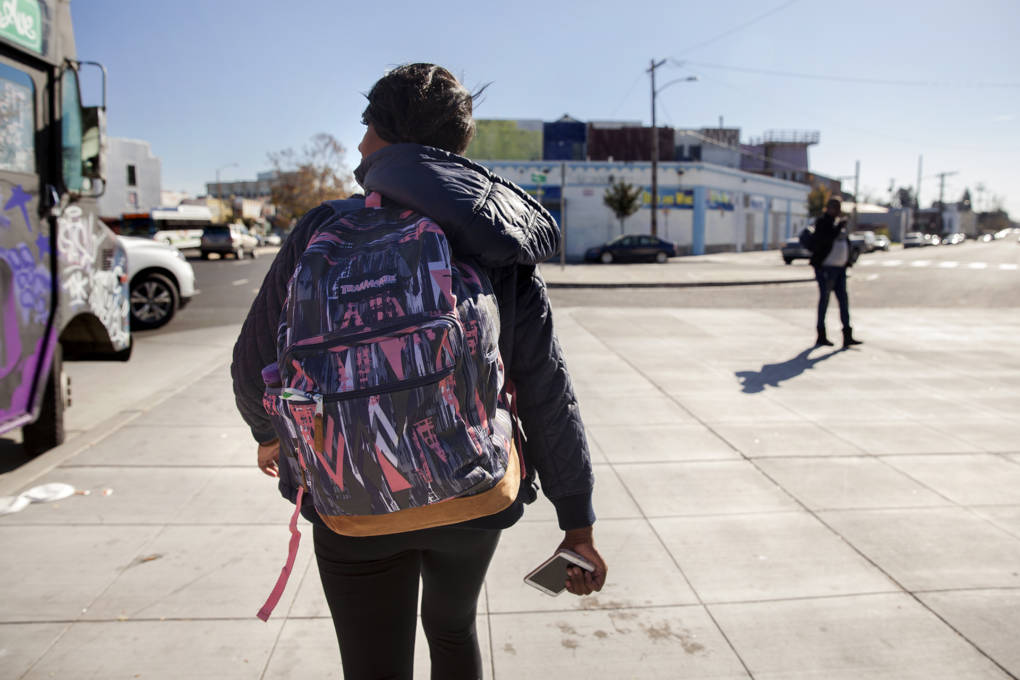
"caption": "Brittany Jones, a student at Laney College, makes her way from class to her storage unit in West Oakland. Jones is currently homeless and spends up to three hours a day at her storage unit organizing her belongings, doing homework or relaxing.",
"description": null,
"title": "rs22970_161118_brittanyjones_bhs15",
"credit": "Brittany Hosea-Small/KQED",
"status": "inherit",
"isLoading": false,
"fetchFailed": false
},
"news_11200564": {
"type": "attachments",
"id": "news_11200564",
"meta": {
"index": "attachments_1716263798",
"site": "news",
"id": "11200564",
"found": true
},
"parent": 11200562,
"imgSizes": {
"small": {
"file": "https://ww2.kqed.org/app/uploads/sites/10/2016/12/161118_BrittanyJones_bhs01-520x347.jpg",
"width": 520,
"mimeType": "image/jpeg",
"height": 347
},
"twentyfourteen-full-width": {
"file": "https://ww2.kqed.org/app/uploads/sites/10/2016/12/161118_BrittanyJones_bhs01-1038x576.jpg",
"width": 1038,
"mimeType": "image/jpeg",
"height": 576
},
"thumbnail": {
"file": "https://ww2.kqed.org/app/uploads/sites/10/2016/12/161118_BrittanyJones_bhs01-160x107.jpg",
"width": 160,
"mimeType": "image/jpeg",
"height": 107
},
"fd-sm": {
"file": "https://ww2.kqed.org/app/uploads/sites/10/2016/12/161118_BrittanyJones_bhs01-960x640.jpg",
"width": 960,
"mimeType": "image/jpeg",
"height": 640
},
"post-thumbnail": {
"file": "https://ww2.kqed.org/app/uploads/sites/10/2016/12/161118_BrittanyJones_bhs01-672x372.jpg",
"width": 672,
"mimeType": "image/jpeg",
"height": 372
},
"xsmall": {
"file": "https://ww2.kqed.org/app/uploads/sites/10/2016/12/161118_BrittanyJones_bhs01-375x250.jpg",
"width": 375,
"mimeType": "image/jpeg",
"height": 250
},
"kqedFullSize": {
"file": "https://ww2.kqed.org/app/uploads/sites/10/2016/12/161118_BrittanyJones_bhs01.jpg",
"width": 1920,
"height": 1280
},
"large": {
"file": "https://ww2.kqed.org/app/uploads/sites/10/2016/12/161118_BrittanyJones_bhs01-1020x680.jpg",
"width": 1020,
"mimeType": "image/jpeg",
"height": 680
},
"xlarge": {
"file": "https://ww2.kqed.org/app/uploads/sites/10/2016/12/161118_BrittanyJones_bhs01-1180x787.jpg",
"width": 1180,
"mimeType": "image/jpeg",
"height": 787
},
"guest-author-50": {
"file": "https://ww2.kqed.org/app/uploads/sites/10/2016/12/161118_BrittanyJones_bhs01-50x50.jpg",
"width": 50,
"mimeType": "image/jpeg",
"height": 50
},
"guest-author-96": {
"file": "https://ww2.kqed.org/app/uploads/sites/10/2016/12/161118_BrittanyJones_bhs01-96x96.jpg",
"width": 96,
"mimeType": "image/jpeg",
"height": 96
},
"medium": {
"file": "https://ww2.kqed.org/app/uploads/sites/10/2016/12/161118_BrittanyJones_bhs01-800x533.jpg",
"width": 800,
"mimeType": "image/jpeg",
"height": 533
},
"guest-author-64": {
"file": "https://ww2.kqed.org/app/uploads/sites/10/2016/12/161118_BrittanyJones_bhs01-64x64.jpg",
"width": 64,
"mimeType": "image/jpeg",
"height": 64
},
"guest-author-32": {
"file": "https://ww2.kqed.org/app/uploads/sites/10/2016/12/161118_BrittanyJones_bhs01-32x32.jpg",
"width": 32,
"mimeType": "image/jpeg",
"height": 32
},
"jmtc-small-thumb": {
"file": "https://ww2.kqed.org/app/uploads/sites/10/2016/12/161118_BrittanyJones_bhs01-280x150.jpg",
"width": 280,
"mimeType": "image/jpeg",
"height": 150
},
"fd-lrg": {
"file": "https://ww2.kqed.org/app/uploads/sites/10/2016/12/161118_BrittanyJones_bhs01-1920x1280.jpg",
"width": 1920,
"mimeType": "image/jpeg",
"height": 1280
},
"fd-med": {
"file": "https://ww2.kqed.org/app/uploads/sites/10/2016/12/161118_BrittanyJones_bhs01-1180x787.jpg",
"width": 1180,
"mimeType": "image/jpeg",
"height": 787
},
"full-width": {
"file": "https://ww2.kqed.org/app/uploads/sites/10/2016/12/161118_BrittanyJones_bhs01-1920x1280.jpg",
"width": 1920,
"mimeType": "image/jpeg",
"height": 1280
},
"detail": {
"file": "https://ww2.kqed.org/app/uploads/sites/10/2016/12/161118_BrittanyJones_bhs01-150x150.jpg",
"width": 150,
"mimeType": "image/jpeg",
"height": 150
},
"guest-author-128": {
"file": "https://ww2.kqed.org/app/uploads/sites/10/2016/12/161118_BrittanyJones_bhs01-128x128.jpg",
"width": 128,
"mimeType": "image/jpeg",
"height": 128
},
"xxsmall": {
"file": "https://ww2.kqed.org/app/uploads/sites/10/2016/12/161118_BrittanyJones_bhs01-240x160.jpg",
"width": 240,
"mimeType": "image/jpeg",
"height": 160
}
},
"publishDate": 1480643962,
"modified": 1481150198,
"caption": "Brittany Jones is a student at Laney College in Oakland. She hopes to major in business or social work. She's also homeless. ",
"description": "Brittany Jones is a student at Laney College in Oakland. She hopes to major in business or social work. She's also homeless. ",
"title": "161118_BrittanyJones_bhs01",
"credit": "Brittany Hosea-Small/KQED",
"status": "inherit",
"isLoading": false,
"fetchFailed": false
},
"news_10937200": {
"type": "attachments",
"id": "news_10937200",
"meta": {
"index": "attachments_1716263798",
"site": "news",
"id": "10937200",
"found": true
},
"parent": 10936723,
"imgSizes": {
"twentyfourteen-full-width": {
"file": "https://ww2.kqed.org/app/uploads/sites/10/2016/04/RS8759_ucberkeley20140213-1920x1279-1038x576.jpg",
"width": 1038,
"mimeType": "image/jpeg",
"height": 576
},
"thumbnail": {
"file": "https://ww2.kqed.org/app/uploads/sites/10/2016/04/RS8759_ucberkeley20140213-1920x1279-400x266.jpg",
"width": 400,
"mimeType": "image/jpeg",
"height": 266
},
"fd-sm": {
"file": "https://ww2.kqed.org/app/uploads/sites/10/2016/04/RS8759_ucberkeley20140213-1920x1279-960x640.jpg",
"width": 960,
"mimeType": "image/jpeg",
"height": 640
},
"post-thumbnail": {
"file": "https://ww2.kqed.org/app/uploads/sites/10/2016/04/RS8759_ucberkeley20140213-1920x1279-672x372.jpg",
"width": 672,
"mimeType": "image/jpeg",
"height": 372
},
"kqedFullSize": {
"file": "https://ww2.kqed.org/app/uploads/sites/10/2016/04/RS8759_ucberkeley20140213-1920x1279.jpg",
"width": 1920,
"height": 1279
},
"large": {
"file": "https://ww2.kqed.org/app/uploads/sites/10/2016/04/RS8759_ucberkeley20140213-1920x1279-1920x1279.jpg",
"width": 1920,
"mimeType": "image/jpeg",
"height": 1279
},
"guest-author-96": {
"file": "https://ww2.kqed.org/app/uploads/sites/10/2016/04/RS8759_ucberkeley20140213-1920x1279-96x96.jpg",
"width": 96,
"mimeType": "image/jpeg",
"height": 96
},
"medium": {
"file": "https://ww2.kqed.org/app/uploads/sites/10/2016/04/RS8759_ucberkeley20140213-1920x1279-800x533.jpg",
"width": 800,
"mimeType": "image/jpeg",
"height": 533
},
"guest-author-64": {
"file": "https://ww2.kqed.org/app/uploads/sites/10/2016/04/RS8759_ucberkeley20140213-1920x1279-64x64.jpg",
"width": 64,
"mimeType": "image/jpeg",
"height": 64
},
"guest-author-32": {
"file": "https://ww2.kqed.org/app/uploads/sites/10/2016/04/RS8759_ucberkeley20140213-1920x1279-32x32.jpg",
"width": 32,
"mimeType": "image/jpeg",
"height": 32
},
"jmtc-small-thumb": {
"file": "https://ww2.kqed.org/app/uploads/sites/10/2016/04/RS8759_ucberkeley20140213-1920x1279-280x150.jpg",
"width": 280,
"mimeType": "image/jpeg",
"height": 150
},
"fd-lrg": {
"file": "https://ww2.kqed.org/app/uploads/sites/10/2016/04/RS8759_ucberkeley20140213-1920x1279-1920x1279.jpg",
"width": 1920,
"mimeType": "image/jpeg",
"height": 1279
},
"fd-med": {
"file": "https://ww2.kqed.org/app/uploads/sites/10/2016/04/RS8759_ucberkeley20140213-1920x1279-1180x786.jpg",
"width": 1180,
"mimeType": "image/jpeg",
"height": 786
},
"detail": {
"file": "https://ww2.kqed.org/app/uploads/sites/10/2016/04/RS8759_ucberkeley20140213-1920x1279-75x75.jpg",
"width": 75,
"mimeType": "image/jpeg",
"height": 75
},
"guest-author-128": {
"file": "https://ww2.kqed.org/app/uploads/sites/10/2016/04/RS8759_ucberkeley20140213-1920x1279-128x128.jpg",
"width": 128,
"mimeType": "image/jpeg",
"height": 128
}
},
"publishDate": 1461352828,
"modified": 1461352859,
"caption": "Sproul Plaza on the UC Berkeley campus. ",
"description": "Sproul Plaza on the UC Berkeley campus. ",
"title": "New Report: Half Of Recent College Graduates Under- Or Unemployed",
"credit": "Justin Sullivan/Getty Images",
"status": "inherit",
"isLoading": false,
"fetchFailed": false
},
"news_11194931": {
"type": "attachments",
"id": "news_11194931",
"meta": {
"index": "attachments_1716263798",
"site": "news",
"id": "11194931",
"found": true
},
"parent": 11194927,
"imgSizes": {
"small": {
"file": "https://ww2.kqed.org/app/uploads/sites/10/2016/11/SCHOOL-CONSTRUCTION-520x348.jpg",
"width": 520,
"mimeType": "image/jpeg",
"height": 348
},
"twentyfourteen-full-width": {
"file": "https://ww2.kqed.org/app/uploads/sites/10/2016/11/SCHOOL-CONSTRUCTION-1038x576.jpg",
"width": 1038,
"mimeType": "image/jpeg",
"height": 576
},
"thumbnail": {
"file": "https://ww2.kqed.org/app/uploads/sites/10/2016/11/SCHOOL-CONSTRUCTION-160x107.jpg",
"width": 160,
"mimeType": "image/jpeg",
"height": 107
},
"fd-sm": {
"file": "https://ww2.kqed.org/app/uploads/sites/10/2016/11/SCHOOL-CONSTRUCTION-960x642.jpg",
"width": 960,
"mimeType": "image/jpeg",
"height": 642
},
"post-thumbnail": {
"file": "https://ww2.kqed.org/app/uploads/sites/10/2016/11/SCHOOL-CONSTRUCTION-672x372.jpg",
"width": 672,
"mimeType": "image/jpeg",
"height": 372
},
"xsmall": {
"file": "https://ww2.kqed.org/app/uploads/sites/10/2016/11/SCHOOL-CONSTRUCTION-375x251.jpg",
"width": 375,
"mimeType": "image/jpeg",
"height": 251
},
"kqedFullSize": {
"file": "https://ww2.kqed.org/app/uploads/sites/10/2016/11/SCHOOL-CONSTRUCTION.jpg",
"width": 2000,
"height": 1338
},
"large": {
"file": "https://ww2.kqed.org/app/uploads/sites/10/2016/11/SCHOOL-CONSTRUCTION-1020x682.jpg",
"width": 1020,
"mimeType": "image/jpeg",
"height": 682
},
"xlarge": {
"file": "https://ww2.kqed.org/app/uploads/sites/10/2016/11/SCHOOL-CONSTRUCTION-1180x789.jpg",
"width": 1180,
"mimeType": "image/jpeg",
"height": 789
},
"guest-author-50": {
"file": "https://ww2.kqed.org/app/uploads/sites/10/2016/11/SCHOOL-CONSTRUCTION-50x50.jpg",
"width": 50,
"mimeType": "image/jpeg",
"height": 50
},
"guest-author-96": {
"file": "https://ww2.kqed.org/app/uploads/sites/10/2016/11/SCHOOL-CONSTRUCTION-96x96.jpg",
"width": 96,
"mimeType": "image/jpeg",
"height": 96
},
"medium": {
"file": "https://ww2.kqed.org/app/uploads/sites/10/2016/11/SCHOOL-CONSTRUCTION-800x535.jpg",
"width": 800,
"mimeType": "image/jpeg",
"height": 535
},
"guest-author-64": {
"file": "https://ww2.kqed.org/app/uploads/sites/10/2016/11/SCHOOL-CONSTRUCTION-64x64.jpg",
"width": 64,
"mimeType": "image/jpeg",
"height": 64
},
"guest-author-32": {
"file": "https://ww2.kqed.org/app/uploads/sites/10/2016/11/SCHOOL-CONSTRUCTION-32x32.jpg",
"width": 32,
"mimeType": "image/jpeg",
"height": 32
},
"jmtc-small-thumb": {
"file": "https://ww2.kqed.org/app/uploads/sites/10/2016/11/SCHOOL-CONSTRUCTION-280x150.jpg",
"width": 280,
"mimeType": "image/jpeg",
"height": 150
},
"fd-lrg": {
"file": "https://ww2.kqed.org/app/uploads/sites/10/2016/11/SCHOOL-CONSTRUCTION-1920x1284.jpg",
"width": 1920,
"mimeType": "image/jpeg",
"height": 1284
},
"fd-med": {
"file": "https://ww2.kqed.org/app/uploads/sites/10/2016/11/SCHOOL-CONSTRUCTION-1180x789.jpg",
"width": 1180,
"mimeType": "image/jpeg",
"height": 789
},
"full-width": {
"file": "https://ww2.kqed.org/app/uploads/sites/10/2016/11/SCHOOL-CONSTRUCTION-1920x1284.jpg",
"width": 1920,
"mimeType": "image/jpeg",
"height": 1284
},
"detail": {
"file": "https://ww2.kqed.org/app/uploads/sites/10/2016/11/SCHOOL-CONSTRUCTION-150x150.jpg",
"width": 150,
"mimeType": "image/jpeg",
"height": 150
},
"guest-author-128": {
"file": "https://ww2.kqed.org/app/uploads/sites/10/2016/11/SCHOOL-CONSTRUCTION-128x128.jpg",
"width": 128,
"mimeType": "image/jpeg",
"height": 128
},
"xxsmall": {
"file": "https://ww2.kqed.org/app/uploads/sites/10/2016/11/SCHOOL-CONSTRUCTION-240x161.jpg",
"width": 240,
"mimeType": "image/jpeg",
"height": 161
}
},
"publishDate": 1480367728,
"modified": 1480380112,
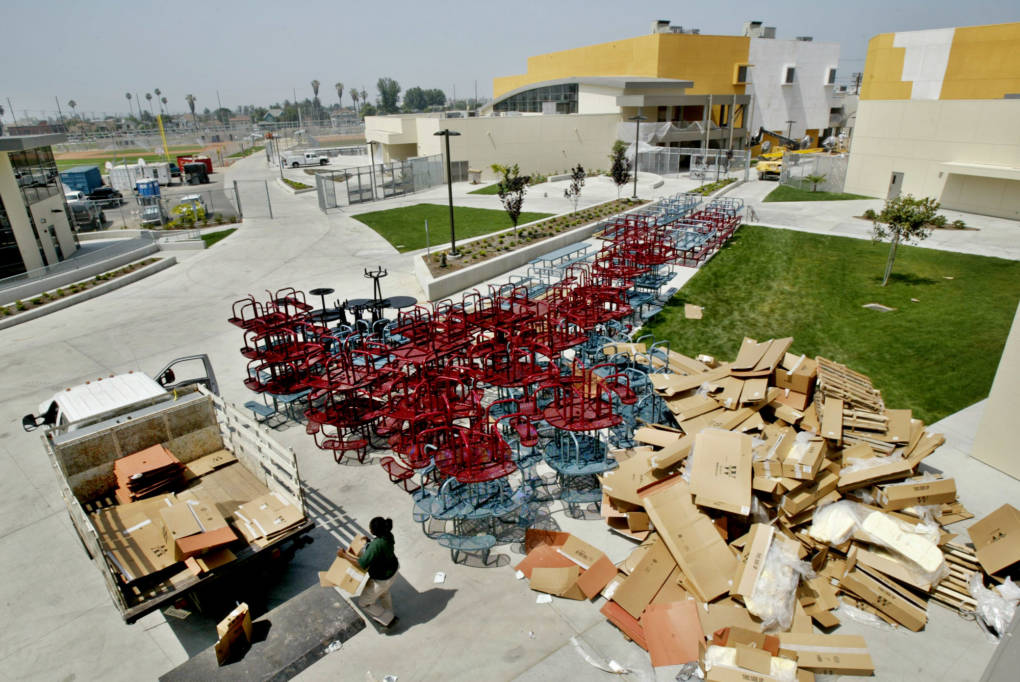
"caption": "A worker recycles cardboard boxes during the construction of Santee High School in South Los Angeles, which opened in 2005 as the first high school built in 35 years in the nation's second-largest district.",
"description": "A worker recycles cardboard boxes during the construction of Santee High School in South Los Angeles, which opened in 2005 as the first high school built in 35 years in the nation's second-largest district.",
"title": "*{B6CFB8E3-3C2A-4D23-8F46-B743D6DB46D3}*",
"credit": "Ric Francis/Associated Press",
"status": "inherit",
"isLoading": false,
"fetchFailed": false
},
"news_11184601": {
"type": "attachments",
"id": "news_11184601",
"meta": {
"index": "attachments_1716263798",
"site": "news",
"id": "11184601",
"found": true
},
"parent": 11184538,
"imgSizes": {
"small": {
"file": "https://ww2.kqed.org/app/uploads/sites/10/2016/11/RS22865_FullSizeRender-qut-520x390.jpg",
"width": 520,
"mimeType": "image/jpeg",
"height": 390
},
"twentyfourteen-full-width": {
"file": "https://ww2.kqed.org/app/uploads/sites/10/2016/11/RS22865_FullSizeRender-qut-1038x576.jpg",
"width": 1038,
"mimeType": "image/jpeg",
"height": 576
},
"thumbnail": {
"file": "https://ww2.kqed.org/app/uploads/sites/10/2016/11/RS22865_FullSizeRender-qut-160x120.jpg",
"width": 160,
"mimeType": "image/jpeg",
"height": 120
},
"fd-sm": {
"file": "https://ww2.kqed.org/app/uploads/sites/10/2016/11/RS22865_FullSizeRender-qut-960x720.jpg",
"width": 960,
"mimeType": "image/jpeg",
"height": 720
},
"post-thumbnail": {
"file": "https://ww2.kqed.org/app/uploads/sites/10/2016/11/RS22865_FullSizeRender-qut-672x372.jpg",
"width": 672,
"mimeType": "image/jpeg",
"height": 372
},
"xsmall": {
"file": "https://ww2.kqed.org/app/uploads/sites/10/2016/11/RS22865_FullSizeRender-qut-375x281.jpg",
"width": 375,
"mimeType": "image/jpeg",
"height": 281
},
"kqedFullSize": {
"file": "https://ww2.kqed.org/app/uploads/sites/10/2016/11/RS22865_FullSizeRender-qut.jpg",
"width": 1920,
"height": 1440
},
"large": {
"file": "https://ww2.kqed.org/app/uploads/sites/10/2016/11/RS22865_FullSizeRender-qut-1020x765.jpg",
"width": 1020,
"mimeType": "image/jpeg",
"height": 765
},
"xlarge": {
"file": "https://ww2.kqed.org/app/uploads/sites/10/2016/11/RS22865_FullSizeRender-qut-1180x885.jpg",
"width": 1180,
"mimeType": "image/jpeg",
"height": 885
},
"guest-author-50": {
"file": "https://ww2.kqed.org/app/uploads/sites/10/2016/11/RS22865_FullSizeRender-qut-50x50.jpg",
"width": 50,
"mimeType": "image/jpeg",
"height": 50
},
"guest-author-96": {
"file": "https://ww2.kqed.org/app/uploads/sites/10/2016/11/RS22865_FullSizeRender-qut-96x96.jpg",
"width": 96,
"mimeType": "image/jpeg",
"height": 96
},
"medium": {
"file": "https://ww2.kqed.org/app/uploads/sites/10/2016/11/RS22865_FullSizeRender-qut-800x600.jpg",
"width": 800,
"mimeType": "image/jpeg",
"height": 600
},
"guest-author-64": {
"file": "https://ww2.kqed.org/app/uploads/sites/10/2016/11/RS22865_FullSizeRender-qut-64x64.jpg",
"width": 64,
"mimeType": "image/jpeg",
"height": 64
},
"guest-author-32": {
"file": "https://ww2.kqed.org/app/uploads/sites/10/2016/11/RS22865_FullSizeRender-qut-32x32.jpg",
"width": 32,
"mimeType": "image/jpeg",
"height": 32
},
"jmtc-small-thumb": {
"file": "https://ww2.kqed.org/app/uploads/sites/10/2016/11/RS22865_FullSizeRender-qut-280x150.jpg",
"width": 280,
"mimeType": "image/jpeg",
"height": 150
},
"fd-lrg": {
"file": "https://ww2.kqed.org/app/uploads/sites/10/2016/11/RS22865_FullSizeRender-qut-1920x1440.jpg",
"width": 1920,
"mimeType": "image/jpeg",
"height": 1440
},
"fd-med": {
"file": "https://ww2.kqed.org/app/uploads/sites/10/2016/11/RS22865_FullSizeRender-qut-1180x885.jpg",
"width": 1180,
"mimeType": "image/jpeg",
"height": 885
},
"full-width": {
"file": "https://ww2.kqed.org/app/uploads/sites/10/2016/11/RS22865_FullSizeRender-qut-1920x1440.jpg",
"width": 1920,
"mimeType": "image/jpeg",
"height": 1440
},
"detail": {
"file": "https://ww2.kqed.org/app/uploads/sites/10/2016/11/RS22865_FullSizeRender-qut-150x150.jpg",
"width": 150,
"mimeType": "image/jpeg",
"height": 150
},
"guest-author-128": {
"file": "https://ww2.kqed.org/app/uploads/sites/10/2016/11/RS22865_FullSizeRender-qut-128x128.jpg",
"width": 128,
"mimeType": "image/jpeg",
"height": 128
},
"xxsmall": {
"file": "https://ww2.kqed.org/app/uploads/sites/10/2016/11/RS22865_FullSizeRender-qut-240x180.jpg",
"width": 240,
"mimeType": "image/jpeg",
"height": 180
}
},
"publishDate": 1479769334,
"modified": 1479769424,
"caption": "Frank Navarro has taught history and special education at Mountain View High School for 40 years.",
"description": "Frank Navarro has taught history and special education at Mountain View High School for 40 years.",
"title": "RS22865_FullSizeRender-qut",
"credit": "Beth Willon/KQED",
"status": "inherit",
"isLoading": false,
"fetchFailed": false
},
"news_11180356": {
"type": "attachments",
"id": "news_11180356",
"meta": {
"index": "attachments_1716263798",
"site": "news",
"id": "11180356",
"found": true
},
"parent": 11179989,
"imgSizes": {
"small": {
"file": "https://ww2.kqed.org/app/uploads/sites/10/2016/11/RS22131_IMG_20161115_111634-qut-520x390.jpg",
"width": 520,
"mimeType": "image/jpeg",
"height": 390
},
"twentyfourteen-full-width": {
"file": "https://ww2.kqed.org/app/uploads/sites/10/2016/11/RS22131_IMG_20161115_111634-qut-1038x576.jpg",
"width": 1038,
"mimeType": "image/jpeg",
"height": 576
},
"thumbnail": {
"file": "https://ww2.kqed.org/app/uploads/sites/10/2016/11/RS22131_IMG_20161115_111634-qut-160x120.jpg",
"width": 160,
"mimeType": "image/jpeg",
"height": 120
},
"fd-sm": {
"file": "https://ww2.kqed.org/app/uploads/sites/10/2016/11/RS22131_IMG_20161115_111634-qut-960x720.jpg",
"width": 960,
"mimeType": "image/jpeg",
"height": 720
},
"post-thumbnail": {
"file": "https://ww2.kqed.org/app/uploads/sites/10/2016/11/RS22131_IMG_20161115_111634-qut-672x372.jpg",
"width": 672,
"mimeType": "image/jpeg",
"height": 372
},
"xsmall": {
"file": "https://ww2.kqed.org/app/uploads/sites/10/2016/11/RS22131_IMG_20161115_111634-qut-375x281.jpg",
"width": 375,
"mimeType": "image/jpeg",
"height": 281
},
"kqedFullSize": {
"file": "https://ww2.kqed.org/app/uploads/sites/10/2016/11/RS22131_IMG_20161115_111634-qut.jpg",
"width": 1920,
"height": 1440
},
"large": {
"file": "https://ww2.kqed.org/app/uploads/sites/10/2016/11/RS22131_IMG_20161115_111634-qut-1020x765.jpg",
"width": 1020,
"mimeType": "image/jpeg",
"height": 765
},
"xlarge": {
"file": "https://ww2.kqed.org/app/uploads/sites/10/2016/11/RS22131_IMG_20161115_111634-qut-1180x885.jpg",
"width": 1180,
"mimeType": "image/jpeg",
"height": 885
},
"guest-author-50": {
"file": "https://ww2.kqed.org/app/uploads/sites/10/2016/11/RS22131_IMG_20161115_111634-qut-50x50.jpg",
"width": 50,
"mimeType": "image/jpeg",
"height": 50
},
"guest-author-96": {
"file": "https://ww2.kqed.org/app/uploads/sites/10/2016/11/RS22131_IMG_20161115_111634-qut-96x96.jpg",
"width": 96,
"mimeType": "image/jpeg",
"height": 96
},
"medium": {
"file": "https://ww2.kqed.org/app/uploads/sites/10/2016/11/RS22131_IMG_20161115_111634-qut-800x600.jpg",
"width": 800,
"mimeType": "image/jpeg",
"height": 600
},
"guest-author-64": {
"file": "https://ww2.kqed.org/app/uploads/sites/10/2016/11/RS22131_IMG_20161115_111634-qut-64x64.jpg",
"width": 64,
"mimeType": "image/jpeg",
"height": 64
},
"guest-author-32": {
"file": "https://ww2.kqed.org/app/uploads/sites/10/2016/11/RS22131_IMG_20161115_111634-qut-32x32.jpg",
"width": 32,
"mimeType": "image/jpeg",
"height": 32
},
"jmtc-small-thumb": {
"file": "https://ww2.kqed.org/app/uploads/sites/10/2016/11/RS22131_IMG_20161115_111634-qut-280x150.jpg",
"width": 280,
"mimeType": "image/jpeg",
"height": 150
},
"fd-lrg": {
"file": "https://ww2.kqed.org/app/uploads/sites/10/2016/11/RS22131_IMG_20161115_111634-qut-1920x1440.jpg",
"width": 1920,
"mimeType": "image/jpeg",
"height": 1440
},
"fd-med": {
"file": "https://ww2.kqed.org/app/uploads/sites/10/2016/11/RS22131_IMG_20161115_111634-qut-1180x885.jpg",
"width": 1180,
"mimeType": "image/jpeg",
"height": 885
},
"full-width": {
"file": "https://ww2.kqed.org/app/uploads/sites/10/2016/11/RS22131_IMG_20161115_111634-qut-1920x1440.jpg",
"width": 1920,
"mimeType": "image/jpeg",
"height": 1440
},
"detail": {
"file": "https://ww2.kqed.org/app/uploads/sites/10/2016/11/RS22131_IMG_20161115_111634-qut-150x150.jpg",
"width": 150,
"mimeType": "image/jpeg",
"height": 150
},
"guest-author-128": {
"file": "https://ww2.kqed.org/app/uploads/sites/10/2016/11/RS22131_IMG_20161115_111634-qut-128x128.jpg",
"width": 128,
"mimeType": "image/jpeg",
"height": 128
},
"xxsmall": {
"file": "https://ww2.kqed.org/app/uploads/sites/10/2016/11/RS22131_IMG_20161115_111634-qut-240x180.jpg",
"width": 240,
"mimeType": "image/jpeg",
"height": 180
}
},
"publishDate": 1479506956,
"modified": 1479507006,
"caption": "Teachers at Cali Calmecac Language Academy are focusing on community building after the election.",
"description": null,
"title": "rs22131_img_20161115_111634-qut",
"credit": "Zaidee Stavely/KQED",
"status": "inherit",
"isLoading": false,
"fetchFailed": false
},
"news_11178941": {
"type": "attachments",
"id": "news_11178941",
"meta": {
"index": "attachments_1716263798",
"site": "news",
"id": "11178941",
"found": true
},
"parent": 11178938,
"imgSizes": {
"small": {
"file": "https://ww2.kqed.org/app/uploads/sites/10/2016/11/RS21900_alt_525-520x365.jpg",
"width": 520,
"mimeType": "image/jpeg",
"height": 365
},
"twentyfourteen-full-width": {
"file": "https://ww2.kqed.org/app/uploads/sites/10/2016/11/RS21900_alt_525-1038x576.jpg",
"width": 1038,
"mimeType": "image/jpeg",
"height": 576
},
"thumbnail": {
"file": "https://ww2.kqed.org/app/uploads/sites/10/2016/11/RS21900_alt_525-160x112.jpg",
"width": 160,
"mimeType": "image/jpeg",
"height": 112
},
"fd-sm": {
"file": "https://ww2.kqed.org/app/uploads/sites/10/2016/11/RS21900_alt_525-960x673.jpg",
"width": 960,
"mimeType": "image/jpeg",
"height": 673
},
"post-thumbnail": {
"file": "https://ww2.kqed.org/app/uploads/sites/10/2016/11/RS21900_alt_525-672x372.jpg",
"width": 672,
"mimeType": "image/jpeg",
"height": 372
},
"xsmall": {
"file": "https://ww2.kqed.org/app/uploads/sites/10/2016/11/RS21900_alt_525-375x263.jpg",
"width": 375,
"mimeType": "image/jpeg",
"height": 263
},
"kqedFullSize": {
"file": "https://ww2.kqed.org/app/uploads/sites/10/2016/11/RS21900_alt_525.jpg",
"width": 2952,
"height": 2071
},
"large": {
"file": "https://ww2.kqed.org/app/uploads/sites/10/2016/11/RS21900_alt_525-1020x716.jpg",
"width": 1020,
"mimeType": "image/jpeg",
"height": 716
},
"xlarge": {
"file": "https://ww2.kqed.org/app/uploads/sites/10/2016/11/RS21900_alt_525-1180x828.jpg",
"width": 1180,
"mimeType": "image/jpeg",
"height": 828
},
"guest-author-50": {
"file": "https://ww2.kqed.org/app/uploads/sites/10/2016/11/RS21900_alt_525-50x50.jpg",
"width": 50,
"mimeType": "image/jpeg",
"height": 50
},
"guest-author-96": {
"file": "https://ww2.kqed.org/app/uploads/sites/10/2016/11/RS21900_alt_525-96x96.jpg",
"width": 96,
"mimeType": "image/jpeg",
"height": 96
},
"medium": {
"file": "https://ww2.kqed.org/app/uploads/sites/10/2016/11/RS21900_alt_525-800x561.jpg",
"width": 800,
"mimeType": "image/jpeg",
"height": 561
},
"guest-author-64": {
"file": "https://ww2.kqed.org/app/uploads/sites/10/2016/11/RS21900_alt_525-64x64.jpg",
"width": 64,
"mimeType": "image/jpeg",
"height": 64
},
"guest-author-32": {
"file": "https://ww2.kqed.org/app/uploads/sites/10/2016/11/RS21900_alt_525-32x32.jpg",
"width": 32,
"mimeType": "image/jpeg",
"height": 32
},
"jmtc-small-thumb": {
"file": "https://ww2.kqed.org/app/uploads/sites/10/2016/11/RS21900_alt_525-280x150.jpg",
"width": 280,
"mimeType": "image/jpeg",
"height": 150
},
"fd-lrg": {
"file": "https://ww2.kqed.org/app/uploads/sites/10/2016/11/RS21900_alt_525-1920x1347.jpg",
"width": 1920,
"mimeType": "image/jpeg",
"height": 1347
},
"fd-med": {
"file": "https://ww2.kqed.org/app/uploads/sites/10/2016/11/RS21900_alt_525-1180x828.jpg",
"width": 1180,
"mimeType": "image/jpeg",
"height": 828
},
"full-width": {
"file": "https://ww2.kqed.org/app/uploads/sites/10/2016/11/RS21900_alt_525-1920x1347.jpg",
"width": 1920,
"mimeType": "image/jpeg",
"height": 1347
},
"detail": {
"file": "https://ww2.kqed.org/app/uploads/sites/10/2016/11/RS21900_alt_525-150x150.jpg",
"width": 150,
"mimeType": "image/jpeg",
"height": 150
},
"guest-author-128": {
"file": "https://ww2.kqed.org/app/uploads/sites/10/2016/11/RS21900_alt_525-128x128.jpg",
"width": 128,
"mimeType": "image/jpeg",
"height": 128
},
"xxsmall": {
"file": "https://ww2.kqed.org/app/uploads/sites/10/2016/11/RS21900_alt_525-240x168.jpg",
"width": 240,
"mimeType": "image/jpeg",
"height": 168
}
},
"publishDate": 1479427467,
"modified": 1479427503,
"caption": "Darius Irvin, a sophomore at San Francisco State University, has survived three separate shootings. The Wraparound Project helped him get out of the line of fire and go back to college.",
"description": "Darius Irvin, a sophomore at San Francisco State University, has survived three separate shootings. The Wraparound Project helped him get out of the line of fire and go back to college.",
"title": "rs21900_alt_525",
"credit": "Laura Klivans/KQED",
"status": "inherit",
"isLoading": false,
"fetchFailed": false
},
"news_11180447": {
"type": "attachments",
"id": "news_11180447",
"meta": {
"index": "attachments_1716263798",
"site": "news",
"id": "11180447",
"found": true
},
"parent": 11180370,
"imgSizes": {
"small": {
"file": "https://ww2.kqed.org/app/uploads/sites/10/2016/11/RS22138_Letters-to-the-Next-Prez-1-qut-520x347.jpg",
"width": 520,
"mimeType": "image/jpeg",
"height": 347
},
"twentyfourteen-full-width": {
"file": "https://ww2.kqed.org/app/uploads/sites/10/2016/11/RS22138_Letters-to-the-Next-Prez-1-qut-1038x576.jpg",
"width": 1038,
"mimeType": "image/jpeg",
"height": 576
},
"thumbnail": {
"file": "https://ww2.kqed.org/app/uploads/sites/10/2016/11/RS22138_Letters-to-the-Next-Prez-1-qut-160x107.jpg",
"width": 160,
"mimeType": "image/jpeg",
"height": 107
},
"fd-sm": {
"file": "https://ww2.kqed.org/app/uploads/sites/10/2016/11/RS22138_Letters-to-the-Next-Prez-1-qut-960x640.jpg",
"width": 960,
"mimeType": "image/jpeg",
"height": 640
},
"post-thumbnail": {
"file": "https://ww2.kqed.org/app/uploads/sites/10/2016/11/RS22138_Letters-to-the-Next-Prez-1-qut-672x372.jpg",
"width": 672,
"mimeType": "image/jpeg",
"height": 372
},
"xsmall": {
"file": "https://ww2.kqed.org/app/uploads/sites/10/2016/11/RS22138_Letters-to-the-Next-Prez-1-qut-375x250.jpg",
"width": 375,
"mimeType": "image/jpeg",
"height": 250
},
"kqedFullSize": {
"file": "https://ww2.kqed.org/app/uploads/sites/10/2016/11/RS22138_Letters-to-the-Next-Prez-1-qut.jpg",
"width": 1920,
"height": 1280
},
"large": {
"file": "https://ww2.kqed.org/app/uploads/sites/10/2016/11/RS22138_Letters-to-the-Next-Prez-1-qut-1020x680.jpg",
"width": 1020,
"mimeType": "image/jpeg",
"height": 680
},
"xlarge": {
"file": "https://ww2.kqed.org/app/uploads/sites/10/2016/11/RS22138_Letters-to-the-Next-Prez-1-qut-1180x787.jpg",
"width": 1180,
"mimeType": "image/jpeg",
"height": 787
},
"guest-author-50": {
"file": "https://ww2.kqed.org/app/uploads/sites/10/2016/11/RS22138_Letters-to-the-Next-Prez-1-qut-50x50.jpg",
"width": 50,
"mimeType": "image/jpeg",
"height": 50
},
"guest-author-96": {
"file": "https://ww2.kqed.org/app/uploads/sites/10/2016/11/RS22138_Letters-to-the-Next-Prez-1-qut-96x96.jpg",
"width": 96,
"mimeType": "image/jpeg",
"height": 96
},
"medium": {
"file": "https://ww2.kqed.org/app/uploads/sites/10/2016/11/RS22138_Letters-to-the-Next-Prez-1-qut-800x533.jpg",
"width": 800,
"mimeType": "image/jpeg",
"height": 533
},
"guest-author-64": {
"file": "https://ww2.kqed.org/app/uploads/sites/10/2016/11/RS22138_Letters-to-the-Next-Prez-1-qut-64x64.jpg",
"width": 64,
"mimeType": "image/jpeg",
"height": 64
},
"guest-author-32": {
"file": "https://ww2.kqed.org/app/uploads/sites/10/2016/11/RS22138_Letters-to-the-Next-Prez-1-qut-32x32.jpg",
"width": 32,
"mimeType": "image/jpeg",
"height": 32
},
"jmtc-small-thumb": {
"file": "https://ww2.kqed.org/app/uploads/sites/10/2016/11/RS22138_Letters-to-the-Next-Prez-1-qut-280x150.jpg",
"width": 280,
"mimeType": "image/jpeg",
"height": 150
},
"fd-lrg": {
"file": "https://ww2.kqed.org/app/uploads/sites/10/2016/11/RS22138_Letters-to-the-Next-Prez-1-qut-1920x1280.jpg",
"width": 1920,
"mimeType": "image/jpeg",
"height": 1280
},
"fd-med": {
"file": "https://ww2.kqed.org/app/uploads/sites/10/2016/11/RS22138_Letters-to-the-Next-Prez-1-qut-1180x787.jpg",
"width": 1180,
"mimeType": "image/jpeg",
"height": 787
},
"full-width": {
"file": "https://ww2.kqed.org/app/uploads/sites/10/2016/11/RS22138_Letters-to-the-Next-Prez-1-qut-1920x1280.jpg",
"width": 1920,
"mimeType": "image/jpeg",
"height": 1280
},
"detail": {
"file": "https://ww2.kqed.org/app/uploads/sites/10/2016/11/RS22138_Letters-to-the-Next-Prez-1-qut-150x150.jpg",
"width": 150,
"mimeType": "image/jpeg",
"height": 150
},
"guest-author-128": {
"file": "https://ww2.kqed.org/app/uploads/sites/10/2016/11/RS22138_Letters-to-the-Next-Prez-1-qut-128x128.jpg",
"width": 128,
"mimeType": "image/jpeg",
"height": 128
},
"xxsmall": {
"file": "https://ww2.kqed.org/app/uploads/sites/10/2016/11/RS22138_Letters-to-the-Next-Prez-1-qut-240x160.jpg",
"width": 240,
"mimeType": "image/jpeg",
"height": 160
}
},
"publishDate": 1479511499,
"modified": 1479516381,
"caption": "Kids from across the country submitted 12,000 letters to the next president.",
"description": null,
"title": "rs22138_letters-to-the-next-prez-1-qut",
"credit": "Letters to the Next President",
"status": "inherit",
"isLoading": false,
"fetchFailed": false
},
"news_11180365": {
"type": "attachments",
"id": "news_11180365",
"meta": {
"index": "attachments_1716263798",
"site": "news",
"id": "11180365",
"found": true
},
"parent": 11180216,
"imgSizes": {
"small": {
"file": "https://ww2.kqed.org/app/uploads/sites/10/2016/11/GettyImages-469413157-520x347.jpg",
"width": 520,
"mimeType": "image/jpeg",
"height": 347
},
"twentyfourteen-full-width": {
"file": "https://ww2.kqed.org/app/uploads/sites/10/2016/11/GettyImages-469413157-1038x576.jpg",
"width": 1038,
"mimeType": "image/jpeg",
"height": 576
},
"thumbnail": {
"file": "https://ww2.kqed.org/app/uploads/sites/10/2016/11/GettyImages-469413157-160x107.jpg",
"width": 160,
"mimeType": "image/jpeg",
"height": 107
},
"fd-sm": {
"file": "https://ww2.kqed.org/app/uploads/sites/10/2016/11/GettyImages-469413157-960x640.jpg",
"width": 960,
"mimeType": "image/jpeg",
"height": 640
},
"post-thumbnail": {
"file": "https://ww2.kqed.org/app/uploads/sites/10/2016/11/GettyImages-469413157-672x372.jpg",
"width": 672,
"mimeType": "image/jpeg",
"height": 372
},
"xsmall": {
"file": "https://ww2.kqed.org/app/uploads/sites/10/2016/11/GettyImages-469413157-375x250.jpg",
"width": 375,
"mimeType": "image/jpeg",
"height": 250
},
"kqedFullSize": {
"file": "https://ww2.kqed.org/app/uploads/sites/10/2016/11/GettyImages-469413157-e1479507686305.jpg",
"width": 1920,
"height": 1280
},
"large": {
"file": "https://ww2.kqed.org/app/uploads/sites/10/2016/11/GettyImages-469413157-1020x680.jpg",
"width": 1020,
"mimeType": "image/jpeg",
"height": 680
},
"xlarge": {
"file": "https://ww2.kqed.org/app/uploads/sites/10/2016/11/GettyImages-469413157-1180x787.jpg",
"width": 1180,
"mimeType": "image/jpeg",
"height": 787
},
"guest-author-50": {
"file": "https://ww2.kqed.org/app/uploads/sites/10/2016/11/GettyImages-469413157-50x50.jpg",
"width": 50,
"mimeType": "image/jpeg",
"height": 50
},
"guest-author-96": {
"file": "https://ww2.kqed.org/app/uploads/sites/10/2016/11/GettyImages-469413157-96x96.jpg",
"width": 96,
"mimeType": "image/jpeg",
"height": 96
},
"medium": {
"file": "https://ww2.kqed.org/app/uploads/sites/10/2016/11/GettyImages-469413157-800x533.jpg",
"width": 800,
"mimeType": "image/jpeg",
"height": 533
},
"guest-author-64": {
"file": "https://ww2.kqed.org/app/uploads/sites/10/2016/11/GettyImages-469413157-64x64.jpg",
"width": 64,
"mimeType": "image/jpeg",
"height": 64
},
"guest-author-32": {
"file": "https://ww2.kqed.org/app/uploads/sites/10/2016/11/GettyImages-469413157-32x32.jpg",
"width": 32,
"mimeType": "image/jpeg",
"height": 32
},
"jmtc-small-thumb": {
"file": "https://ww2.kqed.org/app/uploads/sites/10/2016/11/GettyImages-469413157-280x150.jpg",
"width": 280,
"mimeType": "image/jpeg",
"height": 150
},
"fd-lrg": {
"file": "https://ww2.kqed.org/app/uploads/sites/10/2016/11/GettyImages-469413157-1920x1280.jpg",
"width": 1920,
"mimeType": "image/jpeg",
"height": 1280
},
"fd-med": {
"file": "https://ww2.kqed.org/app/uploads/sites/10/2016/11/GettyImages-469413157-1180x787.jpg",
"width": 1180,
"mimeType": "image/jpeg",
"height": 787
},
"full-width": {
"file": "https://ww2.kqed.org/app/uploads/sites/10/2016/11/GettyImages-469413157-1920x1280.jpg",
"width": 1920,
"mimeType": "image/jpeg",
"height": 1280
},
"detail": {
"file": "https://ww2.kqed.org/app/uploads/sites/10/2016/11/GettyImages-469413157-150x150.jpg",
"width": 150,
"mimeType": "image/jpeg",
"height": 150
},
"guest-author-128": {
"file": "https://ww2.kqed.org/app/uploads/sites/10/2016/11/GettyImages-469413157-128x128.jpg",
"width": 128,
"mimeType": "image/jpeg",
"height": 128
},
"xxsmall": {
"file": "https://ww2.kqed.org/app/uploads/sites/10/2016/11/GettyImages-469413157-240x160.jpg",
"width": 240,
"mimeType": "image/jpeg",
"height": 160
}
},
"publishDate": 1479507666,
"modified": 1479507763,
"caption": " A marksman sights in on a target during a class he was taking to qualify for an concealed carry permit in suburban Chicago. ",
"description": null,
"title": "Concealed Weapons-Gun Range",
"credit": "Scott Olson/Getty Images",
"status": "inherit",
"isLoading": false,
"fetchFailed": false
}
},
"audioPlayerReducer": {
"postId": "stream_live",
"isPaused": true,
"isPlaying": false,
"pfsActive": false,
"pledgeModalIsOpen": true,
"playerDrawerIsOpen": false,
"liveAudioPlayStartedAt": 0,
"liveAudioPlayContext": ""
},
"authorsReducer": {
"byline_news_11210060": {
"type": "authors",
"id": "byline_news_11210060",
"meta": {
"override": true
},
"slug": "byline_news_11210060",
"name": "\u003cstrong>Laura Klivans & Carrie Feibel\u003c/strong>",
"isLoading": false
},
"byline_news_11200410": {
"type": "authors",
"id": "byline_news_11200410",
"meta": {
"override": true
},
"slug": "byline_news_11200410",
"name": "\u003cstrong>Jocelen Gecker\u003cbr />Associated Press\u003c/strong>",
"isLoading": false
},
"byline_news_11194927": {
"type": "authors",
"id": "byline_news_11194927",
"meta": {
"override": true
},
"slug": "byline_news_11194927",
"name": "\u003cstrong>Jessica Calefati, \u003ca href=\"https://calmatters.org/articles/school-building-bonanzabut-new-dollars-might-not-reach-poor-districts/\">CALmatters\u003c/a>\u003c/strong>",
"isLoading": false
},
"byline_news_11180370": {
"type": "authors",
"id": "byline_news_11180370",
"meta": {
"override": true
},
"slug": "byline_news_11180370",
"name": "\u003cstrong>Lacy Roberts\u003c/strong>",
"isLoading": false
},
"byline_news_11180216": {
"type": "authors",
"id": "byline_news_11180216",
"meta": {
"override": true
},
"slug": "byline_news_11180216",
"name": "\u003cstrong>John Sepulvado\u003c/strong>",
"isLoading": false
},
"aliceldaniel": {
"type": "authors",
"id": "208",
"meta": {
"index": "authors_1716337520",
"id": "208",
"found": true
},
"name": "Alice Daniel",
"firstName": "Alice",
"lastName": "Daniel",
"slug": "aliceldaniel",
"email": "adaniel@kqed.org",
"display_author_email": false,
"staff_mastheads": [],
"title": null,
"bio": "Alice Daniel loves the listening aspect of reporting because she gets to briefly walk in other people’s shoes. She has rappelled down into caves and gone up in helicopters for KQED’s The California Report but her favorite place to pursue a story is the High Sierra or any family-run bakery, of course. Alice has a masters in journalism from Columbia University and teaches at Fresno State. She is a California Healthline Regional Correspondent and a frequent contributor to Success magazine. In her free time, she skis and hikes, throws pottery, practices piano and looks out the window.",
"avatar": "https://secure.gravatar.com/avatar/e611aa06593b114a67f9f123a8e875ad?s=600&d=blank&r=g",
"twitter": null,
"facebook": null,
"instagram": null,
"linkedin": null,
"sites": [
{
"site": "news",
"roles": [
"author"
]
},
{
"site": "stateofhealth",
"roles": [
"author"
]
}
],
"headData": {
"title": "Alice Daniel | KQED",
"description": null,
"ogImgSrc": "https://secure.gravatar.com/avatar/e611aa06593b114a67f9f123a8e875ad?s=600&d=blank&r=g",
"twImgSrc": "https://secure.gravatar.com/avatar/e611aa06593b114a67f9f123a8e875ad?s=600&d=blank&r=g"
},
"isLoading": false,
"link": "/author/aliceldaniel"
},
"adembosky": {
"type": "authors",
"id": "3205",
"meta": {
"index": "authors_1716337520",
"id": "3205",
"found": true
},
"name": "April Dembosky",
"firstName": "April",
"lastName": "Dembosky",
"slug": "adembosky",
"email": "adembosky@kqed.org",
"display_author_email": false,
"staff_mastheads": [
"news",
"science"
],
"title": "KQED Health Correspondent",
"bio": "April Dembosky is the health correspondent for KQED News and a regular contributor to NPR. She specializes in covering altered states of mind, from postpartum depression to methamphetamine-induced psychosis to the insanity defense. Her investigative series on insurance companies sidestepping mental health laws won multiple awards, including first place in beat reporting from the national Association of Health Care Journalists. She is the recipient of numerous other prizes and fellowships, including a national Edward R. Murrow award for investigative reporting, a Society of Professional Journalists award for long-form storytelling, and a Carter Center Fellowship for Mental Health Journalism.\r\n\r\nDembosky reported and produced \u003cem>Soundtrack of Silence\u003c/em>, an audio documentary about music and memory that is currently being made into a feature film by Paramount Pictures.\r\n\r\nBefore joining KQED in 2013, Dembosky covered technology and Silicon Valley for \u003cem>The Financial Times of London,\u003c/em> and contributed business and arts stories to \u003cem>Marketplace \u003c/em>and \u003cem>The New York Times.\u003c/em> She got her undergraduate degree in philosophy from Smith College and her master's in journalism from the University of California, Berkeley. She is a classically trained violinist and proud alum of the first symphony orchestra at Burning Man.",
"avatar": "https://secure.gravatar.com/avatar/d6593cd737b732102fe0b6250b5351c2d3bc9b2987566514aa3c9a106494d684?s=600&d=blank&r=g",
"twitter": "adembosky",
"bluesky": null,
"facebook": null,
"instagram": null,
"linkedin": null,
"sites": [
{
"site": "arts",
"roles": [
"author"
]
},
{
"site": "news",
"roles": [
"editor"
]
},
{
"site": "futureofyou",
"roles": [
"author"
]
},
{
"site": "stateofhealth",
"roles": [
"editor"
]
},
{
"site": "science",
"roles": [
"editor"
]
},
{
"site": "forum",
"roles": [
"editor"
]
}
],
"headData": {
"title": "April Dembosky | KQED",
"description": "KQED Health Correspondent",
"ogImgSrc": "https://secure.gravatar.com/avatar/d6593cd737b732102fe0b6250b5351c2d3bc9b2987566514aa3c9a106494d684?s=600&d=blank&r=g",
"twImgSrc": "https://secure.gravatar.com/avatar/d6593cd737b732102fe0b6250b5351c2d3bc9b2987566514aa3c9a106494d684?s=600&d=blank&r=g"
},
"isLoading": false,
"link": "/author/adembosky"
},
"bwillon": {
"type": "authors",
"id": "3207",
"meta": {
"index": "authors_1716337520",
"id": "3207",
"found": true
},
"name": "Beth Willon",
"firstName": "Beth",
"lastName": "Willon",
"slug": "bwillon",
"email": "bwillon@kqed.org",
"display_author_email": false,
"staff_mastheads": [],
"title": "KQED Contributor",
"bio": "Beth Willon is a former senior reporter for KQED's Silicon Valley News Desk in San Jose. (@KQEDNews )\r\n\r\n@BethWillon",
"avatar": "https://secure.gravatar.com/avatar/3533b741c785d6a97e8b283e7f65606d?s=600&d=blank&r=g",
"twitter": null,
"facebook": null,
"instagram": null,
"linkedin": null,
"sites": [
{
"site": "news",
"roles": [
"subscriber"
]
}
],
"headData": {
"title": "Beth Willon | KQED",
"description": "KQED Contributor",
"ogImgSrc": "https://secure.gravatar.com/avatar/3533b741c785d6a97e8b283e7f65606d?s=600&d=blank&r=g",
"twImgSrc": "https://secure.gravatar.com/avatar/3533b741c785d6a97e8b283e7f65606d?s=600&d=blank&r=g"
},
"isLoading": false,
"link": "/author/bwillon"
},
"zstavely": {
"type": "authors",
"id": "3225",
"meta": {
"index": "authors_1716337520",
"id": "3225",
"found": true
},
"name": "Zaidee Stavely",
"firstName": "Zaidee",
"lastName": "Stavely",
"slug": "zstavely",
"email": "zstavely@gmail.com",
"display_author_email": false,
"staff_mastheads": [],
"title": "KQED Contributor",
"bio": "Zaidee Stavely is an award-winning reporter who writes about race, equity, immigration, and education.",
"avatar": "https://secure.gravatar.com/avatar/5154b3ee56a721c916ca429372ae629c?s=600&d=blank&r=g",
"twitter": null,
"facebook": null,
"instagram": null,
"linkedin": null,
"sites": [
{
"site": "news",
"roles": [
"subscriber"
]
},
{
"site": "mindshift",
"roles": [
"contributor"
]
}
],
"headData": {
"title": "Zaidee Stavely | KQED",
"description": "KQED Contributor",
"ogImgSrc": "https://secure.gravatar.com/avatar/5154b3ee56a721c916ca429372ae629c?s=600&d=blank&r=g",
"twImgSrc": "https://secure.gravatar.com/avatar/5154b3ee56a721c916ca429372ae629c?s=600&d=blank&r=g"
},
"isLoading": false,
"link": "/author/zstavely"
},
"lklivans": {
"type": "authors",
"id": "8648",
"meta": {
"index": "authors_1716337520",
"id": "8648",
"found": true
},
"name": "Laura Klivans",
"firstName": "Laura",
"lastName": "Klivans",
"slug": "lklivans",
"email": "lklivans@kqed.org",
"display_author_email": true,
"staff_mastheads": [
"news",
"science"
],
"title": "Reporter",
"bio": "Laura Klivans is an award-winning science reporter for KQED News, where she covers climate change with an eye on both groundbreaking progress and gaps in action. She is the former host of KQED's blockbuster video series about tiny, amazing animals, \u003cem>Deep Look\u003c/em>. Her work reaches national audiences through NPR, \u003cem>Here & Now, \u003c/em>PRI, and other major outlets. \r\n\r\nLaura’s won five Northern California Area Emmy Awards for Deep Look and First Place in the Greater Bay Area Journalism Awards for a podcast exploring how one Oakland neighborhood teamed up to reduce planet-heating pollution.\r\n\r\nBeyond her reporting, she hosts and moderates events. In the past, she taught audio storytelling at the UC Berkeley Graduate School of Journalism, led international education programs, worked with immigrants and refugees along the Thai-Burmese border, taught high schoolers sex ed, and was an actress. \r\n\r\nShe's a former UC Berkeley Human Rights Fellow, USC Center for Health Journalism's California Fellow and Coro Fellow in Public Affairs. Laura has a master’s in journalism from UC Berkeley, a master’s in education from Harvard, and an undergraduate degree from Northwestern University.\r\n\r\nShe loves trying to riddle the meaning out of vanity license plates.",
"avatar": "https://secure.gravatar.com/avatar/2d2ecd1550a494cc10ad4a503406965585902124739e775a9b3817eebf1d88be?s=600&d=blank&r=g",
"twitter": "lauraklivans",
"bluesky": null,
"facebook": null,
"instagram": null,
"linkedin": null,
"sites": [
{
"site": "news",
"roles": [
"editor"
]
},
{
"site": "stateofhealth",
"roles": [
"contributor",
"editor"
]
},
{
"site": "science",
"roles": [
"editor"
]
},
{
"site": "forum",
"roles": [
"editor"
]
}
],
"headData": {
"title": "Laura Klivans | KQED",
"description": "Reporter",
"ogImgSrc": "https://secure.gravatar.com/avatar/2d2ecd1550a494cc10ad4a503406965585902124739e775a9b3817eebf1d88be?s=600&d=blank&r=g",
"twImgSrc": "https://secure.gravatar.com/avatar/2d2ecd1550a494cc10ad4a503406965585902124739e775a9b3817eebf1d88be?s=600&d=blank&r=g"
},
"isLoading": false,
"link": "/author/lklivans"
},
"qkim": {
"type": "authors",
"id": "11099",
"meta": {
"index": "authors_1716337520",
"id": "11099",
"found": true
},
"name": "Queena Sook Kim",
"firstName": "Queena",
"lastName": "Kim",
"slug": "qkim",
"email": "qkim@kqed.org",
"display_author_email": false,
"staff_mastheads": [
"news"
],
"title": "Senior Editor",
"bio": "\u003cspan style=\"font-weight: 400;\">Queena Sook Kim is a former senior editor of the weekend desk at KQED. Before taking on that post, she was the Senior Editor of the Silicon Valley Desk and was the \u003c/span>\u003cspan style=\"font-weight: 400;\">host of The California Report. The daily morning show airs on KQED in San Francisco, one of the nation’s largest NPR affiliates, and on 30 stations across the state. In that role, she produces and reports on news, politics and life in the Golden State. Queena likes to take sideways look at the larger trends changing the state. One of her favorite stories asked\u003c/span>\u003ca href=\"https://ww2.kqed.org/news/2015/02/15/why-the-heck-do-mexican-reporters-on-public-radio-say-their-names-that-way\"> \u003cspan style=\"font-weight: 400;\">why Latino journalists “over’pronounce” their Spanish surnames\u003c/span>\u003c/a>\u003cspan style=\"font-weight: 400;\"> as a way of looking at how immigration is creating a culture shift in California.\u003c/span>\r\n\r\n\u003cspan style=\"font-weight: 400;\">Before joining The California Report, Queena was a \u003ca href=\"http://www.marketplace.org/people/queena-kim\">Senior Reporter covering technology for Marketplace\u003c/a>, the daily business show that airs on public radio. Queena covered daily tech business stories and reported on larger technology trends. She did a series of stories looking at role of social engineering in hacking and on a start-up in Silicon Valley that’s trying to use technology, instead of animals, to make meat that bleeds.\u003c/span>\r\n\r\n\u003cspan style=\"font-weight: 400;\">Queena started her career as a business journalist at the Wall Street Journal, where she spent four years covering the paper, home building and toy industries. She wrote A1 stories about the unusually aggressive tactics KB Home took against its home buyers. and the resurgence of “Cracker” architecture in Florida. She also wrote section front stories on marketing trends and\u003c/span>\r\n\r\n\u003cspan style=\"font-weight: 400;\">As a journalist, Queena has spent much of her career helping start-up editorial products. She was on the founding editorial team of The Bay Citizen, an experimental, online news site in San Francisco that was funded by the late hillbilly billionaire Warren Hellman. In 2009, Queena received a grant from the Corporation of Public Broadcasting to start-up a podcast called \u003ca href=\"https://soundcloud.com/cyberfrequencies\">CyberFrequencies\u003c/a>, which reported on the culture of technology. She also helped start-up two radio shows - Off-Ramp and Pacific Drift - for KPCC, the NPR-affiliate in Los Angeles. Off-Ramp was awarded 1st Place for news and Public Affairs programming by the PRINDI and the L.A. Press club. \u003ca href=\"https://soundcloud.com/queena-sook-kim\">Queena’s stories have appeared \u003c/a>on NPR’s Day to Day, Hearing Voices, WNYC’s Studio 360, WBUR’s Here and Now, BBC’s Global Perspectives and New York Times’ multimedia page.\u003c/span>\r\n\r\n\u003cspan style=\"font-weight: 400;\">In 1994, Queena won a Fulbright Grant to teach and study in Seoul, South Korea. She was also selected to be a Teach For America Corps Member in 1991 and taught elementary school in the Inglewood Unified School District in Southern California.\u003c/span>\r\n\r\n\u003cspan style=\"font-weight: 400;\">Queena is a frequent public speaker and has given talks at UC Berkeley, Stanford University, San Francisco State University, PRINDI conference and the Craigslist Foundation Boot Camp. Queena went to UC Berkeley’s Graduate School of Journalism and graduated cum laude from New York University with a B.A. in Politics. She grew up in Southern California and lives in Berkeley, Ca in a big fixer on which she spends most weekends, well, fixing.\u003c/span>",
"avatar": "https://secure.gravatar.com/avatar/b72382fd0db351b99f8a31939f4853fc?s=600&d=blank&r=g",
"twitter": "queenasookkim",
"facebook": null,
"instagram": null,
"linkedin": null,
"sites": [
{
"site": "news",
"roles": [
"subscriber"
]
},
{
"site": "forum",
"roles": [
"author"
]
},
{
"site": "breakingnews",
"roles": [
"editor"
]
}
],
"headData": {
"title": "Queena Sook Kim | KQED",
"description": "Senior Editor",
"ogImgSrc": "https://secure.gravatar.com/avatar/b72382fd0db351b99f8a31939f4853fc?s=600&d=blank&r=g",
"twImgSrc": "https://secure.gravatar.com/avatar/b72382fd0db351b99f8a31939f4853fc?s=600&d=blank&r=g"
},
"isLoading": false,
"link": "/author/qkim"
},
"bhoseasmall": {
"type": "authors",
"id": "11256",
"meta": {
"index": "authors_1716337520",
"id": "11256",
"found": true
},
"name": "Brittany Hosea-Small",
"firstName": "Brittany",
"lastName": "Hosea-Small",
"slug": "bhoseasmall",
"email": "bhoseasmall@KQED.org",
"display_author_email": false,
"staff_mastheads": [],
"title": "KQED Contributor",
"bio": "Brittany Hosea-Small is a former KQED News visual journalism intern focusing on photography and videography. Brittany started her journalism career at UC Berkeley’s Graduate school of Journalism, where she is specializing in Photojournalism and will be graduating in May of 2017. Prior to coming to KQED Brittany worked as a photography intern for the San Francisco Chronicle where she covered news stories ranging from local bay area celebrations, to the arrival of President Barack Obama on Airforce One in San Francisco. Recently Brittany was awarded the 2016 Bob Schmidt Scholarship from the Sacramento Press Club. You can reach her by email at bhoseasmall@kqed.org or follow her on Instragram (@brittanykirstinphoto) and Twitter (@brittanykirstin).",
"avatar": "https://secure.gravatar.com/avatar/84f2bbcb9d027b6db40e86c761c8ff65?s=600&d=blank&r=g",
"twitter": "@BrittanyKirstin",
"facebook": null,
"instagram": null,
"linkedin": null,
"sites": [
{
"site": "news",
"roles": [
"subscriber"
]
}
],
"headData": {
"title": "Brittany Hosea-Small | KQED",
"description": "KQED Contributor",
"ogImgSrc": "https://secure.gravatar.com/avatar/84f2bbcb9d027b6db40e86c761c8ff65?s=600&d=blank&r=g",
"twImgSrc": "https://secure.gravatar.com/avatar/84f2bbcb9d027b6db40e86c761c8ff65?s=600&d=blank&r=g"
},
"isLoading": false,
"link": "/author/bhoseasmall"
}
},
"pagesReducer": {
"news_category_education": {
"type": "terms",
"id": "news_18540",
"meta": {
"index": "terms_1716263798",
"site": "news",
"id": "18540",
"score": 10.973179
},
"featImg": null,
"name": "Education",
"description": null,
"taxonomy": "category",
"headData": {
"twImgId": null,
"twTitle": null,
"ogTitle": null,
"ogImgId": null,
"twDescription": null,
"description": null,
"title": "Education Archives | KQED News",
"ogDescription": null
},
"ttid": 2595,
"slug": "education",
"isLoading": false,
"title": "Education",
"pageMeta": {
"site": "news",
"WpPageTemplate": "page-topic-editorial",
"currentPage": 153
},
"blocks": [
{
"blockName": "kqed/post-list",
"attrs": {
"layout": "cardArticle2",
"query": "posts/news?category=education",
"seeMore": false,
"paginated": true,
"page": 153
}
},
{
"blockName": "kqed/ad"
}
]
}
},
"pfsSessionReducer": {},
"postsReducer": {
"stream_live": {
"type": "live",
"id": "stream_live",
"audioUrl": "https://streams.kqed.org/kqedradio",
"title": "Live Stream",
"excerpt": "Live Stream information currently unavailable.",
"link": "/radio",
"featImg": "",
"label": {
"name": "KQED Live",
"link": "/"
}
},
"stream_kqedNewscast": {
"type": "posts",
"id": "stream_kqedNewscast",
"audioUrl": "https://www.kqed.org/.stream/anon/radio/RDnews/newscast.mp3?_=1",
"title": "KQED Newscast",
"featImg": "",
"label": {
"name": "88.5 FM",
"link": "/"
}
},
"news_11229409": {
"type": "posts",
"id": "news_11229409",
"meta": {
"index": "posts_1716263798",
"site": "news",
"id": "11229409",
"score": null,
"sort": [
1482355307000
]
},
"guestAuthors": [],
"slug": "teaching-computer-programing-through-making-in-oaklands-fruitvale",
"title": "Teaching Computer Programming Through Making in Oakland's Fruitvale",
"publishDate": 1482355307,
"format": "standard",
"headTitle": "Teaching Computer Programming Through Making in Oakland’s Fruitvale | KQED",
"labelTerm": {
"term": 72,
"site": "news"
},
"content": "\u003cp>Making computer programming a part of the K-12 curriculum is becoming a rallying call in the United States. But just because you teach a subject doesn’t mean you get kids interested in it. So the real challenge is how to get kids, who might not necessarily be into computers, to pursue a career in coding?\u003c/p>\n\u003cp>Google and \u003ca href=\"https://www.media.mit.edu/\">MIT’s Media Lab\u003c/a> are trying to answer that question at Code Next, an after-school program located in the Fruitvale neighborhood of Oakland. Coding programs put on by tech companies are often in a Google office or held at a local school. But Code Next is a storefront space in a shopping center next to the \u003ca href=\"https://www.google.com/maps?q=fruitvale+bart+station+oakland&ion=1&espv=2&bav=on.2,or.r_cp.&bvm=bv.142059868,d.cGc&biw=970&bih=509&dpr=1.1&um=1&ie=UTF-8&sa=X&ved=0ahUKEwicgv3x5YPRAhVJyGMKHYcrBckQ_AUIBigB\">Fruitvale BART Station\u003c/a>. The idea is to capture high school students from this working-class neighborhood.\u003c/p>\n\u003cp>Valeria Fornes, 14, says that, until now, the extent of her computer skills has been helping her dad troubleshoot his smartphone. She goes to a high school a few miles up the street.\u003c/p>\n\u003cp>“The most fun thing I’ve made is using the 3-D printer and I made a game,” Fornes said.\u003c/p>\n\u003cp>By game, Valeria means a board game. The one she made had little pieces that fit inside the board. It took a few tries to make those pieces fit, she said, but she figured it out. What does making a board game have to do with coding computers?\u003c/p>\n\u003cp>[ad fullwidth]\u003c/p>\n\u003cp>“Everything’s just a big puzzle,” Fornes said. “Like if something doesn’t work, you have to rearrange almost everything.”\u003c/p>\n\u003cp>[soundcloud url=”https://api.soundcloud.com/tracks/299000417″ params=”auto_play=false&hide_related=false&show_comments=true&show_user=true&show_reposts=false&visual=true” width=”100%” height=”250″ iframe=”true” /]\u003c/p>\n\u003cp>And that process is similar to coding, said April Alvarez, the after-school program’s experience manager. She was part of a team that worked with community members and students to develop the program.\u003c/p>\n\u003cp>The idea is simple: coding is also making, and it takes the same problem-solving skills as making stuff in real life. Google teamed up with MIT’s Media Lab to create the Code Next curriculum.\u003c/p>\n\u003cp>The lab space where students work is the size of a classroom, only with a 3-D printer and laser cutter along one wall. The lab has an industrial feel; the floors are concrete, the ceiling is exposed. Alvarez said the architecture has been carefully planned to reflect Code Next’s teaching philosophy.\u003c/p>\n\u003cp>“We wanted kids to see the inner workings of this space,” she said. “We want them to see the pipes, the wiring, everything that makes this place work.”\u003c/p>\n\u003cp>Instead of lectures on programming, students at Code Next are assigned projects — like making a board game. Instead of teachers, Code Next has coaches. Many are trained classroom teachers, though they don’t necessarily have coding skills. Together, the students and coaches figure out how to make stuff.\u003c/p>\n\u003cp>Bryson Gauff is a coach and was helping students create the graphics for a sticker on the computer.\u003c/p>\n\u003cp>“What’s been really cool for me is, not being a coder, learning with the kids,” Guaff said.\u003c/p>\n\u003cp>\u003cstrong>Creating a New Model\u003c/strong>\u003c/p>\n\u003cp>\u003ca href=\"https://code.org/about/leadership/hadi_partovi\">Hadi Partovi\u003c/a> has done a lot of thinking about how to teach computer programming in elementary and high schools. He’s the CEO and co-founder of \u003ca href=\"https://code.org/\">Code.org\u003c/a>, a nonprofit that provides computer science curriculum and teacher training to K-12 schools. Code.org is used in about 120 school districts nationwide and is funded by tech companies like Microsoft, Facebook and Google.\u003c/p>\n\u003cp>“These are relatively new ideas,” Partovi said. “They’re broadly seen as a way to get students engaged but they’re not broadly used.”\u003c/p>\n\u003cp>Partovi said in college he learned computer programing by taking notes while listening to an expert programmer give a lecture. He says that approach generally works for students who are already into coding, but it’s failed to hook students who aren’t. And it’s these students educators need to reach.\u003c/p>\n\u003cp>Last year more than 600,000 tech jobs went unfilled in the United States. Tech companies and the \u003ca href=\"https://www.whitehouse.gov/blog/2016/01/30/computer-science-all\">Obama administration have pushed\u003c/a> to make computer science a part of the K-12 curriculum. But even in \u003ca href=\"http://www.sacbee.com/news/local/education/article67095957.html\">California\u003c/a>, home of Silicon Valley, a large majority of high schools don’t offer classes in computer programming.\u003c/p>\n\u003cp>“This is still a relatively nascent field and the majority of our public schools don’t teach it. And so computer science really lends itself to a new pedagogical model,” Partovi said.\u003c/p>\n\u003cp>He said universities from Harvard to Carnegie Mellon — and MIT with Code Next — have been taking the lead in creating a new model. While Google plans to open a similar after-school program in Harlem next year, MIT says the immediate goal is to use the programs to figure out a curriculum that works and get educators to adopt it.\u003c/p>\n\u003cp>\u003c/p>\n\u003cp>\u003cem>This story is part of our ongoing series on Techquity: Diversity, Inclusion and Equity in Silicon Valley. \u003c/em>\u003c/p>\n\n",
"blocks": [],
"excerpt": "The next quest of Google and MIT's Media Lab is to engage kids who aren't interested in computers or haven't been exposed to them. Fruitvale's Code Next tries to get them to pursue a career in coding.",
"status": "publish",
"parent": 0,
"modified": 1740179136,
"stats": {
"hasAudio": false,
"hasVideo": false,
"hasChartOrMap": false,
"iframeSrcs": [],
"hasGoogleForm": false,
"hasGallery": false,
"hasHearkenModule": false,
"hasPolis": false,
"paragraphCount": 24,
"wordCount": 892
},
"headData": {
"title": "Teaching Computer Programming Through Making in Oakland's Fruitvale | KQED",
"description": "The next quest of Google and MIT's Media Lab is to engage kids who aren't interested in computers or haven't been exposed to them. Fruitvale's Code Next tries to get them to pursue a career in coding.",
"ogTitle": "",
"ogDescription": "",
"ogImgId": "",
"twTitle": "",
"twDescription": "",
"twImgId": "",
"schema": {
"@context": "https://schema.org",
"@type": "NewsArticle",
"headline": "Teaching Computer Programming Through Making in Oakland's Fruitvale",
"datePublished": "2016-12-21T13:21:47-08:00",
"dateModified": "2025-02-21T15:05:36-08:00",
"image": "https://cdn.kqed.org/wp-content/uploads/2020/02/KQED-OG-Image@1x.png",
"isAccessibleForFree": "True",
"publisher": {
"@type": "NewsMediaOrganization",
"@id": "https://www.kqed.org/#organization",
"name": "KQED",
"logo": "https://cdn.kqed.org/wp-content/uploads/2020/02/KQED-OG-Image@1x.png",
"url": "https://www.kqed.org",
"sameAs": [
"https://www.facebook.com/KQED",
"https://twitter.com/KQED",
"https://www.instagram.com/kqed/",
"https://www.tiktok.com/@kqedofficial",
"https://www.linkedin.com/company/kqed",
"https://www.youtube.com/channel/UCeC0IOo7i1P_61zVUWbJ4nw"
]
}
}
},
"sticky": false,
"path": "/news/11229409/teaching-computer-programing-through-making-in-oaklands-fruitvale",
"audioTrackLength": null,
"parsedContent": [
{
"type": "contentString",
"content": "\u003cdiv class=\"post-body\">\u003cp>\u003cp>Making computer programming a part of the K-12 curriculum is becoming a rallying call in the United States. But just because you teach a subject doesn’t mean you get kids interested in it. So the real challenge is how to get kids, who might not necessarily be into computers, to pursue a career in coding?\u003c/p>\n\u003cp>Google and \u003ca href=\"https://www.media.mit.edu/\">MIT’s Media Lab\u003c/a> are trying to answer that question at Code Next, an after-school program located in the Fruitvale neighborhood of Oakland. Coding programs put on by tech companies are often in a Google office or held at a local school. But Code Next is a storefront space in a shopping center next to the \u003ca href=\"https://www.google.com/maps?q=fruitvale+bart+station+oakland&ion=1&espv=2&bav=on.2,or.r_cp.&bvm=bv.142059868,d.cGc&biw=970&bih=509&dpr=1.1&um=1&ie=UTF-8&sa=X&ved=0ahUKEwicgv3x5YPRAhVJyGMKHYcrBckQ_AUIBigB\">Fruitvale BART Station\u003c/a>. The idea is to capture high school students from this working-class neighborhood.\u003c/p>\n\u003cp>Valeria Fornes, 14, says that, until now, the extent of her computer skills has been helping her dad troubleshoot his smartphone. She goes to a high school a few miles up the street.\u003c/p>\n\u003cp>“The most fun thing I’ve made is using the 3-D printer and I made a game,” Fornes said.\u003c/p>\n\u003cp>By game, Valeria means a board game. The one she made had little pieces that fit inside the board. It took a few tries to make those pieces fit, she said, but she figured it out. What does making a board game have to do with coding computers?\u003c/p>\n\u003cp>\u003c/p>\u003c/div>",
"attributes": {
"named": {},
"numeric": []
}
},
{
"type": "component",
"content": "",
"name": "ad",
"attributes": {
"named": {
"label": "fullwidth"
},
"numeric": [
"fullwidth"
]
}
},
{
"type": "contentString",
"content": "\u003cdiv class=\"post-body\">\u003cp>\u003c/p>\n\u003cp>“Everything’s just a big puzzle,” Fornes said. “Like if something doesn’t work, you have to rearrange almost everything.”\u003c/p>\n\u003cp>\u003c/p>\u003cp>\u003cdiv class='utils-parseShortcode-shortcodes-__shortcodes__shortcodeWrapper'>\n \u003ciframe width='”100%”' height='”250″'\n scrolling='no' frameborder='no'\n src='https://w.soundcloud.com/player/?url=”https://api.soundcloud.com/tracks/299000417″&visual=true&”auto_play=false&hide_related=false&show_comments=true&show_user=true&show_reposts=false&visual=true”'\n title='”https://api.soundcloud.com/tracks/299000417″'>\n \u003c/iframe>\n \u003c/div>\u003c/p>\u003cp>\u003c/p>\n\u003cp>And that process is similar to coding, said April Alvarez, the after-school program’s experience manager. She was part of a team that worked with community members and students to develop the program.\u003c/p>\n\u003cp>The idea is simple: coding is also making, and it takes the same problem-solving skills as making stuff in real life. Google teamed up with MIT’s Media Lab to create the Code Next curriculum.\u003c/p>\n\u003cp>The lab space where students work is the size of a classroom, only with a 3-D printer and laser cutter along one wall. The lab has an industrial feel; the floors are concrete, the ceiling is exposed. Alvarez said the architecture has been carefully planned to reflect Code Next’s teaching philosophy.\u003c/p>\n\u003cp>“We wanted kids to see the inner workings of this space,” she said. “We want them to see the pipes, the wiring, everything that makes this place work.”\u003c/p>\n\u003cp>Instead of lectures on programming, students at Code Next are assigned projects — like making a board game. Instead of teachers, Code Next has coaches. Many are trained classroom teachers, though they don’t necessarily have coding skills. Together, the students and coaches figure out how to make stuff.\u003c/p>\n\u003cp>Bryson Gauff is a coach and was helping students create the graphics for a sticker on the computer.\u003c/p>\n\u003cp>“What’s been really cool for me is, not being a coder, learning with the kids,” Guaff said.\u003c/p>\n\u003cp>\u003cstrong>Creating a New Model\u003c/strong>\u003c/p>\n\u003cp>\u003ca href=\"https://code.org/about/leadership/hadi_partovi\">Hadi Partovi\u003c/a> has done a lot of thinking about how to teach computer programming in elementary and high schools. He’s the CEO and co-founder of \u003ca href=\"https://code.org/\">Code.org\u003c/a>, a nonprofit that provides computer science curriculum and teacher training to K-12 schools. Code.org is used in about 120 school districts nationwide and is funded by tech companies like Microsoft, Facebook and Google.\u003c/p>\n\u003cp>“These are relatively new ideas,” Partovi said. “They’re broadly seen as a way to get students engaged but they’re not broadly used.”\u003c/p>\n\u003cp>Partovi said in college he learned computer programing by taking notes while listening to an expert programmer give a lecture. He says that approach generally works for students who are already into coding, but it’s failed to hook students who aren’t. And it’s these students educators need to reach.\u003c/p>\n\u003cp>Last year more than 600,000 tech jobs went unfilled in the United States. Tech companies and the \u003ca href=\"https://www.whitehouse.gov/blog/2016/01/30/computer-science-all\">Obama administration have pushed\u003c/a> to make computer science a part of the K-12 curriculum. But even in \u003ca href=\"http://www.sacbee.com/news/local/education/article67095957.html\">California\u003c/a>, home of Silicon Valley, a large majority of high schools don’t offer classes in computer programming.\u003c/p>\n\u003cp>“This is still a relatively nascent field and the majority of our public schools don’t teach it. And so computer science really lends itself to a new pedagogical model,” Partovi said.\u003c/p>\n\u003cp>He said universities from Harvard to Carnegie Mellon — and MIT with Code Next — have been taking the lead in creating a new model. While Google plans to open a similar after-school program in Harlem next year, MIT says the immediate goal is to use the programs to figure out a curriculum that works and get educators to adopt it.\u003c/p>\n\u003cp>\u003c/p>\n\u003cp>\u003cem>This story is part of our ongoing series on Techquity: Diversity, Inclusion and Equity in Silicon Valley. \u003c/em>\u003c/p>\n\n\u003c/div>\u003c/p>",
"attributes": {
"named": {},
"numeric": []
}
}
],
"link": "/news/11229409/teaching-computer-programing-through-making-in-oaklands-fruitvale",
"authors": [
"11099"
],
"programs": [
"news_6944",
"news_72"
],
"categories": [
"news_18540",
"news_8",
"news_33520",
"news_248"
],
"tags": [
"news_19542",
"news_93",
"news_17286",
"news_1631"
],
"featImg": "news_11229618",
"label": "news_72"
},
"news_11226889": {
"type": "posts",
"id": "news_11226889",
"meta": {
"index": "posts_1716263798",
"site": "news",
"id": "11226889",
"score": null,
"sort": [
1482190483000
]
},
"parent": 0,
"labelTerm": {
"site": "news",
"term": 72
},
"blocks": [],
"publishDate": 1482190483,
"format": "standard",
"disqusTitle": "Coalition Asks Bakersfield School Board to Reverse Policy on Guns on Campus",
"title": "Coalition Asks Bakersfield School Board to Reverse Policy on Guns on Campus",
"headTitle": "The California Report | KQED News",
"content": "\u003cp>Gerald Cantu, the civic engagement director for the \u003ca href=\"http://doloreshuerta.org/\" target=\"_blank\">Dolores Huerta Foundation\u003c/a>, points to a full-page ad in the Bakersfield Californian paid for by a coalition of advocacy groups.\u003c/p>\n\u003cp>The ad asks the Kern High School District board, which oversees 18 campuses for 35,000 students in and near Bakersfield, to reverse recent votes allowing teachers and nonstaff to carry guns into the classroom.\u003c/p>\n\u003cp>The coalition, which includes Building Healthy Communities, United Farm Workers, California State University Bakersfield Center for Social Justice and the Kern Education Justice Collaborative, has also started an \u003ca href=\"http://petitions.moveon.org/sign/call-on-khsd-trustees?source=c.fwd&r_by=17269688\" target=\"_blank\">online petition\u003c/a> against the gun policies.\u003c/p>\n\u003cp>[http_redir]\u003c/p>\n\u003cp>\u003c!-- iframe plugin v.4.3 wordpress.org/plugins/iframe/ -->\u003cbr>\n\u003ciframe width=\"100%\" height=\"166\" scrolling=\"no\" frameborder=\"no\" src=\"https://w.soundcloud.com/player/?url=https%3A//api.soundcloud.com/tracks/298626395&color=ff5500&auto_play=false&hide_related=false&show_comments=true&show_user=true&show_reposts=false\" class=\"iframe-class\">\u003c/iframe>\u003c/p>\n\u003cp>[ad fullwidth]\u003c/p>\n\u003cp>The district is the fourth in the state and the largest thus far to allow some staff or teachers to carry guns on campus. At this point, there are no specific guidelines, but only teachers with concealed weapons permits and at least 40 hours of training will be eligible.\u003c/p>\n\u003cp>And while there is support for the policy in Kern County, groups like the Huerta Foundation are hoping the trustees will take a second look at allowing teachers to carry guns.\u003c/p>\n\u003cp>“It just creates a terrible school climate, you know, where children potentially may be entering classrooms in which their teachers have guns,” Cantu says. “That’s not the kind of message we want to send to children.”\u003c/p>\n\u003cp>The board called a special session \u003ca href=\"https://ww2.kqed.org/news/2016/11/18/kern-county-high-school-teachers-to-be-allowed-to-carry-guns-on-campus/\" target=\"_blank\">last month to pass the resolution\u003c/a> allowing teachers to carry concealed weapons on campus. The 3-2 vote came just two weeks before one of the trustees in favor of the policy left the board. Critics like Cantu say that was sneaky.\u003c/p>\n\u003cp>But Trustee Mike Williams says the board had studied the issue publicly for months and chose to vote on it before the new trustee took office.\u003c/p>\n\u003cp>Otherwise, he says, “we’ll have a new trustee who is not at all caught up on this and we’ll probably have to start the process somewhat over for their benefit.”\u003c/p>\n\u003cp>Williams says he believes teachers with guns provide another layer of defense in case of a school shooting.\u003c/p>\n\u003cp>“The last thing I want as a trustee is to believe that I took away a tool that might have saved lives,” he says.\u003c/p>\n\u003cp>Earlier this year, the board voted to allow nonstaff members of the public to carry concealed weapons on campus as long as they have the proper gun permits, permission from the district superintendent and liability insurance. The rule applies to just about anyone: parents, vendors, even those who rent space on campus.\u003c/p>\n\u003cp>“There’s a lot of things that happen on school property that aren’t school-related,” says Williams. “For example, we have \u003ca href=\"http://www.bakersfieldchurch.org/\" target=\"_blank\">churches\u003c/a> that meet on Sundays. And one of our former trustees was a minister and they received threats.\"\u003c/p>\n\u003cp>That former trustee is the Rev. Chad Vegas, pastor of Bakersfield's Sovereign Grace Church. He’s the one who just stepped down from his seat after voting yes on the gun policy.\u003c/p>\n\u003cp>According to the district, at least 18 people have received permission to carry firearms on campus, including several members of Vegas’ church. Vegas did not respond to phone and text messages seeking comment.\u003c/p>\n\u003cp>While district trustees say those who hold concealed weapons permits have a right to keep their guns with them while on campus, folks like Gerald Cantu question the policy's safety.\u003c/p>\n\u003cp>“Imagine a situation where there’s some tension between a teacher and a parent, and you throw guns into the mix,\" Cantu says. \"That’s not something you want to see.\"\u003c/p>\n\u003cp>Some teachers, like Terri Richmond, don't like the board's focus on gun rules. She says the trustees should spend more time on education.\u003c/p>\n\u003cp>“My textbook is 13 years old,” says the social studies teacher. “I’d like to see some work on that instead of worrying about a handful of people that maybe have a connection with one of the board members, Mr. Vegas.”\u003c/p>\n\u003cfigure id=\"attachment_11227446\" class=\"wp-caption alignright\" style=\"max-width: 800px\">\u003cimg class=\"size-medium wp-image-11227446\" src=\"http://ww2.kqed.org/news/wp-content/uploads/sites/10/2016/12/photo-3-2-800x600.jpg\" alt=\"David and Terri Richmond play with their dogs at home. Both teachers say the gun policies make campus unsafe.\" width=\"800\" height=\"600\" srcset=\"https://ww2.kqed.org/app/uploads/sites/10/2016/12/photo-3-2-800x600.jpg 800w, https://ww2.kqed.org/app/uploads/sites/10/2016/12/photo-3-2-160x120.jpg 160w, https://ww2.kqed.org/app/uploads/sites/10/2016/12/photo-3-2-1020x765.jpg 1020w, https://ww2.kqed.org/app/uploads/sites/10/2016/12/photo-3-2-1920x1440.jpg 1920w, https://ww2.kqed.org/app/uploads/sites/10/2016/12/photo-3-2-1180x885.jpg 1180w, https://ww2.kqed.org/app/uploads/sites/10/2016/12/photo-3-2-960x720.jpg 960w, https://ww2.kqed.org/app/uploads/sites/10/2016/12/photo-3-2-240x180.jpg 240w, https://ww2.kqed.org/app/uploads/sites/10/2016/12/photo-3-2-375x281.jpg 375w, https://ww2.kqed.org/app/uploads/sites/10/2016/12/photo-3-2-520x390.jpg 520w\" sizes=\"(max-width: 800px) 100vw, 800px\">\u003cfigcaption class=\"wp-caption-text\">David and Terri Richmond play with their dogs at home. Both teachers say the gun policies make campus unsafe. \u003ccite>(Alice Daniel/KQED)\u003c/cite>\u003c/figcaption>\u003c/figure>\n\u003cp>Richmond's husband, David, teaches high school history and government. He lost a brother to gun violence and vows he will no longer go to staff meetings or parent-teacher conferences unless the district assures him no one is carrying a weapon.\u003c/p>\n\u003cp>He knows he could get suspended for that and if he does, he says, he’ll consider a lawsuit.\u003c/p>\n\u003cp>“So yes, I will have to face the loss of my job and that is very scary at my age,\" says David, who is 57. \"I don’t want that to happen. But Terri and I have talked, and if that’s what has to happen in order for us to get our day in court, then that’s what’s going to have to happen.”\u003c/p>\n\u003cp>But there are plenty of people in Kern County who agree wholeheartedly with allowing guns on campus. In fact, at the most recent board meeting, a staff member, Susan Wooden, complained that permits to carry guns on campus shouldn’t be limited to teachers and administrators. After all, she says, bus drivers and food service employees are also around students.\u003c/p>\n\u003cp>“This was burning in our craw because once again we look like we’re the third-class people here,” she told the board.\u003c/p>\n\u003cp>\u003c/p>\n\u003cp>The board said it would consider the request, but first it will take months to establish guidelines for teachers carrying guns on campus.\u003c/p>\n\n",
"disqusIdentifier": "11226889 http://ww2.kqed.org/news/?p=11226889",
"disqusUrl": "https://ww2.kqed.org/news/2016/12/19/coalition-asks-bakersfield-school-board-to-reverse-policy-on-guns-on-campus/",
"stats": {
"hasVideo": false,
"hasChartOrMap": false,
"hasAudio": true,
"hasPolis": false,
"wordCount": 947,
"hasGoogleForm": false,
"hasGallery": false,
"hasHearkenModule": false,
"iframeSrcs": [],
"paragraphCount": 29
},
"modified": 1482276060,
"excerpt": "High school district in Kern County is the fourth in the state to allow some staff or teachers to carry guns on campus. ",
"headData": {
"twImgId": "",
"twTitle": "",
"ogTitle": "",
"ogImgId": "",
"twDescription": "",
"description": "High school district in Kern County is the fourth in the state to allow some staff or teachers to carry guns on campus. ",
"title": "Coalition Asks Bakersfield School Board to Reverse Policy on Guns on Campus | KQED",
"ogDescription": "",
"schema": {
"@context": "https://schema.org",
"@type": "NewsArticle",
"headline": "Coalition Asks Bakersfield School Board to Reverse Policy on Guns on Campus",
"datePublished": "2016-12-19T15:34:43-08:00",
"dateModified": "2016-12-20T15:21:00-08:00",
"image": "https://cdn.kqed.org/wp-content/uploads/2020/02/KQED-OG-Image@1x.png",
"isAccessibleForFree": "True",
"publisher": {
"@type": "NewsMediaOrganization",
"@id": "https://www.kqed.org/#organization",
"name": "KQED",
"logo": "https://cdn.kqed.org/wp-content/uploads/2020/02/KQED-OG-Image@1x.png",
"url": "https://www.kqed.org",
"sameAs": [
"https://www.facebook.com/KQED",
"https://twitter.com/KQED",
"https://www.instagram.com/kqed/",
"https://www.tiktok.com/@kqedofficial",
"https://www.linkedin.com/company/kqed",
"https://www.youtube.com/channel/UCeC0IOo7i1P_61zVUWbJ4nw"
]
}
}
},
"guestAuthors": [],
"slug": "coalition-asks-bakersfield-school-board-to-reverse-policy-on-guns-on-campus",
"status": "publish",
"path": "/news/11226889/coalition-asks-bakersfield-school-board-to-reverse-policy-on-guns-on-campus",
"audioTrackLength": null,
"parsedContent": [
{
"type": "contentString",
"content": "\u003cdiv class=\"post-body\">\u003cp>\u003cp>Gerald Cantu, the civic engagement director for the \u003ca href=\"http://doloreshuerta.org/\" target=\"_blank\">Dolores Huerta Foundation\u003c/a>, points to a full-page ad in the Bakersfield Californian paid for by a coalition of advocacy groups.\u003c/p>\n\u003cp>The ad asks the Kern High School District board, which oversees 18 campuses for 35,000 students in and near Bakersfield, to reverse recent votes allowing teachers and nonstaff to carry guns into the classroom.\u003c/p>\n\u003cp>The coalition, which includes Building Healthy Communities, United Farm Workers, California State University Bakersfield Center for Social Justice and the Kern Education Justice Collaborative, has also started an \u003ca href=\"http://petitions.moveon.org/sign/call-on-khsd-trustees?source=c.fwd&r_by=17269688\" target=\"_blank\">online petition\u003c/a> against the gun policies.\u003c/p>\n\u003cp>[http_redir]\u003c/p>\n\u003cp>\u003c!-- iframe plugin v.4.3 wordpress.org/plugins/iframe/ -->\u003cbr>\n\u003ciframe width=\"100%\" height=\"166\" scrolling=\"no\" frameborder=\"no\" src=\"https://w.soundcloud.com/player/?url=https%3A//api.soundcloud.com/tracks/298626395&color=ff5500&auto_play=false&hide_related=false&show_comments=true&show_user=true&show_reposts=false\" class=\"iframe-class\">\u003c/iframe>\u003c/p>\n\u003cp>\u003c/p>\u003c/div>",
"attributes": {
"named": {},
"numeric": []
}
},
{
"type": "component",
"content": "",
"name": "ad",
"attributes": {
"named": {
"label": "fullwidth"
},
"numeric": [
"fullwidth"
]
}
},
{
"type": "contentString",
"content": "\u003cdiv class=\"post-body\">\u003cp>\u003c/p>\n\u003cp>The district is the fourth in the state and the largest thus far to allow some staff or teachers to carry guns on campus. At this point, there are no specific guidelines, but only teachers with concealed weapons permits and at least 40 hours of training will be eligible.\u003c/p>\n\u003cp>And while there is support for the policy in Kern County, groups like the Huerta Foundation are hoping the trustees will take a second look at allowing teachers to carry guns.\u003c/p>\n\u003cp>“It just creates a terrible school climate, you know, where children potentially may be entering classrooms in which their teachers have guns,” Cantu says. “That’s not the kind of message we want to send to children.”\u003c/p>\n\u003cp>The board called a special session \u003ca href=\"https://ww2.kqed.org/news/2016/11/18/kern-county-high-school-teachers-to-be-allowed-to-carry-guns-on-campus/\" target=\"_blank\">last month to pass the resolution\u003c/a> allowing teachers to carry concealed weapons on campus. The 3-2 vote came just two weeks before one of the trustees in favor of the policy left the board. Critics like Cantu say that was sneaky.\u003c/p>\n\u003cp>But Trustee Mike Williams says the board had studied the issue publicly for months and chose to vote on it before the new trustee took office.\u003c/p>\n\u003cp>Otherwise, he says, “we’ll have a new trustee who is not at all caught up on this and we’ll probably have to start the process somewhat over for their benefit.”\u003c/p>\n\u003cp>Williams says he believes teachers with guns provide another layer of defense in case of a school shooting.\u003c/p>\n\u003cp>“The last thing I want as a trustee is to believe that I took away a tool that might have saved lives,” he says.\u003c/p>\n\u003cp>Earlier this year, the board voted to allow nonstaff members of the public to carry concealed weapons on campus as long as they have the proper gun permits, permission from the district superintendent and liability insurance. The rule applies to just about anyone: parents, vendors, even those who rent space on campus.\u003c/p>\n\u003cp>“There’s a lot of things that happen on school property that aren’t school-related,” says Williams. “For example, we have \u003ca href=\"http://www.bakersfieldchurch.org/\" target=\"_blank\">churches\u003c/a> that meet on Sundays. And one of our former trustees was a minister and they received threats.\"\u003c/p>\n\u003cp>That former trustee is the Rev. Chad Vegas, pastor of Bakersfield's Sovereign Grace Church. He’s the one who just stepped down from his seat after voting yes on the gun policy.\u003c/p>\n\u003cp>According to the district, at least 18 people have received permission to carry firearms on campus, including several members of Vegas’ church. Vegas did not respond to phone and text messages seeking comment.\u003c/p>\n\u003cp>While district trustees say those who hold concealed weapons permits have a right to keep their guns with them while on campus, folks like Gerald Cantu question the policy's safety.\u003c/p>\n\u003cp>“Imagine a situation where there’s some tension between a teacher and a parent, and you throw guns into the mix,\" Cantu says. \"That’s not something you want to see.\"\u003c/p>\n\u003cp>Some teachers, like Terri Richmond, don't like the board's focus on gun rules. She says the trustees should spend more time on education.\u003c/p>\n\u003cp>“My textbook is 13 years old,” says the social studies teacher. “I’d like to see some work on that instead of worrying about a handful of people that maybe have a connection with one of the board members, Mr. Vegas.”\u003c/p>\n\u003cfigure id=\"attachment_11227446\" class=\"wp-caption alignright\" style=\"max-width: 800px\">\u003cimg class=\"size-medium wp-image-11227446\" src=\"http://ww2.kqed.org/news/wp-content/uploads/sites/10/2016/12/photo-3-2-800x600.jpg\" alt=\"David and Terri Richmond play with their dogs at home. Both teachers say the gun policies make campus unsafe.\" width=\"800\" height=\"600\" srcset=\"https://ww2.kqed.org/app/uploads/sites/10/2016/12/photo-3-2-800x600.jpg 800w, https://ww2.kqed.org/app/uploads/sites/10/2016/12/photo-3-2-160x120.jpg 160w, https://ww2.kqed.org/app/uploads/sites/10/2016/12/photo-3-2-1020x765.jpg 1020w, https://ww2.kqed.org/app/uploads/sites/10/2016/12/photo-3-2-1920x1440.jpg 1920w, https://ww2.kqed.org/app/uploads/sites/10/2016/12/photo-3-2-1180x885.jpg 1180w, https://ww2.kqed.org/app/uploads/sites/10/2016/12/photo-3-2-960x720.jpg 960w, https://ww2.kqed.org/app/uploads/sites/10/2016/12/photo-3-2-240x180.jpg 240w, https://ww2.kqed.org/app/uploads/sites/10/2016/12/photo-3-2-375x281.jpg 375w, https://ww2.kqed.org/app/uploads/sites/10/2016/12/photo-3-2-520x390.jpg 520w\" sizes=\"(max-width: 800px) 100vw, 800px\">\u003cfigcaption class=\"wp-caption-text\">David and Terri Richmond play with their dogs at home. Both teachers say the gun policies make campus unsafe. \u003ccite>(Alice Daniel/KQED)\u003c/cite>\u003c/figcaption>\u003c/figure>\n\u003cp>Richmond's husband, David, teaches high school history and government. He lost a brother to gun violence and vows he will no longer go to staff meetings or parent-teacher conferences unless the district assures him no one is carrying a weapon.\u003c/p>\n\u003cp>He knows he could get suspended for that and if he does, he says, he’ll consider a lawsuit.\u003c/p>\n\u003cp>“So yes, I will have to face the loss of my job and that is very scary at my age,\" says David, who is 57. \"I don’t want that to happen. But Terri and I have talked, and if that’s what has to happen in order for us to get our day in court, then that’s what’s going to have to happen.”\u003c/p>\n\u003cp>But there are plenty of people in Kern County who agree wholeheartedly with allowing guns on campus. In fact, at the most recent board meeting, a staff member, Susan Wooden, complained that permits to carry guns on campus shouldn’t be limited to teachers and administrators. After all, she says, bus drivers and food service employees are also around students.\u003c/p>\n\u003cp>“This was burning in our craw because once again we look like we’re the third-class people here,” she told the board.\u003c/p>\n\u003cp>\u003c/p>\n\u003cp>The board said it would consider the request, but first it will take months to establish guidelines for teachers carrying guns on campus.\u003c/p>\n\n\u003c/div>\u003c/p>",
"attributes": {
"named": {},
"numeric": []
}
}
],
"link": "/news/11226889/coalition-asks-bakersfield-school-board-to-reverse-policy-on-guns-on-campus",
"authors": [
"208"
],
"programs": [
"news_72"
],
"categories": [
"news_18540",
"news_6188",
"news_13"
],
"tags": [
"news_5563",
"news_17286",
"news_17041"
],
"featImg": "news_10923944",
"label": "news_72"
},
"news_11209974": {
"type": "posts",
"id": "news_11209974",
"meta": {
"index": "posts_1716263798",
"site": "news",
"id": "11209974",
"score": null,
"sort": [
1481325443000
]
},
"guestAuthors": [],
"slug": "homeless-u-first-shelter-just-for-college-students-opens-its-doors",
"title": "Homeless U: First Shelter Just for College Students Opens Its Doors",
"publishDate": 1481325443,
"format": "image",
"headTitle": "Homeless U: First Shelter Just for College Students Opens Its Doors | KQED",
"labelTerm": {
"term": 72,
"site": "news"
},
"content": "\u003cp>When James de la Nueve got in a fight with his dad last summer and got kicked out of the house, he found himself living on the streets of Los Angeles.\u003c/p>\n\u003cp>He first tried living in his car, then sleeping in the laundry room of an apartment building where he was a security guard. Next, he tried napping in a college library or an unused classroom.\u003c/p>\n\u003cp>“Every day is a constant reminder, the world is just hammering at you: You don’t have a place to stay,” said James, 21, who is now studying civil engineering at Santa Monica College. “It’s like you’re in class, and it’s the only thing you’re thinking about. It’s hard to focus on the chalkboard.”\u003c/p>\n\u003cp>But in October, a new type of homeless shelter, the \u003ca href=\"http://www.bruinshelter.org/\">Bruin Shelter\u003c/a>, opened specifically for college students — and it’s run by other college students. James was one of nine students to get a bed.\u003c/p>\n\u003cp>[soundcloud url=”https://api.soundcloud.com/tracks/297579027″ params=”auto_play=false&hide_related=false&show_comments=true&show_user=true&show_reposts=false&visual=true” width=”100%” height=”400″ iframe=”true” /]\u003c/p>\n\u003cp>“Many young people don’t feel safe in traditional shelters, staying with adults,” said 27-year-old Louis Tse, executive director and co-founder of the Bruin Shelter. “Many have been verbally or physically abused, or robbed. The peer-to-peer model of young people helping young people really lowers that barrier for young people to come in the door.”\u003c/p>\n\u003cfigure id=\"attachment_11211338\" class=\"wp-caption aligncenter\" style=\"max-width: 800px\">\u003cimg loading=\"lazy\" decoding=\"async\" class=\"wp-image-11211338 size-medium\" src=\"http://ww2.kqed.org/news/wp-content/uploads/sites/10/2016/12/RS23256_IMG_2159-800x600.jpeg\" alt=\"rs23256_img_2159\" width=\"800\" height=\"600\" srcset=\"https://cdn.kqed.org/wp-content/uploads/sites/10/2016/12/RS23256_IMG_2159-800x600.jpeg 800w, https://cdn.kqed.org/wp-content/uploads/sites/10/2016/12/RS23256_IMG_2159-160x120.jpeg 160w, https://cdn.kqed.org/wp-content/uploads/sites/10/2016/12/RS23256_IMG_2159-1020x765.jpeg 1020w, https://cdn.kqed.org/wp-content/uploads/sites/10/2016/12/RS23256_IMG_2159-1920x1440.jpeg 1920w, https://cdn.kqed.org/wp-content/uploads/sites/10/2016/12/RS23256_IMG_2159-1180x885.jpeg 1180w, https://cdn.kqed.org/wp-content/uploads/sites/10/2016/12/RS23256_IMG_2159-960x720.jpeg 960w, https://cdn.kqed.org/wp-content/uploads/sites/10/2016/12/RS23256_IMG_2159-240x180.jpeg 240w, https://cdn.kqed.org/wp-content/uploads/sites/10/2016/12/RS23256_IMG_2159-375x281.jpeg 375w, https://cdn.kqed.org/wp-content/uploads/sites/10/2016/12/RS23256_IMG_2159-520x390.jpeg 520w\" sizes=\"auto, (max-width: 800px) 100vw, 800px\">\u003cfigcaption class=\"wp-caption-text\">Two student volunteers stay overnight at the shelter while the residents sleep. One sleeps from 10 p.m. to 2 a.m. while the other one studies. Then they trade off from 2 a.m. to 6 a.m. \u003ccite>(April Dembosky/KQED)\u003c/cite>\u003c/figcaption>\u003c/figure>\n\u003cp>Tse was inspired to start the shelter while he was a graduate student at UCLA, studying mechanical engineering. He would see students sleeping in the library or student activity center, and it was clear they weren’t just napping on top of their math homework. He even met a young man living on Los Angeles’ Skid Row who told him he was enrolled in community college.\u003c/p>\n\u003cfigure id=\"attachment_11211328\" class=\"wp-caption aligncenter\" style=\"max-width: 800px\">\u003cimg loading=\"lazy\" decoding=\"async\" class=\"wp-image-11211328 size-medium\" src=\"http://ww2.kqed.org/news/wp-content/uploads/sites/10/2016/12/RS23208_IMG_2108-800x600.jpeg\" alt=\"rs23208_img_2108\" width=\"800\" height=\"600\" srcset=\"https://cdn.kqed.org/wp-content/uploads/sites/10/2016/12/RS23208_IMG_2108-800x600.jpeg 800w, https://cdn.kqed.org/wp-content/uploads/sites/10/2016/12/RS23208_IMG_2108-160x120.jpeg 160w, https://cdn.kqed.org/wp-content/uploads/sites/10/2016/12/RS23208_IMG_2108-1020x765.jpeg 1020w, https://cdn.kqed.org/wp-content/uploads/sites/10/2016/12/RS23208_IMG_2108-1920x1440.jpeg 1920w, https://cdn.kqed.org/wp-content/uploads/sites/10/2016/12/RS23208_IMG_2108-1180x885.jpeg 1180w, https://cdn.kqed.org/wp-content/uploads/sites/10/2016/12/RS23208_IMG_2108-960x720.jpeg 960w, https://cdn.kqed.org/wp-content/uploads/sites/10/2016/12/RS23208_IMG_2108-240x180.jpeg 240w, https://cdn.kqed.org/wp-content/uploads/sites/10/2016/12/RS23208_IMG_2108-375x281.jpeg 375w, https://cdn.kqed.org/wp-content/uploads/sites/10/2016/12/RS23208_IMG_2108-520x390.jpeg 520w\" sizes=\"auto, (max-width: 800px) 100vw, 800px\">\u003cfigcaption class=\"wp-caption-text\">Students sleeping at the Santa Monica College library. Some homeless students carry a blanket and pillow with them so they can catch naps where they can. \u003ccite>(April Dembosky/KQED)\u003c/cite>\u003c/figcaption>\u003c/figure>\n\u003cp>There are few resources for these students, Tse discovered. Existing emergency shelters offer a bed only for a couple of nights. So Tse set about opening the Bruin Shelter, which allows students to stay for six months and helps them find permanent housing.\u003c/p>\n\u003cp>[ad fullwidth]\u003c/p>\n\u003cp>“Losing sleep on a regular basis sets you up to fail a midterm, then a second midterm, then a class,” he said. “Then it slowly leads to painfully dropping out.”\u003c/p>\n\u003cp>[contextly_sidebar id=”mc4wj8Yr4bw7dvCfqjRQMmYSiwf5EFcC”]\u003c/p>\n\u003cp>Roughly 56,000 students indicate they’re homeless on U.S. financial aid forms. But researchers believe the numbers are much higher than that. In California, one in three community college students is homeless or at risk of becoming homeless, according to a \u003ca href=\"http://cceal.org/food-housing-report/\">recent report\u003c/a>.\u003c/p>\n\u003cp>“It’s a nationwide problem,” Tse said, “and we feel we’re doing our small part to inspire others to show that it’s possible to do something about it.”\u003c/p>\n\u003cp>The shelter is set up in the back of a Lutheran church in Santa Monica and is open to students from all colleges in the area. It opens at 7 p.m., when church meetings or AA gatherings wrap up in the main hall, and shelter volunteers start cooking and set up a table for dinner. Residents hang out on their beds — there are two windowless bunk rooms, one for men, one for women — doing their homework, or they watch TV in the lounge.\u003c/p>\n\u003cfigure id=\"attachment_11211335\" class=\"wp-caption aligncenter\" style=\"max-width: 800px\">\u003cimg loading=\"lazy\" decoding=\"async\" class=\"wp-image-11211335 size-medium\" src=\"http://ww2.kqed.org/news/wp-content/uploads/sites/10/2016/12/RS23243_IMG_2146-800x600.jpeg\" alt=\"rs23243_img_2146\" width=\"800\" height=\"600\" srcset=\"https://cdn.kqed.org/wp-content/uploads/sites/10/2016/12/RS23243_IMG_2146-800x600.jpeg 800w, https://cdn.kqed.org/wp-content/uploads/sites/10/2016/12/RS23243_IMG_2146-160x120.jpeg 160w, https://cdn.kqed.org/wp-content/uploads/sites/10/2016/12/RS23243_IMG_2146-1020x765.jpeg 1020w, https://cdn.kqed.org/wp-content/uploads/sites/10/2016/12/RS23243_IMG_2146-1920x1440.jpeg 1920w, https://cdn.kqed.org/wp-content/uploads/sites/10/2016/12/RS23243_IMG_2146-1180x885.jpeg 1180w, https://cdn.kqed.org/wp-content/uploads/sites/10/2016/12/RS23243_IMG_2146-960x720.jpeg 960w, https://cdn.kqed.org/wp-content/uploads/sites/10/2016/12/RS23243_IMG_2146-240x180.jpeg 240w, https://cdn.kqed.org/wp-content/uploads/sites/10/2016/12/RS23243_IMG_2146-375x281.jpeg 375w, https://cdn.kqed.org/wp-content/uploads/sites/10/2016/12/RS23243_IMG_2146-520x390.jpeg 520w\" sizes=\"auto, (max-width: 800px) 100vw, 800px\">\u003cfigcaption class=\"wp-caption-text\">Shelter residents and student volunteers sit and eat dinner together every night, “like a family,” Tse said. Menus include frozen pizza and chicken Caesar salad, or taco night. \u003ccite>(April Dembosky/KQED)\u003c/cite>\u003c/figcaption>\u003c/figure>\n\u003cfigure id=\"attachment_11211330\" class=\"wp-caption aligncenter\" style=\"max-width: 800px\">\u003cimg loading=\"lazy\" decoding=\"async\" class=\"wp-image-11211330 size-medium\" src=\"http://ww2.kqed.org/news/wp-content/uploads/sites/10/2016/12/RS23229_IMG_2132-800x600.jpeg\" alt=\"rs23229_img_2132\" width=\"800\" height=\"600\" srcset=\"https://cdn.kqed.org/wp-content/uploads/sites/10/2016/12/RS23229_IMG_2132-800x600.jpeg 800w, https://cdn.kqed.org/wp-content/uploads/sites/10/2016/12/RS23229_IMG_2132-160x120.jpeg 160w, https://cdn.kqed.org/wp-content/uploads/sites/10/2016/12/RS23229_IMG_2132-1020x765.jpeg 1020w, https://cdn.kqed.org/wp-content/uploads/sites/10/2016/12/RS23229_IMG_2132-1920x1440.jpeg 1920w, https://cdn.kqed.org/wp-content/uploads/sites/10/2016/12/RS23229_IMG_2132-1180x885.jpeg 1180w, https://cdn.kqed.org/wp-content/uploads/sites/10/2016/12/RS23229_IMG_2132-960x720.jpeg 960w, https://cdn.kqed.org/wp-content/uploads/sites/10/2016/12/RS23229_IMG_2132-240x180.jpeg 240w, https://cdn.kqed.org/wp-content/uploads/sites/10/2016/12/RS23229_IMG_2132-375x281.jpeg 375w, https://cdn.kqed.org/wp-content/uploads/sites/10/2016/12/RS23229_IMG_2132-520x390.jpeg 520w\" sizes=\"auto, (max-width: 800px) 100vw, 800px\">\u003cfigcaption class=\"wp-caption-text\">The men’s bunk room at the Bruin Shelter. Local businesses donated Tempur-Pedic mattresses. \u003ccite>(April Dembosky/KQED)\u003c/cite>\u003c/figcaption>\u003c/figure>\n\u003cp>The shelter closes during the day, and residents have to leave by 7 a.m.\u003c/p>\n\u003cp>James is usually up and in the bathroom by 6:20 a.m. There’s no shower at the shelter, so he sometimes washes his hair in the sink. He dresses in pants from J. Crew, a shirt from the Gap, and finishes with toner and moisturizer.\u003c/p>\n\u003cp>It’s important to James to not look homeless. Like many homeless students, he wants to avoid the stigma. But it’s also a survival strategy. The shelter provides breakfast and dinner for residents. But James is on his own for lunch, and he often shoplifts chicken wraps or chopped fruit.\u003c/p>\n\u003cp>“Dressing well is the No. 1 reason I get away all the time,” he said, noting that he steals his clothes, too. “So when I walk into a store I won’t be noticed, because I look like everybody else.”\u003c/p>\n\u003cfigure id=\"attachment_11211332\" class=\"wp-caption aligncenter\" style=\"max-width: 800px\">\u003cimg loading=\"lazy\" decoding=\"async\" class=\"wp-image-11211332 size-medium\" src=\"http://ww2.kqed.org/news/wp-content/uploads/sites/10/2016/12/RS23196_IMG_2096-800x600.jpeg\" alt=\"rs23196_img_2096\" width=\"800\" height=\"600\" srcset=\"https://cdn.kqed.org/wp-content/uploads/sites/10/2016/12/RS23196_IMG_2096-800x600.jpeg 800w, https://cdn.kqed.org/wp-content/uploads/sites/10/2016/12/RS23196_IMG_2096-160x120.jpeg 160w, https://cdn.kqed.org/wp-content/uploads/sites/10/2016/12/RS23196_IMG_2096-1020x765.jpeg 1020w, https://cdn.kqed.org/wp-content/uploads/sites/10/2016/12/RS23196_IMG_2096-1920x1440.jpeg 1920w, https://cdn.kqed.org/wp-content/uploads/sites/10/2016/12/RS23196_IMG_2096-1180x885.jpeg 1180w, https://cdn.kqed.org/wp-content/uploads/sites/10/2016/12/RS23196_IMG_2096-960x720.jpeg 960w, https://cdn.kqed.org/wp-content/uploads/sites/10/2016/12/RS23196_IMG_2096-240x180.jpeg 240w, https://cdn.kqed.org/wp-content/uploads/sites/10/2016/12/RS23196_IMG_2096-375x281.jpeg 375w, https://cdn.kqed.org/wp-content/uploads/sites/10/2016/12/RS23196_IMG_2096-520x390.jpeg 520w\" sizes=\"auto, (max-width: 800px) 100vw, 800px\">\u003cfigcaption class=\"wp-caption-text\">The shelter provides residents with a bagged breakfast in the morning. \u003ccite>(April Dembosky/KQED)\u003c/cite>\u003c/figcaption>\u003c/figure>\n\u003cp>This is James’ second try at college. He started at a school on the East Coast three years ago but never finished his first semester because of behavior problems. He came home to Los Angeles, but then last summer, he got in that fight with his dad and was on the streets.\u003c/p>\n\u003cp>James has big dreams for his future. He shows me an aspirational resume he has drawn up that reflects where he hopes to be in 10 years. It shows him transferring out of Santa Monica College and graduating from Harvey Mudd College in 2019, and then finishing a master’s degree in architecture and urban design at Columbia in 2022.\u003c/p>\n\u003cp>He thinks he might change his name formally, too. James de la Nueve is already a new name for him, an attempt at a new beginning, he said. His resume of the future has this name at the top: Damien Scott Nuevhaus.\u003c/p>\n\u003cp>“New House,” he said. “You feel?”\u003c/p>\n\u003cp>James’ story is one of many from students living at the shelter. Some are former foster youth, some are undocumented and don’t qualify for financial aid, some are LGBTQ and are estranged from their families, Tse said.\u003c/p>\n\u003cfigure id=\"attachment_11211333\" class=\"wp-caption aligncenter\" style=\"max-width: 800px\">\u003cimg loading=\"lazy\" decoding=\"async\" class=\"wp-image-11211333 size-medium\" src=\"http://ww2.kqed.org/news/wp-content/uploads/sites/10/2016/12/RS23248_IMG_2151-800x600.jpeg\" alt=\"rs23248_img_2151\" width=\"800\" height=\"600\" srcset=\"https://cdn.kqed.org/wp-content/uploads/sites/10/2016/12/RS23248_IMG_2151-800x600.jpeg 800w, https://cdn.kqed.org/wp-content/uploads/sites/10/2016/12/RS23248_IMG_2151-160x120.jpeg 160w, https://cdn.kqed.org/wp-content/uploads/sites/10/2016/12/RS23248_IMG_2151-1020x765.jpeg 1020w, https://cdn.kqed.org/wp-content/uploads/sites/10/2016/12/RS23248_IMG_2151-1920x1440.jpeg 1920w, https://cdn.kqed.org/wp-content/uploads/sites/10/2016/12/RS23248_IMG_2151-1180x885.jpeg 1180w, https://cdn.kqed.org/wp-content/uploads/sites/10/2016/12/RS23248_IMG_2151-960x720.jpeg 960w, https://cdn.kqed.org/wp-content/uploads/sites/10/2016/12/RS23248_IMG_2151-240x180.jpeg 240w, https://cdn.kqed.org/wp-content/uploads/sites/10/2016/12/RS23248_IMG_2151-375x281.jpeg 375w, https://cdn.kqed.org/wp-content/uploads/sites/10/2016/12/RS23248_IMG_2151-520x390.jpeg 520w\" sizes=\"auto, (max-width: 800px) 100vw, 800px\">\u003cfigcaption class=\"wp-caption-text\">In the upstairs TV lounge of the Bruin Shelter, shelves of donated toiletries are available to residents. \u003ccite>(April Dembosky/KQED)\u003c/cite>\u003c/figcaption>\u003c/figure>\n\u003cp>The Bruin Shelter receives some donations from people in the L.A. area, and recently launched a \u003ca href=\"https://www.generosity.com/volunteer-fundraising/bruin-shelter-a-home-for-students-by-students--3\">crowdfunding campaign\u003c/a>. Local businesses donated beds and mattresses. There are shelves in the TV lounge stacked with donated toothpaste, soap and shaving cream. But a lot of the funding comes from Tse himself.\u003c/p>\n\u003cp>Two years ago, when he committed to making the Bruin Shelter a reality, he moved into his car. He finished his Ph.D. in May and got a job at NASA’s Jet Propulsion Laboratory, but he is still sleeping in his Kia and putting the money that would go to rent into the shelter.\u003c/p>\n\u003cp>[ad floatright]\u003c/p>\n\u003cp>“It makes basic sense,” Tse said. “One person gives up their housing so that nine other people can have it.”\u003c/p>\n\n",
"blocks": [],
"excerpt": "'It’s a nationwide problem, and we feel we’re doing our small part to inspire others to show that it’s possible to do something about it,' says co-founder of Bruin Shelter in Santa Monica.",
"status": "publish",
"parent": 0,
"modified": 1740529942,
"stats": {
"hasAudio": false,
"hasVideo": false,
"hasChartOrMap": false,
"iframeSrcs": [],
"hasGoogleForm": false,
"hasGallery": false,
"hasHearkenModule": false,
"hasPolis": false,
"paragraphCount": 27,
"wordCount": 1260
},
"headData": {
"title": "Homeless U: First Shelter Just for College Students Opens Its Doors | KQED",
"description": "'It’s a nationwide problem, and we feel we’re doing our small part to inspire others to show that it’s possible to do something about it,' says co-founder of Bruin Shelter in Santa Monica.",
"ogTitle": "",
"ogDescription": "",
"ogImgId": "",
"twTitle": "",
"twDescription": "",
"twImgId": "",
"schema": {
"@context": "https://schema.org",
"@type": "NewsArticle",
"headline": "Homeless U: First Shelter Just for College Students Opens Its Doors",
"datePublished": "2016-12-09T15:17:23-08:00",
"dateModified": "2025-02-25T16:32:22-08:00",
"image": "https://cdn.kqed.org/wp-content/uploads/2020/02/KQED-OG-Image@1x.png",
"isAccessibleForFree": "True",
"publisher": {
"@type": "NewsMediaOrganization",
"@id": "https://www.kqed.org/#organization",
"name": "KQED",
"logo": "https://cdn.kqed.org/wp-content/uploads/2020/02/KQED-OG-Image@1x.png",
"url": "https://www.kqed.org",
"sameAs": [
"https://www.facebook.com/KQED",
"https://twitter.com/KQED",
"https://www.instagram.com/kqed/",
"https://www.tiktok.com/@kqedofficial",
"https://www.linkedin.com/company/kqed",
"https://www.youtube.com/channel/UCeC0IOo7i1P_61zVUWbJ4nw"
]
}
}
},
"sticky": false,
"path": "/news/11209974/homeless-u-first-shelter-just-for-college-students-opens-its-doors",
"audioTrackLength": null,
"parsedContent": [
{
"type": "contentString",
"content": "\u003cdiv class=\"post-body\">\u003cp>\u003cp>When James de la Nueve got in a fight with his dad last summer and got kicked out of the house, he found himself living on the streets of Los Angeles.\u003c/p>\n\u003cp>He first tried living in his car, then sleeping in the laundry room of an apartment building where he was a security guard. Next, he tried napping in a college library or an unused classroom.\u003c/p>\n\u003cp>“Every day is a constant reminder, the world is just hammering at you: You don’t have a place to stay,” said James, 21, who is now studying civil engineering at Santa Monica College. “It’s like you’re in class, and it’s the only thing you’re thinking about. It’s hard to focus on the chalkboard.”\u003c/p>\n\u003cp>But in October, a new type of homeless shelter, the \u003ca href=\"http://www.bruinshelter.org/\">Bruin Shelter\u003c/a>, opened specifically for college students — and it’s run by other college students. James was one of nine students to get a bed.\u003c/p>\n\u003cp>\u003c/p>\u003cp>\u003cdiv class='utils-parseShortcode-shortcodes-__shortcodes__shortcodeWrapper'>\n \u003ciframe width='”100%”' height='”400″'\n scrolling='no' frameborder='no'\n src='https://w.soundcloud.com/player/?url=”https://api.soundcloud.com/tracks/297579027″&visual=true&”auto_play=false&hide_related=false&show_comments=true&show_user=true&show_reposts=false&visual=true”'\n title='”https://api.soundcloud.com/tracks/297579027″'>\n \u003c/iframe>\n \u003c/div>\u003c/p>\u003cp>\u003c/p>\n\u003cp>“Many young people don’t feel safe in traditional shelters, staying with adults,” said 27-year-old Louis Tse, executive director and co-founder of the Bruin Shelter. “Many have been verbally or physically abused, or robbed. The peer-to-peer model of young people helping young people really lowers that barrier for young people to come in the door.”\u003c/p>\n\u003cfigure id=\"attachment_11211338\" class=\"wp-caption aligncenter\" style=\"max-width: 800px\">\u003cimg loading=\"lazy\" decoding=\"async\" class=\"wp-image-11211338 size-medium\" src=\"http://ww2.kqed.org/news/wp-content/uploads/sites/10/2016/12/RS23256_IMG_2159-800x600.jpeg\" alt=\"rs23256_img_2159\" width=\"800\" height=\"600\" srcset=\"https://cdn.kqed.org/wp-content/uploads/sites/10/2016/12/RS23256_IMG_2159-800x600.jpeg 800w, https://cdn.kqed.org/wp-content/uploads/sites/10/2016/12/RS23256_IMG_2159-160x120.jpeg 160w, https://cdn.kqed.org/wp-content/uploads/sites/10/2016/12/RS23256_IMG_2159-1020x765.jpeg 1020w, https://cdn.kqed.org/wp-content/uploads/sites/10/2016/12/RS23256_IMG_2159-1920x1440.jpeg 1920w, https://cdn.kqed.org/wp-content/uploads/sites/10/2016/12/RS23256_IMG_2159-1180x885.jpeg 1180w, https://cdn.kqed.org/wp-content/uploads/sites/10/2016/12/RS23256_IMG_2159-960x720.jpeg 960w, https://cdn.kqed.org/wp-content/uploads/sites/10/2016/12/RS23256_IMG_2159-240x180.jpeg 240w, https://cdn.kqed.org/wp-content/uploads/sites/10/2016/12/RS23256_IMG_2159-375x281.jpeg 375w, https://cdn.kqed.org/wp-content/uploads/sites/10/2016/12/RS23256_IMG_2159-520x390.jpeg 520w\" sizes=\"auto, (max-width: 800px) 100vw, 800px\">\u003cfigcaption class=\"wp-caption-text\">Two student volunteers stay overnight at the shelter while the residents sleep. One sleeps from 10 p.m. to 2 a.m. while the other one studies. Then they trade off from 2 a.m. to 6 a.m. \u003ccite>(April Dembosky/KQED)\u003c/cite>\u003c/figcaption>\u003c/figure>\n\u003cp>Tse was inspired to start the shelter while he was a graduate student at UCLA, studying mechanical engineering. He would see students sleeping in the library or student activity center, and it was clear they weren’t just napping on top of their math homework. He even met a young man living on Los Angeles’ Skid Row who told him he was enrolled in community college.\u003c/p>\n\u003cfigure id=\"attachment_11211328\" class=\"wp-caption aligncenter\" style=\"max-width: 800px\">\u003cimg loading=\"lazy\" decoding=\"async\" class=\"wp-image-11211328 size-medium\" src=\"http://ww2.kqed.org/news/wp-content/uploads/sites/10/2016/12/RS23208_IMG_2108-800x600.jpeg\" alt=\"rs23208_img_2108\" width=\"800\" height=\"600\" srcset=\"https://cdn.kqed.org/wp-content/uploads/sites/10/2016/12/RS23208_IMG_2108-800x600.jpeg 800w, https://cdn.kqed.org/wp-content/uploads/sites/10/2016/12/RS23208_IMG_2108-160x120.jpeg 160w, https://cdn.kqed.org/wp-content/uploads/sites/10/2016/12/RS23208_IMG_2108-1020x765.jpeg 1020w, https://cdn.kqed.org/wp-content/uploads/sites/10/2016/12/RS23208_IMG_2108-1920x1440.jpeg 1920w, https://cdn.kqed.org/wp-content/uploads/sites/10/2016/12/RS23208_IMG_2108-1180x885.jpeg 1180w, https://cdn.kqed.org/wp-content/uploads/sites/10/2016/12/RS23208_IMG_2108-960x720.jpeg 960w, https://cdn.kqed.org/wp-content/uploads/sites/10/2016/12/RS23208_IMG_2108-240x180.jpeg 240w, https://cdn.kqed.org/wp-content/uploads/sites/10/2016/12/RS23208_IMG_2108-375x281.jpeg 375w, https://cdn.kqed.org/wp-content/uploads/sites/10/2016/12/RS23208_IMG_2108-520x390.jpeg 520w\" sizes=\"auto, (max-width: 800px) 100vw, 800px\">\u003cfigcaption class=\"wp-caption-text\">Students sleeping at the Santa Monica College library. Some homeless students carry a blanket and pillow with them so they can catch naps where they can. \u003ccite>(April Dembosky/KQED)\u003c/cite>\u003c/figcaption>\u003c/figure>\n\u003cp>There are few resources for these students, Tse discovered. Existing emergency shelters offer a bed only for a couple of nights. So Tse set about opening the Bruin Shelter, which allows students to stay for six months and helps them find permanent housing.\u003c/p>\n\u003cp>\u003c/p>\u003c/div>",
"attributes": {
"named": {},
"numeric": []
}
},
{
"type": "component",
"content": "",
"name": "ad",
"attributes": {
"named": {
"label": "fullwidth"
},
"numeric": [
"fullwidth"
]
}
},
{
"type": "contentString",
"content": "\u003cdiv class=\"post-body\">\u003cp>\u003c/p>\n\u003cp>“Losing sleep on a regular basis sets you up to fail a midterm, then a second midterm, then a class,” he said. “Then it slowly leads to painfully dropping out.”\u003c/p>\n\u003cp>\u003c/p>\u003cp>\u003c/p>\u003cp>\u003c/p>\n\u003cp>Roughly 56,000 students indicate they’re homeless on U.S. financial aid forms. But researchers believe the numbers are much higher than that. In California, one in three community college students is homeless or at risk of becoming homeless, according to a \u003ca href=\"http://cceal.org/food-housing-report/\">recent report\u003c/a>.\u003c/p>\n\u003cp>“It’s a nationwide problem,” Tse said, “and we feel we’re doing our small part to inspire others to show that it’s possible to do something about it.”\u003c/p>\n\u003cp>The shelter is set up in the back of a Lutheran church in Santa Monica and is open to students from all colleges in the area. It opens at 7 p.m., when church meetings or AA gatherings wrap up in the main hall, and shelter volunteers start cooking and set up a table for dinner. Residents hang out on their beds — there are two windowless bunk rooms, one for men, one for women — doing their homework, or they watch TV in the lounge.\u003c/p>\n\u003cfigure id=\"attachment_11211335\" class=\"wp-caption aligncenter\" style=\"max-width: 800px\">\u003cimg loading=\"lazy\" decoding=\"async\" class=\"wp-image-11211335 size-medium\" src=\"http://ww2.kqed.org/news/wp-content/uploads/sites/10/2016/12/RS23243_IMG_2146-800x600.jpeg\" alt=\"rs23243_img_2146\" width=\"800\" height=\"600\" srcset=\"https://cdn.kqed.org/wp-content/uploads/sites/10/2016/12/RS23243_IMG_2146-800x600.jpeg 800w, https://cdn.kqed.org/wp-content/uploads/sites/10/2016/12/RS23243_IMG_2146-160x120.jpeg 160w, https://cdn.kqed.org/wp-content/uploads/sites/10/2016/12/RS23243_IMG_2146-1020x765.jpeg 1020w, https://cdn.kqed.org/wp-content/uploads/sites/10/2016/12/RS23243_IMG_2146-1920x1440.jpeg 1920w, https://cdn.kqed.org/wp-content/uploads/sites/10/2016/12/RS23243_IMG_2146-1180x885.jpeg 1180w, https://cdn.kqed.org/wp-content/uploads/sites/10/2016/12/RS23243_IMG_2146-960x720.jpeg 960w, https://cdn.kqed.org/wp-content/uploads/sites/10/2016/12/RS23243_IMG_2146-240x180.jpeg 240w, https://cdn.kqed.org/wp-content/uploads/sites/10/2016/12/RS23243_IMG_2146-375x281.jpeg 375w, https://cdn.kqed.org/wp-content/uploads/sites/10/2016/12/RS23243_IMG_2146-520x390.jpeg 520w\" sizes=\"auto, (max-width: 800px) 100vw, 800px\">\u003cfigcaption class=\"wp-caption-text\">Shelter residents and student volunteers sit and eat dinner together every night, “like a family,” Tse said. Menus include frozen pizza and chicken Caesar salad, or taco night. \u003ccite>(April Dembosky/KQED)\u003c/cite>\u003c/figcaption>\u003c/figure>\n\u003cfigure id=\"attachment_11211330\" class=\"wp-caption aligncenter\" style=\"max-width: 800px\">\u003cimg loading=\"lazy\" decoding=\"async\" class=\"wp-image-11211330 size-medium\" src=\"http://ww2.kqed.org/news/wp-content/uploads/sites/10/2016/12/RS23229_IMG_2132-800x600.jpeg\" alt=\"rs23229_img_2132\" width=\"800\" height=\"600\" srcset=\"https://cdn.kqed.org/wp-content/uploads/sites/10/2016/12/RS23229_IMG_2132-800x600.jpeg 800w, https://cdn.kqed.org/wp-content/uploads/sites/10/2016/12/RS23229_IMG_2132-160x120.jpeg 160w, https://cdn.kqed.org/wp-content/uploads/sites/10/2016/12/RS23229_IMG_2132-1020x765.jpeg 1020w, https://cdn.kqed.org/wp-content/uploads/sites/10/2016/12/RS23229_IMG_2132-1920x1440.jpeg 1920w, https://cdn.kqed.org/wp-content/uploads/sites/10/2016/12/RS23229_IMG_2132-1180x885.jpeg 1180w, https://cdn.kqed.org/wp-content/uploads/sites/10/2016/12/RS23229_IMG_2132-960x720.jpeg 960w, https://cdn.kqed.org/wp-content/uploads/sites/10/2016/12/RS23229_IMG_2132-240x180.jpeg 240w, https://cdn.kqed.org/wp-content/uploads/sites/10/2016/12/RS23229_IMG_2132-375x281.jpeg 375w, https://cdn.kqed.org/wp-content/uploads/sites/10/2016/12/RS23229_IMG_2132-520x390.jpeg 520w\" sizes=\"auto, (max-width: 800px) 100vw, 800px\">\u003cfigcaption class=\"wp-caption-text\">The men’s bunk room at the Bruin Shelter. Local businesses donated Tempur-Pedic mattresses. \u003ccite>(April Dembosky/KQED)\u003c/cite>\u003c/figcaption>\u003c/figure>\n\u003cp>The shelter closes during the day, and residents have to leave by 7 a.m.\u003c/p>\n\u003cp>James is usually up and in the bathroom by 6:20 a.m. There’s no shower at the shelter, so he sometimes washes his hair in the sink. He dresses in pants from J. Crew, a shirt from the Gap, and finishes with toner and moisturizer.\u003c/p>\n\u003cp>It’s important to James to not look homeless. Like many homeless students, he wants to avoid the stigma. But it’s also a survival strategy. The shelter provides breakfast and dinner for residents. But James is on his own for lunch, and he often shoplifts chicken wraps or chopped fruit.\u003c/p>\n\u003cp>“Dressing well is the No. 1 reason I get away all the time,” he said, noting that he steals his clothes, too. “So when I walk into a store I won’t be noticed, because I look like everybody else.”\u003c/p>\n\u003cfigure id=\"attachment_11211332\" class=\"wp-caption aligncenter\" style=\"max-width: 800px\">\u003cimg loading=\"lazy\" decoding=\"async\" class=\"wp-image-11211332 size-medium\" src=\"http://ww2.kqed.org/news/wp-content/uploads/sites/10/2016/12/RS23196_IMG_2096-800x600.jpeg\" alt=\"rs23196_img_2096\" width=\"800\" height=\"600\" srcset=\"https://cdn.kqed.org/wp-content/uploads/sites/10/2016/12/RS23196_IMG_2096-800x600.jpeg 800w, https://cdn.kqed.org/wp-content/uploads/sites/10/2016/12/RS23196_IMG_2096-160x120.jpeg 160w, https://cdn.kqed.org/wp-content/uploads/sites/10/2016/12/RS23196_IMG_2096-1020x765.jpeg 1020w, https://cdn.kqed.org/wp-content/uploads/sites/10/2016/12/RS23196_IMG_2096-1920x1440.jpeg 1920w, https://cdn.kqed.org/wp-content/uploads/sites/10/2016/12/RS23196_IMG_2096-1180x885.jpeg 1180w, https://cdn.kqed.org/wp-content/uploads/sites/10/2016/12/RS23196_IMG_2096-960x720.jpeg 960w, https://cdn.kqed.org/wp-content/uploads/sites/10/2016/12/RS23196_IMG_2096-240x180.jpeg 240w, https://cdn.kqed.org/wp-content/uploads/sites/10/2016/12/RS23196_IMG_2096-375x281.jpeg 375w, https://cdn.kqed.org/wp-content/uploads/sites/10/2016/12/RS23196_IMG_2096-520x390.jpeg 520w\" sizes=\"auto, (max-width: 800px) 100vw, 800px\">\u003cfigcaption class=\"wp-caption-text\">The shelter provides residents with a bagged breakfast in the morning. \u003ccite>(April Dembosky/KQED)\u003c/cite>\u003c/figcaption>\u003c/figure>\n\u003cp>This is James’ second try at college. He started at a school on the East Coast three years ago but never finished his first semester because of behavior problems. He came home to Los Angeles, but then last summer, he got in that fight with his dad and was on the streets.\u003c/p>\n\u003cp>James has big dreams for his future. He shows me an aspirational resume he has drawn up that reflects where he hopes to be in 10 years. It shows him transferring out of Santa Monica College and graduating from Harvey Mudd College in 2019, and then finishing a master’s degree in architecture and urban design at Columbia in 2022.\u003c/p>\n\u003cp>He thinks he might change his name formally, too. James de la Nueve is already a new name for him, an attempt at a new beginning, he said. His resume of the future has this name at the top: Damien Scott Nuevhaus.\u003c/p>\n\u003cp>“New House,” he said. “You feel?”\u003c/p>\n\u003cp>James’ story is one of many from students living at the shelter. Some are former foster youth, some are undocumented and don’t qualify for financial aid, some are LGBTQ and are estranged from their families, Tse said.\u003c/p>\n\u003cfigure id=\"attachment_11211333\" class=\"wp-caption aligncenter\" style=\"max-width: 800px\">\u003cimg loading=\"lazy\" decoding=\"async\" class=\"wp-image-11211333 size-medium\" src=\"http://ww2.kqed.org/news/wp-content/uploads/sites/10/2016/12/RS23248_IMG_2151-800x600.jpeg\" alt=\"rs23248_img_2151\" width=\"800\" height=\"600\" srcset=\"https://cdn.kqed.org/wp-content/uploads/sites/10/2016/12/RS23248_IMG_2151-800x600.jpeg 800w, https://cdn.kqed.org/wp-content/uploads/sites/10/2016/12/RS23248_IMG_2151-160x120.jpeg 160w, https://cdn.kqed.org/wp-content/uploads/sites/10/2016/12/RS23248_IMG_2151-1020x765.jpeg 1020w, https://cdn.kqed.org/wp-content/uploads/sites/10/2016/12/RS23248_IMG_2151-1920x1440.jpeg 1920w, https://cdn.kqed.org/wp-content/uploads/sites/10/2016/12/RS23248_IMG_2151-1180x885.jpeg 1180w, https://cdn.kqed.org/wp-content/uploads/sites/10/2016/12/RS23248_IMG_2151-960x720.jpeg 960w, https://cdn.kqed.org/wp-content/uploads/sites/10/2016/12/RS23248_IMG_2151-240x180.jpeg 240w, https://cdn.kqed.org/wp-content/uploads/sites/10/2016/12/RS23248_IMG_2151-375x281.jpeg 375w, https://cdn.kqed.org/wp-content/uploads/sites/10/2016/12/RS23248_IMG_2151-520x390.jpeg 520w\" sizes=\"auto, (max-width: 800px) 100vw, 800px\">\u003cfigcaption class=\"wp-caption-text\">In the upstairs TV lounge of the Bruin Shelter, shelves of donated toiletries are available to residents. \u003ccite>(April Dembosky/KQED)\u003c/cite>\u003c/figcaption>\u003c/figure>\n\u003cp>The Bruin Shelter receives some donations from people in the L.A. area, and recently launched a \u003ca href=\"https://www.generosity.com/volunteer-fundraising/bruin-shelter-a-home-for-students-by-students--3\">crowdfunding campaign\u003c/a>. Local businesses donated beds and mattresses. There are shelves in the TV lounge stacked with donated toothpaste, soap and shaving cream. But a lot of the funding comes from Tse himself.\u003c/p>\n\u003cp>Two years ago, when he committed to making the Bruin Shelter a reality, he moved into his car. He finished his Ph.D. in May and got a job at NASA’s Jet Propulsion Laboratory, but he is still sleeping in his Kia and putting the money that would go to rent into the shelter.\u003c/p>\n\u003cp>\u003c/p>\u003c/div>",
"attributes": {
"named": {},
"numeric": []
}
},
{
"type": "component",
"content": "",
"name": "ad",
"attributes": {
"named": {
"label": "floatright"
},
"numeric": [
"floatright"
]
}
},
{
"type": "contentString",
"content": "\u003cdiv class=\"post-body\">\u003cp>\u003c/p>\n\u003cp>“It makes basic sense,” Tse said. “One person gives up their housing so that nine other people can have it.”\u003c/p>\n\n\u003c/div>\u003c/p>",
"attributes": {
"named": {},
"numeric": []
}
}
],
"link": "/news/11209974/homeless-u-first-shelter-just-for-college-students-opens-its-doors",
"authors": [
"3205"
],
"programs": [
"news_6944",
"news_72"
],
"series": [
"news_20295",
"news_19491"
],
"categories": [
"news_18540",
"news_6266",
"news_8",
"news_33520"
],
"tags": [
"news_4020",
"news_17286"
],
"featImg": "news_11211748",
"label": "news_72"
},
"news_11210060": {
"type": "posts",
"id": "news_11210060",
"meta": {
"index": "posts_1716263798",
"site": "news",
"id": "11210060",
"score": null,
"sort": [
1481256001000
]
},
"guestAuthors": [],
"slug": "homeless-u-homework-without-a-home",
"title": "Homeless U: How Students Study and Survive on the Streets",
"publishDate": 1481256001,
"format": "image",
"headTitle": "Homeless U: How Students Study and Survive on the Streets | KQED",
"labelTerm": {
"term": 72,
"site": "news"
},
"content": "\u003cp>Brittany Jones is burrowed into her seat on a BART car, catching some sleep before the morning commuters arrive. As the car starts to fill with people, she finally pulls down her jacket, uncovering her face. The whoosh of the doors, the sweaty surge of denim and backpacks: This is her alarm clock.\u003c/p>\n\u003cp>Jones is 24, a student at Laney College in Oakland, and homeless.\u003c/p>\n\u003cp>To study and survive at the same time, she must answer the same questions over and over. Can she afford dinner tonight? Will she be able to sit next to the secret outlet in the BART car so she can charge her phone? Can she get a job that still allows her to go to class and keep her grades up? These are just some of the challenges Jones and other homeless college students face in California.\u003c/p>\n\u003cp>[soundcloud url=”https://api.soundcloud.com/tracks/297579027″ params=”auto_play=false&hide_related=false&show_comments=true&show_user=true&show_reposts=false&visual=true” width=”100%” height=”400″ iframe=”true” /]\u003c/p>\n\u003cp>Like many undergraduates, homeless college students are young, ambitious and wracked by insecurities about their identities and futures. But their specific insecurity is chronic and exhausting: They live in cars, couch surf and sneak into campus buildings to spend the night. Unfortunately, these experiences are more common than many ever suspected.\u003c/p>\n\u003ch2>‘It’s hard, it’s really hard’\u003c/h2>\n\u003cp>A \u003ca href=\"http://cceal.org/food-housing-report/\" target=\"_blank\">study\u003c/a> released Dec. 5 reveals that one out of three community college students in California grapples with some form of housing insecurity, up to and including homelessness. Black men, Southeast Asians and multiethnic students are particularly affected, according to the report from the \u003ca href=\"http://cceal.org/\" target=\"_blank\">Community College Equity Assessment Lab\u003c/a> at San Diego State University.\u003c/p>\n\u003cp>[ad fullwidth]\u003c/p>\n\u003cp>“I don’t remember what home feels like,” said 24-year-old Ebony Ortega, an ethnic studies major at \u003ca href=\"http://www.sfsu.edu/\" target=\"_blank\">San Francisco State University\u003c/a>. Ortega sleeps in her car, at friends’ apartments or at secret spots on campus.\u003c/p>\n\u003cp>“It’s been quite some few years since I’ve felt like there’s some sort of comfort, security and just stability,” she added. “It’s hard, it’s really hard.”\u003c/p>\n\u003cfigure id=\"attachment_11211331\" class=\"wp-caption aligncenter\" style=\"max-width: 800px\">\u003cimg loading=\"lazy\" decoding=\"async\" class=\"size-medium wp-image-11211331\" src=\"http://ww2.kqed.org/news/wp-content/uploads/sites/10/2016/12/RS23167_161201_EbonyOrtega_bhs02-qut-800x533.jpg\" alt=\"Ebony Ortega, a college student at San Francisco State University experiencing housing insecurity, studies on her computer during her work breaks. Ortega currently works at a Starbucks in San Francisco.\" width=\"800\" height=\"533\" srcset=\"https://cdn.kqed.org/wp-content/uploads/sites/10/2016/12/RS23167_161201_EbonyOrtega_bhs02-qut-800x533.jpg 800w, https://cdn.kqed.org/wp-content/uploads/sites/10/2016/12/RS23167_161201_EbonyOrtega_bhs02-qut-160x107.jpg 160w, https://cdn.kqed.org/wp-content/uploads/sites/10/2016/12/RS23167_161201_EbonyOrtega_bhs02-qut-1020x680.jpg 1020w, https://cdn.kqed.org/wp-content/uploads/sites/10/2016/12/RS23167_161201_EbonyOrtega_bhs02-qut.jpg 1920w, https://cdn.kqed.org/wp-content/uploads/sites/10/2016/12/RS23167_161201_EbonyOrtega_bhs02-qut-1180x787.jpg 1180w, https://cdn.kqed.org/wp-content/uploads/sites/10/2016/12/RS23167_161201_EbonyOrtega_bhs02-qut-960x640.jpg 960w, https://cdn.kqed.org/wp-content/uploads/sites/10/2016/12/RS23167_161201_EbonyOrtega_bhs02-qut-240x160.jpg 240w, https://cdn.kqed.org/wp-content/uploads/sites/10/2016/12/RS23167_161201_EbonyOrtega_bhs02-qut-375x250.jpg 375w, https://cdn.kqed.org/wp-content/uploads/sites/10/2016/12/RS23167_161201_EbonyOrtega_bhs02-qut-520x347.jpg 520w\" sizes=\"auto, (max-width: 800px) 100vw, 800px\">\u003cfigcaption class=\"wp-caption-text\">Ebony Ortega, a college student at San Francisco State University experiencing housing insecurity, studies on her computer during her work breaks. Ortega currently works at a Starbucks in San Francisco. \u003ccite>(Brittany Hosea-Small/KQED)\u003c/cite>\u003c/figcaption>\u003c/figure>\n\u003cp>Nationally, more than 56,000 students identified as homeless on their 2013-2014 Federal Student Aid forms. But experts believe that’s an undercount.\u003c/p>\n\u003cp>“Many students do not check that box on their financial aid either because they don’t know it’s there, or they don’t think of themselves as homeless,” said \u003ca href=\"https://web.csulb.edu/colleges/chhs/departments/social-work/staff-and-faculty/RashidaCrutchfield.html\" target=\"_blank\">Rashida Crutchfield\u003c/a>, an assistant professor in the School of Social Work at California State University, Long Beach. Students who couch surf, for example, might not realize they are technically homeless, or may resist the stigma of that label.\u003c/p>\n\u003ch2>Invisible Population\u003c/h2>\n\u003cp>Another study found that one reason the population is hard to quantify is because these students are “invisible.”\u003c/p>\n\u003cp>Neither Brittany Jones nor Ebony Ortega fits the stereotypical image conjured up by the word “homeless.” Ortega cultivates a punk-rock look and works long shifts at a Starbucks in downtown San Francisco. She spends her paycheck on tuition instead of rent, because she can’t afford both.\u003c/p>\n\u003cp>“My parents did not just come here for me to hang out, and just have some regular working-class job,” Ortega said. Her parents immigrated from Mexico, and she grew up poor in Palmdale (Los Angeles County).\u003c/p>\n\u003caside class=\"alignright\">\n\u003ch3>\u003ca href=\"https://ww2.kqed.org/news/2016/12/08/homelessu-a-college-students-life-without-shelter/\" target=\"_blank\">PHOTOS: A Day in the Life of a Homeless College Student\u003c/a>\u003c/h3>\n\u003cfigure>\u003ca href=\"https://ww2.kqed.org/news/2016/12/08/homelessu-a-college-students-life-without-shelter/\">\u003cimg decoding=\"async\" src=\"http://ww2.kqed.org/news/wp-content/uploads/sites/10/2016/12/BrittanyJones800.jpg\">\u003c/a>\u003c/figure>\n\u003cp>Follow a day in the life of homeless Laney College student Brittany Jones.\u003c/p>\n\u003cul>\n\u003cli>\u003ca href=\"https://ww2.kqed.org/news/2016/12/08/homelessu-a-college-students-life-without-shelter/\" target=\"_blank\">Homeless U: Homework Without A Home\u003c/a>\u003c/li>\n\u003c/ul>\n\u003c/aside>\n\u003cp>“I get scared that if I stop, I won’t be able to get up and do what I do now,” she added. “I’m already this far. So it’s just like, I might as well keep going.”\u003c/p>\n\u003cp>Jones, for her part, takes pains with her thrift-store outfits, and sports a new hairstyle practically every week. She’s acutely conscious of her hygiene.\u003c/p>\n\u003cp>“I don’t feel like just because I’m homeless that I have to look the part,” she said, while walking by a tent encampment under a freeway in Oakland.\u003c/p>\n\u003cp>Yet Jones grew up at great risk for homelessness: Her mother died when she was 5, and her father was fatally shot when she was just a newborn. She spent years in foster care, and since age 19 has essentially been homeless: bouncing between relatives, group homes and shelters.\u003c/p>\n\u003ch2>A Trunk-Sized Safe Space\u003c/h2>\n\u003cp>A year ago, Jones had a bed in a transitional home for former foster youth. She explained she lost that spot when she broke the rules, letting a guest in when she wasn’t supposed to.\u003c/p>\n\u003cp>Since then, she sleeps where she can: couches and floors when they’re offered, buses and BART trains when they’re not. She always carries a change of clothes, laundry detergent and toiletries.\u003c/p>\n\u003cp>A few weeks ago, Jones stayed up all night on a San Francisco pier, and a week before that at a 24-hour Carl’s Jr. When that happens, she heads to a BART station by 4 a.m., to catch the day’s first train. Aside from a friend’s apartment, it’s the only place she feels safe actually falling asleep. A few hours later, she wakes and drags herself off, eager to avoid the stares of the rush-hour crowds.\u003c/p>\n\u003cp>[contextly_sidebar id=”qX6cO3dkrSWbMdIuXgcrvh51LvzEiRWM”]\u003c/p>\n\u003cp>After graduating from high school in Antioch, Jones wasn’t convinced college was for her. Instead, she came to the conclusion gradually while working overnight jobs as a security guard or grocery stocker. Years went by, but she never advanced financially or professionally.\u003c/p>\n\u003cp>“I wanted to go to college to better myself, honestly,” Jones said. “I want to be in a totally better situation. I know school is the key.”\u003c/p>\n\u003cp>Jones calls \u003ca href=\"http://www.laney.edu/wp/\" target=\"_blank\">Laney College\u003c/a>, near Lake Merritt in Oakland, one of her “safe zones.”\u003c/p>\n\u003cp>This semester she is taking an English class and a life-skills class. As a low-income student, she receives a monthly food stipend for the campus cafeteria. But none of her classmates know she is homeless.\u003c/p>\n\u003cp>Jones has another safe zone: a stuffy storage locker no bigger than a car trunk in industrial West Oakland. She’ll spend a few hours a day there doing homework, organizing her belongings or writing in her journal.\u003c/p>\n\u003ch2>Moving Forward\u003c/h2>\n\u003cp>As more colleges and universities gain an understanding of the scope of housing and food insecurity among their students, they’re experimenting with solutions. Some campuses have established \u003ca href=\"http://www.sacbee.com/news/politics-government/capitol-alert/article41478480.html\" target=\"_blank\">food pantries\u003c/a>, and others provide short-term housing for students in crisis, or those who have nowhere to go for the holidays.\u003c/p>\n\u003cp>In September, California enacted new laws to assist homeless college students. Community colleges, for example, must grant homeless students priority when registering for classes, allow them \u003ca href=\"http://www.mercurynews.com/2016/09/21/governor-signs-bills-to-help-homeless-college-students-and-boost-4-year-graduation-rates/\" target=\"_blank\">access to campus showers\u003c/a> and designate a staff person to assist them.\u003c/p>\n\u003cp>Students are also organizing: UC Berkeley now has a Homeless Student Union, and in October two UCLA students opened the Bruin Shelter in Santa Monica for anyone enrolled at UCLA or other schools.\u003c/p>\n\u003cp>James de la Nueve, a civil engineering student at Santa Monica College, is one of the shelter’s first residents. He was kicked out of his house after a family fight, and said the shelter helps keep him focused.\u003c/p>\n\u003cp>“I’m trying to be on the academic track,” he said. “I’m not trying to continue being on the streets forever.”\u003c/p>\n\u003cp>Rashida Crutchfield at CSU Long Beach likes the idea of a college shelter, but said it’s not enough. If she were a student, she said, “It’s important to maybe catch me before I’m homeless and make sure I’m getting the financial support that I need, or getting access to support services that I need.”\u003c/p>\n\u003cfigure id=\"attachment_11211588\" class=\"wp-caption aligncenter\" style=\"max-width: 800px\">\u003cimg loading=\"lazy\" decoding=\"async\" class=\"size-medium wp-image-11211588\" src=\"http://ww2.kqed.org/news/wp-content/uploads/sites/10/2016/12/RS23255_IMG_2158-800x600.jpg\" alt=\"Residents and volunteers study at the Bruin Shelter, a new shelter for homeless college students in Santa Monica.\" width=\"800\" height=\"600\" srcset=\"https://cdn.kqed.org/wp-content/uploads/sites/10/2016/12/RS23255_IMG_2158-800x600.jpg 800w, https://cdn.kqed.org/wp-content/uploads/sites/10/2016/12/RS23255_IMG_2158-160x120.jpg 160w, https://cdn.kqed.org/wp-content/uploads/sites/10/2016/12/RS23255_IMG_2158-1020x765.jpg 1020w, https://cdn.kqed.org/wp-content/uploads/sites/10/2016/12/RS23255_IMG_2158-1920x1440.jpg 1920w, https://cdn.kqed.org/wp-content/uploads/sites/10/2016/12/RS23255_IMG_2158-1180x885.jpg 1180w, https://cdn.kqed.org/wp-content/uploads/sites/10/2016/12/RS23255_IMG_2158-960x720.jpg 960w, https://cdn.kqed.org/wp-content/uploads/sites/10/2016/12/RS23255_IMG_2158-240x180.jpg 240w, https://cdn.kqed.org/wp-content/uploads/sites/10/2016/12/RS23255_IMG_2158-375x281.jpg 375w, https://cdn.kqed.org/wp-content/uploads/sites/10/2016/12/RS23255_IMG_2158-520x390.jpg 520w\" sizes=\"auto, (max-width: 800px) 100vw, 800px\">\u003cfigcaption class=\"wp-caption-text\">Residents and volunteers study at the Bruin Shelter, a new shelter for homeless college students in Santa Monica. \u003ccite>(April Dembosky/KQED)\u003c/cite>\u003c/figcaption>\u003c/figure>\n\u003ch2>Internal Support\u003c/h2>\n\u003cp>For Brittany Jones, the daily search for shelter is an awkward social tiptoe. She sends texts to friends and relatives every evening, hoping one will ping her back and offer her a place to stay. She doesn’t want to ask outright.\u003c/p>\n\u003cp>“I don’t like to like wear out my welcome,” she said.\u003c/p>\n\u003cp>Although her parents are dead, Jones has mental conversations with them every day.\u003c/p>\n\u003cp>“I feel like they’re the ones listening to me,” she explained. “I like to look in the mirror and talk to them.”\u003c/p>\n\u003cp>Without a home, Jones has constructed an internal shelter made up of memories, role models, and her hopes and dreams for a college degree, perhaps in business or social work. “I just try to be, like, my own support system. Be my own encouragement.”\u003c/p>\n\u003cfigure id=\"attachment_11211593\" class=\"wp-caption aligncenter\" style=\"max-width: 800px\">\u003cimg loading=\"lazy\" decoding=\"async\" class=\"size-medium wp-image-11211593\" src=\"http://ww2.kqed.org/news/wp-content/uploads/sites/10/2016/12/RS22986_161129_BrittanyJones_bhs24-qut-800x573.jpg\" alt=\"Brittany Jones, a homeless student at Laney College, arrives at her grandmother’s house in Richmond to wait until she knows where she’ll be staying for the night.\" width=\"800\" height=\"573\" srcset=\"https://cdn.kqed.org/wp-content/uploads/sites/10/2016/12/RS22986_161129_BrittanyJones_bhs24-qut-800x573.jpg 800w, https://cdn.kqed.org/wp-content/uploads/sites/10/2016/12/RS22986_161129_BrittanyJones_bhs24-qut-160x115.jpg 160w, https://cdn.kqed.org/wp-content/uploads/sites/10/2016/12/RS22986_161129_BrittanyJones_bhs24-qut-1020x730.jpg 1020w, https://cdn.kqed.org/wp-content/uploads/sites/10/2016/12/RS22986_161129_BrittanyJones_bhs24-qut.jpg 1920w, https://cdn.kqed.org/wp-content/uploads/sites/10/2016/12/RS22986_161129_BrittanyJones_bhs24-qut-1180x845.jpg 1180w, https://cdn.kqed.org/wp-content/uploads/sites/10/2016/12/RS22986_161129_BrittanyJones_bhs24-qut-960x688.jpg 960w, https://cdn.kqed.org/wp-content/uploads/sites/10/2016/12/RS22986_161129_BrittanyJones_bhs24-qut-240x172.jpg 240w, https://cdn.kqed.org/wp-content/uploads/sites/10/2016/12/RS22986_161129_BrittanyJones_bhs24-qut-375x269.jpg 375w, https://cdn.kqed.org/wp-content/uploads/sites/10/2016/12/RS22986_161129_BrittanyJones_bhs24-qut-520x372.jpg 520w\" sizes=\"auto, (max-width: 800px) 100vw, 800px\">\u003cfigcaption class=\"wp-caption-text\">Brittany Jones, a homeless student at Laney College, arrives at her grandmother’s house in Richmond to wait until she knows where she’ll be staying for the night. \u003ccite>(Brittany Hosea-Small/KQED)\u003c/cite>\u003c/figcaption>\u003c/figure>\n\u003cp>[ad floatright]\u003c/p>\n\u003cp>\u003cem>Additional reporting by April Dembosky and Ana Tintocalis\u003c/em>\u003c/p>\n\n",
"blocks": [],
"excerpt": "Homeless college students live in cars, couch surf and sneak into campus buildings to spend the night. Unfortunately, these experiences are more common than many ever suspected.",
"status": "publish",
"parent": 0,
"modified": 1740529948,
"stats": {
"hasAudio": false,
"hasVideo": false,
"hasChartOrMap": false,
"iframeSrcs": [],
"hasGoogleForm": false,
"hasGallery": false,
"hasHearkenModule": false,
"hasPolis": false,
"paragraphCount": 41,
"wordCount": 1618
},
"headData": {
"title": "Homeless U: How Students Study and Survive on the Streets | KQED",
"description": "Homeless college students live in cars, couch surf and sneak into campus buildings to spend the night. Unfortunately, these experiences are more common than many ever suspected.",
"ogTitle": "",
"ogDescription": "",
"ogImgId": "",
"twTitle": "",
"twDescription": "",
"twImgId": "",
"schema": {
"@context": "https://schema.org",
"@type": "NewsArticle",
"headline": "Homeless U: How Students Study and Survive on the Streets",
"datePublished": "2016-12-08T20:00:01-08:00",
"dateModified": "2025-02-25T16:32:28-08:00",
"image": "https://cdn.kqed.org/wp-content/uploads/2020/02/KQED-OG-Image@1x.png",
"isAccessibleForFree": "True",
"publisher": {
"@type": "NewsMediaOrganization",
"@id": "https://www.kqed.org/#organization",
"name": "KQED",
"logo": "https://cdn.kqed.org/wp-content/uploads/2020/02/KQED-OG-Image@1x.png",
"url": "https://www.kqed.org",
"sameAs": [
"https://www.facebook.com/KQED",
"https://twitter.com/KQED",
"https://www.instagram.com/kqed/",
"https://www.tiktok.com/@kqedofficial",
"https://www.linkedin.com/company/kqed",
"https://www.youtube.com/channel/UCeC0IOo7i1P_61zVUWbJ4nw"
]
}
}
},
"sticky": false,
"nprByline": "\u003cstrong>Laura Klivans & Carrie Feibel\u003c/strong>",
"path": "/news/11210060/homeless-u-homework-without-a-home",
"audioTrackLength": null,
"parsedContent": [
{
"type": "contentString",
"content": "\u003cdiv class=\"post-body\">\u003cp>\u003cp>Brittany Jones is burrowed into her seat on a BART car, catching some sleep before the morning commuters arrive. As the car starts to fill with people, she finally pulls down her jacket, uncovering her face. The whoosh of the doors, the sweaty surge of denim and backpacks: This is her alarm clock.\u003c/p>\n\u003cp>Jones is 24, a student at Laney College in Oakland, and homeless.\u003c/p>\n\u003cp>To study and survive at the same time, she must answer the same questions over and over. Can she afford dinner tonight? Will she be able to sit next to the secret outlet in the BART car so she can charge her phone? Can she get a job that still allows her to go to class and keep her grades up? These are just some of the challenges Jones and other homeless college students face in California.\u003c/p>\n\u003cp>\u003c/p>\u003cp>\u003cdiv class='utils-parseShortcode-shortcodes-__shortcodes__shortcodeWrapper'>\n \u003ciframe width='”100%”' height='”400″'\n scrolling='no' frameborder='no'\n src='https://w.soundcloud.com/player/?url=”https://api.soundcloud.com/tracks/297579027″&visual=true&”auto_play=false&hide_related=false&show_comments=true&show_user=true&show_reposts=false&visual=true”'\n title='”https://api.soundcloud.com/tracks/297579027″'>\n \u003c/iframe>\n \u003c/div>\u003c/p>\u003cp>\u003c/p>\n\u003cp>Like many undergraduates, homeless college students are young, ambitious and wracked by insecurities about their identities and futures. But their specific insecurity is chronic and exhausting: They live in cars, couch surf and sneak into campus buildings to spend the night. Unfortunately, these experiences are more common than many ever suspected.\u003c/p>\n\u003ch2>‘It’s hard, it’s really hard’\u003c/h2>\n\u003cp>A \u003ca href=\"http://cceal.org/food-housing-report/\" target=\"_blank\">study\u003c/a> released Dec. 5 reveals that one out of three community college students in California grapples with some form of housing insecurity, up to and including homelessness. Black men, Southeast Asians and multiethnic students are particularly affected, according to the report from the \u003ca href=\"http://cceal.org/\" target=\"_blank\">Community College Equity Assessment Lab\u003c/a> at San Diego State University.\u003c/p>\n\u003cp>\u003c/p>\u003c/div>",
"attributes": {
"named": {},
"numeric": []
}
},
{
"type": "component",
"content": "",
"name": "ad",
"attributes": {
"named": {
"label": "fullwidth"
},
"numeric": [
"fullwidth"
]
}
},
{
"type": "contentString",
"content": "\u003cdiv class=\"post-body\">\u003cp>\u003c/p>\n\u003cp>“I don’t remember what home feels like,” said 24-year-old Ebony Ortega, an ethnic studies major at \u003ca href=\"http://www.sfsu.edu/\" target=\"_blank\">San Francisco State University\u003c/a>. Ortega sleeps in her car, at friends’ apartments or at secret spots on campus.\u003c/p>\n\u003cp>“It’s been quite some few years since I’ve felt like there’s some sort of comfort, security and just stability,” she added. “It’s hard, it’s really hard.”\u003c/p>\n\u003cfigure id=\"attachment_11211331\" class=\"wp-caption aligncenter\" style=\"max-width: 800px\">\u003cimg loading=\"lazy\" decoding=\"async\" class=\"size-medium wp-image-11211331\" src=\"http://ww2.kqed.org/news/wp-content/uploads/sites/10/2016/12/RS23167_161201_EbonyOrtega_bhs02-qut-800x533.jpg\" alt=\"Ebony Ortega, a college student at San Francisco State University experiencing housing insecurity, studies on her computer during her work breaks. Ortega currently works at a Starbucks in San Francisco.\" width=\"800\" height=\"533\" srcset=\"https://cdn.kqed.org/wp-content/uploads/sites/10/2016/12/RS23167_161201_EbonyOrtega_bhs02-qut-800x533.jpg 800w, https://cdn.kqed.org/wp-content/uploads/sites/10/2016/12/RS23167_161201_EbonyOrtega_bhs02-qut-160x107.jpg 160w, https://cdn.kqed.org/wp-content/uploads/sites/10/2016/12/RS23167_161201_EbonyOrtega_bhs02-qut-1020x680.jpg 1020w, https://cdn.kqed.org/wp-content/uploads/sites/10/2016/12/RS23167_161201_EbonyOrtega_bhs02-qut.jpg 1920w, https://cdn.kqed.org/wp-content/uploads/sites/10/2016/12/RS23167_161201_EbonyOrtega_bhs02-qut-1180x787.jpg 1180w, https://cdn.kqed.org/wp-content/uploads/sites/10/2016/12/RS23167_161201_EbonyOrtega_bhs02-qut-960x640.jpg 960w, https://cdn.kqed.org/wp-content/uploads/sites/10/2016/12/RS23167_161201_EbonyOrtega_bhs02-qut-240x160.jpg 240w, https://cdn.kqed.org/wp-content/uploads/sites/10/2016/12/RS23167_161201_EbonyOrtega_bhs02-qut-375x250.jpg 375w, https://cdn.kqed.org/wp-content/uploads/sites/10/2016/12/RS23167_161201_EbonyOrtega_bhs02-qut-520x347.jpg 520w\" sizes=\"auto, (max-width: 800px) 100vw, 800px\">\u003cfigcaption class=\"wp-caption-text\">Ebony Ortega, a college student at San Francisco State University experiencing housing insecurity, studies on her computer during her work breaks. Ortega currently works at a Starbucks in San Francisco. \u003ccite>(Brittany Hosea-Small/KQED)\u003c/cite>\u003c/figcaption>\u003c/figure>\n\u003cp>Nationally, more than 56,000 students identified as homeless on their 2013-2014 Federal Student Aid forms. But experts believe that’s an undercount.\u003c/p>\n\u003cp>“Many students do not check that box on their financial aid either because they don’t know it’s there, or they don’t think of themselves as homeless,” said \u003ca href=\"https://web.csulb.edu/colleges/chhs/departments/social-work/staff-and-faculty/RashidaCrutchfield.html\" target=\"_blank\">Rashida Crutchfield\u003c/a>, an assistant professor in the School of Social Work at California State University, Long Beach. Students who couch surf, for example, might not realize they are technically homeless, or may resist the stigma of that label.\u003c/p>\n\u003ch2>Invisible Population\u003c/h2>\n\u003cp>Another study found that one reason the population is hard to quantify is because these students are “invisible.”\u003c/p>\n\u003cp>Neither Brittany Jones nor Ebony Ortega fits the stereotypical image conjured up by the word “homeless.” Ortega cultivates a punk-rock look and works long shifts at a Starbucks in downtown San Francisco. She spends her paycheck on tuition instead of rent, because she can’t afford both.\u003c/p>\n\u003cp>“My parents did not just come here for me to hang out, and just have some regular working-class job,” Ortega said. Her parents immigrated from Mexico, and she grew up poor in Palmdale (Los Angeles County).\u003c/p>\n\u003caside class=\"alignright\">\n\u003ch3>\u003ca href=\"https://ww2.kqed.org/news/2016/12/08/homelessu-a-college-students-life-without-shelter/\" target=\"_blank\">PHOTOS: A Day in the Life of a Homeless College Student\u003c/a>\u003c/h3>\n\u003cfigure>\u003ca href=\"https://ww2.kqed.org/news/2016/12/08/homelessu-a-college-students-life-without-shelter/\">\u003cimg decoding=\"async\" src=\"http://ww2.kqed.org/news/wp-content/uploads/sites/10/2016/12/BrittanyJones800.jpg\">\u003c/a>\u003c/figure>\n\u003cp>Follow a day in the life of homeless Laney College student Brittany Jones.\u003c/p>\n\u003cul>\n\u003cli>\u003ca href=\"https://ww2.kqed.org/news/2016/12/08/homelessu-a-college-students-life-without-shelter/\" target=\"_blank\">Homeless U: Homework Without A Home\u003c/a>\u003c/li>\n\u003c/ul>\n\u003c/aside>\n\u003cp>“I get scared that if I stop, I won’t be able to get up and do what I do now,” she added. “I’m already this far. So it’s just like, I might as well keep going.”\u003c/p>\n\u003cp>Jones, for her part, takes pains with her thrift-store outfits, and sports a new hairstyle practically every week. She’s acutely conscious of her hygiene.\u003c/p>\n\u003cp>“I don’t feel like just because I’m homeless that I have to look the part,” she said, while walking by a tent encampment under a freeway in Oakland.\u003c/p>\n\u003cp>Yet Jones grew up at great risk for homelessness: Her mother died when she was 5, and her father was fatally shot when she was just a newborn. She spent years in foster care, and since age 19 has essentially been homeless: bouncing between relatives, group homes and shelters.\u003c/p>\n\u003ch2>A Trunk-Sized Safe Space\u003c/h2>\n\u003cp>A year ago, Jones had a bed in a transitional home for former foster youth. She explained she lost that spot when she broke the rules, letting a guest in when she wasn’t supposed to.\u003c/p>\n\u003cp>Since then, she sleeps where she can: couches and floors when they’re offered, buses and BART trains when they’re not. She always carries a change of clothes, laundry detergent and toiletries.\u003c/p>\n\u003cp>A few weeks ago, Jones stayed up all night on a San Francisco pier, and a week before that at a 24-hour Carl’s Jr. When that happens, she heads to a BART station by 4 a.m., to catch the day’s first train. Aside from a friend’s apartment, it’s the only place she feels safe actually falling asleep. A few hours later, she wakes and drags herself off, eager to avoid the stares of the rush-hour crowds.\u003c/p>\n\u003cp>\u003c/p>\u003cp>\u003c/p>\u003cp>\u003c/p>\n\u003cp>After graduating from high school in Antioch, Jones wasn’t convinced college was for her. Instead, she came to the conclusion gradually while working overnight jobs as a security guard or grocery stocker. Years went by, but she never advanced financially or professionally.\u003c/p>\n\u003cp>“I wanted to go to college to better myself, honestly,” Jones said. “I want to be in a totally better situation. I know school is the key.”\u003c/p>\n\u003cp>Jones calls \u003ca href=\"http://www.laney.edu/wp/\" target=\"_blank\">Laney College\u003c/a>, near Lake Merritt in Oakland, one of her “safe zones.”\u003c/p>\n\u003cp>This semester she is taking an English class and a life-skills class. As a low-income student, she receives a monthly food stipend for the campus cafeteria. But none of her classmates know she is homeless.\u003c/p>\n\u003cp>Jones has another safe zone: a stuffy storage locker no bigger than a car trunk in industrial West Oakland. She’ll spend a few hours a day there doing homework, organizing her belongings or writing in her journal.\u003c/p>\n\u003ch2>Moving Forward\u003c/h2>\n\u003cp>As more colleges and universities gain an understanding of the scope of housing and food insecurity among their students, they’re experimenting with solutions. Some campuses have established \u003ca href=\"http://www.sacbee.com/news/politics-government/capitol-alert/article41478480.html\" target=\"_blank\">food pantries\u003c/a>, and others provide short-term housing for students in crisis, or those who have nowhere to go for the holidays.\u003c/p>\n\u003cp>In September, California enacted new laws to assist homeless college students. Community colleges, for example, must grant homeless students priority when registering for classes, allow them \u003ca href=\"http://www.mercurynews.com/2016/09/21/governor-signs-bills-to-help-homeless-college-students-and-boost-4-year-graduation-rates/\" target=\"_blank\">access to campus showers\u003c/a> and designate a staff person to assist them.\u003c/p>\n\u003cp>Students are also organizing: UC Berkeley now has a Homeless Student Union, and in October two UCLA students opened the Bruin Shelter in Santa Monica for anyone enrolled at UCLA or other schools.\u003c/p>\n\u003cp>James de la Nueve, a civil engineering student at Santa Monica College, is one of the shelter’s first residents. He was kicked out of his house after a family fight, and said the shelter helps keep him focused.\u003c/p>\n\u003cp>“I’m trying to be on the academic track,” he said. “I’m not trying to continue being on the streets forever.”\u003c/p>\n\u003cp>Rashida Crutchfield at CSU Long Beach likes the idea of a college shelter, but said it’s not enough. If she were a student, she said, “It’s important to maybe catch me before I’m homeless and make sure I’m getting the financial support that I need, or getting access to support services that I need.”\u003c/p>\n\u003cfigure id=\"attachment_11211588\" class=\"wp-caption aligncenter\" style=\"max-width: 800px\">\u003cimg loading=\"lazy\" decoding=\"async\" class=\"size-medium wp-image-11211588\" src=\"http://ww2.kqed.org/news/wp-content/uploads/sites/10/2016/12/RS23255_IMG_2158-800x600.jpg\" alt=\"Residents and volunteers study at the Bruin Shelter, a new shelter for homeless college students in Santa Monica.\" width=\"800\" height=\"600\" srcset=\"https://cdn.kqed.org/wp-content/uploads/sites/10/2016/12/RS23255_IMG_2158-800x600.jpg 800w, https://cdn.kqed.org/wp-content/uploads/sites/10/2016/12/RS23255_IMG_2158-160x120.jpg 160w, https://cdn.kqed.org/wp-content/uploads/sites/10/2016/12/RS23255_IMG_2158-1020x765.jpg 1020w, https://cdn.kqed.org/wp-content/uploads/sites/10/2016/12/RS23255_IMG_2158-1920x1440.jpg 1920w, https://cdn.kqed.org/wp-content/uploads/sites/10/2016/12/RS23255_IMG_2158-1180x885.jpg 1180w, https://cdn.kqed.org/wp-content/uploads/sites/10/2016/12/RS23255_IMG_2158-960x720.jpg 960w, https://cdn.kqed.org/wp-content/uploads/sites/10/2016/12/RS23255_IMG_2158-240x180.jpg 240w, https://cdn.kqed.org/wp-content/uploads/sites/10/2016/12/RS23255_IMG_2158-375x281.jpg 375w, https://cdn.kqed.org/wp-content/uploads/sites/10/2016/12/RS23255_IMG_2158-520x390.jpg 520w\" sizes=\"auto, (max-width: 800px) 100vw, 800px\">\u003cfigcaption class=\"wp-caption-text\">Residents and volunteers study at the Bruin Shelter, a new shelter for homeless college students in Santa Monica. \u003ccite>(April Dembosky/KQED)\u003c/cite>\u003c/figcaption>\u003c/figure>\n\u003ch2>Internal Support\u003c/h2>\n\u003cp>For Brittany Jones, the daily search for shelter is an awkward social tiptoe. She sends texts to friends and relatives every evening, hoping one will ping her back and offer her a place to stay. She doesn’t want to ask outright.\u003c/p>\n\u003cp>“I don’t like to like wear out my welcome,” she said.\u003c/p>\n\u003cp>Although her parents are dead, Jones has mental conversations with them every day.\u003c/p>\n\u003cp>“I feel like they’re the ones listening to me,” she explained. “I like to look in the mirror and talk to them.”\u003c/p>\n\u003cp>Without a home, Jones has constructed an internal shelter made up of memories, role models, and her hopes and dreams for a college degree, perhaps in business or social work. “I just try to be, like, my own support system. Be my own encouragement.”\u003c/p>\n\u003cfigure id=\"attachment_11211593\" class=\"wp-caption aligncenter\" style=\"max-width: 800px\">\u003cimg loading=\"lazy\" decoding=\"async\" class=\"size-medium wp-image-11211593\" src=\"http://ww2.kqed.org/news/wp-content/uploads/sites/10/2016/12/RS22986_161129_BrittanyJones_bhs24-qut-800x573.jpg\" alt=\"Brittany Jones, a homeless student at Laney College, arrives at her grandmother’s house in Richmond to wait until she knows where she’ll be staying for the night.\" width=\"800\" height=\"573\" srcset=\"https://cdn.kqed.org/wp-content/uploads/sites/10/2016/12/RS22986_161129_BrittanyJones_bhs24-qut-800x573.jpg 800w, https://cdn.kqed.org/wp-content/uploads/sites/10/2016/12/RS22986_161129_BrittanyJones_bhs24-qut-160x115.jpg 160w, https://cdn.kqed.org/wp-content/uploads/sites/10/2016/12/RS22986_161129_BrittanyJones_bhs24-qut-1020x730.jpg 1020w, https://cdn.kqed.org/wp-content/uploads/sites/10/2016/12/RS22986_161129_BrittanyJones_bhs24-qut.jpg 1920w, https://cdn.kqed.org/wp-content/uploads/sites/10/2016/12/RS22986_161129_BrittanyJones_bhs24-qut-1180x845.jpg 1180w, https://cdn.kqed.org/wp-content/uploads/sites/10/2016/12/RS22986_161129_BrittanyJones_bhs24-qut-960x688.jpg 960w, https://cdn.kqed.org/wp-content/uploads/sites/10/2016/12/RS22986_161129_BrittanyJones_bhs24-qut-240x172.jpg 240w, https://cdn.kqed.org/wp-content/uploads/sites/10/2016/12/RS22986_161129_BrittanyJones_bhs24-qut-375x269.jpg 375w, https://cdn.kqed.org/wp-content/uploads/sites/10/2016/12/RS22986_161129_BrittanyJones_bhs24-qut-520x372.jpg 520w\" sizes=\"auto, (max-width: 800px) 100vw, 800px\">\u003cfigcaption class=\"wp-caption-text\">Brittany Jones, a homeless student at Laney College, arrives at her grandmother’s house in Richmond to wait until she knows where she’ll be staying for the night. \u003ccite>(Brittany Hosea-Small/KQED)\u003c/cite>\u003c/figcaption>\u003c/figure>\n\u003cp>\u003c/p>\u003c/div>",
"attributes": {
"named": {},
"numeric": []
}
},
{
"type": "component",
"content": "",
"name": "ad",
"attributes": {
"named": {
"label": "floatright"
},
"numeric": [
"floatright"
]
}
},
{
"type": "contentString",
"content": "\u003cdiv class=\"post-body\">\u003cp>\u003c/p>\n\u003cp>\u003cem>Additional reporting by April Dembosky and Ana Tintocalis\u003c/em>\u003c/p>\n\n\u003c/div>\u003c/p>",
"attributes": {
"named": {},
"numeric": []
}
}
],
"link": "/news/11210060/homeless-u-homework-without-a-home",
"authors": [
"byline_news_11210060"
],
"programs": [
"news_6944",
"news_72"
],
"series": [
"news_20295",
"news_19491"
],
"categories": [
"news_18540",
"news_457",
"news_6266",
"news_8",
"news_33520"
],
"tags": [
"news_4020",
"news_17286"
],
"featImg": "news_11211344",
"label": "news_72"
},
"news_11200562": {
"type": "posts",
"id": "news_11200562",
"meta": {
"index": "posts_1716263798",
"site": "news",
"id": "11200562",
"score": null,
"sort": [
1481216429000
]
},
"guestAuthors": [],
"slug": "homelessu-a-college-students-life-without-shelter",
"title": "Homeless U: A College Student's Life Without Shelter",
"publishDate": 1481216429,
"format": "image",
"headTitle": "Homeless U: A College Student’s Life Without Shelter | KQED",
"labelTerm": {
"term": 72,
"site": "news"
},
"content": "\u003cp>“Most people don’t think that if you’re in college that you could possibly be homeless,” says social work professor Rashida Crutchfield of California State Long Beach. But her research has uncovered a troubling world where students struggle to survive both in and out of the classroom.\u003c/p>\n\u003cp>A \u003ca href=\"http://www.calstate.edu/AcadAff/documents/ServingDisplacedandFoodInsecureStudetnsintheCSUJanuary20163.8.16.pdf\" target=\"_blank\" rel=\"noopener\">study \u003c/a>conducted by Cal State University revealed nearly one in 10 students in that system is homeless or teetering on the brink of homelessness. A \u003ca href=\"http://cceal.org/food-housing-report/\" target=\"_blank\" rel=\"noopener\">similar study\u003c/a> conducted at the community college level found this number to be almost one in three students.\u003c/p>\n\u003cp>Experts say the homeless undergraduate population is largely invisible: They often look just like the average student. To put a face on the issue, we followed a Laney College student, 24-year-old Brittany Jones, as she navigates the streets, classrooms and “safe spaces” that make up her world.\u003c/p>\n\u003cp>[soundcloud url=”https://api.soundcloud.com/tracks/297579027″ params=”auto_play=false&hide_related=false&show_comments=true&show_user=true&show_reposts=false&visual=true” width=”100%” height=”470″ iframe=”true” /]\u003c/p>\n\u003cfigure id=\"attachment_11200565\" class=\"wp-caption aligncenter\" style=\"max-width: 800px\">\u003cimg loading=\"lazy\" decoding=\"async\" class=\"wp-image-11200565 size-medium\" src=\"http://ww2.kqed.org/news/wp-content/uploads/sites/10/2016/12/161118_BrittanyJones_bhs03-800x533.jpg\" alt=\"Brittany Jones, a student at Laney College, makes her way from class to her storage unit in West Oakland. Jones is currently homeless and spends up to three hours a day at her storage unit organizing her belongings, doing homework, or relaxing. \" width=\"800\" height=\"533\" srcset=\"https://cdn.kqed.org/wp-content/uploads/sites/10/2016/12/161118_BrittanyJones_bhs03-800x533.jpg 800w, https://cdn.kqed.org/wp-content/uploads/sites/10/2016/12/161118_BrittanyJones_bhs03-160x107.jpg 160w, https://cdn.kqed.org/wp-content/uploads/sites/10/2016/12/161118_BrittanyJones_bhs03-1020x680.jpg 1020w, https://cdn.kqed.org/wp-content/uploads/sites/10/2016/12/161118_BrittanyJones_bhs03.jpg 1920w, https://cdn.kqed.org/wp-content/uploads/sites/10/2016/12/161118_BrittanyJones_bhs03-1180x787.jpg 1180w, https://cdn.kqed.org/wp-content/uploads/sites/10/2016/12/161118_BrittanyJones_bhs03-960x640.jpg 960w, https://cdn.kqed.org/wp-content/uploads/sites/10/2016/12/161118_BrittanyJones_bhs03-240x160.jpg 240w, https://cdn.kqed.org/wp-content/uploads/sites/10/2016/12/161118_BrittanyJones_bhs03-375x250.jpg 375w, https://cdn.kqed.org/wp-content/uploads/sites/10/2016/12/161118_BrittanyJones_bhs03-520x347.jpg 520w\" sizes=\"auto, (max-width: 800px) 100vw, 800px\">\u003cfigcaption class=\"wp-caption-text\">Brittany Jones boards a train on her way to her storage unit in West Oakland. “I know BART like the back of my hand,” she says. She spends several hours a day on BART getting around, or just spending time there as a way to rest. \u003ccite>(Brittany Hosea-Small/KQED)\u003c/cite>\u003c/figcaption>\u003c/figure>\n\u003cfigure id=\"attachment_11200566\" class=\"wp-caption aligncenter\" style=\"max-width: 800px\">\u003cimg loading=\"lazy\" decoding=\"async\" class=\"size-medium wp-image-11200566\" src=\"http://ww2.kqed.org/news/wp-content/uploads/sites/10/2016/12/161118_BrittanyJones_bhs05-800x533.jpg\" alt=\"Brittany Jones, a student at Laney College, spends a lot of time on Bart going back and forth between school, work and her storage unit in West Oakland. Jones is currently homeless and spends up to three hours a day at her storage unit organizing her belongings, doing homework, or relaxing. \" width=\"800\" height=\"533\" srcset=\"https://cdn.kqed.org/wp-content/uploads/sites/10/2016/12/161118_BrittanyJones_bhs05-800x533.jpg 800w, https://cdn.kqed.org/wp-content/uploads/sites/10/2016/12/161118_BrittanyJones_bhs05-160x107.jpg 160w, https://cdn.kqed.org/wp-content/uploads/sites/10/2016/12/161118_BrittanyJones_bhs05-1020x680.jpg 1020w, https://cdn.kqed.org/wp-content/uploads/sites/10/2016/12/161118_BrittanyJones_bhs05.jpg 1920w, https://cdn.kqed.org/wp-content/uploads/sites/10/2016/12/161118_BrittanyJones_bhs05-1180x787.jpg 1180w, https://cdn.kqed.org/wp-content/uploads/sites/10/2016/12/161118_BrittanyJones_bhs05-960x640.jpg 960w, https://cdn.kqed.org/wp-content/uploads/sites/10/2016/12/161118_BrittanyJones_bhs05-240x160.jpg 240w, https://cdn.kqed.org/wp-content/uploads/sites/10/2016/12/161118_BrittanyJones_bhs05-375x250.jpg 375w, https://cdn.kqed.org/wp-content/uploads/sites/10/2016/12/161118_BrittanyJones_bhs05-520x347.jpg 520w\" sizes=\"auto, (max-width: 800px) 100vw, 800px\">\u003cfigcaption class=\"wp-caption-text\">Riding the train, Brittany Jones looks for jobs on Craigslist on her phone. She’s currently unemployed, but in the past she’s worked in overnight security or as a grocery stocker. She wants something similar now. In the meantime, some state grants through the school help her get by. \u003ccite>(Brittany Hosea-Small/KQED)\u003c/cite>\u003c/figcaption>\u003c/figure>\n\u003cfigure id=\"attachment_11200567\" class=\"wp-caption aligncenter\" style=\"max-width: 800px\">\u003cimg loading=\"lazy\" decoding=\"async\" class=\"wp-image-11200567 size-medium\" src=\"http://ww2.kqed.org/news/wp-content/uploads/sites/10/2016/12/161118_BrittanyJones_bhs09-800x533.jpg\" alt=\"Brittany Jones pushes a set of portable stairs down the hallway of her storage unit.\" width=\"800\" height=\"533\" srcset=\"https://cdn.kqed.org/wp-content/uploads/sites/10/2016/12/161118_BrittanyJones_bhs09-800x533.jpg 800w, https://cdn.kqed.org/wp-content/uploads/sites/10/2016/12/161118_BrittanyJones_bhs09-160x107.jpg 160w, https://cdn.kqed.org/wp-content/uploads/sites/10/2016/12/161118_BrittanyJones_bhs09-1020x680.jpg 1020w, https://cdn.kqed.org/wp-content/uploads/sites/10/2016/12/161118_BrittanyJones_bhs09.jpg 1920w, https://cdn.kqed.org/wp-content/uploads/sites/10/2016/12/161118_BrittanyJones_bhs09-1180x787.jpg 1180w, https://cdn.kqed.org/wp-content/uploads/sites/10/2016/12/161118_BrittanyJones_bhs09-960x640.jpg 960w, https://cdn.kqed.org/wp-content/uploads/sites/10/2016/12/161118_BrittanyJones_bhs09-240x160.jpg 240w, https://cdn.kqed.org/wp-content/uploads/sites/10/2016/12/161118_BrittanyJones_bhs09-375x250.jpg 375w, https://cdn.kqed.org/wp-content/uploads/sites/10/2016/12/161118_BrittanyJones_bhs09-520x347.jpg 520w\" sizes=\"auto, (max-width: 800px) 100vw, 800px\">\u003cfigcaption class=\"wp-caption-text\">Brittany Jones’ life is a fine dance of details and logistics: Will she have enough money for dinner tonight? Will she be able to sneak into the seat next to the secret power outlet on BART to charge her phone? Will she find a free set of metal stairs so she can access her upper-level storage locker? \u003ccite>(Brittany Hosea-Small/KQED)\u003c/cite>\u003c/figcaption>\u003c/figure>\n\u003cfigure id=\"attachment_11200568\" class=\"wp-caption aligncenter\" style=\"max-width: 800px\">\u003cimg loading=\"lazy\" decoding=\"async\" class=\"wp-image-11200568 size-medium\" src=\"http://ww2.kqed.org/news/wp-content/uploads/sites/10/2016/12/161118_BrittanyJones_bhs10-800x533.jpg\" alt=\"Brittany Jones goes through her belongings in storage unit to put together clothes for the upcoming weekend.\" width=\"800\" height=\"533\" srcset=\"https://cdn.kqed.org/wp-content/uploads/sites/10/2016/12/161118_BrittanyJones_bhs10-800x533.jpg 800w, https://cdn.kqed.org/wp-content/uploads/sites/10/2016/12/161118_BrittanyJones_bhs10-160x107.jpg 160w, https://cdn.kqed.org/wp-content/uploads/sites/10/2016/12/161118_BrittanyJones_bhs10-1020x680.jpg 1020w, https://cdn.kqed.org/wp-content/uploads/sites/10/2016/12/161118_BrittanyJones_bhs10.jpg 1920w, https://cdn.kqed.org/wp-content/uploads/sites/10/2016/12/161118_BrittanyJones_bhs10-1180x787.jpg 1180w, https://cdn.kqed.org/wp-content/uploads/sites/10/2016/12/161118_BrittanyJones_bhs10-960x640.jpg 960w, https://cdn.kqed.org/wp-content/uploads/sites/10/2016/12/161118_BrittanyJones_bhs10-240x160.jpg 240w, https://cdn.kqed.org/wp-content/uploads/sites/10/2016/12/161118_BrittanyJones_bhs10-375x250.jpg 375w, https://cdn.kqed.org/wp-content/uploads/sites/10/2016/12/161118_BrittanyJones_bhs10-520x347.jpg 520w\" sizes=\"auto, (max-width: 800px) 100vw, 800px\">\u003cfigcaption class=\"wp-caption-text\">Brittany Jones’ storage locker is one of her few “safe spaces.” She spends up to three hours a day here, organizing her things, doing homework and writing in her journal. Her most significant possessions are in here, including a picture of her mother, who passed away when Jones was just 5 years old. \u003ccite>(Brittany Hosea-Small/KQED)\u003c/cite>\u003c/figcaption>\u003c/figure>\n\u003cfigure id=\"attachment_11200569\" class=\"wp-caption aligncenter\" style=\"max-width: 800px\">\u003cimg loading=\"lazy\" decoding=\"async\" class=\"wp-image-11200569 size-medium\" src=\"http://ww2.kqed.org/news/wp-content/uploads/sites/10/2016/12/161118_BrittanyJones_bhs11-800x533.jpg\" alt=\"Brittany Jones, a student at Laney College, is currently homeless and spends up to three hours a day at her storage unit organizing her belongings, doing homework, or relaxing. \" width=\"800\" height=\"533\" srcset=\"https://cdn.kqed.org/wp-content/uploads/sites/10/2016/12/161118_BrittanyJones_bhs11-800x533.jpg 800w, https://cdn.kqed.org/wp-content/uploads/sites/10/2016/12/161118_BrittanyJones_bhs11-160x107.jpg 160w, https://cdn.kqed.org/wp-content/uploads/sites/10/2016/12/161118_BrittanyJones_bhs11-1020x680.jpg 1020w, https://cdn.kqed.org/wp-content/uploads/sites/10/2016/12/161118_BrittanyJones_bhs11.jpg 1920w, https://cdn.kqed.org/wp-content/uploads/sites/10/2016/12/161118_BrittanyJones_bhs11-1180x787.jpg 1180w, https://cdn.kqed.org/wp-content/uploads/sites/10/2016/12/161118_BrittanyJones_bhs11-960x640.jpg 960w, https://cdn.kqed.org/wp-content/uploads/sites/10/2016/12/161118_BrittanyJones_bhs11-240x160.jpg 240w, https://cdn.kqed.org/wp-content/uploads/sites/10/2016/12/161118_BrittanyJones_bhs11-375x250.jpg 375w, https://cdn.kqed.org/wp-content/uploads/sites/10/2016/12/161118_BrittanyJones_bhs11-520x347.jpg 520w\" sizes=\"auto, (max-width: 800px) 100vw, 800px\">\u003cfigcaption class=\"wp-caption-text\">Brittany Jones prepares her bag for the next 24 hours. “I take a pair of clothes I’m going to change into, a pair of underclothes,” she says. She even carries small containers of laundry detergent. “I’m on the go, so everything is on the go,” she says. \u003ccite>(Brittany Hosea-Small/KQED)\u003c/cite>\u003c/figcaption>\u003c/figure>\n\u003cfigure id=\"attachment_11200570\" class=\"wp-caption aligncenter\" style=\"max-width: 800px\">\u003cimg loading=\"lazy\" decoding=\"async\" class=\"wp-image-11200570 size-medium\" src=\"http://ww2.kqed.org/news/wp-content/uploads/sites/10/2016/12/161118_BrittanyJones_bhs14-800x533.jpg\" alt=\"Brittany Jones, a student at Laney College is currently homeless. Jones trades off between staying at friends or relatives houses and sleeping on Bart in the early mornings before school.\" width=\"800\" height=\"533\" srcset=\"https://cdn.kqed.org/wp-content/uploads/sites/10/2016/12/161118_BrittanyJones_bhs14-800x533.jpg 800w, https://cdn.kqed.org/wp-content/uploads/sites/10/2016/12/161118_BrittanyJones_bhs14-160x107.jpg 160w, https://cdn.kqed.org/wp-content/uploads/sites/10/2016/12/161118_BrittanyJones_bhs14-1020x680.jpg 1020w, https://cdn.kqed.org/wp-content/uploads/sites/10/2016/12/161118_BrittanyJones_bhs14.jpg 1920w, https://cdn.kqed.org/wp-content/uploads/sites/10/2016/12/161118_BrittanyJones_bhs14-1180x787.jpg 1180w, https://cdn.kqed.org/wp-content/uploads/sites/10/2016/12/161118_BrittanyJones_bhs14-960x640.jpg 960w, https://cdn.kqed.org/wp-content/uploads/sites/10/2016/12/161118_BrittanyJones_bhs14-240x160.jpg 240w, https://cdn.kqed.org/wp-content/uploads/sites/10/2016/12/161118_BrittanyJones_bhs14-375x250.jpg 375w, https://cdn.kqed.org/wp-content/uploads/sites/10/2016/12/161118_BrittanyJones_bhs14-520x347.jpg 520w\" sizes=\"auto, (max-width: 800px) 100vw, 800px\">\u003cfigcaption class=\"wp-caption-text\">Brittany Jones’ parents both passed away when she was a child. Since then, she’s bounced between foster homes and the houses of friends and relatives. She’s close to counselors at school and select friends and family members. Largely, though, she draws on inner strength. “I just try to be my own support system, be my own encouragement,” she says. \u003ccite>(Brittany Hosea-Small/KQED)\u003c/cite>\u003c/figcaption>\u003c/figure>\n\u003cfigure id=\"attachment_11200571\" class=\"wp-caption aligncenter\" style=\"max-width: 800px\">\u003cimg loading=\"lazy\" decoding=\"async\" class=\"wp-image-11200571 size-medium\" src=\"http://ww2.kqed.org/news/wp-content/uploads/sites/10/2016/12/161118_BrittanyJones_bhs15-800x533.jpg\" alt=\"Brittany Jones, a student at Laney College, makes her way from class to her storage unit in West Oakland. Jones is currently homeless and spends up to three hours a day at her storage unit organizing her belongings, doing homework, or relaxing. \" width=\"800\" height=\"533\" srcset=\"https://cdn.kqed.org/wp-content/uploads/sites/10/2016/12/161118_BrittanyJones_bhs15-800x533.jpg 800w, https://cdn.kqed.org/wp-content/uploads/sites/10/2016/12/161118_BrittanyJones_bhs15-160x107.jpg 160w, https://cdn.kqed.org/wp-content/uploads/sites/10/2016/12/161118_BrittanyJones_bhs15-1020x680.jpg 1020w, https://cdn.kqed.org/wp-content/uploads/sites/10/2016/12/161118_BrittanyJones_bhs15.jpg 1920w, https://cdn.kqed.org/wp-content/uploads/sites/10/2016/12/161118_BrittanyJones_bhs15-1180x787.jpg 1180w, https://cdn.kqed.org/wp-content/uploads/sites/10/2016/12/161118_BrittanyJones_bhs15-960x640.jpg 960w, https://cdn.kqed.org/wp-content/uploads/sites/10/2016/12/161118_BrittanyJones_bhs15-240x160.jpg 240w, https://cdn.kqed.org/wp-content/uploads/sites/10/2016/12/161118_BrittanyJones_bhs15-375x250.jpg 375w, https://cdn.kqed.org/wp-content/uploads/sites/10/2016/12/161118_BrittanyJones_bhs15-520x347.jpg 520w\" sizes=\"auto, (max-width: 800px) 100vw, 800px\">\u003cfigcaption class=\"wp-caption-text\">Since Brittany Jones aged out of the foster care system five years ago, she’s largely been homeless. She lost her most recent spot in a group home a year ago when she violated a policy, letting in a guest when she wasn’t supposed to. \u003ccite>(Brittany Hosea-Small/KQED)\u003c/cite>\u003c/figcaption>\u003c/figure>\n\u003cfigure id=\"attachment_11200572\" class=\"wp-caption aligncenter\" style=\"max-width: 800px\">\u003cimg loading=\"lazy\" decoding=\"async\" class=\"wp-image-11200572 size-medium\" src=\"http://ww2.kqed.org/news/wp-content/uploads/sites/10/2016/12/161118_BrittanyJones_bhs16-800x533.jpg\" alt=\"Brittany Jones, a student at Laney College is currently homeless. Jones trades off between staying at friends or relatives houses and sleeping on Bart in the early mornings before school.\" width=\"800\" height=\"533\" srcset=\"https://cdn.kqed.org/wp-content/uploads/sites/10/2016/12/161118_BrittanyJones_bhs16-800x533.jpg 800w, https://cdn.kqed.org/wp-content/uploads/sites/10/2016/12/161118_BrittanyJones_bhs16-160x107.jpg 160w, https://cdn.kqed.org/wp-content/uploads/sites/10/2016/12/161118_BrittanyJones_bhs16-1020x680.jpg 1020w, https://cdn.kqed.org/wp-content/uploads/sites/10/2016/12/161118_BrittanyJones_bhs16.jpg 1920w, https://cdn.kqed.org/wp-content/uploads/sites/10/2016/12/161118_BrittanyJones_bhs16-1180x787.jpg 1180w, https://cdn.kqed.org/wp-content/uploads/sites/10/2016/12/161118_BrittanyJones_bhs16-960x640.jpg 960w, https://cdn.kqed.org/wp-content/uploads/sites/10/2016/12/161118_BrittanyJones_bhs16-240x160.jpg 240w, https://cdn.kqed.org/wp-content/uploads/sites/10/2016/12/161118_BrittanyJones_bhs16-375x250.jpg 375w, https://cdn.kqed.org/wp-content/uploads/sites/10/2016/12/161118_BrittanyJones_bhs16-520x347.jpg 520w\" sizes=\"auto, (max-width: 800px) 100vw, 800px\">\u003cfigcaption class=\"wp-caption-text\">Since losing her own housing, Brittany Jones relies on others to offer her a place to stay each night. She texts friends during the day, but never asks outright if she can spend the night. She doesn’t want to impose. Eventually, one of Jones’ friends replies and asks if Jones is coming to meet her — a coded invitation. \u003ccite>(Brittany Hosea-Small/KQED)\u003c/cite>\u003c/figcaption>\u003c/figure>\n\u003cfigure id=\"attachment_11200573\" class=\"wp-caption aligncenter\" style=\"max-width: 800px\">\u003cimg loading=\"lazy\" decoding=\"async\" class=\"wp-image-11200573 size-medium\" src=\"http://ww2.kqed.org/news/wp-content/uploads/sites/10/2016/12/161129_BrittanyJones_bhs17-800x533.jpg\" alt=\"Brittany Jones, a student at Laney College, is currently homeless and often sleeps on the Bart train in the early mornings before school.\" width=\"800\" height=\"533\" srcset=\"https://cdn.kqed.org/wp-content/uploads/sites/10/2016/12/161129_BrittanyJones_bhs17-800x533.jpg 800w, https://cdn.kqed.org/wp-content/uploads/sites/10/2016/12/161129_BrittanyJones_bhs17-160x107.jpg 160w, https://cdn.kqed.org/wp-content/uploads/sites/10/2016/12/161129_BrittanyJones_bhs17-1020x680.jpg 1020w, https://cdn.kqed.org/wp-content/uploads/sites/10/2016/12/161129_BrittanyJones_bhs17.jpg 1920w, https://cdn.kqed.org/wp-content/uploads/sites/10/2016/12/161129_BrittanyJones_bhs17-1180x787.jpg 1180w, https://cdn.kqed.org/wp-content/uploads/sites/10/2016/12/161129_BrittanyJones_bhs17-960x640.jpg 960w, https://cdn.kqed.org/wp-content/uploads/sites/10/2016/12/161129_BrittanyJones_bhs17-240x160.jpg 240w, https://cdn.kqed.org/wp-content/uploads/sites/10/2016/12/161129_BrittanyJones_bhs17-375x250.jpg 375w, https://cdn.kqed.org/wp-content/uploads/sites/10/2016/12/161129_BrittanyJones_bhs17-520x347.jpg 520w\" sizes=\"auto, (max-width: 800px) 100vw, 800px\">\u003cfigcaption class=\"wp-caption-text\">Back on BART, Brittany Jones heads to Richmond, where she’ll meet up with her friend. She takes a rest in a familiar place on the train. On nights when she isn’t staying inside anywhere, she’ll stay awake in a 24-hour restaurant or ride San Francisco’s all-night buses before she boards the earliest BART train of the day, sleeping until the rush-hour crowd arrives. \u003ccite>(Brittany Hosea-Small/KQED)\u003c/cite>\u003c/figcaption>\u003c/figure>\n\u003cfigure id=\"attachment_11200574\" class=\"wp-caption aligncenter\" style=\"max-width: 800px\">\u003cimg loading=\"lazy\" decoding=\"async\" class=\"wp-image-11200574 size-medium\" src=\"http://ww2.kqed.org/news/wp-content/uploads/sites/10/2016/12/161129_BrittanyJones_bhs21-800x533.jpg\" alt=\"Brittany Jones checks her phone on her way to her grandmother’s house in Richmond. Her bright red bag carries all off her clothes she’ll need for the weekend before she goes back to her storage unit for more. \" width=\"800\" height=\"533\" srcset=\"https://cdn.kqed.org/wp-content/uploads/sites/10/2016/12/161129_BrittanyJones_bhs21-800x533.jpg 800w, https://cdn.kqed.org/wp-content/uploads/sites/10/2016/12/161129_BrittanyJones_bhs21-160x107.jpg 160w, https://cdn.kqed.org/wp-content/uploads/sites/10/2016/12/161129_BrittanyJones_bhs21-1020x680.jpg 1020w, https://cdn.kqed.org/wp-content/uploads/sites/10/2016/12/161129_BrittanyJones_bhs21.jpg 1920w, https://cdn.kqed.org/wp-content/uploads/sites/10/2016/12/161129_BrittanyJones_bhs21-1180x787.jpg 1180w, https://cdn.kqed.org/wp-content/uploads/sites/10/2016/12/161129_BrittanyJones_bhs21-960x640.jpg 960w, https://cdn.kqed.org/wp-content/uploads/sites/10/2016/12/161129_BrittanyJones_bhs21-240x160.jpg 240w, https://cdn.kqed.org/wp-content/uploads/sites/10/2016/12/161129_BrittanyJones_bhs21-375x250.jpg 375w, https://cdn.kqed.org/wp-content/uploads/sites/10/2016/12/161129_BrittanyJones_bhs21-520x347.jpg 520w\" sizes=\"auto, (max-width: 800px) 100vw, 800px\">\u003cfigcaption class=\"wp-caption-text\">Brittany Jones checks in with her friend as she makes her way over. Her bright red bag is full of clothes, toiletries, homework and more. \u003ccite>(Brittany Hosea-Small/KQED)\u003c/cite>\u003c/figcaption>\u003c/figure>\n\u003cfigure id=\"attachment_11200575\" class=\"wp-caption aligncenter\" style=\"max-width: 800px\">\u003cimg loading=\"lazy\" decoding=\"async\" class=\"wp-image-11200575 size-medium\" src=\"http://ww2.kqed.org/news/wp-content/uploads/sites/10/2016/12/161129_BrittanyJones_bhs23-800x533.jpg\" alt=\"Brittany Jones arrives at her grandmother’s house in Richmond to wait until she knows where she’ll be staying for the night.\" width=\"800\" height=\"533\" srcset=\"https://cdn.kqed.org/wp-content/uploads/sites/10/2016/12/161129_BrittanyJones_bhs23-800x533.jpg 800w, https://cdn.kqed.org/wp-content/uploads/sites/10/2016/12/161129_BrittanyJones_bhs23-160x107.jpg 160w, https://cdn.kqed.org/wp-content/uploads/sites/10/2016/12/161129_BrittanyJones_bhs23-1020x680.jpg 1020w, https://cdn.kqed.org/wp-content/uploads/sites/10/2016/12/161129_BrittanyJones_bhs23.jpg 1920w, https://cdn.kqed.org/wp-content/uploads/sites/10/2016/12/161129_BrittanyJones_bhs23-1180x787.jpg 1180w, https://cdn.kqed.org/wp-content/uploads/sites/10/2016/12/161129_BrittanyJones_bhs23-960x640.jpg 960w, https://cdn.kqed.org/wp-content/uploads/sites/10/2016/12/161129_BrittanyJones_bhs23-240x160.jpg 240w, https://cdn.kqed.org/wp-content/uploads/sites/10/2016/12/161129_BrittanyJones_bhs23-375x250.jpg 375w, https://cdn.kqed.org/wp-content/uploads/sites/10/2016/12/161129_BrittanyJones_bhs23-520x347.jpg 520w\" sizes=\"auto, (max-width: 800px) 100vw, 800px\">\u003cfigcaption class=\"wp-caption-text\">Brittany Jones meets her friend in Richmond. Tonight she’ll sleep on the floor of her friend’s bedroom. \u003ccite>(Brittany Hosea-Small/KQED)\u003c/cite>\u003c/figcaption>\u003c/figure>\n\u003cp>[ad fullwidth]\u003c/p>\u003cp>\u003c/p>\n",
"blocks": [],
"excerpt": "We followed a Laney College student, 24-year-old Brittany Jones, as she navigates the streets, classrooms and 'safe spaces' that make up her world.",
"status": "publish",
"parent": 0,
"modified": 1740529955,
"stats": {
"hasAudio": false,
"hasVideo": false,
"hasChartOrMap": false,
"iframeSrcs": [],
"hasGoogleForm": false,
"hasGallery": false,
"hasHearkenModule": false,
"hasPolis": false,
"paragraphCount": 6,
"wordCount": 804
},
"headData": {
"title": "Homeless U: A College Student's Life Without Shelter | KQED",
"description": "We followed a Laney College student, 24-year-old Brittany Jones, as she navigates the streets, classrooms and 'safe spaces' that make up her world.",
"ogTitle": "",
"ogDescription": "",
"ogImgId": "",
"twTitle": "",
"twDescription": "",
"twImgId": "",
"schema": {
"@context": "https://schema.org",
"@type": "NewsArticle",
"headline": "Homeless U: A College Student's Life Without Shelter",
"datePublished": "2016-12-08T09:00:29-08:00",
"dateModified": "2025-02-25T16:32:35-08:00",
"image": "https://cdn.kqed.org/wp-content/uploads/2020/02/KQED-OG-Image@1x.png",
"isAccessibleForFree": "True",
"publisher": {
"@type": "NewsMediaOrganization",
"@id": "https://www.kqed.org/#organization",
"name": "KQED",
"logo": "https://cdn.kqed.org/wp-content/uploads/2020/02/KQED-OG-Image@1x.png",
"url": "https://www.kqed.org",
"sameAs": [
"https://www.facebook.com/KQED",
"https://twitter.com/KQED",
"https://www.instagram.com/kqed/",
"https://www.tiktok.com/@kqedofficial",
"https://www.linkedin.com/company/kqed",
"https://www.youtube.com/channel/UCeC0IOo7i1P_61zVUWbJ4nw"
]
}
}
},
"sticky": false,
"path": "/news/11200562/homelessu-a-college-students-life-without-shelter",
"audioTrackLength": null,
"parsedContent": [
{
"type": "contentString",
"content": "\u003cdiv class=\"post-body\">\u003cp>\u003cp>“Most people don’t think that if you’re in college that you could possibly be homeless,” says social work professor Rashida Crutchfield of California State Long Beach. But her research has uncovered a troubling world where students struggle to survive both in and out of the classroom.\u003c/p>\n\u003cp>A \u003ca href=\"http://www.calstate.edu/AcadAff/documents/ServingDisplacedandFoodInsecureStudetnsintheCSUJanuary20163.8.16.pdf\" target=\"_blank\" rel=\"noopener\">study \u003c/a>conducted by Cal State University revealed nearly one in 10 students in that system is homeless or teetering on the brink of homelessness. A \u003ca href=\"http://cceal.org/food-housing-report/\" target=\"_blank\" rel=\"noopener\">similar study\u003c/a> conducted at the community college level found this number to be almost one in three students.\u003c/p>\n\u003cp>Experts say the homeless undergraduate population is largely invisible: They often look just like the average student. To put a face on the issue, we followed a Laney College student, 24-year-old Brittany Jones, as she navigates the streets, classrooms and “safe spaces” that make up her world.\u003c/p>\n\u003cp>\u003c/p>\u003cp>\u003cdiv class='utils-parseShortcode-shortcodes-__shortcodes__shortcodeWrapper'>\n \u003ciframe width='”100%”' height='”470″'\n scrolling='no' frameborder='no'\n src='https://w.soundcloud.com/player/?url=”https://api.soundcloud.com/tracks/297579027″&visual=true&”auto_play=false&hide_related=false&show_comments=true&show_user=true&show_reposts=false&visual=true”'\n title='”https://api.soundcloud.com/tracks/297579027″'>\n \u003c/iframe>\n \u003c/div>\u003c/p>\u003cp>\u003c/p>\n\u003cfigure id=\"attachment_11200565\" class=\"wp-caption aligncenter\" style=\"max-width: 800px\">\u003cimg loading=\"lazy\" decoding=\"async\" class=\"wp-image-11200565 size-medium\" src=\"http://ww2.kqed.org/news/wp-content/uploads/sites/10/2016/12/161118_BrittanyJones_bhs03-800x533.jpg\" alt=\"Brittany Jones, a student at Laney College, makes her way from class to her storage unit in West Oakland. Jones is currently homeless and spends up to three hours a day at her storage unit organizing her belongings, doing homework, or relaxing. \" width=\"800\" height=\"533\" srcset=\"https://cdn.kqed.org/wp-content/uploads/sites/10/2016/12/161118_BrittanyJones_bhs03-800x533.jpg 800w, https://cdn.kqed.org/wp-content/uploads/sites/10/2016/12/161118_BrittanyJones_bhs03-160x107.jpg 160w, https://cdn.kqed.org/wp-content/uploads/sites/10/2016/12/161118_BrittanyJones_bhs03-1020x680.jpg 1020w, https://cdn.kqed.org/wp-content/uploads/sites/10/2016/12/161118_BrittanyJones_bhs03.jpg 1920w, https://cdn.kqed.org/wp-content/uploads/sites/10/2016/12/161118_BrittanyJones_bhs03-1180x787.jpg 1180w, https://cdn.kqed.org/wp-content/uploads/sites/10/2016/12/161118_BrittanyJones_bhs03-960x640.jpg 960w, https://cdn.kqed.org/wp-content/uploads/sites/10/2016/12/161118_BrittanyJones_bhs03-240x160.jpg 240w, https://cdn.kqed.org/wp-content/uploads/sites/10/2016/12/161118_BrittanyJones_bhs03-375x250.jpg 375w, https://cdn.kqed.org/wp-content/uploads/sites/10/2016/12/161118_BrittanyJones_bhs03-520x347.jpg 520w\" sizes=\"auto, (max-width: 800px) 100vw, 800px\">\u003cfigcaption class=\"wp-caption-text\">Brittany Jones boards a train on her way to her storage unit in West Oakland. “I know BART like the back of my hand,” she says. She spends several hours a day on BART getting around, or just spending time there as a way to rest. \u003ccite>(Brittany Hosea-Small/KQED)\u003c/cite>\u003c/figcaption>\u003c/figure>\n\u003cfigure id=\"attachment_11200566\" class=\"wp-caption aligncenter\" style=\"max-width: 800px\">\u003cimg loading=\"lazy\" decoding=\"async\" class=\"size-medium wp-image-11200566\" src=\"http://ww2.kqed.org/news/wp-content/uploads/sites/10/2016/12/161118_BrittanyJones_bhs05-800x533.jpg\" alt=\"Brittany Jones, a student at Laney College, spends a lot of time on Bart going back and forth between school, work and her storage unit in West Oakland. Jones is currently homeless and spends up to three hours a day at her storage unit organizing her belongings, doing homework, or relaxing. \" width=\"800\" height=\"533\" srcset=\"https://cdn.kqed.org/wp-content/uploads/sites/10/2016/12/161118_BrittanyJones_bhs05-800x533.jpg 800w, https://cdn.kqed.org/wp-content/uploads/sites/10/2016/12/161118_BrittanyJones_bhs05-160x107.jpg 160w, https://cdn.kqed.org/wp-content/uploads/sites/10/2016/12/161118_BrittanyJones_bhs05-1020x680.jpg 1020w, https://cdn.kqed.org/wp-content/uploads/sites/10/2016/12/161118_BrittanyJones_bhs05.jpg 1920w, https://cdn.kqed.org/wp-content/uploads/sites/10/2016/12/161118_BrittanyJones_bhs05-1180x787.jpg 1180w, https://cdn.kqed.org/wp-content/uploads/sites/10/2016/12/161118_BrittanyJones_bhs05-960x640.jpg 960w, https://cdn.kqed.org/wp-content/uploads/sites/10/2016/12/161118_BrittanyJones_bhs05-240x160.jpg 240w, https://cdn.kqed.org/wp-content/uploads/sites/10/2016/12/161118_BrittanyJones_bhs05-375x250.jpg 375w, https://cdn.kqed.org/wp-content/uploads/sites/10/2016/12/161118_BrittanyJones_bhs05-520x347.jpg 520w\" sizes=\"auto, (max-width: 800px) 100vw, 800px\">\u003cfigcaption class=\"wp-caption-text\">Riding the train, Brittany Jones looks for jobs on Craigslist on her phone. She’s currently unemployed, but in the past she’s worked in overnight security or as a grocery stocker. She wants something similar now. In the meantime, some state grants through the school help her get by. \u003ccite>(Brittany Hosea-Small/KQED)\u003c/cite>\u003c/figcaption>\u003c/figure>\n\u003cfigure id=\"attachment_11200567\" class=\"wp-caption aligncenter\" style=\"max-width: 800px\">\u003cimg loading=\"lazy\" decoding=\"async\" class=\"wp-image-11200567 size-medium\" src=\"http://ww2.kqed.org/news/wp-content/uploads/sites/10/2016/12/161118_BrittanyJones_bhs09-800x533.jpg\" alt=\"Brittany Jones pushes a set of portable stairs down the hallway of her storage unit.\" width=\"800\" height=\"533\" srcset=\"https://cdn.kqed.org/wp-content/uploads/sites/10/2016/12/161118_BrittanyJones_bhs09-800x533.jpg 800w, https://cdn.kqed.org/wp-content/uploads/sites/10/2016/12/161118_BrittanyJones_bhs09-160x107.jpg 160w, https://cdn.kqed.org/wp-content/uploads/sites/10/2016/12/161118_BrittanyJones_bhs09-1020x680.jpg 1020w, https://cdn.kqed.org/wp-content/uploads/sites/10/2016/12/161118_BrittanyJones_bhs09.jpg 1920w, https://cdn.kqed.org/wp-content/uploads/sites/10/2016/12/161118_BrittanyJones_bhs09-1180x787.jpg 1180w, https://cdn.kqed.org/wp-content/uploads/sites/10/2016/12/161118_BrittanyJones_bhs09-960x640.jpg 960w, https://cdn.kqed.org/wp-content/uploads/sites/10/2016/12/161118_BrittanyJones_bhs09-240x160.jpg 240w, https://cdn.kqed.org/wp-content/uploads/sites/10/2016/12/161118_BrittanyJones_bhs09-375x250.jpg 375w, https://cdn.kqed.org/wp-content/uploads/sites/10/2016/12/161118_BrittanyJones_bhs09-520x347.jpg 520w\" sizes=\"auto, (max-width: 800px) 100vw, 800px\">\u003cfigcaption class=\"wp-caption-text\">Brittany Jones’ life is a fine dance of details and logistics: Will she have enough money for dinner tonight? Will she be able to sneak into the seat next to the secret power outlet on BART to charge her phone? Will she find a free set of metal stairs so she can access her upper-level storage locker? \u003ccite>(Brittany Hosea-Small/KQED)\u003c/cite>\u003c/figcaption>\u003c/figure>\n\u003cfigure id=\"attachment_11200568\" class=\"wp-caption aligncenter\" style=\"max-width: 800px\">\u003cimg loading=\"lazy\" decoding=\"async\" class=\"wp-image-11200568 size-medium\" src=\"http://ww2.kqed.org/news/wp-content/uploads/sites/10/2016/12/161118_BrittanyJones_bhs10-800x533.jpg\" alt=\"Brittany Jones goes through her belongings in storage unit to put together clothes for the upcoming weekend.\" width=\"800\" height=\"533\" srcset=\"https://cdn.kqed.org/wp-content/uploads/sites/10/2016/12/161118_BrittanyJones_bhs10-800x533.jpg 800w, https://cdn.kqed.org/wp-content/uploads/sites/10/2016/12/161118_BrittanyJones_bhs10-160x107.jpg 160w, https://cdn.kqed.org/wp-content/uploads/sites/10/2016/12/161118_BrittanyJones_bhs10-1020x680.jpg 1020w, https://cdn.kqed.org/wp-content/uploads/sites/10/2016/12/161118_BrittanyJones_bhs10.jpg 1920w, https://cdn.kqed.org/wp-content/uploads/sites/10/2016/12/161118_BrittanyJones_bhs10-1180x787.jpg 1180w, https://cdn.kqed.org/wp-content/uploads/sites/10/2016/12/161118_BrittanyJones_bhs10-960x640.jpg 960w, https://cdn.kqed.org/wp-content/uploads/sites/10/2016/12/161118_BrittanyJones_bhs10-240x160.jpg 240w, https://cdn.kqed.org/wp-content/uploads/sites/10/2016/12/161118_BrittanyJones_bhs10-375x250.jpg 375w, https://cdn.kqed.org/wp-content/uploads/sites/10/2016/12/161118_BrittanyJones_bhs10-520x347.jpg 520w\" sizes=\"auto, (max-width: 800px) 100vw, 800px\">\u003cfigcaption class=\"wp-caption-text\">Brittany Jones’ storage locker is one of her few “safe spaces.” She spends up to three hours a day here, organizing her things, doing homework and writing in her journal. Her most significant possessions are in here, including a picture of her mother, who passed away when Jones was just 5 years old. \u003ccite>(Brittany Hosea-Small/KQED)\u003c/cite>\u003c/figcaption>\u003c/figure>\n\u003cfigure id=\"attachment_11200569\" class=\"wp-caption aligncenter\" style=\"max-width: 800px\">\u003cimg loading=\"lazy\" decoding=\"async\" class=\"wp-image-11200569 size-medium\" src=\"http://ww2.kqed.org/news/wp-content/uploads/sites/10/2016/12/161118_BrittanyJones_bhs11-800x533.jpg\" alt=\"Brittany Jones, a student at Laney College, is currently homeless and spends up to three hours a day at her storage unit organizing her belongings, doing homework, or relaxing. \" width=\"800\" height=\"533\" srcset=\"https://cdn.kqed.org/wp-content/uploads/sites/10/2016/12/161118_BrittanyJones_bhs11-800x533.jpg 800w, https://cdn.kqed.org/wp-content/uploads/sites/10/2016/12/161118_BrittanyJones_bhs11-160x107.jpg 160w, https://cdn.kqed.org/wp-content/uploads/sites/10/2016/12/161118_BrittanyJones_bhs11-1020x680.jpg 1020w, https://cdn.kqed.org/wp-content/uploads/sites/10/2016/12/161118_BrittanyJones_bhs11.jpg 1920w, https://cdn.kqed.org/wp-content/uploads/sites/10/2016/12/161118_BrittanyJones_bhs11-1180x787.jpg 1180w, https://cdn.kqed.org/wp-content/uploads/sites/10/2016/12/161118_BrittanyJones_bhs11-960x640.jpg 960w, https://cdn.kqed.org/wp-content/uploads/sites/10/2016/12/161118_BrittanyJones_bhs11-240x160.jpg 240w, https://cdn.kqed.org/wp-content/uploads/sites/10/2016/12/161118_BrittanyJones_bhs11-375x250.jpg 375w, https://cdn.kqed.org/wp-content/uploads/sites/10/2016/12/161118_BrittanyJones_bhs11-520x347.jpg 520w\" sizes=\"auto, (max-width: 800px) 100vw, 800px\">\u003cfigcaption class=\"wp-caption-text\">Brittany Jones prepares her bag for the next 24 hours. “I take a pair of clothes I’m going to change into, a pair of underclothes,” she says. She even carries small containers of laundry detergent. “I’m on the go, so everything is on the go,” she says. \u003ccite>(Brittany Hosea-Small/KQED)\u003c/cite>\u003c/figcaption>\u003c/figure>\n\u003cfigure id=\"attachment_11200570\" class=\"wp-caption aligncenter\" style=\"max-width: 800px\">\u003cimg loading=\"lazy\" decoding=\"async\" class=\"wp-image-11200570 size-medium\" src=\"http://ww2.kqed.org/news/wp-content/uploads/sites/10/2016/12/161118_BrittanyJones_bhs14-800x533.jpg\" alt=\"Brittany Jones, a student at Laney College is currently homeless. Jones trades off between staying at friends or relatives houses and sleeping on Bart in the early mornings before school.\" width=\"800\" height=\"533\" srcset=\"https://cdn.kqed.org/wp-content/uploads/sites/10/2016/12/161118_BrittanyJones_bhs14-800x533.jpg 800w, https://cdn.kqed.org/wp-content/uploads/sites/10/2016/12/161118_BrittanyJones_bhs14-160x107.jpg 160w, https://cdn.kqed.org/wp-content/uploads/sites/10/2016/12/161118_BrittanyJones_bhs14-1020x680.jpg 1020w, https://cdn.kqed.org/wp-content/uploads/sites/10/2016/12/161118_BrittanyJones_bhs14.jpg 1920w, https://cdn.kqed.org/wp-content/uploads/sites/10/2016/12/161118_BrittanyJones_bhs14-1180x787.jpg 1180w, https://cdn.kqed.org/wp-content/uploads/sites/10/2016/12/161118_BrittanyJones_bhs14-960x640.jpg 960w, https://cdn.kqed.org/wp-content/uploads/sites/10/2016/12/161118_BrittanyJones_bhs14-240x160.jpg 240w, https://cdn.kqed.org/wp-content/uploads/sites/10/2016/12/161118_BrittanyJones_bhs14-375x250.jpg 375w, https://cdn.kqed.org/wp-content/uploads/sites/10/2016/12/161118_BrittanyJones_bhs14-520x347.jpg 520w\" sizes=\"auto, (max-width: 800px) 100vw, 800px\">\u003cfigcaption class=\"wp-caption-text\">Brittany Jones’ parents both passed away when she was a child. Since then, she’s bounced between foster homes and the houses of friends and relatives. She’s close to counselors at school and select friends and family members. Largely, though, she draws on inner strength. “I just try to be my own support system, be my own encouragement,” she says. \u003ccite>(Brittany Hosea-Small/KQED)\u003c/cite>\u003c/figcaption>\u003c/figure>\n\u003cfigure id=\"attachment_11200571\" class=\"wp-caption aligncenter\" style=\"max-width: 800px\">\u003cimg loading=\"lazy\" decoding=\"async\" class=\"wp-image-11200571 size-medium\" src=\"http://ww2.kqed.org/news/wp-content/uploads/sites/10/2016/12/161118_BrittanyJones_bhs15-800x533.jpg\" alt=\"Brittany Jones, a student at Laney College, makes her way from class to her storage unit in West Oakland. Jones is currently homeless and spends up to three hours a day at her storage unit organizing her belongings, doing homework, or relaxing. \" width=\"800\" height=\"533\" srcset=\"https://cdn.kqed.org/wp-content/uploads/sites/10/2016/12/161118_BrittanyJones_bhs15-800x533.jpg 800w, https://cdn.kqed.org/wp-content/uploads/sites/10/2016/12/161118_BrittanyJones_bhs15-160x107.jpg 160w, https://cdn.kqed.org/wp-content/uploads/sites/10/2016/12/161118_BrittanyJones_bhs15-1020x680.jpg 1020w, https://cdn.kqed.org/wp-content/uploads/sites/10/2016/12/161118_BrittanyJones_bhs15.jpg 1920w, https://cdn.kqed.org/wp-content/uploads/sites/10/2016/12/161118_BrittanyJones_bhs15-1180x787.jpg 1180w, https://cdn.kqed.org/wp-content/uploads/sites/10/2016/12/161118_BrittanyJones_bhs15-960x640.jpg 960w, https://cdn.kqed.org/wp-content/uploads/sites/10/2016/12/161118_BrittanyJones_bhs15-240x160.jpg 240w, https://cdn.kqed.org/wp-content/uploads/sites/10/2016/12/161118_BrittanyJones_bhs15-375x250.jpg 375w, https://cdn.kqed.org/wp-content/uploads/sites/10/2016/12/161118_BrittanyJones_bhs15-520x347.jpg 520w\" sizes=\"auto, (max-width: 800px) 100vw, 800px\">\u003cfigcaption class=\"wp-caption-text\">Since Brittany Jones aged out of the foster care system five years ago, she’s largely been homeless. She lost her most recent spot in a group home a year ago when she violated a policy, letting in a guest when she wasn’t supposed to. \u003ccite>(Brittany Hosea-Small/KQED)\u003c/cite>\u003c/figcaption>\u003c/figure>\n\u003cfigure id=\"attachment_11200572\" class=\"wp-caption aligncenter\" style=\"max-width: 800px\">\u003cimg loading=\"lazy\" decoding=\"async\" class=\"wp-image-11200572 size-medium\" src=\"http://ww2.kqed.org/news/wp-content/uploads/sites/10/2016/12/161118_BrittanyJones_bhs16-800x533.jpg\" alt=\"Brittany Jones, a student at Laney College is currently homeless. Jones trades off between staying at friends or relatives houses and sleeping on Bart in the early mornings before school.\" width=\"800\" height=\"533\" srcset=\"https://cdn.kqed.org/wp-content/uploads/sites/10/2016/12/161118_BrittanyJones_bhs16-800x533.jpg 800w, https://cdn.kqed.org/wp-content/uploads/sites/10/2016/12/161118_BrittanyJones_bhs16-160x107.jpg 160w, https://cdn.kqed.org/wp-content/uploads/sites/10/2016/12/161118_BrittanyJones_bhs16-1020x680.jpg 1020w, https://cdn.kqed.org/wp-content/uploads/sites/10/2016/12/161118_BrittanyJones_bhs16.jpg 1920w, https://cdn.kqed.org/wp-content/uploads/sites/10/2016/12/161118_BrittanyJones_bhs16-1180x787.jpg 1180w, https://cdn.kqed.org/wp-content/uploads/sites/10/2016/12/161118_BrittanyJones_bhs16-960x640.jpg 960w, https://cdn.kqed.org/wp-content/uploads/sites/10/2016/12/161118_BrittanyJones_bhs16-240x160.jpg 240w, https://cdn.kqed.org/wp-content/uploads/sites/10/2016/12/161118_BrittanyJones_bhs16-375x250.jpg 375w, https://cdn.kqed.org/wp-content/uploads/sites/10/2016/12/161118_BrittanyJones_bhs16-520x347.jpg 520w\" sizes=\"auto, (max-width: 800px) 100vw, 800px\">\u003cfigcaption class=\"wp-caption-text\">Since losing her own housing, Brittany Jones relies on others to offer her a place to stay each night. She texts friends during the day, but never asks outright if she can spend the night. She doesn’t want to impose. Eventually, one of Jones’ friends replies and asks if Jones is coming to meet her — a coded invitation. \u003ccite>(Brittany Hosea-Small/KQED)\u003c/cite>\u003c/figcaption>\u003c/figure>\n\u003cfigure id=\"attachment_11200573\" class=\"wp-caption aligncenter\" style=\"max-width: 800px\">\u003cimg loading=\"lazy\" decoding=\"async\" class=\"wp-image-11200573 size-medium\" src=\"http://ww2.kqed.org/news/wp-content/uploads/sites/10/2016/12/161129_BrittanyJones_bhs17-800x533.jpg\" alt=\"Brittany Jones, a student at Laney College, is currently homeless and often sleeps on the Bart train in the early mornings before school.\" width=\"800\" height=\"533\" srcset=\"https://cdn.kqed.org/wp-content/uploads/sites/10/2016/12/161129_BrittanyJones_bhs17-800x533.jpg 800w, https://cdn.kqed.org/wp-content/uploads/sites/10/2016/12/161129_BrittanyJones_bhs17-160x107.jpg 160w, https://cdn.kqed.org/wp-content/uploads/sites/10/2016/12/161129_BrittanyJones_bhs17-1020x680.jpg 1020w, https://cdn.kqed.org/wp-content/uploads/sites/10/2016/12/161129_BrittanyJones_bhs17.jpg 1920w, https://cdn.kqed.org/wp-content/uploads/sites/10/2016/12/161129_BrittanyJones_bhs17-1180x787.jpg 1180w, https://cdn.kqed.org/wp-content/uploads/sites/10/2016/12/161129_BrittanyJones_bhs17-960x640.jpg 960w, https://cdn.kqed.org/wp-content/uploads/sites/10/2016/12/161129_BrittanyJones_bhs17-240x160.jpg 240w, https://cdn.kqed.org/wp-content/uploads/sites/10/2016/12/161129_BrittanyJones_bhs17-375x250.jpg 375w, https://cdn.kqed.org/wp-content/uploads/sites/10/2016/12/161129_BrittanyJones_bhs17-520x347.jpg 520w\" sizes=\"auto, (max-width: 800px) 100vw, 800px\">\u003cfigcaption class=\"wp-caption-text\">Back on BART, Brittany Jones heads to Richmond, where she’ll meet up with her friend. She takes a rest in a familiar place on the train. On nights when she isn’t staying inside anywhere, she’ll stay awake in a 24-hour restaurant or ride San Francisco’s all-night buses before she boards the earliest BART train of the day, sleeping until the rush-hour crowd arrives. \u003ccite>(Brittany Hosea-Small/KQED)\u003c/cite>\u003c/figcaption>\u003c/figure>\n\u003cfigure id=\"attachment_11200574\" class=\"wp-caption aligncenter\" style=\"max-width: 800px\">\u003cimg loading=\"lazy\" decoding=\"async\" class=\"wp-image-11200574 size-medium\" src=\"http://ww2.kqed.org/news/wp-content/uploads/sites/10/2016/12/161129_BrittanyJones_bhs21-800x533.jpg\" alt=\"Brittany Jones checks her phone on her way to her grandmother’s house in Richmond. Her bright red bag carries all off her clothes she’ll need for the weekend before she goes back to her storage unit for more. \" width=\"800\" height=\"533\" srcset=\"https://cdn.kqed.org/wp-content/uploads/sites/10/2016/12/161129_BrittanyJones_bhs21-800x533.jpg 800w, https://cdn.kqed.org/wp-content/uploads/sites/10/2016/12/161129_BrittanyJones_bhs21-160x107.jpg 160w, https://cdn.kqed.org/wp-content/uploads/sites/10/2016/12/161129_BrittanyJones_bhs21-1020x680.jpg 1020w, https://cdn.kqed.org/wp-content/uploads/sites/10/2016/12/161129_BrittanyJones_bhs21.jpg 1920w, https://cdn.kqed.org/wp-content/uploads/sites/10/2016/12/161129_BrittanyJones_bhs21-1180x787.jpg 1180w, https://cdn.kqed.org/wp-content/uploads/sites/10/2016/12/161129_BrittanyJones_bhs21-960x640.jpg 960w, https://cdn.kqed.org/wp-content/uploads/sites/10/2016/12/161129_BrittanyJones_bhs21-240x160.jpg 240w, https://cdn.kqed.org/wp-content/uploads/sites/10/2016/12/161129_BrittanyJones_bhs21-375x250.jpg 375w, https://cdn.kqed.org/wp-content/uploads/sites/10/2016/12/161129_BrittanyJones_bhs21-520x347.jpg 520w\" sizes=\"auto, (max-width: 800px) 100vw, 800px\">\u003cfigcaption class=\"wp-caption-text\">Brittany Jones checks in with her friend as she makes her way over. Her bright red bag is full of clothes, toiletries, homework and more. \u003ccite>(Brittany Hosea-Small/KQED)\u003c/cite>\u003c/figcaption>\u003c/figure>\n\u003cfigure id=\"attachment_11200575\" class=\"wp-caption aligncenter\" style=\"max-width: 800px\">\u003cimg loading=\"lazy\" decoding=\"async\" class=\"wp-image-11200575 size-medium\" src=\"http://ww2.kqed.org/news/wp-content/uploads/sites/10/2016/12/161129_BrittanyJones_bhs23-800x533.jpg\" alt=\"Brittany Jones arrives at her grandmother’s house in Richmond to wait until she knows where she’ll be staying for the night.\" width=\"800\" height=\"533\" srcset=\"https://cdn.kqed.org/wp-content/uploads/sites/10/2016/12/161129_BrittanyJones_bhs23-800x533.jpg 800w, https://cdn.kqed.org/wp-content/uploads/sites/10/2016/12/161129_BrittanyJones_bhs23-160x107.jpg 160w, https://cdn.kqed.org/wp-content/uploads/sites/10/2016/12/161129_BrittanyJones_bhs23-1020x680.jpg 1020w, https://cdn.kqed.org/wp-content/uploads/sites/10/2016/12/161129_BrittanyJones_bhs23.jpg 1920w, https://cdn.kqed.org/wp-content/uploads/sites/10/2016/12/161129_BrittanyJones_bhs23-1180x787.jpg 1180w, https://cdn.kqed.org/wp-content/uploads/sites/10/2016/12/161129_BrittanyJones_bhs23-960x640.jpg 960w, https://cdn.kqed.org/wp-content/uploads/sites/10/2016/12/161129_BrittanyJones_bhs23-240x160.jpg 240w, https://cdn.kqed.org/wp-content/uploads/sites/10/2016/12/161129_BrittanyJones_bhs23-375x250.jpg 375w, https://cdn.kqed.org/wp-content/uploads/sites/10/2016/12/161129_BrittanyJones_bhs23-520x347.jpg 520w\" sizes=\"auto, (max-width: 800px) 100vw, 800px\">\u003cfigcaption class=\"wp-caption-text\">Brittany Jones meets her friend in Richmond. Tonight she’ll sleep on the floor of her friend’s bedroom. \u003ccite>(Brittany Hosea-Small/KQED)\u003c/cite>\u003c/figcaption>\u003c/figure>\n\u003cp>\u003c/p>\u003c/div>",
"attributes": {
"named": {},
"numeric": []
}
},
{
"type": "component",
"content": "",
"name": "ad",
"attributes": {
"named": {
"label": "fullwidth"
},
"numeric": [
"fullwidth"
]
}
},
{
"type": "contentString",
"content": "\u003cdiv class=\"post-body\">\u003cp>\u003c/p>\u003cp>\u003c/p>\n\u003c/div>\u003c/p>",
"attributes": {
"named": {},
"numeric": []
}
}
],
"link": "/news/11200562/homelessu-a-college-students-life-without-shelter",
"authors": [
"11256",
"8648"
],
"programs": [
"news_6944",
"news_72"
],
"series": [
"news_20295",
"news_19491"
],
"categories": [
"news_18540",
"news_6266",
"news_8",
"news_33520"
],
"tags": [
"news_4020",
"news_20265",
"news_20264",
"news_17041"
],
"featImg": "news_11200564",
"label": "news_72"
},
"news_11200410": {
"type": "posts",
"id": "news_11200410",
"meta": {
"index": "posts_1716263798",
"site": "news",
"id": "11200410",
"score": null,
"sort": [
1480642728000
]
},
"parent": 0,
"labelTerm": {
"site": "news",
"term": 72
},
"blocks": [],
"publishDate": 1480642728,
"format": "standard",
"disqusTitle": "Napolitano Promises to Protect Undocumented Students at UC's 10 Campuses",
"title": "Napolitano Promises to Protect Undocumented Students at UC's 10 Campuses",
"headTitle": "The California Report | KQED News",
"content": "\u003cp>The University of California has made a bold pledge to protect its students who entered the country illegally, saying it will not assist government agencies trying to enforce federal immigration laws.\u003c/p>\n\u003cp>In a \"Statement of Principles,\" UC President Janet Napolitano says the system's 10 campuses will also refuse to turn over confidential student records without court orders or cooperate with any federal effort to create a national registry based on race, religion or national origin.\u003c/p>\n\u003cp>Napolitano has repeatedly sought to assure undocumented students they can feel safe on UC campuses since the election of Donald Trump, who made illegal immigration a key point of his campaign.\u003c/p>\n\u003cp>The new measures mark the first formal \"systemwide policy\" approach to federal immigration issues, UC spokeswoman Dianne Klein said Thursday.\u003c/p>\n\u003cp>Earlier this month, California State University Chancellor Timothy P. White made a similar pledge that its 23 campuses would remain \"safe and welcoming\" for all students and would not help local, state or federal authorities enforce federal immigration laws.\u003c/p>\n\u003cp>[ad fullwidth]\u003c/p>\n\u003cp>The UC and Cal State campuses make up the country's largest public university system.\u003c/p>\n\u003cp>In her statement issued Wednesday, Napolitano said the University of California \"will vigorously protect the privacy and civil rights of the undocumented members of the UC community and will direct its police departments not to undertake joint efforts with any government agencies to enforce federal immigration law.\"\u003c/p>\n\u003cp>Also, UC campuses will continue to admit all eligible students and UC medical centers will treat all patients without regard to immigration status. Campus police officers will not contact, detain, question or arrest anyone solely on the basis of their undocumented status, the statement said.\u003c/p>\n\u003cp>Trump vowed during his campaign to create a \"deportation force\" and to end temporary protective status for students in the U.S. illegally.\u003c/p>\n\u003cp>\u003c/p>\n\u003cp>Since the election, college campuses across the country have declared themselves sanctuaries for undocumented students, staff and family members who might face deportation.\u003c/p>\n\n",
"disqusIdentifier": "11200410 http://ww2.kqed.org/news/?p=11200410",
"disqusUrl": "https://ww2.kqed.org/news/2016/12/01/napolitano-promises-to-protect-undocumented-students-at-ucs-10-campuses/",
"stats": {
"hasVideo": false,
"hasChartOrMap": false,
"hasAudio": false,
"hasPolis": false,
"wordCount": 321,
"hasGoogleForm": false,
"hasGallery": false,
"hasHearkenModule": false,
"iframeSrcs": [],
"paragraphCount": 12
},
"modified": 1480642728,
"excerpt": "University president says UC will not assist government agencies trying to enforce federal immigration laws after election of Donald Trump. who made illegal immigration a key point of his campaign.",
"headData": {
"twImgId": "",
"twTitle": "",
"ogTitle": "",
"ogImgId": "",
"twDescription": "",
"description": "University president says UC will not assist government agencies trying to enforce federal immigration laws after election of Donald Trump. who made illegal immigration a key point of his campaign.",
"title": "Napolitano Promises to Protect Undocumented Students at UC's 10 Campuses | KQED",
"ogDescription": "",
"schema": {
"@context": "https://schema.org",
"@type": "NewsArticle",
"headline": "Napolitano Promises to Protect Undocumented Students at UC's 10 Campuses",
"datePublished": "2016-12-01T17:38:48-08:00",
"dateModified": "2016-12-01T17:38:48-08:00",
"image": "https://cdn.kqed.org/wp-content/uploads/2020/02/KQED-OG-Image@1x.png",
"isAccessibleForFree": "True",
"publisher": {
"@type": "NewsMediaOrganization",
"@id": "https://www.kqed.org/#organization",
"name": "KQED",
"logo": "https://cdn.kqed.org/wp-content/uploads/2020/02/KQED-OG-Image@1x.png",
"url": "https://www.kqed.org",
"sameAs": [
"https://www.facebook.com/KQED",
"https://twitter.com/KQED",
"https://www.instagram.com/kqed/",
"https://www.tiktok.com/@kqedofficial",
"https://www.linkedin.com/company/kqed",
"https://www.youtube.com/channel/UCeC0IOo7i1P_61zVUWbJ4nw"
]
}
}
},
"guestAuthors": [],
"slug": "napolitano-promises-to-protect-undocumented-students-at-ucs-10-campuses",
"status": "publish",
"nprByline": "\u003cstrong>Jocelen Gecker\u003cbr />Associated Press\u003c/strong>",
"path": "/news/11200410/napolitano-promises-to-protect-undocumented-students-at-ucs-10-campuses",
"audioTrackLength": null,
"parsedContent": [
{
"type": "contentString",
"content": "\u003cdiv class=\"post-body\">\u003cp>\u003cp>The University of California has made a bold pledge to protect its students who entered the country illegally, saying it will not assist government agencies trying to enforce federal immigration laws.\u003c/p>\n\u003cp>In a \"Statement of Principles,\" UC President Janet Napolitano says the system's 10 campuses will also refuse to turn over confidential student records without court orders or cooperate with any federal effort to create a national registry based on race, religion or national origin.\u003c/p>\n\u003cp>Napolitano has repeatedly sought to assure undocumented students they can feel safe on UC campuses since the election of Donald Trump, who made illegal immigration a key point of his campaign.\u003c/p>\n\u003cp>The new measures mark the first formal \"systemwide policy\" approach to federal immigration issues, UC spokeswoman Dianne Klein said Thursday.\u003c/p>\n\u003cp>Earlier this month, California State University Chancellor Timothy P. White made a similar pledge that its 23 campuses would remain \"safe and welcoming\" for all students and would not help local, state or federal authorities enforce federal immigration laws.\u003c/p>\n\u003cp>\u003c/p>\u003c/div>",
"attributes": {
"named": {},
"numeric": []
}
},
{
"type": "component",
"content": "",
"name": "ad",
"attributes": {
"named": {
"label": "fullwidth"
},
"numeric": [
"fullwidth"
]
}
},
{
"type": "contentString",
"content": "\u003cdiv class=\"post-body\">\u003cp>\u003c/p>\n\u003cp>The UC and Cal State campuses make up the country's largest public university system.\u003c/p>\n\u003cp>In her statement issued Wednesday, Napolitano said the University of California \"will vigorously protect the privacy and civil rights of the undocumented members of the UC community and will direct its police departments not to undertake joint efforts with any government agencies to enforce federal immigration law.\"\u003c/p>\n\u003cp>Also, UC campuses will continue to admit all eligible students and UC medical centers will treat all patients without regard to immigration status. Campus police officers will not contact, detain, question or arrest anyone solely on the basis of their undocumented status, the statement said.\u003c/p>\n\u003cp>Trump vowed during his campaign to create a \"deportation force\" and to end temporary protective status for students in the U.S. illegally.\u003c/p>\n\u003cp>\u003c/p>\n\u003cp>Since the election, college campuses across the country have declared themselves sanctuaries for undocumented students, staff and family members who might face deportation.\u003c/p>\n\n\u003c/div>\u003c/p>",
"attributes": {
"named": {},
"numeric": []
}
}
],
"link": "/news/11200410/napolitano-promises-to-protect-undocumented-students-at-ucs-10-campuses",
"authors": [
"byline_news_11200410"
],
"programs": [
"news_6944",
"news_72"
],
"categories": [
"news_18540",
"news_1169",
"news_8"
],
"tags": [
"news_206"
],
"featImg": "news_10937200",
"label": "news_72"
},
"news_11194927": {
"type": "posts",
"id": "news_11194927",
"meta": {
"index": "posts_1716263798",
"site": "news",
"id": "11194927",
"score": null,
"sort": [
1480368352000
]
},
"guestAuthors": [],
"slug": "school-building-bonanza-but-new-dollars-might-not-reach-poor-districts",
"title": "School Building Bonanza—But New Dollars Might Not Reach Poor Districts",
"publishDate": 1480368352,
"format": "standard",
"headTitle": "School Building Bonanza—But New Dollars Might Not Reach Poor Districts | KQED",
"labelTerm": {},
"content": "\u003cp>It’s tough for California voters to say no to more money for school construction. They almost always approve state bond requests, and this month they passed a $9 billion package that backers promised would help pay for repairs and upgrades needed to preserve students’ access to safe, modern classrooms.\u003c/p>\n\u003cp>Unlike previous bonds, however, Proposition 51 was placed on the ballot not by elected lawmakers, but by developers looking out for their own interests. Its approval locks in an outdated system that was designed for a time when the student population was growing, and its application process may limit poor districts’ chances of claiming their fair share of the money.\u003c/p>\n\u003cp>Instead of prioritizing projects for needy communities, the state will dole out these bond proceeds the way it always has: on a first-come, first-served basis. Scores of well-off districts are already in line, and small impoverished ones have no one in their corner helping them navigate the complicated application process. That means some worthy repair projects may never see a dime.\u003c/p>\n\u003cp>“Children all across the state are sitting in subpar buildings with leaky roofs and classrooms that can’t support their curriculum,” said Jeff Vincent, who directs UC Berkeley’s Center for Cities and Schools. “Some of those problems may not get fixed any time soon.”\u003c/p>\n\u003cp>It’s widely agreed that California needs more money for school facilities, and that the bond will help pay for projects that have languished. But the problem starts with how the funding is divided among projects.\u003c/p>\n\u003cp>[ad fullwidth]\u003c/p>\n\u003cp>One-third of the $9 billion bond’s proceeds will support new construction, another third will finance modernization projects and the rest of it will go to career technical education, charter school and community college buildings. That mix may sound reasonable. But when the state created the School Facility Program in 1998, California’s population was booming and new school construction was needed to keep pace. By contrast, public school enrollment over the next decade is projected to dip slightly.\u003c/p>\n\u003cp>“There will be some new construction needs. Some counties are growing,” said Vincent. “But to suggest that we should spend as much on new construction as we spend on modernization is out of skew with our needs on the ground. Demand for upgrades is far greater.”\u003c/p>\n\u003cp>The next problem is how the money is awarded. Districts applying to the state must provide matching funds, giving wealthier communities an advantage because they can tap a deeper well of local taxes.\u003c/p>\n\u003cp>At the Hanford Elementary School District, which serves a small farming town in the Central Valley, the wish list includes replacing old electrical wiring in schools that are more than half a century old, improving students’ access to computers and getting some new fire alarms.\u003c/p>\n\u003cp>Anticipating voter approval of Proposition 51, Hanford was one of nearly 200 districts across the state that used the November ballot to also seek voter approval of local school bonds.\u003c/p>\n\u003cp>The district’s $24 million bond passed, but Hanford will never qualify for as much state support as the Campbell Union School District, located in the heart of Silicon Valley. Voters there approved a $72 million bond, which could mean three times as much state matching money as Hanford — even though the districts serve about the same number of students in roughly the same number of buildings.\u003c/p>\n\u003cp>This disparity isn’t fair to students from Hanford and other needy parts of the state, said Shin Green, an Oakland-based consultant whose firm specializes in school infrastructure financing. “We don’t know where the next doctor or physicist or inventor will come from,” Green said. “Substantial differences in the quality of our facilities mean substantial differences in our kids’ opportunities to learn. And that strikes me as wrong.”\u003c/p>\n\u003cp>Poor districts incapable of raising money locally through bonds or developer fees — which communities charge to help pay for new school construction — may ask the state to cover a project’s full cost. But few are familiar enough with the application process to make it work in their favor, Green said.\u003c/p>\n\u003cp>“Districts trying to get the septic system fixed or get that bus alternator replaced may not even know who in Sacramento to call for help,” Green said. “I’ve run across districts that assume they can’t get any money and don’t bother applying.”[subscription_form]\u003c/p>\n\u003cp>Still, Proposition 51 drew support from a large, diverse coalition of interest groups and politicians, including the California Chamber of Commerce, the State Building and Construction Trades Council, and both the state Democratic and Republican parties. Proponents were eager to replenish California’s fund for school construction, which ran dry four years ago after churning through $40 billion in bond money over the last two decades.\u003c/p>\n\u003cp>Breaking with recent tradition, this year’s measure was sponsored by two groups that stand to benefit from an incoming wave of school and home building: the Coalition for Adequate School Housing, which promotes new school construction, and the California Building Industry Association, a trade group for developers.\u003c/p>\n\u003cp>Representatives from both organizations declined a CALmattters request for interviews about their motivations and the need for the bond. Had it failed, districts likely would have raised fees on developers to pay for school projects — either cutting into developers’ bottom lines or prompting them to raise home prices.\u003c/p>\n\u003cp>Proposition 51’s loudest critic was Gov. Jerry Brown, who called it “a blunderbuss” and said in an interview with the Los Angeles Times that the Legislature could have done a better job than “the developers who put that one together.”\u003c/p>\n\u003cp>Early this year, Brown collaborated with legislative leaders on a much smaller $5 billion bond that would also have changed the way the state distributes the money, prioritizing projects that reduce overcrowding and protect students’ health and safety. But the developers who sponsored the measure refused to change anything about the existing program or even discuss how to improve it, state Department of Finance Director Michael Cohen noted in an October op-ed urging a no vote. “They insisted on the status quo,” he wrote.\u003c/p>\n\u003cp>Even so, Chris Funk, who leads San Jose’s East Side Union High School District, says he’s glad the measure passed because school systems such as his can’t wait any longer to get financing for repairs on old pipes, leaky roofs and broken air-conditioning systems.\u003c/p>\n\u003cp>Funk also rejected the governor’s criticism of the measure’s price tag, which the nonpartisan Legislative Analyst’s Office pegs at $17.6 billion to pay off both the bond’s principal and interest over the next 35 years — via payments of about $500 million annually. “Until the governor starts fully funding education and providing the right money for facilities, I would much rather perpetuate the current system,” he said.\u003c/p>\n\u003cp>Tucked into Proposition 51 is a key provision that voters likely glossed over: It prohibits the state from modifying the way it allocates school construction funding without another vote of the people.\u003c/p>\n\u003cp>Outgoing state Senate Education Committee Chairwoman Carol Liu, D-Glendale, said she opposed the bond, too, and wishes the Legislature could have done more to fix the problem. “We have lost an opportunity to reform a fragmented system of bond administration and disbursement that does not ensure that school districts and communities with the greatest need for new facilities receive funds,” she said.\u003c/p>\n\u003cp>[ad floatright]\u003c/p>\n\u003cp>\u003cem>\u003ca href=\"https://calmatters.org\" target=\"_blank\" rel=\"noopener\">CALmatters.org\u003c/a> is a nonprofit news venture devoted to coverage of state policy and politics.\u003c/em>\u003c/p>\n\n",
"blocks": [],
"excerpt": "Voter-approved Proposition 51 was placed on the ballot not by elected lawmakers, but by developers looking out for their own interests. It now locks in an outdated system.",
"status": "publish",
"parent": 0,
"modified": 1721109251,
"stats": {
"hasAudio": false,
"hasVideo": false,
"hasChartOrMap": false,
"iframeSrcs": [],
"hasGoogleForm": false,
"hasGallery": false,
"hasHearkenModule": false,
"hasPolis": false,
"paragraphCount": 26,
"wordCount": 1307
},
"headData": {
"title": "School Building Bonanza—But New Dollars Might Not Reach Poor Districts | KQED",
"description": "Voter-approved Proposition 51 was placed on the ballot not by elected lawmakers, but by developers looking out for their own interests. It now locks in an outdated system.",
"ogTitle": "",
"ogDescription": "",
"ogImgId": "",
"twTitle": "",
"twDescription": "",
"twImgId": "",
"schema": {
"@context": "https://schema.org",
"@type": "NewsArticle",
"headline": "School Building Bonanza—But New Dollars Might Not Reach Poor Districts",
"datePublished": "2016-11-28T13:25:52-08:00",
"dateModified": "2024-07-15T22:54:11-07:00",
"image": "https://cdn.kqed.org/wp-content/uploads/2020/02/KQED-OG-Image@1x.png",
"isAccessibleForFree": "True",
"publisher": {
"@type": "NewsMediaOrganization",
"@id": "https://www.kqed.org/#organization",
"name": "KQED",
"logo": "https://cdn.kqed.org/wp-content/uploads/2020/02/KQED-OG-Image@1x.png",
"url": "https://www.kqed.org",
"sameAs": [
"https://www.facebook.com/KQED",
"https://twitter.com/KQED",
"https://www.instagram.com/kqed/",
"https://www.tiktok.com/@kqedofficial",
"https://www.linkedin.com/company/kqed",
"https://www.youtube.com/channel/UCeC0IOo7i1P_61zVUWbJ4nw"
]
}
}
},
"source": "CALmatters",
"sourceUrl": "https://calmatters.org/articles/school-building-bonanzabut-new-dollars-might-not-reach-poor-districts/",
"sticky": false,
"nprByline": "\u003cstrong>Jessica Calefati, \u003ca href=\"https://calmatters.org/articles/school-building-bonanzabut-new-dollars-might-not-reach-poor-districts/\">CALmatters\u003c/a>\u003c/strong>",
"path": "/news/11194927/school-building-bonanza-but-new-dollars-might-not-reach-poor-districts",
"audioTrackLength": null,
"parsedContent": [
{
"type": "contentString",
"content": "\u003cdiv class=\"post-body\">\u003cp>\u003cp>It’s tough for California voters to say no to more money for school construction. They almost always approve state bond requests, and this month they passed a $9 billion package that backers promised would help pay for repairs and upgrades needed to preserve students’ access to safe, modern classrooms.\u003c/p>\n\u003cp>Unlike previous bonds, however, Proposition 51 was placed on the ballot not by elected lawmakers, but by developers looking out for their own interests. Its approval locks in an outdated system that was designed for a time when the student population was growing, and its application process may limit poor districts’ chances of claiming their fair share of the money.\u003c/p>\n\u003cp>Instead of prioritizing projects for needy communities, the state will dole out these bond proceeds the way it always has: on a first-come, first-served basis. Scores of well-off districts are already in line, and small impoverished ones have no one in their corner helping them navigate the complicated application process. That means some worthy repair projects may never see a dime.\u003c/p>\n\u003cp>“Children all across the state are sitting in subpar buildings with leaky roofs and classrooms that can’t support their curriculum,” said Jeff Vincent, who directs UC Berkeley’s Center for Cities and Schools. “Some of those problems may not get fixed any time soon.”\u003c/p>\n\u003cp>It’s widely agreed that California needs more money for school facilities, and that the bond will help pay for projects that have languished. But the problem starts with how the funding is divided among projects.\u003c/p>\n\u003cp>\u003c/p>\u003c/div>",
"attributes": {
"named": {},
"numeric": []
}
},
{
"type": "component",
"content": "",
"name": "ad",
"attributes": {
"named": {
"label": "fullwidth"
},
"numeric": [
"fullwidth"
]
}
},
{
"type": "contentString",
"content": "\u003cdiv class=\"post-body\">\u003cp>\u003c/p>\n\u003cp>One-third of the $9 billion bond’s proceeds will support new construction, another third will finance modernization projects and the rest of it will go to career technical education, charter school and community college buildings. That mix may sound reasonable. But when the state created the School Facility Program in 1998, California’s population was booming and new school construction was needed to keep pace. By contrast, public school enrollment over the next decade is projected to dip slightly.\u003c/p>\n\u003cp>“There will be some new construction needs. Some counties are growing,” said Vincent. “But to suggest that we should spend as much on new construction as we spend on modernization is out of skew with our needs on the ground. Demand for upgrades is far greater.”\u003c/p>\n\u003cp>The next problem is how the money is awarded. Districts applying to the state must provide matching funds, giving wealthier communities an advantage because they can tap a deeper well of local taxes.\u003c/p>\n\u003cp>At the Hanford Elementary School District, which serves a small farming town in the Central Valley, the wish list includes replacing old electrical wiring in schools that are more than half a century old, improving students’ access to computers and getting some new fire alarms.\u003c/p>\n\u003cp>Anticipating voter approval of Proposition 51, Hanford was one of nearly 200 districts across the state that used the November ballot to also seek voter approval of local school bonds.\u003c/p>\n\u003cp>The district’s $24 million bond passed, but Hanford will never qualify for as much state support as the Campbell Union School District, located in the heart of Silicon Valley. Voters there approved a $72 million bond, which could mean three times as much state matching money as Hanford — even though the districts serve about the same number of students in roughly the same number of buildings.\u003c/p>\n\u003cp>This disparity isn’t fair to students from Hanford and other needy parts of the state, said Shin Green, an Oakland-based consultant whose firm specializes in school infrastructure financing. “We don’t know where the next doctor or physicist or inventor will come from,” Green said. “Substantial differences in the quality of our facilities mean substantial differences in our kids’ opportunities to learn. And that strikes me as wrong.”\u003c/p>\n\u003cp>Poor districts incapable of raising money locally through bonds or developer fees — which communities charge to help pay for new school construction — may ask the state to cover a project’s full cost. But few are familiar enough with the application process to make it work in their favor, Green said.\u003c/p>\n\u003cp>“Districts trying to get the septic system fixed or get that bus alternator replaced may not even know who in Sacramento to call for help,” Green said. “I’ve run across districts that assume they can’t get any money and don’t bother applying.”[subscription_form]\u003c/p>\n\u003cp>Still, Proposition 51 drew support from a large, diverse coalition of interest groups and politicians, including the California Chamber of Commerce, the State Building and Construction Trades Council, and both the state Democratic and Republican parties. Proponents were eager to replenish California’s fund for school construction, which ran dry four years ago after churning through $40 billion in bond money over the last two decades.\u003c/p>\n\u003cp>Breaking with recent tradition, this year’s measure was sponsored by two groups that stand to benefit from an incoming wave of school and home building: the Coalition for Adequate School Housing, which promotes new school construction, and the California Building Industry Association, a trade group for developers.\u003c/p>\n\u003cp>Representatives from both organizations declined a CALmattters request for interviews about their motivations and the need for the bond. Had it failed, districts likely would have raised fees on developers to pay for school projects — either cutting into developers’ bottom lines or prompting them to raise home prices.\u003c/p>\n\u003cp>Proposition 51’s loudest critic was Gov. Jerry Brown, who called it “a blunderbuss” and said in an interview with the Los Angeles Times that the Legislature could have done a better job than “the developers who put that one together.”\u003c/p>\n\u003cp>Early this year, Brown collaborated with legislative leaders on a much smaller $5 billion bond that would also have changed the way the state distributes the money, prioritizing projects that reduce overcrowding and protect students’ health and safety. But the developers who sponsored the measure refused to change anything about the existing program or even discuss how to improve it, state Department of Finance Director Michael Cohen noted in an October op-ed urging a no vote. “They insisted on the status quo,” he wrote.\u003c/p>\n\u003cp>Even so, Chris Funk, who leads San Jose’s East Side Union High School District, says he’s glad the measure passed because school systems such as his can’t wait any longer to get financing for repairs on old pipes, leaky roofs and broken air-conditioning systems.\u003c/p>\n\u003cp>Funk also rejected the governor’s criticism of the measure’s price tag, which the nonpartisan Legislative Analyst’s Office pegs at $17.6 billion to pay off both the bond’s principal and interest over the next 35 years — via payments of about $500 million annually. “Until the governor starts fully funding education and providing the right money for facilities, I would much rather perpetuate the current system,” he said.\u003c/p>\n\u003cp>Tucked into Proposition 51 is a key provision that voters likely glossed over: It prohibits the state from modifying the way it allocates school construction funding without another vote of the people.\u003c/p>\n\u003cp>Outgoing state Senate Education Committee Chairwoman Carol Liu, D-Glendale, said she opposed the bond, too, and wishes the Legislature could have done more to fix the problem. “We have lost an opportunity to reform a fragmented system of bond administration and disbursement that does not ensure that school districts and communities with the greatest need for new facilities receive funds,” she said.\u003c/p>\n\u003cp>\u003c/p>\u003c/div>",
"attributes": {
"named": {},
"numeric": []
}
},
{
"type": "component",
"content": "",
"name": "ad",
"attributes": {
"named": {
"label": "floatright"
},
"numeric": [
"floatright"
]
}
},
{
"type": "contentString",
"content": "\u003cdiv class=\"post-body\">\u003cp>\u003c/p>\n\u003cp>\u003cem>\u003ca href=\"https://calmatters.org\" target=\"_blank\" rel=\"noopener\">CALmatters.org\u003c/a> is a nonprofit news venture devoted to coverage of state policy and politics.\u003c/em>\u003c/p>\n\n\u003c/div>\u003c/p>",
"attributes": {
"named": {},
"numeric": []
}
}
],
"link": "/news/11194927/school-building-bonanza-but-new-dollars-might-not-reach-poor-districts",
"authors": [
"byline_news_11194927"
],
"programs": [
"news_72"
],
"categories": [
"news_18540",
"news_13"
],
"tags": [
"news_20013",
"news_19909",
"news_4961",
"news_17286"
],
"affiliates": [
"news_18481"
],
"featImg": "news_11194931",
"label": "source_news_11194927"
},
"news_11184538": {
"type": "posts",
"id": "news_11184538",
"meta": {
"index": "posts_1716263798",
"site": "news",
"id": "11184538",
"score": null,
"sort": [
1479854513000
]
},
"parent": 0,
"labelTerm": {
"site": "news",
"term": 6944
},
"blocks": [],
"publishDate": 1479854513,
"format": "standard",
"disqusTitle": "A 40-Year Teaching Career Ending After Trump/Hitler Comparison in Mountain View",
"title": "A 40-Year Teaching Career Ending After Trump/Hitler Comparison in Mountain View",
"headTitle": "News Fix | KQED News",
"content": "\u003cp>After teaching history and special education at Mountain View High School for 40 years, Frank Navarro can barely get the words out of his mouth. They came haltingly, in fits and starts.\u003c/p>\n\u003cp>\"I will not be coming back, and it's very hard for me to say that,\" Navarro said. \"I love this job. I mean, I feel like I can learn something from it every day.\"\u003c/p>\n\u003cp>Navarro said he's retiring in June because the\u003ca href=\"http://www.mvla.net/\" target=\"_blank\"> Mountain View Los Altos High School District\u003c/a> showed him little respect by putting him on paid leave on Nov. 10 to investigate a complaint about his world history lesson comparing Donald Trump and Adolf Hitler. Navarro returned to school on Nov. 14 after significant public outrage and a \u003ca href=\"https://www.change.org/start-a-petition?step=ask&utm_source=google&utm_medium=cpc&utm_campaign=GST_BRAND_GEOT2_brand_exact&creative=55932386983&keyword=change.org&matchtype=e&network=g&device=c&gclid=Cj0KEQiA08rBBRDUn4qproqwzYMBEiQAqpzns_YmvqteL04MvgazFJWwX8MauWqDx3-suqsrcX05dB0aAr1X8P8HAQ\" target=\"_blank\">change.org petition\u003c/a> calling for his return generated thousands of signatures.\u003c/p>\n\u003cp>[soundcloud url=\"https://api.soundcloud.com/tracks/294294059\" params=\"color=ff5500&auto_play=false&hide_related=false&show_comments=true&show_user=true&show_reposts=false\" width=\"100%\" height=\"166\" iframe=\"true\" /]\u003c/p>\n\u003cp>Mountain View Los Altos High School District Superintendent Jeff Harding said the short investigation wasn't about Navarro's Trump/Hitler lesson, but Harding was vague about what he now calls \"a series of concerns over numerous weeks before the election.\"\u003c/p>\n\u003cp>[ad fullwidth]\u003c/p>\n\u003cp>\"The district had an obligation to pursue various concerns that came to the school administration,\" Harding said.\u003c/p>\n\u003cp>Navarro said after he was brought back from leave, Harding privately apologized to him, admitting the situation wasn't handled properly. Navarro wanted a public apology but said Harding would not do it.\u003c/p>\n\u003cp>Harding said he told Navarro it was an unfortunate circumstance that played out in public but it was not an apology.\u003c/p>\n\u003cp>\"I don't think the district mishandled the situation,\" said Harding.\u003c/p>\n\u003cp>Navarro said it all started about three weeks before the Nov. 8 election when he gave a historical lesson on Hitler's rise to power in Germany from 1930 to 1933 and compared it to Donald Trump's platform.\u003c/p>\n\u003cp>\"Adolf Hitler said he'd make Germany great again. Donald Trump said he's going to make America great again,\" Navarro said. \"Hitler focused on the Jews as the great peril of Germany, and Trump focused on the Muslims and talk about a registry and keeping Muslims out of the country.\"\u003c/p>\n\u003cp>Navarro is an expert on the Holocaust and has studied at the International Center for the Study of the Holocaust in Jerusalem. The 65-year-old was also named a Mandel Fellow for the U.S. Holocaust Memorial Museum in Washington, D.C.\u003c/p>\n\u003cp>After the lesson, Navarro said the principal came to him and said the parent of a student sent an email and was put off with his Trump/Hitler comparison.\u003c/p>\n\u003cp>\"I told him it would be beneficial to all involved if we sat down and kicked around the history,\" Navarro said. \"We could do it over coffee. I offered to do it with the parent, and I was greeted with silence.\"\u003c/p>\n\u003cp>Then, two days after the election, Navarro said he was asked to come to the principal's office with a union representative. At that point Navarro said the assistant superintendent read him the parent's email but wouldn't let him see it.\u003c/p>\n\u003cp>\"The parent said in the email that I said Donald Trump is Hitler and that Trump hates Jews, Mexicans and African-Americans,\" Navarro said. \"And I countered I would never say that because it was sloppy historical thinking.\"\u003c/p>\n\u003cp>Navarro said there were also other accusations that he had never heard anything about.\u003c/p>\n\u003cp>\"I was also accused of feeding propaganda to my students and real bias, and then I was quickly informed I was on leave. I was to leave the campus immediately,\" Navarro said.\u003c/p>\n\u003cp>Navarro said he was told he would likely be returning to campus the following Wednesday after an investigation, including interviews with students.\u003c/p>\n\u003cp>At this point, Navarro doesn't believe there was an investigation because the students left school an hour after he left campus and they had Friday off for Veterans Day. He was back on the job Monday after the superintendent called him over the weekend.\u003c/p>\n\u003cp>But Harding said it didn't take long to question students or Navarro and that was completed.\u003c/p>\n\u003cp>Navarro had been considering retiring at one point, but said he was planning to put it off for a couple of years because he loves the exchange with students.\u003c/p>\n\u003cp>Since the election of Trump, Navarro said these are perilous times for teachers in the classroom.\u003c/p>\n\u003cp>\"I would hope that no teacher self-censors, and I would hope that the administration looks carefully at what is being said before they move on somebody,\" Navarro said.\u003c/p>\n\u003cp>It's clear Navarro still loves being in a classroom, and will be a reluctant retiree in June. But he said it's hard for him to accept the lack of respect for his job as a teacher.\u003c/p>\n\u003cp>\u003c/p>\n\u003cp>\"After 40 years, don't I deserve a little more?\" Navarro said.\u003c/p>\n\n",
"disqusIdentifier": "11184538 http://ww2.kqed.org/news/?p=11184538",
"disqusUrl": "https://ww2.kqed.org/news/2016/11/22/a-40-year-teaching-career-ending-after-trumphitler-comparison-in-mountain-view/",
"stats": {
"hasVideo": false,
"hasChartOrMap": false,
"hasAudio": false,
"hasPolis": false,
"wordCount": 831,
"hasGoogleForm": false,
"hasGallery": false,
"hasHearkenModule": false,
"iframeSrcs": [],
"paragraphCount": 28
},
"modified": 1480446610,
"excerpt": "Veteran teacher says school officials owe him a public apology after putting him on paid leave over a parent's complaint. ",
"headData": {
"twImgId": "",
"twTitle": "",
"ogTitle": "",
"ogImgId": "",
"twDescription": "",
"description": "Veteran teacher says school officials owe him a public apology after putting him on paid leave over a parent's complaint. ",
"title": "A 40-Year Teaching Career Ending After Trump/Hitler Comparison in Mountain View | KQED",
"ogDescription": "",
"schema": {
"@context": "https://schema.org",
"@type": "NewsArticle",
"headline": "A 40-Year Teaching Career Ending After Trump/Hitler Comparison in Mountain View",
"datePublished": "2016-11-22T14:41:53-08:00",
"dateModified": "2016-11-29T11:10:10-08:00",
"image": "https://cdn.kqed.org/wp-content/uploads/2020/02/KQED-OG-Image@1x.png",
"isAccessibleForFree": "True",
"publisher": {
"@type": "NewsMediaOrganization",
"@id": "https://www.kqed.org/#organization",
"name": "KQED",
"logo": "https://cdn.kqed.org/wp-content/uploads/2020/02/KQED-OG-Image@1x.png",
"url": "https://www.kqed.org",
"sameAs": [
"https://www.facebook.com/KQED",
"https://twitter.com/KQED",
"https://www.instagram.com/kqed/",
"https://www.tiktok.com/@kqedofficial",
"https://www.linkedin.com/company/kqed",
"https://www.youtube.com/channel/UCeC0IOo7i1P_61zVUWbJ4nw"
]
}
}
},
"guestAuthors": [],
"slug": "a-40-year-teaching-career-ending-after-trumphitler-comparison-in-mountain-view",
"status": "publish",
"path": "/news/11184538/a-40-year-teaching-career-ending-after-trumphitler-comparison-in-mountain-view",
"audioTrackLength": null,
"parsedContent": [
{
"type": "contentString",
"content": "\u003cdiv class=\"post-body\">\u003cp>\u003cp>After teaching history and special education at Mountain View High School for 40 years, Frank Navarro can barely get the words out of his mouth. They came haltingly, in fits and starts.\u003c/p>\n\u003cp>\"I will not be coming back, and it's very hard for me to say that,\" Navarro said. \"I love this job. I mean, I feel like I can learn something from it every day.\"\u003c/p>\n\u003cp>Navarro said he's retiring in June because the\u003ca href=\"http://www.mvla.net/\" target=\"_blank\"> Mountain View Los Altos High School District\u003c/a> showed him little respect by putting him on paid leave on Nov. 10 to investigate a complaint about his world history lesson comparing Donald Trump and Adolf Hitler. Navarro returned to school on Nov. 14 after significant public outrage and a \u003ca href=\"https://www.change.org/start-a-petition?step=ask&utm_source=google&utm_medium=cpc&utm_campaign=GST_BRAND_GEOT2_brand_exact&creative=55932386983&keyword=change.org&matchtype=e&network=g&device=c&gclid=Cj0KEQiA08rBBRDUn4qproqwzYMBEiQAqpzns_YmvqteL04MvgazFJWwX8MauWqDx3-suqsrcX05dB0aAr1X8P8HAQ\" target=\"_blank\">change.org petition\u003c/a> calling for his return generated thousands of signatures.\u003c/p>\n\u003cp>\u003c/p>\u003cp>\u003cdiv class='utils-parseShortcode-shortcodes-__shortcodes__shortcodeWrapper'>\n \u003ciframe width='100%' height='166'\n scrolling='no' frameborder='no'\n src='https://w.soundcloud.com/player/?url=https://api.soundcloud.com/tracks/294294059&visual=true&color=ff5500&auto_play=false&hide_related=false&show_comments=true&show_user=true&show_reposts=false'\n title='https://api.soundcloud.com/tracks/294294059'>\n \u003c/iframe>\n \u003c/div>\u003c/p>\u003cp>\u003c/p>\n\u003cp>Mountain View Los Altos High School District Superintendent Jeff Harding said the short investigation wasn't about Navarro's Trump/Hitler lesson, but Harding was vague about what he now calls \"a series of concerns over numerous weeks before the election.\"\u003c/p>\n\u003cp>\u003c/p>\u003c/div>",
"attributes": {
"named": {},
"numeric": []
}
},
{
"type": "component",
"content": "",
"name": "ad",
"attributes": {
"named": {
"label": "fullwidth"
},
"numeric": [
"fullwidth"
]
}
},
{
"type": "contentString",
"content": "\u003cdiv class=\"post-body\">\u003cp>\u003c/p>\n\u003cp>\"The district had an obligation to pursue various concerns that came to the school administration,\" Harding said.\u003c/p>\n\u003cp>Navarro said after he was brought back from leave, Harding privately apologized to him, admitting the situation wasn't handled properly. Navarro wanted a public apology but said Harding would not do it.\u003c/p>\n\u003cp>Harding said he told Navarro it was an unfortunate circumstance that played out in public but it was not an apology.\u003c/p>\n\u003cp>\"I don't think the district mishandled the situation,\" said Harding.\u003c/p>\n\u003cp>Navarro said it all started about three weeks before the Nov. 8 election when he gave a historical lesson on Hitler's rise to power in Germany from 1930 to 1933 and compared it to Donald Trump's platform.\u003c/p>\n\u003cp>\"Adolf Hitler said he'd make Germany great again. Donald Trump said he's going to make America great again,\" Navarro said. \"Hitler focused on the Jews as the great peril of Germany, and Trump focused on the Muslims and talk about a registry and keeping Muslims out of the country.\"\u003c/p>\n\u003cp>Navarro is an expert on the Holocaust and has studied at the International Center for the Study of the Holocaust in Jerusalem. The 65-year-old was also named a Mandel Fellow for the U.S. Holocaust Memorial Museum in Washington, D.C.\u003c/p>\n\u003cp>After the lesson, Navarro said the principal came to him and said the parent of a student sent an email and was put off with his Trump/Hitler comparison.\u003c/p>\n\u003cp>\"I told him it would be beneficial to all involved if we sat down and kicked around the history,\" Navarro said. \"We could do it over coffee. I offered to do it with the parent, and I was greeted with silence.\"\u003c/p>\n\u003cp>Then, two days after the election, Navarro said he was asked to come to the principal's office with a union representative. At that point Navarro said the assistant superintendent read him the parent's email but wouldn't let him see it.\u003c/p>\n\u003cp>\"The parent said in the email that I said Donald Trump is Hitler and that Trump hates Jews, Mexicans and African-Americans,\" Navarro said. \"And I countered I would never say that because it was sloppy historical thinking.\"\u003c/p>\n\u003cp>Navarro said there were also other accusations that he had never heard anything about.\u003c/p>\n\u003cp>\"I was also accused of feeding propaganda to my students and real bias, and then I was quickly informed I was on leave. I was to leave the campus immediately,\" Navarro said.\u003c/p>\n\u003cp>Navarro said he was told he would likely be returning to campus the following Wednesday after an investigation, including interviews with students.\u003c/p>\n\u003cp>At this point, Navarro doesn't believe there was an investigation because the students left school an hour after he left campus and they had Friday off for Veterans Day. He was back on the job Monday after the superintendent called him over the weekend.\u003c/p>\n\u003cp>But Harding said it didn't take long to question students or Navarro and that was completed.\u003c/p>\n\u003cp>Navarro had been considering retiring at one point, but said he was planning to put it off for a couple of years because he loves the exchange with students.\u003c/p>\n\u003cp>Since the election of Trump, Navarro said these are perilous times for teachers in the classroom.\u003c/p>\n\u003cp>\"I would hope that no teacher self-censors, and I would hope that the administration looks carefully at what is being said before they move on somebody,\" Navarro said.\u003c/p>\n\u003cp>It's clear Navarro still loves being in a classroom, and will be a reluctant retiree in June. But he said it's hard for him to accept the lack of respect for his job as a teacher.\u003c/p>\n\u003cp>\u003c/p>\n\u003cp>\"After 40 years, don't I deserve a little more?\" Navarro said.\u003c/p>\n\n\u003c/div>\u003c/p>",
"attributes": {
"named": {},
"numeric": []
}
}
],
"link": "/news/11184538/a-40-year-teaching-career-ending-after-trumphitler-comparison-in-mountain-view",
"authors": [
"3207"
],
"programs": [
"news_6944"
],
"categories": [
"news_18540",
"news_8"
],
"tags": [
"news_1323",
"news_19542"
],
"featImg": "news_11184601",
"label": "news_6944"
},
"news_11179989": {
"type": "posts",
"id": "news_11179989",
"meta": {
"index": "posts_1716263798",
"site": "news",
"id": "11179989",
"score": null,
"sort": [
1479665132000
]
},
"parent": 0,
"labelTerm": {
"site": "news",
"term": 72
},
"blocks": [],
"publishDate": 1479665132,
"format": "standard",
"disqusTitle": "Helping Third-Graders Cope With Post-Election Fears",
"title": "Helping Third-Graders Cope With Post-Election Fears",
"headTitle": "The California Report | KQED News",
"content": "\u003cp>Third-graders at Cali Calmécac Language Academy in Windsor are in the middle of presenting book reports to each other when one little boy bursts into tears. Their teacher, Rosa Villalpando, pulls him aside to check in. Sobbing, he tells her that, as a result of the presidential election, he’s afraid he’ll have to move to Mexico. Some kids on his street won’t play with him anymore, he says.\u003c/p>\n\u003cp>\"They won’t let me because they’re like, 'You’re a different color from us. Since Trump’s president, we can’t play with you,' \" he explains between sobs. \"And my friend is moving to Canada, and other friends are going to Mexico. I want us to stay here and play with them. But I don’t have much time because I might move to Mexico.\"\u003c/p>\n\u003cp>Villalpando leans in closer. \"Know that I’m here and you can talk to me, OK?\" she says. \"Let’s breathe together, OK? You ready?\" The two take long, deep breaths together, and the boy slowly calms down.\u003c/p>\n\u003cp>[soundcloud url=\"https://api.soundcloud.com/tracks/293729327\" params=\"color=ff5500&auto_play=false&hide_related=false&show_comments=true&show_user=true&show_reposts=false\" width=\"100%\" height=\"166\" iframe=\"true\" /]\u003c/p>\n\u003cp>Some children at this Spanish-English dual immersion school in Sonoma County have been anxious since the primary election, crying in class or complaining of stomach aches. Most students here are Latino, and even kids whose families have been here for generations, and whose parents are U.S. citizens, worry their families or friends could be separated under Donald Trump’s proposed immigration policies.\u003c/p>\n\u003cp>[ad fullwidth]\u003c/p>\n\u003cp>\"The night of the election, that was the hardest part, to know I would have to come in and face the children on their worst nightmare,\" Villalpando says. \"I mean the way that they’ve been presenting their anxiety and fear.\"\u003c/p>\n\u003cp>Teachers all over California are grappling with this: how to create a safe space for students to express their fears, while also remaining \u003ca href=\"http://www.sfchronicle.com/bayarea/article/Tension-flares-over-how-to-talk-about-Trump-in-10621977.php?ipid=gsa-sfgate-result\">nonpartisan\u003c/a> and respectful of all political views. Most people in Sonoma County voted for Hillary Clinton, but a little more than a fifth voted for Trump.\u003c/p>\n\u003cfigure id=\"attachment_11180354\" class=\"wp-caption aligncenter\" style=\"max-width: 800px\">\u003cimg class=\"size-medium wp-image-11180354\" src=\"http://ww2.kqed.org/news/wp-content/uploads/sites/10/2016/11/RS22129_IMG_20161115_111730-qut-800x600.jpg\" alt=\"Community members flooded the school with messages of support after anti-immigrant graffitti was sprayed on the walls.\" width=\"800\" height=\"600\" srcset=\"https://ww2.kqed.org/app/uploads/sites/10/2016/11/RS22129_IMG_20161115_111730-qut-800x600.jpg 800w, https://ww2.kqed.org/app/uploads/sites/10/2016/11/RS22129_IMG_20161115_111730-qut-160x120.jpg 160w, https://ww2.kqed.org/app/uploads/sites/10/2016/11/RS22129_IMG_20161115_111730-qut-1020x765.jpg 1020w, https://ww2.kqed.org/app/uploads/sites/10/2016/11/RS22129_IMG_20161115_111730-qut.jpg 1920w, https://ww2.kqed.org/app/uploads/sites/10/2016/11/RS22129_IMG_20161115_111730-qut-1180x885.jpg 1180w, https://ww2.kqed.org/app/uploads/sites/10/2016/11/RS22129_IMG_20161115_111730-qut-960x720.jpg 960w, https://ww2.kqed.org/app/uploads/sites/10/2016/11/RS22129_IMG_20161115_111730-qut-240x180.jpg 240w, https://ww2.kqed.org/app/uploads/sites/10/2016/11/RS22129_IMG_20161115_111730-qut-375x281.jpg 375w, https://ww2.kqed.org/app/uploads/sites/10/2016/11/RS22129_IMG_20161115_111730-qut-520x390.jpg 520w\" sizes=\"(max-width: 800px) 100vw, 800px\">\u003cfigcaption class=\"wp-caption-text\">Community members flooded the school with messages of support after anti-immigrant graffitti was sprayed on the walls. \u003ccite>(Zaidee Stavely/KQED)\u003c/cite>\u003c/figcaption>\u003c/figure>\n\u003cp>Villalpando asks her students to get out their journals and read what they wrote the day after the election.\u003c/p>\n\u003cp>\"It's always a good thing to talk about how we're feeling,\" she reminds the class, \"and then how do we turn those feelings into something positive? Or, if you are happy, then to rejoice in it, whatever it is.\"\u003c/p>\n\u003cp>A few students wrote in their journals that their parents voted for Trump or that Clinton was a mean person. But most share that they feel scared, mad or sad about the new president-elect.\u003c/p>\n\u003cp>\"Donald Trump may take my family away,\" a girl named Saraí reads from her journal. \"I don't want my family away from me because I love them so much.\"\u003c/p>\n\u003cp>For a lot of students here, the president-elect's immigration rhetoric feels personal. Many identify as Mexican, even when they, and often their parents, are U.S. citizens. So when Trump said he would build a wall and deport Mexican immigrants, some kids thought he meant them or their families, even when many of their families could not be deported.\u003c/p>\n\u003cp>\"I feel ashamed that America voted for Donald Trump,\" says 8-year-old Cruz. \"I feel like a lot of people are prejudiced because they voted for him. Donald Trump is prejudiced. And I don’t think it was really fair that he got to win.\"\u003c/p>\n\u003cp>Overcome with emotion, Cruz begins to shake with deep sobbing breaths. A classmate sits down next to him to breathe with him.\u003c/p>\n\u003cfigure id=\"attachment_11180355\" class=\"wp-caption aligncenter\" style=\"max-width: 800px\">\u003cimg class=\"size-medium wp-image-11180355\" src=\"http://ww2.kqed.org/news/wp-content/uploads/sites/10/2016/11/RS22132_IMG_20161115_110710-qut-800x1067.jpg\" alt=\"One third grader expressed his feelings after the election this way.\" width=\"800\" height=\"1067\" srcset=\"https://ww2.kqed.org/app/uploads/sites/10/2016/11/RS22132_IMG_20161115_110710-qut-800x1067.jpg 800w, https://ww2.kqed.org/app/uploads/sites/10/2016/11/RS22132_IMG_20161115_110710-qut-160x213.jpg 160w, https://ww2.kqed.org/app/uploads/sites/10/2016/11/RS22132_IMG_20161115_110710-qut-1020x1360.jpg 1020w, https://ww2.kqed.org/app/uploads/sites/10/2016/11/RS22132_IMG_20161115_110710-qut.jpg 1920w, https://ww2.kqed.org/app/uploads/sites/10/2016/11/RS22132_IMG_20161115_110710-qut-1180x1573.jpg 1180w, https://ww2.kqed.org/app/uploads/sites/10/2016/11/RS22132_IMG_20161115_110710-qut-960x1280.jpg 960w, https://ww2.kqed.org/app/uploads/sites/10/2016/11/RS22132_IMG_20161115_110710-qut-240x320.jpg 240w, https://ww2.kqed.org/app/uploads/sites/10/2016/11/RS22132_IMG_20161115_110710-qut-375x500.jpg 375w, https://ww2.kqed.org/app/uploads/sites/10/2016/11/RS22132_IMG_20161115_110710-qut-520x693.jpg 520w\" sizes=\"(max-width: 800px) 100vw, 800px\">\u003cfigcaption class=\"wp-caption-text\">One third grader expressed his feelings after the election this way. \u003ccite>(Zaidee Stavely/KQED)\u003c/cite>\u003c/figcaption>\u003c/figure>\n\u003cp>\"I can relate to the children’s fears, and I think maybe that’s why I’m sensitive to what they’re feeling,\" Villalpando says. \"I grew up in the United States, I came here when I was 4½\"\u003c/p>\n\u003cp>She points to a framed photograph on a bookshelf in her classroom. In it, she's sitting with five brothers and sisters, next to their mom.\u003c/p>\n\u003cp>\"I lived with fear because we were undocumented, and I did not become documented until I was 14,\" Villalpando says. \"We had a fear of \u003cem>la migra\u003c/em>. But now this fear seems different to me, because not only is it governmental, but it could be anybody around you that may not agree with you. So it feels so much more personal.\"\u003c/p>\n\u003cp>It feels more personal in part because a couple of weeks before the election, graffiti was splattered over the walls of the school with the words “Build the Wall Higher” and “Trump 2016.” Some kids were so upset they didn’t want to come to school the next day.\u003c/p>\n\u003cp>Still, the graffiti gave Villalpando a powerful lesson to teach her students. Two days later, community members lined the sidewalk outside the school, welcoming the kids with posters that said things like, “There are no walls in Windsor.”\u003c/p>\n\u003cp>\"So I took that upon myself to ask them, what kind of things do we do for others?\" Villalpando says. \"And they came up with lists: Open the door for others, write thank-you cards, pick flowers for someone we love, just smile ... so we turned it around and we did something positive with it.\"\u003c/p>\n\u003cfigure id=\"attachment_11180353\" class=\"wp-caption aligncenter\" style=\"max-width: 800px\">\u003cimg class=\"size-medium wp-image-11180353\" src=\"http://ww2.kqed.org/news/wp-content/uploads/sites/10/2016/11/RS22133_IMG_20161115_103234-qut-800x600.jpg\" alt=\"Rosa Villalpando keeps a childhood picture in her classroom.\" width=\"800\" height=\"600\" srcset=\"https://ww2.kqed.org/app/uploads/sites/10/2016/11/RS22133_IMG_20161115_103234-qut-800x600.jpg 800w, https://ww2.kqed.org/app/uploads/sites/10/2016/11/RS22133_IMG_20161115_103234-qut-160x120.jpg 160w, https://ww2.kqed.org/app/uploads/sites/10/2016/11/RS22133_IMG_20161115_103234-qut-1020x765.jpg 1020w, https://ww2.kqed.org/app/uploads/sites/10/2016/11/RS22133_IMG_20161115_103234-qut.jpg 1920w, https://ww2.kqed.org/app/uploads/sites/10/2016/11/RS22133_IMG_20161115_103234-qut-1180x885.jpg 1180w, https://ww2.kqed.org/app/uploads/sites/10/2016/11/RS22133_IMG_20161115_103234-qut-960x720.jpg 960w, https://ww2.kqed.org/app/uploads/sites/10/2016/11/RS22133_IMG_20161115_103234-qut-240x180.jpg 240w, https://ww2.kqed.org/app/uploads/sites/10/2016/11/RS22133_IMG_20161115_103234-qut-375x281.jpg 375w, https://ww2.kqed.org/app/uploads/sites/10/2016/11/RS22133_IMG_20161115_103234-qut-520x390.jpg 520w\" sizes=\"(max-width: 800px) 100vw, 800px\">\u003cfigcaption class=\"wp-caption-text\">Rosa Villalpando keeps a childhood picture in her classroom. \u003ccite>(Zaidee Stavely/KQED)\u003c/cite>\u003c/figcaption>\u003c/figure>\n\u003cp>Those lessons about community and kindness are coming in handy after the election. Villalpando comes back to the list on the wall again and again, to remind her students that even if we don't agree, we are a community that supports each other. She wants them to know that they are part of this country. She's proud of a student who wrote in his journal, \"We have a new president, but I know if it is Trump, we could work together, 'cause all of us are the same. And we know that we could 'cause all of us are human.\"\u003c/p>\n\u003cp>\"It’s such a great time to be a teacher,\" Villalpando says. \"It is our place to show them love and show them acceptance, of course, every day, but right now when they need it the most, that security. Just the open forum. Some people may think it's maybe doing too much, but I think it’s just important. We can’t pretend it’s not happening.\"\u003c/p>\n\u003cp>Some parents say Villalpando's approach seems to be working.\u003c/p>\n\u003cp>\"The children’s stress has gone down a lot,\" mom Patricia Figueroa says. \"It’s not like when it first happened when they would come home really worried. So I think the teachers are doing a really good job.\"\u003c/p>\n\u003cp>[ad floatright]\u003c/p>\n\u003cp>Even so, she says, her daughter still comes home and asks her, \"Mommy, are you going to have to go to Mexico?\"\u003c/p>\n\n",
"disqusIdentifier": "11179989 http://ww2.kqed.org/news/?p=11179989",
"disqusUrl": "https://ww2.kqed.org/news/2016/11/20/helping-third-graders-cope-with-post-election-fears/",
"stats": {
"hasVideo": false,
"hasChartOrMap": false,
"hasAudio": false,
"hasPolis": false,
"wordCount": 1240,
"hasGoogleForm": false,
"hasGallery": false,
"hasHearkenModule": false,
"iframeSrcs": [],
"paragraphCount": 27
},
"modified": 1479753636,
"excerpt": "A teacher struggles to calm her third-graders at a bilingual school in Sonoma County, who are bursting into tears in class after the election.",
"headData": {
"twImgId": "",
"twTitle": "",
"ogTitle": "",
"ogImgId": "",
"twDescription": "",
"description": "A teacher struggles to calm her third-graders at a bilingual school in Sonoma County, who are bursting into tears in class after the election.",
"title": "Helping Third-Graders Cope With Post-Election Fears | KQED",
"ogDescription": "",
"schema": {
"@context": "https://schema.org",
"@type": "NewsArticle",
"headline": "Helping Third-Graders Cope With Post-Election Fears",
"datePublished": "2016-11-20T10:05:32-08:00",
"dateModified": "2016-11-21T10:40:36-08:00",
"image": "https://cdn.kqed.org/wp-content/uploads/2020/02/KQED-OG-Image@1x.png",
"isAccessibleForFree": "True",
"publisher": {
"@type": "NewsMediaOrganization",
"@id": "https://www.kqed.org/#organization",
"name": "KQED",
"logo": "https://cdn.kqed.org/wp-content/uploads/2020/02/KQED-OG-Image@1x.png",
"url": "https://www.kqed.org",
"sameAs": [
"https://www.facebook.com/KQED",
"https://twitter.com/KQED",
"https://www.instagram.com/kqed/",
"https://www.tiktok.com/@kqedofficial",
"https://www.linkedin.com/company/kqed",
"https://www.youtube.com/channel/UCeC0IOo7i1P_61zVUWbJ4nw"
]
}
}
},
"guestAuthors": [],
"slug": "helping-third-graders-cope-with-post-election-fears",
"status": "publish",
"path": "/news/11179989/helping-third-graders-cope-with-post-election-fears",
"audioTrackLength": null,
"parsedContent": [
{
"type": "contentString",
"content": "\u003cdiv class=\"post-body\">\u003cp>\u003cp>Third-graders at Cali Calmécac Language Academy in Windsor are in the middle of presenting book reports to each other when one little boy bursts into tears. Their teacher, Rosa Villalpando, pulls him aside to check in. Sobbing, he tells her that, as a result of the presidential election, he’s afraid he’ll have to move to Mexico. Some kids on his street won’t play with him anymore, he says.\u003c/p>\n\u003cp>\"They won’t let me because they’re like, 'You’re a different color from us. Since Trump’s president, we can’t play with you,' \" he explains between sobs. \"And my friend is moving to Canada, and other friends are going to Mexico. I want us to stay here and play with them. But I don’t have much time because I might move to Mexico.\"\u003c/p>\n\u003cp>Villalpando leans in closer. \"Know that I’m here and you can talk to me, OK?\" she says. \"Let’s breathe together, OK? You ready?\" The two take long, deep breaths together, and the boy slowly calms down.\u003c/p>\n\u003cp>\u003c/p>\u003cp>\u003cdiv class='utils-parseShortcode-shortcodes-__shortcodes__shortcodeWrapper'>\n \u003ciframe width='100%' height='166'\n scrolling='no' frameborder='no'\n src='https://w.soundcloud.com/player/?url=https://api.soundcloud.com/tracks/293729327&visual=true&color=ff5500&auto_play=false&hide_related=false&show_comments=true&show_user=true&show_reposts=false'\n title='https://api.soundcloud.com/tracks/293729327'>\n \u003c/iframe>\n \u003c/div>\u003c/p>\u003cp>\u003c/p>\n\u003cp>Some children at this Spanish-English dual immersion school in Sonoma County have been anxious since the primary election, crying in class or complaining of stomach aches. Most students here are Latino, and even kids whose families have been here for generations, and whose parents are U.S. citizens, worry their families or friends could be separated under Donald Trump’s proposed immigration policies.\u003c/p>\n\u003cp>\u003c/p>\u003c/div>",
"attributes": {
"named": {},
"numeric": []
}
},
{
"type": "component",
"content": "",
"name": "ad",
"attributes": {
"named": {
"label": "fullwidth"
},
"numeric": [
"fullwidth"
]
}
},
{
"type": "contentString",
"content": "\u003cdiv class=\"post-body\">\u003cp>\u003c/p>\n\u003cp>\"The night of the election, that was the hardest part, to know I would have to come in and face the children on their worst nightmare,\" Villalpando says. \"I mean the way that they’ve been presenting their anxiety and fear.\"\u003c/p>\n\u003cp>Teachers all over California are grappling with this: how to create a safe space for students to express their fears, while also remaining \u003ca href=\"http://www.sfchronicle.com/bayarea/article/Tension-flares-over-how-to-talk-about-Trump-in-10621977.php?ipid=gsa-sfgate-result\">nonpartisan\u003c/a> and respectful of all political views. Most people in Sonoma County voted for Hillary Clinton, but a little more than a fifth voted for Trump.\u003c/p>\n\u003cfigure id=\"attachment_11180354\" class=\"wp-caption aligncenter\" style=\"max-width: 800px\">\u003cimg class=\"size-medium wp-image-11180354\" src=\"http://ww2.kqed.org/news/wp-content/uploads/sites/10/2016/11/RS22129_IMG_20161115_111730-qut-800x600.jpg\" alt=\"Community members flooded the school with messages of support after anti-immigrant graffitti was sprayed on the walls.\" width=\"800\" height=\"600\" srcset=\"https://ww2.kqed.org/app/uploads/sites/10/2016/11/RS22129_IMG_20161115_111730-qut-800x600.jpg 800w, https://ww2.kqed.org/app/uploads/sites/10/2016/11/RS22129_IMG_20161115_111730-qut-160x120.jpg 160w, https://ww2.kqed.org/app/uploads/sites/10/2016/11/RS22129_IMG_20161115_111730-qut-1020x765.jpg 1020w, https://ww2.kqed.org/app/uploads/sites/10/2016/11/RS22129_IMG_20161115_111730-qut.jpg 1920w, https://ww2.kqed.org/app/uploads/sites/10/2016/11/RS22129_IMG_20161115_111730-qut-1180x885.jpg 1180w, https://ww2.kqed.org/app/uploads/sites/10/2016/11/RS22129_IMG_20161115_111730-qut-960x720.jpg 960w, https://ww2.kqed.org/app/uploads/sites/10/2016/11/RS22129_IMG_20161115_111730-qut-240x180.jpg 240w, https://ww2.kqed.org/app/uploads/sites/10/2016/11/RS22129_IMG_20161115_111730-qut-375x281.jpg 375w, https://ww2.kqed.org/app/uploads/sites/10/2016/11/RS22129_IMG_20161115_111730-qut-520x390.jpg 520w\" sizes=\"(max-width: 800px) 100vw, 800px\">\u003cfigcaption class=\"wp-caption-text\">Community members flooded the school with messages of support after anti-immigrant graffitti was sprayed on the walls. \u003ccite>(Zaidee Stavely/KQED)\u003c/cite>\u003c/figcaption>\u003c/figure>\n\u003cp>Villalpando asks her students to get out their journals and read what they wrote the day after the election.\u003c/p>\n\u003cp>\"It's always a good thing to talk about how we're feeling,\" she reminds the class, \"and then how do we turn those feelings into something positive? Or, if you are happy, then to rejoice in it, whatever it is.\"\u003c/p>\n\u003cp>A few students wrote in their journals that their parents voted for Trump or that Clinton was a mean person. But most share that they feel scared, mad or sad about the new president-elect.\u003c/p>\n\u003cp>\"Donald Trump may take my family away,\" a girl named Saraí reads from her journal. \"I don't want my family away from me because I love them so much.\"\u003c/p>\n\u003cp>For a lot of students here, the president-elect's immigration rhetoric feels personal. Many identify as Mexican, even when they, and often their parents, are U.S. citizens. So when Trump said he would build a wall and deport Mexican immigrants, some kids thought he meant them or their families, even when many of their families could not be deported.\u003c/p>\n\u003cp>\"I feel ashamed that America voted for Donald Trump,\" says 8-year-old Cruz. \"I feel like a lot of people are prejudiced because they voted for him. Donald Trump is prejudiced. And I don’t think it was really fair that he got to win.\"\u003c/p>\n\u003cp>Overcome with emotion, Cruz begins to shake with deep sobbing breaths. A classmate sits down next to him to breathe with him.\u003c/p>\n\u003cfigure id=\"attachment_11180355\" class=\"wp-caption aligncenter\" style=\"max-width: 800px\">\u003cimg class=\"size-medium wp-image-11180355\" src=\"http://ww2.kqed.org/news/wp-content/uploads/sites/10/2016/11/RS22132_IMG_20161115_110710-qut-800x1067.jpg\" alt=\"One third grader expressed his feelings after the election this way.\" width=\"800\" height=\"1067\" srcset=\"https://ww2.kqed.org/app/uploads/sites/10/2016/11/RS22132_IMG_20161115_110710-qut-800x1067.jpg 800w, https://ww2.kqed.org/app/uploads/sites/10/2016/11/RS22132_IMG_20161115_110710-qut-160x213.jpg 160w, https://ww2.kqed.org/app/uploads/sites/10/2016/11/RS22132_IMG_20161115_110710-qut-1020x1360.jpg 1020w, https://ww2.kqed.org/app/uploads/sites/10/2016/11/RS22132_IMG_20161115_110710-qut.jpg 1920w, https://ww2.kqed.org/app/uploads/sites/10/2016/11/RS22132_IMG_20161115_110710-qut-1180x1573.jpg 1180w, https://ww2.kqed.org/app/uploads/sites/10/2016/11/RS22132_IMG_20161115_110710-qut-960x1280.jpg 960w, https://ww2.kqed.org/app/uploads/sites/10/2016/11/RS22132_IMG_20161115_110710-qut-240x320.jpg 240w, https://ww2.kqed.org/app/uploads/sites/10/2016/11/RS22132_IMG_20161115_110710-qut-375x500.jpg 375w, https://ww2.kqed.org/app/uploads/sites/10/2016/11/RS22132_IMG_20161115_110710-qut-520x693.jpg 520w\" sizes=\"(max-width: 800px) 100vw, 800px\">\u003cfigcaption class=\"wp-caption-text\">One third grader expressed his feelings after the election this way. \u003ccite>(Zaidee Stavely/KQED)\u003c/cite>\u003c/figcaption>\u003c/figure>\n\u003cp>\"I can relate to the children’s fears, and I think maybe that’s why I’m sensitive to what they’re feeling,\" Villalpando says. \"I grew up in the United States, I came here when I was 4½\"\u003c/p>\n\u003cp>She points to a framed photograph on a bookshelf in her classroom. In it, she's sitting with five brothers and sisters, next to their mom.\u003c/p>\n\u003cp>\"I lived with fear because we were undocumented, and I did not become documented until I was 14,\" Villalpando says. \"We had a fear of \u003cem>la migra\u003c/em>. But now this fear seems different to me, because not only is it governmental, but it could be anybody around you that may not agree with you. So it feels so much more personal.\"\u003c/p>\n\u003cp>It feels more personal in part because a couple of weeks before the election, graffiti was splattered over the walls of the school with the words “Build the Wall Higher” and “Trump 2016.” Some kids were so upset they didn’t want to come to school the next day.\u003c/p>\n\u003cp>Still, the graffiti gave Villalpando a powerful lesson to teach her students. Two days later, community members lined the sidewalk outside the school, welcoming the kids with posters that said things like, “There are no walls in Windsor.”\u003c/p>\n\u003cp>\"So I took that upon myself to ask them, what kind of things do we do for others?\" Villalpando says. \"And they came up with lists: Open the door for others, write thank-you cards, pick flowers for someone we love, just smile ... so we turned it around and we did something positive with it.\"\u003c/p>\n\u003cfigure id=\"attachment_11180353\" class=\"wp-caption aligncenter\" style=\"max-width: 800px\">\u003cimg class=\"size-medium wp-image-11180353\" src=\"http://ww2.kqed.org/news/wp-content/uploads/sites/10/2016/11/RS22133_IMG_20161115_103234-qut-800x600.jpg\" alt=\"Rosa Villalpando keeps a childhood picture in her classroom.\" width=\"800\" height=\"600\" srcset=\"https://ww2.kqed.org/app/uploads/sites/10/2016/11/RS22133_IMG_20161115_103234-qut-800x600.jpg 800w, https://ww2.kqed.org/app/uploads/sites/10/2016/11/RS22133_IMG_20161115_103234-qut-160x120.jpg 160w, https://ww2.kqed.org/app/uploads/sites/10/2016/11/RS22133_IMG_20161115_103234-qut-1020x765.jpg 1020w, https://ww2.kqed.org/app/uploads/sites/10/2016/11/RS22133_IMG_20161115_103234-qut.jpg 1920w, https://ww2.kqed.org/app/uploads/sites/10/2016/11/RS22133_IMG_20161115_103234-qut-1180x885.jpg 1180w, https://ww2.kqed.org/app/uploads/sites/10/2016/11/RS22133_IMG_20161115_103234-qut-960x720.jpg 960w, https://ww2.kqed.org/app/uploads/sites/10/2016/11/RS22133_IMG_20161115_103234-qut-240x180.jpg 240w, https://ww2.kqed.org/app/uploads/sites/10/2016/11/RS22133_IMG_20161115_103234-qut-375x281.jpg 375w, https://ww2.kqed.org/app/uploads/sites/10/2016/11/RS22133_IMG_20161115_103234-qut-520x390.jpg 520w\" sizes=\"(max-width: 800px) 100vw, 800px\">\u003cfigcaption class=\"wp-caption-text\">Rosa Villalpando keeps a childhood picture in her classroom. \u003ccite>(Zaidee Stavely/KQED)\u003c/cite>\u003c/figcaption>\u003c/figure>\n\u003cp>Those lessons about community and kindness are coming in handy after the election. Villalpando comes back to the list on the wall again and again, to remind her students that even if we don't agree, we are a community that supports each other. She wants them to know that they are part of this country. She's proud of a student who wrote in his journal, \"We have a new president, but I know if it is Trump, we could work together, 'cause all of us are the same. And we know that we could 'cause all of us are human.\"\u003c/p>\n\u003cp>\"It’s such a great time to be a teacher,\" Villalpando says. \"It is our place to show them love and show them acceptance, of course, every day, but right now when they need it the most, that security. Just the open forum. Some people may think it's maybe doing too much, but I think it’s just important. We can’t pretend it’s not happening.\"\u003c/p>\n\u003cp>Some parents say Villalpando's approach seems to be working.\u003c/p>\n\u003cp>\"The children’s stress has gone down a lot,\" mom Patricia Figueroa says. \"It’s not like when it first happened when they would come home really worried. So I think the teachers are doing a really good job.\"\u003c/p>\n\u003cp>\u003c/p>\u003c/div>",
"attributes": {
"named": {},
"numeric": []
}
},
{
"type": "component",
"content": "",
"name": "ad",
"attributes": {
"named": {
"label": "floatright"
},
"numeric": [
"floatright"
]
}
},
{
"type": "contentString",
"content": "\u003cdiv class=\"post-body\">\u003cp>\u003c/p>\n\u003cp>Even so, she says, her daughter still comes home and asks her, \"Mommy, are you going to have to go to Mexico?\"\u003c/p>\n\n\u003c/div>\u003c/p>",
"attributes": {
"named": {},
"numeric": []
}
}
],
"link": "/news/11179989/helping-third-graders-cope-with-post-election-fears",
"authors": [
"3225"
],
"programs": [
"news_6944",
"news_72"
],
"categories": [
"news_18540",
"news_1169",
"news_8"
],
"tags": [
"news_1323",
"news_19542",
"news_20202",
"news_17286",
"news_17041"
],
"featImg": "news_11180356",
"label": "news_72"
},
"news_11178938": {
"type": "posts",
"id": "news_11178938",
"meta": {
"index": "posts_1716263798",
"site": "news",
"id": "11178938",
"score": null,
"sort": [
1479657952000
]
},
"parent": 0,
"labelTerm": {
"site": "news",
"term": 72
},
"blocks": [],
"publishDate": 1479657952,
"format": "standard",
"disqusTitle": "How an Intervention Program Stops the Revolving Door of Violent Injuries",
"title": "How an Intervention Program Stops the Revolving Door of Violent Injuries",
"headTitle": "The California Report | KQED News",
"content": "\u003cp>Darius Irvin grew up in violent neighborhoods in Oakland and San Francisco. While Irvin was never in a gang, he was around them a lot. One winter when he was back home in Oakland from his freshman year of college up in Chico, he knocked on the door of his barbershop. He wanted a local haircut to show off when he returned to school. Before he could get inside, though, he heard gunshots and felt a piercing pain in his buttock. He'd been shot.\u003c/p>\n\u003cp>He survived, but the recovery took almost two years. Then he was shot again, this time at a party in Oakland. A stray bullet hit him in the back right shoulder, where it remains today. After more recovery, he planned to move to San Francisco for a fresh start.\u003c/p>\n\u003cp>[soundcloud url=\"https://api.soundcloud.com/tracks/293730059\" params=\"color=ff5500&auto_play=false&hide_related=false&show_comments=true&show_user=true&show_reposts=false\" width=\"100%\" height=\"166\" iframe=\"true\" /]\u003c/p>\n\u003cp>While job searching, he stopped at a convenience store in the city. There again, the gunshots found him. \"I pretty much remember the freezer glasses busting, chip bags popping over the shots ringing out,\" Irvin says. He fell to the ground, sitting in his own blood, thinking \"Is this true? This can’t be happening right now.\"\u003c/p>\n\u003cp>This time he was shot with nine bullets, again by someone he did not know. He was rushed to \u003ca href=\"http://zuckerbergsanfranciscogeneral.org/\" target=\"_blank\">San Francisco General Hospital\u003c/a>.\u003c/p>\n\u003cp>[ad fullwidth]\u003c/p>\n\u003cp>It was there something unexpected happened. \"All I know is I woke up and there was Popeyes,\" Irvin recalls, referring to one of his favorite fast food restaurants. \"I had some Popeyes chicken on my bed, and I love Popeyes.\"\u003c/p>\n\u003cp>That’s because \u003ca href=\"http://violenceprevention.surgery.ucsf.edu/\" target=\"_blank\">the Wraparound Project\u003c/a> had stepped in to help. It's a program based at San Francisco General Hospital. Wraparound's goal is to reduce re-injury for young people who have been violently hurt, through either a shooting or stabbing.\u003c/p>\n\u003cfigure id=\"attachment_11178940\" class=\"wp-caption aligncenter\" style=\"max-width: 800px\">\u003cimg class=\"size-medium wp-image-11178940\" src=\"http://ww2.kqed.org/news/wp-content/uploads/sites/10/2016/11/RS21904_IMG_6081-qut-800x600.jpg\" alt=\"Mike Texada (left) of The Wraparound Project stands with James Caldwell (center) and Joseph Kaulave (right) from the Street Violence Intervention Program. After a violent crime, their teams work together to prevent future injury for individuals and communities.\" width=\"800\" height=\"600\" srcset=\"https://ww2.kqed.org/app/uploads/sites/10/2016/11/RS21904_IMG_6081-qut-800x600.jpg 800w, https://ww2.kqed.org/app/uploads/sites/10/2016/11/RS21904_IMG_6081-qut-160x120.jpg 160w, https://ww2.kqed.org/app/uploads/sites/10/2016/11/RS21904_IMG_6081-qut-1020x765.jpg 1020w, https://ww2.kqed.org/app/uploads/sites/10/2016/11/RS21904_IMG_6081-qut.jpg 1920w, https://ww2.kqed.org/app/uploads/sites/10/2016/11/RS21904_IMG_6081-qut-1180x885.jpg 1180w, https://ww2.kqed.org/app/uploads/sites/10/2016/11/RS21904_IMG_6081-qut-960x720.jpg 960w, https://ww2.kqed.org/app/uploads/sites/10/2016/11/RS21904_IMG_6081-qut-240x180.jpg 240w, https://ww2.kqed.org/app/uploads/sites/10/2016/11/RS21904_IMG_6081-qut-375x281.jpg 375w, https://ww2.kqed.org/app/uploads/sites/10/2016/11/RS21904_IMG_6081-qut-520x390.jpg 520w\" sizes=\"(max-width: 800px) 100vw, 800px\">\u003cfigcaption class=\"wp-caption-text\">Mike Texada (left) of The Wraparound Project stands with James Caldwell (center) and Joseph Kaulave (right) from the Street Violence Intervention Program. After a violent crime, their teams work together to prevent future injury for individuals and communities. \u003ccite>(Laura Klivans/KQED)\u003c/cite>\u003c/figcaption>\u003c/figure>\n\u003cp>Repeat injury for survivors of violent crime is remarkably high. \u003ca href=\"https://books.google.com/books?hl=en&lr=&id=0y4DBQAAQBAJ&oi=fnd&pg=PA231#v=onepage&q&f=false\" target=\"_blank\">Studies\u003c/a> show 44 percent of people who have been shot or stabbed get violently injured again within five years, and that one out of five of those people die.\u003c/p>\n\u003cp>UC San Francisco professor and doctor Rochelle Dicker saw this in her own practice. During her internship years ago at the SFGH Trauma Center, she stitched up a 16-year-old who'd been violently injured, only to see him return some weeks later with even worse injuries.\u003c/p>\n\u003cp>Dr. Dicker started to look at violent injuries as a public health issue. \"Unless you go upstream a little bit to figure out ways to prevent future injury,\" she says, \"you’re really not putting a lasting effect on the idea of improving population health and improving individuals.\"\u003c/p>\n\u003cp>With that, Dicker created the Wrapround Project in 2006. The program literally provides \"wraparound\" services like mentorship, job training and even getting clients their favorite foods. The program serves 10- to 30-year olds who end up at SFGH. And there's no cutoff date for support.\u003c/p>\n\u003cp>Since the program's founding 10 years ago, the return visit rate for violent injuries at the hospital has fallen from 16 to 4.5 percent. Programs based on Dicker's work have started in Indianapolis and Davis.\u003c/p>\n\u003cp>This type of intervention work is expanding nationwide. Wraparound is part of the \u003ca href=\"http://nnhvip.org/\" target=\"_blank\">National Network of Hospital-based Violence Intervention Programs (NNHVIP)\u003c/a>, a growing group of programs across the United States that not only focus on re-injury prevention, but also on reducing retaliation for crimes.\u003c/p>\n\u003cfigure id=\"attachment_11178943\" class=\"wp-caption aligncenter\" style=\"max-width: 800px\">\u003cimg class=\"wp-image-11178943 size-medium\" src=\"http://ww2.kqed.org/news/wp-content/uploads/sites/10/2016/11/21912_transform-2-800x561.jpg\" alt=\"A mural, painted by the father of a former client, marks the entrance to The Wraparound Project at Zuckerberg San Francisco General Hospital and Trauma Center.\" width=\"800\" height=\"561\" srcset=\"https://ww2.kqed.org/app/uploads/sites/10/2016/11/21912_transform-2-800x561.jpg 800w, https://ww2.kqed.org/app/uploads/sites/10/2016/11/21912_transform-2-160x112.jpg 160w, https://ww2.kqed.org/app/uploads/sites/10/2016/11/21912_transform-2-1020x715.jpg 1020w, https://ww2.kqed.org/app/uploads/sites/10/2016/11/21912_transform-2-1920x1346.jpg 1920w, https://ww2.kqed.org/app/uploads/sites/10/2016/11/21912_transform-2-1180x827.jpg 1180w, https://ww2.kqed.org/app/uploads/sites/10/2016/11/21912_transform-2-960x673.jpg 960w, https://ww2.kqed.org/app/uploads/sites/10/2016/11/21912_transform-2-240x168.jpg 240w, https://ww2.kqed.org/app/uploads/sites/10/2016/11/21912_transform-2-375x263.jpg 375w, https://ww2.kqed.org/app/uploads/sites/10/2016/11/21912_transform-2-520x365.jpg 520w\" sizes=\"(max-width: 800px) 100vw, 800px\">\u003cfigcaption class=\"wp-caption-text\">A mural, painted by the father of a former client, marks the entrance to the Wraparound Project at San Francisco General Hospital and Trauma Center. \u003ccite>(Laura Klivans/KQED)\u003c/cite>\u003c/figcaption>\u003c/figure>\n\u003cp>Wraparound's case managers come from the same communities as the clients, which gets at the program's goal of providing culturally competent services, and staff like case manager Mike Texada intervene right as patients wake up and realize they’re alive.\u003c/p>\n\u003cp>\"We call it the teachable moment,\" he says. \"That’s when you have time to offer services, you got time to have a conversation, you got time to have dialogue with that individual who’s injured.\"\u003c/p>\n\u003cp>When Texada met Darius Irvin, the case manager immediately saw Irvin light up when they talked about college. Irvin had lost hope about ever attending a four-year university after all his health setbacks.\u003c/p>\n\u003cp>\"When I visited Darius at bedside and I told him about college he was like, 'Man, quit trying to gas me up,' \" Texada says about Irvin's incredulity. \"And I was like, 'Dude, I’m serious.' \"\u003c/p>\n\u003cp>He was. Texada connected Irvin to a program that helped him get into \u003ca href=\"http://www.sfsu.edu/\" target=\"_blank\">San Francisco State University\u003c/a>, a college Irvin had dreamed of attending since high school.\u003c/p>\n\u003cp>Now at 26, Irvin's a sophomore at SFSU. He studies juvenile justice and sociology, and he’s on the honor roll.\u003c/p>\n\u003cp>\"It’s crazy,\" he says walking through the green, bustling campus. \"It’s kind of too good to be true.\" He points out his favorite spots on campus. \"Everything I’ve been wanting and looking for is coming to me on behalf of the university.\"\u003c/p>\n\u003cp>Looking at Irvin, you’d never know what he’s been through, or that he questioned if he'd ever be able to walk regularly again. But now he walks seamlessly, smoothly. When asked about it, he laughs and says, \"Chin up with a positive stride. It's called a 'thankful walk.' \"\u003c/p>\n\u003cp>\u003c/p>\n\u003cp>\u003cem>Music in the audio version of this story is \u003ca href=\"http://freemusicarchive.org/music/Black_Ant/Free_Beats_Sel_3\" target=\"_blank\">\"Father Lee\" by Black Ant from \"Free Beats Sel. 3,\"\u003c/a> and \u003ca href=\"http://freemusicarchive.org/music/Broke_For_Free/Layers/\" target=\"_blank\">\"Only Knows,\" \"The Collector,\" and \"Note Drop\" by Broke For Free from \"Layers.\"\u003c/a>\u003c/em>\u003c/p>\n\n",
"disqusIdentifier": "11178938 http://ww2.kqed.org/news/?p=11178938",
"disqusUrl": "https://ww2.kqed.org/news/2016/11/20/how-an-intervention-program-stops-the-revolving-door-of-violent-injuries/",
"stats": {
"hasVideo": false,
"hasChartOrMap": false,
"hasAudio": false,
"hasPolis": false,
"wordCount": 1013,
"hasGoogleForm": false,
"hasGallery": false,
"hasHearkenModule": false,
"iframeSrcs": [],
"paragraphCount": 24
},
"modified": 1479518799,
"excerpt": "Darius Irvin was shot on three separate occasions as an innocent bystander. The Wraparound Project helped break that cycle, and now he’s in college.",
"headData": {
"twImgId": "",
"twTitle": "",
"ogTitle": "",
"ogImgId": "",
"twDescription": "",
"description": "Darius Irvin was shot on three separate occasions as an innocent bystander. The Wraparound Project helped break that cycle, and now he’s in college.",
"title": "How an Intervention Program Stops the Revolving Door of Violent Injuries | KQED",
"ogDescription": "",
"schema": {
"@context": "https://schema.org",
"@type": "NewsArticle",
"headline": "How an Intervention Program Stops the Revolving Door of Violent Injuries",
"datePublished": "2016-11-20T08:05:52-08:00",
"dateModified": "2016-11-18T17:26:39-08:00",
"image": "https://cdn.kqed.org/wp-content/uploads/2020/02/KQED-OG-Image@1x.png",
"isAccessibleForFree": "True",
"publisher": {
"@type": "NewsMediaOrganization",
"@id": "https://www.kqed.org/#organization",
"name": "KQED",
"logo": "https://cdn.kqed.org/wp-content/uploads/2020/02/KQED-OG-Image@1x.png",
"url": "https://www.kqed.org",
"sameAs": [
"https://www.facebook.com/KQED",
"https://twitter.com/KQED",
"https://www.instagram.com/kqed/",
"https://www.tiktok.com/@kqedofficial",
"https://www.linkedin.com/company/kqed",
"https://www.youtube.com/channel/UCeC0IOo7i1P_61zVUWbJ4nw"
]
}
}
},
"guestAuthors": [],
"slug": "how-an-intervention-program-stops-the-revolving-door-of-violent-injuries",
"status": "publish",
"path": "/news/11178938/how-an-intervention-program-stops-the-revolving-door-of-violent-injuries",
"audioTrackLength": null,
"parsedContent": [
{
"type": "contentString",
"content": "\u003cdiv class=\"post-body\">\u003cp>\u003cp>Darius Irvin grew up in violent neighborhoods in Oakland and San Francisco. While Irvin was never in a gang, he was around them a lot. One winter when he was back home in Oakland from his freshman year of college up in Chico, he knocked on the door of his barbershop. He wanted a local haircut to show off when he returned to school. Before he could get inside, though, he heard gunshots and felt a piercing pain in his buttock. He'd been shot.\u003c/p>\n\u003cp>He survived, but the recovery took almost two years. Then he was shot again, this time at a party in Oakland. A stray bullet hit him in the back right shoulder, where it remains today. After more recovery, he planned to move to San Francisco for a fresh start.\u003c/p>\n\u003cp>\u003c/p>\u003cp>\u003cdiv class='utils-parseShortcode-shortcodes-__shortcodes__shortcodeWrapper'>\n \u003ciframe width='100%' height='166'\n scrolling='no' frameborder='no'\n src='https://w.soundcloud.com/player/?url=https://api.soundcloud.com/tracks/293730059&visual=true&color=ff5500&auto_play=false&hide_related=false&show_comments=true&show_user=true&show_reposts=false'\n title='https://api.soundcloud.com/tracks/293730059'>\n \u003c/iframe>\n \u003c/div>\u003c/p>\u003cp>\u003c/p>\n\u003cp>While job searching, he stopped at a convenience store in the city. There again, the gunshots found him. \"I pretty much remember the freezer glasses busting, chip bags popping over the shots ringing out,\" Irvin says. He fell to the ground, sitting in his own blood, thinking \"Is this true? This can’t be happening right now.\"\u003c/p>\n\u003cp>This time he was shot with nine bullets, again by someone he did not know. He was rushed to \u003ca href=\"http://zuckerbergsanfranciscogeneral.org/\" target=\"_blank\">San Francisco General Hospital\u003c/a>.\u003c/p>\n\u003cp>\u003c/p>\u003c/div>",
"attributes": {
"named": {},
"numeric": []
}
},
{
"type": "component",
"content": "",
"name": "ad",
"attributes": {
"named": {
"label": "fullwidth"
},
"numeric": [
"fullwidth"
]
}
},
{
"type": "contentString",
"content": "\u003cdiv class=\"post-body\">\u003cp>\u003c/p>\n\u003cp>It was there something unexpected happened. \"All I know is I woke up and there was Popeyes,\" Irvin recalls, referring to one of his favorite fast food restaurants. \"I had some Popeyes chicken on my bed, and I love Popeyes.\"\u003c/p>\n\u003cp>That’s because \u003ca href=\"http://violenceprevention.surgery.ucsf.edu/\" target=\"_blank\">the Wraparound Project\u003c/a> had stepped in to help. It's a program based at San Francisco General Hospital. Wraparound's goal is to reduce re-injury for young people who have been violently hurt, through either a shooting or stabbing.\u003c/p>\n\u003cfigure id=\"attachment_11178940\" class=\"wp-caption aligncenter\" style=\"max-width: 800px\">\u003cimg class=\"size-medium wp-image-11178940\" src=\"http://ww2.kqed.org/news/wp-content/uploads/sites/10/2016/11/RS21904_IMG_6081-qut-800x600.jpg\" alt=\"Mike Texada (left) of The Wraparound Project stands with James Caldwell (center) and Joseph Kaulave (right) from the Street Violence Intervention Program. After a violent crime, their teams work together to prevent future injury for individuals and communities.\" width=\"800\" height=\"600\" srcset=\"https://ww2.kqed.org/app/uploads/sites/10/2016/11/RS21904_IMG_6081-qut-800x600.jpg 800w, https://ww2.kqed.org/app/uploads/sites/10/2016/11/RS21904_IMG_6081-qut-160x120.jpg 160w, https://ww2.kqed.org/app/uploads/sites/10/2016/11/RS21904_IMG_6081-qut-1020x765.jpg 1020w, https://ww2.kqed.org/app/uploads/sites/10/2016/11/RS21904_IMG_6081-qut.jpg 1920w, https://ww2.kqed.org/app/uploads/sites/10/2016/11/RS21904_IMG_6081-qut-1180x885.jpg 1180w, https://ww2.kqed.org/app/uploads/sites/10/2016/11/RS21904_IMG_6081-qut-960x720.jpg 960w, https://ww2.kqed.org/app/uploads/sites/10/2016/11/RS21904_IMG_6081-qut-240x180.jpg 240w, https://ww2.kqed.org/app/uploads/sites/10/2016/11/RS21904_IMG_6081-qut-375x281.jpg 375w, https://ww2.kqed.org/app/uploads/sites/10/2016/11/RS21904_IMG_6081-qut-520x390.jpg 520w\" sizes=\"(max-width: 800px) 100vw, 800px\">\u003cfigcaption class=\"wp-caption-text\">Mike Texada (left) of The Wraparound Project stands with James Caldwell (center) and Joseph Kaulave (right) from the Street Violence Intervention Program. After a violent crime, their teams work together to prevent future injury for individuals and communities. \u003ccite>(Laura Klivans/KQED)\u003c/cite>\u003c/figcaption>\u003c/figure>\n\u003cp>Repeat injury for survivors of violent crime is remarkably high. \u003ca href=\"https://books.google.com/books?hl=en&lr=&id=0y4DBQAAQBAJ&oi=fnd&pg=PA231#v=onepage&q&f=false\" target=\"_blank\">Studies\u003c/a> show 44 percent of people who have been shot or stabbed get violently injured again within five years, and that one out of five of those people die.\u003c/p>\n\u003cp>UC San Francisco professor and doctor Rochelle Dicker saw this in her own practice. During her internship years ago at the SFGH Trauma Center, she stitched up a 16-year-old who'd been violently injured, only to see him return some weeks later with even worse injuries.\u003c/p>\n\u003cp>Dr. Dicker started to look at violent injuries as a public health issue. \"Unless you go upstream a little bit to figure out ways to prevent future injury,\" she says, \"you’re really not putting a lasting effect on the idea of improving population health and improving individuals.\"\u003c/p>\n\u003cp>With that, Dicker created the Wrapround Project in 2006. The program literally provides \"wraparound\" services like mentorship, job training and even getting clients their favorite foods. The program serves 10- to 30-year olds who end up at SFGH. And there's no cutoff date for support.\u003c/p>\n\u003cp>Since the program's founding 10 years ago, the return visit rate for violent injuries at the hospital has fallen from 16 to 4.5 percent. Programs based on Dicker's work have started in Indianapolis and Davis.\u003c/p>\n\u003cp>This type of intervention work is expanding nationwide. Wraparound is part of the \u003ca href=\"http://nnhvip.org/\" target=\"_blank\">National Network of Hospital-based Violence Intervention Programs (NNHVIP)\u003c/a>, a growing group of programs across the United States that not only focus on re-injury prevention, but also on reducing retaliation for crimes.\u003c/p>\n\u003cfigure id=\"attachment_11178943\" class=\"wp-caption aligncenter\" style=\"max-width: 800px\">\u003cimg class=\"wp-image-11178943 size-medium\" src=\"http://ww2.kqed.org/news/wp-content/uploads/sites/10/2016/11/21912_transform-2-800x561.jpg\" alt=\"A mural, painted by the father of a former client, marks the entrance to The Wraparound Project at Zuckerberg San Francisco General Hospital and Trauma Center.\" width=\"800\" height=\"561\" srcset=\"https://ww2.kqed.org/app/uploads/sites/10/2016/11/21912_transform-2-800x561.jpg 800w, https://ww2.kqed.org/app/uploads/sites/10/2016/11/21912_transform-2-160x112.jpg 160w, https://ww2.kqed.org/app/uploads/sites/10/2016/11/21912_transform-2-1020x715.jpg 1020w, https://ww2.kqed.org/app/uploads/sites/10/2016/11/21912_transform-2-1920x1346.jpg 1920w, https://ww2.kqed.org/app/uploads/sites/10/2016/11/21912_transform-2-1180x827.jpg 1180w, https://ww2.kqed.org/app/uploads/sites/10/2016/11/21912_transform-2-960x673.jpg 960w, https://ww2.kqed.org/app/uploads/sites/10/2016/11/21912_transform-2-240x168.jpg 240w, https://ww2.kqed.org/app/uploads/sites/10/2016/11/21912_transform-2-375x263.jpg 375w, https://ww2.kqed.org/app/uploads/sites/10/2016/11/21912_transform-2-520x365.jpg 520w\" sizes=\"(max-width: 800px) 100vw, 800px\">\u003cfigcaption class=\"wp-caption-text\">A mural, painted by the father of a former client, marks the entrance to the Wraparound Project at San Francisco General Hospital and Trauma Center. \u003ccite>(Laura Klivans/KQED)\u003c/cite>\u003c/figcaption>\u003c/figure>\n\u003cp>Wraparound's case managers come from the same communities as the clients, which gets at the program's goal of providing culturally competent services, and staff like case manager Mike Texada intervene right as patients wake up and realize they’re alive.\u003c/p>\n\u003cp>\"We call it the teachable moment,\" he says. \"That’s when you have time to offer services, you got time to have a conversation, you got time to have dialogue with that individual who’s injured.\"\u003c/p>\n\u003cp>When Texada met Darius Irvin, the case manager immediately saw Irvin light up when they talked about college. Irvin had lost hope about ever attending a four-year university after all his health setbacks.\u003c/p>\n\u003cp>\"When I visited Darius at bedside and I told him about college he was like, 'Man, quit trying to gas me up,' \" Texada says about Irvin's incredulity. \"And I was like, 'Dude, I’m serious.' \"\u003c/p>\n\u003cp>He was. Texada connected Irvin to a program that helped him get into \u003ca href=\"http://www.sfsu.edu/\" target=\"_blank\">San Francisco State University\u003c/a>, a college Irvin had dreamed of attending since high school.\u003c/p>\n\u003cp>Now at 26, Irvin's a sophomore at SFSU. He studies juvenile justice and sociology, and he’s on the honor roll.\u003c/p>\n\u003cp>\"It’s crazy,\" he says walking through the green, bustling campus. \"It’s kind of too good to be true.\" He points out his favorite spots on campus. \"Everything I’ve been wanting and looking for is coming to me on behalf of the university.\"\u003c/p>\n\u003cp>Looking at Irvin, you’d never know what he’s been through, or that he questioned if he'd ever be able to walk regularly again. But now he walks seamlessly, smoothly. When asked about it, he laughs and says, \"Chin up with a positive stride. It's called a 'thankful walk.' \"\u003c/p>\n\u003cp>\u003c/p>\n\u003cp>\u003cem>Music in the audio version of this story is \u003ca href=\"http://freemusicarchive.org/music/Black_Ant/Free_Beats_Sel_3\" target=\"_blank\">\"Father Lee\" by Black Ant from \"Free Beats Sel. 3,\"\u003c/a> and \u003ca href=\"http://freemusicarchive.org/music/Broke_For_Free/Layers/\" target=\"_blank\">\"Only Knows,\" \"The Collector,\" and \"Note Drop\" by Broke For Free from \"Layers.\"\u003c/a>\u003c/em>\u003c/p>\n\n\u003c/div>\u003c/p>",
"attributes": {
"named": {},
"numeric": []
}
}
],
"link": "/news/11178938/how-an-intervention-program-stops-the-revolving-door-of-violent-injuries",
"authors": [
"8648"
],
"programs": [
"news_6944",
"news_72"
],
"categories": [
"news_18540",
"news_457",
"news_6188"
],
"tags": [
"news_20220",
"news_17286"
],
"featImg": "news_11178941",
"label": "news_72"
},
"news_11180370": {
"type": "posts",
"id": "news_11180370",
"meta": {
"index": "posts_1716263798",
"site": "news",
"id": "11180370",
"score": null,
"sort": [
1479516951000
]
},
"guestAuthors": [],
"slug": "letters-to-our-next-president-from-americas-youth",
"title": "Letters to Our Next President, From America's Youth",
"publishDate": 1479516951,
"format": "standard",
"headTitle": "Letters to Our Next President, From America’s Youth | KQED",
"labelTerm": {
"term": 72,
"site": "news"
},
"content": "\u003cp>In the runup to the election, high school students from across the country wrote letters and poems and made videos to express their opinions on the issues that matter to them the most.\u003c/p>\n\u003cp>The messages were collected by an initiative called Letters to the Next President 2.0 — or L2P 2.0 — a collaboration between KQED and the National Writing Project.\u003c/p>\n\u003cp>[soundcloud url=”https://api.soundcloud.com/tracks/293729630″ params=”color=ff5500&auto_play=false&hide_related=false&show_comments=true&show_user=true&show_reposts=false” width=”100%” height=”166″ iframe=”true” /]\u003c/p>\n\u003cp>California youth were among the thousands of contributors, raising concerns on everything from immigration policy and civil rights to gun control, abortion, climate change and the cost of college.\u003c/p>\n\u003cp>“In this day and age, student debt has snowballed into an unavoidable issue,” one student wrote in a letter. “Hundreds of thousands of qualified students are unable to attend college due to insufficient finances … With your will and power, throw open the gates to a higher education for all deserving.”\u003c/p>\n\u003cp>[ad fullwidth]\u003c/p>\n\u003cp>The messages are \u003ca href=\"https://letters2president.org/\">published online\u003c/a> for reading and sharing between now and the inauguration on Jan. 20, and the California Report Magazine will be airing some of the letters written by California youth until then.\u003c/p>\n\u003cp>\u003c/p>\n\u003cp>Letters to the Next President was created during the 2008 presidential campaign by the National Writing Project in collaboration with Google.\u003c/p>\n\n",
"blocks": [],
"excerpt": "California high school students are concerned with issues like immigration, civil rights and abortion.",
"status": "publish",
"parent": 0,
"modified": 1721151685,
"stats": {
"hasAudio": false,
"hasVideo": false,
"hasChartOrMap": false,
"iframeSrcs": [],
"hasGoogleForm": false,
"hasGallery": false,
"hasHearkenModule": false,
"hasPolis": false,
"paragraphCount": 9,
"wordCount": 248
},
"headData": {
"title": "Letters to Our Next President, From America's Youth | KQED",
"description": "California high school students are concerned with issues like immigration, civil rights and abortion.",
"ogTitle": "",
"ogDescription": "",
"ogImgId": "",
"twTitle": "",
"twDescription": "",
"twImgId": "",
"schema": {
"@context": "https://schema.org",
"@type": "NewsArticle",
"headline": "Letters to Our Next President, From America's Youth",
"datePublished": "2016-11-18T16:55:51-08:00",
"dateModified": "2024-07-16T10:41:25-07:00",
"image": "https://cdn.kqed.org/wp-content/uploads/2020/02/KQED-OG-Image@1x.png",
"isAccessibleForFree": "True",
"publisher": {
"@type": "NewsMediaOrganization",
"@id": "https://www.kqed.org/#organization",
"name": "KQED",
"logo": "https://cdn.kqed.org/wp-content/uploads/2020/02/KQED-OG-Image@1x.png",
"url": "https://www.kqed.org",
"sameAs": [
"https://www.facebook.com/KQED",
"https://twitter.com/KQED",
"https://www.instagram.com/kqed/",
"https://www.tiktok.com/@kqedofficial",
"https://www.linkedin.com/company/kqed",
"https://www.youtube.com/channel/UCeC0IOo7i1P_61zVUWbJ4nw"
]
}
}
},
"sticky": false,
"nprByline": "\u003cstrong>Lacy Roberts\u003c/strong>",
"path": "/news/11180370/letters-to-our-next-president-from-americas-youth",
"audioTrackLength": null,
"parsedContent": [
{
"type": "contentString",
"content": "\u003cdiv class=\"post-body\">\u003cp>\u003cp>In the runup to the election, high school students from across the country wrote letters and poems and made videos to express their opinions on the issues that matter to them the most.\u003c/p>\n\u003cp>The messages were collected by an initiative called Letters to the Next President 2.0 — or L2P 2.0 — a collaboration between KQED and the National Writing Project.\u003c/p>\n\u003cp>\u003c/p>\u003cp>\u003cdiv class='utils-parseShortcode-shortcodes-__shortcodes__shortcodeWrapper'>\n \u003ciframe width='”100%”' height='”166″'\n scrolling='no' frameborder='no'\n src='https://w.soundcloud.com/player/?url=”https://api.soundcloud.com/tracks/293729630″&visual=true&”color=ff5500&auto_play=false&hide_related=false&show_comments=true&show_user=true&show_reposts=false”'\n title='”https://api.soundcloud.com/tracks/293729630″'>\n \u003c/iframe>\n \u003c/div>\u003c/p>\u003cp>\u003c/p>\n\u003cp>California youth were among the thousands of contributors, raising concerns on everything from immigration policy and civil rights to gun control, abortion, climate change and the cost of college.\u003c/p>\n\u003cp>“In this day and age, student debt has snowballed into an unavoidable issue,” one student wrote in a letter. “Hundreds of thousands of qualified students are unable to attend college due to insufficient finances … With your will and power, throw open the gates to a higher education for all deserving.”\u003c/p>\n\u003cp>\u003c/p>\u003c/div>",
"attributes": {
"named": {},
"numeric": []
}
},
{
"type": "component",
"content": "",
"name": "ad",
"attributes": {
"named": {
"label": "fullwidth"
},
"numeric": [
"fullwidth"
]
}
},
{
"type": "contentString",
"content": "\u003cdiv class=\"post-body\">\u003cp>\u003c/p>\n\u003cp>The messages are \u003ca href=\"https://letters2president.org/\">published online\u003c/a> for reading and sharing between now and the inauguration on Jan. 20, and the California Report Magazine will be airing some of the letters written by California youth until then.\u003c/p>\n\u003cp>\u003c/p>\n\u003cp>Letters to the Next President was created during the 2008 presidential campaign by the National Writing Project in collaboration with Google.\u003c/p>\n\n\u003c/div>\u003c/p>",
"attributes": {
"named": {},
"numeric": []
}
}
],
"link": "/news/11180370/letters-to-our-next-president-from-americas-youth",
"authors": [
"byline_news_11180370"
],
"programs": [
"news_72"
],
"categories": [
"news_18540",
"news_13"
],
"tags": [
"news_1323",
"news_23394",
"news_17286"
],
"featImg": "news_11180447",
"label": "news_72"
},
"news_11180216": {
"type": "posts",
"id": "news_11180216",
"meta": {
"index": "posts_1716263798",
"site": "news",
"id": "11180216",
"score": null,
"sort": [
1479511283000
]
},
"parent": 0,
"labelTerm": {
"site": "news",
"term": 72
},
"blocks": [],
"publishDate": 1479511283,
"format": "standard",
"disqusTitle": "Bakersfield District Gives OK for Teachers to Carry Guns on Campus",
"title": "Bakersfield District Gives OK for Teachers to Carry Guns on Campus",
"headTitle": "The California Report | KQED News",
"content": "\u003cp>The Kern High School District board voted 3-2 Thursday to allow teachers and other staff to bring concealed firearms into the classroom.\u003c/p>\n\u003cp>The district is home to more than 20 schools and 37,000 students in and around Bakersfield.\u003c/p>\n\u003cp>Kern High Board of Trustees President Mike Williams told a special meeting that the decision will keep schools safe.\u003c/p>\n\u003cp>“It makes known to people of evil intentions that if they want to do this, they're not going into a place that's a gun-free zone,” Williams said. “And I hope that alone stops things.”\u003c/p>\n\u003cp>The policy passed with no administrative regulations, meaning there is no direction to schools or principals in how this new rule should be rolled out.\u003c/p>\n\u003cp>[ad fullwidth]\u003c/p>\n\u003cp>Williams said the rules for teachers who hold concealed weapons permits to get permission to carry them on the district's campuses will be rolled out at a later time.\u003c/p>\n\u003cp>The timing of Thursday's vote is sparking controversy, too.\u003c/p>\n\u003cp>Williams \u003ca href=\"http://www.bakersfield.com/news/khsd-board-allows-teachers-to-carry-guns-on-campus/article_2ab5c4d9-e81e-5248-a4c3-6664fef1fda8.html\" target=\"_blank\">told the Bakersfield Californian\u003c/a> that the vote was scheduled during a special session so that a fellow board member -- and a supporter of the gun proposal -- could vote on it before his term ends. Williams said he didn’t feel a newly elected board member is well-versed on the debate.\u003c/p>\n\u003cp>Yet, that decision was voted shortly after one reading, which is a deviation from normal practice, according to the Kern High School Teachers Association.\u003c/p>\n\u003cp>“Allowing a vote to occur on a first-read policy amendment today, during a special board meeting in the middle of the afternoon, will only affirm that some members of this board are indeed cynical, ideological and politically motivated,” Association Vice President Jesse Aguilar said during the session. “It will further affirm the perception that there is no interest in transparency and that there is no interest in including the public in the public’s business.”\u003c/p>\n\u003cp>While supporters of the Kern school policy say having teachers and other staff members bring their firearms to school will help keep students safe from mass shootings, active shooters and other threats, opponents say the decision puts teachers and students at heightened risk of shootouts, injury and death.\u003c/p>\n\u003cp>Several other California districts allow concealed carry among some employees. They include:\u003c/p>\n\u003cul>\n\u003cli>In the Sacramento suburb of Rancho Cordova, school officials \u003ca href=\"http://www.kcra.com/article/folsom-rancho-cordova-schools-allow-select-staff-to-carry-guns/6427568\" target=\"_blank\">earlier this year decided\u003c/a> to allow some staff members to bring guns to campuses. The Folsom Cordova Unified School District -- which serves some 20,000 students -- does not disclose which employees carry concealed weapons, citing student safety.\u003c/li>\n\u003cli>The Kingsburg Joint Union High School District outside Fresno allows the superintendent to pick five district employees to carry concealed weapons.\u003c/li>\n\u003cli>Anderson Union High School District in Shasta County also allows some staff members to carry concealed weapons onto campuses.\u003c/li>\n\u003c/ul>\n\u003cp>\u003c/p>\n\u003cp>The Law Center to Prevent Gun Violence, which advocates gun control laws, says that \u003ca href=\"http://smartgunlaws.org/gun-laws/policy-areas/firearms-in-public-places/guns-in-schools/\" target=\"_blank\">nine states allow\u003c/a> concealed-carry weapons at schools. California is one of three other states that allow school districts to make the call on allowing people holding concealed weapons permits to bring guns to campus.\u003c/p>\n\n",
"disqusIdentifier": "11180216 http://ww2.kqed.org/news/?p=11180216",
"disqusUrl": "https://ww2.kqed.org/news/2016/11/18/kern-county-high-school-teachers-to-be-allowed-to-carry-guns-on-campus/",
"stats": {
"hasVideo": false,
"hasChartOrMap": false,
"hasAudio": false,
"hasPolis": false,
"wordCount": 520,
"hasGoogleForm": false,
"hasGallery": false,
"hasHearkenModule": false,
"iframeSrcs": [],
"paragraphCount": 15
},
"modified": 1479513716,
"excerpt": "High school board holds hurried vote to approve a new policy that doesn't yet have any specific rules.",
"headData": {
"twImgId": "",
"twTitle": "",
"ogTitle": "",
"ogImgId": "",
"twDescription": "",
"description": "High school board holds hurried vote to approve a new policy that doesn't yet have any specific rules.",
"title": "Bakersfield District Gives OK for Teachers to Carry Guns on Campus | KQED",
"ogDescription": "",
"schema": {
"@context": "https://schema.org",
"@type": "NewsArticle",
"headline": "Bakersfield District Gives OK for Teachers to Carry Guns on Campus",
"datePublished": "2016-11-18T15:21:23-08:00",
"dateModified": "2016-11-18T16:01:56-08:00",
"image": "https://cdn.kqed.org/wp-content/uploads/2020/02/KQED-OG-Image@1x.png",
"isAccessibleForFree": "True",
"publisher": {
"@type": "NewsMediaOrganization",
"@id": "https://www.kqed.org/#organization",
"name": "KQED",
"logo": "https://cdn.kqed.org/wp-content/uploads/2020/02/KQED-OG-Image@1x.png",
"url": "https://www.kqed.org",
"sameAs": [
"https://www.facebook.com/KQED",
"https://twitter.com/KQED",
"https://www.instagram.com/kqed/",
"https://www.tiktok.com/@kqedofficial",
"https://www.linkedin.com/company/kqed",
"https://www.youtube.com/channel/UCeC0IOo7i1P_61zVUWbJ4nw"
]
}
}
},
"guestAuthors": [],
"slug": "kern-county-high-school-teachers-to-be-allowed-to-carry-guns-on-campus",
"status": "publish",
"nprByline": "\u003cstrong>John Sepulvado\u003c/strong>",
"path": "/news/11180216/kern-county-high-school-teachers-to-be-allowed-to-carry-guns-on-campus",
"audioTrackLength": null,
"parsedContent": [
{
"type": "contentString",
"content": "\u003cdiv class=\"post-body\">\u003cp>\u003cp>The Kern High School District board voted 3-2 Thursday to allow teachers and other staff to bring concealed firearms into the classroom.\u003c/p>\n\u003cp>The district is home to more than 20 schools and 37,000 students in and around Bakersfield.\u003c/p>\n\u003cp>Kern High Board of Trustees President Mike Williams told a special meeting that the decision will keep schools safe.\u003c/p>\n\u003cp>“It makes known to people of evil intentions that if they want to do this, they're not going into a place that's a gun-free zone,” Williams said. “And I hope that alone stops things.”\u003c/p>\n\u003cp>The policy passed with no administrative regulations, meaning there is no direction to schools or principals in how this new rule should be rolled out.\u003c/p>\n\u003cp>\u003c/p>\u003c/div>",
"attributes": {
"named": {},
"numeric": []
}
},
{
"type": "component",
"content": "",
"name": "ad",
"attributes": {
"named": {
"label": "fullwidth"
},
"numeric": [
"fullwidth"
]
}
},
{
"type": "contentString",
"content": "\u003cdiv class=\"post-body\">\u003cp>\u003c/p>\n\u003cp>Williams said the rules for teachers who hold concealed weapons permits to get permission to carry them on the district's campuses will be rolled out at a later time.\u003c/p>\n\u003cp>The timing of Thursday's vote is sparking controversy, too.\u003c/p>\n\u003cp>Williams \u003ca href=\"http://www.bakersfield.com/news/khsd-board-allows-teachers-to-carry-guns-on-campus/article_2ab5c4d9-e81e-5248-a4c3-6664fef1fda8.html\" target=\"_blank\">told the Bakersfield Californian\u003c/a> that the vote was scheduled during a special session so that a fellow board member -- and a supporter of the gun proposal -- could vote on it before his term ends. Williams said he didn’t feel a newly elected board member is well-versed on the debate.\u003c/p>\n\u003cp>Yet, that decision was voted shortly after one reading, which is a deviation from normal practice, according to the Kern High School Teachers Association.\u003c/p>\n\u003cp>“Allowing a vote to occur on a first-read policy amendment today, during a special board meeting in the middle of the afternoon, will only affirm that some members of this board are indeed cynical, ideological and politically motivated,” Association Vice President Jesse Aguilar said during the session. “It will further affirm the perception that there is no interest in transparency and that there is no interest in including the public in the public’s business.”\u003c/p>\n\u003cp>While supporters of the Kern school policy say having teachers and other staff members bring their firearms to school will help keep students safe from mass shootings, active shooters and other threats, opponents say the decision puts teachers and students at heightened risk of shootouts, injury and death.\u003c/p>\n\u003cp>Several other California districts allow concealed carry among some employees. They include:\u003c/p>\n\u003cul>\n\u003cli>In the Sacramento suburb of Rancho Cordova, school officials \u003ca href=\"http://www.kcra.com/article/folsom-rancho-cordova-schools-allow-select-staff-to-carry-guns/6427568\" target=\"_blank\">earlier this year decided\u003c/a> to allow some staff members to bring guns to campuses. The Folsom Cordova Unified School District -- which serves some 20,000 students -- does not disclose which employees carry concealed weapons, citing student safety.\u003c/li>\n\u003cli>The Kingsburg Joint Union High School District outside Fresno allows the superintendent to pick five district employees to carry concealed weapons.\u003c/li>\n\u003cli>Anderson Union High School District in Shasta County also allows some staff members to carry concealed weapons onto campuses.\u003c/li>\n\u003c/ul>\n\u003cp>\u003c/p>\n\u003cp>The Law Center to Prevent Gun Violence, which advocates gun control laws, says that \u003ca href=\"http://smartgunlaws.org/gun-laws/policy-areas/firearms-in-public-places/guns-in-schools/\" target=\"_blank\">nine states allow\u003c/a> concealed-carry weapons at schools. California is one of three other states that allow school districts to make the call on allowing people holding concealed weapons permits to bring guns to campus.\u003c/p>\n\n\u003c/div>\u003c/p>",
"attributes": {
"named": {},
"numeric": []
}
}
],
"link": "/news/11180216/kern-county-high-school-teachers-to-be-allowed-to-carry-guns-on-campus",
"authors": [
"byline_news_11180216"
],
"programs": [
"news_72"
],
"categories": [
"news_18540",
"news_8"
],
"tags": [
"news_19317",
"news_1103",
"news_17286"
],
"featImg": "news_11180365",
"label": "news_72"
}
},
"podcastsReducer": {
"isFetching": false,
"fetchFailed": false,
"hasFetched": false,
"podcasts": {}
},
"radioProgramsReducer": {
"isFetching": false,
"fetchFailed": false,
"hasFetched": false,
"radioPrograms": {}
},
"radioSearchSegmentsReducer": {},
"programsReducer": {
"all-things-considered": {
"id": "all-things-considered",
"title": "All Things Considered",
"info": "Every weekday, \u003cem>All Things Considered\u003c/em> hosts Robert Siegel, Audie Cornish, Ari Shapiro, and Kelly McEvers present the program's trademark mix of news, interviews, commentaries, reviews, and offbeat features. Michel Martin hosts on the weekends.",
"airtime": "MON-FRI 1pm-2pm, 4:30pm-6:30pm\u003cbr />SAT-SUN 5pm-6pm",
"imageSrc": "https://cdn.kqed.org/wp-content/uploads/2024/04/All-Things-Considered-Podcast-Tile-360x360-1.jpg",
"officialWebsiteLink": "https://www.npr.org/programs/all-things-considered/",
"meta": {
"site": "news",
"source": "npr"
},
"link": "/radio/program/all-things-considered"
},
"american-suburb-podcast": {
"id": "american-suburb-podcast",
"title": "American Suburb: The Podcast",
"tagline": "The flip side of gentrification, told through one town",
"info": "Gentrification is changing cities across America, forcing people from neighborhoods they have long called home. Call them the displaced. Now those priced out of the Bay Area are looking for a better life in an unlikely place. American Suburb follows this migration to one California town along the Delta, 45 miles from San Francisco. But is this once sleepy suburb ready for them?",
"imageSrc": "https://cdn.kqed.org/wp-content/uploads/2024/04/American-Suburb-Podcast-Tile-703x703-1.jpg",
"officialWebsiteLink": "/news/series/american-suburb-podcast",
"meta": {
"site": "news",
"source": "kqed",
"order": 19
},
"link": "/news/series/american-suburb-podcast/",
"subscribe": {
"npr": "https://rpb3r.app.goo.gl/RBrW",
"apple": "https://itunes.apple.com/WebObjects/MZStore.woa/wa/viewPodcast?mt=2&id=1287748328",
"tuneIn": "https://tunein.com/radio/American-Suburb-p1086805/",
"rss": "https://ww2.kqed.org/news/series/american-suburb-podcast/feed/podcast",
"google": "https://podcasts.google.com/feed/aHR0cHM6Ly9mZWVkcy5tZWdhcGhvbmUuZm0vS1FJTkMzMDExODgxNjA5"
}
},
"baycurious": {
"id": "baycurious",
"title": "Bay Curious",
"tagline": "Exploring the Bay Area, one question at a time",
"info": "KQED’s new podcast, Bay Curious, gets to the bottom of the mysteries — both profound and peculiar — that give the Bay Area its unique identity. And we’ll do it with your help! You ask the questions. You decide what Bay Curious investigates. And you join us on the journey to find the answers.",
"imageSrc": "https://cdn.kqed.org/wp-content/uploads/2024/04/Bay-Curious-Podcast-Tile-703x703-1.jpg",
"imageAlt": "KQED Bay Curious",
"officialWebsiteLink": "/news/series/baycurious",
"meta": {
"site": "news",
"source": "kqed",
"order": 3
},
"link": "/podcasts/baycurious",
"subscribe": {
"apple": "https://podcasts.apple.com/us/podcast/bay-curious/id1172473406",
"npr": "https://www.npr.org/podcasts/500557090/bay-curious",
"rss": "https://ww2.kqed.org/news/category/bay-curious-podcast/feed/podcast",
"amazon": "https://music.amazon.com/podcasts/9a90d476-aa04-455d-9a4c-0871ed6216d4/bay-curious",
"stitcher": "https://www.stitcher.com/podcast/kqed/bay-curious",
"spotify": "https://open.spotify.com/show/6O76IdmhixfijmhTZLIJ8k"
}
},
"bbc-world-service": {
"id": "bbc-world-service",
"title": "BBC World Service",
"info": "The day's top stories from BBC News compiled twice daily in the week, once at weekends.",
"airtime": "MON-FRI 9pm-10pm, TUE-FRI 1am-2am",
"imageSrc": "https://cdn.kqed.org/wp-content/uploads/2024/04/BBC-World-Service-Podcast-Tile-360x360-1.jpg",
"officialWebsiteLink": "https://www.bbc.co.uk/sounds/play/live:bbc_world_service",
"meta": {
"site": "news",
"source": "BBC World Service"
},
"link": "/radio/program/bbc-world-service",
"subscribe": {
"apple": "https://itunes.apple.com/us/podcast/global-news-podcast/id135067274?mt=2",
"tuneIn": "https://tunein.com/radio/BBC-World-Service-p455581/",
"rss": "https://podcasts.files.bbci.co.uk/p02nq0gn.rss"
}
},
"californiareport": {
"id": "californiareport",
"title": "The California Report",
"tagline": "California, day by day",
"info": "KQED’s statewide radio news program providing daily coverage of issues, trends and public policy decisions.",
"imageSrc": "https://cdn.kqed.org/wp-content/uploads/2024/04/The-California-Report-Podcast-Tile-703x703-1.jpg",
"imageAlt": "KQED The California Report",
"officialWebsiteLink": "/californiareport",
"meta": {
"site": "news",
"source": "kqed",
"order": 8
},
"link": "/californiareport",
"subscribe": {
"apple": "https://podcasts.apple.com/us/podcast/kqeds-the-california-report/id79681292",
"amazon": "https://music.amazon.com/podcasts/26099305-72af-4542-9dde-ac1807fe36d5/kqed-s-the-california-report",
"npr": "https://www.npr.org/podcasts/432285393/the-california-report",
"stitcher": "https://www.stitcher.com/podcast/kqedfm-kqeds-the-california-report-podcast-8838",
"rss": "https://ww2.kqed.org/news/tag/tcram/feed/podcast"
}
},
"californiareportmagazine": {
"id": "californiareportmagazine",
"title": "The California Report Magazine",
"tagline": "Your state, your stories",
"info": "Every week, The California Report Magazine takes you on a road trip for the ears: to visit the places and meet the people who make California unique. The in-depth storytelling podcast from the California Report.",
"airtime": "FRI 4:30pm-5pm, 6:30pm-7pm, 11pm-11:30pm",
"imageSrc": "https://cdn.kqed.org/wp-content/uploads/2024/04/The-California-Report-Magazine-Podcast-Tile-703x703-1.jpg",
"imageAlt": "KQED The California Report Magazine",
"officialWebsiteLink": "/californiareportmagazine",
"meta": {
"site": "news",
"source": "kqed",
"order": 10
},
"link": "/californiareportmagazine",
"subscribe": {
"apple": "https://podcasts.apple.com/us/podcast/the-california-report-magazine/id1314750545",
"google": "https://podcasts.google.com/feed/aHR0cHM6Ly9mZWVkcy5tZWdhcGhvbmUuZm0vS1FJTkM3NjkwNjk1OTAz",
"npr": "https://www.npr.org/podcasts/564733126/the-california-report-magazine",
"stitcher": "https://www.stitcher.com/podcast/kqed/the-california-report-magazine",
"rss": "https://ww2.kqed.org/news/tag/tcrmag/feed/podcast"
}
},
"city-arts": {
"id": "city-arts",
"title": "City Arts & Lectures",
"info": "A one-hour radio program to hear celebrated writers, artists and thinkers address contemporary ideas and values, often discussing the creative process. Please note: tapes or transcripts are not available",
"imageSrc": "https://ww2.kqed.org/radio/wp-content/uploads/sites/50/2018/05/cityartsandlecture-300x300.jpg",
"officialWebsiteLink": "https://www.cityarts.net/",
"airtime": "SUN 1pm-2pm, TUE 10pm, WED 1am",
"meta": {
"site": "news",
"source": "City Arts & Lectures"
},
"link": "https://www.cityarts.net",
"subscribe": {
"tuneIn": "https://tunein.com/radio/City-Arts-and-Lectures-p692/",
"rss": "https://www.cityarts.net/feed/"
}
},
"closealltabs": {
"id": "closealltabs",
"title": "Close All Tabs",
"tagline": "Your irreverent guide to the trends redefining our world",
"info": "Close All Tabs breaks down how digital culture shapes our world through thoughtful insights and irreverent humor.",
"imageSrc": "https://cdn.kqed.org/wp-content/uploads/2025/02/CAT_2_Tile-scaled.jpg",
"imageAlt": "KQED Close All Tabs",
"officialWebsiteLink": "/podcasts/closealltabs",
"meta": {
"site": "news",
"source": "kqed",
"order": 1
},
"link": "/podcasts/closealltabs",
"subscribe": {
"apple": "https://podcasts.apple.com/us/podcast/close-all-tabs/id214663465",
"rss": "https://feeds.megaphone.fm/KQINC6993880386",
"amazon": "https://music.amazon.com/podcasts/92d9d4ac-67a3-4eed-b10a-fb45d45b1ef2/close-all-tabs",
"spotify": "https://open.spotify.com/show/6LAJFHnGK1pYXYzv6SIol6?si=deb0cae19813417c"
}
},
"code-switch-life-kit": {
"id": "code-switch-life-kit",
"title": "Code Switch / Life Kit",
"info": "\u003cem>Code Switch\u003c/em>, which listeners will hear in the first part of the hour, has fearless and much-needed conversations about race. Hosted by journalists of color, the show tackles the subject of race head-on, exploring how it impacts every part of society — from politics and pop culture to history, sports and more.\u003cbr />\u003cbr />\u003cem>Life Kit\u003c/em>, which will be in the second part of the hour, guides you through spaces and feelings no one prepares you for — from finances to mental health, from workplace microaggressions to imposter syndrome, from relationships to parenting. The show features experts with real world experience and shares their knowledge. Because everyone needs a little help being human.\u003cbr />\u003cbr />\u003ca href=\"https://www.npr.org/podcasts/510312/codeswitch\">\u003cem>Code Switch\u003c/em> offical site and podcast\u003c/a>\u003cbr />\u003ca href=\"https://www.npr.org/lifekit\">\u003cem>Life Kit\u003c/em> offical site and podcast\u003c/a>\u003cbr />",
"airtime": "SUN 9pm-10pm",
"imageSrc": "https://cdn.kqed.org/wp-content/uploads/2024/04/Code-Switch-Life-Kit-Podcast-Tile-360x360-1.jpg",
"meta": {
"site": "radio",
"source": "npr"
},
"link": "/radio/program/code-switch-life-kit",
"subscribe": {
"apple": "https://podcasts.apple.com/podcast/1112190608?mt=2&at=11l79Y&ct=nprdirectory",
"google": "https://podcasts.google.com/feed/aHR0cHM6Ly93d3cubnByLm9yZy9yc3MvcG9kY2FzdC5waHA_aWQ9NTEwMzEy",
"spotify": "https://open.spotify.com/show/3bExJ9JQpkwNhoHvaIIuyV",
"rss": "https://feeds.npr.org/510312/podcast.xml"
}
},
"commonwealth-club": {
"id": "commonwealth-club",
"title": "Commonwealth Club of California Podcast",
"info": "The Commonwealth Club of California is the nation's oldest and largest public affairs forum. As a non-partisan forum, The Club brings to the public airwaves diverse viewpoints on important topics. The Club's weekly radio broadcast - the oldest in the U.S., dating back to 1924 - is carried across the nation on public radio stations and is now podcasting. Our website archive features audio of our recent programs, as well as selected speeches from our long and distinguished history. This podcast feed is usually updated twice a week and is always un-edited.",
"airtime": "THU 10pm, FRI 1am",
"imageSrc": "https://cdn.kqed.org/wp-content/uploads/2024/04/Commonwealth-Club-Podcast-Tile-360x360-1.jpg",
"officialWebsiteLink": "https://www.commonwealthclub.org/podcasts",
"meta": {
"site": "news",
"source": "Commonwealth Club of California"
},
"link": "/radio/program/commonwealth-club",
"subscribe": {
"apple": "https://itunes.apple.com/us/podcast/commonwealth-club-of-california-podcast/id976334034?mt=2",
"google": "https://podcasts.google.com/feed/aHR0cDovL3d3dy5jb21tb253ZWFsdGhjbHViLm9yZy9hdWRpby9wb2RjYXN0L3dlZWtseS54bWw",
"tuneIn": "https://tunein.com/radio/Commonwealth-Club-of-California-p1060/"
}
},
"forum": {
"id": "forum",
"title": "Forum",
"tagline": "The conversation starts here",
"info": "KQED’s live call-in program discussing local, state, national and international issues, as well as in-depth interviews.",
"airtime": "MON-FRI 9am-11am, 10pm-11pm",
"imageSrc": "https://cdn.kqed.org/wp-content/uploads/2024/04/Forum-Podcast-Tile-703x703-1.jpg",
"imageAlt": "KQED Forum with Mina Kim and Alexis Madrigal",
"officialWebsiteLink": "/forum",
"meta": {
"site": "news",
"source": "kqed",
"order": 9
},
"link": "/forum",
"subscribe": {
"apple": "https://podcasts.apple.com/us/podcast/kqeds-forum/id73329719",
"google": "https://podcasts.google.com/feed/aHR0cHM6Ly9mZWVkcy5tZWdhcGhvbmUuZm0vS1FJTkM5NTU3MzgxNjMz",
"npr": "https://www.npr.org/podcasts/432307980/forum",
"stitcher": "https://www.stitcher.com/podcast/kqedfm-kqeds-forum-podcast",
"rss": "https://feeds.megaphone.fm/KQINC9557381633"
}
},
"freakonomics-radio": {
"id": "freakonomics-radio",
"title": "Freakonomics Radio",
"info": "Freakonomics Radio is a one-hour award-winning podcast and public-radio project hosted by Stephen Dubner, with co-author Steve Levitt as a regular guest. It is produced in partnership with WNYC.",
"imageSrc": "https://ww2.kqed.org/news/wp-content/uploads/sites/10/2018/05/freakonomicsRadio.png",
"officialWebsiteLink": "http://freakonomics.com/",
"airtime": "SUN 1am-2am, SAT 3pm-4pm",
"meta": {
"site": "radio",
"source": "WNYC"
},
"link": "/radio/program/freakonomics-radio",
"subscribe": {
"npr": "https://rpb3r.app.goo.gl/4s8b",
"apple": "https://itunes.apple.com/us/podcast/freakonomics-radio/id354668519",
"tuneIn": "https://tunein.com/podcasts/WNYC-Podcasts/Freakonomics-Radio-p272293/",
"rss": "https://feeds.feedburner.com/freakonomicsradio"
}
},
"fresh-air": {
"id": "fresh-air",
"title": "Fresh Air",
"info": "Hosted by Terry Gross, \u003cem>Fresh Air from WHYY\u003c/em> is the Peabody Award-winning weekday magazine of contemporary arts and issues. One of public radio's most popular programs, Fresh Air features intimate conversations with today's biggest luminaries.",
"airtime": "MON-FRI 7pm-8pm",
"imageSrc": "https://cdn.kqed.org/wp-content/uploads/2024/04/Fresh-Air-Podcast-Tile-360x360-1.jpg",
"officialWebsiteLink": "https://www.npr.org/programs/fresh-air/",
"meta": {
"site": "radio",
"source": "npr"
},
"link": "/radio/program/fresh-air",
"subscribe": {
"npr": "https://rpb3r.app.goo.gl/4s8b",
"apple": "https://itunes.apple.com/WebObjects/MZStore.woa/wa/viewPodcast?s=143441&mt=2&id=214089682&at=11l79Y&ct=nprdirectory",
"tuneIn": "https://tunein.com/radio/Fresh-Air-p17/",
"rss": "https://feeds.npr.org/381444908/podcast.xml"
}
},
"here-and-now": {
"id": "here-and-now",
"title": "Here & Now",
"info": "A live production of NPR and WBUR Boston, in collaboration with stations across the country, Here & Now reflects the fluid world of news as it's happening in the middle of the day, with timely, in-depth news, interviews and conversation. Hosted by Robin Young, Jeremy Hobson and Tonya Mosley.",
"airtime": "MON-THU 11am-12pm",
"imageSrc": "https://cdn.kqed.org/wp-content/uploads/2024/04/Here-And-Now-Podcast-Tile-360x360-1.jpg",
"officialWebsiteLink": "http://www.wbur.org/hereandnow",
"meta": {
"site": "news",
"source": "npr"
},
"link": "/radio/program/here-and-now",
"subsdcribe": {
"apple": "https://itunes.apple.com/WebObjects/MZStore.woa/wa/viewPodcast?mt=2&id=426698661",
"tuneIn": "https://tunein.com/radio/Here--Now-p211/",
"rss": "https://feeds.npr.org/510051/podcast.xml"
}
},
"hidden-brain": {
"id": "hidden-brain",
"title": "Hidden Brain",
"info": "Shankar Vedantam uses science and storytelling to reveal the unconscious patterns that drive human behavior, shape our choices and direct our relationships.",
"imageSrc": "https://ww2.kqed.org/radio/wp-content/uploads/sites/50/2018/05/hiddenbrain.jpg",
"officialWebsiteLink": "https://www.npr.org/series/423302056/hidden-brain",
"airtime": "SUN 7pm-8pm",
"meta": {
"site": "news",
"source": "NPR"
},
"link": "/radio/program/hidden-brain",
"subscribe": {
"apple": "https://itunes.apple.com/us/podcast/hidden-brain/id1028908750?mt=2",
"tuneIn": "https://tunein.com/podcasts/Science-Podcasts/Hidden-Brain-p787503/",
"rss": "https://feeds.npr.org/510308/podcast.xml"
}
},
"how-i-built-this": {
"id": "how-i-built-this",
"title": "How I Built This with Guy Raz",
"info": "Guy Raz dives into the stories behind some of the world's best known companies. How I Built This weaves a narrative journey about innovators, entrepreneurs and idealists—and the movements they built.",
"imageSrc": "https://ww2.kqed.org/news/wp-content/uploads/sites/10/2018/05/howIBuiltThis.png",
"officialWebsiteLink": "https://www.npr.org/podcasts/510313/how-i-built-this",
"airtime": "SUN 7:30pm-8pm",
"meta": {
"site": "news",
"source": "npr"
},
"link": "/radio/program/how-i-built-this",
"subscribe": {
"npr": "https://rpb3r.app.goo.gl/3zxy",
"apple": "https://itunes.apple.com/us/podcast/how-i-built-this-with-guy-raz/id1150510297?mt=2",
"tuneIn": "https://tunein.com/podcasts/Arts--Culture-Podcasts/How-I-Built-This-p910896/",
"rss": "https://feeds.npr.org/510313/podcast.xml"
}
},
"hyphenacion": {
"id": "hyphenacion",
"title": "Hyphenación",
"tagline": "Where conversation and cultura meet",
"info": "What kind of no sabo word is Hyphenación? For us, it’s about living within a hyphenation. Like being a third-gen Mexican-American from the Texas border now living that Bay Area Chicano life. Like Xorje! Each week we bring together a couple of hyphenated Latinos to talk all about personal life choices: family, careers, relationships, belonging … everything is on the table. ",
"imageSrc": "https://cdn.kqed.org/wp-content/uploads/2025/03/Hyphenacion_FinalAssets_PodcastTile.png",
"imageAlt": "KQED Hyphenación",
"officialWebsiteLink": "/podcasts/hyphenacion",
"meta": {
"site": "news",
"source": "kqed",
"order": 15
},
"link": "/podcasts/hyphenacion",
"subscribe": {
"apple": "https://podcasts.apple.com/us/podcast/hyphenaci%C3%B3n/id1191591838",
"spotify": "https://open.spotify.com/show/2p3Fifq96nw9BPcmFdIq0o?si=39209f7b25774f38",
"youtube": "https://www.youtube.com/c/kqedarts",
"amazon": "https://music.amazon.com/podcasts/6c3dd23c-93fb-4aab-97ba-1725fa6315f1/hyphenaci%C3%B3n",
"rss": "https://feeds.megaphone.fm/KQINC2275451163"
}
},
"jerrybrown": {
"id": "jerrybrown",
"title": "The Political Mind of Jerry Brown",
"tagline": "Lessons from a lifetime in politics",
"info": "The Political Mind of Jerry Brown brings listeners the wisdom of the former Governor, Mayor, and presidential candidate. Scott Shafer interviewed Brown for more than 40 hours, covering the former governor's life and half-century in the political game – and Brown has some lessons he'd like to share. ",
"imageSrc": "https://cdn.kqed.org/wp-content/uploads/2024/04/The-Political-Mind-of-Jerry-Brown-Podcast-Tile-703x703-1.jpg",
"imageAlt": "KQED The Political Mind of Jerry Brown",
"officialWebsiteLink": "/podcasts/jerrybrown",
"meta": {
"site": "news",
"source": "kqed",
"order": 18
},
"link": "/podcasts/jerrybrown",
"subscribe": {
"npr": "https://www.npr.org/podcasts/790253322/the-political-mind-of-jerry-brown",
"apple": "https://itunes.apple.com/us/podcast/id1492194549",
"rss": "https://ww2.kqed.org/news/series/jerrybrown/feed/podcast/",
"tuneIn": "http://tun.in/pjGcK",
"stitcher": "https://www.stitcher.com/podcast/kqed/the-political-mind-of-jerry-brown",
"spotify": "https://open.spotify.com/show/54C1dmuyFyKMFttY6X2j6r?si=K8SgRCoISNK6ZbjpXrX5-w",
"amazon": "https://music.amazon.com/podcasts/44420f75-3b0e-4301-ab3b-16da6b09e543/the-political-mind-of-jerry-brown"
}
},
"latino-usa": {
"id": "latino-usa",
"title": "Latino USA",
"airtime": "MON 1am-2am, SUN 6pm-7pm",
"info": "Latino USA, the radio journal of news and culture, is the only national, English-language radio program produced from a Latino perspective.",
"imageSrc": "https://ww2.kqed.org/radio/wp-content/uploads/sites/50/2018/04/latinoUsa.jpg",
"officialWebsiteLink": "http://latinousa.org/",
"meta": {
"site": "news",
"source": "npr"
},
"link": "/radio/program/latino-usa",
"subscribe": {
"npr": "https://rpb3r.app.goo.gl/xtTd",
"apple": "https://itunes.apple.com/WebObjects/MZStore.woa/wa/viewPodcast?s=143441&mt=2&id=79681317&at=11l79Y&ct=nprdirectory",
"tuneIn": "https://tunein.com/radio/Latino-USA-p621/",
"rss": "https://feeds.npr.org/510016/podcast.xml"
}
},
"marketplace": {
"id": "marketplace",
"title": "Marketplace",
"info": "Our flagship program, helmed by Kai Ryssdal, examines what the day in money delivered, through stories, conversations, newsworthy numbers and more. Updated Monday through Friday at about 3:30 p.m. PT.",
"airtime": "MON-FRI 4pm-4:30pm, MON-WED 6:30pm-7pm",
"imageSrc": "https://cdn.kqed.org/wp-content/uploads/2024/04/Marketplace-Podcast-Tile-360x360-1.jpg",
"officialWebsiteLink": "https://www.marketplace.org/",
"meta": {
"site": "news",
"source": "American Public Media"
},
"link": "/radio/program/marketplace",
"subscribe": {
"apple": "https://itunes.apple.com/WebObjects/MZStore.woa/wa/viewPodcast?s=143441&mt=2&id=201853034&at=11l79Y&ct=nprdirectory",
"tuneIn": "https://tunein.com/radio/APM-Marketplace-p88/",
"rss": "https://feeds.publicradio.org/public_feeds/marketplace-pm/rss/rss"
}
},
"masters-of-scale": {
"id": "masters-of-scale",
"title": "Masters of Scale",
"info": "Masters of Scale is an original podcast in which LinkedIn co-founder and Greylock Partner Reid Hoffman sets out to describe and prove theories that explain how great entrepreneurs take their companies from zero to a gazillion in ingenious fashion.",
"airtime": "Every other Wednesday June 12 through October 16 at 8pm (repeats Thursdays at 2am)",
"imageSrc": "https://cdn.kqed.org/wp-content/uploads/2024/04/Masters-of-Scale-Podcast-Tile-360x360-1.jpg",
"officialWebsiteLink": "https://mastersofscale.com/",
"meta": {
"site": "radio",
"source": "WaitWhat"
},
"link": "/radio/program/masters-of-scale",
"subscribe": {
"apple": "http://mastersofscale.app.link/",
"rss": "https://rss.art19.com/masters-of-scale"
}
},
"mindshift": {
"id": "mindshift",
"title": "MindShift",
"tagline": "A podcast about the future of learning and how we raise our kids",
"info": "The MindShift podcast explores the innovations in education that are shaping how kids learn. Hosts Ki Sung and Katrina Schwartz introduce listeners to educators, researchers, parents and students who are developing effective ways to improve how kids learn. We cover topics like how fed-up administrators are developing surprising tactics to deal with classroom disruptions; how listening to podcasts are helping kids develop reading skills; the consequences of overparenting; and why interdisciplinary learning can engage students on all ends of the traditional achievement spectrum. This podcast is part of the MindShift education site, a division of KQED News. KQED is an NPR/PBS member station based in San Francisco. You can also visit the MindShift website for episodes and supplemental blog posts or tweet us \u003ca href=\"https://twitter.com/MindShiftKQED\">@MindShiftKQED\u003c/a> or visit us at \u003ca href=\"/mindshift\">MindShift.KQED.org\u003c/a>",
"imageSrc": "https://cdn.kqed.org/wp-content/uploads/2024/04/Mindshift-Podcast-Tile-703x703-1.jpg",
"imageAlt": "KQED MindShift: How We Will Learn",
"officialWebsiteLink": "/mindshift/",
"meta": {
"site": "news",
"source": "kqed",
"order": 12
},
"link": "/podcasts/mindshift",
"subscribe": {
"apple": "https://podcasts.apple.com/us/podcast/mindshift-podcast/id1078765985",
"google": "https://podcasts.google.com/feed/aHR0cHM6Ly9mZWVkcy5tZWdhcGhvbmUuZm0vS1FJTkM1NzY0NjAwNDI5",
"npr": "https://www.npr.org/podcasts/464615685/mind-shift-podcast",
"stitcher": "https://www.stitcher.com/podcast/kqed/stories-teachers-share",
"spotify": "https://open.spotify.com/show/0MxSpNYZKNprFLCl7eEtyx"
}
},
"morning-edition": {
"id": "morning-edition",
"title": "Morning Edition",
"info": "\u003cem>Morning Edition\u003c/em> takes listeners around the country and the world with multi-faceted stories and commentaries every weekday. Hosts Steve Inskeep, David Greene and Rachel Martin bring you the latest breaking news and features to prepare you for the day.",
"airtime": "MON-FRI 3am-9am",
"imageSrc": "https://cdn.kqed.org/wp-content/uploads/2024/04/Morning-Edition-Podcast-Tile-360x360-1.jpg",
"officialWebsiteLink": "https://www.npr.org/programs/morning-edition/",
"meta": {
"site": "news",
"source": "npr"
},
"link": "/radio/program/morning-edition"
},
"onourwatch": {
"id": "onourwatch",
"title": "On Our Watch",
"tagline": "Deeply-reported investigative journalism",
"info": "For decades, the process for how police police themselves has been inconsistent – if not opaque. In some states, like California, these proceedings were completely hidden. After a new police transparency law unsealed scores of internal affairs files, our reporters set out to examine these cases and the shadow world of police discipline. On Our Watch brings listeners into the rooms where officers are questioned and witnesses are interrogated to find out who this system is really protecting. Is it the officers, or the public they've sworn to serve?",
"imageSrc": "https://cdn.kqed.org/wp-content/uploads/2024/04/On-Our-Watch-Podcast-Tile-703x703-1.jpg",
"imageAlt": "On Our Watch from NPR and KQED",
"officialWebsiteLink": "/podcasts/onourwatch",
"meta": {
"site": "news",
"source": "kqed",
"order": 11
},
"link": "/podcasts/onourwatch",
"subscribe": {
"apple": "https://podcasts.apple.com/podcast/id1567098962",
"google": "https://podcasts.google.com/feed/aHR0cHM6Ly9mZWVkcy5ucHIub3JnLzUxMDM2MC9wb2RjYXN0LnhtbD9zYz1nb29nbGVwb2RjYXN0cw",
"npr": "https://rpb3r.app.goo.gl/onourwatch",
"spotify": "https://open.spotify.com/show/0OLWoyizopu6tY1XiuX70x",
"tuneIn": "https://tunein.com/radio/On-Our-Watch-p1436229/",
"stitcher": "https://www.stitcher.com/show/on-our-watch",
"rss": "https://feeds.npr.org/510360/podcast.xml"
}
},
"on-the-media": {
"id": "on-the-media",
"title": "On The Media",
"info": "Our weekly podcast explores how the media 'sausage' is made, casts an incisive eye on fluctuations in the marketplace of ideas, and examines threats to the freedom of information and expression in America and abroad. For one hour a week, the show tries to lift the veil from the process of \"making media,\" especially news media, because it's through that lens that we see the world and the world sees us",
"airtime": "SUN 2pm-3pm, MON 12am-1am",
"imageSrc": "https://ww2.kqed.org/radio/wp-content/uploads/sites/50/2018/04/onTheMedia.png",
"officialWebsiteLink": "https://www.wnycstudios.org/shows/otm",
"meta": {
"site": "news",
"source": "wnyc"
},
"link": "/radio/program/on-the-media",
"subscribe": {
"apple": "https://itunes.apple.com/us/podcast/on-the-media/id73330715?mt=2",
"tuneIn": "https://tunein.com/radio/On-the-Media-p69/",
"rss": "http://feeds.wnyc.org/onthemedia"
}
},
"pbs-newshour": {
"id": "pbs-newshour",
"title": "PBS NewsHour",
"info": "Analysis, background reports and updates from the PBS NewsHour putting today's news in context.",
"airtime": "MON-FRI 3pm-4pm",
"imageSrc": "https://cdn.kqed.org/wp-content/uploads/2024/04/PBS-News-Hour-Podcast-Tile-360x360-1.jpg",
"officialWebsiteLink": "https://www.pbs.org/newshour/",
"meta": {
"site": "news",
"source": "pbs"
},
"link": "/radio/program/pbs-newshour",
"subscribe": {
"apple": "https://itunes.apple.com/us/podcast/pbs-newshour-full-show/id394432287?mt=2",
"tuneIn": "https://tunein.com/radio/PBS-NewsHour---Full-Show-p425698/",
"rss": "https://www.pbs.org/newshour/feeds/rss/podcasts/show"
}
},
"perspectives": {
"id": "perspectives",
"title": "Perspectives",
"tagline": "KQED's series of daily listener commentaries since 1991",
"info": "KQED's series of daily listener commentaries since 1991.",
"imageSrc": "https://cdn.kqed.org/wp-content/uploads/2025/01/Perspectives_Tile_Final.jpg",
"imageAlt": "KQED Perspectives",
"officialWebsiteLink": "/perspectives/",
"meta": {
"site": "radio",
"source": "kqed",
"order": 14
},
"link": "/perspectives",
"subscribe": {
"apple": "https://podcasts.apple.com/us/podcast/id73801135",
"npr": "https://www.npr.org/podcasts/432309616/perspectives",
"rss": "https://ww2.kqed.org/perspectives/category/perspectives/feed/",
"google": "https://podcasts.google.com/feed/aHR0cHM6Ly93dzIua3FlZC5vcmcvcGVyc3BlY3RpdmVzL2NhdGVnb3J5L3BlcnNwZWN0aXZlcy9mZWVkLw"
}
},
"planet-money": {
"id": "planet-money",
"title": "Planet Money",
"info": "The economy explained. Imagine you could call up a friend and say, Meet me at the bar and tell me what's going on with the economy. Now imagine that's actually a fun evening.",
"airtime": "SUN 3pm-4pm",
"imageSrc": "https://ww2.kqed.org/radio/wp-content/uploads/sites/50/2018/04/planetmoney.jpg",
"officialWebsiteLink": "https://www.npr.org/sections/money/",
"meta": {
"site": "news",
"source": "npr"
},
"link": "/radio/program/planet-money",
"subscribe": {
"npr": "https://rpb3r.app.goo.gl/M4f5",
"apple": "https://itunes.apple.com/us/podcast/planet-money/id290783428?mt=2",
"tuneIn": "https://tunein.com/podcasts/Business--Economics-Podcasts/Planet-Money-p164680/",
"rss": "https://feeds.npr.org/510289/podcast.xml"
}
},
"politicalbreakdown": {
"id": "politicalbreakdown",
"title": "Political Breakdown",
"tagline": "Politics from a personal perspective",
"info": "Political Breakdown is a new series that explores the political intersection of California and the nation. Each week hosts Scott Shafer and Marisa Lagos are joined with a new special guest to unpack politics -- with personality — and offer an insider’s glimpse at how politics happens.",
"airtime": "THU 6:30pm-7pm",
"imageSrc": "https://cdn.kqed.org/wp-content/uploads/2024/04/Political-Breakdown-2024-Podcast-Tile-703x703-1.jpg",
"imageAlt": "KQED Political Breakdown",
"officialWebsiteLink": "/podcasts/politicalbreakdown",
"meta": {
"site": "radio",
"source": "kqed",
"order": 5
},
"link": "/podcasts/politicalbreakdown",
"subscribe": {
"apple": "https://podcasts.apple.com/us/podcast/political-breakdown/id1327641087",
"amazon": "https://music.amazon.com/podcasts/e0c2d153-ad36-4c8d-901d-f1da6a724824/political-breakdown",
"npr": "https://www.npr.org/podcasts/572155894/political-breakdown",
"stitcher": "https://www.stitcher.com/podcast/kqed/political-breakdown",
"spotify": "https://open.spotify.com/show/07RVyIjIdk2WDuVehvBMoN",
"rss": "https://ww2.kqed.org/news/tag/political-breakdown/feed/podcast"
}
},
"possible": {
"id": "possible",
"title": "Possible",
"info": "Possible is hosted by entrepreneur Reid Hoffman and writer Aria Finger. Together in Possible, Hoffman and Finger lead enlightening discussions about building a brighter collective future. The show features interviews with visionary guests like Trevor Noah, Sam Altman and Janette Sadik-Khan. Possible paints an optimistic portrait of the world we can create through science, policy, business, art and our shared humanity. It asks: What if everything goes right for once? How can we get there? Each episode also includes a short fiction story generated by advanced AI GPT-4, serving as a thought-provoking springboard to speculate how humanity could leverage technology for good.",
"airtime": "SUN 2pm",
"imageSrc": "https://cdn.kqed.org/wp-content/uploads/2024/04/Possible-Podcast-Tile-360x360-1.jpg",
"officialWebsiteLink": "https://www.possible.fm/",
"meta": {
"site": "news",
"source": "Possible"
},
"link": "/radio/program/possible",
"subscribe": {
"apple": "https://podcasts.apple.com/us/podcast/possible/id1677184070",
"spotify": "https://open.spotify.com/show/730YpdUSNlMyPQwNnyjp4k"
}
},
"pri-the-world": {
"id": "pri-the-world",
"title": "PRI's The World: Latest Edition",
"info": "Each weekday, host Marco Werman and his team of producers bring you the world's most interesting stories in an hour of radio that reminds us just how small our planet really is.",
"airtime": "MON-FRI 2pm-3pm",
"imageSrc": "https://cdn.kqed.org/wp-content/uploads/2024/04/The-World-Podcast-Tile-360x360-1.jpg",
"officialWebsiteLink": "https://www.pri.org/programs/the-world",
"meta": {
"site": "news",
"source": "PRI"
},
"link": "/radio/program/pri-the-world",
"subscribe": {
"apple": "https://itunes.apple.com/us/podcast/pris-the-world-latest-edition/id278196007?mt=2",
"tuneIn": "https://tunein.com/podcasts/News--Politics-Podcasts/PRIs-The-World-p24/",
"rss": "http://feeds.feedburner.com/pri/theworld"
}
},
"radiolab": {
"id": "radiolab",
"title": "Radiolab",
"info": "A two-time Peabody Award-winner, Radiolab is an investigation told through sounds and stories, and centered around one big idea. In the Radiolab world, information sounds like music and science and culture collide. Hosted by Jad Abumrad and Robert Krulwich, the show is designed for listeners who demand skepticism, but appreciate wonder. WNYC Studios is the producer of other leading podcasts including Freakonomics Radio, Death, Sex & Money, On the Media and many more.",
"airtime": "SUN 12am-1am, SAT 2pm-3pm",
"imageSrc": "https://ww2.kqed.org/radio/wp-content/uploads/sites/50/2018/04/radiolab1400.png",
"officialWebsiteLink": "https://www.wnycstudios.org/shows/radiolab/",
"meta": {
"site": "science",
"source": "WNYC"
},
"link": "/radio/program/radiolab",
"subscribe": {
"apple": "https://itunes.apple.com/us/podcast/radiolab/id152249110?mt=2",
"tuneIn": "https://tunein.com/radio/RadioLab-p68032/",
"rss": "https://feeds.wnyc.org/radiolab"
}
},
"reveal": {
"id": "reveal",
"title": "Reveal",
"info": "Created by The Center for Investigative Reporting and PRX, Reveal is public radios first one-hour weekly radio show and podcast dedicated to investigative reporting. Credible, fact based and without a partisan agenda, Reveal combines the power and artistry of driveway moment storytelling with data-rich reporting on critically important issues. The result is stories that inform and inspire, arming our listeners with information to right injustices, hold the powerful accountable and improve lives.Reveal is hosted by Al Letson and showcases the award-winning work of CIR and newsrooms large and small across the nation. In a radio and podcast market crowded with choices, Reveal focuses on important and often surprising stories that illuminate the world for our listeners.",
"airtime": "SAT 4pm-5pm",
"imageSrc": "https://ww2.kqed.org/radio/wp-content/uploads/sites/50/2018/04/reveal300px.png",
"officialWebsiteLink": "https://www.revealnews.org/episodes/",
"meta": {
"site": "news",
"source": "npr"
},
"link": "/radio/program/reveal",
"subscribe": {
"apple": "https://itunes.apple.com/us/podcast/reveal/id886009669",
"tuneIn": "https://tunein.com/radio/Reveal-p679597/",
"rss": "http://feeds.revealradio.org/revealpodcast"
}
},
"rightnowish": {
"id": "rightnowish",
"title": "Rightnowish",
"tagline": "Art is where you find it",
"info": "Rightnowish digs into life in the Bay Area right now… ish. Journalist Pendarvis Harshaw takes us to galleries painted on the sides of liquor stores in West Oakland. We'll dance in warehouses in the Bayview, make smoothies with kids in South Berkeley, and listen to classical music in a 1984 Cutlass Supreme in Richmond. Every week, Pen talks to movers and shakers about how the Bay Area shapes what they create, and how they shape the place we call home.",
"imageSrc": "https://cdn.kqed.org/wp-content/uploads/2024/04/Rightnowish-Podcast-Tile-500x500-1.jpg",
"imageAlt": "KQED Rightnowish with Pendarvis Harshaw",
"officialWebsiteLink": "/podcasts/rightnowish",
"meta": {
"site": "arts",
"source": "kqed",
"order": 16
},
"link": "/podcasts/rightnowish",
"subscribe": {
"npr": "https://www.npr.org/podcasts/721590300/rightnowish",
"rss": "https://ww2.kqed.org/arts/programs/rightnowish/feed/podcast",
"apple": "https://podcasts.apple.com/us/podcast/rightnowish/id1482187648",
"stitcher": "https://www.stitcher.com/podcast/kqed/rightnowish",
"google": "https://podcasts.google.com/feed/aHR0cHM6Ly9mZWVkcy5tZWdhcGhvbmUuZm0vS1FJTkMxMjU5MTY3NDc4",
"spotify": "https://open.spotify.com/show/7kEJuafTzTVan7B78ttz1I"
}
},
"science-friday": {
"id": "science-friday",
"title": "Science Friday",
"info": "Science Friday is a weekly science talk show, broadcast live over public radio stations nationwide. Each week, the show focuses on science topics that are in the news and tries to bring an educated, balanced discussion to bear on the scientific issues at hand. Panels of expert guests join host Ira Flatow, a veteran science journalist, to discuss science and to take questions from listeners during the call-in portion of the program.",
"airtime": "FRI 11am-1pm",
"imageSrc": "https://cdn.kqed.org/wp-content/uploads/2024/04/Science-Friday-Podcast-Tile-360x360-1.jpg",
"officialWebsiteLink": "https://www.wnycstudios.org/shows/science-friday",
"meta": {
"site": "news",
"source": "npr"
},
"link": "/radio/program/science-friday",
"subscribe": {
"apple": "https://itunes.apple.com/WebObjects/MZStore.woa/wa/viewPodcast?s=143441&mt=2&id=73329284&at=11l79Y&ct=nprdirectory",
"tuneIn": "https://tunein.com/radio/Science-Friday-p394/",
"rss": "http://feeds.wnyc.org/science-friday"
}
},
"snap-judgment": {
"id": "snap-judgment",
"title": "Snap Judgment",
"tagline": "Real stories with killer beats",
"info": "The Snap Judgment radio show and podcast mixes real stories with killer beats to produce cinematic, dramatic radio. Snap's musical brand of storytelling dares listeners to see the world through the eyes of another. This is storytelling... with a BEAT!! Snap first aired on public radio stations nationwide in July 2010. Today, Snap Judgment airs on over 450 public radio stations and is brought to the airwaves by KQED & PRX.",
"airtime": "SAT 1pm-2pm, 9pm-10pm",
"imageSrc": "https://cdn.kqed.org/wp-content/uploads/2024/05/Snap-Judgment-Podcast-Tile-703x703-1.jpg",
"imageAlt": "KQED Snap Judgment",
"officialWebsiteLink": "https://snapjudgment.org",
"meta": {
"site": "arts",
"source": "kqed",
"order": 4
},
"link": "https://snapjudgment.org",
"subscribe": {
"apple": "https://podcasts.apple.com/us/podcast/snap-judgment/id283657561",
"npr": "https://www.npr.org/podcasts/449018144/snap-judgment",
"stitcher": "https://www.pandora.com/podcast/snap-judgment/PC:241?source=stitcher-sunset",
"spotify": "https://open.spotify.com/show/3Cct7ZWmxHNAtLgBTqjC5v",
"rss": "https://snap.feed.snapjudgment.org/"
}
},
"soldout": {
"id": "soldout",
"title": "SOLD OUT: Rethinking Housing in America",
"tagline": "A new future for housing",
"info": "Sold Out: Rethinking Housing in America",
"imageSrc": "https://cdn.kqed.org/wp-content/uploads/2024/04/Sold-Out-Podcast-Tile-703x703-1.jpg",
"imageAlt": "KQED Sold Out: Rethinking Housing in America",
"officialWebsiteLink": "/podcasts/soldout",
"meta": {
"site": "news",
"source": "kqed",
"order": 13
},
"link": "/podcasts/soldout",
"subscribe": {
"npr": "https://www.npr.org/podcasts/911586047/s-o-l-d-o-u-t-a-new-future-for-housing",
"apple": "https://podcasts.apple.com/us/podcast/introducing-sold-out-rethinking-housing-in-america/id1531354937",
"rss": "https://feeds.megaphone.fm/soldout",
"spotify": "https://open.spotify.com/show/38dTBSk2ISFoPiyYNoKn1X",
"stitcher": "https://www.stitcher.com/podcast/kqed/sold-out-rethinking-housing-in-america",
"tunein": "https://tunein.com/radio/SOLD-OUT-Rethinking-Housing-in-America-p1365871/"
}
},
"spooked": {
"id": "spooked",
"title": "Spooked",
"tagline": "True-life supernatural stories",
"info": "",
"imageSrc": "https://cdn.kqed.org/wp-content/uploads/2024/10/Spooked-Podcast-Tile-703x703-1.jpg",
"imageAlt": "KQED Spooked",
"officialWebsiteLink": "https://spookedpodcast.org/",
"meta": {
"site": "news",
"source": "kqed",
"order": 7
},
"link": "https://spookedpodcast.org/",
"subscribe": {
"apple": "https://podcasts.apple.com/us/podcast/spooked/id1279361017",
"npr": "https://www.npr.org/podcasts/549547848/snap-judgment-presents-spooked",
"spotify": "https://open.spotify.com/show/76571Rfl3m7PLJQZKQIGCT",
"rss": "https://feeds.simplecast.com/TBotaapn"
}
},
"tech-nation": {
"id": "tech-nation",
"title": "Tech Nation Radio Podcast",
"info": "Tech Nation is a weekly public radio program, hosted by Dr. Moira Gunn. Founded in 1993, it has grown from a simple interview show to a multi-faceted production, featuring conversations with noted technology and science leaders, and a weekly science and technology-related commentary.",
"airtime": "FRI 10pm",
"imageSrc": "https://cdn.kqed.org/wp-content/uploads/2024/04/Tech-Nation-Radio-Podcast-Tile-360x360-1.jpg",
"officialWebsiteLink": "http://technation.podomatic.com/",
"meta": {
"site": "science",
"source": "Tech Nation Media"
},
"link": "/radio/program/tech-nation",
"subscribe": {
"rss": "https://technation.podomatic.com/rss2.xml"
}
},
"ted-radio-hour": {
"id": "ted-radio-hour",
"title": "TED Radio Hour",
"info": "The TED Radio Hour is a journey through fascinating ideas, astonishing inventions, fresh approaches to old problems, and new ways to think and create.",
"airtime": "SUN 3pm-4pm, SAT 10pm-11pm",
"imageSrc": "https://ww2.kqed.org/radio/wp-content/uploads/sites/50/2018/04/tedRadioHour.jpg",
"officialWebsiteLink": "https://www.npr.org/programs/ted-radio-hour/?showDate=2018-06-22",
"meta": {
"site": "news",
"source": "npr"
},
"link": "/radio/program/ted-radio-hour",
"subscribe": {
"npr": "https://rpb3r.app.goo.gl/8vsS",
"apple": "https://itunes.apple.com/WebObjects/MZStore.woa/wa/viewPodcast?s=143441&mt=2&id=523121474&at=11l79Y&ct=nprdirectory",
"tuneIn": "https://tunein.com/radio/TED-Radio-Hour-p418021/",
"rss": "https://feeds.npr.org/510298/podcast.xml"
}
},
"thebay": {
"id": "thebay",
"title": "The Bay",
"tagline": "Local news to keep you rooted",
"info": "Host Devin Katayama walks you through the biggest story of the day with reporters and newsmakers.",
"imageSrc": "https://cdn.kqed.org/wp-content/uploads/2024/04/The-Bay-Podcast-Tile-703x703-1.jpg",
"imageAlt": "KQED The Bay",
"officialWebsiteLink": "/podcasts/thebay",
"meta": {
"site": "radio",
"source": "kqed",
"order": 2
},
"link": "/podcasts/thebay",
"subscribe": {
"apple": "https://podcasts.apple.com/us/podcast/the-bay/id1350043452",
"amazon": "https://music.amazon.com/podcasts/d800ea4c-7a2c-42f2-b861-edaf78a5db0b/the-bay",
"npr": "https://www.npr.org/podcasts/586725995/the-bay",
"stitcher": "https://www.stitcher.com/podcast/kqed/the-bay",
"spotify": "https://open.spotify.com/show/4BIKBKIujizLHlIlBNaAqQ",
"rss": "https://feeds.megaphone.fm/KQINC8259786327"
}
},
"thelatest": {
"id": "thelatest",
"title": "The Latest",
"tagline": "Trusted local news in real time",
"info": "",
"imageSrc": "https://cdn.kqed.org/wp-content/uploads/2025/05/The-Latest-2025-Podcast-Tile-703x703-1.jpg",
"imageAlt": "KQED The Latest",
"officialWebsiteLink": "/thelatest",
"meta": {
"site": "news",
"source": "kqed",
"order": 6
},
"link": "/thelatest",
"subscribe": {
"apple": "https://podcasts.apple.com/us/podcast/the-latest-from-kqed/id1197721799",
"npr": "https://www.npr.org/podcasts/1257949365/the-latest-from-k-q-e-d",
"spotify": "https://open.spotify.com/show/5KIIXMgM9GTi5AepwOYvIZ?si=bd3053fec7244dba",
"rss": "https://feeds.megaphone.fm/KQINC9137121918"
}
},
"theleap": {
"id": "theleap",
"title": "The Leap",
"tagline": "What if you closed your eyes, and jumped?",
"info": "Stories about people making dramatic, risky changes, told by award-winning public radio reporter Judy Campbell.",
"imageSrc": "https://cdn.kqed.org/wp-content/uploads/2024/04/The-Leap-Podcast-Tile-703x703-1.jpg",
"imageAlt": "KQED The Leap",
"officialWebsiteLink": "/podcasts/theleap",
"meta": {
"site": "news",
"source": "kqed",
"order": 17
},
"link": "/podcasts/theleap",
"subscribe": {
"apple": "https://podcasts.apple.com/us/podcast/the-leap/id1046668171",
"npr": "https://www.npr.org/podcasts/447248267/the-leap",
"stitcher": "https://www.stitcher.com/podcast/kqed/the-leap",
"spotify": "https://open.spotify.com/show/3sSlVHHzU0ytLwuGs1SD1U",
"rss": "https://ww2.kqed.org/news/programs/the-leap/feed/podcast"
}
},
"the-moth-radio-hour": {
"id": "the-moth-radio-hour",
"title": "The Moth Radio Hour",
"info": "Since its launch in 1997, The Moth has presented thousands of true stories, told live and without notes, to standing-room-only crowds worldwide. Moth storytellers stand alone, under a spotlight, with only a microphone and a roomful of strangers. The storyteller and the audience embark on a high-wire act of shared experience which is both terrifying and exhilarating. Since 2008, The Moth podcast has featured many of our favorite stories told live on Moth stages around the country. For information on all of our programs and live events, visit themoth.org.",
"airtime": "SAT 8pm-9pm and SUN 11am-12pm",
"imageSrc": "https://ww2.kqed.org/radio/wp-content/uploads/sites/50/2018/04/theMoth.jpg",
"officialWebsiteLink": "https://themoth.org/",
"meta": {
"site": "arts",
"source": "prx"
},
"link": "/radio/program/the-moth-radio-hour",
"subscribe": {
"apple": "https://itunes.apple.com/us/podcast/the-moth-podcast/id275699983?mt=2",
"tuneIn": "https://tunein.com/radio/The-Moth-p273888/",
"rss": "http://feeds.themoth.org/themothpodcast"
}
},
"the-new-yorker-radio-hour": {
"id": "the-new-yorker-radio-hour",
"title": "The New Yorker Radio Hour",
"info": "The New Yorker Radio Hour is a weekly program presented by the magazine's editor, David Remnick, and produced by WNYC Studios and The New Yorker. Each episode features a diverse mix of interviews, profiles, storytelling, and an occasional burst of humor inspired by the magazine, and shaped by its writers, artists, and editors. This isn't a radio version of a magazine, but something all its own, reflecting the rich possibilities of audio storytelling and conversation. Theme music for the show was composed and performed by Merrill Garbus of tUnE-YArDs.",
"airtime": "SAT 10am-11am",
"imageSrc": "https://cdn.kqed.org/wp-content/uploads/2024/04/The-New-Yorker-Podcast-Tile-360x360-1.jpg",
"officialWebsiteLink": "https://www.wnycstudios.org/shows/tnyradiohour",
"meta": {
"site": "arts",
"source": "WNYC"
},
"link": "/radio/program/the-new-yorker-radio-hour",
"subscribe": {
"apple": "https://itunes.apple.com/us/podcast/id1050430296",
"tuneIn": "https://tunein.com/podcasts/WNYC-Podcasts/New-Yorker-Radio-Hour-p803804/",
"rss": "https://feeds.feedburner.com/newyorkerradiohour"
}
},
"the-sam-sanders-show": {
"id": "the-sam-sanders-show",
"title": "The Sam Sanders Show",
"info": "One of public radio's most dynamic voices, Sam Sanders helped launch The NPR Politics Podcast and hosted NPR's hit show It's Been A Minute. Now, the award-winning host returns with something brand new, The Sam Sanders Show. Every week, Sam Sanders and friends dig into the culture that shapes our lives: what's driving the biggest trends, how artists really think, and even the memes you can't stop scrolling past. Sam is beloved for his way of unpacking the world and bringing you up close to fresh currents and engaging conversations. The Sam Sanders Show is smart, funny and always a good time.",
"airtime": "FRI 12-1pm AND SAT 11am-12pm",
"imageSrc": "https://cdn.kqed.org/wp-content/uploads/2025/11/The-Sam-Sanders-Show-Podcast-Tile-400x400-1.jpg",
"officialWebsiteLink": "https://www.kcrw.com/shows/the-sam-sanders-show/latest",
"meta": {
"site": "arts",
"source": "KCRW"
},
"link": "https://www.kcrw.com/shows/the-sam-sanders-show/latest",
"subscribe": {
"rss": "https://feed.cdnstream1.com/zjb/feed/download/ac/28/59/ac28594c-e1d0-4231-8728-61865cdc80e8.xml"
}
},
"the-splendid-table": {
"id": "the-splendid-table",
"title": "The Splendid Table",
"info": "\u003cem>The Splendid Table\u003c/em> hosts our nation's conversations about cooking, sustainability and food culture.",
"imageSrc": "https://cdn.kqed.org/wp-content/uploads/2024/04/The-Splendid-Table-Podcast-Tile-360x360-1.jpg",
"officialWebsiteLink": "https://www.splendidtable.org/",
"airtime": "SUN 10-11 pm",
"meta": {
"site": "radio",
"source": "npr"
},
"link": "/radio/program/the-splendid-table"
},
"this-american-life": {
"id": "this-american-life",
"title": "This American Life",
"info": "This American Life is a weekly public radio show, heard by 2.2 million people on more than 500 stations. Another 2.5 million people download the weekly podcast. It is hosted by Ira Glass, produced in collaboration with Chicago Public Media, delivered to stations by PRX The Public Radio Exchange, and has won all of the major broadcasting awards.",
"airtime": "SAT 12pm-1pm, 7pm-8pm",
"imageSrc": "https://ww2.kqed.org/radio/wp-content/uploads/sites/50/2018/04/thisAmericanLife.png",
"officialWebsiteLink": "https://www.thisamericanlife.org/",
"meta": {
"site": "news",
"source": "wbez"
},
"link": "/radio/program/this-american-life",
"subscribe": {
"apple": "https://itunes.apple.com/WebObjects/MZStore.woa/wa/viewPodcast?s=143441&mt=2&id=201671138&at=11l79Y&ct=nprdirectory",
"rss": "https://www.thisamericanlife.org/podcast/rss.xml"
}
},
"tinydeskradio": {
"id": "tinydeskradio",
"title": "Tiny Desk Radio",
"info": "We're bringing the best of Tiny Desk to the airwaves, only on public radio.",
"airtime": "SUN 8pm and SAT 9pm",
"imageSrc": "https://cdn.kqed.org/wp-content/uploads/2025/04/300x300-For-Member-Station-Logo-Tiny-Desk-Radio-@2x.png",
"officialWebsiteLink": "https://www.npr.org/series/g-s1-52030/tiny-desk-radio",
"meta": {
"site": "news",
"source": "npr"
},
"link": "/radio/program/tinydeskradio",
"subscribe": {
"rss": "https://feeds.npr.org/g-s1-52030/rss.xml"
}
},
"wait-wait-dont-tell-me": {
"id": "wait-wait-dont-tell-me",
"title": "Wait Wait... Don't Tell Me!",
"info": "Peter Sagal and Bill Kurtis host the weekly NPR News quiz show alongside some of the best and brightest news and entertainment personalities.",
"airtime": "SUN 10am-11am, SAT 11am-12pm, SAT 6pm-7pm",
"imageSrc": "https://cdn.kqed.org/wp-content/uploads/2024/04/Wait-Wait-Podcast-Tile-300x300-1.jpg",
"officialWebsiteLink": "https://www.npr.org/programs/wait-wait-dont-tell-me/",
"meta": {
"site": "news",
"source": "npr"
},
"link": "/radio/program/wait-wait-dont-tell-me",
"subscribe": {
"npr": "https://rpb3r.app.goo.gl/Xogv",
"apple": "https://itunes.apple.com/WebObjects/MZStore.woa/wa/viewPodcast?s=143441&mt=2&id=121493804&at=11l79Y&ct=nprdirectory",
"tuneIn": "https://tunein.com/radio/Wait-Wait-Dont-Tell-Me-p46/",
"rss": "https://feeds.npr.org/344098539/podcast.xml"
}
},
"weekend-edition-saturday": {
"id": "weekend-edition-saturday",
"title": "Weekend Edition Saturday",
"info": "Weekend Edition Saturday wraps up the week's news and offers a mix of analysis and features on a wide range of topics, including arts, sports, entertainment, and human interest stories. The two-hour program is hosted by NPR's Peabody Award-winning Scott Simon.",
"airtime": "SAT 5am-10am",
"imageSrc": "https://cdn.kqed.org/wp-content/uploads/2024/04/Weekend-Edition-Podcast-Tile-360x360-1.jpg",
"officialWebsiteLink": "https://www.npr.org/programs/weekend-edition-saturday/",
"meta": {
"site": "news",
"source": "npr"
},
"link": "/radio/program/weekend-edition-saturday"
},
"weekend-edition-sunday": {
"id": "weekend-edition-sunday",
"title": "Weekend Edition Sunday",
"info": "Weekend Edition Sunday features interviews with newsmakers, artists, scientists, politicians, musicians, writers, theologians and historians. The program has covered news events from Nelson Mandela's 1990 release from a South African prison to the capture of Saddam Hussein.",
"airtime": "SUN 5am-10am",
"imageSrc": "https://cdn.kqed.org/wp-content/uploads/2024/04/Weekend-Edition-Podcast-Tile-360x360-1.jpg",
"officialWebsiteLink": "https://www.npr.org/programs/weekend-edition-sunday/",
"meta": {
"site": "news",
"source": "npr"
},
"link": "/radio/program/weekend-edition-sunday"
}
},
"racesReducer": {},
"racesGenElectionReducer": {},
"racesGenElection2026Reducer": {},
"racesGenElection2026PresidentialReducer": {},
"radioSchedulesReducer": {},
"listsReducer": {
"posts/news?category=education": {
"isFetching": false,
"latestQuery": {
"from": 1824,
"size": 12
},
"vitalsOnly": false,
"totalRequested": 12,
"isLoading": false,
"isLoadingMore": true,
"total": {
"value": 2621,
"relation": "eq"
},
"items": [
"news_11229409",
"news_11226889",
"news_11209974",
"news_11210060",
"news_11200562",
"news_11200410",
"news_11194927",
"news_11184538",
"news_11179989",
"news_11178938",
"news_11180370",
"news_11180216"
],
"complete": true
}
},
"recallGuideReducer": {
"intros": {},
"policy": {},
"candidates": {}
},
"savedArticleReducer": {
"articles": [],
"status": {}
},
"newslettersReducer": {
"isFetching": false,
"fetchFailed": false,
"hasFetched": false,
"newsletters": {},
"isSubscribing": false,
"isUnsubscribing": false,
"subscribedNewsletters": {}
},
"termsReducer": {
"about": {
"name": "About",
"type": "terms",
"id": "about",
"slug": "about",
"link": "/about",
"taxonomy": "site"
},
"arts": {
"name": "Arts & Culture",
"grouping": [
"arts",
"pop",
"trulyca"
],
"description": "KQED Arts provides daily in-depth coverage of the Bay Area's music, art, film, performing arts, literature and arts news, as well as cultural commentary and criticism.",
"type": "terms",
"id": "arts",
"slug": "arts",
"link": "/arts",
"taxonomy": "site"
},
"artschool": {
"name": "Art School",
"parent": "arts",
"type": "terms",
"id": "artschool",
"slug": "artschool",
"link": "/artschool",
"taxonomy": "site"
},
"bayareabites": {
"name": "KQED food",
"grouping": [
"food",
"bayareabites",
"checkplease"
],
"parent": "food",
"type": "terms",
"id": "bayareabites",
"slug": "bayareabites",
"link": "/food",
"taxonomy": "site"
},
"bayareahiphop": {
"name": "Bay Area Hiphop",
"type": "terms",
"id": "bayareahiphop",
"slug": "bayareahiphop",
"link": "/bayareahiphop",
"taxonomy": "site"
},
"campaign21": {
"name": "Campaign 21",
"type": "terms",
"id": "campaign21",
"slug": "campaign21",
"link": "/campaign21",
"taxonomy": "site"
},
"careers": {
"name": "Careers",
"type": "terms",
"id": "careers",
"slug": "careers",
"link": "/careers",
"taxonomy": "site"
},
"checkplease": {
"name": "KQED food",
"grouping": [
"food",
"bayareabites",
"checkplease"
],
"parent": "food",
"type": "terms",
"id": "checkplease",
"slug": "checkplease",
"link": "/food",
"taxonomy": "site"
},
"education": {
"name": "Education",
"grouping": [
"education"
],
"type": "terms",
"id": "education",
"slug": "education",
"link": "/education",
"taxonomy": "site"
},
"elections": {
"name": "Elections",
"type": "terms",
"id": "elections",
"slug": "elections",
"link": "/elections",
"taxonomy": "site"
},
"events": {
"name": "Events",
"type": "terms",
"id": "events",
"slug": "events",
"link": "/events",
"taxonomy": "site"
},
"event": {
"name": "Event",
"alias": "events",
"type": "terms",
"id": "event",
"slug": "event",
"link": "/event",
"taxonomy": "site"
},
"filmschoolshorts": {
"name": "Film School Shorts",
"type": "terms",
"id": "filmschoolshorts",
"slug": "filmschoolshorts",
"link": "/filmschoolshorts",
"taxonomy": "site"
},
"food": {
"name": "KQED food",
"grouping": [
"food",
"bayareabites",
"checkplease"
],
"type": "terms",
"id": "food",
"slug": "food",
"link": "/food",
"taxonomy": "site"
},
"forum": {
"name": "Forum",
"relatedContentQuery": "posts/forum?",
"parent": "news",
"type": "terms",
"id": "forum",
"slug": "forum",
"link": "/forum",
"taxonomy": "site"
},
"futureofyou": {
"name": "Future of You",
"grouping": [
"science",
"futureofyou"
],
"parent": "science",
"type": "terms",
"id": "futureofyou",
"slug": "futureofyou",
"link": "/futureofyou",
"taxonomy": "site"
},
"jpepinheart": {
"name": "KQED food",
"relatedContentQuery": "posts/food,bayareabites,checkplease",
"parent": "food",
"type": "terms",
"id": "jpepinheart",
"slug": "jpepinheart",
"link": "/food",
"taxonomy": "site"
},
"liveblog": {
"name": "Live Blog",
"type": "terms",
"id": "liveblog",
"slug": "liveblog",
"link": "/liveblog",
"taxonomy": "site"
},
"livetv": {
"name": "Live TV",
"parent": "tv",
"type": "terms",
"id": "livetv",
"slug": "livetv",
"link": "/livetv",
"taxonomy": "site"
},
"lowdown": {
"name": "The Lowdown",
"relatedContentQuery": "posts/lowdown?",
"parent": "news",
"type": "terms",
"id": "lowdown",
"slug": "lowdown",
"link": "/lowdown",
"taxonomy": "site"
},
"mindshift": {
"name": "Mindshift",
"parent": "news",
"description": "MindShift explores the future of education by highlighting the innovative – and sometimes counterintuitive – ways educators and parents are helping all children succeed.",
"type": "terms",
"id": "mindshift",
"slug": "mindshift",
"link": "/mindshift",
"taxonomy": "site"
},
"news": {
"name": "News",
"grouping": [
"news",
"forum"
],
"type": "terms",
"id": "news",
"slug": "news",
"link": "/news",
"taxonomy": "site"
},
"newsletters": {
"name": "newsletters",
"type": "terms",
"id": "newsletters",
"slug": "newsletters",
"link": "/newsletters",
"taxonomy": "site"
},
"perspectives": {
"name": "Perspectives",
"parent": "radio",
"type": "terms",
"id": "perspectives",
"slug": "perspectives",
"link": "/perspectives",
"taxonomy": "site"
},
"podcasts": {
"name": "Podcasts",
"type": "terms",
"id": "podcasts",
"slug": "podcasts",
"link": "/podcasts",
"taxonomy": "site"
},
"pop": {
"name": "Pop",
"parent": "arts",
"type": "terms",
"id": "pop",
"slug": "pop",
"link": "/pop",
"taxonomy": "site"
},
"pressroom": {
"name": "Pressroom",
"type": "terms",
"id": "pressroom",
"slug": "pressroom",
"link": "/pressroom",
"taxonomy": "site"
},
"quest": {
"name": "Quest",
"parent": "science",
"type": "terms",
"id": "quest",
"slug": "quest",
"link": "/quest",
"taxonomy": "site"
},
"radio": {
"name": "Radio",
"grouping": [
"forum",
"perspectives"
],
"description": "Listen to KQED Public Radio – home of Forum and The California Report – on 88.5 FM in San Francisco, 89.3 FM in Sacramento, 88.3 FM in Santa Rosa and 88.1 FM in Martinez.",
"type": "terms",
"id": "radio",
"slug": "radio",
"link": "/radio",
"taxonomy": "site"
},
"root": {
"name": "KQED",
"image": "https://ww2.kqed.org/app/uploads/2020/02/KQED-OG-Image@1x.png",
"imageWidth": 1200,
"imageHeight": 630,
"headData": {
"title": "KQED | News, Radio, Podcasts, TV | Public Media for Northern California",
"description": "KQED provides public radio, television, and independent reporting on issues that matter to the Bay Area. We’re the NPR and PBS member station for Northern California."
},
"type": "terms",
"id": "root",
"slug": "root",
"link": "/root",
"taxonomy": "site"
},
"science": {
"name": "Science",
"grouping": [
"science",
"futureofyou"
],
"description": "KQED Science brings you award-winning science and environment coverage from the Bay Area and beyond.",
"type": "terms",
"id": "science",
"slug": "science",
"link": "/science",
"taxonomy": "site"
},
"stateofhealth": {
"name": "State of Health",
"parent": "science",
"type": "terms",
"id": "stateofhealth",
"slug": "stateofhealth",
"link": "/stateofhealth",
"taxonomy": "site"
},
"support": {
"name": "Support",
"type": "terms",
"id": "support",
"slug": "support",
"link": "/support",
"taxonomy": "site"
},
"thedolist": {
"name": "The Do List",
"parent": "arts",
"type": "terms",
"id": "thedolist",
"slug": "thedolist",
"link": "/thedolist",
"taxonomy": "site"
},
"trulyca": {
"name": "Truly CA",
"grouping": [
"arts",
"pop",
"trulyca"
],
"parent": "arts",
"type": "terms",
"id": "trulyca",
"slug": "trulyca",
"link": "/trulyca",
"taxonomy": "site"
},
"tv": {
"name": "TV",
"type": "terms",
"id": "tv",
"slug": "tv",
"link": "/tv",
"taxonomy": "site"
},
"voterguide": {
"name": "Voter Guide",
"parent": "elections",
"alias": "elections",
"type": "terms",
"id": "voterguide",
"slug": "voterguide",
"link": "/voterguide",
"taxonomy": "site"
},
"guiaelectoral": {
"name": "Guia Electoral",
"parent": "elections",
"alias": "elections",
"type": "terms",
"id": "guiaelectoral",
"slug": "guiaelectoral",
"link": "/guiaelectoral",
"taxonomy": "site"
},
"news_category_education": {
"isLoading": true
},
"news_18540": {
"type": "terms",
"id": "news_18540",
"meta": {
"index": "terms_1716263798",
"site": "news",
"id": "18540",
"found": true
},
"relationships": {},
"featImg": null,
"name": "Education",
"description": null,
"taxonomy": "category",
"headData": {
"twImgId": null,
"twTitle": null,
"ogTitle": null,
"ogImgId": null,
"twDescription": null,
"description": null,
"title": "Education Archives | KQED News",
"ogDescription": null
},
"ttid": 2595,
"slug": "education",
"isLoading": false,
"link": "/news/category/education"
},
"source_news_11194927": {
"type": "terms",
"id": "source_news_11194927",
"meta": {
"override": true
},
"name": "CALmatters",
"link": "https://calmatters.org/articles/school-building-bonanzabut-new-dollars-might-not-reach-poor-districts/",
"isLoading": false
},
"news_6944": {
"type": "terms",
"id": "news_6944",
"meta": {
"index": "terms_1716263798",
"site": "news",
"id": "6944",
"found": true
},
"relationships": {},
"featImg": "https://ww2.kqed.org/app/uploads/sites/10/2014/10/News-Fix-Logo-Web-Banners-04.png",
"name": "News Fix",
"description": null,
"taxonomy": "program",
"headData": {
"twImgId": null,
"twTitle": null,
"ogTitle": null,
"ogImgId": null,
"twDescription": null,
"description": "The News Fix is a daily news podcast from KQED that breaks down the latest headlines and provides in-depth analysis of the stories that matter to the Bay Area.",
"title": "News Fix - Daily Dose of Bay Area News | KQED",
"ogDescription": null
},
"ttid": 6968,
"slug": "news-fix",
"isLoading": false,
"link": "/news/program/news-fix"
},
"news_72": {
"type": "terms",
"id": "news_72",
"meta": {
"index": "terms_1716263798",
"site": "news",
"id": "72",
"found": true
},
"relationships": {},
"featImg": "https://ww2.kqed.org/app/uploads/sites/10/2014/10/TCR-2-Logo-Web-Banners-03.png",
"name": "The California Report",
"description": null,
"taxonomy": "program",
"headData": {
"twImgId": null,
"twTitle": null,
"ogTitle": null,
"ogImgId": null,
"twDescription": null,
"description": null,
"title": "The California Report Archives | KQED News",
"ogDescription": null
},
"ttid": 6969,
"slug": "the-california-report",
"isLoading": false,
"link": "/news/program/the-california-report"
},
"news_8": {
"type": "terms",
"id": "news_8",
"meta": {
"index": "terms_1716263798",
"site": "news",
"id": "8",
"found": true
},
"relationships": {},
"featImg": null,
"name": "News",
"description": null,
"taxonomy": "category",
"headData": {
"twImgId": null,
"twTitle": null,
"ogTitle": null,
"ogImgId": null,
"twDescription": null,
"description": null,
"title": "News Archives | KQED News",
"ogDescription": null
},
"ttid": 8,
"slug": "news",
"isLoading": false,
"link": "/news/category/news"
},
"news_33520": {
"type": "terms",
"id": "news_33520",
"meta": {
"index": "terms_1716263798",
"site": "news",
"id": "33520",
"found": true
},
"relationships": {},
"featImg": null,
"name": "Podcast",
"description": null,
"taxonomy": "category",
"headData": {
"twImgId": null,
"twTitle": null,
"ogTitle": null,
"ogImgId": null,
"twDescription": null,
"description": null,
"title": "Podcast Archives | KQED News",
"ogDescription": null
},
"ttid": 33537,
"slug": "podcast",
"isLoading": false,
"link": "/news/category/podcast"
},
"news_248": {
"type": "terms",
"id": "news_248",
"meta": {
"index": "terms_1716263798",
"site": "news",
"id": "248",
"found": true
},
"relationships": {},
"featImg": null,
"name": "Technology",
"description": null,
"taxonomy": "category",
"headData": {
"twImgId": null,
"twTitle": null,
"ogTitle": null,
"ogImgId": null,
"twDescription": null,
"description": null,
"title": "Technology Archives | KQED News",
"ogDescription": null
},
"ttid": 256,
"slug": "technology",
"isLoading": false,
"link": "/news/category/technology"
},
"news_19542": {
"type": "terms",
"id": "news_19542",
"meta": {
"index": "terms_1716263798",
"site": "news",
"id": "19542",
"found": true
},
"relationships": {},
"featImg": null,
"name": "featured",
"description": null,
"taxonomy": "tag",
"headData": {
"twImgId": null,
"twTitle": null,
"ogTitle": null,
"ogImgId": null,
"twDescription": null,
"description": null,
"title": "featured Archives | KQED News",
"ogDescription": null
},
"ttid": 19559,
"slug": "featured",
"isLoading": false,
"link": "/news/tag/featured"
},
"news_93": {
"type": "terms",
"id": "news_93",
"meta": {
"index": "terms_1716263798",
"site": "news",
"id": "93",
"found": true
},
"relationships": {},
"featImg": null,
"name": "Google",
"description": null,
"taxonomy": "tag",
"headData": {
"twImgId": null,
"twTitle": null,
"ogTitle": null,
"ogImgId": null,
"twDescription": null,
"description": null,
"title": "Google Archives | KQED News",
"ogDescription": null
},
"ttid": 96,
"slug": "google",
"isLoading": false,
"link": "/news/tag/google"
},
"news_17286": {
"type": "terms",
"id": "news_17286",
"meta": {
"index": "terms_1716263798",
"site": "news",
"id": "17286",
"found": true
},
"relationships": {},
"featImg": null,
"name": "tcr",
"description": null,
"taxonomy": "tag",
"headData": {
"twImgId": null,
"twTitle": null,
"ogTitle": null,
"ogImgId": null,
"twDescription": null,
"description": null,
"title": "tcr Archives | KQED News",
"ogDescription": null
},
"ttid": 17318,
"slug": "tcr",
"isLoading": false,
"link": "/news/tag/tcr"
},
"news_1631": {
"type": "terms",
"id": "news_1631",
"meta": {
"index": "terms_1716263798",
"site": "news",
"id": "1631",
"found": true
},
"relationships": {},
"name": "Technology",
"slug": "technology",
"taxonomy": "tag",
"description": null,
"featImg": null,
"headData": {
"title": "Technology | KQED News",
"description": null,
"ogTitle": null,
"ogDescription": null,
"ogImgId": null,
"twTitle": null,
"twDescription": null,
"twImgId": null
},
"ttid": 1643,
"isLoading": false,
"link": "/news/tag/technology"
},
"news_6188": {
"type": "terms",
"id": "news_6188",
"meta": {
"index": "terms_1716263798",
"site": "news",
"id": "6188",
"found": true
},
"relationships": {},
"featImg": null,
"name": "Law and Justice",
"description": null,
"taxonomy": "category",
"headData": {
"twImgId": null,
"twTitle": null,
"ogTitle": null,
"ogImgId": null,
"twDescription": null,
"description": null,
"title": "Law and Justice Archives | KQED News",
"ogDescription": null
},
"ttid": 6212,
"slug": "law-and-justice",
"isLoading": false,
"link": "/news/category/law-and-justice"
},
"news_13": {
"type": "terms",
"id": "news_13",
"meta": {
"index": "terms_1716263798",
"site": "news",
"id": "13",
"found": true
},
"relationships": {},
"name": "Politics",
"slug": "politics",
"taxonomy": "category",
"description": null,
"featImg": null,
"headData": {
"title": "Politics | KQED News",
"description": null,
"ogTitle": null,
"ogDescription": null,
"ogImgId": null,
"twTitle": null,
"twDescription": null,
"twImgId": null
},
"ttid": 13,
"isLoading": false,
"link": "/news/category/politics"
},
"news_5563": {
"type": "terms",
"id": "news_5563",
"meta": {
"index": "terms_1716263798",
"site": "news",
"id": "5563",
"found": true
},
"relationships": {},
"featImg": null,
"name": "Bakersfield",
"description": null,
"taxonomy": "tag",
"headData": {
"twImgId": null,
"twTitle": null,
"ogTitle": null,
"ogImgId": null,
"twDescription": null,
"description": null,
"title": "Bakersfield Archives | KQED News",
"ogDescription": null
},
"ttid": 5587,
"slug": "bakersfield",
"isLoading": false,
"link": "/news/tag/bakersfield"
},
"news_17041": {
"type": "terms",
"id": "news_17041",
"meta": {
"index": "terms_1716263798",
"site": "news",
"id": "17041",
"found": true
},
"relationships": {},
"featImg": null,
"name": "the-california-report-featured",
"description": null,
"taxonomy": "tag",
"headData": {
"twImgId": null,
"twTitle": null,
"ogTitle": null,
"ogImgId": null,
"twDescription": null,
"description": null,
"title": "the-california-report-featured Archives | KQED News",
"ogDescription": null
},
"ttid": 17067,
"slug": "the-california-report-featured",
"isLoading": false,
"link": "/news/tag/the-california-report-featured"
},
"news_20295": {
"type": "terms",
"id": "news_20295",
"meta": {
"index": "terms_1716263798",
"site": "news",
"id": "20295",
"found": true
},
"relationships": {},
"featImg": "https://ww2.kqed.org/app/uploads/sites/10/2016/12/homelessU_final.png",
"name": "Homeless U",
"description": "Homeless college students. We follow their stories, their struggles and the nascent solutions to helping out this frequently invisible part of the homeless population. Watch the videos, listen to the radio pieces and read their stories.",
"taxonomy": "series",
"headData": {
"twImgId": null,
"twTitle": null,
"ogTitle": null,
"ogImgId": null,
"twDescription": null,
"description": "Homeless college students. We follow their stories, their struggles and the nascent solutions to helping out this frequently invisible part of the homeless population. Watch the videos, listen to the radio pieces and read their stories.",
"title": "Homeless U Archives | KQED News",
"ogDescription": null
},
"ttid": 20312,
"slug": "homelessu",
"isLoading": false,
"link": "/news/series/homelessu"
},
"news_19491": {
"type": "terms",
"id": "news_19491",
"meta": {
"index": "terms_1716263798",
"site": "news",
"id": "19491",
"found": true
},
"relationships": {},
"featImg": "https://ww2.kqed.org/app/uploads/sites/10/2016/06/SFHomeless_long_Horizontal-02-e1467163328567.png",
"name": "SF Homeless Project",
"description": "Thousands of people are homeless in San Francisco, and even more throughout the Bay Area. Despite years of concern and millions of dollars of investment, the problem persists.\r\n\r\nWho are the people who live on the streets and on the edge of homelessness? Why have we failed to create lasting change? And are there solutions that offer hope for the future? \u003cstrong>As part of a collaboration with dozens of Bay Area news organizations, KQED is exploring these questions, and more.\u003c/strong>",
"taxonomy": "series",
"headData": {
"twImgId": null,
"twTitle": null,
"ogTitle": null,
"ogImgId": null,
"twDescription": null,
"description": "KQED's SF Homeless Project is an in-depth look at homelessness in SF. We explore the causes, the challenges, and the efforts being made to address this crisis.",
"title": "SF Homeless Project: Diving into Homelessness in SF | KQED",
"ogDescription": null
},
"ttid": 19508,
"slug": "sf-homeless-project",
"isLoading": false,
"link": "/news/series/sf-homeless-project"
},
"news_6266": {
"type": "terms",
"id": "news_6266",
"meta": {
"index": "terms_1716263798",
"site": "news",
"id": "6266",
"found": true
},
"relationships": {},
"featImg": null,
"name": "Housing",
"description": null,
"taxonomy": "category",
"headData": {
"twImgId": null,
"twTitle": null,
"ogTitle": null,
"ogImgId": null,
"twDescription": null,
"description": null,
"title": "Housing Archives | KQED News",
"ogDescription": null
},
"ttid": 6290,
"slug": "housing",
"isLoading": false,
"link": "/news/category/housing"
},
"news_4020": {
"type": "terms",
"id": "news_4020",
"meta": {
"index": "terms_1716263798",
"site": "news",
"id": "4020",
"found": true
},
"relationships": {},
"name": "Homelessness",
"slug": "homelessness",
"taxonomy": "tag",
"description": null,
"featImg": null,
"headData": {
"title": "Homelessness | KQED News",
"description": null,
"ogTitle": null,
"ogDescription": null,
"ogImgId": null,
"twTitle": null,
"twDescription": null,
"twImgId": null,
"metaRobotsNoIndex": "index"
},
"ttid": 4039,
"isLoading": false,
"link": "/news/tag/homelessness"
},
"news_457": {
"type": "terms",
"id": "news_457",
"meta": {
"index": "terms_1716263798",
"site": "news",
"id": "457",
"found": true
},
"relationships": {},
"featImg": null,
"name": "Health",
"description": null,
"taxonomy": "category",
"headData": {
"twImgId": null,
"twTitle": null,
"ogTitle": null,
"ogImgId": null,
"twDescription": null,
"description": null,
"title": "Health Archives | KQED News",
"ogDescription": null
},
"ttid": 16998,
"slug": "health",
"isLoading": false,
"link": "/news/category/health"
},
"news_20265": {
"type": "terms",
"id": "news_20265",
"meta": {
"index": "terms_1716263798",
"site": "news",
"id": "20265",
"found": true
},
"relationships": {},
"featImg": null,
"name": "housing insecurity",
"description": null,
"taxonomy": "tag",
"headData": {
"twImgId": null,
"twTitle": null,
"ogTitle": null,
"ogImgId": null,
"twDescription": null,
"description": null,
"title": "housing insecurity Archives | KQED News",
"ogDescription": null
},
"ttid": 20282,
"slug": "housing-insecurity",
"isLoading": false,
"link": "/news/tag/housing-insecurity"
},
"news_20264": {
"type": "terms",
"id": "news_20264",
"meta": {
"index": "terms_1716263798",
"site": "news",
"id": "20264",
"found": true
},
"relationships": {},
"name": "Laney College",
"slug": "laney-college",
"taxonomy": "tag",
"description": null,
"featImg": null,
"headData": {
"title": "Laney College | KQED News",
"description": null,
"ogTitle": null,
"ogDescription": null,
"ogImgId": null,
"twTitle": null,
"twDescription": null,
"twImgId": null,
"metaRobotsNoIndex": "noindex"
},
"ttid": 20281,
"isLoading": false,
"link": "/news/tag/laney-college"
},
"news_1169": {
"type": "terms",
"id": "news_1169",
"meta": {
"index": "terms_1716263798",
"site": "news",
"id": "1169",
"found": true
},
"relationships": {},
"featImg": null,
"name": "Immigration",
"description": null,
"taxonomy": "category",
"headData": {
"twImgId": null,
"twTitle": null,
"ogTitle": null,
"ogImgId": null,
"twDescription": null,
"description": null,
"title": "Immigration Archives | KQED News",
"ogDescription": null
},
"ttid": 1180,
"slug": "immigration",
"isLoading": false,
"link": "/news/category/immigration"
},
"news_206": {
"type": "terms",
"id": "news_206",
"meta": {
"index": "terms_1716263798",
"site": "news",
"id": "206",
"found": true
},
"relationships": {},
"featImg": null,
"name": "University of California",
"description": null,
"taxonomy": "tag",
"headData": {
"twImgId": null,
"twTitle": null,
"ogTitle": null,
"ogImgId": null,
"twDescription": null,
"description": null,
"title": "University of California Archives | KQED News",
"ogDescription": null
},
"ttid": 214,
"slug": "university-of-california",
"isLoading": false,
"link": "/news/tag/university-of-california"
},
"news_20013": {
"type": "terms",
"id": "news_20013",
"meta": {
"index": "terms_1716263798",
"site": "news",
"id": "20013",
"found": true
},
"relationships": {},
"featImg": null,
"name": "education",
"description": null,
"taxonomy": "tag",
"headData": {
"twImgId": null,
"twTitle": null,
"ogTitle": null,
"ogImgId": null,
"twDescription": null,
"description": null,
"title": "education Archives | KQED News",
"ogDescription": null
},
"ttid": 20030,
"slug": "education",
"isLoading": false,
"link": "/news/tag/education"
},
"news_19909": {
"type": "terms",
"id": "news_19909",
"meta": {
"index": "terms_1716263798",
"site": "news",
"id": "19909",
"found": true
},
"relationships": {},
"featImg": null,
"name": "Proposition 51",
"description": null,
"taxonomy": "tag",
"headData": {
"twImgId": null,
"twTitle": null,
"ogTitle": null,
"ogImgId": null,
"twDescription": null,
"description": null,
"title": "Proposition 51 Archives | KQED News",
"ogDescription": null
},
"ttid": 19926,
"slug": "proposition-51",
"isLoading": false,
"link": "/news/tag/proposition-51"
},
"news_4961": {
"type": "terms",
"id": "news_4961",
"meta": {
"index": "terms_1716263798",
"site": "news",
"id": "4961",
"found": true
},
"relationships": {},
"featImg": null,
"name": "school funding",
"description": null,
"taxonomy": "tag",
"headData": {
"twImgId": null,
"twTitle": null,
"ogTitle": null,
"ogImgId": null,
"twDescription": null,
"description": null,
"title": "school funding Archives | KQED News",
"ogDescription": null
},
"ttid": 4980,
"slug": "school-funding",
"isLoading": false,
"link": "/news/tag/school-funding"
},
"news_18481": {
"type": "terms",
"id": "news_18481",
"meta": {
"index": "terms_1716263798",
"site": "news",
"id": "18481",
"found": true
},
"relationships": {},
"featImg": null,
"name": "CALmatters",
"description": null,
"taxonomy": "affiliate",
"headData": {
"twImgId": null,
"twTitle": null,
"ogTitle": null,
"ogImgId": null,
"twDescription": null,
"description": null,
"title": "CALmatters Archives | KQED Arts",
"ogDescription": null
},
"ttid": 18515,
"slug": "calmatters",
"isLoading": false,
"link": "/news/affiliate/calmatters"
},
"news_1323": {
"type": "terms",
"id": "news_1323",
"meta": {
"index": "terms_1716263798",
"site": "news",
"id": "1323",
"found": true
},
"relationships": {},
"featImg": null,
"name": "Donald Trump",
"description": null,
"taxonomy": "tag",
"headData": {
"twImgId": null,
"twTitle": null,
"ogTitle": null,
"ogImgId": null,
"twDescription": null,
"description": null,
"title": "Donald Trump Archives | KQED News",
"ogDescription": null
},
"ttid": 1335,
"slug": "donald-trump",
"isLoading": false,
"link": "/news/tag/donald-trump"
},
"news_20202": {
"type": "terms",
"id": "news_20202",
"meta": {
"index": "terms_1716263798",
"site": "news",
"id": "20202",
"found": true
},
"relationships": {},
"featImg": null,
"name": "immigration",
"description": null,
"taxonomy": "tag",
"headData": {
"twImgId": null,
"twTitle": null,
"ogTitle": null,
"ogImgId": null,
"twDescription": null,
"description": null,
"title": "immigration Archives | KQED News",
"ogDescription": null
},
"ttid": 20219,
"slug": "immigration",
"isLoading": false,
"link": "/news/tag/immigration"
},
"news_20220": {
"type": "terms",
"id": "news_20220",
"meta": {
"index": "terms_1716263798",
"site": "news",
"id": "20220",
"found": true
},
"relationships": {},
"featImg": null,
"name": "San Francisco General Hospital",
"description": null,
"taxonomy": "tag",
"headData": {
"twImgId": null,
"twTitle": null,
"ogTitle": null,
"ogImgId": null,
"twDescription": null,
"description": null,
"title": "San Francisco General Hospital Archives | KQED News",
"ogDescription": null
},
"ttid": 20237,
"slug": "san-francisco-general-hospital",
"isLoading": false,
"link": "/news/tag/san-francisco-general-hospital"
},
"news_23394": {
"type": "terms",
"id": "news_23394",
"meta": {
"index": "terms_1716263798",
"site": "news",
"id": "23394",
"found": true
},
"relationships": {},
"featImg": null,
"name": "elections",
"description": null,
"taxonomy": "tag",
"headData": {
"twImgId": null,
"twTitle": null,
"ogTitle": null,
"ogImgId": null,
"twDescription": null,
"description": null,
"title": "elections Archives | KQED News",
"ogDescription": null
},
"ttid": 23411,
"slug": "elections",
"isLoading": false,
"link": "/news/tag/elections"
},
"news_19317": {
"type": "terms",
"id": "news_19317",
"meta": {
"index": "terms_1716263798",
"site": "news",
"id": "19317",
"found": true
},
"relationships": {},
"featImg": null,
"name": "firearms",
"description": null,
"taxonomy": "tag",
"headData": {
"twImgId": null,
"twTitle": null,
"ogTitle": null,
"ogImgId": null,
"twDescription": null,
"description": null,
"title": "firearms Archives | KQED News",
"ogDescription": null
},
"ttid": 19334,
"slug": "firearms",
"isLoading": false,
"link": "/news/tag/firearms"
},
"news_1103": {
"type": "terms",
"id": "news_1103",
"meta": {
"index": "terms_1716263798",
"site": "news",
"id": "1103",
"found": true
},
"relationships": {},
"featImg": null,
"name": "guns",
"description": null,
"taxonomy": "tag",
"headData": {
"twImgId": null,
"twTitle": null,
"ogTitle": null,
"ogImgId": null,
"twDescription": null,
"description": null,
"title": "guns Archives | KQED News",
"ogDescription": null
},
"ttid": 1114,
"slug": "guns",
"isLoading": false,
"link": "/news/tag/guns"
}
},
"userPermissionsReducer": {
"wpLoggedIn": false
},
"eventsReducer": {},
"fssReducer": {},
"tvDailyScheduleReducer": {},
"tvWeeklyScheduleReducer": {},
"tvPrimetimeScheduleReducer": {},
"tvMonthlyScheduleReducer": {},
"userAccountReducer": {
"user": {
"email": null,
"emailStatus": "EMAIL_UNVALIDATED",
"loggedStatus": "LOGGED_OUT",
"loggingChecked": false,
"articles": [],
"firstName": null,
"lastName": null,
"phoneNumber": null,
"fetchingMembership": false,
"membershipError": false,
"memberships": [
{
"id": null,
"startDate": null,
"firstName": null,
"lastName": null,
"familyNumber": null,
"memberNumber": null,
"memberSince": null,
"expirationDate": null,
"pfsEligible": false,
"isSustaining": false,
"membershipLevel": "Prospect",
"membershipStatus": "Non Member",
"lastGiftDate": null,
"renewalDate": null,
"lastDonationAmount": null
}
]
},
"authModal": {
"isOpen": false,
"view": "LANDING_VIEW"
},
"error": null
},
"youthMediaReducer": {},
"checkPleaseReducer": {
"filterData": {
"region": {
"key": "Restaurant Region",
"filters": [
"Any Region"
]
},
"cuisine": {
"key": "Restaurant Cuisine",
"filters": [
"Any Cuisine"
]
}
},
"restaurantDataById": {},
"restaurantIdsSorted": [],
"error": null
},
"userAgentReducer": {
"userAgent": "Mozilla/5.0 AppleWebKit/537.36 (KHTML, like Gecko; compatible; ClaudeBot/1.0; +claudebot@anthropic.com)",
"isBot": true
},
"requestOutcomesReducer": {
"notFound": []
}
}