window.__IS_SSR__=true
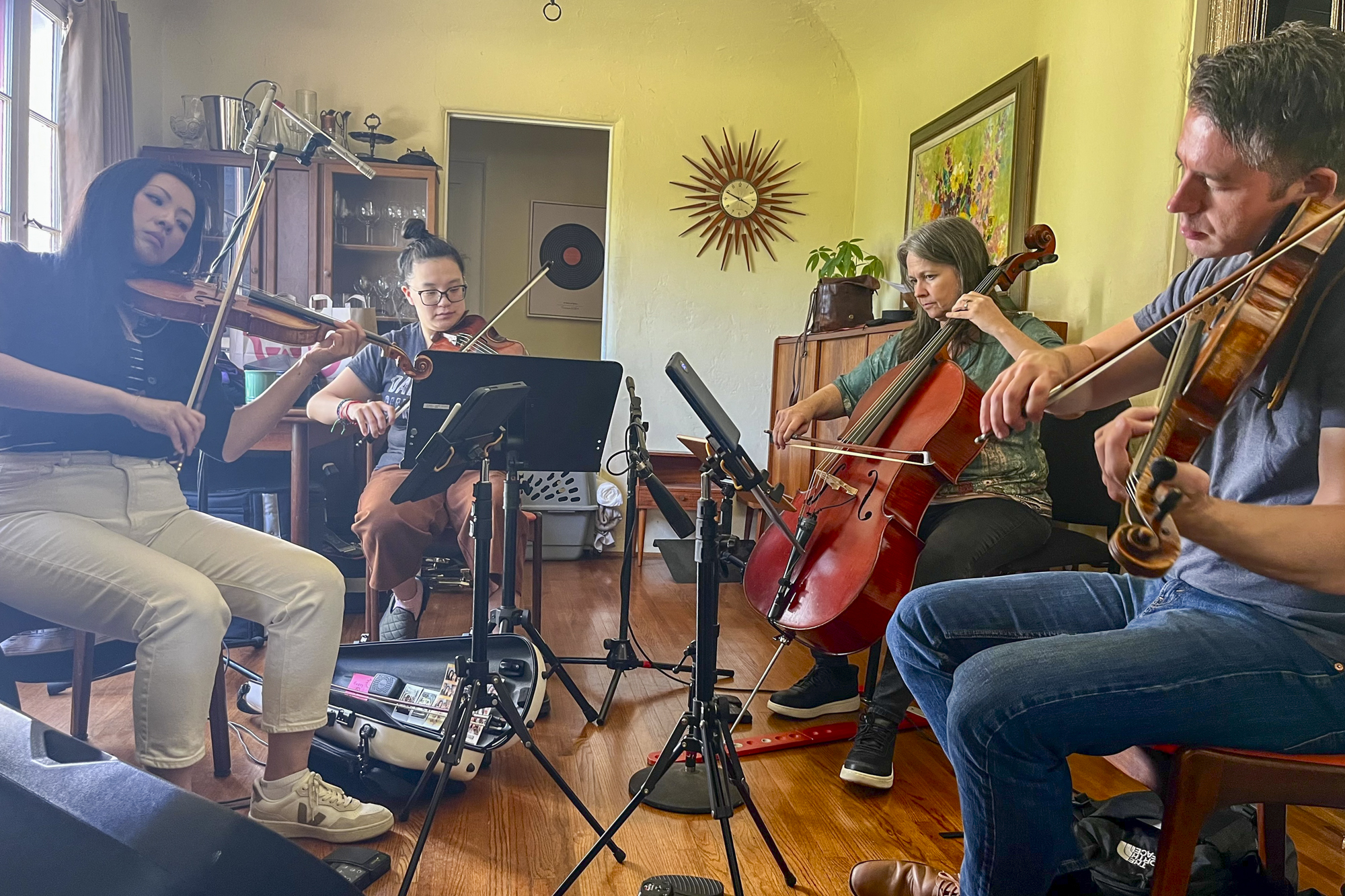
window.__INITIAL_STATE__={
"attachmentsReducer": {
"audio_0": {
"type": "attachments",
"id": "audio_0",
"imgSizes": {
"kqedFullSize": {
"file": "https://ww2.kqed.org/news/wp-content/themes/KQED-unified/img/audio_bgs/background0.jpg"
}
}
},
"audio_1": {
"type": "attachments",
"id": "audio_1",
"imgSizes": {
"kqedFullSize": {
"file": "https://ww2.kqed.org/news/wp-content/themes/KQED-unified/img/audio_bgs/background1.jpg"
}
}
},
"audio_2": {
"type": "attachments",
"id": "audio_2",
"imgSizes": {
"kqedFullSize": {
"file": "https://ww2.kqed.org/news/wp-content/themes/KQED-unified/img/audio_bgs/background2.jpg"
}
}
},
"audio_3": {
"type": "attachments",
"id": "audio_3",
"imgSizes": {
"kqedFullSize": {
"file": "https://ww2.kqed.org/news/wp-content/themes/KQED-unified/img/audio_bgs/background3.jpg"
}
}
},
"audio_4": {
"type": "attachments",
"id": "audio_4",
"imgSizes": {
"kqedFullSize": {
"file": "https://ww2.kqed.org/news/wp-content/themes/KQED-unified/img/audio_bgs/background4.jpg"
}
}
},
"placeholder": {
"type": "attachments",
"id": "placeholder",
"imgSizes": {
"thumbnail": {
"file": "https://cdn.kqed.org/wp-content/uploads/2024/12/KQED-Default-Image-816638274-2000x1333-1-160x107.jpg",
"width": 160,
"height": 107,
"mimeType": "image/jpeg"
},
"medium": {
"file": "https://cdn.kqed.org/wp-content/uploads/2024/12/KQED-Default-Image-816638274-2000x1333-1-800x533.jpg",
"width": 800,
"height": 533,
"mimeType": "image/jpeg"
},
"medium_large": {
"file": "https://cdn.kqed.org/wp-content/uploads/2024/12/KQED-Default-Image-816638274-2000x1333-1-768x512.jpg",
"width": 768,
"height": 512,
"mimeType": "image/jpeg"
},
"large": {
"file": "https://cdn.kqed.org/wp-content/uploads/2024/12/KQED-Default-Image-816638274-2000x1333-1-1020x680.jpg",
"width": 1020,
"height": 680,
"mimeType": "image/jpeg"
},
"1536x1536": {
"file": "https://cdn.kqed.org/wp-content/uploads/2024/12/KQED-Default-Image-816638274-2000x1333-1-1536x1024.jpg",
"width": 1536,
"height": 1024,
"mimeType": "image/jpeg"
},
"fd-lrg": {
"file": "https://cdn.kqed.org/wp-content/uploads/2024/12/KQED-Default-Image-816638274-2000x1333-1-1536x1024.jpg",
"width": 1536,
"height": 1024,
"mimeType": "image/jpeg"
},
"fd-med": {
"file": "https://cdn.kqed.org/wp-content/uploads/2024/12/KQED-Default-Image-816638274-2000x1333-1-1020x680.jpg",
"width": 1020,
"height": 680,
"mimeType": "image/jpeg"
},
"fd-sm": {
"file": "https://cdn.kqed.org/wp-content/uploads/2024/12/KQED-Default-Image-816638274-2000x1333-1-800x533.jpg",
"width": 800,
"height": 533,
"mimeType": "image/jpeg"
},
"post-thumbnail": {
"file": "https://cdn.kqed.org/wp-content/uploads/2024/12/KQED-Default-Image-816638274-2000x1333-1-672x372.jpg",
"width": 672,
"height": 372,
"mimeType": "image/jpeg"
},
"twentyfourteen-full-width": {
"file": "https://cdn.kqed.org/wp-content/uploads/2024/12/KQED-Default-Image-816638274-2000x1333-1-1038x576.jpg",
"width": 1038,
"height": 576,
"mimeType": "image/jpeg"
},
"xxsmall": {
"file": "https://cdn.kqed.org/wp-content/uploads/2024/12/KQED-Default-Image-816638274-2000x1333-1-160x107.jpg",
"width": 160,
"height": 107,
"mimeType": "image/jpeg"
},
"xsmall": {
"file": "https://cdn.kqed.org/wp-content/uploads/2024/12/KQED-Default-Image-816638274-2000x1333-1-672x372.jpg",
"width": 672,
"height": 372,
"mimeType": "image/jpeg"
},
"small": {
"file": "https://cdn.kqed.org/wp-content/uploads/2024/12/KQED-Default-Image-816638274-2000x1333-1-672x372.jpg",
"width": 672,
"height": 372,
"mimeType": "image/jpeg"
},
"xlarge": {
"file": "https://cdn.kqed.org/wp-content/uploads/2024/12/KQED-Default-Image-816638274-2000x1333-1-1020x680.jpg",
"width": 1020,
"height": 680,
"mimeType": "image/jpeg"
},
"full-width": {
"file": "https://cdn.kqed.org/wp-content/uploads/2024/12/KQED-Default-Image-816638274-2000x1333-1-1920x1280.jpg",
"width": 1920,
"height": 1280,
"mimeType": "image/jpeg"
},
"guest-author-32": {
"file": "https://cdn.kqed.org/wp-content/uploads/2025/01/KQED-Default-Image-816638274-1333x1333-1-160x160.jpg",
"width": 32,
"height": 32,
"mimeType": "image/jpeg"
},
"guest-author-50": {
"file": "https://cdn.kqed.org/wp-content/uploads/2025/01/KQED-Default-Image-816638274-1333x1333-1-160x160.jpg",
"width": 50,
"height": 50,
"mimeType": "image/jpeg"
},
"guest-author-64": {
"file": "https://cdn.kqed.org/wp-content/uploads/2025/01/KQED-Default-Image-816638274-1333x1333-1-160x160.jpg",
"width": 64,
"height": 64,
"mimeType": "image/jpeg"
},
"guest-author-96": {
"file": "https://cdn.kqed.org/wp-content/uploads/2025/01/KQED-Default-Image-816638274-1333x1333-1-160x160.jpg",
"width": 96,
"height": 96,
"mimeType": "image/jpeg"
},
"guest-author-128": {
"file": "https://cdn.kqed.org/wp-content/uploads/2025/01/KQED-Default-Image-816638274-1333x1333-1-160x160.jpg",
"width": 128,
"height": 128,
"mimeType": "image/jpeg"
},
"detail": {
"file": "https://cdn.kqed.org/wp-content/uploads/2025/01/KQED-Default-Image-816638274-1333x1333-1-160x160.jpg",
"width": 160,
"height": 160,
"mimeType": "image/jpeg"
},
"kqedFullSize": {
"file": "https://cdn.kqed.org/wp-content/uploads/2024/12/KQED-Default-Image-816638274-2000x1333-1.jpg",
"width": 2000,
"height": 1333
}
}
},
"news_12088188": {
"type": "attachments",
"id": "news_12088188",
"meta": {
"index": "attachments_1716263798",
"site": "news",
"id": "12088188",
"found": true
},
"title": "260618-PASADENA ROCK OPERA-SC01-KQED",
"publishDate": 1781818754,
"status": "inherit",
"parent": 0,
"modified": 1782332251,
"caption": "Cellist Mika Larson (second from right) runs through the songs from the Pasadena Right Here, Right Now rock opera for the first time together with Street Symphony members Sarena Hsu, Xenia Deviatkina-Loh and Zach Dellinger. “It’s fun, but also there are moments that are poignant and kind of speak to the weight on everybody’s shoulders right now,” said drummer Alexander Eckhoff. “But like with a lot of the stuff that I’ve heard of [Mark’s] is always interesting, always slightly offbeat, but in a good way.”",
"credit": "Steven Cuevas for KQED",
"altTag": null,
"description": null,
"imgSizes": {
"thumbnail": {
"file": "https://cdn.kqed.org/wp-content/uploads/sites/10/2026/06/260618-PASADENA-ROCK-OPERA-SC01-KQED-160x107.jpg",
"width": 160,
"height": 107,
"mimeType": "image/jpeg"
},
"1536x1536": {
"file": "https://cdn.kqed.org/wp-content/uploads/sites/10/2026/06/260618-PASADENA-ROCK-OPERA-SC01-KQED-1536x1024.jpg",
"width": 1536,
"height": 1024,
"mimeType": "image/jpeg"
},
"post-thumbnail": {
"file": "https://cdn.kqed.org/wp-content/uploads/sites/10/2026/06/260618-PASADENA-ROCK-OPERA-SC01-KQED-672x372.jpg",
"width": 672,
"height": 372,
"mimeType": "image/jpeg"
},
"twentyfourteen-full-width": {
"file": "https://cdn.kqed.org/wp-content/uploads/sites/10/2026/06/260618-PASADENA-ROCK-OPERA-SC01-KQED-1038x576.jpg",
"width": 1038,
"height": 576,
"mimeType": "image/jpeg"
},
"npr-cds-wide": {
"file": "https://cdn.kqed.org/wp-content/uploads/sites/10/2026/06/260618-PASADENA-ROCK-OPERA-SC01-KQED-1200x675.jpg",
"width": 1200,
"height": 675,
"mimeType": "image/jpeg"
},
"npr-cds-square": {
"file": "https://cdn.kqed.org/wp-content/uploads/sites/10/2026/06/260618-PASADENA-ROCK-OPERA-SC01-KQED-600x600.jpg",
"width": 600,
"height": 600,
"mimeType": "image/jpeg"
},
"kqedFullSize": {
"file": "https://cdn.kqed.org/wp-content/uploads/sites/10/2026/06/260618-PASADENA-ROCK-OPERA-SC01-KQED.jpg",
"width": 2000,
"height": 1333
}
},
"isLoading": false,
"fetchFailed": false
},
"news_12088682": {
"type": "attachments",
"id": "news_12088682",
"meta": {
"index": "attachments_1716263798",
"site": "news",
"id": "12088682",
"found": true
},
"title": "Eumari King Perez at KQED in San Francisco on June 22, 2026.",
"publishDate": 1782319666,
"status": "inherit",
"parent": 0,
"modified": 1782319799,
"caption": "Eumari King Perez sits for an interview at KQED in San Francisco on June 22, 2026.",
"credit": "Martin do Nascimento/KQED",
"altTag": null,
"description": null,
"imgSizes": {
"thumbnail": {
"file": "https://cdn.kqed.org/wp-content/uploads/sites/10/2026/06/260624-PODCASTING-DEMOCRACY-MD-01-KQED-160x107.jpg",
"width": 160,
"height": 107,
"mimeType": "image/jpeg"
},
"1536x1536": {
"file": "https://cdn.kqed.org/wp-content/uploads/sites/10/2026/06/260624-PODCASTING-DEMOCRACY-MD-01-KQED-1536x1025.jpg",
"width": 1536,
"height": 1025,
"mimeType": "image/jpeg"
},
"post-thumbnail": {
"file": "https://cdn.kqed.org/wp-content/uploads/sites/10/2026/06/260624-PODCASTING-DEMOCRACY-MD-01-KQED-672x372.jpg",
"width": 672,
"height": 372,
"mimeType": "image/jpeg"
},
"twentyfourteen-full-width": {
"file": "https://cdn.kqed.org/wp-content/uploads/sites/10/2026/06/260624-PODCASTING-DEMOCRACY-MD-01-KQED-1038x576.jpg",
"width": 1038,
"height": 576,
"mimeType": "image/jpeg"
},
"npr-cds-wide": {
"file": "https://cdn.kqed.org/wp-content/uploads/sites/10/2026/06/260624-PODCASTING-DEMOCRACY-MD-01-KQED-1200x675.jpg",
"width": 1200,
"height": 675,
"mimeType": "image/jpeg"
},
"npr-cds-square": {
"file": "https://cdn.kqed.org/wp-content/uploads/sites/10/2026/06/260624-PODCASTING-DEMOCRACY-MD-01-KQED-600x600.jpg",
"width": 600,
"height": 600,
"mimeType": "image/jpeg"
},
"kqedFullSize": {
"file": "https://cdn.kqed.org/wp-content/uploads/sites/10/2026/06/260624-PODCASTING-DEMOCRACY-MD-01-KQED.jpg",
"width": 2000,
"height": 1334
}
},
"isLoading": false,
"fetchFailed": false
},
"news_12089639": {
"type": "attachments",
"id": "news_12089639",
"meta": {
"index": "attachments_1716263798",
"site": "news",
"id": "12089639",
"found": true
},
"title": "Tom Nguyen as he teaches his \"L.A. Progressive Shooters\" intro class to a small group of students in Azusa.",
"publishDate": 1782943951,
"status": "inherit",
"parent": 12089634,
"modified": 1782944061,
"caption": "Instructor Tom Nguyen, middle, founder of L.A. Progressive Shooters, instructs Nikki Shrieves, 41, right, during a firearms education course in Norwalk, California, on Oct. 29, 2023. Nikki is holding a 9mm Glock.",
"credit": "Francine Orr/ Los Angeles Times via Getty Images",
"altTag": null,
"description": null,
"imgSizes": {
"thumbnail": {
"file": "https://cdn.kqed.org/wp-content/uploads/sites/10/2026/07/GlockBanCaliforniaGetty-160x107.jpg",
"width": 160,
"height": 107,
"mimeType": "image/jpeg"
},
"1536x1536": {
"file": "https://cdn.kqed.org/wp-content/uploads/sites/10/2026/07/GlockBanCaliforniaGetty-1536x1024.jpg",
"width": 1536,
"height": 1024,
"mimeType": "image/jpeg"
},
"post-thumbnail": {
"file": "https://cdn.kqed.org/wp-content/uploads/sites/10/2026/07/GlockBanCaliforniaGetty-672x372.jpg",
"width": 672,
"height": 372,
"mimeType": "image/jpeg"
},
"twentyfourteen-full-width": {
"file": "https://cdn.kqed.org/wp-content/uploads/sites/10/2026/07/GlockBanCaliforniaGetty-1038x576.jpg",
"width": 1038,
"height": 576,
"mimeType": "image/jpeg"
},
"npr-cds-wide": {
"file": "https://cdn.kqed.org/wp-content/uploads/sites/10/2026/07/GlockBanCaliforniaGetty-1200x675.jpg",
"width": 1200,
"height": 675,
"mimeType": "image/jpeg"
},
"npr-cds-square": {
"file": "https://cdn.kqed.org/wp-content/uploads/sites/10/2026/07/GlockBanCaliforniaGetty-600x600.jpg",
"width": 600,
"height": 600,
"mimeType": "image/jpeg"
},
"kqedFullSize": {
"file": "https://cdn.kqed.org/wp-content/uploads/sites/10/2026/07/GlockBanCaliforniaGetty.jpg",
"width": 2000,
"height": 1333
}
},
"isLoading": false,
"fetchFailed": false
},
"news_12050034": {
"type": "attachments",
"id": "news_12050034",
"meta": {
"index": "attachments_1716263798",
"site": "news",
"id": "12050034",
"found": true
},
"title": "CalFreshCM1",
"publishDate": 1753736489,
"status": "inherit",
"parent": 12050032,
"modified": 1783017028,
"caption": "The Ecology Center farmers' market in downtown Berkeley on July 13, 2019. CalFresh participants can purchase tokens at the market using their benefits card and can receive up to $10 in additional tokens specifically for fruits and vegetables.",
"credit": "Anne Wernikoff/CalMatters",
"altTag": null,
"description": null,
"imgSizes": {
"thumbnail": {
"file": "https://cdn.kqed.org/wp-content/uploads/sites/10/2025/07/CalFreshCM1-160x107.jpg",
"width": 160,
"height": 107,
"mimeType": "image/jpeg"
},
"1536x1536": {
"file": "https://cdn.kqed.org/wp-content/uploads/sites/10/2025/07/CalFreshCM1-1536x1024.jpg",
"width": 1536,
"height": 1024,
"mimeType": "image/jpeg"
},
"post-thumbnail": {
"file": "https://cdn.kqed.org/wp-content/uploads/sites/10/2025/07/CalFreshCM1-672x372.jpg",
"width": 672,
"height": 372,
"mimeType": "image/jpeg"
},
"twentyfourteen-full-width": {
"file": "https://cdn.kqed.org/wp-content/uploads/sites/10/2025/07/CalFreshCM1-1038x576.jpg",
"width": 1038,
"height": 576,
"mimeType": "image/jpeg"
},
"kqedFullSize": {
"file": "https://cdn.kqed.org/wp-content/uploads/sites/10/2025/07/CalFreshCM1.jpg",
"width": 2000,
"height": 1333
}
},
"isLoading": false,
"fetchFailed": false
},
"news_12079761": {
"type": "attachments",
"id": "news_12079761",
"meta": {
"index": "attachments_1716263798",
"site": "news",
"id": "12079761",
"found": true
},
"title": "BlackRock Infrastructure Summit Held In Washington, DC",
"publishDate": 1776120110,
"status": "inherit",
"parent": 12079741,
"modified": 1776126677,
"caption": "OpenAI CEO Sam Altman speaks during the BlackRock Infrastructure Summit on March 11, 2026, in Washington, D.C. The global investment management company held the summit, consisting of leaders from government, business, and labor, to address expanding U.S. infrastructure. ",
"credit": "Anna Moneymaker/Getty Images",
"altTag": null,
"description": null,
"imgSizes": {
"thumbnail": {
"file": "https://cdn.kqed.org/wp-content/uploads/sites/10/2026/04/SamAltmanGetty2-160x107.jpg",
"width": 160,
"height": 107,
"mimeType": "image/jpeg"
},
"1536x1536": {
"file": "https://cdn.kqed.org/wp-content/uploads/sites/10/2026/04/SamAltmanGetty2-1536x1024.jpg",
"width": 1536,
"height": 1024,
"mimeType": "image/jpeg"
},
"post-thumbnail": {
"file": "https://cdn.kqed.org/wp-content/uploads/sites/10/2026/04/SamAltmanGetty2-672x372.jpg",
"width": 672,
"height": 372,
"mimeType": "image/jpeg"
},
"twentyfourteen-full-width": {
"file": "https://cdn.kqed.org/wp-content/uploads/sites/10/2026/04/SamAltmanGetty2-1038x576.jpg",
"width": 1038,
"height": 576,
"mimeType": "image/jpeg"
},
"npr-cds-wide": {
"file": "https://cdn.kqed.org/wp-content/uploads/sites/10/2026/04/SamAltmanGetty2-1200x675.jpg",
"width": 1200,
"height": 675,
"mimeType": "image/jpeg"
},
"npr-cds-square": {
"file": "https://cdn.kqed.org/wp-content/uploads/sites/10/2026/04/SamAltmanGetty2-600x600.jpg",
"width": 600,
"height": 600,
"mimeType": "image/jpeg"
},
"kqedFullSize": {
"file": "https://cdn.kqed.org/wp-content/uploads/sites/10/2026/04/SamAltmanGetty2.jpg",
"width": 2000,
"height": 1333
}
},
"isLoading": false,
"fetchFailed": false
},
"news_12078496": {
"type": "attachments",
"id": "news_12078496",
"meta": {
"index": "attachments_1716263798",
"site": "news",
"id": "12078496",
"found": true
},
"title": "Producer Prices",
"publishDate": 1775161780,
"status": "inherit",
"parent": 12078490,
"modified": 1775161888,
"caption": "A California's SNAP benefits shopper pushes a cart through a supermarket in Bellflower, California, on Feb. 13, 2023.",
"credit": "Allison Dinner/AP Photo",
"altTag": null,
"description": null,
"imgSizes": {
"thumbnail": {
"file": "https://cdn.kqed.org/wp-content/uploads/sites/10/2026/04/GroceriesAP-160x107.jpg",
"width": 160,
"height": 107,
"mimeType": "image/jpeg"
},
"1536x1536": {
"file": "https://cdn.kqed.org/wp-content/uploads/sites/10/2026/04/GroceriesAP-1536x1024.jpg",
"width": 1536,
"height": 1024,
"mimeType": "image/jpeg"
},
"post-thumbnail": {
"file": "https://cdn.kqed.org/wp-content/uploads/sites/10/2026/04/GroceriesAP-672x372.jpg",
"width": 672,
"height": 372,
"mimeType": "image/jpeg"
},
"twentyfourteen-full-width": {
"file": "https://cdn.kqed.org/wp-content/uploads/sites/10/2026/04/GroceriesAP-1038x576.jpg",
"width": 1038,
"height": 576,
"mimeType": "image/jpeg"
},
"npr-cds-wide": {
"file": "https://cdn.kqed.org/wp-content/uploads/sites/10/2026/04/GroceriesAP-1200x675.jpg",
"width": 1200,
"height": 675,
"mimeType": "image/jpeg"
},
"npr-cds-square": {
"file": "https://cdn.kqed.org/wp-content/uploads/sites/10/2026/04/GroceriesAP-600x600.jpg",
"width": 600,
"height": 600,
"mimeType": "image/jpeg"
},
"kqedFullSize": {
"file": "https://cdn.kqed.org/wp-content/uploads/sites/10/2026/04/GroceriesAP.jpg",
"width": 2000,
"height": 1333
}
},
"isLoading": false,
"fetchFailed": false
},
"news_12089605": {
"type": "attachments",
"id": "news_12089605",
"meta": {
"index": "attachments_1716263798",
"site": "news",
"id": "12089605",
"found": true
},
"title": "240215-PreschoolSuspension-32-BL_qed",
"publishDate": 1782935716,
"status": "inherit",
"parent": 12089580,
"modified": 1782935726,
"caption": "Teacher intern Melanie Sandoval works with students in a garden during a preschool class at Los Medanos College Child Study Center in Pittsburg on Feb. 15, 2024.",
"credit": "Beth LaBerge/KQED",
"altTag": null,
"description": null,
"imgSizes": {
"thumbnail": {
"file": "https://cdn.kqed.org/wp-content/uploads/sites/10/2026/07/240215-PreschoolSuspension-32-BL_qed-160x107.jpg",
"width": 160,
"height": 107,
"mimeType": "image/jpeg"
},
"1536x1536": {
"file": "https://cdn.kqed.org/wp-content/uploads/sites/10/2026/07/240215-PreschoolSuspension-32-BL_qed-1536x1024.jpg",
"width": 1536,
"height": 1024,
"mimeType": "image/jpeg"
},
"post-thumbnail": {
"file": "https://cdn.kqed.org/wp-content/uploads/sites/10/2026/07/240215-PreschoolSuspension-32-BL_qed-672x372.jpg",
"width": 672,
"height": 372,
"mimeType": "image/jpeg"
},
"twentyfourteen-full-width": {
"file": "https://cdn.kqed.org/wp-content/uploads/sites/10/2026/07/240215-PreschoolSuspension-32-BL_qed-1038x576.jpg",
"width": 1038,
"height": 576,
"mimeType": "image/jpeg"
},
"npr-cds-wide": {
"file": "https://cdn.kqed.org/wp-content/uploads/sites/10/2026/07/240215-PreschoolSuspension-32-BL_qed-1200x675.jpg",
"width": 1200,
"height": 675,
"mimeType": "image/jpeg"
},
"npr-cds-square": {
"file": "https://cdn.kqed.org/wp-content/uploads/sites/10/2026/07/240215-PreschoolSuspension-32-BL_qed-600x600.jpg",
"width": 600,
"height": 600,
"mimeType": "image/jpeg"
},
"kqedFullSize": {
"file": "https://cdn.kqed.org/wp-content/uploads/sites/10/2026/07/240215-PreschoolSuspension-32-BL_qed.jpg",
"width": 1999,
"height": 1333
}
},
"isLoading": false,
"fetchFailed": false
},
"news_12089327": {
"type": "attachments",
"id": "news_12089327",
"meta": {
"index": "attachments_1716263798",
"site": "news",
"id": "12089327",
"found": true
},
"title": "Governor Gavin Newsom, Compton, Clinton Elementary School",
"publishDate": 1782838933,
"status": "inherit",
"parent": 12089316,
"modified": 1782839294,
"caption": "Gov. Gavin Newsom walks with students from Clinton Elementary School to announce support for literacy with The Golden State Literacy Plan at Clinton Elementary School in Compton on June 5, 2025. The governor was joined by State Superintendent of Public Instruction Tony Thurmond and other education officials.",
"credit": "Genaro Molina/Los Angeles Times via Getty Images",
"altTag": null,
"description": null,
"imgSizes": {
"thumbnail": {
"file": "https://cdn.kqed.org/wp-content/uploads/sites/10/2026/06/GavinNewsomEducationGetty-160x110.jpg",
"width": 160,
"height": 110,
"mimeType": "image/jpeg"
},
"1536x1536": {
"file": "https://cdn.kqed.org/wp-content/uploads/sites/10/2026/06/GavinNewsomEducationGetty-1536x1055.jpg",
"width": 1536,
"height": 1055,
"mimeType": "image/jpeg"
},
"post-thumbnail": {
"file": "https://cdn.kqed.org/wp-content/uploads/sites/10/2026/06/GavinNewsomEducationGetty-672x372.jpg",
"width": 672,
"height": 372,
"mimeType": "image/jpeg"
},
"twentyfourteen-full-width": {
"file": "https://cdn.kqed.org/wp-content/uploads/sites/10/2026/06/GavinNewsomEducationGetty-1038x576.jpg",
"width": 1038,
"height": 576,
"mimeType": "image/jpeg"
},
"npr-cds-wide": {
"file": "https://cdn.kqed.org/wp-content/uploads/sites/10/2026/06/GavinNewsomEducationGetty-1200x675.jpg",
"width": 1200,
"height": 675,
"mimeType": "image/jpeg"
},
"npr-cds-square": {
"file": "https://cdn.kqed.org/wp-content/uploads/sites/10/2026/06/GavinNewsomEducationGetty-600x600.jpg",
"width": 600,
"height": 600,
"mimeType": "image/jpeg"
},
"kqedFullSize": {
"file": "https://cdn.kqed.org/wp-content/uploads/sites/10/2026/06/GavinNewsomEducationGetty.jpg",
"width": 2000,
"height": 1374
}
},
"isLoading": false,
"fetchFailed": false
},
"news_12089500": {
"type": "attachments",
"id": "news_12089500",
"meta": {
"index": "attachments_1716263798",
"site": "news",
"id": "12089500",
"found": true
},
"title": "Downtown Rio Vista on May 2, 2024.",
"publishDate": 1782925336,
"status": "inherit",
"parent": 12089233,
"modified": 1782925354,
"caption": "Downtown Rio Vista on May 2, 2024.",
"credit": "Beth LaBerge/KQED",
"altTag": null,
"description": null,
"imgSizes": {
"thumbnail": {
"file": "https://cdn.kqed.org/wp-content/uploads/sites/10/2026/07/240502-CaliforniaForever-58-BL_qed-1-160x107.jpg",
"width": 160,
"height": 107,
"mimeType": "image/jpeg"
},
"1536x1536": {
"file": "https://cdn.kqed.org/wp-content/uploads/sites/10/2026/07/240502-CaliforniaForever-58-BL_qed-1-1536x1024.jpg",
"width": 1536,
"height": 1024,
"mimeType": "image/jpeg"
},
"post-thumbnail": {
"file": "https://cdn.kqed.org/wp-content/uploads/sites/10/2026/07/240502-CaliforniaForever-58-BL_qed-1-672x372.jpg",
"width": 672,
"height": 372,
"mimeType": "image/jpeg"
},
"twentyfourteen-full-width": {
"file": "https://cdn.kqed.org/wp-content/uploads/sites/10/2026/07/240502-CaliforniaForever-58-BL_qed-1-1038x576.jpg",
"width": 1038,
"height": 576,
"mimeType": "image/jpeg"
},
"npr-cds-wide": {
"file": "https://cdn.kqed.org/wp-content/uploads/sites/10/2026/07/240502-CaliforniaForever-58-BL_qed-1-1200x675.jpg",
"width": 1200,
"height": 675,
"mimeType": "image/jpeg"
},
"npr-cds-square": {
"file": "https://cdn.kqed.org/wp-content/uploads/sites/10/2026/07/240502-CaliforniaForever-58-BL_qed-1-600x600.jpg",
"width": 600,
"height": 600,
"mimeType": "image/jpeg"
},
"kqedFullSize": {
"file": "https://cdn.kqed.org/wp-content/uploads/sites/10/2026/07/240502-CaliforniaForever-58-BL_qed-1.jpg",
"width": 2000,
"height": 1333
}
},
"isLoading": false,
"fetchFailed": false
},
"news_12089378": {
"type": "attachments",
"id": "news_12089378",
"meta": {
"index": "attachments_1716263798",
"site": "news",
"id": "12089378",
"found": true
},
"title": "Marshall Gold Discovery State Park",
"publishDate": 1782845992,
"status": "inherit",
"parent": 12089221,
"modified": 1782847887,
"caption": "Coloma, California's Marshall Gold Discovery State Park, where gold was first discovered in 1885.",
"credit": "Education Images/Universal Images Group via Getty Images",
"altTag": null,
"description": null,
"imgSizes": {
"thumbnail": {
"file": "https://cdn.kqed.org/wp-content/uploads/sites/10/2026/06/GettyImages-614276824-160x104.jpg",
"width": 160,
"height": 104,
"mimeType": "image/jpeg"
},
"1536x1536": {
"file": "https://cdn.kqed.org/wp-content/uploads/sites/10/2026/06/GettyImages-614276824-1536x994.jpg",
"width": 1536,
"height": 994,
"mimeType": "image/jpeg"
},
"post-thumbnail": {
"file": "https://cdn.kqed.org/wp-content/uploads/sites/10/2026/06/GettyImages-614276824-672x372.jpg",
"width": 672,
"height": 372,
"mimeType": "image/jpeg"
},
"twentyfourteen-full-width": {
"file": "https://cdn.kqed.org/wp-content/uploads/sites/10/2026/06/GettyImages-614276824-1038x576.jpg",
"width": 1038,
"height": 576,
"mimeType": "image/jpeg"
},
"npr-cds-wide": {
"file": "https://cdn.kqed.org/wp-content/uploads/sites/10/2026/06/GettyImages-614276824-1200x675.jpg",
"width": 1200,
"height": 675,
"mimeType": "image/jpeg"
},
"npr-cds-square": {
"file": "https://cdn.kqed.org/wp-content/uploads/sites/10/2026/06/GettyImages-614276824-600x600.jpg",
"width": 600,
"height": 600,
"mimeType": "image/jpeg"
},
"kqedFullSize": {
"file": "https://cdn.kqed.org/wp-content/uploads/sites/10/2026/06/GettyImages-614276824.jpg",
"width": 1980,
"height": 1281
}
},
"isLoading": false,
"fetchFailed": false
},
"news_12089390": {
"type": "attachments",
"id": "news_12089390",
"meta": {
"index": "attachments_1716263798",
"site": "news",
"id": "12089390",
"found": true
},
"title": "New York Yankees v Detroit Tigers",
"publishDate": 1782847970,
"status": "inherit",
"parent": 12087779,
"modified": 1782848029,
"caption": "A detailed view of the special commemorative 250th anniversary American Flag flying during the spring training baseball game between the New York Yankees and the Detroit Tigers at Publix Field at Joker Marchant Stadium on March 12, 2026 in Lakeland, Florida. The Yankees defeated the Tigers 4-3. ",
"credit": "Mark Cunningham/MLB Photos via Getty Images",
"altTag": null,
"description": null,
"imgSizes": {
"thumbnail": {
"file": "https://cdn.kqed.org/wp-content/uploads/sites/10/2026/06/GettyImages-2266336022-160x107.jpg",
"width": 160,
"height": 107,
"mimeType": "image/jpeg"
},
"1536x1536": {
"file": "https://cdn.kqed.org/wp-content/uploads/sites/10/2026/06/GettyImages-2266336022-1536x1024.jpg",
"width": 1536,
"height": 1024,
"mimeType": "image/jpeg"
},
"post-thumbnail": {
"file": "https://cdn.kqed.org/wp-content/uploads/sites/10/2026/06/GettyImages-2266336022-672x372.jpg",
"width": 672,
"height": 372,
"mimeType": "image/jpeg"
},
"twentyfourteen-full-width": {
"file": "https://cdn.kqed.org/wp-content/uploads/sites/10/2026/06/GettyImages-2266336022-1038x576.jpg",
"width": 1038,
"height": 576,
"mimeType": "image/jpeg"
},
"npr-cds-wide": {
"file": "https://cdn.kqed.org/wp-content/uploads/sites/10/2026/06/GettyImages-2266336022-1200x675.jpg",
"width": 1200,
"height": 675,
"mimeType": "image/jpeg"
},
"npr-cds-square": {
"file": "https://cdn.kqed.org/wp-content/uploads/sites/10/2026/06/GettyImages-2266336022-600x600.jpg",
"width": 600,
"height": 600,
"mimeType": "image/jpeg"
},
"kqedFullSize": {
"file": "https://cdn.kqed.org/wp-content/uploads/sites/10/2026/06/GettyImages-2266336022.jpg",
"width": 1980,
"height": 1320
}
},
"isLoading": false,
"fetchFailed": false
},
"news_12089186": {
"type": "attachments",
"id": "news_12089186",
"meta": {
"index": "attachments_1716263798",
"site": "news",
"id": "12089186",
"found": true
},
"title": "US-JUSTICE-SPORTS-TRANSGENDER-LGBTQ-DISCRIMINATION",
"publishDate": 1782747620,
"status": "inherit",
"parent": 12088215,
"modified": 1782843123,
"caption": "LGBTQ+ rights advocates rally outside the U.S. Supreme Court as justices hear arguments in challenges to state bans on transgender athletes in women's sports on Jan. 13, 2026, in Washington, D.C. The conservative-dominated court is to hear challenges to state laws in Idaho and West Virginia banning transgender athletes from female competition. More than two dozen U.S. states have passed laws in recent years barring athletes who were assigned as male at birth from taking part in girls' or women's sports. ",
"credit": "Oliver Contreras/AFP via Getty Images",
"altTag": null,
"description": null,
"imgSizes": {
"thumbnail": {
"file": "https://cdn.kqed.org/wp-content/uploads/sites/10/2026/06/GettyImages-2255523853-160x107.jpg",
"width": 160,
"height": 107,
"mimeType": "image/jpeg"
},
"1536x1536": {
"file": "https://cdn.kqed.org/wp-content/uploads/sites/10/2026/06/GettyImages-2255523853-1536x1024.jpg",
"width": 1536,
"height": 1024,
"mimeType": "image/jpeg"
},
"post-thumbnail": {
"file": "https://cdn.kqed.org/wp-content/uploads/sites/10/2026/06/GettyImages-2255523853-672x372.jpg",
"width": 672,
"height": 372,
"mimeType": "image/jpeg"
},
"twentyfourteen-full-width": {
"file": "https://cdn.kqed.org/wp-content/uploads/sites/10/2026/06/GettyImages-2255523853-1038x576.jpg",
"width": 1038,
"height": 576,
"mimeType": "image/jpeg"
},
"npr-cds-wide": {
"file": "https://cdn.kqed.org/wp-content/uploads/sites/10/2026/06/GettyImages-2255523853-1200x675.jpg",
"width": 1200,
"height": 675,
"mimeType": "image/jpeg"
},
"npr-cds-square": {
"file": "https://cdn.kqed.org/wp-content/uploads/sites/10/2026/06/GettyImages-2255523853-600x600.jpg",
"width": 600,
"height": 600,
"mimeType": "image/jpeg"
},
"kqedFullSize": {
"file": "https://cdn.kqed.org/wp-content/uploads/sites/10/2026/06/GettyImages-2255523853.jpg",
"width": 1980,
"height": 1320
}
},
"isLoading": false,
"fetchFailed": false
}
},
"audioPlayerReducer": {
"postId": "stream_live",
"isPaused": true,
"isPlaying": false,
"pfsActive": false,
"pledgeModalIsOpen": true,
"playerDrawerIsOpen": false,
"liveAudioPlayStartedAt": 0,
"liveAudioPlayContext": ""
},
"authorsReducer": {
"sracho": {
"type": "authors",
"id": "107",
"meta": {
"index": "authors_1716337520",
"id": "107",
"found": true
},
"name": "Suzie Racho",
"firstName": "Suzie",
"lastName": "Racho",
"slug": "sracho",
"email": "SRacho@KQED.org",
"display_author_email": false,
"staff_mastheads": [
"news"
],
"title": "KQED Contributor",
"bio": "Suzie Racho is a correspondent-producer with \u003cem>The California Report Magazine\u003c/em>\u003cem>. S\u003c/em>he has also worked with several other KQED productions, including Bay Curious, Truth Be Told, The Do List and KQED News.\r\n\r\nSuzie came to KQED in 1996 after receiving a BA in journalism from San Francisco State University and spending several years working in the music industry. As part of \u003cem>The California Report\u003c/em> team, her work has been recognized by the Society for Professional Journalists, National Federation of Community Broadcasters and Public Radio News Directors Incorporated, among others. She was recognized with a national Gracie Award in 2019. She spends her free time baking, listening to K-pop and rooting for the Giants and Valkyries.",
"avatar": "https://secure.gravatar.com/avatar/842e457a9830b0f3c1ce3ab70ed3518d616d1e25e315c6292eab8cd611d98601?s=600&d=blank&r=g",
"twitter": null,
"bluesky": null,
"facebook": null,
"instagram": null,
"linkedin": null,
"sites": [
{
"site": "arts",
"roles": [
"editor"
]
},
{
"site": "news",
"roles": [
"editor"
]
}
],
"headData": {
"title": "Suzie Racho | KQED",
"description": "KQED Contributor",
"ogImgSrc": "https://secure.gravatar.com/avatar/842e457a9830b0f3c1ce3ab70ed3518d616d1e25e315c6292eab8cd611d98601?s=600&d=blank&r=g",
"twImgSrc": "https://secure.gravatar.com/avatar/842e457a9830b0f3c1ce3ab70ed3518d616d1e25e315c6292eab8cd611d98601?s=600&d=blank&r=g"
},
"isLoading": false,
"link": "/author/sracho"
},
"scuevas": {
"type": "authors",
"id": "2600",
"meta": {
"index": "authors_1716337520",
"id": "2600",
"found": true
},
"name": "Steven Cuevas",
"firstName": "Steven",
"lastName": "Cuevas",
"slug": "scuevas",
"email": "scuevas@kqed.org",
"display_author_email": false,
"staff_mastheads": [],
"title": "KQED Contributor",
"bio": "Steven is a former Los Angeles bureau chief for The California Report.\r\n\r\nHe reports on an array of issues across the Southland, from immigration and regional politics to religion, the performing arts and pop culture.\r\n\r\nPrior to joining KQED in 2012, Steven covered Inland southern California for KPCC in Pasadena. He also helped establish the first newsroom at \u003ca href=\"http://kut.org/\">KUT\u003c/a> in Austin, Texas where he was a general assignment reporter.\r\n\r\nSteven has received numerous awards for his reporting including an RTNDA Edward R. Murrow Award for investigative reporting in addition to awards from the LA Press Club, the Associated Press and the Society for Professional Journalists.\r\n\r\nSteven grew up in and around San Francisco and now lives in Pasadena just a short jog from the foot of the San Gabriel Mountains.",
"avatar": "https://secure.gravatar.com/avatar/2d253580794f8e026100fae05cfabbbd4889b4fe15146146cacb82a01974c538?s=600&d=blank&r=g",
"twitter": null,
"bluesky": null,
"facebook": null,
"instagram": null,
"linkedin": null,
"sites": [
{
"site": "news",
"roles": [
"subscriber"
]
}
],
"headData": {
"title": "Steven Cuevas | KQED",
"description": "KQED Contributor",
"ogImgSrc": "https://secure.gravatar.com/avatar/2d253580794f8e026100fae05cfabbbd4889b4fe15146146cacb82a01974c538?s=600&d=blank&r=g",
"twImgSrc": "https://secure.gravatar.com/avatar/2d253580794f8e026100fae05cfabbbd4889b4fe15146146cacb82a01974c538?s=600&d=blank&r=g"
},
"isLoading": false,
"link": "/author/scuevas"
},
"abandlamudi": {
"type": "authors",
"id": "11672",
"meta": {
"index": "authors_1716337520",
"id": "11672",
"found": true
},
"name": "Adhiti Bandlamudi",
"firstName": "Adhiti",
"lastName": "Bandlamudi",
"slug": "abandlamudi",
"email": "abandlamudi@kqed.org",
"display_author_email": false,
"staff_mastheads": [
"news"
],
"title": "KQED Housing Reporter",
"bio": "Adhiti Bandlamudi reports for KQED's Housing desk. She focuses on how housing gets built across the Bay Area. Before joining KQED in 2020, she reported for WUNC in Durham, North Carolina, WABE in Atlanta, Georgia and Capital Public Radio in Sacramento. In 2017, she was awarded a Kroc Fellowship at NPR where she reported on everything from sprinkles to the Golden State Killer's arrest. When she's not reporting, she's baking new recipes in her kitchen or watching movies with friends and family. She's originally from Georgia and has strong opinions about Great British Bake Off.",
"avatar": "https://secure.gravatar.com/avatar/868129c8b257bb99a3500e2c86a65400?s=600&d=mm&r=g",
"twitter": "oddity_adhiti",
"facebook": null,
"instagram": null,
"linkedin": null,
"sites": [
{
"site": "arts",
"roles": [
"author"
]
},
{
"site": "news",
"roles": [
"editor"
]
},
{
"site": "liveblog",
"roles": [
"author"
]
}
],
"headData": {
"title": "Adhiti Bandlamudi | KQED",
"description": "KQED Housing Reporter",
"ogImgSrc": "https://secure.gravatar.com/avatar/868129c8b257bb99a3500e2c86a65400?s=600&d=mm&r=g",
"twImgSrc": "https://secure.gravatar.com/avatar/868129c8b257bb99a3500e2c86a65400?s=600&d=mm&r=g"
},
"isLoading": false,
"link": "/author/abandlamudi"
},
"ernestoaguilar": {
"type": "authors",
"id": "11783",
"meta": {
"index": "authors_1716337520",
"id": "11783",
"found": true
},
"name": "Ernesto Aguilar",
"firstName": "Ernesto",
"lastName": "Aguilar",
"slug": "ernestoaguilar",
"email": "eaguilar@kqed.org",
"display_author_email": true,
"staff_mastheads": [
"news"
],
"title": "Executive Director of Radio Programming and Content Innovation Initiatives",
"bio": "Born in East Houston, Ernesto Aguilar’s life was transformed by public media. His career has traversed daily newspapers and alternative weeklies to public radio news and program director roles. At KQED, he oversees radio broadcast content and innovation initiatives, including leading its AI Steering Committee and Content AI Committee. Prior to KQED, Aguilar served public media as executive director of the National Federation of Community Broadcasters. In his spare time, he writes OIGO, a newsletter on public media and Latino audiences, and AI and Public Media Futures, a newsletter on artificial intelligence's impact on public broadcasting.",
"avatar": "https://secure.gravatar.com/avatar/5c8b65319d9c2a751c8e097ae95584601a6e3c3d0d2ed4fbe8723deb8409c8ce?s=600&d=mm&r=g",
"twitter": "@eaXLR",
"bluesky": null,
"facebook": "https://www.facebook.com/eaXLR/",
"instagram": "https://www.instagram.com/eaxlr/",
"linkedin": "https://www.linkedin.com/in/eaxlr/",
"sites": [
{
"site": "",
"roles": [
"editor"
]
},
{
"site": "arts",
"roles": [
"editor"
]
},
{
"site": "news",
"roles": [
"editor"
]
},
{
"site": "about",
"roles": [
"editor"
]
},
{
"site": "radio",
"roles": [
"editor"
]
}
],
"headData": {
"title": "Ernesto Aguilar | KQED",
"description": "Executive Director of Radio Programming and Content Innovation Initiatives",
"ogImgSrc": "https://secure.gravatar.com/avatar/5c8b65319d9c2a751c8e097ae95584601a6e3c3d0d2ed4fbe8723deb8409c8ce?s=600&d=mm&r=g",
"twImgSrc": "https://secure.gravatar.com/avatar/5c8b65319d9c2a751c8e097ae95584601a6e3c3d0d2ed4fbe8723deb8409c8ce?s=600&d=mm&r=g"
},
"isLoading": false,
"link": "/author/ernestoaguilar"
},
"ibloom": {
"type": "authors",
"id": "11805",
"meta": {
"index": "authors_1716337520",
"id": "11805",
"found": true
},
"name": "Izzy Bloom",
"firstName": "Izzy",
"lastName": "Bloom",
"slug": "ibloom",
"email": "ibloom@kqed.org",
"display_author_email": false,
"staff_mastheads": [],
"title": "KQED Reporter & Producer",
"bio": "Izzy is a reporter and producer on KQED's California Politics & Government Desk. She joined the desk in 2024 to produce Political Breakdown, covering local and national elections and attending the RNC and DNC in Milwaukee and Chicago. \r\n\r\nBefore that, Izzy was a producer on The California Report and reported long-form stories for The California Report Magazine. She was a finalist for the Third Coast/Richard H. Driehaus Foundation Competition and was awarded for her reporting on indigenous land back by the Society of Professional Journalists. Izzy received her master's in journalism from the University of California, Berkeley.",
"avatar": "https://secure.gravatar.com/avatar/cc4d272ca430783ee1a8efac470a6b1e0fdd082c3beb61da019801d0ff751c8c?s=600&d=blank&r=g",
"twitter": null,
"bluesky": null,
"facebook": null,
"instagram": null,
"linkedin": null,
"sites": [
{
"site": "news",
"roles": [
"editor"
]
},
{
"site": "perspectives",
"roles": [
"editor"
]
}
],
"headData": {
"title": "Izzy Bloom | KQED",
"description": "KQED Reporter & Producer",
"ogImgSrc": "https://secure.gravatar.com/avatar/cc4d272ca430783ee1a8efac470a6b1e0fdd082c3beb61da019801d0ff751c8c?s=600&d=blank&r=g",
"twImgSrc": "https://secure.gravatar.com/avatar/cc4d272ca430783ee1a8efac470a6b1e0fdd082c3beb61da019801d0ff751c8c?s=600&d=blank&r=g"
},
"isLoading": false,
"link": "/author/ibloom"
},
"daisynguyen": {
"type": "authors",
"id": "11829",
"meta": {
"index": "authors_1716337520",
"id": "11829",
"found": true
},
"name": "Daisy Nguyen",
"firstName": "Daisy",
"lastName": "Nguyen",
"slug": "daisynguyen",
"email": "daisynguyen@kqed.org",
"display_author_email": true,
"staff_mastheads": [
"news"
],
"title": "KQED Contributor",
"bio": "I have covered early childhood education and child care for KQED since 2022. I focus on policies aimed at increasing access to early care and education and how they shape individual lives. I've been a journalist for more than two decades, with most of that time devoted to covering breaking news throughout California for The Associated Press. I grew up in San Francisco and studied at UC Davis and Columbia University's Graduate School of Journalism. I live in Oakland with my husband and two kids.",
"avatar": "https://secure.gravatar.com/avatar/2da2127c27f7143b53ebd419800fd55f?s=600&d=blank&r=g",
"twitter": null,
"facebook": null,
"instagram": null,
"linkedin": "https://www.linkedin.com/in/daisynguyen/",
"sites": [
{
"site": "news",
"roles": [
"author"
]
},
{
"site": "liveblog",
"roles": [
"author"
]
}
],
"headData": {
"title": "Daisy Nguyen | KQED",
"description": "KQED Contributor",
"ogImgSrc": "https://secure.gravatar.com/avatar/2da2127c27f7143b53ebd419800fd55f?s=600&d=blank&r=g",
"twImgSrc": "https://secure.gravatar.com/avatar/2da2127c27f7143b53ebd419800fd55f?s=600&d=blank&r=g"
},
"isLoading": false,
"link": "/author/daisynguyen"
},
"nkhan": {
"type": "authors",
"id": "11867",
"meta": {
"index": "authors_1716337520",
"id": "11867",
"found": true
},
"name": "Nisa Khan",
"firstName": "Nisa",
"lastName": "Khan",
"slug": "nkhan",
"email": "nkhan@kqed.org",
"display_author_email": false,
"staff_mastheads": [],
"title": "KQED Contributor",
"bio": "Nisa Khan is a reporter for KQED's Audience News Desk. She was formerly a data reporter at Michigan Radio. She earned a Bachelor of Science in Information from the University of Michigan and a Master of Arts in Communication from Stanford University.",
"avatar": "https://secure.gravatar.com/avatar/8720459eef081ff64582b3506b124d58523e80e120704a0cbd9892533c914991?s=600&d=blank&r=g",
"twitter": "mnisakhan",
"bluesky": null,
"facebook": null,
"instagram": null,
"linkedin": null,
"sites": [
{
"site": "arts",
"roles": [
"editor"
]
},
{
"site": "news",
"roles": [
"editor"
]
},
{
"site": "science",
"roles": [
"editor",
"author"
]
},
{
"site": "forum",
"roles": [
"editor"
]
},
{
"site": "liveblog",
"roles": [
"contributor"
]
}
],
"headData": {
"title": "Nisa Khan | KQED",
"description": "KQED Contributor",
"ogImgSrc": "https://secure.gravatar.com/avatar/8720459eef081ff64582b3506b124d58523e80e120704a0cbd9892533c914991?s=600&d=blank&r=g",
"twImgSrc": "https://secure.gravatar.com/avatar/8720459eef081ff64582b3506b124d58523e80e120704a0cbd9892533c914991?s=600&d=blank&r=g"
},
"isLoading": false,
"link": "/author/nkhan"
},
"kdebenedetti": {
"type": "authors",
"id": "11913",
"meta": {
"index": "authors_1716337520",
"id": "11913",
"found": true
},
"name": "Katie DeBenedetti",
"firstName": "Katie",
"lastName": "DeBenedetti",
"slug": "kdebenedetti",
"email": "kdebenedetti@kqed.org",
"display_author_email": false,
"staff_mastheads": [
"news",
"science"
],
"title": "KQED Contributor",
"bio": "Katie DeBenedetti is a digital reporter covering daily news for the Express Desk. Prior to joining KQED as a culture reporting intern in January 2024, she covered education and city government for the Napa Valley Register.",
"avatar": "https://secure.gravatar.com/avatar/6e31073cb8f7e4214ab03f42771d0f45?s=600&d=blank&r=g",
"twitter": null,
"facebook": null,
"instagram": null,
"linkedin": null,
"sites": [
{
"site": "news",
"roles": [
"author"
]
},
{
"site": "science",
"roles": [
"author"
]
},
{
"site": "liveblog",
"roles": [
"author"
]
}
],
"headData": {
"title": "Katie DeBenedetti | KQED",
"description": "KQED Contributor",
"ogImgSrc": "https://secure.gravatar.com/avatar/6e31073cb8f7e4214ab03f42771d0f45?s=600&d=blank&r=g",
"twImgSrc": "https://secure.gravatar.com/avatar/6e31073cb8f7e4214ab03f42771d0f45?s=600&d=blank&r=g"
},
"isLoading": false,
"link": "/author/kdebenedetti"
},
"sarahwright": {
"type": "authors",
"id": "11956",
"meta": {
"index": "authors_1716337520",
"id": "11956",
"found": true
},
"name": "Sarah Wright",
"firstName": "Sarah",
"lastName": "Wright",
"slug": "sarahwright",
"email": "swright@kqed.org",
"display_author_email": true,
"staff_mastheads": [],
"title": "Outdoors Engagement Reporter",
"bio": "Sarah Wright is KQED's Outdoors Engagement Reporter. Originally from Lake Tahoe, she completed a thru-hike of the Pacific Crest Trail in 2019 and was a U.S. Fulbright Program grantee to Argentina in 2023. Her journalism has appeared in The Guardian, The San Francisco Standard, The Palo Alto Weekly and the Half Moon Bay Review.",
"avatar": "https://secure.gravatar.com/avatar/c161a3d6441865cba25e6db4fa561099ad665799e9432e34da2b84d7e371524c?s=600&d=blank&r=g",
"twitter": null,
"bluesky": null,
"facebook": null,
"instagram": null,
"linkedin": null,
"sites": [
{
"site": "arts",
"roles": [
"editor"
]
},
{
"site": "news",
"roles": [
"editor"
]
},
{
"site": "science",
"roles": [
"contributor",
"author"
]
},
{
"site": "forum",
"roles": [
"editor"
]
}
],
"headData": {
"title": "Sarah Wright | KQED",
"description": "Outdoors Engagement Reporter",
"ogImgSrc": "https://secure.gravatar.com/avatar/c161a3d6441865cba25e6db4fa561099ad665799e9432e34da2b84d7e371524c?s=600&d=blank&r=g",
"twImgSrc": "https://secure.gravatar.com/avatar/c161a3d6441865cba25e6db4fa561099ad665799e9432e34da2b84d7e371524c?s=600&d=blank&r=g"
},
"isLoading": false,
"link": "/author/sarahwright"
},
"aaliahmad": {
"type": "authors",
"id": "11986",
"meta": {
"index": "authors_1716337520",
"id": "11986",
"found": true
},
"name": "Ayah Ali-Ahmad",
"firstName": "Ayah",
"lastName": "Ali-Ahmad",
"slug": "aaliahmad",
"email": "aaliahmad@KQED.org",
"display_author_email": false,
"staff_mastheads": [],
"title": "KQED Contributor",
"bio": null,
"avatar": "https://secure.gravatar.com/avatar/1cf54f187a5e1064b2cfef3f3d2f1e4f93e453395d56912aca6382a6071ec3ed?s=600&d=blank&r=g",
"twitter": "ayahaliahmad",
"bluesky": null,
"facebook": null,
"instagram": null,
"linkedin": null,
"sites": [
{
"site": "news",
"roles": [
"subscriber"
]
}
],
"headData": {
"title": "Ayah Ali-Ahmad | KQED",
"description": "KQED Contributor",
"ogImgSrc": "https://secure.gravatar.com/avatar/1cf54f187a5e1064b2cfef3f3d2f1e4f93e453395d56912aca6382a6071ec3ed?s=600&d=blank&r=g",
"twImgSrc": "https://secure.gravatar.com/avatar/1cf54f187a5e1064b2cfef3f3d2f1e4f93e453395d56912aca6382a6071ec3ed?s=600&d=blank&r=g"
},
"isLoading": false,
"link": "/author/aaliahmad"
}
},
"pagesReducer": {
"news_category_california": {
"type": "terms",
"id": "news_31795",
"meta": {
"index": "terms_1716263798",
"site": "news",
"id": "31795",
"score": 10.84916
},
"featImg": null,
"name": "California",
"description": null,
"taxonomy": "category",
"headData": {
"twImgId": null,
"twTitle": null,
"ogTitle": null,
"ogImgId": null,
"twDescription": null,
"description": null,
"title": "California Archives | KQED News",
"ogDescription": null
},
"ttid": 31812,
"slug": "california",
"isLoading": false,
"title": "California",
"pageMeta": {
"site": "news",
"WpPageTemplate": "page-topic-editorial",
"currentPage": 39
},
"blocks": [
{
"blockName": "kqed/post-list",
"attrs": {
"layout": "cardArticle2",
"query": "posts/news?category=california",
"seeMore": false,
"paginated": true,
"page": 39
}
},
{
"blockName": "kqed/ad"
}
]
}
},
"pfsSessionReducer": {},
"postsReducer": {
"stream_live": {
"type": "live",
"id": "stream_live",
"audioUrl": "https://hls.kqed.org/hls/kqed_app/playlist.m3u8",
"title": "Live Stream",
"excerpt": "Live Stream information currently unavailable.",
"link": "/radio",
"featImg": "",
"label": {
"name": "KQED Live",
"link": "/"
}
},
"stream_kqedNewscast": {
"type": "posts",
"id": "stream_kqedNewscast",
"audioUrl": "https://www.kqed.org/.stream/anon/radio/RDnews/newscast.mp3?_=1",
"title": "KQED Newscast",
"featImg": "",
"label": {
"name": "88.5 FM",
"link": "/"
}
},
"news_12088748": {
"type": "posts",
"id": "news_12088748",
"meta": {
"index": "posts_1716263798",
"site": "news",
"id": "12088748",
"score": null,
"sort": [
1783094439000
]
},
"guestAuthors": [],
"slug": "a-new-time-traveling-rock-opera-celebrates-pasadena",
"title": "A New Time-Traveling Rock Opera Celebrates Pasadena",
"publishDate": 1783094439,
"format": "standard",
"headTitle": "A New Time-Traveling Rock Opera Celebrates Pasadena | KQED",
"labelTerm": {},
"content": "\u003cp>With just days to go before their performance, a musical ensemble gathered in composer and singer-songwriter Russell Mark’s \u003ca href=\"https://www.kqed.org/news/12071233/a-year-after-the-la-fires-a-journalist-looks-back-on-the-stories-from-his-neighborhood\">East Pasadena \u003c/a>home for rehearsal.\u003c/p>\n\u003cp>The string quartet, which featured Mark’s wife, cellist Mika Larson, played in the dining room, while the other five musicians, twin guitars, piano, bass and drums crowded into the adjoining living room. The artists prepared for the June 6 debut of \u003ca href=\"https://www.russellmarkmusic.com/pasadena\">\u003cem>Pasadena Right Here, Right Now\u003c/em>\u003c/a>\u003cem> —\u003c/em> a rock opera, inspired by Pasadena.\u003c/p>\n\u003cp>The musicians felt their way through the score, a biting fusion of buzzing, modern power pop melded with classical strings. The ensemble included members of the Street Symphony, a band of professional classical players led by a former Los Angeles Philharmonic violinist, that performs regular free concerts on L.A.’s Skid Row.\u003c/p>\n\u003cp>[ad fullwidth]\u003c/p>\n\u003cp>The story begins in Pasadena in the year 2125. A professor from the city’s renowned California Institute of Technology develops a time machine to travel back in time — to Pasadena in 2025.\u003c/p>\n\u003cp>Why travel back to 2025 from 100 years in the future? Well, this is where speculative science fiction takes over. Our time-traveling Caltech heroine wants to investigate what exactly sparked the \u003ca href=\"https://www.kqed.org/news/tag/eaton-fire\">deadly 2025 Eaton Fire\u003c/a>. But her detective work leads to an unforeseen hiccup, typically found only in the pages of pulp sci-fi novels.\u003c/p>\n\u003cp>“The 2025 person and her companions feel like they need to show these people around and what’s happening at this chaotic time of political upheaval, natural disasters, [and show them] all of the amazing — and the equally scary — things happening in this world.”\u003c/p>\n\u003cfigure id=\"attachment_12088190\" class=\"wp-caption aligncenter\" style=\"max-width: 2000px\">\u003cimg loading=\"lazy\" decoding=\"async\" class=\"wp-image-12088190 size-full\" src=\"https://cdn.kqed.org/wp-content/uploads/sites/10/2026/06/260618-PASADENA-ROCK-OPERA-SC03-KQED.jpg\" alt=\"\" width=\"2000\" height=\"1333\" srcset=\"https://cdn.kqed.org/wp-content/uploads/sites/10/2026/06/260618-PASADENA-ROCK-OPERA-SC03-KQED.jpg 2000w, https://cdn.kqed.org/wp-content/uploads/sites/10/2026/06/260618-PASADENA-ROCK-OPERA-SC03-KQED-160x107.jpg 160w, https://cdn.kqed.org/wp-content/uploads/sites/10/2026/06/260618-PASADENA-ROCK-OPERA-SC03-KQED-1536x1024.jpg 1536w\" sizes=\"auto, (max-width: 2000px) 100vw, 2000px\">\u003cfigcaption class=\"wp-caption-text\">Composer and singer-songwriter Russell Mark spent a year soliciting feedback from scores of Pasadena- and Altadena-area residents about the place where they live. Their detailed and, at times, emotional responses inform much of the opera’s lyrics and help guide the plot of the story. Mark kept stacks of responses around him at the studio while working on the music throughout the last year. \u003ccite>(Steven Cuevas for KQED)\u003c/cite>\u003c/figcaption>\u003c/figure>\n\u003cp>Time travel aside, \u003cem>Pasadena Right Here, Right Now\u003c/em> ultimately becomes a vehicle to explore the Pasadena and Altadena area of today, a way for our present selves to explain these times to someone a hundred years in the past, and a hundred years in the future. (Spoiler alert: It’s the time machine that sparked the fire.)\u003c/p>\n\u003cp>“You can’t take that stuff too seriously, the time travel stuff, you just need to let it go,” he said, laughing. “You just have to accept it! But the backbone is this coming together of the past and the future, here in the present.”\u003c/p>\n\u003cp>To create the lyrics, Mark spent the better part of the past year soliciting feedback from dozens of Pasadena and Altadena residents, in person and online, via a survey that asked a series of probing questions about their lives in what lots of locals affectionately call the ‘Dena.[aside postID=news_12087945 hero='https://cdn.kqed.org/wp-content/uploads/sites/10/2026/06/Untitled-1.jpg']“I’m calling this project a ‘musical time capsule,’” Mark said. “I’m asking people what they think people from 1925 will be surprised about. And what would you want people to know about you in 2125 that you think might end up distorted or mistranslated somehow?”\u003c/p>\n\u003cp>A song called “Time Capsule” playfully namechecks a lot of the local ‘Dena treasures that survey respondents say they’d be proud to share with a resident from 1925 or 2125. This includes local gems like the sci-fi novels of longtime Altadena resident Octavia Butler, cassette tapes from Pasadena’s own hard rock heroes Van Halen, flocks of wild parrots and the feral peacocks of East Pasadena.\u003c/p>\n\u003cp>“I made it a point to talk about this moment in 2025 and elaborate on the things that I have available to me, but also what is slightly out of my reach in the hybrid ways that we live,” said local writer Natalie Lydick, who responded to Mark’s survey questions.\u003c/p>\n\u003cp>Lydick said she wanted to remind anyone from Pasadena’s past or future that not everything modernizes as radically or as rapidly as we might think.\u003c/p>\n\u003cp>“I said, I have a cell phone and a computer, and I’m digitally literate, but I also have two full bookshelves, and I love to read print media,” Lydick said. “Electrical vehicles are widely available, but most people, including me, still drive gas-powered cars. Hindsight creates this idea of progress, [but] time moves so much slower than we think.”\u003c/p>\n\u003cp>That idea made its way into the lyrics of a song called “We Tried with the House,” in which one of the characters is explaining the Pasadena of today to one of the story’s time travelers.\u003c/p>\n\u003cfigure id=\"attachment_12088189\" class=\"wp-caption aligncenter\" style=\"max-width: 2000px\">\u003cimg loading=\"lazy\" decoding=\"async\" class=\"wp-image-12088189 size-full\" src=\"https://cdn.kqed.org/wp-content/uploads/sites/10/2026/06/260618-PASADENA-ROCK-OPERA-SC02-KQED.jpg\" alt=\"\" width=\"2000\" height=\"1333\" srcset=\"https://cdn.kqed.org/wp-content/uploads/sites/10/2026/06/260618-PASADENA-ROCK-OPERA-SC02-KQED.jpg 2000w, https://cdn.kqed.org/wp-content/uploads/sites/10/2026/06/260618-PASADENA-ROCK-OPERA-SC02-KQED-160x107.jpg 160w, https://cdn.kqed.org/wp-content/uploads/sites/10/2026/06/260618-PASADENA-ROCK-OPERA-SC02-KQED-1536x1024.jpg 1536w\" sizes=\"auto, (max-width: 2000px) 100vw, 2000px\">\u003cfigcaption class=\"wp-caption-text\">Russell Mark sits in his recording studio to play some rough demos from his new project Pasadena Right Here, Right Now, an ambitious, bitter-sweet rock opera involving a time-traveling Caltech professor, the Eaton Fire and the thoughts of contemporary Pasadena-Altadena area residents. \u003ccite>(Steven Cuevas for KQED)\u003c/cite>\u003c/figcaption>\u003c/figure>\n\u003cp>\u003cem>“And I hope you recognize the place, I hope it seems familiar / We still got cars and planes and trains / And even horses up in Altadena / We got books and vinyl records on our shelves / And we care for neighbors like we care for ourselves.”\u003c/em>\u003c/p>\n\u003cp>Guitarist and backup singer Myron Kaplan recalled how she answered a survey question that asked, what would you want to put in a physical time capsule representing this community?\u003c/p>\n\u003cp>“A snow globe with embers from a house burning down instead of snowflakes,” Kaplan said, making a direct reference to the Eaton Fire, which killed 19 people and destroyed hundreds of homes and businesses in Altadena, North Pasadena and Sierra Madre.\u003c/p>\n\u003cp>“I mean, it was a rough year, man, anyone who lives here can tell you that,” said Kaplan, recalling how she temporarily relocated to Las Vegas for several weeks after the fire to escape the poor air quality and process the shock and trauma of the disaster.\u003c/p>\n\u003cp>Mark had no clue how the plot would unfold when he embarked on the project. But he said the survey responses that informed much of the project’s lyrics were remarkably consistent.\u003c/p>\n\u003cfigure id=\"attachment_12088192\" class=\"wp-caption aligncenter\" style=\"max-width: 2000px\">\u003cimg loading=\"lazy\" decoding=\"async\" class=\"wp-image-12088192 size-full\" src=\"https://cdn.kqed.org/wp-content/uploads/sites/10/2026/06/260618-PASADENA-ROCK-OPERA-SC05-KQED.jpg\" alt=\"\" width=\"2000\" height=\"1333\" srcset=\"https://cdn.kqed.org/wp-content/uploads/sites/10/2026/06/260618-PASADENA-ROCK-OPERA-SC05-KQED.jpg 2000w, https://cdn.kqed.org/wp-content/uploads/sites/10/2026/06/260618-PASADENA-ROCK-OPERA-SC05-KQED-160x107.jpg 160w, https://cdn.kqed.org/wp-content/uploads/sites/10/2026/06/260618-PASADENA-ROCK-OPERA-SC05-KQED-1536x1024.jpg 1536w\" sizes=\"auto, (max-width: 2000px) 100vw, 2000px\">\u003cfigcaption class=\"wp-caption-text\">Cellist Mika Larson (center left), and composer Russell Mark (seated) with members of the Pasadena Right Here, Right Now ensemble, including Street Symphony founder Vijay Gupta (fourth from left) and Symphony board chair Georgia Hawley (right), after a live preview of the rock opera at the Midnight Mission’s weekly live music series in L.A.’s Skid Row neighborhood. \u003ccite>(Steven Cuevas for KQED)\u003c/cite>\u003c/figcaption>\u003c/figure>\n\u003cp>“People love the town, they love the beauty of the town, the trees, the architecture, the mountains, the friendliness, the number of cultural institutions,” Mark said. “The answers weren’t very different at all.”\u003c/p>\n\u003cp>“It makes you feel you live somewhere significant / So listen when they tell you / We’re living in the center of the universe! Pasadena is the center of the universe,” booms the anthemic pop rock chorus in “Center of the Universe,” a centerpiece of the show that reflects the affection and local pride that so many share for the Pasadena area.\u003c/p>\n\u003cp>“It’s easy to forget that it doesn’t matter whether you live in a mansion or you live on the street, you’re still a member of this community,” Mark said.\u003c/p>\n\u003cp>\u003cem>Hear songs from Pasadena Right Here, Right Now, on \u003c/em>\u003ca href=\"https://www.russellmarkmusic.com/pasadena\">\u003cem>Mark’s website\u003c/em>\u003c/a>\u003cem>.\u003c/em>\u003c/p>\n\u003cp>[ad floatright]\u003c/p>\n",
"blocks": [],
"excerpt": "The composer asked Pasadena residents what they'd tell residents from 1925 and 2125, then turned their answers into a time-traveling song cycle.",
"status": "publish",
"parent": 0,
"modified": 1782942012,
"stats": {
"hasAudio": false,
"hasVideo": false,
"hasChartOrMap": false,
"iframeSrcs": [],
"hasGoogleForm": false,
"hasGallery": false,
"hasHearkenModule": false,
"hasPolis": false,
"paragraphCount": 25,
"wordCount": 1311
},
"headData": {
"title": "A New Time-Traveling Rock Opera Celebrates Pasadena | KQED",
"description": "The composer asked Pasadena residents what they'd tell residents from 1925 and 2125, then turned their answers into a time-traveling song cycle.",
"ogTitle": "",
"ogDescription": "",
"ogImgId": "",
"twTitle": "",
"twDescription": "",
"twImgId": "",
"schema": {
"@context": "https://schema.org",
"@type": "NewsArticle",
"headline": "A New Time-Traveling Rock Opera Celebrates Pasadena",
"datePublished": "2026-07-03T09:00:39-07:00",
"dateModified": "2026-07-01T14:40:12-07:00",
"image": "https://cdn.kqed.org/wp-content/uploads/2020/02/KQED-OG-Image@1x.png",
"isAccessibleForFree": "True",
"publisher": {
"@type": "NewsMediaOrganization",
"@id": "https://www.kqed.org/#organization",
"name": "KQED",
"logo": "https://cdn.kqed.org/wp-content/uploads/2020/02/KQED-OG-Image@1x.png",
"url": "https://www.kqed.org",
"sameAs": [
"https://www.facebook.com/KQED",
"https://twitter.com/KQED",
"https://www.instagram.com/kqed/",
"https://www.tiktok.com/@kqedofficial",
"https://www.linkedin.com/company/kqed",
"https://www.youtube.com/channel/UCeC0IOo7i1P_61zVUWbJ4nw"
]
}
}
},
"primaryCategory": {
"termId": 31795,
"slug": "california",
"name": "California"
},
"source": "The California Report Magazine",
"sourceUrl": "https://www.kqed.org/californiareportmagazine",
"audioUrl": "https://traffic.omny.fm/d/clips/0af137ef-751e-4b19-a055-aaef00d2d578/ffca7e9f-6831-41c5-bcaf-aaef00f5a073/089474e8-3ec8-4955-82f3-b47801494be8/audio.mp3",
"sticky": false,
"templateType": "standard",
"featuredImageType": "standard",
"excludeFromSiteSearch": "Include",
"articleAge": "0",
"path": "/news/12088748/a-new-time-traveling-rock-opera-celebrates-pasadena",
"audioTrackLength": null,
"parsedContent": [
{
"type": "contentString",
"content": "\u003cdiv class=\"post-body\">\u003cp>\u003cp>With just days to go before their performance, a musical ensemble gathered in composer and singer-songwriter Russell Mark’s \u003ca href=\"https://www.kqed.org/news/12071233/a-year-after-the-la-fires-a-journalist-looks-back-on-the-stories-from-his-neighborhood\">East Pasadena \u003c/a>home for rehearsal.\u003c/p>\n\u003cp>The string quartet, which featured Mark’s wife, cellist Mika Larson, played in the dining room, while the other five musicians, twin guitars, piano, bass and drums crowded into the adjoining living room. The artists prepared for the June 6 debut of \u003ca href=\"https://www.russellmarkmusic.com/pasadena\">\u003cem>Pasadena Right Here, Right Now\u003c/em>\u003c/a>\u003cem> —\u003c/em> a rock opera, inspired by Pasadena.\u003c/p>\n\u003cp>The musicians felt their way through the score, a biting fusion of buzzing, modern power pop melded with classical strings. The ensemble included members of the Street Symphony, a band of professional classical players led by a former Los Angeles Philharmonic violinist, that performs regular free concerts on L.A.’s Skid Row.\u003c/p>\n\u003cp>\u003c/p>\u003c/div>",
"attributes": {
"named": {},
"numeric": []
}
},
{
"type": "component",
"content": "",
"name": "ad",
"attributes": {
"named": {
"label": "fullwidth"
},
"numeric": [
"fullwidth"
]
}
},
{
"type": "contentString",
"content": "\u003cdiv class=\"post-body\">\u003cp>\u003c/p>\n\u003cp>The story begins in Pasadena in the year 2125. A professor from the city’s renowned California Institute of Technology develops a time machine to travel back in time — to Pasadena in 2025.\u003c/p>\n\u003cp>Why travel back to 2025 from 100 years in the future? Well, this is where speculative science fiction takes over. Our time-traveling Caltech heroine wants to investigate what exactly sparked the \u003ca href=\"https://www.kqed.org/news/tag/eaton-fire\">deadly 2025 Eaton Fire\u003c/a>. But her detective work leads to an unforeseen hiccup, typically found only in the pages of pulp sci-fi novels.\u003c/p>\n\u003cp>“The 2025 person and her companions feel like they need to show these people around and what’s happening at this chaotic time of political upheaval, natural disasters, [and show them] all of the amazing — and the equally scary — things happening in this world.”\u003c/p>\n\u003cfigure id=\"attachment_12088190\" class=\"wp-caption aligncenter\" style=\"max-width: 2000px\">\u003cimg loading=\"lazy\" decoding=\"async\" class=\"wp-image-12088190 size-full\" src=\"https://cdn.kqed.org/wp-content/uploads/sites/10/2026/06/260618-PASADENA-ROCK-OPERA-SC03-KQED.jpg\" alt=\"\" width=\"2000\" height=\"1333\" srcset=\"https://cdn.kqed.org/wp-content/uploads/sites/10/2026/06/260618-PASADENA-ROCK-OPERA-SC03-KQED.jpg 2000w, https://cdn.kqed.org/wp-content/uploads/sites/10/2026/06/260618-PASADENA-ROCK-OPERA-SC03-KQED-160x107.jpg 160w, https://cdn.kqed.org/wp-content/uploads/sites/10/2026/06/260618-PASADENA-ROCK-OPERA-SC03-KQED-1536x1024.jpg 1536w\" sizes=\"auto, (max-width: 2000px) 100vw, 2000px\">\u003cfigcaption class=\"wp-caption-text\">Composer and singer-songwriter Russell Mark spent a year soliciting feedback from scores of Pasadena- and Altadena-area residents about the place where they live. Their detailed and, at times, emotional responses inform much of the opera’s lyrics and help guide the plot of the story. Mark kept stacks of responses around him at the studio while working on the music throughout the last year. \u003ccite>(Steven Cuevas for KQED)\u003c/cite>\u003c/figcaption>\u003c/figure>\n\u003cp>Time travel aside, \u003cem>Pasadena Right Here, Right Now\u003c/em> ultimately becomes a vehicle to explore the Pasadena and Altadena area of today, a way for our present selves to explain these times to someone a hundred years in the past, and a hundred years in the future. (Spoiler alert: It’s the time machine that sparked the fire.)\u003c/p>\n\u003cp>“You can’t take that stuff too seriously, the time travel stuff, you just need to let it go,” he said, laughing. “You just have to accept it! But the backbone is this coming together of the past and the future, here in the present.”\u003c/p>\n\u003cp>To create the lyrics, Mark spent the better part of the past year soliciting feedback from dozens of Pasadena and Altadena residents, in person and online, via a survey that asked a series of probing questions about their lives in what lots of locals affectionately call the ‘Dena.\u003c/p>\u003c/div>",
"attributes": {
"named": {},
"numeric": []
}
},
{
"type": "component",
"content": "",
"name": "aside",
"attributes": {
"named": {
"postid": "news_12087945",
"hero": "https://cdn.kqed.org/wp-content/uploads/sites/10/2026/06/Untitled-1.jpg",
"label": ""
},
"numeric": []
}
},
{
"type": "contentString",
"content": "\u003cdiv class=\"post-body\">\u003cp>“I’m calling this project a ‘musical time capsule,’” Mark said. “I’m asking people what they think people from 1925 will be surprised about. And what would you want people to know about you in 2125 that you think might end up distorted or mistranslated somehow?”\u003c/p>\n\u003cp>A song called “Time Capsule” playfully namechecks a lot of the local ‘Dena treasures that survey respondents say they’d be proud to share with a resident from 1925 or 2125. This includes local gems like the sci-fi novels of longtime Altadena resident Octavia Butler, cassette tapes from Pasadena’s own hard rock heroes Van Halen, flocks of wild parrots and the feral peacocks of East Pasadena.\u003c/p>\n\u003cp>“I made it a point to talk about this moment in 2025 and elaborate on the things that I have available to me, but also what is slightly out of my reach in the hybrid ways that we live,” said local writer Natalie Lydick, who responded to Mark’s survey questions.\u003c/p>\n\u003cp>Lydick said she wanted to remind anyone from Pasadena’s past or future that not everything modernizes as radically or as rapidly as we might think.\u003c/p>\n\u003cp>“I said, I have a cell phone and a computer, and I’m digitally literate, but I also have two full bookshelves, and I love to read print media,” Lydick said. “Electrical vehicles are widely available, but most people, including me, still drive gas-powered cars. Hindsight creates this idea of progress, [but] time moves so much slower than we think.”\u003c/p>\n\u003cp>That idea made its way into the lyrics of a song called “We Tried with the House,” in which one of the characters is explaining the Pasadena of today to one of the story’s time travelers.\u003c/p>\n\u003cfigure id=\"attachment_12088189\" class=\"wp-caption aligncenter\" style=\"max-width: 2000px\">\u003cimg loading=\"lazy\" decoding=\"async\" class=\"wp-image-12088189 size-full\" src=\"https://cdn.kqed.org/wp-content/uploads/sites/10/2026/06/260618-PASADENA-ROCK-OPERA-SC02-KQED.jpg\" alt=\"\" width=\"2000\" height=\"1333\" srcset=\"https://cdn.kqed.org/wp-content/uploads/sites/10/2026/06/260618-PASADENA-ROCK-OPERA-SC02-KQED.jpg 2000w, https://cdn.kqed.org/wp-content/uploads/sites/10/2026/06/260618-PASADENA-ROCK-OPERA-SC02-KQED-160x107.jpg 160w, https://cdn.kqed.org/wp-content/uploads/sites/10/2026/06/260618-PASADENA-ROCK-OPERA-SC02-KQED-1536x1024.jpg 1536w\" sizes=\"auto, (max-width: 2000px) 100vw, 2000px\">\u003cfigcaption class=\"wp-caption-text\">Russell Mark sits in his recording studio to play some rough demos from his new project Pasadena Right Here, Right Now, an ambitious, bitter-sweet rock opera involving a time-traveling Caltech professor, the Eaton Fire and the thoughts of contemporary Pasadena-Altadena area residents. \u003ccite>(Steven Cuevas for KQED)\u003c/cite>\u003c/figcaption>\u003c/figure>\n\u003cp>\u003cem>“And I hope you recognize the place, I hope it seems familiar / We still got cars and planes and trains / And even horses up in Altadena / We got books and vinyl records on our shelves / And we care for neighbors like we care for ourselves.”\u003c/em>\u003c/p>\n\u003cp>Guitarist and backup singer Myron Kaplan recalled how she answered a survey question that asked, what would you want to put in a physical time capsule representing this community?\u003c/p>\n\u003cp>“A snow globe with embers from a house burning down instead of snowflakes,” Kaplan said, making a direct reference to the Eaton Fire, which killed 19 people and destroyed hundreds of homes and businesses in Altadena, North Pasadena and Sierra Madre.\u003c/p>\n\u003cp>“I mean, it was a rough year, man, anyone who lives here can tell you that,” said Kaplan, recalling how she temporarily relocated to Las Vegas for several weeks after the fire to escape the poor air quality and process the shock and trauma of the disaster.\u003c/p>\n\u003cp>Mark had no clue how the plot would unfold when he embarked on the project. But he said the survey responses that informed much of the project’s lyrics were remarkably consistent.\u003c/p>\n\u003cfigure id=\"attachment_12088192\" class=\"wp-caption aligncenter\" style=\"max-width: 2000px\">\u003cimg loading=\"lazy\" decoding=\"async\" class=\"wp-image-12088192 size-full\" src=\"https://cdn.kqed.org/wp-content/uploads/sites/10/2026/06/260618-PASADENA-ROCK-OPERA-SC05-KQED.jpg\" alt=\"\" width=\"2000\" height=\"1333\" srcset=\"https://cdn.kqed.org/wp-content/uploads/sites/10/2026/06/260618-PASADENA-ROCK-OPERA-SC05-KQED.jpg 2000w, https://cdn.kqed.org/wp-content/uploads/sites/10/2026/06/260618-PASADENA-ROCK-OPERA-SC05-KQED-160x107.jpg 160w, https://cdn.kqed.org/wp-content/uploads/sites/10/2026/06/260618-PASADENA-ROCK-OPERA-SC05-KQED-1536x1024.jpg 1536w\" sizes=\"auto, (max-width: 2000px) 100vw, 2000px\">\u003cfigcaption class=\"wp-caption-text\">Cellist Mika Larson (center left), and composer Russell Mark (seated) with members of the Pasadena Right Here, Right Now ensemble, including Street Symphony founder Vijay Gupta (fourth from left) and Symphony board chair Georgia Hawley (right), after a live preview of the rock opera at the Midnight Mission’s weekly live music series in L.A.’s Skid Row neighborhood. \u003ccite>(Steven Cuevas for KQED)\u003c/cite>\u003c/figcaption>\u003c/figure>\n\u003cp>“People love the town, they love the beauty of the town, the trees, the architecture, the mountains, the friendliness, the number of cultural institutions,” Mark said. “The answers weren’t very different at all.”\u003c/p>\n\u003cp>“It makes you feel you live somewhere significant / So listen when they tell you / We’re living in the center of the universe! Pasadena is the center of the universe,” booms the anthemic pop rock chorus in “Center of the Universe,” a centerpiece of the show that reflects the affection and local pride that so many share for the Pasadena area.\u003c/p>\n\u003cp>“It’s easy to forget that it doesn’t matter whether you live in a mansion or you live on the street, you’re still a member of this community,” Mark said.\u003c/p>\n\u003cp>\u003cem>Hear songs from Pasadena Right Here, Right Now, on \u003c/em>\u003ca href=\"https://www.russellmarkmusic.com/pasadena\">\u003cem>Mark’s website\u003c/em>\u003c/a>\u003cem>.\u003c/em>\u003c/p>\n\u003cp>\u003c/p>\u003c/div>",
"attributes": {
"named": {},
"numeric": []
}
},
{
"type": "component",
"content": "",
"name": "ad",
"attributes": {
"named": {
"label": "floatright"
},
"numeric": [
"floatright"
]
}
},
{
"type": "contentString",
"content": "\u003cdiv class=\"post-body\">\u003cp>\u003c/p>\n\u003c/div>\u003c/p>",
"attributes": {
"named": {},
"numeric": []
}
}
],
"link": "/news/12088748/a-new-time-traveling-rock-opera-celebrates-pasadena",
"authors": [
"2600"
],
"programs": [
"news_26731"
],
"categories": [
"news_31795",
"news_8",
"news_33520"
],
"tags": [
"news_35617",
"news_18538",
"news_28519",
"news_27626",
"news_4",
"news_21238",
"news_1425",
"news_18668",
"news_34560",
"news_22018",
"news_30162",
"news_4463"
],
"featImg": "news_12088188",
"label": "source_news_12088748"
},
"news_12089767": {
"type": "posts",
"id": "news_12089767",
"meta": {
"index": "posts_1716263798",
"site": "news",
"id": "12089767",
"score": null,
"sort": [
1783076420000
]
},
"guestAuthors": [],
"slug": "podcasting-democracy-brings-constitution-to-life-for-teens-ahead-of-us-250th",
"title": "‘Podcasting Democracy’ Brings Constitution to Life for Teens Ahead of US 250th",
"publishDate": 1783076420,
"format": "standard",
"headTitle": "‘Podcasting Democracy’ Brings Constitution to Life for Teens Ahead of US 250th | KQED",
"labelTerm": {},
"content": "\u003cp>As America prepares to celebrate its 250th birthday, a new project called \u003ca href=\"https://youthmedia.kqed.org/podcastingdemocracy\">Podcasting Democracy\u003c/a> has students around the country writing about how the \u003ca href=\"https://www.archives.gov/founding-docs/constitution-transcript\">U.S. Constitution\u003c/a> and the \u003ca href=\"https://www.archives.gov/founding-docs/bill-of-rights-transcript\">Bill of Rights\u003c/a> connect to their lives and communities.\u003c/p>\n\u003cp>\u003ca href=\"https://www.kqed.org/education\">KQED Education’s\u003c/a> Rachel Roberson, who wrote the free curriculum for teachers and schools, said July Fourth and the 250th anniversary of the Declaration of Independence helped inspire the project.\u003c/p>\n\u003cp>“We wanted to think of a way to bring the Constitution into our daily lives,” Roberson said. “So it seemed like a great time to bring an audio commentary project about issues that we’re dealing with today and connect them back to those founding documents.”\u003c/p>\n\u003cp>[ad fullwidth]\u003c/p>\n\u003cp>Before participating in Podcasting Democracy, 17-year-old Eumari King Perez said she had read the Constitution, but acknowledged that she really didn’t have a deep understanding of the document. Now, she cites the \u003ca href=\"https://constitution.congress.gov/constitution/preamble/\">Preamble\u003c/a>, and how it emphasizes the well-being of the population.\u003c/p>\n\u003cp>“It tells us that it has our back, that it’s for the people,” she said. “The federal government [exists] to protect the people and secure their rights.”\u003c/p>\n\u003cp>According to Roberson, students’ pieces focused on a wide range of topics — everything from climate change to college debt — and they received submissions written in both Spanish and English.\u003c/p>\n\u003cfigure id=\"attachment_12088684\" class=\"wp-caption aligncenter\" style=\"max-width: 2000px\">\u003cimg loading=\"lazy\" decoding=\"async\" class=\"size-full wp-image-12088684\" src=\"https://cdn.kqed.org/wp-content/uploads/sites/10/2026/06/260624-PODCASTING-DEMOCRACY-MD-04-KQED.jpg\" alt=\"\" width=\"2000\" height=\"1334\" srcset=\"https://cdn.kqed.org/wp-content/uploads/sites/10/2026/06/260624-PODCASTING-DEMOCRACY-MD-04-KQED.jpg 2000w, https://cdn.kqed.org/wp-content/uploads/sites/10/2026/06/260624-PODCASTING-DEMOCRACY-MD-04-KQED-160x107.jpg 160w, https://cdn.kqed.org/wp-content/uploads/sites/10/2026/06/260624-PODCASTING-DEMOCRACY-MD-04-KQED-1536x1025.jpg 1536w\" sizes=\"auto, (max-width: 2000px) 100vw, 2000px\">\u003cfigcaption class=\"wp-caption-text\">Eumari King Perez holds her pocket copy of the U.S. Constitution at KQED in San Francisco on June 22, 2026. \u003ccite>(Martin do Nascimento/KQED)\u003c/cite>\u003c/figcaption>\u003c/figure>\n\u003cp>For her commentary, \u003ca href=\"https://youthmedia.kqed.org/submission/NjhkNDRhMGRkOGNmMjAzNTUzMTM1OGIw\">Food Deserts in California, and One Simple Solution\u003c/a>,\u003c/p>\n\u003cp>Perez connected the lack of access to fresh foods in her hometown of Antioch to “promoting the general welfare” in the Preamble.\u003c/p>\n\u003cp>\u003cstrong>\u003cem>Our Constitution doesn’t mention food deserts, no. Still, it does set a vision for America to promote the general welfare and secure the blessings of liberty to ourselves in our posterity. If millions of Californians can’t even access fresh, healthy food, a matter of life and death, are we really living up to that promise?\u003c/em>\u003c/strong>\u003c/p>\n\u003cp>“I noticed that where I do live you can find a lot more fast food places, or there’s the produce being sold at the corner shop, but there’s not a whole bunch of supermarkets that have all that fresh produce,” Perez said.\u003c/p>\n\u003cp>“It’s a huge issue when people don’t have access to food, especially in California, when we do have such great agriculture.”[aside postID=news_12089180 hero='https://ww2.kqed.org/app/uploads/sites/10/2017/02/KidHoldingCell.jpg']“We’re a huge state with so many people,” she added. Perez’s friend and classmate, Amir, also connected to the concept of general well-being cited in the Preamble. He wrote about the consequences of lack of \u003ca href=\"https://youthmedia.kqed.org/submission/NjhkNTkwNTc0ZjFmMzIxODQyOTliNDk3\">access to healthcare\u003c/a>, which his own family has experienced.\u003c/p>\n\u003cp>\u003cem>\u003cstrong>About a year ago, my father suffered from a stroke. He lay on the couch for multiple days, losing his vision, not being able to walk, refusing to go to the hospital. Why? Because he did not have health care. This went on for two, almost three days. The damage my father received from the stroke affected the right side of his brain, which was his vision and his balance. Extensive therapy was needed, but he has made an almost full recovery. Healthcare shouldn’t be a privilege. It should be a right for all.\u003c/strong>\u003c/em>\u003c/p>\n\u003cp>Perez said that as she approaches voting age, the project has made her think more deeply about participating in the political system.\u003c/p>\n\u003cp>“Being able to work on this project showed me how much power a voice can have,” she said. “I think it’s absolutely important to find those candidates that represent the issues that you’re worried about because that’s a step closer to change, and every vote counts.”\u003c/p>\n\u003cp>That engagement and connection with their communities and the founding documents is exactly what Roberson hoped would unfold with students in the pilot project.\u003c/p>\n\u003cp>“Before completing the Podcasting Democracy pilot, 50% of middle and high school students agreed that they could kind of explain the main rights of the Constitution,” Roberson said. “But afterwards, 80% did.”\u003c/p>\n\u003cfigure id=\"attachment_12088683\" class=\"wp-caption aligncenter\" style=\"max-width: 2000px\">\u003cimg loading=\"lazy\" decoding=\"async\" class=\"size-full wp-image-12088683\" src=\"https://cdn.kqed.org/wp-content/uploads/sites/10/2026/06/260624-PODCASTING-DEMOCRACY-MD-02-KQED.jpg\" alt=\"\" width=\"2000\" height=\"1334\" srcset=\"https://cdn.kqed.org/wp-content/uploads/sites/10/2026/06/260624-PODCASTING-DEMOCRACY-MD-02-KQED.jpg 2000w, https://cdn.kqed.org/wp-content/uploads/sites/10/2026/06/260624-PODCASTING-DEMOCRACY-MD-02-KQED-160x107.jpg 160w, https://cdn.kqed.org/wp-content/uploads/sites/10/2026/06/260624-PODCASTING-DEMOCRACY-MD-02-KQED-1536x1025.jpg 1536w\" sizes=\"auto, (max-width: 2000px) 100vw, 2000px\">\u003cfigcaption class=\"wp-caption-text\">Eumari King Perez at KQED in San Francisco on June 22, 2026. \u003ccite>(Martin do Nascimento/KQED)\u003c/cite>\u003c/figcaption>\u003c/figure>\n\u003cp>She said that before the pilot, about 50% of participants said they could describe what each branch of government did and how democracy works. But afterward, “72% of participating students were able to do that.”\u003c/p>\n\u003cp>“So it’s exciting to know that there’s hard data to back up the fact that this kind of project really inspires both students to look around at their communities in the now, but also learn more deeply about those founding documents,” she said.\u003c/p>\n\u003cp>“The Constitution represents a lot more than it used to for me,” Perez said. “A lot of people aren’t aware of the rights that they do have.”\u003c/p>\n\u003cp>“It’s a very important piece of writing,” she continued. “It tells us what we can and cannot do under the law, that no one is above the law.”\u003c/p>\n\u003cp>\u003cem>You can read more student commentaries and get additional information about the free curriculum for teachers at \u003c/em>\u003ca href=\"https://youthmedia.kqed.org/podcastingdemocracy\">\u003cem>Podcasting Democracy\u003c/em>\u003c/a>\u003cem>.\u003c/em>\u003c/p>\n\u003cp>\u003c/p>\n",
"blocks": [],
"excerpt": "As the U.S. nears its 250th birthday, Podcasting Democracy helps students connect the Constitution and Bill of Rights to issues like food, health and voting.",
"status": "publish",
"parent": 0,
"modified": 1783026503,
"stats": {
"hasAudio": false,
"hasVideo": false,
"hasChartOrMap": false,
"iframeSrcs": [],
"hasGoogleForm": false,
"hasGallery": false,
"hasHearkenModule": false,
"hasPolis": false,
"paragraphCount": 23,
"wordCount": 916
},
"headData": {
"title": "‘Podcasting Democracy’ Brings Constitution to Life for Teens Ahead of US 250th | KQED",
"description": "As the U.S. nears its 250th birthday, Podcasting Democracy helps students connect the Constitution and Bill of Rights to issues like food, health and voting.",
"ogTitle": "",
"ogDescription": "",
"ogImgId": "",
"twTitle": "",
"twDescription": "",
"twImgId": "",
"schema": {
"@context": "https://schema.org",
"@type": "NewsArticle",
"headline": "‘Podcasting Democracy’ Brings Constitution to Life for Teens Ahead of US 250th",
"datePublished": "2026-07-03T04:00:20-07:00",
"dateModified": "2026-07-02T14:08:23-07:00",
"image": "https://cdn.kqed.org/wp-content/uploads/2020/02/KQED-OG-Image@1x.png",
"isAccessibleForFree": "True",
"publisher": {
"@type": "NewsMediaOrganization",
"@id": "https://www.kqed.org/#organization",
"name": "KQED",
"logo": "https://cdn.kqed.org/wp-content/uploads/2020/02/KQED-OG-Image@1x.png",
"url": "https://www.kqed.org",
"sameAs": [
"https://www.facebook.com/KQED",
"https://twitter.com/KQED",
"https://www.instagram.com/kqed/",
"https://www.tiktok.com/@kqedofficial",
"https://www.linkedin.com/company/kqed",
"https://www.youtube.com/channel/UCeC0IOo7i1P_61zVUWbJ4nw"
]
}
}
},
"primaryCategory": {
"termId": 8,
"slug": "news",
"name": "News"
},
"source": "The California Report Magazine",
"sourceUrl": "https://www.kqed.org/californiareportmagazine",
"audioUrl": "https://traffic.omny.fm/d/clips/0af137ef-751e-4b19-a055-aaef00d2d578/ffca7e9f-6831-41c5-bcaf-aaef00f5a073/1b6c7dd2-e231-4633-90aa-b47801494be7/audio.mp3?accessToken=eyJhbGciOiJIUzI1NiIsImtpZCI6IjlzYTZ6N20wdUVtT0VhcnZBUGdxVHciLCJ0eXAiOiJKV1QifQ.eyJjbGlwIjoiMWI2YzdkZDItZTIzMS00NjMzLTkwYWEtYjQ3ODAxNDk0YmU3IiwiYWRzIjowfQ.TauB2eN7kYSWMchvd_2wnfW2SvkVVRFb-tgzJ-9fzEE",
"sticky": false,
"templateType": "standard",
"featuredImageType": "standard",
"excludeFromSiteSearch": "Include",
"articleAge": "0",
"path": "/news/12089767/podcasting-democracy-brings-constitution-to-life-for-teens-ahead-of-us-250th",
"audioTrackLength": null,
"parsedContent": [
{
"type": "contentString",
"content": "\u003cdiv class=\"post-body\">\u003cp>\u003cp>As America prepares to celebrate its 250th birthday, a new project called \u003ca href=\"https://youthmedia.kqed.org/podcastingdemocracy\">Podcasting Democracy\u003c/a> has students around the country writing about how the \u003ca href=\"https://www.archives.gov/founding-docs/constitution-transcript\">U.S. Constitution\u003c/a> and the \u003ca href=\"https://www.archives.gov/founding-docs/bill-of-rights-transcript\">Bill of Rights\u003c/a> connect to their lives and communities.\u003c/p>\n\u003cp>\u003ca href=\"https://www.kqed.org/education\">KQED Education’s\u003c/a> Rachel Roberson, who wrote the free curriculum for teachers and schools, said July Fourth and the 250th anniversary of the Declaration of Independence helped inspire the project.\u003c/p>\n\u003cp>“We wanted to think of a way to bring the Constitution into our daily lives,” Roberson said. “So it seemed like a great time to bring an audio commentary project about issues that we’re dealing with today and connect them back to those founding documents.”\u003c/p>\n\u003cp>\u003c/p>\u003c/div>",
"attributes": {
"named": {},
"numeric": []
}
},
{
"type": "component",
"content": "",
"name": "ad",
"attributes": {
"named": {
"label": "fullwidth"
},
"numeric": [
"fullwidth"
]
}
},
{
"type": "contentString",
"content": "\u003cdiv class=\"post-body\">\u003cp>\u003c/p>\n\u003cp>Before participating in Podcasting Democracy, 17-year-old Eumari King Perez said she had read the Constitution, but acknowledged that she really didn’t have a deep understanding of the document. Now, she cites the \u003ca href=\"https://constitution.congress.gov/constitution/preamble/\">Preamble\u003c/a>, and how it emphasizes the well-being of the population.\u003c/p>\n\u003cp>“It tells us that it has our back, that it’s for the people,” she said. “The federal government [exists] to protect the people and secure their rights.”\u003c/p>\n\u003cp>According to Roberson, students’ pieces focused on a wide range of topics — everything from climate change to college debt — and they received submissions written in both Spanish and English.\u003c/p>\n\u003cfigure id=\"attachment_12088684\" class=\"wp-caption aligncenter\" style=\"max-width: 2000px\">\u003cimg loading=\"lazy\" decoding=\"async\" class=\"size-full wp-image-12088684\" src=\"https://cdn.kqed.org/wp-content/uploads/sites/10/2026/06/260624-PODCASTING-DEMOCRACY-MD-04-KQED.jpg\" alt=\"\" width=\"2000\" height=\"1334\" srcset=\"https://cdn.kqed.org/wp-content/uploads/sites/10/2026/06/260624-PODCASTING-DEMOCRACY-MD-04-KQED.jpg 2000w, https://cdn.kqed.org/wp-content/uploads/sites/10/2026/06/260624-PODCASTING-DEMOCRACY-MD-04-KQED-160x107.jpg 160w, https://cdn.kqed.org/wp-content/uploads/sites/10/2026/06/260624-PODCASTING-DEMOCRACY-MD-04-KQED-1536x1025.jpg 1536w\" sizes=\"auto, (max-width: 2000px) 100vw, 2000px\">\u003cfigcaption class=\"wp-caption-text\">Eumari King Perez holds her pocket copy of the U.S. Constitution at KQED in San Francisco on June 22, 2026. \u003ccite>(Martin do Nascimento/KQED)\u003c/cite>\u003c/figcaption>\u003c/figure>\n\u003cp>For her commentary, \u003ca href=\"https://youthmedia.kqed.org/submission/NjhkNDRhMGRkOGNmMjAzNTUzMTM1OGIw\">Food Deserts in California, and One Simple Solution\u003c/a>,\u003c/p>\n\u003cp>Perez connected the lack of access to fresh foods in her hometown of Antioch to “promoting the general welfare” in the Preamble.\u003c/p>\n\u003cp>\u003cstrong>\u003cem>Our Constitution doesn’t mention food deserts, no. Still, it does set a vision for America to promote the general welfare and secure the blessings of liberty to ourselves in our posterity. If millions of Californians can’t even access fresh, healthy food, a matter of life and death, are we really living up to that promise?\u003c/em>\u003c/strong>\u003c/p>\n\u003cp>“I noticed that where I do live you can find a lot more fast food places, or there’s the produce being sold at the corner shop, but there’s not a whole bunch of supermarkets that have all that fresh produce,” Perez said.\u003c/p>\n\u003cp>“It’s a huge issue when people don’t have access to food, especially in California, when we do have such great agriculture.”\u003c/p>\u003c/div>",
"attributes": {
"named": {},
"numeric": []
}
},
{
"type": "component",
"content": "",
"name": "aside",
"attributes": {
"named": {
"postid": "news_12089180",
"hero": "https://ww2.kqed.org/app/uploads/sites/10/2017/02/KidHoldingCell.jpg",
"label": ""
},
"numeric": []
}
},
{
"type": "contentString",
"content": "\u003cdiv class=\"post-body\">\u003cp>“We’re a huge state with so many people,” she added. Perez’s friend and classmate, Amir, also connected to the concept of general well-being cited in the Preamble. He wrote about the consequences of lack of \u003ca href=\"https://youthmedia.kqed.org/submission/NjhkNTkwNTc0ZjFmMzIxODQyOTliNDk3\">access to healthcare\u003c/a>, which his own family has experienced.\u003c/p>\n\u003cp>\u003cem>\u003cstrong>About a year ago, my father suffered from a stroke. He lay on the couch for multiple days, losing his vision, not being able to walk, refusing to go to the hospital. Why? Because he did not have health care. This went on for two, almost three days. The damage my father received from the stroke affected the right side of his brain, which was his vision and his balance. Extensive therapy was needed, but he has made an almost full recovery. Healthcare shouldn’t be a privilege. It should be a right for all.\u003c/strong>\u003c/em>\u003c/p>\n\u003cp>Perez said that as she approaches voting age, the project has made her think more deeply about participating in the political system.\u003c/p>\n\u003cp>“Being able to work on this project showed me how much power a voice can have,” she said. “I think it’s absolutely important to find those candidates that represent the issues that you’re worried about because that’s a step closer to change, and every vote counts.”\u003c/p>\n\u003cp>That engagement and connection with their communities and the founding documents is exactly what Roberson hoped would unfold with students in the pilot project.\u003c/p>\n\u003cp>“Before completing the Podcasting Democracy pilot, 50% of middle and high school students agreed that they could kind of explain the main rights of the Constitution,” Roberson said. “But afterwards, 80% did.”\u003c/p>\n\u003cfigure id=\"attachment_12088683\" class=\"wp-caption aligncenter\" style=\"max-width: 2000px\">\u003cimg loading=\"lazy\" decoding=\"async\" class=\"size-full wp-image-12088683\" src=\"https://cdn.kqed.org/wp-content/uploads/sites/10/2026/06/260624-PODCASTING-DEMOCRACY-MD-02-KQED.jpg\" alt=\"\" width=\"2000\" height=\"1334\" srcset=\"https://cdn.kqed.org/wp-content/uploads/sites/10/2026/06/260624-PODCASTING-DEMOCRACY-MD-02-KQED.jpg 2000w, https://cdn.kqed.org/wp-content/uploads/sites/10/2026/06/260624-PODCASTING-DEMOCRACY-MD-02-KQED-160x107.jpg 160w, https://cdn.kqed.org/wp-content/uploads/sites/10/2026/06/260624-PODCASTING-DEMOCRACY-MD-02-KQED-1536x1025.jpg 1536w\" sizes=\"auto, (max-width: 2000px) 100vw, 2000px\">\u003cfigcaption class=\"wp-caption-text\">Eumari King Perez at KQED in San Francisco on June 22, 2026. \u003ccite>(Martin do Nascimento/KQED)\u003c/cite>\u003c/figcaption>\u003c/figure>\n\u003cp>She said that before the pilot, about 50% of participants said they could describe what each branch of government did and how democracy works. But afterward, “72% of participating students were able to do that.”\u003c/p>\n\u003cp>“So it’s exciting to know that there’s hard data to back up the fact that this kind of project really inspires both students to look around at their communities in the now, but also learn more deeply about those founding documents,” she said.\u003c/p>\n\u003cp>“The Constitution represents a lot more than it used to for me,” Perez said. “A lot of people aren’t aware of the rights that they do have.”\u003c/p>\n\u003cp>“It’s a very important piece of writing,” she continued. “It tells us what we can and cannot do under the law, that no one is above the law.”\u003c/p>\n\u003cp>\u003cem>You can read more student commentaries and get additional information about the free curriculum for teachers at \u003c/em>\u003ca href=\"https://youthmedia.kqed.org/podcastingdemocracy\">\u003cem>Podcasting Democracy\u003c/em>\u003c/a>\u003cem>.\u003c/em>\u003c/p>\n\u003cp>\u003c/p>\n\u003c/div>\u003c/p>",
"attributes": {
"named": {},
"numeric": []
}
}
],
"link": "/news/12089767/podcasting-democracy-brings-constitution-to-life-for-teens-ahead-of-us-250th",
"authors": [
"107"
],
"programs": [
"news_72",
"news_26731"
],
"categories": [
"news_31795",
"news_8",
"news_33520"
],
"tags": [
"news_6613",
"news_27626",
"news_28426",
"news_20851",
"news_30162",
"news_98"
],
"featImg": "news_12088682",
"label": "source_news_12089767"
},
"news_12089634": {
"type": "posts",
"id": "news_12089634",
"meta": {
"index": "posts_1716263798",
"site": "news",
"id": "12089634",
"score": null,
"sort": [
1783030782000
]
},
"guestAuthors": [],
"slug": "california-lawmakers-defend-new-glock-ban-in-face-of-trump-lawsuit",
"title": "California Lawmakers Defend New ‘Glock Ban’ in Face of Trump Lawsuit",
"publishDate": 1783030782,
"format": "standard",
"headTitle": "California Lawmakers Defend New ‘Glock Ban’ in Face of Trump Lawsuit | KQED",
"labelTerm": {
"site": "news"
},
"content": "\u003cp>California lawmakers vowed to defend \u003ca href=\"https://www.kqed.org/news/12089236/new-california-laws-take-effect-including-all-gender-bathrooms-and-food-use-by-dates\">efforts to restrict handgun sales\u003c/a> after a Trump administration lawsuit on Wednesday argued the laws violate the Second Amendment.\u003c/p>\n\u003cp>The U.S. Department of Justice is seeking to block a \u003ca href=\"https://www.kqed.org/news/12050674/california-democrats-could-ban-sale-of-new-glocks-one-of-the-most-popular-handguns\">so-called “Glock ban,” barring licensed dealers\u003c/a> from selling pistols that can be readily converted into automatic weapons. The lawsuit also targets the state’s handgun roster, a list limiting legal firearms that people can purchase.\u003c/p>\n\u003cp>“California’s gun safety laws helped drive firearm death rates to record lows in our state and are a blueprint for reducing gun violence nationwide,” Attorney General Rob Bonta’s office said in a statement to KQED on Thursday, adding that it would “review the complaint and respond as appropriate in court.”\u003c/p>\n\u003cp>[ad fullwidth]\u003c/p>\n\u003cp>The ban on Glock-style handguns, \u003ca href=\"https://calmatters.digitaldemocracy.org/bills/ca_202520260ab1127\">AB 1127\u003c/a>, took effect Wednesday. It prohibits the sale of pistols with a specific trigger design that allows them to be converted into fully automatic weapons using a small device known as a “switch,” sometimes made on a 3D printer.\u003c/p>\n\u003cp>Lawmakers pointed to a 2022 mass shooting near the state Capitol in Sacramento, which killed six people and wounded a dozen more, as an example of the danger posed by converted weapons.\u003c/p>\n\u003cp>“California won’t back down in the face of threats from Donald Trump and the NRA,” Assemblymember Jesse Gabriel, D-Encino, one of the bill’s authors, said in a \u003ca href=\"https://gabriel.asmdc.org/press-releases/20260701-landmark-legislation-closing-diy-machine-gun-loophole-goes-effect-trump\">statement\u003c/a> on Wednesday. “As a parent and lawmaker, I refuse to stand idly by while our schools and communities are being threatened by illegal gun violence.”\u003c/p>\n\u003cfigure id=\"attachment_11962548\" class=\"wp-caption aligncenter\" style=\"max-width: 2000px\">\u003cimg loading=\"lazy\" decoding=\"async\" class=\"size-full wp-image-11962548\" src=\"https://cdn.kqed.org/wp-content/uploads/sites/10/2023/09/AP23269726479806-scaled-e1783030536835.jpg\" alt=\"People dressed in business suits and dresses stand around a man in a business suit who looks up at a man to shake his hand.\" width=\"2000\" height=\"1334\">\u003cfigcaption class=\"wp-caption-text\">Gov. Gavin Newsom shakes hands with Assemblymember Jesse Gabriel (D-Los Angeles County), 3rd from left, after signing Gabriel’s bill that raises taxes on guns and ammunition, during a news conference in Sacramento on Sept. 26, 2023. \u003ccite>(Rich Pedroncelli/The Associated Press)\u003c/cite>\u003c/figcaption>\u003c/figure>\n\u003cp>Though the Glock brand is not directly named in the new law, the DOJ’s complaint argues the law amounts to a ban on the country’s most popular handgun, citing analyst estimates that Glock held nearly two-thirds of the U.S. handgun market as of 2020. The complaint compares the law to banning shotguns because they could be illegally sawed off, arguing that the ability to convert a legal weapon doesn’t justify banning it.\u003c/p>\n\u003cp>James Gibbons-Shapiro, an assistant district attorney of Santa Clara County who oversees the office’s victim services unit, said the law addresses a threat he’s seen up close. His team has responded to two mass shootings since 2019, which includes the 2021 shooting at a \u003ca href=\"https://www.kqed.org/news/11950765/we-have-a-long-way-to-go-says-vta-transit-union-president-on-anniversary-of-rail-yard-shooting\">VTA rail yard in San José\u003c/a> that killed nine people.\u003c/p>\n\u003cp>“You shouldn’t be able to sell a gun that can easily convert to a machine gun with a plastic insert,” Gibbons-Shapiro said. “It’s illegal to have a machine gun under federal law. Those are weapons of war.”\u003c/p>\n\u003cp>He said the law is part of a broader local effort — including gun violence restraining orders and prosecutions of people manufacturing untraceable “ghost guns” — aimed at preventing mass shootings before they happen.[aside postID=news_12089236 hero='https://cdn.kqed.org/wp-content/uploads/sites/10/2026/04/GroceriesAP.jpg']“These laws do not prevent guns from being sold in California,” he said. “They are trying to make sure that people who buy guns buy guns that are safe.”\u003c/p>\n\u003cp>Adam Wilson, California director for Gun Owners of California, said his organization was “ecstatic” about the lawsuit, arguing the state is illegally banning a firearm in common use. He dismissed the argument that Glock-style pistols are uniquely dangerous simply because they can be illegally modified.\u003c/p>\n\u003cp>“If the state of California is going to argue potential for misuse on one of the most commonly owned handguns in America, they can argue potential for misuse for any weapon that’s ever existed,” Wilson said. “Even things that aren’t weapons, like cars.”\u003c/p>\n\u003cp>The \u003ca href=\"https://www.courthousenews.com/wp-content/uploads/2026/07/usa-v-ca-glock-ban.pdf\">DOJ’s lawsuit\u003c/a> also revives a fight over the state’s handgun roster, and targets state requirements that new handguns include a chamber-load indicator and a mechanism that prevents firing when the magazine is removed. Those requirements have faced a separate legal challenge in \u003cem>Boland v. Bonta\u003c/em>. In 2023, a federal judge struck down its safety standards, including a microstamping rule — where handguns transfer identifiers like make, model and serial number onto fired shell casings — the state has since delayed to 2028.\u003c/p>\n\u003cp>Wilson argued gun owners shouldn’t need government-mandated features on their weapons.\u003c/p>\n\u003cp>“Gun owners are generally very law-abiding and responsible citizens,” he said. “They don’t need the government to babysit what kind of features should or should not be on the weapons that they choose for self-defense.”\u003c/p>\n\u003cp>Adam Skaggs, chief counsel and vice president at Giffords Law Center, an anti-gun violence advocacy group led by former \u003ca href=\"https://www.kqed.org/news/12075/breaking-arizon-congresswoman-gabrielle-giffords-shot\">Rep. Gabby Giffords, \u003c/a>D-Arizona, defended the law’s narrow scope.\u003c/p>\n\u003cfigure id=\"attachment_11805110\" class=\"wp-caption aligncenter\" style=\"max-width: 1920px\">\u003cimg loading=\"lazy\" decoding=\"async\" class=\"wp-image-11805110 size-full\" src=\"https://cdn.kqed.org/wp-content/uploads/sites/10/2020/03/Image-from-iOS-4.jpg\" alt=\"Gabby Giffords during an election watch party at Manny’s, a cafe and political space, in San Francisco’s Mission District on Tuesday, Mar. 3, 2020. Giffords held a fundraiser at the event for an organization she founded called Giffords, which advocates for gun control.\" width=\"1920\" height=\"1280\" srcset=\"https://cdn.kqed.org/wp-content/uploads/sites/10/2020/03/Image-from-iOS-4.jpg 1920w, https://cdn.kqed.org/wp-content/uploads/sites/10/2020/03/Image-from-iOS-4-160x107.jpg 160w, https://cdn.kqed.org/wp-content/uploads/sites/10/2020/03/Image-from-iOS-4-800x533.jpg 800w, https://cdn.kqed.org/wp-content/uploads/sites/10/2020/03/Image-from-iOS-4-1020x680.jpg 1020w\" sizes=\"auto, (max-width: 1920px) 100vw, 1920px\">\u003cfigcaption class=\"wp-caption-text\">Gabby Giffords during an election watch party at Manny’s, a cafe and political space, in San Francisco’s Mission District on March 3, 2020. \u003ccite>(Beth LaBerge/KQED)\u003c/cite>\u003c/figcaption>\u003c/figure>\n\u003cp>“AB 1127 does not ban Glocks outright,” he said. “The law prohibits gun dealers from selling firearms that can be easily converted into illegal fully automatic weapons.”\u003c/p>\n\u003cp>Giffords’ \u003ca href=\"https://giffords.org/analysis/gun-law-trendwatch-states-are-tackling-ghost-guns-other-diy-firearms/\">analysis\u003c/a> has pointed to Glock’s own response as evidence the approach is working: after the law passed, the company announced a redesign of some newer models intended to make them harder to convert, though it remains unclear whether the changes are effective enough to deter criminal use.\u003c/p>\n\u003cp>The lawsuit is the latest in a string of legal battles between the Trump administration and California, which has separately sued or been sued by the federal government over immigration enforcement and other policies in recent months.\u003c/p>\n\u003cp>Gibbons-Shapiro’s office has spent years responding to gun violence cases, and so he hopes the law will hold. “I hope the way this lawsuit shakes out is that everybody sees that these laws are reasonable for the safety of people in our community,” he said.\u003c/p>\n\u003cp>\u003c/p>\n",
"blocks": [],
"excerpt": "The state “won’t back down in the face of threats from Donald Trump and the NRA,” said Assemblymember Jesse Gabriel, an author of a new law restricting pistols that can be converted into fully automatic machine guns. ",
"status": "publish",
"parent": 0,
"modified": 1783035750,
"stats": {
"hasAudio": false,
"hasVideo": false,
"hasChartOrMap": false,
"iframeSrcs": [],
"hasGoogleForm": false,
"hasGallery": false,
"hasHearkenModule": false,
"hasPolis": false,
"paragraphCount": 22,
"wordCount": 1067
},
"headData": {
"title": "California Lawmakers Defend New ‘Glock Ban’ in Face of Trump Lawsuit | KQED",
"description": "The state “won’t back down in the face of threats from Donald Trump and the NRA,” said Assemblymember Jesse Gabriel, an author of a new law restricting pistols that can be converted into fully automatic machine guns. ",
"ogTitle": "",
"ogDescription": "",
"ogImgId": "",
"twTitle": "",
"twDescription": "",
"twImgId": "",
"schema": {
"@context": "https://schema.org",
"@type": "NewsArticle",
"headline": "California Lawmakers Defend New ‘Glock Ban’ in Face of Trump Lawsuit",
"datePublished": "2026-07-02T15:19:42-07:00",
"dateModified": "2026-07-02T16:42:30-07:00",
"image": "https://cdn.kqed.org/wp-content/uploads/2020/02/KQED-OG-Image@1x.png",
"isAccessibleForFree": "True",
"publisher": {
"@type": "NewsMediaOrganization",
"@id": "https://www.kqed.org/#organization",
"name": "KQED",
"logo": "https://cdn.kqed.org/wp-content/uploads/2020/02/KQED-OG-Image@1x.png",
"url": "https://www.kqed.org",
"sameAs": [
"https://www.facebook.com/KQED",
"https://twitter.com/KQED",
"https://www.instagram.com/kqed/",
"https://www.tiktok.com/@kqedofficial",
"https://www.linkedin.com/company/kqed",
"https://www.youtube.com/channel/UCeC0IOo7i1P_61zVUWbJ4nw"
]
}
}
},
"primaryCategory": {
"termId": 13,
"slug": "politics",
"name": "Politics"
},
"sticky": false,
"nprStoryId": "kqed-12089634",
"templateType": "standard",
"featuredImageType": "standard",
"excludeFromSiteSearch": "Include",
"articleAge": "0",
"path": "/news/12089634/california-lawmakers-defend-new-glock-ban-in-face-of-trump-lawsuit",
"audioTrackLength": null,
"parsedContent": [
{
"type": "contentString",
"content": "\u003cdiv class=\"post-body\">\u003cp>\u003cp>California lawmakers vowed to defend \u003ca href=\"https://www.kqed.org/news/12089236/new-california-laws-take-effect-including-all-gender-bathrooms-and-food-use-by-dates\">efforts to restrict handgun sales\u003c/a> after a Trump administration lawsuit on Wednesday argued the laws violate the Second Amendment.\u003c/p>\n\u003cp>The U.S. Department of Justice is seeking to block a \u003ca href=\"https://www.kqed.org/news/12050674/california-democrats-could-ban-sale-of-new-glocks-one-of-the-most-popular-handguns\">so-called “Glock ban,” barring licensed dealers\u003c/a> from selling pistols that can be readily converted into automatic weapons. The lawsuit also targets the state’s handgun roster, a list limiting legal firearms that people can purchase.\u003c/p>\n\u003cp>“California’s gun safety laws helped drive firearm death rates to record lows in our state and are a blueprint for reducing gun violence nationwide,” Attorney General Rob Bonta’s office said in a statement to KQED on Thursday, adding that it would “review the complaint and respond as appropriate in court.”\u003c/p>\n\u003cp>\u003c/p>\u003c/div>",
"attributes": {
"named": {},
"numeric": []
}
},
{
"type": "component",
"content": "",
"name": "ad",
"attributes": {
"named": {
"label": "fullwidth"
},
"numeric": [
"fullwidth"
]
}
},
{
"type": "contentString",
"content": "\u003cdiv class=\"post-body\">\u003cp>\u003c/p>\n\u003cp>The ban on Glock-style handguns, \u003ca href=\"https://calmatters.digitaldemocracy.org/bills/ca_202520260ab1127\">AB 1127\u003c/a>, took effect Wednesday. It prohibits the sale of pistols with a specific trigger design that allows them to be converted into fully automatic weapons using a small device known as a “switch,” sometimes made on a 3D printer.\u003c/p>\n\u003cp>Lawmakers pointed to a 2022 mass shooting near the state Capitol in Sacramento, which killed six people and wounded a dozen more, as an example of the danger posed by converted weapons.\u003c/p>\n\u003cp>“California won’t back down in the face of threats from Donald Trump and the NRA,” Assemblymember Jesse Gabriel, D-Encino, one of the bill’s authors, said in a \u003ca href=\"https://gabriel.asmdc.org/press-releases/20260701-landmark-legislation-closing-diy-machine-gun-loophole-goes-effect-trump\">statement\u003c/a> on Wednesday. “As a parent and lawmaker, I refuse to stand idly by while our schools and communities are being threatened by illegal gun violence.”\u003c/p>\n\u003cfigure id=\"attachment_11962548\" class=\"wp-caption aligncenter\" style=\"max-width: 2000px\">\u003cimg loading=\"lazy\" decoding=\"async\" class=\"size-full wp-image-11962548\" src=\"https://cdn.kqed.org/wp-content/uploads/sites/10/2023/09/AP23269726479806-scaled-e1783030536835.jpg\" alt=\"People dressed in business suits and dresses stand around a man in a business suit who looks up at a man to shake his hand.\" width=\"2000\" height=\"1334\">\u003cfigcaption class=\"wp-caption-text\">Gov. Gavin Newsom shakes hands with Assemblymember Jesse Gabriel (D-Los Angeles County), 3rd from left, after signing Gabriel’s bill that raises taxes on guns and ammunition, during a news conference in Sacramento on Sept. 26, 2023. \u003ccite>(Rich Pedroncelli/The Associated Press)\u003c/cite>\u003c/figcaption>\u003c/figure>\n\u003cp>Though the Glock brand is not directly named in the new law, the DOJ’s complaint argues the law amounts to a ban on the country’s most popular handgun, citing analyst estimates that Glock held nearly two-thirds of the U.S. handgun market as of 2020. The complaint compares the law to banning shotguns because they could be illegally sawed off, arguing that the ability to convert a legal weapon doesn’t justify banning it.\u003c/p>\n\u003cp>James Gibbons-Shapiro, an assistant district attorney of Santa Clara County who oversees the office’s victim services unit, said the law addresses a threat he’s seen up close. His team has responded to two mass shootings since 2019, which includes the 2021 shooting at a \u003ca href=\"https://www.kqed.org/news/11950765/we-have-a-long-way-to-go-says-vta-transit-union-president-on-anniversary-of-rail-yard-shooting\">VTA rail yard in San José\u003c/a> that killed nine people.\u003c/p>\n\u003cp>“You shouldn’t be able to sell a gun that can easily convert to a machine gun with a plastic insert,” Gibbons-Shapiro said. “It’s illegal to have a machine gun under federal law. Those are weapons of war.”\u003c/p>\n\u003cp>He said the law is part of a broader local effort — including gun violence restraining orders and prosecutions of people manufacturing untraceable “ghost guns” — aimed at preventing mass shootings before they happen.\u003c/p>\u003c/div>",
"attributes": {
"named": {},
"numeric": []
}
},
{
"type": "component",
"content": "",
"name": "aside",
"attributes": {
"named": {
"postid": "news_12089236",
"hero": "https://cdn.kqed.org/wp-content/uploads/sites/10/2026/04/GroceriesAP.jpg",
"label": ""
},
"numeric": []
}
},
{
"type": "contentString",
"content": "\u003cdiv class=\"post-body\">\u003cp>“These laws do not prevent guns from being sold in California,” he said. “They are trying to make sure that people who buy guns buy guns that are safe.”\u003c/p>\n\u003cp>Adam Wilson, California director for Gun Owners of California, said his organization was “ecstatic” about the lawsuit, arguing the state is illegally banning a firearm in common use. He dismissed the argument that Glock-style pistols are uniquely dangerous simply because they can be illegally modified.\u003c/p>\n\u003cp>“If the state of California is going to argue potential for misuse on one of the most commonly owned handguns in America, they can argue potential for misuse for any weapon that’s ever existed,” Wilson said. “Even things that aren’t weapons, like cars.”\u003c/p>\n\u003cp>The \u003ca href=\"https://www.courthousenews.com/wp-content/uploads/2026/07/usa-v-ca-glock-ban.pdf\">DOJ’s lawsuit\u003c/a> also revives a fight over the state’s handgun roster, and targets state requirements that new handguns include a chamber-load indicator and a mechanism that prevents firing when the magazine is removed. Those requirements have faced a separate legal challenge in \u003cem>Boland v. Bonta\u003c/em>. In 2023, a federal judge struck down its safety standards, including a microstamping rule — where handguns transfer identifiers like make, model and serial number onto fired shell casings — the state has since delayed to 2028.\u003c/p>\n\u003cp>Wilson argued gun owners shouldn’t need government-mandated features on their weapons.\u003c/p>\n\u003cp>“Gun owners are generally very law-abiding and responsible citizens,” he said. “They don’t need the government to babysit what kind of features should or should not be on the weapons that they choose for self-defense.”\u003c/p>\n\u003cp>Adam Skaggs, chief counsel and vice president at Giffords Law Center, an anti-gun violence advocacy group led by former \u003ca href=\"https://www.kqed.org/news/12075/breaking-arizon-congresswoman-gabrielle-giffords-shot\">Rep. Gabby Giffords, \u003c/a>D-Arizona, defended the law’s narrow scope.\u003c/p>\n\u003cfigure id=\"attachment_11805110\" class=\"wp-caption aligncenter\" style=\"max-width: 1920px\">\u003cimg loading=\"lazy\" decoding=\"async\" class=\"wp-image-11805110 size-full\" src=\"https://cdn.kqed.org/wp-content/uploads/sites/10/2020/03/Image-from-iOS-4.jpg\" alt=\"Gabby Giffords during an election watch party at Manny’s, a cafe and political space, in San Francisco’s Mission District on Tuesday, Mar. 3, 2020. Giffords held a fundraiser at the event for an organization she founded called Giffords, which advocates for gun control.\" width=\"1920\" height=\"1280\" srcset=\"https://cdn.kqed.org/wp-content/uploads/sites/10/2020/03/Image-from-iOS-4.jpg 1920w, https://cdn.kqed.org/wp-content/uploads/sites/10/2020/03/Image-from-iOS-4-160x107.jpg 160w, https://cdn.kqed.org/wp-content/uploads/sites/10/2020/03/Image-from-iOS-4-800x533.jpg 800w, https://cdn.kqed.org/wp-content/uploads/sites/10/2020/03/Image-from-iOS-4-1020x680.jpg 1020w\" sizes=\"auto, (max-width: 1920px) 100vw, 1920px\">\u003cfigcaption class=\"wp-caption-text\">Gabby Giffords during an election watch party at Manny’s, a cafe and political space, in San Francisco’s Mission District on March 3, 2020. \u003ccite>(Beth LaBerge/KQED)\u003c/cite>\u003c/figcaption>\u003c/figure>\n\u003cp>“AB 1127 does not ban Glocks outright,” he said. “The law prohibits gun dealers from selling firearms that can be easily converted into illegal fully automatic weapons.”\u003c/p>\n\u003cp>Giffords’ \u003ca href=\"https://giffords.org/analysis/gun-law-trendwatch-states-are-tackling-ghost-guns-other-diy-firearms/\">analysis\u003c/a> has pointed to Glock’s own response as evidence the approach is working: after the law passed, the company announced a redesign of some newer models intended to make them harder to convert, though it remains unclear whether the changes are effective enough to deter criminal use.\u003c/p>\n\u003cp>The lawsuit is the latest in a string of legal battles between the Trump administration and California, which has separately sued or been sued by the federal government over immigration enforcement and other policies in recent months.\u003c/p>\n\u003cp>Gibbons-Shapiro’s office has spent years responding to gun violence cases, and so he hopes the law will hold. “I hope the way this lawsuit shakes out is that everybody sees that these laws are reasonable for the safety of people in our community,” he said.\u003c/p>\n\u003cp>\u003c/p>\n\u003c/div>\u003c/p>",
"attributes": {
"named": {},
"numeric": []
}
}
],
"link": "/news/12089634/california-lawmakers-defend-new-glock-ban-in-face-of-trump-lawsuit",
"authors": [
"11986"
],
"categories": [
"news_31795",
"news_8",
"news_13"
],
"tags": [
"news_18538",
"news_22307",
"news_19317",
"news_35707",
"news_2795",
"news_22711",
"news_1103",
"news_17968"
],
"featImg": "news_12089639",
"label": "news"
},
"news_12089686": {
"type": "posts",
"id": "news_12089686",
"meta": {
"index": "posts_1716263798",
"site": "news",
"id": "12089686",
"score": null,
"sort": [
1783009862000
]
},
"guestAuthors": [],
"slug": "funding-secured-for-california-program-providing-fruits-and-veggies-to-low-income-families",
"title": "Funding Secured for California Program Providing Fruits and Veggies to Low-Income Families",
"publishDate": 1783009862,
"format": "standard",
"headTitle": "Funding Secured for California Program Providing Fruits and Veggies to Low-Income Families | KQED",
"labelTerm": {
"site": "news"
},
"content": "\u003cp>An \u003ca href=\"https://www.kqed.org/news/12066120/calfresh-snap-benefits-free-food-stamps-fruit-vegetables-ebt-program\">EBT program\u003c/a> providing extra money for fruits and vegetables for families on CalFresh will live to see the rest of the year, Fremont Assemblymember Alex Lee and food justice advocates announced Wednesday afternoon.\u003c/p>\n\u003cp>According to \u003ca href=\"https://lee.asmdc.org/press-releases/20260701-assemblymember-alex-lee-secures-20-million-restart-calfresh-fruit-and\">a news release\u003c/a> from Lee’s office, $20 million has been set aside in the 2026-27 state budget to keep the program alive.\u003c/p>\n\u003cp>“At a time when the federal government is gutting our social services, the program has been crucial to combating food insecurity statewide,” Lee said. “It serves as a national model for reducing hunger, delivering real dollars back into the pockets of over half a million people.”\u003c/p>\n\u003cp>[ad fullwidth]\u003c/p>\n\u003cp>The \u003ca href=\"https://www.kqed.org/news/12066120/calfresh-snap-benefits-free-food-stamps-fruit-vegetables-ebt-program\">CalFresh Fruit and Vegetable EBT Program\u003c/a> provides recipients with up to $60 of free produce each month, in addition to their regular benefits.\u003c/p>\n\u003cp>The program works like this: When customers purchase food at \u003ca href=\"https://www.cdss.ca.gov/inforesources/ebt/california-fruit-vegetable-ebt-pilot-project\">participating markets\u003c/a>, like Arteaga’s Food Center in San José, they just swipe their Electronic Benefit Transfer (EBT) card. For every purchase of fresh fruits and vegetables with that card, customers receive an instant rebate each month, applied to their card. The rebate money can be spent on any food or goods covered by CalFresh, like meat, eggs and dairy. But it is not limited to fruits and vegetables alone.\u003c/p>\n\u003cp>In the month of May alone, the CalFresh Fruit and Vegetable program disbursed over $5 million through EBT cards and served just under 100,000 California households, according to Grecia Marquez-Nieblas, senior manager at the food policy nonprofit Fullwell, which has \u003ca href=\"https://www.fullwell.us/fruit-vegetable-supplemental-benefits\">backed the program\u003c/a>.\u003c/p>\n\u003cfigure id=\"attachment_12064448\" class=\"wp-caption aligncenter\" style=\"max-width: 2000px\">\u003cimg loading=\"lazy\" decoding=\"async\" class=\"size-full wp-image-12064448\" src=\"https://cdn.kqed.org/wp-content/uploads/sites/10/2025/11/251113-SNAPDELAYSFEATURE01284_TV-KQED.jpg\" alt=\"\" width=\"2000\" height=\"1333\" srcset=\"https://cdn.kqed.org/wp-content/uploads/sites/10/2025/11/251113-SNAPDELAYSFEATURE01284_TV-KQED.jpg 2000w, https://cdn.kqed.org/wp-content/uploads/sites/10/2025/11/251113-SNAPDELAYSFEATURE01284_TV-KQED-160x107.jpg 160w, https://cdn.kqed.org/wp-content/uploads/sites/10/2025/11/251113-SNAPDELAYSFEATURE01284_TV-KQED-1536x1024.jpg 1536w\" sizes=\"auto, (max-width: 2000px) 100vw, 2000px\">\u003cfigcaption class=\"wp-caption-text\">A person stands across advertisements for CalFresh as she holds her groceries from the Alameda Food Bank at the 12th Street BART Station in Oakland on Nov. 14, 2025. \u003ccite>(Tâm Vũ/KQED)\u003c/cite>\u003c/figcaption>\u003c/figure>\n\u003cp>But last month, \u003ca href=\"https://www.kqed.org/news/12086730/a-california-program-providing-fruits-and-veggies-to-low-income-families-is-running-out\">food security advocates expressed concern\u003c/a> over the program’s possible termination, pointing to the limited, one-time allocation of $36 million from the \u003ca href=\"https://static1.squarespace.com/static/66184abd58ff422558949380/t/6a0669dde25eb37abe71018c/1778805213910/Supplemental+Benefits+2026-27+Budget+Fact+Sheet+5.14.26.pdf\">2025-26\u003c/a> state budget, which was beginning to dwindle\u003c/p>\n\u003cp>“Overwhelmingly, folks have been telling us that they want it to continue, that it’s made a really positive impact on them,” Marquez-Nieblas said to KQED in early June. “Their diabetes is better managed, their high blood pressure is better managed.”\u003c/p>\n\u003cp>According to Lee’s news release, the program was paused at the end of June.\u003c/p>\n\u003cp>Fullwell’s deputy director, Lena Brook, explained in an email to KQED that the CalFresh Fruit and Vegetable EBT Program’s restart date hasn’t been set yet. Brook estimated that the new funding will support the program for around four more months.[aside postID=news_12086730 hero='https://cdn.kqed.org/wp-content/uploads/sites/10/2016/09/11104717-thumb-e1764880797557.jpg']“Given that low-income Californians are facing unprecedented economic challenges, this investment in our nutrition safety net could not have come at a better time,” Brook said in the Wednesday news release.\u003c/p>\n\u003cp>The $20 million still falls short of \u003ca href=\"https://static1.squarespace.com/static/66184abd58ff422558949380/t/6a0669dde25eb37abe71018c/1778805213910/Supplemental+Benefits+2026-27+Budget+Fact+Sheet+5.14.26.pdf\">the $100 million\u003c/a> that food advocates at Fullwell hoped to see poured into the program, which would sustain it “for a full year and allow it to expand to additional retail locations to serve more CalFresh families in new regions of the state.”\u003c/p>\n\u003cp>Fullwell’s \u003ca href=\"https://static1.squarespace.com/static/66184abd58ff422558949380/t/6a0669dde25eb37abe71018c/1778805213910/Supplemental+Benefits+2026-27+Budget+Fact+Sheet+5.14.26.pdf\">May fact sheet\u003c/a> estimated that $55 million would keep the program active for a full year without interruption.\u003c/p>\n\u003cp>Food security advocates like Brook have emphasized the need for the state to support CalFresh recipients after the effects of President Donald Trump’s H.R.1 cuts dawned on California.\u003c/p>\n\u003cp>In April, most \u003ca href=\"https://www.kqed.org/news/12078168/april-1-snap-food-stamps-cal-fresh-eligibility-change-2026-immigrants-refugees-asylum-seekers-recertify-where-to-find-food-bank\">humanitarian immigrants in California \u003c/a>lost eligibility for the Supplemental Nutrition Assistance Program, or SNAP. Two months later, for the first time since the COVID-19 pandemic, California \u003ca href=\"https://www.kqed.org/news/12083922/calfresh-snap-new-work-requirements-rules-2026-hr1-eligibility-who-is-exempt-food-stamps\">began enforcing new and more rigorous federal guidelines\u003c/a> that require some CalFresh recipients to work 20 hours a week, or an average of 80 hours a month — with a stark reduction in food benefits for those who don’t fulfill those requirements.\u003c/p>\n\u003cp>“This $20 million in program funding will help bridge the significant gap created by H.R. 1 spending cuts and ensure that California’s most vulnerable populations are able to afford the nutritious food they need and want,” Brook said.\u003c/p>\n\u003cp>\u003c/p>\n",
"blocks": [],
"excerpt": "Last month, food advocates rang the alarm over the CalFresh Fruit and Vegetable EBT Program’s possible termination due to a lack of funding in this year’s state budget.",
"status": "publish",
"parent": 0,
"modified": 1783017149,
"stats": {
"hasAudio": false,
"hasVideo": false,
"hasChartOrMap": false,
"iframeSrcs": [],
"hasGoogleForm": false,
"hasGallery": false,
"hasHearkenModule": false,
"hasPolis": false,
"paragraphCount": 17,
"wordCount": 719
},
"headData": {
"title": "Funding Secured for California Program Providing Fruits and Veggies to Low-Income Families | KQED",
"description": "Last month, food advocates rang the alarm over the CalFresh Fruit and Vegetable EBT Program’s possible termination due to a lack of funding in this year’s state budget.",
"ogTitle": "",
"ogDescription": "",
"ogImgId": "",
"twTitle": "",
"twDescription": "",
"twImgId": "",
"schema": {
"@context": "https://schema.org",
"@type": "NewsArticle",
"headline": "Funding Secured for California Program Providing Fruits and Veggies to Low-Income Families",
"datePublished": "2026-07-02T09:31:02-07:00",
"dateModified": "2026-07-02T11:32:29-07:00",
"image": "https://cdn.kqed.org/wp-content/uploads/2020/02/KQED-OG-Image@1x.png",
"isAccessibleForFree": "True",
"publisher": {
"@type": "NewsMediaOrganization",
"@id": "https://www.kqed.org/#organization",
"name": "KQED",
"logo": "https://cdn.kqed.org/wp-content/uploads/2020/02/KQED-OG-Image@1x.png",
"url": "https://www.kqed.org",
"sameAs": [
"https://www.facebook.com/KQED",
"https://twitter.com/KQED",
"https://www.instagram.com/kqed/",
"https://www.tiktok.com/@kqedofficial",
"https://www.linkedin.com/company/kqed",
"https://www.youtube.com/channel/UCeC0IOo7i1P_61zVUWbJ4nw"
]
}
}
},
"primaryCategory": {
"termId": 31795,
"slug": "california",
"name": "California"
},
"sticky": false,
"nprStoryId": "kqed-12089686",
"templateType": "standard",
"featuredImageType": "standard",
"excludeFromSiteSearch": "Include",
"articleAge": "0",
"path": "/news/12089686/funding-secured-for-california-program-providing-fruits-and-veggies-to-low-income-families",
"audioTrackLength": null,
"parsedContent": [
{
"type": "contentString",
"content": "\u003cdiv class=\"post-body\">\u003cp>\u003cp>An \u003ca href=\"https://www.kqed.org/news/12066120/calfresh-snap-benefits-free-food-stamps-fruit-vegetables-ebt-program\">EBT program\u003c/a> providing extra money for fruits and vegetables for families on CalFresh will live to see the rest of the year, Fremont Assemblymember Alex Lee and food justice advocates announced Wednesday afternoon.\u003c/p>\n\u003cp>According to \u003ca href=\"https://lee.asmdc.org/press-releases/20260701-assemblymember-alex-lee-secures-20-million-restart-calfresh-fruit-and\">a news release\u003c/a> from Lee’s office, $20 million has been set aside in the 2026-27 state budget to keep the program alive.\u003c/p>\n\u003cp>“At a time when the federal government is gutting our social services, the program has been crucial to combating food insecurity statewide,” Lee said. “It serves as a national model for reducing hunger, delivering real dollars back into the pockets of over half a million people.”\u003c/p>\n\u003cp>\u003c/p>\u003c/div>",
"attributes": {
"named": {},
"numeric": []
}
},
{
"type": "component",
"content": "",
"name": "ad",
"attributes": {
"named": {
"label": "fullwidth"
},
"numeric": [
"fullwidth"
]
}
},
{
"type": "contentString",
"content": "\u003cdiv class=\"post-body\">\u003cp>\u003c/p>\n\u003cp>The \u003ca href=\"https://www.kqed.org/news/12066120/calfresh-snap-benefits-free-food-stamps-fruit-vegetables-ebt-program\">CalFresh Fruit and Vegetable EBT Program\u003c/a> provides recipients with up to $60 of free produce each month, in addition to their regular benefits.\u003c/p>\n\u003cp>The program works like this: When customers purchase food at \u003ca href=\"https://www.cdss.ca.gov/inforesources/ebt/california-fruit-vegetable-ebt-pilot-project\">participating markets\u003c/a>, like Arteaga’s Food Center in San José, they just swipe their Electronic Benefit Transfer (EBT) card. For every purchase of fresh fruits and vegetables with that card, customers receive an instant rebate each month, applied to their card. The rebate money can be spent on any food or goods covered by CalFresh, like meat, eggs and dairy. But it is not limited to fruits and vegetables alone.\u003c/p>\n\u003cp>In the month of May alone, the CalFresh Fruit and Vegetable program disbursed over $5 million through EBT cards and served just under 100,000 California households, according to Grecia Marquez-Nieblas, senior manager at the food policy nonprofit Fullwell, which has \u003ca href=\"https://www.fullwell.us/fruit-vegetable-supplemental-benefits\">backed the program\u003c/a>.\u003c/p>\n\u003cfigure id=\"attachment_12064448\" class=\"wp-caption aligncenter\" style=\"max-width: 2000px\">\u003cimg loading=\"lazy\" decoding=\"async\" class=\"size-full wp-image-12064448\" src=\"https://cdn.kqed.org/wp-content/uploads/sites/10/2025/11/251113-SNAPDELAYSFEATURE01284_TV-KQED.jpg\" alt=\"\" width=\"2000\" height=\"1333\" srcset=\"https://cdn.kqed.org/wp-content/uploads/sites/10/2025/11/251113-SNAPDELAYSFEATURE01284_TV-KQED.jpg 2000w, https://cdn.kqed.org/wp-content/uploads/sites/10/2025/11/251113-SNAPDELAYSFEATURE01284_TV-KQED-160x107.jpg 160w, https://cdn.kqed.org/wp-content/uploads/sites/10/2025/11/251113-SNAPDELAYSFEATURE01284_TV-KQED-1536x1024.jpg 1536w\" sizes=\"auto, (max-width: 2000px) 100vw, 2000px\">\u003cfigcaption class=\"wp-caption-text\">A person stands across advertisements for CalFresh as she holds her groceries from the Alameda Food Bank at the 12th Street BART Station in Oakland on Nov. 14, 2025. \u003ccite>(Tâm Vũ/KQED)\u003c/cite>\u003c/figcaption>\u003c/figure>\n\u003cp>But last month, \u003ca href=\"https://www.kqed.org/news/12086730/a-california-program-providing-fruits-and-veggies-to-low-income-families-is-running-out\">food security advocates expressed concern\u003c/a> over the program’s possible termination, pointing to the limited, one-time allocation of $36 million from the \u003ca href=\"https://static1.squarespace.com/static/66184abd58ff422558949380/t/6a0669dde25eb37abe71018c/1778805213910/Supplemental+Benefits+2026-27+Budget+Fact+Sheet+5.14.26.pdf\">2025-26\u003c/a> state budget, which was beginning to dwindle\u003c/p>\n\u003cp>“Overwhelmingly, folks have been telling us that they want it to continue, that it’s made a really positive impact on them,” Marquez-Nieblas said to KQED in early June. “Their diabetes is better managed, their high blood pressure is better managed.”\u003c/p>\n\u003cp>According to Lee’s news release, the program was paused at the end of June.\u003c/p>\n\u003cp>Fullwell’s deputy director, Lena Brook, explained in an email to KQED that the CalFresh Fruit and Vegetable EBT Program’s restart date hasn’t been set yet. Brook estimated that the new funding will support the program for around four more months.\u003c/p>\u003c/div>",
"attributes": {
"named": {},
"numeric": []
}
},
{
"type": "component",
"content": "",
"name": "aside",
"attributes": {
"named": {
"postid": "news_12086730",
"hero": "https://cdn.kqed.org/wp-content/uploads/sites/10/2016/09/11104717-thumb-e1764880797557.jpg",
"label": ""
},
"numeric": []
}
},
{
"type": "contentString",
"content": "\u003cdiv class=\"post-body\">\u003cp>“Given that low-income Californians are facing unprecedented economic challenges, this investment in our nutrition safety net could not have come at a better time,” Brook said in the Wednesday news release.\u003c/p>\n\u003cp>The $20 million still falls short of \u003ca href=\"https://static1.squarespace.com/static/66184abd58ff422558949380/t/6a0669dde25eb37abe71018c/1778805213910/Supplemental+Benefits+2026-27+Budget+Fact+Sheet+5.14.26.pdf\">the $100 million\u003c/a> that food advocates at Fullwell hoped to see poured into the program, which would sustain it “for a full year and allow it to expand to additional retail locations to serve more CalFresh families in new regions of the state.”\u003c/p>\n\u003cp>Fullwell’s \u003ca href=\"https://static1.squarespace.com/static/66184abd58ff422558949380/t/6a0669dde25eb37abe71018c/1778805213910/Supplemental+Benefits+2026-27+Budget+Fact+Sheet+5.14.26.pdf\">May fact sheet\u003c/a> estimated that $55 million would keep the program active for a full year without interruption.\u003c/p>\n\u003cp>Food security advocates like Brook have emphasized the need for the state to support CalFresh recipients after the effects of President Donald Trump’s H.R.1 cuts dawned on California.\u003c/p>\n\u003cp>In April, most \u003ca href=\"https://www.kqed.org/news/12078168/april-1-snap-food-stamps-cal-fresh-eligibility-change-2026-immigrants-refugees-asylum-seekers-recertify-where-to-find-food-bank\">humanitarian immigrants in California \u003c/a>lost eligibility for the Supplemental Nutrition Assistance Program, or SNAP. Two months later, for the first time since the COVID-19 pandemic, California \u003ca href=\"https://www.kqed.org/news/12083922/calfresh-snap-new-work-requirements-rules-2026-hr1-eligibility-who-is-exempt-food-stamps\">began enforcing new and more rigorous federal guidelines\u003c/a> that require some CalFresh recipients to work 20 hours a week, or an average of 80 hours a month — with a stark reduction in food benefits for those who don’t fulfill those requirements.\u003c/p>\n\u003cp>“This $20 million in program funding will help bridge the significant gap created by H.R. 1 spending cuts and ensure that California’s most vulnerable populations are able to afford the nutritious food they need and want,” Brook said.\u003c/p>\n\u003cp>\u003c/p>\n\u003c/div>\u003c/p>",
"attributes": {
"named": {},
"numeric": []
}
}
],
"link": "/news/12089686/funding-secured-for-california-program-providing-fruits-and-veggies-to-low-income-families",
"authors": [
"11867"
],
"categories": [
"news_31795",
"news_24114",
"news_34168",
"news_8"
],
"tags": [
"news_32707",
"news_22578",
"news_18538",
"news_29806",
"news_333",
"news_23122",
"news_21602",
"news_22992",
"news_36039"
],
"featImg": "news_12050034",
"label": "news"
},
"news_12089513": {
"type": "posts",
"id": "news_12089513",
"meta": {
"index": "posts_1716263798",
"site": "news",
"id": "12089513",
"score": null,
"sort": [
1782939640000
]
},
"guestAuthors": [],
"slug": "sam-altman-openai-movie-filmed-in-san-francisco-finds-a-new-home-after-amazon-drop",
"title": "Sam Altman, OpenAI Movie Filmed in San Francisco Finds a New Home After Amazon Drop",
"publishDate": 1782939640,
"format": "standard",
"headTitle": "Sam Altman, OpenAI Movie Filmed in San Francisco Finds a New Home After Amazon Drop | KQED",
"labelTerm": {
"site": "news"
},
"content": "\u003cp>Independent production and distribution company Neon has purchased \u003cem>Artificial\u003c/em>, a new movie about the rise of \u003ca href=\"https://www.kqed.org/news/12083278/sam-altman-defends-himself-from-elon-musks-accusations-in-openai-trial\">OpenAI CEO Sam Altman\u003c/a>, after Amazon’s studio dropped the film.\u003c/p>\n\u003cp>“The acquisition underscores Neon’s commitment to partnering with visionary filmmakers and bringing ambitious cinema to audiences around the world,” the indie studio said in a \u003ca href=\"https://apnews.com/article/openai-artificial-amazon-neon-6879fc8605701a3254f0f4fedb7a2e8c\">statement\u003c/a> on Tuesday, adding that the film is slated to release this year.\u003c/p>\n\u003cp>Amazon MGM Studios had originally planned to distribute \u003cem>Artificial\u003c/em>, which was directed by \u003cem>Call Me By Your Name\u003c/em> director Luca Guadagnino. However, after the company invested \u003ca href=\"https://variety.com/2026/film/global/luca-guadagnino-sam-altman-movie-artificial-dropped-amazon-1236785830/\">$50 billion\u003c/a> into OpenAI’s tech, media outlet \u003ca href=\"https://puck.news/amazon-is-dumping-its-sam-altman-movie/\">\u003cem>Puck\u003c/em>\u003c/a> reported on June 19 that Amazon was shopping the nearly finished film to other studios.\u003c/p>\n\u003cp>[ad fullwidth]\u003c/p>\n\u003cp>\u003cem>Artificial\u003c/em> stars Andrew Garfield as the controversial founder and details \u003ca href=\"https://www.kqed.org/news/11968285/how-openais-origins-explain-the-sam-altman-drama\">his firing\u003c/a> \u003ca href=\"https://www.kqed.org/news/12083224/former-openai-exec-calls-decision-to-remove-sam-altman-a-hail-mary-during-musk-trial\">and immediate rehiring\u003c/a> days later as San Francisco-based OpenAI chief executive. The movie generated curiosity in the Bay Area after \u003ca href=\"https://www.sfgate.com/sf-culture/article/40-million-movie-san-francisco-shoot-20796410.php\">residents spotted filming \u003c/a>throughout the city — with scenes shot near Dolores Park, \u003ca href=\"https://sfstandard.com/2025/08/12/artificial-openai-sam-altman-movie-andrew-garfield/\">Coit Tower\u003c/a> and Stable Cafe in the city’s Mission District – with actors like Jason Schwartzman.\u003c/p>\n\u003cp>According to \u003ca href=\"https://deadline.com/2026/06/luca-guadagnino-gives-hope-artificial-release-1236968824/\">Deadline\u003c/a>, Guadagnino described San Francisco on an Italian television show as “a wonderful city.”\u003c/p>\n\u003cp>“One of the great, distinguished U.S. cities, Alfred Hitchcock’s city — a place of great beauty,” he said. “But also great despair, with so many homeless people, so many people living under the influence of fentanyl, while these wonderful, silent, self-driving cars glided past them.”[aside postID=news_12082428 hero='https://cdn.kqed.org/wp-content/uploads/sites/10/2026/05/260504-MUSK-ALTMAN-VB-04-KQED.jpg']The director added that those contrasts illustrate the film’s theme.\u003c/p>\n\u003cp>“It is a disturbing image — more than just disturbing,” he said.\u003c/p>\n\u003cp>Amazon did not reply to KQED’s request for a statement by the time of publication. Earlier this \u003ca href=\"https://variety.com/2026/film/global/luca-guadagnino-sam-altman-movie-artificial-dropped-amazon-1236785830/\">month\u003c/a>, a spokesperson for Amazon said, “We believe that ‘Artificial’ will be better served if it were released by a different studio and are working closely with the filmmaking team to find the film a new home.”\u003c/p>\n\u003cp>Amazon has had a years-long partnership with Guadagnino and has distributed his past films, including tennis drama \u003ca href=\"https://www.imdb.com/list/ls597599759/\">\u003cem>Challengers\u003c/em> in 2024\u003c/a> starring Oakland actress Zendaya and horror-remake \u003ca href=\"https://deadline.com/2018/08/suspiria-luca-guadagnino-amazon-dakota-johnson-comic-con-sequels-1202453398/\">\u003cem>Suspiria\u003c/em> in 2018\u003c/a> starring Dakota Johnson. According to \u003ca href=\"https://www.hollywoodreporter.com/movies/movie-news/luca-guadagnino-not-surprised-amazon-dropped-openai-movie-1236632083/\">the \u003cem>Hollywood Reporter\u003c/em>\u003c/a>, Guadagnino also said on the Italian network show that, “I can’t say much because we are right in the middle of this situation … [but] these are industrial policies that are certainly not new.”\u003c/p>\n\u003cp>Guadagnino also \u003ca href=\"https://deadline.com/2026/06/luca-guadagnino-gives-hope-artificial-release-1236968824/\">expressed\u003c/a> his concern over how AI consumption habits are changing “the very face of the identity of a place like the United States and the entire world.”\u003c/p>\n\u003cp>In the Tuesday statement, Neon said \u003cem>Artificial \u003c/em>was bought during a bidding process. The company also announced that it will “compete in this year’s Oscar race.” Neon was also the distributor behind Best Picture Oscar winners like \u003ca href=\"https://deadline.com/2025/03/oscars-best-picture-neon-record-anora-1236308125/\">\u003cem>Anora\u003c/em>\u003c/a> and \u003ca href=\"https://www.hollywoodreporter.com/movies/movie-news/box-office-parasite-heads-huge-50m-us-oscar-win-1279671/\">\u003cem>Parasite\u003c/em>\u003c/a>\u003cem>, \u003c/em>as well as Oakland director \u003ca href=\"https://www.kqed.org/arts/13989694/boots-riley-i-love-boosters-oakland-interview\">Boots Riley’s \u003cem>I Love Boosters\u003c/em>\u003c/a>\u003cem>.\u003c/em>\u003c/p>\n\u003cp>OpenAI did not respond to KQED’s request for comment.\u003c/p>\n\u003cp>\u003c/p>\n",
"blocks": [],
"excerpt": "Indie distributor Neon announced that it picked up Artificial, a film about Sam Altman’s tumultuous journey as the ChatGPT company’s chief. ",
"status": "publish",
"parent": 0,
"modified": 1782945865,
"stats": {
"hasAudio": false,
"hasVideo": false,
"hasChartOrMap": false,
"iframeSrcs": [],
"hasGoogleForm": false,
"hasGallery": false,
"hasHearkenModule": false,
"hasPolis": false,
"paragraphCount": 14,
"wordCount": 541
},
"headData": {
"title": "Sam Altman, OpenAI Movie Filmed in San Francisco Finds a New Home After Amazon Drop | KQED",
"description": "Indie distributor Neon announced that it picked up Artificial, a film about Sam Altman’s tumultuous journey as the ChatGPT company’s chief. ",
"ogTitle": "",
"ogDescription": "",
"ogImgId": "",
"twTitle": "",
"twDescription": "",
"twImgId": "",
"schema": {
"@context": "https://schema.org",
"@type": "NewsArticle",
"headline": "Sam Altman, OpenAI Movie Filmed in San Francisco Finds a New Home After Amazon Drop",
"datePublished": "2026-07-01T14:00:40-07:00",
"dateModified": "2026-07-01T15:44:25-07:00",
"image": "https://cdn.kqed.org/wp-content/uploads/2020/02/KQED-OG-Image@1x.png",
"isAccessibleForFree": "True",
"publisher": {
"@type": "NewsMediaOrganization",
"@id": "https://www.kqed.org/#organization",
"name": "KQED",
"logo": "https://cdn.kqed.org/wp-content/uploads/2020/02/KQED-OG-Image@1x.png",
"url": "https://www.kqed.org",
"sameAs": [
"https://www.facebook.com/KQED",
"https://twitter.com/KQED",
"https://www.instagram.com/kqed/",
"https://www.tiktok.com/@kqedofficial",
"https://www.linkedin.com/company/kqed",
"https://www.youtube.com/channel/UCeC0IOo7i1P_61zVUWbJ4nw"
]
}
}
},
"primaryCategory": {
"termId": 31795,
"slug": "california",
"name": "California"
},
"sticky": false,
"nprStoryId": "kqed-12089513",
"templateType": "standard",
"featuredImageType": "standard",
"excludeFromSiteSearch": "Include",
"articleAge": "0",
"path": "/news/12089513/sam-altman-openai-movie-filmed-in-san-francisco-finds-a-new-home-after-amazon-drop",
"audioTrackLength": null,
"parsedContent": [
{
"type": "contentString",
"content": "\u003cdiv class=\"post-body\">\u003cp>\u003cp>Independent production and distribution company Neon has purchased \u003cem>Artificial\u003c/em>, a new movie about the rise of \u003ca href=\"https://www.kqed.org/news/12083278/sam-altman-defends-himself-from-elon-musks-accusations-in-openai-trial\">OpenAI CEO Sam Altman\u003c/a>, after Amazon’s studio dropped the film.\u003c/p>\n\u003cp>“The acquisition underscores Neon’s commitment to partnering with visionary filmmakers and bringing ambitious cinema to audiences around the world,” the indie studio said in a \u003ca href=\"https://apnews.com/article/openai-artificial-amazon-neon-6879fc8605701a3254f0f4fedb7a2e8c\">statement\u003c/a> on Tuesday, adding that the film is slated to release this year.\u003c/p>\n\u003cp>Amazon MGM Studios had originally planned to distribute \u003cem>Artificial\u003c/em>, which was directed by \u003cem>Call Me By Your Name\u003c/em> director Luca Guadagnino. However, after the company invested \u003ca href=\"https://variety.com/2026/film/global/luca-guadagnino-sam-altman-movie-artificial-dropped-amazon-1236785830/\">$50 billion\u003c/a> into OpenAI’s tech, media outlet \u003ca href=\"https://puck.news/amazon-is-dumping-its-sam-altman-movie/\">\u003cem>Puck\u003c/em>\u003c/a> reported on June 19 that Amazon was shopping the nearly finished film to other studios.\u003c/p>\n\u003cp>\u003c/p>\u003c/div>",
"attributes": {
"named": {},
"numeric": []
}
},
{
"type": "component",
"content": "",
"name": "ad",
"attributes": {
"named": {
"label": "fullwidth"
},
"numeric": [
"fullwidth"
]
}
},
{
"type": "contentString",
"content": "\u003cdiv class=\"post-body\">\u003cp>\u003c/p>\n\u003cp>\u003cem>Artificial\u003c/em> stars Andrew Garfield as the controversial founder and details \u003ca href=\"https://www.kqed.org/news/11968285/how-openais-origins-explain-the-sam-altman-drama\">his firing\u003c/a> \u003ca href=\"https://www.kqed.org/news/12083224/former-openai-exec-calls-decision-to-remove-sam-altman-a-hail-mary-during-musk-trial\">and immediate rehiring\u003c/a> days later as San Francisco-based OpenAI chief executive. The movie generated curiosity in the Bay Area after \u003ca href=\"https://www.sfgate.com/sf-culture/article/40-million-movie-san-francisco-shoot-20796410.php\">residents spotted filming \u003c/a>throughout the city — with scenes shot near Dolores Park, \u003ca href=\"https://sfstandard.com/2025/08/12/artificial-openai-sam-altman-movie-andrew-garfield/\">Coit Tower\u003c/a> and Stable Cafe in the city’s Mission District – with actors like Jason Schwartzman.\u003c/p>\n\u003cp>According to \u003ca href=\"https://deadline.com/2026/06/luca-guadagnino-gives-hope-artificial-release-1236968824/\">Deadline\u003c/a>, Guadagnino described San Francisco on an Italian television show as “a wonderful city.”\u003c/p>\n\u003cp>“One of the great, distinguished U.S. cities, Alfred Hitchcock’s city — a place of great beauty,” he said. “But also great despair, with so many homeless people, so many people living under the influence of fentanyl, while these wonderful, silent, self-driving cars glided past them.”\u003c/p>\u003c/div>",
"attributes": {
"named": {},
"numeric": []
}
},
{
"type": "component",
"content": "",
"name": "aside",
"attributes": {
"named": {
"postid": "news_12082428",
"hero": "https://cdn.kqed.org/wp-content/uploads/sites/10/2026/05/260504-MUSK-ALTMAN-VB-04-KQED.jpg",
"label": ""
},
"numeric": []
}
},
{
"type": "contentString",
"content": "\u003cdiv class=\"post-body\">\u003cp>The director added that those contrasts illustrate the film’s theme.\u003c/p>\n\u003cp>“It is a disturbing image — more than just disturbing,” he said.\u003c/p>\n\u003cp>Amazon did not reply to KQED’s request for a statement by the time of publication. Earlier this \u003ca href=\"https://variety.com/2026/film/global/luca-guadagnino-sam-altman-movie-artificial-dropped-amazon-1236785830/\">month\u003c/a>, a spokesperson for Amazon said, “We believe that ‘Artificial’ will be better served if it were released by a different studio and are working closely with the filmmaking team to find the film a new home.”\u003c/p>\n\u003cp>Amazon has had a years-long partnership with Guadagnino and has distributed his past films, including tennis drama \u003ca href=\"https://www.imdb.com/list/ls597599759/\">\u003cem>Challengers\u003c/em> in 2024\u003c/a> starring Oakland actress Zendaya and horror-remake \u003ca href=\"https://deadline.com/2018/08/suspiria-luca-guadagnino-amazon-dakota-johnson-comic-con-sequels-1202453398/\">\u003cem>Suspiria\u003c/em> in 2018\u003c/a> starring Dakota Johnson. According to \u003ca href=\"https://www.hollywoodreporter.com/movies/movie-news/luca-guadagnino-not-surprised-amazon-dropped-openai-movie-1236632083/\">the \u003cem>Hollywood Reporter\u003c/em>\u003c/a>, Guadagnino also said on the Italian network show that, “I can’t say much because we are right in the middle of this situation … [but] these are industrial policies that are certainly not new.”\u003c/p>\n\u003cp>Guadagnino also \u003ca href=\"https://deadline.com/2026/06/luca-guadagnino-gives-hope-artificial-release-1236968824/\">expressed\u003c/a> his concern over how AI consumption habits are changing “the very face of the identity of a place like the United States and the entire world.”\u003c/p>\n\u003cp>In the Tuesday statement, Neon said \u003cem>Artificial \u003c/em>was bought during a bidding process. The company also announced that it will “compete in this year’s Oscar race.” Neon was also the distributor behind Best Picture Oscar winners like \u003ca href=\"https://deadline.com/2025/03/oscars-best-picture-neon-record-anora-1236308125/\">\u003cem>Anora\u003c/em>\u003c/a> and \u003ca href=\"https://www.hollywoodreporter.com/movies/movie-news/box-office-parasite-heads-huge-50m-us-oscar-win-1279671/\">\u003cem>Parasite\u003c/em>\u003c/a>\u003cem>, \u003c/em>as well as Oakland director \u003ca href=\"https://www.kqed.org/arts/13989694/boots-riley-i-love-boosters-oakland-interview\">Boots Riley’s \u003cem>I Love Boosters\u003c/em>\u003c/a>\u003cem>.\u003c/em>\u003c/p>\n\u003cp>OpenAI did not respond to KQED’s request for comment.\u003c/p>\n\u003cp>\u003c/p>\n\u003c/div>\u003c/p>",
"attributes": {
"named": {},
"numeric": []
}
}
],
"link": "/news/12089513/sam-altman-openai-movie-filmed-in-san-francisco-finds-a-new-home-after-amazon-drop",
"authors": [
"11867"
],
"categories": [
"news_31795",
"news_28250",
"news_8",
"news_248"
],
"tags": [
"news_1611",
"news_30924",
"news_35938",
"news_35758",
"news_33543"
],
"featImg": "news_12079761",
"label": "news"
},
"news_12089236": {
"type": "posts",
"id": "news_12089236",
"meta": {
"index": "posts_1716263798",
"site": "news",
"id": "12089236",
"score": null,
"sort": [
1782938516000
]
},
"guestAuthors": [],
"slug": "new-california-laws-take-effect-including-all-gender-bathrooms-and-food-use-by-dates",
"title": "All-Gender Bathrooms, ‘Use-by’ Dates, Loud Ads: The New California Laws to Know",
"publishDate": 1782938516,
"format": "standard",
"headTitle": "All-Gender Bathrooms, ‘Use-by’ Dates, Loud Ads: The New California Laws to Know | KQED",
"labelTerm": {
"site": "news"
},
"content": "\u003cp>With the start of the \u003ca href=\"https://www.kqed.org/news/12083617/newsom-touts-dominance-of-california-in-final-budget-proposal\">new fiscal year in California\u003c/a> on Wednesday, dozens of laws take effect, including a zoning overhaul to boost denser housing development near transit, requirements for an all-gender bathroom in every school and streamlined rules for food labeling.\u003c/p>\n\u003cp>Because of California’s size and its major role in the U.S. economy, some of its laws are likely to have a cascading effect even for people outside the state.\u003c/p>\n\u003cp>Here are some of the new laws that are now live:\u003c/p>\n\u003cp>[ad fullwidth]\u003c/p>\n\u003ch2>Changes to schools\u003c/h2>\n\u003cp>Several new laws will affect California’s schools and students this year.\u003c/p>\n\u003cp>SB 760 requires every school district, county office of education and charter school serving any grades from kindergarten to grade 12 to provide and maintain at least \u003ca href=\"https://www.kqed.org/news/11941766/all-gender-bathrooms-in-every-k-12-school-proposes-california-bill-but-some-bay-area-districts-are-way-ahead\">one all-gender restroom\u003c/a> at each school.\u003c/p>\n\u003cp>That restroom must include clear signage indicating it’s open to all genders and be unlocked and easily accessible to students. The restrooms are held to the same standards as gendered restrooms, regularly cleaned and stocked with toilet paper, soap and paper towels or hand dryers. Schools can convert an existing restroom to satisfy the requirement.\u003c/p>\n\u003cfigure id=\"attachment_12089436\" class=\"wp-caption aligncenter\" style=\"max-width: 2000px\">\u003cimg loading=\"lazy\" decoding=\"async\" class=\"size-full wp-image-12089436\" src=\"https://cdn.kqed.org/wp-content/uploads/sites/10/2026/06/AllgenderrestroomSFGetty.jpg\" alt=\"\" width=\"2000\" height=\"1333\" srcset=\"https://cdn.kqed.org/wp-content/uploads/sites/10/2026/06/AllgenderrestroomSFGetty.jpg 2000w, https://cdn.kqed.org/wp-content/uploads/sites/10/2026/06/AllgenderrestroomSFGetty-160x107.jpg 160w, https://cdn.kqed.org/wp-content/uploads/sites/10/2026/06/AllgenderrestroomSFGetty-1536x1024.jpg 1536w\" sizes=\"auto, (max-width: 2000px) 100vw, 2000px\">\u003cfigcaption class=\"wp-caption-text\">A gender inclusive restroom sign in the Mission District of San Francisco, California, on July 18, 2019. \u003ccite>(Smith Collection/Gado via Getty Images)\u003c/cite>\u003c/figcaption>\u003c/figure>\n\u003cp>“Across the country, we’ve seen a growing number of states pass laws limiting restroom access for transgender students or requiring students to use facilities based on their sex assigned at birth,” said Jorge Reyes Salinas, the communications director for Equality California, which sponsored the bill. “And California has chosen this different approach, which is expanding options rather than restricting them.”\u003c/p>\n\u003cp>Schools are facing another deadline ahead of the next academic year. Under AB 3216, every school district, charter school and county office of education must now have a policy limiting or \u003ca href=\"https://www.kqed.org/news/12000954/smartphone-bans-havent-worked-in-california-schools-but-some-districts-share-advice-on-what-may-work\">banning the use of smartphones\u003c/a> unless in the case of an emergency.\u003c/p>\n\u003cp>“We know that excessive smartphone use increases anxiety, depression, and other mental health issues — but we have the power to intervene,” Gov. Gavin Newsom said in a press release when he signed the legislation in 2024. “This new law will help students focus on academics, social development, and the world in front of them, not their screens, when they’re in school.”\u003c/p>\n\u003cp>Additionally, public middle and high schools, along with public colleges and universities, must now print the Trevor Project’s \u003ca href=\"https://www.kqed.org/news/12060369/tracking-newsoms-record-on-pro-lgbtq-laws-signed-and-vetoed-this-session\">LGBTQ+ suicide hotline number\u003c/a> on student ID cards.\u003c/p>\n\u003cp>Los Angeles Assemblymember Mark González authored AB 727 last year in direct response to President Donald Trump’s termination of the dedicated LGBTQ+ option for youth who contact the 988 crisis intervention hotline.\u003c/p>\n\u003ch2>New privacy protections for transgender Californians\u003c/h2>\n\u003cp>In California, when transgender and nonbinary people \u003ca href=\"https://www.kqed.org/news/12029428/how-californians-can-start-changing-names-and-gender-markers-on-government-ids\">change their names, gender and sex identifiers\u003c/a> on official documents, those petitions are public records that have, in some cases, led to people being forcibly outed and harassed.[aside postID=news_12089029 hero='https://cdn.kqed.org/wp-content/uploads/sites/10/2026/06/GettyImages-2261843469-scaled.jpg']In 2024, a transgender \u003ca href=\"https://www.sfchronicle.com/politics/article/gender-identity-privacy-ruling-19874612.php\">woman in Stanislaus County\u003c/a> sued for the right to seal her records after she was outed on social media. A state appeals court ruled she had a right to keep those records confidential to avoid threats and harassment.\u003c/p>\n\u003cp>While a 2023 law already required courts to keep those records confidential for minors, the Transgender Privacy Act extends that protection to people of all ages this year.\u003c/p>\n\u003cp>“As the Trump Administration attempts to make transgender and nonbinary people the scapegoats for their fascist takeover, California must stand up to protect them,” state Sen. Scott Wiener, D-San Francisco, said in a press release.\u003c/p>\n\u003cp>SB 59 applies to any petition filed on or after July 1, and people with older records can request their records be made confidential as well. It also prohibits anyone other than the petitioner from posting confidential records online.\u003c/p>\n\u003ch2>Food labeling laws\u003c/h2>\n\u003cp>California is now the first state in the nation to standardize confusing food date labels. Manufacturers use more than 50 different phrases, such as “sell by,” “use by,” “best by,” “expires by,” “freeze by” and “freshest before.”\u003c/p>\n\u003cp>Now, only two labels are permitted: “BEST if Used by” will indicate a food’s peak quality, and “USE by” will signal when a food item is no longer safe to eat.\u003c/p>\n\u003cfigure id=\"attachment_12089242\" class=\"wp-caption aligncenter\" style=\"max-width: 2000px\">\u003cimg loading=\"lazy\" decoding=\"async\" class=\"size-full wp-image-12089242\" src=\"https://cdn.kqed.org/wp-content/uploads/sites/10/2026/06/GroceryStoreAisleGetty.jpg\" alt=\"\" width=\"2000\" height=\"1500\" srcset=\"https://cdn.kqed.org/wp-content/uploads/sites/10/2026/06/GroceryStoreAisleGetty.jpg 2000w, https://cdn.kqed.org/wp-content/uploads/sites/10/2026/06/GroceryStoreAisleGetty-160x120.jpg 160w, https://cdn.kqed.org/wp-content/uploads/sites/10/2026/06/GroceryStoreAisleGetty-1536x1152.jpg 1536w\" sizes=\"auto, (max-width: 2000px) 100vw, 2000px\">\u003cfigcaption class=\"wp-caption-text\">A view down an aisle at a Safeway supermarket in Walnut Creek, California, on July 22, 2025. \u003ccite>(Smith Collection/Gado via Getty Images)\u003c/cite>\u003c/figcaption>\u003c/figure>\n\u003cp>Many of the other labels were meant to help store clerks with inventory management, but they often confuse consumers who may ultimately throw away food out of fear of getting sick, contributing to the state’s \u003ca href=\"https://irwin.asmdc.org/press-releases/20240928-california-becomes-first-state-ban-sell-dates-packaged-foods\">6 million tons of food waste\u003c/a> each year.\u003c/p>\n\u003cp>“AB 660 is a monumental step to keep money in the pockets of consumers while helping the environment and the planet,” said Thousand Oaks Assemblymember Jacqui Irwin, who authored the bill, in a 2024 press release.\u003c/p>\n\u003cp>In another first-in-the-nation food law, California now requires restaurants with 20 or more locations to disclose allergens on their menus, either in physical or digital form. It covers the nine major food allergens: milk, eggs, fish, shellfish, tree nuts, peanuts, wheat, sesame and soybeans.\u003c/p>\n\u003ch2>Denser housing near transit\u003c/h2>\n\u003cp>California passed a wave of \u003ca href=\"https://www.kqed.org/news/12068746/2025-was-a-blockbuster-year-for-housing-laws-what-does-that-mean-for-2026\">blockbuster housing laws\u003c/a> in 2025.\u003c/p>\n\u003cp>In an effort to address the state’s housing crisis, a new law makes it easier to build multi-family housing near transit stops like trains and buses.\u003c/p>\n\u003cp>SB 79, among the \u003ca href=\"https://www.kqed.org/news/12059533/newsom-signs-ambitious-bill-to-boost-housing-density-near-public-transit\">most significant housing bills\u003c/a> in decades, overrides local government zoning restrictions to allow for taller, denser housing within a half-mile of major transit hubs.\u003c/p>\n\u003cfigure id=\"attachment_12042674\" class=\"wp-caption aligncenter\" style=\"max-width: 2000px\">\u003cimg loading=\"lazy\" decoding=\"async\" class=\"wp-image-12042674 size-full\" src=\"https://cdn.kqed.org/wp-content/uploads/sites/10/2025/06/008_KQED_Housing_Oakland_02212020_3485_qed.jpg\" alt=\"\" width=\"2000\" height=\"1333\" srcset=\"https://cdn.kqed.org/wp-content/uploads/sites/10/2025/06/008_KQED_Housing_Oakland_02212020_3485_qed.jpg 2000w, https://cdn.kqed.org/wp-content/uploads/sites/10/2025/06/008_KQED_Housing_Oakland_02212020_3485_qed-800x533.jpg 800w, https://cdn.kqed.org/wp-content/uploads/sites/10/2025/06/008_KQED_Housing_Oakland_02212020_3485_qed-1020x680.jpg 1020w, https://cdn.kqed.org/wp-content/uploads/sites/10/2025/06/008_KQED_Housing_Oakland_02212020_3485_qed-160x107.jpg 160w, https://cdn.kqed.org/wp-content/uploads/sites/10/2025/06/008_KQED_Housing_Oakland_02212020_3485_qed-1536x1024.jpg 1536w, https://cdn.kqed.org/wp-content/uploads/sites/10/2025/06/008_KQED_Housing_Oakland_02212020_3485_qed-1920x1280.jpg 1920w\" sizes=\"auto, (max-width: 2000px) 100vw, 2000px\">\u003cfigcaption class=\"wp-caption-text\">Apartment buildings under construction near MacArthur BART station in Oakland, on Feb. 21, 2020. \u003ccite>(Beth LaBerge/KQED)\u003c/cite>\u003c/figcaption>\u003c/figure>\n\u003cp>Wiener, who authored the bill, argues it gets at the heart of the state’s affordability crisis while also boosting revenue for public transit agencies, many of which have faced severe budget crunches since ridership plummeted during the pandemic.\u003c/p>\n\u003cp>“SB 79 unwinds decades of overly restrictive land use policies that have driven housing costs to astronomical levels, forcing millions of people to move far away from jobs and transit, to face massive commutes, or to leave California entirely,” Wiener said in a statement. “By allowing more homes to be built near public transportation, SB 79 also strengthens our transit systems, increases transit ridership, and reduces traffic congestion and carbon emissions.”\u003c/p>\n\u003ch2>Tighter gun restrictions\u003c/h2>\n\u003cp>California now bans the sale of “Glock-style” handguns, aiming to close a loophole that makes it possible to easily convert certain semiautomatic pistols into fully automatic weapons. The conversion uses a device called a “switch” that can be made at home with a 3D printer and installed with a screwdriver.\u003c/p>\n\u003cp>“No gun sold in California should be just a screwdriver away from becoming a machine gun,” San Francisco Assemblymember Catherine Stefani, who co-authored AB 1127, said in a statement. “We are closing a deadly loophole that has fueled gun violence in our communities.”\u003c/p>\n\u003cfigure id=\"attachment_11766933\" class=\"wp-caption aligncenter\" style=\"max-width: 1920px\">\u003cimg loading=\"lazy\" decoding=\"async\" class=\"wp-image-11766933 size-full\" src=\"https://cdn.kqed.org/wp-content/uploads/sites/10/2019/08/RS14463_159548787-qut.jpg\" alt=\"A second term for Donald Trump could overturn strict gun control laws enacted in Democratic-leaning states such as California. wins a second term next year and Republicans hold the Senate, will take such an expansive view of Second Amendment rights that they might overturn strict gun control laws enacted in Democratic-leaning states.\" width=\"1920\" height=\"1252\" srcset=\"https://cdn.kqed.org/wp-content/uploads/sites/10/2019/08/RS14463_159548787-qut.jpg 1920w, https://cdn.kqed.org/wp-content/uploads/sites/10/2019/08/RS14463_159548787-qut-160x104.jpg 160w, https://cdn.kqed.org/wp-content/uploads/sites/10/2019/08/RS14463_159548787-qut-800x522.jpg 800w, https://cdn.kqed.org/wp-content/uploads/sites/10/2019/08/RS14463_159548787-qut-1020x665.jpg 1020w, https://cdn.kqed.org/wp-content/uploads/sites/10/2019/08/RS14463_159548787-qut-1200x783.jpg 1200w\" sizes=\"auto, (max-width: 1920px) 100vw, 1920px\">\u003cfigcaption class=\"wp-caption-text\">Tighter gun restrictions are a part of a slate of new California laws that take effect on July 1. \u003ccite>(George Frey/Getty Images)\u003c/cite>\u003c/figcaption>\u003c/figure>\n\u003cp>A second law, SB 241, requires firearms dealers to complete an annual training that includes identifying straw purchasers, preventing the theft of firearms and ammunition and recognizing buyers who may use the gun unlawfully or to harm themselves.\u003c/p>\n\u003cp>A third law, signed in 2023 and effective July 1, adds “ghost gun” parts to the definition of a firearm for the purposes of reporting a lost or stolen firearm.\u003c/p>\n\u003cp>Existing law required gun owners to report the loss or theft of a firearm within five days of when they reasonably should have known. Now, AB 725 extends that requirement to firearm frames, receivers and precursor parts, with failure to report punishable as an infraction or misdemeanor.\u003c/p>\n\u003ch2>Retiring Native American mascots\u003c/h2>\n\u003cp>California public schools are now barred from using any derogatory Native American term as a school or athletic team name, mascot or nickname.\u003c/p>\n\u003cp>The bill, AB 3074, expands a 2015 law that banned only the term “Redskins.” It now includes, but is not limited to, Apaches, Big Reds, Braves, Chiefs, Chieftains, Chippewa, Comanches, Indians, Savages, Squaw and Tribe.\u003c/p>\n\u003cp>Schools operated by a tribe or tribal organization are exempted from this law.\u003c/p>\n\u003cp>In 2005, the American Psychological Association called on schools and sports teams to \u003ca href=\"https://www.apa.org/pi/oema/resources/indian-mascots\">retire the use of all American Indian mascots\u003c/a> and symbols, citing research that they have a negative effect on the self-esteem and mental health of Indigenous children.\u003c/p>\n\u003ch2>New rules for tech\u003c/h2>\n\u003cp>No more lunging for the remote when the TV volume spikes at a commercial break. SB 576 stops streaming platforms like Netflix and YouTube from playing ads louder than the video content.\u003c/p>\n\u003cp>The rule builds on a federal law, the Commercial Advertisement Loudness Mitigation (CALM) Act, which already applies to broadcast television stations and cable operators but not streaming services.\u003c/p>\n\u003cp>Another tech-driven change in California will affect autonomous vehicles like Waymo and robotaxis, which can now be cited for traffic violations. Under AB1777, the companies must also set up 24/7 emergency response telephone lines for passengers and first responders.\u003c/p>\n\u003cp>[ad floatright]\u003c/p>\n",
"blocks": [],
"excerpt": "From standardized food date labels to quieter streaming ads, a slate of new California laws takes effect July 1. ",
"status": "publish",
"parent": 0,
"modified": 1782938503,
"stats": {
"hasAudio": false,
"hasVideo": false,
"hasChartOrMap": false,
"iframeSrcs": [],
"hasGoogleForm": false,
"hasGallery": false,
"hasHearkenModule": false,
"hasPolis": false,
"paragraphCount": 39,
"wordCount": 1583
},
"headData": {
"title": "All-Gender Bathrooms, ‘Use-by’ Dates, Loud Ads: The New California Laws to Know | KQED",
"description": "From standardized food date labels to quieter streaming ads, a slate of new California laws takes effect July 1. ",
"ogTitle": "",
"ogDescription": "",
"ogImgId": "",
"twTitle": "",
"twDescription": "",
"twImgId": "",
"schema": {
"@context": "https://schema.org",
"@type": "NewsArticle",
"headline": "All-Gender Bathrooms, ‘Use-by’ Dates, Loud Ads: The New California Laws to Know",
"datePublished": "2026-07-01T13:41:56-07:00",
"dateModified": "2026-07-01T13:41:43-07:00",
"image": "https://cdn.kqed.org/wp-content/uploads/2020/02/KQED-OG-Image@1x.png",
"isAccessibleForFree": "True",
"publisher": {
"@type": "NewsMediaOrganization",
"@id": "https://www.kqed.org/#organization",
"name": "KQED",
"logo": "https://cdn.kqed.org/wp-content/uploads/2020/02/KQED-OG-Image@1x.png",
"url": "https://www.kqed.org",
"sameAs": [
"https://www.facebook.com/KQED",
"https://twitter.com/KQED",
"https://www.instagram.com/kqed/",
"https://www.tiktok.com/@kqedofficial",
"https://www.linkedin.com/company/kqed",
"https://www.youtube.com/channel/UCeC0IOo7i1P_61zVUWbJ4nw"
]
}
}
},
"primaryCategory": {
"termId": 13,
"slug": "politics",
"name": "Politics"
},
"sticky": false,
"nprStoryId": "kqed-12089236",
"templateType": "standard",
"featuredImageType": "standard",
"excludeFromSiteSearch": "Include",
"articleAge": "0",
"path": "/news/12089236/new-california-laws-take-effect-including-all-gender-bathrooms-and-food-use-by-dates",
"audioTrackLength": null,
"parsedContent": [
{
"type": "contentString",
"content": "\u003cdiv class=\"post-body\">\u003cp>\u003cp>With the start of the \u003ca href=\"https://www.kqed.org/news/12083617/newsom-touts-dominance-of-california-in-final-budget-proposal\">new fiscal year in California\u003c/a> on Wednesday, dozens of laws take effect, including a zoning overhaul to boost denser housing development near transit, requirements for an all-gender bathroom in every school and streamlined rules for food labeling.\u003c/p>\n\u003cp>Because of California’s size and its major role in the U.S. economy, some of its laws are likely to have a cascading effect even for people outside the state.\u003c/p>\n\u003cp>Here are some of the new laws that are now live:\u003c/p>\n\u003cp>\u003c/p>\u003c/div>",
"attributes": {
"named": {},
"numeric": []
}
},
{
"type": "component",
"content": "",
"name": "ad",
"attributes": {
"named": {
"label": "fullwidth"
},
"numeric": [
"fullwidth"
]
}
},
{
"type": "contentString",
"content": "\u003cdiv class=\"post-body\">\u003cp>\u003c/p>\n\u003ch2>Changes to schools\u003c/h2>\n\u003cp>Several new laws will affect California’s schools and students this year.\u003c/p>\n\u003cp>SB 760 requires every school district, county office of education and charter school serving any grades from kindergarten to grade 12 to provide and maintain at least \u003ca href=\"https://www.kqed.org/news/11941766/all-gender-bathrooms-in-every-k-12-school-proposes-california-bill-but-some-bay-area-districts-are-way-ahead\">one all-gender restroom\u003c/a> at each school.\u003c/p>\n\u003cp>That restroom must include clear signage indicating it’s open to all genders and be unlocked and easily accessible to students. The restrooms are held to the same standards as gendered restrooms, regularly cleaned and stocked with toilet paper, soap and paper towels or hand dryers. Schools can convert an existing restroom to satisfy the requirement.\u003c/p>\n\u003cfigure id=\"attachment_12089436\" class=\"wp-caption aligncenter\" style=\"max-width: 2000px\">\u003cimg loading=\"lazy\" decoding=\"async\" class=\"size-full wp-image-12089436\" src=\"https://cdn.kqed.org/wp-content/uploads/sites/10/2026/06/AllgenderrestroomSFGetty.jpg\" alt=\"\" width=\"2000\" height=\"1333\" srcset=\"https://cdn.kqed.org/wp-content/uploads/sites/10/2026/06/AllgenderrestroomSFGetty.jpg 2000w, https://cdn.kqed.org/wp-content/uploads/sites/10/2026/06/AllgenderrestroomSFGetty-160x107.jpg 160w, https://cdn.kqed.org/wp-content/uploads/sites/10/2026/06/AllgenderrestroomSFGetty-1536x1024.jpg 1536w\" sizes=\"auto, (max-width: 2000px) 100vw, 2000px\">\u003cfigcaption class=\"wp-caption-text\">A gender inclusive restroom sign in the Mission District of San Francisco, California, on July 18, 2019. \u003ccite>(Smith Collection/Gado via Getty Images)\u003c/cite>\u003c/figcaption>\u003c/figure>\n\u003cp>“Across the country, we’ve seen a growing number of states pass laws limiting restroom access for transgender students or requiring students to use facilities based on their sex assigned at birth,” said Jorge Reyes Salinas, the communications director for Equality California, which sponsored the bill. “And California has chosen this different approach, which is expanding options rather than restricting them.”\u003c/p>\n\u003cp>Schools are facing another deadline ahead of the next academic year. Under AB 3216, every school district, charter school and county office of education must now have a policy limiting or \u003ca href=\"https://www.kqed.org/news/12000954/smartphone-bans-havent-worked-in-california-schools-but-some-districts-share-advice-on-what-may-work\">banning the use of smartphones\u003c/a> unless in the case of an emergency.\u003c/p>\n\u003cp>“We know that excessive smartphone use increases anxiety, depression, and other mental health issues — but we have the power to intervene,” Gov. Gavin Newsom said in a press release when he signed the legislation in 2024. “This new law will help students focus on academics, social development, and the world in front of them, not their screens, when they’re in school.”\u003c/p>\n\u003cp>Additionally, public middle and high schools, along with public colleges and universities, must now print the Trevor Project’s \u003ca href=\"https://www.kqed.org/news/12060369/tracking-newsoms-record-on-pro-lgbtq-laws-signed-and-vetoed-this-session\">LGBTQ+ suicide hotline number\u003c/a> on student ID cards.\u003c/p>\n\u003cp>Los Angeles Assemblymember Mark González authored AB 727 last year in direct response to President Donald Trump’s termination of the dedicated LGBTQ+ option for youth who contact the 988 crisis intervention hotline.\u003c/p>\n\u003ch2>New privacy protections for transgender Californians\u003c/h2>\n\u003cp>In California, when transgender and nonbinary people \u003ca href=\"https://www.kqed.org/news/12029428/how-californians-can-start-changing-names-and-gender-markers-on-government-ids\">change their names, gender and sex identifiers\u003c/a> on official documents, those petitions are public records that have, in some cases, led to people being forcibly outed and harassed.\u003c/p>\u003c/div>",
"attributes": {
"named": {},
"numeric": []
}
},
{
"type": "component",
"content": "",
"name": "aside",
"attributes": {
"named": {
"postid": "news_12089029",
"hero": "https://cdn.kqed.org/wp-content/uploads/sites/10/2026/06/GettyImages-2261843469-scaled.jpg",
"label": ""
},
"numeric": []
}
},
{
"type": "contentString",
"content": "\u003cdiv class=\"post-body\">\u003cp>In 2024, a transgender \u003ca href=\"https://www.sfchronicle.com/politics/article/gender-identity-privacy-ruling-19874612.php\">woman in Stanislaus County\u003c/a> sued for the right to seal her records after she was outed on social media. A state appeals court ruled she had a right to keep those records confidential to avoid threats and harassment.\u003c/p>\n\u003cp>While a 2023 law already required courts to keep those records confidential for minors, the Transgender Privacy Act extends that protection to people of all ages this year.\u003c/p>\n\u003cp>“As the Trump Administration attempts to make transgender and nonbinary people the scapegoats for their fascist takeover, California must stand up to protect them,” state Sen. Scott Wiener, D-San Francisco, said in a press release.\u003c/p>\n\u003cp>SB 59 applies to any petition filed on or after July 1, and people with older records can request their records be made confidential as well. It also prohibits anyone other than the petitioner from posting confidential records online.\u003c/p>\n\u003ch2>Food labeling laws\u003c/h2>\n\u003cp>California is now the first state in the nation to standardize confusing food date labels. Manufacturers use more than 50 different phrases, such as “sell by,” “use by,” “best by,” “expires by,” “freeze by” and “freshest before.”\u003c/p>\n\u003cp>Now, only two labels are permitted: “BEST if Used by” will indicate a food’s peak quality, and “USE by” will signal when a food item is no longer safe to eat.\u003c/p>\n\u003cfigure id=\"attachment_12089242\" class=\"wp-caption aligncenter\" style=\"max-width: 2000px\">\u003cimg loading=\"lazy\" decoding=\"async\" class=\"size-full wp-image-12089242\" src=\"https://cdn.kqed.org/wp-content/uploads/sites/10/2026/06/GroceryStoreAisleGetty.jpg\" alt=\"\" width=\"2000\" height=\"1500\" srcset=\"https://cdn.kqed.org/wp-content/uploads/sites/10/2026/06/GroceryStoreAisleGetty.jpg 2000w, https://cdn.kqed.org/wp-content/uploads/sites/10/2026/06/GroceryStoreAisleGetty-160x120.jpg 160w, https://cdn.kqed.org/wp-content/uploads/sites/10/2026/06/GroceryStoreAisleGetty-1536x1152.jpg 1536w\" sizes=\"auto, (max-width: 2000px) 100vw, 2000px\">\u003cfigcaption class=\"wp-caption-text\">A view down an aisle at a Safeway supermarket in Walnut Creek, California, on July 22, 2025. \u003ccite>(Smith Collection/Gado via Getty Images)\u003c/cite>\u003c/figcaption>\u003c/figure>\n\u003cp>Many of the other labels were meant to help store clerks with inventory management, but they often confuse consumers who may ultimately throw away food out of fear of getting sick, contributing to the state’s \u003ca href=\"https://irwin.asmdc.org/press-releases/20240928-california-becomes-first-state-ban-sell-dates-packaged-foods\">6 million tons of food waste\u003c/a> each year.\u003c/p>\n\u003cp>“AB 660 is a monumental step to keep money in the pockets of consumers while helping the environment and the planet,” said Thousand Oaks Assemblymember Jacqui Irwin, who authored the bill, in a 2024 press release.\u003c/p>\n\u003cp>In another first-in-the-nation food law, California now requires restaurants with 20 or more locations to disclose allergens on their menus, either in physical or digital form. It covers the nine major food allergens: milk, eggs, fish, shellfish, tree nuts, peanuts, wheat, sesame and soybeans.\u003c/p>\n\u003ch2>Denser housing near transit\u003c/h2>\n\u003cp>California passed a wave of \u003ca href=\"https://www.kqed.org/news/12068746/2025-was-a-blockbuster-year-for-housing-laws-what-does-that-mean-for-2026\">blockbuster housing laws\u003c/a> in 2025.\u003c/p>\n\u003cp>In an effort to address the state’s housing crisis, a new law makes it easier to build multi-family housing near transit stops like trains and buses.\u003c/p>\n\u003cp>SB 79, among the \u003ca href=\"https://www.kqed.org/news/12059533/newsom-signs-ambitious-bill-to-boost-housing-density-near-public-transit\">most significant housing bills\u003c/a> in decades, overrides local government zoning restrictions to allow for taller, denser housing within a half-mile of major transit hubs.\u003c/p>\n\u003cfigure id=\"attachment_12042674\" class=\"wp-caption aligncenter\" style=\"max-width: 2000px\">\u003cimg loading=\"lazy\" decoding=\"async\" class=\"wp-image-12042674 size-full\" src=\"https://cdn.kqed.org/wp-content/uploads/sites/10/2025/06/008_KQED_Housing_Oakland_02212020_3485_qed.jpg\" alt=\"\" width=\"2000\" height=\"1333\" srcset=\"https://cdn.kqed.org/wp-content/uploads/sites/10/2025/06/008_KQED_Housing_Oakland_02212020_3485_qed.jpg 2000w, https://cdn.kqed.org/wp-content/uploads/sites/10/2025/06/008_KQED_Housing_Oakland_02212020_3485_qed-800x533.jpg 800w, https://cdn.kqed.org/wp-content/uploads/sites/10/2025/06/008_KQED_Housing_Oakland_02212020_3485_qed-1020x680.jpg 1020w, https://cdn.kqed.org/wp-content/uploads/sites/10/2025/06/008_KQED_Housing_Oakland_02212020_3485_qed-160x107.jpg 160w, https://cdn.kqed.org/wp-content/uploads/sites/10/2025/06/008_KQED_Housing_Oakland_02212020_3485_qed-1536x1024.jpg 1536w, https://cdn.kqed.org/wp-content/uploads/sites/10/2025/06/008_KQED_Housing_Oakland_02212020_3485_qed-1920x1280.jpg 1920w\" sizes=\"auto, (max-width: 2000px) 100vw, 2000px\">\u003cfigcaption class=\"wp-caption-text\">Apartment buildings under construction near MacArthur BART station in Oakland, on Feb. 21, 2020. \u003ccite>(Beth LaBerge/KQED)\u003c/cite>\u003c/figcaption>\u003c/figure>\n\u003cp>Wiener, who authored the bill, argues it gets at the heart of the state’s affordability crisis while also boosting revenue for public transit agencies, many of which have faced severe budget crunches since ridership plummeted during the pandemic.\u003c/p>\n\u003cp>“SB 79 unwinds decades of overly restrictive land use policies that have driven housing costs to astronomical levels, forcing millions of people to move far away from jobs and transit, to face massive commutes, or to leave California entirely,” Wiener said in a statement. “By allowing more homes to be built near public transportation, SB 79 also strengthens our transit systems, increases transit ridership, and reduces traffic congestion and carbon emissions.”\u003c/p>\n\u003ch2>Tighter gun restrictions\u003c/h2>\n\u003cp>California now bans the sale of “Glock-style” handguns, aiming to close a loophole that makes it possible to easily convert certain semiautomatic pistols into fully automatic weapons. The conversion uses a device called a “switch” that can be made at home with a 3D printer and installed with a screwdriver.\u003c/p>\n\u003cp>“No gun sold in California should be just a screwdriver away from becoming a machine gun,” San Francisco Assemblymember Catherine Stefani, who co-authored AB 1127, said in a statement. “We are closing a deadly loophole that has fueled gun violence in our communities.”\u003c/p>\n\u003cfigure id=\"attachment_11766933\" class=\"wp-caption aligncenter\" style=\"max-width: 1920px\">\u003cimg loading=\"lazy\" decoding=\"async\" class=\"wp-image-11766933 size-full\" src=\"https://cdn.kqed.org/wp-content/uploads/sites/10/2019/08/RS14463_159548787-qut.jpg\" alt=\"A second term for Donald Trump could overturn strict gun control laws enacted in Democratic-leaning states such as California. wins a second term next year and Republicans hold the Senate, will take such an expansive view of Second Amendment rights that they might overturn strict gun control laws enacted in Democratic-leaning states.\" width=\"1920\" height=\"1252\" srcset=\"https://cdn.kqed.org/wp-content/uploads/sites/10/2019/08/RS14463_159548787-qut.jpg 1920w, https://cdn.kqed.org/wp-content/uploads/sites/10/2019/08/RS14463_159548787-qut-160x104.jpg 160w, https://cdn.kqed.org/wp-content/uploads/sites/10/2019/08/RS14463_159548787-qut-800x522.jpg 800w, https://cdn.kqed.org/wp-content/uploads/sites/10/2019/08/RS14463_159548787-qut-1020x665.jpg 1020w, https://cdn.kqed.org/wp-content/uploads/sites/10/2019/08/RS14463_159548787-qut-1200x783.jpg 1200w\" sizes=\"auto, (max-width: 1920px) 100vw, 1920px\">\u003cfigcaption class=\"wp-caption-text\">Tighter gun restrictions are a part of a slate of new California laws that take effect on July 1. \u003ccite>(George Frey/Getty Images)\u003c/cite>\u003c/figcaption>\u003c/figure>\n\u003cp>A second law, SB 241, requires firearms dealers to complete an annual training that includes identifying straw purchasers, preventing the theft of firearms and ammunition and recognizing buyers who may use the gun unlawfully or to harm themselves.\u003c/p>\n\u003cp>A third law, signed in 2023 and effective July 1, adds “ghost gun” parts to the definition of a firearm for the purposes of reporting a lost or stolen firearm.\u003c/p>\n\u003cp>Existing law required gun owners to report the loss or theft of a firearm within five days of when they reasonably should have known. Now, AB 725 extends that requirement to firearm frames, receivers and precursor parts, with failure to report punishable as an infraction or misdemeanor.\u003c/p>\n\u003ch2>Retiring Native American mascots\u003c/h2>\n\u003cp>California public schools are now barred from using any derogatory Native American term as a school or athletic team name, mascot or nickname.\u003c/p>\n\u003cp>The bill, AB 3074, expands a 2015 law that banned only the term “Redskins.” It now includes, but is not limited to, Apaches, Big Reds, Braves, Chiefs, Chieftains, Chippewa, Comanches, Indians, Savages, Squaw and Tribe.\u003c/p>\n\u003cp>Schools operated by a tribe or tribal organization are exempted from this law.\u003c/p>\n\u003cp>In 2005, the American Psychological Association called on schools and sports teams to \u003ca href=\"https://www.apa.org/pi/oema/resources/indian-mascots\">retire the use of all American Indian mascots\u003c/a> and symbols, citing research that they have a negative effect on the self-esteem and mental health of Indigenous children.\u003c/p>\n\u003ch2>New rules for tech\u003c/h2>\n\u003cp>No more lunging for the remote when the TV volume spikes at a commercial break. SB 576 stops streaming platforms like Netflix and YouTube from playing ads louder than the video content.\u003c/p>\n\u003cp>The rule builds on a federal law, the Commercial Advertisement Loudness Mitigation (CALM) Act, which already applies to broadcast television stations and cable operators but not streaming services.\u003c/p>\n\u003cp>Another tech-driven change in California will affect autonomous vehicles like Waymo and robotaxis, which can now be cited for traffic violations. Under AB1777, the companies must also set up 24/7 emergency response telephone lines for passengers and first responders.\u003c/p>\n\u003cp>\u003c/p>\u003c/div>",
"attributes": {
"named": {},
"numeric": []
}
},
{
"type": "component",
"content": "",
"name": "ad",
"attributes": {
"named": {
"label": "floatright"
},
"numeric": [
"floatright"
]
}
},
{
"type": "contentString",
"content": "\u003cdiv class=\"post-body\">\u003cp>\u003c/p>\n\u003c/div>\u003c/p>",
"attributes": {
"named": {},
"numeric": []
}
}
],
"link": "/news/12089236/new-california-laws-take-effect-including-all-gender-bathrooms-and-food-use-by-dates",
"authors": [
"11805"
],
"categories": [
"news_31795",
"news_34168",
"news_8",
"news_13"
],
"tags": [
"news_32707",
"news_18538",
"news_22307",
"news_27626",
"news_34377",
"news_37085",
"news_2141",
"news_17968",
"news_4950"
],
"featImg": "news_12078496",
"label": "news"
},
"news_12089580": {
"type": "posts",
"id": "news_12089580",
"meta": {
"index": "posts_1716263798",
"site": "news",
"id": "12089580",
"score": null,
"sort": [
1782936435000
]
},
"guestAuthors": [],
"slug": "california-budget-expands-subsidized-childcare-preschool-for-school-employees",
"title": "California Budget Expands Subsidized Childcare, Preschool for School Employees",
"publishDate": 1782936435,
"format": "standard",
"headTitle": "California Budget Expands Subsidized Childcare, Preschool for School Employees | KQED",
"labelTerm": {
"site": "news"
},
"content": "\u003cp>\u003ca href=\"https://www.kqed.org/news/tag/california\">California\u003c/a> will continue expanding subsidized childcare and make public school employees automatically eligible for state-funded preschools under a $352-billion budget signed by Gov. Gavin Newsom this week.\u003c/p>\n\u003cp>The budget for the 2026-27 fiscal year, which begins Wednesday, includes nearly $1.9 billion in funding to relieve the high cost of childcare for low-income families. Most of that funding will be allocated for childcare vouchers, and the state determined there’s enough existing funds to offer school employees access to the California State Preschool Program, which provides free early education in a variety of settings for families who earn \u003ca href=\"https://www.cde.ca.gov/sp/cd/ci/mb2603.asp\">up to the state median income\u003c/a>.\u003c/p>\n\u003cp>Providers were disappointed by some elements of the budget that they said don’t reflect the actual cost of providing care, but parents who \u003ca href=\"https://www.kqed.org/news/12086244/california-parents-on-waitlist-for-subsidized-childcare-anxious-over-proposed-budget-cuts\">have been waiting for a subsidy to help with childcare\u003c/a> were encouraged by the news.\u003c/p>\n\u003cp>[ad fullwidth]\u003c/p>\n\u003cp>“I can see a light in the tunnel,” said Carmen Perez, a Novato mom who has been waiting more than 18 months for an open slot for her toddler son. “I hope we can get off the waiting list. That would be awesome.”\u003c/p>\n\u003cp>The final budget marks a recent reversal for Newsom, who had vowed in 2021 to dramatically increase access to childcare and fund more than 200,000 slots. But after an early push of adding almost 130,000 placements, the state paused the expansion for three years.\u003c/p>\n\u003cp>The state was supposed to resume the rollout this fiscal year, but in May, Newsom instead proposed cutting 6,800 slots as part of his push to eliminate the state deficit. The Democratic-led legislature countered with a proposal to add 44,000 more before settling on the nearly 23,000 spaces.\u003c/p>\n\u003cfigure id=\"attachment_12089607\" class=\"wp-caption aligncenter\" style=\"max-width: 2000px\">\u003cimg loading=\"lazy\" decoding=\"async\" class=\"size-full wp-image-12089607\" src=\"https://cdn.kqed.org/wp-content/uploads/sites/10/2026/07/240215-PreschoolSuspension-37-BL_qed.jpg\" alt=\"\" width=\"2000\" height=\"1333\" srcset=\"https://cdn.kqed.org/wp-content/uploads/sites/10/2026/07/240215-PreschoolSuspension-37-BL_qed.jpg 2000w, https://cdn.kqed.org/wp-content/uploads/sites/10/2026/07/240215-PreschoolSuspension-37-BL_qed-160x107.jpg 160w, https://cdn.kqed.org/wp-content/uploads/sites/10/2026/07/240215-PreschoolSuspension-37-BL_qed-1536x1024.jpg 1536w\" sizes=\"auto, (max-width: 2000px) 100vw, 2000px\">\u003cfigcaption class=\"wp-caption-text\">Danielle Jorgenson, known to students as Teacher Dani, cheers for students as they jump during a preschool class at Los Medanos College Child Study Center in Pittsburg on Feb. 15, 2024. \u003ccite>(Beth LaBerge/KQED)\u003c/cite>\u003c/figcaption>\u003c/figure>\n\u003cp>Most of that funding will be allocated for vouchers, which families typically use to pay for home-based childcare, with a smaller portion for spaces at childcare centers for children under the age of 3.\u003c/p>\n\u003cp>“Democratic lawmakers reminded the governor of his commitment to young children and families, and the governor somewhat reluctantly did agree to continue his own momentum to lift young kids,” said Bruce Fuller, an education policy professor at UC Berkeley.\u003c/p>\n\u003cp>Fuller and his colleagues at the university’s Equity and Excellence in Early Childhood alliance found that during the period California expanded access to transitional kindergarten for all 4-year-old children, \u003ca href=\"https://www.kqed.org/news/12082904/as-transitional-kindergarten-grows-hundreds-of-child-care-centers-close\">nearly 10% of community-based childcare programs and preschools shut their doors\u003c/a>. These private nonprofits struggled to maintain enrollment as 4-year-olds left for TK at public and charter schools.\u003c/p>\n\u003cp>Some of the shuttered programs relied on state funding to provide the California State Preschool Program. Money for their programs came from the general fund, which can fluctuate depending on the state’s fiscal outlook.[aside postID=news_12086244 hero='https://cdn.kqed.org/wp-content/uploads/sites/10/2026/06/260531-CALIFORNIABUDGETCHILDCARE00510_TV-KQED.jpg']To help stabilize these programs, this year’s budget shifts all funding for the state’s preschool program into Proposition 98, a 1988 ballot measure that guarantees minimum spending on education from the state’s general fund.\u003c/p>\n\u003cp>The California School Board Association and the California Teachers Association opposed the move, saying it would weaken funding for TK-12 graders. Requests for comment from both groups about the final budget have not been returned.\u003c/p>\n\u003cp>Fuller called the compromise to make all public school employees, including those who work for county offices of education and community colleges, eligible for the California State Preschool Program “a pretty good deal.”\u003c/p>\n\u003cp>A single parent earning $100,000 per year or a family of four earning $136,000 per year qualifies for the program. It prioritizes the lowest-income families, as well as children in child protective services or who have exceptional needs. The new rule means that school districts and community college employees could benefit from free early care and education. The budget also extends paid pregnancy leave for them.\u003c/p>\n\u003cp>“Democratic lawmakers were able to put in place a sound policy to protect Pre-K dollars from downstream economic troubles,” Fuller said, adding that the compromise with the teachers’ union benefited both their own children and children around the state.\u003c/p>\n\u003cp>Newsom and lawmakers also agreed to simplify a couple of eligibility rules: Families who live within a high-poverty school district are eligible for the state-funded programs and children can stay enrolled even if their parents earn more money after meeting income requirements.\u003c/p>\n\u003cfigure id=\"attachment_12089615\" class=\"wp-caption aligncenter\" style=\"max-width: 1777px\">\u003cimg loading=\"lazy\" decoding=\"async\" class=\"size-full wp-image-12089615\" src=\"https://cdn.kqed.org/wp-content/uploads/sites/10/2026/07/IMG_6623_qed.jpg\" alt=\"\" width=\"1777\" height=\"1333\" srcset=\"https://cdn.kqed.org/wp-content/uploads/sites/10/2026/07/IMG_6623_qed.jpg 1777w, https://cdn.kqed.org/wp-content/uploads/sites/10/2026/07/IMG_6623_qed-160x120.jpg 160w, https://cdn.kqed.org/wp-content/uploads/sites/10/2026/07/IMG_6623_qed-1536x1152.jpg 1536w\" sizes=\"auto, (max-width: 1777px) 100vw, 1777px\">\u003cfigcaption class=\"wp-caption-text\">The majority of students enrolled in the transitional kindergarten program at Kingsley Elementary School come from Spanish-speaking families. Teacher Ana Quintanilla helps them learn basic letters and words. \u003ccite>(Ana Tintocalis/KQED)\u003c/cite>\u003c/figcaption>\u003c/figure>\n\u003cp>Childcare providers applauded additional funding for the slots but were frustrated that Newsom and lawmakers only offered a 2% cost-of-living adjustment for state-subsidized childcare and preschool workers — less than half of what TK-12th grader teachers will get in the new budget.\u003c/p>\n\u003cp>“We are disappointed that the increase in rates doesn’t match the documented need for providers or the cost-of-living increase offered to our peer educators,” said Max Arias, chief negotiator for Child Care Providers United, a union representing home-based childcare providers.\u003c/p>\n\u003cp>He also criticized the state for imposing more mandates for his members — to undergo emergency and disaster preparedness and response training — without accounting for their cost.\u003c/p>\n\u003cp>“Adding slots alone doesn’t stabilize the childcare system,” said Heather Cleary, CEO of Peninsula Family Service, which runs subsidized childcare programs in San Mateo County. “The bigger challenge is that providers are being asked to do more with funding that doesn’t match the cost of operating high-quality programs, and the budget doesn’t necessarily address this.”\u003c/p>\n\u003cp>\u003c/p>\n",
"blocks": [],
"excerpt": "California’s new budget funds nearly 23,000 subsidized childcare spaces for low-income families and makes school district and community college employees eligible for state-funded preschool programs. ",
"status": "publish",
"parent": 0,
"modified": 1783463242,
"stats": {
"hasAudio": false,
"hasVideo": false,
"hasChartOrMap": false,
"iframeSrcs": [],
"hasGoogleForm": false,
"hasGallery": false,
"hasHearkenModule": false,
"hasPolis": false,
"paragraphCount": 21,
"wordCount": 1011
},
"headData": {
"title": "California Budget Expands Subsidized Childcare, Preschool for School Employees | KQED",
"description": "California’s new budget funds nearly 23,000 subsidized childcare spaces for low-income families and makes school district and community college employees eligible for state-funded preschool programs. ",
"ogTitle": "",
"ogDescription": "",
"ogImgId": "",
"twTitle": "",
"twDescription": "",
"twImgId": "",
"schema": {
"@context": "https://schema.org",
"@type": "NewsArticle",
"headline": "California Budget Expands Subsidized Childcare, Preschool for School Employees",
"datePublished": "2026-07-01T13:07:15-07:00",
"dateModified": "2026-07-07T15:27:22-07:00",
"image": "https://cdn.kqed.org/wp-content/uploads/2020/02/KQED-OG-Image@1x.png",
"isAccessibleForFree": "True",
"publisher": {
"@type": "NewsMediaOrganization",
"@id": "https://www.kqed.org/#organization",
"name": "KQED",
"logo": "https://cdn.kqed.org/wp-content/uploads/2020/02/KQED-OG-Image@1x.png",
"url": "https://www.kqed.org",
"sameAs": [
"https://www.facebook.com/KQED",
"https://twitter.com/KQED",
"https://www.instagram.com/kqed/",
"https://www.tiktok.com/@kqedofficial",
"https://www.linkedin.com/company/kqed",
"https://www.youtube.com/channel/UCeC0IOo7i1P_61zVUWbJ4nw"
]
}
}
},
"primaryCategory": {
"termId": 31795,
"slug": "california",
"name": "California"
},
"sticky": false,
"nprStoryId": "kqed-12089580",
"templateType": "standard",
"featuredImageType": "standard",
"excludeFromSiteSearch": "Include",
"articleAge": "0",
"path": "/news/12089580/california-budget-expands-subsidized-childcare-preschool-for-school-employees",
"audioTrackLength": null,
"parsedContent": [
{
"type": "contentString",
"content": "\u003cdiv class=\"post-body\">\u003cp>\u003cp>\u003ca href=\"https://www.kqed.org/news/tag/california\">California\u003c/a> will continue expanding subsidized childcare and make public school employees automatically eligible for state-funded preschools under a $352-billion budget signed by Gov. Gavin Newsom this week.\u003c/p>\n\u003cp>The budget for the 2026-27 fiscal year, which begins Wednesday, includes nearly $1.9 billion in funding to relieve the high cost of childcare for low-income families. Most of that funding will be allocated for childcare vouchers, and the state determined there’s enough existing funds to offer school employees access to the California State Preschool Program, which provides free early education in a variety of settings for families who earn \u003ca href=\"https://www.cde.ca.gov/sp/cd/ci/mb2603.asp\">up to the state median income\u003c/a>.\u003c/p>\n\u003cp>Providers were disappointed by some elements of the budget that they said don’t reflect the actual cost of providing care, but parents who \u003ca href=\"https://www.kqed.org/news/12086244/california-parents-on-waitlist-for-subsidized-childcare-anxious-over-proposed-budget-cuts\">have been waiting for a subsidy to help with childcare\u003c/a> were encouraged by the news.\u003c/p>\n\u003cp>\u003c/p>\u003c/div>",
"attributes": {
"named": {},
"numeric": []
}
},
{
"type": "component",
"content": "",
"name": "ad",
"attributes": {
"named": {
"label": "fullwidth"
},
"numeric": [
"fullwidth"
]
}
},
{
"type": "contentString",
"content": "\u003cdiv class=\"post-body\">\u003cp>\u003c/p>\n\u003cp>“I can see a light in the tunnel,” said Carmen Perez, a Novato mom who has been waiting more than 18 months for an open slot for her toddler son. “I hope we can get off the waiting list. That would be awesome.”\u003c/p>\n\u003cp>The final budget marks a recent reversal for Newsom, who had vowed in 2021 to dramatically increase access to childcare and fund more than 200,000 slots. But after an early push of adding almost 130,000 placements, the state paused the expansion for three years.\u003c/p>\n\u003cp>The state was supposed to resume the rollout this fiscal year, but in May, Newsom instead proposed cutting 6,800 slots as part of his push to eliminate the state deficit. The Democratic-led legislature countered with a proposal to add 44,000 more before settling on the nearly 23,000 spaces.\u003c/p>\n\u003cfigure id=\"attachment_12089607\" class=\"wp-caption aligncenter\" style=\"max-width: 2000px\">\u003cimg loading=\"lazy\" decoding=\"async\" class=\"size-full wp-image-12089607\" src=\"https://cdn.kqed.org/wp-content/uploads/sites/10/2026/07/240215-PreschoolSuspension-37-BL_qed.jpg\" alt=\"\" width=\"2000\" height=\"1333\" srcset=\"https://cdn.kqed.org/wp-content/uploads/sites/10/2026/07/240215-PreschoolSuspension-37-BL_qed.jpg 2000w, https://cdn.kqed.org/wp-content/uploads/sites/10/2026/07/240215-PreschoolSuspension-37-BL_qed-160x107.jpg 160w, https://cdn.kqed.org/wp-content/uploads/sites/10/2026/07/240215-PreschoolSuspension-37-BL_qed-1536x1024.jpg 1536w\" sizes=\"auto, (max-width: 2000px) 100vw, 2000px\">\u003cfigcaption class=\"wp-caption-text\">Danielle Jorgenson, known to students as Teacher Dani, cheers for students as they jump during a preschool class at Los Medanos College Child Study Center in Pittsburg on Feb. 15, 2024. \u003ccite>(Beth LaBerge/KQED)\u003c/cite>\u003c/figcaption>\u003c/figure>\n\u003cp>Most of that funding will be allocated for vouchers, which families typically use to pay for home-based childcare, with a smaller portion for spaces at childcare centers for children under the age of 3.\u003c/p>\n\u003cp>“Democratic lawmakers reminded the governor of his commitment to young children and families, and the governor somewhat reluctantly did agree to continue his own momentum to lift young kids,” said Bruce Fuller, an education policy professor at UC Berkeley.\u003c/p>\n\u003cp>Fuller and his colleagues at the university’s Equity and Excellence in Early Childhood alliance found that during the period California expanded access to transitional kindergarten for all 4-year-old children, \u003ca href=\"https://www.kqed.org/news/12082904/as-transitional-kindergarten-grows-hundreds-of-child-care-centers-close\">nearly 10% of community-based childcare programs and preschools shut their doors\u003c/a>. These private nonprofits struggled to maintain enrollment as 4-year-olds left for TK at public and charter schools.\u003c/p>\n\u003cp>Some of the shuttered programs relied on state funding to provide the California State Preschool Program. Money for their programs came from the general fund, which can fluctuate depending on the state’s fiscal outlook.\u003c/p>\u003c/div>",
"attributes": {
"named": {},
"numeric": []
}
},
{
"type": "component",
"content": "",
"name": "aside",
"attributes": {
"named": {
"postid": "news_12086244",
"hero": "https://cdn.kqed.org/wp-content/uploads/sites/10/2026/06/260531-CALIFORNIABUDGETCHILDCARE00510_TV-KQED.jpg",
"label": ""
},
"numeric": []
}
},
{
"type": "contentString",
"content": "\u003cdiv class=\"post-body\">\u003cp>To help stabilize these programs, this year’s budget shifts all funding for the state’s preschool program into Proposition 98, a 1988 ballot measure that guarantees minimum spending on education from the state’s general fund.\u003c/p>\n\u003cp>The California School Board Association and the California Teachers Association opposed the move, saying it would weaken funding for TK-12 graders. Requests for comment from both groups about the final budget have not been returned.\u003c/p>\n\u003cp>Fuller called the compromise to make all public school employees, including those who work for county offices of education and community colleges, eligible for the California State Preschool Program “a pretty good deal.”\u003c/p>\n\u003cp>A single parent earning $100,000 per year or a family of four earning $136,000 per year qualifies for the program. It prioritizes the lowest-income families, as well as children in child protective services or who have exceptional needs. The new rule means that school districts and community college employees could benefit from free early care and education. The budget also extends paid pregnancy leave for them.\u003c/p>\n\u003cp>“Democratic lawmakers were able to put in place a sound policy to protect Pre-K dollars from downstream economic troubles,” Fuller said, adding that the compromise with the teachers’ union benefited both their own children and children around the state.\u003c/p>\n\u003cp>Newsom and lawmakers also agreed to simplify a couple of eligibility rules: Families who live within a high-poverty school district are eligible for the state-funded programs and children can stay enrolled even if their parents earn more money after meeting income requirements.\u003c/p>\n\u003cfigure id=\"attachment_12089615\" class=\"wp-caption aligncenter\" style=\"max-width: 1777px\">\u003cimg loading=\"lazy\" decoding=\"async\" class=\"size-full wp-image-12089615\" src=\"https://cdn.kqed.org/wp-content/uploads/sites/10/2026/07/IMG_6623_qed.jpg\" alt=\"\" width=\"1777\" height=\"1333\" srcset=\"https://cdn.kqed.org/wp-content/uploads/sites/10/2026/07/IMG_6623_qed.jpg 1777w, https://cdn.kqed.org/wp-content/uploads/sites/10/2026/07/IMG_6623_qed-160x120.jpg 160w, https://cdn.kqed.org/wp-content/uploads/sites/10/2026/07/IMG_6623_qed-1536x1152.jpg 1536w\" sizes=\"auto, (max-width: 1777px) 100vw, 1777px\">\u003cfigcaption class=\"wp-caption-text\">The majority of students enrolled in the transitional kindergarten program at Kingsley Elementary School come from Spanish-speaking families. Teacher Ana Quintanilla helps them learn basic letters and words. \u003ccite>(Ana Tintocalis/KQED)\u003c/cite>\u003c/figcaption>\u003c/figure>\n\u003cp>Childcare providers applauded additional funding for the slots but were frustrated that Newsom and lawmakers only offered a 2% cost-of-living adjustment for state-subsidized childcare and preschool workers — less than half of what TK-12th grader teachers will get in the new budget.\u003c/p>\n\u003cp>“We are disappointed that the increase in rates doesn’t match the documented need for providers or the cost-of-living increase offered to our peer educators,” said Max Arias, chief negotiator for Child Care Providers United, a union representing home-based childcare providers.\u003c/p>\n\u003cp>He also criticized the state for imposing more mandates for his members — to undergo emergency and disaster preparedness and response training — without accounting for their cost.\u003c/p>\n\u003cp>“Adding slots alone doesn’t stabilize the childcare system,” said Heather Cleary, CEO of Peninsula Family Service, which runs subsidized childcare programs in San Mateo County. “The bigger challenge is that providers are being asked to do more with funding that doesn’t match the cost of operating high-quality programs, and the budget doesn’t necessarily address this.”\u003c/p>\n\u003cp>\u003c/p>\n\u003c/div>\u003c/p>",
"attributes": {
"named": {},
"numeric": []
}
}
],
"link": "/news/12089580/california-budget-expands-subsidized-childcare-preschool-for-school-employees",
"authors": [
"11829"
],
"categories": [
"news_31795",
"news_18540",
"news_8"
],
"tags": [
"news_25647",
"news_18538",
"news_20754",
"news_32102",
"news_32928",
"news_20013",
"news_23333",
"news_35063",
"news_16",
"news_20516",
"news_32709"
],
"featImg": "news_12089605",
"label": "news"
},
"news_12089316": {
"type": "posts",
"id": "news_12089316",
"meta": {
"index": "posts_1716263798",
"site": "news",
"id": "12089316",
"score": null,
"sort": [
1782932988000
]
},
"guestAuthors": [],
"slug": "newsoms-education-overhaul-strips-power-from-californias-next-elected-schools-chief",
"title": "Newsom’s Education Overhaul Strips Power From California’s Next Elected Schools Chief",
"publishDate": 1782932988,
"format": "standard",
"headTitle": "Newsom’s Education Overhaul Strips Power From California’s Next Elected Schools Chief | KQED",
"labelTerm": {
"site": "news"
},
"content": "\u003cp>California’s Department of Education will soon be under the control of the governor’s office, drastically changing the role of the next state superintendent, who \u003ca href=\"https://www.kqed.org/news/12086044/conservative-activist-sonja-shaw-advances-in-state-superintendent-race\">will be elected in November\u003c/a>.\u003c/p>\n\u003cp>The change, pushed through \u003ca href=\"https://www.kqed.org/news/12069239/newsom-proposal-to-restructure-california-education-department-catches-state-superintendent-off-guard\">by Gov. Gavin Newsom\u003c/a> as part of negotiations over the state budget signed this week, makes major revisions to the state’s education governance system, stripping day-to-day management from the elected superintendent.\u003c/p>\n\u003cp>Instead, the governor’s office, via an appointed commissioner, will assume more power over the state’s public school system, which serves more than 6 million students from pre-kindergarten through 12th grade.\u003c/p>\n\u003cp>[ad fullwidth]\u003c/p>\n\u003cp>Supporters say the change will increase efficiency and accountability throughout the state’s school system, but opponents — including both candidates running for state superintendent of public instruction — argue that the governor bypassed voters to pass an unpopular reform that strips them of a voice in education.\u003c/p>\n\u003cp>“The people that have to deal with the Department of Education every day, that seek their guidance, that need their support — all of those groups strongly support this change,” said Ted Lempert, who heads the research and policy organization Children Now, which backed the proposal. “They’re the ones that are relying on the Department of Education on a daily basis.”\u003c/p>\n\u003cp>Newsom said the overhaul eliminates a “‘double-headed’ system” in which the Board of Education sets policy, but the superintendent is in charge of implementing it. Lempert agreed that setup “can be really problematic.”\u003c/p>\n\u003cfigure id=\"attachment_12083052\" class=\"wp-caption aligncenter\" style=\"max-width: 2000px\">\u003cimg loading=\"lazy\" decoding=\"async\" class=\"size-full wp-image-12083052\" src=\"https://cdn.kqed.org/wp-content/uploads/sites/10/2026/05/260508-EXPANSIONCONSEQUENCE-TV-05235-KQED.jpg\" alt=\"\" width=\"2000\" height=\"1333\" srcset=\"https://cdn.kqed.org/wp-content/uploads/sites/10/2026/05/260508-EXPANSIONCONSEQUENCE-TV-05235-KQED.jpg 2000w, https://cdn.kqed.org/wp-content/uploads/sites/10/2026/05/260508-EXPANSIONCONSEQUENCE-TV-05235-KQED-160x107.jpg 160w, https://cdn.kqed.org/wp-content/uploads/sites/10/2026/05/260508-EXPANSIONCONSEQUENCE-TV-05235-KQED-1536x1024.jpg 1536w\" sizes=\"auto, (max-width: 2000px) 100vw, 2000px\">\u003cfigcaption class=\"wp-caption-text\">The interior of a classroom at Carquinez Garden School in Crockett on May 8, 2026. \u003ccite>(Tâm Vũ/KQED)\u003c/cite>\u003c/figcaption>\u003c/figure>\n\u003cp>“We are going to modernize the governance system by unifying the policy-making State Board with the Department of Education that implements those policies,” Newsom said in a statement about his proposal in February. “These critical reforms will bring greater accountability, clarity, and coherence to how we serve our students and schools.”\u003c/p>\n\u003cp>The California Teachers Association, which has a long record of launching its preferred candidates to the state superintendent’s office, criticized the change as “\u003ca href=\"https://www.facebook.com/WeAreCTA/posts/four-times-california-voters-have-rejected-attempts-to-strip-them-of-an-elected-/1481282244040424/\">undemocratic\u003c/a>.” President David Goldberg said removing the superintendent from a managerial role puts “one more roadblock to making the system more accountable to educators and students and families.”\u003c/p>\n\u003cp>Barrett Snider, an education lobbyist with Capitol Advisors, said California’s existing system gives the superintendent more power when they disagree with the governor’s office on legislative priorities.[aside postID=news_12088215 hero='https://cdn.kqed.org/wp-content/uploads/sites/10/2026/06/GettyImages-2255523853.jpg']Though the superintendent doesn’t set policy, they have decided where to direct the department’s dollars, and how rules and programs are enforced in schools.\u003c/p>\n\u003cp>“That dynamic is now going to be completely upended, so the administration is going to have control over all aspects of running the state school system,” Snider told KQED.\u003c/p>\n\u003cp>Under the new structure, the state superintendent will act primarily as an independent advocate for public schools. Executive and administrative functions of the Department of Education will be transferred to the new education commissioner, replacing the state superintendent as the ex officio director of education beginning Jan. 15.\u003c/p>\n\u003cp>The superintendent will gain a vote on the state Board of Education, which will be expanded from 11 to 13 members, including two appointed by the Senate president pro tempore and the speaker of the Assembly. At the collegiate level, the superintendent will join California’s community college board and continue to act in existing roles as a California State University trustee and University of California regent.\u003c/p>\n\u003cp>The newly appointed education commissioner will be required to submit a report recommending further governance streamlining to the governor and Legislature by October 2027.\u003c/p>\n\u003cfigure id=\"attachment_12086385\" class=\"wp-caption aligncenter\" style=\"max-width: 2000px\">\u003cimg loading=\"lazy\" decoding=\"async\" class=\"size-full wp-image-12086385\" src=\"https://cdn.kqed.org/wp-content/uploads/sites/10/2026/06/260603-BerkeleySchoolsLiteracy-11-BL_qed.jpg\" alt=\"\" width=\"2000\" height=\"1333\" srcset=\"https://cdn.kqed.org/wp-content/uploads/sites/10/2026/06/260603-BerkeleySchoolsLiteracy-11-BL_qed.jpg 2000w, https://cdn.kqed.org/wp-content/uploads/sites/10/2026/06/260603-BerkeleySchoolsLiteracy-11-BL_qed-160x107.jpg 160w, https://cdn.kqed.org/wp-content/uploads/sites/10/2026/06/260603-BerkeleySchoolsLiteracy-11-BL_qed-1536x1024.jpg 1536w\" sizes=\"auto, (max-width: 2000px) 100vw, 2000px\">\u003cfigcaption class=\"wp-caption-text\">Students read during class at Sylvia Mendez Elementary School in Berkeley on June 3, 2026. \u003ccite>(Beth LaBerge/KQED)\u003c/cite>\u003c/figcaption>\u003c/figure>\n\u003cp>California is one of only a dozen states with a fractured education governance system, and state policy analysts have long argued that the leadership structure should be overhauled.\u003c/p>\n\u003cp>In December, a report by \u003ca href=\"https://edpolicyinca.org/sites/default/files/2025-11/r_myung-dec2025.pdf\">Policy Analysis of California Education\u003c/a> (PACE) found the state’s system “fragmented,” with unclear roles and division of authority. The governor’s new structure incorporates its proposals for redefining the superintendent’s responsibilities.\u003c/p>\n\u003cp>“The question ‘Who is responsible to whom, and for what?’ remains unresolved in California’s education governance system, resulting in blurred lines of responsibility and difficulty making systemic improvement,” the report reads.\u003c/p>\n\u003cp>Administrator organizations, including the Association of California School Administrators and California County Superintendents, also support the change.\u003c/p>\n\u003cp>Both candidates running for the elected superintendent’s seat have come out against the new governance structure. Republican Sonja Shaw, who serves as Chino Valley’s school board president, said the change is an “unprecedented, unconstitutional power grab” by Newsom.\u003c/p>\n\u003cp>“Voters elect their State Superintendent to serve as an independent voice for California education, not as a figurehead,” she said in a statement. “This bill strips that office of its core duties and hands them to a political appointee. It removes critical checks and balances, and tells parents their votes no longer matter.”\u003c/p>\n\u003cfigure id=\"attachment_12086196\" class=\"wp-caption aligncenter\" style=\"max-width: 2000px\">\u003cimg loading=\"lazy\" decoding=\"async\" class=\"size-full wp-image-12086196\" src=\"https://cdn.kqed.org/wp-content/uploads/sites/10/2026/06/Sonja-Shaw-Getty-1.jpg\" alt=\"\" width=\"2000\" height=\"1372\" srcset=\"https://cdn.kqed.org/wp-content/uploads/sites/10/2026/06/Sonja-Shaw-Getty-1.jpg 2000w, https://cdn.kqed.org/wp-content/uploads/sites/10/2026/06/Sonja-Shaw-Getty-1-160x110.jpg 160w, https://cdn.kqed.org/wp-content/uploads/sites/10/2026/06/Sonja-Shaw-Getty-1-1536x1054.jpg 1536w\" sizes=\"auto, (max-width: 2000px) 100vw, 2000px\">\u003cfigcaption class=\"wp-caption-text\">Sonja Shaw, Chino Valley Unified School District Board President, speaks at the California Policy Center and PERK (Protection of the Educational Rights of Kids) event, “A Line in the Sand A Rally for Parental Rights,” at Rancho Madera Community Park in Simi Valley, California, on Sept. 26, 2023. \u003ccite>(Myung J. Chun/Los Angeles Times via Getty Images)\u003c/cite>\u003c/figcaption>\u003c/figure>\n\u003cp>Democratic candidate and San Diego school board president Richard Barrera said that changing the role of state superintendent has been proposed to voters and rejected multiple times.\u003c/p>\n\u003cp>“This end-around attempt to take away responsibility from the person that the voters are electing to improve our public schools is a bad idea,” he said.\u003c/p>\n\u003cp>Snider said he doesn’t think the changes will have a significant effect on the outcome of November’s election, but the winner will be forced to step into a role far different from the one they set out to run for.\u003c/p>\n\u003cp>“It is going to be an interesting new dynamic — both how does the next administration implement this change, and then how does the next state superintendent exercise what is now more limited authority … through a bully pulpit, if nothing else,” he said. “We’re in totally new territory.”\u003c/p>\n\u003cp>[ad floatright]\u003c/p>\n",
"blocks": [],
"excerpt": "Control of California’s Department of Education will soon shift to a governor-appointed commissioner, drastically changing the role of the state superintendent elected in November.",
"status": "publish",
"parent": 0,
"modified": 1782934180,
"stats": {
"hasAudio": false,
"hasVideo": false,
"hasChartOrMap": false,
"iframeSrcs": [],
"hasGoogleForm": false,
"hasGallery": false,
"hasHearkenModule": false,
"hasPolis": false,
"paragraphCount": 25,
"wordCount": 1107
},
"headData": {
"title": "Newsom’s Education Overhaul Strips Power From California’s Next Elected Schools Chief | KQED",
"description": "Control of California’s Department of Education will soon shift to a governor-appointed commissioner, drastically changing the role of the state superintendent elected in November.",
"ogTitle": "",
"ogDescription": "",
"ogImgId": "",
"twTitle": "",
"twDescription": "",
"twImgId": "",
"schema": {
"@context": "https://schema.org",
"@type": "NewsArticle",
"headline": "Newsom’s Education Overhaul Strips Power From California’s Next Elected Schools Chief",
"datePublished": "2026-07-01T12:09:48-07:00",
"dateModified": "2026-07-01T12:29:40-07:00",
"image": "https://cdn.kqed.org/wp-content/uploads/2020/02/KQED-OG-Image@1x.png",
"isAccessibleForFree": "True",
"publisher": {
"@type": "NewsMediaOrganization",
"@id": "https://www.kqed.org/#organization",
"name": "KQED",
"logo": "https://cdn.kqed.org/wp-content/uploads/2020/02/KQED-OG-Image@1x.png",
"url": "https://www.kqed.org",
"sameAs": [
"https://www.facebook.com/KQED",
"https://twitter.com/KQED",
"https://www.instagram.com/kqed/",
"https://www.tiktok.com/@kqedofficial",
"https://www.linkedin.com/company/kqed",
"https://www.youtube.com/channel/UCeC0IOo7i1P_61zVUWbJ4nw"
]
}
}
},
"primaryCategory": {
"termId": 18540,
"slug": "education",
"name": "Education"
},
"sticky": false,
"nprStoryId": "kqed-12089316",
"templateType": "standard",
"featuredImageType": "standard",
"excludeFromSiteSearch": "Include",
"articleAge": "0",
"path": "/news/12089316/newsoms-education-overhaul-strips-power-from-californias-next-elected-schools-chief",
"audioTrackLength": null,
"parsedContent": [
{
"type": "contentString",
"content": "\u003cdiv class=\"post-body\">\u003cp>\u003cp>California’s Department of Education will soon be under the control of the governor’s office, drastically changing the role of the next state superintendent, who \u003ca href=\"https://www.kqed.org/news/12086044/conservative-activist-sonja-shaw-advances-in-state-superintendent-race\">will be elected in November\u003c/a>.\u003c/p>\n\u003cp>The change, pushed through \u003ca href=\"https://www.kqed.org/news/12069239/newsom-proposal-to-restructure-california-education-department-catches-state-superintendent-off-guard\">by Gov. Gavin Newsom\u003c/a> as part of negotiations over the state budget signed this week, makes major revisions to the state’s education governance system, stripping day-to-day management from the elected superintendent.\u003c/p>\n\u003cp>Instead, the governor’s office, via an appointed commissioner, will assume more power over the state’s public school system, which serves more than 6 million students from pre-kindergarten through 12th grade.\u003c/p>\n\u003cp>\u003c/p>\u003c/div>",
"attributes": {
"named": {},
"numeric": []
}
},
{
"type": "component",
"content": "",
"name": "ad",
"attributes": {
"named": {
"label": "fullwidth"
},
"numeric": [
"fullwidth"
]
}
},
{
"type": "contentString",
"content": "\u003cdiv class=\"post-body\">\u003cp>\u003c/p>\n\u003cp>Supporters say the change will increase efficiency and accountability throughout the state’s school system, but opponents — including both candidates running for state superintendent of public instruction — argue that the governor bypassed voters to pass an unpopular reform that strips them of a voice in education.\u003c/p>\n\u003cp>“The people that have to deal with the Department of Education every day, that seek their guidance, that need their support — all of those groups strongly support this change,” said Ted Lempert, who heads the research and policy organization Children Now, which backed the proposal. “They’re the ones that are relying on the Department of Education on a daily basis.”\u003c/p>\n\u003cp>Newsom said the overhaul eliminates a “‘double-headed’ system” in which the Board of Education sets policy, but the superintendent is in charge of implementing it. Lempert agreed that setup “can be really problematic.”\u003c/p>\n\u003cfigure id=\"attachment_12083052\" class=\"wp-caption aligncenter\" style=\"max-width: 2000px\">\u003cimg loading=\"lazy\" decoding=\"async\" class=\"size-full wp-image-12083052\" src=\"https://cdn.kqed.org/wp-content/uploads/sites/10/2026/05/260508-EXPANSIONCONSEQUENCE-TV-05235-KQED.jpg\" alt=\"\" width=\"2000\" height=\"1333\" srcset=\"https://cdn.kqed.org/wp-content/uploads/sites/10/2026/05/260508-EXPANSIONCONSEQUENCE-TV-05235-KQED.jpg 2000w, https://cdn.kqed.org/wp-content/uploads/sites/10/2026/05/260508-EXPANSIONCONSEQUENCE-TV-05235-KQED-160x107.jpg 160w, https://cdn.kqed.org/wp-content/uploads/sites/10/2026/05/260508-EXPANSIONCONSEQUENCE-TV-05235-KQED-1536x1024.jpg 1536w\" sizes=\"auto, (max-width: 2000px) 100vw, 2000px\">\u003cfigcaption class=\"wp-caption-text\">The interior of a classroom at Carquinez Garden School in Crockett on May 8, 2026. \u003ccite>(Tâm Vũ/KQED)\u003c/cite>\u003c/figcaption>\u003c/figure>\n\u003cp>“We are going to modernize the governance system by unifying the policy-making State Board with the Department of Education that implements those policies,” Newsom said in a statement about his proposal in February. “These critical reforms will bring greater accountability, clarity, and coherence to how we serve our students and schools.”\u003c/p>\n\u003cp>The California Teachers Association, which has a long record of launching its preferred candidates to the state superintendent’s office, criticized the change as “\u003ca href=\"https://www.facebook.com/WeAreCTA/posts/four-times-california-voters-have-rejected-attempts-to-strip-them-of-an-elected-/1481282244040424/\">undemocratic\u003c/a>.” President David Goldberg said removing the superintendent from a managerial role puts “one more roadblock to making the system more accountable to educators and students and families.”\u003c/p>\n\u003cp>Barrett Snider, an education lobbyist with Capitol Advisors, said California’s existing system gives the superintendent more power when they disagree with the governor’s office on legislative priorities.\u003c/p>\u003c/div>",
"attributes": {
"named": {},
"numeric": []
}
},
{
"type": "component",
"content": "",
"name": "aside",
"attributes": {
"named": {
"postid": "news_12088215",
"hero": "https://cdn.kqed.org/wp-content/uploads/sites/10/2026/06/GettyImages-2255523853.jpg",
"label": ""
},
"numeric": []
}
},
{
"type": "contentString",
"content": "\u003cdiv class=\"post-body\">\u003cp>Though the superintendent doesn’t set policy, they have decided where to direct the department’s dollars, and how rules and programs are enforced in schools.\u003c/p>\n\u003cp>“That dynamic is now going to be completely upended, so the administration is going to have control over all aspects of running the state school system,” Snider told KQED.\u003c/p>\n\u003cp>Under the new structure, the state superintendent will act primarily as an independent advocate for public schools. Executive and administrative functions of the Department of Education will be transferred to the new education commissioner, replacing the state superintendent as the ex officio director of education beginning Jan. 15.\u003c/p>\n\u003cp>The superintendent will gain a vote on the state Board of Education, which will be expanded from 11 to 13 members, including two appointed by the Senate president pro tempore and the speaker of the Assembly. At the collegiate level, the superintendent will join California’s community college board and continue to act in existing roles as a California State University trustee and University of California regent.\u003c/p>\n\u003cp>The newly appointed education commissioner will be required to submit a report recommending further governance streamlining to the governor and Legislature by October 2027.\u003c/p>\n\u003cfigure id=\"attachment_12086385\" class=\"wp-caption aligncenter\" style=\"max-width: 2000px\">\u003cimg loading=\"lazy\" decoding=\"async\" class=\"size-full wp-image-12086385\" src=\"https://cdn.kqed.org/wp-content/uploads/sites/10/2026/06/260603-BerkeleySchoolsLiteracy-11-BL_qed.jpg\" alt=\"\" width=\"2000\" height=\"1333\" srcset=\"https://cdn.kqed.org/wp-content/uploads/sites/10/2026/06/260603-BerkeleySchoolsLiteracy-11-BL_qed.jpg 2000w, https://cdn.kqed.org/wp-content/uploads/sites/10/2026/06/260603-BerkeleySchoolsLiteracy-11-BL_qed-160x107.jpg 160w, https://cdn.kqed.org/wp-content/uploads/sites/10/2026/06/260603-BerkeleySchoolsLiteracy-11-BL_qed-1536x1024.jpg 1536w\" sizes=\"auto, (max-width: 2000px) 100vw, 2000px\">\u003cfigcaption class=\"wp-caption-text\">Students read during class at Sylvia Mendez Elementary School in Berkeley on June 3, 2026. \u003ccite>(Beth LaBerge/KQED)\u003c/cite>\u003c/figcaption>\u003c/figure>\n\u003cp>California is one of only a dozen states with a fractured education governance system, and state policy analysts have long argued that the leadership structure should be overhauled.\u003c/p>\n\u003cp>In December, a report by \u003ca href=\"https://edpolicyinca.org/sites/default/files/2025-11/r_myung-dec2025.pdf\">Policy Analysis of California Education\u003c/a> (PACE) found the state’s system “fragmented,” with unclear roles and division of authority. The governor’s new structure incorporates its proposals for redefining the superintendent’s responsibilities.\u003c/p>\n\u003cp>“The question ‘Who is responsible to whom, and for what?’ remains unresolved in California’s education governance system, resulting in blurred lines of responsibility and difficulty making systemic improvement,” the report reads.\u003c/p>\n\u003cp>Administrator organizations, including the Association of California School Administrators and California County Superintendents, also support the change.\u003c/p>\n\u003cp>Both candidates running for the elected superintendent’s seat have come out against the new governance structure. Republican Sonja Shaw, who serves as Chino Valley’s school board president, said the change is an “unprecedented, unconstitutional power grab” by Newsom.\u003c/p>\n\u003cp>“Voters elect their State Superintendent to serve as an independent voice for California education, not as a figurehead,” she said in a statement. “This bill strips that office of its core duties and hands them to a political appointee. It removes critical checks and balances, and tells parents their votes no longer matter.”\u003c/p>\n\u003cfigure id=\"attachment_12086196\" class=\"wp-caption aligncenter\" style=\"max-width: 2000px\">\u003cimg loading=\"lazy\" decoding=\"async\" class=\"size-full wp-image-12086196\" src=\"https://cdn.kqed.org/wp-content/uploads/sites/10/2026/06/Sonja-Shaw-Getty-1.jpg\" alt=\"\" width=\"2000\" height=\"1372\" srcset=\"https://cdn.kqed.org/wp-content/uploads/sites/10/2026/06/Sonja-Shaw-Getty-1.jpg 2000w, https://cdn.kqed.org/wp-content/uploads/sites/10/2026/06/Sonja-Shaw-Getty-1-160x110.jpg 160w, https://cdn.kqed.org/wp-content/uploads/sites/10/2026/06/Sonja-Shaw-Getty-1-1536x1054.jpg 1536w\" sizes=\"auto, (max-width: 2000px) 100vw, 2000px\">\u003cfigcaption class=\"wp-caption-text\">Sonja Shaw, Chino Valley Unified School District Board President, speaks at the California Policy Center and PERK (Protection of the Educational Rights of Kids) event, “A Line in the Sand A Rally for Parental Rights,” at Rancho Madera Community Park in Simi Valley, California, on Sept. 26, 2023. \u003ccite>(Myung J. Chun/Los Angeles Times via Getty Images)\u003c/cite>\u003c/figcaption>\u003c/figure>\n\u003cp>Democratic candidate and San Diego school board president Richard Barrera said that changing the role of state superintendent has been proposed to voters and rejected multiple times.\u003c/p>\n\u003cp>“This end-around attempt to take away responsibility from the person that the voters are electing to improve our public schools is a bad idea,” he said.\u003c/p>\n\u003cp>Snider said he doesn’t think the changes will have a significant effect on the outcome of November’s election, but the winner will be forced to step into a role far different from the one they set out to run for.\u003c/p>\n\u003cp>“It is going to be an interesting new dynamic — both how does the next administration implement this change, and then how does the next state superintendent exercise what is now more limited authority … through a bully pulpit, if nothing else,” he said. “We’re in totally new territory.”\u003c/p>\n\u003cp>\u003c/p>\u003c/div>",
"attributes": {
"named": {},
"numeric": []
}
},
{
"type": "component",
"content": "",
"name": "ad",
"attributes": {
"named": {
"label": "floatright"
},
"numeric": [
"floatright"
]
}
},
{
"type": "contentString",
"content": "\u003cdiv class=\"post-body\">\u003cp>\u003c/p>\n\u003c/div>\u003c/p>",
"attributes": {
"named": {},
"numeric": []
}
}
],
"link": "/news/12089316/newsoms-education-overhaul-strips-power-from-californias-next-elected-schools-chief",
"authors": [
"11913"
],
"categories": [
"news_31795",
"news_18540",
"news_28250",
"news_8",
"news_13"
],
"tags": [
"news_18538",
"news_25612",
"news_18286",
"news_20013",
"news_16",
"news_17968",
"news_20516",
"news_37073",
"news_23313"
],
"featImg": "news_12089327",
"label": "news"
},
"news_12089233": {
"type": "posts",
"id": "news_12089233",
"meta": {
"index": "posts_1716263798",
"site": "news",
"id": "12089233",
"score": null,
"sort": [
1782921631000
]
},
"guestAuthors": [],
"slug": "california-forevers-bid-to-win-manufacturing-jobs-divides-solano-county-residents",
"title": "California Forever’s Bid to Win Manufacturing Jobs Divides Solano County Residents",
"publishDate": 1782921631,
"format": "standard",
"headTitle": "California Forever’s Bid to Win Manufacturing Jobs Divides Solano County Residents | KQED",
"labelTerm": {
"site": "news"
},
"content": "\u003cp>Solano County residents and local officials have mixed feelings about a draft legislative deal with \u003ca href=\"https://www.kqed.org/news/tag/california-forever\">California Forever\u003c/a> that could speed environmental approvals for proposed \u003ca href=\"https://www.kqed.org/news/12037142/california-forevers-shipbuilding-plans-need-more-details-solano-county-officials-say\">shipbuilding\u003c/a> and \u003ca href=\"https://www.kqed.org/news/12048321/california-forever-wants-to-build-a-manufacturing-town\">advanced manufacturing projects\u003c/a> on company-owned land.\u003c/p>\n\u003cp>Some are lauding the move as a way to bring jobs to a county with the \u003ca href=\"https://vitalsigns.mtc.ca.gov/indicators/unemployment\">highest unemployment rate\u003c/a> in the Bay Area. Others are concerned it could fast-track the projects without sufficient environmental review.\u003c/p>\n\u003cp>“I’m skeptical,” Mayor Edwin Okamura said. His city, Rio Vista, neighbors California Forever’s proposed \u003ca href=\"https://www.kqed.org/news/12059985/california-forever-clears-first-hurdle-in-suisun-city-annexation\">new mega-development\u003c/a>. “I feel like…they’re finding a workaround to getting approvals on their project.”\u003c/p>\n\u003cp>[ad fullwidth]\u003c/p>\n\u003cp>According to the bill’s authors — former Senate President Pro Tempore Darrell Steinberg and former Senate majority leader Bob Hertzberg, who joined California Forever’s team in mid-April as “special counsel” — the draft legislation provides several mechanisms to speed environmental and regulatory approvals for the two proposed projects: a shipyard in Collinsville and the Solano Foundry, an advanced manufacturing site seven miles away. It would also extend to any workforce housing included on either site.\u003c/p>\n\u003cp>It asks for the proposed shipyard to rely on a 2008 environmental impact report the county has already approved for that site. And, it requires any challenges to the two projects under the landmark California Environmental Quality Act (CEQA) be resolved \u003ca href=\"https://lci.ca.gov/ceqa/judicial-streamlining/\">within 270 days\u003c/a>.\u003c/p>\n\u003cp>But there’s a catch: in order to trigger those mechanisms, the company first has to sign a deal with a major manufacturer that promises to bring thousands of jobs to the county.\u003c/p>\n\u003cfigure id=\"attachment_12067288\" class=\"wp-caption aligncenter\" style=\"max-width: 2000px\">\u003cimg loading=\"lazy\" decoding=\"async\" class=\"size-full wp-image-12067288\" src=\"https://cdn.kqed.org/wp-content/uploads/sites/10/2025/12/250513-CALIFORNIAFOREVERANNEXEXPLAINER-17-BL-KQED.jpg\" alt=\"\" width=\"2000\" height=\"1333\" srcset=\"https://cdn.kqed.org/wp-content/uploads/sites/10/2025/12/250513-CALIFORNIAFOREVERANNEXEXPLAINER-17-BL-KQED.jpg 2000w, https://cdn.kqed.org/wp-content/uploads/sites/10/2025/12/250513-CALIFORNIAFOREVERANNEXEXPLAINER-17-BL-KQED-160x107.jpg 160w, https://cdn.kqed.org/wp-content/uploads/sites/10/2025/12/250513-CALIFORNIAFOREVERANNEXEXPLAINER-17-BL-KQED-1536x1024.jpg 1536w\" sizes=\"auto, (max-width: 2000px) 100vw, 2000px\">\u003cfigcaption class=\"wp-caption-text\">The intersection of Highway 12 and Highway 113 in Solano County outside of Suisun City on May 13, 2025. \u003ccite>(Beth LaBerge/KQED)\u003c/cite>\u003c/figcaption>\u003c/figure>\n\u003cp>Since late last year, California Forever has been in talks \u003ca href=\"https://www.sfchronicle.com/bayarea/article/california-forever-drone-ship-factory-solano-21041261.php\">with Saronic\u003c/a>, an autonomous shipbuilding \u003ca href=\"https://www.reuters.com/technology/drone-ship-builder-saronic-valuation-more-than-doubles-9-billion-after-funding-2026-03-31/\">defense startup\u003c/a> valued at more than $9 billion, to see if it might open its $3.2 billion naval shipyard called Port Alpha in Solano County.\u003c/p>\n\u003cp>“We’re trying to create the environment where any of these companies that want to come to California to create these high-wage jobs can actually happen,” Hertzberg told KQED. “And we’re not going to be in a situation where it takes 10 years.”\u003c/p>\n\u003cp>The draft legislation has not been published yet, but company officials said it will be included in a trailer bill to the state’s budget, which lawmakers approved this week. The use of a trailer bill, or a secondary piece of legislation the state can enact to implement the state budget after it has been approved, has been \u003ca href=\"https://calmatters.org/commentary/2024/02/california-trailer-bills-sneaky-law/\">criticized \u003c/a>\u003ca href=\"https://www.kcra.com/article/california-gavin-newsom-criticism-fast-trackbills/44203421\">by some\u003c/a> as a way to sidestep public input.[aside postID=news_12069959 hero='https://cdn.kqed.org/wp-content/uploads/sites/10/2026/01/20250114_Mare-Island_DMB_00333_qed.jpg']Sarah Soroken, a resident of Rio Vista and member of Solano Together, a coalition opposed to California Forever, said she’s deeply concerned this legislation could allow the project to be approved without proper oversight.\u003c/p>\n\u003cp>“This is why transparency in a public process is so important,” she said. “Because if we let decisions happen behind closed doors, there may be factors taken into account that really don’t prioritize the health and well-being of the people.”\u003c/p>\n\u003cp>Job seekers, however, are eager for a change. Last week, labor groups across the state \u003ca href=\"https://drive.google.com/file/d/1aeEocOpjB-RKTsxRoGZxSNh-NC-W9SIy/view?pli=1\">called on\u003c/a> Gov. Gavin Newsom and other state leaders to approve the proposed draft legislation and bring jobs to Solano County.\u003c/p>\n\u003cp>John Kowalski, a union pipe fitter and plumber based in Vacaville, said he has spent most of his career traveling outside the county for work. He pointed to the \u003ca href=\"https://www.cbsnews.com/sacramento/news/fairfield-budweiser-anheuser-busch-closing/\">Budweiser plant\u003c/a> shutting down in Fairfield, the \u003ca href=\"https://www.kqed.org/science/2000877/californias-fuel-fears-threaten-benicias-just-transition-to-green-economy\">Valero plant \u003c/a>shutting down in Benicia and \u003ca href=\"https://www.latimes.com/business/story/2026-02-24/jelly-belly-to-lay-off-close-to-70-employees\">Jelly Belly\u003c/a>, the candy company based in Fairfield, closing its corporate-commercial operations there.\u003c/p>\n\u003cp>“There’s no real industry here,” he said. “With [the Foundry] and the housing that California Forever would like to bring to Solano County, it’s needed.”\u003c/p>\n\u003cfigure id=\"attachment_12036285\" class=\"wp-caption aligncenter\" style=\"max-width: 2000px\">\u003cimg loading=\"lazy\" decoding=\"async\" class=\"size-full wp-image-12036285\" src=\"https://cdn.kqed.org/wp-content/uploads/sites/10/2025/04/231205-SolanoCountyFarmers-39-BL_qed.jpg\" alt=\"\" width=\"2000\" height=\"1333\" srcset=\"https://cdn.kqed.org/wp-content/uploads/sites/10/2025/04/231205-SolanoCountyFarmers-39-BL_qed.jpg 2000w, https://cdn.kqed.org/wp-content/uploads/sites/10/2025/04/231205-SolanoCountyFarmers-39-BL_qed-800x533.jpg 800w, https://cdn.kqed.org/wp-content/uploads/sites/10/2025/04/231205-SolanoCountyFarmers-39-BL_qed-1020x680.jpg 1020w, https://cdn.kqed.org/wp-content/uploads/sites/10/2025/04/231205-SolanoCountyFarmers-39-BL_qed-160x107.jpg 160w, https://cdn.kqed.org/wp-content/uploads/sites/10/2025/04/231205-SolanoCountyFarmers-39-BL_qed-1536x1024.jpg 1536w, https://cdn.kqed.org/wp-content/uploads/sites/10/2025/04/231205-SolanoCountyFarmers-39-BL_qed-1920x1280.jpg 1920w\" sizes=\"auto, (max-width: 2000px) 100vw, 2000px\">\u003cfigcaption class=\"wp-caption-text\">Jan Sramek, CEO of California Forever, speaks during a town hall meeting in Rio Vista on Dec. 5, 2023, for the proposed California city backed by Silicon Valley investors on farmland in eastern Solano County. \u003ccite>(Beth LaBerge/KQED)\u003c/cite>\u003c/figcaption>\u003c/figure>\n\u003cp>Steinberg and Hertzberg told KQED that California Forever would still need to complete environmental impact reports and would need county approval on its projects. But those approvals, they acknowledged, can take years to negotiate, especially with property, sales or other tax-sharing agreements. The draft legislation includes a provision requiring binding arbitration to protect the county from any costs the project could incur.\u003c/p>\n\u003cp>The company is currently pursuing plans for nearby Suisun City to \u003ca href=\"https://www.kqed.org/news/12043295/suisun-city-proposes-annexing-most-of-california-forevers-new-city\">annex some of its land, \u003c/a>including the Foundry site. City Manager Bret Prebula said this legislation would not impact the city’s involvement in that process. Instead, he said, it could free the annexation deal and the development from being caught in bureaucracy that he argued goes beyond common sense.\u003c/p>\n\u003cp>“I would say the majority of people in the state would tell you there’s too much bureaucracy broadly in the state of California,” he said. “This is trying to move towards … a place of what is common sense bureaucracy and what is just process.”\u003c/p>\n\u003cp>Steinberg and Hertzberg said they spent months listening to local elected officials about their concerns, which the legislation attempts to assuage.\u003c/p>\n\u003cp>But Okamura said he wasn’t approached by Steinberg or Hertzberg during that tour, even though his city would be the most impacted. And while he agreed, in principle, with the idea of speedy approvals, he said that in practice, it could lead to bad outcomes, especially for his small town.\u003c/p>\n\u003cfigure id=\"attachment_12043300\" class=\"wp-caption aligncenter\" style=\"max-width: 2000px\">\u003cimg loading=\"lazy\" decoding=\"async\" class=\"size-full wp-image-12043300\" src=\"https://cdn.kqed.org/wp-content/uploads/sites/10/2025/06/250513-CaliforniaForeverAnnexExplainer-02-BL_qed.jpg\" alt=\"\" width=\"2000\" height=\"1333\" srcset=\"https://cdn.kqed.org/wp-content/uploads/sites/10/2025/06/250513-CaliforniaForeverAnnexExplainer-02-BL_qed.jpg 2000w, https://cdn.kqed.org/wp-content/uploads/sites/10/2025/06/250513-CaliforniaForeverAnnexExplainer-02-BL_qed-160x107.jpg 160w, https://cdn.kqed.org/wp-content/uploads/sites/10/2025/06/250513-CaliforniaForeverAnnexExplainer-02-BL_qed-1536x1024.jpg 1536w\" sizes=\"auto, (max-width: 2000px) 100vw, 2000px\">\u003cfigcaption class=\"wp-caption-text\">A sign says, ‘Welcome to Suisun City’ on Highway 12 in Suisun City on May 13, 2025. \u003ccite>(Beth LaBerge/KQED)\u003c/cite>\u003c/figcaption>\u003c/figure>\n\u003cp>“By no means am I a NIMBY; I want that to be very clear,” Okamura said. “I support the shipyard. I don’t support not mitigating challenges that my community will have.”\u003c/p>\n\u003cp>Chris Rico, president and CEO of the Solano Economic Development Corporation, said his county desperately needs these jobs and this project could be a catalyst to turn things around for the county’s economic health. He noted that similar deals have previously been struck to expedite approvals for the Oakland A’s stadium, the Golden State Warriors Arena and the Intuit Dome in Los Angeles, among other projects.\u003c/p>\n\u003cp>“If we’re willing to give CEQA exemptions to [sports] stadiums, we should be willing to give a CEQA exemption to a manufacturer that’s going to bring 10,000 jobs and a $3.2 billion investment,” he said. “It’s kind of a no-brainer.”\u003c/p>\n\u003cp>[ad floatright]\u003c/p>\n",
"blocks": [],
"excerpt": "Company officials are pursuing legislation that would streamline environmental and regulatory reviews for its mega-development in Solano County, but some local residents are concerned it could mean a hasty deal without oversight.\r\n",
"status": "publish",
"parent": 0,
"modified": 1782925391,
"stats": {
"hasAudio": false,
"hasVideo": false,
"hasChartOrMap": false,
"iframeSrcs": [],
"hasGoogleForm": false,
"hasGallery": false,
"hasHearkenModule": false,
"hasPolis": false,
"paragraphCount": 23,
"wordCount": 1153
},
"headData": {
"title": "California Forever’s Bid to Win Manufacturing Jobs Divides Solano County Residents | KQED",
"description": "Company officials are pursuing legislation that would streamline environmental and regulatory reviews for its mega-development in Solano County, but some local residents are concerned it could mean a hasty deal without oversight.\r\n",
"ogTitle": "",
"ogDescription": "",
"ogImgId": "",
"twTitle": "",
"twDescription": "",
"twImgId": "",
"schema": {
"@context": "https://schema.org",
"@type": "NewsArticle",
"headline": "California Forever’s Bid to Win Manufacturing Jobs Divides Solano County Residents",
"datePublished": "2026-07-01T09:00:31-07:00",
"dateModified": "2026-07-01T10:03:11-07:00",
"image": "https://cdn.kqed.org/wp-content/uploads/2020/02/KQED-OG-Image@1x.png",
"isAccessibleForFree": "True",
"publisher": {
"@type": "NewsMediaOrganization",
"@id": "https://www.kqed.org/#organization",
"name": "KQED",
"logo": "https://cdn.kqed.org/wp-content/uploads/2020/02/KQED-OG-Image@1x.png",
"url": "https://www.kqed.org",
"sameAs": [
"https://www.facebook.com/KQED",
"https://twitter.com/KQED",
"https://www.instagram.com/kqed/",
"https://www.tiktok.com/@kqedofficial",
"https://www.linkedin.com/company/kqed",
"https://www.youtube.com/channel/UCeC0IOo7i1P_61zVUWbJ4nw"
]
}
}
},
"primaryCategory": {
"termId": 6266,
"slug": "housing",
"name": "Housing"
},
"sticky": false,
"nprStoryId": "kqed-12089233",
"templateType": "standard",
"featuredImageType": "standard",
"excludeFromSiteSearch": "Include",
"articleAge": "0",
"path": "/news/12089233/california-forevers-bid-to-win-manufacturing-jobs-divides-solano-county-residents",
"audioTrackLength": null,
"parsedContent": [
{
"type": "contentString",
"content": "\u003cdiv class=\"post-body\">\u003cp>\u003cp>Solano County residents and local officials have mixed feelings about a draft legislative deal with \u003ca href=\"https://www.kqed.org/news/tag/california-forever\">California Forever\u003c/a> that could speed environmental approvals for proposed \u003ca href=\"https://www.kqed.org/news/12037142/california-forevers-shipbuilding-plans-need-more-details-solano-county-officials-say\">shipbuilding\u003c/a> and \u003ca href=\"https://www.kqed.org/news/12048321/california-forever-wants-to-build-a-manufacturing-town\">advanced manufacturing projects\u003c/a> on company-owned land.\u003c/p>\n\u003cp>Some are lauding the move as a way to bring jobs to a county with the \u003ca href=\"https://vitalsigns.mtc.ca.gov/indicators/unemployment\">highest unemployment rate\u003c/a> in the Bay Area. Others are concerned it could fast-track the projects without sufficient environmental review.\u003c/p>\n\u003cp>“I’m skeptical,” Mayor Edwin Okamura said. His city, Rio Vista, neighbors California Forever’s proposed \u003ca href=\"https://www.kqed.org/news/12059985/california-forever-clears-first-hurdle-in-suisun-city-annexation\">new mega-development\u003c/a>. “I feel like…they’re finding a workaround to getting approvals on their project.”\u003c/p>\n\u003cp>\u003c/p>\u003c/div>",
"attributes": {
"named": {},
"numeric": []
}
},
{
"type": "component",
"content": "",
"name": "ad",
"attributes": {
"named": {
"label": "fullwidth"
},
"numeric": [
"fullwidth"
]
}
},
{
"type": "contentString",
"content": "\u003cdiv class=\"post-body\">\u003cp>\u003c/p>\n\u003cp>According to the bill’s authors — former Senate President Pro Tempore Darrell Steinberg and former Senate majority leader Bob Hertzberg, who joined California Forever’s team in mid-April as “special counsel” — the draft legislation provides several mechanisms to speed environmental and regulatory approvals for the two proposed projects: a shipyard in Collinsville and the Solano Foundry, an advanced manufacturing site seven miles away. It would also extend to any workforce housing included on either site.\u003c/p>\n\u003cp>It asks for the proposed shipyard to rely on a 2008 environmental impact report the county has already approved for that site. And, it requires any challenges to the two projects under the landmark California Environmental Quality Act (CEQA) be resolved \u003ca href=\"https://lci.ca.gov/ceqa/judicial-streamlining/\">within 270 days\u003c/a>.\u003c/p>\n\u003cp>But there’s a catch: in order to trigger those mechanisms, the company first has to sign a deal with a major manufacturer that promises to bring thousands of jobs to the county.\u003c/p>\n\u003cfigure id=\"attachment_12067288\" class=\"wp-caption aligncenter\" style=\"max-width: 2000px\">\u003cimg loading=\"lazy\" decoding=\"async\" class=\"size-full wp-image-12067288\" src=\"https://cdn.kqed.org/wp-content/uploads/sites/10/2025/12/250513-CALIFORNIAFOREVERANNEXEXPLAINER-17-BL-KQED.jpg\" alt=\"\" width=\"2000\" height=\"1333\" srcset=\"https://cdn.kqed.org/wp-content/uploads/sites/10/2025/12/250513-CALIFORNIAFOREVERANNEXEXPLAINER-17-BL-KQED.jpg 2000w, https://cdn.kqed.org/wp-content/uploads/sites/10/2025/12/250513-CALIFORNIAFOREVERANNEXEXPLAINER-17-BL-KQED-160x107.jpg 160w, https://cdn.kqed.org/wp-content/uploads/sites/10/2025/12/250513-CALIFORNIAFOREVERANNEXEXPLAINER-17-BL-KQED-1536x1024.jpg 1536w\" sizes=\"auto, (max-width: 2000px) 100vw, 2000px\">\u003cfigcaption class=\"wp-caption-text\">The intersection of Highway 12 and Highway 113 in Solano County outside of Suisun City on May 13, 2025. \u003ccite>(Beth LaBerge/KQED)\u003c/cite>\u003c/figcaption>\u003c/figure>\n\u003cp>Since late last year, California Forever has been in talks \u003ca href=\"https://www.sfchronicle.com/bayarea/article/california-forever-drone-ship-factory-solano-21041261.php\">with Saronic\u003c/a>, an autonomous shipbuilding \u003ca href=\"https://www.reuters.com/technology/drone-ship-builder-saronic-valuation-more-than-doubles-9-billion-after-funding-2026-03-31/\">defense startup\u003c/a> valued at more than $9 billion, to see if it might open its $3.2 billion naval shipyard called Port Alpha in Solano County.\u003c/p>\n\u003cp>“We’re trying to create the environment where any of these companies that want to come to California to create these high-wage jobs can actually happen,” Hertzberg told KQED. “And we’re not going to be in a situation where it takes 10 years.”\u003c/p>\n\u003cp>The draft legislation has not been published yet, but company officials said it will be included in a trailer bill to the state’s budget, which lawmakers approved this week. The use of a trailer bill, or a secondary piece of legislation the state can enact to implement the state budget after it has been approved, has been \u003ca href=\"https://calmatters.org/commentary/2024/02/california-trailer-bills-sneaky-law/\">criticized \u003c/a>\u003ca href=\"https://www.kcra.com/article/california-gavin-newsom-criticism-fast-trackbills/44203421\">by some\u003c/a> as a way to sidestep public input.\u003c/p>\u003c/div>",
"attributes": {
"named": {},
"numeric": []
}
},
{
"type": "component",
"content": "",
"name": "aside",
"attributes": {
"named": {
"postid": "news_12069959",
"hero": "https://cdn.kqed.org/wp-content/uploads/sites/10/2026/01/20250114_Mare-Island_DMB_00333_qed.jpg",
"label": ""
},
"numeric": []
}
},
{
"type": "contentString",
"content": "\u003cdiv class=\"post-body\">\u003cp>Sarah Soroken, a resident of Rio Vista and member of Solano Together, a coalition opposed to California Forever, said she’s deeply concerned this legislation could allow the project to be approved without proper oversight.\u003c/p>\n\u003cp>“This is why transparency in a public process is so important,” she said. “Because if we let decisions happen behind closed doors, there may be factors taken into account that really don’t prioritize the health and well-being of the people.”\u003c/p>\n\u003cp>Job seekers, however, are eager for a change. Last week, labor groups across the state \u003ca href=\"https://drive.google.com/file/d/1aeEocOpjB-RKTsxRoGZxSNh-NC-W9SIy/view?pli=1\">called on\u003c/a> Gov. Gavin Newsom and other state leaders to approve the proposed draft legislation and bring jobs to Solano County.\u003c/p>\n\u003cp>John Kowalski, a union pipe fitter and plumber based in Vacaville, said he has spent most of his career traveling outside the county for work. He pointed to the \u003ca href=\"https://www.cbsnews.com/sacramento/news/fairfield-budweiser-anheuser-busch-closing/\">Budweiser plant\u003c/a> shutting down in Fairfield, the \u003ca href=\"https://www.kqed.org/science/2000877/californias-fuel-fears-threaten-benicias-just-transition-to-green-economy\">Valero plant \u003c/a>shutting down in Benicia and \u003ca href=\"https://www.latimes.com/business/story/2026-02-24/jelly-belly-to-lay-off-close-to-70-employees\">Jelly Belly\u003c/a>, the candy company based in Fairfield, closing its corporate-commercial operations there.\u003c/p>\n\u003cp>“There’s no real industry here,” he said. “With [the Foundry] and the housing that California Forever would like to bring to Solano County, it’s needed.”\u003c/p>\n\u003cfigure id=\"attachment_12036285\" class=\"wp-caption aligncenter\" style=\"max-width: 2000px\">\u003cimg loading=\"lazy\" decoding=\"async\" class=\"size-full wp-image-12036285\" src=\"https://cdn.kqed.org/wp-content/uploads/sites/10/2025/04/231205-SolanoCountyFarmers-39-BL_qed.jpg\" alt=\"\" width=\"2000\" height=\"1333\" srcset=\"https://cdn.kqed.org/wp-content/uploads/sites/10/2025/04/231205-SolanoCountyFarmers-39-BL_qed.jpg 2000w, https://cdn.kqed.org/wp-content/uploads/sites/10/2025/04/231205-SolanoCountyFarmers-39-BL_qed-800x533.jpg 800w, https://cdn.kqed.org/wp-content/uploads/sites/10/2025/04/231205-SolanoCountyFarmers-39-BL_qed-1020x680.jpg 1020w, https://cdn.kqed.org/wp-content/uploads/sites/10/2025/04/231205-SolanoCountyFarmers-39-BL_qed-160x107.jpg 160w, https://cdn.kqed.org/wp-content/uploads/sites/10/2025/04/231205-SolanoCountyFarmers-39-BL_qed-1536x1024.jpg 1536w, https://cdn.kqed.org/wp-content/uploads/sites/10/2025/04/231205-SolanoCountyFarmers-39-BL_qed-1920x1280.jpg 1920w\" sizes=\"auto, (max-width: 2000px) 100vw, 2000px\">\u003cfigcaption class=\"wp-caption-text\">Jan Sramek, CEO of California Forever, speaks during a town hall meeting in Rio Vista on Dec. 5, 2023, for the proposed California city backed by Silicon Valley investors on farmland in eastern Solano County. \u003ccite>(Beth LaBerge/KQED)\u003c/cite>\u003c/figcaption>\u003c/figure>\n\u003cp>Steinberg and Hertzberg told KQED that California Forever would still need to complete environmental impact reports and would need county approval on its projects. But those approvals, they acknowledged, can take years to negotiate, especially with property, sales or other tax-sharing agreements. The draft legislation includes a provision requiring binding arbitration to protect the county from any costs the project could incur.\u003c/p>\n\u003cp>The company is currently pursuing plans for nearby Suisun City to \u003ca href=\"https://www.kqed.org/news/12043295/suisun-city-proposes-annexing-most-of-california-forevers-new-city\">annex some of its land, \u003c/a>including the Foundry site. City Manager Bret Prebula said this legislation would not impact the city’s involvement in that process. Instead, he said, it could free the annexation deal and the development from being caught in bureaucracy that he argued goes beyond common sense.\u003c/p>\n\u003cp>“I would say the majority of people in the state would tell you there’s too much bureaucracy broadly in the state of California,” he said. “This is trying to move towards … a place of what is common sense bureaucracy and what is just process.”\u003c/p>\n\u003cp>Steinberg and Hertzberg said they spent months listening to local elected officials about their concerns, which the legislation attempts to assuage.\u003c/p>\n\u003cp>But Okamura said he wasn’t approached by Steinberg or Hertzberg during that tour, even though his city would be the most impacted. And while he agreed, in principle, with the idea of speedy approvals, he said that in practice, it could lead to bad outcomes, especially for his small town.\u003c/p>\n\u003cfigure id=\"attachment_12043300\" class=\"wp-caption aligncenter\" style=\"max-width: 2000px\">\u003cimg loading=\"lazy\" decoding=\"async\" class=\"size-full wp-image-12043300\" src=\"https://cdn.kqed.org/wp-content/uploads/sites/10/2025/06/250513-CaliforniaForeverAnnexExplainer-02-BL_qed.jpg\" alt=\"\" width=\"2000\" height=\"1333\" srcset=\"https://cdn.kqed.org/wp-content/uploads/sites/10/2025/06/250513-CaliforniaForeverAnnexExplainer-02-BL_qed.jpg 2000w, https://cdn.kqed.org/wp-content/uploads/sites/10/2025/06/250513-CaliforniaForeverAnnexExplainer-02-BL_qed-160x107.jpg 160w, https://cdn.kqed.org/wp-content/uploads/sites/10/2025/06/250513-CaliforniaForeverAnnexExplainer-02-BL_qed-1536x1024.jpg 1536w\" sizes=\"auto, (max-width: 2000px) 100vw, 2000px\">\u003cfigcaption class=\"wp-caption-text\">A sign says, ‘Welcome to Suisun City’ on Highway 12 in Suisun City on May 13, 2025. \u003ccite>(Beth LaBerge/KQED)\u003c/cite>\u003c/figcaption>\u003c/figure>\n\u003cp>“By no means am I a NIMBY; I want that to be very clear,” Okamura said. “I support the shipyard. I don’t support not mitigating challenges that my community will have.”\u003c/p>\n\u003cp>Chris Rico, president and CEO of the Solano Economic Development Corporation, said his county desperately needs these jobs and this project could be a catalyst to turn things around for the county’s economic health. He noted that similar deals have previously been struck to expedite approvals for the Oakland A’s stadium, the Golden State Warriors Arena and the Intuit Dome in Los Angeles, among other projects.\u003c/p>\n\u003cp>“If we’re willing to give CEQA exemptions to [sports] stadiums, we should be willing to give a CEQA exemption to a manufacturer that’s going to bring 10,000 jobs and a $3.2 billion investment,” he said. “It’s kind of a no-brainer.”\u003c/p>\n\u003cp>\u003c/p>\u003c/div>",
"attributes": {
"named": {},
"numeric": []
}
},
{
"type": "component",
"content": "",
"name": "ad",
"attributes": {
"named": {
"label": "floatright"
},
"numeric": [
"floatright"
]
}
},
{
"type": "contentString",
"content": "\u003cdiv class=\"post-body\">\u003cp>\u003c/p>\n\u003c/div>\u003c/p>",
"attributes": {
"named": {},
"numeric": []
}
}
],
"link": "/news/12089233/california-forevers-bid-to-win-manufacturing-jobs-divides-solano-county-residents",
"authors": [
"11672"
],
"categories": [
"news_31795",
"news_6266",
"news_8"
],
"tags": [
"news_3921",
"news_1386",
"news_18538",
"news_33689",
"news_27626",
"news_16",
"news_1775",
"news_23938"
],
"featImg": "news_12089500",
"label": "news"
},
"news_12089221": {
"type": "posts",
"id": "news_12089221",
"meta": {
"index": "posts_1716263798",
"site": "news",
"id": "12089221",
"score": null,
"sort": [
1782903601000
]
},
"guestAuthors": [],
"slug": "got-your-free-state-historic-parks-pass-heres-three-ideas-for-where-to-use-it-near-the-bay-area",
"title": "Got Your Free State Historic Parks Pass? Here Are 3 Ideas for Where to Use It Near the Bay Area",
"publishDate": 1782903601,
"format": "standard",
"headTitle": "Got Your Free State Historic Parks Pass? Here Are 3 Ideas for Where to Use It Near the Bay Area | KQED",
"labelTerm": {
"site": "news"
},
"content": "\u003cp>If you’re a California resident, the state is offering you\u003ca href=\"https://www.kqed.org/news/12088039/california-now-offers-free-passes-to-state-historic-parks-just-dont-miss-the-deadline\"> a free pass to all state historical parks\u003c/a> — usually worth $50 — that you can use for the rest of 2026.\u003c/p>\n\u003cp>The California State Parks \u003ca href=\"https://www.kqed.org/news/12088039/california-now-offers-free-passes-to-state-historic-parks-just-dont-miss-the-deadline\">Historian Passport\u003c/a> is available to download for free until July 6, and offers no-cost entry to more than 30 state historic parks — for up to four people — as many times as you like over the next six months.\u003c/p>\n\u003cp>If you’ve already downloaded your free pass from \u003ca href=\"http://reservecalifornia.com\">reservecalifornia.com\u003c/a>, you might be wondering which state historic parks to use it at.\u003c/p>\n\u003cp>[ad fullwidth]\u003c/p>\n\u003cp>That’s why we delved into three spots — each no more than a few hours from the Bay Area — where you can spend the whole day immersed in history, with a taste of outdoors exploration on the side.\u003c/p>\n\u003cp>That’s the main draw of these state historic parks, said Ryan Forbes, spokesperson for California State Parks. Visiting them is “both an adventure and a chance to learn a lot about our past.”\u003c/p>\n\u003cp>Keep reading for three ideas for where to use your free California State Parks Historian Passport. And if you haven’t downloaded yours yet, \u003ca href=\"https://www.kqed.org/news/12088039/california-now-offers-free-passes-to-state-historic-parks-just-dont-miss-the-deadline\">make sure you do so\u003c/a> before the state’s deadline on July 6.\u003c/p>\n\u003ch2>Idea 1: Marshall Gold Discovery State Historic Park, Sierra Foothills\u003c/h2>\n\u003cp>Nestled in the Sierra Foothills in the town of Coloma is \u003ca href=\"https://www.parks.ca.gov/?page_id=484\">Marshall Gold Discovery State Park\u003c/a>, the site of Sutter’s Mill where James Marshall first discovered gold, ushering in the California Gold Rush.\u003c/p>\n\u003cp>Holly Thane, an interpreter at the park, said the park shares this history, its subsequent effect on the indigenous people living in the area and on the natural environment and its agricultural future.\u003c/p>\n\u003cp>If you’ve never been to this state historic park before, Thane suggested taking a \u003ca href=\"https://www.marshallgold.com/gold-discovery-tour\">guided walking tour of the park\u003c/a>, exploring the museum and — if they’re open — popping into the old Coloma buildings.\u003c/p>\n\u003cfigure id=\"attachment_12089381\" class=\"wp-caption aligncenter\" style=\"max-width: 1980px\">\u003cimg loading=\"lazy\" decoding=\"async\" class=\"size-full wp-image-12089381\" src=\"https://cdn.kqed.org/wp-content/uploads/sites/10/2026/06/GettyImages-564090483.jpg\" alt=\"\" width=\"1980\" height=\"1321\" srcset=\"https://cdn.kqed.org/wp-content/uploads/sites/10/2026/06/GettyImages-564090483.jpg 1980w, https://cdn.kqed.org/wp-content/uploads/sites/10/2026/06/GettyImages-564090483-160x107.jpg 160w, https://cdn.kqed.org/wp-content/uploads/sites/10/2026/06/GettyImages-564090483-1536x1025.jpg 1536w\" sizes=\"auto, (max-width: 1980px) 100vw, 1980px\">\u003cfigcaption class=\"wp-caption-text\">The U.S. Post Office in Coloma on the south fork of the American River in El Dorado County, California. \u003ccite>(Carol M. Highsmith/Buyenlarge/Getty Images)\u003c/cite>\u003c/figcaption>\u003c/figure>\n\u003cp>You can also try your luck at panning for gold, either with an instructor in a prepared trough that’s been filled with real gold, fool’s gold and red garnets, which are gemstones or on your own in the South Fork of the American River at the park’s gold panning beach.\u003c/p>\n\u003cp>Just know ahead of time: The walking tour costs $3 per person, and the panning tour is $12 — costs that \u003cem>aren’t \u003c/em>included in your Historian Passport pass. Panning in the river is free, but unless you have one already, you will need to purchase a pan from the gift shop.\u003c/p>\n\u003cp>The plus side? You get to keep any gold you find.\u003c/p>\n\u003cp>Thane suggested coming to the park in the mornings during the summer, as later in the day can get both busy and hot — and staff doesn’t run the tours if the temperature gets above 95 degrees. If you’re heading to the river, Thane stressed that anyone planning to bathe or swim should absolutely use the lifejackets the park supplies, given \u003ca href=\"https://www.kqed.org/news/12045255/south-yuba-state-park-american-river-safety-2025-weather\">how quickly this cold river moves\u003c/a>.[aside postID=news_12088718 hero='https://cdn.kqed.org/wp-content/uploads/sites/10/2026/05/052626LAKE-TAHOE-_GH_060-KQED.jpg']Marshall Gold Discovery is an interactive park, but Thane said first-time visitors are often most surprised by the diversity of the people who came to the area in the 19th century in search of gold, “looking for that opportunity to better their lives, to provide for their families,” she said.\u003c/p>\n\u003cp>\u003cstrong>Want to make it a day trip? \u003c/strong>\u003c/p>\n\u003cp>Experience the South Fork of the American River yourself with a \u003ca href=\"https://www.blm.gov/visit/south-fork-american-river\">rafting trip, or snag a nearby spot\u003c/a> at one of the many campgrounds and make a weekend out of your trip. Thane also suggested visiting the nearby wineries for tastings or tours.\u003c/p>\n\u003ch2>Idea 2: Olompali State Historic Park, Marin\u003c/h2>\n\u003cp>Right here in the Bay Area is our own slice of state history at \u003ca href=\"https://www.parks.ca.gov/?page_id=465\">Olompali State Historic Park\u003c/a>, the site of the \u003ca href=\"https://www.parks.ca.gov/pages/465/files/OlompaliWebBrochure2011.pdf\">oldest surviving house north of the San Francisco Bay.\u003c/a> This structure was built by the head of the Olompali band of the Coast Miwok people, who would go on to become the only Native American to be given a land grant in northern \u003ca href=\"https://postalmuseum.si.edu/exhibition/celebrating-hispanic-heritage-settlements/alta-california\">Alta California\u003c/a>.\u003c/p>\n\u003cp>This place is also oft-overlooked, Forbes said, because it’s right off Highway 101 but easy to miss.\u003c/p>\n\u003cp>“Olompali is one of the places that I would call one of our little hidden treasures,” Forbes said. “Most people don’t think to go to it, but it is a site with probably some of the most rich history that you can find in any of our parks.”\u003c/p>\n\u003cfigure id=\"attachment_12089382\" class=\"wp-caption aligncenter\" style=\"max-width: 1980px\">\u003cimg loading=\"lazy\" decoding=\"async\" class=\"size-full wp-image-12089382\" src=\"https://cdn.kqed.org/wp-content/uploads/sites/10/2026/06/GettyImages-1392638826.jpg\" alt=\"\" width=\"1980\" height=\"1320\" srcset=\"https://cdn.kqed.org/wp-content/uploads/sites/10/2026/06/GettyImages-1392638826.jpg 1980w, https://cdn.kqed.org/wp-content/uploads/sites/10/2026/06/GettyImages-1392638826-160x107.jpg 160w, https://cdn.kqed.org/wp-content/uploads/sites/10/2026/06/GettyImages-1392638826-1536x1024.jpg 1536w\" sizes=\"auto, (max-width: 1980px) 100vw, 1980px\">\u003cfigcaption class=\"wp-caption-text\">Point San Pablo is seen from this drone view in Richmond, California, on Tuesday, March 22, 2022. \u003ccite>(Jane Tyska/Digital First Media/East Bay Times via Getty Images)\u003c/cite>\u003c/figcaption>\u003c/figure>\n\u003cp>People have been living in the area “almost continuously for 8,000 years,” Forbes said. It’s also the site of a brief battle during the \u003ca href=\"https://www.nps.gov/articles/bearflag.htm\">1846 Bear Flag Revolt\u003c/a> and would go on to have many renters and owners, including ranchers, Jesuit priests, the Grateful Dead and members of a hippie commune. “It’s a web of different stories,” Forbes said.\u003c/p>\n\u003cp>You may come to Olompali for the history, but you can stay for the excellent hiking. Once you’re done exploring the historic buildings, you can choose from a \u003ca href=\"https://www.alltrails.com/trail/us/california/olompali-trail\">three-mile loop trail\u003c/a> that meanders through oak woodlands and grassland before opening up onto views of San Pablo Bay or the \u003ca href=\"https://www.alltrails.com/trail/us/california/miwok-to-upper-mt-burdell-trail\">longer 9-mile out-and-back to the top of Mt. Burdell\u003c/a> for a bird’s-eye view of the Bay, “depending on how ambitious you feel,” Forbes said.\u003c/p>\n\u003cp>\u003cstrong>Want to make it a day trip? \u003c/strong>\u003c/p>\n\u003cp>Bring a cooler or bag lunch and set up for a picnic near the historic area, which Forbes said is particularly family-friendly. Or, if you and your family are more the adventurous type, a network of trails connects the state and local parks in this area — so you can explore even farther into Marin County Parks and beyond.\u003c/p>\n\u003ch2>Idea 3: Jack London State Historic Park, Sonoma\u003c/h2>\n\u003cp>Located in Glen Ellen off of Highway 12 between Sonoma and Santa Rosa, \u003ca href=\"https://www.parks.ca.gov/?page_id=478\">Jack London State Historic Park\u003c/a> memorializes the famous writer and the Sonoma Valley home he shared with his wife Charmain. The entire park is 1,400 acres, with more than 26 miles of trails to explore.\u003c/p>\n\u003cp>“It’s an incredibly well-preserved property with redwoods,” Forbes said.\u003c/p>\n\u003cp>For first-time visitors, Forbes suggested starting with the visitor center in “The House of Happy Walls” before heading down a short trail to Wolf House, a mansion the Londons had built but which burned down before they could enjoy it.\u003c/p>\n\u003cfigure id=\"attachment_12089383\" class=\"wp-caption aligncenter\" style=\"max-width: 1980px\">\u003cimg loading=\"lazy\" decoding=\"async\" class=\"size-full wp-image-12089383\" src=\"https://cdn.kqed.org/wp-content/uploads/sites/10/2026/06/GettyImages-1408721159.jpg\" alt=\"\" width=\"1980\" height=\"1275\" srcset=\"https://cdn.kqed.org/wp-content/uploads/sites/10/2026/06/GettyImages-1408721159.jpg 1980w, https://cdn.kqed.org/wp-content/uploads/sites/10/2026/06/GettyImages-1408721159-160x103.jpg 160w, https://cdn.kqed.org/wp-content/uploads/sites/10/2026/06/GettyImages-1408721159-1536x989.jpg 1536w\" sizes=\"auto, (max-width: 1980px) 100vw, 1980px\">\u003cfigcaption class=\"wp-caption-text\">The study where author Jack London did much of his writing is seen in Glen Ellen, California, on April 5, 2013. \u003ccite>(Paul Chinn/The San Francisco Chronicle via Getty Images)\u003c/cite>\u003c/figcaption>\u003c/figure>\n\u003cp>Along the way, you can explore Jack London’s grave before taking on any of the more rugged corners of the park — which has everything from creeks to orchards to meadows to redwood groves.\u003c/p>\n\u003cp>“Keep in mind, if you go to somewhere like Jack London, you might start in the museum and maybe end up on a hike out in the redwoods,” Forbes said. “So, prepare for not just history, but for a full adventure.” In other words, dress accordingly.\u003c/p>\n\u003cp>\u003cstrong>Want to make it a day trip?\u003c/strong>\u003c/p>\n\u003cp>While you’re out visiting Jack London, be sure to stop in the town of Sonoma on your way in, where you can grab lunch and also pop into Sonoma State Historic Park, which is also free under the historian pass.\u003c/p>\n\u003cp>If you’re looking for even more hiking, pop over to \u003ca href=\"https://www.parks.ca.gov/?page_id=481\">Sugarloaf Ridge State Park\u003c/a> or head north to \u003ca href=\"https://www.parks.ca.gov/?page_id=477\">Bothe-Napa Valley State Park,\u003c/a> all the way to \u003ca href=\"https://www.parks.ca.gov/?page_id=472\">Robert Louis Stevenson State Park\u003c/a>, where you can hike to the top of Mt. St. Helena and — on a clear day — see all the way to Mt. Shasta. Don’t forget to stop at the many wineries on the way to make a whole day out of it.\u003c/p>\n\u003ch2>Want even more ideas for state historic parks to visit for free?\u003c/h2>\n\u003cp>\u003ca href=\"https://www.parks.ca.gov/?page_id=485\">\u003cstrong>Sutter’s Fort State Historic Park\u003c/strong>\u003c/a>\u003c/p>\n\u003cp>The first permanent European colonial settlement in the Central Valley, now on display at Sutter’s Fort, is not just a celebration of the Gold Rush, but also a lesson in its founders’ exploits of Native American people and lands — and the ripple effects of the Gold Rush across the state.\u003c/p>\n\u003cp>\u003ca href=\"https://www.parks.ca.gov/?page_id=494\">\u003cstrong>Malakoff Diggins State Historic Park\u003c/strong>\u003c/a>\u003c/p>\n\u003cp>Home to the state’s largest hydraulic gold mine, Malakoff Diggins explores the boom and bust of the Gold Rush, as visitors can explore the historic ghost town of North Bloomfield (formerly known as Humbug) and its more than 20 miles of hiking. The park’s rustic cabins are also a great spot for \u003ca href=\"https://www.kqed.org/news/12044161/bay-area-camping-alternatives-glamping-yurts-cabins-big-sur\">glamping\u003c/a>.\u003c/p>\n\u003cp>\u003ca href=\"https://www.parks.ca.gov/?page_id=509\">\u003cstrong>Bodie State Historic Park\u003c/strong>\u003c/a>\u003c/p>\n\u003cp>This eerie park is a long way away from the Bay, but if ghost towns are your thing, look no further. Making the trek all the way to the Eastern Sierra is worth it to explore \u003ca href=\"https://www.kqed.org/news/11640709/how-this-ghost-towns-curse-backfired-on-park-rangers\">the deserted streets of Bodie\u003c/a>, a former Gold Rush boomtown of around 8,000 people that suffered from extreme population loss and fires and that’s now preserved in “arrested decay.”\u003c/p>\n\u003cp>[ad floatright]\u003c/p>\n",
"blocks": [],
"excerpt": "A free pass for all state historic parks is available to download until July 6 — and it’s good for the rest of the year.",
"status": "publish",
"parent": 0,
"modified": 1782926356,
"stats": {
"hasAudio": false,
"hasVideo": false,
"hasChartOrMap": false,
"iframeSrcs": [],
"hasGoogleForm": false,
"hasGallery": false,
"hasHearkenModule": false,
"hasPolis": false,
"paragraphCount": 38,
"wordCount": 1646
},
"headData": {
"title": "Got Your Free State Historic Parks Pass? Here Are 3 Ideas for Where to Use It Near the Bay Area | KQED",
"description": "A free pass for all state historic parks is available to download until July 6 — and it’s good for the rest of the year.",
"ogTitle": "",
"ogDescription": "",
"ogImgId": "",
"twTitle": "",
"twDescription": "",
"twImgId": "",
"schema": {
"@context": "https://schema.org",
"@type": "NewsArticle",
"headline": "Got Your Free State Historic Parks Pass? Here Are 3 Ideas for Where to Use It Near the Bay Area",
"datePublished": "2026-07-01T04:00:01-07:00",
"dateModified": "2026-07-01T10:19:16-07:00",
"image": "https://cdn.kqed.org/wp-content/uploads/2020/02/KQED-OG-Image@1x.png",
"isAccessibleForFree": "True",
"publisher": {
"@type": "NewsMediaOrganization",
"@id": "https://www.kqed.org/#organization",
"name": "KQED",
"logo": "https://cdn.kqed.org/wp-content/uploads/2020/02/KQED-OG-Image@1x.png",
"url": "https://www.kqed.org",
"sameAs": [
"https://www.facebook.com/KQED",
"https://twitter.com/KQED",
"https://www.instagram.com/kqed/",
"https://www.tiktok.com/@kqedofficial",
"https://www.linkedin.com/company/kqed",
"https://www.youtube.com/channel/UCeC0IOo7i1P_61zVUWbJ4nw"
]
}
}
},
"primaryCategory": {
"termId": 34168,
"slug": "guides-and-explainers",
"name": "Guides and Explainers"
},
"sticky": false,
"nprStoryId": "kqed-12089221",
"templateType": "standard",
"featuredImageType": "standard",
"excludeFromSiteSearch": "Include",
"articleAge": "0",
"path": "/news/12089221/got-your-free-state-historic-parks-pass-heres-three-ideas-for-where-to-use-it-near-the-bay-area",
"audioTrackLength": null,
"parsedContent": [
{
"type": "contentString",
"content": "\u003cdiv class=\"post-body\">\u003cp>\u003cp>If you’re a California resident, the state is offering you\u003ca href=\"https://www.kqed.org/news/12088039/california-now-offers-free-passes-to-state-historic-parks-just-dont-miss-the-deadline\"> a free pass to all state historical parks\u003c/a> — usually worth $50 — that you can use for the rest of 2026.\u003c/p>\n\u003cp>The California State Parks \u003ca href=\"https://www.kqed.org/news/12088039/california-now-offers-free-passes-to-state-historic-parks-just-dont-miss-the-deadline\">Historian Passport\u003c/a> is available to download for free until July 6, and offers no-cost entry to more than 30 state historic parks — for up to four people — as many times as you like over the next six months.\u003c/p>\n\u003cp>If you’ve already downloaded your free pass from \u003ca href=\"http://reservecalifornia.com\">reservecalifornia.com\u003c/a>, you might be wondering which state historic parks to use it at.\u003c/p>\n\u003cp>\u003c/p>\u003c/div>",
"attributes": {
"named": {},
"numeric": []
}
},
{
"type": "component",
"content": "",
"name": "ad",
"attributes": {
"named": {
"label": "fullwidth"
},
"numeric": [
"fullwidth"
]
}
},
{
"type": "contentString",
"content": "\u003cdiv class=\"post-body\">\u003cp>\u003c/p>\n\u003cp>That’s why we delved into three spots — each no more than a few hours from the Bay Area — where you can spend the whole day immersed in history, with a taste of outdoors exploration on the side.\u003c/p>\n\u003cp>That’s the main draw of these state historic parks, said Ryan Forbes, spokesperson for California State Parks. Visiting them is “both an adventure and a chance to learn a lot about our past.”\u003c/p>\n\u003cp>Keep reading for three ideas for where to use your free California State Parks Historian Passport. And if you haven’t downloaded yours yet, \u003ca href=\"https://www.kqed.org/news/12088039/california-now-offers-free-passes-to-state-historic-parks-just-dont-miss-the-deadline\">make sure you do so\u003c/a> before the state’s deadline on July 6.\u003c/p>\n\u003ch2>Idea 1: Marshall Gold Discovery State Historic Park, Sierra Foothills\u003c/h2>\n\u003cp>Nestled in the Sierra Foothills in the town of Coloma is \u003ca href=\"https://www.parks.ca.gov/?page_id=484\">Marshall Gold Discovery State Park\u003c/a>, the site of Sutter’s Mill where James Marshall first discovered gold, ushering in the California Gold Rush.\u003c/p>\n\u003cp>Holly Thane, an interpreter at the park, said the park shares this history, its subsequent effect on the indigenous people living in the area and on the natural environment and its agricultural future.\u003c/p>\n\u003cp>If you’ve never been to this state historic park before, Thane suggested taking a \u003ca href=\"https://www.marshallgold.com/gold-discovery-tour\">guided walking tour of the park\u003c/a>, exploring the museum and — if they’re open — popping into the old Coloma buildings.\u003c/p>\n\u003cfigure id=\"attachment_12089381\" class=\"wp-caption aligncenter\" style=\"max-width: 1980px\">\u003cimg loading=\"lazy\" decoding=\"async\" class=\"size-full wp-image-12089381\" src=\"https://cdn.kqed.org/wp-content/uploads/sites/10/2026/06/GettyImages-564090483.jpg\" alt=\"\" width=\"1980\" height=\"1321\" srcset=\"https://cdn.kqed.org/wp-content/uploads/sites/10/2026/06/GettyImages-564090483.jpg 1980w, https://cdn.kqed.org/wp-content/uploads/sites/10/2026/06/GettyImages-564090483-160x107.jpg 160w, https://cdn.kqed.org/wp-content/uploads/sites/10/2026/06/GettyImages-564090483-1536x1025.jpg 1536w\" sizes=\"auto, (max-width: 1980px) 100vw, 1980px\">\u003cfigcaption class=\"wp-caption-text\">The U.S. Post Office in Coloma on the south fork of the American River in El Dorado County, California. \u003ccite>(Carol M. Highsmith/Buyenlarge/Getty Images)\u003c/cite>\u003c/figcaption>\u003c/figure>\n\u003cp>You can also try your luck at panning for gold, either with an instructor in a prepared trough that’s been filled with real gold, fool’s gold and red garnets, which are gemstones or on your own in the South Fork of the American River at the park’s gold panning beach.\u003c/p>\n\u003cp>Just know ahead of time: The walking tour costs $3 per person, and the panning tour is $12 — costs that \u003cem>aren’t \u003c/em>included in your Historian Passport pass. Panning in the river is free, but unless you have one already, you will need to purchase a pan from the gift shop.\u003c/p>\n\u003cp>The plus side? You get to keep any gold you find.\u003c/p>\n\u003cp>Thane suggested coming to the park in the mornings during the summer, as later in the day can get both busy and hot — and staff doesn’t run the tours if the temperature gets above 95 degrees. If you’re heading to the river, Thane stressed that anyone planning to bathe or swim should absolutely use the lifejackets the park supplies, given \u003ca href=\"https://www.kqed.org/news/12045255/south-yuba-state-park-american-river-safety-2025-weather\">how quickly this cold river moves\u003c/a>.\u003c/p>\u003c/div>",
"attributes": {
"named": {},
"numeric": []
}
},
{
"type": "component",
"content": "",
"name": "aside",
"attributes": {
"named": {
"postid": "news_12088718",
"hero": "https://cdn.kqed.org/wp-content/uploads/sites/10/2026/05/052626LAKE-TAHOE-_GH_060-KQED.jpg",
"label": ""
},
"numeric": []
}
},
{
"type": "contentString",
"content": "\u003cdiv class=\"post-body\">\u003cp>Marshall Gold Discovery is an interactive park, but Thane said first-time visitors are often most surprised by the diversity of the people who came to the area in the 19th century in search of gold, “looking for that opportunity to better their lives, to provide for their families,” she said.\u003c/p>\n\u003cp>\u003cstrong>Want to make it a day trip? \u003c/strong>\u003c/p>\n\u003cp>Experience the South Fork of the American River yourself with a \u003ca href=\"https://www.blm.gov/visit/south-fork-american-river\">rafting trip, or snag a nearby spot\u003c/a> at one of the many campgrounds and make a weekend out of your trip. Thane also suggested visiting the nearby wineries for tastings or tours.\u003c/p>\n\u003ch2>Idea 2: Olompali State Historic Park, Marin\u003c/h2>\n\u003cp>Right here in the Bay Area is our own slice of state history at \u003ca href=\"https://www.parks.ca.gov/?page_id=465\">Olompali State Historic Park\u003c/a>, the site of the \u003ca href=\"https://www.parks.ca.gov/pages/465/files/OlompaliWebBrochure2011.pdf\">oldest surviving house north of the San Francisco Bay.\u003c/a> This structure was built by the head of the Olompali band of the Coast Miwok people, who would go on to become the only Native American to be given a land grant in northern \u003ca href=\"https://postalmuseum.si.edu/exhibition/celebrating-hispanic-heritage-settlements/alta-california\">Alta California\u003c/a>.\u003c/p>\n\u003cp>This place is also oft-overlooked, Forbes said, because it’s right off Highway 101 but easy to miss.\u003c/p>\n\u003cp>“Olompali is one of the places that I would call one of our little hidden treasures,” Forbes said. “Most people don’t think to go to it, but it is a site with probably some of the most rich history that you can find in any of our parks.”\u003c/p>\n\u003cfigure id=\"attachment_12089382\" class=\"wp-caption aligncenter\" style=\"max-width: 1980px\">\u003cimg loading=\"lazy\" decoding=\"async\" class=\"size-full wp-image-12089382\" src=\"https://cdn.kqed.org/wp-content/uploads/sites/10/2026/06/GettyImages-1392638826.jpg\" alt=\"\" width=\"1980\" height=\"1320\" srcset=\"https://cdn.kqed.org/wp-content/uploads/sites/10/2026/06/GettyImages-1392638826.jpg 1980w, https://cdn.kqed.org/wp-content/uploads/sites/10/2026/06/GettyImages-1392638826-160x107.jpg 160w, https://cdn.kqed.org/wp-content/uploads/sites/10/2026/06/GettyImages-1392638826-1536x1024.jpg 1536w\" sizes=\"auto, (max-width: 1980px) 100vw, 1980px\">\u003cfigcaption class=\"wp-caption-text\">Point San Pablo is seen from this drone view in Richmond, California, on Tuesday, March 22, 2022. \u003ccite>(Jane Tyska/Digital First Media/East Bay Times via Getty Images)\u003c/cite>\u003c/figcaption>\u003c/figure>\n\u003cp>People have been living in the area “almost continuously for 8,000 years,” Forbes said. It’s also the site of a brief battle during the \u003ca href=\"https://www.nps.gov/articles/bearflag.htm\">1846 Bear Flag Revolt\u003c/a> and would go on to have many renters and owners, including ranchers, Jesuit priests, the Grateful Dead and members of a hippie commune. “It’s a web of different stories,” Forbes said.\u003c/p>\n\u003cp>You may come to Olompali for the history, but you can stay for the excellent hiking. Once you’re done exploring the historic buildings, you can choose from a \u003ca href=\"https://www.alltrails.com/trail/us/california/olompali-trail\">three-mile loop trail\u003c/a> that meanders through oak woodlands and grassland before opening up onto views of San Pablo Bay or the \u003ca href=\"https://www.alltrails.com/trail/us/california/miwok-to-upper-mt-burdell-trail\">longer 9-mile out-and-back to the top of Mt. Burdell\u003c/a> for a bird’s-eye view of the Bay, “depending on how ambitious you feel,” Forbes said.\u003c/p>\n\u003cp>\u003cstrong>Want to make it a day trip? \u003c/strong>\u003c/p>\n\u003cp>Bring a cooler or bag lunch and set up for a picnic near the historic area, which Forbes said is particularly family-friendly. Or, if you and your family are more the adventurous type, a network of trails connects the state and local parks in this area — so you can explore even farther into Marin County Parks and beyond.\u003c/p>\n\u003ch2>Idea 3: Jack London State Historic Park, Sonoma\u003c/h2>\n\u003cp>Located in Glen Ellen off of Highway 12 between Sonoma and Santa Rosa, \u003ca href=\"https://www.parks.ca.gov/?page_id=478\">Jack London State Historic Park\u003c/a> memorializes the famous writer and the Sonoma Valley home he shared with his wife Charmain. The entire park is 1,400 acres, with more than 26 miles of trails to explore.\u003c/p>\n\u003cp>“It’s an incredibly well-preserved property with redwoods,” Forbes said.\u003c/p>\n\u003cp>For first-time visitors, Forbes suggested starting with the visitor center in “The House of Happy Walls” before heading down a short trail to Wolf House, a mansion the Londons had built but which burned down before they could enjoy it.\u003c/p>\n\u003cfigure id=\"attachment_12089383\" class=\"wp-caption aligncenter\" style=\"max-width: 1980px\">\u003cimg loading=\"lazy\" decoding=\"async\" class=\"size-full wp-image-12089383\" src=\"https://cdn.kqed.org/wp-content/uploads/sites/10/2026/06/GettyImages-1408721159.jpg\" alt=\"\" width=\"1980\" height=\"1275\" srcset=\"https://cdn.kqed.org/wp-content/uploads/sites/10/2026/06/GettyImages-1408721159.jpg 1980w, https://cdn.kqed.org/wp-content/uploads/sites/10/2026/06/GettyImages-1408721159-160x103.jpg 160w, https://cdn.kqed.org/wp-content/uploads/sites/10/2026/06/GettyImages-1408721159-1536x989.jpg 1536w\" sizes=\"auto, (max-width: 1980px) 100vw, 1980px\">\u003cfigcaption class=\"wp-caption-text\">The study where author Jack London did much of his writing is seen in Glen Ellen, California, on April 5, 2013. \u003ccite>(Paul Chinn/The San Francisco Chronicle via Getty Images)\u003c/cite>\u003c/figcaption>\u003c/figure>\n\u003cp>Along the way, you can explore Jack London’s grave before taking on any of the more rugged corners of the park — which has everything from creeks to orchards to meadows to redwood groves.\u003c/p>\n\u003cp>“Keep in mind, if you go to somewhere like Jack London, you might start in the museum and maybe end up on a hike out in the redwoods,” Forbes said. “So, prepare for not just history, but for a full adventure.” In other words, dress accordingly.\u003c/p>\n\u003cp>\u003cstrong>Want to make it a day trip?\u003c/strong>\u003c/p>\n\u003cp>While you’re out visiting Jack London, be sure to stop in the town of Sonoma on your way in, where you can grab lunch and also pop into Sonoma State Historic Park, which is also free under the historian pass.\u003c/p>\n\u003cp>If you’re looking for even more hiking, pop over to \u003ca href=\"https://www.parks.ca.gov/?page_id=481\">Sugarloaf Ridge State Park\u003c/a> or head north to \u003ca href=\"https://www.parks.ca.gov/?page_id=477\">Bothe-Napa Valley State Park,\u003c/a> all the way to \u003ca href=\"https://www.parks.ca.gov/?page_id=472\">Robert Louis Stevenson State Park\u003c/a>, where you can hike to the top of Mt. St. Helena and — on a clear day — see all the way to Mt. Shasta. Don’t forget to stop at the many wineries on the way to make a whole day out of it.\u003c/p>\n\u003ch2>Want even more ideas for state historic parks to visit for free?\u003c/h2>\n\u003cp>\u003ca href=\"https://www.parks.ca.gov/?page_id=485\">\u003cstrong>Sutter’s Fort State Historic Park\u003c/strong>\u003c/a>\u003c/p>\n\u003cp>The first permanent European colonial settlement in the Central Valley, now on display at Sutter’s Fort, is not just a celebration of the Gold Rush, but also a lesson in its founders’ exploits of Native American people and lands — and the ripple effects of the Gold Rush across the state.\u003c/p>\n\u003cp>\u003ca href=\"https://www.parks.ca.gov/?page_id=494\">\u003cstrong>Malakoff Diggins State Historic Park\u003c/strong>\u003c/a>\u003c/p>\n\u003cp>Home to the state’s largest hydraulic gold mine, Malakoff Diggins explores the boom and bust of the Gold Rush, as visitors can explore the historic ghost town of North Bloomfield (formerly known as Humbug) and its more than 20 miles of hiking. The park’s rustic cabins are also a great spot for \u003ca href=\"https://www.kqed.org/news/12044161/bay-area-camping-alternatives-glamping-yurts-cabins-big-sur\">glamping\u003c/a>.\u003c/p>\n\u003cp>\u003ca href=\"https://www.parks.ca.gov/?page_id=509\">\u003cstrong>Bodie State Historic Park\u003c/strong>\u003c/a>\u003c/p>\n\u003cp>This eerie park is a long way away from the Bay, but if ghost towns are your thing, look no further. Making the trek all the way to the Eastern Sierra is worth it to explore \u003ca href=\"https://www.kqed.org/news/11640709/how-this-ghost-towns-curse-backfired-on-park-rangers\">the deserted streets of Bodie\u003c/a>, a former Gold Rush boomtown of around 8,000 people that suffered from extreme population loss and fires and that’s now preserved in “arrested decay.”\u003c/p>\n\u003cp>\u003c/p>\u003c/div>",
"attributes": {
"named": {},
"numeric": []
}
},
{
"type": "component",
"content": "",
"name": "ad",
"attributes": {
"named": {
"label": "floatright"
},
"numeric": [
"floatright"
]
}
},
{
"type": "contentString",
"content": "\u003cdiv class=\"post-body\">\u003cp>\u003c/p>\n\u003c/div>\u003c/p>",
"attributes": {
"named": {},
"numeric": []
}
}
],
"link": "/news/12089221/got-your-free-state-historic-parks-pass-heres-three-ideas-for-where-to-use-it-near-the-bay-area",
"authors": [
"11956"
],
"categories": [
"news_31795",
"news_34168",
"news_28250",
"news_8"
],
"tags": [
"news_32707",
"news_1386",
"news_3631",
"news_18538",
"news_20397",
"news_24345",
"news_35888",
"news_27626",
"news_17925",
"news_36379",
"news_2905"
],
"featImg": "news_12089378",
"label": "news"
},
"news_12087779": {
"type": "posts",
"id": "news_12087779",
"meta": {
"index": "posts_1716263798",
"site": "news",
"id": "12087779",
"score": null,
"sort": [
1782864014000
]
},
"guestAuthors": [],
"slug": "the-next-250-youth-voices-on-democracy-community-and-americas-future",
"title": "The Next 250: Youth Voices on Democracy, Community and America’s Future",
"publishDate": 1782864014,
"format": "standard",
"headTitle": "The Next 250: Youth Voices on Democracy, Community and America’s Future | KQED",
"labelTerm": {
"site": "news"
},
"content": "\u003cp>As America celebrates its 250th birthday, a new KQED radio special turns to the next generation for perspective.\u003c/p>\n\u003cp>Featuring original audio commentaries by middle and high school students from across the country, the special explores how young people are thinking about democracy, community and the future.\u003c/p>\n\u003cp>\u003cspan style=\"font-weight: 400\">[ad fullwidth]\u003c/span>\u003c/p>\n\u003cp>Drawn from KQED’s \u003ca href=\"https://youthmedia.kqed.org/podcastingdemocracy\">Podcasting Democracy: Understanding the Constitution to Inspire Civic Change\u003c/a> project, these student-created stories offer thoughtful, personal reflections on the issues shaping their lives and the nation they hope to inherit.\u003c/p>\n\u003cp>Listen now to hear what young people imagine for America’s next 250 years.\u003c/p>\n\u003cp>\u003c/p>\n",
"blocks": [],
"excerpt": "Students from across the country share audio commentaries on democracy, civic engagement, constitutional rights and the future they hope to inherit.",
"status": "publish",
"parent": 0,
"modified": 1782850833,
"stats": {
"hasAudio": false,
"hasVideo": false,
"hasChartOrMap": false,
"iframeSrcs": [],
"hasGoogleForm": false,
"hasGallery": false,
"hasHearkenModule": false,
"hasPolis": false,
"paragraphCount": 6,
"wordCount": 99
},
"headData": {
"title": "The Next 250: Youth Voices on Democracy, Community and America’s Future | KQED",
"description": "Students from across the country share audio commentaries on democracy, civic engagement, constitutional rights and the future they hope to inherit.",
"ogTitle": "",
"ogDescription": "",
"ogImgId": "",
"twTitle": "",
"twDescription": "",
"twImgId": "",
"schema": {
"@context": "https://schema.org",
"@type": "NewsArticle",
"headline": "The Next 250: Youth Voices on Democracy, Community and America’s Future",
"datePublished": "2026-06-30T17:00:14-07:00",
"dateModified": "2026-06-30T13:20:33-07:00",
"image": "https://cdn.kqed.org/wp-content/uploads/2020/02/KQED-OG-Image@1x.png",
"isAccessibleForFree": "True",
"publisher": {
"@type": "NewsMediaOrganization",
"@id": "https://www.kqed.org/#organization",
"name": "KQED",
"logo": "https://cdn.kqed.org/wp-content/uploads/2020/02/KQED-OG-Image@1x.png",
"url": "https://www.kqed.org",
"sameAs": [
"https://www.facebook.com/KQED",
"https://twitter.com/KQED",
"https://www.instagram.com/kqed/",
"https://www.tiktok.com/@kqedofficial",
"https://www.linkedin.com/company/kqed",
"https://www.youtube.com/channel/UCeC0IOo7i1P_61zVUWbJ4nw"
]
}
}
},
"primaryCategory": {
"termId": 31795,
"slug": "california",
"name": "California"
},
"audioUrl": "https://traffic.omny.fm/d/clips/0af137ef-751e-4b19-a055-aaef00d2d578/ffca7e9f-6831-4[…]f-aaef00f5a073/519879e9-9020-4f08-8024-b46b01747cf6/audio.mp3",
"sticky": false,
"templateType": "standard",
"featuredImageType": "standard",
"excludeFromSiteSearch": "Include",
"articleAge": "0",
"path": "/news/12087779/the-next-250-youth-voices-on-democracy-community-and-americas-future",
"audioTrackLength": null,
"parsedContent": [
{
"type": "contentString",
"content": "\u003cdiv class=\"post-body\">\u003cp>\u003cp>As America celebrates its 250th birthday, a new KQED radio special turns to the next generation for perspective.\u003c/p>\n\u003cp>Featuring original audio commentaries by middle and high school students from across the country, the special explores how young people are thinking about democracy, community and the future.\u003c/p>\n\u003cp>\u003cspan style=\"font-weight: 400\">\u003c/p>\u003c/div>",
"attributes": {
"named": {},
"numeric": []
}
},
{
"type": "component",
"content": "",
"name": "ad",
"attributes": {
"named": {
"label": "fullwidth"
},
"numeric": [
"fullwidth"
]
}
},
{
"type": "contentString",
"content": "\u003cdiv class=\"post-body\">\u003cp>\u003c/span>\u003c/p>\n\u003cp>Drawn from KQED’s \u003ca href=\"https://youthmedia.kqed.org/podcastingdemocracy\">Podcasting Democracy: Understanding the Constitution to Inspire Civic Change\u003c/a> project, these student-created stories offer thoughtful, personal reflections on the issues shaping their lives and the nation they hope to inherit.\u003c/p>\n\u003cp>Listen now to hear what young people imagine for America’s next 250 years.\u003c/p>\n\u003cp>\u003c/p>\n\u003c/div>\u003c/p>",
"attributes": {
"named": {},
"numeric": []
}
}
],
"link": "/news/12087779/the-next-250-youth-voices-on-democracy-community-and-americas-future",
"authors": [
"11783"
],
"categories": [
"news_31795",
"news_8",
"news_13"
],
"tags": [
"news_28843",
"news_27626",
"news_4921",
"news_34680",
"news_98"
],
"featImg": "news_12089390",
"label": "news"
},
"news_12088215": {
"type": "posts",
"id": "news_12088215",
"meta": {
"index": "posts_1716263798",
"site": "news",
"id": "12088215",
"score": null,
"sort": [
1782847529000
]
},
"guestAuthors": [],
"slug": "states-can-ban-trans-girls-from-sports-competition-supreme-court-rules",
"title": "In California, Supreme Court Ruling on Trans Girls Sports Doesn’t Apply. Here’s Why",
"publishDate": 1782847529,
"format": "standard",
"headTitle": "In California, Supreme Court Ruling on Trans Girls Sports Doesn’t Apply. Here’s Why | KQED",
"labelTerm": {
"site": "news"
},
"content": "\u003cp>After the \u003ca href=\"https://www.kqed.org/news/tag/supreme-court-of-the-united-states\">Supreme Court\u003c/a> ruled Tuesday that states can bar transgender people from competing in girls’ and women’s sports, California student-athletes will continue to be allowed to participate on teams that match their gender identity.\u003c/p>\n\u003cp>The decision to uphold a pair of laws in Idaho and West Virginia prohibiting transgender student-athletes’ participation in women and girls’ sports kicks the decision to states. In recent years, 27 have passed laws affirming that Title IX allows schools “to provide separate women’s and men’s sports teams defined by biological sex,” while others, including California, have created protections for trans students.\u003c/p>\n\u003cp>“Today’s decision is heartbreaking for transgender student athletes and their families,” said Tony Hoang, the executive director of Equality California. “At the same time, the court did not give states or schools a blank check to discriminate against transgender people … schools and states like California can continue to adopt inclusive policies that ensure every student is treated with dignity and respect.”\u003c/p>\n\u003cp>[ad fullwidth]\u003c/p>\n\u003cp>The justices ruled that Title IX allows for schools to determine eligibility for women and girls’ sports based on biological sex.\u003c/p>\n\u003cp>“Women and girls should be allowed to compete for those life-changing opportunities on an equal playing field, without fear of physical injury from biological males or being forced to compete against biological males,” wrote Justice Brent Kavanaugh on behalf of the court’s conservative majority.\u003c/p>\n\u003cp>Attorneys for Lindsay Hecox and Becky Pepper-Jackson, transgender student-athletes in Idaho and West Virginia, had argued that the bans violate Title IX of the Education Amendments, which bars sex discrimination in education. Pepper-Jackson also alleged that West Virginia’s law violated the Equal Protection Clause of the 14th Amendment.\u003c/p>\n\u003cfigure id=\"attachment_12089301\" class=\"wp-caption aligncenter\" style=\"max-width: 2000px\">\u003cimg loading=\"lazy\" decoding=\"async\" class=\"wp-image-12089301 size-full\" src=\"https://cdn.kqed.org/wp-content/uploads/sites/10/2026/06/TransgenderAthletesSCOTUSGetty.jpg\" alt=\"\" width=\"2000\" height=\"1333\" srcset=\"https://cdn.kqed.org/wp-content/uploads/sites/10/2026/06/TransgenderAthletesSCOTUSGetty.jpg 2000w, https://cdn.kqed.org/wp-content/uploads/sites/10/2026/06/TransgenderAthletesSCOTUSGetty-160x107.jpg 160w, https://cdn.kqed.org/wp-content/uploads/sites/10/2026/06/TransgenderAthletesSCOTUSGetty-1536x1024.jpg 1536w\" sizes=\"auto, (max-width: 2000px) 100vw, 2000px\">\u003cfigcaption class=\"wp-caption-text\">Defenders of female sports categories gather in front of the U.S. Supreme Court as they wait for rulings on June 30, 2026, in Washington, D.C. Today, the U.S. Supreme Court struck down a ban on birthright citizenship, upheld state restrictions on transgender athletes in female sports, and eliminated federal limits on coordinated campaign spending. \u003ccite>(Alex Wong/Getty Images)\u003c/cite>\u003c/figcaption>\u003c/figure>\n\u003cp>In 2020, Hecox, then a Boise State University student, sued Idaho after it became the first state in the nation to pass a law banning transgender women and girls from participating on girls’ sports teams. She alleged that the ban violated her rights by preventing her from trying out for the university’s NCAA track and cross country teams as a freshman. Hecox’s case was also joined by a cisgender high school athlete, who said she feared that her sex might be “disputed” under the act.\u003c/p>\n\u003cp>Pepper-Jackson, a 15-year-old shot put and discus athlete in West Virginia, sued the state in 2021 over its similar “Save Women in Sports” Law, which prohibited her from joining her middle school’s track and cross country teams.\u003c/p>\n\u003cp>Justices Sonia Sotomayor, Ketanji Brown Jackson and Elena Kagan issued a partial dissent, saying that while Pepper-Jackson’s Title IX claim failed, her challenge under the Equal Protection Clause should be returned to the district court to address “unresolved factual questions.”[aside postID=news_12081357 hero='https://cdn.kqed.org/wp-content/uploads/sites/10/2024/09/USDeptofJusticeGetty-1020x680.jpg']While the case doesn’t overturn state laws protecting transgender student-athletes, it could have ramifications in California, which was\u003ca href=\"https://www.kqed.org/news/12047432/us-sues-california-over-its-refusal-to-ban-transgender-athletes-from-girls-sports\"> sued in 2025 by the Trump administration\u003c/a> over its policies allowing trans students to compete on teams consistent with their gender identity. Already, conservative activists have taken to social media, threatening to push legislation barring transgender athletes from girls’ sports in more states.\u003c/p>\n\u003cp>“Blue states with boys on girls’ podiums … you’re next,” Kristen Waggoner, the CEO of parents’ rights group Alliance Defending Freedom, \u003ca href=\"https://x.com/KristenWaggoner/status/2071958155127382026\">wrote on the social media platform X\u003c/a> on Tuesday.\u003c/p>\n\u003cp>Trevor Norcross, whose transgender daughter is a track and field athlete in the Central Coast town of Arroyo Grande, said he’s afraid Democratic lawmakers could bow to that political pressure.\u003c/p>\n\u003cp>“It’s become a very politically sensitive discussion,” he said. “Our own governor, Governor Newsom, has made some very poorly worded and poorly thought-through comments.”\u003c/p>\n\u003cp>Newsom questioned the fairness of transgender students’ participation on girls’ sports teams in an episode of his podcast in 2025, and later told KQED’s Political Breakdown that he believes there should be \u003ca href=\"https://www.kqed.org/news/12061434/newsom-trump-sending-troops-to-monitor-californias-election-is-a-2026-preview\">changes in state law\u003c/a> clarifying when and how transgender women and girls can compete in women’s sports.\u003c/p>\n\u003cfigure id=\"attachment_12081747\" class=\"wp-caption aligncenter\" style=\"max-width: 2000px\">\u003cimg loading=\"lazy\" decoding=\"async\" class=\"size-full wp-image-12081747\" src=\"https://cdn.kqed.org/wp-content/uploads/sites/10/2026/04/260429-CIF-Trans-Athletes-01-KQED.jpg\" alt=\"\" width=\"2000\" height=\"1506\" srcset=\"https://cdn.kqed.org/wp-content/uploads/sites/10/2026/04/260429-CIF-Trans-Athletes-01-KQED.jpg 2000w, https://cdn.kqed.org/wp-content/uploads/sites/10/2026/04/260429-CIF-Trans-Athletes-01-KQED-160x120.jpg 160w, https://cdn.kqed.org/wp-content/uploads/sites/10/2026/04/260429-CIF-Trans-Athletes-01-KQED-1536x1157.jpg 1536w\" sizes=\"auto, (max-width: 2000px) 100vw, 2000px\">\u003cfigcaption class=\"wp-caption-text\">Lily, left, and her father, Trevor Norcross, attend a meeting of the California Interscholastic Federation’s executive committee in Oakland on April 24, 2026. \u003ccite>(Desmond Meagley/KQED)\u003c/cite>\u003c/figcaption>\u003c/figure>\n\u003cp>Norcross’s daughter, Lily, 17, worries that Newsom could move to do so before his term ends in November. She also said that the state’s likely gubernatorial elect, Xavier Bacerra, “has refused to give a definitive comment on whether or not he will protect trans athletes.”\u003c/p>\n\u003cp>The National Collegiate Athletic Association and U.S. Olympic and Paralympic Committees have also banned transgender women from women’s sports, following an executive order from President Donald Trump \u003ca href=\"https://www.whitehouse.gov/presidential-actions/2025/02/keeping-men-out-of-womens-sports/\" target=\"_blank\" rel=\"noopener\">threatening to withhold federal funding\u003c/a> from educational institutions that allow trans women to compete on girls’ teams.\u003c/p>\n\u003cp>Outside of school sports, the ruling could inform other cases surrounding trans rights — like litigation currently playing out across the country regarding federal funding for schools with protections for transgender students and healthcare centers that offer gender-affirming care.\u003c/p>\n\u003cp>Dale Melchert, an attorney with the Transgender Law Center, said the decision “takes off the table one of the powerful legal tools we have at our disposal to advocate for trans communities.”\u003c/p>\n\u003cp>“If the Supreme Court says that the Constitution doesn’t protect trans people, that is clearly devastating, regardless of whether you live in a state that is supportive or not,” he continued.\u003c/p>\n\u003cp>\u003c/p>\n",
"blocks": [],
"excerpt": "The decision delivers a major blow to LGBTQ+ rights, although student athletes in California are still protected under state laws. ",
"status": "publish",
"parent": 0,
"modified": 1782850460,
"stats": {
"hasAudio": false,
"hasVideo": false,
"hasChartOrMap": false,
"iframeSrcs": [],
"hasGoogleForm": false,
"hasGallery": false,
"hasHearkenModule": false,
"hasPolis": false,
"paragraphCount": 20,
"wordCount": 1020
},
"headData": {
"title": "In California, Supreme Court Ruling on Trans Girls Sports Doesn’t Apply. Here’s Why | KQED",
"description": "The decision delivers a major blow to LGBTQ+ rights, although student athletes in California are still protected under state laws. ",
"ogTitle": "",
"ogDescription": "",
"ogImgId": "",
"twTitle": "",
"twDescription": "",
"twImgId": "",
"schema": {
"@context": "https://schema.org",
"@type": "NewsArticle",
"headline": "In California, Supreme Court Ruling on Trans Girls Sports Doesn’t Apply. Here’s Why",
"datePublished": "2026-06-30T12:25:29-07:00",
"dateModified": "2026-06-30T13:14:20-07:00",
"image": "https://cdn.kqed.org/wp-content/uploads/2020/02/KQED-OG-Image@1x.png",
"isAccessibleForFree": "True",
"publisher": {
"@type": "NewsMediaOrganization",
"@id": "https://www.kqed.org/#organization",
"name": "KQED",
"logo": "https://cdn.kqed.org/wp-content/uploads/2020/02/KQED-OG-Image@1x.png",
"url": "https://www.kqed.org",
"sameAs": [
"https://www.facebook.com/KQED",
"https://twitter.com/KQED",
"https://www.instagram.com/kqed/",
"https://www.tiktok.com/@kqedofficial",
"https://www.linkedin.com/company/kqed",
"https://www.youtube.com/channel/UCeC0IOo7i1P_61zVUWbJ4nw"
]
}
}
},
"primaryCategory": {
"termId": 13,
"slug": "politics",
"name": "Politics"
},
"sticky": false,
"nprStoryId": "kqed-12088215",
"templateType": "standard",
"featuredImageType": "standard",
"excludeFromSiteSearch": "Include",
"articleAge": "0",
"path": "/news/12088215/states-can-ban-trans-girls-from-sports-competition-supreme-court-rules",
"audioTrackLength": null,
"parsedContent": [
{
"type": "contentString",
"content": "\u003cdiv class=\"post-body\">\u003cp>\u003cp>After the \u003ca href=\"https://www.kqed.org/news/tag/supreme-court-of-the-united-states\">Supreme Court\u003c/a> ruled Tuesday that states can bar transgender people from competing in girls’ and women’s sports, California student-athletes will continue to be allowed to participate on teams that match their gender identity.\u003c/p>\n\u003cp>The decision to uphold a pair of laws in Idaho and West Virginia prohibiting transgender student-athletes’ participation in women and girls’ sports kicks the decision to states. In recent years, 27 have passed laws affirming that Title IX allows schools “to provide separate women’s and men’s sports teams defined by biological sex,” while others, including California, have created protections for trans students.\u003c/p>\n\u003cp>“Today’s decision is heartbreaking for transgender student athletes and their families,” said Tony Hoang, the executive director of Equality California. “At the same time, the court did not give states or schools a blank check to discriminate against transgender people … schools and states like California can continue to adopt inclusive policies that ensure every student is treated with dignity and respect.”\u003c/p>\n\u003cp>\u003c/p>\u003c/div>",
"attributes": {
"named": {},
"numeric": []
}
},
{
"type": "component",
"content": "",
"name": "ad",
"attributes": {
"named": {
"label": "fullwidth"
},
"numeric": [
"fullwidth"
]
}
},
{
"type": "contentString",
"content": "\u003cdiv class=\"post-body\">\u003cp>\u003c/p>\n\u003cp>The justices ruled that Title IX allows for schools to determine eligibility for women and girls’ sports based on biological sex.\u003c/p>\n\u003cp>“Women and girls should be allowed to compete for those life-changing opportunities on an equal playing field, without fear of physical injury from biological males or being forced to compete against biological males,” wrote Justice Brent Kavanaugh on behalf of the court’s conservative majority.\u003c/p>\n\u003cp>Attorneys for Lindsay Hecox and Becky Pepper-Jackson, transgender student-athletes in Idaho and West Virginia, had argued that the bans violate Title IX of the Education Amendments, which bars sex discrimination in education. Pepper-Jackson also alleged that West Virginia’s law violated the Equal Protection Clause of the 14th Amendment.\u003c/p>\n\u003cfigure id=\"attachment_12089301\" class=\"wp-caption aligncenter\" style=\"max-width: 2000px\">\u003cimg loading=\"lazy\" decoding=\"async\" class=\"wp-image-12089301 size-full\" src=\"https://cdn.kqed.org/wp-content/uploads/sites/10/2026/06/TransgenderAthletesSCOTUSGetty.jpg\" alt=\"\" width=\"2000\" height=\"1333\" srcset=\"https://cdn.kqed.org/wp-content/uploads/sites/10/2026/06/TransgenderAthletesSCOTUSGetty.jpg 2000w, https://cdn.kqed.org/wp-content/uploads/sites/10/2026/06/TransgenderAthletesSCOTUSGetty-160x107.jpg 160w, https://cdn.kqed.org/wp-content/uploads/sites/10/2026/06/TransgenderAthletesSCOTUSGetty-1536x1024.jpg 1536w\" sizes=\"auto, (max-width: 2000px) 100vw, 2000px\">\u003cfigcaption class=\"wp-caption-text\">Defenders of female sports categories gather in front of the U.S. Supreme Court as they wait for rulings on June 30, 2026, in Washington, D.C. Today, the U.S. Supreme Court struck down a ban on birthright citizenship, upheld state restrictions on transgender athletes in female sports, and eliminated federal limits on coordinated campaign spending. \u003ccite>(Alex Wong/Getty Images)\u003c/cite>\u003c/figcaption>\u003c/figure>\n\u003cp>In 2020, Hecox, then a Boise State University student, sued Idaho after it became the first state in the nation to pass a law banning transgender women and girls from participating on girls’ sports teams. She alleged that the ban violated her rights by preventing her from trying out for the university’s NCAA track and cross country teams as a freshman. Hecox’s case was also joined by a cisgender high school athlete, who said she feared that her sex might be “disputed” under the act.\u003c/p>\n\u003cp>Pepper-Jackson, a 15-year-old shot put and discus athlete in West Virginia, sued the state in 2021 over its similar “Save Women in Sports” Law, which prohibited her from joining her middle school’s track and cross country teams.\u003c/p>\n\u003cp>Justices Sonia Sotomayor, Ketanji Brown Jackson and Elena Kagan issued a partial dissent, saying that while Pepper-Jackson’s Title IX claim failed, her challenge under the Equal Protection Clause should be returned to the district court to address “unresolved factual questions.”\u003c/p>\u003c/div>",
"attributes": {
"named": {},
"numeric": []
}
},
{
"type": "component",
"content": "",
"name": "aside",
"attributes": {
"named": {
"postid": "news_12081357",
"hero": "https://cdn.kqed.org/wp-content/uploads/sites/10/2024/09/USDeptofJusticeGetty-1020x680.jpg",
"label": ""
},
"numeric": []
}
},
{
"type": "contentString",
"content": "\u003cdiv class=\"post-body\">\u003cp>While the case doesn’t overturn state laws protecting transgender student-athletes, it could have ramifications in California, which was\u003ca href=\"https://www.kqed.org/news/12047432/us-sues-california-over-its-refusal-to-ban-transgender-athletes-from-girls-sports\"> sued in 2025 by the Trump administration\u003c/a> over its policies allowing trans students to compete on teams consistent with their gender identity. Already, conservative activists have taken to social media, threatening to push legislation barring transgender athletes from girls’ sports in more states.\u003c/p>\n\u003cp>“Blue states with boys on girls’ podiums … you’re next,” Kristen Waggoner, the CEO of parents’ rights group Alliance Defending Freedom, \u003ca href=\"https://x.com/KristenWaggoner/status/2071958155127382026\">wrote on the social media platform X\u003c/a> on Tuesday.\u003c/p>\n\u003cp>Trevor Norcross, whose transgender daughter is a track and field athlete in the Central Coast town of Arroyo Grande, said he’s afraid Democratic lawmakers could bow to that political pressure.\u003c/p>\n\u003cp>“It’s become a very politically sensitive discussion,” he said. “Our own governor, Governor Newsom, has made some very poorly worded and poorly thought-through comments.”\u003c/p>\n\u003cp>Newsom questioned the fairness of transgender students’ participation on girls’ sports teams in an episode of his podcast in 2025, and later told KQED’s Political Breakdown that he believes there should be \u003ca href=\"https://www.kqed.org/news/12061434/newsom-trump-sending-troops-to-monitor-californias-election-is-a-2026-preview\">changes in state law\u003c/a> clarifying when and how transgender women and girls can compete in women’s sports.\u003c/p>\n\u003cfigure id=\"attachment_12081747\" class=\"wp-caption aligncenter\" style=\"max-width: 2000px\">\u003cimg loading=\"lazy\" decoding=\"async\" class=\"size-full wp-image-12081747\" src=\"https://cdn.kqed.org/wp-content/uploads/sites/10/2026/04/260429-CIF-Trans-Athletes-01-KQED.jpg\" alt=\"\" width=\"2000\" height=\"1506\" srcset=\"https://cdn.kqed.org/wp-content/uploads/sites/10/2026/04/260429-CIF-Trans-Athletes-01-KQED.jpg 2000w, https://cdn.kqed.org/wp-content/uploads/sites/10/2026/04/260429-CIF-Trans-Athletes-01-KQED-160x120.jpg 160w, https://cdn.kqed.org/wp-content/uploads/sites/10/2026/04/260429-CIF-Trans-Athletes-01-KQED-1536x1157.jpg 1536w\" sizes=\"auto, (max-width: 2000px) 100vw, 2000px\">\u003cfigcaption class=\"wp-caption-text\">Lily, left, and her father, Trevor Norcross, attend a meeting of the California Interscholastic Federation’s executive committee in Oakland on April 24, 2026. \u003ccite>(Desmond Meagley/KQED)\u003c/cite>\u003c/figcaption>\u003c/figure>\n\u003cp>Norcross’s daughter, Lily, 17, worries that Newsom could move to do so before his term ends in November. She also said that the state’s likely gubernatorial elect, Xavier Bacerra, “has refused to give a definitive comment on whether or not he will protect trans athletes.”\u003c/p>\n\u003cp>The National Collegiate Athletic Association and U.S. Olympic and Paralympic Committees have also banned transgender women from women’s sports, following an executive order from President Donald Trump \u003ca href=\"https://www.whitehouse.gov/presidential-actions/2025/02/keeping-men-out-of-womens-sports/\" target=\"_blank\" rel=\"noopener\">threatening to withhold federal funding\u003c/a> from educational institutions that allow trans women to compete on girls’ teams.\u003c/p>\n\u003cp>Outside of school sports, the ruling could inform other cases surrounding trans rights — like litigation currently playing out across the country regarding federal funding for schools with protections for transgender students and healthcare centers that offer gender-affirming care.\u003c/p>\n\u003cp>Dale Melchert, an attorney with the Transgender Law Center, said the decision “takes off the table one of the powerful legal tools we have at our disposal to advocate for trans communities.”\u003c/p>\n\u003cp>“If the Supreme Court says that the Constitution doesn’t protect trans people, that is clearly devastating, regardless of whether you live in a state that is supportive or not,” he continued.\u003c/p>\n\u003cp>\u003c/p>\n\u003c/div>\u003c/p>",
"attributes": {
"named": {},
"numeric": []
}
}
],
"link": "/news/12088215/states-can-ban-trans-girls-from-sports-competition-supreme-court-rules",
"authors": [
"11913"
],
"categories": [
"news_31795",
"news_6188",
"news_8",
"news_13"
],
"tags": [
"news_34950",
"news_4750",
"news_1323",
"news_20013",
"news_27626",
"news_20004",
"news_19345",
"news_17968",
"news_34078",
"news_18037",
"news_35615",
"news_35628",
"news_1172",
"news_25293"
],
"featImg": "news_12089186",
"label": "news"
}
},
"podcastsReducer": {
"isFetching": false,
"fetchFailed": false,
"hasFetched": false,
"podcasts": {}
},
"radioProgramsReducer": {
"isFetching": false,
"fetchFailed": false,
"hasFetched": false,
"radioPrograms": {}
},
"radioSearchSegmentsReducer": {},
"programsReducer": {
"all-things-considered": {
"id": "all-things-considered",
"title": "All Things Considered",
"info": "Every weekday, \u003cem>All Things Considered\u003c/em> hosts Robert Siegel, Audie Cornish, Ari Shapiro, and Kelly McEvers present the program's trademark mix of news, interviews, commentaries, reviews, and offbeat features. Michel Martin hosts on the weekends.",
"airtime": "MON-FRI 1pm-2pm, 4:30pm-6:30pm\u003cbr />SAT-SUN 5pm-6pm",
"imageSrc": "https://cdn.kqed.org/wp-content/uploads/2024/04/All-Things-Considered-Podcast-Tile-360x360-1.jpg",
"officialWebsiteLink": "https://www.npr.org/programs/all-things-considered/",
"meta": {
"site": "news",
"source": "npr"
},
"link": "/radio/program/all-things-considered"
},
"american-suburb-podcast": {
"id": "american-suburb-podcast",
"title": "American Suburb: The Podcast",
"tagline": "The flip side of gentrification, told through one town",
"info": "Gentrification is changing cities across America, forcing people from neighborhoods they have long called home. Call them the displaced. Now those priced out of the Bay Area are looking for a better life in an unlikely place. American Suburb follows this migration to one California town along the Delta, 45 miles from San Francisco. But is this once sleepy suburb ready for them?",
"imageSrc": "https://cdn.kqed.org/wp-content/uploads/2024/04/American-Suburb-Podcast-Tile-703x703-1.jpg",
"officialWebsiteLink": "/news/series/american-suburb-podcast",
"meta": {
"site": "news",
"source": "kqed",
"order": 19
},
"link": "/news/series/american-suburb-podcast/",
"subscribe": {
"npr": "https://rpb3r.app.goo.gl/RBrW",
"apple": "https://itunes.apple.com/WebObjects/MZStore.woa/wa/viewPodcast?mt=2&id=1287748328",
"tuneIn": "https://tunein.com/radio/American-Suburb-p1086805/",
"rss": "https://ww2.kqed.org/news/series/american-suburb-podcast/feed/podcast",
"google": "https://podcasts.google.com/feed/aHR0cHM6Ly9mZWVkcy5tZWdhcGhvbmUuZm0vS1FJTkMzMDExODgxNjA5"
}
},
"baycurious": {
"id": "baycurious",
"title": "Bay Curious",
"tagline": "Exploring the Bay Area, one question at a time",
"info": "KQED’s new podcast, Bay Curious, gets to the bottom of the mysteries — both profound and peculiar — that give the Bay Area its unique identity. And we’ll do it with your help! You ask the questions. You decide what Bay Curious investigates. And you join us on the journey to find the answers.",
"imageSrc": "https://cdn.kqed.org/wp-content/uploads/2024/04/Bay-Curious-Podcast-Tile-703x703-1.jpg",
"imageAlt": "KQED Bay Curious",
"officialWebsiteLink": "/news/series/baycurious",
"meta": {
"site": "news",
"source": "kqed",
"order": 3
},
"link": "/podcasts/baycurious",
"subscribe": {
"apple": "https://podcasts.apple.com/us/podcast/bay-curious/id1172473406",
"npr": "https://www.npr.org/podcasts/500557090/bay-curious",
"rss": "https://ww2.kqed.org/news/category/bay-curious-podcast/feed/podcast",
"amazon": "https://music.amazon.com/podcasts/9a90d476-aa04-455d-9a4c-0871ed6216d4/bay-curious",
"stitcher": "https://www.stitcher.com/podcast/kqed/bay-curious",
"spotify": "https://open.spotify.com/show/6O76IdmhixfijmhTZLIJ8k"
}
},
"bbc-world-service": {
"id": "bbc-world-service",
"title": "BBC World Service",
"info": "The day's top stories from BBC News compiled twice daily in the week, once at weekends.",
"airtime": "MON-FRI 9pm-10pm, TUE-FRI 1am-2am",
"imageSrc": "https://cdn.kqed.org/wp-content/uploads/2024/04/BBC-World-Service-Podcast-Tile-360x360-1.jpg",
"officialWebsiteLink": "https://www.bbc.co.uk/sounds/play/live:bbc_world_service",
"meta": {
"site": "news",
"source": "BBC World Service"
},
"link": "/radio/program/bbc-world-service",
"subscribe": {
"apple": "https://itunes.apple.com/us/podcast/global-news-podcast/id135067274?mt=2",
"tuneIn": "https://tunein.com/radio/BBC-World-Service-p455581/",
"rss": "https://podcasts.files.bbci.co.uk/p02nq0gn.rss"
}
},
"californiareport": {
"id": "californiareport",
"title": "The California Report",
"tagline": "California, day by day",
"info": "KQED’s statewide radio news program providing daily coverage of issues, trends and public policy decisions.",
"imageSrc": "https://cdn.kqed.org/wp-content/uploads/2024/04/The-California-Report-Podcast-Tile-703x703-1.jpg",
"imageAlt": "KQED The California Report",
"officialWebsiteLink": "/californiareport",
"meta": {
"site": "news",
"source": "kqed",
"order": 8
},
"link": "/californiareport",
"subscribe": {
"apple": "https://podcasts.apple.com/us/podcast/kqeds-the-california-report/id79681292",
"amazon": "https://music.amazon.com/podcasts/26099305-72af-4542-9dde-ac1807fe36d5/kqed-s-the-california-report",
"npr": "https://www.npr.org/podcasts/432285393/the-california-report",
"stitcher": "https://www.stitcher.com/podcast/kqedfm-kqeds-the-california-report-podcast-8838",
"rss": "https://ww2.kqed.org/news/tag/tcram/feed/podcast"
}
},
"californiareportmagazine": {
"id": "californiareportmagazine",
"title": "The California Report Magazine",
"tagline": "Your state, your stories",
"info": "Every week, The California Report Magazine takes you on a road trip for the ears: to visit the places and meet the people who make California unique. The in-depth storytelling podcast from the California Report.",
"airtime": "FRI 4:30pm-5pm, 6:30pm-7pm, 11pm-11:30pm",
"imageSrc": "https://cdn.kqed.org/wp-content/uploads/2024/04/The-California-Report-Magazine-Podcast-Tile-703x703-1.jpg",
"imageAlt": "KQED The California Report Magazine",
"officialWebsiteLink": "/californiareportmagazine",
"meta": {
"site": "news",
"source": "kqed",
"order": 10
},
"link": "/californiareportmagazine",
"subscribe": {
"apple": "https://podcasts.apple.com/us/podcast/the-california-report-magazine/id1314750545",
"google": "https://podcasts.google.com/feed/aHR0cHM6Ly9mZWVkcy5tZWdhcGhvbmUuZm0vS1FJTkM3NjkwNjk1OTAz",
"npr": "https://www.npr.org/podcasts/564733126/the-california-report-magazine",
"stitcher": "https://www.stitcher.com/podcast/kqed/the-california-report-magazine",
"rss": "https://ww2.kqed.org/news/tag/tcrmag/feed/podcast"
}
},
"city-arts": {
"id": "city-arts",
"title": "City Arts & Lectures",
"info": "A one-hour radio program to hear celebrated writers, artists and thinkers address contemporary ideas and values, often discussing the creative process. Please note: tapes or transcripts are not available",
"imageSrc": "https://ww2.kqed.org/radio/wp-content/uploads/sites/50/2018/05/cityartsandlecture-300x300.jpg",
"officialWebsiteLink": "https://www.cityarts.net/",
"airtime": "SUN 1pm-2pm, TUE 10pm, WED 1am",
"meta": {
"site": "news",
"source": "City Arts & Lectures"
},
"link": "https://www.cityarts.net",
"subscribe": {
"tuneIn": "https://tunein.com/radio/City-Arts-and-Lectures-p692/",
"rss": "https://www.cityarts.net/feed/"
}
},
"closealltabs": {
"id": "closealltabs",
"title": "Close All Tabs",
"tagline": "Your irreverent guide to the trends redefining our world",
"info": "Close All Tabs breaks down how digital culture shapes our world through thoughtful insights and irreverent humor.",
"imageSrc": "https://cdn.kqed.org/wp-content/uploads/2025/02/CAT_2_Tile-scaled.jpg",
"imageAlt": "KQED Close All Tabs",
"officialWebsiteLink": "/podcasts/closealltabs",
"meta": {
"site": "news",
"source": "kqed",
"order": 1
},
"link": "/podcasts/closealltabs",
"subscribe": {
"apple": "https://podcasts.apple.com/us/podcast/close-all-tabs/id214663465",
"rss": "https://feeds.megaphone.fm/KQINC6993880386",
"amazon": "https://music.amazon.com/podcasts/92d9d4ac-67a3-4eed-b10a-fb45d45b1ef2/close-all-tabs",
"spotify": "https://open.spotify.com/show/6LAJFHnGK1pYXYzv6SIol6?si=deb0cae19813417c"
}
},
"code-switch-life-kit": {
"id": "code-switch-life-kit",
"title": "Code Switch / Life Kit",
"info": "\u003cem>Code Switch\u003c/em>, which listeners will hear in the first part of the hour, has fearless and much-needed conversations about race. Hosted by journalists of color, the show tackles the subject of race head-on, exploring how it impacts every part of society — from politics and pop culture to history, sports and more.\u003cbr />\u003cbr />\u003cem>Life Kit\u003c/em>, which will be in the second part of the hour, guides you through spaces and feelings no one prepares you for — from finances to mental health, from workplace microaggressions to imposter syndrome, from relationships to parenting. The show features experts with real world experience and shares their knowledge. Because everyone needs a little help being human.\u003cbr />\u003cbr />\u003ca href=\"https://www.npr.org/podcasts/510312/codeswitch\">\u003cem>Code Switch\u003c/em> offical site and podcast\u003c/a>\u003cbr />\u003ca href=\"https://www.npr.org/lifekit\">\u003cem>Life Kit\u003c/em> offical site and podcast\u003c/a>\u003cbr />",
"airtime": "SUN 9pm-10pm",
"imageSrc": "https://cdn.kqed.org/wp-content/uploads/2024/04/Code-Switch-Life-Kit-Podcast-Tile-360x360-1.jpg",
"meta": {
"site": "radio",
"source": "npr"
},
"link": "/radio/program/code-switch-life-kit",
"subscribe": {
"apple": "https://podcasts.apple.com/podcast/1112190608?mt=2&at=11l79Y&ct=nprdirectory",
"google": "https://podcasts.google.com/feed/aHR0cHM6Ly93d3cubnByLm9yZy9yc3MvcG9kY2FzdC5waHA_aWQ9NTEwMzEy",
"spotify": "https://open.spotify.com/show/3bExJ9JQpkwNhoHvaIIuyV",
"rss": "https://feeds.npr.org/510312/podcast.xml"
}
},
"commonwealth-club": {
"id": "commonwealth-club",
"title": "Commonwealth Club of California Podcast",
"info": "The Commonwealth Club of California is the nation's oldest and largest public affairs forum. As a non-partisan forum, The Club brings to the public airwaves diverse viewpoints on important topics. The Club's weekly radio broadcast - the oldest in the U.S., dating back to 1924 - is carried across the nation on public radio stations and is now podcasting. Our website archive features audio of our recent programs, as well as selected speeches from our long and distinguished history. This podcast feed is usually updated twice a week and is always un-edited.",
"airtime": "THU 10pm, FRI 1am",
"imageSrc": "https://cdn.kqed.org/wp-content/uploads/2024/04/Commonwealth-Club-Podcast-Tile-360x360-1.jpg",
"officialWebsiteLink": "https://www.commonwealthclub.org/podcasts",
"meta": {
"site": "news",
"source": "Commonwealth Club of California"
},
"link": "/radio/program/commonwealth-club",
"subscribe": {
"apple": "https://itunes.apple.com/us/podcast/commonwealth-club-of-california-podcast/id976334034?mt=2",
"google": "https://podcasts.google.com/feed/aHR0cDovL3d3dy5jb21tb253ZWFsdGhjbHViLm9yZy9hdWRpby9wb2RjYXN0L3dlZWtseS54bWw",
"tuneIn": "https://tunein.com/radio/Commonwealth-Club-of-California-p1060/"
}
},
"forum": {
"id": "forum",
"title": "Forum",
"tagline": "The conversation starts here",
"info": "KQED’s live call-in program discussing local, state, national and international issues, as well as in-depth interviews.",
"airtime": "MON-FRI 9am-11am, 10pm-11pm",
"imageSrc": "https://cdn.kqed.org/wp-content/uploads/2024/04/Forum-Podcast-Tile-703x703-1.jpg",
"imageAlt": "KQED Forum with Mina Kim and Alexis Madrigal",
"officialWebsiteLink": "/forum",
"meta": {
"site": "news",
"source": "kqed",
"order": 9
},
"link": "/forum",
"subscribe": {
"apple": "https://podcasts.apple.com/us/podcast/kqeds-forum/id73329719",
"google": "https://podcasts.google.com/feed/aHR0cHM6Ly9mZWVkcy5tZWdhcGhvbmUuZm0vS1FJTkM5NTU3MzgxNjMz",
"npr": "https://www.npr.org/podcasts/432307980/forum",
"stitcher": "https://www.stitcher.com/podcast/kqedfm-kqeds-forum-podcast",
"rss": "https://feeds.megaphone.fm/KQINC9557381633"
}
},
"freakonomics-radio": {
"id": "freakonomics-radio",
"title": "Freakonomics Radio",
"info": "Freakonomics Radio is a one-hour award-winning podcast and public-radio project hosted by Stephen Dubner, with co-author Steve Levitt as a regular guest. It is produced in partnership with WNYC.",
"imageSrc": "https://ww2.kqed.org/news/wp-content/uploads/sites/10/2018/05/freakonomicsRadio.png",
"officialWebsiteLink": "http://freakonomics.com/",
"airtime": "SUN 1am-2am, SAT 3pm-4pm",
"meta": {
"site": "radio",
"source": "WNYC"
},
"link": "/radio/program/freakonomics-radio",
"subscribe": {
"npr": "https://rpb3r.app.goo.gl/4s8b",
"apple": "https://itunes.apple.com/us/podcast/freakonomics-radio/id354668519",
"tuneIn": "https://tunein.com/podcasts/WNYC-Podcasts/Freakonomics-Radio-p272293/",
"rss": "https://feeds.feedburner.com/freakonomicsradio"
}
},
"fresh-air": {
"id": "fresh-air",
"title": "Fresh Air",
"info": "Hosted by Terry Gross, \u003cem>Fresh Air from WHYY\u003c/em> is the Peabody Award-winning weekday magazine of contemporary arts and issues. One of public radio's most popular programs, Fresh Air features intimate conversations with today's biggest luminaries.",
"airtime": "MON-FRI 7pm-8pm",
"imageSrc": "https://cdn.kqed.org/wp-content/uploads/2024/04/Fresh-Air-Podcast-Tile-360x360-1.jpg",
"officialWebsiteLink": "https://www.npr.org/programs/fresh-air/",
"meta": {
"site": "radio",
"source": "npr"
},
"link": "/radio/program/fresh-air",
"subscribe": {
"npr": "https://rpb3r.app.goo.gl/4s8b",
"apple": "https://itunes.apple.com/WebObjects/MZStore.woa/wa/viewPodcast?s=143441&mt=2&id=214089682&at=11l79Y&ct=nprdirectory",
"tuneIn": "https://tunein.com/radio/Fresh-Air-p17/",
"rss": "https://feeds.npr.org/381444908/podcast.xml"
}
},
"here-and-now": {
"id": "here-and-now",
"title": "Here & Now",
"info": "A live production of NPR and WBUR Boston, in collaboration with stations across the country, Here & Now reflects the fluid world of news as it's happening in the middle of the day, with timely, in-depth news, interviews and conversation. Hosted by Robin Young, Jeremy Hobson and Tonya Mosley.",
"airtime": "MON-THU 11am-12pm",
"imageSrc": "https://cdn.kqed.org/wp-content/uploads/2024/04/Here-And-Now-Podcast-Tile-360x360-1.jpg",
"officialWebsiteLink": "http://www.wbur.org/hereandnow",
"meta": {
"site": "news",
"source": "npr"
},
"link": "/radio/program/here-and-now",
"subsdcribe": {
"apple": "https://itunes.apple.com/WebObjects/MZStore.woa/wa/viewPodcast?mt=2&id=426698661",
"tuneIn": "https://tunein.com/radio/Here--Now-p211/",
"rss": "https://feeds.npr.org/510051/podcast.xml"
}
},
"hidden-brain": {
"id": "hidden-brain",
"title": "Hidden Brain",
"info": "Shankar Vedantam uses science and storytelling to reveal the unconscious patterns that drive human behavior, shape our choices and direct our relationships.",
"imageSrc": "https://ww2.kqed.org/radio/wp-content/uploads/sites/50/2018/05/hiddenbrain.jpg",
"officialWebsiteLink": "https://www.npr.org/series/423302056/hidden-brain",
"airtime": "SUN 7pm-8pm",
"meta": {
"site": "news",
"source": "NPR"
},
"link": "/radio/program/hidden-brain",
"subscribe": {
"apple": "https://itunes.apple.com/us/podcast/hidden-brain/id1028908750?mt=2",
"tuneIn": "https://tunein.com/podcasts/Science-Podcasts/Hidden-Brain-p787503/",
"rss": "https://feeds.npr.org/510308/podcast.xml"
}
},
"how-i-built-this": {
"id": "how-i-built-this",
"title": "How I Built This with Guy Raz",
"info": "Guy Raz dives into the stories behind some of the world's best known companies. How I Built This weaves a narrative journey about innovators, entrepreneurs and idealists—and the movements they built.",
"imageSrc": "https://ww2.kqed.org/news/wp-content/uploads/sites/10/2018/05/howIBuiltThis.png",
"officialWebsiteLink": "https://www.npr.org/podcasts/510313/how-i-built-this",
"airtime": "SUN 7:30pm-8pm",
"meta": {
"site": "news",
"source": "npr"
},
"link": "/radio/program/how-i-built-this",
"subscribe": {
"npr": "https://rpb3r.app.goo.gl/3zxy",
"apple": "https://itunes.apple.com/us/podcast/how-i-built-this-with-guy-raz/id1150510297?mt=2",
"tuneIn": "https://tunein.com/podcasts/Arts--Culture-Podcasts/How-I-Built-This-p910896/",
"rss": "https://feeds.npr.org/510313/podcast.xml"
}
},
"hyphenacion": {
"id": "hyphenacion",
"title": "Hyphenación",
"tagline": "Where conversation and cultura meet",
"info": "What kind of no sabo word is Hyphenación? For us, it’s about living within a hyphenation. Like being a third-gen Mexican-American from the Texas border now living that Bay Area Chicano life. Like Xorje! Each week we bring together a couple of hyphenated Latinos to talk all about personal life choices: family, careers, relationships, belonging … everything is on the table. ",
"imageSrc": "https://cdn.kqed.org/wp-content/uploads/2025/03/Hyphenacion_FinalAssets_PodcastTile.png",
"imageAlt": "KQED Hyphenación",
"officialWebsiteLink": "/podcasts/hyphenacion",
"meta": {
"site": "news",
"source": "kqed",
"order": 15
},
"link": "/podcasts/hyphenacion",
"subscribe": {
"apple": "https://podcasts.apple.com/us/podcast/hyphenaci%C3%B3n/id1191591838",
"spotify": "https://open.spotify.com/show/2p3Fifq96nw9BPcmFdIq0o?si=39209f7b25774f38",
"youtube": "https://www.youtube.com/c/kqedarts",
"amazon": "https://music.amazon.com/podcasts/6c3dd23c-93fb-4aab-97ba-1725fa6315f1/hyphenaci%C3%B3n",
"rss": "https://feeds.megaphone.fm/KQINC2275451163"
}
},
"jerrybrown": {
"id": "jerrybrown",
"title": "The Political Mind of Jerry Brown",
"tagline": "Lessons from a lifetime in politics",
"info": "The Political Mind of Jerry Brown brings listeners the wisdom of the former Governor, Mayor, and presidential candidate. Scott Shafer interviewed Brown for more than 40 hours, covering the former governor's life and half-century in the political game – and Brown has some lessons he'd like to share. ",
"imageSrc": "https://cdn.kqed.org/wp-content/uploads/2024/04/The-Political-Mind-of-Jerry-Brown-Podcast-Tile-703x703-1.jpg",
"imageAlt": "KQED The Political Mind of Jerry Brown",
"officialWebsiteLink": "/podcasts/jerrybrown",
"meta": {
"site": "news",
"source": "kqed",
"order": 18
},
"link": "/podcasts/jerrybrown",
"subscribe": {
"npr": "https://www.npr.org/podcasts/790253322/the-political-mind-of-jerry-brown",
"apple": "https://itunes.apple.com/us/podcast/id1492194549",
"rss": "https://ww2.kqed.org/news/series/jerrybrown/feed/podcast/",
"tuneIn": "http://tun.in/pjGcK",
"stitcher": "https://www.stitcher.com/podcast/kqed/the-political-mind-of-jerry-brown",
"spotify": "https://open.spotify.com/show/54C1dmuyFyKMFttY6X2j6r?si=K8SgRCoISNK6ZbjpXrX5-w",
"amazon": "https://music.amazon.com/podcasts/44420f75-3b0e-4301-ab3b-16da6b09e543/the-political-mind-of-jerry-brown"
}
},
"latino-usa": {
"id": "latino-usa",
"title": "Latino USA",
"airtime": "MON 1am-2am, SUN 6pm-7pm",
"info": "Latino USA, the radio journal of news and culture, is the only national, English-language radio program produced from a Latino perspective.",
"imageSrc": "https://ww2.kqed.org/radio/wp-content/uploads/sites/50/2018/04/latinoUsa.jpg",
"officialWebsiteLink": "http://latinousa.org/",
"meta": {
"site": "news",
"source": "npr"
},
"link": "/radio/program/latino-usa",
"subscribe": {
"npr": "https://rpb3r.app.goo.gl/xtTd",
"apple": "https://itunes.apple.com/WebObjects/MZStore.woa/wa/viewPodcast?s=143441&mt=2&id=79681317&at=11l79Y&ct=nprdirectory",
"tuneIn": "https://tunein.com/radio/Latino-USA-p621/",
"rss": "https://feeds.npr.org/510016/podcast.xml"
}
},
"marketplace": {
"id": "marketplace",
"title": "Marketplace",
"info": "Our flagship program, helmed by Kai Ryssdal, examines what the day in money delivered, through stories, conversations, newsworthy numbers and more. Updated Monday through Friday at about 3:30 p.m. PT.",
"airtime": "MON-FRI 4pm-4:30pm, MON-WED 6:30pm-7pm",
"imageSrc": "https://cdn.kqed.org/wp-content/uploads/2024/04/Marketplace-Podcast-Tile-360x360-1.jpg",
"officialWebsiteLink": "https://www.marketplace.org/",
"meta": {
"site": "news",
"source": "American Public Media"
},
"link": "/radio/program/marketplace",
"subscribe": {
"apple": "https://itunes.apple.com/WebObjects/MZStore.woa/wa/viewPodcast?s=143441&mt=2&id=201853034&at=11l79Y&ct=nprdirectory",
"tuneIn": "https://tunein.com/radio/APM-Marketplace-p88/",
"rss": "https://feeds.publicradio.org/public_feeds/marketplace-pm/rss/rss"
}
},
"masters-of-scale": {
"id": "masters-of-scale",
"title": "Masters of Scale",
"info": "Masters of Scale is an original podcast in which LinkedIn co-founder and Greylock Partner Reid Hoffman sets out to describe and prove theories that explain how great entrepreneurs take their companies from zero to a gazillion in ingenious fashion.",
"airtime": "Every other Wednesday June 12 through October 16 at 8pm (repeats Thursdays at 2am)",
"imageSrc": "https://cdn.kqed.org/wp-content/uploads/2024/04/Masters-of-Scale-Podcast-Tile-360x360-1.jpg",
"officialWebsiteLink": "https://mastersofscale.com/",
"meta": {
"site": "radio",
"source": "WaitWhat"
},
"link": "/radio/program/masters-of-scale",
"subscribe": {
"apple": "http://mastersofscale.app.link/",
"rss": "https://rss.art19.com/masters-of-scale"
}
},
"mindshift": {
"id": "mindshift",
"title": "MindShift",
"tagline": "A podcast about the future of learning and how we raise our kids",
"info": "The MindShift podcast explores the innovations in education that are shaping how kids learn. Hosts Ki Sung and Katrina Schwartz introduce listeners to educators, researchers, parents and students who are developing effective ways to improve how kids learn. We cover topics like how fed-up administrators are developing surprising tactics to deal with classroom disruptions; how listening to podcasts are helping kids develop reading skills; the consequences of overparenting; and why interdisciplinary learning can engage students on all ends of the traditional achievement spectrum. This podcast is part of the MindShift education site, a division of KQED News. KQED is an NPR/PBS member station based in San Francisco. You can also visit the MindShift website for episodes and supplemental blog posts or tweet us \u003ca href=\"https://twitter.com/MindShiftKQED\">@MindShiftKQED\u003c/a> or visit us at \u003ca href=\"/mindshift\">MindShift.KQED.org\u003c/a>",
"imageSrc": "https://cdn.kqed.org/wp-content/uploads/2024/04/Mindshift-Podcast-Tile-703x703-1.jpg",
"imageAlt": "KQED MindShift: How We Will Learn",
"officialWebsiteLink": "/mindshift/",
"meta": {
"site": "news",
"source": "kqed",
"order": 12
},
"link": "/podcasts/mindshift",
"subscribe": {
"apple": "https://podcasts.apple.com/us/podcast/mindshift-podcast/id1078765985",
"google": "https://podcasts.google.com/feed/aHR0cHM6Ly9mZWVkcy5tZWdhcGhvbmUuZm0vS1FJTkM1NzY0NjAwNDI5",
"npr": "https://www.npr.org/podcasts/464615685/mind-shift-podcast",
"stitcher": "https://www.stitcher.com/podcast/kqed/stories-teachers-share",
"spotify": "https://open.spotify.com/show/0MxSpNYZKNprFLCl7eEtyx"
}
},
"morning-edition": {
"id": "morning-edition",
"title": "Morning Edition",
"info": "\u003cem>Morning Edition\u003c/em> takes listeners around the country and the world with multi-faceted stories and commentaries every weekday. Hosts Steve Inskeep, David Greene and Rachel Martin bring you the latest breaking news and features to prepare you for the day.",
"airtime": "MON-FRI 3am-9am",
"imageSrc": "https://cdn.kqed.org/wp-content/uploads/2024/04/Morning-Edition-Podcast-Tile-360x360-1.jpg",
"officialWebsiteLink": "https://www.npr.org/programs/morning-edition/",
"meta": {
"site": "news",
"source": "npr"
},
"link": "/radio/program/morning-edition"
},
"onourwatch": {
"id": "onourwatch",
"title": "On Our Watch",
"tagline": "Deeply-reported investigative journalism",
"info": "For decades, the process for how police police themselves has been inconsistent – if not opaque. In some states, like California, these proceedings were completely hidden. After a new police transparency law unsealed scores of internal affairs files, our reporters set out to examine these cases and the shadow world of police discipline. On Our Watch brings listeners into the rooms where officers are questioned and witnesses are interrogated to find out who this system is really protecting. Is it the officers, or the public they've sworn to serve?",
"imageSrc": "https://cdn.kqed.org/wp-content/uploads/2024/04/On-Our-Watch-Podcast-Tile-703x703-1.jpg",
"imageAlt": "On Our Watch from NPR and KQED",
"officialWebsiteLink": "/podcasts/onourwatch",
"meta": {
"site": "news",
"source": "kqed",
"order": 11
},
"link": "/podcasts/onourwatch",
"subscribe": {
"apple": "https://podcasts.apple.com/podcast/id1567098962",
"google": "https://podcasts.google.com/feed/aHR0cHM6Ly9mZWVkcy5ucHIub3JnLzUxMDM2MC9wb2RjYXN0LnhtbD9zYz1nb29nbGVwb2RjYXN0cw",
"npr": "https://rpb3r.app.goo.gl/onourwatch",
"spotify": "https://open.spotify.com/show/0OLWoyizopu6tY1XiuX70x",
"tuneIn": "https://tunein.com/radio/On-Our-Watch-p1436229/",
"stitcher": "https://www.stitcher.com/show/on-our-watch",
"rss": "https://feeds.npr.org/510360/podcast.xml"
}
},
"on-the-media": {
"id": "on-the-media",
"title": "On The Media",
"info": "Our weekly podcast explores how the media 'sausage' is made, casts an incisive eye on fluctuations in the marketplace of ideas, and examines threats to the freedom of information and expression in America and abroad. For one hour a week, the show tries to lift the veil from the process of \"making media,\" especially news media, because it's through that lens that we see the world and the world sees us",
"airtime": "SUN 2pm-3pm, MON 12am-1am",
"imageSrc": "https://ww2.kqed.org/radio/wp-content/uploads/sites/50/2018/04/onTheMedia.png",
"officialWebsiteLink": "https://www.wnycstudios.org/shows/otm",
"meta": {
"site": "news",
"source": "wnyc"
},
"link": "/radio/program/on-the-media",
"subscribe": {
"apple": "https://itunes.apple.com/us/podcast/on-the-media/id73330715?mt=2",
"tuneIn": "https://tunein.com/radio/On-the-Media-p69/",
"rss": "http://feeds.wnyc.org/onthemedia"
}
},
"pbs-newshour": {
"id": "pbs-newshour",
"title": "PBS NewsHour",
"info": "Analysis, background reports and updates from the PBS NewsHour putting today's news in context.",
"airtime": "MON-FRI 3pm-4pm",
"imageSrc": "https://cdn.kqed.org/wp-content/uploads/2024/04/PBS-News-Hour-Podcast-Tile-360x360-1.jpg",
"officialWebsiteLink": "https://www.pbs.org/newshour/",
"meta": {
"site": "news",
"source": "pbs"
},
"link": "/radio/program/pbs-newshour",
"subscribe": {
"apple": "https://itunes.apple.com/us/podcast/pbs-newshour-full-show/id394432287?mt=2",
"tuneIn": "https://tunein.com/radio/PBS-NewsHour---Full-Show-p425698/",
"rss": "https://www.pbs.org/newshour/feeds/rss/podcasts/show"
}
},
"perspectives": {
"id": "perspectives",
"title": "Perspectives",
"tagline": "KQED's series of daily listener commentaries since 1991",
"info": "KQED's series of daily listener commentaries since 1991.",
"imageSrc": "https://cdn.kqed.org/wp-content/uploads/2025/01/Perspectives_Tile_Final.jpg",
"imageAlt": "KQED Perspectives",
"officialWebsiteLink": "/perspectives/",
"meta": {
"site": "radio",
"source": "kqed",
"order": 14
},
"link": "/perspectives",
"subscribe": {
"apple": "https://podcasts.apple.com/us/podcast/id73801135",
"npr": "https://www.npr.org/podcasts/432309616/perspectives",
"rss": "https://ww2.kqed.org/perspectives/category/perspectives/feed/",
"google": "https://podcasts.google.com/feed/aHR0cHM6Ly93dzIua3FlZC5vcmcvcGVyc3BlY3RpdmVzL2NhdGVnb3J5L3BlcnNwZWN0aXZlcy9mZWVkLw"
}
},
"planet-money": {
"id": "planet-money",
"title": "Planet Money",
"info": "The economy explained. Imagine you could call up a friend and say, Meet me at the bar and tell me what's going on with the economy. Now imagine that's actually a fun evening.",
"airtime": "SUN 3pm-4pm",
"imageSrc": "https://ww2.kqed.org/radio/wp-content/uploads/sites/50/2018/04/planetmoney.jpg",
"officialWebsiteLink": "https://www.npr.org/sections/money/",
"meta": {
"site": "news",
"source": "npr"
},
"link": "/radio/program/planet-money",
"subscribe": {
"npr": "https://rpb3r.app.goo.gl/M4f5",
"apple": "https://itunes.apple.com/us/podcast/planet-money/id290783428?mt=2",
"tuneIn": "https://tunein.com/podcasts/Business--Economics-Podcasts/Planet-Money-p164680/",
"rss": "https://feeds.npr.org/510289/podcast.xml"
}
},
"politicalbreakdown": {
"id": "politicalbreakdown",
"title": "Political Breakdown",
"tagline": "Politics from a personal perspective",
"info": "Political Breakdown is a new series that explores the political intersection of California and the nation. Each week hosts Scott Shafer and Marisa Lagos are joined with a new special guest to unpack politics -- with personality — and offer an insider’s glimpse at how politics happens.",
"airtime": "THU 6:30pm-7pm",
"imageSrc": "https://cdn.kqed.org/wp-content/uploads/2024/04/Political-Breakdown-2024-Podcast-Tile-703x703-1.jpg",
"imageAlt": "KQED Political Breakdown",
"officialWebsiteLink": "/podcasts/politicalbreakdown",
"meta": {
"site": "radio",
"source": "kqed",
"order": 5
},
"link": "/podcasts/politicalbreakdown",
"subscribe": {
"apple": "https://podcasts.apple.com/us/podcast/political-breakdown/id1327641087",
"amazon": "https://music.amazon.com/podcasts/e0c2d153-ad36-4c8d-901d-f1da6a724824/political-breakdown",
"npr": "https://www.npr.org/podcasts/572155894/political-breakdown",
"stitcher": "https://www.stitcher.com/podcast/kqed/political-breakdown",
"spotify": "https://open.spotify.com/show/07RVyIjIdk2WDuVehvBMoN",
"rss": "https://ww2.kqed.org/news/tag/political-breakdown/feed/podcast"
}
},
"possible": {
"id": "possible",
"title": "Possible",
"info": "Possible is hosted by entrepreneur Reid Hoffman and writer Aria Finger. Together in Possible, Hoffman and Finger lead enlightening discussions about building a brighter collective future. The show features interviews with visionary guests like Trevor Noah, Sam Altman and Janette Sadik-Khan. Possible paints an optimistic portrait of the world we can create through science, policy, business, art and our shared humanity. It asks: What if everything goes right for once? How can we get there? Each episode also includes a short fiction story generated by advanced AI GPT-4, serving as a thought-provoking springboard to speculate how humanity could leverage technology for good.",
"airtime": "SUN 2pm",
"imageSrc": "https://cdn.kqed.org/wp-content/uploads/2024/04/Possible-Podcast-Tile-360x360-1.jpg",
"officialWebsiteLink": "https://www.possible.fm/",
"meta": {
"site": "news",
"source": "Possible"
},
"link": "/radio/program/possible",
"subscribe": {
"apple": "https://podcasts.apple.com/us/podcast/possible/id1677184070",
"spotify": "https://open.spotify.com/show/730YpdUSNlMyPQwNnyjp4k"
}
},
"pri-the-world": {
"id": "pri-the-world",
"title": "PRI's The World: Latest Edition",
"info": "Each weekday, host Marco Werman and his team of producers bring you the world's most interesting stories in an hour of radio that reminds us just how small our planet really is.",
"airtime": "MON-FRI 2pm-3pm",
"imageSrc": "https://cdn.kqed.org/wp-content/uploads/2024/04/The-World-Podcast-Tile-360x360-1.jpg",
"officialWebsiteLink": "https://www.pri.org/programs/the-world",
"meta": {
"site": "news",
"source": "PRI"
},
"link": "/radio/program/pri-the-world",
"subscribe": {
"apple": "https://itunes.apple.com/us/podcast/pris-the-world-latest-edition/id278196007?mt=2",
"tuneIn": "https://tunein.com/podcasts/News--Politics-Podcasts/PRIs-The-World-p24/",
"rss": "http://feeds.feedburner.com/pri/theworld"
}
},
"radiolab": {
"id": "radiolab",
"title": "Radiolab",
"info": "A two-time Peabody Award-winner, Radiolab is an investigation told through sounds and stories, and centered around one big idea. In the Radiolab world, information sounds like music and science and culture collide. Hosted by Jad Abumrad and Robert Krulwich, the show is designed for listeners who demand skepticism, but appreciate wonder. WNYC Studios is the producer of other leading podcasts including Freakonomics Radio, Death, Sex & Money, On the Media and many more.",
"airtime": "SUN 12am-1am, SAT 2pm-3pm",
"imageSrc": "https://ww2.kqed.org/radio/wp-content/uploads/sites/50/2018/04/radiolab1400.png",
"officialWebsiteLink": "https://www.wnycstudios.org/shows/radiolab/",
"meta": {
"site": "science",
"source": "WNYC"
},
"link": "/radio/program/radiolab",
"subscribe": {
"apple": "https://itunes.apple.com/us/podcast/radiolab/id152249110?mt=2",
"tuneIn": "https://tunein.com/radio/RadioLab-p68032/",
"rss": "https://feeds.wnyc.org/radiolab"
}
},
"reveal": {
"id": "reveal",
"title": "Reveal",
"info": "Created by The Center for Investigative Reporting and PRX, Reveal is public radios first one-hour weekly radio show and podcast dedicated to investigative reporting. Credible, fact based and without a partisan agenda, Reveal combines the power and artistry of driveway moment storytelling with data-rich reporting on critically important issues. The result is stories that inform and inspire, arming our listeners with information to right injustices, hold the powerful accountable and improve lives.Reveal is hosted by Al Letson and showcases the award-winning work of CIR and newsrooms large and small across the nation. In a radio and podcast market crowded with choices, Reveal focuses on important and often surprising stories that illuminate the world for our listeners.",
"airtime": "SAT 4pm-5pm",
"imageSrc": "https://ww2.kqed.org/radio/wp-content/uploads/sites/50/2018/04/reveal300px.png",
"officialWebsiteLink": "https://www.revealnews.org/episodes/",
"meta": {
"site": "news",
"source": "npr"
},
"link": "/radio/program/reveal",
"subscribe": {
"apple": "https://itunes.apple.com/us/podcast/reveal/id886009669",
"tuneIn": "https://tunein.com/radio/Reveal-p679597/",
"rss": "http://feeds.revealradio.org/revealpodcast"
}
},
"rightnowish": {
"id": "rightnowish",
"title": "Rightnowish",
"tagline": "Art is where you find it",
"info": "Rightnowish digs into life in the Bay Area right now… ish. Journalist Pendarvis Harshaw takes us to galleries painted on the sides of liquor stores in West Oakland. We'll dance in warehouses in the Bayview, make smoothies with kids in South Berkeley, and listen to classical music in a 1984 Cutlass Supreme in Richmond. Every week, Pen talks to movers and shakers about how the Bay Area shapes what they create, and how they shape the place we call home.",
"imageSrc": "https://cdn.kqed.org/wp-content/uploads/2024/04/Rightnowish-Podcast-Tile-500x500-1.jpg",
"imageAlt": "KQED Rightnowish with Pendarvis Harshaw",
"officialWebsiteLink": "/podcasts/rightnowish",
"meta": {
"site": "arts",
"source": "kqed",
"order": 16
},
"link": "/podcasts/rightnowish",
"subscribe": {
"npr": "https://www.npr.org/podcasts/721590300/rightnowish",
"rss": "https://ww2.kqed.org/arts/programs/rightnowish/feed/podcast",
"apple": "https://podcasts.apple.com/us/podcast/rightnowish/id1482187648",
"stitcher": "https://www.stitcher.com/podcast/kqed/rightnowish",
"google": "https://podcasts.google.com/feed/aHR0cHM6Ly9mZWVkcy5tZWdhcGhvbmUuZm0vS1FJTkMxMjU5MTY3NDc4",
"spotify": "https://open.spotify.com/show/7kEJuafTzTVan7B78ttz1I"
}
},
"science-friday": {
"id": "science-friday",
"title": "Science Friday",
"info": "Science Friday is a weekly science talk show, broadcast live over public radio stations nationwide. Each week, the show focuses on science topics that are in the news and tries to bring an educated, balanced discussion to bear on the scientific issues at hand. Panels of expert guests join host Ira Flatow, a veteran science journalist, to discuss science and to take questions from listeners during the call-in portion of the program.",
"airtime": "FRI 11am-1pm",
"imageSrc": "https://cdn.kqed.org/wp-content/uploads/2024/04/Science-Friday-Podcast-Tile-360x360-1.jpg",
"officialWebsiteLink": "https://www.wnycstudios.org/shows/science-friday",
"meta": {
"site": "news",
"source": "npr"
},
"link": "/radio/program/science-friday",
"subscribe": {
"apple": "https://itunes.apple.com/WebObjects/MZStore.woa/wa/viewPodcast?s=143441&mt=2&id=73329284&at=11l79Y&ct=nprdirectory",
"tuneIn": "https://tunein.com/radio/Science-Friday-p394/",
"rss": "http://feeds.wnyc.org/science-friday"
}
},
"snap-judgment": {
"id": "snap-judgment",
"title": "Snap Judgment",
"tagline": "Real stories with killer beats",
"info": "The Snap Judgment radio show and podcast mixes real stories with killer beats to produce cinematic, dramatic radio. Snap's musical brand of storytelling dares listeners to see the world through the eyes of another. This is storytelling... with a BEAT!! Snap first aired on public radio stations nationwide in July 2010. Today, Snap Judgment airs on over 450 public radio stations and is brought to the airwaves by KQED & PRX.",
"airtime": "SAT 1pm-2pm, 9pm-10pm",
"imageSrc": "https://cdn.kqed.org/wp-content/uploads/2024/05/Snap-Judgment-Podcast-Tile-703x703-1.jpg",
"imageAlt": "KQED Snap Judgment",
"officialWebsiteLink": "https://snapjudgment.org",
"meta": {
"site": "arts",
"source": "kqed",
"order": 4
},
"link": "https://snapjudgment.org",
"subscribe": {
"apple": "https://podcasts.apple.com/us/podcast/snap-judgment/id283657561",
"npr": "https://www.npr.org/podcasts/449018144/snap-judgment",
"stitcher": "https://www.pandora.com/podcast/snap-judgment/PC:241?source=stitcher-sunset",
"spotify": "https://open.spotify.com/show/3Cct7ZWmxHNAtLgBTqjC5v",
"rss": "https://snap.feed.snapjudgment.org/"
}
},
"soldout": {
"id": "soldout",
"title": "SOLD OUT: Rethinking Housing in America",
"tagline": "A new future for housing",
"info": "Sold Out: Rethinking Housing in America",
"imageSrc": "https://cdn.kqed.org/wp-content/uploads/2024/04/Sold-Out-Podcast-Tile-703x703-1.jpg",
"imageAlt": "KQED Sold Out: Rethinking Housing in America",
"officialWebsiteLink": "/podcasts/soldout",
"meta": {
"site": "news",
"source": "kqed",
"order": 13
},
"link": "/podcasts/soldout",
"subscribe": {
"npr": "https://www.npr.org/podcasts/911586047/s-o-l-d-o-u-t-a-new-future-for-housing",
"apple": "https://podcasts.apple.com/us/podcast/introducing-sold-out-rethinking-housing-in-america/id1531354937",
"rss": "https://feeds.megaphone.fm/soldout",
"spotify": "https://open.spotify.com/show/38dTBSk2ISFoPiyYNoKn1X",
"stitcher": "https://www.stitcher.com/podcast/kqed/sold-out-rethinking-housing-in-america",
"tunein": "https://tunein.com/radio/SOLD-OUT-Rethinking-Housing-in-America-p1365871/"
}
},
"spooked": {
"id": "spooked",
"title": "Spooked",
"tagline": "True-life supernatural stories",
"info": "",
"imageSrc": "https://cdn.kqed.org/wp-content/uploads/2024/10/Spooked-Podcast-Tile-703x703-1.jpg",
"imageAlt": "KQED Spooked",
"officialWebsiteLink": "https://spookedpodcast.org/",
"meta": {
"site": "news",
"source": "kqed",
"order": 7
},
"link": "https://spookedpodcast.org/",
"subscribe": {
"apple": "https://podcasts.apple.com/us/podcast/spooked/id1279361017",
"npr": "https://www.npr.org/podcasts/549547848/snap-judgment-presents-spooked",
"spotify": "https://open.spotify.com/show/76571Rfl3m7PLJQZKQIGCT",
"rss": "https://feeds.simplecast.com/TBotaapn"
}
},
"tech-nation": {
"id": "tech-nation",
"title": "Tech Nation Radio Podcast",
"info": "Tech Nation is a weekly public radio program, hosted by Dr. Moira Gunn. Founded in 1993, it has grown from a simple interview show to a multi-faceted production, featuring conversations with noted technology and science leaders, and a weekly science and technology-related commentary.",
"airtime": "FRI 10pm",
"imageSrc": "https://cdn.kqed.org/wp-content/uploads/2024/04/Tech-Nation-Radio-Podcast-Tile-360x360-1.jpg",
"officialWebsiteLink": "http://technation.podomatic.com/",
"meta": {
"site": "science",
"source": "Tech Nation Media"
},
"link": "/radio/program/tech-nation",
"subscribe": {
"rss": "https://technation.podomatic.com/rss2.xml"
}
},
"ted-radio-hour": {
"id": "ted-radio-hour",
"title": "TED Radio Hour",
"info": "The TED Radio Hour is a journey through fascinating ideas, astonishing inventions, fresh approaches to old problems, and new ways to think and create.",
"airtime": "SUN 3pm-4pm, SAT 10pm-11pm",
"imageSrc": "https://ww2.kqed.org/radio/wp-content/uploads/sites/50/2018/04/tedRadioHour.jpg",
"officialWebsiteLink": "https://www.npr.org/programs/ted-radio-hour/?showDate=2018-06-22",
"meta": {
"site": "news",
"source": "npr"
},
"link": "/radio/program/ted-radio-hour",
"subscribe": {
"npr": "https://rpb3r.app.goo.gl/8vsS",
"apple": "https://itunes.apple.com/WebObjects/MZStore.woa/wa/viewPodcast?s=143441&mt=2&id=523121474&at=11l79Y&ct=nprdirectory",
"tuneIn": "https://tunein.com/radio/TED-Radio-Hour-p418021/",
"rss": "https://feeds.npr.org/510298/podcast.xml"
}
},
"thebay": {
"id": "thebay",
"title": "The Bay",
"tagline": "Local news to keep you rooted",
"info": "Host Devin Katayama walks you through the biggest story of the day with reporters and newsmakers.",
"imageSrc": "https://cdn.kqed.org/wp-content/uploads/2024/04/The-Bay-Podcast-Tile-703x703-1.jpg",
"imageAlt": "KQED The Bay",
"officialWebsiteLink": "/podcasts/thebay",
"meta": {
"site": "radio",
"source": "kqed",
"order": 2
},
"link": "/podcasts/thebay",
"subscribe": {
"apple": "https://podcasts.apple.com/us/podcast/the-bay/id1350043452",
"amazon": "https://music.amazon.com/podcasts/d800ea4c-7a2c-42f2-b861-edaf78a5db0b/the-bay",
"npr": "https://www.npr.org/podcasts/586725995/the-bay",
"stitcher": "https://www.stitcher.com/podcast/kqed/the-bay",
"spotify": "https://open.spotify.com/show/4BIKBKIujizLHlIlBNaAqQ",
"rss": "https://feeds.megaphone.fm/KQINC8259786327"
}
},
"thelatest": {
"id": "thelatest",
"title": "The Latest",
"tagline": "Trusted local news in real time",
"info": "",
"imageSrc": "https://cdn.kqed.org/wp-content/uploads/2025/05/The-Latest-2025-Podcast-Tile-703x703-1.jpg",
"imageAlt": "KQED The Latest",
"officialWebsiteLink": "/thelatest",
"meta": {
"site": "news",
"source": "kqed",
"order": 6
},
"link": "/thelatest",
"subscribe": {
"apple": "https://podcasts.apple.com/us/podcast/the-latest-from-kqed/id1197721799",
"npr": "https://www.npr.org/podcasts/1257949365/the-latest-from-k-q-e-d",
"spotify": "https://open.spotify.com/show/5KIIXMgM9GTi5AepwOYvIZ?si=bd3053fec7244dba",
"rss": "https://feeds.megaphone.fm/KQINC9137121918"
}
},
"theleap": {
"id": "theleap",
"title": "The Leap",
"tagline": "What if you closed your eyes, and jumped?",
"info": "Stories about people making dramatic, risky changes, told by award-winning public radio reporter Judy Campbell.",
"imageSrc": "https://cdn.kqed.org/wp-content/uploads/2024/04/The-Leap-Podcast-Tile-703x703-1.jpg",
"imageAlt": "KQED The Leap",
"officialWebsiteLink": "/podcasts/theleap",
"meta": {
"site": "news",
"source": "kqed",
"order": 17
},
"link": "/podcasts/theleap",
"subscribe": {
"apple": "https://podcasts.apple.com/us/podcast/the-leap/id1046668171",
"npr": "https://www.npr.org/podcasts/447248267/the-leap",
"stitcher": "https://www.stitcher.com/podcast/kqed/the-leap",
"spotify": "https://open.spotify.com/show/3sSlVHHzU0ytLwuGs1SD1U",
"rss": "https://ww2.kqed.org/news/programs/the-leap/feed/podcast"
}
},
"the-moth-radio-hour": {
"id": "the-moth-radio-hour",
"title": "The Moth Radio Hour",
"info": "Since its launch in 1997, The Moth has presented thousands of true stories, told live and without notes, to standing-room-only crowds worldwide. Moth storytellers stand alone, under a spotlight, with only a microphone and a roomful of strangers. The storyteller and the audience embark on a high-wire act of shared experience which is both terrifying and exhilarating. Since 2008, The Moth podcast has featured many of our favorite stories told live on Moth stages around the country. For information on all of our programs and live events, visit themoth.org.",
"airtime": "SAT 8pm-9pm and SUN 11am-12pm",
"imageSrc": "https://ww2.kqed.org/radio/wp-content/uploads/sites/50/2018/04/theMoth.jpg",
"officialWebsiteLink": "https://themoth.org/",
"meta": {
"site": "arts",
"source": "prx"
},
"link": "/radio/program/the-moth-radio-hour",
"subscribe": {
"apple": "https://itunes.apple.com/us/podcast/the-moth-podcast/id275699983?mt=2",
"tuneIn": "https://tunein.com/radio/The-Moth-p273888/",
"rss": "http://feeds.themoth.org/themothpodcast"
}
},
"the-new-yorker-radio-hour": {
"id": "the-new-yorker-radio-hour",
"title": "The New Yorker Radio Hour",
"info": "The New Yorker Radio Hour is a weekly program presented by the magazine's editor, David Remnick, and produced by WNYC Studios and The New Yorker. Each episode features a diverse mix of interviews, profiles, storytelling, and an occasional burst of humor inspired by the magazine, and shaped by its writers, artists, and editors. This isn't a radio version of a magazine, but something all its own, reflecting the rich possibilities of audio storytelling and conversation. Theme music for the show was composed and performed by Merrill Garbus of tUnE-YArDs.",
"airtime": "SAT 10am-11am",
"imageSrc": "https://cdn.kqed.org/wp-content/uploads/2024/04/The-New-Yorker-Podcast-Tile-360x360-1.jpg",
"officialWebsiteLink": "https://www.wnycstudios.org/shows/tnyradiohour",
"meta": {
"site": "arts",
"source": "WNYC"
},
"link": "/radio/program/the-new-yorker-radio-hour",
"subscribe": {
"apple": "https://itunes.apple.com/us/podcast/id1050430296",
"tuneIn": "https://tunein.com/podcasts/WNYC-Podcasts/New-Yorker-Radio-Hour-p803804/",
"rss": "https://feeds.feedburner.com/newyorkerradiohour"
}
},
"the-sam-sanders-show": {
"id": "the-sam-sanders-show",
"title": "The Sam Sanders Show",
"info": "One of public radio's most dynamic voices, Sam Sanders helped launch The NPR Politics Podcast and hosted NPR's hit show It's Been A Minute. Now, the award-winning host returns with something brand new, The Sam Sanders Show. Every week, Sam Sanders and friends dig into the culture that shapes our lives: what's driving the biggest trends, how artists really think, and even the memes you can't stop scrolling past. Sam is beloved for his way of unpacking the world and bringing you up close to fresh currents and engaging conversations. The Sam Sanders Show is smart, funny and always a good time.",
"airtime": "FRI 12-1pm AND SAT 11am-12pm",
"imageSrc": "https://cdn.kqed.org/wp-content/uploads/2025/11/The-Sam-Sanders-Show-Podcast-Tile-400x400-1.jpg",
"officialWebsiteLink": "https://www.kcrw.com/shows/the-sam-sanders-show/latest",
"meta": {
"site": "arts",
"source": "KCRW"
},
"link": "https://www.kcrw.com/shows/the-sam-sanders-show/latest",
"subscribe": {
"rss": "https://feed.cdnstream1.com/zjb/feed/download/ac/28/59/ac28594c-e1d0-4231-8728-61865cdc80e8.xml"
}
},
"the-splendid-table": {
"id": "the-splendid-table",
"title": "The Splendid Table",
"info": "\u003cem>The Splendid Table\u003c/em> hosts our nation's conversations about cooking, sustainability and food culture.",
"imageSrc": "https://cdn.kqed.org/wp-content/uploads/2024/04/The-Splendid-Table-Podcast-Tile-360x360-1.jpg",
"officialWebsiteLink": "https://www.splendidtable.org/",
"airtime": "SUN 10-11 pm",
"meta": {
"site": "radio",
"source": "npr"
},
"link": "/radio/program/the-splendid-table"
},
"this-american-life": {
"id": "this-american-life",
"title": "This American Life",
"info": "This American Life is a weekly public radio show, heard by 2.2 million people on more than 500 stations. Another 2.5 million people download the weekly podcast. It is hosted by Ira Glass, produced in collaboration with Chicago Public Media, delivered to stations by PRX The Public Radio Exchange, and has won all of the major broadcasting awards.",
"airtime": "SAT 12pm-1pm, 7pm-8pm",
"imageSrc": "https://ww2.kqed.org/radio/wp-content/uploads/sites/50/2018/04/thisAmericanLife.png",
"officialWebsiteLink": "https://www.thisamericanlife.org/",
"meta": {
"site": "news",
"source": "wbez"
},
"link": "/radio/program/this-american-life",
"subscribe": {
"apple": "https://itunes.apple.com/WebObjects/MZStore.woa/wa/viewPodcast?s=143441&mt=2&id=201671138&at=11l79Y&ct=nprdirectory",
"rss": "https://www.thisamericanlife.org/podcast/rss.xml"
}
},
"tinydeskradio": {
"id": "tinydeskradio",
"title": "Tiny Desk Radio",
"info": "We're bringing the best of Tiny Desk to the airwaves, only on public radio.",
"airtime": "SUN 8pm and SAT 9pm",
"imageSrc": "https://cdn.kqed.org/wp-content/uploads/2025/04/300x300-For-Member-Station-Logo-Tiny-Desk-Radio-@2x.png",
"officialWebsiteLink": "https://www.npr.org/series/g-s1-52030/tiny-desk-radio",
"meta": {
"site": "news",
"source": "npr"
},
"link": "/radio/program/tinydeskradio",
"subscribe": {
"rss": "https://feeds.npr.org/g-s1-52030/rss.xml"
}
},
"wait-wait-dont-tell-me": {
"id": "wait-wait-dont-tell-me",
"title": "Wait Wait... Don't Tell Me!",
"info": "Peter Sagal and Bill Kurtis host the weekly NPR News quiz show alongside some of the best and brightest news and entertainment personalities.",
"airtime": "SUN 10am-11am, SAT 11am-12pm, SAT 6pm-7pm",
"imageSrc": "https://cdn.kqed.org/wp-content/uploads/2024/04/Wait-Wait-Podcast-Tile-300x300-1.jpg",
"officialWebsiteLink": "https://www.npr.org/programs/wait-wait-dont-tell-me/",
"meta": {
"site": "news",
"source": "npr"
},
"link": "/radio/program/wait-wait-dont-tell-me",
"subscribe": {
"npr": "https://rpb3r.app.goo.gl/Xogv",
"apple": "https://itunes.apple.com/WebObjects/MZStore.woa/wa/viewPodcast?s=143441&mt=2&id=121493804&at=11l79Y&ct=nprdirectory",
"tuneIn": "https://tunein.com/radio/Wait-Wait-Dont-Tell-Me-p46/",
"rss": "https://feeds.npr.org/344098539/podcast.xml"
}
},
"weekend-edition-saturday": {
"id": "weekend-edition-saturday",
"title": "Weekend Edition Saturday",
"info": "Weekend Edition Saturday wraps up the week's news and offers a mix of analysis and features on a wide range of topics, including arts, sports, entertainment, and human interest stories. The two-hour program is hosted by NPR's Peabody Award-winning Scott Simon.",
"airtime": "SAT 5am-10am",
"imageSrc": "https://cdn.kqed.org/wp-content/uploads/2024/04/Weekend-Edition-Podcast-Tile-360x360-1.jpg",
"officialWebsiteLink": "https://www.npr.org/programs/weekend-edition-saturday/",
"meta": {
"site": "news",
"source": "npr"
},
"link": "/radio/program/weekend-edition-saturday"
},
"weekend-edition-sunday": {
"id": "weekend-edition-sunday",
"title": "Weekend Edition Sunday",
"info": "Weekend Edition Sunday features interviews with newsmakers, artists, scientists, politicians, musicians, writers, theologians and historians. The program has covered news events from Nelson Mandela's 1990 release from a South African prison to the capture of Saddam Hussein.",
"airtime": "SUN 5am-10am",
"imageSrc": "https://cdn.kqed.org/wp-content/uploads/2024/04/Weekend-Edition-Podcast-Tile-360x360-1.jpg",
"officialWebsiteLink": "https://www.npr.org/programs/weekend-edition-sunday/",
"meta": {
"site": "news",
"source": "npr"
},
"link": "/radio/program/weekend-edition-sunday"
}
},
"racesReducer": {},
"racesGenElectionReducer": {},
"racesGenElection2026Reducer": {},
"racesGeneralEl2026Reducer": {},
"radioSchedulesReducer": {},
"listsReducer": {
"posts/news?category=california": {
"isFetching": false,
"latestQuery": {
"from": 456,
"size": 12
},
"vitalsOnly": false,
"totalRequested": 12,
"isLoading": false,
"isLoadingMore": true,
"total": {
"value": 2949,
"relation": "eq"
},
"items": [
"news_12088748",
"news_12089767",
"news_12089634",
"news_12089686",
"news_12089513",
"news_12089236",
"news_12089580",
"news_12089316",
"news_12089233",
"news_12089221",
"news_12087779",
"news_12088215"
],
"complete": true
}
},
"recallGuideReducer": {
"intros": {},
"policy": {},
"candidates": {}
},
"savedArticleReducer": {
"articles": [],
"status": {}
},
"newslettersReducer": {
"isFetching": false,
"fetchFailed": false,
"hasFetched": false,
"newsletters": {},
"isSubscribing": false,
"isUnsubscribing": false,
"subscribedNewsletters": {}
},
"termsReducer": {
"about": {
"name": "About",
"type": "terms",
"id": "about",
"slug": "about",
"link": "/about",
"taxonomy": "site"
},
"arts": {
"name": "Arts & Culture",
"grouping": [
"arts",
"pop",
"trulyca"
],
"description": "KQED Arts provides daily in-depth coverage of the Bay Area's music, art, film, performing arts, literature and arts news, as well as cultural commentary and criticism.",
"type": "terms",
"id": "arts",
"slug": "arts",
"link": "/arts",
"taxonomy": "site"
},
"artschool": {
"name": "Art School",
"parent": "arts",
"type": "terms",
"id": "artschool",
"slug": "artschool",
"link": "/artschool",
"taxonomy": "site"
},
"bayareabites": {
"name": "KQED food",
"grouping": [
"food",
"bayareabites",
"checkplease"
],
"parent": "food",
"type": "terms",
"id": "bayareabites",
"slug": "bayareabites",
"link": "/food",
"taxonomy": "site"
},
"bayareahiphop": {
"name": "Bay Area Hiphop",
"type": "terms",
"id": "bayareahiphop",
"slug": "bayareahiphop",
"link": "/bayareahiphop",
"taxonomy": "site"
},
"campaign21": {
"name": "Campaign 21",
"type": "terms",
"id": "campaign21",
"slug": "campaign21",
"link": "/campaign21",
"taxonomy": "site"
},
"careers": {
"name": "Careers",
"type": "terms",
"id": "careers",
"slug": "careers",
"link": "/careers",
"taxonomy": "site"
},
"checkplease": {
"name": "KQED food",
"grouping": [
"food",
"bayareabites",
"checkplease"
],
"parent": "food",
"type": "terms",
"id": "checkplease",
"slug": "checkplease",
"link": "/food",
"taxonomy": "site"
},
"education": {
"name": "Education",
"grouping": [
"education"
],
"type": "terms",
"id": "education",
"slug": "education",
"link": "/education",
"taxonomy": "site"
},
"elections": {
"name": "Elections",
"type": "terms",
"id": "elections",
"slug": "elections",
"link": "/elections",
"taxonomy": "site"
},
"events": {
"name": "Events",
"type": "terms",
"id": "events",
"slug": "events",
"link": "/events",
"taxonomy": "site"
},
"event": {
"name": "Event",
"alias": "events",
"type": "terms",
"id": "event",
"slug": "event",
"link": "/event",
"taxonomy": "site"
},
"filmschoolshorts": {
"name": "Film School Shorts",
"type": "terms",
"id": "filmschoolshorts",
"slug": "filmschoolshorts",
"link": "/filmschoolshorts",
"taxonomy": "site"
},
"food": {
"name": "KQED food",
"grouping": [
"food",
"bayareabites",
"checkplease"
],
"type": "terms",
"id": "food",
"slug": "food",
"link": "/food",
"taxonomy": "site"
},
"forum": {
"name": "Forum",
"relatedContentQuery": "posts/forum?",
"parent": "news",
"type": "terms",
"id": "forum",
"slug": "forum",
"link": "/forum",
"taxonomy": "site"
},
"futureofyou": {
"name": "Future of You",
"grouping": [
"science",
"futureofyou"
],
"parent": "science",
"type": "terms",
"id": "futureofyou",
"slug": "futureofyou",
"link": "/futureofyou",
"taxonomy": "site"
},
"jpepinheart": {
"name": "KQED food",
"relatedContentQuery": "posts/food,bayareabites,checkplease",
"parent": "food",
"type": "terms",
"id": "jpepinheart",
"slug": "jpepinheart",
"link": "/food",
"taxonomy": "site"
},
"liveblog": {
"name": "Live Blog",
"type": "terms",
"id": "liveblog",
"slug": "liveblog",
"link": "/liveblog",
"taxonomy": "site"
},
"livetv": {
"name": "Live TV",
"parent": "tv",
"type": "terms",
"id": "livetv",
"slug": "livetv",
"link": "/livetv",
"taxonomy": "site"
},
"lowdown": {
"name": "The Lowdown",
"relatedContentQuery": "posts/lowdown?",
"parent": "news",
"type": "terms",
"id": "lowdown",
"slug": "lowdown",
"link": "/lowdown",
"taxonomy": "site"
},
"mindshift": {
"name": "Mindshift",
"parent": "news",
"description": "MindShift explores the future of education by highlighting the innovative – and sometimes counterintuitive – ways educators and parents are helping all children succeed.",
"type": "terms",
"id": "mindshift",
"slug": "mindshift",
"link": "/mindshift",
"taxonomy": "site"
},
"news": {
"name": "News",
"grouping": [
"news",
"forum"
],
"type": "terms",
"id": "news",
"slug": "news",
"link": "/news",
"taxonomy": "site"
},
"newsletters": {
"name": "newsletters",
"type": "terms",
"id": "newsletters",
"slug": "newsletters",
"link": "/newsletters",
"taxonomy": "site"
},
"perspectives": {
"name": "Perspectives",
"parent": "radio",
"type": "terms",
"id": "perspectives",
"slug": "perspectives",
"link": "/perspectives",
"taxonomy": "site"
},
"podcasts": {
"name": "Podcasts",
"type": "terms",
"id": "podcasts",
"slug": "podcasts",
"link": "/podcasts",
"taxonomy": "site"
},
"pop": {
"name": "Pop",
"parent": "arts",
"type": "terms",
"id": "pop",
"slug": "pop",
"link": "/pop",
"taxonomy": "site"
},
"pressroom": {
"name": "Pressroom",
"type": "terms",
"id": "pressroom",
"slug": "pressroom",
"link": "/pressroom",
"taxonomy": "site"
},
"quest": {
"name": "Quest",
"parent": "science",
"type": "terms",
"id": "quest",
"slug": "quest",
"link": "/quest",
"taxonomy": "site"
},
"radio": {
"name": "Radio",
"grouping": [
"forum",
"perspectives"
],
"description": "Listen to KQED Public Radio – home of Forum and The California Report – on 88.5 FM in San Francisco, 89.3 FM in Sacramento, 88.3 FM in Santa Rosa and 88.1 FM in Martinez.",
"type": "terms",
"id": "radio",
"slug": "radio",
"link": "/radio",
"taxonomy": "site"
},
"root": {
"name": "KQED",
"image": "https://ww2.kqed.org/app/uploads/2020/02/KQED-OG-Image@1x.png",
"imageWidth": 1200,
"imageHeight": 630,
"headData": {
"title": "KQED | News, Radio, Podcasts, TV | Public Media for Northern California",
"description": "KQED provides public radio, television, and independent reporting on issues that matter to the Bay Area. We’re the NPR and PBS member station for Northern California."
},
"type": "terms",
"id": "root",
"slug": "root",
"link": "/root",
"taxonomy": "site"
},
"science": {
"name": "Science",
"grouping": [
"science",
"futureofyou"
],
"description": "KQED Science brings you award-winning science and environment coverage from the Bay Area and beyond.",
"type": "terms",
"id": "science",
"slug": "science",
"link": "/science",
"taxonomy": "site"
},
"stateofhealth": {
"name": "State of Health",
"parent": "science",
"type": "terms",
"id": "stateofhealth",
"slug": "stateofhealth",
"link": "/stateofhealth",
"taxonomy": "site"
},
"support": {
"name": "Support",
"type": "terms",
"id": "support",
"slug": "support",
"link": "/support",
"taxonomy": "site"
},
"thedolist": {
"name": "The Do List",
"parent": "arts",
"type": "terms",
"id": "thedolist",
"slug": "thedolist",
"link": "/thedolist",
"taxonomy": "site"
},
"trulyca": {
"name": "Truly CA",
"grouping": [
"arts",
"pop",
"trulyca"
],
"parent": "arts",
"type": "terms",
"id": "trulyca",
"slug": "trulyca",
"link": "/trulyca",
"taxonomy": "site"
},
"tv": {
"name": "TV",
"type": "terms",
"id": "tv",
"slug": "tv",
"link": "/tv",
"taxonomy": "site"
},
"voterguide": {
"name": "Voter Guide",
"parent": "elections",
"alias": "elections",
"type": "terms",
"id": "voterguide",
"slug": "voterguide",
"link": "/voterguide",
"taxonomy": "site"
},
"guiaelectoral": {
"name": "Guia Electoral",
"parent": "elections",
"alias": "elections",
"type": "terms",
"id": "guiaelectoral",
"slug": "guiaelectoral",
"link": "/guiaelectoral",
"taxonomy": "site"
},
"news_category_california": {
"isLoading": true
},
"news_31795": {
"type": "terms",
"id": "news_31795",
"meta": {
"index": "terms_1716263798",
"site": "news",
"id": "31795",
"found": true
},
"relationships": {},
"featImg": null,
"name": "California",
"description": null,
"taxonomy": "category",
"headData": {
"twImgId": null,
"twTitle": null,
"ogTitle": null,
"ogImgId": null,
"twDescription": null,
"description": null,
"title": "California Archives | KQED News",
"ogDescription": null
},
"ttid": 31812,
"slug": "california",
"isLoading": false,
"link": "/news/category/california"
},
"source_news_12088748": {
"type": "terms",
"id": "source_news_12088748",
"meta": {
"override": true
},
"name": "The California Report Magazine",
"link": "https://www.kqed.org/californiareportmagazine",
"isLoading": false
},
"source_news_12089767": {
"type": "terms",
"id": "source_news_12089767",
"meta": {
"override": true
},
"name": "The California Report Magazine",
"link": "https://www.kqed.org/californiareportmagazine",
"isLoading": false
},
"news_26731": {
"type": "terms",
"id": "news_26731",
"meta": {
"index": "terms_1716263798",
"site": "news",
"id": "26731",
"found": true
},
"relationships": {},
"featImg": null,
"name": "The California Report Magazine",
"description": null,
"taxonomy": "program",
"headData": {
"twImgId": null,
"twTitle": null,
"ogTitle": null,
"ogImgId": null,
"twDescription": null,
"description": null,
"title": "The California Report Magazine Archives | KQED News",
"ogDescription": null
},
"ttid": 26748,
"slug": "the-california-report-magazine",
"isLoading": false,
"link": "/news/program/the-california-report-magazine"
},
"news_8": {
"type": "terms",
"id": "news_8",
"meta": {
"index": "terms_1716263798",
"site": "news",
"id": "8",
"found": true
},
"relationships": {},
"featImg": null,
"name": "News",
"description": null,
"taxonomy": "category",
"headData": {
"twImgId": null,
"twTitle": null,
"ogTitle": null,
"ogImgId": null,
"twDescription": null,
"description": null,
"title": "News Archives | KQED News",
"ogDescription": null
},
"ttid": 8,
"slug": "news",
"isLoading": false,
"link": "/news/category/news"
},
"news_33520": {
"type": "terms",
"id": "news_33520",
"meta": {
"index": "terms_1716263798",
"site": "news",
"id": "33520",
"found": true
},
"relationships": {},
"featImg": null,
"name": "Podcast",
"description": null,
"taxonomy": "category",
"headData": {
"twImgId": null,
"twTitle": null,
"ogTitle": null,
"ogImgId": null,
"twDescription": null,
"description": null,
"title": "Podcast Archives | KQED News",
"ogDescription": null
},
"ttid": 33537,
"slug": "podcast",
"isLoading": false,
"link": "/news/category/podcast"
},
"news_35617": {
"type": "terms",
"id": "news_35617",
"meta": {
"index": "terms_1716263798",
"site": "news",
"id": "35617",
"found": true
},
"relationships": {},
"name": "Altadena",
"slug": "altadena",
"taxonomy": "tag",
"description": null,
"featImg": null,
"headData": {
"title": "Altadena | KQED News",
"description": null,
"ogTitle": null,
"ogDescription": null,
"ogImgId": null,
"twTitle": null,
"twDescription": null,
"twImgId": null
},
"ttid": 35634,
"isLoading": false,
"link": "/news/tag/altadena"
},
"news_18538": {
"type": "terms",
"id": "news_18538",
"meta": {
"index": "terms_1716263798",
"site": "news",
"id": "18538",
"found": true
},
"relationships": {},
"featImg": null,
"name": "California",
"description": null,
"taxonomy": "tag",
"headData": {
"twImgId": null,
"twTitle": null,
"ogTitle": null,
"ogImgId": null,
"twDescription": null,
"description": null,
"title": "California Archives | KQED News",
"ogDescription": null
},
"ttid": 31,
"slug": "california",
"isLoading": false,
"link": "/news/tag/california"
},
"news_28519": {
"type": "terms",
"id": "news_28519",
"meta": {
"index": "terms_1716263798",
"site": "news",
"id": "28519",
"found": true
},
"relationships": {},
"featImg": null,
"name": "California Report Magazine",
"description": null,
"taxonomy": "tag",
"headData": {
"twImgId": null,
"twTitle": null,
"ogTitle": null,
"ogImgId": null,
"twDescription": null,
"description": null,
"title": "California Report Magazine Archives | KQED News",
"ogDescription": null
},
"ttid": 28536,
"slug": "california-report-magazine",
"isLoading": false,
"link": "/news/tag/california-report-magazine"
},
"news_27626": {
"type": "terms",
"id": "news_27626",
"meta": {
"index": "terms_1716263798",
"site": "news",
"id": "27626",
"found": true
},
"relationships": {},
"featImg": null,
"name": "featured-news",
"description": null,
"taxonomy": "tag",
"headData": {
"twImgId": null,
"twTitle": null,
"ogTitle": null,
"ogImgId": null,
"twDescription": null,
"description": null,
"title": "featured-news Archives | KQED News",
"ogDescription": null
},
"ttid": 27643,
"slug": "featured-news",
"isLoading": false,
"link": "/news/tag/featured-news"
},
"news_4": {
"type": "terms",
"id": "news_4",
"meta": {
"index": "terms_1716263798",
"site": "news",
"id": "4",
"found": true
},
"relationships": {},
"featImg": null,
"name": "los angeles",
"description": null,
"taxonomy": "tag",
"headData": {
"twImgId": null,
"twTitle": null,
"ogTitle": null,
"ogImgId": null,
"twDescription": null,
"description": null,
"title": "los angeles Archives | KQED News",
"ogDescription": null
},
"ttid": 4,
"slug": "los-angeles",
"isLoading": false,
"link": "/news/tag/los-angeles"
},
"news_21238": {
"type": "terms",
"id": "news_21238",
"meta": {
"index": "terms_1716263798",
"site": "news",
"id": "21238",
"found": true
},
"relationships": {},
"featImg": null,
"name": "Los Angeles County",
"description": null,
"taxonomy": "tag",
"headData": {
"twImgId": null,
"twTitle": null,
"ogTitle": null,
"ogImgId": null,
"twDescription": null,
"description": null,
"title": "Los Angeles County Archives | KQED News",
"ogDescription": null
},
"ttid": 21255,
"slug": "los-angeles-county",
"isLoading": false,
"link": "/news/tag/los-angeles-county"
},
"news_1425": {
"type": "terms",
"id": "news_1425",
"meta": {
"index": "terms_1716263798",
"site": "news",
"id": "1425",
"found": true
},
"relationships": {},
"featImg": null,
"name": "music",
"description": null,
"taxonomy": "tag",
"headData": {
"twImgId": null,
"twTitle": null,
"ogTitle": null,
"ogImgId": null,
"twDescription": null,
"description": null,
"title": "music Archives | KQED News",
"ogDescription": null
},
"ttid": 1437,
"slug": "music",
"isLoading": false,
"link": "/news/tag/music"
},
"news_18668": {
"type": "terms",
"id": "news_18668",
"meta": {
"index": "terms_1716263798",
"site": "news",
"id": "18668",
"found": true
},
"relationships": {},
"featImg": null,
"name": "pasadena",
"description": null,
"taxonomy": "tag",
"headData": {
"twImgId": null,
"twTitle": null,
"ogTitle": null,
"ogImgId": null,
"twDescription": null,
"description": null,
"title": "pasadena Archives | KQED News",
"ogDescription": null
},
"ttid": 18685,
"slug": "pasadena",
"isLoading": false,
"link": "/news/tag/pasadena"
},
"news_34560": {
"type": "terms",
"id": "news_34560",
"meta": {
"index": "terms_1716263798",
"site": "news",
"id": "34560",
"found": true
},
"relationships": {},
"name": "podcasts",
"slug": "podcasts",
"taxonomy": "tag",
"description": null,
"featImg": null,
"headData": {
"title": "podcasts | KQED News",
"description": null,
"ogTitle": null,
"ogDescription": null,
"ogImgId": null,
"twTitle": null,
"twDescription": null,
"twImgId": null
},
"ttid": 34577,
"isLoading": false,
"link": "/news/tag/podcasts"
},
"news_22018": {
"type": "terms",
"id": "news_22018",
"meta": {
"index": "terms_1716263798",
"site": "news",
"id": "22018",
"found": true
},
"relationships": {},
"featImg": null,
"name": "TCRMag",
"description": null,
"taxonomy": "tag",
"headData": {
"twImgId": null,
"twTitle": null,
"ogTitle": null,
"ogImgId": null,
"twDescription": null,
"description": null,
"title": "TCRMag Archives | KQED News",
"ogDescription": null
},
"ttid": 22035,
"slug": "tcrmag",
"isLoading": false,
"link": "/news/tag/tcrmag"
},
"news_30162": {
"type": "terms",
"id": "news_30162",
"meta": {
"index": "terms_1716263798",
"site": "news",
"id": "30162",
"found": true
},
"relationships": {},
"featImg": null,
"name": "The California Report Magazine",
"description": null,
"taxonomy": "tag",
"headData": {
"twImgId": null,
"twTitle": null,
"ogTitle": null,
"ogImgId": null,
"twDescription": null,
"description": null,
"title": "The California Report Magazine Archives | KQED News",
"ogDescription": null
},
"ttid": 30179,
"slug": "the-california-report-magazine",
"isLoading": false,
"link": "/news/tag/the-california-report-magazine"
},
"news_4463": {
"type": "terms",
"id": "news_4463",
"meta": {
"index": "terms_1716263798",
"site": "news",
"id": "4463",
"found": true
},
"relationships": {},
"featImg": null,
"name": "wildfires",
"description": null,
"taxonomy": "tag",
"headData": {
"twImgId": null,
"twTitle": null,
"ogTitle": null,
"ogImgId": null,
"twDescription": null,
"description": null,
"title": "wildfires Archives | KQED News",
"ogDescription": null
},
"ttid": 4482,
"slug": "wildfires",
"isLoading": false,
"link": "/news/tag/wildfires"
},
"news_33738": {
"type": "terms",
"id": "news_33738",
"meta": {
"index": "terms_1716263798",
"site": "news",
"id": "33738",
"found": true
},
"relationships": {},
"featImg": null,
"name": "California",
"description": null,
"taxonomy": "interest",
"headData": {
"twImgId": null,
"twTitle": null,
"ogTitle": null,
"ogImgId": null,
"twDescription": null,
"description": null,
"title": "California Archives | KQED News",
"ogDescription": null
},
"ttid": 33755,
"slug": "california",
"isLoading": false,
"link": "/news/interest/california"
},
"news_33733": {
"type": "terms",
"id": "news_33733",
"meta": {
"index": "terms_1716263798",
"site": "news",
"id": "33733",
"found": true
},
"relationships": {},
"featImg": null,
"name": "News",
"description": null,
"taxonomy": "interest",
"headData": {
"twImgId": null,
"twTitle": null,
"ogTitle": null,
"ogImgId": null,
"twDescription": null,
"description": null,
"title": "News Archives | KQED News",
"ogDescription": null
},
"ttid": 33750,
"slug": "news",
"isLoading": false,
"link": "/news/interest/news"
},
"news_72": {
"type": "terms",
"id": "news_72",
"meta": {
"index": "terms_1716263798",
"site": "news",
"id": "72",
"found": true
},
"relationships": {},
"featImg": "https://ww2.kqed.org/app/uploads/sites/10/2014/10/TCR-2-Logo-Web-Banners-03.png",
"name": "The California Report",
"description": null,
"taxonomy": "program",
"headData": {
"twImgId": null,
"twTitle": null,
"ogTitle": null,
"ogImgId": null,
"twDescription": null,
"description": null,
"title": "The California Report Archives | KQED News",
"ogDescription": null
},
"ttid": 6969,
"slug": "the-california-report",
"isLoading": false,
"link": "/news/program/the-california-report"
},
"news_6613": {
"type": "terms",
"id": "news_6613",
"meta": {
"index": "terms_1716263798",
"site": "news",
"id": "6613",
"found": true
},
"relationships": {},
"featImg": null,
"name": "Bill of Rights",
"description": null,
"taxonomy": "tag",
"headData": {
"twImgId": null,
"twTitle": null,
"ogTitle": null,
"ogImgId": null,
"twDescription": null,
"description": null,
"title": "Bill of Rights Archives | KQED News",
"ogDescription": null
},
"ttid": 6637,
"slug": "bill-of-rights",
"isLoading": false,
"link": "/news/tag/bill-of-rights"
},
"news_28426": {
"type": "terms",
"id": "news_28426",
"meta": {
"index": "terms_1716263798",
"site": "news",
"id": "28426",
"found": true
},
"relationships": {},
"featImg": null,
"name": "podcast",
"description": null,
"taxonomy": "tag",
"headData": {
"twImgId": null,
"twTitle": null,
"ogTitle": null,
"ogImgId": null,
"twDescription": null,
"description": null,
"title": "podcast Archives | KQED News",
"ogDescription": null
},
"ttid": 28443,
"slug": "podcast",
"isLoading": false,
"link": "/news/tag/podcast"
},
"news_20851": {
"type": "terms",
"id": "news_20851",
"meta": {
"index": "terms_1716263798",
"site": "news",
"id": "20851",
"found": true
},
"relationships": {},
"featImg": null,
"name": "The California Report",
"description": null,
"taxonomy": "tag",
"headData": {
"twImgId": null,
"twTitle": null,
"ogTitle": null,
"ogImgId": null,
"twDescription": null,
"description": null,
"title": "The California Report Archives | KQED News",
"ogDescription": null
},
"ttid": 20868,
"slug": "the-california-report",
"isLoading": false,
"link": "/news/tag/the-california-report"
},
"news_98": {
"type": "terms",
"id": "news_98",
"meta": {
"index": "terms_1716263798",
"site": "news",
"id": "98",
"found": true
},
"relationships": {},
"featImg": null,
"name": "Youth",
"description": null,
"taxonomy": "tag",
"headData": {
"twImgId": null,
"twTitle": null,
"ogTitle": null,
"ogImgId": null,
"twDescription": null,
"description": null,
"title": "Youth Archives | KQED News",
"ogDescription": null
},
"ttid": 101,
"slug": "youth",
"isLoading": false,
"link": "/news/tag/youth"
},
"news_13": {
"type": "terms",
"id": "news_13",
"meta": {
"index": "terms_1716263798",
"site": "news",
"id": "13",
"found": true
},
"relationships": {},
"name": "Politics",
"slug": "politics",
"taxonomy": "category",
"description": null,
"featImg": null,
"headData": {
"title": "Politics | KQED News",
"description": null,
"ogTitle": null,
"ogDescription": null,
"ogImgId": null,
"twTitle": null,
"twDescription": null,
"twImgId": null
},
"ttid": 13,
"isLoading": false,
"link": "/news/category/politics"
},
"news_22307": {
"type": "terms",
"id": "news_22307",
"meta": {
"index": "terms_1716263798",
"site": "news",
"id": "22307",
"found": true
},
"relationships": {},
"featImg": null,
"name": "california laws",
"description": null,
"taxonomy": "tag",
"headData": {
"twImgId": null,
"twTitle": null,
"ogTitle": null,
"ogImgId": null,
"twDescription": null,
"description": null,
"title": "california laws Archives | KQED News",
"ogDescription": null
},
"ttid": 22324,
"slug": "california-laws",
"isLoading": false,
"link": "/news/tag/california-laws"
},
"news_19317": {
"type": "terms",
"id": "news_19317",
"meta": {
"index": "terms_1716263798",
"site": "news",
"id": "19317",
"found": true
},
"relationships": {},
"featImg": null,
"name": "firearms",
"description": null,
"taxonomy": "tag",
"headData": {
"twImgId": null,
"twTitle": null,
"ogTitle": null,
"ogImgId": null,
"twDescription": null,
"description": null,
"title": "firearms Archives | KQED News",
"ogDescription": null
},
"ttid": 19334,
"slug": "firearms",
"isLoading": false,
"link": "/news/tag/firearms"
},
"news_35707": {
"type": "terms",
"id": "news_35707",
"meta": {
"index": "terms_1716263798",
"site": "news",
"id": "35707",
"found": true
},
"relationships": {},
"name": "Glock",
"slug": "glock",
"taxonomy": "tag",
"description": null,
"featImg": null,
"headData": {
"title": "Glock | KQED News",
"description": null,
"ogTitle": null,
"ogDescription": null,
"ogImgId": null,
"twTitle": null,
"twDescription": null,
"twImgId": null
},
"ttid": 35724,
"isLoading": false,
"link": "/news/tag/glock"
},
"news_2795": {
"type": "terms",
"id": "news_2795",
"meta": {
"index": "terms_1716263798",
"site": "news",
"id": "2795",
"found": true
},
"relationships": {},
"featImg": null,
"name": "gun control",
"description": null,
"taxonomy": "tag",
"headData": {
"twImgId": null,
"twTitle": null,
"ogTitle": null,
"ogImgId": null,
"twDescription": null,
"description": null,
"title": "gun control Archives | KQED News",
"ogDescription": null
},
"ttid": 2813,
"slug": "gun-control",
"isLoading": false,
"link": "/news/tag/gun-control"
},
"news_22711": {
"type": "terms",
"id": "news_22711",
"meta": {
"index": "terms_1716263798",
"site": "news",
"id": "22711",
"found": true
},
"relationships": {},
"featImg": null,
"name": "gun laws",
"description": null,
"taxonomy": "tag",
"headData": {
"twImgId": null,
"twTitle": null,
"ogTitle": null,
"ogImgId": null,
"twDescription": null,
"description": null,
"title": "gun laws Archives | KQED News",
"ogDescription": null
},
"ttid": 22728,
"slug": "gun-laws",
"isLoading": false,
"link": "/news/tag/gun-laws"
},
"news_1103": {
"type": "terms",
"id": "news_1103",
"meta": {
"index": "terms_1716263798",
"site": "news",
"id": "1103",
"found": true
},
"relationships": {},
"featImg": null,
"name": "guns",
"description": null,
"taxonomy": "tag",
"headData": {
"twImgId": null,
"twTitle": null,
"ogTitle": null,
"ogImgId": null,
"twDescription": null,
"description": null,
"title": "guns Archives | KQED News",
"ogDescription": null
},
"ttid": 1114,
"slug": "guns",
"isLoading": false,
"link": "/news/tag/guns"
},
"news_17968": {
"type": "terms",
"id": "news_17968",
"meta": {
"index": "terms_1716263798",
"site": "news",
"id": "17968",
"found": true
},
"relationships": {},
"name": "Politics",
"slug": "politics",
"taxonomy": "tag",
"description": null,
"featImg": null,
"headData": {
"title": "Politics | KQED News",
"description": null,
"ogTitle": null,
"ogDescription": null,
"ogImgId": null,
"twTitle": null,
"twDescription": null,
"twImgId": null
},
"ttid": 18002,
"isLoading": false,
"link": "/news/tag/politics"
},
"news_33734": {
"type": "terms",
"id": "news_33734",
"meta": {
"index": "terms_1716263798",
"site": "news",
"id": "33734",
"found": true
},
"relationships": {},
"featImg": null,
"name": "Local Politics",
"description": null,
"taxonomy": "interest",
"headData": {
"twImgId": null,
"twTitle": null,
"ogTitle": null,
"ogImgId": null,
"twDescription": null,
"description": null,
"title": "Local Politics Archives | KQED News",
"ogDescription": null
},
"ttid": 33751,
"slug": "local-politics",
"isLoading": false,
"link": "/news/interest/local-politics"
},
"news_24114": {
"type": "terms",
"id": "news_24114",
"meta": {
"index": "terms_1716263798",
"site": "news",
"id": "24114",
"found": true
},
"relationships": {},
"featImg": null,
"name": "Food",
"description": null,
"taxonomy": "category",
"headData": {
"twImgId": null,
"twTitle": null,
"ogTitle": null,
"ogImgId": null,
"twDescription": null,
"description": null,
"title": "Food Archives | KQED News",
"ogDescription": null
},
"ttid": 24131,
"slug": "food",
"isLoading": false,
"link": "/news/category/food"
},
"news_34168": {
"type": "terms",
"id": "news_34168",
"meta": {
"index": "terms_1716263798",
"site": "news",
"id": "34168",
"found": true
},
"relationships": {},
"name": "Guides",
"slug": "guides",
"taxonomy": "category",
"description": null,
"featImg": null,
"headData": {
"title": "Guides | KQED News",
"description": null,
"ogTitle": null,
"ogDescription": null,
"ogImgId": null,
"twTitle": null,
"twDescription": null,
"twImgId": null
},
"ttid": 34185,
"isLoading": false,
"link": "/news/category/guides"
},
"news_32707": {
"type": "terms",
"id": "news_32707",
"meta": {
"index": "terms_1716263798",
"site": "news",
"id": "32707",
"found": true
},
"relationships": {},
"featImg": null,
"name": "audience-news",
"description": null,
"taxonomy": "tag",
"headData": {
"twImgId": null,
"twTitle": null,
"ogTitle": null,
"ogImgId": null,
"twDescription": null,
"description": null,
"title": "audience-news Archives | KQED News",
"ogDescription": null
},
"ttid": 32724,
"slug": "audience-news",
"isLoading": false,
"link": "/news/tag/audience-news"
},
"news_22578": {
"type": "terms",
"id": "news_22578",
"meta": {
"index": "terms_1716263798",
"site": "news",
"id": "22578",
"found": true
},
"relationships": {},
"featImg": null,
"name": "CalFresh",
"description": null,
"taxonomy": "tag",
"headData": {
"twImgId": null,
"twTitle": null,
"ogTitle": null,
"ogImgId": null,
"twDescription": null,
"description": null,
"title": "CalFresh Archives | KQED News",
"ogDescription": null
},
"ttid": 22595,
"slug": "calfresh",
"isLoading": false,
"link": "/news/tag/calfresh"
},
"news_29806": {
"type": "terms",
"id": "news_29806",
"meta": {
"index": "terms_1716263798",
"site": "news",
"id": "29806",
"found": true
},
"relationships": {},
"name": "EBT",
"slug": "ebt",
"taxonomy": "tag",
"description": null,
"featImg": null,
"headData": {
"title": "EBT | KQED News",
"description": null,
"ogTitle": null,
"ogDescription": null,
"ogImgId": null,
"twTitle": null,
"twDescription": null,
"twImgId": null,
"metaRobotsNoIndex": "noindex"
},
"ttid": 29823,
"isLoading": false,
"link": "/news/tag/ebt"
},
"news_333": {
"type": "terms",
"id": "news_333",
"meta": {
"index": "terms_1716263798",
"site": "news",
"id": "333",
"found": true
},
"relationships": {},
"featImg": null,
"name": "Food",
"description": null,
"taxonomy": "tag",
"headData": {
"twImgId": null,
"twTitle": null,
"ogTitle": null,
"ogImgId": null,
"twDescription": null,
"description": null,
"title": "Food Archives | KQED News",
"ogDescription": null
},
"ttid": 341,
"slug": "food",
"isLoading": false,
"link": "/news/tag/food"
},
"news_23122": {
"type": "terms",
"id": "news_23122",
"meta": {
"index": "terms_1716263798",
"site": "news",
"id": "23122",
"found": true
},
"relationships": {},
"featImg": null,
"name": "food assistance",
"description": null,
"taxonomy": "tag",
"headData": {
"twImgId": null,
"twTitle": null,
"ogTitle": null,
"ogImgId": null,
"twDescription": null,
"description": null,
"title": "food assistance Archives | KQED News",
"ogDescription": null
},
"ttid": 23139,
"slug": "food-assistance",
"isLoading": false,
"link": "/news/tag/food-assistance"
},
"news_21602": {
"type": "terms",
"id": "news_21602",
"meta": {
"index": "terms_1716263798",
"site": "news",
"id": "21602",
"found": true
},
"relationships": {},
"featImg": null,
"name": "food insecurity",
"description": null,
"taxonomy": "tag",
"headData": {
"twImgId": null,
"twTitle": null,
"ogTitle": null,
"ogImgId": null,
"twDescription": null,
"description": null,
"title": "food insecurity Archives | KQED News",
"ogDescription": null
},
"ttid": 21619,
"slug": "food-insecurity",
"isLoading": false,
"link": "/news/tag/food-insecurity"
},
"news_22992": {
"type": "terms",
"id": "news_22992",
"meta": {
"index": "terms_1716263798",
"site": "news",
"id": "22992",
"found": true
},
"relationships": {},
"featImg": null,
"name": "snap",
"description": null,
"taxonomy": "tag",
"headData": {
"twImgId": null,
"twTitle": null,
"ogTitle": null,
"ogImgId": null,
"twDescription": null,
"description": null,
"title": "snap Archives | KQED News",
"ogDescription": null
},
"ttid": 23009,
"slug": "snap",
"isLoading": false,
"link": "/news/tag/snap"
},
"news_36039": {
"type": "terms",
"id": "news_36039",
"meta": {
"index": "terms_1716263798",
"site": "news",
"id": "36039",
"found": true
},
"relationships": {},
"name": "Supplemental Nutrition Assistance Program",
"slug": "supplemental-nutrition-assistance-program",
"taxonomy": "tag",
"description": null,
"featImg": null,
"headData": {
"title": "Supplemental Nutrition Assistance Program | KQED News",
"description": null,
"ogTitle": null,
"ogDescription": null,
"ogImgId": null,
"twTitle": null,
"twDescription": null,
"twImgId": null
},
"ttid": 36056,
"isLoading": false,
"link": "/news/tag/supplemental-nutrition-assistance-program"
},
"news_33747": {
"type": "terms",
"id": "news_33747",
"meta": {
"index": "terms_1716263798",
"site": "news",
"id": "33747",
"found": true
},
"relationships": {},
"featImg": null,
"name": "Health",
"description": null,
"taxonomy": "interest",
"headData": {
"twImgId": null,
"twTitle": null,
"ogTitle": null,
"ogImgId": null,
"twDescription": null,
"description": null,
"title": "Health Archives | KQED News",
"ogDescription": null
},
"ttid": 33764,
"slug": "health",
"isLoading": false,
"link": "/news/interest/health"
},
"news_28250": {
"type": "terms",
"id": "news_28250",
"meta": {
"index": "terms_1716263798",
"site": "news",
"id": "28250",
"found": true
},
"relationships": {},
"featImg": null,
"name": "Local",
"description": null,
"taxonomy": "category",
"headData": {
"twImgId": null,
"twTitle": null,
"ogTitle": null,
"ogImgId": null,
"twDescription": null,
"description": null,
"title": "Local Archives | KQED News",
"ogDescription": null
},
"ttid": 28267,
"slug": "local",
"isLoading": false,
"link": "/news/category/local"
},
"news_248": {
"type": "terms",
"id": "news_248",
"meta": {
"index": "terms_1716263798",
"site": "news",
"id": "248",
"found": true
},
"relationships": {},
"featImg": null,
"name": "Technology",
"description": null,
"taxonomy": "category",
"headData": {
"twImgId": null,
"twTitle": null,
"ogTitle": null,
"ogImgId": null,
"twDescription": null,
"description": null,
"title": "Technology Archives | KQED News",
"ogDescription": null
},
"ttid": 256,
"slug": "technology",
"isLoading": false,
"link": "/news/category/technology"
},
"news_1611": {
"type": "terms",
"id": "news_1611",
"meta": {
"index": "terms_1716263798",
"site": "news",
"id": "1611",
"found": true
},
"relationships": {},
"featImg": null,
"name": "Amazon",
"description": null,
"taxonomy": "tag",
"headData": {
"twImgId": null,
"twTitle": null,
"ogTitle": null,
"ogImgId": null,
"twDescription": null,
"description": null,
"title": "Amazon Archives | KQED News",
"ogDescription": null
},
"ttid": 1623,
"slug": "amazon",
"isLoading": false,
"link": "/news/tag/amazon"
},
"news_30924": {
"type": "terms",
"id": "news_30924",
"meta": {
"index": "terms_1716263798",
"site": "news",
"id": "30924",
"found": true
},
"relationships": {},
"featImg": null,
"name": "featured-arts",
"description": null,
"taxonomy": "tag",
"headData": {
"twImgId": null,
"twTitle": null,
"ogTitle": null,
"ogImgId": null,
"twDescription": null,
"description": null,
"title": "featured-arts Archives | KQED News",
"ogDescription": null
},
"ttid": 30941,
"slug": "featured-arts",
"isLoading": false,
"link": "/news/tag/featured-arts"
},
"news_35938": {
"type": "terms",
"id": "news_35938",
"meta": {
"index": "terms_1716263798",
"site": "news",
"id": "35938",
"found": true
},
"relationships": {},
"name": "movie",
"slug": "movie",
"taxonomy": "tag",
"description": null,
"featImg": null,
"headData": {
"title": "movie | KQED News",
"description": null,
"ogTitle": null,
"ogDescription": null,
"ogImgId": null,
"twTitle": null,
"twDescription": null,
"twImgId": null
},
"ttid": 35955,
"isLoading": false,
"link": "/news/tag/movie"
},
"news_35758": {
"type": "terms",
"id": "news_35758",
"meta": {
"index": "terms_1716263798",
"site": "news",
"id": "35758",
"found": true
},
"relationships": {},
"name": "Open AI",
"slug": "open-ai",
"taxonomy": "tag",
"description": null,
"featImg": null,
"headData": {
"title": "Open AI | KQED News",
"description": null,
"ogTitle": null,
"ogDescription": null,
"ogImgId": null,
"twTitle": null,
"twDescription": null,
"twImgId": null
},
"ttid": 35775,
"isLoading": false,
"link": "/news/tag/open-ai"
},
"news_33543": {
"type": "terms",
"id": "news_33543",
"meta": {
"index": "terms_1716263798",
"site": "news",
"id": "33543",
"found": true
},
"relationships": {},
"name": "Sam Altman",
"slug": "sam-altman",
"taxonomy": "tag",
"description": null,
"featImg": null,
"headData": {
"title": "Sam Altman | KQED News",
"description": null,
"ogTitle": null,
"ogDescription": null,
"ogImgId": null,
"twTitle": null,
"twDescription": null,
"twImgId": null,
"metaRobotsNoIndex": "noindex"
},
"ttid": 33560,
"isLoading": false,
"link": "/news/tag/sam-altman"
},
"news_33749": {
"type": "terms",
"id": "news_33749",
"meta": {
"index": "terms_1716263798",
"site": "news",
"id": "33749",
"found": true
},
"relationships": {},
"featImg": null,
"name": "Entertainment",
"description": null,
"taxonomy": "interest",
"headData": {
"twImgId": null,
"twTitle": null,
"ogTitle": null,
"ogImgId": null,
"twDescription": null,
"description": null,
"title": "Entertainment Archives | KQED News",
"ogDescription": null
},
"ttid": 33766,
"slug": "entertainment",
"isLoading": false,
"link": "/news/interest/entertainment"
},
"news_33732": {
"type": "terms",
"id": "news_33732",
"meta": {
"index": "terms_1716263798",
"site": "news",
"id": "33732",
"found": true
},
"relationships": {},
"featImg": null,
"name": "Technology",
"description": null,
"taxonomy": "interest",
"headData": {
"twImgId": null,
"twTitle": null,
"ogTitle": null,
"ogImgId": null,
"twDescription": null,
"description": null,
"title": "Technology Archives | KQED News",
"ogDescription": null
},
"ttid": 33749,
"slug": "technology",
"isLoading": false,
"link": "/news/interest/technology"
},
"news_34377": {
"type": "terms",
"id": "news_34377",
"meta": {
"index": "terms_1716263798",
"site": "news",
"id": "34377",
"found": true
},
"relationships": {},
"name": "featured-politics",
"slug": "featured-politics",
"taxonomy": "tag",
"description": null,
"featImg": null,
"headData": {
"title": "featured-politics Archives | KQED News",
"description": null,
"ogTitle": null,
"ogDescription": null,
"ogImgId": null,
"twTitle": null,
"twDescription": null,
"twImgId": null
},
"ttid": 34394,
"isLoading": false,
"link": "/news/tag/featured-politics"
},
"news_37085": {
"type": "terms",
"id": "news_37085",
"meta": {
"index": "terms_1716263798",
"site": "news",
"id": "37085",
"found": true
},
"relationships": {},
"name": "labeling",
"slug": "labeling",
"taxonomy": "tag",
"description": null,
"featImg": null,
"headData": {
"title": "labeling | KQED News",
"description": null,
"ogTitle": null,
"ogDescription": null,
"ogImgId": null,
"twTitle": null,
"twDescription": null,
"twImgId": null
},
"ttid": 37102,
"isLoading": false,
"link": "/news/tag/labeling"
},
"news_2141": {
"type": "terms",
"id": "news_2141",
"meta": {
"index": "terms_1716263798",
"site": "news",
"id": "2141",
"found": true
},
"relationships": {},
"featImg": null,
"name": "minimum wage",
"description": null,
"taxonomy": "tag",
"headData": {
"twImgId": null,
"twTitle": null,
"ogTitle": null,
"ogImgId": null,
"twDescription": null,
"description": null,
"title": "minimum wage Archives | KQED News",
"ogDescription": null
},
"ttid": 2156,
"slug": "minimum-wage",
"isLoading": false,
"link": "/news/tag/minimum-wage"
},
"news_4950": {
"type": "terms",
"id": "news_4950",
"meta": {
"index": "terms_1716263798",
"site": "news",
"id": "4950",
"found": true
},
"relationships": {},
"featImg": null,
"name": "smartphones",
"description": null,
"taxonomy": "tag",
"headData": {
"twImgId": null,
"twTitle": null,
"ogTitle": null,
"ogImgId": null,
"twDescription": null,
"description": null,
"title": "smartphones Archives | KQED News",
"ogDescription": null
},
"ttid": 4969,
"slug": "smartphones",
"isLoading": false,
"link": "/news/tag/smartphones"
},
"news_18540": {
"type": "terms",
"id": "news_18540",
"meta": {
"index": "terms_1716263798",
"site": "news",
"id": "18540",
"found": true
},
"relationships": {},
"featImg": null,
"name": "Education",
"description": null,
"taxonomy": "category",
"headData": {
"twImgId": null,
"twTitle": null,
"ogTitle": null,
"ogImgId": null,
"twDescription": null,
"description": null,
"title": "Education Archives | KQED News",
"ogDescription": null
},
"ttid": 2595,
"slug": "education",
"isLoading": false,
"link": "/news/category/education"
},
"news_25647": {
"type": "terms",
"id": "news_25647",
"meta": {
"index": "terms_1716263798",
"site": "news",
"id": "25647",
"found": true
},
"relationships": {},
"name": "affordable child care",
"slug": "affordable-child-care",
"taxonomy": "tag",
"description": null,
"featImg": null,
"headData": {
"title": "affordable child care | KQED News",
"description": null,
"ogTitle": null,
"ogDescription": null,
"ogImgId": null,
"twTitle": null,
"twDescription": null,
"twImgId": null,
"metaRobotsNoIndex": "noindex"
},
"ttid": 25664,
"isLoading": false,
"link": "/news/tag/affordable-child-care"
},
"news_20754": {
"type": "terms",
"id": "news_20754",
"meta": {
"index": "terms_1716263798",
"site": "news",
"id": "20754",
"found": true
},
"relationships": {},
"featImg": null,
"name": "child care",
"description": null,
"taxonomy": "tag",
"headData": {
"twImgId": null,
"twTitle": null,
"ogTitle": null,
"ogImgId": null,
"twDescription": null,
"description": null,
"title": "child care Archives | KQED News",
"ogDescription": null
},
"ttid": 20771,
"slug": "child-care",
"isLoading": false,
"link": "/news/tag/child-care"
},
"news_32102": {
"type": "terms",
"id": "news_32102",
"meta": {
"index": "terms_1716263798",
"site": "news",
"id": "32102",
"found": true
},
"relationships": {},
"featImg": null,
"name": "early childhood education and care",
"description": null,
"taxonomy": "tag",
"headData": {
"twImgId": null,
"twTitle": null,
"ogTitle": null,
"ogImgId": null,
"twDescription": null,
"description": null,
"title": "early childhood education and care Archives | KQED News",
"ogDescription": null
},
"ttid": 32119,
"slug": "early-childhood-education-and-care",
"isLoading": false,
"link": "/news/tag/early-childhood-education-and-care"
},
"news_32928": {
"type": "terms",
"id": "news_32928",
"meta": {
"index": "terms_1716263798",
"site": "news",
"id": "32928",
"found": true
},
"relationships": {},
"featImg": null,
"name": "early childhood services",
"description": null,
"taxonomy": "tag",
"headData": {
"twImgId": null,
"twTitle": null,
"ogTitle": null,
"ogImgId": null,
"twDescription": null,
"description": null,
"title": "early childhood services Archives | KQED News",
"ogDescription": null
},
"ttid": 32945,
"slug": "early-childhood-services",
"isLoading": false,
"link": "/news/tag/early-childhood-services"
},
"news_20013": {
"type": "terms",
"id": "news_20013",
"meta": {
"index": "terms_1716263798",
"site": "news",
"id": "20013",
"found": true
},
"relationships": {},
"featImg": null,
"name": "education",
"description": null,
"taxonomy": "tag",
"headData": {
"twImgId": null,
"twTitle": null,
"ogTitle": null,
"ogImgId": null,
"twDescription": null,
"description": null,
"title": "education Archives | KQED News",
"ogDescription": null
},
"ttid": 20030,
"slug": "education",
"isLoading": false,
"link": "/news/tag/education"
},
"news_23333": {
"type": "terms",
"id": "news_23333",
"meta": {
"index": "terms_1716263798",
"site": "news",
"id": "23333",
"found": true
},
"relationships": {},
"featImg": null,
"name": "families",
"description": null,
"taxonomy": "tag",
"headData": {
"twImgId": null,
"twTitle": null,
"ogTitle": null,
"ogImgId": null,
"twDescription": null,
"description": null,
"title": "families Archives | KQED News",
"ogDescription": null
},
"ttid": 23350,
"slug": "families",
"isLoading": false,
"link": "/news/tag/families"
},
"news_35063": {
"type": "terms",
"id": "news_35063",
"meta": {
"index": "terms_1716263798",
"site": "news",
"id": "35063",
"found": true
},
"relationships": {},
"name": "federal funding",
"slug": "federal-funding",
"taxonomy": "tag",
"description": null,
"featImg": null,
"headData": {
"title": "federal funding | KQED News",
"description": null,
"ogTitle": null,
"ogDescription": null,
"ogImgId": null,
"twTitle": null,
"twDescription": null,
"twImgId": null
},
"ttid": 35080,
"isLoading": false,
"link": "/news/tag/federal-funding"
},
"news_16": {
"type": "terms",
"id": "news_16",
"meta": {
"index": "terms_1716263798",
"site": "news",
"id": "16",
"found": true
},
"relationships": {},
"featImg": null,
"name": "Gavin Newsom",
"description": null,
"taxonomy": "tag",
"headData": {
"twImgId": null,
"twTitle": null,
"ogTitle": null,
"ogImgId": null,
"twDescription": null,
"description": null,
"title": "Gavin Newsom Archives | KQED News",
"ogDescription": null
},
"ttid": 16,
"slug": "gavin-newsom",
"isLoading": false,
"link": "/news/tag/gavin-newsom"
},
"news_20516": {
"type": "terms",
"id": "news_20516",
"meta": {
"index": "terms_1716263798",
"site": "news",
"id": "20516",
"found": true
},
"relationships": {},
"featImg": null,
"name": "public schools",
"description": null,
"taxonomy": "tag",
"headData": {
"twImgId": null,
"twTitle": null,
"ogTitle": null,
"ogImgId": null,
"twDescription": null,
"description": null,
"title": "public schools Archives | KQED News",
"ogDescription": null
},
"ttid": 20533,
"slug": "public-schools",
"isLoading": false,
"link": "/news/tag/public-schools"
},
"news_32709": {
"type": "terms",
"id": "news_32709",
"meta": {
"index": "terms_1716263798",
"site": "news",
"id": "32709",
"found": true
},
"relationships": {},
"name": "subsidies",
"slug": "subsidies",
"taxonomy": "tag",
"description": null,
"featImg": null,
"headData": {
"title": "subsidies | KQED News",
"description": null,
"ogTitle": null,
"ogDescription": null,
"ogImgId": null,
"twTitle": null,
"twDescription": null,
"twImgId": null,
"metaRobotsNoIndex": "noindex"
},
"ttid": 32726,
"isLoading": false,
"link": "/news/tag/subsidies"
},
"news_33746": {
"type": "terms",
"id": "news_33746",
"meta": {
"index": "terms_1716263798",
"site": "news",
"id": "33746",
"found": true
},
"relationships": {},
"featImg": null,
"name": "Education",
"description": null,
"taxonomy": "interest",
"headData": {
"twImgId": null,
"twTitle": null,
"ogTitle": null,
"ogImgId": null,
"twDescription": null,
"description": null,
"title": "Education Archives | KQED News",
"ogDescription": null
},
"ttid": 33763,
"slug": "education",
"isLoading": false,
"link": "/news/interest/education"
},
"news_25612": {
"type": "terms",
"id": "news_25612",
"meta": {
"index": "terms_1716263798",
"site": "news",
"id": "25612",
"found": true
},
"relationships": {},
"featImg": null,
"name": "California Department of Education",
"description": null,
"taxonomy": "tag",
"headData": {
"twImgId": null,
"twTitle": null,
"ogTitle": null,
"ogImgId": null,
"twDescription": null,
"description": null,
"title": "California Department of Education Archives | KQED News",
"ogDescription": null
},
"ttid": 25629,
"slug": "california-department-of-education",
"isLoading": false,
"link": "/news/tag/california-department-of-education"
},
"news_18286": {
"type": "terms",
"id": "news_18286",
"meta": {
"index": "terms_1716263798",
"site": "news",
"id": "18286",
"found": true
},
"relationships": {},
"featImg": null,
"name": "California Teachers Association",
"description": null,
"taxonomy": "tag",
"headData": {
"twImgId": null,
"twTitle": null,
"ogTitle": null,
"ogImgId": null,
"twDescription": null,
"description": null,
"title": "California Teachers Association Archives | KQED News",
"ogDescription": null
},
"ttid": 18320,
"slug": "california-teachers-association",
"isLoading": false,
"link": "/news/tag/california-teachers-association"
},
"news_37073": {
"type": "terms",
"id": "news_37073",
"meta": {
"index": "terms_1716263798",
"site": "news",
"id": "37073",
"found": true
},
"relationships": {},
"name": "superintendent",
"slug": "superintendent",
"taxonomy": "tag",
"description": null,
"featImg": null,
"headData": {
"title": "superintendent | KQED News",
"description": null,
"ogTitle": null,
"ogDescription": null,
"ogImgId": null,
"twTitle": null,
"twDescription": null,
"twImgId": null
},
"ttid": 37090,
"isLoading": false,
"link": "/news/tag/superintendent"
},
"news_23313": {
"type": "terms",
"id": "news_23313",
"meta": {
"index": "terms_1716263798",
"site": "news",
"id": "23313",
"found": true
},
"relationships": {},
"featImg": null,
"name": "Tony Thurmond",
"description": null,
"taxonomy": "tag",
"headData": {
"twImgId": null,
"twTitle": null,
"ogTitle": null,
"ogImgId": null,
"twDescription": null,
"description": null,
"title": "Tony Thurmond Archives | KQED News",
"ogDescription": null
},
"ttid": 23330,
"slug": "tony-thurmond",
"isLoading": false,
"link": "/news/tag/tony-thurmond"
},
"news_6266": {
"type": "terms",
"id": "news_6266",
"meta": {
"index": "terms_1716263798",
"site": "news",
"id": "6266",
"found": true
},
"relationships": {},
"featImg": null,
"name": "Housing",
"description": null,
"taxonomy": "category",
"headData": {
"twImgId": null,
"twTitle": null,
"ogTitle": null,
"ogImgId": null,
"twDescription": null,
"description": null,
"title": "Housing Archives | KQED News",
"ogDescription": null
},
"ttid": 6290,
"slug": "housing",
"isLoading": false,
"link": "/news/category/housing"
},
"news_3921": {
"type": "terms",
"id": "news_3921",
"meta": {
"index": "terms_1716263798",
"site": "news",
"id": "3921",
"found": true
},
"relationships": {},
"featImg": null,
"name": "affordable housing",
"description": null,
"taxonomy": "tag",
"headData": {
"twImgId": null,
"twTitle": null,
"ogTitle": null,
"ogImgId": null,
"twDescription": null,
"description": null,
"title": "affordable housing Archives | KQED News",
"ogDescription": null
},
"ttid": 3940,
"slug": "affordable-housing",
"isLoading": false,
"link": "/news/tag/affordable-housing"
},
"news_1386": {
"type": "terms",
"id": "news_1386",
"meta": {
"index": "terms_1716263798",
"site": "news",
"id": "1386",
"found": true
},
"relationships": {},
"featImg": null,
"name": "Bay Area",
"description": null,
"taxonomy": "tag",
"headData": {
"twImgId": null,
"twTitle": null,
"ogTitle": null,
"ogImgId": null,
"twDescription": null,
"description": null,
"title": "Bay Area Archives | KQED News",
"ogDescription": null
},
"ttid": 1398,
"slug": "bay-area",
"isLoading": false,
"link": "/news/tag/bay-area"
},
"news_33689": {
"type": "terms",
"id": "news_33689",
"meta": {
"index": "terms_1716263798",
"site": "news",
"id": "33689",
"found": true
},
"relationships": {},
"featImg": null,
"name": "california forever",
"description": null,
"taxonomy": "tag",
"headData": {
"twImgId": null,
"twTitle": null,
"ogTitle": null,
"ogImgId": null,
"twDescription": null,
"description": null,
"title": "california forever Archives | KQED News",
"ogDescription": null
},
"ttid": 33706,
"slug": "california-forever",
"isLoading": false,
"link": "/news/tag/california-forever"
},
"news_1775": {
"type": "terms",
"id": "news_1775",
"meta": {
"index": "terms_1716263798",
"site": "news",
"id": "1775",
"found": true
},
"relationships": {},
"featImg": null,
"name": "housing",
"description": null,
"taxonomy": "tag",
"headData": {
"twImgId": null,
"twTitle": null,
"ogTitle": null,
"ogImgId": null,
"twDescription": null,
"description": null,
"title": "housing Archives | KQED News",
"ogDescription": null
},
"ttid": 1790,
"slug": "housing",
"isLoading": false,
"link": "/news/tag/housing"
},
"news_23938": {
"type": "terms",
"id": "news_23938",
"meta": {
"index": "terms_1716263798",
"site": "news",
"id": "23938",
"found": true
},
"relationships": {},
"featImg": null,
"name": "Solano County",
"description": null,
"taxonomy": "tag",
"headData": {
"twImgId": null,
"twTitle": null,
"ogTitle": null,
"ogImgId": null,
"twDescription": null,
"description": null,
"title": "Solano County Archives | KQED News",
"ogDescription": null
},
"ttid": 23955,
"slug": "solano-county",
"isLoading": false,
"link": "/news/tag/solano-county"
},
"news_33743": {
"type": "terms",
"id": "news_33743",
"meta": {
"index": "terms_1716263798",
"site": "news",
"id": "33743",
"found": true
},
"relationships": {},
"featImg": null,
"name": "North Bay",
"description": null,
"taxonomy": "interest",
"headData": {
"twImgId": null,
"twTitle": null,
"ogTitle": null,
"ogImgId": null,
"twDescription": null,
"description": null,
"title": "North Bay Archives | KQED News",
"ogDescription": null
},
"ttid": 33760,
"slug": "north-bay",
"isLoading": false,
"link": "/news/interest/north-bay"
},
"news_3631": {
"type": "terms",
"id": "news_3631",
"meta": {
"index": "terms_1716263798",
"site": "news",
"id": "3631",
"found": true
},
"relationships": {},
"featImg": null,
"name": "Bay Area History",
"description": null,
"taxonomy": "tag",
"headData": {
"twImgId": null,
"twTitle": null,
"ogTitle": null,
"ogImgId": null,
"twDescription": null,
"description": null,
"title": "Bay Area History Archives | KQED News",
"ogDescription": null
},
"ttid": 3649,
"slug": "bay-area-history",
"isLoading": false,
"link": "/news/tag/bay-area-history"
},
"news_20397": {
"type": "terms",
"id": "news_20397",
"meta": {
"index": "terms_1716263798",
"site": "news",
"id": "20397",
"found": true
},
"relationships": {},
"featImg": null,
"name": "California history",
"description": null,
"taxonomy": "tag",
"headData": {
"twImgId": null,
"twTitle": null,
"ogTitle": null,
"ogImgId": null,
"twDescription": null,
"description": null,
"title": "California history Archives | KQED News",
"ogDescription": null
},
"ttid": 20414,
"slug": "california-history",
"isLoading": false,
"link": "/news/tag/california-history"
},
"news_24345": {
"type": "terms",
"id": "news_24345",
"meta": {
"index": "terms_1716263798",
"site": "news",
"id": "24345",
"found": true
},
"relationships": {},
"featImg": null,
"name": "California State Parks",
"description": null,
"taxonomy": "tag",
"headData": {
"twImgId": null,
"twTitle": null,
"ogTitle": null,
"ogImgId": null,
"twDescription": null,
"description": null,
"title": "California State Parks Archives | KQED News",
"ogDescription": null
},
"ttid": 24362,
"slug": "california-state-parks",
"isLoading": false,
"link": "/news/tag/california-state-parks"
},
"news_35888": {
"type": "terms",
"id": "news_35888",
"meta": {
"index": "terms_1716263798",
"site": "news",
"id": "35888",
"found": true
},
"relationships": {},
"name": "featured-audience-news",
"slug": "featured-audience-news",
"taxonomy": "tag",
"description": null,
"featImg": null,
"headData": {
"title": "featured-audience-news | KQED News",
"description": null,
"ogTitle": null,
"ogDescription": null,
"ogImgId": null,
"twTitle": null,
"twDescription": null,
"twImgId": null
},
"ttid": 35905,
"isLoading": false,
"link": "/news/tag/featured-audience-news"
},
"news_17925": {
"type": "terms",
"id": "news_17925",
"meta": {
"index": "terms_1716263798",
"site": "news",
"id": "17925",
"found": true
},
"relationships": {},
"featImg": null,
"name": "hiking",
"description": null,
"taxonomy": "tag",
"headData": {
"twImgId": null,
"twTitle": null,
"ogTitle": null,
"ogImgId": null,
"twDescription": null,
"description": null,
"title": "hiking Archives | KQED News",
"ogDescription": null
},
"ttid": 17959,
"slug": "hiking",
"isLoading": false,
"link": "/news/tag/hiking"
},
"news_36379": {
"type": "terms",
"id": "news_36379",
"meta": {
"index": "terms_1716263798",
"site": "news",
"id": "36379",
"found": true
},
"relationships": {},
"name": "outdoors",
"slug": "outdoors",
"taxonomy": "tag",
"description": null,
"featImg": null,
"headData": {
"title": "outdoors | KQED News",
"description": null,
"ogTitle": null,
"ogDescription": null,
"ogImgId": null,
"twTitle": null,
"twDescription": null,
"twImgId": null
},
"ttid": 36396,
"isLoading": false,
"link": "/news/tag/outdoors"
},
"news_2905": {
"type": "terms",
"id": "news_2905",
"meta": {
"index": "terms_1716263798",
"site": "news",
"id": "2905",
"found": true
},
"relationships": {},
"featImg": null,
"name": "parks",
"description": null,
"taxonomy": "tag",
"headData": {
"twImgId": null,
"twTitle": null,
"ogTitle": null,
"ogImgId": null,
"twDescription": null,
"description": null,
"title": "parks Archives | KQED News",
"ogDescription": null
},
"ttid": 2923,
"slug": "parks",
"isLoading": false,
"link": "/news/tag/parks"
},
"news_28843": {
"type": "terms",
"id": "news_28843",
"meta": {
"index": "terms_1716263798",
"site": "news",
"id": "28843",
"found": true
},
"relationships": {},
"featImg": null,
"name": "democracy",
"description": null,
"taxonomy": "tag",
"headData": {
"twImgId": null,
"twTitle": null,
"ogTitle": null,
"ogImgId": null,
"twDescription": null,
"description": null,
"title": "democracy Archives | KQED News",
"ogDescription": null
},
"ttid": 28860,
"slug": "democracy",
"isLoading": false,
"link": "/news/tag/democracy"
},
"news_4921": {
"type": "terms",
"id": "news_4921",
"meta": {
"index": "terms_1716263798",
"site": "news",
"id": "4921",
"found": true
},
"relationships": {},
"featImg": null,
"name": "middle school",
"description": null,
"taxonomy": "tag",
"headData": {
"twImgId": null,
"twTitle": null,
"ogTitle": null,
"ogImgId": null,
"twDescription": null,
"description": null,
"title": "middle school Archives | KQED News",
"ogDescription": null
},
"ttid": 4940,
"slug": "middle-school",
"isLoading": false,
"link": "/news/tag/middle-school"
},
"news_34680": {
"type": "terms",
"id": "news_34680",
"meta": {
"index": "terms_1716263798",
"site": "news",
"id": "34680",
"found": true
},
"relationships": {},
"name": "United States",
"slug": "united-states",
"taxonomy": "tag",
"description": null,
"featImg": null,
"headData": {
"title": "United States | KQED News",
"description": null,
"ogTitle": null,
"ogDescription": null,
"ogImgId": null,
"twTitle": null,
"twDescription": null,
"twImgId": null
},
"ttid": 34697,
"isLoading": false,
"link": "/news/tag/united-states"
},
"news_6188": {
"type": "terms",
"id": "news_6188",
"meta": {
"index": "terms_1716263798",
"site": "news",
"id": "6188",
"found": true
},
"relationships": {},
"featImg": null,
"name": "Law and Justice",
"description": null,
"taxonomy": "category",
"headData": {
"twImgId": null,
"twTitle": null,
"ogTitle": null,
"ogImgId": null,
"twDescription": null,
"description": null,
"title": "Law and Justice Archives | KQED News",
"ogDescription": null
},
"ttid": 6212,
"slug": "law-and-justice",
"isLoading": false,
"link": "/news/category/law-and-justice"
},
"news_34950": {
"type": "terms",
"id": "news_34950",
"meta": {
"index": "terms_1716263798",
"site": "news",
"id": "34950",
"found": true
},
"relationships": {},
"name": "athletes",
"slug": "athletes",
"taxonomy": "tag",
"description": null,
"featImg": null,
"headData": {
"title": "athletes | KQED News",
"description": null,
"ogTitle": null,
"ogDescription": null,
"ogImgId": null,
"twTitle": null,
"twDescription": null,
"twImgId": null
},
"ttid": 34967,
"isLoading": false,
"link": "/news/tag/athletes"
},
"news_4750": {
"type": "terms",
"id": "news_4750",
"meta": {
"index": "terms_1716263798",
"site": "news",
"id": "4750",
"found": true
},
"relationships": {},
"featImg": null,
"name": "civil rights",
"description": null,
"taxonomy": "tag",
"headData": {
"twImgId": null,
"twTitle": null,
"ogTitle": null,
"ogImgId": null,
"twDescription": null,
"description": null,
"title": "civil rights Archives | KQED News",
"ogDescription": null
},
"ttid": 4769,
"slug": "civil-rights",
"isLoading": false,
"link": "/news/tag/civil-rights"
},
"news_1323": {
"type": "terms",
"id": "news_1323",
"meta": {
"index": "terms_1716263798",
"site": "news",
"id": "1323",
"found": true
},
"relationships": {},
"featImg": null,
"name": "Donald Trump",
"description": null,
"taxonomy": "tag",
"headData": {
"twImgId": null,
"twTitle": null,
"ogTitle": null,
"ogImgId": null,
"twDescription": null,
"description": null,
"title": "Donald Trump Archives | KQED News",
"ogDescription": null
},
"ttid": 1335,
"slug": "donald-trump",
"isLoading": false,
"link": "/news/tag/donald-trump"
},
"news_20004": {
"type": "terms",
"id": "news_20004",
"meta": {
"index": "terms_1716263798",
"site": "news",
"id": "20004",
"found": true
},
"relationships": {},
"featImg": null,
"name": "LGBTQ",
"description": null,
"taxonomy": "tag",
"headData": {
"twImgId": null,
"twTitle": null,
"ogTitle": null,
"ogImgId": null,
"twDescription": null,
"description": null,
"title": "LGBTQ Archives | KQED News",
"ogDescription": null
},
"ttid": 20021,
"slug": "lgbtq",
"isLoading": false,
"link": "/news/tag/lgbtq"
},
"news_19345": {
"type": "terms",
"id": "news_19345",
"meta": {
"index": "terms_1716263798",
"site": "news",
"id": "19345",
"found": true
},
"relationships": {},
"featImg": null,
"name": "LGBTQ rights",
"description": null,
"taxonomy": "tag",
"headData": {
"twImgId": null,
"twTitle": null,
"ogTitle": null,
"ogImgId": null,
"twDescription": null,
"description": null,
"title": "LGBTQ rights Archives | KQED News",
"ogDescription": null
},
"ttid": 19362,
"slug": "lgbtq-rights",
"isLoading": false,
"link": "/news/tag/lgbtq-rights"
},
"news_34078": {
"type": "terms",
"id": "news_34078",
"meta": {
"index": "terms_1716263798",
"site": "news",
"id": "34078",
"found": true
},
"relationships": {},
"featImg": null,
"name": "sports",
"description": null,
"taxonomy": "tag",
"headData": {
"twImgId": null,
"twTitle": null,
"ogTitle": null,
"ogImgId": null,
"twDescription": null,
"description": null,
"title": "sports Archives | KQED News",
"ogDescription": null
},
"ttid": 34095,
"slug": "sports",
"isLoading": false,
"link": "/news/tag/sports"
},
"news_18037": {
"type": "terms",
"id": "news_18037",
"meta": {
"index": "terms_1716263798",
"site": "news",
"id": "18037",
"found": true
},
"relationships": {},
"featImg": null,
"name": "Supreme Court of the United States",
"description": null,
"taxonomy": "tag",
"headData": {
"twImgId": null,
"twTitle": null,
"ogTitle": null,
"ogImgId": null,
"twDescription": null,
"description": null,
"title": "Supreme Court of the United States Archives | KQED News",
"ogDescription": null
},
"ttid": 18071,
"slug": "supreme-court-of-the-united-states",
"isLoading": false,
"link": "/news/tag/supreme-court-of-the-united-states"
},
"news_35615": {
"type": "terms",
"id": "news_35615",
"meta": {
"index": "terms_1716263798",
"site": "news",
"id": "35615",
"found": true
},
"relationships": {},
"name": "trans athletes",
"slug": "trans-athletes",
"taxonomy": "tag",
"description": null,
"featImg": null,
"headData": {
"title": "trans athletes | KQED News",
"description": null,
"ogTitle": null,
"ogDescription": null,
"ogImgId": null,
"twTitle": null,
"twDescription": null,
"twImgId": null
},
"ttid": 35632,
"isLoading": false,
"link": "/news/tag/trans-athletes"
},
"news_35628": {
"type": "terms",
"id": "news_35628",
"meta": {
"index": "terms_1716263798",
"site": "news",
"id": "35628",
"found": true
},
"relationships": {},
"name": "transgender rights",
"slug": "transgender-rights",
"taxonomy": "tag",
"description": null,
"featImg": null,
"headData": {
"title": "transgender rights | KQED News",
"description": null,
"ogTitle": null,
"ogDescription": null,
"ogImgId": null,
"twTitle": null,
"twDescription": null,
"twImgId": null
},
"ttid": 35645,
"isLoading": false,
"link": "/news/tag/transgender-rights"
},
"news_1172": {
"type": "terms",
"id": "news_1172",
"meta": {
"index": "terms_1716263798",
"site": "news",
"id": "1172",
"found": true
},
"relationships": {},
"featImg": null,
"name": "U.S. Supreme Court",
"description": null,
"taxonomy": "tag",
"headData": {
"twImgId": null,
"twTitle": null,
"ogTitle": null,
"ogImgId": null,
"twDescription": null,
"description": null,
"title": "U.S. Supreme Court Archives | KQED News",
"ogDescription": null
},
"ttid": 1183,
"slug": "u-s-supreme-court",
"isLoading": false,
"link": "/news/tag/u-s-supreme-court"
},
"news_25293": {
"type": "terms",
"id": "news_25293",
"meta": {
"index": "terms_1716263798",
"site": "news",
"id": "25293",
"found": true
},
"relationships": {},
"featImg": null,
"name": "women's sports",
"description": null,
"taxonomy": "tag",
"headData": {
"twImgId": null,
"twTitle": null,
"ogTitle": null,
"ogImgId": null,
"twDescription": null,
"description": null,
"title": "women's sports Archives | KQED News",
"ogDescription": null
},
"ttid": 25310,
"slug": "womens-sports",
"isLoading": false,
"link": "/news/tag/womens-sports"
}
},
"userPermissionsReducer": {
"wpLoggedIn": false
},
"eventsReducer": {},
"fssReducer": {},
"tvDailyScheduleReducer": {},
"tvWeeklyScheduleReducer": {},
"tvPrimetimeScheduleReducer": {},
"tvMonthlyScheduleReducer": {},
"userAccountReducer": {
"user": {
"email": null,
"emailStatus": "EMAIL_UNVALIDATED",
"loggedStatus": "LOGGED_OUT",
"loggingChecked": false,
"articles": [],
"firstName": null,
"lastName": null,
"phoneNumber": null,
"fetchingMembership": false,
"membershipError": false,
"memberships": [
{
"id": null,
"startDate": null,
"firstName": null,
"lastName": null,
"familyNumber": null,
"memberNumber": null,
"memberSince": null,
"expirationDate": null,
"pfsEligible": false,
"isSustaining": false,
"membershipLevel": "Prospect",
"membershipStatus": "Non Member",
"lastGiftDate": null,
"renewalDate": null,
"lastDonationAmount": null
}
]
},
"authModal": {
"isOpen": false,
"view": "LANDING_VIEW"
},
"error": null
},
"youthMediaReducer": {},
"checkPleaseReducer": {
"filterData": {
"region": {
"key": "Restaurant Region",
"filters": [
"Any Region"
]
},
"cuisine": {
"key": "Restaurant Cuisine",
"filters": [
"Any Cuisine"
]
}
},
"restaurantDataById": {},
"restaurantIdsSorted": [],
"error": null
},
"userAgentReducer": {
"userAgent": "Mozilla/5.0 AppleWebKit/537.36 (KHTML, like Gecko; compatible; ClaudeBot/1.0; +claudebot@anthropic.com)",
"isBot": true
},
"requestOutcomesReducer": {
"notFound": []
},
"navPromosReducer": {
"isFetching": false,
"fetchFailed": false,
"hasFetched": true,
"promos": {
"news": {},
"podcasts-radio": {},
"video-tv": {},
"events": {},
"support": {
"name": "Shop exclusive Bay Area offers",
"link": "https://shop.kqed.org/",
"imageURL": "https://cdn.kqed.org/wp-content/uploads/2026/11/Nav-Support-KQED-Marketplace@2x-e29b8111.png",
"description": "100% of net proceeds go to support KQED’s mission."
}
}
}
}