window.__IS_SSR__=true
window.__INITIAL_STATE__={
"attachmentsReducer": {
"audio_0": {
"type": "attachments",
"id": "audio_0",
"imgSizes": {
"kqedFullSize": {
"file": "https://ww2.kqed.org/news/wp-content/themes/KQED-unified/img/audio_bgs/background0.jpg"
}
}
},
"audio_1": {
"type": "attachments",
"id": "audio_1",
"imgSizes": {
"kqedFullSize": {
"file": "https://ww2.kqed.org/news/wp-content/themes/KQED-unified/img/audio_bgs/background1.jpg"
}
}
},
"audio_2": {
"type": "attachments",
"id": "audio_2",
"imgSizes": {
"kqedFullSize": {
"file": "https://ww2.kqed.org/news/wp-content/themes/KQED-unified/img/audio_bgs/background2.jpg"
}
}
},
"audio_3": {
"type": "attachments",
"id": "audio_3",
"imgSizes": {
"kqedFullSize": {
"file": "https://ww2.kqed.org/news/wp-content/themes/KQED-unified/img/audio_bgs/background3.jpg"
}
}
},
"audio_4": {
"type": "attachments",
"id": "audio_4",
"imgSizes": {
"kqedFullSize": {
"file": "https://ww2.kqed.org/news/wp-content/themes/KQED-unified/img/audio_bgs/background4.jpg"
}
}
},
"placeholder": {
"type": "attachments",
"id": "placeholder",
"imgSizes": {
"thumbnail": {
"file": "https://cdn.kqed.org/wp-content/uploads/2024/12/KQED-Default-Image-816638274-2000x1333-1-160x107.jpg",
"width": 160,
"height": 107,
"mimeType": "image/jpeg"
},
"medium": {
"file": "https://cdn.kqed.org/wp-content/uploads/2024/12/KQED-Default-Image-816638274-2000x1333-1-800x533.jpg",
"width": 800,
"height": 533,
"mimeType": "image/jpeg"
},
"medium_large": {
"file": "https://cdn.kqed.org/wp-content/uploads/2024/12/KQED-Default-Image-816638274-2000x1333-1-768x512.jpg",
"width": 768,
"height": 512,
"mimeType": "image/jpeg"
},
"large": {
"file": "https://cdn.kqed.org/wp-content/uploads/2024/12/KQED-Default-Image-816638274-2000x1333-1-1020x680.jpg",
"width": 1020,
"height": 680,
"mimeType": "image/jpeg"
},
"1536x1536": {
"file": "https://cdn.kqed.org/wp-content/uploads/2024/12/KQED-Default-Image-816638274-2000x1333-1-1536x1024.jpg",
"width": 1536,
"height": 1024,
"mimeType": "image/jpeg"
},
"fd-lrg": {
"file": "https://cdn.kqed.org/wp-content/uploads/2024/12/KQED-Default-Image-816638274-2000x1333-1-1536x1024.jpg",
"width": 1536,
"height": 1024,
"mimeType": "image/jpeg"
},
"fd-med": {
"file": "https://cdn.kqed.org/wp-content/uploads/2024/12/KQED-Default-Image-816638274-2000x1333-1-1020x680.jpg",
"width": 1020,
"height": 680,
"mimeType": "image/jpeg"
},
"fd-sm": {
"file": "https://cdn.kqed.org/wp-content/uploads/2024/12/KQED-Default-Image-816638274-2000x1333-1-800x533.jpg",
"width": 800,
"height": 533,
"mimeType": "image/jpeg"
},
"post-thumbnail": {
"file": "https://cdn.kqed.org/wp-content/uploads/2024/12/KQED-Default-Image-816638274-2000x1333-1-672x372.jpg",
"width": 672,
"height": 372,
"mimeType": "image/jpeg"
},
"twentyfourteen-full-width": {
"file": "https://cdn.kqed.org/wp-content/uploads/2024/12/KQED-Default-Image-816638274-2000x1333-1-1038x576.jpg",
"width": 1038,
"height": 576,
"mimeType": "image/jpeg"
},
"xxsmall": {
"file": "https://cdn.kqed.org/wp-content/uploads/2024/12/KQED-Default-Image-816638274-2000x1333-1-160x107.jpg",
"width": 160,
"height": 107,
"mimeType": "image/jpeg"
},
"xsmall": {
"file": "https://cdn.kqed.org/wp-content/uploads/2024/12/KQED-Default-Image-816638274-2000x1333-1-672x372.jpg",
"width": 672,
"height": 372,
"mimeType": "image/jpeg"
},
"small": {
"file": "https://cdn.kqed.org/wp-content/uploads/2024/12/KQED-Default-Image-816638274-2000x1333-1-672x372.jpg",
"width": 672,
"height": 372,
"mimeType": "image/jpeg"
},
"xlarge": {
"file": "https://cdn.kqed.org/wp-content/uploads/2024/12/KQED-Default-Image-816638274-2000x1333-1-1020x680.jpg",
"width": 1020,
"height": 680,
"mimeType": "image/jpeg"
},
"full-width": {
"file": "https://cdn.kqed.org/wp-content/uploads/2024/12/KQED-Default-Image-816638274-2000x1333-1-1920x1280.jpg",
"width": 1920,
"height": 1280,
"mimeType": "image/jpeg"
},
"guest-author-32": {
"file": "https://cdn.kqed.org/wp-content/uploads/2025/01/KQED-Default-Image-816638274-1333x1333-1-160x160.jpg",
"width": 32,
"height": 32,
"mimeType": "image/jpeg"
},
"guest-author-50": {
"file": "https://cdn.kqed.org/wp-content/uploads/2025/01/KQED-Default-Image-816638274-1333x1333-1-160x160.jpg",
"width": 50,
"height": 50,
"mimeType": "image/jpeg"
},
"guest-author-64": {
"file": "https://cdn.kqed.org/wp-content/uploads/2025/01/KQED-Default-Image-816638274-1333x1333-1-160x160.jpg",
"width": 64,
"height": 64,
"mimeType": "image/jpeg"
},
"guest-author-96": {
"file": "https://cdn.kqed.org/wp-content/uploads/2025/01/KQED-Default-Image-816638274-1333x1333-1-160x160.jpg",
"width": 96,
"height": 96,
"mimeType": "image/jpeg"
},
"guest-author-128": {
"file": "https://cdn.kqed.org/wp-content/uploads/2025/01/KQED-Default-Image-816638274-1333x1333-1-160x160.jpg",
"width": 128,
"height": 128,
"mimeType": "image/jpeg"
},
"detail": {
"file": "https://cdn.kqed.org/wp-content/uploads/2025/01/KQED-Default-Image-816638274-1333x1333-1-160x160.jpg",
"width": 160,
"height": 160,
"mimeType": "image/jpeg"
},
"kqedFullSize": {
"file": "https://cdn.kqed.org/wp-content/uploads/2024/12/KQED-Default-Image-816638274-2000x1333-1.jpg",
"width": 2000,
"height": 1333
}
}
},
"news_12097417": {
"type": "attachments",
"id": "news_12097417",
"meta": {
"index": "attachments_1716263798",
"site": "news",
"id": "12097417",
"found": true
},
"title": "CM01",
"publishDate": 1787951626,
"status": "inherit",
"parent": 12097387,
"modified": 1787951663,
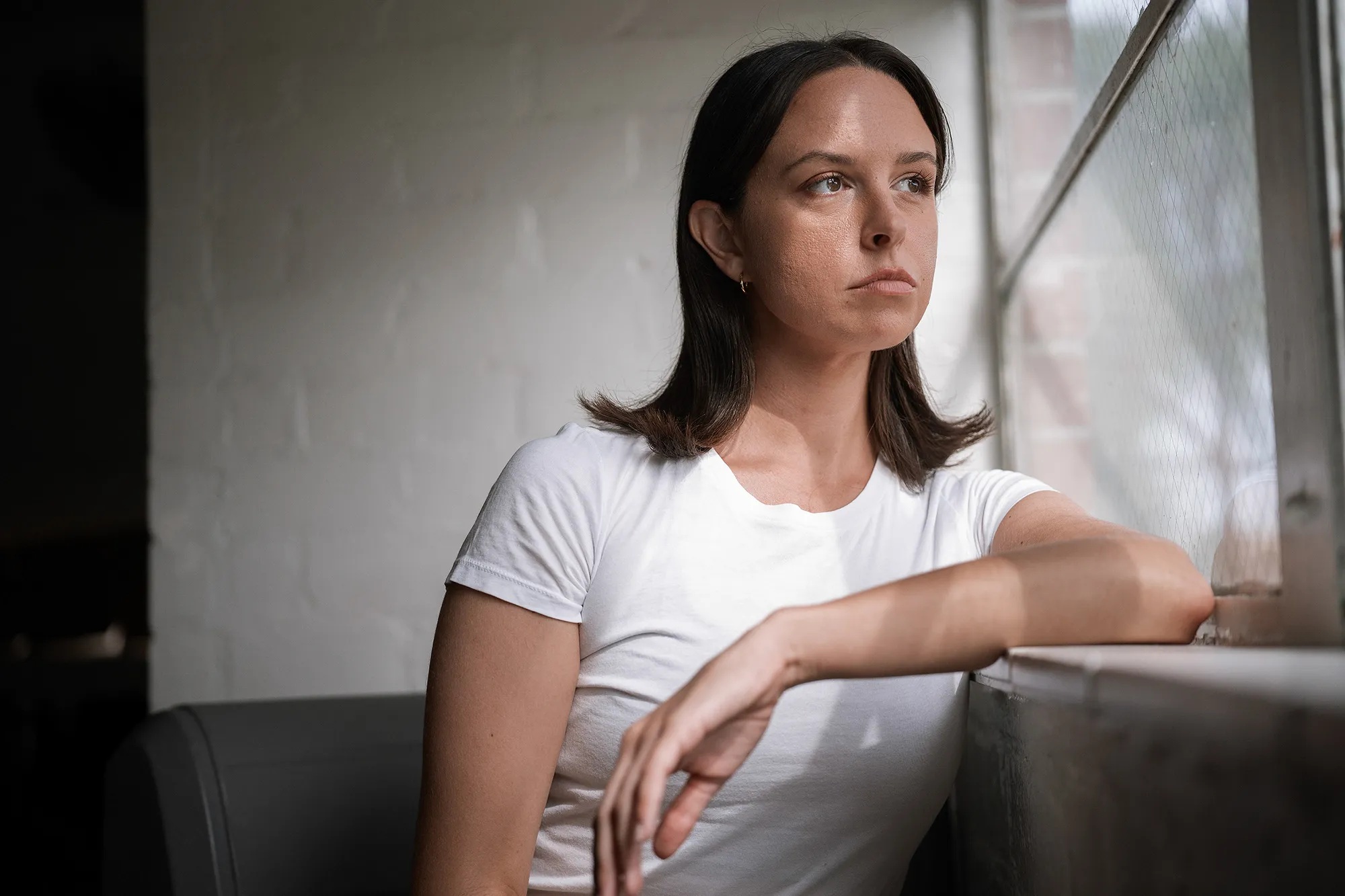
"caption": "Grace Coleman on Aug.13, 2026, at California Institution for Women in Chino, one of two women’s state prisons in California. She focuses her time on rehabilitation and mental health while serving a life sentence for two DUI homicides. \r\n",
"credit": "Brian L. Frank for CalMatters/CatchLight",
"altTag": null,
"description": null,
"imgSizes": {
"thumbnail": {
"file": "https://cdn.kqed.org/wp-content/uploads/sites/10/2026/08/CM01-160x107.jpg",
"width": 160,
"height": 107,
"mimeType": "image/jpeg"
},
"1536x1536": {
"file": "https://cdn.kqed.org/wp-content/uploads/sites/10/2026/08/CM01-1536x1024.jpg",
"width": 1536,
"height": 1024,
"mimeType": "image/jpeg"
},
"post-thumbnail": {
"file": "https://cdn.kqed.org/wp-content/uploads/sites/10/2026/08/CM01-672x372.jpg",
"width": 672,
"height": 372,
"mimeType": "image/jpeg"
},
"twentyfourteen-full-width": {
"file": "https://cdn.kqed.org/wp-content/uploads/sites/10/2026/08/CM01-1038x576.jpg",
"width": 1038,
"height": 576,
"mimeType": "image/jpeg"
},
"npr-cds-wide": {
"file": "https://cdn.kqed.org/wp-content/uploads/sites/10/2026/08/CM01-1200x675.jpg",
"width": 1200,
"height": 675,
"mimeType": "image/jpeg"
},
"npr-cds-square": {
"file": "https://cdn.kqed.org/wp-content/uploads/sites/10/2026/08/CM01-600x600.jpg",
"width": 600,
"height": 600,
"mimeType": "image/jpeg"
},
"kqedFullSize": {
"file": "https://cdn.kqed.org/wp-content/uploads/sites/10/2026/08/CM01.jpg",
"width": 2000,
"height": 1333
}
},
"isLoading": false,
"fetchFailed": false
},
"news_12097307": {
"type": "attachments",
"id": "news_12097307",
"meta": {
"index": "attachments_1716263798",
"site": "news",
"id": "12097307",
"found": true
},
"title": "Western Wildfires",
"publishDate": 1787936681,
"status": "inherit",
"parent": 12097303,
"modified": 1787936717,
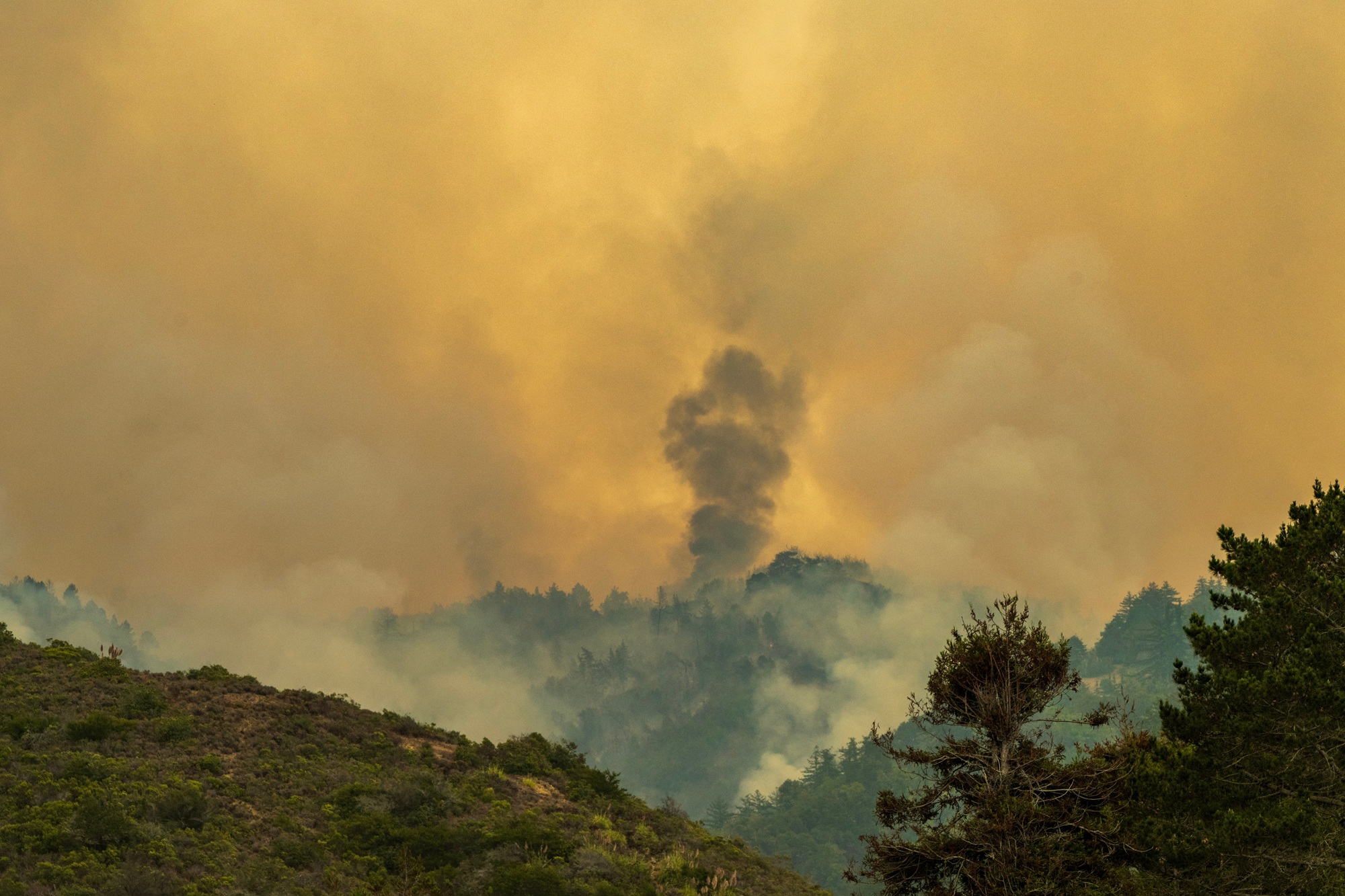
"caption": "Smoke billows from the Plaskett Fire near Big Sur, California, on Thursday, Aug. 27, 2026. ",
"credit": "Nic Coury/AP Photo",
"altTag": null,
"description": null,
"imgSizes": {
"thumbnail": {
"file": "https://cdn.kqed.org/wp-content/uploads/sites/10/2026/08/PlaskettFireAP1-160x107.jpg",
"width": 160,
"height": 107,
"mimeType": "image/jpeg"
},
"1536x1536": {
"file": "https://cdn.kqed.org/wp-content/uploads/sites/10/2026/08/PlaskettFireAP1-1536x1024.jpg",
"width": 1536,
"height": 1024,
"mimeType": "image/jpeg"
},
"post-thumbnail": {
"file": "https://cdn.kqed.org/wp-content/uploads/sites/10/2026/08/PlaskettFireAP1-672x372.jpg",
"width": 672,
"height": 372,
"mimeType": "image/jpeg"
},
"twentyfourteen-full-width": {
"file": "https://cdn.kqed.org/wp-content/uploads/sites/10/2026/08/PlaskettFireAP1-1038x576.jpg",
"width": 1038,
"height": 576,
"mimeType": "image/jpeg"
},
"npr-cds-wide": {
"file": "https://cdn.kqed.org/wp-content/uploads/sites/10/2026/08/PlaskettFireAP1-1200x675.jpg",
"width": 1200,
"height": 675,
"mimeType": "image/jpeg"
},
"npr-cds-square": {
"file": "https://cdn.kqed.org/wp-content/uploads/sites/10/2026/08/PlaskettFireAP1-600x600.jpg",
"width": 600,
"height": 600,
"mimeType": "image/jpeg"
},
"kqedFullSize": {
"file": "https://cdn.kqed.org/wp-content/uploads/sites/10/2026/08/PlaskettFireAP1.jpg",
"width": 2000,
"height": 1333
}
},
"isLoading": false,
"fetchFailed": false
},
"news_12096619": {
"type": "attachments",
"id": "news_12096619",
"meta": {
"index": "attachments_1716263798",
"site": "news",
"id": "12096619",
"found": true
},
"title": "260824-Big Bear Eagles 2way-01-KQED",
"publishDate": 1787613195,
"status": "inherit",
"parent": 0,
"modified": 1787701334,
"caption": "Jackie, the late Big Bear bald eagle, is seen on a 2023 livestream from the San Bernardino Mountains.",
"credit": "Photo Courtesy: Friends of Big Bear Valley ",
"altTag": null,
"description": null,
"imgSizes": {
"thumbnail": {
"file": "https://cdn.kqed.org/wp-content/uploads/sites/10/2026/08/260824-Big-Bear-Eagles-2way-01-KQED-160x90.jpg",
"width": 160,
"height": 90,
"mimeType": "image/jpeg"
},
"1536x1536": {
"file": "https://cdn.kqed.org/wp-content/uploads/sites/10/2026/08/260824-Big-Bear-Eagles-2way-01-KQED-1536x864.jpg",
"width": 1536,
"height": 864,
"mimeType": "image/jpeg"
},
"post-thumbnail": {
"file": "https://cdn.kqed.org/wp-content/uploads/sites/10/2026/08/260824-Big-Bear-Eagles-2way-01-KQED-672x372.jpg",
"width": 672,
"height": 372,
"mimeType": "image/jpeg"
},
"twentyfourteen-full-width": {
"file": "https://cdn.kqed.org/wp-content/uploads/sites/10/2026/08/260824-Big-Bear-Eagles-2way-01-KQED-1038x576.jpg",
"width": 1038,
"height": 576,
"mimeType": "image/jpeg"
},
"npr-cds-wide": {
"file": "https://cdn.kqed.org/wp-content/uploads/sites/10/2026/08/260824-Big-Bear-Eagles-2way-01-KQED-1200x675.jpg",
"width": 1200,
"height": 675,
"mimeType": "image/jpeg"
},
"npr-cds-square": {
"file": "https://cdn.kqed.org/wp-content/uploads/sites/10/2026/08/260824-Big-Bear-Eagles-2way-01-KQED-600x600.jpg",
"width": 600,
"height": 600,
"mimeType": "image/jpeg"
},
"kqedFullSize": {
"file": "https://cdn.kqed.org/wp-content/uploads/sites/10/2026/08/260824-Big-Bear-Eagles-2way-01-KQED.jpg",
"width": 2000,
"height": 1125
}
},
"isLoading": false,
"fetchFailed": false
},
"news_12096037": {
"type": "attachments",
"id": "news_12096037",
"meta": {
"index": "attachments_1716263798",
"site": "news",
"id": "12096037",
"found": true
},
"title": "Cars drive down Highway 37 on August 19, 2026, in Sonoma County.",
"publishDate": 1787175263,
"status": "inherit",
"parent": 0,
"modified": 1787175323,
"caption": "Cars drive down Highway 37 in Sonoma County on Aug. 19, 2026.",
"credit": "Miles Cull/KQED",
"altTag": null,
"description": null,
"imgSizes": {
"thumbnail": {
"file": "https://cdn.kqed.org/wp-content/uploads/sites/10/2026/08/081926-Highway37-09-MC-KQED-1-160x107.jpg",
"width": 160,
"height": 107,
"mimeType": "image/jpeg"
},
"1536x1536": {
"file": "https://cdn.kqed.org/wp-content/uploads/sites/10/2026/08/081926-Highway37-09-MC-KQED-1-1536x1024.jpg",
"width": 1536,
"height": 1024,
"mimeType": "image/jpeg"
},
"post-thumbnail": {
"file": "https://cdn.kqed.org/wp-content/uploads/sites/10/2026/08/081926-Highway37-09-MC-KQED-1-672x372.jpg",
"width": 672,
"height": 372,
"mimeType": "image/jpeg"
},
"twentyfourteen-full-width": {
"file": "https://cdn.kqed.org/wp-content/uploads/sites/10/2026/08/081926-Highway37-09-MC-KQED-1-1038x576.jpg",
"width": 1038,
"height": 576,
"mimeType": "image/jpeg"
},
"npr-cds-wide": {
"file": "https://cdn.kqed.org/wp-content/uploads/sites/10/2026/08/081926-Highway37-09-MC-KQED-1-1200x675.jpg",
"width": 1200,
"height": 675,
"mimeType": "image/jpeg"
},
"npr-cds-square": {
"file": "https://cdn.kqed.org/wp-content/uploads/sites/10/2026/08/081926-Highway37-09-MC-KQED-1-600x600.jpg",
"width": 600,
"height": 600,
"mimeType": "image/jpeg"
},
"kqedFullSize": {
"file": "https://cdn.kqed.org/wp-content/uploads/sites/10/2026/08/081926-Highway37-09-MC-KQED-1.jpg",
"width": 2000,
"height": 1333
}
},
"isLoading": false,
"fetchFailed": false
},
"news_12097136": {
"type": "attachments",
"id": "news_12097136",
"meta": {
"index": "attachments_1716263798",
"site": "news",
"id": "12097136",
"found": true
},
"title": "260827-Palantir Nurses-01-KQED",
"publishDate": 1787864269,
"status": "inherit",
"parent": 0,
"modified": 1787930087,
"caption": "Nurses protest demanding hospitals and elected officials cut ties with the artificial intelligence giant Palantir in Palo Alto on Aug. 27, 2026. ",
"credit": "Courtesy of National Nurses United",
"altTag": null,
"description": null,
"imgSizes": {
"thumbnail": {
"file": "https://cdn.kqed.org/wp-content/uploads/sites/10/2026/08/260827-Palantir-Nurses-01-KQED-160x120.jpg",
"width": 160,
"height": 120,
"mimeType": "image/jpeg"
},
"1536x1536": {
"file": "https://cdn.kqed.org/wp-content/uploads/sites/10/2026/08/260827-Palantir-Nurses-01-KQED-1536x1152.jpg",
"width": 1536,
"height": 1152,
"mimeType": "image/jpeg"
},
"post-thumbnail": {
"file": "https://cdn.kqed.org/wp-content/uploads/sites/10/2026/08/260827-Palantir-Nurses-01-KQED-672x372.jpg",
"width": 672,
"height": 372,
"mimeType": "image/jpeg"
},
"twentyfourteen-full-width": {
"file": "https://cdn.kqed.org/wp-content/uploads/sites/10/2026/08/260827-Palantir-Nurses-01-KQED-1038x576.jpg",
"width": 1038,
"height": 576,
"mimeType": "image/jpeg"
},
"npr-cds-wide": {
"file": "https://cdn.kqed.org/wp-content/uploads/sites/10/2026/08/260827-Palantir-Nurses-01-KQED-1200x675.jpg",
"width": 1200,
"height": 675,
"mimeType": "image/jpeg"
},
"npr-cds-square": {
"file": "https://cdn.kqed.org/wp-content/uploads/sites/10/2026/08/260827-Palantir-Nurses-01-KQED-600x600.jpg",
"width": 600,
"height": 600,
"mimeType": "image/jpeg"
},
"kqedFullSize": {
"file": "https://cdn.kqed.org/wp-content/uploads/sites/10/2026/08/260827-Palantir-Nurses-01-KQED.jpg",
"width": 2000,
"height": 1500
}
},
"isLoading": false,
"fetchFailed": false
},
"news_12097112": {
"type": "attachments",
"id": "news_12097112",
"meta": {
"index": "attachments_1716263798",
"site": "news",
"id": "12097112",
"found": true
},
"title": "UCLA Campus",
"publishDate": 1787858901,
"status": "inherit",
"parent": 12097106,
"modified": 1787858941,
"caption": "The UCLA campus in Los Angeles on Feb. 18, 2022. ",
"credit": "Raquel Natalicchio for CalMatters",
"altTag": null,
"description": null,
"imgSizes": {
"thumbnail": {
"file": "https://cdn.kqed.org/wp-content/uploads/sites/10/2026/08/UCLACM-160x106.jpg",
"width": 160,
"height": 106,
"mimeType": "image/jpeg"
},
"1536x1536": {
"file": "https://cdn.kqed.org/wp-content/uploads/sites/10/2026/08/UCLACM-1536x1022.jpg",
"width": 1536,
"height": 1022,
"mimeType": "image/jpeg"
},
"post-thumbnail": {
"file": "https://cdn.kqed.org/wp-content/uploads/sites/10/2026/08/UCLACM-672x372.jpg",
"width": 672,
"height": 372,
"mimeType": "image/jpeg"
},
"twentyfourteen-full-width": {
"file": "https://cdn.kqed.org/wp-content/uploads/sites/10/2026/08/UCLACM-1038x576.jpg",
"width": 1038,
"height": 576,
"mimeType": "image/jpeg"
},
"npr-cds-wide": {
"file": "https://cdn.kqed.org/wp-content/uploads/sites/10/2026/08/UCLACM-1200x675.jpg",
"width": 1200,
"height": 675,
"mimeType": "image/jpeg"
},
"npr-cds-square": {
"file": "https://cdn.kqed.org/wp-content/uploads/sites/10/2026/08/UCLACM-600x600.jpg",
"width": 600,
"height": 600,
"mimeType": "image/jpeg"
},
"kqedFullSize": {
"file": "https://cdn.kqed.org/wp-content/uploads/sites/10/2026/08/UCLACM.jpg",
"width": 2000,
"height": 1331
}
},
"isLoading": false,
"fetchFailed": false
},
"news_12097095": {
"type": "attachments",
"id": "news_12097095",
"meta": {
"index": "attachments_1716263798",
"site": "news",
"id": "12097095",
"found": true
},
"title": "BigSurGetty4",
"publishDate": 1787856969,
"status": "inherit",
"parent": 12097092,
"modified": 1787866459,
"caption": "Traffic crosses Bixby Bridge in Big Sur, California, on May 30, 2026. The crowds have gotten so bad at the bridge and created a hazardous situation that the Monterey County Board of Supervisors is working on a plan to ban parking for one year at the landmark.",
"credit": "Myung J. Chun/Los Angeles Times via Getty Images",
"altTag": null,
"description": null,
"imgSizes": {
"thumbnail": {
"file": "https://cdn.kqed.org/wp-content/uploads/sites/10/2026/08/BigSurGetty4-160x107.jpg",
"width": 160,
"height": 107,
"mimeType": "image/jpeg"
},
"1536x1536": {
"file": "https://cdn.kqed.org/wp-content/uploads/sites/10/2026/08/BigSurGetty4-1536x1024.jpg",
"width": 1536,
"height": 1024,
"mimeType": "image/jpeg"
},
"post-thumbnail": {
"file": "https://cdn.kqed.org/wp-content/uploads/sites/10/2026/08/BigSurGetty4-672x372.jpg",
"width": 672,
"height": 372,
"mimeType": "image/jpeg"
},
"twentyfourteen-full-width": {
"file": "https://cdn.kqed.org/wp-content/uploads/sites/10/2026/08/BigSurGetty4-1038x576.jpg",
"width": 1038,
"height": 576,
"mimeType": "image/jpeg"
},
"npr-cds-wide": {
"file": "https://cdn.kqed.org/wp-content/uploads/sites/10/2026/08/BigSurGetty4-1200x675.jpg",
"width": 1200,
"height": 675,
"mimeType": "image/jpeg"
},
"npr-cds-square": {
"file": "https://cdn.kqed.org/wp-content/uploads/sites/10/2026/08/BigSurGetty4-600x600.jpg",
"width": 600,
"height": 600,
"mimeType": "image/jpeg"
},
"kqedFullSize": {
"file": "https://cdn.kqed.org/wp-content/uploads/sites/10/2026/08/BigSurGetty4.jpg",
"width": 2000,
"height": 1333
}
},
"isLoading": false,
"fetchFailed": false
},
"news_12096660": {
"type": "attachments",
"id": "news_12096660",
"meta": {
"index": "attachments_1716263798",
"site": "news",
"id": "12096660",
"found": true
},
"title": "lunar eclipse",
"publishDate": 1787675799,
"status": "inherit",
"parent": 12096650,
"modified": 1787679138,
"caption": "A partially eclipsed Blood Moon rises over San Francisco's Coit Tower on May 15, 2022, in Sausalito, California. ",
"credit": "Justin Sullivan/Getty Images",
"altTag": null,
"description": null,
"imgSizes": {
"thumbnail": {
"file": "https://cdn.kqed.org/wp-content/uploads/sites/10/2026/08/lunar-eclipse-1-160x106.jpg",
"width": 160,
"height": 106,
"mimeType": "image/jpeg"
},
"1536x1536": {
"file": "https://cdn.kqed.org/wp-content/uploads/sites/10/2026/08/lunar-eclipse-1-1536x1022.jpg",
"width": 1536,
"height": 1022,
"mimeType": "image/jpeg"
},
"post-thumbnail": {
"file": "https://cdn.kqed.org/wp-content/uploads/sites/10/2026/08/lunar-eclipse-1-672x372.jpg",
"width": 672,
"height": 372,
"mimeType": "image/jpeg"
},
"twentyfourteen-full-width": {
"file": "https://cdn.kqed.org/wp-content/uploads/sites/10/2026/08/lunar-eclipse-1-1038x576.jpg",
"width": 1038,
"height": 576,
"mimeType": "image/jpeg"
},
"npr-cds-wide": {
"file": "https://cdn.kqed.org/wp-content/uploads/sites/10/2026/08/lunar-eclipse-1-1200x675.jpg",
"width": 1200,
"height": 675,
"mimeType": "image/jpeg"
},
"npr-cds-square": {
"file": "https://cdn.kqed.org/wp-content/uploads/sites/10/2026/08/lunar-eclipse-1-600x600.jpg",
"width": 600,
"height": 600,
"mimeType": "image/jpeg"
},
"kqedFullSize": {
"file": "https://cdn.kqed.org/wp-content/uploads/sites/10/2026/08/lunar-eclipse-1.jpg",
"width": 2000,
"height": 1331
}
},
"isLoading": false,
"fetchFailed": false
},
"news_12097035": {
"type": "attachments",
"id": "news_12097035",
"meta": {
"index": "attachments_1716263798",
"site": "news",
"id": "12097035",
"found": true
},
"title": "Prop40BillionairesTaxGetty",
"publishDate": 1787852642,
"status": "inherit",
"parent": 12097032,
"modified": 1789514611,
"caption": "A supporter with the Billionaire Tax Now coalition holds a placard during a media briefing in Los Angeles on April 27, 2026.",
"credit": "Frederic J. Brown/AFP via Getty Images",
"altTag": null,
"description": null,
"imgSizes": {
"thumbnail": {
"file": "https://cdn.kqed.org/wp-content/uploads/sites/10/2026/08/Prop40BillionairesTaxGetty-160x108.jpg",
"width": 160,
"height": 108,
"mimeType": "image/jpeg"
},
"1536x1536": {
"file": "https://cdn.kqed.org/wp-content/uploads/sites/10/2026/08/Prop40BillionairesTaxGetty-1536x1036.jpg",
"width": 1536,
"height": 1036,
"mimeType": "image/jpeg"
},
"post-thumbnail": {
"file": "https://cdn.kqed.org/wp-content/uploads/sites/10/2026/08/Prop40BillionairesTaxGetty-672x372.jpg",
"width": 672,
"height": 372,
"mimeType": "image/jpeg"
},
"twentyfourteen-full-width": {
"file": "https://cdn.kqed.org/wp-content/uploads/sites/10/2026/08/Prop40BillionairesTaxGetty-1038x576.jpg",
"width": 1038,
"height": 576,
"mimeType": "image/jpeg"
},
"npr-cds-wide": {
"file": "https://cdn.kqed.org/wp-content/uploads/sites/10/2026/08/Prop40BillionairesTaxGetty-1200x675.jpg",
"width": 1200,
"height": 675,
"mimeType": "image/jpeg"
},
"npr-cds-square": {
"file": "https://cdn.kqed.org/wp-content/uploads/sites/10/2026/08/Prop40BillionairesTaxGetty-600x600.jpg",
"width": 600,
"height": 600,
"mimeType": "image/jpeg"
},
"kqedFullSize": {
"file": "https://cdn.kqed.org/wp-content/uploads/sites/10/2026/08/Prop40BillionairesTaxGetty.jpg",
"width": 2000,
"height": 1349
}
},
"isLoading": false,
"fetchFailed": false
},
"news_11947159": {
"type": "attachments",
"id": "news_11947159",
"meta": {
"index": "attachments_1716263798",
"site": "news",
"id": "11947159",
"found": true
},
"title": "second-bivalent-booster-six-months",
"publishDate": 1681939509,
"status": "inherit",
"parent": 11945763,
"modified": 1787854267,
"caption": "Ria Garcia, a licensed vocational nurse with the Los Angeles County Department of Public Health, draws up mpox vaccines at the Balboa Sports Complex vaccine site in Encino on Sept. 8, 2022.",
"credit": "Sarah Reingewirtz/MediaNews Group/Los Angeles Daily News via Getty Images",
"altTag": "A healthcare worker wears a face shield, a blue surgical mask and goggles, and holds a needle full of vaccine up.",
"description": null,
"imgSizes": {
"medium": {
"file": "https://cdn.kqed.org/wp-content/uploads/sites/10/2023/04/RS64580_GettyImages-1243073124-qut-800x533.jpg",
"width": 800,
"height": 533,
"mimeType": "image/jpeg"
},
"large": {
"file": "https://cdn.kqed.org/wp-content/uploads/sites/10/2023/04/RS64580_GettyImages-1243073124-qut-1020x680.jpg",
"width": 1020,
"height": 680,
"mimeType": "image/jpeg"
},
"thumbnail": {
"file": "https://cdn.kqed.org/wp-content/uploads/sites/10/2023/04/RS64580_GettyImages-1243073124-qut-160x107.jpg",
"width": 160,
"height": 107,
"mimeType": "image/jpeg"
},
"1536x1536": {
"file": "https://cdn.kqed.org/wp-content/uploads/sites/10/2023/04/RS64580_GettyImages-1243073124-qut-1536x1024.jpg",
"width": 1536,
"height": 1024,
"mimeType": "image/jpeg"
},
"post-thumbnail": {
"file": "https://cdn.kqed.org/wp-content/uploads/sites/10/2023/04/RS64580_GettyImages-1243073124-qut-672x372.jpg",
"width": 672,
"height": 372,
"mimeType": "image/jpeg"
},
"twentyfourteen-full-width": {
"file": "https://cdn.kqed.org/wp-content/uploads/sites/10/2023/04/RS64580_GettyImages-1243073124-qut-1038x576.jpg",
"width": 1038,
"height": 576,
"mimeType": "image/jpeg"
},
"kqedFullSize": {
"file": "https://cdn.kqed.org/wp-content/uploads/sites/10/2023/04/RS64580_GettyImages-1243073124-qut.jpg",
"width": 1920,
"height": 1280
}
},
"isLoading": false,
"fetchFailed": false
},
"news_12096896": {
"type": "attachments",
"id": "news_12096896",
"meta": {
"index": "attachments_1716263798",
"site": "news",
"id": "12096896",
"found": true
},
"title": "260824-HEADSTARTDEREGULATION-NG-24-KQED",
"publishDate": 1787767336,
"status": "inherit",
"parent": 0,
"modified": 1787767393,
"caption": "Jennifer Lee-Yuen (center), a toddler lead teacher, helps a child with a craft project at Wu Yee Children’s Services in San Francisco’s Chinatown on Aug. 24, 2026.",
"credit": "Nina Glick/KQED",
"altTag": null,
"description": null,
"imgSizes": {
"thumbnail": {
"file": "https://cdn.kqed.org/wp-content/uploads/sites/10/2026/08/260824-HEADSTARTDEREGULATION-NG-24-KQED-160x107.jpg",
"width": 160,
"height": 107,
"mimeType": "image/jpeg"
},
"1536x1536": {
"file": "https://cdn.kqed.org/wp-content/uploads/sites/10/2026/08/260824-HEADSTARTDEREGULATION-NG-24-KQED-1536x1024.jpg",
"width": 1536,
"height": 1024,
"mimeType": "image/jpeg"
},
"post-thumbnail": {
"file": "https://cdn.kqed.org/wp-content/uploads/sites/10/2026/08/260824-HEADSTARTDEREGULATION-NG-24-KQED-672x372.jpg",
"width": 672,
"height": 372,
"mimeType": "image/jpeg"
},
"twentyfourteen-full-width": {
"file": "https://cdn.kqed.org/wp-content/uploads/sites/10/2026/08/260824-HEADSTARTDEREGULATION-NG-24-KQED-1038x576.jpg",
"width": 1038,
"height": 576,
"mimeType": "image/jpeg"
},
"npr-cds-wide": {
"file": "https://cdn.kqed.org/wp-content/uploads/sites/10/2026/08/260824-HEADSTARTDEREGULATION-NG-24-KQED-1200x675.jpg",
"width": 1200,
"height": 675,
"mimeType": "image/jpeg"
},
"npr-cds-square": {
"file": "https://cdn.kqed.org/wp-content/uploads/sites/10/2026/08/260824-HEADSTARTDEREGULATION-NG-24-KQED-600x600.jpg",
"width": 600,
"height": 600,
"mimeType": "image/jpeg"
},
"kqedFullSize": {
"file": "https://cdn.kqed.org/wp-content/uploads/sites/10/2026/08/260824-HEADSTARTDEREGULATION-NG-24-KQED.jpg",
"width": 2000,
"height": 1333
}
},
"isLoading": false,
"fetchFailed": false
},
"news_12094806": {
"type": "attachments",
"id": "news_12094806",
"meta": {
"index": "attachments_1716263798",
"site": "news",
"id": "12094806",
"found": true
},
"title": "California's 'Timber Fire' of wildfire in Big Sur",
"publishDate": 1786478761,
"status": "inherit",
"parent": 12094776,
"modified": 1786481754,
"caption": "A view of flames and smoke as the Timber Fire continues in Big Sur, California, on Aug. 10, 2026.",
"credit": "Tayfun Coskun/Getty Images",
"altTag": null,
"description": null,
"imgSizes": {
"medium": {
"file": "https://cdn.kqed.org/wp-content/uploads/sites/10/2026/08/timber-fire-4-2000x1333.jpg",
"width": 2000,
"height": 1333,
"mimeType": "image/jpeg"
},
"large": {
"file": "https://cdn.kqed.org/wp-content/uploads/sites/10/2026/08/timber-fire-4-2000x1333.jpg",
"width": 2000,
"height": 1333,
"mimeType": "image/jpeg"
},
"thumbnail": {
"file": "https://cdn.kqed.org/wp-content/uploads/sites/10/2026/08/timber-fire-4-160x107.jpg",
"width": 160,
"height": 107,
"mimeType": "image/jpeg"
},
"1536x1536": {
"file": "https://cdn.kqed.org/wp-content/uploads/sites/10/2026/08/timber-fire-4-1536x1024.jpg",
"width": 1536,
"height": 1024,
"mimeType": "image/jpeg"
},
"2048x2048": {
"file": "https://cdn.kqed.org/wp-content/uploads/sites/10/2026/08/timber-fire-4-2048x1365.jpg",
"width": 2048,
"height": 1365,
"mimeType": "image/jpeg"
},
"post-thumbnail": {
"file": "https://cdn.kqed.org/wp-content/uploads/sites/10/2026/08/timber-fire-4-672x372.jpg",
"width": 672,
"height": 372,
"mimeType": "image/jpeg"
},
"twentyfourteen-full-width": {
"file": "https://cdn.kqed.org/wp-content/uploads/sites/10/2026/08/timber-fire-4-1038x576.jpg",
"width": 1038,
"height": 576,
"mimeType": "image/jpeg"
},
"full-width": {
"file": "https://cdn.kqed.org/wp-content/uploads/sites/10/2026/08/timber-fire-4-2000x1333.jpg",
"width": 2000,
"height": 1333,
"mimeType": "image/jpeg"
},
"npr-cds-wide": {
"file": "https://cdn.kqed.org/wp-content/uploads/sites/10/2026/08/timber-fire-4-1200x675.jpg",
"width": 1200,
"height": 675,
"mimeType": "image/jpeg"
},
"npr-cds-square": {
"file": "https://cdn.kqed.org/wp-content/uploads/sites/10/2026/08/timber-fire-4-600x600.jpg",
"width": 600,
"height": 600,
"mimeType": "image/jpeg"
},
"kqedFullSize": {
"file": "https://cdn.kqed.org/wp-content/uploads/sites/10/2026/08/timber-fire-4-scaled-e1786481390761.jpg",
"width": 2000,
"height": 1334
}
},
"isLoading": false,
"fetchFailed": false
}
},
"audioPlayerReducer": {
"postId": "stream_live",
"isPaused": true,
"isPlaying": false,
"pfsActive": false,
"pledgeModalIsOpen": true,
"playerDrawerIsOpen": false,
"liveAudioPlayStartedAt": 0,
"liveAudioPlayContext": ""
},
"authorsReducer": {
"byline_news_12097387": {
"type": "authors",
"id": "byline_news_12097387",
"meta": {
"override": true
},
"slug": "byline_news_12097387",
"name": "Joe Garcia, CalMatters",
"isLoading": false
},
"byline_news_12097106": {
"type": "authors",
"id": "byline_news_12097106",
"meta": {
"override": true
},
"slug": "byline_news_12097106",
"name": "Mikhail Zinshteyn, CalMatters",
"isLoading": false
},
"kqed": {
"type": "authors",
"id": "236",
"meta": {
"index": "authors_1716337520",
"id": "236",
"found": true
},
"name": "KQED News Staff",
"firstName": "KQED News Staff",
"lastName": null,
"slug": "kqed",
"email": "faq@kqed.org",
"display_author_email": false,
"staff_mastheads": [],
"title": null,
"bio": null,
"avatar": "https://secure.gravatar.com/avatar/ef0e801a68c4c54afa9180db14084167?s=600&d=blank&r=g",
"twitter": null,
"facebook": null,
"instagram": null,
"linkedin": null,
"sites": [
{
"site": "arts",
"roles": [
"contributor"
]
},
{
"site": "news",
"roles": [
"editor"
]
},
{
"site": "futureofyou",
"roles": [
"author"
]
}
],
"headData": {
"title": "KQED News Staff | KQED",
"description": null,
"ogImgSrc": "https://secure.gravatar.com/avatar/ef0e801a68c4c54afa9180db14084167?s=600&d=blank&r=g",
"twImgSrc": "https://secure.gravatar.com/avatar/ef0e801a68c4c54afa9180db14084167?s=600&d=blank&r=g"
},
"isLoading": false,
"link": "/author/kqed"
},
"carlysevern": {
"type": "authors",
"id": "3243",
"meta": {
"index": "authors_1716337520",
"id": "3243",
"found": true
},
"name": "Carly Severn",
"firstName": "Carly",
"lastName": "Severn",
"slug": "carlysevern",
"email": "csevern@kqed.org",
"display_author_email": false,
"staff_mastheads": [
"news"
],
"title": "Senior Editor, Audience News ",
"bio": "Carly is KQED's Senior Editor of Audience News on the Digital News team, and has reported for the California Report Magazine, Bay Curious and KQED Arts. She's formerly the host of \u003ca href=\"http://ww2.kqed.org/pop/category/the-cooler/\" rel=\"noopener noreferrer\">The Cooler\u003c/a> podcast.",
"avatar": "https://secure.gravatar.com/avatar/54037bf5c128fe678f0ef26cec97a93f2e7f220a22d7285703328f12c42c1b1d?s=600&d=blank&r=g",
"twitter": "teacupinthebay",
"bluesky": null,
"facebook": null,
"instagram": null,
"linkedin": null,
"sites": [
{
"site": "",
"roles": [
"editor"
]
},
{
"site": "arts",
"roles": [
"editor"
]
},
{
"site": "news",
"roles": [
"administrator"
]
},
{
"site": "pop",
"roles": [
"editor"
]
},
{
"site": "futureofyou",
"roles": [
"editor"
]
},
{
"site": "about",
"roles": [
"administrator"
]
},
{
"site": "mindshift",
"roles": [
"editor"
]
},
{
"site": "bayareabites",
"roles": [
"editor"
]
},
{
"site": "stateofhealth",
"roles": [
"editor"
]
},
{
"site": "science",
"roles": [
"editor"
]
},
{
"site": "food",
"roles": [
"contributor"
]
},
{
"site": "forum",
"roles": [
"editor"
]
},
{
"site": "perspectives",
"roles": [
"administrator"
]
},
{
"site": "liveblog",
"roles": [
"editor"
]
}
],
"headData": {
"title": "Carly Severn | KQED",
"description": "Senior Editor, Audience News ",
"ogImgSrc": "https://secure.gravatar.com/avatar/54037bf5c128fe678f0ef26cec97a93f2e7f220a22d7285703328f12c42c1b1d?s=600&d=blank&r=g",
"twImgSrc": "https://secure.gravatar.com/avatar/54037bf5c128fe678f0ef26cec97a93f2e7f220a22d7285703328f12c42c1b1d?s=600&d=blank&r=g"
},
"isLoading": false,
"link": "/author/carlysevern"
},
"fjhabvala": {
"type": "authors",
"id": "8659",
"meta": {
"index": "authors_1716337520",
"id": "8659",
"found": true
},
"name": "Farida Jhabvala Romero",
"firstName": "Farida",
"lastName": "Jhabvala Romero",
"slug": "fjhabvala",
"email": "fjhabvala@kqed.org",
"display_author_email": true,
"staff_mastheads": [
"news"
],
"title": "KQED Contributor",
"bio": "Farida Jhabvala Romero is a Labor Correspondent for KQED. She previously covered immigration. Farida was \u003ca href=\"https://www.ccnma.org/2022-most-influential-latina-journalists\">named\u003c/a> one of the 10 Most Influential Latina Journalists in California in 2022 by the California Chicano News Media Association. Her work has won awards from the Society of Professional Journalists (Northern California), as well as a national and regional Edward M. Murrow Award for the collaborative reporting projects “Dangerous Air” and “Graying California.” Before joining KQED, Farida worked as a producer at Radio Bilingüe, a national public radio network. Farida earned her master’s degree in journalism from Stanford University.",
"avatar": "https://secure.gravatar.com/avatar/f9f022d4e2609741874222a1e9d41f48fea74011aa7c615eef91d9a50c944ebe?s=600&d=blank&r=g",
"twitter": "FaridaJhabvala",
"bluesky": null,
"facebook": null,
"instagram": null,
"linkedin": "https://www.linkedin.com/in/faridajhabvala/",
"sites": [
{
"site": "news",
"roles": [
"editor"
]
},
{
"site": "stateofhealth",
"roles": [
"author"
]
},
{
"site": "liveblog",
"roles": [
"author"
]
}
],
"headData": {
"title": "Farida Jhabvala Romero | KQED",
"description": "KQED Contributor",
"ogImgSrc": "https://secure.gravatar.com/avatar/f9f022d4e2609741874222a1e9d41f48fea74011aa7c615eef91d9a50c944ebe?s=600&d=blank&r=g",
"twImgSrc": "https://secure.gravatar.com/avatar/f9f022d4e2609741874222a1e9d41f48fea74011aa7c615eef91d9a50c944ebe?s=600&d=blank&r=g"
},
"isLoading": false,
"link": "/author/fjhabvala"
},
"ccabreralomeli": {
"type": "authors",
"id": "11708",
"meta": {
"index": "authors_1716337520",
"id": "11708",
"found": true
},
"name": "Carlos Cabrera-Lomelí",
"firstName": "Carlos",
"lastName": "Cabrera-Lomelí",
"slug": "ccabreralomeli",
"email": "ccabreralomeli@KQED.org",
"display_author_email": true,
"staff_mastheads": [
"news"
],
"title": "Community Reporter",
"bio": "Carlos Cabrera-Lomelí is a community reporter with KQED's digital engagement team. He also reports and co-produces for KQED's bilingual news hub KQED en Español. He grew up in San Francisco's Mission District and has previously worked with Univision, 48 Hills and REFORMA in Mexico City.",
"avatar": "https://secure.gravatar.com/avatar/c309be9665e484f887b818c89e273ecc673004f426f36b24d00a4d813a2e0518?s=600&d=blank&r=g",
"twitter": "@LomeliCabrera",
"bluesky": null,
"facebook": null,
"instagram": null,
"linkedin": null,
"sites": [
{
"site": "arts",
"roles": [
"editor"
]
},
{
"site": "news",
"roles": [
"editor"
]
},
{
"site": "about",
"roles": [
"editor"
]
},
{
"site": "science",
"roles": [
"editor"
]
},
{
"site": "perspectives",
"roles": [
"editor"
]
},
{
"site": "elections",
"roles": [
"editor"
]
},
{
"site": "liveblog",
"roles": [
"contributor"
]
}
],
"headData": {
"title": "Carlos Cabrera-Lomelí | KQED",
"description": "Community Reporter",
"ogImgSrc": "https://secure.gravatar.com/avatar/c309be9665e484f887b818c89e273ecc673004f426f36b24d00a4d813a2e0518?s=600&d=blank&r=g",
"twImgSrc": "https://secure.gravatar.com/avatar/c309be9665e484f887b818c89e273ecc673004f426f36b24d00a4d813a2e0518?s=600&d=blank&r=g"
},
"isLoading": false,
"link": "/author/ccabreralomeli"
},
"daisynguyen": {
"type": "authors",
"id": "11829",
"meta": {
"index": "authors_1716337520",
"id": "11829",
"found": true
},
"name": "Daisy Nguyen",
"firstName": "Daisy",
"lastName": "Nguyen",
"slug": "daisynguyen",
"email": "daisynguyen@kqed.org",
"display_author_email": true,
"staff_mastheads": [
"news"
],
"title": "KQED Contributor",
"bio": "I have covered early childhood education and child care for KQED since 2022. I focus on policies aimed at increasing access to early care and education and how they shape individual lives. I've been a journalist for more than two decades, with most of that time devoted to covering breaking news throughout California for The Associated Press. I grew up in San Francisco and studied at UC Davis and Columbia University's Graduate School of Journalism. I live in Oakland with my husband and two kids.",
"avatar": "https://secure.gravatar.com/avatar/2da2127c27f7143b53ebd419800fd55f?s=600&d=blank&r=g",
"twitter": null,
"facebook": null,
"instagram": null,
"linkedin": "https://www.linkedin.com/in/daisynguyen/",
"sites": [
{
"site": "news",
"roles": [
"author"
]
},
{
"site": "liveblog",
"roles": [
"author"
]
}
],
"headData": {
"title": "Daisy Nguyen | KQED",
"description": "KQED Contributor",
"ogImgSrc": "https://secure.gravatar.com/avatar/2da2127c27f7143b53ebd419800fd55f?s=600&d=blank&r=g",
"twImgSrc": "https://secure.gravatar.com/avatar/2da2127c27f7143b53ebd419800fd55f?s=600&d=blank&r=g"
},
"isLoading": false,
"link": "/author/daisynguyen"
},
"sjohnson": {
"type": "authors",
"id": "11840",
"meta": {
"index": "authors_1716337520",
"id": "11840",
"found": true
},
"name": "Sydney Johnson",
"firstName": "Sydney",
"lastName": "Johnson",
"slug": "sjohnson",
"email": "sjohnson@kqed.org",
"display_author_email": false,
"staff_mastheads": [
"news"
],
"title": "KQED Reporter",
"bio": "Sydney Johnson is a general assignment reporter at KQED. She previously reported on public health and city government at the San Francisco Examiner, and before that, she covered statewide education policy for EdSource. Her reporting has won multiple local, state and national awards. Sydney is a graduate of the University of California, Berkeley and lives in San Francisco.",
"avatar": "https://secure.gravatar.com/avatar/97855f2719b72ad6190b7c535fe642c8?s=600&d=blank&r=g",
"twitter": "sydneyfjohnson",
"facebook": null,
"instagram": null,
"linkedin": null,
"sites": [
{
"site": "news",
"roles": [
"editor"
]
}
],
"headData": {
"title": "Sydney Johnson | KQED",
"description": "KQED Reporter",
"ogImgSrc": "https://secure.gravatar.com/avatar/97855f2719b72ad6190b7c535fe642c8?s=600&d=blank&r=g",
"twImgSrc": "https://secure.gravatar.com/avatar/97855f2719b72ad6190b7c535fe642c8?s=600&d=blank&r=g"
},
"isLoading": false,
"link": "/author/sjohnson"
},
"bkrans": {
"type": "authors",
"id": "11923",
"meta": {
"index": "authors_1716337520",
"id": "11923",
"found": true
},
"name": "Brian Krans",
"firstName": "Brian",
"lastName": "Krans",
"slug": "bkrans",
"email": "bkrans@kqed.org",
"display_author_email": false,
"staff_mastheads": [
"news"
],
"title": "KQED Contributing Reporter",
"bio": "Brian Krans is an award-winning local news and investigative reporter who has been proudly working as a general assignment reporter for KQED since August 2023. He lives in Richmond, where he also reports on air pollution for Richmondside. He is also a founding member of the Vallejo Sun.",
"avatar": "https://secure.gravatar.com/avatar/71fa91f931774612559f7640390b53d9c2840ff72b20f195a25239aab2d9fbb9?s=600&d=blank&r=g",
"twitter": "citizenkrans",
"bluesky": null,
"facebook": null,
"instagram": null,
"linkedin": null,
"sites": [
{
"site": "news",
"roles": [
"editor"
]
}
],
"headData": {
"title": "Brian Krans | KQED",
"description": "KQED Contributing Reporter",
"ogImgSrc": "https://secure.gravatar.com/avatar/71fa91f931774612559f7640390b53d9c2840ff72b20f195a25239aab2d9fbb9?s=600&d=blank&r=g",
"twImgSrc": "https://secure.gravatar.com/avatar/71fa91f931774612559f7640390b53d9c2840ff72b20f195a25239aab2d9fbb9?s=600&d=blank&r=g"
},
"isLoading": false,
"link": "/author/bkrans"
},
"sarahwright": {
"type": "authors",
"id": "11956",
"meta": {
"index": "authors_1716337520",
"id": "11956",
"found": true
},
"name": "Sarah Wright",
"firstName": "Sarah",
"lastName": "Wright",
"slug": "sarahwright",
"email": "swright@kqed.org",
"display_author_email": true,
"staff_mastheads": [],
"title": "Outdoors Engagement Reporter",
"bio": "Sarah Wright is KQED's Outdoors Engagement Reporter. Originally from Lake Tahoe, she completed a thru-hike of the Pacific Crest Trail in 2019 and was a U.S. Fulbright Program grantee to Argentina in 2023. Her journalism has appeared in The Guardian, The San Francisco Standard, The Palo Alto Weekly and the Half Moon Bay Review.",
"avatar": "https://secure.gravatar.com/avatar/c161a3d6441865cba25e6db4fa561099ad665799e9432e34da2b84d7e371524c?s=600&d=blank&r=g",
"twitter": null,
"bluesky": null,
"facebook": null,
"instagram": null,
"linkedin": null,
"sites": [
{
"site": "arts",
"roles": [
"editor"
]
},
{
"site": "news",
"roles": [
"editor"
]
},
{
"site": "science",
"roles": [
"contributor",
"author"
]
},
{
"site": "forum",
"roles": [
"editor"
]
}
],
"headData": {
"title": "Sarah Wright | KQED",
"description": "Outdoors Engagement Reporter",
"ogImgSrc": "https://secure.gravatar.com/avatar/c161a3d6441865cba25e6db4fa561099ad665799e9432e34da2b84d7e371524c?s=600&d=blank&r=g",
"twImgSrc": "https://secure.gravatar.com/avatar/c161a3d6441865cba25e6db4fa561099ad665799e9432e34da2b84d7e371524c?s=600&d=blank&r=g"
},
"isLoading": false,
"link": "/author/sarahwright"
},
"ejackson": {
"type": "authors",
"id": "12003",
"meta": {
"index": "authors_1716337520",
"id": "12003",
"found": true
},
"name": "Ella Jackson",
"firstName": "Ella",
"lastName": "Jackson",
"slug": "ejackson",
"email": "ejackson@kqed.org",
"display_author_email": false,
"staff_mastheads": [],
"title": "KQED Contributor",
"bio": null,
"avatar": "https://secure.gravatar.com/avatar/3c688edc62aec1dcae096e1475956d245f72bde99cff316455871c9b22a7205b?s=600&d=blank&r=g",
"twitter": null,
"bluesky": null,
"facebook": null,
"instagram": null,
"linkedin": null,
"sites": [
{
"site": "news",
"roles": [
"author"
]
},
{
"site": "science",
"roles": [
"author"
]
}
],
"headData": {
"title": "Ella Jackson | KQED",
"description": "KQED Contributor",
"ogImgSrc": "https://secure.gravatar.com/avatar/3c688edc62aec1dcae096e1475956d245f72bde99cff316455871c9b22a7205b?s=600&d=blank&r=g",
"twImgSrc": "https://secure.gravatar.com/avatar/3c688edc62aec1dcae096e1475956d245f72bde99cff316455871c9b22a7205b?s=600&d=blank&r=g"
},
"isLoading": false,
"link": "/author/ejackson"
},
"barbaraleonard": {
"type": "authors",
"id": "12015",
"meta": {
"index": "authors_1716337520",
"id": "12015",
"found": true
},
"name": "Barbara Leonard",
"firstName": "Barbara",
"lastName": "Leonard",
"slug": "barbaraleonard",
"email": "bleonard@kqed.org",
"display_author_email": false,
"staff_mastheads": [
"news",
"science"
],
"title": "Digital Producer",
"bio": "Barbara Leonard is a Digital Producer on KQED's Express Desk.",
"avatar": "https://secure.gravatar.com/avatar/3ff8735665f58d15fa9da84c4d8d3098581e033ae84fe912784b7611f00ef0a4?s=600&d=blank&r=g",
"twitter": null,
"bluesky": null,
"facebook": null,
"instagram": null,
"linkedin": null,
"sites": [
{
"site": "arts",
"roles": [
"editor"
]
},
{
"site": "news",
"roles": [
"editor",
"author"
]
},
{
"site": "science",
"roles": [
"editor"
]
}
],
"headData": {
"title": "Barbara Leonard | KQED",
"description": "Digital Producer",
"ogImgSrc": "https://secure.gravatar.com/avatar/3ff8735665f58d15fa9da84c4d8d3098581e033ae84fe912784b7611f00ef0a4?s=600&d=blank&r=g",
"twImgSrc": "https://secure.gravatar.com/avatar/3ff8735665f58d15fa9da84c4d8d3098581e033ae84fe912784b7611f00ef0a4?s=600&d=blank&r=g"
},
"isLoading": false,
"link": "/author/barbaraleonard"
}
},
"pagesReducer": {
"news_category_california": {
"type": "terms",
"id": "news_31795",
"meta": {
"index": "terms_1716263798",
"site": "news",
"id": "31795",
"score": 10.84916
},
"featImg": null,
"name": "California",
"description": null,
"taxonomy": "category",
"headData": {
"twImgId": null,
"twTitle": null,
"ogTitle": null,
"ogImgId": null,
"twDescription": null,
"description": null,
"title": "California Archives | KQED News",
"ogDescription": null
},
"ttid": 31812,
"slug": "california",
"isLoading": false,
"title": "California",
"pageMeta": {
"site": "news",
"WpPageTemplate": "page-topic-editorial",
"currentPage": 26
},
"blocks": [
{
"blockName": "kqed/post-list",
"attrs": {
"layout": "cardArticle2",
"query": "posts/news?category=california",
"seeMore": false,
"paginated": true,
"page": 26
}
},
{
"blockName": "kqed/ad"
}
]
}
},
"pfsSessionReducer": {},
"postsReducer": {
"stream_live": {
"type": "live",
"id": "stream_live",
"audioUrl": "https://hls.kqed.org/hls/kqed_app/playlist.m3u8",
"title": "Live Stream",
"excerpt": "Live Stream information currently unavailable.",
"link": "/radio",
"featImg": "",
"label": {
"name": "KQED Live",
"link": "/"
}
},
"stream_kqedNewscast": {
"type": "posts",
"id": "stream_kqedNewscast",
"audioUrl": "https://www.kqed.org/.stream/anon/radio/RDnews/newscast.mp3?_=1",
"title": "KQED Newscast",
"featImg": "",
"label": {
"name": "88.5 FM",
"link": "/"
}
},
"news_12097387": {
"type": "posts",
"id": "news_12097387",
"meta": {
"index": "posts_1716263798",
"site": "news",
"id": "12097387",
"score": null,
"sort": [
1788116400000
]
},
"guestAuthors": [],
"slug": "she-made-a-fatal-choice-at-22-now-shes-in-prison-figuring-herself-out-1-day-at-a-time",
"title": "She Made a Fatal Choice at 22. Now She’s in Prison, Figuring Herself Out 1 Day at a Time",
"publishDate": 1788116400,
"format": "standard",
"headTitle": "She Made a Fatal Choice at 22. Now She’s in Prison, Figuring Herself Out 1 Day at a Time | KQED",
"labelTerm": {},
"content": "\n\u003cp>\u003cem>Welcome to CalMatters, the only nonprofit newsroom devoted solely to covering issues that affect all Californians. Sign up for \u003ca href=\"https://calmatters.org/subscribe-to-calmatters/whatmatters\">WhatMatters\u003c/a> to receive the latest news and commentary on the most important issues in the Golden State.\u003c/em>\u003c/p>\n\n\n\n\u003cp class=\"wp-block-kqed-v2-dropcap-paragraph dropcap-paragraph\">\u003cspan class=\"dropcap\">G\u003c/span>race Coleman thinks about her crime a lot — like all the time, every day. Killing two people while driving drunk forced her to start seeing herself through an unfiltered lens of accountability. Since the day after that terrible night in late 2020, she has moved forward through her incarceration and shaped a path into recovery, rehabilitation and mental wellness.\u003c/p>\n\n\n\n\u003cp>“It’s not even just as simple as, oh, I wake up in prison every day and that in itself is a reminder of the harm that I’ve caused,” she said. “It’s the way that I choose to live my life. It’s being in AA. It’s being a part of these DUI programs. Sharing my story in those spaces, that’s what keeps me sober.”\u003c/p>\n\n\n\n\u003cp>Her story is not pretty. \u003c/p>\n\n\n\n\u003cp>On Dec. 8, 2020, Coleman sped through a red light and smashed into a car carrying a family of five. Gabriela Andrade and Henry Saldana-Mejia died. Strapped in the backseat, their three young daughters were injured but lived.\u003c/p>\n\n\n\n\u003cp>\u003ca href=\"https://calmatters.org/investigation/2025/12/california-roadway-deaths-inaction/\">DUI homicides\u003c/a> leave surviving victims and communities looking for answers. Without direct intent to harm, the offender can be left struggling to reconcile what they did with who they are.\u003c/p>\n\n\n\n\u003cp>Some grasp for ways to change for the better. They start searching within themselves for the underlying causes of their behavior.\u003c/p>\n\n\n\n\u003cp>More than \u003ca href=\"https://www.ots.ca.gov/grants/alcohol-impaired-driving/\">1,300\u003c/a> alcohol-related driving deaths occur each year in California, but it’s hard to say just how many people are \u003ca href=\"https://calmatters.org/investigation/2025/04/license-to-kill/\">actually prosecuted and convicted\u003c/a> for causing these DUI fatalities. Murder statutes do not differentiate whether a homicide charge is attributed to drunk driving.\u003c/p>\n\n\n\n\u003cp>Coleman faces an era of incarceration where the \u003ca href=\"https://calmatters.org/justice/2026/02/whats-next-california-prisons/\">concept of rehabilitation\u003c/a> continues to evolve. Gov. \u003ca href=\"https://calmatters.org/justice/2026/02/san-quentin-rehabilitation-center/\">Gavin Newsom\u003c/a> has emphasized prison \u003ca href=\"https://www.cdcr.ca.gov/the-california-model/\">reforms\u003c/a> that aim to prepare people for parole and reentry back into society. Decades of mass incarceration and tough-on-crime policies have slowly given way to trauma-informed programming and better second chance opportunities for those willing to wrestle with the \u003cem>why\u003c/em> of what they did. \u003c/p>\n\n\n\n\u003cp>It’s an arduous journey of self-reflection that many offenders are not prepared to face early on. Some take years or even decades. Some never reach that point. But Coleman did not hesitate to start working on herself right away.\u003c/p>\n\n\n\n\u003cp>“In the beginning, I was like, all right — I clearly got to get therapy,” she said. “I need to get my mental health in check. Clearly something is wrong with me if I just woke up and found out I killed people. This doesn’t just happen.”\u003c/p>\n\n\n\u003cdiv class=\"wp-block-image\">\n\u003cfigure class=\"aligncenter size-full\">\u003cimg loading=\"lazy\" decoding=\"async\" width=\"2000\" height=\"1333\" src=\"https://cdn.kqed.org/wp-content/uploads/sites/10/2026/08/CM1.jpg\" alt=\"\" class=\"wp-image-12097393\" srcset=\"https://cdn.kqed.org/wp-content/uploads/sites/10/2026/08/CM1.jpg 2000w, https://cdn.kqed.org/wp-content/uploads/sites/10/2026/08/CM1-160x107.jpg 160w, https://cdn.kqed.org/wp-content/uploads/sites/10/2026/08/CM1-1536x1024.jpg 1536w\" sizes=\"auto, (max-width: 2000px) 100vw, 2000px\" />\u003cfigcaption class=\"wp-element-caption\">Coleman co-facilitates Responsibly Driven, a self-help curriculum specifically designed to help DUI offenders analyze their flawed decision-making patterns and learn to overcome them. (Brian L. Frank for CalMatters/CatchLight)\u003c/figcaption>\u003c/figure>\n\u003c/div>\n\n\n\u003cp>While awaiting trial in Orange County Jail, Coleman met with surviving relatives of Andrade and Saldan-Mejia. It’s rare for criminal offenders to get such an opportunity — even rarer before being convicted. But her defense attorney, judge, prosecutor and the lawyer representing the victims’ family helped facilitate the face-to-face sit-down. Coleman listened to their pain, felt their loss and did her best to answer questions through her own tears.\u003c/p>\n\n\n\n\u003cp>“As a daughter, and as an only daughter, I knew that feeling that my parents were my everything,” she said. “And I just couldn’t even, like, stand the fact that I had taken away the two most important people in a child’s life.”\u003c/p>\n\n\n\n\u003cp>Soon after that 2022 meeting, Coleman pleaded guilty to two counts of murder and accepted a 21 years-to-life prison sentence.\u003c/p>\n\n\n\n\u003cp>“For me, it definitely started with that day,” she said. “Like, any bit of denial that I was stuck in was gone. Any bit of selfishness that I still had — and caring about myself and what was going to happen to me — didn’t seem to matter as much anymore.\u003c/p>\n\n\n\n\u003cp>“But it definitely at the same time brought a sense of hope versus just like all of this devastating hopelessness.”\u003c/p>\n\n\n\n\u003cp>Jeff Roberts represented the family of Coleman’s victims and remembers her from that private meeting in 2022. He also interviewed her during depositions for a civil wrongful death lawsuit. “I did get to know Grace a little bit, and I know she’s got a story too,” said Roberts. “She had a bit of a broken situation, even though she seemed like a young lady of privilege.”\u003c/p>\n\n\n\n\u003cp>Roberts would like to see Coleman emerge from prison ready to continue sharing her story and help others avoid drunken driving and substance abuse. He was surprised to learn her sentence does not carry a definitive and clear release date.\u003c/p>\n\n\n\n\u003cp>“Grace needed to serve a good length of time,” said Roberts. “But I don’t think she needed to serve a life sentence, because quite frankly — that she killed two people and left three people orphaned \u003cem>is\u003c/em> a life sentence. Emotionally, she won’t forget about that.” \u003c/p>\n\n\n\n\u003ch2 class=\"wp-block-heading\">Mental health while under arrest\u003c/h2>\n\n\n\n\u003cp>Coleman’s dark reality began in a hospital bed after the crash. She woke up groggy, confused, in pain and sedated. Her left arm was in a sling. Her right wrist was handcuffed to the bed’s metal safety railing.\u003c/p>\n\n\n\n\u003cp>A nurse knew few details, but told her the horrible news while a police officer watched in silence.\u003c/p>\n\n\n\n\u003cp>“I didn’t know what happened, who I killed, how I even got into my car that night,” said Coleman. “Because the last thing I remembered, I was nowhere near my car — so I had a lot of questions.”\u003c/p>\n\n\n\n\u003cp>After a few days, they moved her to a medical unit inside the jail. Everywhere was under COVID lockdown at the time. Visits were nonexistent. Communication was sparse. It took weeks for Coleman to piece together all the facts.\u003c/p>\n\n\n\n\u003cp>Coleman’s boyfriend had driven her home moments before the crash. A day fueled by alcohol, drugs and the tense dynamics of a toxic relationship should have ended when he left her wobbling toward her front door, keys in hand. But in a blackout state, she went to her Range Rover and took off.\u003c/p>\n\n\n\n\u003cp>Right away in jail, she started seeing a private mental health specialist who was allowed in the jail despite the pandemic lockdowns. Coleman said she’d always believed in the value of therapy, but this was the first time she dove in and embraced the help.\u003c/p>\n\n\n\u003cdiv class=\"wp-block-image\">\n\u003cfigure class=\"aligncenter size-full\">\u003cimg loading=\"lazy\" decoding=\"async\" width=\"2000\" height=\"1333\" src=\"https://cdn.kqed.org/wp-content/uploads/sites/10/2026/08/CM2.jpg\" alt=\"\" class=\"wp-image-12097396\" srcset=\"https://cdn.kqed.org/wp-content/uploads/sites/10/2026/08/CM2.jpg 2000w, https://cdn.kqed.org/wp-content/uploads/sites/10/2026/08/CM2-160x107.jpg 160w, https://cdn.kqed.org/wp-content/uploads/sites/10/2026/08/CM2-1536x1024.jpg 1536w\" sizes=\"auto, (max-width: 2000px) 100vw, 2000px\" />\u003cfigcaption class=\"wp-element-caption\">Coleman inside her room in the Latham unit at California Institution for Women. Positive affirmations and photos with childhood friends keep her eyes on the hope of parole. (Brian L. Frank for CalMatters/CatchLight)\u003c/figcaption>\u003c/figure>\n\u003c/div>\n\n\n\u003cp>“I talk about it like an identity crisis because you’re stripping yourself, stripping away layers of yourself and going through such a huge transition in your life,” said Coleman.\u003c/p>\n\n\n\n\u003cp>Weekly therapy sessions and clarity from her newfound sobriety helped Coleman analyze the root causes of her substance abuse. She realized how a fundamental lack of self-worth contributed to codependency issues and people-pleasing belief systems. For years, she’d been the girl who always said yes to everything — always \u003cem>wanted\u003c/em> to say yes.\u003c/p>\n\n\n\n\u003cp>“The crime would have never happened without deep levels of alcoholism, and then, bringing it back to the reasons why I drank or how I even ended up in these alcoholic states,” she said.\u003c/p>\n\n\n\n\u003cp>As a 22-year-old white girl from Laguna Beach, Coleman feared how other people in jail would react to her privilege and affluence. The story of her crime stayed on the local television news. Everyone knew her face. To survive socially, she needed to connect and empathize with those around her. She needed to walk with both humility and self-assurance.\u003c/p>\n\n\n\n\u003cfigure class=\"wp-block-gallery has-nested-images columns-default is-cropped wp-block-gallery-1 is-layout-flex wp-block-gallery-is-layout-flex\">\n\u003cfigure class=\"wp-block-image size-large\">\u003cimg loading=\"lazy\" decoding=\"async\" width=\"682\" height=\"1023\" data-id=\"12097399\" src=\"https://cdn.kqed.org/wp-content/uploads/sites/10/2026/08/CM3.jpg\" alt=\"\" class=\"wp-image-12097399\" srcset=\"https://cdn.kqed.org/wp-content/uploads/sites/10/2026/08/CM3.jpg 682w, https://cdn.kqed.org/wp-content/uploads/sites/10/2026/08/CM3-160x240.jpg 160w\" sizes=\"auto, (max-width: 682px) 100vw, 682px\" />\u003cfigcaption class=\"wp-element-caption\">A photograph of Coleman and her best friend hangs in her locker. (Brian L. Frank for CalMatters/CatchLight)\u003c/figcaption>\u003c/figure>\n\n\n\n\u003cfigure class=\"wp-block-image size-large\">\u003cimg loading=\"lazy\" decoding=\"async\" width=\"682\" height=\"1023\" data-id=\"12097398\" src=\"https://cdn.kqed.org/wp-content/uploads/sites/10/2026/08/CM4.jpg\" alt=\"\" class=\"wp-image-12097398\" srcset=\"https://cdn.kqed.org/wp-content/uploads/sites/10/2026/08/CM4.jpg 682w, https://cdn.kqed.org/wp-content/uploads/sites/10/2026/08/CM4-160x240.jpg 160w\" sizes=\"auto, (max-width: 682px) 100vw, 682px\" />\u003cfigcaption class=\"wp-element-caption\">Coleman practices yoga and meditation in the backyard of Latham unit, where she’s currently housed. (Brian L. Frank for CalMatters/CatchLight)\u003c/figcaption>\u003c/figure>\n\u003c/figure>\n\n\n\n\u003cp>She turned to her faith in God to quell the crippling anxiety and stress — the same demons she’d once fiercely self-medicated against with alcohol, weed and Xanax. The jail offered hardly any rehabilitative programming, but Coleman did whatever she could think of to stay motivated and productive. \u003c/p>\n\n\n\n\u003cp>“There was no way that I was going to be able to move forward without creating some sort of spiritual foundation in order for me to even have a reason worth living,” she said.\u003c/p>\n\n\n\n\u003cp>She organized nondenominational worship groups and recovery groups with other women in the jail. She also began writing down and collecting positive affirmations. She found community through cooking and sharing meals. She exercised fervently and looked for spaces in the small cramped housing to meditate and do yoga.\u003c/p>\n\n\n\n\u003cp>When high school and college friends visited her, they were startled with how healthy and well she looked. Their last images of her before jail were of her using and being high all the time. They liked seeing the bright, clear-headed person they’d always known she could be.\u003c/p>\n\n\n\n\u003cp>“That party girl version of me was something that I had to let go of,” she said. “I struggled with that for sure because I felt it was like a part of who I was — being fun and being social. But I realized I could be all of those things without needing to be like, you know, that horrible blacked out friend.”\u003c/p>\n\n\n\n\u003ch2 class=\"wp-block-heading\">Welcome to life in prison\u003c/h2>\n\n\n\n\u003cp>The plea deal represented Coleman’s desire to move forward. Although naive to the prison system, she learned during her 18 months in jail how the California Department of Corrections and Rehabilitation could offer her better opportunities for self-help programming and education.\u003c/p>\n\n\n\n\u003cp>As soon as Coleman arrived at her first prison in the fall of 2022, other DUI offenders welcomed her into support groups. She listened to stories similar to hers. She realized she did not need to deal with the trauma of her remorse, guilt and shame alone.\u003c/p>\n\n\n\n\u003cp>She also found healing and catharsis through sharing her experience with others. She became heavily involved in the Alcoholics Anonymous community. She discovered \u003ca href=\"https://www.cdcr.ca.gov/insidecdcr/2019/11/18/ccwf-program-targets-distracted-and-drunk-driving/\">FADD — Felons Against Distracted and Drunk Driving\u003c/a>.\u003c/p>\n\n\n\u003cdiv class=\"wp-block-image\">\n\u003cfigure class=\"aligncenter size-full\">\u003cimg loading=\"lazy\" decoding=\"async\" width=\"2000\" height=\"1333\" src=\"https://cdn.kqed.org/wp-content/uploads/sites/10/2026/08/CM5.jpg\" alt=\"\" class=\"wp-image-12097401\" srcset=\"https://cdn.kqed.org/wp-content/uploads/sites/10/2026/08/CM5.jpg 2000w, https://cdn.kqed.org/wp-content/uploads/sites/10/2026/08/CM5-160x107.jpg 160w, https://cdn.kqed.org/wp-content/uploads/sites/10/2026/08/CM5-1536x1024.jpg 1536w\" sizes=\"auto, (max-width: 2000px) 100vw, 2000px\" />\u003cfigcaption class=\"wp-element-caption\">Coleman stays busy but finds solace in quiet moments. She wonders how to manage and cope with the indefinite years of incarceration still ahead. (Brian L. Frank for CalMatters/CatchLight)\u003c/figcaption>\u003c/figure>\n\u003c/div>\n\n\n\u003cp>The road through mental health therapy, however, became more difficult with the transition into prison. Coleman maintained some phone sessions with her private therapist, but it was never the same as their in-person conversations. \u003c/p>\n\n\n\n\u003cp>And relying on the prison healthcare system at Central California Women’s Facility meant a barrage of randomly assigned psychiatrists and psychologists with different styles of treatment, different strategies and different agendas.\u003c/p>\n\n\n\n\u003cp>Within prison culture, seeking and receiving mental health care left Coleman vulnerable to stigmatization and judgment from her peers. Participating in therapy or being on prescribed medication can be perceived as signs of weakness. People worry about how the parole board might react to psychiatric diagnoses.\u003c/p>\n\n\n\n\n\n\u003cp>“I come from the generation who very much believe in mental health and therapy as a positive thing and, like, a healthy thing,” said Coleman. “So coming into the prison system and there being this whole stigma, but also fear of it, was very different to me.”\u003c/p>\n\n\n\n\u003cp>She found herself at a crossroads as she adapted to the rigors of long-term incarceration. Many offenders her age might choose to continue with the same lifestyle that brought them to prison. They fight. They act out. They indulge in contraband and substance abuse.\u003c/p>\n\n\n\n\u003cp>Coleman chose a different crowd. Her focus on self-help and rehabilitation put her in circles with women two to three times her age who’d been in the system for decades.\u003c/p>\n\n\n\n\u003cp>“Everybody’s older than me,” she said. “I’m always the youngest by like 20 years.”\u003c/p>\n\n\n\n\u003cp>She saw how parole hearings do not equate to a guarantee of release. All around her, she observed the effects of aging in prison. It made her question her own future.\u003c/p>\n\n\n\n\u003cp>“I look at older women in here and especially like older women who do the same things I do,” she said. “Because one day, they could be me or I could be them. Having a life sentence, I know that my way home isn’t promised.”\u003c/p>\n\n\n\n\u003ch2 class=\"wp-block-heading\">Mental health decisions\u003c/h2>\n\n\n\n\u003cp>Because steadfast sobriety is so central to her recovery and rehabilitative mindset, Coleman believed that antidepressant or anti-anxiety medication could be a step backward. She declined psychiatrists’ offers of prescriptions.\u003c/p>\n\n\n\n\u003cp>Exercise, yoga and support groups continued to be her go-tos for finding stability. Her faith in a higher power kept her grounded.\u003c/p>\n\n\n\n\u003cp>In October 2023, Coleman transferred to the lower-security facility of California Institute for Women in Chino. It offers a more relaxed atmosphere and better rehabilitative opportunities.\u003c/p>\n\n\n\u003cdiv class=\"wp-block-image\">\n\u003cfigure class=\"aligncenter size-full\">\u003cimg loading=\"lazy\" decoding=\"async\" width=\"2000\" height=\"1333\" src=\"https://cdn.kqed.org/wp-content/uploads/sites/10/2026/08/CM6.jpg\" alt=\"\" class=\"wp-image-12097404\" srcset=\"https://cdn.kqed.org/wp-content/uploads/sites/10/2026/08/CM6.jpg 2000w, https://cdn.kqed.org/wp-content/uploads/sites/10/2026/08/CM6-160x107.jpg 160w, https://cdn.kqed.org/wp-content/uploads/sites/10/2026/08/CM6-1536x1024.jpg 1536w\" sizes=\"auto, (max-width: 2000px) 100vw, 2000px\" />\u003cfigcaption class=\"wp-element-caption\">Most rehabilitative self-help programs in prison rely on support from outside volunteers. But California Institution for Women’s Responsibly Driven cohort is solely organized and facilitated from within the incarcerated community. (Brian L. Frank for CalMatters/CatchLight)\u003c/figcaption>\u003c/figure>\n\u003c/div>\n\n\n\u003cp>She began leading yoga classes and found programs that fit her needs and personality. At home in AA meetings, she quickly became a lead facilitator. She joined \u003ca href=\"https://www.amazon.com/Responsibly-Driven-Impaired-Prevention-Curriculum/dp/0999766228\">Responsibly Driven\u003c/a>, a group with a specialized curriculum aimed at unraveling the decision-making processes behind substance abuse. \u003c/p>\n\n\n\n\u003cp>She applied herself to a vocational job assignment in audio-video production training and joined the prison’s newsletter team. Her community leaders brought her onto the Inmate Advisory Council.\u003c/p>\n\n\n\n\u003cp>But there was still a lot of turmoil inside her head.\u003c/p>\n\n\n\n\u003cp>Sabrina Limon befriended Coleman when she first arrived. They bonded over their mutual commitment to sobriety and working the 12 steps of AA.\u003c/p>\n\n\n\u003cdiv class=\"wp-block-image\">\n\u003cfigure class=\"aligncenter size-full\">\u003cimg loading=\"lazy\" decoding=\"async\" width=\"2000\" height=\"1333\" src=\"https://cdn.kqed.org/wp-content/uploads/sites/10/2026/08/CM7.jpg\" alt=\"\" class=\"wp-image-12097407\" srcset=\"https://cdn.kqed.org/wp-content/uploads/sites/10/2026/08/CM7.jpg 2000w, https://cdn.kqed.org/wp-content/uploads/sites/10/2026/08/CM7-160x107.jpg 160w, https://cdn.kqed.org/wp-content/uploads/sites/10/2026/08/CM7-1536x1024.jpg 1536w\" sizes=\"auto, (max-width: 2000px) 100vw, 2000px\" />\u003cfigcaption class=\"wp-element-caption\">Coleman and others share their experiences and learn to take accountability for their actions. Groups like Responsibly Driven and Alcoholics Anonymous allow them a safe space to open up and be vulnerable. (Brian L. Frank for CalMatters/CatchLight)\u003c/figcaption>\u003c/figure>\n\u003c/div>\n\n\n\u003cp>“You could see her anxiety just all over her face and body language,” said Limon. “It just looked like she was searching to find, like, ‘What am I supposed to be doing? Where do I go?’ And you could really, really see that anxiety on her.”\u003c/p>\n\n\n\n\u003cp>Incarcerated since 2016, the 46-year-old Limon experienced bouts of anxiety and struggled with depression herself but remained leery of seeking mental health services. “There’s a lot of rumors on the yard that, you know, the parole board’s gonna look down on that. There’s like this fear.” \u003c/p>\n\n\n\n\u003cp>California Institute for Women started an onsite guidance center to make mental health resources more accessible. Individuals can participate in self-help groups led by psychologists or get one-on-one therapy sessions without being classified as patients.\u003c/p>\n\n\n\u003cdiv class=\"wp-block-image\">\n\u003cfigure class=\"aligncenter size-full\">\u003cimg loading=\"lazy\" decoding=\"async\" width=\"2000\" height=\"1333\" src=\"https://cdn.kqed.org/wp-content/uploads/sites/10/2026/08/CM8.jpg\" alt=\"\" class=\"wp-image-12097410\" srcset=\"https://cdn.kqed.org/wp-content/uploads/sites/10/2026/08/CM8.jpg 2000w, https://cdn.kqed.org/wp-content/uploads/sites/10/2026/08/CM8-160x107.jpg 160w, https://cdn.kqed.org/wp-content/uploads/sites/10/2026/08/CM8-1536x1024.jpg 1536w\" sizes=\"auto, (max-width: 2000px) 100vw, 2000px\" />\u003cfigcaption class=\"wp-element-caption\">Yoga and spirituality help Coleman stay positive while serving her time. She gathers with other women before leading a yoga class. (Brian L. Frank for CalMatters/CatchLight)\u003c/figcaption>\u003c/figure>\n\u003c/div>\n\n\n\u003cp>The open-door policy made it easy for Coleman to talk to someone and pursue the right kind of treatment. She soon decided to sign up for patient care. She also became more confident that her sobriety shouldn’t prevent her from taking antidepressant and anti-anxiety medications while under psychiatric supervision.\u003c/p>\n\n\n\n\u003cp>“Anxiety is a part of, like, my daily life,” said Coleman. “It’s something that I ignored for a very long time, and why I turned to alcoholism and smoking weed in the first place, so I think acknowledging my anxiety today is really important.”\u003c/p>\n\n\n\n\u003cp>Limon noticed the difference therapy made in Coleman’s life and appreciated her willingness to talk about it honestly. It inspired her to seek her own treatment.\u003c/p>\n\n\n\n\u003cp>“I’ve seen such a change in Grace as far as her anxiety goes and really working on her mental health one-on-one with a therapist,” said Limon. “I decided I’m gonna go check it out for myself. And sure enough, thanks to Grace, now I have a therapist. It’s wonderful. It’s helping me so much.”\u003c/p>\n\n\n\n\u003ch2 class=\"wp-block-heading\">Rehabilitation and parole\u003c/h2>\n\n\n\n\u003cp>Coleman qualifies as a youth offender because she committed her crime at age 22. Under current law, that means she can go before \u003ca href=\"http://dcr.ca.gov/bph/\">California’s Board of Parole Hearings\u003c/a> in 2033.\u003c/p>\n\n\n\n\u003cp>Her first chance at freedom will depend on what she does and the choices she makes between now and then. The parole board will look to see who she has become.\u003c/p>\n\n\n\n\u003cp>“Rehabilitation isn’t presented to us on a silver platter or silver bunk beds,” said Coleman. “It’s something that we actively work for.”\u003c/p>\n\n\n\u003cdiv class=\"wp-block-image\">\n\u003cfigure class=\"aligncenter size-full\">\u003cimg loading=\"lazy\" decoding=\"async\" width=\"2000\" height=\"1333\" src=\"https://cdn.kqed.org/wp-content/uploads/sites/10/2026/08/CM9.jpg\" alt=\"\" class=\"wp-image-12097412\" srcset=\"https://cdn.kqed.org/wp-content/uploads/sites/10/2026/08/CM9.jpg 2000w, https://cdn.kqed.org/wp-content/uploads/sites/10/2026/08/CM9-160x107.jpg 160w, https://cdn.kqed.org/wp-content/uploads/sites/10/2026/08/CM9-1536x1024.jpg 1536w\" sizes=\"auto, (max-width: 2000px) 100vw, 2000px\" />\u003cfigcaption class=\"wp-element-caption\">Coleman with Rocky, one of six rescue dogs she and her peers train as service animals in California Institution for Women’s Puppy Program. (Brian L. Frank for CalMatters/CatchLight)\u003c/figcaption>\u003c/figure>\n\u003c/div>\n\n\n\u003cp>Coleman runs laps out on the facility’s main rec yard to clear her head, even on days when the Southern California heat of Chino exceeds 90 degrees. But it’s her yoga mat that she says will always be her best safe space.\u003c/p>\n\n\n\n\u003cp>One way or another, illicit drugs find their way into the general population of most prisons. Substance abuse and drug trafficking remain obstacles a person focused on rehabilitation must continually stay clear of and navigate around. \u003c/p>\n\n\n\n\u003cp>Coleman lives in a housing unit where residents choose to abide by a code of integrity. In the unit, participants of the \u003ca href=\"https://www.caninesupportteams.org/prison-pup-program\">Puppy Program\u003c/a> care for and train rescue animals to become service dogs. They are required to maintain a disciplinary-free record and consent to drug testing.\u003c/p>\n\n\n\n\u003cp>“You see a lot of people who want to start doing better and who want to be in, like, a better living environment to stay sober,” she said. “They come over here so that they feel like they have a positive support system to get out of the mix.”\u003c/p>\n\n\n\u003cdiv class=\"wp-block-image\">\n\u003cfigure class=\"aligncenter size-full\">\u003cimg loading=\"lazy\" decoding=\"async\" width=\"2000\" height=\"1333\" src=\"https://cdn.kqed.org/wp-content/uploads/sites/10/2026/08/CM10.jpg\" alt=\"\" class=\"wp-image-12097414\" srcset=\"https://cdn.kqed.org/wp-content/uploads/sites/10/2026/08/CM10.jpg 2000w, https://cdn.kqed.org/wp-content/uploads/sites/10/2026/08/CM10-160x107.jpg 160w, https://cdn.kqed.org/wp-content/uploads/sites/10/2026/08/CM10-1536x1024.jpg 1536w\" sizes=\"auto, (max-width: 2000px) 100vw, 2000px\" />\u003cfigcaption class=\"wp-element-caption\">Coleman and Rocky walk together down a hallway where each door opens to a two-person cell. Unless her security level goes up, Coleman will remain at CIW until she earns parole. (Brian L. Frank for CalMatters/CatchLight)\u003c/figcaption>\u003c/figure>\n\u003c/div>\n\n\n\u003cp>Coleman fills her days with meaningful work and interacts with volunteer organizations from the outside. She contributes to \u003ca href=\"https://csw.ucla.edu/research/feminist-anti-carceral-studies/uc-sentencing-project/\">University of California’s Sentencing Project\u003c/a> as a storytelling participant. \u003ca href=\"https://www.poeticjustice.org/\">Poetic Justice\u003c/a> gives her a creative outlet to express her trauma and healing through poetry. \u003ca href=\"https://www.thereevolution.org/\">ReEvolution\u003c/a> brings formerly incarcerated mentors and advocates inside the prison to discuss restorative justice and circles of harm — harm experienced and harm caused. \u003c/p>\n\n\n\n\u003cp>Barbara Van Sickle, ReEvolution’s executive director, goes into the prison regularly and has spent lots of time with Coleman in group settings.\u003c/p>\n\n\n\n\u003cp>“I’ve seen her get to a place where she’s living in responsibility, accountability, and remorse, and not feeling that she can move forward,” said Van Sickle. “But I believe she’s working through that with a lot of introspection and is beginning to find her value again.”\u003c/p>\n\n\n\n\u003cp>\u003cem>Joe Garcia is a California Local News fellow.\u003c/em>\u003c/p>\n\n\n\n\u003cp>\u003cem>This story was produced jointly by CalMatters & CatchLight as part of our \u003c/em>\u003ca href=\"https://www.catchlight.io/mental-health\">\u003cem>mental health initiative\u003c/em>\u003c/a>\u003cem>.\u003c/em>\u003c/p>\n\n\n\n\u003cp>\u003cem>This story was reported with support from the Rosalynn Carter Fellowship for Mental Health Journalism.\u003c/em>\u003c/p>\n\n\n\n\u003cp>\u003cem>This article was \u003ca href=\"https://calmatters.org/justice/2026/08/california-prisons-rehabilitation-after-dui/\">originally published on CalMatters\u003c/a> and was republished under the \u003ca href=\"https://creativecommons.org/licenses/by-nc-nd/4.0/\">Creative Commons Attribution-NonCommercial-NoDerivatives\u003c/a> license.\u003c/em>\u003c/p>\n",
"blocks": [
{
"blockName": "core/paragraph",
"attrs": {
"dropCap": false
},
"innerHTML": "\n\u003cp>\u003cem>Welcome to CalMatters, the only nonprofit newsroom devoted solely to covering issues that affect all Californians. Sign up for \u003ca href=\"https://calmatters.org/subscribe-to-calmatters/whatmatters\">WhatMatters\u003c/a> to receive the latest news and commentary on the most important issues in the Golden State.\u003c/em>\u003c/p>\n",
"innerContent": [
"\n\u003cp>\u003cem>Welcome to CalMatters, the only nonprofit newsroom devoted solely to covering issues that affect all Californians. Sign up for \u003ca href=\"https://calmatters.org/subscribe-to-calmatters/whatmatters\">WhatMatters\u003c/a> to receive the latest news and commentary on the most important issues in the Golden State.\u003c/em>\u003c/p>\n"
],
"innerBlocks": []
},
{
"blockName": "kqed-v2/dropcap-paragraph",
"attrs": {
"content": "Grace Coleman thinks about her crime a lot — like all the time, every day. Killing two people while driving drunk forced her to start seeing herself through an unfiltered lens of accountability. Since the day after that terrible night in late 2020, she has moved forward through her incarceration and shaped a path into recovery, rehabilitation and mental wellness."
},
"innerHTML": "\n\u003cp class=\"wp-block-kqed-v2-dropcap-paragraph dropcap-paragraph\">\u003cspan class=\"dropcap\">G\u003c/span>race Coleman thinks about her crime a lot — like all the time, every day. Killing two people while driving drunk forced her to start seeing herself through an unfiltered lens of accountability. Since the day after that terrible night in late 2020, she has moved forward through her incarceration and shaped a path into recovery, rehabilitation and mental wellness.\u003c/p>\n",
"innerContent": [
"\n\u003cp class=\"wp-block-kqed-v2-dropcap-paragraph dropcap-paragraph\">\u003cspan class=\"dropcap\">G\u003c/span>race Coleman thinks about her crime a lot — like all the time, every day. Killing two people while driving drunk forced her to start seeing herself through an unfiltered lens of accountability. Since the day after that terrible night in late 2020, she has moved forward through her incarceration and shaped a path into recovery, rehabilitation and mental wellness.\u003c/p>\n"
],
"innerBlocks": []
},
{
"blockName": "core/paragraph",
"attrs": {
"dropCap": false
},
"innerHTML": "\n\u003cp>“It’s not even just as simple as, oh, I wake up in prison every day and that in itself is a reminder of the harm that I’ve caused,” she said. “It’s the way that I choose to live my life. It’s being in AA. It’s being a part of these DUI programs. Sharing my story in those spaces, that’s what keeps me sober.”\u003c/p>\n",
"innerContent": [
"\n\u003cp>“It’s not even just as simple as, oh, I wake up in prison every day and that in itself is a reminder of the harm that I’ve caused,” she said. “It’s the way that I choose to live my life. It’s being in AA. It’s being a part of these DUI programs. Sharing my story in those spaces, that’s what keeps me sober.”\u003c/p>\n"
],
"innerBlocks": []
},
{
"blockName": "core/paragraph",
"attrs": {
"dropCap": false
},
"innerHTML": "\n\u003cp>Her story is not pretty. \u003c/p>\n",
"innerContent": [
"\n\u003cp>Her story is not pretty. \u003c/p>\n"
],
"innerBlocks": []
},
{
"blockName": "core/paragraph",
"attrs": {
"dropCap": false
},
"innerHTML": "\n\u003cp>On Dec. 8, 2020, Coleman sped through a red light and smashed into a car carrying a family of five. Gabriela Andrade and Henry Saldana-Mejia died. Strapped in the backseat, their three young daughters were injured but lived.\u003c/p>\n",
"innerContent": [
"\n\u003cp>On Dec. 8, 2020, Coleman sped through a red light and smashed into a car carrying a family of five. Gabriela Andrade and Henry Saldana-Mejia died. Strapped in the backseat, their three young daughters were injured but lived.\u003c/p>\n"
],
"innerBlocks": []
},
{
"blockName": "core/paragraph",
"attrs": {
"dropCap": false
},
"innerHTML": "\n\u003cp>\u003ca href=\"https://calmatters.org/investigation/2025/12/california-roadway-deaths-inaction/\">DUI homicides\u003c/a> leave surviving victims and communities looking for answers. Without direct intent to harm, the offender can be left struggling to reconcile what they did with who they are.\u003c/p>\n",
"innerContent": [
"\n\u003cp>\u003ca href=\"https://calmatters.org/investigation/2025/12/california-roadway-deaths-inaction/\">DUI homicides\u003c/a> leave surviving victims and communities looking for answers. Without direct intent to harm, the offender can be left struggling to reconcile what they did with who they are.\u003c/p>\n"
],
"innerBlocks": []
},
{
"blockName": "core/paragraph",
"attrs": {
"dropCap": false
},
"innerHTML": "\n\u003cp>Some grasp for ways to change for the better. They start searching within themselves for the underlying causes of their behavior.\u003c/p>\n",
"innerContent": [
"\n\u003cp>Some grasp for ways to change for the better. They start searching within themselves for the underlying causes of their behavior.\u003c/p>\n"
],
"innerBlocks": []
},
{
"blockName": "core/paragraph",
"attrs": {
"dropCap": false
},
"innerHTML": "\n\u003cp>More than \u003ca href=\"https://www.ots.ca.gov/grants/alcohol-impaired-driving/\">1,300\u003c/a> alcohol-related driving deaths occur each year in California, but it’s hard to say just how many people are \u003ca href=\"https://calmatters.org/investigation/2025/04/license-to-kill/\">actually prosecuted and convicted\u003c/a> for causing these DUI fatalities. Murder statutes do not differentiate whether a homicide charge is attributed to drunk driving.\u003c/p>\n",
"innerContent": [
"\n\u003cp>More than \u003ca href=\"https://www.ots.ca.gov/grants/alcohol-impaired-driving/\">1,300\u003c/a> alcohol-related driving deaths occur each year in California, but it’s hard to say just how many people are \u003ca href=\"https://calmatters.org/investigation/2025/04/license-to-kill/\">actually prosecuted and convicted\u003c/a> for causing these DUI fatalities. Murder statutes do not differentiate whether a homicide charge is attributed to drunk driving.\u003c/p>\n"
],
"innerBlocks": []
},
{
"blockName": "core/paragraph",
"attrs": {
"dropCap": false
},
"innerHTML": "\n\u003cp>Coleman faces an era of incarceration where the \u003ca href=\"https://calmatters.org/justice/2026/02/whats-next-california-prisons/\">concept of rehabilitation\u003c/a> continues to evolve. Gov. \u003ca href=\"https://calmatters.org/justice/2026/02/san-quentin-rehabilitation-center/\">Gavin Newsom\u003c/a> has emphasized prison \u003ca href=\"https://www.cdcr.ca.gov/the-california-model/\">reforms\u003c/a> that aim to prepare people for parole and reentry back into society. Decades of mass incarceration and tough-on-crime policies have slowly given way to trauma-informed programming and better second chance opportunities for those willing to wrestle with the \u003cem>why\u003c/em> of what they did. \u003c/p>\n",
"innerContent": [
"\n\u003cp>Coleman faces an era of incarceration where the \u003ca href=\"https://calmatters.org/justice/2026/02/whats-next-california-prisons/\">concept of rehabilitation\u003c/a> continues to evolve. Gov. \u003ca href=\"https://calmatters.org/justice/2026/02/san-quentin-rehabilitation-center/\">Gavin Newsom\u003c/a> has emphasized prison \u003ca href=\"https://www.cdcr.ca.gov/the-california-model/\">reforms\u003c/a> that aim to prepare people for parole and reentry back into society. Decades of mass incarceration and tough-on-crime policies have slowly given way to trauma-informed programming and better second chance opportunities for those willing to wrestle with the \u003cem>why\u003c/em> of what they did. \u003c/p>\n"
],
"innerBlocks": []
},
{
"blockName": "core/paragraph",
"attrs": {
"dropCap": false
},
"innerHTML": "\n\u003cp>It’s an arduous journey of self-reflection that many offenders are not prepared to face early on. Some take years or even decades. Some never reach that point. But Coleman did not hesitate to start working on herself right away.\u003c/p>\n",
"innerContent": [
"\n\u003cp>It’s an arduous journey of self-reflection that many offenders are not prepared to face early on. Some take years or even decades. Some never reach that point. But Coleman did not hesitate to start working on herself right away.\u003c/p>\n"
],
"innerBlocks": []
},
{
"blockName": "core/paragraph",
"attrs": {
"dropCap": false
},
"innerHTML": "\n\u003cp>“In the beginning, I was like, all right — I clearly got to get therapy,” she said. “I need to get my mental health in check. Clearly something is wrong with me if I just woke up and found out I killed people. This doesn’t just happen.”\u003c/p>\n",
"innerContent": [
"\n\u003cp>“In the beginning, I was like, all right — I clearly got to get therapy,” she said. “I need to get my mental health in check. Clearly something is wrong with me if I just woke up and found out I killed people. This doesn’t just happen.”\u003c/p>\n"
],
"innerBlocks": []
},
{
"blockName": "core/image",
"attrs": {
"id": 12097393,
"sizeSlug": "full",
"linkDestination": "none",
"align": "center",
"alt": "",
"srcset": "https://cdn.kqed.org/wp-content/uploads/sites/10/2026/08/CM1.jpg 2000w, https://cdn.kqed.org/wp-content/uploads/sites/10/2026/08/CM1-160x107.jpg 160w, https://cdn.kqed.org/wp-content/uploads/sites/10/2026/08/CM1-1536x1024.jpg 1536w",
"sizes": "(min-width: 992px) min(100vw, 1536px), (min-width: 768px) min(100vw, 1280px), min(100vw, 1020px)"
},
"innerHTML": "\n\u003cfigure class=\"wp-block-image aligncenter size-full\">\u003cimg src=\"https://cdn.kqed.org/wp-content/uploads/sites/10/2026/08/CM1.jpg\" alt=\"\" class=\"wp-image-12097393\" srcset=\"https://cdn.kqed.org/wp-content/uploads/sites/10/2026/08/CM1.jpg 2000w, https://cdn.kqed.org/wp-content/uploads/sites/10/2026/08/CM1-160x107.jpg 160w, https://cdn.kqed.org/wp-content/uploads/sites/10/2026/08/CM1-1536x1024.jpg 1536w\" sizes=\"(min-width: 992px) min(100vw, 1536px), (min-width: 768px) min(100vw, 1280px), min(100vw, 1020px)\"/>\u003cfigcaption class=\"wp-element-caption\">Coleman co-facilitates Responsibly Driven, a self-help curriculum specifically designed to help DUI offenders analyze their flawed decision-making patterns and learn to overcome them. \u003ccite class=\"wp-inline-image-credit\"> (Brian L. Frank for CalMatters/CatchLight)\u003c/cite>\u003c/figcaption>\u003c/figure>\n",
"innerContent": [
"\n\u003cfigure class=\"wp-block-image aligncenter size-full\">\u003cimg src=\"https://cdn.kqed.org/wp-content/uploads/sites/10/2026/08/CM1.jpg\" alt=\"\" class=\"wp-image-12097393\"/>\u003cfigcaption class=\"wp-element-caption\">Coleman co-facilitates Responsibly Driven, a self-help curriculum specifically designed to help DUI offenders analyze their flawed decision-making patterns and learn to overcome them. \u003ccite class=\"wp-inline-image-credit\"> (Brian L. Frank for CalMatters/CatchLight)\u003c/cite>\u003c/figcaption>\u003c/figure>\n"
],
"innerBlocks": []
},
{
"blockName": "core/paragraph",
"attrs": {
"dropCap": false
},
"innerHTML": "\n\u003cp>While awaiting trial in Orange County Jail, Coleman met with surviving relatives of Andrade and Saldan-Mejia. It’s rare for criminal offenders to get such an opportunity — even rarer before being convicted. But her defense attorney, judge, prosecutor and the lawyer representing the victims’ family helped facilitate the face-to-face sit-down. Coleman listened to their pain, felt their loss and did her best to answer questions through her own tears.\u003c/p>\n",
"innerContent": [
"\n\u003cp>While awaiting trial in Orange County Jail, Coleman met with surviving relatives of Andrade and Saldan-Mejia. It’s rare for criminal offenders to get such an opportunity — even rarer before being convicted. But her defense attorney, judge, prosecutor and the lawyer representing the victims’ family helped facilitate the face-to-face sit-down. Coleman listened to their pain, felt their loss and did her best to answer questions through her own tears.\u003c/p>\n"
],
"innerBlocks": []
},
{
"blockName": "core/paragraph",
"attrs": {
"dropCap": false
},
"innerHTML": "\n\u003cp>“As a daughter, and as an only daughter, I knew that feeling that my parents were my everything,” she said. “And I just couldn’t even, like, stand the fact that I had taken away the two most important people in a child’s life.”\u003c/p>\n",
"innerContent": [
"\n\u003cp>“As a daughter, and as an only daughter, I knew that feeling that my parents were my everything,” she said. “And I just couldn’t even, like, stand the fact that I had taken away the two most important people in a child’s life.”\u003c/p>\n"
],
"innerBlocks": []
},
{
"blockName": "core/paragraph",
"attrs": {
"dropCap": false
},
"innerHTML": "\n\u003cp>Soon after that 2022 meeting, Coleman pleaded guilty to two counts of murder and accepted a 21 years-to-life prison sentence.\u003c/p>\n",
"innerContent": [
"\n\u003cp>Soon after that 2022 meeting, Coleman pleaded guilty to two counts of murder and accepted a 21 years-to-life prison sentence.\u003c/p>\n"
],
"innerBlocks": []
},
{
"blockName": "core/paragraph",
"attrs": {
"dropCap": false
},
"innerHTML": "\n\u003cp>“For me, it definitely started with that day,” she said. “Like, any bit of denial that I was stuck in was gone. Any bit of selfishness that I still had — and caring about myself and what was going to happen to me — didn’t seem to matter as much anymore.\u003c/p>\n",
"innerContent": [
"\n\u003cp>“For me, it definitely started with that day,” she said. “Like, any bit of denial that I was stuck in was gone. Any bit of selfishness that I still had — and caring about myself and what was going to happen to me — didn’t seem to matter as much anymore.\u003c/p>\n"
],
"innerBlocks": []
},
{
"blockName": "core/paragraph",
"attrs": {
"dropCap": false
},
"innerHTML": "\n\u003cp>“But it definitely at the same time brought a sense of hope versus just like all of this devastating hopelessness.”\u003c/p>\n",
"innerContent": [
"\n\u003cp>“But it definitely at the same time brought a sense of hope versus just like all of this devastating hopelessness.”\u003c/p>\n"
],
"innerBlocks": []
},
{
"blockName": "core/paragraph",
"attrs": {
"dropCap": false
},
"innerHTML": "\n\u003cp>Jeff Roberts represented the family of Coleman’s victims and remembers her from that private meeting in 2022. He also interviewed her during depositions for a civil wrongful death lawsuit. “I did get to know Grace a little bit, and I know she’s got a story too,” said Roberts. “She had a bit of a broken situation, even though she seemed like a young lady of privilege.”\u003c/p>\n",
"innerContent": [
"\n\u003cp>Jeff Roberts represented the family of Coleman’s victims and remembers her from that private meeting in 2022. He also interviewed her during depositions for a civil wrongful death lawsuit. “I did get to know Grace a little bit, and I know she’s got a story too,” said Roberts. “She had a bit of a broken situation, even though she seemed like a young lady of privilege.”\u003c/p>\n"
],
"innerBlocks": []
},
{
"blockName": "core/paragraph",
"attrs": {
"dropCap": false
},
"innerHTML": "\n\u003cp>Roberts would like to see Coleman emerge from prison ready to continue sharing her story and help others avoid drunken driving and substance abuse. He was surprised to learn her sentence does not carry a definitive and clear release date.\u003c/p>\n",
"innerContent": [
"\n\u003cp>Roberts would like to see Coleman emerge from prison ready to continue sharing her story and help others avoid drunken driving and substance abuse. He was surprised to learn her sentence does not carry a definitive and clear release date.\u003c/p>\n"
],
"innerBlocks": []
},
{
"blockName": "core/paragraph",
"attrs": {
"dropCap": false
},
"innerHTML": "\n\u003cp>“Grace needed to serve a good length of time,” said Roberts. “But I don’t think she needed to serve a life sentence, because quite frankly — that she killed two people and left three people orphaned \u003cem>is\u003c/em> a life sentence. Emotionally, she won’t forget about that.” \u003c/p>\n",
"innerContent": [
"\n\u003cp>“Grace needed to serve a good length of time,” said Roberts. “But I don’t think she needed to serve a life sentence, because quite frankly — that she killed two people and left three people orphaned \u003cem>is\u003c/em> a life sentence. Emotionally, she won’t forget about that.” \u003c/p>\n"
],
"innerBlocks": []
},
{
"blockName": "core/heading",
"attrs": {
"text": "Mental health while under arrest",
"level": 2
},
"innerHTML": "\n\u003ch2 class=\"wp-block-heading\">Mental health while under arrest\u003c/h2>\n",
"innerContent": [
"\n\u003ch2 class=\"wp-block-heading\">Mental health while under arrest\u003c/h2>\n"
],
"innerBlocks": []
},
{
"blockName": "core/paragraph",
"attrs": {
"dropCap": false
},
"innerHTML": "\n\u003cp>Coleman’s dark reality began in a hospital bed after the crash. She woke up groggy, confused, in pain and sedated. Her left arm was in a sling. Her right wrist was handcuffed to the bed’s metal safety railing.\u003c/p>\n",
"innerContent": [
"\n\u003cp>Coleman’s dark reality began in a hospital bed after the crash. She woke up groggy, confused, in pain and sedated. Her left arm was in a sling. Her right wrist was handcuffed to the bed’s metal safety railing.\u003c/p>\n"
],
"innerBlocks": []
},
{
"blockName": "core/paragraph",
"attrs": {
"dropCap": false
},
"innerHTML": "\n\u003cp>A nurse knew few details, but told her the horrible news while a police officer watched in silence.\u003c/p>\n",
"innerContent": [
"\n\u003cp>A nurse knew few details, but told her the horrible news while a police officer watched in silence.\u003c/p>\n"
],
"innerBlocks": []
},
{
"blockName": "core/paragraph",
"attrs": {
"dropCap": false
},
"innerHTML": "\n\u003cp>“I didn’t know what happened, who I killed, how I even got into my car that night,” said Coleman. “Because the last thing I remembered, I was nowhere near my car — so I had a lot of questions.”\u003c/p>\n",
"innerContent": [
"\n\u003cp>“I didn’t know what happened, who I killed, how I even got into my car that night,” said Coleman. “Because the last thing I remembered, I was nowhere near my car — so I had a lot of questions.”\u003c/p>\n"
],
"innerBlocks": []
},
{
"blockName": "core/paragraph",
"attrs": {
"dropCap": false
},
"innerHTML": "\n\u003cp>After a few days, they moved her to a medical unit inside the jail. Everywhere was under COVID lockdown at the time. Visits were nonexistent. Communication was sparse. It took weeks for Coleman to piece together all the facts.\u003c/p>\n",
"innerContent": [
"\n\u003cp>After a few days, they moved her to a medical unit inside the jail. Everywhere was under COVID lockdown at the time. Visits were nonexistent. Communication was sparse. It took weeks for Coleman to piece together all the facts.\u003c/p>\n"
],
"innerBlocks": []
},
{
"blockName": "core/paragraph",
"attrs": {
"dropCap": false
},
"innerHTML": "\n\u003cp>Coleman’s boyfriend had driven her home moments before the crash. A day fueled by alcohol, drugs and the tense dynamics of a toxic relationship should have ended when he left her wobbling toward her front door, keys in hand. But in a blackout state, she went to her Range Rover and took off.\u003c/p>\n",
"innerContent": [
"\n\u003cp>Coleman’s boyfriend had driven her home moments before the crash. A day fueled by alcohol, drugs and the tense dynamics of a toxic relationship should have ended when he left her wobbling toward her front door, keys in hand. But in a blackout state, she went to her Range Rover and took off.\u003c/p>\n"
],
"innerBlocks": []
},
{
"blockName": "core/paragraph",
"attrs": {
"dropCap": false
},
"innerHTML": "\n\u003cp>Right away in jail, she started seeing a private mental health specialist who was allowed in the jail despite the pandemic lockdowns. Coleman said she’d always believed in the value of therapy, but this was the first time she dove in and embraced the help.\u003c/p>\n",
"innerContent": [
"\n\u003cp>Right away in jail, she started seeing a private mental health specialist who was allowed in the jail despite the pandemic lockdowns. Coleman said she’d always believed in the value of therapy, but this was the first time she dove in and embraced the help.\u003c/p>\n"
],
"innerBlocks": []
},
{
"blockName": "core/image",
"attrs": {
"id": 12097396,
"sizeSlug": "full",
"linkDestination": "none",
"align": "center",
"alt": "",
"srcset": "https://cdn.kqed.org/wp-content/uploads/sites/10/2026/08/CM2.jpg 2000w, https://cdn.kqed.org/wp-content/uploads/sites/10/2026/08/CM2-160x107.jpg 160w, https://cdn.kqed.org/wp-content/uploads/sites/10/2026/08/CM2-1536x1024.jpg 1536w",
"sizes": "(min-width: 992px) min(100vw, 1536px), (min-width: 768px) min(100vw, 1280px), min(100vw, 1020px)"
},
"innerHTML": "\n\u003cfigure class=\"wp-block-image aligncenter size-full\">\u003cimg src=\"https://cdn.kqed.org/wp-content/uploads/sites/10/2026/08/CM2.jpg\" alt=\"\" class=\"wp-image-12097396\" srcset=\"https://cdn.kqed.org/wp-content/uploads/sites/10/2026/08/CM2.jpg 2000w, https://cdn.kqed.org/wp-content/uploads/sites/10/2026/08/CM2-160x107.jpg 160w, https://cdn.kqed.org/wp-content/uploads/sites/10/2026/08/CM2-1536x1024.jpg 1536w\" sizes=\"(min-width: 992px) min(100vw, 1536px), (min-width: 768px) min(100vw, 1280px), min(100vw, 1020px)\"/>\u003cfigcaption class=\"wp-element-caption\">Coleman inside her room in the Latham unit at California Institution for Women. Positive affirmations and photos with childhood friends keep her eyes on the hope of parole.\u003ccite class=\"wp-inline-image-credit\"> (Brian L. Frank for CalMatters/CatchLight)\u003c/cite>\u003c/figcaption>\u003c/figure>\n",
"innerContent": [
"\n\u003cfigure class=\"wp-block-image aligncenter size-full\">\u003cimg src=\"https://cdn.kqed.org/wp-content/uploads/sites/10/2026/08/CM2.jpg\" alt=\"\" class=\"wp-image-12097396\"/>\u003cfigcaption class=\"wp-element-caption\">Coleman inside her room in the Latham unit at California Institution for Women. Positive affirmations and photos with childhood friends keep her eyes on the hope of parole.\u003ccite class=\"wp-inline-image-credit\"> (Brian L. Frank for CalMatters/CatchLight)\u003c/cite>\u003c/figcaption>\u003c/figure>\n"
],
"innerBlocks": []
},
{
"blockName": "core/paragraph",
"attrs": {
"dropCap": false
},
"innerHTML": "\n\u003cp>“I talk about it like an identity crisis because you’re stripping yourself, stripping away layers of yourself and going through such a huge transition in your life,” said Coleman.\u003c/p>\n",
"innerContent": [
"\n\u003cp>“I talk about it like an identity crisis because you’re stripping yourself, stripping away layers of yourself and going through such a huge transition in your life,” said Coleman.\u003c/p>\n"
],
"innerBlocks": []
},
{
"blockName": "core/paragraph",
"attrs": {
"dropCap": false
},
"innerHTML": "\n\u003cp>Weekly therapy sessions and clarity from her newfound sobriety helped Coleman analyze the root causes of her substance abuse. She realized how a fundamental lack of self-worth contributed to codependency issues and people-pleasing belief systems. For years, she’d been the girl who always said yes to everything — always \u003cem>wanted\u003c/em> to say yes.\u003c/p>\n",
"innerContent": [
"\n\u003cp>Weekly therapy sessions and clarity from her newfound sobriety helped Coleman analyze the root causes of her substance abuse. She realized how a fundamental lack of self-worth contributed to codependency issues and people-pleasing belief systems. For years, she’d been the girl who always said yes to everything — always \u003cem>wanted\u003c/em> to say yes.\u003c/p>\n"
],
"innerBlocks": []
},
{
"blockName": "core/paragraph",
"attrs": {
"dropCap": false
},
"innerHTML": "\n\u003cp>“The crime would have never happened without deep levels of alcoholism, and then, bringing it back to the reasons why I drank or how I even ended up in these alcoholic states,” she said.\u003c/p>\n",
"innerContent": [
"\n\u003cp>“The crime would have never happened without deep levels of alcoholism, and then, bringing it back to the reasons why I drank or how I even ended up in these alcoholic states,” she said.\u003c/p>\n"
],
"innerBlocks": []
},
{
"blockName": "core/paragraph",
"attrs": {
"dropCap": false
},
"innerHTML": "\n\u003cp>As a 22-year-old white girl from Laguna Beach, Coleman feared how other people in jail would react to her privilege and affluence. The story of her crime stayed on the local television news. Everyone knew her face. To survive socially, she needed to connect and empathize with those around her. She needed to walk with both humility and self-assurance.\u003c/p>\n",
"innerContent": [
"\n\u003cp>As a 22-year-old white girl from Laguna Beach, Coleman feared how other people in jail would react to her privilege and affluence. The story of her crime stayed on the local television news. Everyone knew her face. To survive socially, she needed to connect and empathize with those around her. She needed to walk with both humility and self-assurance.\u003c/p>\n"
],
"innerBlocks": []
},
{
"blockName": "core/gallery",
"attrs": {
"linkTo": "none",
"images": [],
"ids": [],
"shortCodeTransforms": [],
"imageCrop": true,
"randomOrder": false,
"fixedHeight": true,
"sizeSlug": "large",
"allowResize": false,
"aspectRatio": "auto"
},
"innerHTML": "\n\u003cfigure class=\"wp-block-gallery has-nested-images columns-default is-cropped\">\n\n\u003c/figure>\n",
"innerContent": [
"\n\u003cfigure class=\"wp-block-gallery has-nested-images columns-default is-cropped\">",
null,
"\n\n",
null,
"\u003c/figure>\n"
],
"innerBlocks": [
{
"blockName": "core/image",
"attrs": {
"id": 12097399,
"sizeSlug": "large",
"linkDestination": "none",
"alt": ""
},
"innerBlocks": [],
"innerHTML": "\n\u003cfigure class=\"wp-block-image size-large\">\u003cimg src=\"https://cdn.kqed.org/wp-content/uploads/sites/10/2026/08/CM3.jpg\" alt=\"\" class=\"wp-image-12097399\"/>\u003cfigcaption class=\"wp-element-caption\">A photograph of Coleman and her best friend hangs in her locker. \u003c/figcaption>\u003c/figure>\n",
"innerContent": [
"\n\u003cfigure class=\"wp-block-image size-large\">\u003cimg src=\"https://cdn.kqed.org/wp-content/uploads/sites/10/2026/08/CM3.jpg\" alt=\"\" class=\"wp-image-12097399\"/>\u003cfigcaption class=\"wp-element-caption\">A photograph of Coleman and her best friend hangs in her locker. \u003c/figcaption>\u003c/figure>\n"
]
},
{
"blockName": "core/image",
"attrs": {
"id": 12097398,
"sizeSlug": "large",
"linkDestination": "none",
"alt": ""
},
"innerBlocks": [],
"innerHTML": "\n\u003cfigure class=\"wp-block-image size-large\">\u003cimg src=\"https://cdn.kqed.org/wp-content/uploads/sites/10/2026/08/CM4.jpg\" alt=\"\" class=\"wp-image-12097398\"/>\u003cfigcaption class=\"wp-element-caption\">Coleman practices yoga and meditation in the backyard of Latham unit, where she’s currently housed.\u003c/figcaption>\u003c/figure>\n",
"innerContent": [
"\n\u003cfigure class=\"wp-block-image size-large\">\u003cimg src=\"https://cdn.kqed.org/wp-content/uploads/sites/10/2026/08/CM4.jpg\" alt=\"\" class=\"wp-image-12097398\"/>\u003cfigcaption class=\"wp-element-caption\">Coleman practices yoga and meditation in the backyard of Latham unit, where she’s currently housed.\u003c/figcaption>\u003c/figure>\n"
]
}
]
},
{
"blockName": "core/paragraph",
"attrs": {
"dropCap": false
},
"innerHTML": "\n\u003cp>She turned to her faith in God to quell the crippling anxiety and stress — the same demons she’d once fiercely self-medicated against with alcohol, weed and Xanax. The jail offered hardly any rehabilitative programming, but Coleman did whatever she could think of to stay motivated and productive. \u003c/p>\n",
"innerContent": [
"\n\u003cp>She turned to her faith in God to quell the crippling anxiety and stress — the same demons she’d once fiercely self-medicated against with alcohol, weed and Xanax. The jail offered hardly any rehabilitative programming, but Coleman did whatever she could think of to stay motivated and productive. \u003c/p>\n"
],
"innerBlocks": []
},
{
"blockName": "core/paragraph",
"attrs": {
"dropCap": false
},
"innerHTML": "\n\u003cp>“There was no way that I was going to be able to move forward without creating some sort of spiritual foundation in order for me to even have a reason worth living,” she said.\u003c/p>\n",
"innerContent": [
"\n\u003cp>“There was no way that I was going to be able to move forward without creating some sort of spiritual foundation in order for me to even have a reason worth living,” she said.\u003c/p>\n"
],
"innerBlocks": []
},
{
"blockName": "core/paragraph",
"attrs": {
"dropCap": false
},
"innerHTML": "\n\u003cp>She organized nondenominational worship groups and recovery groups with other women in the jail. She also began writing down and collecting positive affirmations. She found community through cooking and sharing meals. She exercised fervently and looked for spaces in the small cramped housing to meditate and do yoga.\u003c/p>\n",
"innerContent": [
"\n\u003cp>She organized nondenominational worship groups and recovery groups with other women in the jail. She also began writing down and collecting positive affirmations. She found community through cooking and sharing meals. She exercised fervently and looked for spaces in the small cramped housing to meditate and do yoga.\u003c/p>\n"
],
"innerBlocks": []
},
{
"blockName": "core/paragraph",
"attrs": {
"dropCap": false
},
"innerHTML": "\n\u003cp>When high school and college friends visited her, they were startled with how healthy and well she looked. Their last images of her before jail were of her using and being high all the time. They liked seeing the bright, clear-headed person they’d always known she could be.\u003c/p>\n",
"innerContent": [
"\n\u003cp>When high school and college friends visited her, they were startled with how healthy and well she looked. Their last images of her before jail were of her using and being high all the time. They liked seeing the bright, clear-headed person they’d always known she could be.\u003c/p>\n"
],
"innerBlocks": []
},
{
"blockName": "core/paragraph",
"attrs": {
"dropCap": false
},
"innerHTML": "\n\u003cp>“That party girl version of me was something that I had to let go of,” she said. “I struggled with that for sure because I felt it was like a part of who I was — being fun and being social. But I realized I could be all of those things without needing to be like, you know, that horrible blacked out friend.”\u003c/p>\n",
"innerContent": [
"\n\u003cp>“That party girl version of me was something that I had to let go of,” she said. “I struggled with that for sure because I felt it was like a part of who I was — being fun and being social. But I realized I could be all of those things without needing to be like, you know, that horrible blacked out friend.”\u003c/p>\n"
],
"innerBlocks": []
},
{
"blockName": "core/heading",
"attrs": {
"text": "Welcome to life in prison",
"level": 2
},
"innerHTML": "\n\u003ch2 class=\"wp-block-heading\">Welcome to life in prison\u003c/h2>\n",
"innerContent": [
"\n\u003ch2 class=\"wp-block-heading\">Welcome to life in prison\u003c/h2>\n"
],
"innerBlocks": []
},
{
"blockName": "core/paragraph",
"attrs": {
"dropCap": false
},
"innerHTML": "\n\u003cp>The plea deal represented Coleman’s desire to move forward. Although naive to the prison system, she learned during her 18 months in jail how the California Department of Corrections and Rehabilitation could offer her better opportunities for self-help programming and education.\u003c/p>\n",
"innerContent": [
"\n\u003cp>The plea deal represented Coleman’s desire to move forward. Although naive to the prison system, she learned during her 18 months in jail how the California Department of Corrections and Rehabilitation could offer her better opportunities for self-help programming and education.\u003c/p>\n"
],
"innerBlocks": []
},
{
"blockName": "core/paragraph",
"attrs": {
"dropCap": false
},
"innerHTML": "\n\u003cp>As soon as Coleman arrived at her first prison in the fall of 2022, other DUI offenders welcomed her into support groups. She listened to stories similar to hers. She realized she did not need to deal with the trauma of her remorse, guilt and shame alone.\u003c/p>\n",
"innerContent": [
"\n\u003cp>As soon as Coleman arrived at her first prison in the fall of 2022, other DUI offenders welcomed her into support groups. She listened to stories similar to hers. She realized she did not need to deal with the trauma of her remorse, guilt and shame alone.\u003c/p>\n"
],
"innerBlocks": []
},
{
"blockName": "core/paragraph",
"attrs": {
"dropCap": false
},
"innerHTML": "\n\u003cp>She also found healing and catharsis through sharing her experience with others. She became heavily involved in the Alcoholics Anonymous community. She discovered \u003ca href=\"https://www.cdcr.ca.gov/insidecdcr/2019/11/18/ccwf-program-targets-distracted-and-drunk-driving/\">FADD — Felons Against Distracted and Drunk Driving\u003c/a>.\u003c/p>\n",
"innerContent": [
"\n\u003cp>She also found healing and catharsis through sharing her experience with others. She became heavily involved in the Alcoholics Anonymous community. She discovered \u003ca href=\"https://www.cdcr.ca.gov/insidecdcr/2019/11/18/ccwf-program-targets-distracted-and-drunk-driving/\">FADD — Felons Against Distracted and Drunk Driving\u003c/a>.\u003c/p>\n"
],
"innerBlocks": []
},
{
"blockName": "core/image",
"attrs": {
"id": 12097401,
"sizeSlug": "full",
"linkDestination": "none",
"align": "center",
"alt": "",
"srcset": "https://cdn.kqed.org/wp-content/uploads/sites/10/2026/08/CM5.jpg 2000w, https://cdn.kqed.org/wp-content/uploads/sites/10/2026/08/CM5-160x107.jpg 160w, https://cdn.kqed.org/wp-content/uploads/sites/10/2026/08/CM5-1536x1024.jpg 1536w",
"sizes": "(min-width: 992px) min(100vw, 1536px), (min-width: 768px) min(100vw, 1280px), min(100vw, 1020px)"
},
"innerHTML": "\n\u003cfigure class=\"wp-block-image aligncenter size-full\">\u003cimg src=\"https://cdn.kqed.org/wp-content/uploads/sites/10/2026/08/CM5.jpg\" alt=\"\" class=\"wp-image-12097401\" srcset=\"https://cdn.kqed.org/wp-content/uploads/sites/10/2026/08/CM5.jpg 2000w, https://cdn.kqed.org/wp-content/uploads/sites/10/2026/08/CM5-160x107.jpg 160w, https://cdn.kqed.org/wp-content/uploads/sites/10/2026/08/CM5-1536x1024.jpg 1536w\" sizes=\"(min-width: 992px) min(100vw, 1536px), (min-width: 768px) min(100vw, 1280px), min(100vw, 1020px)\"/>\u003cfigcaption class=\"wp-element-caption\">Coleman stays busy but finds solace in quiet moments. She wonders how to manage and cope with the indefinite years of incarceration still ahead. \u003ccite class=\"wp-inline-image-credit\"> (Brian L. Frank for CalMatters/CatchLight)\u003c/cite>\u003c/figcaption>\u003c/figure>\n",
"innerContent": [
"\n\u003cfigure class=\"wp-block-image aligncenter size-full\">\u003cimg src=\"https://cdn.kqed.org/wp-content/uploads/sites/10/2026/08/CM5.jpg\" alt=\"\" class=\"wp-image-12097401\"/>\u003cfigcaption class=\"wp-element-caption\">Coleman stays busy but finds solace in quiet moments. She wonders how to manage and cope with the indefinite years of incarceration still ahead. \u003ccite class=\"wp-inline-image-credit\"> (Brian L. Frank for CalMatters/CatchLight)\u003c/cite>\u003c/figcaption>\u003c/figure>\n"
],
"innerBlocks": []
},
{
"blockName": "core/paragraph",
"attrs": {
"dropCap": false
},
"innerHTML": "\n\u003cp>The road through mental health therapy, however, became more difficult with the transition into prison. Coleman maintained some phone sessions with her private therapist, but it was never the same as their in-person conversations. \u003c/p>\n",
"innerContent": [
"\n\u003cp>The road through mental health therapy, however, became more difficult with the transition into prison. Coleman maintained some phone sessions with her private therapist, but it was never the same as their in-person conversations. \u003c/p>\n"
],
"innerBlocks": []
},
{
"blockName": "core/paragraph",
"attrs": {
"dropCap": false
},
"innerHTML": "\n\u003cp>And relying on the prison healthcare system at Central California Women’s Facility meant a barrage of randomly assigned psychiatrists and psychologists with different styles of treatment, different strategies and different agendas.\u003c/p>\n",
"innerContent": [
"\n\u003cp>And relying on the prison healthcare system at Central California Women’s Facility meant a barrage of randomly assigned psychiatrists and psychologists with different styles of treatment, different strategies and different agendas.\u003c/p>\n"
],
"innerBlocks": []
},
{
"blockName": "core/paragraph",
"attrs": {
"dropCap": false
},
"innerHTML": "\n\u003cp>Within prison culture, seeking and receiving mental health care left Coleman vulnerable to stigmatization and judgment from her peers. Participating in therapy or being on prescribed medication can be perceived as signs of weakness. People worry about how the parole board might react to psychiatric diagnoses.\u003c/p>\n",
"innerContent": [
"\n\u003cp>Within prison culture, seeking and receiving mental health care left Coleman vulnerable to stigmatization and judgment from her peers. Participating in therapy or being on prescribed medication can be perceived as signs of weakness. People worry about how the parole board might react to psychiatric diagnoses.\u003c/p>\n"
],
"innerBlocks": []
},
{
"blockName": "kqed-v2/related-articles",
"attrs": {
"postIds": [
"news_12095240"
],
"label": "Related Articles",
"maxPosts": 1,
"showImages": false,
"heroImage": "https://cdn.kqed.org/wp-content/uploads/sites/10/2026/07/260630-CCWFTOUR-34-BL-KQED.jpg",
"query": "",
"labelWasCleared": false,
"heroImageAlt": "",
"heroImageLink": "",
"labelLink": "",
"alignment": "right",
"target": "_self",
"manualLinks": [],
"posts": []
},
"innerHTML": "",
"innerContent": [],
"innerBlocks": []
},
{
"blockName": "core/paragraph",
"attrs": {
"dropCap": false
},
"innerHTML": "\n\u003cp>“I come from the generation who very much believe in mental health and therapy as a positive thing and, like, a healthy thing,” said Coleman. “So coming into the prison system and there being this whole stigma, but also fear of it, was very different to me.”\u003c/p>\n",
"innerContent": [
"\n\u003cp>“I come from the generation who very much believe in mental health and therapy as a positive thing and, like, a healthy thing,” said Coleman. “So coming into the prison system and there being this whole stigma, but also fear of it, was very different to me.”\u003c/p>\n"
],
"innerBlocks": []
},
{
"blockName": "core/paragraph",
"attrs": {
"dropCap": false
},
"innerHTML": "\n\u003cp>She found herself at a crossroads as she adapted to the rigors of long-term incarceration. Many offenders her age might choose to continue with the same lifestyle that brought them to prison. They fight. They act out. They indulge in contraband and substance abuse.\u003c/p>\n",
"innerContent": [
"\n\u003cp>She found herself at a crossroads as she adapted to the rigors of long-term incarceration. Many offenders her age might choose to continue with the same lifestyle that brought them to prison. They fight. They act out. They indulge in contraband and substance abuse.\u003c/p>\n"
],
"innerBlocks": []
},
{
"blockName": "core/paragraph",
"attrs": {
"dropCap": false
},
"innerHTML": "\n\u003cp>Coleman chose a different crowd. Her focus on self-help and rehabilitation put her in circles with women two to three times her age who’d been in the system for decades.\u003c/p>\n",
"innerContent": [
"\n\u003cp>Coleman chose a different crowd. Her focus on self-help and rehabilitation put her in circles with women two to three times her age who’d been in the system for decades.\u003c/p>\n"
],
"innerBlocks": []
},
{
"blockName": "core/paragraph",
"attrs": {
"dropCap": false
},
"innerHTML": "\n\u003cp>“Everybody’s older than me,” she said. “I’m always the youngest by like 20 years.”\u003c/p>\n",
"innerContent": [
"\n\u003cp>“Everybody’s older than me,” she said. “I’m always the youngest by like 20 years.”\u003c/p>\n"
],
"innerBlocks": []
},
{
"blockName": "core/paragraph",
"attrs": {
"dropCap": false
},
"innerHTML": "\n\u003cp>She saw how parole hearings do not equate to a guarantee of release. All around her, she observed the effects of aging in prison. It made her question her own future.\u003c/p>\n",
"innerContent": [
"\n\u003cp>She saw how parole hearings do not equate to a guarantee of release. All around her, she observed the effects of aging in prison. It made her question her own future.\u003c/p>\n"
],
"innerBlocks": []
},
{
"blockName": "core/paragraph",
"attrs": {
"dropCap": false
},
"innerHTML": "\n\u003cp>“I look at older women in here and especially like older women who do the same things I do,” she said. “Because one day, they could be me or I could be them. Having a life sentence, I know that my way home isn’t promised.”\u003c/p>\n",
"innerContent": [
"\n\u003cp>“I look at older women in here and especially like older women who do the same things I do,” she said. “Because one day, they could be me or I could be them. Having a life sentence, I know that my way home isn’t promised.”\u003c/p>\n"
],
"innerBlocks": []
},
{
"blockName": "core/heading",
"attrs": {
"text": "Mental health decisions",
"level": 2
},
"innerHTML": "\n\u003ch2 class=\"wp-block-heading\">Mental health decisions\u003c/h2>\n",
"innerContent": [
"\n\u003ch2 class=\"wp-block-heading\">Mental health decisions\u003c/h2>\n"
],
"innerBlocks": []
},
{
"blockName": "core/paragraph",
"attrs": {
"dropCap": false
},
"innerHTML": "\n\u003cp>Because steadfast sobriety is so central to her recovery and rehabilitative mindset, Coleman believed that antidepressant or anti-anxiety medication could be a step backward. She declined psychiatrists’ offers of prescriptions.\u003c/p>\n",
"innerContent": [
"\n\u003cp>Because steadfast sobriety is so central to her recovery and rehabilitative mindset, Coleman believed that antidepressant or anti-anxiety medication could be a step backward. She declined psychiatrists’ offers of prescriptions.\u003c/p>\n"
],
"innerBlocks": []
},
{
"blockName": "core/paragraph",
"attrs": {
"dropCap": false
},
"innerHTML": "\n\u003cp>Exercise, yoga and support groups continued to be her go-tos for finding stability. Her faith in a higher power kept her grounded.\u003c/p>\n",
"innerContent": [
"\n\u003cp>Exercise, yoga and support groups continued to be her go-tos for finding stability. Her faith in a higher power kept her grounded.\u003c/p>\n"
],
"innerBlocks": []
},
{
"blockName": "core/paragraph",
"attrs": {
"dropCap": false
},
"innerHTML": "\n\u003cp>In October 2023, Coleman transferred to the lower-security facility of California Institute for Women in Chino. It offers a more relaxed atmosphere and better rehabilitative opportunities.\u003c/p>\n",
"innerContent": [
"\n\u003cp>In October 2023, Coleman transferred to the lower-security facility of California Institute for Women in Chino. It offers a more relaxed atmosphere and better rehabilitative opportunities.\u003c/p>\n"
],
"innerBlocks": []
},
{
"blockName": "core/image",
"attrs": {
"id": 12097404,
"sizeSlug": "full",
"linkDestination": "none",
"align": "center",
"alt": "",
"srcset": "https://cdn.kqed.org/wp-content/uploads/sites/10/2026/08/CM6.jpg 2000w, https://cdn.kqed.org/wp-content/uploads/sites/10/2026/08/CM6-160x107.jpg 160w, https://cdn.kqed.org/wp-content/uploads/sites/10/2026/08/CM6-1536x1024.jpg 1536w",
"sizes": "(min-width: 992px) min(100vw, 1536px), (min-width: 768px) min(100vw, 1280px), min(100vw, 1020px)"
},
"innerHTML": "\n\u003cfigure class=\"wp-block-image aligncenter size-full\">\u003cimg src=\"https://cdn.kqed.org/wp-content/uploads/sites/10/2026/08/CM6.jpg\" alt=\"\" class=\"wp-image-12097404\" srcset=\"https://cdn.kqed.org/wp-content/uploads/sites/10/2026/08/CM6.jpg 2000w, https://cdn.kqed.org/wp-content/uploads/sites/10/2026/08/CM6-160x107.jpg 160w, https://cdn.kqed.org/wp-content/uploads/sites/10/2026/08/CM6-1536x1024.jpg 1536w\" sizes=\"(min-width: 992px) min(100vw, 1536px), (min-width: 768px) min(100vw, 1280px), min(100vw, 1020px)\"/>\u003cfigcaption class=\"wp-element-caption\">Most rehabilitative self-help programs in prison rely on support from outside volunteers. But California Institution for Women’s Responsibly Driven cohort is solely organized and facilitated from within the incarcerated community.\u003ccite class=\"wp-inline-image-credit\"> (Brian L. Frank for CalMatters/CatchLight)\u003c/cite>\u003c/figcaption>\u003c/figure>\n",
"innerContent": [
"\n\u003cfigure class=\"wp-block-image aligncenter size-full\">\u003cimg src=\"https://cdn.kqed.org/wp-content/uploads/sites/10/2026/08/CM6.jpg\" alt=\"\" class=\"wp-image-12097404\"/>\u003cfigcaption class=\"wp-element-caption\">Most rehabilitative self-help programs in prison rely on support from outside volunteers. But California Institution for Women’s Responsibly Driven cohort is solely organized and facilitated from within the incarcerated community.\u003ccite class=\"wp-inline-image-credit\"> (Brian L. Frank for CalMatters/CatchLight)\u003c/cite>\u003c/figcaption>\u003c/figure>\n"
],
"innerBlocks": []
},
{
"blockName": "core/paragraph",
"attrs": {
"dropCap": false
},
"innerHTML": "\n\u003cp>She began leading yoga classes and found programs that fit her needs and personality. At home in AA meetings, she quickly became a lead facilitator. She joined \u003ca href=\"https://www.amazon.com/Responsibly-Driven-Impaired-Prevention-Curriculum/dp/0999766228\">Responsibly Driven\u003c/a>, a group with a specialized curriculum aimed at unraveling the decision-making processes behind substance abuse. \u003c/p>\n",
"innerContent": [
"\n\u003cp>She began leading yoga classes and found programs that fit her needs and personality. At home in AA meetings, she quickly became a lead facilitator. She joined \u003ca href=\"https://www.amazon.com/Responsibly-Driven-Impaired-Prevention-Curriculum/dp/0999766228\">Responsibly Driven\u003c/a>, a group with a specialized curriculum aimed at unraveling the decision-making processes behind substance abuse. \u003c/p>\n"
],
"innerBlocks": []
},
{
"blockName": "core/paragraph",
"attrs": {
"dropCap": false
},
"innerHTML": "\n\u003cp>She applied herself to a vocational job assignment in audio-video production training and joined the prison’s newsletter team. Her community leaders brought her onto the Inmate Advisory Council.\u003c/p>\n",
"innerContent": [
"\n\u003cp>She applied herself to a vocational job assignment in audio-video production training and joined the prison’s newsletter team. Her community leaders brought her onto the Inmate Advisory Council.\u003c/p>\n"
],
"innerBlocks": []
},
{
"blockName": "core/paragraph",
"attrs": {
"dropCap": false
},
"innerHTML": "\n\u003cp>But there was still a lot of turmoil inside her head.\u003c/p>\n",
"innerContent": [
"\n\u003cp>But there was still a lot of turmoil inside her head.\u003c/p>\n"
],
"innerBlocks": []
},
{
"blockName": "core/paragraph",
"attrs": {
"dropCap": false
},
"innerHTML": "\n\u003cp>Sabrina Limon befriended Coleman when she first arrived. They bonded over their mutual commitment to sobriety and working the 12 steps of AA.\u003c/p>\n",
"innerContent": [
"\n\u003cp>Sabrina Limon befriended Coleman when she first arrived. They bonded over their mutual commitment to sobriety and working the 12 steps of AA.\u003c/p>\n"
],
"innerBlocks": []
},
{
"blockName": "core/image",
"attrs": {
"id": 12097407,
"sizeSlug": "full",
"linkDestination": "none",
"align": "center",
"alt": "",
"srcset": "https://cdn.kqed.org/wp-content/uploads/sites/10/2026/08/CM7.jpg 2000w, https://cdn.kqed.org/wp-content/uploads/sites/10/2026/08/CM7-160x107.jpg 160w, https://cdn.kqed.org/wp-content/uploads/sites/10/2026/08/CM7-1536x1024.jpg 1536w",
"sizes": "(min-width: 992px) min(100vw, 1536px), (min-width: 768px) min(100vw, 1280px), min(100vw, 1020px)"
},
"innerHTML": "\n\u003cfigure class=\"wp-block-image aligncenter size-full\">\u003cimg src=\"https://cdn.kqed.org/wp-content/uploads/sites/10/2026/08/CM7.jpg\" alt=\"\" class=\"wp-image-12097407\" srcset=\"https://cdn.kqed.org/wp-content/uploads/sites/10/2026/08/CM7.jpg 2000w, https://cdn.kqed.org/wp-content/uploads/sites/10/2026/08/CM7-160x107.jpg 160w, https://cdn.kqed.org/wp-content/uploads/sites/10/2026/08/CM7-1536x1024.jpg 1536w\" sizes=\"(min-width: 992px) min(100vw, 1536px), (min-width: 768px) min(100vw, 1280px), min(100vw, 1020px)\"/>\u003cfigcaption class=\"wp-element-caption\">Coleman and others share their experiences and learn to take accountability for their actions. Groups like Responsibly Driven and Alcoholics Anonymous allow them a safe space to open up and be vulnerable.\u003ccite class=\"wp-inline-image-credit\"> (Brian L. Frank for CalMatters/CatchLight)\u003c/cite>\u003c/figcaption>\u003c/figure>\n",
"innerContent": [
"\n\u003cfigure class=\"wp-block-image aligncenter size-full\">\u003cimg src=\"https://cdn.kqed.org/wp-content/uploads/sites/10/2026/08/CM7.jpg\" alt=\"\" class=\"wp-image-12097407\"/>\u003cfigcaption class=\"wp-element-caption\">Coleman and others share their experiences and learn to take accountability for their actions. Groups like Responsibly Driven and Alcoholics Anonymous allow them a safe space to open up and be vulnerable.\u003ccite class=\"wp-inline-image-credit\"> (Brian L. Frank for CalMatters/CatchLight)\u003c/cite>\u003c/figcaption>\u003c/figure>\n"
],
"innerBlocks": []
},
{
"blockName": "core/paragraph",
"attrs": {
"dropCap": false
},
"innerHTML": "\n\u003cp>“You could see her anxiety just all over her face and body language,” said Limon. “It just looked like she was searching to find, like, ‘What am I supposed to be doing? Where do I go?’ And you could really, really see that anxiety on her.”\u003c/p>\n",
"innerContent": [
"\n\u003cp>“You could see her anxiety just all over her face and body language,” said Limon. “It just looked like she was searching to find, like, ‘What am I supposed to be doing? Where do I go?’ And you could really, really see that anxiety on her.”\u003c/p>\n"
],
"innerBlocks": []
},
{
"blockName": "core/paragraph",
"attrs": {
"dropCap": false
},
"innerHTML": "\n\u003cp>Incarcerated since 2016, the 46-year-old Limon experienced bouts of anxiety and struggled with depression herself but remained leery of seeking mental health services. “There’s a lot of rumors on the yard that, you know, the parole board’s gonna look down on that. There’s like this fear.” \u003c/p>\n",
"innerContent": [
"\n\u003cp>Incarcerated since 2016, the 46-year-old Limon experienced bouts of anxiety and struggled with depression herself but remained leery of seeking mental health services. “There’s a lot of rumors on the yard that, you know, the parole board’s gonna look down on that. There’s like this fear.” \u003c/p>\n"
],
"innerBlocks": []
},
{
"blockName": "core/paragraph",
"attrs": {
"dropCap": false
},
"innerHTML": "\n\u003cp>California Institute for Women started an onsite guidance center to make mental health resources more accessible. Individuals can participate in self-help groups led by psychologists or get one-on-one therapy sessions without being classified as patients.\u003c/p>\n",
"innerContent": [
"\n\u003cp>California Institute for Women started an onsite guidance center to make mental health resources more accessible. Individuals can participate in self-help groups led by psychologists or get one-on-one therapy sessions without being classified as patients.\u003c/p>\n"
],
"innerBlocks": []
},
{
"blockName": "core/image",
"attrs": {
"id": 12097410,
"sizeSlug": "full",
"linkDestination": "none",
"align": "center",
"alt": "",
"srcset": "https://cdn.kqed.org/wp-content/uploads/sites/10/2026/08/CM8.jpg 2000w, https://cdn.kqed.org/wp-content/uploads/sites/10/2026/08/CM8-160x107.jpg 160w, https://cdn.kqed.org/wp-content/uploads/sites/10/2026/08/CM8-1536x1024.jpg 1536w",
"sizes": "(min-width: 992px) min(100vw, 1536px), (min-width: 768px) min(100vw, 1280px), min(100vw, 1020px)"
},
"innerHTML": "\n\u003cfigure class=\"wp-block-image aligncenter size-full\">\u003cimg src=\"https://cdn.kqed.org/wp-content/uploads/sites/10/2026/08/CM8.jpg\" alt=\"\" class=\"wp-image-12097410\" srcset=\"https://cdn.kqed.org/wp-content/uploads/sites/10/2026/08/CM8.jpg 2000w, https://cdn.kqed.org/wp-content/uploads/sites/10/2026/08/CM8-160x107.jpg 160w, https://cdn.kqed.org/wp-content/uploads/sites/10/2026/08/CM8-1536x1024.jpg 1536w\" sizes=\"(min-width: 992px) min(100vw, 1536px), (min-width: 768px) min(100vw, 1280px), min(100vw, 1020px)\"/>\u003cfigcaption class=\"wp-element-caption\">Yoga and spirituality help Coleman stay positive while serving her time. She gathers with other women before leading a yoga class. \u003ccite class=\"wp-inline-image-credit\"> (Brian L. Frank for CalMatters/CatchLight)\u003c/cite>\u003c/figcaption>\u003c/figure>\n",
"innerContent": [
"\n\u003cfigure class=\"wp-block-image aligncenter size-full\">\u003cimg src=\"https://cdn.kqed.org/wp-content/uploads/sites/10/2026/08/CM8.jpg\" alt=\"\" class=\"wp-image-12097410\"/>\u003cfigcaption class=\"wp-element-caption\">Yoga and spirituality help Coleman stay positive while serving her time. She gathers with other women before leading a yoga class. \u003ccite class=\"wp-inline-image-credit\"> (Brian L. Frank for CalMatters/CatchLight)\u003c/cite>\u003c/figcaption>\u003c/figure>\n"
],
"innerBlocks": []
},
{
"blockName": "core/paragraph",
"attrs": {
"dropCap": false
},
"innerHTML": "\n\u003cp>The open-door policy made it easy for Coleman to talk to someone and pursue the right kind of treatment. She soon decided to sign up for patient care. She also became more confident that her sobriety shouldn’t prevent her from taking antidepressant and anti-anxiety medications while under psychiatric supervision.\u003c/p>\n",
"innerContent": [
"\n\u003cp>The open-door policy made it easy for Coleman to talk to someone and pursue the right kind of treatment. She soon decided to sign up for patient care. She also became more confident that her sobriety shouldn’t prevent her from taking antidepressant and anti-anxiety medications while under psychiatric supervision.\u003c/p>\n"
],
"innerBlocks": []
},
{
"blockName": "core/paragraph",
"attrs": {
"dropCap": false
},
"innerHTML": "\n\u003cp>“Anxiety is a part of, like, my daily life,” said Coleman. “It’s something that I ignored for a very long time, and why I turned to alcoholism and smoking weed in the first place, so I think acknowledging my anxiety today is really important.”\u003c/p>\n",
"innerContent": [
"\n\u003cp>“Anxiety is a part of, like, my daily life,” said Coleman. “It’s something that I ignored for a very long time, and why I turned to alcoholism and smoking weed in the first place, so I think acknowledging my anxiety today is really important.”\u003c/p>\n"
],
"innerBlocks": []
},
{
"blockName": "core/paragraph",
"attrs": {
"dropCap": false
},
"innerHTML": "\n\u003cp>Limon noticed the difference therapy made in Coleman’s life and appreciated her willingness to talk about it honestly. It inspired her to seek her own treatment.\u003c/p>\n",
"innerContent": [
"\n\u003cp>Limon noticed the difference therapy made in Coleman’s life and appreciated her willingness to talk about it honestly. It inspired her to seek her own treatment.\u003c/p>\n"
],
"innerBlocks": []
},
{
"blockName": "core/paragraph",
"attrs": {
"dropCap": false
},
"innerHTML": "\n\u003cp>“I’ve seen such a change in Grace as far as her anxiety goes and really working on her mental health one-on-one with a therapist,” said Limon. “I decided I’m gonna go check it out for myself. And sure enough, thanks to Grace, now I have a therapist. It’s wonderful. It’s helping me so much.”\u003c/p>\n",
"innerContent": [
"\n\u003cp>“I’ve seen such a change in Grace as far as her anxiety goes and really working on her mental health one-on-one with a therapist,” said Limon. “I decided I’m gonna go check it out for myself. And sure enough, thanks to Grace, now I have a therapist. It’s wonderful. It’s helping me so much.”\u003c/p>\n"
],
"innerBlocks": []
},
{
"blockName": "core/heading",
"attrs": {
"text": "Rehabilitation and parole",
"level": 2
},
"innerHTML": "\n\u003ch2 class=\"wp-block-heading\">Rehabilitation and parole\u003c/h2>\n",
"innerContent": [
"\n\u003ch2 class=\"wp-block-heading\">Rehabilitation and parole\u003c/h2>\n"
],
"innerBlocks": []
},
{
"blockName": "core/paragraph",
"attrs": {
"dropCap": false
},
"innerHTML": "\n\u003cp>Coleman qualifies as a youth offender because she committed her crime at age 22. Under current law, that means she can go before \u003ca href=\"http://dcr.ca.gov/bph/\">California’s Board of Parole Hearings\u003c/a> in 2033.\u003c/p>\n",
"innerContent": [
"\n\u003cp>Coleman qualifies as a youth offender because she committed her crime at age 22. Under current law, that means she can go before \u003ca href=\"http://dcr.ca.gov/bph/\">California’s Board of Parole Hearings\u003c/a> in 2033.\u003c/p>\n"
],
"innerBlocks": []
},
{
"blockName": "core/paragraph",
"attrs": {
"dropCap": false
},
"innerHTML": "\n\u003cp>Her first chance at freedom will depend on what she does and the choices she makes between now and then. The parole board will look to see who she has become.\u003c/p>\n",
"innerContent": [
"\n\u003cp>Her first chance at freedom will depend on what she does and the choices she makes between now and then. The parole board will look to see who she has become.\u003c/p>\n"
],
"innerBlocks": []
},
{
"blockName": "core/paragraph",
"attrs": {
"dropCap": false
},
"innerHTML": "\n\u003cp>“Rehabilitation isn’t presented to us on a silver platter or silver bunk beds,” said Coleman. “It’s something that we actively work for.”\u003c/p>\n",
"innerContent": [
"\n\u003cp>“Rehabilitation isn’t presented to us on a silver platter or silver bunk beds,” said Coleman. “It’s something that we actively work for.”\u003c/p>\n"
],
"innerBlocks": []
},
{
"blockName": "core/image",
"attrs": {
"id": 12097412,
"sizeSlug": "full",
"linkDestination": "none",
"align": "center",
"alt": "",
"srcset": "https://cdn.kqed.org/wp-content/uploads/sites/10/2026/08/CM9.jpg 2000w, https://cdn.kqed.org/wp-content/uploads/sites/10/2026/08/CM9-160x107.jpg 160w, https://cdn.kqed.org/wp-content/uploads/sites/10/2026/08/CM9-1536x1024.jpg 1536w",
"sizes": "(min-width: 992px) min(100vw, 1536px), (min-width: 768px) min(100vw, 1280px), min(100vw, 1020px)"
},
"innerHTML": "\n\u003cfigure class=\"wp-block-image aligncenter size-full\">\u003cimg src=\"https://cdn.kqed.org/wp-content/uploads/sites/10/2026/08/CM9.jpg\" alt=\"\" class=\"wp-image-12097412\" srcset=\"https://cdn.kqed.org/wp-content/uploads/sites/10/2026/08/CM9.jpg 2000w, https://cdn.kqed.org/wp-content/uploads/sites/10/2026/08/CM9-160x107.jpg 160w, https://cdn.kqed.org/wp-content/uploads/sites/10/2026/08/CM9-1536x1024.jpg 1536w\" sizes=\"(min-width: 992px) min(100vw, 1536px), (min-width: 768px) min(100vw, 1280px), min(100vw, 1020px)\"/>\u003cfigcaption class=\"wp-element-caption\">Coleman with Rocky, one of six rescue dogs she and her peers train as service animals in California Institution for Women’s Puppy Program. \u003ccite class=\"wp-inline-image-credit\"> (Brian L. Frank for CalMatters/CatchLight)\u003c/cite>\u003c/figcaption>\u003c/figure>\n",
"innerContent": [
"\n\u003cfigure class=\"wp-block-image aligncenter size-full\">\u003cimg src=\"https://cdn.kqed.org/wp-content/uploads/sites/10/2026/08/CM9.jpg\" alt=\"\" class=\"wp-image-12097412\"/>\u003cfigcaption class=\"wp-element-caption\">Coleman with Rocky, one of six rescue dogs she and her peers train as service animals in California Institution for Women’s Puppy Program. \u003ccite class=\"wp-inline-image-credit\"> (Brian L. Frank for CalMatters/CatchLight)\u003c/cite>\u003c/figcaption>\u003c/figure>\n"
],
"innerBlocks": []
},
{
"blockName": "core/paragraph",
"attrs": {
"dropCap": false
},
"innerHTML": "\n\u003cp>Coleman runs laps out on the facility’s main rec yard to clear her head, even on days when the Southern California heat of Chino exceeds 90 degrees. But it’s her yoga mat that she says will always be her best safe space.\u003c/p>\n",
"innerContent": [
"\n\u003cp>Coleman runs laps out on the facility’s main rec yard to clear her head, even on days when the Southern California heat of Chino exceeds 90 degrees. But it’s her yoga mat that she says will always be her best safe space.\u003c/p>\n"
],
"innerBlocks": []
},
{
"blockName": "core/paragraph",
"attrs": {
"dropCap": false
},
"innerHTML": "\n\u003cp>One way or another, illicit drugs find their way into the general population of most prisons. Substance abuse and drug trafficking remain obstacles a person focused on rehabilitation must continually stay clear of and navigate around. \u003c/p>\n",
"innerContent": [
"\n\u003cp>One way or another, illicit drugs find their way into the general population of most prisons. Substance abuse and drug trafficking remain obstacles a person focused on rehabilitation must continually stay clear of and navigate around. \u003c/p>\n"
],
"innerBlocks": []
},
{
"blockName": "core/paragraph",
"attrs": {
"dropCap": false
},
"innerHTML": "\n\u003cp>Coleman lives in a housing unit where residents choose to abide by a code of integrity. In the unit, participants of the \u003ca href=\"https://www.caninesupportteams.org/prison-pup-program\">Puppy Program\u003c/a> care for and train rescue animals to become service dogs. They are required to maintain a disciplinary-free record and consent to drug testing.\u003c/p>\n",
"innerContent": [
"\n\u003cp>Coleman lives in a housing unit where residents choose to abide by a code of integrity. In the unit, participants of the \u003ca href=\"https://www.caninesupportteams.org/prison-pup-program\">Puppy Program\u003c/a> care for and train rescue animals to become service dogs. They are required to maintain a disciplinary-free record and consent to drug testing.\u003c/p>\n"
],
"innerBlocks": []
},
{
"blockName": "core/paragraph",
"attrs": {
"dropCap": false
},
"innerHTML": "\n\u003cp>“You see a lot of people who want to start doing better and who want to be in, like, a better living environment to stay sober,” she said. “They come over here so that they feel like they have a positive support system to get out of the mix.”\u003c/p>\n",
"innerContent": [
"\n\u003cp>“You see a lot of people who want to start doing better and who want to be in, like, a better living environment to stay sober,” she said. “They come over here so that they feel like they have a positive support system to get out of the mix.”\u003c/p>\n"
],
"innerBlocks": []
},
{
"blockName": "core/image",
"attrs": {
"id": 12097414,
"sizeSlug": "full",
"linkDestination": "none",
"align": "center",
"alt": "",
"srcset": "https://cdn.kqed.org/wp-content/uploads/sites/10/2026/08/CM10.jpg 2000w, https://cdn.kqed.org/wp-content/uploads/sites/10/2026/08/CM10-160x107.jpg 160w, https://cdn.kqed.org/wp-content/uploads/sites/10/2026/08/CM10-1536x1024.jpg 1536w",
"sizes": "(min-width: 992px) min(100vw, 1536px), (min-width: 768px) min(100vw, 1280px), min(100vw, 1020px)"
},
"innerHTML": "\n\u003cfigure class=\"wp-block-image aligncenter size-full\">\u003cimg src=\"https://cdn.kqed.org/wp-content/uploads/sites/10/2026/08/CM10.jpg\" alt=\"\" class=\"wp-image-12097414\" srcset=\"https://cdn.kqed.org/wp-content/uploads/sites/10/2026/08/CM10.jpg 2000w, https://cdn.kqed.org/wp-content/uploads/sites/10/2026/08/CM10-160x107.jpg 160w, https://cdn.kqed.org/wp-content/uploads/sites/10/2026/08/CM10-1536x1024.jpg 1536w\" sizes=\"(min-width: 992px) min(100vw, 1536px), (min-width: 768px) min(100vw, 1280px), min(100vw, 1020px)\"/>\u003cfigcaption class=\"wp-element-caption\">Coleman and Rocky walk together down a hallway where each door opens to a two-person cell. Unless her security level goes up, Coleman will remain at CIW until she earns parole. \u003ccite class=\"wp-inline-image-credit\"> (Brian L. Frank for CalMatters/CatchLight)\u003c/cite>\u003c/figcaption>\u003c/figure>\n",
"innerContent": [
"\n\u003cfigure class=\"wp-block-image aligncenter size-full\">\u003cimg src=\"https://cdn.kqed.org/wp-content/uploads/sites/10/2026/08/CM10.jpg\" alt=\"\" class=\"wp-image-12097414\"/>\u003cfigcaption class=\"wp-element-caption\">Coleman and Rocky walk together down a hallway where each door opens to a two-person cell. Unless her security level goes up, Coleman will remain at CIW until she earns parole. \u003ccite class=\"wp-inline-image-credit\"> (Brian L. Frank for CalMatters/CatchLight)\u003c/cite>\u003c/figcaption>\u003c/figure>\n"
],
"innerBlocks": []
},
{
"blockName": "core/paragraph",
"attrs": {
"dropCap": false
},
"innerHTML": "\n\u003cp>Coleman fills her days with meaningful work and interacts with volunteer organizations from the outside. She contributes to \u003ca href=\"https://csw.ucla.edu/research/feminist-anti-carceral-studies/uc-sentencing-project/\">University of California’s Sentencing Project\u003c/a> as a storytelling participant. \u003ca href=\"https://www.poeticjustice.org/\">Poetic Justice\u003c/a> gives her a creative outlet to express her trauma and healing through poetry. \u003ca href=\"https://www.thereevolution.org/\">ReEvolution\u003c/a> brings formerly incarcerated mentors and advocates inside the prison to discuss restorative justice and circles of harm — harm experienced and harm caused. \u003c/p>\n",
"innerContent": [
"\n\u003cp>Coleman fills her days with meaningful work and interacts with volunteer organizations from the outside. She contributes to \u003ca href=\"https://csw.ucla.edu/research/feminist-anti-carceral-studies/uc-sentencing-project/\">University of California’s Sentencing Project\u003c/a> as a storytelling participant. \u003ca href=\"https://www.poeticjustice.org/\">Poetic Justice\u003c/a> gives her a creative outlet to express her trauma and healing through poetry. \u003ca href=\"https://www.thereevolution.org/\">ReEvolution\u003c/a> brings formerly incarcerated mentors and advocates inside the prison to discuss restorative justice and circles of harm — harm experienced and harm caused. \u003c/p>\n"
],
"innerBlocks": []
},
{
"blockName": "core/paragraph",
"attrs": {
"dropCap": false
},
"innerHTML": "\n\u003cp>Barbara Van Sickle, ReEvolution’s executive director, goes into the prison regularly and has spent lots of time with Coleman in group settings.\u003c/p>\n",
"innerContent": [
"\n\u003cp>Barbara Van Sickle, ReEvolution’s executive director, goes into the prison regularly and has spent lots of time with Coleman in group settings.\u003c/p>\n"
],
"innerBlocks": []
},
{
"blockName": "core/paragraph",
"attrs": {
"dropCap": false
},
"innerHTML": "\n\u003cp>“I’ve seen her get to a place where she’s living in responsibility, accountability, and remorse, and not feeling that she can move forward,” said Van Sickle. “But I believe she’s working through that with a lot of introspection and is beginning to find her value again.”\u003c/p>\n",
"innerContent": [
"\n\u003cp>“I’ve seen her get to a place where she’s living in responsibility, accountability, and remorse, and not feeling that she can move forward,” said Van Sickle. “But I believe she’s working through that with a lot of introspection and is beginning to find her value again.”\u003c/p>\n"
],
"innerBlocks": []
},
{
"blockName": "core/paragraph",
"attrs": {
"dropCap": false
},
"innerHTML": "\n\u003cp>\u003cem>Joe Garcia is a California Local News fellow.\u003c/em>\u003c/p>\n",
"innerContent": [
"\n\u003cp>\u003cem>Joe Garcia is a California Local News fellow.\u003c/em>\u003c/p>\n"
],
"innerBlocks": []
},
{
"blockName": "core/paragraph",
"attrs": {
"dropCap": false
},
"innerHTML": "\n\u003cp>\u003cem>This story was produced jointly by CalMatters & CatchLight as part of our \u003c/em>\u003ca href=\"https://www.catchlight.io/mental-health\">\u003cem>mental health initiative\u003c/em>\u003c/a>\u003cem>.\u003c/em>\u003c/p>\n",
"innerContent": [
"\n\u003cp>\u003cem>This story was produced jointly by CalMatters & CatchLight as part of our \u003c/em>\u003ca href=\"https://www.catchlight.io/mental-health\">\u003cem>mental health initiative\u003c/em>\u003c/a>\u003cem>.\u003c/em>\u003c/p>\n"
],
"innerBlocks": []
},
{
"blockName": "core/paragraph",
"attrs": {
"dropCap": false
},
"innerHTML": "\n\u003cp>\u003cem>This story was reported with support from the Rosalynn Carter Fellowship for Mental Health Journalism.\u003c/em>\u003c/p>\n",
"innerContent": [
"\n\u003cp>\u003cem>This story was reported with support from the Rosalynn Carter Fellowship for Mental Health Journalism.\u003c/em>\u003c/p>\n"
],
"innerBlocks": []
},
{
"blockName": "core/paragraph",
"attrs": {
"dropCap": false
},
"innerHTML": "\n\u003cp>\u003cem>This article was \u003ca href=\"https://calmatters.org/justice/2026/08/california-prisons-rehabilitation-after-dui/\">originally published on CalMatters\u003c/a> and was republished under the \u003ca href=\"https://creativecommons.org/licenses/by-nc-nd/4.0/\">Creative Commons Attribution-NonCommercial-NoDerivatives\u003c/a> license.\u003c/em>\u003c/p>\n",
"innerContent": [
"\n\u003cp>\u003cem>This article was \u003ca href=\"https://calmatters.org/justice/2026/08/california-prisons-rehabilitation-after-dui/\">originally published on CalMatters\u003c/a> and was republished under the \u003ca href=\"https://creativecommons.org/licenses/by-nc-nd/4.0/\">Creative Commons Attribution-NonCommercial-NoDerivatives\u003c/a> license.\u003c/em>\u003c/p>\n"
],
"innerBlocks": []
}
],
"excerpt": "Grace Coleman caused a terrible crime and realized she needed help to rebuild herself. She’s finding it in a California prison.",
"status": "publish",
"parent": 0,
"modified": 1787952960,
"stats": {
"hasAudio": false,
"hasVideo": false,
"hasChartOrMap": false,
"iframeSrcs": [],
"hasGoogleForm": false,
"hasGallery": false,
"hasHearkenModule": false,
"hasPolis": false,
"paragraphCount": 73,
"wordCount": 3265
},
"headData": {
"title": "She Made a Fatal Choice at 22. Now She’s in Prison, Figuring Herself Out 1 Day at a Time | KQED",
"description": "Grace Coleman caused a terrible crime and realized she needed help to rebuild herself. She’s finding it in a California prison.",
"ogTitle": "",
"ogDescription": "",
"ogImgId": "",
"twTitle": "",
"twDescription": "",
"twImgId": "",
"schema": {
"@context": "https://schema.org",
"@type": "NewsArticle",
"headline": "She Made a Fatal Choice at 22. Now She’s in Prison, Figuring Herself Out 1 Day at a Time",
"datePublished": "2026-08-30T12:00:00-07:00",
"dateModified": "2026-08-28T14:36:00-07:00",
"image": "https://cdn.kqed.org/wp-content/uploads/2020/02/KQED-OG-Image@1x.png",
"isAccessibleForFree": "True",
"publisher": {
"@type": "NewsMediaOrganization",
"@id": "https://www.kqed.org/#organization",
"name": "KQED",
"logo": "https://cdn.kqed.org/wp-content/uploads/2020/02/KQED-OG-Image@1x.png",
"url": "https://www.kqed.org",
"sameAs": [
"https://www.facebook.com/KQED",
"https://twitter.com/KQED",
"https://www.instagram.com/kqed/",
"https://www.tiktok.com/@kqedofficial",
"https://www.linkedin.com/company/kqed",
"https://www.youtube.com/channel/UCeC0IOo7i1P_61zVUWbJ4nw"
]
}
}
},
"primaryCategory": {
"termId": 31795,
"slug": "california",
"name": "California"
},
"source": "CalMatters",
"sourceUrl": "https://calmatters.org/",
"sticky": false,
"nprByline": "Joe Garcia, CalMatters",
"templateType": "standard",
"featuredImageType": "standard",
"excludeFromSiteSearch": "Include",
"showOnAuthorArchivePages": "No",
"articleAge": "0",
"path": "/news/12097387/she-made-a-fatal-choice-at-22-now-shes-in-prison-figuring-herself-out-1-day-at-a-time",
"audioTrackLength": null,
"parsedContent": [
{
"type": "contentString",
"content": "\u003cdiv class=\"post-body\">\u003cp>\n\u003cp>\u003cem>Welcome to CalMatters, the only nonprofit newsroom devoted solely to covering issues that affect all Californians. Sign up for \u003ca href=\"https://calmatters.org/subscribe-to-calmatters/whatmatters\">WhatMatters\u003c/a> to receive the latest news and commentary on the most important issues in the Golden State.\u003c/em>\u003c/p>\n\n\n\n\u003cp class=\"wp-block-kqed-v2-dropcap-paragraph dropcap-paragraph\">\u003cspan class=\"dropcap\">G\u003c/span>race Coleman thinks about her crime a lot — like all the time, every day. Killing two people while driving drunk forced her to start seeing herself through an unfiltered lens of accountability. Since the day after that terrible night in late 2020, she has moved forward through her incarceration and shaped a path into recovery, rehabilitation and mental wellness.\u003c/p>\n\n\n\n\u003cp>“It’s not even just as simple as, oh, I wake up in prison every day and that in itself is a reminder of the harm that I’ve caused,” she said. “It’s the way that I choose to live my life. It’s being in AA. It’s being a part of these DUI programs. Sharing my story in those spaces, that’s what keeps me sober.”\u003c/p>\n\n\n\n\u003cp>Her story is not pretty. \u003c/p>\n\n\n\n\u003cp>On Dec. 8, 2020, Coleman sped through a red light and smashed into a car carrying a family of five. Gabriela Andrade and Henry Saldana-Mejia died. Strapped in the backseat, their three young daughters were injured but lived.\u003c/p>\n\n\n\n\u003cp>\u003ca href=\"https://calmatters.org/investigation/2025/12/california-roadway-deaths-inaction/\">DUI homicides\u003c/a> leave surviving victims and communities looking for answers. Without direct intent to harm, the offender can be left struggling to reconcile what they did with who they are.\u003c/p>\n\n\n\n\u003cp>Some grasp for ways to change for the better. They start searching within themselves for the underlying causes of their behavior.\u003c/p>\n\n\n\n\u003cp>More than \u003ca href=\"https://www.ots.ca.gov/grants/alcohol-impaired-driving/\">1,300\u003c/a> alcohol-related driving deaths occur each year in California, but it’s hard to say just how many people are \u003ca href=\"https://calmatters.org/investigation/2025/04/license-to-kill/\">actually prosecuted and convicted\u003c/a> for causing these DUI fatalities. Murder statutes do not differentiate whether a homicide charge is attributed to drunk driving.\u003c/p>\n\n\n\n\u003cp>Coleman faces an era of incarceration where the \u003ca href=\"https://calmatters.org/justice/2026/02/whats-next-california-prisons/\">concept of rehabilitation\u003c/a> continues to evolve. Gov. \u003ca href=\"https://calmatters.org/justice/2026/02/san-quentin-rehabilitation-center/\">Gavin Newsom\u003c/a> has emphasized prison \u003ca href=\"https://www.cdcr.ca.gov/the-california-model/\">reforms\u003c/a> that aim to prepare people for parole and reentry back into society. Decades of mass incarceration and tough-on-crime policies have slowly given way to trauma-informed programming and better second chance opportunities for those willing to wrestle with the \u003cem>why\u003c/em> of what they did. \u003c/p>\n\n\n\n\u003cp>It’s an arduous journey of self-reflection that many offenders are not prepared to face early on. Some take years or even decades. Some never reach that point. But Coleman did not hesitate to start working on herself right away.\u003c/p>\n\n\n\n\u003cp>“In the beginning, I was like, all right — I clearly got to get therapy,” she said. “I need to get my mental health in check. Clearly something is wrong with me if I just woke up and found out I killed people. This doesn’t just happen.”\u003c/p>\n\n\n\u003cdiv class=\"wp-block-image\">\n\u003cfigure class=\"aligncenter size-full\">\u003cimg loading=\"lazy\" decoding=\"async\" width=\"2000\" height=\"1333\" src=\"https://cdn.kqed.org/wp-content/uploads/sites/10/2026/08/CM1.jpg\" alt=\"\" class=\"wp-image-12097393\" srcset=\"https://cdn.kqed.org/wp-content/uploads/sites/10/2026/08/CM1.jpg 2000w, https://cdn.kqed.org/wp-content/uploads/sites/10/2026/08/CM1-160x107.jpg 160w, https://cdn.kqed.org/wp-content/uploads/sites/10/2026/08/CM1-1536x1024.jpg 1536w\" sizes=\"auto, (max-width: 2000px) 100vw, 2000px\" />\u003cfigcaption class=\"wp-element-caption\">Coleman co-facilitates Responsibly Driven, a self-help curriculum specifically designed to help DUI offenders analyze their flawed decision-making patterns and learn to overcome them. (Brian L. Frank for CalMatters/CatchLight)\u003c/figcaption>\u003c/figure>\n\u003c/div>\n\n\n\u003cp>While awaiting trial in Orange County Jail, Coleman met with surviving relatives of Andrade and Saldan-Mejia. It’s rare for criminal offenders to get such an opportunity — even rarer before being convicted. But her defense attorney, judge, prosecutor and the lawyer representing the victims’ family helped facilitate the face-to-face sit-down. Coleman listened to their pain, felt their loss and did her best to answer questions through her own tears.\u003c/p>\n\n\n\n\u003cp>“As a daughter, and as an only daughter, I knew that feeling that my parents were my everything,” she said. “And I just couldn’t even, like, stand the fact that I had taken away the two most important people in a child’s life.”\u003c/p>\n\n\n\n\u003cp>Soon after that 2022 meeting, Coleman pleaded guilty to two counts of murder and accepted a 21 years-to-life prison sentence.\u003c/p>\n\n\n\n\u003cp>“For me, it definitely started with that day,” she said. “Like, any bit of denial that I was stuck in was gone. Any bit of selfishness that I still had — and caring about myself and what was going to happen to me — didn’t seem to matter as much anymore.\u003c/p>\n\n\n\n\u003cp>“But it definitely at the same time brought a sense of hope versus just like all of this devastating hopelessness.”\u003c/p>\n\n\n\n\u003cp>Jeff Roberts represented the family of Coleman’s victims and remembers her from that private meeting in 2022. He also interviewed her during depositions for a civil wrongful death lawsuit. “I did get to know Grace a little bit, and I know she’s got a story too,” said Roberts. “She had a bit of a broken situation, even though she seemed like a young lady of privilege.”\u003c/p>\n\n\n\n\u003cp>Roberts would like to see Coleman emerge from prison ready to continue sharing her story and help others avoid drunken driving and substance abuse. He was surprised to learn her sentence does not carry a definitive and clear release date.\u003c/p>\n\n\n\n\u003cp>“Grace needed to serve a good length of time,” said Roberts. “But I don’t think she needed to serve a life sentence, because quite frankly — that she killed two people and left three people orphaned \u003cem>is\u003c/em> a life sentence. Emotionally, she won’t forget about that.” \u003c/p>\n\n\n\n\u003ch2 class=\"wp-block-heading\">Mental health while under arrest\u003c/h2>\n\n\n\n\u003cp>Coleman’s dark reality began in a hospital bed after the crash. She woke up groggy, confused, in pain and sedated. Her left arm was in a sling. Her right wrist was handcuffed to the bed’s metal safety railing.\u003c/p>\n\n\n\n\u003cp>A nurse knew few details, but told her the horrible news while a police officer watched in silence.\u003c/p>\n\n\n\n\u003cp>“I didn’t know what happened, who I killed, how I even got into my car that night,” said Coleman. “Because the last thing I remembered, I was nowhere near my car — so I had a lot of questions.”\u003c/p>\n\n\n\n\u003cp>After a few days, they moved her to a medical unit inside the jail. Everywhere was under COVID lockdown at the time. Visits were nonexistent. Communication was sparse. It took weeks for Coleman to piece together all the facts.\u003c/p>\n\n\n\n\u003cp>Coleman’s boyfriend had driven her home moments before the crash. A day fueled by alcohol, drugs and the tense dynamics of a toxic relationship should have ended when he left her wobbling toward her front door, keys in hand. But in a blackout state, she went to her Range Rover and took off.\u003c/p>\n\n\n\n\u003cp>Right away in jail, she started seeing a private mental health specialist who was allowed in the jail despite the pandemic lockdowns. Coleman said she’d always believed in the value of therapy, but this was the first time she dove in and embraced the help.\u003c/p>\n\n\n\u003cdiv class=\"wp-block-image\">\n\u003cfigure class=\"aligncenter size-full\">\u003cimg loading=\"lazy\" decoding=\"async\" width=\"2000\" height=\"1333\" src=\"https://cdn.kqed.org/wp-content/uploads/sites/10/2026/08/CM2.jpg\" alt=\"\" class=\"wp-image-12097396\" srcset=\"https://cdn.kqed.org/wp-content/uploads/sites/10/2026/08/CM2.jpg 2000w, https://cdn.kqed.org/wp-content/uploads/sites/10/2026/08/CM2-160x107.jpg 160w, https://cdn.kqed.org/wp-content/uploads/sites/10/2026/08/CM2-1536x1024.jpg 1536w\" sizes=\"auto, (max-width: 2000px) 100vw, 2000px\" />\u003cfigcaption class=\"wp-element-caption\">Coleman inside her room in the Latham unit at California Institution for Women. Positive affirmations and photos with childhood friends keep her eyes on the hope of parole. (Brian L. Frank for CalMatters/CatchLight)\u003c/figcaption>\u003c/figure>\n\u003c/div>\n\n\n\u003cp>“I talk about it like an identity crisis because you’re stripping yourself, stripping away layers of yourself and going through such a huge transition in your life,” said Coleman.\u003c/p>\n\n\n\n\u003cp>Weekly therapy sessions and clarity from her newfound sobriety helped Coleman analyze the root causes of her substance abuse. She realized how a fundamental lack of self-worth contributed to codependency issues and people-pleasing belief systems. For years, she’d been the girl who always said yes to everything — always \u003cem>wanted\u003c/em> to say yes.\u003c/p>\n\n\n\n\u003cp>“The crime would have never happened without deep levels of alcoholism, and then, bringing it back to the reasons why I drank or how I even ended up in these alcoholic states,” she said.\u003c/p>\n\n\n\n\u003cp>As a 22-year-old white girl from Laguna Beach, Coleman feared how other people in jail would react to her privilege and affluence. The story of her crime stayed on the local television news. Everyone knew her face. To survive socially, she needed to connect and empathize with those around her. She needed to walk with both humility and self-assurance.\u003c/p>\n\n\n\n\u003cfigure class=\"wp-block-gallery has-nested-images columns-default is-cropped wp-block-gallery-1 is-layout-flex wp-block-gallery-is-layout-flex\">\n\u003cfigure class=\"wp-block-image size-large\">\u003cimg loading=\"lazy\" decoding=\"async\" width=\"682\" height=\"1023\" data-id=\"12097399\" src=\"https://cdn.kqed.org/wp-content/uploads/sites/10/2026/08/CM3.jpg\" alt=\"\" class=\"wp-image-12097399\" srcset=\"https://cdn.kqed.org/wp-content/uploads/sites/10/2026/08/CM3.jpg 682w, https://cdn.kqed.org/wp-content/uploads/sites/10/2026/08/CM3-160x240.jpg 160w\" sizes=\"auto, (max-width: 682px) 100vw, 682px\" />\u003cfigcaption class=\"wp-element-caption\">A photograph of Coleman and her best friend hangs in her locker. (Brian L. Frank for CalMatters/CatchLight)\u003c/figcaption>\u003c/figure>\n\n\n\n\u003cfigure class=\"wp-block-image size-large\">\u003cimg loading=\"lazy\" decoding=\"async\" width=\"682\" height=\"1023\" data-id=\"12097398\" src=\"https://cdn.kqed.org/wp-content/uploads/sites/10/2026/08/CM4.jpg\" alt=\"\" class=\"wp-image-12097398\" srcset=\"https://cdn.kqed.org/wp-content/uploads/sites/10/2026/08/CM4.jpg 682w, https://cdn.kqed.org/wp-content/uploads/sites/10/2026/08/CM4-160x240.jpg 160w\" sizes=\"auto, (max-width: 682px) 100vw, 682px\" />\u003cfigcaption class=\"wp-element-caption\">Coleman practices yoga and meditation in the backyard of Latham unit, where she’s currently housed. (Brian L. Frank for CalMatters/CatchLight)\u003c/figcaption>\u003c/figure>\n\u003c/figure>\n\n\n\n\u003cp>She turned to her faith in God to quell the crippling anxiety and stress — the same demons she’d once fiercely self-medicated against with alcohol, weed and Xanax. The jail offered hardly any rehabilitative programming, but Coleman did whatever she could think of to stay motivated and productive. \u003c/p>\n\n\n\n\u003cp>“There was no way that I was going to be able to move forward without creating some sort of spiritual foundation in order for me to even have a reason worth living,” she said.\u003c/p>\n\n\n\n\u003cp>She organized nondenominational worship groups and recovery groups with other women in the jail. She also began writing down and collecting positive affirmations. She found community through cooking and sharing meals. She exercised fervently and looked for spaces in the small cramped housing to meditate and do yoga.\u003c/p>\n\n\n\n\u003cp>When high school and college friends visited her, they were startled with how healthy and well she looked. Their last images of her before jail were of her using and being high all the time. They liked seeing the bright, clear-headed person they’d always known she could be.\u003c/p>\n\n\n\n\u003cp>“That party girl version of me was something that I had to let go of,” she said. “I struggled with that for sure because I felt it was like a part of who I was — being fun and being social. But I realized I could be all of those things without needing to be like, you know, that horrible blacked out friend.”\u003c/p>\n\n\n\n\u003ch2 class=\"wp-block-heading\">Welcome to life in prison\u003c/h2>\n\n\n\n\u003cp>The plea deal represented Coleman’s desire to move forward. Although naive to the prison system, she learned during her 18 months in jail how the California Department of Corrections and Rehabilitation could offer her better opportunities for self-help programming and education.\u003c/p>\n\n\n\n\u003cp>As soon as Coleman arrived at her first prison in the fall of 2022, other DUI offenders welcomed her into support groups. She listened to stories similar to hers. She realized she did not need to deal with the trauma of her remorse, guilt and shame alone.\u003c/p>\n\n\n\n\u003cp>She also found healing and catharsis through sharing her experience with others. She became heavily involved in the Alcoholics Anonymous community. She discovered \u003ca href=\"https://www.cdcr.ca.gov/insidecdcr/2019/11/18/ccwf-program-targets-distracted-and-drunk-driving/\">FADD — Felons Against Distracted and Drunk Driving\u003c/a>.\u003c/p>\n\n\n\u003cdiv class=\"wp-block-image\">\n\u003cfigure class=\"aligncenter size-full\">\u003cimg loading=\"lazy\" decoding=\"async\" width=\"2000\" height=\"1333\" src=\"https://cdn.kqed.org/wp-content/uploads/sites/10/2026/08/CM5.jpg\" alt=\"\" class=\"wp-image-12097401\" srcset=\"https://cdn.kqed.org/wp-content/uploads/sites/10/2026/08/CM5.jpg 2000w, https://cdn.kqed.org/wp-content/uploads/sites/10/2026/08/CM5-160x107.jpg 160w, https://cdn.kqed.org/wp-content/uploads/sites/10/2026/08/CM5-1536x1024.jpg 1536w\" sizes=\"auto, (max-width: 2000px) 100vw, 2000px\" />\u003cfigcaption class=\"wp-element-caption\">Coleman stays busy but finds solace in quiet moments. She wonders how to manage and cope with the indefinite years of incarceration still ahead. (Brian L. Frank for CalMatters/CatchLight)\u003c/figcaption>\u003c/figure>\n\u003c/div>\n\n\n\u003cp>The road through mental health therapy, however, became more difficult with the transition into prison. Coleman maintained some phone sessions with her private therapist, but it was never the same as their in-person conversations. \u003c/p>\n\n\n\n\u003cp>And relying on the prison healthcare system at Central California Women’s Facility meant a barrage of randomly assigned psychiatrists and psychologists with different styles of treatment, different strategies and different agendas.\u003c/p>\n\n\n\n\u003cp>Within prison culture, seeking and receiving mental health care left Coleman vulnerable to stigmatization and judgment from her peers. Participating in therapy or being on prescribed medication can be perceived as signs of weakness. People worry about how the parole board might react to psychiatric diagnoses.\u003c/p>\n\n\n\n\n\n\u003cp>“I come from the generation who very much believe in mental health and therapy as a positive thing and, like, a healthy thing,” said Coleman. “So coming into the prison system and there being this whole stigma, but also fear of it, was very different to me.”\u003c/p>\n\n\n\n\u003cp>She found herself at a crossroads as she adapted to the rigors of long-term incarceration. Many offenders her age might choose to continue with the same lifestyle that brought them to prison. They fight. They act out. They indulge in contraband and substance abuse.\u003c/p>\n\n\n\n\u003cp>Coleman chose a different crowd. Her focus on self-help and rehabilitation put her in circles with women two to three times her age who’d been in the system for decades.\u003c/p>\n\n\n\n\u003cp>“Everybody’s older than me,” she said. “I’m always the youngest by like 20 years.”\u003c/p>\n\n\n\n\u003cp>She saw how parole hearings do not equate to a guarantee of release. All around her, she observed the effects of aging in prison. It made her question her own future.\u003c/p>\n\n\n\n\u003cp>“I look at older women in here and especially like older women who do the same things I do,” she said. “Because one day, they could be me or I could be them. Having a life sentence, I know that my way home isn’t promised.”\u003c/p>\n\n\n\n\u003ch2 class=\"wp-block-heading\">Mental health decisions\u003c/h2>\n\n\n\n\u003cp>Because steadfast sobriety is so central to her recovery and rehabilitative mindset, Coleman believed that antidepressant or anti-anxiety medication could be a step backward. She declined psychiatrists’ offers of prescriptions.\u003c/p>\n\n\n\n\u003cp>Exercise, yoga and support groups continued to be her go-tos for finding stability. Her faith in a higher power kept her grounded.\u003c/p>\n\n\n\n\u003cp>In October 2023, Coleman transferred to the lower-security facility of California Institute for Women in Chino. It offers a more relaxed atmosphere and better rehabilitative opportunities.\u003c/p>\n\n\n\u003cdiv class=\"wp-block-image\">\n\u003cfigure class=\"aligncenter size-full\">\u003cimg loading=\"lazy\" decoding=\"async\" width=\"2000\" height=\"1333\" src=\"https://cdn.kqed.org/wp-content/uploads/sites/10/2026/08/CM6.jpg\" alt=\"\" class=\"wp-image-12097404\" srcset=\"https://cdn.kqed.org/wp-content/uploads/sites/10/2026/08/CM6.jpg 2000w, https://cdn.kqed.org/wp-content/uploads/sites/10/2026/08/CM6-160x107.jpg 160w, https://cdn.kqed.org/wp-content/uploads/sites/10/2026/08/CM6-1536x1024.jpg 1536w\" sizes=\"auto, (max-width: 2000px) 100vw, 2000px\" />\u003cfigcaption class=\"wp-element-caption\">Most rehabilitative self-help programs in prison rely on support from outside volunteers. But California Institution for Women’s Responsibly Driven cohort is solely organized and facilitated from within the incarcerated community. (Brian L. Frank for CalMatters/CatchLight)\u003c/figcaption>\u003c/figure>\n\u003c/div>\n\n\n\u003cp>She began leading yoga classes and found programs that fit her needs and personality. At home in AA meetings, she quickly became a lead facilitator. She joined \u003ca href=\"https://www.amazon.com/Responsibly-Driven-Impaired-Prevention-Curriculum/dp/0999766228\">Responsibly Driven\u003c/a>, a group with a specialized curriculum aimed at unraveling the decision-making processes behind substance abuse. \u003c/p>\n\n\n\n\u003cp>She applied herself to a vocational job assignment in audio-video production training and joined the prison’s newsletter team. Her community leaders brought her onto the Inmate Advisory Council.\u003c/p>\n\n\n\n\u003cp>But there was still a lot of turmoil inside her head.\u003c/p>\n\n\n\n\u003cp>Sabrina Limon befriended Coleman when she first arrived. They bonded over their mutual commitment to sobriety and working the 12 steps of AA.\u003c/p>\n\n\n\u003cdiv class=\"wp-block-image\">\n\u003cfigure class=\"aligncenter size-full\">\u003cimg loading=\"lazy\" decoding=\"async\" width=\"2000\" height=\"1333\" src=\"https://cdn.kqed.org/wp-content/uploads/sites/10/2026/08/CM7.jpg\" alt=\"\" class=\"wp-image-12097407\" srcset=\"https://cdn.kqed.org/wp-content/uploads/sites/10/2026/08/CM7.jpg 2000w, https://cdn.kqed.org/wp-content/uploads/sites/10/2026/08/CM7-160x107.jpg 160w, https://cdn.kqed.org/wp-content/uploads/sites/10/2026/08/CM7-1536x1024.jpg 1536w\" sizes=\"auto, (max-width: 2000px) 100vw, 2000px\" />\u003cfigcaption class=\"wp-element-caption\">Coleman and others share their experiences and learn to take accountability for their actions. Groups like Responsibly Driven and Alcoholics Anonymous allow them a safe space to open up and be vulnerable. (Brian L. Frank for CalMatters/CatchLight)\u003c/figcaption>\u003c/figure>\n\u003c/div>\n\n\n\u003cp>“You could see her anxiety just all over her face and body language,” said Limon. “It just looked like she was searching to find, like, ‘What am I supposed to be doing? Where do I go?’ And you could really, really see that anxiety on her.”\u003c/p>\n\n\n\n\u003cp>Incarcerated since 2016, the 46-year-old Limon experienced bouts of anxiety and struggled with depression herself but remained leery of seeking mental health services. “There’s a lot of rumors on the yard that, you know, the parole board’s gonna look down on that. There’s like this fear.” \u003c/p>\n\n\n\n\u003cp>California Institute for Women started an onsite guidance center to make mental health resources more accessible. Individuals can participate in self-help groups led by psychologists or get one-on-one therapy sessions without being classified as patients.\u003c/p>\n\n\n\u003cdiv class=\"wp-block-image\">\n\u003cfigure class=\"aligncenter size-full\">\u003cimg loading=\"lazy\" decoding=\"async\" width=\"2000\" height=\"1333\" src=\"https://cdn.kqed.org/wp-content/uploads/sites/10/2026/08/CM8.jpg\" alt=\"\" class=\"wp-image-12097410\" srcset=\"https://cdn.kqed.org/wp-content/uploads/sites/10/2026/08/CM8.jpg 2000w, https://cdn.kqed.org/wp-content/uploads/sites/10/2026/08/CM8-160x107.jpg 160w, https://cdn.kqed.org/wp-content/uploads/sites/10/2026/08/CM8-1536x1024.jpg 1536w\" sizes=\"auto, (max-width: 2000px) 100vw, 2000px\" />\u003cfigcaption class=\"wp-element-caption\">Yoga and spirituality help Coleman stay positive while serving her time. She gathers with other women before leading a yoga class. (Brian L. Frank for CalMatters/CatchLight)\u003c/figcaption>\u003c/figure>\n\u003c/div>\n\n\n\u003cp>The open-door policy made it easy for Coleman to talk to someone and pursue the right kind of treatment. She soon decided to sign up for patient care. She also became more confident that her sobriety shouldn’t prevent her from taking antidepressant and anti-anxiety medications while under psychiatric supervision.\u003c/p>\n\n\n\n\u003cp>“Anxiety is a part of, like, my daily life,” said Coleman. “It’s something that I ignored for a very long time, and why I turned to alcoholism and smoking weed in the first place, so I think acknowledging my anxiety today is really important.”\u003c/p>\n\n\n\n\u003cp>Limon noticed the difference therapy made in Coleman’s life and appreciated her willingness to talk about it honestly. It inspired her to seek her own treatment.\u003c/p>\n\n\n\n\u003cp>“I’ve seen such a change in Grace as far as her anxiety goes and really working on her mental health one-on-one with a therapist,” said Limon. “I decided I’m gonna go check it out for myself. And sure enough, thanks to Grace, now I have a therapist. It’s wonderful. It’s helping me so much.”\u003c/p>\n\n\n\n\u003ch2 class=\"wp-block-heading\">Rehabilitation and parole\u003c/h2>\n\n\n\n\u003cp>Coleman qualifies as a youth offender because she committed her crime at age 22. Under current law, that means she can go before \u003ca href=\"http://dcr.ca.gov/bph/\">California’s Board of Parole Hearings\u003c/a> in 2033.\u003c/p>\n\n\n\n\u003cp>Her first chance at freedom will depend on what she does and the choices she makes between now and then. The parole board will look to see who she has become.\u003c/p>\n\n\n\n\u003cp>“Rehabilitation isn’t presented to us on a silver platter or silver bunk beds,” said Coleman. “It’s something that we actively work for.”\u003c/p>\n\n\n\u003cdiv class=\"wp-block-image\">\n\u003cfigure class=\"aligncenter size-full\">\u003cimg loading=\"lazy\" decoding=\"async\" width=\"2000\" height=\"1333\" src=\"https://cdn.kqed.org/wp-content/uploads/sites/10/2026/08/CM9.jpg\" alt=\"\" class=\"wp-image-12097412\" srcset=\"https://cdn.kqed.org/wp-content/uploads/sites/10/2026/08/CM9.jpg 2000w, https://cdn.kqed.org/wp-content/uploads/sites/10/2026/08/CM9-160x107.jpg 160w, https://cdn.kqed.org/wp-content/uploads/sites/10/2026/08/CM9-1536x1024.jpg 1536w\" sizes=\"auto, (max-width: 2000px) 100vw, 2000px\" />\u003cfigcaption class=\"wp-element-caption\">Coleman with Rocky, one of six rescue dogs she and her peers train as service animals in California Institution for Women’s Puppy Program. (Brian L. Frank for CalMatters/CatchLight)\u003c/figcaption>\u003c/figure>\n\u003c/div>\n\n\n\u003cp>Coleman runs laps out on the facility’s main rec yard to clear her head, even on days when the Southern California heat of Chino exceeds 90 degrees. But it’s her yoga mat that she says will always be her best safe space.\u003c/p>\n\n\n\n\u003cp>One way or another, illicit drugs find their way into the general population of most prisons. Substance abuse and drug trafficking remain obstacles a person focused on rehabilitation must continually stay clear of and navigate around. \u003c/p>\n\n\n\n\u003cp>Coleman lives in a housing unit where residents choose to abide by a code of integrity. In the unit, participants of the \u003ca href=\"https://www.caninesupportteams.org/prison-pup-program\">Puppy Program\u003c/a> care for and train rescue animals to become service dogs. They are required to maintain a disciplinary-free record and consent to drug testing.\u003c/p>\n\n\n\n\u003cp>“You see a lot of people who want to start doing better and who want to be in, like, a better living environment to stay sober,” she said. “They come over here so that they feel like they have a positive support system to get out of the mix.”\u003c/p>\n\n\n\u003cdiv class=\"wp-block-image\">\n\u003cfigure class=\"aligncenter size-full\">\u003cimg loading=\"lazy\" decoding=\"async\" width=\"2000\" height=\"1333\" src=\"https://cdn.kqed.org/wp-content/uploads/sites/10/2026/08/CM10.jpg\" alt=\"\" class=\"wp-image-12097414\" srcset=\"https://cdn.kqed.org/wp-content/uploads/sites/10/2026/08/CM10.jpg 2000w, https://cdn.kqed.org/wp-content/uploads/sites/10/2026/08/CM10-160x107.jpg 160w, https://cdn.kqed.org/wp-content/uploads/sites/10/2026/08/CM10-1536x1024.jpg 1536w\" sizes=\"auto, (max-width: 2000px) 100vw, 2000px\" />\u003cfigcaption class=\"wp-element-caption\">Coleman and Rocky walk together down a hallway where each door opens to a two-person cell. Unless her security level goes up, Coleman will remain at CIW until she earns parole. (Brian L. Frank for CalMatters/CatchLight)\u003c/figcaption>\u003c/figure>\n\u003c/div>\n\n\n\u003cp>Coleman fills her days with meaningful work and interacts with volunteer organizations from the outside. She contributes to \u003ca href=\"https://csw.ucla.edu/research/feminist-anti-carceral-studies/uc-sentencing-project/\">University of California’s Sentencing Project\u003c/a> as a storytelling participant. \u003ca href=\"https://www.poeticjustice.org/\">Poetic Justice\u003c/a> gives her a creative outlet to express her trauma and healing through poetry. \u003ca href=\"https://www.thereevolution.org/\">ReEvolution\u003c/a> brings formerly incarcerated mentors and advocates inside the prison to discuss restorative justice and circles of harm — harm experienced and harm caused. \u003c/p>\n\n\n\n\u003cp>Barbara Van Sickle, ReEvolution’s executive director, goes into the prison regularly and has spent lots of time with Coleman in group settings.\u003c/p>\n\n\n\n\u003cp>“I’ve seen her get to a place where she’s living in responsibility, accountability, and remorse, and not feeling that she can move forward,” said Van Sickle. “But I believe she’s working through that with a lot of introspection and is beginning to find her value again.”\u003c/p>\n\n\n\n\u003cp>\u003cem>Joe Garcia is a California Local News fellow.\u003c/em>\u003c/p>\n\n\n\n\u003cp>\u003cem>This story was produced jointly by CalMatters & CatchLight as part of our \u003c/em>\u003ca href=\"https://www.catchlight.io/mental-health\">\u003cem>mental health initiative\u003c/em>\u003c/a>\u003cem>.\u003c/em>\u003c/p>\n\n\n\n\u003cp>\u003cem>This story was reported with support from the Rosalynn Carter Fellowship for Mental Health Journalism.\u003c/em>\u003c/p>\n\n\n\n\u003cp>\u003cem>This article was \u003ca href=\"https://calmatters.org/justice/2026/08/california-prisons-rehabilitation-after-dui/\">originally published on CalMatters\u003c/a> and was republished under the \u003ca href=\"https://creativecommons.org/licenses/by-nc-nd/4.0/\">Creative Commons Attribution-NonCommercial-NoDerivatives\u003c/a> license.\u003c/em>\u003c/p>\n\u003c/div>\u003c/p>",
"attributes": {
"named": {},
"numeric": []
}
}
],
"link": "/news/12097387/she-made-a-fatal-choice-at-22-now-shes-in-prison-figuring-herself-out-1-day-at-a-time",
"authors": [
"byline_news_12097387"
],
"categories": [
"news_31795",
"news_34167",
"news_6188",
"news_8"
],
"tags": [
"news_18538",
"news_616",
"news_36096",
"news_27626",
"news_28654",
"news_37342",
"news_32043"
],
"featImg": "news_12097417",
"label": "source_news_12097387"
},
"news_12097303": {
"type": "posts",
"id": "news_12097303",
"meta": {
"index": "posts_1716263798",
"site": "news",
"id": "12097303",
"score": null,
"sort": [
1787955300000
]
},
"guestAuthors": [],
"slug": "crews-struggle-to-contain-big-sur-fires-with-el-nino-on-the-horizon",
"title": "Crews Struggle to Contain Big Sur Fires With El Niño on the Horizon",
"publishDate": 1787955300,
"format": "standard",
"headTitle": "Crews Struggle to Contain Big Sur Fires With El Niño on the Horizon | KQED",
"labelTerm": {
"site": "news"
},
"content": "\n\u003cp>Light rainfall on Friday did little to dampen the threat of the \u003ca href=\"https://www.kqed.org/news/12096883/timber-fire-now-third-largest-in-state-chp-announces-highway-1-closure\">Timber and Plaskett fires\u003c/a> in the Big Sur area, with experts warning that impending El Niño conditions could escalate matters.\u003c/p>\n\n\n\n\u003cp>Just 21% contained since its eruption on Aug. 8, the Timber Fire has \u003ca href=\"https://www.fire.ca.gov/incidents/2026/8/8/timber-fire\">burned\u003c/a> 23,343 acres as of Friday afternoon and ranks as the third-biggest \u003ca href=\"https://www.fire.ca.gov/incidents/2026\">fire\u003c/a> of the year. Highway 1 still remains under threat from that blaze, as well as the Plaskett Fire to the south, which has burned 2,774 acres since its \u003ca href=\"https://www.fire.ca.gov/incidents/2026/8/26/plaskett-fire\">eruption\u003c/a> on Wednesday morning. \u003c/p>\n\n\n\n\u003cp>While rain clouds gathered in the Monterey County area on Friday morning, Cal Fire incident meteorologist Aviva Braun said in a YouTube \u003ca href=\"https://youtu.be/18ATQwUhNqk?si=OBgpdd6ZCngLar2M\">briefing\u003c/a> that, after bringing little relief to either blaze, they will dissipate this afternoon, followed by drying conditions.\u003c/p>\n\n\n\n\u003cp>That “constant drying factor” presents challenges, Braun said. \u003c/p>\n\n\n\n\u003cfigure class=\"wp-block-image size-full\">\u003cimg loading=\"lazy\" decoding=\"async\" width=\"2000\" height=\"1332\" src=\"https://cdn.kqed.org/wp-content/uploads/sites/10/2026/08/timber-fire-827.jpg\" alt=\"\" class=\"wp-image-12097343\" srcset=\"https://cdn.kqed.org/wp-content/uploads/sites/10/2026/08/timber-fire-827.jpg 2000w, https://cdn.kqed.org/wp-content/uploads/sites/10/2026/08/timber-fire-827-160x107.jpg 160w, https://cdn.kqed.org/wp-content/uploads/sites/10/2026/08/timber-fire-827-1536x1023.jpg 1536w\" sizes=\"auto, (max-width: 2000px) 100vw, 2000px\" />\u003cfigcaption class=\"wp-element-caption\">A helicopter drops water on the Timber Fire on Aug. 27, 2026, in California. (Courtesy of Cal Fire)\u003c/figcaption>\u003c/figure>\n\n\n\n\u003cp>Citing these conditions as well as the threat of erratic wind gusts approaching 40 mph that could be triggered by isolated thunderstorms, meteorologists already issued a red flag \u003ca href=\"https://inciweb.wildfire.gov/incident-information/calpf-timber-fire\">warning\u003c/a> along the central coast.\u003c/p>\n\n\n\n\u003cp>Fourteen areas in the Timber Fire region face active evacuation orders, with another 17 under evacuation warnings — and five more under orders to shelter in place. \u003c/p>\n\n\n\n\u003cp>Around Plaskett, two areas face evacuation orders and another three are under evacuation warnings.\u003c/p>\n\n\n\n\u003cp>The fire has already \u003ca href=\"https://dot.ca.gov/caltrans-near-me/district-5/d5-news/d5-news-8-27-2026-3\">closed\u003c/a> a 40-mile stretch of Highway 1, beginning around Gorda at mile marker 10.2 to just south of Old Coast Road at Mile Marker 50.1. Officials have no timeline on plans to reopen the iconic roadway.\u003cbr>\u003cbr>“As surrounding brush dries out, fire activity is expected to pick up, with the potential for flying embers to spark new spot fires 0.1 to 0.2 miles ahead of the main fire front and cross over established containment lines,” Cal Fire wrote in a \u003ca href=\"https://www.fire.ca.gov/incidents/2026/8/8/timber-fire\">statement\u003c/a>.\u003c/p>\n\n\n\n\u003cp>A community meeting on the Timber Fire is scheduled for 4 p.m. Saturday in Carmel Valley’s Cachagua Community Park.\u003c/p>\n\n\n\n\u003cfigure class=\"wp-block-image size-full\">\u003cimg loading=\"lazy\" decoding=\"async\" width=\"1920\" height=\"1083\" src=\"https://cdn.kqed.org/wp-content/uploads/sites/10/2026/08/plaskett-fire-ocean-helicopter.jpeg\" alt=\"\" class=\"wp-image-12097338\" srcset=\"https://cdn.kqed.org/wp-content/uploads/sites/10/2026/08/plaskett-fire-ocean-helicopter.jpeg 1920w, https://cdn.kqed.org/wp-content/uploads/sites/10/2026/08/plaskett-fire-ocean-helicopter-160x90.jpeg 160w, https://cdn.kqed.org/wp-content/uploads/sites/10/2026/08/plaskett-fire-ocean-helicopter-1536x866.jpeg 1536w\" sizes=\"auto, (max-width: 1920px) 100vw, 1920px\" />\u003cfigcaption class=\"wp-element-caption\">A helicopter flies over the ocean near the Plaskett Fire on Aug. 26, 2026, in California. (Courtesy of Cal Fire)\u003c/figcaption>\u003c/figure>\n\n\n\n\u003cp>Daniel Swain with UC Agriculture and Natural Resources spoke about the Big Sur fires in a \u003ca href=\"https://www.youtube.com/watch?app=desktop&v=m61bKp9NG0U&ra=m\">briefing\u003c/a> late Thursday afternoon, part of the climate scientist’s YouTube channel offering live weather commentary.\u003c/p>\n\n\n\n\u003cp>As the Timber Fire slowly moves in the direction of more populated areas, Swain said, the situation is “getting a little bit serious,” but it has not yet risen to the level of an emergency.\u003c/p>\n\n\n\n\u003cp>Coupled with the approach of autumnal El Niño conditions, “This pattern is looking awfully favorable for something significant to happen in the first or second week of September,” Swain said.\u003c/p>\n\n\n\n\n\n\u003cp>“This is the classic part of the California coast that might see a lot of rainfall in a very strong El Niño year,” Swain said early in the broadcast, noting the possibility of a future flood and debris flow problem.\u003c/p>\n\n\n\n\u003cp>Current water temperatures off the coast of Southern California are up to 7 degrees Celsius above average, Swain said. “These are extremely humid conditions, not just anomalously humid, but way up into, essentially, about-as-humid-as-it’s-ever-gotten type of territory in some parts of Southern California,” he said.\u003c/p>\n\n\n\n\u003cp>In addition to the humidity, Swain pointed to what he called “ridiculously warm, record-shattering overnight temperatures.”\u003c/p>\n\n\n\n\u003cp>With dew points in the mid- to upper-70s, “that is positively Miami-like” for Southern California, he said.\u003c/p>\n\n\n\n\u003cp>Cal Fire said that the cause of both the Timber and Plaskett fires remained under investigation.\u003c/p>\n\n\n\n\u003cp>There are 1,228 personnel responding to the Timber Fire, with 14 helicopters and 87 engines and 661 structures in the area are \u003ca href=\"https://www.readymontereycounty.org/emergency/alerts\">threatened\u003c/a>.\u003c/p>\n",
"blocks": [
{
"blockName": "core/paragraph",
"attrs": {
"dropCap": false
},
"innerHTML": "\n\u003cp>Light rainfall on Friday did little to dampen the threat of the \u003ca href=\"https://www.kqed.org/news/12096883/timber-fire-now-third-largest-in-state-chp-announces-highway-1-closure\">Timber and Plaskett fires\u003c/a> in the Big Sur area, with experts warning that impending El Niño conditions could escalate matters.\u003c/p>\n",
"innerContent": [
"\n\u003cp>Light rainfall on Friday did little to dampen the threat of the \u003ca href=\"https://www.kqed.org/news/12096883/timber-fire-now-third-largest-in-state-chp-announces-highway-1-closure\">Timber and Plaskett fires\u003c/a> in the Big Sur area, with experts warning that impending El Niño conditions could escalate matters.\u003c/p>\n"
],
"innerBlocks": []
},
{
"blockName": "core/paragraph",
"attrs": {
"dropCap": false
},
"innerHTML": "\n\u003cp>Just 21% contained since its eruption on Aug. 8, the Timber Fire has \u003ca href=\"https://www.fire.ca.gov/incidents/2026/8/8/timber-fire\">burned\u003c/a> 23,343 acres as of Friday afternoon and ranks as the third-biggest \u003ca href=\"https://www.fire.ca.gov/incidents/2026\">fire\u003c/a> of the year. Highway 1 still remains under threat from that blaze, as well as the Plaskett Fire to the south, which has burned 2,774 acres since its \u003ca href=\"https://www.fire.ca.gov/incidents/2026/8/26/plaskett-fire\">eruption\u003c/a> on Wednesday morning. \u003c/p>\n",
"innerContent": [
"\n\u003cp>Just 21% contained since its eruption on Aug. 8, the Timber Fire has \u003ca href=\"https://www.fire.ca.gov/incidents/2026/8/8/timber-fire\">burned\u003c/a> 23,343 acres as of Friday afternoon and ranks as the third-biggest \u003ca href=\"https://www.fire.ca.gov/incidents/2026\">fire\u003c/a> of the year. Highway 1 still remains under threat from that blaze, as well as the Plaskett Fire to the south, which has burned 2,774 acres since its \u003ca href=\"https://www.fire.ca.gov/incidents/2026/8/26/plaskett-fire\">eruption\u003c/a> on Wednesday morning. \u003c/p>\n"
],
"innerBlocks": []
},
{
"blockName": "core/paragraph",
"attrs": {
"dropCap": false
},
"innerHTML": "\n\u003cp>While rain clouds gathered in the Monterey County area on Friday morning, Cal Fire incident meteorologist Aviva Braun said in a YouTube \u003ca href=\"https://youtu.be/18ATQwUhNqk?si=OBgpdd6ZCngLar2M\">briefing\u003c/a> that, after bringing little relief to either blaze, they will dissipate this afternoon, followed by drying conditions.\u003c/p>\n",
"innerContent": [
"\n\u003cp>While rain clouds gathered in the Monterey County area on Friday morning, Cal Fire incident meteorologist Aviva Braun said in a YouTube \u003ca href=\"https://youtu.be/18ATQwUhNqk?si=OBgpdd6ZCngLar2M\">briefing\u003c/a> that, after bringing little relief to either blaze, they will dissipate this afternoon, followed by drying conditions.\u003c/p>\n"
],
"innerBlocks": []
},
{
"blockName": "core/paragraph",
"attrs": {
"dropCap": false
},
"innerHTML": "\n\u003cp>That “constant drying factor” presents challenges, Braun said. \u003c/p>\n",
"innerContent": [
"\n\u003cp>That “constant drying factor” presents challenges, Braun said. \u003c/p>\n"
],
"innerBlocks": []
},
{
"blockName": "core/image",
"attrs": {
"id": 12097343,
"sizeSlug": "full",
"linkDestination": "none",
"alt": "",
"srcset": "https://cdn.kqed.org/wp-content/uploads/sites/10/2026/08/timber-fire-827.jpg 2000w, https://cdn.kqed.org/wp-content/uploads/sites/10/2026/08/timber-fire-827-160x107.jpg 160w, https://cdn.kqed.org/wp-content/uploads/sites/10/2026/08/timber-fire-827-1536x1023.jpg 1536w",
"sizes": "(min-width: 992px) min(100vw, 1536px), (min-width: 768px) min(100vw, 1280px), min(100vw, 1020px)"
},
"innerHTML": "\n\u003cfigure class=\"wp-block-image size-full\">\u003cimg src=\"https://cdn.kqed.org/wp-content/uploads/sites/10/2026/08/timber-fire-827.jpg\" alt=\"\" class=\"wp-image-12097343\" srcset=\"https://cdn.kqed.org/wp-content/uploads/sites/10/2026/08/timber-fire-827.jpg 2000w, https://cdn.kqed.org/wp-content/uploads/sites/10/2026/08/timber-fire-827-160x107.jpg 160w, https://cdn.kqed.org/wp-content/uploads/sites/10/2026/08/timber-fire-827-1536x1023.jpg 1536w\" sizes=\"(min-width: 992px) min(100vw, 1536px), (min-width: 768px) min(100vw, 1280px), min(100vw, 1020px)\" />\u003cfigcaption class=\"wp-element-caption\">A helicopter drops water on the Timber Fire on Aug. 27, 2026, in California.\u003ccite class=\"wp-inline-image-credit\"> (Courtesy of Cal Fire)\u003c/cite>\u003c/figcaption>\u003c/figure>\n",
"innerContent": [
"\n\u003cfigure class=\"wp-block-image size-full\">\u003cimg src=\"https://cdn.kqed.org/wp-content/uploads/sites/10/2026/08/timber-fire-827.jpg\" alt=\"\" class=\"wp-image-12097343\" />\u003cfigcaption class=\"wp-element-caption\">A helicopter drops water on the Timber Fire on Aug. 27, 2026, in California.\u003ccite class=\"wp-inline-image-credit\"> (Courtesy of Cal Fire)\u003c/cite>\u003c/figcaption>\u003c/figure>\n"
],
"innerBlocks": []
},
{
"blockName": "core/paragraph",
"attrs": {
"dropCap": false
},
"innerHTML": "\n\u003cp>Citing these conditions as well as the threat of erratic wind gusts approaching 40 mph that could be triggered by isolated thunderstorms, meteorologists already issued a red flag \u003ca href=\"https://inciweb.wildfire.gov/incident-information/calpf-timber-fire\">warning\u003c/a> along the central coast.\u003c/p>\n",
"innerContent": [
"\n\u003cp>Citing these conditions as well as the threat of erratic wind gusts approaching 40 mph that could be triggered by isolated thunderstorms, meteorologists already issued a red flag \u003ca href=\"https://inciweb.wildfire.gov/incident-information/calpf-timber-fire\">warning\u003c/a> along the central coast.\u003c/p>\n"
],
"innerBlocks": []
},
{
"blockName": "core/paragraph",
"attrs": {
"dropCap": false
},
"innerHTML": "\n\u003cp>Fourteen areas in the Timber Fire region face active evacuation orders, with another 17 under evacuation warnings — and five more under orders to shelter in place. \u003c/p>\n",
"innerContent": [
"\n\u003cp>Fourteen areas in the Timber Fire region face active evacuation orders, with another 17 under evacuation warnings — and five more under orders to shelter in place. \u003c/p>\n"
],
"innerBlocks": []
},
{
"blockName": "core/paragraph",
"attrs": {
"dropCap": false
},
"innerHTML": "\n\u003cp>Around Plaskett, two areas face evacuation orders and another three are under evacuation warnings.\u003c/p>\n",
"innerContent": [
"\n\u003cp>Around Plaskett, two areas face evacuation orders and another three are under evacuation warnings.\u003c/p>\n"
],
"innerBlocks": []
},
{
"blockName": "core/paragraph",
"attrs": {
"dropCap": false
},
"innerHTML": "\n\u003cp>The fire has already \u003ca href=\"https://dot.ca.gov/caltrans-near-me/district-5/d5-news/d5-news-8-27-2026-3\">closed\u003c/a> a 40-mile stretch of Highway 1, beginning around Gorda at mile marker 10.2 to just south of Old Coast Road at Mile Marker 50.1. Officials have no timeline on plans to reopen the iconic roadway.\u003cbr>\u003cbr>“As surrounding brush dries out, fire activity is expected to pick up, with the potential for flying embers to spark new spot fires 0.1 to 0.2 miles ahead of the main fire front and cross over established containment lines,” Cal Fire wrote in a \u003ca href=\"https://www.fire.ca.gov/incidents/2026/8/8/timber-fire\">statement\u003c/a>.\u003c/p>\n",
"innerContent": [
"\n\u003cp>The fire has already \u003ca href=\"https://dot.ca.gov/caltrans-near-me/district-5/d5-news/d5-news-8-27-2026-3\">closed\u003c/a> a 40-mile stretch of Highway 1, beginning around Gorda at mile marker 10.2 to just south of Old Coast Road at Mile Marker 50.1. Officials have no timeline on plans to reopen the iconic roadway.\u003cbr>\u003cbr>“As surrounding brush dries out, fire activity is expected to pick up, with the potential for flying embers to spark new spot fires 0.1 to 0.2 miles ahead of the main fire front and cross over established containment lines,” Cal Fire wrote in a \u003ca href=\"https://www.fire.ca.gov/incidents/2026/8/8/timber-fire\">statement\u003c/a>.\u003c/p>\n"
],
"innerBlocks": []
},
{
"blockName": "core/paragraph",
"attrs": {
"dropCap": false
},
"innerHTML": "\n\u003cp>A community meeting on the Timber Fire is scheduled for 4 p.m. Saturday in Carmel Valley’s Cachagua Community Park.\u003c/p>\n",
"innerContent": [
"\n\u003cp>A community meeting on the Timber Fire is scheduled for 4 p.m. Saturday in Carmel Valley’s Cachagua Community Park.\u003c/p>\n"
],
"innerBlocks": []
},
{
"blockName": "core/image",
"attrs": {
"id": 12097338,
"sizeSlug": "full",
"linkDestination": "none",
"alt": "",
"srcset": "https://cdn.kqed.org/wp-content/uploads/sites/10/2026/08/plaskett-fire-ocean-helicopter.jpeg 1920w, https://cdn.kqed.org/wp-content/uploads/sites/10/2026/08/plaskett-fire-ocean-helicopter-160x90.jpeg 160w, https://cdn.kqed.org/wp-content/uploads/sites/10/2026/08/plaskett-fire-ocean-helicopter-1536x866.jpeg 1536w",
"sizes": "(min-width: 992px) min(100vw, 1536px), (min-width: 768px) min(100vw, 1280px), min(100vw, 1020px)"
},
"innerHTML": "\n\u003cfigure class=\"wp-block-image size-full\">\u003cimg src=\"https://cdn.kqed.org/wp-content/uploads/sites/10/2026/08/plaskett-fire-ocean-helicopter.jpeg\" alt=\"\" class=\"wp-image-12097338\" srcset=\"https://cdn.kqed.org/wp-content/uploads/sites/10/2026/08/plaskett-fire-ocean-helicopter.jpeg 1920w, https://cdn.kqed.org/wp-content/uploads/sites/10/2026/08/plaskett-fire-ocean-helicopter-160x90.jpeg 160w, https://cdn.kqed.org/wp-content/uploads/sites/10/2026/08/plaskett-fire-ocean-helicopter-1536x866.jpeg 1536w\" sizes=\"(min-width: 992px) min(100vw, 1536px), (min-width: 768px) min(100vw, 1280px), min(100vw, 1020px)\" />\u003cfigcaption class=\"wp-element-caption\">A helicopter flies over the ocean near the Plaskett Fire on Aug. 26, 2026, in California.\u003ccite class=\"wp-inline-image-credit\"> (Courtesy of Cal Fire)\u003c/cite>\u003c/figcaption>\u003c/figure>\n",
"innerContent": [
"\n\u003cfigure class=\"wp-block-image size-full\">\u003cimg src=\"https://cdn.kqed.org/wp-content/uploads/sites/10/2026/08/plaskett-fire-ocean-helicopter.jpeg\" alt=\"\" class=\"wp-image-12097338\" />\u003cfigcaption class=\"wp-element-caption\">A helicopter flies over the ocean near the Plaskett Fire on Aug. 26, 2026, in California.\u003ccite class=\"wp-inline-image-credit\"> (Courtesy of Cal Fire)\u003c/cite>\u003c/figcaption>\u003c/figure>\n"
],
"innerBlocks": []
},
{
"blockName": "core/paragraph",
"attrs": {
"dropCap": false
},
"innerHTML": "\n\u003cp>Daniel Swain with UC Agriculture and Natural Resources spoke about the Big Sur fires in a \u003ca href=\"https://www.youtube.com/watch?app=desktop&v=m61bKp9NG0U&ra=m\">briefing\u003c/a> late Thursday afternoon, part of the climate scientist’s YouTube channel offering live weather commentary.\u003c/p>\n",
"innerContent": [
"\n\u003cp>Daniel Swain with UC Agriculture and Natural Resources spoke about the Big Sur fires in a \u003ca href=\"https://www.youtube.com/watch?app=desktop&v=m61bKp9NG0U&ra=m\">briefing\u003c/a> late Thursday afternoon, part of the climate scientist’s YouTube channel offering live weather commentary.\u003c/p>\n"
],
"innerBlocks": []
},
{
"blockName": "core/paragraph",
"attrs": {
"dropCap": false
},
"innerHTML": "\n\u003cp>As the Timber Fire slowly moves in the direction of more populated areas, Swain said, the situation is “getting a little bit serious,” but it has not yet risen to the level of an emergency.\u003c/p>\n",
"innerContent": [
"\n\u003cp>As the Timber Fire slowly moves in the direction of more populated areas, Swain said, the situation is “getting a little bit serious,” but it has not yet risen to the level of an emergency.\u003c/p>\n"
],
"innerBlocks": []
},
{
"blockName": "core/paragraph",
"attrs": {
"dropCap": false
},
"innerHTML": "\n\u003cp>Coupled with the approach of autumnal El Niño conditions, “This pattern is looking awfully favorable for something significant to happen in the first or second week of September,” Swain said.\u003c/p>\n",
"innerContent": [
"\n\u003cp>Coupled with the approach of autumnal El Niño conditions, “This pattern is looking awfully favorable for something significant to happen in the first or second week of September,” Swain said.\u003c/p>\n"
],
"innerBlocks": []
},
{
"blockName": "kqed-v2/related-articles",
"attrs": {
"postIds": [
"news_12097092"
],
"label": "Related Articles",
"maxPosts": 1,
"showImages": false,
"heroImage": "https://cdn.kqed.org/wp-content/uploads/sites/10/2026/08/BigSurGetty4.jpg",
"query": "",
"labelWasCleared": false,
"heroImageAlt": "",
"heroImageLink": "",
"labelLink": "",
"alignment": "right",
"target": "_self",
"manualLinks": [],
"posts": []
},
"innerHTML": "",
"innerContent": [],
"innerBlocks": []
},
{
"blockName": "core/paragraph",
"attrs": {
"dropCap": false
},
"innerHTML": "\n\u003cp>“This is the classic part of the California coast that might see a lot of rainfall in a very strong El Niño year,” Swain said early in the broadcast, noting the possibility of a future flood and debris flow problem.\u003c/p>\n",
"innerContent": [
"\n\u003cp>“This is the classic part of the California coast that might see a lot of rainfall in a very strong El Niño year,” Swain said early in the broadcast, noting the possibility of a future flood and debris flow problem.\u003c/p>\n"
],
"innerBlocks": []
},
{
"blockName": "core/paragraph",
"attrs": {
"dropCap": false
},
"innerHTML": "\n\u003cp>Current water temperatures off the coast of Southern California are up to 7 degrees Celsius above average, Swain said. “These are extremely humid conditions, not just anomalously humid, but way up into, essentially, about-as-humid-as-it’s-ever-gotten type of territory in some parts of Southern California,” he said.\u003c/p>\n",
"innerContent": [
"\n\u003cp>Current water temperatures off the coast of Southern California are up to 7 degrees Celsius above average, Swain said. “These are extremely humid conditions, not just anomalously humid, but way up into, essentially, about-as-humid-as-it’s-ever-gotten type of territory in some parts of Southern California,” he said.\u003c/p>\n"
],
"innerBlocks": []
},
{
"blockName": "core/paragraph",
"attrs": {
"dropCap": false
},
"innerHTML": "\n\u003cp>In addition to the humidity, Swain pointed to what he called “ridiculously warm, record-shattering overnight temperatures.”\u003c/p>\n",
"innerContent": [
"\n\u003cp>In addition to the humidity, Swain pointed to what he called “ridiculously warm, record-shattering overnight temperatures.”\u003c/p>\n"
],
"innerBlocks": []
},
{
"blockName": "core/paragraph",
"attrs": {
"dropCap": false
},
"innerHTML": "\n\u003cp>With dew points in the mid- to upper-70s, “that is positively Miami-like” for Southern California, he said.\u003c/p>\n",
"innerContent": [
"\n\u003cp>With dew points in the mid- to upper-70s, “that is positively Miami-like” for Southern California, he said.\u003c/p>\n"
],
"innerBlocks": []
},
{
"blockName": "core/paragraph",
"attrs": {
"dropCap": false
},
"innerHTML": "\n\u003cp>Cal Fire said that the cause of both the Timber and Plaskett fires remained under investigation.\u003c/p>\n",
"innerContent": [
"\n\u003cp>Cal Fire said that the cause of both the Timber and Plaskett fires remained under investigation.\u003c/p>\n"
],
"innerBlocks": []
},
{
"blockName": "core/paragraph",
"attrs": {
"dropCap": false
},
"innerHTML": "\n\u003cp>There are 1,228 personnel responding to the Timber Fire, with 14 helicopters and 87 engines and 661 structures in the area are \u003ca href=\"https://www.readymontereycounty.org/emergency/alerts\">threatened\u003c/a>.\u003c/p>\n",
"innerContent": [
"\n\u003cp>There are 1,228 personnel responding to the Timber Fire, with 14 helicopters and 87 engines and 661 structures in the area are \u003ca href=\"https://www.readymontereycounty.org/emergency/alerts\">threatened\u003c/a>.\u003c/p>\n"
],
"innerBlocks": []
}
],
"excerpt": "Storm clouds brought only light precipitation that experts say will dry out quickly in the blazing Big Sur area.",
"status": "publish",
"parent": 0,
"modified": 1787959286,
"stats": {
"hasAudio": false,
"hasVideo": false,
"hasChartOrMap": false,
"iframeSrcs": [],
"hasGoogleForm": false,
"hasGallery": false,
"hasHearkenModule": false,
"hasPolis": false,
"paragraphCount": 18,
"wordCount": 631
},
"headData": {
"title": "Crews Struggle to Contain Big Sur Fires With El Niño on the Horizon | KQED",
"description": "Storm clouds brought only light precipitation that experts say will dry out quickly in the blazing Big Sur area.",
"ogTitle": "",
"ogDescription": "",
"ogImgId": "",
"twTitle": "",
"twDescription": "",
"twImgId": "",
"schema": {
"@context": "https://schema.org",
"@type": "NewsArticle",
"headline": "Crews Struggle to Contain Big Sur Fires With El Niño on the Horizon",
"datePublished": "2026-08-28T15:15:00-07:00",
"dateModified": "2026-08-28T16:21:26-07:00",
"image": "https://cdn.kqed.org/wp-content/uploads/2020/02/KQED-OG-Image@1x.png",
"isAccessibleForFree": "True",
"publisher": {
"@type": "NewsMediaOrganization",
"@id": "https://www.kqed.org/#organization",
"name": "KQED",
"logo": "https://cdn.kqed.org/wp-content/uploads/2020/02/KQED-OG-Image@1x.png",
"url": "https://www.kqed.org",
"sameAs": [
"https://www.facebook.com/KQED",
"https://twitter.com/KQED",
"https://www.instagram.com/kqed/",
"https://www.tiktok.com/@kqedofficial",
"https://www.linkedin.com/company/kqed",
"https://www.youtube.com/channel/UCeC0IOo7i1P_61zVUWbJ4nw"
]
}
}
},
"primaryCategory": {
"termId": 31795,
"slug": "california",
"name": "California"
},
"sticky": false,
"nprStoryId": "kqed-12097303",
"templateType": "standard",
"featuredImageType": "standard",
"excludeFromSiteSearch": "Include",
"articleAge": "0",
"path": "/news/12097303/crews-struggle-to-contain-big-sur-fires-with-el-nino-on-the-horizon",
"audioTrackLength": null,
"parsedContent": [
{
"type": "contentString",
"content": "\u003cdiv class=\"post-body\">\u003cp>\n\u003cp>Light rainfall on Friday did little to dampen the threat of the \u003ca href=\"https://www.kqed.org/news/12096883/timber-fire-now-third-largest-in-state-chp-announces-highway-1-closure\">Timber and Plaskett fires\u003c/a> in the Big Sur area, with experts warning that impending El Niño conditions could escalate matters.\u003c/p>\n\n\n\n\u003cp>Just 21% contained since its eruption on Aug. 8, the Timber Fire has \u003ca href=\"https://www.fire.ca.gov/incidents/2026/8/8/timber-fire\">burned\u003c/a> 23,343 acres as of Friday afternoon and ranks as the third-biggest \u003ca href=\"https://www.fire.ca.gov/incidents/2026\">fire\u003c/a> of the year. Highway 1 still remains under threat from that blaze, as well as the Plaskett Fire to the south, which has burned 2,774 acres since its \u003ca href=\"https://www.fire.ca.gov/incidents/2026/8/26/plaskett-fire\">eruption\u003c/a> on Wednesday morning. \u003c/p>\n\n\n\n\u003cp>While rain clouds gathered in the Monterey County area on Friday morning, Cal Fire incident meteorologist Aviva Braun said in a YouTube \u003ca href=\"https://youtu.be/18ATQwUhNqk?si=OBgpdd6ZCngLar2M\">briefing\u003c/a> that, after bringing little relief to either blaze, they will dissipate this afternoon, followed by drying conditions.\u003c/p>\n\n\n\n\u003cp>That “constant drying factor” presents challenges, Braun said. \u003c/p>\n\n\n\n\u003cfigure class=\"wp-block-image size-full\">\u003cimg loading=\"lazy\" decoding=\"async\" width=\"2000\" height=\"1332\" src=\"https://cdn.kqed.org/wp-content/uploads/sites/10/2026/08/timber-fire-827.jpg\" alt=\"\" class=\"wp-image-12097343\" srcset=\"https://cdn.kqed.org/wp-content/uploads/sites/10/2026/08/timber-fire-827.jpg 2000w, https://cdn.kqed.org/wp-content/uploads/sites/10/2026/08/timber-fire-827-160x107.jpg 160w, https://cdn.kqed.org/wp-content/uploads/sites/10/2026/08/timber-fire-827-1536x1023.jpg 1536w\" sizes=\"auto, (max-width: 2000px) 100vw, 2000px\" />\u003cfigcaption class=\"wp-element-caption\">A helicopter drops water on the Timber Fire on Aug. 27, 2026, in California. (Courtesy of Cal Fire)\u003c/figcaption>\u003c/figure>\n\n\n\n\u003cp>Citing these conditions as well as the threat of erratic wind gusts approaching 40 mph that could be triggered by isolated thunderstorms, meteorologists already issued a red flag \u003ca href=\"https://inciweb.wildfire.gov/incident-information/calpf-timber-fire\">warning\u003c/a> along the central coast.\u003c/p>\n\n\n\n\u003cp>Fourteen areas in the Timber Fire region face active evacuation orders, with another 17 under evacuation warnings — and five more under orders to shelter in place. \u003c/p>\n\n\n\n\u003cp>Around Plaskett, two areas face evacuation orders and another three are under evacuation warnings.\u003c/p>\n\n\n\n\u003cp>The fire has already \u003ca href=\"https://dot.ca.gov/caltrans-near-me/district-5/d5-news/d5-news-8-27-2026-3\">closed\u003c/a> a 40-mile stretch of Highway 1, beginning around Gorda at mile marker 10.2 to just south of Old Coast Road at Mile Marker 50.1. Officials have no timeline on plans to reopen the iconic roadway.\u003cbr>\u003cbr>“As surrounding brush dries out, fire activity is expected to pick up, with the potential for flying embers to spark new spot fires 0.1 to 0.2 miles ahead of the main fire front and cross over established containment lines,” Cal Fire wrote in a \u003ca href=\"https://www.fire.ca.gov/incidents/2026/8/8/timber-fire\">statement\u003c/a>.\u003c/p>\n\n\n\n\u003cp>A community meeting on the Timber Fire is scheduled for 4 p.m. Saturday in Carmel Valley’s Cachagua Community Park.\u003c/p>\n\n\n\n\u003cfigure class=\"wp-block-image size-full\">\u003cimg loading=\"lazy\" decoding=\"async\" width=\"1920\" height=\"1083\" src=\"https://cdn.kqed.org/wp-content/uploads/sites/10/2026/08/plaskett-fire-ocean-helicopter.jpeg\" alt=\"\" class=\"wp-image-12097338\" srcset=\"https://cdn.kqed.org/wp-content/uploads/sites/10/2026/08/plaskett-fire-ocean-helicopter.jpeg 1920w, https://cdn.kqed.org/wp-content/uploads/sites/10/2026/08/plaskett-fire-ocean-helicopter-160x90.jpeg 160w, https://cdn.kqed.org/wp-content/uploads/sites/10/2026/08/plaskett-fire-ocean-helicopter-1536x866.jpeg 1536w\" sizes=\"auto, (max-width: 1920px) 100vw, 1920px\" />\u003cfigcaption class=\"wp-element-caption\">A helicopter flies over the ocean near the Plaskett Fire on Aug. 26, 2026, in California. (Courtesy of Cal Fire)\u003c/figcaption>\u003c/figure>\n\n\n\n\u003cp>Daniel Swain with UC Agriculture and Natural Resources spoke about the Big Sur fires in a \u003ca href=\"https://www.youtube.com/watch?app=desktop&v=m61bKp9NG0U&ra=m\">briefing\u003c/a> late Thursday afternoon, part of the climate scientist’s YouTube channel offering live weather commentary.\u003c/p>\n\n\n\n\u003cp>As the Timber Fire slowly moves in the direction of more populated areas, Swain said, the situation is “getting a little bit serious,” but it has not yet risen to the level of an emergency.\u003c/p>\n\n\n\n\u003cp>Coupled with the approach of autumnal El Niño conditions, “This pattern is looking awfully favorable for something significant to happen in the first or second week of September,” Swain said.\u003c/p>\n\n\n\n\n\n\u003cp>“This is the classic part of the California coast that might see a lot of rainfall in a very strong El Niño year,” Swain said early in the broadcast, noting the possibility of a future flood and debris flow problem.\u003c/p>\n\n\n\n\u003cp>Current water temperatures off the coast of Southern California are up to 7 degrees Celsius above average, Swain said. “These are extremely humid conditions, not just anomalously humid, but way up into, essentially, about-as-humid-as-it’s-ever-gotten type of territory in some parts of Southern California,” he said.\u003c/p>\n\n\n\n\u003cp>In addition to the humidity, Swain pointed to what he called “ridiculously warm, record-shattering overnight temperatures.”\u003c/p>\n\n\n\n\u003cp>With dew points in the mid- to upper-70s, “that is positively Miami-like” for Southern California, he said.\u003c/p>\n\n\n\n\u003cp>Cal Fire said that the cause of both the Timber and Plaskett fires remained under investigation.\u003c/p>\n\n\n\n\u003cp>There are 1,228 personnel responding to the Timber Fire, with 14 helicopters and 87 engines and 661 structures in the area are \u003ca href=\"https://www.readymontereycounty.org/emergency/alerts\">threatened\u003c/a>.\u003c/p>\n\u003c/div>\u003c/p>",
"attributes": {
"named": {},
"numeric": []
}
}
],
"link": "/news/12097303/crews-struggle-to-contain-big-sur-fires-with-el-nino-on-the-horizon",
"authors": [
"12015"
],
"categories": [
"news_31795",
"news_34165",
"news_8",
"news_356"
],
"tags": [
"news_5369",
"news_18538",
"news_19204",
"news_255",
"news_20534",
"news_28199",
"news_4084",
"news_36379",
"news_22456",
"news_3187",
"news_1855",
"news_4463"
],
"featImg": "news_12097307",
"label": "news"
},
"news_12096794": {
"type": "posts",
"id": "news_12096794",
"meta": {
"index": "posts_1716263798",
"site": "news",
"id": "12096794",
"score": null,
"sort": [
1787954715000
]
},
"guestAuthors": [],
"slug": "tourists-still-drawn-to-route-66-the-legacy-of-jackie-the-eagle-teaching-about-cesar-chavez-now",
"title": "Tourists Still Drawn to Route 66; The Legacy of Jackie the Eagle; Teaching About Cesar Chavez Now",
"publishDate": 1787954715,
"format": "standard",
"headTitle": "Tourists Still Drawn to Route 66; The Legacy of Jackie the Eagle; Teaching About Cesar Chavez Now | KQED",
"labelTerm": {},
"content": "\n\u003cp>\u003cem>\u003ca href=\"http://itunes.apple.com/us/podcast/the-california-report-magazine/id1314750545?mt=2\" target=\"_blank\" rel=\"noopener noreferrer\">Listen to this and more in-depth storytelling by subscribing to The California Report Magazine podcast.\u003c/a>\u003c/em>\u003ci> \u003c/i>\u003c/p>\n\n\n\n\u003ch2 class=\"wp-block-heading\">\u003cstrong>\u003cstrong>\u003cstrong> \u003c/strong>\u003c/strong>\u003c/strong>\u003ca href=\"https://www.kcrw.com/shows/kcrw-reports/stories/whos-on-route-66-these-days-les-francais?srsltid=AfmBOooQV8jFE1yd1dYSupNGmJAUtQh44fOfW7zWejEKazpGKlVwr1E6\">\u003cstrong>Who’s on Route 66 these days? Les Français\u003c/strong>\u003c/a>\u003c/h2>\n\n\n\n\u003cp>Route 66 is turning 100 this year, and communities around the state are gearing up for this milestone birthday. The 2,400-mile highway system stretches from Chicago to Santa Monica, and has always drawn tourists. But as KCRW’s Jennifer Swann reports, the promise of Route 66 is not exactly what it used to be. \u003c/p>\n\n\n\n\u003ch2 class=\"wp-block-heading\">\u003cstrong>Meet the Bald Eagles Who Inspired a Movement \u003c/strong>\u003c/h2>\n\n\n\n\u003cp>A pair of majestic bald eagles named Jackie and Shadow became internet sensations after a devoted admirer set up a camera and began livestreaming their nest. Their rise to stardom sparked a movement to protect their fragile habitat above Big Bear Lake in the San Bernardino Mountains. But the story took a sad turn earlier this month when \u003ca href=\"https://kvcr.org/news/local/2026-08-10/big-bears-famous-bald-eagle-jackie-dies\">one of the eagles died\u003c/a>. Host Sasha Khokha checked in with KVCR’s Madison Aument about what’s next for the remaining eagle and its fans.\u003c/p>\n\n\n\n\u003ch2 class=\"wp-block-heading\">\u003cstrong>How One Professor is Teaching About Cesar Chavez Now\u003c/strong>\u003c/h2>\n\n\n\n\u003cp>Last spring, when sexual abuse allegations first surfaced about labor leader Cesar Chavez, communities across the state took immediate action – from taking down statues to renaming buildings and painting over murals. But educators had to rethink how they taught students about the farmworker movement. Oliver Rosales teaches history and ethnic studies at Bakersfield College in Delano, where the United Farmer Workers were based. He spoke with host Sasha Khokha about how his curriculum has changed this fall. \u003c/p>\n\n\n\n\u003cp>\u003c/p>\n\n\n\n\u003cp>\u003cstrong>\u003cbr>\u003c/strong>\u003c/p>\n\n\n\n\u003cp>\u003cstrong>\u003cbr>\u003cbr>\u003c/strong>\u003c/p>\n",
"blocks": [
{
"blockName": "core/paragraph",
"attrs": {
"dropCap": false
},
"innerHTML": "\n\u003cp>\u003cem>\u003ca href=\"http://itunes.apple.com/us/podcast/the-california-report-magazine/id1314750545?mt=2\" target=\"_blank\" rel=\"noopener noreferrer\">Listen to this and more in-depth storytelling by subscribing to The California Report Magazine podcast.\u003c/a>\u003c/em>\u003ci> \u003c/i>\u003c/p>\n",
"innerContent": [
"\n\u003cp>\u003cem>\u003ca href=\"http://itunes.apple.com/us/podcast/the-california-report-magazine/id1314750545?mt=2\" target=\"_blank\" rel=\"noopener noreferrer\">Listen to this and more in-depth storytelling by subscribing to The California Report Magazine podcast.\u003c/a>\u003c/em>\u003ci> \u003c/i>\u003c/p>\n"
],
"innerBlocks": []
},
{
"blockName": "core/heading",
"attrs": {
"text": "Who’s on Route 66 these days? Les Français",
"level": 2
},
"innerHTML": "\n\u003ch2 class=\"wp-block-heading\">\u003cstrong>\u003cstrong>\u003cstrong> \u003c/strong>\u003c/strong>\u003c/strong>\u003ca href=\"https://www.kcrw.com/shows/kcrw-reports/stories/whos-on-route-66-these-days-les-francais?srsltid=AfmBOooQV8jFE1yd1dYSupNGmJAUtQh44fOfW7zWejEKazpGKlVwr1E6\">\u003cstrong>Who’s on Route 66 these days? Les Français\u003c/strong>\u003c/a>\u003c/h2>\n",
"innerContent": [
"\n\u003ch2 class=\"wp-block-heading\">\u003cstrong>\u003cstrong>\u003cstrong> \u003c/strong>\u003c/strong>\u003c/strong>\u003ca href=\"https://www.kcrw.com/shows/kcrw-reports/stories/whos-on-route-66-these-days-les-francais?srsltid=AfmBOooQV8jFE1yd1dYSupNGmJAUtQh44fOfW7zWejEKazpGKlVwr1E6\">\u003cstrong>Who’s on Route 66 these days? Les Français\u003c/strong>\u003c/a>\u003c/h2>\n"
],
"innerBlocks": []
},
{
"blockName": "core/paragraph",
"attrs": {
"dropCap": false
},
"innerHTML": "\n\u003cp>Route 66 is turning 100 this year, and communities around the state are gearing up for this milestone birthday. The 2,400-mile highway system stretches from Chicago to Santa Monica, and has always drawn tourists. But as KCRW’s Jennifer Swann reports, the promise of Route 66 is not exactly what it used to be. \u003c/p>\n",
"innerContent": [
"\n\u003cp>Route 66 is turning 100 this year, and communities around the state are gearing up for this milestone birthday. The 2,400-mile highway system stretches from Chicago to Santa Monica, and has always drawn tourists. But as KCRW’s Jennifer Swann reports, the promise of Route 66 is not exactly what it used to be. \u003c/p>\n"
],
"innerBlocks": []
},
{
"blockName": "core/heading",
"attrs": {
"text": "Meet the Bald Eagles Who Inspired a Movement",
"level": 2
},
"innerHTML": "\n\u003ch2 class=\"wp-block-heading\">\u003cstrong>Meet the Bald Eagles Who Inspired a Movement \u003c/strong>\u003c/h2>\n",
"innerContent": [
"\n\u003ch2 class=\"wp-block-heading\">\u003cstrong>Meet the Bald Eagles Who Inspired a Movement \u003c/strong>\u003c/h2>\n"
],
"innerBlocks": []
},
{
"blockName": "core/paragraph",
"attrs": {
"dropCap": false
},
"innerHTML": "\n\u003cp>A pair of majestic bald eagles named Jackie and Shadow became internet sensations after a devoted admirer set up a camera and began livestreaming their nest. Their rise to stardom sparked a movement to protect their fragile habitat above Big Bear Lake in the San Bernardino Mountains. But the story took a sad turn earlier this month when \u003ca href=\"https://kvcr.org/news/local/2026-08-10/big-bears-famous-bald-eagle-jackie-dies\">one of the eagles died\u003c/a>. Host Sasha Khokha checked in with KVCR’s Madison Aument about what’s next for the remaining eagle and its fans.\u003c/p>\n",
"innerContent": [
"\n\u003cp>A pair of majestic bald eagles named Jackie and Shadow became internet sensations after a devoted admirer set up a camera and began livestreaming their nest. Their rise to stardom sparked a movement to protect their fragile habitat above Big Bear Lake in the San Bernardino Mountains. But the story took a sad turn earlier this month when \u003ca href=\"https://kvcr.org/news/local/2026-08-10/big-bears-famous-bald-eagle-jackie-dies\">one of the eagles died\u003c/a>. Host Sasha Khokha checked in with KVCR’s Madison Aument about what’s next for the remaining eagle and its fans.\u003c/p>\n"
],
"innerBlocks": []
},
{
"blockName": "core/heading",
"attrs": {
"text": "How One Professor is Teaching About Cesar Chavez Now",
"level": 2
},
"innerHTML": "\n\u003ch2 class=\"wp-block-heading\">\u003cstrong>How One Professor is Teaching About Cesar Chavez Now\u003c/strong>\u003c/h2>\n",
"innerContent": [
"\n\u003ch2 class=\"wp-block-heading\">\u003cstrong>How One Professor is Teaching About Cesar Chavez Now\u003c/strong>\u003c/h2>\n"
],
"innerBlocks": []
},
{
"blockName": "core/paragraph",
"attrs": {
"dropCap": false
},
"innerHTML": "\n\u003cp>Last spring, when sexual abuse allegations first surfaced about labor leader Cesar Chavez, communities across the state took immediate action – from taking down statues to renaming buildings and painting over murals. But educators had to rethink how they taught students about the farmworker movement. Oliver Rosales teaches history and ethnic studies at Bakersfield College in Delano, where the United Farmer Workers were based. He spoke with host Sasha Khokha about how his curriculum has changed this fall. \u003c/p>\n",
"innerContent": [
"\n\u003cp>Last spring, when sexual abuse allegations first surfaced about labor leader Cesar Chavez, communities across the state took immediate action – from taking down statues to renaming buildings and painting over murals. But educators had to rethink how they taught students about the farmworker movement. Oliver Rosales teaches history and ethnic studies at Bakersfield College in Delano, where the United Farmer Workers were based. He spoke with host Sasha Khokha about how his curriculum has changed this fall. \u003c/p>\n"
],
"innerBlocks": []
},
{
"blockName": "core/paragraph",
"attrs": {
"dropCap": false
},
"innerHTML": "\n\u003cp>\u003c/p>\n",
"innerContent": [
"\n\u003cp>\u003c/p>\n"
],
"innerBlocks": []
},
{
"blockName": "core/paragraph",
"attrs": {
"dropCap": false
},
"innerHTML": "\n\u003cp>\u003cstrong>\u003cbr>\u003c/strong>\u003c/p>\n",
"innerContent": [
"\n\u003cp>\u003cstrong>\u003cbr>\u003c/strong>\u003c/p>\n"
],
"innerBlocks": []
},
{
"blockName": "core/paragraph",
"attrs": {
"dropCap": false
},
"innerHTML": "\n\u003cp>\u003cstrong>\u003cbr>\u003cbr>\u003c/strong>\u003c/p>\n",
"innerContent": [
"\n\u003cp>\u003cstrong>\u003cbr>\u003cbr>\u003c/strong>\u003c/p>\n"
],
"innerBlocks": []
}
],
"excerpt": null,
"status": "publish",
"parent": 0,
"modified": 1787954722,
"stats": {
"hasAudio": false,
"hasVideo": false,
"hasChartOrMap": false,
"iframeSrcs": [],
"hasGoogleForm": false,
"hasGallery": false,
"hasHearkenModule": false,
"hasPolis": false,
"paragraphCount": 7,
"wordCount": 264
},
"headData": {
"title": "Tourists Still Drawn to Route 66; The Legacy of Jackie the Eagle; Teaching About Cesar Chavez Now | KQED",
"description": "Listen to this and more in-depth storytelling by subscribing to The California Report Magazine podcast. Who's on Route 66 these days? Les Français Route 66 is turning 100 this year, and communities around the state are gearing up for this milestone birthday. The 2,400-mile highway system stretches from Chicago to Santa Monica, and has always drawn tourists. But as KCRW’s Jennifer Swann reports, the promise of Route 66 is not exactly what it used to be. Meet the Bald Eagles Who Inspired a Movement A pair of majestic bald eagles named Jackie and Shadow became internet sensations after a devoted",
"ogTitle": "",
"ogDescription": "",
"ogImgId": "",
"twTitle": "",
"twDescription": "",
"twImgId": "",
"schema": {
"@context": "https://schema.org",
"@type": "NewsArticle",
"headline": "Tourists Still Drawn to Route 66; The Legacy of Jackie the Eagle; Teaching About Cesar Chavez Now",
"datePublished": "2026-08-28T15:05:15-07:00",
"dateModified": "2026-08-28T15:05:22-07:00",
"image": "https://cdn.kqed.org/wp-content/uploads/2020/02/KQED-OG-Image@1x.png",
"isAccessibleForFree": "True",
"publisher": {
"@type": "NewsMediaOrganization",
"@id": "https://www.kqed.org/#organization",
"name": "KQED",
"logo": "https://cdn.kqed.org/wp-content/uploads/2020/02/KQED-OG-Image@1x.png",
"url": "https://www.kqed.org",
"sameAs": [
"https://www.facebook.com/KQED",
"https://twitter.com/KQED",
"https://www.instagram.com/kqed/",
"https://www.tiktok.com/@kqedofficial",
"https://www.linkedin.com/company/kqed",
"https://www.youtube.com/channel/UCeC0IOo7i1P_61zVUWbJ4nw"
]
}
}
},
"primaryCategory": {
"termId": 31795,
"slug": "california",
"name": "California"
},
"source": "The California Report Magazine",
"sourceUrl": "https://www.kqed.org/news/tag/tcrmag/ ",
"audioUrl": "https://www.podtrac.com/pts/redirect.mp3/traffic.megaphone.fm/KQINC1817210016.mp3",
"sticky": false,
"templateType": "standard",
"featuredImageType": "standard",
"excludeFromSiteSearch": "Include",
"articleAge": "0",
"path": "/news/12096794/tourists-still-drawn-to-route-66-the-legacy-of-jackie-the-eagle-teaching-about-cesar-chavez-now",
"audioTrackLength": null,
"parsedContent": [
{
"type": "contentString",
"content": "\u003cdiv class=\"post-body\">\u003cp>\n\u003cp>\u003cem>\u003ca href=\"http://itunes.apple.com/us/podcast/the-california-report-magazine/id1314750545?mt=2\" target=\"_blank\" rel=\"noopener noreferrer\">Listen to this and more in-depth storytelling by subscribing to The California Report Magazine podcast.\u003c/a>\u003c/em>\u003ci> \u003c/i>\u003c/p>\n\n\n\n\u003ch2 class=\"wp-block-heading\">\u003cstrong>\u003cstrong>\u003cstrong> \u003c/strong>\u003c/strong>\u003c/strong>\u003ca href=\"https://www.kcrw.com/shows/kcrw-reports/stories/whos-on-route-66-these-days-les-francais?srsltid=AfmBOooQV8jFE1yd1dYSupNGmJAUtQh44fOfW7zWejEKazpGKlVwr1E6\">\u003cstrong>Who’s on Route 66 these days? Les Français\u003c/strong>\u003c/a>\u003c/h2>\n\n\n\n\u003cp>Route 66 is turning 100 this year, and communities around the state are gearing up for this milestone birthday. The 2,400-mile highway system stretches from Chicago to Santa Monica, and has always drawn tourists. But as KCRW’s Jennifer Swann reports, the promise of Route 66 is not exactly what it used to be. \u003c/p>\n\n\n\n\u003ch2 class=\"wp-block-heading\">\u003cstrong>Meet the Bald Eagles Who Inspired a Movement \u003c/strong>\u003c/h2>\n\n\n\n\u003cp>A pair of majestic bald eagles named Jackie and Shadow became internet sensations after a devoted admirer set up a camera and began livestreaming their nest. Their rise to stardom sparked a movement to protect their fragile habitat above Big Bear Lake in the San Bernardino Mountains. But the story took a sad turn earlier this month when \u003ca href=\"https://kvcr.org/news/local/2026-08-10/big-bears-famous-bald-eagle-jackie-dies\">one of the eagles died\u003c/a>. Host Sasha Khokha checked in with KVCR’s Madison Aument about what’s next for the remaining eagle and its fans.\u003c/p>\n\n\n\n\u003ch2 class=\"wp-block-heading\">\u003cstrong>How One Professor is Teaching About Cesar Chavez Now\u003c/strong>\u003c/h2>\n\n\n\n\u003cp>Last spring, when sexual abuse allegations first surfaced about labor leader Cesar Chavez, communities across the state took immediate action – from taking down statues to renaming buildings and painting over murals. But educators had to rethink how they taught students about the farmworker movement. Oliver Rosales teaches history and ethnic studies at Bakersfield College in Delano, where the United Farmer Workers were based. He spoke with host Sasha Khokha about how his curriculum has changed this fall. \u003c/p>\n\n\n\n\u003cp>\u003c/p>\n\n\n\n\u003cp>\u003cstrong>\u003cbr>\u003c/strong>\u003c/p>\n\n\n\n\u003cp>\u003cstrong>\u003cbr>\u003cbr>\u003c/strong>\u003c/p>\n\u003c/div>\u003c/p>",
"attributes": {
"named": {},
"numeric": []
}
}
],
"link": "/news/12096794/tourists-still-drawn-to-route-66-the-legacy-of-jackie-the-eagle-teaching-about-cesar-chavez-now",
"authors": [
"236"
],
"programs": [
"news_72",
"news_26731"
],
"categories": [
"news_31795",
"news_33520"
],
"tags": [
"news_18538"
],
"featImg": "news_12096619",
"label": "source_news_12096794"
},
"news_12097290": {
"type": "posts",
"id": "news_12097290",
"meta": {
"index": "posts_1716263798",
"site": "news",
"id": "12097290",
"score": null,
"sort": [
1787952586000
]
},
"guestAuthors": [],
"slug": "oakland-jury-to-decide-if-california-highway-patrol-officers-committed-unlawful-arrest",
"title": "Oakland Jury to Decide if California Highway Patrol Officers Committed Unlawful Arrest",
"publishDate": 1787952586,
"format": "standard",
"headTitle": "Oakland Jury to Decide if California Highway Patrol Officers Committed Unlawful Arrest | KQED",
"labelTerm": {
"site": "news"
},
"content": "\n\u003cp>An Oakland jury must decide whether two \u003ca href=\"https://www.kqed.org/news/tag/california-highway-patrol\">California Highway Patrol\u003c/a> officers will be held civilly liable for the allegedly unlawful arrest of a Black man in Sonoma County. \u003c/p>\n\n\n\n\u003cp>Nicholas La Motte, a Sonoma County resident, is seeking an undisclosed amount of damages from CHP Officer Jayce Ray and Sgt. John Snider, alleging in a lawsuit that three years ago, he was “targeted for mistreatment because of his race” and falsely arrested.\u003c/p>\n\n\n\n\u003cp>On the witness stand on Friday, La Motte testified that on April 25, 2023, he was returning home from visiting his grandmother in San Francisco, driving northbound on U.S. 101 at around 1:30 a.m. He noticed a car close behind him and followed his navigation’s instructions by taking the Santa Rosa exit. \u003c/p>\n\n\n\n\u003cp>When Ray, who was driving the vehicle that allegedly tailed La Motte, flipped on his flashing lights, La Motte secretly began recording on his phone — footage that was played multiple times in court. \u003c/p>\n\n\n\n\u003cfigure class=\"wp-block-image size-full\">\u003cimg loading=\"lazy\" decoding=\"async\" width=\"1920\" height=\"1191\" src=\"https://cdn.kqed.org/wp-content/uploads/sites/10/2017/06/CHPCruiser.jpg\" alt=\"A California Highway Patrol cruiser.\" class=\"wp-image-11524427\" srcset=\"https://cdn.kqed.org/wp-content/uploads/sites/10/2017/06/CHPCruiser.jpg 1920w, https://cdn.kqed.org/wp-content/uploads/sites/10/2017/06/CHPCruiser-160x99.jpg 160w, https://cdn.kqed.org/wp-content/uploads/sites/10/2017/06/CHPCruiser-800x496.jpg 800w, https://cdn.kqed.org/wp-content/uploads/sites/10/2017/06/CHPCruiser-1020x633.jpg 1020w, https://cdn.kqed.org/wp-content/uploads/sites/10/2017/06/CHPCruiser-1180x732.jpg 1180w, https://cdn.kqed.org/wp-content/uploads/sites/10/2017/06/CHPCruiser-960x596.jpg 960w, https://cdn.kqed.org/wp-content/uploads/sites/10/2017/06/CHPCruiser-240x149.jpg 240w, https://cdn.kqed.org/wp-content/uploads/sites/10/2017/06/CHPCruiser-375x233.jpg 375w, https://cdn.kqed.org/wp-content/uploads/sites/10/2017/06/CHPCruiser-520x323.jpg 520w\" sizes=\"auto, (max-width: 1920px) 100vw, 1920px\" />\u003cfigcaption class=\"wp-element-caption\">A California Highway Patrol cruiser. (Kevork Djansezian/Getty Images)\u003c/figcaption>\u003c/figure>\n\n\n\n\u003cp>Ray suspected La Motte was driving under the influence. La Motte said he used cannabis to help him sleep, but hadn’t consumed any in the 24 hours leading up to the incident. \u003c/p>\n\n\n\n\u003cp>Despite La Motte passing field sobriety tests and negative Breathalyzer results, Ray filed his report that La Motte “had red eyes, that his speech was rapid, his eyes appeared dilated, and that his carotid pulse appeared to be ‘bounding,’” according to the lawsuit. \u003c/p>\n\n\n\n\u003cp>La Motte’s attorneys argued that Ray’s notes were “demonstrably false.” \u003c/p>\n\n\n\n\u003cp>Ray found La Motte’s cell phone in his pocket and stopped the recording while placing him under arrest for driving under the influence of drugs. CHP officers are not required to wear body cameras.\u003c/p>\n\n\n\n\n\n\u003cp>La Motte was then transferred to CHP’s Santa Rosa office, and his Mercedes was impounded. \u003c/p>\n\n\n\n\u003cp>Snider administered a second set of field sobriety tests at the office in an area without audio or video recording, and wrote in his report that La Motte was “under the influence of marijuana and a central nervous system stimulant such as cocaine or methamphetamine,” according to the lawsuit. \u003c/p>\n\n\n\n\u003cp>The lawsuit alleges that the CHP officers violated La Motte’s Fourth Amendment rights against unreasonable search and seizure, namely the blood sample taken as part of his alleged false arrest. \u003c/p>\n\n\n\n\u003cp>Asked by California Deputy Attorney General Russell Emmons, who is representing the officers, if cops get away with bad behavior, La Motte replied, “Some do.”\u003c/p>\n\n\n\n\u003cp>After his arrest, criminal charges against La Motte lingered for another six months before the Sonoma County District Attorney’s office dropped those charges. \u003c/p>\n\n\n\n\u003cp>District Judge Araceli Martínez-Olguín denied a motion to immediately end the trial on the basis of qualified immunity, the legal protection that protects government employees from civil liability unless they violate someone’s constitutional rights.\u003c/p>\n\n\n\n\u003cp>But by not raising the issue earlier, Martínez-Olguín told Emmons, “you let that go,” regarding the officers’ qualified immunity.\u003c/p>\n\n\n\n\u003cp>The Attorney General’s office called \u003ca href=\"https://pd.anaheim.net/m/directory/employee?eid=34\">Capt. Lorenzo Glenn\u003c/a> of the Anaheim Police Department, who testified that he reviewed the case files and found Ray and Snider’s actions were within accepted police practices. He testified that “they acted properly” in arresting La Motte.\u003c/p>\n\n\n\n\u003cfigure class=\"wp-block-image size-full\">\u003cimg loading=\"lazy\" decoding=\"async\" width=\"2000\" height=\"1333\" src=\"https://cdn.kqed.org/wp-content/uploads/sites/10/2026/08/081926-Highway37-14-MC-KQED.jpg\" alt=\"\" class=\"wp-image-12096035\" srcset=\"https://cdn.kqed.org/wp-content/uploads/sites/10/2026/08/081926-Highway37-14-MC-KQED.jpg 2000w, https://cdn.kqed.org/wp-content/uploads/sites/10/2026/08/081926-Highway37-14-MC-KQED-160x107.jpg 160w, https://cdn.kqed.org/wp-content/uploads/sites/10/2026/08/081926-Highway37-14-MC-KQED-1536x1024.jpg 1536w\" sizes=\"auto, (max-width: 2000px) 100vw, 2000px\" />\u003cfigcaption class=\"wp-element-caption\">Cars drive down Highway 37 in Sonoma County on Aug. 19, 2026. (Miles Cull/KQED)\u003c/figcaption>\u003c/figure>\n\n\n\n\u003cp>During his cross-examination, Glenn said he has never testified as either a DUI or drug recognition expert and doesn’t consider himself one. Jurors watched intently as Izaak Schwaiger, one of La Motte’s attorneys, went through La Motte’s cell phone video, frame by frame, to pinpoint when his eyes appeared red, a sign police use to determine impairment. \u003c/p>\n\n\n\n\u003cp>Debra Erickson, a former CHP officer and DUI expert, testified on behalf of La Motte on Thursday that he didn’t show signs of intoxication. \u003c/p>\n\n\n\n\u003cp>Schwaiger asked how Glenn could possibly gauge the work of Ray and Snider without being a subject matter expert on DUI arrests. Glenn responded that he “evaluated their reports” and consulted a manual on recognizing if someone is under the influence of drugs. \u003c/p>\n\n\n\n\u003cp>“I looked at everything that was important,” Glenn said, admitting he didn’t read the whole book or relevant parts about how drugs can impact a person’s eye movements. \u003c/p>\n\n\n\n\n\n\u003cp>Schwaiger asked Glenn how many inconsistencies in reports he needs to find before he deems an officer to not be believable. \u003c/p>\n\n\n\n\u003cp>“I don’t think there’s a number because we’re all human,” Glenn said. \u003c/p>\n\n\n\n\u003cp>Schwaiger said in closing arguments on Friday that the U.S. Constitution states agents of the state “cannot pluck us out of our cars in the middle of the night and put us in chains” without cause.\u003c/p>\n\n\n\n\u003cp>He said Ray and Snider could have come to court and said they got it wrong, “but instead they doubled down” and lied on the witness stand. \u003c/p>\n\n\n\n\u003cp>“You don’t have to leave all the years of your beautiful life at the door and say, ‘I guess I’ll trust them because they wear a badge,’” Schwaiger said as courtroom TV screens showed a zoomed-in screenshot of La Motte’s eyes on the night of his arrest. \u003c/p>\n\n\n\n\u003cp>During closing remarks, Emmons said the CHP officers weren’t trying to frame La Motte, and the case wasn’t about whether Ray and Snider were perfect, but that they were “not wicked and vicious.”\u003c/p>\n\n\n\n\u003cp>Emmons asked jurors to “take them at their word: they saw what they saw, and they did their job.\u003c/p>\n\n\n\n\u003cp>“We need them,” Emmons said. “We need them to do their jobs.” \u003c/p>\n\n\n\n\u003cp>“Yes, we need them to do their jobs,” Schwaiger said in response. “Do their jobs in accordance with the law.” \u003c/p>\n\n\n\n\u003cp>The jury has elected to resume deliberations on Monday morning.\u003c/p>\n",
"blocks": [
{
"blockName": "core/paragraph",
"attrs": {
"dropCap": false
},
"innerHTML": "\n\u003cp>An Oakland jury must decide whether two \u003ca href=\"https://www.kqed.org/news/tag/california-highway-patrol\">California Highway Patrol\u003c/a> officers will be held civilly liable for the allegedly unlawful arrest of a Black man in Sonoma County. \u003c/p>\n",
"innerContent": [
"\n\u003cp>An Oakland jury must decide whether two \u003ca href=\"https://www.kqed.org/news/tag/california-highway-patrol\">California Highway Patrol\u003c/a> officers will be held civilly liable for the allegedly unlawful arrest of a Black man in Sonoma County. \u003c/p>\n"
],
"innerBlocks": []
},
{
"blockName": "core/paragraph",
"attrs": {
"dropCap": false
},
"innerHTML": "\n\u003cp>Nicholas La Motte, a Sonoma County resident, is seeking an undisclosed amount of damages from CHP Officer Jayce Ray and Sgt. John Snider, alleging in a lawsuit that three years ago, he was “targeted for mistreatment because of his race” and falsely arrested.\u003c/p>\n",
"innerContent": [
"\n\u003cp>Nicholas La Motte, a Sonoma County resident, is seeking an undisclosed amount of damages from CHP Officer Jayce Ray and Sgt. John Snider, alleging in a lawsuit that three years ago, he was “targeted for mistreatment because of his race” and falsely arrested.\u003c/p>\n"
],
"innerBlocks": []
},
{
"blockName": "core/paragraph",
"attrs": {
"dropCap": false
},
"innerHTML": "\n\u003cp>On the witness stand on Friday, La Motte testified that on April 25, 2023, he was returning home from visiting his grandmother in San Francisco, driving northbound on U.S. 101 at around 1:30 a.m. He noticed a car close behind him and followed his navigation’s instructions by taking the Santa Rosa exit. \u003c/p>\n",
"innerContent": [
"\n\u003cp>On the witness stand on Friday, La Motte testified that on April 25, 2023, he was returning home from visiting his grandmother in San Francisco, driving northbound on U.S. 101 at around 1:30 a.m. He noticed a car close behind him and followed his navigation’s instructions by taking the Santa Rosa exit. \u003c/p>\n"
],
"innerBlocks": []
},
{
"blockName": "core/paragraph",
"attrs": {
"dropCap": false
},
"innerHTML": "\n\u003cp>When Ray, who was driving the vehicle that allegedly tailed La Motte, flipped on his flashing lights, La Motte secretly began recording on his phone — footage that was played multiple times in court. \u003c/p>\n",
"innerContent": [
"\n\u003cp>When Ray, who was driving the vehicle that allegedly tailed La Motte, flipped on his flashing lights, La Motte secretly began recording on his phone — footage that was played multiple times in court. \u003c/p>\n"
],
"innerBlocks": []
},
{
"blockName": "core/image",
"attrs": {
"id": 11524427,
"sizeSlug": "full",
"linkDestination": "none",
"alt": "A California Highway Patrol cruiser.",
"srcset": "https://cdn.kqed.org/wp-content/uploads/sites/10/2017/06/CHPCruiser.jpg 1920w, https://cdn.kqed.org/wp-content/uploads/sites/10/2017/06/CHPCruiser-160x99.jpg 160w, https://cdn.kqed.org/wp-content/uploads/sites/10/2017/06/CHPCruiser-800x496.jpg 800w, https://cdn.kqed.org/wp-content/uploads/sites/10/2017/06/CHPCruiser-1020x633.jpg 1020w, https://cdn.kqed.org/wp-content/uploads/sites/10/2017/06/CHPCruiser-1180x732.jpg 1180w, https://cdn.kqed.org/wp-content/uploads/sites/10/2017/06/CHPCruiser-960x596.jpg 960w, https://cdn.kqed.org/wp-content/uploads/sites/10/2017/06/CHPCruiser-240x149.jpg 240w, https://cdn.kqed.org/wp-content/uploads/sites/10/2017/06/CHPCruiser-375x233.jpg 375w, https://cdn.kqed.org/wp-content/uploads/sites/10/2017/06/CHPCruiser-520x323.jpg 520w",
"sizes": "(min-width: 992px) min(100vw, 1536px), (min-width: 768px) min(100vw, 1280px), min(100vw, 1020px)"
},
"innerHTML": "\n\u003cfigure class=\"wp-block-image size-full\">\u003cimg src=\"https://cdn.kqed.org/wp-content/uploads/sites/10/2017/06/CHPCruiser.jpg\" alt=\"A California Highway Patrol cruiser.\" class=\"wp-image-11524427\" srcset=\"https://cdn.kqed.org/wp-content/uploads/sites/10/2017/06/CHPCruiser.jpg 1920w, https://cdn.kqed.org/wp-content/uploads/sites/10/2017/06/CHPCruiser-160x99.jpg 160w, https://cdn.kqed.org/wp-content/uploads/sites/10/2017/06/CHPCruiser-800x496.jpg 800w, https://cdn.kqed.org/wp-content/uploads/sites/10/2017/06/CHPCruiser-1020x633.jpg 1020w, https://cdn.kqed.org/wp-content/uploads/sites/10/2017/06/CHPCruiser-1180x732.jpg 1180w, https://cdn.kqed.org/wp-content/uploads/sites/10/2017/06/CHPCruiser-960x596.jpg 960w, https://cdn.kqed.org/wp-content/uploads/sites/10/2017/06/CHPCruiser-240x149.jpg 240w, https://cdn.kqed.org/wp-content/uploads/sites/10/2017/06/CHPCruiser-375x233.jpg 375w, https://cdn.kqed.org/wp-content/uploads/sites/10/2017/06/CHPCruiser-520x323.jpg 520w\" sizes=\"(min-width: 992px) min(100vw, 1536px), (min-width: 768px) min(100vw, 1280px), min(100vw, 1020px)\" />\u003cfigcaption class=\"wp-element-caption\">A California Highway Patrol cruiser.\u003ccite class=\"wp-inline-image-credit\"> (Kevork Djansezian/Getty Images)\u003c/cite>\u003c/figcaption>\u003c/figure>\n",
"innerContent": [
"\n\u003cfigure class=\"wp-block-image size-full\">\u003cimg src=\"https://cdn.kqed.org/wp-content/uploads/sites/10/2017/06/CHPCruiser.jpg\" alt=\"A California Highway Patrol cruiser.\" class=\"wp-image-11524427\" />\u003cfigcaption class=\"wp-element-caption\">A California Highway Patrol cruiser.\u003ccite class=\"wp-inline-image-credit\"> (Kevork Djansezian/Getty Images)\u003c/cite>\u003c/figcaption>\u003c/figure>\n"
],
"innerBlocks": []
},
{
"blockName": "core/paragraph",
"attrs": {
"dropCap": false
},
"innerHTML": "\n\u003cp>Ray suspected La Motte was driving under the influence. La Motte said he used cannabis to help him sleep, but hadn’t consumed any in the 24 hours leading up to the incident. \u003c/p>\n",
"innerContent": [
"\n\u003cp>Ray suspected La Motte was driving under the influence. La Motte said he used cannabis to help him sleep, but hadn’t consumed any in the 24 hours leading up to the incident. \u003c/p>\n"
],
"innerBlocks": []
},
{
"blockName": "core/paragraph",
"attrs": {
"dropCap": false
},
"innerHTML": "\n\u003cp>Despite La Motte passing field sobriety tests and negative Breathalyzer results, Ray filed his report that La Motte “had red eyes, that his speech was rapid, his eyes appeared dilated, and that his carotid pulse appeared to be ‘bounding,’” according to the lawsuit. \u003c/p>\n",
"innerContent": [
"\n\u003cp>Despite La Motte passing field sobriety tests and negative Breathalyzer results, Ray filed his report that La Motte “had red eyes, that his speech was rapid, his eyes appeared dilated, and that his carotid pulse appeared to be ‘bounding,’” according to the lawsuit. \u003c/p>\n"
],
"innerBlocks": []
},
{
"blockName": "core/paragraph",
"attrs": {
"dropCap": false
},
"innerHTML": "\n\u003cp>La Motte’s attorneys argued that Ray’s notes were “demonstrably false.” \u003c/p>\n",
"innerContent": [
"\n\u003cp>La Motte’s attorneys argued that Ray’s notes were “demonstrably false.” \u003c/p>\n"
],
"innerBlocks": []
},
{
"blockName": "core/paragraph",
"attrs": {
"dropCap": false
},
"innerHTML": "\n\u003cp>Ray found La Motte’s cell phone in his pocket and stopped the recording while placing him under arrest for driving under the influence of drugs. CHP officers are not required to wear body cameras.\u003c/p>\n",
"innerContent": [
"\n\u003cp>Ray found La Motte’s cell phone in his pocket and stopped the recording while placing him under arrest for driving under the influence of drugs. CHP officers are not required to wear body cameras.\u003c/p>\n"
],
"innerBlocks": []
},
{
"blockName": "kqed-v2/related-articles",
"attrs": {
"postIds": [
"news_12092384"
],
"label": "Related Articles",
"maxPosts": 1,
"showImages": false,
"heroImage": "https://cdn.kqed.org/wp-content/uploads/sites/10/2025/05/008_KQED_630Sansome_02052020_1470_qed-1536x1024.jpg",
"query": "",
"labelWasCleared": false,
"heroImageAlt": "",
"heroImageLink": "",
"labelLink": "",
"alignment": "right",
"target": "_self",
"manualLinks": [],
"posts": []
},
"innerHTML": "",
"innerContent": [],
"innerBlocks": []
},
{
"blockName": "core/paragraph",
"attrs": {
"dropCap": false
},
"innerHTML": "\n\u003cp>La Motte was then transferred to CHP’s Santa Rosa office, and his Mercedes was impounded. \u003c/p>\n",
"innerContent": [
"\n\u003cp>La Motte was then transferred to CHP’s Santa Rosa office, and his Mercedes was impounded. \u003c/p>\n"
],
"innerBlocks": []
},
{
"blockName": "core/paragraph",
"attrs": {
"dropCap": false
},
"innerHTML": "\n\u003cp>Snider administered a second set of field sobriety tests at the office in an area without audio or video recording, and wrote in his report that La Motte was “under the influence of marijuana and a central nervous system stimulant such as cocaine or methamphetamine,” according to the lawsuit. \u003c/p>\n",
"innerContent": [
"\n\u003cp>Snider administered a second set of field sobriety tests at the office in an area without audio or video recording, and wrote in his report that La Motte was “under the influence of marijuana and a central nervous system stimulant such as cocaine or methamphetamine,” according to the lawsuit. \u003c/p>\n"
],
"innerBlocks": []
},
{
"blockName": "core/paragraph",
"attrs": {
"dropCap": false
},
"innerHTML": "\n\u003cp>The lawsuit alleges that the CHP officers violated La Motte’s Fourth Amendment rights against unreasonable search and seizure, namely the blood sample taken as part of his alleged false arrest. \u003c/p>\n",
"innerContent": [
"\n\u003cp>The lawsuit alleges that the CHP officers violated La Motte’s Fourth Amendment rights against unreasonable search and seizure, namely the blood sample taken as part of his alleged false arrest. \u003c/p>\n"
],
"innerBlocks": []
},
{
"blockName": "core/paragraph",
"attrs": {
"dropCap": false
},
"innerHTML": "\n\u003cp>Asked by California Deputy Attorney General Russell Emmons, who is representing the officers, if cops get away with bad behavior, La Motte replied, “Some do.”\u003c/p>\n",
"innerContent": [
"\n\u003cp>Asked by California Deputy Attorney General Russell Emmons, who is representing the officers, if cops get away with bad behavior, La Motte replied, “Some do.”\u003c/p>\n"
],
"innerBlocks": []
},
{
"blockName": "core/paragraph",
"attrs": {
"dropCap": false
},
"innerHTML": "\n\u003cp>After his arrest, criminal charges against La Motte lingered for another six months before the Sonoma County District Attorney’s office dropped those charges. \u003c/p>\n",
"innerContent": [
"\n\u003cp>After his arrest, criminal charges against La Motte lingered for another six months before the Sonoma County District Attorney’s office dropped those charges. \u003c/p>\n"
],
"innerBlocks": []
},
{
"blockName": "core/paragraph",
"attrs": {
"dropCap": false
},
"innerHTML": "\n\u003cp>District Judge Araceli Martínez-Olguín denied a motion to immediately end the trial on the basis of qualified immunity, the legal protection that protects government employees from civil liability unless they violate someone’s constitutional rights.\u003c/p>\n",
"innerContent": [
"\n\u003cp>District Judge Araceli Martínez-Olguín denied a motion to immediately end the trial on the basis of qualified immunity, the legal protection that protects government employees from civil liability unless they violate someone’s constitutional rights.\u003c/p>\n"
],
"innerBlocks": []
},
{
"blockName": "core/paragraph",
"attrs": {
"dropCap": false
},
"innerHTML": "\n\u003cp>But by not raising the issue earlier, Martínez-Olguín told Emmons, “you let that go,” regarding the officers’ qualified immunity.\u003c/p>\n",
"innerContent": [
"\n\u003cp>But by not raising the issue earlier, Martínez-Olguín told Emmons, “you let that go,” regarding the officers’ qualified immunity.\u003c/p>\n"
],
"innerBlocks": []
},
{
"blockName": "core/paragraph",
"attrs": {
"dropCap": false
},
"innerHTML": "\n\u003cp>The Attorney General’s office called \u003ca href=\"https://pd.anaheim.net/m/directory/employee?eid=34\">Capt. Lorenzo Glenn\u003c/a> of the Anaheim Police Department, who testified that he reviewed the case files and found Ray and Snider’s actions were within accepted police practices. He testified that “they acted properly” in arresting La Motte.\u003c/p>\n",
"innerContent": [
"\n\u003cp>The Attorney General’s office called \u003ca href=\"https://pd.anaheim.net/m/directory/employee?eid=34\">Capt. Lorenzo Glenn\u003c/a> of the Anaheim Police Department, who testified that he reviewed the case files and found Ray and Snider’s actions were within accepted police practices. He testified that “they acted properly” in arresting La Motte.\u003c/p>\n"
],
"innerBlocks": []
},
{
"blockName": "core/image",
"attrs": {
"id": 12096035,
"sizeSlug": "full",
"linkDestination": "none",
"alt": "",
"srcset": "https://cdn.kqed.org/wp-content/uploads/sites/10/2026/08/081926-Highway37-14-MC-KQED.jpg 2000w, https://cdn.kqed.org/wp-content/uploads/sites/10/2026/08/081926-Highway37-14-MC-KQED-160x107.jpg 160w, https://cdn.kqed.org/wp-content/uploads/sites/10/2026/08/081926-Highway37-14-MC-KQED-1536x1024.jpg 1536w",
"sizes": "(min-width: 992px) min(100vw, 1536px), (min-width: 768px) min(100vw, 1280px), min(100vw, 1020px)"
},
"innerHTML": "\n\u003cfigure class=\"wp-block-image size-full\">\u003cimg src=\"https://cdn.kqed.org/wp-content/uploads/sites/10/2026/08/081926-Highway37-14-MC-KQED.jpg\" alt=\"\" class=\"wp-image-12096035\" srcset=\"https://cdn.kqed.org/wp-content/uploads/sites/10/2026/08/081926-Highway37-14-MC-KQED.jpg 2000w, https://cdn.kqed.org/wp-content/uploads/sites/10/2026/08/081926-Highway37-14-MC-KQED-160x107.jpg 160w, https://cdn.kqed.org/wp-content/uploads/sites/10/2026/08/081926-Highway37-14-MC-KQED-1536x1024.jpg 1536w\" sizes=\"(min-width: 992px) min(100vw, 1536px), (min-width: 768px) min(100vw, 1280px), min(100vw, 1020px)\" />\u003cfigcaption class=\"wp-element-caption\">Cars drive down Highway 37 in Sonoma County on Aug. 19, 2026.\u003ccite class=\"wp-inline-image-credit\"> (Miles Cull/KQED)\u003c/cite>\u003c/figcaption>\u003c/figure>\n",
"innerContent": [
"\n\u003cfigure class=\"wp-block-image size-full\">\u003cimg src=\"https://cdn.kqed.org/wp-content/uploads/sites/10/2026/08/081926-Highway37-14-MC-KQED.jpg\" alt=\"\" class=\"wp-image-12096035\" />\u003cfigcaption class=\"wp-element-caption\">Cars drive down Highway 37 in Sonoma County on Aug. 19, 2026.\u003ccite class=\"wp-inline-image-credit\"> (Miles Cull/KQED)\u003c/cite>\u003c/figcaption>\u003c/figure>\n"
],
"innerBlocks": []
},
{
"blockName": "core/paragraph",
"attrs": {
"dropCap": false
},
"innerHTML": "\n\u003cp>During his cross-examination, Glenn said he has never testified as either a DUI or drug recognition expert and doesn’t consider himself one. Jurors watched intently as Izaak Schwaiger, one of La Motte’s attorneys, went through La Motte’s cell phone video, frame by frame, to pinpoint when his eyes appeared red, a sign police use to determine impairment. \u003c/p>\n",
"innerContent": [
"\n\u003cp>During his cross-examination, Glenn said he has never testified as either a DUI or drug recognition expert and doesn’t consider himself one. Jurors watched intently as Izaak Schwaiger, one of La Motte’s attorneys, went through La Motte’s cell phone video, frame by frame, to pinpoint when his eyes appeared red, a sign police use to determine impairment. \u003c/p>\n"
],
"innerBlocks": []
},
{
"blockName": "core/paragraph",
"attrs": {
"dropCap": false
},
"innerHTML": "\n\u003cp>Debra Erickson, a former CHP officer and DUI expert, testified on behalf of La Motte on Thursday that he didn’t show signs of intoxication. \u003c/p>\n",
"innerContent": [
"\n\u003cp>Debra Erickson, a former CHP officer and DUI expert, testified on behalf of La Motte on Thursday that he didn’t show signs of intoxication. \u003c/p>\n"
],
"innerBlocks": []
},
{
"blockName": "core/paragraph",
"attrs": {
"dropCap": false
},
"innerHTML": "\n\u003cp>Schwaiger asked how Glenn could possibly gauge the work of Ray and Snider without being a subject matter expert on DUI arrests. Glenn responded that he “evaluated their reports” and consulted a manual on recognizing if someone is under the influence of drugs. \u003c/p>\n",
"innerContent": [
"\n\u003cp>Schwaiger asked how Glenn could possibly gauge the work of Ray and Snider without being a subject matter expert on DUI arrests. Glenn responded that he “evaluated their reports” and consulted a manual on recognizing if someone is under the influence of drugs. \u003c/p>\n"
],
"innerBlocks": []
},
{
"blockName": "core/paragraph",
"attrs": {
"dropCap": false
},
"innerHTML": "\n\u003cp>“I looked at everything that was important,” Glenn said, admitting he didn’t read the whole book or relevant parts about how drugs can impact a person’s eye movements. \u003c/p>\n",
"innerContent": [
"\n\u003cp>“I looked at everything that was important,” Glenn said, admitting he didn’t read the whole book or relevant parts about how drugs can impact a person’s eye movements. \u003c/p>\n"
],
"innerBlocks": []
},
{
"blockName": "kqed-v2/related-articles",
"attrs": {
"postIds": [
"news_12094739"
],
"label": "Related Articles",
"maxPosts": 1,
"showImages": false,
"heroImage": "https://cdn.kqed.org/wp-content/uploads/sites/10/2026/08/20170211_130621_qed.jpg",
"query": "",
"labelWasCleared": false,
"heroImageAlt": "",
"heroImageLink": "",
"labelLink": "",
"alignment": "right",
"target": "_self",
"manualLinks": [],
"posts": []
},
"innerHTML": "",
"innerContent": [],
"innerBlocks": []
},
{
"blockName": "core/paragraph",
"attrs": {
"dropCap": false
},
"innerHTML": "\n\u003cp>Schwaiger asked Glenn how many inconsistencies in reports he needs to find before he deems an officer to not be believable. \u003c/p>\n",
"innerContent": [
"\n\u003cp>Schwaiger asked Glenn how many inconsistencies in reports he needs to find before he deems an officer to not be believable. \u003c/p>\n"
],
"innerBlocks": []
},
{
"blockName": "core/paragraph",
"attrs": {
"dropCap": false
},
"innerHTML": "\n\u003cp>“I don’t think there’s a number because we’re all human,” Glenn said. \u003c/p>\n",
"innerContent": [
"\n\u003cp>“I don’t think there’s a number because we’re all human,” Glenn said. \u003c/p>\n"
],
"innerBlocks": []
},
{
"blockName": "core/paragraph",
"attrs": {
"dropCap": false
},
"innerHTML": "\n\u003cp>Schwaiger said in closing arguments on Friday that the U.S. Constitution states agents of the state “cannot pluck us out of our cars in the middle of the night and put us in chains” without cause.\u003c/p>\n",
"innerContent": [
"\n\u003cp>Schwaiger said in closing arguments on Friday that the U.S. Constitution states agents of the state “cannot pluck us out of our cars in the middle of the night and put us in chains” without cause.\u003c/p>\n"
],
"innerBlocks": []
},
{
"blockName": "core/paragraph",
"attrs": {
"dropCap": false
},
"innerHTML": "\n\u003cp>He said Ray and Snider could have come to court and said they got it wrong, “but instead they doubled down” and lied on the witness stand. \u003c/p>\n",
"innerContent": [
"\n\u003cp>He said Ray and Snider could have come to court and said they got it wrong, “but instead they doubled down” and lied on the witness stand. \u003c/p>\n"
],
"innerBlocks": []
},
{
"blockName": "core/paragraph",
"attrs": {
"dropCap": false
},
"innerHTML": "\n\u003cp>“You don’t have to leave all the years of your beautiful life at the door and say, ‘I guess I’ll trust them because they wear a badge,’” Schwaiger said as courtroom TV screens showed a zoomed-in screenshot of La Motte’s eyes on the night of his arrest. \u003c/p>\n",
"innerContent": [
"\n\u003cp>“You don’t have to leave all the years of your beautiful life at the door and say, ‘I guess I’ll trust them because they wear a badge,’” Schwaiger said as courtroom TV screens showed a zoomed-in screenshot of La Motte’s eyes on the night of his arrest. \u003c/p>\n"
],
"innerBlocks": []
},
{
"blockName": "core/paragraph",
"attrs": {
"dropCap": false
},
"innerHTML": "\n\u003cp>During closing remarks, Emmons said the CHP officers weren’t trying to frame La Motte, and the case wasn’t about whether Ray and Snider were perfect, but that they were “not wicked and vicious.”\u003c/p>\n",
"innerContent": [
"\n\u003cp>During closing remarks, Emmons said the CHP officers weren’t trying to frame La Motte, and the case wasn’t about whether Ray and Snider were perfect, but that they were “not wicked and vicious.”\u003c/p>\n"
],
"innerBlocks": []
},
{
"blockName": "core/paragraph",
"attrs": {
"dropCap": false
},
"innerHTML": "\n\u003cp>Emmons asked jurors to “take them at their word: they saw what they saw, and they did their job.\u003c/p>\n",
"innerContent": [
"\n\u003cp>Emmons asked jurors to “take them at their word: they saw what they saw, and they did their job.\u003c/p>\n"
],
"innerBlocks": []
},
{
"blockName": "core/paragraph",
"attrs": {
"dropCap": false
},
"innerHTML": "\n\u003cp>“We need them,” Emmons said. “We need them to do their jobs.” \u003c/p>\n",
"innerContent": [
"\n\u003cp>“We need them,” Emmons said. “We need them to do their jobs.” \u003c/p>\n"
],
"innerBlocks": []
},
{
"blockName": "core/paragraph",
"attrs": {
"dropCap": false
},
"innerHTML": "\n\u003cp>“Yes, we need them to do their jobs,” Schwaiger said in response. “Do their jobs in accordance with the law.” \u003c/p>\n",
"innerContent": [
"\n\u003cp>“Yes, we need them to do their jobs,” Schwaiger said in response. “Do their jobs in accordance with the law.” \u003c/p>\n"
],
"innerBlocks": []
},
{
"blockName": "core/paragraph",
"attrs": {
"dropCap": false
},
"innerHTML": "\n\u003cp>The jury has elected to resume deliberations on Monday morning.\u003c/p>\n",
"innerContent": [
"\n\u003cp>The jury has elected to resume deliberations on Monday morning.\u003c/p>\n"
],
"innerBlocks": []
}
],
"excerpt": "Nicholas La Motte is seeking an undisclosed amount of damages from CHP Officer Jayce Ray and Sgt. John Snider.\n",
"status": "publish",
"parent": 0,
"modified": 1788032244,
"stats": {
"hasAudio": false,
"hasVideo": false,
"hasChartOrMap": false,
"iframeSrcs": [],
"hasGoogleForm": false,
"hasGallery": false,
"hasHearkenModule": false,
"hasPolis": false,
"paragraphCount": 30,
"wordCount": 982
},
"headData": {
"title": "Oakland Jury to Decide if California Highway Patrol Officers Committed Unlawful Arrest | KQED",
"description": "Nicholas La Motte is seeking an undisclosed amount of damages from CHP Officer Jayce Ray and Sgt. John Snider.\n",
"ogTitle": "",
"ogDescription": "",
"ogImgId": "",
"twTitle": "",
"twDescription": "",
"twImgId": "",
"schema": {
"@context": "https://schema.org",
"@type": "NewsArticle",
"headline": "Oakland Jury to Decide if California Highway Patrol Officers Committed Unlawful Arrest",
"datePublished": "2026-08-28T14:29:46-07:00",
"dateModified": "2026-08-29T12:37:24-07:00",
"image": "https://cdn.kqed.org/wp-content/uploads/2020/02/KQED-OG-Image@1x.png",
"isAccessibleForFree": "True",
"publisher": {
"@type": "NewsMediaOrganization",
"@id": "https://www.kqed.org/#organization",
"name": "KQED",
"logo": "https://cdn.kqed.org/wp-content/uploads/2020/02/KQED-OG-Image@1x.png",
"url": "https://www.kqed.org",
"sameAs": [
"https://www.facebook.com/KQED",
"https://twitter.com/KQED",
"https://www.instagram.com/kqed/",
"https://www.tiktok.com/@kqedofficial",
"https://www.linkedin.com/company/kqed",
"https://www.youtube.com/channel/UCeC0IOo7i1P_61zVUWbJ4nw"
]
}
}
},
"primaryCategory": {
"termId": 6188,
"slug": "law-and-justice",
"name": "Law and Justice"
},
"sticky": false,
"nprStoryId": "kqed-12097290",
"templateType": "standard",
"featuredImageType": "standard",
"excludeFromSiteSearch": "Include",
"articleAge": "0",
"path": "/news/12097290/oakland-jury-to-decide-if-california-highway-patrol-officers-committed-unlawful-arrest",
"audioTrackLength": null,
"parsedContent": [
{
"type": "contentString",
"content": "\u003cdiv class=\"post-body\">\u003cp>\n\u003cp>An Oakland jury must decide whether two \u003ca href=\"https://www.kqed.org/news/tag/california-highway-patrol\">California Highway Patrol\u003c/a> officers will be held civilly liable for the allegedly unlawful arrest of a Black man in Sonoma County. \u003c/p>\n\n\n\n\u003cp>Nicholas La Motte, a Sonoma County resident, is seeking an undisclosed amount of damages from CHP Officer Jayce Ray and Sgt. John Snider, alleging in a lawsuit that three years ago, he was “targeted for mistreatment because of his race” and falsely arrested.\u003c/p>\n\n\n\n\u003cp>On the witness stand on Friday, La Motte testified that on April 25, 2023, he was returning home from visiting his grandmother in San Francisco, driving northbound on U.S. 101 at around 1:30 a.m. He noticed a car close behind him and followed his navigation’s instructions by taking the Santa Rosa exit. \u003c/p>\n\n\n\n\u003cp>When Ray, who was driving the vehicle that allegedly tailed La Motte, flipped on his flashing lights, La Motte secretly began recording on his phone — footage that was played multiple times in court. \u003c/p>\n\n\n\n\u003cfigure class=\"wp-block-image size-full\">\u003cimg loading=\"lazy\" decoding=\"async\" width=\"1920\" height=\"1191\" src=\"https://cdn.kqed.org/wp-content/uploads/sites/10/2017/06/CHPCruiser.jpg\" alt=\"A California Highway Patrol cruiser.\" class=\"wp-image-11524427\" srcset=\"https://cdn.kqed.org/wp-content/uploads/sites/10/2017/06/CHPCruiser.jpg 1920w, https://cdn.kqed.org/wp-content/uploads/sites/10/2017/06/CHPCruiser-160x99.jpg 160w, https://cdn.kqed.org/wp-content/uploads/sites/10/2017/06/CHPCruiser-800x496.jpg 800w, https://cdn.kqed.org/wp-content/uploads/sites/10/2017/06/CHPCruiser-1020x633.jpg 1020w, https://cdn.kqed.org/wp-content/uploads/sites/10/2017/06/CHPCruiser-1180x732.jpg 1180w, https://cdn.kqed.org/wp-content/uploads/sites/10/2017/06/CHPCruiser-960x596.jpg 960w, https://cdn.kqed.org/wp-content/uploads/sites/10/2017/06/CHPCruiser-240x149.jpg 240w, https://cdn.kqed.org/wp-content/uploads/sites/10/2017/06/CHPCruiser-375x233.jpg 375w, https://cdn.kqed.org/wp-content/uploads/sites/10/2017/06/CHPCruiser-520x323.jpg 520w\" sizes=\"auto, (max-width: 1920px) 100vw, 1920px\" />\u003cfigcaption class=\"wp-element-caption\">A California Highway Patrol cruiser. (Kevork Djansezian/Getty Images)\u003c/figcaption>\u003c/figure>\n\n\n\n\u003cp>Ray suspected La Motte was driving under the influence. La Motte said he used cannabis to help him sleep, but hadn’t consumed any in the 24 hours leading up to the incident. \u003c/p>\n\n\n\n\u003cp>Despite La Motte passing field sobriety tests and negative Breathalyzer results, Ray filed his report that La Motte “had red eyes, that his speech was rapid, his eyes appeared dilated, and that his carotid pulse appeared to be ‘bounding,’” according to the lawsuit. \u003c/p>\n\n\n\n\u003cp>La Motte’s attorneys argued that Ray’s notes were “demonstrably false.” \u003c/p>\n\n\n\n\u003cp>Ray found La Motte’s cell phone in his pocket and stopped the recording while placing him under arrest for driving under the influence of drugs. CHP officers are not required to wear body cameras.\u003c/p>\n\n\n\n\n\n\u003cp>La Motte was then transferred to CHP’s Santa Rosa office, and his Mercedes was impounded. \u003c/p>\n\n\n\n\u003cp>Snider administered a second set of field sobriety tests at the office in an area without audio or video recording, and wrote in his report that La Motte was “under the influence of marijuana and a central nervous system stimulant such as cocaine or methamphetamine,” according to the lawsuit. \u003c/p>\n\n\n\n\u003cp>The lawsuit alleges that the CHP officers violated La Motte’s Fourth Amendment rights against unreasonable search and seizure, namely the blood sample taken as part of his alleged false arrest. \u003c/p>\n\n\n\n\u003cp>Asked by California Deputy Attorney General Russell Emmons, who is representing the officers, if cops get away with bad behavior, La Motte replied, “Some do.”\u003c/p>\n\n\n\n\u003cp>After his arrest, criminal charges against La Motte lingered for another six months before the Sonoma County District Attorney’s office dropped those charges. \u003c/p>\n\n\n\n\u003cp>District Judge Araceli Martínez-Olguín denied a motion to immediately end the trial on the basis of qualified immunity, the legal protection that protects government employees from civil liability unless they violate someone’s constitutional rights.\u003c/p>\n\n\n\n\u003cp>But by not raising the issue earlier, Martínez-Olguín told Emmons, “you let that go,” regarding the officers’ qualified immunity.\u003c/p>\n\n\n\n\u003cp>The Attorney General’s office called \u003ca href=\"https://pd.anaheim.net/m/directory/employee?eid=34\">Capt. Lorenzo Glenn\u003c/a> of the Anaheim Police Department, who testified that he reviewed the case files and found Ray and Snider’s actions were within accepted police practices. He testified that “they acted properly” in arresting La Motte.\u003c/p>\n\n\n\n\u003cfigure class=\"wp-block-image size-full\">\u003cimg loading=\"lazy\" decoding=\"async\" width=\"2000\" height=\"1333\" src=\"https://cdn.kqed.org/wp-content/uploads/sites/10/2026/08/081926-Highway37-14-MC-KQED.jpg\" alt=\"\" class=\"wp-image-12096035\" srcset=\"https://cdn.kqed.org/wp-content/uploads/sites/10/2026/08/081926-Highway37-14-MC-KQED.jpg 2000w, https://cdn.kqed.org/wp-content/uploads/sites/10/2026/08/081926-Highway37-14-MC-KQED-160x107.jpg 160w, https://cdn.kqed.org/wp-content/uploads/sites/10/2026/08/081926-Highway37-14-MC-KQED-1536x1024.jpg 1536w\" sizes=\"auto, (max-width: 2000px) 100vw, 2000px\" />\u003cfigcaption class=\"wp-element-caption\">Cars drive down Highway 37 in Sonoma County on Aug. 19, 2026. (Miles Cull/KQED)\u003c/figcaption>\u003c/figure>\n\n\n\n\u003cp>During his cross-examination, Glenn said he has never testified as either a DUI or drug recognition expert and doesn’t consider himself one. Jurors watched intently as Izaak Schwaiger, one of La Motte’s attorneys, went through La Motte’s cell phone video, frame by frame, to pinpoint when his eyes appeared red, a sign police use to determine impairment. \u003c/p>\n\n\n\n\u003cp>Debra Erickson, a former CHP officer and DUI expert, testified on behalf of La Motte on Thursday that he didn’t show signs of intoxication. \u003c/p>\n\n\n\n\u003cp>Schwaiger asked how Glenn could possibly gauge the work of Ray and Snider without being a subject matter expert on DUI arrests. Glenn responded that he “evaluated their reports” and consulted a manual on recognizing if someone is under the influence of drugs. \u003c/p>\n\n\n\n\u003cp>“I looked at everything that was important,” Glenn said, admitting he didn’t read the whole book or relevant parts about how drugs can impact a person’s eye movements. \u003c/p>\n\n\n\n\n\n\u003cp>Schwaiger asked Glenn how many inconsistencies in reports he needs to find before he deems an officer to not be believable. \u003c/p>\n\n\n\n\u003cp>“I don’t think there’s a number because we’re all human,” Glenn said. \u003c/p>\n\n\n\n\u003cp>Schwaiger said in closing arguments on Friday that the U.S. Constitution states agents of the state “cannot pluck us out of our cars in the middle of the night and put us in chains” without cause.\u003c/p>\n\n\n\n\u003cp>He said Ray and Snider could have come to court and said they got it wrong, “but instead they doubled down” and lied on the witness stand. \u003c/p>\n\n\n\n\u003cp>“You don’t have to leave all the years of your beautiful life at the door and say, ‘I guess I’ll trust them because they wear a badge,’” Schwaiger said as courtroom TV screens showed a zoomed-in screenshot of La Motte’s eyes on the night of his arrest. \u003c/p>\n\n\n\n\u003cp>During closing remarks, Emmons said the CHP officers weren’t trying to frame La Motte, and the case wasn’t about whether Ray and Snider were perfect, but that they were “not wicked and vicious.”\u003c/p>\n\n\n\n\u003cp>Emmons asked jurors to “take them at their word: they saw what they saw, and they did their job.\u003c/p>\n\n\n\n\u003cp>“We need them,” Emmons said. “We need them to do their jobs.” \u003c/p>\n\n\n\n\u003cp>“Yes, we need them to do their jobs,” Schwaiger said in response. “Do their jobs in accordance with the law.” \u003c/p>\n\n\n\n\u003cp>The jury has elected to resume deliberations on Monday morning.\u003c/p>\n\u003c/div>\u003c/p>",
"attributes": {
"named": {},
"numeric": []
}
}
],
"link": "/news/12097290/oakland-jury-to-decide-if-california-highway-patrol-officers-committed-unlawful-arrest",
"authors": [
"11923"
],
"categories": [
"news_31795",
"news_34167",
"news_6188",
"news_28250",
"news_8"
],
"tags": [
"news_21546",
"news_4100",
"news_4750",
"news_22009",
"news_21891",
"news_116",
"news_20219",
"news_6501",
"news_21766",
"news_4981",
"news_1113"
],
"featImg": "news_12096037",
"label": "news"
},
"news_12097097": {
"type": "posts",
"id": "news_12097097",
"meta": {
"index": "posts_1716263798",
"site": "news",
"id": "12097097",
"score": null,
"sort": [
1787933780000
]
},
"guestAuthors": [],
"slug": "bay-area-nurses-protest-use-of-palantirs-ai-tech-at-hospitals",
"title": "Bay Area Nurses Protest Use of Palantir’s AI Tech at Hospitals",
"publishDate": 1787933780,
"format": "standard",
"headTitle": "Bay Area Nurses Protest Use of Palantir’s AI Tech at Hospitals | KQED",
"labelTerm": {
"site": "news"
},
"content": "\n\u003cp>More than a hundred registered nurses in red union T-shirts blocked traffic and chanted outside \u003ca href=\"https://www.kqed.org/forum/2010101864924/a-deeper-look-into-palantir-technologies\">Palantir’s\u003c/a> former headquarters in Palo Alto on Thursday, calling on hospital executives and elected officials to cut ties with the artificial intelligence software and data analytics giant. \u003c/p>\n\n\n\n\u003cp>National Nurses United, which held similar protests in Los Angeles, Chicago, Washington, D.C. and four other cities, said the demonstrations were the union’s largest to date against Palantir, now based in the Miami area. \u003c/p>\n\n\n\n\u003cp>Nurses are worried that the company, which has won lucrative but controversial contracts with federal defense and immigration enforcement agencies, is expanding into healthcare.\u003c/p>\n\n\n\n\u003cp>Hospital executives at HCA Healthcare, one of the largest for-profit hospital operators in the U.S., have introduced Palantir’s AI-powered tools for nurse staffing and scheduling. New York’s Mount Sinai Health System uses the company’s products to evaluate patient records and determine which ones are eligible for at-home care, according to Palantir’s \u003ca href=\"https://www.palantir.com/offerings/palantir-for-hospitals/\">website\u003c/a>.\u003c/p>\n\n\n\n\u003cfigure class=\"wp-block-image size-full\">\u003cimg loading=\"lazy\" decoding=\"async\" width=\"2000\" height=\"1500\" src=\"https://cdn.kqed.org/wp-content/uploads/sites/10/2026/08/260827-Palantir-Nurses-03-KQED.jpg\" alt=\"\" class=\"wp-image-12097137\" srcset=\"https://cdn.kqed.org/wp-content/uploads/sites/10/2026/08/260827-Palantir-Nurses-03-KQED.jpg 2000w, https://cdn.kqed.org/wp-content/uploads/sites/10/2026/08/260827-Palantir-Nurses-03-KQED-160x120.jpg 160w, https://cdn.kqed.org/wp-content/uploads/sites/10/2026/08/260827-Palantir-Nurses-03-KQED-1536x1152.jpg 1536w\" sizes=\"auto, (max-width: 2000px) 100vw, 2000px\" />\u003cfigcaption class=\"wp-element-caption\">Nurses place Band-Aids over photos of notes written by children detained by U.S. immigration agents at a protest against intelligence giant Palantir in Palo Alto on Aug. 27, 2026. (Courtesy of National Nurses United)\u003c/figcaption>\u003c/figure>\n\n\n\n\u003cp>Craig Cedotal, a pediatric nurse at Kaiser Oakland who previously worked at an HCA hospital in New Orleans, said nurses want more transparency and a greater say in the use of AI in hospitals, including Palantir’s platforms.\u003c/p>\n\n\n\n\u003cp>“It’s affecting staffing decisions and care decisions in ways that are not in line with what healthcare should be,” said Cedotal, one of the protesters in Palo Alto. “A machine should not make decisions about how we take care of each other. That is not good healthcare.”\u003c/p>\n\n\n\n\u003cp>Palantir did not respond to a request for comment. \u003c/p>\n\n\n\n\u003cp>In a \u003ca href=\"https://www.palantir.com/q2-2026-letter/en/\">letter to\u003c/a> shareholders this month, CEO Alex Karp said the company’s business has nearly doubled in a span of 12 months. Palantir earned nearly \u003ca href=\"https://investors.palantir.com/news-details/2026/Palantir-Reports-Q2-2026-U-S--Comm-Revenue-Growth-of-149-YY-and-Revenue-Growth-of-93-YY-Raises-FY-2026-Revenue-Guidance-to-82-YY-Growth-and-U-S--Comm-Revenue-Guidance-to-134-YY-Crushing-Consensus-Expectations/\">$2 billion\u003c/a> in net income, after expenses, during the first half of this year. \u003c/p>\n\n\n\n\n\n\u003cp>“The core of our business, in the United States, continues to expand at an unrelenting and breakneck pace,” Karp said. \u003c/p>\n\n\n\n\u003cp>On Thursday, California lawmakers approved a bill sponsored by the California Nurses Association that would establish some guardrails in the deployment of AI in patient care. \u003c/p>\n\n\n\n\u003cp>The \u003ca href=\"https://calmatters.digitaldemocracy.org/bills/ca_202520260ab1979\">bill\u003c/a>, by Assemblymember Mia Bonta, D-Oakland, would prohibit a health facility or doctor’s office from using an AI tool to perform any function that requires a professional license. Gov. Gavin Newsom is considering the proposed legislation.\u003c/p>\n\n\n\n\u003cp>Cedotal said that nurses at HCA hospitals have found the new automated staffing platform disruptive, with scheduling not always matching the needs of the day. The union contends the technology is exacerbating an understaffing crisis in the healthcare industry.\u003c/p>\n\n\n\n\u003cp>“The major concern is that humans are not involved in the equation,” said Cedotal, who has worked as a nurse for 32 years. The software “recommendations usually end up being something unfavorable for staffing or the nurses or patient care in general, or all three together.”\u003c/p>\n\n\n\n\u003cfigure class=\"wp-block-image size-full\">\u003cimg loading=\"lazy\" decoding=\"async\" width=\"2000\" height=\"1500\" src=\"https://cdn.kqed.org/wp-content/uploads/sites/10/2026/08/260827-Palantir-Nurses-04-KQED.jpg\" alt=\"\" class=\"wp-image-12097138\" srcset=\"https://cdn.kqed.org/wp-content/uploads/sites/10/2026/08/260827-Palantir-Nurses-04-KQED.jpg 2000w, https://cdn.kqed.org/wp-content/uploads/sites/10/2026/08/260827-Palantir-Nurses-04-KQED-160x120.jpg 160w, https://cdn.kqed.org/wp-content/uploads/sites/10/2026/08/260827-Palantir-Nurses-04-KQED-1536x1152.jpg 1536w\" sizes=\"auto, (max-width: 2000px) 100vw, 2000px\" />\u003cfigcaption class=\"wp-element-caption\">Nurses block the street in Palo Alto outside the headquarters of artificial intelligence giant Palantir on Aug. 27, 2026. The actions cited the “deadly costs” of Palantir’s products, including its development and operation of ELITE, an application used by federal agents that identifies people for arrest using, in part, Medicaid data. (Courtesy of National Nurses United)\u003c/figcaption>\u003c/figure>\n\n\n\n\u003cp>\u003ca href=\"https://www.hcahealthcare.com/about\">HCA Healthcare\u003c/a>, which operates about 190 hospitals in the U.S. and the United Kingdom, did not respond to a request for comment. Good Samaritan Hospital in San José is affiliated with the company.\u003c/p>\n\n\n\n\u003cp>National Nurses United, which represents more than 225,000 members nationwide with affiliates like the California Nurses Association, is getting ready to begin contract negotiations with HCA, Kaiser Permanente and other major employers. \u003c/p>\n\n\n\n\u003cp>At the protest Thursday, the union joined community groups in criticizing Palantir for profiting from the Trump administration’s push to arrest and deport thousands of immigrants, and working with Israel’s Ministry of Defense to support its war in Gaza.\u003c/p>\n\n\n\n\u003cp>“Their technology has enabled the systematic destruction of hospitals, the killing of hundreds of healthcare workers, and the collapse of Gaza’s most vital infrastructure, how can we in good conscience place that same technology at the heart of U.S. healthcare facilities?” said Aisha Nizar with the Palestinian Youth Movement, in a statement. “Our message for the Bay Area is clear: Protect patients, stop fueling genocide, and cut ties with Palantir immediately.”\u003c/p>\n",
"blocks": [
{
"blockName": "core/paragraph",
"attrs": {
"dropCap": false
},
"innerHTML": "\n\u003cp>More than a hundred registered nurses in red union T-shirts blocked traffic and chanted outside \u003ca href=\"https://www.kqed.org/forum/2010101864924/a-deeper-look-into-palantir-technologies\">Palantir’s\u003c/a> former headquarters in Palo Alto on Thursday, calling on hospital executives and elected officials to cut ties with the artificial intelligence software and data analytics giant. \u003c/p>\n",
"innerContent": [
"\n\u003cp>More than a hundred registered nurses in red union T-shirts blocked traffic and chanted outside \u003ca href=\"https://www.kqed.org/forum/2010101864924/a-deeper-look-into-palantir-technologies\">Palantir’s\u003c/a> former headquarters in Palo Alto on Thursday, calling on hospital executives and elected officials to cut ties with the artificial intelligence software and data analytics giant. \u003c/p>\n"
],
"innerBlocks": []
},
{
"blockName": "core/paragraph",
"attrs": {
"dropCap": false
},
"innerHTML": "\n\u003cp>National Nurses United, which held similar protests in Los Angeles, Chicago, Washington, D.C. and four other cities, said the demonstrations were the union’s largest to date against Palantir, now based in the Miami area. \u003c/p>\n",
"innerContent": [
"\n\u003cp>National Nurses United, which held similar protests in Los Angeles, Chicago, Washington, D.C. and four other cities, said the demonstrations were the union’s largest to date against Palantir, now based in the Miami area. \u003c/p>\n"
],
"innerBlocks": []
},
{
"blockName": "core/paragraph",
"attrs": {
"dropCap": false
},
"innerHTML": "\n\u003cp>Nurses are worried that the company, which has won lucrative but controversial contracts with federal defense and immigration enforcement agencies, is expanding into healthcare.\u003c/p>\n",
"innerContent": [
"\n\u003cp>Nurses are worried that the company, which has won lucrative but controversial contracts with federal defense and immigration enforcement agencies, is expanding into healthcare.\u003c/p>\n"
],
"innerBlocks": []
},
{
"blockName": "core/paragraph",
"attrs": {
"dropCap": false
},
"innerHTML": "\n\u003cp>Hospital executives at HCA Healthcare, one of the largest for-profit hospital operators in the U.S., have introduced Palantir’s AI-powered tools for nurse staffing and scheduling. New York’s Mount Sinai Health System uses the company’s products to evaluate patient records and determine which ones are eligible for at-home care, according to Palantir’s \u003ca href=\"https://www.palantir.com/offerings/palantir-for-hospitals/\">website\u003c/a>.\u003c/p>\n",
"innerContent": [
"\n\u003cp>Hospital executives at HCA Healthcare, one of the largest for-profit hospital operators in the U.S., have introduced Palantir’s AI-powered tools for nurse staffing and scheduling. New York’s Mount Sinai Health System uses the company’s products to evaluate patient records and determine which ones are eligible for at-home care, according to Palantir’s \u003ca href=\"https://www.palantir.com/offerings/palantir-for-hospitals/\">website\u003c/a>.\u003c/p>\n"
],
"innerBlocks": []
},
{
"blockName": "core/image",
"attrs": {
"id": 12097137,
"sizeSlug": "full",
"linkDestination": "none",
"alt": "",
"srcset": "https://cdn.kqed.org/wp-content/uploads/sites/10/2026/08/260827-Palantir-Nurses-03-KQED.jpg 2000w, https://cdn.kqed.org/wp-content/uploads/sites/10/2026/08/260827-Palantir-Nurses-03-KQED-160x120.jpg 160w, https://cdn.kqed.org/wp-content/uploads/sites/10/2026/08/260827-Palantir-Nurses-03-KQED-1536x1152.jpg 1536w",
"sizes": "(min-width: 992px) min(100vw, 1536px), (min-width: 768px) min(100vw, 1280px), min(100vw, 1020px)"
},
"innerHTML": "\n\u003cfigure class=\"wp-block-image size-full\">\u003cimg src=\"https://cdn.kqed.org/wp-content/uploads/sites/10/2026/08/260827-Palantir-Nurses-03-KQED.jpg\" alt=\"\" class=\"wp-image-12097137\" srcset=\"https://cdn.kqed.org/wp-content/uploads/sites/10/2026/08/260827-Palantir-Nurses-03-KQED.jpg 2000w, https://cdn.kqed.org/wp-content/uploads/sites/10/2026/08/260827-Palantir-Nurses-03-KQED-160x120.jpg 160w, https://cdn.kqed.org/wp-content/uploads/sites/10/2026/08/260827-Palantir-Nurses-03-KQED-1536x1152.jpg 1536w\" sizes=\"(min-width: 992px) min(100vw, 1536px), (min-width: 768px) min(100vw, 1280px), min(100vw, 1020px)\" />\u003cfigcaption class=\"wp-element-caption\">Nurses place Band-Aids over photos of notes written by children detained by U.S. immigration agents at a protest against intelligence giant Palantir in Palo Alto on Aug. 27, 2026.\u003ccite class=\"wp-inline-image-credit\"> (Courtesy of National Nurses United)\u003c/cite>\u003c/figcaption>\u003c/figure>\n",
"innerContent": [
"\n\u003cfigure class=\"wp-block-image size-full\">\u003cimg src=\"https://cdn.kqed.org/wp-content/uploads/sites/10/2026/08/260827-Palantir-Nurses-03-KQED.jpg\" alt=\"\" class=\"wp-image-12097137\" />\u003cfigcaption class=\"wp-element-caption\">Nurses place Band-Aids over photos of notes written by children detained by U.S. immigration agents at a protest against intelligence giant Palantir in Palo Alto on Aug. 27, 2026.\u003ccite class=\"wp-inline-image-credit\"> (Courtesy of National Nurses United)\u003c/cite>\u003c/figcaption>\u003c/figure>\n"
],
"innerBlocks": []
},
{
"blockName": "core/paragraph",
"attrs": {
"dropCap": false
},
"innerHTML": "\n\u003cp>Craig Cedotal, a pediatric nurse at Kaiser Oakland who previously worked at an HCA hospital in New Orleans, said nurses want more transparency and a greater say in the use of AI in hospitals, including Palantir’s platforms.\u003c/p>\n",
"innerContent": [
"\n\u003cp>Craig Cedotal, a pediatric nurse at Kaiser Oakland who previously worked at an HCA hospital in New Orleans, said nurses want more transparency and a greater say in the use of AI in hospitals, including Palantir’s platforms.\u003c/p>\n"
],
"innerBlocks": []
},
{
"blockName": "core/paragraph",
"attrs": {
"dropCap": false
},
"innerHTML": "\n\u003cp>“It’s affecting staffing decisions and care decisions in ways that are not in line with what healthcare should be,” said Cedotal, one of the protesters in Palo Alto. “A machine should not make decisions about how we take care of each other. That is not good healthcare.”\u003c/p>\n",
"innerContent": [
"\n\u003cp>“It’s affecting staffing decisions and care decisions in ways that are not in line with what healthcare should be,” said Cedotal, one of the protesters in Palo Alto. “A machine should not make decisions about how we take care of each other. That is not good healthcare.”\u003c/p>\n"
],
"innerBlocks": []
},
{
"blockName": "core/paragraph",
"attrs": {
"dropCap": false
},
"innerHTML": "\n\u003cp>Palantir did not respond to a request for comment. \u003c/p>\n",
"innerContent": [
"\n\u003cp>Palantir did not respond to a request for comment. \u003c/p>\n"
],
"innerBlocks": []
},
{
"blockName": "core/paragraph",
"attrs": {
"dropCap": false
},
"innerHTML": "\n\u003cp>In a \u003ca href=\"https://www.palantir.com/q2-2026-letter/en/\">letter to\u003c/a> shareholders this month, CEO Alex Karp said the company’s business has nearly doubled in a span of 12 months. Palantir earned nearly \u003ca href=\"https://investors.palantir.com/news-details/2026/Palantir-Reports-Q2-2026-U-S--Comm-Revenue-Growth-of-149-YY-and-Revenue-Growth-of-93-YY-Raises-FY-2026-Revenue-Guidance-to-82-YY-Growth-and-U-S--Comm-Revenue-Guidance-to-134-YY-Crushing-Consensus-Expectations/\">$2 billion\u003c/a> in net income, after expenses, during the first half of this year. \u003c/p>\n",
"innerContent": [
"\n\u003cp>In a \u003ca href=\"https://www.palantir.com/q2-2026-letter/en/\">letter to\u003c/a> shareholders this month, CEO Alex Karp said the company’s business has nearly doubled in a span of 12 months. Palantir earned nearly \u003ca href=\"https://investors.palantir.com/news-details/2026/Palantir-Reports-Q2-2026-U-S--Comm-Revenue-Growth-of-149-YY-and-Revenue-Growth-of-93-YY-Raises-FY-2026-Revenue-Guidance-to-82-YY-Growth-and-U-S--Comm-Revenue-Guidance-to-134-YY-Crushing-Consensus-Expectations/\">$2 billion\u003c/a> in net income, after expenses, during the first half of this year. \u003c/p>\n"
],
"innerBlocks": []
},
{
"blockName": "kqed-v2/related-articles",
"attrs": {
"postIds": [
"news_12092697"
],
"label": "Related Articles",
"maxPosts": 1,
"showImages": false,
"heroImage": "https://cdn.kqed.org/wp-content/uploads/sites/10/2025/11/251210-SFOEating-24-BL_qed.jpg",
"query": "",
"labelWasCleared": false,
"heroImageAlt": "",
"heroImageLink": "",
"labelLink": "",
"alignment": "right",
"target": "_self",
"manualLinks": [],
"posts": []
},
"innerHTML": "",
"innerContent": [],
"innerBlocks": []
},
{
"blockName": "core/paragraph",
"attrs": {
"dropCap": false
},
"innerHTML": "\n\u003cp>“The core of our business, in the United States, continues to expand at an unrelenting and breakneck pace,” Karp said. \u003c/p>\n",
"innerContent": [
"\n\u003cp>“The core of our business, in the United States, continues to expand at an unrelenting and breakneck pace,” Karp said. \u003c/p>\n"
],
"innerBlocks": []
},
{
"blockName": "core/paragraph",
"attrs": {
"dropCap": false
},
"innerHTML": "\n\u003cp>On Thursday, California lawmakers approved a bill sponsored by the California Nurses Association that would establish some guardrails in the deployment of AI in patient care. \u003c/p>\n",
"innerContent": [
"\n\u003cp>On Thursday, California lawmakers approved a bill sponsored by the California Nurses Association that would establish some guardrails in the deployment of AI in patient care. \u003c/p>\n"
],
"innerBlocks": []
},
{
"blockName": "core/paragraph",
"attrs": {
"dropCap": false
},
"innerHTML": "\n\u003cp>The \u003ca href=\"https://calmatters.digitaldemocracy.org/bills/ca_202520260ab1979\">bill\u003c/a>, by Assemblymember Mia Bonta, D-Oakland, would prohibit a health facility or doctor’s office from using an AI tool to perform any function that requires a professional license. Gov. Gavin Newsom is considering the proposed legislation.\u003c/p>\n",
"innerContent": [
"\n\u003cp>The \u003ca href=\"https://calmatters.digitaldemocracy.org/bills/ca_202520260ab1979\">bill\u003c/a>, by Assemblymember Mia Bonta, D-Oakland, would prohibit a health facility or doctor’s office from using an AI tool to perform any function that requires a professional license. Gov. Gavin Newsom is considering the proposed legislation.\u003c/p>\n"
],
"innerBlocks": []
},
{
"blockName": "core/paragraph",
"attrs": {
"dropCap": false
},
"innerHTML": "\n\u003cp>Cedotal said that nurses at HCA hospitals have found the new automated staffing platform disruptive, with scheduling not always matching the needs of the day. The union contends the technology is exacerbating an understaffing crisis in the healthcare industry.\u003c/p>\n",
"innerContent": [
"\n\u003cp>Cedotal said that nurses at HCA hospitals have found the new automated staffing platform disruptive, with scheduling not always matching the needs of the day. The union contends the technology is exacerbating an understaffing crisis in the healthcare industry.\u003c/p>\n"
],
"innerBlocks": []
},
{
"blockName": "core/paragraph",
"attrs": {
"dropCap": false
},
"innerHTML": "\n\u003cp>“The major concern is that humans are not involved in the equation,” said Cedotal, who has worked as a nurse for 32 years. The software “recommendations usually end up being something unfavorable for staffing or the nurses or patient care in general, or all three together.”\u003c/p>\n",
"innerContent": [
"\n\u003cp>“The major concern is that humans are not involved in the equation,” said Cedotal, who has worked as a nurse for 32 years. The software “recommendations usually end up being something unfavorable for staffing or the nurses or patient care in general, or all three together.”\u003c/p>\n"
],
"innerBlocks": []
},
{
"blockName": "core/image",
"attrs": {
"id": 12097138,
"sizeSlug": "full",
"linkDestination": "none",
"alt": "",
"srcset": "https://cdn.kqed.org/wp-content/uploads/sites/10/2026/08/260827-Palantir-Nurses-04-KQED.jpg 2000w, https://cdn.kqed.org/wp-content/uploads/sites/10/2026/08/260827-Palantir-Nurses-04-KQED-160x120.jpg 160w, https://cdn.kqed.org/wp-content/uploads/sites/10/2026/08/260827-Palantir-Nurses-04-KQED-1536x1152.jpg 1536w",
"sizes": "(min-width: 992px) min(100vw, 1536px), (min-width: 768px) min(100vw, 1280px), min(100vw, 1020px)"
},
"innerHTML": "\n\u003cfigure class=\"wp-block-image size-full\">\u003cimg src=\"https://cdn.kqed.org/wp-content/uploads/sites/10/2026/08/260827-Palantir-Nurses-04-KQED.jpg\" alt=\"\" class=\"wp-image-12097138\" srcset=\"https://cdn.kqed.org/wp-content/uploads/sites/10/2026/08/260827-Palantir-Nurses-04-KQED.jpg 2000w, https://cdn.kqed.org/wp-content/uploads/sites/10/2026/08/260827-Palantir-Nurses-04-KQED-160x120.jpg 160w, https://cdn.kqed.org/wp-content/uploads/sites/10/2026/08/260827-Palantir-Nurses-04-KQED-1536x1152.jpg 1536w\" sizes=\"(min-width: 992px) min(100vw, 1536px), (min-width: 768px) min(100vw, 1280px), min(100vw, 1020px)\" />\u003cfigcaption class=\"wp-element-caption\">Nurses block the street in Palo Alto outside the headquarters of artificial intelligence giant Palantir on Aug. 27, 2026. The actions cited the “deadly costs” of Palantir’s products, including its development and operation of ELITE, an application used by federal agents that identifies people for arrest using, in part, Medicaid data.\u003ccite class=\"wp-inline-image-credit\"> (Courtesy of National Nurses United)\u003c/cite>\u003c/figcaption>\u003c/figure>\n",
"innerContent": [
"\n\u003cfigure class=\"wp-block-image size-full\">\u003cimg src=\"https://cdn.kqed.org/wp-content/uploads/sites/10/2026/08/260827-Palantir-Nurses-04-KQED.jpg\" alt=\"\" class=\"wp-image-12097138\" />\u003cfigcaption class=\"wp-element-caption\">Nurses block the street in Palo Alto outside the headquarters of artificial intelligence giant Palantir on Aug. 27, 2026. The actions cited the “deadly costs” of Palantir’s products, including its development and operation of ELITE, an application used by federal agents that identifies people for arrest using, in part, Medicaid data.\u003ccite class=\"wp-inline-image-credit\"> (Courtesy of National Nurses United)\u003c/cite>\u003c/figcaption>\u003c/figure>\n"
],
"innerBlocks": []
},
{
"blockName": "core/paragraph",
"attrs": {
"dropCap": false
},
"innerHTML": "\n\u003cp>\u003ca href=\"https://www.hcahealthcare.com/about\">HCA Healthcare\u003c/a>, which operates about 190 hospitals in the U.S. and the United Kingdom, did not respond to a request for comment. Good Samaritan Hospital in San José is affiliated with the company.\u003c/p>\n",
"innerContent": [
"\n\u003cp>\u003ca href=\"https://www.hcahealthcare.com/about\">HCA Healthcare\u003c/a>, which operates about 190 hospitals in the U.S. and the United Kingdom, did not respond to a request for comment. Good Samaritan Hospital in San José is affiliated with the company.\u003c/p>\n"
],
"innerBlocks": []
},
{
"blockName": "core/paragraph",
"attrs": {
"dropCap": false
},
"innerHTML": "\n\u003cp>National Nurses United, which represents more than 225,000 members nationwide with affiliates like the California Nurses Association, is getting ready to begin contract negotiations with HCA, Kaiser Permanente and other major employers. \u003c/p>\n",
"innerContent": [
"\n\u003cp>National Nurses United, which represents more than 225,000 members nationwide with affiliates like the California Nurses Association, is getting ready to begin contract negotiations with HCA, Kaiser Permanente and other major employers. \u003c/p>\n"
],
"innerBlocks": []
},
{
"blockName": "core/paragraph",
"attrs": {
"dropCap": false
},
"innerHTML": "\n\u003cp>At the protest Thursday, the union joined community groups in criticizing Palantir for profiting from the Trump administration’s push to arrest and deport thousands of immigrants, and working with Israel’s Ministry of Defense to support its war in Gaza.\u003c/p>\n",
"innerContent": [
"\n\u003cp>At the protest Thursday, the union joined community groups in criticizing Palantir for profiting from the Trump administration’s push to arrest and deport thousands of immigrants, and working with Israel’s Ministry of Defense to support its war in Gaza.\u003c/p>\n"
],
"innerBlocks": []
},
{
"blockName": "core/paragraph",
"attrs": {
"dropCap": false
},
"innerHTML": "\n\u003cp>“Their technology has enabled the systematic destruction of hospitals, the killing of hundreds of healthcare workers, and the collapse of Gaza’s most vital infrastructure, how can we in good conscience place that same technology at the heart of U.S. healthcare facilities?” said Aisha Nizar with the Palestinian Youth Movement, in a statement. “Our message for the Bay Area is clear: Protect patients, stop fueling genocide, and cut ties with Palantir immediately.”\u003c/p>\n",
"innerContent": [
"\n\u003cp>“Their technology has enabled the systematic destruction of hospitals, the killing of hundreds of healthcare workers, and the collapse of Gaza’s most vital infrastructure, how can we in good conscience place that same technology at the heart of U.S. healthcare facilities?” said Aisha Nizar with the Palestinian Youth Movement, in a statement. “Our message for the Bay Area is clear: Protect patients, stop fueling genocide, and cut ties with Palantir immediately.”\u003c/p>\n"
],
"innerBlocks": []
}
],
"excerpt": "Nurses held protests in Palo Alto, Los Angeles and six other cities, calling on hospitals and elected officials to cut ties with the AI software and data analytics company.",
"status": "publish",
"parent": 0,
"modified": 1787939982,
"stats": {
"hasAudio": false,
"hasVideo": false,
"hasChartOrMap": false,
"iframeSrcs": [],
"hasGoogleForm": false,
"hasGallery": false,
"hasHearkenModule": false,
"hasPolis": false,
"paragraphCount": 17,
"wordCount": 752
},
"headData": {
"title": "Bay Area Nurses Protest Use of Palantir’s AI Tech at Hospitals | KQED",
"description": "Nurses held protests in Palo Alto, Los Angeles and six other cities, calling on hospitals and elected officials to cut ties with the AI software and data analytics company.",
"ogTitle": "",
"ogDescription": "",
"ogImgId": "",
"twTitle": "",
"twDescription": "",
"twImgId": "",
"schema": {
"@context": "https://schema.org",
"@type": "NewsArticle",
"headline": "Bay Area Nurses Protest Use of Palantir’s AI Tech at Hospitals",
"datePublished": "2026-08-28T09:16:20-07:00",
"dateModified": "2026-08-28T10:59:42-07:00",
"image": "https://cdn.kqed.org/wp-content/uploads/2020/02/KQED-OG-Image@1x.png",
"isAccessibleForFree": "True",
"publisher": {
"@type": "NewsMediaOrganization",
"@id": "https://www.kqed.org/#organization",
"name": "KQED",
"logo": "https://cdn.kqed.org/wp-content/uploads/2020/02/KQED-OG-Image@1x.png",
"url": "https://www.kqed.org",
"sameAs": [
"https://www.facebook.com/KQED",
"https://twitter.com/KQED",
"https://www.instagram.com/kqed/",
"https://www.tiktok.com/@kqedofficial",
"https://www.linkedin.com/company/kqed",
"https://www.youtube.com/channel/UCeC0IOo7i1P_61zVUWbJ4nw"
]
}
}
},
"primaryCategory": {
"termId": 34551,
"slug": "labor",
"name": "Labor"
},
"sticky": false,
"nprStoryId": "kqed-12097097",
"templateType": "standard",
"featuredImageType": "standard",
"excludeFromSiteSearch": "Include",
"articleAge": "0",
"path": "/news/12097097/bay-area-nurses-protest-use-of-palantirs-ai-tech-at-hospitals",
"audioTrackLength": null,
"parsedContent": [
{
"type": "contentString",
"content": "\u003cdiv class=\"post-body\">\u003cp>\n\u003cp>More than a hundred registered nurses in red union T-shirts blocked traffic and chanted outside \u003ca href=\"https://www.kqed.org/forum/2010101864924/a-deeper-look-into-palantir-technologies\">Palantir’s\u003c/a> former headquarters in Palo Alto on Thursday, calling on hospital executives and elected officials to cut ties with the artificial intelligence software and data analytics giant. \u003c/p>\n\n\n\n\u003cp>National Nurses United, which held similar protests in Los Angeles, Chicago, Washington, D.C. and four other cities, said the demonstrations were the union’s largest to date against Palantir, now based in the Miami area. \u003c/p>\n\n\n\n\u003cp>Nurses are worried that the company, which has won lucrative but controversial contracts with federal defense and immigration enforcement agencies, is expanding into healthcare.\u003c/p>\n\n\n\n\u003cp>Hospital executives at HCA Healthcare, one of the largest for-profit hospital operators in the U.S., have introduced Palantir’s AI-powered tools for nurse staffing and scheduling. New York’s Mount Sinai Health System uses the company’s products to evaluate patient records and determine which ones are eligible for at-home care, according to Palantir’s \u003ca href=\"https://www.palantir.com/offerings/palantir-for-hospitals/\">website\u003c/a>.\u003c/p>\n\n\n\n\u003cfigure class=\"wp-block-image size-full\">\u003cimg loading=\"lazy\" decoding=\"async\" width=\"2000\" height=\"1500\" src=\"https://cdn.kqed.org/wp-content/uploads/sites/10/2026/08/260827-Palantir-Nurses-03-KQED.jpg\" alt=\"\" class=\"wp-image-12097137\" srcset=\"https://cdn.kqed.org/wp-content/uploads/sites/10/2026/08/260827-Palantir-Nurses-03-KQED.jpg 2000w, https://cdn.kqed.org/wp-content/uploads/sites/10/2026/08/260827-Palantir-Nurses-03-KQED-160x120.jpg 160w, https://cdn.kqed.org/wp-content/uploads/sites/10/2026/08/260827-Palantir-Nurses-03-KQED-1536x1152.jpg 1536w\" sizes=\"auto, (max-width: 2000px) 100vw, 2000px\" />\u003cfigcaption class=\"wp-element-caption\">Nurses place Band-Aids over photos of notes written by children detained by U.S. immigration agents at a protest against intelligence giant Palantir in Palo Alto on Aug. 27, 2026. (Courtesy of National Nurses United)\u003c/figcaption>\u003c/figure>\n\n\n\n\u003cp>Craig Cedotal, a pediatric nurse at Kaiser Oakland who previously worked at an HCA hospital in New Orleans, said nurses want more transparency and a greater say in the use of AI in hospitals, including Palantir’s platforms.\u003c/p>\n\n\n\n\u003cp>“It’s affecting staffing decisions and care decisions in ways that are not in line with what healthcare should be,” said Cedotal, one of the protesters in Palo Alto. “A machine should not make decisions about how we take care of each other. That is not good healthcare.”\u003c/p>\n\n\n\n\u003cp>Palantir did not respond to a request for comment. \u003c/p>\n\n\n\n\u003cp>In a \u003ca href=\"https://www.palantir.com/q2-2026-letter/en/\">letter to\u003c/a> shareholders this month, CEO Alex Karp said the company’s business has nearly doubled in a span of 12 months. Palantir earned nearly \u003ca href=\"https://investors.palantir.com/news-details/2026/Palantir-Reports-Q2-2026-U-S--Comm-Revenue-Growth-of-149-YY-and-Revenue-Growth-of-93-YY-Raises-FY-2026-Revenue-Guidance-to-82-YY-Growth-and-U-S--Comm-Revenue-Guidance-to-134-YY-Crushing-Consensus-Expectations/\">$2 billion\u003c/a> in net income, after expenses, during the first half of this year. \u003c/p>\n\n\n\n\n\n\u003cp>“The core of our business, in the United States, continues to expand at an unrelenting and breakneck pace,” Karp said. \u003c/p>\n\n\n\n\u003cp>On Thursday, California lawmakers approved a bill sponsored by the California Nurses Association that would establish some guardrails in the deployment of AI in patient care. \u003c/p>\n\n\n\n\u003cp>The \u003ca href=\"https://calmatters.digitaldemocracy.org/bills/ca_202520260ab1979\">bill\u003c/a>, by Assemblymember Mia Bonta, D-Oakland, would prohibit a health facility or doctor’s office from using an AI tool to perform any function that requires a professional license. Gov. Gavin Newsom is considering the proposed legislation.\u003c/p>\n\n\n\n\u003cp>Cedotal said that nurses at HCA hospitals have found the new automated staffing platform disruptive, with scheduling not always matching the needs of the day. The union contends the technology is exacerbating an understaffing crisis in the healthcare industry.\u003c/p>\n\n\n\n\u003cp>“The major concern is that humans are not involved in the equation,” said Cedotal, who has worked as a nurse for 32 years. The software “recommendations usually end up being something unfavorable for staffing or the nurses or patient care in general, or all three together.”\u003c/p>\n\n\n\n\u003cfigure class=\"wp-block-image size-full\">\u003cimg loading=\"lazy\" decoding=\"async\" width=\"2000\" height=\"1500\" src=\"https://cdn.kqed.org/wp-content/uploads/sites/10/2026/08/260827-Palantir-Nurses-04-KQED.jpg\" alt=\"\" class=\"wp-image-12097138\" srcset=\"https://cdn.kqed.org/wp-content/uploads/sites/10/2026/08/260827-Palantir-Nurses-04-KQED.jpg 2000w, https://cdn.kqed.org/wp-content/uploads/sites/10/2026/08/260827-Palantir-Nurses-04-KQED-160x120.jpg 160w, https://cdn.kqed.org/wp-content/uploads/sites/10/2026/08/260827-Palantir-Nurses-04-KQED-1536x1152.jpg 1536w\" sizes=\"auto, (max-width: 2000px) 100vw, 2000px\" />\u003cfigcaption class=\"wp-element-caption\">Nurses block the street in Palo Alto outside the headquarters of artificial intelligence giant Palantir on Aug. 27, 2026. The actions cited the “deadly costs” of Palantir’s products, including its development and operation of ELITE, an application used by federal agents that identifies people for arrest using, in part, Medicaid data. (Courtesy of National Nurses United)\u003c/figcaption>\u003c/figure>\n\n\n\n\u003cp>\u003ca href=\"https://www.hcahealthcare.com/about\">HCA Healthcare\u003c/a>, which operates about 190 hospitals in the U.S. and the United Kingdom, did not respond to a request for comment. Good Samaritan Hospital in San José is affiliated with the company.\u003c/p>\n\n\n\n\u003cp>National Nurses United, which represents more than 225,000 members nationwide with affiliates like the California Nurses Association, is getting ready to begin contract negotiations with HCA, Kaiser Permanente and other major employers. \u003c/p>\n\n\n\n\u003cp>At the protest Thursday, the union joined community groups in criticizing Palantir for profiting from the Trump administration’s push to arrest and deport thousands of immigrants, and working with Israel’s Ministry of Defense to support its war in Gaza.\u003c/p>\n\n\n\n\u003cp>“Their technology has enabled the systematic destruction of hospitals, the killing of hundreds of healthcare workers, and the collapse of Gaza’s most vital infrastructure, how can we in good conscience place that same technology at the heart of U.S. healthcare facilities?” said Aisha Nizar with the Palestinian Youth Movement, in a statement. “Our message for the Bay Area is clear: Protect patients, stop fueling genocide, and cut ties with Palantir immediately.”\u003c/p>\n\u003c/div>\u003c/p>",
"attributes": {
"named": {},
"numeric": []
}
}
],
"link": "/news/12097097/bay-area-nurses-protest-use-of-palantirs-ai-tech-at-hospitals",
"authors": [
"8659"
],
"categories": [
"news_31795",
"news_34551",
"news_28250",
"news_8"
],
"tags": [
"news_25184",
"news_34755",
"news_1386",
"news_18538",
"news_27626",
"news_18543",
"news_35118",
"news_20202",
"news_19904",
"news_21789",
"news_1631"
],
"featImg": "news_12097136",
"label": "news"
},
"news_12097106": {
"type": "posts",
"id": "news_12097106",
"meta": {
"index": "posts_1716263798",
"site": "news",
"id": "12097106",
"score": null,
"sort": [
1787925600000
]
},
"guestAuthors": [],
"slug": "culture-and-ethics-meets-tech-ucla-debuts-countrys-first-bachelors-in-digital-humanities",
"title": "Culture and Ethics Meets Tech: UCLA Debuts Country’s First Bachelor’s in Digital Humanities",
"publishDate": 1787925600,
"format": "standard",
"headTitle": "Culture and Ethics Meets Tech: UCLA Debuts Country’s First Bachelor’s in Digital Humanities | KQED",
"labelTerm": {},
"content": "\n\u003cp>\u003cem>This story was originally published by \u003ca href=\"https://calmatters.org/\">CalMatters\u003c/a>. \u003ca href=\"https://calmatters.org/subscribe-to-calmatters/\">Sign up\u003c/a> for their newsletters.\u003c/em>\u003c/p>\n\n\n\n\u003cp>\u003ca href=\"https://www.kqed.org/news/tag/ucla\">UCLA\u003c/a> is launching the nation’s first digital humanities department and bachelor’s degree this fall. The new discipline combines classical humanities with technical know-how to examine a digitized and increasingly AI-enhanced world.\u003c/p>\n\n\n\n\u003cp>The major fuses technological tools for statistical analysis, coding, 3D mapping and data visualization with traditional humanities subjects like history, literature and global cultures. It’s a multidisciplinary approach to education that capitalizes on employers’ growing desire for recent graduates to think critically while also being able to harness new technology. And the major requires a great deal of teamwork among students, another skill hiring managers seek. \u003c/p>\n\n\n\n\u003cp>Students will learn how new technologies shape culture and the human biases that enter into the use of these new tools. Top of mind is the rise of generative artificial intelligence and training students to use it ethically while also understanding how easily it can produce misleading content.\u003c/p>\n\n\n\n\u003cfigure class=\"wp-block-image size-full\">\u003cimg loading=\"lazy\" decoding=\"async\" width=\"2000\" height=\"1337\" src=\"https://cdn.kqed.org/wp-content/uploads/sites/10/2025/08/UCLAAP.jpg\" alt=\"\" class=\"wp-image-12051530\" srcset=\"https://cdn.kqed.org/wp-content/uploads/sites/10/2025/08/UCLAAP.jpg 2000w, https://cdn.kqed.org/wp-content/uploads/sites/10/2025/08/UCLAAP-160x107.jpg 160w, https://cdn.kqed.org/wp-content/uploads/sites/10/2025/08/UCLAAP-1536x1027.jpg 1536w\" sizes=\"auto, (max-width: 2000px) 100vw, 2000px\" />\u003cfigcaption class=\"wp-element-caption\">Students walk past Royce Hall at the University of California, Los Angeles, campus in Los Angeles, on Aug. 15, 2024. (Damian Dovarganes/AP Photo)\u003c/figcaption>\u003c/figure>\n\n\n\n\u003cp>Todd Presner is a UCLA professor of European languages and transcultural studies, and co-led the effort to create the digital humanities department. He said contemporary culture has witnessed a rift between computational subjects and the traditional humanities, and both are enhanced by merging the two. \u003c/p>\n\n\n\n\u003cp>“It’s actually at our own peril when scientists are not speaking to folks in the humanities with historical knowledge, ethical knowledge, cultural knowledge, right?” he said. “And at the same time, I’d say when the humanities are not understanding the technologies in the world today, they also could be seen as irrelevant.”\u003c/p>\n\n\n\n\u003cp>Presner has taught a course showing students how to get under the hood of large language models, which store the reading material generative AI tools like Claude and ChatGPT use to spit out answers. “Students can essentially upload their own training data to some of these smaller models and see how easily they can be manipulated,” he said.\u003c/p>\n\n\n\n\u003ch2 class=\"wp-block-heading\">New major, old discipline\u003c/h2>\n\n\n\n\u003cp>UCLA students will be able to declare digital humanities as a major this year, but campus professors have taught courses in the discipline for more than two decades. It’s the second most popular minor at UCLA, which was one reason the school decided to transform it into a major, said Alexandra Minna Stern, dean of the UCLA College Division of Humanities where digital humanities is based. Last academic year, 750 UCLA undergraduate students took a course in digital humanities. Stern expects 50 to 100 students to eventually declare the major, and would be thrilled if 40 signed up this year.\u003c/p>\n\n\n\n\u003cp>The department will launch with 23 faculty, including lecturers, plus four staff members. Stern eventually wants a few more faculty, but UCLA’s currently under a hiring freeze. No academic unit at the university was cut to make way for the new digital humanities. Faculty hail from multiple humanities fields as well as information studies and data science, so classes will occur across several campus buildings.\u003c/p>\n\n\n\n\u003cfigure class=\"wp-block-image size-full\">\u003cimg loading=\"lazy\" decoding=\"async\" width=\"2000\" height=\"1319\" src=\"https://cdn.kqed.org/wp-content/uploads/sites/10/2025/08/GettyImages-2227778784-scaled-e1787859357158.jpg\" alt=\"\" class=\"wp-image-12051319\"/>\u003cfigcaption class=\"wp-element-caption\">People walk on the plaza outside Royce Hall on the UCLA campus on July 30, 2025, in Los Angeles, California. (Mario Tama/Getty Images)\u003c/figcaption>\u003c/figure>\n\n\n\n\u003cp>She said at least one museum will provide internship opportunities. Based in the Los Angeles area, the Wende Museum specializes in collecting artifacts and oral histories of refugees as well as other dissident groups and digitizing them — a key aspect of digital humanities training. She aims to secure similar arrangements with other museums so students can further apply what they learn in professional settings. \u003c/p>\n\n\n\n\u003cp>The major’s introductory courses are \u003ca href=\"https://catalog.registrar.ucla.edu/major/2026/DigitalHumanitiesBA\">clustered around\u003c/a> data networks, such as statistical reasoning, and courses on culture, such as the symbolic history of Jerusalem or film depictions of antiquity. Upper division courses can center on how contemporary technology is shaped by political, cultural, and social forces or a class on social media data analysis.\u003c/p>\n\n\n\n\u003ch2 class=\"wp-block-heading\">One student’s experience\u003c/h2>\n\n\n\n\u003cp>Kedaar Sridhar, 26, graduated from UCLA in 2022 with a computer science major and a minor in digital humanities. \u003c/p>\n\n\n\n\u003cp>The social media data analysis course was his favorite in the minor. For a class project, he and a team of students analyzed the hashtag “facemask” on social media while much of the world was still in the throes of COVID-19. He relied on the coding language Python as well as sentiment analysis tools to classify how different countries felt about face masks in public based on the social media posts featuring that hashtag. \u003c/p>\n\n\n\n\u003cp>If he could do college all over, he’d major in the new digital humanities program because it combines the application of contemporary data software with the probing analytical questions that the humanities embody.\u003c/p>\n\n\n\n\u003cfigure class=\"wp-block-image size-full\">\u003cimg loading=\"lazy\" decoding=\"async\" width=\"2000\" height=\"1278\" src=\"https://cdn.kqed.org/wp-content/uploads/sites/10/2025/08/UCLAGetty.jpg\" alt=\"\" class=\"wp-image-12050663\" srcset=\"https://cdn.kqed.org/wp-content/uploads/sites/10/2025/08/UCLAGetty.jpg 2000w, https://cdn.kqed.org/wp-content/uploads/sites/10/2025/08/UCLAGetty-160x102.jpg 160w, https://cdn.kqed.org/wp-content/uploads/sites/10/2025/08/UCLAGetty-1536x982.jpg 1536w\" sizes=\"auto, (max-width: 2000px) 100vw, 2000px\" />\u003cfigcaption class=\"wp-element-caption\">People walk on the UCLA campus on July 30, 2025, in Los Angeles. (Mario Tama/Getty Images)\u003c/figcaption>\u003c/figure>\n\n\n\n\u003cp>“I think computer science is the what, digital humanities is the how and the why, and how do you actually apply it, and why is it important to be applied,” he said.\u003c/p>\n\n\n\n\u003cp>Sridhar credits the minor with landing him an internship at Microsoft. All the applicants knew computer science, but digital humanities distinguished him, he said. An interviewer asked what the minor entailed, and he said “it’s human-centered data storytelling, working with groups, working in projects, getting a tangible outcome.”\u003cbr>\u003cbr>The interviewer said that’s what they’re looking for.\u003c/p>\n\n\n\n\u003cp>In the past year he co-founded his own company, Grantlytics, an AI-based platform focused on helping nonprofits fundraise by writing proposals, finding funding opportunities and identifying promising donors. \u003c/p>\n\n\n\n\u003cp>As an employer, he’s looking for much of what the digital humanities major offers. Without it, Sridhar would prefer a candidate with a humanities and coding or math background. But digital humanities “automatically is that interdisciplinary nature because it combines those two worlds together.”\u003c/p>\n\n\n\n\u003ch2 class=\"wp-block-heading\">What employers want\u003c/h2>\n\n\n\n\u003cp>Sridhar’s preference for someone well-rounded appears to be backed by recent survey data.\u003c/p>\n\n\n\n\u003cp>Hiring managers who recruit recent college graduates indicated this year that these workers are mostly employable, but with caveats. The \u003ca href=\"https://naceweb.org/docs/default-source/default-document-library/2026/publication/research-report/2026-job-outlook-report-spring-update.pdf\">annual survey\u003c/a> by the National Association of Colleges and Employers shows that the skills recent graduates are most proficient in aren’t what employers prioritize most. \u003c/p>\n\n\n\n\u003cp>For example, 99% of hiring managers say oral and written communication and persuasion skills are important. But the same hiring managers indicated \u003ca href=\"https://naceweb.org/docs/default-source/default-document-library/2026/publication/research-report/2026-job-outlook-report-spring-update.pdf#page=26\">that just 55%\u003c/a> of recent college graduates score well in communication skills. \u003c/p>\n\n\n\n\n\n\u003cp>The same goes for critical thinking: Around 94% of hiring managers rate \u003ca href=\"https://www.naceweb.org/career-readiness/competencies/career-readiness-defined#competencies\">this competency\u003c/a> highly, but they report that just half of recent graduates are able to gather data from diverse sources and draw conclusions or work well in a fast-paced setting. \u003c/p>\n\n\n\n\u003cp>Where recent graduates do better is in technology, but hiring managers care slightly less about those. About 75% of employers place high importance on adapting to new technology or using tech to achieve company goals; they say that about 65% of recent grads are competent in that skill set. \u003c/p>\n\n\n\n\u003cp>Stern, the dean, is careful not to overstate the promise of digital humanities to halt the freefall of the broader humanities as a major students want. The share of U.S. college students majoring in fields such as literature, history, philosophy and foreign languages is at a \u003ca href=\"https://www.amacad.org/humanities-indicators/higher-education/bachelors-degrees-humanities\">historic nadir\u003c/a> — just 8% of degrees conferred were in the humanities, down from nearly 15% nearly two decades ago. The trend at UCLA is similar.\u003cbr>\u003cbr>She knows things are tough for humanities departments, but “an art history grad is more likely to get a job these days than a computer science grad,” she said, \u003ca href=\"https://www.newyorkfed.org/research/college-labor-market#--:explore:outcomes-by-major\">citing data tracked\u003c/a> by the Federal Reserve Bank of New York. “There are ebbs and flows across time” in which degrees lead to jobs and that students gravitate toward.\u003c/p>\n\n\n\n\u003cp>\u003cem>This article was \u003ca href=\"https://calmatters.org/education/higher-education/2026/08/ucla-digital-humanities/\">originally published on CalMatters\u003c/a> and was republished under the \u003ca href=\"https://creativecommons.org/licenses/by-nc-nd/4.0/\">Creative Commons Attribution-NonCommercial-NoDerivatives\u003c/a> license.\u003c/em>\u003c/p>\n\n\n\n\u003cp>\u003c/p>\n",
"blocks": [
{
"blockName": "core/paragraph",
"attrs": {
"dropCap": false
},
"innerHTML": "\n\u003cp>\u003cem>This story was originally published by \u003ca href=\"https://calmatters.org/\">CalMatters\u003c/a>. \u003ca href=\"https://calmatters.org/subscribe-to-calmatters/\">Sign up\u003c/a> for their newsletters.\u003c/em>\u003c/p>\n",
"innerContent": [
"\n\u003cp>\u003cem>This story was originally published by \u003ca href=\"https://calmatters.org/\">CalMatters\u003c/a>. \u003ca href=\"https://calmatters.org/subscribe-to-calmatters/\">Sign up\u003c/a> for their newsletters.\u003c/em>\u003c/p>\n"
],
"innerBlocks": []
},
{
"blockName": "core/paragraph",
"attrs": {
"dropCap": false
},
"innerHTML": "\n\u003cp>\u003ca href=\"https://www.kqed.org/news/tag/ucla\">UCLA\u003c/a> is launching the nation’s first digital humanities department and bachelor’s degree this fall. The new discipline combines classical humanities with technical know-how to examine a digitized and increasingly AI-enhanced world.\u003c/p>\n",
"innerContent": [
"\n\u003cp>\u003ca href=\"https://www.kqed.org/news/tag/ucla\">UCLA\u003c/a> is launching the nation’s first digital humanities department and bachelor’s degree this fall. The new discipline combines classical humanities with technical know-how to examine a digitized and increasingly AI-enhanced world.\u003c/p>\n"
],
"innerBlocks": []
},
{
"blockName": "core/paragraph",
"attrs": {
"dropCap": false
},
"innerHTML": "\n\u003cp>The major fuses technological tools for statistical analysis, coding, 3D mapping and data visualization with traditional humanities subjects like history, literature and global cultures. It’s a multidisciplinary approach to education that capitalizes on employers’ growing desire for recent graduates to think critically while also being able to harness new technology. And the major requires a great deal of teamwork among students, another skill hiring managers seek. \u003c/p>\n",
"innerContent": [
"\n\u003cp>The major fuses technological tools for statistical analysis, coding, 3D mapping and data visualization with traditional humanities subjects like history, literature and global cultures. It’s a multidisciplinary approach to education that capitalizes on employers’ growing desire for recent graduates to think critically while also being able to harness new technology. And the major requires a great deal of teamwork among students, another skill hiring managers seek. \u003c/p>\n"
],
"innerBlocks": []
},
{
"blockName": "core/paragraph",
"attrs": {
"dropCap": false
},
"innerHTML": "\n\u003cp>Students will learn how new technologies shape culture and the human biases that enter into the use of these new tools. Top of mind is the rise of generative artificial intelligence and training students to use it ethically while also understanding how easily it can produce misleading content.\u003c/p>\n",
"innerContent": [
"\n\u003cp>Students will learn how new technologies shape culture and the human biases that enter into the use of these new tools. Top of mind is the rise of generative artificial intelligence and training students to use it ethically while also understanding how easily it can produce misleading content.\u003c/p>\n"
],
"innerBlocks": []
},
{
"blockName": "core/image",
"attrs": {
"id": 12051530,
"sizeSlug": "full",
"linkDestination": "none",
"alt": "",
"srcset": "https://cdn.kqed.org/wp-content/uploads/sites/10/2025/08/UCLAAP.jpg 2000w, https://cdn.kqed.org/wp-content/uploads/sites/10/2025/08/UCLAAP-160x107.jpg 160w, https://cdn.kqed.org/wp-content/uploads/sites/10/2025/08/UCLAAP-1536x1027.jpg 1536w",
"sizes": "(min-width: 992px) min(100vw, 1536px), (min-width: 768px) min(100vw, 1280px), min(100vw, 1020px)"
},
"innerHTML": "\n\u003cfigure class=\"wp-block-image size-full\">\u003cimg src=\"https://cdn.kqed.org/wp-content/uploads/sites/10/2025/08/UCLAAP.jpg\" alt=\"\" class=\"wp-image-12051530\" srcset=\"https://cdn.kqed.org/wp-content/uploads/sites/10/2025/08/UCLAAP.jpg 2000w, https://cdn.kqed.org/wp-content/uploads/sites/10/2025/08/UCLAAP-160x107.jpg 160w, https://cdn.kqed.org/wp-content/uploads/sites/10/2025/08/UCLAAP-1536x1027.jpg 1536w\" sizes=\"(min-width: 992px) min(100vw, 1536px), (min-width: 768px) min(100vw, 1280px), min(100vw, 1020px)\"/>\u003cfigcaption class=\"wp-element-caption\">Students walk past Royce Hall at the University of California, Los Angeles, campus in Los Angeles, on Aug. 15, 2024. \u003ccite class=\"wp-inline-image-credit\"> (Damian Dovarganes/AP Photo)\u003c/cite>\u003c/figcaption>\u003c/figure>\n",
"innerContent": [
"\n\u003cfigure class=\"wp-block-image size-full\">\u003cimg src=\"https://cdn.kqed.org/wp-content/uploads/sites/10/2025/08/UCLAAP.jpg\" alt=\"\" class=\"wp-image-12051530\"/>\u003cfigcaption class=\"wp-element-caption\">Students walk past Royce Hall at the University of California, Los Angeles, campus in Los Angeles, on Aug. 15, 2024. \u003ccite class=\"wp-inline-image-credit\"> (Damian Dovarganes/AP Photo)\u003c/cite>\u003c/figcaption>\u003c/figure>\n"
],
"innerBlocks": []
},
{
"blockName": "core/paragraph",
"attrs": {
"dropCap": false
},
"innerHTML": "\n\u003cp>Todd Presner is a UCLA professor of European languages and transcultural studies, and co-led the effort to create the digital humanities department. He said contemporary culture has witnessed a rift between computational subjects and the traditional humanities, and both are enhanced by merging the two. \u003c/p>\n",
"innerContent": [
"\n\u003cp>Todd Presner is a UCLA professor of European languages and transcultural studies, and co-led the effort to create the digital humanities department. He said contemporary culture has witnessed a rift between computational subjects and the traditional humanities, and both are enhanced by merging the two. \u003c/p>\n"
],
"innerBlocks": []
},
{
"blockName": "core/paragraph",
"attrs": {
"dropCap": false
},
"innerHTML": "\n\u003cp>“It’s actually at our own peril when scientists are not speaking to folks in the humanities with historical knowledge, ethical knowledge, cultural knowledge, right?” he said. “And at the same time, I’d say when the humanities are not understanding the technologies in the world today, they also could be seen as irrelevant.”\u003c/p>\n",
"innerContent": [
"\n\u003cp>“It’s actually at our own peril when scientists are not speaking to folks in the humanities with historical knowledge, ethical knowledge, cultural knowledge, right?” he said. “And at the same time, I’d say when the humanities are not understanding the technologies in the world today, they also could be seen as irrelevant.”\u003c/p>\n"
],
"innerBlocks": []
},
{
"blockName": "core/paragraph",
"attrs": {
"dropCap": false
},
"innerHTML": "\n\u003cp>Presner has taught a course showing students how to get under the hood of large language models, which store the reading material generative AI tools like Claude and ChatGPT use to spit out answers. “Students can essentially upload their own training data to some of these smaller models and see how easily they can be manipulated,” he said.\u003c/p>\n",
"innerContent": [
"\n\u003cp>Presner has taught a course showing students how to get under the hood of large language models, which store the reading material generative AI tools like Claude and ChatGPT use to spit out answers. “Students can essentially upload their own training data to some of these smaller models and see how easily they can be manipulated,” he said.\u003c/p>\n"
],
"innerBlocks": []
},
{
"blockName": "core/heading",
"attrs": {
"text": "New major, old discipline",
"level": 2
},
"innerHTML": "\n\u003ch2 class=\"wp-block-heading\">New major, old discipline\u003c/h2>\n",
"innerContent": [
"\n\u003ch2 class=\"wp-block-heading\">New major, old discipline\u003c/h2>\n"
],
"innerBlocks": []
},
{
"blockName": "core/paragraph",
"attrs": {
"dropCap": false
},
"innerHTML": "\n\u003cp>UCLA students will be able to declare digital humanities as a major this year, but campus professors have taught courses in the discipline for more than two decades. It’s the second most popular minor at UCLA, which was one reason the school decided to transform it into a major, said Alexandra Minna Stern, dean of the UCLA College Division of Humanities where digital humanities is based. Last academic year, 750 UCLA undergraduate students took a course in digital humanities. Stern expects 50 to 100 students to eventually declare the major, and would be thrilled if 40 signed up this year.\u003c/p>\n",
"innerContent": [
"\n\u003cp>UCLA students will be able to declare digital humanities as a major this year, but campus professors have taught courses in the discipline for more than two decades. It’s the second most popular minor at UCLA, which was one reason the school decided to transform it into a major, said Alexandra Minna Stern, dean of the UCLA College Division of Humanities where digital humanities is based. Last academic year, 750 UCLA undergraduate students took a course in digital humanities. Stern expects 50 to 100 students to eventually declare the major, and would be thrilled if 40 signed up this year.\u003c/p>\n"
],
"innerBlocks": []
},
{
"blockName": "core/paragraph",
"attrs": {
"dropCap": false
},
"innerHTML": "\n\u003cp>The department will launch with 23 faculty, including lecturers, plus four staff members. Stern eventually wants a few more faculty, but UCLA’s currently under a hiring freeze. No academic unit at the university was cut to make way for the new digital humanities. Faculty hail from multiple humanities fields as well as information studies and data science, so classes will occur across several campus buildings.\u003c/p>\n",
"innerContent": [
"\n\u003cp>The department will launch with 23 faculty, including lecturers, plus four staff members. Stern eventually wants a few more faculty, but UCLA’s currently under a hiring freeze. No academic unit at the university was cut to make way for the new digital humanities. Faculty hail from multiple humanities fields as well as information studies and data science, so classes will occur across several campus buildings.\u003c/p>\n"
],
"innerBlocks": []
},
{
"blockName": "core/image",
"attrs": {
"id": 12051319,
"sizeSlug": "full",
"linkDestination": "none",
"alt": ""
},
"innerHTML": "\n\u003cfigure class=\"wp-block-image size-full\">\u003cimg src=\"https://cdn.kqed.org/wp-content/uploads/sites/10/2025/08/GettyImages-2227778784-scaled-e1787859357158.jpg\" alt=\"\" class=\"wp-image-12051319\"/>\u003cfigcaption class=\"wp-element-caption\">People walk on the plaza outside Royce Hall on the UCLA campus on July 30, 2025, in Los Angeles, California.\u003ccite class=\"wp-inline-image-credit\"> (Mario Tama/Getty Images)\u003c/cite>\u003c/figcaption>\u003c/figure>\n",
"innerContent": [
"\n\u003cfigure class=\"wp-block-image size-full\">\u003cimg src=\"https://cdn.kqed.org/wp-content/uploads/sites/10/2025/08/GettyImages-2227778784-scaled-e1787859357158.jpg\" alt=\"\" class=\"wp-image-12051319\"/>\u003cfigcaption class=\"wp-element-caption\">People walk on the plaza outside Royce Hall on the UCLA campus on July 30, 2025, in Los Angeles, California.\u003ccite class=\"wp-inline-image-credit\"> (Mario Tama/Getty Images)\u003c/cite>\u003c/figcaption>\u003c/figure>\n"
],
"innerBlocks": []
},
{
"blockName": "core/paragraph",
"attrs": {
"dropCap": false
},
"innerHTML": "\n\u003cp>She said at least one museum will provide internship opportunities. Based in the Los Angeles area, the Wende Museum specializes in collecting artifacts and oral histories of refugees as well as other dissident groups and digitizing them — a key aspect of digital humanities training. She aims to secure similar arrangements with other museums so students can further apply what they learn in professional settings. \u003c/p>\n",
"innerContent": [
"\n\u003cp>She said at least one museum will provide internship opportunities. Based in the Los Angeles area, the Wende Museum specializes in collecting artifacts and oral histories of refugees as well as other dissident groups and digitizing them — a key aspect of digital humanities training. She aims to secure similar arrangements with other museums so students can further apply what they learn in professional settings. \u003c/p>\n"
],
"innerBlocks": []
},
{
"blockName": "core/paragraph",
"attrs": {
"dropCap": false
},
"innerHTML": "\n\u003cp>The major’s introductory courses are \u003ca href=\"https://catalog.registrar.ucla.edu/major/2026/DigitalHumanitiesBA\">clustered around\u003c/a> data networks, such as statistical reasoning, and courses on culture, such as the symbolic history of Jerusalem or film depictions of antiquity. Upper division courses can center on how contemporary technology is shaped by political, cultural, and social forces or a class on social media data analysis.\u003c/p>\n",
"innerContent": [
"\n\u003cp>The major’s introductory courses are \u003ca href=\"https://catalog.registrar.ucla.edu/major/2026/DigitalHumanitiesBA\">clustered around\u003c/a> data networks, such as statistical reasoning, and courses on culture, such as the symbolic history of Jerusalem or film depictions of antiquity. Upper division courses can center on how contemporary technology is shaped by political, cultural, and social forces or a class on social media data analysis.\u003c/p>\n"
],
"innerBlocks": []
},
{
"blockName": "core/heading",
"attrs": {
"text": "One student’s experience",
"level": 2
},
"innerHTML": "\n\u003ch2 class=\"wp-block-heading\">One student’s experience\u003c/h2>\n",
"innerContent": [
"\n\u003ch2 class=\"wp-block-heading\">One student’s experience\u003c/h2>\n"
],
"innerBlocks": []
},
{
"blockName": "core/paragraph",
"attrs": {
"dropCap": false
},
"innerHTML": "\n\u003cp>Kedaar Sridhar, 26, graduated from UCLA in 2022 with a computer science major and a minor in digital humanities. \u003c/p>\n",
"innerContent": [
"\n\u003cp>Kedaar Sridhar, 26, graduated from UCLA in 2022 with a computer science major and a minor in digital humanities. \u003c/p>\n"
],
"innerBlocks": []
},
{
"blockName": "core/paragraph",
"attrs": {
"dropCap": false
},
"innerHTML": "\n\u003cp>The social media data analysis course was his favorite in the minor. For a class project, he and a team of students analyzed the hashtag “facemask” on social media while much of the world was still in the throes of COVID-19. He relied on the coding language Python as well as sentiment analysis tools to classify how different countries felt about face masks in public based on the social media posts featuring that hashtag. \u003c/p>\n",
"innerContent": [
"\n\u003cp>The social media data analysis course was his favorite in the minor. For a class project, he and a team of students analyzed the hashtag “facemask” on social media while much of the world was still in the throes of COVID-19. He relied on the coding language Python as well as sentiment analysis tools to classify how different countries felt about face masks in public based on the social media posts featuring that hashtag. \u003c/p>\n"
],
"innerBlocks": []
},
{
"blockName": "core/paragraph",
"attrs": {
"dropCap": false
},
"innerHTML": "\n\u003cp>If he could do college all over, he’d major in the new digital humanities program because it combines the application of contemporary data software with the probing analytical questions that the humanities embody.\u003c/p>\n",
"innerContent": [
"\n\u003cp>If he could do college all over, he’d major in the new digital humanities program because it combines the application of contemporary data software with the probing analytical questions that the humanities embody.\u003c/p>\n"
],
"innerBlocks": []
},
{
"blockName": "core/image",
"attrs": {
"id": 12050663,
"sizeSlug": "full",
"linkDestination": "none",
"alt": "",
"srcset": "https://cdn.kqed.org/wp-content/uploads/sites/10/2025/08/UCLAGetty.jpg 2000w, https://cdn.kqed.org/wp-content/uploads/sites/10/2025/08/UCLAGetty-160x102.jpg 160w, https://cdn.kqed.org/wp-content/uploads/sites/10/2025/08/UCLAGetty-1536x982.jpg 1536w",
"sizes": "(min-width: 992px) min(100vw, 1536px), (min-width: 768px) min(100vw, 1280px), min(100vw, 1020px)"
},
"innerHTML": "\n\u003cfigure class=\"wp-block-image size-full\">\u003cimg src=\"https://cdn.kqed.org/wp-content/uploads/sites/10/2025/08/UCLAGetty.jpg\" alt=\"\" class=\"wp-image-12050663\" srcset=\"https://cdn.kqed.org/wp-content/uploads/sites/10/2025/08/UCLAGetty.jpg 2000w, https://cdn.kqed.org/wp-content/uploads/sites/10/2025/08/UCLAGetty-160x102.jpg 160w, https://cdn.kqed.org/wp-content/uploads/sites/10/2025/08/UCLAGetty-1536x982.jpg 1536w\" sizes=\"(min-width: 992px) min(100vw, 1536px), (min-width: 768px) min(100vw, 1280px), min(100vw, 1020px)\"/>\u003cfigcaption class=\"wp-element-caption\">People walk on the UCLA campus on July 30, 2025, in Los Angeles. \u003ccite class=\"wp-inline-image-credit\"> (Mario Tama/Getty Images)\u003c/cite>\u003c/figcaption>\u003c/figure>\n",
"innerContent": [
"\n\u003cfigure class=\"wp-block-image size-full\">\u003cimg src=\"https://cdn.kqed.org/wp-content/uploads/sites/10/2025/08/UCLAGetty.jpg\" alt=\"\" class=\"wp-image-12050663\"/>\u003cfigcaption class=\"wp-element-caption\">People walk on the UCLA campus on July 30, 2025, in Los Angeles. \u003ccite class=\"wp-inline-image-credit\"> (Mario Tama/Getty Images)\u003c/cite>\u003c/figcaption>\u003c/figure>\n"
],
"innerBlocks": []
},
{
"blockName": "core/paragraph",
"attrs": {
"dropCap": false
},
"innerHTML": "\n\u003cp>“I think computer science is the what, digital humanities is the how and the why, and how do you actually apply it, and why is it important to be applied,” he said.\u003c/p>\n",
"innerContent": [
"\n\u003cp>“I think computer science is the what, digital humanities is the how and the why, and how do you actually apply it, and why is it important to be applied,” he said.\u003c/p>\n"
],
"innerBlocks": []
},
{
"blockName": "core/paragraph",
"attrs": {
"dropCap": false
},
"innerHTML": "\n\u003cp>Sridhar credits the minor with landing him an internship at Microsoft. All the applicants knew computer science, but digital humanities distinguished him, he said. An interviewer asked what the minor entailed, and he said “it’s human-centered data storytelling, working with groups, working in projects, getting a tangible outcome.”\u003cbr>\u003cbr>The interviewer said that’s what they’re looking for.\u003c/p>\n",
"innerContent": [
"\n\u003cp>Sridhar credits the minor with landing him an internship at Microsoft. All the applicants knew computer science, but digital humanities distinguished him, he said. An interviewer asked what the minor entailed, and he said “it’s human-centered data storytelling, working with groups, working in projects, getting a tangible outcome.”\u003cbr>\u003cbr>The interviewer said that’s what they’re looking for.\u003c/p>\n"
],
"innerBlocks": []
},
{
"blockName": "core/paragraph",
"attrs": {
"dropCap": false
},
"innerHTML": "\n\u003cp>In the past year he co-founded his own company, Grantlytics, an AI-based platform focused on helping nonprofits fundraise by writing proposals, finding funding opportunities and identifying promising donors. \u003c/p>\n",
"innerContent": [
"\n\u003cp>In the past year he co-founded his own company, Grantlytics, an AI-based platform focused on helping nonprofits fundraise by writing proposals, finding funding opportunities and identifying promising donors. \u003c/p>\n"
],
"innerBlocks": []
},
{
"blockName": "core/paragraph",
"attrs": {
"dropCap": false
},
"innerHTML": "\n\u003cp>As an employer, he’s looking for much of what the digital humanities major offers. Without it, Sridhar would prefer a candidate with a humanities and coding or math background. But digital humanities “automatically is that interdisciplinary nature because it combines those two worlds together.”\u003c/p>\n",
"innerContent": [
"\n\u003cp>As an employer, he’s looking for much of what the digital humanities major offers. Without it, Sridhar would prefer a candidate with a humanities and coding or math background. But digital humanities “automatically is that interdisciplinary nature because it combines those two worlds together.”\u003c/p>\n"
],
"innerBlocks": []
},
{
"blockName": "core/heading",
"attrs": {
"text": "What employers want",
"level": 2
},
"innerHTML": "\n\u003ch2 class=\"wp-block-heading\">What employers want\u003c/h2>\n",
"innerContent": [
"\n\u003ch2 class=\"wp-block-heading\">What employers want\u003c/h2>\n"
],
"innerBlocks": []
},
{
"blockName": "core/paragraph",
"attrs": {
"dropCap": false
},
"innerHTML": "\n\u003cp>Sridhar’s preference for someone well-rounded appears to be backed by recent survey data.\u003c/p>\n",
"innerContent": [
"\n\u003cp>Sridhar’s preference for someone well-rounded appears to be backed by recent survey data.\u003c/p>\n"
],
"innerBlocks": []
},
{
"blockName": "core/paragraph",
"attrs": {
"dropCap": false
},
"innerHTML": "\n\u003cp>Hiring managers who recruit recent college graduates indicated this year that these workers are mostly employable, but with caveats. The \u003ca href=\"https://naceweb.org/docs/default-source/default-document-library/2026/publication/research-report/2026-job-outlook-report-spring-update.pdf\">annual survey\u003c/a> by the National Association of Colleges and Employers shows that the skills recent graduates are most proficient in aren’t what employers prioritize most. \u003c/p>\n",
"innerContent": [
"\n\u003cp>Hiring managers who recruit recent college graduates indicated this year that these workers are mostly employable, but with caveats. The \u003ca href=\"https://naceweb.org/docs/default-source/default-document-library/2026/publication/research-report/2026-job-outlook-report-spring-update.pdf\">annual survey\u003c/a> by the National Association of Colleges and Employers shows that the skills recent graduates are most proficient in aren’t what employers prioritize most. \u003c/p>\n"
],
"innerBlocks": []
},
{
"blockName": "core/paragraph",
"attrs": {
"dropCap": false
},
"innerHTML": "\n\u003cp>For example, 99% of hiring managers say oral and written communication and persuasion skills are important. But the same hiring managers indicated \u003ca href=\"https://naceweb.org/docs/default-source/default-document-library/2026/publication/research-report/2026-job-outlook-report-spring-update.pdf#page=26\">that just 55%\u003c/a> of recent college graduates score well in communication skills. \u003c/p>\n",
"innerContent": [
"\n\u003cp>For example, 99% of hiring managers say oral and written communication and persuasion skills are important. But the same hiring managers indicated \u003ca href=\"https://naceweb.org/docs/default-source/default-document-library/2026/publication/research-report/2026-job-outlook-report-spring-update.pdf#page=26\">that just 55%\u003c/a> of recent college graduates score well in communication skills. \u003c/p>\n"
],
"innerBlocks": []
},
{
"blockName": "kqed-v2/related-articles",
"attrs": {
"postIds": [
"news_12084624"
],
"label": "Related Articles",
"maxPosts": 1,
"showImages": false,
"heroImage": "https://cdn.kqed.org/wp-content/uploads/sites/10/2026/05/Screenshot-2026-05-21-at-10.21.25%E2%80%AFAM.jpeg",
"query": "",
"labelWasCleared": false,
"heroImageAlt": "",
"heroImageLink": "",
"labelLink": "",
"alignment": "right",
"target": "_self",
"manualLinks": [],
"posts": []
},
"innerHTML": "",
"innerContent": [],
"innerBlocks": []
},
{
"blockName": "core/paragraph",
"attrs": {
"dropCap": false
},
"innerHTML": "\n\u003cp>The same goes for critical thinking: Around 94% of hiring managers rate \u003ca href=\"https://www.naceweb.org/career-readiness/competencies/career-readiness-defined#competencies\">this competency\u003c/a> highly, but they report that just half of recent graduates are able to gather data from diverse sources and draw conclusions or work well in a fast-paced setting. \u003c/p>\n",
"innerContent": [
"\n\u003cp>The same goes for critical thinking: Around 94% of hiring managers rate \u003ca href=\"https://www.naceweb.org/career-readiness/competencies/career-readiness-defined#competencies\">this competency\u003c/a> highly, but they report that just half of recent graduates are able to gather data from diverse sources and draw conclusions or work well in a fast-paced setting. \u003c/p>\n"
],
"innerBlocks": []
},
{
"blockName": "core/paragraph",
"attrs": {
"dropCap": false
},
"innerHTML": "\n\u003cp>Where recent graduates do better is in technology, but hiring managers care slightly less about those. About 75% of employers place high importance on adapting to new technology or using tech to achieve company goals; they say that about 65% of recent grads are competent in that skill set. \u003c/p>\n",
"innerContent": [
"\n\u003cp>Where recent graduates do better is in technology, but hiring managers care slightly less about those. About 75% of employers place high importance on adapting to new technology or using tech to achieve company goals; they say that about 65% of recent grads are competent in that skill set. \u003c/p>\n"
],
"innerBlocks": []
},
{
"blockName": "core/paragraph",
"attrs": {
"dropCap": false
},
"innerHTML": "\n\u003cp>Stern, the dean, is careful not to overstate the promise of digital humanities to halt the freefall of the broader humanities as a major students want. The share of U.S. college students majoring in fields such as literature, history, philosophy and foreign languages is at a \u003ca href=\"https://www.amacad.org/humanities-indicators/higher-education/bachelors-degrees-humanities\">historic nadir\u003c/a> — just 8% of degrees conferred were in the humanities, down from nearly 15% nearly two decades ago. The trend at UCLA is similar.\u003cbr>\u003cbr>She knows things are tough for humanities departments, but “an art history grad is more likely to get a job these days than a computer science grad,” she said, \u003ca href=\"https://www.newyorkfed.org/research/college-labor-market#--:explore:outcomes-by-major\">citing data tracked\u003c/a> by the Federal Reserve Bank of New York. “There are ebbs and flows across time” in which degrees lead to jobs and that students gravitate toward.\u003c/p>\n",
"innerContent": [
"\n\u003cp>Stern, the dean, is careful not to overstate the promise of digital humanities to halt the freefall of the broader humanities as a major students want. The share of U.S. college students majoring in fields such as literature, history, philosophy and foreign languages is at a \u003ca href=\"https://www.amacad.org/humanities-indicators/higher-education/bachelors-degrees-humanities\">historic nadir\u003c/a> — just 8% of degrees conferred were in the humanities, down from nearly 15% nearly two decades ago. The trend at UCLA is similar.\u003cbr>\u003cbr>She knows things are tough for humanities departments, but “an art history grad is more likely to get a job these days than a computer science grad,” she said, \u003ca href=\"https://www.newyorkfed.org/research/college-labor-market#--:explore:outcomes-by-major\">citing data tracked\u003c/a> by the Federal Reserve Bank of New York. “There are ebbs and flows across time” in which degrees lead to jobs and that students gravitate toward.\u003c/p>\n"
],
"innerBlocks": []
},
{
"blockName": "core/paragraph",
"attrs": {
"dropCap": false
},
"innerHTML": "\n\u003cp>\u003cem>This article was \u003ca href=\"https://calmatters.org/education/higher-education/2026/08/ucla-digital-humanities/\">originally published on CalMatters\u003c/a> and was republished under the \u003ca href=\"https://creativecommons.org/licenses/by-nc-nd/4.0/\">Creative Commons Attribution-NonCommercial-NoDerivatives\u003c/a> license.\u003c/em>\u003c/p>\n",
"innerContent": [
"\n\u003cp>\u003cem>This article was \u003ca href=\"https://calmatters.org/education/higher-education/2026/08/ucla-digital-humanities/\">originally published on CalMatters\u003c/a> and was republished under the \u003ca href=\"https://creativecommons.org/licenses/by-nc-nd/4.0/\">Creative Commons Attribution-NonCommercial-NoDerivatives\u003c/a> license.\u003c/em>\u003c/p>\n"
],
"innerBlocks": []
},
{
"blockName": "core/paragraph",
"attrs": {
"dropCap": false
},
"innerHTML": "\n\u003cp>\u003c/p>\n",
"innerContent": [
"\n\u003cp>\u003c/p>\n"
],
"innerBlocks": []
}
],
"excerpt": null,
"status": "publish",
"parent": 0,
"modified": 1787859982,
"stats": {
"hasAudio": false,
"hasVideo": false,
"hasChartOrMap": false,
"iframeSrcs": [],
"hasGoogleForm": false,
"hasGallery": false,
"hasHearkenModule": false,
"hasPolis": false,
"paragraphCount": 26,
"wordCount": 1326
},
"headData": {
"title": "Culture and Ethics Meets Tech: UCLA Debuts Country’s First Bachelor’s in Digital Humanities | KQED",
"description": "This story was originally published by CalMatters. Sign up for their newsletters. UCLA is launching the nation’s first digital humanities department and bachelor’s degree this fall. The new discipline combines classical humanities with technical know-how to examine a digitized and increasingly AI-enhanced world. The major fuses technological tools for statistical analysis, coding, 3D mapping and data visualization with",
"ogTitle": "",
"ogDescription": "",
"ogImgId": "",
"twTitle": "",
"twDescription": "",
"twImgId": "",
"schema": {
"@context": "https://schema.org",
"@type": "NewsArticle",
"headline": "Culture and Ethics Meets Tech: UCLA Debuts Country’s First Bachelor’s in Digital Humanities",
"datePublished": "2026-08-28T07:00:00-07:00",
"dateModified": "2026-08-27T12:46:22-07:00",
"image": "https://cdn.kqed.org/wp-content/uploads/2020/02/KQED-OG-Image@1x.png",
"isAccessibleForFree": "True",
"publisher": {
"@type": "NewsMediaOrganization",
"@id": "https://www.kqed.org/#organization",
"name": "KQED",
"logo": "https://cdn.kqed.org/wp-content/uploads/2020/02/KQED-OG-Image@1x.png",
"url": "https://www.kqed.org",
"sameAs": [
"https://www.facebook.com/KQED",
"https://twitter.com/KQED",
"https://www.instagram.com/kqed/",
"https://www.tiktok.com/@kqedofficial",
"https://www.linkedin.com/company/kqed",
"https://www.youtube.com/channel/UCeC0IOo7i1P_61zVUWbJ4nw"
]
}
}
},
"primaryCategory": {
"termId": 18540,
"slug": "education",
"name": "Education"
},
"source": "CalMatters",
"sourceUrl": "https://calmatters.org/",
"sticky": false,
"nprByline": "Mikhail Zinshteyn, CalMatters",
"templateType": "standard",
"featuredImageType": "standard",
"excludeFromSiteSearch": "Include",
"showOnAuthorArchivePages": "No",
"articleAge": "0",
"path": "/news/12097106/culture-and-ethics-meets-tech-ucla-debuts-countrys-first-bachelors-in-digital-humanities",
"audioTrackLength": null,
"parsedContent": [
{
"type": "contentString",
"content": "\u003cdiv class=\"post-body\">\u003cp>\n\u003cp>\u003cem>This story was originally published by \u003ca href=\"https://calmatters.org/\">CalMatters\u003c/a>. \u003ca href=\"https://calmatters.org/subscribe-to-calmatters/\">Sign up\u003c/a> for their newsletters.\u003c/em>\u003c/p>\n\n\n\n\u003cp>\u003ca href=\"https://www.kqed.org/news/tag/ucla\">UCLA\u003c/a> is launching the nation’s first digital humanities department and bachelor’s degree this fall. The new discipline combines classical humanities with technical know-how to examine a digitized and increasingly AI-enhanced world.\u003c/p>\n\n\n\n\u003cp>The major fuses technological tools for statistical analysis, coding, 3D mapping and data visualization with traditional humanities subjects like history, literature and global cultures. It’s a multidisciplinary approach to education that capitalizes on employers’ growing desire for recent graduates to think critically while also being able to harness new technology. And the major requires a great deal of teamwork among students, another skill hiring managers seek. \u003c/p>\n\n\n\n\u003cp>Students will learn how new technologies shape culture and the human biases that enter into the use of these new tools. Top of mind is the rise of generative artificial intelligence and training students to use it ethically while also understanding how easily it can produce misleading content.\u003c/p>\n\n\n\n\u003cfigure class=\"wp-block-image size-full\">\u003cimg loading=\"lazy\" decoding=\"async\" width=\"2000\" height=\"1337\" src=\"https://cdn.kqed.org/wp-content/uploads/sites/10/2025/08/UCLAAP.jpg\" alt=\"\" class=\"wp-image-12051530\" srcset=\"https://cdn.kqed.org/wp-content/uploads/sites/10/2025/08/UCLAAP.jpg 2000w, https://cdn.kqed.org/wp-content/uploads/sites/10/2025/08/UCLAAP-160x107.jpg 160w, https://cdn.kqed.org/wp-content/uploads/sites/10/2025/08/UCLAAP-1536x1027.jpg 1536w\" sizes=\"auto, (max-width: 2000px) 100vw, 2000px\" />\u003cfigcaption class=\"wp-element-caption\">Students walk past Royce Hall at the University of California, Los Angeles, campus in Los Angeles, on Aug. 15, 2024. (Damian Dovarganes/AP Photo)\u003c/figcaption>\u003c/figure>\n\n\n\n\u003cp>Todd Presner is a UCLA professor of European languages and transcultural studies, and co-led the effort to create the digital humanities department. He said contemporary culture has witnessed a rift between computational subjects and the traditional humanities, and both are enhanced by merging the two. \u003c/p>\n\n\n\n\u003cp>“It’s actually at our own peril when scientists are not speaking to folks in the humanities with historical knowledge, ethical knowledge, cultural knowledge, right?” he said. “And at the same time, I’d say when the humanities are not understanding the technologies in the world today, they also could be seen as irrelevant.”\u003c/p>\n\n\n\n\u003cp>Presner has taught a course showing students how to get under the hood of large language models, which store the reading material generative AI tools like Claude and ChatGPT use to spit out answers. “Students can essentially upload their own training data to some of these smaller models and see how easily they can be manipulated,” he said.\u003c/p>\n\n\n\n\u003ch2 class=\"wp-block-heading\">New major, old discipline\u003c/h2>\n\n\n\n\u003cp>UCLA students will be able to declare digital humanities as a major this year, but campus professors have taught courses in the discipline for more than two decades. It’s the second most popular minor at UCLA, which was one reason the school decided to transform it into a major, said Alexandra Minna Stern, dean of the UCLA College Division of Humanities where digital humanities is based. Last academic year, 750 UCLA undergraduate students took a course in digital humanities. Stern expects 50 to 100 students to eventually declare the major, and would be thrilled if 40 signed up this year.\u003c/p>\n\n\n\n\u003cp>The department will launch with 23 faculty, including lecturers, plus four staff members. Stern eventually wants a few more faculty, but UCLA’s currently under a hiring freeze. No academic unit at the university was cut to make way for the new digital humanities. Faculty hail from multiple humanities fields as well as information studies and data science, so classes will occur across several campus buildings.\u003c/p>\n\n\n\n\u003cfigure class=\"wp-block-image size-full\">\u003cimg loading=\"lazy\" decoding=\"async\" width=\"2000\" height=\"1319\" src=\"https://cdn.kqed.org/wp-content/uploads/sites/10/2025/08/GettyImages-2227778784-scaled-e1787859357158.jpg\" alt=\"\" class=\"wp-image-12051319\"/>\u003cfigcaption class=\"wp-element-caption\">People walk on the plaza outside Royce Hall on the UCLA campus on July 30, 2025, in Los Angeles, California. (Mario Tama/Getty Images)\u003c/figcaption>\u003c/figure>\n\n\n\n\u003cp>She said at least one museum will provide internship opportunities. Based in the Los Angeles area, the Wende Museum specializes in collecting artifacts and oral histories of refugees as well as other dissident groups and digitizing them — a key aspect of digital humanities training. She aims to secure similar arrangements with other museums so students can further apply what they learn in professional settings. \u003c/p>\n\n\n\n\u003cp>The major’s introductory courses are \u003ca href=\"https://catalog.registrar.ucla.edu/major/2026/DigitalHumanitiesBA\">clustered around\u003c/a> data networks, such as statistical reasoning, and courses on culture, such as the symbolic history of Jerusalem or film depictions of antiquity. Upper division courses can center on how contemporary technology is shaped by political, cultural, and social forces or a class on social media data analysis.\u003c/p>\n\n\n\n\u003ch2 class=\"wp-block-heading\">One student’s experience\u003c/h2>\n\n\n\n\u003cp>Kedaar Sridhar, 26, graduated from UCLA in 2022 with a computer science major and a minor in digital humanities. \u003c/p>\n\n\n\n\u003cp>The social media data analysis course was his favorite in the minor. For a class project, he and a team of students analyzed the hashtag “facemask” on social media while much of the world was still in the throes of COVID-19. He relied on the coding language Python as well as sentiment analysis tools to classify how different countries felt about face masks in public based on the social media posts featuring that hashtag. \u003c/p>\n\n\n\n\u003cp>If he could do college all over, he’d major in the new digital humanities program because it combines the application of contemporary data software with the probing analytical questions that the humanities embody.\u003c/p>\n\n\n\n\u003cfigure class=\"wp-block-image size-full\">\u003cimg loading=\"lazy\" decoding=\"async\" width=\"2000\" height=\"1278\" src=\"https://cdn.kqed.org/wp-content/uploads/sites/10/2025/08/UCLAGetty.jpg\" alt=\"\" class=\"wp-image-12050663\" srcset=\"https://cdn.kqed.org/wp-content/uploads/sites/10/2025/08/UCLAGetty.jpg 2000w, https://cdn.kqed.org/wp-content/uploads/sites/10/2025/08/UCLAGetty-160x102.jpg 160w, https://cdn.kqed.org/wp-content/uploads/sites/10/2025/08/UCLAGetty-1536x982.jpg 1536w\" sizes=\"auto, (max-width: 2000px) 100vw, 2000px\" />\u003cfigcaption class=\"wp-element-caption\">People walk on the UCLA campus on July 30, 2025, in Los Angeles. (Mario Tama/Getty Images)\u003c/figcaption>\u003c/figure>\n\n\n\n\u003cp>“I think computer science is the what, digital humanities is the how and the why, and how do you actually apply it, and why is it important to be applied,” he said.\u003c/p>\n\n\n\n\u003cp>Sridhar credits the minor with landing him an internship at Microsoft. All the applicants knew computer science, but digital humanities distinguished him, he said. An interviewer asked what the minor entailed, and he said “it’s human-centered data storytelling, working with groups, working in projects, getting a tangible outcome.”\u003cbr>\u003cbr>The interviewer said that’s what they’re looking for.\u003c/p>\n\n\n\n\u003cp>In the past year he co-founded his own company, Grantlytics, an AI-based platform focused on helping nonprofits fundraise by writing proposals, finding funding opportunities and identifying promising donors. \u003c/p>\n\n\n\n\u003cp>As an employer, he’s looking for much of what the digital humanities major offers. Without it, Sridhar would prefer a candidate with a humanities and coding or math background. But digital humanities “automatically is that interdisciplinary nature because it combines those two worlds together.”\u003c/p>\n\n\n\n\u003ch2 class=\"wp-block-heading\">What employers want\u003c/h2>\n\n\n\n\u003cp>Sridhar’s preference for someone well-rounded appears to be backed by recent survey data.\u003c/p>\n\n\n\n\u003cp>Hiring managers who recruit recent college graduates indicated this year that these workers are mostly employable, but with caveats. The \u003ca href=\"https://naceweb.org/docs/default-source/default-document-library/2026/publication/research-report/2026-job-outlook-report-spring-update.pdf\">annual survey\u003c/a> by the National Association of Colleges and Employers shows that the skills recent graduates are most proficient in aren’t what employers prioritize most. \u003c/p>\n\n\n\n\u003cp>For example, 99% of hiring managers say oral and written communication and persuasion skills are important. But the same hiring managers indicated \u003ca href=\"https://naceweb.org/docs/default-source/default-document-library/2026/publication/research-report/2026-job-outlook-report-spring-update.pdf#page=26\">that just 55%\u003c/a> of recent college graduates score well in communication skills. \u003c/p>\n\n\n\n\n\n\u003cp>The same goes for critical thinking: Around 94% of hiring managers rate \u003ca href=\"https://www.naceweb.org/career-readiness/competencies/career-readiness-defined#competencies\">this competency\u003c/a> highly, but they report that just half of recent graduates are able to gather data from diverse sources and draw conclusions or work well in a fast-paced setting. \u003c/p>\n\n\n\n\u003cp>Where recent graduates do better is in technology, but hiring managers care slightly less about those. About 75% of employers place high importance on adapting to new technology or using tech to achieve company goals; they say that about 65% of recent grads are competent in that skill set. \u003c/p>\n\n\n\n\u003cp>Stern, the dean, is careful not to overstate the promise of digital humanities to halt the freefall of the broader humanities as a major students want. The share of U.S. college students majoring in fields such as literature, history, philosophy and foreign languages is at a \u003ca href=\"https://www.amacad.org/humanities-indicators/higher-education/bachelors-degrees-humanities\">historic nadir\u003c/a> — just 8% of degrees conferred were in the humanities, down from nearly 15% nearly two decades ago. The trend at UCLA is similar.\u003cbr>\u003cbr>She knows things are tough for humanities departments, but “an art history grad is more likely to get a job these days than a computer science grad,” she said, \u003ca href=\"https://www.newyorkfed.org/research/college-labor-market#--:explore:outcomes-by-major\">citing data tracked\u003c/a> by the Federal Reserve Bank of New York. “There are ebbs and flows across time” in which degrees lead to jobs and that students gravitate toward.\u003c/p>\n\n\n\n\u003cp>\u003cem>This article was \u003ca href=\"https://calmatters.org/education/higher-education/2026/08/ucla-digital-humanities/\">originally published on CalMatters\u003c/a> and was republished under the \u003ca href=\"https://creativecommons.org/licenses/by-nc-nd/4.0/\">Creative Commons Attribution-NonCommercial-NoDerivatives\u003c/a> license.\u003c/em>\u003c/p>\n\n\n\n\u003cp>\u003c/p>\n\u003c/div>\u003c/p>",
"attributes": {
"named": {},
"numeric": []
}
}
],
"link": "/news/12097106/culture-and-ethics-meets-tech-ucla-debuts-countrys-first-bachelors-in-digital-humanities",
"authors": [
"byline_news_12097106"
],
"categories": [
"news_31795",
"news_18540",
"news_8",
"news_248"
],
"tags": [
"news_18538",
"news_20013",
"news_1631",
"news_2792"
],
"featImg": "news_12097112",
"label": "source_news_12097106"
},
"news_12097092": {
"type": "posts",
"id": "news_12097092",
"meta": {
"index": "posts_1716263798",
"site": "news",
"id": "12097092",
"score": null,
"sort": [
1787872083000
]
},
"guestAuthors": [],
"slug": "timber-fire-big-sur-highway-1-closed-again-wildfire-map-evacuation-august-2026",
"title": "Highway 1 Closes Again as Big Sur Wildfires Grow, Tourists Urged to Stay Away",
"publishDate": 1787872083,
"format": "standard",
"headTitle": "Highway 1 Closes Again as Big Sur Wildfires Grow, Tourists Urged to Stay Away | KQED",
"labelTerm": {
"site": "news"
},
"content": "\n\u003cp>Tourists are once more being urged to stay away from Big Sur as \u003ca href=\"https://www.kqed.org/news/12094533/big-sur-wildfire-map-evacuation-timber-fire-august-2026\">Highway 1 closed\u003c/a> Thursday afternoon amid the \u003ca href=\"https://www.kqed.org/news/tag/timber-fire\">Timber Fire\u003c/a> — now the \u003ca href=\"https://www.kqed.org/news/12096883/timber-fire-now-third-largest-in-state-chp-announces-highway-1-closure\">third-largest\u003c/a> in the state this year. \u003c/p>\n\n\n\n\u003cp>After igniting earlier this month, the fire is still only 23% contained and has burned more than 19,000 acres of remote coastal terrain. \u003c/p>\n\n\n\n\u003cp>Warm, dry conditions and immediate danger to people and structures had started to wane last week. But new fire growth on Wednesday and “critical \u003ca href=\"https://wfca.com/wildfire-articles/what-is-backburning/\">backburning\u003c/a> operations” — a burning technique used to remove fuels and stop forward progress of a fire — scheduled for Thursday have prompted Monterey County officials to implement new \u003ca href=\"https://www.readymontereycounty.org/emergency/alerts\">evacuation orders\u003c/a> on Thursday afternoon. \u003c/p>\n\n\n\n\u003cfigure class=\"wp-block-image size-full\">\u003cimg loading=\"lazy\" decoding=\"async\" width=\"2000\" height=\"1334\" src=\"https://cdn.kqed.org/wp-content/uploads/sites/10/2026/08/timber-fire-4-scaled-e1786481390761.jpg\" alt=\"\" class=\"wp-image-12094806\" />\u003cfigcaption class=\"wp-element-caption\">A view of flames and smoke as the Timber Fire continues in Big Sur, California, on Aug. 10, 2026. (Tayfun Coskun/Getty Images)\u003c/figcaption>\u003c/figure>\n\n\n\n\u003cp>“Overnight, the Timber Fire pushed east and north deep into the Ventana Wilderness,” \u003ca href=\"https://www.fire.ca.gov/incidents/2026/8/8/timber-fire\">a CalFire update\u003c/a> said. “Critical fire weather remains the primary driver of this fire.”\u003c/p>\n\n\n\n\u003cp>A second fire, named \u003ca href=\"https://www.fire.ca.gov/incidents/2026/8/26/plaskett-fire/updates/79674372-a8ef-4d57-8c94-22f093f69ab7\">the Plaskett Fire\u003c/a>, broke out south of the Timber Fire in Monterey County around 11 a.m. on Wednesday. As of Thursday, this new fire is 50 acres and is 0% contained, prompting additional evacuations.\u003c/p>\n\n\n\n\u003cp>Also on Thursday, the National Weather Service \u003ca href=\"https://forecast.weather.gov/showsigwx.php?warnzone=CAZ530&warncounty=CAC053&firewxzone=CAZ530&local_place1=2%20Miles%20SE%20Big%20Sur%20CA&product1=Red+Flag+Warning&lat=36.2529&lon=-121.7873\">issued a Red Flag Warning \u003c/a>in the region for Friday morning, anticipating lightning amid isolated thunderstorms and winds up to 50 miles per hour.\u003c/p>\n\n\n\n\u003cp>“Lightning strikes may result in new fire ignitions,” the agency said.\u003c/p>\n\n\n\n\u003ch2 class=\"wp-block-heading\">‘Do not come to Big Sur’\u003c/h2>\n\n\n\n\u003cp>This coastal stretch is home to many of Big Sur’s most popular hotels, restaurants and campgrounds, as well as state parks. Last week, some of those businesses had begun reopening and welcoming visitors back, like the \u003ca href=\"https://www.henrymiller.org/\">Henry Miller Memorial Library\u003c/a> and \u003ca href=\"https://www.phoenixshopbigsur.com/\">Nepenthe Restaurant.\u003c/a>\u003c/p>\n\n\n\n\u003cul class=\"wp-block-list\">\n\u003cli>\u003cstrong>Jump straight to: \u003ca href=\"#advice\">I have plans to visit Big Sur. What should I do?\u003c/a>\u003c/strong>\u003c/li>\n\u003c/ul>\n\n\n\n\u003cp>But a social media post from the library on Wednesday alerted would-be visitors that they would be closing once again starting Thursday “until further notice.”\u003c/p>\n\n\n\n\u003cp>“Again, we implore you: Do not come to Big Sur,” the business \u003ca href=\"https://www.instagram.com/p/DchPwPBkiSy/?hl=en\">wrote on Instagram.\u003c/a>\u003c/p>\n\n\n\n\u003cp>Aengus Wagner, wine and service director for Nepenthe, said the restaurant had just reopened on Aug. 20 after being closed for 10 days during the initial outbreak of the Timber Fire. Now, they’re closing again at least through Sunday.\u003c/p>\n\n\n\n\u003cp>“It’s not fun to close a restaurant ever, let alone twice in a month,” Wagner said, “let alone that being your busiest month of the year when all your employees are collecting their acorns for the winter.”\u003c/p>\n\n\n\n\u003cp>After reopening briefly, all state parks in Big Sur — \u003ca href=\"https://www.parks.ca.gov/?page_id=582\">Andrew Molera\u003c/a>, \u003ca href=\"https://www.parks.ca.gov/?page_id=578\">Julia Pfeiffer Burns, \u003c/a>\u003ca href=\"https://www.parks.ca.gov/?page_id=570\">Pfeiffer Big Sur \u003c/a>and \u003ca href=\"https://www.parks.ca.gov/?page_id=565\">Point Sur\u003c/a> state parks — are once again \u003ca href=\"https://www.parks.ca.gov/?page_id=30009\">closed\u003c/a> due to the threat from the Timber Fire.\u003c/p>\n\n\n\n\u003cp>Stretches of the coast to the north and south of the mandatory evacuation zone are currently under \u003ca href=\"https://www.kqed.org/news/11834901/fire-evacuation-what-actually-happens-and-how-can-you-plan\">evacuation warnings\u003c/a> — the step that comes before an evacuation order, which acts as a warning to residents that they may need to evacuate soon. \u003c/p>\n\n\n\n\u003ch2 class=\"wp-block-heading\">Highway 1 is closed again\u003c/h2>\n\n\n\n\u003cp>On Wednesday afternoon, \u003ca href=\"https://www.facebook.com/photo/?fbid=1544014817765868&set=pb.100064720926577.-2207520000\">Monterey California Highway Patrol announced on Facebook\u003c/a> that Highway 1 through the area is closed starting at 1 p.m. on Thursday from just south of Andrew Molera State Park to the north and Deetjens Big Sur Inn to the south. \u003c/p>\n\n\n\n\u003cp>The status of Highway 1 has been changeable and unpredictable for drivers in the last month. After its initial closure in early August, the road reopened to drivers on Aug. 22.\u003c/p>\n\n\n\n\u003cp>If you’re looking at alternative routes around Big Sur right now, bear in mind that the one narrow road connecting Big Sur south of Lucia to Highway 101 over the Santa Lucia mountains — \u003ca href=\"https://www.google.com/maps/place/Nacimiento-Fergusson+Rd,+California/@35.9907059,-121.3662903,17z/data=!3m1!4b1!4m6!3m5!1s0x809296a8a7f9159b:0x70441b9f4863105b!8m2!3d35.9907059!4d-121.3637154!16s%2Fm%2F02rk30k!5m1!1e1?entry=ttu&g_ep=EgoyMDI2MDgwOS4wIKXMDSoASAFQAw%3D%3D\">Nacimiento-Fergusson Road\u003c/a> — is notoriously steep and winding.\u003c/p>\n\n\n\n\u003ch2 class=\"wp-block-heading\">Fire closures have ‘huge impact’ on businesses, locals\u003c/h2>\n\n\n\n\u003cp>Wagner said employees at Nepenthe are “locking down the hatches and getting ready to head home,” after the abrupt announcement last night that the highway would close down again. \u003c/p>\n\n\n\n\u003cp>While the closure is going to have a “huge impact” on the business, Wagner said given the near-constant back-and-forth of \u003ca href=\"https://www.kqed.org/news/12069761/californias-highway-1-fully-opens-through-big-sur-years-after-major-landslides\">openings and closures for years,\u003c/a> “we’re kind of professional at it now.”\u003c/p>\n\n\n\n\n\n\u003cp>“We have less than three hours to complete that to get home, to not be visible on the highway if we choose to stay,” he said.\u003c/p>\n\n\n\n\u003cp>The Monterey County Sheriff’s Office is telling anyone considering staying behind to be “prepared to self-sustain for up to 7 days.” Wagner said many locals were processing the news at a vigil last night held for \u003ca href=\"https://www.montereycountynow.com/opinion/local_spin/three-people-are-killed-in-one-weekend-amid-dystopian-reality-of-car-week/article_e9614c2c-4c23-4246-aec6-8e41c5fa10a9.html\">a local killed on Highway 1 earlier this month\u003c/a>.\u003c/p>\n\n\n\n\u003cp>“People had to make a quick decision,” he said. “My feeling is most people stay.”\u003c/p>\n\n\n\n\u003cp>Wagner, who grew up in Big Sur and came back in 1991 to make it his full-time residence, said he’s watched fires burn on Mount Manuel near his home in both 2008 and 2016, and “now, I’m not afraid of it,” he said. “Unless the weather pattern changes dramatically, historically, the way this is moving, it’s just a big pain in the ass.”\u003c/p>\n\n\n\n\u003cp>He said locals are grateful to the firefighting efforts that — so far — have meant no loss of buildings or life in the blaze. And they’re resilient, he said, given the past 10 years of fire and rain affecting Highway 1’s status.\u003c/p>\n\n\n\n\u003cp>Tourists, on the other hand, he said, “have no idea.” Weddings are having to be relocated, and last week’s \u003ca href=\"https://www.seemonterey.com/events/monterey-car-week/\">Monterey Car Week\u003c/a> — an event which organizers say draws \u003ca href=\"https://www.prnewswire.com/news-releases/monterey-car-week--pebble-beach-concours-delegance-returns-august-716-2026-302839650.html\">100,000 people \u003c/a>every year — was “another huge debacle,” he said.\u003c/p>\n\n\n\n\u003cp>“We are open any chance we can,” he said. “We just remind [tourists]: we’ll be here.”\u003c/p>\n\n\n\n\u003ch2 class=\"wp-block-heading\" id=\"advice\">Advice for visitors to Big Sur right now\u003c/h2>\n\n\n\n\u003cp>If you have existing plans to visit the Big Sur region, keep a close eye out for any email or voicemail notification from your hotel advising you of any cancellations — and your options. \u003c/p>\n\n\n\n\u003cp>If you’re trying to get in contact with your accommodation yourself, bear in mind that the property may have been directly affected by the Timber Fire evacuations, and that cellphone service in the area is spotty.\u003c/p>\n\n\n\n\u003cfigure class=\"wp-block-image size-full\">\u003cimg loading=\"lazy\" decoding=\"async\" width=\"2000\" height=\"1333\" src=\"https://cdn.kqed.org/wp-content/uploads/sites/10/2026/08/timber-fire-getty-4.jpg\" alt=\"\" class=\"wp-image-12094837\" srcset=\"https://cdn.kqed.org/wp-content/uploads/sites/10/2026/08/timber-fire-getty-4.jpg 2000w, https://cdn.kqed.org/wp-content/uploads/sites/10/2026/08/timber-fire-getty-4-160x107.jpg 160w, https://cdn.kqed.org/wp-content/uploads/sites/10/2026/08/timber-fire-getty-4-1536x1024.jpg 1536w\" sizes=\"auto, (max-width: 2000px) 100vw, 2000px\" />\u003cfigcaption class=\"wp-element-caption\">A bulldozer helps battle the Timber Fire in Big Sur, California, on Aug. 10, 2026. (Tayfun Coskun/Anadolu via Getty Images)\u003c/figcaption>\u003c/figure>\n\n\n\n\u003cp>See Monterey, the county’s tourism group, is \u003ca href=\"https://www.seemonterey.com/plan-your-visit/travel-alert/\">advising visitors\u003c/a> who are already in the affected areas of Big Sur to “follow evacuation instructions, take essential belongings and medications, and bring their pets.”\u003c/p>\n\n\n\n\u003cp>According to See Monterey, several hotels throughout Monterey County are now also “offering evacuation rates for residents and visitors in need,” through \u003ca href=\"https://www.seemonterey.com/resources/community-connection/\">a spreadsheet of available lodgings\u003c/a>.\u003c/p>\n\n\n\n\u003cp>Monterey County has established a temporary emergency shelter at \u003ca href=\"https://maps.app.goo.gl/jD58jfurSmbyjGdG8\">Carmel Mission Inn Conference Room \u003c/a>in Carmel. \u003c/p>\n\n\n\n\u003ch2 class=\"wp-block-heading\">Big Sur Timber Fire links and resources\u003c/h2>\n\n\n\n\u003cul class=\"wp-block-list\">\n\u003cli>\u003ca href=\"https://www.fire.ca.gov/incidents/2026/8/8/timber-fire\">CalFire’s Timber Fire evacuation map and updates\u003c/a>\u003c/li>\n\n\n\n\u003cli>\u003ca href=\"https://www.parks.ca.gov/?page_id=30009\">Current California state park closures\u003c/a>\u003c/li>\n\n\n\n\u003cli>\u003ca href=\"https://www.seemonterey.com/plan-your-visit/travel-alert/\">See Monterey’s spreadsheet of hotel evacuation rates\u003c/a>\u003c/li>\n\n\n\n\u003cli>\u003ca href=\"https://quickmap.dot.ca.gov/?view=36.3458%2C-121.8507%2C12&layers=full_closures%2Clane_closures%2Cspeed\">Caltrans map of highway closures\u003c/a>\u003c/li>\n\u003c/ul>\n",
"blocks": [
{
"blockName": "core/paragraph",
"attrs": {
"dropCap": false
},
"innerHTML": "\n\u003cp>Tourists are once more being urged to stay away from Big Sur as \u003ca href=\"https://www.kqed.org/news/12094533/big-sur-wildfire-map-evacuation-timber-fire-august-2026\">Highway 1 closed\u003c/a> Thursday afternoon amid the \u003ca href=\"https://www.kqed.org/news/tag/timber-fire\">Timber Fire\u003c/a> — now the \u003ca href=\"https://www.kqed.org/news/12096883/timber-fire-now-third-largest-in-state-chp-announces-highway-1-closure\">third-largest\u003c/a> in the state this year. \u003c/p>\n",
"innerContent": [
"\n\u003cp>Tourists are once more being urged to stay away from Big Sur as \u003ca href=\"https://www.kqed.org/news/12094533/big-sur-wildfire-map-evacuation-timber-fire-august-2026\">Highway 1 closed\u003c/a> Thursday afternoon amid the \u003ca href=\"https://www.kqed.org/news/tag/timber-fire\">Timber Fire\u003c/a> — now the \u003ca href=\"https://www.kqed.org/news/12096883/timber-fire-now-third-largest-in-state-chp-announces-highway-1-closure\">third-largest\u003c/a> in the state this year. \u003c/p>\n"
],
"innerBlocks": []
},
{
"blockName": "core/paragraph",
"attrs": {
"dropCap": false
},
"innerHTML": "\n\u003cp>After igniting earlier this month, the fire is still only 23% contained and has burned more than 19,000 acres of remote coastal terrain. \u003c/p>\n",
"innerContent": [
"\n\u003cp>After igniting earlier this month, the fire is still only 23% contained and has burned more than 19,000 acres of remote coastal terrain. \u003c/p>\n"
],
"innerBlocks": []
},
{
"blockName": "core/paragraph",
"attrs": {
"dropCap": false
},
"innerHTML": "\n\u003cp>Warm, dry conditions and immediate danger to people and structures had started to wane last week. But new fire growth on Wednesday and “critical \u003ca href=\"https://wfca.com/wildfire-articles/what-is-backburning/\">backburning\u003c/a> operations” — a burning technique used to remove fuels and stop forward progress of a fire — scheduled for Thursday have prompted Monterey County officials to implement new \u003ca href=\"https://www.readymontereycounty.org/emergency/alerts\">evacuation orders\u003c/a> on Thursday afternoon. \u003c/p>\n",
"innerContent": [
"\n\u003cp>Warm, dry conditions and immediate danger to people and structures had started to wane last week. But new fire growth on Wednesday and “critical \u003ca href=\"https://wfca.com/wildfire-articles/what-is-backburning/\">backburning\u003c/a> operations” — a burning technique used to remove fuels and stop forward progress of a fire — scheduled for Thursday have prompted Monterey County officials to implement new \u003ca href=\"https://www.readymontereycounty.org/emergency/alerts\">evacuation orders\u003c/a> on Thursday afternoon. \u003c/p>\n"
],
"innerBlocks": []
},
{
"blockName": "core/image",
"attrs": {
"id": 12094806,
"sizeSlug": "full",
"linkDestination": "none",
"alt": ""
},
"innerHTML": "\n\u003cfigure class=\"wp-block-image size-full\">\u003cimg src=\"https://cdn.kqed.org/wp-content/uploads/sites/10/2026/08/timber-fire-4-scaled-e1786481390761.jpg\" alt=\"\" class=\"wp-image-12094806\" />\u003cfigcaption class=\"wp-element-caption\">A view of flames and smoke as the Timber Fire continues in Big Sur, California, on Aug. 10, 2026.\u003ccite class=\"wp-inline-image-credit\"> (Tayfun Coskun/Getty Images)\u003c/cite>\u003c/figcaption>\u003c/figure>\n",
"innerContent": [
"\n\u003cfigure class=\"wp-block-image size-full\">\u003cimg src=\"https://cdn.kqed.org/wp-content/uploads/sites/10/2026/08/timber-fire-4-scaled-e1786481390761.jpg\" alt=\"\" class=\"wp-image-12094806\" />\u003cfigcaption class=\"wp-element-caption\">A view of flames and smoke as the Timber Fire continues in Big Sur, California, on Aug. 10, 2026.\u003ccite class=\"wp-inline-image-credit\"> (Tayfun Coskun/Getty Images)\u003c/cite>\u003c/figcaption>\u003c/figure>\n"
],
"innerBlocks": []
},
{
"blockName": "core/paragraph",
"attrs": {
"dropCap": false
},
"innerHTML": "\n\u003cp>“Overnight, the Timber Fire pushed east and north deep into the Ventana Wilderness,” \u003ca href=\"https://www.fire.ca.gov/incidents/2026/8/8/timber-fire\">a CalFire update\u003c/a> said. “Critical fire weather remains the primary driver of this fire.”\u003c/p>\n",
"innerContent": [
"\n\u003cp>“Overnight, the Timber Fire pushed east and north deep into the Ventana Wilderness,” \u003ca href=\"https://www.fire.ca.gov/incidents/2026/8/8/timber-fire\">a CalFire update\u003c/a> said. “Critical fire weather remains the primary driver of this fire.”\u003c/p>\n"
],
"innerBlocks": []
},
{
"blockName": "core/paragraph",
"attrs": {
"dropCap": false
},
"innerHTML": "\n\u003cp>A second fire, named \u003ca href=\"https://www.fire.ca.gov/incidents/2026/8/26/plaskett-fire/updates/79674372-a8ef-4d57-8c94-22f093f69ab7\">the Plaskett Fire\u003c/a>, broke out south of the Timber Fire in Monterey County around 11 a.m. on Wednesday. As of Thursday, this new fire is 50 acres and is 0% contained, prompting additional evacuations.\u003c/p>\n",
"innerContent": [
"\n\u003cp>A second fire, named \u003ca href=\"https://www.fire.ca.gov/incidents/2026/8/26/plaskett-fire/updates/79674372-a8ef-4d57-8c94-22f093f69ab7\">the Plaskett Fire\u003c/a>, broke out south of the Timber Fire in Monterey County around 11 a.m. on Wednesday. As of Thursday, this new fire is 50 acres and is 0% contained, prompting additional evacuations.\u003c/p>\n"
],
"innerBlocks": []
},
{
"blockName": "core/paragraph",
"attrs": {
"dropCap": false
},
"innerHTML": "\n\u003cp>Also on Thursday, the National Weather Service \u003ca href=\"https://forecast.weather.gov/showsigwx.php?warnzone=CAZ530&warncounty=CAC053&firewxzone=CAZ530&local_place1=2%20Miles%20SE%20Big%20Sur%20CA&product1=Red+Flag+Warning&lat=36.2529&lon=-121.7873\">issued a Red Flag Warning \u003c/a>in the region for Friday morning, anticipating lightning amid isolated thunderstorms and winds up to 50 miles per hour.\u003c/p>\n",
"innerContent": [
"\n\u003cp>Also on Thursday, the National Weather Service \u003ca href=\"https://forecast.weather.gov/showsigwx.php?warnzone=CAZ530&warncounty=CAC053&firewxzone=CAZ530&local_place1=2%20Miles%20SE%20Big%20Sur%20CA&product1=Red+Flag+Warning&lat=36.2529&lon=-121.7873\">issued a Red Flag Warning \u003c/a>in the region for Friday morning, anticipating lightning amid isolated thunderstorms and winds up to 50 miles per hour.\u003c/p>\n"
],
"innerBlocks": []
},
{
"blockName": "core/paragraph",
"attrs": {
"dropCap": false
},
"innerHTML": "\n\u003cp>“Lightning strikes may result in new fire ignitions,” the agency said.\u003c/p>\n",
"innerContent": [
"\n\u003cp>“Lightning strikes may result in new fire ignitions,” the agency said.\u003c/p>\n"
],
"innerBlocks": []
},
{
"blockName": "core/heading",
"attrs": {
"text": "‘Do not come to Big Sur’",
"level": 2
},
"innerHTML": "\n\u003ch2 class=\"wp-block-heading\">‘Do not come to Big Sur’\u003c/h2>\n",
"innerContent": [
"\n\u003ch2 class=\"wp-block-heading\">‘Do not come to Big Sur’\u003c/h2>\n"
],
"innerBlocks": []
},
{
"blockName": "core/paragraph",
"attrs": {
"dropCap": false
},
"innerHTML": "\n\u003cp>This coastal stretch is home to many of Big Sur’s most popular hotels, restaurants and campgrounds, as well as state parks. Last week, some of those businesses had begun reopening and welcoming visitors back, like the \u003ca href=\"https://www.henrymiller.org/\">Henry Miller Memorial Library\u003c/a> and \u003ca href=\"https://www.phoenixshopbigsur.com/\">Nepenthe Restaurant.\u003c/a>\u003c/p>\n",
"innerContent": [
"\n\u003cp>This coastal stretch is home to many of Big Sur’s most popular hotels, restaurants and campgrounds, as well as state parks. Last week, some of those businesses had begun reopening and welcoming visitors back, like the \u003ca href=\"https://www.henrymiller.org/\">Henry Miller Memorial Library\u003c/a> and \u003ca href=\"https://www.phoenixshopbigsur.com/\">Nepenthe Restaurant.\u003c/a>\u003c/p>\n"
],
"innerBlocks": []
},
{
"blockName": "core/list",
"attrs": {
"items": [
"Jump straight to: I have plans to visit Big Sur. What should I do?"
],
"ordered": false,
"values": ""
},
"innerHTML": "\n\u003cul class=\"wp-block-list\">\u003c/ul>\n",
"innerContent": [
"\n\u003cul class=\"wp-block-list\">",
null,
"\u003c/ul>\n"
],
"innerBlocks": [
{
"blockName": "core/list-item",
"attrs": [],
"innerBlocks": [],
"innerHTML": "\n\u003cli>\u003cstrong>Jump straight to: \u003ca href=\"#advice\">I have plans to visit Big Sur. What should I do?\u003c/a>\u003c/strong>\u003c/li>\n",
"innerContent": [
"\n\u003cli>\u003cstrong>Jump straight to: \u003ca href=\"#advice\">I have plans to visit Big Sur. What should I do?\u003c/a>\u003c/strong>\u003c/li>\n"
]
}
]
},
{
"blockName": "core/paragraph",
"attrs": {
"dropCap": false
},
"innerHTML": "\n\u003cp>But a social media post from the library on Wednesday alerted would-be visitors that they would be closing once again starting Thursday “until further notice.”\u003c/p>\n",
"innerContent": [
"\n\u003cp>But a social media post from the library on Wednesday alerted would-be visitors that they would be closing once again starting Thursday “until further notice.”\u003c/p>\n"
],
"innerBlocks": []
},
{
"blockName": "core/paragraph",
"attrs": {
"dropCap": false
},
"innerHTML": "\n\u003cp>“Again, we implore you: Do not come to Big Sur,” the business \u003ca href=\"https://www.instagram.com/p/DchPwPBkiSy/?hl=en\">wrote on Instagram.\u003c/a>\u003c/p>\n",
"innerContent": [
"\n\u003cp>“Again, we implore you: Do not come to Big Sur,” the business \u003ca href=\"https://www.instagram.com/p/DchPwPBkiSy/?hl=en\">wrote on Instagram.\u003c/a>\u003c/p>\n"
],
"innerBlocks": []
},
{
"blockName": "core/paragraph",
"attrs": {
"dropCap": false
},
"innerHTML": "\n\u003cp>Aengus Wagner, wine and service director for Nepenthe, said the restaurant had just reopened on Aug. 20 after being closed for 10 days during the initial outbreak of the Timber Fire. Now, they’re closing again at least through Sunday.\u003c/p>\n",
"innerContent": [
"\n\u003cp>Aengus Wagner, wine and service director for Nepenthe, said the restaurant had just reopened on Aug. 20 after being closed for 10 days during the initial outbreak of the Timber Fire. Now, they’re closing again at least through Sunday.\u003c/p>\n"
],
"innerBlocks": []
},
{
"blockName": "core/paragraph",
"attrs": {
"dropCap": false
},
"innerHTML": "\n\u003cp>“It’s not fun to close a restaurant ever, let alone twice in a month,” Wagner said, “let alone that being your busiest month of the year when all your employees are collecting their acorns for the winter.”\u003c/p>\n",
"innerContent": [
"\n\u003cp>“It’s not fun to close a restaurant ever, let alone twice in a month,” Wagner said, “let alone that being your busiest month of the year when all your employees are collecting their acorns for the winter.”\u003c/p>\n"
],
"innerBlocks": []
},
{
"blockName": "core/paragraph",
"attrs": {
"dropCap": false
},
"innerHTML": "\n\u003cp>After reopening briefly, all state parks in Big Sur — \u003ca href=\"https://www.parks.ca.gov/?page_id=582\">Andrew Molera\u003c/a>, \u003ca href=\"https://www.parks.ca.gov/?page_id=578\">Julia Pfeiffer Burns, \u003c/a>\u003ca href=\"https://www.parks.ca.gov/?page_id=570\">Pfeiffer Big Sur \u003c/a>and \u003ca href=\"https://www.parks.ca.gov/?page_id=565\">Point Sur\u003c/a> state parks — are once again \u003ca href=\"https://www.parks.ca.gov/?page_id=30009\">closed\u003c/a> due to the threat from the Timber Fire.\u003c/p>\n",
"innerContent": [
"\n\u003cp>After reopening briefly, all state parks in Big Sur — \u003ca href=\"https://www.parks.ca.gov/?page_id=582\">Andrew Molera\u003c/a>, \u003ca href=\"https://www.parks.ca.gov/?page_id=578\">Julia Pfeiffer Burns, \u003c/a>\u003ca href=\"https://www.parks.ca.gov/?page_id=570\">Pfeiffer Big Sur \u003c/a>and \u003ca href=\"https://www.parks.ca.gov/?page_id=565\">Point Sur\u003c/a> state parks — are once again \u003ca href=\"https://www.parks.ca.gov/?page_id=30009\">closed\u003c/a> due to the threat from the Timber Fire.\u003c/p>\n"
],
"innerBlocks": []
},
{
"blockName": "core/paragraph",
"attrs": {
"dropCap": false
},
"innerHTML": "\n\u003cp>Stretches of the coast to the north and south of the mandatory evacuation zone are currently under \u003ca href=\"https://www.kqed.org/news/11834901/fire-evacuation-what-actually-happens-and-how-can-you-plan\">evacuation warnings\u003c/a> — the step that comes before an evacuation order, which acts as a warning to residents that they may need to evacuate soon. \u003c/p>\n",
"innerContent": [
"\n\u003cp>Stretches of the coast to the north and south of the mandatory evacuation zone are currently under \u003ca href=\"https://www.kqed.org/news/11834901/fire-evacuation-what-actually-happens-and-how-can-you-plan\">evacuation warnings\u003c/a> — the step that comes before an evacuation order, which acts as a warning to residents that they may need to evacuate soon. \u003c/p>\n"
],
"innerBlocks": []
},
{
"blockName": "core/heading",
"attrs": {
"text": "Highway 1 is closed again",
"level": 2
},
"innerHTML": "\n\u003ch2 class=\"wp-block-heading\">Highway 1 is closed again\u003c/h2>\n",
"innerContent": [
"\n\u003ch2 class=\"wp-block-heading\">Highway 1 is closed again\u003c/h2>\n"
],
"innerBlocks": []
},
{
"blockName": "core/paragraph",
"attrs": {
"dropCap": false
},
"innerHTML": "\n\u003cp>On Wednesday afternoon, \u003ca href=\"https://www.facebook.com/photo/?fbid=1544014817765868&set=pb.100064720926577.-2207520000\">Monterey California Highway Patrol announced on Facebook\u003c/a> that Highway 1 through the area is closed starting at 1 p.m. on Thursday from just south of Andrew Molera State Park to the north and Deetjens Big Sur Inn to the south. \u003c/p>\n",
"innerContent": [
"\n\u003cp>On Wednesday afternoon, \u003ca href=\"https://www.facebook.com/photo/?fbid=1544014817765868&set=pb.100064720926577.-2207520000\">Monterey California Highway Patrol announced on Facebook\u003c/a> that Highway 1 through the area is closed starting at 1 p.m. on Thursday from just south of Andrew Molera State Park to the north and Deetjens Big Sur Inn to the south. \u003c/p>\n"
],
"innerBlocks": []
},
{
"blockName": "core/paragraph",
"attrs": {
"dropCap": false
},
"innerHTML": "\n\u003cp>The status of Highway 1 has been changeable and unpredictable for drivers in the last month. After its initial closure in early August, the road reopened to drivers on Aug. 22.\u003c/p>\n",
"innerContent": [
"\n\u003cp>The status of Highway 1 has been changeable and unpredictable for drivers in the last month. After its initial closure in early August, the road reopened to drivers on Aug. 22.\u003c/p>\n"
],
"innerBlocks": []
},
{
"blockName": "core/paragraph",
"attrs": {
"dropCap": false
},
"innerHTML": "\n\u003cp>If you’re looking at alternative routes around Big Sur right now, bear in mind that the one narrow road connecting Big Sur south of Lucia to Highway 101 over the Santa Lucia mountains — \u003ca href=\"https://www.google.com/maps/place/Nacimiento-Fergusson+Rd,+California/@35.9907059,-121.3662903,17z/data=!3m1!4b1!4m6!3m5!1s0x809296a8a7f9159b:0x70441b9f4863105b!8m2!3d35.9907059!4d-121.3637154!16s%2Fm%2F02rk30k!5m1!1e1?entry=ttu&g_ep=EgoyMDI2MDgwOS4wIKXMDSoASAFQAw%3D%3D\">Nacimiento-Fergusson Road\u003c/a> — is notoriously steep and winding.\u003c/p>\n",
"innerContent": [
"\n\u003cp>If you’re looking at alternative routes around Big Sur right now, bear in mind that the one narrow road connecting Big Sur south of Lucia to Highway 101 over the Santa Lucia mountains — \u003ca href=\"https://www.google.com/maps/place/Nacimiento-Fergusson+Rd,+California/@35.9907059,-121.3662903,17z/data=!3m1!4b1!4m6!3m5!1s0x809296a8a7f9159b:0x70441b9f4863105b!8m2!3d35.9907059!4d-121.3637154!16s%2Fm%2F02rk30k!5m1!1e1?entry=ttu&g_ep=EgoyMDI2MDgwOS4wIKXMDSoASAFQAw%3D%3D\">Nacimiento-Fergusson Road\u003c/a> — is notoriously steep and winding.\u003c/p>\n"
],
"innerBlocks": []
},
{
"blockName": "core/heading",
"attrs": {
"text": "Fire closures have ‘huge impact’ on businesses, locals",
"level": 2
},
"innerHTML": "\n\u003ch2 class=\"wp-block-heading\">Fire closures have ‘huge impact’ on businesses, locals\u003c/h2>\n",
"innerContent": [
"\n\u003ch2 class=\"wp-block-heading\">Fire closures have ‘huge impact’ on businesses, locals\u003c/h2>\n"
],
"innerBlocks": []
},
{
"blockName": "core/paragraph",
"attrs": {
"dropCap": false
},
"innerHTML": "\n\u003cp>Wagner said employees at Nepenthe are “locking down the hatches and getting ready to head home,” after the abrupt announcement last night that the highway would close down again. \u003c/p>\n",
"innerContent": [
"\n\u003cp>Wagner said employees at Nepenthe are “locking down the hatches and getting ready to head home,” after the abrupt announcement last night that the highway would close down again. \u003c/p>\n"
],
"innerBlocks": []
},
{
"blockName": "core/paragraph",
"attrs": {
"dropCap": false
},
"innerHTML": "\n\u003cp>While the closure is going to have a “huge impact” on the business, Wagner said given the near-constant back-and-forth of \u003ca href=\"https://www.kqed.org/news/12069761/californias-highway-1-fully-opens-through-big-sur-years-after-major-landslides\">openings and closures for years,\u003c/a> “we’re kind of professional at it now.”\u003c/p>\n",
"innerContent": [
"\n\u003cp>While the closure is going to have a “huge impact” on the business, Wagner said given the near-constant back-and-forth of \u003ca href=\"https://www.kqed.org/news/12069761/californias-highway-1-fully-opens-through-big-sur-years-after-major-landslides\">openings and closures for years,\u003c/a> “we’re kind of professional at it now.”\u003c/p>\n"
],
"innerBlocks": []
},
{
"blockName": "kqed-v2/related-articles",
"attrs": {
"postIds": [
"news_12096883"
],
"label": "Related Articles",
"maxPosts": 1,
"showImages": false,
"heroImage": "https://cdn.kqed.org/wp-content/uploads/sites/10/2026/08/timber-fire-4-2000x1333.jpg",
"query": "",
"labelWasCleared": false,
"heroImageAlt": "",
"heroImageLink": "",
"labelLink": "",
"alignment": "right",
"target": "_self",
"manualLinks": [],
"posts": []
},
"innerHTML": "",
"innerContent": [],
"innerBlocks": []
},
{
"blockName": "core/paragraph",
"attrs": {
"dropCap": false
},
"innerHTML": "\n\u003cp>“We have less than three hours to complete that to get home, to not be visible on the highway if we choose to stay,” he said.\u003c/p>\n",
"innerContent": [
"\n\u003cp>“We have less than three hours to complete that to get home, to not be visible on the highway if we choose to stay,” he said.\u003c/p>\n"
],
"innerBlocks": []
},
{
"blockName": "core/paragraph",
"attrs": {
"dropCap": false
},
"innerHTML": "\n\u003cp>The Monterey County Sheriff’s Office is telling anyone considering staying behind to be “prepared to self-sustain for up to 7 days.” Wagner said many locals were processing the news at a vigil last night held for \u003ca href=\"https://www.montereycountynow.com/opinion/local_spin/three-people-are-killed-in-one-weekend-amid-dystopian-reality-of-car-week/article_e9614c2c-4c23-4246-aec6-8e41c5fa10a9.html\">a local killed on Highway 1 earlier this month\u003c/a>.\u003c/p>\n",
"innerContent": [
"\n\u003cp>The Monterey County Sheriff’s Office is telling anyone considering staying behind to be “prepared to self-sustain for up to 7 days.” Wagner said many locals were processing the news at a vigil last night held for \u003ca href=\"https://www.montereycountynow.com/opinion/local_spin/three-people-are-killed-in-one-weekend-amid-dystopian-reality-of-car-week/article_e9614c2c-4c23-4246-aec6-8e41c5fa10a9.html\">a local killed on Highway 1 earlier this month\u003c/a>.\u003c/p>\n"
],
"innerBlocks": []
},
{
"blockName": "core/paragraph",
"attrs": {
"dropCap": false
},
"innerHTML": "\n\u003cp>“People had to make a quick decision,” he said. “My feeling is most people stay.”\u003c/p>\n",
"innerContent": [
"\n\u003cp>“People had to make a quick decision,” he said. “My feeling is most people stay.”\u003c/p>\n"
],
"innerBlocks": []
},
{
"blockName": "core/paragraph",
"attrs": {
"dropCap": false
},
"innerHTML": "\n\u003cp>Wagner, who grew up in Big Sur and came back in 1991 to make it his full-time residence, said he’s watched fires burn on Mount Manuel near his home in both 2008 and 2016, and “now, I’m not afraid of it,” he said. “Unless the weather pattern changes dramatically, historically, the way this is moving, it’s just a big pain in the ass.”\u003c/p>\n",
"innerContent": [
"\n\u003cp>Wagner, who grew up in Big Sur and came back in 1991 to make it his full-time residence, said he’s watched fires burn on Mount Manuel near his home in both 2008 and 2016, and “now, I’m not afraid of it,” he said. “Unless the weather pattern changes dramatically, historically, the way this is moving, it’s just a big pain in the ass.”\u003c/p>\n"
],
"innerBlocks": []
},
{
"blockName": "core/paragraph",
"attrs": {
"dropCap": false
},
"innerHTML": "\n\u003cp>He said locals are grateful to the firefighting efforts that — so far — have meant no loss of buildings or life in the blaze. And they’re resilient, he said, given the past 10 years of fire and rain affecting Highway 1’s status.\u003c/p>\n",
"innerContent": [
"\n\u003cp>He said locals are grateful to the firefighting efforts that — so far — have meant no loss of buildings or life in the blaze. And they’re resilient, he said, given the past 10 years of fire and rain affecting Highway 1’s status.\u003c/p>\n"
],
"innerBlocks": []
},
{
"blockName": "core/paragraph",
"attrs": {
"dropCap": false
},
"innerHTML": "\n\u003cp>Tourists, on the other hand, he said, “have no idea.” Weddings are having to be relocated, and last week’s \u003ca href=\"https://www.seemonterey.com/events/monterey-car-week/\">Monterey Car Week\u003c/a> — an event which organizers say draws \u003ca href=\"https://www.prnewswire.com/news-releases/monterey-car-week--pebble-beach-concours-delegance-returns-august-716-2026-302839650.html\">100,000 people \u003c/a>every year — was “another huge debacle,” he said.\u003c/p>\n",
"innerContent": [
"\n\u003cp>Tourists, on the other hand, he said, “have no idea.” Weddings are having to be relocated, and last week’s \u003ca href=\"https://www.seemonterey.com/events/monterey-car-week/\">Monterey Car Week\u003c/a> — an event which organizers say draws \u003ca href=\"https://www.prnewswire.com/news-releases/monterey-car-week--pebble-beach-concours-delegance-returns-august-716-2026-302839650.html\">100,000 people \u003c/a>every year — was “another huge debacle,” he said.\u003c/p>\n"
],
"innerBlocks": []
},
{
"blockName": "core/paragraph",
"attrs": {
"dropCap": false
},
"innerHTML": "\n\u003cp>“We are open any chance we can,” he said. “We just remind [tourists]: we’ll be here.”\u003c/p>\n",
"innerContent": [
"\n\u003cp>“We are open any chance we can,” he said. “We just remind [tourists]: we’ll be here.”\u003c/p>\n"
],
"innerBlocks": []
},
{
"blockName": "core/heading",
"attrs": {
"text": "Advice for visitors to Big Sur right now",
"level": 2
},
"innerHTML": "\n\u003ch2 class=\"wp-block-heading\" id=\"advice\">Advice for visitors to Big Sur right now\u003c/h2>\n",
"innerContent": [
"\n\u003ch2 class=\"wp-block-heading\" id=\"advice\">Advice for visitors to Big Sur right now\u003c/h2>\n"
],
"innerBlocks": []
},
{
"blockName": "core/paragraph",
"attrs": {
"dropCap": false
},
"innerHTML": "\n\u003cp>If you have existing plans to visit the Big Sur region, keep a close eye out for any email or voicemail notification from your hotel advising you of any cancellations — and your options. \u003c/p>\n",
"innerContent": [
"\n\u003cp>If you have existing plans to visit the Big Sur region, keep a close eye out for any email or voicemail notification from your hotel advising you of any cancellations — and your options. \u003c/p>\n"
],
"innerBlocks": []
},
{
"blockName": "core/paragraph",
"attrs": {
"dropCap": false
},
"innerHTML": "\n\u003cp>If you’re trying to get in contact with your accommodation yourself, bear in mind that the property may have been directly affected by the Timber Fire evacuations, and that cellphone service in the area is spotty.\u003c/p>\n",
"innerContent": [
"\n\u003cp>If you’re trying to get in contact with your accommodation yourself, bear in mind that the property may have been directly affected by the Timber Fire evacuations, and that cellphone service in the area is spotty.\u003c/p>\n"
],
"innerBlocks": []
},
{
"blockName": "core/image",
"attrs": {
"id": 12094837,
"sizeSlug": "full",
"linkDestination": "none",
"alt": "",
"srcset": "https://cdn.kqed.org/wp-content/uploads/sites/10/2026/08/timber-fire-getty-4.jpg 2000w, https://cdn.kqed.org/wp-content/uploads/sites/10/2026/08/timber-fire-getty-4-160x107.jpg 160w, https://cdn.kqed.org/wp-content/uploads/sites/10/2026/08/timber-fire-getty-4-1536x1024.jpg 1536w",
"sizes": "(min-width: 992px) min(100vw, 1536px), (min-width: 768px) min(100vw, 1280px), min(100vw, 1020px)"
},
"innerHTML": "\n\u003cfigure class=\"wp-block-image size-full\">\u003cimg src=\"https://cdn.kqed.org/wp-content/uploads/sites/10/2026/08/timber-fire-getty-4.jpg\" alt=\"\" class=\"wp-image-12094837\" srcset=\"https://cdn.kqed.org/wp-content/uploads/sites/10/2026/08/timber-fire-getty-4.jpg 2000w, https://cdn.kqed.org/wp-content/uploads/sites/10/2026/08/timber-fire-getty-4-160x107.jpg 160w, https://cdn.kqed.org/wp-content/uploads/sites/10/2026/08/timber-fire-getty-4-1536x1024.jpg 1536w\" sizes=\"(min-width: 992px) min(100vw, 1536px), (min-width: 768px) min(100vw, 1280px), min(100vw, 1020px)\" />\u003cfigcaption class=\"wp-element-caption\">A bulldozer helps battle the Timber Fire in Big Sur, California, on Aug. 10, 2026.\u003ccite class=\"wp-inline-image-credit\"> (Tayfun Coskun/Anadolu via Getty Images)\u003c/cite>\u003c/figcaption>\u003c/figure>\n",
"innerContent": [
"\n\u003cfigure class=\"wp-block-image size-full\">\u003cimg src=\"https://cdn.kqed.org/wp-content/uploads/sites/10/2026/08/timber-fire-getty-4.jpg\" alt=\"\" class=\"wp-image-12094837\" />\u003cfigcaption class=\"wp-element-caption\">A bulldozer helps battle the Timber Fire in Big Sur, California, on Aug. 10, 2026.\u003ccite class=\"wp-inline-image-credit\"> (Tayfun Coskun/Anadolu via Getty Images)\u003c/cite>\u003c/figcaption>\u003c/figure>\n"
],
"innerBlocks": []
},
{
"blockName": "core/paragraph",
"attrs": {
"dropCap": false
},
"innerHTML": "\n\u003cp>See Monterey, the county’s tourism group, is \u003ca href=\"https://www.seemonterey.com/plan-your-visit/travel-alert/\">advising visitors\u003c/a> who are already in the affected areas of Big Sur to “follow evacuation instructions, take essential belongings and medications, and bring their pets.”\u003c/p>\n",
"innerContent": [
"\n\u003cp>See Monterey, the county’s tourism group, is \u003ca href=\"https://www.seemonterey.com/plan-your-visit/travel-alert/\">advising visitors\u003c/a> who are already in the affected areas of Big Sur to “follow evacuation instructions, take essential belongings and medications, and bring their pets.”\u003c/p>\n"
],
"innerBlocks": []
},
{
"blockName": "core/paragraph",
"attrs": {
"dropCap": false
},
"innerHTML": "\n\u003cp>According to See Monterey, several hotels throughout Monterey County are now also “offering evacuation rates for residents and visitors in need,” through \u003ca href=\"https://www.seemonterey.com/resources/community-connection/\">a spreadsheet of available lodgings\u003c/a>.\u003c/p>\n",
"innerContent": [
"\n\u003cp>According to See Monterey, several hotels throughout Monterey County are now also “offering evacuation rates for residents and visitors in need,” through \u003ca href=\"https://www.seemonterey.com/resources/community-connection/\">a spreadsheet of available lodgings\u003c/a>.\u003c/p>\n"
],
"innerBlocks": []
},
{
"blockName": "core/paragraph",
"attrs": {
"dropCap": false
},
"innerHTML": "\n\u003cp>Monterey County has established a temporary emergency shelter at \u003ca href=\"https://maps.app.goo.gl/jD58jfurSmbyjGdG8\">Carmel Mission Inn Conference Room \u003c/a>in Carmel. \u003c/p>\n",
"innerContent": [
"\n\u003cp>Monterey County has established a temporary emergency shelter at \u003ca href=\"https://maps.app.goo.gl/jD58jfurSmbyjGdG8\">Carmel Mission Inn Conference Room \u003c/a>in Carmel. \u003c/p>\n"
],
"innerBlocks": []
},
{
"blockName": "core/heading",
"attrs": {
"text": "Big Sur Timber Fire links and resources",
"level": 2
},
"innerHTML": "\n\u003ch2 class=\"wp-block-heading\">Big Sur Timber Fire links and resources\u003c/h2>\n",
"innerContent": [
"\n\u003ch2 class=\"wp-block-heading\">Big Sur Timber Fire links and resources\u003c/h2>\n"
],
"innerBlocks": []
},
{
"blockName": "core/list",
"attrs": {
"items": [
"CalFire’s Timber Fire evacuation map and updates",
"Current California state park closures",
"See Monterey’s spreadsheet of hotel evacuation rates",
"Caltrans map of highway closures"
],
"ordered": false,
"values": ""
},
"innerHTML": "\n\u003cul class=\"wp-block-list\">\n\n\n\n\n\n\u003c/ul>\n",
"innerContent": [
"\n\u003cul class=\"wp-block-list\">",
null,
"\n\n",
null,
"\n\n",
null,
"\n\n",
null,
"\u003c/ul>\n"
],
"innerBlocks": [
{
"blockName": "core/list-item",
"attrs": [],
"innerBlocks": [],
"innerHTML": "\n\u003cli>\u003ca href=\"https://www.fire.ca.gov/incidents/2026/8/8/timber-fire\">CalFire’s Timber Fire evacuation map and updates\u003c/a>\u003c/li>\n",
"innerContent": [
"\n\u003cli>\u003ca href=\"https://www.fire.ca.gov/incidents/2026/8/8/timber-fire\">CalFire’s Timber Fire evacuation map and updates\u003c/a>\u003c/li>\n"
]
},
{
"blockName": "core/list-item",
"attrs": [],
"innerBlocks": [],
"innerHTML": "\n\u003cli>\u003ca href=\"https://www.parks.ca.gov/?page_id=30009\">Current California state park closures\u003c/a>\u003c/li>\n",
"innerContent": [
"\n\u003cli>\u003ca href=\"https://www.parks.ca.gov/?page_id=30009\">Current California state park closures\u003c/a>\u003c/li>\n"
]
},
{
"blockName": "core/list-item",
"attrs": [],
"innerBlocks": [],
"innerHTML": "\n\u003cli>\u003ca href=\"https://www.seemonterey.com/plan-your-visit/travel-alert/\">See Monterey’s spreadsheet of hotel evacuation rates\u003c/a>\u003c/li>\n",
"innerContent": [
"\n\u003cli>\u003ca href=\"https://www.seemonterey.com/plan-your-visit/travel-alert/\">See Monterey’s spreadsheet of hotel evacuation rates\u003c/a>\u003c/li>\n"
]
},
{
"blockName": "core/list-item",
"attrs": [],
"innerBlocks": [],
"innerHTML": "\n\u003cli>\u003ca href=\"https://quickmap.dot.ca.gov/?view=36.3458%2C-121.8507%2C12&layers=full_closures%2Clane_closures%2Cspeed\">Caltrans map of highway closures\u003c/a>\u003c/li>\n",
"innerContent": [
"\n\u003cli>\u003ca href=\"https://quickmap.dot.ca.gov/?view=36.3458%2C-121.8507%2C12&layers=full_closures%2Clane_closures%2Cspeed\">Caltrans map of highway closures\u003c/a>\u003c/li>\n"
]
}
]
}
],
"excerpt": "“Do not come to Big Sur,” plead businesses as the Timber Fire — and the new Plaskett Fire — continue to grow, shutting down Highway 1 once again.",
"status": "publish",
"parent": 0,
"modified": 1791242047,
"stats": {
"hasAudio": false,
"hasVideo": false,
"hasChartOrMap": false,
"iframeSrcs": [],
"hasGoogleForm": false,
"hasGallery": false,
"hasHearkenModule": false,
"hasPolis": false,
"paragraphCount": 31,
"wordCount": 1165
},
"headData": {
"title": "Highway 1 Closes Again as Big Sur Wildfires Grow, Tourists Urged to Stay Away | KQED",
"description": "“Do not come to Big Sur,” plead businesses as the Timber Fire — and the new Plaskett Fire — continue to grow, shutting down Highway 1 once again.",
"ogTitle": "",
"ogDescription": "",
"ogImgId": "",
"twTitle": "",
"twDescription": "",
"twImgId": "",
"schema": {
"@context": "https://schema.org",
"@type": "NewsArticle",
"headline": "Highway 1 Closes Again as Big Sur Wildfires Grow, Tourists Urged to Stay Away",
"datePublished": "2026-08-27T16:08:03-07:00",
"dateModified": "2026-10-05T16:14:07-07:00",
"image": "https://cdn.kqed.org/wp-content/uploads/2020/02/KQED-OG-Image@1x.png",
"isAccessibleForFree": "True",
"publisher": {
"@type": "NewsMediaOrganization",
"@id": "https://www.kqed.org/#organization",
"name": "KQED",
"logo": "https://cdn.kqed.org/wp-content/uploads/2020/02/KQED-OG-Image@1x.png",
"url": "https://www.kqed.org",
"sameAs": [
"https://www.facebook.com/KQED",
"https://twitter.com/KQED",
"https://www.instagram.com/kqed/",
"https://www.tiktok.com/@kqedofficial",
"https://www.linkedin.com/company/kqed",
"https://www.youtube.com/channel/UCeC0IOo7i1P_61zVUWbJ4nw"
]
}
}
},
"primaryCategory": {
"termId": 34168,
"slug": "guides-and-explainers",
"name": "Guides and Explainers"
},
"sticky": false,
"nprStoryId": "kqed-12097092",
"templateType": "standard",
"featuredImageType": "standard",
"excludeFromSiteSearch": "Include",
"articleAge": "0",
"path": "/news/12097092/timber-fire-big-sur-highway-1-closed-again-wildfire-map-evacuation-august-2026",
"audioTrackLength": null,
"parsedContent": [
{
"type": "contentString",
"content": "\u003cdiv class=\"post-body\">\u003cp>\n\u003cp>Tourists are once more being urged to stay away from Big Sur as \u003ca href=\"https://www.kqed.org/news/12094533/big-sur-wildfire-map-evacuation-timber-fire-august-2026\">Highway 1 closed\u003c/a> Thursday afternoon amid the \u003ca href=\"https://www.kqed.org/news/tag/timber-fire\">Timber Fire\u003c/a> — now the \u003ca href=\"https://www.kqed.org/news/12096883/timber-fire-now-third-largest-in-state-chp-announces-highway-1-closure\">third-largest\u003c/a> in the state this year. \u003c/p>\n\n\n\n\u003cp>After igniting earlier this month, the fire is still only 23% contained and has burned more than 19,000 acres of remote coastal terrain. \u003c/p>\n\n\n\n\u003cp>Warm, dry conditions and immediate danger to people and structures had started to wane last week. But new fire growth on Wednesday and “critical \u003ca href=\"https://wfca.com/wildfire-articles/what-is-backburning/\">backburning\u003c/a> operations” — a burning technique used to remove fuels and stop forward progress of a fire — scheduled for Thursday have prompted Monterey County officials to implement new \u003ca href=\"https://www.readymontereycounty.org/emergency/alerts\">evacuation orders\u003c/a> on Thursday afternoon. \u003c/p>\n\n\n\n\u003cfigure class=\"wp-block-image size-full\">\u003cimg loading=\"lazy\" decoding=\"async\" width=\"2000\" height=\"1334\" src=\"https://cdn.kqed.org/wp-content/uploads/sites/10/2026/08/timber-fire-4-scaled-e1786481390761.jpg\" alt=\"\" class=\"wp-image-12094806\" />\u003cfigcaption class=\"wp-element-caption\">A view of flames and smoke as the Timber Fire continues in Big Sur, California, on Aug. 10, 2026. (Tayfun Coskun/Getty Images)\u003c/figcaption>\u003c/figure>\n\n\n\n\u003cp>“Overnight, the Timber Fire pushed east and north deep into the Ventana Wilderness,” \u003ca href=\"https://www.fire.ca.gov/incidents/2026/8/8/timber-fire\">a CalFire update\u003c/a> said. “Critical fire weather remains the primary driver of this fire.”\u003c/p>\n\n\n\n\u003cp>A second fire, named \u003ca href=\"https://www.fire.ca.gov/incidents/2026/8/26/plaskett-fire/updates/79674372-a8ef-4d57-8c94-22f093f69ab7\">the Plaskett Fire\u003c/a>, broke out south of the Timber Fire in Monterey County around 11 a.m. on Wednesday. As of Thursday, this new fire is 50 acres and is 0% contained, prompting additional evacuations.\u003c/p>\n\n\n\n\u003cp>Also on Thursday, the National Weather Service \u003ca href=\"https://forecast.weather.gov/showsigwx.php?warnzone=CAZ530&warncounty=CAC053&firewxzone=CAZ530&local_place1=2%20Miles%20SE%20Big%20Sur%20CA&product1=Red+Flag+Warning&lat=36.2529&lon=-121.7873\">issued a Red Flag Warning \u003c/a>in the region for Friday morning, anticipating lightning amid isolated thunderstorms and winds up to 50 miles per hour.\u003c/p>\n\n\n\n\u003cp>“Lightning strikes may result in new fire ignitions,” the agency said.\u003c/p>\n\n\n\n\u003ch2 class=\"wp-block-heading\">‘Do not come to Big Sur’\u003c/h2>\n\n\n\n\u003cp>This coastal stretch is home to many of Big Sur’s most popular hotels, restaurants and campgrounds, as well as state parks. Last week, some of those businesses had begun reopening and welcoming visitors back, like the \u003ca href=\"https://www.henrymiller.org/\">Henry Miller Memorial Library\u003c/a> and \u003ca href=\"https://www.phoenixshopbigsur.com/\">Nepenthe Restaurant.\u003c/a>\u003c/p>\n\n\n\n\u003cul class=\"wp-block-list\">\n\u003cli>\u003cstrong>Jump straight to: \u003ca href=\"#advice\">I have plans to visit Big Sur. What should I do?\u003c/a>\u003c/strong>\u003c/li>\n\u003c/ul>\n\n\n\n\u003cp>But a social media post from the library on Wednesday alerted would-be visitors that they would be closing once again starting Thursday “until further notice.”\u003c/p>\n\n\n\n\u003cp>“Again, we implore you: Do not come to Big Sur,” the business \u003ca href=\"https://www.instagram.com/p/DchPwPBkiSy/?hl=en\">wrote on Instagram.\u003c/a>\u003c/p>\n\n\n\n\u003cp>Aengus Wagner, wine and service director for Nepenthe, said the restaurant had just reopened on Aug. 20 after being closed for 10 days during the initial outbreak of the Timber Fire. Now, they’re closing again at least through Sunday.\u003c/p>\n\n\n\n\u003cp>“It’s not fun to close a restaurant ever, let alone twice in a month,” Wagner said, “let alone that being your busiest month of the year when all your employees are collecting their acorns for the winter.”\u003c/p>\n\n\n\n\u003cp>After reopening briefly, all state parks in Big Sur — \u003ca href=\"https://www.parks.ca.gov/?page_id=582\">Andrew Molera\u003c/a>, \u003ca href=\"https://www.parks.ca.gov/?page_id=578\">Julia Pfeiffer Burns, \u003c/a>\u003ca href=\"https://www.parks.ca.gov/?page_id=570\">Pfeiffer Big Sur \u003c/a>and \u003ca href=\"https://www.parks.ca.gov/?page_id=565\">Point Sur\u003c/a> state parks — are once again \u003ca href=\"https://www.parks.ca.gov/?page_id=30009\">closed\u003c/a> due to the threat from the Timber Fire.\u003c/p>\n\n\n\n\u003cp>Stretches of the coast to the north and south of the mandatory evacuation zone are currently under \u003ca href=\"https://www.kqed.org/news/11834901/fire-evacuation-what-actually-happens-and-how-can-you-plan\">evacuation warnings\u003c/a> — the step that comes before an evacuation order, which acts as a warning to residents that they may need to evacuate soon. \u003c/p>\n\n\n\n\u003ch2 class=\"wp-block-heading\">Highway 1 is closed again\u003c/h2>\n\n\n\n\u003cp>On Wednesday afternoon, \u003ca href=\"https://www.facebook.com/photo/?fbid=1544014817765868&set=pb.100064720926577.-2207520000\">Monterey California Highway Patrol announced on Facebook\u003c/a> that Highway 1 through the area is closed starting at 1 p.m. on Thursday from just south of Andrew Molera State Park to the north and Deetjens Big Sur Inn to the south. \u003c/p>\n\n\n\n\u003cp>The status of Highway 1 has been changeable and unpredictable for drivers in the last month. After its initial closure in early August, the road reopened to drivers on Aug. 22.\u003c/p>\n\n\n\n\u003cp>If you’re looking at alternative routes around Big Sur right now, bear in mind that the one narrow road connecting Big Sur south of Lucia to Highway 101 over the Santa Lucia mountains — \u003ca href=\"https://www.google.com/maps/place/Nacimiento-Fergusson+Rd,+California/@35.9907059,-121.3662903,17z/data=!3m1!4b1!4m6!3m5!1s0x809296a8a7f9159b:0x70441b9f4863105b!8m2!3d35.9907059!4d-121.3637154!16s%2Fm%2F02rk30k!5m1!1e1?entry=ttu&g_ep=EgoyMDI2MDgwOS4wIKXMDSoASAFQAw%3D%3D\">Nacimiento-Fergusson Road\u003c/a> — is notoriously steep and winding.\u003c/p>\n\n\n\n\u003ch2 class=\"wp-block-heading\">Fire closures have ‘huge impact’ on businesses, locals\u003c/h2>\n\n\n\n\u003cp>Wagner said employees at Nepenthe are “locking down the hatches and getting ready to head home,” after the abrupt announcement last night that the highway would close down again. \u003c/p>\n\n\n\n\u003cp>While the closure is going to have a “huge impact” on the business, Wagner said given the near-constant back-and-forth of \u003ca href=\"https://www.kqed.org/news/12069761/californias-highway-1-fully-opens-through-big-sur-years-after-major-landslides\">openings and closures for years,\u003c/a> “we’re kind of professional at it now.”\u003c/p>\n\n\n\n\n\n\u003cp>“We have less than three hours to complete that to get home, to not be visible on the highway if we choose to stay,” he said.\u003c/p>\n\n\n\n\u003cp>The Monterey County Sheriff’s Office is telling anyone considering staying behind to be “prepared to self-sustain for up to 7 days.” Wagner said many locals were processing the news at a vigil last night held for \u003ca href=\"https://www.montereycountynow.com/opinion/local_spin/three-people-are-killed-in-one-weekend-amid-dystopian-reality-of-car-week/article_e9614c2c-4c23-4246-aec6-8e41c5fa10a9.html\">a local killed on Highway 1 earlier this month\u003c/a>.\u003c/p>\n\n\n\n\u003cp>“People had to make a quick decision,” he said. “My feeling is most people stay.”\u003c/p>\n\n\n\n\u003cp>Wagner, who grew up in Big Sur and came back in 1991 to make it his full-time residence, said he’s watched fires burn on Mount Manuel near his home in both 2008 and 2016, and “now, I’m not afraid of it,” he said. “Unless the weather pattern changes dramatically, historically, the way this is moving, it’s just a big pain in the ass.”\u003c/p>\n\n\n\n\u003cp>He said locals are grateful to the firefighting efforts that — so far — have meant no loss of buildings or life in the blaze. And they’re resilient, he said, given the past 10 years of fire and rain affecting Highway 1’s status.\u003c/p>\n\n\n\n\u003cp>Tourists, on the other hand, he said, “have no idea.” Weddings are having to be relocated, and last week’s \u003ca href=\"https://www.seemonterey.com/events/monterey-car-week/\">Monterey Car Week\u003c/a> — an event which organizers say draws \u003ca href=\"https://www.prnewswire.com/news-releases/monterey-car-week--pebble-beach-concours-delegance-returns-august-716-2026-302839650.html\">100,000 people \u003c/a>every year — was “another huge debacle,” he said.\u003c/p>\n\n\n\n\u003cp>“We are open any chance we can,” he said. “We just remind [tourists]: we’ll be here.”\u003c/p>\n\n\n\n\u003ch2 class=\"wp-block-heading\" id=\"advice\">Advice for visitors to Big Sur right now\u003c/h2>\n\n\n\n\u003cp>If you have existing plans to visit the Big Sur region, keep a close eye out for any email or voicemail notification from your hotel advising you of any cancellations — and your options. \u003c/p>\n\n\n\n\u003cp>If you’re trying to get in contact with your accommodation yourself, bear in mind that the property may have been directly affected by the Timber Fire evacuations, and that cellphone service in the area is spotty.\u003c/p>\n\n\n\n\u003cfigure class=\"wp-block-image size-full\">\u003cimg loading=\"lazy\" decoding=\"async\" width=\"2000\" height=\"1333\" src=\"https://cdn.kqed.org/wp-content/uploads/sites/10/2026/08/timber-fire-getty-4.jpg\" alt=\"\" class=\"wp-image-12094837\" srcset=\"https://cdn.kqed.org/wp-content/uploads/sites/10/2026/08/timber-fire-getty-4.jpg 2000w, https://cdn.kqed.org/wp-content/uploads/sites/10/2026/08/timber-fire-getty-4-160x107.jpg 160w, https://cdn.kqed.org/wp-content/uploads/sites/10/2026/08/timber-fire-getty-4-1536x1024.jpg 1536w\" sizes=\"auto, (max-width: 2000px) 100vw, 2000px\" />\u003cfigcaption class=\"wp-element-caption\">A bulldozer helps battle the Timber Fire in Big Sur, California, on Aug. 10, 2026. (Tayfun Coskun/Anadolu via Getty Images)\u003c/figcaption>\u003c/figure>\n\n\n\n\u003cp>See Monterey, the county’s tourism group, is \u003ca href=\"https://www.seemonterey.com/plan-your-visit/travel-alert/\">advising visitors\u003c/a> who are already in the affected areas of Big Sur to “follow evacuation instructions, take essential belongings and medications, and bring their pets.”\u003c/p>\n\n\n\n\u003cp>According to See Monterey, several hotels throughout Monterey County are now also “offering evacuation rates for residents and visitors in need,” through \u003ca href=\"https://www.seemonterey.com/resources/community-connection/\">a spreadsheet of available lodgings\u003c/a>.\u003c/p>\n\n\n\n\u003cp>Monterey County has established a temporary emergency shelter at \u003ca href=\"https://maps.app.goo.gl/jD58jfurSmbyjGdG8\">Carmel Mission Inn Conference Room \u003c/a>in Carmel. \u003c/p>\n\n\n\n\u003ch2 class=\"wp-block-heading\">Big Sur Timber Fire links and resources\u003c/h2>\n\n\n\n\u003cul class=\"wp-block-list\">\n\u003cli>\u003ca href=\"https://www.fire.ca.gov/incidents/2026/8/8/timber-fire\">CalFire’s Timber Fire evacuation map and updates\u003c/a>\u003c/li>\n\n\n\n\u003cli>\u003ca href=\"https://www.parks.ca.gov/?page_id=30009\">Current California state park closures\u003c/a>\u003c/li>\n\n\n\n\u003cli>\u003ca href=\"https://www.seemonterey.com/plan-your-visit/travel-alert/\">See Monterey’s spreadsheet of hotel evacuation rates\u003c/a>\u003c/li>\n\n\n\n\u003cli>\u003ca href=\"https://quickmap.dot.ca.gov/?view=36.3458%2C-121.8507%2C12&layers=full_closures%2Clane_closures%2Cspeed\">Caltrans map of highway closures\u003c/a>\u003c/li>\n\u003c/ul>\n\u003c/div>\u003c/p>",
"attributes": {
"named": {},
"numeric": []
}
}
],
"link": "/news/12097092/timber-fire-big-sur-highway-1-closed-again-wildfire-map-evacuation-august-2026",
"authors": [
"11956",
"3243"
],
"categories": [
"news_31795",
"news_34168",
"news_8"
],
"tags": [
"news_32707",
"news_5369",
"news_18538",
"news_35888",
"news_27626",
"news_36379",
"news_22456",
"news_566",
"news_1855",
"news_4463"
],
"featImg": "news_12097095",
"label": "news"
},
"news_12096650": {
"type": "posts",
"id": "news_12096650",
"meta": {
"index": "posts_1716263798",
"site": "news",
"id": "12096650",
"score": null,
"sort": [
1787858000000
]
},
"guestAuthors": [],
"slug": "partial-lunar-eclipse-to-bring-a-blood-moon-to-the-bay-area-thursday",
"title": "Partial Lunar Eclipse to Bring a ‘Blood Moon’ to the Bay Area Thursday",
"publishDate": 1787858000,
"format": "standard",
"headTitle": "Partial Lunar Eclipse to Bring a ‘Blood Moon’ to the Bay Area Thursday | KQED",
"labelTerm": {
"site": "news"
},
"content": "\n\u003cp>As summer draws to a close, a lunar eclipse will turn August’s full moon a rusty red on Thursday, creating a “blood moon” that astronomers say will be visible across \u003ca href=\"https://www.kqed.org/news/category/california\">California\u003c/a> and the U.S.\u003c/p>\n\n\n\n\u003cp>Around 96% of the moon will be eclipsed by Earth’s shadow, according to NASA. \u003c/p>\n\n\n\n\u003cp>When that happens, the moon will appear almost entirely red with “just a little sliver up at the north part of the moon” remaining light, said Gerald McKeegan, an astronomer with the Chabot Space & Science Center in Oakland. \u003c/p>\n\n\n\n\u003cp>“Nature, every once in a while, likes to put on a little show for us,” McKeegan said. “It reminds us that we’re part of a much larger universe.”\u003c/p>\n\n\n\n\u003cfigure class=\"wp-block-image size-full\">\u003cimg loading=\"lazy\" decoding=\"async\" width=\"1920\" height=\"1307\" src=\"https://cdn.kqed.org/wp-content/uploads/sites/10/2018/01/RS29081_GettyImages-912652168-qut.jpg\" alt=\"\" class=\"wp-image-11647245\" srcset=\"https://cdn.kqed.org/wp-content/uploads/sites/10/2018/01/RS29081_GettyImages-912652168-qut.jpg 1920w, https://cdn.kqed.org/wp-content/uploads/sites/10/2018/01/RS29081_GettyImages-912652168-qut-160x109.jpg 160w, https://cdn.kqed.org/wp-content/uploads/sites/10/2018/01/RS29081_GettyImages-912652168-qut-800x545.jpg 800w, https://cdn.kqed.org/wp-content/uploads/sites/10/2018/01/RS29081_GettyImages-912652168-qut-1020x694.jpg 1020w, https://cdn.kqed.org/wp-content/uploads/sites/10/2018/01/RS29081_GettyImages-912652168-qut-1180x803.jpg 1180w, https://cdn.kqed.org/wp-content/uploads/sites/10/2018/01/RS29081_GettyImages-912652168-qut-960x654.jpg 960w, https://cdn.kqed.org/wp-content/uploads/sites/10/2018/01/RS29081_GettyImages-912652168-qut-240x163.jpg 240w, https://cdn.kqed.org/wp-content/uploads/sites/10/2018/01/RS29081_GettyImages-912652168-qut-375x255.jpg 375w, https://cdn.kqed.org/wp-content/uploads/sites/10/2018/01/RS29081_GettyImages-912652168-qut-520x354.jpg 520w\" sizes=\"auto, (max-width: 1920px) 100vw, 1920px\" />\u003cfigcaption class=\"wp-element-caption\">A partially eclipsed super blue blood moon sets behind the Golden Gate Bridge on Jan. 31, 2018, in San Francisco, California. (Justin Sullivan/Getty Images)\u003c/figcaption>\u003c/figure>\n\n\n\n\u003cp>The partial eclipse will begin around 7:33 p.m. and end around 10:52 p.m. This means that the eclipse will already be underway when the moon begins to rise over the Bay around 7:36 p.m.\u003c/p>\n\n\n\n\u003cp>The eclipse will reach its maximum, or the peak moment when the moon moves closest to the center of Earth’s dark shadow, at 9:13 p.m. \u003c/p>\n\n\n\n\u003cp>Andrew Fraknoi, a retired astronomy professor who taught at San Francisco State University, wrote KQED that the exact color of the glow will depend, in part, on what he called the “sooty-ness” of our atmosphere. The degree of “sooty-ness” depends on fire smoke, air quality, volcanic eruptions and even cloud cover, Fraknoi said. \u003c/p>\n\n\n\n\n\n\u003cp>Lunar eclipses happen when the Earth orbits between the sun and the moon, casting a shadow over humanity’s most loyal companion on our journey through space. \u003c/p>\n\n\n\n\u003cp>In classic Bay Area fashion, Thursday night will be mostly cloudy, according to Roger Gass, a meteorologist with the National Weather Service, who said that most of the region will be covered by its typical low-lying fog. \u003c/p>\n\n\n\n\u003cp>Gass said that eclipse-gazers may have more luck viewing in places like Livermore, Concord, San Mateo and San José, where the clouds will roll in later on Thursday night. However, even those areas will have some high cloud cover that could partially obstruct the moon.\u003c/p>\n\n\n\n\u003cp>This partial lunar eclipse will last for hours — giving viewers ample time to find a gap in the clouds. \u003c/p>\n\n\n\n\u003cp>The \u003ca href=\"https://chabotspace.org/\">Chabot Space & Science Center\u003c/a> in Oakland will host a partial lunar eclipse watch party from 7 p.m. to 10 p.m. McKeegan said the event will livestream the start of the eclipse from a location farther east to make sure everyone can see the full eclipse process. Once the moon gets high enough in the sky, attendees will be able to view the blood moon through their telescope, McKeegan said. \u003c/p>\n\n\n\n\u003cp>The last lunar eclipse visible in the Bay occurred in \u003ca href=\"https://www.kqed.org/science/2000186/when-can-i-see-blood-moon-2026-total-lunar-eclipse-san-francisco-bay-area-march-3\">March\u003c/a> — though it peaked at 3:33 a.m., so residents might have slept through it. \u003c/p>\n\n\n\n\u003cp>The next total lunar eclipse visible to the Bay will not be until June 2029, so this is the show to catch, McKeegan said.\u003c/p>\n",
"blocks": [
{
"blockName": "core/paragraph",
"attrs": {
"dropCap": false
},
"innerHTML": "\n\u003cp>As summer draws to a close, a lunar eclipse will turn August’s full moon a rusty red on Thursday, creating a “blood moon” that astronomers say will be visible across \u003ca href=\"https://www.kqed.org/news/category/california\">California\u003c/a> and the U.S.\u003c/p>\n",
"innerContent": [
"\n\u003cp>As summer draws to a close, a lunar eclipse will turn August’s full moon a rusty red on Thursday, creating a “blood moon” that astronomers say will be visible across \u003ca href=\"https://www.kqed.org/news/category/california\">California\u003c/a> and the U.S.\u003c/p>\n"
],
"innerBlocks": []
},
{
"blockName": "core/paragraph",
"attrs": {
"dropCap": false
},
"innerHTML": "\n\u003cp>Around 96% of the moon will be eclipsed by Earth’s shadow, according to NASA. \u003c/p>\n",
"innerContent": [
"\n\u003cp>Around 96% of the moon will be eclipsed by Earth’s shadow, according to NASA. \u003c/p>\n"
],
"innerBlocks": []
},
{
"blockName": "core/paragraph",
"attrs": {
"dropCap": false
},
"innerHTML": "\n\u003cp>When that happens, the moon will appear almost entirely red with “just a little sliver up at the north part of the moon” remaining light, said Gerald McKeegan, an astronomer with the Chabot Space & Science Center in Oakland. \u003c/p>\n",
"innerContent": [
"\n\u003cp>When that happens, the moon will appear almost entirely red with “just a little sliver up at the north part of the moon” remaining light, said Gerald McKeegan, an astronomer with the Chabot Space & Science Center in Oakland. \u003c/p>\n"
],
"innerBlocks": []
},
{
"blockName": "core/paragraph",
"attrs": {
"dropCap": false
},
"innerHTML": "\n\u003cp>“Nature, every once in a while, likes to put on a little show for us,” McKeegan said. “It reminds us that we’re part of a much larger universe.”\u003c/p>\n",
"innerContent": [
"\n\u003cp>“Nature, every once in a while, likes to put on a little show for us,” McKeegan said. “It reminds us that we’re part of a much larger universe.”\u003c/p>\n"
],
"innerBlocks": []
},
{
"blockName": "core/image",
"attrs": {
"id": 11647245,
"sizeSlug": "full",
"linkDestination": "none",
"alt": "",
"srcset": "https://cdn.kqed.org/wp-content/uploads/sites/10/2018/01/RS29081_GettyImages-912652168-qut.jpg 1920w, https://cdn.kqed.org/wp-content/uploads/sites/10/2018/01/RS29081_GettyImages-912652168-qut-160x109.jpg 160w, https://cdn.kqed.org/wp-content/uploads/sites/10/2018/01/RS29081_GettyImages-912652168-qut-800x545.jpg 800w, https://cdn.kqed.org/wp-content/uploads/sites/10/2018/01/RS29081_GettyImages-912652168-qut-1020x694.jpg 1020w, https://cdn.kqed.org/wp-content/uploads/sites/10/2018/01/RS29081_GettyImages-912652168-qut-1180x803.jpg 1180w, https://cdn.kqed.org/wp-content/uploads/sites/10/2018/01/RS29081_GettyImages-912652168-qut-960x654.jpg 960w, https://cdn.kqed.org/wp-content/uploads/sites/10/2018/01/RS29081_GettyImages-912652168-qut-240x163.jpg 240w, https://cdn.kqed.org/wp-content/uploads/sites/10/2018/01/RS29081_GettyImages-912652168-qut-375x255.jpg 375w, https://cdn.kqed.org/wp-content/uploads/sites/10/2018/01/RS29081_GettyImages-912652168-qut-520x354.jpg 520w",
"sizes": "(min-width: 992px) min(100vw, 1536px), (min-width: 768px) min(100vw, 1280px), min(100vw, 1020px)"
},
"innerHTML": "\n\u003cfigure class=\"wp-block-image size-full\">\u003cimg src=\"https://cdn.kqed.org/wp-content/uploads/sites/10/2018/01/RS29081_GettyImages-912652168-qut.jpg\" alt=\"\" class=\"wp-image-11647245\" srcset=\"https://cdn.kqed.org/wp-content/uploads/sites/10/2018/01/RS29081_GettyImages-912652168-qut.jpg 1920w, https://cdn.kqed.org/wp-content/uploads/sites/10/2018/01/RS29081_GettyImages-912652168-qut-160x109.jpg 160w, https://cdn.kqed.org/wp-content/uploads/sites/10/2018/01/RS29081_GettyImages-912652168-qut-800x545.jpg 800w, https://cdn.kqed.org/wp-content/uploads/sites/10/2018/01/RS29081_GettyImages-912652168-qut-1020x694.jpg 1020w, https://cdn.kqed.org/wp-content/uploads/sites/10/2018/01/RS29081_GettyImages-912652168-qut-1180x803.jpg 1180w, https://cdn.kqed.org/wp-content/uploads/sites/10/2018/01/RS29081_GettyImages-912652168-qut-960x654.jpg 960w, https://cdn.kqed.org/wp-content/uploads/sites/10/2018/01/RS29081_GettyImages-912652168-qut-240x163.jpg 240w, https://cdn.kqed.org/wp-content/uploads/sites/10/2018/01/RS29081_GettyImages-912652168-qut-375x255.jpg 375w, https://cdn.kqed.org/wp-content/uploads/sites/10/2018/01/RS29081_GettyImages-912652168-qut-520x354.jpg 520w\" sizes=\"(min-width: 992px) min(100vw, 1536px), (min-width: 768px) min(100vw, 1280px), min(100vw, 1020px)\" />\u003cfigcaption class=\"wp-element-caption\">A partially eclipsed super blue blood moon sets behind the Golden Gate Bridge on Jan. 31, 2018, in San Francisco, California.\u003ccite class=\"wp-inline-image-credit\"> (Justin Sullivan/Getty Images)\u003c/cite>\u003c/figcaption>\u003c/figure>\n",
"innerContent": [
"\n\u003cfigure class=\"wp-block-image size-full\">\u003cimg src=\"https://cdn.kqed.org/wp-content/uploads/sites/10/2018/01/RS29081_GettyImages-912652168-qut.jpg\" alt=\"\" class=\"wp-image-11647245\" />\u003cfigcaption class=\"wp-element-caption\">A partially eclipsed super blue blood moon sets behind the Golden Gate Bridge on Jan. 31, 2018, in San Francisco, California.\u003ccite class=\"wp-inline-image-credit\"> (Justin Sullivan/Getty Images)\u003c/cite>\u003c/figcaption>\u003c/figure>\n"
],
"innerBlocks": []
},
{
"blockName": "core/paragraph",
"attrs": {
"dropCap": false
},
"innerHTML": "\n\u003cp>The partial eclipse will begin around 7:33 p.m. and end around 10:52 p.m. This means that the eclipse will already be underway when the moon begins to rise over the Bay around 7:36 p.m.\u003c/p>\n",
"innerContent": [
"\n\u003cp>The partial eclipse will begin around 7:33 p.m. and end around 10:52 p.m. This means that the eclipse will already be underway when the moon begins to rise over the Bay around 7:36 p.m.\u003c/p>\n"
],
"innerBlocks": []
},
{
"blockName": "core/paragraph",
"attrs": {
"dropCap": false
},
"innerHTML": "\n\u003cp>The eclipse will reach its maximum, or the peak moment when the moon moves closest to the center of Earth’s dark shadow, at 9:13 p.m. \u003c/p>\n",
"innerContent": [
"\n\u003cp>The eclipse will reach its maximum, or the peak moment when the moon moves closest to the center of Earth’s dark shadow, at 9:13 p.m. \u003c/p>\n"
],
"innerBlocks": []
},
{
"blockName": "core/paragraph",
"attrs": {
"dropCap": false
},
"innerHTML": "\n\u003cp>Andrew Fraknoi, a retired astronomy professor who taught at San Francisco State University, wrote KQED that the exact color of the glow will depend, in part, on what he called the “sooty-ness” of our atmosphere. The degree of “sooty-ness” depends on fire smoke, air quality, volcanic eruptions and even cloud cover, Fraknoi said. \u003c/p>\n",
"innerContent": [
"\n\u003cp>Andrew Fraknoi, a retired astronomy professor who taught at San Francisco State University, wrote KQED that the exact color of the glow will depend, in part, on what he called the “sooty-ness” of our atmosphere. The degree of “sooty-ness” depends on fire smoke, air quality, volcanic eruptions and even cloud cover, Fraknoi said. \u003c/p>\n"
],
"innerBlocks": []
},
{
"blockName": "kqed-v2/related-articles",
"attrs": {
"postIds": [
"science_281034"
],
"label": "Related Articles",
"maxPosts": 1,
"showImages": false,
"heroImage": "https://ww2.kqed.org/app/uploads/sites/35/2022/05/Lunar-Eclipse-08-28-07-composite-8bt-small-e1652123384237.jpg",
"query": "",
"labelWasCleared": false,
"heroImageAlt": "",
"heroImageLink": "",
"labelLink": "",
"alignment": "right",
"target": "_self",
"manualLinks": [],
"posts": []
},
"innerHTML": "",
"innerContent": [],
"innerBlocks": []
},
{
"blockName": "core/paragraph",
"attrs": {
"dropCap": false
},
"innerHTML": "\n\u003cp>Lunar eclipses happen when the Earth orbits between the sun and the moon, casting a shadow over humanity’s most loyal companion on our journey through space. \u003c/p>\n",
"innerContent": [
"\n\u003cp>Lunar eclipses happen when the Earth orbits between the sun and the moon, casting a shadow over humanity’s most loyal companion on our journey through space. \u003c/p>\n"
],
"innerBlocks": []
},
{
"blockName": "core/paragraph",
"attrs": {
"dropCap": false
},
"innerHTML": "\n\u003cp>In classic Bay Area fashion, Thursday night will be mostly cloudy, according to Roger Gass, a meteorologist with the National Weather Service, who said that most of the region will be covered by its typical low-lying fog. \u003c/p>\n",
"innerContent": [
"\n\u003cp>In classic Bay Area fashion, Thursday night will be mostly cloudy, according to Roger Gass, a meteorologist with the National Weather Service, who said that most of the region will be covered by its typical low-lying fog. \u003c/p>\n"
],
"innerBlocks": []
},
{
"blockName": "core/paragraph",
"attrs": {
"dropCap": false
},
"innerHTML": "\n\u003cp>Gass said that eclipse-gazers may have more luck viewing in places like Livermore, Concord, San Mateo and San José, where the clouds will roll in later on Thursday night. However, even those areas will have some high cloud cover that could partially obstruct the moon.\u003c/p>\n",
"innerContent": [
"\n\u003cp>Gass said that eclipse-gazers may have more luck viewing in places like Livermore, Concord, San Mateo and San José, where the clouds will roll in later on Thursday night. However, even those areas will have some high cloud cover that could partially obstruct the moon.\u003c/p>\n"
],
"innerBlocks": []
},
{
"blockName": "core/paragraph",
"attrs": {
"dropCap": false
},
"innerHTML": "\n\u003cp>This partial lunar eclipse will last for hours — giving viewers ample time to find a gap in the clouds. \u003c/p>\n",
"innerContent": [
"\n\u003cp>This partial lunar eclipse will last for hours — giving viewers ample time to find a gap in the clouds. \u003c/p>\n"
],
"innerBlocks": []
},
{
"blockName": "core/paragraph",
"attrs": {
"dropCap": false
},
"innerHTML": "\n\u003cp>The \u003ca href=\"https://chabotspace.org/\">Chabot Space & Science Center\u003c/a> in Oakland will host a partial lunar eclipse watch party from 7 p.m. to 10 p.m. McKeegan said the event will livestream the start of the eclipse from a location farther east to make sure everyone can see the full eclipse process. Once the moon gets high enough in the sky, attendees will be able to view the blood moon through their telescope, McKeegan said. \u003c/p>\n",
"innerContent": [
"\n\u003cp>The \u003ca href=\"https://chabotspace.org/\">Chabot Space & Science Center\u003c/a> in Oakland will host a partial lunar eclipse watch party from 7 p.m. to 10 p.m. McKeegan said the event will livestream the start of the eclipse from a location farther east to make sure everyone can see the full eclipse process. Once the moon gets high enough in the sky, attendees will be able to view the blood moon through their telescope, McKeegan said. \u003c/p>\n"
],
"innerBlocks": []
},
{
"blockName": "core/paragraph",
"attrs": {
"dropCap": false
},
"innerHTML": "\n\u003cp>The last lunar eclipse visible in the Bay occurred in \u003ca href=\"https://www.kqed.org/science/2000186/when-can-i-see-blood-moon-2026-total-lunar-eclipse-san-francisco-bay-area-march-3\">March\u003c/a> — though it peaked at 3:33 a.m., so residents might have slept through it. \u003c/p>\n",
"innerContent": [
"\n\u003cp>The last lunar eclipse visible in the Bay occurred in \u003ca href=\"https://www.kqed.org/science/2000186/when-can-i-see-blood-moon-2026-total-lunar-eclipse-san-francisco-bay-area-march-3\">March\u003c/a> — though it peaked at 3:33 a.m., so residents might have slept through it. \u003c/p>\n"
],
"innerBlocks": []
},
{
"blockName": "core/paragraph",
"attrs": {
"dropCap": false
},
"innerHTML": "\n\u003cp>The next total lunar eclipse visible to the Bay will not be until June 2029, so this is the show to catch, McKeegan said.\u003c/p>\n",
"innerContent": [
"\n\u003cp>The next total lunar eclipse visible to the Bay will not be until June 2029, so this is the show to catch, McKeegan said.\u003c/p>\n"
],
"innerBlocks": []
}
],
"excerpt": "Skywatchers across the state will have prime, hourslong viewing — if clouds cooperate.",
"status": "publish",
"parent": 0,
"modified": 1787865825,
"stats": {
"hasAudio": false,
"hasVideo": false,
"hasChartOrMap": false,
"iframeSrcs": [],
"hasGoogleForm": false,
"hasGallery": false,
"hasHearkenModule": false,
"hasPolis": false,
"paragraphCount": 14,
"wordCount": 533
},
"headData": {
"title": "Partial Lunar Eclipse to Bring a ‘Blood Moon’ to the Bay Area Thursday | KQED",
"description": "Skywatchers across the state will have prime, hourslong viewing — if clouds cooperate.",
"ogTitle": "",
"ogDescription": "",
"ogImgId": "",
"twTitle": "",
"twDescription": "",
"twImgId": "",
"schema": {
"@context": "https://schema.org",
"@type": "NewsArticle",
"headline": "Partial Lunar Eclipse to Bring a ‘Blood Moon’ to the Bay Area Thursday",
"datePublished": "2026-08-27T12:13:20-07:00",
"dateModified": "2026-08-27T14:23:45-07:00",
"image": "https://cdn.kqed.org/wp-content/uploads/2020/02/KQED-OG-Image@1x.png",
"isAccessibleForFree": "True",
"publisher": {
"@type": "NewsMediaOrganization",
"@id": "https://www.kqed.org/#organization",
"name": "KQED",
"logo": "https://cdn.kqed.org/wp-content/uploads/2020/02/KQED-OG-Image@1x.png",
"url": "https://www.kqed.org",
"sameAs": [
"https://www.facebook.com/KQED",
"https://twitter.com/KQED",
"https://www.instagram.com/kqed/",
"https://www.tiktok.com/@kqedofficial",
"https://www.linkedin.com/company/kqed",
"https://www.youtube.com/channel/UCeC0IOo7i1P_61zVUWbJ4nw"
]
}
}
},
"primaryCategory": {
"termId": 31795,
"slug": "california",
"name": "California"
},
"audioUrl": "https://traffic.omny.fm/d/clips/0af137ef-751e-4b19-a055-aaef00d2d578/ffca7e9f-6831-41c5-bcaf-aaef00f5a073/37f57302-b397-4355-b453-b4b3012a9add/audio.mp3",
"sticky": false,
"nprStoryId": "kqed-12096650",
"templateType": "standard",
"featuredImageType": "standard",
"excludeFromSiteSearch": "Include",
"articleAge": "0",
"path": "/news/12096650/partial-lunar-eclipse-to-bring-a-blood-moon-to-the-bay-area-thursday",
"audioTrackLength": null,
"parsedContent": [
{
"type": "contentString",
"content": "\u003cdiv class=\"post-body\">\u003cp>\n\u003cp>As summer draws to a close, a lunar eclipse will turn August’s full moon a rusty red on Thursday, creating a “blood moon” that astronomers say will be visible across \u003ca href=\"https://www.kqed.org/news/category/california\">California\u003c/a> and the U.S.\u003c/p>\n\n\n\n\u003cp>Around 96% of the moon will be eclipsed by Earth’s shadow, according to NASA. \u003c/p>\n\n\n\n\u003cp>When that happens, the moon will appear almost entirely red with “just a little sliver up at the north part of the moon” remaining light, said Gerald McKeegan, an astronomer with the Chabot Space & Science Center in Oakland. \u003c/p>\n\n\n\n\u003cp>“Nature, every once in a while, likes to put on a little show for us,” McKeegan said. “It reminds us that we’re part of a much larger universe.”\u003c/p>\n\n\n\n\u003cfigure class=\"wp-block-image size-full\">\u003cimg loading=\"lazy\" decoding=\"async\" width=\"1920\" height=\"1307\" src=\"https://cdn.kqed.org/wp-content/uploads/sites/10/2018/01/RS29081_GettyImages-912652168-qut.jpg\" alt=\"\" class=\"wp-image-11647245\" srcset=\"https://cdn.kqed.org/wp-content/uploads/sites/10/2018/01/RS29081_GettyImages-912652168-qut.jpg 1920w, https://cdn.kqed.org/wp-content/uploads/sites/10/2018/01/RS29081_GettyImages-912652168-qut-160x109.jpg 160w, https://cdn.kqed.org/wp-content/uploads/sites/10/2018/01/RS29081_GettyImages-912652168-qut-800x545.jpg 800w, https://cdn.kqed.org/wp-content/uploads/sites/10/2018/01/RS29081_GettyImages-912652168-qut-1020x694.jpg 1020w, https://cdn.kqed.org/wp-content/uploads/sites/10/2018/01/RS29081_GettyImages-912652168-qut-1180x803.jpg 1180w, https://cdn.kqed.org/wp-content/uploads/sites/10/2018/01/RS29081_GettyImages-912652168-qut-960x654.jpg 960w, https://cdn.kqed.org/wp-content/uploads/sites/10/2018/01/RS29081_GettyImages-912652168-qut-240x163.jpg 240w, https://cdn.kqed.org/wp-content/uploads/sites/10/2018/01/RS29081_GettyImages-912652168-qut-375x255.jpg 375w, https://cdn.kqed.org/wp-content/uploads/sites/10/2018/01/RS29081_GettyImages-912652168-qut-520x354.jpg 520w\" sizes=\"auto, (max-width: 1920px) 100vw, 1920px\" />\u003cfigcaption class=\"wp-element-caption\">A partially eclipsed super blue blood moon sets behind the Golden Gate Bridge on Jan. 31, 2018, in San Francisco, California. (Justin Sullivan/Getty Images)\u003c/figcaption>\u003c/figure>\n\n\n\n\u003cp>The partial eclipse will begin around 7:33 p.m. and end around 10:52 p.m. This means that the eclipse will already be underway when the moon begins to rise over the Bay around 7:36 p.m.\u003c/p>\n\n\n\n\u003cp>The eclipse will reach its maximum, or the peak moment when the moon moves closest to the center of Earth’s dark shadow, at 9:13 p.m. \u003c/p>\n\n\n\n\u003cp>Andrew Fraknoi, a retired astronomy professor who taught at San Francisco State University, wrote KQED that the exact color of the glow will depend, in part, on what he called the “sooty-ness” of our atmosphere. The degree of “sooty-ness” depends on fire smoke, air quality, volcanic eruptions and even cloud cover, Fraknoi said. \u003c/p>\n\n\n\n\n\n\u003cp>Lunar eclipses happen when the Earth orbits between the sun and the moon, casting a shadow over humanity’s most loyal companion on our journey through space. \u003c/p>\n\n\n\n\u003cp>In classic Bay Area fashion, Thursday night will be mostly cloudy, according to Roger Gass, a meteorologist with the National Weather Service, who said that most of the region will be covered by its typical low-lying fog. \u003c/p>\n\n\n\n\u003cp>Gass said that eclipse-gazers may have more luck viewing in places like Livermore, Concord, San Mateo and San José, where the clouds will roll in later on Thursday night. However, even those areas will have some high cloud cover that could partially obstruct the moon.\u003c/p>\n\n\n\n\u003cp>This partial lunar eclipse will last for hours — giving viewers ample time to find a gap in the clouds. \u003c/p>\n\n\n\n\u003cp>The \u003ca href=\"https://chabotspace.org/\">Chabot Space & Science Center\u003c/a> in Oakland will host a partial lunar eclipse watch party from 7 p.m. to 10 p.m. McKeegan said the event will livestream the start of the eclipse from a location farther east to make sure everyone can see the full eclipse process. Once the moon gets high enough in the sky, attendees will be able to view the blood moon through their telescope, McKeegan said. \u003c/p>\n\n\n\n\u003cp>The last lunar eclipse visible in the Bay occurred in \u003ca href=\"https://www.kqed.org/science/2000186/when-can-i-see-blood-moon-2026-total-lunar-eclipse-san-francisco-bay-area-march-3\">March\u003c/a> — though it peaked at 3:33 a.m., so residents might have slept through it. \u003c/p>\n\n\n\n\u003cp>The next total lunar eclipse visible to the Bay will not be until June 2029, so this is the show to catch, McKeegan said.\u003c/p>\n\u003c/div>\u003c/p>",
"attributes": {
"named": {},
"numeric": []
}
}
],
"link": "/news/12096650/partial-lunar-eclipse-to-bring-a-blood-moon-to-the-bay-area-thursday",
"authors": [
"12003"
],
"categories": [
"news_31795",
"news_8",
"news_356"
],
"tags": [
"news_442",
"news_1386",
"news_18538",
"news_441",
"news_3187"
],
"featImg": "news_12096660",
"label": "news"
},
"news_12097032": {
"type": "posts",
"id": "news_12097032",
"meta": {
"index": "posts_1716263798",
"site": "news",
"id": "12097032",
"score": null,
"sort": [
1787855400000
]
},
"guestAuthors": [],
"slug": "splitting-with-state-party-san-francisco-democrats-oppose-billionaire-tax",
"title": "Splitting With State Party, San Francisco Democrats Oppose Billionaire Tax",
"publishDate": 1787855400,
"format": "standard",
"headTitle": "Splitting With State Party, San Francisco Democrats Oppose Billionaire Tax | KQED",
"labelTerm": {
"site": "news"
},
"content": "\n\u003cp>The San Francisco Democratic Party has voted to oppose a proposed statewide \u003ca href=\"https://www.kqed.org/news/tag/billionaire-tax\">billionaire tax\u003c/a>, marking a rare divergence from the California Democratic Party, which endorsed the November ballot measure. \u003c/p>\n\n\n\n\u003cp>Proposition 40 has emerged as a lightning rod among Democrats, with the state party narrowly voting to endorse it while prominent moderate Democrats, including Gov. Gavin Newsom, have come out against it. \u003c/p>\n\n\n\n\u003cp>Wednesday’s vote came shortly after the majority-moderate San Francisco Democratic Party changed its bylaws earlier this summer to allow the local party to go against the state Democratic Party’s endorsements. \u003c/p>\n\n\n\n\u003cp>Supporters have said Proposition 40 would provide a much-needed injection of cash to California’s healthcare system at a time when federal cuts to Medicare have impacted residents across the state and city of San Francisco. \u003c/p>\n\n\n\n\u003cfigure class=\"wp-block-image size-full\">\u003cimg loading=\"lazy\" decoding=\"async\" width=\"2000\" height=\"1334\" src=\"https://cdn.kqed.org/wp-content/uploads/sites/10/2026/06/021826-Billionaires-Tax-GETTY-CM-01.jpeg\" alt=\"\" class=\"wp-image-12088085\" srcset=\"https://cdn.kqed.org/wp-content/uploads/sites/10/2026/06/021826-Billionaires-Tax-GETTY-CM-01.jpeg 2000w, https://cdn.kqed.org/wp-content/uploads/sites/10/2026/06/021826-Billionaires-Tax-GETTY-CM-01-160x107.jpeg 160w, https://cdn.kqed.org/wp-content/uploads/sites/10/2026/06/021826-Billionaires-Tax-GETTY-CM-01-1536x1025.jpeg 1536w\" sizes=\"auto, (max-width: 2000px) 100vw, 2000px\" />\u003cfigcaption class=\"wp-element-caption\">Signs reading “A Billionaire Tax Now” rest on chairs at a Billionaire Tax Now rally where Sen. Bernie Sanders is set to speak in Los Angeles on Feb. 18, 2026. (Jason Armond/Los Angeles Times via Getty Images)\u003c/figcaption>\u003c/figure>\n\n\n\n\u003cp>But opponents say it’s a misguided effort to tax the wealthy and could result in billionaires fleeing to other states.\u003c/p>\n\n\n\n\u003cp>“Passing a billionaire tax in California is not a long-term viable solution to providing affordable healthcare,” member Lanier Coles said. “We need \u003cem>federal\u003c/em> tax reform to address the growing inequities and concentration of wealth.” \u003c/p>\n\n\n\n\u003cp>One member in the audience fired back: “That’s why you lost to Trump twice.”\u003c/p>\n\n\n\n\u003cp>The 17-4 vote fell along moderate-progressive lines. The measure would create a one-time 5% tax on Californians with a net worth that exceeds $1 billion who lived in the state as of Jan. 1, 2026. The tax could generate about $100 billion and would be paid by roughly 200 billionaires, according to the campaign. \u003c/p>\n\n\n\n\n\n\u003cp>The measure has garnered \u003ca href=\"https://www.kqed.org/news/12095116/california-billionaire-tax-has-strong-support-of-democratic-voters-new-poll-shows\">strong support\u003c/a> from likely Democratic voters in California, according to a recent UC Berkeley poll. \u003c/p>\n\n\n\n\u003cp>But the state’s Democratic leaders are divided on the measure. In addition to the local and state Democratic Party split, Newsom and former Health and Human Services Secretary Xavier Becerra, the Democratic frontrunner for governor, have both opposed Proposition 40. \u003c/p>\n\n\n\n\u003cp>Opponents of the measure say the one-time tax would not produce the long-term funding needed to backfill healthcare cuts from President Donald Trump’s One Big Beautiful Bill Act. \u003c/p>\n\n\n\n\u003cp>Groups opposing Proposition 40 include Planned Parenthood Affiliates of California and the California Teachers Association.\u003c/p>\n\n\n\n\u003cp>California healthcare unions back the state billionaire tax and have received the support of Vermont Sen. Bernie Sanders and Democratic Congressman Ro Khanna, who represents parts of Silicon Valley.\u003c/p>\n\n\n\n\u003cp>“Working families who are barely holding on here in San Francisco and across the state are paying their taxes,” San Francisco Democratic Party member Peter Gallotta said. “Billionaires making ungodly sums of money with more than they can spend in their lifetimes can afford to contribute more.”\u003c/p>\n\n\n\n\u003cp>Progressive members slammed their moderate colleagues for playing defense for billionaires, including powerful tech donors who have helped elect members of the local Democratic Party.\u003c/p>\n\n\n\n\u003cfigure class=\"wp-block-image size-full\">\u003cimg loading=\"lazy\" decoding=\"async\" width=\"1920\" height=\"1440\" src=\"https://cdn.kqed.org/wp-content/uploads/sites/10/2022/11/RS59360_IMG_5938-qut.jpg\" alt=\"An Asian man in a blue suit holding a microphone and speaking with protesters behind him in support of gig workers.\" class=\"wp-image-11932792\" srcset=\"https://cdn.kqed.org/wp-content/uploads/sites/10/2022/11/RS59360_IMG_5938-qut.jpg 1920w, https://cdn.kqed.org/wp-content/uploads/sites/10/2022/11/RS59360_IMG_5938-qut-800x600.jpg 800w, https://cdn.kqed.org/wp-content/uploads/sites/10/2022/11/RS59360_IMG_5938-qut-1020x765.jpg 1020w, https://cdn.kqed.org/wp-content/uploads/sites/10/2022/11/RS59360_IMG_5938-qut-160x120.jpg 160w, https://cdn.kqed.org/wp-content/uploads/sites/10/2022/11/RS59360_IMG_5938-qut-1536x1152.jpg 1536w\" sizes=\"auto, (max-width: 1920px) 100vw, 1920px\" />\u003cfigcaption class=\"wp-element-caption\">Former San Francisco Supervisor Gordon Mar, representing District 4, at a rally supporting the creation of a statewide union of Uber, Lyft, DoorDash and other gig workers on Oct. 12, 2022. (Farida Jhabvala Romero/KQED)\u003c/figcaption>\u003c/figure>\n\n\n\n\u003cp>A no vote on Proposition 40 “would reinforce the public perception that our local Democratic Party is more responsive to the billionaire interest who spent heavily to elect the current majority than healthcare workers and working families,” former Supervisor Gordon Mar said. “The federal healthcare cuts facing California are not minor … Prop. 40 is the only proposal before voters and on the table more generally that approaches the scale of this crisis.”\u003c/p>\n\n\n\n\u003cp>San Francisco Democratic Party members Emma Hare and Eric Kingsbury put forward a resolution calling for a national wealth tax, which Newsom has also proposed. \u003c/p>\n\n\n\n\u003cp>“American government increasingly answers to an oligarchy of a few hundred households rather than to the more than three hundred million Americans it exists to serve,” reads the resolution, co-sponsored by Supervisor Matt Dorsey and party member Joe Sangirardi. \u003c/p>\n\n\n\n\u003cp>“If wealthy people know how to do anything really well, it’s to get through loopholes, and I think this measure has a lot of loopholes,” Hare said. “I think we can do better.”\u003c/p>\n",
"blocks": [
{
"blockName": "core/paragraph",
"attrs": {
"dropCap": false
},
"innerHTML": "\n\u003cp>The San Francisco Democratic Party has voted to oppose a proposed statewide \u003ca href=\"https://www.kqed.org/news/tag/billionaire-tax\">billionaire tax\u003c/a>, marking a rare divergence from the California Democratic Party, which endorsed the November ballot measure. \u003c/p>\n",
"innerContent": [
"\n\u003cp>The San Francisco Democratic Party has voted to oppose a proposed statewide \u003ca href=\"https://www.kqed.org/news/tag/billionaire-tax\">billionaire tax\u003c/a>, marking a rare divergence from the California Democratic Party, which endorsed the November ballot measure. \u003c/p>\n"
],
"innerBlocks": []
},
{
"blockName": "core/paragraph",
"attrs": {
"dropCap": false
},
"innerHTML": "\n\u003cp>Proposition 40 has emerged as a lightning rod among Democrats, with the state party narrowly voting to endorse it while prominent moderate Democrats, including Gov. Gavin Newsom, have come out against it. \u003c/p>\n",
"innerContent": [
"\n\u003cp>Proposition 40 has emerged as a lightning rod among Democrats, with the state party narrowly voting to endorse it while prominent moderate Democrats, including Gov. Gavin Newsom, have come out against it. \u003c/p>\n"
],
"innerBlocks": []
},
{
"blockName": "core/paragraph",
"attrs": {
"dropCap": false
},
"innerHTML": "\n\u003cp>Wednesday’s vote came shortly after the majority-moderate San Francisco Democratic Party changed its bylaws earlier this summer to allow the local party to go against the state Democratic Party’s endorsements. \u003c/p>\n",
"innerContent": [
"\n\u003cp>Wednesday’s vote came shortly after the majority-moderate San Francisco Democratic Party changed its bylaws earlier this summer to allow the local party to go against the state Democratic Party’s endorsements. \u003c/p>\n"
],
"innerBlocks": []
},
{
"blockName": "core/paragraph",
"attrs": {
"dropCap": false
},
"innerHTML": "\n\u003cp>Supporters have said Proposition 40 would provide a much-needed injection of cash to California’s healthcare system at a time when federal cuts to Medicare have impacted residents across the state and city of San Francisco. \u003c/p>\n",
"innerContent": [
"\n\u003cp>Supporters have said Proposition 40 would provide a much-needed injection of cash to California’s healthcare system at a time when federal cuts to Medicare have impacted residents across the state and city of San Francisco. \u003c/p>\n"
],
"innerBlocks": []
},
{
"blockName": "core/image",
"attrs": {
"id": 12088085,
"sizeSlug": "full",
"linkDestination": "none",
"alt": "",
"srcset": "https://cdn.kqed.org/wp-content/uploads/sites/10/2026/06/021826-Billionaires-Tax-GETTY-CM-01.jpeg 2000w, https://cdn.kqed.org/wp-content/uploads/sites/10/2026/06/021826-Billionaires-Tax-GETTY-CM-01-160x107.jpeg 160w, https://cdn.kqed.org/wp-content/uploads/sites/10/2026/06/021826-Billionaires-Tax-GETTY-CM-01-1536x1025.jpeg 1536w",
"sizes": "(min-width: 992px) min(100vw, 1536px), (min-width: 768px) min(100vw, 1280px), min(100vw, 1020px)"
},
"innerHTML": "\n\u003cfigure class=\"wp-block-image size-full\">\u003cimg src=\"https://cdn.kqed.org/wp-content/uploads/sites/10/2026/06/021826-Billionaires-Tax-GETTY-CM-01.jpeg\" alt=\"\" class=\"wp-image-12088085\" srcset=\"https://cdn.kqed.org/wp-content/uploads/sites/10/2026/06/021826-Billionaires-Tax-GETTY-CM-01.jpeg 2000w, https://cdn.kqed.org/wp-content/uploads/sites/10/2026/06/021826-Billionaires-Tax-GETTY-CM-01-160x107.jpeg 160w, https://cdn.kqed.org/wp-content/uploads/sites/10/2026/06/021826-Billionaires-Tax-GETTY-CM-01-1536x1025.jpeg 1536w\" sizes=\"(min-width: 992px) min(100vw, 1536px), (min-width: 768px) min(100vw, 1280px), min(100vw, 1020px)\" />\u003cfigcaption class=\"wp-element-caption\">Signs reading “A Billionaire Tax Now” rest on chairs at a Billionaire Tax Now rally where Sen. Bernie Sanders is set to speak in Los Angeles on Feb. 18, 2026. \u003ccite class=\"wp-inline-image-credit\"> (Jason Armond/Los Angeles Times via Getty Images)\u003c/cite>\u003c/figcaption>\u003c/figure>\n",
"innerContent": [
"\n\u003cfigure class=\"wp-block-image size-full\">\u003cimg src=\"https://cdn.kqed.org/wp-content/uploads/sites/10/2026/06/021826-Billionaires-Tax-GETTY-CM-01.jpeg\" alt=\"\" class=\"wp-image-12088085\" />\u003cfigcaption class=\"wp-element-caption\">Signs reading “A Billionaire Tax Now” rest on chairs at a Billionaire Tax Now rally where Sen. Bernie Sanders is set to speak in Los Angeles on Feb. 18, 2026. \u003ccite class=\"wp-inline-image-credit\"> (Jason Armond/Los Angeles Times via Getty Images)\u003c/cite>\u003c/figcaption>\u003c/figure>\n"
],
"innerBlocks": []
},
{
"blockName": "core/paragraph",
"attrs": {
"dropCap": false
},
"innerHTML": "\n\u003cp>But opponents say it’s a misguided effort to tax the wealthy and could result in billionaires fleeing to other states.\u003c/p>\n",
"innerContent": [
"\n\u003cp>But opponents say it’s a misguided effort to tax the wealthy and could result in billionaires fleeing to other states.\u003c/p>\n"
],
"innerBlocks": []
},
{
"blockName": "core/paragraph",
"attrs": {
"dropCap": false
},
"innerHTML": "\n\u003cp>“Passing a billionaire tax in California is not a long-term viable solution to providing affordable healthcare,” member Lanier Coles said. “We need \u003cem>federal\u003c/em> tax reform to address the growing inequities and concentration of wealth.” \u003c/p>\n",
"innerContent": [
"\n\u003cp>“Passing a billionaire tax in California is not a long-term viable solution to providing affordable healthcare,” member Lanier Coles said. “We need \u003cem>federal\u003c/em> tax reform to address the growing inequities and concentration of wealth.” \u003c/p>\n"
],
"innerBlocks": []
},
{
"blockName": "core/paragraph",
"attrs": {
"dropCap": false
},
"innerHTML": "\n\u003cp>One member in the audience fired back: “That’s why you lost to Trump twice.”\u003c/p>\n",
"innerContent": [
"\n\u003cp>One member in the audience fired back: “That’s why you lost to Trump twice.”\u003c/p>\n"
],
"innerBlocks": []
},
{
"blockName": "core/paragraph",
"attrs": {
"dropCap": false
},
"innerHTML": "\n\u003cp>The 17-4 vote fell along moderate-progressive lines. The measure would create a one-time 5% tax on Californians with a net worth that exceeds $1 billion who lived in the state as of Jan. 1, 2026. The tax could generate about $100 billion and would be paid by roughly 200 billionaires, according to the campaign. \u003c/p>\n",
"innerContent": [
"\n\u003cp>The 17-4 vote fell along moderate-progressive lines. The measure would create a one-time 5% tax on Californians with a net worth that exceeds $1 billion who lived in the state as of Jan. 1, 2026. The tax could generate about $100 billion and would be paid by roughly 200 billionaires, according to the campaign. \u003c/p>\n"
],
"innerBlocks": []
},
{
"blockName": "kqed-v2/related-articles",
"attrs": {
"postIds": [
"news_12093726"
],
"label": "Related Articles",
"maxPosts": 1,
"showImages": false,
"heroImage": "https://cdn.kqed.org/wp-content/uploads/sites/10/2026/08/CaliforniaBillionairesTaxGetty.jpg",
"query": "",
"labelWasCleared": false,
"heroImageAlt": "",
"heroImageLink": "",
"labelLink": "",
"alignment": "right",
"target": "_self",
"manualLinks": [],
"posts": []
},
"innerHTML": "",
"innerContent": [],
"innerBlocks": []
},
{
"blockName": "core/paragraph",
"attrs": {
"dropCap": false
},
"innerHTML": "\n\u003cp>The measure has garnered \u003ca href=\"https://www.kqed.org/news/12095116/california-billionaire-tax-has-strong-support-of-democratic-voters-new-poll-shows\">strong support\u003c/a> from likely Democratic voters in California, according to a recent UC Berkeley poll. \u003c/p>\n",
"innerContent": [
"\n\u003cp>The measure has garnered \u003ca href=\"https://www.kqed.org/news/12095116/california-billionaire-tax-has-strong-support-of-democratic-voters-new-poll-shows\">strong support\u003c/a> from likely Democratic voters in California, according to a recent UC Berkeley poll. \u003c/p>\n"
],
"innerBlocks": []
},
{
"blockName": "core/paragraph",
"attrs": {
"dropCap": false
},
"innerHTML": "\n\u003cp>But the state’s Democratic leaders are divided on the measure. In addition to the local and state Democratic Party split, Newsom and former Health and Human Services Secretary Xavier Becerra, the Democratic frontrunner for governor, have both opposed Proposition 40. \u003c/p>\n",
"innerContent": [
"\n\u003cp>But the state’s Democratic leaders are divided on the measure. In addition to the local and state Democratic Party split, Newsom and former Health and Human Services Secretary Xavier Becerra, the Democratic frontrunner for governor, have both opposed Proposition 40. \u003c/p>\n"
],
"innerBlocks": []
},
{
"blockName": "core/paragraph",
"attrs": {
"dropCap": false
},
"innerHTML": "\n\u003cp>Opponents of the measure say the one-time tax would not produce the long-term funding needed to backfill healthcare cuts from President Donald Trump’s One Big Beautiful Bill Act. \u003c/p>\n",
"innerContent": [
"\n\u003cp>Opponents of the measure say the one-time tax would not produce the long-term funding needed to backfill healthcare cuts from President Donald Trump’s One Big Beautiful Bill Act. \u003c/p>\n"
],
"innerBlocks": []
},
{
"blockName": "core/paragraph",
"attrs": {
"dropCap": false
},
"innerHTML": "\n\u003cp>Groups opposing Proposition 40 include Planned Parenthood Affiliates of California and the California Teachers Association.\u003c/p>\n",
"innerContent": [
"\n\u003cp>Groups opposing Proposition 40 include Planned Parenthood Affiliates of California and the California Teachers Association.\u003c/p>\n"
],
"innerBlocks": []
},
{
"blockName": "core/paragraph",
"attrs": {
"dropCap": false
},
"innerHTML": "\n\u003cp>California healthcare unions back the state billionaire tax and have received the support of Vermont Sen. Bernie Sanders and Democratic Congressman Ro Khanna, who represents parts of Silicon Valley.\u003c/p>\n",
"innerContent": [
"\n\u003cp>California healthcare unions back the state billionaire tax and have received the support of Vermont Sen. Bernie Sanders and Democratic Congressman Ro Khanna, who represents parts of Silicon Valley.\u003c/p>\n"
],
"innerBlocks": []
},
{
"blockName": "core/paragraph",
"attrs": {
"dropCap": false
},
"innerHTML": "\n\u003cp>“Working families who are barely holding on here in San Francisco and across the state are paying their taxes,” San Francisco Democratic Party member Peter Gallotta said. “Billionaires making ungodly sums of money with more than they can spend in their lifetimes can afford to contribute more.”\u003c/p>\n",
"innerContent": [
"\n\u003cp>“Working families who are barely holding on here in San Francisco and across the state are paying their taxes,” San Francisco Democratic Party member Peter Gallotta said. “Billionaires making ungodly sums of money with more than they can spend in their lifetimes can afford to contribute more.”\u003c/p>\n"
],
"innerBlocks": []
},
{
"blockName": "core/paragraph",
"attrs": {
"dropCap": false
},
"innerHTML": "\n\u003cp>Progressive members slammed their moderate colleagues for playing defense for billionaires, including powerful tech donors who have helped elect members of the local Democratic Party.\u003c/p>\n",
"innerContent": [
"\n\u003cp>Progressive members slammed their moderate colleagues for playing defense for billionaires, including powerful tech donors who have helped elect members of the local Democratic Party.\u003c/p>\n"
],
"innerBlocks": []
},
{
"blockName": "core/image",
"attrs": {
"id": 11932792,
"sizeSlug": "full",
"linkDestination": "none",
"alt": "An Asian man in a blue suit holding a microphone and speaking with protesters behind him in support of gig workers.",
"srcset": "https://cdn.kqed.org/wp-content/uploads/sites/10/2022/11/RS59360_IMG_5938-qut.jpg 1920w, https://cdn.kqed.org/wp-content/uploads/sites/10/2022/11/RS59360_IMG_5938-qut-800x600.jpg 800w, https://cdn.kqed.org/wp-content/uploads/sites/10/2022/11/RS59360_IMG_5938-qut-1020x765.jpg 1020w, https://cdn.kqed.org/wp-content/uploads/sites/10/2022/11/RS59360_IMG_5938-qut-160x120.jpg 160w, https://cdn.kqed.org/wp-content/uploads/sites/10/2022/11/RS59360_IMG_5938-qut-1536x1152.jpg 1536w",
"sizes": "(min-width: 992px) min(100vw, 1536px), (min-width: 768px) min(100vw, 1280px), min(100vw, 1020px)"
},
"innerHTML": "\n\u003cfigure class=\"wp-block-image size-full\">\u003cimg src=\"https://cdn.kqed.org/wp-content/uploads/sites/10/2022/11/RS59360_IMG_5938-qut.jpg\" alt=\"An Asian man in a blue suit holding a microphone and speaking with protesters behind him in support of gig workers.\" class=\"wp-image-11932792\" srcset=\"https://cdn.kqed.org/wp-content/uploads/sites/10/2022/11/RS59360_IMG_5938-qut.jpg 1920w, https://cdn.kqed.org/wp-content/uploads/sites/10/2022/11/RS59360_IMG_5938-qut-800x600.jpg 800w, https://cdn.kqed.org/wp-content/uploads/sites/10/2022/11/RS59360_IMG_5938-qut-1020x765.jpg 1020w, https://cdn.kqed.org/wp-content/uploads/sites/10/2022/11/RS59360_IMG_5938-qut-160x120.jpg 160w, https://cdn.kqed.org/wp-content/uploads/sites/10/2022/11/RS59360_IMG_5938-qut-1536x1152.jpg 1536w\" sizes=\"(min-width: 992px) min(100vw, 1536px), (min-width: 768px) min(100vw, 1280px), min(100vw, 1020px)\" />\u003cfigcaption class=\"wp-element-caption\">Former San Francisco Supervisor Gordon Mar, representing District 4, at a rally supporting the creation of a statewide union of Uber, Lyft, DoorDash and other gig workers on Oct. 12, 2022.\u003ccite class=\"wp-inline-image-credit\"> (Farida Jhabvala Romero/KQED)\u003c/cite>\u003c/figcaption>\u003c/figure>\n",
"innerContent": [
"\n\u003cfigure class=\"wp-block-image size-full\">\u003cimg src=\"https://cdn.kqed.org/wp-content/uploads/sites/10/2022/11/RS59360_IMG_5938-qut.jpg\" alt=\"An Asian man in a blue suit holding a microphone and speaking with protesters behind him in support of gig workers.\" class=\"wp-image-11932792\" />\u003cfigcaption class=\"wp-element-caption\">Former San Francisco Supervisor Gordon Mar, representing District 4, at a rally supporting the creation of a statewide union of Uber, Lyft, DoorDash and other gig workers on Oct. 12, 2022.\u003ccite class=\"wp-inline-image-credit\"> (Farida Jhabvala Romero/KQED)\u003c/cite>\u003c/figcaption>\u003c/figure>\n"
],
"innerBlocks": []
},
{
"blockName": "core/paragraph",
"attrs": {
"dropCap": false
},
"innerHTML": "\n\u003cp>A no vote on Proposition 40 “would reinforce the public perception that our local Democratic Party is more responsive to the billionaire interest who spent heavily to elect the current majority than healthcare workers and working families,” former Supervisor Gordon Mar said. “The federal healthcare cuts facing California are not minor … Prop. 40 is the only proposal before voters and on the table more generally that approaches the scale of this crisis.”\u003c/p>\n",
"innerContent": [
"\n\u003cp>A no vote on Proposition 40 “would reinforce the public perception that our local Democratic Party is more responsive to the billionaire interest who spent heavily to elect the current majority than healthcare workers and working families,” former Supervisor Gordon Mar said. “The federal healthcare cuts facing California are not minor … Prop. 40 is the only proposal before voters and on the table more generally that approaches the scale of this crisis.”\u003c/p>\n"
],
"innerBlocks": []
},
{
"blockName": "core/paragraph",
"attrs": {
"dropCap": false
},
"innerHTML": "\n\u003cp>San Francisco Democratic Party members Emma Hare and Eric Kingsbury put forward a resolution calling for a national wealth tax, which Newsom has also proposed. \u003c/p>\n",
"innerContent": [
"\n\u003cp>San Francisco Democratic Party members Emma Hare and Eric Kingsbury put forward a resolution calling for a national wealth tax, which Newsom has also proposed. \u003c/p>\n"
],
"innerBlocks": []
},
{
"blockName": "core/paragraph",
"attrs": {
"dropCap": false
},
"innerHTML": "\n\u003cp>“American government increasingly answers to an oligarchy of a few hundred households rather than to the more than three hundred million Americans it exists to serve,” reads the resolution, co-sponsored by Supervisor Matt Dorsey and party member Joe Sangirardi. \u003c/p>\n",
"innerContent": [
"\n\u003cp>“American government increasingly answers to an oligarchy of a few hundred households rather than to the more than three hundred million Americans it exists to serve,” reads the resolution, co-sponsored by Supervisor Matt Dorsey and party member Joe Sangirardi. \u003c/p>\n"
],
"innerBlocks": []
},
{
"blockName": "core/paragraph",
"attrs": {
"dropCap": false
},
"innerHTML": "\n\u003cp>“If wealthy people know how to do anything really well, it’s to get through loopholes, and I think this measure has a lot of loopholes,” Hare said. “I think we can do better.”\u003c/p>\n",
"innerContent": [
"\n\u003cp>“If wealthy people know how to do anything really well, it’s to get through loopholes, and I think this measure has a lot of loopholes,” Hare said. “I think we can do better.”\u003c/p>\n"
],
"innerBlocks": []
}
],
"excerpt": "The state’s Democratic leaders are also divided on Proposition 40, with Gov. Gavin Newsom and gubernatorial candidate Xavier Becerra opposing the measure.",
"status": "publish",
"parent": 0,
"modified": 1787856547,
"stats": {
"hasAudio": false,
"hasVideo": false,
"hasChartOrMap": false,
"iframeSrcs": [],
"hasGoogleForm": false,
"hasGallery": false,
"hasHearkenModule": false,
"hasPolis": false,
"paragraphCount": 19,
"wordCount": 719
},
"headData": {
"title": "Splitting With State Party, San Francisco Democrats Oppose Billionaire Tax | KQED",
"description": "The state’s Democratic leaders are also divided on Proposition 40, with Gov. Gavin Newsom and gubernatorial candidate Xavier Becerra opposing the measure.",
"ogTitle": "",
"ogDescription": "",
"ogImgId": "",
"twTitle": "",
"twDescription": "",
"twImgId": "",
"schema": {
"@context": "https://schema.org",
"@type": "NewsArticle",
"headline": "Splitting With State Party, San Francisco Democrats Oppose Billionaire Tax",
"datePublished": "2026-08-27T11:30:00-07:00",
"dateModified": "2026-08-27T11:49:07-07:00",
"image": "https://cdn.kqed.org/wp-content/uploads/2020/02/KQED-OG-Image@1x.png",
"isAccessibleForFree": "True",
"publisher": {
"@type": "NewsMediaOrganization",
"@id": "https://www.kqed.org/#organization",
"name": "KQED",
"logo": "https://cdn.kqed.org/wp-content/uploads/2020/02/KQED-OG-Image@1x.png",
"url": "https://www.kqed.org",
"sameAs": [
"https://www.facebook.com/KQED",
"https://twitter.com/KQED",
"https://www.instagram.com/kqed/",
"https://www.tiktok.com/@kqedofficial",
"https://www.linkedin.com/company/kqed",
"https://www.youtube.com/channel/UCeC0IOo7i1P_61zVUWbJ4nw"
]
}
}
},
"primaryCategory": {
"termId": 13,
"slug": "politics",
"name": "Politics"
},
"sticky": false,
"nprStoryId": "kqed-12097032",
"templateType": "standard",
"featuredImageType": "standard",
"excludeFromSiteSearch": "Include",
"articleAge": "0",
"path": "/news/12097032/splitting-with-state-party-san-francisco-democrats-oppose-billionaire-tax",
"audioTrackLength": null,
"parsedContent": [
{
"type": "contentString",
"content": "\u003cdiv class=\"post-body\">\u003cp>\n\u003cp>The San Francisco Democratic Party has voted to oppose a proposed statewide \u003ca href=\"https://www.kqed.org/news/tag/billionaire-tax\">billionaire tax\u003c/a>, marking a rare divergence from the California Democratic Party, which endorsed the November ballot measure. \u003c/p>\n\n\n\n\u003cp>Proposition 40 has emerged as a lightning rod among Democrats, with the state party narrowly voting to endorse it while prominent moderate Democrats, including Gov. Gavin Newsom, have come out against it. \u003c/p>\n\n\n\n\u003cp>Wednesday’s vote came shortly after the majority-moderate San Francisco Democratic Party changed its bylaws earlier this summer to allow the local party to go against the state Democratic Party’s endorsements. \u003c/p>\n\n\n\n\u003cp>Supporters have said Proposition 40 would provide a much-needed injection of cash to California’s healthcare system at a time when federal cuts to Medicare have impacted residents across the state and city of San Francisco. \u003c/p>\n\n\n\n\u003cfigure class=\"wp-block-image size-full\">\u003cimg loading=\"lazy\" decoding=\"async\" width=\"2000\" height=\"1334\" src=\"https://cdn.kqed.org/wp-content/uploads/sites/10/2026/06/021826-Billionaires-Tax-GETTY-CM-01.jpeg\" alt=\"\" class=\"wp-image-12088085\" srcset=\"https://cdn.kqed.org/wp-content/uploads/sites/10/2026/06/021826-Billionaires-Tax-GETTY-CM-01.jpeg 2000w, https://cdn.kqed.org/wp-content/uploads/sites/10/2026/06/021826-Billionaires-Tax-GETTY-CM-01-160x107.jpeg 160w, https://cdn.kqed.org/wp-content/uploads/sites/10/2026/06/021826-Billionaires-Tax-GETTY-CM-01-1536x1025.jpeg 1536w\" sizes=\"auto, (max-width: 2000px) 100vw, 2000px\" />\u003cfigcaption class=\"wp-element-caption\">Signs reading “A Billionaire Tax Now” rest on chairs at a Billionaire Tax Now rally where Sen. Bernie Sanders is set to speak in Los Angeles on Feb. 18, 2026. (Jason Armond/Los Angeles Times via Getty Images)\u003c/figcaption>\u003c/figure>\n\n\n\n\u003cp>But opponents say it’s a misguided effort to tax the wealthy and could result in billionaires fleeing to other states.\u003c/p>\n\n\n\n\u003cp>“Passing a billionaire tax in California is not a long-term viable solution to providing affordable healthcare,” member Lanier Coles said. “We need \u003cem>federal\u003c/em> tax reform to address the growing inequities and concentration of wealth.” \u003c/p>\n\n\n\n\u003cp>One member in the audience fired back: “That’s why you lost to Trump twice.”\u003c/p>\n\n\n\n\u003cp>The 17-4 vote fell along moderate-progressive lines. The measure would create a one-time 5% tax on Californians with a net worth that exceeds $1 billion who lived in the state as of Jan. 1, 2026. The tax could generate about $100 billion and would be paid by roughly 200 billionaires, according to the campaign. \u003c/p>\n\n\n\n\n\n\u003cp>The measure has garnered \u003ca href=\"https://www.kqed.org/news/12095116/california-billionaire-tax-has-strong-support-of-democratic-voters-new-poll-shows\">strong support\u003c/a> from likely Democratic voters in California, according to a recent UC Berkeley poll. \u003c/p>\n\n\n\n\u003cp>But the state’s Democratic leaders are divided on the measure. In addition to the local and state Democratic Party split, Newsom and former Health and Human Services Secretary Xavier Becerra, the Democratic frontrunner for governor, have both opposed Proposition 40. \u003c/p>\n\n\n\n\u003cp>Opponents of the measure say the one-time tax would not produce the long-term funding needed to backfill healthcare cuts from President Donald Trump’s One Big Beautiful Bill Act. \u003c/p>\n\n\n\n\u003cp>Groups opposing Proposition 40 include Planned Parenthood Affiliates of California and the California Teachers Association.\u003c/p>\n\n\n\n\u003cp>California healthcare unions back the state billionaire tax and have received the support of Vermont Sen. Bernie Sanders and Democratic Congressman Ro Khanna, who represents parts of Silicon Valley.\u003c/p>\n\n\n\n\u003cp>“Working families who are barely holding on here in San Francisco and across the state are paying their taxes,” San Francisco Democratic Party member Peter Gallotta said. “Billionaires making ungodly sums of money with more than they can spend in their lifetimes can afford to contribute more.”\u003c/p>\n\n\n\n\u003cp>Progressive members slammed their moderate colleagues for playing defense for billionaires, including powerful tech donors who have helped elect members of the local Democratic Party.\u003c/p>\n\n\n\n\u003cfigure class=\"wp-block-image size-full\">\u003cimg loading=\"lazy\" decoding=\"async\" width=\"1920\" height=\"1440\" src=\"https://cdn.kqed.org/wp-content/uploads/sites/10/2022/11/RS59360_IMG_5938-qut.jpg\" alt=\"An Asian man in a blue suit holding a microphone and speaking with protesters behind him in support of gig workers.\" class=\"wp-image-11932792\" srcset=\"https://cdn.kqed.org/wp-content/uploads/sites/10/2022/11/RS59360_IMG_5938-qut.jpg 1920w, https://cdn.kqed.org/wp-content/uploads/sites/10/2022/11/RS59360_IMG_5938-qut-800x600.jpg 800w, https://cdn.kqed.org/wp-content/uploads/sites/10/2022/11/RS59360_IMG_5938-qut-1020x765.jpg 1020w, https://cdn.kqed.org/wp-content/uploads/sites/10/2022/11/RS59360_IMG_5938-qut-160x120.jpg 160w, https://cdn.kqed.org/wp-content/uploads/sites/10/2022/11/RS59360_IMG_5938-qut-1536x1152.jpg 1536w\" sizes=\"auto, (max-width: 1920px) 100vw, 1920px\" />\u003cfigcaption class=\"wp-element-caption\">Former San Francisco Supervisor Gordon Mar, representing District 4, at a rally supporting the creation of a statewide union of Uber, Lyft, DoorDash and other gig workers on Oct. 12, 2022. (Farida Jhabvala Romero/KQED)\u003c/figcaption>\u003c/figure>\n\n\n\n\u003cp>A no vote on Proposition 40 “would reinforce the public perception that our local Democratic Party is more responsive to the billionaire interest who spent heavily to elect the current majority than healthcare workers and working families,” former Supervisor Gordon Mar said. “The federal healthcare cuts facing California are not minor … Prop. 40 is the only proposal before voters and on the table more generally that approaches the scale of this crisis.”\u003c/p>\n\n\n\n\u003cp>San Francisco Democratic Party members Emma Hare and Eric Kingsbury put forward a resolution calling for a national wealth tax, which Newsom has also proposed. \u003c/p>\n\n\n\n\u003cp>“American government increasingly answers to an oligarchy of a few hundred households rather than to the more than three hundred million Americans it exists to serve,” reads the resolution, co-sponsored by Supervisor Matt Dorsey and party member Joe Sangirardi. \u003c/p>\n\n\n\n\u003cp>“If wealthy people know how to do anything really well, it’s to get through loopholes, and I think this measure has a lot of loopholes,” Hare said. “I think we can do better.”\u003c/p>\n\u003c/div>\u003c/p>",
"attributes": {
"named": {},
"numeric": []
}
}
],
"link": "/news/12097032/splitting-with-state-party-san-francisco-democrats-oppose-billionaire-tax",
"authors": [
"11840"
],
"categories": [
"news_31795",
"news_28250",
"news_8",
"news_13"
],
"tags": [
"news_1386",
"news_37055",
"news_34061",
"news_18538",
"news_20156",
"news_20251",
"news_36336",
"news_34377",
"news_16",
"news_17968",
"news_37268",
"news_38"
],
"featImg": "news_12097035",
"label": "news"
},
"news_12096836": {
"type": "posts",
"id": "news_12096836",
"meta": {
"index": "posts_1716263798",
"site": "news",
"id": "12096836",
"score": null,
"sort": [
1787853600000
]
},
"guestAuthors": [],
"slug": "mpox-san-francisco-2026-folsom-street-fair-events-symptoms-rash-where-to-find-monkeypox-vaccine",
"title": "Who Should Get an Mpox Vaccine Before San Francisco’s Fall Party Season Begins?",
"publishDate": 1787853600,
"format": "standard",
"headTitle": "Who Should Get an Mpox Vaccine Before San Francisco’s Fall Party Season Begins? | KQED",
"labelTerm": {
"site": "news"
},
"content": "\n\u003cp>Ahead of San Francisco’s \u003ca href=\"https://www.kqed.org/arts/tag/fall-guide-2026\">jam-packed\u003c/a> fall slate of gatherings and concerts — including Folsom Street and Portola Music Festival — city health officials are reminding at-risk residents to get fully vaccinated against \u003ca href=\"https://www.kqed.org/news/tag/mpox\">mpox\u003c/a>. \u003c/p>\n\n\n\n\u003cp>The San Francisco Department of Public Health confirmed on Tuesday that over 70 cases of mpox — formerly known as monkeypox — have been reported in San Francisco this year. \u003c/p>\n\n\n\n\u003cp>Eight of these infections involve clade I mpox: a strain that in other parts of the world has caused more severe symptoms than the clade II strain associated with the \u003ca href=\"https://www.kqed.org/news/11919070/monkeypox-in-the-bay-area-from-symptoms-to-how-to-find-a-vaccine-heres-what-we-know\">2022 outbreak\u003c/a> in the Bay Area.\u003c/p>\n\n\n\n\u003cp>According to SFDPH, mpox cases usually increase in summer and fall — especially when the city is hosting events that draw people from all over the world. “People come together, they’re meeting,” said Dr. Julia Janssen, deputy director of the STI and HIV branch at SFDPH. “That’s why we emphasize and recommend the Jynneos vaccine during this time.”\u003c/p>\n\n\n\n\u003cfigure class=\"wp-block-image size-full\">\u003cimg loading=\"lazy\" decoding=\"async\" width=\"2000\" height=\"1333\" src=\"https://cdn.kqed.org/wp-content/uploads/sites/10/2025/09/240928_Portola_EG_59_qed.jpg\" alt=\"\" class=\"wp-image-12054358\" srcset=\"https://cdn.kqed.org/wp-content/uploads/sites/10/2025/09/240928_Portola_EG_59_qed.jpg 2000w, https://cdn.kqed.org/wp-content/uploads/sites/10/2025/09/240928_Portola_EG_59_qed-160x107.jpg 160w, https://cdn.kqed.org/wp-content/uploads/sites/10/2025/09/240928_Portola_EG_59_qed-1536x1024.jpg 1536w\" sizes=\"auto, (max-width: 2000px) 100vw, 2000px\" />\u003cfigcaption class=\"wp-element-caption\">Thousands of people dance as Disclosure performs at Portola Music Festival in San Francisco on Sept. 29, 2024. (Estefany Gonzalez for KQED)\u003c/figcaption>\u003c/figure>\n\n\n\n\u003cp>Ahead of San Francisco Pride celebrations back in June, health officials recommended the mpox vaccine — which has the brand name Jynneos — to the same at-risk populations that have been most affected by previous mpox outbreaks. These included gay and bisexual men, along with transgender people who have sex with men.\u003c/p>\n\n\n\n\u003cp>But the fact that the clade I strain is also starting to \u003ca href=\"https://www.who.int/emergencies/disease-outbreak-news/item/2025-DON587\">spread\u003c/a> among local populations in popular tourist destinations — including Italy, Spain and Portugal — has prompted San Francisco health officials to now recommend that \u003cem>more \u003c/em>people beyond those primary at-risk groups get vaccinated if they’re planning to travel to these areas.\u003c/p>\n\n\n\n\u003cp>“We have started to see local transmission in Western Europe,” Janssen said. “We recommend that anyone traveling outside of the United States — particularly to a country where clade I mpox is spreading between people — and [who] anticipates having sex during travel: Get the Jynneos vaccine.”\u003c/p>\n\n\n\n\u003cp>The recommendation is also extended to Bay Area folks who have sex here with anyone who has just traveled to those areas.\u003c/p>\n\n\n\n\u003cp>“There’s currently no evidence of local clade I transmission within San Francisco,” Janssen said. All confirmed clade I mpox cases in the city have been associated with international travel.\u003c/p>\n\n\n\n\u003ch2 class=\"wp-block-heading\">‘The absolute best protection’\u003c/h2>\n\n\n\n\u003cp>The symptoms of clade I and clade II mpox are similar and can initially resemble the flu. The virus also appears as a rash or sores or spots that resemble pimples or blisters on the skin anywhere on the body, including the face, inside the mouth, hands, feet, chest, genitals and anus. \u003c/p>\n\n\n\n\n\n\u003cp>Clade I mpox, however, has historically caused more severe disease and more deaths in other countries, \u003ca href=\"https://www.cdc.gov/monkeypox/about/index.html\">according\u003c/a> to the Centers for Disease Control and Prevention.\u003c/p>\n\n\n\n\u003cp>During the 2022 outbreak, more than 15,000 San Francisco residents \u003ca href=\"https://data.sfgov.org/Health-and-Social-Services/ARCHIVED-Mpox-Vaccinations-Given-to-SF-Residents-O/6vxp-9av3/about_data\">received\u003c/a> both doses of the mpox vaccine. “That led to a dramatic decrease in cases,” Janssen said. “We’re in a much better place now because of the uptake of the Jynneos vaccine in San Francisco.”\u003c/p>\n\n\n\n\u003cp>She called the vaccine “really the absolute best protection” and “the main tool in our toolbox.”\u003c/p>\n\n\n\n\u003cp>Both clade I and clade II usually spread through close skin-to-skin contact, including sex. Anyone can get mpox, but most cases in the United States are among gay, bisexual and other men who have sex with men, as well as transgender people who have sex with men.\u003c/p>\n\n\n\n\u003cp>On the heels of SDFPH’s advisory, here’s what to know about mpox and the Jynneos vaccine in the Bay Area this fall. \u003c/p>\n\n\n\n\u003ch2 class=\"wp-block-heading\">Who’s eligible for an mpox vaccine in the Bay Area?\u003c/h2>\n\n\n\n\u003cp>The vaccine currently available in the U.S. (brand name: Jynneos) is a two-dose series, with roughly a month between doses. Maximal immunity will build two weeks after your second dose.\u003c/p>\n\n\n\n\u003cp>The vaccine “protects against both clade 1 and clade 2 mpox,” Janssen said, and added that if someone just got one dose in the past, they may just need the second dose now.\u003c/p>\n\n\n\n\u003cp>“Anyone who has received one dose can go ahead and receive their second dose if it has been 28 days or more since their first dose,” she said. “There’s no need to restart.”\u003c/p>\n\n\n\n\u003cfigure class=\"wp-block-image size-full\">\u003cimg loading=\"lazy\" decoding=\"async\" width=\"1920\" height=\"1611\" src=\"https://cdn.kqed.org/wp-content/uploads/sites/10/2018/09/RS33007_IMG_2033-qut.jpg\" alt=\"The Leather Pride flag flies at the Folsom Street Fair in San Francisco on Sept. 30, 2018.\" class=\"wp-image-11695637\" srcset=\"https://cdn.kqed.org/wp-content/uploads/sites/10/2018/09/RS33007_IMG_2033-qut.jpg 1920w, https://cdn.kqed.org/wp-content/uploads/sites/10/2018/09/RS33007_IMG_2033-qut-160x134.jpg 160w, https://cdn.kqed.org/wp-content/uploads/sites/10/2018/09/RS33007_IMG_2033-qut-800x671.jpg 800w, https://cdn.kqed.org/wp-content/uploads/sites/10/2018/09/RS33007_IMG_2033-qut-1020x856.jpg 1020w, https://cdn.kqed.org/wp-content/uploads/sites/10/2018/09/RS33007_IMG_2033-qut-1200x1007.jpg 1200w, https://cdn.kqed.org/wp-content/uploads/sites/10/2018/09/RS33007_IMG_2033-qut-1180x990.jpg 1180w, https://cdn.kqed.org/wp-content/uploads/sites/10/2018/09/RS33007_IMG_2033-qut-960x806.jpg 960w, https://cdn.kqed.org/wp-content/uploads/sites/10/2018/09/RS33007_IMG_2033-qut-240x201.jpg 240w, https://cdn.kqed.org/wp-content/uploads/sites/10/2018/09/RS33007_IMG_2033-qut-375x315.jpg 375w, https://cdn.kqed.org/wp-content/uploads/sites/10/2018/09/RS33007_IMG_2033-qut-520x436.jpg 520w\" sizes=\"auto, (max-width: 1920px) 100vw, 1920px\" />\u003cfigcaption class=\"wp-element-caption\">The Leather Pride flag flies at the Folsom Street Fair in San Francisco on Sept. 30, 2018. (Michelle Wiley/KQED)\u003c/figcaption>\u003c/figure>\n\n\n\n\u003cp>The CDC recommends the two-dose mpox vaccine to gay and bisexual men and other men who have sex with men, as well as transgender, nonbinary or gender-diverse people who in the past 6 months have had:\u003c/p>\n\n\n\n\u003cul class=\"wp-block-list\">\n\u003cli>More than one sexual partner and/or\u003c/li>\n\n\n\n\u003cli>A new diagnosis of one or more sexually transmitted infections.\u003c/li>\n\u003c/ul>\n\n\n\n\u003cp>The CDC’s vaccine recommendations also include anyone who has had sex at a commercial sex venue like a sex club or bathhouse. See the CDC’s \u003ca href=\"https://www.cdc.gov/mpox/vaccines/index.html\">full mpox vaccine eligibility recommendations\u003c/a>.\u003c/p>\n\n\n\n\u003cp>San Francisco additionally recommends vaccination for anyone living with HIV, anyone taking PrEP or who’s eligible to take it and sex workers. \u003c/p>\n\n\n\n\u003ch2 class=\"wp-block-heading\">What about travel and mpox?\u003c/h2>\n\n\n\n\u003cp>In 2025, SFDPH expanded their mpox vaccine recommendations to include anyone traveling outside the U.S. — particularly to a country where clade I mpox is spreading between people — who anticipates having sex while they travel. \u003c/p>\n\n\n\n\u003cp>The CDC recommends getting both doses of the Jynneos vaccine “if you anticipate experiencing any of the following” while traveling to these countries:\u003c/p>\n\n\n\n\u003cfigure class=\"wp-block-image size-full\">\u003cimg loading=\"lazy\" decoding=\"async\" width=\"2000\" height=\"1333\" src=\"https://cdn.kqed.org/wp-content/uploads/sites/10/2026/08/240928_Portola_EG_34_qed-1.jpg\" alt=\"\" class=\"wp-image-12097016\" srcset=\"https://cdn.kqed.org/wp-content/uploads/sites/10/2026/08/240928_Portola_EG_34_qed-1.jpg 2000w, https://cdn.kqed.org/wp-content/uploads/sites/10/2026/08/240928_Portola_EG_34_qed-1-160x107.jpg 160w, https://cdn.kqed.org/wp-content/uploads/sites/10/2026/08/240928_Portola_EG_34_qed-1-1536x1024.jpg 1536w\" sizes=\"auto, (max-width: 2000px) 100vw, 2000px\" />\u003cfigcaption class=\"wp-element-caption\">Warren Manio, 36, sits on top of his friend’s shoulders as Natasha Bedingfield performs at Portola Music Festival in San Francisco on Sept. 28, 2024. (Estefany Gonzalez for KQED)\u003c/figcaption>\u003c/figure>\n\n\n\n\u003cul class=\"wp-block-list\">\n\u003cli>Sex with a new partner\u003c/li>\n\n\n\n\u003cli>Sex at a commercial sex venue, such as a sex club or bathhouse\u003c/li>\n\n\n\n\u003cli>Sex in exchange for money, goods, drugs or other trade\u003c/li>\n\n\n\n\u003cli>Sex in association with a large public event, such as a rave, party or festival.\u003c/li>\n\u003c/ul>\n\n\n\n\u003cp>As of August this year, SFDPH also recommends that if you’re a Bay Area resident who is having sex with a person who’s traveled to these countries, you should also seek out the vaccine.\u003c/p>\n\n\n\n\u003cp>The mpox vaccine was also originally only available for people aged 18 and older, but in 2022, the Food and Drug Administration (FDA) issued an emergency-use authorization that allows providers to also give the vaccine to young people aged under 18 who are “determined to be at high risk” of infection.\u003c/p>\n\n\n\n\u003ch2 class=\"wp-block-heading\">Where can I find an mpox vaccine?\u003c/h2>\n\n\n\n\u003cp>If you have a regular health care provider, SFDPH recommends you ask them first about getting the mpox vaccine. Your vaccine will be free, but you may be charged a regular copay for seeing your provider.\u003c/p>\n\n\n\n\u003cp>If you’re eligible for the vaccine, your health insurance should cover the costs thanks to the CDC’s recommendations. If you don’t have a regular health care provider or insurance, SFDPH said you can visit one of these \u003ca href=\"https://www.sf.gov/get-mpox-vaccines-testing-and-treatment\">four pharmacies\u003c/a> in the city (two Walgreens and two CVS locations).\u003c/p>\n\n\n\n\u003cfigure class=\"wp-block-image size-full\">\u003cimg loading=\"lazy\" decoding=\"async\" width=\"1920\" height=\"1440\" src=\"https://cdn.kqed.org/wp-content/uploads/sites/10/2023/11/GettyImages-1408879341-qut.jpg\" alt=\"close-up photo of fingers holding a tiny vial which reads 'monkeypox vaccine'\" class=\"wp-image-11966643\" srcset=\"https://cdn.kqed.org/wp-content/uploads/sites/10/2023/11/GettyImages-1408879341-qut.jpg 1920w, https://cdn.kqed.org/wp-content/uploads/sites/10/2023/11/GettyImages-1408879341-qut-800x600.jpg 800w, https://cdn.kqed.org/wp-content/uploads/sites/10/2023/11/GettyImages-1408879341-qut-1020x765.jpg 1020w, https://cdn.kqed.org/wp-content/uploads/sites/10/2023/11/GettyImages-1408879341-qut-160x120.jpg 160w, https://cdn.kqed.org/wp-content/uploads/sites/10/2023/11/GettyImages-1408879341-qut-1536x1152.jpg 1536w\" sizes=\"auto, (max-width: 1920px) 100vw, 1920px\" />\u003cfigcaption class=\"wp-element-caption\">A vial of the mpox vaccine is displayed by a medical professional at a vaccination site in July, 2022. (James Carbone/Newsday RM via Getty Images)\u003c/figcaption>\u003c/figure>\n\n\n\n\u003cp>(As with the COVID-19 vaccine, receiving an mpox vaccine won’t make you a public charge or affect any future immigration processes you may enter into, and you won’t be asked about your immigration status to receive the mpox vaccine.)\u003c/p>\n\n\n\n\u003cp>If you get your health care through a health system like Kaiser Permanente, it’s unlikely you’ll be able to get your mpox vaccine covered by insurance at a pharmacy like CVS or Walgreens — the way you can’t get your COVID-19 or flu shot covered by Kaiser at a pharmacy either — and may have to seek it directly from a Kaiser provider.\u003c/p>\n\n\n\n\u003cp>If you’re able to make an appointment online at a pharmacy for your mpox vaccine, you should consider calling that location ahead of time to verify that they do indeed have supplies in stock.\u003c/p>\n\n\n\n\u003cp>\u003cem>This story includes reporting from KQED’s \u003c/em>\u003ca href=\"https://www.kqed.org/author/nkhan\">\u003cem>Nisa Khan\u003c/em>\u003c/a>\u003cem>.\u003c/em>\u003c/p>\n",
"blocks": [
{
"blockName": "core/paragraph",
"attrs": {
"dropCap": false
},
"innerHTML": "\n\u003cp>Ahead of San Francisco’s \u003ca href=\"https://www.kqed.org/arts/tag/fall-guide-2026\">jam-packed\u003c/a> fall slate of gatherings and concerts — including Folsom Street and Portola Music Festival — city health officials are reminding at-risk residents to get fully vaccinated against \u003ca href=\"https://www.kqed.org/news/tag/mpox\">mpox\u003c/a>. \u003c/p>\n",
"innerContent": [
"\n\u003cp>Ahead of San Francisco’s \u003ca href=\"https://www.kqed.org/arts/tag/fall-guide-2026\">jam-packed\u003c/a> fall slate of gatherings and concerts — including Folsom Street and Portola Music Festival — city health officials are reminding at-risk residents to get fully vaccinated against \u003ca href=\"https://www.kqed.org/news/tag/mpox\">mpox\u003c/a>. \u003c/p>\n"
],
"innerBlocks": []
},
{
"blockName": "core/paragraph",
"attrs": {
"dropCap": false
},
"innerHTML": "\n\u003cp>The San Francisco Department of Public Health confirmed on Tuesday that over 70 cases of mpox — formerly known as monkeypox — have been reported in San Francisco this year. \u003c/p>\n",
"innerContent": [
"\n\u003cp>The San Francisco Department of Public Health confirmed on Tuesday that over 70 cases of mpox — formerly known as monkeypox — have been reported in San Francisco this year. \u003c/p>\n"
],
"innerBlocks": []
},
{
"blockName": "core/paragraph",
"attrs": {
"dropCap": false
},
"innerHTML": "\n\u003cp>Eight of these infections involve clade I mpox: a strain that in other parts of the world has caused more severe symptoms than the clade II strain associated with the \u003ca href=\"https://www.kqed.org/news/11919070/monkeypox-in-the-bay-area-from-symptoms-to-how-to-find-a-vaccine-heres-what-we-know\">2022 outbreak\u003c/a> in the Bay Area.\u003c/p>\n",
"innerContent": [
"\n\u003cp>Eight of these infections involve clade I mpox: a strain that in other parts of the world has caused more severe symptoms than the clade II strain associated with the \u003ca href=\"https://www.kqed.org/news/11919070/monkeypox-in-the-bay-area-from-symptoms-to-how-to-find-a-vaccine-heres-what-we-know\">2022 outbreak\u003c/a> in the Bay Area.\u003c/p>\n"
],
"innerBlocks": []
},
{
"blockName": "core/paragraph",
"attrs": {
"dropCap": false
},
"innerHTML": "\n\u003cp>According to SFDPH, mpox cases usually increase in summer and fall — especially when the city is hosting events that draw people from all over the world. “People come together, they’re meeting,” said Dr. Julia Janssen, deputy director of the STI and HIV branch at SFDPH. “That’s why we emphasize and recommend the Jynneos vaccine during this time.”\u003c/p>\n",
"innerContent": [
"\n\u003cp>According to SFDPH, mpox cases usually increase in summer and fall — especially when the city is hosting events that draw people from all over the world. “People come together, they’re meeting,” said Dr. Julia Janssen, deputy director of the STI and HIV branch at SFDPH. “That’s why we emphasize and recommend the Jynneos vaccine during this time.”\u003c/p>\n"
],
"innerBlocks": []
},
{
"blockName": "core/image",
"attrs": {
"id": 12054358,
"sizeSlug": "full",
"linkDestination": "none",
"alt": "",
"srcset": "https://cdn.kqed.org/wp-content/uploads/sites/10/2025/09/240928_Portola_EG_59_qed.jpg 2000w, https://cdn.kqed.org/wp-content/uploads/sites/10/2025/09/240928_Portola_EG_59_qed-160x107.jpg 160w, https://cdn.kqed.org/wp-content/uploads/sites/10/2025/09/240928_Portola_EG_59_qed-1536x1024.jpg 1536w",
"sizes": "(min-width: 992px) min(100vw, 1536px), (min-width: 768px) min(100vw, 1280px), min(100vw, 1020px)"
},
"innerHTML": "\n\u003cfigure class=\"wp-block-image size-full\">\u003cimg src=\"https://cdn.kqed.org/wp-content/uploads/sites/10/2025/09/240928_Portola_EG_59_qed.jpg\" alt=\"\" class=\"wp-image-12054358\" srcset=\"https://cdn.kqed.org/wp-content/uploads/sites/10/2025/09/240928_Portola_EG_59_qed.jpg 2000w, https://cdn.kqed.org/wp-content/uploads/sites/10/2025/09/240928_Portola_EG_59_qed-160x107.jpg 160w, https://cdn.kqed.org/wp-content/uploads/sites/10/2025/09/240928_Portola_EG_59_qed-1536x1024.jpg 1536w\" sizes=\"(min-width: 992px) min(100vw, 1536px), (min-width: 768px) min(100vw, 1280px), min(100vw, 1020px)\" />\u003cfigcaption class=\"wp-element-caption\">Thousands of people dance as Disclosure performs at Portola Music Festival in San Francisco on Sept. 29, 2024.\u003ccite class=\"wp-inline-image-credit\"> (Estefany Gonzalez for KQED)\u003c/cite>\u003c/figcaption>\u003c/figure>\n",
"innerContent": [
"\n\u003cfigure class=\"wp-block-image size-full\">\u003cimg src=\"https://cdn.kqed.org/wp-content/uploads/sites/10/2025/09/240928_Portola_EG_59_qed.jpg\" alt=\"\" class=\"wp-image-12054358\" />\u003cfigcaption class=\"wp-element-caption\">Thousands of people dance as Disclosure performs at Portola Music Festival in San Francisco on Sept. 29, 2024.\u003ccite class=\"wp-inline-image-credit\"> (Estefany Gonzalez for KQED)\u003c/cite>\u003c/figcaption>\u003c/figure>\n"
],
"innerBlocks": []
},
{
"blockName": "core/paragraph",
"attrs": {
"dropCap": false
},
"innerHTML": "\n\u003cp>Ahead of San Francisco Pride celebrations back in June, health officials recommended the mpox vaccine — which has the brand name Jynneos — to the same at-risk populations that have been most affected by previous mpox outbreaks. These included gay and bisexual men, along with transgender people who have sex with men.\u003c/p>\n",
"innerContent": [
"\n\u003cp>Ahead of San Francisco Pride celebrations back in June, health officials recommended the mpox vaccine — which has the brand name Jynneos — to the same at-risk populations that have been most affected by previous mpox outbreaks. These included gay and bisexual men, along with transgender people who have sex with men.\u003c/p>\n"
],
"innerBlocks": []
},
{
"blockName": "core/paragraph",
"attrs": {
"dropCap": false
},
"innerHTML": "\n\u003cp>But the fact that the clade I strain is also starting to \u003ca href=\"https://www.who.int/emergencies/disease-outbreak-news/item/2025-DON587\">spread\u003c/a> among local populations in popular tourist destinations — including Italy, Spain and Portugal — has prompted San Francisco health officials to now recommend that \u003cem>more \u003c/em>people beyond those primary at-risk groups get vaccinated if they’re planning to travel to these areas.\u003c/p>\n",
"innerContent": [
"\n\u003cp>But the fact that the clade I strain is also starting to \u003ca href=\"https://www.who.int/emergencies/disease-outbreak-news/item/2025-DON587\">spread\u003c/a> among local populations in popular tourist destinations — including Italy, Spain and Portugal — has prompted San Francisco health officials to now recommend that \u003cem>more \u003c/em>people beyond those primary at-risk groups get vaccinated if they’re planning to travel to these areas.\u003c/p>\n"
],
"innerBlocks": []
},
{
"blockName": "core/paragraph",
"attrs": {
"dropCap": false
},
"innerHTML": "\n\u003cp>“We have started to see local transmission in Western Europe,” Janssen said. “We recommend that anyone traveling outside of the United States — particularly to a country where clade I mpox is spreading between people — and [who] anticipates having sex during travel: Get the Jynneos vaccine.”\u003c/p>\n",
"innerContent": [
"\n\u003cp>“We have started to see local transmission in Western Europe,” Janssen said. “We recommend that anyone traveling outside of the United States — particularly to a country where clade I mpox is spreading between people — and [who] anticipates having sex during travel: Get the Jynneos vaccine.”\u003c/p>\n"
],
"innerBlocks": []
},
{
"blockName": "core/paragraph",
"attrs": {
"dropCap": false
},
"innerHTML": "\n\u003cp>The recommendation is also extended to Bay Area folks who have sex here with anyone who has just traveled to those areas.\u003c/p>\n",
"innerContent": [
"\n\u003cp>The recommendation is also extended to Bay Area folks who have sex here with anyone who has just traveled to those areas.\u003c/p>\n"
],
"innerBlocks": []
},
{
"blockName": "core/paragraph",
"attrs": {
"dropCap": false
},
"innerHTML": "\n\u003cp>“There’s currently no evidence of local clade I transmission within San Francisco,” Janssen said. All confirmed clade I mpox cases in the city have been associated with international travel.\u003c/p>\n",
"innerContent": [
"\n\u003cp>“There’s currently no evidence of local clade I transmission within San Francisco,” Janssen said. All confirmed clade I mpox cases in the city have been associated with international travel.\u003c/p>\n"
],
"innerBlocks": []
},
{
"blockName": "core/heading",
"attrs": {
"text": "‘The absolute best protection’",
"level": 2
},
"innerHTML": "\n\u003ch2 class=\"wp-block-heading\">‘The absolute best protection’\u003c/h2>\n",
"innerContent": [
"\n\u003ch2 class=\"wp-block-heading\">‘The absolute best protection’\u003c/h2>\n"
],
"innerBlocks": []
},
{
"blockName": "core/paragraph",
"attrs": {
"dropCap": false
},
"innerHTML": "\n\u003cp>The symptoms of clade I and clade II mpox are similar and can initially resemble the flu. The virus also appears as a rash or sores or spots that resemble pimples or blisters on the skin anywhere on the body, including the face, inside the mouth, hands, feet, chest, genitals and anus. \u003c/p>\n",
"innerContent": [
"\n\u003cp>The symptoms of clade I and clade II mpox are similar and can initially resemble the flu. The virus also appears as a rash or sores or spots that resemble pimples or blisters on the skin anywhere on the body, including the face, inside the mouth, hands, feet, chest, genitals and anus. \u003c/p>\n"
],
"innerBlocks": []
},
{
"blockName": "kqed-v2/related-articles",
"attrs": {
"postIds": [
"news_12080320"
],
"label": "Related Articles",
"maxPosts": 1,
"showImages": false,
"heroImage": "https://ww2.kqed.org/app/uploads/sites/10/2023/05/RS65506_GettyImages-1428290091-1-qut-1536x1218.jpg",
"query": "",
"labelWasCleared": false,
"heroImageAlt": "",
"heroImageLink": "",
"labelLink": "",
"alignment": "right",
"target": "_self",
"manualLinks": [],
"posts": []
},
"innerHTML": "",
"innerContent": [],
"innerBlocks": []
},
{
"blockName": "core/paragraph",
"attrs": {
"dropCap": false
},
"innerHTML": "\n\u003cp>Clade I mpox, however, has historically caused more severe disease and more deaths in other countries, \u003ca href=\"https://www.cdc.gov/monkeypox/about/index.html\">according\u003c/a> to the Centers for Disease Control and Prevention.\u003c/p>\n",
"innerContent": [
"\n\u003cp>Clade I mpox, however, has historically caused more severe disease and more deaths in other countries, \u003ca href=\"https://www.cdc.gov/monkeypox/about/index.html\">according\u003c/a> to the Centers for Disease Control and Prevention.\u003c/p>\n"
],
"innerBlocks": []
},
{
"blockName": "core/paragraph",
"attrs": {
"dropCap": false
},
"innerHTML": "\n\u003cp>During the 2022 outbreak, more than 15,000 San Francisco residents \u003ca href=\"https://data.sfgov.org/Health-and-Social-Services/ARCHIVED-Mpox-Vaccinations-Given-to-SF-Residents-O/6vxp-9av3/about_data\">received\u003c/a> both doses of the mpox vaccine. “That led to a dramatic decrease in cases,” Janssen said. “We’re in a much better place now because of the uptake of the Jynneos vaccine in San Francisco.”\u003c/p>\n",
"innerContent": [
"\n\u003cp>During the 2022 outbreak, more than 15,000 San Francisco residents \u003ca href=\"https://data.sfgov.org/Health-and-Social-Services/ARCHIVED-Mpox-Vaccinations-Given-to-SF-Residents-O/6vxp-9av3/about_data\">received\u003c/a> both doses of the mpox vaccine. “That led to a dramatic decrease in cases,” Janssen said. “We’re in a much better place now because of the uptake of the Jynneos vaccine in San Francisco.”\u003c/p>\n"
],
"innerBlocks": []
},
{
"blockName": "core/paragraph",
"attrs": {
"dropCap": false
},
"innerHTML": "\n\u003cp>She called the vaccine “really the absolute best protection” and “the main tool in our toolbox.”\u003c/p>\n",
"innerContent": [
"\n\u003cp>She called the vaccine “really the absolute best protection” and “the main tool in our toolbox.”\u003c/p>\n"
],
"innerBlocks": []
},
{
"blockName": "core/paragraph",
"attrs": {
"dropCap": false
},
"innerHTML": "\n\u003cp>Both clade I and clade II usually spread through close skin-to-skin contact, including sex. Anyone can get mpox, but most cases in the United States are among gay, bisexual and other men who have sex with men, as well as transgender people who have sex with men.\u003c/p>\n",
"innerContent": [
"\n\u003cp>Both clade I and clade II usually spread through close skin-to-skin contact, including sex. Anyone can get mpox, but most cases in the United States are among gay, bisexual and other men who have sex with men, as well as transgender people who have sex with men.\u003c/p>\n"
],
"innerBlocks": []
},
{
"blockName": "core/paragraph",
"attrs": {
"dropCap": false
},
"innerHTML": "\n\u003cp>On the heels of SDFPH’s advisory, here’s what to know about mpox and the Jynneos vaccine in the Bay Area this fall. \u003c/p>\n",
"innerContent": [
"\n\u003cp>On the heels of SDFPH’s advisory, here’s what to know about mpox and the Jynneos vaccine in the Bay Area this fall. \u003c/p>\n"
],
"innerBlocks": []
},
{
"blockName": "core/heading",
"attrs": {
"text": "Who’s eligible for an mpox vaccine in the Bay Area?",
"level": 2
},
"innerHTML": "\n\u003ch2 class=\"wp-block-heading\">Who’s eligible for an mpox vaccine in the Bay Area?\u003c/h2>\n",
"innerContent": [
"\n\u003ch2 class=\"wp-block-heading\">Who’s eligible for an mpox vaccine in the Bay Area?\u003c/h2>\n"
],
"innerBlocks": []
},
{
"blockName": "core/paragraph",
"attrs": {
"dropCap": false
},
"innerHTML": "\n\u003cp>The vaccine currently available in the U.S. (brand name: Jynneos) is a two-dose series, with roughly a month between doses. Maximal immunity will build two weeks after your second dose.\u003c/p>\n",
"innerContent": [
"\n\u003cp>The vaccine currently available in the U.S. (brand name: Jynneos) is a two-dose series, with roughly a month between doses. Maximal immunity will build two weeks after your second dose.\u003c/p>\n"
],
"innerBlocks": []
},
{
"blockName": "core/paragraph",
"attrs": {
"dropCap": false
},
"innerHTML": "\n\u003cp>The vaccine “protects against both clade 1 and clade 2 mpox,” Janssen said, and added that if someone just got one dose in the past, they may just need the second dose now.\u003c/p>\n",
"innerContent": [
"\n\u003cp>The vaccine “protects against both clade 1 and clade 2 mpox,” Janssen said, and added that if someone just got one dose in the past, they may just need the second dose now.\u003c/p>\n"
],
"innerBlocks": []
},
{
"blockName": "core/paragraph",
"attrs": {
"dropCap": false
},
"innerHTML": "\n\u003cp>“Anyone who has received one dose can go ahead and receive their second dose if it has been 28 days or more since their first dose,” she said. “There’s no need to restart.”\u003c/p>\n",
"innerContent": [
"\n\u003cp>“Anyone who has received one dose can go ahead and receive their second dose if it has been 28 days or more since their first dose,” she said. “There’s no need to restart.”\u003c/p>\n"
],
"innerBlocks": []
},
{
"blockName": "core/image",
"attrs": {
"id": 11695637,
"sizeSlug": "full",
"linkDestination": "none",
"alt": "The Leather Pride flag flies at the Folsom Street Fair in San Francisco on Sept. 30, 2018.",
"srcset": "https://cdn.kqed.org/wp-content/uploads/sites/10/2018/09/RS33007_IMG_2033-qut.jpg 1920w, https://cdn.kqed.org/wp-content/uploads/sites/10/2018/09/RS33007_IMG_2033-qut-160x134.jpg 160w, https://cdn.kqed.org/wp-content/uploads/sites/10/2018/09/RS33007_IMG_2033-qut-800x671.jpg 800w, https://cdn.kqed.org/wp-content/uploads/sites/10/2018/09/RS33007_IMG_2033-qut-1020x856.jpg 1020w, https://cdn.kqed.org/wp-content/uploads/sites/10/2018/09/RS33007_IMG_2033-qut-1200x1007.jpg 1200w, https://cdn.kqed.org/wp-content/uploads/sites/10/2018/09/RS33007_IMG_2033-qut-1180x990.jpg 1180w, https://cdn.kqed.org/wp-content/uploads/sites/10/2018/09/RS33007_IMG_2033-qut-960x806.jpg 960w, https://cdn.kqed.org/wp-content/uploads/sites/10/2018/09/RS33007_IMG_2033-qut-240x201.jpg 240w, https://cdn.kqed.org/wp-content/uploads/sites/10/2018/09/RS33007_IMG_2033-qut-375x315.jpg 375w, https://cdn.kqed.org/wp-content/uploads/sites/10/2018/09/RS33007_IMG_2033-qut-520x436.jpg 520w",
"sizes": "(min-width: 992px) min(100vw, 1536px), (min-width: 768px) min(100vw, 1280px), min(100vw, 1020px)"
},
"innerHTML": "\n\u003cfigure class=\"wp-block-image size-full\">\u003cimg src=\"https://cdn.kqed.org/wp-content/uploads/sites/10/2018/09/RS33007_IMG_2033-qut.jpg\" alt=\"The Leather Pride flag flies at the Folsom Street Fair in San Francisco on Sept. 30, 2018.\" class=\"wp-image-11695637\" srcset=\"https://cdn.kqed.org/wp-content/uploads/sites/10/2018/09/RS33007_IMG_2033-qut.jpg 1920w, https://cdn.kqed.org/wp-content/uploads/sites/10/2018/09/RS33007_IMG_2033-qut-160x134.jpg 160w, https://cdn.kqed.org/wp-content/uploads/sites/10/2018/09/RS33007_IMG_2033-qut-800x671.jpg 800w, https://cdn.kqed.org/wp-content/uploads/sites/10/2018/09/RS33007_IMG_2033-qut-1020x856.jpg 1020w, https://cdn.kqed.org/wp-content/uploads/sites/10/2018/09/RS33007_IMG_2033-qut-1200x1007.jpg 1200w, https://cdn.kqed.org/wp-content/uploads/sites/10/2018/09/RS33007_IMG_2033-qut-1180x990.jpg 1180w, https://cdn.kqed.org/wp-content/uploads/sites/10/2018/09/RS33007_IMG_2033-qut-960x806.jpg 960w, https://cdn.kqed.org/wp-content/uploads/sites/10/2018/09/RS33007_IMG_2033-qut-240x201.jpg 240w, https://cdn.kqed.org/wp-content/uploads/sites/10/2018/09/RS33007_IMG_2033-qut-375x315.jpg 375w, https://cdn.kqed.org/wp-content/uploads/sites/10/2018/09/RS33007_IMG_2033-qut-520x436.jpg 520w\" sizes=\"(min-width: 992px) min(100vw, 1536px), (min-width: 768px) min(100vw, 1280px), min(100vw, 1020px)\" />\u003cfigcaption class=\"wp-element-caption\">The Leather Pride flag flies at the Folsom Street Fair in San Francisco on Sept. 30, 2018.\u003ccite class=\"wp-inline-image-credit\"> (Michelle Wiley/KQED)\u003c/cite>\u003c/figcaption>\u003c/figure>\n",
"innerContent": [
"\n\u003cfigure class=\"wp-block-image size-full\">\u003cimg src=\"https://cdn.kqed.org/wp-content/uploads/sites/10/2018/09/RS33007_IMG_2033-qut.jpg\" alt=\"The Leather Pride flag flies at the Folsom Street Fair in San Francisco on Sept. 30, 2018.\" class=\"wp-image-11695637\" />\u003cfigcaption class=\"wp-element-caption\">The Leather Pride flag flies at the Folsom Street Fair in San Francisco on Sept. 30, 2018.\u003ccite class=\"wp-inline-image-credit\"> (Michelle Wiley/KQED)\u003c/cite>\u003c/figcaption>\u003c/figure>\n"
],
"innerBlocks": []
},
{
"blockName": "core/paragraph",
"attrs": {
"dropCap": false
},
"innerHTML": "\n\u003cp>The CDC recommends the two-dose mpox vaccine to gay and bisexual men and other men who have sex with men, as well as transgender, nonbinary or gender-diverse people who in the past 6 months have had:\u003c/p>\n",
"innerContent": [
"\n\u003cp>The CDC recommends the two-dose mpox vaccine to gay and bisexual men and other men who have sex with men, as well as transgender, nonbinary or gender-diverse people who in the past 6 months have had:\u003c/p>\n"
],
"innerBlocks": []
},
{
"blockName": "core/list",
"attrs": {
"items": [
"More than one sexual partner and/or",
"A new diagnosis of one or more sexually transmitted infections."
],
"ordered": false,
"values": ""
},
"innerHTML": "\n\u003cul class=\"wp-block-list\">\n\n\u003c/ul>\n",
"innerContent": [
"\n\u003cul class=\"wp-block-list\">",
null,
"\n\n",
null,
"\u003c/ul>\n"
],
"innerBlocks": [
{
"blockName": "core/list-item",
"attrs": [],
"innerBlocks": [],
"innerHTML": "\n\u003cli>More than one sexual partner and/or\u003c/li>\n",
"innerContent": [
"\n\u003cli>More than one sexual partner and/or\u003c/li>\n"
]
},
{
"blockName": "core/list-item",
"attrs": [],
"innerBlocks": [],
"innerHTML": "\n\u003cli>A new diagnosis of one or more sexually transmitted infections.\u003c/li>\n",
"innerContent": [
"\n\u003cli>A new diagnosis of one or more sexually transmitted infections.\u003c/li>\n"
]
}
]
},
{
"blockName": "core/paragraph",
"attrs": {
"dropCap": false
},
"innerHTML": "\n\u003cp>The CDC’s vaccine recommendations also include anyone who has had sex at a commercial sex venue like a sex club or bathhouse. See the CDC’s \u003ca href=\"https://www.cdc.gov/mpox/vaccines/index.html\">full mpox vaccine eligibility recommendations\u003c/a>.\u003c/p>\n",
"innerContent": [
"\n\u003cp>The CDC’s vaccine recommendations also include anyone who has had sex at a commercial sex venue like a sex club or bathhouse. See the CDC’s \u003ca href=\"https://www.cdc.gov/mpox/vaccines/index.html\">full mpox vaccine eligibility recommendations\u003c/a>.\u003c/p>\n"
],
"innerBlocks": []
},
{
"blockName": "core/paragraph",
"attrs": {
"dropCap": false
},
"innerHTML": "\n\u003cp>San Francisco additionally recommends vaccination for anyone living with HIV, anyone taking PrEP or who’s eligible to take it and sex workers. \u003c/p>\n",
"innerContent": [
"\n\u003cp>San Francisco additionally recommends vaccination for anyone living with HIV, anyone taking PrEP or who’s eligible to take it and sex workers. \u003c/p>\n"
],
"innerBlocks": []
},
{
"blockName": "core/heading",
"attrs": {
"text": "What about travel and mpox?",
"level": 2
},
"innerHTML": "\n\u003ch2 class=\"wp-block-heading\">What about travel and mpox?\u003c/h2>\n",
"innerContent": [
"\n\u003ch2 class=\"wp-block-heading\">What about travel and mpox?\u003c/h2>\n"
],
"innerBlocks": []
},
{
"blockName": "core/paragraph",
"attrs": {
"dropCap": false
},
"innerHTML": "\n\u003cp>In 2025, SFDPH expanded their mpox vaccine recommendations to include anyone traveling outside the U.S. — particularly to a country where clade I mpox is spreading between people — who anticipates having sex while they travel. \u003c/p>\n",
"innerContent": [
"\n\u003cp>In 2025, SFDPH expanded their mpox vaccine recommendations to include anyone traveling outside the U.S. — particularly to a country where clade I mpox is spreading between people — who anticipates having sex while they travel. \u003c/p>\n"
],
"innerBlocks": []
},
{
"blockName": "core/paragraph",
"attrs": {
"dropCap": false
},
"innerHTML": "\n\u003cp>The CDC recommends getting both doses of the Jynneos vaccine “if you anticipate experiencing any of the following” while traveling to these countries:\u003c/p>\n",
"innerContent": [
"\n\u003cp>The CDC recommends getting both doses of the Jynneos vaccine “if you anticipate experiencing any of the following” while traveling to these countries:\u003c/p>\n"
],
"innerBlocks": []
},
{
"blockName": "core/image",
"attrs": {
"id": 12097016,
"sizeSlug": "full",
"linkDestination": "none",
"alt": "",
"srcset": "https://cdn.kqed.org/wp-content/uploads/sites/10/2026/08/240928_Portola_EG_34_qed-1.jpg 2000w, https://cdn.kqed.org/wp-content/uploads/sites/10/2026/08/240928_Portola_EG_34_qed-1-160x107.jpg 160w, https://cdn.kqed.org/wp-content/uploads/sites/10/2026/08/240928_Portola_EG_34_qed-1-1536x1024.jpg 1536w",
"sizes": "(min-width: 992px) min(100vw, 1536px), (min-width: 768px) min(100vw, 1280px), min(100vw, 1020px)"
},
"innerHTML": "\n\u003cfigure class=\"wp-block-image size-full\">\u003cimg src=\"https://cdn.kqed.org/wp-content/uploads/sites/10/2026/08/240928_Portola_EG_34_qed-1.jpg\" alt=\"\" class=\"wp-image-12097016\" srcset=\"https://cdn.kqed.org/wp-content/uploads/sites/10/2026/08/240928_Portola_EG_34_qed-1.jpg 2000w, https://cdn.kqed.org/wp-content/uploads/sites/10/2026/08/240928_Portola_EG_34_qed-1-160x107.jpg 160w, https://cdn.kqed.org/wp-content/uploads/sites/10/2026/08/240928_Portola_EG_34_qed-1-1536x1024.jpg 1536w\" sizes=\"(min-width: 992px) min(100vw, 1536px), (min-width: 768px) min(100vw, 1280px), min(100vw, 1020px)\" />\u003cfigcaption class=\"wp-element-caption\">Warren Manio, 36, sits on top of his friend’s shoulders as Natasha Bedingfield performs at Portola Music Festival in San Francisco on Sept. 28, 2024.\u003ccite class=\"wp-inline-image-credit\"> (Estefany Gonzalez for KQED)\u003c/cite>\u003c/figcaption>\u003c/figure>\n",
"innerContent": [
"\n\u003cfigure class=\"wp-block-image size-full\">\u003cimg src=\"https://cdn.kqed.org/wp-content/uploads/sites/10/2026/08/240928_Portola_EG_34_qed-1.jpg\" alt=\"\" class=\"wp-image-12097016\" />\u003cfigcaption class=\"wp-element-caption\">Warren Manio, 36, sits on top of his friend’s shoulders as Natasha Bedingfield performs at Portola Music Festival in San Francisco on Sept. 28, 2024.\u003ccite class=\"wp-inline-image-credit\"> (Estefany Gonzalez for KQED)\u003c/cite>\u003c/figcaption>\u003c/figure>\n"
],
"innerBlocks": []
},
{
"blockName": "core/list",
"attrs": {
"items": [
"Sex with a new partner",
"Sex at a commercial sex venue, such as a sex club or bathhouse",
"Sex in exchange for money, goods, drugs or other trade",
"Sex in association with a large public event, such as a rave, party or festival."
],
"ordered": false,
"values": ""
},
"innerHTML": "\n\u003cul class=\"wp-block-list\">\n\n\n\n\n\n\u003c/ul>\n",
"innerContent": [
"\n\u003cul class=\"wp-block-list\">",
null,
"\n\n",
null,
"\n\n",
null,
"\n\n",
null,
"\u003c/ul>\n"
],
"innerBlocks": [
{
"blockName": "core/list-item",
"attrs": [],
"innerBlocks": [],
"innerHTML": "\n\u003cli>Sex with a new partner\u003c/li>\n",
"innerContent": [
"\n\u003cli>Sex with a new partner\u003c/li>\n"
]
},
{
"blockName": "core/list-item",
"attrs": [],
"innerBlocks": [],
"innerHTML": "\n\u003cli>Sex at a commercial sex venue, such as a sex club or bathhouse\u003c/li>\n",
"innerContent": [
"\n\u003cli>Sex at a commercial sex venue, such as a sex club or bathhouse\u003c/li>\n"
]
},
{
"blockName": "core/list-item",
"attrs": [],
"innerBlocks": [],
"innerHTML": "\n\u003cli>Sex in exchange for money, goods, drugs or other trade\u003c/li>\n",
"innerContent": [
"\n\u003cli>Sex in exchange for money, goods, drugs or other trade\u003c/li>\n"
]
},
{
"blockName": "core/list-item",
"attrs": [],
"innerBlocks": [],
"innerHTML": "\n\u003cli>Sex in association with a large public event, such as a rave, party or festival.\u003c/li>\n",
"innerContent": [
"\n\u003cli>Sex in association with a large public event, such as a rave, party or festival.\u003c/li>\n"
]
}
]
},
{
"blockName": "core/paragraph",
"attrs": {
"dropCap": false
},
"innerHTML": "\n\u003cp>As of August this year, SFDPH also recommends that if you’re a Bay Area resident who is having sex with a person who’s traveled to these countries, you should also seek out the vaccine.\u003c/p>\n",
"innerContent": [
"\n\u003cp>As of August this year, SFDPH also recommends that if you’re a Bay Area resident who is having sex with a person who’s traveled to these countries, you should also seek out the vaccine.\u003c/p>\n"
],
"innerBlocks": []
},
{
"blockName": "core/paragraph",
"attrs": {
"dropCap": false
},
"innerHTML": "\n\u003cp>The mpox vaccine was also originally only available for people aged 18 and older, but in 2022, the Food and Drug Administration (FDA) issued an emergency-use authorization that allows providers to also give the vaccine to young people aged under 18 who are “determined to be at high risk” of infection.\u003c/p>\n",
"innerContent": [
"\n\u003cp>The mpox vaccine was also originally only available for people aged 18 and older, but in 2022, the Food and Drug Administration (FDA) issued an emergency-use authorization that allows providers to also give the vaccine to young people aged under 18 who are “determined to be at high risk” of infection.\u003c/p>\n"
],
"innerBlocks": []
},
{
"blockName": "core/heading",
"attrs": {
"text": "Where can I find an mpox vaccine?",
"level": 2
},
"innerHTML": "\n\u003ch2 class=\"wp-block-heading\">Where can I find an mpox vaccine?\u003c/h2>\n",
"innerContent": [
"\n\u003ch2 class=\"wp-block-heading\">Where can I find an mpox vaccine?\u003c/h2>\n"
],
"innerBlocks": []
},
{
"blockName": "core/paragraph",
"attrs": {
"dropCap": false
},
"innerHTML": "\n\u003cp>If you have a regular health care provider, SFDPH recommends you ask them first about getting the mpox vaccine. Your vaccine will be free, but you may be charged a regular copay for seeing your provider.\u003c/p>\n",
"innerContent": [
"\n\u003cp>If you have a regular health care provider, SFDPH recommends you ask them first about getting the mpox vaccine. Your vaccine will be free, but you may be charged a regular copay for seeing your provider.\u003c/p>\n"
],
"innerBlocks": []
},
{
"blockName": "core/paragraph",
"attrs": {
"dropCap": false
},
"innerHTML": "\n\u003cp>If you’re eligible for the vaccine, your health insurance should cover the costs thanks to the CDC’s recommendations. If you don’t have a regular health care provider or insurance, SFDPH said you can visit one of these \u003ca href=\"https://www.sf.gov/get-mpox-vaccines-testing-and-treatment\">four pharmacies\u003c/a> in the city (two Walgreens and two CVS locations).\u003c/p>\n",
"innerContent": [
"\n\u003cp>If you’re eligible for the vaccine, your health insurance should cover the costs thanks to the CDC’s recommendations. If you don’t have a regular health care provider or insurance, SFDPH said you can visit one of these \u003ca href=\"https://www.sf.gov/get-mpox-vaccines-testing-and-treatment\">four pharmacies\u003c/a> in the city (two Walgreens and two CVS locations).\u003c/p>\n"
],
"innerBlocks": []
},
{
"blockName": "core/image",
"attrs": {
"id": 11966643,
"sizeSlug": "full",
"linkDestination": "none",
"alt": "close-up photo of fingers holding a tiny vial which reads 'monkeypox vaccine'",
"srcset": "https://cdn.kqed.org/wp-content/uploads/sites/10/2023/11/GettyImages-1408879341-qut.jpg 1920w, https://cdn.kqed.org/wp-content/uploads/sites/10/2023/11/GettyImages-1408879341-qut-800x600.jpg 800w, https://cdn.kqed.org/wp-content/uploads/sites/10/2023/11/GettyImages-1408879341-qut-1020x765.jpg 1020w, https://cdn.kqed.org/wp-content/uploads/sites/10/2023/11/GettyImages-1408879341-qut-160x120.jpg 160w, https://cdn.kqed.org/wp-content/uploads/sites/10/2023/11/GettyImages-1408879341-qut-1536x1152.jpg 1536w",
"sizes": "(min-width: 992px) min(100vw, 1536px), (min-width: 768px) min(100vw, 1280px), min(100vw, 1020px)"
},
"innerHTML": "\n\u003cfigure class=\"wp-block-image size-full\">\u003cimg src=\"https://cdn.kqed.org/wp-content/uploads/sites/10/2023/11/GettyImages-1408879341-qut.jpg\" alt=\"close-up photo of fingers holding a tiny vial which reads 'monkeypox vaccine'\" class=\"wp-image-11966643\" srcset=\"https://cdn.kqed.org/wp-content/uploads/sites/10/2023/11/GettyImages-1408879341-qut.jpg 1920w, https://cdn.kqed.org/wp-content/uploads/sites/10/2023/11/GettyImages-1408879341-qut-800x600.jpg 800w, https://cdn.kqed.org/wp-content/uploads/sites/10/2023/11/GettyImages-1408879341-qut-1020x765.jpg 1020w, https://cdn.kqed.org/wp-content/uploads/sites/10/2023/11/GettyImages-1408879341-qut-160x120.jpg 160w, https://cdn.kqed.org/wp-content/uploads/sites/10/2023/11/GettyImages-1408879341-qut-1536x1152.jpg 1536w\" sizes=\"(min-width: 992px) min(100vw, 1536px), (min-width: 768px) min(100vw, 1280px), min(100vw, 1020px)\" />\u003cfigcaption class=\"wp-element-caption\">A vial of the mpox vaccine is displayed by a medical professional at a vaccination site in July, 2022.\u003ccite class=\"wp-inline-image-credit\"> (James Carbone/Newsday RM via Getty Images)\u003c/cite>\u003c/figcaption>\u003c/figure>\n",
"innerContent": [
"\n\u003cfigure class=\"wp-block-image size-full\">\u003cimg src=\"https://cdn.kqed.org/wp-content/uploads/sites/10/2023/11/GettyImages-1408879341-qut.jpg\" alt=\"close-up photo of fingers holding a tiny vial which reads 'monkeypox vaccine'\" class=\"wp-image-11966643\" />\u003cfigcaption class=\"wp-element-caption\">A vial of the mpox vaccine is displayed by a medical professional at a vaccination site in July, 2022.\u003ccite class=\"wp-inline-image-credit\"> (James Carbone/Newsday RM via Getty Images)\u003c/cite>\u003c/figcaption>\u003c/figure>\n"
],
"innerBlocks": []
},
{
"blockName": "core/paragraph",
"attrs": {
"dropCap": false
},
"innerHTML": "\n\u003cp>(As with the COVID-19 vaccine, receiving an mpox vaccine won’t make you a public charge or affect any future immigration processes you may enter into, and you won’t be asked about your immigration status to receive the mpox vaccine.)\u003c/p>\n",
"innerContent": [
"\n\u003cp>(As with the COVID-19 vaccine, receiving an mpox vaccine won’t make you a public charge or affect any future immigration processes you may enter into, and you won’t be asked about your immigration status to receive the mpox vaccine.)\u003c/p>\n"
],
"innerBlocks": []
},
{
"blockName": "core/paragraph",
"attrs": {
"dropCap": false
},
"innerHTML": "\n\u003cp>If you get your health care through a health system like Kaiser Permanente, it’s unlikely you’ll be able to get your mpox vaccine covered by insurance at a pharmacy like CVS or Walgreens — the way you can’t get your COVID-19 or flu shot covered by Kaiser at a pharmacy either — and may have to seek it directly from a Kaiser provider.\u003c/p>\n",
"innerContent": [
"\n\u003cp>If you get your health care through a health system like Kaiser Permanente, it’s unlikely you’ll be able to get your mpox vaccine covered by insurance at a pharmacy like CVS or Walgreens — the way you can’t get your COVID-19 or flu shot covered by Kaiser at a pharmacy either — and may have to seek it directly from a Kaiser provider.\u003c/p>\n"
],
"innerBlocks": []
},
{
"blockName": "core/paragraph",
"attrs": {
"dropCap": false
},
"innerHTML": "\n\u003cp>If you’re able to make an appointment online at a pharmacy for your mpox vaccine, you should consider calling that location ahead of time to verify that they do indeed have supplies in stock.\u003c/p>\n",
"innerContent": [
"\n\u003cp>If you’re able to make an appointment online at a pharmacy for your mpox vaccine, you should consider calling that location ahead of time to verify that they do indeed have supplies in stock.\u003c/p>\n"
],
"innerBlocks": []
},
{
"blockName": "core/paragraph",
"attrs": {
"dropCap": false
},
"innerHTML": "\n\u003cp>\u003cem>This story includes reporting from KQED’s \u003c/em>\u003ca href=\"https://www.kqed.org/author/nkhan\">\u003cem>Nisa Khan\u003c/em>\u003c/a>\u003cem>.\u003c/em>\u003c/p>\n",
"innerContent": [
"\n\u003cp>\u003cem>This story includes reporting from KQED’s \u003c/em>\u003ca href=\"https://www.kqed.org/author/nkhan\">\u003cem>Nisa Khan\u003c/em>\u003c/a>\u003cem>.\u003c/em>\u003c/p>\n"
],
"innerBlocks": []
}
],
"excerpt": "Ahead of San Francisco's slate of gatherings and shows, city health officials are reminding at-risk residents to get fully vaccinated against mpox. Here’s how to find an mpox vaccine.",
"status": "publish",
"parent": 0,
"modified": 1787858161,
"stats": {
"hasAudio": false,
"hasVideo": false,
"hasChartOrMap": false,
"iframeSrcs": [],
"hasGoogleForm": false,
"hasGallery": false,
"hasHearkenModule": false,
"hasPolis": false,
"paragraphCount": 31,
"wordCount": 1341
},
"headData": {
"title": "Who Should Get an Mpox Vaccine Before San Francisco’s Fall Party Season Begins? | KQED",
"description": "Ahead of San Francisco's slate of gatherings and shows, city health officials are reminding at-risk residents to get fully vaccinated against mpox. Here’s how to find an mpox vaccine.",
"ogTitle": "",
"ogDescription": "",
"ogImgId": "",
"twTitle": "",
"twDescription": "",
"twImgId": "",
"schema": {
"@context": "https://schema.org",
"@type": "NewsArticle",
"headline": "Who Should Get an Mpox Vaccine Before San Francisco’s Fall Party Season Begins?",
"datePublished": "2026-08-27T11:00:00-07:00",
"dateModified": "2026-08-27T12:16:01-07:00",
"image": "https://cdn.kqed.org/wp-content/uploads/2020/02/KQED-OG-Image@1x.png",
"isAccessibleForFree": "True",
"publisher": {
"@type": "NewsMediaOrganization",
"@id": "https://www.kqed.org/#organization",
"name": "KQED",
"logo": "https://cdn.kqed.org/wp-content/uploads/2020/02/KQED-OG-Image@1x.png",
"url": "https://www.kqed.org",
"sameAs": [
"https://www.facebook.com/KQED",
"https://twitter.com/KQED",
"https://www.instagram.com/kqed/",
"https://www.tiktok.com/@kqedofficial",
"https://www.linkedin.com/company/kqed",
"https://www.youtube.com/channel/UCeC0IOo7i1P_61zVUWbJ4nw"
]
}
}
},
"primaryCategory": {
"termId": 34168,
"slug": "guides-and-explainers",
"name": "Guides and Explainers"
},
"sticky": false,
"nprStoryId": "kqed-12096836",
"templateType": "standard",
"featuredImageType": "standard",
"excludeFromSiteSearch": "Include",
"articleAge": "0",
"path": "/news/12096836/mpox-san-francisco-2026-folsom-street-fair-events-symptoms-rash-where-to-find-monkeypox-vaccine",
"audioTrackLength": null,
"parsedContent": [
{
"type": "contentString",
"content": "\u003cdiv class=\"post-body\">\u003cp>\n\u003cp>Ahead of San Francisco’s \u003ca href=\"https://www.kqed.org/arts/tag/fall-guide-2026\">jam-packed\u003c/a> fall slate of gatherings and concerts — including Folsom Street and Portola Music Festival — city health officials are reminding at-risk residents to get fully vaccinated against \u003ca href=\"https://www.kqed.org/news/tag/mpox\">mpox\u003c/a>. \u003c/p>\n\n\n\n\u003cp>The San Francisco Department of Public Health confirmed on Tuesday that over 70 cases of mpox — formerly known as monkeypox — have been reported in San Francisco this year. \u003c/p>\n\n\n\n\u003cp>Eight of these infections involve clade I mpox: a strain that in other parts of the world has caused more severe symptoms than the clade II strain associated with the \u003ca href=\"https://www.kqed.org/news/11919070/monkeypox-in-the-bay-area-from-symptoms-to-how-to-find-a-vaccine-heres-what-we-know\">2022 outbreak\u003c/a> in the Bay Area.\u003c/p>\n\n\n\n\u003cp>According to SFDPH, mpox cases usually increase in summer and fall — especially when the city is hosting events that draw people from all over the world. “People come together, they’re meeting,” said Dr. Julia Janssen, deputy director of the STI and HIV branch at SFDPH. “That’s why we emphasize and recommend the Jynneos vaccine during this time.”\u003c/p>\n\n\n\n\u003cfigure class=\"wp-block-image size-full\">\u003cimg loading=\"lazy\" decoding=\"async\" width=\"2000\" height=\"1333\" src=\"https://cdn.kqed.org/wp-content/uploads/sites/10/2025/09/240928_Portola_EG_59_qed.jpg\" alt=\"\" class=\"wp-image-12054358\" srcset=\"https://cdn.kqed.org/wp-content/uploads/sites/10/2025/09/240928_Portola_EG_59_qed.jpg 2000w, https://cdn.kqed.org/wp-content/uploads/sites/10/2025/09/240928_Portola_EG_59_qed-160x107.jpg 160w, https://cdn.kqed.org/wp-content/uploads/sites/10/2025/09/240928_Portola_EG_59_qed-1536x1024.jpg 1536w\" sizes=\"auto, (max-width: 2000px) 100vw, 2000px\" />\u003cfigcaption class=\"wp-element-caption\">Thousands of people dance as Disclosure performs at Portola Music Festival in San Francisco on Sept. 29, 2024. (Estefany Gonzalez for KQED)\u003c/figcaption>\u003c/figure>\n\n\n\n\u003cp>Ahead of San Francisco Pride celebrations back in June, health officials recommended the mpox vaccine — which has the brand name Jynneos — to the same at-risk populations that have been most affected by previous mpox outbreaks. These included gay and bisexual men, along with transgender people who have sex with men.\u003c/p>\n\n\n\n\u003cp>But the fact that the clade I strain is also starting to \u003ca href=\"https://www.who.int/emergencies/disease-outbreak-news/item/2025-DON587\">spread\u003c/a> among local populations in popular tourist destinations — including Italy, Spain and Portugal — has prompted San Francisco health officials to now recommend that \u003cem>more \u003c/em>people beyond those primary at-risk groups get vaccinated if they’re planning to travel to these areas.\u003c/p>\n\n\n\n\u003cp>“We have started to see local transmission in Western Europe,” Janssen said. “We recommend that anyone traveling outside of the United States — particularly to a country where clade I mpox is spreading between people — and [who] anticipates having sex during travel: Get the Jynneos vaccine.”\u003c/p>\n\n\n\n\u003cp>The recommendation is also extended to Bay Area folks who have sex here with anyone who has just traveled to those areas.\u003c/p>\n\n\n\n\u003cp>“There’s currently no evidence of local clade I transmission within San Francisco,” Janssen said. All confirmed clade I mpox cases in the city have been associated with international travel.\u003c/p>\n\n\n\n\u003ch2 class=\"wp-block-heading\">‘The absolute best protection’\u003c/h2>\n\n\n\n\u003cp>The symptoms of clade I and clade II mpox are similar and can initially resemble the flu. The virus also appears as a rash or sores or spots that resemble pimples or blisters on the skin anywhere on the body, including the face, inside the mouth, hands, feet, chest, genitals and anus. \u003c/p>\n\n\n\n\n\n\u003cp>Clade I mpox, however, has historically caused more severe disease and more deaths in other countries, \u003ca href=\"https://www.cdc.gov/monkeypox/about/index.html\">according\u003c/a> to the Centers for Disease Control and Prevention.\u003c/p>\n\n\n\n\u003cp>During the 2022 outbreak, more than 15,000 San Francisco residents \u003ca href=\"https://data.sfgov.org/Health-and-Social-Services/ARCHIVED-Mpox-Vaccinations-Given-to-SF-Residents-O/6vxp-9av3/about_data\">received\u003c/a> both doses of the mpox vaccine. “That led to a dramatic decrease in cases,” Janssen said. “We’re in a much better place now because of the uptake of the Jynneos vaccine in San Francisco.”\u003c/p>\n\n\n\n\u003cp>She called the vaccine “really the absolute best protection” and “the main tool in our toolbox.”\u003c/p>\n\n\n\n\u003cp>Both clade I and clade II usually spread through close skin-to-skin contact, including sex. Anyone can get mpox, but most cases in the United States are among gay, bisexual and other men who have sex with men, as well as transgender people who have sex with men.\u003c/p>\n\n\n\n\u003cp>On the heels of SDFPH’s advisory, here’s what to know about mpox and the Jynneos vaccine in the Bay Area this fall. \u003c/p>\n\n\n\n\u003ch2 class=\"wp-block-heading\">Who’s eligible for an mpox vaccine in the Bay Area?\u003c/h2>\n\n\n\n\u003cp>The vaccine currently available in the U.S. (brand name: Jynneos) is a two-dose series, with roughly a month between doses. Maximal immunity will build two weeks after your second dose.\u003c/p>\n\n\n\n\u003cp>The vaccine “protects against both clade 1 and clade 2 mpox,” Janssen said, and added that if someone just got one dose in the past, they may just need the second dose now.\u003c/p>\n\n\n\n\u003cp>“Anyone who has received one dose can go ahead and receive their second dose if it has been 28 days or more since their first dose,” she said. “There’s no need to restart.”\u003c/p>\n\n\n\n\u003cfigure class=\"wp-block-image size-full\">\u003cimg loading=\"lazy\" decoding=\"async\" width=\"1920\" height=\"1611\" src=\"https://cdn.kqed.org/wp-content/uploads/sites/10/2018/09/RS33007_IMG_2033-qut.jpg\" alt=\"The Leather Pride flag flies at the Folsom Street Fair in San Francisco on Sept. 30, 2018.\" class=\"wp-image-11695637\" srcset=\"https://cdn.kqed.org/wp-content/uploads/sites/10/2018/09/RS33007_IMG_2033-qut.jpg 1920w, https://cdn.kqed.org/wp-content/uploads/sites/10/2018/09/RS33007_IMG_2033-qut-160x134.jpg 160w, https://cdn.kqed.org/wp-content/uploads/sites/10/2018/09/RS33007_IMG_2033-qut-800x671.jpg 800w, https://cdn.kqed.org/wp-content/uploads/sites/10/2018/09/RS33007_IMG_2033-qut-1020x856.jpg 1020w, https://cdn.kqed.org/wp-content/uploads/sites/10/2018/09/RS33007_IMG_2033-qut-1200x1007.jpg 1200w, https://cdn.kqed.org/wp-content/uploads/sites/10/2018/09/RS33007_IMG_2033-qut-1180x990.jpg 1180w, https://cdn.kqed.org/wp-content/uploads/sites/10/2018/09/RS33007_IMG_2033-qut-960x806.jpg 960w, https://cdn.kqed.org/wp-content/uploads/sites/10/2018/09/RS33007_IMG_2033-qut-240x201.jpg 240w, https://cdn.kqed.org/wp-content/uploads/sites/10/2018/09/RS33007_IMG_2033-qut-375x315.jpg 375w, https://cdn.kqed.org/wp-content/uploads/sites/10/2018/09/RS33007_IMG_2033-qut-520x436.jpg 520w\" sizes=\"auto, (max-width: 1920px) 100vw, 1920px\" />\u003cfigcaption class=\"wp-element-caption\">The Leather Pride flag flies at the Folsom Street Fair in San Francisco on Sept. 30, 2018. (Michelle Wiley/KQED)\u003c/figcaption>\u003c/figure>\n\n\n\n\u003cp>The CDC recommends the two-dose mpox vaccine to gay and bisexual men and other men who have sex with men, as well as transgender, nonbinary or gender-diverse people who in the past 6 months have had:\u003c/p>\n\n\n\n\u003cul class=\"wp-block-list\">\n\u003cli>More than one sexual partner and/or\u003c/li>\n\n\n\n\u003cli>A new diagnosis of one or more sexually transmitted infections.\u003c/li>\n\u003c/ul>\n\n\n\n\u003cp>The CDC’s vaccine recommendations also include anyone who has had sex at a commercial sex venue like a sex club or bathhouse. See the CDC’s \u003ca href=\"https://www.cdc.gov/mpox/vaccines/index.html\">full mpox vaccine eligibility recommendations\u003c/a>.\u003c/p>\n\n\n\n\u003cp>San Francisco additionally recommends vaccination for anyone living with HIV, anyone taking PrEP or who’s eligible to take it and sex workers. \u003c/p>\n\n\n\n\u003ch2 class=\"wp-block-heading\">What about travel and mpox?\u003c/h2>\n\n\n\n\u003cp>In 2025, SFDPH expanded their mpox vaccine recommendations to include anyone traveling outside the U.S. — particularly to a country where clade I mpox is spreading between people — who anticipates having sex while they travel. \u003c/p>\n\n\n\n\u003cp>The CDC recommends getting both doses of the Jynneos vaccine “if you anticipate experiencing any of the following” while traveling to these countries:\u003c/p>\n\n\n\n\u003cfigure class=\"wp-block-image size-full\">\u003cimg loading=\"lazy\" decoding=\"async\" width=\"2000\" height=\"1333\" src=\"https://cdn.kqed.org/wp-content/uploads/sites/10/2026/08/240928_Portola_EG_34_qed-1.jpg\" alt=\"\" class=\"wp-image-12097016\" srcset=\"https://cdn.kqed.org/wp-content/uploads/sites/10/2026/08/240928_Portola_EG_34_qed-1.jpg 2000w, https://cdn.kqed.org/wp-content/uploads/sites/10/2026/08/240928_Portola_EG_34_qed-1-160x107.jpg 160w, https://cdn.kqed.org/wp-content/uploads/sites/10/2026/08/240928_Portola_EG_34_qed-1-1536x1024.jpg 1536w\" sizes=\"auto, (max-width: 2000px) 100vw, 2000px\" />\u003cfigcaption class=\"wp-element-caption\">Warren Manio, 36, sits on top of his friend’s shoulders as Natasha Bedingfield performs at Portola Music Festival in San Francisco on Sept. 28, 2024. (Estefany Gonzalez for KQED)\u003c/figcaption>\u003c/figure>\n\n\n\n\u003cul class=\"wp-block-list\">\n\u003cli>Sex with a new partner\u003c/li>\n\n\n\n\u003cli>Sex at a commercial sex venue, such as a sex club or bathhouse\u003c/li>\n\n\n\n\u003cli>Sex in exchange for money, goods, drugs or other trade\u003c/li>\n\n\n\n\u003cli>Sex in association with a large public event, such as a rave, party or festival.\u003c/li>\n\u003c/ul>\n\n\n\n\u003cp>As of August this year, SFDPH also recommends that if you’re a Bay Area resident who is having sex with a person who’s traveled to these countries, you should also seek out the vaccine.\u003c/p>\n\n\n\n\u003cp>The mpox vaccine was also originally only available for people aged 18 and older, but in 2022, the Food and Drug Administration (FDA) issued an emergency-use authorization that allows providers to also give the vaccine to young people aged under 18 who are “determined to be at high risk” of infection.\u003c/p>\n\n\n\n\u003ch2 class=\"wp-block-heading\">Where can I find an mpox vaccine?\u003c/h2>\n\n\n\n\u003cp>If you have a regular health care provider, SFDPH recommends you ask them first about getting the mpox vaccine. Your vaccine will be free, but you may be charged a regular copay for seeing your provider.\u003c/p>\n\n\n\n\u003cp>If you’re eligible for the vaccine, your health insurance should cover the costs thanks to the CDC’s recommendations. If you don’t have a regular health care provider or insurance, SFDPH said you can visit one of these \u003ca href=\"https://www.sf.gov/get-mpox-vaccines-testing-and-treatment\">four pharmacies\u003c/a> in the city (two Walgreens and two CVS locations).\u003c/p>\n\n\n\n\u003cfigure class=\"wp-block-image size-full\">\u003cimg loading=\"lazy\" decoding=\"async\" width=\"1920\" height=\"1440\" src=\"https://cdn.kqed.org/wp-content/uploads/sites/10/2023/11/GettyImages-1408879341-qut.jpg\" alt=\"close-up photo of fingers holding a tiny vial which reads 'monkeypox vaccine'\" class=\"wp-image-11966643\" srcset=\"https://cdn.kqed.org/wp-content/uploads/sites/10/2023/11/GettyImages-1408879341-qut.jpg 1920w, https://cdn.kqed.org/wp-content/uploads/sites/10/2023/11/GettyImages-1408879341-qut-800x600.jpg 800w, https://cdn.kqed.org/wp-content/uploads/sites/10/2023/11/GettyImages-1408879341-qut-1020x765.jpg 1020w, https://cdn.kqed.org/wp-content/uploads/sites/10/2023/11/GettyImages-1408879341-qut-160x120.jpg 160w, https://cdn.kqed.org/wp-content/uploads/sites/10/2023/11/GettyImages-1408879341-qut-1536x1152.jpg 1536w\" sizes=\"auto, (max-width: 1920px) 100vw, 1920px\" />\u003cfigcaption class=\"wp-element-caption\">A vial of the mpox vaccine is displayed by a medical professional at a vaccination site in July, 2022. (James Carbone/Newsday RM via Getty Images)\u003c/figcaption>\u003c/figure>\n\n\n\n\u003cp>(As with the COVID-19 vaccine, receiving an mpox vaccine won’t make you a public charge or affect any future immigration processes you may enter into, and you won’t be asked about your immigration status to receive the mpox vaccine.)\u003c/p>\n\n\n\n\u003cp>If you get your health care through a health system like Kaiser Permanente, it’s unlikely you’ll be able to get your mpox vaccine covered by insurance at a pharmacy like CVS or Walgreens — the way you can’t get your COVID-19 or flu shot covered by Kaiser at a pharmacy either — and may have to seek it directly from a Kaiser provider.\u003c/p>\n\n\n\n\u003cp>If you’re able to make an appointment online at a pharmacy for your mpox vaccine, you should consider calling that location ahead of time to verify that they do indeed have supplies in stock.\u003c/p>\n\n\n\n\u003cp>\u003cem>This story includes reporting from KQED’s \u003c/em>\u003ca href=\"https://www.kqed.org/author/nkhan\">\u003cem>Nisa Khan\u003c/em>\u003c/a>\u003cem>.\u003c/em>\u003c/p>\n\u003c/div>\u003c/p>",
"attributes": {
"named": {},
"numeric": []
}
}
],
"link": "/news/12096836/mpox-san-francisco-2026-folsom-street-fair-events-symptoms-rash-where-to-find-monkeypox-vaccine",
"authors": [
"11708",
"3243"
],
"categories": [
"news_31795",
"news_34168",
"news_457"
],
"tags": [
"news_32707",
"news_35888",
"news_3148",
"news_18543",
"news_20004",
"news_20003",
"news_32353",
"news_31325",
"news_19960",
"news_38"
],
"featImg": "news_11947159",
"label": "news"
},
"news_12096573": {
"type": "posts",
"id": "news_12096573",
"meta": {
"index": "posts_1716263798",
"site": "news",
"id": "12096573",
"score": null,
"sort": [
1787851114000
]
},
"guestAuthors": [],
"slug": "under-proposed-trump-rule-head-start-would-be-english-only",
"title": "Under Proposed Trump Rule, Head Start Would Be English-Only",
"publishDate": 1787851114,
"format": "standard",
"headTitle": "Under Proposed Trump Rule, Head Start Would Be English-Only | KQED",
"labelTerm": {
"site": "news"
},
"content": "\n\u003cp>In \u003ca href=\"https://www.kqed.org/news/tag/san-francisco\">San Francisco\u003c/a>’s Chinatown, toddlers and preschoolers often learn their first English words at Lok Yuen Early Learning Center.\u003c/p>\n\n\n\n\u003cp>The center serves low-income families who qualify for Head Start, and the children come from households that speak Chinese, Vietnamese, Spanish, Arabic or Nepali. To connect with the kids and get them accustomed to the classroom, teachers greet them in their home languages and hang pictures and signs on the walls in multiple languages.\u003c/p>\n\n\n\n\u003cp>“Even if we don’t know their language, being able to learn one or two words like, ‘Hola, como estas?’ can make them feel welcome,” said Jennifer Lee Yuen, a teacher at the center run by Wu Yee Children’s Services, the largest Head Start provider in the city.\u003c/p>\n\n\n\n\u003cp>But these practices could end under a proposal to reform the 61-year-old program led by Department of Health and Human Services Secretary Robert F. Kennedy. Earlier this month, he unveiled a plan that would remove federal requirements for class sizes, staff qualifications and other standards with the goal of cutting administrative costs and increasing access to Head Start. Within that plan to eliminate “unnecessary bureaucracy,” however, is a \u003ca href=\"https://www.federalregister.gov/documents/2026/08/07/2026-16134/reducing-federal-burden-for-head-start-programs\">new requirement\u003c/a> that programs teach only in English.\u003c/p>\n\n\n\u003cdiv class=\"wp-block-image\">\n\u003cfigure class=\"aligncenter size-full\">\u003cimg loading=\"lazy\" decoding=\"async\" width=\"2000\" height=\"1333\" src=\"https://cdn.kqed.org/wp-content/uploads/sites/10/2026/08/260824-HEADSTARTDEREGULATION-NG-26-KQED.jpg\" alt=\"\" class=\"wp-image-12096897\" srcset=\"https://cdn.kqed.org/wp-content/uploads/sites/10/2026/08/260824-HEADSTARTDEREGULATION-NG-26-KQED.jpg 2000w, https://cdn.kqed.org/wp-content/uploads/sites/10/2026/08/260824-HEADSTARTDEREGULATION-NG-26-KQED-160x107.jpg 160w, https://cdn.kqed.org/wp-content/uploads/sites/10/2026/08/260824-HEADSTARTDEREGULATION-NG-26-KQED-1536x1024.jpg 1536w\" sizes=\"auto, (max-width: 2000px) 100vw, 2000px\" />\u003cfigcaption class=\"wp-element-caption\">A child opens a bottle of glue at Wu Yee Children’s Services in San Francisco’s Chinatown on Aug. 24, 2026. (Nina Glick/KQED)\u003c/figcaption>\u003c/figure>\n\u003c/div>\n\n\n\u003cp>If finalized, the requirement for English-only instruction would reverse longstanding regulations that Head Start programs support bilingualism. Administration officials say those regulations are “at odds” with President Donald Trump’s executive order designating English as the official language of the United States. But advocates for Head Start say this mandate would not only conflict with the administration’s messaging around decreasing federal oversight of the program, but it could also potentially cost jobs and millions of dollars to implement — a scenario the administration also acknowledges. \u003c/p>\n\n\n\n\u003cp>In the proposed rule, officials with the Administration for Children and Families (ACF), which oversees and funds Head Start, estimated that implementing the English-only mandate would cost about $47 million to replace learning materials at nearly 19,000 classrooms. Some teachers might need retraining, they wrote, “while others may need to be replaced.” \u003c/p>\n\n\n\n\u003cp>The proposal noted that having fewer bilingual staff might weaken non-English-speaking families’ engagement and suggested the educators use translation apps to communicate. \u003c/p>\n\n\n\n\n\n\u003cp>“To me that shows a disrespect of these families,” said Shantel Meek, executive director of the Children’s Equity Project at Arizona State University. “It’s common sense to have someone on staff who speaks the language of the families being served.”\u003c/p>\n\n\n\n\u003cp>\u003ca href=\"https://cep.asu.edu/sites/g/files/litvpz916/files/2026-08/Preserving%20Access%20and%20Opportunity%20in%20Head%20Start%20for%20Children%20Dual%20Language%20Learners%20%20A%20Review%20of%20the%20Science%2C%20Legislative%20Mandates%2C%20and%20Regulatory%20Requirements%20%2811%29.pdf\">Meek co-authored a policy brief\u003c/a> that raises the possibility that the changes may conflict with the Head Start Act, a law passed by Congress which specifies that revisions to the program’s standards will not result in “any reduction in quality, scope, or types” of services already in place.\u003c/p>\n\n\n\n\u003cp>Education experts say the policy also runs counter to evidence that children learn a second language faster when they \u003ca href=\"https://journals.sagepub.com/doi/10.3102/0002831214545110\">maintain the first language\u003c/a> they learned at home.\u003c/p>\n\n\n\n\u003cp>“This really creates a false choice between learning English and maintaining a child’s home language,” said Martha Hernandez, executive director of Californians Together, an organization based in Long Beach that advocates for English learners and multilingual education in California. \u003c/p>\n\n\n\n\u003cp>“We absolutely want children to develop strong English,” she said. “The question is whether we have to ask a 3- or 4-year-old to give up the language they already know in order to do that. And the research-based approach has always been to build English while continuing to develop the home language\u003cem>.”\u003c/em>\u003c/p>\n\n\n\n\u003cp>Head Start programs for American Indian children would be exempt from the English-only requirement, but advocates in California worry the policy would affect Early Head Start, which serves expectant moms and children under the age of 3, as well as Migrant Head Start, which serves the children of farm workers. \u003c/p>\n\n\n\u003cdiv class=\"wp-block-image\">\n\u003cfigure class=\"aligncenter size-full\">\u003cimg loading=\"lazy\" decoding=\"async\" width=\"2000\" height=\"1333\" src=\"https://cdn.kqed.org/wp-content/uploads/sites/10/2026/08/260824-HEADSTARTDEREGULATION-NG-20-KQED.jpg\" alt=\"\" class=\"wp-image-12096895\" srcset=\"https://cdn.kqed.org/wp-content/uploads/sites/10/2026/08/260824-HEADSTARTDEREGULATION-NG-20-KQED.jpg 2000w, https://cdn.kqed.org/wp-content/uploads/sites/10/2026/08/260824-HEADSTARTDEREGULATION-NG-20-KQED-160x107.jpg 160w, https://cdn.kqed.org/wp-content/uploads/sites/10/2026/08/260824-HEADSTARTDEREGULATION-NG-20-KQED-1536x1024.jpg 1536w\" sizes=\"auto, (max-width: 2000px) 100vw, 2000px\" />\u003cfigcaption class=\"wp-element-caption\">Children and teachers prepare to work on a craft project at Wu Yee Children’s Services in San Francisco’s Chinatown on Aug. 24, 2026. (Nina Glick/KQED)\u003c/figcaption>\u003c/figure>\n\u003c/div>\n\n\n\u003cfigure class=\"wp-block-gallery has-nested-images columns-default is-cropped wp-block-gallery-3 is-layout-flex wp-block-gallery-is-layout-flex\">\n\u003cfigure class=\"wp-block-image size-large\">\u003cimg loading=\"lazy\" decoding=\"async\" width=\"2000\" height=\"1333\" data-id=\"12096894\" src=\"https://cdn.kqed.org/wp-content/uploads/sites/10/2026/08/260824-HEADSTARTDEREGULATION-NG-4-KQED.jpg\" alt=\"\" class=\"wp-image-12096894\" srcset=\"https://cdn.kqed.org/wp-content/uploads/sites/10/2026/08/260824-HEADSTARTDEREGULATION-NG-4-KQED.jpg 2000w, https://cdn.kqed.org/wp-content/uploads/sites/10/2026/08/260824-HEADSTARTDEREGULATION-NG-4-KQED-160x107.jpg 160w, https://cdn.kqed.org/wp-content/uploads/sites/10/2026/08/260824-HEADSTARTDEREGULATION-NG-4-KQED-1536x1024.jpg 1536w\" sizes=\"auto, (max-width: 2000px) 100vw, 2000px\" />\u003cfigcaption class=\"wp-element-caption\">Signage is in multiple languages at Wu Yee Children’s Services in San Francisco’s Chinatown on Aug. 24, 2026. (Nina Glick/KQED)\u003c/figcaption>\u003c/figure>\n\n\n\n\u003cfigure class=\"wp-block-image size-large\">\u003cimg loading=\"lazy\" decoding=\"async\" width=\"2000\" height=\"1333\" data-id=\"12096900\" src=\"https://cdn.kqed.org/wp-content/uploads/sites/10/2026/08/260824-HEADSTARTDEREGULATION-NG-60-KQED.jpg\" alt=\"\" class=\"wp-image-12096900\" srcset=\"https://cdn.kqed.org/wp-content/uploads/sites/10/2026/08/260824-HEADSTARTDEREGULATION-NG-60-KQED.jpg 2000w, https://cdn.kqed.org/wp-content/uploads/sites/10/2026/08/260824-HEADSTARTDEREGULATION-NG-60-KQED-160x107.jpg 160w, https://cdn.kqed.org/wp-content/uploads/sites/10/2026/08/260824-HEADSTARTDEREGULATION-NG-60-KQED-1536x1024.jpg 1536w\" sizes=\"auto, (max-width: 2000px) 100vw, 2000px\" />\u003cfigcaption class=\"wp-element-caption\">A pedestrian walks past Wu Yee Children’s Services in San Francisco’s Chinatown on Aug. 24, 2026. (Nina Glick/KQED)\u003c/figcaption>\u003c/figure>\n\u003c/figure>\n\n\n\n\u003cp>“For Early Head Start, we have classrooms where all of the teachers are monolingual in just, say, Spanish, because that’s what all of the kids in that classroom speak,” said Melanee Cottrill, executive director of Head Start California, an association of Head Start programs serving over 70,000 children in the Golden State. \u003c/p>\n\n\n\n\u003cp>“If you switch to English only, all of those classrooms would be completely devastated, and we would lose all those teachers,” she said.\u003c/p>\n\n\n\n\u003cp>Luis Bautista, who oversees Head Start programs for the Los Angeles County Office of Education, said the proposal has a “chilling effect.” \u003c/p>\n\n\n\n\u003cp>“It’s concerning to think that this is the message we would be sending to children and families across the country, especially when we’re charged to serve children that are in foster care, families that are experiencing homelessness, families that are already dealing with quite a number of challenges,” Bautista said. “We should not be adding more barriers to their participation.”\u003c/p>\n\n\n\u003cdiv class=\"wp-block-image\">\n\u003cfigure class=\"aligncenter size-full\">\u003cimg loading=\"lazy\" decoding=\"async\" width=\"2000\" height=\"1333\" src=\"https://cdn.kqed.org/wp-content/uploads/sites/10/2026/08/260824-HEADSTARTDEREGULATION-NG-47-KQED.jpg\" alt=\"\" class=\"wp-image-12096898\" srcset=\"https://cdn.kqed.org/wp-content/uploads/sites/10/2026/08/260824-HEADSTARTDEREGULATION-NG-47-KQED.jpg 2000w, https://cdn.kqed.org/wp-content/uploads/sites/10/2026/08/260824-HEADSTARTDEREGULATION-NG-47-KQED-160x107.jpg 160w, https://cdn.kqed.org/wp-content/uploads/sites/10/2026/08/260824-HEADSTARTDEREGULATION-NG-47-KQED-1536x1024.jpg 1536w\" sizes=\"auto, (max-width: 2000px) 100vw, 2000px\" />\u003cfigcaption class=\"wp-element-caption\">Children play the red light, green light game with preschool lead teacher Tracey O’Brien on the playground at Wu Yee Children’s Services in San Francisco’s Chinatown on Aug. 24, 2026. (Nina Glick/KQED)\u003c/figcaption>\u003c/figure>\n\u003c/div>\n\n\n\u003cp>The ACF said cutting regulations would save money and give local providers and their parent-led governing bodies more flexibility to run programs that meet their communities’ needs.\u003c/p>\n\n\n\n\u003cp>“While the proposed rule requires programs to be conducted in English … it allows programs to seek a waiver from any specific requirement in the regulation as long as it does not relate to nutrition, physical activity, or eligibility,” an ACF representative told KQED. \u003c/p>\n\n\n\n\u003cp>\u003ca href=\"https://headstart.gov/program-data/article/head-start-program-facts-fiscal-year-2024\">The most recent data show\u003c/a> more than 30% of Head Start staffers nationwide were bilingual, and 35% of children enrolled in the program were dual-language learners. \u003c/p>\n\n\n\n\u003cp>The numbers show that families seek out educators who speak the same language as them, said Savitha Moorthy, director of the Center for the Study of Child Care Employment at UC Berkeley.\u003c/p>\n\n\n\u003cdiv class=\"wp-block-image\">\n\u003cfigure class=\"aligncenter size-full\">\u003cimg loading=\"lazy\" decoding=\"async\" width=\"2000\" height=\"1333\" src=\"https://cdn.kqed.org/wp-content/uploads/sites/10/2026/08/260824-HEADSTARTDEREGULATION-NG-54-KQED.jpg\" alt=\"\" class=\"wp-image-12096899\" srcset=\"https://cdn.kqed.org/wp-content/uploads/sites/10/2026/08/260824-HEADSTARTDEREGULATION-NG-54-KQED.jpg 2000w, https://cdn.kqed.org/wp-content/uploads/sites/10/2026/08/260824-HEADSTARTDEREGULATION-NG-54-KQED-160x107.jpg 160w, https://cdn.kqed.org/wp-content/uploads/sites/10/2026/08/260824-HEADSTARTDEREGULATION-NG-54-KQED-1536x1024.jpg 1536w\" sizes=\"auto, (max-width: 2000px) 100vw, 2000px\" />\u003cfigcaption class=\"wp-element-caption\">Preschool associate teacher Fanny Liang blows bubbles on the playground at Wu Yee Children’s Services in San Francisco’s Chinatown on Aug. 24, 2026. (Nina Glick/KQED)\u003c/figcaption>\u003c/figure>\n\u003c/div>\n\n\n\u003cp>“Their value is in their ability to provide instruction that’s in the family’s home languages, so [the proposal] is actually stripping away the diversity of the workforce,” she said.\u003c/p>\n\n\n\n\u003cp>Yuen, the teacher, said an English-only mandate would make it harder for her to do her job.\u003c/p>\n\n\n\n\u003cp>“In order for children to learn how to speak a language, they need to trust a teacher first,” she said. \u003c/p>\n\n\n\n\u003cp>When children feel safe and can trust the adults in their care, Yuen said, they’re open to learning. \u003c/p>\n\n\n\n\u003cp>The proposed changes on the Federal Register are open to public comment until Oct. 6, and could still be amended before being finalized in the coming months. On Sept. 14, Berkeley’s Center for the Study of Child Care Employment and EDvance College will \u003ca href=\"https://zoom.us/webinar/register/WN_WBqylHS1SQm1bbvGt0xw1g#/registration\">host a webinar\u003c/a> to explain the public comment process.\u003c/p>\n",
"blocks": [
{
"blockName": "core/paragraph",
"attrs": {
"dropCap": false
},
"innerHTML": "\n\u003cp>In \u003ca href=\"https://www.kqed.org/news/tag/san-francisco\">San Francisco\u003c/a>’s Chinatown, toddlers and preschoolers often learn their first English words at Lok Yuen Early Learning Center.\u003c/p>\n",
"innerContent": [
"\n\u003cp>In \u003ca href=\"https://www.kqed.org/news/tag/san-francisco\">San Francisco\u003c/a>’s Chinatown, toddlers and preschoolers often learn their first English words at Lok Yuen Early Learning Center.\u003c/p>\n"
],
"innerBlocks": []
},
{
"blockName": "core/paragraph",
"attrs": {
"dropCap": false
},
"innerHTML": "\n\u003cp>The center serves low-income families who qualify for Head Start, and the children come from households that speak Chinese, Vietnamese, Spanish, Arabic or Nepali. To connect with the kids and get them accustomed to the classroom, teachers greet them in their home languages and hang pictures and signs on the walls in multiple languages.\u003c/p>\n",
"innerContent": [
"\n\u003cp>The center serves low-income families who qualify for Head Start, and the children come from households that speak Chinese, Vietnamese, Spanish, Arabic or Nepali. To connect with the kids and get them accustomed to the classroom, teachers greet them in their home languages and hang pictures and signs on the walls in multiple languages.\u003c/p>\n"
],
"innerBlocks": []
},
{
"blockName": "core/paragraph",
"attrs": {
"dropCap": false
},
"innerHTML": "\n\u003cp>“Even if we don’t know their language, being able to learn one or two words like, ‘Hola, como estas?’ can make them feel welcome,” said Jennifer Lee Yuen, a teacher at the center run by Wu Yee Children’s Services, the largest Head Start provider in the city.\u003c/p>\n",
"innerContent": [
"\n\u003cp>“Even if we don’t know their language, being able to learn one or two words like, ‘Hola, como estas?’ can make them feel welcome,” said Jennifer Lee Yuen, a teacher at the center run by Wu Yee Children’s Services, the largest Head Start provider in the city.\u003c/p>\n"
],
"innerBlocks": []
},
{
"blockName": "core/paragraph",
"attrs": {
"dropCap": false
},
"innerHTML": "\n\u003cp>But these practices could end under a proposal to reform the 61-year-old program led by Department of Health and Human Services Secretary Robert F. Kennedy. Earlier this month, he unveiled a plan that would remove federal requirements for class sizes, staff qualifications and other standards with the goal of cutting administrative costs and increasing access to Head Start. Within that plan to eliminate “unnecessary bureaucracy,” however, is a \u003ca href=\"https://www.federalregister.gov/documents/2026/08/07/2026-16134/reducing-federal-burden-for-head-start-programs\">new requirement\u003c/a> that programs teach only in English.\u003c/p>\n",
"innerContent": [
"\n\u003cp>But these practices could end under a proposal to reform the 61-year-old program led by Department of Health and Human Services Secretary Robert F. Kennedy. Earlier this month, he unveiled a plan that would remove federal requirements for class sizes, staff qualifications and other standards with the goal of cutting administrative costs and increasing access to Head Start. Within that plan to eliminate “unnecessary bureaucracy,” however, is a \u003ca href=\"https://www.federalregister.gov/documents/2026/08/07/2026-16134/reducing-federal-burden-for-head-start-programs\">new requirement\u003c/a> that programs teach only in English.\u003c/p>\n"
],
"innerBlocks": []
},
{
"blockName": "core/image",
"attrs": {
"id": 12096897,
"sizeSlug": "full",
"linkDestination": "none",
"align": "center",
"alt": "",
"srcset": "https://cdn.kqed.org/wp-content/uploads/sites/10/2026/08/260824-HEADSTARTDEREGULATION-NG-26-KQED.jpg 2000w, https://cdn.kqed.org/wp-content/uploads/sites/10/2026/08/260824-HEADSTARTDEREGULATION-NG-26-KQED-160x107.jpg 160w, https://cdn.kqed.org/wp-content/uploads/sites/10/2026/08/260824-HEADSTARTDEREGULATION-NG-26-KQED-1536x1024.jpg 1536w",
"sizes": "(min-width: 992px) min(100vw, 1536px), (min-width: 768px) min(100vw, 1280px), min(100vw, 1020px)"
},
"innerHTML": "\n\u003cfigure class=\"wp-block-image aligncenter size-full\">\u003cimg src=\"https://cdn.kqed.org/wp-content/uploads/sites/10/2026/08/260824-HEADSTARTDEREGULATION-NG-26-KQED.jpg\" alt=\"\" class=\"wp-image-12096897\" srcset=\"https://cdn.kqed.org/wp-content/uploads/sites/10/2026/08/260824-HEADSTARTDEREGULATION-NG-26-KQED.jpg 2000w, https://cdn.kqed.org/wp-content/uploads/sites/10/2026/08/260824-HEADSTARTDEREGULATION-NG-26-KQED-160x107.jpg 160w, https://cdn.kqed.org/wp-content/uploads/sites/10/2026/08/260824-HEADSTARTDEREGULATION-NG-26-KQED-1536x1024.jpg 1536w\" sizes=\"(min-width: 992px) min(100vw, 1536px), (min-width: 768px) min(100vw, 1280px), min(100vw, 1020px)\" />\u003cfigcaption class=\"wp-element-caption\">A child opens a bottle of glue at Wu Yee Children’s Services in San Francisco’s Chinatown on Aug. 24, 2026.\u003ccite class=\"wp-inline-image-credit\"> (Nina Glick/KQED)\u003c/cite>\u003c/figcaption>\u003c/figure>\n",
"innerContent": [
"\n\u003cfigure class=\"wp-block-image aligncenter size-full\">\u003cimg src=\"https://cdn.kqed.org/wp-content/uploads/sites/10/2026/08/260824-HEADSTARTDEREGULATION-NG-26-KQED.jpg\" alt=\"\" class=\"wp-image-12096897\" />\u003cfigcaption class=\"wp-element-caption\">A child opens a bottle of glue at Wu Yee Children’s Services in San Francisco’s Chinatown on Aug. 24, 2026.\u003ccite class=\"wp-inline-image-credit\"> (Nina Glick/KQED)\u003c/cite>\u003c/figcaption>\u003c/figure>\n"
],
"innerBlocks": []
},
{
"blockName": "core/paragraph",
"attrs": {
"dropCap": false
},
"innerHTML": "\n\u003cp>If finalized, the requirement for English-only instruction would reverse longstanding regulations that Head Start programs support bilingualism. Administration officials say those regulations are “at odds” with President Donald Trump’s executive order designating English as the official language of the United States. But advocates for Head Start say this mandate would not only conflict with the administration’s messaging around decreasing federal oversight of the program, but it could also potentially cost jobs and millions of dollars to implement — a scenario the administration also acknowledges. \u003c/p>\n",
"innerContent": [
"\n\u003cp>If finalized, the requirement for English-only instruction would reverse longstanding regulations that Head Start programs support bilingualism. Administration officials say those regulations are “at odds” with President Donald Trump’s executive order designating English as the official language of the United States. But advocates for Head Start say this mandate would not only conflict with the administration’s messaging around decreasing federal oversight of the program, but it could also potentially cost jobs and millions of dollars to implement — a scenario the administration also acknowledges. \u003c/p>\n"
],
"innerBlocks": []
},
{
"blockName": "core/paragraph",
"attrs": {
"dropCap": false
},
"innerHTML": "\n\u003cp>In the proposed rule, officials with the Administration for Children and Families (ACF), which oversees and funds Head Start, estimated that implementing the English-only mandate would cost about $47 million to replace learning materials at nearly 19,000 classrooms. Some teachers might need retraining, they wrote, “while others may need to be replaced.” \u003c/p>\n",
"innerContent": [
"\n\u003cp>In the proposed rule, officials with the Administration for Children and Families (ACF), which oversees and funds Head Start, estimated that implementing the English-only mandate would cost about $47 million to replace learning materials at nearly 19,000 classrooms. Some teachers might need retraining, they wrote, “while others may need to be replaced.” \u003c/p>\n"
],
"innerBlocks": []
},
{
"blockName": "core/paragraph",
"attrs": {
"dropCap": false
},
"innerHTML": "\n\u003cp>The proposal noted that having fewer bilingual staff might weaken non-English-speaking families’ engagement and suggested the educators use translation apps to communicate. \u003c/p>\n",
"innerContent": [
"\n\u003cp>The proposal noted that having fewer bilingual staff might weaken non-English-speaking families’ engagement and suggested the educators use translation apps to communicate. \u003c/p>\n"
],
"innerBlocks": []
},
{
"blockName": "kqed-v2/related-articles",
"attrs": {
"postIds": [
"news_12094994"
],
"label": "Related Articles",
"maxPosts": 1,
"showImages": false,
"heroImage": "https://cdn.kqed.org/wp-content/uploads/sites/10/2026/07/260722-FAMILYSEPARATION-03-BL-KQED.jpg",
"query": "",
"labelWasCleared": false,
"heroImageAlt": "",
"heroImageLink": "",
"labelLink": "",
"alignment": "right",
"target": "_self",
"manualLinks": [],
"posts": []
},
"innerHTML": "",
"innerContent": [],
"innerBlocks": []
},
{
"blockName": "core/paragraph",
"attrs": {
"dropCap": false
},
"innerHTML": "\n\u003cp>“To me that shows a disrespect of these families,” said Shantel Meek, executive director of the Children’s Equity Project at Arizona State University. “It’s common sense to have someone on staff who speaks the language of the families being served.”\u003c/p>\n",
"innerContent": [
"\n\u003cp>“To me that shows a disrespect of these families,” said Shantel Meek, executive director of the Children’s Equity Project at Arizona State University. “It’s common sense to have someone on staff who speaks the language of the families being served.”\u003c/p>\n"
],
"innerBlocks": []
},
{
"blockName": "core/paragraph",
"attrs": {
"dropCap": false
},
"innerHTML": "\n\u003cp>\u003ca href=\"https://cep.asu.edu/sites/g/files/litvpz916/files/2026-08/Preserving%20Access%20and%20Opportunity%20in%20Head%20Start%20for%20Children%20Dual%20Language%20Learners%20%20A%20Review%20of%20the%20Science%2C%20Legislative%20Mandates%2C%20and%20Regulatory%20Requirements%20%2811%29.pdf\">Meek co-authored a policy brief\u003c/a> that raises the possibility that the changes may conflict with the Head Start Act, a law passed by Congress which specifies that revisions to the program’s standards will not result in “any reduction in quality, scope, or types” of services already in place.\u003c/p>\n",
"innerContent": [
"\n\u003cp>\u003ca href=\"https://cep.asu.edu/sites/g/files/litvpz916/files/2026-08/Preserving%20Access%20and%20Opportunity%20in%20Head%20Start%20for%20Children%20Dual%20Language%20Learners%20%20A%20Review%20of%20the%20Science%2C%20Legislative%20Mandates%2C%20and%20Regulatory%20Requirements%20%2811%29.pdf\">Meek co-authored a policy brief\u003c/a> that raises the possibility that the changes may conflict with the Head Start Act, a law passed by Congress which specifies that revisions to the program’s standards will not result in “any reduction in quality, scope, or types” of services already in place.\u003c/p>\n"
],
"innerBlocks": []
},
{
"blockName": "core/paragraph",
"attrs": {
"dropCap": false
},
"innerHTML": "\n\u003cp>Education experts say the policy also runs counter to evidence that children learn a second language faster when they \u003ca href=\"https://journals.sagepub.com/doi/10.3102/0002831214545110\">maintain the first language\u003c/a> they learned at home.\u003c/p>\n",
"innerContent": [
"\n\u003cp>Education experts say the policy also runs counter to evidence that children learn a second language faster when they \u003ca href=\"https://journals.sagepub.com/doi/10.3102/0002831214545110\">maintain the first language\u003c/a> they learned at home.\u003c/p>\n"
],
"innerBlocks": []
},
{
"blockName": "core/paragraph",
"attrs": {
"dropCap": false
},
"innerHTML": "\n\u003cp>“This really creates a false choice between learning English and maintaining a child’s home language,” said Martha Hernandez, executive director of Californians Together, an organization based in Long Beach that advocates for English learners and multilingual education in California. \u003c/p>\n",
"innerContent": [
"\n\u003cp>“This really creates a false choice between learning English and maintaining a child’s home language,” said Martha Hernandez, executive director of Californians Together, an organization based in Long Beach that advocates for English learners and multilingual education in California. \u003c/p>\n"
],
"innerBlocks": []
},
{
"blockName": "core/paragraph",
"attrs": {
"dropCap": false
},
"innerHTML": "\n\u003cp>“We absolutely want children to develop strong English,” she said. “The question is whether we have to ask a 3- or 4-year-old to give up the language they already know in order to do that. And the research-based approach has always been to build English while continuing to develop the home language\u003cem>.”\u003c/em>\u003c/p>\n",
"innerContent": [
"\n\u003cp>“We absolutely want children to develop strong English,” she said. “The question is whether we have to ask a 3- or 4-year-old to give up the language they already know in order to do that. And the research-based approach has always been to build English while continuing to develop the home language\u003cem>.”\u003c/em>\u003c/p>\n"
],
"innerBlocks": []
},
{
"blockName": "core/paragraph",
"attrs": {
"dropCap": false
},
"innerHTML": "\n\u003cp>Head Start programs for American Indian children would be exempt from the English-only requirement, but advocates in California worry the policy would affect Early Head Start, which serves expectant moms and children under the age of 3, as well as Migrant Head Start, which serves the children of farm workers. \u003c/p>\n",
"innerContent": [
"\n\u003cp>Head Start programs for American Indian children would be exempt from the English-only requirement, but advocates in California worry the policy would affect Early Head Start, which serves expectant moms and children under the age of 3, as well as Migrant Head Start, which serves the children of farm workers. \u003c/p>\n"
],
"innerBlocks": []
},
{
"blockName": "core/image",
"attrs": {
"id": 12096895,
"sizeSlug": "full",
"linkDestination": "none",
"align": "center",
"alt": "",
"srcset": "https://cdn.kqed.org/wp-content/uploads/sites/10/2026/08/260824-HEADSTARTDEREGULATION-NG-20-KQED.jpg 2000w, https://cdn.kqed.org/wp-content/uploads/sites/10/2026/08/260824-HEADSTARTDEREGULATION-NG-20-KQED-160x107.jpg 160w, https://cdn.kqed.org/wp-content/uploads/sites/10/2026/08/260824-HEADSTARTDEREGULATION-NG-20-KQED-1536x1024.jpg 1536w",
"sizes": "(min-width: 992px) min(100vw, 1536px), (min-width: 768px) min(100vw, 1280px), min(100vw, 1020px)"
},
"innerHTML": "\n\u003cfigure class=\"wp-block-image aligncenter size-full\">\u003cimg src=\"https://cdn.kqed.org/wp-content/uploads/sites/10/2026/08/260824-HEADSTARTDEREGULATION-NG-20-KQED.jpg\" alt=\"\" class=\"wp-image-12096895\" srcset=\"https://cdn.kqed.org/wp-content/uploads/sites/10/2026/08/260824-HEADSTARTDEREGULATION-NG-20-KQED.jpg 2000w, https://cdn.kqed.org/wp-content/uploads/sites/10/2026/08/260824-HEADSTARTDEREGULATION-NG-20-KQED-160x107.jpg 160w, https://cdn.kqed.org/wp-content/uploads/sites/10/2026/08/260824-HEADSTARTDEREGULATION-NG-20-KQED-1536x1024.jpg 1536w\" sizes=\"(min-width: 992px) min(100vw, 1536px), (min-width: 768px) min(100vw, 1280px), min(100vw, 1020px)\" />\u003cfigcaption class=\"wp-element-caption\">Children and teachers prepare to work on a craft project at Wu Yee Children’s Services in San Francisco’s Chinatown on Aug. 24, 2026.\u003ccite class=\"wp-inline-image-credit\"> (Nina Glick/KQED)\u003c/cite>\u003c/figcaption>\u003c/figure>\n",
"innerContent": [
"\n\u003cfigure class=\"wp-block-image aligncenter size-full\">\u003cimg src=\"https://cdn.kqed.org/wp-content/uploads/sites/10/2026/08/260824-HEADSTARTDEREGULATION-NG-20-KQED.jpg\" alt=\"\" class=\"wp-image-12096895\" />\u003cfigcaption class=\"wp-element-caption\">Children and teachers prepare to work on a craft project at Wu Yee Children’s Services in San Francisco’s Chinatown on Aug. 24, 2026.\u003ccite class=\"wp-inline-image-credit\"> (Nina Glick/KQED)\u003c/cite>\u003c/figcaption>\u003c/figure>\n"
],
"innerBlocks": []
},
{
"blockName": "core/gallery",
"attrs": {
"linkTo": "none",
"images": [],
"ids": [],
"shortCodeTransforms": [],
"imageCrop": true,
"randomOrder": false,
"fixedHeight": true,
"sizeSlug": "large",
"allowResize": false,
"aspectRatio": "auto"
},
"innerHTML": "\n\u003cfigure class=\"wp-block-gallery has-nested-images columns-default is-cropped\">\n\n\u003c/figure>\n",
"innerContent": [
"\n\u003cfigure class=\"wp-block-gallery has-nested-images columns-default is-cropped\">",
null,
"\n\n",
null,
"\u003c/figure>\n"
],
"innerBlocks": [
{
"blockName": "core/image",
"attrs": {
"id": 12096894,
"sizeSlug": "large",
"linkDestination": "none",
"alt": ""
},
"innerBlocks": [],
"innerHTML": "\n\u003cfigure class=\"wp-block-image size-large\">\u003cimg src=\"https://cdn.kqed.org/wp-content/uploads/sites/10/2026/08/260824-HEADSTARTDEREGULATION-NG-4-KQED.jpg\" alt=\"\" class=\"wp-image-12096894\" />\u003cfigcaption class=\"wp-element-caption\">Signage is in multiple languages at Wu Yee Children’s Services in San Francisco’s Chinatown on Aug. 24, 2026.\u003c/figcaption>\u003c/figure>\n",
"innerContent": [
"\n\u003cfigure class=\"wp-block-image size-large\">\u003cimg src=\"https://cdn.kqed.org/wp-content/uploads/sites/10/2026/08/260824-HEADSTARTDEREGULATION-NG-4-KQED.jpg\" alt=\"\" class=\"wp-image-12096894\" />\u003cfigcaption class=\"wp-element-caption\">Signage is in multiple languages at Wu Yee Children’s Services in San Francisco’s Chinatown on Aug. 24, 2026.\u003c/figcaption>\u003c/figure>\n"
]
},
{
"blockName": "core/image",
"attrs": {
"id": 12096900,
"sizeSlug": "large",
"linkDestination": "none",
"alt": ""
},
"innerBlocks": [],
"innerHTML": "\n\u003cfigure class=\"wp-block-image size-large\">\u003cimg src=\"https://cdn.kqed.org/wp-content/uploads/sites/10/2026/08/260824-HEADSTARTDEREGULATION-NG-60-KQED.jpg\" alt=\"\" class=\"wp-image-12096900\" />\u003cfigcaption class=\"wp-element-caption\">A pedestrian walks past Wu Yee Children’s Services in San Francisco’s Chinatown on Aug. 24, 2026.\u003c/figcaption>\u003c/figure>\n",
"innerContent": [
"\n\u003cfigure class=\"wp-block-image size-large\">\u003cimg src=\"https://cdn.kqed.org/wp-content/uploads/sites/10/2026/08/260824-HEADSTARTDEREGULATION-NG-60-KQED.jpg\" alt=\"\" class=\"wp-image-12096900\" />\u003cfigcaption class=\"wp-element-caption\">A pedestrian walks past Wu Yee Children’s Services in San Francisco’s Chinatown on Aug. 24, 2026.\u003c/figcaption>\u003c/figure>\n"
]
}
]
},
{
"blockName": "core/paragraph",
"attrs": {
"dropCap": false
},
"innerHTML": "\n\u003cp>“For Early Head Start, we have classrooms where all of the teachers are monolingual in just, say, Spanish, because that’s what all of the kids in that classroom speak,” said Melanee Cottrill, executive director of Head Start California, an association of Head Start programs serving over 70,000 children in the Golden State. \u003c/p>\n",
"innerContent": [
"\n\u003cp>“For Early Head Start, we have classrooms where all of the teachers are monolingual in just, say, Spanish, because that’s what all of the kids in that classroom speak,” said Melanee Cottrill, executive director of Head Start California, an association of Head Start programs serving over 70,000 children in the Golden State. \u003c/p>\n"
],
"innerBlocks": []
},
{
"blockName": "core/paragraph",
"attrs": {
"dropCap": false
},
"innerHTML": "\n\u003cp>“If you switch to English only, all of those classrooms would be completely devastated, and we would lose all those teachers,” she said.\u003c/p>\n",
"innerContent": [
"\n\u003cp>“If you switch to English only, all of those classrooms would be completely devastated, and we would lose all those teachers,” she said.\u003c/p>\n"
],
"innerBlocks": []
},
{
"blockName": "core/paragraph",
"attrs": {
"dropCap": false
},
"innerHTML": "\n\u003cp>Luis Bautista, who oversees Head Start programs for the Los Angeles County Office of Education, said the proposal has a “chilling effect.” \u003c/p>\n",
"innerContent": [
"\n\u003cp>Luis Bautista, who oversees Head Start programs for the Los Angeles County Office of Education, said the proposal has a “chilling effect.” \u003c/p>\n"
],
"innerBlocks": []
},
{
"blockName": "core/paragraph",
"attrs": {
"dropCap": false
},
"innerHTML": "\n\u003cp>“It’s concerning to think that this is the message we would be sending to children and families across the country, especially when we’re charged to serve children that are in foster care, families that are experiencing homelessness, families that are already dealing with quite a number of challenges,” Bautista said. “We should not be adding more barriers to their participation.”\u003c/p>\n",
"innerContent": [
"\n\u003cp>“It’s concerning to think that this is the message we would be sending to children and families across the country, especially when we’re charged to serve children that are in foster care, families that are experiencing homelessness, families that are already dealing with quite a number of challenges,” Bautista said. “We should not be adding more barriers to their participation.”\u003c/p>\n"
],
"innerBlocks": []
},
{
"blockName": "core/image",
"attrs": {
"id": 12096898,
"sizeSlug": "full",
"linkDestination": "none",
"align": "center",
"alt": "",
"srcset": "https://cdn.kqed.org/wp-content/uploads/sites/10/2026/08/260824-HEADSTARTDEREGULATION-NG-47-KQED.jpg 2000w, https://cdn.kqed.org/wp-content/uploads/sites/10/2026/08/260824-HEADSTARTDEREGULATION-NG-47-KQED-160x107.jpg 160w, https://cdn.kqed.org/wp-content/uploads/sites/10/2026/08/260824-HEADSTARTDEREGULATION-NG-47-KQED-1536x1024.jpg 1536w",
"sizes": "(min-width: 992px) min(100vw, 1536px), (min-width: 768px) min(100vw, 1280px), min(100vw, 1020px)"
},
"innerHTML": "\n\u003cfigure class=\"wp-block-image aligncenter size-full\">\u003cimg src=\"https://cdn.kqed.org/wp-content/uploads/sites/10/2026/08/260824-HEADSTARTDEREGULATION-NG-47-KQED.jpg\" alt=\"\" class=\"wp-image-12096898\" srcset=\"https://cdn.kqed.org/wp-content/uploads/sites/10/2026/08/260824-HEADSTARTDEREGULATION-NG-47-KQED.jpg 2000w, https://cdn.kqed.org/wp-content/uploads/sites/10/2026/08/260824-HEADSTARTDEREGULATION-NG-47-KQED-160x107.jpg 160w, https://cdn.kqed.org/wp-content/uploads/sites/10/2026/08/260824-HEADSTARTDEREGULATION-NG-47-KQED-1536x1024.jpg 1536w\" sizes=\"(min-width: 992px) min(100vw, 1536px), (min-width: 768px) min(100vw, 1280px), min(100vw, 1020px)\" />\u003cfigcaption class=\"wp-element-caption\">Children play the red light, green light game with preschool lead teacher Tracey O’Brien on the playground at Wu Yee Children’s Services in San Francisco’s Chinatown on Aug. 24, 2026.\u003ccite class=\"wp-inline-image-credit\"> (Nina Glick/KQED)\u003c/cite>\u003c/figcaption>\u003c/figure>\n",
"innerContent": [
"\n\u003cfigure class=\"wp-block-image aligncenter size-full\">\u003cimg src=\"https://cdn.kqed.org/wp-content/uploads/sites/10/2026/08/260824-HEADSTARTDEREGULATION-NG-47-KQED.jpg\" alt=\"\" class=\"wp-image-12096898\" />\u003cfigcaption class=\"wp-element-caption\">Children play the red light, green light game with preschool lead teacher Tracey O’Brien on the playground at Wu Yee Children’s Services in San Francisco’s Chinatown on Aug. 24, 2026.\u003ccite class=\"wp-inline-image-credit\"> (Nina Glick/KQED)\u003c/cite>\u003c/figcaption>\u003c/figure>\n"
],
"innerBlocks": []
},
{
"blockName": "core/paragraph",
"attrs": {
"dropCap": false
},
"innerHTML": "\n\u003cp>The ACF said cutting regulations would save money and give local providers and their parent-led governing bodies more flexibility to run programs that meet their communities’ needs.\u003c/p>\n",
"innerContent": [
"\n\u003cp>The ACF said cutting regulations would save money and give local providers and their parent-led governing bodies more flexibility to run programs that meet their communities’ needs.\u003c/p>\n"
],
"innerBlocks": []
},
{
"blockName": "core/paragraph",
"attrs": {
"dropCap": false
},
"innerHTML": "\n\u003cp>“While the proposed rule requires programs to be conducted in English … it allows programs to seek a waiver from any specific requirement in the regulation as long as it does not relate to nutrition, physical activity, or eligibility,” an ACF representative told KQED. \u003c/p>\n",
"innerContent": [
"\n\u003cp>“While the proposed rule requires programs to be conducted in English … it allows programs to seek a waiver from any specific requirement in the regulation as long as it does not relate to nutrition, physical activity, or eligibility,” an ACF representative told KQED. \u003c/p>\n"
],
"innerBlocks": []
},
{
"blockName": "core/paragraph",
"attrs": {
"dropCap": false
},
"innerHTML": "\n\u003cp>\u003ca href=\"https://headstart.gov/program-data/article/head-start-program-facts-fiscal-year-2024\">The most recent data show\u003c/a> more than 30% of Head Start staffers nationwide were bilingual, and 35% of children enrolled in the program were dual-language learners. \u003c/p>\n",
"innerContent": [
"\n\u003cp>\u003ca href=\"https://headstart.gov/program-data/article/head-start-program-facts-fiscal-year-2024\">The most recent data show\u003c/a> more than 30% of Head Start staffers nationwide were bilingual, and 35% of children enrolled in the program were dual-language learners. \u003c/p>\n"
],
"innerBlocks": []
},
{
"blockName": "core/paragraph",
"attrs": {
"dropCap": false
},
"innerHTML": "\n\u003cp>The numbers show that families seek out educators who speak the same language as them, said Savitha Moorthy, director of the Center for the Study of Child Care Employment at UC Berkeley.\u003c/p>\n",
"innerContent": [
"\n\u003cp>The numbers show that families seek out educators who speak the same language as them, said Savitha Moorthy, director of the Center for the Study of Child Care Employment at UC Berkeley.\u003c/p>\n"
],
"innerBlocks": []
},
{
"blockName": "core/image",
"attrs": {
"id": 12096899,
"sizeSlug": "full",
"linkDestination": "none",
"align": "center",
"alt": "",
"srcset": "https://cdn.kqed.org/wp-content/uploads/sites/10/2026/08/260824-HEADSTARTDEREGULATION-NG-54-KQED.jpg 2000w, https://cdn.kqed.org/wp-content/uploads/sites/10/2026/08/260824-HEADSTARTDEREGULATION-NG-54-KQED-160x107.jpg 160w, https://cdn.kqed.org/wp-content/uploads/sites/10/2026/08/260824-HEADSTARTDEREGULATION-NG-54-KQED-1536x1024.jpg 1536w",
"sizes": "(min-width: 992px) min(100vw, 1536px), (min-width: 768px) min(100vw, 1280px), min(100vw, 1020px)"
},
"innerHTML": "\n\u003cfigure class=\"wp-block-image aligncenter size-full\">\u003cimg src=\"https://cdn.kqed.org/wp-content/uploads/sites/10/2026/08/260824-HEADSTARTDEREGULATION-NG-54-KQED.jpg\" alt=\"\" class=\"wp-image-12096899\" srcset=\"https://cdn.kqed.org/wp-content/uploads/sites/10/2026/08/260824-HEADSTARTDEREGULATION-NG-54-KQED.jpg 2000w, https://cdn.kqed.org/wp-content/uploads/sites/10/2026/08/260824-HEADSTARTDEREGULATION-NG-54-KQED-160x107.jpg 160w, https://cdn.kqed.org/wp-content/uploads/sites/10/2026/08/260824-HEADSTARTDEREGULATION-NG-54-KQED-1536x1024.jpg 1536w\" sizes=\"(min-width: 992px) min(100vw, 1536px), (min-width: 768px) min(100vw, 1280px), min(100vw, 1020px)\" />\u003cfigcaption class=\"wp-element-caption\">Preschool associate teacher Fanny Liang blows bubbles on the playground at Wu Yee Children’s Services in San Francisco’s Chinatown on Aug. 24, 2026.\u003ccite class=\"wp-inline-image-credit\"> (Nina Glick/KQED)\u003c/cite>\u003c/figcaption>\u003c/figure>\n",
"innerContent": [
"\n\u003cfigure class=\"wp-block-image aligncenter size-full\">\u003cimg src=\"https://cdn.kqed.org/wp-content/uploads/sites/10/2026/08/260824-HEADSTARTDEREGULATION-NG-54-KQED.jpg\" alt=\"\" class=\"wp-image-12096899\" />\u003cfigcaption class=\"wp-element-caption\">Preschool associate teacher Fanny Liang blows bubbles on the playground at Wu Yee Children’s Services in San Francisco’s Chinatown on Aug. 24, 2026.\u003ccite class=\"wp-inline-image-credit\"> (Nina Glick/KQED)\u003c/cite>\u003c/figcaption>\u003c/figure>\n"
],
"innerBlocks": []
},
{
"blockName": "core/paragraph",
"attrs": {
"dropCap": false
},
"innerHTML": "\n\u003cp>“Their value is in their ability to provide instruction that’s in the family’s home languages, so [the proposal] is actually stripping away the diversity of the workforce,” she said.\u003c/p>\n",
"innerContent": [
"\n\u003cp>“Their value is in their ability to provide instruction that’s in the family’s home languages, so [the proposal] is actually stripping away the diversity of the workforce,” she said.\u003c/p>\n"
],
"innerBlocks": []
},
{
"blockName": "core/paragraph",
"attrs": {
"dropCap": false
},
"innerHTML": "\n\u003cp>Yuen, the teacher, said an English-only mandate would make it harder for her to do her job.\u003c/p>\n",
"innerContent": [
"\n\u003cp>Yuen, the teacher, said an English-only mandate would make it harder for her to do her job.\u003c/p>\n"
],
"innerBlocks": []
},
{
"blockName": "core/paragraph",
"attrs": {
"dropCap": false
},
"innerHTML": "\n\u003cp>“In order for children to learn how to speak a language, they need to trust a teacher first,” she said. \u003c/p>\n",
"innerContent": [
"\n\u003cp>“In order for children to learn how to speak a language, they need to trust a teacher first,” she said. \u003c/p>\n"
],
"innerBlocks": []
},
{
"blockName": "core/paragraph",
"attrs": {
"dropCap": false
},
"innerHTML": "\n\u003cp>When children feel safe and can trust the adults in their care, Yuen said, they’re open to learning. \u003c/p>\n",
"innerContent": [
"\n\u003cp>When children feel safe and can trust the adults in their care, Yuen said, they’re open to learning. \u003c/p>\n"
],
"innerBlocks": []
},
{
"blockName": "core/paragraph",
"attrs": {
"dropCap": false
},
"innerHTML": "\n\u003cp>The proposed changes on the Federal Register are open to public comment until Oct. 6, and could still be amended before being finalized in the coming months. On Sept. 14, Berkeley’s Center for the Study of Child Care Employment and EDvance College will \u003ca href=\"https://zoom.us/webinar/register/WN_WBqylHS1SQm1bbvGt0xw1g#/registration\">host a webinar\u003c/a> to explain the public comment process.\u003c/p>\n",
"innerContent": [
"\n\u003cp>The proposed changes on the Federal Register are open to public comment until Oct. 6, and could still be amended before being finalized in the coming months. On Sept. 14, Berkeley’s Center for the Study of Child Care Employment and EDvance College will \u003ca href=\"https://zoom.us/webinar/register/WN_WBqylHS1SQm1bbvGt0xw1g#/registration\">host a webinar\u003c/a> to explain the public comment process.\u003c/p>\n"
],
"innerBlocks": []
}
],
"excerpt": "Advocates for the early childhood program say the proposal would undermine learning for California children who are dual-language learners and contradict federal law meant to preserve Head Start quality standards. ",
"status": "publish",
"parent": 0,
"modified": 1788196159,
"stats": {
"hasAudio": false,
"hasVideo": false,
"hasChartOrMap": false,
"iframeSrcs": [],
"hasGoogleForm": false,
"hasGallery": false,
"hasHearkenModule": false,
"hasPolis": false,
"paragraphCount": 26,
"wordCount": 1235
},
"headData": {
"title": "Under Proposed Trump Rule, Head Start Would Be English-Only | KQED",
"description": "Advocates for the early childhood program say the proposal would undermine learning for California children who are dual-language learners and contradict federal law meant to preserve Head Start quality standards. ",
"ogTitle": "",
"ogDescription": "",
"ogImgId": "",
"twTitle": "",
"twDescription": "",
"twImgId": "",
"schema": {
"@context": "https://schema.org",
"@type": "NewsArticle",
"headline": "Under Proposed Trump Rule, Head Start Would Be English-Only",
"datePublished": "2026-08-27T10:18:34-07:00",
"dateModified": "2026-08-31T10:09:19-07:00",
"image": "https://cdn.kqed.org/wp-content/uploads/2020/02/KQED-OG-Image@1x.png",
"isAccessibleForFree": "True",
"publisher": {
"@type": "NewsMediaOrganization",
"@id": "https://www.kqed.org/#organization",
"name": "KQED",
"logo": "https://cdn.kqed.org/wp-content/uploads/2020/02/KQED-OG-Image@1x.png",
"url": "https://www.kqed.org",
"sameAs": [
"https://www.facebook.com/KQED",
"https://twitter.com/KQED",
"https://www.instagram.com/kqed/",
"https://www.tiktok.com/@kqedofficial",
"https://www.linkedin.com/company/kqed",
"https://www.youtube.com/channel/UCeC0IOo7i1P_61zVUWbJ4nw"
]
}
}
},
"primaryCategory": {
"termId": 18540,
"slug": "education",
"name": "Education"
},
"audioUrl": "https://traffic.omny.fm/d/clips/0af137ef-751e-4b19-a055-aaef00d2d578/ffca7e9f-6831-41c5-bcaf-aaef00f5a073/d7386871-d61e-4c06-9ac2-b4b7011409e3/audio.mp3",
"sticky": false,
"nprStoryId": "kqed-12096573",
"templateType": "standard",
"featuredImageType": "standard",
"excludeFromSiteSearch": "Include",
"articleAge": "0",
"path": "/news/12096573/under-proposed-trump-rule-head-start-would-be-english-only",
"audioTrackLength": null,
"parsedContent": [
{
"type": "contentString",
"content": "\u003cdiv class=\"post-body\">\u003cp>\n\u003cp>In \u003ca href=\"https://www.kqed.org/news/tag/san-francisco\">San Francisco\u003c/a>’s Chinatown, toddlers and preschoolers often learn their first English words at Lok Yuen Early Learning Center.\u003c/p>\n\n\n\n\u003cp>The center serves low-income families who qualify for Head Start, and the children come from households that speak Chinese, Vietnamese, Spanish, Arabic or Nepali. To connect with the kids and get them accustomed to the classroom, teachers greet them in their home languages and hang pictures and signs on the walls in multiple languages.\u003c/p>\n\n\n\n\u003cp>“Even if we don’t know their language, being able to learn one or two words like, ‘Hola, como estas?’ can make them feel welcome,” said Jennifer Lee Yuen, a teacher at the center run by Wu Yee Children’s Services, the largest Head Start provider in the city.\u003c/p>\n\n\n\n\u003cp>But these practices could end under a proposal to reform the 61-year-old program led by Department of Health and Human Services Secretary Robert F. Kennedy. Earlier this month, he unveiled a plan that would remove federal requirements for class sizes, staff qualifications and other standards with the goal of cutting administrative costs and increasing access to Head Start. Within that plan to eliminate “unnecessary bureaucracy,” however, is a \u003ca href=\"https://www.federalregister.gov/documents/2026/08/07/2026-16134/reducing-federal-burden-for-head-start-programs\">new requirement\u003c/a> that programs teach only in English.\u003c/p>\n\n\n\u003cdiv class=\"wp-block-image\">\n\u003cfigure class=\"aligncenter size-full\">\u003cimg loading=\"lazy\" decoding=\"async\" width=\"2000\" height=\"1333\" src=\"https://cdn.kqed.org/wp-content/uploads/sites/10/2026/08/260824-HEADSTARTDEREGULATION-NG-26-KQED.jpg\" alt=\"\" class=\"wp-image-12096897\" srcset=\"https://cdn.kqed.org/wp-content/uploads/sites/10/2026/08/260824-HEADSTARTDEREGULATION-NG-26-KQED.jpg 2000w, https://cdn.kqed.org/wp-content/uploads/sites/10/2026/08/260824-HEADSTARTDEREGULATION-NG-26-KQED-160x107.jpg 160w, https://cdn.kqed.org/wp-content/uploads/sites/10/2026/08/260824-HEADSTARTDEREGULATION-NG-26-KQED-1536x1024.jpg 1536w\" sizes=\"auto, (max-width: 2000px) 100vw, 2000px\" />\u003cfigcaption class=\"wp-element-caption\">A child opens a bottle of glue at Wu Yee Children’s Services in San Francisco’s Chinatown on Aug. 24, 2026. (Nina Glick/KQED)\u003c/figcaption>\u003c/figure>\n\u003c/div>\n\n\n\u003cp>If finalized, the requirement for English-only instruction would reverse longstanding regulations that Head Start programs support bilingualism. Administration officials say those regulations are “at odds” with President Donald Trump’s executive order designating English as the official language of the United States. But advocates for Head Start say this mandate would not only conflict with the administration’s messaging around decreasing federal oversight of the program, but it could also potentially cost jobs and millions of dollars to implement — a scenario the administration also acknowledges. \u003c/p>\n\n\n\n\u003cp>In the proposed rule, officials with the Administration for Children and Families (ACF), which oversees and funds Head Start, estimated that implementing the English-only mandate would cost about $47 million to replace learning materials at nearly 19,000 classrooms. Some teachers might need retraining, they wrote, “while others may need to be replaced.” \u003c/p>\n\n\n\n\u003cp>The proposal noted that having fewer bilingual staff might weaken non-English-speaking families’ engagement and suggested the educators use translation apps to communicate. \u003c/p>\n\n\n\n\n\n\u003cp>“To me that shows a disrespect of these families,” said Shantel Meek, executive director of the Children’s Equity Project at Arizona State University. “It’s common sense to have someone on staff who speaks the language of the families being served.”\u003c/p>\n\n\n\n\u003cp>\u003ca href=\"https://cep.asu.edu/sites/g/files/litvpz916/files/2026-08/Preserving%20Access%20and%20Opportunity%20in%20Head%20Start%20for%20Children%20Dual%20Language%20Learners%20%20A%20Review%20of%20the%20Science%2C%20Legislative%20Mandates%2C%20and%20Regulatory%20Requirements%20%2811%29.pdf\">Meek co-authored a policy brief\u003c/a> that raises the possibility that the changes may conflict with the Head Start Act, a law passed by Congress which specifies that revisions to the program’s standards will not result in “any reduction in quality, scope, or types” of services already in place.\u003c/p>\n\n\n\n\u003cp>Education experts say the policy also runs counter to evidence that children learn a second language faster when they \u003ca href=\"https://journals.sagepub.com/doi/10.3102/0002831214545110\">maintain the first language\u003c/a> they learned at home.\u003c/p>\n\n\n\n\u003cp>“This really creates a false choice between learning English and maintaining a child’s home language,” said Martha Hernandez, executive director of Californians Together, an organization based in Long Beach that advocates for English learners and multilingual education in California. \u003c/p>\n\n\n\n\u003cp>“We absolutely want children to develop strong English,” she said. “The question is whether we have to ask a 3- or 4-year-old to give up the language they already know in order to do that. And the research-based approach has always been to build English while continuing to develop the home language\u003cem>.”\u003c/em>\u003c/p>\n\n\n\n\u003cp>Head Start programs for American Indian children would be exempt from the English-only requirement, but advocates in California worry the policy would affect Early Head Start, which serves expectant moms and children under the age of 3, as well as Migrant Head Start, which serves the children of farm workers. \u003c/p>\n\n\n\u003cdiv class=\"wp-block-image\">\n\u003cfigure class=\"aligncenter size-full\">\u003cimg loading=\"lazy\" decoding=\"async\" width=\"2000\" height=\"1333\" src=\"https://cdn.kqed.org/wp-content/uploads/sites/10/2026/08/260824-HEADSTARTDEREGULATION-NG-20-KQED.jpg\" alt=\"\" class=\"wp-image-12096895\" srcset=\"https://cdn.kqed.org/wp-content/uploads/sites/10/2026/08/260824-HEADSTARTDEREGULATION-NG-20-KQED.jpg 2000w, https://cdn.kqed.org/wp-content/uploads/sites/10/2026/08/260824-HEADSTARTDEREGULATION-NG-20-KQED-160x107.jpg 160w, https://cdn.kqed.org/wp-content/uploads/sites/10/2026/08/260824-HEADSTARTDEREGULATION-NG-20-KQED-1536x1024.jpg 1536w\" sizes=\"auto, (max-width: 2000px) 100vw, 2000px\" />\u003cfigcaption class=\"wp-element-caption\">Children and teachers prepare to work on a craft project at Wu Yee Children’s Services in San Francisco’s Chinatown on Aug. 24, 2026. (Nina Glick/KQED)\u003c/figcaption>\u003c/figure>\n\u003c/div>\n\n\n\u003cfigure class=\"wp-block-gallery has-nested-images columns-default is-cropped wp-block-gallery-3 is-layout-flex wp-block-gallery-is-layout-flex\">\n\u003cfigure class=\"wp-block-image size-large\">\u003cimg loading=\"lazy\" decoding=\"async\" width=\"2000\" height=\"1333\" data-id=\"12096894\" src=\"https://cdn.kqed.org/wp-content/uploads/sites/10/2026/08/260824-HEADSTARTDEREGULATION-NG-4-KQED.jpg\" alt=\"\" class=\"wp-image-12096894\" srcset=\"https://cdn.kqed.org/wp-content/uploads/sites/10/2026/08/260824-HEADSTARTDEREGULATION-NG-4-KQED.jpg 2000w, https://cdn.kqed.org/wp-content/uploads/sites/10/2026/08/260824-HEADSTARTDEREGULATION-NG-4-KQED-160x107.jpg 160w, https://cdn.kqed.org/wp-content/uploads/sites/10/2026/08/260824-HEADSTARTDEREGULATION-NG-4-KQED-1536x1024.jpg 1536w\" sizes=\"auto, (max-width: 2000px) 100vw, 2000px\" />\u003cfigcaption class=\"wp-element-caption\">Signage is in multiple languages at Wu Yee Children’s Services in San Francisco’s Chinatown on Aug. 24, 2026. (Nina Glick/KQED)\u003c/figcaption>\u003c/figure>\n\n\n\n\u003cfigure class=\"wp-block-image size-large\">\u003cimg loading=\"lazy\" decoding=\"async\" width=\"2000\" height=\"1333\" data-id=\"12096900\" src=\"https://cdn.kqed.org/wp-content/uploads/sites/10/2026/08/260824-HEADSTARTDEREGULATION-NG-60-KQED.jpg\" alt=\"\" class=\"wp-image-12096900\" srcset=\"https://cdn.kqed.org/wp-content/uploads/sites/10/2026/08/260824-HEADSTARTDEREGULATION-NG-60-KQED.jpg 2000w, https://cdn.kqed.org/wp-content/uploads/sites/10/2026/08/260824-HEADSTARTDEREGULATION-NG-60-KQED-160x107.jpg 160w, https://cdn.kqed.org/wp-content/uploads/sites/10/2026/08/260824-HEADSTARTDEREGULATION-NG-60-KQED-1536x1024.jpg 1536w\" sizes=\"auto, (max-width: 2000px) 100vw, 2000px\" />\u003cfigcaption class=\"wp-element-caption\">A pedestrian walks past Wu Yee Children’s Services in San Francisco’s Chinatown on Aug. 24, 2026. (Nina Glick/KQED)\u003c/figcaption>\u003c/figure>\n\u003c/figure>\n\n\n\n\u003cp>“For Early Head Start, we have classrooms where all of the teachers are monolingual in just, say, Spanish, because that’s what all of the kids in that classroom speak,” said Melanee Cottrill, executive director of Head Start California, an association of Head Start programs serving over 70,000 children in the Golden State. \u003c/p>\n\n\n\n\u003cp>“If you switch to English only, all of those classrooms would be completely devastated, and we would lose all those teachers,” she said.\u003c/p>\n\n\n\n\u003cp>Luis Bautista, who oversees Head Start programs for the Los Angeles County Office of Education, said the proposal has a “chilling effect.” \u003c/p>\n\n\n\n\u003cp>“It’s concerning to think that this is the message we would be sending to children and families across the country, especially when we’re charged to serve children that are in foster care, families that are experiencing homelessness, families that are already dealing with quite a number of challenges,” Bautista said. “We should not be adding more barriers to their participation.”\u003c/p>\n\n\n\u003cdiv class=\"wp-block-image\">\n\u003cfigure class=\"aligncenter size-full\">\u003cimg loading=\"lazy\" decoding=\"async\" width=\"2000\" height=\"1333\" src=\"https://cdn.kqed.org/wp-content/uploads/sites/10/2026/08/260824-HEADSTARTDEREGULATION-NG-47-KQED.jpg\" alt=\"\" class=\"wp-image-12096898\" srcset=\"https://cdn.kqed.org/wp-content/uploads/sites/10/2026/08/260824-HEADSTARTDEREGULATION-NG-47-KQED.jpg 2000w, https://cdn.kqed.org/wp-content/uploads/sites/10/2026/08/260824-HEADSTARTDEREGULATION-NG-47-KQED-160x107.jpg 160w, https://cdn.kqed.org/wp-content/uploads/sites/10/2026/08/260824-HEADSTARTDEREGULATION-NG-47-KQED-1536x1024.jpg 1536w\" sizes=\"auto, (max-width: 2000px) 100vw, 2000px\" />\u003cfigcaption class=\"wp-element-caption\">Children play the red light, green light game with preschool lead teacher Tracey O’Brien on the playground at Wu Yee Children’s Services in San Francisco’s Chinatown on Aug. 24, 2026. (Nina Glick/KQED)\u003c/figcaption>\u003c/figure>\n\u003c/div>\n\n\n\u003cp>The ACF said cutting regulations would save money and give local providers and their parent-led governing bodies more flexibility to run programs that meet their communities’ needs.\u003c/p>\n\n\n\n\u003cp>“While the proposed rule requires programs to be conducted in English … it allows programs to seek a waiver from any specific requirement in the regulation as long as it does not relate to nutrition, physical activity, or eligibility,” an ACF representative told KQED. \u003c/p>\n\n\n\n\u003cp>\u003ca href=\"https://headstart.gov/program-data/article/head-start-program-facts-fiscal-year-2024\">The most recent data show\u003c/a> more than 30% of Head Start staffers nationwide were bilingual, and 35% of children enrolled in the program were dual-language learners. \u003c/p>\n\n\n\n\u003cp>The numbers show that families seek out educators who speak the same language as them, said Savitha Moorthy, director of the Center for the Study of Child Care Employment at UC Berkeley.\u003c/p>\n\n\n\u003cdiv class=\"wp-block-image\">\n\u003cfigure class=\"aligncenter size-full\">\u003cimg loading=\"lazy\" decoding=\"async\" width=\"2000\" height=\"1333\" src=\"https://cdn.kqed.org/wp-content/uploads/sites/10/2026/08/260824-HEADSTARTDEREGULATION-NG-54-KQED.jpg\" alt=\"\" class=\"wp-image-12096899\" srcset=\"https://cdn.kqed.org/wp-content/uploads/sites/10/2026/08/260824-HEADSTARTDEREGULATION-NG-54-KQED.jpg 2000w, https://cdn.kqed.org/wp-content/uploads/sites/10/2026/08/260824-HEADSTARTDEREGULATION-NG-54-KQED-160x107.jpg 160w, https://cdn.kqed.org/wp-content/uploads/sites/10/2026/08/260824-HEADSTARTDEREGULATION-NG-54-KQED-1536x1024.jpg 1536w\" sizes=\"auto, (max-width: 2000px) 100vw, 2000px\" />\u003cfigcaption class=\"wp-element-caption\">Preschool associate teacher Fanny Liang blows bubbles on the playground at Wu Yee Children’s Services in San Francisco’s Chinatown on Aug. 24, 2026. (Nina Glick/KQED)\u003c/figcaption>\u003c/figure>\n\u003c/div>\n\n\n\u003cp>“Their value is in their ability to provide instruction that’s in the family’s home languages, so [the proposal] is actually stripping away the diversity of the workforce,” she said.\u003c/p>\n\n\n\n\u003cp>Yuen, the teacher, said an English-only mandate would make it harder for her to do her job.\u003c/p>\n\n\n\n\u003cp>“In order for children to learn how to speak a language, they need to trust a teacher first,” she said. \u003c/p>\n\n\n\n\u003cp>When children feel safe and can trust the adults in their care, Yuen said, they’re open to learning. \u003c/p>\n\n\n\n\u003cp>The proposed changes on the Federal Register are open to public comment until Oct. 6, and could still be amended before being finalized in the coming months. On Sept. 14, Berkeley’s Center for the Study of Child Care Employment and EDvance College will \u003ca href=\"https://zoom.us/webinar/register/WN_WBqylHS1SQm1bbvGt0xw1g#/registration\">host a webinar\u003c/a> to explain the public comment process.\u003c/p>\n\u003c/div>\u003c/p>",
"attributes": {
"named": {},
"numeric": []
}
}
],
"link": "/news/12096573/under-proposed-trump-rule-head-start-would-be-english-only",
"authors": [
"11829"
],
"categories": [
"news_31795",
"news_18540",
"news_8"
],
"tags": [
"news_1386",
"news_18538",
"news_20754",
"news_2043",
"news_32102",
"news_32928",
"news_29460",
"news_20013",
"news_23333",
"news_27626",
"news_33388"
],
"featImg": "news_12096896",
"label": "news"
},
"news_12096883": {
"type": "posts",
"id": "news_12096883",
"meta": {
"index": "posts_1716263798",
"site": "news",
"id": "12096883",
"score": null,
"sort": [
1787789987000
]
},
"guestAuthors": [],
"slug": "timber-fire-now-third-largest-in-state-chp-announces-highway-1-closure",
"title": "Timber Fire Now Third Largest in State, CHP Announces Highway 1 Closure",
"publishDate": 1787789987,
"format": "standard",
"headTitle": "Timber Fire Now Third Largest in State, CHP Announces Highway 1 Closure | KQED",
"labelTerm": {
"site": "news"
},
"content": "\n\u003cp>A stretch of Highway 1 in Big Sur will close again on Thursday in an effort to regain control over the \u003ca href=\"https://www.kqed.org/news/tag/timber-fire\">Timber Fire\u003c/a>. \u003c/p>\n\n\n\n\u003cp>The fire has burned nearly 19,000 acres as of Wednesday — more than double what \u003ca href=\"https://www.kqed.org/news/12094539/timber-fire-in-big-sur-doubles-overnight-forcing-evacuations-of-popular-tourist-spots\">prompted initial evacuations\u003c/a> on Aug. 10. \u003c/p>\n\n\n\n\u003cp>The Timber Fire is now the \u003ca href=\"https://www.fire.ca.gov/incidents/2026\">third\u003c/a> biggest fire in the state this year, according to CalFire. Much of that spread has been to the east, moving deeper into the Los Padres National Forest.\u003c/p>\n\n\n\n\u003cp>The Henry Miller Memorial Library, a historic library located on Highway 1, will close indefinitely starting on Thursday. Staff implored visitors not to visit Big Sur in an \u003ca href=\"https://www.instagram.com/henrymillerlib/p/DchPwPBkiSy/?hl=en\">Instagram\u003c/a> post on Wednesday afternoon.\u003c/p>\n\n\n\n\u003cfigure class=\"wp-block-image size-full\">\u003cimg loading=\"lazy\" decoding=\"async\" width=\"1620\" height=\"1080\" src=\"https://cdn.kqed.org/wp-content/uploads/sites/10/2026/08/CalFire.jpeg\" alt=\"\" class=\"wp-image-12096989\" srcset=\"https://cdn.kqed.org/wp-content/uploads/sites/10/2026/08/CalFire.jpeg 1620w, https://cdn.kqed.org/wp-content/uploads/sites/10/2026/08/CalFire-160x107.jpeg 160w, https://cdn.kqed.org/wp-content/uploads/sites/10/2026/08/CalFire-1536x1024.jpeg 1536w\" sizes=\"auto, (max-width: 1620px) 100vw, 1620px\" />\u003cfigcaption class=\"wp-element-caption\">To ensure public safety and facilitate firefighting efforts, Highway 1 will close Aug. 27, between Andrew Molera State Park and Deetjen’s Big Sur Inn, Cal Fire said. (Courtesy of Cal Fire)\u003c/figcaption>\u003c/figure>\n\n\n\n\u003cp>Officials are closing the road and evacuating the surrounding areas so that firefighters can “backburn” — set a controlled burn along the perimeter of the fire to clear out any vegetation that could fuel the flames. \u003c/p>\n\n\n\n\u003cp>Faith Fassett, a host at the historic Big Sur restaurant Nepenthe, evacuated for 12 days after the Timber Fire broke out earlier this month. \u003c/p>\n\n\n\n\u003cp>“It’s been pretty rough,” Fassett said.\u003c/p>\n\n\n\n\n\n\u003cp>Fassett returned last week to find most things back to normal, before the \u003ca href=\"https://www.kqed.org/news/12094539/timber-fire-in-big-sur-doubles-overnight-forcing-evacuations-of-popular-tourist-spots\">blaze\u003c/a> exploded and spread to about 8,665 acres on Saturday. \u003c/p>\n\n\n\n\u003cp>The Monterey County Sheriff’s Office \u003ca href=\"https://www.readymontereycounty.org/emergency/alerts\">issued\u003c/a> new evacuation orders and warnings that will go into effect on Thursday at 1 p.m. Residents in MRY-F022, MRY-F023-A and MRY-F025 are now under mandatory evacuation orders, joining \u003ca href=\"https://www.fire.ca.gov/incidents/2026/8/8/timber-fire\">11\u003c/a> other areas. \u003c/p>\n\n\n\n\u003cp>Those who decide to remain behind “must be prepared to self-sustain for up to 7 days,” according to a \u003ca href=\"https://www.readymontereycounty.org/home/showpublisheddocument/147995\">press release\u003c/a> from the Monterey County Sheriff’s Office. \u003c/p>\n\n\n\n\u003cp>Thursday at 1 p.m. will also mark a hard closure of Highway 1 between Andrew Molera State Park and Deetjen’s Big Sur Inn, according to the California Highway Patrol. \u003c/p>\n\n\n\n\u003cp>A second fire broke out in Monterey County around 11 a.m. on Wednesday. At 40 acres, the Plaskett Fire has displaced 28 people, according to Commander Joseph Bañuelo, a spokesperson for the Monterey County Sheriff’s Office.\u003c/p>\n\n\n\n\u003cfigure class=\"wp-block-image size-full\">\u003cimg loading=\"lazy\" decoding=\"async\" width=\"2000\" height=\"1333\" src=\"https://cdn.kqed.org/wp-content/uploads/sites/10/2026/08/timber-fire-1-larger.jpg\" alt=\"\" class=\"wp-image-12094810\" srcset=\"https://cdn.kqed.org/wp-content/uploads/sites/10/2026/08/timber-fire-1-larger.jpg 2000w, https://cdn.kqed.org/wp-content/uploads/sites/10/2026/08/timber-fire-1-larger-160x107.jpg 160w, https://cdn.kqed.org/wp-content/uploads/sites/10/2026/08/timber-fire-1-larger-1536x1024.jpg 1536w\" sizes=\"auto, (max-width: 2000px) 100vw, 2000px\" />\u003cfigcaption class=\"wp-element-caption\">A firefighter battles flames from the Timber Fire in Big Sur, California on Aug. 10, 2026. (Tayfun Coskun Anadolu/Getty Images)\u003c/figcaption>\u003c/figure>\n\n\n\n\u003cp>Cal Fire public information officer Ahmad Touré said that Big Sur’s steep, rugged terrain has complicated containment efforts since the fire ignited on Aug. 8.\u003c/p>\n\n\n\n\u003cp>“There are intersecting river valleys, and it’s really hard to get fire personnel and heavy equipment in those areas,” Touré told KQED on Wednesday. “It’s actually very dangerous.”\u003c/p>\n\n\n\n\u003cp>CalFire reports 661 structures are under threat, as the crew continues to prioritize protecting people and structures along Highway 1. The \u003ca href=\"https://www.kqed.org/news/12095822/boom-and-bust-in-big-sur\">iconic state route\u003c/a> reopened Aug. 22 after the last closure related to the Timber Fire. \u003c/p>\n\n\n\n\u003cp>“Our operational objective from day one has been to keep the fire east of Highway 1,” Touré said. “That corridor is very important to the economies of the communities along it, so making sure that the fire didn’t burn that way was essential.” \u003c/p>\n\n\n\n\u003cp>Cal Fire has been relying heavily on air support to prevent the fire from spreading. The operation includes 14 helicopters,1,788 personnel and 90 fire engines. \u003c/p>\n\n\n\n\u003cfigure class=\"wp-block-image size-full\">\u003cimg loading=\"lazy\" decoding=\"async\" width=\"2000\" height=\"1333\" src=\"https://cdn.kqed.org/wp-content/uploads/sites/10/2026/08/TimberFireGetty6.jpg\" alt=\"\" class=\"wp-image-12094843\" srcset=\"https://cdn.kqed.org/wp-content/uploads/sites/10/2026/08/TimberFireGetty6.jpg 2000w, https://cdn.kqed.org/wp-content/uploads/sites/10/2026/08/TimberFireGetty6-160x107.jpg 160w, https://cdn.kqed.org/wp-content/uploads/sites/10/2026/08/TimberFireGetty6-1536x1024.jpg 1536w\" sizes=\"auto, (max-width: 2000px) 100vw, 2000px\" />\u003cfigcaption class=\"wp-element-caption\">A firefighter battles with flames as the Timber Fire continues in Big Sur, California, Aug. 10, 2026. (Tayfun Coskun/Anadolu via Getty Images)\u003c/figcaption>\u003c/figure>\n\n\n\n\u003cp>Touré said that hotter weather and dry nights along the coast contributed to the fire’s recent growth. He called this weather pattern normal for the region during this time of year. \u003c/p>\n\n\n\n\u003cp>Monterey County \u003ca href=\"https://www.fire.ca.gov/incidents/2026/8/8/timber-fire/updates/fcadd721-42a4-465d-a116-f68aa949615a\">closed\u003c/a> its evacuation shelter at Carmel Middle School last Wednesday. Bañuelo said that the county is working to find a new location for this week’s evacuees. \u003c/p>\n\n\n\n\u003cp>Climate scientist Daniel Swain at UC Agriculture and Natural Resources warned in a recent briefing that \u003ca href=\"https://www.kqed.org/news/12094965/dry-lightning-brews-over-california-increasing-fire-risks\">fire damage to the Big Sur\u003c/a> region’s watershed could trigger mudslides that shut down the Pacific Coast Highway this winter.\u003c/p>\n\n\n\n\u003cp>“The odds that Highway 1 has big problems this winter were already high, and along this segment they might be even higher now,” Swain said Aug. 12.\u003c/p>\n\n\n\n\u003cp>\u003cem>This is a developing story and will be updated. \u003c/em>\u003c/p>\n",
"blocks": [
{
"blockName": "core/paragraph",
"attrs": {
"dropCap": false
},
"innerHTML": "\n\u003cp>A stretch of Highway 1 in Big Sur will close again on Thursday in an effort to regain control over the \u003ca href=\"https://www.kqed.org/news/tag/timber-fire\">Timber Fire\u003c/a>. \u003c/p>\n",
"innerContent": [
"\n\u003cp>A stretch of Highway 1 in Big Sur will close again on Thursday in an effort to regain control over the \u003ca href=\"https://www.kqed.org/news/tag/timber-fire\">Timber Fire\u003c/a>. \u003c/p>\n"
],
"innerBlocks": []
},
{
"blockName": "core/paragraph",
"attrs": {
"dropCap": false
},
"innerHTML": "\n\u003cp>The fire has burned nearly 19,000 acres as of Wednesday — more than double what \u003ca href=\"https://www.kqed.org/news/12094539/timber-fire-in-big-sur-doubles-overnight-forcing-evacuations-of-popular-tourist-spots\">prompted initial evacuations\u003c/a> on Aug. 10. \u003c/p>\n",
"innerContent": [
"\n\u003cp>The fire has burned nearly 19,000 acres as of Wednesday — more than double what \u003ca href=\"https://www.kqed.org/news/12094539/timber-fire-in-big-sur-doubles-overnight-forcing-evacuations-of-popular-tourist-spots\">prompted initial evacuations\u003c/a> on Aug. 10. \u003c/p>\n"
],
"innerBlocks": []
},
{
"blockName": "core/paragraph",
"attrs": {
"dropCap": false
},
"innerHTML": "\n\u003cp>The Timber Fire is now the \u003ca href=\"https://www.fire.ca.gov/incidents/2026\">third\u003c/a> biggest fire in the state this year, according to CalFire. Much of that spread has been to the east, moving deeper into the Los Padres National Forest.\u003c/p>\n",
"innerContent": [
"\n\u003cp>The Timber Fire is now the \u003ca href=\"https://www.fire.ca.gov/incidents/2026\">third\u003c/a> biggest fire in the state this year, according to CalFire. Much of that spread has been to the east, moving deeper into the Los Padres National Forest.\u003c/p>\n"
],
"innerBlocks": []
},
{
"blockName": "core/paragraph",
"attrs": {
"dropCap": false
},
"innerHTML": "\n\u003cp>The Henry Miller Memorial Library, a historic library located on Highway 1, will close indefinitely starting on Thursday. Staff implored visitors not to visit Big Sur in an \u003ca href=\"https://www.instagram.com/henrymillerlib/p/DchPwPBkiSy/?hl=en\">Instagram\u003c/a> post on Wednesday afternoon.\u003c/p>\n",
"innerContent": [
"\n\u003cp>The Henry Miller Memorial Library, a historic library located on Highway 1, will close indefinitely starting on Thursday. Staff implored visitors not to visit Big Sur in an \u003ca href=\"https://www.instagram.com/henrymillerlib/p/DchPwPBkiSy/?hl=en\">Instagram\u003c/a> post on Wednesday afternoon.\u003c/p>\n"
],
"innerBlocks": []
},
{
"blockName": "core/image",
"attrs": {
"id": 12096989,
"sizeSlug": "full",
"linkDestination": "none",
"alt": "",
"srcset": "https://cdn.kqed.org/wp-content/uploads/sites/10/2026/08/CalFire.jpeg 1620w, https://cdn.kqed.org/wp-content/uploads/sites/10/2026/08/CalFire-160x107.jpeg 160w, https://cdn.kqed.org/wp-content/uploads/sites/10/2026/08/CalFire-1536x1024.jpeg 1536w",
"sizes": "(min-width: 992px) min(100vw, 1536px), (min-width: 768px) min(100vw, 1280px), min(100vw, 1020px)"
},
"innerHTML": "\n\u003cfigure class=\"wp-block-image size-full\">\u003cimg src=\"https://cdn.kqed.org/wp-content/uploads/sites/10/2026/08/CalFire.jpeg\" alt=\"\" class=\"wp-image-12096989\" srcset=\"https://cdn.kqed.org/wp-content/uploads/sites/10/2026/08/CalFire.jpeg 1620w, https://cdn.kqed.org/wp-content/uploads/sites/10/2026/08/CalFire-160x107.jpeg 160w, https://cdn.kqed.org/wp-content/uploads/sites/10/2026/08/CalFire-1536x1024.jpeg 1536w\" sizes=\"(min-width: 992px) min(100vw, 1536px), (min-width: 768px) min(100vw, 1280px), min(100vw, 1020px)\" />\u003cfigcaption class=\"wp-element-caption\">To ensure public safety and facilitate firefighting efforts, Highway 1 will close Aug. 27, between Andrew Molera State Park and Deetjen’s Big Sur Inn, Cal Fire said.\u003ccite class=\"wp-inline-image-credit\"> (Courtesy of Cal Fire)\u003c/cite>\u003c/figcaption>\u003c/figure>\n",
"innerContent": [
"\n\u003cfigure class=\"wp-block-image size-full\">\u003cimg src=\"https://cdn.kqed.org/wp-content/uploads/sites/10/2026/08/CalFire.jpeg\" alt=\"\" class=\"wp-image-12096989\" />\u003cfigcaption class=\"wp-element-caption\">To ensure public safety and facilitate firefighting efforts, Highway 1 will close Aug. 27, between Andrew Molera State Park and Deetjen’s Big Sur Inn, Cal Fire said.\u003ccite class=\"wp-inline-image-credit\"> (Courtesy of Cal Fire)\u003c/cite>\u003c/figcaption>\u003c/figure>\n"
],
"innerBlocks": []
},
{
"blockName": "core/paragraph",
"attrs": {
"dropCap": false
},
"innerHTML": "\n\u003cp>Officials are closing the road and evacuating the surrounding areas so that firefighters can “backburn” — set a controlled burn along the perimeter of the fire to clear out any vegetation that could fuel the flames. \u003c/p>\n",
"innerContent": [
"\n\u003cp>Officials are closing the road and evacuating the surrounding areas so that firefighters can “backburn” — set a controlled burn along the perimeter of the fire to clear out any vegetation that could fuel the flames. \u003c/p>\n"
],
"innerBlocks": []
},
{
"blockName": "core/paragraph",
"attrs": {
"dropCap": false
},
"innerHTML": "\n\u003cp>Faith Fassett, a host at the historic Big Sur restaurant Nepenthe, evacuated for 12 days after the Timber Fire broke out earlier this month. \u003c/p>\n",
"innerContent": [
"\n\u003cp>Faith Fassett, a host at the historic Big Sur restaurant Nepenthe, evacuated for 12 days after the Timber Fire broke out earlier this month. \u003c/p>\n"
],
"innerBlocks": []
},
{
"blockName": "core/paragraph",
"attrs": {
"dropCap": false
},
"innerHTML": "\n\u003cp>“It’s been pretty rough,” Fassett said.\u003c/p>\n",
"innerContent": [
"\n\u003cp>“It’s been pretty rough,” Fassett said.\u003c/p>\n"
],
"innerBlocks": []
},
{
"blockName": "kqed-v2/related-articles",
"attrs": {
"postIds": [
"news_12095822"
],
"label": "Related Articles",
"maxPosts": 1,
"showImages": false,
"heroImage": "https://cdn.kqed.org/wp-content/uploads/sites/10/2026/01/Julia-Pfeiffer-Burns-CA-Parks.jpg",
"query": "",
"labelWasCleared": false,
"heroImageAlt": "",
"heroImageLink": "",
"labelLink": "",
"alignment": "right",
"target": "_self",
"manualLinks": [],
"posts": []
},
"innerHTML": "",
"innerContent": [],
"innerBlocks": []
},
{
"blockName": "core/paragraph",
"attrs": {
"dropCap": false
},
"innerHTML": "\n\u003cp>Fassett returned last week to find most things back to normal, before the \u003ca href=\"https://www.kqed.org/news/12094539/timber-fire-in-big-sur-doubles-overnight-forcing-evacuations-of-popular-tourist-spots\">blaze\u003c/a> exploded and spread to about 8,665 acres on Saturday. \u003c/p>\n",
"innerContent": [
"\n\u003cp>Fassett returned last week to find most things back to normal, before the \u003ca href=\"https://www.kqed.org/news/12094539/timber-fire-in-big-sur-doubles-overnight-forcing-evacuations-of-popular-tourist-spots\">blaze\u003c/a> exploded and spread to about 8,665 acres on Saturday. \u003c/p>\n"
],
"innerBlocks": []
},
{
"blockName": "core/paragraph",
"attrs": {
"dropCap": false
},
"innerHTML": "\n\u003cp>The Monterey County Sheriff’s Office \u003ca href=\"https://www.readymontereycounty.org/emergency/alerts\">issued\u003c/a> new evacuation orders and warnings that will go into effect on Thursday at 1 p.m. Residents in MRY-F022, MRY-F023-A and MRY-F025 are now under mandatory evacuation orders, joining \u003ca href=\"https://www.fire.ca.gov/incidents/2026/8/8/timber-fire\">11\u003c/a> other areas. \u003c/p>\n",
"innerContent": [
"\n\u003cp>The Monterey County Sheriff’s Office \u003ca href=\"https://www.readymontereycounty.org/emergency/alerts\">issued\u003c/a> new evacuation orders and warnings that will go into effect on Thursday at 1 p.m. Residents in MRY-F022, MRY-F023-A and MRY-F025 are now under mandatory evacuation orders, joining \u003ca href=\"https://www.fire.ca.gov/incidents/2026/8/8/timber-fire\">11\u003c/a> other areas. \u003c/p>\n"
],
"innerBlocks": []
},
{
"blockName": "core/paragraph",
"attrs": {
"dropCap": false
},
"innerHTML": "\n\u003cp>Those who decide to remain behind “must be prepared to self-sustain for up to 7 days,” according to a \u003ca href=\"https://www.readymontereycounty.org/home/showpublisheddocument/147995\">press release\u003c/a> from the Monterey County Sheriff’s Office. \u003c/p>\n",
"innerContent": [
"\n\u003cp>Those who decide to remain behind “must be prepared to self-sustain for up to 7 days,” according to a \u003ca href=\"https://www.readymontereycounty.org/home/showpublisheddocument/147995\">press release\u003c/a> from the Monterey County Sheriff’s Office. \u003c/p>\n"
],
"innerBlocks": []
},
{
"blockName": "core/paragraph",
"attrs": {
"dropCap": false
},
"innerHTML": "\n\u003cp>Thursday at 1 p.m. will also mark a hard closure of Highway 1 between Andrew Molera State Park and Deetjen’s Big Sur Inn, according to the California Highway Patrol. \u003c/p>\n",
"innerContent": [
"\n\u003cp>Thursday at 1 p.m. will also mark a hard closure of Highway 1 between Andrew Molera State Park and Deetjen’s Big Sur Inn, according to the California Highway Patrol. \u003c/p>\n"
],
"innerBlocks": []
},
{
"blockName": "core/paragraph",
"attrs": {
"dropCap": false
},
"innerHTML": "\n\u003cp>A second fire broke out in Monterey County around 11 a.m. on Wednesday. At 40 acres, the Plaskett Fire has displaced 28 people, according to Commander Joseph Bañuelo, a spokesperson for the Monterey County Sheriff’s Office.\u003c/p>\n",
"innerContent": [
"\n\u003cp>A second fire broke out in Monterey County around 11 a.m. on Wednesday. At 40 acres, the Plaskett Fire has displaced 28 people, according to Commander Joseph Bañuelo, a spokesperson for the Monterey County Sheriff’s Office.\u003c/p>\n"
],
"innerBlocks": []
},
{
"blockName": "core/image",
"attrs": {
"id": 12094810,
"sizeSlug": "full",
"linkDestination": "none",
"alt": "",
"srcset": "https://cdn.kqed.org/wp-content/uploads/sites/10/2026/08/timber-fire-1-larger.jpg 2000w, https://cdn.kqed.org/wp-content/uploads/sites/10/2026/08/timber-fire-1-larger-160x107.jpg 160w, https://cdn.kqed.org/wp-content/uploads/sites/10/2026/08/timber-fire-1-larger-1536x1024.jpg 1536w",
"sizes": "(min-width: 992px) min(100vw, 1536px), (min-width: 768px) min(100vw, 1280px), min(100vw, 1020px)"
},
"innerHTML": "\n\u003cfigure class=\"wp-block-image size-full\">\u003cimg src=\"https://cdn.kqed.org/wp-content/uploads/sites/10/2026/08/timber-fire-1-larger.jpg\" alt=\"\" class=\"wp-image-12094810\" srcset=\"https://cdn.kqed.org/wp-content/uploads/sites/10/2026/08/timber-fire-1-larger.jpg 2000w, https://cdn.kqed.org/wp-content/uploads/sites/10/2026/08/timber-fire-1-larger-160x107.jpg 160w, https://cdn.kqed.org/wp-content/uploads/sites/10/2026/08/timber-fire-1-larger-1536x1024.jpg 1536w\" sizes=\"(min-width: 992px) min(100vw, 1536px), (min-width: 768px) min(100vw, 1280px), min(100vw, 1020px)\" />\u003cfigcaption class=\"wp-element-caption\">A firefighter battles flames from the Timber Fire in Big Sur, California on Aug. 10, 2026.\u003ccite class=\"wp-inline-image-credit\"> (Tayfun Coskun Anadolu/Getty Images)\u003c/cite>\u003c/figcaption>\u003c/figure>\n",
"innerContent": [
"\n\u003cfigure class=\"wp-block-image size-full\">\u003cimg src=\"https://cdn.kqed.org/wp-content/uploads/sites/10/2026/08/timber-fire-1-larger.jpg\" alt=\"\" class=\"wp-image-12094810\" />\u003cfigcaption class=\"wp-element-caption\">A firefighter battles flames from the Timber Fire in Big Sur, California on Aug. 10, 2026.\u003ccite class=\"wp-inline-image-credit\"> (Tayfun Coskun Anadolu/Getty Images)\u003c/cite>\u003c/figcaption>\u003c/figure>\n"
],
"innerBlocks": []
},
{
"blockName": "core/paragraph",
"attrs": {
"dropCap": false
},
"innerHTML": "\n\u003cp>Cal Fire public information officer Ahmad Touré said that Big Sur’s steep, rugged terrain has complicated containment efforts since the fire ignited on Aug. 8.\u003c/p>\n",
"innerContent": [
"\n\u003cp>Cal Fire public information officer Ahmad Touré said that Big Sur’s steep, rugged terrain has complicated containment efforts since the fire ignited on Aug. 8.\u003c/p>\n"
],
"innerBlocks": []
},
{
"blockName": "core/paragraph",
"attrs": {
"dropCap": false
},
"innerHTML": "\n\u003cp>“There are intersecting river valleys, and it’s really hard to get fire personnel and heavy equipment in those areas,” Touré told KQED on Wednesday. “It’s actually very dangerous.”\u003c/p>\n",
"innerContent": [
"\n\u003cp>“There are intersecting river valleys, and it’s really hard to get fire personnel and heavy equipment in those areas,” Touré told KQED on Wednesday. “It’s actually very dangerous.”\u003c/p>\n"
],
"innerBlocks": []
},
{
"blockName": "core/paragraph",
"attrs": {
"dropCap": false
},
"innerHTML": "\n\u003cp>CalFire reports 661 structures are under threat, as the crew continues to prioritize protecting people and structures along Highway 1. The \u003ca href=\"https://www.kqed.org/news/12095822/boom-and-bust-in-big-sur\">iconic state route\u003c/a> reopened Aug. 22 after the last closure related to the Timber Fire. \u003c/p>\n",
"innerContent": [
"\n\u003cp>CalFire reports 661 structures are under threat, as the crew continues to prioritize protecting people and structures along Highway 1. The \u003ca href=\"https://www.kqed.org/news/12095822/boom-and-bust-in-big-sur\">iconic state route\u003c/a> reopened Aug. 22 after the last closure related to the Timber Fire. \u003c/p>\n"
],
"innerBlocks": []
},
{
"blockName": "core/paragraph",
"attrs": {
"dropCap": false
},
"innerHTML": "\n\u003cp>“Our operational objective from day one has been to keep the fire east of Highway 1,” Touré said. “That corridor is very important to the economies of the communities along it, so making sure that the fire didn’t burn that way was essential.” \u003c/p>\n",
"innerContent": [
"\n\u003cp>“Our operational objective from day one has been to keep the fire east of Highway 1,” Touré said. “That corridor is very important to the economies of the communities along it, so making sure that the fire didn’t burn that way was essential.” \u003c/p>\n"
],
"innerBlocks": []
},
{
"blockName": "core/paragraph",
"attrs": {
"dropCap": false
},
"innerHTML": "\n\u003cp>Cal Fire has been relying heavily on air support to prevent the fire from spreading. The operation includes 14 helicopters,1,788 personnel and 90 fire engines. \u003c/p>\n",
"innerContent": [
"\n\u003cp>Cal Fire has been relying heavily on air support to prevent the fire from spreading. The operation includes 14 helicopters,1,788 personnel and 90 fire engines. \u003c/p>\n"
],
"innerBlocks": []
},
{
"blockName": "core/image",
"attrs": {
"id": 12094843,
"sizeSlug": "full",
"linkDestination": "none",
"alt": "",
"srcset": "https://cdn.kqed.org/wp-content/uploads/sites/10/2026/08/TimberFireGetty6.jpg 2000w, https://cdn.kqed.org/wp-content/uploads/sites/10/2026/08/TimberFireGetty6-160x107.jpg 160w, https://cdn.kqed.org/wp-content/uploads/sites/10/2026/08/TimberFireGetty6-1536x1024.jpg 1536w",
"sizes": "(min-width: 992px) min(100vw, 1536px), (min-width: 768px) min(100vw, 1280px), min(100vw, 1020px)"
},
"innerHTML": "\n\u003cfigure class=\"wp-block-image size-full\">\u003cimg src=\"https://cdn.kqed.org/wp-content/uploads/sites/10/2026/08/TimberFireGetty6.jpg\" alt=\"\" class=\"wp-image-12094843\" srcset=\"https://cdn.kqed.org/wp-content/uploads/sites/10/2026/08/TimberFireGetty6.jpg 2000w, https://cdn.kqed.org/wp-content/uploads/sites/10/2026/08/TimberFireGetty6-160x107.jpg 160w, https://cdn.kqed.org/wp-content/uploads/sites/10/2026/08/TimberFireGetty6-1536x1024.jpg 1536w\" sizes=\"(min-width: 992px) min(100vw, 1536px), (min-width: 768px) min(100vw, 1280px), min(100vw, 1020px)\" />\u003cfigcaption class=\"wp-element-caption\">A firefighter battles with flames as the Timber Fire continues in Big Sur, California, Aug. 10, 2026. \u003ccite class=\"wp-inline-image-credit\"> (Tayfun Coskun/Anadolu via Getty Images)\u003c/cite>\u003c/figcaption>\u003c/figure>\n",
"innerContent": [
"\n\u003cfigure class=\"wp-block-image size-full\">\u003cimg src=\"https://cdn.kqed.org/wp-content/uploads/sites/10/2026/08/TimberFireGetty6.jpg\" alt=\"\" class=\"wp-image-12094843\" />\u003cfigcaption class=\"wp-element-caption\">A firefighter battles with flames as the Timber Fire continues in Big Sur, California, Aug. 10, 2026. \u003ccite class=\"wp-inline-image-credit\"> (Tayfun Coskun/Anadolu via Getty Images)\u003c/cite>\u003c/figcaption>\u003c/figure>\n"
],
"innerBlocks": []
},
{
"blockName": "core/paragraph",
"attrs": {
"dropCap": false
},
"innerHTML": "\n\u003cp>Touré said that hotter weather and dry nights along the coast contributed to the fire’s recent growth. He called this weather pattern normal for the region during this time of year. \u003c/p>\n",
"innerContent": [
"\n\u003cp>Touré said that hotter weather and dry nights along the coast contributed to the fire’s recent growth. He called this weather pattern normal for the region during this time of year. \u003c/p>\n"
],
"innerBlocks": []
},
{
"blockName": "core/paragraph",
"attrs": {
"dropCap": false
},
"innerHTML": "\n\u003cp>Monterey County \u003ca href=\"https://www.fire.ca.gov/incidents/2026/8/8/timber-fire/updates/fcadd721-42a4-465d-a116-f68aa949615a\">closed\u003c/a> its evacuation shelter at Carmel Middle School last Wednesday. Bañuelo said that the county is working to find a new location for this week’s evacuees. \u003c/p>\n",
"innerContent": [
"\n\u003cp>Monterey County \u003ca href=\"https://www.fire.ca.gov/incidents/2026/8/8/timber-fire/updates/fcadd721-42a4-465d-a116-f68aa949615a\">closed\u003c/a> its evacuation shelter at Carmel Middle School last Wednesday. Bañuelo said that the county is working to find a new location for this week’s evacuees. \u003c/p>\n"
],
"innerBlocks": []
},
{
"blockName": "core/paragraph",
"attrs": {
"dropCap": false
},
"innerHTML": "\n\u003cp>Climate scientist Daniel Swain at UC Agriculture and Natural Resources warned in a recent briefing that \u003ca href=\"https://www.kqed.org/news/12094965/dry-lightning-brews-over-california-increasing-fire-risks\">fire damage to the Big Sur\u003c/a> region’s watershed could trigger mudslides that shut down the Pacific Coast Highway this winter.\u003c/p>\n",
"innerContent": [
"\n\u003cp>Climate scientist Daniel Swain at UC Agriculture and Natural Resources warned in a recent briefing that \u003ca href=\"https://www.kqed.org/news/12094965/dry-lightning-brews-over-california-increasing-fire-risks\">fire damage to the Big Sur\u003c/a> region’s watershed could trigger mudslides that shut down the Pacific Coast Highway this winter.\u003c/p>\n"
],
"innerBlocks": []
},
{
"blockName": "core/paragraph",
"attrs": {
"dropCap": false
},
"innerHTML": "\n\u003cp>“The odds that Highway 1 has big problems this winter were already high, and along this segment they might be even higher now,” Swain said Aug. 12.\u003c/p>\n",
"innerContent": [
"\n\u003cp>“The odds that Highway 1 has big problems this winter were already high, and along this segment they might be even higher now,” Swain said Aug. 12.\u003c/p>\n"
],
"innerBlocks": []
},
{
"blockName": "core/paragraph",
"attrs": {
"dropCap": false
},
"innerHTML": "\n\u003cp>\u003cem>This is a developing story and will be updated. \u003c/em>\u003c/p>\n",
"innerContent": [
"\n\u003cp>\u003cem>This is a developing story and will be updated. \u003c/em>\u003c/p>\n"
],
"innerBlocks": []
}
],
"excerpt": "New evacuation orders are in place as the wildfire in Big Sur approaches 19,000 acres.",
"status": "publish",
"parent": 0,
"modified": 1787961123,
"stats": {
"hasAudio": false,
"hasVideo": false,
"hasChartOrMap": false,
"iframeSrcs": [],
"hasGoogleForm": false,
"hasGallery": false,
"hasHearkenModule": false,
"hasPolis": false,
"paragraphCount": 22,
"wordCount": 731
},
"headData": {
"title": "Timber Fire Now Third Largest in State, CHP Announces Highway 1 Closure | KQED",
"description": "New evacuation orders are in place as the wildfire in Big Sur approaches 19,000 acres.",
"ogTitle": "",
"ogDescription": "",
"ogImgId": "",
"twTitle": "",
"twDescription": "",
"twImgId": "",
"schema": {
"@context": "https://schema.org",
"@type": "NewsArticle",
"headline": "Timber Fire Now Third Largest in State, CHP Announces Highway 1 Closure",
"datePublished": "2026-08-26T17:19:47-07:00",
"dateModified": "2026-08-28T16:52:03-07:00",
"image": "https://cdn.kqed.org/wp-content/uploads/2020/02/KQED-OG-Image@1x.png",
"isAccessibleForFree": "True",
"publisher": {
"@type": "NewsMediaOrganization",
"@id": "https://www.kqed.org/#organization",
"name": "KQED",
"logo": "https://cdn.kqed.org/wp-content/uploads/2020/02/KQED-OG-Image@1x.png",
"url": "https://www.kqed.org",
"sameAs": [
"https://www.facebook.com/KQED",
"https://twitter.com/KQED",
"https://www.instagram.com/kqed/",
"https://www.tiktok.com/@kqedofficial",
"https://www.linkedin.com/company/kqed",
"https://www.youtube.com/channel/UCeC0IOo7i1P_61zVUWbJ4nw"
]
}
}
},
"primaryCategory": {
"termId": 31795,
"slug": "california",
"name": "California"
},
"sticky": false,
"nprStoryId": "kqed-12096883",
"templateType": "standard",
"featuredImageType": "standard",
"excludeFromSiteSearch": "Include",
"articleAge": "0",
"path": "/news/12096883/timber-fire-now-third-largest-in-state-chp-announces-highway-1-closure",
"audioTrackLength": null,
"parsedContent": [
{
"type": "contentString",
"content": "\u003cdiv class=\"post-body\">\u003cp>\n\u003cp>A stretch of Highway 1 in Big Sur will close again on Thursday in an effort to regain control over the \u003ca href=\"https://www.kqed.org/news/tag/timber-fire\">Timber Fire\u003c/a>. \u003c/p>\n\n\n\n\u003cp>The fire has burned nearly 19,000 acres as of Wednesday — more than double what \u003ca href=\"https://www.kqed.org/news/12094539/timber-fire-in-big-sur-doubles-overnight-forcing-evacuations-of-popular-tourist-spots\">prompted initial evacuations\u003c/a> on Aug. 10. \u003c/p>\n\n\n\n\u003cp>The Timber Fire is now the \u003ca href=\"https://www.fire.ca.gov/incidents/2026\">third\u003c/a> biggest fire in the state this year, according to CalFire. Much of that spread has been to the east, moving deeper into the Los Padres National Forest.\u003c/p>\n\n\n\n\u003cp>The Henry Miller Memorial Library, a historic library located on Highway 1, will close indefinitely starting on Thursday. Staff implored visitors not to visit Big Sur in an \u003ca href=\"https://www.instagram.com/henrymillerlib/p/DchPwPBkiSy/?hl=en\">Instagram\u003c/a> post on Wednesday afternoon.\u003c/p>\n\n\n\n\u003cfigure class=\"wp-block-image size-full\">\u003cimg loading=\"lazy\" decoding=\"async\" width=\"1620\" height=\"1080\" src=\"https://cdn.kqed.org/wp-content/uploads/sites/10/2026/08/CalFire.jpeg\" alt=\"\" class=\"wp-image-12096989\" srcset=\"https://cdn.kqed.org/wp-content/uploads/sites/10/2026/08/CalFire.jpeg 1620w, https://cdn.kqed.org/wp-content/uploads/sites/10/2026/08/CalFire-160x107.jpeg 160w, https://cdn.kqed.org/wp-content/uploads/sites/10/2026/08/CalFire-1536x1024.jpeg 1536w\" sizes=\"auto, (max-width: 1620px) 100vw, 1620px\" />\u003cfigcaption class=\"wp-element-caption\">To ensure public safety and facilitate firefighting efforts, Highway 1 will close Aug. 27, between Andrew Molera State Park and Deetjen’s Big Sur Inn, Cal Fire said. (Courtesy of Cal Fire)\u003c/figcaption>\u003c/figure>\n\n\n\n\u003cp>Officials are closing the road and evacuating the surrounding areas so that firefighters can “backburn” — set a controlled burn along the perimeter of the fire to clear out any vegetation that could fuel the flames. \u003c/p>\n\n\n\n\u003cp>Faith Fassett, a host at the historic Big Sur restaurant Nepenthe, evacuated for 12 days after the Timber Fire broke out earlier this month. \u003c/p>\n\n\n\n\u003cp>“It’s been pretty rough,” Fassett said.\u003c/p>\n\n\n\n\n\n\u003cp>Fassett returned last week to find most things back to normal, before the \u003ca href=\"https://www.kqed.org/news/12094539/timber-fire-in-big-sur-doubles-overnight-forcing-evacuations-of-popular-tourist-spots\">blaze\u003c/a> exploded and spread to about 8,665 acres on Saturday. \u003c/p>\n\n\n\n\u003cp>The Monterey County Sheriff’s Office \u003ca href=\"https://www.readymontereycounty.org/emergency/alerts\">issued\u003c/a> new evacuation orders and warnings that will go into effect on Thursday at 1 p.m. Residents in MRY-F022, MRY-F023-A and MRY-F025 are now under mandatory evacuation orders, joining \u003ca href=\"https://www.fire.ca.gov/incidents/2026/8/8/timber-fire\">11\u003c/a> other areas. \u003c/p>\n\n\n\n\u003cp>Those who decide to remain behind “must be prepared to self-sustain for up to 7 days,” according to a \u003ca href=\"https://www.readymontereycounty.org/home/showpublisheddocument/147995\">press release\u003c/a> from the Monterey County Sheriff’s Office. \u003c/p>\n\n\n\n\u003cp>Thursday at 1 p.m. will also mark a hard closure of Highway 1 between Andrew Molera State Park and Deetjen’s Big Sur Inn, according to the California Highway Patrol. \u003c/p>\n\n\n\n\u003cp>A second fire broke out in Monterey County around 11 a.m. on Wednesday. At 40 acres, the Plaskett Fire has displaced 28 people, according to Commander Joseph Bañuelo, a spokesperson for the Monterey County Sheriff’s Office.\u003c/p>\n\n\n\n\u003cfigure class=\"wp-block-image size-full\">\u003cimg loading=\"lazy\" decoding=\"async\" width=\"2000\" height=\"1333\" src=\"https://cdn.kqed.org/wp-content/uploads/sites/10/2026/08/timber-fire-1-larger.jpg\" alt=\"\" class=\"wp-image-12094810\" srcset=\"https://cdn.kqed.org/wp-content/uploads/sites/10/2026/08/timber-fire-1-larger.jpg 2000w, https://cdn.kqed.org/wp-content/uploads/sites/10/2026/08/timber-fire-1-larger-160x107.jpg 160w, https://cdn.kqed.org/wp-content/uploads/sites/10/2026/08/timber-fire-1-larger-1536x1024.jpg 1536w\" sizes=\"auto, (max-width: 2000px) 100vw, 2000px\" />\u003cfigcaption class=\"wp-element-caption\">A firefighter battles flames from the Timber Fire in Big Sur, California on Aug. 10, 2026. (Tayfun Coskun Anadolu/Getty Images)\u003c/figcaption>\u003c/figure>\n\n\n\n\u003cp>Cal Fire public information officer Ahmad Touré said that Big Sur’s steep, rugged terrain has complicated containment efforts since the fire ignited on Aug. 8.\u003c/p>\n\n\n\n\u003cp>“There are intersecting river valleys, and it’s really hard to get fire personnel and heavy equipment in those areas,” Touré told KQED on Wednesday. “It’s actually very dangerous.”\u003c/p>\n\n\n\n\u003cp>CalFire reports 661 structures are under threat, as the crew continues to prioritize protecting people and structures along Highway 1. The \u003ca href=\"https://www.kqed.org/news/12095822/boom-and-bust-in-big-sur\">iconic state route\u003c/a> reopened Aug. 22 after the last closure related to the Timber Fire. \u003c/p>\n\n\n\n\u003cp>“Our operational objective from day one has been to keep the fire east of Highway 1,” Touré said. “That corridor is very important to the economies of the communities along it, so making sure that the fire didn’t burn that way was essential.” \u003c/p>\n\n\n\n\u003cp>Cal Fire has been relying heavily on air support to prevent the fire from spreading. The operation includes 14 helicopters,1,788 personnel and 90 fire engines. \u003c/p>\n\n\n\n\u003cfigure class=\"wp-block-image size-full\">\u003cimg loading=\"lazy\" decoding=\"async\" width=\"2000\" height=\"1333\" src=\"https://cdn.kqed.org/wp-content/uploads/sites/10/2026/08/TimberFireGetty6.jpg\" alt=\"\" class=\"wp-image-12094843\" srcset=\"https://cdn.kqed.org/wp-content/uploads/sites/10/2026/08/TimberFireGetty6.jpg 2000w, https://cdn.kqed.org/wp-content/uploads/sites/10/2026/08/TimberFireGetty6-160x107.jpg 160w, https://cdn.kqed.org/wp-content/uploads/sites/10/2026/08/TimberFireGetty6-1536x1024.jpg 1536w\" sizes=\"auto, (max-width: 2000px) 100vw, 2000px\" />\u003cfigcaption class=\"wp-element-caption\">A firefighter battles with flames as the Timber Fire continues in Big Sur, California, Aug. 10, 2026. (Tayfun Coskun/Anadolu via Getty Images)\u003c/figcaption>\u003c/figure>\n\n\n\n\u003cp>Touré said that hotter weather and dry nights along the coast contributed to the fire’s recent growth. He called this weather pattern normal for the region during this time of year. \u003c/p>\n\n\n\n\u003cp>Monterey County \u003ca href=\"https://www.fire.ca.gov/incidents/2026/8/8/timber-fire/updates/fcadd721-42a4-465d-a116-f68aa949615a\">closed\u003c/a> its evacuation shelter at Carmel Middle School last Wednesday. Bañuelo said that the county is working to find a new location for this week’s evacuees. \u003c/p>\n\n\n\n\u003cp>Climate scientist Daniel Swain at UC Agriculture and Natural Resources warned in a recent briefing that \u003ca href=\"https://www.kqed.org/news/12094965/dry-lightning-brews-over-california-increasing-fire-risks\">fire damage to the Big Sur\u003c/a> region’s watershed could trigger mudslides that shut down the Pacific Coast Highway this winter.\u003c/p>\n\n\n\n\u003cp>“The odds that Highway 1 has big problems this winter were already high, and along this segment they might be even higher now,” Swain said Aug. 12.\u003c/p>\n\n\n\n\u003cp>\u003cem>This is a developing story and will be updated. \u003c/em>\u003c/p>\n\u003c/div>\u003c/p>",
"attributes": {
"named": {},
"numeric": []
}
}
],
"link": "/news/12096883/timber-fire-now-third-largest-in-state-chp-announces-highway-1-closure",
"authors": [
"12003"
],
"categories": [
"news_31795",
"news_34165",
"news_19906",
"news_28250",
"news_8"
],
"tags": [
"news_5369",
"news_18538",
"news_21788",
"news_27626",
"news_3788",
"news_37320",
"news_5371",
"news_4463"
],
"featImg": "news_12094806",
"label": "news"
}
},
"podcastsReducer": {
"isFetching": false,
"fetchFailed": false,
"hasFetched": false,
"podcasts": {}
},
"radioProgramsReducer": {
"isFetching": false,
"fetchFailed": false,
"hasFetched": false,
"radioPrograms": {}
},
"radioSearchSegmentsReducer": {},
"programsReducer": {
"all-things-considered": {
"id": "all-things-considered",
"title": "All Things Considered",
"info": "Every weekday, \u003cem>All Things Considered\u003c/em> hosts Robert Siegel, Audie Cornish, Ari Shapiro, and Kelly McEvers present the program's trademark mix of news, interviews, commentaries, reviews, and offbeat features. Michel Martin hosts on the weekends.",
"airtime": "MON-FRI 1pm-2pm, 4:30pm-6:30pm\u003cbr />SAT-SUN 5pm-6pm",
"imageSrc": "https://cdn.kqed.org/wp-content/uploads/2024/04/All-Things-Considered-Podcast-Tile-360x360-1.jpg",
"officialWebsiteLink": "https://www.npr.org/programs/all-things-considered/",
"meta": {
"site": "news",
"source": "npr"
},
"link": "/radio/program/all-things-considered"
},
"american-suburb-podcast": {
"id": "american-suburb-podcast",
"title": "American Suburb: The Podcast",
"tagline": "The flip side of gentrification, told through one town",
"info": "Gentrification is changing cities across America, forcing people from neighborhoods they have long called home. Call them the displaced. Now those priced out of the Bay Area are looking for a better life in an unlikely place. American Suburb follows this migration to one California town along the Delta, 45 miles from San Francisco. But is this once sleepy suburb ready for them?",
"imageSrc": "https://cdn.kqed.org/wp-content/uploads/2024/04/American-Suburb-Podcast-Tile-703x703-1.jpg",
"officialWebsiteLink": "/news/series/american-suburb-podcast",
"meta": {
"site": "news",
"source": "kqed",
"order": 19
},
"link": "/news/series/american-suburb-podcast/",
"subscribe": {
"npr": "https://rpb3r.app.goo.gl/RBrW",
"apple": "https://itunes.apple.com/WebObjects/MZStore.woa/wa/viewPodcast?mt=2&id=1287748328",
"tuneIn": "https://tunein.com/radio/American-Suburb-p1086805/",
"rss": "https://ww2.kqed.org/news/series/american-suburb-podcast/feed/podcast",
"google": "https://podcasts.google.com/feed/aHR0cHM6Ly9mZWVkcy5tZWdhcGhvbmUuZm0vS1FJTkMzMDExODgxNjA5"
}
},
"baycurious": {
"id": "baycurious",
"title": "Bay Curious",
"tagline": "Exploring the Bay Area, one question at a time",
"info": "KQED’s new podcast, Bay Curious, gets to the bottom of the mysteries — both profound and peculiar — that give the Bay Area its unique identity. And we’ll do it with your help! You ask the questions. You decide what Bay Curious investigates. And you join us on the journey to find the answers.",
"imageSrc": "https://cdn.kqed.org/wp-content/uploads/2024/04/Bay-Curious-Podcast-Tile-703x703-1.jpg",
"imageAlt": "KQED Bay Curious",
"officialWebsiteLink": "/news/series/baycurious",
"meta": {
"site": "news",
"source": "kqed",
"order": 3
},
"link": "/podcasts/baycurious",
"subscribe": {
"apple": "https://podcasts.apple.com/us/podcast/bay-curious/id1172473406",
"npr": "https://www.npr.org/podcasts/500557090/bay-curious",
"rss": "https://ww2.kqed.org/news/category/bay-curious-podcast/feed/podcast",
"amazon": "https://music.amazon.com/podcasts/9a90d476-aa04-455d-9a4c-0871ed6216d4/bay-curious",
"stitcher": "https://www.stitcher.com/podcast/kqed/bay-curious",
"spotify": "https://open.spotify.com/show/6O76IdmhixfijmhTZLIJ8k"
}
},
"bbc-world-service": {
"id": "bbc-world-service",
"title": "BBC World Service",
"info": "The day's top stories from BBC News compiled twice daily in the week, once at weekends.",
"airtime": "MON-FRI 9pm-10pm, TUE-FRI 1am-2am",
"imageSrc": "https://cdn.kqed.org/wp-content/uploads/2024/04/BBC-World-Service-Podcast-Tile-360x360-1.jpg",
"officialWebsiteLink": "https://www.bbc.co.uk/sounds/play/live:bbc_world_service",
"meta": {
"site": "news",
"source": "BBC World Service"
},
"link": "/radio/program/bbc-world-service",
"subscribe": {
"apple": "https://itunes.apple.com/us/podcast/global-news-podcast/id135067274?mt=2",
"tuneIn": "https://tunein.com/radio/BBC-World-Service-p455581/",
"rss": "https://podcasts.files.bbci.co.uk/p02nq0gn.rss"
}
},
"californiareport": {
"id": "californiareport",
"title": "The California Report",
"tagline": "California, day by day",
"info": "KQED’s statewide radio news program providing daily coverage of issues, trends and public policy decisions.",
"imageSrc": "https://cdn.kqed.org/wp-content/uploads/2024/04/The-California-Report-Podcast-Tile-703x703-1.jpg",
"imageAlt": "KQED The California Report",
"officialWebsiteLink": "/californiareport",
"meta": {
"site": "news",
"source": "kqed",
"order": 8
},
"link": "/californiareport",
"subscribe": {
"apple": "https://podcasts.apple.com/us/podcast/kqeds-the-california-report/id79681292",
"amazon": "https://music.amazon.com/podcasts/26099305-72af-4542-9dde-ac1807fe36d5/kqed-s-the-california-report",
"npr": "https://www.npr.org/podcasts/432285393/the-california-report",
"stitcher": "https://www.stitcher.com/podcast/kqedfm-kqeds-the-california-report-podcast-8838",
"rss": "https://ww2.kqed.org/news/tag/tcram/feed/podcast"
}
},
"californiareportmagazine": {
"id": "californiareportmagazine",
"title": "The California Report Magazine",
"tagline": "Your state, your stories",
"info": "Every week, The California Report Magazine takes you on a road trip for the ears: to visit the places and meet the people who make California unique. The in-depth storytelling podcast from the California Report.",
"airtime": "FRI 4:30pm-5pm, 6:30pm-7pm, 11pm-11:30pm",
"imageSrc": "https://cdn.kqed.org/wp-content/uploads/2024/04/The-California-Report-Magazine-Podcast-Tile-703x703-1.jpg",
"imageAlt": "KQED The California Report Magazine",
"officialWebsiteLink": "/californiareportmagazine",
"meta": {
"site": "news",
"source": "kqed",
"order": 10
},
"link": "/californiareportmagazine",
"subscribe": {
"apple": "https://podcasts.apple.com/us/podcast/the-california-report-magazine/id1314750545",
"google": "https://podcasts.google.com/feed/aHR0cHM6Ly9mZWVkcy5tZWdhcGhvbmUuZm0vS1FJTkM3NjkwNjk1OTAz",
"npr": "https://www.npr.org/podcasts/564733126/the-california-report-magazine",
"stitcher": "https://www.stitcher.com/podcast/kqed/the-california-report-magazine",
"rss": "https://ww2.kqed.org/news/tag/tcrmag/feed/podcast"
}
},
"city-arts": {
"id": "city-arts",
"title": "City Arts & Lectures",
"info": "A one-hour radio program to hear celebrated writers, artists and thinkers address contemporary ideas and values, often discussing the creative process. Please note: tapes or transcripts are not available",
"imageSrc": "https://ww2.kqed.org/radio/wp-content/uploads/sites/50/2018/05/cityartsandlecture-300x300.jpg",
"officialWebsiteLink": "https://www.cityarts.net/",
"airtime": "SUN 1pm-2pm, TUE 10pm, WED 1am",
"meta": {
"site": "news",
"source": "City Arts & Lectures"
},
"link": "https://www.cityarts.net",
"subscribe": {
"tuneIn": "https://tunein.com/radio/City-Arts-and-Lectures-p692/",
"rss": "https://www.cityarts.net/feed/"
}
},
"closealltabs": {
"id": "closealltabs",
"title": "Close All Tabs",
"tagline": "Your irreverent guide to the trends redefining our world",
"info": "Close All Tabs breaks down how digital culture shapes our world through thoughtful insights and irreverent humor.",
"imageSrc": "https://cdn.kqed.org/wp-content/uploads/2025/02/CAT_2_Tile-scaled.jpg",
"imageAlt": "KQED Close All Tabs",
"officialWebsiteLink": "/podcasts/closealltabs",
"meta": {
"site": "news",
"source": "kqed",
"order": 1
},
"link": "/podcasts/closealltabs",
"subscribe": {
"apple": "https://podcasts.apple.com/us/podcast/close-all-tabs/id214663465",
"rss": "https://feeds.megaphone.fm/KQINC6993880386",
"amazon": "https://music.amazon.com/podcasts/92d9d4ac-67a3-4eed-b10a-fb45d45b1ef2/close-all-tabs",
"spotify": "https://open.spotify.com/show/6LAJFHnGK1pYXYzv6SIol6?si=deb0cae19813417c"
}
},
"code-switch-life-kit": {
"id": "code-switch-life-kit",
"title": "Code Switch / Life Kit",
"info": "\u003cem>Code Switch\u003c/em>, which listeners will hear in the first part of the hour, has fearless and much-needed conversations about race. Hosted by journalists of color, the show tackles the subject of race head-on, exploring how it impacts every part of society — from politics and pop culture to history, sports and more.\u003cbr />\u003cbr />\u003cem>Life Kit\u003c/em>, which will be in the second part of the hour, guides you through spaces and feelings no one prepares you for — from finances to mental health, from workplace microaggressions to imposter syndrome, from relationships to parenting. The show features experts with real world experience and shares their knowledge. Because everyone needs a little help being human.\u003cbr />\u003cbr />\u003ca href=\"https://www.npr.org/podcasts/510312/codeswitch\">\u003cem>Code Switch\u003c/em> offical site and podcast\u003c/a>\u003cbr />\u003ca href=\"https://www.npr.org/lifekit\">\u003cem>Life Kit\u003c/em> offical site and podcast\u003c/a>\u003cbr />",
"airtime": "SUN 9pm-10pm",
"imageSrc": "https://cdn.kqed.org/wp-content/uploads/2024/04/Code-Switch-Life-Kit-Podcast-Tile-360x360-1.jpg",
"meta": {
"site": "radio",
"source": "npr"
},
"link": "/radio/program/code-switch-life-kit",
"subscribe": {
"apple": "https://podcasts.apple.com/podcast/1112190608?mt=2&at=11l79Y&ct=nprdirectory",
"google": "https://podcasts.google.com/feed/aHR0cHM6Ly93d3cubnByLm9yZy9yc3MvcG9kY2FzdC5waHA_aWQ9NTEwMzEy",
"spotify": "https://open.spotify.com/show/3bExJ9JQpkwNhoHvaIIuyV",
"rss": "https://feeds.npr.org/510312/podcast.xml"
}
},
"commonwealth-club": {
"id": "commonwealth-club",
"title": "Commonwealth Club of California Podcast",
"info": "The Commonwealth Club of California is the nation's oldest and largest public affairs forum. As a non-partisan forum, The Club brings to the public airwaves diverse viewpoints on important topics. The Club's weekly radio broadcast - the oldest in the U.S., dating back to 1924 - is carried across the nation on public radio stations and is now podcasting. Our website archive features audio of our recent programs, as well as selected speeches from our long and distinguished history. This podcast feed is usually updated twice a week and is always un-edited.",
"airtime": "THU 10pm, FRI 1am",
"imageSrc": "https://cdn.kqed.org/wp-content/uploads/2024/04/Commonwealth-Club-Podcast-Tile-360x360-1.jpg",
"officialWebsiteLink": "https://www.commonwealthclub.org/podcasts",
"meta": {
"site": "news",
"source": "Commonwealth Club of California"
},
"link": "/radio/program/commonwealth-club",
"subscribe": {
"apple": "https://itunes.apple.com/us/podcast/commonwealth-club-of-california-podcast/id976334034?mt=2",
"google": "https://podcasts.google.com/feed/aHR0cDovL3d3dy5jb21tb253ZWFsdGhjbHViLm9yZy9hdWRpby9wb2RjYXN0L3dlZWtseS54bWw",
"tuneIn": "https://tunein.com/radio/Commonwealth-Club-of-California-p1060/"
}
},
"forum": {
"id": "forum",
"title": "Forum",
"tagline": "The conversation starts here",
"info": "KQED’s live call-in program discussing local, state, national and international issues, as well as in-depth interviews.",
"airtime": "MON-FRI 9am-11am, 10pm-11pm",
"imageSrc": "https://cdn.kqed.org/wp-content/uploads/2024/04/Forum-Podcast-Tile-703x703-1.jpg",
"imageAlt": "KQED Forum with Mina Kim and Alexis Madrigal",
"officialWebsiteLink": "/forum",
"meta": {
"site": "news",
"source": "kqed",
"order": 9
},
"link": "/forum",
"subscribe": {
"apple": "https://podcasts.apple.com/us/podcast/kqeds-forum/id73329719",
"google": "https://podcasts.google.com/feed/aHR0cHM6Ly9mZWVkcy5tZWdhcGhvbmUuZm0vS1FJTkM5NTU3MzgxNjMz",
"npr": "https://www.npr.org/podcasts/432307980/forum",
"stitcher": "https://www.stitcher.com/podcast/kqedfm-kqeds-forum-podcast",
"rss": "https://feeds.megaphone.fm/KQINC9557381633"
}
},
"freakonomics-radio": {
"id": "freakonomics-radio",
"title": "Freakonomics Radio",
"info": "Freakonomics Radio is a one-hour award-winning podcast and public-radio project hosted by Stephen Dubner, with co-author Steve Levitt as a regular guest. It is produced in partnership with WNYC.",
"imageSrc": "https://ww2.kqed.org/news/wp-content/uploads/sites/10/2018/05/freakonomicsRadio.png",
"officialWebsiteLink": "http://freakonomics.com/",
"airtime": "SUN 1am-2am, SAT 3pm-4pm",
"meta": {
"site": "radio",
"source": "WNYC"
},
"link": "/radio/program/freakonomics-radio",
"subscribe": {
"npr": "https://rpb3r.app.goo.gl/4s8b",
"apple": "https://itunes.apple.com/us/podcast/freakonomics-radio/id354668519",
"tuneIn": "https://tunein.com/podcasts/WNYC-Podcasts/Freakonomics-Radio-p272293/",
"rss": "https://feeds.feedburner.com/freakonomicsradio"
}
},
"fresh-air": {
"id": "fresh-air",
"title": "Fresh Air",
"info": "Hosted by Terry Gross, \u003cem>Fresh Air from WHYY\u003c/em> is the Peabody Award-winning weekday magazine of contemporary arts and issues. One of public radio's most popular programs, Fresh Air features intimate conversations with today's biggest luminaries.",
"airtime": "MON-FRI 7pm-8pm",
"imageSrc": "https://cdn.kqed.org/wp-content/uploads/2024/04/Fresh-Air-Podcast-Tile-360x360-1.jpg",
"officialWebsiteLink": "https://www.npr.org/programs/fresh-air/",
"meta": {
"site": "radio",
"source": "npr"
},
"link": "/radio/program/fresh-air",
"subscribe": {
"npr": "https://rpb3r.app.goo.gl/4s8b",
"apple": "https://itunes.apple.com/WebObjects/MZStore.woa/wa/viewPodcast?s=143441&mt=2&id=214089682&at=11l79Y&ct=nprdirectory",
"tuneIn": "https://tunein.com/radio/Fresh-Air-p17/",
"rss": "https://feeds.npr.org/381444908/podcast.xml"
}
},
"here-and-now": {
"id": "here-and-now",
"title": "Here & Now",
"info": "A live production of NPR and WBUR Boston, in collaboration with stations across the country, Here & Now reflects the fluid world of news as it's happening in the middle of the day, with timely, in-depth news, interviews and conversation. Hosted by Robin Young, Jeremy Hobson and Tonya Mosley.",
"airtime": "MON-THU 11am-12pm",
"imageSrc": "https://cdn.kqed.org/wp-content/uploads/2024/04/Here-And-Now-Podcast-Tile-360x360-1.jpg",
"officialWebsiteLink": "http://www.wbur.org/hereandnow",
"meta": {
"site": "news",
"source": "npr"
},
"link": "/radio/program/here-and-now",
"subsdcribe": {
"apple": "https://itunes.apple.com/WebObjects/MZStore.woa/wa/viewPodcast?mt=2&id=426698661",
"tuneIn": "https://tunein.com/radio/Here--Now-p211/",
"rss": "https://feeds.npr.org/510051/podcast.xml"
}
},
"hidden-brain": {
"id": "hidden-brain",
"title": "Hidden Brain",
"info": "Shankar Vedantam uses science and storytelling to reveal the unconscious patterns that drive human behavior, shape our choices and direct our relationships.",
"imageSrc": "https://ww2.kqed.org/radio/wp-content/uploads/sites/50/2018/05/hiddenbrain.jpg",
"officialWebsiteLink": "https://www.npr.org/series/423302056/hidden-brain",
"airtime": "SUN 7pm-8pm",
"meta": {
"site": "news",
"source": "NPR"
},
"link": "/radio/program/hidden-brain",
"subscribe": {
"apple": "https://itunes.apple.com/us/podcast/hidden-brain/id1028908750?mt=2",
"tuneIn": "https://tunein.com/podcasts/Science-Podcasts/Hidden-Brain-p787503/",
"rss": "https://feeds.npr.org/510308/podcast.xml"
}
},
"how-i-built-this": {
"id": "how-i-built-this",
"title": "How I Built This with Guy Raz",
"info": "Guy Raz dives into the stories behind some of the world's best known companies. How I Built This weaves a narrative journey about innovators, entrepreneurs and idealists—and the movements they built.",
"imageSrc": "https://ww2.kqed.org/news/wp-content/uploads/sites/10/2018/05/howIBuiltThis.png",
"officialWebsiteLink": "https://www.npr.org/podcasts/510313/how-i-built-this",
"airtime": "SUN 7:30pm-8pm",
"meta": {
"site": "news",
"source": "npr"
},
"link": "/radio/program/how-i-built-this",
"subscribe": {
"npr": "https://rpb3r.app.goo.gl/3zxy",
"apple": "https://itunes.apple.com/us/podcast/how-i-built-this-with-guy-raz/id1150510297?mt=2",
"tuneIn": "https://tunein.com/podcasts/Arts--Culture-Podcasts/How-I-Built-This-p910896/",
"rss": "https://feeds.npr.org/510313/podcast.xml"
}
},
"hyphenacion": {
"id": "hyphenacion",
"title": "Hyphenación",
"tagline": "Where conversation and cultura meet",
"info": "What kind of no sabo word is Hyphenación? For us, it’s about living within a hyphenation. Like being a third-gen Mexican-American from the Texas border now living that Bay Area Chicano life. Like Xorje! Each week we bring together a couple of hyphenated Latinos to talk all about personal life choices: family, careers, relationships, belonging … everything is on the table. ",
"imageSrc": "https://cdn.kqed.org/wp-content/uploads/2025/03/Hyphenacion_FinalAssets_PodcastTile.png",
"imageAlt": "KQED Hyphenación",
"officialWebsiteLink": "/podcasts/hyphenacion",
"meta": {
"site": "news",
"source": "kqed",
"order": 15
},
"link": "/podcasts/hyphenacion",
"subscribe": {
"apple": "https://podcasts.apple.com/us/podcast/hyphenaci%C3%B3n/id1191591838",
"spotify": "https://open.spotify.com/show/2p3Fifq96nw9BPcmFdIq0o?si=39209f7b25774f38",
"youtube": "https://www.youtube.com/c/kqedarts",
"amazon": "https://music.amazon.com/podcasts/6c3dd23c-93fb-4aab-97ba-1725fa6315f1/hyphenaci%C3%B3n",
"rss": "https://feeds.megaphone.fm/KQINC2275451163"
}
},
"jerrybrown": {
"id": "jerrybrown",
"title": "The Political Mind of Jerry Brown",
"tagline": "Lessons from a lifetime in politics",
"info": "The Political Mind of Jerry Brown brings listeners the wisdom of the former Governor, Mayor, and presidential candidate. Scott Shafer interviewed Brown for more than 40 hours, covering the former governor's life and half-century in the political game – and Brown has some lessons he'd like to share. ",
"imageSrc": "https://cdn.kqed.org/wp-content/uploads/2024/04/The-Political-Mind-of-Jerry-Brown-Podcast-Tile-703x703-1.jpg",
"imageAlt": "KQED The Political Mind of Jerry Brown",
"officialWebsiteLink": "/podcasts/jerrybrown",
"meta": {
"site": "news",
"source": "kqed",
"order": 18
},
"link": "/podcasts/jerrybrown",
"subscribe": {
"npr": "https://www.npr.org/podcasts/790253322/the-political-mind-of-jerry-brown",
"apple": "https://itunes.apple.com/us/podcast/id1492194549",
"rss": "https://ww2.kqed.org/news/series/jerrybrown/feed/podcast/",
"tuneIn": "http://tun.in/pjGcK",
"stitcher": "https://www.stitcher.com/podcast/kqed/the-political-mind-of-jerry-brown",
"spotify": "https://open.spotify.com/show/54C1dmuyFyKMFttY6X2j6r?si=K8SgRCoISNK6ZbjpXrX5-w",
"amazon": "https://music.amazon.com/podcasts/44420f75-3b0e-4301-ab3b-16da6b09e543/the-political-mind-of-jerry-brown"
}
},
"latino-usa": {
"id": "latino-usa",
"title": "Latino USA",
"airtime": "MON 1am-2am, SUN 6pm-7pm",
"info": "Latino USA, the radio journal of news and culture, is the only national, English-language radio program produced from a Latino perspective.",
"imageSrc": "https://ww2.kqed.org/radio/wp-content/uploads/sites/50/2018/04/latinoUsa.jpg",
"officialWebsiteLink": "http://latinousa.org/",
"meta": {
"site": "news",
"source": "npr"
},
"link": "/radio/program/latino-usa",
"subscribe": {
"npr": "https://rpb3r.app.goo.gl/xtTd",
"apple": "https://itunes.apple.com/WebObjects/MZStore.woa/wa/viewPodcast?s=143441&mt=2&id=79681317&at=11l79Y&ct=nprdirectory",
"tuneIn": "https://tunein.com/radio/Latino-USA-p621/",
"rss": "https://feeds.npr.org/510016/podcast.xml"
}
},
"marketplace": {
"id": "marketplace",
"title": "Marketplace",
"info": "Our flagship program, helmed by Kai Ryssdal, examines what the day in money delivered, through stories, conversations, newsworthy numbers and more. Updated Monday through Friday at about 3:30 p.m. PT.",
"airtime": "MON-FRI 4pm-4:30pm, MON-WED 6:30pm-7pm",
"imageSrc": "https://cdn.kqed.org/wp-content/uploads/2024/04/Marketplace-Podcast-Tile-360x360-1.jpg",
"officialWebsiteLink": "https://www.marketplace.org/",
"meta": {
"site": "news",
"source": "American Public Media"
},
"link": "/radio/program/marketplace",
"subscribe": {
"apple": "https://itunes.apple.com/WebObjects/MZStore.woa/wa/viewPodcast?s=143441&mt=2&id=201853034&at=11l79Y&ct=nprdirectory",
"tuneIn": "https://tunein.com/radio/APM-Marketplace-p88/",
"rss": "https://feeds.publicradio.org/public_feeds/marketplace-pm/rss/rss"
}
},
"masters-of-scale": {
"id": "masters-of-scale",
"title": "Masters of Scale",
"info": "Masters of Scale is an original podcast in which LinkedIn co-founder and Greylock Partner Reid Hoffman sets out to describe and prove theories that explain how great entrepreneurs take their companies from zero to a gazillion in ingenious fashion.",
"airtime": "Every other Wednesday June 12 through October 16 at 8pm (repeats Thursdays at 2am)",
"imageSrc": "https://cdn.kqed.org/wp-content/uploads/2024/04/Masters-of-Scale-Podcast-Tile-360x360-1.jpg",
"officialWebsiteLink": "https://mastersofscale.com/",
"meta": {
"site": "radio",
"source": "WaitWhat"
},
"link": "/radio/program/masters-of-scale",
"subscribe": {
"apple": "http://mastersofscale.app.link/",
"rss": "https://rss.art19.com/masters-of-scale"
}
},
"mindshift": {
"id": "mindshift",
"title": "MindShift",
"tagline": "A podcast about the future of learning and how we raise our kids",
"info": "The MindShift podcast explores the innovations in education that are shaping how kids learn. Hosts Ki Sung and Katrina Schwartz introduce listeners to educators, researchers, parents and students who are developing effective ways to improve how kids learn. We cover topics like how fed-up administrators are developing surprising tactics to deal with classroom disruptions; how listening to podcasts are helping kids develop reading skills; the consequences of overparenting; and why interdisciplinary learning can engage students on all ends of the traditional achievement spectrum. This podcast is part of the MindShift education site, a division of KQED News. KQED is an NPR/PBS member station based in San Francisco. You can also visit the MindShift website for episodes and supplemental blog posts or tweet us \u003ca href=\"https://twitter.com/MindShiftKQED\">@MindShiftKQED\u003c/a> or visit us at \u003ca href=\"/mindshift\">MindShift.KQED.org\u003c/a>",
"imageSrc": "https://cdn.kqed.org/wp-content/uploads/2024/04/Mindshift-Podcast-Tile-703x703-1.jpg",
"imageAlt": "KQED MindShift: How We Will Learn",
"officialWebsiteLink": "/mindshift/",
"meta": {
"site": "news",
"source": "kqed",
"order": 12
},
"link": "/podcasts/mindshift",
"subscribe": {
"apple": "https://podcasts.apple.com/us/podcast/mindshift-podcast/id1078765985",
"google": "https://podcasts.google.com/feed/aHR0cHM6Ly9mZWVkcy5tZWdhcGhvbmUuZm0vS1FJTkM1NzY0NjAwNDI5",
"npr": "https://www.npr.org/podcasts/464615685/mind-shift-podcast",
"stitcher": "https://www.stitcher.com/podcast/kqed/stories-teachers-share",
"spotify": "https://open.spotify.com/show/0MxSpNYZKNprFLCl7eEtyx"
}
},
"morning-edition": {
"id": "morning-edition",
"title": "Morning Edition",
"info": "\u003cem>Morning Edition\u003c/em> takes listeners around the country and the world with multi-faceted stories and commentaries every weekday. Hosts Steve Inskeep, David Greene and Rachel Martin bring you the latest breaking news and features to prepare you for the day.",
"airtime": "MON-FRI 3am-9am",
"imageSrc": "https://cdn.kqed.org/wp-content/uploads/2024/04/Morning-Edition-Podcast-Tile-360x360-1.jpg",
"officialWebsiteLink": "https://www.npr.org/programs/morning-edition/",
"meta": {
"site": "news",
"source": "npr"
},
"link": "/radio/program/morning-edition"
},
"onourwatch": {
"id": "onourwatch",
"title": "On Our Watch",
"tagline": "Deeply-reported investigative journalism",
"info": "For decades, the process for how police police themselves has been inconsistent – if not opaque. In some states, like California, these proceedings were completely hidden. After a new police transparency law unsealed scores of internal affairs files, our reporters set out to examine these cases and the shadow world of police discipline. On Our Watch brings listeners into the rooms where officers are questioned and witnesses are interrogated to find out who this system is really protecting. Is it the officers, or the public they've sworn to serve?",
"imageSrc": "https://cdn.kqed.org/wp-content/uploads/2024/04/On-Our-Watch-Podcast-Tile-703x703-1.jpg",
"imageAlt": "On Our Watch from NPR and KQED",
"officialWebsiteLink": "/podcasts/onourwatch",
"meta": {
"site": "news",
"source": "kqed",
"order": 11
},
"link": "/podcasts/onourwatch",
"subscribe": {
"apple": "https://podcasts.apple.com/podcast/id1567098962",
"google": "https://podcasts.google.com/feed/aHR0cHM6Ly9mZWVkcy5ucHIub3JnLzUxMDM2MC9wb2RjYXN0LnhtbD9zYz1nb29nbGVwb2RjYXN0cw",
"npr": "https://rpb3r.app.goo.gl/onourwatch",
"spotify": "https://open.spotify.com/show/0OLWoyizopu6tY1XiuX70x",
"tuneIn": "https://tunein.com/radio/On-Our-Watch-p1436229/",
"stitcher": "https://www.stitcher.com/show/on-our-watch",
"rss": "https://feeds.npr.org/510360/podcast.xml"
}
},
"on-the-media": {
"id": "on-the-media",
"title": "On The Media",
"info": "Our weekly podcast explores how the media 'sausage' is made, casts an incisive eye on fluctuations in the marketplace of ideas, and examines threats to the freedom of information and expression in America and abroad. For one hour a week, the show tries to lift the veil from the process of \"making media,\" especially news media, because it's through that lens that we see the world and the world sees us",
"airtime": "SUN 2pm-3pm, MON 12am-1am",
"imageSrc": "https://ww2.kqed.org/radio/wp-content/uploads/sites/50/2018/04/onTheMedia.png",
"officialWebsiteLink": "https://www.wnycstudios.org/shows/otm",
"meta": {
"site": "news",
"source": "wnyc"
},
"link": "/radio/program/on-the-media",
"subscribe": {
"apple": "https://itunes.apple.com/us/podcast/on-the-media/id73330715?mt=2",
"tuneIn": "https://tunein.com/radio/On-the-Media-p69/",
"rss": "http://feeds.wnyc.org/onthemedia"
}
},
"pbs-newshour": {
"id": "pbs-newshour",
"title": "PBS NewsHour",
"info": "Analysis, background reports and updates from the PBS NewsHour putting today's news in context.",
"airtime": "MON-FRI 3pm-4pm",
"imageSrc": "https://cdn.kqed.org/wp-content/uploads/2024/04/PBS-News-Hour-Podcast-Tile-360x360-1.jpg",
"officialWebsiteLink": "https://www.pbs.org/newshour/",
"meta": {
"site": "news",
"source": "pbs"
},
"link": "/radio/program/pbs-newshour",
"subscribe": {
"apple": "https://itunes.apple.com/us/podcast/pbs-newshour-full-show/id394432287?mt=2",
"tuneIn": "https://tunein.com/radio/PBS-NewsHour---Full-Show-p425698/",
"rss": "https://www.pbs.org/newshour/feeds/rss/podcasts/show"
}
},
"perspectives": {
"id": "perspectives",
"title": "Perspectives",
"tagline": "KQED's series of daily listener commentaries since 1991",
"info": "KQED's series of daily listener commentaries since 1991.",
"imageSrc": "https://cdn.kqed.org/wp-content/uploads/2025/01/Perspectives_Tile_Final.jpg",
"imageAlt": "KQED Perspectives",
"officialWebsiteLink": "/perspectives/",
"meta": {
"site": "radio",
"source": "kqed",
"order": 14
},
"link": "/perspectives",
"subscribe": {
"apple": "https://podcasts.apple.com/us/podcast/id73801135",
"npr": "https://www.npr.org/podcasts/432309616/perspectives",
"rss": "https://ww2.kqed.org/perspectives/category/perspectives/feed/",
"google": "https://podcasts.google.com/feed/aHR0cHM6Ly93dzIua3FlZC5vcmcvcGVyc3BlY3RpdmVzL2NhdGVnb3J5L3BlcnNwZWN0aXZlcy9mZWVkLw"
}
},
"planet-money": {
"id": "planet-money",
"title": "Planet Money",
"info": "The economy explained. Imagine you could call up a friend and say, Meet me at the bar and tell me what's going on with the economy. Now imagine that's actually a fun evening.",
"airtime": "SUN 3pm-4pm",
"imageSrc": "https://ww2.kqed.org/radio/wp-content/uploads/sites/50/2018/04/planetmoney.jpg",
"officialWebsiteLink": "https://www.npr.org/sections/money/",
"meta": {
"site": "news",
"source": "npr"
},
"link": "/radio/program/planet-money",
"subscribe": {
"npr": "https://rpb3r.app.goo.gl/M4f5",
"apple": "https://itunes.apple.com/us/podcast/planet-money/id290783428?mt=2",
"tuneIn": "https://tunein.com/podcasts/Business--Economics-Podcasts/Planet-Money-p164680/",
"rss": "https://feeds.npr.org/510289/podcast.xml"
}
},
"politicalbreakdown": {
"id": "politicalbreakdown",
"title": "Political Breakdown",
"tagline": "Politics from a personal perspective",
"info": "Political Breakdown is a new series that explores the political intersection of California and the nation. Each week hosts Scott Shafer and Marisa Lagos are joined with a new special guest to unpack politics -- with personality — and offer an insider’s glimpse at how politics happens.",
"airtime": "THU 6:30pm-7pm",
"imageSrc": "https://cdn.kqed.org/wp-content/uploads/2024/04/Political-Breakdown-2024-Podcast-Tile-703x703-1.jpg",
"imageAlt": "KQED Political Breakdown",
"officialWebsiteLink": "/podcasts/politicalbreakdown",
"meta": {
"site": "radio",
"source": "kqed",
"order": 5
},
"link": "/podcasts/politicalbreakdown",
"subscribe": {
"apple": "https://podcasts.apple.com/us/podcast/political-breakdown/id1327641087",
"amazon": "https://music.amazon.com/podcasts/e0c2d153-ad36-4c8d-901d-f1da6a724824/political-breakdown",
"npr": "https://www.npr.org/podcasts/572155894/political-breakdown",
"stitcher": "https://www.stitcher.com/podcast/kqed/political-breakdown",
"spotify": "https://open.spotify.com/show/07RVyIjIdk2WDuVehvBMoN",
"rss": "https://ww2.kqed.org/news/tag/political-breakdown/feed/podcast"
}
},
"possible": {
"id": "possible",
"title": "Possible",
"info": "Possible is hosted by entrepreneur Reid Hoffman and writer Aria Finger. Together in Possible, Hoffman and Finger lead enlightening discussions about building a brighter collective future. The show features interviews with visionary guests like Trevor Noah, Sam Altman and Janette Sadik-Khan. Possible paints an optimistic portrait of the world we can create through science, policy, business, art and our shared humanity. It asks: What if everything goes right for once? How can we get there? Each episode also includes a short fiction story generated by advanced AI GPT-4, serving as a thought-provoking springboard to speculate how humanity could leverage technology for good.",
"airtime": "SUN 2pm",
"imageSrc": "https://cdn.kqed.org/wp-content/uploads/2024/04/Possible-Podcast-Tile-360x360-1.jpg",
"officialWebsiteLink": "https://www.possible.fm/",
"meta": {
"site": "news",
"source": "Possible"
},
"link": "/radio/program/possible",
"subscribe": {
"apple": "https://podcasts.apple.com/us/podcast/possible/id1677184070",
"spotify": "https://open.spotify.com/show/730YpdUSNlMyPQwNnyjp4k"
}
},
"pri-the-world": {
"id": "pri-the-world",
"title": "PRI's The World: Latest Edition",
"info": "Each weekday, host Marco Werman and his team of producers bring you the world's most interesting stories in an hour of radio that reminds us just how small our planet really is.",
"airtime": "MON-FRI 2pm-3pm",
"imageSrc": "https://cdn.kqed.org/wp-content/uploads/2024/04/The-World-Podcast-Tile-360x360-1.jpg",
"officialWebsiteLink": "https://www.pri.org/programs/the-world",
"meta": {
"site": "news",
"source": "PRI"
},
"link": "/radio/program/pri-the-world",
"subscribe": {
"apple": "https://itunes.apple.com/us/podcast/pris-the-world-latest-edition/id278196007?mt=2",
"tuneIn": "https://tunein.com/podcasts/News--Politics-Podcasts/PRIs-The-World-p24/",
"rss": "http://feeds.feedburner.com/pri/theworld"
}
},
"radiolab": {
"id": "radiolab",
"title": "Radiolab",
"info": "A two-time Peabody Award-winner, Radiolab is an investigation told through sounds and stories, and centered around one big idea. In the Radiolab world, information sounds like music and science and culture collide. Hosted by Jad Abumrad and Robert Krulwich, the show is designed for listeners who demand skepticism, but appreciate wonder. WNYC Studios is the producer of other leading podcasts including Freakonomics Radio, Death, Sex & Money, On the Media and many more.",
"airtime": "SUN 12am-1am, SAT 2pm-3pm",
"imageSrc": "https://ww2.kqed.org/radio/wp-content/uploads/sites/50/2018/04/radiolab1400.png",
"officialWebsiteLink": "https://www.wnycstudios.org/shows/radiolab/",
"meta": {
"site": "science",
"source": "WNYC"
},
"link": "/radio/program/radiolab",
"subscribe": {
"apple": "https://itunes.apple.com/us/podcast/radiolab/id152249110?mt=2",
"tuneIn": "https://tunein.com/radio/RadioLab-p68032/",
"rss": "https://feeds.wnyc.org/radiolab"
}
},
"reveal": {
"id": "reveal",
"title": "Reveal",
"info": "Created by The Center for Investigative Reporting and PRX, Reveal is public radios first one-hour weekly radio show and podcast dedicated to investigative reporting. Credible, fact based and without a partisan agenda, Reveal combines the power and artistry of driveway moment storytelling with data-rich reporting on critically important issues. The result is stories that inform and inspire, arming our listeners with information to right injustices, hold the powerful accountable and improve lives.Reveal is hosted by Al Letson and showcases the award-winning work of CIR and newsrooms large and small across the nation. In a radio and podcast market crowded with choices, Reveal focuses on important and often surprising stories that illuminate the world for our listeners.",
"airtime": "SAT 4pm-5pm",
"imageSrc": "https://ww2.kqed.org/radio/wp-content/uploads/sites/50/2018/04/reveal300px.png",
"officialWebsiteLink": "https://www.revealnews.org/episodes/",
"meta": {
"site": "news",
"source": "npr"
},
"link": "/radio/program/reveal",
"subscribe": {
"apple": "https://itunes.apple.com/us/podcast/reveal/id886009669",
"tuneIn": "https://tunein.com/radio/Reveal-p679597/",
"rss": "http://feeds.revealradio.org/revealpodcast"
}
},
"rightnowish": {
"id": "rightnowish",
"title": "Rightnowish",
"tagline": "Art is where you find it",
"info": "Rightnowish digs into life in the Bay Area right now… ish. Journalist Pendarvis Harshaw takes us to galleries painted on the sides of liquor stores in West Oakland. We'll dance in warehouses in the Bayview, make smoothies with kids in South Berkeley, and listen to classical music in a 1984 Cutlass Supreme in Richmond. Every week, Pen talks to movers and shakers about how the Bay Area shapes what they create, and how they shape the place we call home.",
"imageSrc": "https://cdn.kqed.org/wp-content/uploads/2024/04/Rightnowish-Podcast-Tile-500x500-1.jpg",
"imageAlt": "KQED Rightnowish with Pendarvis Harshaw",
"officialWebsiteLink": "/podcasts/rightnowish",
"meta": {
"site": "arts",
"source": "kqed",
"order": 16
},
"link": "/podcasts/rightnowish",
"subscribe": {
"npr": "https://www.npr.org/podcasts/721590300/rightnowish",
"rss": "https://ww2.kqed.org/arts/programs/rightnowish/feed/podcast",
"apple": "https://podcasts.apple.com/us/podcast/rightnowish/id1482187648",
"stitcher": "https://www.stitcher.com/podcast/kqed/rightnowish",
"google": "https://podcasts.google.com/feed/aHR0cHM6Ly9mZWVkcy5tZWdhcGhvbmUuZm0vS1FJTkMxMjU5MTY3NDc4",
"spotify": "https://open.spotify.com/show/7kEJuafTzTVan7B78ttz1I"
}
},
"science-friday": {
"id": "science-friday",
"title": "Science Friday",
"info": "Science Friday is a weekly science talk show, broadcast live over public radio stations nationwide. Each week, the show focuses on science topics that are in the news and tries to bring an educated, balanced discussion to bear on the scientific issues at hand. Panels of expert guests join host Ira Flatow, a veteran science journalist, to discuss science and to take questions from listeners during the call-in portion of the program.",
"airtime": "FRI 11am-1pm",
"imageSrc": "https://cdn.kqed.org/wp-content/uploads/2024/04/Science-Friday-Podcast-Tile-360x360-1.jpg",
"officialWebsiteLink": "https://www.wnycstudios.org/shows/science-friday",
"meta": {
"site": "news",
"source": "npr"
},
"link": "/radio/program/science-friday",
"subscribe": {
"apple": "https://itunes.apple.com/WebObjects/MZStore.woa/wa/viewPodcast?s=143441&mt=2&id=73329284&at=11l79Y&ct=nprdirectory",
"tuneIn": "https://tunein.com/radio/Science-Friday-p394/",
"rss": "http://feeds.wnyc.org/science-friday"
}
},
"snap-judgment": {
"id": "snap-judgment",
"title": "Snap Judgment",
"tagline": "Real stories with killer beats",
"info": "The Snap Judgment radio show and podcast mixes real stories with killer beats to produce cinematic, dramatic radio. Snap's musical brand of storytelling dares listeners to see the world through the eyes of another. This is storytelling... with a BEAT!! Snap first aired on public radio stations nationwide in July 2010. Today, Snap Judgment airs on over 450 public radio stations and is brought to the airwaves by KQED & PRX.",
"airtime": "SAT 1pm-2pm, 9pm-10pm",
"imageSrc": "https://cdn.kqed.org/wp-content/uploads/2024/05/Snap-Judgment-Podcast-Tile-703x703-1.jpg",
"imageAlt": "KQED Snap Judgment",
"officialWebsiteLink": "https://snapjudgment.org",
"meta": {
"site": "arts",
"source": "kqed",
"order": 4
},
"link": "https://snapjudgment.org",
"subscribe": {
"apple": "https://podcasts.apple.com/us/podcast/snap-judgment/id283657561",
"npr": "https://www.npr.org/podcasts/449018144/snap-judgment",
"stitcher": "https://www.pandora.com/podcast/snap-judgment/PC:241?source=stitcher-sunset",
"spotify": "https://open.spotify.com/show/3Cct7ZWmxHNAtLgBTqjC5v",
"rss": "https://snap.feed.snapjudgment.org/"
}
},
"soldout": {
"id": "soldout",
"title": "SOLD OUT: Rethinking Housing in America",
"tagline": "A new future for housing",
"info": "Sold Out: Rethinking Housing in America",
"imageSrc": "https://cdn.kqed.org/wp-content/uploads/2024/04/Sold-Out-Podcast-Tile-703x703-1.jpg",
"imageAlt": "KQED Sold Out: Rethinking Housing in America",
"officialWebsiteLink": "/podcasts/soldout",
"meta": {
"site": "news",
"source": "kqed",
"order": 13
},
"link": "/podcasts/soldout",
"subscribe": {
"npr": "https://www.npr.org/podcasts/911586047/s-o-l-d-o-u-t-a-new-future-for-housing",
"apple": "https://podcasts.apple.com/us/podcast/introducing-sold-out-rethinking-housing-in-america/id1531354937",
"rss": "https://feeds.megaphone.fm/soldout",
"spotify": "https://open.spotify.com/show/38dTBSk2ISFoPiyYNoKn1X",
"stitcher": "https://www.stitcher.com/podcast/kqed/sold-out-rethinking-housing-in-america",
"tunein": "https://tunein.com/radio/SOLD-OUT-Rethinking-Housing-in-America-p1365871/"
}
},
"spooked": {
"id": "spooked",
"title": "Spooked",
"tagline": "True-life supernatural stories",
"info": "",
"imageSrc": "https://cdn.kqed.org/wp-content/uploads/2024/10/Spooked-Podcast-Tile-703x703-1.jpg",
"imageAlt": "KQED Spooked",
"officialWebsiteLink": "https://spookedpodcast.org/",
"meta": {
"site": "news",
"source": "kqed",
"order": 7
},
"link": "https://spookedpodcast.org/",
"subscribe": {
"apple": "https://podcasts.apple.com/us/podcast/spooked/id1279361017",
"npr": "https://www.npr.org/podcasts/549547848/snap-judgment-presents-spooked",
"spotify": "https://open.spotify.com/show/76571Rfl3m7PLJQZKQIGCT",
"rss": "https://feeds.simplecast.com/TBotaapn"
}
},
"tech-nation": {
"id": "tech-nation",
"title": "Tech Nation Radio Podcast",
"info": "Tech Nation is a weekly public radio program, hosted by Dr. Moira Gunn. Founded in 1993, it has grown from a simple interview show to a multi-faceted production, featuring conversations with noted technology and science leaders, and a weekly science and technology-related commentary.",
"airtime": "FRI 10pm",
"imageSrc": "https://cdn.kqed.org/wp-content/uploads/2024/04/Tech-Nation-Radio-Podcast-Tile-360x360-1.jpg",
"officialWebsiteLink": "http://technation.podomatic.com/",
"meta": {
"site": "science",
"source": "Tech Nation Media"
},
"link": "/radio/program/tech-nation",
"subscribe": {
"rss": "https://technation.podomatic.com/rss2.xml"
}
},
"ted-radio-hour": {
"id": "ted-radio-hour",
"title": "TED Radio Hour",
"info": "The TED Radio Hour is a journey through fascinating ideas, astonishing inventions, fresh approaches to old problems, and new ways to think and create.",
"airtime": "SUN 3pm-4pm, SAT 10pm-11pm",
"imageSrc": "https://ww2.kqed.org/radio/wp-content/uploads/sites/50/2018/04/tedRadioHour.jpg",
"officialWebsiteLink": "https://www.npr.org/programs/ted-radio-hour/?showDate=2018-06-22",
"meta": {
"site": "news",
"source": "npr"
},
"link": "/radio/program/ted-radio-hour",
"subscribe": {
"npr": "https://rpb3r.app.goo.gl/8vsS",
"apple": "https://itunes.apple.com/WebObjects/MZStore.woa/wa/viewPodcast?s=143441&mt=2&id=523121474&at=11l79Y&ct=nprdirectory",
"tuneIn": "https://tunein.com/radio/TED-Radio-Hour-p418021/",
"rss": "https://feeds.npr.org/510298/podcast.xml"
}
},
"thebay": {
"id": "thebay",
"title": "The Bay",
"tagline": "Local news to keep you rooted",
"info": "Host Devin Katayama walks you through the biggest story of the day with reporters and newsmakers.",
"imageSrc": "https://cdn.kqed.org/wp-content/uploads/2024/04/The-Bay-Podcast-Tile-703x703-1.jpg",
"imageAlt": "KQED The Bay",
"officialWebsiteLink": "/podcasts/thebay",
"meta": {
"site": "radio",
"source": "kqed",
"order": 2
},
"link": "/podcasts/thebay",
"subscribe": {
"apple": "https://podcasts.apple.com/us/podcast/the-bay/id1350043452",
"amazon": "https://music.amazon.com/podcasts/d800ea4c-7a2c-42f2-b861-edaf78a5db0b/the-bay",
"npr": "https://www.npr.org/podcasts/586725995/the-bay",
"stitcher": "https://www.stitcher.com/podcast/kqed/the-bay",
"spotify": "https://open.spotify.com/show/4BIKBKIujizLHlIlBNaAqQ",
"rss": "https://feeds.megaphone.fm/KQINC8259786327"
}
},
"thelatest": {
"id": "thelatest",
"title": "The Latest",
"tagline": "Trusted local news in real time",
"info": "",
"imageSrc": "https://cdn.kqed.org/wp-content/uploads/2025/05/The-Latest-2025-Podcast-Tile-703x703-1.jpg",
"imageAlt": "KQED The Latest",
"officialWebsiteLink": "/thelatest",
"meta": {
"site": "news",
"source": "kqed",
"order": 6
},
"link": "/thelatest",
"subscribe": {
"apple": "https://podcasts.apple.com/us/podcast/the-latest-from-kqed/id1197721799",
"npr": "https://www.npr.org/podcasts/1257949365/the-latest-from-k-q-e-d",
"spotify": "https://open.spotify.com/show/5KIIXMgM9GTi5AepwOYvIZ?si=bd3053fec7244dba",
"rss": "https://feeds.megaphone.fm/KQINC9137121918"
}
},
"theleap": {
"id": "theleap",
"title": "The Leap",
"tagline": "What if you closed your eyes, and jumped?",
"info": "Stories about people making dramatic, risky changes, told by award-winning public radio reporter Judy Campbell.",
"imageSrc": "https://cdn.kqed.org/wp-content/uploads/2024/04/The-Leap-Podcast-Tile-703x703-1.jpg",
"imageAlt": "KQED The Leap",
"officialWebsiteLink": "/podcasts/theleap",
"meta": {
"site": "news",
"source": "kqed",
"order": 17
},
"link": "/podcasts/theleap",
"subscribe": {
"apple": "https://podcasts.apple.com/us/podcast/the-leap/id1046668171",
"npr": "https://www.npr.org/podcasts/447248267/the-leap",
"stitcher": "https://www.stitcher.com/podcast/kqed/the-leap",
"spotify": "https://open.spotify.com/show/3sSlVHHzU0ytLwuGs1SD1U",
"rss": "https://ww2.kqed.org/news/programs/the-leap/feed/podcast"
}
},
"the-moth-radio-hour": {
"id": "the-moth-radio-hour",
"title": "The Moth Radio Hour",
"info": "Since its launch in 1997, The Moth has presented thousands of true stories, told live and without notes, to standing-room-only crowds worldwide. Moth storytellers stand alone, under a spotlight, with only a microphone and a roomful of strangers. The storyteller and the audience embark on a high-wire act of shared experience which is both terrifying and exhilarating. Since 2008, The Moth podcast has featured many of our favorite stories told live on Moth stages around the country. For information on all of our programs and live events, visit themoth.org.",
"airtime": "SAT 8pm-9pm and SUN 11am-12pm",
"imageSrc": "https://ww2.kqed.org/radio/wp-content/uploads/sites/50/2018/04/theMoth.jpg",
"officialWebsiteLink": "https://themoth.org/",
"meta": {
"site": "arts",
"source": "prx"
},
"link": "/radio/program/the-moth-radio-hour",
"subscribe": {
"apple": "https://itunes.apple.com/us/podcast/the-moth-podcast/id275699983?mt=2",
"tuneIn": "https://tunein.com/radio/The-Moth-p273888/",
"rss": "http://feeds.themoth.org/themothpodcast"
}
},
"the-new-yorker-radio-hour": {
"id": "the-new-yorker-radio-hour",
"title": "The New Yorker Radio Hour",
"info": "The New Yorker Radio Hour is a weekly program presented by the magazine's editor, David Remnick, and produced by WNYC Studios and The New Yorker. Each episode features a diverse mix of interviews, profiles, storytelling, and an occasional burst of humor inspired by the magazine, and shaped by its writers, artists, and editors. This isn't a radio version of a magazine, but something all its own, reflecting the rich possibilities of audio storytelling and conversation. Theme music for the show was composed and performed by Merrill Garbus of tUnE-YArDs.",
"airtime": "SAT 10am-11am",
"imageSrc": "https://cdn.kqed.org/wp-content/uploads/2024/04/The-New-Yorker-Podcast-Tile-360x360-1.jpg",
"officialWebsiteLink": "https://www.wnycstudios.org/shows/tnyradiohour",
"meta": {
"site": "arts",
"source": "WNYC"
},
"link": "/radio/program/the-new-yorker-radio-hour",
"subscribe": {
"apple": "https://itunes.apple.com/us/podcast/id1050430296",
"tuneIn": "https://tunein.com/podcasts/WNYC-Podcasts/New-Yorker-Radio-Hour-p803804/",
"rss": "https://feeds.feedburner.com/newyorkerradiohour"
}
},
"the-sam-sanders-show": {
"id": "the-sam-sanders-show",
"title": "The Sam Sanders Show",
"info": "One of public radio's most dynamic voices, Sam Sanders helped launch The NPR Politics Podcast and hosted NPR's hit show It's Been A Minute. Now, the award-winning host returns with something brand new, The Sam Sanders Show. Every week, Sam Sanders and friends dig into the culture that shapes our lives: what's driving the biggest trends, how artists really think, and even the memes you can't stop scrolling past. Sam is beloved for his way of unpacking the world and bringing you up close to fresh currents and engaging conversations. The Sam Sanders Show is smart, funny and always a good time.",
"airtime": "FRI 12-1pm AND SAT 11am-12pm",
"imageSrc": "https://cdn.kqed.org/wp-content/uploads/2025/11/The-Sam-Sanders-Show-Podcast-Tile-400x400-1.jpg",
"officialWebsiteLink": "https://www.kcrw.com/shows/the-sam-sanders-show/latest",
"meta": {
"site": "arts",
"source": "KCRW"
},
"link": "https://www.kcrw.com/shows/the-sam-sanders-show/latest",
"subscribe": {
"rss": "https://feed.cdnstream1.com/zjb/feed/download/ac/28/59/ac28594c-e1d0-4231-8728-61865cdc80e8.xml"
}
},
"the-splendid-table": {
"id": "the-splendid-table",
"title": "The Splendid Table",
"info": "\u003cem>The Splendid Table\u003c/em> hosts our nation's conversations about cooking, sustainability and food culture.",
"imageSrc": "https://cdn.kqed.org/wp-content/uploads/2024/04/The-Splendid-Table-Podcast-Tile-360x360-1.jpg",
"officialWebsiteLink": "https://www.splendidtable.org/",
"airtime": "SUN 10-11 pm",
"meta": {
"site": "radio",
"source": "npr"
},
"link": "/radio/program/the-splendid-table"
},
"this-american-life": {
"id": "this-american-life",
"title": "This American Life",
"info": "This American Life is a weekly public radio show, heard by 2.2 million people on more than 500 stations. Another 2.5 million people download the weekly podcast. It is hosted by Ira Glass, produced in collaboration with Chicago Public Media, delivered to stations by PRX The Public Radio Exchange, and has won all of the major broadcasting awards.",
"airtime": "SAT 12pm-1pm, 7pm-8pm",
"imageSrc": "https://ww2.kqed.org/radio/wp-content/uploads/sites/50/2018/04/thisAmericanLife.png",
"officialWebsiteLink": "https://www.thisamericanlife.org/",
"meta": {
"site": "news",
"source": "wbez"
},
"link": "/radio/program/this-american-life",
"subscribe": {
"apple": "https://itunes.apple.com/WebObjects/MZStore.woa/wa/viewPodcast?s=143441&mt=2&id=201671138&at=11l79Y&ct=nprdirectory",
"rss": "https://www.thisamericanlife.org/podcast/rss.xml"
}
},
"tinydeskradio": {
"id": "tinydeskradio",
"title": "Tiny Desk Radio",
"info": "We're bringing the best of Tiny Desk to the airwaves, only on public radio.",
"airtime": "SUN 8pm and SAT 9pm",
"imageSrc": "https://cdn.kqed.org/wp-content/uploads/2025/04/300x300-For-Member-Station-Logo-Tiny-Desk-Radio-@2x.png",
"officialWebsiteLink": "https://www.npr.org/series/g-s1-52030/tiny-desk-radio",
"meta": {
"site": "news",
"source": "npr"
},
"link": "/radio/program/tinydeskradio",
"subscribe": {
"rss": "https://feeds.npr.org/g-s1-52030/rss.xml"
}
},
"wait-wait-dont-tell-me": {
"id": "wait-wait-dont-tell-me",
"title": "Wait Wait... Don't Tell Me!",
"info": "Peter Sagal and Bill Kurtis host the weekly NPR News quiz show alongside some of the best and brightest news and entertainment personalities.",
"airtime": "SUN 10am-11am, SAT 11am-12pm, SAT 6pm-7pm",
"imageSrc": "https://cdn.kqed.org/wp-content/uploads/2024/04/Wait-Wait-Podcast-Tile-300x300-1.jpg",
"officialWebsiteLink": "https://www.npr.org/programs/wait-wait-dont-tell-me/",
"meta": {
"site": "news",
"source": "npr"
},
"link": "/radio/program/wait-wait-dont-tell-me",
"subscribe": {
"npr": "https://rpb3r.app.goo.gl/Xogv",
"apple": "https://itunes.apple.com/WebObjects/MZStore.woa/wa/viewPodcast?s=143441&mt=2&id=121493804&at=11l79Y&ct=nprdirectory",
"tuneIn": "https://tunein.com/radio/Wait-Wait-Dont-Tell-Me-p46/",
"rss": "https://feeds.npr.org/344098539/podcast.xml"
}
},
"weekend-edition-saturday": {
"id": "weekend-edition-saturday",
"title": "Weekend Edition Saturday",
"info": "Weekend Edition Saturday wraps up the week's news and offers a mix of analysis and features on a wide range of topics, including arts, sports, entertainment, and human interest stories. The two-hour program is hosted by NPR's Peabody Award-winning Scott Simon.",
"airtime": "SAT 5am-10am",
"imageSrc": "https://cdn.kqed.org/wp-content/uploads/2024/04/Weekend-Edition-Podcast-Tile-360x360-1.jpg",
"officialWebsiteLink": "https://www.npr.org/programs/weekend-edition-saturday/",
"meta": {
"site": "news",
"source": "npr"
},
"link": "/radio/program/weekend-edition-saturday"
},
"weekend-edition-sunday": {
"id": "weekend-edition-sunday",
"title": "Weekend Edition Sunday",
"info": "Weekend Edition Sunday features interviews with newsmakers, artists, scientists, politicians, musicians, writers, theologians and historians. The program has covered news events from Nelson Mandela's 1990 release from a South African prison to the capture of Saddam Hussein.",
"airtime": "SUN 5am-10am",
"imageSrc": "https://cdn.kqed.org/wp-content/uploads/2024/04/Weekend-Edition-Podcast-Tile-360x360-1.jpg",
"officialWebsiteLink": "https://www.npr.org/programs/weekend-edition-sunday/",
"meta": {
"site": "news",
"source": "npr"
},
"link": "/radio/program/weekend-edition-sunday"
}
},
"racesReducer": {},
"racesGenElectionReducer": {},
"racesGenElection2026Reducer": {},
"racesGeneralEl2026Reducer": {},
"radioSchedulesReducer": {},
"listsReducer": {
"posts/news?category=california": {
"isFetching": false,
"latestQuery": {
"from": 300,
"size": 12
},
"vitalsOnly": false,
"totalRequested": 12,
"isLoading": false,
"isLoadingMore": true,
"total": {
"value": 2950,
"relation": "eq"
},
"items": [
"news_12097387",
"news_12097303",
"news_12096794",
"news_12097290",
"news_12097097",
"news_12097106",
"news_12097092",
"news_12096650",
"news_12097032",
"news_12096836",
"news_12096573",
"news_12096883"
],
"complete": true
}
},
"recallGuideReducer": {
"intros": {},
"policy": {},
"candidates": {}
},
"savedArticleReducer": {
"articles": [],
"status": {}
},
"newslettersReducer": {
"isFetching": false,
"fetchFailed": false,
"hasFetched": false,
"newsletters": {},
"isSubscribing": false,
"isUnsubscribing": false,
"subscribedNewsletters": {}
},
"termsReducer": {
"about": {
"name": "About",
"type": "terms",
"id": "about",
"slug": "about",
"link": "/about",
"taxonomy": "site"
},
"arts": {
"name": "Arts & Culture",
"grouping": [
"arts",
"pop",
"trulyca"
],
"description": "KQED Arts provides daily in-depth coverage of the Bay Area's music, art, film, performing arts, literature and arts news, as well as cultural commentary and criticism.",
"type": "terms",
"id": "arts",
"slug": "arts",
"link": "/arts",
"taxonomy": "site"
},
"artschool": {
"name": "Art School",
"parent": "arts",
"type": "terms",
"id": "artschool",
"slug": "artschool",
"link": "/artschool",
"taxonomy": "site"
},
"bayareabites": {
"name": "KQED food",
"grouping": [
"food",
"bayareabites",
"checkplease"
],
"parent": "food",
"type": "terms",
"id": "bayareabites",
"slug": "bayareabites",
"link": "/food",
"taxonomy": "site"
},
"bayareahiphop": {
"name": "Bay Area Hiphop",
"type": "terms",
"id": "bayareahiphop",
"slug": "bayareahiphop",
"link": "/bayareahiphop",
"taxonomy": "site"
},
"campaign21": {
"name": "Campaign 21",
"type": "terms",
"id": "campaign21",
"slug": "campaign21",
"link": "/campaign21",
"taxonomy": "site"
},
"careers": {
"name": "Careers",
"type": "terms",
"id": "careers",
"slug": "careers",
"link": "/careers",
"taxonomy": "site"
},
"checkplease": {
"name": "KQED food",
"grouping": [
"food",
"bayareabites",
"checkplease"
],
"parent": "food",
"type": "terms",
"id": "checkplease",
"slug": "checkplease",
"link": "/food",
"taxonomy": "site"
},
"education": {
"name": "Education",
"grouping": [
"education"
],
"type": "terms",
"id": "education",
"slug": "education",
"link": "/education",
"taxonomy": "site"
},
"elections": {
"name": "Elections",
"type": "terms",
"id": "elections",
"slug": "elections",
"link": "/elections",
"taxonomy": "site"
},
"events": {
"name": "Events",
"type": "terms",
"id": "events",
"slug": "events",
"link": "/events",
"taxonomy": "site"
},
"event": {
"name": "Event",
"alias": "events",
"type": "terms",
"id": "event",
"slug": "event",
"link": "/event",
"taxonomy": "site"
},
"filmschoolshorts": {
"name": "Film School Shorts",
"type": "terms",
"id": "filmschoolshorts",
"slug": "filmschoolshorts",
"link": "/filmschoolshorts",
"taxonomy": "site"
},
"food": {
"name": "KQED food",
"grouping": [
"food",
"bayareabites",
"checkplease"
],
"type": "terms",
"id": "food",
"slug": "food",
"link": "/food",
"taxonomy": "site"
},
"forum": {
"name": "Forum",
"relatedContentQuery": "posts/forum?",
"parent": "news",
"type": "terms",
"id": "forum",
"slug": "forum",
"link": "/forum",
"taxonomy": "site"
},
"futureofyou": {
"name": "Future of You",
"grouping": [
"science",
"futureofyou"
],
"parent": "science",
"type": "terms",
"id": "futureofyou",
"slug": "futureofyou",
"link": "/futureofyou",
"taxonomy": "site"
},
"jpepinheart": {
"name": "KQED food",
"relatedContentQuery": "posts/food,bayareabites,checkplease",
"parent": "food",
"type": "terms",
"id": "jpepinheart",
"slug": "jpepinheart",
"link": "/food",
"taxonomy": "site"
},
"liveblog": {
"name": "Live Blog",
"type": "terms",
"id": "liveblog",
"slug": "liveblog",
"link": "/liveblog",
"taxonomy": "site"
},
"livetv": {
"name": "Live TV",
"parent": "tv",
"type": "terms",
"id": "livetv",
"slug": "livetv",
"link": "/livetv",
"taxonomy": "site"
},
"lowdown": {
"name": "The Lowdown",
"relatedContentQuery": "posts/lowdown?",
"parent": "news",
"type": "terms",
"id": "lowdown",
"slug": "lowdown",
"link": "/lowdown",
"taxonomy": "site"
},
"mindshift": {
"name": "Mindshift",
"parent": "news",
"description": "MindShift explores the future of education by highlighting the innovative – and sometimes counterintuitive – ways educators and parents are helping all children succeed.",
"type": "terms",
"id": "mindshift",
"slug": "mindshift",
"link": "/mindshift",
"taxonomy": "site"
},
"news": {
"name": "News",
"grouping": [
"news",
"forum"
],
"type": "terms",
"id": "news",
"slug": "news",
"link": "/news",
"taxonomy": "site"
},
"newsletters": {
"name": "newsletters",
"type": "terms",
"id": "newsletters",
"slug": "newsletters",
"link": "/newsletters",
"taxonomy": "site"
},
"perspectives": {
"name": "Perspectives",
"parent": "radio",
"type": "terms",
"id": "perspectives",
"slug": "perspectives",
"link": "/perspectives",
"taxonomy": "site"
},
"podcasts": {
"name": "Podcasts",
"type": "terms",
"id": "podcasts",
"slug": "podcasts",
"link": "/podcasts",
"taxonomy": "site"
},
"pop": {
"name": "Pop",
"parent": "arts",
"type": "terms",
"id": "pop",
"slug": "pop",
"link": "/pop",
"taxonomy": "site"
},
"pressroom": {
"name": "Pressroom",
"type": "terms",
"id": "pressroom",
"slug": "pressroom",
"link": "/pressroom",
"taxonomy": "site"
},
"quest": {
"name": "Quest",
"parent": "science",
"type": "terms",
"id": "quest",
"slug": "quest",
"link": "/quest",
"taxonomy": "site"
},
"radio": {
"name": "Radio",
"grouping": [
"forum",
"perspectives"
],
"description": "Listen to KQED Public Radio – home of Forum and The California Report – on 88.5 FM in San Francisco, 89.3 FM in Sacramento, 88.3 FM in Santa Rosa and 88.1 FM in Martinez.",
"type": "terms",
"id": "radio",
"slug": "radio",
"link": "/radio",
"taxonomy": "site"
},
"root": {
"name": "KQED",
"image": "https://ww2.kqed.org/app/uploads/2020/02/KQED-OG-Image@1x.png",
"imageWidth": 1200,
"imageHeight": 630,
"headData": {
"title": "KQED | News, Radio, Podcasts, TV | Public Media for Northern California",
"description": "KQED provides public radio, television, and independent reporting on issues that matter to the Bay Area. We’re the NPR and PBS member station for Northern California."
},
"type": "terms",
"id": "root",
"slug": "root",
"link": "/root",
"taxonomy": "site"
},
"science": {
"name": "Science",
"grouping": [
"science",
"futureofyou"
],
"description": "KQED Science brings you award-winning science and environment coverage from the Bay Area and beyond.",
"type": "terms",
"id": "science",
"slug": "science",
"link": "/science",
"taxonomy": "site"
},
"stateofhealth": {
"name": "State of Health",
"parent": "science",
"type": "terms",
"id": "stateofhealth",
"slug": "stateofhealth",
"link": "/stateofhealth",
"taxonomy": "site"
},
"support": {
"name": "Support",
"type": "terms",
"id": "support",
"slug": "support",
"link": "/support",
"taxonomy": "site"
},
"thedolist": {
"name": "The Do List",
"parent": "arts",
"type": "terms",
"id": "thedolist",
"slug": "thedolist",
"link": "/thedolist",
"taxonomy": "site"
},
"trulyca": {
"name": "Truly CA",
"grouping": [
"arts",
"pop",
"trulyca"
],
"parent": "arts",
"type": "terms",
"id": "trulyca",
"slug": "trulyca",
"link": "/trulyca",
"taxonomy": "site"
},
"tv": {
"name": "TV",
"type": "terms",
"id": "tv",
"slug": "tv",
"link": "/tv",
"taxonomy": "site"
},
"voterguide": {
"name": "Voter Guide",
"parent": "elections",
"alias": "elections",
"type": "terms",
"id": "voterguide",
"slug": "voterguide",
"link": "/voterguide",
"taxonomy": "site"
},
"guiaelectoral": {
"name": "Guia Electoral",
"parent": "elections",
"alias": "elections",
"type": "terms",
"id": "guiaelectoral",
"slug": "guiaelectoral",
"link": "/guiaelectoral",
"taxonomy": "site"
},
"news_category_california": {
"isLoading": true
},
"news_31795": {
"type": "terms",
"id": "news_31795",
"meta": {
"index": "terms_1716263798",
"site": "news",
"id": "31795",
"found": true
},
"relationships": {},
"featImg": null,
"name": "California",
"description": null,
"taxonomy": "category",
"headData": {
"twImgId": null,
"twTitle": null,
"ogTitle": null,
"ogImgId": null,
"twDescription": null,
"description": null,
"title": "California Archives | KQED News",
"ogDescription": null
},
"ttid": 31812,
"slug": "california",
"isLoading": false,
"link": "/news/category/california"
},
"source_news_12097387": {
"type": "terms",
"id": "source_news_12097387",
"meta": {
"override": true
},
"name": "CalMatters",
"link": "https://calmatters.org/",
"isLoading": false
},
"source_news_12096794": {
"type": "terms",
"id": "source_news_12096794",
"meta": {
"override": true
},
"name": "The California Report Magazine",
"link": "https://www.kqed.org/news/tag/tcrmag/ ",
"isLoading": false
},
"source_news_12097106": {
"type": "terms",
"id": "source_news_12097106",
"meta": {
"override": true
},
"name": "CalMatters",
"link": "https://calmatters.org/",
"isLoading": false
},
"news_34167": {
"type": "terms",
"id": "news_34167",
"meta": {
"index": "terms_1716263798",
"site": "news",
"id": "34167",
"found": true
},
"relationships": {},
"name": "Criminal Justice",
"slug": "criminal-justice",
"taxonomy": "category",
"description": null,
"featImg": null,
"headData": {
"title": "Criminal Justice Archives | KQED News",
"description": null,
"ogTitle": null,
"ogDescription": null,
"ogImgId": null,
"twTitle": null,
"twDescription": null,
"twImgId": null
},
"ttid": 34184,
"isLoading": false,
"link": "/news/category/criminal-justice"
},
"news_6188": {
"type": "terms",
"id": "news_6188",
"meta": {
"index": "terms_1716263798",
"site": "news",
"id": "6188",
"found": true
},
"relationships": {},
"featImg": null,
"name": "Law and Justice",
"description": null,
"taxonomy": "category",
"headData": {
"twImgId": null,
"twTitle": null,
"ogTitle": null,
"ogImgId": null,
"twDescription": null,
"description": null,
"title": "Law and Justice Archives | KQED News",
"ogDescription": null
},
"ttid": 6212,
"slug": "law-and-justice",
"isLoading": false,
"link": "/news/category/law-and-justice"
},
"news_8": {
"type": "terms",
"id": "news_8",
"meta": {
"index": "terms_1716263798",
"site": "news",
"id": "8",
"found": true
},
"relationships": {},
"featImg": null,
"name": "News",
"description": null,
"taxonomy": "category",
"headData": {
"twImgId": null,
"twTitle": null,
"ogTitle": null,
"ogImgId": null,
"twDescription": null,
"description": null,
"title": "News Archives | KQED News",
"ogDescription": null
},
"ttid": 8,
"slug": "news",
"isLoading": false,
"link": "/news/category/news"
},
"news_18538": {
"type": "terms",
"id": "news_18538",
"meta": {
"index": "terms_1716263798",
"site": "news",
"id": "18538",
"found": true
},
"relationships": {},
"featImg": null,
"name": "California",
"description": null,
"taxonomy": "tag",
"headData": {
"twImgId": null,
"twTitle": null,
"ogTitle": null,
"ogImgId": null,
"twDescription": null,
"description": null,
"title": "California Archives | KQED News",
"ogDescription": null
},
"ttid": 31,
"slug": "california",
"isLoading": false,
"link": "/news/tag/california"
},
"news_616": {
"type": "terms",
"id": "news_616",
"meta": {
"index": "terms_1716263798",
"site": "news",
"id": "616",
"found": true
},
"relationships": {},
"featImg": null,
"name": "California prisons",
"description": null,
"taxonomy": "tag",
"headData": {
"twImgId": null,
"twTitle": null,
"ogTitle": null,
"ogImgId": null,
"twDescription": null,
"description": null,
"title": "California prisons Archives | KQED News",
"ogDescription": null
},
"ttid": 625,
"slug": "california-prisons",
"isLoading": false,
"link": "/news/tag/california-prisons"
},
"news_36096": {
"type": "terms",
"id": "news_36096",
"meta": {
"index": "terms_1716263798",
"site": "news",
"id": "36096",
"found": true
},
"relationships": {},
"name": "DUI",
"slug": "dui",
"taxonomy": "tag",
"description": null,
"featImg": null,
"headData": {
"title": "DUI | KQED News",
"description": null,
"ogTitle": null,
"ogDescription": null,
"ogImgId": null,
"twTitle": null,
"twDescription": null,
"twImgId": null
},
"ttid": 36113,
"isLoading": false,
"link": "/news/tag/dui"
},
"news_27626": {
"type": "terms",
"id": "news_27626",
"meta": {
"index": "terms_1716263798",
"site": "news",
"id": "27626",
"found": true
},
"relationships": {},
"featImg": null,
"name": "featured-news",
"description": null,
"taxonomy": "tag",
"headData": {
"twImgId": null,
"twTitle": null,
"ogTitle": null,
"ogImgId": null,
"twDescription": null,
"description": null,
"title": "featured-news Archives | KQED News",
"ogDescription": null
},
"ttid": 27643,
"slug": "featured-news",
"isLoading": false,
"link": "/news/tag/featured-news"
},
"news_28654": {
"type": "terms",
"id": "news_28654",
"meta": {
"index": "terms_1716263798",
"site": "news",
"id": "28654",
"found": true
},
"relationships": {},
"featImg": null,
"name": "incarcerated",
"description": null,
"taxonomy": "tag",
"headData": {
"twImgId": null,
"twTitle": null,
"ogTitle": null,
"ogImgId": null,
"twDescription": null,
"description": null,
"title": "incarcerated Archives | KQED News",
"ogDescription": null
},
"ttid": 28671,
"slug": "incarcerated",
"isLoading": false,
"link": "/news/tag/incarcerated"
},
"news_37342": {
"type": "terms",
"id": "news_37342",
"meta": {
"index": "terms_1716263798",
"site": "news",
"id": "37342",
"found": true
},
"relationships": {},
"name": "incarcerated women",
"slug": "incarcerated-women",
"taxonomy": "tag",
"description": null,
"featImg": null,
"headData": {
"title": "incarcerated women | KQED News",
"description": null,
"ogTitle": null,
"ogDescription": null,
"ogImgId": null,
"twTitle": null,
"twDescription": null,
"twImgId": null
},
"ttid": 37359,
"isLoading": false,
"link": "/news/tag/incarcerated-women"
},
"news_32043": {
"type": "terms",
"id": "news_32043",
"meta": {
"index": "terms_1716263798",
"site": "news",
"id": "32043",
"found": true
},
"relationships": {},
"featImg": null,
"name": "women's prison",
"description": null,
"taxonomy": "tag",
"headData": {
"twImgId": null,
"twTitle": null,
"ogTitle": null,
"ogImgId": null,
"twDescription": null,
"description": null,
"title": "women's prison Archives | KQED News",
"ogDescription": null
},
"ttid": 32060,
"slug": "womens-prison",
"isLoading": false,
"link": "/news/tag/womens-prison"
},
"news_33738": {
"type": "terms",
"id": "news_33738",
"meta": {
"index": "terms_1716263798",
"site": "news",
"id": "33738",
"found": true
},
"relationships": {},
"featImg": null,
"name": "California",
"description": null,
"taxonomy": "interest",
"headData": {
"twImgId": null,
"twTitle": null,
"ogTitle": null,
"ogImgId": null,
"twDescription": null,
"description": null,
"title": "California Archives | KQED News",
"ogDescription": null
},
"ttid": 33755,
"slug": "california",
"isLoading": false,
"link": "/news/interest/california"
},
"news_33745": {
"type": "terms",
"id": "news_33745",
"meta": {
"index": "terms_1716263798",
"site": "news",
"id": "33745",
"found": true
},
"relationships": {},
"featImg": null,
"name": "Criminal Justice",
"description": null,
"taxonomy": "interest",
"headData": {
"twImgId": null,
"twTitle": null,
"ogTitle": null,
"ogImgId": null,
"twDescription": null,
"description": null,
"title": "Criminal Justice Archives | KQED News",
"ogDescription": null
},
"ttid": 33762,
"slug": "criminal-justice",
"isLoading": false,
"link": "/news/interest/criminal-justice"
},
"news_33733": {
"type": "terms",
"id": "news_33733",
"meta": {
"index": "terms_1716263798",
"site": "news",
"id": "33733",
"found": true
},
"relationships": {},
"featImg": null,
"name": "News",
"description": null,
"taxonomy": "interest",
"headData": {
"twImgId": null,
"twTitle": null,
"ogTitle": null,
"ogImgId": null,
"twDescription": null,
"description": null,
"title": "News Archives | KQED News",
"ogDescription": null
},
"ttid": 33750,
"slug": "news",
"isLoading": false,
"link": "/news/interest/news"
},
"news_34165": {
"type": "terms",
"id": "news_34165",
"meta": {
"index": "terms_1716263798",
"site": "news",
"id": "34165",
"found": true
},
"relationships": {},
"name": "Climate",
"slug": "climate",
"taxonomy": "category",
"description": null,
"featImg": null,
"headData": {
"title": "Climate Archives | KQED News",
"description": null,
"ogTitle": null,
"ogDescription": null,
"ogImgId": null,
"twTitle": null,
"twDescription": null,
"twImgId": null
},
"ttid": 34182,
"isLoading": false,
"link": "/news/category/climate"
},
"news_356": {
"type": "terms",
"id": "news_356",
"meta": {
"index": "terms_1716263798",
"site": "news",
"id": "356",
"found": true
},
"relationships": {},
"featImg": null,
"name": "Science",
"description": null,
"taxonomy": "category",
"headData": {
"twImgId": null,
"twTitle": null,
"ogTitle": null,
"ogImgId": null,
"twDescription": null,
"description": null,
"title": "Science Archives | KQED News",
"ogDescription": null
},
"ttid": 364,
"slug": "science",
"isLoading": false,
"link": "/news/category/science"
},
"news_5369": {
"type": "terms",
"id": "news_5369",
"meta": {
"index": "terms_1716263798",
"site": "news",
"id": "5369",
"found": true
},
"relationships": {},
"featImg": null,
"name": "Big Sur",
"description": null,
"taxonomy": "tag",
"headData": {
"twImgId": null,
"twTitle": null,
"ogTitle": null,
"ogImgId": null,
"twDescription": null,
"description": null,
"title": "Big Sur Archives | KQED News",
"ogDescription": null
},
"ttid": 5391,
"slug": "big-sur",
"isLoading": false,
"link": "/news/tag/big-sur"
},
"news_19204": {
"type": "terms",
"id": "news_19204",
"meta": {
"index": "terms_1716263798",
"site": "news",
"id": "19204",
"found": true
},
"relationships": {},
"featImg": null,
"name": "climate",
"description": null,
"taxonomy": "tag",
"headData": {
"twImgId": null,
"twTitle": null,
"ogTitle": null,
"ogImgId": null,
"twDescription": null,
"description": null,
"title": "climate Archives | KQED News",
"ogDescription": null
},
"ttid": 19221,
"slug": "climate",
"isLoading": false,
"link": "/news/tag/climate"
},
"news_255": {
"type": "terms",
"id": "news_255",
"meta": {
"index": "terms_1716263798",
"site": "news",
"id": "255",
"found": true
},
"relationships": {},
"featImg": null,
"name": "climate change",
"description": null,
"taxonomy": "tag",
"headData": {
"twImgId": null,
"twTitle": null,
"ogTitle": null,
"ogImgId": null,
"twDescription": null,
"description": null,
"title": "climate change Archives | KQED News",
"ogDescription": null
},
"ttid": 263,
"slug": "climate-change",
"isLoading": false,
"link": "/news/tag/climate-change"
},
"news_20534": {
"type": "terms",
"id": "news_20534",
"meta": {
"index": "terms_1716263798",
"site": "news",
"id": "20534",
"found": true
},
"relationships": {},
"featImg": null,
"name": "evacuations",
"description": null,
"taxonomy": "tag",
"headData": {
"twImgId": null,
"twTitle": null,
"ogTitle": null,
"ogImgId": null,
"twDescription": null,
"description": null,
"title": "evacuations Archives | KQED News",
"ogDescription": null
},
"ttid": 20551,
"slug": "evacuations",
"isLoading": false,
"link": "/news/tag/evacuations"
},
"news_28199": {
"type": "terms",
"id": "news_28199",
"meta": {
"index": "terms_1716263798",
"site": "news",
"id": "28199",
"found": true
},
"relationships": {},
"featImg": null,
"name": "featured-science",
"description": null,
"taxonomy": "tag",
"headData": {
"twImgId": null,
"twTitle": null,
"ogTitle": null,
"ogImgId": null,
"twDescription": null,
"description": null,
"title": "featured-science Archives | KQED News",
"ogDescription": null
},
"ttid": 28216,
"slug": "featured-science",
"isLoading": false,
"link": "/news/tag/featured-science"
},
"news_4084": {
"type": "terms",
"id": "news_4084",
"meta": {
"index": "terms_1716263798",
"site": "news",
"id": "4084",
"found": true
},
"relationships": {},
"featImg": null,
"name": "Monterey County",
"description": null,
"taxonomy": "tag",
"headData": {
"twImgId": null,
"twTitle": null,
"ogTitle": null,
"ogImgId": null,
"twDescription": null,
"description": null,
"title": "Monterey County Archives | KQED News",
"ogDescription": null
},
"ttid": 4103,
"slug": "monterey-county",
"isLoading": false,
"link": "/news/tag/monterey-county"
},
"news_36379": {
"type": "terms",
"id": "news_36379",
"meta": {
"index": "terms_1716263798",
"site": "news",
"id": "36379",
"found": true
},
"relationships": {},
"name": "outdoors",
"slug": "outdoors",
"taxonomy": "tag",
"description": null,
"featImg": null,
"headData": {
"title": "outdoors | KQED News",
"description": null,
"ogTitle": null,
"ogDescription": null,
"ogImgId": null,
"twTitle": null,
"twDescription": null,
"twImgId": null
},
"ttid": 36396,
"isLoading": false,
"link": "/news/tag/outdoors"
},
"news_22456": {
"type": "terms",
"id": "news_22456",
"meta": {
"index": "terms_1716263798",
"site": "news",
"id": "22456",
"found": true
},
"relationships": {},
"featImg": null,
"name": "public safety",
"description": null,
"taxonomy": "tag",
"headData": {
"twImgId": null,
"twTitle": null,
"ogTitle": null,
"ogImgId": null,
"twDescription": null,
"description": null,
"title": "public safety Archives | KQED News",
"ogDescription": null
},
"ttid": 22473,
"slug": "public-safety",
"isLoading": false,
"link": "/news/tag/public-safety"
},
"news_3187": {
"type": "terms",
"id": "news_3187",
"meta": {
"index": "terms_1716263798",
"site": "news",
"id": "3187",
"found": true
},
"relationships": {},
"featImg": null,
"name": "science",
"description": null,
"taxonomy": "tag",
"headData": {
"twImgId": null,
"twTitle": null,
"ogTitle": null,
"ogImgId": null,
"twDescription": null,
"description": null,
"title": "science Archives | KQED News",
"ogDescription": null
},
"ttid": 3205,
"slug": "science-2",
"isLoading": false,
"link": "/news/tag/science-2"
},
"news_1855": {
"type": "terms",
"id": "news_1855",
"meta": {
"index": "terms_1716263798",
"site": "news",
"id": "1855",
"found": true
},
"relationships": {},
"featImg": null,
"name": "travel",
"description": null,
"taxonomy": "tag",
"headData": {
"twImgId": null,
"twTitle": null,
"ogTitle": null,
"ogImgId": null,
"twDescription": null,
"description": null,
"title": "travel Archives | KQED News",
"ogDescription": null
},
"ttid": 1870,
"slug": "travel",
"isLoading": false,
"link": "/news/tag/travel"
},
"news_4463": {
"type": "terms",
"id": "news_4463",
"meta": {
"index": "terms_1716263798",
"site": "news",
"id": "4463",
"found": true
},
"relationships": {},
"featImg": null,
"name": "wildfires",
"description": null,
"taxonomy": "tag",
"headData": {
"twImgId": null,
"twTitle": null,
"ogTitle": null,
"ogImgId": null,
"twDescription": null,
"description": null,
"title": "wildfires Archives | KQED News",
"ogDescription": null
},
"ttid": 4482,
"slug": "wildfires",
"isLoading": false,
"link": "/news/tag/wildfires"
},
"news_33750": {
"type": "terms",
"id": "news_33750",
"meta": {
"index": "terms_1716263798",
"site": "news",
"id": "33750",
"found": true
},
"relationships": {},
"featImg": null,
"name": "Climate",
"description": null,
"taxonomy": "interest",
"headData": {
"twImgId": null,
"twTitle": null,
"ogTitle": null,
"ogImgId": null,
"twDescription": null,
"description": null,
"title": "Climate Archives | KQED News",
"ogDescription": null
},
"ttid": 33767,
"slug": "climate",
"isLoading": false,
"link": "/news/interest/climate"
},
"news_72": {
"type": "terms",
"id": "news_72",
"meta": {
"index": "terms_1716263798",
"site": "news",
"id": "72",
"found": true
},
"relationships": {},
"featImg": "https://ww2.kqed.org/app/uploads/sites/10/2014/10/TCR-2-Logo-Web-Banners-03.png",
"name": "The California Report",
"description": null,
"taxonomy": "program",
"headData": {
"twImgId": null,
"twTitle": null,
"ogTitle": null,
"ogImgId": null,
"twDescription": null,
"description": null,
"title": "The California Report Archives | KQED News",
"ogDescription": null
},
"ttid": 6969,
"slug": "the-california-report",
"isLoading": false,
"link": "/news/program/the-california-report"
},
"news_26731": {
"type": "terms",
"id": "news_26731",
"meta": {
"index": "terms_1716263798",
"site": "news",
"id": "26731",
"found": true
},
"relationships": {},
"featImg": null,
"name": "The California Report Magazine",
"description": null,
"taxonomy": "program",
"headData": {
"twImgId": null,
"twTitle": null,
"ogTitle": null,
"ogImgId": null,
"twDescription": null,
"description": null,
"title": "The California Report Magazine Archives | KQED News",
"ogDescription": null
},
"ttid": 26748,
"slug": "the-california-report-magazine",
"isLoading": false,
"link": "/news/program/the-california-report-magazine"
},
"news_33520": {
"type": "terms",
"id": "news_33520",
"meta": {
"index": "terms_1716263798",
"site": "news",
"id": "33520",
"found": true
},
"relationships": {},
"featImg": null,
"name": "Podcast",
"description": null,
"taxonomy": "category",
"headData": {
"twImgId": null,
"twTitle": null,
"ogTitle": null,
"ogImgId": null,
"twDescription": null,
"description": null,
"title": "Podcast Archives | KQED News",
"ogDescription": null
},
"ttid": 33537,
"slug": "podcast",
"isLoading": false,
"link": "/news/category/podcast"
},
"news_28250": {
"type": "terms",
"id": "news_28250",
"meta": {
"index": "terms_1716263798",
"site": "news",
"id": "28250",
"found": true
},
"relationships": {},
"featImg": null,
"name": "Local",
"description": null,
"taxonomy": "category",
"headData": {
"twImgId": null,
"twTitle": null,
"ogTitle": null,
"ogImgId": null,
"twDescription": null,
"description": null,
"title": "Local Archives | KQED News",
"ogDescription": null
},
"ttid": 28267,
"slug": "local",
"isLoading": false,
"link": "/news/category/local"
},
"news_21546": {
"type": "terms",
"id": "news_21546",
"meta": {
"index": "terms_1716263798",
"site": "news",
"id": "21546",
"found": true
},
"relationships": {},
"featImg": null,
"name": "California Highway Patrol",
"description": null,
"taxonomy": "tag",
"headData": {
"twImgId": null,
"twTitle": null,
"ogTitle": null,
"ogImgId": null,
"twDescription": null,
"description": null,
"title": "California Highway Patrol Archives | KQED News",
"ogDescription": null
},
"ttid": 21563,
"slug": "california-highway-patrol",
"isLoading": false,
"link": "/news/tag/california-highway-patrol"
},
"news_4100": {
"type": "terms",
"id": "news_4100",
"meta": {
"index": "terms_1716263798",
"site": "news",
"id": "4100",
"found": true
},
"relationships": {},
"featImg": null,
"name": "CHP",
"description": null,
"taxonomy": "tag",
"headData": {
"twImgId": null,
"twTitle": null,
"ogTitle": null,
"ogImgId": null,
"twDescription": null,
"description": null,
"title": "CHP Archives | KQED News",
"ogDescription": null
},
"ttid": 4119,
"slug": "chp",
"isLoading": false,
"link": "/news/tag/chp"
},
"news_4750": {
"type": "terms",
"id": "news_4750",
"meta": {
"index": "terms_1716263798",
"site": "news",
"id": "4750",
"found": true
},
"relationships": {},
"featImg": null,
"name": "civil rights",
"description": null,
"taxonomy": "tag",
"headData": {
"twImgId": null,
"twTitle": null,
"ogTitle": null,
"ogImgId": null,
"twDescription": null,
"description": null,
"title": "civil rights Archives | KQED News",
"ogDescription": null
},
"ttid": 4769,
"slug": "civil-rights",
"isLoading": false,
"link": "/news/tag/civil-rights"
},
"news_22009": {
"type": "terms",
"id": "news_22009",
"meta": {
"index": "terms_1716263798",
"site": "news",
"id": "22009",
"found": true
},
"relationships": {},
"featImg": null,
"name": "excessive use of force",
"description": null,
"taxonomy": "tag",
"headData": {
"twImgId": null,
"twTitle": null,
"ogTitle": null,
"ogImgId": null,
"twDescription": null,
"description": null,
"title": "excessive use of force Archives | KQED News",
"ogDescription": null
},
"ttid": 22026,
"slug": "excessive-use-of-force",
"isLoading": false,
"link": "/news/tag/excessive-use-of-force"
},
"news_21891": {
"type": "terms",
"id": "news_21891",
"meta": {
"index": "terms_1716263798",
"site": "news",
"id": "21891",
"found": true
},
"relationships": {},
"featImg": null,
"name": "lawsuits",
"description": null,
"taxonomy": "tag",
"headData": {
"twImgId": null,
"twTitle": null,
"ogTitle": null,
"ogImgId": null,
"twDescription": null,
"description": null,
"title": "lawsuits Archives | KQED News",
"ogDescription": null
},
"ttid": 21908,
"slug": "lawsuits",
"isLoading": false,
"link": "/news/tag/lawsuits"
},
"news_116": {
"type": "terms",
"id": "news_116",
"meta": {
"index": "terms_1716263798",
"site": "news",
"id": "116",
"found": true
},
"relationships": {},
"featImg": null,
"name": "police",
"description": null,
"taxonomy": "tag",
"headData": {
"twImgId": null,
"twTitle": null,
"ogTitle": null,
"ogImgId": null,
"twDescription": null,
"description": null,
"title": "police Archives | KQED News",
"ogDescription": null
},
"ttid": 120,
"slug": "police",
"isLoading": false,
"link": "/news/tag/police"
},
"news_20219": {
"type": "terms",
"id": "news_20219",
"meta": {
"index": "terms_1716263798",
"site": "news",
"id": "20219",
"found": true
},
"relationships": {},
"featImg": null,
"name": "race",
"description": null,
"taxonomy": "tag",
"headData": {
"twImgId": null,
"twTitle": null,
"ogTitle": null,
"ogImgId": null,
"twDescription": null,
"description": null,
"title": "race Archives | KQED News",
"ogDescription": null
},
"ttid": 20236,
"slug": "race",
"isLoading": false,
"link": "/news/tag/race"
},
"news_6501": {
"type": "terms",
"id": "news_6501",
"meta": {
"index": "terms_1716263798",
"site": "news",
"id": "6501",
"found": true
},
"relationships": {},
"featImg": null,
"name": "racial profiling",
"description": null,
"taxonomy": "tag",
"headData": {
"twImgId": null,
"twTitle": null,
"ogTitle": null,
"ogImgId": null,
"twDescription": null,
"description": null,
"title": "racial profiling Archives | KQED News",
"ogDescription": null
},
"ttid": 6525,
"slug": "racial-profiling",
"isLoading": false,
"link": "/news/tag/racial-profiling"
},
"news_21766": {
"type": "terms",
"id": "news_21766",
"meta": {
"index": "terms_1716263798",
"site": "news",
"id": "21766",
"found": true
},
"relationships": {},
"featImg": null,
"name": "Sonoma",
"description": null,
"taxonomy": "tag",
"headData": {
"twImgId": null,
"twTitle": null,
"ogTitle": null,
"ogImgId": null,
"twDescription": null,
"description": null,
"title": "Sonoma Archives | KQED News",
"ogDescription": null
},
"ttid": 21783,
"slug": "sonoma",
"isLoading": false,
"link": "/news/tag/sonoma"
},
"news_4981": {
"type": "terms",
"id": "news_4981",
"meta": {
"index": "terms_1716263798",
"site": "news",
"id": "4981",
"found": true
},
"relationships": {},
"featImg": null,
"name": "Sonoma County",
"description": null,
"taxonomy": "tag",
"headData": {
"twImgId": null,
"twTitle": null,
"ogTitle": null,
"ogImgId": null,
"twDescription": null,
"description": null,
"title": "Sonoma County Archives | KQED News",
"ogDescription": null
},
"ttid": 5000,
"slug": "sonoma-county",
"isLoading": false,
"link": "/news/tag/sonoma-county"
},
"news_1113": {
"type": "terms",
"id": "news_1113",
"meta": {
"index": "terms_1716263798",
"site": "news",
"id": "1113",
"found": true
},
"relationships": {},
"name": "trials",
"slug": "trials",
"taxonomy": "tag",
"description": null,
"featImg": null,
"headData": {
"title": "trials | KQED News",
"description": null,
"ogTitle": null,
"ogDescription": null,
"ogImgId": null,
"twTitle": null,
"twDescription": null,
"twImgId": null,
"metaRobotsNoIndex": "noindex"
},
"ttid": 1124,
"isLoading": false,
"link": "/news/tag/trials"
},
"news_33743": {
"type": "terms",
"id": "news_33743",
"meta": {
"index": "terms_1716263798",
"site": "news",
"id": "33743",
"found": true
},
"relationships": {},
"featImg": null,
"name": "North Bay",
"description": null,
"taxonomy": "interest",
"headData": {
"twImgId": null,
"twTitle": null,
"ogTitle": null,
"ogImgId": null,
"twDescription": null,
"description": null,
"title": "North Bay Archives | KQED News",
"ogDescription": null
},
"ttid": 33760,
"slug": "north-bay",
"isLoading": false,
"link": "/news/interest/north-bay"
},
"news_34551": {
"type": "terms",
"id": "news_34551",
"meta": {
"index": "terms_1716263798",
"site": "news",
"id": "34551",
"found": true
},
"relationships": {},
"name": "Labor",
"slug": "labor",
"taxonomy": "category",
"description": "We examine worker safety, workplace regulation, employment trends and union organizing.",
"featImg": null,
"headData": {
"title": "Labor | KQED News",
"description": "We examine worker safety, workplace regulation, employment trends and union organizing.",
"ogTitle": null,
"ogDescription": null,
"ogImgId": null,
"twTitle": null,
"twDescription": null,
"twImgId": null
},
"ttid": 34568,
"isLoading": false,
"link": "/news/category/labor"
},
"news_25184": {
"type": "terms",
"id": "news_25184",
"meta": {
"index": "terms_1716263798",
"site": "news",
"id": "25184",
"found": true
},
"relationships": {},
"featImg": null,
"name": "AI",
"description": null,
"taxonomy": "tag",
"headData": {
"twImgId": null,
"twTitle": null,
"ogTitle": null,
"ogImgId": null,
"twDescription": null,
"description": null,
"title": "AI Archives | KQED News",
"ogDescription": null
},
"ttid": 25201,
"slug": "ai",
"isLoading": false,
"link": "/news/tag/ai"
},
"news_34755": {
"type": "terms",
"id": "news_34755",
"meta": {
"index": "terms_1716263798",
"site": "news",
"id": "34755",
"found": true
},
"relationships": {},
"name": "artificial intelligence",
"slug": "artificial-intelligence",
"taxonomy": "tag",
"description": null,
"featImg": null,
"headData": {
"title": "artificial intelligence | KQED News",
"description": null,
"ogTitle": null,
"ogDescription": null,
"ogImgId": null,
"twTitle": null,
"twDescription": null,
"twImgId": null
},
"ttid": 34772,
"isLoading": false,
"link": "/news/tag/artificial-intelligence"
},
"news_1386": {
"type": "terms",
"id": "news_1386",
"meta": {
"index": "terms_1716263798",
"site": "news",
"id": "1386",
"found": true
},
"relationships": {},
"featImg": null,
"name": "Bay Area",
"description": null,
"taxonomy": "tag",
"headData": {
"twImgId": null,
"twTitle": null,
"ogTitle": null,
"ogImgId": null,
"twDescription": null,
"description": null,
"title": "Bay Area Archives | KQED News",
"ogDescription": null
},
"ttid": 1398,
"slug": "bay-area",
"isLoading": false,
"link": "/news/tag/bay-area"
},
"news_18543": {
"type": "terms",
"id": "news_18543",
"meta": {
"index": "terms_1716263798",
"site": "news",
"id": "18543",
"found": true
},
"relationships": {},
"featImg": null,
"name": "Health",
"description": null,
"taxonomy": "tag",
"headData": {
"twImgId": null,
"twTitle": null,
"ogTitle": null,
"ogImgId": null,
"twDescription": null,
"description": null,
"title": "Health Archives | KQED News",
"ogDescription": null
},
"ttid": 466,
"slug": "health",
"isLoading": false,
"link": "/news/tag/health"
},
"news_35118": {
"type": "terms",
"id": "news_35118",
"meta": {
"index": "terms_1716263798",
"site": "news",
"id": "35118",
"found": true
},
"relationships": {},
"name": "health care",
"slug": "health-care",
"taxonomy": "tag",
"description": null,
"featImg": null,
"headData": {
"title": "health care | KQED News",
"description": null,
"ogTitle": null,
"ogDescription": null,
"ogImgId": null,
"twTitle": null,
"twDescription": null,
"twImgId": null
},
"ttid": 35135,
"isLoading": false,
"link": "/news/tag/health-care"
},
"news_20202": {
"type": "terms",
"id": "news_20202",
"meta": {
"index": "terms_1716263798",
"site": "news",
"id": "20202",
"found": true
},
"relationships": {},
"featImg": null,
"name": "immigration",
"description": null,
"taxonomy": "tag",
"headData": {
"twImgId": null,
"twTitle": null,
"ogTitle": null,
"ogImgId": null,
"twDescription": null,
"description": null,
"title": "immigration Archives | KQED News",
"ogDescription": null
},
"ttid": 20219,
"slug": "immigration",
"isLoading": false,
"link": "/news/tag/immigration"
},
"news_19904": {
"type": "terms",
"id": "news_19904",
"meta": {
"index": "terms_1716263798",
"site": "news",
"id": "19904",
"found": true
},
"relationships": {},
"name": "Labor",
"slug": "labor",
"taxonomy": "tag",
"description": null,
"featImg": null,
"headData": {
"title": "Labor | KQED News",
"description": null,
"ogTitle": null,
"ogDescription": null,
"ogImgId": null,
"twTitle": null,
"twDescription": null,
"twImgId": null
},
"ttid": 19921,
"isLoading": false,
"link": "/news/tag/labor"
},
"news_21789": {
"type": "terms",
"id": "news_21789",
"meta": {
"index": "terms_1716263798",
"site": "news",
"id": "21789",
"found": true
},
"relationships": {},
"featImg": null,
"name": "nurses",
"description": null,
"taxonomy": "tag",
"headData": {
"twImgId": null,
"twTitle": null,
"ogTitle": null,
"ogImgId": null,
"twDescription": null,
"description": null,
"title": "nurses Archives | KQED News",
"ogDescription": null
},
"ttid": 21806,
"slug": "nurses",
"isLoading": false,
"link": "/news/tag/nurses"
},
"news_1631": {
"type": "terms",
"id": "news_1631",
"meta": {
"index": "terms_1716263798",
"site": "news",
"id": "1631",
"found": true
},
"relationships": {},
"name": "Technology",
"slug": "technology",
"taxonomy": "tag",
"description": null,
"featImg": null,
"headData": {
"title": "Technology | KQED News",
"description": null,
"ogTitle": null,
"ogDescription": null,
"ogImgId": null,
"twTitle": null,
"twDescription": null,
"twImgId": null
},
"ttid": 1643,
"isLoading": false,
"link": "/news/tag/technology"
},
"news_33747": {
"type": "terms",
"id": "news_33747",
"meta": {
"index": "terms_1716263798",
"site": "news",
"id": "33747",
"found": true
},
"relationships": {},
"featImg": null,
"name": "Health",
"description": null,
"taxonomy": "interest",
"headData": {
"twImgId": null,
"twTitle": null,
"ogTitle": null,
"ogImgId": null,
"twDescription": null,
"description": null,
"title": "Health Archives | KQED News",
"ogDescription": null
},
"ttid": 33764,
"slug": "health",
"isLoading": false,
"link": "/news/interest/health"
},
"news_18540": {
"type": "terms",
"id": "news_18540",
"meta": {
"index": "terms_1716263798",
"site": "news",
"id": "18540",
"found": true
},
"relationships": {},
"featImg": null,
"name": "Education",
"description": null,
"taxonomy": "category",
"headData": {
"twImgId": null,
"twTitle": null,
"ogTitle": null,
"ogImgId": null,
"twDescription": null,
"description": null,
"title": "Education Archives | KQED News",
"ogDescription": null
},
"ttid": 2595,
"slug": "education",
"isLoading": false,
"link": "/news/category/education"
},
"news_248": {
"type": "terms",
"id": "news_248",
"meta": {
"index": "terms_1716263798",
"site": "news",
"id": "248",
"found": true
},
"relationships": {},
"featImg": null,
"name": "Technology",
"description": null,
"taxonomy": "category",
"headData": {
"twImgId": null,
"twTitle": null,
"ogTitle": null,
"ogImgId": null,
"twDescription": null,
"description": null,
"title": "Technology Archives | KQED News",
"ogDescription": null
},
"ttid": 256,
"slug": "technology",
"isLoading": false,
"link": "/news/category/technology"
},
"news_20013": {
"type": "terms",
"id": "news_20013",
"meta": {
"index": "terms_1716263798",
"site": "news",
"id": "20013",
"found": true
},
"relationships": {},
"featImg": null,
"name": "education",
"description": null,
"taxonomy": "tag",
"headData": {
"twImgId": null,
"twTitle": null,
"ogTitle": null,
"ogImgId": null,
"twDescription": null,
"description": null,
"title": "education Archives | KQED News",
"ogDescription": null
},
"ttid": 20030,
"slug": "education",
"isLoading": false,
"link": "/news/tag/education"
},
"news_2792": {
"type": "terms",
"id": "news_2792",
"meta": {
"index": "terms_1716263798",
"site": "news",
"id": "2792",
"found": true
},
"relationships": {},
"featImg": null,
"name": "UCLA",
"description": null,
"taxonomy": "tag",
"headData": {
"twImgId": null,
"twTitle": null,
"ogTitle": null,
"ogImgId": null,
"twDescription": null,
"description": null,
"title": "UCLA Archives | KQED News",
"ogDescription": null
},
"ttid": 2810,
"slug": "ucla",
"isLoading": false,
"link": "/news/tag/ucla"
},
"news_33746": {
"type": "terms",
"id": "news_33746",
"meta": {
"index": "terms_1716263798",
"site": "news",
"id": "33746",
"found": true
},
"relationships": {},
"featImg": null,
"name": "Education",
"description": null,
"taxonomy": "interest",
"headData": {
"twImgId": null,
"twTitle": null,
"ogTitle": null,
"ogImgId": null,
"twDescription": null,
"description": null,
"title": "Education Archives | KQED News",
"ogDescription": null
},
"ttid": 33763,
"slug": "education",
"isLoading": false,
"link": "/news/interest/education"
},
"news_34168": {
"type": "terms",
"id": "news_34168",
"meta": {
"index": "terms_1716263798",
"site": "news",
"id": "34168",
"found": true
},
"relationships": {},
"name": "Guides",
"slug": "guides",
"taxonomy": "category",
"description": null,
"featImg": null,
"headData": {
"title": "Guides | KQED News",
"description": null,
"ogTitle": null,
"ogDescription": null,
"ogImgId": null,
"twTitle": null,
"twDescription": null,
"twImgId": null
},
"ttid": 34185,
"isLoading": false,
"link": "/news/category/guides"
},
"news_32707": {
"type": "terms",
"id": "news_32707",
"meta": {
"index": "terms_1716263798",
"site": "news",
"id": "32707",
"found": true
},
"relationships": {},
"featImg": null,
"name": "audience-news",
"description": null,
"taxonomy": "tag",
"headData": {
"twImgId": null,
"twTitle": null,
"ogTitle": null,
"ogImgId": null,
"twDescription": null,
"description": null,
"title": "audience-news Archives | KQED News",
"ogDescription": null
},
"ttid": 32724,
"slug": "audience-news",
"isLoading": false,
"link": "/news/tag/audience-news"
},
"news_35888": {
"type": "terms",
"id": "news_35888",
"meta": {
"index": "terms_1716263798",
"site": "news",
"id": "35888",
"found": true
},
"relationships": {},
"name": "featured-audience-news",
"slug": "featured-audience-news",
"taxonomy": "tag",
"description": null,
"featImg": null,
"headData": {
"title": "featured-audience-news | KQED News",
"description": null,
"ogTitle": null,
"ogDescription": null,
"ogImgId": null,
"twTitle": null,
"twDescription": null,
"twImgId": null
},
"ttid": 35905,
"isLoading": false,
"link": "/news/tag/featured-audience-news"
},
"news_566": {
"type": "terms",
"id": "news_566",
"meta": {
"index": "terms_1716263798",
"site": "news",
"id": "566",
"found": true
},
"relationships": {},
"featImg": null,
"name": "Tourism",
"description": null,
"taxonomy": "tag",
"headData": {
"twImgId": null,
"twTitle": null,
"ogTitle": null,
"ogImgId": null,
"twDescription": null,
"description": null,
"title": "Tourism Archives | KQED News",
"ogDescription": null
},
"ttid": 575,
"slug": "tourism",
"isLoading": false,
"link": "/news/tag/tourism"
},
"news_442": {
"type": "terms",
"id": "news_442",
"meta": {
"index": "terms_1716263798",
"site": "news",
"id": "442",
"found": true
},
"relationships": {},
"featImg": null,
"name": "astronomy",
"description": null,
"taxonomy": "tag",
"headData": {
"twImgId": null,
"twTitle": null,
"ogTitle": null,
"ogImgId": null,
"twDescription": null,
"description": null,
"title": "astronomy Archives | KQED News",
"ogDescription": null
},
"ttid": 451,
"slug": "astronomy",
"isLoading": false,
"link": "/news/tag/astronomy"
},
"news_441": {
"type": "terms",
"id": "news_441",
"meta": {
"index": "terms_1716263798",
"site": "news",
"id": "441",
"found": true
},
"relationships": {},
"featImg": null,
"name": "lunar eclipse",
"description": null,
"taxonomy": "tag",
"headData": {
"twImgId": null,
"twTitle": null,
"ogTitle": null,
"ogImgId": null,
"twDescription": null,
"description": null,
"title": "lunar eclipse Archives | KQED News",
"ogDescription": null
},
"ttid": 450,
"slug": "lunar-eclipse",
"isLoading": false,
"link": "/news/tag/lunar-eclipse"
},
"news_33737": {
"type": "terms",
"id": "news_33737",
"meta": {
"index": "terms_1716263798",
"site": "news",
"id": "33737",
"found": true
},
"relationships": {},
"featImg": null,
"name": "Science",
"description": null,
"taxonomy": "interest",
"headData": {
"twImgId": null,
"twTitle": null,
"ogTitle": null,
"ogImgId": null,
"twDescription": null,
"description": null,
"title": "Science Archives | KQED News",
"ogDescription": null
},
"ttid": 33754,
"slug": "science",
"isLoading": false,
"link": "/news/interest/science"
},
"news_13": {
"type": "terms",
"id": "news_13",
"meta": {
"index": "terms_1716263798",
"site": "news",
"id": "13",
"found": true
},
"relationships": {},
"name": "Politics",
"slug": "politics",
"taxonomy": "category",
"description": null,
"featImg": null,
"headData": {
"title": "Politics | KQED News",
"description": null,
"ogTitle": null,
"ogDescription": null,
"ogImgId": null,
"twTitle": null,
"twDescription": null,
"twImgId": null
},
"ttid": 13,
"isLoading": false,
"link": "/news/category/politics"
},
"news_37055": {
"type": "terms",
"id": "news_37055",
"meta": {
"index": "terms_1716263798",
"site": "news",
"id": "37055",
"found": true
},
"relationships": {},
"name": "billionaire tax",
"slug": "billionaire-tax",
"taxonomy": "tag",
"description": null,
"featImg": null,
"headData": {
"title": "billionaire tax | KQED News",
"description": null,
"ogTitle": null,
"ogDescription": null,
"ogImgId": null,
"twTitle": null,
"twDescription": null,
"twImgId": null
},
"ttid": 37072,
"isLoading": false,
"link": "/news/tag/billionaire-tax"
},
"news_34061": {
"type": "terms",
"id": "news_34061",
"meta": {
"index": "terms_1716263798",
"site": "news",
"id": "34061",
"found": true
},
"relationships": {},
"featImg": null,
"name": "billionaires",
"description": null,
"taxonomy": "tag",
"headData": {
"twImgId": null,
"twTitle": null,
"ogTitle": null,
"ogImgId": null,
"twDescription": null,
"description": null,
"title": "billionaires Archives | KQED News",
"ogDescription": null
},
"ttid": 34078,
"slug": "billionaires",
"isLoading": false,
"link": "/news/tag/billionaires"
},
"news_20156": {
"type": "terms",
"id": "news_20156",
"meta": {
"index": "terms_1716263798",
"site": "news",
"id": "20156",
"found": true
},
"relationships": {},
"featImg": null,
"name": "California Democratic Party",
"description": null,
"taxonomy": "tag",
"headData": {
"twImgId": null,
"twTitle": null,
"ogTitle": null,
"ogImgId": null,
"twDescription": null,
"description": null,
"title": "California Democratic Party Archives | KQED News",
"ogDescription": null
},
"ttid": 20173,
"slug": "california-democratic-party",
"isLoading": false,
"link": "/news/tag/california-democratic-party"
},
"news_20251": {
"type": "terms",
"id": "news_20251",
"meta": {
"index": "terms_1716263798",
"site": "news",
"id": "20251",
"found": true
},
"relationships": {},
"featImg": null,
"name": "California Democrats",
"description": null,
"taxonomy": "tag",
"headData": {
"twImgId": null,
"twTitle": null,
"ogTitle": null,
"ogImgId": null,
"twDescription": null,
"description": null,
"title": "California Democrats Archives | KQED News",
"ogDescription": null
},
"ttid": 20268,
"slug": "california-democrats",
"isLoading": false,
"link": "/news/tag/california-democrats"
},
"news_36336": {
"type": "terms",
"id": "news_36336",
"meta": {
"index": "terms_1716263798",
"site": "news",
"id": "36336",
"found": true
},
"relationships": {},
"name": "Election 2026",
"slug": "election-2026",
"taxonomy": "tag",
"description": null,
"featImg": null,
"headData": {
"title": "Election 2026 | KQED News",
"description": null,
"ogTitle": null,
"ogDescription": null,
"ogImgId": null,
"twTitle": null,
"twDescription": null,
"twImgId": null
},
"ttid": 36353,
"isLoading": false,
"link": "/news/tag/election-2026"
},
"news_34377": {
"type": "terms",
"id": "news_34377",
"meta": {
"index": "terms_1716263798",
"site": "news",
"id": "34377",
"found": true
},
"relationships": {},
"name": "featured-politics",
"slug": "featured-politics",
"taxonomy": "tag",
"description": null,
"featImg": null,
"headData": {
"title": "featured-politics Archives | KQED News",
"description": null,
"ogTitle": null,
"ogDescription": null,
"ogImgId": null,
"twTitle": null,
"twDescription": null,
"twImgId": null
},
"ttid": 34394,
"isLoading": false,
"link": "/news/tag/featured-politics"
},
"news_16": {
"type": "terms",
"id": "news_16",
"meta": {
"index": "terms_1716263798",
"site": "news",
"id": "16",
"found": true
},
"relationships": {},
"featImg": null,
"name": "Gavin Newsom",
"description": null,
"taxonomy": "tag",
"headData": {
"twImgId": null,
"twTitle": null,
"ogTitle": null,
"ogImgId": null,
"twDescription": null,
"description": null,
"title": "Gavin Newsom Archives | KQED News",
"ogDescription": null
},
"ttid": 16,
"slug": "gavin-newsom",
"isLoading": false,
"link": "/news/tag/gavin-newsom"
},
"news_17968": {
"type": "terms",
"id": "news_17968",
"meta": {
"index": "terms_1716263798",
"site": "news",
"id": "17968",
"found": true
},
"relationships": {},
"name": "Politics",
"slug": "politics",
"taxonomy": "tag",
"description": null,
"featImg": null,
"headData": {
"title": "Politics | KQED News",
"description": null,
"ogTitle": null,
"ogDescription": null,
"ogImgId": null,
"twTitle": null,
"twDescription": null,
"twImgId": null
},
"ttid": 18002,
"isLoading": false,
"link": "/news/tag/politics"
},
"news_37268": {
"type": "terms",
"id": "news_37268",
"meta": {
"index": "terms_1716263798",
"site": "news",
"id": "37268",
"found": true
},
"relationships": {},
"name": "Proposition 40",
"slug": "proposition-40",
"taxonomy": "tag",
"description": null,
"featImg": null,
"headData": {
"title": "Proposition 40 | KQED News",
"description": null,
"ogTitle": null,
"ogDescription": null,
"ogImgId": null,
"twTitle": null,
"twDescription": null,
"twImgId": null
},
"ttid": 37285,
"isLoading": false,
"link": "/news/tag/proposition-40"
},
"news_38": {
"type": "terms",
"id": "news_38",
"meta": {
"index": "terms_1716263798",
"site": "news",
"id": "38",
"found": true
},
"relationships": {},
"featImg": null,
"name": "San Francisco",
"description": null,
"taxonomy": "tag",
"headData": {
"twImgId": null,
"twTitle": null,
"ogTitle": null,
"ogImgId": null,
"twDescription": null,
"description": null,
"title": "San Francisco Archives | KQED News",
"ogDescription": null
},
"ttid": 58,
"slug": "san-francisco",
"isLoading": false,
"link": "/news/tag/san-francisco"
},
"news_33734": {
"type": "terms",
"id": "news_33734",
"meta": {
"index": "terms_1716263798",
"site": "news",
"id": "33734",
"found": true
},
"relationships": {},
"featImg": null,
"name": "Local Politics",
"description": null,
"taxonomy": "interest",
"headData": {
"twImgId": null,
"twTitle": null,
"ogTitle": null,
"ogImgId": null,
"twDescription": null,
"description": null,
"title": "Local Politics Archives | KQED News",
"ogDescription": null
},
"ttid": 33751,
"slug": "local-politics",
"isLoading": false,
"link": "/news/interest/local-politics"
},
"news_457": {
"type": "terms",
"id": "news_457",
"meta": {
"index": "terms_1716263798",
"site": "news",
"id": "457",
"found": true
},
"relationships": {},
"featImg": null,
"name": "Health",
"description": null,
"taxonomy": "category",
"headData": {
"twImgId": null,
"twTitle": null,
"ogTitle": null,
"ogImgId": null,
"twDescription": null,
"description": null,
"title": "Health Archives | KQED News",
"ogDescription": null
},
"ttid": 16998,
"slug": "health",
"isLoading": false,
"link": "/news/category/health"
},
"news_3148": {
"type": "terms",
"id": "news_3148",
"meta": {
"index": "terms_1716263798",
"site": "news",
"id": "3148",
"found": true
},
"relationships": {},
"name": "Folsom",
"slug": "folsom",
"taxonomy": "tag",
"description": null,
"featImg": null,
"headData": {
"title": "Folsom | KQED News",
"description": null,
"ogTitle": null,
"ogDescription": null,
"ogImgId": null,
"twTitle": null,
"twDescription": null,
"twImgId": null,
"metaRobotsNoIndex": "noindex"
},
"ttid": 3166,
"isLoading": false,
"link": "/news/tag/folsom"
},
"news_20004": {
"type": "terms",
"id": "news_20004",
"meta": {
"index": "terms_1716263798",
"site": "news",
"id": "20004",
"found": true
},
"relationships": {},
"featImg": null,
"name": "LGBTQ",
"description": null,
"taxonomy": "tag",
"headData": {
"twImgId": null,
"twTitle": null,
"ogTitle": null,
"ogImgId": null,
"twDescription": null,
"description": null,
"title": "LGBTQ Archives | KQED News",
"ogDescription": null
},
"ttid": 20021,
"slug": "lgbtq",
"isLoading": false,
"link": "/news/tag/lgbtq"
},
"news_20003": {
"type": "terms",
"id": "news_20003",
"meta": {
"index": "terms_1716263798",
"site": "news",
"id": "20003",
"found": true
},
"relationships": {},
"featImg": null,
"name": "LGBTQ community",
"description": null,
"taxonomy": "tag",
"headData": {
"twImgId": null,
"twTitle": null,
"ogTitle": null,
"ogImgId": null,
"twDescription": null,
"description": null,
"title": "LGBTQ community Archives | KQED News",
"ogDescription": null
},
"ttid": 20020,
"slug": "lgbtq-community",
"isLoading": false,
"link": "/news/tag/lgbtq-community"
},
"news_32353": {
"type": "terms",
"id": "news_32353",
"meta": {
"index": "terms_1716263798",
"site": "news",
"id": "32353",
"found": true
},
"relationships": {},
"featImg": null,
"name": "mpox",
"description": null,
"taxonomy": "tag",
"headData": {
"twImgId": null,
"twTitle": null,
"ogTitle": null,
"ogImgId": null,
"twDescription": null,
"description": null,
"title": "mpox Archives | KQED News",
"ogDescription": null
},
"ttid": 32370,
"slug": "mpox",
"isLoading": false,
"link": "/news/tag/mpox"
},
"news_31325": {
"type": "terms",
"id": "news_31325",
"meta": {
"index": "terms_1716263798",
"site": "news",
"id": "31325",
"found": true
},
"relationships": {},
"name": "Mpox vaccine",
"slug": "mpox-vaccine",
"taxonomy": "tag",
"description": null,
"featImg": null,
"headData": {
"title": "Mpox vaccine | KQED News",
"description": null,
"ogTitle": null,
"ogDescription": null,
"ogImgId": null,
"twTitle": null,
"twDescription": null,
"twImgId": null
},
"ttid": 31342,
"isLoading": false,
"link": "/news/tag/mpox-vaccine"
},
"news_19960": {
"type": "terms",
"id": "news_19960",
"meta": {
"index": "terms_1716263798",
"site": "news",
"id": "19960",
"found": true
},
"relationships": {},
"featImg": null,
"name": "public health",
"description": null,
"taxonomy": "tag",
"headData": {
"twImgId": null,
"twTitle": null,
"ogTitle": null,
"ogImgId": null,
"twDescription": null,
"description": null,
"title": "public health Archives | KQED News",
"ogDescription": null
},
"ttid": 19977,
"slug": "public-health",
"isLoading": false,
"link": "/news/tag/public-health"
},
"news_33729": {
"type": "terms",
"id": "news_33729",
"meta": {
"index": "terms_1716263798",
"site": "news",
"id": "33729",
"found": true
},
"relationships": {},
"featImg": null,
"name": "San Francisco",
"description": null,
"taxonomy": "interest",
"headData": {
"twImgId": null,
"twTitle": null,
"ogTitle": null,
"ogImgId": null,
"twDescription": null,
"description": null,
"title": "San Francisco Archives | KQED News",
"ogDescription": null
},
"ttid": 33746,
"slug": "san-francisco",
"isLoading": false,
"link": "/news/interest/san-francisco"
},
"news_20754": {
"type": "terms",
"id": "news_20754",
"meta": {
"index": "terms_1716263798",
"site": "news",
"id": "20754",
"found": true
},
"relationships": {},
"featImg": null,
"name": "child care",
"description": null,
"taxonomy": "tag",
"headData": {
"twImgId": null,
"twTitle": null,
"ogTitle": null,
"ogImgId": null,
"twDescription": null,
"description": null,
"title": "child care Archives | KQED News",
"ogDescription": null
},
"ttid": 20771,
"slug": "child-care",
"isLoading": false,
"link": "/news/tag/child-care"
},
"news_2043": {
"type": "terms",
"id": "news_2043",
"meta": {
"index": "terms_1716263798",
"site": "news",
"id": "2043",
"found": true
},
"relationships": {},
"featImg": null,
"name": "children",
"description": null,
"taxonomy": "tag",
"headData": {
"twImgId": null,
"twTitle": null,
"ogTitle": null,
"ogImgId": null,
"twDescription": null,
"description": null,
"title": "children Archives | KQED News",
"ogDescription": null
},
"ttid": 2058,
"slug": "children",
"isLoading": false,
"link": "/news/tag/children"
},
"news_32102": {
"type": "terms",
"id": "news_32102",
"meta": {
"index": "terms_1716263798",
"site": "news",
"id": "32102",
"found": true
},
"relationships": {},
"featImg": null,
"name": "early childhood education and care",
"description": null,
"taxonomy": "tag",
"headData": {
"twImgId": null,
"twTitle": null,
"ogTitle": null,
"ogImgId": null,
"twDescription": null,
"description": null,
"title": "early childhood education and care Archives | KQED News",
"ogDescription": null
},
"ttid": 32119,
"slug": "early-childhood-education-and-care",
"isLoading": false,
"link": "/news/tag/early-childhood-education-and-care"
},
"news_32928": {
"type": "terms",
"id": "news_32928",
"meta": {
"index": "terms_1716263798",
"site": "news",
"id": "32928",
"found": true
},
"relationships": {},
"featImg": null,
"name": "early childhood services",
"description": null,
"taxonomy": "tag",
"headData": {
"twImgId": null,
"twTitle": null,
"ogTitle": null,
"ogImgId": null,
"twDescription": null,
"description": null,
"title": "early childhood services Archives | KQED News",
"ogDescription": null
},
"ttid": 32945,
"slug": "early-childhood-services",
"isLoading": false,
"link": "/news/tag/early-childhood-services"
},
"news_29460": {
"type": "terms",
"id": "news_29460",
"meta": {
"index": "terms_1716263798",
"site": "news",
"id": "29460",
"found": true
},
"relationships": {},
"featImg": null,
"name": "early education",
"description": null,
"taxonomy": "tag",
"headData": {
"twImgId": null,
"twTitle": null,
"ogTitle": null,
"ogImgId": null,
"twDescription": null,
"description": null,
"title": "early education Archives | KQED News",
"ogDescription": null
},
"ttid": 29477,
"slug": "early-education",
"isLoading": false,
"link": "/news/tag/early-education"
},
"news_23333": {
"type": "terms",
"id": "news_23333",
"meta": {
"index": "terms_1716263798",
"site": "news",
"id": "23333",
"found": true
},
"relationships": {},
"featImg": null,
"name": "families",
"description": null,
"taxonomy": "tag",
"headData": {
"twImgId": null,
"twTitle": null,
"ogTitle": null,
"ogImgId": null,
"twDescription": null,
"description": null,
"title": "families Archives | KQED News",
"ogDescription": null
},
"ttid": 23350,
"slug": "families",
"isLoading": false,
"link": "/news/tag/families"
},
"news_33388": {
"type": "terms",
"id": "news_33388",
"meta": {
"index": "terms_1716263798",
"site": "news",
"id": "33388",
"found": true
},
"relationships": {},
"featImg": null,
"name": "Head Start",
"description": null,
"taxonomy": "tag",
"headData": {
"twImgId": null,
"twTitle": null,
"ogTitle": null,
"ogImgId": null,
"twDescription": null,
"description": null,
"title": "Head Start Archives | KQED News",
"ogDescription": null
},
"ttid": 33405,
"slug": "head-start",
"isLoading": false,
"link": "/news/tag/head-start"
},
"news_19906": {
"type": "terms",
"id": "news_19906",
"meta": {
"index": "terms_1716263798",
"site": "news",
"id": "19906",
"found": true
},
"relationships": {},
"featImg": null,
"name": "Environment",
"description": null,
"taxonomy": "category",
"headData": {
"twImgId": null,
"twTitle": null,
"ogTitle": null,
"ogImgId": null,
"twDescription": null,
"description": null,
"title": "Environment Archives | KQED News",
"ogDescription": null
},
"ttid": 19923,
"slug": "environment",
"isLoading": false,
"link": "/news/category/environment"
},
"news_21788": {
"type": "terms",
"id": "news_21788",
"meta": {
"index": "terms_1716263798",
"site": "news",
"id": "21788",
"found": true
},
"relationships": {},
"featImg": null,
"name": "Evacuation",
"description": null,
"taxonomy": "tag",
"headData": {
"twImgId": null,
"twTitle": null,
"ogTitle": null,
"ogImgId": null,
"twDescription": null,
"description": null,
"title": "Evacuation Archives | KQED News",
"ogDescription": null
},
"ttid": 21805,
"slug": "evacuation",
"isLoading": false,
"link": "/news/tag/evacuation"
},
"news_3788": {
"type": "terms",
"id": "news_3788",
"meta": {
"index": "terms_1716263798",
"site": "news",
"id": "3788",
"found": true
},
"relationships": {},
"featImg": null,
"name": "Monterey",
"description": null,
"taxonomy": "tag",
"headData": {
"twImgId": null,
"twTitle": null,
"ogTitle": null,
"ogImgId": null,
"twDescription": null,
"description": null,
"title": "Monterey Archives | KQED News",
"ogDescription": null
},
"ttid": 3806,
"slug": "monterey",
"isLoading": false,
"link": "/news/tag/monterey"
},
"news_37320": {
"type": "terms",
"id": "news_37320",
"meta": {
"index": "terms_1716263798",
"site": "news",
"id": "37320",
"found": true
},
"relationships": {},
"name": "Timber Fire",
"slug": "timber-fire",
"taxonomy": "tag",
"description": null,
"featImg": null,
"headData": {
"title": "Timber Fire | KQED News",
"description": null,
"ogTitle": null,
"ogDescription": null,
"ogImgId": null,
"twTitle": null,
"twDescription": null,
"twImgId": null
},
"ttid": 37337,
"isLoading": false,
"link": "/news/tag/timber-fire"
},
"news_5371": {
"type": "terms",
"id": "news_5371",
"meta": {
"index": "terms_1716263798",
"site": "news",
"id": "5371",
"found": true
},
"relationships": {},
"featImg": null,
"name": "Ventana",
"description": null,
"taxonomy": "tag",
"headData": {
"twImgId": null,
"twTitle": null,
"ogTitle": null,
"ogImgId": null,
"twDescription": null,
"description": null,
"title": "Ventana Archives | KQED News",
"ogDescription": null
},
"ttid": 5393,
"slug": "ventana",
"isLoading": false,
"link": "/news/tag/ventana"
},
"news_33731": {
"type": "terms",
"id": "news_33731",
"meta": {
"index": "terms_1716263798",
"site": "news",
"id": "33731",
"found": true
},
"relationships": {},
"featImg": null,
"name": "South Bay",
"description": null,
"taxonomy": "interest",
"headData": {
"twImgId": null,
"twTitle": null,
"ogTitle": null,
"ogImgId": null,
"twDescription": null,
"description": null,
"title": "South Bay Archives | KQED News",
"ogDescription": null
},
"ttid": 33748,
"slug": "south-bay",
"isLoading": false,
"link": "/news/interest/south-bay"
}
},
"userPermissionsReducer": {
"wpLoggedIn": false
},
"eventsReducer": {},
"fssReducer": {},
"tvDailyScheduleReducer": {},
"tvWeeklyScheduleReducer": {},
"tvPrimetimeScheduleReducer": {},
"tvMonthlyScheduleReducer": {},
"userAccountReducer": {
"user": {
"email": null,
"emailStatus": "EMAIL_UNVALIDATED",
"loggedStatus": "LOGGED_OUT",
"loggingChecked": false,
"articles": [],
"firstName": null,
"lastName": null,
"phoneNumber": null,
"fetchingMembership": false,
"membershipError": false,
"memberships": [
{
"id": null,
"startDate": null,
"firstName": null,
"lastName": null,
"familyNumber": null,
"memberNumber": null,
"memberSince": null,
"expirationDate": null,
"pfsEligible": false,
"isSustaining": false,
"membershipLevel": "Prospect",
"membershipStatus": "Non Member",
"lastGiftDate": null,
"renewalDate": null,
"lastDonationAmount": null
}
]
},
"authModal": {
"isOpen": false,
"view": "LANDING_VIEW"
},
"error": null
},
"youthMediaReducer": {},
"checkPleaseReducer": {
"filterData": {
"region": {
"key": "Restaurant Region",
"filters": [
"Any Region"
]
},
"cuisine": {
"key": "Restaurant Cuisine",
"filters": [
"Any Cuisine"
]
}
},
"restaurantDataById": {},
"restaurantIdsSorted": [],
"error": null
},
"userAgentReducer": {
"userAgent": "Mozilla/5.0 AppleWebKit/537.36 (KHTML, like Gecko; compatible; ClaudeBot/1.0; +claudebot@anthropic.com)",
"isBot": true
},
"requestOutcomesReducer": {
"notFound": []
},
"navPromosReducer": {
"isFetching": false,
"fetchFailed": false,
"hasFetched": true,
"promos": {
"news": {},
"podcasts-radio": {},
"video-tv": {},
"events": {},
"support": {
"name": "Shop exclusive Bay Area offers",
"link": "https://shop.kqed.org/",
"imageURL": "https://cdn.kqed.org/wp-content/uploads/2026/11/Nav-Support-KQED-Marketplace@2x-e29b8111.png",
"description": "100% of net proceeds go to support KQED’s mission."
}
}
}
}