Who Should Get an Mpox Vaccine Before San Francisco’s Fall Party Season Begins?
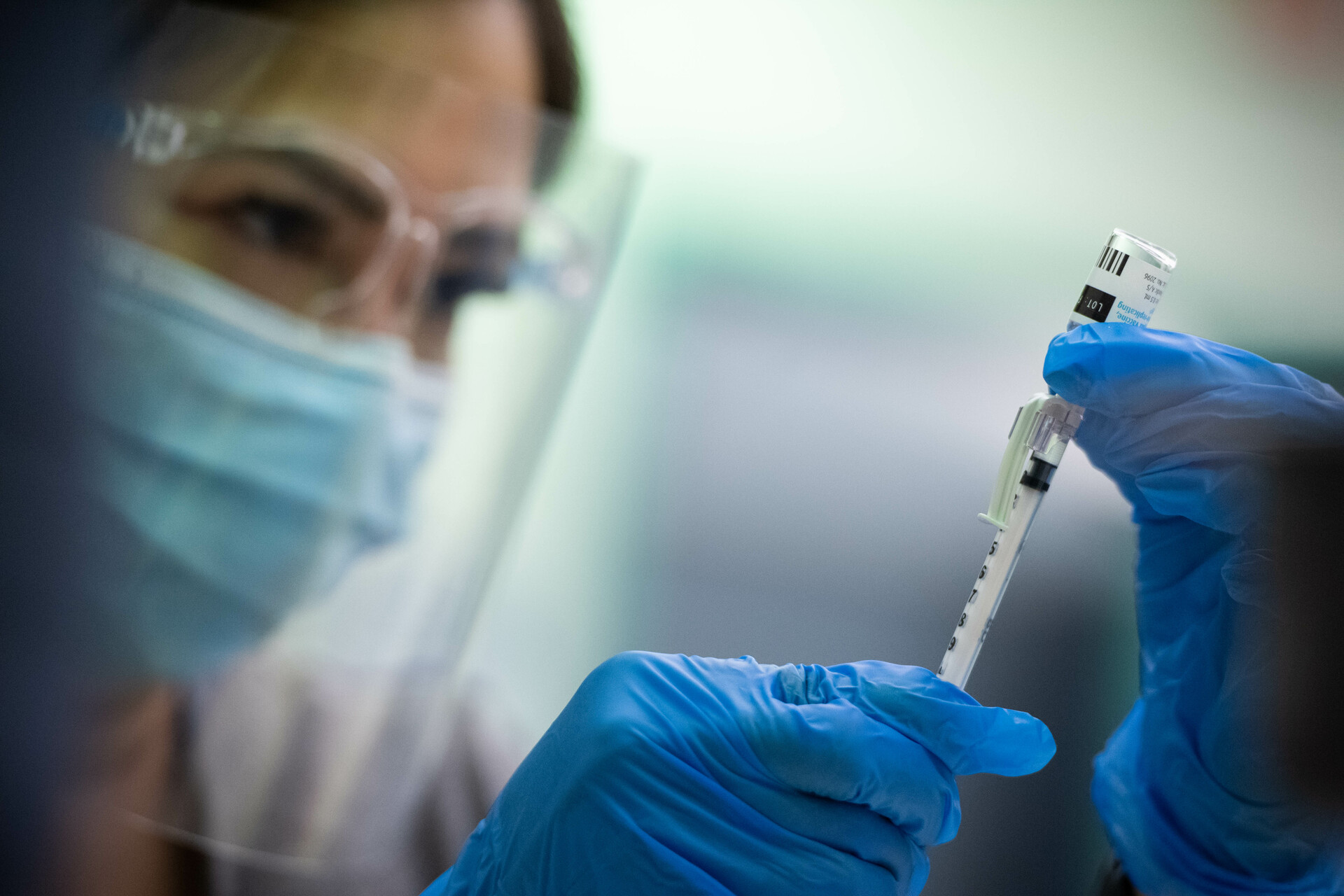
Ahead of San Francisco’s jam-packed fall slate of gatherings and concerts — including Folsom Street and Portola Music Festival — city health officials are reminding at-risk residents to get fully vaccinated against mpox.
The San Francisco Department of Public Health confirmed on Tuesday that over 70 cases of mpox — formerly known as monkeypox — have been reported in San Francisco this year.
Eight of these infections involve clade I mpox: a strain that in other parts of the world has caused more severe symptoms than the clade II strain associated with the 2022 outbreak in the Bay Area.
According to SFDPH, mpox cases usually increase in summer and fall — especially when the city is hosting events that draw people from all over the world. “People come together, they’re meeting,” said Dr. Julia Janssen, deputy director of the STI and HIV branch at SFDPH. “That’s why we emphasize and recommend the Jynneos vaccine during this time.”
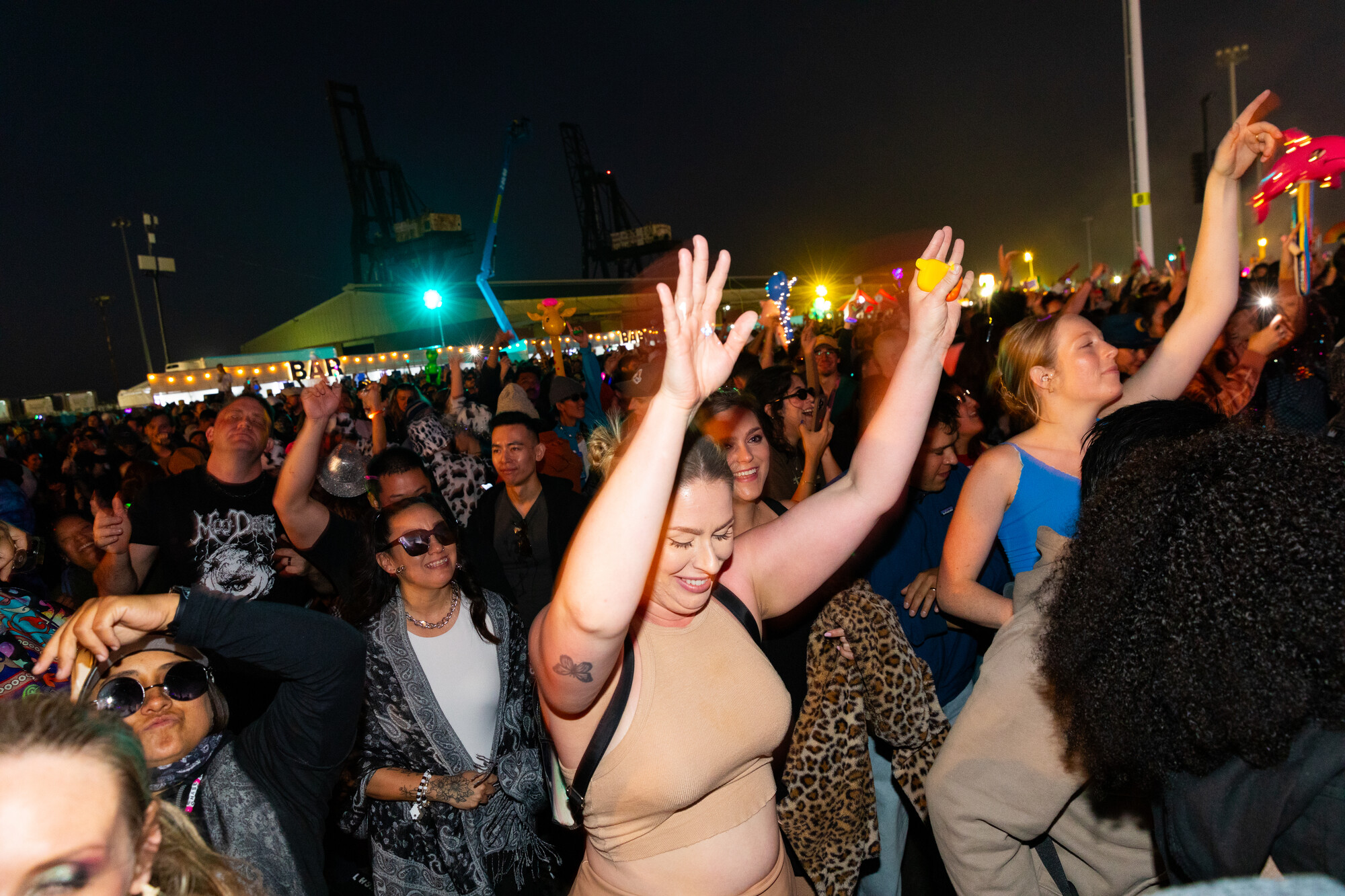
Ahead of San Francisco Pride celebrations back in June, health officials recommended the mpox vaccine — which has the brand name Jynneos — to the same at-risk populations that have been most affected by previous mpox outbreaks. These included gay and bisexual men, along with transgender people who have sex with men.
But the fact that the clade I strain is also starting to spread among local populations in popular tourist destinations — including Italy, Spain and Portugal — has prompted San Francisco health officials to now recommend that more people beyond those primary at-risk groups get vaccinated if they’re planning to travel to these areas.
“We have started to see local transmission in Western Europe,” Janssen said. “We recommend that anyone traveling outside of the United States — particularly to a country where clade I mpox is spreading between people — and [who] anticipates having sex during travel: Get the Jynneos vaccine.”
The recommendation is also extended to Bay Area folks who have sex here with anyone who has just traveled to those areas.
“There’s currently no evidence of local clade I transmission within San Francisco,” Janssen said. All confirmed clade I mpox cases in the city have been associated with international travel.
‘The absolute best protection’
The symptoms of clade I and clade II mpox are similar and can initially resemble the flu. The virus also appears as a rash or sores or spots that resemble pimples or blisters on the skin anywhere on the body, including the face, inside the mouth, hands, feet, chest, genitals and anus.

Clade I mpox, however, has historically caused more severe disease and more deaths in other countries, according to the Centers for Disease Control and Prevention.
During the 2022 outbreak, more than 15,000 San Francisco residents received both doses of the mpox vaccine. “That led to a dramatic decrease in cases,” Janssen said. “We’re in a much better place now because of the uptake of the Jynneos vaccine in San Francisco.”
She called the vaccine “really the absolute best protection” and “the main tool in our toolbox.”
Both clade I and clade II usually spread through close skin-to-skin contact, including sex. Anyone can get mpox, but most cases in the United States are among gay, bisexual and other men who have sex with men, as well as transgender people who have sex with men.
On the heels of SDFPH’s advisory, here’s what to know about mpox and the Jynneos vaccine in the Bay Area this fall.
Who’s eligible for an mpox vaccine in the Bay Area?
The vaccine currently available in the U.S. (brand name: Jynneos) is a two-dose series, with roughly a month between doses. Maximal immunity will build two weeks after your second dose.
The vaccine “protects against both clade 1 and clade 2 mpox,” Janssen said, and added that if someone just got one dose in the past, they may just need the second dose now.
“Anyone who has received one dose can go ahead and receive their second dose if it has been 28 days or more since their first dose,” she said. “There’s no need to restart.”
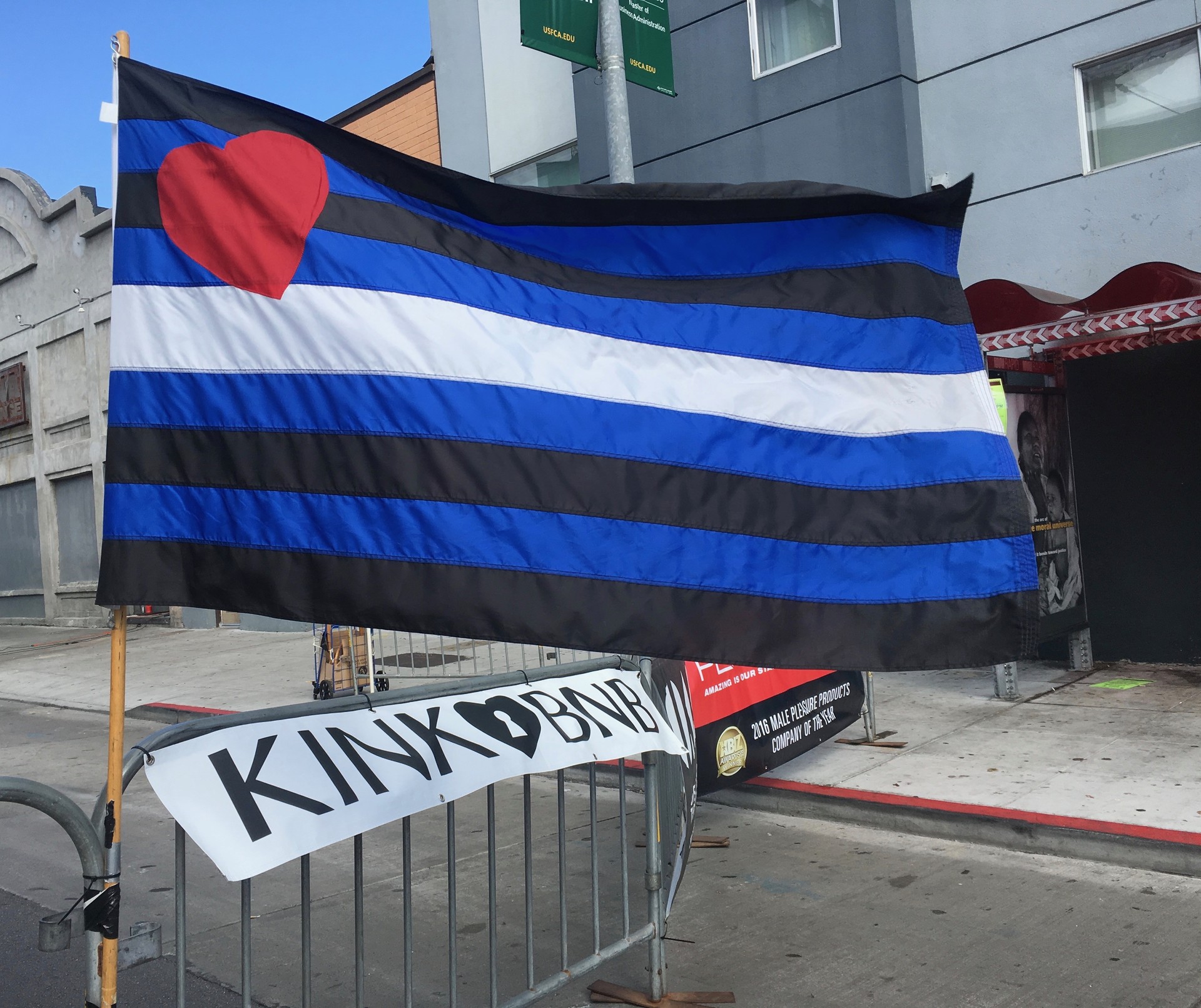
The CDC recommends the two-dose mpox vaccine to gay and bisexual men and other men who have sex with men, as well as transgender, nonbinary or gender-diverse people who in the past 6 months have had:
- More than one sexual partner and/or
- A new diagnosis of one or more sexually transmitted infections.
The CDC’s vaccine recommendations also include anyone who has had sex at a commercial sex venue like a sex club or bathhouse. See the CDC’s full mpox vaccine eligibility recommendations.
San Francisco additionally recommends vaccination for anyone living with HIV, anyone taking PrEP or who’s eligible to take it and sex workers.
What about travel and mpox?
In 2025, SFDPH expanded their mpox vaccine recommendations to include anyone traveling outside the U.S. — particularly to a country where clade I mpox is spreading between people — who anticipates having sex while they travel.
The CDC recommends getting both doses of the Jynneos vaccine “if you anticipate experiencing any of the following” while traveling to these countries:

- Sex with a new partner
- Sex at a commercial sex venue, such as a sex club or bathhouse
- Sex in exchange for money, goods, drugs or other trade
- Sex in association with a large public event, such as a rave, party or festival.
As of August this year, SFDPH also recommends that if you’re a Bay Area resident who is having sex with a person who’s traveled to these countries, you should also seek out the vaccine.
The mpox vaccine was also originally only available for people aged 18 and older, but in 2022, the Food and Drug Administration (FDA) issued an emergency-use authorization that allows providers to also give the vaccine to young people aged under 18 who are “determined to be at high risk” of infection.
Where can I find an mpox vaccine?
If you have a regular health care provider, SFDPH recommends you ask them first about getting the mpox vaccine. Your vaccine will be free, but you may be charged a regular copay for seeing your provider.
If you’re eligible for the vaccine, your health insurance should cover the costs thanks to the CDC’s recommendations. If you don’t have a regular health care provider or insurance, SFDPH said you can visit one of these four pharmacies in the city (two Walgreens and two CVS locations).
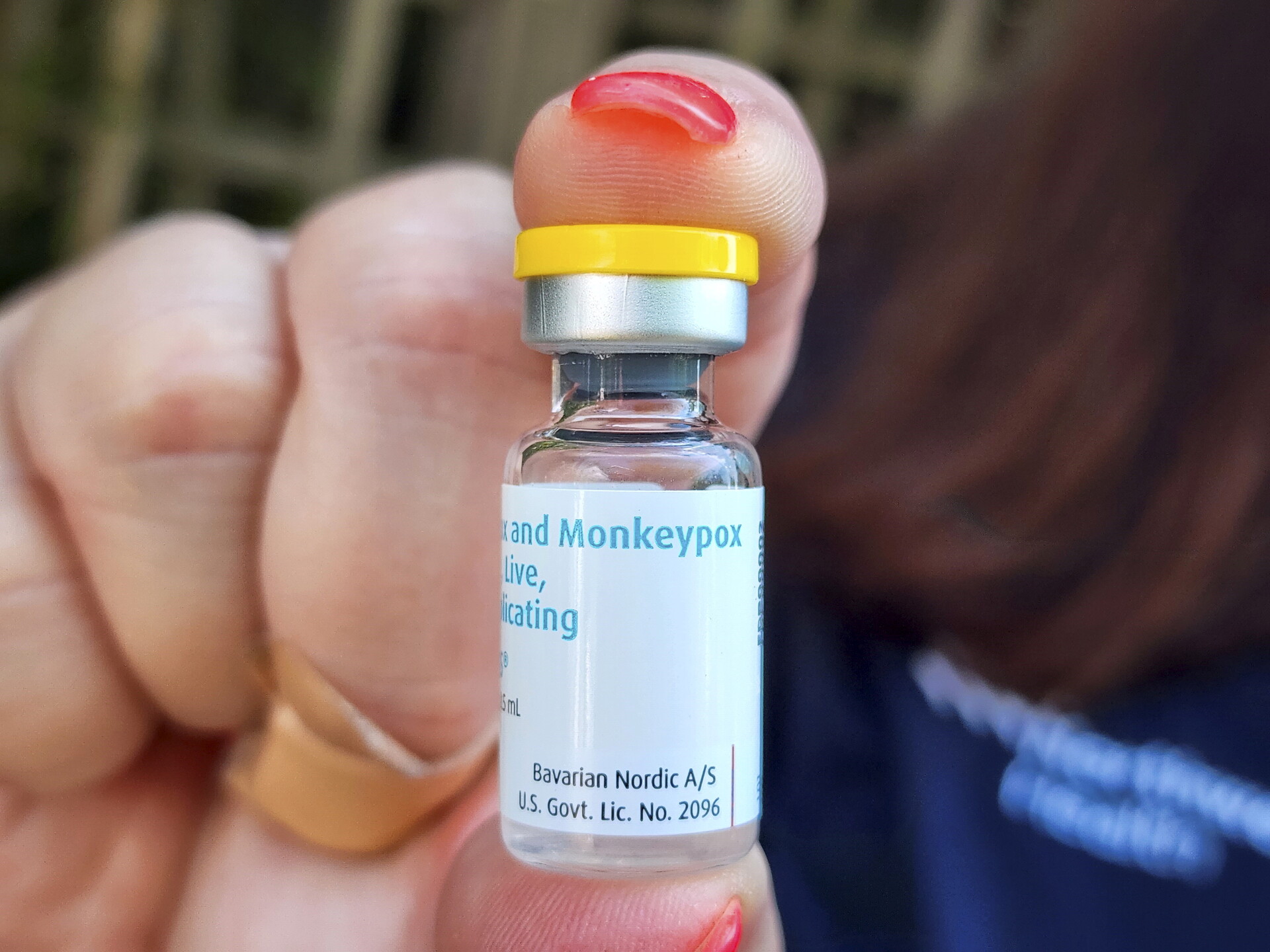
(As with the COVID-19 vaccine, receiving an mpox vaccine won’t make you a public charge or affect any future immigration processes you may enter into, and you won’t be asked about your immigration status to receive the mpox vaccine.)
If you get your health care through a health system like Kaiser Permanente, it’s unlikely you’ll be able to get your mpox vaccine covered by insurance at a pharmacy like CVS or Walgreens — the way you can’t get your COVID-19 or flu shot covered by Kaiser at a pharmacy either — and may have to seek it directly from a Kaiser provider.
If you’re able to make an appointment online at a pharmacy for your mpox vaccine, you should consider calling that location ahead of time to verify that they do indeed have supplies in stock.
This story includes reporting from KQED’s Nisa Khan.