window.__IS_SSR__=true
window.__INITIAL_STATE__={
"attachmentsReducer": {
"audio_0": {
"type": "attachments",
"id": "audio_0",
"imgSizes": {
"kqedFullSize": {
"file": "https://ww2.kqed.org/news/wp-content/themes/KQED-unified/img/audio_bgs/background0.jpg"
}
}
},
"audio_1": {
"type": "attachments",
"id": "audio_1",
"imgSizes": {
"kqedFullSize": {
"file": "https://ww2.kqed.org/news/wp-content/themes/KQED-unified/img/audio_bgs/background1.jpg"
}
}
},
"audio_2": {
"type": "attachments",
"id": "audio_2",
"imgSizes": {
"kqedFullSize": {
"file": "https://ww2.kqed.org/news/wp-content/themes/KQED-unified/img/audio_bgs/background2.jpg"
}
}
},
"audio_3": {
"type": "attachments",
"id": "audio_3",
"imgSizes": {
"kqedFullSize": {
"file": "https://ww2.kqed.org/news/wp-content/themes/KQED-unified/img/audio_bgs/background3.jpg"
}
}
},
"audio_4": {
"type": "attachments",
"id": "audio_4",
"imgSizes": {
"kqedFullSize": {
"file": "https://ww2.kqed.org/news/wp-content/themes/KQED-unified/img/audio_bgs/background4.jpg"
}
}
},
"placeholder": {
"type": "attachments",
"id": "placeholder",
"imgSizes": {
"thumbnail": {
"file": "https://cdn.kqed.org/wp-content/uploads/2024/12/KQED-Default-Image-816638274-2000x1333-1-160x107.jpg",
"width": 160,
"height": 107,
"mimeType": "image/jpeg"
},
"medium": {
"file": "https://cdn.kqed.org/wp-content/uploads/2024/12/KQED-Default-Image-816638274-2000x1333-1-800x533.jpg",
"width": 800,
"height": 533,
"mimeType": "image/jpeg"
},
"medium_large": {
"file": "https://cdn.kqed.org/wp-content/uploads/2024/12/KQED-Default-Image-816638274-2000x1333-1-768x512.jpg",
"width": 768,
"height": 512,
"mimeType": "image/jpeg"
},
"large": {
"file": "https://cdn.kqed.org/wp-content/uploads/2024/12/KQED-Default-Image-816638274-2000x1333-1-1020x680.jpg",
"width": 1020,
"height": 680,
"mimeType": "image/jpeg"
},
"1536x1536": {
"file": "https://cdn.kqed.org/wp-content/uploads/2024/12/KQED-Default-Image-816638274-2000x1333-1-1536x1024.jpg",
"width": 1536,
"height": 1024,
"mimeType": "image/jpeg"
},
"fd-lrg": {
"file": "https://cdn.kqed.org/wp-content/uploads/2024/12/KQED-Default-Image-816638274-2000x1333-1-1536x1024.jpg",
"width": 1536,
"height": 1024,
"mimeType": "image/jpeg"
},
"fd-med": {
"file": "https://cdn.kqed.org/wp-content/uploads/2024/12/KQED-Default-Image-816638274-2000x1333-1-1020x680.jpg",
"width": 1020,
"height": 680,
"mimeType": "image/jpeg"
},
"fd-sm": {
"file": "https://cdn.kqed.org/wp-content/uploads/2024/12/KQED-Default-Image-816638274-2000x1333-1-800x533.jpg",
"width": 800,
"height": 533,
"mimeType": "image/jpeg"
},
"post-thumbnail": {
"file": "https://cdn.kqed.org/wp-content/uploads/2024/12/KQED-Default-Image-816638274-2000x1333-1-672x372.jpg",
"width": 672,
"height": 372,
"mimeType": "image/jpeg"
},
"twentyfourteen-full-width": {
"file": "https://cdn.kqed.org/wp-content/uploads/2024/12/KQED-Default-Image-816638274-2000x1333-1-1038x576.jpg",
"width": 1038,
"height": 576,
"mimeType": "image/jpeg"
},
"xxsmall": {
"file": "https://cdn.kqed.org/wp-content/uploads/2024/12/KQED-Default-Image-816638274-2000x1333-1-160x107.jpg",
"width": 160,
"height": 107,
"mimeType": "image/jpeg"
},
"xsmall": {
"file": "https://cdn.kqed.org/wp-content/uploads/2024/12/KQED-Default-Image-816638274-2000x1333-1-672x372.jpg",
"width": 672,
"height": 372,
"mimeType": "image/jpeg"
},
"small": {
"file": "https://cdn.kqed.org/wp-content/uploads/2024/12/KQED-Default-Image-816638274-2000x1333-1-672x372.jpg",
"width": 672,
"height": 372,
"mimeType": "image/jpeg"
},
"xlarge": {
"file": "https://cdn.kqed.org/wp-content/uploads/2024/12/KQED-Default-Image-816638274-2000x1333-1-1020x680.jpg",
"width": 1020,
"height": 680,
"mimeType": "image/jpeg"
},
"full-width": {
"file": "https://cdn.kqed.org/wp-content/uploads/2024/12/KQED-Default-Image-816638274-2000x1333-1-1920x1280.jpg",
"width": 1920,
"height": 1280,
"mimeType": "image/jpeg"
},
"guest-author-32": {
"file": "https://cdn.kqed.org/wp-content/uploads/2025/01/KQED-Default-Image-816638274-1333x1333-1-160x160.jpg",
"width": 32,
"height": 32,
"mimeType": "image/jpeg"
},
"guest-author-50": {
"file": "https://cdn.kqed.org/wp-content/uploads/2025/01/KQED-Default-Image-816638274-1333x1333-1-160x160.jpg",
"width": 50,
"height": 50,
"mimeType": "image/jpeg"
},
"guest-author-64": {
"file": "https://cdn.kqed.org/wp-content/uploads/2025/01/KQED-Default-Image-816638274-1333x1333-1-160x160.jpg",
"width": 64,
"height": 64,
"mimeType": "image/jpeg"
},
"guest-author-96": {
"file": "https://cdn.kqed.org/wp-content/uploads/2025/01/KQED-Default-Image-816638274-1333x1333-1-160x160.jpg",
"width": 96,
"height": 96,
"mimeType": "image/jpeg"
},
"guest-author-128": {
"file": "https://cdn.kqed.org/wp-content/uploads/2025/01/KQED-Default-Image-816638274-1333x1333-1-160x160.jpg",
"width": 128,
"height": 128,
"mimeType": "image/jpeg"
},
"detail": {
"file": "https://cdn.kqed.org/wp-content/uploads/2025/01/KQED-Default-Image-816638274-1333x1333-1-160x160.jpg",
"width": 160,
"height": 160,
"mimeType": "image/jpeg"
},
"kqedFullSize": {
"file": "https://cdn.kqed.org/wp-content/uploads/2024/12/KQED-Default-Image-816638274-2000x1333-1.jpg",
"width": 2000,
"height": 1333
}
}
},
"news_11223235": {
"type": "attachments",
"id": "news_11223235",
"meta": {
"index": "attachments_1716263798",
"site": "news",
"id": "11223235",
"found": true
},
"parent": 11223222,
"imgSizes": {
"small": {
"file": "https://ww2.kqed.org/app/uploads/sites/10/2016/12/warehouse-fire-1920a-520x342.jpg",
"width": 520,
"mimeType": "image/jpeg",
"height": 342
},
"twentyfourteen-full-width": {
"file": "https://ww2.kqed.org/app/uploads/sites/10/2016/12/warehouse-fire-1920a-1038x576.jpg",
"width": 1038,
"mimeType": "image/jpeg",
"height": 576
},
"thumbnail": {
"file": "https://ww2.kqed.org/app/uploads/sites/10/2016/12/warehouse-fire-1920a-160x105.jpg",
"width": 160,
"mimeType": "image/jpeg",
"height": 105
},
"fd-sm": {
"file": "https://ww2.kqed.org/app/uploads/sites/10/2016/12/warehouse-fire-1920a-960x632.jpg",
"width": 960,
"mimeType": "image/jpeg",
"height": 632
},
"post-thumbnail": {
"file": "https://ww2.kqed.org/app/uploads/sites/10/2016/12/warehouse-fire-1920a-672x372.jpg",
"width": 672,
"mimeType": "image/jpeg",
"height": 372
},
"xsmall": {
"file": "https://ww2.kqed.org/app/uploads/sites/10/2016/12/warehouse-fire-1920a-375x247.jpg",
"width": 375,
"mimeType": "image/jpeg",
"height": 247
},
"kqedFullSize": {
"file": "https://ww2.kqed.org/app/uploads/sites/10/2016/12/warehouse-fire-1920a.jpg",
"width": 1920,
"height": 1264
},
"large": {
"file": "https://ww2.kqed.org/app/uploads/sites/10/2016/12/warehouse-fire-1920a-1020x672.jpg",
"width": 1020,
"mimeType": "image/jpeg",
"height": 672
},
"xlarge": {
"file": "https://ww2.kqed.org/app/uploads/sites/10/2016/12/warehouse-fire-1920a-1180x777.jpg",
"width": 1180,
"mimeType": "image/jpeg",
"height": 777
},
"guest-author-50": {
"file": "https://ww2.kqed.org/app/uploads/sites/10/2016/12/warehouse-fire-1920a-50x50.jpg",
"width": 50,
"mimeType": "image/jpeg",
"height": 50
},
"guest-author-96": {
"file": "https://ww2.kqed.org/app/uploads/sites/10/2016/12/warehouse-fire-1920a-96x96.jpg",
"width": 96,
"mimeType": "image/jpeg",
"height": 96
},
"medium": {
"file": "https://ww2.kqed.org/app/uploads/sites/10/2016/12/warehouse-fire-1920a-800x527.jpg",
"width": 800,
"mimeType": "image/jpeg",
"height": 527
},
"guest-author-64": {
"file": "https://ww2.kqed.org/app/uploads/sites/10/2016/12/warehouse-fire-1920a-64x64.jpg",
"width": 64,
"mimeType": "image/jpeg",
"height": 64
},
"guest-author-32": {
"file": "https://ww2.kqed.org/app/uploads/sites/10/2016/12/warehouse-fire-1920a-32x32.jpg",
"width": 32,
"mimeType": "image/jpeg",
"height": 32
},
"jmtc-small-thumb": {
"file": "https://ww2.kqed.org/app/uploads/sites/10/2016/12/warehouse-fire-1920a-280x150.jpg",
"width": 280,
"mimeType": "image/jpeg",
"height": 150
},
"fd-lrg": {
"file": "https://ww2.kqed.org/app/uploads/sites/10/2016/12/warehouse-fire-1920a-1920x1264.jpg",
"width": 1920,
"mimeType": "image/jpeg",
"height": 1264
},
"fd-med": {
"file": "https://ww2.kqed.org/app/uploads/sites/10/2016/12/warehouse-fire-1920a-1180x777.jpg",
"width": 1180,
"mimeType": "image/jpeg",
"height": 777
},
"full-width": {
"file": "https://ww2.kqed.org/app/uploads/sites/10/2016/12/warehouse-fire-1920a-1920x1264.jpg",
"width": 1920,
"mimeType": "image/jpeg",
"height": 1264
},
"detail": {
"file": "https://ww2.kqed.org/app/uploads/sites/10/2016/12/warehouse-fire-1920a-150x150.jpg",
"width": 150,
"mimeType": "image/jpeg",
"height": 150
},
"guest-author-128": {
"file": "https://ww2.kqed.org/app/uploads/sites/10/2016/12/warehouse-fire-1920a-128x128.jpg",
"width": 128,
"mimeType": "image/jpeg",
"height": 128
},
"xxsmall": {
"file": "https://ww2.kqed.org/app/uploads/sites/10/2016/12/warehouse-fire-1920a-240x158.jpg",
"width": 240,
"mimeType": "image/jpeg",
"height": 158
}
},
"publishDate": 1481916808,
"modified": 1501289062,
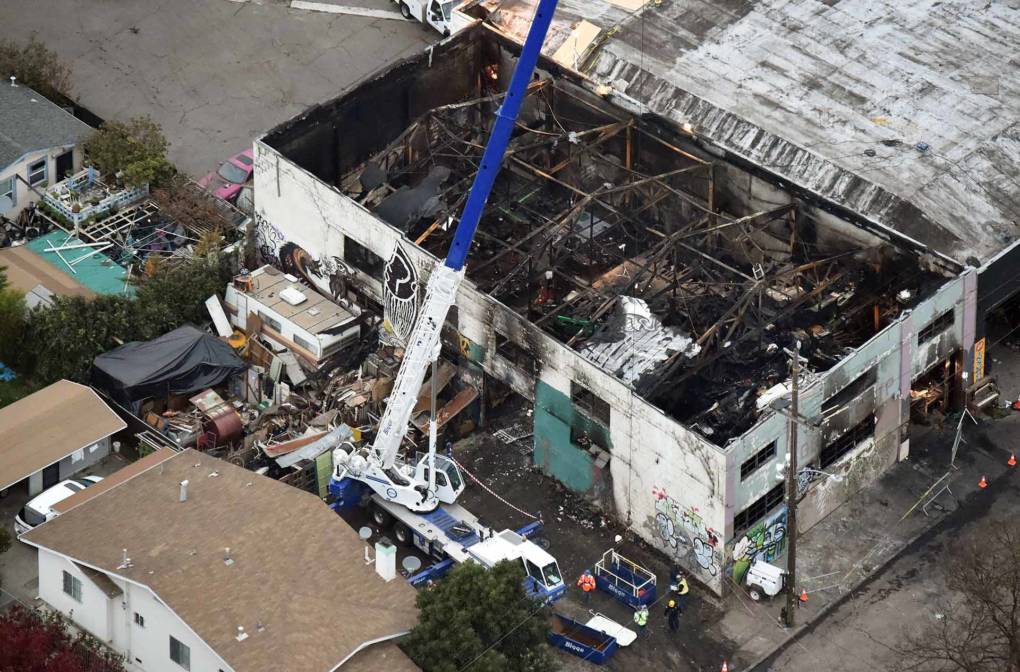
"caption": "A crane is used to lift wreckage as part of search efforts at the fire-ravaged Ghost Ship warehouse in December 2016. ",
"description": null,
"title": "Oakland-Ghost Ship Fire",
"credit": "Josh Edelson/AFP-Getty Image",
"status": "inherit",
"isLoading": false,
"fetchFailed": false
},
"news_11491376": {
"type": "attachments",
"id": "news_11491376",
"meta": {
"index": "attachments_1716263798",
"site": "news",
"id": "11491376",
"found": true
},
"parent": 11491292,
"imgSizes": {
"small": {
"file": "https://ww2.kqed.org/app/uploads/sites/10/2017/06/CSNYBillboard-520x342.jpg",
"width": 520,
"mimeType": "image/jpeg",
"height": 342
},
"twentyfourteen-full-width": {
"file": "https://ww2.kqed.org/app/uploads/sites/10/2017/06/CSNYBillboard-1038x576.jpg",
"width": 1038,
"mimeType": "image/jpeg",
"height": 576
},
"thumbnail": {
"file": "https://ww2.kqed.org/app/uploads/sites/10/2017/06/CSNYBillboard-160x105.jpg",
"width": 160,
"mimeType": "image/jpeg",
"height": 105
},
"fd-sm": {
"file": "https://ww2.kqed.org/app/uploads/sites/10/2017/06/CSNYBillboard-960x632.jpg",
"width": 960,
"mimeType": "image/jpeg",
"height": 632
},
"post-thumbnail": {
"file": "https://ww2.kqed.org/app/uploads/sites/10/2017/06/CSNYBillboard-672x372.jpg",
"width": 672,
"mimeType": "image/jpeg",
"height": 372
},
"xsmall": {
"file": "https://ww2.kqed.org/app/uploads/sites/10/2017/06/CSNYBillboard-375x247.jpg",
"width": 375,
"mimeType": "image/jpeg",
"height": 247
},
"kqedFullSize": {
"file": "https://ww2.kqed.org/app/uploads/sites/10/2017/06/CSNYBillboard.jpg",
"width": 1920,
"height": 1264
},
"large": {
"file": "https://ww2.kqed.org/app/uploads/sites/10/2017/06/CSNYBillboard-1020x672.jpg",
"width": 1020,
"mimeType": "image/jpeg",
"height": 672
},
"xlarge": {
"file": "https://ww2.kqed.org/app/uploads/sites/10/2017/06/CSNYBillboard-1180x777.jpg",
"width": 1180,
"mimeType": "image/jpeg",
"height": 777
},
"guest-author-50": {
"file": "https://ww2.kqed.org/app/uploads/sites/10/2017/06/CSNYBillboard-50x50.jpg",
"width": 50,
"mimeType": "image/jpeg",
"height": 50
},
"guest-author-96": {
"file": "https://ww2.kqed.org/app/uploads/sites/10/2017/06/CSNYBillboard-96x96.jpg",
"width": 96,
"mimeType": "image/jpeg",
"height": 96
},
"medium": {
"file": "https://ww2.kqed.org/app/uploads/sites/10/2017/06/CSNYBillboard-800x527.jpg",
"width": 800,
"mimeType": "image/jpeg",
"height": 527
},
"guest-author-64": {
"file": "https://ww2.kqed.org/app/uploads/sites/10/2017/06/CSNYBillboard-64x64.jpg",
"width": 64,
"mimeType": "image/jpeg",
"height": 64
},
"guest-author-32": {
"file": "https://ww2.kqed.org/app/uploads/sites/10/2017/06/CSNYBillboard-32x32.jpg",
"width": 32,
"mimeType": "image/jpeg",
"height": 32
},
"fd-lrg": {
"file": "https://ww2.kqed.org/app/uploads/sites/10/2017/06/CSNYBillboard-1920x1264.jpg",
"width": 1920,
"mimeType": "image/jpeg",
"height": 1264
},
"fd-med": {
"file": "https://ww2.kqed.org/app/uploads/sites/10/2017/06/CSNYBillboard-1180x777.jpg",
"width": 1180,
"mimeType": "image/jpeg",
"height": 777
},
"full-width": {
"file": "https://ww2.kqed.org/app/uploads/sites/10/2017/06/CSNYBillboard-1920x1264.jpg",
"width": 1920,
"mimeType": "image/jpeg",
"height": 1264
},
"detail": {
"file": "https://ww2.kqed.org/app/uploads/sites/10/2017/06/CSNYBillboard-150x150.jpg",
"width": 150,
"mimeType": "image/jpeg",
"height": 150
},
"guest-author-128": {
"file": "https://ww2.kqed.org/app/uploads/sites/10/2017/06/CSNYBillboard-128x128.jpg",
"width": 128,
"mimeType": "image/jpeg",
"height": 128
},
"xxsmall": {
"file": "https://ww2.kqed.org/app/uploads/sites/10/2017/06/CSNYBillboard-240x158.jpg",
"width": 240,
"mimeType": "image/jpeg",
"height": 158
}
},
"publishDate": 1496450444,
"modified": 1496697993,
"caption": "A Crosby Stills & Nash billboard on the Sunset Strip, circa 1977.",
"description": "A Crosby Stills and Nash billboard on the Sunset Strip, circa 1977.",
"title": "CSNYBillboard",
"credit": "Robert Landau",
"status": "inherit",
"isLoading": false,
"fetchFailed": false
},
"news_11491278": {
"type": "attachments",
"id": "news_11491278",
"meta": {
"index": "attachments_1716263798",
"site": "news",
"id": "11491278",
"found": true
},
"parent": 11477982,
"imgSizes": {
"small": {
"file": "https://ww2.kqed.org/app/uploads/sites/10/2017/05/RS25555_LA-Takedown-Photo-Credit-Conor-Collins-General-004-300dpi-qut-520x347.jpg",
"width": 520,
"mimeType": "image/jpeg",
"height": 347
},
"twentyfourteen-full-width": {
"file": "https://ww2.kqed.org/app/uploads/sites/10/2017/05/RS25555_LA-Takedown-Photo-Credit-Conor-Collins-General-004-300dpi-qut-1038x576.jpg",
"width": 1038,
"mimeType": "image/jpeg",
"height": 576
},
"thumbnail": {
"file": "https://ww2.kqed.org/app/uploads/sites/10/2017/05/RS25555_LA-Takedown-Photo-Credit-Conor-Collins-General-004-300dpi-qut-160x107.jpg",
"width": 160,
"mimeType": "image/jpeg",
"height": 107
},
"fd-sm": {
"file": "https://ww2.kqed.org/app/uploads/sites/10/2017/05/RS25555_LA-Takedown-Photo-Credit-Conor-Collins-General-004-300dpi-qut-960x640.jpg",
"width": 960,
"mimeType": "image/jpeg",
"height": 640
},
"post-thumbnail": {
"file": "https://ww2.kqed.org/app/uploads/sites/10/2017/05/RS25555_LA-Takedown-Photo-Credit-Conor-Collins-General-004-300dpi-qut-672x372.jpg",
"width": 672,
"mimeType": "image/jpeg",
"height": 372
},
"xsmall": {
"file": "https://ww2.kqed.org/app/uploads/sites/10/2017/05/RS25555_LA-Takedown-Photo-Credit-Conor-Collins-General-004-300dpi-qut-375x250.jpg",
"width": 375,
"mimeType": "image/jpeg",
"height": 250
},
"kqedFullSize": {
"file": "https://ww2.kqed.org/app/uploads/sites/10/2017/05/RS25555_LA-Takedown-Photo-Credit-Conor-Collins-General-004-300dpi-qut.jpg",
"width": 1920,
"height": 1280
},
"large": {
"file": "https://ww2.kqed.org/app/uploads/sites/10/2017/05/RS25555_LA-Takedown-Photo-Credit-Conor-Collins-General-004-300dpi-qut-1020x680.jpg",
"width": 1020,
"mimeType": "image/jpeg",
"height": 680
},
"xlarge": {
"file": "https://ww2.kqed.org/app/uploads/sites/10/2017/05/RS25555_LA-Takedown-Photo-Credit-Conor-Collins-General-004-300dpi-qut-1180x787.jpg",
"width": 1180,
"mimeType": "image/jpeg",
"height": 787
},
"guest-author-50": {
"file": "https://ww2.kqed.org/app/uploads/sites/10/2017/05/RS25555_LA-Takedown-Photo-Credit-Conor-Collins-General-004-300dpi-qut-50x50.jpg",
"width": 50,
"mimeType": "image/jpeg",
"height": 50
},
"guest-author-96": {
"file": "https://ww2.kqed.org/app/uploads/sites/10/2017/05/RS25555_LA-Takedown-Photo-Credit-Conor-Collins-General-004-300dpi-qut-96x96.jpg",
"width": 96,
"mimeType": "image/jpeg",
"height": 96
},
"medium": {
"file": "https://ww2.kqed.org/app/uploads/sites/10/2017/05/RS25555_LA-Takedown-Photo-Credit-Conor-Collins-General-004-300dpi-qut-800x533.jpg",
"width": 800,
"mimeType": "image/jpeg",
"height": 533
},
"guest-author-64": {
"file": "https://ww2.kqed.org/app/uploads/sites/10/2017/05/RS25555_LA-Takedown-Photo-Credit-Conor-Collins-General-004-300dpi-qut-64x64.jpg",
"width": 64,
"mimeType": "image/jpeg",
"height": 64
},
"guest-author-32": {
"file": "https://ww2.kqed.org/app/uploads/sites/10/2017/05/RS25555_LA-Takedown-Photo-Credit-Conor-Collins-General-004-300dpi-qut-32x32.jpg",
"width": 32,
"mimeType": "image/jpeg",
"height": 32
},
"fd-lrg": {
"file": "https://ww2.kqed.org/app/uploads/sites/10/2017/05/RS25555_LA-Takedown-Photo-Credit-Conor-Collins-General-004-300dpi-qut-1920x1280.jpg",
"width": 1920,
"mimeType": "image/jpeg",
"height": 1280
},
"fd-med": {
"file": "https://ww2.kqed.org/app/uploads/sites/10/2017/05/RS25555_LA-Takedown-Photo-Credit-Conor-Collins-General-004-300dpi-qut-1180x787.jpg",
"width": 1180,
"mimeType": "image/jpeg",
"height": 787
},
"full-width": {
"file": "https://ww2.kqed.org/app/uploads/sites/10/2017/05/RS25555_LA-Takedown-Photo-Credit-Conor-Collins-General-004-300dpi-qut-1920x1280.jpg",
"width": 1920,
"mimeType": "image/jpeg",
"height": 1280
},
"detail": {
"file": "https://ww2.kqed.org/app/uploads/sites/10/2017/05/RS25555_LA-Takedown-Photo-Credit-Conor-Collins-General-004-300dpi-qut-150x150.jpg",
"width": 150,
"mimeType": "image/jpeg",
"height": 150
},
"guest-author-128": {
"file": "https://ww2.kqed.org/app/uploads/sites/10/2017/05/RS25555_LA-Takedown-Photo-Credit-Conor-Collins-General-004-300dpi-qut-128x128.jpg",
"width": 128,
"mimeType": "image/jpeg",
"height": 128
},
"xxsmall": {
"file": "https://ww2.kqed.org/app/uploads/sites/10/2017/05/RS25555_LA-Takedown-Photo-Credit-Conor-Collins-General-004-300dpi-qut-240x160.jpg",
"width": 240,
"mimeType": "image/jpeg",
"height": 160
}
},
"publishDate": 1496445070,
"modified": 1496453150,
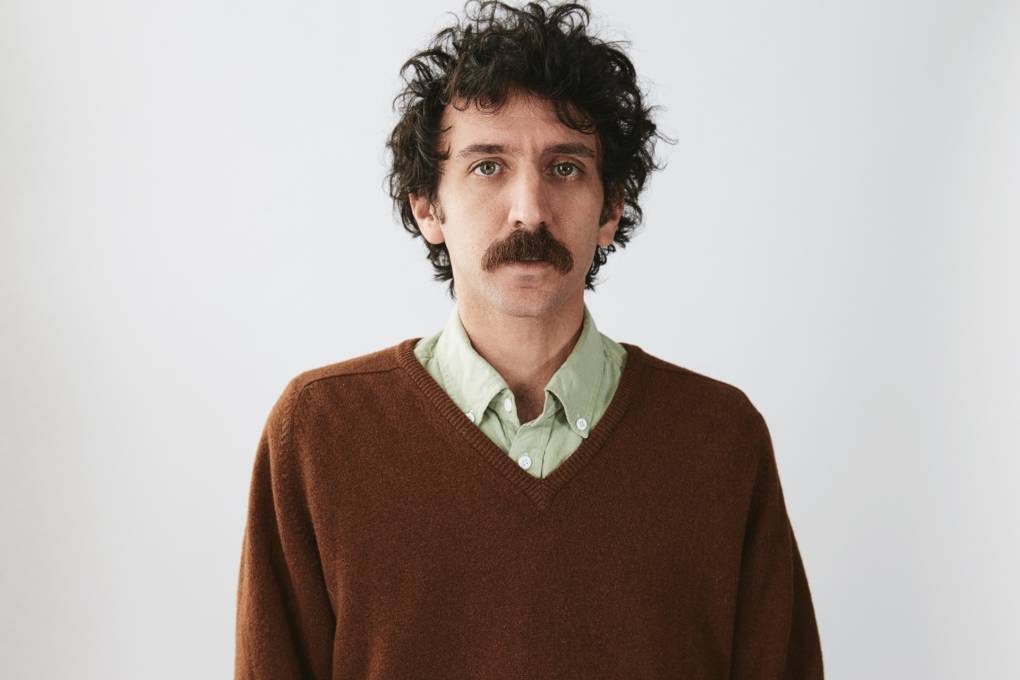
"caption": "L.A. Takedown's Aaron M. Olson. ",
"description": "L.A. Takedown's Aaron M. Olson. ",
"title": "RS25555_LA-Takedown-Photo-Credit-Conor-Collins-General-004-300dpi-qut",
"credit": "Courtesy: Conor Collins",
"status": "inherit",
"isLoading": false,
"fetchFailed": false
},
"news_11491529": {
"type": "attachments",
"id": "news_11491529",
"meta": {
"index": "attachments_1716263798",
"site": "news",
"id": "11491529",
"found": true
},
"parent": 11491368,
"imgSizes": {
"small": {
"file": "https://ww2.kqed.org/app/uploads/sites/10/2017/06/Barbara-Boxer-520x292.png",
"width": 520,
"mimeType": "image/png",
"height": 292
},
"twentyfourteen-full-width": {
"file": "https://ww2.kqed.org/app/uploads/sites/10/2017/06/Barbara-Boxer-1038x576.png",
"width": 1038,
"mimeType": "image/png",
"height": 576
},
"thumbnail": {
"file": "https://ww2.kqed.org/app/uploads/sites/10/2017/06/Barbara-Boxer-160x90.png",
"width": 160,
"mimeType": "image/png",
"height": 90
},
"fd-sm": {
"file": "https://ww2.kqed.org/app/uploads/sites/10/2017/06/Barbara-Boxer-960x539.png",
"width": 960,
"mimeType": "image/png",
"height": 539
},
"post-thumbnail": {
"file": "https://ww2.kqed.org/app/uploads/sites/10/2017/06/Barbara-Boxer-672x372.png",
"width": 672,
"mimeType": "image/png",
"height": 372
},
"xsmall": {
"file": "https://ww2.kqed.org/app/uploads/sites/10/2017/06/Barbara-Boxer-375x211.png",
"width": 375,
"mimeType": "image/png",
"height": 211
},
"kqedFullSize": {
"file": "https://ww2.kqed.org/app/uploads/sites/10/2017/06/Barbara-Boxer.png",
"width": 1707,
"height": 959
},
"large": {
"file": "https://ww2.kqed.org/app/uploads/sites/10/2017/06/Barbara-Boxer-1020x573.png",
"width": 1020,
"mimeType": "image/png",
"height": 573
},
"xlarge": {
"file": "https://ww2.kqed.org/app/uploads/sites/10/2017/06/Barbara-Boxer-1180x663.png",
"width": 1180,
"mimeType": "image/png",
"height": 663
},
"guest-author-50": {
"file": "https://ww2.kqed.org/app/uploads/sites/10/2017/06/Barbara-Boxer-50x50.png",
"width": 50,
"mimeType": "image/png",
"height": 50
},
"guest-author-96": {
"file": "https://ww2.kqed.org/app/uploads/sites/10/2017/06/Barbara-Boxer-96x96.png",
"width": 96,
"mimeType": "image/png",
"height": 96
},
"medium": {
"file": "https://ww2.kqed.org/app/uploads/sites/10/2017/06/Barbara-Boxer-800x449.png",
"width": 800,
"mimeType": "image/png",
"height": 449
},
"guest-author-64": {
"file": "https://ww2.kqed.org/app/uploads/sites/10/2017/06/Barbara-Boxer-64x64.png",
"width": 64,
"mimeType": "image/png",
"height": 64
},
"guest-author-32": {
"file": "https://ww2.kqed.org/app/uploads/sites/10/2017/06/Barbara-Boxer-32x32.png",
"width": 32,
"mimeType": "image/png",
"height": 32
},
"fd-med": {
"file": "https://ww2.kqed.org/app/uploads/sites/10/2017/06/Barbara-Boxer-1180x663.png",
"width": 1180,
"mimeType": "image/png",
"height": 663
},
"detail": {
"file": "https://ww2.kqed.org/app/uploads/sites/10/2017/06/Barbara-Boxer-150x150.png",
"width": 150,
"mimeType": "image/png",
"height": 150
},
"guest-author-128": {
"file": "https://ww2.kqed.org/app/uploads/sites/10/2017/06/Barbara-Boxer-128x128.png",
"width": 128,
"mimeType": "image/png",
"height": 128
},
"xxsmall": {
"file": "https://ww2.kqed.org/app/uploads/sites/10/2017/06/Barbara-Boxer-240x135.png",
"width": 240,
"mimeType": "image/png",
"height": 135
}
},
"publishDate": 1496455471,
"modified": 1496455471,
"caption": null,
"description": null,
"title": "Barbara Boxer",
"credit": null,
"status": "inherit",
"isLoading": false,
"fetchFailed": false
},
"news_11479540": {
"type": "attachments",
"id": "news_11479540",
"meta": {
"index": "attachments_1716263798",
"site": "news",
"id": "11479540",
"found": true
},
"parent": 11479248,
"imgSizes": {
"small": {
"file": "https://ww2.kqed.org/app/uploads/sites/10/2017/05/Kamau2-520x325.jpg",
"width": 520,
"mimeType": "image/jpeg",
"height": 325
},
"twentyfourteen-full-width": {
"file": "https://ww2.kqed.org/app/uploads/sites/10/2017/05/Kamau2-1038x576.jpg",
"width": 1038,
"mimeType": "image/jpeg",
"height": 576
},
"thumbnail": {
"file": "https://ww2.kqed.org/app/uploads/sites/10/2017/05/Kamau2-160x100.jpg",
"width": 160,
"mimeType": "image/jpeg",
"height": 100
},
"fd-sm": {
"file": "https://ww2.kqed.org/app/uploads/sites/10/2017/05/Kamau2-960x601.jpg",
"width": 960,
"mimeType": "image/jpeg",
"height": 601
},
"post-thumbnail": {
"file": "https://ww2.kqed.org/app/uploads/sites/10/2017/05/Kamau2-672x372.jpg",
"width": 672,
"mimeType": "image/jpeg",
"height": 372
},
"xsmall": {
"file": "https://ww2.kqed.org/app/uploads/sites/10/2017/05/Kamau2-375x235.jpg",
"width": 375,
"mimeType": "image/jpeg",
"height": 235
},
"kqedFullSize": {
"file": "https://ww2.kqed.org/app/uploads/sites/10/2017/05/Kamau2.jpg",
"width": 1920,
"height": 1201
},
"large": {
"file": "https://ww2.kqed.org/app/uploads/sites/10/2017/05/Kamau2-1020x638.jpg",
"width": 1020,
"mimeType": "image/jpeg",
"height": 638
},
"xlarge": {
"file": "https://ww2.kqed.org/app/uploads/sites/10/2017/05/Kamau2-1180x738.jpg",
"width": 1180,
"mimeType": "image/jpeg",
"height": 738
},
"guest-author-50": {
"file": "https://ww2.kqed.org/app/uploads/sites/10/2017/05/Kamau2-50x50.jpg",
"width": 50,
"mimeType": "image/jpeg",
"height": 50
},
"guest-author-96": {
"file": "https://ww2.kqed.org/app/uploads/sites/10/2017/05/Kamau2-96x96.jpg",
"width": 96,
"mimeType": "image/jpeg",
"height": 96
},
"medium": {
"file": "https://ww2.kqed.org/app/uploads/sites/10/2017/05/Kamau2-800x500.jpg",
"width": 800,
"mimeType": "image/jpeg",
"height": 500
},
"guest-author-64": {
"file": "https://ww2.kqed.org/app/uploads/sites/10/2017/05/Kamau2-64x64.jpg",
"width": 64,
"mimeType": "image/jpeg",
"height": 64
},
"guest-author-32": {
"file": "https://ww2.kqed.org/app/uploads/sites/10/2017/05/Kamau2-32x32.jpg",
"width": 32,
"mimeType": "image/jpeg",
"height": 32
},
"fd-lrg": {
"file": "https://ww2.kqed.org/app/uploads/sites/10/2017/05/Kamau2-1920x1201.jpg",
"width": 1920,
"mimeType": "image/jpeg",
"height": 1201
},
"fd-med": {
"file": "https://ww2.kqed.org/app/uploads/sites/10/2017/05/Kamau2-1180x738.jpg",
"width": 1180,
"mimeType": "image/jpeg",
"height": 738
},
"full-width": {
"file": "https://ww2.kqed.org/app/uploads/sites/10/2017/05/Kamau2-1920x1201.jpg",
"width": 1920,
"mimeType": "image/jpeg",
"height": 1201
},
"detail": {
"file": "https://ww2.kqed.org/app/uploads/sites/10/2017/05/Kamau2-150x150.jpg",
"width": 150,
"mimeType": "image/jpeg",
"height": 150
},
"guest-author-128": {
"file": "https://ww2.kqed.org/app/uploads/sites/10/2017/05/Kamau2-128x128.jpg",
"width": 128,
"mimeType": "image/jpeg",
"height": 128
},
"xxsmall": {
"file": "https://ww2.kqed.org/app/uploads/sites/10/2017/05/Kamau2-240x150.jpg",
"width": 240,
"mimeType": "image/jpeg",
"height": 150
}
},
"publishDate": 1495840496,
"modified": 1495840523,
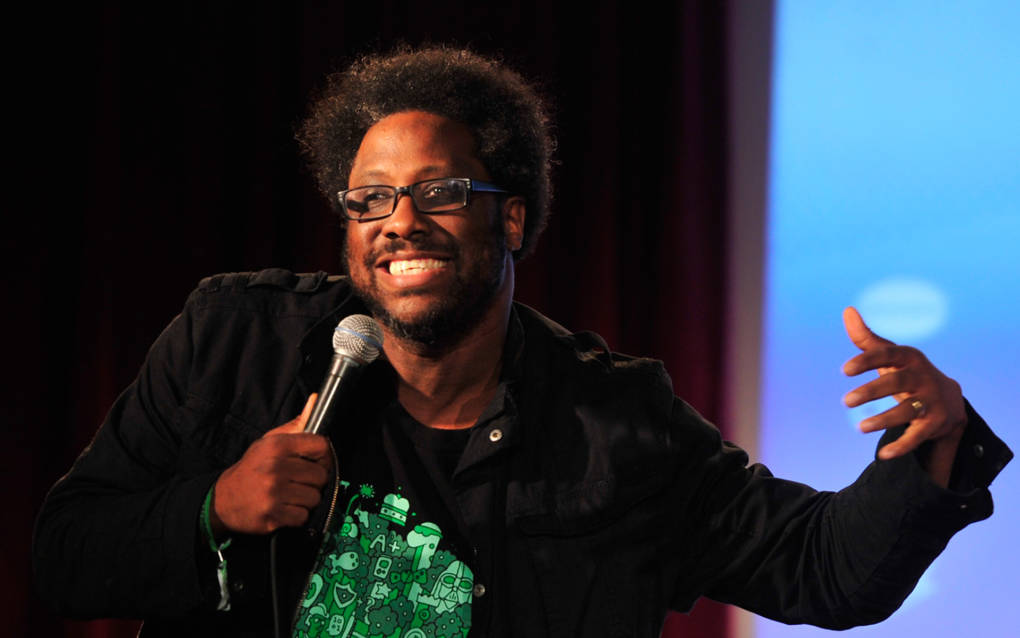
"caption": "W. Kamau Bell",
"description": "W. Kamau Bell",
"title": "Kamau2",
"credit": "Stephen Lovekin/Getty Images ",
"status": "inherit",
"isLoading": false,
"fetchFailed": false
},
"news_11476032": {
"type": "attachments",
"id": "news_11476032",
"meta": {
"index": "attachments_1716263798",
"site": "news",
"id": "11476032",
"found": true
},
"parent": 11475747,
"imgSizes": {
"small": {
"file": "https://ww2.kqed.org/app/uploads/sites/10/2017/05/RS25463_20170515_StateCapitol_Sen_NancySkinner_credit_BertJohnson-2-qut-520x347.jpg",
"width": 520,
"mimeType": "image/jpeg",
"height": 347
},
"twentyfourteen-full-width": {
"file": "https://ww2.kqed.org/app/uploads/sites/10/2017/05/RS25463_20170515_StateCapitol_Sen_NancySkinner_credit_BertJohnson-2-qut-1038x576.jpg",
"width": 1038,
"mimeType": "image/jpeg",
"height": 576
},
"thumbnail": {
"file": "https://ww2.kqed.org/app/uploads/sites/10/2017/05/RS25463_20170515_StateCapitol_Sen_NancySkinner_credit_BertJohnson-2-qut-160x107.jpg",
"width": 160,
"mimeType": "image/jpeg",
"height": 107
},
"fd-sm": {
"file": "https://ww2.kqed.org/app/uploads/sites/10/2017/05/RS25463_20170515_StateCapitol_Sen_NancySkinner_credit_BertJohnson-2-qut-960x640.jpg",
"width": 960,
"mimeType": "image/jpeg",
"height": 640
},
"post-thumbnail": {
"file": "https://ww2.kqed.org/app/uploads/sites/10/2017/05/RS25463_20170515_StateCapitol_Sen_NancySkinner_credit_BertJohnson-2-qut-672x372.jpg",
"width": 672,
"mimeType": "image/jpeg",
"height": 372
},
"xsmall": {
"file": "https://ww2.kqed.org/app/uploads/sites/10/2017/05/RS25463_20170515_StateCapitol_Sen_NancySkinner_credit_BertJohnson-2-qut-375x250.jpg",
"width": 375,
"mimeType": "image/jpeg",
"height": 250
},
"kqedFullSize": {
"file": "https://ww2.kqed.org/app/uploads/sites/10/2017/05/RS25463_20170515_StateCapitol_Sen_NancySkinner_credit_BertJohnson-2-qut.jpg",
"width": 1920,
"height": 1280
},
"large": {
"file": "https://ww2.kqed.org/app/uploads/sites/10/2017/05/RS25463_20170515_StateCapitol_Sen_NancySkinner_credit_BertJohnson-2-qut-1020x680.jpg",
"width": 1020,
"mimeType": "image/jpeg",
"height": 680
},
"xlarge": {
"file": "https://ww2.kqed.org/app/uploads/sites/10/2017/05/RS25463_20170515_StateCapitol_Sen_NancySkinner_credit_BertJohnson-2-qut-1180x787.jpg",
"width": 1180,
"mimeType": "image/jpeg",
"height": 787
},
"guest-author-50": {
"file": "https://ww2.kqed.org/app/uploads/sites/10/2017/05/RS25463_20170515_StateCapitol_Sen_NancySkinner_credit_BertJohnson-2-qut-50x50.jpg",
"width": 50,
"mimeType": "image/jpeg",
"height": 50
},
"guest-author-96": {
"file": "https://ww2.kqed.org/app/uploads/sites/10/2017/05/RS25463_20170515_StateCapitol_Sen_NancySkinner_credit_BertJohnson-2-qut-96x96.jpg",
"width": 96,
"mimeType": "image/jpeg",
"height": 96
},
"medium": {
"file": "https://ww2.kqed.org/app/uploads/sites/10/2017/05/RS25463_20170515_StateCapitol_Sen_NancySkinner_credit_BertJohnson-2-qut-800x533.jpg",
"width": 800,
"mimeType": "image/jpeg",
"height": 533
},
"guest-author-64": {
"file": "https://ww2.kqed.org/app/uploads/sites/10/2017/05/RS25463_20170515_StateCapitol_Sen_NancySkinner_credit_BertJohnson-2-qut-64x64.jpg",
"width": 64,
"mimeType": "image/jpeg",
"height": 64
},
"guest-author-32": {
"file": "https://ww2.kqed.org/app/uploads/sites/10/2017/05/RS25463_20170515_StateCapitol_Sen_NancySkinner_credit_BertJohnson-2-qut-32x32.jpg",
"width": 32,
"mimeType": "image/jpeg",
"height": 32
},
"fd-lrg": {
"file": "https://ww2.kqed.org/app/uploads/sites/10/2017/05/RS25463_20170515_StateCapitol_Sen_NancySkinner_credit_BertJohnson-2-qut-1920x1280.jpg",
"width": 1920,
"mimeType": "image/jpeg",
"height": 1280
},
"fd-med": {
"file": "https://ww2.kqed.org/app/uploads/sites/10/2017/05/RS25463_20170515_StateCapitol_Sen_NancySkinner_credit_BertJohnson-2-qut-1180x787.jpg",
"width": 1180,
"mimeType": "image/jpeg",
"height": 787
},
"full-width": {
"file": "https://ww2.kqed.org/app/uploads/sites/10/2017/05/RS25463_20170515_StateCapitol_Sen_NancySkinner_credit_BertJohnson-2-qut-1920x1280.jpg",
"width": 1920,
"mimeType": "image/jpeg",
"height": 1280
},
"detail": {
"file": "https://ww2.kqed.org/app/uploads/sites/10/2017/05/RS25463_20170515_StateCapitol_Sen_NancySkinner_credit_BertJohnson-2-qut-150x150.jpg",
"width": 150,
"mimeType": "image/jpeg",
"height": 150
},
"guest-author-128": {
"file": "https://ww2.kqed.org/app/uploads/sites/10/2017/05/RS25463_20170515_StateCapitol_Sen_NancySkinner_credit_BertJohnson-2-qut-128x128.jpg",
"width": 128,
"mimeType": "image/jpeg",
"height": 128
},
"xxsmall": {
"file": "https://ww2.kqed.org/app/uploads/sites/10/2017/05/RS25463_20170515_StateCapitol_Sen_NancySkinner_credit_BertJohnson-2-qut-240x160.jpg",
"width": 240,
"mimeType": "image/jpeg",
"height": 160
}
},
"publishDate": 1495672967,
"modified": 1495747785,
"caption": "State Sen. Nancy Skinner (D-Oakland) is carrying SB 305, to fund upgrades to unsafe residences.",
"description": null,
"title": "Nancy Skinner",
"credit": "Bert Johnson/KQED",
"status": "inherit",
"isLoading": false,
"fetchFailed": false
},
"news_11475532": {
"type": "attachments",
"id": "news_11475532",
"meta": {
"index": "attachments_1716263798",
"site": "news",
"id": "11475532",
"found": true
},
"parent": 11475530,
"imgSizes": {
"small": {
"file": "https://ww2.kqed.org/app/uploads/sites/10/2017/05/mutch_052417_final-520x520.jpg",
"width": 520,
"mimeType": "image/jpeg",
"height": 520
},
"twentyfourteen-full-width": {
"file": "https://ww2.kqed.org/app/uploads/sites/10/2017/05/mutch_052417_final-1038x576.jpg",
"width": 1038,
"mimeType": "image/jpeg",
"height": 576
},
"thumbnail": {
"file": "https://ww2.kqed.org/app/uploads/sites/10/2017/05/mutch_052417_final-160x160.jpg",
"width": 160,
"mimeType": "image/jpeg",
"height": 160
},
"fd-sm": {
"file": "https://ww2.kqed.org/app/uploads/sites/10/2017/05/mutch_052417_final-960x960.jpg",
"width": 960,
"mimeType": "image/jpeg",
"height": 960
},
"post-thumbnail": {
"file": "https://ww2.kqed.org/app/uploads/sites/10/2017/05/mutch_052417_final-672x372.jpg",
"width": 672,
"mimeType": "image/jpeg",
"height": 372
},
"xsmall": {
"file": "https://ww2.kqed.org/app/uploads/sites/10/2017/05/mutch_052417_final-375x375.jpg",
"width": 375,
"mimeType": "image/jpeg",
"height": 375
},
"kqedFullSize": {
"file": "https://ww2.kqed.org/app/uploads/sites/10/2017/05/mutch_052417_final.jpg",
"width": 1920,
"height": 1920
},
"large": {
"file": "https://ww2.kqed.org/app/uploads/sites/10/2017/05/mutch_052417_final-1020x1020.jpg",
"width": 1020,
"mimeType": "image/jpeg",
"height": 1020
},
"xlarge": {
"file": "https://ww2.kqed.org/app/uploads/sites/10/2017/05/mutch_052417_final-1180x1180.jpg",
"width": 1180,
"mimeType": "image/jpeg",
"height": 1180
},
"guest-author-50": {
"file": "https://ww2.kqed.org/app/uploads/sites/10/2017/05/mutch_052417_final-50x50.jpg",
"width": 50,
"mimeType": "image/jpeg",
"height": 50
},
"guest-author-96": {
"file": "https://ww2.kqed.org/app/uploads/sites/10/2017/05/mutch_052417_final-96x96.jpg",
"width": 96,
"mimeType": "image/jpeg",
"height": 96
},
"medium": {
"file": "https://ww2.kqed.org/app/uploads/sites/10/2017/05/mutch_052417_final-800x800.jpg",
"width": 800,
"mimeType": "image/jpeg",
"height": 800
},
"guest-author-64": {
"file": "https://ww2.kqed.org/app/uploads/sites/10/2017/05/mutch_052417_final-64x64.jpg",
"width": 64,
"mimeType": "image/jpeg",
"height": 64
},
"guest-author-32": {
"file": "https://ww2.kqed.org/app/uploads/sites/10/2017/05/mutch_052417_final-32x32.jpg",
"width": 32,
"mimeType": "image/jpeg",
"height": 32
},
"fd-lrg": {
"file": "https://ww2.kqed.org/app/uploads/sites/10/2017/05/mutch_052417_final-1920x1920.jpg",
"width": 1920,
"mimeType": "image/jpeg",
"height": 1920
},
"fd-med": {
"file": "https://ww2.kqed.org/app/uploads/sites/10/2017/05/mutch_052417_final-1180x1180.jpg",
"width": 1180,
"mimeType": "image/jpeg",
"height": 1180
},
"full-width": {
"file": "https://ww2.kqed.org/app/uploads/sites/10/2017/05/mutch_052417_final-1920x1920.jpg",
"width": 1920,
"mimeType": "image/jpeg",
"height": 1920
},
"detail": {
"file": "https://ww2.kqed.org/app/uploads/sites/10/2017/05/mutch_052417_final-150x150.jpg",
"width": 150,
"mimeType": "image/jpeg",
"height": 150
},
"guest-author-128": {
"file": "https://ww2.kqed.org/app/uploads/sites/10/2017/05/mutch_052417_final-128x128.jpg",
"width": 128,
"mimeType": "image/jpeg",
"height": 128
},
"xxsmall": {
"file": "https://ww2.kqed.org/app/uploads/sites/10/2017/05/mutch_052417_final-240x240.jpg",
"width": 240,
"mimeType": "image/jpeg",
"height": 240
}
},
"publishDate": 1495655631,
"modified": 1495655665,
"caption": null,
"description": null,
"title": "mutch_052417_final",
"credit": null,
"status": "inherit",
"isLoading": false,
"fetchFailed": false
},
"news_11463343": {
"type": "attachments",
"id": "news_11463343",
"meta": {
"index": "attachments_1716263798",
"site": "news",
"id": "11463343",
"found": true
},
"parent": 11463332,
"imgSizes": {
"small": {
"file": "https://ww2.kqed.org/app/uploads/sites/10/2017/05/cover_1488569460190660-520x520.jpg",
"width": 520,
"mimeType": "image/jpeg",
"height": 520
},
"twentyfourteen-full-width": {
"file": "https://ww2.kqed.org/app/uploads/sites/10/2017/05/cover_1488569460190660-1038x576.jpg",
"width": 1038,
"mimeType": "image/jpeg",
"height": 576
},
"thumbnail": {
"file": "https://ww2.kqed.org/app/uploads/sites/10/2017/05/cover_1488569460190660-160x160.jpg",
"width": 160,
"mimeType": "image/jpeg",
"height": 160
},
"fd-sm": {
"file": "https://ww2.kqed.org/app/uploads/sites/10/2017/05/cover_1488569460190660-960x960.jpg",
"width": 960,
"mimeType": "image/jpeg",
"height": 960
},
"post-thumbnail": {
"file": "https://ww2.kqed.org/app/uploads/sites/10/2017/05/cover_1488569460190660-672x372.jpg",
"width": 672,
"mimeType": "image/jpeg",
"height": 372
},
"xsmall": {
"file": "https://ww2.kqed.org/app/uploads/sites/10/2017/05/cover_1488569460190660-375x375.jpg",
"width": 375,
"mimeType": "image/jpeg",
"height": 375
},
"kqedFullSize": {
"file": "https://ww2.kqed.org/app/uploads/sites/10/2017/05/cover_1488569460190660.jpg",
"width": 1500,
"height": 1500
},
"large": {
"file": "https://ww2.kqed.org/app/uploads/sites/10/2017/05/cover_1488569460190660-1020x1020.jpg",
"width": 1020,
"mimeType": "image/jpeg",
"height": 1020
},
"xlarge": {
"file": "https://ww2.kqed.org/app/uploads/sites/10/2017/05/cover_1488569460190660-1180x1180.jpg",
"width": 1180,
"mimeType": "image/jpeg",
"height": 1180
},
"guest-author-50": {
"file": "https://ww2.kqed.org/app/uploads/sites/10/2017/05/cover_1488569460190660-50x50.jpg",
"width": 50,
"mimeType": "image/jpeg",
"height": 50
},
"guest-author-96": {
"file": "https://ww2.kqed.org/app/uploads/sites/10/2017/05/cover_1488569460190660-96x96.jpg",
"width": 96,
"mimeType": "image/jpeg",
"height": 96
},
"medium": {
"file": "https://ww2.kqed.org/app/uploads/sites/10/2017/05/cover_1488569460190660-800x800.jpg",
"width": 800,
"mimeType": "image/jpeg",
"height": 800
},
"guest-author-64": {
"file": "https://ww2.kqed.org/app/uploads/sites/10/2017/05/cover_1488569460190660-64x64.jpg",
"width": 64,
"mimeType": "image/jpeg",
"height": 64
},
"guest-author-32": {
"file": "https://ww2.kqed.org/app/uploads/sites/10/2017/05/cover_1488569460190660-32x32.jpg",
"width": 32,
"mimeType": "image/jpeg",
"height": 32
},
"fd-med": {
"file": "https://ww2.kqed.org/app/uploads/sites/10/2017/05/cover_1488569460190660-1180x1180.jpg",
"width": 1180,
"mimeType": "image/jpeg",
"height": 1180
},
"detail": {
"file": "https://ww2.kqed.org/app/uploads/sites/10/2017/05/cover_1488569460190660-150x150.jpg",
"width": 150,
"mimeType": "image/jpeg",
"height": 150
},
"guest-author-128": {
"file": "https://ww2.kqed.org/app/uploads/sites/10/2017/05/cover_1488569460190660-128x128.jpg",
"width": 128,
"mimeType": "image/jpeg",
"height": 128
},
"xxsmall": {
"file": "https://ww2.kqed.org/app/uploads/sites/10/2017/05/cover_1488569460190660-240x240.jpg",
"width": 240,
"mimeType": "image/jpeg",
"height": 240
}
},
"publishDate": 1495056661,
"modified": 1495056732,
"caption": "World Spirituality Classics, Volume 1: The Ecstatic Music of Alice Coltrane Turiyasangitananda",
"description": null,
"title": "cover_1488569460190660",
"credit": null,
"status": "inherit",
"isLoading": false,
"fetchFailed": false
},
"news_11474191": {
"type": "attachments",
"id": "news_11474191",
"meta": {
"index": "attachments_1716263798",
"site": "news",
"id": "11474191",
"found": true
},
"parent": 11474098,
"imgSizes": {
"small": {
"file": "https://ww2.kqed.org/app/uploads/sites/10/2017/05/JPepin-520x293.jpg",
"width": 520,
"mimeType": "image/jpeg",
"height": 293
},
"twentyfourteen-full-width": {
"file": "https://ww2.kqed.org/app/uploads/sites/10/2017/05/JPepin-1038x576.jpg",
"width": 1038,
"mimeType": "image/jpeg",
"height": 576
},
"thumbnail": {
"file": "https://ww2.kqed.org/app/uploads/sites/10/2017/05/JPepin-160x90.jpg",
"width": 160,
"mimeType": "image/jpeg",
"height": 90
},
"fd-sm": {
"file": "https://ww2.kqed.org/app/uploads/sites/10/2017/05/JPepin-960x540.jpg",
"width": 960,
"mimeType": "image/jpeg",
"height": 540
},
"post-thumbnail": {
"file": "https://ww2.kqed.org/app/uploads/sites/10/2017/05/JPepin-672x372.jpg",
"width": 672,
"mimeType": "image/jpeg",
"height": 372
},
"xsmall": {
"file": "https://ww2.kqed.org/app/uploads/sites/10/2017/05/JPepin-375x211.jpg",
"width": 375,
"mimeType": "image/jpeg",
"height": 211
},
"kqedFullSize": {
"file": "https://ww2.kqed.org/app/uploads/sites/10/2017/05/JPepin.jpg",
"width": 1280,
"height": 720
},
"large": {
"file": "https://ww2.kqed.org/app/uploads/sites/10/2017/05/JPepin-1020x574.jpg",
"width": 1020,
"mimeType": "image/jpeg",
"height": 574
},
"xlarge": {
"file": "https://ww2.kqed.org/app/uploads/sites/10/2017/05/JPepin-1180x664.jpg",
"width": 1180,
"mimeType": "image/jpeg",
"height": 664
},
"guest-author-50": {
"file": "https://ww2.kqed.org/app/uploads/sites/10/2017/05/JPepin-50x50.jpg",
"width": 50,
"mimeType": "image/jpeg",
"height": 50
},
"guest-author-96": {
"file": "https://ww2.kqed.org/app/uploads/sites/10/2017/05/JPepin-96x96.jpg",
"width": 96,
"mimeType": "image/jpeg",
"height": 96
},
"medium": {
"file": "https://ww2.kqed.org/app/uploads/sites/10/2017/05/JPepin-800x450.jpg",
"width": 800,
"mimeType": "image/jpeg",
"height": 450
},
"guest-author-64": {
"file": "https://ww2.kqed.org/app/uploads/sites/10/2017/05/JPepin-64x64.jpg",
"width": 64,
"mimeType": "image/jpeg",
"height": 64
},
"guest-author-32": {
"file": "https://ww2.kqed.org/app/uploads/sites/10/2017/05/JPepin-32x32.jpg",
"width": 32,
"mimeType": "image/jpeg",
"height": 32
},
"fd-med": {
"file": "https://ww2.kqed.org/app/uploads/sites/10/2017/05/JPepin-1180x664.jpg",
"width": 1180,
"mimeType": "image/jpeg",
"height": 664
},
"detail": {
"file": "https://ww2.kqed.org/app/uploads/sites/10/2017/05/JPepin-150x150.jpg",
"width": 150,
"mimeType": "image/jpeg",
"height": 150
},
"guest-author-128": {
"file": "https://ww2.kqed.org/app/uploads/sites/10/2017/05/JPepin-128x128.jpg",
"width": 128,
"mimeType": "image/jpeg",
"height": 128
},
"xxsmall": {
"file": "https://ww2.kqed.org/app/uploads/sites/10/2017/05/JPepin-240x135.jpg",
"width": 240,
"mimeType": "image/jpeg",
"height": 135
}
},
"publishDate": 1495585585,
"modified": 1495585585,
"caption": null,
"description": null,
"title": "JPepin",
"credit": null,
"status": "inherit",
"isLoading": false,
"fetchFailed": false
},
"news_11473694": {
"type": "attachments",
"id": "news_11473694",
"meta": {
"index": "attachments_1716263798",
"site": "news",
"id": "11473694",
"found": true
},
"parent": 11440533,
"imgSizes": {
"small": {
"file": "https://ww2.kqed.org/app/uploads/sites/10/2017/05/JacobBandMain-520x332.jpg",
"width": 520,
"mimeType": "image/jpeg",
"height": 332
},
"twentyfourteen-full-width": {
"file": "https://ww2.kqed.org/app/uploads/sites/10/2017/05/JacobBandMain-1038x576.jpg",
"width": 1038,
"mimeType": "image/jpeg",
"height": 576
},
"thumbnail": {
"file": "https://ww2.kqed.org/app/uploads/sites/10/2017/05/JacobBandMain-160x102.jpg",
"width": 160,
"mimeType": "image/jpeg",
"height": 102
},
"fd-sm": {
"file": "https://ww2.kqed.org/app/uploads/sites/10/2017/05/JacobBandMain-960x612.jpg",
"width": 960,
"mimeType": "image/jpeg",
"height": 612
},
"post-thumbnail": {
"file": "https://ww2.kqed.org/app/uploads/sites/10/2017/05/JacobBandMain-672x372.jpg",
"width": 672,
"mimeType": "image/jpeg",
"height": 372
},
"xsmall": {
"file": "https://ww2.kqed.org/app/uploads/sites/10/2017/05/JacobBandMain-375x239.jpg",
"width": 375,
"mimeType": "image/jpeg",
"height": 239
},
"kqedFullSize": {
"file": "https://ww2.kqed.org/app/uploads/sites/10/2017/05/JacobBandMain.jpg",
"width": 1920,
"height": 1224
},
"large": {
"file": "https://ww2.kqed.org/app/uploads/sites/10/2017/05/JacobBandMain-1020x650.jpg",
"width": 1020,
"mimeType": "image/jpeg",
"height": 650
},
"xlarge": {
"file": "https://ww2.kqed.org/app/uploads/sites/10/2017/05/JacobBandMain-1180x752.jpg",
"width": 1180,
"mimeType": "image/jpeg",
"height": 752
},
"guest-author-50": {
"file": "https://ww2.kqed.org/app/uploads/sites/10/2017/05/JacobBandMain-50x50.jpg",
"width": 50,
"mimeType": "image/jpeg",
"height": 50
},
"guest-author-96": {
"file": "https://ww2.kqed.org/app/uploads/sites/10/2017/05/JacobBandMain-96x96.jpg",
"width": 96,
"mimeType": "image/jpeg",
"height": 96
},
"medium": {
"file": "https://ww2.kqed.org/app/uploads/sites/10/2017/05/JacobBandMain-800x510.jpg",
"width": 800,
"mimeType": "image/jpeg",
"height": 510
},
"guest-author-64": {
"file": "https://ww2.kqed.org/app/uploads/sites/10/2017/05/JacobBandMain-64x64.jpg",
"width": 64,
"mimeType": "image/jpeg",
"height": 64
},
"guest-author-32": {
"file": "https://ww2.kqed.org/app/uploads/sites/10/2017/05/JacobBandMain-32x32.jpg",
"width": 32,
"mimeType": "image/jpeg",
"height": 32
},
"fd-lrg": {
"file": "https://ww2.kqed.org/app/uploads/sites/10/2017/05/JacobBandMain-1920x1224.jpg",
"width": 1920,
"mimeType": "image/jpeg",
"height": 1224
},
"fd-med": {
"file": "https://ww2.kqed.org/app/uploads/sites/10/2017/05/JacobBandMain-1180x752.jpg",
"width": 1180,
"mimeType": "image/jpeg",
"height": 752
},
"full-width": {
"file": "https://ww2.kqed.org/app/uploads/sites/10/2017/05/JacobBandMain-1920x1224.jpg",
"width": 1920,
"mimeType": "image/jpeg",
"height": 1224
},
"detail": {
"file": "https://ww2.kqed.org/app/uploads/sites/10/2017/05/JacobBandMain-150x150.jpg",
"width": 150,
"mimeType": "image/jpeg",
"height": 150
},
"guest-author-128": {
"file": "https://ww2.kqed.org/app/uploads/sites/10/2017/05/JacobBandMain-128x128.jpg",
"width": 128,
"mimeType": "image/jpeg",
"height": 128
},
"xxsmall": {
"file": "https://ww2.kqed.org/app/uploads/sites/10/2017/05/JacobBandMain-240x153.jpg",
"width": 240,
"mimeType": "image/jpeg",
"height": 153
}
},
"publishDate": 1495568608,
"modified": 1495568740,
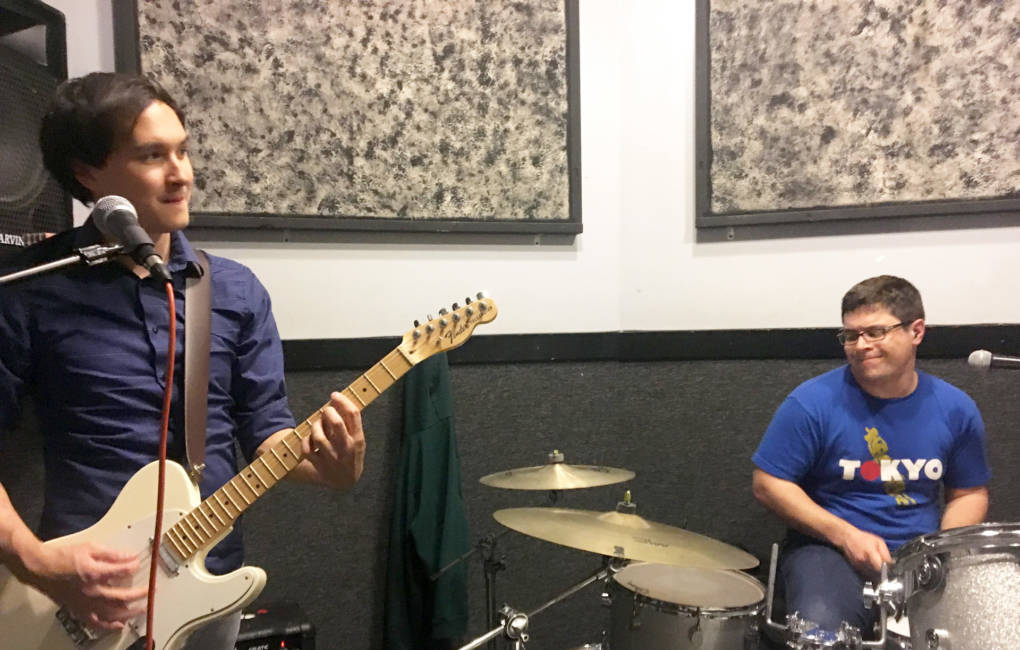
"caption": "Lead guitarist Josh Fleury and drummer Rick Chapman jam during a late-night rehearsal. ",
"description": "Lead guitarist Josh Fleury and drummer Rick Chapman jam during a late-night rehearsal. ",
"title": "JacobBandMain",
"credit": "Ashley Eady/KQED",
"status": "inherit",
"isLoading": false,
"fetchFailed": false
},
"news_11473880": {
"type": "attachments",
"id": "news_11473880",
"meta": {
"index": "attachments_1716263798",
"site": "news",
"id": "11473880",
"found": true
},
"parent": 11473873,
"imgSizes": {
"small": {
"file": "https://ww2.kqed.org/app/uploads/sites/10/2017/05/StumpedAtGo-520x347.jpg",
"width": 520,
"mimeType": "image/jpeg",
"height": 347
},
"twentyfourteen-full-width": {
"file": "https://ww2.kqed.org/app/uploads/sites/10/2017/05/StumpedAtGo-1038x576.jpg",
"width": 1038,
"mimeType": "image/jpeg",
"height": 576
},
"thumbnail": {
"file": "https://ww2.kqed.org/app/uploads/sites/10/2017/05/StumpedAtGo-160x107.jpg",
"width": 160,
"mimeType": "image/jpeg",
"height": 107
},
"fd-sm": {
"file": "https://ww2.kqed.org/app/uploads/sites/10/2017/05/StumpedAtGo-960x640.jpg",
"width": 960,
"mimeType": "image/jpeg",
"height": 640
},
"post-thumbnail": {
"file": "https://ww2.kqed.org/app/uploads/sites/10/2017/05/StumpedAtGo-672x372.jpg",
"width": 672,
"mimeType": "image/jpeg",
"height": 372
},
"xsmall": {
"file": "https://ww2.kqed.org/app/uploads/sites/10/2017/05/StumpedAtGo-375x250.jpg",
"width": 375,
"mimeType": "image/jpeg",
"height": 250
},
"kqedFullSize": {
"file": "https://ww2.kqed.org/app/uploads/sites/10/2017/05/StumpedAtGo.jpg",
"width": 1920,
"height": 1280
},
"large": {
"file": "https://ww2.kqed.org/app/uploads/sites/10/2017/05/StumpedAtGo-1020x680.jpg",
"width": 1020,
"mimeType": "image/jpeg",
"height": 680
},
"xlarge": {
"file": "https://ww2.kqed.org/app/uploads/sites/10/2017/05/StumpedAtGo-1180x787.jpg",
"width": 1180,
"mimeType": "image/jpeg",
"height": 787
},
"guest-author-50": {
"file": "https://ww2.kqed.org/app/uploads/sites/10/2017/05/StumpedAtGo-50x50.jpg",
"width": 50,
"mimeType": "image/jpeg",
"height": 50
},
"guest-author-96": {
"file": "https://ww2.kqed.org/app/uploads/sites/10/2017/05/StumpedAtGo-96x96.jpg",
"width": 96,
"mimeType": "image/jpeg",
"height": 96
},
"medium": {
"file": "https://ww2.kqed.org/app/uploads/sites/10/2017/05/StumpedAtGo-800x533.jpg",
"width": 800,
"mimeType": "image/jpeg",
"height": 533
},
"guest-author-64": {
"file": "https://ww2.kqed.org/app/uploads/sites/10/2017/05/StumpedAtGo-64x64.jpg",
"width": 64,
"mimeType": "image/jpeg",
"height": 64
},
"guest-author-32": {
"file": "https://ww2.kqed.org/app/uploads/sites/10/2017/05/StumpedAtGo-32x32.jpg",
"width": 32,
"mimeType": "image/jpeg",
"height": 32
},
"fd-lrg": {
"file": "https://ww2.kqed.org/app/uploads/sites/10/2017/05/StumpedAtGo-1920x1280.jpg",
"width": 1920,
"mimeType": "image/jpeg",
"height": 1280
},
"fd-med": {
"file": "https://ww2.kqed.org/app/uploads/sites/10/2017/05/StumpedAtGo-1180x787.jpg",
"width": 1180,
"mimeType": "image/jpeg",
"height": 787
},
"full-width": {
"file": "https://ww2.kqed.org/app/uploads/sites/10/2017/05/StumpedAtGo-1920x1280.jpg",
"width": 1920,
"mimeType": "image/jpeg",
"height": 1280
},
"detail": {
"file": "https://ww2.kqed.org/app/uploads/sites/10/2017/05/StumpedAtGo-150x150.jpg",
"width": 150,
"mimeType": "image/jpeg",
"height": 150
},
"guest-author-128": {
"file": "https://ww2.kqed.org/app/uploads/sites/10/2017/05/StumpedAtGo-128x128.jpg",
"width": 128,
"mimeType": "image/jpeg",
"height": 128
},
"xxsmall": {
"file": "https://ww2.kqed.org/app/uploads/sites/10/2017/05/StumpedAtGo-240x160.jpg",
"width": 240,
"mimeType": "image/jpeg",
"height": 160
}
},
"publishDate": 1495574703,
"modified": 1495574884,
"caption": "The world's top-ranked Go player, China's 19-year-old Ke Jie, reacts during the first of three matches against Google's artificial intelligence program AlphaGo on May 23. Ke Jie lost the match.",
"description": "The world's top-ranked Go player, China's 19-year-old Ke Jie, reacts during the first of three matches against Google's artificial intelligence program AlphaGo on May 23. Ke Jie lost the match.",
"title": "StumpedAtGo",
"credit": "STR/AFP/Getty Images",
"status": "inherit",
"isLoading": false,
"fetchFailed": false
},
"news_11472333": {
"type": "attachments",
"id": "news_11472333",
"meta": {
"index": "attachments_1716263798",
"site": "news",
"id": "11472333",
"found": true
},
"parent": 11465627,
"imgSizes": {
"small": {
"file": "https://ww2.kqed.org/app/uploads/sites/10/2017/05/JoshuaTreeMain-520x307.jpg",
"width": 520,
"mimeType": "image/jpeg",
"height": 307
},
"twentyfourteen-full-width": {
"file": "https://ww2.kqed.org/app/uploads/sites/10/2017/05/JoshuaTreeMain-1038x576.jpg",
"width": 1038,
"mimeType": "image/jpeg",
"height": 576
},
"thumbnail": {
"file": "https://ww2.kqed.org/app/uploads/sites/10/2017/05/JoshuaTreeMain-160x95.jpg",
"width": 160,
"mimeType": "image/jpeg",
"height": 95
},
"fd-sm": {
"file": "https://ww2.kqed.org/app/uploads/sites/10/2017/05/JoshuaTreeMain-960x568.jpg",
"width": 960,
"mimeType": "image/jpeg",
"height": 568
},
"post-thumbnail": {
"file": "https://ww2.kqed.org/app/uploads/sites/10/2017/05/JoshuaTreeMain-672x372.jpg",
"width": 672,
"mimeType": "image/jpeg",
"height": 372
},
"xsmall": {
"file": "https://ww2.kqed.org/app/uploads/sites/10/2017/05/JoshuaTreeMain-375x222.jpg",
"width": 375,
"mimeType": "image/jpeg",
"height": 222
},
"kqedFullSize": {
"file": "https://ww2.kqed.org/app/uploads/sites/10/2017/05/JoshuaTreeMain.jpg",
"width": 1920,
"height": 1135
},
"large": {
"file": "https://ww2.kqed.org/app/uploads/sites/10/2017/05/JoshuaTreeMain-1020x603.jpg",
"width": 1020,
"mimeType": "image/jpeg",
"height": 603
},
"xlarge": {
"file": "https://ww2.kqed.org/app/uploads/sites/10/2017/05/JoshuaTreeMain-1180x698.jpg",
"width": 1180,
"mimeType": "image/jpeg",
"height": 698
},
"guest-author-50": {
"file": "https://ww2.kqed.org/app/uploads/sites/10/2017/05/JoshuaTreeMain-50x50.jpg",
"width": 50,
"mimeType": "image/jpeg",
"height": 50
},
"guest-author-96": {
"file": "https://ww2.kqed.org/app/uploads/sites/10/2017/05/JoshuaTreeMain-96x96.jpg",
"width": 96,
"mimeType": "image/jpeg",
"height": 96
},
"medium": {
"file": "https://ww2.kqed.org/app/uploads/sites/10/2017/05/JoshuaTreeMain-800x473.jpg",
"width": 800,
"mimeType": "image/jpeg",
"height": 473
},
"guest-author-64": {
"file": "https://ww2.kqed.org/app/uploads/sites/10/2017/05/JoshuaTreeMain-64x64.jpg",
"width": 64,
"mimeType": "image/jpeg",
"height": 64
},
"guest-author-32": {
"file": "https://ww2.kqed.org/app/uploads/sites/10/2017/05/JoshuaTreeMain-32x32.jpg",
"width": 32,
"mimeType": "image/jpeg",
"height": 32
},
"fd-lrg": {
"file": "https://ww2.kqed.org/app/uploads/sites/10/2017/05/JoshuaTreeMain-1920x1135.jpg",
"width": 1920,
"mimeType": "image/jpeg",
"height": 1135
},
"fd-med": {
"file": "https://ww2.kqed.org/app/uploads/sites/10/2017/05/JoshuaTreeMain-1180x698.jpg",
"width": 1180,
"mimeType": "image/jpeg",
"height": 698
},
"full-width": {
"file": "https://ww2.kqed.org/app/uploads/sites/10/2017/05/JoshuaTreeMain-1920x1135.jpg",
"width": 1920,
"mimeType": "image/jpeg",
"height": 1135
},
"detail": {
"file": "https://ww2.kqed.org/app/uploads/sites/10/2017/05/JoshuaTreeMain-150x150.jpg",
"width": 150,
"mimeType": "image/jpeg",
"height": 150
},
"guest-author-128": {
"file": "https://ww2.kqed.org/app/uploads/sites/10/2017/05/JoshuaTreeMain-128x128.jpg",
"width": 128,
"mimeType": "image/jpeg",
"height": 128
},
"xxsmall": {
"file": "https://ww2.kqed.org/app/uploads/sites/10/2017/05/JoshuaTreeMain-240x142.jpg",
"width": 240,
"mimeType": "image/jpeg",
"height": 142
}
},
"publishDate": 1495501872,
"modified": 1495587021,
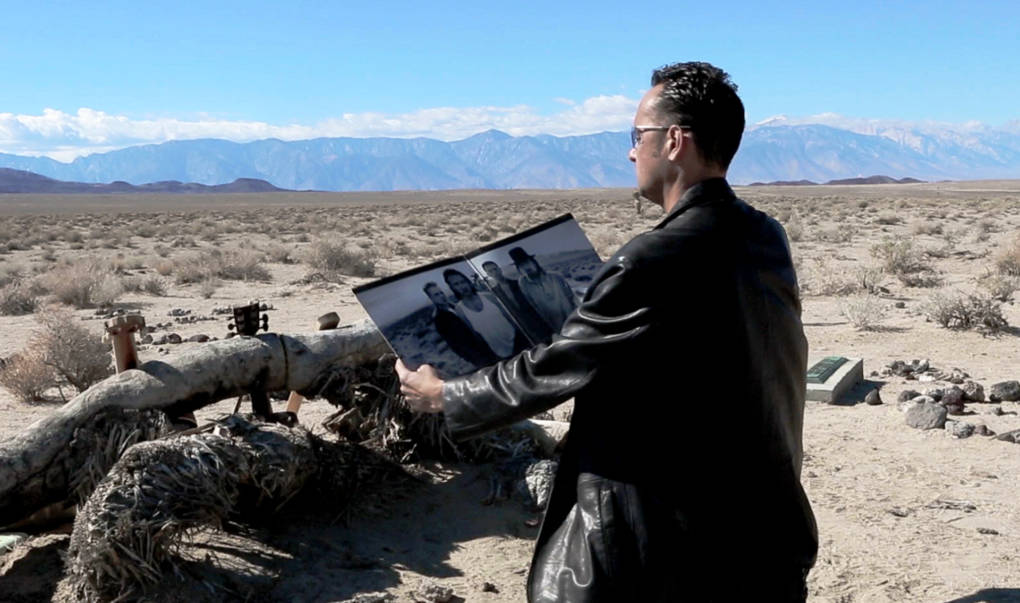
"caption": "David Tokaji of the Title Trackers during a video shoot at the site of U2’s 'The Joshua Tree.'",
"description": "David Tokaji of the Title Trackers during a video shoot at the site of U2’s 'The Joshua Tree.'",
"title": "JoshuaTreeMain",
"credit": "The Title Trackers",
"status": "inherit",
"isLoading": false,
"fetchFailed": false
}
},
"audioPlayerReducer": {
"postId": "stream_live",
"isPaused": true,
"isPlaying": false,
"pfsActive": false,
"pledgeModalIsOpen": true,
"playerDrawerIsOpen": false,
"liveAudioPlayStartedAt": 0,
"liveAudioPlayContext": ""
},
"authorsReducer": {
"byline_news_11491292": {
"type": "authors",
"id": "byline_news_11491292",
"meta": {
"override": true
},
"slug": "byline_news_11491292",
"name": "Anny Celsi \u003cbr> \u003cstrong>\u003ca href=\"http://www.scpr.org/\">KPCC\u003c/a>\u003c/strong>",
"isLoading": false
},
"byline_news_11440533": {
"type": "authors",
"id": "byline_news_11440533",
"meta": {
"override": true
},
"slug": "byline_news_11440533",
"name": "Ashley Eady",
"isLoading": false
},
"byline_news_11473873": {
"type": "authors",
"id": "byline_news_11473873",
"meta": {
"override": true
},
"slug": "byline_news_11473873",
"name": "Colin Dwyer",
"isLoading": false
},
"agilbert": {
"type": "authors",
"id": "86",
"meta": {
"index": "authors_1716337520",
"id": "86",
"found": true
},
"name": "Andrew Gilbert",
"firstName": "Andrew",
"lastName": "Gilbert",
"slug": "agilbert",
"email": "jazzscribe@aol.com",
"display_author_email": false,
"staff_mastheads": [],
"title": "KQED Contributor",
"bio": "A Los Angeles native based in the Berkeley area since 1996, Andrew Gilbert covers jazz, international music and dance for KQED's \u003ci>California Report, \u003c/i>the\u003ci> Mercury News\u003c/i>, \u003ci>San Francisco Chronicle\u003c/i>, \u003ci>Berkeleyside.com\u003c/i>, and other publications. He is available for weddings and bar and bat mitzvahs. #jazzscribe",
"avatar": "https://secure.gravatar.com/avatar/d7bcafdbefdd39e9a68f88724ca616eb4e7a5a6bff9cdfb62de652a1e1751471?s=600&d=blank&r=g",
"twitter": null,
"bluesky": null,
"facebook": null,
"instagram": null,
"linkedin": null,
"sites": [
{
"site": "arts",
"roles": [
"Contributor",
"author"
]
},
{
"site": "news",
"roles": [
"author"
]
}
],
"headData": {
"title": "Andrew Gilbert | KQED",
"description": "KQED Contributor",
"ogImgSrc": "https://secure.gravatar.com/avatar/d7bcafdbefdd39e9a68f88724ca616eb4e7a5a6bff9cdfb62de652a1e1751471?s=600&d=blank&r=g",
"twImgSrc": "https://secure.gravatar.com/avatar/d7bcafdbefdd39e9a68f88724ca616eb4e7a5a6bff9cdfb62de652a1e1751471?s=600&d=blank&r=g"
},
"isLoading": false,
"link": "/author/agilbert"
},
"shochman": {
"type": "authors",
"id": "87",
"meta": {
"index": "authors_1716337520",
"id": "87",
"found": true
},
"name": "Steve Hochman",
"firstName": "Steve",
"lastName": "Hochman",
"slug": "shochman",
"email": "sehochman@me.com",
"display_author_email": false,
"staff_mastheads": [],
"title": "KQED Contributor",
"bio": "Steve Hochman has covered popular, and unpopular, music for more than 30 years, most of that time as a key member of the \u003ci>Los Angeles Times\u003c/i>' music team. In that capacity he wrote about the full range of music and musicians, from Hungarian folk to industrial noise, and from 1991 through 2005 wrote the \u003ci>Times\u003c/i>' widely read weekly \"Pop Eye\" column. In addition to his role with \u003ci>The California Report\u003c/i>, he's a music critic for Pasadena station KPCC's morning magazine \u003ci>Take Two\u003c/i> and a regular contributor to Grammy.com, Fender.com and other outlets. His byline has appeared through the years in an array of major publications, including \u003ci>Rolling Stone\u003c/i>, \u003ci>Billboard\u003c/i> and \u003ci>Entertainment Weekly\u003c/i> and New Orleans' \u003ci>Offbeat\u003c/i>.",
"avatar": "https://secure.gravatar.com/avatar/37fbddee9db232a05a1be3b065171301e8baa142626c45b0caa6fc61c25a8c8d?s=600&d=blank&r=g",
"twitter": null,
"bluesky": null,
"facebook": null,
"instagram": null,
"linkedin": null,
"sites": [
{
"site": "arts",
"roles": [
"Contributor",
"subscriber"
]
},
{
"site": "news",
"roles": [
"subscriber"
]
}
],
"headData": {
"title": "Steve Hochman | KQED",
"description": "KQED Contributor",
"ogImgSrc": "https://secure.gravatar.com/avatar/37fbddee9db232a05a1be3b065171301e8baa142626c45b0caa6fc61c25a8c8d?s=600&d=blank&r=g",
"twImgSrc": "https://secure.gravatar.com/avatar/37fbddee9db232a05a1be3b065171301e8baa142626c45b0caa6fc61c25a8c8d?s=600&d=blank&r=g"
},
"isLoading": false,
"link": "/author/shochman"
},
"danbrekke": {
"type": "authors",
"id": "222",
"meta": {
"index": "authors_1716337520",
"id": "222",
"found": true
},
"name": "Dan Brekke",
"firstName": "Dan",
"lastName": "Brekke",
"slug": "danbrekke",
"email": "dbrekke@kqed.org",
"display_author_email": true,
"staff_mastheads": [
"news",
"science"
],
"title": "KQED Editor and Reporter",
"bio": "Dan Brekke is a reporter and editor for KQED News, responsible for coverage of topics ranging from California water issues to the Bay Area's transportation challenges. In a newsroom career that began in Chicago in 1972, Dan has worked for \u003cem>The San Francisco Examiner,\u003c/em> Wired and TechTV and has been published in The New York Times, The New York Times Magazine, Business 2.0, Salon and elsewhere.\r\n\r\nSince joining KQED in 2007, Dan has reported, edited and produced both radio and online features and breaking news pieces. He has shared as both editor and reporter in four Society of Professional Journalists Norcal Excellence in Journalism awards and one Edward R. Murrow regional award. He was chosen for a spring 2017 residency at the Mesa Refuge to advance his research on California salmon.\r\n\r\nEmail Dan at: \u003ca href=\"mailto:dbrekke@kqed.org\">dbrekke@kqed.org\u003c/a>\r\n\r\n\u003cstrong>Twitter:\u003c/strong> \u003ca href=\"https://twitter.com/danbrekke\" rel=\"noopener noreferrer\">twitter.com/danbrekke\u003c/a>\r\n\u003cstrong>Facebook:\u003c/strong> \u003ca href=\"https://www.facebook.com/danbrekke\" rel=\"noopener noreferrer\">www.facebook.com/danbrekke\u003c/a>\r\n\u003cstrong>LinkedIn:\u003c/strong> \u003ca href=\"https://www.linkedin.com/in/danbrekke\" rel=\"noopener noreferrer\">www.linkedin.com/in/danbrekke\u003c/a>",
"avatar": "https://secure.gravatar.com/avatar/8f1f0d2a978fb3b23426c922c7e2af558fa36905b49c4ce76a97dc3c72d27226?s=600&d=mm&r=g",
"twitter": "danbrekke",
"bluesky": null,
"facebook": null,
"instagram": "https://www.instagram.com/dan.brekke/",
"linkedin": "https://www.linkedin.com/in/danbrekke/",
"sites": [
{
"site": "news",
"roles": [
"administrator",
"create_posts"
]
},
{
"site": "stateofhealth",
"roles": [
"editor"
]
},
{
"site": "science",
"roles": [
"editor"
]
},
{
"site": "quest",
"roles": [
"contributor"
]
},
{
"site": "food",
"roles": [
"contributor"
]
},
{
"site": "forum",
"roles": [
"contributor"
]
},
{
"site": "elections",
"roles": [
"editor"
]
},
{
"site": "liveblog",
"roles": [
"editor"
]
}
],
"headData": {
"title": "Dan Brekke | KQED",
"description": "KQED Editor and Reporter",
"ogImgSrc": "https://secure.gravatar.com/avatar/8f1f0d2a978fb3b23426c922c7e2af558fa36905b49c4ce76a97dc3c72d27226?s=600&d=mm&r=g",
"twImgSrc": "https://secure.gravatar.com/avatar/8f1f0d2a978fb3b23426c922c7e2af558fa36905b49c4ce76a97dc3c72d27226?s=600&d=mm&r=g"
},
"isLoading": false,
"link": "/author/danbrekke"
},
"gmarzorati": {
"type": "authors",
"id": "227",
"meta": {
"index": "authors_1716337520",
"id": "227",
"found": true
},
"name": "Guy Marzorati",
"firstName": "Guy",
"lastName": "Marzorati",
"slug": "gmarzorati",
"email": "gmarzorati@KQED.org",
"display_author_email": true,
"staff_mastheads": [
"news"
],
"title": "Correspondent",
"bio": "Guy Marzorati is a correspondent on KQED's California Politics and Government Desk, based in San Jose. A graduate of Santa Clara University, Guy joined KQED in 2013. He reports on state and local politics and produces KQED's digital voter guide.",
"avatar": "https://secure.gravatar.com/avatar/e7038b8dbfd55b104369b76b1cd0b9de?s=600&d=blank&r=g",
"twitter": "guymarzorati",
"facebook": null,
"instagram": null,
"linkedin": null,
"sites": [
{
"site": "",
"roles": [
"editor"
]
},
{
"site": "news",
"roles": [
"editor"
]
},
{
"site": "science",
"roles": [
"editor"
]
},
{
"site": "forum",
"roles": [
"editor"
]
},
{
"site": "elections",
"roles": [
"editor"
]
},
{
"site": "liveblog",
"roles": [
"editor"
]
}
],
"headData": {
"title": "Guy Marzorati | KQED",
"description": "Correspondent",
"ogImgSrc": "https://secure.gravatar.com/avatar/e7038b8dbfd55b104369b76b1cd0b9de?s=600&d=blank&r=g",
"twImgSrc": "https://secure.gravatar.com/avatar/e7038b8dbfd55b104369b76b1cd0b9de?s=600&d=blank&r=g"
},
"isLoading": false,
"link": "/author/gmarzorati"
},
"kqed": {
"type": "authors",
"id": "236",
"meta": {
"index": "authors_1716337520",
"id": "236",
"found": true
},
"name": "KQED News Staff",
"firstName": "KQED News Staff",
"lastName": null,
"slug": "kqed",
"email": "faq@kqed.org",
"display_author_email": false,
"staff_mastheads": [],
"title": null,
"bio": null,
"avatar": "https://secure.gravatar.com/avatar/ef0e801a68c4c54afa9180db14084167?s=600&d=blank&r=g",
"twitter": null,
"facebook": null,
"instagram": null,
"linkedin": null,
"sites": [
{
"site": "arts",
"roles": [
"contributor"
]
},
{
"site": "news",
"roles": [
"editor"
]
},
{
"site": "futureofyou",
"roles": [
"author"
]
}
],
"headData": {
"title": "KQED News Staff | KQED",
"description": null,
"ogImgSrc": "https://secure.gravatar.com/avatar/ef0e801a68c4c54afa9180db14084167?s=600&d=blank&r=g",
"twImgSrc": "https://secure.gravatar.com/avatar/ef0e801a68c4c54afa9180db14084167?s=600&d=blank&r=g"
},
"isLoading": false,
"link": "/author/kqed"
},
"sasha-khokha": {
"type": "authors",
"id": "254",
"meta": {
"index": "authors_1716337520",
"id": "254",
"found": true
},
"name": "Sasha Khokha",
"firstName": "Sasha",
"lastName": "Khokha",
"slug": "sasha-khokha",
"email": "skhokha@kqed.org",
"display_author_email": true,
"staff_mastheads": [
"news"
],
"title": "Host, The California Report Magazine",
"bio": "Sasha Khokha is the host of \u003cem>The California Report's \u003c/em> weekly magazine program, which takes listeners on sound-rich excursions to meet the people that make the Golden State unique -- through audio documentaries and long-form stories. As \u003cem>The California Report's\u003c/em> Central Valley Bureau Chief based in Fresno for nearly a dozen years, Sasha brought the lives and concerns of rural Californians to listeners around the state. Her reporting helped expose the hidden price immigrant women janitors and farmworkers may pay to keep their jobs: sexual assault at work. It inspired two new California laws to protect them from sexual harassment. She was a key member of the reporting team for the Frontline film \u003cem>Rape on the Night Shift, \u003c/em>which was nominated for two national Emmys. Sasha has also won a national Edward R. Murrow and a national PRNDI award for investigative reporting, as well as multiple prizes from the Society for Professional Journalists. Sasha is a proud alum of the UC Berkeley Graduate School of Journalism and Brown University and a member of the South Asian Journalists Association.",
"avatar": "https://secure.gravatar.com/avatar/e4b5e1541aaeea2aa356aa1fb2a68950?s=600&d=blank&r=g",
"twitter": "KQEDSashaKhokha",
"facebook": null,
"instagram": null,
"linkedin": null,
"sites": [
{
"site": "news",
"roles": [
"editor"
]
},
{
"site": "stateofhealth",
"roles": [
"author"
]
},
{
"site": "science",
"roles": [
"author"
]
},
{
"site": "quest",
"roles": [
"subscriber"
]
}
],
"headData": {
"title": "Sasha Khokha | KQED",
"description": "Host, The California Report Magazine",
"ogImgSrc": "https://secure.gravatar.com/avatar/e4b5e1541aaeea2aa356aa1fb2a68950?s=600&d=blank&r=g",
"twImgSrc": "https://secure.gravatar.com/avatar/e4b5e1541aaeea2aa356aa1fb2a68950?s=600&d=blank&r=g"
},
"isLoading": false,
"link": "/author/sasha-khokha"
},
"scuevas": {
"type": "authors",
"id": "2600",
"meta": {
"index": "authors_1716337520",
"id": "2600",
"found": true
},
"name": "Steven Cuevas",
"firstName": "Steven",
"lastName": "Cuevas",
"slug": "scuevas",
"email": "scuevas@kqed.org",
"display_author_email": false,
"staff_mastheads": [],
"title": "KQED Contributor",
"bio": "Steven is a former Los Angeles bureau chief for The California Report.\r\n\r\nHe reports on an array of issues across the Southland, from immigration and regional politics to religion, the performing arts and pop culture.\r\n\r\nPrior to joining KQED in 2012, Steven covered Inland southern California for KPCC in Pasadena. He also helped establish the first newsroom at \u003ca href=\"http://kut.org/\">KUT\u003c/a> in Austin, Texas where he was a general assignment reporter.\r\n\r\nSteven has received numerous awards for his reporting including an RTNDA Edward R. Murrow Award for investigative reporting in addition to awards from the LA Press Club, the Associated Press and the Society for Professional Journalists.\r\n\r\nSteven grew up in and around San Francisco and now lives in Pasadena just a short jog from the foot of the San Gabriel Mountains.",
"avatar": "https://secure.gravatar.com/avatar/2d253580794f8e026100fae05cfabbbd4889b4fe15146146cacb82a01974c538?s=600&d=blank&r=g",
"twitter": null,
"bluesky": null,
"facebook": null,
"instagram": null,
"linkedin": null,
"sites": [
{
"site": "news",
"roles": [
"subscriber"
]
}
],
"headData": {
"title": "Steven Cuevas | KQED",
"description": "KQED Contributor",
"ogImgSrc": "https://secure.gravatar.com/avatar/2d253580794f8e026100fae05cfabbbd4889b4fe15146146cacb82a01974c538?s=600&d=blank&r=g",
"twImgSrc": "https://secure.gravatar.com/avatar/2d253580794f8e026100fae05cfabbbd4889b4fe15146146cacb82a01974c538?s=600&d=blank&r=g"
},
"isLoading": false,
"link": "/author/scuevas"
},
"markfiore": {
"type": "authors",
"id": "3236",
"meta": {
"index": "authors_1716337520",
"id": "3236",
"found": true
},
"name": "Mark Fiore",
"firstName": "Mark",
"lastName": "Fiore",
"slug": "markfiore",
"email": "mark@markfiore.com",
"display_author_email": false,
"staff_mastheads": [
"news"
],
"title": "KQED News Cartoonist",
"bio": "\u003ca href=\"http://www.MarkFiore.com\">MarkFiore.com\u003c/a> | \u003ca href=\"https://twitter.com/markfiore\">Follow on Twitter\u003c/a> | \u003ca href=\"https://www.facebook.com/pages/Mark-Fiore-Animated-Political-Cartoons/94451707396?ref=bookmarks\">Facebook\u003c/a> | \u003ca href=\"mailto:mark@markfiore.com\">email\u003c/a>\r\n\r\nPulitzer Prize-winner, Mark Fiore, who the Wall Street Journal has called “the undisputed guru of the form,” creates animated political cartoons in San Francisco, where his work has been featured regularly on the San Francisco Chronicle’s web site, SFGate.com. His work has appeared on Newsweek.com, Slate.com, CBSNews.com, MotherJones.com, DailyKos.com and NPR’s web site. Fiore’s political animation has appeared on CNN, Frontline, Bill Moyers Journal, Salon.com and cable and broadcast outlets across the globe.\r\n\r\nBeginning his professional life by drawing traditional political cartoons for newspapers, Fiore’s work appeared in publications ranging from the Washington Post to the Los Angeles Times. In the late 1990s, he began to experiment with animating political cartoons and, after a short stint at the San Jose Mercury News as their staff cartoonist, Fiore devoted all his energies to animation.\r\nGrowing up in California, Fiore also spent a good portion of his life in the backwoods of Idaho. It was this combination that shaped him politically. Mark majored in political science at Colorado College, where, in a perfect send-off for a cartoonist, he received his diploma in 1991 as commencement speaker Dick Cheney smiled approvingly.\r\nMark Fiore was awarded the Pulitzer Prize for political cartooning in 2010, a Robert F. Kennedy Journalism Award in 2004 and has twice received an Online Journalism Award for commentary from the Online News Association (2002, 2008). Fiore has received two awards for his work in new media from the National Cartoonists Society (2001, 2002), and in 2006 received The James Madison Freedom of Information Award from The Society of Professional Journalists.",
"avatar": "https://secure.gravatar.com/avatar/fc4e2a612b15b67bad0c6f0e1db4ca9b?s=600&d=blank&r=g",
"twitter": "MarkFiore",
"facebook": null,
"instagram": "https://www.instagram.com/markfiore/?hl=en",
"linkedin": null,
"sites": [
{
"site": "arts",
"roles": [
"contributor"
]
},
{
"site": "news",
"roles": [
"editor"
]
},
{
"site": "futureofyou",
"roles": [
"editor"
]
},
{
"site": "science",
"roles": [
"editor"
]
}
],
"headData": {
"title": "Mark Fiore | KQED",
"description": "KQED News Cartoonist",
"ogImgSrc": "https://secure.gravatar.com/avatar/fc4e2a612b15b67bad0c6f0e1db4ca9b?s=600&d=blank&r=g",
"twImgSrc": "https://secure.gravatar.com/avatar/fc4e2a612b15b67bad0c6f0e1db4ca9b?s=600&d=blank&r=g"
},
"isLoading": false,
"link": "/author/markfiore"
}
},
"pagesReducer": {
"news_category_arts-and-culture": {
"type": "terms",
"id": "news_223",
"meta": {
"index": "terms_1716263798",
"site": "news",
"id": "223",
"score": 11.24217
},
"featImg": null,
"name": "Arts and Culture",
"description": null,
"taxonomy": "category",
"headData": {
"twImgId": null,
"twTitle": null,
"ogTitle": null,
"ogImgId": null,
"twDescription": null,
"description": null,
"title": "Arts and Culture Archives | KQED News",
"ogDescription": null
},
"ttid": 231,
"slug": "arts-and-culture",
"isLoading": false,
"title": "Arts and Culture",
"pageMeta": {
"site": "news",
"WpPageTemplate": "page-topic-editorial",
"currentPage": 99
},
"blocks": [
{
"blockName": "kqed/post-list",
"attrs": {
"layout": "cardArticle2",
"query": "posts/news?category=arts-and-culture",
"seeMore": false,
"paginated": true,
"page": 99
}
},
{
"blockName": "kqed/ad"
}
]
}
},
"pfsSessionReducer": {},
"postsReducer": {
"stream_live": {
"type": "live",
"id": "stream_live",
"audioUrl": "https://streams.kqed.org/kqedradio",
"title": "Live Stream",
"excerpt": "Live Stream information currently unavailable.",
"link": "/radio",
"featImg": "",
"label": {
"name": "KQED Live",
"link": "/"
}
},
"stream_kqedNewscast": {
"type": "posts",
"id": "stream_kqedNewscast",
"audioUrl": "https://www.kqed.org/.stream/anon/radio/RDnews/newscast.mp3?_=1",
"title": "KQED Newscast",
"featImg": "",
"label": {
"name": "88.5 FM",
"link": "/"
}
},
"news_11495325": {
"type": "posts",
"id": "news_11495325",
"meta": {
"index": "posts_1716263798",
"site": "news",
"id": "11495325",
"score": null,
"sort": [
1496685721000
]
},
"parent": 0,
"labelTerm": {
"site": "news",
"term": 72
},
"blocks": [],
"publishDate": 1496685721,
"format": "standard",
"disqusTitle": "Two Charged With Manslaughter in Oakland's Ghost Ship Fire",
"title": "Two Charged With Manslaughter in Oakland's Ghost Ship Fire",
"headTitle": "The California Report | KQED News",
"content": "\u003cp>\u003cem>Updated 4 p.m.\u003c/em>\u003c/p>\n\u003cp>Six months after the catastrophic fire that killed 36 people in East Oakland's Ghost Ship warehouse, Alameda County prosecutors are filing homicide charges in the case.\u003c/p>\n\u003cp>District Attorney Nancy O'Malley announced Monday her office is filing manslaughter charges against Derick Ion Almena, the Ghost Ship's master tenant, and Max Harris, one of those who rented space in the warehouse.\u003c/p>\n\u003cp>Each man faces 36 counts of involuntary manslaughter, and each could face 39 years in prison, O'Malley said.\u003c/p>\n\u003cp>\"Defendants Almena and Harris knowingly created a firetrap, with inadequate means of escape,\" O'Malley said. \"They then filled that area with human beings and are now facing the consequences of their actions.\"\u003c/p>\n\u003cp>[ad fullwidth]\u003c/p>\n\u003cp>She said those who died in the Dec. 2, 2016, fire \"faced a nearly impossible labyrinth of the defendants' making\" that prevented their escape.\u003c/p>\n\u003cp>Almena was arrested Monday in Lake County. Harris, who had described himself as \"second in command\" to Almena in managing the Ghost Ship, was arrested in Los Angeles.\u003c/p>\n\u003cp>[contextly_sidebar id=\"9LgoJQPqnbKXUT3UZDNmyoBxIbFxMW6i\"]\u003c/p>\n\u003cp>Almena's lawyers, including noted defense attorney Tony Serra, said in a brief written statement that the charges \"represent no less than a miscarriage of justice, and we are confident that this attempt to make a scapegoat out of our client will fail.\"\u003c/p>\n\u003cp>Deputy District Attorney Teresa Drenick said investigators had looked into the role of others in the events leading to the fire. She declined to say how many individuals had been investigated, and she declined to discuss whether further charges might be brought in the case. She said the office's inquiry into the blaze has ended.\u003c/p>\n\u003cp>In \u003ca href=\"https://www.documentcloud.org/documents/3767126-Alameda-County-District-Attorney-Probable-Cause.html\" target=\"_blank\" rel=\"noopener noreferrer\">a three-page declaration\u003c/a> filed in support of the charges against Almena and Harris, prosecutors outlined a history of what they describe as illegal and dangerous behavior.\u003c/p>\n\u003cp>In addition to the illegal conversion of the warehouse to a group residence, the declaration says, Almena \"substantially increased the risk to those living, working or visiting the building by storing enormous amounts of flammable material inside the warehouse. Witnesses describe wood and other flammable objects being stored from floor to ceiling on the first level. Storing that amount of flammable material in the manner described by witnesses and shown in photographs, created an extremely dangerous fire load and was a violation of the Oakland Municipal code and the California Fire Safety code.\"\u003c/p>\n\u003cp>The document describes Harris' role as \"creative director\" of the Ghost Ship facility, responsible for collecting monthly rent from the warehouse's approximately 25 residents, acting as go-between with the building's landlord and arranging entertainment events at the venue.\u003c/p>\n\u003cp>The night of the fire, the declaration alleges, Harris helped prepare for an electronic music performance on the building's second floor. The main access to the area was a jury-rigged staircase made of wooden pallets.\u003c/p>\n\u003cp>\"In the course of his preparation,\" the document says, \"Harris blocked off an area of the second floor that included a second stairwell, which effectively reduced the upstairs guests to a single point of escape. Because of the fire, the power to the building went out and the guests that could escape, were forced down the narrow makeshift stairs in complete darkness.\"\u003c/p>\n\u003cp>O'Malley said that under California's homicide statutes, prosecutors \"must be satisfied that any defendant acted with gross or reckless conduct akin to a disregard for human life, and that the deadly consequences of those actions were reasonably foreseeable.\"\u003c/p>\n\u003cp>Monday's charges and arrests come after a long series of reports that detailed dangerous living conditions in the 31st Avenue warehouse, which had been converted illegally into a residence. Those conditions -- also enumerated as allegations in lawsuits filed against Almena, the building's owners and others -- included \u003ca href=\"http://www.mercurynews.com/2017/03/24/exclusive-ghost-ship-owners-knew-of-dangerous-electrical-system-before-deadly-fire/\" target=\"_blank\" rel=\"noopener noreferrer\">substandard, unlicensed electrical work\u003c/a>.\u003c/p>\n\u003cfigure id=\"attachment_11495706\" class=\"wp-caption alignleft\" style=\"max-width: 800px\">\u003ca href=\"https://ww2.kqed.org/news/wp-content/uploads/sites/10/2017/06/ghostship1604.jpg\">\u003cimg class=\"size-medium wp-image-11495706\" src=\"https://ww2.kqed.org/news/wp-content/uploads/sites/10/2017/06/ghostship1604-800x1047.jpg\" alt=\"\" width=\"800\" height=\"1047\" srcset=\"https://ww2.kqed.org/app/uploads/sites/10/2017/06/ghostship1604-800x1047.jpg 800w, https://ww2.kqed.org/app/uploads/sites/10/2017/06/ghostship1604-160x209.jpg 160w, https://ww2.kqed.org/app/uploads/sites/10/2017/06/ghostship1604-1020x1335.jpg 1020w, https://ww2.kqed.org/app/uploads/sites/10/2017/06/ghostship1604-1180x1544.jpg 1180w, https://ww2.kqed.org/app/uploads/sites/10/2017/06/ghostship1604-960x1256.jpg 960w, https://ww2.kqed.org/app/uploads/sites/10/2017/06/ghostship1604-240x314.jpg 240w, https://ww2.kqed.org/app/uploads/sites/10/2017/06/ghostship1604-375x491.jpg 375w, https://ww2.kqed.org/app/uploads/sites/10/2017/06/ghostship1604-520x680.jpg 520w, https://ww2.kqed.org/app/uploads/sites/10/2017/06/ghostship1604.jpg 1242w\" sizes=\"(max-width: 800px) 100vw, 800px\">\u003c/a>\u003cfigcaption class=\"wp-caption-text\">A view down improvised stairway at the Ghost Ship warehouse, which burned in December 2016. The photo, taken in April 2016, shows a guest entering the space at upper right. The stairway was the only exit for guests in the East Oakland warehouse after fire broke out during a dance party. \u003ccite>(David Marks/KQED)\u003c/cite>\u003c/figcaption>\u003c/figure>\n\u003cp>Investigators still have not made an official ruling on exactly what sparked the fire, but reports in the days after the blaze suggested that an electrical fault was likely to blame.\u003c/p>\n\u003cp>The fire broke out just before 11:30 p.m. on Dec. 2 during a Friday night dance party at the warehouse. About 100 people were attending the event in a space that had never been inspected by the city or granted permits for public events. Perhaps two dozen Ghost Ship residents were also at home. Almena, his partner and their two children were staying in a hotel in downtown Oakland.\u003c/p>\n\u003cp>The blaze sent partygoers and residents scrambling to escape.\u003c/p>\n\u003cp>Those who fled, and the firefighters who attempted to enter the burning structure, described encountering a maze consisting of old pianos and furniture that, combined with heavy smoke, made it difficult to get out of or into the building.\u003c/p>\n\u003cp>The jury-rigged stairway made of wooden pallets burned, cutting off the escape route for dozens of people on the building's second floor.\u003c/p>\n\u003cp>Thirty-five concertgoers and one resident died.\u003c/p>\n\u003cp>The tragedy exposed a series of apparent failures or lack of follow-through in Oakland's fire and building inspections.\u003c/p>\n\u003cp>Although the Oakland Fire Department had said it conducted yearly inspections of the city's commercial and large residential buildings, it had no records of ever inspecting the Ghost Ship building.\u003c/p>\n\u003cp>The building and an adjacent property -- a debris- and vehicle-filled vacant lot also owned by landlord Chor Ng -- had been the subject of repeated blight complaints. The city's Planning and Building Department received at least two reports that suggested the structure had been converted, illegally, into a residence.\u003c/p>\n\u003cp>In one case, a city inspector said an unpermitted structure had been removed from the building. The city says that a second complaint, received three weeks before the fire, focused on the adjacent junk-strewn lot, not the warehouse itself.\u003c/p>\n\u003cp>Warehouse neighbors \u003ca href=\"https://ww2.kqed.org/news/2016/12/07/ghost-ship-neighbor-calls-to-police-brought-no-action-against-warehouse/\" target=\"_blank\" rel=\"noopener noreferrer\">reported\u003c/a> calling Oakland police repeatedly about noise and other issues at the warehouse -- including the possibility people were living there illegally.\u003c/p>\n\u003cp>The city later \u003ca href=\"https://ww2.kqed.org/news/2017/02/08/oakland-records-give-new-glimpses-into-history-preceding-ghost-ship-fire/\" target=\"_blank\" rel=\"noopener noreferrer\">released records\u003c/a> that showed 19 separate calls to respond to the warehouse.\u003c/p>\n\u003cp>Among those calls was a March 2015 incident in which officers responded to a 2 a.m. call that a rave, complete with illegal alcohol sales, was occurring in the building and that 15 people inside were not being allowed to leave. One of the responding officers confirmed the situation and notified an unidentified person at the Ghost Ship that the event was in violation of city ordinances, but decided not to issue a citation.\u003c/p>\n\u003cp>[ad floatright]\u003c/p>\n\u003cp>\u003cem>This post will be updated. \u003c/em>\u003c/p>\n\n",
"disqusIdentifier": "11495325 https://ww2.kqed.org/news/?p=11495325",
"disqusUrl": "https://ww2.kqed.org/news/2017/06/05/two-reportedly-charged-with-manslaughter-in-oaklands-ghost-ship-fire/",
"stats": {
"hasVideo": false,
"hasChartOrMap": false,
"hasAudio": false,
"hasPolis": false,
"wordCount": 1123,
"hasGoogleForm": false,
"hasGallery": false,
"hasHearkenModule": false,
"iframeSrcs": [],
"paragraphCount": 33
},
"modified": 1496704031,
"excerpt": "Police arrest warehouse master tenant and one other resident in December blaze that killed 36 partygoers.",
"headData": {
"twImgId": "",
"twTitle": "",
"ogTitle": "",
"ogImgId": "",
"twDescription": "",
"description": "Police arrest warehouse master tenant and one other resident in December blaze that killed 36 partygoers.",
"title": "Two Charged With Manslaughter in Oakland's Ghost Ship Fire | KQED",
"ogDescription": "",
"schema": {
"@context": "https://schema.org",
"@type": "NewsArticle",
"headline": "Two Charged With Manslaughter in Oakland's Ghost Ship Fire",
"datePublished": "2017-06-05T11:02:01-07:00",
"dateModified": "2017-06-05T16:07:11-07:00",
"image": "https://cdn.kqed.org/wp-content/uploads/2020/02/KQED-OG-Image@1x.png",
"isAccessibleForFree": "True",
"publisher": {
"@type": "NewsMediaOrganization",
"@id": "https://www.kqed.org/#organization",
"name": "KQED",
"logo": "https://cdn.kqed.org/wp-content/uploads/2020/02/KQED-OG-Image@1x.png",
"url": "https://www.kqed.org",
"sameAs": [
"https://www.facebook.com/KQED",
"https://twitter.com/KQED",
"https://www.instagram.com/kqed/",
"https://www.tiktok.com/@kqedofficial",
"https://www.linkedin.com/company/kqed",
"https://www.youtube.com/channel/UCeC0IOo7i1P_61zVUWbJ4nw"
]
}
}
},
"guestAuthors": [],
"slug": "two-reportedly-charged-with-manslaughter-in-oaklands-ghost-ship-fire",
"status": "publish",
"customPermalink": "2017/06/05/criminal-charges-announced-oakland-ghost-ship-fire/",
"path": "/news/11495325/two-reportedly-charged-with-manslaughter-in-oaklands-ghost-ship-fire",
"audioTrackLength": null,
"parsedContent": [
{
"type": "contentString",
"content": "\u003cdiv class=\"post-body\">\u003cp>\u003cp>\u003cem>Updated 4 p.m.\u003c/em>\u003c/p>\n\u003cp>Six months after the catastrophic fire that killed 36 people in East Oakland's Ghost Ship warehouse, Alameda County prosecutors are filing homicide charges in the case.\u003c/p>\n\u003cp>District Attorney Nancy O'Malley announced Monday her office is filing manslaughter charges against Derick Ion Almena, the Ghost Ship's master tenant, and Max Harris, one of those who rented space in the warehouse.\u003c/p>\n\u003cp>Each man faces 36 counts of involuntary manslaughter, and each could face 39 years in prison, O'Malley said.\u003c/p>\n\u003cp>\"Defendants Almena and Harris knowingly created a firetrap, with inadequate means of escape,\" O'Malley said. \"They then filled that area with human beings and are now facing the consequences of their actions.\"\u003c/p>\n\u003cp>\u003c/p>\u003c/div>",
"attributes": {
"named": {},
"numeric": []
}
},
{
"type": "component",
"content": "",
"name": "ad",
"attributes": {
"named": {
"label": "fullwidth"
},
"numeric": [
"fullwidth"
]
}
},
{
"type": "contentString",
"content": "\u003cdiv class=\"post-body\">\u003cp>\u003c/p>\n\u003cp>She said those who died in the Dec. 2, 2016, fire \"faced a nearly impossible labyrinth of the defendants' making\" that prevented their escape.\u003c/p>\n\u003cp>Almena was arrested Monday in Lake County. Harris, who had described himself as \"second in command\" to Almena in managing the Ghost Ship, was arrested in Los Angeles.\u003c/p>\n\u003cp>\u003c/p>\u003cp>\u003c/p>\u003cp>\u003c/p>\n\u003cp>Almena's lawyers, including noted defense attorney Tony Serra, said in a brief written statement that the charges \"represent no less than a miscarriage of justice, and we are confident that this attempt to make a scapegoat out of our client will fail.\"\u003c/p>\n\u003cp>Deputy District Attorney Teresa Drenick said investigators had looked into the role of others in the events leading to the fire. She declined to say how many individuals had been investigated, and she declined to discuss whether further charges might be brought in the case. She said the office's inquiry into the blaze has ended.\u003c/p>\n\u003cp>In \u003ca href=\"https://www.documentcloud.org/documents/3767126-Alameda-County-District-Attorney-Probable-Cause.html\" target=\"_blank\" rel=\"noopener noreferrer\">a three-page declaration\u003c/a> filed in support of the charges against Almena and Harris, prosecutors outlined a history of what they describe as illegal and dangerous behavior.\u003c/p>\n\u003cp>In addition to the illegal conversion of the warehouse to a group residence, the declaration says, Almena \"substantially increased the risk to those living, working or visiting the building by storing enormous amounts of flammable material inside the warehouse. Witnesses describe wood and other flammable objects being stored from floor to ceiling on the first level. Storing that amount of flammable material in the manner described by witnesses and shown in photographs, created an extremely dangerous fire load and was a violation of the Oakland Municipal code and the California Fire Safety code.\"\u003c/p>\n\u003cp>The document describes Harris' role as \"creative director\" of the Ghost Ship facility, responsible for collecting monthly rent from the warehouse's approximately 25 residents, acting as go-between with the building's landlord and arranging entertainment events at the venue.\u003c/p>\n\u003cp>The night of the fire, the declaration alleges, Harris helped prepare for an electronic music performance on the building's second floor. The main access to the area was a jury-rigged staircase made of wooden pallets.\u003c/p>\n\u003cp>\"In the course of his preparation,\" the document says, \"Harris blocked off an area of the second floor that included a second stairwell, which effectively reduced the upstairs guests to a single point of escape. Because of the fire, the power to the building went out and the guests that could escape, were forced down the narrow makeshift stairs in complete darkness.\"\u003c/p>\n\u003cp>O'Malley said that under California's homicide statutes, prosecutors \"must be satisfied that any defendant acted with gross or reckless conduct akin to a disregard for human life, and that the deadly consequences of those actions were reasonably foreseeable.\"\u003c/p>\n\u003cp>Monday's charges and arrests come after a long series of reports that detailed dangerous living conditions in the 31st Avenue warehouse, which had been converted illegally into a residence. Those conditions -- also enumerated as allegations in lawsuits filed against Almena, the building's owners and others -- included \u003ca href=\"http://www.mercurynews.com/2017/03/24/exclusive-ghost-ship-owners-knew-of-dangerous-electrical-system-before-deadly-fire/\" target=\"_blank\" rel=\"noopener noreferrer\">substandard, unlicensed electrical work\u003c/a>.\u003c/p>\n\u003cfigure id=\"attachment_11495706\" class=\"wp-caption alignleft\" style=\"max-width: 800px\">\u003ca href=\"https://ww2.kqed.org/news/wp-content/uploads/sites/10/2017/06/ghostship1604.jpg\">\u003cimg class=\"size-medium wp-image-11495706\" src=\"https://ww2.kqed.org/news/wp-content/uploads/sites/10/2017/06/ghostship1604-800x1047.jpg\" alt=\"\" width=\"800\" height=\"1047\" srcset=\"https://ww2.kqed.org/app/uploads/sites/10/2017/06/ghostship1604-800x1047.jpg 800w, https://ww2.kqed.org/app/uploads/sites/10/2017/06/ghostship1604-160x209.jpg 160w, https://ww2.kqed.org/app/uploads/sites/10/2017/06/ghostship1604-1020x1335.jpg 1020w, https://ww2.kqed.org/app/uploads/sites/10/2017/06/ghostship1604-1180x1544.jpg 1180w, https://ww2.kqed.org/app/uploads/sites/10/2017/06/ghostship1604-960x1256.jpg 960w, https://ww2.kqed.org/app/uploads/sites/10/2017/06/ghostship1604-240x314.jpg 240w, https://ww2.kqed.org/app/uploads/sites/10/2017/06/ghostship1604-375x491.jpg 375w, https://ww2.kqed.org/app/uploads/sites/10/2017/06/ghostship1604-520x680.jpg 520w, https://ww2.kqed.org/app/uploads/sites/10/2017/06/ghostship1604.jpg 1242w\" sizes=\"(max-width: 800px) 100vw, 800px\">\u003c/a>\u003cfigcaption class=\"wp-caption-text\">A view down improvised stairway at the Ghost Ship warehouse, which burned in December 2016. The photo, taken in April 2016, shows a guest entering the space at upper right. The stairway was the only exit for guests in the East Oakland warehouse after fire broke out during a dance party. \u003ccite>(David Marks/KQED)\u003c/cite>\u003c/figcaption>\u003c/figure>\n\u003cp>Investigators still have not made an official ruling on exactly what sparked the fire, but reports in the days after the blaze suggested that an electrical fault was likely to blame.\u003c/p>\n\u003cp>The fire broke out just before 11:30 p.m. on Dec. 2 during a Friday night dance party at the warehouse. About 100 people were attending the event in a space that had never been inspected by the city or granted permits for public events. Perhaps two dozen Ghost Ship residents were also at home. Almena, his partner and their two children were staying in a hotel in downtown Oakland.\u003c/p>\n\u003cp>The blaze sent partygoers and residents scrambling to escape.\u003c/p>\n\u003cp>Those who fled, and the firefighters who attempted to enter the burning structure, described encountering a maze consisting of old pianos and furniture that, combined with heavy smoke, made it difficult to get out of or into the building.\u003c/p>\n\u003cp>The jury-rigged stairway made of wooden pallets burned, cutting off the escape route for dozens of people on the building's second floor.\u003c/p>\n\u003cp>Thirty-five concertgoers and one resident died.\u003c/p>\n\u003cp>The tragedy exposed a series of apparent failures or lack of follow-through in Oakland's fire and building inspections.\u003c/p>\n\u003cp>Although the Oakland Fire Department had said it conducted yearly inspections of the city's commercial and large residential buildings, it had no records of ever inspecting the Ghost Ship building.\u003c/p>\n\u003cp>The building and an adjacent property -- a debris- and vehicle-filled vacant lot also owned by landlord Chor Ng -- had been the subject of repeated blight complaints. The city's Planning and Building Department received at least two reports that suggested the structure had been converted, illegally, into a residence.\u003c/p>\n\u003cp>In one case, a city inspector said an unpermitted structure had been removed from the building. The city says that a second complaint, received three weeks before the fire, focused on the adjacent junk-strewn lot, not the warehouse itself.\u003c/p>\n\u003cp>Warehouse neighbors \u003ca href=\"https://ww2.kqed.org/news/2016/12/07/ghost-ship-neighbor-calls-to-police-brought-no-action-against-warehouse/\" target=\"_blank\" rel=\"noopener noreferrer\">reported\u003c/a> calling Oakland police repeatedly about noise and other issues at the warehouse -- including the possibility people were living there illegally.\u003c/p>\n\u003cp>The city later \u003ca href=\"https://ww2.kqed.org/news/2017/02/08/oakland-records-give-new-glimpses-into-history-preceding-ghost-ship-fire/\" target=\"_blank\" rel=\"noopener noreferrer\">released records\u003c/a> that showed 19 separate calls to respond to the warehouse.\u003c/p>\n\u003cp>Among those calls was a March 2015 incident in which officers responded to a 2 a.m. call that a rave, complete with illegal alcohol sales, was occurring in the building and that 15 people inside were not being allowed to leave. One of the responding officers confirmed the situation and notified an unidentified person at the Ghost Ship that the event was in violation of city ordinances, but decided not to issue a citation.\u003c/p>\n\u003cp>\u003c/p>\u003c/div>",
"attributes": {
"named": {},
"numeric": []
}
},
{
"type": "component",
"content": "",
"name": "ad",
"attributes": {
"named": {
"label": "floatright"
},
"numeric": [
"floatright"
]
}
},
{
"type": "contentString",
"content": "\u003cdiv class=\"post-body\">\u003cp>\u003c/p>\n\u003cp>\u003cem>This post will be updated. \u003c/em>\u003c/p>\n\n\u003c/div>\u003c/p>",
"attributes": {
"named": {},
"numeric": []
}
}
],
"link": "/news/11495325/two-reportedly-charged-with-manslaughter-in-oaklands-ghost-ship-fire",
"authors": [
"222"
],
"programs": [
"news_6944",
"news_72"
],
"categories": [
"news_223",
"news_6188",
"news_8"
],
"tags": [
"news_19542",
"news_20258",
"news_18"
],
"featImg": "news_11223235",
"label": "news_72"
},
"news_11491292": {
"type": "posts",
"id": "news_11491292",
"meta": {
"index": "posts_1716263798",
"site": "news",
"id": "11491292",
"score": null,
"sort": [
1496561446000
]
},
"parent": 0,
"labelTerm": {
"site": "news",
"term": 72
},
"blocks": [],
"publishDate": 1496561446,
"format": "image",
"disqusTitle": "Revisiting the Golden Age of Rock Billboards on the Sunset Strip",
"title": "Revisiting the Golden Age of Rock Billboards on the Sunset Strip",
"headTitle": "The California Report | KQED News",
"content": "\u003cp>If you drove down the Sunset Strip in the late 1960s, you were treated to what was essentially an outdoor rock 'n' roll art gallery.\u003c/p>\n\u003cp>While psychedelic music poured out of the clubs, record stores and head shops along Sunset, the latest albums were being celebrated on gigantic billboards high above the street. But it wasn’t always that way. The very first rock billboard arrived on the strip 50 years ago -- just in time for the Summer of Love.\u003c/p>\n\u003cp>“It was this really unique period where art and culture merged and the '60s generation was sort of coming of age,” says photographer Robert Landau. “I think it was a really special time in a lot of ways.”\u003c/p>\n\u003cp>Landau spent 10 years photographing the billboards on the Strip -- producing what might be the most complete record of this largely unheralded art form. His photographs are collected in his book, “\u003ca href=\"https://www.angelcitypress.com/products/rbss\">Rock ‘N’ Roll Billboards of the Sunset Strip\u003c/a>” (Angel City Press). It all started in 1969, when Landau was just a shy teenager with a camera -- and the Sunset Strip was his front yard.\u003c/p>\n\u003cp>“My dad had a bachelor pad right above the Strip here,” Landau recalls. “And I was 15. I'd walk down here with my camera, getting into photography. And I'd see John Lennon and the Beatles 15-feet-high, and some guy up there painting them.”\u003c/p>\n\u003cp>[ad fullwidth]\u003c/p>\n\u003cp>[audio src=\"http://www.kqed.org/.stream/anon/radio/tcrmag/2017/06/2017-06-02a-tcrmag.mp3\" Image=\"https://u.s.kqed.net/2017/06/02/Abbbey800.jpg\" Title=\"Revisiting the Golden Age of Rock Billboards on the Sunset Strip\" program=\"The California Report\"]\u003c/p>\n\u003cp>Each day on his way to school, Landau watched as his rock heroes took over the billboards on the strip, changing every month.\u003c/p>\n\u003cp>“About three weeks later, they’d paint it over with a new message,” he continues. “I knew they weren't around long. So I knew when I saw one I liked, I'd better get a picture or it'd be gone. I just started photographing them, and it became kind of an obsession for about 10 years.”\u003c/p>\n\u003cp>Of course, there have been billboards on Sunset as long as there have been cars. But up until the '60s, they were mainly ads for the usual products -- cars, whiskey, TV shows and Vegas acts.\u003c/p>\n\u003cp>Then, in 1967, an executive at Elektra Records had a radical idea. He’d noticed that all the radio DJ took Sunset on their way to work in Hollywood -- and he wanted their attention.\u003c/p>\n\u003cp>“Jac Holzman got the idea that a rock 'n' roll billboard should be up there, selling a record album,” Landau says. “And he had the perfect album.”\u003c/p>\n\u003cp>The Doors were an L.A. band, born on the strip, wildly popular and about to make it big -- Elektra was releasing the debut album. And when Holzman hung their four faces high above Sunset, he wasn’t so much trying to sell records as making a statement: The Doors are here, and Elektra’s got 'em!\u003c/p>\n\u003cfigure id=\"attachment_11491384\" class=\"wp-caption aligncenter\" style=\"max-width: 800px\">\u003cimg class=\"size-medium wp-image-11491384\" src=\"https://ww2.kqed.org/news/wp-content/uploads/sites/10/2017/06/Doors800-800x489.jpg\" alt=\"The Doors band members pose in front of their billboard for their debut album at Foster and Kleiser studios in Los Angeles.\" width=\"800\" height=\"489\" srcset=\"https://ww2.kqed.org/app/uploads/sites/10/2017/06/Doors800.jpg 800w, https://ww2.kqed.org/app/uploads/sites/10/2017/06/Doors800-160x98.jpg 160w, https://ww2.kqed.org/app/uploads/sites/10/2017/06/Doors800-240x147.jpg 240w, https://ww2.kqed.org/app/uploads/sites/10/2017/06/Doors800-375x229.jpg 375w, https://ww2.kqed.org/app/uploads/sites/10/2017/06/Doors800-520x318.jpg 520w\" sizes=\"(max-width: 800px) 100vw, 800px\">\u003cfigcaption class=\"wp-caption-text\">The Doors band members pose in front of their billboard for their debut album at Foster and Kleiser studios in Los Angeles. \u003ccite>(Robert Landau)\u003c/cite>\u003c/figcaption>\u003c/figure>\n\u003cp>“No other company was doing that,” recalls Robbie Krieger, the band’s guitarist. “They didn't know if they were gonna make their money back on something like that. It was just more of an ego trip, I would say, for the record company and us.”\u003c/p>\n\u003cp>“We used to drive by every day and look at it — kinda hold up traffic.\"\u003c/p>\n\u003cp>As Krieger leafs through Landau’s book, he recalls the day the billboard was erected on the Strip. With the entire band on hand, Elektra made sure the event was well publicized. Krieger stops at an image of the four of them — Jim Morrison, Ray Manzarek, John Densmore and himself — perched high on top of the billboard.\u003c/p>\n\u003cp>“Oh yeah, they let us go up on top!” Krieger chuckles. “That would never happen today. But we hung out there for probably half-an-hour while they were putting it up. … I'm amazed they let us sit there like that.”\u003c/p>\n\u003cp>Other labels caught on, and soon every major act saw its latest album immortalized on the Strip -- The Who, the Rolling Stones, Crosby, Stills & Nash, Jimi Hendrix, Pink Floyd. And while promoting rock music with just an image might seem counterintuitive, for a generation used to obsessing over album covers in detail, music and art were almost the same thing. And, Landau adds, the billboards weren’t really about advertising, they were about communication — almost like sending a secret message to the fans.\u003c/p>\n\u003cfigure id=\"attachment_11491386\" class=\"wp-caption aligncenter\" style=\"max-width: 800px\">\u003cimg class=\"size-medium wp-image-11491386\" src=\"https://ww2.kqed.org/news/wp-content/uploads/sites/10/2017/06/Animals800-800x531.jpg\" alt=\"\" width=\"800\" height=\"531\" srcset=\"https://ww2.kqed.org/app/uploads/sites/10/2017/06/Animals800.jpg 800w, https://ww2.kqed.org/app/uploads/sites/10/2017/06/Animals800-160x106.jpg 160w, https://ww2.kqed.org/app/uploads/sites/10/2017/06/Animals800-240x159.jpg 240w, https://ww2.kqed.org/app/uploads/sites/10/2017/06/Animals800-375x249.jpg 375w, https://ww2.kqed.org/app/uploads/sites/10/2017/06/Animals800-520x345.jpg 520w\" sizes=\"(max-width: 800px) 100vw, 800px\">\u003cfigcaption class=\"wp-caption-text\">A billboard for Pink Floyd's 'Animals' on the Sunset Strip, 1977. \u003ccite>(Robert Landau)\u003c/cite>\u003c/figcaption>\u003c/figure>\n\u003cp>“In a lot of cases they're not even telling you what they're selling,” Landau points out. We’re standing on the corner of Sunset and Holloway, where a selection of Landau’s images is on display throughout this year. He points to one image: a billboard showing a pig, a dog and a sheep – and not a word of text.\u003c/p>\n\u003cp>“If you didn't know that Pink Floyd had a record out called 'Animals,' you didn't know what they were advertising,” Landau remarks. “And they didn't care. It really wasn't about that.”\u003c/p>\n\u003cp>In the pre-MTV, pre-YouTube and pre-iTunes era, “the first way to get people's attention was through the album cover, the visual,” Landau adds. “And those visuals also became the billboards. So that's the connection.”\u003c/p>\n\u003cp>Landau photographed hundreds of billboards during rock’s heyday. His book is dedicated to the artists who created the billboards, many of which were hand-painted. Landau holds a special reverence for those artists, many of whom he got to know as he watched them at work on his daily walks.\u003c/p>\n\u003cfigure id=\"attachment_11491448\" class=\"wp-caption aligncenter\" style=\"max-width: 800px\">\u003cimg class=\"wp-image-11491448 size-medium\" src=\"https://ww2.kqed.org/news/wp-content/uploads/sites/10/2017/06/LandauBeatles-800x605.jpg\" alt=\"\" width=\"800\" height=\"605\" srcset=\"https://ww2.kqed.org/app/uploads/sites/10/2017/06/LandauBeatles-800x605.jpg 800w, https://ww2.kqed.org/app/uploads/sites/10/2017/06/LandauBeatles-160x121.jpg 160w, https://ww2.kqed.org/app/uploads/sites/10/2017/06/LandauBeatles-1020x771.jpg 1020w, https://ww2.kqed.org/app/uploads/sites/10/2017/06/LandauBeatles.jpg 1920w, https://ww2.kqed.org/app/uploads/sites/10/2017/06/LandauBeatles-1180x892.jpg 1180w, https://ww2.kqed.org/app/uploads/sites/10/2017/06/LandauBeatles-960x726.jpg 960w, https://ww2.kqed.org/app/uploads/sites/10/2017/06/LandauBeatles-240x181.jpg 240w, https://ww2.kqed.org/app/uploads/sites/10/2017/06/LandauBeatles-375x283.jpg 375w, https://ww2.kqed.org/app/uploads/sites/10/2017/06/LandauBeatles-520x393.jpg 520w\" sizes=\"(max-width: 800px) 100vw, 800px\">\u003cfigcaption class=\"wp-caption-text\">Robert Landau poses in front of his photo of a Beatles billboard. \u003ccite>(Anny Celsi/KQED)\u003c/cite>\u003c/figcaption>\u003c/figure>\n\u003cp>“The billboards were an uncredited art form,” he says. “Nobody said who painted 'em, who designed 'em. Just the art of rendering these heads, at that size, was an incredible bit of craftsmanship, artistry, whatever you want to say, but it was really spectacular.\u003c/p>\n\u003cp>\"Because when you get right up to any billboard, it looks like a series of splotches. These things are huge. And you don't really notice it driving by in your car, but you get up close and they're really large.\"\u003c/p>\n\u003cp>One billboard was famously at the center of a crime that went unsolved for over four decades -- Paul McCartney’s missing head. It all started with the release of the Beatles’ album, “Abbey Road,” in 1969. That year, you couldn’t escape the bizarre rumor that “Paul was dead.”\u003c/p>\n\u003cp>“People were playing the records backwards, looking for clues, and they even said that this image was sort of a funeral march because he's barefoot,” recalls Landau, as we look at a photograph of the album’s billboard. Like the album cover, it features the Beatles in single file, crossing Abbey Road. Their heads are cutouts that extend above the billboard, silhouetted against the sky.\u003c/p>\n\u003cp>On the morning of Dec. 23, 1969, Sunset Strip commuters saw what looked like the latest clue to McCartney’s demise – Paul’s head was missing from the billboard. Capitol Records sent the art director, Roland Young, out to investigate.\u003c/p>\n\u003cp>“He looks at it and they say, 'What do you want us to do? Should we replace the head?' ” says Landau. “And he says, 'No, leave it like that — it'll get a lot more attention!' ”\u003c/p>\n\u003cp>Young was right — the publicity certainly didn’t hurt record sales. But who was behind McCartney’s decapitation?\u003c/p>\n\u003cfigure id=\"attachment_11491451\" class=\"wp-caption aligncenter\" style=\"max-width: 800px\">\u003cimg class=\"size-medium wp-image-11491451\" src=\"https://ww2.kqed.org/news/wp-content/uploads/sites/10/2017/06/PaulsHead-800x600.jpg\" alt=\"Robert Quinn with Paul McCartney's head, which was cut off from the 'Abbey Road' billboard.\" width=\"800\" height=\"600\" srcset=\"https://ww2.kqed.org/app/uploads/sites/10/2017/06/PaulsHead-800x600.jpg 800w, https://ww2.kqed.org/app/uploads/sites/10/2017/06/PaulsHead-160x120.jpg 160w, https://ww2.kqed.org/app/uploads/sites/10/2017/06/PaulsHead-1020x765.jpg 1020w, https://ww2.kqed.org/app/uploads/sites/10/2017/06/PaulsHead.jpg 1920w, https://ww2.kqed.org/app/uploads/sites/10/2017/06/PaulsHead-1180x885.jpg 1180w, https://ww2.kqed.org/app/uploads/sites/10/2017/06/PaulsHead-960x720.jpg 960w, https://ww2.kqed.org/app/uploads/sites/10/2017/06/PaulsHead-240x180.jpg 240w, https://ww2.kqed.org/app/uploads/sites/10/2017/06/PaulsHead-375x281.jpg 375w, https://ww2.kqed.org/app/uploads/sites/10/2017/06/PaulsHead-520x390.jpg 520w\" sizes=\"(max-width: 800px) 100vw, 800px\">\u003cfigcaption class=\"wp-caption-text\">Robert Quinn with Paul McCartney's head, which was cut off from the 'Abbey Road' billboard. \u003ccite>(Anny Celsi/KQED)\u003c/cite>\u003c/figcaption>\u003c/figure>\n\u003cp>“My buddies helped me, and we did it on Dec. 22, which was my birthday,” admits Robert Quinn. He was just turning 19 when he got the idea to pull off the heist. Quinn enlisted two accomplices, and around 2 a.m., they pulled up underneath the billboard in his vintage Volvo. One of the crew had brought along a Skilsaw. Within minutes, they had their prize.\u003c/p>\n\u003cp>“So we threw Paul’s head into the trunk of my car and took off,” Quinn laughs. “It was quick! If you were driving by, one second it was up there and the next it was gone.”\u003c/p>\n\u003cp>[ad floatright]\u003c/p>\n\u003cp>McCartney’s head hangs on Quinn’s living room wall to this day. And he may have unknowingly salvaged the only remaining relic of this chapter in rock history. Because once a rock star’s billboard came down at the end of the month, it was destroyed, gone forever -- and replaced by the Next Big Thing.\u003c/p>\n\n",
"disqusIdentifier": "11491292 https://ww2.kqed.org/news/?p=11491292",
"disqusUrl": "https://ww2.kqed.org/news/2017/06/04/revisiting-the-golden-age-of-rock-billboards-on-the-sunset-strip/",
"stats": {
"hasVideo": false,
"hasChartOrMap": false,
"hasAudio": true,
"hasPolis": false,
"wordCount": 1571,
"hasGoogleForm": false,
"hasGallery": false,
"hasHearkenModule": false,
"iframeSrcs": [],
"paragraphCount": 32
},
"modified": 1496698202,
"excerpt": "If you drove down the Sunset Strip in the late 1960s, you were treated to what was essentially an outdoor rock 'n' roll art gallery.",
"headData": {
"twImgId": "",
"twTitle": "",
"ogTitle": "",
"ogImgId": "",
"twDescription": "",
"description": "If you drove down the Sunset Strip in the late 1960s, you were treated to what was essentially an outdoor rock 'n' roll art gallery.",
"title": "Revisiting the Golden Age of Rock Billboards on the Sunset Strip | KQED",
"ogDescription": "",
"schema": {
"@context": "https://schema.org",
"@type": "NewsArticle",
"headline": "Revisiting the Golden Age of Rock Billboards on the Sunset Strip",
"datePublished": "2017-06-04T00:30:46-07:00",
"dateModified": "2017-06-05T14:30:02-07:00",
"image": "https://cdn.kqed.org/wp-content/uploads/2020/02/KQED-OG-Image@1x.png",
"isAccessibleForFree": "True",
"publisher": {
"@type": "NewsMediaOrganization",
"@id": "https://www.kqed.org/#organization",
"name": "KQED",
"logo": "https://cdn.kqed.org/wp-content/uploads/2020/02/KQED-OG-Image@1x.png",
"url": "https://www.kqed.org",
"sameAs": [
"https://www.facebook.com/KQED",
"https://twitter.com/KQED",
"https://www.instagram.com/kqed/",
"https://www.tiktok.com/@kqedofficial",
"https://www.linkedin.com/company/kqed",
"https://www.youtube.com/channel/UCeC0IOo7i1P_61zVUWbJ4nw"
]
}
}
},
"guestAuthors": [],
"slug": "revisiting-the-golden-age-of-rock-billboards-on-the-sunset-strip",
"status": "publish",
"audioUrl": "http://www.kqed.org/.stream/anon/radio/tcrmag/2017/06/2017-06-02a-tcrmag.mp3",
"nprByline": "Anny Celsi \u003cbr> \u003cstrong>\u003ca href=\"http://www.scpr.org/\">KPCC\u003c/a>\u003c/strong>",
"guestFields": "0",
"path": "/news/11491292/revisiting-the-golden-age-of-rock-billboards-on-the-sunset-strip",
"audioTrackLength": null,
"parsedContent": [
{
"type": "contentString",
"content": "\u003cdiv class=\"post-body\">\u003cp>\u003cp>If you drove down the Sunset Strip in the late 1960s, you were treated to what was essentially an outdoor rock 'n' roll art gallery.\u003c/p>\n\u003cp>While psychedelic music poured out of the clubs, record stores and head shops along Sunset, the latest albums were being celebrated on gigantic billboards high above the street. But it wasn’t always that way. The very first rock billboard arrived on the strip 50 years ago -- just in time for the Summer of Love.\u003c/p>\n\u003cp>“It was this really unique period where art and culture merged and the '60s generation was sort of coming of age,” says photographer Robert Landau. “I think it was a really special time in a lot of ways.”\u003c/p>\n\u003cp>Landau spent 10 years photographing the billboards on the Strip -- producing what might be the most complete record of this largely unheralded art form. His photographs are collected in his book, “\u003ca href=\"https://www.angelcitypress.com/products/rbss\">Rock ‘N’ Roll Billboards of the Sunset Strip\u003c/a>” (Angel City Press). It all started in 1969, when Landau was just a shy teenager with a camera -- and the Sunset Strip was his front yard.\u003c/p>\n\u003cp>“My dad had a bachelor pad right above the Strip here,” Landau recalls. “And I was 15. I'd walk down here with my camera, getting into photography. And I'd see John Lennon and the Beatles 15-feet-high, and some guy up there painting them.”\u003c/p>\n\u003cp>\u003c/p>\u003c/div>",
"attributes": {
"named": {},
"numeric": []
}
},
{
"type": "component",
"content": "",
"name": "ad",
"attributes": {
"named": {
"label": "fullwidth"
},
"numeric": [
"fullwidth"
]
}
},
{
"type": "contentString",
"content": "\u003cdiv class=\"post-body\">\u003cp>\u003c/p>\n\u003cp>\u003c/p>\u003c/div>",
"attributes": {
"named": {},
"numeric": []
}
},
{
"type": "component",
"content": "",
"name": "audio",
"attributes": {
"named": {
"src": "http://www.kqed.org/.stream/anon/radio/tcrmag/2017/06/2017-06-02a-tcrmag.mp3",
"image": "https://u.s.kqed.net/2017/06/02/Abbbey800.jpg",
"title": "Revisiting the Golden Age of Rock Billboards on the Sunset Strip",
"program": "The California Report",
"label": ""
},
"numeric": []
}
},
{
"type": "contentString",
"content": "\u003cdiv class=\"post-body\">\u003cp>\u003c/p>\n\u003cp>Each day on his way to school, Landau watched as his rock heroes took over the billboards on the strip, changing every month.\u003c/p>\n\u003cp>“About three weeks later, they’d paint it over with a new message,” he continues. “I knew they weren't around long. So I knew when I saw one I liked, I'd better get a picture or it'd be gone. I just started photographing them, and it became kind of an obsession for about 10 years.”\u003c/p>\n\u003cp>Of course, there have been billboards on Sunset as long as there have been cars. But up until the '60s, they were mainly ads for the usual products -- cars, whiskey, TV shows and Vegas acts.\u003c/p>\n\u003cp>Then, in 1967, an executive at Elektra Records had a radical idea. He’d noticed that all the radio DJ took Sunset on their way to work in Hollywood -- and he wanted their attention.\u003c/p>\n\u003cp>“Jac Holzman got the idea that a rock 'n' roll billboard should be up there, selling a record album,” Landau says. “And he had the perfect album.”\u003c/p>\n\u003cp>The Doors were an L.A. band, born on the strip, wildly popular and about to make it big -- Elektra was releasing the debut album. And when Holzman hung their four faces high above Sunset, he wasn’t so much trying to sell records as making a statement: The Doors are here, and Elektra’s got 'em!\u003c/p>\n\u003cfigure id=\"attachment_11491384\" class=\"wp-caption aligncenter\" style=\"max-width: 800px\">\u003cimg class=\"size-medium wp-image-11491384\" src=\"https://ww2.kqed.org/news/wp-content/uploads/sites/10/2017/06/Doors800-800x489.jpg\" alt=\"The Doors band members pose in front of their billboard for their debut album at Foster and Kleiser studios in Los Angeles.\" width=\"800\" height=\"489\" srcset=\"https://ww2.kqed.org/app/uploads/sites/10/2017/06/Doors800.jpg 800w, https://ww2.kqed.org/app/uploads/sites/10/2017/06/Doors800-160x98.jpg 160w, https://ww2.kqed.org/app/uploads/sites/10/2017/06/Doors800-240x147.jpg 240w, https://ww2.kqed.org/app/uploads/sites/10/2017/06/Doors800-375x229.jpg 375w, https://ww2.kqed.org/app/uploads/sites/10/2017/06/Doors800-520x318.jpg 520w\" sizes=\"(max-width: 800px) 100vw, 800px\">\u003cfigcaption class=\"wp-caption-text\">The Doors band members pose in front of their billboard for their debut album at Foster and Kleiser studios in Los Angeles. \u003ccite>(Robert Landau)\u003c/cite>\u003c/figcaption>\u003c/figure>\n\u003cp>“No other company was doing that,” recalls Robbie Krieger, the band’s guitarist. “They didn't know if they were gonna make their money back on something like that. It was just more of an ego trip, I would say, for the record company and us.”\u003c/p>\n\u003cp>“We used to drive by every day and look at it — kinda hold up traffic.\"\u003c/p>\n\u003cp>As Krieger leafs through Landau’s book, he recalls the day the billboard was erected on the Strip. With the entire band on hand, Elektra made sure the event was well publicized. Krieger stops at an image of the four of them — Jim Morrison, Ray Manzarek, John Densmore and himself — perched high on top of the billboard.\u003c/p>\n\u003cp>“Oh yeah, they let us go up on top!” Krieger chuckles. “That would never happen today. But we hung out there for probably half-an-hour while they were putting it up. … I'm amazed they let us sit there like that.”\u003c/p>\n\u003cp>Other labels caught on, and soon every major act saw its latest album immortalized on the Strip -- The Who, the Rolling Stones, Crosby, Stills & Nash, Jimi Hendrix, Pink Floyd. And while promoting rock music with just an image might seem counterintuitive, for a generation used to obsessing over album covers in detail, music and art were almost the same thing. And, Landau adds, the billboards weren’t really about advertising, they were about communication — almost like sending a secret message to the fans.\u003c/p>\n\u003cfigure id=\"attachment_11491386\" class=\"wp-caption aligncenter\" style=\"max-width: 800px\">\u003cimg class=\"size-medium wp-image-11491386\" src=\"https://ww2.kqed.org/news/wp-content/uploads/sites/10/2017/06/Animals800-800x531.jpg\" alt=\"\" width=\"800\" height=\"531\" srcset=\"https://ww2.kqed.org/app/uploads/sites/10/2017/06/Animals800.jpg 800w, https://ww2.kqed.org/app/uploads/sites/10/2017/06/Animals800-160x106.jpg 160w, https://ww2.kqed.org/app/uploads/sites/10/2017/06/Animals800-240x159.jpg 240w, https://ww2.kqed.org/app/uploads/sites/10/2017/06/Animals800-375x249.jpg 375w, https://ww2.kqed.org/app/uploads/sites/10/2017/06/Animals800-520x345.jpg 520w\" sizes=\"(max-width: 800px) 100vw, 800px\">\u003cfigcaption class=\"wp-caption-text\">A billboard for Pink Floyd's 'Animals' on the Sunset Strip, 1977. \u003ccite>(Robert Landau)\u003c/cite>\u003c/figcaption>\u003c/figure>\n\u003cp>“In a lot of cases they're not even telling you what they're selling,” Landau points out. We’re standing on the corner of Sunset and Holloway, where a selection of Landau’s images is on display throughout this year. He points to one image: a billboard showing a pig, a dog and a sheep – and not a word of text.\u003c/p>\n\u003cp>“If you didn't know that Pink Floyd had a record out called 'Animals,' you didn't know what they were advertising,” Landau remarks. “And they didn't care. It really wasn't about that.”\u003c/p>\n\u003cp>In the pre-MTV, pre-YouTube and pre-iTunes era, “the first way to get people's attention was through the album cover, the visual,” Landau adds. “And those visuals also became the billboards. So that's the connection.”\u003c/p>\n\u003cp>Landau photographed hundreds of billboards during rock’s heyday. His book is dedicated to the artists who created the billboards, many of which were hand-painted. Landau holds a special reverence for those artists, many of whom he got to know as he watched them at work on his daily walks.\u003c/p>\n\u003cfigure id=\"attachment_11491448\" class=\"wp-caption aligncenter\" style=\"max-width: 800px\">\u003cimg class=\"wp-image-11491448 size-medium\" src=\"https://ww2.kqed.org/news/wp-content/uploads/sites/10/2017/06/LandauBeatles-800x605.jpg\" alt=\"\" width=\"800\" height=\"605\" srcset=\"https://ww2.kqed.org/app/uploads/sites/10/2017/06/LandauBeatles-800x605.jpg 800w, https://ww2.kqed.org/app/uploads/sites/10/2017/06/LandauBeatles-160x121.jpg 160w, https://ww2.kqed.org/app/uploads/sites/10/2017/06/LandauBeatles-1020x771.jpg 1020w, https://ww2.kqed.org/app/uploads/sites/10/2017/06/LandauBeatles.jpg 1920w, https://ww2.kqed.org/app/uploads/sites/10/2017/06/LandauBeatles-1180x892.jpg 1180w, https://ww2.kqed.org/app/uploads/sites/10/2017/06/LandauBeatles-960x726.jpg 960w, https://ww2.kqed.org/app/uploads/sites/10/2017/06/LandauBeatles-240x181.jpg 240w, https://ww2.kqed.org/app/uploads/sites/10/2017/06/LandauBeatles-375x283.jpg 375w, https://ww2.kqed.org/app/uploads/sites/10/2017/06/LandauBeatles-520x393.jpg 520w\" sizes=\"(max-width: 800px) 100vw, 800px\">\u003cfigcaption class=\"wp-caption-text\">Robert Landau poses in front of his photo of a Beatles billboard. \u003ccite>(Anny Celsi/KQED)\u003c/cite>\u003c/figcaption>\u003c/figure>\n\u003cp>“The billboards were an uncredited art form,” he says. “Nobody said who painted 'em, who designed 'em. Just the art of rendering these heads, at that size, was an incredible bit of craftsmanship, artistry, whatever you want to say, but it was really spectacular.\u003c/p>\n\u003cp>\"Because when you get right up to any billboard, it looks like a series of splotches. These things are huge. And you don't really notice it driving by in your car, but you get up close and they're really large.\"\u003c/p>\n\u003cp>One billboard was famously at the center of a crime that went unsolved for over four decades -- Paul McCartney’s missing head. It all started with the release of the Beatles’ album, “Abbey Road,” in 1969. That year, you couldn’t escape the bizarre rumor that “Paul was dead.”\u003c/p>\n\u003cp>“People were playing the records backwards, looking for clues, and they even said that this image was sort of a funeral march because he's barefoot,” recalls Landau, as we look at a photograph of the album’s billboard. Like the album cover, it features the Beatles in single file, crossing Abbey Road. Their heads are cutouts that extend above the billboard, silhouetted against the sky.\u003c/p>\n\u003cp>On the morning of Dec. 23, 1969, Sunset Strip commuters saw what looked like the latest clue to McCartney’s demise – Paul’s head was missing from the billboard. Capitol Records sent the art director, Roland Young, out to investigate.\u003c/p>\n\u003cp>“He looks at it and they say, 'What do you want us to do? Should we replace the head?' ” says Landau. “And he says, 'No, leave it like that — it'll get a lot more attention!' ”\u003c/p>\n\u003cp>Young was right — the publicity certainly didn’t hurt record sales. But who was behind McCartney’s decapitation?\u003c/p>\n\u003cfigure id=\"attachment_11491451\" class=\"wp-caption aligncenter\" style=\"max-width: 800px\">\u003cimg class=\"size-medium wp-image-11491451\" src=\"https://ww2.kqed.org/news/wp-content/uploads/sites/10/2017/06/PaulsHead-800x600.jpg\" alt=\"Robert Quinn with Paul McCartney's head, which was cut off from the 'Abbey Road' billboard.\" width=\"800\" height=\"600\" srcset=\"https://ww2.kqed.org/app/uploads/sites/10/2017/06/PaulsHead-800x600.jpg 800w, https://ww2.kqed.org/app/uploads/sites/10/2017/06/PaulsHead-160x120.jpg 160w, https://ww2.kqed.org/app/uploads/sites/10/2017/06/PaulsHead-1020x765.jpg 1020w, https://ww2.kqed.org/app/uploads/sites/10/2017/06/PaulsHead.jpg 1920w, https://ww2.kqed.org/app/uploads/sites/10/2017/06/PaulsHead-1180x885.jpg 1180w, https://ww2.kqed.org/app/uploads/sites/10/2017/06/PaulsHead-960x720.jpg 960w, https://ww2.kqed.org/app/uploads/sites/10/2017/06/PaulsHead-240x180.jpg 240w, https://ww2.kqed.org/app/uploads/sites/10/2017/06/PaulsHead-375x281.jpg 375w, https://ww2.kqed.org/app/uploads/sites/10/2017/06/PaulsHead-520x390.jpg 520w\" sizes=\"(max-width: 800px) 100vw, 800px\">\u003cfigcaption class=\"wp-caption-text\">Robert Quinn with Paul McCartney's head, which was cut off from the 'Abbey Road' billboard. \u003ccite>(Anny Celsi/KQED)\u003c/cite>\u003c/figcaption>\u003c/figure>\n\u003cp>“My buddies helped me, and we did it on Dec. 22, which was my birthday,” admits Robert Quinn. He was just turning 19 when he got the idea to pull off the heist. Quinn enlisted two accomplices, and around 2 a.m., they pulled up underneath the billboard in his vintage Volvo. One of the crew had brought along a Skilsaw. Within minutes, they had their prize.\u003c/p>\n\u003cp>“So we threw Paul’s head into the trunk of my car and took off,” Quinn laughs. “It was quick! If you were driving by, one second it was up there and the next it was gone.”\u003c/p>\n\u003cp>\u003c/p>\u003c/div>",
"attributes": {
"named": {},
"numeric": []
}
},
{
"type": "component",
"content": "",
"name": "ad",
"attributes": {
"named": {
"label": "floatright"
},
"numeric": [
"floatright"
]
}
},
{
"type": "contentString",
"content": "\u003cdiv class=\"post-body\">\u003cp>\u003c/p>\n\u003cp>McCartney’s head hangs on Quinn’s living room wall to this day. And he may have unknowingly salvaged the only remaining relic of this chapter in rock history. Because once a rock star’s billboard came down at the end of the month, it was destroyed, gone forever -- and replaced by the Next Big Thing.\u003c/p>\n\n\u003c/div>\u003c/p>",
"attributes": {
"named": {},
"numeric": []
}
}
],
"link": "/news/11491292/revisiting-the-golden-age-of-rock-billboards-on-the-sunset-strip",
"authors": [
"byline_news_11491292"
],
"programs": [
"news_72"
],
"categories": [
"news_223"
],
"tags": [
"news_5396",
"news_1425",
"news_17286",
"news_17041"
],
"featImg": "news_11491376",
"label": "news_72"
},
"news_11477982": {
"type": "posts",
"id": "news_11477982",
"meta": {
"index": "posts_1716263798",
"site": "news",
"id": "11477982",
"score": null,
"sort": [
1496498457000
]
},
"parent": 0,
"labelTerm": {
"site": "news",
"term": 72
},
"blocks": [],
"publishDate": 1496498457,
"format": "audio",
"disqusTitle": "L.A. Takedown Makes Imaginative Scores for Imaginary Films",
"title": "L.A. Takedown Makes Imaginative Scores for Imaginary Films",
"headTitle": "The California Report | KQED News",
"content": "\u003cp>With his bushy mustache and tousled, dare we say, disregarded hair, Aaron M. Olson looks like a mad scientist. And he makes music like one, too. There’s a chemistry, even alchemy, to the sounds he’s created with his seven-piece ensemble, \u003ca href=\"http://latakedown.com\">L.A. Takedown\u003c/a>.\u003c/p>\n\u003cp>On that note, the cover photo of the new second Takedown album, “II,” is a little white pill pinched between a thumb and forefinger. And there is certainly an altered state aspect to these pieces, right from the sunlight-on-the water ripples of the opening prelude, “The First Thing.” On “Blue Skies (on Mars),” Olson and crew evoke \u003ci>that\u003c/i> scene with elastic guitar lines that call to mind Roxy Music’s Phil Manzanera.\u003c/p>\n\u003cfigure id=\"attachment_11491281\" class=\"wp-caption aligncenter\" style=\"max-width: 800px\">\u003cimg class=\"size-medium wp-image-11491281\" src=\"https://ww2.kqed.org/news/wp-content/uploads/sites/10/2017/05/RS25554_L.A-Takedown-II-qut-800x800.jpg\" alt=\"The cover of L.A. Takedown's 'II.'\" width=\"800\" height=\"800\" srcset=\"https://ww2.kqed.org/app/uploads/sites/10/2017/05/RS25554_L.A-Takedown-II-qut-800x800.jpg 800w, https://ww2.kqed.org/app/uploads/sites/10/2017/05/RS25554_L.A-Takedown-II-qut-160x160.jpg 160w, https://ww2.kqed.org/app/uploads/sites/10/2017/05/RS25554_L.A-Takedown-II-qut-1020x1020.jpg 1020w, https://ww2.kqed.org/app/uploads/sites/10/2017/05/RS25554_L.A-Takedown-II-qut-1180x1180.jpg 1180w, https://ww2.kqed.org/app/uploads/sites/10/2017/05/RS25554_L.A-Takedown-II-qut-960x960.jpg 960w, https://ww2.kqed.org/app/uploads/sites/10/2017/05/RS25554_L.A-Takedown-II-qut-240x240.jpg 240w, https://ww2.kqed.org/app/uploads/sites/10/2017/05/RS25554_L.A-Takedown-II-qut-375x375.jpg 375w, https://ww2.kqed.org/app/uploads/sites/10/2017/05/RS25554_L.A-Takedown-II-qut-520x520.jpg 520w, https://ww2.kqed.org/app/uploads/sites/10/2017/05/RS25554_L.A-Takedown-II-qut-32x32.jpg 32w, https://ww2.kqed.org/app/uploads/sites/10/2017/05/RS25554_L.A-Takedown-II-qut-50x50.jpg 50w, https://ww2.kqed.org/app/uploads/sites/10/2017/05/RS25554_L.A-Takedown-II-qut-64x64.jpg 64w, https://ww2.kqed.org/app/uploads/sites/10/2017/05/RS25554_L.A-Takedown-II-qut-96x96.jpg 96w, https://ww2.kqed.org/app/uploads/sites/10/2017/05/RS25554_L.A-Takedown-II-qut-128x128.jpg 128w, https://ww2.kqed.org/app/uploads/sites/10/2017/05/RS25554_L.A-Takedown-II-qut-150x150.jpg 150w, https://ww2.kqed.org/app/uploads/sites/10/2017/05/RS25554_L.A-Takedown-II-qut.jpg 1200w\" sizes=\"(max-width: 800px) 100vw, 800px\">\u003cfigcaption class=\"wp-caption-text\">The cover of L.A. Takedown's 'II.'\u003c/figcaption>\u003c/figure>\n\u003cp>Olson was born and raised in San Diego, studied classical music history and theory at San Francisco State, and then settled in L.A. For this music, he cites such disparate influences as King Crimson’s \u003ca href=\"http://www.rollingstone.com/music/lists/100-greatest-guitarists-20111123/robert-fripp-20111122\">Robert Fripp\u003c/a>, Nigerian AfroPop star \u003ca href=\"http://www.allmusic.com/artist/king-sunny-ade-mn0000771297/biography\">King Sunny Ade\u003c/a> and Japanese composer Tori Kudo. You also might hear the electronic atmospheres of Tangerine Dream or “Wish You Were Here”-era Pink Floyd to varying degrees. On one end of the scale, there’s a track called “Dose,” all drift and float.\u003c/p>\n\u003cp>On the other side, there’s an action-scene vibe. A \u003ci>lot\u003c/i> of this has a soundtrack feel to it, even down to some of the titles. You can easily imagine “Bad Night at Black's Beach” behind a scene in an '80s\u003ca href=\"http://www.imdb.com/name/nm0000520/\"> Michael Mann\u003c/a> thriller. In fact, L.A. Takedown was born a few years back to score a series of short films, with the results released on their self-titled 2015 debut. This second one sees the project expanded to a full band and wider scope, reflecting Olson's history and tastes.\u003c/p>\n\u003cp>If some of this, such as the pulsating “Night Skiing,” catches the ears of a few Hollywood directors, Olson’s next project might not be \u003ci>imaginary\u003c/i> feature soundtracks.\u003c/p>\n\u003cp>[ad fullwidth]\u003c/p>\n\u003cp>\u003c/p>\n\u003cp>https://www.youtube.com/watch?v=4-fcWe8cKok\u003c/p>\n\n",
"disqusIdentifier": "11477982 https://ww2.kqed.org/news/?p=11477982",
"disqusUrl": "https://ww2.kqed.org/news/2017/06/03/l-a-takedown-makes-imaginative-scores-for-imaginary-films/",
"stats": {
"hasVideo": true,
"hasChartOrMap": false,
"hasAudio": false,
"hasPolis": false,
"wordCount": 369,
"hasGoogleForm": false,
"hasGallery": false,
"hasHearkenModule": false,
"iframeSrcs": [],
"paragraphCount": 7
},
"modified": 1496787010,
"excerpt": "The guy behind the cinematic sounds of L.A. Takedown's sophomore album looks a bit like a mad scientist -- and he makes music like one, too.",
"headData": {
"twImgId": "",
"twTitle": "",
"ogTitle": "",
"ogImgId": "",
"twDescription": "",
"description": "The guy behind the cinematic sounds of L.A. Takedown's sophomore album looks a bit like a mad scientist -- and he makes music like one, too.",
"title": "L.A. Takedown Makes Imaginative Scores for Imaginary Films | KQED",
"ogDescription": "",
"schema": {
"@context": "https://schema.org",
"@type": "NewsArticle",
"headline": "L.A. Takedown Makes Imaginative Scores for Imaginary Films",
"datePublished": "2017-06-03T07:00:57-07:00",
"dateModified": "2017-06-06T15:10:10-07:00",
"image": "https://cdn.kqed.org/wp-content/uploads/2020/02/KQED-OG-Image@1x.png",
"isAccessibleForFree": "True",
"publisher": {
"@type": "NewsMediaOrganization",
"@id": "https://www.kqed.org/#organization",
"name": "KQED",
"logo": "https://cdn.kqed.org/wp-content/uploads/2020/02/KQED-OG-Image@1x.png",
"url": "https://www.kqed.org",
"sameAs": [
"https://www.facebook.com/KQED",
"https://twitter.com/KQED",
"https://www.instagram.com/kqed/",
"https://www.tiktok.com/@kqedofficial",
"https://www.linkedin.com/company/kqed",
"https://www.youtube.com/channel/UCeC0IOo7i1P_61zVUWbJ4nw"
]
}
}
},
"guestAuthors": [],
"slug": "l-a-takedown-makes-imaginative-scores-for-imaginary-films",
"status": "publish",
"audioUrl": "http://www.kqed.org/.stream/anon/radio/tcrmag/2017/06/2017-06-02d-tcrmag.mp3",
"guestFields": "0",
"path": "/news/11477982/l-a-takedown-makes-imaginative-scores-for-imaginary-films",
"audioTrackLength": null,
"parsedContent": [
{
"type": "contentString",
"content": "\u003cdiv class=\"post-body\">\u003cp>\u003cp>With his bushy mustache and tousled, dare we say, disregarded hair, Aaron M. Olson looks like a mad scientist. And he makes music like one, too. There’s a chemistry, even alchemy, to the sounds he’s created with his seven-piece ensemble, \u003ca href=\"http://latakedown.com\">L.A. Takedown\u003c/a>.\u003c/p>\n\u003cp>On that note, the cover photo of the new second Takedown album, “II,” is a little white pill pinched between a thumb and forefinger. And there is certainly an altered state aspect to these pieces, right from the sunlight-on-the water ripples of the opening prelude, “The First Thing.” On “Blue Skies (on Mars),” Olson and crew evoke \u003ci>that\u003c/i> scene with elastic guitar lines that call to mind Roxy Music’s Phil Manzanera.\u003c/p>\n\u003cfigure id=\"attachment_11491281\" class=\"wp-caption aligncenter\" style=\"max-width: 800px\">\u003cimg class=\"size-medium wp-image-11491281\" src=\"https://ww2.kqed.org/news/wp-content/uploads/sites/10/2017/05/RS25554_L.A-Takedown-II-qut-800x800.jpg\" alt=\"The cover of L.A. Takedown's 'II.'\" width=\"800\" height=\"800\" srcset=\"https://ww2.kqed.org/app/uploads/sites/10/2017/05/RS25554_L.A-Takedown-II-qut-800x800.jpg 800w, https://ww2.kqed.org/app/uploads/sites/10/2017/05/RS25554_L.A-Takedown-II-qut-160x160.jpg 160w, https://ww2.kqed.org/app/uploads/sites/10/2017/05/RS25554_L.A-Takedown-II-qut-1020x1020.jpg 1020w, https://ww2.kqed.org/app/uploads/sites/10/2017/05/RS25554_L.A-Takedown-II-qut-1180x1180.jpg 1180w, https://ww2.kqed.org/app/uploads/sites/10/2017/05/RS25554_L.A-Takedown-II-qut-960x960.jpg 960w, https://ww2.kqed.org/app/uploads/sites/10/2017/05/RS25554_L.A-Takedown-II-qut-240x240.jpg 240w, https://ww2.kqed.org/app/uploads/sites/10/2017/05/RS25554_L.A-Takedown-II-qut-375x375.jpg 375w, https://ww2.kqed.org/app/uploads/sites/10/2017/05/RS25554_L.A-Takedown-II-qut-520x520.jpg 520w, https://ww2.kqed.org/app/uploads/sites/10/2017/05/RS25554_L.A-Takedown-II-qut-32x32.jpg 32w, https://ww2.kqed.org/app/uploads/sites/10/2017/05/RS25554_L.A-Takedown-II-qut-50x50.jpg 50w, https://ww2.kqed.org/app/uploads/sites/10/2017/05/RS25554_L.A-Takedown-II-qut-64x64.jpg 64w, https://ww2.kqed.org/app/uploads/sites/10/2017/05/RS25554_L.A-Takedown-II-qut-96x96.jpg 96w, https://ww2.kqed.org/app/uploads/sites/10/2017/05/RS25554_L.A-Takedown-II-qut-128x128.jpg 128w, https://ww2.kqed.org/app/uploads/sites/10/2017/05/RS25554_L.A-Takedown-II-qut-150x150.jpg 150w, https://ww2.kqed.org/app/uploads/sites/10/2017/05/RS25554_L.A-Takedown-II-qut.jpg 1200w\" sizes=\"(max-width: 800px) 100vw, 800px\">\u003cfigcaption class=\"wp-caption-text\">The cover of L.A. Takedown's 'II.'\u003c/figcaption>\u003c/figure>\n\u003cp>Olson was born and raised in San Diego, studied classical music history and theory at San Francisco State, and then settled in L.A. For this music, he cites such disparate influences as King Crimson’s \u003ca href=\"http://www.rollingstone.com/music/lists/100-greatest-guitarists-20111123/robert-fripp-20111122\">Robert Fripp\u003c/a>, Nigerian AfroPop star \u003ca href=\"http://www.allmusic.com/artist/king-sunny-ade-mn0000771297/biography\">King Sunny Ade\u003c/a> and Japanese composer Tori Kudo. You also might hear the electronic atmospheres of Tangerine Dream or “Wish You Were Here”-era Pink Floyd to varying degrees. On one end of the scale, there’s a track called “Dose,” all drift and float.\u003c/p>\n\u003cp>On the other side, there’s an action-scene vibe. A \u003ci>lot\u003c/i> of this has a soundtrack feel to it, even down to some of the titles. You can easily imagine “Bad Night at Black's Beach” behind a scene in an '80s\u003ca href=\"http://www.imdb.com/name/nm0000520/\"> Michael Mann\u003c/a> thriller. In fact, L.A. Takedown was born a few years back to score a series of short films, with the results released on their self-titled 2015 debut. This second one sees the project expanded to a full band and wider scope, reflecting Olson's history and tastes.\u003c/p>\n\u003cp>If some of this, such as the pulsating “Night Skiing,” catches the ears of a few Hollywood directors, Olson’s next project might not be \u003ci>imaginary\u003c/i> feature soundtracks.\u003c/p>\n\u003cp>\u003c/p>\u003c/div>",
"attributes": {
"named": {},
"numeric": []
}
},
{
"type": "component",
"content": "",
"name": "ad",
"attributes": {
"named": {
"label": "fullwidth"
},
"numeric": [
"fullwidth"
]
}
},
{
"type": "contentString",
"content": "\u003cdiv class=\"post-body\">\u003cp>\u003c/p>\n\u003cp>\u003c/p>\u003c/p>\u003cp>\u003cspan class='utils-parseShortcode-shortcodes-__youtubeShortcode__embedYoutube'>\n \u003cspan class='utils-parseShortcode-shortcodes-__youtubeShortcode__embedYoutubeInside'>\n \u003ciframe\n loading='lazy'\n class='utils-parseShortcode-shortcodes-__youtubeShortcode__youtubePlayer'\n type='text/html'\n src='//www.youtube.com/embed/4-fcWe8cKok'\n title='//www.youtube.com/embed/4-fcWe8cKok'\n allowfullscreen='true'\n style='border:0;'>\u003c/iframe>\n \u003c/span>\n \u003c/span>\u003c/p>\u003cp>\n\u003c/div>\u003c/p>",
"attributes": {
"named": {},
"numeric": []
}
}
],
"link": "/news/11477982/l-a-takedown-makes-imaginative-scores-for-imaginary-films",
"authors": [
"87"
],
"programs": [
"news_72"
],
"categories": [
"news_223"
],
"tags": [
"news_1425",
"news_17051",
"news_17286"
],
"featImg": "news_11491278",
"label": "news_72"
},
"news_11491368": {
"type": "posts",
"id": "news_11491368",
"meta": {
"index": "posts_1716263798",
"site": "news",
"id": "11491368",
"score": null,
"sort": [
1496455872000
]
},
"guestAuthors": [],
"slug": "barbara-boxer-2017-nba-finals-los-angeles-mayor-eric-garcetti-comedy-centrals-colossal-clusterfest",
"title": "Barbara Boxer, 2017 NBA Finals, Los Angeles Mayor Eric Garcetti, Comedy Central’s Colossal Clusterfest",
"publishDate": 1496455872,
"format": "video",
"headTitle": "Barbara Boxer, 2017 NBA Finals, Los Angeles Mayor Eric Garcetti, Comedy Central’s Colossal Clusterfest | KQED",
"labelTerm": {
"term": 7052,
"site": "news"
},
"content": "\u003cp>\u003cstrong>Barbara Boxer\u003c/strong>\u003c/p>\n\u003cp>Barbara Boxer weighed in on President Trump’s decision to withdraw the U.S. from the Paris Climate Agreement and about the work she’s now doing with her newly formed super PAC, based in Los Angeles, “PAC For A Change”.\u003c/p>\n\u003cp>\u003cstrong>2017 NBA Finals\u003c/strong>\u003c/p>\n\u003cp>For the third straight season Steph Curry and LeBron James go head to head in the NBA Finals. In 2015, the Golden State Warriors claimed the Larry O’Brien Trophy for themselves, but last season the Cleveland Cavaliers made a comeback to capture the team’s first-ever NBA championship. The long-awaited rematch started Thursday night with the Golden State Warriors taking Game 1.\u003c/p>\n\u003cp>Guests:\u003c/p>\n\u003cul>\n\u003cli>Marcus Thompson, Bay Area News Group columnist\u003c/li>\n\u003cli>Joe Vardon, Cleveland.com reporter\u003c/li>\n\u003c/ul>\n\u003cp>\u003cstrong>Los Angeles Mayor Eric Garcetti\u003c/strong>\u003c/p>\n\u003cp>[ad fullwidth]\u003c/p>\n\u003cp>Los Angeles Mayor Eric Garcetti weighs in on how Democrats can stay nationally relevant. He was the first mayor to raise the minimum wage of a major U.S. city to $15 an hour and he’s also leading the charge for L.A. to host the Olympics.\u003c/p>\n\u003cp>\u003cstrong>Comedy Central’s Colossal Clusterfest\u003c/strong>\u003c/p>\n\u003cp>\u003c/p>\n\u003cp>Comedy Central’s Colossal Clusterfest premieres this weekend in San Francisco, with an all-star lineup of comedians from Jerry Seinfeld to Kevin Hart. The festival takes place June 2-4 and includes music, food and re-created sets from beloved shows.\u003c/p>\n\u003cul>\n\u003cli>Kent Alterman, Comedy Central president\u003c/li>\n\u003c/ul>\n\n",
"blocks": [],
"excerpt": "Barbara Boxer, 2017 NBA Finals, Los Angeles Mayor Eric Garcetti, Comedy Central’s Colossal Clusterfest",
"status": "publish",
"parent": 0,
"modified": 1721152859,
"stats": {
"hasAudio": false,
"hasVideo": false,
"hasChartOrMap": false,
"iframeSrcs": [],
"hasGoogleForm": false,
"hasGallery": false,
"hasHearkenModule": false,
"hasPolis": false,
"paragraphCount": 11,
"wordCount": 240
},
"headData": {
"title": "Barbara Boxer, 2017 NBA Finals, Los Angeles Mayor Eric Garcetti, Comedy Central’s Colossal Clusterfest | KQED",
"description": "Barbara Boxer, 2017 NBA Finals, Los Angeles Mayor Eric Garcetti, Comedy Central’s Colossal Clusterfest",
"ogTitle": "",
"ogDescription": "",
"ogImgId": "",
"twTitle": "",
"twDescription": "",
"twImgId": "",
"schema": {
"@context": "https://schema.org",
"@type": "NewsArticle",
"headline": "Barbara Boxer, 2017 NBA Finals, Los Angeles Mayor Eric Garcetti, Comedy Central’s Colossal Clusterfest",
"datePublished": "2017-06-02T19:11:12-07:00",
"dateModified": "2024-07-16T11:00:59-07:00",
"image": "https://cdn.kqed.org/wp-content/uploads/2020/02/KQED-OG-Image@1x.png",
"isAccessibleForFree": "True",
"publisher": {
"@type": "NewsMediaOrganization",
"@id": "https://www.kqed.org/#organization",
"name": "KQED",
"logo": "https://cdn.kqed.org/wp-content/uploads/2020/02/KQED-OG-Image@1x.png",
"url": "https://www.kqed.org",
"sameAs": [
"https://www.facebook.com/KQED",
"https://twitter.com/KQED",
"https://www.instagram.com/kqed/",
"https://www.tiktok.com/@kqedofficial",
"https://www.linkedin.com/company/kqed",
"https://www.youtube.com/channel/UCeC0IOo7i1P_61zVUWbJ4nw"
]
}
}
},
"videoEmbed": "https://youtu.be/XvFmkpTDH7A",
"sticky": false,
"path": "/news/11491368/barbara-boxer-2017-nba-finals-los-angeles-mayor-eric-garcetti-comedy-centrals-colossal-clusterfest",
"audioTrackLength": null,
"parsedContent": [
{
"type": "contentString",
"content": "\u003cdiv class=\"post-body\">\u003cp>\u003cp>\u003cstrong>Barbara Boxer\u003c/strong>\u003c/p>\n\u003cp>Barbara Boxer weighed in on President Trump’s decision to withdraw the U.S. from the Paris Climate Agreement and about the work she’s now doing with her newly formed super PAC, based in Los Angeles, “PAC For A Change”.\u003c/p>\n\u003cp>\u003cstrong>2017 NBA Finals\u003c/strong>\u003c/p>\n\u003cp>For the third straight season Steph Curry and LeBron James go head to head in the NBA Finals. In 2015, the Golden State Warriors claimed the Larry O’Brien Trophy for themselves, but last season the Cleveland Cavaliers made a comeback to capture the team’s first-ever NBA championship. The long-awaited rematch started Thursday night with the Golden State Warriors taking Game 1.\u003c/p>\n\u003cp>Guests:\u003c/p>\n\u003cul>\n\u003cli>Marcus Thompson, Bay Area News Group columnist\u003c/li>\n\u003cli>Joe Vardon, Cleveland.com reporter\u003c/li>\n\u003c/ul>\n\u003cp>\u003cstrong>Los Angeles Mayor Eric Garcetti\u003c/strong>\u003c/p>\n\u003cp>\u003c/p>\u003c/div>",
"attributes": {
"named": {},
"numeric": []
}
},
{
"type": "component",
"content": "",
"name": "ad",
"attributes": {
"named": {
"label": "fullwidth"
},
"numeric": [
"fullwidth"
]
}
},
{
"type": "contentString",
"content": "\u003cdiv class=\"post-body\">\u003cp>\u003c/p>\n\u003cp>Los Angeles Mayor Eric Garcetti weighs in on how Democrats can stay nationally relevant. He was the first mayor to raise the minimum wage of a major U.S. city to $15 an hour and he’s also leading the charge for L.A. to host the Olympics.\u003c/p>\n\u003cp>\u003cstrong>Comedy Central’s Colossal Clusterfest\u003c/strong>\u003c/p>\n\u003cp>\u003c/p>\n\u003cp>Comedy Central’s Colossal Clusterfest premieres this weekend in San Francisco, with an all-star lineup of comedians from Jerry Seinfeld to Kevin Hart. The festival takes place June 2-4 and includes music, food and re-created sets from beloved shows.\u003c/p>\n\u003cul>\n\u003cli>Kent Alterman, Comedy Central president\u003c/li>\n\u003c/ul>\n\n\u003c/div>\u003c/p>",
"attributes": {
"named": {},
"numeric": []
}
}
],
"link": "/news/11491368/barbara-boxer-2017-nba-finals-los-angeles-mayor-eric-garcetti-comedy-centrals-colossal-clusterfest",
"authors": [
"236"
],
"programs": [
"news_7052"
],
"categories": [
"news_223",
"news_8",
"news_13"
],
"tags": [
"news_19133",
"news_34",
"news_935",
"news_4593",
"news_20297",
"news_19177",
"news_4",
"news_19539",
"news_2808",
"news_21031",
"news_38",
"news_34078",
"news_18016"
],
"featImg": "news_11491529",
"label": "news_7052"
},
"news_11479248": {
"type": "posts",
"id": "news_11479248",
"meta": {
"index": "posts_1716263798",
"site": "news",
"id": "11479248",
"score": null,
"sort": [
1495870225000
]
},
"parent": 0,
"labelTerm": {
"site": "news",
"term": 72
},
"blocks": [],
"publishDate": 1495870225,
"format": "audio",
"disqusTitle": "W. Kamau Bell: 'Everything Gets Better When it Gets Awkward'",
"title": "W. Kamau Bell: 'Everything Gets Better When it Gets Awkward'",
"headTitle": "The California Report | KQED News",
"content": "\u003cp>Comedian and talk show host \u003ca href=\"http://www.wkamaubell.com/\">W. Kamau Bell\u003c/a> has interviewed fully hooded Klansmen in a dark forest at night. But one of his most vulnerable interviews came when he \u003ca href=\"http://longestshortesttime.com/episode-88-w-kamau-bell-asks-his-mom-about-sex/\">talked with his nearly 80-year- old mother\u003c/a> about her sex life.\u003c/p>\n\u003cp>Bell’s fame has spread from Bay Area comedy clubs to the national stage with his hit CNN show \u003ca href=\"http://www.cnn.com/shows/united-shades-of-america\">\u003cspan style=\"font-weight: 400\">“United Shades of America”\u003c/span>\u003c/a>\u003cspan style=\"font-weight: 400\"> -- where he takes a road trip across the country to explore themes of race, identity and politics.\u003c/span>\u003c/p>\n\u003cp>His new memoir, which came out this month, is called \u003ci>The Awkward Thoughts of W. Kamau Bell: Tales of a 6’4” African American, Heterosexual, Cisgender, Left-Leaning, Asthmatic, Black and Proud Blerd, Mama’s Boy, Dad, and Stand-Up Comedian\u003c/i>. He sat down with The California Report Magazine’s host, Sasha Khokha.\u003c/p>\n\u003ch3>Interview Highlights:\u003c/h3>\n\u003cp>\u003cb>On being black, 6'4\", and not playing basketball:\u003c/b>\u003c/p>\n\u003cp>\"I tried, but I didn’t play that well. If I had been great at it, it would be a different book. Then it would be an NBA memoir on ‘how I went from poor to now I’m a gillionaire.’ I just met someone who asked, ‘Were you good at basketball, or were you a waste of height?’ ”\u003c/p>\n\u003cp>[ad fullwidth]\u003c/p>\n\u003cp>\u003cb>On being hip in his 40s:\u003c/b>\u003c/p>\n\u003cp>“We are the age of the current culture. Every record store you walk into is playing '90s music. The '90s are currently what everybody’s into. Once it becomes like Brittany Spears, that’s when we’re done.”\u003c/p>\n\u003cp>\u003cb>On interviewing his nearly 80-year-old mom about her sex life for the parenting podcast \"\u003ca href=\"https://longestshortesttime.com/\">The Longest Shortest Time\"\u003c/a>\u003c/b>\u003c/p>\n\u003cp>“I mean, it made me blush. There’s a couple points where I was like, that’s enough, where I cut her off. You’re not supposed to do that in an interview. But it was my mom. It’s funny, a lot of the work I do, people sort of talk about it as something I’m doing for the world, or maybe for my community. It’s really all pretty selfish.\u003c/p>\n\u003cp>\"I wanted to have that conversation with my mom for a long time because I didn’t know what was going on. We were really close, and there was this one aspect of her life that we hadn’t talked about, her dating life. I sort of had this narrative in my head that my mom was this lonely person.”\u003c/p>\n\u003cp>\u003cb>On being a dad to two mixed-race daughters with different complexions:\u003c/b>\u003c/p>\n\u003cp>“While they’re clearly sisters, our youngest daughter is much lighter, her hair is much thinner, it’s not as kinky as her sister's. And we’re like, 'Oh, they’re going to have very different experiences.' My wife is #woke. She’s like, ‘Juno’s going to pass.’ And it’s just like wow. There’s two things there. Sami will probably be exotified by some people. And Juno may not be exotified, but she will be able to get into spaces that Sami won’t be able to get into and hear. We’ll have to have two different manuals [for raising our kids.]”\u003c/p>\n\u003cp>[contextly_sidebar id=\"PhtNYitSLR3r9FAsvom3hgtV1zRPH3pv\"]\u003c/p>\n\u003cp>\u003cb>On staying funny when performing for people with post-election political depression:\u003c/b>\u003c/p>\n\u003cp>“I have to make sure that the jokes that I’m telling are taking that perspective in, like I’m not talking at you, I’m like, 'I know, I know where we’re all at.'\u003c/p>\n\u003cp>\"I was also heartbroken by the election, so I wasn’t different from the audience. I was actually right there with them. Laughter can sort of help motivate. I don’t want you to be sad. I also know how serious the consequences are. If you stay sad, then we’re not going to win. So, let’s get happy.”\u003c/p>\n\u003cp>\u003cb>On interviewing a fully hooded member of the Ku Klux Klan in the woods for his show “United Shades of America\" with a mostly white TV crew:\u003c/b>\u003c/p>\n\u003cp>“I kept having to sort of advocate for ‘I need help here,’ that’s a different kind of help than just like, 'What do you need, water?' It’s not that the producers and crew didn’t have my back. They had my physical back but they didn’t have my racial back. Nobody knew how to reach out. Eventually I formed a very deep friendship with them, and now we’re all waking up together. Now they realize, Kamau is actually feeling all this stuff, he’s having a real experience.”\u003c/p>\n\u003cp>https://www.youtube.com/watch?v=wGBooYqU1dg\u003c/p>\n\u003cp>“The guy who runs the show now [in the second season] is a black guy who has a Ph.D. in psychology. And there’s more black and brown faces on the crew. So when we do things that sometimes seem crazy, we have each other’s back physically and emotionally. It’s great to have a crew that you can immediately get into the van when you drive away from the scene and be like, ‘That was crazy!’ ”\u003c/p>\n\u003cp>\u003cb>On making a podcast called \u003ca href=\"https://itunes.apple.com/us/podcast/denzel-washington-is-the-greatest-actor-of-all-time-period/id935756902?mt=2\">\"Denzel Washington is the Greatest Actor of All Time, Period.”\u003c/a> With 118 episodes!\u003c/b>\u003c/p>\n\u003cp>\u003c/p>\n\u003cp>“We didn’t realize how many other people out there felt the same way we did. Fans, other actors, people who auditioned for roles in Denzel Washington movies and didn’t get 'em. There’s a lot of talk in Hollywood, 'Tom Hanks is so great,' 'Will Ferrell is so great.' Why aren’t people doing that for Denzel? How come whenever we have the conversation about who the greatest actors are, it’s always the same white dudes? It’s like De Niro, Pacino, Brando, DiCaprio – all the “o” actors. How come Denzel’s not in that conversation?”\u003c/p>\n\n",
"disqusIdentifier": "11479248 https://ww2.kqed.org/news/?p=11479248",
"disqusUrl": "https://ww2.kqed.org/news/2017/05/27/w-kamau-bell-everything-gets-better-when-it-gets-awkward/",
"stats": {
"hasVideo": true,
"hasChartOrMap": false,
"hasAudio": false,
"hasPolis": false,
"wordCount": 1042,
"hasGoogleForm": false,
"hasGallery": false,
"hasHearkenModule": false,
"iframeSrcs": [],
"paragraphCount": 23
},
"modified": 1495846325,
"excerpt": "He's interviewed fully-hooded Klansmen. But one of his toughest interviews? Talking to his mom about sex.",
"headData": {
"twImgId": "",
"twTitle": "",
"ogTitle": "",
"ogImgId": "",
"twDescription": "",
"description": "He's interviewed fully-hooded Klansmen. But one of his toughest interviews? Talking to his mom about sex.",
"title": "W. Kamau Bell: 'Everything Gets Better When it Gets Awkward' | KQED",
"ogDescription": "",
"schema": {
"@context": "https://schema.org",
"@type": "NewsArticle",
"headline": "W. Kamau Bell: 'Everything Gets Better When it Gets Awkward'",
"datePublished": "2017-05-27T00:30:25-07:00",
"dateModified": "2017-05-26T17:52:05-07:00",
"image": "https://cdn.kqed.org/wp-content/uploads/2020/02/KQED-OG-Image@1x.png",
"isAccessibleForFree": "True",
"publisher": {
"@type": "NewsMediaOrganization",
"@id": "https://www.kqed.org/#organization",
"name": "KQED",
"logo": "https://cdn.kqed.org/wp-content/uploads/2020/02/KQED-OG-Image@1x.png",
"url": "https://www.kqed.org",
"sameAs": [
"https://www.facebook.com/KQED",
"https://twitter.com/KQED",
"https://www.instagram.com/kqed/",
"https://www.tiktok.com/@kqedofficial",
"https://www.linkedin.com/company/kqed",
"https://www.youtube.com/channel/UCeC0IOo7i1P_61zVUWbJ4nw"
]
}
}
},
"guestAuthors": [],
"slug": "w-kamau-bell-everything-gets-better-when-it-gets-awkward",
"status": "publish",
"audioUrl": "http://www.kqed.org/.stream/anon/radio/tcrmag/2017/05/KamauFull.mp3",
"guestFields": "0",
"path": "/news/11479248/w-kamau-bell-everything-gets-better-when-it-gets-awkward",
"audioTrackLength": null,
"parsedContent": [
{
"type": "contentString",
"content": "\u003cdiv class=\"post-body\">\u003cp>\u003cp>Comedian and talk show host \u003ca href=\"http://www.wkamaubell.com/\">W. Kamau Bell\u003c/a> has interviewed fully hooded Klansmen in a dark forest at night. But one of his most vulnerable interviews came when he \u003ca href=\"http://longestshortesttime.com/episode-88-w-kamau-bell-asks-his-mom-about-sex/\">talked with his nearly 80-year- old mother\u003c/a> about her sex life.\u003c/p>\n\u003cp>Bell’s fame has spread from Bay Area comedy clubs to the national stage with his hit CNN show \u003ca href=\"http://www.cnn.com/shows/united-shades-of-america\">\u003cspan style=\"font-weight: 400\">“United Shades of America”\u003c/span>\u003c/a>\u003cspan style=\"font-weight: 400\"> -- where he takes a road trip across the country to explore themes of race, identity and politics.\u003c/span>\u003c/p>\n\u003cp>His new memoir, which came out this month, is called \u003ci>The Awkward Thoughts of W. Kamau Bell: Tales of a 6’4” African American, Heterosexual, Cisgender, Left-Leaning, Asthmatic, Black and Proud Blerd, Mama’s Boy, Dad, and Stand-Up Comedian\u003c/i>. He sat down with The California Report Magazine’s host, Sasha Khokha.\u003c/p>\n\u003ch3>Interview Highlights:\u003c/h3>\n\u003cp>\u003cb>On being black, 6'4\", and not playing basketball:\u003c/b>\u003c/p>\n\u003cp>\"I tried, but I didn’t play that well. If I had been great at it, it would be a different book. Then it would be an NBA memoir on ‘how I went from poor to now I’m a gillionaire.’ I just met someone who asked, ‘Were you good at basketball, or were you a waste of height?’ ”\u003c/p>\n\u003cp>\u003c/p>\u003c/div>",
"attributes": {
"named": {},
"numeric": []
}
},
{
"type": "component",
"content": "",
"name": "ad",
"attributes": {
"named": {
"label": "fullwidth"
},
"numeric": [
"fullwidth"
]
}
},
{
"type": "contentString",
"content": "\u003cdiv class=\"post-body\">\u003cp>\u003c/p>\n\u003cp>\u003cb>On being hip in his 40s:\u003c/b>\u003c/p>\n\u003cp>“We are the age of the current culture. Every record store you walk into is playing '90s music. The '90s are currently what everybody’s into. Once it becomes like Brittany Spears, that’s when we’re done.”\u003c/p>\n\u003cp>\u003cb>On interviewing his nearly 80-year-old mom about her sex life for the parenting podcast \"\u003ca href=\"https://longestshortesttime.com/\">The Longest Shortest Time\"\u003c/a>\u003c/b>\u003c/p>\n\u003cp>“I mean, it made me blush. There’s a couple points where I was like, that’s enough, where I cut her off. You’re not supposed to do that in an interview. But it was my mom. It’s funny, a lot of the work I do, people sort of talk about it as something I’m doing for the world, or maybe for my community. It’s really all pretty selfish.\u003c/p>\n\u003cp>\"I wanted to have that conversation with my mom for a long time because I didn’t know what was going on. We were really close, and there was this one aspect of her life that we hadn’t talked about, her dating life. I sort of had this narrative in my head that my mom was this lonely person.”\u003c/p>\n\u003cp>\u003cb>On being a dad to two mixed-race daughters with different complexions:\u003c/b>\u003c/p>\n\u003cp>“While they’re clearly sisters, our youngest daughter is much lighter, her hair is much thinner, it’s not as kinky as her sister's. And we’re like, 'Oh, they’re going to have very different experiences.' My wife is #woke. She’s like, ‘Juno’s going to pass.’ And it’s just like wow. There’s two things there. Sami will probably be exotified by some people. And Juno may not be exotified, but she will be able to get into spaces that Sami won’t be able to get into and hear. We’ll have to have two different manuals [for raising our kids.]”\u003c/p>\n\u003cp>\u003c/p>\u003cp>\u003c/p>\u003cp>\u003c/p>\n\u003cp>\u003cb>On staying funny when performing for people with post-election political depression:\u003c/b>\u003c/p>\n\u003cp>“I have to make sure that the jokes that I’m telling are taking that perspective in, like I’m not talking at you, I’m like, 'I know, I know where we’re all at.'\u003c/p>\n\u003cp>\"I was also heartbroken by the election, so I wasn’t different from the audience. I was actually right there with them. Laughter can sort of help motivate. I don’t want you to be sad. I also know how serious the consequences are. If you stay sad, then we’re not going to win. So, let’s get happy.”\u003c/p>\n\u003cp>\u003cb>On interviewing a fully hooded member of the Ku Klux Klan in the woods for his show “United Shades of America\" with a mostly white TV crew:\u003c/b>\u003c/p>\n\u003cp>“I kept having to sort of advocate for ‘I need help here,’ that’s a different kind of help than just like, 'What do you need, water?' It’s not that the producers and crew didn’t have my back. They had my physical back but they didn’t have my racial back. Nobody knew how to reach out. Eventually I formed a very deep friendship with them, and now we’re all waking up together. Now they realize, Kamau is actually feeling all this stuff, he’s having a real experience.”\u003c/p>\u003c/p>\u003cp>\u003cspan class='utils-parseShortcode-shortcodes-__youtubeShortcode__embedYoutube'>\n \u003cspan class='utils-parseShortcode-shortcodes-__youtubeShortcode__embedYoutubeInside'>\n \u003ciframe\n loading='lazy'\n class='utils-parseShortcode-shortcodes-__youtubeShortcode__youtubePlayer'\n type='text/html'\n src='//www.youtube.com/embed/wGBooYqU1dg'\n title='//www.youtube.com/embed/wGBooYqU1dg'\n allowfullscreen='true'\n style='border:0;'>\u003c/iframe>\n \u003c/span>\n \u003c/span>\u003c/p>\u003cp>\u003cp>“The guy who runs the show now [in the second season] is a black guy who has a Ph.D. in psychology. And there’s more black and brown faces on the crew. So when we do things that sometimes seem crazy, we have each other’s back physically and emotionally. It’s great to have a crew that you can immediately get into the van when you drive away from the scene and be like, ‘That was crazy!’ ”\u003c/p>\n\u003cp>\u003cb>On making a podcast called \u003ca href=\"https://itunes.apple.com/us/podcast/denzel-washington-is-the-greatest-actor-of-all-time-period/id935756902?mt=2\">\"Denzel Washington is the Greatest Actor of All Time, Period.”\u003c/a> With 118 episodes!\u003c/b>\u003c/p>\n\u003cp>\u003c/p>\n\u003cp>“We didn’t realize how many other people out there felt the same way we did. Fans, other actors, people who auditioned for roles in Denzel Washington movies and didn’t get 'em. There’s a lot of talk in Hollywood, 'Tom Hanks is so great,' 'Will Ferrell is so great.' Why aren’t people doing that for Denzel? How come whenever we have the conversation about who the greatest actors are, it’s always the same white dudes? It’s like De Niro, Pacino, Brando, DiCaprio – all the “o” actors. How come Denzel’s not in that conversation?”\u003c/p>\n\n\u003c/div>\u003c/p>",
"attributes": {
"named": {},
"numeric": []
}
}
],
"link": "/news/11479248/w-kamau-bell-everything-gets-better-when-it-gets-awkward",
"authors": [
"254"
],
"programs": [
"news_72"
],
"categories": [
"news_223"
],
"tags": [
"news_21022",
"news_20219",
"news_17286",
"news_17041",
"news_17613",
"news_21025"
],
"featImg": "news_11479540",
"label": "news_72"
},
"news_11475747": {
"type": "posts",
"id": "news_11475747",
"meta": {
"index": "posts_1716263798",
"site": "news",
"id": "11475747",
"score": null,
"sort": [
1495723258000
]
},
"parent": 0,
"labelTerm": {
"site": "news",
"term": 72
},
"blocks": [],
"publishDate": 1495723258,
"format": "standard",
"disqusTitle": "State Weighs Funding Artist Housing Improvements in Wake of Ghost Ship Fire",
"title": "State Weighs Funding Artist Housing Improvements in Wake of Ghost Ship Fire",
"headTitle": "The California Report | KQED News",
"content": "\u003cp>California lawmakers heard testimony from artists, nonprofits and developers on Wednesday, in an effort to find out what the state can do to address a shortage of artist housing in the wake of Oakland's Ghost Ship fire.\u003c/p>\n\u003cp>The Legislature's Joint Committee on Arts held a hearing to review the state's \"creative economy,\" but the discussion centered on how to house artists in safe and affordable settings.\u003c/p>\n\u003cp>The \u003ca href=\"https://ww2.kqed.org/news/tag/ghost-ship-fire/\">Ghost Ship warehouse fire\u003c/a> in December \u003ca href=\"https://ww2.kqed.org/arts/programs/oakland-warehouse-memorial/\">killed 36 people\u003c/a>, all involved in the Bay Area arts scene. The two-story building was an un-permitted living space that was hosting an electronic music show when the fire broke out.\u003c/p>\n\u003cp>[contextly_sidebar id=\"7l3ni6gDn8nTgqTYw1ZFHTeefAvQ1gy1\"]\u003c/p>\n\u003cp>Ron Vidal, one of the founders of the group \u003ca href=\"http://artistsofthebay.org/\">We the Artists of the Bay Area\u003c/a>, encouraged artists to engage with policymakers on housing affordability and safety issues.\u003c/p>\n\u003cp>[ad fullwidth]\u003c/p>\n\u003cp>\"Historically, the creative community hasn’t spoken in a collective voice,\" he said. \"We’ve never really had to talk to the government.\"\u003c/p>\n\u003cp>Vidal warned state and local lawmakers against using the fire as a reason to pursue code violations against similar artist live-work spaces. He suggested that cities consider temporary moratoriums on compliance.\u003c/p>\n\u003cp>In January, Oakland Mayor Libby Schaaf \u003ca href=\"https://ww2.kqed.org/arts/2017/01/11/oakland-mayor-issues-exec-order-protecting-tenants-of-unsafe-warehouse-spaces/\">signed an executive order\u003c/a> that pushed property owners to come into compliance with building codes without evicting their tenants.\u003c/p>\n\u003cp>Still, members of the Oakland arts community expressed concern at Wednesday's hearing that landlords were clearing out tenants to avoid lawsuits.\u003c/p>\n\u003cp>\"We have a lot of ‘liability-first’ concerns,\" said Jonah Strauss, executive director of the Oakland Warehouse Coalition. \"We have some very reactionary landlords who go after tenants.\"\u003c/p>\n\u003cp>The lawmakers at the hearing said they had little power to directly revise local building codes.\u003c/p>\n\u003cp>State Sen. Nancy Skinner (D-Oakland) said she wants to direct some state funding to fix up spaces similar to the Ghost Ship. Her legislation, \u003ca href=\"http://leginfo.legislature.ca.gov/faces/billTextClient.xhtml?bill_id=201720180SB305\">SB 305\u003c/a>, would invest $20 million in low-interest loans to upgrade unsafe live-work buildings. The bill is currently in the Senate Appropriations Committee.\u003c/p>\n\u003cp>\"We wrote it to try to identify just some minimal safety standards that the loan would be able to be used for,\" Skinner said.\u003c/p>\n\u003cp>\u003c/p>\n\u003cp>Skinner added that her colleague. Sen. Mike McGuire (D-Healdsburg), is convening a working group of the Senate Governance and Finance Committee to look at legislative fixes to state building codes.\u003c/p>\n\n",
"disqusIdentifier": "11475747 https://ww2.kqed.org/news/?p=11475747",
"disqusUrl": "https://ww2.kqed.org/news/2017/05/25/state-legislature-considers-challenges-to-artist-housing-in-wake-of-ghost-ship-fire/",
"stats": {
"hasVideo": false,
"hasChartOrMap": false,
"hasAudio": false,
"hasPolis": false,
"wordCount": 411,
"hasGoogleForm": false,
"hasGallery": false,
"hasHearkenModule": false,
"iframeSrcs": [],
"paragraphCount": 16
},
"modified": 1495748406,
"excerpt": "Amid concerns that landlords are clearing out tenants, state Sen. Nancy Skinner is pushing a bill to fund upgrades to unsafe live-work spaces.",
"headData": {
"twImgId": "",
"twTitle": "",
"ogTitle": "",
"ogImgId": "",
"twDescription": "",
"description": "Amid concerns that landlords are clearing out tenants, state Sen. Nancy Skinner is pushing a bill to fund upgrades to unsafe live-work spaces.",
"title": "State Weighs Funding Artist Housing Improvements in Wake of Ghost Ship Fire | KQED",
"ogDescription": "",
"schema": {
"@context": "https://schema.org",
"@type": "NewsArticle",
"headline": "State Weighs Funding Artist Housing Improvements in Wake of Ghost Ship Fire",
"datePublished": "2017-05-25T07:40:58-07:00",
"dateModified": "2017-05-25T14:40:06-07:00",
"image": "https://cdn.kqed.org/wp-content/uploads/2020/02/KQED-OG-Image@1x.png",
"isAccessibleForFree": "True",
"publisher": {
"@type": "NewsMediaOrganization",
"@id": "https://www.kqed.org/#organization",
"name": "KQED",
"logo": "https://cdn.kqed.org/wp-content/uploads/2020/02/KQED-OG-Image@1x.png",
"url": "https://www.kqed.org",
"sameAs": [
"https://www.facebook.com/KQED",
"https://twitter.com/KQED",
"https://www.instagram.com/kqed/",
"https://www.tiktok.com/@kqedofficial",
"https://www.linkedin.com/company/kqed",
"https://www.youtube.com/channel/UCeC0IOo7i1P_61zVUWbJ4nw"
]
}
}
},
"guestAuthors": [],
"slug": "state-legislature-considers-challenges-to-artist-housing-in-wake-of-ghost-ship-fire",
"status": "publish",
"path": "/news/11475747/state-legislature-considers-challenges-to-artist-housing-in-wake-of-ghost-ship-fire",
"audioTrackLength": null,
"parsedContent": [
{
"type": "contentString",
"content": "\u003cdiv class=\"post-body\">\u003cp>\u003cp>California lawmakers heard testimony from artists, nonprofits and developers on Wednesday, in an effort to find out what the state can do to address a shortage of artist housing in the wake of Oakland's Ghost Ship fire.\u003c/p>\n\u003cp>The Legislature's Joint Committee on Arts held a hearing to review the state's \"creative economy,\" but the discussion centered on how to house artists in safe and affordable settings.\u003c/p>\n\u003cp>The \u003ca href=\"https://ww2.kqed.org/news/tag/ghost-ship-fire/\">Ghost Ship warehouse fire\u003c/a> in December \u003ca href=\"https://ww2.kqed.org/arts/programs/oakland-warehouse-memorial/\">killed 36 people\u003c/a>, all involved in the Bay Area arts scene. The two-story building was an un-permitted living space that was hosting an electronic music show when the fire broke out.\u003c/p>\n\u003cp>\u003c/p>\u003cp>\u003c/p>\u003cp>\u003c/p>\n\u003cp>Ron Vidal, one of the founders of the group \u003ca href=\"http://artistsofthebay.org/\">We the Artists of the Bay Area\u003c/a>, encouraged artists to engage with policymakers on housing affordability and safety issues.\u003c/p>\n\u003cp>\u003c/p>\u003c/div>",
"attributes": {
"named": {},
"numeric": []
}
},
{
"type": "component",
"content": "",
"name": "ad",
"attributes": {
"named": {
"label": "fullwidth"
},
"numeric": [
"fullwidth"
]
}
},
{
"type": "contentString",
"content": "\u003cdiv class=\"post-body\">\u003cp>\u003c/p>\n\u003cp>\"Historically, the creative community hasn’t spoken in a collective voice,\" he said. \"We’ve never really had to talk to the government.\"\u003c/p>\n\u003cp>Vidal warned state and local lawmakers against using the fire as a reason to pursue code violations against similar artist live-work spaces. He suggested that cities consider temporary moratoriums on compliance.\u003c/p>\n\u003cp>In January, Oakland Mayor Libby Schaaf \u003ca href=\"https://ww2.kqed.org/arts/2017/01/11/oakland-mayor-issues-exec-order-protecting-tenants-of-unsafe-warehouse-spaces/\">signed an executive order\u003c/a> that pushed property owners to come into compliance with building codes without evicting their tenants.\u003c/p>\n\u003cp>Still, members of the Oakland arts community expressed concern at Wednesday's hearing that landlords were clearing out tenants to avoid lawsuits.\u003c/p>\n\u003cp>\"We have a lot of ‘liability-first’ concerns,\" said Jonah Strauss, executive director of the Oakland Warehouse Coalition. \"We have some very reactionary landlords who go after tenants.\"\u003c/p>\n\u003cp>The lawmakers at the hearing said they had little power to directly revise local building codes.\u003c/p>\n\u003cp>State Sen. Nancy Skinner (D-Oakland) said she wants to direct some state funding to fix up spaces similar to the Ghost Ship. Her legislation, \u003ca href=\"http://leginfo.legislature.ca.gov/faces/billTextClient.xhtml?bill_id=201720180SB305\">SB 305\u003c/a>, would invest $20 million in low-interest loans to upgrade unsafe live-work buildings. The bill is currently in the Senate Appropriations Committee.\u003c/p>\n\u003cp>\"We wrote it to try to identify just some minimal safety standards that the loan would be able to be used for,\" Skinner said.\u003c/p>\n\u003cp>\u003c/p>\n\u003cp>Skinner added that her colleague. Sen. Mike McGuire (D-Healdsburg), is convening a working group of the Senate Governance and Finance Committee to look at legislative fixes to state building codes.\u003c/p>\n\n\u003c/div>\u003c/p>",
"attributes": {
"named": {},
"numeric": []
}
}
],
"link": "/news/11475747/state-legislature-considers-challenges-to-artist-housing-in-wake-of-ghost-ship-fire",
"authors": [
"227"
],
"programs": [
"news_72"
],
"categories": [
"news_223",
"news_6266",
"news_8",
"news_13"
],
"tags": [
"news_17286"
],
"featImg": "news_11476032",
"label": "news_72"
},
"news_11475530": {
"type": "posts",
"id": "news_11475530",
"meta": {
"index": "posts_1716263798",
"site": "news",
"id": "11475530",
"score": null,
"sort": [
1495663677000
]
},
"guestAuthors": [],
"slug": "marvin-mutch-is-a-free-man",
"title": "Marvin Mutch Is a Free Man",
"publishDate": 1495663677,
"format": "standard",
"headTitle": "Marvin Mutch Is a Free Man | KQED",
"labelTerm": {
"term": 18515,
"site": "news"
},
"content": "\u003cp>In 1974, Marvin Mutch went to prison for 4 decades — for a crime he says he didn’t commit. \u003c/p>\n\u003cp>You can now \u003ca href=\"https://ww2.kqed.org/news/the-trials-of-marvin-mutch/\">watch this gripping documentary\u003c/a> about a California lifer inmate who was recently released. Mutch’s life story of incarceration and long-sought parole closely parallel the changes in California’s criminal justice system over the past 40-plus years.\u003c/p>\n\u003cp>[ad fullwidth]\u003c/p>\u003cp>\u003c/p>\n",
"blocks": [],
"excerpt": " In 1975, Marvin Mutch went to prison for four decades — for a crime he says he didn't commit. ",
"status": "publish",
"parent": 0,
"modified": 1721152893,
"stats": {
"hasAudio": false,
"hasVideo": false,
"hasChartOrMap": false,
"iframeSrcs": [],
"hasGoogleForm": false,
"hasGallery": false,
"hasHearkenModule": false,
"hasPolis": false,
"paragraphCount": 4,
"wordCount": 69
},
"headData": {
"title": "Marvin Mutch Is a Free Man | KQED",
"description": " In 1975, Marvin Mutch went to prison for four decades — for a crime he says he didn't commit. ",
"ogTitle": "",
"ogDescription": "",
"ogImgId": "",
"twTitle": "",
"twDescription": "",
"twImgId": "",
"schema": {
"@context": "https://schema.org",
"@type": "NewsArticle",
"headline": "Marvin Mutch Is a Free Man",
"datePublished": "2017-05-24T15:07:57-07:00",
"dateModified": "2024-07-16T11:01:33-07:00",
"image": "https://cdn.kqed.org/wp-content/uploads/2020/02/KQED-OG-Image@1x.png",
"isAccessibleForFree": "True",
"publisher": {
"@type": "NewsMediaOrganization",
"@id": "https://www.kqed.org/#organization",
"name": "KQED",
"logo": "https://cdn.kqed.org/wp-content/uploads/2020/02/KQED-OG-Image@1x.png",
"url": "https://www.kqed.org",
"sameAs": [
"https://www.facebook.com/KQED",
"https://twitter.com/KQED",
"https://www.instagram.com/kqed/",
"https://www.tiktok.com/@kqedofficial",
"https://www.linkedin.com/company/kqed",
"https://www.youtube.com/channel/UCeC0IOo7i1P_61zVUWbJ4nw"
]
}
}
},
"sticky": false,
"path": "/news/11475530/marvin-mutch-is-a-free-man",
"audioTrackLength": null,
"parsedContent": [
{
"type": "contentString",
"content": "\u003cdiv class=\"post-body\">\u003cp>\u003cp>In 1974, Marvin Mutch went to prison for 4 decades — for a crime he says he didn’t commit. \u003c/p>\n\u003cp>You can now \u003ca href=\"https://ww2.kqed.org/news/the-trials-of-marvin-mutch/\">watch this gripping documentary\u003c/a> about a California lifer inmate who was recently released. Mutch’s life story of incarceration and long-sought parole closely parallel the changes in California’s criminal justice system over the past 40-plus years.\u003c/p>\n\u003cp>\u003c/p>\u003c/div>",
"attributes": {
"named": {},
"numeric": []
}
},
{
"type": "component",
"content": "",
"name": "ad",
"attributes": {
"named": {
"label": "fullwidth"
},
"numeric": [
"fullwidth"
]
}
},
{
"type": "contentString",
"content": "\u003cdiv class=\"post-body\">\u003cp>\u003c/p>\u003cp>\u003c/p>\n\u003c/div>\u003c/p>",
"attributes": {
"named": {},
"numeric": []
}
}
],
"link": "/news/11475530/marvin-mutch-is-a-free-man",
"authors": [
"3236"
],
"series": [
"news_18515"
],
"categories": [
"news_223",
"news_6188",
"news_8",
"news_13"
],
"tags": [
"news_20150",
"news_20949"
],
"featImg": "news_11475532",
"label": "news_18515"
},
"news_11463332": {
"type": "posts",
"id": "news_11463332",
"meta": {
"index": "posts_1716263798",
"site": "news",
"id": "11463332",
"score": null,
"sort": [
1495598415000
]
},
"parent": 0,
"labelTerm": {
"site": "news",
"term": 72
},
"blocks": [],
"publishDate": 1495598415,
"format": "audio",
"disqusTitle": "Seeking Higher Consciousness: New Jazz Releases From Alice Coltrane and Music Action Lab",
"title": "Seeking Higher Consciousness: New Jazz Releases From Alice Coltrane and Music Action Lab",
"headTitle": "The California Report | KQED News",
"content": "\u003ch3>World Spirituality Classics 1: The Ecstatic Music of Alice Coltrane Turiyasangitananda (Luaka Bop)\u003c/h3>\n\u003cp>Before Alice McLeod met \u003ca href=\"http://www.johncoltrane.com\">saxophonist John Coltrane\u003c/a> she was already a respected jazz pianist who had studied with bebop genius Bud Powell in Paris and accompanied another modern jazz patriarch, expat \u003ca href=\"https://www.youtube.com/watch?v=Rb47-tIQRAc\">drummer Kenny Clarke\u003c/a>, on French television. Their fateful first encounter took place in the fall of 1963 when she was in a band led by \u003ca href=\"http://www.npr.org/programs/jazzprofiles/archive/gibbs.html\">vibraphonist Terry Gibbs\u003c/a> opening for Coltrane’s quartet at Birdland. Instantly smitten with each other, they quickly became a couple. In the years before Coltrane’s death from liver cancer in 1967 she was an essential part of his spiritually charged music as it became increasingly ecstatic, shedding conventional jazz harmony, rhythm and form.\u003c/p>\n\u003cp>Alice Coltrane only started recording under her own name after her husband’s death, releasing about a dozen albums of \u003ca href=\"https://www.youtube.com/watch?v=QUMuDWDVd20\">gorgeous celestial jazz\u003c/a> from 1968 to 1978 featuring her piano and harp alongside some of jazz's greatest improvisers. And legend has it that she withdrew from music to focus on her Vedic spiritual practice at an ashram, a public silence that lasted until her son, saxophonist Ravi Coltrane, coaxed her back into the studio for 2004’s “Translinear Light.\" She played a final concert at the Nob Hill Masonic Center on Nov. 4, 2006 with Ravi, Charlie Haden and Roy Haynes, before her death two months later.\u003c/p>\n\u003cp>\u003ciframe width=\"640\" height=\"360\" src=\"https://www.youtube.com/embed/hyADcmvIbsQ?feature=oembed\" frameborder=\"0\" allow=\"autoplay; encrypted-media\" allowfullscreen>\u003c/iframe>\u003c/p>\n\u003cp>The legend of Alice Coltrane’s silence was wrong though, and a new album by Luaka Bop fills in a richly creative and largely unknown chapter in her life. \u003c/p>\n\u003cp>“World Spirituality Classics 1: The Ecstatic Music of Alice Coltrane Turiyasangitananda” gathers pieces she created for worship at the Sai Anantam Ashram she created in Agoura Hills. Featuring Coltrane on vocals, synthesizer, organ and harp, the music is often breathtaking, albeit repetitive and hypnotic, which was her intention. Created to enhance meditative states, you could call the music new age, but that catch-all term hardly does it justice.\u003c/p>\n\u003cp>[ad fullwidth]\u003c/p>\n\u003cp>The album is full of surprises, as synthesizer passages give way to gospel-steeped refrains. I love the way she freely mixes styles and elements from her earlier musical incarnations as a young organist in Detroit’s Mount Olive Baptist Church and a 1950s bebop acolyte. About four minutes into the opening track “Om Rama,” Panduranga John Henderson’s vocals come in after her swooping synthesizer. He’s played organ and sung with Ray Charles in the mid-'70s, and he doesn’t shed his fervent feel for soul at the ashram door. Her vocals are calm, calming and incantatory on “Om Shanti,” where she’s joined by an echoing chorus. Some pieces stay at a low simmer, like the drone-driven “Rama Rama,” while others reach ecstatic heights propelled by chants, tambourines and hand claps (“Krishna Japaye” and “Hari Nayaran”).\u003c/p>\n\u003cp>“Ecstatic Music” draws from four cassettes that Coltrane released between 1982 and 1995 on a tiny local label devoted to Vedic teachings, and the original recording engineer Baker Bigsby did an impressive job transferring the tapes to new formats. One of my favorite pieces is “Journey to Satchidananda” which recasts a tune from her classic 1970 album \"\u003ca href=\"https://www.youtube.com/watch?v=NxPMKgY_8qk\">Journey in Satchidananda\u003c/a>.”\u003c/p>\n\u003cp>This music is worth spending time with, though it sometimes requires patience. On its own it offers enlightenment about a major artist, but I also hope the album points people back to her earlier music, which doesn’t get get nearly enough credit. Alice Coltrane and Pharoah Sanders’ cosmic jazz provides a good deal of the framework behind Kamasi Washington’s breakthrough album “The Epic.”\u003c/p>\n\u003cp>\u003cimg class=\" wp-image-11463346\" src=\"https://ww2.kqed.org/news/wp-content/uploads/sites/10/2017/05/Foundation-Album-Cover-copy-800x800.jpg\" alt=\"\" width=\"800\" height=\"800\" srcset=\"https://ww2.kqed.org/app/uploads/sites/10/2017/05/Foundation-Album-Cover-copy-800x800.jpg 800w, https://ww2.kqed.org/app/uploads/sites/10/2017/05/Foundation-Album-Cover-copy-160x160.jpg 160w, https://ww2.kqed.org/app/uploads/sites/10/2017/05/Foundation-Album-Cover-copy-1020x1020.jpg 1020w, https://ww2.kqed.org/app/uploads/sites/10/2017/05/Foundation-Album-Cover-copy-1920x1920.jpg 1920w, https://ww2.kqed.org/app/uploads/sites/10/2017/05/Foundation-Album-Cover-copy-1180x1180.jpg 1180w, https://ww2.kqed.org/app/uploads/sites/10/2017/05/Foundation-Album-Cover-copy-960x960.jpg 960w, https://ww2.kqed.org/app/uploads/sites/10/2017/05/Foundation-Album-Cover-copy-240x240.jpg 240w, https://ww2.kqed.org/app/uploads/sites/10/2017/05/Foundation-Album-Cover-copy-375x375.jpg 375w, https://ww2.kqed.org/app/uploads/sites/10/2017/05/Foundation-Album-Cover-copy-520x520.jpg 520w, https://ww2.kqed.org/app/uploads/sites/10/2017/05/Foundation-Album-Cover-copy-32x32.jpg 32w, https://ww2.kqed.org/app/uploads/sites/10/2017/05/Foundation-Album-Cover-copy-50x50.jpg 50w, https://ww2.kqed.org/app/uploads/sites/10/2017/05/Foundation-Album-Cover-copy-64x64.jpg 64w, https://ww2.kqed.org/app/uploads/sites/10/2017/05/Foundation-Album-Cover-copy-96x96.jpg 96w, https://ww2.kqed.org/app/uploads/sites/10/2017/05/Foundation-Album-Cover-copy-128x128.jpg 128w, https://ww2.kqed.org/app/uploads/sites/10/2017/05/Foundation-Album-Cover-copy-150x150.jpg 150w\" sizes=\"(max-width: 800px) 100vw, 800px\">\u003c/p>\n\u003ch3>Music Action Lab: Foundation (Giant Steps)\u003c/h3>\n\u003cp>If Alice Coltrane sought to enlighten with her music, the Music Action Ensemble was designed to change the world. It’s a project created by \u003ca href=\"http://giantstepsmusic.org/who-we-are/\">Drew Foxman\u003c/a>, which he calls “a global musical social entrepreneurship incubator.” Last year the initiative brought together an international cast of 10 young musicians in San Francisco. They worked with mentors, jazz drummer \u003ca href=\"http://www.ericharland.com\">extraordinaire Eric Harland\u003c/a> and Tunisian \u003ca href=\"http://emelmathlouthi.com\">singer/songwriter Emel Mathlouth\u003c/a>i, a harbinger of the Arab Spring, then spent three weeks playing together and composing songs, some of which are gathered on the new album “Foundation” (Giant Steps).\u003c/p>\n\u003cp>What’s most impressive is that the 10 players do sound like an ensemble, an accomplishment built on the rhythm section featuring powerhouse \u003ca href=\"http://giantstepsmusic.org/icaro-sa/\">percussionist Icaro Sá\u003c/a>, from Salvador da Bahia in Brazil’s northeast, Bay Area \u003ca href=\"http://giantstepsmusic.org/owen-clapp/\">bassist Owen Clapp\u003c/a>, and Chicago percussionist/drummer \u003ca href=\"http://giantstepsmusic.org/tyler-nam-berg/\">Tyler Nam Berg\u003c/a>. Sometimes the music is surprisingly familiar, drawing on the international lingua franca of hip hop and R&B, but there’s also Afropop, Brazilian grooves, classical Arabic cadences, and Pakistani folk music.\u003c/p>\n\u003cp>https://www.youtube.com/watch?v=llwqXf2tyPo\u003c/p>\n\u003cp>The album opens with Pakastani rubab \u003ca href=\"http://www.pakium.pk/2011/09/16/introducing-farhan-bogra-young-talented-rubab-player-interview\">player Farhan Bogra\u003c/a>’s “Sheen Ghar,” a sinuous melody delivered by trumpeter Will Magid and Japanese-American \u003ca href=\"http://aishafukushima.com/bio\">vocalist/rapper Aisha Fukushima\u003c/a>, the project’s primary vocalist (who’s already a global force as an activist and educator). She trades verses with Rwandan \u003ca href=\"http://www.agrlcanmac.com/2015/03/learning-my-rwandan-heritage-rwandan.html\">vocalist Teta Diana\u003c/a> on Owen Clapp’s “Beautiful,” an anthem that decries the way society eats away at the confidence of young women.\u003c/p>\n\u003cp>If the lyrics tend toward the earnest and didactic, the music is consistently thoughtful and well-integrated despite the far-flung traditions and influences on tap. Even an undistinguished radio-friendly R&B number like Tyler Nam Berg’s “Dance Joint” holds interest with a polyrhythmic churn. The ensemble sounds far more at ease on Togolese guitarist Amen Viana’s\u003c/p>\n\u003cp>“Share,” with its graceful call and response between Viana’s vocals and the horns of Will Magid and saxophonist Derek Beckvold. One of the most successful tracks is Magid’s instrumental “King Cardamom” which opens with a sharp dialogue between his trumpet trumpet and Bogra’s rubab.\u003c/p>\n\u003cp>[ad floatright]\u003c/p>\n\u003cp>“Foundation” is the first installment from the first Music Action Ensemble lab. The idea is that each lab culminates in an album that comes with an educational curriculum to teach and spread the message of the music. It’s a utopian undertaking that could easily fall flat. But judging by the tracks included here, this project has more than delivered on its musical promise.\u003c/p>\n\n",
"disqusIdentifier": "11463332 https://ww2.kqed.org/news/?p=11463332",
"disqusUrl": "https://ww2.kqed.org/news/2017/05/23/seeking-higher-consciousness-new-jazz-releases-from-alice-coltrane-and-the-music-action-lab/",
"stats": {
"hasVideo": true,
"hasChartOrMap": false,
"hasAudio": false,
"hasPolis": false,
"wordCount": 1094,
"hasGoogleForm": false,
"hasGallery": false,
"hasHearkenModule": false,
"iframeSrcs": [],
"paragraphCount": 17
},
"modified": 1495580526,
"excerpt": "Andrew Gilbert reviews two new releases with social aspirations from Alice Coltrane and Music Action Lag. ",
"headData": {
"twImgId": "",
"twTitle": "",
"ogTitle": "",
"ogImgId": "",
"twDescription": "",
"description": "Andrew Gilbert reviews two new releases with social aspirations from Alice Coltrane and Music Action Lag. ",
"title": "Seeking Higher Consciousness: New Jazz Releases From Alice Coltrane and Music Action Lab | KQED",
"ogDescription": "",
"schema": {
"@context": "https://schema.org",
"@type": "NewsArticle",
"headline": "Seeking Higher Consciousness: New Jazz Releases From Alice Coltrane and Music Action Lab",
"datePublished": "2017-05-23T21:00:15-07:00",
"dateModified": "2017-05-23T16:02:06-07:00",
"image": "https://cdn.kqed.org/wp-content/uploads/2020/02/KQED-OG-Image@1x.png",
"isAccessibleForFree": "True",
"publisher": {
"@type": "NewsMediaOrganization",
"@id": "https://www.kqed.org/#organization",
"name": "KQED",
"logo": "https://cdn.kqed.org/wp-content/uploads/2020/02/KQED-OG-Image@1x.png",
"url": "https://www.kqed.org",
"sameAs": [
"https://www.facebook.com/KQED",
"https://twitter.com/KQED",
"https://www.instagram.com/kqed/",
"https://www.tiktok.com/@kqedofficial",
"https://www.linkedin.com/company/kqed",
"https://www.youtube.com/channel/UCeC0IOo7i1P_61zVUWbJ4nw"
]
}
}
},
"guestAuthors": [],
"slug": "seeking-higher-consciousness-new-jazz-releases-from-alice-coltrane-and-the-music-action-lab",
"status": "publish",
"audioUrl": "http://www.kqed.org/.stream/anon/radio/tcrmag/2017/05/2017-05-19d-tcrmag.mp3",
"guestFields": "0",
"path": "/news/11463332/seeking-higher-consciousness-new-jazz-releases-from-alice-coltrane-and-the-music-action-lab",
"audioTrackLength": null,
"parsedContent": [
{
"type": "contentString",
"content": "\u003cdiv class=\"post-body\">\u003cp>\u003ch3>World Spirituality Classics 1: The Ecstatic Music of Alice Coltrane Turiyasangitananda (Luaka Bop)\u003c/h3>\n\u003cp>Before Alice McLeod met \u003ca href=\"http://www.johncoltrane.com\">saxophonist John Coltrane\u003c/a> she was already a respected jazz pianist who had studied with bebop genius Bud Powell in Paris and accompanied another modern jazz patriarch, expat \u003ca href=\"https://www.youtube.com/watch?v=Rb47-tIQRAc\">drummer Kenny Clarke\u003c/a>, on French television. Their fateful first encounter took place in the fall of 1963 when she was in a band led by \u003ca href=\"http://www.npr.org/programs/jazzprofiles/archive/gibbs.html\">vibraphonist Terry Gibbs\u003c/a> opening for Coltrane’s quartet at Birdland. Instantly smitten with each other, they quickly became a couple. In the years before Coltrane’s death from liver cancer in 1967 she was an essential part of his spiritually charged music as it became increasingly ecstatic, shedding conventional jazz harmony, rhythm and form.\u003c/p>\n\u003cp>Alice Coltrane only started recording under her own name after her husband’s death, releasing about a dozen albums of \u003ca href=\"https://www.youtube.com/watch?v=QUMuDWDVd20\">gorgeous celestial jazz\u003c/a> from 1968 to 1978 featuring her piano and harp alongside some of jazz's greatest improvisers. And legend has it that she withdrew from music to focus on her Vedic spiritual practice at an ashram, a public silence that lasted until her son, saxophonist Ravi Coltrane, coaxed her back into the studio for 2004’s “Translinear Light.\" She played a final concert at the Nob Hill Masonic Center on Nov. 4, 2006 with Ravi, Charlie Haden and Roy Haynes, before her death two months later.\u003c/p>\n\u003cp>\u003ciframe width=\"640\" height=\"360\" src=\"https://www.youtube.com/embed/hyADcmvIbsQ?feature=oembed\" frameborder=\"0\" allow=\"autoplay; encrypted-media\" allowfullscreen>\u003c/iframe>\u003c/p>\n\u003cp>The legend of Alice Coltrane’s silence was wrong though, and a new album by Luaka Bop fills in a richly creative and largely unknown chapter in her life. \u003c/p>\n\u003cp>“World Spirituality Classics 1: The Ecstatic Music of Alice Coltrane Turiyasangitananda” gathers pieces she created for worship at the Sai Anantam Ashram she created in Agoura Hills. Featuring Coltrane on vocals, synthesizer, organ and harp, the music is often breathtaking, albeit repetitive and hypnotic, which was her intention. Created to enhance meditative states, you could call the music new age, but that catch-all term hardly does it justice.\u003c/p>\n\u003cp>\u003c/p>\u003c/div>",
"attributes": {
"named": {},
"numeric": []
}
},
{
"type": "component",
"content": "",
"name": "ad",
"attributes": {
"named": {
"label": "fullwidth"
},
"numeric": [
"fullwidth"
]
}
},
{
"type": "contentString",
"content": "\u003cdiv class=\"post-body\">\u003cp>\u003c/p>\n\u003cp>The album is full of surprises, as synthesizer passages give way to gospel-steeped refrains. I love the way she freely mixes styles and elements from her earlier musical incarnations as a young organist in Detroit’s Mount Olive Baptist Church and a 1950s bebop acolyte. About four minutes into the opening track “Om Rama,” Panduranga John Henderson’s vocals come in after her swooping synthesizer. He’s played organ and sung with Ray Charles in the mid-'70s, and he doesn’t shed his fervent feel for soul at the ashram door. Her vocals are calm, calming and incantatory on “Om Shanti,” where she’s joined by an echoing chorus. Some pieces stay at a low simmer, like the drone-driven “Rama Rama,” while others reach ecstatic heights propelled by chants, tambourines and hand claps (“Krishna Japaye” and “Hari Nayaran”).\u003c/p>\n\u003cp>“Ecstatic Music” draws from four cassettes that Coltrane released between 1982 and 1995 on a tiny local label devoted to Vedic teachings, and the original recording engineer Baker Bigsby did an impressive job transferring the tapes to new formats. One of my favorite pieces is “Journey to Satchidananda” which recasts a tune from her classic 1970 album \"\u003ca href=\"https://www.youtube.com/watch?v=NxPMKgY_8qk\">Journey in Satchidananda\u003c/a>.”\u003c/p>\n\u003cp>This music is worth spending time with, though it sometimes requires patience. On its own it offers enlightenment about a major artist, but I also hope the album points people back to her earlier music, which doesn’t get get nearly enough credit. Alice Coltrane and Pharoah Sanders’ cosmic jazz provides a good deal of the framework behind Kamasi Washington’s breakthrough album “The Epic.”\u003c/p>\n\u003cp>\u003cimg class=\" wp-image-11463346\" src=\"https://ww2.kqed.org/news/wp-content/uploads/sites/10/2017/05/Foundation-Album-Cover-copy-800x800.jpg\" alt=\"\" width=\"800\" height=\"800\" srcset=\"https://ww2.kqed.org/app/uploads/sites/10/2017/05/Foundation-Album-Cover-copy-800x800.jpg 800w, https://ww2.kqed.org/app/uploads/sites/10/2017/05/Foundation-Album-Cover-copy-160x160.jpg 160w, https://ww2.kqed.org/app/uploads/sites/10/2017/05/Foundation-Album-Cover-copy-1020x1020.jpg 1020w, https://ww2.kqed.org/app/uploads/sites/10/2017/05/Foundation-Album-Cover-copy-1920x1920.jpg 1920w, https://ww2.kqed.org/app/uploads/sites/10/2017/05/Foundation-Album-Cover-copy-1180x1180.jpg 1180w, https://ww2.kqed.org/app/uploads/sites/10/2017/05/Foundation-Album-Cover-copy-960x960.jpg 960w, https://ww2.kqed.org/app/uploads/sites/10/2017/05/Foundation-Album-Cover-copy-240x240.jpg 240w, https://ww2.kqed.org/app/uploads/sites/10/2017/05/Foundation-Album-Cover-copy-375x375.jpg 375w, https://ww2.kqed.org/app/uploads/sites/10/2017/05/Foundation-Album-Cover-copy-520x520.jpg 520w, https://ww2.kqed.org/app/uploads/sites/10/2017/05/Foundation-Album-Cover-copy-32x32.jpg 32w, https://ww2.kqed.org/app/uploads/sites/10/2017/05/Foundation-Album-Cover-copy-50x50.jpg 50w, https://ww2.kqed.org/app/uploads/sites/10/2017/05/Foundation-Album-Cover-copy-64x64.jpg 64w, https://ww2.kqed.org/app/uploads/sites/10/2017/05/Foundation-Album-Cover-copy-96x96.jpg 96w, https://ww2.kqed.org/app/uploads/sites/10/2017/05/Foundation-Album-Cover-copy-128x128.jpg 128w, https://ww2.kqed.org/app/uploads/sites/10/2017/05/Foundation-Album-Cover-copy-150x150.jpg 150w\" sizes=\"(max-width: 800px) 100vw, 800px\">\u003c/p>\n\u003ch3>Music Action Lab: Foundation (Giant Steps)\u003c/h3>\n\u003cp>If Alice Coltrane sought to enlighten with her music, the Music Action Ensemble was designed to change the world. It’s a project created by \u003ca href=\"http://giantstepsmusic.org/who-we-are/\">Drew Foxman\u003c/a>, which he calls “a global musical social entrepreneurship incubator.” Last year the initiative brought together an international cast of 10 young musicians in San Francisco. They worked with mentors, jazz drummer \u003ca href=\"http://www.ericharland.com\">extraordinaire Eric Harland\u003c/a> and Tunisian \u003ca href=\"http://emelmathlouthi.com\">singer/songwriter Emel Mathlouth\u003c/a>i, a harbinger of the Arab Spring, then spent three weeks playing together and composing songs, some of which are gathered on the new album “Foundation” (Giant Steps).\u003c/p>\n\u003cp>What’s most impressive is that the 10 players do sound like an ensemble, an accomplishment built on the rhythm section featuring powerhouse \u003ca href=\"http://giantstepsmusic.org/icaro-sa/\">percussionist Icaro Sá\u003c/a>, from Salvador da Bahia in Brazil’s northeast, Bay Area \u003ca href=\"http://giantstepsmusic.org/owen-clapp/\">bassist Owen Clapp\u003c/a>, and Chicago percussionist/drummer \u003ca href=\"http://giantstepsmusic.org/tyler-nam-berg/\">Tyler Nam Berg\u003c/a>. Sometimes the music is surprisingly familiar, drawing on the international lingua franca of hip hop and R&B, but there’s also Afropop, Brazilian grooves, classical Arabic cadences, and Pakistani folk music.\u003c/p>\u003c/p>\u003cp>\u003cspan class='utils-parseShortcode-shortcodes-__youtubeShortcode__embedYoutube'>\n \u003cspan class='utils-parseShortcode-shortcodes-__youtubeShortcode__embedYoutubeInside'>\n \u003ciframe\n loading='lazy'\n class='utils-parseShortcode-shortcodes-__youtubeShortcode__youtubePlayer'\n type='text/html'\n src='//www.youtube.com/embed/llwqXf2tyPo'\n title='//www.youtube.com/embed/llwqXf2tyPo'\n allowfullscreen='true'\n style='border:0;'>\u003c/iframe>\n \u003c/span>\n \u003c/span>\u003c/p>\u003cp>\u003cp>The album opens with Pakastani rubab \u003ca href=\"http://www.pakium.pk/2011/09/16/introducing-farhan-bogra-young-talented-rubab-player-interview\">player Farhan Bogra\u003c/a>’s “Sheen Ghar,” a sinuous melody delivered by trumpeter Will Magid and Japanese-American \u003ca href=\"http://aishafukushima.com/bio\">vocalist/rapper Aisha Fukushima\u003c/a>, the project’s primary vocalist (who’s already a global force as an activist and educator). She trades verses with Rwandan \u003ca href=\"http://www.agrlcanmac.com/2015/03/learning-my-rwandan-heritage-rwandan.html\">vocalist Teta Diana\u003c/a> on Owen Clapp’s “Beautiful,” an anthem that decries the way society eats away at the confidence of young women.\u003c/p>\n\u003cp>If the lyrics tend toward the earnest and didactic, the music is consistently thoughtful and well-integrated despite the far-flung traditions and influences on tap. Even an undistinguished radio-friendly R&B number like Tyler Nam Berg’s “Dance Joint” holds interest with a polyrhythmic churn. The ensemble sounds far more at ease on Togolese guitarist Amen Viana’s\u003c/p>\n\u003cp>“Share,” with its graceful call and response between Viana’s vocals and the horns of Will Magid and saxophonist Derek Beckvold. One of the most successful tracks is Magid’s instrumental “King Cardamom” which opens with a sharp dialogue between his trumpet trumpet and Bogra’s rubab.\u003c/p>\n\u003cp>\u003c/p>\u003c/div>",
"attributes": {
"named": {},
"numeric": []
}
},
{
"type": "component",
"content": "",
"name": "ad",
"attributes": {
"named": {
"label": "floatright"
},
"numeric": [
"floatright"
]
}
},
{
"type": "contentString",
"content": "\u003cdiv class=\"post-body\">\u003cp>\u003c/p>\n\u003cp>“Foundation” is the first installment from the first Music Action Ensemble lab. The idea is that each lab culminates in an album that comes with an educational curriculum to teach and spread the message of the music. It’s a utopian undertaking that could easily fall flat. But judging by the tracks included here, this project has more than delivered on its musical promise.\u003c/p>\n\n\u003c/div>\u003c/p>",
"attributes": {
"named": {},
"numeric": []
}
}
],
"link": "/news/11463332/seeking-higher-consciousness-new-jazz-releases-from-alice-coltrane-and-the-music-action-lab",
"authors": [
"86"
],
"programs": [
"news_72"
],
"categories": [
"news_223",
"news_8"
],
"featImg": "news_11463343",
"label": "news_72"
},
"news_11474098": {
"type": "posts",
"id": "news_11474098",
"meta": {
"index": "posts_1716263798",
"site": "news",
"id": "11474098",
"score": null,
"sort": [
1495586962000
]
},
"parent": 0,
"labelTerm": {
"site": "news",
"term": 7052
},
"blocks": [],
"publishDate": 1495586962,
"format": "video",
"disqusTitle": "Why Cooking Great Jacques Pépin Chose Howard Johnson's Over JFK",
"title": "Why Cooking Great Jacques Pépin Chose Howard Johnson's Over JFK",
"headTitle": "KQED Newsroom | KQED News",
"content": "\u003cp>Jacques Pépin launched his long television career at KQED with a series called “Today’s Gourmet” and has since starred in almost a dozen other cooking shows at KQED. Now, a new American Masters documentary, \u003ca href=\"http://www.pbs.org/wnet/americanmasters/jacques-pepin-art-craft-film/8435/\" target=\"_blank\">\u003cem>Jacques Pépin: The Art of Craft\u003c/em>\u003c/a>, explores Pépin’s love of cooking and how he has helped change cooking in America. He talks with KQED Newsroom about why he chose to work for the burgeoning Howard Johnson's food chain instead of cooking for the Kennedy White House, his long friendship with Julia Child and his idea of a perfect meal. \u003c/p>\n\u003cp>[ad fullwidth]\u003c/p>\u003cp>\u003c/p>\n",
"disqusIdentifier": "11474098 https://ww2.kqed.org/news/?p=11474098",
"disqusUrl": "https://ww2.kqed.org/news/2017/05/23/why-cooking-great-jacques-pepin-chose-howard-johnsons-over-jfk/",
"stats": {
"hasVideo": false,
"hasChartOrMap": false,
"hasAudio": false,
"hasPolis": false,
"wordCount": 108,
"hasGoogleForm": false,
"hasGallery": false,
"hasHearkenModule": false,
"iframeSrcs": [],
"paragraphCount": 3
},
"modified": 1495586962,
"excerpt": "Jacques Pépin discusses his legendary cooking career, profiled in a new PBS documentary.",
"headData": {
"twImgId": "",
"twTitle": "",
"ogTitle": "",
"ogImgId": "",
"twDescription": "",
"description": "Jacques Pépin discusses his legendary cooking career, profiled in a new PBS documentary.",
"title": "Why Cooking Great Jacques Pépin Chose Howard Johnson's Over JFK | KQED",
"ogDescription": "",
"schema": {
"@context": "https://schema.org",
"@type": "NewsArticle",
"headline": "Why Cooking Great Jacques Pépin Chose Howard Johnson's Over JFK",
"datePublished": "2017-05-23T17:49:22-07:00",
"dateModified": "2017-05-23T17:49:22-07:00",
"image": "https://cdn.kqed.org/wp-content/uploads/2020/02/KQED-OG-Image@1x.png",
"isAccessibleForFree": "True",
"publisher": {
"@type": "NewsMediaOrganization",
"@id": "https://www.kqed.org/#organization",
"name": "KQED",
"logo": "https://cdn.kqed.org/wp-content/uploads/2020/02/KQED-OG-Image@1x.png",
"url": "https://www.kqed.org",
"sameAs": [
"https://www.facebook.com/KQED",
"https://twitter.com/KQED",
"https://www.instagram.com/kqed/",
"https://www.tiktok.com/@kqedofficial",
"https://www.linkedin.com/company/kqed",
"https://www.youtube.com/channel/UCeC0IOo7i1P_61zVUWbJ4nw"
]
}
}
},
"guestAuthors": [],
"slug": "why-cooking-great-jacques-pepin-chose-howard-johnsons-over-jfk",
"status": "publish",
"videoEmbed": "https://youtu.be/B40JVU3mNgU ",
"path": "/news/11474098/why-cooking-great-jacques-pepin-chose-howard-johnsons-over-jfk",
"audioTrackLength": null,
"parsedContent": [
{
"type": "contentString",
"content": "\u003cdiv class=\"post-body\">\u003cp>\u003cp>Jacques Pépin launched his long television career at KQED with a series called “Today’s Gourmet” and has since starred in almost a dozen other cooking shows at KQED. Now, a new American Masters documentary, \u003ca href=\"http://www.pbs.org/wnet/americanmasters/jacques-pepin-art-craft-film/8435/\" target=\"_blank\">\u003cem>Jacques Pépin: The Art of Craft\u003c/em>\u003c/a>, explores Pépin’s love of cooking and how he has helped change cooking in America. He talks with KQED Newsroom about why he chose to work for the burgeoning Howard Johnson's food chain instead of cooking for the Kennedy White House, his long friendship with Julia Child and his idea of a perfect meal. \u003c/p>\n\u003cp>\u003c/p>\u003c/div>",
"attributes": {
"named": {},
"numeric": []
}
},
{
"type": "component",
"content": "",
"name": "ad",
"attributes": {
"named": {
"label": "fullwidth"
},
"numeric": [
"fullwidth"
]
}
},
{
"type": "contentString",
"content": "\u003cdiv class=\"post-body\">\u003cp>\u003c/p>\u003cp>\u003c/p>\n\u003c/div>\u003c/p>",
"attributes": {
"named": {},
"numeric": []
}
}
],
"link": "/news/11474098/why-cooking-great-jacques-pepin-chose-howard-johnsons-over-jfk",
"authors": [
"236"
],
"programs": [
"news_7052"
],
"categories": [
"news_223",
"news_8"
],
"tags": [
"news_4593",
"news_20052"
],
"featImg": "news_11474191",
"label": "news_7052"
},
"news_11440533": {
"type": "posts",
"id": "news_11440533",
"meta": {
"index": "posts_1716263798",
"site": "news",
"id": "11440533",
"score": null,
"sort": [
1495580449000
]
},
"guestAuthors": [],
"slug": "l-a-band-trades-love-songs-for-protest-music-in-era-of-trump",
"title": "L.A. Band Trades Love Songs for Protest Music in Era of Trump",
"publishDate": 1495580449,
"format": "audio",
"headTitle": "L.A. Band Trades Love Songs for Protest Music in Era of Trump | KQED",
"labelTerm": {
"term": 72,
"site": "news"
},
"content": "\u003cp>\u003cem>This story is part of “\u003ca href=\"http://annenberg.usc.edu/news/students/usc-annenberg-student-journalists-kqeds-california-report-publish-joint-investigation\" target=\"_blank\" rel=\"noopener noreferrer\">At Risk in the Trump Era\u003c/a>,” a four-month investigation by USC Annenberg advanced radio students, exploring how vulnerable communities across Southern California react to the first months of Donald Trump’s presidency. The series profiles individuals burdened by new worries — looking for work, signing up for school, or even deciding whether to publicly express their sexual orientation or religious affiliation.\u003c/em>\u003c/p>\n\u003cp>\u003cem>\u003ca href=\"https://www.linkedin.com/in/ashready\" target=\"_blank\" rel=\"noopener noreferrer\">Ashley Eady \u003c/a>brings us the story of \u003ca href=\"https://jacobthehorse.bandcamp.com/\" target=\"_blank\" rel=\"noopener noreferrer\">Jacob the Horse\u003c/a> — a Los Angeles band upset by Trump’s incendiary stance on Muslims, Jews and immigrants. Rick Chapman, the drummer, is Latino. Josh Fleury, the lead guitarist, is half Chinese. And lead singer Aviv Rubenstien is Jewish.\u003c/em>\u003c/p>\n\u003cp>Before the election, Jacob the Horse didn’t play music that was at all political. They wrote a lot of rock songs about women, unrequited love and relationships gone wrong. Like the sweet and slow love song, “\u003ca href=\"https://jacobthehorse.bandcamp.com/track/hitchcock-blonde-2\" target=\"_blank\" rel=\"noopener noreferrer\">Hitchcock Blonde\u003c/a>.”\u003c/p>\n\u003cp>But since Nov. 8, the band’s fear, frustration and anger have come pouring out. They went from writing lyrics like:\u003c/p>\n\u003cp>\u003cem>“I promise I can make things right if you only let me stay the night,”\u003c/em>\u003c/p>\n\u003cp>[ad fullwidth]\u003c/p>\n\u003cp>to\u003c/p>\n\u003cp>\u003cem>“I’ll scream until I’ve got no air left to scream.”\u003c/em>\u003c/p>\n\u003cp>“We had a rehearsal right after the election results and said, ‘Let’s write a song about how angry we are!’ ” explains bassist Mark Desrosiers.\u003c/p>\n\u003cp>Lead singer Aviv Rubenstien says the first few months of the Trump presidency have put him in touch with his Jewish roots. Despite having Israeli immigrant parents and growing up in a predominantly Jewish town, he spent his teenage years trying to fit in with his non-Jewish peers.\u003c/p>\n\u003cp>“I desperately, desperately wanted to be American,” Aviv says, letting out an introspective sigh. “I wasn’t ever Jewish first.”\u003c/p>\n\u003cfigure id=\"attachment_11466636\" class=\"wp-caption aligncenter\" style=\"max-width: 800px\">\u003cimg loading=\"lazy\" decoding=\"async\" class=\"size-medium wp-image-11466636\" src=\"https://ww2.kqed.org/news/wp-content/uploads/sites/10/2017/05/EADY-pic4-800x1067.jpg\" alt=\"\" width=\"800\" height=\"1067\" srcset=\"https://cdn.kqed.org/wp-content/uploads/sites/10/2017/05/EADY-pic4-800x1067.jpg 800w, https://cdn.kqed.org/wp-content/uploads/sites/10/2017/05/EADY-pic4-160x213.jpg 160w, https://cdn.kqed.org/wp-content/uploads/sites/10/2017/05/EADY-pic4-1020x1360.jpg 1020w, https://cdn.kqed.org/wp-content/uploads/sites/10/2017/05/EADY-pic4-1920x2560.jpg 1920w, https://cdn.kqed.org/wp-content/uploads/sites/10/2017/05/EADY-pic4-1180x1573.jpg 1180w, https://cdn.kqed.org/wp-content/uploads/sites/10/2017/05/EADY-pic4-960x1280.jpg 960w, https://cdn.kqed.org/wp-content/uploads/sites/10/2017/05/EADY-pic4-240x320.jpg 240w, https://cdn.kqed.org/wp-content/uploads/sites/10/2017/05/EADY-pic4-375x500.jpg 375w, https://cdn.kqed.org/wp-content/uploads/sites/10/2017/05/EADY-pic4-520x693.jpg 520w\" sizes=\"(max-width: 800px) 100vw, 800px\">\u003cfigcaption class=\"wp-caption-text\">Lead singer Aviv Rubenstien sports a yellow Star of David on his jacket as a personal form of protest against rising anti-Semitism. \u003ccite>(Ashley Eady)\u003c/cite>\u003c/figcaption>\u003c/figure>\n\u003cp>But since Trump took office in January, \u003ca href=\"http://www.cnn.com/2017/04/24/us/antisemitic-incidents-reports-trnd/\" target=\"_blank\" rel=\"noopener noreferrer\">attacks on synagogues have spiked\u003c/a>. On International Holocaust Day, Trump failed to acknowledge the deaths of 6 million Jews during the Holocaust. And of course, Sean Spicer made \u003ca href=\"https://www.nytimes.com/2017/04/11/us/politics/sean-spicer-hitler-gas-holocaust-center.html?_r=0\" target=\"_blank\" rel=\"noopener noreferrer\">his infamous comment\u003c/a> about the use of chemical weapons during World War II.\u003c/p>\n\u003cp>All four of Aviv’s grandparents survived the Holocaust. He decides to take a stand at Jacob The Horse’s album release party at a local bar.\u003c/p>\n\u003cp>[contextly_sidebar id=”IZJDJa5283c6dSQv43q5NHmocI1Tt8V9″]\u003c/p>\n\u003cp>The room buzzes with excitement as Mark, Aviv, Rick and Josh set up their equipment. Aviv steps up to the microphone and thanks the audience for coming to the show. He’s wearing a half-dollar-size pale gold Star of David — the same star European Jews were forced to wear during the Holocaust.\u003c/p>\n\u003cp>“I think it’s a more thoughtful form of protest than just wearing a shirt that says, like, ‘Go to Hell, Trump’ or whatever,” says Aviv. “It also is a reminder for me [that] I wouldn’t have had an option not to wear [the Star of David] 60 or 70 years ago.”\u003c/p>\n\u003cp>Although the tiny star blends into Aviv’s dark denim jacket, some fans notice it. Michael Epstein is one of them. He likes seeing the provocative symbol worn by a fellow Jew.\u003c/p>\n\u003cp>“I feel empowered, encouraged, and not afraid to do the same sort of thing,” he says.\u003c/p>\n\u003cp>The other members of Jacob the Horse have also gotten more political. Josh, for example, worries about his Taiwanese immigrant mother being affected by Trump’s policies.\u003c/p>\n\u003cfigure id=\"attachment_11466639\" class=\"wp-caption aligncenter\" style=\"max-width: 800px\">\u003cimg loading=\"lazy\" decoding=\"async\" class=\"size-medium wp-image-11466639\" src=\"https://ww2.kqed.org/news/wp-content/uploads/sites/10/2017/05/EADY-pic1-800x600.jpg\" alt=\"\" width=\"800\" height=\"600\" srcset=\"https://cdn.kqed.org/wp-content/uploads/sites/10/2017/05/EADY-pic1-800x600.jpg 800w, https://cdn.kqed.org/wp-content/uploads/sites/10/2017/05/EADY-pic1-160x120.jpg 160w, https://cdn.kqed.org/wp-content/uploads/sites/10/2017/05/EADY-pic1-1020x765.jpg 1020w, https://cdn.kqed.org/wp-content/uploads/sites/10/2017/05/EADY-pic1-1920x1440.jpg 1920w, https://cdn.kqed.org/wp-content/uploads/sites/10/2017/05/EADY-pic1-1180x885.jpg 1180w, https://cdn.kqed.org/wp-content/uploads/sites/10/2017/05/EADY-pic1-960x720.jpg 960w, https://cdn.kqed.org/wp-content/uploads/sites/10/2017/05/EADY-pic1-240x180.jpg 240w, https://cdn.kqed.org/wp-content/uploads/sites/10/2017/05/EADY-pic1-375x281.jpg 375w, https://cdn.kqed.org/wp-content/uploads/sites/10/2017/05/EADY-pic1-520x390.jpg 520w\" sizes=\"(max-width: 800px) 100vw, 800px\">\u003cfigcaption class=\"wp-caption-text\">Lead guitarist Josh Fleury and drummer Rick Chapman jam during a late-night rehearsal. \u003ccite>(Ashley Eady)\u003c/cite>\u003c/figcaption>\u003c/figure>\n\u003cp>“It’s kind of been tough for me to think about,” Josh admits. “If a man like Trump was president back when my mom tried to move out here, she may not have been able to come out here at all, and then I may not have had the life I had.”\u003c/p>\n\u003cp>About halfway through the album release show, Jacob the Horse erupts into its newest song, the rock ‘n’ roll battle cry, “Dead by 45.” As the musicians play, brows furrowed and strumming intensely, they radiate the heat of their new fiery style.\u003c/p>\n\u003cp>Aviv explains the song’s title. “Well, [Trump] is the 45th president, and he’s going to kill us. We’ll all be dead.”\u003c/p>\n\u003cp>Aviv then gives a lyrical breakdown of the song, because it’s hard to actually make out the words of the ballad over the guitars.\u003c/p>\n\u003cblockquote>\u003cp>I’m a fool now that it’s over\u003cbr>\nBut it all will be okay\u003cbr>\nBecause when they drop the big one\u003cbr>\nWe’ll all be orange anyway\u003cbr>\nAnd forever and forever, when you’re tired every day\u003cbr>\n‘Cause when you’re stupid, that’s the punishment you pay\u003c/p>\u003c/blockquote>\n\u003cp>Aviv explains, “The people that were positive [Trump] wouldn’t win [the election] are dumb, and the people that voted for him are dumb.”\u003c/p>\n\u003cp>But Aviv says the song has an overall positive tone. “It’s not like ‘I’m so angry.’ It’s like, ‘we’re screwed, but here we go!’”\u003c/p>\n\u003cp>The most important part of the song goes like this:\u003c/p>\n\u003cblockquote>\u003cp>I feel fine ’cause we’ll be dead by 45\u003cbr>\nAnd if some k*** from California can sing about it, then, baby, so can I\u003c/p>\u003c/blockquote>\n\u003cp>Aviv says he uses the derogatory term because he wants to defuse slurs against Jews, and celebrate his Jewish identity through his music.\u003c/p>\n\u003cfigure id=\"attachment_11466640\" class=\"wp-caption aligncenter\" style=\"max-width: 800px\">\u003cimg loading=\"lazy\" decoding=\"async\" class=\"size-medium wp-image-11466640\" src=\"https://ww2.kqed.org/news/wp-content/uploads/sites/10/2017/05/EADY-pic5-800x600.jpg\" alt=\"\" width=\"800\" height=\"600\" srcset=\"https://cdn.kqed.org/wp-content/uploads/sites/10/2017/05/EADY-pic5-800x600.jpg 800w, https://cdn.kqed.org/wp-content/uploads/sites/10/2017/05/EADY-pic5-160x120.jpg 160w, https://cdn.kqed.org/wp-content/uploads/sites/10/2017/05/EADY-pic5-1020x765.jpg 1020w, https://cdn.kqed.org/wp-content/uploads/sites/10/2017/05/EADY-pic5-1920x1440.jpg 1920w, https://cdn.kqed.org/wp-content/uploads/sites/10/2017/05/EADY-pic5-1180x885.jpg 1180w, https://cdn.kqed.org/wp-content/uploads/sites/10/2017/05/EADY-pic5-960x720.jpg 960w, https://cdn.kqed.org/wp-content/uploads/sites/10/2017/05/EADY-pic5-240x180.jpg 240w, https://cdn.kqed.org/wp-content/uploads/sites/10/2017/05/EADY-pic5-375x281.jpg 375w, https://cdn.kqed.org/wp-content/uploads/sites/10/2017/05/EADY-pic5-520x390.jpg 520w\" sizes=\"(max-width: 800px) 100vw, 800px\">\u003cfigcaption class=\"wp-caption-text\">Jacob the Horse performs at its album release show at Molly Malone’s Irish Pub in Los Angeles. \u003ccite>(Ashley Eady)\u003c/cite>\u003c/figcaption>\u003c/figure>\n\u003cp>He and the rest of the band hope that anyone listening to “Dead by 45” will feel inspired to stand up to the Trump administration.\u003c/p>\n\u003cp>\u003c/p>\n\u003cp>The band plans to donate the proceeds from the new album to the \u003ca href=\"https://www.splcenter.org/\" target=\"_blank\" rel=\"noopener noreferrer\">Southern Poverty Law Center\u003c/a> and, of course, write more protest songs.\u003c/p>\n\n",
"blocks": [],
"excerpt": "Instead of their usual songs about unrequited love and relationships gone wrong, the band Jacob the Horse started singing about fear, frustration and anger.",
"status": "publish",
"parent": 0,
"modified": 1721152789,
"stats": {
"hasAudio": false,
"hasVideo": false,
"hasChartOrMap": false,
"iframeSrcs": [],
"hasGoogleForm": false,
"hasGallery": false,
"hasHearkenModule": false,
"hasPolis": false,
"paragraphCount": 32,
"wordCount": 1060
},
"headData": {
"title": "L.A. Band Trades Love Songs for Protest Music in Era of Trump | KQED",
"description": "Instead of their usual songs about unrequited love and relationships gone wrong, the band Jacob the Horse started singing about fear, frustration and anger.",
"ogTitle": "",
"ogDescription": "",
"ogImgId": "",
"twTitle": "",
"twDescription": "",
"twImgId": "",
"schema": {
"@context": "https://schema.org",
"@type": "NewsArticle",
"headline": "L.A. Band Trades Love Songs for Protest Music in Era of Trump",
"datePublished": "2017-05-23T16:00:49-07:00",
"dateModified": "2024-07-16T10:59:49-07:00",
"image": "https://cdn.kqed.org/wp-content/uploads/2020/02/KQED-OG-Image@1x.png",
"isAccessibleForFree": "True",
"publisher": {
"@type": "NewsMediaOrganization",
"@id": "https://www.kqed.org/#organization",
"name": "KQED",
"logo": "https://cdn.kqed.org/wp-content/uploads/2020/02/KQED-OG-Image@1x.png",
"url": "https://www.kqed.org",
"sameAs": [
"https://www.facebook.com/KQED",
"https://twitter.com/KQED",
"https://www.instagram.com/kqed/",
"https://www.tiktok.com/@kqedofficial",
"https://www.linkedin.com/company/kqed",
"https://www.youtube.com/channel/UCeC0IOo7i1P_61zVUWbJ4nw"
]
}
}
},
"audioUrl": "http://www.kqed.org/.stream/anon/radio/tcrmag/2017/05/2017-05-19c-tcrmag.mp3",
"guestFields": "0",
"sticky": false,
"nprByline": "Ashley Eady",
"path": "/news/11440533/l-a-band-trades-love-songs-for-protest-music-in-era-of-trump",
"audioTrackLength": null,
"parsedContent": [
{
"type": "contentString",
"content": "\u003cdiv class=\"post-body\">\u003cp>\u003cp>\u003cem>This story is part of “\u003ca href=\"http://annenberg.usc.edu/news/students/usc-annenberg-student-journalists-kqeds-california-report-publish-joint-investigation\" target=\"_blank\" rel=\"noopener noreferrer\">At Risk in the Trump Era\u003c/a>,” a four-month investigation by USC Annenberg advanced radio students, exploring how vulnerable communities across Southern California react to the first months of Donald Trump’s presidency. The series profiles individuals burdened by new worries — looking for work, signing up for school, or even deciding whether to publicly express their sexual orientation or religious affiliation.\u003c/em>\u003c/p>\n\u003cp>\u003cem>\u003ca href=\"https://www.linkedin.com/in/ashready\" target=\"_blank\" rel=\"noopener noreferrer\">Ashley Eady \u003c/a>brings us the story of \u003ca href=\"https://jacobthehorse.bandcamp.com/\" target=\"_blank\" rel=\"noopener noreferrer\">Jacob the Horse\u003c/a> — a Los Angeles band upset by Trump’s incendiary stance on Muslims, Jews and immigrants. Rick Chapman, the drummer, is Latino. Josh Fleury, the lead guitarist, is half Chinese. And lead singer Aviv Rubenstien is Jewish.\u003c/em>\u003c/p>\n\u003cp>Before the election, Jacob the Horse didn’t play music that was at all political. They wrote a lot of rock songs about women, unrequited love and relationships gone wrong. Like the sweet and slow love song, “\u003ca href=\"https://jacobthehorse.bandcamp.com/track/hitchcock-blonde-2\" target=\"_blank\" rel=\"noopener noreferrer\">Hitchcock Blonde\u003c/a>.”\u003c/p>\n\u003cp>But since Nov. 8, the band’s fear, frustration and anger have come pouring out. They went from writing lyrics like:\u003c/p>\n\u003cp>\u003cem>“I promise I can make things right if you only let me stay the night,”\u003c/em>\u003c/p>\n\u003cp>\u003c/p>\u003c/div>",
"attributes": {
"named": {},
"numeric": []
}
},
{
"type": "component",
"content": "",
"name": "ad",
"attributes": {
"named": {
"label": "fullwidth"
},
"numeric": [
"fullwidth"
]
}
},
{
"type": "contentString",
"content": "\u003cdiv class=\"post-body\">\u003cp>\u003c/p>\n\u003cp>to\u003c/p>\n\u003cp>\u003cem>“I’ll scream until I’ve got no air left to scream.”\u003c/em>\u003c/p>\n\u003cp>“We had a rehearsal right after the election results and said, ‘Let’s write a song about how angry we are!’ ” explains bassist Mark Desrosiers.\u003c/p>\n\u003cp>Lead singer Aviv Rubenstien says the first few months of the Trump presidency have put him in touch with his Jewish roots. Despite having Israeli immigrant parents and growing up in a predominantly Jewish town, he spent his teenage years trying to fit in with his non-Jewish peers.\u003c/p>\n\u003cp>“I desperately, desperately wanted to be American,” Aviv says, letting out an introspective sigh. “I wasn’t ever Jewish first.”\u003c/p>\n\u003cfigure id=\"attachment_11466636\" class=\"wp-caption aligncenter\" style=\"max-width: 800px\">\u003cimg loading=\"lazy\" decoding=\"async\" class=\"size-medium wp-image-11466636\" src=\"https://ww2.kqed.org/news/wp-content/uploads/sites/10/2017/05/EADY-pic4-800x1067.jpg\" alt=\"\" width=\"800\" height=\"1067\" srcset=\"https://cdn.kqed.org/wp-content/uploads/sites/10/2017/05/EADY-pic4-800x1067.jpg 800w, https://cdn.kqed.org/wp-content/uploads/sites/10/2017/05/EADY-pic4-160x213.jpg 160w, https://cdn.kqed.org/wp-content/uploads/sites/10/2017/05/EADY-pic4-1020x1360.jpg 1020w, https://cdn.kqed.org/wp-content/uploads/sites/10/2017/05/EADY-pic4-1920x2560.jpg 1920w, https://cdn.kqed.org/wp-content/uploads/sites/10/2017/05/EADY-pic4-1180x1573.jpg 1180w, https://cdn.kqed.org/wp-content/uploads/sites/10/2017/05/EADY-pic4-960x1280.jpg 960w, https://cdn.kqed.org/wp-content/uploads/sites/10/2017/05/EADY-pic4-240x320.jpg 240w, https://cdn.kqed.org/wp-content/uploads/sites/10/2017/05/EADY-pic4-375x500.jpg 375w, https://cdn.kqed.org/wp-content/uploads/sites/10/2017/05/EADY-pic4-520x693.jpg 520w\" sizes=\"(max-width: 800px) 100vw, 800px\">\u003cfigcaption class=\"wp-caption-text\">Lead singer Aviv Rubenstien sports a yellow Star of David on his jacket as a personal form of protest against rising anti-Semitism. \u003ccite>(Ashley Eady)\u003c/cite>\u003c/figcaption>\u003c/figure>\n\u003cp>But since Trump took office in January, \u003ca href=\"http://www.cnn.com/2017/04/24/us/antisemitic-incidents-reports-trnd/\" target=\"_blank\" rel=\"noopener noreferrer\">attacks on synagogues have spiked\u003c/a>. On International Holocaust Day, Trump failed to acknowledge the deaths of 6 million Jews during the Holocaust. And of course, Sean Spicer made \u003ca href=\"https://www.nytimes.com/2017/04/11/us/politics/sean-spicer-hitler-gas-holocaust-center.html?_r=0\" target=\"_blank\" rel=\"noopener noreferrer\">his infamous comment\u003c/a> about the use of chemical weapons during World War II.\u003c/p>\n\u003cp>All four of Aviv’s grandparents survived the Holocaust. He decides to take a stand at Jacob The Horse’s album release party at a local bar.\u003c/p>\n\u003cp>\u003c/p>\u003cp>\u003c/p>\u003cp>\u003c/p>\n\u003cp>The room buzzes with excitement as Mark, Aviv, Rick and Josh set up their equipment. Aviv steps up to the microphone and thanks the audience for coming to the show. He’s wearing a half-dollar-size pale gold Star of David — the same star European Jews were forced to wear during the Holocaust.\u003c/p>\n\u003cp>“I think it’s a more thoughtful form of protest than just wearing a shirt that says, like, ‘Go to Hell, Trump’ or whatever,” says Aviv. “It also is a reminder for me [that] I wouldn’t have had an option not to wear [the Star of David] 60 or 70 years ago.”\u003c/p>\n\u003cp>Although the tiny star blends into Aviv’s dark denim jacket, some fans notice it. Michael Epstein is one of them. He likes seeing the provocative symbol worn by a fellow Jew.\u003c/p>\n\u003cp>“I feel empowered, encouraged, and not afraid to do the same sort of thing,” he says.\u003c/p>\n\u003cp>The other members of Jacob the Horse have also gotten more political. Josh, for example, worries about his Taiwanese immigrant mother being affected by Trump’s policies.\u003c/p>\n\u003cfigure id=\"attachment_11466639\" class=\"wp-caption aligncenter\" style=\"max-width: 800px\">\u003cimg loading=\"lazy\" decoding=\"async\" class=\"size-medium wp-image-11466639\" src=\"https://ww2.kqed.org/news/wp-content/uploads/sites/10/2017/05/EADY-pic1-800x600.jpg\" alt=\"\" width=\"800\" height=\"600\" srcset=\"https://cdn.kqed.org/wp-content/uploads/sites/10/2017/05/EADY-pic1-800x600.jpg 800w, https://cdn.kqed.org/wp-content/uploads/sites/10/2017/05/EADY-pic1-160x120.jpg 160w, https://cdn.kqed.org/wp-content/uploads/sites/10/2017/05/EADY-pic1-1020x765.jpg 1020w, https://cdn.kqed.org/wp-content/uploads/sites/10/2017/05/EADY-pic1-1920x1440.jpg 1920w, https://cdn.kqed.org/wp-content/uploads/sites/10/2017/05/EADY-pic1-1180x885.jpg 1180w, https://cdn.kqed.org/wp-content/uploads/sites/10/2017/05/EADY-pic1-960x720.jpg 960w, https://cdn.kqed.org/wp-content/uploads/sites/10/2017/05/EADY-pic1-240x180.jpg 240w, https://cdn.kqed.org/wp-content/uploads/sites/10/2017/05/EADY-pic1-375x281.jpg 375w, https://cdn.kqed.org/wp-content/uploads/sites/10/2017/05/EADY-pic1-520x390.jpg 520w\" sizes=\"(max-width: 800px) 100vw, 800px\">\u003cfigcaption class=\"wp-caption-text\">Lead guitarist Josh Fleury and drummer Rick Chapman jam during a late-night rehearsal. \u003ccite>(Ashley Eady)\u003c/cite>\u003c/figcaption>\u003c/figure>\n\u003cp>“It’s kind of been tough for me to think about,” Josh admits. “If a man like Trump was president back when my mom tried to move out here, she may not have been able to come out here at all, and then I may not have had the life I had.”\u003c/p>\n\u003cp>About halfway through the album release show, Jacob the Horse erupts into its newest song, the rock ‘n’ roll battle cry, “Dead by 45.” As the musicians play, brows furrowed and strumming intensely, they radiate the heat of their new fiery style.\u003c/p>\n\u003cp>Aviv explains the song’s title. “Well, [Trump] is the 45th president, and he’s going to kill us. We’ll all be dead.”\u003c/p>\n\u003cp>Aviv then gives a lyrical breakdown of the song, because it’s hard to actually make out the words of the ballad over the guitars.\u003c/p>\n\u003cblockquote>\u003cp>I’m a fool now that it’s over\u003cbr>\nBut it all will be okay\u003cbr>\nBecause when they drop the big one\u003cbr>\nWe’ll all be orange anyway\u003cbr>\nAnd forever and forever, when you’re tired every day\u003cbr>\n‘Cause when you’re stupid, that’s the punishment you pay\u003c/p>\u003c/blockquote>\n\u003cp>Aviv explains, “The people that were positive [Trump] wouldn’t win [the election] are dumb, and the people that voted for him are dumb.”\u003c/p>\n\u003cp>But Aviv says the song has an overall positive tone. “It’s not like ‘I’m so angry.’ It’s like, ‘we’re screwed, but here we go!’”\u003c/p>\n\u003cp>The most important part of the song goes like this:\u003c/p>\n\u003cblockquote>\u003cp>I feel fine ’cause we’ll be dead by 45\u003cbr>\nAnd if some k*** from California can sing about it, then, baby, so can I\u003c/p>\u003c/blockquote>\n\u003cp>Aviv says he uses the derogatory term because he wants to defuse slurs against Jews, and celebrate his Jewish identity through his music.\u003c/p>\n\u003cfigure id=\"attachment_11466640\" class=\"wp-caption aligncenter\" style=\"max-width: 800px\">\u003cimg loading=\"lazy\" decoding=\"async\" class=\"size-medium wp-image-11466640\" src=\"https://ww2.kqed.org/news/wp-content/uploads/sites/10/2017/05/EADY-pic5-800x600.jpg\" alt=\"\" width=\"800\" height=\"600\" srcset=\"https://cdn.kqed.org/wp-content/uploads/sites/10/2017/05/EADY-pic5-800x600.jpg 800w, https://cdn.kqed.org/wp-content/uploads/sites/10/2017/05/EADY-pic5-160x120.jpg 160w, https://cdn.kqed.org/wp-content/uploads/sites/10/2017/05/EADY-pic5-1020x765.jpg 1020w, https://cdn.kqed.org/wp-content/uploads/sites/10/2017/05/EADY-pic5-1920x1440.jpg 1920w, https://cdn.kqed.org/wp-content/uploads/sites/10/2017/05/EADY-pic5-1180x885.jpg 1180w, https://cdn.kqed.org/wp-content/uploads/sites/10/2017/05/EADY-pic5-960x720.jpg 960w, https://cdn.kqed.org/wp-content/uploads/sites/10/2017/05/EADY-pic5-240x180.jpg 240w, https://cdn.kqed.org/wp-content/uploads/sites/10/2017/05/EADY-pic5-375x281.jpg 375w, https://cdn.kqed.org/wp-content/uploads/sites/10/2017/05/EADY-pic5-520x390.jpg 520w\" sizes=\"(max-width: 800px) 100vw, 800px\">\u003cfigcaption class=\"wp-caption-text\">Jacob the Horse performs at its album release show at Molly Malone’s Irish Pub in Los Angeles. \u003ccite>(Ashley Eady)\u003c/cite>\u003c/figcaption>\u003c/figure>\n\u003cp>He and the rest of the band hope that anyone listening to “Dead by 45” will feel inspired to stand up to the Trump administration.\u003c/p>\n\u003cp>\u003c/p>\n\u003cp>The band plans to donate the proceeds from the new album to the \u003ca href=\"https://www.splcenter.org/\" target=\"_blank\" rel=\"noopener noreferrer\">Southern Poverty Law Center\u003c/a> and, of course, write more protest songs.\u003c/p>\n\n\u003c/div>\u003c/p>",
"attributes": {
"named": {},
"numeric": []
}
}
],
"link": "/news/11440533/l-a-band-trades-love-songs-for-protest-music-in-era-of-trump",
"authors": [
"byline_news_11440533"
],
"programs": [
"news_72"
],
"series": [
"news_20860"
],
"categories": [
"news_223",
"news_13"
],
"tags": [
"news_17725",
"news_1323",
"news_1425",
"news_17286"
],
"featImg": "news_11473694",
"label": "news_72"
},
"news_11473873": {
"type": "posts",
"id": "news_11473873",
"meta": {
"index": "posts_1716263798",
"site": "news",
"id": "11473873",
"score": null,
"sort": [
1495575346000
]
},
"parent": 0,
"labelTerm": {},
"blocks": [],
"publishDate": 1495575346,
"format": "standard",
"disqusTitle": "'Like a God,' Google AI Beats Human Champ of Notoriously Complex 'Go' Game",
"title": "'Like a God,' Google AI Beats Human Champ of Notoriously Complex 'Go' Game",
"headTitle": "The California Report | KQED News",
"content": "\u003cp>In the first of three matches with the world's No. 1 Go player, a Google artificial intelligence program claimed victory Tuesday. It won the round by just a fraction of a point in Wuzhen, China, but the win was enough to leave its grandmaster opponent impressed and thoroughly confounded by the result.\u003c/p>\n\u003cp>Last year, after Google's AlphaGo \u003ca href=\"http://www.npr.org/sections/thetwo-way/2016/03/12/470193083/going-going-gone-master-go-player-loses-best-of-5-match-with-a-i\">dispatched a human grandmaster\u003c/a> in the notoriously complex board game for the first time, 19-year-old Ke Jie expressed confidence he wouldn't share the same fate, \u003ca href=\"https://www.nytimes.com/2017/05/23/business/google-deepmind-alphago-go-champion-defeat.html?_r=0\">according to The New York Times\u003c/a>. After all, Ke had defeated Lee Sedol \u003ca href=\"https://www.google.com/url?sa=t&rct=j&q=&esrc=s&source=web&cd=1&cad=rja&uact=8&ved=0ahUKEwiukaSmq4bUAhXD8CYKHYbTDYkQFggoMAA&url=https%3A%2F%2Fgogameguru.com%2F2nd-mlily-cup-final%2F&usg=AFQjCNFacMG2nd7GGQuRLtpj2p0HA_ITxg&sig2=lNu9EAzEwzWG9NgLqYeLjA\">several times\u003c/a> before himself.\u003c/p>\n\u003cp>By the match's end Tuesday, Ke felt markedly different about his inhuman competitor.\u003c/p>\n\u003cp>\"Last year, it was still quite humanlike when it played,\" Ke said. \"But this year, it became like a god of Go.\"\u003c/p>\n\u003cp>https://www.youtube.com/watch?v=Z-HL5nppBnM\u003c/p>\n\u003cp>[ad fullwidth]\u003c/p>\n\u003cp>His statement feels rather apt considering that, like a god, AlphaGo is its own greatest instructor. Last year, NPR's Geoff Brumfiel \u003ca href=\"http://www.npr.org/sections/thetwo-way/2016/03/08/469638745/how-googles-neural-network-hopes-to-beat-a-go-world-champion\">broke down the basics\u003c/a> of the program developed by Google's DeepMind lab:\u003c/p>\n\u003cblockquote>\u003cp>\"It started by studying a database of about 100,000 human matches, and then continued by playing against itself millions of times.\u003c/p>\n\u003cp>\"As it went, it reprogrammed itself and improved. This type of self-learning program is known as a neural network, and it's based on theories of how the human brain works.\u003c/p>\n\u003cp>\"AlphaGo consists of two neural networks: The first tries to figure out the best move to play each turn, and the second evaluates who is winning the match overall.\"\u003c/p>\u003c/blockquote>\n\u003cp>DeepMind has only further developed the architecture of the program since it defeated Lee last year.\u003c/p>\n\u003cp>Also like a god, AlphaGo has been demonstrating its influence far and wide among the game's top players — including Ke, who \u003ca href=\"https://www.wired.com/2017/05/revamped-alphago-wins-first-game-chinese-go-grandmaster/\">Wired notes\u003c/a> adopted some tactics from AlphaGo. The program played many of the world's top players under the pseudonym \"Master\" in online matches earlier this year, according to the magazine, and its unorthodox playing style affected Ke's.\u003c/p>\n\u003cp>[contextly_sidebar id=\"zheGSSUw3Jql409pa4yeLX1CSImXFvfc\"]\u003c/p>\n\u003cp>In a \u003ca href=\"https://blog.google/topics/machine-learning/alphago-machine-learning-game-go/\">blog post last year\u003c/a>, DeepMind CEO and co-founder Demis Hassabis explained what attracted his lab to the ancient game of Go, which has been around at least since the days of Confucius:\u003c/p>\n\u003cblockquote>\u003cp>\"[A]s simple as the rules are, Go is a game of profound complexity. There are more possible positions than the number of atoms in the universe, and more than a googol times larger than chess.\"\u003c/p>\u003c/blockquote>\n\u003cp>It doesn't hurt that the game originated -- and remains very popular -- in China, with which Google has shared a fraught relationship. Roughly seven years ago, the California-based tech giant \u003ca href=\"http://www.npr.org/2011/07/22/125028043/google-to-shift-chinese-users-to-hong-kong\">pulled out of the country\u003c/a>, citing discomfort with Chinese censorship requirements.\u003c/p>\n\u003cp>Although \u003ca href=\"http://www.reuters.com/article/us-science-intelligence-go-idUSKBN18J0PE\">Reuters reports\u003c/a> that Eric Schmidt, chief of Google parent Alphabet, watched the match in person in China, the \u003cem>Times\u003c/em> notes that \"there was no obvious live video of the event\" available to viewers on the Chinese mainland. Chinese officials don't allow access to Google-owned YouTube, where the match was live-streamed, or Google search.\u003c/p>\n\u003cp>Yet Google continues to have designs on the massive Chinese market, announcing recently that it intends to bring some of its products back to China, according to Reuters.\u003c/p>\n\u003cp>For now, though, skittish onlookers watching the \u003ca href=\"http://www.usgo.org/news/2017/05/alphago-ke-jie-match-schedule-released/\">next two matches\u003c/a> between Ke and AlphaGo on Thursday and Saturday might do well to remember Geoff's reassurance: \"This program will not lead to a dystopian future in which humanity is enslaved by killer robots.\u003c/p>\n\u003cp>\u003c/p>\n\u003cp>\"At least not for a few more years.\"\u003c/p>\n\u003cdiv class=\"fullattribution\">Copyright 2017 NPR. To see more, visit http://www.npr.org/.\u003cimg src=\"https://www.google-analytics.com/__utm.gif?utmac=UA-5828686-4&utmdt=%27Like+A+God%2C%27+Google+A.I.+Beats+Human+Champ+Of+Notoriously+Complex+%27Go%27+Game&utme=8(APIKey)9(MDAxOTAwOTE4MDEyMTkxMDAzNjczZDljZA004)\">\u003c/div>\n\n",
"disqusIdentifier": "11473873 https://ww2.kqed.org/news/?p=11473873",
"disqusUrl": "https://ww2.kqed.org/news/2017/05/23/like-a-god-google-a-i-beats-human-champ-of-notoriously-complex-go-game/",
"stats": {
"hasVideo": true,
"hasChartOrMap": false,
"hasAudio": false,
"hasPolis": false,
"wordCount": 609,
"hasGoogleForm": false,
"hasGallery": false,
"hasHearkenModule": false,
"iframeSrcs": [],
"paragraphCount": 20
},
"modified": 1495578590,
"excerpt": "'Last year, it was still quite humanlike when it played,' the world's No. 1 Go player, Ke Jie, said after losing the first of a three-match series. 'But this year, it became like a god of Go.'",
"headData": {
"twImgId": "",
"twTitle": "",
"ogTitle": "",
"ogImgId": "",
"twDescription": "",
"description": "'Last year, it was still quite humanlike when it played,' the world's No. 1 Go player, Ke Jie, said after losing the first of a three-match series. 'But this year, it became like a god of Go.'",
"title": "'Like a God,' Google AI Beats Human Champ of Notoriously Complex 'Go' Game | KQED",
"ogDescription": "",
"schema": {
"@context": "https://schema.org",
"@type": "NewsArticle",
"headline": "'Like a God,' Google AI Beats Human Champ of Notoriously Complex 'Go' Game",
"datePublished": "2017-05-23T14:35:46-07:00",
"dateModified": "2017-05-23T15:29:50-07:00",
"image": "https://cdn.kqed.org/wp-content/uploads/2020/02/KQED-OG-Image@1x.png",
"isAccessibleForFree": "True",
"publisher": {
"@type": "NewsMediaOrganization",
"@id": "https://www.kqed.org/#organization",
"name": "KQED",
"logo": "https://cdn.kqed.org/wp-content/uploads/2020/02/KQED-OG-Image@1x.png",
"url": "https://www.kqed.org",
"sameAs": [
"https://www.facebook.com/KQED",
"https://twitter.com/KQED",
"https://www.instagram.com/kqed/",
"https://www.tiktok.com/@kqedofficial",
"https://www.linkedin.com/company/kqed",
"https://www.youtube.com/channel/UCeC0IOo7i1P_61zVUWbJ4nw"
]
}
}
},
"guestAuthors": [],
"slug": "like-a-god-google-a-i-beats-human-champ-of-notoriously-complex-go-game",
"status": "publish",
"sourceUrl": "http://www.npr.org/",
"nprApiLink": "http://api.npr.org/query?id=529673475&apiKey=MDAxOTAwOTE4MDEyMTkxMDAzNjczZDljZA004",
"nprByline": "Colin Dwyer",
"nprStoryDate": "Tue, 23 May 2017 13:38:00 -0400",
"nprLastModifiedDate": "Tue, 23 May 2017 13:40:55 -0400",
"nprHtmlLink": "http://www.npr.org/sections/thetwo-way/2017/05/23/529673475/like-a-god-google-a-i-beats-human-champ-of-notoriously-complex-go-game?ft=nprml&f=529673475",
"nprImageAgency": "AP",
"nprImageCredit": "Peng Peng",
"source": "NPR",
"nprStoryId": "529673475",
"nprRetrievedStory": "1",
"nprPubDate": "Tue, 23 May 2017 13:39:00 -0400",
"path": "/news/11473873/like-a-god-google-a-i-beats-human-champ-of-notoriously-complex-go-game",
"audioTrackLength": null,
"parsedContent": [
{
"type": "contentString",
"content": "\u003cdiv class=\"post-body\">\u003cp>\u003cp>In the first of three matches with the world's No. 1 Go player, a Google artificial intelligence program claimed victory Tuesday. It won the round by just a fraction of a point in Wuzhen, China, but the win was enough to leave its grandmaster opponent impressed and thoroughly confounded by the result.\u003c/p>\n\u003cp>Last year, after Google's AlphaGo \u003ca href=\"http://www.npr.org/sections/thetwo-way/2016/03/12/470193083/going-going-gone-master-go-player-loses-best-of-5-match-with-a-i\">dispatched a human grandmaster\u003c/a> in the notoriously complex board game for the first time, 19-year-old Ke Jie expressed confidence he wouldn't share the same fate, \u003ca href=\"https://www.nytimes.com/2017/05/23/business/google-deepmind-alphago-go-champion-defeat.html?_r=0\">according to The New York Times\u003c/a>. After all, Ke had defeated Lee Sedol \u003ca href=\"https://www.google.com/url?sa=t&rct=j&q=&esrc=s&source=web&cd=1&cad=rja&uact=8&ved=0ahUKEwiukaSmq4bUAhXD8CYKHYbTDYkQFggoMAA&url=https%3A%2F%2Fgogameguru.com%2F2nd-mlily-cup-final%2F&usg=AFQjCNFacMG2nd7GGQuRLtpj2p0HA_ITxg&sig2=lNu9EAzEwzWG9NgLqYeLjA\">several times\u003c/a> before himself.\u003c/p>\n\u003cp>By the match's end Tuesday, Ke felt markedly different about his inhuman competitor.\u003c/p>\n\u003cp>\"Last year, it was still quite humanlike when it played,\" Ke said. \"But this year, it became like a god of Go.\"\u003c/p>\u003c/p>\u003cp>\u003cspan class='utils-parseShortcode-shortcodes-__youtubeShortcode__embedYoutube'>\n \u003cspan class='utils-parseShortcode-shortcodes-__youtubeShortcode__embedYoutubeInside'>\n \u003ciframe\n loading='lazy'\n class='utils-parseShortcode-shortcodes-__youtubeShortcode__youtubePlayer'\n type='text/html'\n src='//www.youtube.com/embed/Z-HL5nppBnM'\n title='//www.youtube.com/embed/Z-HL5nppBnM'\n allowfullscreen='true'\n style='border:0;'>\u003c/iframe>\n \u003c/span>\n \u003c/span>\u003c/p>\u003cp>\u003cp>\u003c/p>\u003c/div>",
"attributes": {
"named": {},
"numeric": []
}
},
{
"type": "component",
"content": "",
"name": "ad",
"attributes": {
"named": {
"label": "fullwidth"
},
"numeric": [
"fullwidth"
]
}
},
{
"type": "contentString",
"content": "\u003cdiv class=\"post-body\">\u003cp>\u003c/p>\n\u003cp>His statement feels rather apt considering that, like a god, AlphaGo is its own greatest instructor. Last year, NPR's Geoff Brumfiel \u003ca href=\"http://www.npr.org/sections/thetwo-way/2016/03/08/469638745/how-googles-neural-network-hopes-to-beat-a-go-world-champion\">broke down the basics\u003c/a> of the program developed by Google's DeepMind lab:\u003c/p>\n\u003cblockquote>\u003cp>\"It started by studying a database of about 100,000 human matches, and then continued by playing against itself millions of times.\u003c/p>\n\u003cp>\"As it went, it reprogrammed itself and improved. This type of self-learning program is known as a neural network, and it's based on theories of how the human brain works.\u003c/p>\n\u003cp>\"AlphaGo consists of two neural networks: The first tries to figure out the best move to play each turn, and the second evaluates who is winning the match overall.\"\u003c/p>\u003c/blockquote>\n\u003cp>DeepMind has only further developed the architecture of the program since it defeated Lee last year.\u003c/p>\n\u003cp>Also like a god, AlphaGo has been demonstrating its influence far and wide among the game's top players — including Ke, who \u003ca href=\"https://www.wired.com/2017/05/revamped-alphago-wins-first-game-chinese-go-grandmaster/\">Wired notes\u003c/a> adopted some tactics from AlphaGo. The program played many of the world's top players under the pseudonym \"Master\" in online matches earlier this year, according to the magazine, and its unorthodox playing style affected Ke's.\u003c/p>\n\u003cp>\u003c/p>\u003cp>\u003c/p>\u003cp>\u003c/p>\n\u003cp>In a \u003ca href=\"https://blog.google/topics/machine-learning/alphago-machine-learning-game-go/\">blog post last year\u003c/a>, DeepMind CEO and co-founder Demis Hassabis explained what attracted his lab to the ancient game of Go, which has been around at least since the days of Confucius:\u003c/p>\n\u003cblockquote>\u003cp>\"[A]s simple as the rules are, Go is a game of profound complexity. There are more possible positions than the number of atoms in the universe, and more than a googol times larger than chess.\"\u003c/p>\u003c/blockquote>\n\u003cp>It doesn't hurt that the game originated -- and remains very popular -- in China, with which Google has shared a fraught relationship. Roughly seven years ago, the California-based tech giant \u003ca href=\"http://www.npr.org/2011/07/22/125028043/google-to-shift-chinese-users-to-hong-kong\">pulled out of the country\u003c/a>, citing discomfort with Chinese censorship requirements.\u003c/p>\n\u003cp>Although \u003ca href=\"http://www.reuters.com/article/us-science-intelligence-go-idUSKBN18J0PE\">Reuters reports\u003c/a> that Eric Schmidt, chief of Google parent Alphabet, watched the match in person in China, the \u003cem>Times\u003c/em> notes that \"there was no obvious live video of the event\" available to viewers on the Chinese mainland. Chinese officials don't allow access to Google-owned YouTube, where the match was live-streamed, or Google search.\u003c/p>\n\u003cp>Yet Google continues to have designs on the massive Chinese market, announcing recently that it intends to bring some of its products back to China, according to Reuters.\u003c/p>\n\u003cp>For now, though, skittish onlookers watching the \u003ca href=\"http://www.usgo.org/news/2017/05/alphago-ke-jie-match-schedule-released/\">next two matches\u003c/a> between Ke and AlphaGo on Thursday and Saturday might do well to remember Geoff's reassurance: \"This program will not lead to a dystopian future in which humanity is enslaved by killer robots.\u003c/p>\n\u003cp>\u003c/p>\n\u003cp>\"At least not for a few more years.\"\u003c/p>\n\u003cdiv class=\"fullattribution\">Copyright 2017 NPR. To see more, visit http://www.npr.org/.\u003cimg src=\"https://www.google-analytics.com/__utm.gif?utmac=UA-5828686-4&utmdt=%27Like+A+God%2C%27+Google+A.I.+Beats+Human+Champ+Of+Notoriously+Complex+%27Go%27+Game&utme=8(APIKey)9(MDAxOTAwOTE4MDEyMTkxMDAzNjczZDljZA004)\">\u003c/div>\n\n\u003c/div>\u003c/p>",
"attributes": {
"named": {},
"numeric": []
}
}
],
"link": "/news/11473873/like-a-god-google-a-i-beats-human-champ-of-notoriously-complex-go-game",
"authors": [
"byline_news_11473873"
],
"programs": [
"news_6944",
"news_72"
],
"categories": [
"news_223",
"news_8",
"news_356",
"news_248"
],
"tags": [
"news_2114",
"news_20002",
"news_93",
"news_17286"
],
"affiliates": [
"news_253"
],
"featImg": "news_11473880",
"label": "source_news_11473873"
},
"news_11465627": {
"type": "posts",
"id": "news_11465627",
"meta": {
"index": "posts_1716263798",
"site": "news",
"id": "11465627",
"score": null,
"sort": [
1495566216000
]
},
"parent": 0,
"labelTerm": {
"site": "news",
"term": 72
},
"blocks": [],
"publishDate": 1495566216,
"format": "audio",
"disqusTitle": "30 Years on, U2's 'The Joshua Tree' Still Draws Fans to the Edge of Death Valley",
"title": "30 Years on, U2's 'The Joshua Tree' Still Draws Fans to the Edge of Death Valley",
"headTitle": "The California Report | KQED News",
"content": "\u003cp>On the inside cover of \"The Joshua Tree,\" the members of U2 stare grimly into the camera, a lone Joshua tree looming behind them.\u003c/p>\n\u003cp>The story goes that it was Dutch photographer and filmmaker \u003ca href=\"http://antoncorbijn.com/\" target=\"_blank\" rel=\"noopener noreferrer\">Anton Corbijn\u003c/a> who spotted the tree while motoring along Highway 190 with the band out of Death Valley National Park.\u003c/p>\n\u003cp>U2 had spent several days exploring the otherworldly desert landscapes of the Coachella Valley and Death Valley (the photo that graces \"The Joshua Tree\" album cover was shot at Zabriskie Point in Death Valley).\u003c/p>\n\u003cfigure id=\"attachment_11466994\" class=\"wp-caption alignnone\" style=\"max-width: 800px\">\u003cimg class=\"wp-image-11466994 size-medium\" src=\"https://ww2.kqed.org/news/wp-content/uploads/sites/10/2017/05/J-TREE-U2-inner-shot-800x600.jpg\" alt=\"Anton Corbijn's iconic shot of U2 and on the inside cover of 'The Joshua Tree.'\" width=\"800\" height=\"600\" srcset=\"https://ww2.kqed.org/app/uploads/sites/10/2017/05/J-TREE-U2-inner-shot-800x600.jpg 800w, https://ww2.kqed.org/app/uploads/sites/10/2017/05/J-TREE-U2-inner-shot-160x120.jpg 160w, https://ww2.kqed.org/app/uploads/sites/10/2017/05/J-TREE-U2-inner-shot-1020x765.jpg 1020w, https://ww2.kqed.org/app/uploads/sites/10/2017/05/J-TREE-U2-inner-shot-1920x1440.jpg 1920w, https://ww2.kqed.org/app/uploads/sites/10/2017/05/J-TREE-U2-inner-shot-1180x885.jpg 1180w, https://ww2.kqed.org/app/uploads/sites/10/2017/05/J-TREE-U2-inner-shot-960x720.jpg 960w, https://ww2.kqed.org/app/uploads/sites/10/2017/05/J-TREE-U2-inner-shot-240x180.jpg 240w, https://ww2.kqed.org/app/uploads/sites/10/2017/05/J-TREE-U2-inner-shot-375x281.jpg 375w, https://ww2.kqed.org/app/uploads/sites/10/2017/05/J-TREE-U2-inner-shot-520x390.jpg 520w\" sizes=\"(max-width: 800px) 100vw, 800px\">\u003cfigcaption class=\"wp-caption-text\">Anton Corbijn's iconic shot of U2 and on the inside cover of 'The Joshua Tree.' \u003ccite>(Steven Cuevas/KQED)\u003c/cite>\u003c/figcaption>\u003c/figure>\n\u003cp>They pulled over and hiked about 10 minutes south from the highway. Once at the tree, they took a series of photos and then pushed on toward Los Angeles, where they’d later film a \u003ca href=\"https://www.youtube.com/watch?v=GzZWSrr5wFI\" target=\"_blank\" rel=\"noopener noreferrer\">music video \u003c/a>for one of “The Joshua Tree’s” biggest hits (“Where the Streets Have No Name”) at the top of a liquor store (now a Mexican restaurant) on Seventh Street and Main at the edge of L.A.’s Skid Row.\u003c/p>\n\u003cp>That downtown location is as easy to find as it is to download the entire \"The Joshua Tree\" album, released in March 1987. But if you set out to find that mysterious tree, you’re unlikely to find it easily.\u003c/p>\n\u003cp>[ad fullwidth]\u003c/p>\n\u003cp>There are no obvious landmarks or road markers to guide you there. After some considerable online sleuthing, I finally run down some GPS coordinates that I hope are correct.\u003c/p>\n\u003cfigure id=\"attachment_11467004\" class=\"wp-caption aligncenter\" style=\"max-width: 800px\">\u003cimg class=\"size-medium wp-image-11467004\" src=\"https://ww2.kqed.org/news/wp-content/uploads/sites/10/2017/05/j-tree-UC-sleeve-shots-800x600.jpg\" alt=\"\" width=\"800\" height=\"600\" srcset=\"https://ww2.kqed.org/app/uploads/sites/10/2017/05/j-tree-UC-sleeve-shots-800x600.jpg 800w, https://ww2.kqed.org/app/uploads/sites/10/2017/05/j-tree-UC-sleeve-shots-160x120.jpg 160w, https://ww2.kqed.org/app/uploads/sites/10/2017/05/j-tree-UC-sleeve-shots-1020x765.jpg 1020w, https://ww2.kqed.org/app/uploads/sites/10/2017/05/j-tree-UC-sleeve-shots-1920x1440.jpg 1920w, https://ww2.kqed.org/app/uploads/sites/10/2017/05/j-tree-UC-sleeve-shots-1180x885.jpg 1180w, https://ww2.kqed.org/app/uploads/sites/10/2017/05/j-tree-UC-sleeve-shots-960x720.jpg 960w, https://ww2.kqed.org/app/uploads/sites/10/2017/05/j-tree-UC-sleeve-shots-240x180.jpg 240w, https://ww2.kqed.org/app/uploads/sites/10/2017/05/j-tree-UC-sleeve-shots-375x281.jpg 375w, https://ww2.kqed.org/app/uploads/sites/10/2017/05/j-tree-UC-sleeve-shots-520x390.jpg 520w\" sizes=\"(max-width: 800px) 100vw, 800px\">\u003cfigcaption class=\"wp-caption-text\">Outtakes from Anton Corbijn's U2 photo shoot near Death Valley. \u003ccite>(Steven Cuevas/KQED)\u003c/cite>\u003c/figcaption>\u003c/figure>\n\u003cp>Driving toward the western edge of Death Valley (the opposite direction U2 was driving on the morning \"The Joshua Tree\" photos were taken), I spot a small cluster of Joshua trees off in the distance after driving about 23 miles east of Olancha. But these are shorter and younger than the majestic, towering tree immortalized on the U2 album.\u003c/p>\n\u003cp>I'm hoping to see a car or two pulled over, a tell-tale sign that some U2 pilgrims may be making the trek. But there’s nothing but the wide-open desert expanse and breathtaking views of the Coso Range and snow-capped Sierra Nevada Mountains.\u003c/p>\n\u003cfigure id=\"attachment_11467008\" class=\"wp-caption aligncenter\" style=\"max-width: 800px\">\u003cimg class=\"wp-image-11467008 size-medium\" src=\"https://ww2.kqed.org/news/wp-content/uploads/sites/10/2017/05/J-TREE-U2-ROCKS-800x533.jpg\" alt=\"\" width=\"800\" height=\"533\" srcset=\"https://ww2.kqed.org/app/uploads/sites/10/2017/05/J-TREE-U2-ROCKS-800x533.jpg 800w, https://ww2.kqed.org/app/uploads/sites/10/2017/05/J-TREE-U2-ROCKS-160x107.jpg 160w, https://ww2.kqed.org/app/uploads/sites/10/2017/05/J-TREE-U2-ROCKS-1020x680.jpg 1020w, https://ww2.kqed.org/app/uploads/sites/10/2017/05/J-TREE-U2-ROCKS.jpg 1920w, https://ww2.kqed.org/app/uploads/sites/10/2017/05/J-TREE-U2-ROCKS-1180x787.jpg 1180w, https://ww2.kqed.org/app/uploads/sites/10/2017/05/J-TREE-U2-ROCKS-960x640.jpg 960w, https://ww2.kqed.org/app/uploads/sites/10/2017/05/J-TREE-U2-ROCKS-240x160.jpg 240w, https://ww2.kqed.org/app/uploads/sites/10/2017/05/J-TREE-U2-ROCKS-375x250.jpg 375w, https://ww2.kqed.org/app/uploads/sites/10/2017/05/J-TREE-U2-ROCKS-520x347.jpg 520w\" sizes=\"(max-width: 800px) 100vw, 800px\">\u003cfigcaption class=\"wp-caption-text\">Fan-created rock formations welcome visitors to the site of U2’s Joshua tree. \u003ccite>(Steven Cuevas / KQED)\u003c/cite>\u003c/figcaption>\u003c/figure>\n\u003cp>If you set out on a search of your own, there’s one important thing to know: The fabled tree died and toppled over years ago, its massive trunk and gnarled, desiccated branches outstretched on the desert floor.\u003c/p>\n\u003cp>After hiking about a quarter of a mile toward the trees, things start coming into view.\u003c/p>\n\u003cp>Messages in the sand spelled out with small stones beckon visitors closer. There’s a formation in the shape of a heart with \"U2\" spelled out in the middle in matching stones. Another formation reads \"Leave it behind,\" a reference to one of U2’s more recent hits, \u003ca href=\"https://www.youtube.com/watch?v=gwKEdFoUB0o\" target=\"_blank\" rel=\"noopener noreferrer\">\"Walk On.\"\u003c/a>\u003c/p>\n\u003cfigure id=\"attachment_11467010\" class=\"wp-caption aligncenter\" style=\"max-width: 800px\">\u003cimg class=\"size-medium wp-image-11467010\" src=\"https://ww2.kqed.org/news/wp-content/uploads/sites/10/2017/05/J-TREE-guitsrs-800x600.jpg\" alt=\"\" width=\"800\" height=\"600\" srcset=\"https://ww2.kqed.org/app/uploads/sites/10/2017/05/J-TREE-guitsrs-800x600.jpg 800w, https://ww2.kqed.org/app/uploads/sites/10/2017/05/J-TREE-guitsrs-160x120.jpg 160w, https://ww2.kqed.org/app/uploads/sites/10/2017/05/J-TREE-guitsrs-1020x765.jpg 1020w, https://ww2.kqed.org/app/uploads/sites/10/2017/05/J-TREE-guitsrs.jpg 1920w, https://ww2.kqed.org/app/uploads/sites/10/2017/05/J-TREE-guitsrs-1180x885.jpg 1180w, https://ww2.kqed.org/app/uploads/sites/10/2017/05/J-TREE-guitsrs-960x720.jpg 960w, https://ww2.kqed.org/app/uploads/sites/10/2017/05/J-TREE-guitsrs-240x180.jpg 240w, https://ww2.kqed.org/app/uploads/sites/10/2017/05/J-TREE-guitsrs-375x281.jpg 375w, https://ww2.kqed.org/app/uploads/sites/10/2017/05/J-TREE-guitsrs-520x390.jpg 520w\" sizes=\"(max-width: 800px) 100vw, 800px\">\u003cfigcaption class=\"wp-caption-text\">Visitors have left behind an array of tributes for U2 and the fabled Joshua tree. These guitars lean against the tree's fallen trunk. \u003ccite>(Steven Cuevas / KQED)\u003c/cite>\u003c/figcaption>\u003c/figure>\n\u003cp>Visitors have left behind an array of tributes for band and tree; weathered old acoustic guitars with rusty strings, stones with hand-painted messages, a piece of driftwood painted with the colors of the Irish flag.\u003c/p>\n\u003cp>There’s a massive silver road case jammed with notes, photos and trinkets.\u003c/p>\n\u003cfigure id=\"attachment_11467022\" class=\"wp-caption aligncenter\" style=\"max-width: 800px\">\u003cimg class=\"size-medium wp-image-11467022\" src=\"https://ww2.kqed.org/news/wp-content/uploads/sites/10/2017/05/J-TREE-ROADCASE-800x533.jpg\" alt=\"\" width=\"800\" height=\"533\" srcset=\"https://ww2.kqed.org/app/uploads/sites/10/2017/05/J-TREE-ROADCASE-800x533.jpg 800w, https://ww2.kqed.org/app/uploads/sites/10/2017/05/J-TREE-ROADCASE-160x107.jpg 160w, https://ww2.kqed.org/app/uploads/sites/10/2017/05/J-TREE-ROADCASE-1020x680.jpg 1020w, https://ww2.kqed.org/app/uploads/sites/10/2017/05/J-TREE-ROADCASE-1920x1280.jpg 1920w, https://ww2.kqed.org/app/uploads/sites/10/2017/05/J-TREE-ROADCASE-1180x787.jpg 1180w, https://ww2.kqed.org/app/uploads/sites/10/2017/05/J-TREE-ROADCASE-960x640.jpg 960w, https://ww2.kqed.org/app/uploads/sites/10/2017/05/J-TREE-ROADCASE-240x160.jpg 240w, https://ww2.kqed.org/app/uploads/sites/10/2017/05/J-TREE-ROADCASE-375x250.jpg 375w, https://ww2.kqed.org/app/uploads/sites/10/2017/05/J-TREE-ROADCASE-520x347.jpg 520w\" sizes=\"(max-width: 800px) 100vw, 800px\">\u003cfigcaption class=\"wp-caption-text\">A massive silver road case jammed with notes, photos and trinkets at the U2 Joshua tree. \u003ccite>(Steven Cuevas / KQED)\u003c/cite>\u003c/figcaption>\u003c/figure>\n\u003cp>There’s a large metal ammunition case filled to the brim; more handwritten notes, pictures, ticket stubs from past U2 concerts across the world, guitar picks and even some military dog tags.\u003c/p>\n\u003cp>There’s a photo of a guy with shaggy beard and shorts, standing on a boat along with a handwritten message.\u003c/p>\n\u003cp>“I ran from Joshua Tree National park to here on the 19\u003csup>th\u003c/sup> of January 2017 to find what I was looking for,” he writes.\u003c/p>\n\u003cfigure id=\"attachment_11467012\" class=\"wp-caption aligncenter\" style=\"max-width: 800px\">\u003cimg class=\"size-medium wp-image-11467012\" src=\"https://ww2.kqed.org/news/wp-content/uploads/sites/10/2017/05/J-TREE-Rob-Pope-800x600.jpg\" alt=\"\" width=\"800\" height=\"600\" srcset=\"https://ww2.kqed.org/app/uploads/sites/10/2017/05/J-TREE-Rob-Pope-800x600.jpg 800w, https://ww2.kqed.org/app/uploads/sites/10/2017/05/J-TREE-Rob-Pope-160x120.jpg 160w, https://ww2.kqed.org/app/uploads/sites/10/2017/05/J-TREE-Rob-Pope-1020x765.jpg 1020w, https://ww2.kqed.org/app/uploads/sites/10/2017/05/J-TREE-Rob-Pope-1180x885.jpg 1180w, https://ww2.kqed.org/app/uploads/sites/10/2017/05/J-TREE-Rob-Pope-960x720.jpg 960w, https://ww2.kqed.org/app/uploads/sites/10/2017/05/J-TREE-Rob-Pope-240x180.jpg 240w, https://ww2.kqed.org/app/uploads/sites/10/2017/05/J-TREE-Rob-Pope-375x281.jpg 375w, https://ww2.kqed.org/app/uploads/sites/10/2017/05/J-TREE-Rob-Pope-520x390.jpg 520w, https://ww2.kqed.org/app/uploads/sites/10/2017/05/J-TREE-Rob-Pope.jpg 1600w\" sizes=\"(max-width: 800px) 100vw, 800px\">\u003cfigcaption class=\"wp-caption-text\">38-year-old British marathoner Rob Pope left his photo and a message. \u003ccite>(Steven Cuevas / KQED)\u003c/cite>\u003c/figcaption>\u003c/figure>\n\u003cp>“Follow me all the way to Maine and beyond.” He's left his phone number.\u003c/p>\n\u003cp>He’s 38-year-old \u003ca href=\"http://www.goingthedistancerun.com/\" target=\"_blank\" rel=\"noopener noreferrer\">Rob Pope\u003c/a>, a British marathoner re-creating the coast-to-coast run from the film “Forrest Gump.” Along the way he’s raising money for the \u003ca href=\"https://gifts.worldwildlife.org/gift-center/gifts/Species-Adoptions.aspx?sc=AWY1200WCGA1&gclid=CNaSz_LD_NMCFZS6wAodS7UFiA\" target=\"_blank\" rel=\"noopener noreferrer\">World Wildlife Fund\u003c/a> and Peace Direct .\u003c/p>\n\u003cp>Pope is in Maine when I reach him, winding down after another long day of running. I tell him about finding his picture way out near Death Valley.\u003c/p>\n\u003cp>“That’s amazing, dude. I was wondering if anyone would ever see that! Isn’t that place magical, man?” he says.\u003c/p>\n\u003caside class=\"pullquote alignright\">'Going out and finding the tree and making the plaque, that all felt very powerful, like I was taking charge of my life again.'\u003ccite>Ernie Navarre\u003c/cite>\u003c/aside>\n\u003cp>Pope is now running back across the country. He hopes to make it to Chicago by June 4 to see U2’s performance at Soldier Field. Then he’ll push on to California.\u003c/p>\n\u003cp>“When people ask, 'What is the best place you’ve run through so far?' I almost invariably say 'Joshua Tree and Death Valley,' ” says Pope. “I was just struck by the vastness of it all. I felt just felt lucky to be there.\u003c/p>\n\u003cp>\"By the way,\" he adds,“I had 'The Joshua Tree' on loop the whole time. And I played it 8½ times in the traversing of the [Joshua Tree National] Park when I was running.”\u003c/p>\n\u003cfigure id=\"attachment_11467017\" class=\"wp-caption aligncenter\" style=\"max-width: 800px\">\u003cimg class=\"size-medium wp-image-11467017\" src=\"https://ww2.kqed.org/news/wp-content/uploads/sites/10/2017/05/J-TREE-plaque-800x533.jpg\" alt=\"\" width=\"800\" height=\"533\" srcset=\"https://ww2.kqed.org/app/uploads/sites/10/2017/05/J-TREE-plaque-800x533.jpg 800w, https://ww2.kqed.org/app/uploads/sites/10/2017/05/J-TREE-plaque-160x107.jpg 160w, https://ww2.kqed.org/app/uploads/sites/10/2017/05/J-TREE-plaque-1020x680.jpg 1020w, https://ww2.kqed.org/app/uploads/sites/10/2017/05/J-TREE-plaque.jpg 1920w, https://ww2.kqed.org/app/uploads/sites/10/2017/05/J-TREE-plaque-1180x787.jpg 1180w, https://ww2.kqed.org/app/uploads/sites/10/2017/05/J-TREE-plaque-960x640.jpg 960w, https://ww2.kqed.org/app/uploads/sites/10/2017/05/J-TREE-plaque-240x160.jpg 240w, https://ww2.kqed.org/app/uploads/sites/10/2017/05/J-TREE-plaque-375x250.jpg 375w, https://ww2.kqed.org/app/uploads/sites/10/2017/05/J-TREE-plaque-520x347.jpg 520w\" sizes=\"(max-width: 800px) 100vw, 800px\">\u003cfigcaption class=\"wp-caption-text\">An immense bronze plaque set deep in the soil about 15 years ago at the site of U2's Joshua tree. \u003ccite>(Steven Cuevas / KQED)\u003c/cite>\u003c/figcaption>\u003c/figure>\n\u003cp>“The Joshua Tree” and the landscape that helped shape it can leave a lasting impression. They inspired one of the site’s most mysterious tributes: an immense bronze plaque set deep in the soil about 15 years ago.\u003c/p>\n\u003cp>Below an engraving of the actual Joshua Tree, there’s a simple question inspired by one of U2’s biggest hits; ‘Have you found what you’re looking for?’\u003c/p>\n\u003cp>“I’m asking it as much of myself as I am anybody else. It’s like, 'Are you seeking joy? And do you think that you’re going to find it outside of yourself?' \" says the bronze plaque’s creator, \u003ca href=\"http://u2tree.com/\" target=\"_blank\" rel=\"noopener noreferrer\">Ernie Navarre\u003c/a>.\u003c/p>\n\u003cp>It was shortly after the 9/11 terrorist attacks when the San Diego guitar designer conceived of the idea to create a lasting monument to the album and the location.\u003c/p>\n\u003cp>Navarre had just lost a job at Dreamworks Animation. He lived out of his car for a while and couch-surfed with friends while he cast about for a new direction.\u003c/p>\n\u003cp>“I needed to do something, get out of town away from this. So I started exploring the desert a little bit,” says Navarre. “I thought, you know, I wonder if that tree is out here. Maybe I’ll bump into it.\"\u003c/p>\n\u003cfigure id=\"attachment_11467026\" class=\"wp-caption aligncenter\" style=\"max-width: 800px\">\u003cimg class=\"size-medium wp-image-11467026\" src=\"https://ww2.kqed.org/news/wp-content/uploads/sites/10/2017/05/JOSHUA-TREE-Ernie-CREW09-800x548.jpg\" alt=\"\" width=\"800\" height=\"548\" srcset=\"https://ww2.kqed.org/app/uploads/sites/10/2017/05/JOSHUA-TREE-Ernie-CREW09-800x548.jpg 800w, https://ww2.kqed.org/app/uploads/sites/10/2017/05/JOSHUA-TREE-Ernie-CREW09-160x110.jpg 160w, https://ww2.kqed.org/app/uploads/sites/10/2017/05/JOSHUA-TREE-Ernie-CREW09-1020x699.jpg 1020w, https://ww2.kqed.org/app/uploads/sites/10/2017/05/JOSHUA-TREE-Ernie-CREW09.jpg 1920w, https://ww2.kqed.org/app/uploads/sites/10/2017/05/JOSHUA-TREE-Ernie-CREW09-1180x809.jpg 1180w, https://ww2.kqed.org/app/uploads/sites/10/2017/05/JOSHUA-TREE-Ernie-CREW09-960x658.jpg 960w, https://ww2.kqed.org/app/uploads/sites/10/2017/05/JOSHUA-TREE-Ernie-CREW09-240x165.jpg 240w, https://ww2.kqed.org/app/uploads/sites/10/2017/05/JOSHUA-TREE-Ernie-CREW09-375x257.jpg 375w, https://ww2.kqed.org/app/uploads/sites/10/2017/05/JOSHUA-TREE-Ernie-CREW09-520x356.jpg 520w\" sizes=\"(max-width: 800px) 100vw, 800px\">\u003cfigcaption class=\"wp-caption-text\">Ernie Navarre (R) with friends Matthew Leatherman (L) and Devon Oddone in 2003 after installing the U2 Joshua Tree bronze tribute. \u003ccite>(Matthew Leatherman )\u003c/cite>\u003c/figcaption>\u003c/figure>\n\u003cp>Navarre made several treks to the desert and finally pinned down the location near Highway 190. But he still couldn’t find the tree, which by then had already fallen over. So he figured he’d find a suitable spot and install the plaque anyway.\u003c/p>\n\u003cp>He went on a last search and this time, just as the sun was setting, he found it. He and a couple of buddies returned the next night with flashlights, bags of cement and shovels and got to work.\u003c/p>\n\u003cp>“Going out and finding the tree and making the plaque, that all felt very powerful, like I was taking charge of my life again,” says Navarre.\u003c/p>\n\u003cp>“The Joshua Tree’s” original title was “The Two Americas,” which makes sense. To many, the record evokes freedom in the open road and the untamed expanses of the American Southwest. But several songs like “Bullet the Blue Sky” also rail against Reagan–era American foreign policy.\u003c/p>\n\u003cp>But something’s always puzzled San Gabriel Valley-based musicians and U2 fans David Tokaji and Russell Wiener: Why isn’t there \u003cem>a song\u003c/em> called “The Joshua Tree?”\u003c/p>\n\u003cp>There of course isn't. So, they wrote one called \"(Chopping Down) The Joshua Tree.\"\u003c/p>\n\u003cp>https://www.youtube.com/watch?v=UOWpXgcx3LM\u003c/p>\n\u003cp>It’s the premise of a tribute band Tokaji and Wiener formed with fellow musician Andy Hill called the \u003ca href=\"http://www.thetitletrackers.com/\" target=\"_blank\" rel=\"noopener noreferrer\">Title Trackers \u003c/a>to create title tracks for classic rock albums that don’t have one, each written and performed in the style of that artist.\u003c/p>\n\u003cp>“They're all bands we love, but we also love to poke a little bit of affectionate fun. It’s a loving parody,” says Tokaji, who’s always been told he sings like Bono anyway.\u003c/p>\n\u003cp>“People who love U2, they hear the song and laugh their asses off,” adds Wiener, who replicates The Edge’s chiming, propulsive guitar work with startling accuracy. In fact, he’s pranked some people, asking; Hey, have you heard this U2 song that never got released?\u003c/p>\n\u003cp>“People who don’t like them just go like, 'Yeah, that’s a U2 song, I hate that song,' \" laughs Wiener.\u003c/p>\n\u003cp>The Title Trackers set out on their own journey to find the elusive Joshua tree two years ago. When they did, they shot a music video to go with their fake title track. It lovingly mocks a band they adore and pays tribute to the site itself.\u003c/p>\n\u003cp>“For somebody who is even a casual fan, it's really hard not to be moved to be out there,” says Takaji. “If nothing else, to see the power and the beauty and the richness that this site, and that album by extension, has brought to people’s lives.”\u003c/p>\n\u003cfigure id=\"attachment_11467033\" class=\"wp-caption aligncenter\" style=\"max-width: 800px\">\u003cimg class=\"size-medium wp-image-11467033\" src=\"https://ww2.kqed.org/news/wp-content/uploads/sites/10/2017/05/J-TREE-Leave-It-rocks-800x470.jpg\" alt=\"\" width=\"800\" height=\"470\" srcset=\"https://ww2.kqed.org/app/uploads/sites/10/2017/05/J-TREE-Leave-It-rocks-800x470.jpg 800w, https://ww2.kqed.org/app/uploads/sites/10/2017/05/J-TREE-Leave-It-rocks-160x94.jpg 160w, https://ww2.kqed.org/app/uploads/sites/10/2017/05/J-TREE-Leave-It-rocks-1020x599.jpg 1020w, https://ww2.kqed.org/app/uploads/sites/10/2017/05/J-TREE-Leave-It-rocks.jpg 1920w, https://ww2.kqed.org/app/uploads/sites/10/2017/05/J-TREE-Leave-It-rocks-1180x693.jpg 1180w, https://ww2.kqed.org/app/uploads/sites/10/2017/05/J-TREE-Leave-It-rocks-960x564.jpg 960w, https://ww2.kqed.org/app/uploads/sites/10/2017/05/J-TREE-Leave-It-rocks-240x141.jpg 240w, https://ww2.kqed.org/app/uploads/sites/10/2017/05/J-TREE-Leave-It-rocks-375x220.jpg 375w, https://ww2.kqed.org/app/uploads/sites/10/2017/05/J-TREE-Leave-It-rocks-520x306.jpg 520w\" sizes=\"(max-width: 800px) 100vw, 800px\">\u003cfigcaption class=\"wp-caption-text\">Fan-created rock formations welcome visitors to the site of U2’s Joshua tree. \u003ccite>(Steven Cuevas / KQED)\u003c/cite>\u003c/figcaption>\u003c/figure>\n\u003cp>It’s not clear if anyone in U2 knows this place near the edge of Death Valley has become a sacred pilgrimage site for fans and curious desert explorers alike.\u003c/p>\n\u003cp>But in a recent interview on \u003ca href=\"http://www.npr.org/2017/03/20/520443744/u2-on-the-joshua-tree-a-lasting-ode-to-a-divided-america\" target=\"_blank\" rel=\"noopener noreferrer\">NPR’s Morning Edition\u003c/a>, vocalist Bono did say the searching spirit that helped inspire the record is as relevant today as it was 30 years ago when a different celebrity-turned-politician was leading the “two Americas.\"\u003c/p>\n\u003cp>“And at a time like this, it is a moment to re-evaluate yourself, your value system, what you believe in,” said Bono. “And I imagine Americans are going through that right now, you know, 'What is this country?' ”\u003c/p>\n\u003cfigure id=\"attachment_11467114\" class=\"wp-caption aligncenter\" style=\"max-width: 800px\">\u003cimg class=\"size-medium wp-image-11467114\" src=\"https://ww2.kqed.org/news/wp-content/uploads/sites/10/2017/05/J-TREE-lads-sign-800x600.jpg\" alt=\"\" width=\"800\" height=\"600\" srcset=\"https://ww2.kqed.org/app/uploads/sites/10/2017/05/J-TREE-lads-sign-800x600.jpg 800w, https://ww2.kqed.org/app/uploads/sites/10/2017/05/J-TREE-lads-sign-160x120.jpg 160w, https://ww2.kqed.org/app/uploads/sites/10/2017/05/J-TREE-lads-sign-1020x765.jpg 1020w, https://ww2.kqed.org/app/uploads/sites/10/2017/05/J-TREE-lads-sign.jpg 1920w, https://ww2.kqed.org/app/uploads/sites/10/2017/05/J-TREE-lads-sign-1180x885.jpg 1180w, https://ww2.kqed.org/app/uploads/sites/10/2017/05/J-TREE-lads-sign-960x720.jpg 960w, https://ww2.kqed.org/app/uploads/sites/10/2017/05/J-TREE-lads-sign-240x180.jpg 240w, https://ww2.kqed.org/app/uploads/sites/10/2017/05/J-TREE-lads-sign-375x281.jpg 375w, https://ww2.kqed.org/app/uploads/sites/10/2017/05/J-TREE-lads-sign-520x390.jpg 520w\" sizes=\"(max-width: 800px) 100vw, 800px\">\u003cfigcaption class=\"wp-caption-text\">Among the tributes at the site of U2’s Joshua tree, a thank-you note made of marble. \u003ccite>(Steven Cuevas / KQED )\u003c/cite>\u003c/figcaption>\u003c/figure>\n\u003cp>\u003cem>To find the Joshua Tree site, here’s a helpful hint: If traveling from the west, use \u003ca href=\"https://www.google.com/maps/place/Olancha,+CA+93549/@36.2707219,-118.0367465,13z/data=!3m1!4b1!4m5!3m4!1s0x80c0615957e32429:0x4abbaec4c0c38c39!8m2!3d36.2818827!4d-118.0064718\" target=\"_blank\" rel=\"noopener noreferrer\">Olancha\u003c/a> as a starting point. From Olancha drive east toward Death Valley on Highway 190. When you’ve driven about 23.2 miles, pull off to the side of the road when and where it’s safe to do so. Hike south from 190 for about seven to 10 minutes. The site should start coming into view. If not, you may be in the wrong area. A pair of binoculars or a camera zoom lens will also help locate the spot. \u003c/em>\u003c/p>\n\u003cp>[ad floatright]\u003c/p>\n\u003cp>\u003cem>If you go, plan ahead. Check out a map or two and familiarize yourself with the Death Valley area’s main hubs. Have plenty of gas, water, food and if possible a spare tire and other emergency items. It is the desert, after all, so cellphone service is very unreliable and road services like gas and food are limited. \u003c/em>\u003c/p>\n\n",
"disqusIdentifier": "11465627 https://ww2.kqed.org/news/?p=11465627",
"disqusUrl": "https://ww2.kqed.org/news/2017/05/23/30-years-on-u2s-the-joshua-tree-still-draws-fans-to-the-edge-of-death-valley/",
"stats": {
"hasVideo": true,
"hasChartOrMap": false,
"hasAudio": false,
"hasPolis": false,
"wordCount": 2049,
"hasGoogleForm": false,
"hasGallery": false,
"hasHearkenModule": false,
"iframeSrcs": [],
"paragraphCount": 48
},
"modified": 1495733861,
"excerpt": "The album wouldn’t have sounded -- or looked -- the same without the influence of the American West.",
"headData": {
"twImgId": "",
"twTitle": "",
"ogTitle": "",
"ogImgId": "",
"twDescription": "",
"description": "The album wouldn’t have sounded -- or looked -- the same without the influence of the American West.",
"title": "30 Years on, U2's 'The Joshua Tree' Still Draws Fans to the Edge of Death Valley | KQED",
"ogDescription": "",
"schema": {
"@context": "https://schema.org",
"@type": "NewsArticle",
"headline": "30 Years on, U2's 'The Joshua Tree' Still Draws Fans to the Edge of Death Valley",
"datePublished": "2017-05-23T12:03:36-07:00",
"dateModified": "2017-05-25T10:37:41-07:00",
"image": "https://cdn.kqed.org/wp-content/uploads/2020/02/KQED-OG-Image@1x.png",
"isAccessibleForFree": "True",
"publisher": {
"@type": "NewsMediaOrganization",
"@id": "https://www.kqed.org/#organization",
"name": "KQED",
"logo": "https://cdn.kqed.org/wp-content/uploads/2020/02/KQED-OG-Image@1x.png",
"url": "https://www.kqed.org",
"sameAs": [
"https://www.facebook.com/KQED",
"https://twitter.com/KQED",
"https://www.instagram.com/kqed/",
"https://www.tiktok.com/@kqedofficial",
"https://www.linkedin.com/company/kqed",
"https://www.youtube.com/channel/UCeC0IOo7i1P_61zVUWbJ4nw"
]
}
}
},
"guestAuthors": [],
"slug": "30-years-on-u2s-the-joshua-tree-still-draws-fans-to-the-edge-of-death-valley",
"status": "publish",
"audioUrl": "http://www.kqed.org/.stream/anon/radio/tcrmag/2017/05/2017-05-19a-tcrmag.mp3",
"guestFields": "0",
"path": "/news/11465627/30-years-on-u2s-the-joshua-tree-still-draws-fans-to-the-edge-of-death-valley",
"audioTrackLength": null,
"parsedContent": [
{
"type": "contentString",
"content": "\u003cdiv class=\"post-body\">\u003cp>\u003cp>On the inside cover of \"The Joshua Tree,\" the members of U2 stare grimly into the camera, a lone Joshua tree looming behind them.\u003c/p>\n\u003cp>The story goes that it was Dutch photographer and filmmaker \u003ca href=\"http://antoncorbijn.com/\" target=\"_blank\" rel=\"noopener noreferrer\">Anton Corbijn\u003c/a> who spotted the tree while motoring along Highway 190 with the band out of Death Valley National Park.\u003c/p>\n\u003cp>U2 had spent several days exploring the otherworldly desert landscapes of the Coachella Valley and Death Valley (the photo that graces \"The Joshua Tree\" album cover was shot at Zabriskie Point in Death Valley).\u003c/p>\n\u003cfigure id=\"attachment_11466994\" class=\"wp-caption alignnone\" style=\"max-width: 800px\">\u003cimg class=\"wp-image-11466994 size-medium\" src=\"https://ww2.kqed.org/news/wp-content/uploads/sites/10/2017/05/J-TREE-U2-inner-shot-800x600.jpg\" alt=\"Anton Corbijn's iconic shot of U2 and on the inside cover of 'The Joshua Tree.'\" width=\"800\" height=\"600\" srcset=\"https://ww2.kqed.org/app/uploads/sites/10/2017/05/J-TREE-U2-inner-shot-800x600.jpg 800w, https://ww2.kqed.org/app/uploads/sites/10/2017/05/J-TREE-U2-inner-shot-160x120.jpg 160w, https://ww2.kqed.org/app/uploads/sites/10/2017/05/J-TREE-U2-inner-shot-1020x765.jpg 1020w, https://ww2.kqed.org/app/uploads/sites/10/2017/05/J-TREE-U2-inner-shot-1920x1440.jpg 1920w, https://ww2.kqed.org/app/uploads/sites/10/2017/05/J-TREE-U2-inner-shot-1180x885.jpg 1180w, https://ww2.kqed.org/app/uploads/sites/10/2017/05/J-TREE-U2-inner-shot-960x720.jpg 960w, https://ww2.kqed.org/app/uploads/sites/10/2017/05/J-TREE-U2-inner-shot-240x180.jpg 240w, https://ww2.kqed.org/app/uploads/sites/10/2017/05/J-TREE-U2-inner-shot-375x281.jpg 375w, https://ww2.kqed.org/app/uploads/sites/10/2017/05/J-TREE-U2-inner-shot-520x390.jpg 520w\" sizes=\"(max-width: 800px) 100vw, 800px\">\u003cfigcaption class=\"wp-caption-text\">Anton Corbijn's iconic shot of U2 and on the inside cover of 'The Joshua Tree.' \u003ccite>(Steven Cuevas/KQED)\u003c/cite>\u003c/figcaption>\u003c/figure>\n\u003cp>They pulled over and hiked about 10 minutes south from the highway. Once at the tree, they took a series of photos and then pushed on toward Los Angeles, where they’d later film a \u003ca href=\"https://www.youtube.com/watch?v=GzZWSrr5wFI\" target=\"_blank\" rel=\"noopener noreferrer\">music video \u003c/a>for one of “The Joshua Tree’s” biggest hits (“Where the Streets Have No Name”) at the top of a liquor store (now a Mexican restaurant) on Seventh Street and Main at the edge of L.A.’s Skid Row.\u003c/p>\n\u003cp>That downtown location is as easy to find as it is to download the entire \"The Joshua Tree\" album, released in March 1987. But if you set out to find that mysterious tree, you’re unlikely to find it easily.\u003c/p>\n\u003cp>\u003c/p>\u003c/div>",
"attributes": {
"named": {},
"numeric": []
}
},
{
"type": "component",
"content": "",
"name": "ad",
"attributes": {
"named": {
"label": "fullwidth"
},
"numeric": [
"fullwidth"
]
}
},
{
"type": "contentString",
"content": "\u003cdiv class=\"post-body\">\u003cp>\u003c/p>\n\u003cp>There are no obvious landmarks or road markers to guide you there. After some considerable online sleuthing, I finally run down some GPS coordinates that I hope are correct.\u003c/p>\n\u003cfigure id=\"attachment_11467004\" class=\"wp-caption aligncenter\" style=\"max-width: 800px\">\u003cimg class=\"size-medium wp-image-11467004\" src=\"https://ww2.kqed.org/news/wp-content/uploads/sites/10/2017/05/j-tree-UC-sleeve-shots-800x600.jpg\" alt=\"\" width=\"800\" height=\"600\" srcset=\"https://ww2.kqed.org/app/uploads/sites/10/2017/05/j-tree-UC-sleeve-shots-800x600.jpg 800w, https://ww2.kqed.org/app/uploads/sites/10/2017/05/j-tree-UC-sleeve-shots-160x120.jpg 160w, https://ww2.kqed.org/app/uploads/sites/10/2017/05/j-tree-UC-sleeve-shots-1020x765.jpg 1020w, https://ww2.kqed.org/app/uploads/sites/10/2017/05/j-tree-UC-sleeve-shots-1920x1440.jpg 1920w, https://ww2.kqed.org/app/uploads/sites/10/2017/05/j-tree-UC-sleeve-shots-1180x885.jpg 1180w, https://ww2.kqed.org/app/uploads/sites/10/2017/05/j-tree-UC-sleeve-shots-960x720.jpg 960w, https://ww2.kqed.org/app/uploads/sites/10/2017/05/j-tree-UC-sleeve-shots-240x180.jpg 240w, https://ww2.kqed.org/app/uploads/sites/10/2017/05/j-tree-UC-sleeve-shots-375x281.jpg 375w, https://ww2.kqed.org/app/uploads/sites/10/2017/05/j-tree-UC-sleeve-shots-520x390.jpg 520w\" sizes=\"(max-width: 800px) 100vw, 800px\">\u003cfigcaption class=\"wp-caption-text\">Outtakes from Anton Corbijn's U2 photo shoot near Death Valley. \u003ccite>(Steven Cuevas/KQED)\u003c/cite>\u003c/figcaption>\u003c/figure>\n\u003cp>Driving toward the western edge of Death Valley (the opposite direction U2 was driving on the morning \"The Joshua Tree\" photos were taken), I spot a small cluster of Joshua trees off in the distance after driving about 23 miles east of Olancha. But these are shorter and younger than the majestic, towering tree immortalized on the U2 album.\u003c/p>\n\u003cp>I'm hoping to see a car or two pulled over, a tell-tale sign that some U2 pilgrims may be making the trek. But there’s nothing but the wide-open desert expanse and breathtaking views of the Coso Range and snow-capped Sierra Nevada Mountains.\u003c/p>\n\u003cfigure id=\"attachment_11467008\" class=\"wp-caption aligncenter\" style=\"max-width: 800px\">\u003cimg class=\"wp-image-11467008 size-medium\" src=\"https://ww2.kqed.org/news/wp-content/uploads/sites/10/2017/05/J-TREE-U2-ROCKS-800x533.jpg\" alt=\"\" width=\"800\" height=\"533\" srcset=\"https://ww2.kqed.org/app/uploads/sites/10/2017/05/J-TREE-U2-ROCKS-800x533.jpg 800w, https://ww2.kqed.org/app/uploads/sites/10/2017/05/J-TREE-U2-ROCKS-160x107.jpg 160w, https://ww2.kqed.org/app/uploads/sites/10/2017/05/J-TREE-U2-ROCKS-1020x680.jpg 1020w, https://ww2.kqed.org/app/uploads/sites/10/2017/05/J-TREE-U2-ROCKS.jpg 1920w, https://ww2.kqed.org/app/uploads/sites/10/2017/05/J-TREE-U2-ROCKS-1180x787.jpg 1180w, https://ww2.kqed.org/app/uploads/sites/10/2017/05/J-TREE-U2-ROCKS-960x640.jpg 960w, https://ww2.kqed.org/app/uploads/sites/10/2017/05/J-TREE-U2-ROCKS-240x160.jpg 240w, https://ww2.kqed.org/app/uploads/sites/10/2017/05/J-TREE-U2-ROCKS-375x250.jpg 375w, https://ww2.kqed.org/app/uploads/sites/10/2017/05/J-TREE-U2-ROCKS-520x347.jpg 520w\" sizes=\"(max-width: 800px) 100vw, 800px\">\u003cfigcaption class=\"wp-caption-text\">Fan-created rock formations welcome visitors to the site of U2’s Joshua tree. \u003ccite>(Steven Cuevas / KQED)\u003c/cite>\u003c/figcaption>\u003c/figure>\n\u003cp>If you set out on a search of your own, there’s one important thing to know: The fabled tree died and toppled over years ago, its massive trunk and gnarled, desiccated branches outstretched on the desert floor.\u003c/p>\n\u003cp>After hiking about a quarter of a mile toward the trees, things start coming into view.\u003c/p>\n\u003cp>Messages in the sand spelled out with small stones beckon visitors closer. There’s a formation in the shape of a heart with \"U2\" spelled out in the middle in matching stones. Another formation reads \"Leave it behind,\" a reference to one of U2’s more recent hits, \u003ca href=\"https://www.youtube.com/watch?v=gwKEdFoUB0o\" target=\"_blank\" rel=\"noopener noreferrer\">\"Walk On.\"\u003c/a>\u003c/p>\n\u003cfigure id=\"attachment_11467010\" class=\"wp-caption aligncenter\" style=\"max-width: 800px\">\u003cimg class=\"size-medium wp-image-11467010\" src=\"https://ww2.kqed.org/news/wp-content/uploads/sites/10/2017/05/J-TREE-guitsrs-800x600.jpg\" alt=\"\" width=\"800\" height=\"600\" srcset=\"https://ww2.kqed.org/app/uploads/sites/10/2017/05/J-TREE-guitsrs-800x600.jpg 800w, https://ww2.kqed.org/app/uploads/sites/10/2017/05/J-TREE-guitsrs-160x120.jpg 160w, https://ww2.kqed.org/app/uploads/sites/10/2017/05/J-TREE-guitsrs-1020x765.jpg 1020w, https://ww2.kqed.org/app/uploads/sites/10/2017/05/J-TREE-guitsrs.jpg 1920w, https://ww2.kqed.org/app/uploads/sites/10/2017/05/J-TREE-guitsrs-1180x885.jpg 1180w, https://ww2.kqed.org/app/uploads/sites/10/2017/05/J-TREE-guitsrs-960x720.jpg 960w, https://ww2.kqed.org/app/uploads/sites/10/2017/05/J-TREE-guitsrs-240x180.jpg 240w, https://ww2.kqed.org/app/uploads/sites/10/2017/05/J-TREE-guitsrs-375x281.jpg 375w, https://ww2.kqed.org/app/uploads/sites/10/2017/05/J-TREE-guitsrs-520x390.jpg 520w\" sizes=\"(max-width: 800px) 100vw, 800px\">\u003cfigcaption class=\"wp-caption-text\">Visitors have left behind an array of tributes for U2 and the fabled Joshua tree. These guitars lean against the tree's fallen trunk. \u003ccite>(Steven Cuevas / KQED)\u003c/cite>\u003c/figcaption>\u003c/figure>\n\u003cp>Visitors have left behind an array of tributes for band and tree; weathered old acoustic guitars with rusty strings, stones with hand-painted messages, a piece of driftwood painted with the colors of the Irish flag.\u003c/p>\n\u003cp>There’s a massive silver road case jammed with notes, photos and trinkets.\u003c/p>\n\u003cfigure id=\"attachment_11467022\" class=\"wp-caption aligncenter\" style=\"max-width: 800px\">\u003cimg class=\"size-medium wp-image-11467022\" src=\"https://ww2.kqed.org/news/wp-content/uploads/sites/10/2017/05/J-TREE-ROADCASE-800x533.jpg\" alt=\"\" width=\"800\" height=\"533\" srcset=\"https://ww2.kqed.org/app/uploads/sites/10/2017/05/J-TREE-ROADCASE-800x533.jpg 800w, https://ww2.kqed.org/app/uploads/sites/10/2017/05/J-TREE-ROADCASE-160x107.jpg 160w, https://ww2.kqed.org/app/uploads/sites/10/2017/05/J-TREE-ROADCASE-1020x680.jpg 1020w, https://ww2.kqed.org/app/uploads/sites/10/2017/05/J-TREE-ROADCASE-1920x1280.jpg 1920w, https://ww2.kqed.org/app/uploads/sites/10/2017/05/J-TREE-ROADCASE-1180x787.jpg 1180w, https://ww2.kqed.org/app/uploads/sites/10/2017/05/J-TREE-ROADCASE-960x640.jpg 960w, https://ww2.kqed.org/app/uploads/sites/10/2017/05/J-TREE-ROADCASE-240x160.jpg 240w, https://ww2.kqed.org/app/uploads/sites/10/2017/05/J-TREE-ROADCASE-375x250.jpg 375w, https://ww2.kqed.org/app/uploads/sites/10/2017/05/J-TREE-ROADCASE-520x347.jpg 520w\" sizes=\"(max-width: 800px) 100vw, 800px\">\u003cfigcaption class=\"wp-caption-text\">A massive silver road case jammed with notes, photos and trinkets at the U2 Joshua tree. \u003ccite>(Steven Cuevas / KQED)\u003c/cite>\u003c/figcaption>\u003c/figure>\n\u003cp>There’s a large metal ammunition case filled to the brim; more handwritten notes, pictures, ticket stubs from past U2 concerts across the world, guitar picks and even some military dog tags.\u003c/p>\n\u003cp>There’s a photo of a guy with shaggy beard and shorts, standing on a boat along with a handwritten message.\u003c/p>\n\u003cp>“I ran from Joshua Tree National park to here on the 19\u003csup>th\u003c/sup> of January 2017 to find what I was looking for,” he writes.\u003c/p>\n\u003cfigure id=\"attachment_11467012\" class=\"wp-caption aligncenter\" style=\"max-width: 800px\">\u003cimg class=\"size-medium wp-image-11467012\" src=\"https://ww2.kqed.org/news/wp-content/uploads/sites/10/2017/05/J-TREE-Rob-Pope-800x600.jpg\" alt=\"\" width=\"800\" height=\"600\" srcset=\"https://ww2.kqed.org/app/uploads/sites/10/2017/05/J-TREE-Rob-Pope-800x600.jpg 800w, https://ww2.kqed.org/app/uploads/sites/10/2017/05/J-TREE-Rob-Pope-160x120.jpg 160w, https://ww2.kqed.org/app/uploads/sites/10/2017/05/J-TREE-Rob-Pope-1020x765.jpg 1020w, https://ww2.kqed.org/app/uploads/sites/10/2017/05/J-TREE-Rob-Pope-1180x885.jpg 1180w, https://ww2.kqed.org/app/uploads/sites/10/2017/05/J-TREE-Rob-Pope-960x720.jpg 960w, https://ww2.kqed.org/app/uploads/sites/10/2017/05/J-TREE-Rob-Pope-240x180.jpg 240w, https://ww2.kqed.org/app/uploads/sites/10/2017/05/J-TREE-Rob-Pope-375x281.jpg 375w, https://ww2.kqed.org/app/uploads/sites/10/2017/05/J-TREE-Rob-Pope-520x390.jpg 520w, https://ww2.kqed.org/app/uploads/sites/10/2017/05/J-TREE-Rob-Pope.jpg 1600w\" sizes=\"(max-width: 800px) 100vw, 800px\">\u003cfigcaption class=\"wp-caption-text\">38-year-old British marathoner Rob Pope left his photo and a message. \u003ccite>(Steven Cuevas / KQED)\u003c/cite>\u003c/figcaption>\u003c/figure>\n\u003cp>“Follow me all the way to Maine and beyond.” He's left his phone number.\u003c/p>\n\u003cp>He’s 38-year-old \u003ca href=\"http://www.goingthedistancerun.com/\" target=\"_blank\" rel=\"noopener noreferrer\">Rob Pope\u003c/a>, a British marathoner re-creating the coast-to-coast run from the film “Forrest Gump.” Along the way he’s raising money for the \u003ca href=\"https://gifts.worldwildlife.org/gift-center/gifts/Species-Adoptions.aspx?sc=AWY1200WCGA1&gclid=CNaSz_LD_NMCFZS6wAodS7UFiA\" target=\"_blank\" rel=\"noopener noreferrer\">World Wildlife Fund\u003c/a> and Peace Direct .\u003c/p>\n\u003cp>Pope is in Maine when I reach him, winding down after another long day of running. I tell him about finding his picture way out near Death Valley.\u003c/p>\n\u003cp>“That’s amazing, dude. I was wondering if anyone would ever see that! Isn’t that place magical, man?” he says.\u003c/p>\n\u003caside class=\"pullquote alignright\">'Going out and finding the tree and making the plaque, that all felt very powerful, like I was taking charge of my life again.'\u003ccite>Ernie Navarre\u003c/cite>\u003c/aside>\n\u003cp>Pope is now running back across the country. He hopes to make it to Chicago by June 4 to see U2’s performance at Soldier Field. Then he’ll push on to California.\u003c/p>\n\u003cp>“When people ask, 'What is the best place you’ve run through so far?' I almost invariably say 'Joshua Tree and Death Valley,' ” says Pope. “I was just struck by the vastness of it all. I felt just felt lucky to be there.\u003c/p>\n\u003cp>\"By the way,\" he adds,“I had 'The Joshua Tree' on loop the whole time. And I played it 8½ times in the traversing of the [Joshua Tree National] Park when I was running.”\u003c/p>\n\u003cfigure id=\"attachment_11467017\" class=\"wp-caption aligncenter\" style=\"max-width: 800px\">\u003cimg class=\"size-medium wp-image-11467017\" src=\"https://ww2.kqed.org/news/wp-content/uploads/sites/10/2017/05/J-TREE-plaque-800x533.jpg\" alt=\"\" width=\"800\" height=\"533\" srcset=\"https://ww2.kqed.org/app/uploads/sites/10/2017/05/J-TREE-plaque-800x533.jpg 800w, https://ww2.kqed.org/app/uploads/sites/10/2017/05/J-TREE-plaque-160x107.jpg 160w, https://ww2.kqed.org/app/uploads/sites/10/2017/05/J-TREE-plaque-1020x680.jpg 1020w, https://ww2.kqed.org/app/uploads/sites/10/2017/05/J-TREE-plaque.jpg 1920w, https://ww2.kqed.org/app/uploads/sites/10/2017/05/J-TREE-plaque-1180x787.jpg 1180w, https://ww2.kqed.org/app/uploads/sites/10/2017/05/J-TREE-plaque-960x640.jpg 960w, https://ww2.kqed.org/app/uploads/sites/10/2017/05/J-TREE-plaque-240x160.jpg 240w, https://ww2.kqed.org/app/uploads/sites/10/2017/05/J-TREE-plaque-375x250.jpg 375w, https://ww2.kqed.org/app/uploads/sites/10/2017/05/J-TREE-plaque-520x347.jpg 520w\" sizes=\"(max-width: 800px) 100vw, 800px\">\u003cfigcaption class=\"wp-caption-text\">An immense bronze plaque set deep in the soil about 15 years ago at the site of U2's Joshua tree. \u003ccite>(Steven Cuevas / KQED)\u003c/cite>\u003c/figcaption>\u003c/figure>\n\u003cp>“The Joshua Tree” and the landscape that helped shape it can leave a lasting impression. They inspired one of the site’s most mysterious tributes: an immense bronze plaque set deep in the soil about 15 years ago.\u003c/p>\n\u003cp>Below an engraving of the actual Joshua Tree, there’s a simple question inspired by one of U2’s biggest hits; ‘Have you found what you’re looking for?’\u003c/p>\n\u003cp>“I’m asking it as much of myself as I am anybody else. It’s like, 'Are you seeking joy? And do you think that you’re going to find it outside of yourself?' \" says the bronze plaque’s creator, \u003ca href=\"http://u2tree.com/\" target=\"_blank\" rel=\"noopener noreferrer\">Ernie Navarre\u003c/a>.\u003c/p>\n\u003cp>It was shortly after the 9/11 terrorist attacks when the San Diego guitar designer conceived of the idea to create a lasting monument to the album and the location.\u003c/p>\n\u003cp>Navarre had just lost a job at Dreamworks Animation. He lived out of his car for a while and couch-surfed with friends while he cast about for a new direction.\u003c/p>\n\u003cp>“I needed to do something, get out of town away from this. So I started exploring the desert a little bit,” says Navarre. “I thought, you know, I wonder if that tree is out here. Maybe I’ll bump into it.\"\u003c/p>\n\u003cfigure id=\"attachment_11467026\" class=\"wp-caption aligncenter\" style=\"max-width: 800px\">\u003cimg class=\"size-medium wp-image-11467026\" src=\"https://ww2.kqed.org/news/wp-content/uploads/sites/10/2017/05/JOSHUA-TREE-Ernie-CREW09-800x548.jpg\" alt=\"\" width=\"800\" height=\"548\" srcset=\"https://ww2.kqed.org/app/uploads/sites/10/2017/05/JOSHUA-TREE-Ernie-CREW09-800x548.jpg 800w, https://ww2.kqed.org/app/uploads/sites/10/2017/05/JOSHUA-TREE-Ernie-CREW09-160x110.jpg 160w, https://ww2.kqed.org/app/uploads/sites/10/2017/05/JOSHUA-TREE-Ernie-CREW09-1020x699.jpg 1020w, https://ww2.kqed.org/app/uploads/sites/10/2017/05/JOSHUA-TREE-Ernie-CREW09.jpg 1920w, https://ww2.kqed.org/app/uploads/sites/10/2017/05/JOSHUA-TREE-Ernie-CREW09-1180x809.jpg 1180w, https://ww2.kqed.org/app/uploads/sites/10/2017/05/JOSHUA-TREE-Ernie-CREW09-960x658.jpg 960w, https://ww2.kqed.org/app/uploads/sites/10/2017/05/JOSHUA-TREE-Ernie-CREW09-240x165.jpg 240w, https://ww2.kqed.org/app/uploads/sites/10/2017/05/JOSHUA-TREE-Ernie-CREW09-375x257.jpg 375w, https://ww2.kqed.org/app/uploads/sites/10/2017/05/JOSHUA-TREE-Ernie-CREW09-520x356.jpg 520w\" sizes=\"(max-width: 800px) 100vw, 800px\">\u003cfigcaption class=\"wp-caption-text\">Ernie Navarre (R) with friends Matthew Leatherman (L) and Devon Oddone in 2003 after installing the U2 Joshua Tree bronze tribute. \u003ccite>(Matthew Leatherman )\u003c/cite>\u003c/figcaption>\u003c/figure>\n\u003cp>Navarre made several treks to the desert and finally pinned down the location near Highway 190. But he still couldn’t find the tree, which by then had already fallen over. So he figured he’d find a suitable spot and install the plaque anyway.\u003c/p>\n\u003cp>He went on a last search and this time, just as the sun was setting, he found it. He and a couple of buddies returned the next night with flashlights, bags of cement and shovels and got to work.\u003c/p>\n\u003cp>“Going out and finding the tree and making the plaque, that all felt very powerful, like I was taking charge of my life again,” says Navarre.\u003c/p>\n\u003cp>“The Joshua Tree’s” original title was “The Two Americas,” which makes sense. To many, the record evokes freedom in the open road and the untamed expanses of the American Southwest. But several songs like “Bullet the Blue Sky” also rail against Reagan–era American foreign policy.\u003c/p>\n\u003cp>But something’s always puzzled San Gabriel Valley-based musicians and U2 fans David Tokaji and Russell Wiener: Why isn’t there \u003cem>a song\u003c/em> called “The Joshua Tree?”\u003c/p>\n\u003cp>There of course isn't. So, they wrote one called \"(Chopping Down) The Joshua Tree.\"\u003c/p>\u003c/p>\u003cp>\u003cspan class='utils-parseShortcode-shortcodes-__youtubeShortcode__embedYoutube'>\n \u003cspan class='utils-parseShortcode-shortcodes-__youtubeShortcode__embedYoutubeInside'>\n \u003ciframe\n loading='lazy'\n class='utils-parseShortcode-shortcodes-__youtubeShortcode__youtubePlayer'\n type='text/html'\n src='//www.youtube.com/embed/UOWpXgcx3LM'\n title='//www.youtube.com/embed/UOWpXgcx3LM'\n allowfullscreen='true'\n style='border:0;'>\u003c/iframe>\n \u003c/span>\n \u003c/span>\u003c/p>\u003cp>\u003cp>It’s the premise of a tribute band Tokaji and Wiener formed with fellow musician Andy Hill called the \u003ca href=\"http://www.thetitletrackers.com/\" target=\"_blank\" rel=\"noopener noreferrer\">Title Trackers \u003c/a>to create title tracks for classic rock albums that don’t have one, each written and performed in the style of that artist.\u003c/p>\n\u003cp>“They're all bands we love, but we also love to poke a little bit of affectionate fun. It’s a loving parody,” says Tokaji, who’s always been told he sings like Bono anyway.\u003c/p>\n\u003cp>“People who love U2, they hear the song and laugh their asses off,” adds Wiener, who replicates The Edge’s chiming, propulsive guitar work with startling accuracy. In fact, he’s pranked some people, asking; Hey, have you heard this U2 song that never got released?\u003c/p>\n\u003cp>“People who don’t like them just go like, 'Yeah, that’s a U2 song, I hate that song,' \" laughs Wiener.\u003c/p>\n\u003cp>The Title Trackers set out on their own journey to find the elusive Joshua tree two years ago. When they did, they shot a music video to go with their fake title track. It lovingly mocks a band they adore and pays tribute to the site itself.\u003c/p>\n\u003cp>“For somebody who is even a casual fan, it's really hard not to be moved to be out there,” says Takaji. “If nothing else, to see the power and the beauty and the richness that this site, and that album by extension, has brought to people’s lives.”\u003c/p>\n\u003cfigure id=\"attachment_11467033\" class=\"wp-caption aligncenter\" style=\"max-width: 800px\">\u003cimg class=\"size-medium wp-image-11467033\" src=\"https://ww2.kqed.org/news/wp-content/uploads/sites/10/2017/05/J-TREE-Leave-It-rocks-800x470.jpg\" alt=\"\" width=\"800\" height=\"470\" srcset=\"https://ww2.kqed.org/app/uploads/sites/10/2017/05/J-TREE-Leave-It-rocks-800x470.jpg 800w, https://ww2.kqed.org/app/uploads/sites/10/2017/05/J-TREE-Leave-It-rocks-160x94.jpg 160w, https://ww2.kqed.org/app/uploads/sites/10/2017/05/J-TREE-Leave-It-rocks-1020x599.jpg 1020w, https://ww2.kqed.org/app/uploads/sites/10/2017/05/J-TREE-Leave-It-rocks.jpg 1920w, https://ww2.kqed.org/app/uploads/sites/10/2017/05/J-TREE-Leave-It-rocks-1180x693.jpg 1180w, https://ww2.kqed.org/app/uploads/sites/10/2017/05/J-TREE-Leave-It-rocks-960x564.jpg 960w, https://ww2.kqed.org/app/uploads/sites/10/2017/05/J-TREE-Leave-It-rocks-240x141.jpg 240w, https://ww2.kqed.org/app/uploads/sites/10/2017/05/J-TREE-Leave-It-rocks-375x220.jpg 375w, https://ww2.kqed.org/app/uploads/sites/10/2017/05/J-TREE-Leave-It-rocks-520x306.jpg 520w\" sizes=\"(max-width: 800px) 100vw, 800px\">\u003cfigcaption class=\"wp-caption-text\">Fan-created rock formations welcome visitors to the site of U2’s Joshua tree. \u003ccite>(Steven Cuevas / KQED)\u003c/cite>\u003c/figcaption>\u003c/figure>\n\u003cp>It’s not clear if anyone in U2 knows this place near the edge of Death Valley has become a sacred pilgrimage site for fans and curious desert explorers alike.\u003c/p>\n\u003cp>But in a recent interview on \u003ca href=\"http://www.npr.org/2017/03/20/520443744/u2-on-the-joshua-tree-a-lasting-ode-to-a-divided-america\" target=\"_blank\" rel=\"noopener noreferrer\">NPR’s Morning Edition\u003c/a>, vocalist Bono did say the searching spirit that helped inspire the record is as relevant today as it was 30 years ago when a different celebrity-turned-politician was leading the “two Americas.\"\u003c/p>\n\u003cp>“And at a time like this, it is a moment to re-evaluate yourself, your value system, what you believe in,” said Bono. “And I imagine Americans are going through that right now, you know, 'What is this country?' ”\u003c/p>\n\u003cfigure id=\"attachment_11467114\" class=\"wp-caption aligncenter\" style=\"max-width: 800px\">\u003cimg class=\"size-medium wp-image-11467114\" src=\"https://ww2.kqed.org/news/wp-content/uploads/sites/10/2017/05/J-TREE-lads-sign-800x600.jpg\" alt=\"\" width=\"800\" height=\"600\" srcset=\"https://ww2.kqed.org/app/uploads/sites/10/2017/05/J-TREE-lads-sign-800x600.jpg 800w, https://ww2.kqed.org/app/uploads/sites/10/2017/05/J-TREE-lads-sign-160x120.jpg 160w, https://ww2.kqed.org/app/uploads/sites/10/2017/05/J-TREE-lads-sign-1020x765.jpg 1020w, https://ww2.kqed.org/app/uploads/sites/10/2017/05/J-TREE-lads-sign.jpg 1920w, https://ww2.kqed.org/app/uploads/sites/10/2017/05/J-TREE-lads-sign-1180x885.jpg 1180w, https://ww2.kqed.org/app/uploads/sites/10/2017/05/J-TREE-lads-sign-960x720.jpg 960w, https://ww2.kqed.org/app/uploads/sites/10/2017/05/J-TREE-lads-sign-240x180.jpg 240w, https://ww2.kqed.org/app/uploads/sites/10/2017/05/J-TREE-lads-sign-375x281.jpg 375w, https://ww2.kqed.org/app/uploads/sites/10/2017/05/J-TREE-lads-sign-520x390.jpg 520w\" sizes=\"(max-width: 800px) 100vw, 800px\">\u003cfigcaption class=\"wp-caption-text\">Among the tributes at the site of U2’s Joshua tree, a thank-you note made of marble. \u003ccite>(Steven Cuevas / KQED )\u003c/cite>\u003c/figcaption>\u003c/figure>\n\u003cp>\u003cem>To find the Joshua Tree site, here’s a helpful hint: If traveling from the west, use \u003ca href=\"https://www.google.com/maps/place/Olancha,+CA+93549/@36.2707219,-118.0367465,13z/data=!3m1!4b1!4m5!3m4!1s0x80c0615957e32429:0x4abbaec4c0c38c39!8m2!3d36.2818827!4d-118.0064718\" target=\"_blank\" rel=\"noopener noreferrer\">Olancha\u003c/a> as a starting point. From Olancha drive east toward Death Valley on Highway 190. When you’ve driven about 23.2 miles, pull off to the side of the road when and where it’s safe to do so. Hike south from 190 for about seven to 10 minutes. The site should start coming into view. If not, you may be in the wrong area. A pair of binoculars or a camera zoom lens will also help locate the spot. \u003c/em>\u003c/p>\n\u003cp>\u003c/p>\u003c/div>",
"attributes": {
"named": {},
"numeric": []
}
},
{
"type": "component",
"content": "",
"name": "ad",
"attributes": {
"named": {
"label": "floatright"
},
"numeric": [
"floatright"
]
}
},
{
"type": "contentString",
"content": "\u003cdiv class=\"post-body\">\u003cp>\u003c/p>\n\u003cp>\u003cem>If you go, plan ahead. Check out a map or two and familiarize yourself with the Death Valley area’s main hubs. Have plenty of gas, water, food and if possible a spare tire and other emergency items. It is the desert, after all, so cellphone service is very unreliable and road services like gas and food are limited. \u003c/em>\u003c/p>\n\n\u003c/div>\u003c/p>",
"attributes": {
"named": {},
"numeric": []
}
}
],
"link": "/news/11465627/30-years-on-u2s-the-joshua-tree-still-draws-fans-to-the-edge-of-death-valley",
"authors": [
"2600"
],
"programs": [
"news_72"
],
"categories": [
"news_223"
],
"tags": [
"news_2749",
"news_1425",
"news_17286"
],
"featImg": "news_11472333",
"label": "news_72"
}
},
"podcastsReducer": {
"isFetching": false,
"fetchFailed": false,
"hasFetched": false,
"podcasts": {}
},
"radioProgramsReducer": {
"isFetching": false,
"fetchFailed": false,
"hasFetched": false,
"radioPrograms": {}
},
"radioSearchSegmentsReducer": {},
"programsReducer": {
"all-things-considered": {
"id": "all-things-considered",
"title": "All Things Considered",
"info": "Every weekday, \u003cem>All Things Considered\u003c/em> hosts Robert Siegel, Audie Cornish, Ari Shapiro, and Kelly McEvers present the program's trademark mix of news, interviews, commentaries, reviews, and offbeat features. Michel Martin hosts on the weekends.",
"airtime": "MON-FRI 1pm-2pm, 4:30pm-6:30pm\u003cbr />SAT-SUN 5pm-6pm",
"imageSrc": "https://cdn.kqed.org/wp-content/uploads/2024/04/All-Things-Considered-Podcast-Tile-360x360-1.jpg",
"officialWebsiteLink": "https://www.npr.org/programs/all-things-considered/",
"meta": {
"site": "news",
"source": "npr"
},
"link": "/radio/program/all-things-considered"
},
"american-suburb-podcast": {
"id": "american-suburb-podcast",
"title": "American Suburb: The Podcast",
"tagline": "The flip side of gentrification, told through one town",
"info": "Gentrification is changing cities across America, forcing people from neighborhoods they have long called home. Call them the displaced. Now those priced out of the Bay Area are looking for a better life in an unlikely place. American Suburb follows this migration to one California town along the Delta, 45 miles from San Francisco. But is this once sleepy suburb ready for them?",
"imageSrc": "https://cdn.kqed.org/wp-content/uploads/2024/04/American-Suburb-Podcast-Tile-703x703-1.jpg",
"officialWebsiteLink": "/news/series/american-suburb-podcast",
"meta": {
"site": "news",
"source": "kqed",
"order": 19
},
"link": "/news/series/american-suburb-podcast/",
"subscribe": {
"npr": "https://rpb3r.app.goo.gl/RBrW",
"apple": "https://itunes.apple.com/WebObjects/MZStore.woa/wa/viewPodcast?mt=2&id=1287748328",
"tuneIn": "https://tunein.com/radio/American-Suburb-p1086805/",
"rss": "https://ww2.kqed.org/news/series/american-suburb-podcast/feed/podcast",
"google": "https://podcasts.google.com/feed/aHR0cHM6Ly9mZWVkcy5tZWdhcGhvbmUuZm0vS1FJTkMzMDExODgxNjA5"
}
},
"baycurious": {
"id": "baycurious",
"title": "Bay Curious",
"tagline": "Exploring the Bay Area, one question at a time",
"info": "KQED’s new podcast, Bay Curious, gets to the bottom of the mysteries — both profound and peculiar — that give the Bay Area its unique identity. And we’ll do it with your help! You ask the questions. You decide what Bay Curious investigates. And you join us on the journey to find the answers.",
"imageSrc": "https://cdn.kqed.org/wp-content/uploads/2024/04/Bay-Curious-Podcast-Tile-703x703-1.jpg",
"imageAlt": "KQED Bay Curious",
"officialWebsiteLink": "/news/series/baycurious",
"meta": {
"site": "news",
"source": "kqed",
"order": 3
},
"link": "/podcasts/baycurious",
"subscribe": {
"apple": "https://podcasts.apple.com/us/podcast/bay-curious/id1172473406",
"npr": "https://www.npr.org/podcasts/500557090/bay-curious",
"rss": "https://ww2.kqed.org/news/category/bay-curious-podcast/feed/podcast",
"amazon": "https://music.amazon.com/podcasts/9a90d476-aa04-455d-9a4c-0871ed6216d4/bay-curious",
"stitcher": "https://www.stitcher.com/podcast/kqed/bay-curious",
"spotify": "https://open.spotify.com/show/6O76IdmhixfijmhTZLIJ8k"
}
},
"bbc-world-service": {
"id": "bbc-world-service",
"title": "BBC World Service",
"info": "The day's top stories from BBC News compiled twice daily in the week, once at weekends.",
"airtime": "MON-FRI 9pm-10pm, TUE-FRI 1am-2am",
"imageSrc": "https://cdn.kqed.org/wp-content/uploads/2024/04/BBC-World-Service-Podcast-Tile-360x360-1.jpg",
"officialWebsiteLink": "https://www.bbc.co.uk/sounds/play/live:bbc_world_service",
"meta": {
"site": "news",
"source": "BBC World Service"
},
"link": "/radio/program/bbc-world-service",
"subscribe": {
"apple": "https://itunes.apple.com/us/podcast/global-news-podcast/id135067274?mt=2",
"tuneIn": "https://tunein.com/radio/BBC-World-Service-p455581/",
"rss": "https://podcasts.files.bbci.co.uk/p02nq0gn.rss"
}
},
"californiareport": {
"id": "californiareport",
"title": "The California Report",
"tagline": "California, day by day",
"info": "KQED’s statewide radio news program providing daily coverage of issues, trends and public policy decisions.",
"imageSrc": "https://cdn.kqed.org/wp-content/uploads/2024/04/The-California-Report-Podcast-Tile-703x703-1.jpg",
"imageAlt": "KQED The California Report",
"officialWebsiteLink": "/californiareport",
"meta": {
"site": "news",
"source": "kqed",
"order": 8
},
"link": "/californiareport",
"subscribe": {
"apple": "https://podcasts.apple.com/us/podcast/kqeds-the-california-report/id79681292",
"amazon": "https://music.amazon.com/podcasts/26099305-72af-4542-9dde-ac1807fe36d5/kqed-s-the-california-report",
"npr": "https://www.npr.org/podcasts/432285393/the-california-report",
"stitcher": "https://www.stitcher.com/podcast/kqedfm-kqeds-the-california-report-podcast-8838",
"rss": "https://ww2.kqed.org/news/tag/tcram/feed/podcast"
}
},
"californiareportmagazine": {
"id": "californiareportmagazine",
"title": "The California Report Magazine",
"tagline": "Your state, your stories",
"info": "Every week, The California Report Magazine takes you on a road trip for the ears: to visit the places and meet the people who make California unique. The in-depth storytelling podcast from the California Report.",
"airtime": "FRI 4:30pm-5pm, 6:30pm-7pm, 11pm-11:30pm",
"imageSrc": "https://cdn.kqed.org/wp-content/uploads/2024/04/The-California-Report-Magazine-Podcast-Tile-703x703-1.jpg",
"imageAlt": "KQED The California Report Magazine",
"officialWebsiteLink": "/californiareportmagazine",
"meta": {
"site": "news",
"source": "kqed",
"order": 10
},
"link": "/californiareportmagazine",
"subscribe": {
"apple": "https://podcasts.apple.com/us/podcast/the-california-report-magazine/id1314750545",
"google": "https://podcasts.google.com/feed/aHR0cHM6Ly9mZWVkcy5tZWdhcGhvbmUuZm0vS1FJTkM3NjkwNjk1OTAz",
"npr": "https://www.npr.org/podcasts/564733126/the-california-report-magazine",
"stitcher": "https://www.stitcher.com/podcast/kqed/the-california-report-magazine",
"rss": "https://ww2.kqed.org/news/tag/tcrmag/feed/podcast"
}
},
"city-arts": {
"id": "city-arts",
"title": "City Arts & Lectures",
"info": "A one-hour radio program to hear celebrated writers, artists and thinkers address contemporary ideas and values, often discussing the creative process. Please note: tapes or transcripts are not available",
"imageSrc": "https://ww2.kqed.org/radio/wp-content/uploads/sites/50/2018/05/cityartsandlecture-300x300.jpg",
"officialWebsiteLink": "https://www.cityarts.net/",
"airtime": "SUN 1pm-2pm, TUE 10pm, WED 1am",
"meta": {
"site": "news",
"source": "City Arts & Lectures"
},
"link": "https://www.cityarts.net",
"subscribe": {
"tuneIn": "https://tunein.com/radio/City-Arts-and-Lectures-p692/",
"rss": "https://www.cityarts.net/feed/"
}
},
"closealltabs": {
"id": "closealltabs",
"title": "Close All Tabs",
"tagline": "Your irreverent guide to the trends redefining our world",
"info": "Close All Tabs breaks down how digital culture shapes our world through thoughtful insights and irreverent humor.",
"imageSrc": "https://cdn.kqed.org/wp-content/uploads/2025/02/CAT_2_Tile-scaled.jpg",
"imageAlt": "KQED Close All Tabs",
"officialWebsiteLink": "/podcasts/closealltabs",
"meta": {
"site": "news",
"source": "kqed",
"order": 1
},
"link": "/podcasts/closealltabs",
"subscribe": {
"apple": "https://podcasts.apple.com/us/podcast/close-all-tabs/id214663465",
"rss": "https://feeds.megaphone.fm/KQINC6993880386",
"amazon": "https://music.amazon.com/podcasts/92d9d4ac-67a3-4eed-b10a-fb45d45b1ef2/close-all-tabs",
"spotify": "https://open.spotify.com/show/6LAJFHnGK1pYXYzv6SIol6?si=deb0cae19813417c"
}
},
"code-switch-life-kit": {
"id": "code-switch-life-kit",
"title": "Code Switch / Life Kit",
"info": "\u003cem>Code Switch\u003c/em>, which listeners will hear in the first part of the hour, has fearless and much-needed conversations about race. Hosted by journalists of color, the show tackles the subject of race head-on, exploring how it impacts every part of society — from politics and pop culture to history, sports and more.\u003cbr />\u003cbr />\u003cem>Life Kit\u003c/em>, which will be in the second part of the hour, guides you through spaces and feelings no one prepares you for — from finances to mental health, from workplace microaggressions to imposter syndrome, from relationships to parenting. The show features experts with real world experience and shares their knowledge. Because everyone needs a little help being human.\u003cbr />\u003cbr />\u003ca href=\"https://www.npr.org/podcasts/510312/codeswitch\">\u003cem>Code Switch\u003c/em> offical site and podcast\u003c/a>\u003cbr />\u003ca href=\"https://www.npr.org/lifekit\">\u003cem>Life Kit\u003c/em> offical site and podcast\u003c/a>\u003cbr />",
"airtime": "SUN 9pm-10pm",
"imageSrc": "https://cdn.kqed.org/wp-content/uploads/2024/04/Code-Switch-Life-Kit-Podcast-Tile-360x360-1.jpg",
"meta": {
"site": "radio",
"source": "npr"
},
"link": "/radio/program/code-switch-life-kit",
"subscribe": {
"apple": "https://podcasts.apple.com/podcast/1112190608?mt=2&at=11l79Y&ct=nprdirectory",
"google": "https://podcasts.google.com/feed/aHR0cHM6Ly93d3cubnByLm9yZy9yc3MvcG9kY2FzdC5waHA_aWQ9NTEwMzEy",
"spotify": "https://open.spotify.com/show/3bExJ9JQpkwNhoHvaIIuyV",
"rss": "https://feeds.npr.org/510312/podcast.xml"
}
},
"commonwealth-club": {
"id": "commonwealth-club",
"title": "Commonwealth Club of California Podcast",
"info": "The Commonwealth Club of California is the nation's oldest and largest public affairs forum. As a non-partisan forum, The Club brings to the public airwaves diverse viewpoints on important topics. The Club's weekly radio broadcast - the oldest in the U.S., dating back to 1924 - is carried across the nation on public radio stations and is now podcasting. Our website archive features audio of our recent programs, as well as selected speeches from our long and distinguished history. This podcast feed is usually updated twice a week and is always un-edited.",
"airtime": "THU 10pm, FRI 1am",
"imageSrc": "https://cdn.kqed.org/wp-content/uploads/2024/04/Commonwealth-Club-Podcast-Tile-360x360-1.jpg",
"officialWebsiteLink": "https://www.commonwealthclub.org/podcasts",
"meta": {
"site": "news",
"source": "Commonwealth Club of California"
},
"link": "/radio/program/commonwealth-club",
"subscribe": {
"apple": "https://itunes.apple.com/us/podcast/commonwealth-club-of-california-podcast/id976334034?mt=2",
"google": "https://podcasts.google.com/feed/aHR0cDovL3d3dy5jb21tb253ZWFsdGhjbHViLm9yZy9hdWRpby9wb2RjYXN0L3dlZWtseS54bWw",
"tuneIn": "https://tunein.com/radio/Commonwealth-Club-of-California-p1060/"
}
},
"forum": {
"id": "forum",
"title": "Forum",
"tagline": "The conversation starts here",
"info": "KQED’s live call-in program discussing local, state, national and international issues, as well as in-depth interviews.",
"airtime": "MON-FRI 9am-11am, 10pm-11pm",
"imageSrc": "https://cdn.kqed.org/wp-content/uploads/2024/04/Forum-Podcast-Tile-703x703-1.jpg",
"imageAlt": "KQED Forum with Mina Kim and Alexis Madrigal",
"officialWebsiteLink": "/forum",
"meta": {
"site": "news",
"source": "kqed",
"order": 9
},
"link": "/forum",
"subscribe": {
"apple": "https://podcasts.apple.com/us/podcast/kqeds-forum/id73329719",
"google": "https://podcasts.google.com/feed/aHR0cHM6Ly9mZWVkcy5tZWdhcGhvbmUuZm0vS1FJTkM5NTU3MzgxNjMz",
"npr": "https://www.npr.org/podcasts/432307980/forum",
"stitcher": "https://www.stitcher.com/podcast/kqedfm-kqeds-forum-podcast",
"rss": "https://feeds.megaphone.fm/KQINC9557381633"
}
},
"freakonomics-radio": {
"id": "freakonomics-radio",
"title": "Freakonomics Radio",
"info": "Freakonomics Radio is a one-hour award-winning podcast and public-radio project hosted by Stephen Dubner, with co-author Steve Levitt as a regular guest. It is produced in partnership with WNYC.",
"imageSrc": "https://ww2.kqed.org/news/wp-content/uploads/sites/10/2018/05/freakonomicsRadio.png",
"officialWebsiteLink": "http://freakonomics.com/",
"airtime": "SUN 1am-2am, SAT 3pm-4pm",
"meta": {
"site": "radio",
"source": "WNYC"
},
"link": "/radio/program/freakonomics-radio",
"subscribe": {
"npr": "https://rpb3r.app.goo.gl/4s8b",
"apple": "https://itunes.apple.com/us/podcast/freakonomics-radio/id354668519",
"tuneIn": "https://tunein.com/podcasts/WNYC-Podcasts/Freakonomics-Radio-p272293/",
"rss": "https://feeds.feedburner.com/freakonomicsradio"
}
},
"fresh-air": {
"id": "fresh-air",
"title": "Fresh Air",
"info": "Hosted by Terry Gross, \u003cem>Fresh Air from WHYY\u003c/em> is the Peabody Award-winning weekday magazine of contemporary arts and issues. One of public radio's most popular programs, Fresh Air features intimate conversations with today's biggest luminaries.",
"airtime": "MON-FRI 7pm-8pm",
"imageSrc": "https://cdn.kqed.org/wp-content/uploads/2024/04/Fresh-Air-Podcast-Tile-360x360-1.jpg",
"officialWebsiteLink": "https://www.npr.org/programs/fresh-air/",
"meta": {
"site": "radio",
"source": "npr"
},
"link": "/radio/program/fresh-air",
"subscribe": {
"npr": "https://rpb3r.app.goo.gl/4s8b",
"apple": "https://itunes.apple.com/WebObjects/MZStore.woa/wa/viewPodcast?s=143441&mt=2&id=214089682&at=11l79Y&ct=nprdirectory",
"tuneIn": "https://tunein.com/radio/Fresh-Air-p17/",
"rss": "https://feeds.npr.org/381444908/podcast.xml"
}
},
"here-and-now": {
"id": "here-and-now",
"title": "Here & Now",
"info": "A live production of NPR and WBUR Boston, in collaboration with stations across the country, Here & Now reflects the fluid world of news as it's happening in the middle of the day, with timely, in-depth news, interviews and conversation. Hosted by Robin Young, Jeremy Hobson and Tonya Mosley.",
"airtime": "MON-THU 11am-12pm",
"imageSrc": "https://cdn.kqed.org/wp-content/uploads/2024/04/Here-And-Now-Podcast-Tile-360x360-1.jpg",
"officialWebsiteLink": "http://www.wbur.org/hereandnow",
"meta": {
"site": "news",
"source": "npr"
},
"link": "/radio/program/here-and-now",
"subsdcribe": {
"apple": "https://itunes.apple.com/WebObjects/MZStore.woa/wa/viewPodcast?mt=2&id=426698661",
"tuneIn": "https://tunein.com/radio/Here--Now-p211/",
"rss": "https://feeds.npr.org/510051/podcast.xml"
}
},
"hidden-brain": {
"id": "hidden-brain",
"title": "Hidden Brain",
"info": "Shankar Vedantam uses science and storytelling to reveal the unconscious patterns that drive human behavior, shape our choices and direct our relationships.",
"imageSrc": "https://ww2.kqed.org/radio/wp-content/uploads/sites/50/2018/05/hiddenbrain.jpg",
"officialWebsiteLink": "https://www.npr.org/series/423302056/hidden-brain",
"airtime": "SUN 7pm-8pm",
"meta": {
"site": "news",
"source": "NPR"
},
"link": "/radio/program/hidden-brain",
"subscribe": {
"apple": "https://itunes.apple.com/us/podcast/hidden-brain/id1028908750?mt=2",
"tuneIn": "https://tunein.com/podcasts/Science-Podcasts/Hidden-Brain-p787503/",
"rss": "https://feeds.npr.org/510308/podcast.xml"
}
},
"how-i-built-this": {
"id": "how-i-built-this",
"title": "How I Built This with Guy Raz",
"info": "Guy Raz dives into the stories behind some of the world's best known companies. How I Built This weaves a narrative journey about innovators, entrepreneurs and idealists—and the movements they built.",
"imageSrc": "https://ww2.kqed.org/news/wp-content/uploads/sites/10/2018/05/howIBuiltThis.png",
"officialWebsiteLink": "https://www.npr.org/podcasts/510313/how-i-built-this",
"airtime": "SUN 7:30pm-8pm",
"meta": {
"site": "news",
"source": "npr"
},
"link": "/radio/program/how-i-built-this",
"subscribe": {
"npr": "https://rpb3r.app.goo.gl/3zxy",
"apple": "https://itunes.apple.com/us/podcast/how-i-built-this-with-guy-raz/id1150510297?mt=2",
"tuneIn": "https://tunein.com/podcasts/Arts--Culture-Podcasts/How-I-Built-This-p910896/",
"rss": "https://feeds.npr.org/510313/podcast.xml"
}
},
"hyphenacion": {
"id": "hyphenacion",
"title": "Hyphenación",
"tagline": "Where conversation and cultura meet",
"info": "What kind of no sabo word is Hyphenación? For us, it’s about living within a hyphenation. Like being a third-gen Mexican-American from the Texas border now living that Bay Area Chicano life. Like Xorje! Each week we bring together a couple of hyphenated Latinos to talk all about personal life choices: family, careers, relationships, belonging … everything is on the table. ",
"imageSrc": "https://cdn.kqed.org/wp-content/uploads/2025/03/Hyphenacion_FinalAssets_PodcastTile.png",
"imageAlt": "KQED Hyphenación",
"officialWebsiteLink": "/podcasts/hyphenacion",
"meta": {
"site": "news",
"source": "kqed",
"order": 15
},
"link": "/podcasts/hyphenacion",
"subscribe": {
"apple": "https://podcasts.apple.com/us/podcast/hyphenaci%C3%B3n/id1191591838",
"spotify": "https://open.spotify.com/show/2p3Fifq96nw9BPcmFdIq0o?si=39209f7b25774f38",
"youtube": "https://www.youtube.com/c/kqedarts",
"amazon": "https://music.amazon.com/podcasts/6c3dd23c-93fb-4aab-97ba-1725fa6315f1/hyphenaci%C3%B3n",
"rss": "https://feeds.megaphone.fm/KQINC2275451163"
}
},
"jerrybrown": {
"id": "jerrybrown",
"title": "The Political Mind of Jerry Brown",
"tagline": "Lessons from a lifetime in politics",
"info": "The Political Mind of Jerry Brown brings listeners the wisdom of the former Governor, Mayor, and presidential candidate. Scott Shafer interviewed Brown for more than 40 hours, covering the former governor's life and half-century in the political game – and Brown has some lessons he'd like to share. ",
"imageSrc": "https://cdn.kqed.org/wp-content/uploads/2024/04/The-Political-Mind-of-Jerry-Brown-Podcast-Tile-703x703-1.jpg",
"imageAlt": "KQED The Political Mind of Jerry Brown",
"officialWebsiteLink": "/podcasts/jerrybrown",
"meta": {
"site": "news",
"source": "kqed",
"order": 18
},
"link": "/podcasts/jerrybrown",
"subscribe": {
"npr": "https://www.npr.org/podcasts/790253322/the-political-mind-of-jerry-brown",
"apple": "https://itunes.apple.com/us/podcast/id1492194549",
"rss": "https://ww2.kqed.org/news/series/jerrybrown/feed/podcast/",
"tuneIn": "http://tun.in/pjGcK",
"stitcher": "https://www.stitcher.com/podcast/kqed/the-political-mind-of-jerry-brown",
"spotify": "https://open.spotify.com/show/54C1dmuyFyKMFttY6X2j6r?si=K8SgRCoISNK6ZbjpXrX5-w",
"amazon": "https://music.amazon.com/podcasts/44420f75-3b0e-4301-ab3b-16da6b09e543/the-political-mind-of-jerry-brown"
}
},
"latino-usa": {
"id": "latino-usa",
"title": "Latino USA",
"airtime": "MON 1am-2am, SUN 6pm-7pm",
"info": "Latino USA, the radio journal of news and culture, is the only national, English-language radio program produced from a Latino perspective.",
"imageSrc": "https://ww2.kqed.org/radio/wp-content/uploads/sites/50/2018/04/latinoUsa.jpg",
"officialWebsiteLink": "http://latinousa.org/",
"meta": {
"site": "news",
"source": "npr"
},
"link": "/radio/program/latino-usa",
"subscribe": {
"npr": "https://rpb3r.app.goo.gl/xtTd",
"apple": "https://itunes.apple.com/WebObjects/MZStore.woa/wa/viewPodcast?s=143441&mt=2&id=79681317&at=11l79Y&ct=nprdirectory",
"tuneIn": "https://tunein.com/radio/Latino-USA-p621/",
"rss": "https://feeds.npr.org/510016/podcast.xml"
}
},
"marketplace": {
"id": "marketplace",
"title": "Marketplace",
"info": "Our flagship program, helmed by Kai Ryssdal, examines what the day in money delivered, through stories, conversations, newsworthy numbers and more. Updated Monday through Friday at about 3:30 p.m. PT.",
"airtime": "MON-FRI 4pm-4:30pm, MON-WED 6:30pm-7pm",
"imageSrc": "https://cdn.kqed.org/wp-content/uploads/2024/04/Marketplace-Podcast-Tile-360x360-1.jpg",
"officialWebsiteLink": "https://www.marketplace.org/",
"meta": {
"site": "news",
"source": "American Public Media"
},
"link": "/radio/program/marketplace",
"subscribe": {
"apple": "https://itunes.apple.com/WebObjects/MZStore.woa/wa/viewPodcast?s=143441&mt=2&id=201853034&at=11l79Y&ct=nprdirectory",
"tuneIn": "https://tunein.com/radio/APM-Marketplace-p88/",
"rss": "https://feeds.publicradio.org/public_feeds/marketplace-pm/rss/rss"
}
},
"masters-of-scale": {
"id": "masters-of-scale",
"title": "Masters of Scale",
"info": "Masters of Scale is an original podcast in which LinkedIn co-founder and Greylock Partner Reid Hoffman sets out to describe and prove theories that explain how great entrepreneurs take their companies from zero to a gazillion in ingenious fashion.",
"airtime": "Every other Wednesday June 12 through October 16 at 8pm (repeats Thursdays at 2am)",
"imageSrc": "https://cdn.kqed.org/wp-content/uploads/2024/04/Masters-of-Scale-Podcast-Tile-360x360-1.jpg",
"officialWebsiteLink": "https://mastersofscale.com/",
"meta": {
"site": "radio",
"source": "WaitWhat"
},
"link": "/radio/program/masters-of-scale",
"subscribe": {
"apple": "http://mastersofscale.app.link/",
"rss": "https://rss.art19.com/masters-of-scale"
}
},
"mindshift": {
"id": "mindshift",
"title": "MindShift",
"tagline": "A podcast about the future of learning and how we raise our kids",
"info": "The MindShift podcast explores the innovations in education that are shaping how kids learn. Hosts Ki Sung and Katrina Schwartz introduce listeners to educators, researchers, parents and students who are developing effective ways to improve how kids learn. We cover topics like how fed-up administrators are developing surprising tactics to deal with classroom disruptions; how listening to podcasts are helping kids develop reading skills; the consequences of overparenting; and why interdisciplinary learning can engage students on all ends of the traditional achievement spectrum. This podcast is part of the MindShift education site, a division of KQED News. KQED is an NPR/PBS member station based in San Francisco. You can also visit the MindShift website for episodes and supplemental blog posts or tweet us \u003ca href=\"https://twitter.com/MindShiftKQED\">@MindShiftKQED\u003c/a> or visit us at \u003ca href=\"/mindshift\">MindShift.KQED.org\u003c/a>",
"imageSrc": "https://cdn.kqed.org/wp-content/uploads/2024/04/Mindshift-Podcast-Tile-703x703-1.jpg",
"imageAlt": "KQED MindShift: How We Will Learn",
"officialWebsiteLink": "/mindshift/",
"meta": {
"site": "news",
"source": "kqed",
"order": 12
},
"link": "/podcasts/mindshift",
"subscribe": {
"apple": "https://podcasts.apple.com/us/podcast/mindshift-podcast/id1078765985",
"google": "https://podcasts.google.com/feed/aHR0cHM6Ly9mZWVkcy5tZWdhcGhvbmUuZm0vS1FJTkM1NzY0NjAwNDI5",
"npr": "https://www.npr.org/podcasts/464615685/mind-shift-podcast",
"stitcher": "https://www.stitcher.com/podcast/kqed/stories-teachers-share",
"spotify": "https://open.spotify.com/show/0MxSpNYZKNprFLCl7eEtyx"
}
},
"morning-edition": {
"id": "morning-edition",
"title": "Morning Edition",
"info": "\u003cem>Morning Edition\u003c/em> takes listeners around the country and the world with multi-faceted stories and commentaries every weekday. Hosts Steve Inskeep, David Greene and Rachel Martin bring you the latest breaking news and features to prepare you for the day.",
"airtime": "MON-FRI 3am-9am",
"imageSrc": "https://cdn.kqed.org/wp-content/uploads/2024/04/Morning-Edition-Podcast-Tile-360x360-1.jpg",
"officialWebsiteLink": "https://www.npr.org/programs/morning-edition/",
"meta": {
"site": "news",
"source": "npr"
},
"link": "/radio/program/morning-edition"
},
"onourwatch": {
"id": "onourwatch",
"title": "On Our Watch",
"tagline": "Deeply-reported investigative journalism",
"info": "For decades, the process for how police police themselves has been inconsistent – if not opaque. In some states, like California, these proceedings were completely hidden. After a new police transparency law unsealed scores of internal affairs files, our reporters set out to examine these cases and the shadow world of police discipline. On Our Watch brings listeners into the rooms where officers are questioned and witnesses are interrogated to find out who this system is really protecting. Is it the officers, or the public they've sworn to serve?",
"imageSrc": "https://cdn.kqed.org/wp-content/uploads/2024/04/On-Our-Watch-Podcast-Tile-703x703-1.jpg",
"imageAlt": "On Our Watch from NPR and KQED",
"officialWebsiteLink": "/podcasts/onourwatch",
"meta": {
"site": "news",
"source": "kqed",
"order": 11
},
"link": "/podcasts/onourwatch",
"subscribe": {
"apple": "https://podcasts.apple.com/podcast/id1567098962",
"google": "https://podcasts.google.com/feed/aHR0cHM6Ly9mZWVkcy5ucHIub3JnLzUxMDM2MC9wb2RjYXN0LnhtbD9zYz1nb29nbGVwb2RjYXN0cw",
"npr": "https://rpb3r.app.goo.gl/onourwatch",
"spotify": "https://open.spotify.com/show/0OLWoyizopu6tY1XiuX70x",
"tuneIn": "https://tunein.com/radio/On-Our-Watch-p1436229/",
"stitcher": "https://www.stitcher.com/show/on-our-watch",
"rss": "https://feeds.npr.org/510360/podcast.xml"
}
},
"on-the-media": {
"id": "on-the-media",
"title": "On The Media",
"info": "Our weekly podcast explores how the media 'sausage' is made, casts an incisive eye on fluctuations in the marketplace of ideas, and examines threats to the freedom of information and expression in America and abroad. For one hour a week, the show tries to lift the veil from the process of \"making media,\" especially news media, because it's through that lens that we see the world and the world sees us",
"airtime": "SUN 2pm-3pm, MON 12am-1am",
"imageSrc": "https://ww2.kqed.org/radio/wp-content/uploads/sites/50/2018/04/onTheMedia.png",
"officialWebsiteLink": "https://www.wnycstudios.org/shows/otm",
"meta": {
"site": "news",
"source": "wnyc"
},
"link": "/radio/program/on-the-media",
"subscribe": {
"apple": "https://itunes.apple.com/us/podcast/on-the-media/id73330715?mt=2",
"tuneIn": "https://tunein.com/radio/On-the-Media-p69/",
"rss": "http://feeds.wnyc.org/onthemedia"
}
},
"pbs-newshour": {
"id": "pbs-newshour",
"title": "PBS NewsHour",
"info": "Analysis, background reports and updates from the PBS NewsHour putting today's news in context.",
"airtime": "MON-FRI 3pm-4pm",
"imageSrc": "https://cdn.kqed.org/wp-content/uploads/2024/04/PBS-News-Hour-Podcast-Tile-360x360-1.jpg",
"officialWebsiteLink": "https://www.pbs.org/newshour/",
"meta": {
"site": "news",
"source": "pbs"
},
"link": "/radio/program/pbs-newshour",
"subscribe": {
"apple": "https://itunes.apple.com/us/podcast/pbs-newshour-full-show/id394432287?mt=2",
"tuneIn": "https://tunein.com/radio/PBS-NewsHour---Full-Show-p425698/",
"rss": "https://www.pbs.org/newshour/feeds/rss/podcasts/show"
}
},
"perspectives": {
"id": "perspectives",
"title": "Perspectives",
"tagline": "KQED's series of daily listener commentaries since 1991",
"info": "KQED's series of daily listener commentaries since 1991.",
"imageSrc": "https://cdn.kqed.org/wp-content/uploads/2025/01/Perspectives_Tile_Final.jpg",
"imageAlt": "KQED Perspectives",
"officialWebsiteLink": "/perspectives/",
"meta": {
"site": "radio",
"source": "kqed",
"order": 14
},
"link": "/perspectives",
"subscribe": {
"apple": "https://podcasts.apple.com/us/podcast/id73801135",
"npr": "https://www.npr.org/podcasts/432309616/perspectives",
"rss": "https://ww2.kqed.org/perspectives/category/perspectives/feed/",
"google": "https://podcasts.google.com/feed/aHR0cHM6Ly93dzIua3FlZC5vcmcvcGVyc3BlY3RpdmVzL2NhdGVnb3J5L3BlcnNwZWN0aXZlcy9mZWVkLw"
}
},
"planet-money": {
"id": "planet-money",
"title": "Planet Money",
"info": "The economy explained. Imagine you could call up a friend and say, Meet me at the bar and tell me what's going on with the economy. Now imagine that's actually a fun evening.",
"airtime": "SUN 3pm-4pm",
"imageSrc": "https://ww2.kqed.org/radio/wp-content/uploads/sites/50/2018/04/planetmoney.jpg",
"officialWebsiteLink": "https://www.npr.org/sections/money/",
"meta": {
"site": "news",
"source": "npr"
},
"link": "/radio/program/planet-money",
"subscribe": {
"npr": "https://rpb3r.app.goo.gl/M4f5",
"apple": "https://itunes.apple.com/us/podcast/planet-money/id290783428?mt=2",
"tuneIn": "https://tunein.com/podcasts/Business--Economics-Podcasts/Planet-Money-p164680/",
"rss": "https://feeds.npr.org/510289/podcast.xml"
}
},
"politicalbreakdown": {
"id": "politicalbreakdown",
"title": "Political Breakdown",
"tagline": "Politics from a personal perspective",
"info": "Political Breakdown is a new series that explores the political intersection of California and the nation. Each week hosts Scott Shafer and Marisa Lagos are joined with a new special guest to unpack politics -- with personality — and offer an insider’s glimpse at how politics happens.",
"airtime": "THU 6:30pm-7pm",
"imageSrc": "https://cdn.kqed.org/wp-content/uploads/2024/04/Political-Breakdown-2024-Podcast-Tile-703x703-1.jpg",
"imageAlt": "KQED Political Breakdown",
"officialWebsiteLink": "/podcasts/politicalbreakdown",
"meta": {
"site": "radio",
"source": "kqed",
"order": 5
},
"link": "/podcasts/politicalbreakdown",
"subscribe": {
"apple": "https://podcasts.apple.com/us/podcast/political-breakdown/id1327641087",
"amazon": "https://music.amazon.com/podcasts/e0c2d153-ad36-4c8d-901d-f1da6a724824/political-breakdown",
"npr": "https://www.npr.org/podcasts/572155894/political-breakdown",
"stitcher": "https://www.stitcher.com/podcast/kqed/political-breakdown",
"spotify": "https://open.spotify.com/show/07RVyIjIdk2WDuVehvBMoN",
"rss": "https://ww2.kqed.org/news/tag/political-breakdown/feed/podcast"
}
},
"possible": {
"id": "possible",
"title": "Possible",
"info": "Possible is hosted by entrepreneur Reid Hoffman and writer Aria Finger. Together in Possible, Hoffman and Finger lead enlightening discussions about building a brighter collective future. The show features interviews with visionary guests like Trevor Noah, Sam Altman and Janette Sadik-Khan. Possible paints an optimistic portrait of the world we can create through science, policy, business, art and our shared humanity. It asks: What if everything goes right for once? How can we get there? Each episode also includes a short fiction story generated by advanced AI GPT-4, serving as a thought-provoking springboard to speculate how humanity could leverage technology for good.",
"airtime": "SUN 2pm",
"imageSrc": "https://cdn.kqed.org/wp-content/uploads/2024/04/Possible-Podcast-Tile-360x360-1.jpg",
"officialWebsiteLink": "https://www.possible.fm/",
"meta": {
"site": "news",
"source": "Possible"
},
"link": "/radio/program/possible",
"subscribe": {
"apple": "https://podcasts.apple.com/us/podcast/possible/id1677184070",
"spotify": "https://open.spotify.com/show/730YpdUSNlMyPQwNnyjp4k"
}
},
"pri-the-world": {
"id": "pri-the-world",
"title": "PRI's The World: Latest Edition",
"info": "Each weekday, host Marco Werman and his team of producers bring you the world's most interesting stories in an hour of radio that reminds us just how small our planet really is.",
"airtime": "MON-FRI 2pm-3pm",
"imageSrc": "https://cdn.kqed.org/wp-content/uploads/2024/04/The-World-Podcast-Tile-360x360-1.jpg",
"officialWebsiteLink": "https://www.pri.org/programs/the-world",
"meta": {
"site": "news",
"source": "PRI"
},
"link": "/radio/program/pri-the-world",
"subscribe": {
"apple": "https://itunes.apple.com/us/podcast/pris-the-world-latest-edition/id278196007?mt=2",
"tuneIn": "https://tunein.com/podcasts/News--Politics-Podcasts/PRIs-The-World-p24/",
"rss": "http://feeds.feedburner.com/pri/theworld"
}
},
"radiolab": {
"id": "radiolab",
"title": "Radiolab",
"info": "A two-time Peabody Award-winner, Radiolab is an investigation told through sounds and stories, and centered around one big idea. In the Radiolab world, information sounds like music and science and culture collide. Hosted by Jad Abumrad and Robert Krulwich, the show is designed for listeners who demand skepticism, but appreciate wonder. WNYC Studios is the producer of other leading podcasts including Freakonomics Radio, Death, Sex & Money, On the Media and many more.",
"airtime": "SUN 12am-1am, SAT 2pm-3pm",
"imageSrc": "https://ww2.kqed.org/radio/wp-content/uploads/sites/50/2018/04/radiolab1400.png",
"officialWebsiteLink": "https://www.wnycstudios.org/shows/radiolab/",
"meta": {
"site": "science",
"source": "WNYC"
},
"link": "/radio/program/radiolab",
"subscribe": {
"apple": "https://itunes.apple.com/us/podcast/radiolab/id152249110?mt=2",
"tuneIn": "https://tunein.com/radio/RadioLab-p68032/",
"rss": "https://feeds.wnyc.org/radiolab"
}
},
"reveal": {
"id": "reveal",
"title": "Reveal",
"info": "Created by The Center for Investigative Reporting and PRX, Reveal is public radios first one-hour weekly radio show and podcast dedicated to investigative reporting. Credible, fact based and without a partisan agenda, Reveal combines the power and artistry of driveway moment storytelling with data-rich reporting on critically important issues. The result is stories that inform and inspire, arming our listeners with information to right injustices, hold the powerful accountable and improve lives.Reveal is hosted by Al Letson and showcases the award-winning work of CIR and newsrooms large and small across the nation. In a radio and podcast market crowded with choices, Reveal focuses on important and often surprising stories that illuminate the world for our listeners.",
"airtime": "SAT 4pm-5pm",
"imageSrc": "https://ww2.kqed.org/radio/wp-content/uploads/sites/50/2018/04/reveal300px.png",
"officialWebsiteLink": "https://www.revealnews.org/episodes/",
"meta": {
"site": "news",
"source": "npr"
},
"link": "/radio/program/reveal",
"subscribe": {
"apple": "https://itunes.apple.com/us/podcast/reveal/id886009669",
"tuneIn": "https://tunein.com/radio/Reveal-p679597/",
"rss": "http://feeds.revealradio.org/revealpodcast"
}
},
"rightnowish": {
"id": "rightnowish",
"title": "Rightnowish",
"tagline": "Art is where you find it",
"info": "Rightnowish digs into life in the Bay Area right now… ish. Journalist Pendarvis Harshaw takes us to galleries painted on the sides of liquor stores in West Oakland. We'll dance in warehouses in the Bayview, make smoothies with kids in South Berkeley, and listen to classical music in a 1984 Cutlass Supreme in Richmond. Every week, Pen talks to movers and shakers about how the Bay Area shapes what they create, and how they shape the place we call home.",
"imageSrc": "https://cdn.kqed.org/wp-content/uploads/2024/04/Rightnowish-Podcast-Tile-500x500-1.jpg",
"imageAlt": "KQED Rightnowish with Pendarvis Harshaw",
"officialWebsiteLink": "/podcasts/rightnowish",
"meta": {
"site": "arts",
"source": "kqed",
"order": 16
},
"link": "/podcasts/rightnowish",
"subscribe": {
"npr": "https://www.npr.org/podcasts/721590300/rightnowish",
"rss": "https://ww2.kqed.org/arts/programs/rightnowish/feed/podcast",
"apple": "https://podcasts.apple.com/us/podcast/rightnowish/id1482187648",
"stitcher": "https://www.stitcher.com/podcast/kqed/rightnowish",
"google": "https://podcasts.google.com/feed/aHR0cHM6Ly9mZWVkcy5tZWdhcGhvbmUuZm0vS1FJTkMxMjU5MTY3NDc4",
"spotify": "https://open.spotify.com/show/7kEJuafTzTVan7B78ttz1I"
}
},
"science-friday": {
"id": "science-friday",
"title": "Science Friday",
"info": "Science Friday is a weekly science talk show, broadcast live over public radio stations nationwide. Each week, the show focuses on science topics that are in the news and tries to bring an educated, balanced discussion to bear on the scientific issues at hand. Panels of expert guests join host Ira Flatow, a veteran science journalist, to discuss science and to take questions from listeners during the call-in portion of the program.",
"airtime": "FRI 11am-1pm",
"imageSrc": "https://cdn.kqed.org/wp-content/uploads/2024/04/Science-Friday-Podcast-Tile-360x360-1.jpg",
"officialWebsiteLink": "https://www.wnycstudios.org/shows/science-friday",
"meta": {
"site": "news",
"source": "npr"
},
"link": "/radio/program/science-friday",
"subscribe": {
"apple": "https://itunes.apple.com/WebObjects/MZStore.woa/wa/viewPodcast?s=143441&mt=2&id=73329284&at=11l79Y&ct=nprdirectory",
"tuneIn": "https://tunein.com/radio/Science-Friday-p394/",
"rss": "http://feeds.wnyc.org/science-friday"
}
},
"snap-judgment": {
"id": "snap-judgment",
"title": "Snap Judgment",
"tagline": "Real stories with killer beats",
"info": "The Snap Judgment radio show and podcast mixes real stories with killer beats to produce cinematic, dramatic radio. Snap's musical brand of storytelling dares listeners to see the world through the eyes of another. This is storytelling... with a BEAT!! Snap first aired on public radio stations nationwide in July 2010. Today, Snap Judgment airs on over 450 public radio stations and is brought to the airwaves by KQED & PRX.",
"airtime": "SAT 1pm-2pm, 9pm-10pm",
"imageSrc": "https://cdn.kqed.org/wp-content/uploads/2024/05/Snap-Judgment-Podcast-Tile-703x703-1.jpg",
"imageAlt": "KQED Snap Judgment",
"officialWebsiteLink": "https://snapjudgment.org",
"meta": {
"site": "arts",
"source": "kqed",
"order": 4
},
"link": "https://snapjudgment.org",
"subscribe": {
"apple": "https://podcasts.apple.com/us/podcast/snap-judgment/id283657561",
"npr": "https://www.npr.org/podcasts/449018144/snap-judgment",
"stitcher": "https://www.pandora.com/podcast/snap-judgment/PC:241?source=stitcher-sunset",
"spotify": "https://open.spotify.com/show/3Cct7ZWmxHNAtLgBTqjC5v",
"rss": "https://snap.feed.snapjudgment.org/"
}
},
"soldout": {
"id": "soldout",
"title": "SOLD OUT: Rethinking Housing in America",
"tagline": "A new future for housing",
"info": "Sold Out: Rethinking Housing in America",
"imageSrc": "https://cdn.kqed.org/wp-content/uploads/2024/04/Sold-Out-Podcast-Tile-703x703-1.jpg",
"imageAlt": "KQED Sold Out: Rethinking Housing in America",
"officialWebsiteLink": "/podcasts/soldout",
"meta": {
"site": "news",
"source": "kqed",
"order": 13
},
"link": "/podcasts/soldout",
"subscribe": {
"npr": "https://www.npr.org/podcasts/911586047/s-o-l-d-o-u-t-a-new-future-for-housing",
"apple": "https://podcasts.apple.com/us/podcast/introducing-sold-out-rethinking-housing-in-america/id1531354937",
"rss": "https://feeds.megaphone.fm/soldout",
"spotify": "https://open.spotify.com/show/38dTBSk2ISFoPiyYNoKn1X",
"stitcher": "https://www.stitcher.com/podcast/kqed/sold-out-rethinking-housing-in-america",
"tunein": "https://tunein.com/radio/SOLD-OUT-Rethinking-Housing-in-America-p1365871/"
}
},
"spooked": {
"id": "spooked",
"title": "Spooked",
"tagline": "True-life supernatural stories",
"info": "",
"imageSrc": "https://cdn.kqed.org/wp-content/uploads/2024/10/Spooked-Podcast-Tile-703x703-1.jpg",
"imageAlt": "KQED Spooked",
"officialWebsiteLink": "https://spookedpodcast.org/",
"meta": {
"site": "news",
"source": "kqed",
"order": 7
},
"link": "https://spookedpodcast.org/",
"subscribe": {
"apple": "https://podcasts.apple.com/us/podcast/spooked/id1279361017",
"npr": "https://www.npr.org/podcasts/549547848/snap-judgment-presents-spooked",
"spotify": "https://open.spotify.com/show/76571Rfl3m7PLJQZKQIGCT",
"rss": "https://feeds.simplecast.com/TBotaapn"
}
},
"tech-nation": {
"id": "tech-nation",
"title": "Tech Nation Radio Podcast",
"info": "Tech Nation is a weekly public radio program, hosted by Dr. Moira Gunn. Founded in 1993, it has grown from a simple interview show to a multi-faceted production, featuring conversations with noted technology and science leaders, and a weekly science and technology-related commentary.",
"airtime": "FRI 10pm",
"imageSrc": "https://cdn.kqed.org/wp-content/uploads/2024/04/Tech-Nation-Radio-Podcast-Tile-360x360-1.jpg",
"officialWebsiteLink": "http://technation.podomatic.com/",
"meta": {
"site": "science",
"source": "Tech Nation Media"
},
"link": "/radio/program/tech-nation",
"subscribe": {
"rss": "https://technation.podomatic.com/rss2.xml"
}
},
"ted-radio-hour": {
"id": "ted-radio-hour",
"title": "TED Radio Hour",
"info": "The TED Radio Hour is a journey through fascinating ideas, astonishing inventions, fresh approaches to old problems, and new ways to think and create.",
"airtime": "SUN 3pm-4pm, SAT 10pm-11pm",
"imageSrc": "https://ww2.kqed.org/radio/wp-content/uploads/sites/50/2018/04/tedRadioHour.jpg",
"officialWebsiteLink": "https://www.npr.org/programs/ted-radio-hour/?showDate=2018-06-22",
"meta": {
"site": "news",
"source": "npr"
},
"link": "/radio/program/ted-radio-hour",
"subscribe": {
"npr": "https://rpb3r.app.goo.gl/8vsS",
"apple": "https://itunes.apple.com/WebObjects/MZStore.woa/wa/viewPodcast?s=143441&mt=2&id=523121474&at=11l79Y&ct=nprdirectory",
"tuneIn": "https://tunein.com/radio/TED-Radio-Hour-p418021/",
"rss": "https://feeds.npr.org/510298/podcast.xml"
}
},
"thebay": {
"id": "thebay",
"title": "The Bay",
"tagline": "Local news to keep you rooted",
"info": "Host Devin Katayama walks you through the biggest story of the day with reporters and newsmakers.",
"imageSrc": "https://cdn.kqed.org/wp-content/uploads/2024/04/The-Bay-Podcast-Tile-703x703-1.jpg",
"imageAlt": "KQED The Bay",
"officialWebsiteLink": "/podcasts/thebay",
"meta": {
"site": "radio",
"source": "kqed",
"order": 2
},
"link": "/podcasts/thebay",
"subscribe": {
"apple": "https://podcasts.apple.com/us/podcast/the-bay/id1350043452",
"amazon": "https://music.amazon.com/podcasts/d800ea4c-7a2c-42f2-b861-edaf78a5db0b/the-bay",
"npr": "https://www.npr.org/podcasts/586725995/the-bay",
"stitcher": "https://www.stitcher.com/podcast/kqed/the-bay",
"spotify": "https://open.spotify.com/show/4BIKBKIujizLHlIlBNaAqQ",
"rss": "https://feeds.megaphone.fm/KQINC8259786327"
}
},
"thelatest": {
"id": "thelatest",
"title": "The Latest",
"tagline": "Trusted local news in real time",
"info": "",
"imageSrc": "https://cdn.kqed.org/wp-content/uploads/2025/05/The-Latest-2025-Podcast-Tile-703x703-1.jpg",
"imageAlt": "KQED The Latest",
"officialWebsiteLink": "/thelatest",
"meta": {
"site": "news",
"source": "kqed",
"order": 6
},
"link": "/thelatest",
"subscribe": {
"apple": "https://podcasts.apple.com/us/podcast/the-latest-from-kqed/id1197721799",
"npr": "https://www.npr.org/podcasts/1257949365/the-latest-from-k-q-e-d",
"spotify": "https://open.spotify.com/show/5KIIXMgM9GTi5AepwOYvIZ?si=bd3053fec7244dba",
"rss": "https://feeds.megaphone.fm/KQINC9137121918"
}
},
"theleap": {
"id": "theleap",
"title": "The Leap",
"tagline": "What if you closed your eyes, and jumped?",
"info": "Stories about people making dramatic, risky changes, told by award-winning public radio reporter Judy Campbell.",
"imageSrc": "https://cdn.kqed.org/wp-content/uploads/2024/04/The-Leap-Podcast-Tile-703x703-1.jpg",
"imageAlt": "KQED The Leap",
"officialWebsiteLink": "/podcasts/theleap",
"meta": {
"site": "news",
"source": "kqed",
"order": 17
},
"link": "/podcasts/theleap",
"subscribe": {
"apple": "https://podcasts.apple.com/us/podcast/the-leap/id1046668171",
"npr": "https://www.npr.org/podcasts/447248267/the-leap",
"stitcher": "https://www.stitcher.com/podcast/kqed/the-leap",
"spotify": "https://open.spotify.com/show/3sSlVHHzU0ytLwuGs1SD1U",
"rss": "https://ww2.kqed.org/news/programs/the-leap/feed/podcast"
}
},
"the-moth-radio-hour": {
"id": "the-moth-radio-hour",
"title": "The Moth Radio Hour",
"info": "Since its launch in 1997, The Moth has presented thousands of true stories, told live and without notes, to standing-room-only crowds worldwide. Moth storytellers stand alone, under a spotlight, with only a microphone and a roomful of strangers. The storyteller and the audience embark on a high-wire act of shared experience which is both terrifying and exhilarating. Since 2008, The Moth podcast has featured many of our favorite stories told live on Moth stages around the country. For information on all of our programs and live events, visit themoth.org.",
"airtime": "SAT 8pm-9pm and SUN 11am-12pm",
"imageSrc": "https://ww2.kqed.org/radio/wp-content/uploads/sites/50/2018/04/theMoth.jpg",
"officialWebsiteLink": "https://themoth.org/",
"meta": {
"site": "arts",
"source": "prx"
},
"link": "/radio/program/the-moth-radio-hour",
"subscribe": {
"apple": "https://itunes.apple.com/us/podcast/the-moth-podcast/id275699983?mt=2",
"tuneIn": "https://tunein.com/radio/The-Moth-p273888/",
"rss": "http://feeds.themoth.org/themothpodcast"
}
},
"the-new-yorker-radio-hour": {
"id": "the-new-yorker-radio-hour",
"title": "The New Yorker Radio Hour",
"info": "The New Yorker Radio Hour is a weekly program presented by the magazine's editor, David Remnick, and produced by WNYC Studios and The New Yorker. Each episode features a diverse mix of interviews, profiles, storytelling, and an occasional burst of humor inspired by the magazine, and shaped by its writers, artists, and editors. This isn't a radio version of a magazine, but something all its own, reflecting the rich possibilities of audio storytelling and conversation. Theme music for the show was composed and performed by Merrill Garbus of tUnE-YArDs.",
"airtime": "SAT 10am-11am",
"imageSrc": "https://cdn.kqed.org/wp-content/uploads/2024/04/The-New-Yorker-Podcast-Tile-360x360-1.jpg",
"officialWebsiteLink": "https://www.wnycstudios.org/shows/tnyradiohour",
"meta": {
"site": "arts",
"source": "WNYC"
},
"link": "/radio/program/the-new-yorker-radio-hour",
"subscribe": {
"apple": "https://itunes.apple.com/us/podcast/id1050430296",
"tuneIn": "https://tunein.com/podcasts/WNYC-Podcasts/New-Yorker-Radio-Hour-p803804/",
"rss": "https://feeds.feedburner.com/newyorkerradiohour"
}
},
"the-sam-sanders-show": {
"id": "the-sam-sanders-show",
"title": "The Sam Sanders Show",
"info": "One of public radio's most dynamic voices, Sam Sanders helped launch The NPR Politics Podcast and hosted NPR's hit show It's Been A Minute. Now, the award-winning host returns with something brand new, The Sam Sanders Show. Every week, Sam Sanders and friends dig into the culture that shapes our lives: what's driving the biggest trends, how artists really think, and even the memes you can't stop scrolling past. Sam is beloved for his way of unpacking the world and bringing you up close to fresh currents and engaging conversations. The Sam Sanders Show is smart, funny and always a good time.",
"airtime": "FRI 12-1pm AND SAT 11am-12pm",
"imageSrc": "https://cdn.kqed.org/wp-content/uploads/2025/11/The-Sam-Sanders-Show-Podcast-Tile-400x400-1.jpg",
"officialWebsiteLink": "https://www.kcrw.com/shows/the-sam-sanders-show/latest",
"meta": {
"site": "arts",
"source": "KCRW"
},
"link": "https://www.kcrw.com/shows/the-sam-sanders-show/latest",
"subscribe": {
"rss": "https://feed.cdnstream1.com/zjb/feed/download/ac/28/59/ac28594c-e1d0-4231-8728-61865cdc80e8.xml"
}
},
"the-splendid-table": {
"id": "the-splendid-table",
"title": "The Splendid Table",
"info": "\u003cem>The Splendid Table\u003c/em> hosts our nation's conversations about cooking, sustainability and food culture.",
"imageSrc": "https://cdn.kqed.org/wp-content/uploads/2024/04/The-Splendid-Table-Podcast-Tile-360x360-1.jpg",
"officialWebsiteLink": "https://www.splendidtable.org/",
"airtime": "SUN 10-11 pm",
"meta": {
"site": "radio",
"source": "npr"
},
"link": "/radio/program/the-splendid-table"
},
"this-american-life": {
"id": "this-american-life",
"title": "This American Life",
"info": "This American Life is a weekly public radio show, heard by 2.2 million people on more than 500 stations. Another 2.5 million people download the weekly podcast. It is hosted by Ira Glass, produced in collaboration with Chicago Public Media, delivered to stations by PRX The Public Radio Exchange, and has won all of the major broadcasting awards.",
"airtime": "SAT 12pm-1pm, 7pm-8pm",
"imageSrc": "https://ww2.kqed.org/radio/wp-content/uploads/sites/50/2018/04/thisAmericanLife.png",
"officialWebsiteLink": "https://www.thisamericanlife.org/",
"meta": {
"site": "news",
"source": "wbez"
},
"link": "/radio/program/this-american-life",
"subscribe": {
"apple": "https://itunes.apple.com/WebObjects/MZStore.woa/wa/viewPodcast?s=143441&mt=2&id=201671138&at=11l79Y&ct=nprdirectory",
"rss": "https://www.thisamericanlife.org/podcast/rss.xml"
}
},
"tinydeskradio": {
"id": "tinydeskradio",
"title": "Tiny Desk Radio",
"info": "We're bringing the best of Tiny Desk to the airwaves, only on public radio.",
"airtime": "SUN 8pm and SAT 9pm",
"imageSrc": "https://cdn.kqed.org/wp-content/uploads/2025/04/300x300-For-Member-Station-Logo-Tiny-Desk-Radio-@2x.png",
"officialWebsiteLink": "https://www.npr.org/series/g-s1-52030/tiny-desk-radio",
"meta": {
"site": "news",
"source": "npr"
},
"link": "/radio/program/tinydeskradio",
"subscribe": {
"rss": "https://feeds.npr.org/g-s1-52030/rss.xml"
}
},
"wait-wait-dont-tell-me": {
"id": "wait-wait-dont-tell-me",
"title": "Wait Wait... Don't Tell Me!",
"info": "Peter Sagal and Bill Kurtis host the weekly NPR News quiz show alongside some of the best and brightest news and entertainment personalities.",
"airtime": "SUN 10am-11am, SAT 11am-12pm, SAT 6pm-7pm",
"imageSrc": "https://cdn.kqed.org/wp-content/uploads/2024/04/Wait-Wait-Podcast-Tile-300x300-1.jpg",
"officialWebsiteLink": "https://www.npr.org/programs/wait-wait-dont-tell-me/",
"meta": {
"site": "news",
"source": "npr"
},
"link": "/radio/program/wait-wait-dont-tell-me",
"subscribe": {
"npr": "https://rpb3r.app.goo.gl/Xogv",
"apple": "https://itunes.apple.com/WebObjects/MZStore.woa/wa/viewPodcast?s=143441&mt=2&id=121493804&at=11l79Y&ct=nprdirectory",
"tuneIn": "https://tunein.com/radio/Wait-Wait-Dont-Tell-Me-p46/",
"rss": "https://feeds.npr.org/344098539/podcast.xml"
}
},
"weekend-edition-saturday": {
"id": "weekend-edition-saturday",
"title": "Weekend Edition Saturday",
"info": "Weekend Edition Saturday wraps up the week's news and offers a mix of analysis and features on a wide range of topics, including arts, sports, entertainment, and human interest stories. The two-hour program is hosted by NPR's Peabody Award-winning Scott Simon.",
"airtime": "SAT 5am-10am",
"imageSrc": "https://cdn.kqed.org/wp-content/uploads/2024/04/Weekend-Edition-Podcast-Tile-360x360-1.jpg",
"officialWebsiteLink": "https://www.npr.org/programs/weekend-edition-saturday/",
"meta": {
"site": "news",
"source": "npr"
},
"link": "/radio/program/weekend-edition-saturday"
},
"weekend-edition-sunday": {
"id": "weekend-edition-sunday",
"title": "Weekend Edition Sunday",
"info": "Weekend Edition Sunday features interviews with newsmakers, artists, scientists, politicians, musicians, writers, theologians and historians. The program has covered news events from Nelson Mandela's 1990 release from a South African prison to the capture of Saddam Hussein.",
"airtime": "SUN 5am-10am",
"imageSrc": "https://cdn.kqed.org/wp-content/uploads/2024/04/Weekend-Edition-Podcast-Tile-360x360-1.jpg",
"officialWebsiteLink": "https://www.npr.org/programs/weekend-edition-sunday/",
"meta": {
"site": "news",
"source": "npr"
},
"link": "/radio/program/weekend-edition-sunday"
}
},
"racesReducer": {},
"racesGenElectionReducer": {},
"racesGenElection2026Reducer": {},
"racesGenElection2026PresidentialReducer": {},
"radioSchedulesReducer": {},
"listsReducer": {
"posts/news?category=arts-and-culture": {
"isFetching": false,
"latestQuery": {
"from": 1176,
"size": 12
},
"vitalsOnly": false,
"totalRequested": 12,
"isLoading": false,
"isLoadingMore": true,
"total": {
"value": 2196,
"relation": "eq"
},
"items": [
"news_11495325",
"news_11491292",
"news_11477982",
"news_11491368",
"news_11479248",
"news_11475747",
"news_11475530",
"news_11463332",
"news_11474098",
"news_11440533",
"news_11473873",
"news_11465627"
],
"complete": true
}
},
"recallGuideReducer": {
"intros": {},
"policy": {},
"candidates": {}
},
"savedArticleReducer": {
"articles": [],
"status": {}
},
"newslettersReducer": {
"isFetching": false,
"fetchFailed": false,
"hasFetched": false,
"newsletters": {},
"isSubscribing": false,
"isUnsubscribing": false,
"subscribedNewsletters": {}
},
"termsReducer": {
"about": {
"name": "About",
"type": "terms",
"id": "about",
"slug": "about",
"link": "/about",
"taxonomy": "site"
},
"arts": {
"name": "Arts & Culture",
"grouping": [
"arts",
"pop",
"trulyca"
],
"description": "KQED Arts provides daily in-depth coverage of the Bay Area's music, art, film, performing arts, literature and arts news, as well as cultural commentary and criticism.",
"type": "terms",
"id": "arts",
"slug": "arts",
"link": "/arts",
"taxonomy": "site"
},
"artschool": {
"name": "Art School",
"parent": "arts",
"type": "terms",
"id": "artschool",
"slug": "artschool",
"link": "/artschool",
"taxonomy": "site"
},
"bayareabites": {
"name": "KQED food",
"grouping": [
"food",
"bayareabites",
"checkplease"
],
"parent": "food",
"type": "terms",
"id": "bayareabites",
"slug": "bayareabites",
"link": "/food",
"taxonomy": "site"
},
"bayareahiphop": {
"name": "Bay Area Hiphop",
"type": "terms",
"id": "bayareahiphop",
"slug": "bayareahiphop",
"link": "/bayareahiphop",
"taxonomy": "site"
},
"campaign21": {
"name": "Campaign 21",
"type": "terms",
"id": "campaign21",
"slug": "campaign21",
"link": "/campaign21",
"taxonomy": "site"
},
"careers": {
"name": "Careers",
"type": "terms",
"id": "careers",
"slug": "careers",
"link": "/careers",
"taxonomy": "site"
},
"checkplease": {
"name": "KQED food",
"grouping": [
"food",
"bayareabites",
"checkplease"
],
"parent": "food",
"type": "terms",
"id": "checkplease",
"slug": "checkplease",
"link": "/food",
"taxonomy": "site"
},
"education": {
"name": "Education",
"grouping": [
"education"
],
"type": "terms",
"id": "education",
"slug": "education",
"link": "/education",
"taxonomy": "site"
},
"elections": {
"name": "Elections",
"type": "terms",
"id": "elections",
"slug": "elections",
"link": "/elections",
"taxonomy": "site"
},
"events": {
"name": "Events",
"type": "terms",
"id": "events",
"slug": "events",
"link": "/events",
"taxonomy": "site"
},
"event": {
"name": "Event",
"alias": "events",
"type": "terms",
"id": "event",
"slug": "event",
"link": "/event",
"taxonomy": "site"
},
"filmschoolshorts": {
"name": "Film School Shorts",
"type": "terms",
"id": "filmschoolshorts",
"slug": "filmschoolshorts",
"link": "/filmschoolshorts",
"taxonomy": "site"
},
"food": {
"name": "KQED food",
"grouping": [
"food",
"bayareabites",
"checkplease"
],
"type": "terms",
"id": "food",
"slug": "food",
"link": "/food",
"taxonomy": "site"
},
"forum": {
"name": "Forum",
"relatedContentQuery": "posts/forum?",
"parent": "news",
"type": "terms",
"id": "forum",
"slug": "forum",
"link": "/forum",
"taxonomy": "site"
},
"futureofyou": {
"name": "Future of You",
"grouping": [
"science",
"futureofyou"
],
"parent": "science",
"type": "terms",
"id": "futureofyou",
"slug": "futureofyou",
"link": "/futureofyou",
"taxonomy": "site"
},
"jpepinheart": {
"name": "KQED food",
"relatedContentQuery": "posts/food,bayareabites,checkplease",
"parent": "food",
"type": "terms",
"id": "jpepinheart",
"slug": "jpepinheart",
"link": "/food",
"taxonomy": "site"
},
"liveblog": {
"name": "Live Blog",
"type": "terms",
"id": "liveblog",
"slug": "liveblog",
"link": "/liveblog",
"taxonomy": "site"
},
"livetv": {
"name": "Live TV",
"parent": "tv",
"type": "terms",
"id": "livetv",
"slug": "livetv",
"link": "/livetv",
"taxonomy": "site"
},
"lowdown": {
"name": "The Lowdown",
"relatedContentQuery": "posts/lowdown?",
"parent": "news",
"type": "terms",
"id": "lowdown",
"slug": "lowdown",
"link": "/lowdown",
"taxonomy": "site"
},
"mindshift": {
"name": "Mindshift",
"parent": "news",
"description": "MindShift explores the future of education by highlighting the innovative – and sometimes counterintuitive – ways educators and parents are helping all children succeed.",
"type": "terms",
"id": "mindshift",
"slug": "mindshift",
"link": "/mindshift",
"taxonomy": "site"
},
"news": {
"name": "News",
"grouping": [
"news",
"forum"
],
"type": "terms",
"id": "news",
"slug": "news",
"link": "/news",
"taxonomy": "site"
},
"newsletters": {
"name": "newsletters",
"type": "terms",
"id": "newsletters",
"slug": "newsletters",
"link": "/newsletters",
"taxonomy": "site"
},
"perspectives": {
"name": "Perspectives",
"parent": "radio",
"type": "terms",
"id": "perspectives",
"slug": "perspectives",
"link": "/perspectives",
"taxonomy": "site"
},
"podcasts": {
"name": "Podcasts",
"type": "terms",
"id": "podcasts",
"slug": "podcasts",
"link": "/podcasts",
"taxonomy": "site"
},
"pop": {
"name": "Pop",
"parent": "arts",
"type": "terms",
"id": "pop",
"slug": "pop",
"link": "/pop",
"taxonomy": "site"
},
"pressroom": {
"name": "Pressroom",
"type": "terms",
"id": "pressroom",
"slug": "pressroom",
"link": "/pressroom",
"taxonomy": "site"
},
"quest": {
"name": "Quest",
"parent": "science",
"type": "terms",
"id": "quest",
"slug": "quest",
"link": "/quest",
"taxonomy": "site"
},
"radio": {
"name": "Radio",
"grouping": [
"forum",
"perspectives"
],
"description": "Listen to KQED Public Radio – home of Forum and The California Report – on 88.5 FM in San Francisco, 89.3 FM in Sacramento, 88.3 FM in Santa Rosa and 88.1 FM in Martinez.",
"type": "terms",
"id": "radio",
"slug": "radio",
"link": "/radio",
"taxonomy": "site"
},
"root": {
"name": "KQED",
"image": "https://ww2.kqed.org/app/uploads/2020/02/KQED-OG-Image@1x.png",
"imageWidth": 1200,
"imageHeight": 630,
"headData": {
"title": "KQED | News, Radio, Podcasts, TV | Public Media for Northern California",
"description": "KQED provides public radio, television, and independent reporting on issues that matter to the Bay Area. We’re the NPR and PBS member station for Northern California."
},
"type": "terms",
"id": "root",
"slug": "root",
"link": "/root",
"taxonomy": "site"
},
"science": {
"name": "Science",
"grouping": [
"science",
"futureofyou"
],
"description": "KQED Science brings you award-winning science and environment coverage from the Bay Area and beyond.",
"type": "terms",
"id": "science",
"slug": "science",
"link": "/science",
"taxonomy": "site"
},
"stateofhealth": {
"name": "State of Health",
"parent": "science",
"type": "terms",
"id": "stateofhealth",
"slug": "stateofhealth",
"link": "/stateofhealth",
"taxonomy": "site"
},
"support": {
"name": "Support",
"type": "terms",
"id": "support",
"slug": "support",
"link": "/support",
"taxonomy": "site"
},
"thedolist": {
"name": "The Do List",
"parent": "arts",
"type": "terms",
"id": "thedolist",
"slug": "thedolist",
"link": "/thedolist",
"taxonomy": "site"
},
"trulyca": {
"name": "Truly CA",
"grouping": [
"arts",
"pop",
"trulyca"
],
"parent": "arts",
"type": "terms",
"id": "trulyca",
"slug": "trulyca",
"link": "/trulyca",
"taxonomy": "site"
},
"tv": {
"name": "TV",
"type": "terms",
"id": "tv",
"slug": "tv",
"link": "/tv",
"taxonomy": "site"
},
"voterguide": {
"name": "Voter Guide",
"parent": "elections",
"alias": "elections",
"type": "terms",
"id": "voterguide",
"slug": "voterguide",
"link": "/voterguide",
"taxonomy": "site"
},
"guiaelectoral": {
"name": "Guia Electoral",
"parent": "elections",
"alias": "elections",
"type": "terms",
"id": "guiaelectoral",
"slug": "guiaelectoral",
"link": "/guiaelectoral",
"taxonomy": "site"
},
"news_category_arts-and-culture": {
"isLoading": true
},
"news_223": {
"type": "terms",
"id": "news_223",
"meta": {
"index": "terms_1716263798",
"site": "news",
"id": "223",
"found": true
},
"relationships": {},
"featImg": null,
"name": "Arts and Culture",
"description": null,
"taxonomy": "category",
"headData": {
"twImgId": null,
"twTitle": null,
"ogTitle": null,
"ogImgId": null,
"twDescription": null,
"description": null,
"title": "Arts and Culture Archives | KQED News",
"ogDescription": null
},
"ttid": 231,
"slug": "arts-and-culture",
"isLoading": false,
"link": "/news/category/arts-and-culture"
},
"source_news_11473873": {
"type": "terms",
"id": "source_news_11473873",
"meta": {
"override": true
},
"name": "NPR",
"link": "http://www.npr.org/",
"isLoading": false
},
"news_6944": {
"type": "terms",
"id": "news_6944",
"meta": {
"index": "terms_1716263798",
"site": "news",
"id": "6944",
"found": true
},
"relationships": {},
"featImg": "https://ww2.kqed.org/app/uploads/sites/10/2014/10/News-Fix-Logo-Web-Banners-04.png",
"name": "News Fix",
"description": null,
"taxonomy": "program",
"headData": {
"twImgId": null,
"twTitle": null,
"ogTitle": null,
"ogImgId": null,
"twDescription": null,
"description": "The News Fix is a daily news podcast from KQED that breaks down the latest headlines and provides in-depth analysis of the stories that matter to the Bay Area.",
"title": "News Fix - Daily Dose of Bay Area News | KQED",
"ogDescription": null
},
"ttid": 6968,
"slug": "news-fix",
"isLoading": false,
"link": "/news/program/news-fix"
},
"news_72": {
"type": "terms",
"id": "news_72",
"meta": {
"index": "terms_1716263798",
"site": "news",
"id": "72",
"found": true
},
"relationships": {},
"featImg": "https://ww2.kqed.org/app/uploads/sites/10/2014/10/TCR-2-Logo-Web-Banners-03.png",
"name": "The California Report",
"description": null,
"taxonomy": "program",
"headData": {
"twImgId": null,
"twTitle": null,
"ogTitle": null,
"ogImgId": null,
"twDescription": null,
"description": null,
"title": "The California Report Archives | KQED News",
"ogDescription": null
},
"ttid": 6969,
"slug": "the-california-report",
"isLoading": false,
"link": "/news/program/the-california-report"
},
"news_6188": {
"type": "terms",
"id": "news_6188",
"meta": {
"index": "terms_1716263798",
"site": "news",
"id": "6188",
"found": true
},
"relationships": {},
"featImg": null,
"name": "Law and Justice",
"description": null,
"taxonomy": "category",
"headData": {
"twImgId": null,
"twTitle": null,
"ogTitle": null,
"ogImgId": null,
"twDescription": null,
"description": null,
"title": "Law and Justice Archives | KQED News",
"ogDescription": null
},
"ttid": 6212,
"slug": "law-and-justice",
"isLoading": false,
"link": "/news/category/law-and-justice"
},
"news_8": {
"type": "terms",
"id": "news_8",
"meta": {
"index": "terms_1716263798",
"site": "news",
"id": "8",
"found": true
},
"relationships": {},
"featImg": null,
"name": "News",
"description": null,
"taxonomy": "category",
"headData": {
"twImgId": null,
"twTitle": null,
"ogTitle": null,
"ogImgId": null,
"twDescription": null,
"description": null,
"title": "News Archives | KQED News",
"ogDescription": null
},
"ttid": 8,
"slug": "news",
"isLoading": false,
"link": "/news/category/news"
},
"news_19542": {
"type": "terms",
"id": "news_19542",
"meta": {
"index": "terms_1716263798",
"site": "news",
"id": "19542",
"found": true
},
"relationships": {},
"featImg": null,
"name": "featured",
"description": null,
"taxonomy": "tag",
"headData": {
"twImgId": null,
"twTitle": null,
"ogTitle": null,
"ogImgId": null,
"twDescription": null,
"description": null,
"title": "featured Archives | KQED News",
"ogDescription": null
},
"ttid": 19559,
"slug": "featured",
"isLoading": false,
"link": "/news/tag/featured"
},
"news_20258": {
"type": "terms",
"id": "news_20258",
"meta": {
"index": "terms_1716263798",
"site": "news",
"id": "20258",
"found": true
},
"relationships": {},
"featImg": null,
"name": "Ghost Ship Fire",
"description": null,
"taxonomy": "tag",
"headData": {
"twImgId": null,
"twTitle": null,
"ogTitle": null,
"ogImgId": null,
"twDescription": null,
"description": null,
"title": "Ghost Ship Fire Archives | KQED News",
"ogDescription": null
},
"ttid": 20275,
"slug": "ghost-ship-fire",
"isLoading": false,
"link": "/news/tag/ghost-ship-fire"
},
"news_5396": {
"type": "terms",
"id": "news_5396",
"meta": {
"index": "terms_1716263798",
"site": "news",
"id": "5396",
"found": true
},
"relationships": {},
"featImg": null,
"name": "hollywood",
"description": null,
"taxonomy": "tag",
"headData": {
"twImgId": null,
"twTitle": null,
"ogTitle": null,
"ogImgId": null,
"twDescription": null,
"description": null,
"title": "hollywood Archives | KQED News",
"ogDescription": null
},
"ttid": 5419,
"slug": "hollywood",
"isLoading": false,
"link": "/news/tag/hollywood"
},
"news_1425": {
"type": "terms",
"id": "news_1425",
"meta": {
"index": "terms_1716263798",
"site": "news",
"id": "1425",
"found": true
},
"relationships": {},
"featImg": null,
"name": "music",
"description": null,
"taxonomy": "tag",
"headData": {
"twImgId": null,
"twTitle": null,
"ogTitle": null,
"ogImgId": null,
"twDescription": null,
"description": null,
"title": "music Archives | KQED News",
"ogDescription": null
},
"ttid": 1437,
"slug": "music",
"isLoading": false,
"link": "/news/tag/music"
},
"news_17286": {
"type": "terms",
"id": "news_17286",
"meta": {
"index": "terms_1716263798",
"site": "news",
"id": "17286",
"found": true
},
"relationships": {},
"featImg": null,
"name": "tcr",
"description": null,
"taxonomy": "tag",
"headData": {
"twImgId": null,
"twTitle": null,
"ogTitle": null,
"ogImgId": null,
"twDescription": null,
"description": null,
"title": "tcr Archives | KQED News",
"ogDescription": null
},
"ttid": 17318,
"slug": "tcr",
"isLoading": false,
"link": "/news/tag/tcr"
},
"news_17041": {
"type": "terms",
"id": "news_17041",
"meta": {
"index": "terms_1716263798",
"site": "news",
"id": "17041",
"found": true
},
"relationships": {},
"featImg": null,
"name": "the-california-report-featured",
"description": null,
"taxonomy": "tag",
"headData": {
"twImgId": null,
"twTitle": null,
"ogTitle": null,
"ogImgId": null,
"twDescription": null,
"description": null,
"title": "the-california-report-featured Archives | KQED News",
"ogDescription": null
},
"ttid": 17067,
"slug": "the-california-report-featured",
"isLoading": false,
"link": "/news/tag/the-california-report-featured"
},
"news_17051": {
"type": "terms",
"id": "news_17051",
"meta": {
"index": "terms_1716263798",
"site": "news",
"id": "17051",
"found": true
},
"relationships": {},
"featImg": null,
"name": "Music Review",
"description": null,
"taxonomy": "tag",
"headData": {
"twImgId": null,
"twTitle": null,
"ogTitle": null,
"ogImgId": null,
"twDescription": null,
"description": null,
"title": "Music Review Archives | KQED News",
"ogDescription": null
},
"ttid": 17079,
"slug": "music-review",
"isLoading": false,
"link": "/news/tag/music-review"
},
"news_7052": {
"type": "terms",
"id": "news_7052",
"meta": {
"index": "terms_1716263798",
"site": "news",
"id": "7052",
"found": true
},
"relationships": {
"ogImgId": {
"data": {
"type": "attachments",
"id": "news_117396"
}
}
},
"featImg": "https://ww2.kqed.org/app/uploads/sites/10/2014/10/KQED-Newsroom-Logo-Web-Banners-051.png",
"name": "KQED Newsroom",
"description": null,
"taxonomy": "program",
"headData": {
"twImgId": null,
"twTitle": null,
"ogTitle": "KQED Newsroom",
"ogImgId": "news_117396",
"twDescription": null,
"description": "KQED Newsroom airs every Friday on KQED-9",
"title": "KQED Newsroom | KQED Arts",
"ogDescription": "KQED Newsroom is our weekly show highlighting the issues that matter most to the people of Northern California."
},
"ttid": 7078,
"slug": "kqed-newsroom",
"isLoading": false,
"link": "/news/program/kqed-newsroom"
},
"news_13": {
"type": "terms",
"id": "news_13",
"meta": {
"index": "terms_1716263798",
"site": "news",
"id": "13",
"found": true
},
"relationships": {},
"name": "Politics",
"slug": "politics",
"taxonomy": "category",
"description": null,
"featImg": null,
"headData": {
"title": "Politics | KQED News",
"description": null,
"ogTitle": null,
"ogDescription": null,
"ogImgId": null,
"twTitle": null,
"twDescription": null,
"twImgId": null
},
"ttid": 13,
"isLoading": false,
"link": "/news/category/politics"
},
"news_19133": {
"type": "terms",
"id": "news_19133",
"meta": {
"index": "terms_1716263798",
"site": "news",
"id": "19133",
"found": true
},
"relationships": {},
"featImg": null,
"name": "Arts",
"description": null,
"taxonomy": "tag",
"headData": {
"twImgId": null,
"twTitle": null,
"ogTitle": null,
"ogImgId": null,
"twDescription": null,
"description": null,
"title": "Arts Archives | KQED News",
"ogDescription": null
},
"ttid": 19150,
"slug": "arts",
"isLoading": false,
"link": "/news/tag/arts"
},
"news_34": {
"type": "terms",
"id": "news_34",
"meta": {
"index": "terms_1716263798",
"site": "news",
"id": "34",
"found": true
},
"relationships": {},
"featImg": null,
"name": "Barbara Boxer",
"description": null,
"taxonomy": "tag",
"headData": {
"twImgId": null,
"twTitle": null,
"ogTitle": null,
"ogImgId": null,
"twDescription": null,
"description": null,
"title": "Barbara Boxer Archives | KQED News",
"ogDescription": null
},
"ttid": 34,
"slug": "barbara-boxer",
"isLoading": false,
"link": "/news/tag/barbara-boxer"
},
"news_935": {
"type": "terms",
"id": "news_935",
"meta": {
"index": "terms_1716263798",
"site": "news",
"id": "935",
"found": true
},
"relationships": {},
"featImg": null,
"name": "golden state warriors",
"description": null,
"taxonomy": "tag",
"headData": {
"twImgId": null,
"twTitle": null,
"ogTitle": null,
"ogImgId": null,
"twDescription": null,
"description": null,
"title": "golden state warriors Archives | KQED News",
"ogDescription": null
},
"ttid": 945,
"slug": "golden-state-warriors",
"isLoading": false,
"link": "/news/tag/golden-state-warriors"
},
"news_4593": {
"type": "terms",
"id": "news_4593",
"meta": {
"index": "terms_1716263798",
"site": "news",
"id": "4593",
"found": true
},
"relationships": {},
"featImg": null,
"name": "KQED newsroom",
"description": null,
"taxonomy": "tag",
"headData": {
"twImgId": null,
"twTitle": null,
"ogTitle": null,
"ogImgId": null,
"twDescription": null,
"description": null,
"title": "KQED newsroom Archives | KQED News",
"ogDescription": null
},
"ttid": 4612,
"slug": "newsroom-kqed",
"isLoading": false,
"link": "/news/tag/newsroom-kqed"
},
"news_20297": {
"type": "terms",
"id": "news_20297",
"meta": {
"index": "terms_1716263798",
"site": "news",
"id": "20297",
"found": true
},
"relationships": {},
"featImg": "https://ww2.kqed.org/app/uploads/sites/10/2014/10/KQED-Newsroom-Logo-Web-Banners-051.png",
"name": "KQED Newsroom Full Episodes",
"description": null,
"taxonomy": "tag",
"headData": {
"twImgId": null,
"twTitle": null,
"ogTitle": null,
"ogImgId": null,
"twDescription": null,
"description": null,
"title": "KQED Newsroom Full Episodes Archives | KQED News",
"ogDescription": null
},
"ttid": 20314,
"slug": "kqed-newsroom-episode",
"isLoading": false,
"link": "/news/tag/kqed-newsroom-episode"
},
"news_19177": {
"type": "terms",
"id": "news_19177",
"meta": {
"index": "terms_1716263798",
"site": "news",
"id": "19177",
"found": true
},
"relationships": {},
"featImg": null,
"name": "kqed-newsroom-featured",
"description": null,
"taxonomy": "tag",
"headData": {
"twImgId": null,
"twTitle": null,
"ogTitle": null,
"ogImgId": null,
"twDescription": null,
"description": null,
"title": "kqed-newsroom-featured Archives | KQED News",
"ogDescription": null
},
"ttid": 19194,
"slug": "kqed-newsroom-featured",
"isLoading": false,
"link": "/news/tag/kqed-newsroom-featured"
},
"news_4": {
"type": "terms",
"id": "news_4",
"meta": {
"index": "terms_1716263798",
"site": "news",
"id": "4",
"found": true
},
"relationships": {},
"featImg": null,
"name": "los angeles",
"description": null,
"taxonomy": "tag",
"headData": {
"twImgId": null,
"twTitle": null,
"ogTitle": null,
"ogImgId": null,
"twDescription": null,
"description": null,
"title": "los angeles Archives | KQED News",
"ogDescription": null
},
"ttid": 4,
"slug": "los-angeles",
"isLoading": false,
"link": "/news/tag/los-angeles"
},
"news_19539": {
"type": "terms",
"id": "news_19539",
"meta": {
"index": "terms_1716263798",
"site": "news",
"id": "19539",
"found": true
},
"relationships": {},
"featImg": null,
"name": "NBA Finals",
"description": null,
"taxonomy": "tag",
"headData": {
"twImgId": null,
"twTitle": null,
"ogTitle": null,
"ogImgId": null,
"twDescription": null,
"description": null,
"title": "NBA Finals Archives | KQED News",
"ogDescription": null
},
"ttid": 19556,
"slug": "nba-finals",
"isLoading": false,
"link": "/news/tag/nba-finals"
},
"news_2808": {
"type": "terms",
"id": "news_2808",
"meta": {
"index": "terms_1716263798",
"site": "news",
"id": "2808",
"found": true
},
"relationships": {},
"featImg": null,
"name": "Olympics",
"description": null,
"taxonomy": "tag",
"headData": {
"twImgId": null,
"twTitle": null,
"ogTitle": null,
"ogImgId": null,
"twDescription": null,
"description": null,
"title": "Olympics Archives | KQED News",
"ogDescription": null
},
"ttid": 2826,
"slug": "olympics",
"isLoading": false,
"link": "/news/tag/olympics"
},
"news_21031": {
"type": "terms",
"id": "news_21031",
"meta": {
"index": "terms_1716263798",
"site": "news",
"id": "21031",
"found": true
},
"relationships": {},
"featImg": null,
"name": "Paris climate accord",
"description": null,
"taxonomy": "tag",
"headData": {
"twImgId": null,
"twTitle": null,
"ogTitle": null,
"ogImgId": null,
"twDescription": null,
"description": null,
"title": "Paris climate accord Archives | KQED News",
"ogDescription": null
},
"ttid": 21048,
"slug": "paris-climate-accord",
"isLoading": false,
"link": "/news/tag/paris-climate-accord"
},
"news_38": {
"type": "terms",
"id": "news_38",
"meta": {
"index": "terms_1716263798",
"site": "news",
"id": "38",
"found": true
},
"relationships": {},
"featImg": null,
"name": "San Francisco",
"description": null,
"taxonomy": "tag",
"headData": {
"twImgId": null,
"twTitle": null,
"ogTitle": null,
"ogImgId": null,
"twDescription": null,
"description": null,
"title": "San Francisco Archives | KQED News",
"ogDescription": null
},
"ttid": 58,
"slug": "san-francisco",
"isLoading": false,
"link": "/news/tag/san-francisco"
},
"news_34078": {
"type": "terms",
"id": "news_34078",
"meta": {
"index": "terms_1716263798",
"site": "news",
"id": "34078",
"found": true
},
"relationships": {},
"featImg": null,
"name": "sports",
"description": null,
"taxonomy": "tag",
"headData": {
"twImgId": null,
"twTitle": null,
"ogTitle": null,
"ogImgId": null,
"twDescription": null,
"description": null,
"title": "sports Archives | KQED News",
"ogDescription": null
},
"ttid": 34095,
"slug": "sports",
"isLoading": false,
"link": "/news/tag/sports"
},
"news_18016": {
"type": "terms",
"id": "news_18016",
"meta": {
"index": "terms_1716263798",
"site": "news",
"id": "18016",
"found": true
},
"relationships": {},
"featImg": null,
"name": "Steph Curry",
"description": null,
"taxonomy": "tag",
"headData": {
"twImgId": null,
"twTitle": null,
"ogTitle": null,
"ogImgId": null,
"twDescription": null,
"description": null,
"title": "Steph Curry Archives | KQED News",
"ogDescription": null
},
"ttid": 18050,
"slug": "steph-curry",
"isLoading": false,
"link": "/news/tag/steph-curry"
},
"news_21022": {
"type": "terms",
"id": "news_21022",
"meta": {
"index": "terms_1716263798",
"site": "news",
"id": "21022",
"found": true
},
"relationships": {},
"featImg": null,
"name": "comedy",
"description": null,
"taxonomy": "tag",
"headData": {
"twImgId": null,
"twTitle": null,
"ogTitle": null,
"ogImgId": null,
"twDescription": null,
"description": null,
"title": "comedy Archives | KQED News",
"ogDescription": null
},
"ttid": 21039,
"slug": "comedy",
"isLoading": false,
"link": "/news/tag/comedy"
},
"news_20219": {
"type": "terms",
"id": "news_20219",
"meta": {
"index": "terms_1716263798",
"site": "news",
"id": "20219",
"found": true
},
"relationships": {},
"featImg": null,
"name": "race",
"description": null,
"taxonomy": "tag",
"headData": {
"twImgId": null,
"twTitle": null,
"ogTitle": null,
"ogImgId": null,
"twDescription": null,
"description": null,
"title": "race Archives | KQED News",
"ogDescription": null
},
"ttid": 20236,
"slug": "race",
"isLoading": false,
"link": "/news/tag/race"
},
"news_17613": {
"type": "terms",
"id": "news_17613",
"meta": {
"index": "terms_1716263798",
"site": "news",
"id": "17613",
"found": true
},
"relationships": {},
"featImg": null,
"name": "W. Kamau Bell",
"description": null,
"taxonomy": "tag",
"headData": {
"twImgId": null,
"twTitle": null,
"ogTitle": null,
"ogImgId": null,
"twDescription": null,
"description": null,
"title": "W. Kamau Bell Archives | KQED News",
"ogDescription": null
},
"ttid": 17647,
"slug": "w-kamau-bell",
"isLoading": false,
"link": "/news/tag/w-kamau-bell"
},
"news_21025": {
"type": "terms",
"id": "news_21025",
"meta": {
"index": "terms_1716263798",
"site": "news",
"id": "21025",
"found": true
},
"relationships": {},
"featImg": null,
"name": "white supremacy",
"description": null,
"taxonomy": "tag",
"headData": {
"twImgId": null,
"twTitle": null,
"ogTitle": null,
"ogImgId": null,
"twDescription": null,
"description": null,
"title": "white supremacy Archives | KQED News",
"ogDescription": null
},
"ttid": 21042,
"slug": "white-supremacy",
"isLoading": false,
"link": "/news/tag/white-supremacy"
},
"news_6266": {
"type": "terms",
"id": "news_6266",
"meta": {
"index": "terms_1716263798",
"site": "news",
"id": "6266",
"found": true
},
"relationships": {},
"featImg": null,
"name": "Housing",
"description": null,
"taxonomy": "category",
"headData": {
"twImgId": null,
"twTitle": null,
"ogTitle": null,
"ogImgId": null,
"twDescription": null,
"description": null,
"title": "Housing Archives | KQED News",
"ogDescription": null
},
"ttid": 6290,
"slug": "housing",
"isLoading": false,
"link": "/news/category/housing"
},
"news_18515": {
"type": "terms",
"id": "news_18515",
"meta": {
"index": "terms_1716263798",
"site": "news",
"id": "18515",
"found": true
},
"relationships": {},
"featImg": "https://ww2.kqed.org/app/uploads/sites/10/2015/09/DrawnBayHeader.jpg",
"name": "Mark Fiore: Drawn to the Bay",
"description": "\"Mark Fiore: Drawn to the Bay\" is a look at the Bay Area through the eyes of a longtime local cartoonist. Sometimes current, sometimes quirky, always interesting and engaging, you can find Drawn to the Bay here and on KQED’s Facebook, Twitter and Instagram feeds Monday through Friday. Mark Fiore is a Pulitzer Prize-winning political animator and cartoonist who hatched in California before the Intertubes were even invented.\r\n",
"taxonomy": "series",
"headData": {
"twImgId": null,
"twTitle": null,
"ogTitle": null,
"ogImgId": null,
"twDescription": null,
"description": "\"Mark Fiore: Drawn to the Bay\" is a look at the Bay Area through the eyes of a longtime local cartoonist. Sometimes current, sometimes quirky, always interesting and engaging, you can find Drawn to the Bay here and on KQED’s Facebook, Twitter and Instagram feeds Monday through Friday. Mark Fiore is a Pulitzer Prize-winning political animator and cartoonist who hatched in California before the Intertubes were even invented.",
"title": "Mark Fiore: Drawn to the Bay Archives | KQED News",
"ogDescription": null
},
"ttid": 18549,
"slug": "mark-fiore-drawn-to-the-bay",
"isLoading": false,
"link": "/news/series/mark-fiore-drawn-to-the-bay"
},
"news_20150": {
"type": "terms",
"id": "news_20150",
"meta": {
"index": "terms_1716263798",
"site": "news",
"id": "20150",
"found": true
},
"relationships": {},
"featImg": null,
"name": "exclude",
"description": null,
"taxonomy": "tag",
"headData": {
"twImgId": null,
"twTitle": null,
"ogTitle": null,
"ogImgId": null,
"twDescription": null,
"description": null,
"title": "exclude Archives | KQED News",
"ogDescription": null
},
"ttid": 20167,
"slug": "exclude",
"isLoading": false,
"link": "/news/tag/exclude"
},
"news_20949": {
"type": "terms",
"id": "news_20949",
"meta": {
"index": "terms_1716263798",
"site": "news",
"id": "20949",
"found": true
},
"relationships": {},
"featImg": null,
"name": "mark-fiore-drawn-to-the-bay-featured",
"description": null,
"taxonomy": "tag",
"headData": {
"twImgId": null,
"twTitle": null,
"ogTitle": null,
"ogImgId": null,
"twDescription": null,
"description": null,
"title": "mark-fiore-drawn-to-the-bay-featured Archives | KQED News",
"ogDescription": null
},
"ttid": 20966,
"slug": "mark-fiore-drawn-to-the-bay-featured",
"isLoading": false,
"link": "/news/tag/mark-fiore-drawn-to-the-bay-featured"
},
"news_20052": {
"type": "terms",
"id": "news_20052",
"meta": {
"index": "terms_1716263798",
"site": "news",
"id": "20052",
"found": true
},
"relationships": {},
"featImg": null,
"name": "KQED Newsroom Segments",
"description": null,
"taxonomy": "tag",
"headData": {
"twImgId": null,
"twTitle": null,
"ogTitle": null,
"ogImgId": null,
"twDescription": null,
"description": null,
"title": "KQED Newsroom Segments Archives | KQED News",
"ogDescription": null
},
"ttid": 20069,
"slug": "kqed-newsroom-video",
"isLoading": false,
"link": "/news/tag/kqed-newsroom-video"
},
"news_20860": {
"type": "terms",
"id": "news_20860",
"meta": {
"index": "terms_1716263798",
"site": "news",
"id": "20860",
"found": true
},
"relationships": {},
"featImg": null,
"name": "USC",
"description": null,
"taxonomy": "series",
"headData": {
"twImgId": null,
"twTitle": null,
"ogTitle": null,
"ogImgId": null,
"twDescription": null,
"description": null,
"title": "USC Archives | KQED News",
"ogDescription": null
},
"ttid": 20877,
"slug": "usc",
"isLoading": false,
"link": "/news/series/usc"
},
"news_17725": {
"type": "terms",
"id": "news_17725",
"meta": {
"index": "terms_1716263798",
"site": "news",
"id": "17725",
"found": true
},
"relationships": {},
"featImg": null,
"name": "criminal justice",
"description": null,
"taxonomy": "tag",
"headData": {
"twImgId": null,
"twTitle": null,
"ogTitle": null,
"ogImgId": null,
"twDescription": null,
"description": null,
"title": "criminal justice Archives | KQED News",
"ogDescription": null
},
"ttid": 17759,
"slug": "criminal-justice",
"isLoading": false,
"link": "/news/tag/criminal-justice"
},
"news_1323": {
"type": "terms",
"id": "news_1323",
"meta": {
"index": "terms_1716263798",
"site": "news",
"id": "1323",
"found": true
},
"relationships": {},
"featImg": null,
"name": "Donald Trump",
"description": null,
"taxonomy": "tag",
"headData": {
"twImgId": null,
"twTitle": null,
"ogTitle": null,
"ogImgId": null,
"twDescription": null,
"description": null,
"title": "Donald Trump Archives | KQED News",
"ogDescription": null
},
"ttid": 1335,
"slug": "donald-trump",
"isLoading": false,
"link": "/news/tag/donald-trump"
},
"news_356": {
"type": "terms",
"id": "news_356",
"meta": {
"index": "terms_1716263798",
"site": "news",
"id": "356",
"found": true
},
"relationships": {},
"featImg": null,
"name": "Science",
"description": null,
"taxonomy": "category",
"headData": {
"twImgId": null,
"twTitle": null,
"ogTitle": null,
"ogImgId": null,
"twDescription": null,
"description": null,
"title": "Science Archives | KQED News",
"ogDescription": null
},
"ttid": 364,
"slug": "science",
"isLoading": false,
"link": "/news/category/science"
},
"news_248": {
"type": "terms",
"id": "news_248",
"meta": {
"index": "terms_1716263798",
"site": "news",
"id": "248",
"found": true
},
"relationships": {},
"featImg": null,
"name": "Technology",
"description": null,
"taxonomy": "category",
"headData": {
"twImgId": null,
"twTitle": null,
"ogTitle": null,
"ogImgId": null,
"twDescription": null,
"description": null,
"title": "Technology Archives | KQED News",
"ogDescription": null
},
"ttid": 256,
"slug": "technology",
"isLoading": false,
"link": "/news/category/technology"
},
"news_20002": {
"type": "terms",
"id": "news_20002",
"meta": {
"index": "terms_1716263798",
"site": "news",
"id": "20002",
"found": true
},
"relationships": {},
"featImg": null,
"name": "gaming",
"description": null,
"taxonomy": "tag",
"headData": {
"twImgId": null,
"twTitle": null,
"ogTitle": null,
"ogImgId": null,
"twDescription": null,
"description": null,
"title": "gaming Archives | KQED News",
"ogDescription": null
},
"ttid": 20019,
"slug": "gaming",
"isLoading": false,
"link": "/news/tag/gaming"
},
"news_93": {
"type": "terms",
"id": "news_93",
"meta": {
"index": "terms_1716263798",
"site": "news",
"id": "93",
"found": true
},
"relationships": {},
"featImg": null,
"name": "Google",
"description": null,
"taxonomy": "tag",
"headData": {
"twImgId": null,
"twTitle": null,
"ogTitle": null,
"ogImgId": null,
"twDescription": null,
"description": null,
"title": "Google Archives | KQED News",
"ogDescription": null
},
"ttid": 96,
"slug": "google",
"isLoading": false,
"link": "/news/tag/google"
},
"news_253": {
"type": "terms",
"id": "news_253",
"meta": {
"index": "terms_1716263798",
"site": "news",
"id": "253",
"found": true
},
"relationships": {},
"featImg": null,
"name": "NPR",
"description": null,
"taxonomy": "affiliate",
"headData": {
"twImgId": null,
"twTitle": null,
"ogTitle": null,
"ogImgId": null,
"twDescription": null,
"description": "KQED is the NPR station for the Bay Area, providing award-winning news, programming, and community engagement.",
"title": "NPR Archives - Get the Latest News and Reports from California | KQED",
"ogDescription": null
},
"ttid": 7083,
"slug": "npr",
"isLoading": false,
"link": "/news/affiliate/npr"
}
},
"userPermissionsReducer": {
"wpLoggedIn": false
},
"eventsReducer": {},
"fssReducer": {},
"tvDailyScheduleReducer": {},
"tvWeeklyScheduleReducer": {},
"tvPrimetimeScheduleReducer": {},
"tvMonthlyScheduleReducer": {},
"userAccountReducer": {
"user": {
"email": null,
"emailStatus": "EMAIL_UNVALIDATED",
"loggedStatus": "LOGGED_OUT",
"loggingChecked": false,
"articles": [],
"firstName": null,
"lastName": null,
"phoneNumber": null,
"fetchingMembership": false,
"membershipError": false,
"memberships": [
{
"id": null,
"startDate": null,
"firstName": null,
"lastName": null,
"familyNumber": null,
"memberNumber": null,
"memberSince": null,
"expirationDate": null,
"pfsEligible": false,
"isSustaining": false,
"membershipLevel": "Prospect",
"membershipStatus": "Non Member",
"lastGiftDate": null,
"renewalDate": null,
"lastDonationAmount": null
}
]
},
"authModal": {
"isOpen": false,
"view": "LANDING_VIEW"
},
"error": null
},
"youthMediaReducer": {},
"checkPleaseReducer": {
"filterData": {
"region": {
"key": "Restaurant Region",
"filters": [
"Any Region"
]
},
"cuisine": {
"key": "Restaurant Cuisine",
"filters": [
"Any Cuisine"
]
}
},
"restaurantDataById": {},
"restaurantIdsSorted": [],
"error": null
},
"userAgentReducer": {
"userAgent": "Mozilla/5.0 AppleWebKit/537.36 (KHTML, like Gecko; compatible; ClaudeBot/1.0; +claudebot@anthropic.com)",
"isBot": true
},
"requestOutcomesReducer": {
"notFound": []
}
}